

Malaysia
Halal Travel Guide: Ipoh, Malaysia - Indian and Malay Mosques
Articles • ali2007fr posted the article • 0 comments • 144 views • 2026-05-19 09:30
Reposted from the web
Summary: Halal Travel Guide: Ipoh, Malaysia - Indian and Malay Mosques is presented here as a firsthand travel account in clear, natural English. The account focuses on Ipoh, Malaysia, Mosques while preserving the names, places, food, photos, and historical details from the Chinese source.
Ipoh is north of Kuala Lumpur and serves as the capital of Perak state, a city famous for its history and culture. Ipoh is known as the Tin Capital. After 1880, the Kinta Valley where Ipoh sits attracted many workers to mine its rich tin deposits, and Ipoh quickly grew into a mining town.
In the late 19th century, many South Indian Tamils came to Ipoh to make a living. The wealthy businessman Shaik Adam Mohammad Ghaus was the most influential among them, and he started Ipoh's first ice factory and soda factory. Under his leadership, his Indian laborers built the Ipoh Indian Mosque between 1905 and 1908.
The main hall of the Ipoh Indian Mosque was modeled after the Hall of Private Audience (Diwan-i-Khas) at the Red Fort in Delhi, featuring the same rectangular layout and scalloped arches. The defensive-style railings on the roof of the main hall were also influenced by Mughal architecture.
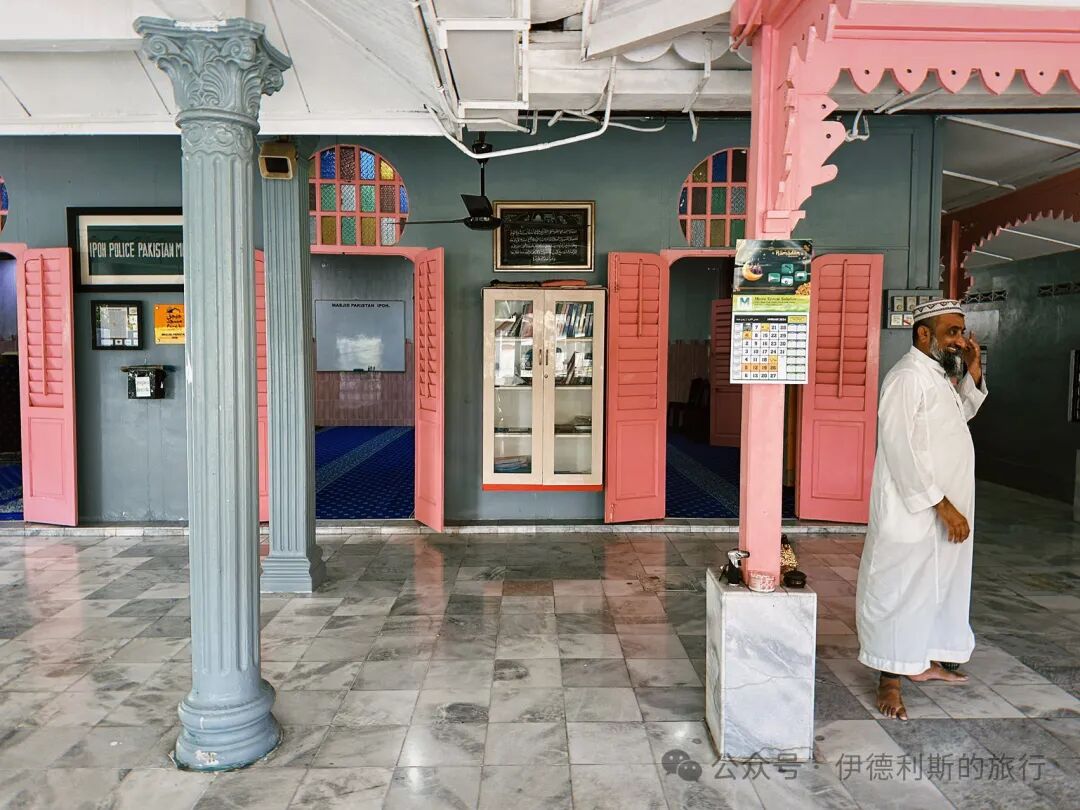
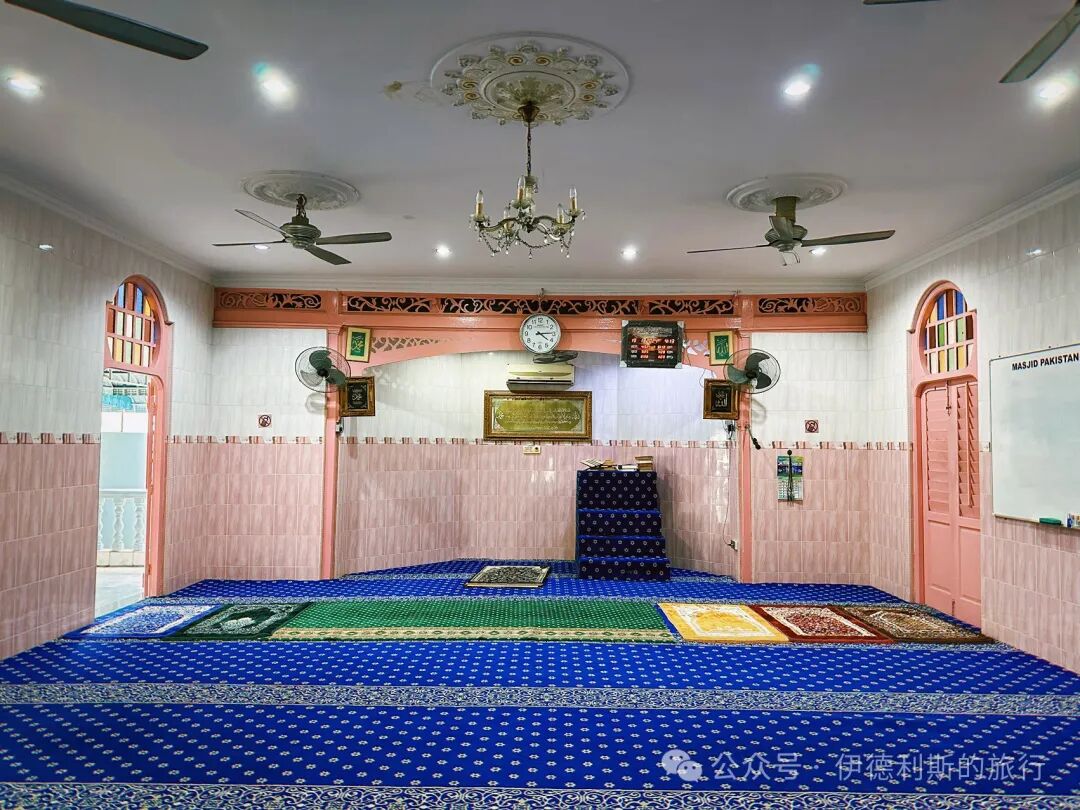
Besides South Indian Tamils, some North Indian Pathans (Pashtun descent) and Punjabis also came to Ipoh under British Malaya rule to work as police. They were responsible for keeping order during peacetime, and they fought bravely against the invaders during the Japanese occupation in 1941. In 1930, the British gave them a piece of land to build a mosque, which became their main gathering place on their day off. Today, this mosque is still used by Punjabi Pakistani Muslims and is known as the Pakistan Mosque.
The Ipoh Pakistan Mosque is mostly pink, which makes it look very cute. The imam was very kind and showed us where we could get water.
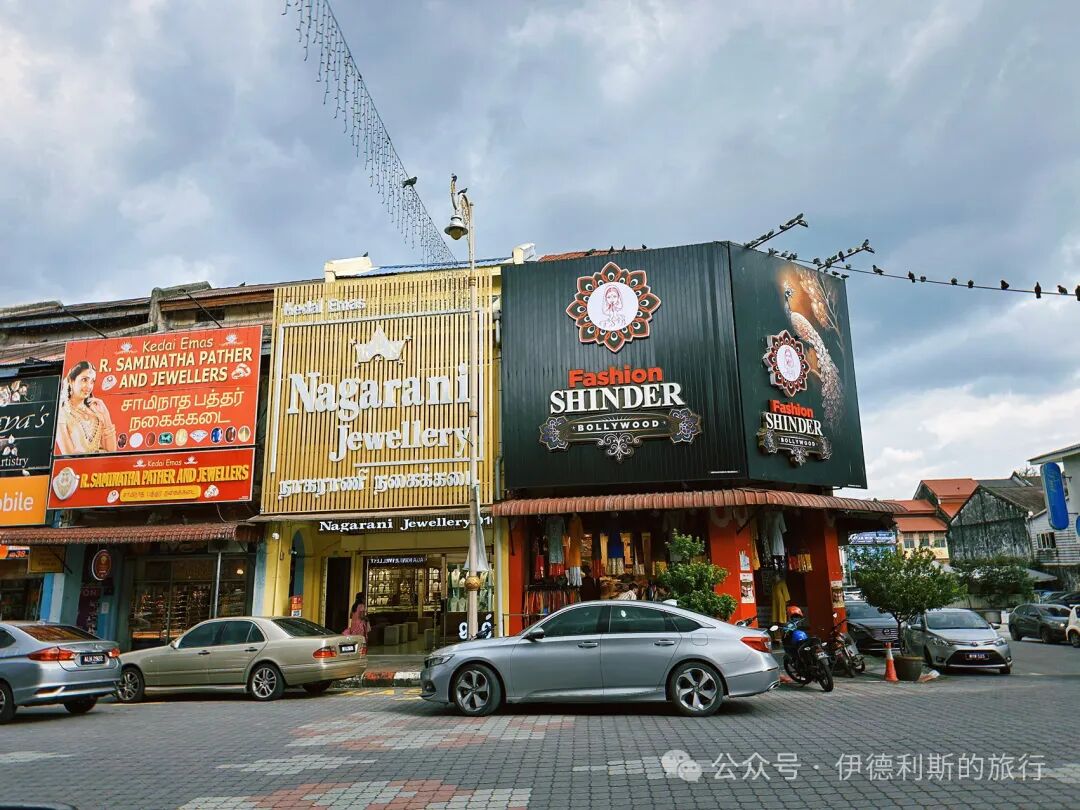
Right next to the Pakistan Mosque is Ipoh's Little India. Maybe it was because we went in the morning, but Ipoh's Little India didn't feel as busy as the one in Klang, though it still had all the flower shops, food stalls, and clothing stores.
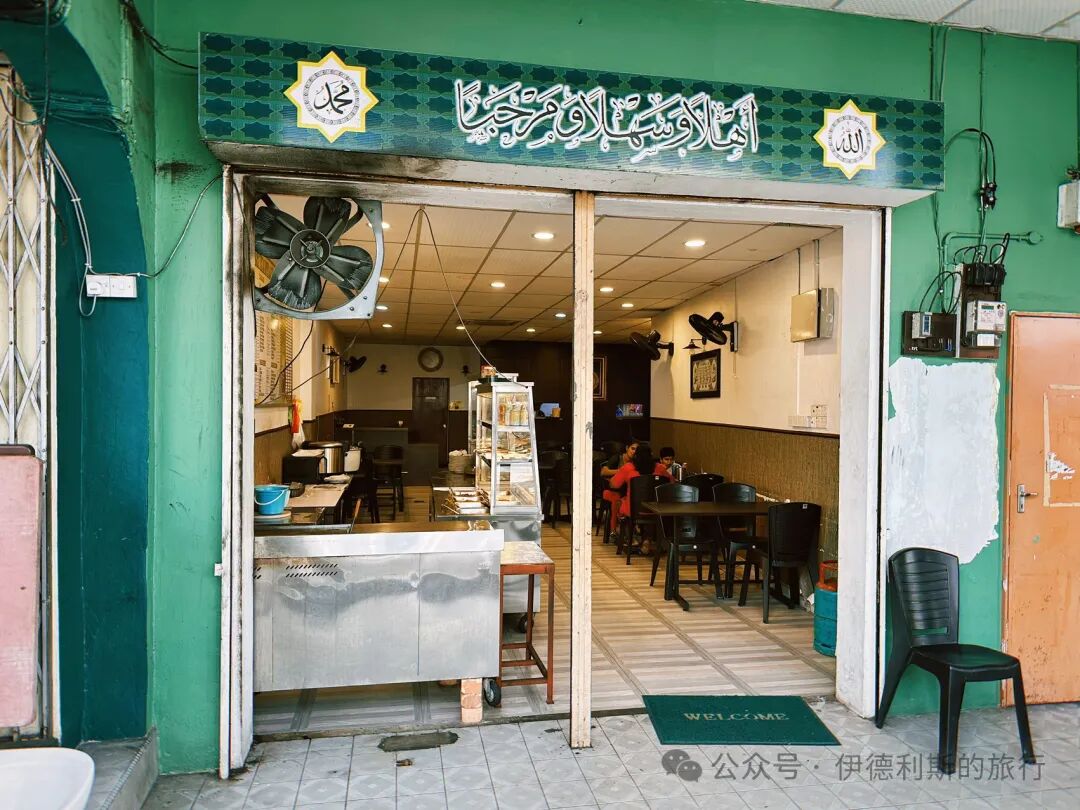
In the old town of Ipoh, we ate at a place with over 50 years of history called Gerai Makanan dan Minuman Rahamath. It is known as the best Tamil mamak stall for rice with curry (nasi kandar) in Ipoh, famous for its spicy tomato chicken, spiced fried chicken, and lamb curry, which is thick and fragrant.
Rice with curry (nasi kandar) is a dish invented by Tamil Muslims in Malaysia. It is simply rice served with various beef, lamb, chicken, fish, or shrimp curries and side dishes. When Tamils first arrived on the Malay Peninsula in the 19th century, most carried food on shoulder poles to sell along the streets, which is why their food became known as shoulder-pole rice (nasi kandar). By the 20th century, Tamil Muslims opened various restaurants and stalls, but the name shoulder-pole rice (nasi kandar) is still used today.
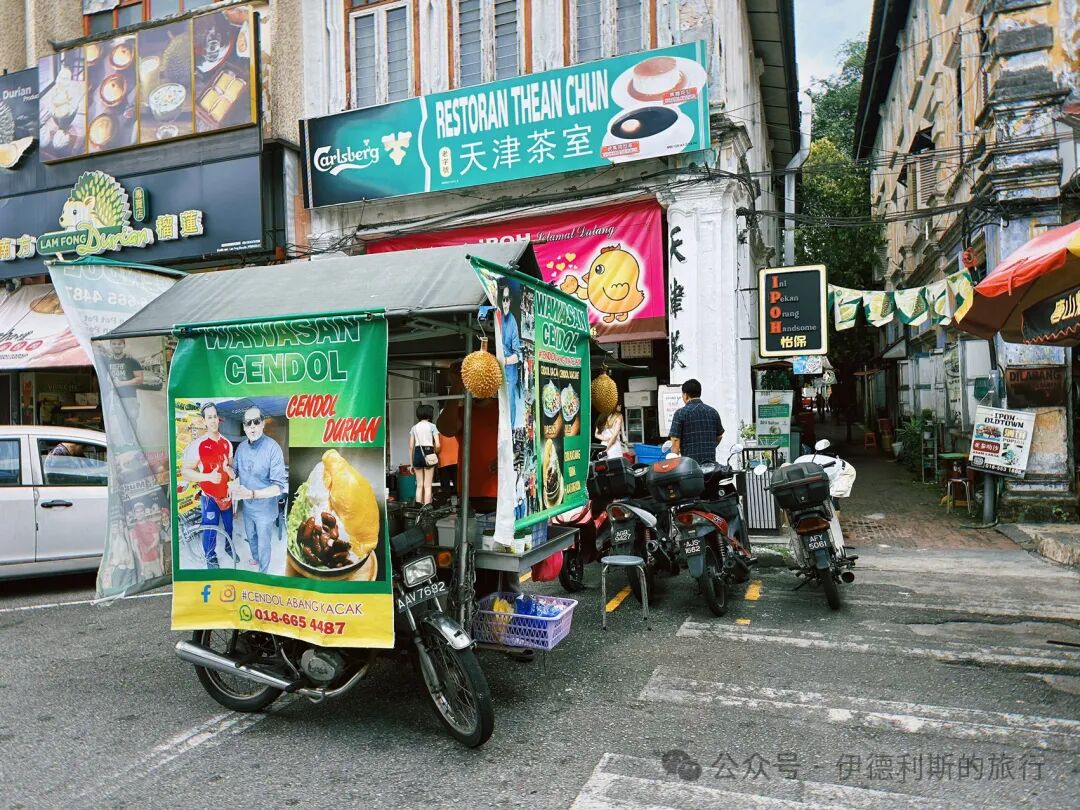
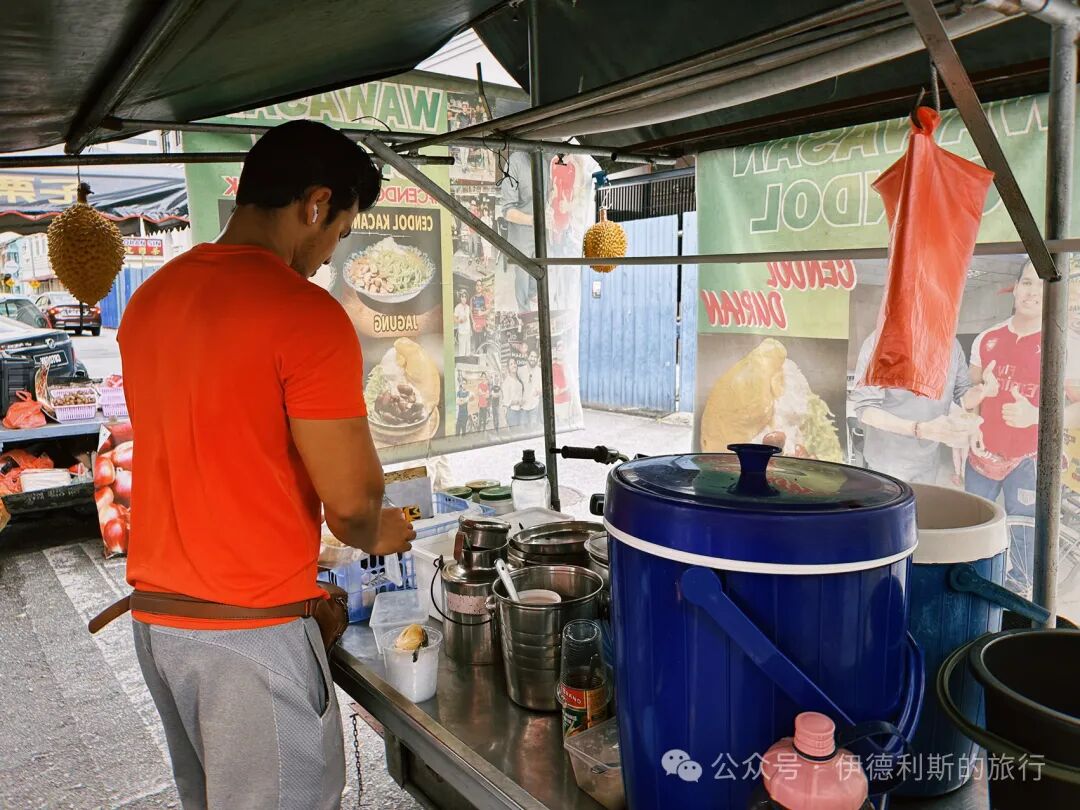
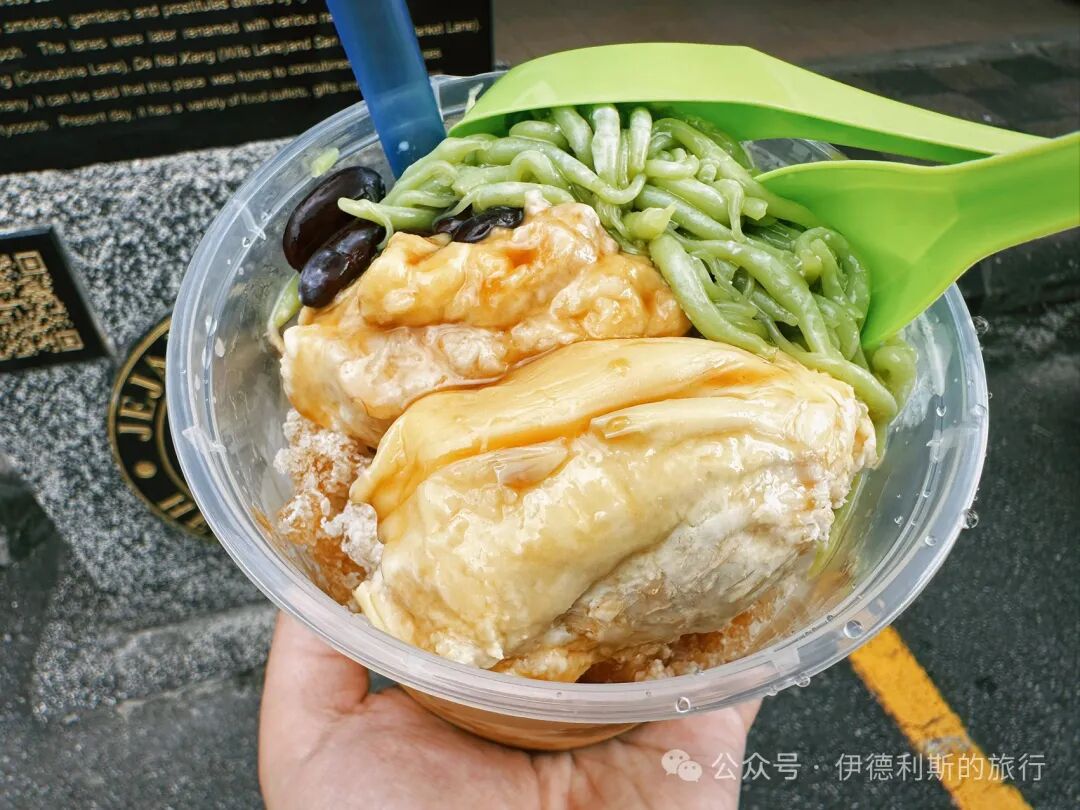
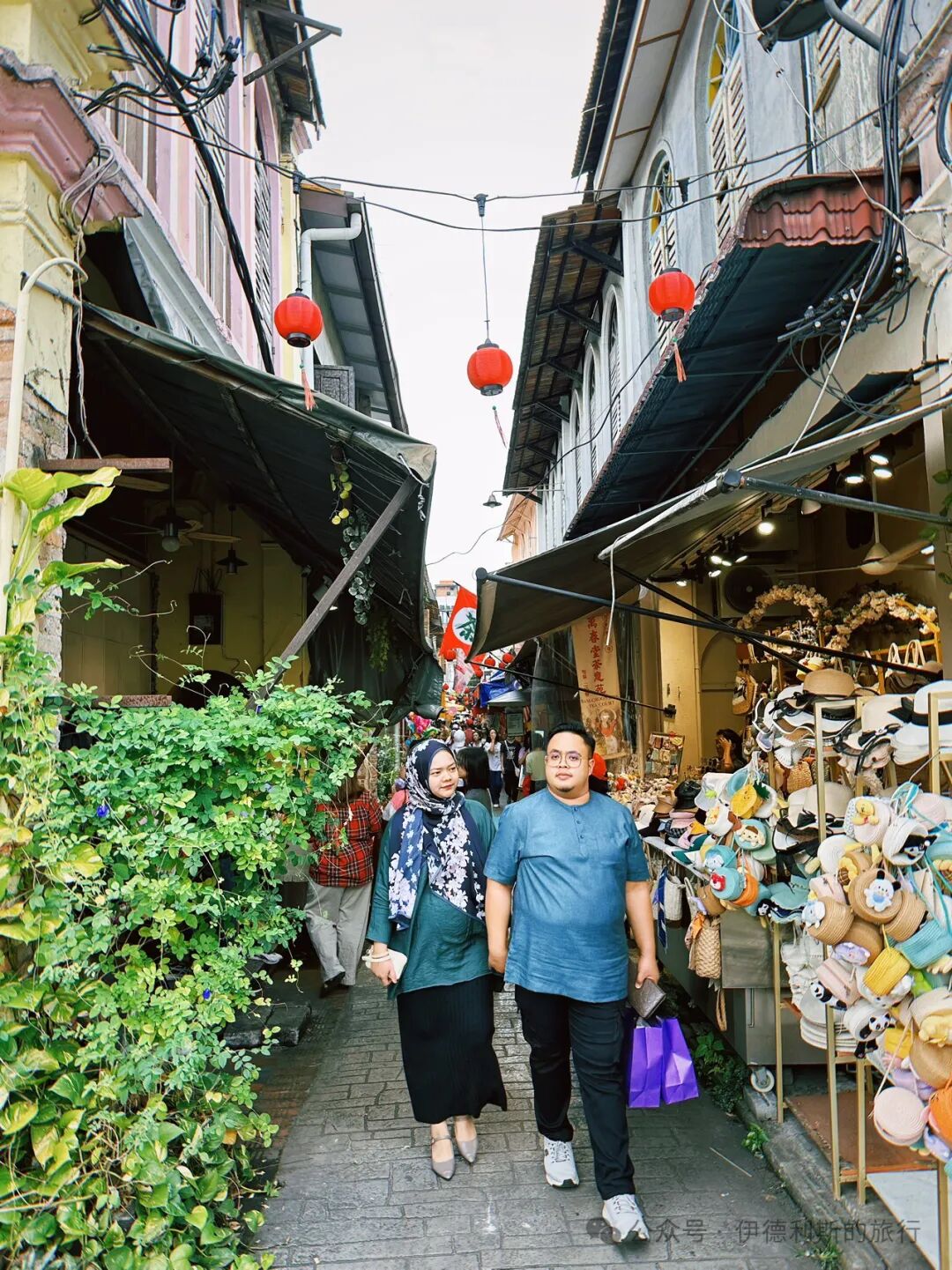
We also had durian shaved ice (cendol) at Concubine Lane in Ipoh's old town, and they gave us a huge piece of durian; eating durian in Malaysia is really a great deal.
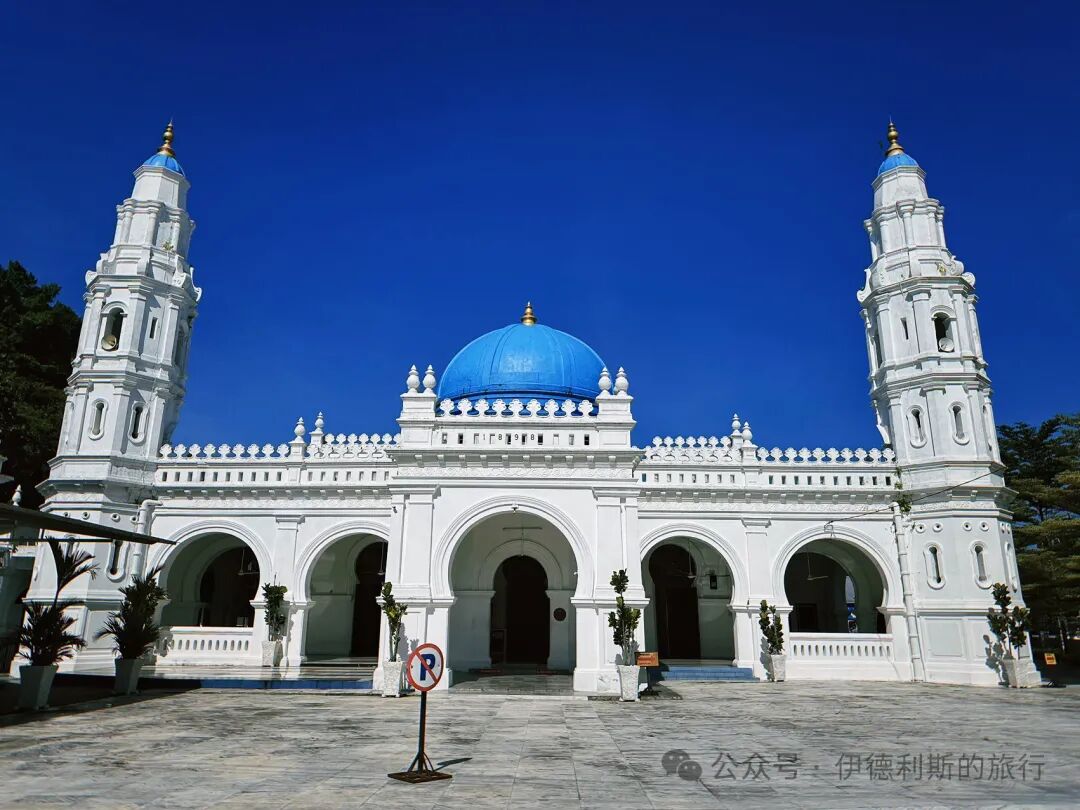
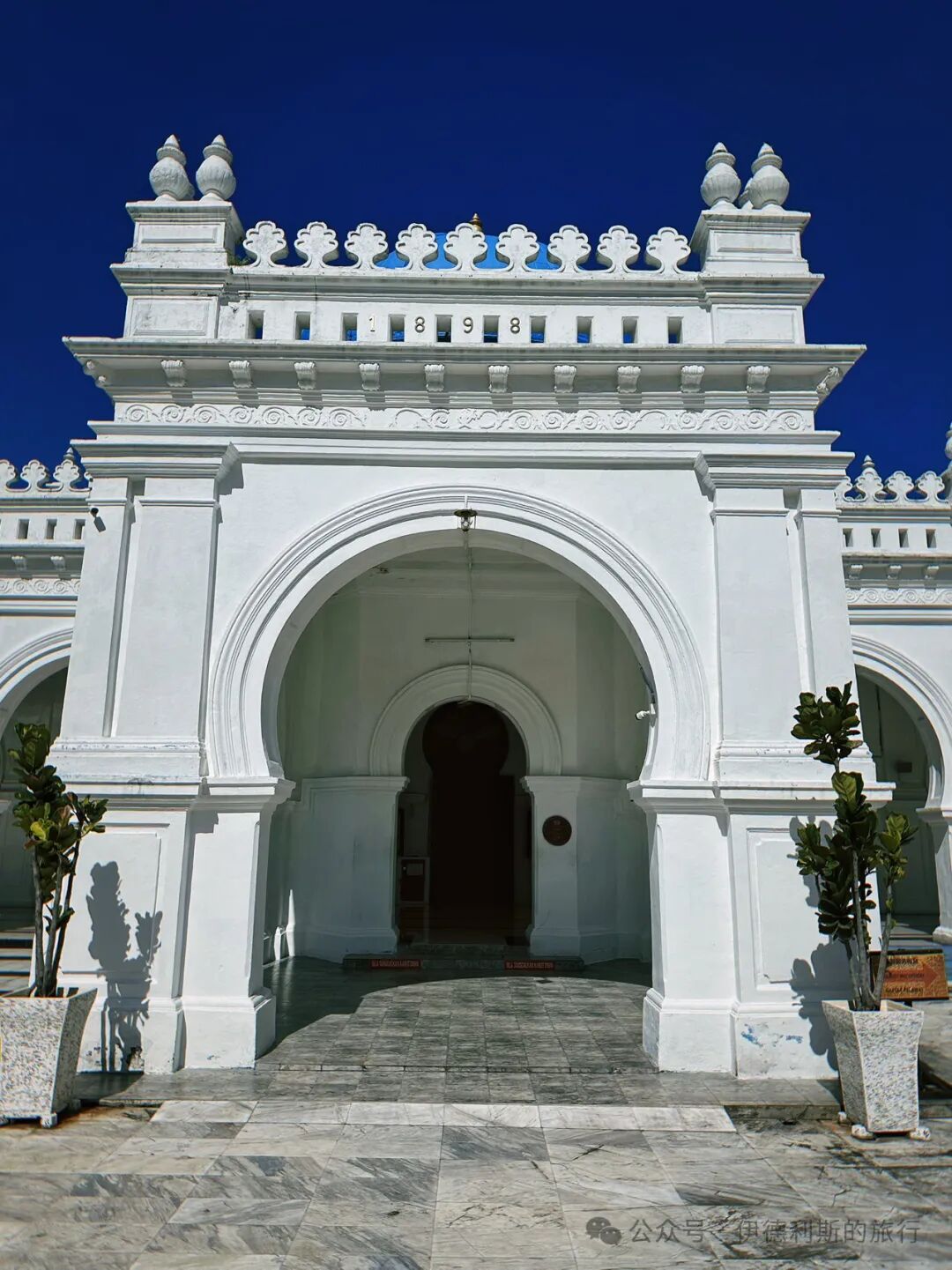
Panglima Kinta Mosque is located by the Kinta River in Ipoh. It was built in 1898 by the Malay chief who ruled Ipoh at the time, Panglima Kinta Muhamad Yusuff, to honor his wife. After it was finished, it became the center of the faith for the Malay people in Ipoh.
Panglima Kinta was one of the eight chiefs of Perak and the lord of the Kinta region. Under his rule, large numbers of laborers came to the Kinta Valley where Ipoh is located to mine tin, and Ipoh quickly grew from an unknown Malay village (kampung) into a city of shophouses. By the time Panglima Kinta passed away in 1903, he was likely one of the wealthiest lords on the Malay Peninsula.
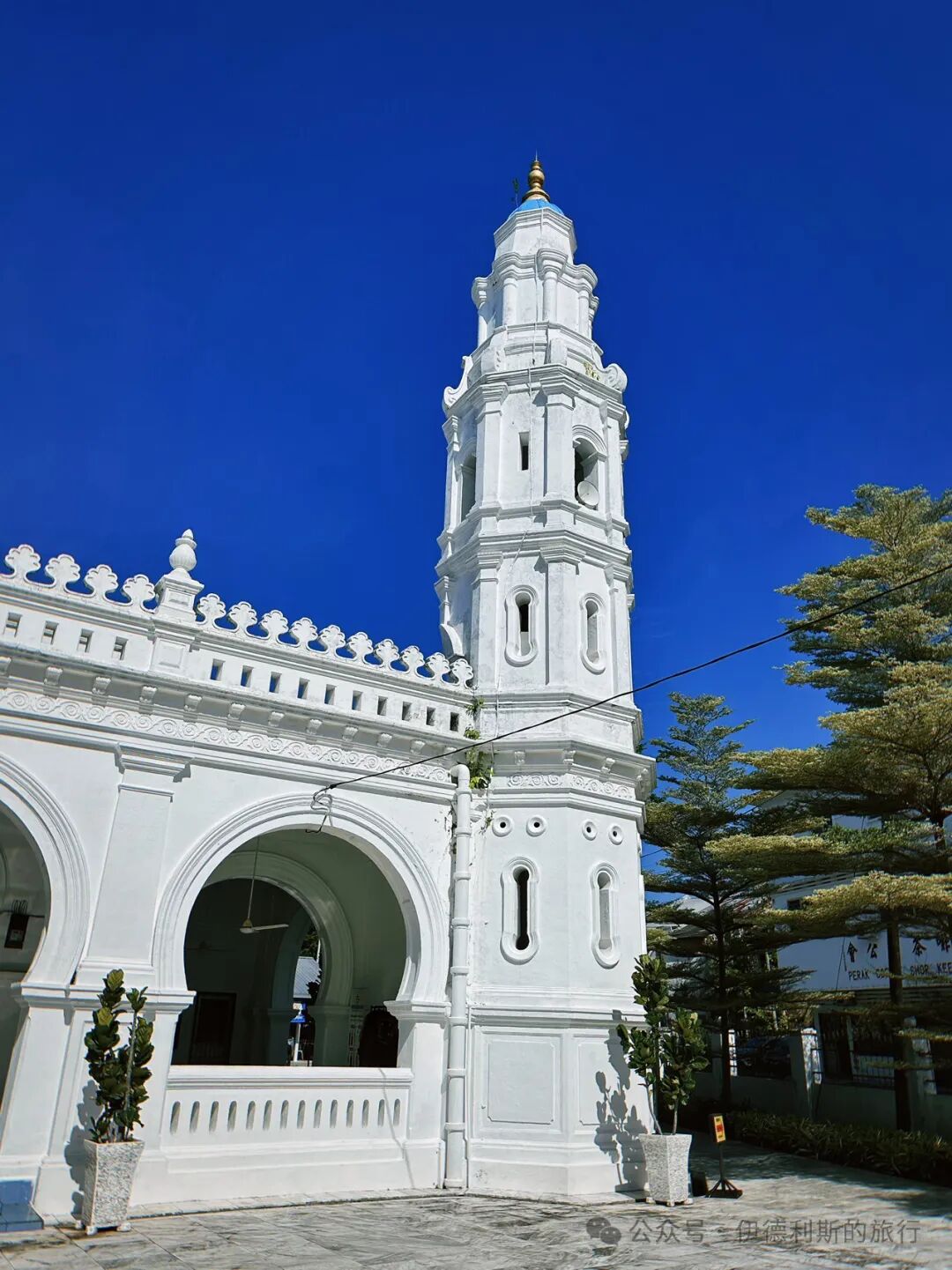
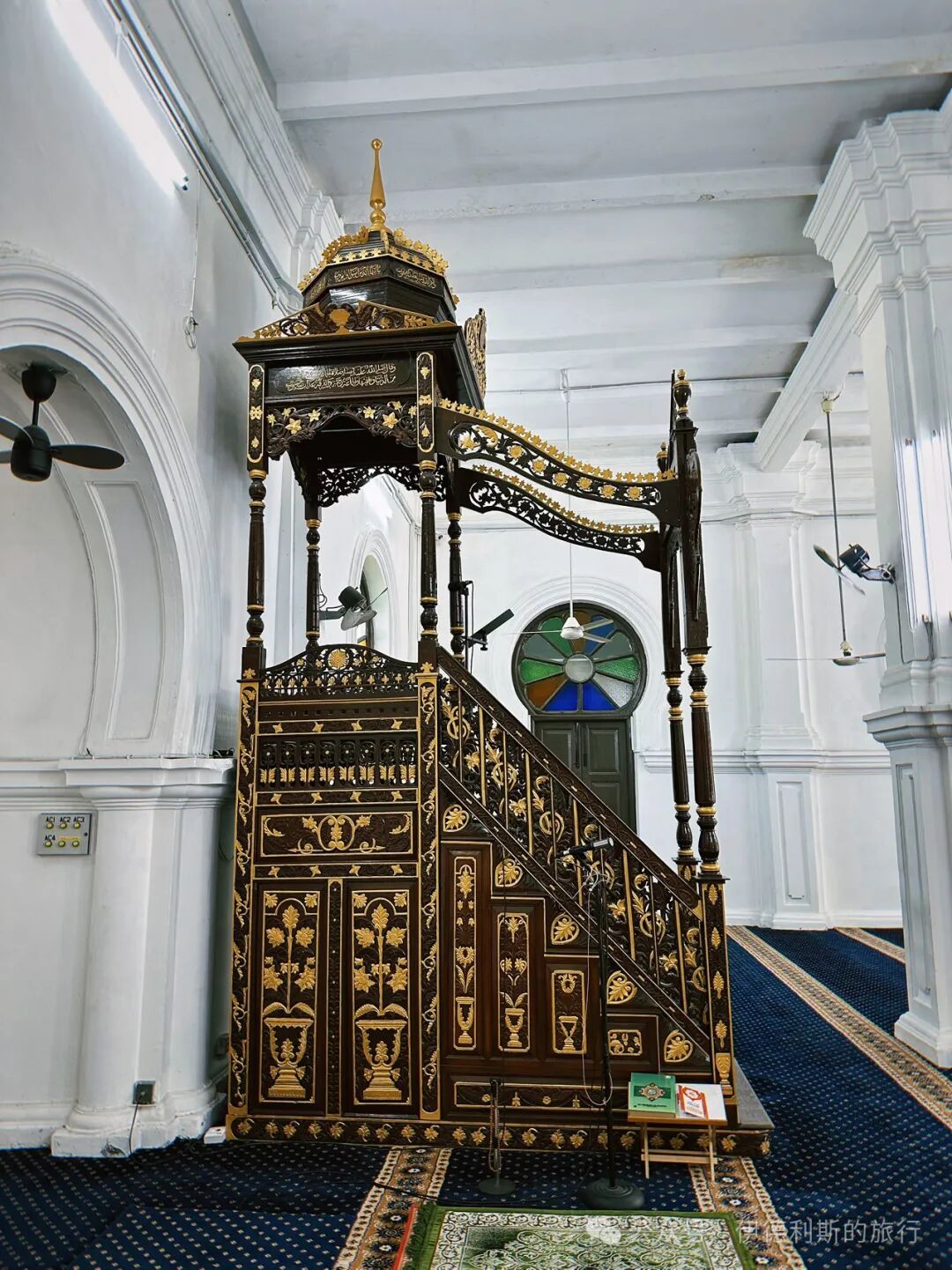
Panglima Kinta Mosque blends Indian-based Mughal style with Roman-Greek neoclassical style. The main hall has a semi-circular Mughal dome on top, while the octagonal minarets on both sides were influenced by Chinese brick towers. The minbar pulpit inside the main hall was built by a master Malay craftsman from Penang named Tuan Haji Mohamed Sopian, and its design is exquisite.
There are several other buildings surrounding the main hall of the Panglima Kinta Mosque. To the southeast of the main hall is the Balai Lintang, which was used for gatherings during Ramadan. It is now open as an exhibition hall, showcasing the history of the faith in Ipoh and the Kinta region, as well as the life of the Panglima Kinta lord.
The exhibition hall houses a traditional drum (beduk) found in Malay mosques. This single-sided drum is made by hollowing out jackfruit wood and covering one side with cowhide. Slow beats on the beduk drum signal the start of the call to prayer (bang), while rapid beats indicate that someone has passed away.
The exhibition hall also displays the traditional ceremonial headgear (tengkolok) of Perak state. The Sultan of Perak and the eight major chiefs wear the tengkolok when attending various ceremonies.
Further east stands a religious school built in the style of a traditional Malay wooden house. People say Shaik Tholji, a teacher from Egypt, once taught here and made a great contribution to the development of the local faith.
The mosque grounds also contain the graves of the Panglima Kinta lords from past generations.
I found a rattan and bamboo shop on the streets of Ipoh. These beaters used for cleaning blankets and quilts are quite interesting. view all
Summary: Halal Travel Guide: Ipoh, Malaysia - Indian and Malay Mosques is presented here as a firsthand travel account in clear, natural English. The account focuses on Ipoh, Malaysia, Mosques while preserving the names, places, food, photos, and historical details from the Chinese source.
Ipoh is north of Kuala Lumpur and serves as the capital of Perak state, a city famous for its history and culture. Ipoh is known as the Tin Capital. After 1880, the Kinta Valley where Ipoh sits attracted many workers to mine its rich tin deposits, and Ipoh quickly grew into a mining town.
In the late 19th century, many South Indian Tamils came to Ipoh to make a living. The wealthy businessman Shaik Adam Mohammad Ghaus was the most influential among them, and he started Ipoh's first ice factory and soda factory. Under his leadership, his Indian laborers built the Ipoh Indian Mosque between 1905 and 1908.
The main hall of the Ipoh Indian Mosque was modeled after the Hall of Private Audience (Diwan-i-Khas) at the Red Fort in Delhi, featuring the same rectangular layout and scalloped arches. The defensive-style railings on the roof of the main hall were also influenced by Mughal architecture.
Besides South Indian Tamils, some North Indian Pathans (Pashtun descent) and Punjabis also came to Ipoh under British Malaya rule to work as police. They were responsible for keeping order during peacetime, and they fought bravely against the invaders during the Japanese occupation in 1941. In 1930, the British gave them a piece of land to build a mosque, which became their main gathering place on their day off. Today, this mosque is still used by Punjabi Pakistani Muslims and is known as the Pakistan Mosque.
The Ipoh Pakistan Mosque is mostly pink, which makes it look very cute. The imam was very kind and showed us where we could get water.
Right next to the Pakistan Mosque is Ipoh's Little India. Maybe it was because we went in the morning, but Ipoh's Little India didn't feel as busy as the one in Klang, though it still had all the flower shops, food stalls, and clothing stores.
In the old town of Ipoh, we ate at a place with over 50 years of history called Gerai Makanan dan Minuman Rahamath. It is known as the best Tamil mamak stall for rice with curry (nasi kandar) in Ipoh, famous for its spicy tomato chicken, spiced fried chicken, and lamb curry, which is thick and fragrant.
Rice with curry (nasi kandar) is a dish invented by Tamil Muslims in Malaysia. It is simply rice served with various beef, lamb, chicken, fish, or shrimp curries and side dishes. When Tamils first arrived on the Malay Peninsula in the 19th century, most carried food on shoulder poles to sell along the streets, which is why their food became known as shoulder-pole rice (nasi kandar). By the 20th century, Tamil Muslims opened various restaurants and stalls, but the name shoulder-pole rice (nasi kandar) is still used today.
We also had durian shaved ice (cendol) at Concubine Lane in Ipoh's old town, and they gave us a huge piece of durian; eating durian in Malaysia is really a great deal.
Panglima Kinta Mosque is located by the Kinta River in Ipoh. It was built in 1898 by the Malay chief who ruled Ipoh at the time, Panglima Kinta Muhamad Yusuff, to honor his wife. After it was finished, it became the center of the faith for the Malay people in Ipoh.
Panglima Kinta was one of the eight chiefs of Perak and the lord of the Kinta region. Under his rule, large numbers of laborers came to the Kinta Valley where Ipoh is located to mine tin, and Ipoh quickly grew from an unknown Malay village (kampung) into a city of shophouses. By the time Panglima Kinta passed away in 1903, he was likely one of the wealthiest lords on the Malay Peninsula.
Panglima Kinta Mosque blends Indian-based Mughal style with Roman-Greek neoclassical style. The main hall has a semi-circular Mughal dome on top, while the octagonal minarets on both sides were influenced by Chinese brick towers. The minbar pulpit inside the main hall was built by a master Malay craftsman from Penang named Tuan Haji Mohamed Sopian, and its design is exquisite.
There are several other buildings surrounding the main hall of the Panglima Kinta Mosque. To the southeast of the main hall is the Balai Lintang, which was used for gatherings during Ramadan. It is now open as an exhibition hall, showcasing the history of the faith in Ipoh and the Kinta region, as well as the life of the Panglima Kinta lord.
The exhibition hall houses a traditional drum (beduk) found in Malay mosques. This single-sided drum is made by hollowing out jackfruit wood and covering one side with cowhide. Slow beats on the beduk drum signal the start of the call to prayer (bang), while rapid beats indicate that someone has passed away.
The exhibition hall also displays the traditional ceremonial headgear (tengkolok) of Perak state. The Sultan of Perak and the eight major chiefs wear the tengkolok when attending various ceremonies.
Further east stands a religious school built in the style of a traditional Malay wooden house. People say Shaik Tholji, a teacher from Egypt, once taught here and made a great contribution to the development of the local faith.
The mosque grounds also contain the graves of the Panglima Kinta lords from past generations.
I found a rattan and bamboo shop on the streets of Ipoh. These beaters used for cleaning blankets and quilts are quite interesting. view all
Reposted from the web
Summary: Halal Travel Guide: Ipoh, Malaysia - Indian and Malay Mosques is presented here as a firsthand travel account in clear, natural English. The account focuses on Ipoh, Malaysia, Mosques while preserving the names, places, food, photos, and historical details from the Chinese source.
Ipoh is north of Kuala Lumpur and serves as the capital of Perak state, a city famous for its history and culture. Ipoh is known as the Tin Capital. After 1880, the Kinta Valley where Ipoh sits attracted many workers to mine its rich tin deposits, and Ipoh quickly grew into a mining town.
In the late 19th century, many South Indian Tamils came to Ipoh to make a living. The wealthy businessman Shaik Adam Mohammad Ghaus was the most influential among them, and he started Ipoh's first ice factory and soda factory. Under his leadership, his Indian laborers built the Ipoh Indian Mosque between 1905 and 1908.
The main hall of the Ipoh Indian Mosque was modeled after the Hall of Private Audience (Diwan-i-Khas) at the Red Fort in Delhi, featuring the same rectangular layout and scalloped arches. The defensive-style railings on the roof of the main hall were also influenced by Mughal architecture.
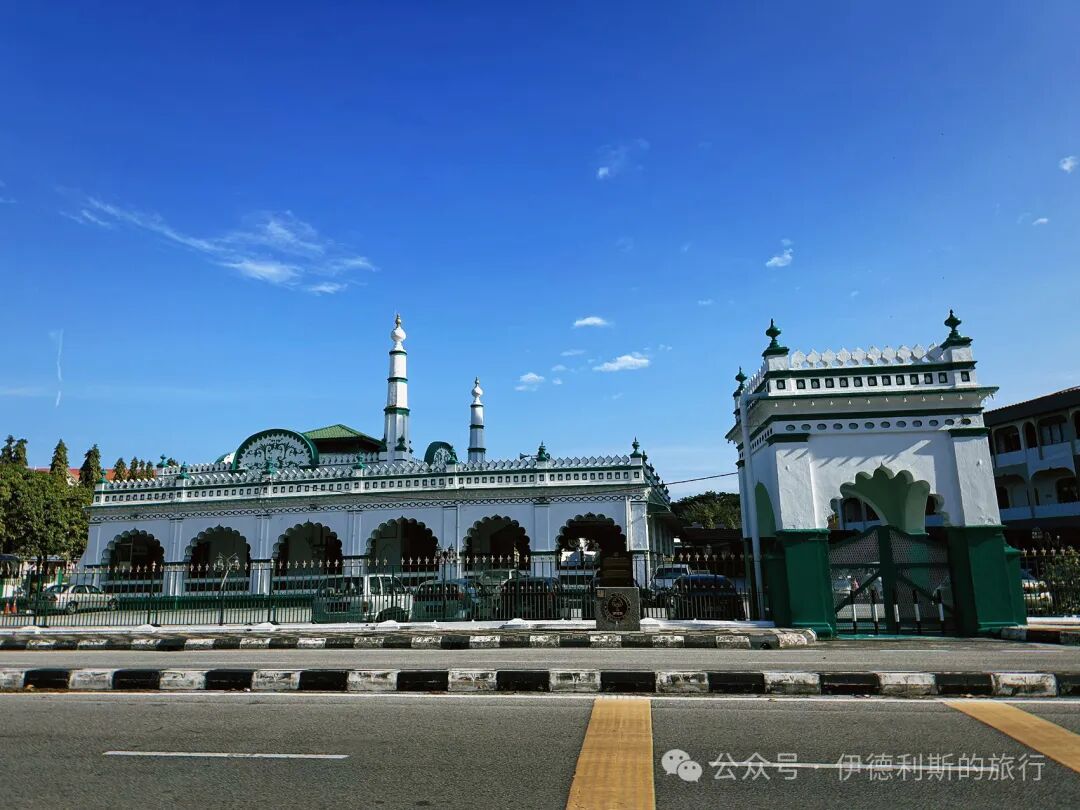
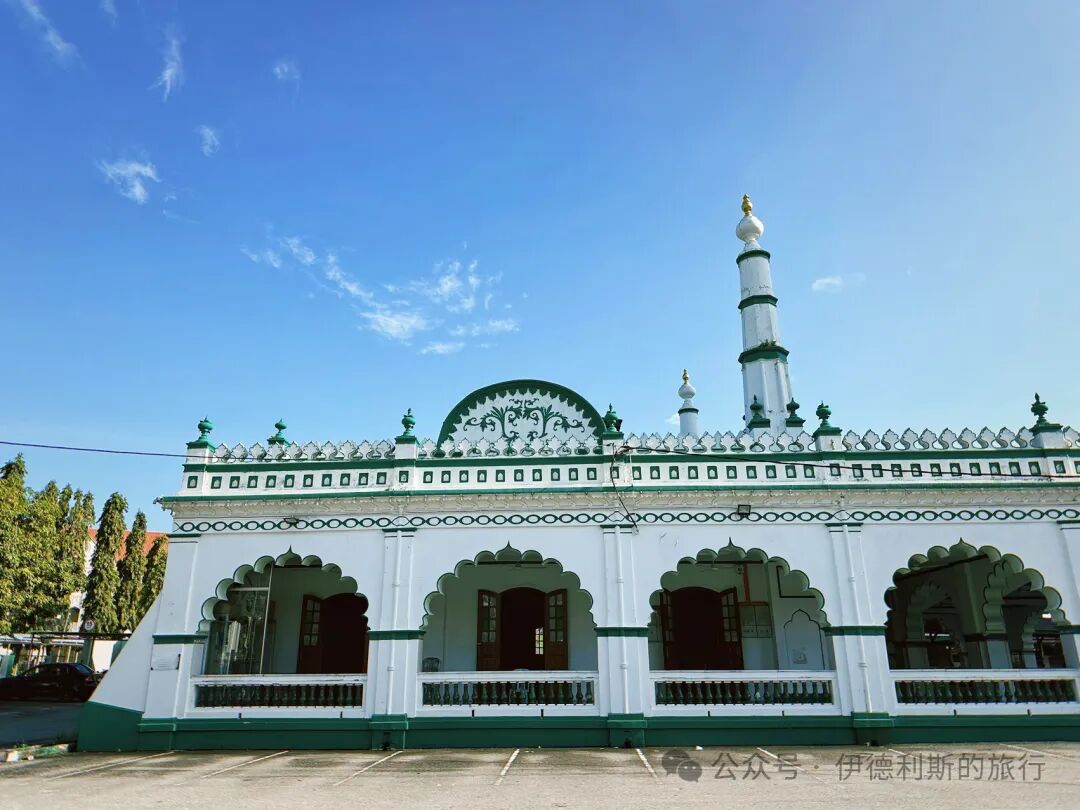
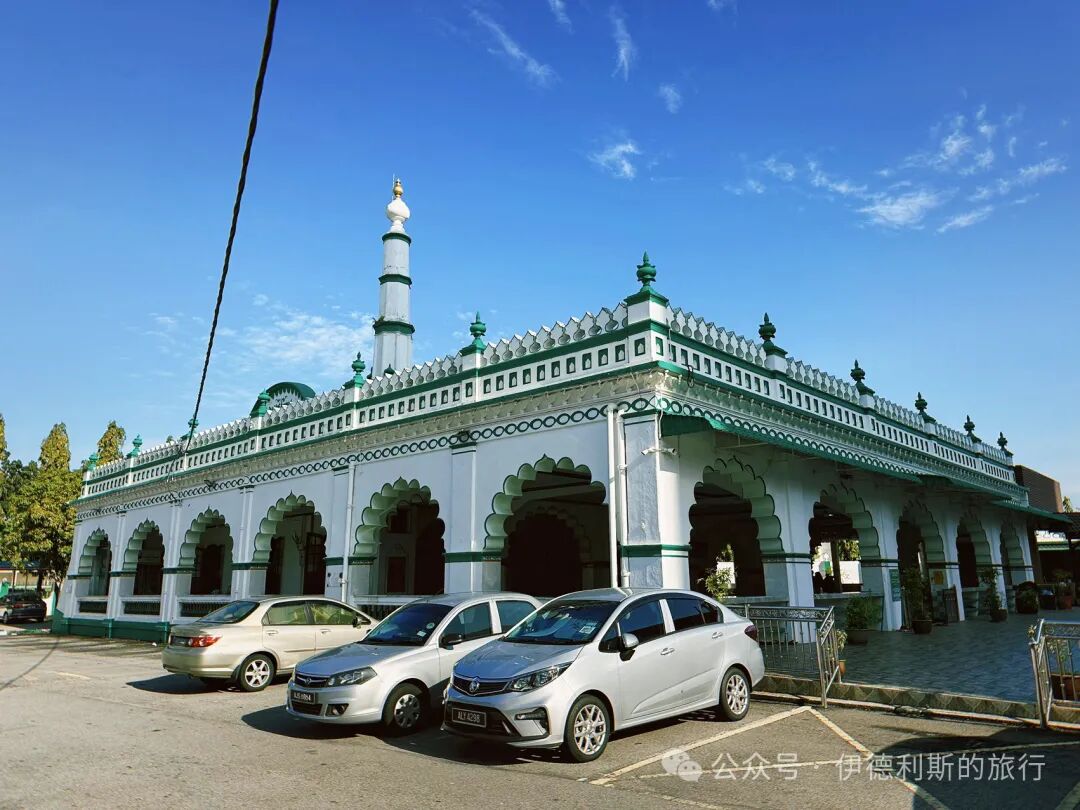
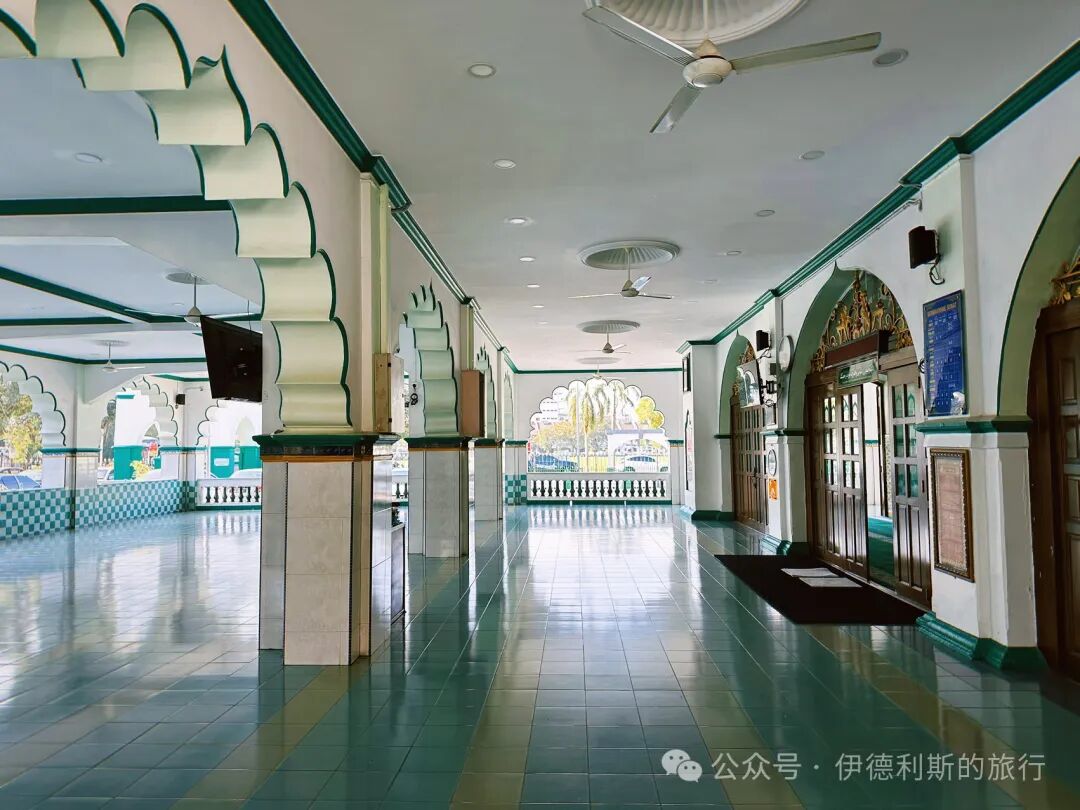
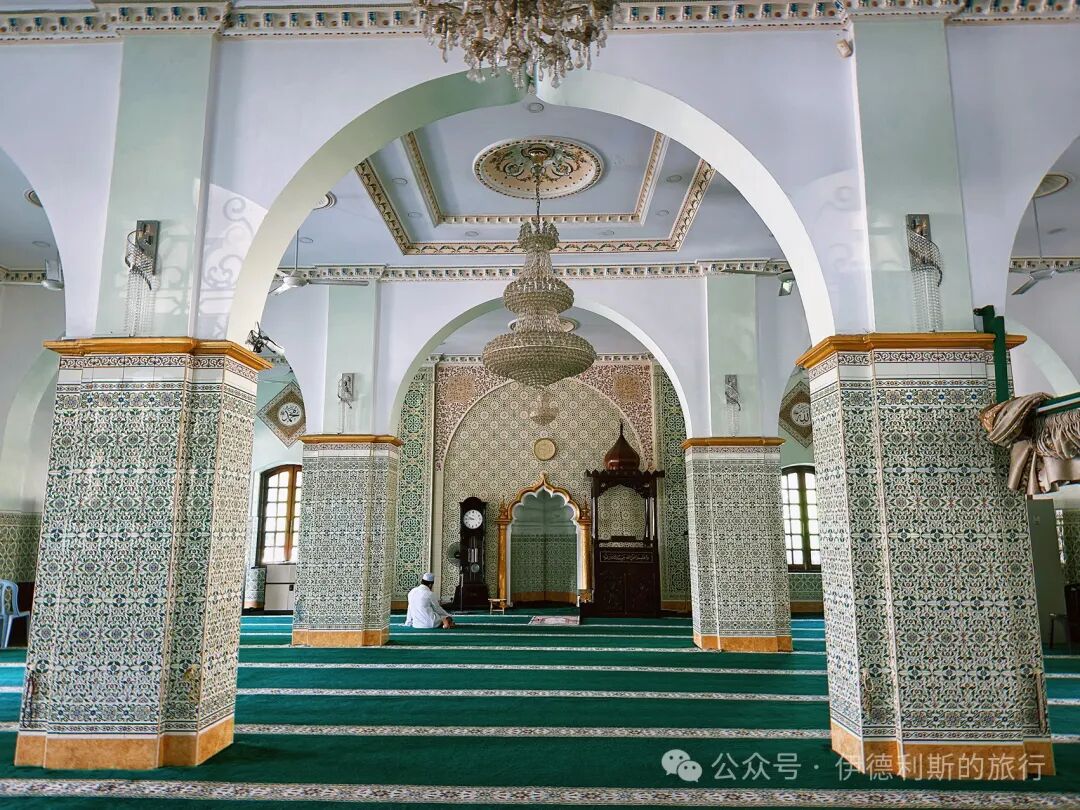
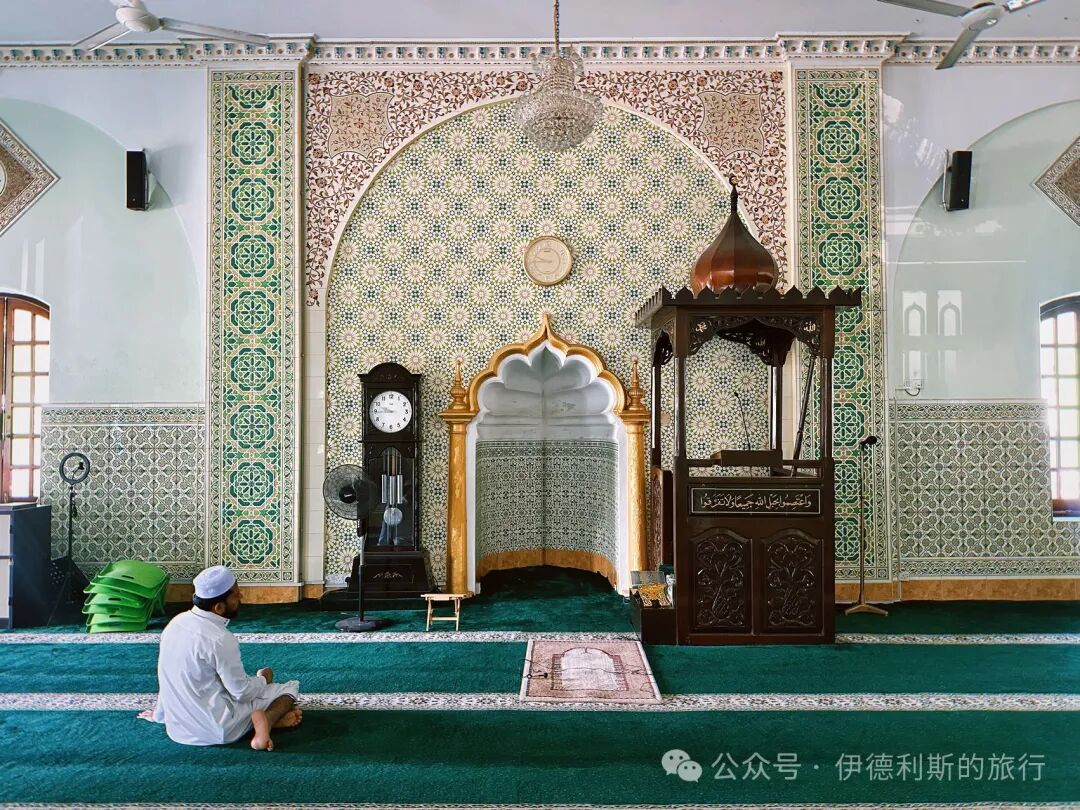
Besides South Indian Tamils, some North Indian Pathans (Pashtun descent) and Punjabis also came to Ipoh under British Malaya rule to work as police. They were responsible for keeping order during peacetime, and they fought bravely against the invaders during the Japanese occupation in 1941. In 1930, the British gave them a piece of land to build a mosque, which became their main gathering place on their day off. Today, this mosque is still used by Punjabi Pakistani Muslims and is known as the Pakistan Mosque.
The Ipoh Pakistan Mosque is mostly pink, which makes it look very cute. The imam was very kind and showed us where we could get water.
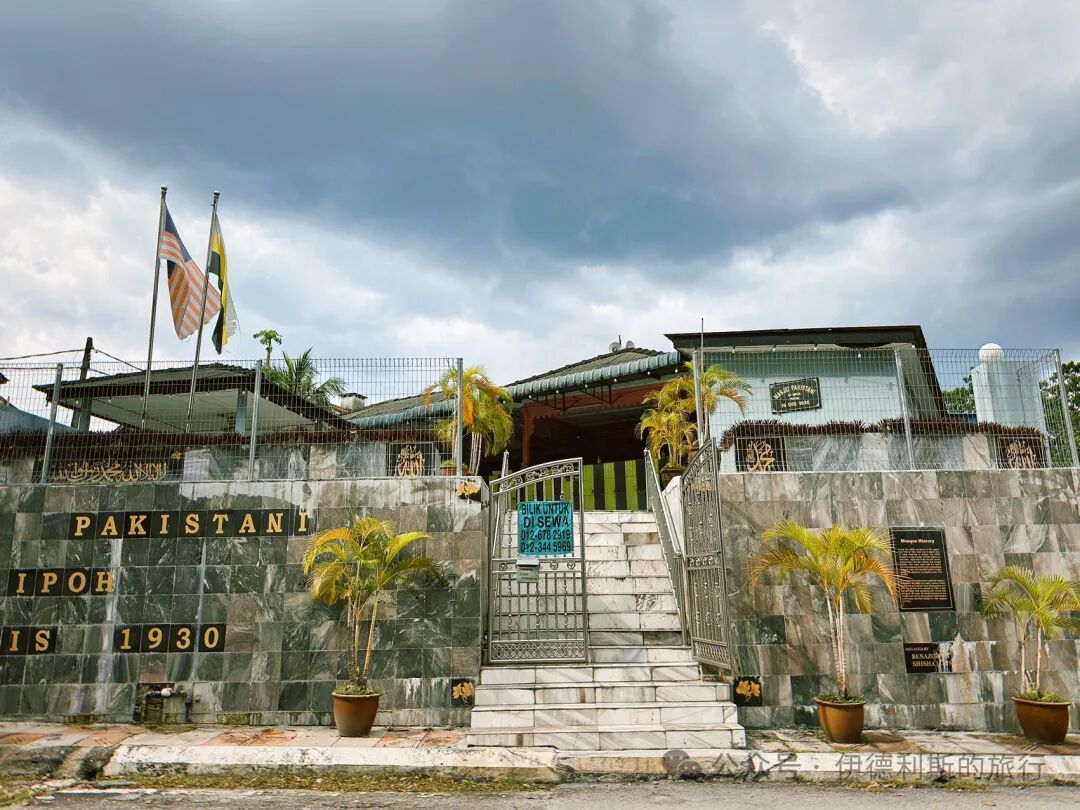
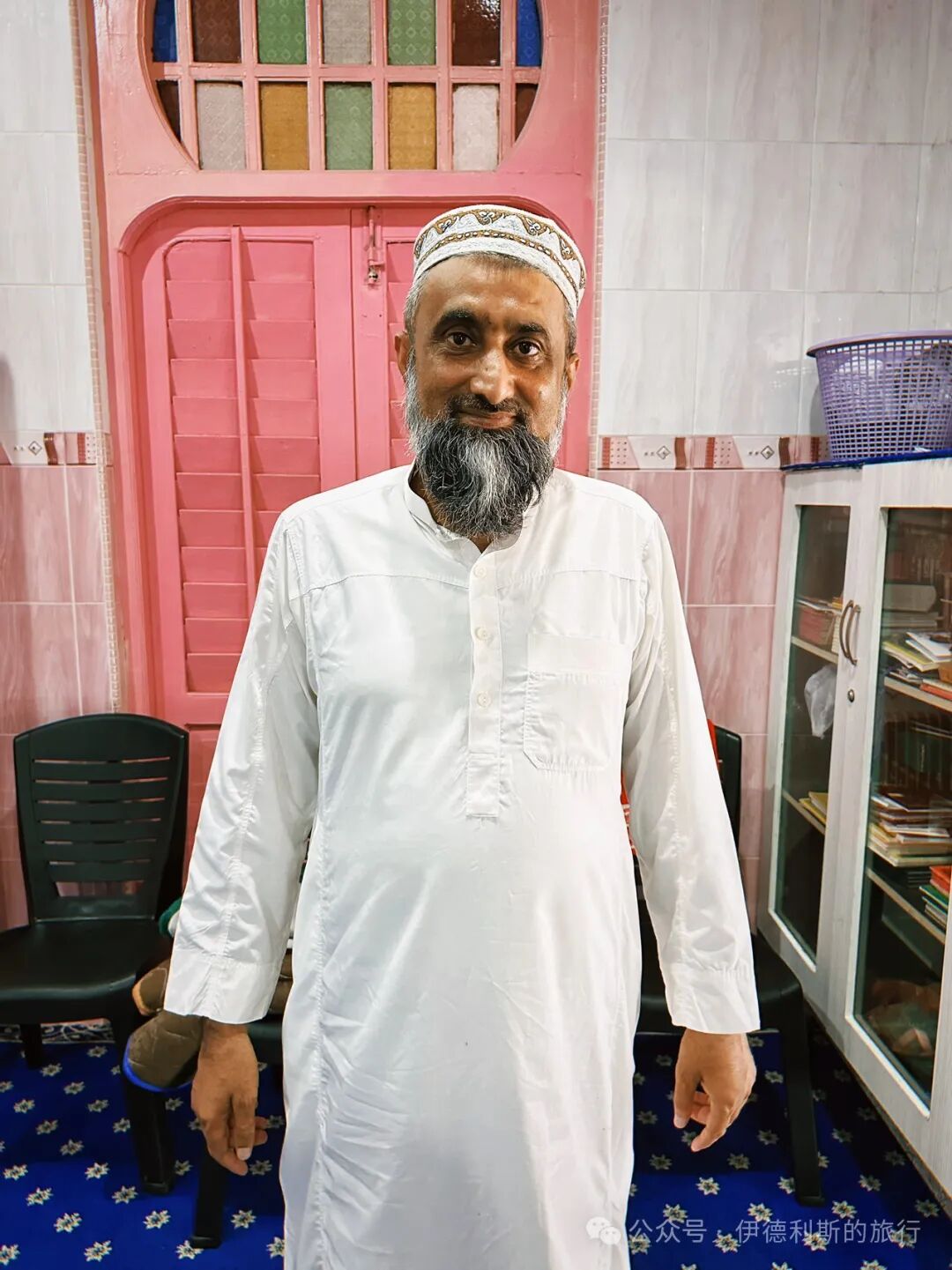
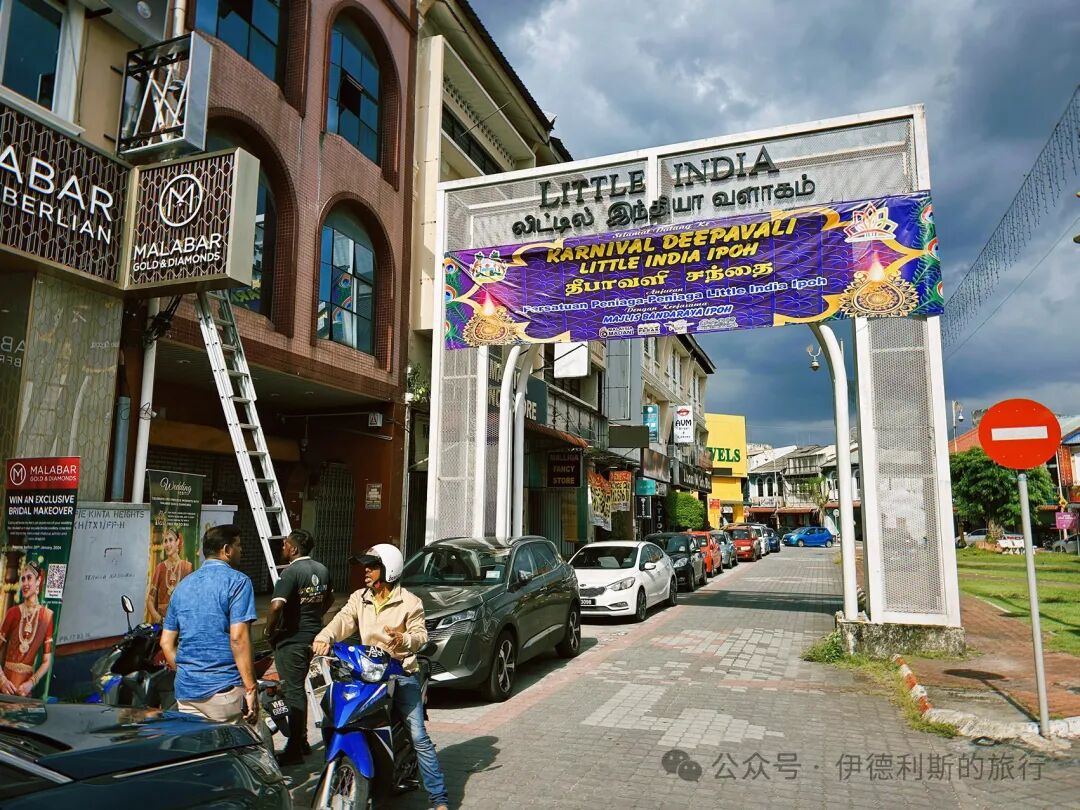
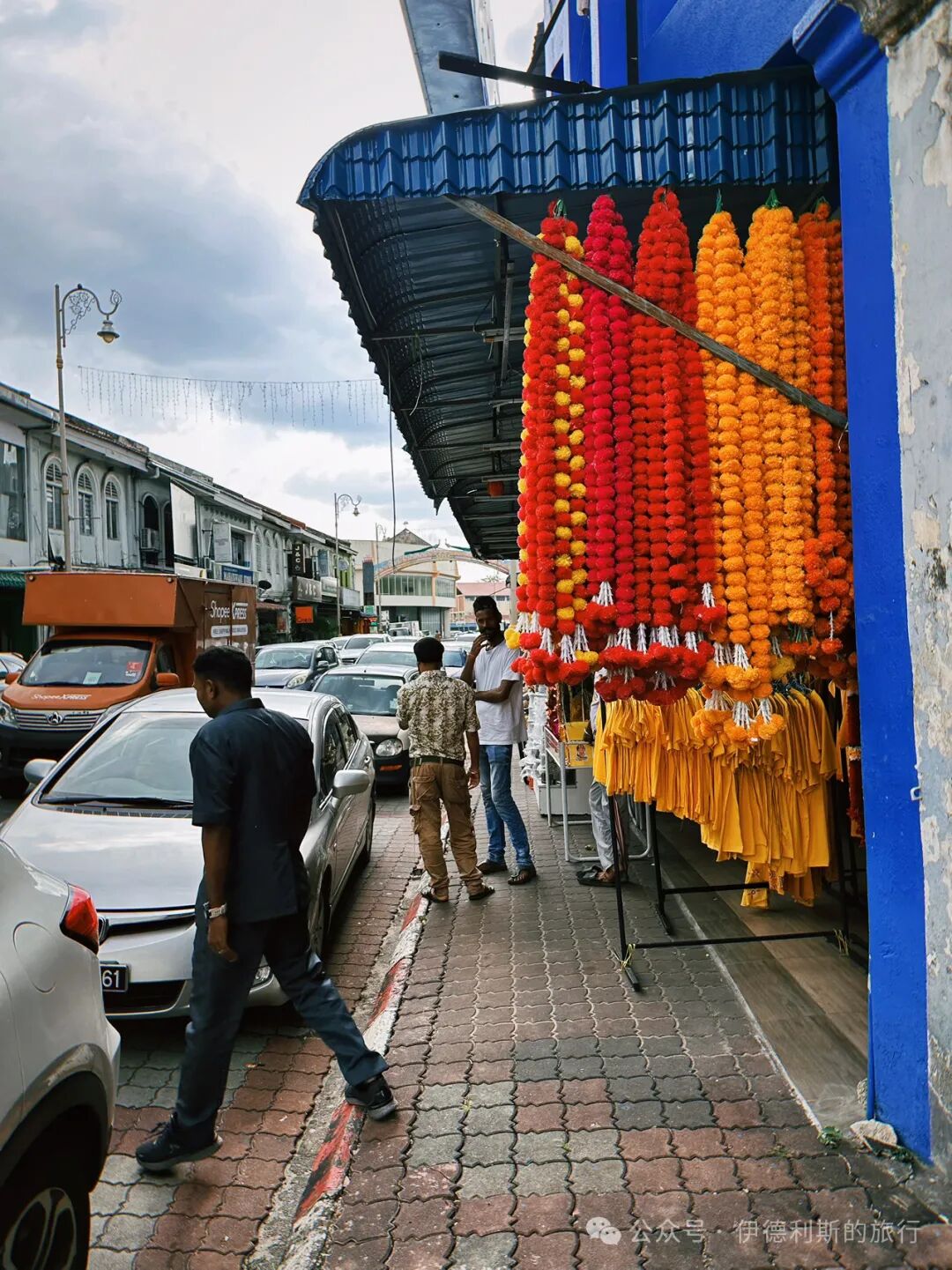
Right next to the Pakistan Mosque is Ipoh's Little India. Maybe it was because we went in the morning, but Ipoh's Little India didn't feel as busy as the one in Klang, though it still had all the flower shops, food stalls, and clothing stores.
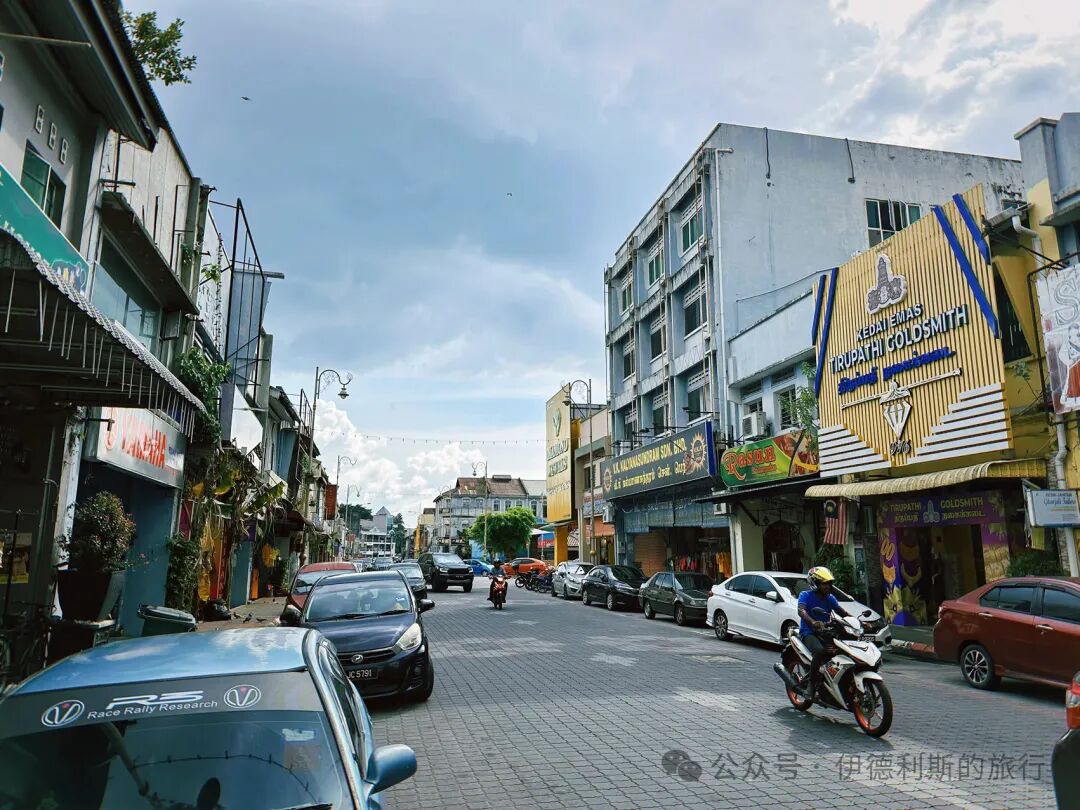
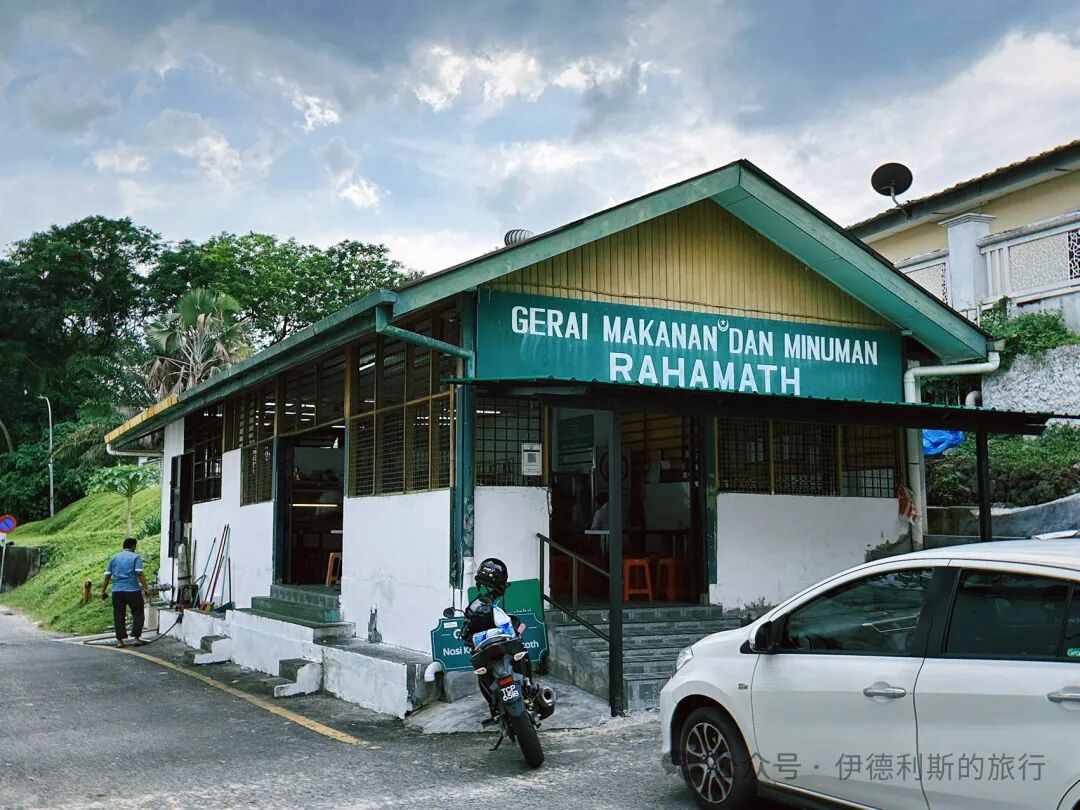
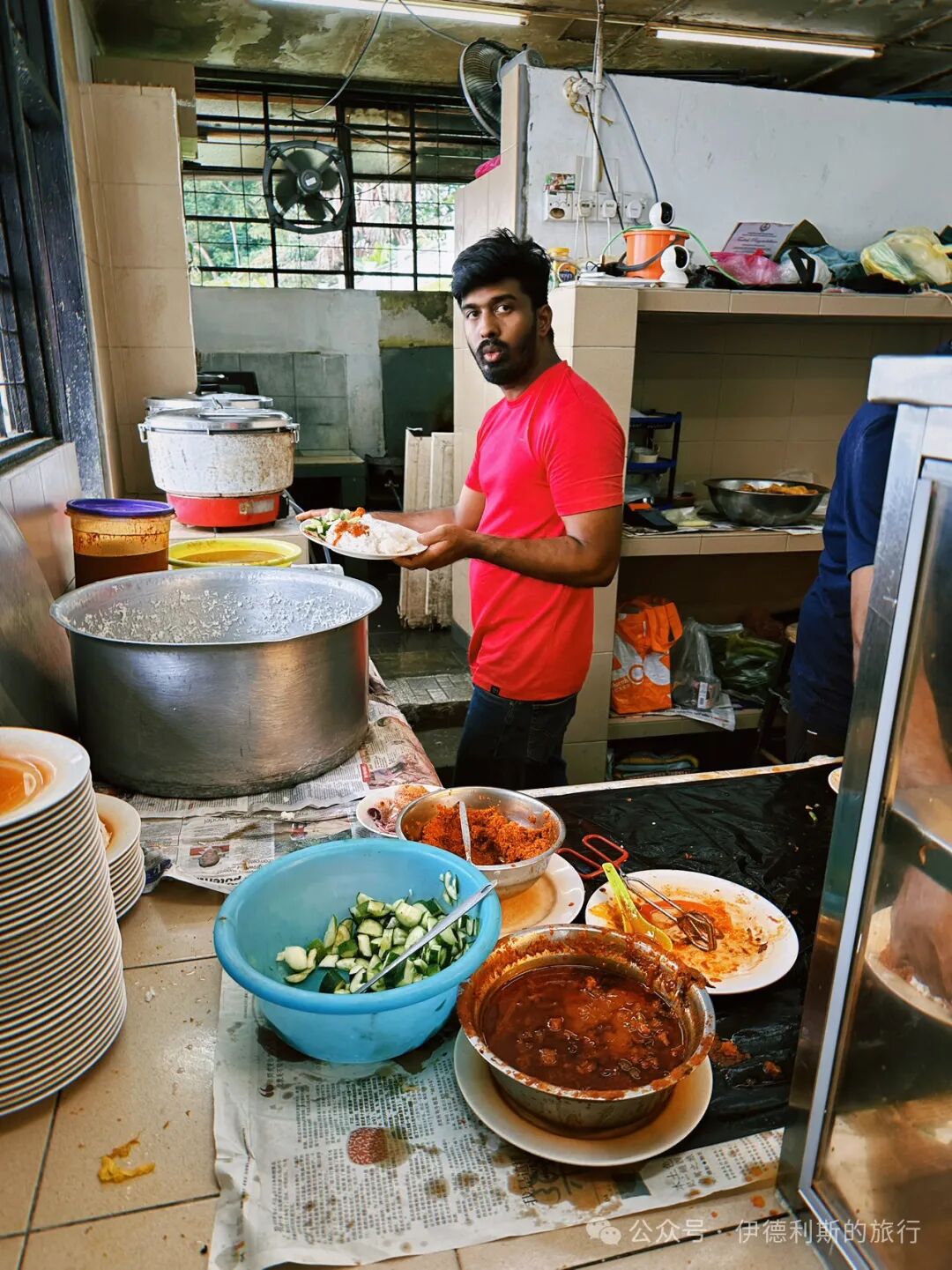
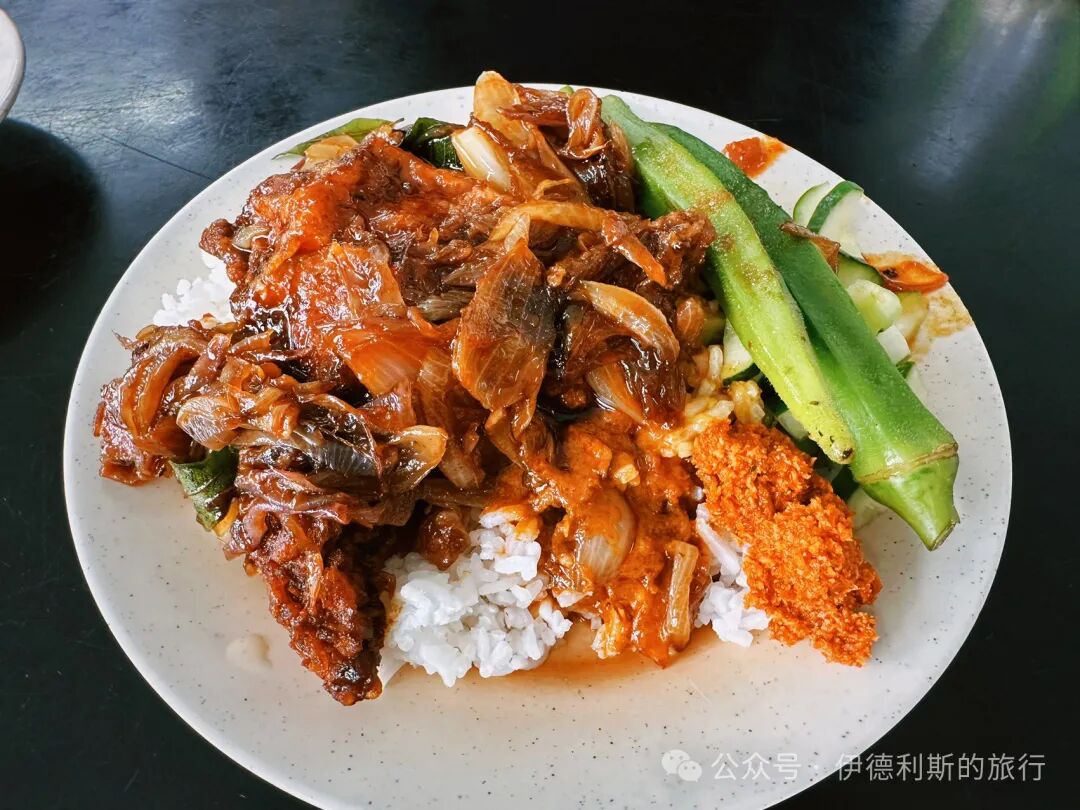
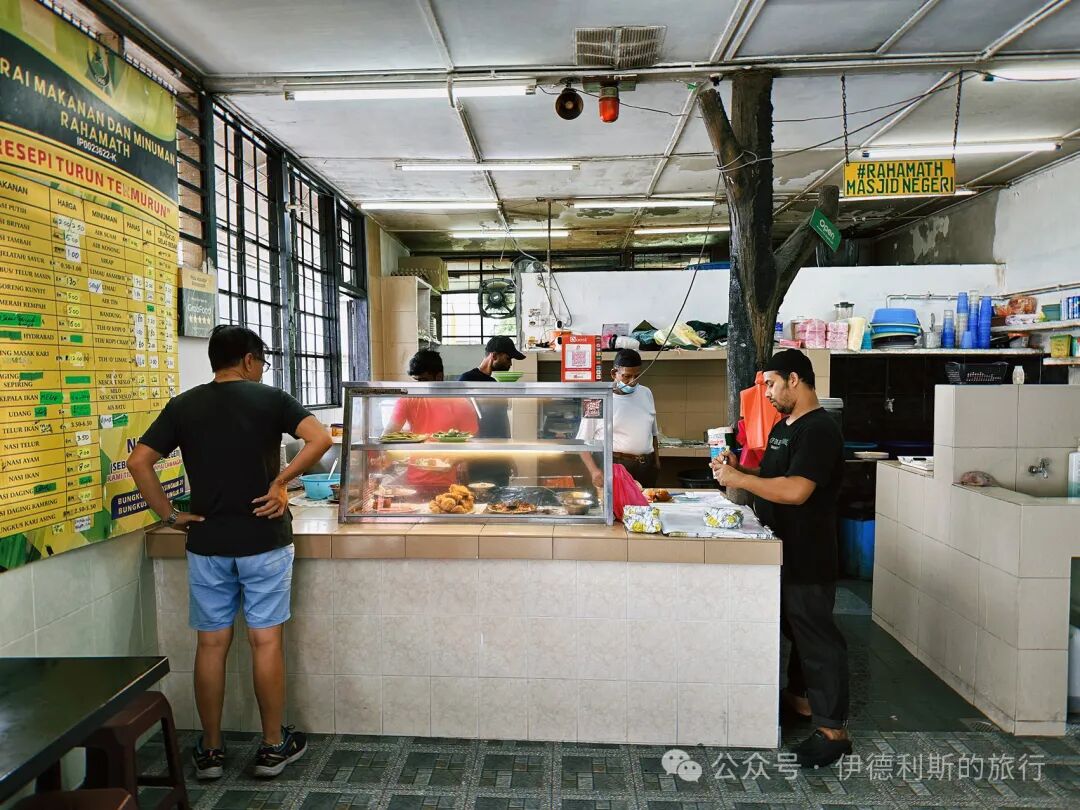
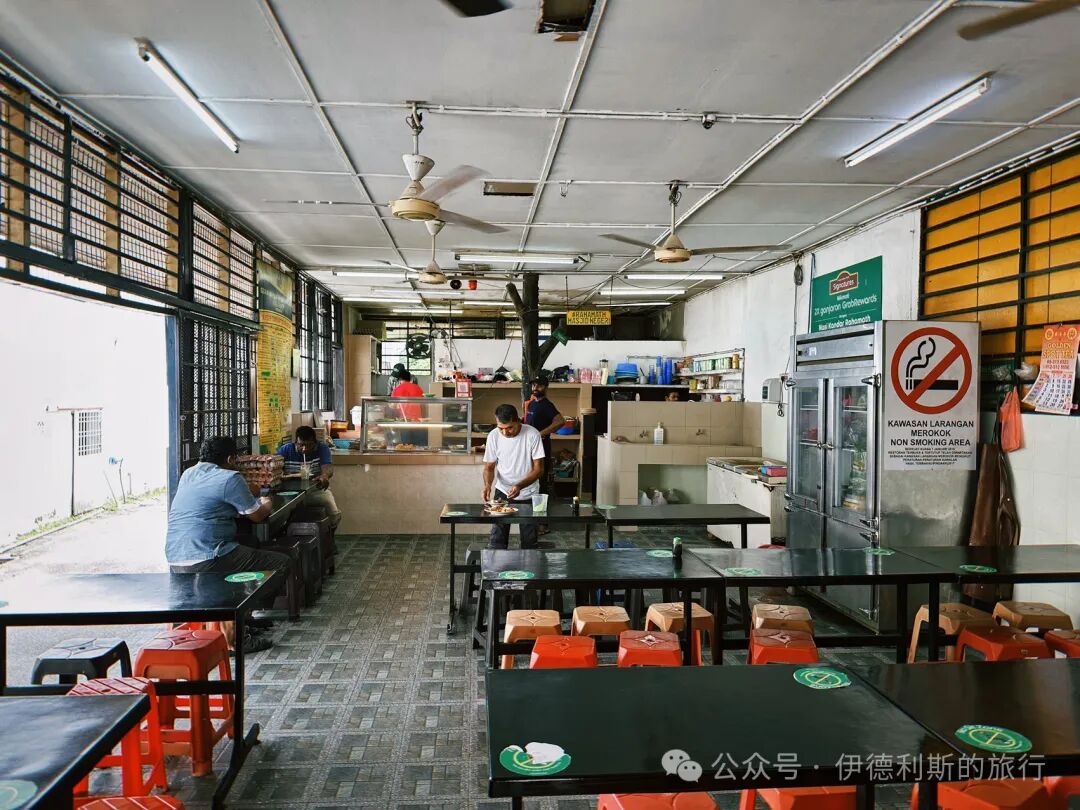
In the old town of Ipoh, we ate at a place with over 50 years of history called Gerai Makanan dan Minuman Rahamath. It is known as the best Tamil mamak stall for rice with curry (nasi kandar) in Ipoh, famous for its spicy tomato chicken, spiced fried chicken, and lamb curry, which is thick and fragrant.
Rice with curry (nasi kandar) is a dish invented by Tamil Muslims in Malaysia. It is simply rice served with various beef, lamb, chicken, fish, or shrimp curries and side dishes. When Tamils first arrived on the Malay Peninsula in the 19th century, most carried food on shoulder poles to sell along the streets, which is why their food became known as shoulder-pole rice (nasi kandar). By the 20th century, Tamil Muslims opened various restaurants and stalls, but the name shoulder-pole rice (nasi kandar) is still used today.
We also had durian shaved ice (cendol) at Concubine Lane in Ipoh's old town, and they gave us a huge piece of durian; eating durian in Malaysia is really a great deal.
Panglima Kinta Mosque is located by the Kinta River in Ipoh. It was built in 1898 by the Malay chief who ruled Ipoh at the time, Panglima Kinta Muhamad Yusuff, to honor his wife. After it was finished, it became the center of the faith for the Malay people in Ipoh.
Panglima Kinta was one of the eight chiefs of Perak and the lord of the Kinta region. Under his rule, large numbers of laborers came to the Kinta Valley where Ipoh is located to mine tin, and Ipoh quickly grew from an unknown Malay village (kampung) into a city of shophouses. By the time Panglima Kinta passed away in 1903, he was likely one of the wealthiest lords on the Malay Peninsula.
Panglima Kinta Mosque blends Indian-based Mughal style with Roman-Greek neoclassical style. The main hall has a semi-circular Mughal dome on top, while the octagonal minarets on both sides were influenced by Chinese brick towers. The minbar pulpit inside the main hall was built by a master Malay craftsman from Penang named Tuan Haji Mohamed Sopian, and its design is exquisite.
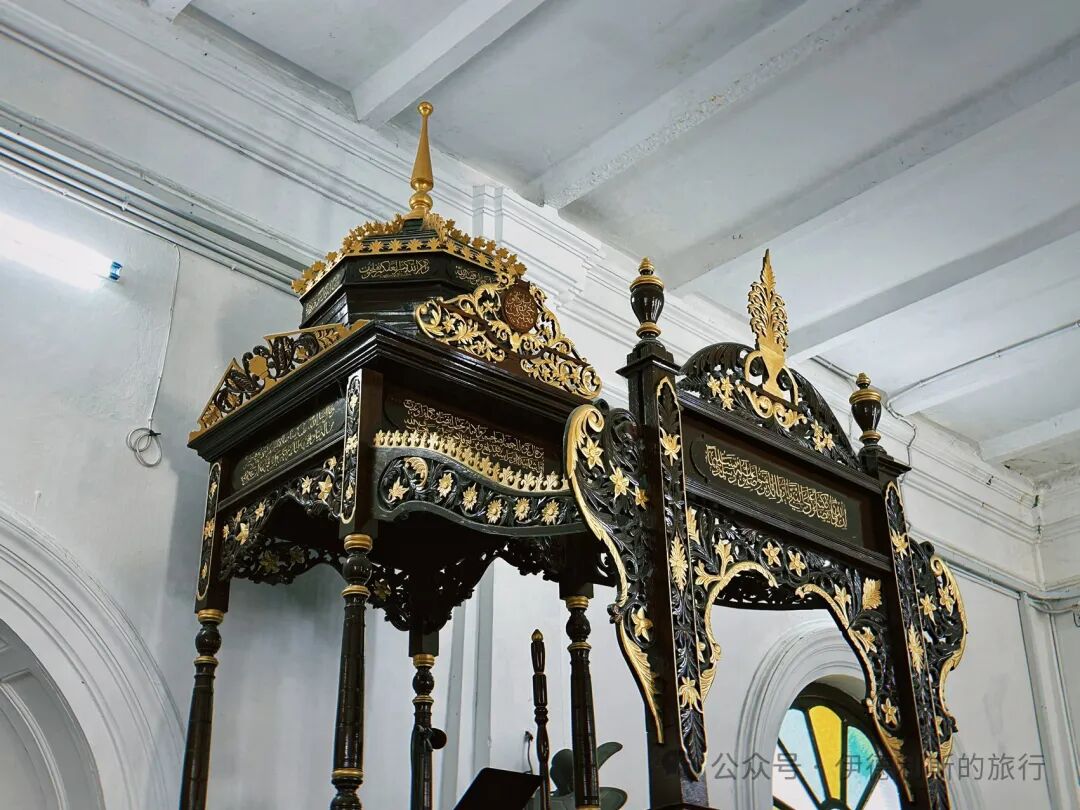
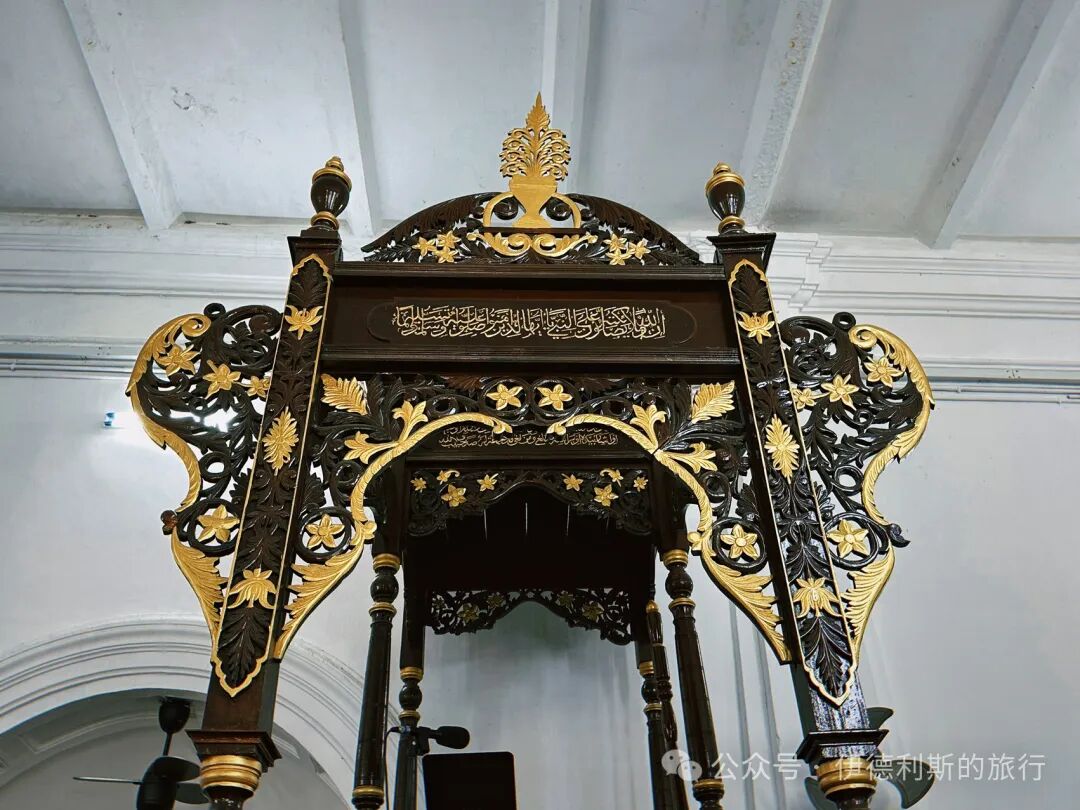
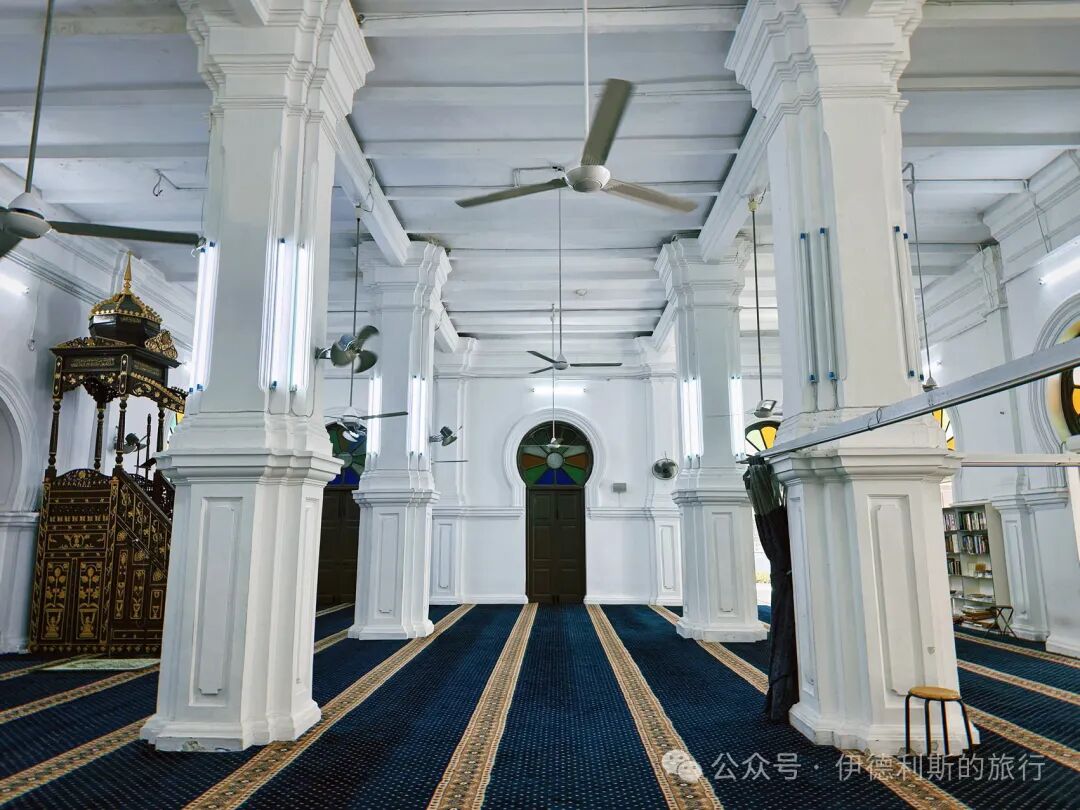
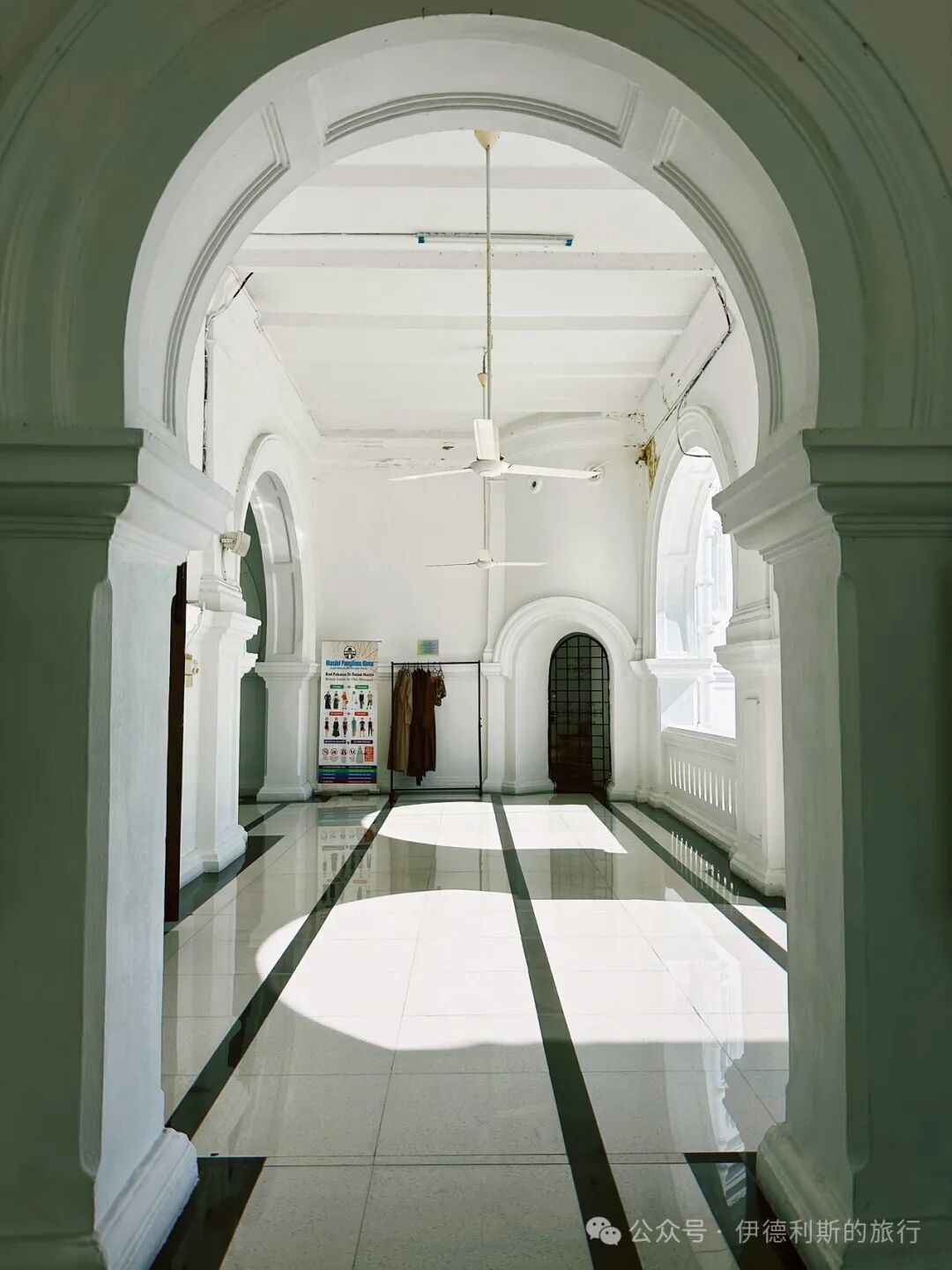
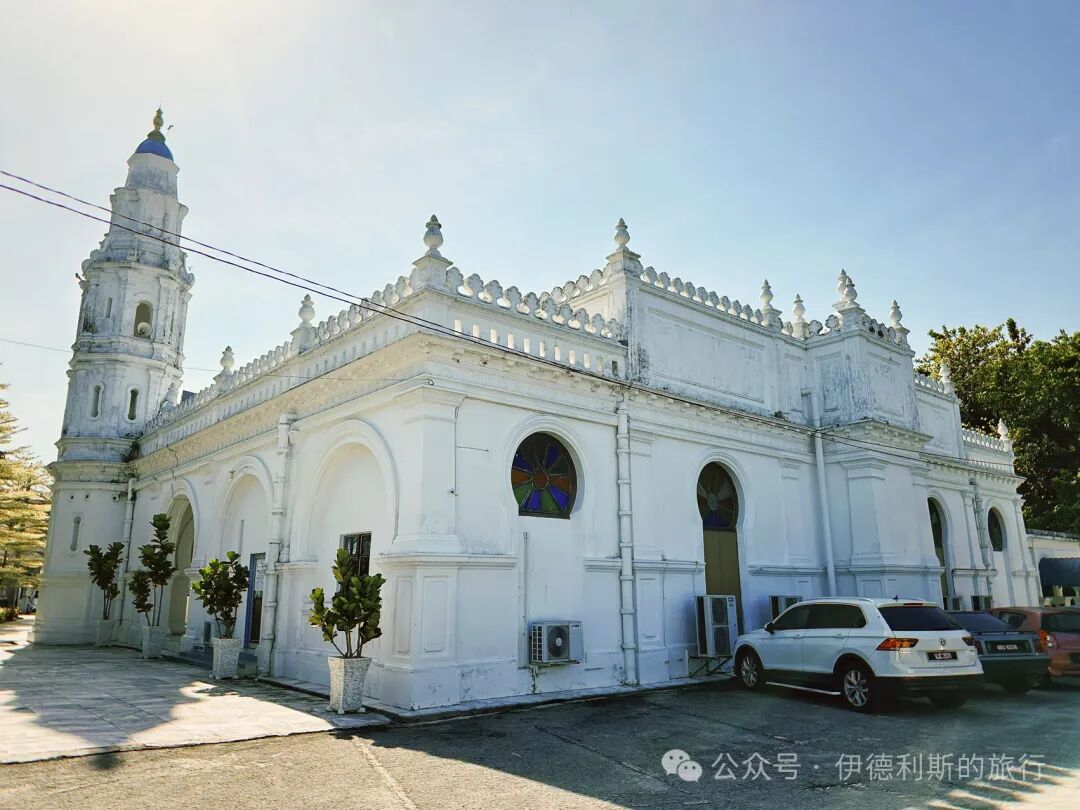
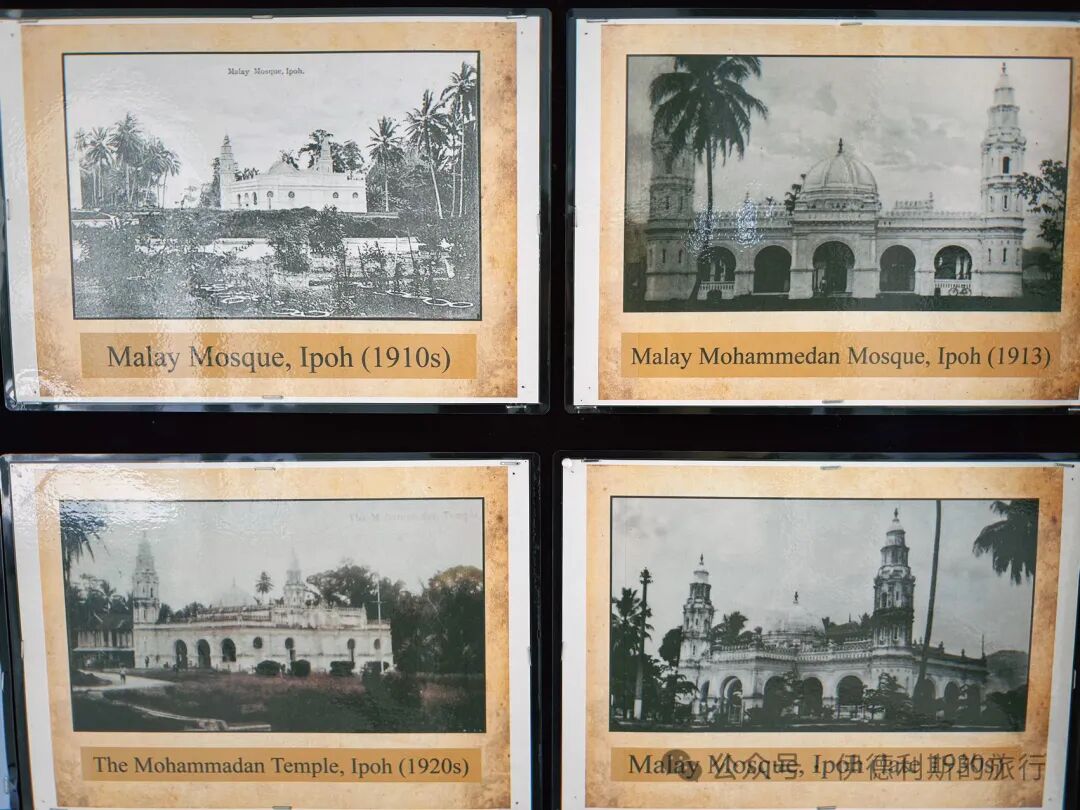
There are several other buildings surrounding the main hall of the Panglima Kinta Mosque. To the southeast of the main hall is the Balai Lintang, which was used for gatherings during Ramadan. It is now open as an exhibition hall, showcasing the history of the faith in Ipoh and the Kinta region, as well as the life of the Panglima Kinta lord.
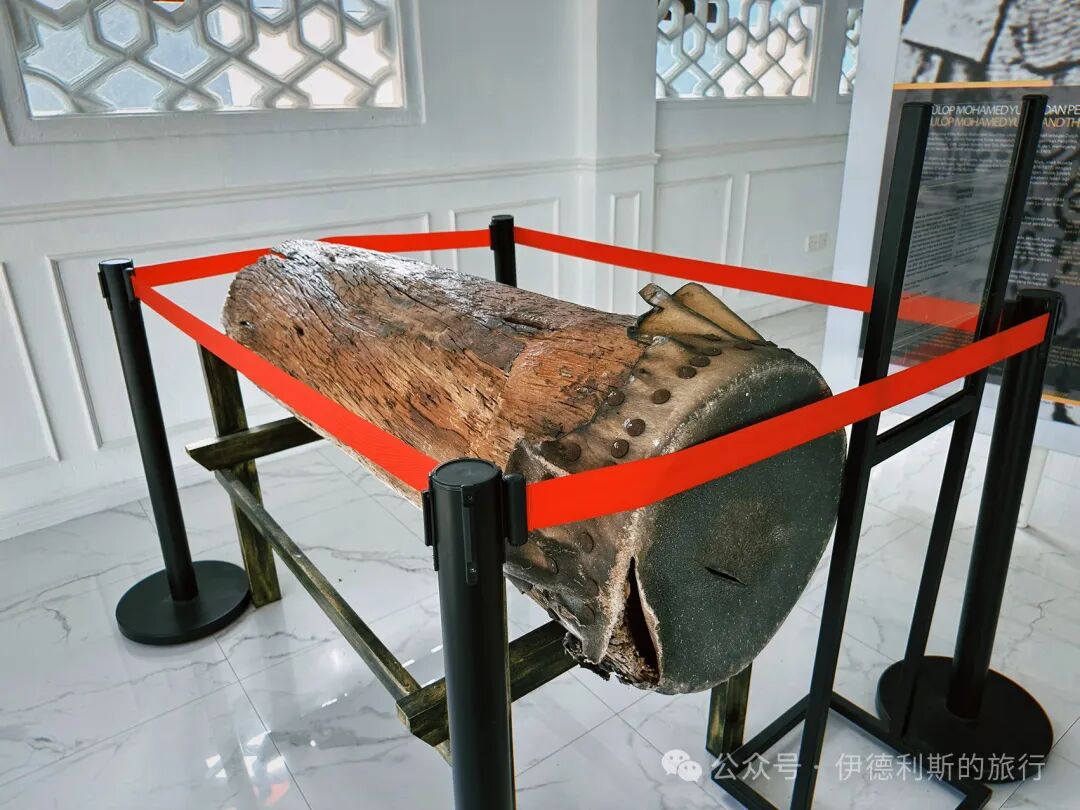
The exhibition hall houses a traditional drum (beduk) found in Malay mosques. This single-sided drum is made by hollowing out jackfruit wood and covering one side with cowhide. Slow beats on the beduk drum signal the start of the call to prayer (bang), while rapid beats indicate that someone has passed away.
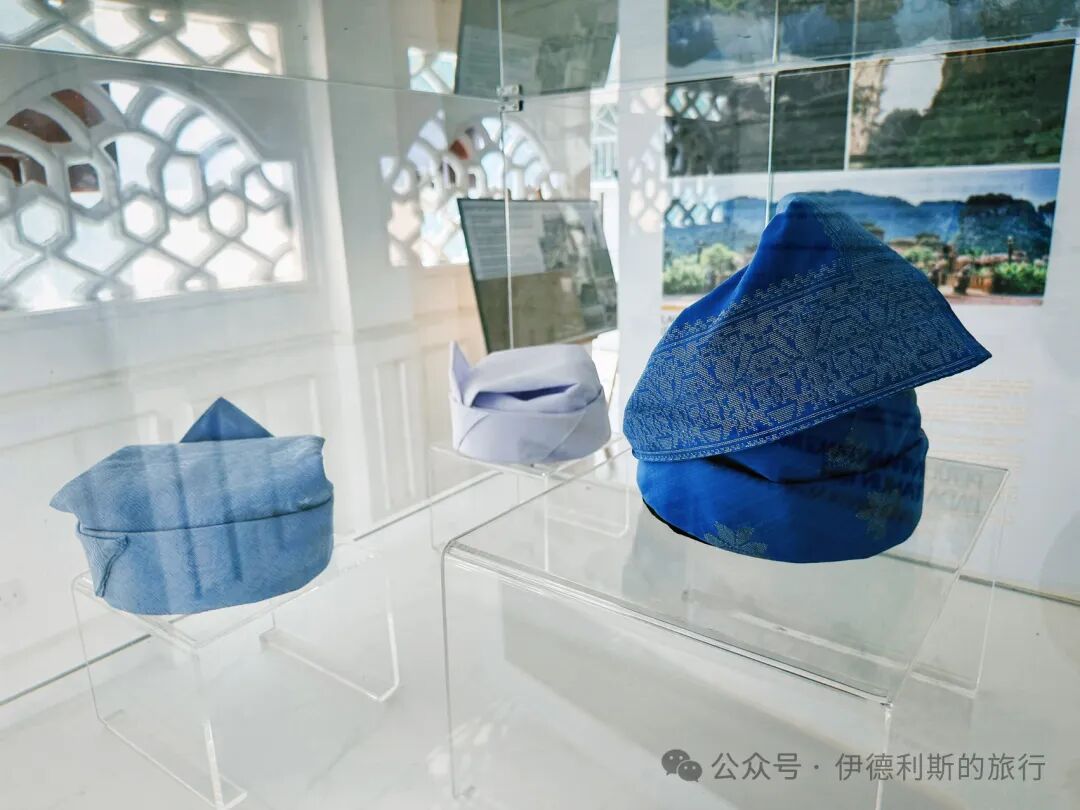
The exhibition hall also displays the traditional ceremonial headgear (tengkolok) of Perak state. The Sultan of Perak and the eight major chiefs wear the tengkolok when attending various ceremonies.
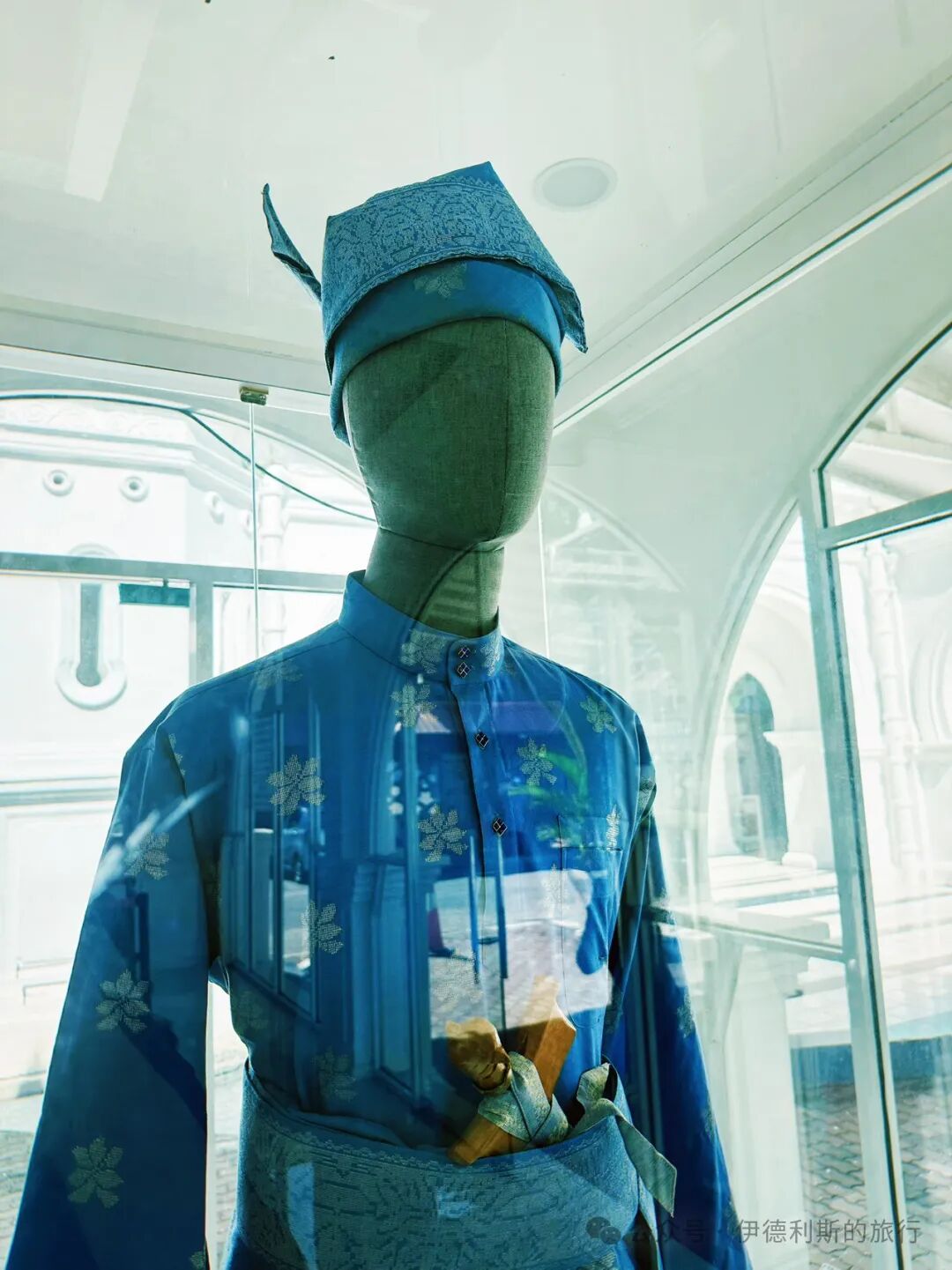
Further east stands a religious school built in the style of a traditional Malay wooden house. People say Shaik Tholji, a teacher from Egypt, once taught here and made a great contribution to the development of the local faith.
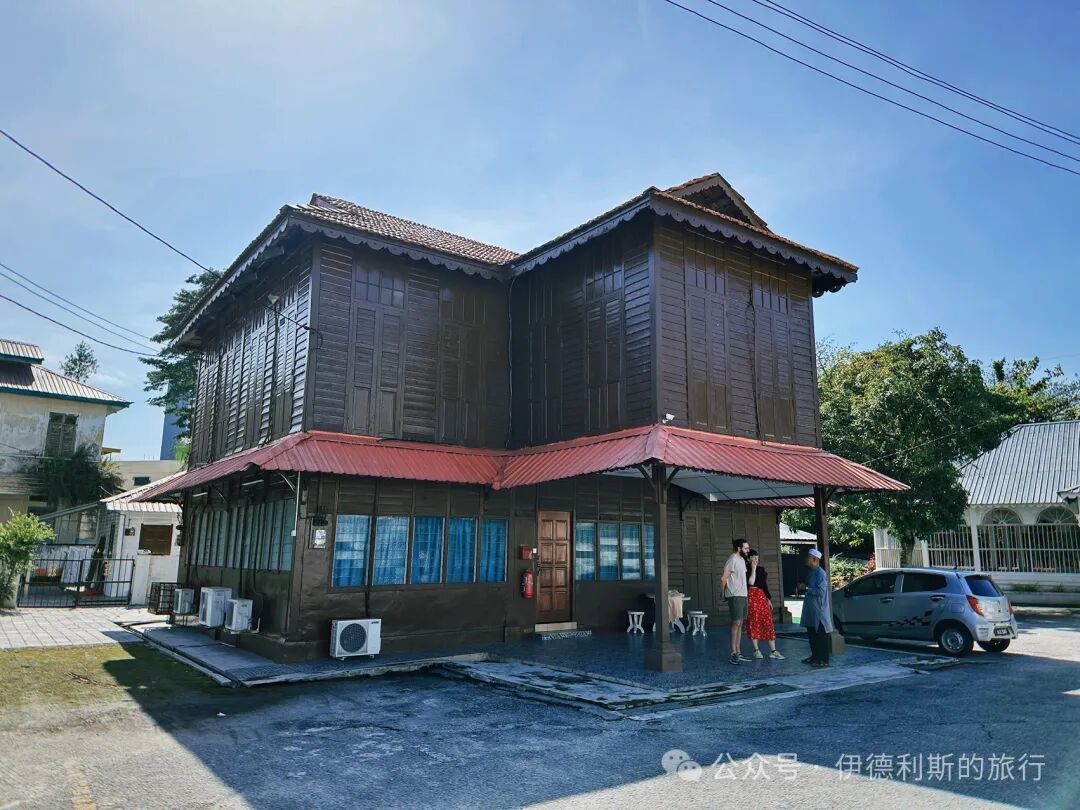
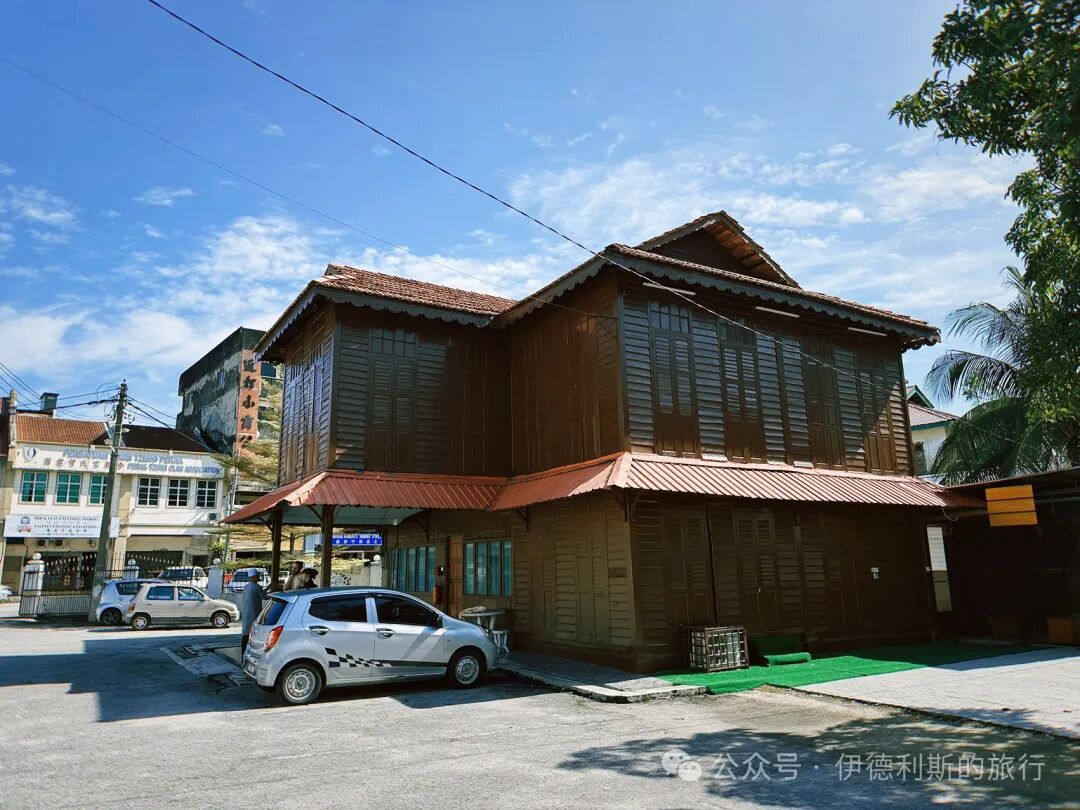
The mosque grounds also contain the graves of the Panglima Kinta lords from past generations.
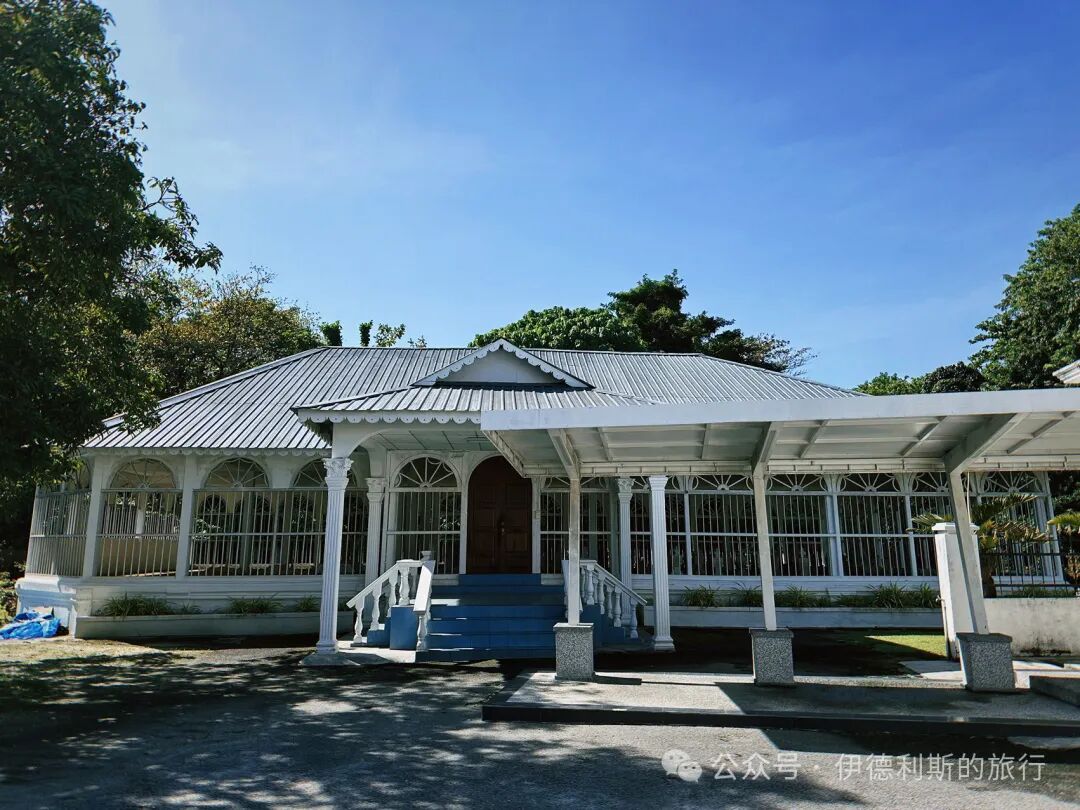
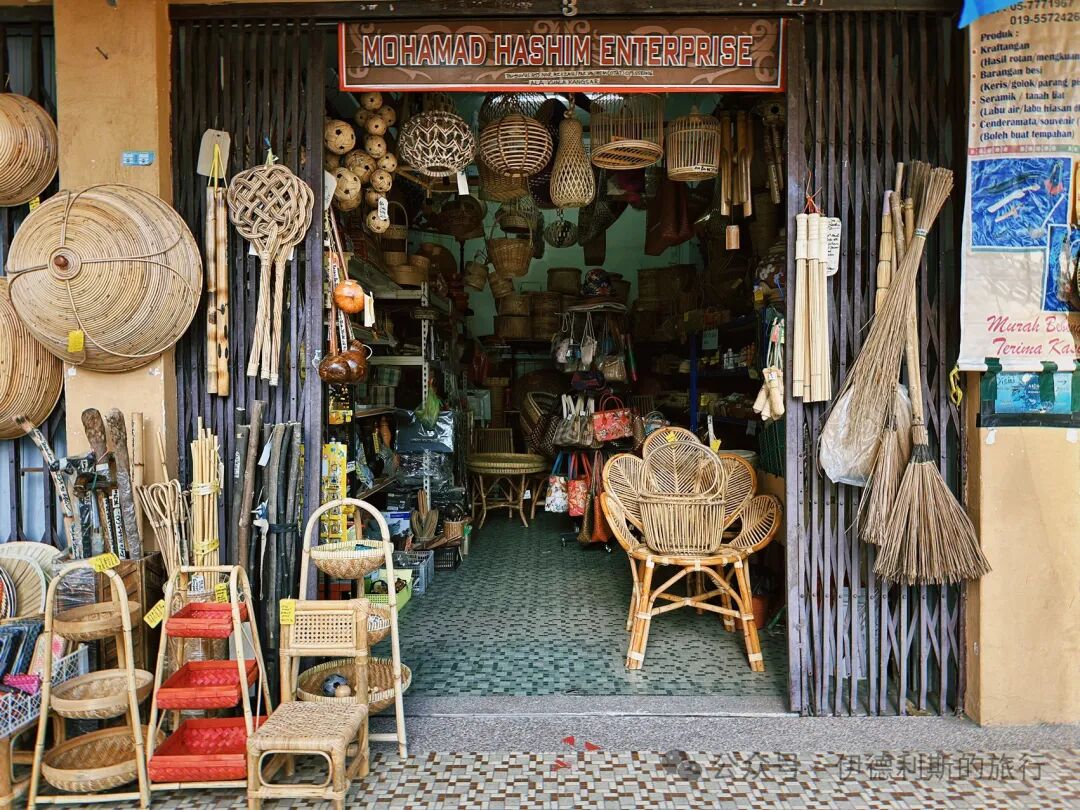
I found a rattan and bamboo shop on the streets of Ipoh. These beaters used for cleaning blankets and quilts are quite interesting.
Summary: Halal Travel Guide: Ipoh, Malaysia - Indian and Malay Mosques is presented here as a firsthand travel account in clear, natural English. The account focuses on Ipoh, Malaysia, Mosques while preserving the names, places, food, photos, and historical details from the Chinese source.
Ipoh is north of Kuala Lumpur and serves as the capital of Perak state, a city famous for its history and culture. Ipoh is known as the Tin Capital. After 1880, the Kinta Valley where Ipoh sits attracted many workers to mine its rich tin deposits, and Ipoh quickly grew into a mining town.
In the late 19th century, many South Indian Tamils came to Ipoh to make a living. The wealthy businessman Shaik Adam Mohammad Ghaus was the most influential among them, and he started Ipoh's first ice factory and soda factory. Under his leadership, his Indian laborers built the Ipoh Indian Mosque between 1905 and 1908.
The main hall of the Ipoh Indian Mosque was modeled after the Hall of Private Audience (Diwan-i-Khas) at the Red Fort in Delhi, featuring the same rectangular layout and scalloped arches. The defensive-style railings on the roof of the main hall were also influenced by Mughal architecture.
Besides South Indian Tamils, some North Indian Pathans (Pashtun descent) and Punjabis also came to Ipoh under British Malaya rule to work as police. They were responsible for keeping order during peacetime, and they fought bravely against the invaders during the Japanese occupation in 1941. In 1930, the British gave them a piece of land to build a mosque, which became their main gathering place on their day off. Today, this mosque is still used by Punjabi Pakistani Muslims and is known as the Pakistan Mosque.
The Ipoh Pakistan Mosque is mostly pink, which makes it look very cute. The imam was very kind and showed us where we could get water.
Right next to the Pakistan Mosque is Ipoh's Little India. Maybe it was because we went in the morning, but Ipoh's Little India didn't feel as busy as the one in Klang, though it still had all the flower shops, food stalls, and clothing stores.
In the old town of Ipoh, we ate at a place with over 50 years of history called Gerai Makanan dan Minuman Rahamath. It is known as the best Tamil mamak stall for rice with curry (nasi kandar) in Ipoh, famous for its spicy tomato chicken, spiced fried chicken, and lamb curry, which is thick and fragrant.
Rice with curry (nasi kandar) is a dish invented by Tamil Muslims in Malaysia. It is simply rice served with various beef, lamb, chicken, fish, or shrimp curries and side dishes. When Tamils first arrived on the Malay Peninsula in the 19th century, most carried food on shoulder poles to sell along the streets, which is why their food became known as shoulder-pole rice (nasi kandar). By the 20th century, Tamil Muslims opened various restaurants and stalls, but the name shoulder-pole rice (nasi kandar) is still used today.
We also had durian shaved ice (cendol) at Concubine Lane in Ipoh's old town, and they gave us a huge piece of durian; eating durian in Malaysia is really a great deal.
Panglima Kinta Mosque is located by the Kinta River in Ipoh. It was built in 1898 by the Malay chief who ruled Ipoh at the time, Panglima Kinta Muhamad Yusuff, to honor his wife. After it was finished, it became the center of the faith for the Malay people in Ipoh.
Panglima Kinta was one of the eight chiefs of Perak and the lord of the Kinta region. Under his rule, large numbers of laborers came to the Kinta Valley where Ipoh is located to mine tin, and Ipoh quickly grew from an unknown Malay village (kampung) into a city of shophouses. By the time Panglima Kinta passed away in 1903, he was likely one of the wealthiest lords on the Malay Peninsula.
Panglima Kinta Mosque blends Indian-based Mughal style with Roman-Greek neoclassical style. The main hall has a semi-circular Mughal dome on top, while the octagonal minarets on both sides were influenced by Chinese brick towers. The minbar pulpit inside the main hall was built by a master Malay craftsman from Penang named Tuan Haji Mohamed Sopian, and its design is exquisite.
There are several other buildings surrounding the main hall of the Panglima Kinta Mosque. To the southeast of the main hall is the Balai Lintang, which was used for gatherings during Ramadan. It is now open as an exhibition hall, showcasing the history of the faith in Ipoh and the Kinta region, as well as the life of the Panglima Kinta lord.
The exhibition hall houses a traditional drum (beduk) found in Malay mosques. This single-sided drum is made by hollowing out jackfruit wood and covering one side with cowhide. Slow beats on the beduk drum signal the start of the call to prayer (bang), while rapid beats indicate that someone has passed away.
The exhibition hall also displays the traditional ceremonial headgear (tengkolok) of Perak state. The Sultan of Perak and the eight major chiefs wear the tengkolok when attending various ceremonies.
Further east stands a religious school built in the style of a traditional Malay wooden house. People say Shaik Tholji, a teacher from Egypt, once taught here and made a great contribution to the development of the local faith.
The mosque grounds also contain the graves of the Panglima Kinta lords from past generations.
I found a rattan and bamboo shop on the streets of Ipoh. These beaters used for cleaning blankets and quilts are quite interesting.
Halal Travel Guide: Malaysia - Chinese-Style Mosque and Jumuah Prayer
Articles • ali2007fr posted the article • 0 comments • 156 views • 2026-05-19 07:25
Reposted from the web
Summary: This Malaysia article records Friday prayer at a Chinese-style mosque and the author observations of mosque space, community life, and worship. It keeps the original religious terms, place details, and cultural notes in a Muslim voice.
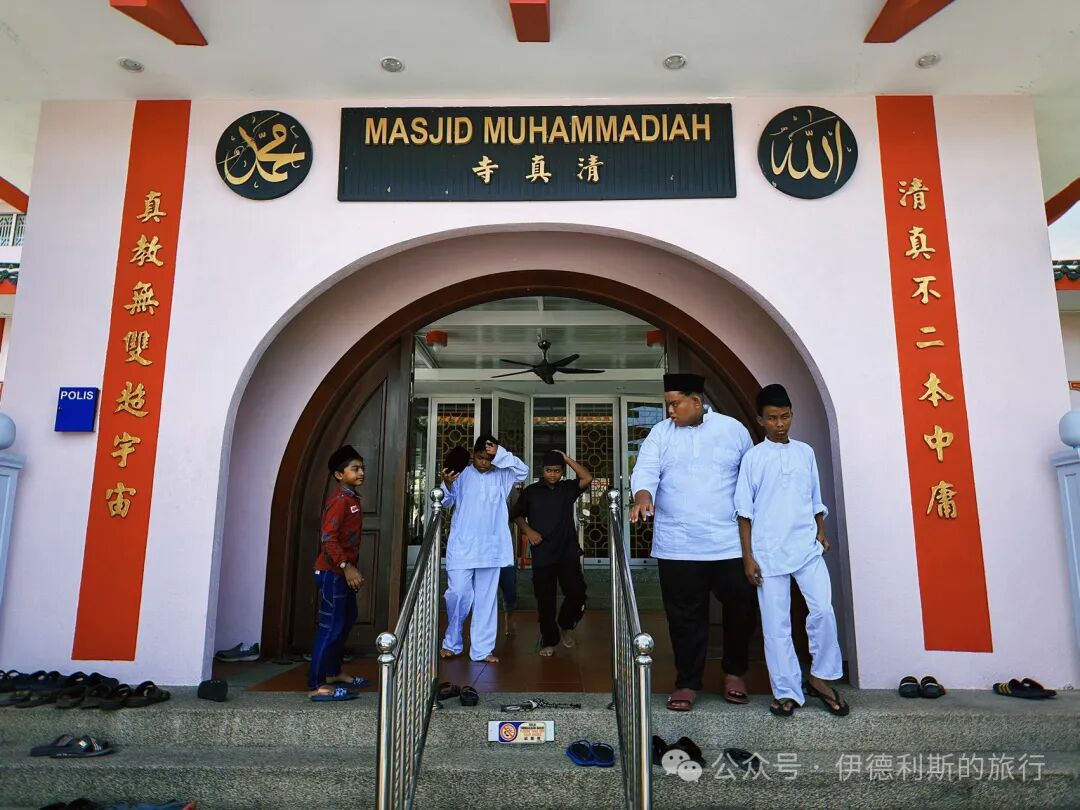
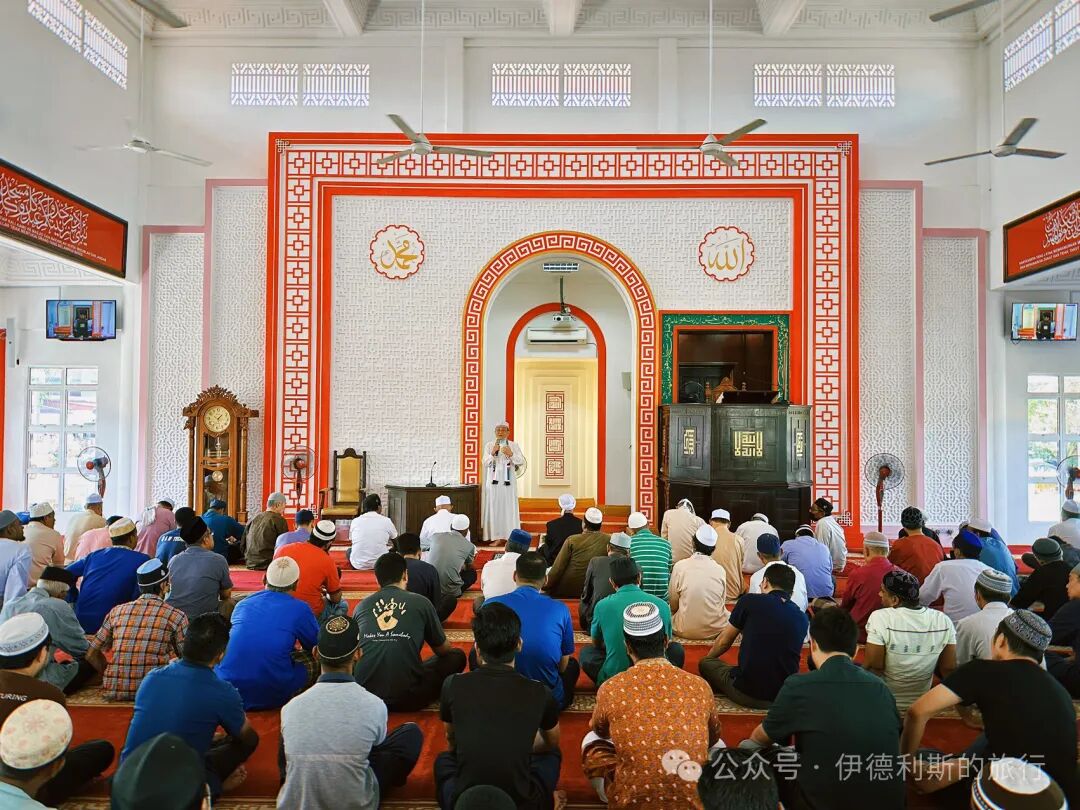
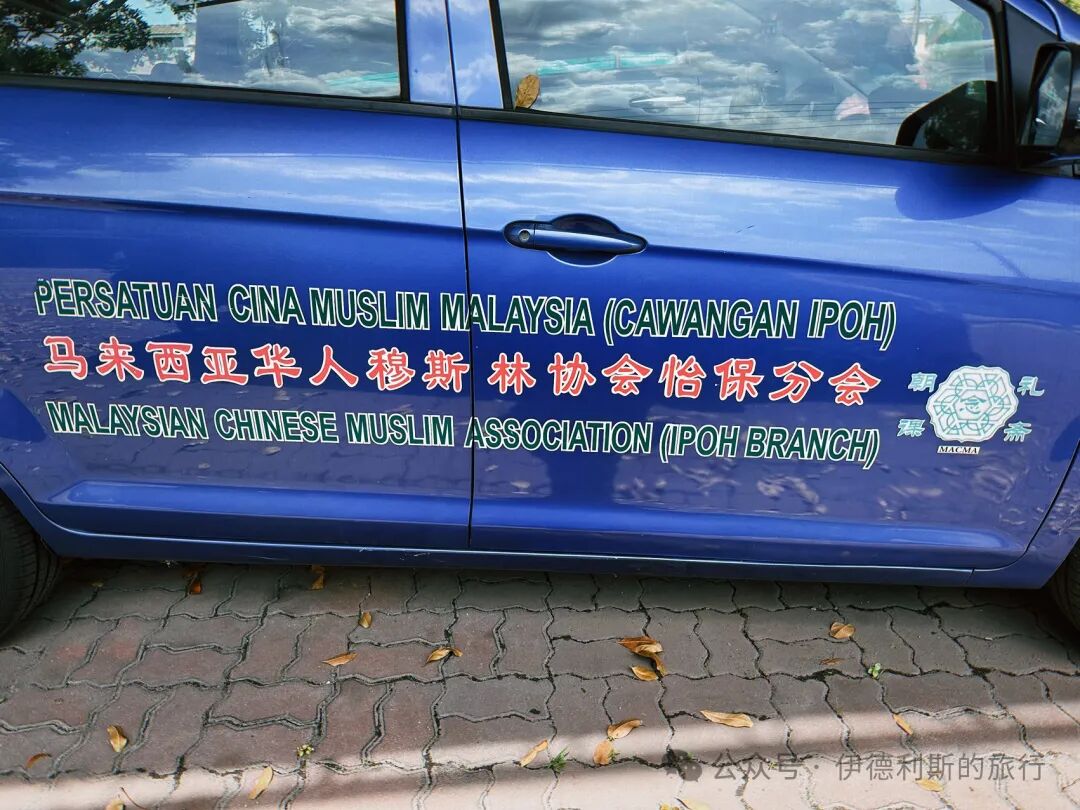
At noon, we took a taxi from Ipoh Old Town to the Muhammadiah Mosque in Tasek, in the northern suburbs, for Friday prayers. Since we had some time before the service started, we took a look around the mosque. The Muhammadiah Mosque began in 1973. It was rebuilt between 2011 and 2013 by the Ipoh branch of the Malaysian Chinese Muslim Association. It is the first mosque in Malaysia built in a purely Chinese style (the one in Kelantan has a Thai style) and was completed one year before the Malacca Chinese Mosque. The glazed tiles on the roof of the main prayer hall were fired in Luoyang, and you can see hibiscus patterns on the roof ridges.
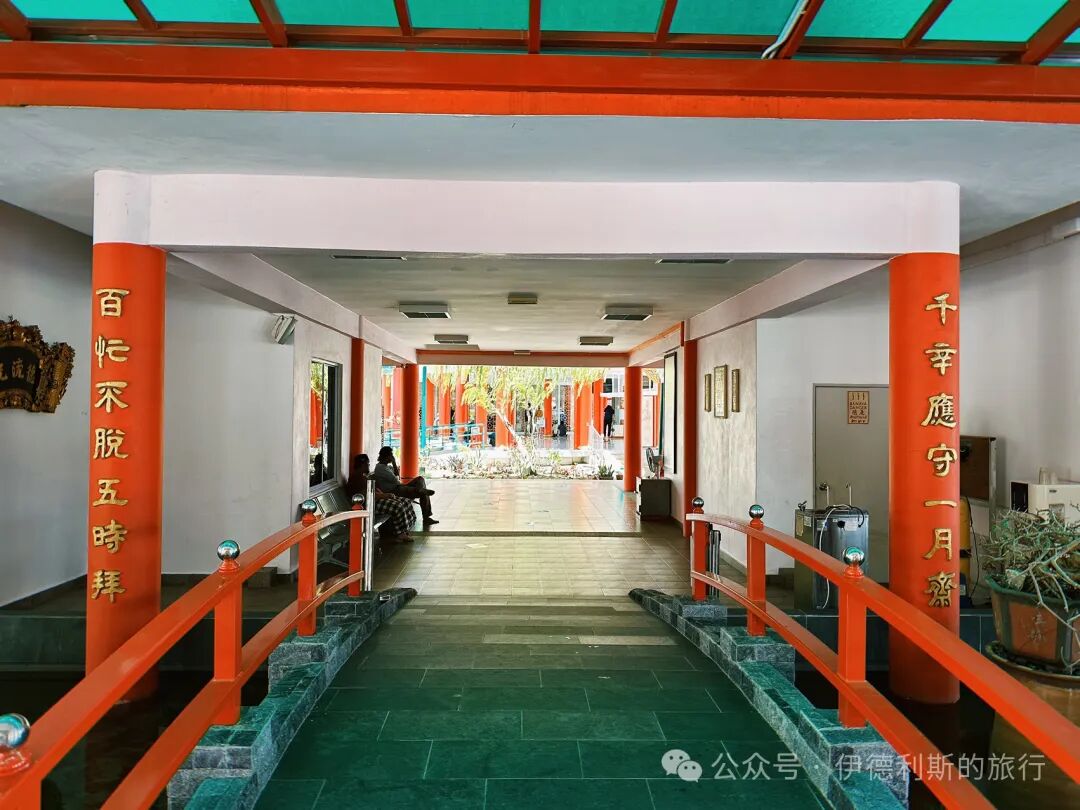
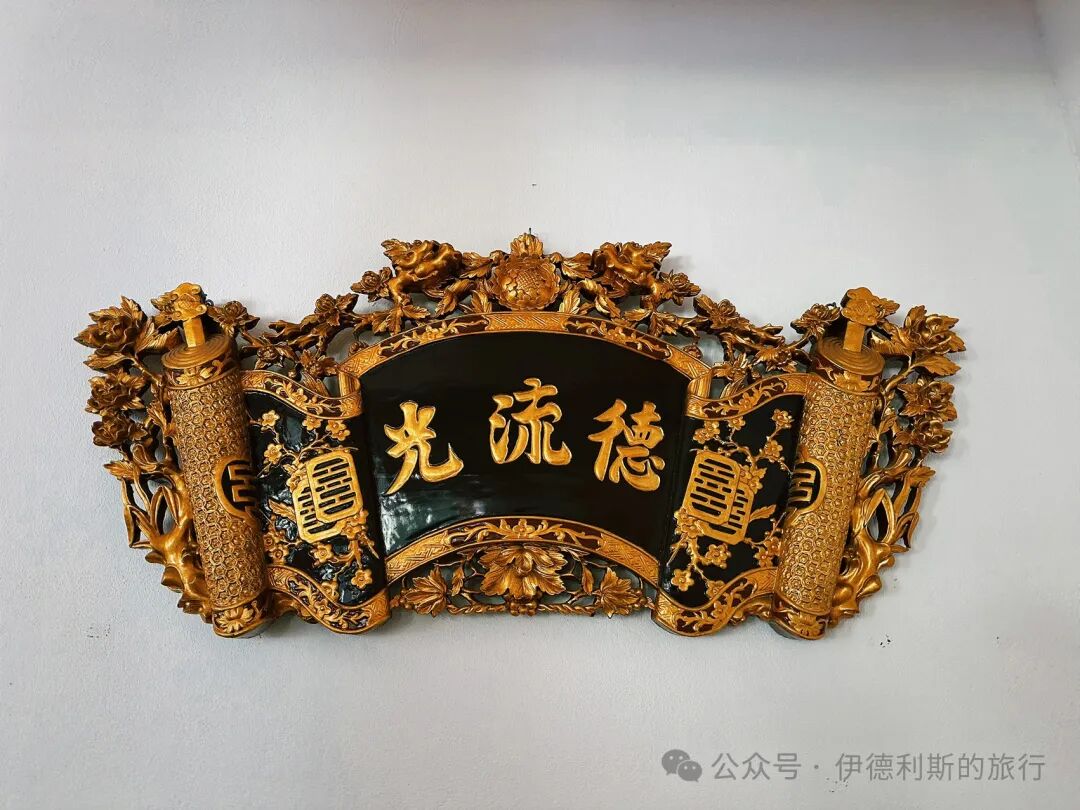
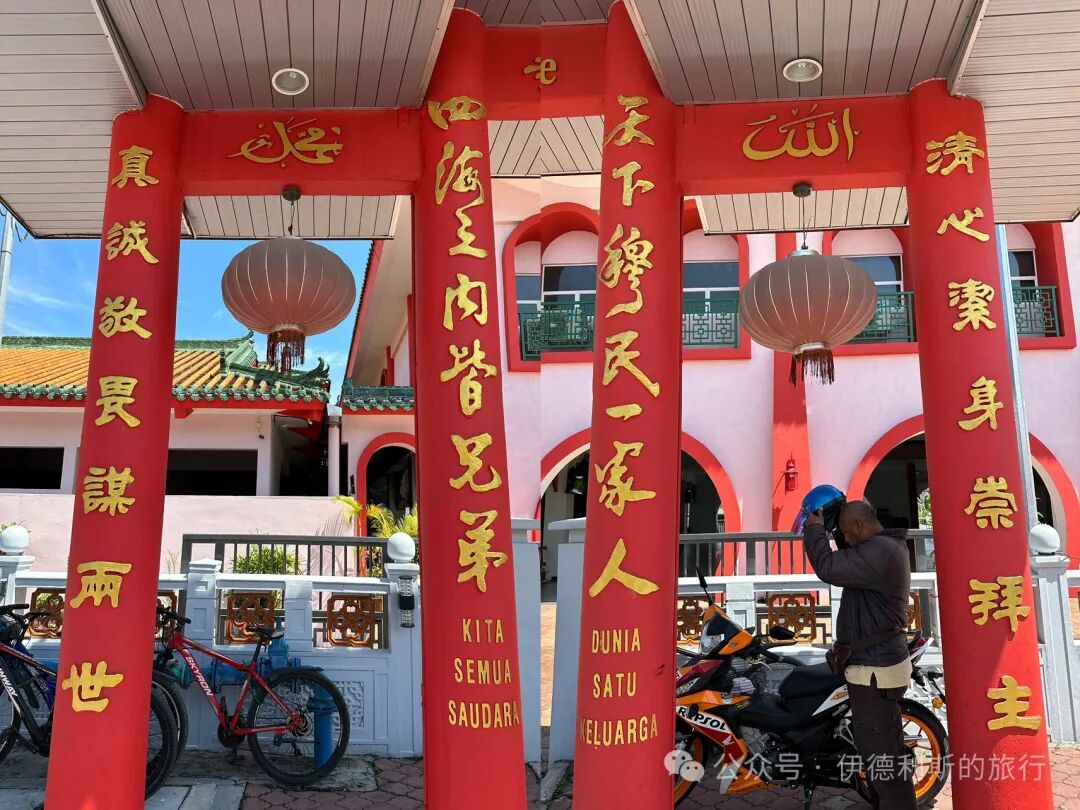
You can see Chinese characters everywhere inside the mosque. There are four couplets on the three main gates, which read: 'The pure and true faith has descended since ancient times, the mysteries of the true scripture are passed down for ten thousand generations.' 'The pure faith is unique and follows the middle path, the true religion is peerless and transcends the universe.' 'Cleanse the heart and body to worship the Lord, be sincere and reverent to seek success in both worlds.' 'All Muslims in the world are one family, all within the four seas are brothers.' Inside the main hall, there is another couplet: 'Endure all hardships to observe the one-month fast, in all your busyness do not miss the five daily prayers.' It is clear that the Chinese proficiency of the Hui Muslims here is quite good.
Besides religious practice, the mosque often holds cultural events to introduce traditional Chinese culture to Malay brothers (dosti). During the Lunar New Year, Mid-Autumn Festival, and Dragon Boat Festival, the mosque often holds exchange activities, such as teaching Malay brothers (dosti) how to wrap rice dumplings (zongzi).
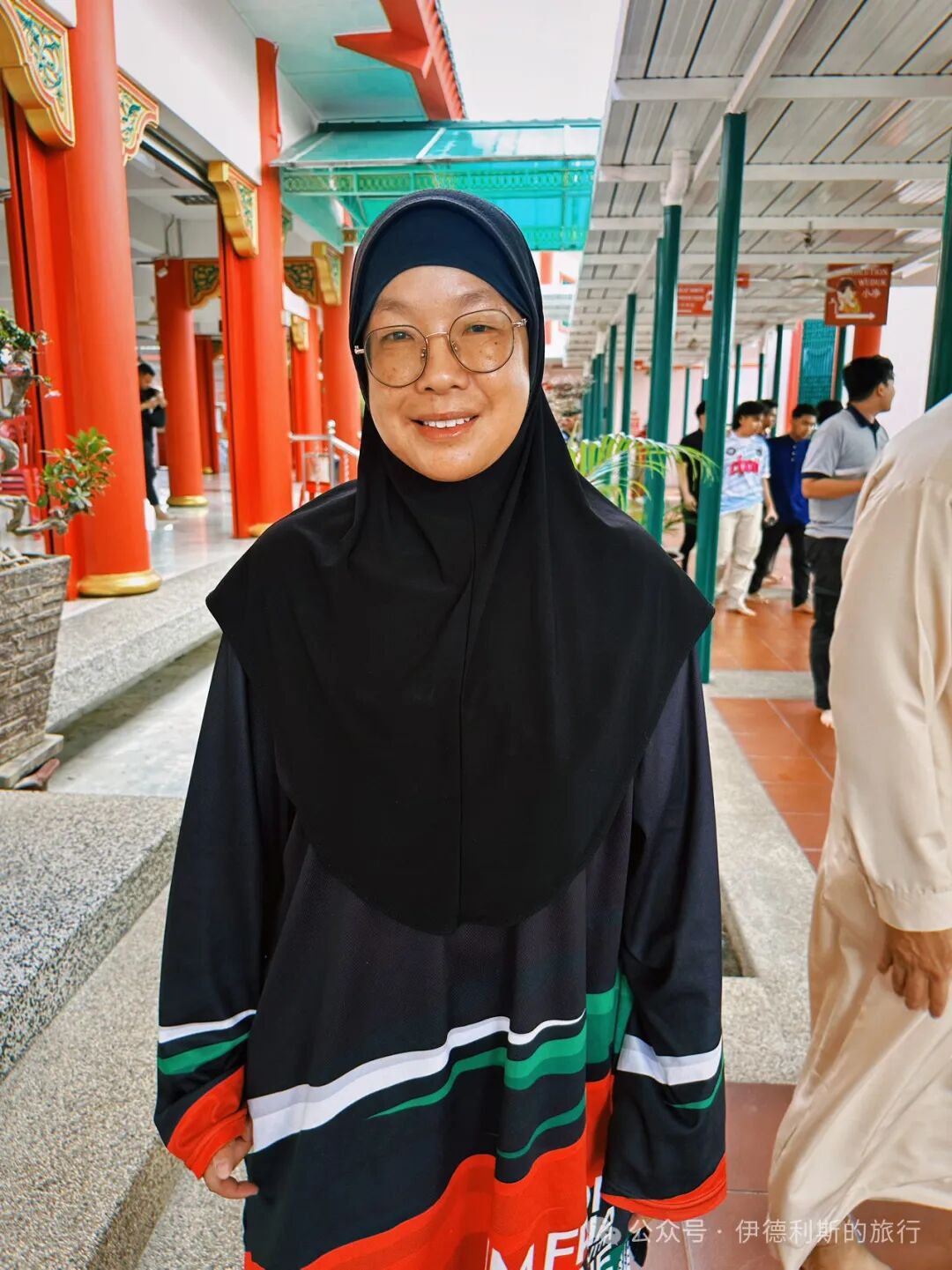
As Friday prayer time approached, the Ipoh Chinese mosque was already packed with brothers (gaomu). The main hall, corridors, and courtyard were almost full. I observed that most of the brothers (gaomu) were Malay brothers (dosti). There were also some South Asian brothers (dosti) and a small number of foreign brothers (dosti). The number of Chinese brothers (dosti) was relatively small, and they were mostly elderly. At the entrance, a Chinese lady was helping everyone, and she was very enthusiastic.
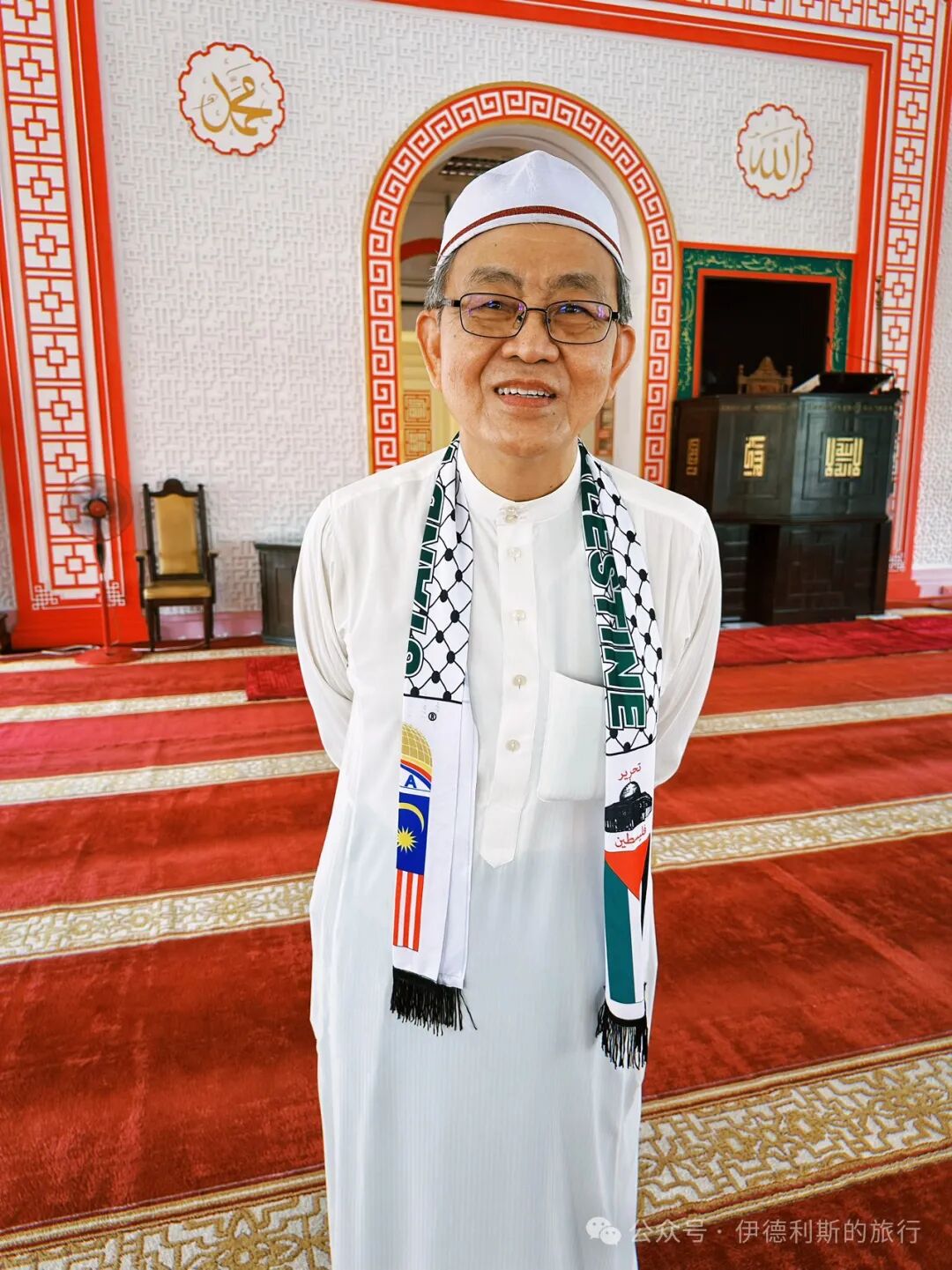
Before the Friday prayers began, Dato' Xie Zhuoran, the chairman of the Ipoh branch of the Malaysian Chinese Muslim Association, gave a sermon (wa'z) in Malay. Although I did not understand the language, I could feel that Chairman Xie was speaking very vividly. After the prayers, I chatted with Chairman Xie and the lady about the situation of Chinese Muslims in Malaysia. Currently, there are about 60,000 Chinese Muslims in Malaysia. Most young people live and work in the Klang Valley area centered on Kuala Lumpur, while the Chinese Muslims in Ipoh are mostly middle-aged and elderly. Chairman Xie is a doctor by profession. He converted to Islam after marrying his Malay wife, and marriage is one of the main reasons why Chinese people in Malaysia convert to Islam.
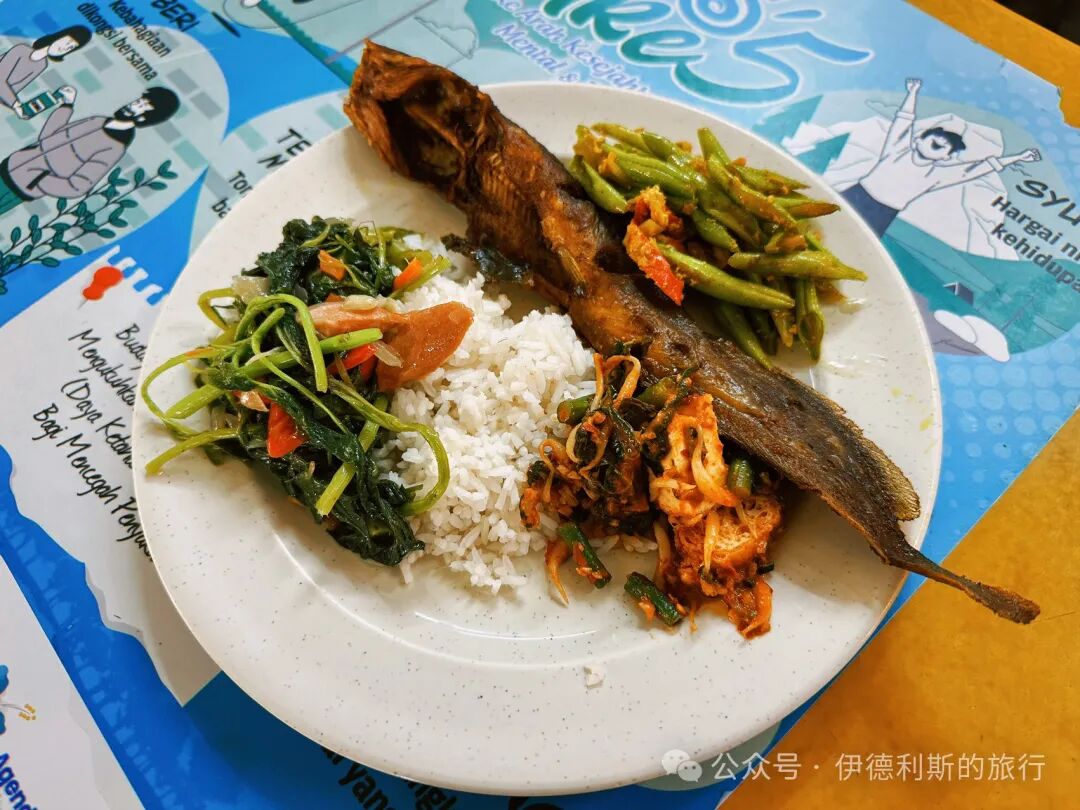
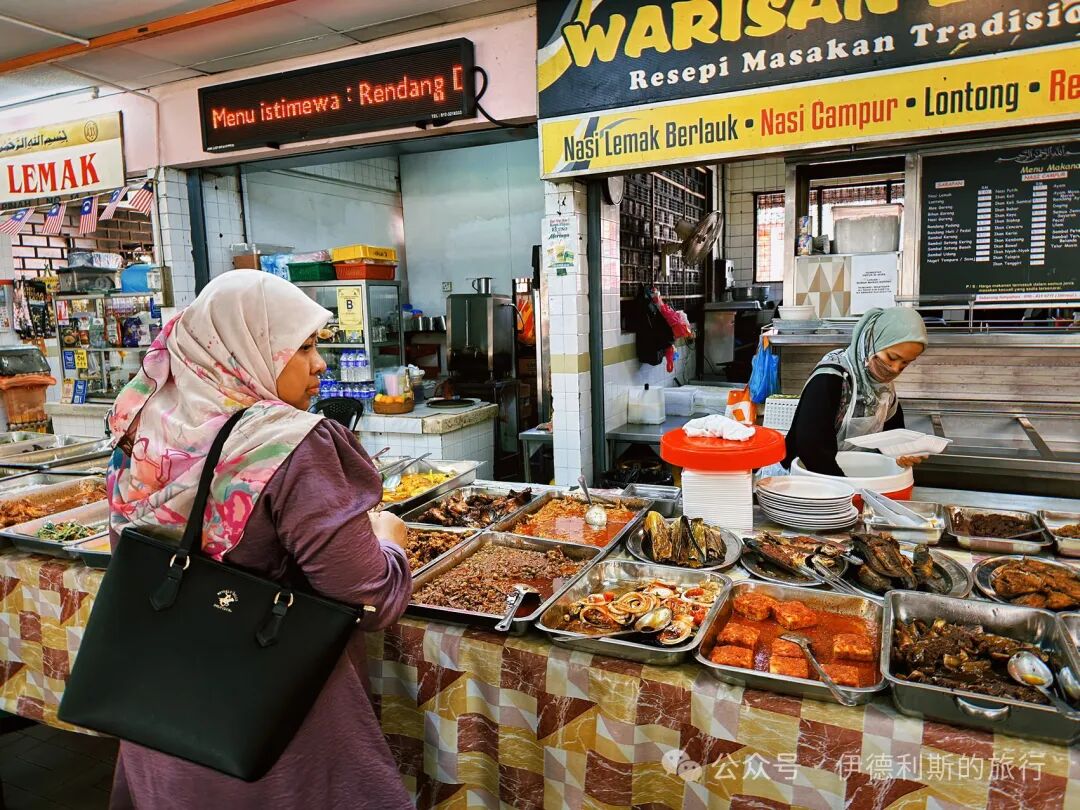
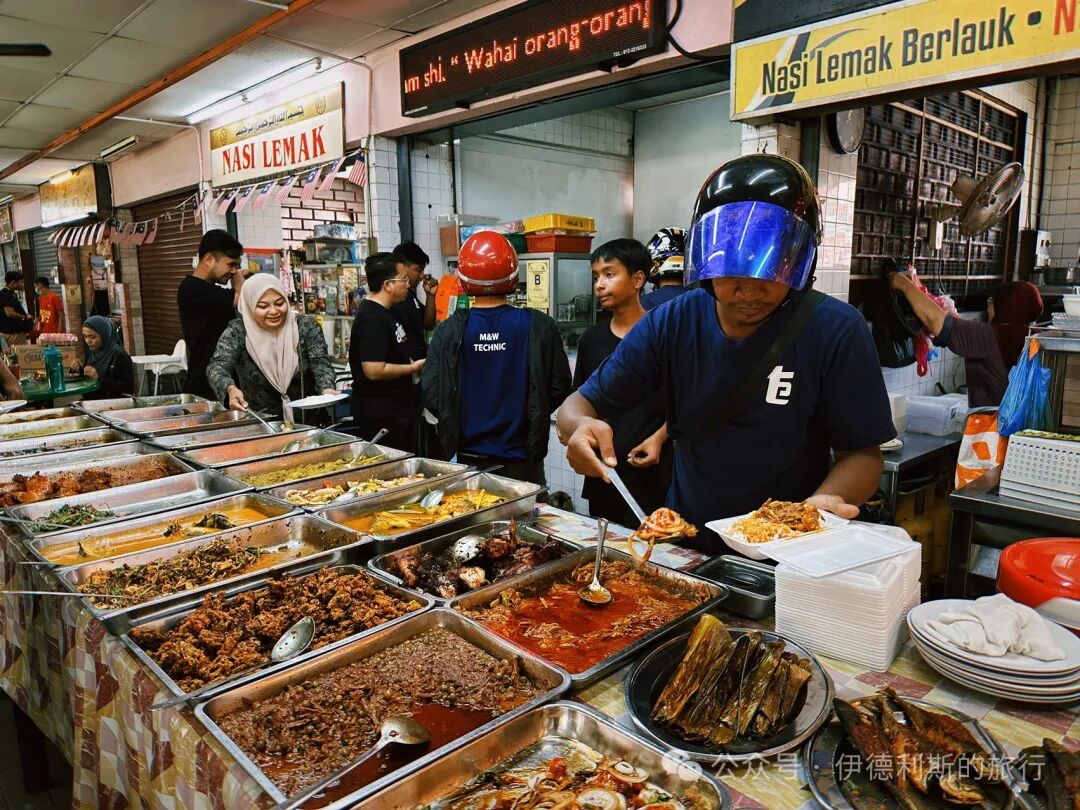
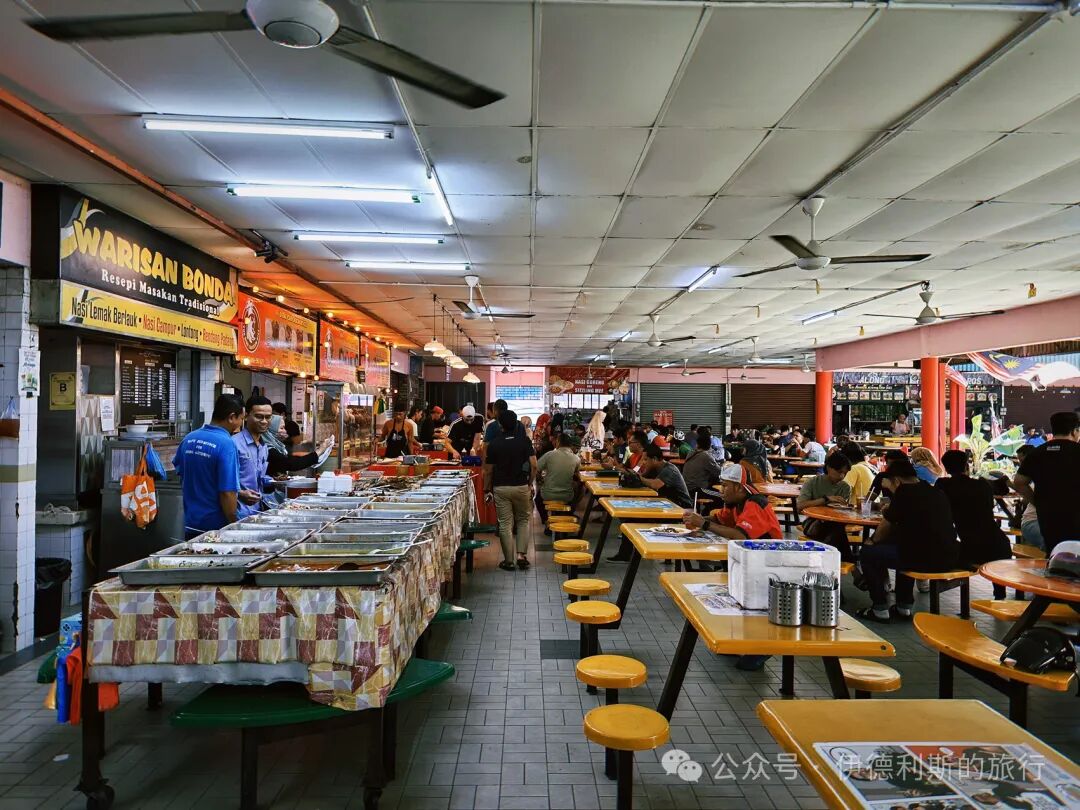
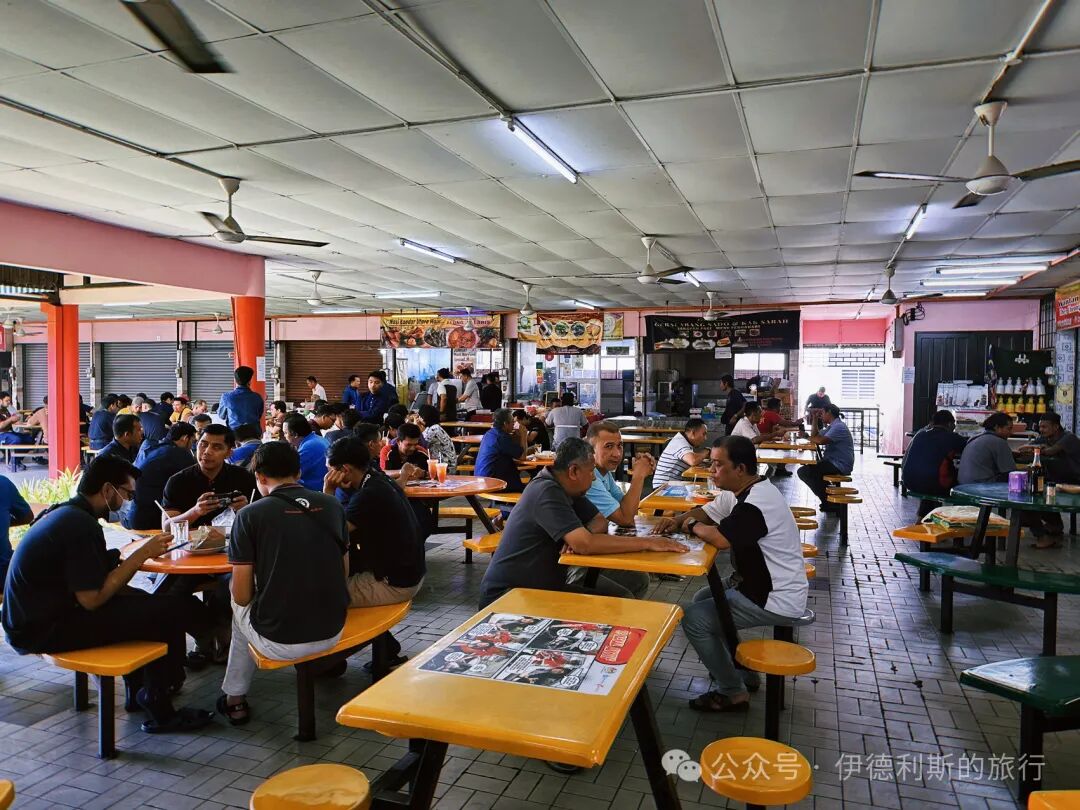
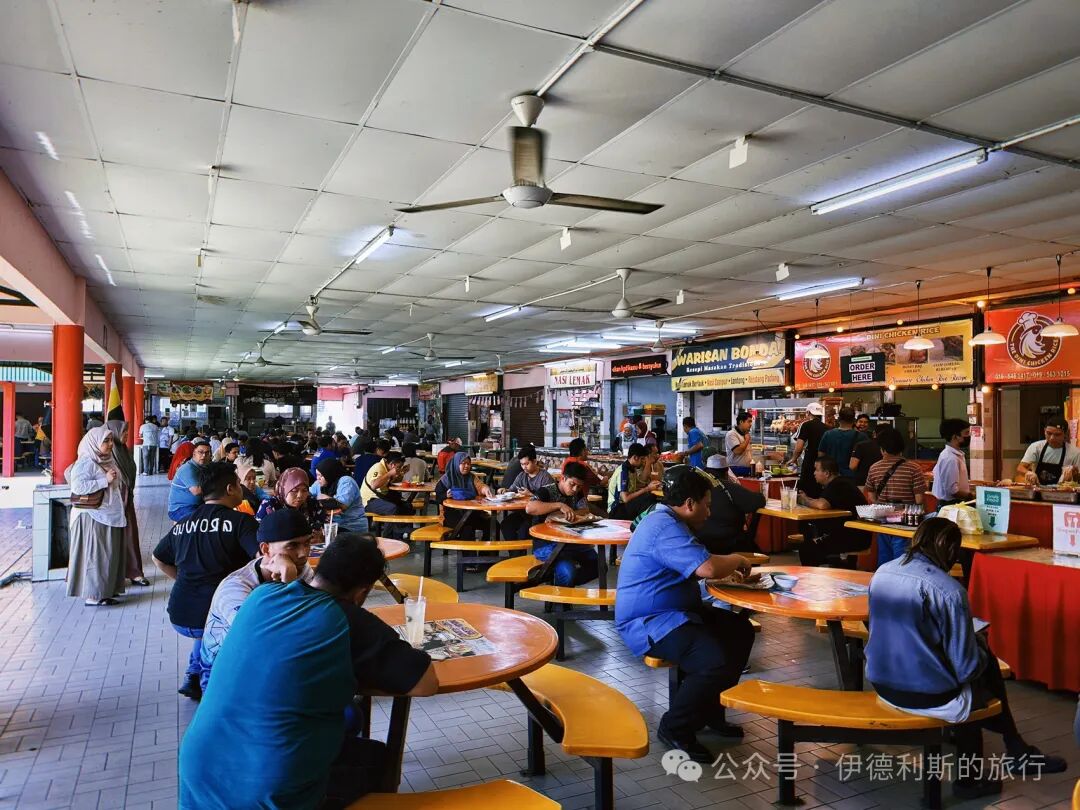
Opposite the Ipoh Chinese mosque is a large food court. to the Malay mixed rice (nasi campur), Hainanese chicken rice is also particularly popular with Malay brothers (dosti). Chairman Xie said he also likes the chicken rice at this place. I feel that Hainanese chicken rice is truly a classic food loved by all ethnic groups in Malaysia. In many places, you can see that the chicken rice made by Malay brothers (dosti) is also very authentic, no less than that made by Chinese people.
Further reading:
Tasting halal Chinese food in Malaysia
Halal Chinese food in Penang, Malaysia
Taste halal Chinese food in Singapore view all
Summary: This Malaysia article records Friday prayer at a Chinese-style mosque and the author observations of mosque space, community life, and worship. It keeps the original religious terms, place details, and cultural notes in a Muslim voice.
At noon, we took a taxi from Ipoh Old Town to the Muhammadiah Mosque in Tasek, in the northern suburbs, for Friday prayers. Since we had some time before the service started, we took a look around the mosque. The Muhammadiah Mosque began in 1973. It was rebuilt between 2011 and 2013 by the Ipoh branch of the Malaysian Chinese Muslim Association. It is the first mosque in Malaysia built in a purely Chinese style (the one in Kelantan has a Thai style) and was completed one year before the Malacca Chinese Mosque. The glazed tiles on the roof of the main prayer hall were fired in Luoyang, and you can see hibiscus patterns on the roof ridges.
You can see Chinese characters everywhere inside the mosque. There are four couplets on the three main gates, which read: 'The pure and true faith has descended since ancient times, the mysteries of the true scripture are passed down for ten thousand generations.' 'The pure faith is unique and follows the middle path, the true religion is peerless and transcends the universe.' 'Cleanse the heart and body to worship the Lord, be sincere and reverent to seek success in both worlds.' 'All Muslims in the world are one family, all within the four seas are brothers.' Inside the main hall, there is another couplet: 'Endure all hardships to observe the one-month fast, in all your busyness do not miss the five daily prayers.' It is clear that the Chinese proficiency of the Hui Muslims here is quite good.
Besides religious practice, the mosque often holds cultural events to introduce traditional Chinese culture to Malay brothers (dosti). During the Lunar New Year, Mid-Autumn Festival, and Dragon Boat Festival, the mosque often holds exchange activities, such as teaching Malay brothers (dosti) how to wrap rice dumplings (zongzi).
As Friday prayer time approached, the Ipoh Chinese mosque was already packed with brothers (gaomu). The main hall, corridors, and courtyard were almost full. I observed that most of the brothers (gaomu) were Malay brothers (dosti). There were also some South Asian brothers (dosti) and a small number of foreign brothers (dosti). The number of Chinese brothers (dosti) was relatively small, and they were mostly elderly. At the entrance, a Chinese lady was helping everyone, and she was very enthusiastic.
Before the Friday prayers began, Dato' Xie Zhuoran, the chairman of the Ipoh branch of the Malaysian Chinese Muslim Association, gave a sermon (wa'z) in Malay. Although I did not understand the language, I could feel that Chairman Xie was speaking very vividly. After the prayers, I chatted with Chairman Xie and the lady about the situation of Chinese Muslims in Malaysia. Currently, there are about 60,000 Chinese Muslims in Malaysia. Most young people live and work in the Klang Valley area centered on Kuala Lumpur, while the Chinese Muslims in Ipoh are mostly middle-aged and elderly. Chairman Xie is a doctor by profession. He converted to Islam after marrying his Malay wife, and marriage is one of the main reasons why Chinese people in Malaysia convert to Islam.
Opposite the Ipoh Chinese mosque is a large food court. to the Malay mixed rice (nasi campur), Hainanese chicken rice is also particularly popular with Malay brothers (dosti). Chairman Xie said he also likes the chicken rice at this place. I feel that Hainanese chicken rice is truly a classic food loved by all ethnic groups in Malaysia. In many places, you can see that the chicken rice made by Malay brothers (dosti) is also very authentic, no less than that made by Chinese people.
Further reading:
Tasting halal Chinese food in Malaysia
Halal Chinese food in Penang, Malaysia
Taste halal Chinese food in Singapore view all
Reposted from the web
Summary: This Malaysia article records Friday prayer at a Chinese-style mosque and the author observations of mosque space, community life, and worship. It keeps the original religious terms, place details, and cultural notes in a Muslim voice.
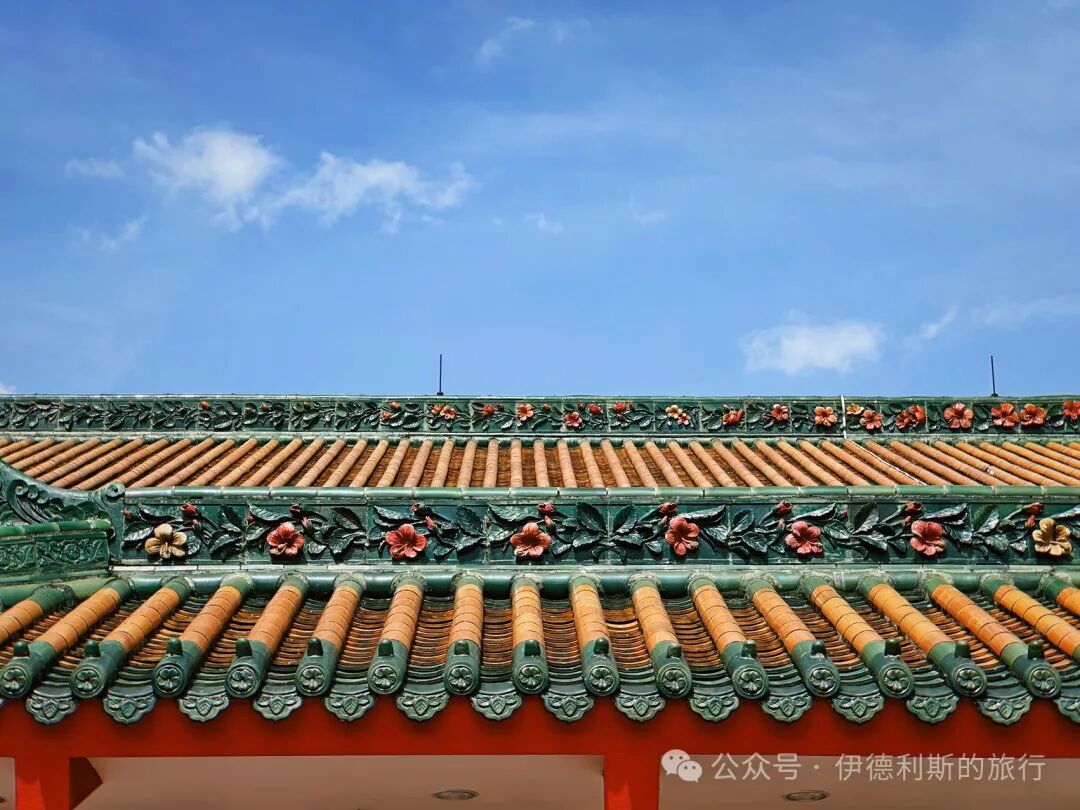
At noon, we took a taxi from Ipoh Old Town to the Muhammadiah Mosque in Tasek, in the northern suburbs, for Friday prayers. Since we had some time before the service started, we took a look around the mosque. The Muhammadiah Mosque began in 1973. It was rebuilt between 2011 and 2013 by the Ipoh branch of the Malaysian Chinese Muslim Association. It is the first mosque in Malaysia built in a purely Chinese style (the one in Kelantan has a Thai style) and was completed one year before the Malacca Chinese Mosque. The glazed tiles on the roof of the main prayer hall were fired in Luoyang, and you can see hibiscus patterns on the roof ridges.
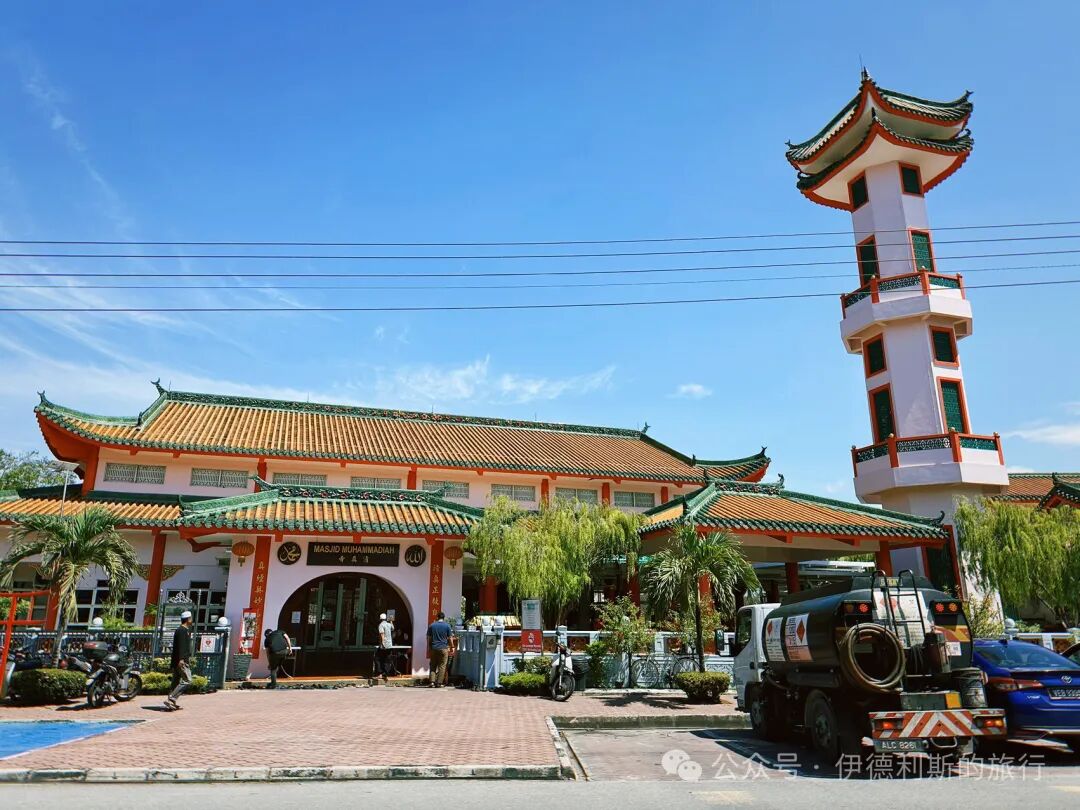
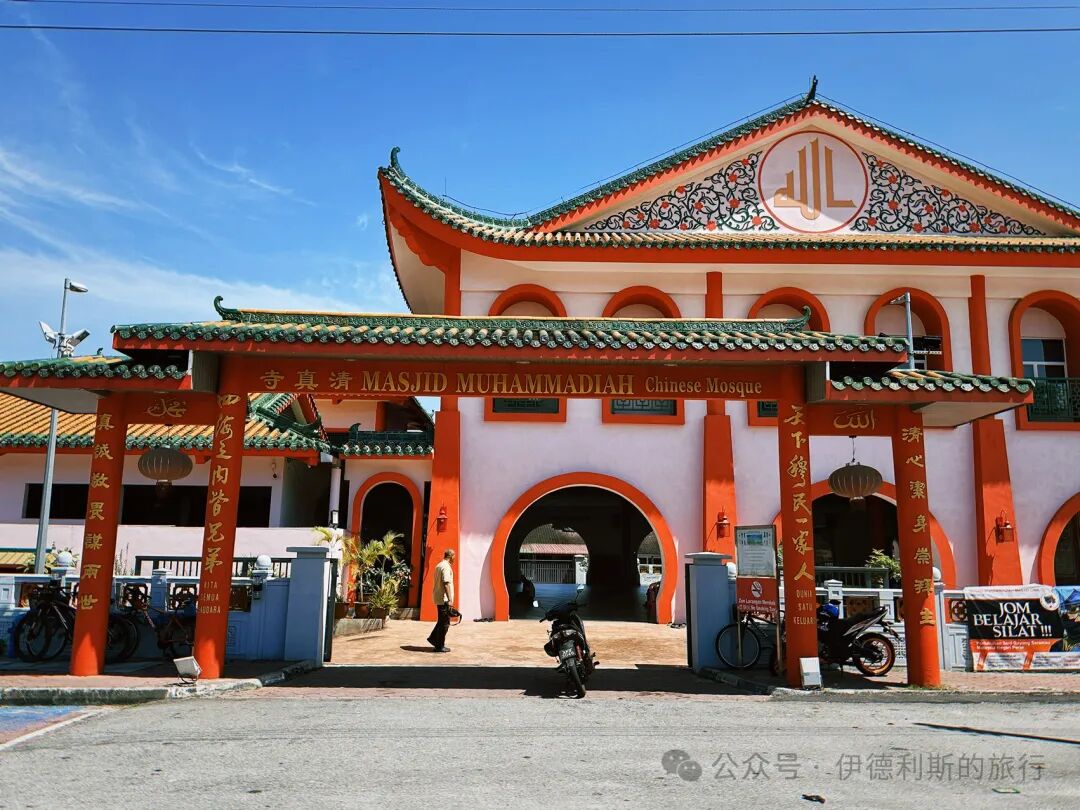
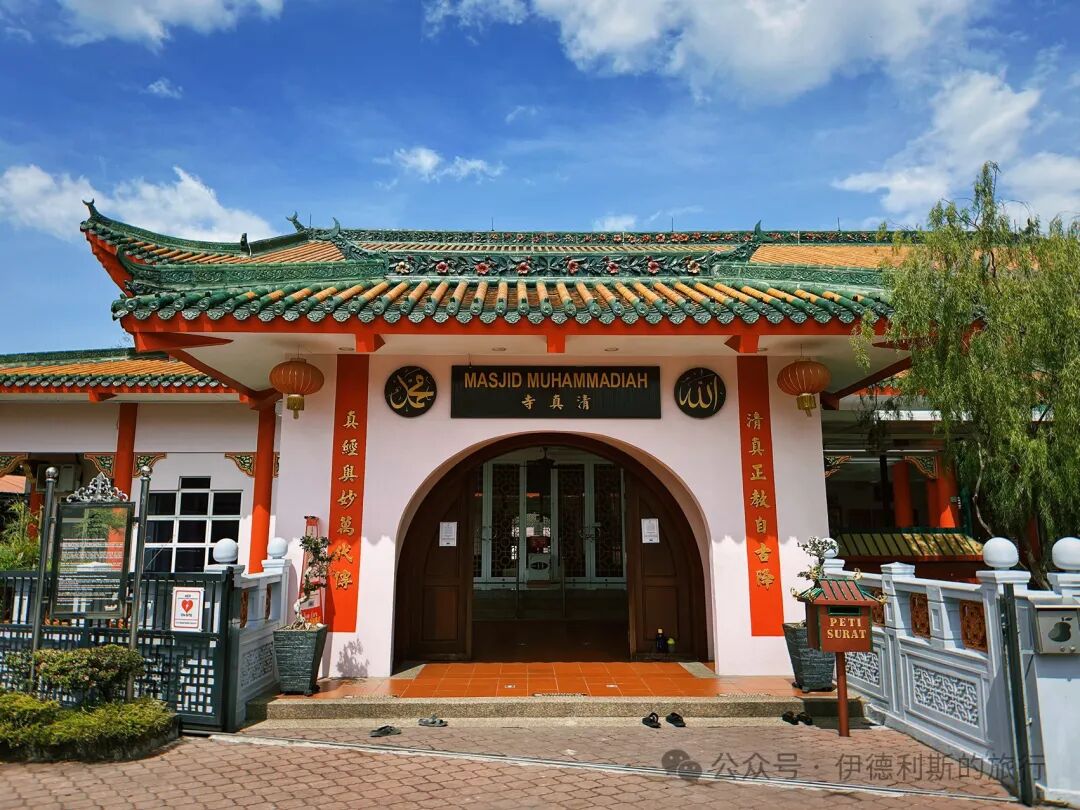
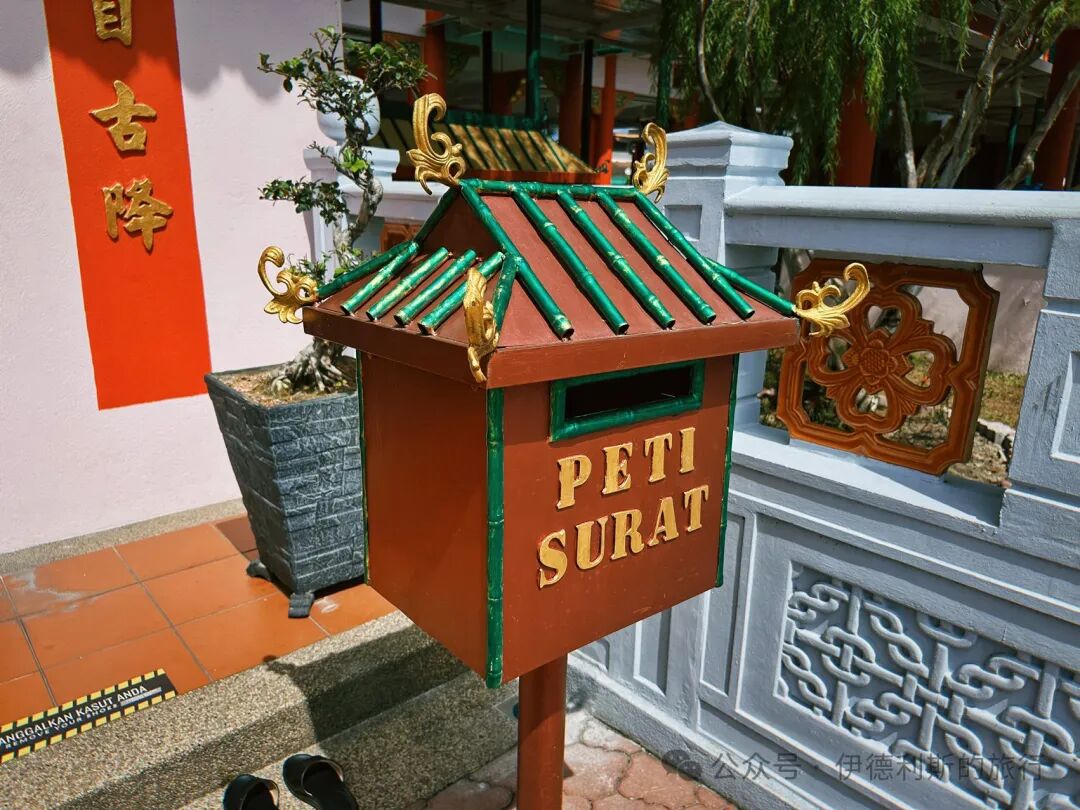
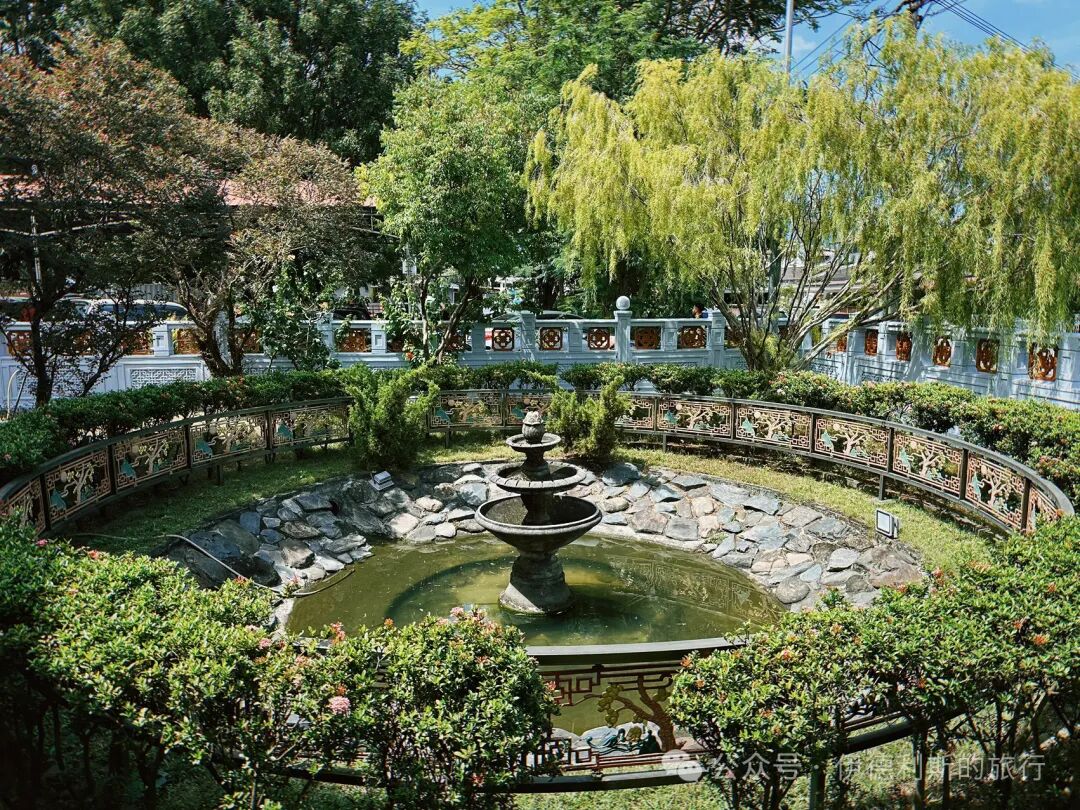
You can see Chinese characters everywhere inside the mosque. There are four couplets on the three main gates, which read: 'The pure and true faith has descended since ancient times, the mysteries of the true scripture are passed down for ten thousand generations.' 'The pure faith is unique and follows the middle path, the true religion is peerless and transcends the universe.' 'Cleanse the heart and body to worship the Lord, be sincere and reverent to seek success in both worlds.' 'All Muslims in the world are one family, all within the four seas are brothers.' Inside the main hall, there is another couplet: 'Endure all hardships to observe the one-month fast, in all your busyness do not miss the five daily prayers.' It is clear that the Chinese proficiency of the Hui Muslims here is quite good.
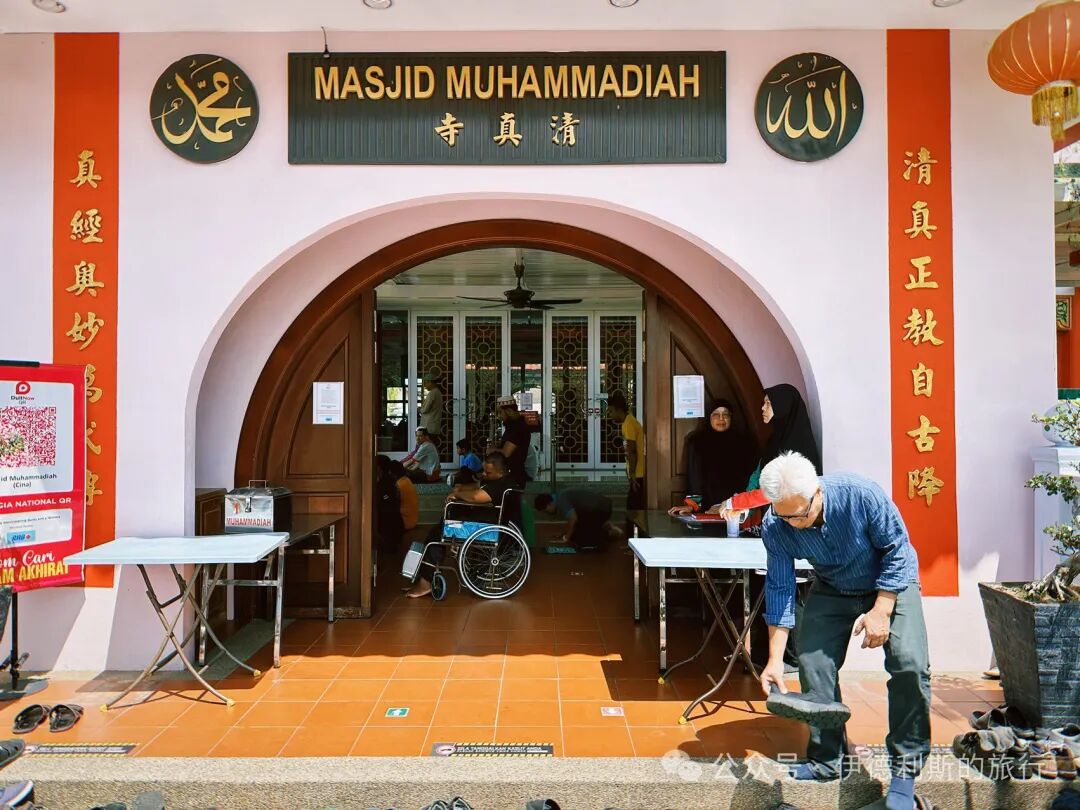
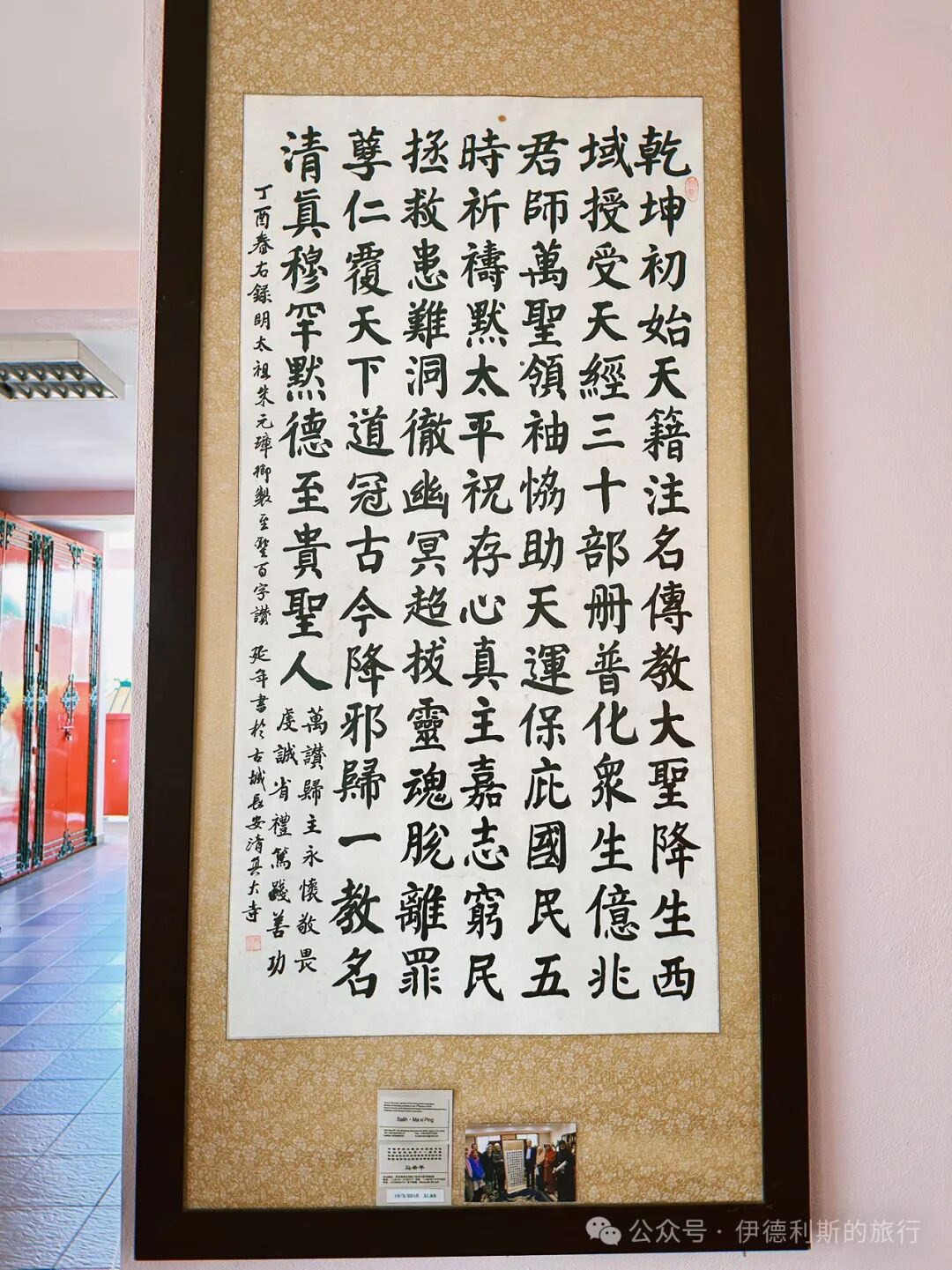
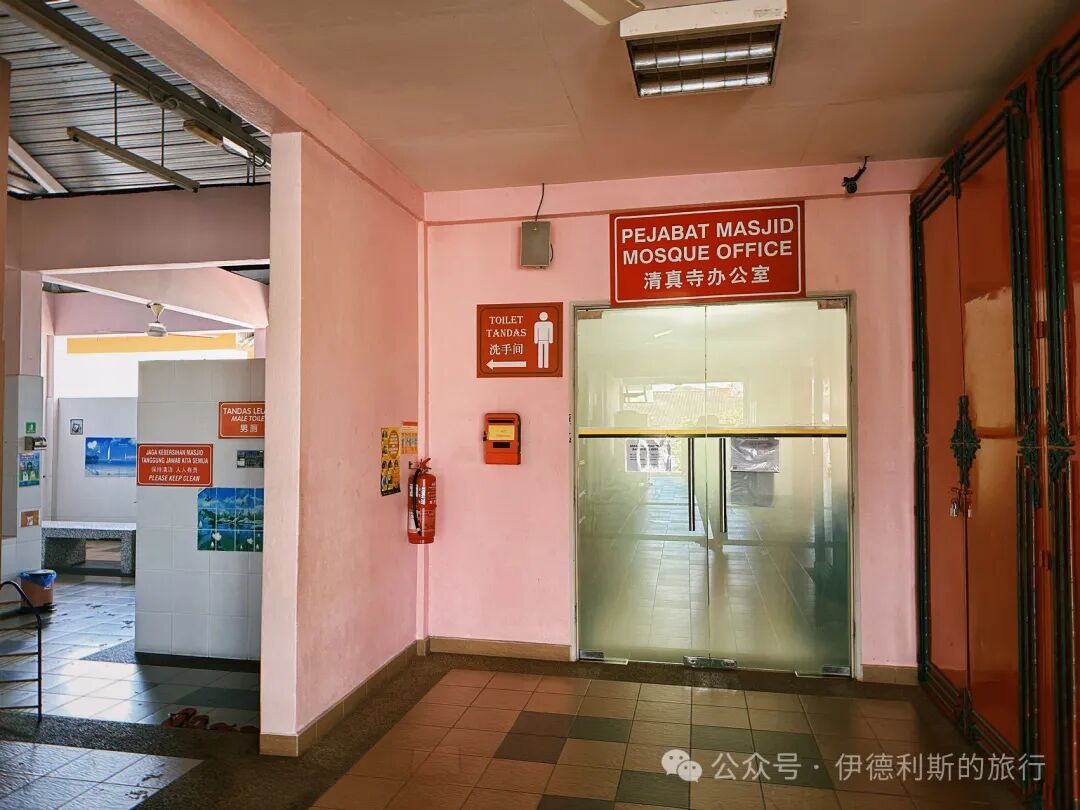
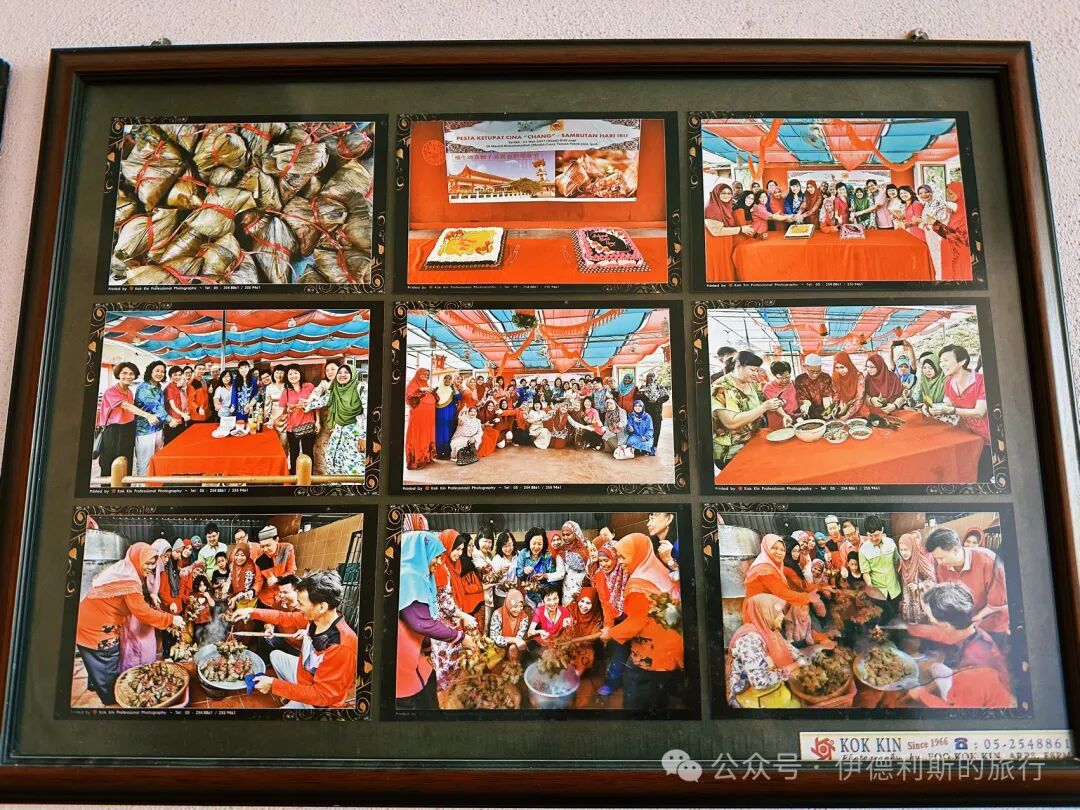
Besides religious practice, the mosque often holds cultural events to introduce traditional Chinese culture to Malay brothers (dosti). During the Lunar New Year, Mid-Autumn Festival, and Dragon Boat Festival, the mosque often holds exchange activities, such as teaching Malay brothers (dosti) how to wrap rice dumplings (zongzi).
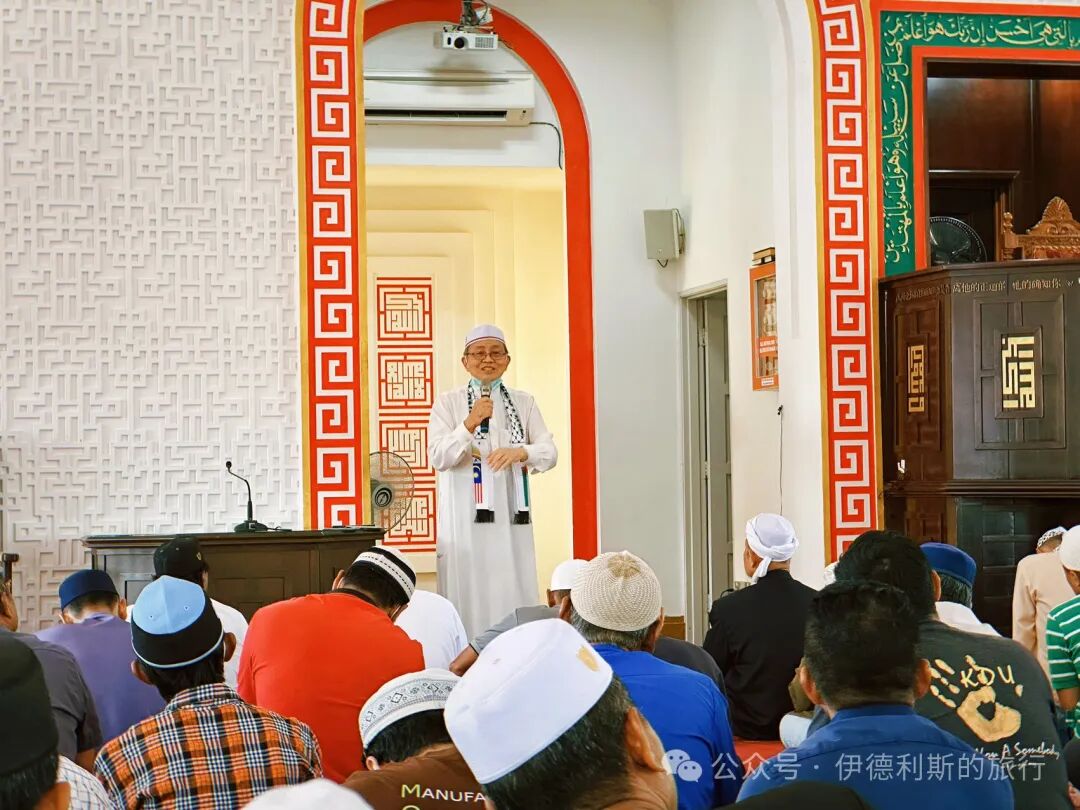
As Friday prayer time approached, the Ipoh Chinese mosque was already packed with brothers (gaomu). The main hall, corridors, and courtyard were almost full. I observed that most of the brothers (gaomu) were Malay brothers (dosti). There were also some South Asian brothers (dosti) and a small number of foreign brothers (dosti). The number of Chinese brothers (dosti) was relatively small, and they were mostly elderly. At the entrance, a Chinese lady was helping everyone, and she was very enthusiastic.
Before the Friday prayers began, Dato' Xie Zhuoran, the chairman of the Ipoh branch of the Malaysian Chinese Muslim Association, gave a sermon (wa'z) in Malay. Although I did not understand the language, I could feel that Chairman Xie was speaking very vividly. After the prayers, I chatted with Chairman Xie and the lady about the situation of Chinese Muslims in Malaysia. Currently, there are about 60,000 Chinese Muslims in Malaysia. Most young people live and work in the Klang Valley area centered on Kuala Lumpur, while the Chinese Muslims in Ipoh are mostly middle-aged and elderly. Chairman Xie is a doctor by profession. He converted to Islam after marrying his Malay wife, and marriage is one of the main reasons why Chinese people in Malaysia convert to Islam.
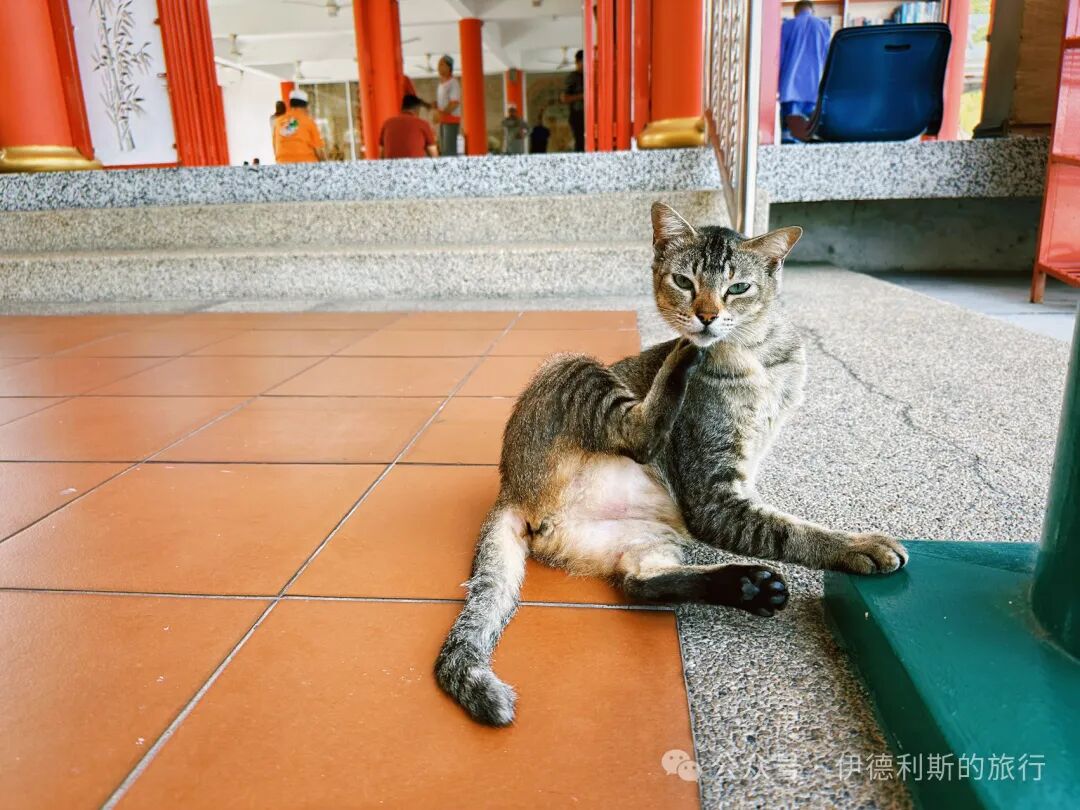
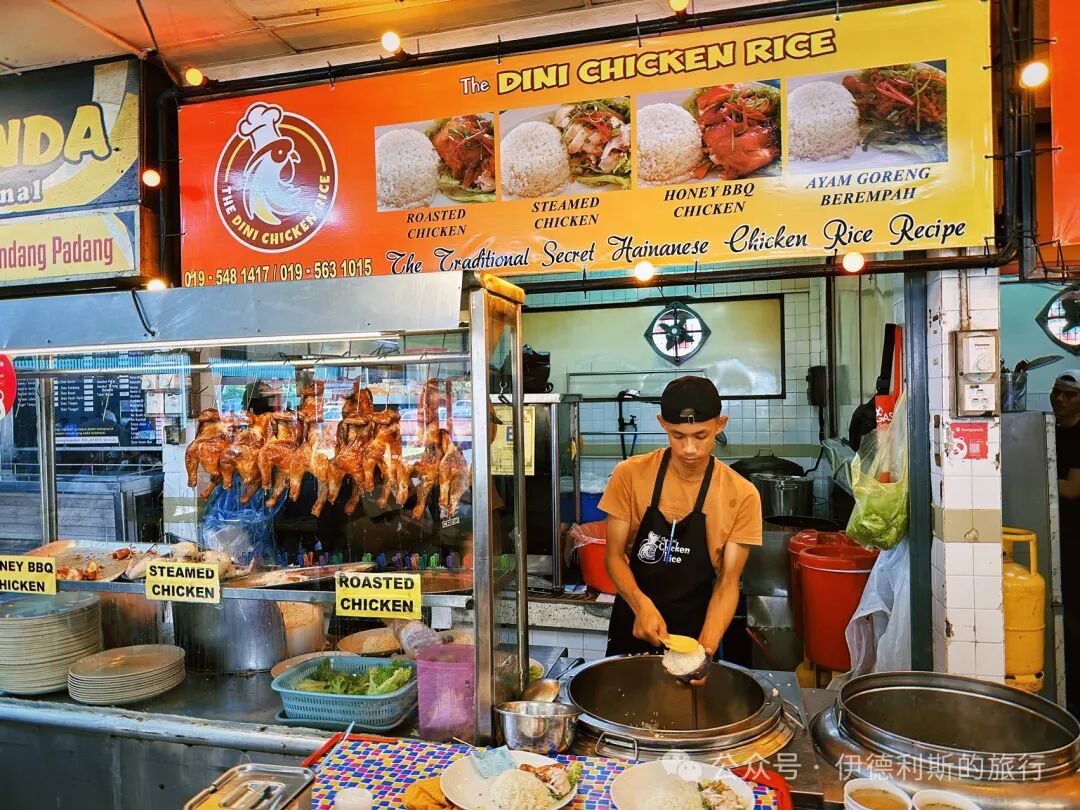
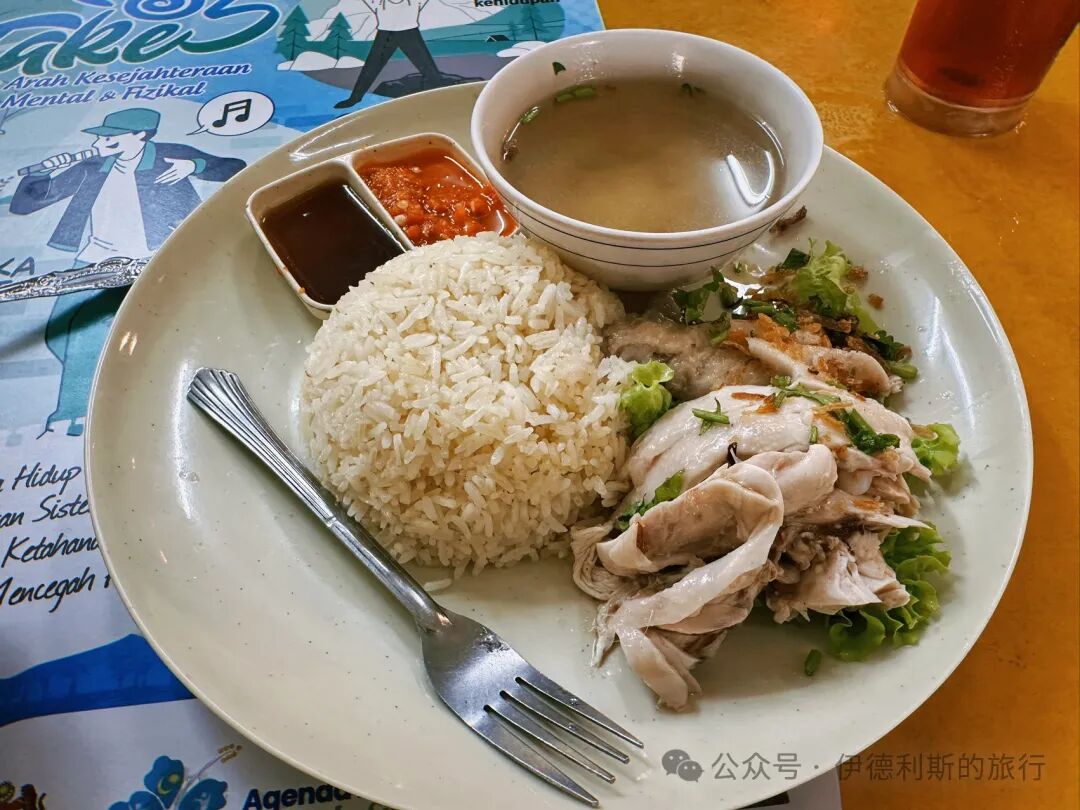
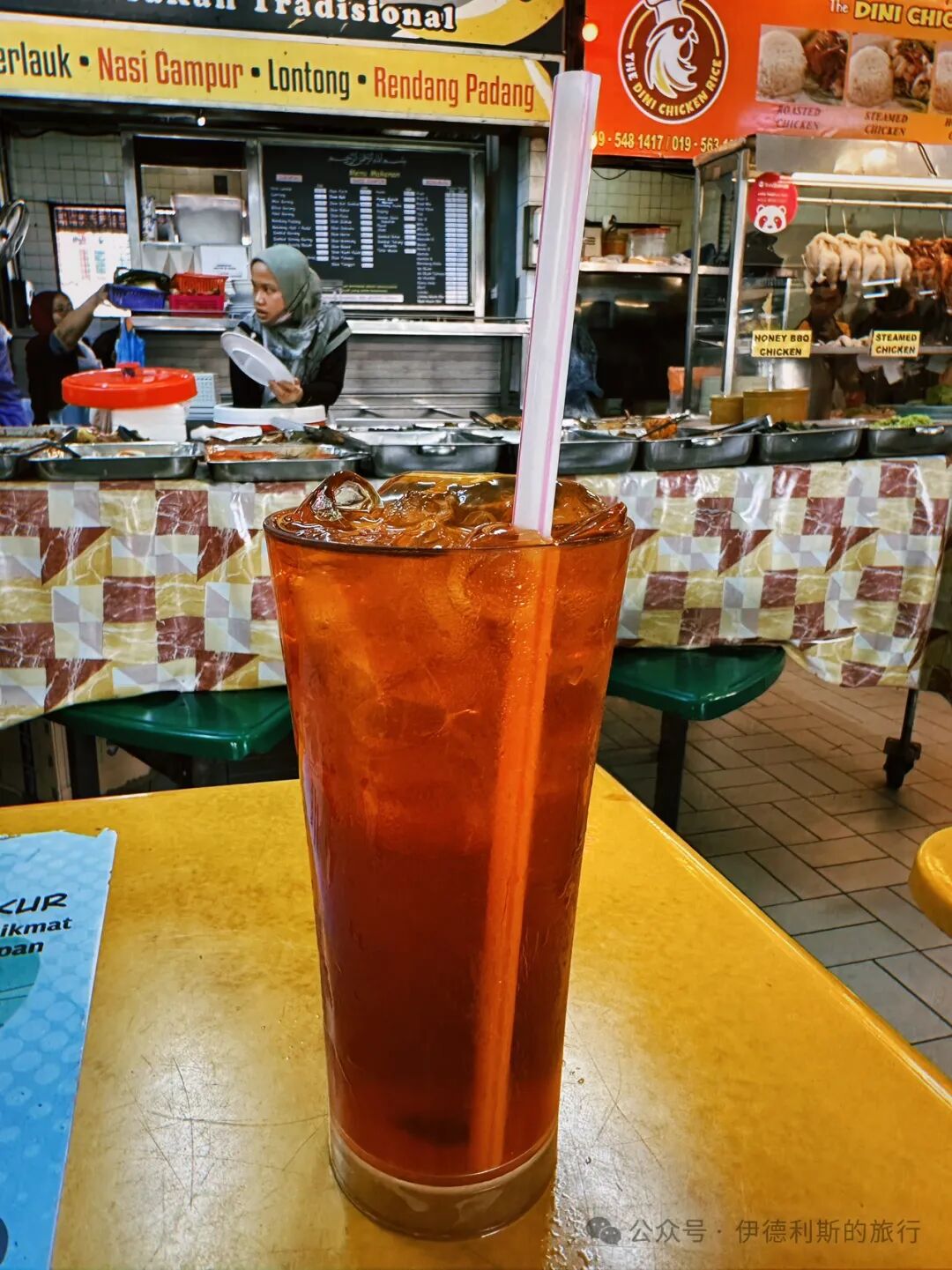
Opposite the Ipoh Chinese mosque is a large food court. to the Malay mixed rice (nasi campur), Hainanese chicken rice is also particularly popular with Malay brothers (dosti). Chairman Xie said he also likes the chicken rice at this place. I feel that Hainanese chicken rice is truly a classic food loved by all ethnic groups in Malaysia. In many places, you can see that the chicken rice made by Malay brothers (dosti) is also very authentic, no less than that made by Chinese people.
Further reading:
Tasting halal Chinese food in Malaysia
Halal Chinese food in Penang, Malaysia
Taste halal Chinese food in Singapore
Summary: This Malaysia article records Friday prayer at a Chinese-style mosque and the author observations of mosque space, community life, and worship. It keeps the original religious terms, place details, and cultural notes in a Muslim voice.
At noon, we took a taxi from Ipoh Old Town to the Muhammadiah Mosque in Tasek, in the northern suburbs, for Friday prayers. Since we had some time before the service started, we took a look around the mosque. The Muhammadiah Mosque began in 1973. It was rebuilt between 2011 and 2013 by the Ipoh branch of the Malaysian Chinese Muslim Association. It is the first mosque in Malaysia built in a purely Chinese style (the one in Kelantan has a Thai style) and was completed one year before the Malacca Chinese Mosque. The glazed tiles on the roof of the main prayer hall were fired in Luoyang, and you can see hibiscus patterns on the roof ridges.
You can see Chinese characters everywhere inside the mosque. There are four couplets on the three main gates, which read: 'The pure and true faith has descended since ancient times, the mysteries of the true scripture are passed down for ten thousand generations.' 'The pure faith is unique and follows the middle path, the true religion is peerless and transcends the universe.' 'Cleanse the heart and body to worship the Lord, be sincere and reverent to seek success in both worlds.' 'All Muslims in the world are one family, all within the four seas are brothers.' Inside the main hall, there is another couplet: 'Endure all hardships to observe the one-month fast, in all your busyness do not miss the five daily prayers.' It is clear that the Chinese proficiency of the Hui Muslims here is quite good.
Besides religious practice, the mosque often holds cultural events to introduce traditional Chinese culture to Malay brothers (dosti). During the Lunar New Year, Mid-Autumn Festival, and Dragon Boat Festival, the mosque often holds exchange activities, such as teaching Malay brothers (dosti) how to wrap rice dumplings (zongzi).
As Friday prayer time approached, the Ipoh Chinese mosque was already packed with brothers (gaomu). The main hall, corridors, and courtyard were almost full. I observed that most of the brothers (gaomu) were Malay brothers (dosti). There were also some South Asian brothers (dosti) and a small number of foreign brothers (dosti). The number of Chinese brothers (dosti) was relatively small, and they were mostly elderly. At the entrance, a Chinese lady was helping everyone, and she was very enthusiastic.
Before the Friday prayers began, Dato' Xie Zhuoran, the chairman of the Ipoh branch of the Malaysian Chinese Muslim Association, gave a sermon (wa'z) in Malay. Although I did not understand the language, I could feel that Chairman Xie was speaking very vividly. After the prayers, I chatted with Chairman Xie and the lady about the situation of Chinese Muslims in Malaysia. Currently, there are about 60,000 Chinese Muslims in Malaysia. Most young people live and work in the Klang Valley area centered on Kuala Lumpur, while the Chinese Muslims in Ipoh are mostly middle-aged and elderly. Chairman Xie is a doctor by profession. He converted to Islam after marrying his Malay wife, and marriage is one of the main reasons why Chinese people in Malaysia convert to Islam.
Opposite the Ipoh Chinese mosque is a large food court. to the Malay mixed rice (nasi campur), Hainanese chicken rice is also particularly popular with Malay brothers (dosti). Chairman Xie said he also likes the chicken rice at this place. I feel that Hainanese chicken rice is truly a classic food loved by all ethnic groups in Malaysia. In many places, you can see that the chicken rice made by Malay brothers (dosti) is also very authentic, no less than that made by Chinese people.
Further reading:
Tasting halal Chinese food in Malaysia
Halal Chinese food in Penang, Malaysia
Taste halal Chinese food in Singapore
The English-Dutch energy company Shell is investing in the development of the Rosmari-Marjoram gas field off the coast of Malaysia.
News • Justice Brown posted the article • 0 comments • 864 views • 2022-09-11 21:34
The English-Dutch energy company Shell is investing in the development of the Rosmari-Marjoram gas field off the coast of Malaysia.
view all
view all
The English-Dutch energy company Shell is investing in the development of the Rosmari-Marjoram gas field off the coast of Malaysia.

Halal Travel Guide: Ipoh, Malaysia - Indian and Malay Mosques
Articles • ali2007fr posted the article • 0 comments • 144 views • 2026-05-19 09:30
Reposted from the web
Summary: Halal Travel Guide: Ipoh, Malaysia - Indian and Malay Mosques is presented here as a firsthand travel account in clear, natural English. The account focuses on Ipoh, Malaysia, Mosques while preserving the names, places, food, photos, and historical details from the Chinese source.
Ipoh is north of Kuala Lumpur and serves as the capital of Perak state, a city famous for its history and culture. Ipoh is known as the Tin Capital. After 1880, the Kinta Valley where Ipoh sits attracted many workers to mine its rich tin deposits, and Ipoh quickly grew into a mining town.
In the late 19th century, many South Indian Tamils came to Ipoh to make a living. The wealthy businessman Shaik Adam Mohammad Ghaus was the most influential among them, and he started Ipoh's first ice factory and soda factory. Under his leadership, his Indian laborers built the Ipoh Indian Mosque between 1905 and 1908.
The main hall of the Ipoh Indian Mosque was modeled after the Hall of Private Audience (Diwan-i-Khas) at the Red Fort in Delhi, featuring the same rectangular layout and scalloped arches. The defensive-style railings on the roof of the main hall were also influenced by Mughal architecture.
Besides South Indian Tamils, some North Indian Pathans (Pashtun descent) and Punjabis also came to Ipoh under British Malaya rule to work as police. They were responsible for keeping order during peacetime, and they fought bravely against the invaders during the Japanese occupation in 1941. In 1930, the British gave them a piece of land to build a mosque, which became their main gathering place on their day off. Today, this mosque is still used by Punjabi Pakistani Muslims and is known as the Pakistan Mosque.
The Ipoh Pakistan Mosque is mostly pink, which makes it look very cute. The imam was very kind and showed us where we could get water.
Right next to the Pakistan Mosque is Ipoh's Little India. Maybe it was because we went in the morning, but Ipoh's Little India didn't feel as busy as the one in Klang, though it still had all the flower shops, food stalls, and clothing stores.
In the old town of Ipoh, we ate at a place with over 50 years of history called Gerai Makanan dan Minuman Rahamath. It is known as the best Tamil mamak stall for rice with curry (nasi kandar) in Ipoh, famous for its spicy tomato chicken, spiced fried chicken, and lamb curry, which is thick and fragrant.
Rice with curry (nasi kandar) is a dish invented by Tamil Muslims in Malaysia. It is simply rice served with various beef, lamb, chicken, fish, or shrimp curries and side dishes. When Tamils first arrived on the Malay Peninsula in the 19th century, most carried food on shoulder poles to sell along the streets, which is why their food became known as shoulder-pole rice (nasi kandar). By the 20th century, Tamil Muslims opened various restaurants and stalls, but the name shoulder-pole rice (nasi kandar) is still used today.
We also had durian shaved ice (cendol) at Concubine Lane in Ipoh's old town, and they gave us a huge piece of durian; eating durian in Malaysia is really a great deal.
Panglima Kinta Mosque is located by the Kinta River in Ipoh. It was built in 1898 by the Malay chief who ruled Ipoh at the time, Panglima Kinta Muhamad Yusuff, to honor his wife. After it was finished, it became the center of the faith for the Malay people in Ipoh.
Panglima Kinta was one of the eight chiefs of Perak and the lord of the Kinta region. Under his rule, large numbers of laborers came to the Kinta Valley where Ipoh is located to mine tin, and Ipoh quickly grew from an unknown Malay village (kampung) into a city of shophouses. By the time Panglima Kinta passed away in 1903, he was likely one of the wealthiest lords on the Malay Peninsula.
Panglima Kinta Mosque blends Indian-based Mughal style with Roman-Greek neoclassical style. The main hall has a semi-circular Mughal dome on top, while the octagonal minarets on both sides were influenced by Chinese brick towers. The minbar pulpit inside the main hall was built by a master Malay craftsman from Penang named Tuan Haji Mohamed Sopian, and its design is exquisite.
There are several other buildings surrounding the main hall of the Panglima Kinta Mosque. To the southeast of the main hall is the Balai Lintang, which was used for gatherings during Ramadan. It is now open as an exhibition hall, showcasing the history of the faith in Ipoh and the Kinta region, as well as the life of the Panglima Kinta lord.
The exhibition hall houses a traditional drum (beduk) found in Malay mosques. This single-sided drum is made by hollowing out jackfruit wood and covering one side with cowhide. Slow beats on the beduk drum signal the start of the call to prayer (bang), while rapid beats indicate that someone has passed away.
The exhibition hall also displays the traditional ceremonial headgear (tengkolok) of Perak state. The Sultan of Perak and the eight major chiefs wear the tengkolok when attending various ceremonies.
Further east stands a religious school built in the style of a traditional Malay wooden house. People say Shaik Tholji, a teacher from Egypt, once taught here and made a great contribution to the development of the local faith.
The mosque grounds also contain the graves of the Panglima Kinta lords from past generations.
I found a rattan and bamboo shop on the streets of Ipoh. These beaters used for cleaning blankets and quilts are quite interesting. view all
Summary: Halal Travel Guide: Ipoh, Malaysia - Indian and Malay Mosques is presented here as a firsthand travel account in clear, natural English. The account focuses on Ipoh, Malaysia, Mosques while preserving the names, places, food, photos, and historical details from the Chinese source.
Ipoh is north of Kuala Lumpur and serves as the capital of Perak state, a city famous for its history and culture. Ipoh is known as the Tin Capital. After 1880, the Kinta Valley where Ipoh sits attracted many workers to mine its rich tin deposits, and Ipoh quickly grew into a mining town.
In the late 19th century, many South Indian Tamils came to Ipoh to make a living. The wealthy businessman Shaik Adam Mohammad Ghaus was the most influential among them, and he started Ipoh's first ice factory and soda factory. Under his leadership, his Indian laborers built the Ipoh Indian Mosque between 1905 and 1908.
The main hall of the Ipoh Indian Mosque was modeled after the Hall of Private Audience (Diwan-i-Khas) at the Red Fort in Delhi, featuring the same rectangular layout and scalloped arches. The defensive-style railings on the roof of the main hall were also influenced by Mughal architecture.
Besides South Indian Tamils, some North Indian Pathans (Pashtun descent) and Punjabis also came to Ipoh under British Malaya rule to work as police. They were responsible for keeping order during peacetime, and they fought bravely against the invaders during the Japanese occupation in 1941. In 1930, the British gave them a piece of land to build a mosque, which became their main gathering place on their day off. Today, this mosque is still used by Punjabi Pakistani Muslims and is known as the Pakistan Mosque.
The Ipoh Pakistan Mosque is mostly pink, which makes it look very cute. The imam was very kind and showed us where we could get water.
Right next to the Pakistan Mosque is Ipoh's Little India. Maybe it was because we went in the morning, but Ipoh's Little India didn't feel as busy as the one in Klang, though it still had all the flower shops, food stalls, and clothing stores.
In the old town of Ipoh, we ate at a place with over 50 years of history called Gerai Makanan dan Minuman Rahamath. It is known as the best Tamil mamak stall for rice with curry (nasi kandar) in Ipoh, famous for its spicy tomato chicken, spiced fried chicken, and lamb curry, which is thick and fragrant.
Rice with curry (nasi kandar) is a dish invented by Tamil Muslims in Malaysia. It is simply rice served with various beef, lamb, chicken, fish, or shrimp curries and side dishes. When Tamils first arrived on the Malay Peninsula in the 19th century, most carried food on shoulder poles to sell along the streets, which is why their food became known as shoulder-pole rice (nasi kandar). By the 20th century, Tamil Muslims opened various restaurants and stalls, but the name shoulder-pole rice (nasi kandar) is still used today.
We also had durian shaved ice (cendol) at Concubine Lane in Ipoh's old town, and they gave us a huge piece of durian; eating durian in Malaysia is really a great deal.
Panglima Kinta Mosque is located by the Kinta River in Ipoh. It was built in 1898 by the Malay chief who ruled Ipoh at the time, Panglima Kinta Muhamad Yusuff, to honor his wife. After it was finished, it became the center of the faith for the Malay people in Ipoh.
Panglima Kinta was one of the eight chiefs of Perak and the lord of the Kinta region. Under his rule, large numbers of laborers came to the Kinta Valley where Ipoh is located to mine tin, and Ipoh quickly grew from an unknown Malay village (kampung) into a city of shophouses. By the time Panglima Kinta passed away in 1903, he was likely one of the wealthiest lords on the Malay Peninsula.
Panglima Kinta Mosque blends Indian-based Mughal style with Roman-Greek neoclassical style. The main hall has a semi-circular Mughal dome on top, while the octagonal minarets on both sides were influenced by Chinese brick towers. The minbar pulpit inside the main hall was built by a master Malay craftsman from Penang named Tuan Haji Mohamed Sopian, and its design is exquisite.
There are several other buildings surrounding the main hall of the Panglima Kinta Mosque. To the southeast of the main hall is the Balai Lintang, which was used for gatherings during Ramadan. It is now open as an exhibition hall, showcasing the history of the faith in Ipoh and the Kinta region, as well as the life of the Panglima Kinta lord.
The exhibition hall houses a traditional drum (beduk) found in Malay mosques. This single-sided drum is made by hollowing out jackfruit wood and covering one side with cowhide. Slow beats on the beduk drum signal the start of the call to prayer (bang), while rapid beats indicate that someone has passed away.
The exhibition hall also displays the traditional ceremonial headgear (tengkolok) of Perak state. The Sultan of Perak and the eight major chiefs wear the tengkolok when attending various ceremonies.
Further east stands a religious school built in the style of a traditional Malay wooden house. People say Shaik Tholji, a teacher from Egypt, once taught here and made a great contribution to the development of the local faith.
The mosque grounds also contain the graves of the Panglima Kinta lords from past generations.
I found a rattan and bamboo shop on the streets of Ipoh. These beaters used for cleaning blankets and quilts are quite interesting. view all
Reposted from the web
Summary: Halal Travel Guide: Ipoh, Malaysia - Indian and Malay Mosques is presented here as a firsthand travel account in clear, natural English. The account focuses on Ipoh, Malaysia, Mosques while preserving the names, places, food, photos, and historical details from the Chinese source.
Ipoh is north of Kuala Lumpur and serves as the capital of Perak state, a city famous for its history and culture. Ipoh is known as the Tin Capital. After 1880, the Kinta Valley where Ipoh sits attracted many workers to mine its rich tin deposits, and Ipoh quickly grew into a mining town.
In the late 19th century, many South Indian Tamils came to Ipoh to make a living. The wealthy businessman Shaik Adam Mohammad Ghaus was the most influential among them, and he started Ipoh's first ice factory and soda factory. Under his leadership, his Indian laborers built the Ipoh Indian Mosque between 1905 and 1908.
The main hall of the Ipoh Indian Mosque was modeled after the Hall of Private Audience (Diwan-i-Khas) at the Red Fort in Delhi, featuring the same rectangular layout and scalloped arches. The defensive-style railings on the roof of the main hall were also influenced by Mughal architecture.
Besides South Indian Tamils, some North Indian Pathans (Pashtun descent) and Punjabis also came to Ipoh under British Malaya rule to work as police. They were responsible for keeping order during peacetime, and they fought bravely against the invaders during the Japanese occupation in 1941. In 1930, the British gave them a piece of land to build a mosque, which became their main gathering place on their day off. Today, this mosque is still used by Punjabi Pakistani Muslims and is known as the Pakistan Mosque.
The Ipoh Pakistan Mosque is mostly pink, which makes it look very cute. The imam was very kind and showed us where we could get water.
Right next to the Pakistan Mosque is Ipoh's Little India. Maybe it was because we went in the morning, but Ipoh's Little India didn't feel as busy as the one in Klang, though it still had all the flower shops, food stalls, and clothing stores.
In the old town of Ipoh, we ate at a place with over 50 years of history called Gerai Makanan dan Minuman Rahamath. It is known as the best Tamil mamak stall for rice with curry (nasi kandar) in Ipoh, famous for its spicy tomato chicken, spiced fried chicken, and lamb curry, which is thick and fragrant.
Rice with curry (nasi kandar) is a dish invented by Tamil Muslims in Malaysia. It is simply rice served with various beef, lamb, chicken, fish, or shrimp curries and side dishes. When Tamils first arrived on the Malay Peninsula in the 19th century, most carried food on shoulder poles to sell along the streets, which is why their food became known as shoulder-pole rice (nasi kandar). By the 20th century, Tamil Muslims opened various restaurants and stalls, but the name shoulder-pole rice (nasi kandar) is still used today.
We also had durian shaved ice (cendol) at Concubine Lane in Ipoh's old town, and they gave us a huge piece of durian; eating durian in Malaysia is really a great deal.
Panglima Kinta Mosque is located by the Kinta River in Ipoh. It was built in 1898 by the Malay chief who ruled Ipoh at the time, Panglima Kinta Muhamad Yusuff, to honor his wife. After it was finished, it became the center of the faith for the Malay people in Ipoh.
Panglima Kinta was one of the eight chiefs of Perak and the lord of the Kinta region. Under his rule, large numbers of laborers came to the Kinta Valley where Ipoh is located to mine tin, and Ipoh quickly grew from an unknown Malay village (kampung) into a city of shophouses. By the time Panglima Kinta passed away in 1903, he was likely one of the wealthiest lords on the Malay Peninsula.
Panglima Kinta Mosque blends Indian-based Mughal style with Roman-Greek neoclassical style. The main hall has a semi-circular Mughal dome on top, while the octagonal minarets on both sides were influenced by Chinese brick towers. The minbar pulpit inside the main hall was built by a master Malay craftsman from Penang named Tuan Haji Mohamed Sopian, and its design is exquisite.
There are several other buildings surrounding the main hall of the Panglima Kinta Mosque. To the southeast of the main hall is the Balai Lintang, which was used for gatherings during Ramadan. It is now open as an exhibition hall, showcasing the history of the faith in Ipoh and the Kinta region, as well as the life of the Panglima Kinta lord.
The exhibition hall houses a traditional drum (beduk) found in Malay mosques. This single-sided drum is made by hollowing out jackfruit wood and covering one side with cowhide. Slow beats on the beduk drum signal the start of the call to prayer (bang), while rapid beats indicate that someone has passed away.
The exhibition hall also displays the traditional ceremonial headgear (tengkolok) of Perak state. The Sultan of Perak and the eight major chiefs wear the tengkolok when attending various ceremonies.
Further east stands a religious school built in the style of a traditional Malay wooden house. People say Shaik Tholji, a teacher from Egypt, once taught here and made a great contribution to the development of the local faith.
The mosque grounds also contain the graves of the Panglima Kinta lords from past generations.
I found a rattan and bamboo shop on the streets of Ipoh. These beaters used for cleaning blankets and quilts are quite interesting.
Summary: Halal Travel Guide: Ipoh, Malaysia - Indian and Malay Mosques is presented here as a firsthand travel account in clear, natural English. The account focuses on Ipoh, Malaysia, Mosques while preserving the names, places, food, photos, and historical details from the Chinese source.
Ipoh is north of Kuala Lumpur and serves as the capital of Perak state, a city famous for its history and culture. Ipoh is known as the Tin Capital. After 1880, the Kinta Valley where Ipoh sits attracted many workers to mine its rich tin deposits, and Ipoh quickly grew into a mining town.
In the late 19th century, many South Indian Tamils came to Ipoh to make a living. The wealthy businessman Shaik Adam Mohammad Ghaus was the most influential among them, and he started Ipoh's first ice factory and soda factory. Under his leadership, his Indian laborers built the Ipoh Indian Mosque between 1905 and 1908.
The main hall of the Ipoh Indian Mosque was modeled after the Hall of Private Audience (Diwan-i-Khas) at the Red Fort in Delhi, featuring the same rectangular layout and scalloped arches. The defensive-style railings on the roof of the main hall were also influenced by Mughal architecture.
Besides South Indian Tamils, some North Indian Pathans (Pashtun descent) and Punjabis also came to Ipoh under British Malaya rule to work as police. They were responsible for keeping order during peacetime, and they fought bravely against the invaders during the Japanese occupation in 1941. In 1930, the British gave them a piece of land to build a mosque, which became their main gathering place on their day off. Today, this mosque is still used by Punjabi Pakistani Muslims and is known as the Pakistan Mosque.
The Ipoh Pakistan Mosque is mostly pink, which makes it look very cute. The imam was very kind and showed us where we could get water.
Right next to the Pakistan Mosque is Ipoh's Little India. Maybe it was because we went in the morning, but Ipoh's Little India didn't feel as busy as the one in Klang, though it still had all the flower shops, food stalls, and clothing stores.
In the old town of Ipoh, we ate at a place with over 50 years of history called Gerai Makanan dan Minuman Rahamath. It is known as the best Tamil mamak stall for rice with curry (nasi kandar) in Ipoh, famous for its spicy tomato chicken, spiced fried chicken, and lamb curry, which is thick and fragrant.
Rice with curry (nasi kandar) is a dish invented by Tamil Muslims in Malaysia. It is simply rice served with various beef, lamb, chicken, fish, or shrimp curries and side dishes. When Tamils first arrived on the Malay Peninsula in the 19th century, most carried food on shoulder poles to sell along the streets, which is why their food became known as shoulder-pole rice (nasi kandar). By the 20th century, Tamil Muslims opened various restaurants and stalls, but the name shoulder-pole rice (nasi kandar) is still used today.
We also had durian shaved ice (cendol) at Concubine Lane in Ipoh's old town, and they gave us a huge piece of durian; eating durian in Malaysia is really a great deal.
Panglima Kinta Mosque is located by the Kinta River in Ipoh. It was built in 1898 by the Malay chief who ruled Ipoh at the time, Panglima Kinta Muhamad Yusuff, to honor his wife. After it was finished, it became the center of the faith for the Malay people in Ipoh.
Panglima Kinta was one of the eight chiefs of Perak and the lord of the Kinta region. Under his rule, large numbers of laborers came to the Kinta Valley where Ipoh is located to mine tin, and Ipoh quickly grew from an unknown Malay village (kampung) into a city of shophouses. By the time Panglima Kinta passed away in 1903, he was likely one of the wealthiest lords on the Malay Peninsula.
Panglima Kinta Mosque blends Indian-based Mughal style with Roman-Greek neoclassical style. The main hall has a semi-circular Mughal dome on top, while the octagonal minarets on both sides were influenced by Chinese brick towers. The minbar pulpit inside the main hall was built by a master Malay craftsman from Penang named Tuan Haji Mohamed Sopian, and its design is exquisite.
There are several other buildings surrounding the main hall of the Panglima Kinta Mosque. To the southeast of the main hall is the Balai Lintang, which was used for gatherings during Ramadan. It is now open as an exhibition hall, showcasing the history of the faith in Ipoh and the Kinta region, as well as the life of the Panglima Kinta lord.
The exhibition hall houses a traditional drum (beduk) found in Malay mosques. This single-sided drum is made by hollowing out jackfruit wood and covering one side with cowhide. Slow beats on the beduk drum signal the start of the call to prayer (bang), while rapid beats indicate that someone has passed away.
The exhibition hall also displays the traditional ceremonial headgear (tengkolok) of Perak state. The Sultan of Perak and the eight major chiefs wear the tengkolok when attending various ceremonies.
Further east stands a religious school built in the style of a traditional Malay wooden house. People say Shaik Tholji, a teacher from Egypt, once taught here and made a great contribution to the development of the local faith.
The mosque grounds also contain the graves of the Panglima Kinta lords from past generations.
I found a rattan and bamboo shop on the streets of Ipoh. These beaters used for cleaning blankets and quilts are quite interesting.
Halal Travel Guide: Malaysia - Chinese-Style Mosque and Jumuah Prayer
Articles • ali2007fr posted the article • 0 comments • 156 views • 2026-05-19 07:25
Reposted from the web
Summary: This Malaysia article records Friday prayer at a Chinese-style mosque and the author observations of mosque space, community life, and worship. It keeps the original religious terms, place details, and cultural notes in a Muslim voice.
At noon, we took a taxi from Ipoh Old Town to the Muhammadiah Mosque in Tasek, in the northern suburbs, for Friday prayers. Since we had some time before the service started, we took a look around the mosque. The Muhammadiah Mosque began in 1973. It was rebuilt between 2011 and 2013 by the Ipoh branch of the Malaysian Chinese Muslim Association. It is the first mosque in Malaysia built in a purely Chinese style (the one in Kelantan has a Thai style) and was completed one year before the Malacca Chinese Mosque. The glazed tiles on the roof of the main prayer hall were fired in Luoyang, and you can see hibiscus patterns on the roof ridges.
You can see Chinese characters everywhere inside the mosque. There are four couplets on the three main gates, which read: 'The pure and true faith has descended since ancient times, the mysteries of the true scripture are passed down for ten thousand generations.' 'The pure faith is unique and follows the middle path, the true religion is peerless and transcends the universe.' 'Cleanse the heart and body to worship the Lord, be sincere and reverent to seek success in both worlds.' 'All Muslims in the world are one family, all within the four seas are brothers.' Inside the main hall, there is another couplet: 'Endure all hardships to observe the one-month fast, in all your busyness do not miss the five daily prayers.' It is clear that the Chinese proficiency of the Hui Muslims here is quite good.
Besides religious practice, the mosque often holds cultural events to introduce traditional Chinese culture to Malay brothers (dosti). During the Lunar New Year, Mid-Autumn Festival, and Dragon Boat Festival, the mosque often holds exchange activities, such as teaching Malay brothers (dosti) how to wrap rice dumplings (zongzi).
As Friday prayer time approached, the Ipoh Chinese mosque was already packed with brothers (gaomu). The main hall, corridors, and courtyard were almost full. I observed that most of the brothers (gaomu) were Malay brothers (dosti). There were also some South Asian brothers (dosti) and a small number of foreign brothers (dosti). The number of Chinese brothers (dosti) was relatively small, and they were mostly elderly. At the entrance, a Chinese lady was helping everyone, and she was very enthusiastic.
Before the Friday prayers began, Dato' Xie Zhuoran, the chairman of the Ipoh branch of the Malaysian Chinese Muslim Association, gave a sermon (wa'z) in Malay. Although I did not understand the language, I could feel that Chairman Xie was speaking very vividly. After the prayers, I chatted with Chairman Xie and the lady about the situation of Chinese Muslims in Malaysia. Currently, there are about 60,000 Chinese Muslims in Malaysia. Most young people live and work in the Klang Valley area centered on Kuala Lumpur, while the Chinese Muslims in Ipoh are mostly middle-aged and elderly. Chairman Xie is a doctor by profession. He converted to Islam after marrying his Malay wife, and marriage is one of the main reasons why Chinese people in Malaysia convert to Islam.
Opposite the Ipoh Chinese mosque is a large food court. to the Malay mixed rice (nasi campur), Hainanese chicken rice is also particularly popular with Malay brothers (dosti). Chairman Xie said he also likes the chicken rice at this place. I feel that Hainanese chicken rice is truly a classic food loved by all ethnic groups in Malaysia. In many places, you can see that the chicken rice made by Malay brothers (dosti) is also very authentic, no less than that made by Chinese people.
Further reading:
Tasting halal Chinese food in Malaysia
Halal Chinese food in Penang, Malaysia
Taste halal Chinese food in Singapore view all
Summary: This Malaysia article records Friday prayer at a Chinese-style mosque and the author observations of mosque space, community life, and worship. It keeps the original religious terms, place details, and cultural notes in a Muslim voice.
At noon, we took a taxi from Ipoh Old Town to the Muhammadiah Mosque in Tasek, in the northern suburbs, for Friday prayers. Since we had some time before the service started, we took a look around the mosque. The Muhammadiah Mosque began in 1973. It was rebuilt between 2011 and 2013 by the Ipoh branch of the Malaysian Chinese Muslim Association. It is the first mosque in Malaysia built in a purely Chinese style (the one in Kelantan has a Thai style) and was completed one year before the Malacca Chinese Mosque. The glazed tiles on the roof of the main prayer hall were fired in Luoyang, and you can see hibiscus patterns on the roof ridges.
You can see Chinese characters everywhere inside the mosque. There are four couplets on the three main gates, which read: 'The pure and true faith has descended since ancient times, the mysteries of the true scripture are passed down for ten thousand generations.' 'The pure faith is unique and follows the middle path, the true religion is peerless and transcends the universe.' 'Cleanse the heart and body to worship the Lord, be sincere and reverent to seek success in both worlds.' 'All Muslims in the world are one family, all within the four seas are brothers.' Inside the main hall, there is another couplet: 'Endure all hardships to observe the one-month fast, in all your busyness do not miss the five daily prayers.' It is clear that the Chinese proficiency of the Hui Muslims here is quite good.
Besides religious practice, the mosque often holds cultural events to introduce traditional Chinese culture to Malay brothers (dosti). During the Lunar New Year, Mid-Autumn Festival, and Dragon Boat Festival, the mosque often holds exchange activities, such as teaching Malay brothers (dosti) how to wrap rice dumplings (zongzi).
As Friday prayer time approached, the Ipoh Chinese mosque was already packed with brothers (gaomu). The main hall, corridors, and courtyard were almost full. I observed that most of the brothers (gaomu) were Malay brothers (dosti). There were also some South Asian brothers (dosti) and a small number of foreign brothers (dosti). The number of Chinese brothers (dosti) was relatively small, and they were mostly elderly. At the entrance, a Chinese lady was helping everyone, and she was very enthusiastic.
Before the Friday prayers began, Dato' Xie Zhuoran, the chairman of the Ipoh branch of the Malaysian Chinese Muslim Association, gave a sermon (wa'z) in Malay. Although I did not understand the language, I could feel that Chairman Xie was speaking very vividly. After the prayers, I chatted with Chairman Xie and the lady about the situation of Chinese Muslims in Malaysia. Currently, there are about 60,000 Chinese Muslims in Malaysia. Most young people live and work in the Klang Valley area centered on Kuala Lumpur, while the Chinese Muslims in Ipoh are mostly middle-aged and elderly. Chairman Xie is a doctor by profession. He converted to Islam after marrying his Malay wife, and marriage is one of the main reasons why Chinese people in Malaysia convert to Islam.
Opposite the Ipoh Chinese mosque is a large food court. to the Malay mixed rice (nasi campur), Hainanese chicken rice is also particularly popular with Malay brothers (dosti). Chairman Xie said he also likes the chicken rice at this place. I feel that Hainanese chicken rice is truly a classic food loved by all ethnic groups in Malaysia. In many places, you can see that the chicken rice made by Malay brothers (dosti) is also very authentic, no less than that made by Chinese people.
Further reading:
Tasting halal Chinese food in Malaysia
Halal Chinese food in Penang, Malaysia
Taste halal Chinese food in Singapore view all
Reposted from the web
Summary: This Malaysia article records Friday prayer at a Chinese-style mosque and the author observations of mosque space, community life, and worship. It keeps the original religious terms, place details, and cultural notes in a Muslim voice.
At noon, we took a taxi from Ipoh Old Town to the Muhammadiah Mosque in Tasek, in the northern suburbs, for Friday prayers. Since we had some time before the service started, we took a look around the mosque. The Muhammadiah Mosque began in 1973. It was rebuilt between 2011 and 2013 by the Ipoh branch of the Malaysian Chinese Muslim Association. It is the first mosque in Malaysia built in a purely Chinese style (the one in Kelantan has a Thai style) and was completed one year before the Malacca Chinese Mosque. The glazed tiles on the roof of the main prayer hall were fired in Luoyang, and you can see hibiscus patterns on the roof ridges.
You can see Chinese characters everywhere inside the mosque. There are four couplets on the three main gates, which read: 'The pure and true faith has descended since ancient times, the mysteries of the true scripture are passed down for ten thousand generations.' 'The pure faith is unique and follows the middle path, the true religion is peerless and transcends the universe.' 'Cleanse the heart and body to worship the Lord, be sincere and reverent to seek success in both worlds.' 'All Muslims in the world are one family, all within the four seas are brothers.' Inside the main hall, there is another couplet: 'Endure all hardships to observe the one-month fast, in all your busyness do not miss the five daily prayers.' It is clear that the Chinese proficiency of the Hui Muslims here is quite good.
Besides religious practice, the mosque often holds cultural events to introduce traditional Chinese culture to Malay brothers (dosti). During the Lunar New Year, Mid-Autumn Festival, and Dragon Boat Festival, the mosque often holds exchange activities, such as teaching Malay brothers (dosti) how to wrap rice dumplings (zongzi).
As Friday prayer time approached, the Ipoh Chinese mosque was already packed with brothers (gaomu). The main hall, corridors, and courtyard were almost full. I observed that most of the brothers (gaomu) were Malay brothers (dosti). There were also some South Asian brothers (dosti) and a small number of foreign brothers (dosti). The number of Chinese brothers (dosti) was relatively small, and they were mostly elderly. At the entrance, a Chinese lady was helping everyone, and she was very enthusiastic.
Before the Friday prayers began, Dato' Xie Zhuoran, the chairman of the Ipoh branch of the Malaysian Chinese Muslim Association, gave a sermon (wa'z) in Malay. Although I did not understand the language, I could feel that Chairman Xie was speaking very vividly. After the prayers, I chatted with Chairman Xie and the lady about the situation of Chinese Muslims in Malaysia. Currently, there are about 60,000 Chinese Muslims in Malaysia. Most young people live and work in the Klang Valley area centered on Kuala Lumpur, while the Chinese Muslims in Ipoh are mostly middle-aged and elderly. Chairman Xie is a doctor by profession. He converted to Islam after marrying his Malay wife, and marriage is one of the main reasons why Chinese people in Malaysia convert to Islam.
Opposite the Ipoh Chinese mosque is a large food court. to the Malay mixed rice (nasi campur), Hainanese chicken rice is also particularly popular with Malay brothers (dosti). Chairman Xie said he also likes the chicken rice at this place. I feel that Hainanese chicken rice is truly a classic food loved by all ethnic groups in Malaysia. In many places, you can see that the chicken rice made by Malay brothers (dosti) is also very authentic, no less than that made by Chinese people.
Further reading:
Tasting halal Chinese food in Malaysia
Halal Chinese food in Penang, Malaysia
Taste halal Chinese food in Singapore
Summary: This Malaysia article records Friday prayer at a Chinese-style mosque and the author observations of mosque space, community life, and worship. It keeps the original religious terms, place details, and cultural notes in a Muslim voice.
At noon, we took a taxi from Ipoh Old Town to the Muhammadiah Mosque in Tasek, in the northern suburbs, for Friday prayers. Since we had some time before the service started, we took a look around the mosque. The Muhammadiah Mosque began in 1973. It was rebuilt between 2011 and 2013 by the Ipoh branch of the Malaysian Chinese Muslim Association. It is the first mosque in Malaysia built in a purely Chinese style (the one in Kelantan has a Thai style) and was completed one year before the Malacca Chinese Mosque. The glazed tiles on the roof of the main prayer hall were fired in Luoyang, and you can see hibiscus patterns on the roof ridges.
You can see Chinese characters everywhere inside the mosque. There are four couplets on the three main gates, which read: 'The pure and true faith has descended since ancient times, the mysteries of the true scripture are passed down for ten thousand generations.' 'The pure faith is unique and follows the middle path, the true religion is peerless and transcends the universe.' 'Cleanse the heart and body to worship the Lord, be sincere and reverent to seek success in both worlds.' 'All Muslims in the world are one family, all within the four seas are brothers.' Inside the main hall, there is another couplet: 'Endure all hardships to observe the one-month fast, in all your busyness do not miss the five daily prayers.' It is clear that the Chinese proficiency of the Hui Muslims here is quite good.
Besides religious practice, the mosque often holds cultural events to introduce traditional Chinese culture to Malay brothers (dosti). During the Lunar New Year, Mid-Autumn Festival, and Dragon Boat Festival, the mosque often holds exchange activities, such as teaching Malay brothers (dosti) how to wrap rice dumplings (zongzi).
As Friday prayer time approached, the Ipoh Chinese mosque was already packed with brothers (gaomu). The main hall, corridors, and courtyard were almost full. I observed that most of the brothers (gaomu) were Malay brothers (dosti). There were also some South Asian brothers (dosti) and a small number of foreign brothers (dosti). The number of Chinese brothers (dosti) was relatively small, and they were mostly elderly. At the entrance, a Chinese lady was helping everyone, and she was very enthusiastic.
Before the Friday prayers began, Dato' Xie Zhuoran, the chairman of the Ipoh branch of the Malaysian Chinese Muslim Association, gave a sermon (wa'z) in Malay. Although I did not understand the language, I could feel that Chairman Xie was speaking very vividly. After the prayers, I chatted with Chairman Xie and the lady about the situation of Chinese Muslims in Malaysia. Currently, there are about 60,000 Chinese Muslims in Malaysia. Most young people live and work in the Klang Valley area centered on Kuala Lumpur, while the Chinese Muslims in Ipoh are mostly middle-aged and elderly. Chairman Xie is a doctor by profession. He converted to Islam after marrying his Malay wife, and marriage is one of the main reasons why Chinese people in Malaysia convert to Islam.
Opposite the Ipoh Chinese mosque is a large food court. to the Malay mixed rice (nasi campur), Hainanese chicken rice is also particularly popular with Malay brothers (dosti). Chairman Xie said he also likes the chicken rice at this place. I feel that Hainanese chicken rice is truly a classic food loved by all ethnic groups in Malaysia. In many places, you can see that the chicken rice made by Malay brothers (dosti) is also very authentic, no less than that made by Chinese people.
Further reading:
Tasting halal Chinese food in Malaysia
Halal Chinese food in Penang, Malaysia
Taste halal Chinese food in Singapore
The English-Dutch energy company Shell is investing in the development of the Rosmari-Marjoram gas field off the coast of Malaysia.
News • Justice Brown posted the article • 0 comments • 864 views • 2022-09-11 21:34
The English-Dutch energy company Shell is investing in the development of the Rosmari-Marjoram gas field off the coast of Malaysia.
view all
view all
The English-Dutch energy company Shell is investing in the development of the Rosmari-Marjoram gas field off the coast of Malaysia.