

Malaysia Mosque Travel
Muslim Travel Guide Malaysia: 8 Beautiful Kuala Lumpur Mosques, Pink Mosque and Blue Mosque
Articles • yusuf908 posted the article • 0 comments • 162 views • 2026-05-24 00:17
Reposted from the web
Summary: This Malaysia mosque travel guide visits eight Kuala Lumpur-area mosques, including the Federal Territory Mosque, Tabung Haji Mosque, Selangor Royal Mosque, Blue Mosque, Pink Mosque, KLCC Mosque, Jamek Mosque, and National Mosque.
8 Beautiful Mosques in Kuala Lumpur is presented here as a firsthand travel account in clear English, beginning with this scene: Kuala Lumpur has many beautiful mosques that are great spots for tourists to take photos. The account keeps its focus on Halal Travel, Yiwu Food, Mosque Travel while preserving the names, places, food, and historical details from the Chinese source.
Kuala Lumpur has many beautiful mosques that are great spots for tourists to take photos. These mosques are open to the public, and you can visit for free as long as you are dressed modestly. Some popular mosques even provide robes, headscarves, and guided tours. I did not think much of this when I first visited Kuala Lumpur, but after visiting mosques in Egypt where I was frequently charged entry fees, asked for tips, and even found mosques closed, I realized how lovely Malaysia is by comparison.
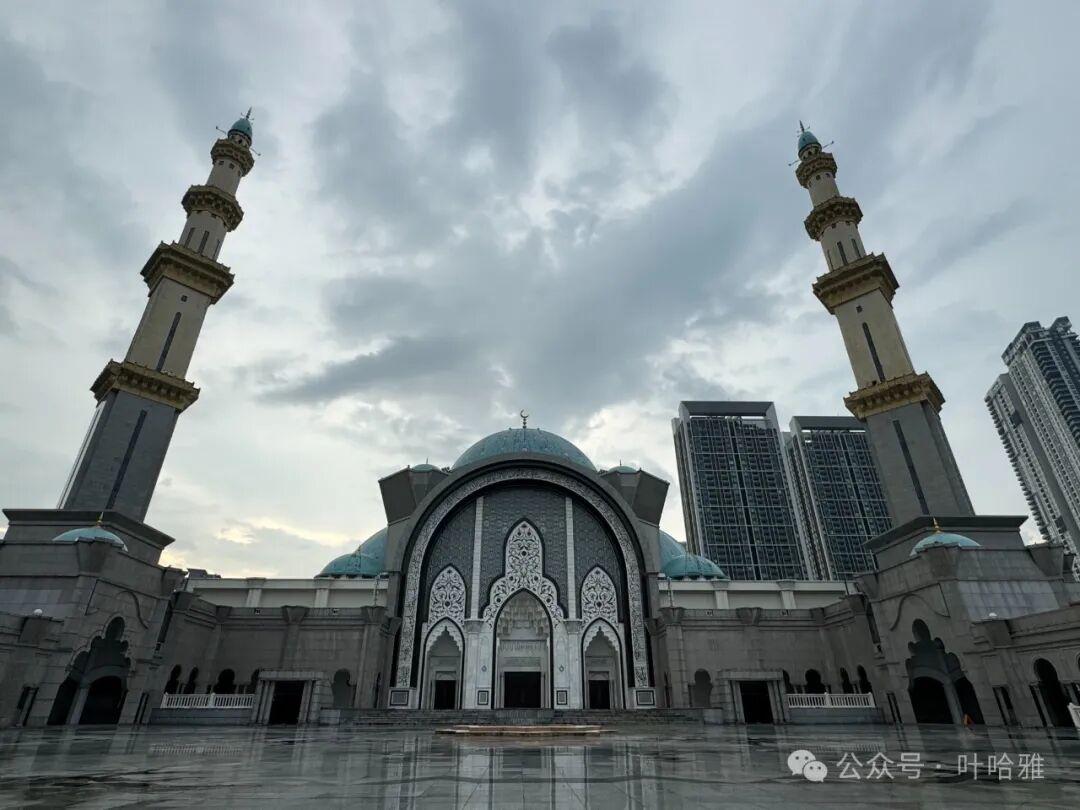
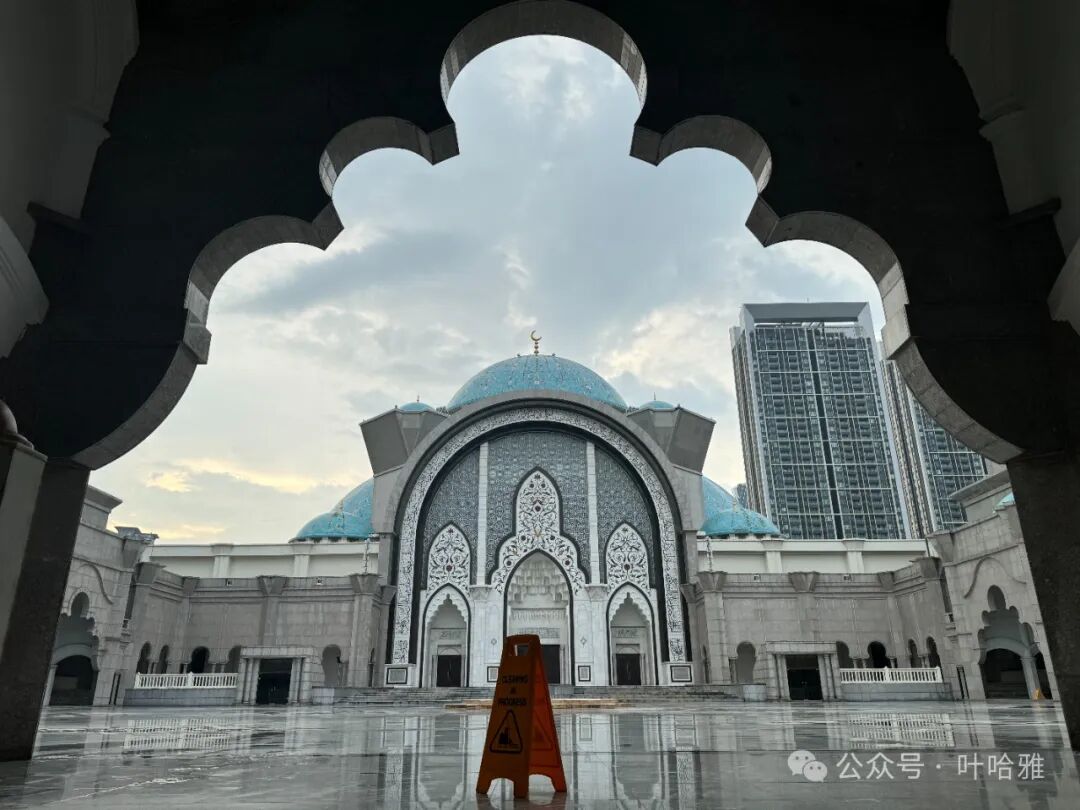
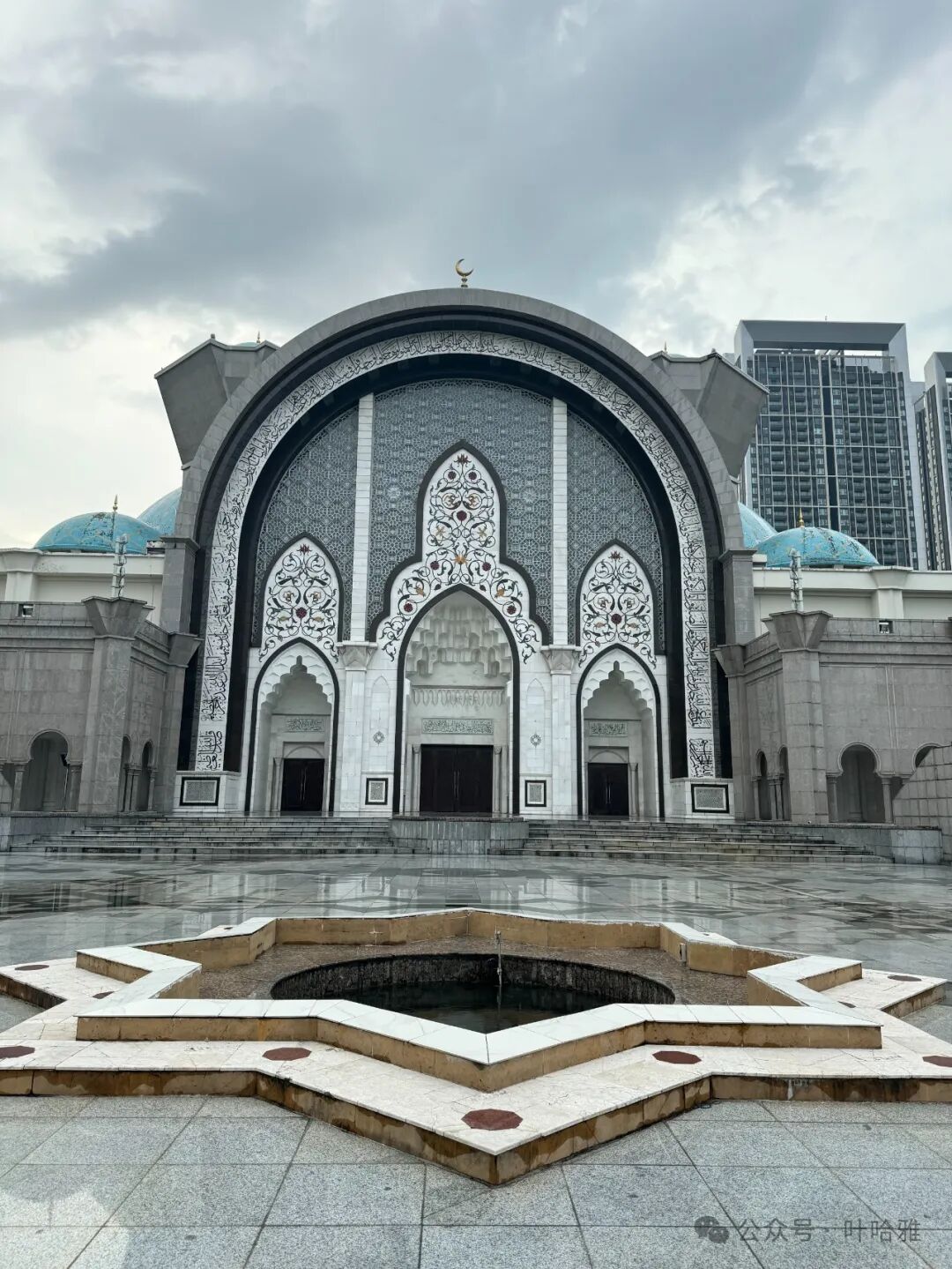
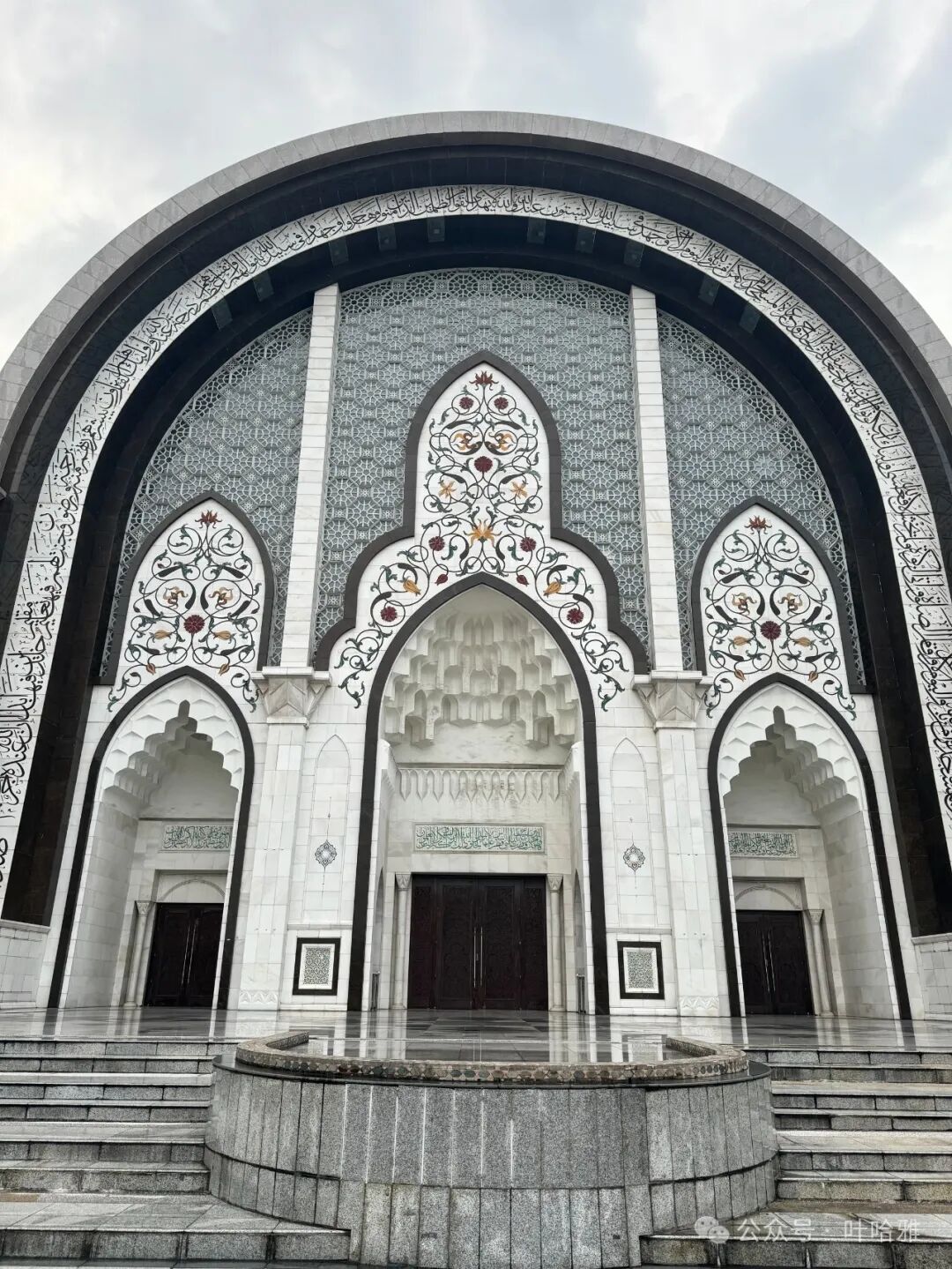
1. Federal Territory Mosque
(Masjid Wilayah Persekutuan)
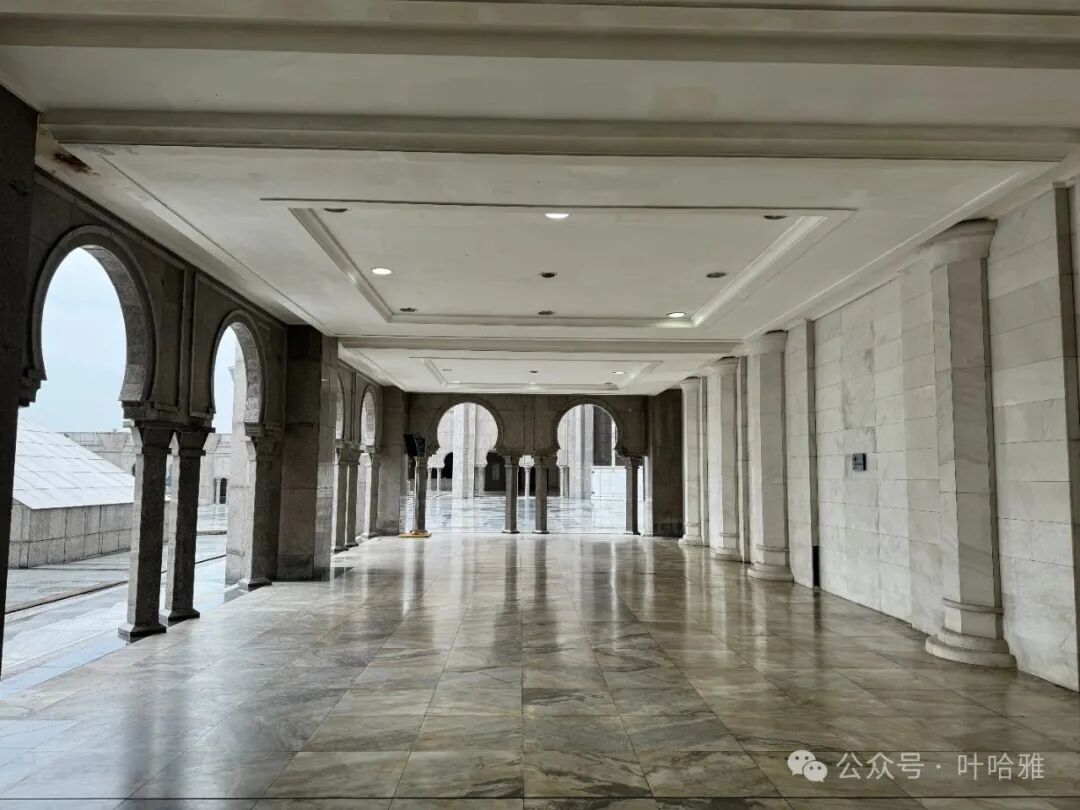
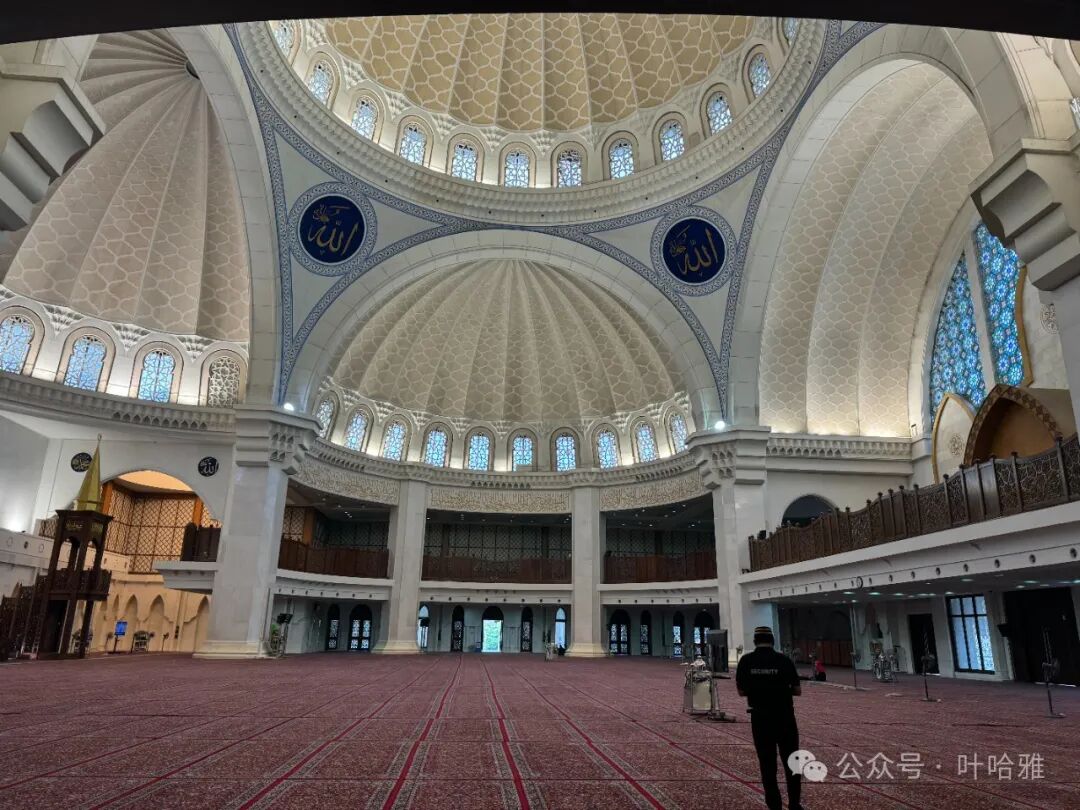
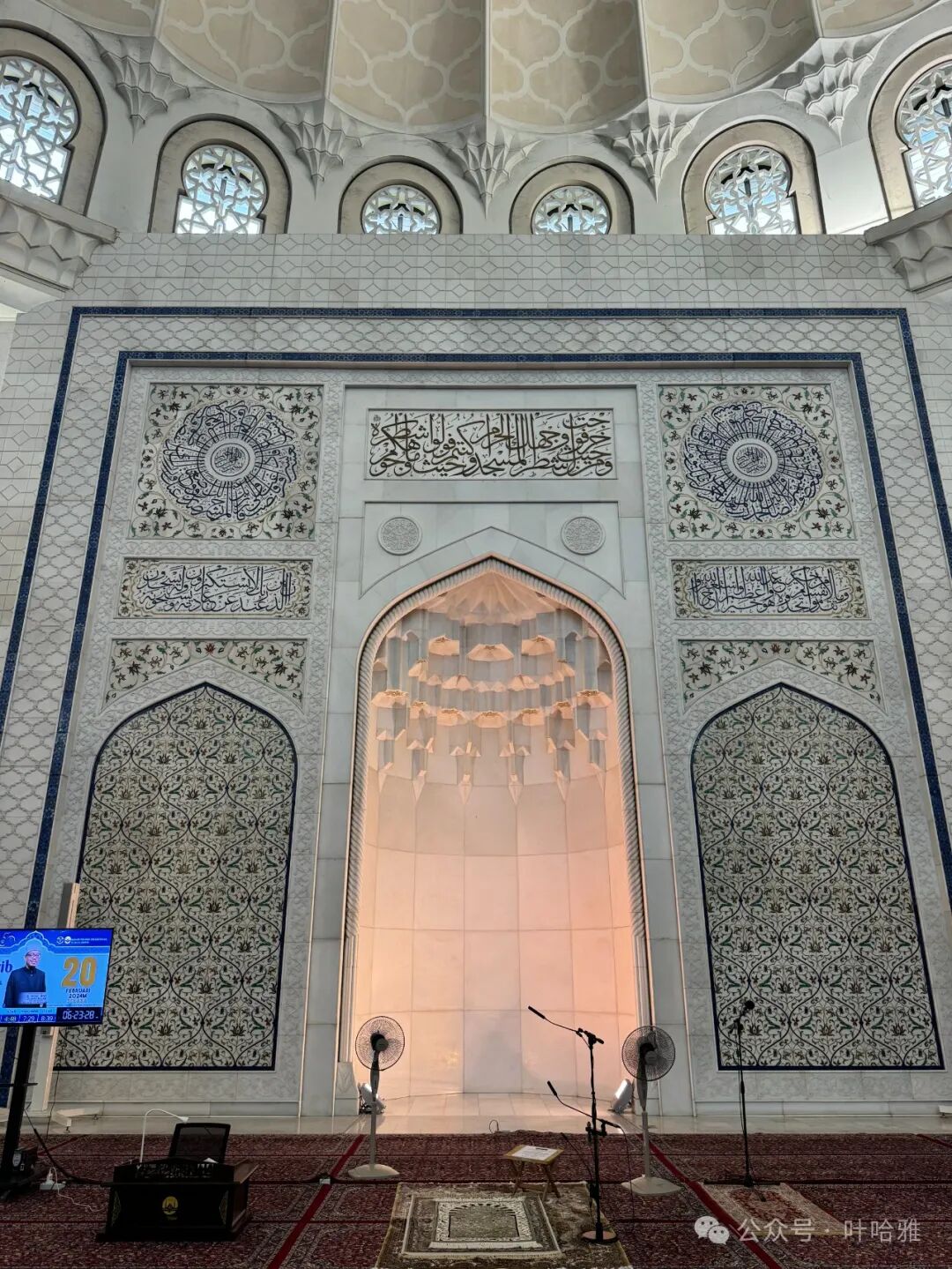
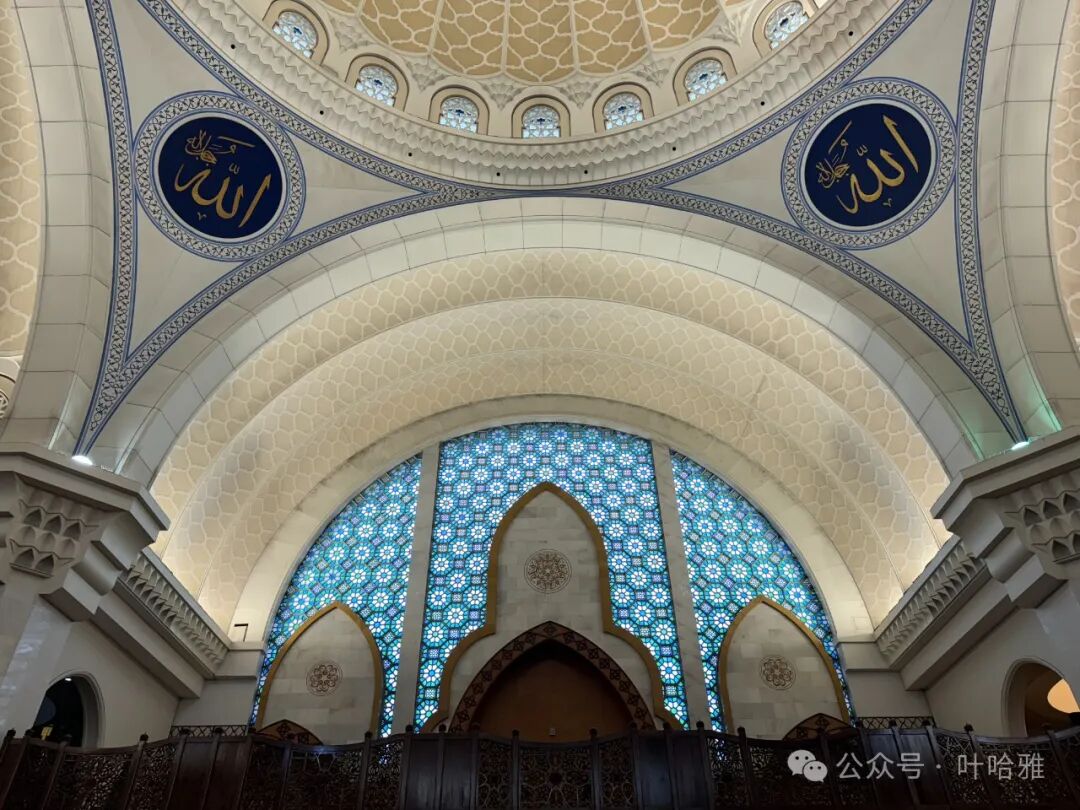
Built next to the federal government buildings and completed in 2000, this was the 44th mosque funded by the government. It uses Ottoman-style architecture and can hold 17,000 people for namaz.
2. Pilgrimage Fund Board Mosque (Tabung Haji Surau TH)
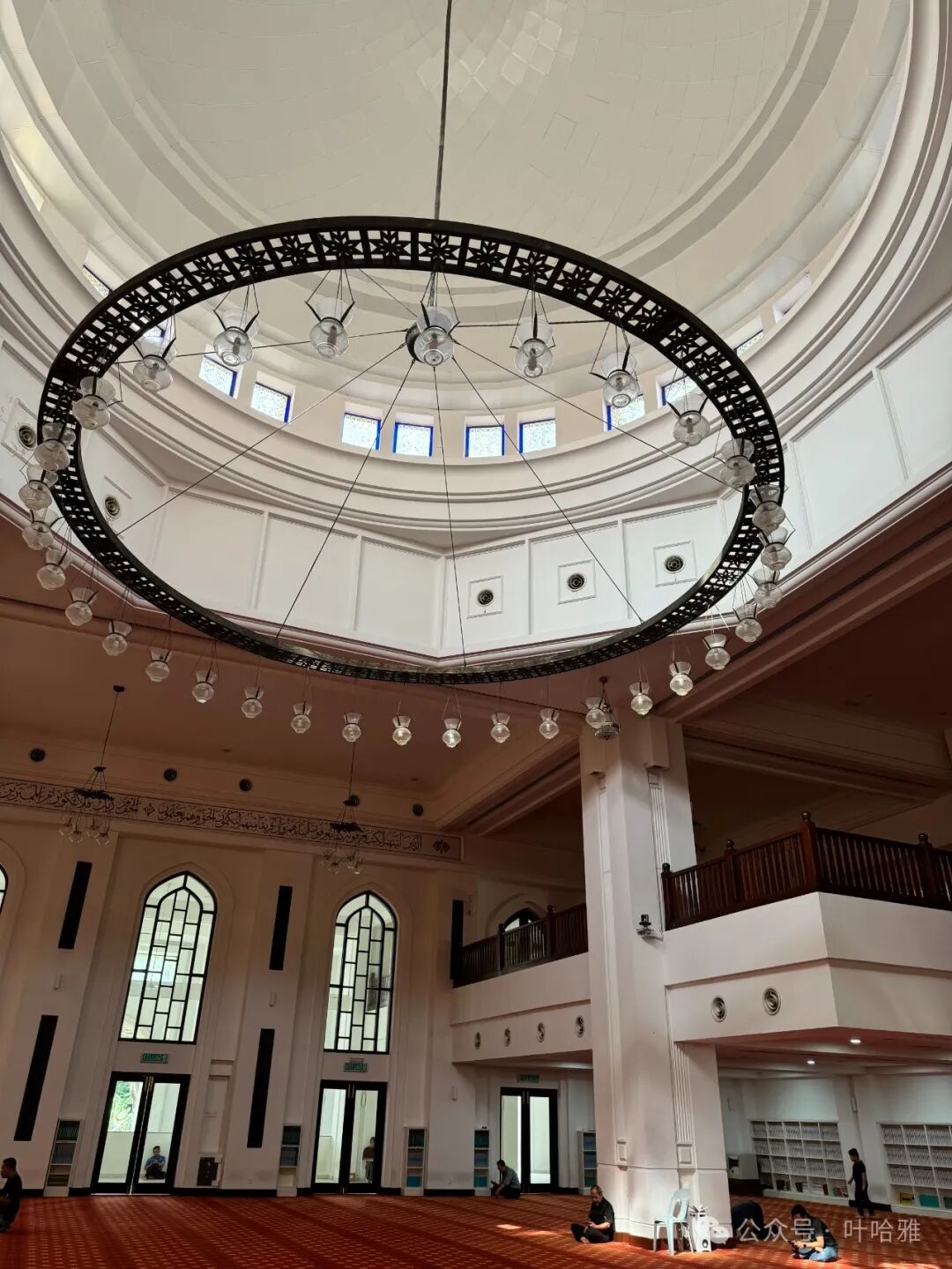
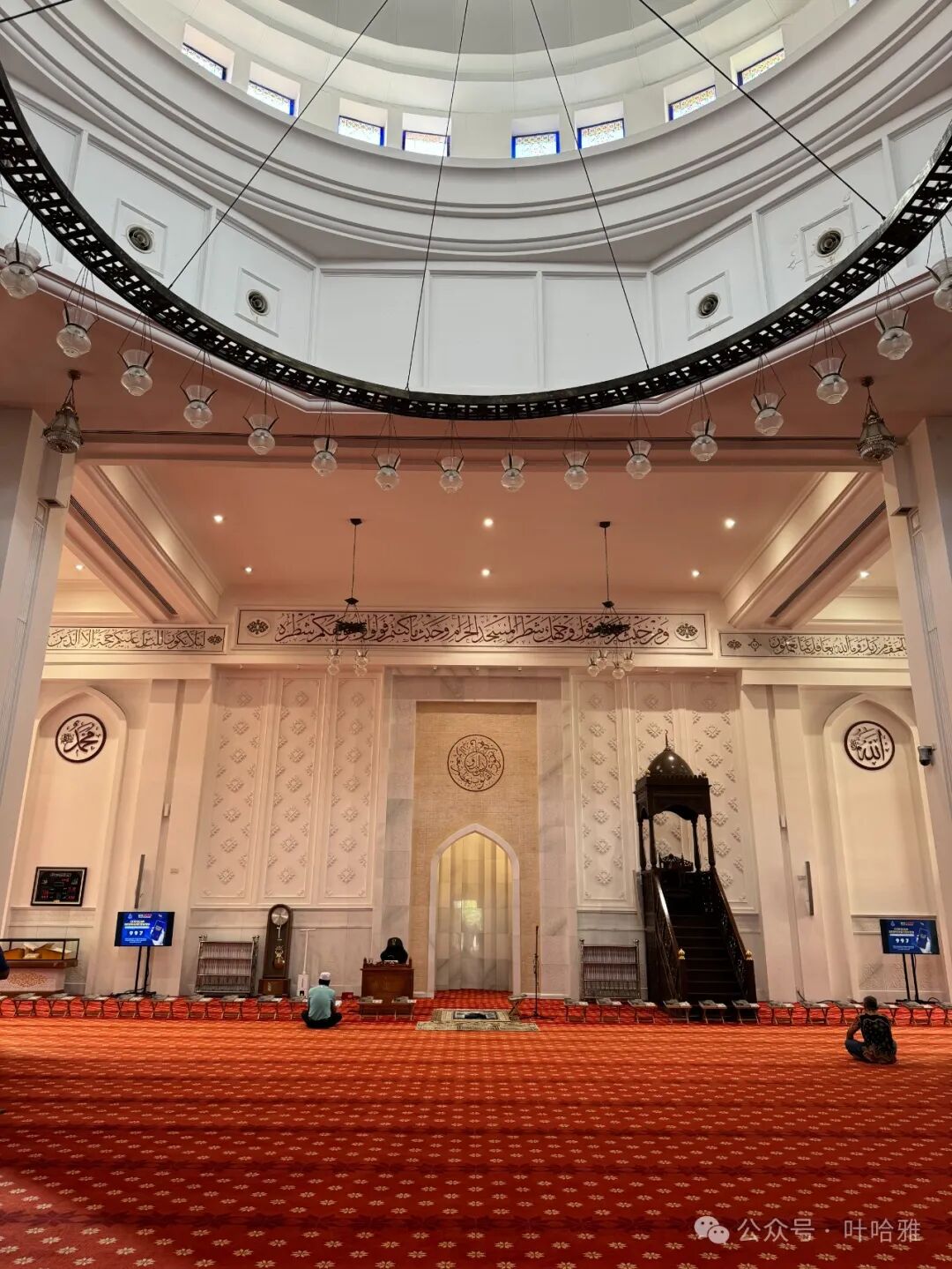
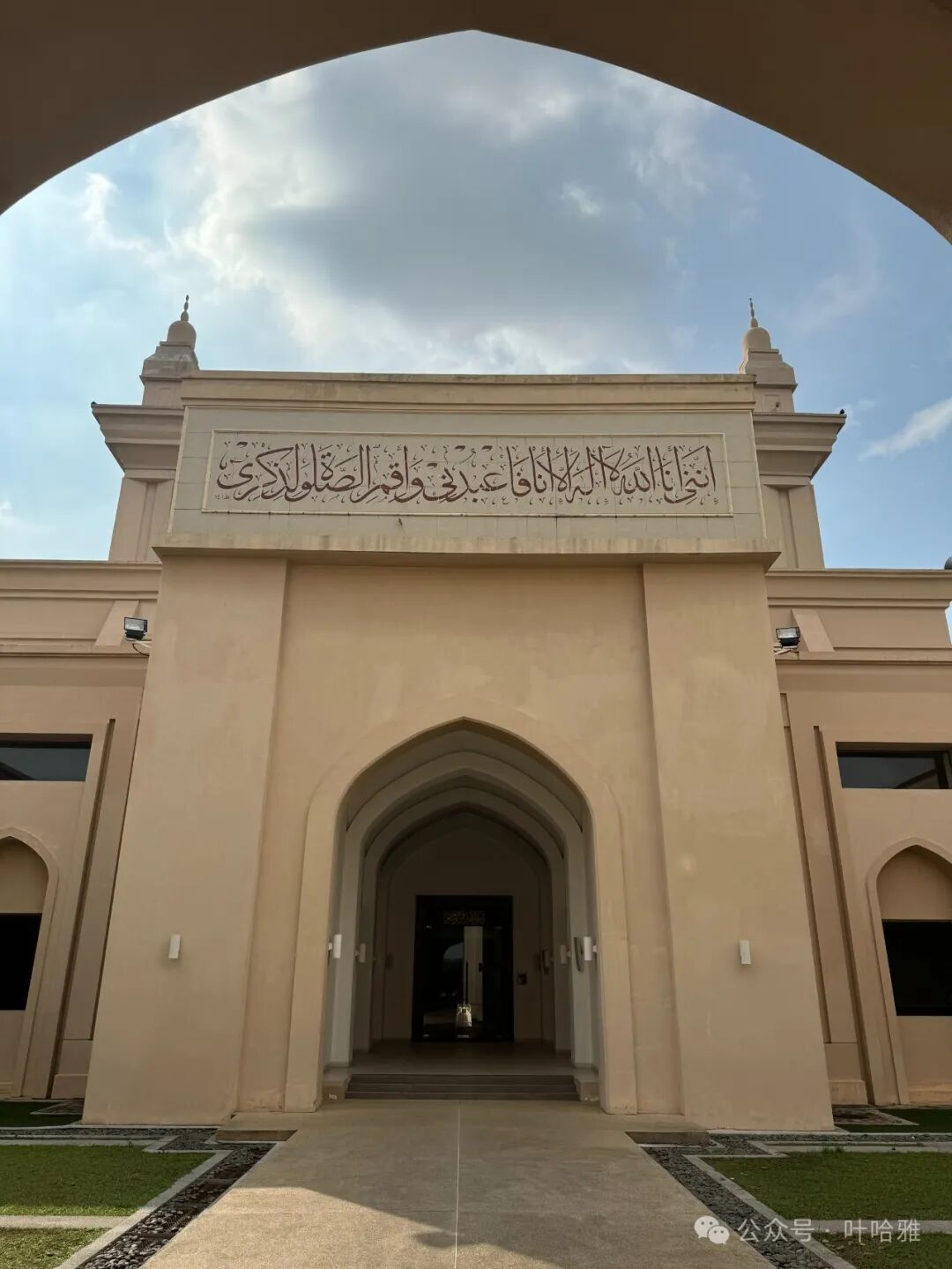
I discovered this mosque by chance next to the Pilgrimage Fund Board building. It is actually a prayer room, but it looks very delicate from the outside and even has a minaret, making it look like a miniature model of the Tabung Haji building next door, which was built in 1984.
Inside the entrance, there are two floors. The air conditioning is very strong, and some people were taking a nap in the main prayer hall.
3. Selangor Royal Mosque
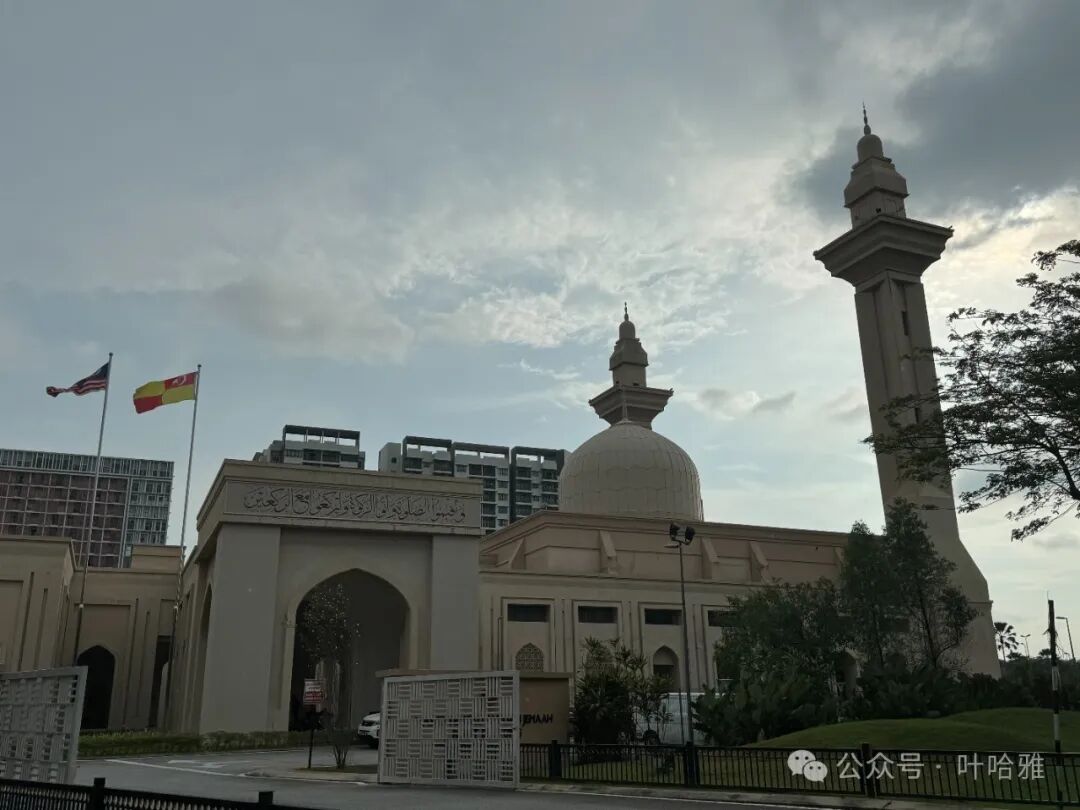
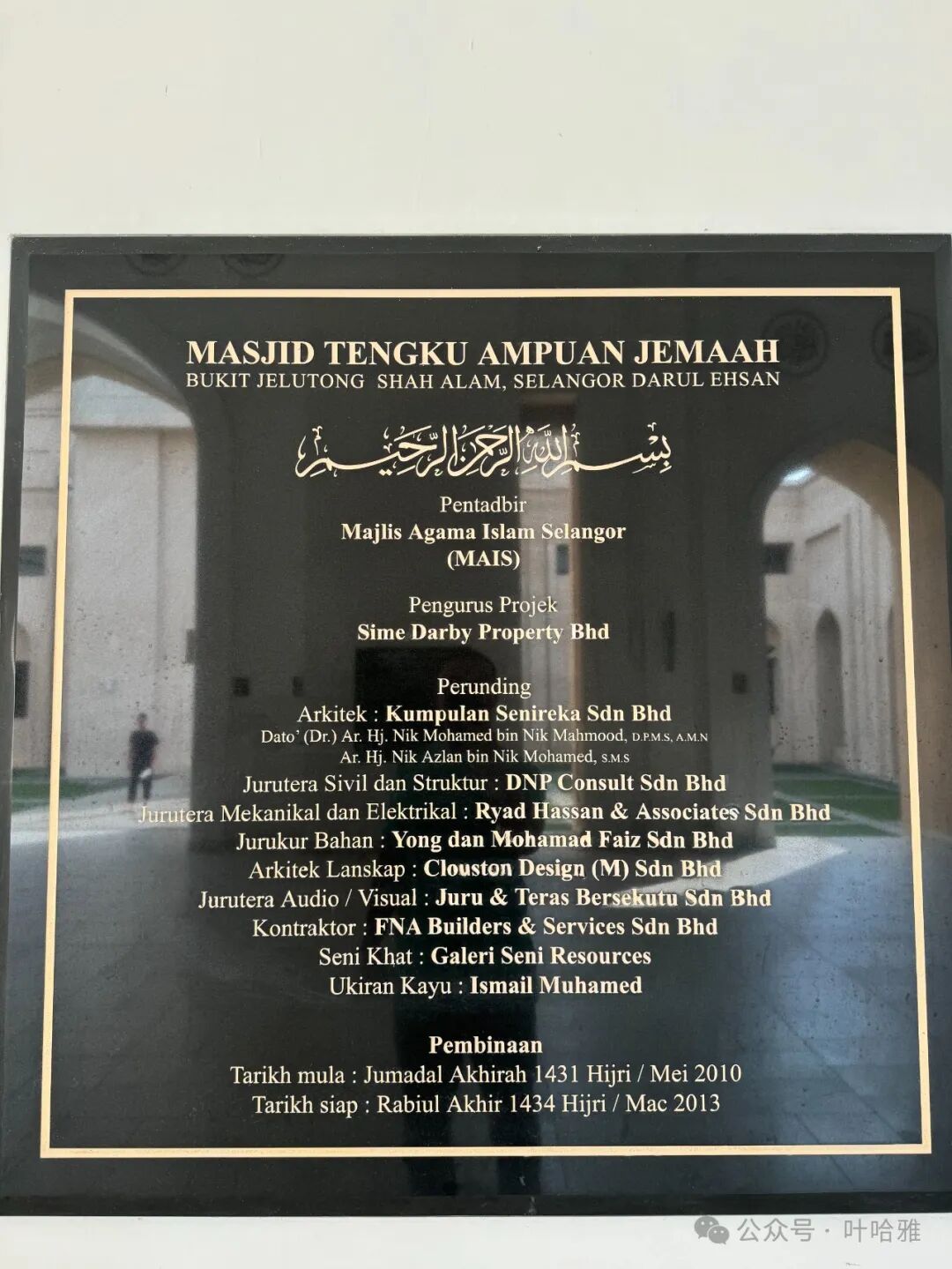
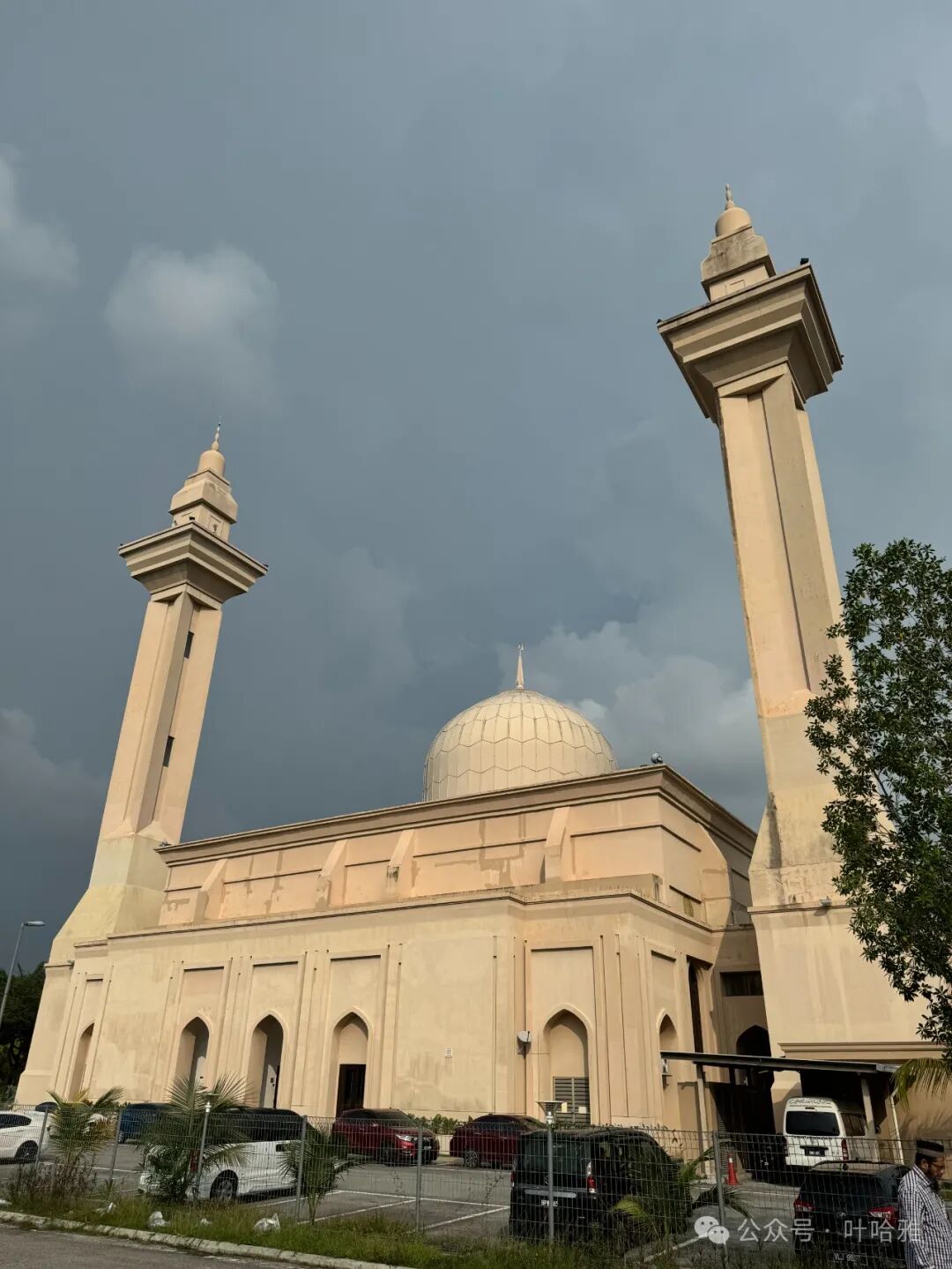
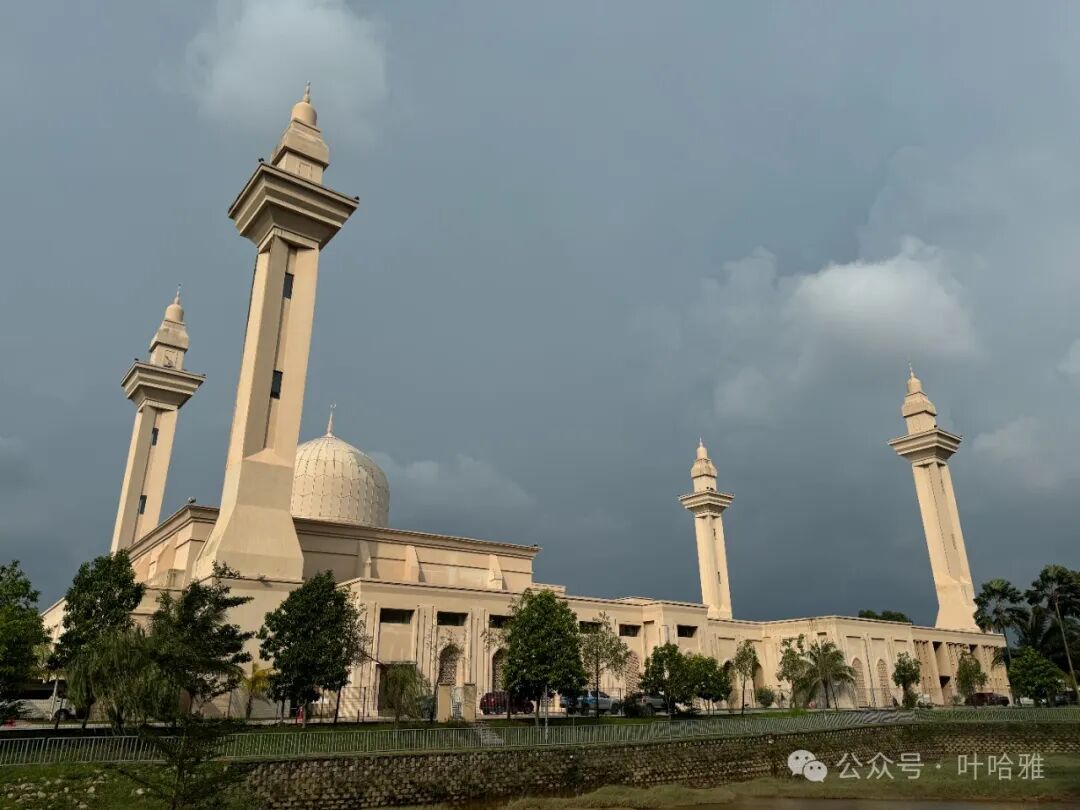
(Masjid Tengku Ampuan Jemaah)
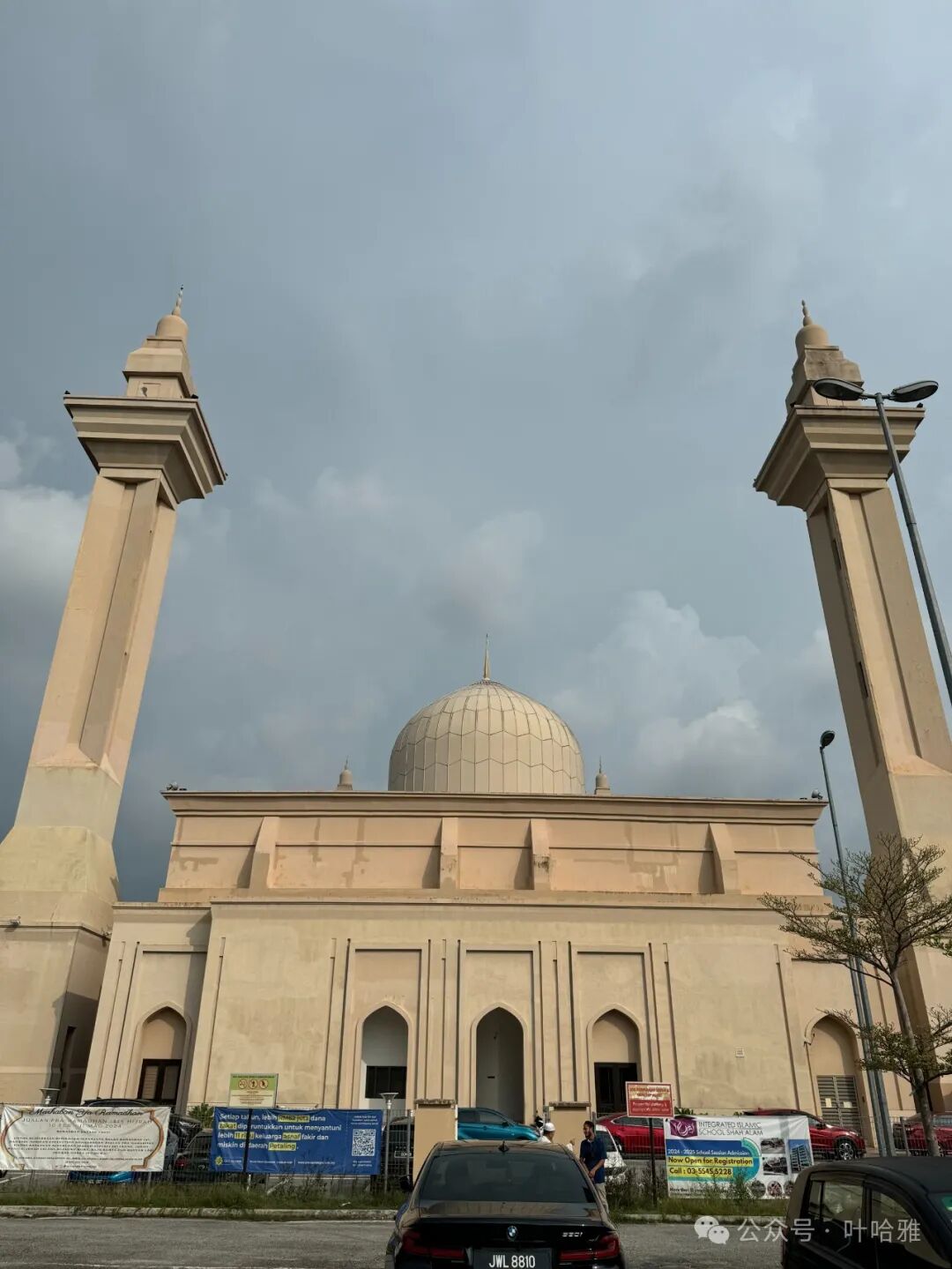
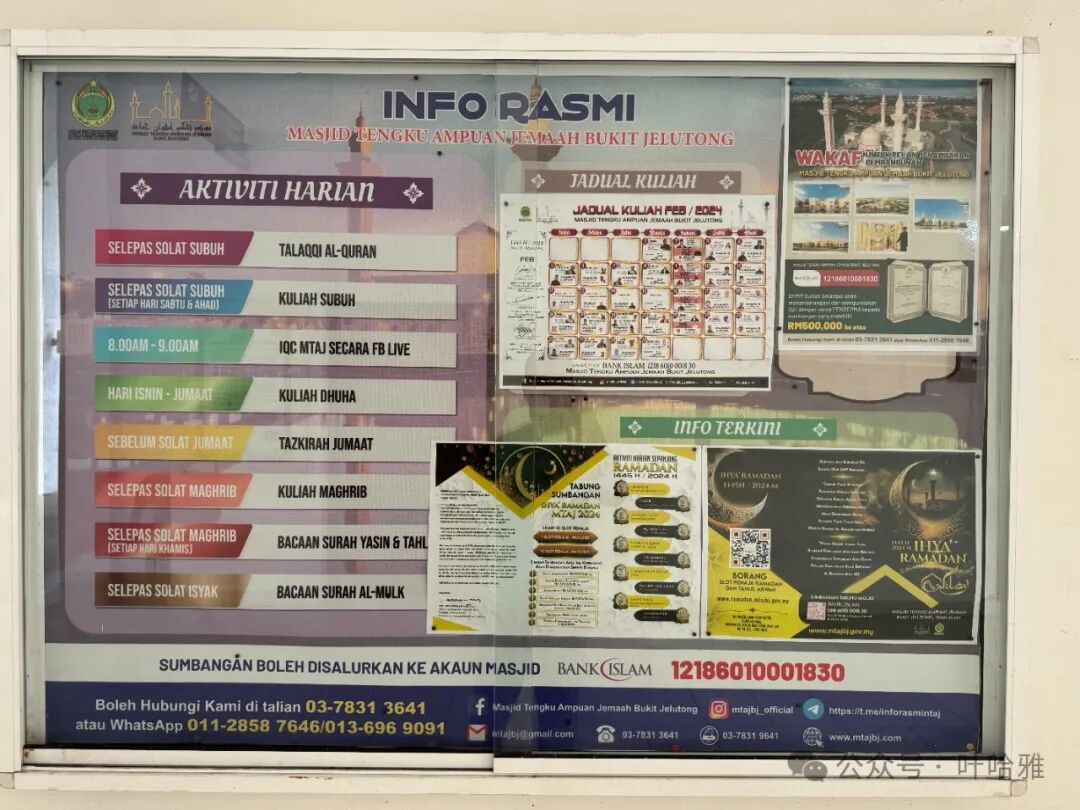
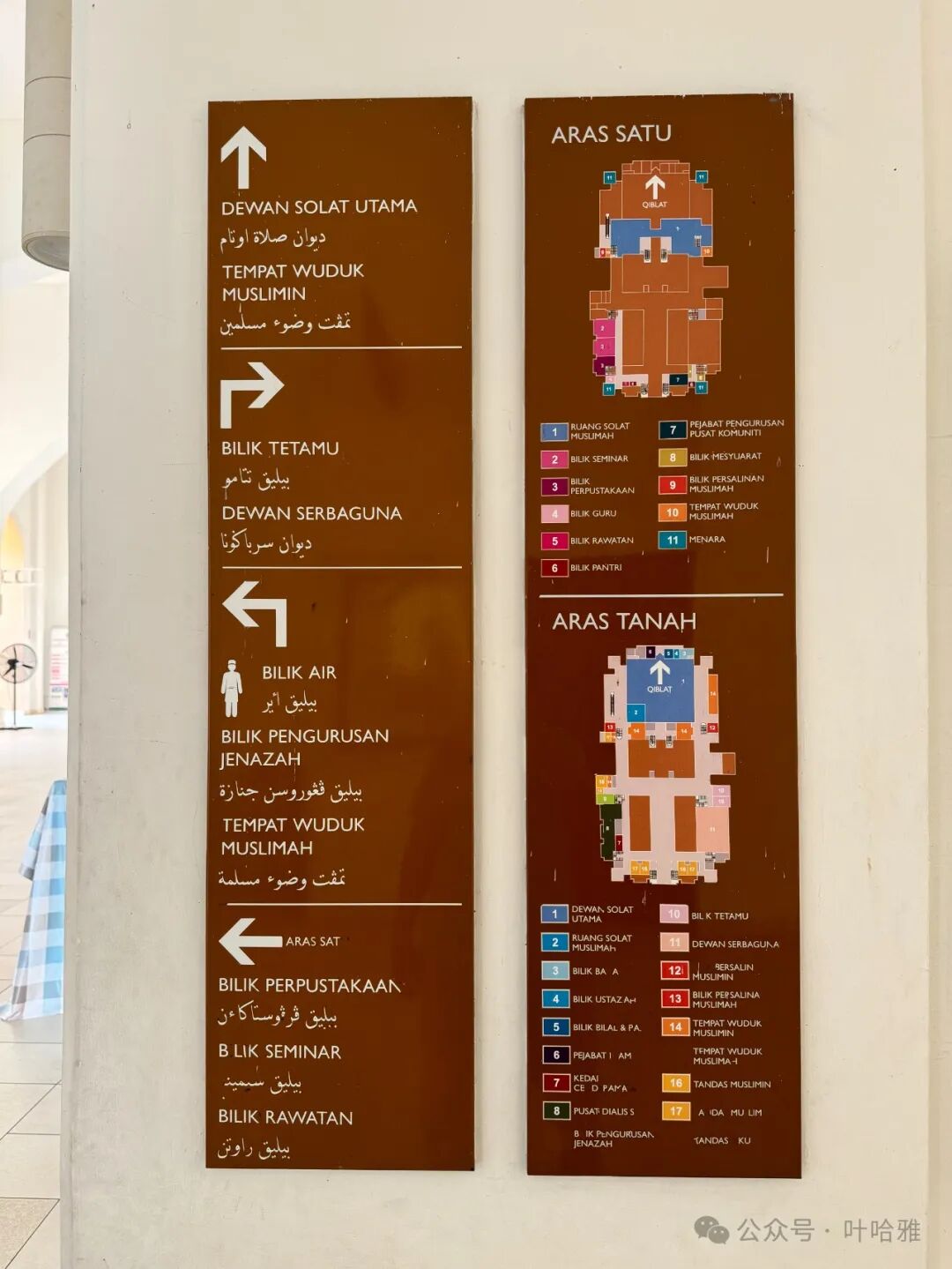
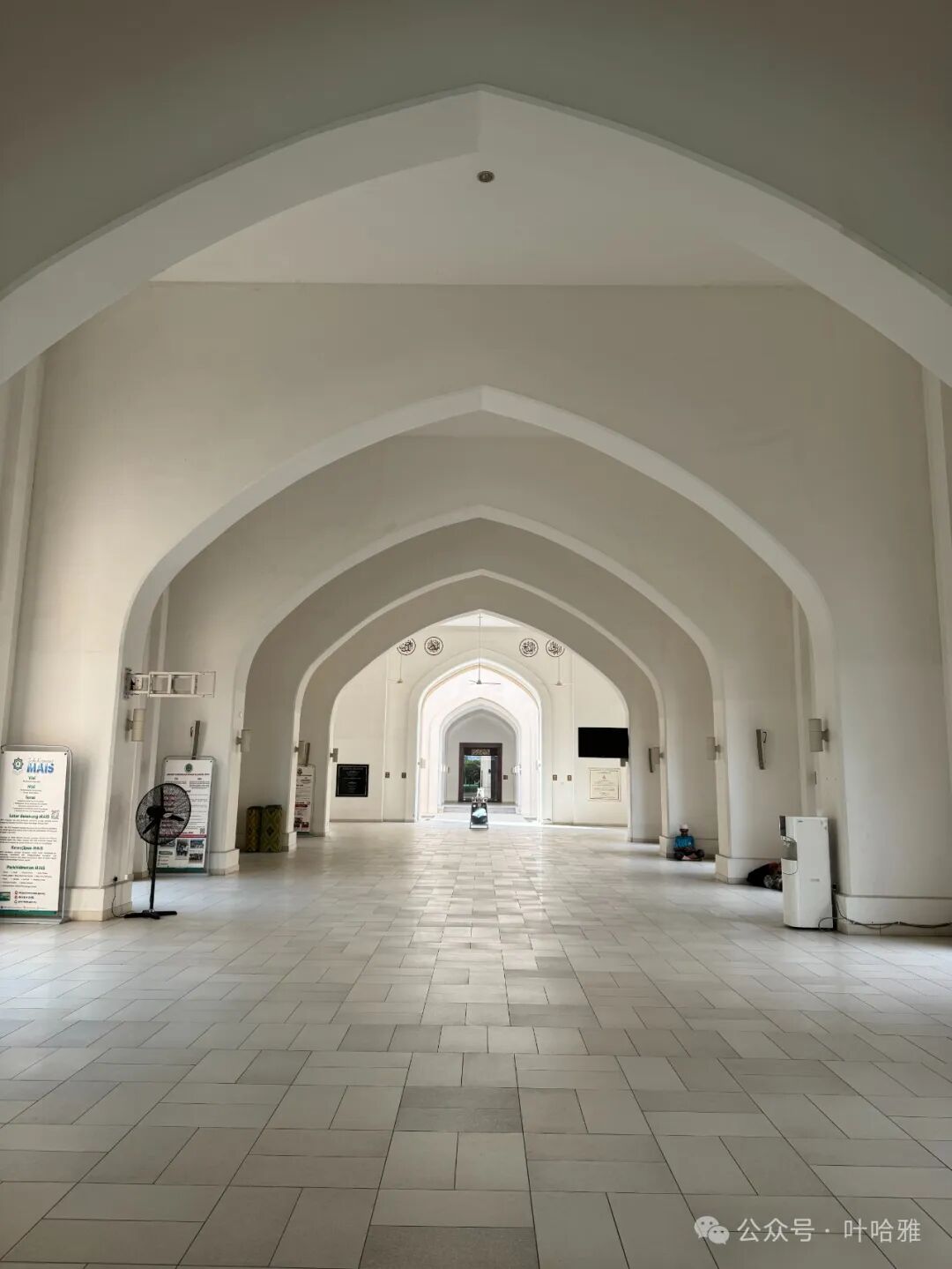
This is the second state mosque of Selangor. It was built in 2013 and named after the late Queen, Almarhumah Tengku Ampuan Jemaah, who was the second Queen of Malaysia.
4. Sultan Salahuddin Abdul Aziz Shah Mosque
(Masjid Sultan Salahuddin Abdul Aziz Shah)
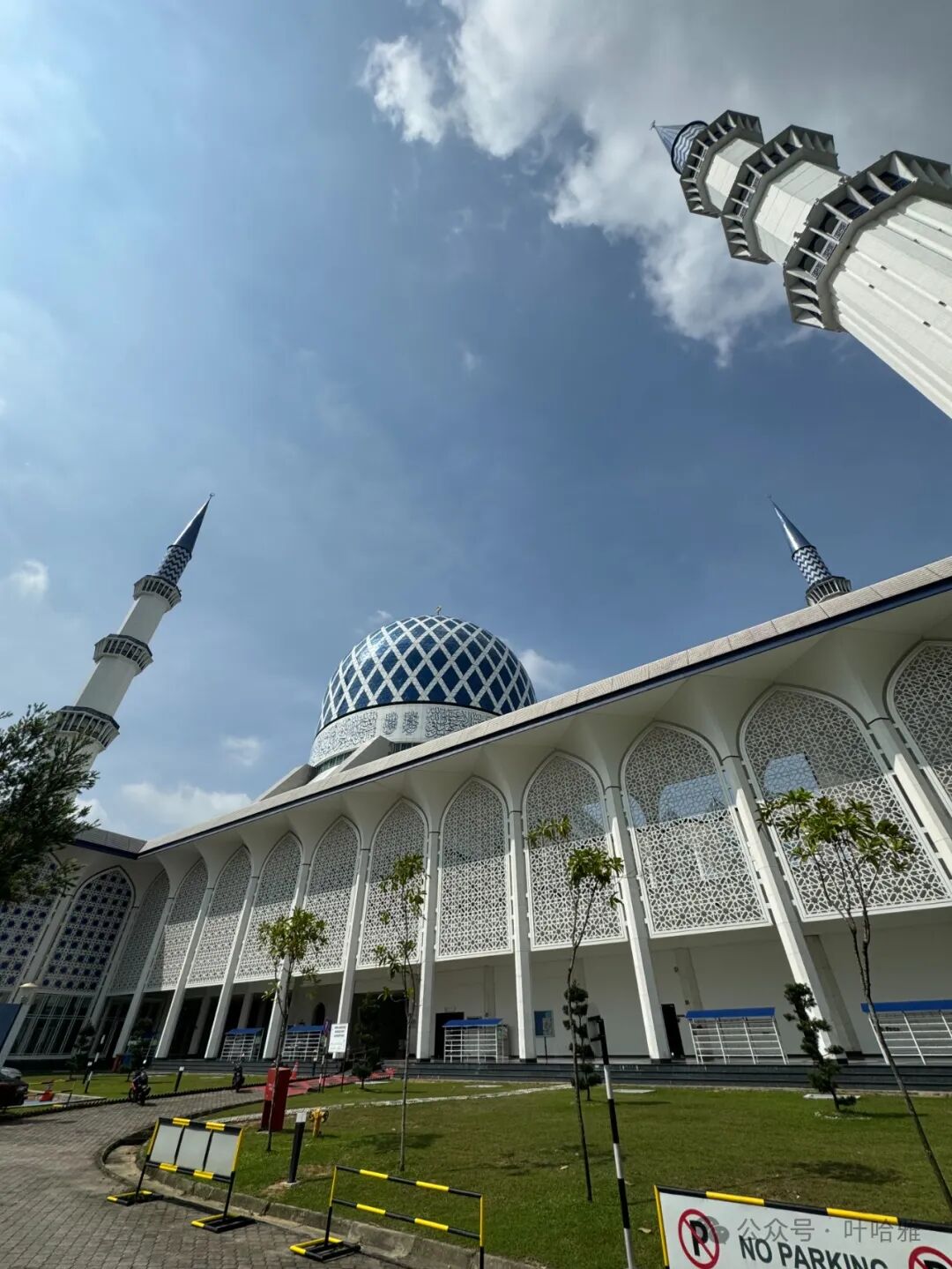
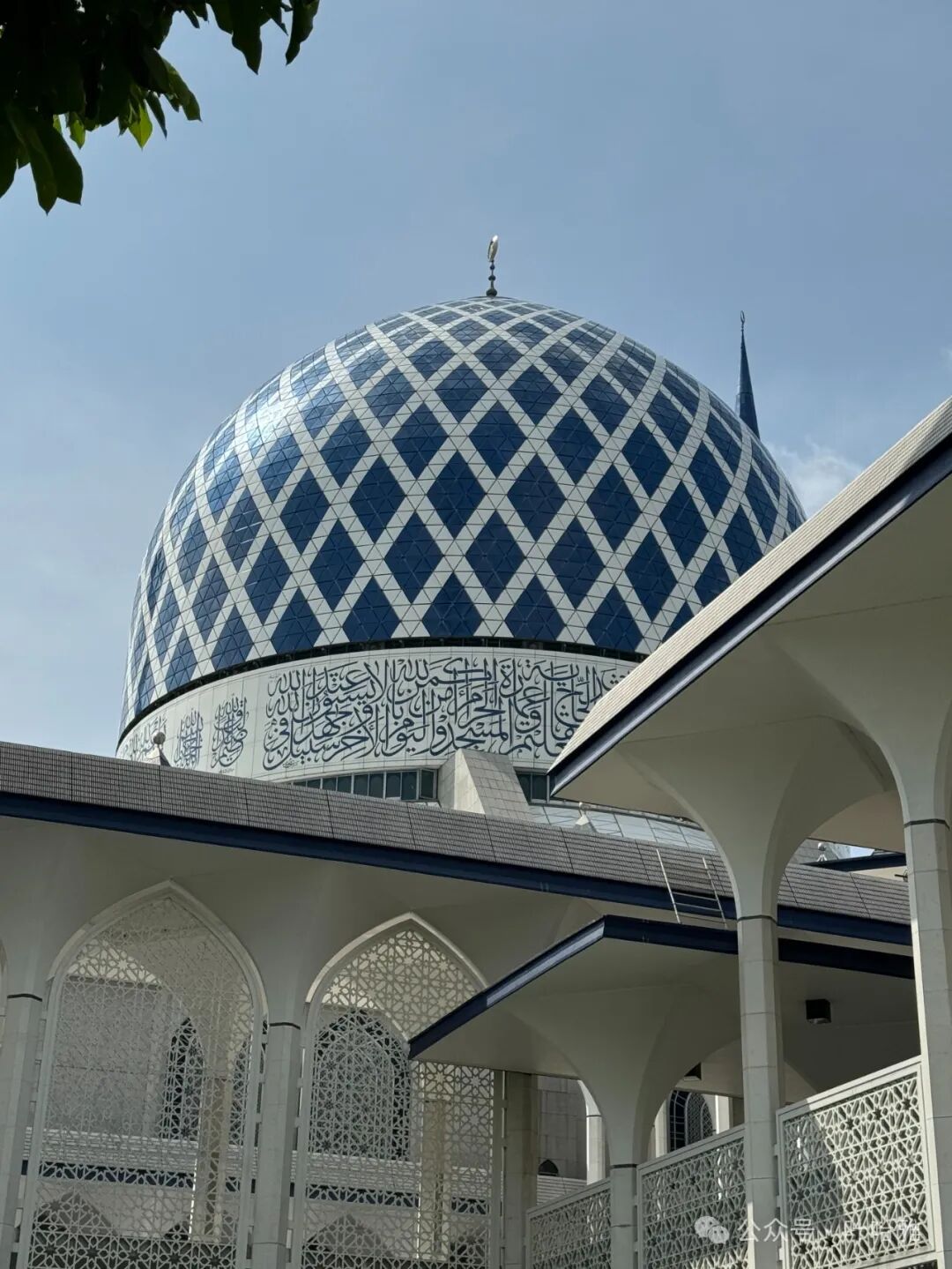
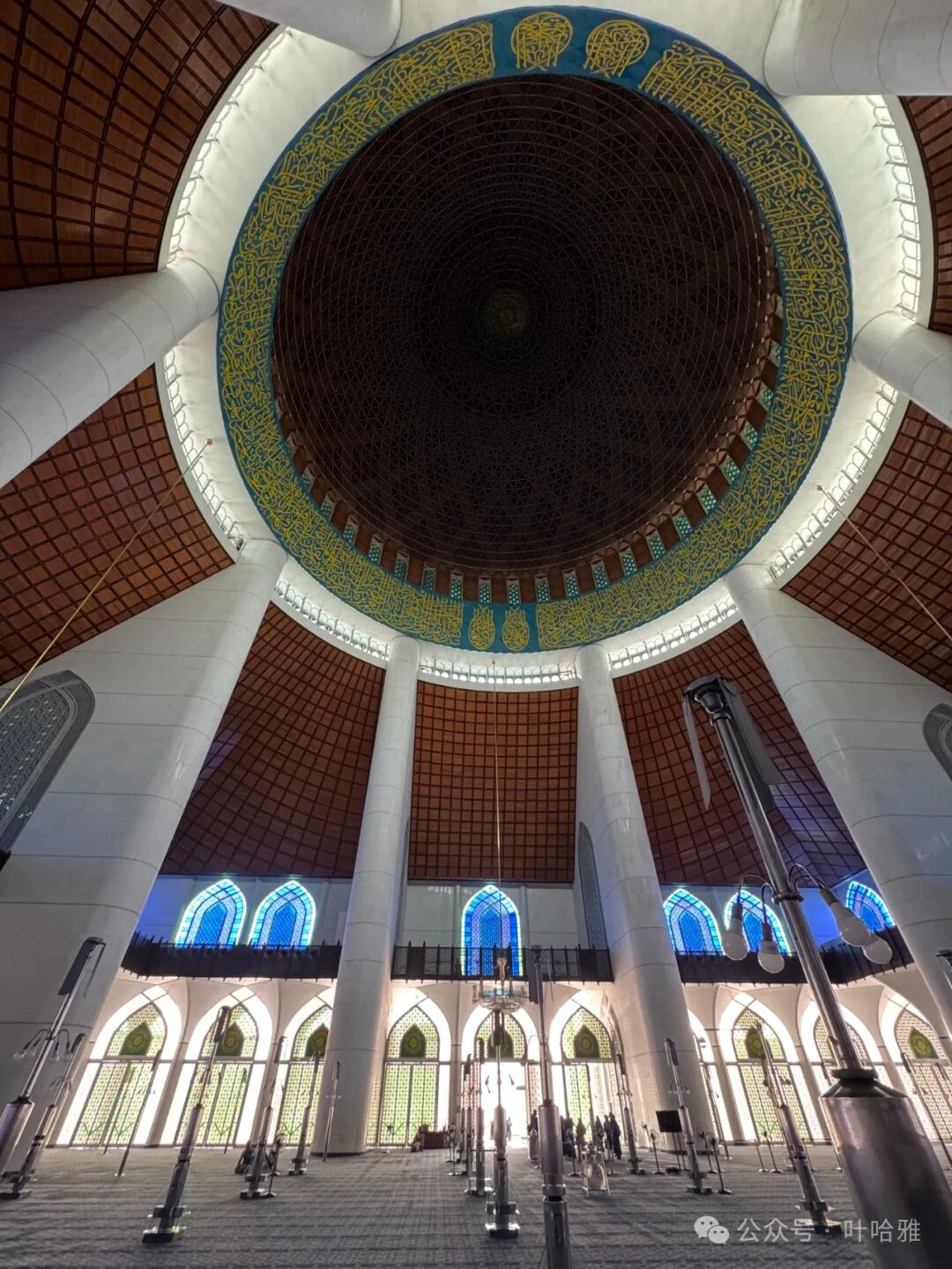
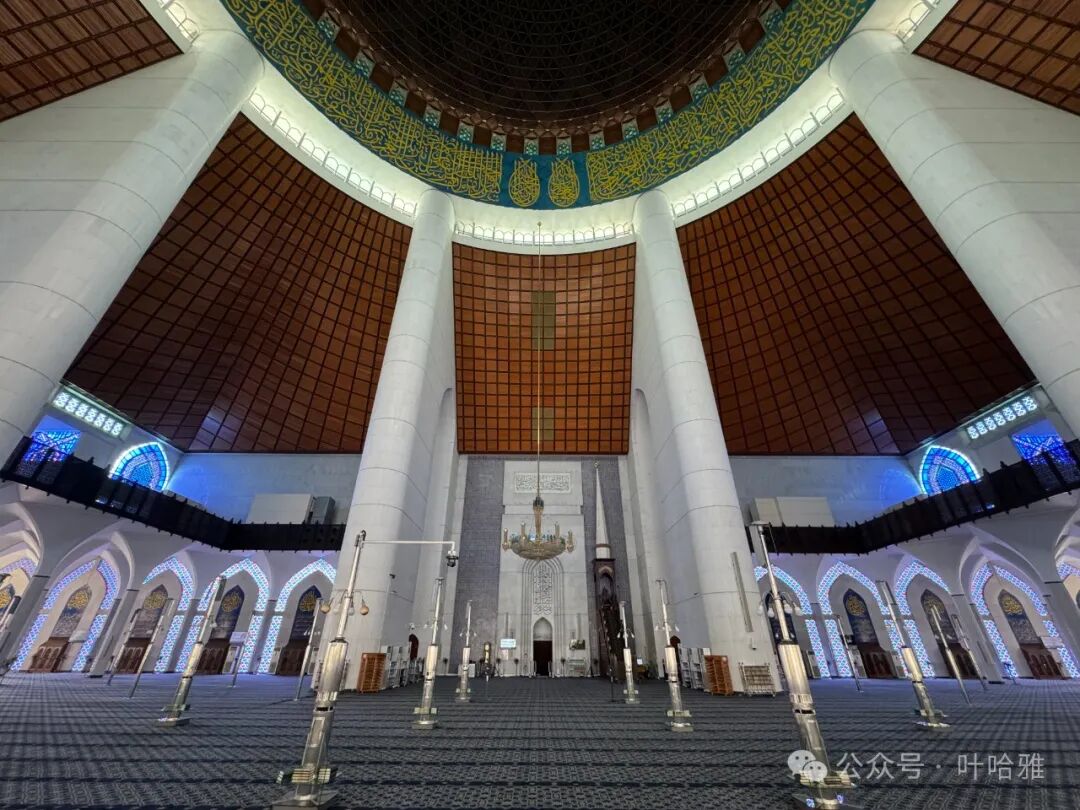
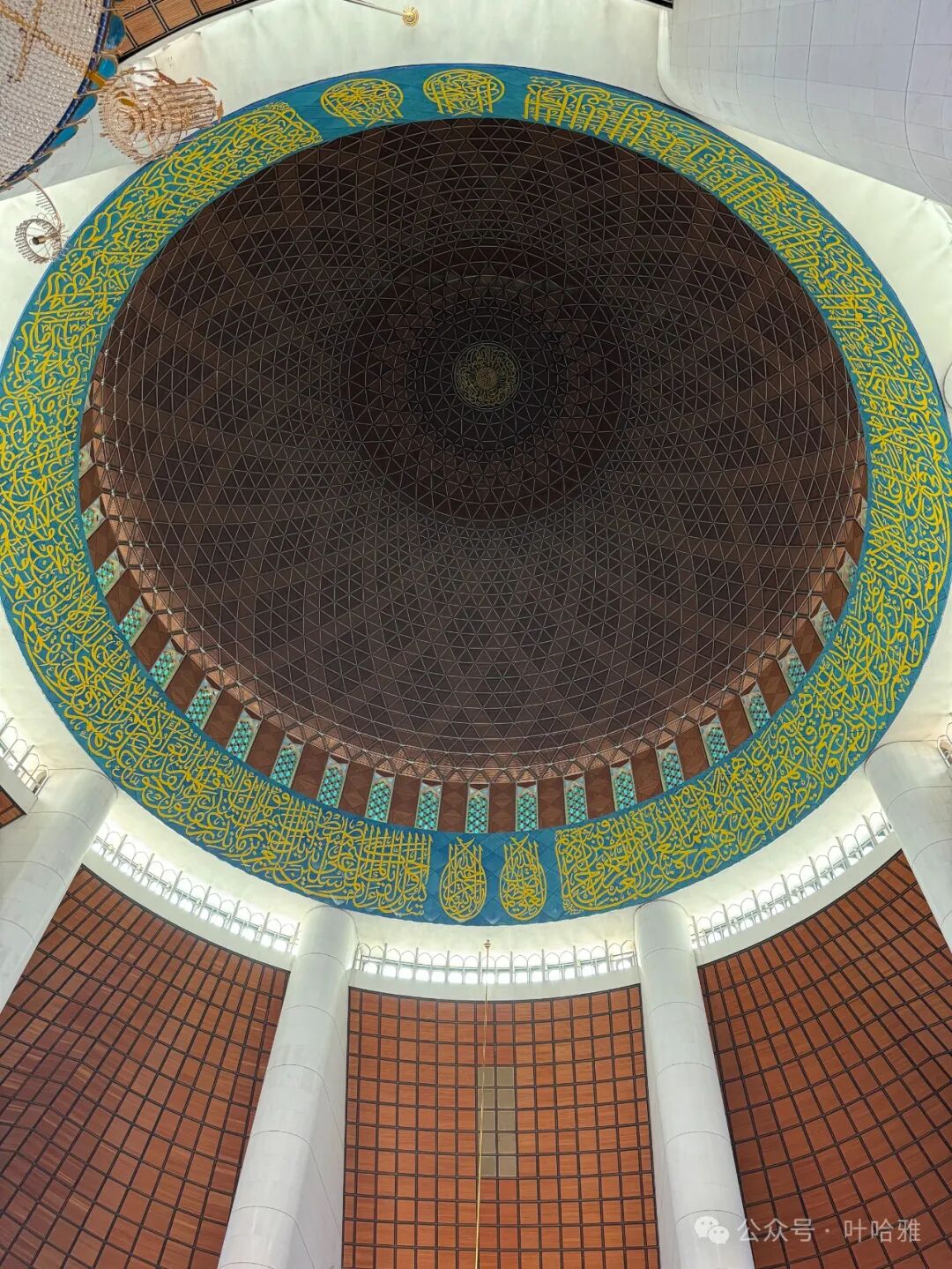
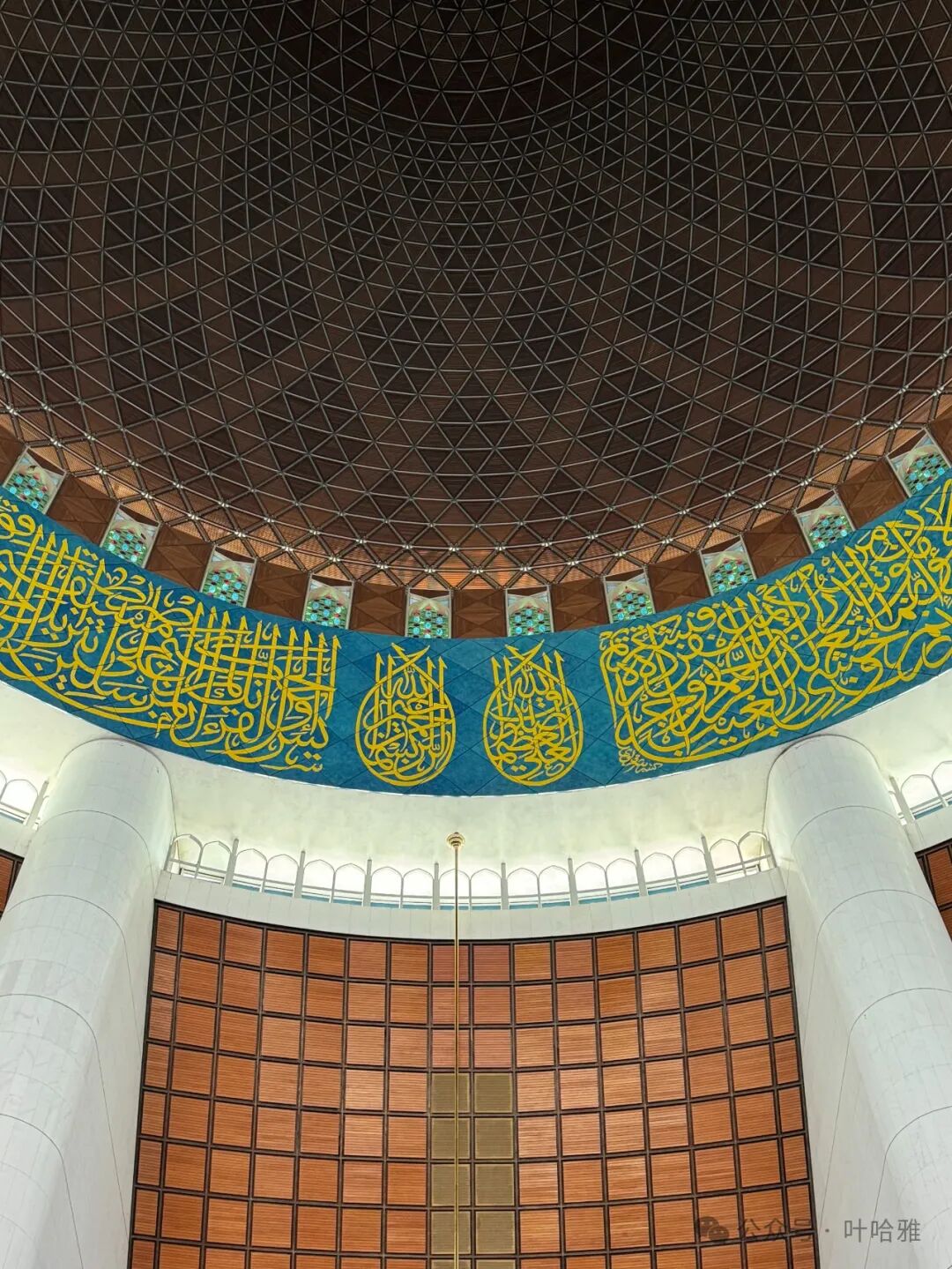
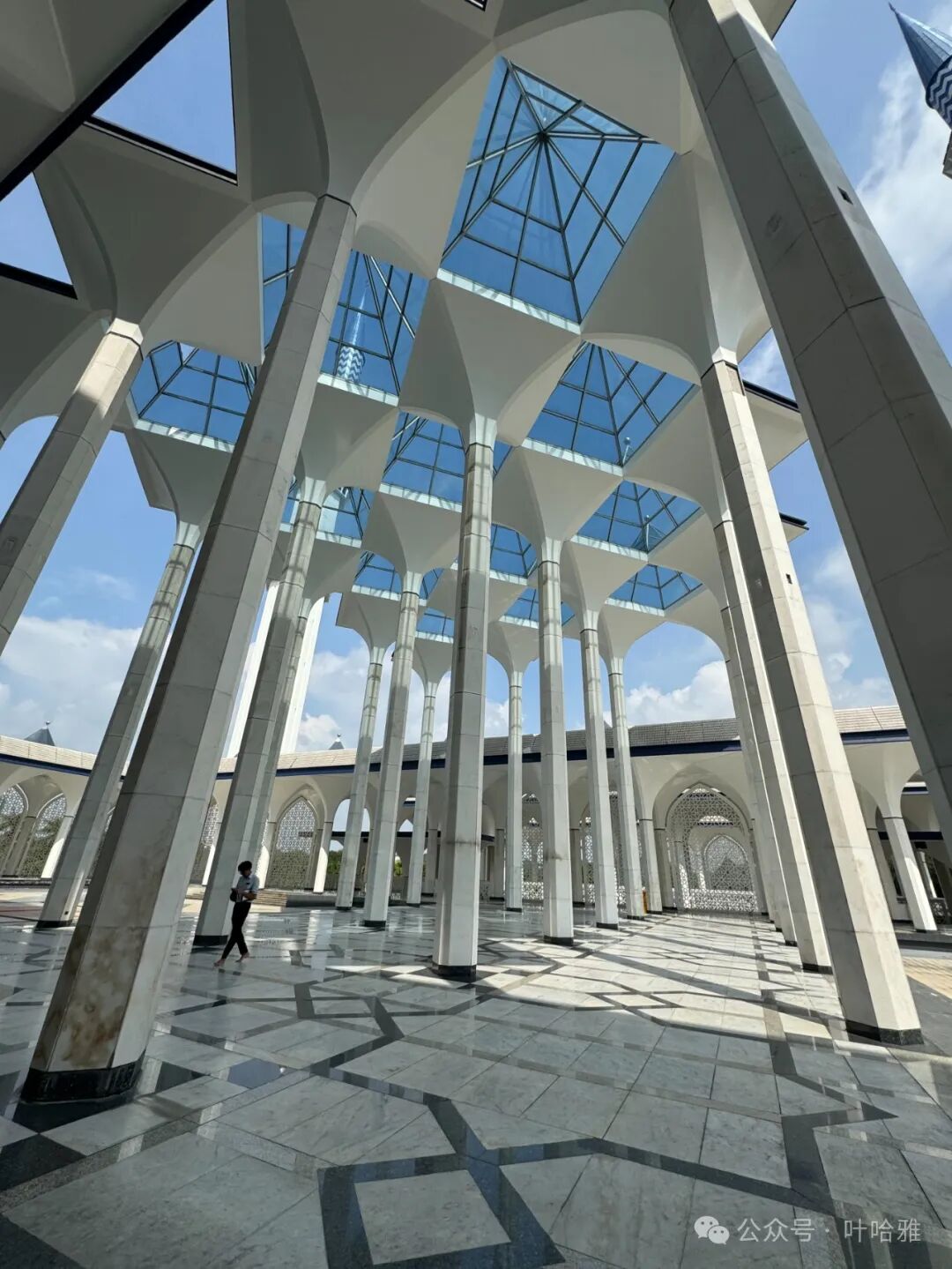
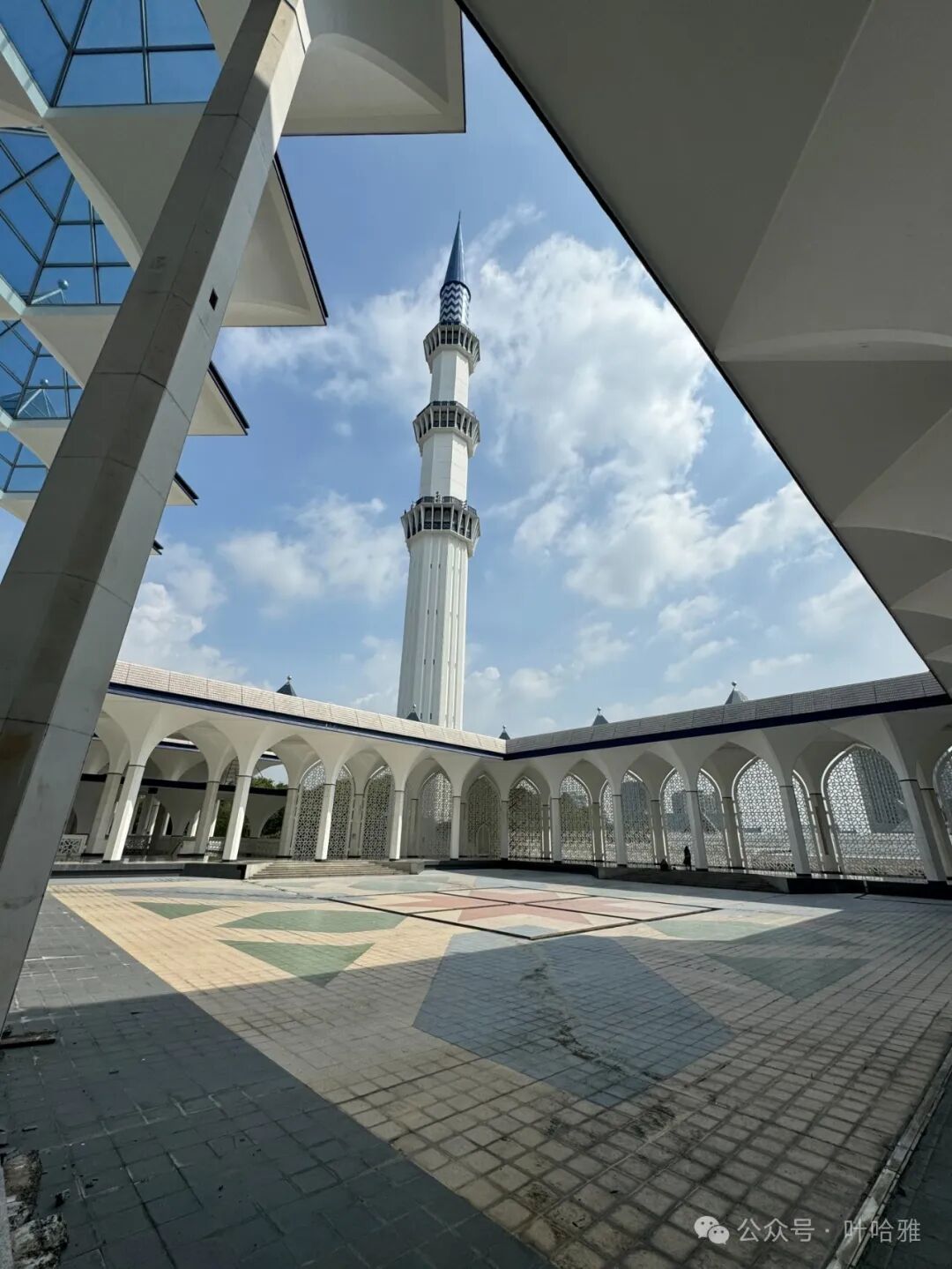
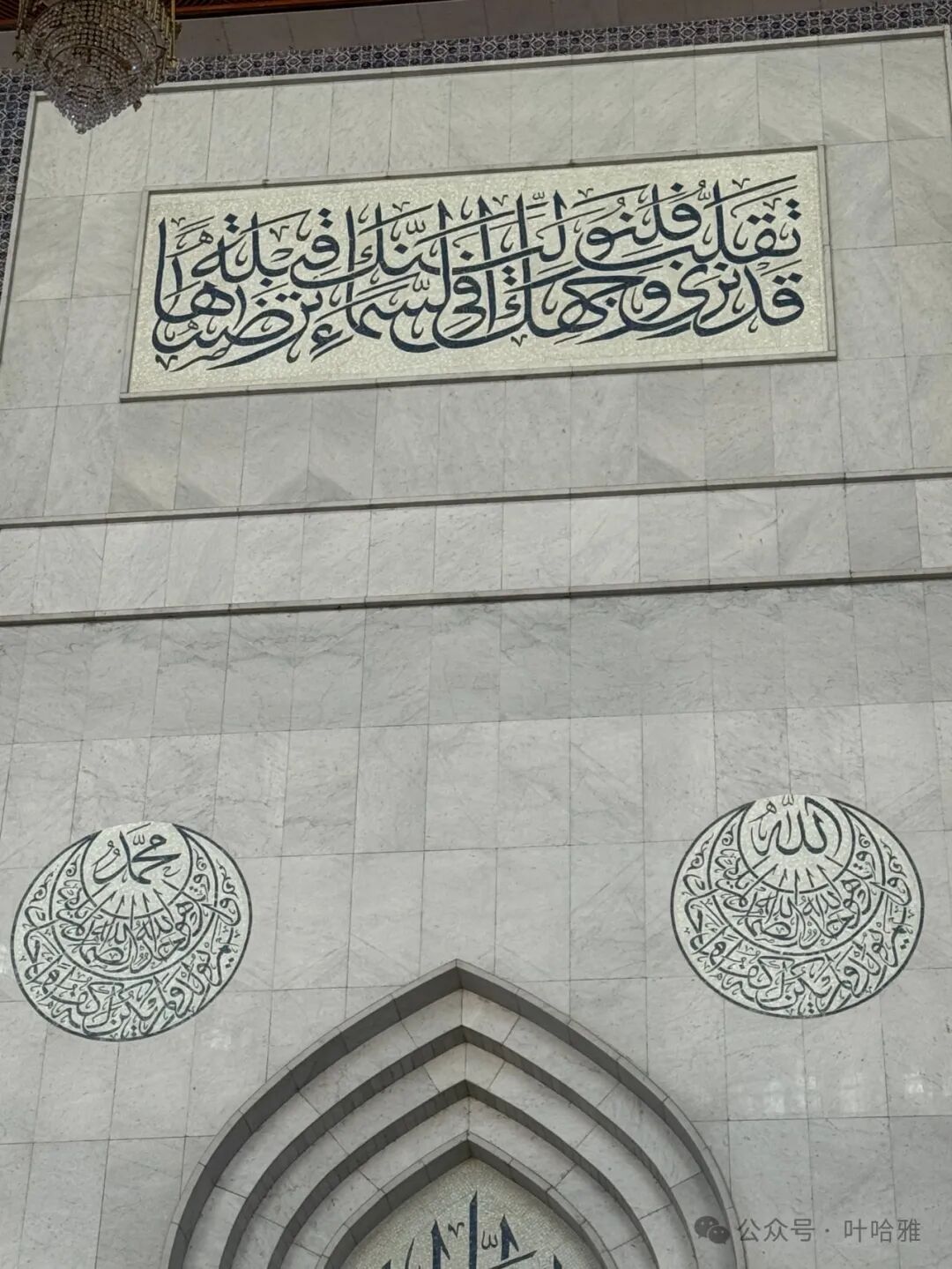
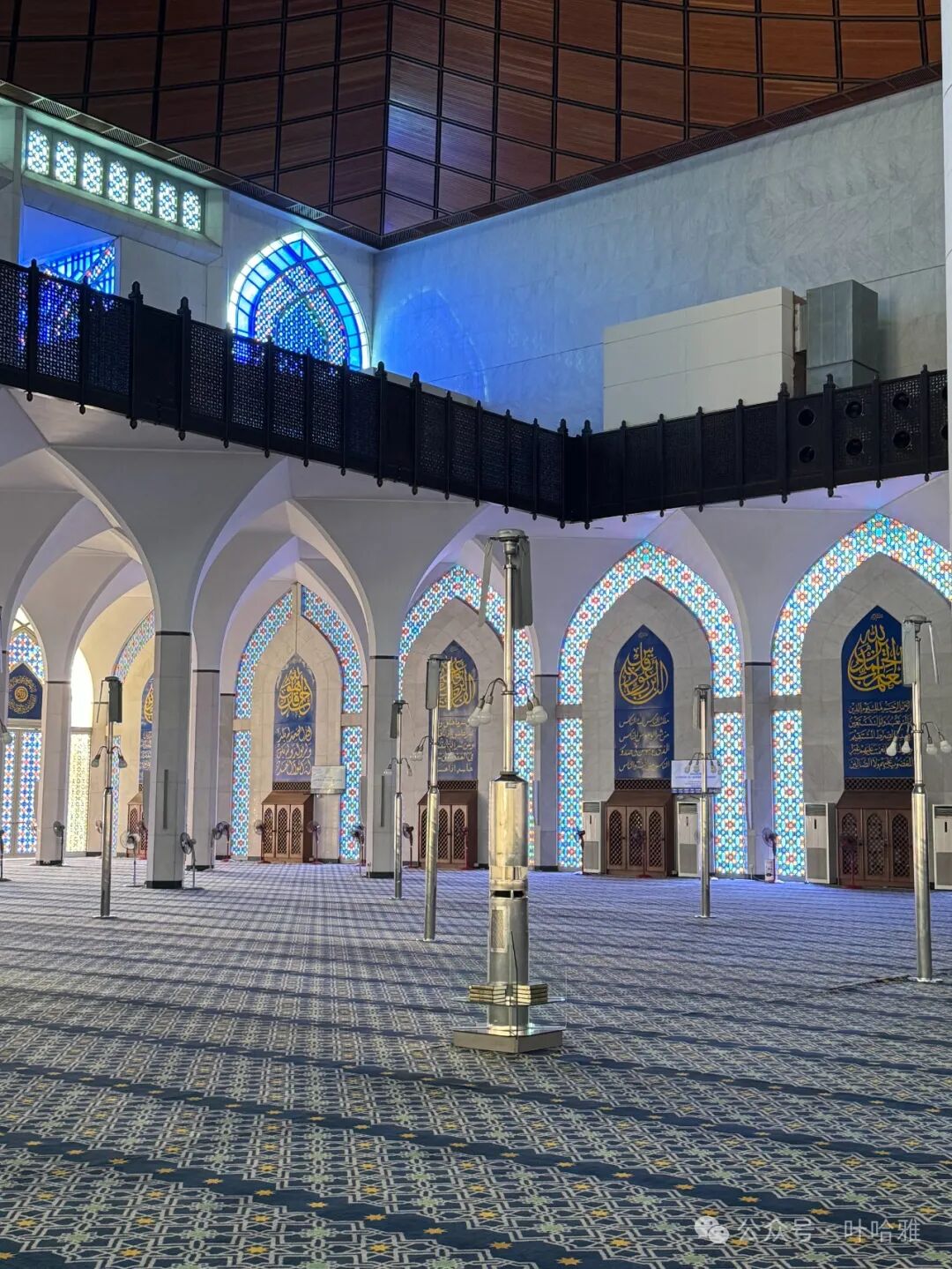
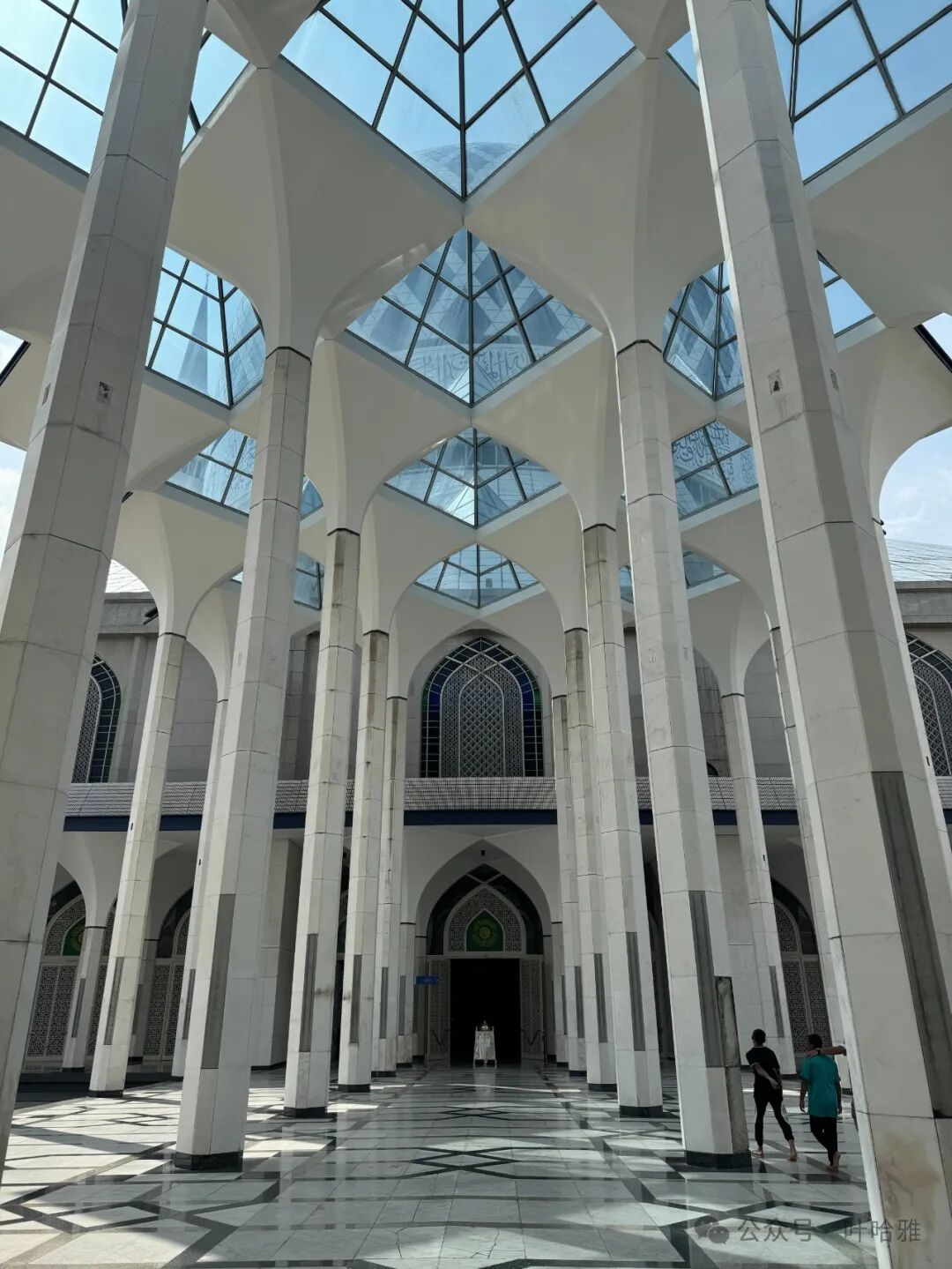
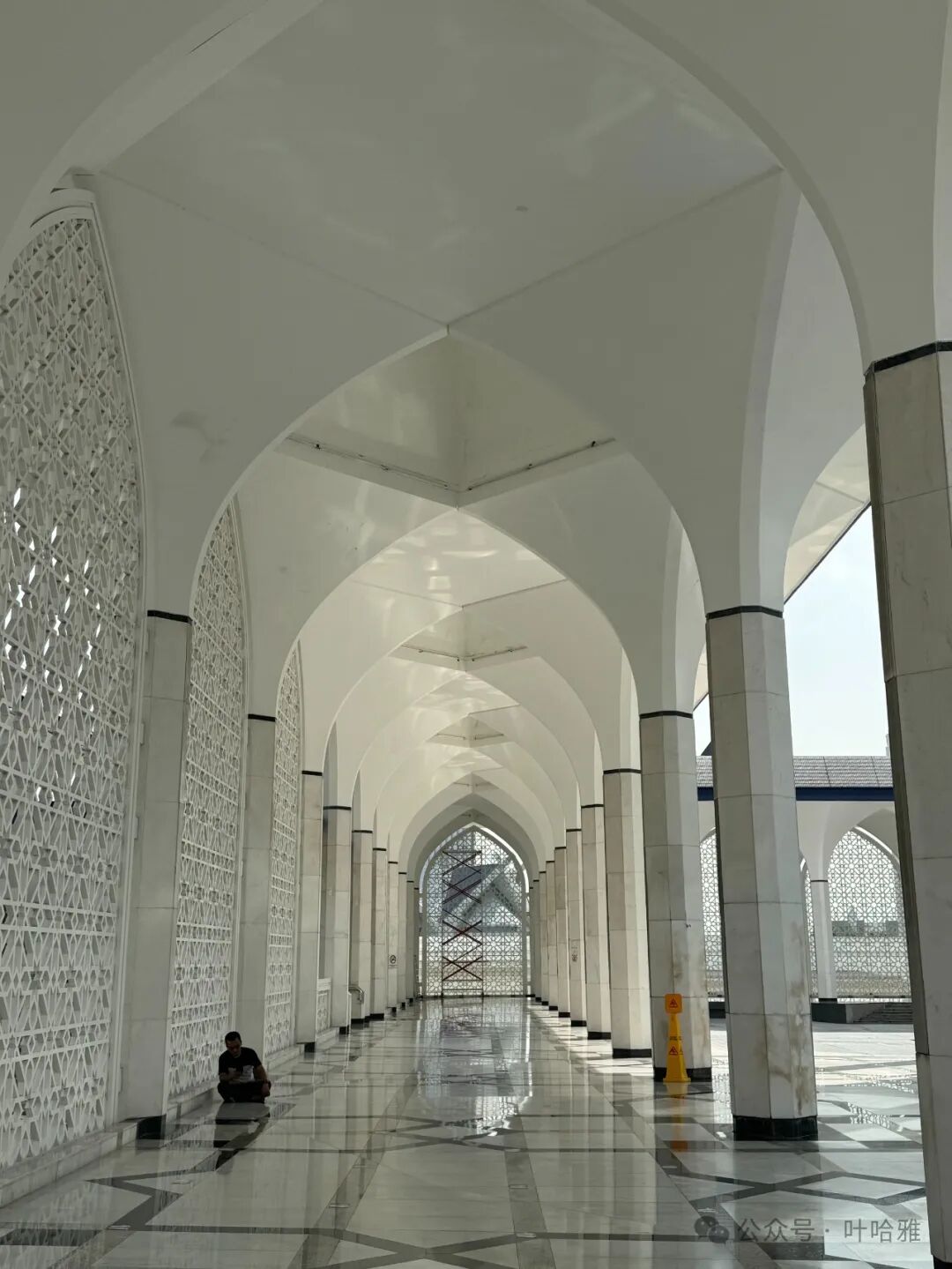
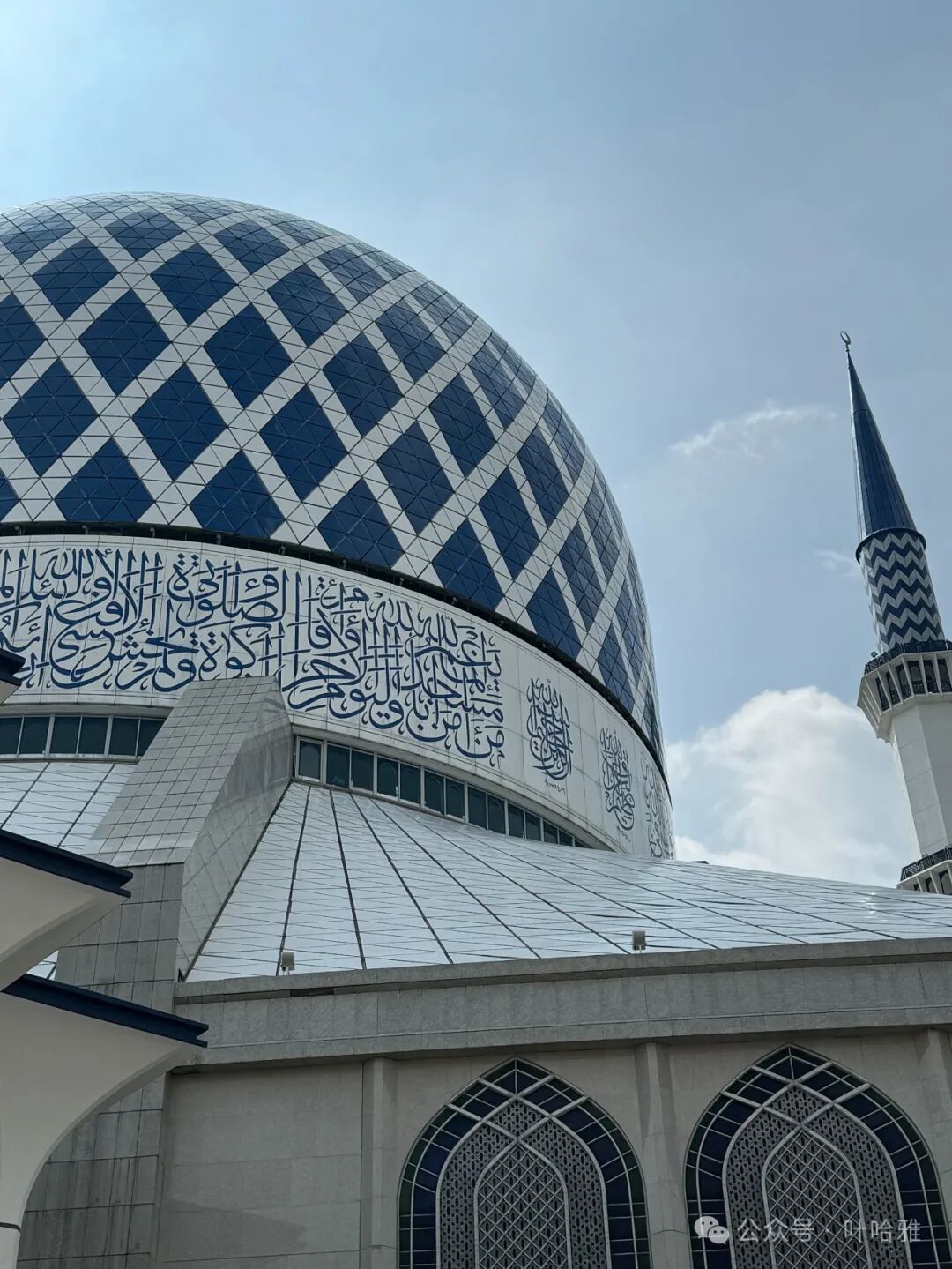
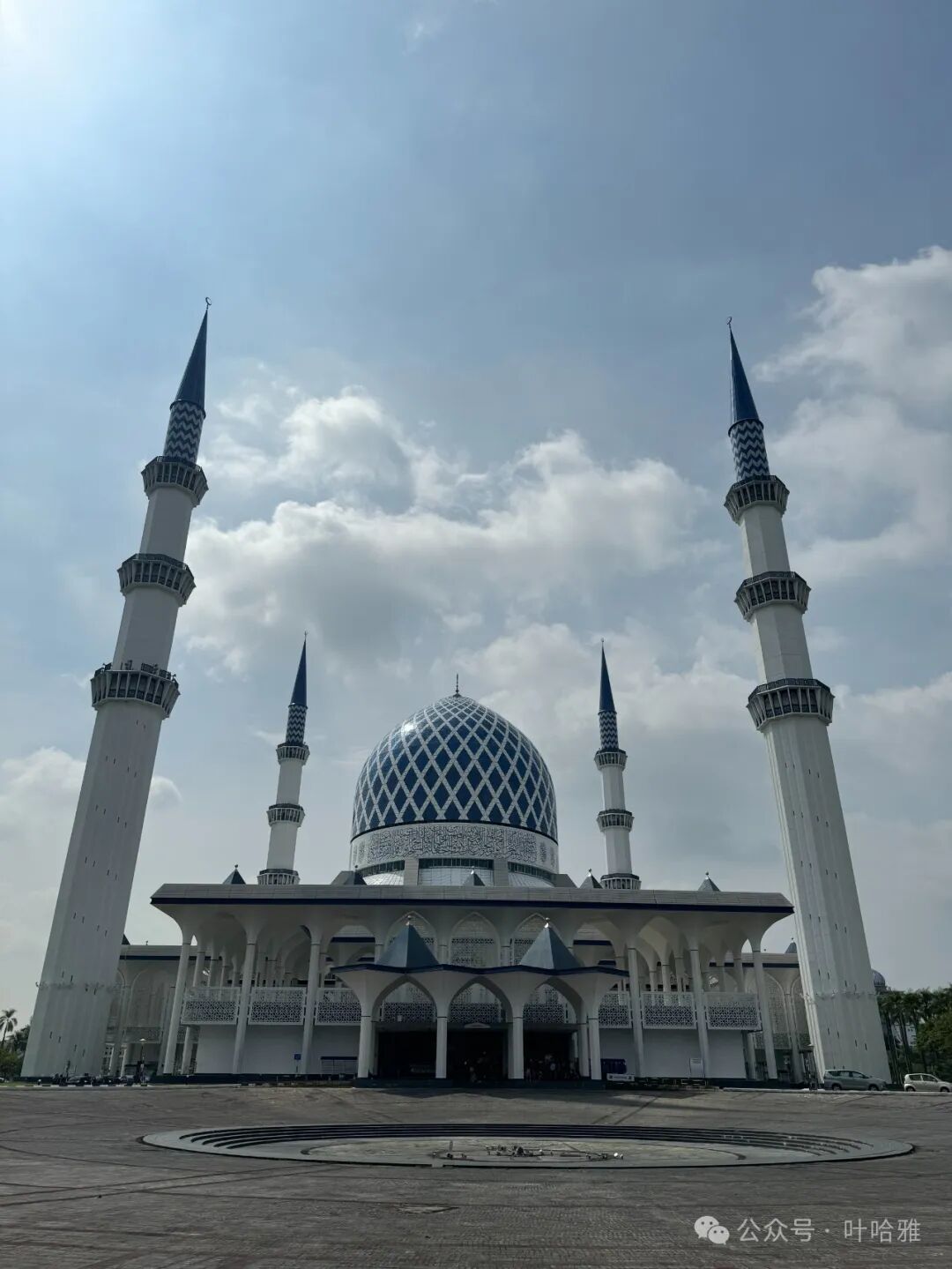
This is the Selangor State Mosque, the largest mosque in Malaysia. It was built in 1988 and is commonly known as the Blue Mosque.
The mosque's minaret stands 142.3 meters tall. It once held a Guinness World Record before being surpassed by the 210-meter minaret of the Hassan II Mosque in Morocco.
5. Putra Mosque
(Masjid Putra)
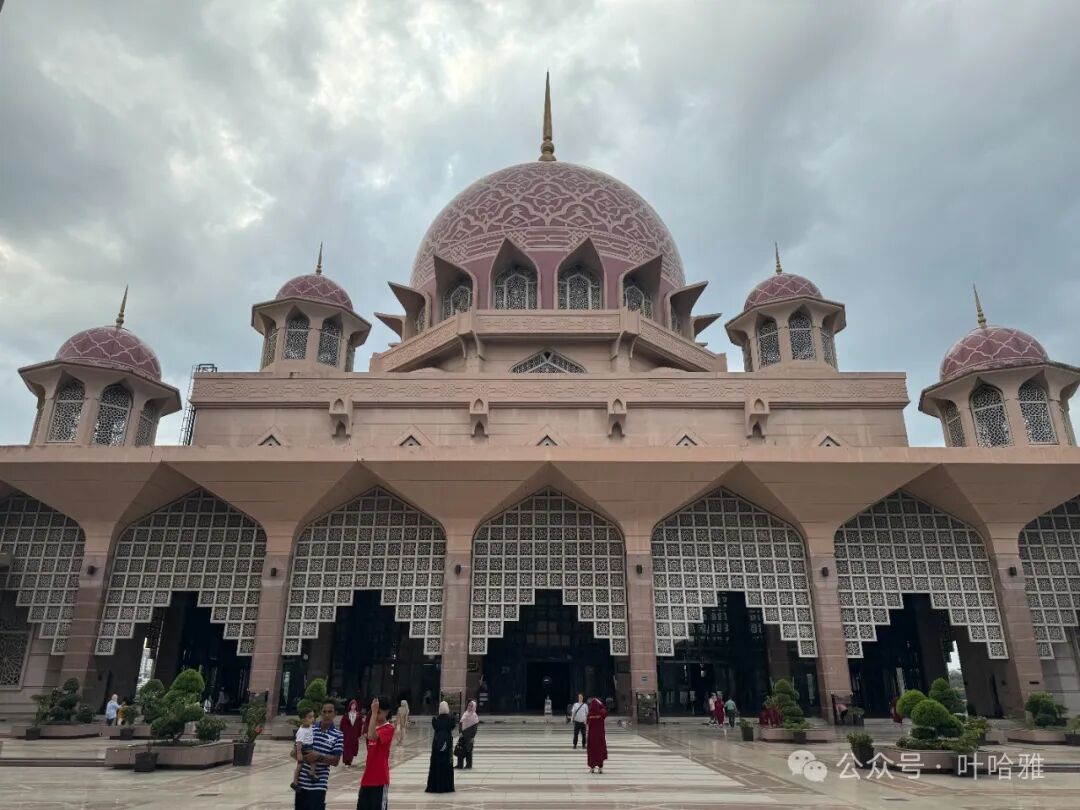
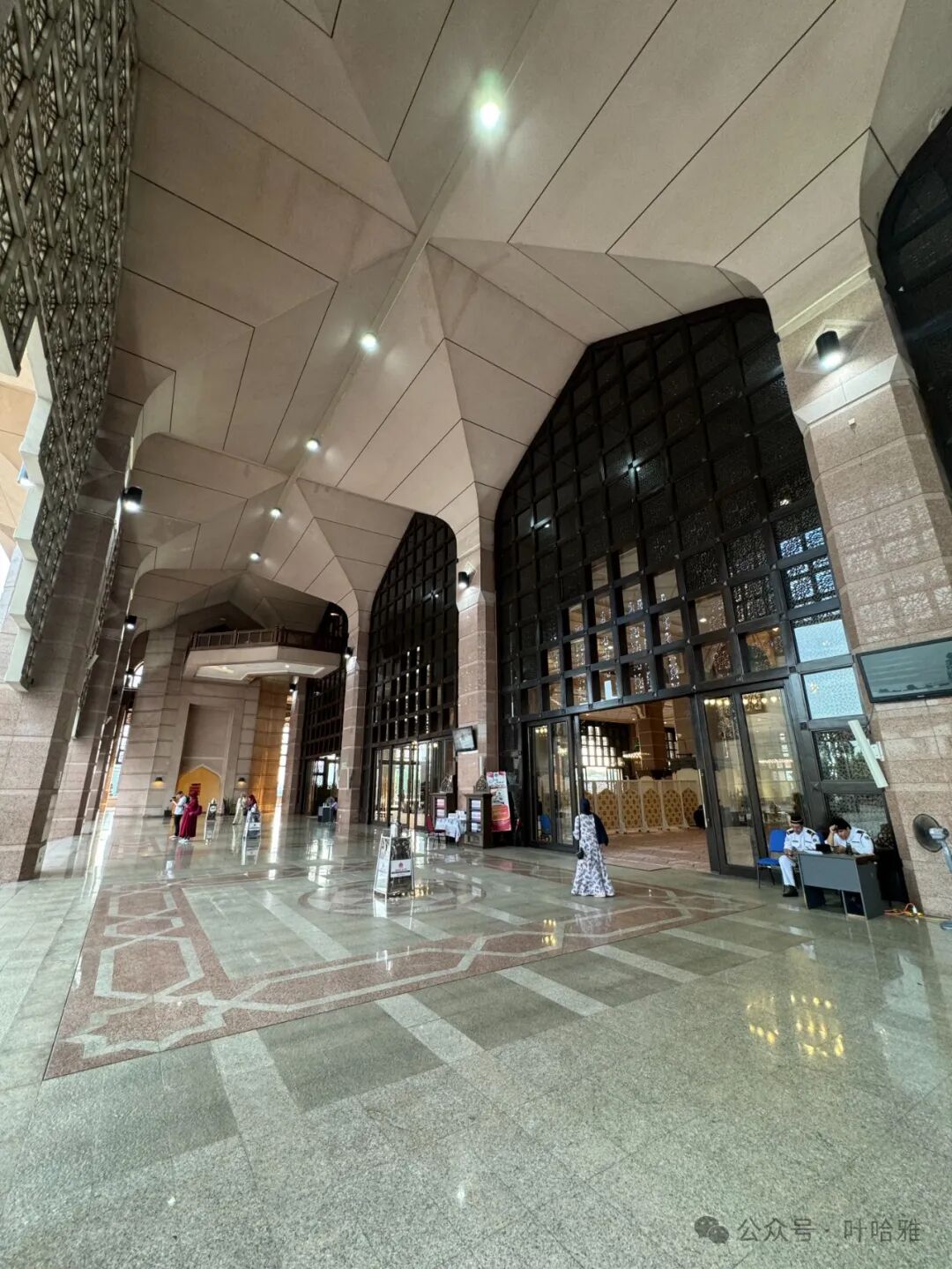
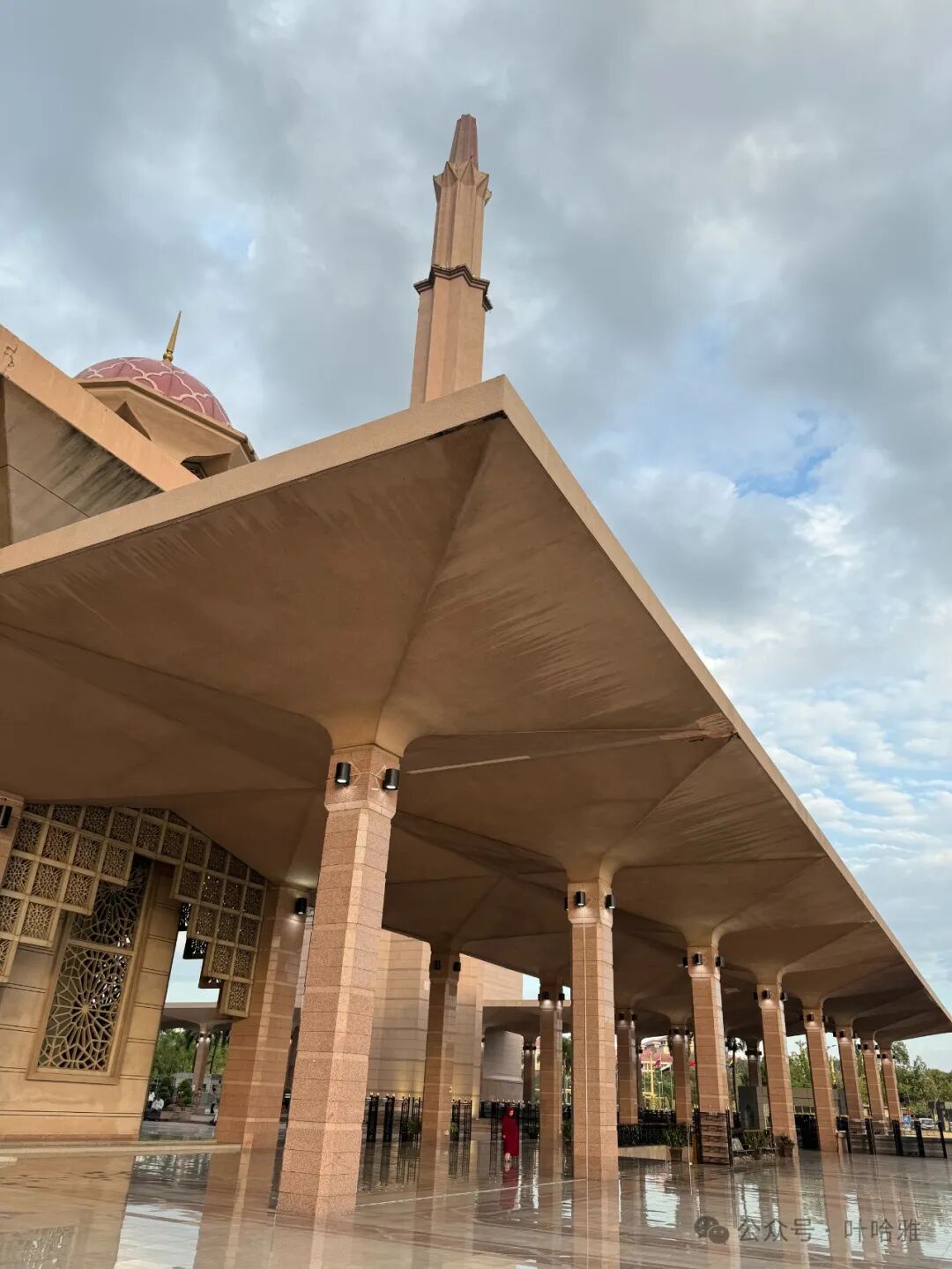
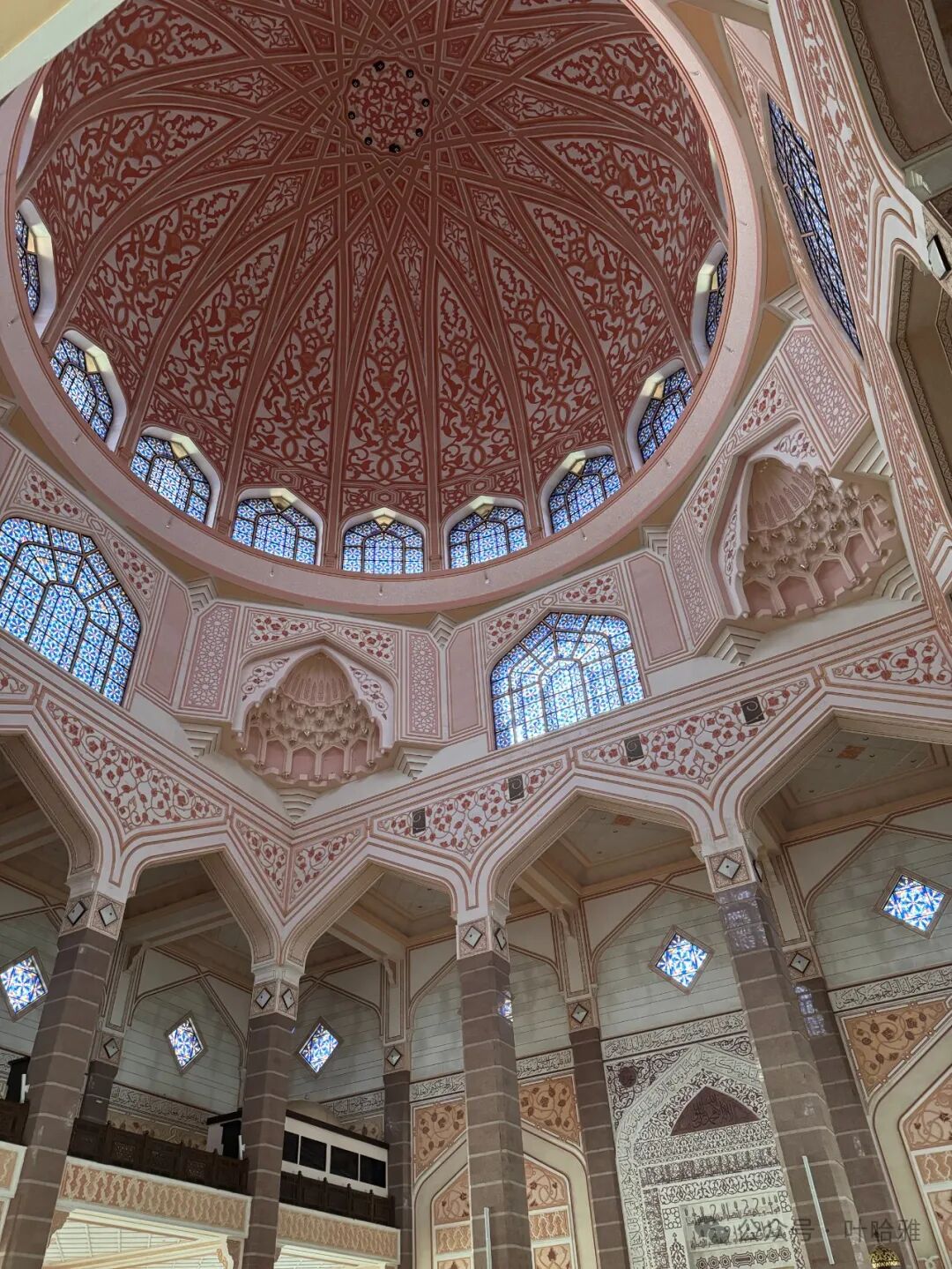
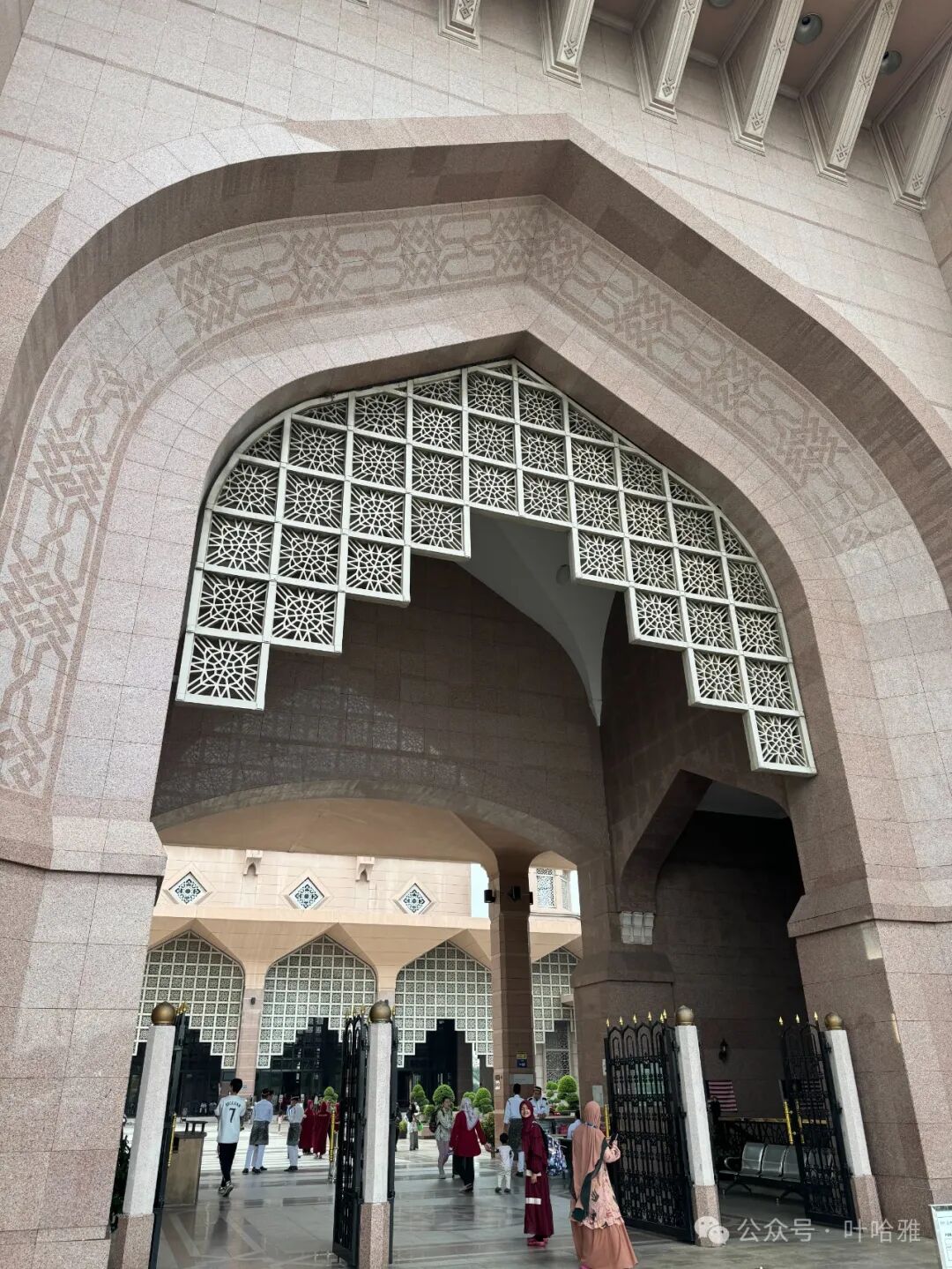
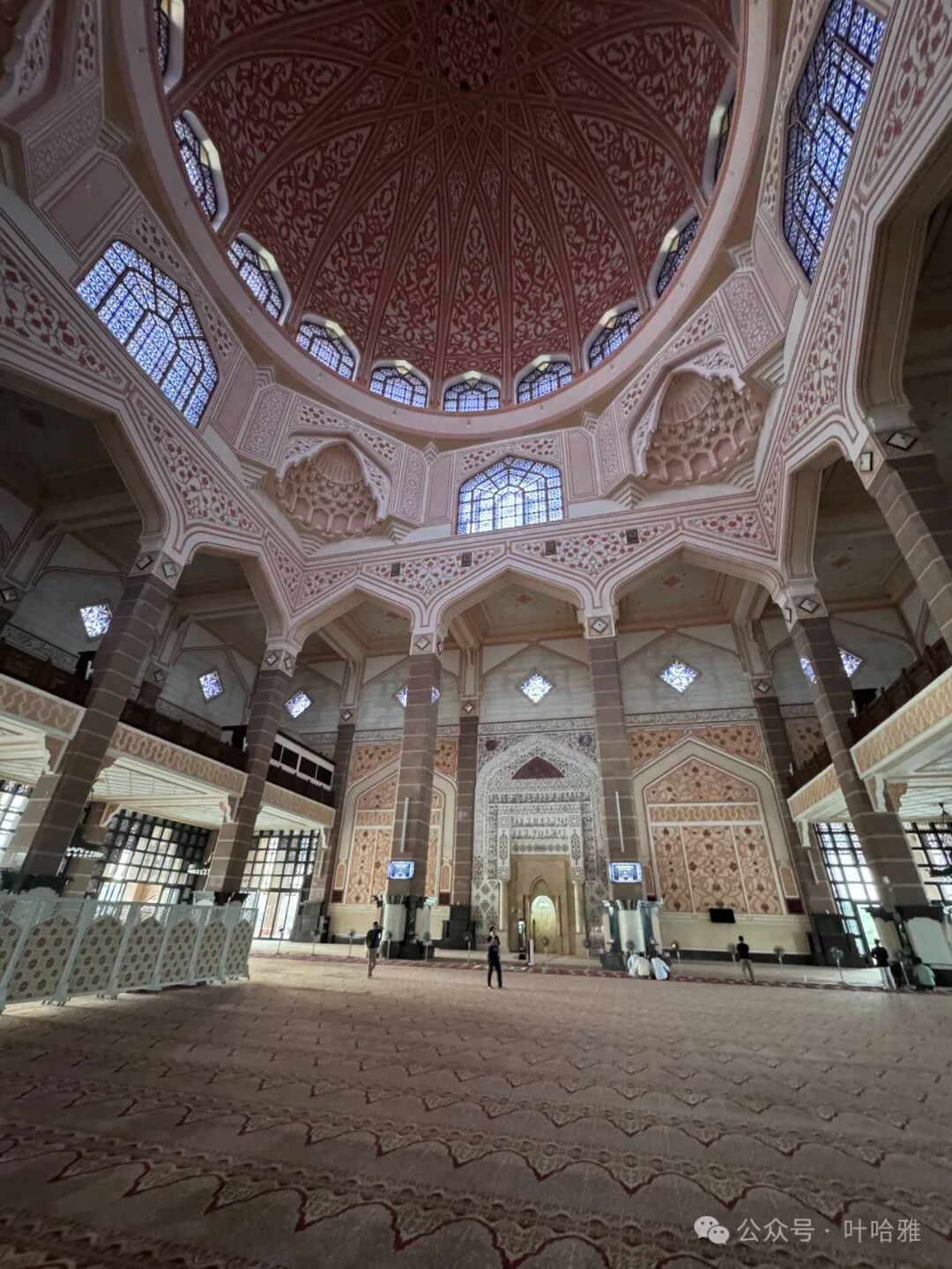
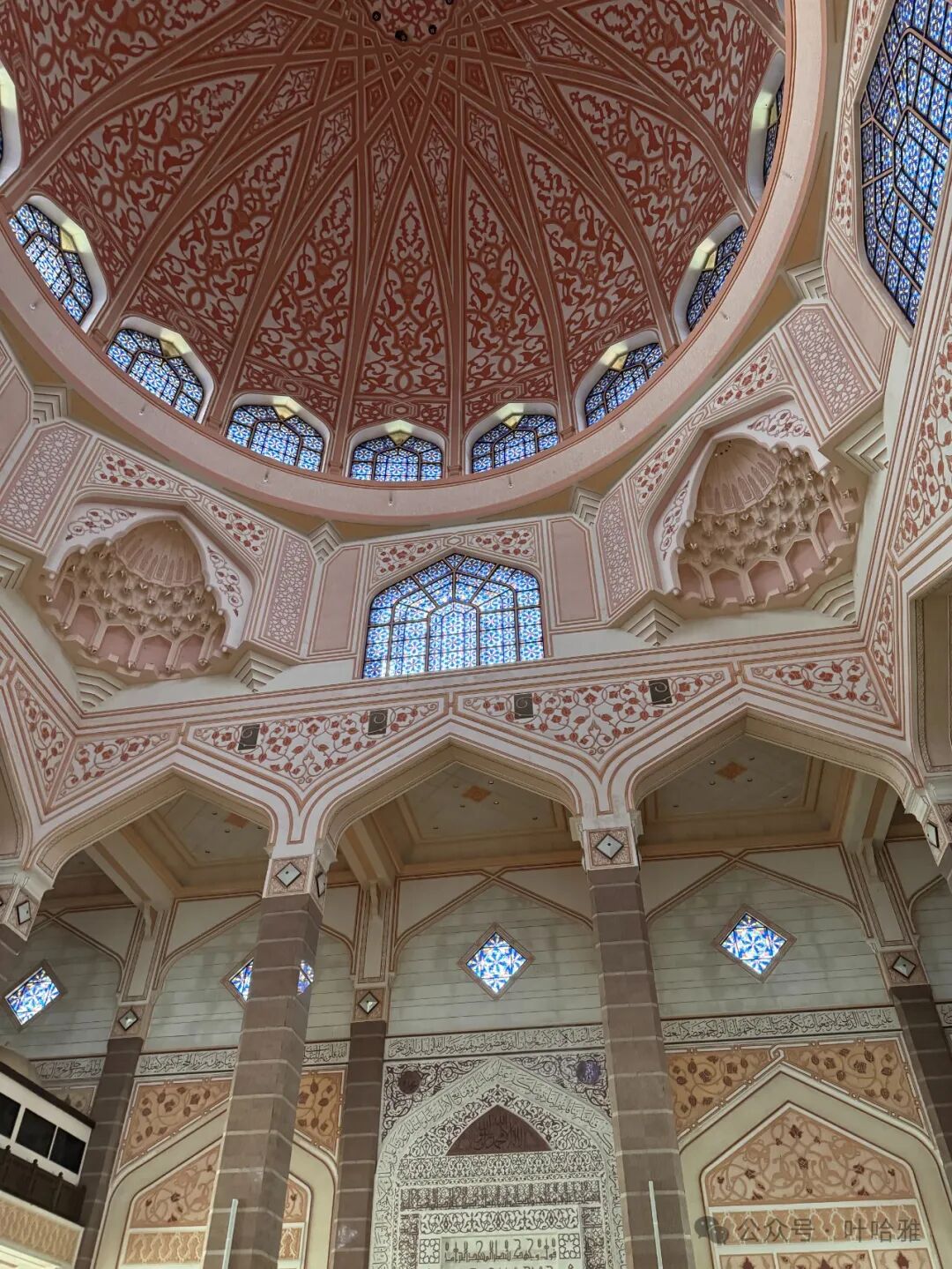
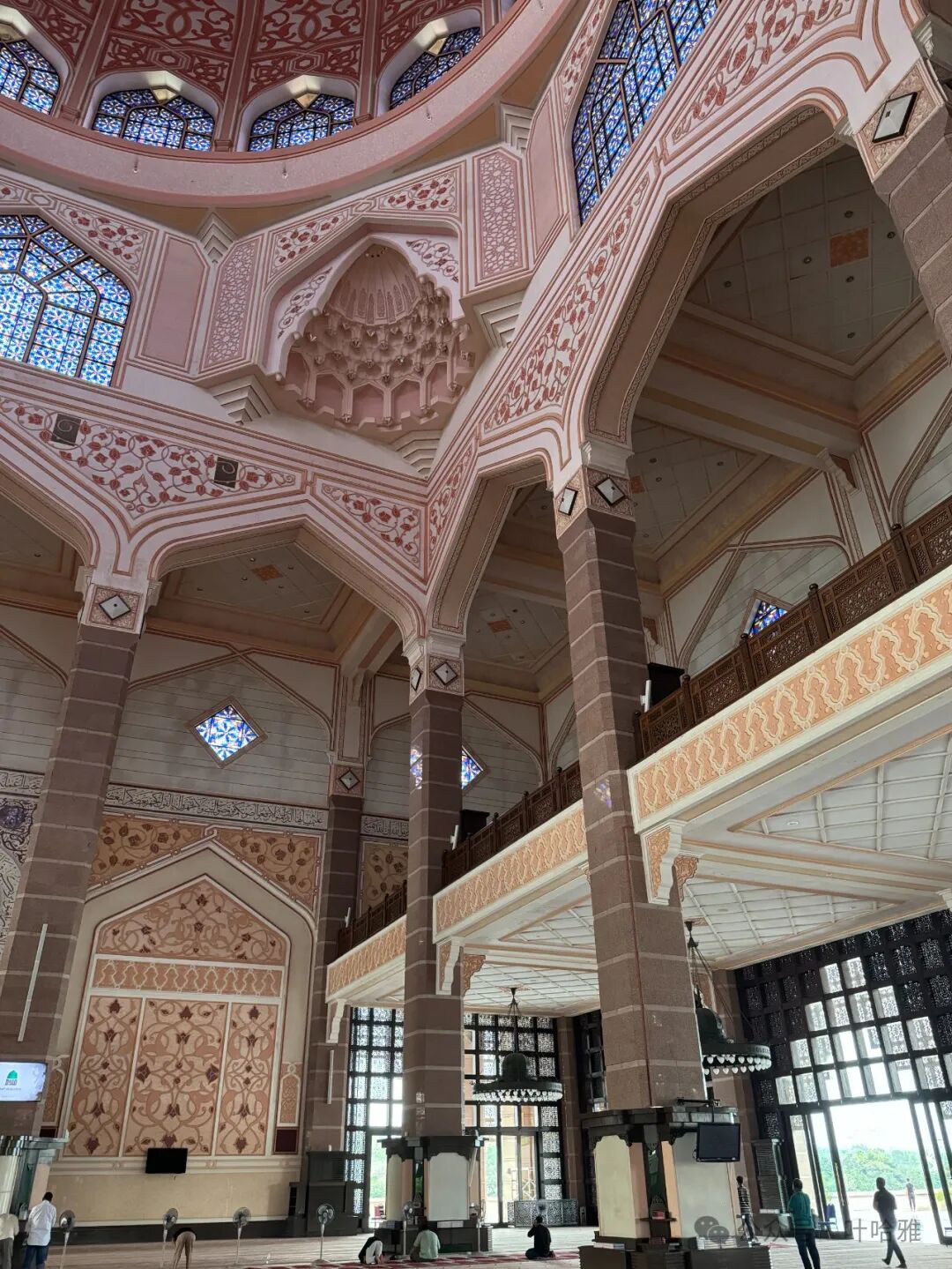
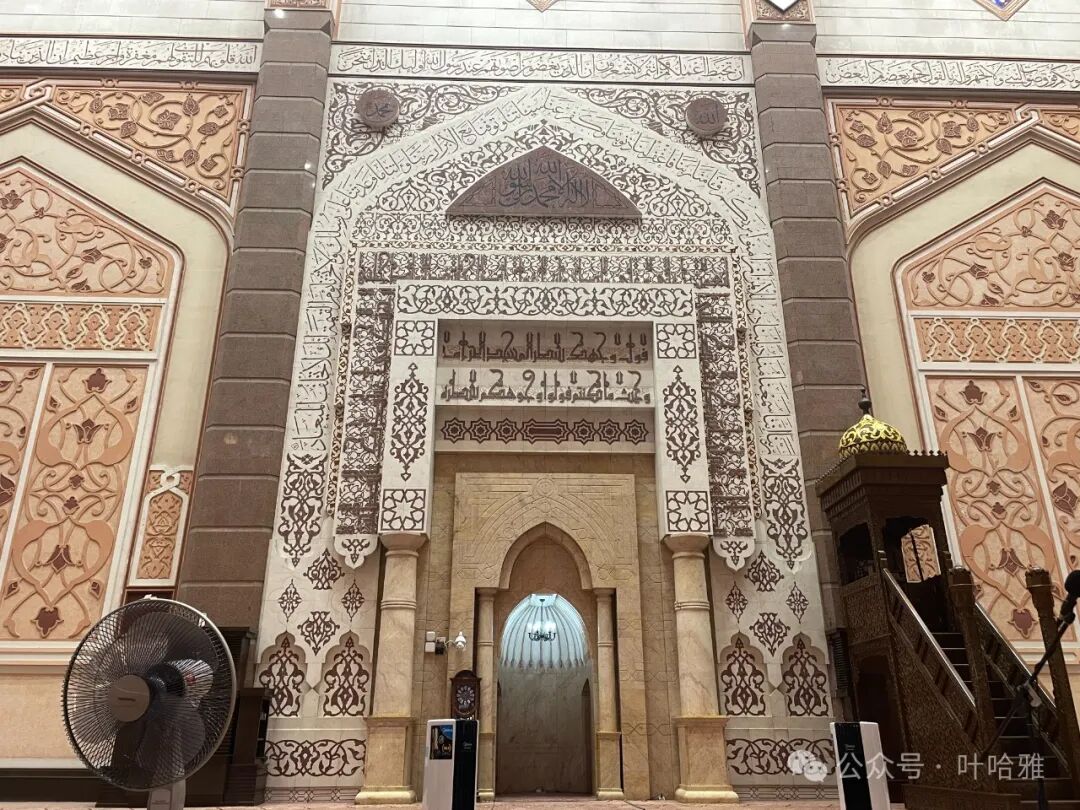
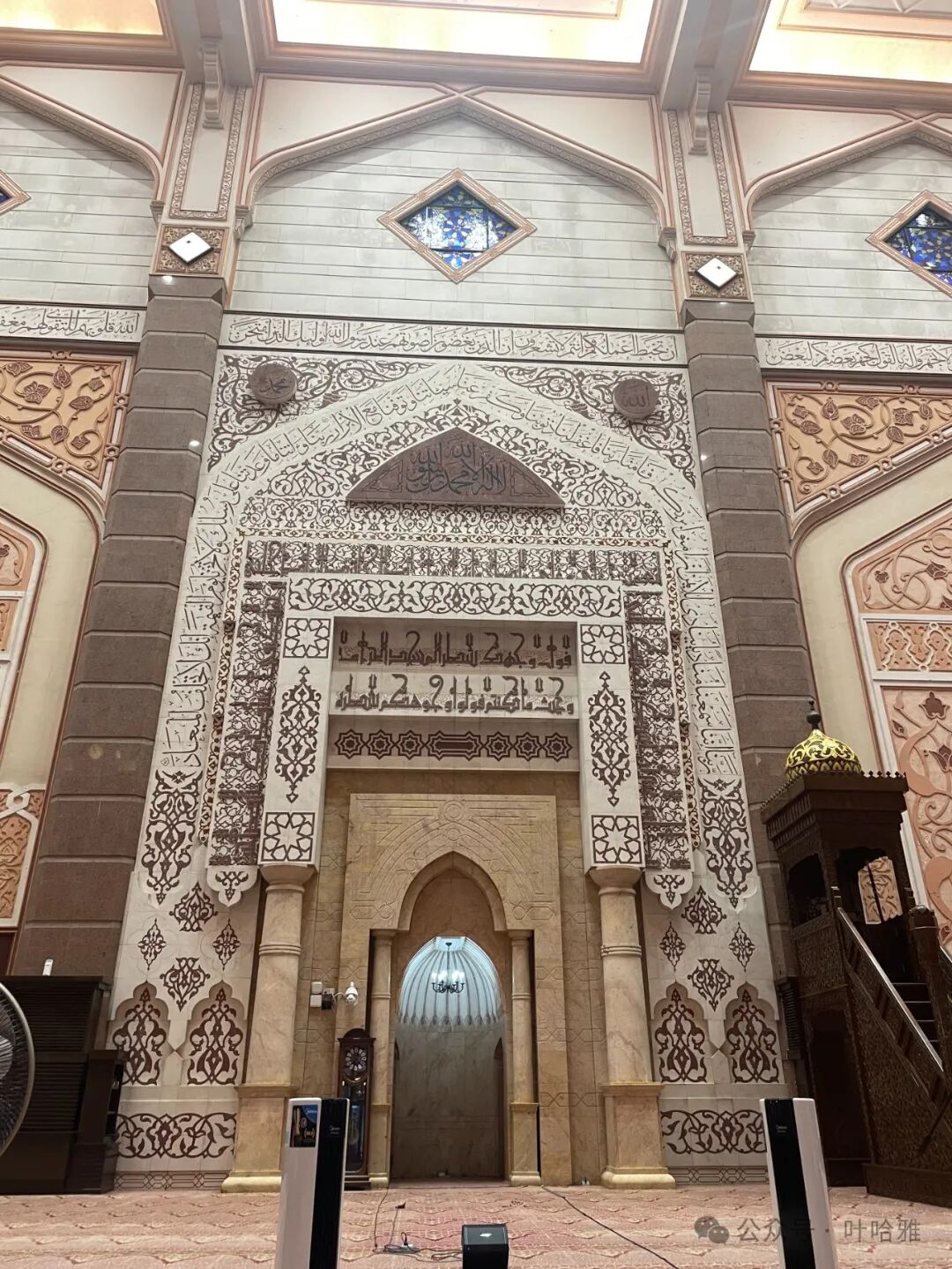
Putra Mosque is commonly known as the Pink Mosque because its dome is made of rose-colored granite. Built in 1997, it can hold 15,000 people for namaz, which is about the same capacity as the National Mosque.
6. Asy-Syakirin Mosque
(Masjid Asy-Syakirin KLCC)
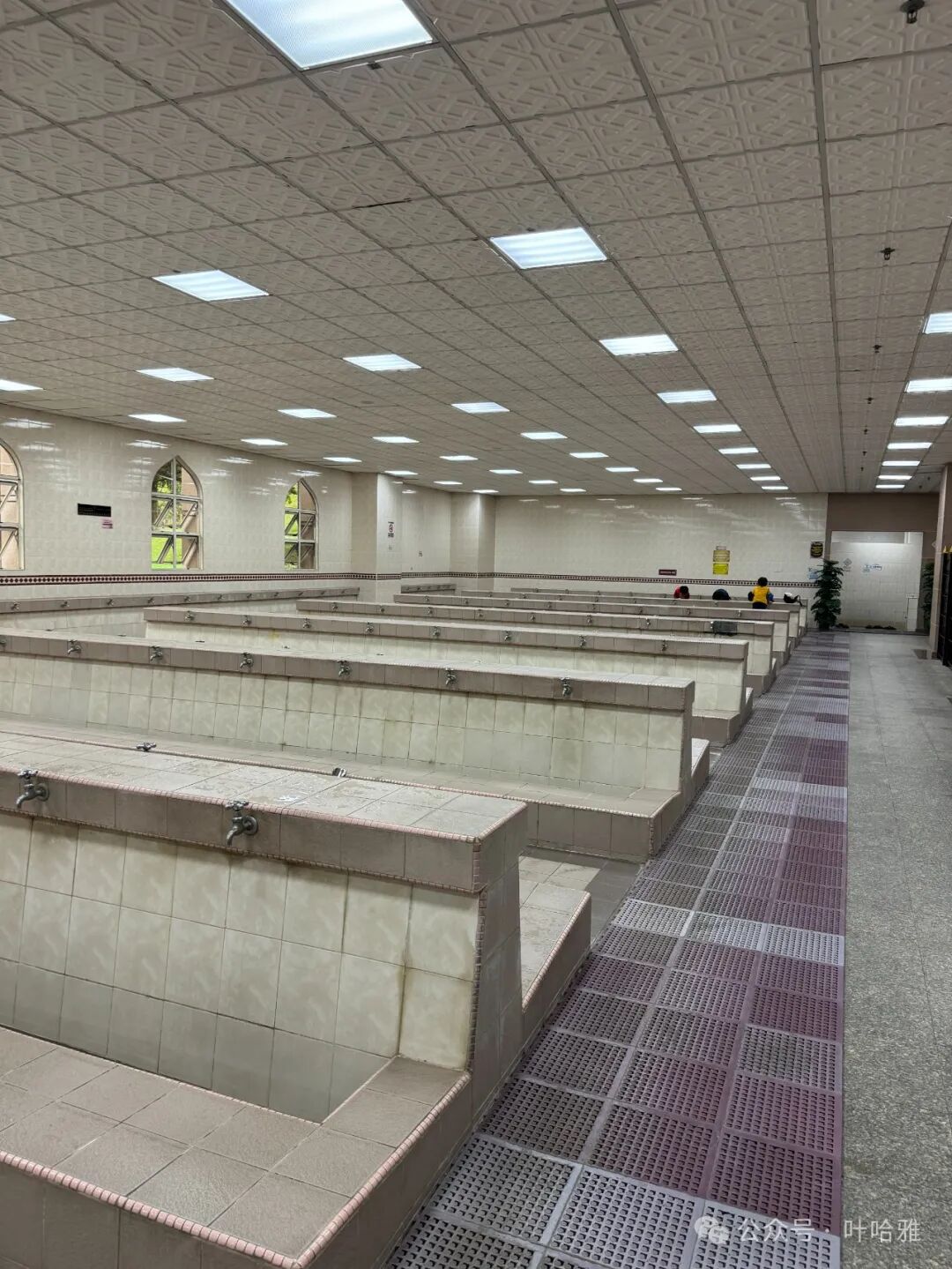
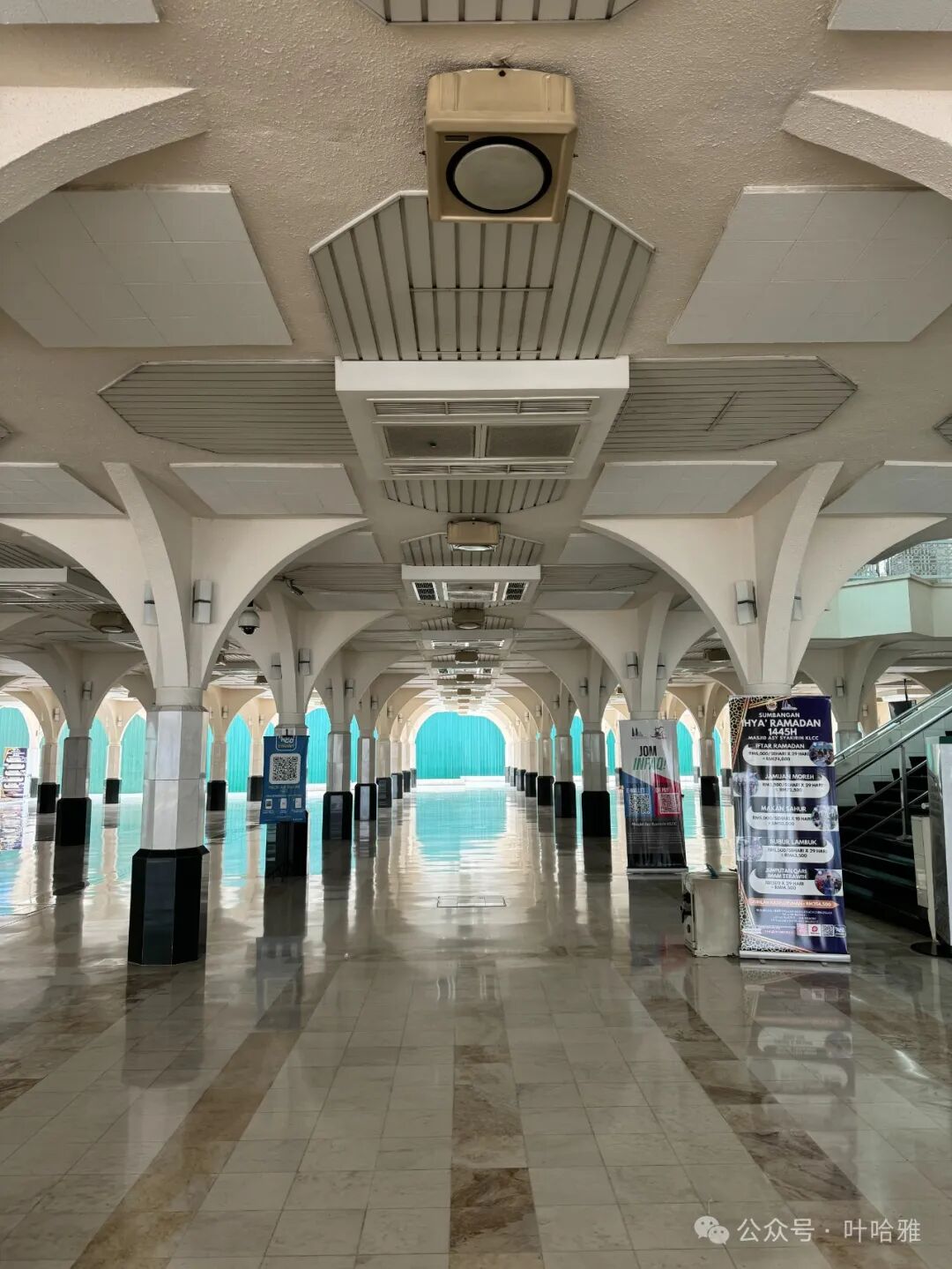
Asy-Syakirin Mosque is also called the KLCC Mosque. It is the closest mosque to the Petronas Twin Towers and the one nearest to our home in Kuala Lumpur. It is only a 200-meter walk from Musa Lanzhou Beef Noodles, and I usually go there for namaz.
This mosque was built in 2009 and can hold 12,000 people for namaz. Asy-Syakirin means "the grateful people."
The mosque has an open plaza without walls. People often rest or sleep there, and no one bothers them.
7. Jamek Mosque
(Jamek Mosque)
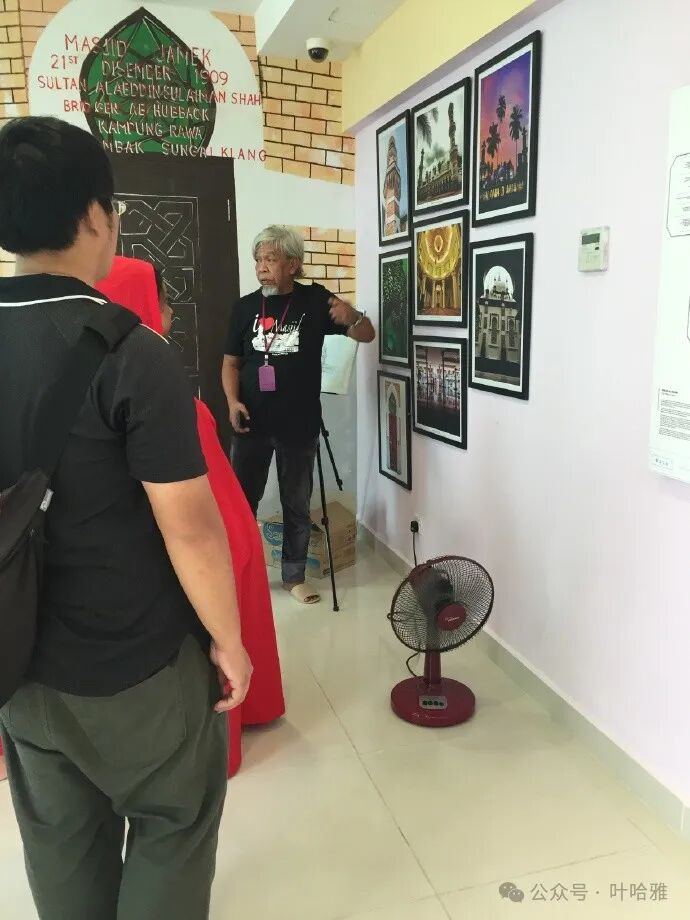
Built in 1909, this was the first large mosque in Kuala Lumpur's history. It was designed by a British man named Arthur Benison. Part of the funding came from the British government, and the rest was donated by the Malay community. The building mixes Moorish and Indian Mughal styles. Before the National Mosque was built, this was the most important mosque in Kuala Lumpur. The word Jamek means a place for congregational prayer in Malay, and it sounds similar to the Arabic word.
8. National Mosque
(Masjid Negara)
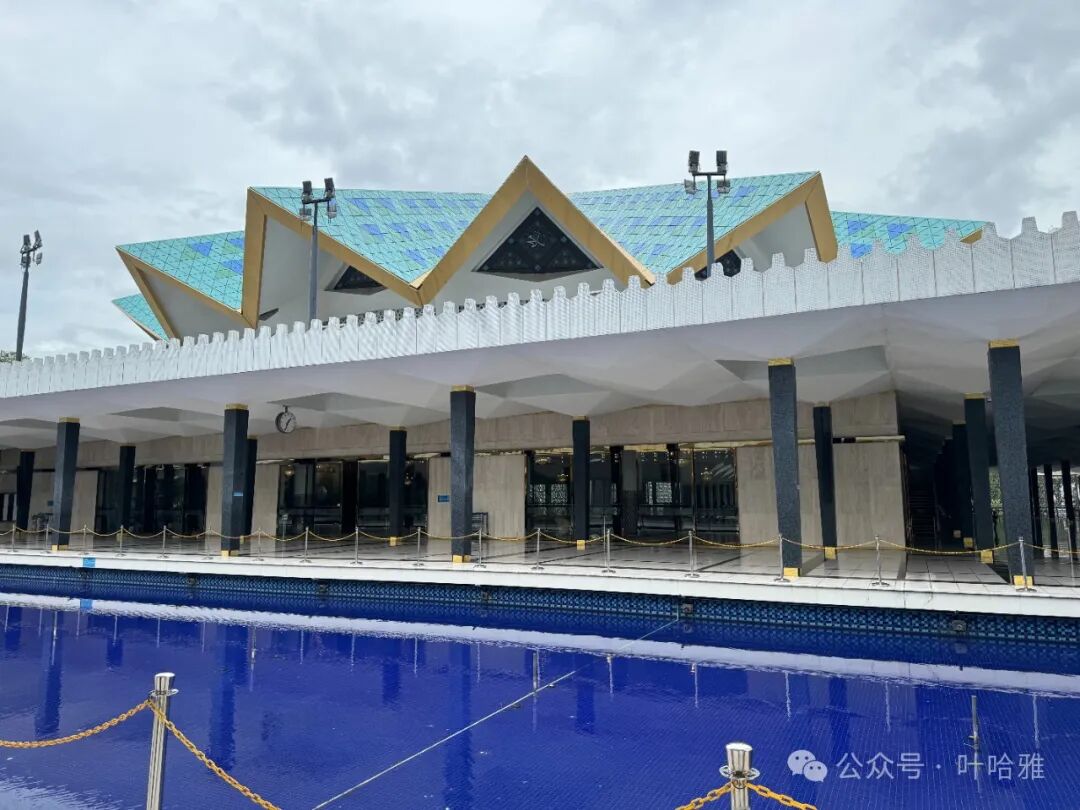
The National Mosque was built in 1965 on the former site of the Brethren Gospel Hall, which the government bought in 1961. That church is now called the Imbi Chapel. The mosque was originally going to be named after Malaysia's first Prime Minister, Tunku Abdul Rahman, but he declined. It was named the National Mosque instead to celebrate Malaysia gaining independence from Britain without bloodshed.
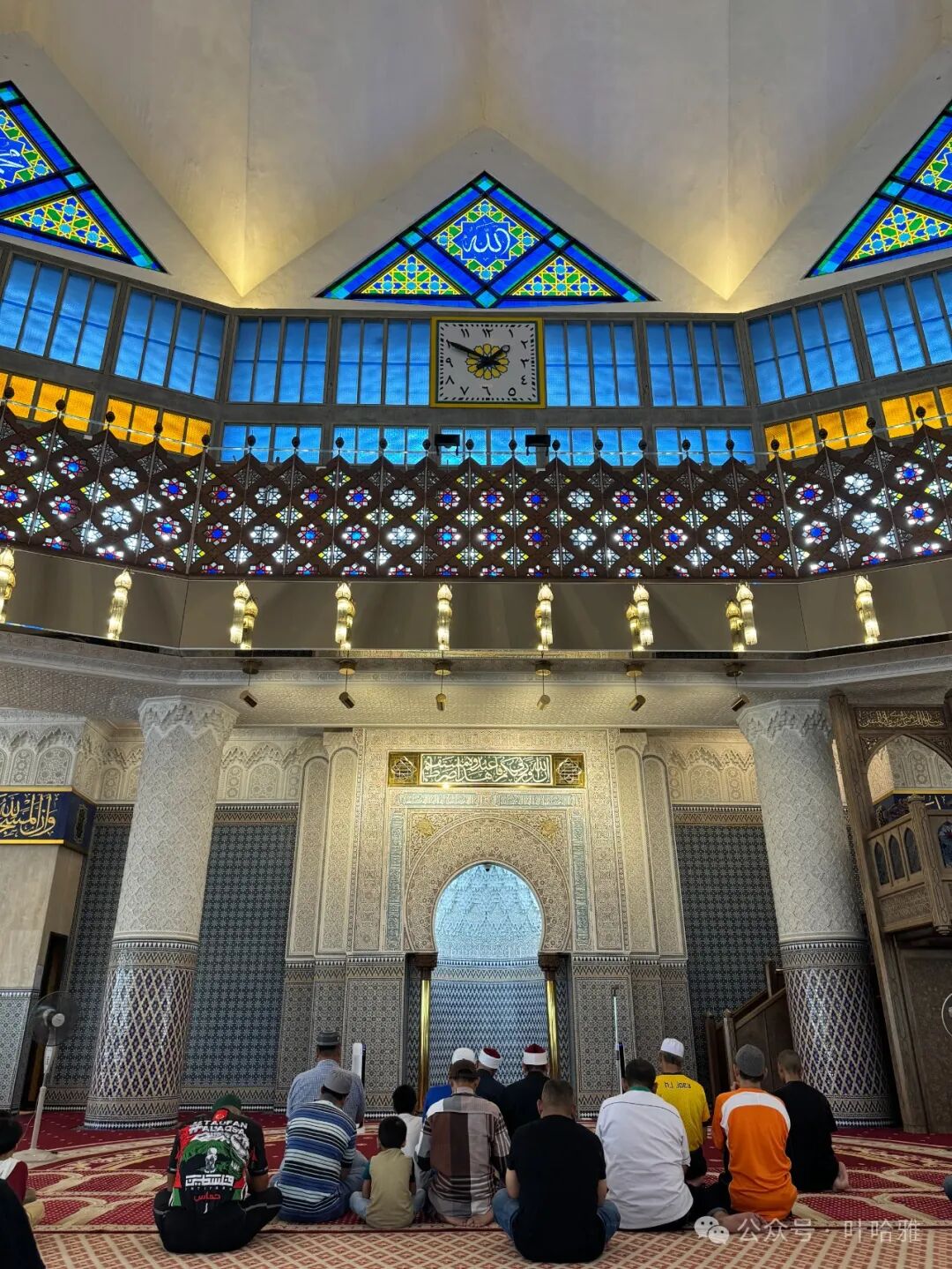
From a distance, the main building of the National Mosque looks like an open umbrella. It was designed by a team of three: British architect Howard Ashley, and Malaysians Ikmal Hisham Albakri and Baharuddin Kassim.
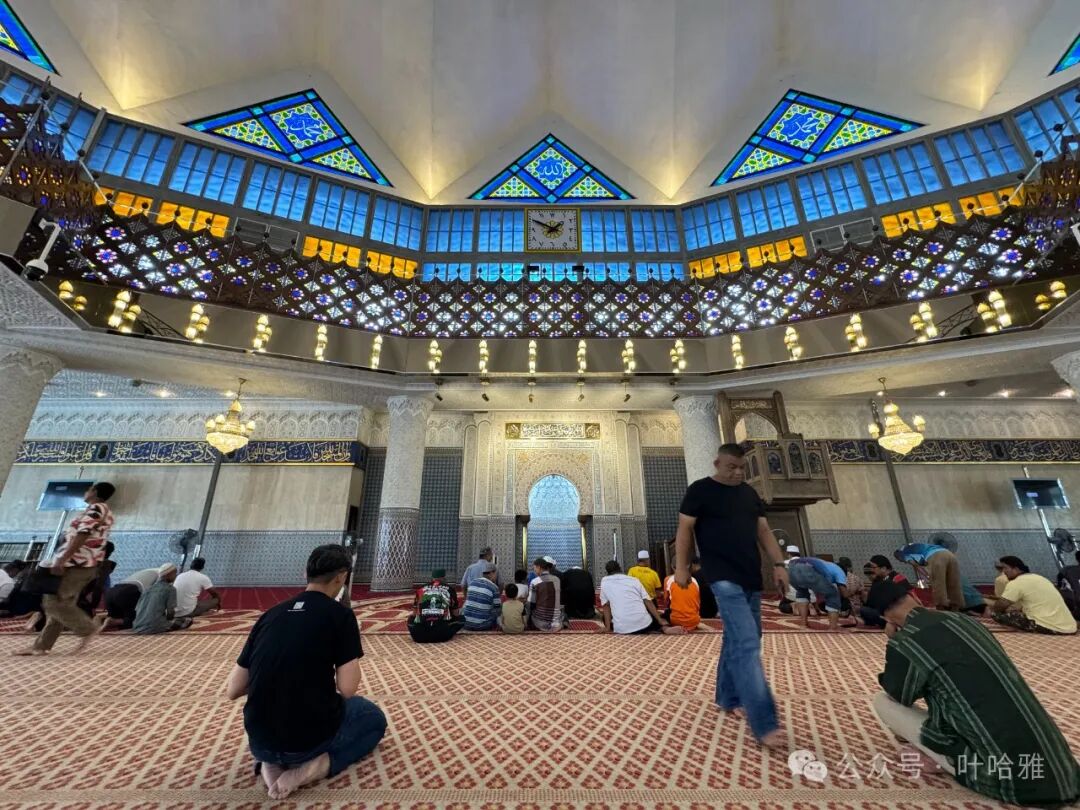
Next to the National Mosque is the Heroes' Mausoleum (Makam Pahlawan), which is the burial site for several Malaysian Muslim leaders.
That covers the eight mosques in Kuala Lumpur. I have saved many other beautiful mosques on Google Maps, but it takes a lot of time to visit them all because they are far apart. Since I will be traveling to Kuala Lumpur often, I am not in a rush to see every single one. If you have the chance, you can rent a car. You can drive in Malaysia using a translated copy of your Chinese driver's license and go on a tour of Kuala Lumpur's mosques. view all
Summary: This Malaysia mosque travel guide visits eight Kuala Lumpur-area mosques, including the Federal Territory Mosque, Tabung Haji Mosque, Selangor Royal Mosque, Blue Mosque, Pink Mosque, KLCC Mosque, Jamek Mosque, and National Mosque.
8 Beautiful Mosques in Kuala Lumpur is presented here as a firsthand travel account in clear English, beginning with this scene: Kuala Lumpur has many beautiful mosques that are great spots for tourists to take photos. The account keeps its focus on Halal Travel, Yiwu Food, Mosque Travel while preserving the names, places, food, and historical details from the Chinese source.
Kuala Lumpur has many beautiful mosques that are great spots for tourists to take photos. These mosques are open to the public, and you can visit for free as long as you are dressed modestly. Some popular mosques even provide robes, headscarves, and guided tours. I did not think much of this when I first visited Kuala Lumpur, but after visiting mosques in Egypt where I was frequently charged entry fees, asked for tips, and even found mosques closed, I realized how lovely Malaysia is by comparison.
1. Federal Territory Mosque
(Masjid Wilayah Persekutuan)
Built next to the federal government buildings and completed in 2000, this was the 44th mosque funded by the government. It uses Ottoman-style architecture and can hold 17,000 people for namaz.
2. Pilgrimage Fund Board Mosque (Tabung Haji Surau TH)
I discovered this mosque by chance next to the Pilgrimage Fund Board building. It is actually a prayer room, but it looks very delicate from the outside and even has a minaret, making it look like a miniature model of the Tabung Haji building next door, which was built in 1984.
Inside the entrance, there are two floors. The air conditioning is very strong, and some people were taking a nap in the main prayer hall.
3. Selangor Royal Mosque
(Masjid Tengku Ampuan Jemaah)
This is the second state mosque of Selangor. It was built in 2013 and named after the late Queen, Almarhumah Tengku Ampuan Jemaah, who was the second Queen of Malaysia.
4. Sultan Salahuddin Abdul Aziz Shah Mosque
(Masjid Sultan Salahuddin Abdul Aziz Shah)
This is the Selangor State Mosque, the largest mosque in Malaysia. It was built in 1988 and is commonly known as the Blue Mosque.
The mosque's minaret stands 142.3 meters tall. It once held a Guinness World Record before being surpassed by the 210-meter minaret of the Hassan II Mosque in Morocco.
5. Putra Mosque
(Masjid Putra)
Putra Mosque is commonly known as the Pink Mosque because its dome is made of rose-colored granite. Built in 1997, it can hold 15,000 people for namaz, which is about the same capacity as the National Mosque.
6. Asy-Syakirin Mosque
(Masjid Asy-Syakirin KLCC)
Asy-Syakirin Mosque is also called the KLCC Mosque. It is the closest mosque to the Petronas Twin Towers and the one nearest to our home in Kuala Lumpur. It is only a 200-meter walk from Musa Lanzhou Beef Noodles, and I usually go there for namaz.
This mosque was built in 2009 and can hold 12,000 people for namaz. Asy-Syakirin means "the grateful people."
The mosque has an open plaza without walls. People often rest or sleep there, and no one bothers them.
7. Jamek Mosque
(Jamek Mosque)
Built in 1909, this was the first large mosque in Kuala Lumpur's history. It was designed by a British man named Arthur Benison. Part of the funding came from the British government, and the rest was donated by the Malay community. The building mixes Moorish and Indian Mughal styles. Before the National Mosque was built, this was the most important mosque in Kuala Lumpur. The word Jamek means a place for congregational prayer in Malay, and it sounds similar to the Arabic word.
8. National Mosque
(Masjid Negara)
The National Mosque was built in 1965 on the former site of the Brethren Gospel Hall, which the government bought in 1961. That church is now called the Imbi Chapel. The mosque was originally going to be named after Malaysia's first Prime Minister, Tunku Abdul Rahman, but he declined. It was named the National Mosque instead to celebrate Malaysia gaining independence from Britain without bloodshed.
From a distance, the main building of the National Mosque looks like an open umbrella. It was designed by a team of three: British architect Howard Ashley, and Malaysians Ikmal Hisham Albakri and Baharuddin Kassim.
Next to the National Mosque is the Heroes' Mausoleum (Makam Pahlawan), which is the burial site for several Malaysian Muslim leaders.
That covers the eight mosques in Kuala Lumpur. I have saved many other beautiful mosques on Google Maps, but it takes a lot of time to visit them all because they are far apart. Since I will be traveling to Kuala Lumpur often, I am not in a rush to see every single one. If you have the chance, you can rent a car. You can drive in Malaysia using a translated copy of your Chinese driver's license and go on a tour of Kuala Lumpur's mosques. view all
Reposted from the web
Summary: This Malaysia mosque travel guide visits eight Kuala Lumpur-area mosques, including the Federal Territory Mosque, Tabung Haji Mosque, Selangor Royal Mosque, Blue Mosque, Pink Mosque, KLCC Mosque, Jamek Mosque, and National Mosque.
8 Beautiful Mosques in Kuala Lumpur is presented here as a firsthand travel account in clear English, beginning with this scene: Kuala Lumpur has many beautiful mosques that are great spots for tourists to take photos. The account keeps its focus on Halal Travel, Yiwu Food, Mosque Travel while preserving the names, places, food, and historical details from the Chinese source.
Kuala Lumpur has many beautiful mosques that are great spots for tourists to take photos. These mosques are open to the public, and you can visit for free as long as you are dressed modestly. Some popular mosques even provide robes, headscarves, and guided tours. I did not think much of this when I first visited Kuala Lumpur, but after visiting mosques in Egypt where I was frequently charged entry fees, asked for tips, and even found mosques closed, I realized how lovely Malaysia is by comparison.
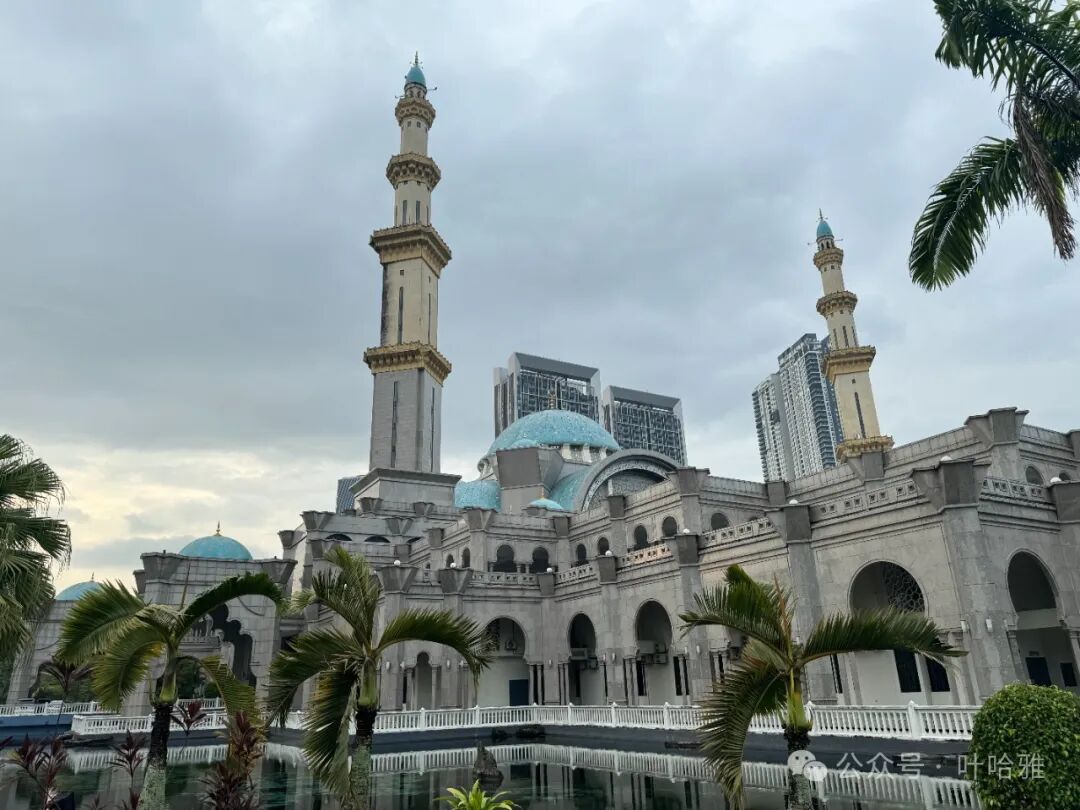
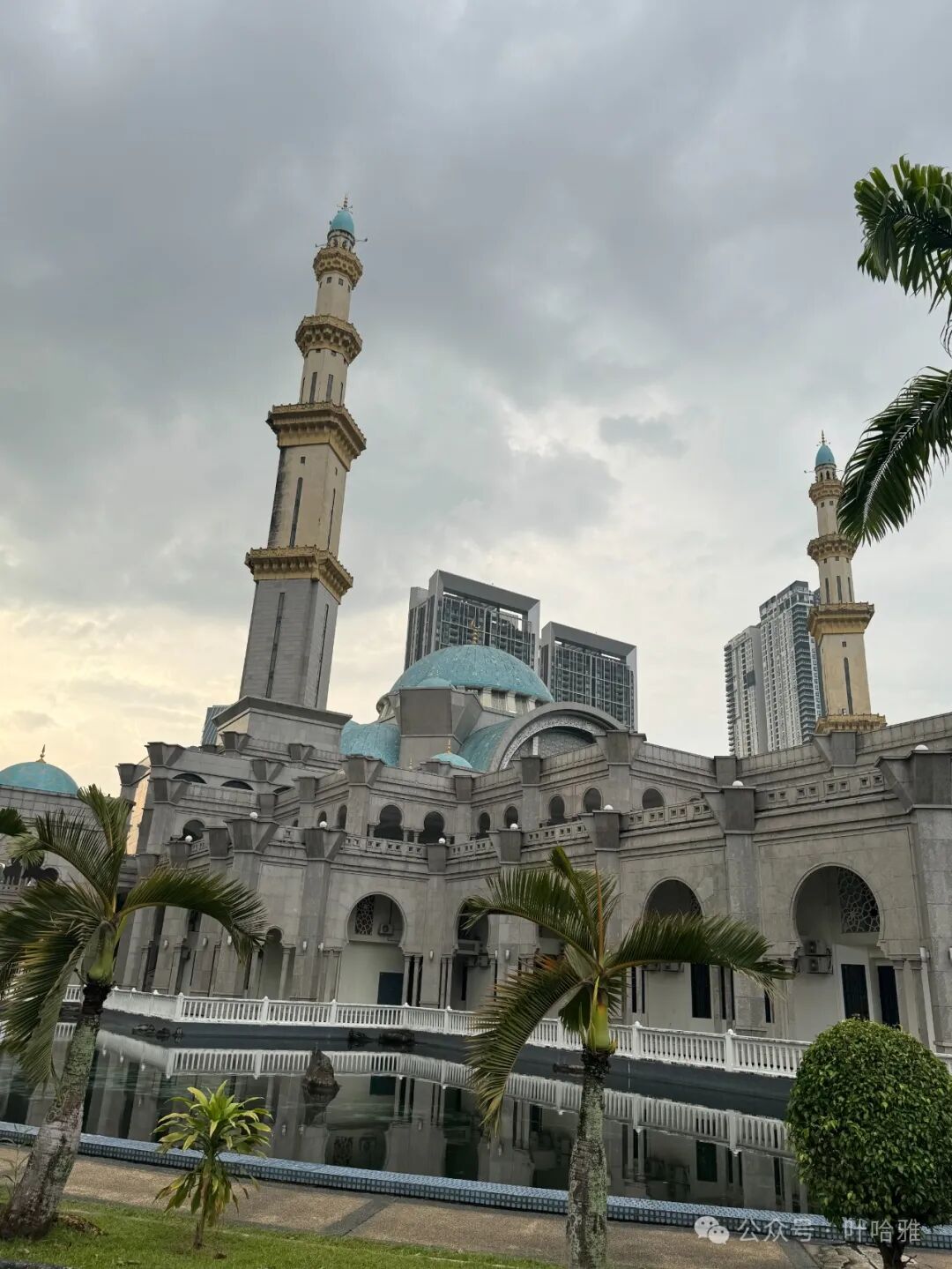
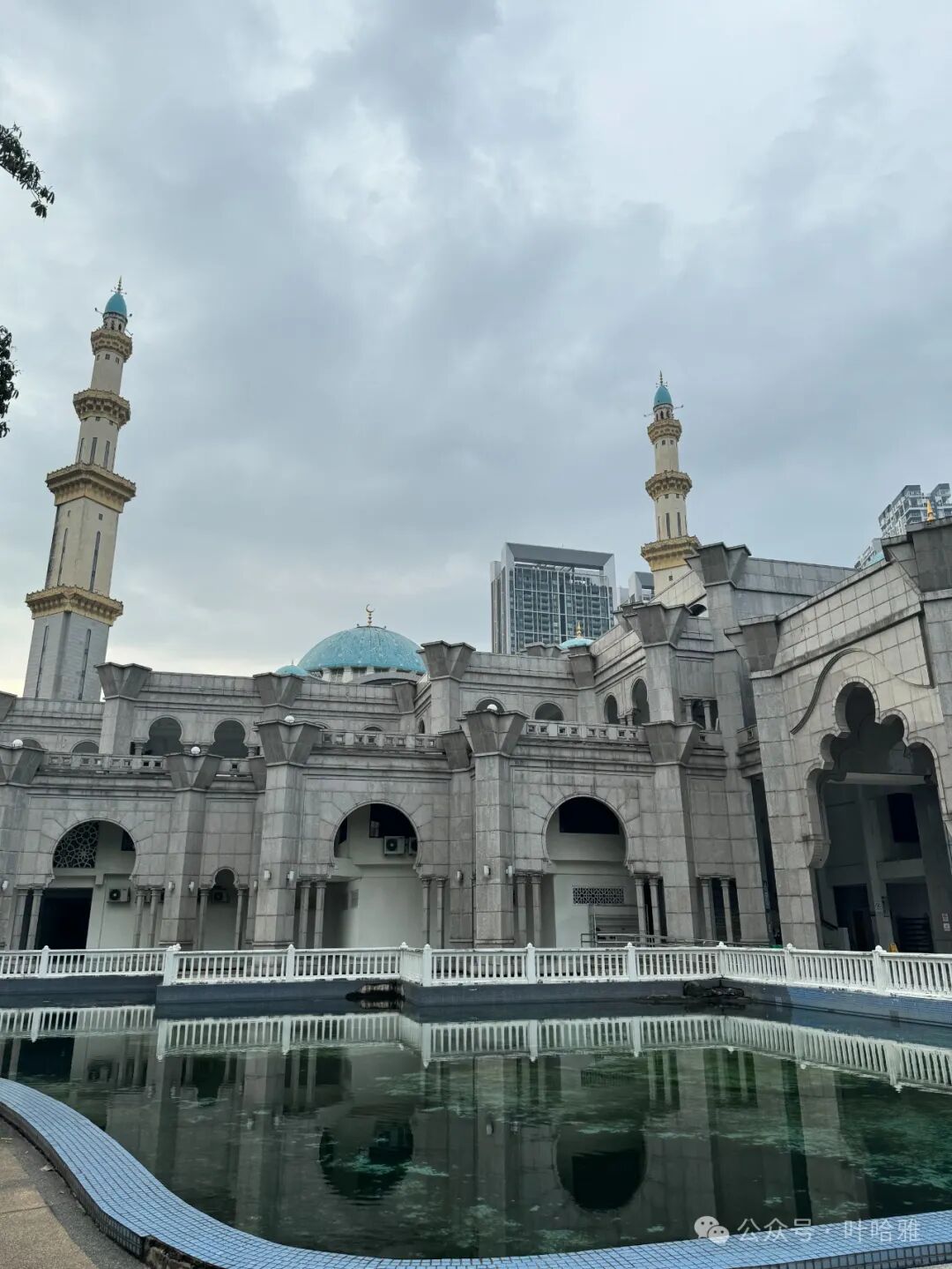
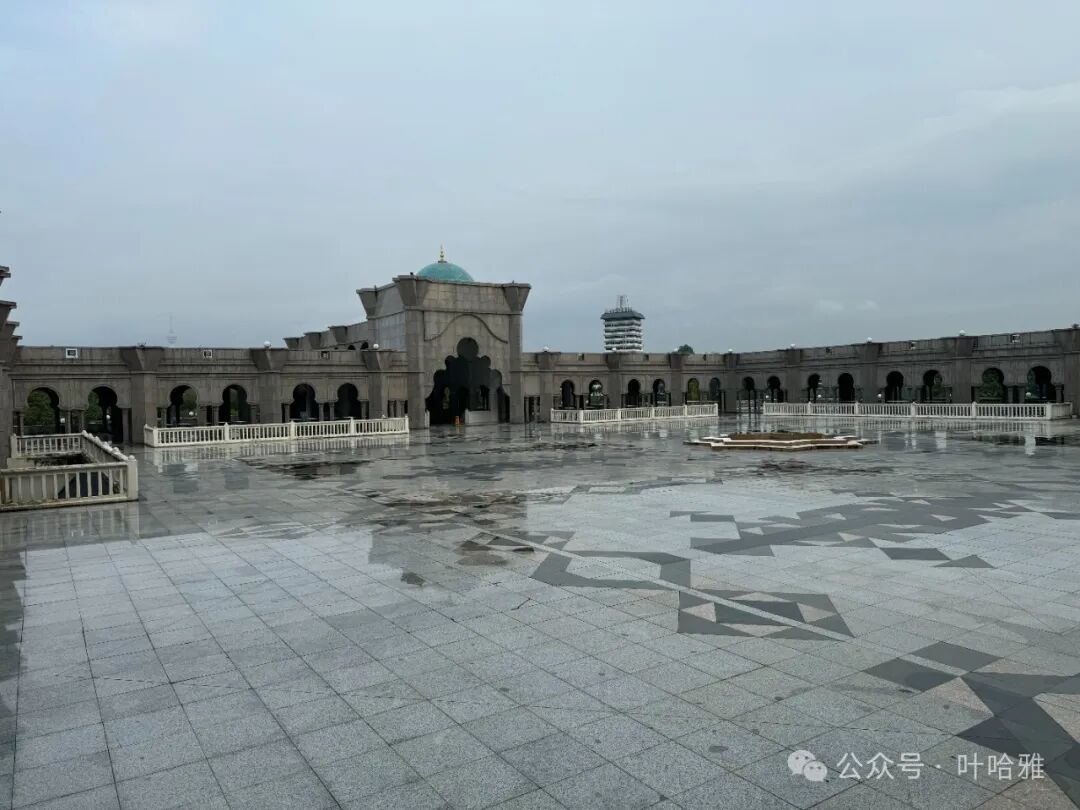
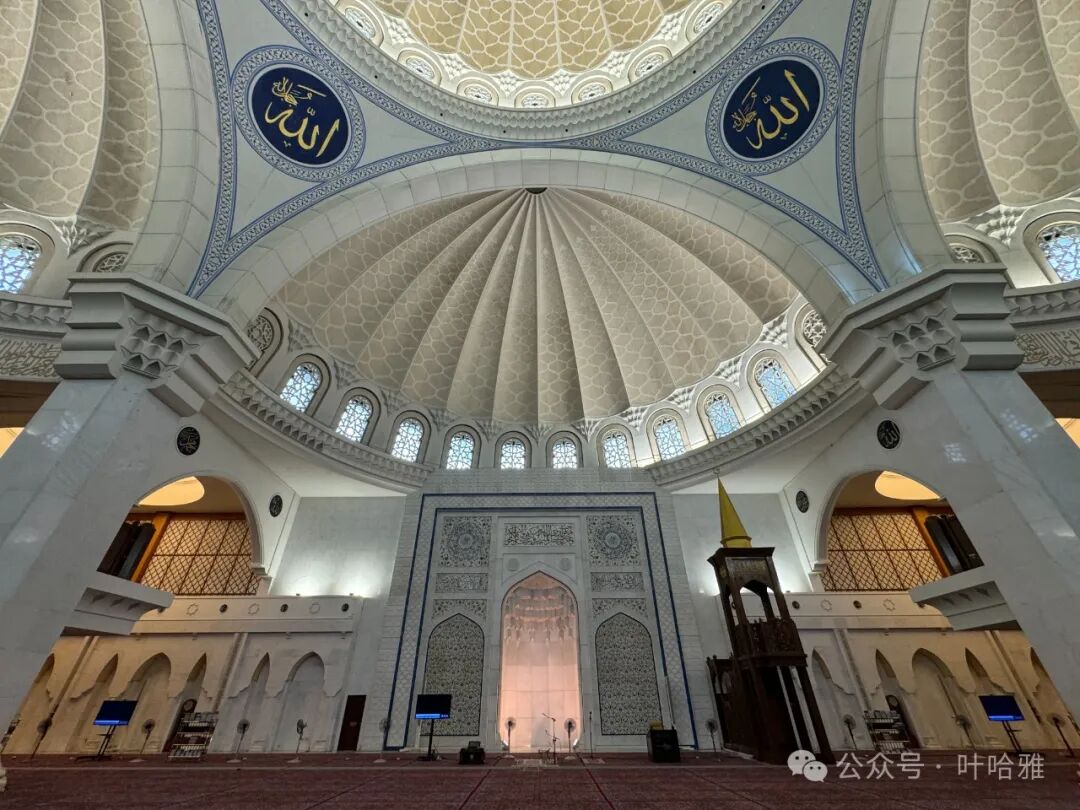
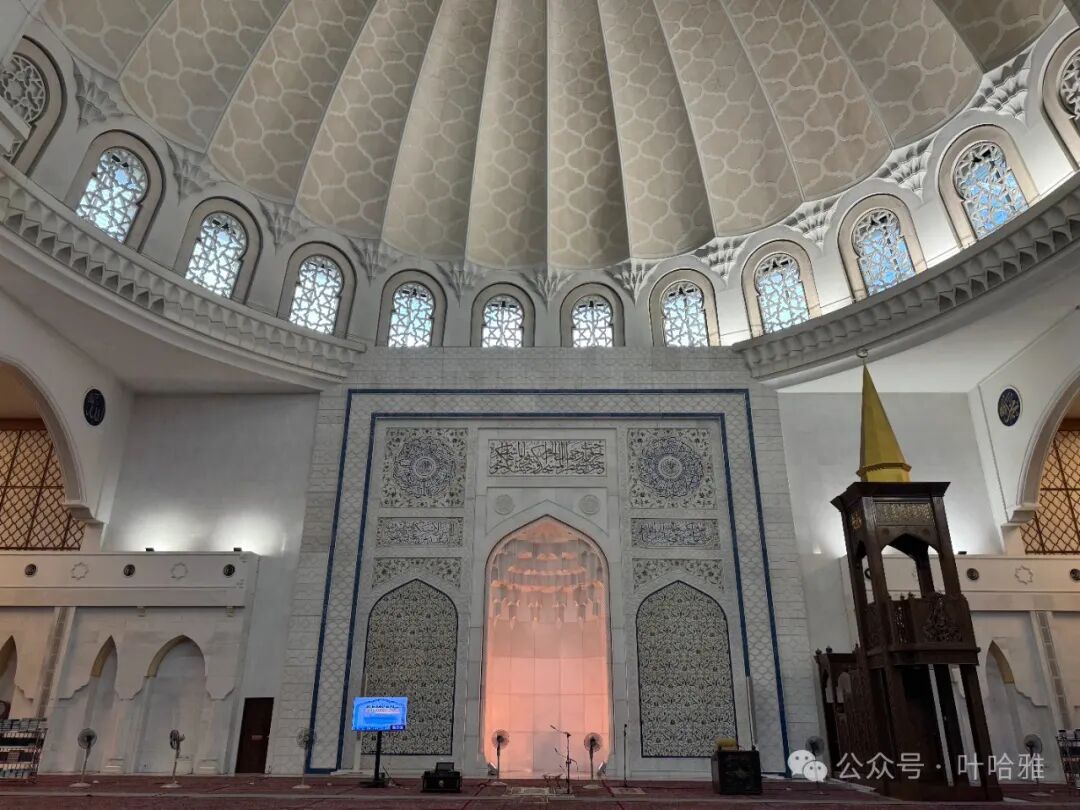
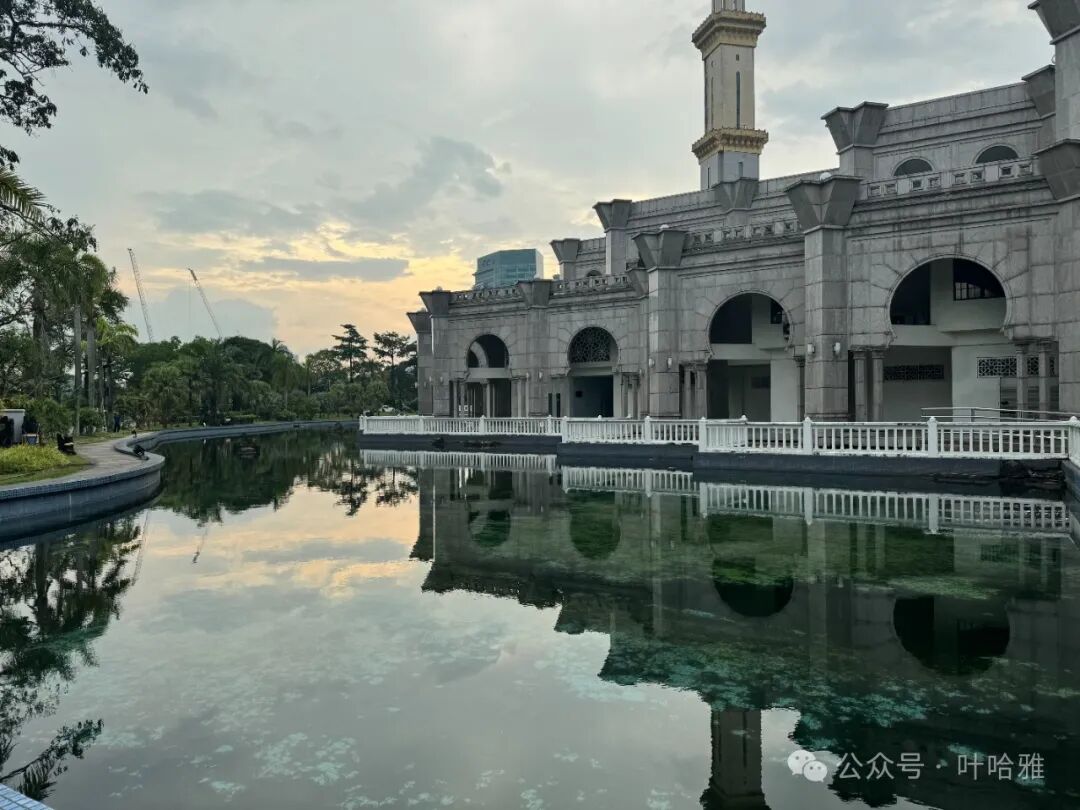
1. Federal Territory Mosque
(Masjid Wilayah Persekutuan)
Built next to the federal government buildings and completed in 2000, this was the 44th mosque funded by the government. It uses Ottoman-style architecture and can hold 17,000 people for namaz.
2. Pilgrimage Fund Board Mosque (Tabung Haji Surau TH)
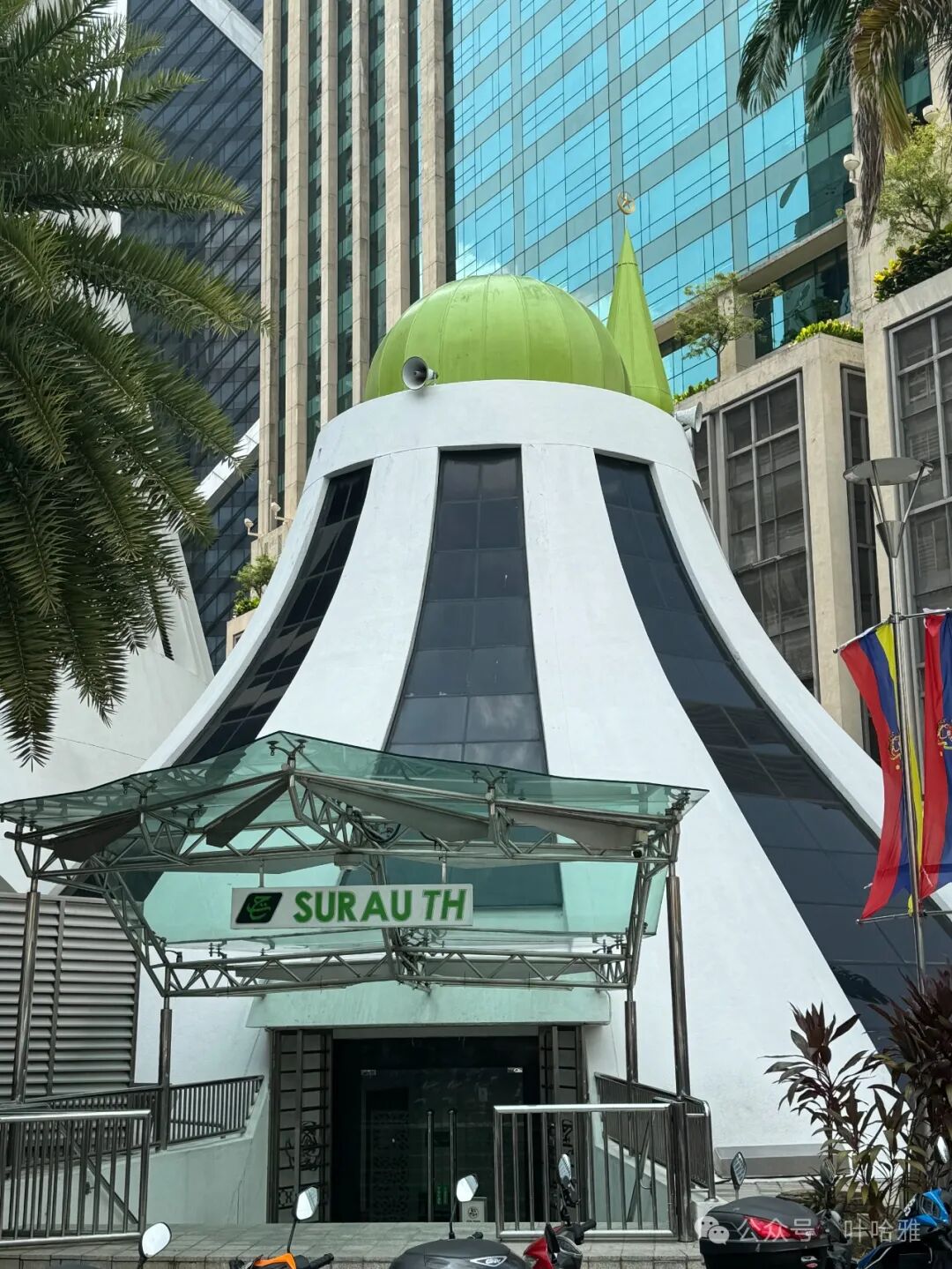
I discovered this mosque by chance next to the Pilgrimage Fund Board building. It is actually a prayer room, but it looks very delicate from the outside and even has a minaret, making it look like a miniature model of the Tabung Haji building next door, which was built in 1984.
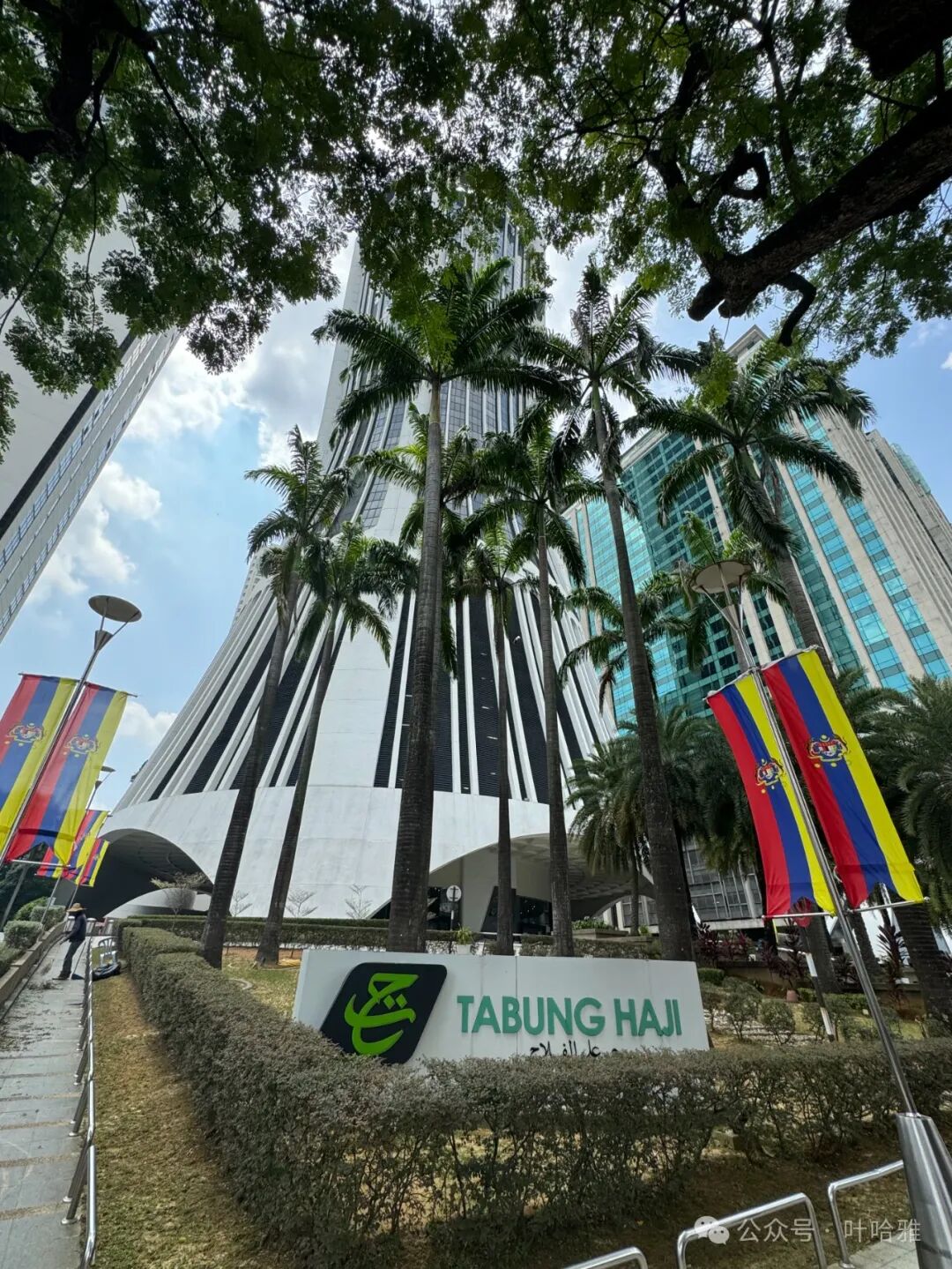
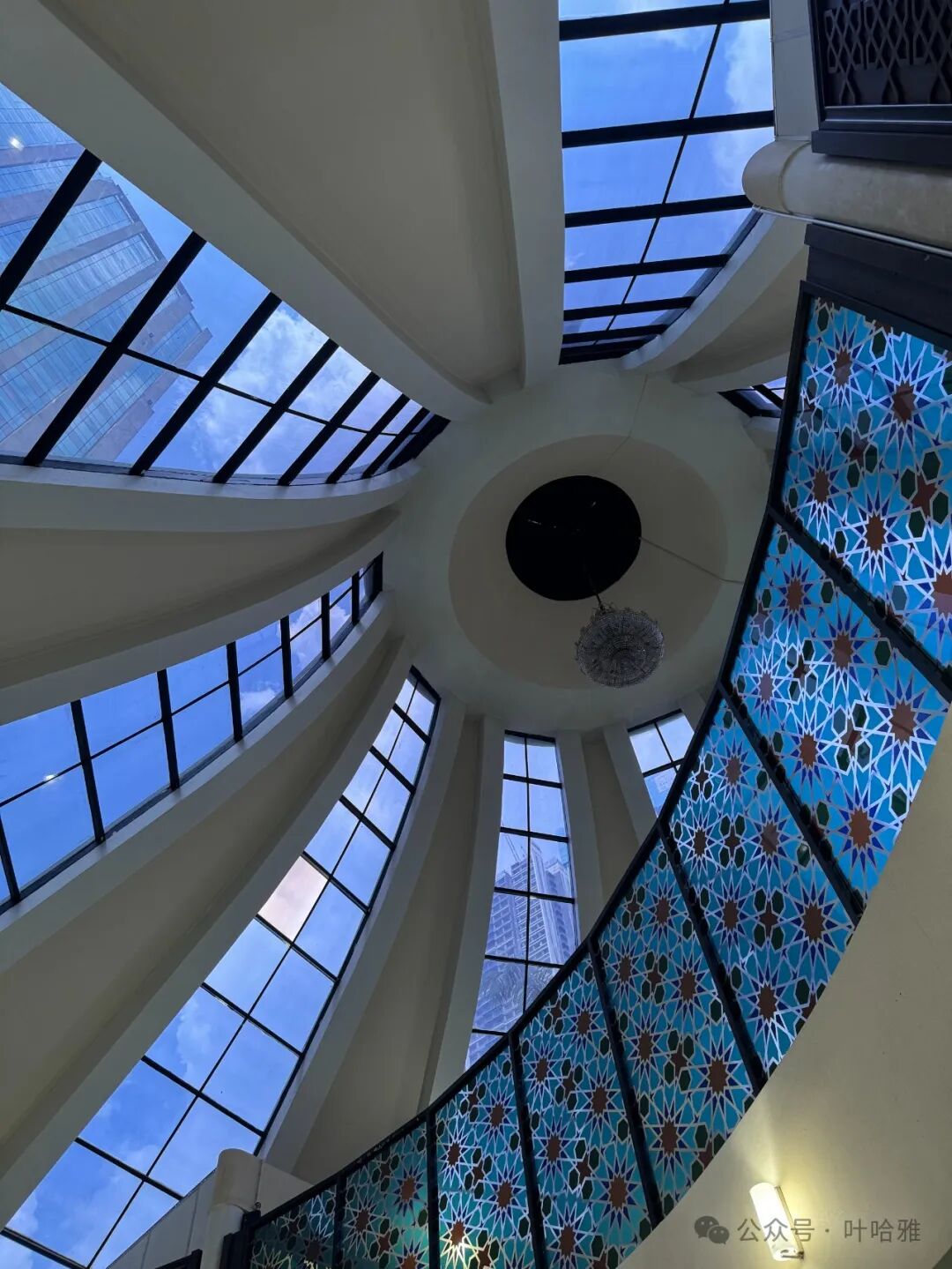
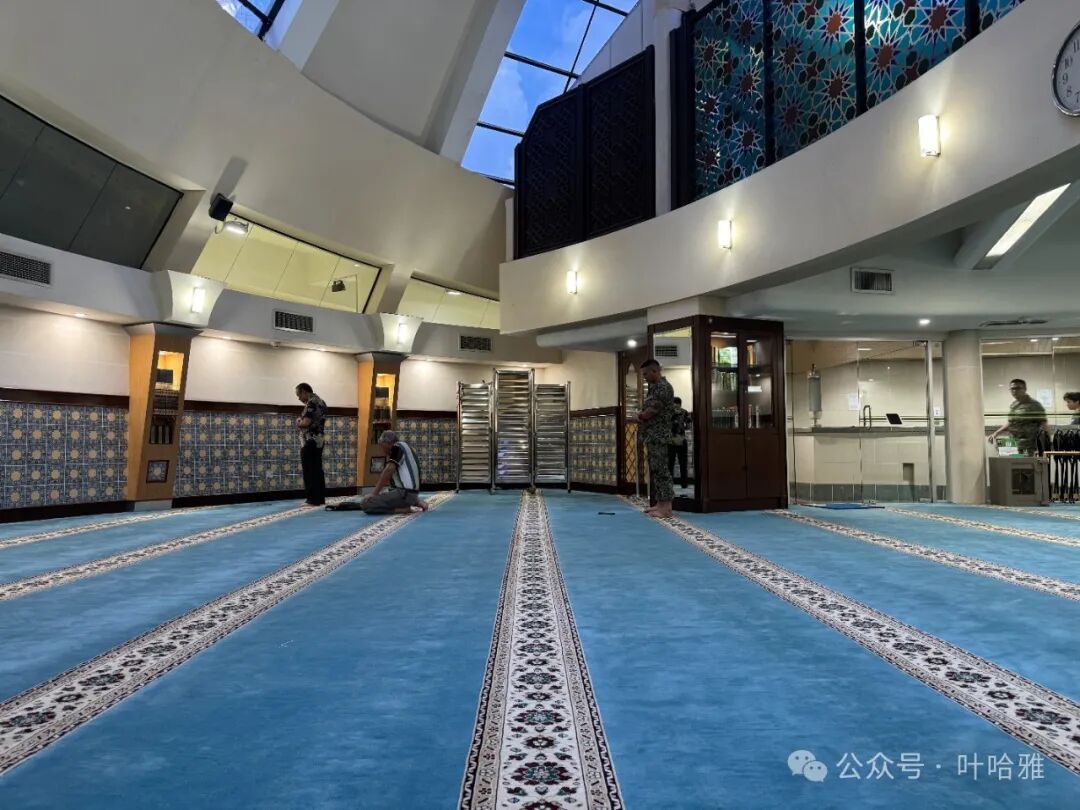
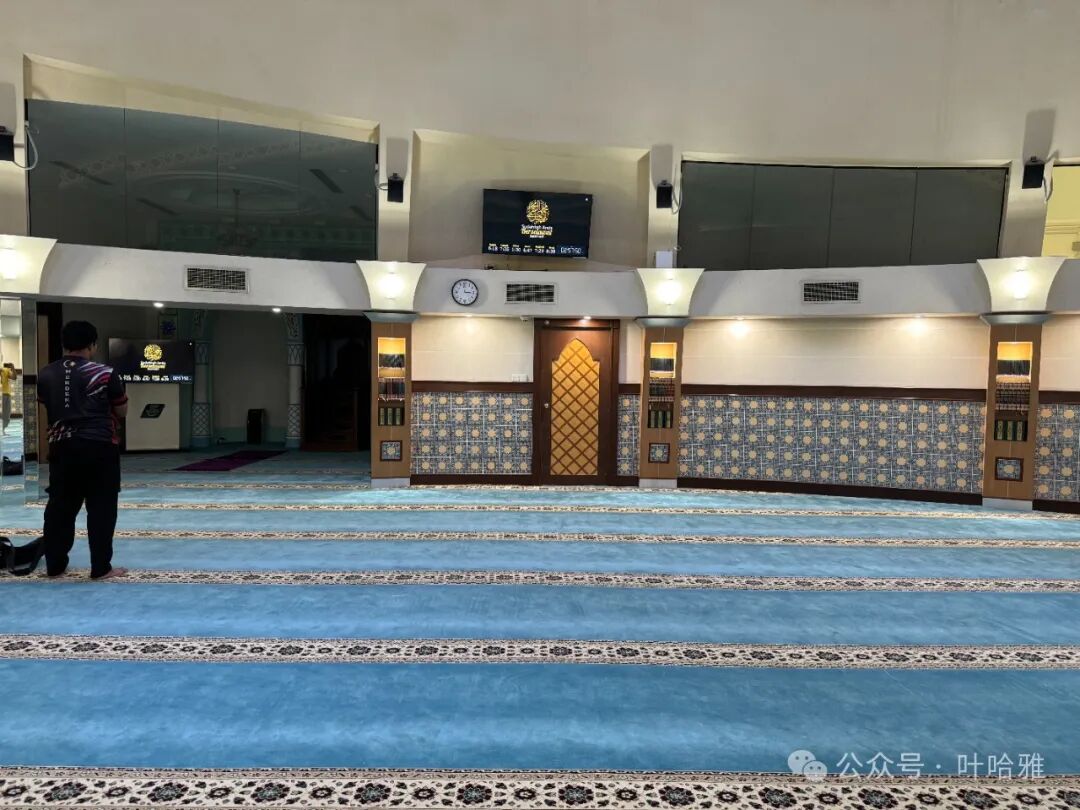
Inside the entrance, there are two floors. The air conditioning is very strong, and some people were taking a nap in the main prayer hall.
3. Selangor Royal Mosque
(Masjid Tengku Ampuan Jemaah)
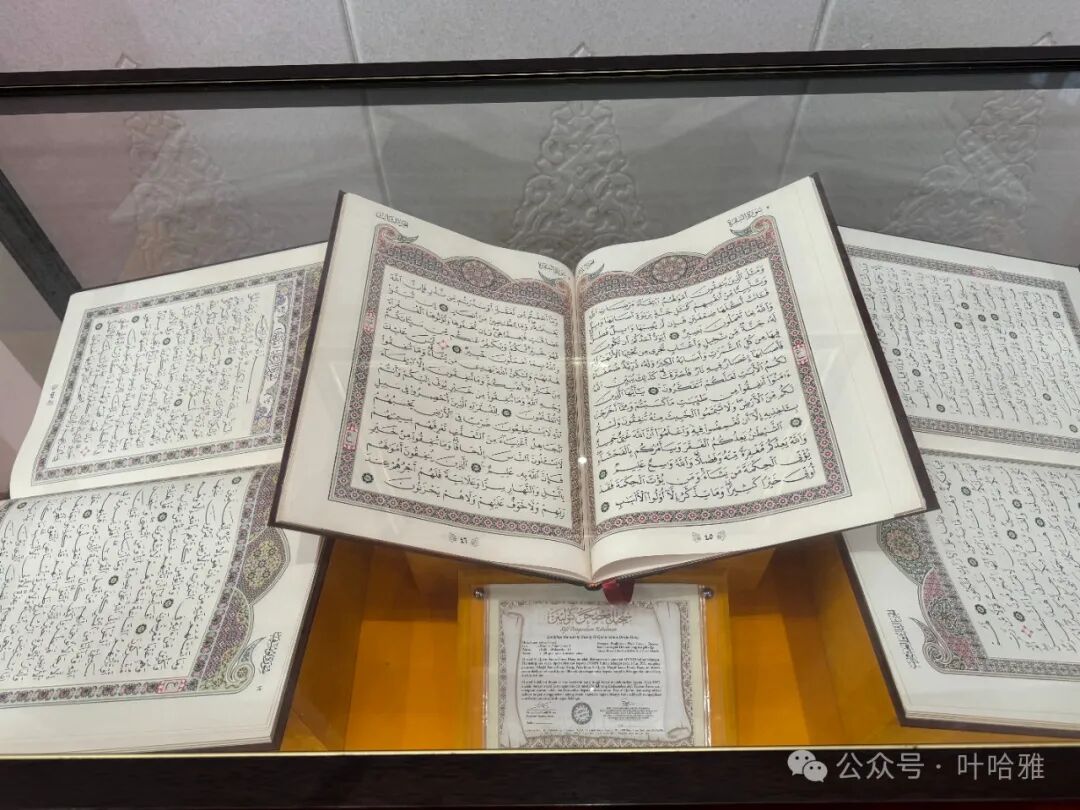
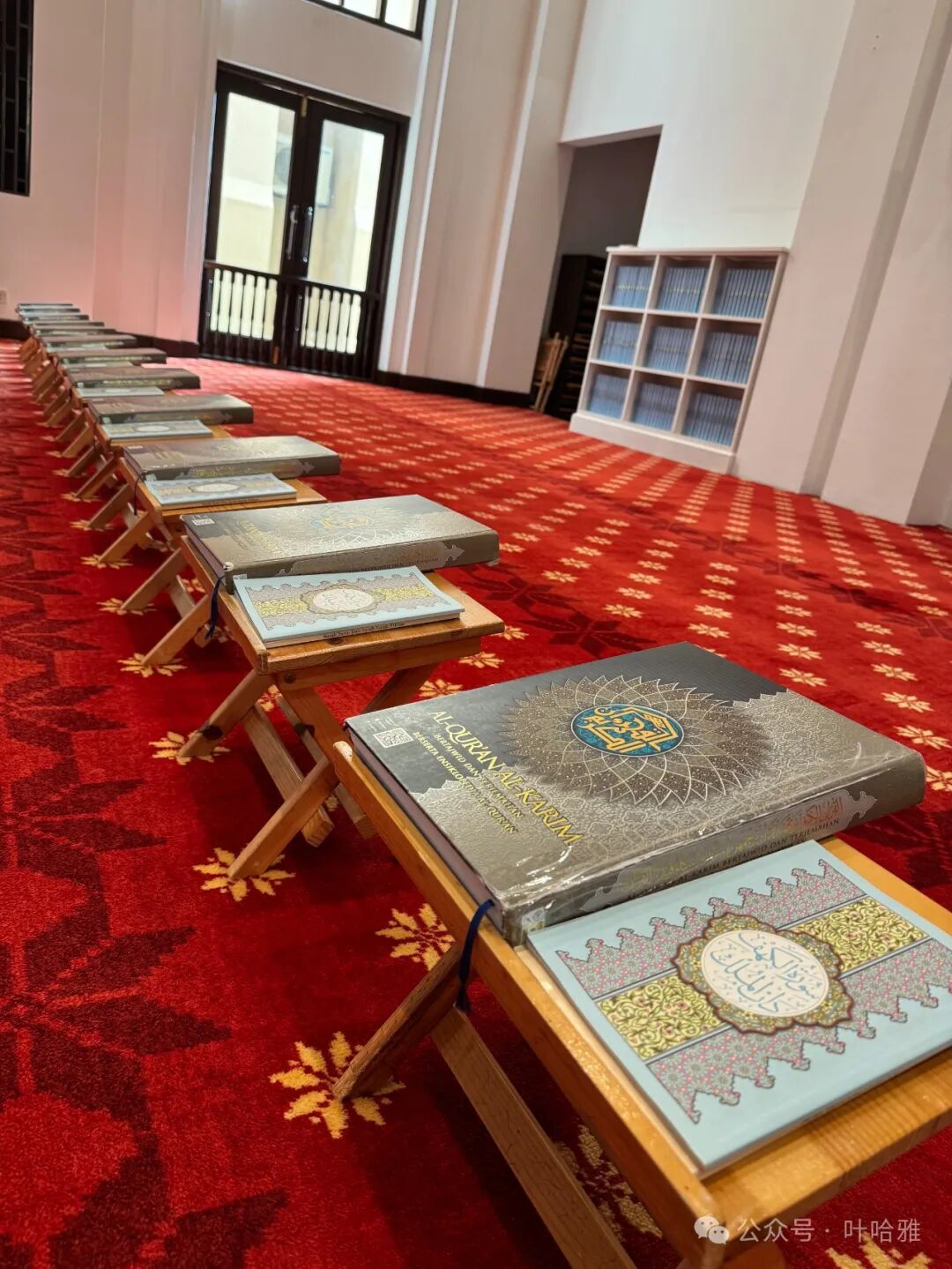
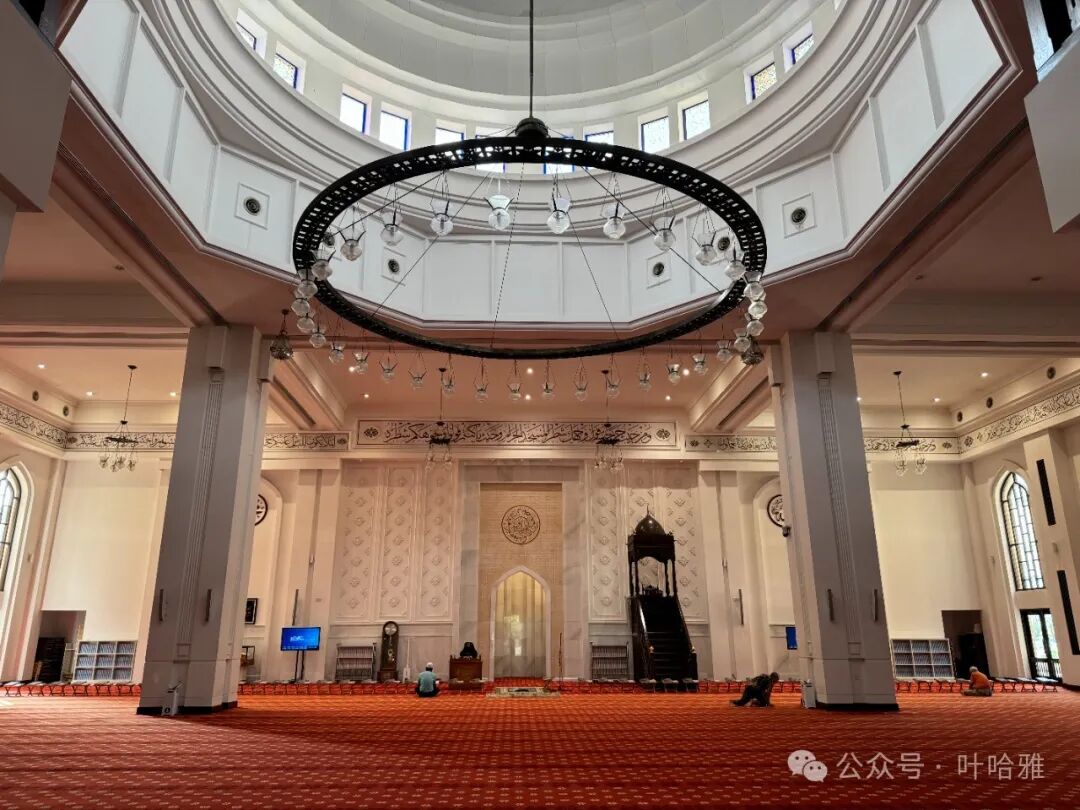
This is the second state mosque of Selangor. It was built in 2013 and named after the late Queen, Almarhumah Tengku Ampuan Jemaah, who was the second Queen of Malaysia.
4. Sultan Salahuddin Abdul Aziz Shah Mosque
(Masjid Sultan Salahuddin Abdul Aziz Shah)
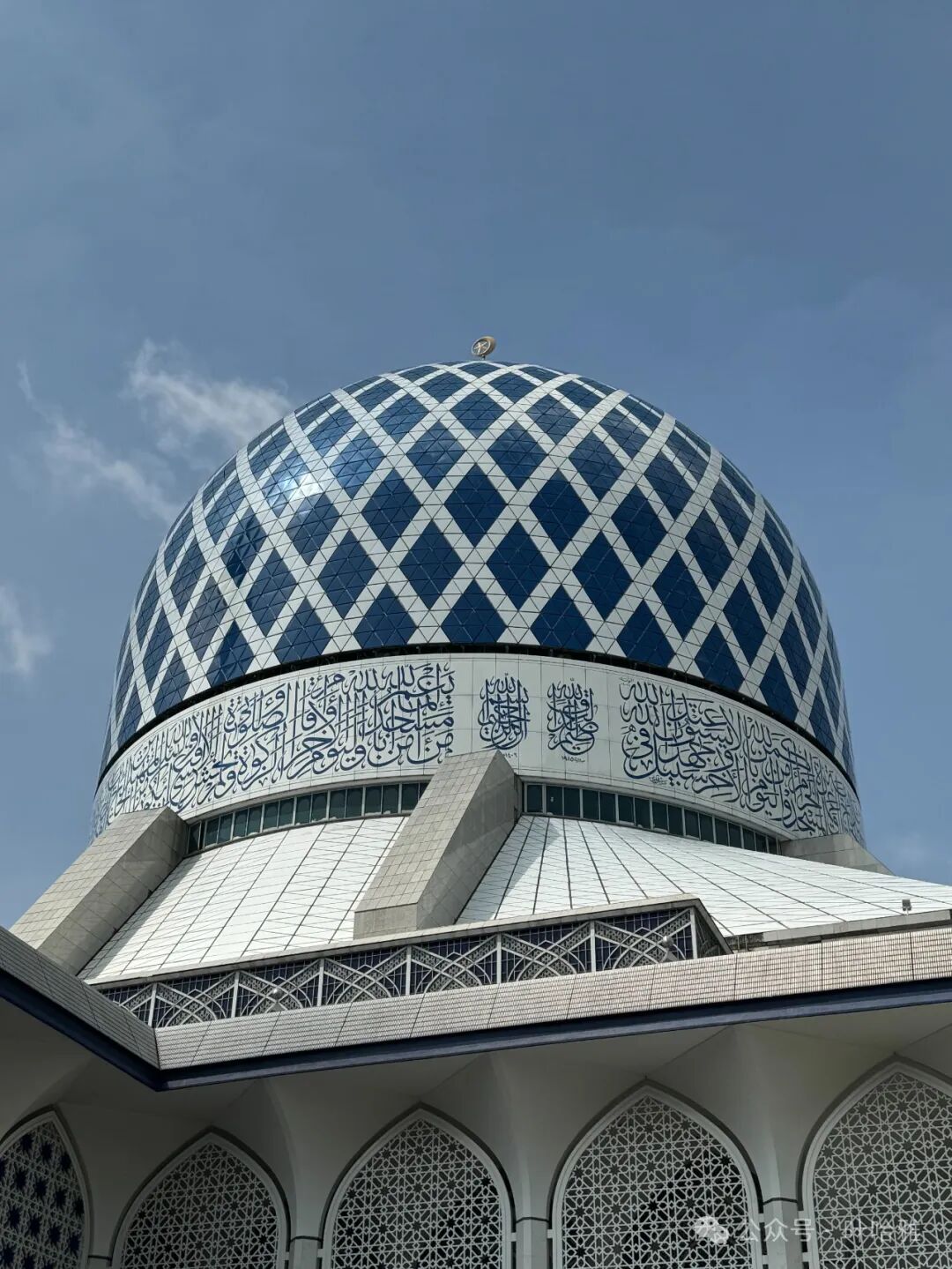
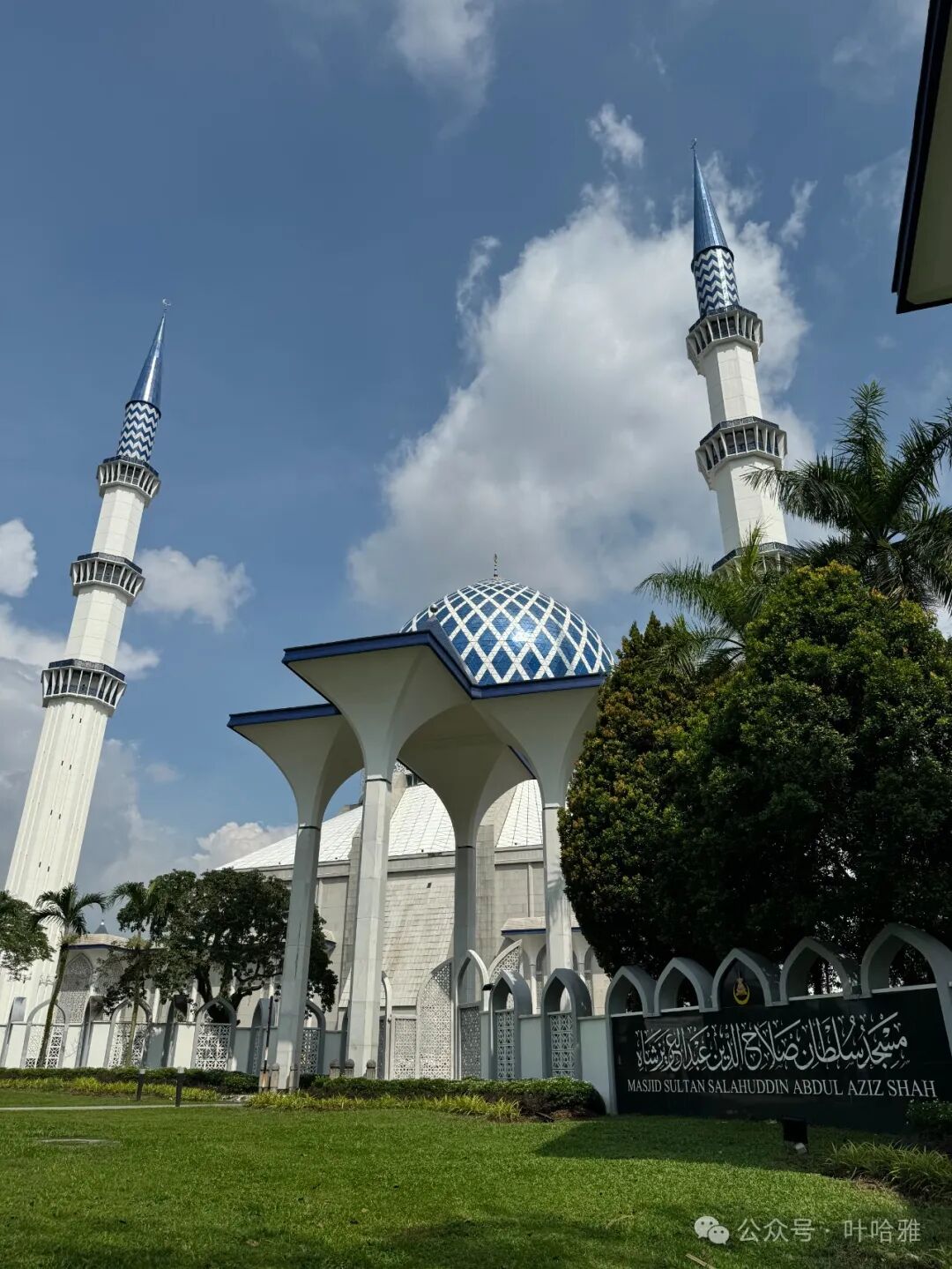
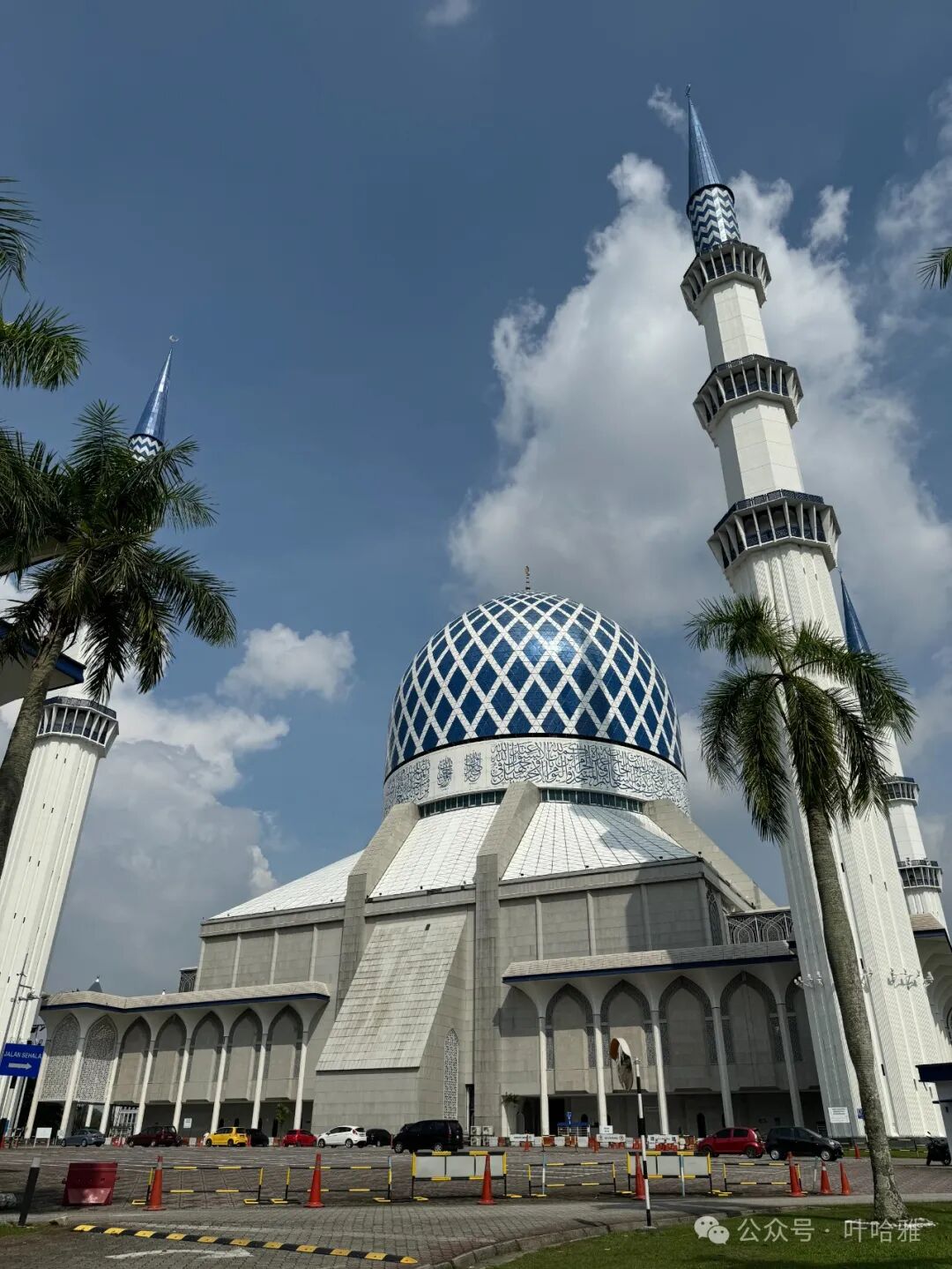
This is the Selangor State Mosque, the largest mosque in Malaysia. It was built in 1988 and is commonly known as the Blue Mosque.
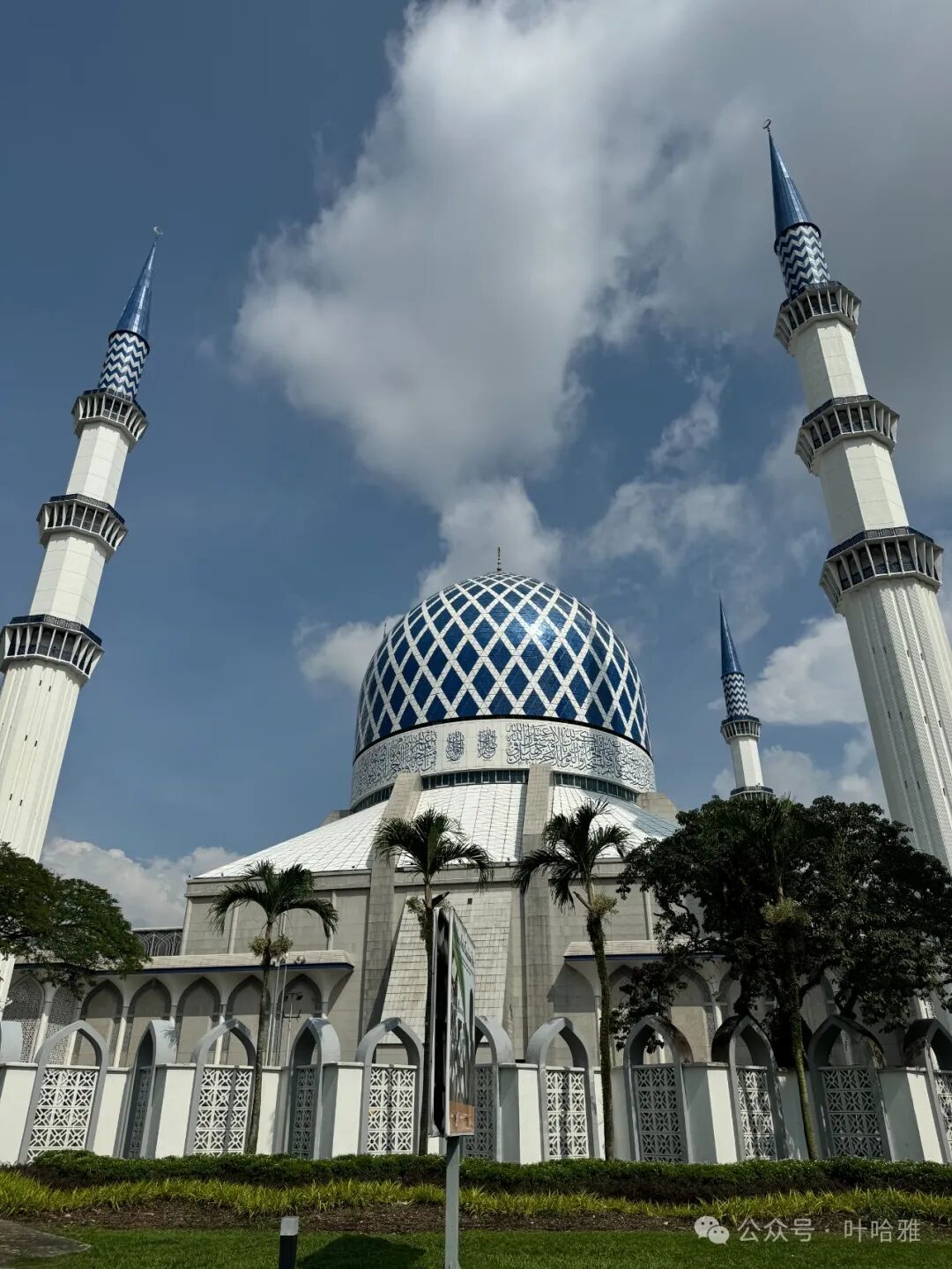
The mosque's minaret stands 142.3 meters tall. It once held a Guinness World Record before being surpassed by the 210-meter minaret of the Hassan II Mosque in Morocco.
5. Putra Mosque
(Masjid Putra)
Putra Mosque is commonly known as the Pink Mosque because its dome is made of rose-colored granite. Built in 1997, it can hold 15,000 people for namaz, which is about the same capacity as the National Mosque.
6. Asy-Syakirin Mosque
(Masjid Asy-Syakirin KLCC)
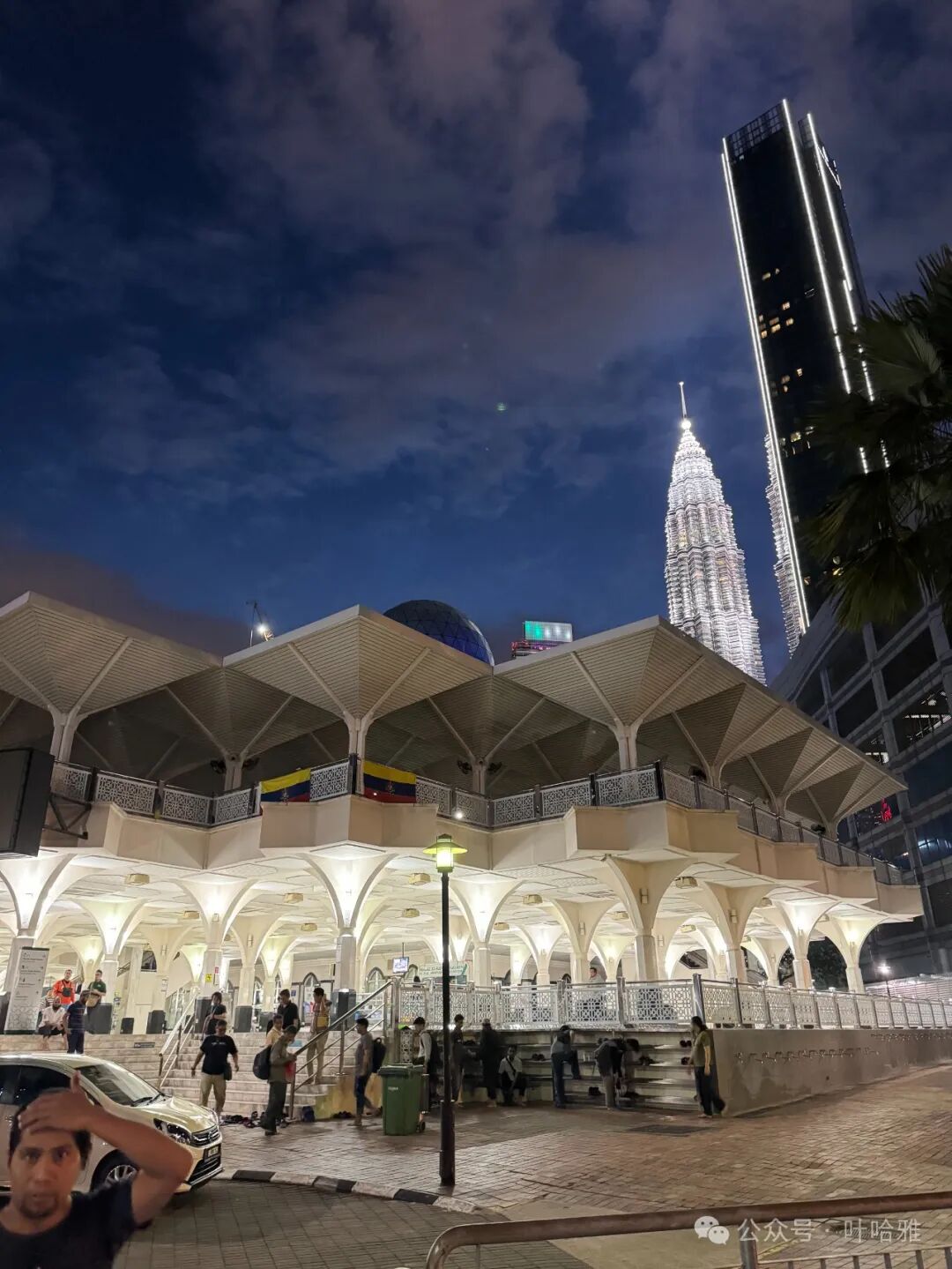
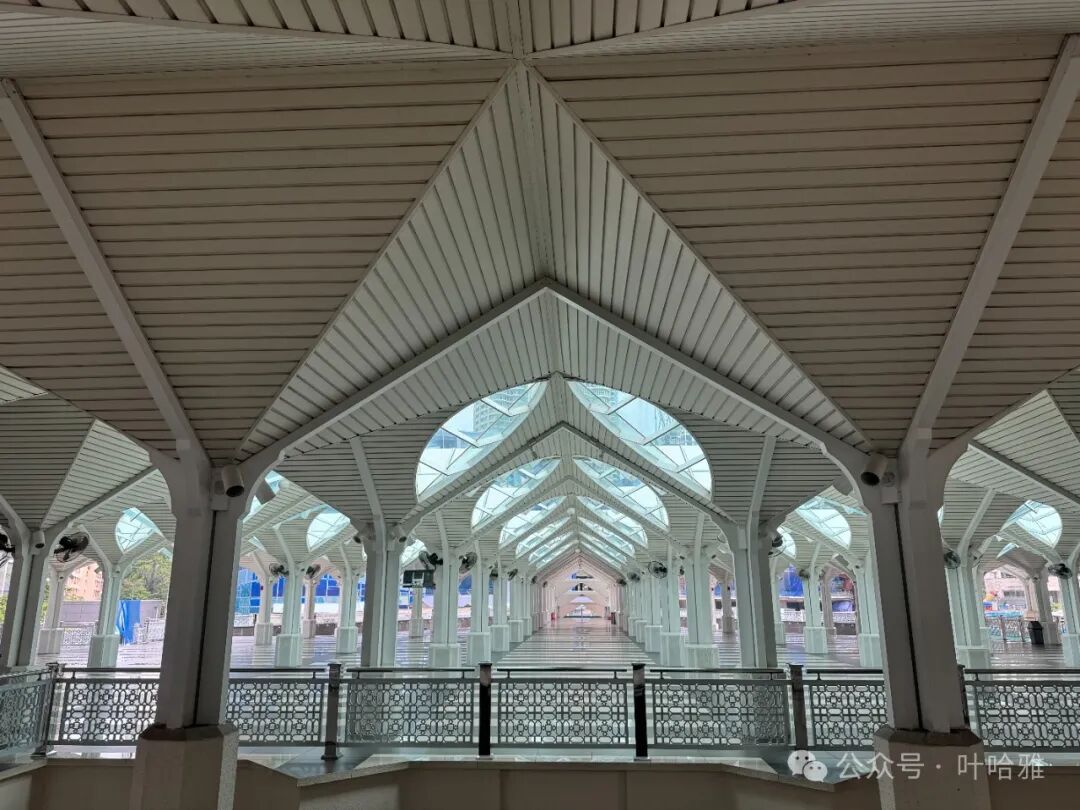
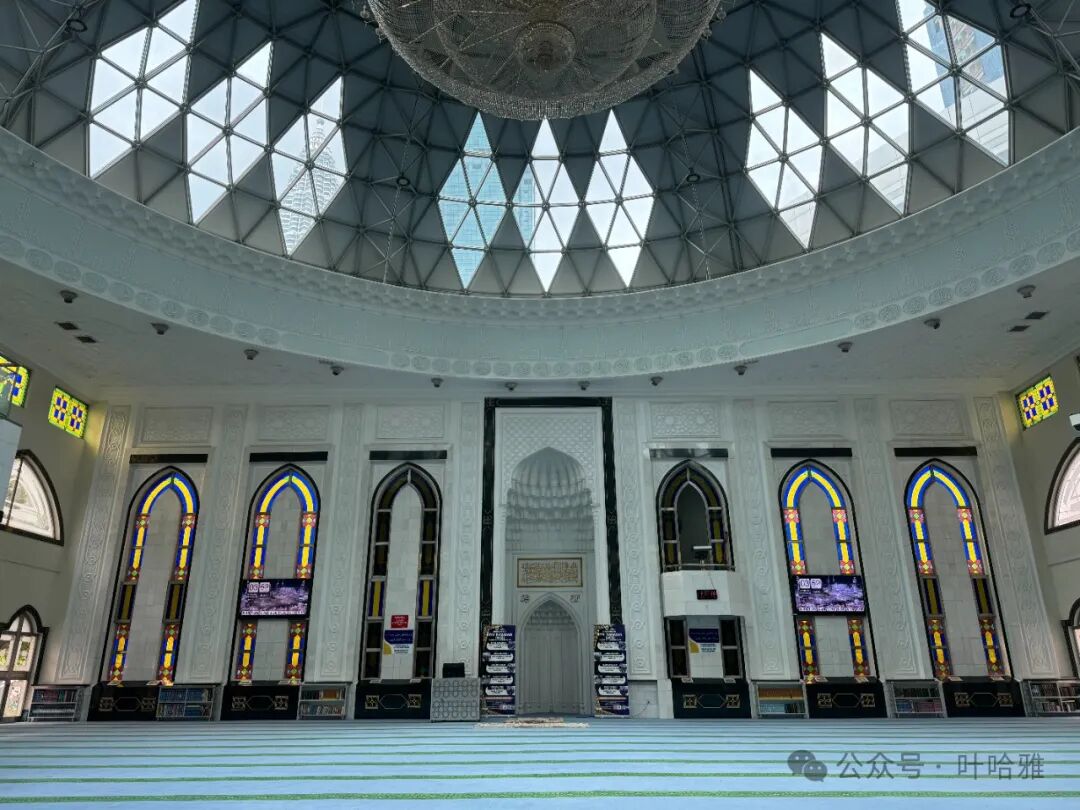
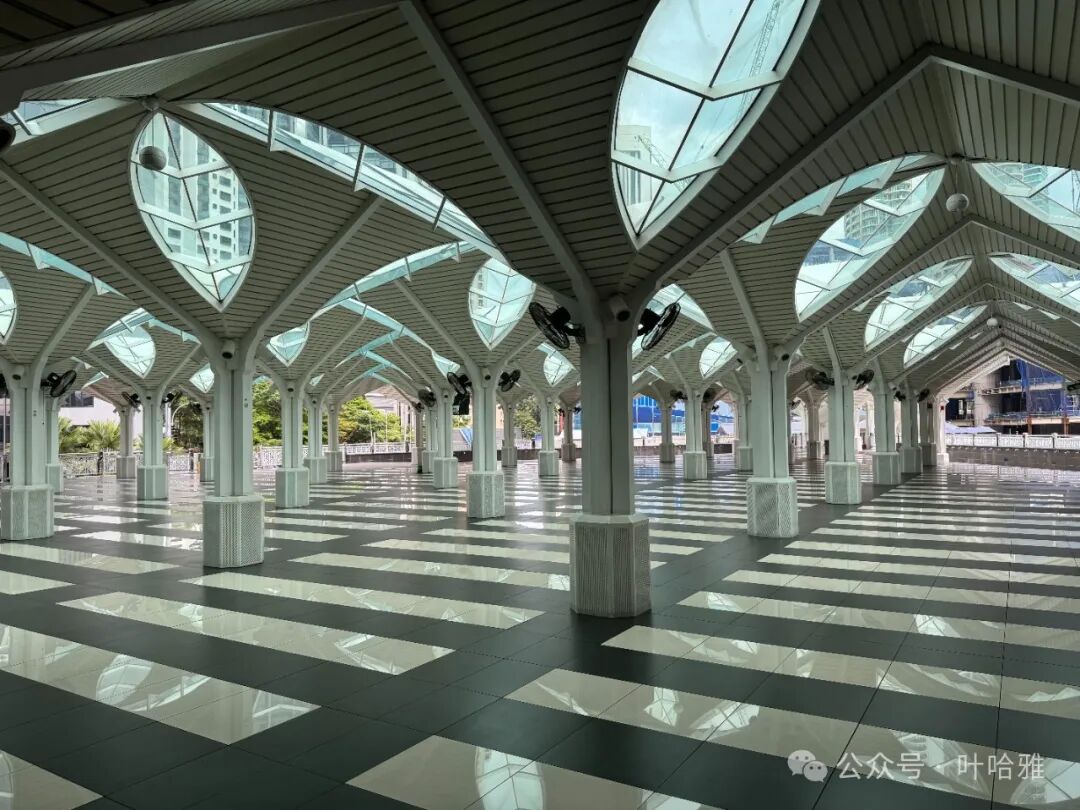
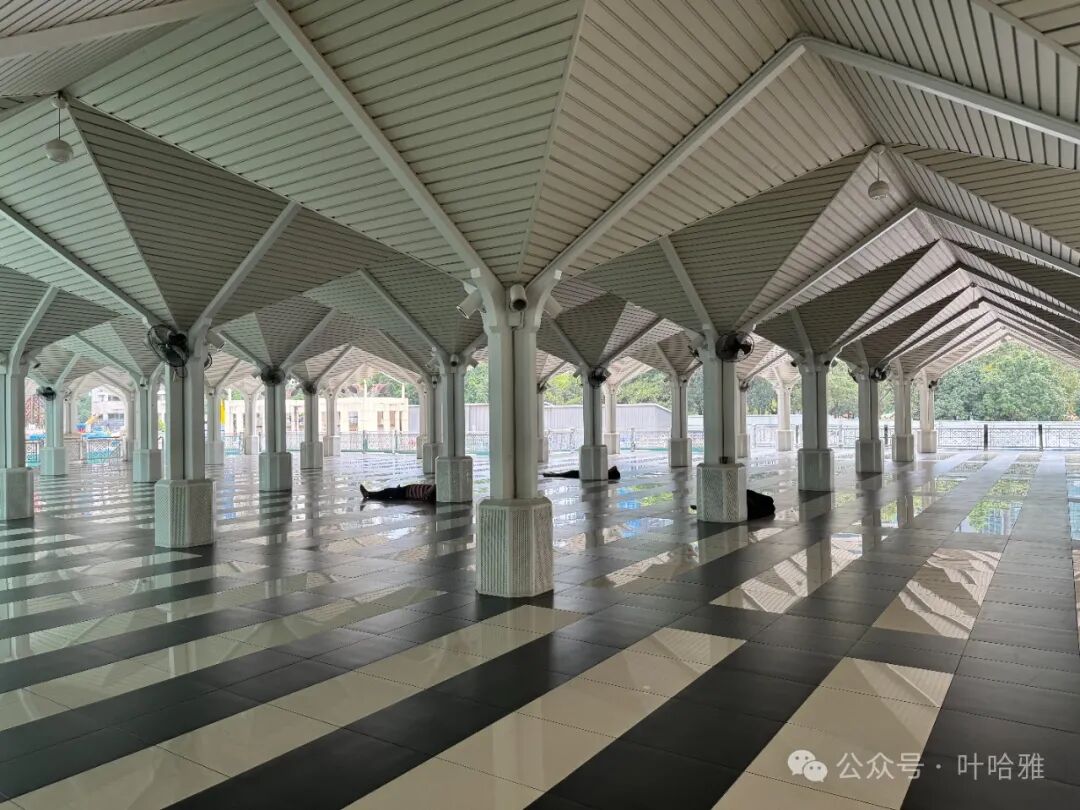
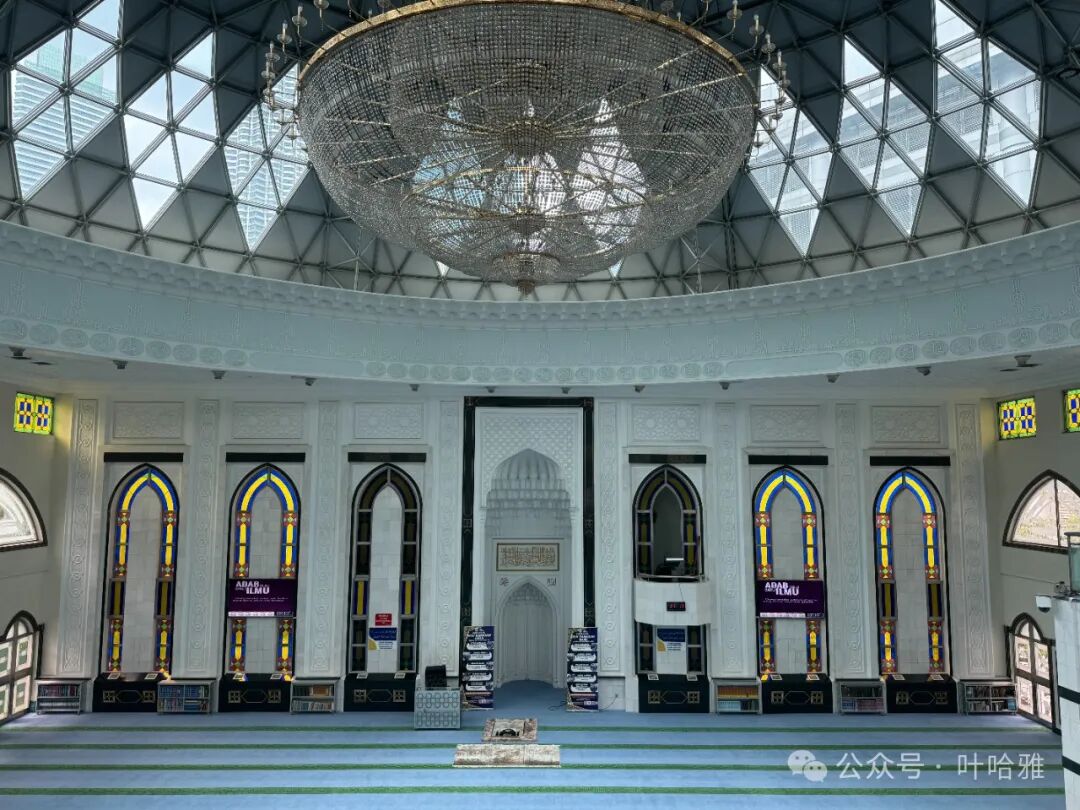
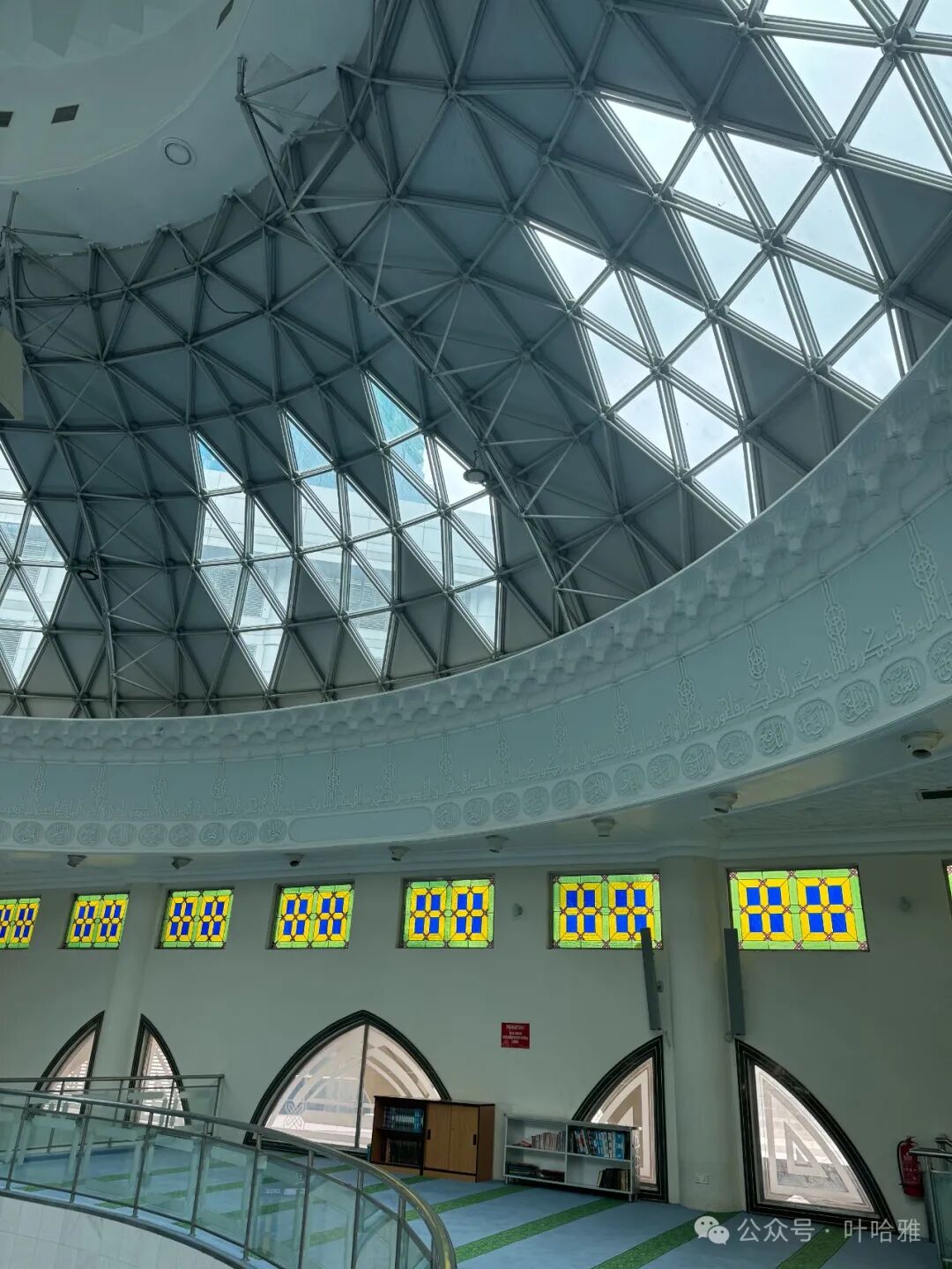
Asy-Syakirin Mosque is also called the KLCC Mosque. It is the closest mosque to the Petronas Twin Towers and the one nearest to our home in Kuala Lumpur. It is only a 200-meter walk from Musa Lanzhou Beef Noodles, and I usually go there for namaz.
This mosque was built in 2009 and can hold 12,000 people for namaz. Asy-Syakirin means "the grateful people."
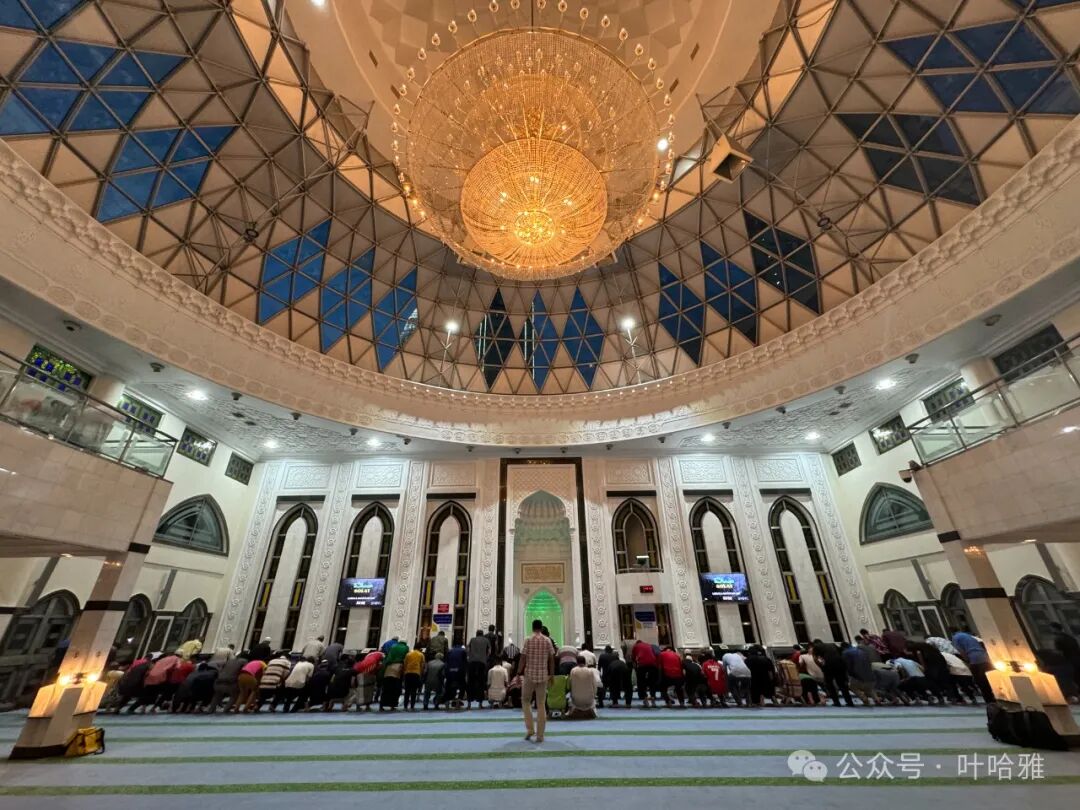
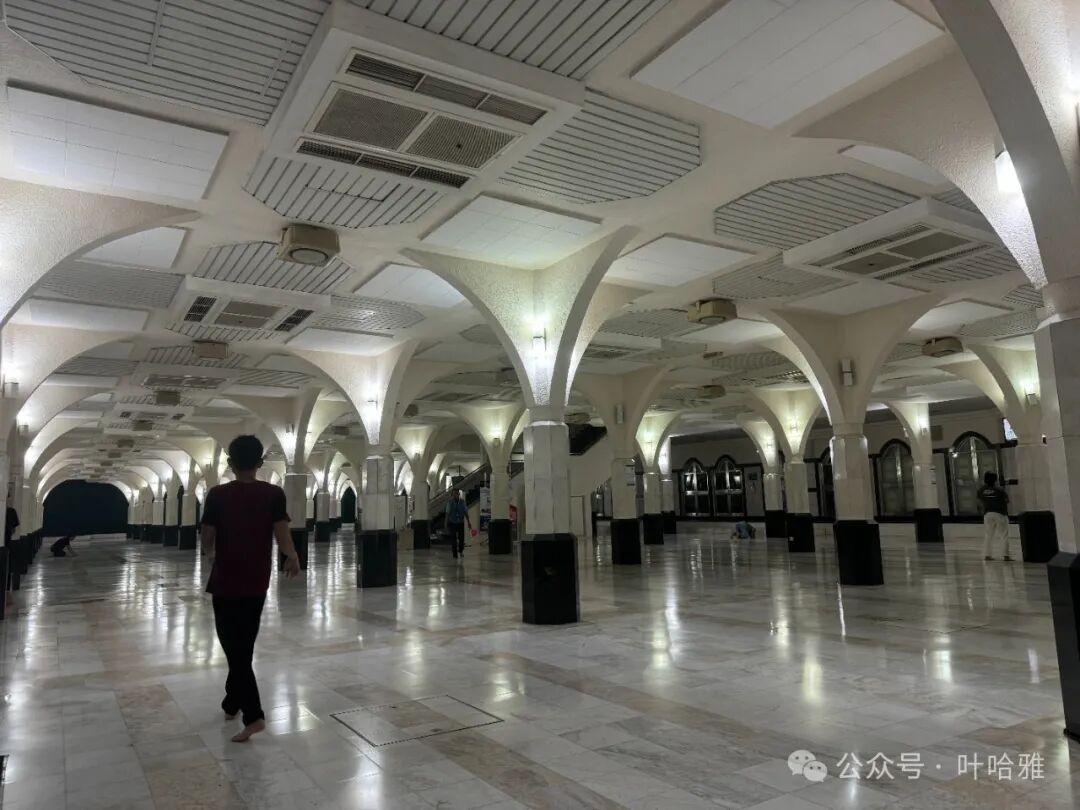
The mosque has an open plaza without walls. People often rest or sleep there, and no one bothers them.
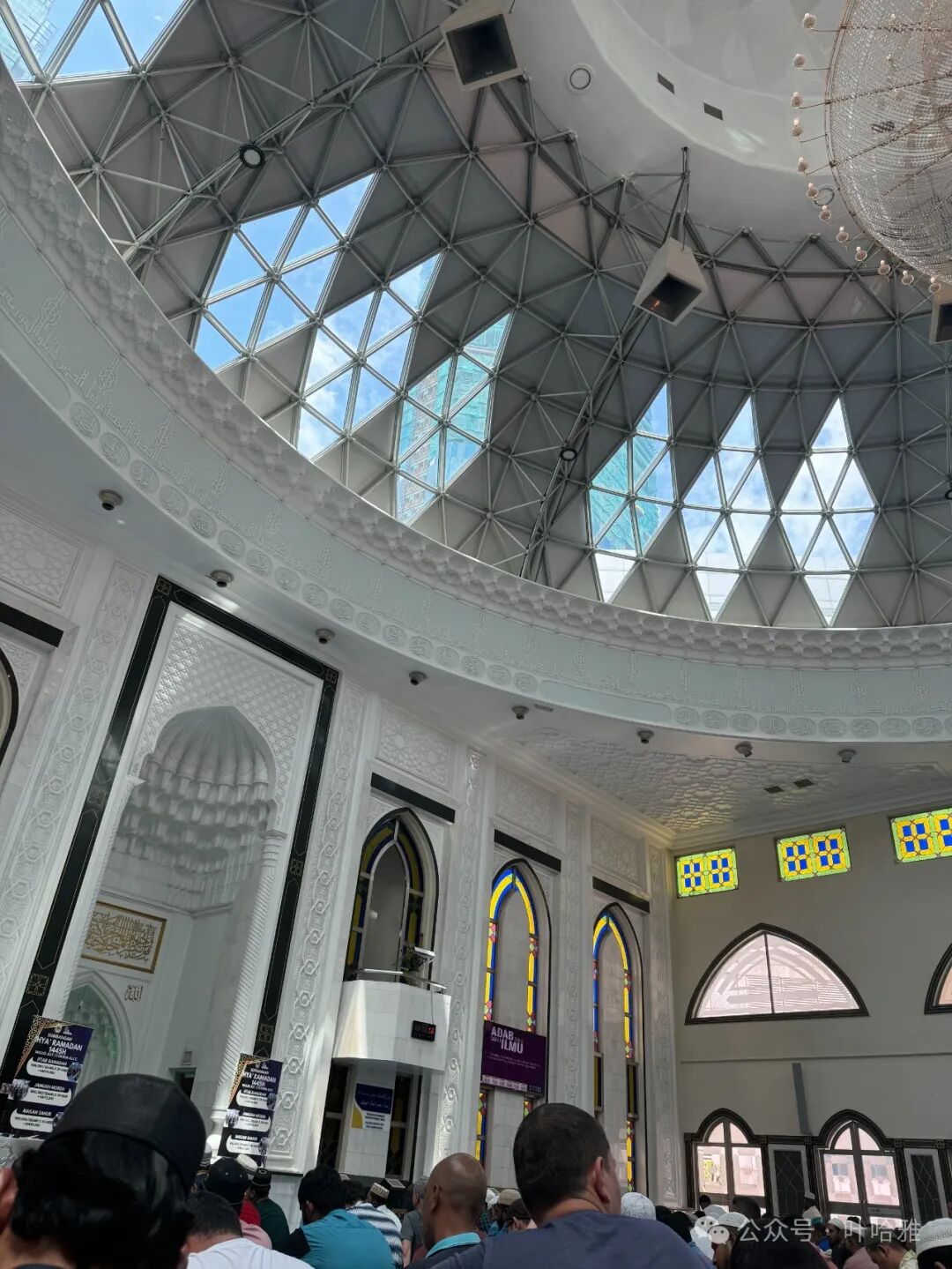
7. Jamek Mosque
(Jamek Mosque)
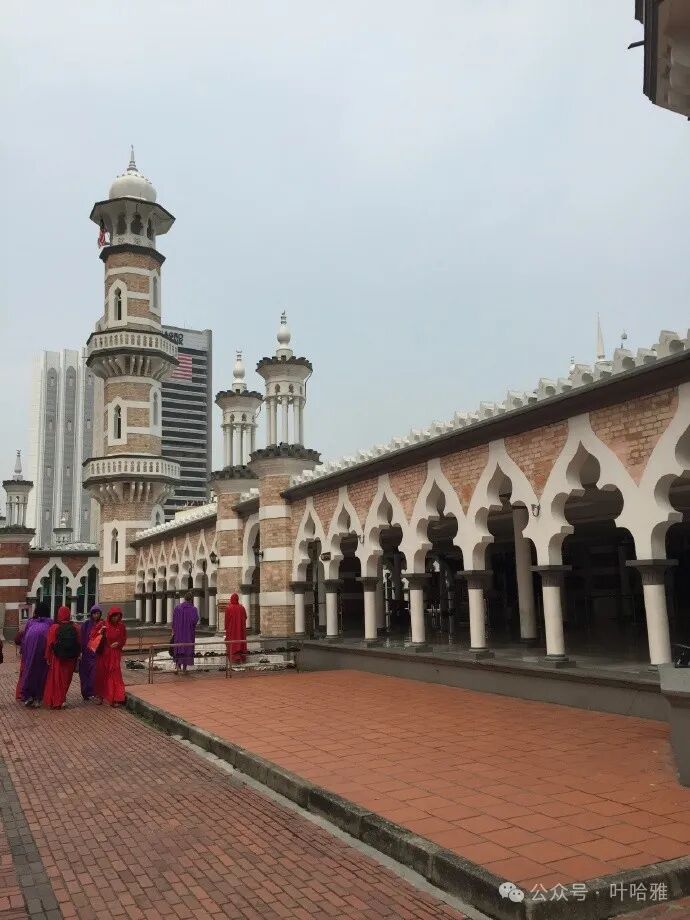
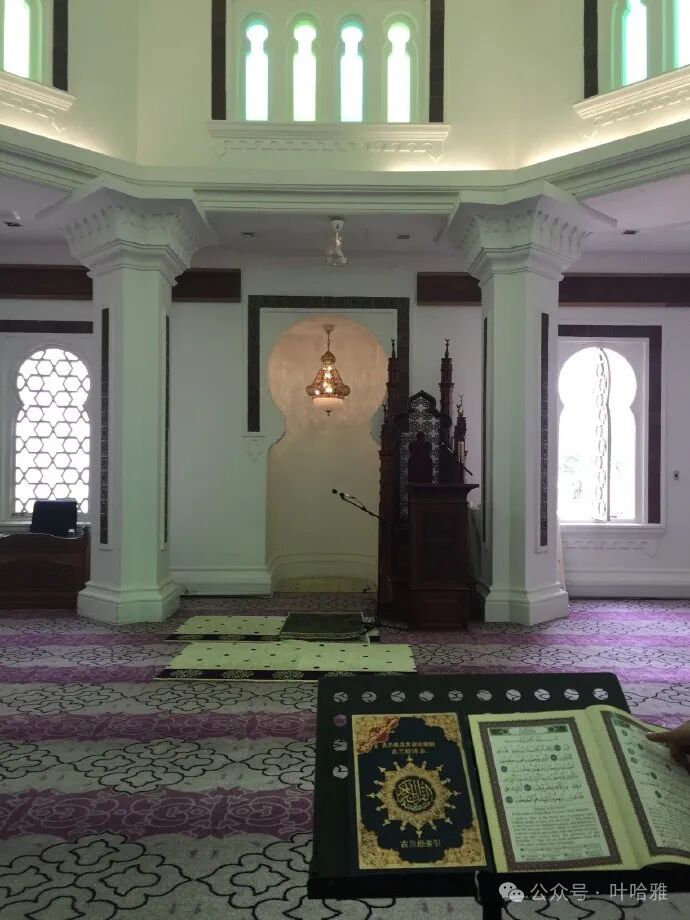
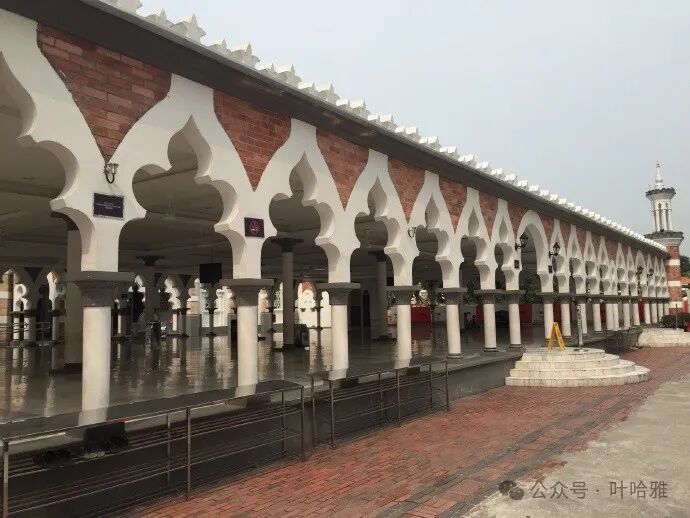
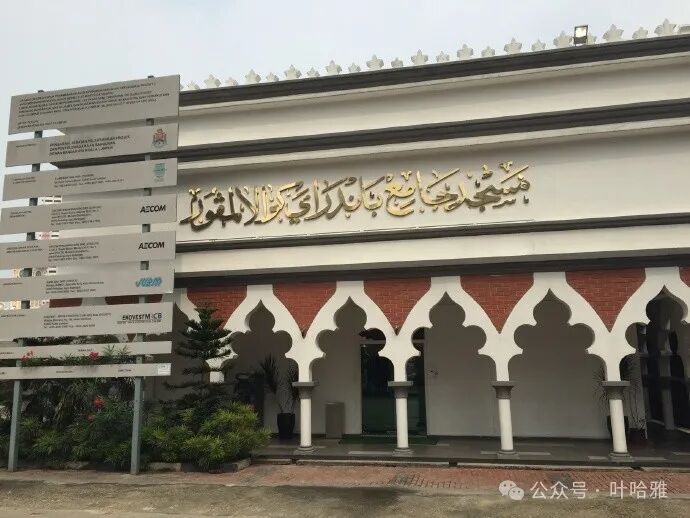
Built in 1909, this was the first large mosque in Kuala Lumpur's history. It was designed by a British man named Arthur Benison. Part of the funding came from the British government, and the rest was donated by the Malay community. The building mixes Moorish and Indian Mughal styles. Before the National Mosque was built, this was the most important mosque in Kuala Lumpur. The word Jamek means a place for congregational prayer in Malay, and it sounds similar to the Arabic word.
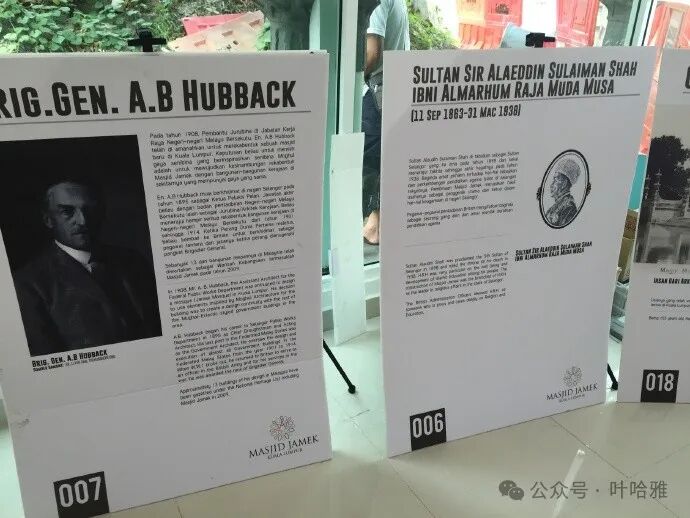
8. National Mosque
(Masjid Negara)
The National Mosque was built in 1965 on the former site of the Brethren Gospel Hall, which the government bought in 1961. That church is now called the Imbi Chapel. The mosque was originally going to be named after Malaysia's first Prime Minister, Tunku Abdul Rahman, but he declined. It was named the National Mosque instead to celebrate Malaysia gaining independence from Britain without bloodshed.
From a distance, the main building of the National Mosque looks like an open umbrella. It was designed by a team of three: British architect Howard Ashley, and Malaysians Ikmal Hisham Albakri and Baharuddin Kassim.
Next to the National Mosque is the Heroes' Mausoleum (Makam Pahlawan), which is the burial site for several Malaysian Muslim leaders.
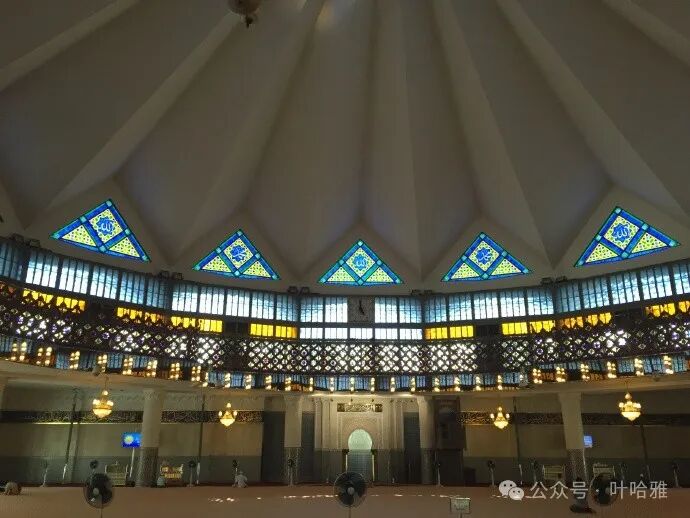
That covers the eight mosques in Kuala Lumpur. I have saved many other beautiful mosques on Google Maps, but it takes a lot of time to visit them all because they are far apart. Since I will be traveling to Kuala Lumpur often, I am not in a rush to see every single one. If you have the chance, you can rent a car. You can drive in Malaysia using a translated copy of your Chinese driver's license and go on a tour of Kuala Lumpur's mosques.
Summary: This Malaysia mosque travel guide visits eight Kuala Lumpur-area mosques, including the Federal Territory Mosque, Tabung Haji Mosque, Selangor Royal Mosque, Blue Mosque, Pink Mosque, KLCC Mosque, Jamek Mosque, and National Mosque.
8 Beautiful Mosques in Kuala Lumpur is presented here as a firsthand travel account in clear English, beginning with this scene: Kuala Lumpur has many beautiful mosques that are great spots for tourists to take photos. The account keeps its focus on Halal Travel, Yiwu Food, Mosque Travel while preserving the names, places, food, and historical details from the Chinese source.
Kuala Lumpur has many beautiful mosques that are great spots for tourists to take photos. These mosques are open to the public, and you can visit for free as long as you are dressed modestly. Some popular mosques even provide robes, headscarves, and guided tours. I did not think much of this when I first visited Kuala Lumpur, but after visiting mosques in Egypt where I was frequently charged entry fees, asked for tips, and even found mosques closed, I realized how lovely Malaysia is by comparison.
1. Federal Territory Mosque
(Masjid Wilayah Persekutuan)
Built next to the federal government buildings and completed in 2000, this was the 44th mosque funded by the government. It uses Ottoman-style architecture and can hold 17,000 people for namaz.
2. Pilgrimage Fund Board Mosque (Tabung Haji Surau TH)
I discovered this mosque by chance next to the Pilgrimage Fund Board building. It is actually a prayer room, but it looks very delicate from the outside and even has a minaret, making it look like a miniature model of the Tabung Haji building next door, which was built in 1984.
Inside the entrance, there are two floors. The air conditioning is very strong, and some people were taking a nap in the main prayer hall.
3. Selangor Royal Mosque
(Masjid Tengku Ampuan Jemaah)
This is the second state mosque of Selangor. It was built in 2013 and named after the late Queen, Almarhumah Tengku Ampuan Jemaah, who was the second Queen of Malaysia.
4. Sultan Salahuddin Abdul Aziz Shah Mosque
(Masjid Sultan Salahuddin Abdul Aziz Shah)
This is the Selangor State Mosque, the largest mosque in Malaysia. It was built in 1988 and is commonly known as the Blue Mosque.
The mosque's minaret stands 142.3 meters tall. It once held a Guinness World Record before being surpassed by the 210-meter minaret of the Hassan II Mosque in Morocco.
5. Putra Mosque
(Masjid Putra)
Putra Mosque is commonly known as the Pink Mosque because its dome is made of rose-colored granite. Built in 1997, it can hold 15,000 people for namaz, which is about the same capacity as the National Mosque.
6. Asy-Syakirin Mosque
(Masjid Asy-Syakirin KLCC)
Asy-Syakirin Mosque is also called the KLCC Mosque. It is the closest mosque to the Petronas Twin Towers and the one nearest to our home in Kuala Lumpur. It is only a 200-meter walk from Musa Lanzhou Beef Noodles, and I usually go there for namaz.
This mosque was built in 2009 and can hold 12,000 people for namaz. Asy-Syakirin means "the grateful people."
The mosque has an open plaza without walls. People often rest or sleep there, and no one bothers them.
7. Jamek Mosque
(Jamek Mosque)
Built in 1909, this was the first large mosque in Kuala Lumpur's history. It was designed by a British man named Arthur Benison. Part of the funding came from the British government, and the rest was donated by the Malay community. The building mixes Moorish and Indian Mughal styles. Before the National Mosque was built, this was the most important mosque in Kuala Lumpur. The word Jamek means a place for congregational prayer in Malay, and it sounds similar to the Arabic word.
8. National Mosque
(Masjid Negara)
The National Mosque was built in 1965 on the former site of the Brethren Gospel Hall, which the government bought in 1961. That church is now called the Imbi Chapel. The mosque was originally going to be named after Malaysia's first Prime Minister, Tunku Abdul Rahman, but he declined. It was named the National Mosque instead to celebrate Malaysia gaining independence from Britain without bloodshed.
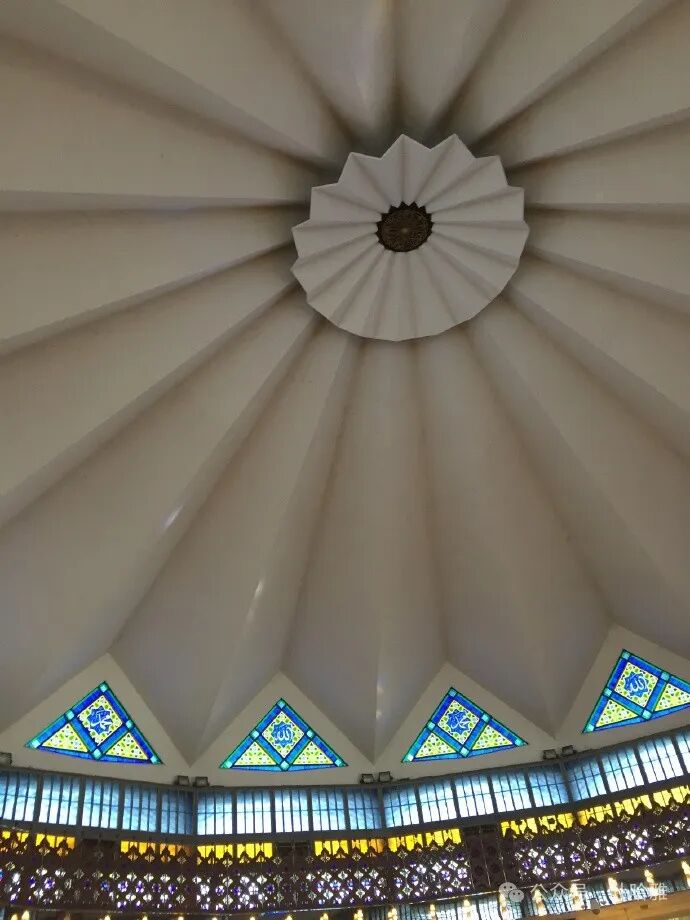
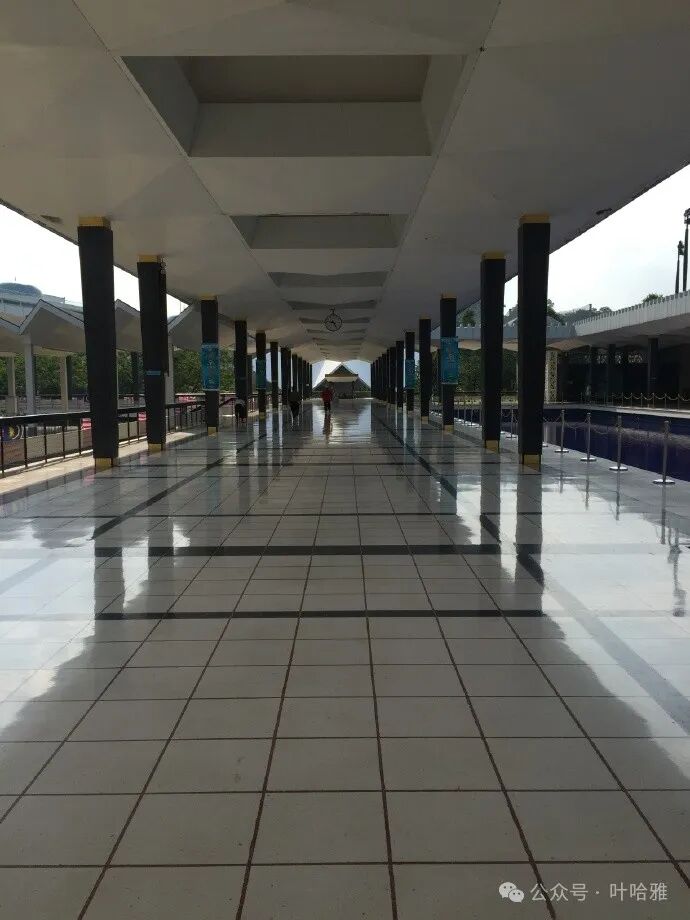
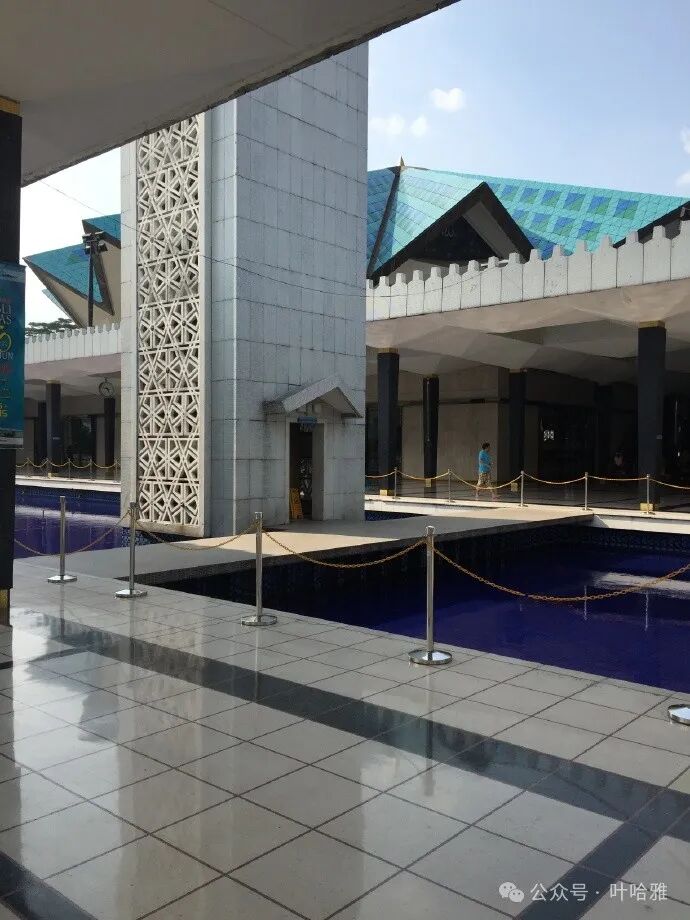
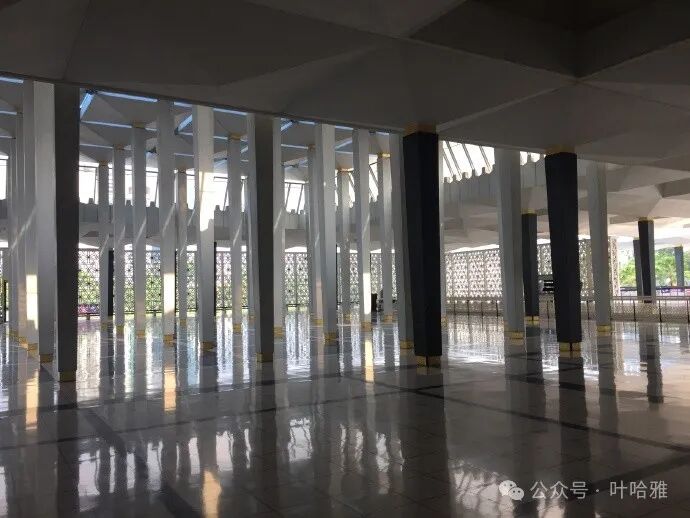
From a distance, the main building of the National Mosque looks like an open umbrella. It was designed by a team of three: British architect Howard Ashley, and Malaysians Ikmal Hisham Albakri and Baharuddin Kassim.
Next to the National Mosque is the Heroes' Mausoleum (Makam Pahlawan), which is the burial site for several Malaysian Muslim leaders.
That covers the eight mosques in Kuala Lumpur. I have saved many other beautiful mosques on Google Maps, but it takes a lot of time to visit them all because they are far apart. Since I will be traveling to Kuala Lumpur often, I am not in a rush to see every single one. If you have the chance, you can rent a car. You can drive in Malaysia using a translated copy of your Chinese driver's license and go on a tour of Kuala Lumpur's mosques.
Muslim Travel Guide Malaysia: 8 Beautiful Kuala Lumpur Mosques, Pink Mosque and Blue Mosque
Articles • yusuf908 posted the article • 0 comments • 227 views • 2026-05-22 23:08
Reposted from the web
Summary: This Malaysia mosque travel guide visits eight Kuala Lumpur-area mosques, including the Federal Territory Mosque, Tabung Haji Mosque, Selangor Royal Mosque, Blue Mosque, Pink Mosque, KLCC Mosque, Jamek Mosque, and National Mosque.
8 Beautiful Mosques in Kuala Lumpur is presented here as a firsthand travel account in clear English, beginning with this scene: Kuala Lumpur has many beautiful mosques that are great spots for tourists to take photos. The account keeps its focus on Halal Travel, Yiwu Food, Mosque Travel while preserving the names, places, food, and historical details from the Chinese source.
Kuala Lumpur has many beautiful mosques that are great spots for tourists to take photos. These mosques are open to the public, and you can visit for free as long as you are dressed modestly. Some popular mosques even provide robes, headscarves, and guided tours. I did not think much of this when I first visited Kuala Lumpur, but after visiting mosques in Egypt where I was frequently charged entry fees, asked for tips, and even found mosques closed, I realized how lovely Malaysia is by comparison.
1. Federal Territory Mosque
(Masjid Wilayah Persekutuan)
Built next to the federal government buildings and completed in 2000, this was the 44th mosque funded by the government. It uses Ottoman-style architecture and can hold 17,000 people for namaz.
2. Pilgrimage Fund Board Mosque (Tabung Haji Surau TH)
I discovered this mosque by chance next to the Pilgrimage Fund Board building. It is actually a prayer room, but it looks very delicate from the outside and even has a minaret, making it look like a miniature model of the Tabung Haji building next door, which was built in 1984.
Inside the entrance, there are two floors. The air conditioning is very strong, and some people were taking a nap in the main prayer hall.
3. Selangor Royal Mosque
(Masjid Tengku Ampuan Jemaah)
This is the second state mosque of Selangor. It was built in 2013 and named after the late Queen, Almarhumah Tengku Ampuan Jemaah, who was the second Queen of Malaysia.
4. Sultan Salahuddin Abdul Aziz Shah Mosque
(Masjid Sultan Salahuddin Abdul Aziz Shah)
This is the Selangor State Mosque, the largest mosque in Malaysia. It was built in 1988 and is commonly known as the Blue Mosque.
The mosque's minaret stands 142.3 meters tall. It once held a Guinness World Record before being surpassed by the 210-meter minaret of the Hassan II Mosque in Morocco.
5. Putra Mosque
(Masjid Putra)
Putra Mosque is commonly known as the Pink Mosque because its dome is made of rose-colored granite. Built in 1997, it can hold 15,000 people for namaz, which is about the same capacity as the National Mosque.
6. Asy-Syakirin Mosque
(Masjid Asy-Syakirin KLCC)
Asy-Syakirin Mosque is also called the KLCC Mosque. It is the closest mosque to the Petronas Twin Towers and the one nearest to our home in Kuala Lumpur. It is only a 200-meter walk from Musa Lanzhou Beef Noodles, and I usually go there for namaz.
This mosque was built in 2009 and can hold 12,000 people for namaz. Asy-Syakirin means "the grateful people."
The mosque has an open plaza without walls. People often rest or sleep there, and no one bothers them.
7. Jamek Mosque
(Jamek Mosque)
Built in 1909, this was the first large mosque in Kuala Lumpur's history. It was designed by a British man named Arthur Benison. Part of the funding came from the British government, and the rest was donated by the Malay community. The building mixes Moorish and Indian Mughal styles. Before the National Mosque was built, this was the most important mosque in Kuala Lumpur. The word Jamek means a place for congregational prayer in Malay, and it sounds similar to the Arabic word.
8. National Mosque
(Masjid Negara)
The National Mosque was built in 1965 on the former site of the Brethren Gospel Hall, which the government bought in 1961. That church is now called the Imbi Chapel. The mosque was originally going to be named after Malaysia's first Prime Minister, Tunku Abdul Rahman, but he declined. It was named the National Mosque instead to celebrate Malaysia gaining independence from Britain without bloodshed.
From a distance, the main building of the National Mosque looks like an open umbrella. It was designed by a team of three: British architect Howard Ashley, and Malaysians Ikmal Hisham Albakri and Baharuddin Kassim.
Next to the National Mosque is the Heroes' Mausoleum (Makam Pahlawan), which is the burial site for several Malaysian Muslim leaders.
That covers the eight mosques in Kuala Lumpur. I have saved many other beautiful mosques on Google Maps, but it takes a lot of time to visit them all because they are far apart. Since I will be traveling to Kuala Lumpur often, I am not in a rush to see every single one. If you have the chance, you can rent a car. You can drive in Malaysia using a translated copy of your Chinese driver's license and go on a tour of Kuala Lumpur's mosques. view all
Summary: This Malaysia mosque travel guide visits eight Kuala Lumpur-area mosques, including the Federal Territory Mosque, Tabung Haji Mosque, Selangor Royal Mosque, Blue Mosque, Pink Mosque, KLCC Mosque, Jamek Mosque, and National Mosque.
8 Beautiful Mosques in Kuala Lumpur is presented here as a firsthand travel account in clear English, beginning with this scene: Kuala Lumpur has many beautiful mosques that are great spots for tourists to take photos. The account keeps its focus on Halal Travel, Yiwu Food, Mosque Travel while preserving the names, places, food, and historical details from the Chinese source.
Kuala Lumpur has many beautiful mosques that are great spots for tourists to take photos. These mosques are open to the public, and you can visit for free as long as you are dressed modestly. Some popular mosques even provide robes, headscarves, and guided tours. I did not think much of this when I first visited Kuala Lumpur, but after visiting mosques in Egypt where I was frequently charged entry fees, asked for tips, and even found mosques closed, I realized how lovely Malaysia is by comparison.
1. Federal Territory Mosque
(Masjid Wilayah Persekutuan)
Built next to the federal government buildings and completed in 2000, this was the 44th mosque funded by the government. It uses Ottoman-style architecture and can hold 17,000 people for namaz.
2. Pilgrimage Fund Board Mosque (Tabung Haji Surau TH)
I discovered this mosque by chance next to the Pilgrimage Fund Board building. It is actually a prayer room, but it looks very delicate from the outside and even has a minaret, making it look like a miniature model of the Tabung Haji building next door, which was built in 1984.
Inside the entrance, there are two floors. The air conditioning is very strong, and some people were taking a nap in the main prayer hall.
3. Selangor Royal Mosque
(Masjid Tengku Ampuan Jemaah)
This is the second state mosque of Selangor. It was built in 2013 and named after the late Queen, Almarhumah Tengku Ampuan Jemaah, who was the second Queen of Malaysia.
4. Sultan Salahuddin Abdul Aziz Shah Mosque
(Masjid Sultan Salahuddin Abdul Aziz Shah)
This is the Selangor State Mosque, the largest mosque in Malaysia. It was built in 1988 and is commonly known as the Blue Mosque.
The mosque's minaret stands 142.3 meters tall. It once held a Guinness World Record before being surpassed by the 210-meter minaret of the Hassan II Mosque in Morocco.
5. Putra Mosque
(Masjid Putra)
Putra Mosque is commonly known as the Pink Mosque because its dome is made of rose-colored granite. Built in 1997, it can hold 15,000 people for namaz, which is about the same capacity as the National Mosque.
6. Asy-Syakirin Mosque
(Masjid Asy-Syakirin KLCC)
Asy-Syakirin Mosque is also called the KLCC Mosque. It is the closest mosque to the Petronas Twin Towers and the one nearest to our home in Kuala Lumpur. It is only a 200-meter walk from Musa Lanzhou Beef Noodles, and I usually go there for namaz.
This mosque was built in 2009 and can hold 12,000 people for namaz. Asy-Syakirin means "the grateful people."
The mosque has an open plaza without walls. People often rest or sleep there, and no one bothers them.
7. Jamek Mosque
(Jamek Mosque)
Built in 1909, this was the first large mosque in Kuala Lumpur's history. It was designed by a British man named Arthur Benison. Part of the funding came from the British government, and the rest was donated by the Malay community. The building mixes Moorish and Indian Mughal styles. Before the National Mosque was built, this was the most important mosque in Kuala Lumpur. The word Jamek means a place for congregational prayer in Malay, and it sounds similar to the Arabic word.
8. National Mosque
(Masjid Negara)
The National Mosque was built in 1965 on the former site of the Brethren Gospel Hall, which the government bought in 1961. That church is now called the Imbi Chapel. The mosque was originally going to be named after Malaysia's first Prime Minister, Tunku Abdul Rahman, but he declined. It was named the National Mosque instead to celebrate Malaysia gaining independence from Britain without bloodshed.
From a distance, the main building of the National Mosque looks like an open umbrella. It was designed by a team of three: British architect Howard Ashley, and Malaysians Ikmal Hisham Albakri and Baharuddin Kassim.
Next to the National Mosque is the Heroes' Mausoleum (Makam Pahlawan), which is the burial site for several Malaysian Muslim leaders.
That covers the eight mosques in Kuala Lumpur. I have saved many other beautiful mosques on Google Maps, but it takes a lot of time to visit them all because they are far apart. Since I will be traveling to Kuala Lumpur often, I am not in a rush to see every single one. If you have the chance, you can rent a car. You can drive in Malaysia using a translated copy of your Chinese driver's license and go on a tour of Kuala Lumpur's mosques. view all
Reposted from the web
Summary: This Malaysia mosque travel guide visits eight Kuala Lumpur-area mosques, including the Federal Territory Mosque, Tabung Haji Mosque, Selangor Royal Mosque, Blue Mosque, Pink Mosque, KLCC Mosque, Jamek Mosque, and National Mosque.
8 Beautiful Mosques in Kuala Lumpur is presented here as a firsthand travel account in clear English, beginning with this scene: Kuala Lumpur has many beautiful mosques that are great spots for tourists to take photos. The account keeps its focus on Halal Travel, Yiwu Food, Mosque Travel while preserving the names, places, food, and historical details from the Chinese source.
Kuala Lumpur has many beautiful mosques that are great spots for tourists to take photos. These mosques are open to the public, and you can visit for free as long as you are dressed modestly. Some popular mosques even provide robes, headscarves, and guided tours. I did not think much of this when I first visited Kuala Lumpur, but after visiting mosques in Egypt where I was frequently charged entry fees, asked for tips, and even found mosques closed, I realized how lovely Malaysia is by comparison.
1. Federal Territory Mosque
(Masjid Wilayah Persekutuan)
Built next to the federal government buildings and completed in 2000, this was the 44th mosque funded by the government. It uses Ottoman-style architecture and can hold 17,000 people for namaz.
2. Pilgrimage Fund Board Mosque (Tabung Haji Surau TH)
I discovered this mosque by chance next to the Pilgrimage Fund Board building. It is actually a prayer room, but it looks very delicate from the outside and even has a minaret, making it look like a miniature model of the Tabung Haji building next door, which was built in 1984.
Inside the entrance, there are two floors. The air conditioning is very strong, and some people were taking a nap in the main prayer hall.
3. Selangor Royal Mosque
(Masjid Tengku Ampuan Jemaah)
This is the second state mosque of Selangor. It was built in 2013 and named after the late Queen, Almarhumah Tengku Ampuan Jemaah, who was the second Queen of Malaysia.
4. Sultan Salahuddin Abdul Aziz Shah Mosque
(Masjid Sultan Salahuddin Abdul Aziz Shah)
This is the Selangor State Mosque, the largest mosque in Malaysia. It was built in 1988 and is commonly known as the Blue Mosque.
The mosque's minaret stands 142.3 meters tall. It once held a Guinness World Record before being surpassed by the 210-meter minaret of the Hassan II Mosque in Morocco.
5. Putra Mosque
(Masjid Putra)
Putra Mosque is commonly known as the Pink Mosque because its dome is made of rose-colored granite. Built in 1997, it can hold 15,000 people for namaz, which is about the same capacity as the National Mosque.
6. Asy-Syakirin Mosque
(Masjid Asy-Syakirin KLCC)
Asy-Syakirin Mosque is also called the KLCC Mosque. It is the closest mosque to the Petronas Twin Towers and the one nearest to our home in Kuala Lumpur. It is only a 200-meter walk from Musa Lanzhou Beef Noodles, and I usually go there for namaz.
This mosque was built in 2009 and can hold 12,000 people for namaz. Asy-Syakirin means "the grateful people."
The mosque has an open plaza without walls. People often rest or sleep there, and no one bothers them.
7. Jamek Mosque
(Jamek Mosque)
Built in 1909, this was the first large mosque in Kuala Lumpur's history. It was designed by a British man named Arthur Benison. Part of the funding came from the British government, and the rest was donated by the Malay community. The building mixes Moorish and Indian Mughal styles. Before the National Mosque was built, this was the most important mosque in Kuala Lumpur. The word Jamek means a place for congregational prayer in Malay, and it sounds similar to the Arabic word.
8. National Mosque
(Masjid Negara)
The National Mosque was built in 1965 on the former site of the Brethren Gospel Hall, which the government bought in 1961. That church is now called the Imbi Chapel. The mosque was originally going to be named after Malaysia's first Prime Minister, Tunku Abdul Rahman, but he declined. It was named the National Mosque instead to celebrate Malaysia gaining independence from Britain without bloodshed.
From a distance, the main building of the National Mosque looks like an open umbrella. It was designed by a team of three: British architect Howard Ashley, and Malaysians Ikmal Hisham Albakri and Baharuddin Kassim.
Next to the National Mosque is the Heroes' Mausoleum (Makam Pahlawan), which is the burial site for several Malaysian Muslim leaders.
That covers the eight mosques in Kuala Lumpur. I have saved many other beautiful mosques on Google Maps, but it takes a lot of time to visit them all because they are far apart. Since I will be traveling to Kuala Lumpur often, I am not in a rush to see every single one. If you have the chance, you can rent a car. You can drive in Malaysia using a translated copy of your Chinese driver's license and go on a tour of Kuala Lumpur's mosques.
Summary: This Malaysia mosque travel guide visits eight Kuala Lumpur-area mosques, including the Federal Territory Mosque, Tabung Haji Mosque, Selangor Royal Mosque, Blue Mosque, Pink Mosque, KLCC Mosque, Jamek Mosque, and National Mosque.
8 Beautiful Mosques in Kuala Lumpur is presented here as a firsthand travel account in clear English, beginning with this scene: Kuala Lumpur has many beautiful mosques that are great spots for tourists to take photos. The account keeps its focus on Halal Travel, Yiwu Food, Mosque Travel while preserving the names, places, food, and historical details from the Chinese source.
Kuala Lumpur has many beautiful mosques that are great spots for tourists to take photos. These mosques are open to the public, and you can visit for free as long as you are dressed modestly. Some popular mosques even provide robes, headscarves, and guided tours. I did not think much of this when I first visited Kuala Lumpur, but after visiting mosques in Egypt where I was frequently charged entry fees, asked for tips, and even found mosques closed, I realized how lovely Malaysia is by comparison.
1. Federal Territory Mosque
(Masjid Wilayah Persekutuan)
Built next to the federal government buildings and completed in 2000, this was the 44th mosque funded by the government. It uses Ottoman-style architecture and can hold 17,000 people for namaz.
2. Pilgrimage Fund Board Mosque (Tabung Haji Surau TH)
I discovered this mosque by chance next to the Pilgrimage Fund Board building. It is actually a prayer room, but it looks very delicate from the outside and even has a minaret, making it look like a miniature model of the Tabung Haji building next door, which was built in 1984.
Inside the entrance, there are two floors. The air conditioning is very strong, and some people were taking a nap in the main prayer hall.
3. Selangor Royal Mosque
(Masjid Tengku Ampuan Jemaah)
This is the second state mosque of Selangor. It was built in 2013 and named after the late Queen, Almarhumah Tengku Ampuan Jemaah, who was the second Queen of Malaysia.
4. Sultan Salahuddin Abdul Aziz Shah Mosque
(Masjid Sultan Salahuddin Abdul Aziz Shah)
This is the Selangor State Mosque, the largest mosque in Malaysia. It was built in 1988 and is commonly known as the Blue Mosque.
The mosque's minaret stands 142.3 meters tall. It once held a Guinness World Record before being surpassed by the 210-meter minaret of the Hassan II Mosque in Morocco.
5. Putra Mosque
(Masjid Putra)
Putra Mosque is commonly known as the Pink Mosque because its dome is made of rose-colored granite. Built in 1997, it can hold 15,000 people for namaz, which is about the same capacity as the National Mosque.
6. Asy-Syakirin Mosque
(Masjid Asy-Syakirin KLCC)
Asy-Syakirin Mosque is also called the KLCC Mosque. It is the closest mosque to the Petronas Twin Towers and the one nearest to our home in Kuala Lumpur. It is only a 200-meter walk from Musa Lanzhou Beef Noodles, and I usually go there for namaz.
This mosque was built in 2009 and can hold 12,000 people for namaz. Asy-Syakirin means "the grateful people."
The mosque has an open plaza without walls. People often rest or sleep there, and no one bothers them.
7. Jamek Mosque
(Jamek Mosque)
Built in 1909, this was the first large mosque in Kuala Lumpur's history. It was designed by a British man named Arthur Benison. Part of the funding came from the British government, and the rest was donated by the Malay community. The building mixes Moorish and Indian Mughal styles. Before the National Mosque was built, this was the most important mosque in Kuala Lumpur. The word Jamek means a place for congregational prayer in Malay, and it sounds similar to the Arabic word.
8. National Mosque
(Masjid Negara)
The National Mosque was built in 1965 on the former site of the Brethren Gospel Hall, which the government bought in 1961. That church is now called the Imbi Chapel. The mosque was originally going to be named after Malaysia's first Prime Minister, Tunku Abdul Rahman, but he declined. It was named the National Mosque instead to celebrate Malaysia gaining independence from Britain without bloodshed.
From a distance, the main building of the National Mosque looks like an open umbrella. It was designed by a team of three: British architect Howard Ashley, and Malaysians Ikmal Hisham Albakri and Baharuddin Kassim.
Next to the National Mosque is the Heroes' Mausoleum (Makam Pahlawan), which is the burial site for several Malaysian Muslim leaders.
That covers the eight mosques in Kuala Lumpur. I have saved many other beautiful mosques on Google Maps, but it takes a lot of time to visit them all because they are far apart. Since I will be traveling to Kuala Lumpur often, I am not in a rush to see every single one. If you have the chance, you can rent a car. You can drive in Malaysia using a translated copy of your Chinese driver's license and go on a tour of Kuala Lumpur's mosques.
Muslim Travel Guide Malaysia: 8 Beautiful Kuala Lumpur Mosques, Pink Mosque and Blue Mosque
Articles • yusuf908 posted the article • 0 comments • 162 views • 2026-05-24 00:17
Reposted from the web
Summary: This Malaysia mosque travel guide visits eight Kuala Lumpur-area mosques, including the Federal Territory Mosque, Tabung Haji Mosque, Selangor Royal Mosque, Blue Mosque, Pink Mosque, KLCC Mosque, Jamek Mosque, and National Mosque.
8 Beautiful Mosques in Kuala Lumpur is presented here as a firsthand travel account in clear English, beginning with this scene: Kuala Lumpur has many beautiful mosques that are great spots for tourists to take photos. The account keeps its focus on Halal Travel, Yiwu Food, Mosque Travel while preserving the names, places, food, and historical details from the Chinese source.
Kuala Lumpur has many beautiful mosques that are great spots for tourists to take photos. These mosques are open to the public, and you can visit for free as long as you are dressed modestly. Some popular mosques even provide robes, headscarves, and guided tours. I did not think much of this when I first visited Kuala Lumpur, but after visiting mosques in Egypt where I was frequently charged entry fees, asked for tips, and even found mosques closed, I realized how lovely Malaysia is by comparison.
1. Federal Territory Mosque
(Masjid Wilayah Persekutuan)
Built next to the federal government buildings and completed in 2000, this was the 44th mosque funded by the government. It uses Ottoman-style architecture and can hold 17,000 people for namaz.
2. Pilgrimage Fund Board Mosque (Tabung Haji Surau TH)
I discovered this mosque by chance next to the Pilgrimage Fund Board building. It is actually a prayer room, but it looks very delicate from the outside and even has a minaret, making it look like a miniature model of the Tabung Haji building next door, which was built in 1984.
Inside the entrance, there are two floors. The air conditioning is very strong, and some people were taking a nap in the main prayer hall.
3. Selangor Royal Mosque
(Masjid Tengku Ampuan Jemaah)
This is the second state mosque of Selangor. It was built in 2013 and named after the late Queen, Almarhumah Tengku Ampuan Jemaah, who was the second Queen of Malaysia.
4. Sultan Salahuddin Abdul Aziz Shah Mosque
(Masjid Sultan Salahuddin Abdul Aziz Shah)
This is the Selangor State Mosque, the largest mosque in Malaysia. It was built in 1988 and is commonly known as the Blue Mosque.
The mosque's minaret stands 142.3 meters tall. It once held a Guinness World Record before being surpassed by the 210-meter minaret of the Hassan II Mosque in Morocco.
5. Putra Mosque
(Masjid Putra)
Putra Mosque is commonly known as the Pink Mosque because its dome is made of rose-colored granite. Built in 1997, it can hold 15,000 people for namaz, which is about the same capacity as the National Mosque.
6. Asy-Syakirin Mosque
(Masjid Asy-Syakirin KLCC)
Asy-Syakirin Mosque is also called the KLCC Mosque. It is the closest mosque to the Petronas Twin Towers and the one nearest to our home in Kuala Lumpur. It is only a 200-meter walk from Musa Lanzhou Beef Noodles, and I usually go there for namaz.
This mosque was built in 2009 and can hold 12,000 people for namaz. Asy-Syakirin means "the grateful people."
The mosque has an open plaza without walls. People often rest or sleep there, and no one bothers them.
7. Jamek Mosque
(Jamek Mosque)
Built in 1909, this was the first large mosque in Kuala Lumpur's history. It was designed by a British man named Arthur Benison. Part of the funding came from the British government, and the rest was donated by the Malay community. The building mixes Moorish and Indian Mughal styles. Before the National Mosque was built, this was the most important mosque in Kuala Lumpur. The word Jamek means a place for congregational prayer in Malay, and it sounds similar to the Arabic word.
8. National Mosque
(Masjid Negara)
The National Mosque was built in 1965 on the former site of the Brethren Gospel Hall, which the government bought in 1961. That church is now called the Imbi Chapel. The mosque was originally going to be named after Malaysia's first Prime Minister, Tunku Abdul Rahman, but he declined. It was named the National Mosque instead to celebrate Malaysia gaining independence from Britain without bloodshed.
From a distance, the main building of the National Mosque looks like an open umbrella. It was designed by a team of three: British architect Howard Ashley, and Malaysians Ikmal Hisham Albakri and Baharuddin Kassim.
Next to the National Mosque is the Heroes' Mausoleum (Makam Pahlawan), which is the burial site for several Malaysian Muslim leaders.
That covers the eight mosques in Kuala Lumpur. I have saved many other beautiful mosques on Google Maps, but it takes a lot of time to visit them all because they are far apart. Since I will be traveling to Kuala Lumpur often, I am not in a rush to see every single one. If you have the chance, you can rent a car. You can drive in Malaysia using a translated copy of your Chinese driver's license and go on a tour of Kuala Lumpur's mosques. view all
Summary: This Malaysia mosque travel guide visits eight Kuala Lumpur-area mosques, including the Federal Territory Mosque, Tabung Haji Mosque, Selangor Royal Mosque, Blue Mosque, Pink Mosque, KLCC Mosque, Jamek Mosque, and National Mosque.
8 Beautiful Mosques in Kuala Lumpur is presented here as a firsthand travel account in clear English, beginning with this scene: Kuala Lumpur has many beautiful mosques that are great spots for tourists to take photos. The account keeps its focus on Halal Travel, Yiwu Food, Mosque Travel while preserving the names, places, food, and historical details from the Chinese source.
Kuala Lumpur has many beautiful mosques that are great spots for tourists to take photos. These mosques are open to the public, and you can visit for free as long as you are dressed modestly. Some popular mosques even provide robes, headscarves, and guided tours. I did not think much of this when I first visited Kuala Lumpur, but after visiting mosques in Egypt where I was frequently charged entry fees, asked for tips, and even found mosques closed, I realized how lovely Malaysia is by comparison.
1. Federal Territory Mosque
(Masjid Wilayah Persekutuan)
Built next to the federal government buildings and completed in 2000, this was the 44th mosque funded by the government. It uses Ottoman-style architecture and can hold 17,000 people for namaz.
2. Pilgrimage Fund Board Mosque (Tabung Haji Surau TH)
I discovered this mosque by chance next to the Pilgrimage Fund Board building. It is actually a prayer room, but it looks very delicate from the outside and even has a minaret, making it look like a miniature model of the Tabung Haji building next door, which was built in 1984.
Inside the entrance, there are two floors. The air conditioning is very strong, and some people were taking a nap in the main prayer hall.
3. Selangor Royal Mosque
(Masjid Tengku Ampuan Jemaah)
This is the second state mosque of Selangor. It was built in 2013 and named after the late Queen, Almarhumah Tengku Ampuan Jemaah, who was the second Queen of Malaysia.
4. Sultan Salahuddin Abdul Aziz Shah Mosque
(Masjid Sultan Salahuddin Abdul Aziz Shah)
This is the Selangor State Mosque, the largest mosque in Malaysia. It was built in 1988 and is commonly known as the Blue Mosque.
The mosque's minaret stands 142.3 meters tall. It once held a Guinness World Record before being surpassed by the 210-meter minaret of the Hassan II Mosque in Morocco.
5. Putra Mosque
(Masjid Putra)
Putra Mosque is commonly known as the Pink Mosque because its dome is made of rose-colored granite. Built in 1997, it can hold 15,000 people for namaz, which is about the same capacity as the National Mosque.
6. Asy-Syakirin Mosque
(Masjid Asy-Syakirin KLCC)
Asy-Syakirin Mosque is also called the KLCC Mosque. It is the closest mosque to the Petronas Twin Towers and the one nearest to our home in Kuala Lumpur. It is only a 200-meter walk from Musa Lanzhou Beef Noodles, and I usually go there for namaz.
This mosque was built in 2009 and can hold 12,000 people for namaz. Asy-Syakirin means "the grateful people."
The mosque has an open plaza without walls. People often rest or sleep there, and no one bothers them.
7. Jamek Mosque
(Jamek Mosque)
Built in 1909, this was the first large mosque in Kuala Lumpur's history. It was designed by a British man named Arthur Benison. Part of the funding came from the British government, and the rest was donated by the Malay community. The building mixes Moorish and Indian Mughal styles. Before the National Mosque was built, this was the most important mosque in Kuala Lumpur. The word Jamek means a place for congregational prayer in Malay, and it sounds similar to the Arabic word.
8. National Mosque
(Masjid Negara)
The National Mosque was built in 1965 on the former site of the Brethren Gospel Hall, which the government bought in 1961. That church is now called the Imbi Chapel. The mosque was originally going to be named after Malaysia's first Prime Minister, Tunku Abdul Rahman, but he declined. It was named the National Mosque instead to celebrate Malaysia gaining independence from Britain without bloodshed.
From a distance, the main building of the National Mosque looks like an open umbrella. It was designed by a team of three: British architect Howard Ashley, and Malaysians Ikmal Hisham Albakri and Baharuddin Kassim.
Next to the National Mosque is the Heroes' Mausoleum (Makam Pahlawan), which is the burial site for several Malaysian Muslim leaders.
That covers the eight mosques in Kuala Lumpur. I have saved many other beautiful mosques on Google Maps, but it takes a lot of time to visit them all because they are far apart. Since I will be traveling to Kuala Lumpur often, I am not in a rush to see every single one. If you have the chance, you can rent a car. You can drive in Malaysia using a translated copy of your Chinese driver's license and go on a tour of Kuala Lumpur's mosques. view all
Reposted from the web
Summary: This Malaysia mosque travel guide visits eight Kuala Lumpur-area mosques, including the Federal Territory Mosque, Tabung Haji Mosque, Selangor Royal Mosque, Blue Mosque, Pink Mosque, KLCC Mosque, Jamek Mosque, and National Mosque.
8 Beautiful Mosques in Kuala Lumpur is presented here as a firsthand travel account in clear English, beginning with this scene: Kuala Lumpur has many beautiful mosques that are great spots for tourists to take photos. The account keeps its focus on Halal Travel, Yiwu Food, Mosque Travel while preserving the names, places, food, and historical details from the Chinese source.
Kuala Lumpur has many beautiful mosques that are great spots for tourists to take photos. These mosques are open to the public, and you can visit for free as long as you are dressed modestly. Some popular mosques even provide robes, headscarves, and guided tours. I did not think much of this when I first visited Kuala Lumpur, but after visiting mosques in Egypt where I was frequently charged entry fees, asked for tips, and even found mosques closed, I realized how lovely Malaysia is by comparison.
1. Federal Territory Mosque
(Masjid Wilayah Persekutuan)
Built next to the federal government buildings and completed in 2000, this was the 44th mosque funded by the government. It uses Ottoman-style architecture and can hold 17,000 people for namaz.
2. Pilgrimage Fund Board Mosque (Tabung Haji Surau TH)
I discovered this mosque by chance next to the Pilgrimage Fund Board building. It is actually a prayer room, but it looks very delicate from the outside and even has a minaret, making it look like a miniature model of the Tabung Haji building next door, which was built in 1984.
Inside the entrance, there are two floors. The air conditioning is very strong, and some people were taking a nap in the main prayer hall.
3. Selangor Royal Mosque
(Masjid Tengku Ampuan Jemaah)
This is the second state mosque of Selangor. It was built in 2013 and named after the late Queen, Almarhumah Tengku Ampuan Jemaah, who was the second Queen of Malaysia.
4. Sultan Salahuddin Abdul Aziz Shah Mosque
(Masjid Sultan Salahuddin Abdul Aziz Shah)
This is the Selangor State Mosque, the largest mosque in Malaysia. It was built in 1988 and is commonly known as the Blue Mosque.
The mosque's minaret stands 142.3 meters tall. It once held a Guinness World Record before being surpassed by the 210-meter minaret of the Hassan II Mosque in Morocco.
5. Putra Mosque
(Masjid Putra)
Putra Mosque is commonly known as the Pink Mosque because its dome is made of rose-colored granite. Built in 1997, it can hold 15,000 people for namaz, which is about the same capacity as the National Mosque.
6. Asy-Syakirin Mosque
(Masjid Asy-Syakirin KLCC)
Asy-Syakirin Mosque is also called the KLCC Mosque. It is the closest mosque to the Petronas Twin Towers and the one nearest to our home in Kuala Lumpur. It is only a 200-meter walk from Musa Lanzhou Beef Noodles, and I usually go there for namaz.
This mosque was built in 2009 and can hold 12,000 people for namaz. Asy-Syakirin means "the grateful people."
The mosque has an open plaza without walls. People often rest or sleep there, and no one bothers them.
7. Jamek Mosque
(Jamek Mosque)
Built in 1909, this was the first large mosque in Kuala Lumpur's history. It was designed by a British man named Arthur Benison. Part of the funding came from the British government, and the rest was donated by the Malay community. The building mixes Moorish and Indian Mughal styles. Before the National Mosque was built, this was the most important mosque in Kuala Lumpur. The word Jamek means a place for congregational prayer in Malay, and it sounds similar to the Arabic word.
8. National Mosque
(Masjid Negara)
The National Mosque was built in 1965 on the former site of the Brethren Gospel Hall, which the government bought in 1961. That church is now called the Imbi Chapel. The mosque was originally going to be named after Malaysia's first Prime Minister, Tunku Abdul Rahman, but he declined. It was named the National Mosque instead to celebrate Malaysia gaining independence from Britain without bloodshed.
From a distance, the main building of the National Mosque looks like an open umbrella. It was designed by a team of three: British architect Howard Ashley, and Malaysians Ikmal Hisham Albakri and Baharuddin Kassim.
Next to the National Mosque is the Heroes' Mausoleum (Makam Pahlawan), which is the burial site for several Malaysian Muslim leaders.
That covers the eight mosques in Kuala Lumpur. I have saved many other beautiful mosques on Google Maps, but it takes a lot of time to visit them all because they are far apart. Since I will be traveling to Kuala Lumpur often, I am not in a rush to see every single one. If you have the chance, you can rent a car. You can drive in Malaysia using a translated copy of your Chinese driver's license and go on a tour of Kuala Lumpur's mosques.
Summary: This Malaysia mosque travel guide visits eight Kuala Lumpur-area mosques, including the Federal Territory Mosque, Tabung Haji Mosque, Selangor Royal Mosque, Blue Mosque, Pink Mosque, KLCC Mosque, Jamek Mosque, and National Mosque.
8 Beautiful Mosques in Kuala Lumpur is presented here as a firsthand travel account in clear English, beginning with this scene: Kuala Lumpur has many beautiful mosques that are great spots for tourists to take photos. The account keeps its focus on Halal Travel, Yiwu Food, Mosque Travel while preserving the names, places, food, and historical details from the Chinese source.
Kuala Lumpur has many beautiful mosques that are great spots for tourists to take photos. These mosques are open to the public, and you can visit for free as long as you are dressed modestly. Some popular mosques even provide robes, headscarves, and guided tours. I did not think much of this when I first visited Kuala Lumpur, but after visiting mosques in Egypt where I was frequently charged entry fees, asked for tips, and even found mosques closed, I realized how lovely Malaysia is by comparison.
1. Federal Territory Mosque
(Masjid Wilayah Persekutuan)
Built next to the federal government buildings and completed in 2000, this was the 44th mosque funded by the government. It uses Ottoman-style architecture and can hold 17,000 people for namaz.
2. Pilgrimage Fund Board Mosque (Tabung Haji Surau TH)
I discovered this mosque by chance next to the Pilgrimage Fund Board building. It is actually a prayer room, but it looks very delicate from the outside and even has a minaret, making it look like a miniature model of the Tabung Haji building next door, which was built in 1984.
Inside the entrance, there are two floors. The air conditioning is very strong, and some people were taking a nap in the main prayer hall.
3. Selangor Royal Mosque
(Masjid Tengku Ampuan Jemaah)
This is the second state mosque of Selangor. It was built in 2013 and named after the late Queen, Almarhumah Tengku Ampuan Jemaah, who was the second Queen of Malaysia.
4. Sultan Salahuddin Abdul Aziz Shah Mosque
(Masjid Sultan Salahuddin Abdul Aziz Shah)
This is the Selangor State Mosque, the largest mosque in Malaysia. It was built in 1988 and is commonly known as the Blue Mosque.
The mosque's minaret stands 142.3 meters tall. It once held a Guinness World Record before being surpassed by the 210-meter minaret of the Hassan II Mosque in Morocco.
5. Putra Mosque
(Masjid Putra)
Putra Mosque is commonly known as the Pink Mosque because its dome is made of rose-colored granite. Built in 1997, it can hold 15,000 people for namaz, which is about the same capacity as the National Mosque.
6. Asy-Syakirin Mosque
(Masjid Asy-Syakirin KLCC)
Asy-Syakirin Mosque is also called the KLCC Mosque. It is the closest mosque to the Petronas Twin Towers and the one nearest to our home in Kuala Lumpur. It is only a 200-meter walk from Musa Lanzhou Beef Noodles, and I usually go there for namaz.
This mosque was built in 2009 and can hold 12,000 people for namaz. Asy-Syakirin means "the grateful people."
The mosque has an open plaza without walls. People often rest or sleep there, and no one bothers them.
7. Jamek Mosque
(Jamek Mosque)
Built in 1909, this was the first large mosque in Kuala Lumpur's history. It was designed by a British man named Arthur Benison. Part of the funding came from the British government, and the rest was donated by the Malay community. The building mixes Moorish and Indian Mughal styles. Before the National Mosque was built, this was the most important mosque in Kuala Lumpur. The word Jamek means a place for congregational prayer in Malay, and it sounds similar to the Arabic word.
8. National Mosque
(Masjid Negara)
The National Mosque was built in 1965 on the former site of the Brethren Gospel Hall, which the government bought in 1961. That church is now called the Imbi Chapel. The mosque was originally going to be named after Malaysia's first Prime Minister, Tunku Abdul Rahman, but he declined. It was named the National Mosque instead to celebrate Malaysia gaining independence from Britain without bloodshed.
From a distance, the main building of the National Mosque looks like an open umbrella. It was designed by a team of three: British architect Howard Ashley, and Malaysians Ikmal Hisham Albakri and Baharuddin Kassim.
Next to the National Mosque is the Heroes' Mausoleum (Makam Pahlawan), which is the burial site for several Malaysian Muslim leaders.
That covers the eight mosques in Kuala Lumpur. I have saved many other beautiful mosques on Google Maps, but it takes a lot of time to visit them all because they are far apart. Since I will be traveling to Kuala Lumpur often, I am not in a rush to see every single one. If you have the chance, you can rent a car. You can drive in Malaysia using a translated copy of your Chinese driver's license and go on a tour of Kuala Lumpur's mosques.
Muslim Travel Guide Malaysia: 8 Beautiful Kuala Lumpur Mosques, Pink Mosque and Blue Mosque
Articles • yusuf908 posted the article • 0 comments • 227 views • 2026-05-22 23:08
Reposted from the web
Summary: This Malaysia mosque travel guide visits eight Kuala Lumpur-area mosques, including the Federal Territory Mosque, Tabung Haji Mosque, Selangor Royal Mosque, Blue Mosque, Pink Mosque, KLCC Mosque, Jamek Mosque, and National Mosque.
8 Beautiful Mosques in Kuala Lumpur is presented here as a firsthand travel account in clear English, beginning with this scene: Kuala Lumpur has many beautiful mosques that are great spots for tourists to take photos. The account keeps its focus on Halal Travel, Yiwu Food, Mosque Travel while preserving the names, places, food, and historical details from the Chinese source.
Kuala Lumpur has many beautiful mosques that are great spots for tourists to take photos. These mosques are open to the public, and you can visit for free as long as you are dressed modestly. Some popular mosques even provide robes, headscarves, and guided tours. I did not think much of this when I first visited Kuala Lumpur, but after visiting mosques in Egypt where I was frequently charged entry fees, asked for tips, and even found mosques closed, I realized how lovely Malaysia is by comparison.
1. Federal Territory Mosque
(Masjid Wilayah Persekutuan)
Built next to the federal government buildings and completed in 2000, this was the 44th mosque funded by the government. It uses Ottoman-style architecture and can hold 17,000 people for namaz.
2. Pilgrimage Fund Board Mosque (Tabung Haji Surau TH)
I discovered this mosque by chance next to the Pilgrimage Fund Board building. It is actually a prayer room, but it looks very delicate from the outside and even has a minaret, making it look like a miniature model of the Tabung Haji building next door, which was built in 1984.
Inside the entrance, there are two floors. The air conditioning is very strong, and some people were taking a nap in the main prayer hall.
3. Selangor Royal Mosque
(Masjid Tengku Ampuan Jemaah)
This is the second state mosque of Selangor. It was built in 2013 and named after the late Queen, Almarhumah Tengku Ampuan Jemaah, who was the second Queen of Malaysia.
4. Sultan Salahuddin Abdul Aziz Shah Mosque
(Masjid Sultan Salahuddin Abdul Aziz Shah)
This is the Selangor State Mosque, the largest mosque in Malaysia. It was built in 1988 and is commonly known as the Blue Mosque.
The mosque's minaret stands 142.3 meters tall. It once held a Guinness World Record before being surpassed by the 210-meter minaret of the Hassan II Mosque in Morocco.
5. Putra Mosque
(Masjid Putra)
Putra Mosque is commonly known as the Pink Mosque because its dome is made of rose-colored granite. Built in 1997, it can hold 15,000 people for namaz, which is about the same capacity as the National Mosque.
6. Asy-Syakirin Mosque
(Masjid Asy-Syakirin KLCC)
Asy-Syakirin Mosque is also called the KLCC Mosque. It is the closest mosque to the Petronas Twin Towers and the one nearest to our home in Kuala Lumpur. It is only a 200-meter walk from Musa Lanzhou Beef Noodles, and I usually go there for namaz.
This mosque was built in 2009 and can hold 12,000 people for namaz. Asy-Syakirin means "the grateful people."
The mosque has an open plaza without walls. People often rest or sleep there, and no one bothers them.
7. Jamek Mosque
(Jamek Mosque)
Built in 1909, this was the first large mosque in Kuala Lumpur's history. It was designed by a British man named Arthur Benison. Part of the funding came from the British government, and the rest was donated by the Malay community. The building mixes Moorish and Indian Mughal styles. Before the National Mosque was built, this was the most important mosque in Kuala Lumpur. The word Jamek means a place for congregational prayer in Malay, and it sounds similar to the Arabic word.
8. National Mosque
(Masjid Negara)
The National Mosque was built in 1965 on the former site of the Brethren Gospel Hall, which the government bought in 1961. That church is now called the Imbi Chapel. The mosque was originally going to be named after Malaysia's first Prime Minister, Tunku Abdul Rahman, but he declined. It was named the National Mosque instead to celebrate Malaysia gaining independence from Britain without bloodshed.
From a distance, the main building of the National Mosque looks like an open umbrella. It was designed by a team of three: British architect Howard Ashley, and Malaysians Ikmal Hisham Albakri and Baharuddin Kassim.
Next to the National Mosque is the Heroes' Mausoleum (Makam Pahlawan), which is the burial site for several Malaysian Muslim leaders.
That covers the eight mosques in Kuala Lumpur. I have saved many other beautiful mosques on Google Maps, but it takes a lot of time to visit them all because they are far apart. Since I will be traveling to Kuala Lumpur often, I am not in a rush to see every single one. If you have the chance, you can rent a car. You can drive in Malaysia using a translated copy of your Chinese driver's license and go on a tour of Kuala Lumpur's mosques. view all
Summary: This Malaysia mosque travel guide visits eight Kuala Lumpur-area mosques, including the Federal Territory Mosque, Tabung Haji Mosque, Selangor Royal Mosque, Blue Mosque, Pink Mosque, KLCC Mosque, Jamek Mosque, and National Mosque.
8 Beautiful Mosques in Kuala Lumpur is presented here as a firsthand travel account in clear English, beginning with this scene: Kuala Lumpur has many beautiful mosques that are great spots for tourists to take photos. The account keeps its focus on Halal Travel, Yiwu Food, Mosque Travel while preserving the names, places, food, and historical details from the Chinese source.
Kuala Lumpur has many beautiful mosques that are great spots for tourists to take photos. These mosques are open to the public, and you can visit for free as long as you are dressed modestly. Some popular mosques even provide robes, headscarves, and guided tours. I did not think much of this when I first visited Kuala Lumpur, but after visiting mosques in Egypt where I was frequently charged entry fees, asked for tips, and even found mosques closed, I realized how lovely Malaysia is by comparison.
1. Federal Territory Mosque
(Masjid Wilayah Persekutuan)
Built next to the federal government buildings and completed in 2000, this was the 44th mosque funded by the government. It uses Ottoman-style architecture and can hold 17,000 people for namaz.
2. Pilgrimage Fund Board Mosque (Tabung Haji Surau TH)
I discovered this mosque by chance next to the Pilgrimage Fund Board building. It is actually a prayer room, but it looks very delicate from the outside and even has a minaret, making it look like a miniature model of the Tabung Haji building next door, which was built in 1984.
Inside the entrance, there are two floors. The air conditioning is very strong, and some people were taking a nap in the main prayer hall.
3. Selangor Royal Mosque
(Masjid Tengku Ampuan Jemaah)
This is the second state mosque of Selangor. It was built in 2013 and named after the late Queen, Almarhumah Tengku Ampuan Jemaah, who was the second Queen of Malaysia.
4. Sultan Salahuddin Abdul Aziz Shah Mosque
(Masjid Sultan Salahuddin Abdul Aziz Shah)
This is the Selangor State Mosque, the largest mosque in Malaysia. It was built in 1988 and is commonly known as the Blue Mosque.
The mosque's minaret stands 142.3 meters tall. It once held a Guinness World Record before being surpassed by the 210-meter minaret of the Hassan II Mosque in Morocco.
5. Putra Mosque
(Masjid Putra)
Putra Mosque is commonly known as the Pink Mosque because its dome is made of rose-colored granite. Built in 1997, it can hold 15,000 people for namaz, which is about the same capacity as the National Mosque.
6. Asy-Syakirin Mosque
(Masjid Asy-Syakirin KLCC)
Asy-Syakirin Mosque is also called the KLCC Mosque. It is the closest mosque to the Petronas Twin Towers and the one nearest to our home in Kuala Lumpur. It is only a 200-meter walk from Musa Lanzhou Beef Noodles, and I usually go there for namaz.
This mosque was built in 2009 and can hold 12,000 people for namaz. Asy-Syakirin means "the grateful people."
The mosque has an open plaza without walls. People often rest or sleep there, and no one bothers them.
7. Jamek Mosque
(Jamek Mosque)
Built in 1909, this was the first large mosque in Kuala Lumpur's history. It was designed by a British man named Arthur Benison. Part of the funding came from the British government, and the rest was donated by the Malay community. The building mixes Moorish and Indian Mughal styles. Before the National Mosque was built, this was the most important mosque in Kuala Lumpur. The word Jamek means a place for congregational prayer in Malay, and it sounds similar to the Arabic word.
8. National Mosque
(Masjid Negara)
The National Mosque was built in 1965 on the former site of the Brethren Gospel Hall, which the government bought in 1961. That church is now called the Imbi Chapel. The mosque was originally going to be named after Malaysia's first Prime Minister, Tunku Abdul Rahman, but he declined. It was named the National Mosque instead to celebrate Malaysia gaining independence from Britain without bloodshed.
From a distance, the main building of the National Mosque looks like an open umbrella. It was designed by a team of three: British architect Howard Ashley, and Malaysians Ikmal Hisham Albakri and Baharuddin Kassim.
Next to the National Mosque is the Heroes' Mausoleum (Makam Pahlawan), which is the burial site for several Malaysian Muslim leaders.
That covers the eight mosques in Kuala Lumpur. I have saved many other beautiful mosques on Google Maps, but it takes a lot of time to visit them all because they are far apart. Since I will be traveling to Kuala Lumpur often, I am not in a rush to see every single one. If you have the chance, you can rent a car. You can drive in Malaysia using a translated copy of your Chinese driver's license and go on a tour of Kuala Lumpur's mosques. view all
Reposted from the web
Summary: This Malaysia mosque travel guide visits eight Kuala Lumpur-area mosques, including the Federal Territory Mosque, Tabung Haji Mosque, Selangor Royal Mosque, Blue Mosque, Pink Mosque, KLCC Mosque, Jamek Mosque, and National Mosque.
8 Beautiful Mosques in Kuala Lumpur is presented here as a firsthand travel account in clear English, beginning with this scene: Kuala Lumpur has many beautiful mosques that are great spots for tourists to take photos. The account keeps its focus on Halal Travel, Yiwu Food, Mosque Travel while preserving the names, places, food, and historical details from the Chinese source.
Kuala Lumpur has many beautiful mosques that are great spots for tourists to take photos. These mosques are open to the public, and you can visit for free as long as you are dressed modestly. Some popular mosques even provide robes, headscarves, and guided tours. I did not think much of this when I first visited Kuala Lumpur, but after visiting mosques in Egypt where I was frequently charged entry fees, asked for tips, and even found mosques closed, I realized how lovely Malaysia is by comparison.
1. Federal Territory Mosque
(Masjid Wilayah Persekutuan)
Built next to the federal government buildings and completed in 2000, this was the 44th mosque funded by the government. It uses Ottoman-style architecture and can hold 17,000 people for namaz.
2. Pilgrimage Fund Board Mosque (Tabung Haji Surau TH)
I discovered this mosque by chance next to the Pilgrimage Fund Board building. It is actually a prayer room, but it looks very delicate from the outside and even has a minaret, making it look like a miniature model of the Tabung Haji building next door, which was built in 1984.
Inside the entrance, there are two floors. The air conditioning is very strong, and some people were taking a nap in the main prayer hall.
3. Selangor Royal Mosque
(Masjid Tengku Ampuan Jemaah)
This is the second state mosque of Selangor. It was built in 2013 and named after the late Queen, Almarhumah Tengku Ampuan Jemaah, who was the second Queen of Malaysia.
4. Sultan Salahuddin Abdul Aziz Shah Mosque
(Masjid Sultan Salahuddin Abdul Aziz Shah)
This is the Selangor State Mosque, the largest mosque in Malaysia. It was built in 1988 and is commonly known as the Blue Mosque.
The mosque's minaret stands 142.3 meters tall. It once held a Guinness World Record before being surpassed by the 210-meter minaret of the Hassan II Mosque in Morocco.
5. Putra Mosque
(Masjid Putra)
Putra Mosque is commonly known as the Pink Mosque because its dome is made of rose-colored granite. Built in 1997, it can hold 15,000 people for namaz, which is about the same capacity as the National Mosque.
6. Asy-Syakirin Mosque
(Masjid Asy-Syakirin KLCC)
Asy-Syakirin Mosque is also called the KLCC Mosque. It is the closest mosque to the Petronas Twin Towers and the one nearest to our home in Kuala Lumpur. It is only a 200-meter walk from Musa Lanzhou Beef Noodles, and I usually go there for namaz.
This mosque was built in 2009 and can hold 12,000 people for namaz. Asy-Syakirin means "the grateful people."
The mosque has an open plaza without walls. People often rest or sleep there, and no one bothers them.
7. Jamek Mosque
(Jamek Mosque)
Built in 1909, this was the first large mosque in Kuala Lumpur's history. It was designed by a British man named Arthur Benison. Part of the funding came from the British government, and the rest was donated by the Malay community. The building mixes Moorish and Indian Mughal styles. Before the National Mosque was built, this was the most important mosque in Kuala Lumpur. The word Jamek means a place for congregational prayer in Malay, and it sounds similar to the Arabic word.
8. National Mosque
(Masjid Negara)
The National Mosque was built in 1965 on the former site of the Brethren Gospel Hall, which the government bought in 1961. That church is now called the Imbi Chapel. The mosque was originally going to be named after Malaysia's first Prime Minister, Tunku Abdul Rahman, but he declined. It was named the National Mosque instead to celebrate Malaysia gaining independence from Britain without bloodshed.
From a distance, the main building of the National Mosque looks like an open umbrella. It was designed by a team of three: British architect Howard Ashley, and Malaysians Ikmal Hisham Albakri and Baharuddin Kassim.
Next to the National Mosque is the Heroes' Mausoleum (Makam Pahlawan), which is the burial site for several Malaysian Muslim leaders.
That covers the eight mosques in Kuala Lumpur. I have saved many other beautiful mosques on Google Maps, but it takes a lot of time to visit them all because they are far apart. Since I will be traveling to Kuala Lumpur often, I am not in a rush to see every single one. If you have the chance, you can rent a car. You can drive in Malaysia using a translated copy of your Chinese driver's license and go on a tour of Kuala Lumpur's mosques.
Summary: This Malaysia mosque travel guide visits eight Kuala Lumpur-area mosques, including the Federal Territory Mosque, Tabung Haji Mosque, Selangor Royal Mosque, Blue Mosque, Pink Mosque, KLCC Mosque, Jamek Mosque, and National Mosque.
8 Beautiful Mosques in Kuala Lumpur is presented here as a firsthand travel account in clear English, beginning with this scene: Kuala Lumpur has many beautiful mosques that are great spots for tourists to take photos. The account keeps its focus on Halal Travel, Yiwu Food, Mosque Travel while preserving the names, places, food, and historical details from the Chinese source.
Kuala Lumpur has many beautiful mosques that are great spots for tourists to take photos. These mosques are open to the public, and you can visit for free as long as you are dressed modestly. Some popular mosques even provide robes, headscarves, and guided tours. I did not think much of this when I first visited Kuala Lumpur, but after visiting mosques in Egypt where I was frequently charged entry fees, asked for tips, and even found mosques closed, I realized how lovely Malaysia is by comparison.
1. Federal Territory Mosque
(Masjid Wilayah Persekutuan)
Built next to the federal government buildings and completed in 2000, this was the 44th mosque funded by the government. It uses Ottoman-style architecture and can hold 17,000 people for namaz.
2. Pilgrimage Fund Board Mosque (Tabung Haji Surau TH)
I discovered this mosque by chance next to the Pilgrimage Fund Board building. It is actually a prayer room, but it looks very delicate from the outside and even has a minaret, making it look like a miniature model of the Tabung Haji building next door, which was built in 1984.
Inside the entrance, there are two floors. The air conditioning is very strong, and some people were taking a nap in the main prayer hall.
3. Selangor Royal Mosque
(Masjid Tengku Ampuan Jemaah)
This is the second state mosque of Selangor. It was built in 2013 and named after the late Queen, Almarhumah Tengku Ampuan Jemaah, who was the second Queen of Malaysia.
4. Sultan Salahuddin Abdul Aziz Shah Mosque
(Masjid Sultan Salahuddin Abdul Aziz Shah)
This is the Selangor State Mosque, the largest mosque in Malaysia. It was built in 1988 and is commonly known as the Blue Mosque.
The mosque's minaret stands 142.3 meters tall. It once held a Guinness World Record before being surpassed by the 210-meter minaret of the Hassan II Mosque in Morocco.
5. Putra Mosque
(Masjid Putra)
Putra Mosque is commonly known as the Pink Mosque because its dome is made of rose-colored granite. Built in 1997, it can hold 15,000 people for namaz, which is about the same capacity as the National Mosque.
6. Asy-Syakirin Mosque
(Masjid Asy-Syakirin KLCC)
Asy-Syakirin Mosque is also called the KLCC Mosque. It is the closest mosque to the Petronas Twin Towers and the one nearest to our home in Kuala Lumpur. It is only a 200-meter walk from Musa Lanzhou Beef Noodles, and I usually go there for namaz.
This mosque was built in 2009 and can hold 12,000 people for namaz. Asy-Syakirin means "the grateful people."
The mosque has an open plaza without walls. People often rest or sleep there, and no one bothers them.
7. Jamek Mosque
(Jamek Mosque)
Built in 1909, this was the first large mosque in Kuala Lumpur's history. It was designed by a British man named Arthur Benison. Part of the funding came from the British government, and the rest was donated by the Malay community. The building mixes Moorish and Indian Mughal styles. Before the National Mosque was built, this was the most important mosque in Kuala Lumpur. The word Jamek means a place for congregational prayer in Malay, and it sounds similar to the Arabic word.
8. National Mosque
(Masjid Negara)
The National Mosque was built in 1965 on the former site of the Brethren Gospel Hall, which the government bought in 1961. That church is now called the Imbi Chapel. The mosque was originally going to be named after Malaysia's first Prime Minister, Tunku Abdul Rahman, but he declined. It was named the National Mosque instead to celebrate Malaysia gaining independence from Britain without bloodshed.
From a distance, the main building of the National Mosque looks like an open umbrella. It was designed by a team of three: British architect Howard Ashley, and Malaysians Ikmal Hisham Albakri and Baharuddin Kassim.
Next to the National Mosque is the Heroes' Mausoleum (Makam Pahlawan), which is the burial site for several Malaysian Muslim leaders.
That covers the eight mosques in Kuala Lumpur. I have saved many other beautiful mosques on Google Maps, but it takes a lot of time to visit them all because they are far apart. Since I will be traveling to Kuala Lumpur often, I am not in a rush to see every single one. If you have the chance, you can rent a car. You can drive in Malaysia using a translated copy of your Chinese driver's license and go on a tour of Kuala Lumpur's mosques.