

Maldives Travel
Dharumavantha Rasgefaanu Mosque in Male: Visiting the Maldives' Oldest Historic Mosque and Ancient Coral Architecture
Articles • Hasan09 posted the article • 0 comments • 16 views • 19 hours ago
[Internet Repost]
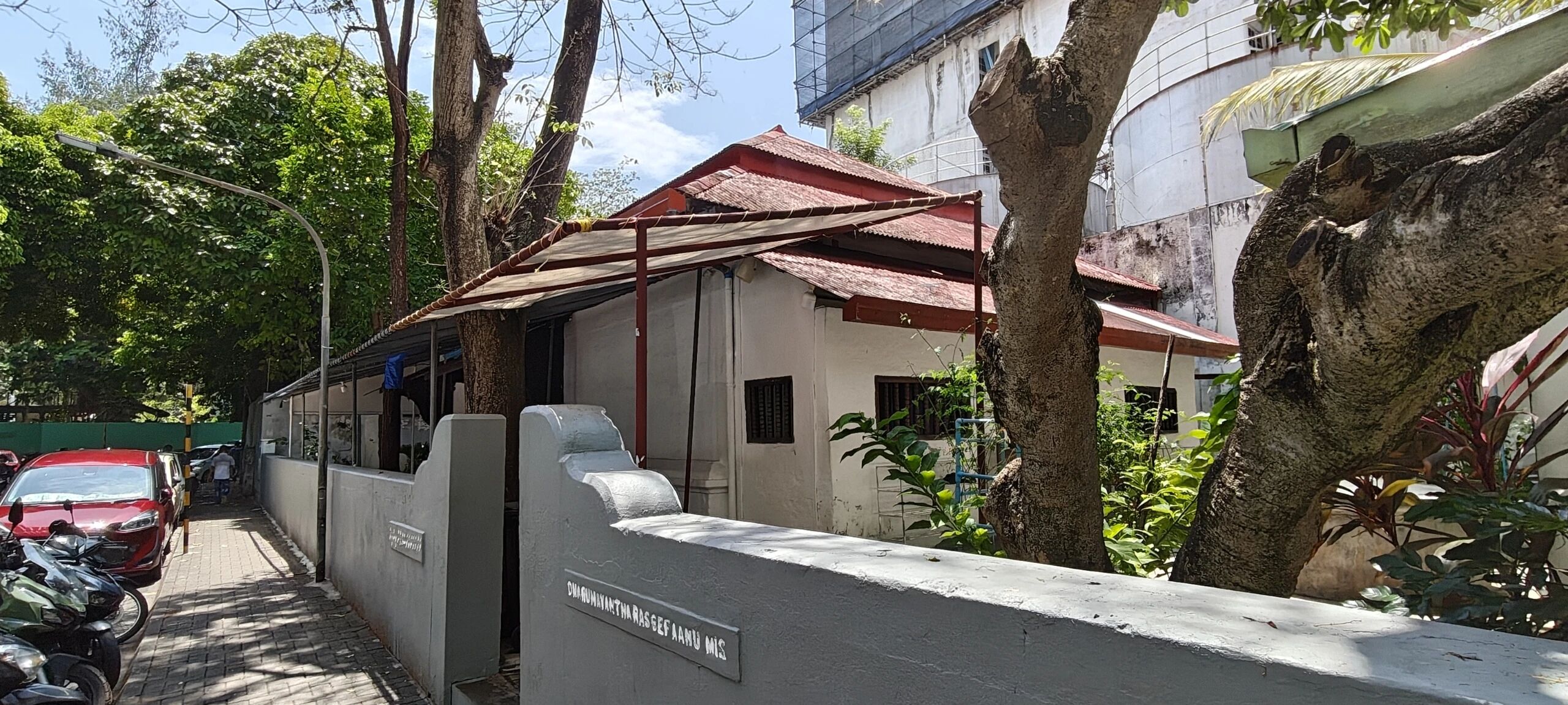
Check out these 14 photos as we explore the Dharumavantha Rasgefaanu Mosque, one of the oldest mosques in Male, the capital of the Maldives. We’re diving into the history of how the first Muslim Sultan of the Maldives converted in 1153 AD, and checking out the incredible coral stone carvings and the remains of an ancient well.
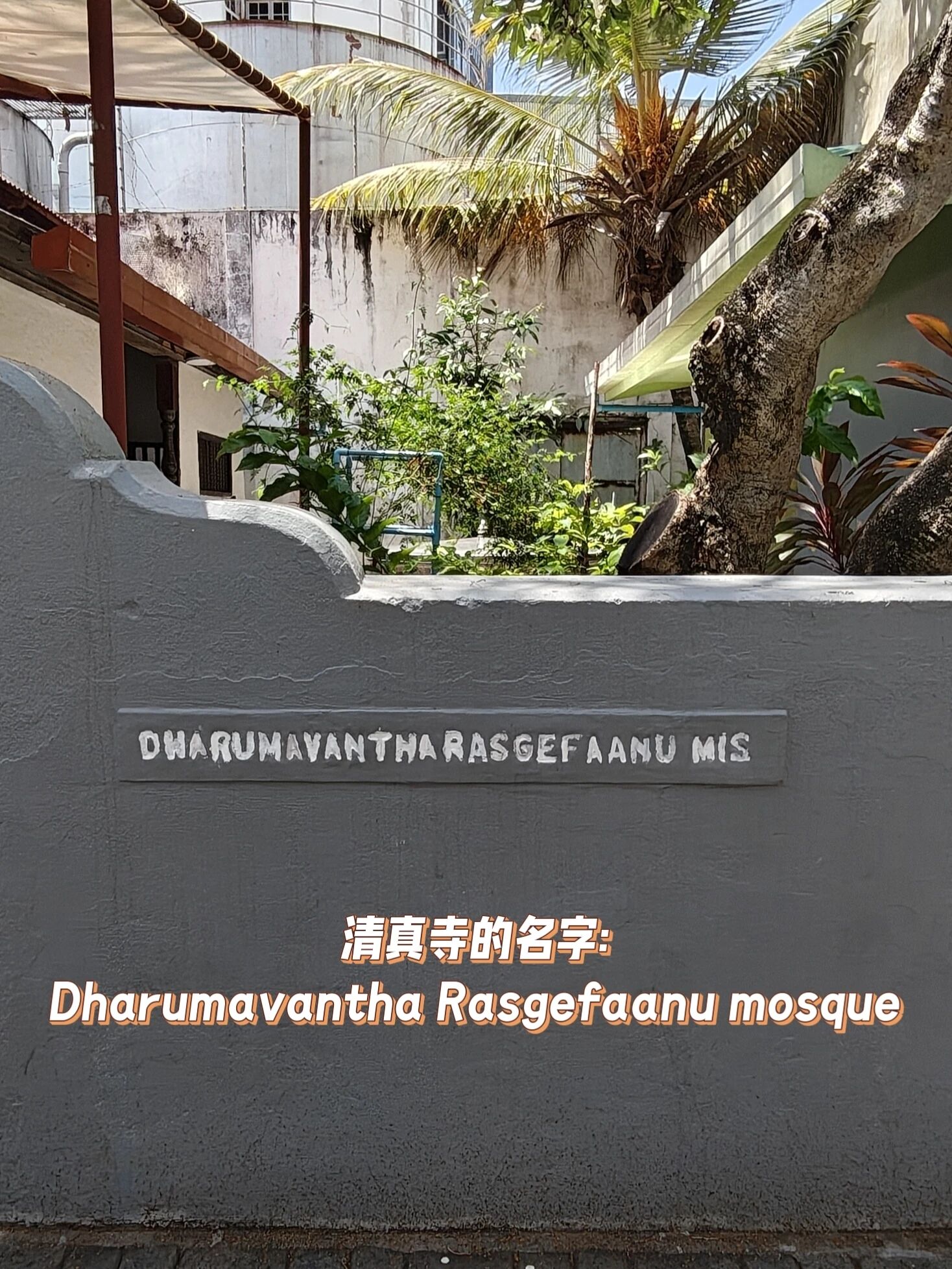
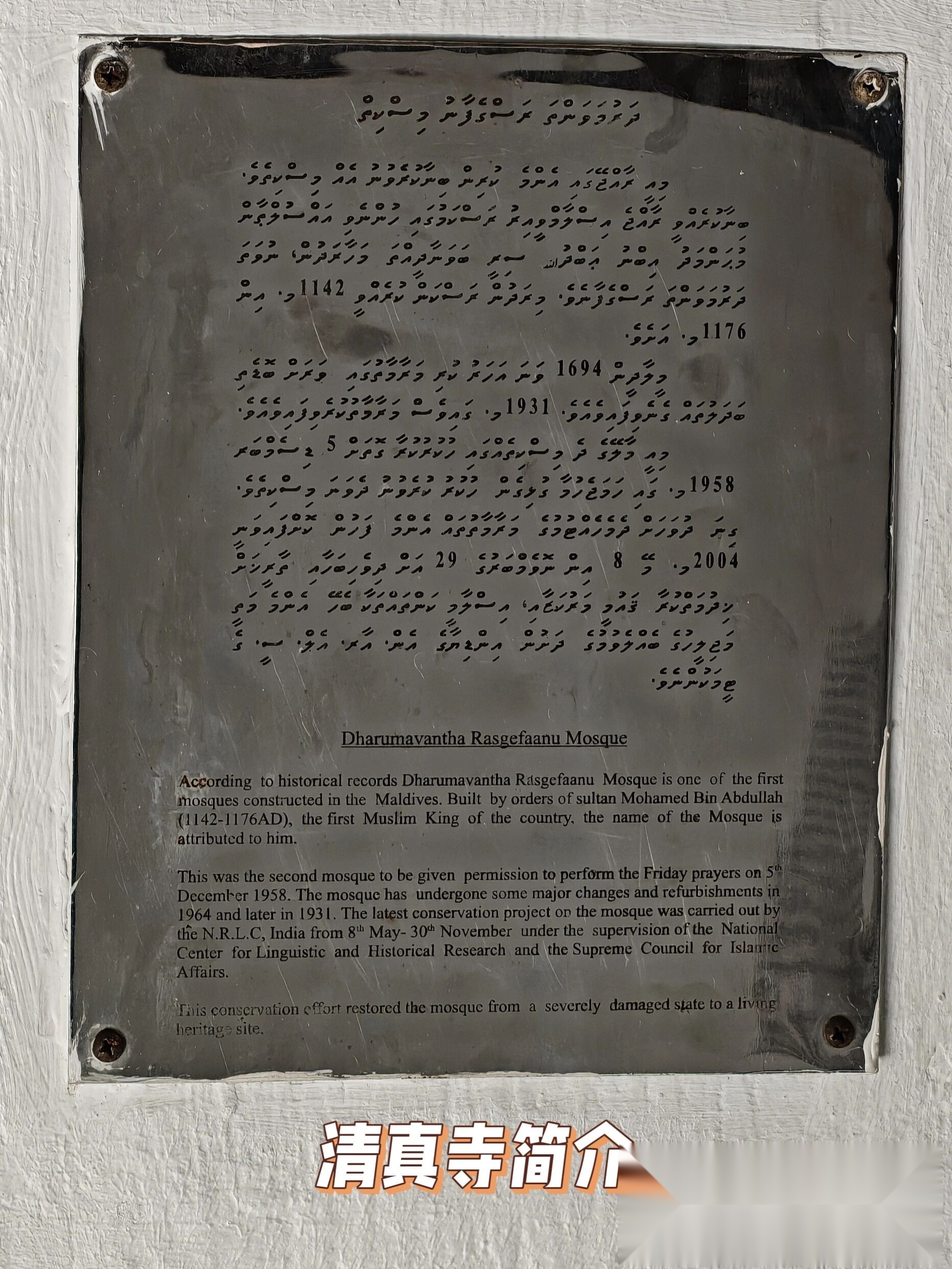
The full name of this mosque is the Dharumavantha Rasgefaanu Mosque (see photo 2). That name is a mouthful, but according to the local Maldivian language, Dhivehi, it translates to 'the merciful and noble monarch.' So, I’ve just been calling it the 'Benevolent King Mosque' for short. Historical records show it’s one of the oldest mosques in the Maldives, dating back to around 1153 AD, named after the country's first Muslim ruler.
This 'Benevolent King' was Sultan Muhammad Ibn Abdullah—you can tell from his name that he took it upon himself to change it after his conversion. He was already the king of the Maldives, but after being persuaded by a Muslim scholar from North Africa, he embraced Islam, officially kicking off the country’s Islamic history.
Back to the mosque itself: it’s actually located really close to the Friday Mosque I mentioned in my last post; it’s just a quick walk away.
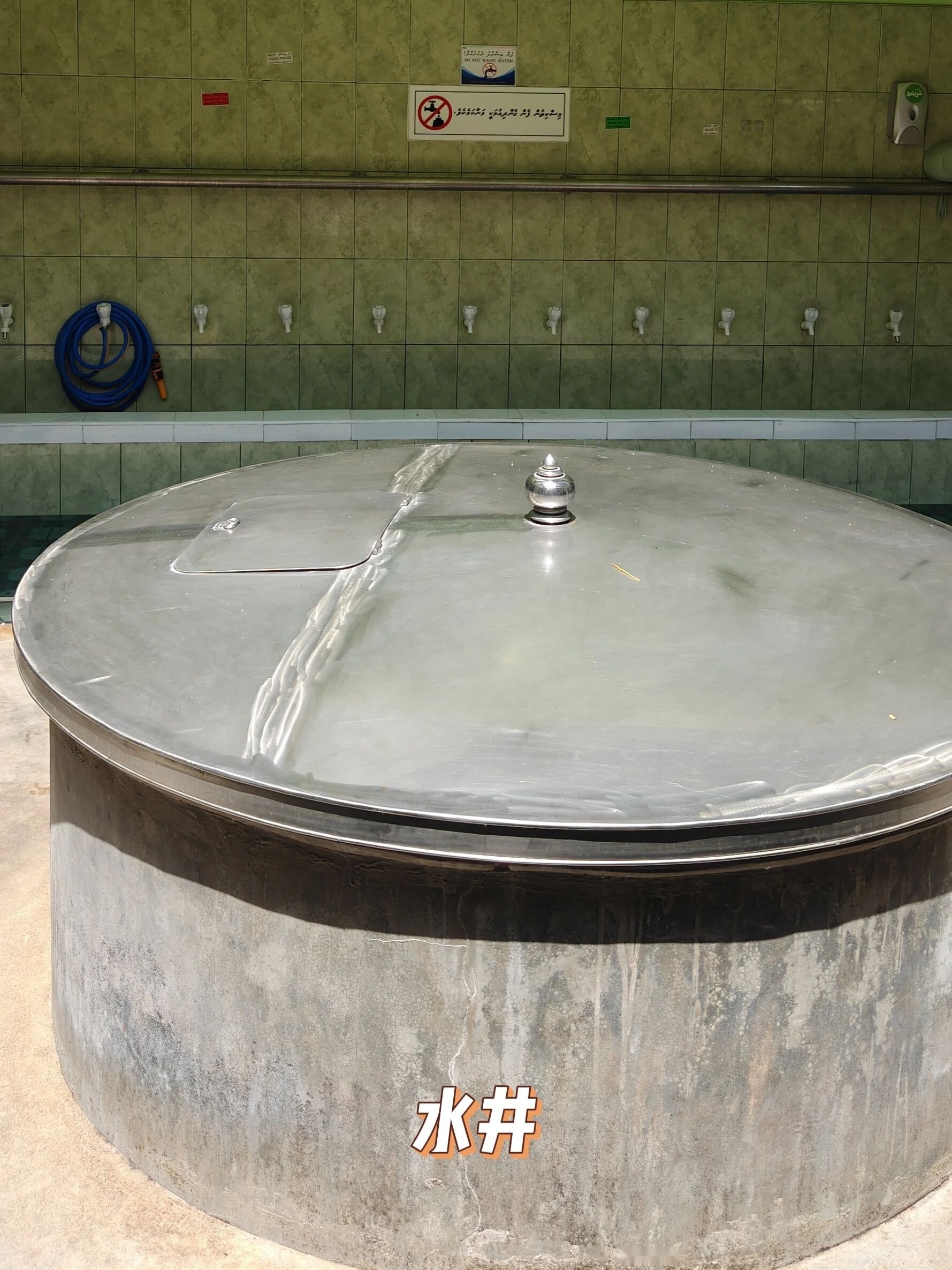
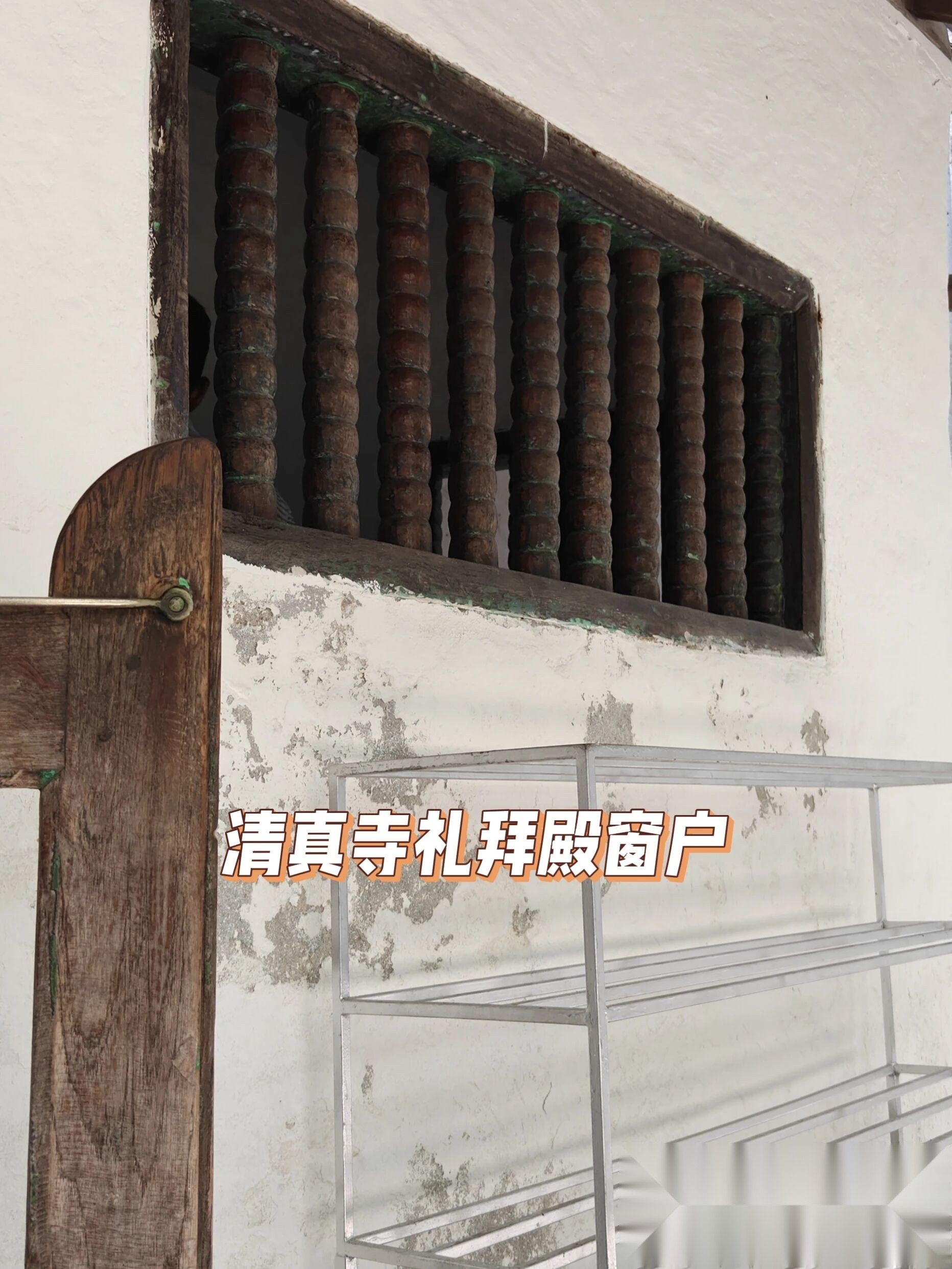
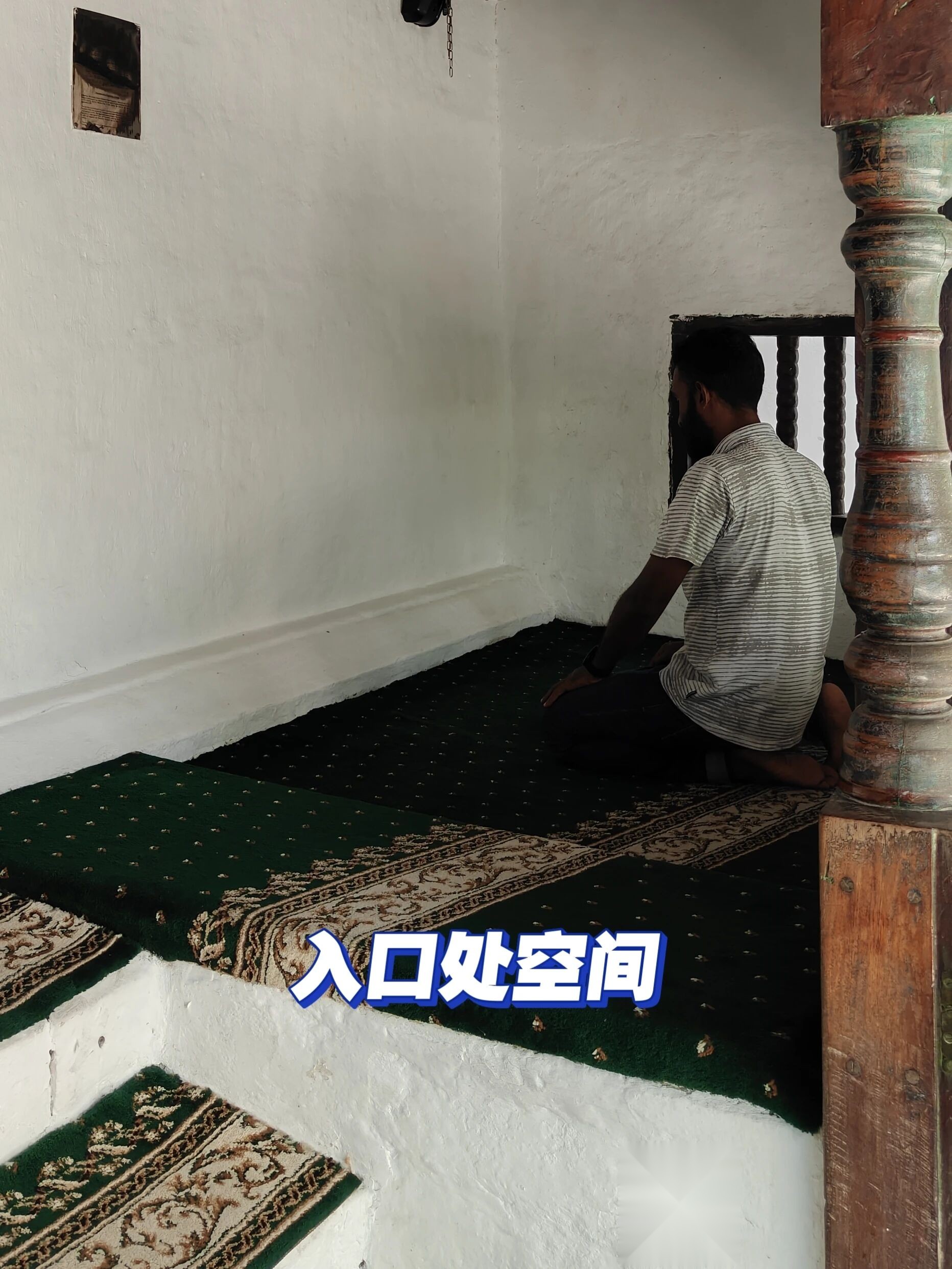
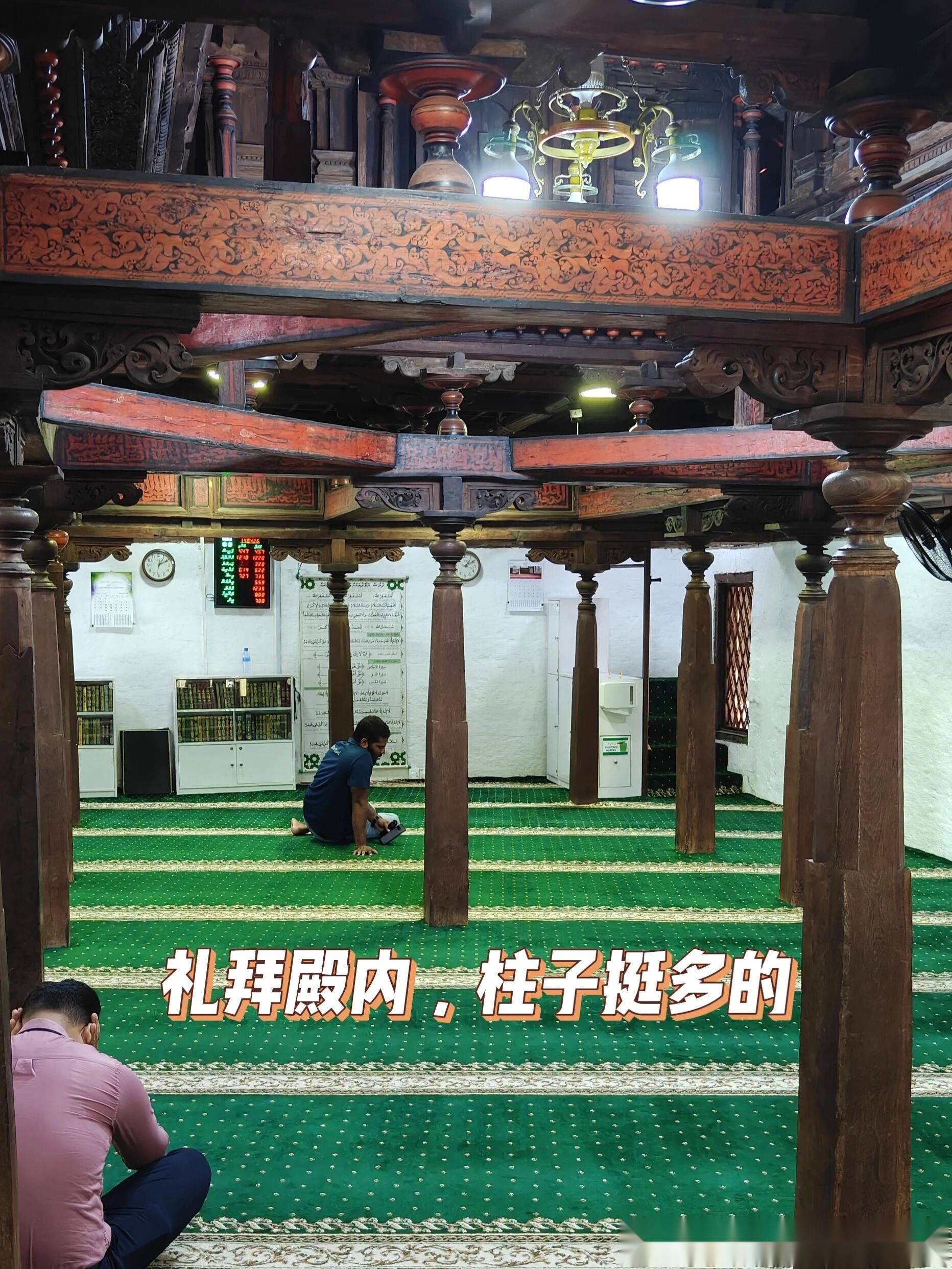
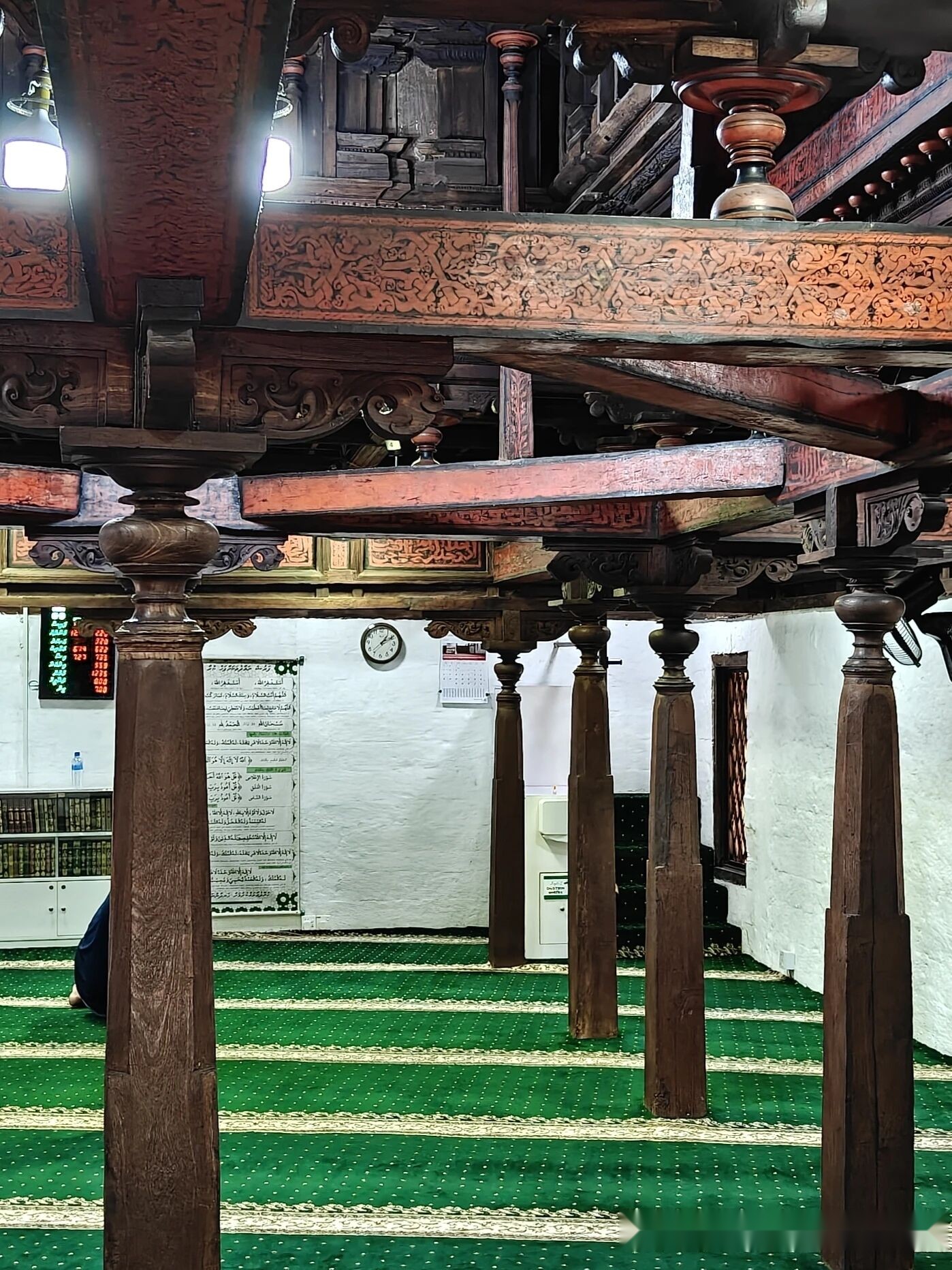
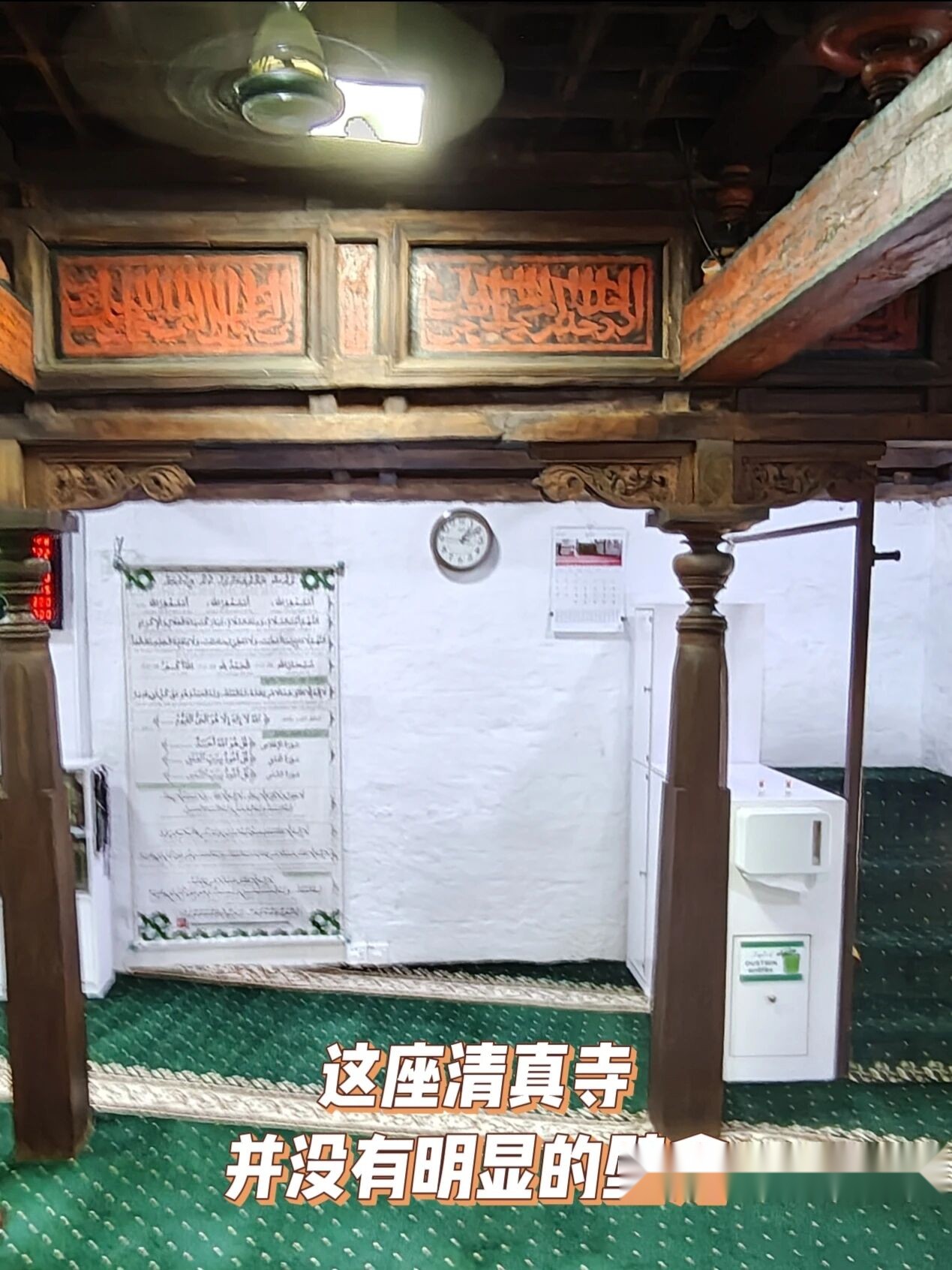
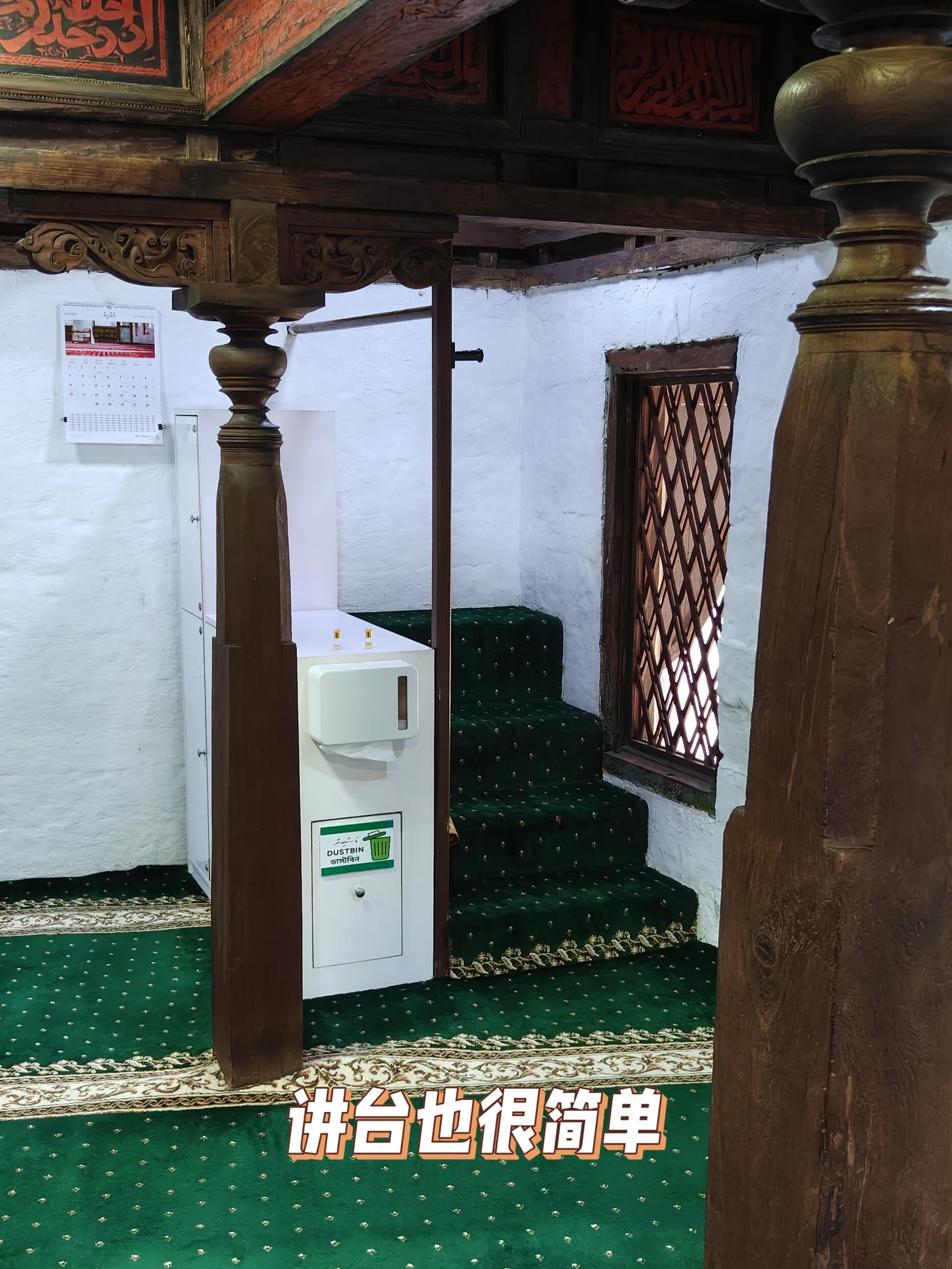
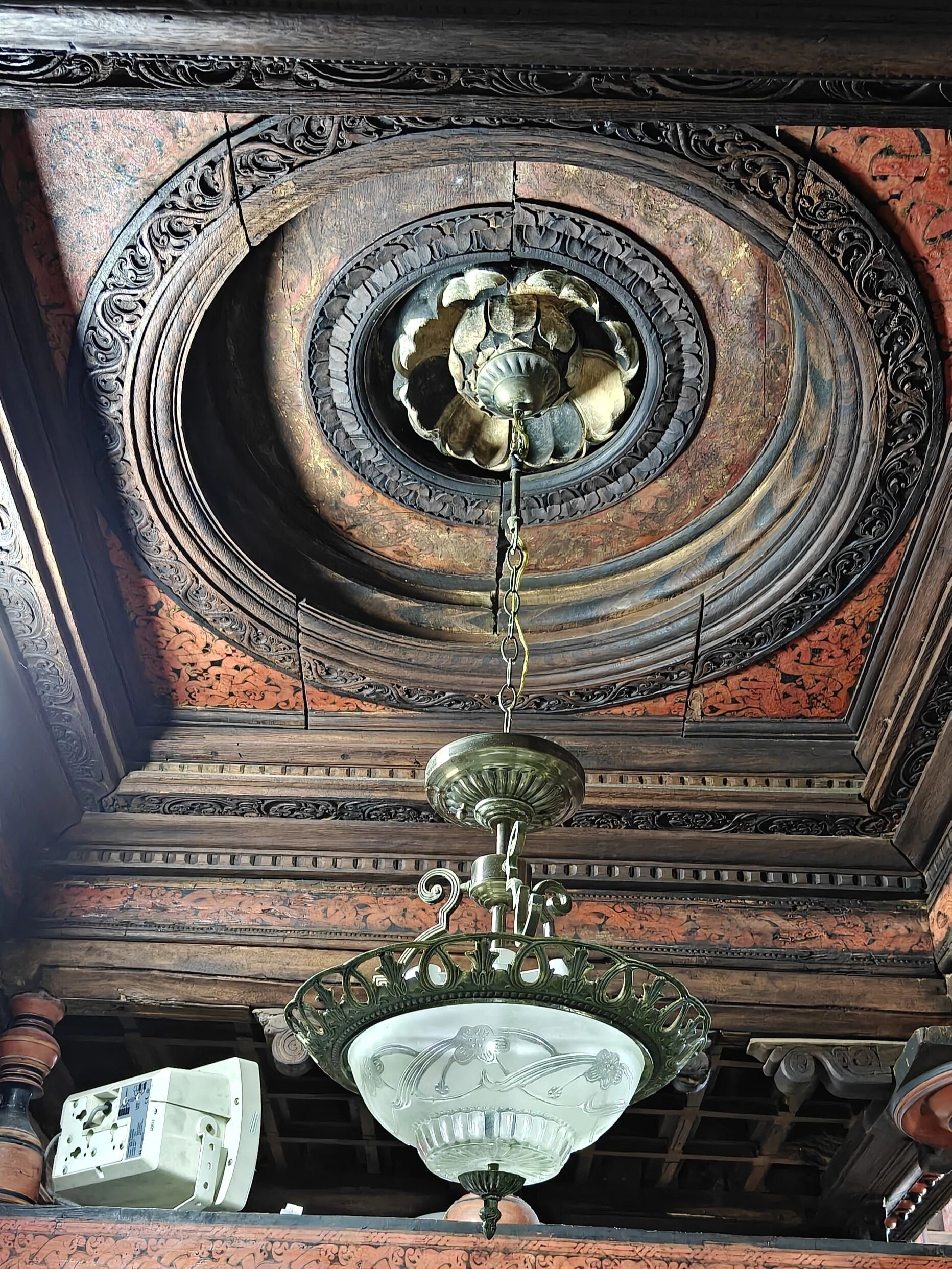
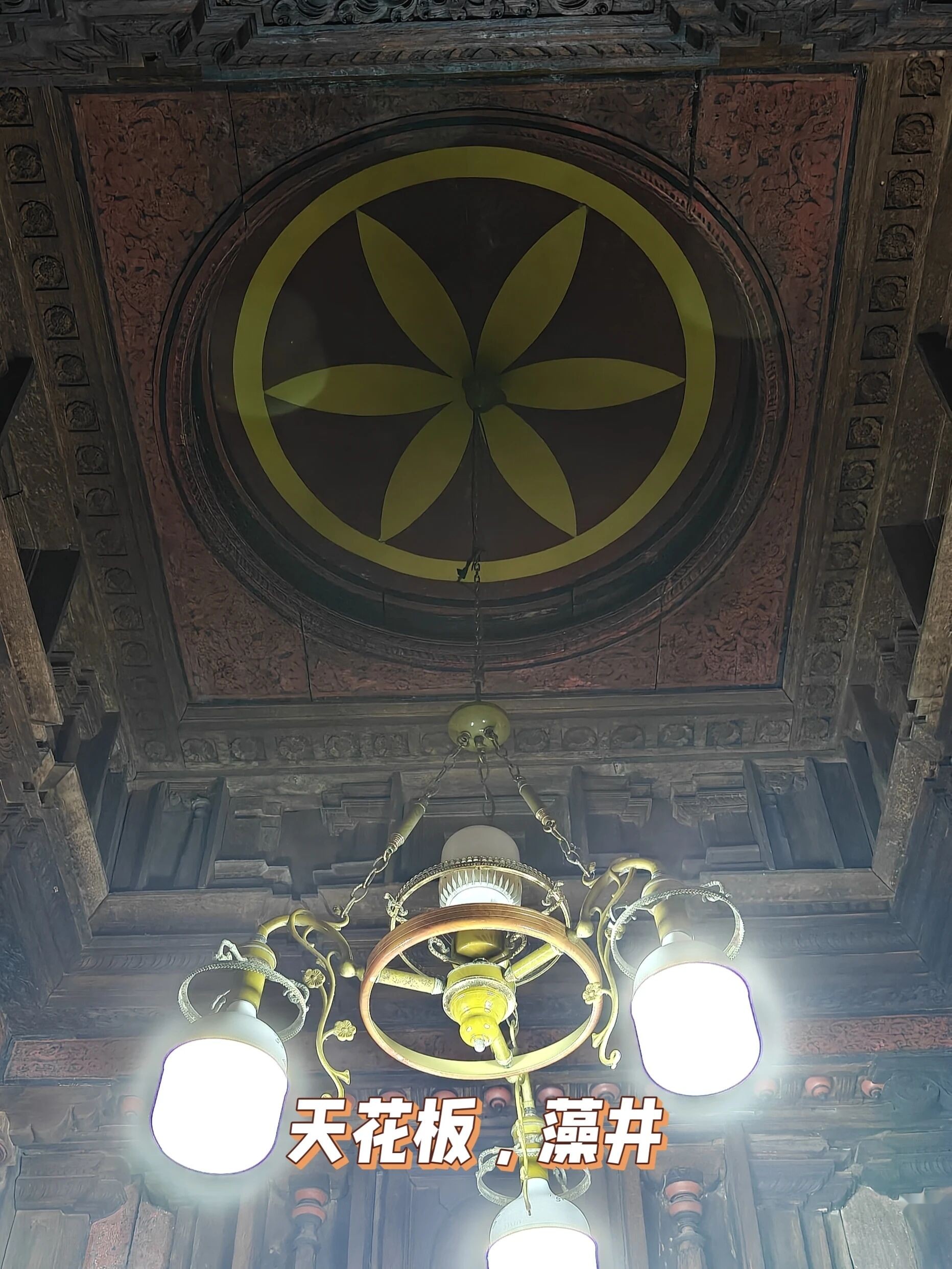
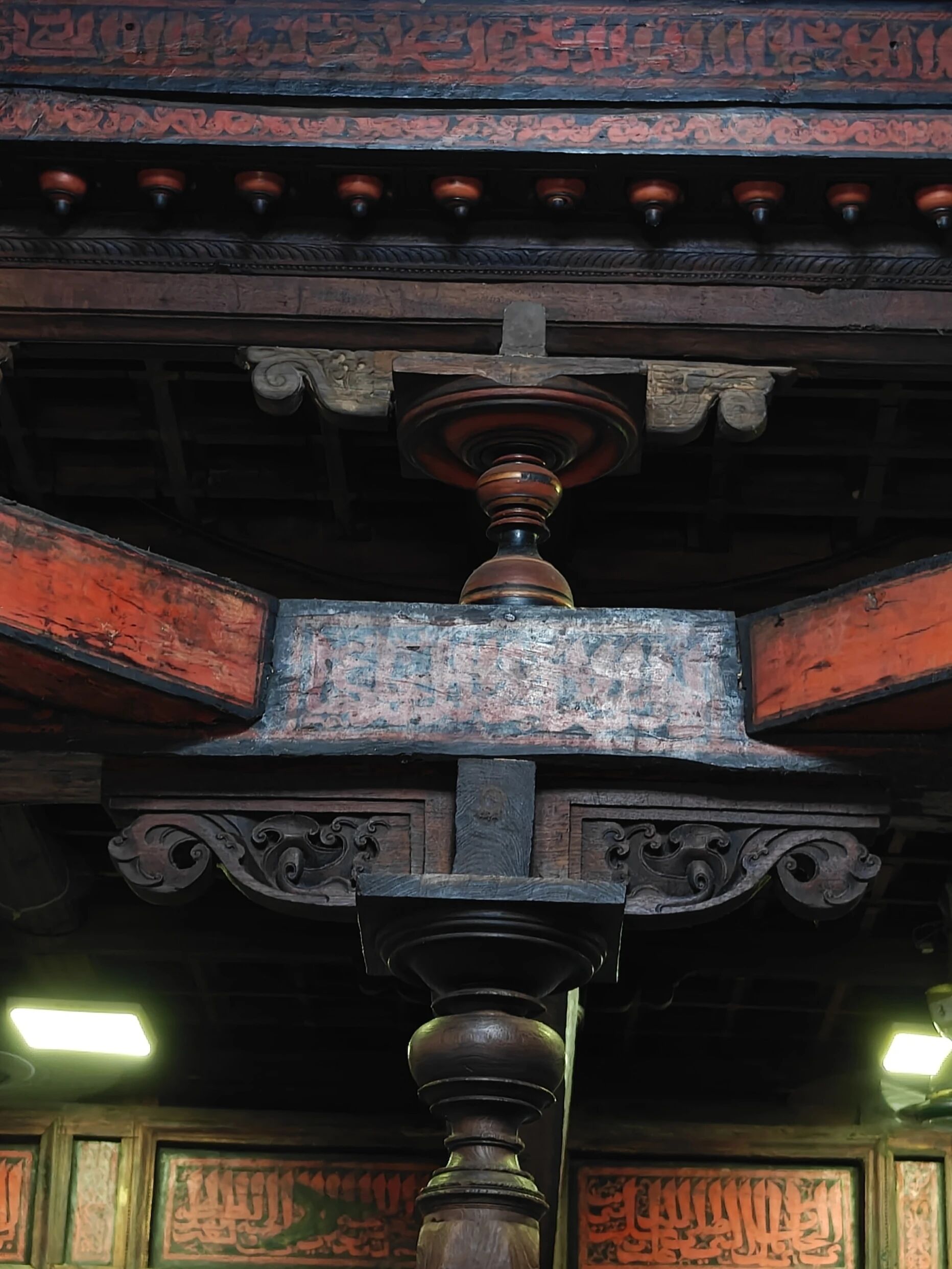
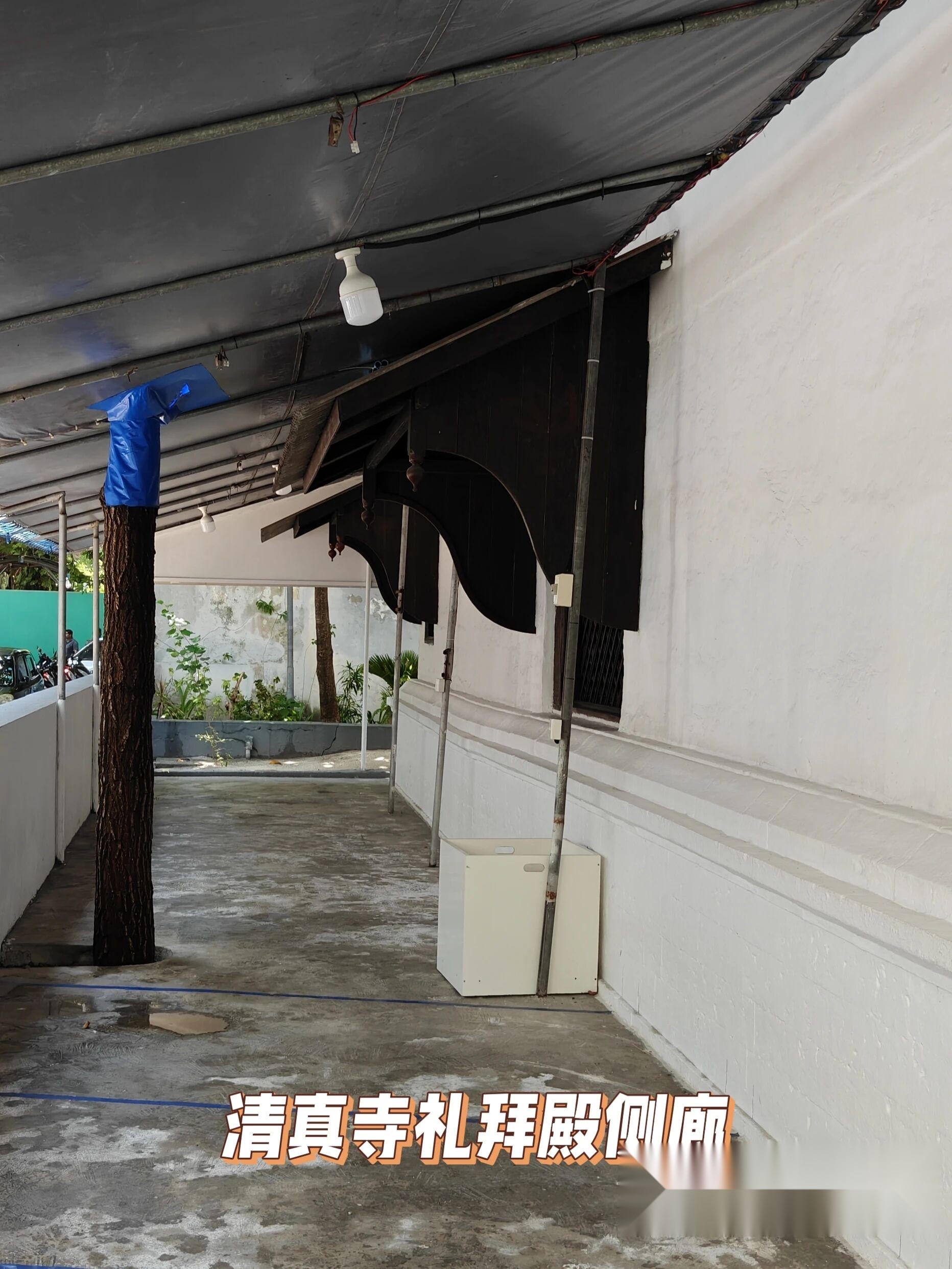
Inside the courtyard, there’s an old well (photo 3), along with faucets and restrooms so you can perform wudu (ablution) properly. The prayer hall features a small porch with space on either side for dua (prayer) (photo 6). Once you step inside the main hall, you can really tell it’s an ancient structure. The ceilings are pretty low—I guess people in the Maldives back then weren’t that tall, so it doesn’t feel claustrophobic at all. The wood carvings on the ceiling are super intricate (photo 11), though the whole place is definitely smaller than the Friday Mosque I shared earlier. If you’re curious, check out my other post on the Maldivian Friday Mosque that I linked in the comments.
If you’re looking to get a feel for what ancient Maldivian architecture was like, this is a cool spot to check out. Or, you can head over to the Friday Mosque, which is a bit more tourist-friendly. view all
[Internet Repost]
Check out these 14 photos as we explore the Dharumavantha Rasgefaanu Mosque, one of the oldest mosques in Male, the capital of the Maldives. We’re diving into the history of how the first Muslim Sultan of the Maldives converted in 1153 AD, and checking out the incredible coral stone carvings and the remains of an ancient well.
The full name of this mosque is the Dharumavantha Rasgefaanu Mosque (see photo 2). That name is a mouthful, but according to the local Maldivian language, Dhivehi, it translates to 'the merciful and noble monarch.' So, I’ve just been calling it the 'Benevolent King Mosque' for short. Historical records show it’s one of the oldest mosques in the Maldives, dating back to around 1153 AD, named after the country's first Muslim ruler.
This 'Benevolent King' was Sultan Muhammad Ibn Abdullah—you can tell from his name that he took it upon himself to change it after his conversion. He was already the king of the Maldives, but after being persuaded by a Muslim scholar from North Africa, he embraced Islam, officially kicking off the country’s Islamic history.
Back to the mosque itself: it’s actually located really close to the Friday Mosque I mentioned in my last post; it’s just a quick walk away.
Inside the courtyard, there’s an old well (photo 3), along with faucets and restrooms so you can perform wudu (ablution) properly. The prayer hall features a small porch with space on either side for dua (prayer) (photo 6). Once you step inside the main hall, you can really tell it’s an ancient structure. The ceilings are pretty low—I guess people in the Maldives back then weren’t that tall, so it doesn’t feel claustrophobic at all. The wood carvings on the ceiling are super intricate (photo 11), though the whole place is definitely smaller than the Friday Mosque I shared earlier. If you’re curious, check out my other post on the Maldivian Friday Mosque that I linked in the comments.
If you’re looking to get a feel for what ancient Maldivian architecture was like, this is a cool spot to check out. Or, you can head over to the Friday Mosque, which is a bit more tourist-friendly.
Check out these 14 photos as we explore the Dharumavantha Rasgefaanu Mosque, one of the oldest mosques in Male, the capital of the Maldives. We’re diving into the history of how the first Muslim Sultan of the Maldives converted in 1153 AD, and checking out the incredible coral stone carvings and the remains of an ancient well.
The full name of this mosque is the Dharumavantha Rasgefaanu Mosque (see photo 2). That name is a mouthful, but according to the local Maldivian language, Dhivehi, it translates to 'the merciful and noble monarch.' So, I’ve just been calling it the 'Benevolent King Mosque' for short. Historical records show it’s one of the oldest mosques in the Maldives, dating back to around 1153 AD, named after the country's first Muslim ruler.
This 'Benevolent King' was Sultan Muhammad Ibn Abdullah—you can tell from his name that he took it upon himself to change it after his conversion. He was already the king of the Maldives, but after being persuaded by a Muslim scholar from North Africa, he embraced Islam, officially kicking off the country’s Islamic history.
Back to the mosque itself: it’s actually located really close to the Friday Mosque I mentioned in my last post; it’s just a quick walk away.
Inside the courtyard, there’s an old well (photo 3), along with faucets and restrooms so you can perform wudu (ablution) properly. The prayer hall features a small porch with space on either side for dua (prayer) (photo 6). Once you step inside the main hall, you can really tell it’s an ancient structure. The ceilings are pretty low—I guess people in the Maldives back then weren’t that tall, so it doesn’t feel claustrophobic at all. The wood carvings on the ceiling are super intricate (photo 11), though the whole place is definitely smaller than the Friday Mosque I shared earlier. If you’re curious, check out my other post on the Maldivian Friday Mosque that I linked in the comments.
If you’re looking to get a feel for what ancient Maldivian architecture was like, this is a cool spot to check out. Or, you can head over to the Friday Mosque, which is a bit more tourist-friendly.
Dharumavantha Rasgefaanu Mosque in Male: Visiting the Maldives' Oldest Historic Mosque and Ancient Coral Architecture
Articles • Hasan09 posted the article • 0 comments • 16 views • 19 hours ago
[Internet Repost]
Check out these 14 photos as we explore the Dharumavantha Rasgefaanu Mosque, one of the oldest mosques in Male, the capital of the Maldives. We’re diving into the history of how the first Muslim Sultan of the Maldives converted in 1153 AD, and checking out the incredible coral stone carvings and the remains of an ancient well.
The full name of this mosque is the Dharumavantha Rasgefaanu Mosque (see photo 2). That name is a mouthful, but according to the local Maldivian language, Dhivehi, it translates to 'the merciful and noble monarch.' So, I’ve just been calling it the 'Benevolent King Mosque' for short. Historical records show it’s one of the oldest mosques in the Maldives, dating back to around 1153 AD, named after the country's first Muslim ruler.
This 'Benevolent King' was Sultan Muhammad Ibn Abdullah—you can tell from his name that he took it upon himself to change it after his conversion. He was already the king of the Maldives, but after being persuaded by a Muslim scholar from North Africa, he embraced Islam, officially kicking off the country’s Islamic history.
Back to the mosque itself: it’s actually located really close to the Friday Mosque I mentioned in my last post; it’s just a quick walk away.
Inside the courtyard, there’s an old well (photo 3), along with faucets and restrooms so you can perform wudu (ablution) properly. The prayer hall features a small porch with space on either side for dua (prayer) (photo 6). Once you step inside the main hall, you can really tell it’s an ancient structure. The ceilings are pretty low—I guess people in the Maldives back then weren’t that tall, so it doesn’t feel claustrophobic at all. The wood carvings on the ceiling are super intricate (photo 11), though the whole place is definitely smaller than the Friday Mosque I shared earlier. If you’re curious, check out my other post on the Maldivian Friday Mosque that I linked in the comments.
If you’re looking to get a feel for what ancient Maldivian architecture was like, this is a cool spot to check out. Or, you can head over to the Friday Mosque, which is a bit more tourist-friendly. view all
Check out these 14 photos as we explore the Dharumavantha Rasgefaanu Mosque, one of the oldest mosques in Male, the capital of the Maldives. We’re diving into the history of how the first Muslim Sultan of the Maldives converted in 1153 AD, and checking out the incredible coral stone carvings and the remains of an ancient well.
The full name of this mosque is the Dharumavantha Rasgefaanu Mosque (see photo 2). That name is a mouthful, but according to the local Maldivian language, Dhivehi, it translates to 'the merciful and noble monarch.' So, I’ve just been calling it the 'Benevolent King Mosque' for short. Historical records show it’s one of the oldest mosques in the Maldives, dating back to around 1153 AD, named after the country's first Muslim ruler.
This 'Benevolent King' was Sultan Muhammad Ibn Abdullah—you can tell from his name that he took it upon himself to change it after his conversion. He was already the king of the Maldives, but after being persuaded by a Muslim scholar from North Africa, he embraced Islam, officially kicking off the country’s Islamic history.
Back to the mosque itself: it’s actually located really close to the Friday Mosque I mentioned in my last post; it’s just a quick walk away.
Inside the courtyard, there’s an old well (photo 3), along with faucets and restrooms so you can perform wudu (ablution) properly. The prayer hall features a small porch with space on either side for dua (prayer) (photo 6). Once you step inside the main hall, you can really tell it’s an ancient structure. The ceilings are pretty low—I guess people in the Maldives back then weren’t that tall, so it doesn’t feel claustrophobic at all. The wood carvings on the ceiling are super intricate (photo 11), though the whole place is definitely smaller than the Friday Mosque I shared earlier. If you’re curious, check out my other post on the Maldivian Friday Mosque that I linked in the comments.
If you’re looking to get a feel for what ancient Maldivian architecture was like, this is a cool spot to check out. Or, you can head over to the Friday Mosque, which is a bit more tourist-friendly. view all
[Internet Repost]
Check out these 14 photos as we explore the Dharumavantha Rasgefaanu Mosque, one of the oldest mosques in Male, the capital of the Maldives. We’re diving into the history of how the first Muslim Sultan of the Maldives converted in 1153 AD, and checking out the incredible coral stone carvings and the remains of an ancient well.
The full name of this mosque is the Dharumavantha Rasgefaanu Mosque (see photo 2). That name is a mouthful, but according to the local Maldivian language, Dhivehi, it translates to 'the merciful and noble monarch.' So, I’ve just been calling it the 'Benevolent King Mosque' for short. Historical records show it’s one of the oldest mosques in the Maldives, dating back to around 1153 AD, named after the country's first Muslim ruler.
This 'Benevolent King' was Sultan Muhammad Ibn Abdullah—you can tell from his name that he took it upon himself to change it after his conversion. He was already the king of the Maldives, but after being persuaded by a Muslim scholar from North Africa, he embraced Islam, officially kicking off the country’s Islamic history.
Back to the mosque itself: it’s actually located really close to the Friday Mosque I mentioned in my last post; it’s just a quick walk away.
Inside the courtyard, there’s an old well (photo 3), along with faucets and restrooms so you can perform wudu (ablution) properly. The prayer hall features a small porch with space on either side for dua (prayer) (photo 6). Once you step inside the main hall, you can really tell it’s an ancient structure. The ceilings are pretty low—I guess people in the Maldives back then weren’t that tall, so it doesn’t feel claustrophobic at all. The wood carvings on the ceiling are super intricate (photo 11), though the whole place is definitely smaller than the Friday Mosque I shared earlier. If you’re curious, check out my other post on the Maldivian Friday Mosque that I linked in the comments.
If you’re looking to get a feel for what ancient Maldivian architecture was like, this is a cool spot to check out. Or, you can head over to the Friday Mosque, which is a bit more tourist-friendly.