

Martial Arts
Da Dao Wang Wu's Yuanshun Escort Agency: Beijing Hui Muslim History and Martial Arts
Articles • ali2007fr posted the article • 0 comments • 164 views • 2026-05-17 08:19
Reposted from the web
Summary: This travel note introduces Da Dao Wang Wu's Yuanshun Escort Agency: Beijing Hui Muslim History and Martial Arts. Last weekend, I visited the former site of the Yuanshun Biaoju (escort agency) established by the famous late Qing dynasty chivalrous hero Dadao Wang Wu on Banbi Street, west of Zhushikou outside Qianmen in Beijing. It is useful for readers interested in Beijing History, Hui Muslims, Martial Arts.
Last weekend, I visited the former site of the Yuanshun Biaoju (escort agency) established by the famous late Qing dynasty chivalrous hero Dadao Wang Wu on Banbi Street, west of Zhushikou outside Qianmen in Beijing. Dadao Wang Wu, whose real name was Wang Zibin (1844-1900) and courtesy name was Zhengyi, was a Han Chinese from Cangzhou, Hebei. He loved martial arts from a young age and greatly admired Li Fenggang, the manager of the Chengxing Biaoju in Cangzhou. The Li family came from a Hui Muslim military household background during the Ming dynasty, having moved from Nanjing to settle in Cangzhou during the Yongle reign while 'escorting the emperor,' and their tradition of practicing martial arts has never been interrupted since. In the late Qing dynasty, Li Fenggang's uncle, Li Guanming, learned the Liuhe Quan (Six Harmonies Boxing) style from the Cao family, a Hui Muslim family in Botou, and founded the 'Liuhe Men' (Six Harmonies School) in Cangzhou, which later developed into the largest martial arts school in the city. Li Guanming opened the Chengxing Biaoju outside the south gate of Cangzhou, enjoyed high prestige in the martial arts world, and almost never lost an escort. Li Guanming later passed the escort agency to his nephew, Li Fenggang, who had followed his uncle to learn Liuhe boxing and weaponry since childhood and was skilled with double sabers, earning him the nickname 'Shuangdao Jiang' (General of the Double Sabers).
Wang Wu very much wanted to become Li Fenggang's student, but according to the school's rules, the Li family's Liuhe Men only taught those of the Islamic faith. Wang Wu was determined to convert to Islam, but his mother did not agree. According to the 1933 'Cang County Gazetteer,' it is recorded: 'Zhengyi's teacher was Li Fenggang. Fenggang was a follower of Islam, and Zhengyi wanted to study under him. Fenggang would not teach him because he was not of the faith. Zhengyi wanted to join the faith to prove his sincerity, but his mother would not allow it. Zhengyi knelt and pleaded with her repeatedly for over ten years before his mother finally agreed. He then learned everything from Fenggang before going to the capital, where he was initially called Little Wang Wu.' ”
In the early years of the Guangxu reign, at the age of thirty, Wang Wu set up his own business and opened the Yuanshun Biaoju at Zhushikou outside Qianmen in Beijing. According to Liang Qichao's 'Yinbingshi Shihua' (Poetry Talks from the Ice-Drinker's Studio): 'Wang Wu was a chivalrous hero of Youyan who made his living as an escort.' His sphere of influence reached as far north as Shanhaiguan and as far south as Qingjiangpu, and he spent his life helping the weak and punishing the strong. ” The Yuanshun Biaoju gradually became one of the eight major escort agencies in the capital, and Wang Wu became known as 'Dadao Wang Wu' (Big Saber Wang Wu) because of his skill with the single saber. Pingjiang Buxiaosheng's 'Modern Chivalrous Hero Biography,' serialized starting in 1923, is the pioneering work of modern Chinese martial arts novels. The novel features Dadao Wang Wu and Huo Yuanjia as the main characters. Through the depiction of the deep friendship between Wang Wu and Tan Sitong, his chivalrous actions to save Tan Sitong, and his heroic sacrifice during the invasion of China by the Eight-Nation Alliance, the heroic image of Dadao Wang Wu became deeply rooted in people's hearts.
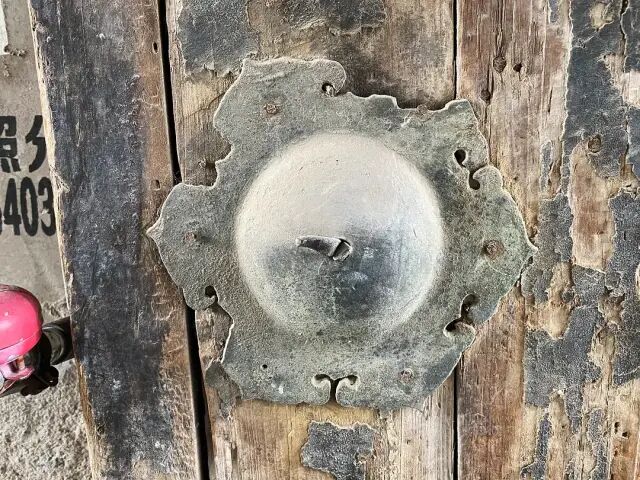
The Yuanshun Biaoju faces south, and the main gate was originally very spacious to allow escort carriages to pass through, but now most of it is occupied by a restroom. Only the western half of the original gate remains, and the door knocker on it is the one that Tan Sitong knocked on when he came to visit Dadao Wang Wu.
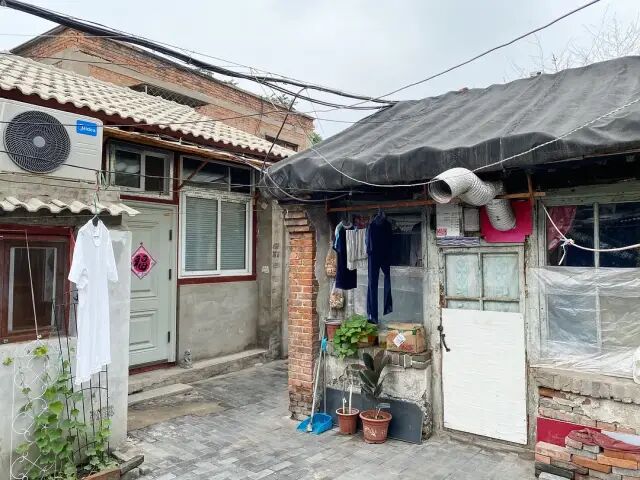
After entering the courtyard, there was originally a place to park escort carriages and horses. On the west side, there are three courtyards: the first was where Wang Wu performed his ritual washing and dua (prayer), the second and third were the living quarters for the escort guards, and the back courtyard contained the inner office, the storage room for escorted goods, and guest rooms. After the public-private partnership in the 1950s, the descendants of the Wang family only kept the south and north rooms of the back courtyard. The front courtyard became public housing, and after renovations by the housing management office, it is difficult to distinguish the original structure.
Back courtyard view all
Summary: This travel note introduces Da Dao Wang Wu's Yuanshun Escort Agency: Beijing Hui Muslim History and Martial Arts. Last weekend, I visited the former site of the Yuanshun Biaoju (escort agency) established by the famous late Qing dynasty chivalrous hero Dadao Wang Wu on Banbi Street, west of Zhushikou outside Qianmen in Beijing. It is useful for readers interested in Beijing History, Hui Muslims, Martial Arts.
Last weekend, I visited the former site of the Yuanshun Biaoju (escort agency) established by the famous late Qing dynasty chivalrous hero Dadao Wang Wu on Banbi Street, west of Zhushikou outside Qianmen in Beijing. Dadao Wang Wu, whose real name was Wang Zibin (1844-1900) and courtesy name was Zhengyi, was a Han Chinese from Cangzhou, Hebei. He loved martial arts from a young age and greatly admired Li Fenggang, the manager of the Chengxing Biaoju in Cangzhou. The Li family came from a Hui Muslim military household background during the Ming dynasty, having moved from Nanjing to settle in Cangzhou during the Yongle reign while 'escorting the emperor,' and their tradition of practicing martial arts has never been interrupted since. In the late Qing dynasty, Li Fenggang's uncle, Li Guanming, learned the Liuhe Quan (Six Harmonies Boxing) style from the Cao family, a Hui Muslim family in Botou, and founded the 'Liuhe Men' (Six Harmonies School) in Cangzhou, which later developed into the largest martial arts school in the city. Li Guanming opened the Chengxing Biaoju outside the south gate of Cangzhou, enjoyed high prestige in the martial arts world, and almost never lost an escort. Li Guanming later passed the escort agency to his nephew, Li Fenggang, who had followed his uncle to learn Liuhe boxing and weaponry since childhood and was skilled with double sabers, earning him the nickname 'Shuangdao Jiang' (General of the Double Sabers).
Wang Wu very much wanted to become Li Fenggang's student, but according to the school's rules, the Li family's Liuhe Men only taught those of the Islamic faith. Wang Wu was determined to convert to Islam, but his mother did not agree. According to the 1933 'Cang County Gazetteer,' it is recorded: 'Zhengyi's teacher was Li Fenggang. Fenggang was a follower of Islam, and Zhengyi wanted to study under him. Fenggang would not teach him because he was not of the faith. Zhengyi wanted to join the faith to prove his sincerity, but his mother would not allow it. Zhengyi knelt and pleaded with her repeatedly for over ten years before his mother finally agreed. He then learned everything from Fenggang before going to the capital, where he was initially called Little Wang Wu.' ”
In the early years of the Guangxu reign, at the age of thirty, Wang Wu set up his own business and opened the Yuanshun Biaoju at Zhushikou outside Qianmen in Beijing. According to Liang Qichao's 'Yinbingshi Shihua' (Poetry Talks from the Ice-Drinker's Studio): 'Wang Wu was a chivalrous hero of Youyan who made his living as an escort.' His sphere of influence reached as far north as Shanhaiguan and as far south as Qingjiangpu, and he spent his life helping the weak and punishing the strong. ” The Yuanshun Biaoju gradually became one of the eight major escort agencies in the capital, and Wang Wu became known as 'Dadao Wang Wu' (Big Saber Wang Wu) because of his skill with the single saber. Pingjiang Buxiaosheng's 'Modern Chivalrous Hero Biography,' serialized starting in 1923, is the pioneering work of modern Chinese martial arts novels. The novel features Dadao Wang Wu and Huo Yuanjia as the main characters. Through the depiction of the deep friendship between Wang Wu and Tan Sitong, his chivalrous actions to save Tan Sitong, and his heroic sacrifice during the invasion of China by the Eight-Nation Alliance, the heroic image of Dadao Wang Wu became deeply rooted in people's hearts.
The Yuanshun Biaoju faces south, and the main gate was originally very spacious to allow escort carriages to pass through, but now most of it is occupied by a restroom. Only the western half of the original gate remains, and the door knocker on it is the one that Tan Sitong knocked on when he came to visit Dadao Wang Wu.
After entering the courtyard, there was originally a place to park escort carriages and horses. On the west side, there are three courtyards: the first was where Wang Wu performed his ritual washing and dua (prayer), the second and third were the living quarters for the escort guards, and the back courtyard contained the inner office, the storage room for escorted goods, and guest rooms. After the public-private partnership in the 1950s, the descendants of the Wang family only kept the south and north rooms of the back courtyard. The front courtyard became public housing, and after renovations by the housing management office, it is difficult to distinguish the original structure.
Back courtyard view all
Reposted from the web
Summary: This travel note introduces Da Dao Wang Wu's Yuanshun Escort Agency: Beijing Hui Muslim History and Martial Arts. Last weekend, I visited the former site of the Yuanshun Biaoju (escort agency) established by the famous late Qing dynasty chivalrous hero Dadao Wang Wu on Banbi Street, west of Zhushikou outside Qianmen in Beijing. It is useful for readers interested in Beijing History, Hui Muslims, Martial Arts.
Last weekend, I visited the former site of the Yuanshun Biaoju (escort agency) established by the famous late Qing dynasty chivalrous hero Dadao Wang Wu on Banbi Street, west of Zhushikou outside Qianmen in Beijing. Dadao Wang Wu, whose real name was Wang Zibin (1844-1900) and courtesy name was Zhengyi, was a Han Chinese from Cangzhou, Hebei. He loved martial arts from a young age and greatly admired Li Fenggang, the manager of the Chengxing Biaoju in Cangzhou. The Li family came from a Hui Muslim military household background during the Ming dynasty, having moved from Nanjing to settle in Cangzhou during the Yongle reign while 'escorting the emperor,' and their tradition of practicing martial arts has never been interrupted since. In the late Qing dynasty, Li Fenggang's uncle, Li Guanming, learned the Liuhe Quan (Six Harmonies Boxing) style from the Cao family, a Hui Muslim family in Botou, and founded the 'Liuhe Men' (Six Harmonies School) in Cangzhou, which later developed into the largest martial arts school in the city. Li Guanming opened the Chengxing Biaoju outside the south gate of Cangzhou, enjoyed high prestige in the martial arts world, and almost never lost an escort. Li Guanming later passed the escort agency to his nephew, Li Fenggang, who had followed his uncle to learn Liuhe boxing and weaponry since childhood and was skilled with double sabers, earning him the nickname 'Shuangdao Jiang' (General of the Double Sabers).
Wang Wu very much wanted to become Li Fenggang's student, but according to the school's rules, the Li family's Liuhe Men only taught those of the Islamic faith. Wang Wu was determined to convert to Islam, but his mother did not agree. According to the 1933 'Cang County Gazetteer,' it is recorded: 'Zhengyi's teacher was Li Fenggang. Fenggang was a follower of Islam, and Zhengyi wanted to study under him. Fenggang would not teach him because he was not of the faith. Zhengyi wanted to join the faith to prove his sincerity, but his mother would not allow it. Zhengyi knelt and pleaded with her repeatedly for over ten years before his mother finally agreed. He then learned everything from Fenggang before going to the capital, where he was initially called Little Wang Wu.' ”
In the early years of the Guangxu reign, at the age of thirty, Wang Wu set up his own business and opened the Yuanshun Biaoju at Zhushikou outside Qianmen in Beijing. According to Liang Qichao's 'Yinbingshi Shihua' (Poetry Talks from the Ice-Drinker's Studio): 'Wang Wu was a chivalrous hero of Youyan who made his living as an escort.' His sphere of influence reached as far north as Shanhaiguan and as far south as Qingjiangpu, and he spent his life helping the weak and punishing the strong. ” The Yuanshun Biaoju gradually became one of the eight major escort agencies in the capital, and Wang Wu became known as 'Dadao Wang Wu' (Big Saber Wang Wu) because of his skill with the single saber. Pingjiang Buxiaosheng's 'Modern Chivalrous Hero Biography,' serialized starting in 1923, is the pioneering work of modern Chinese martial arts novels. The novel features Dadao Wang Wu and Huo Yuanjia as the main characters. Through the depiction of the deep friendship between Wang Wu and Tan Sitong, his chivalrous actions to save Tan Sitong, and his heroic sacrifice during the invasion of China by the Eight-Nation Alliance, the heroic image of Dadao Wang Wu became deeply rooted in people's hearts.
The Yuanshun Biaoju faces south, and the main gate was originally very spacious to allow escort carriages to pass through, but now most of it is occupied by a restroom. Only the western half of the original gate remains, and the door knocker on it is the one that Tan Sitong knocked on when he came to visit Dadao Wang Wu.
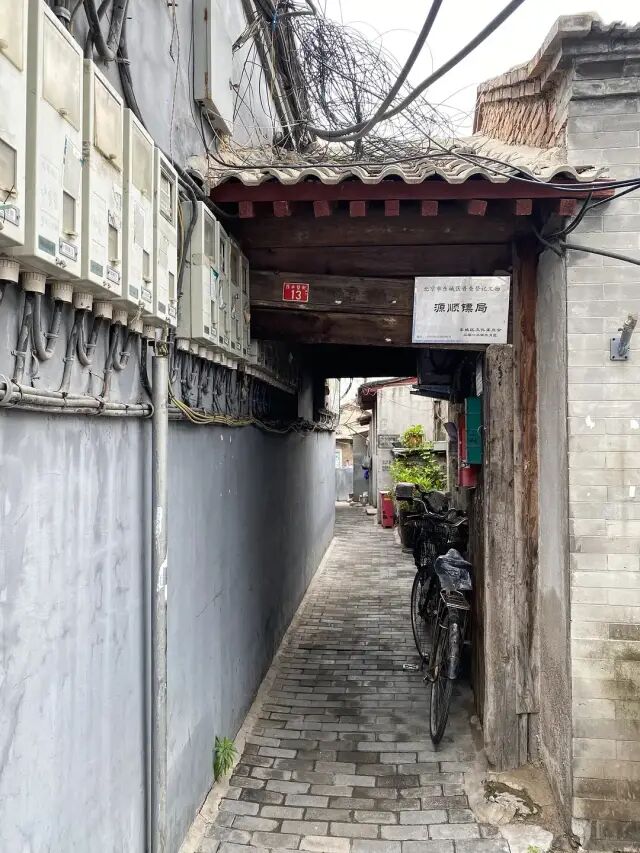
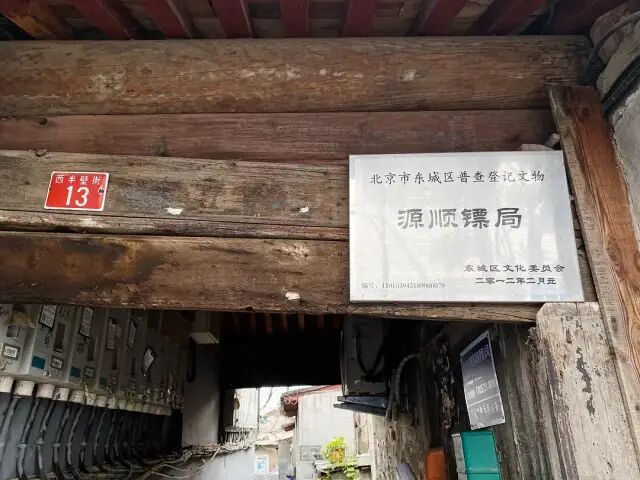
After entering the courtyard, there was originally a place to park escort carriages and horses. On the west side, there are three courtyards: the first was where Wang Wu performed his ritual washing and dua (prayer), the second and third were the living quarters for the escort guards, and the back courtyard contained the inner office, the storage room for escorted goods, and guest rooms. After the public-private partnership in the 1950s, the descendants of the Wang family only kept the south and north rooms of the back courtyard. The front courtyard became public housing, and after renovations by the housing management office, it is difficult to distinguish the original structure.
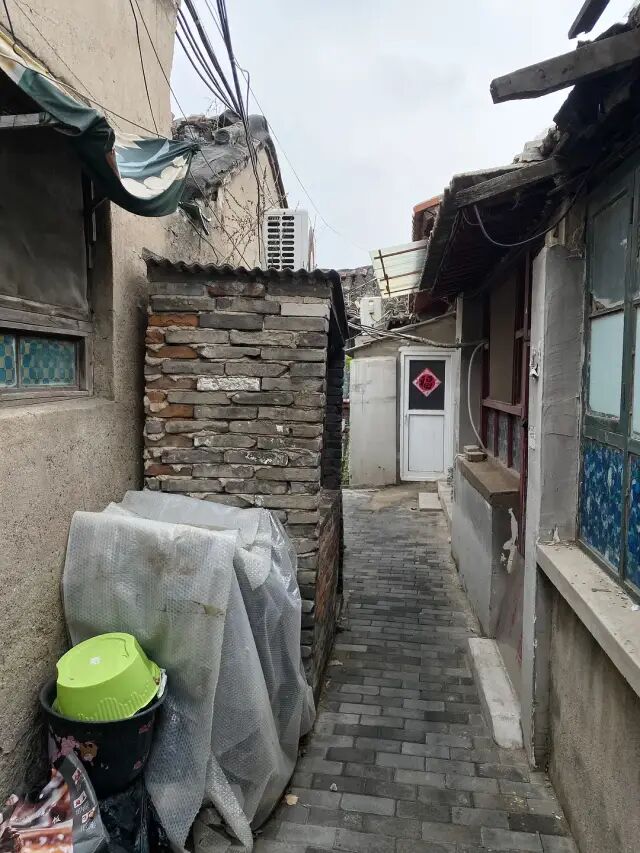
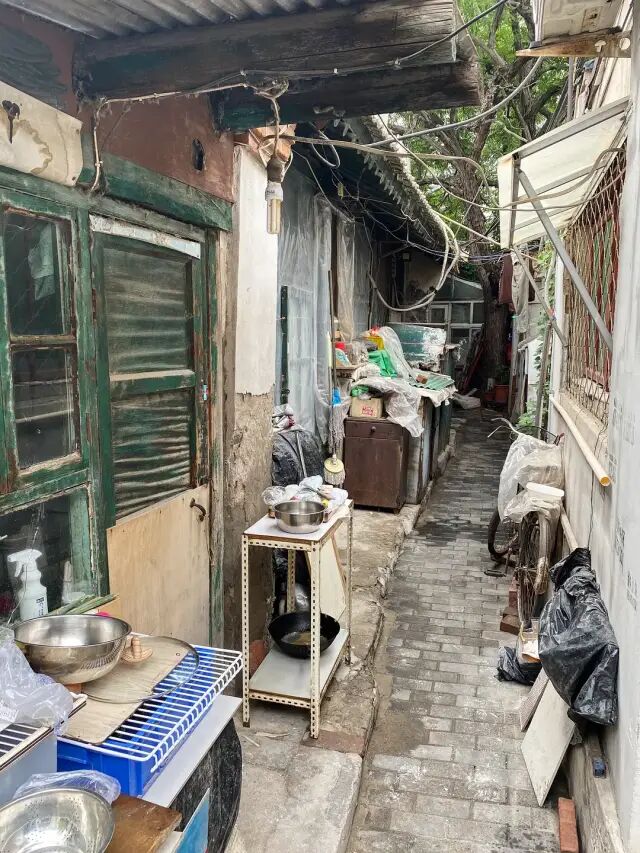
Back courtyard
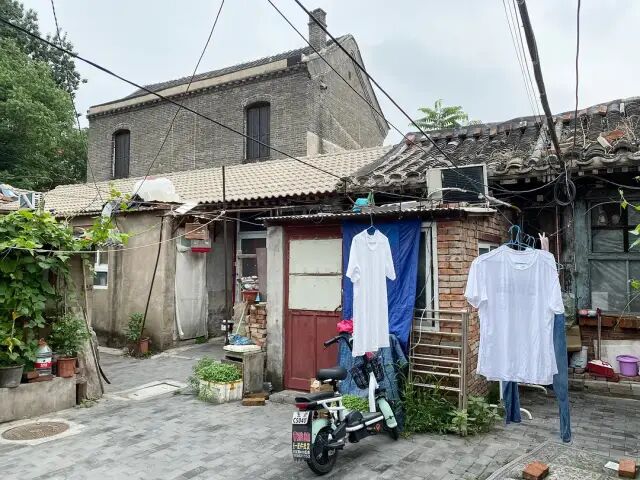
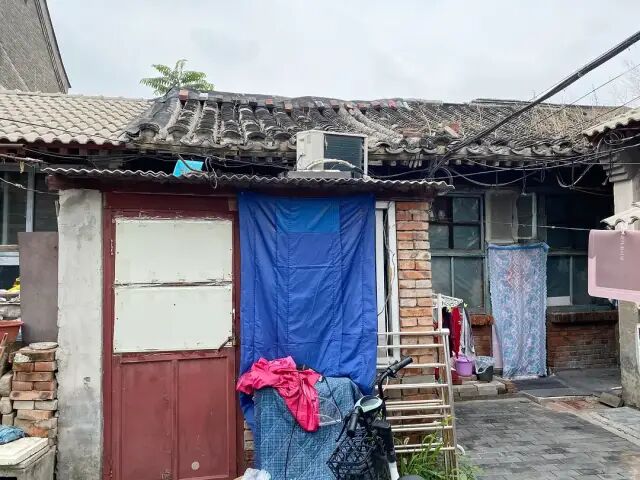
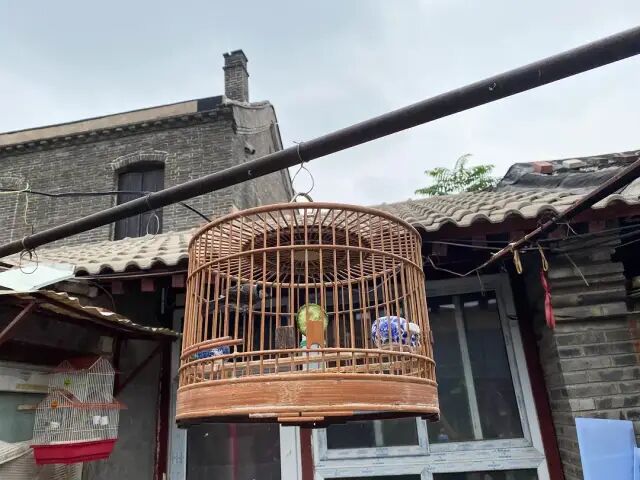
Summary: This travel note introduces Da Dao Wang Wu's Yuanshun Escort Agency: Beijing Hui Muslim History and Martial Arts. Last weekend, I visited the former site of the Yuanshun Biaoju (escort agency) established by the famous late Qing dynasty chivalrous hero Dadao Wang Wu on Banbi Street, west of Zhushikou outside Qianmen in Beijing. It is useful for readers interested in Beijing History, Hui Muslims, Martial Arts.
Last weekend, I visited the former site of the Yuanshun Biaoju (escort agency) established by the famous late Qing dynasty chivalrous hero Dadao Wang Wu on Banbi Street, west of Zhushikou outside Qianmen in Beijing. Dadao Wang Wu, whose real name was Wang Zibin (1844-1900) and courtesy name was Zhengyi, was a Han Chinese from Cangzhou, Hebei. He loved martial arts from a young age and greatly admired Li Fenggang, the manager of the Chengxing Biaoju in Cangzhou. The Li family came from a Hui Muslim military household background during the Ming dynasty, having moved from Nanjing to settle in Cangzhou during the Yongle reign while 'escorting the emperor,' and their tradition of practicing martial arts has never been interrupted since. In the late Qing dynasty, Li Fenggang's uncle, Li Guanming, learned the Liuhe Quan (Six Harmonies Boxing) style from the Cao family, a Hui Muslim family in Botou, and founded the 'Liuhe Men' (Six Harmonies School) in Cangzhou, which later developed into the largest martial arts school in the city. Li Guanming opened the Chengxing Biaoju outside the south gate of Cangzhou, enjoyed high prestige in the martial arts world, and almost never lost an escort. Li Guanming later passed the escort agency to his nephew, Li Fenggang, who had followed his uncle to learn Liuhe boxing and weaponry since childhood and was skilled with double sabers, earning him the nickname 'Shuangdao Jiang' (General of the Double Sabers).
Wang Wu very much wanted to become Li Fenggang's student, but according to the school's rules, the Li family's Liuhe Men only taught those of the Islamic faith. Wang Wu was determined to convert to Islam, but his mother did not agree. According to the 1933 'Cang County Gazetteer,' it is recorded: 'Zhengyi's teacher was Li Fenggang. Fenggang was a follower of Islam, and Zhengyi wanted to study under him. Fenggang would not teach him because he was not of the faith. Zhengyi wanted to join the faith to prove his sincerity, but his mother would not allow it. Zhengyi knelt and pleaded with her repeatedly for over ten years before his mother finally agreed. He then learned everything from Fenggang before going to the capital, where he was initially called Little Wang Wu.' ”
In the early years of the Guangxu reign, at the age of thirty, Wang Wu set up his own business and opened the Yuanshun Biaoju at Zhushikou outside Qianmen in Beijing. According to Liang Qichao's 'Yinbingshi Shihua' (Poetry Talks from the Ice-Drinker's Studio): 'Wang Wu was a chivalrous hero of Youyan who made his living as an escort.' His sphere of influence reached as far north as Shanhaiguan and as far south as Qingjiangpu, and he spent his life helping the weak and punishing the strong. ” The Yuanshun Biaoju gradually became one of the eight major escort agencies in the capital, and Wang Wu became known as 'Dadao Wang Wu' (Big Saber Wang Wu) because of his skill with the single saber. Pingjiang Buxiaosheng's 'Modern Chivalrous Hero Biography,' serialized starting in 1923, is the pioneering work of modern Chinese martial arts novels. The novel features Dadao Wang Wu and Huo Yuanjia as the main characters. Through the depiction of the deep friendship between Wang Wu and Tan Sitong, his chivalrous actions to save Tan Sitong, and his heroic sacrifice during the invasion of China by the Eight-Nation Alliance, the heroic image of Dadao Wang Wu became deeply rooted in people's hearts.
The Yuanshun Biaoju faces south, and the main gate was originally very spacious to allow escort carriages to pass through, but now most of it is occupied by a restroom. Only the western half of the original gate remains, and the door knocker on it is the one that Tan Sitong knocked on when he came to visit Dadao Wang Wu.
After entering the courtyard, there was originally a place to park escort carriages and horses. On the west side, there are three courtyards: the first was where Wang Wu performed his ritual washing and dua (prayer), the second and third were the living quarters for the escort guards, and the back courtyard contained the inner office, the storage room for escorted goods, and guest rooms. After the public-private partnership in the 1950s, the descendants of the Wang family only kept the south and north rooms of the back courtyard. The front courtyard became public housing, and after renovations by the housing management office, it is difficult to distinguish the original structure.
Back courtyard
Da Dao Wang Wu's Yuanshun Escort Agency: Beijing Hui Muslim History and Martial Arts
Articles • ali2007fr posted the article • 0 comments • 164 views • 2026-05-17 08:19
Reposted from the web
Summary: This travel note introduces Da Dao Wang Wu's Yuanshun Escort Agency: Beijing Hui Muslim History and Martial Arts. Last weekend, I visited the former site of the Yuanshun Biaoju (escort agency) established by the famous late Qing dynasty chivalrous hero Dadao Wang Wu on Banbi Street, west of Zhushikou outside Qianmen in Beijing. It is useful for readers interested in Beijing History, Hui Muslims, Martial Arts.
Last weekend, I visited the former site of the Yuanshun Biaoju (escort agency) established by the famous late Qing dynasty chivalrous hero Dadao Wang Wu on Banbi Street, west of Zhushikou outside Qianmen in Beijing. Dadao Wang Wu, whose real name was Wang Zibin (1844-1900) and courtesy name was Zhengyi, was a Han Chinese from Cangzhou, Hebei. He loved martial arts from a young age and greatly admired Li Fenggang, the manager of the Chengxing Biaoju in Cangzhou. The Li family came from a Hui Muslim military household background during the Ming dynasty, having moved from Nanjing to settle in Cangzhou during the Yongle reign while 'escorting the emperor,' and their tradition of practicing martial arts has never been interrupted since. In the late Qing dynasty, Li Fenggang's uncle, Li Guanming, learned the Liuhe Quan (Six Harmonies Boxing) style from the Cao family, a Hui Muslim family in Botou, and founded the 'Liuhe Men' (Six Harmonies School) in Cangzhou, which later developed into the largest martial arts school in the city. Li Guanming opened the Chengxing Biaoju outside the south gate of Cangzhou, enjoyed high prestige in the martial arts world, and almost never lost an escort. Li Guanming later passed the escort agency to his nephew, Li Fenggang, who had followed his uncle to learn Liuhe boxing and weaponry since childhood and was skilled with double sabers, earning him the nickname 'Shuangdao Jiang' (General of the Double Sabers).
Wang Wu very much wanted to become Li Fenggang's student, but according to the school's rules, the Li family's Liuhe Men only taught those of the Islamic faith. Wang Wu was determined to convert to Islam, but his mother did not agree. According to the 1933 'Cang County Gazetteer,' it is recorded: 'Zhengyi's teacher was Li Fenggang. Fenggang was a follower of Islam, and Zhengyi wanted to study under him. Fenggang would not teach him because he was not of the faith. Zhengyi wanted to join the faith to prove his sincerity, but his mother would not allow it. Zhengyi knelt and pleaded with her repeatedly for over ten years before his mother finally agreed. He then learned everything from Fenggang before going to the capital, where he was initially called Little Wang Wu.' ”
In the early years of the Guangxu reign, at the age of thirty, Wang Wu set up his own business and opened the Yuanshun Biaoju at Zhushikou outside Qianmen in Beijing. According to Liang Qichao's 'Yinbingshi Shihua' (Poetry Talks from the Ice-Drinker's Studio): 'Wang Wu was a chivalrous hero of Youyan who made his living as an escort.' His sphere of influence reached as far north as Shanhaiguan and as far south as Qingjiangpu, and he spent his life helping the weak and punishing the strong. ” The Yuanshun Biaoju gradually became one of the eight major escort agencies in the capital, and Wang Wu became known as 'Dadao Wang Wu' (Big Saber Wang Wu) because of his skill with the single saber. Pingjiang Buxiaosheng's 'Modern Chivalrous Hero Biography,' serialized starting in 1923, is the pioneering work of modern Chinese martial arts novels. The novel features Dadao Wang Wu and Huo Yuanjia as the main characters. Through the depiction of the deep friendship between Wang Wu and Tan Sitong, his chivalrous actions to save Tan Sitong, and his heroic sacrifice during the invasion of China by the Eight-Nation Alliance, the heroic image of Dadao Wang Wu became deeply rooted in people's hearts.
The Yuanshun Biaoju faces south, and the main gate was originally very spacious to allow escort carriages to pass through, but now most of it is occupied by a restroom. Only the western half of the original gate remains, and the door knocker on it is the one that Tan Sitong knocked on when he came to visit Dadao Wang Wu.
After entering the courtyard, there was originally a place to park escort carriages and horses. On the west side, there are three courtyards: the first was where Wang Wu performed his ritual washing and dua (prayer), the second and third were the living quarters for the escort guards, and the back courtyard contained the inner office, the storage room for escorted goods, and guest rooms. After the public-private partnership in the 1950s, the descendants of the Wang family only kept the south and north rooms of the back courtyard. The front courtyard became public housing, and after renovations by the housing management office, it is difficult to distinguish the original structure.
Back courtyard view all
Summary: This travel note introduces Da Dao Wang Wu's Yuanshun Escort Agency: Beijing Hui Muslim History and Martial Arts. Last weekend, I visited the former site of the Yuanshun Biaoju (escort agency) established by the famous late Qing dynasty chivalrous hero Dadao Wang Wu on Banbi Street, west of Zhushikou outside Qianmen in Beijing. It is useful for readers interested in Beijing History, Hui Muslims, Martial Arts.
Last weekend, I visited the former site of the Yuanshun Biaoju (escort agency) established by the famous late Qing dynasty chivalrous hero Dadao Wang Wu on Banbi Street, west of Zhushikou outside Qianmen in Beijing. Dadao Wang Wu, whose real name was Wang Zibin (1844-1900) and courtesy name was Zhengyi, was a Han Chinese from Cangzhou, Hebei. He loved martial arts from a young age and greatly admired Li Fenggang, the manager of the Chengxing Biaoju in Cangzhou. The Li family came from a Hui Muslim military household background during the Ming dynasty, having moved from Nanjing to settle in Cangzhou during the Yongle reign while 'escorting the emperor,' and their tradition of practicing martial arts has never been interrupted since. In the late Qing dynasty, Li Fenggang's uncle, Li Guanming, learned the Liuhe Quan (Six Harmonies Boxing) style from the Cao family, a Hui Muslim family in Botou, and founded the 'Liuhe Men' (Six Harmonies School) in Cangzhou, which later developed into the largest martial arts school in the city. Li Guanming opened the Chengxing Biaoju outside the south gate of Cangzhou, enjoyed high prestige in the martial arts world, and almost never lost an escort. Li Guanming later passed the escort agency to his nephew, Li Fenggang, who had followed his uncle to learn Liuhe boxing and weaponry since childhood and was skilled with double sabers, earning him the nickname 'Shuangdao Jiang' (General of the Double Sabers).
Wang Wu very much wanted to become Li Fenggang's student, but according to the school's rules, the Li family's Liuhe Men only taught those of the Islamic faith. Wang Wu was determined to convert to Islam, but his mother did not agree. According to the 1933 'Cang County Gazetteer,' it is recorded: 'Zhengyi's teacher was Li Fenggang. Fenggang was a follower of Islam, and Zhengyi wanted to study under him. Fenggang would not teach him because he was not of the faith. Zhengyi wanted to join the faith to prove his sincerity, but his mother would not allow it. Zhengyi knelt and pleaded with her repeatedly for over ten years before his mother finally agreed. He then learned everything from Fenggang before going to the capital, where he was initially called Little Wang Wu.' ”
In the early years of the Guangxu reign, at the age of thirty, Wang Wu set up his own business and opened the Yuanshun Biaoju at Zhushikou outside Qianmen in Beijing. According to Liang Qichao's 'Yinbingshi Shihua' (Poetry Talks from the Ice-Drinker's Studio): 'Wang Wu was a chivalrous hero of Youyan who made his living as an escort.' His sphere of influence reached as far north as Shanhaiguan and as far south as Qingjiangpu, and he spent his life helping the weak and punishing the strong. ” The Yuanshun Biaoju gradually became one of the eight major escort agencies in the capital, and Wang Wu became known as 'Dadao Wang Wu' (Big Saber Wang Wu) because of his skill with the single saber. Pingjiang Buxiaosheng's 'Modern Chivalrous Hero Biography,' serialized starting in 1923, is the pioneering work of modern Chinese martial arts novels. The novel features Dadao Wang Wu and Huo Yuanjia as the main characters. Through the depiction of the deep friendship between Wang Wu and Tan Sitong, his chivalrous actions to save Tan Sitong, and his heroic sacrifice during the invasion of China by the Eight-Nation Alliance, the heroic image of Dadao Wang Wu became deeply rooted in people's hearts.
The Yuanshun Biaoju faces south, and the main gate was originally very spacious to allow escort carriages to pass through, but now most of it is occupied by a restroom. Only the western half of the original gate remains, and the door knocker on it is the one that Tan Sitong knocked on when he came to visit Dadao Wang Wu.
After entering the courtyard, there was originally a place to park escort carriages and horses. On the west side, there are three courtyards: the first was where Wang Wu performed his ritual washing and dua (prayer), the second and third were the living quarters for the escort guards, and the back courtyard contained the inner office, the storage room for escorted goods, and guest rooms. After the public-private partnership in the 1950s, the descendants of the Wang family only kept the south and north rooms of the back courtyard. The front courtyard became public housing, and after renovations by the housing management office, it is difficult to distinguish the original structure.
Back courtyard view all
Reposted from the web
Summary: This travel note introduces Da Dao Wang Wu's Yuanshun Escort Agency: Beijing Hui Muslim History and Martial Arts. Last weekend, I visited the former site of the Yuanshun Biaoju (escort agency) established by the famous late Qing dynasty chivalrous hero Dadao Wang Wu on Banbi Street, west of Zhushikou outside Qianmen in Beijing. It is useful for readers interested in Beijing History, Hui Muslims, Martial Arts.
Last weekend, I visited the former site of the Yuanshun Biaoju (escort agency) established by the famous late Qing dynasty chivalrous hero Dadao Wang Wu on Banbi Street, west of Zhushikou outside Qianmen in Beijing. Dadao Wang Wu, whose real name was Wang Zibin (1844-1900) and courtesy name was Zhengyi, was a Han Chinese from Cangzhou, Hebei. He loved martial arts from a young age and greatly admired Li Fenggang, the manager of the Chengxing Biaoju in Cangzhou. The Li family came from a Hui Muslim military household background during the Ming dynasty, having moved from Nanjing to settle in Cangzhou during the Yongle reign while 'escorting the emperor,' and their tradition of practicing martial arts has never been interrupted since. In the late Qing dynasty, Li Fenggang's uncle, Li Guanming, learned the Liuhe Quan (Six Harmonies Boxing) style from the Cao family, a Hui Muslim family in Botou, and founded the 'Liuhe Men' (Six Harmonies School) in Cangzhou, which later developed into the largest martial arts school in the city. Li Guanming opened the Chengxing Biaoju outside the south gate of Cangzhou, enjoyed high prestige in the martial arts world, and almost never lost an escort. Li Guanming later passed the escort agency to his nephew, Li Fenggang, who had followed his uncle to learn Liuhe boxing and weaponry since childhood and was skilled with double sabers, earning him the nickname 'Shuangdao Jiang' (General of the Double Sabers).
Wang Wu very much wanted to become Li Fenggang's student, but according to the school's rules, the Li family's Liuhe Men only taught those of the Islamic faith. Wang Wu was determined to convert to Islam, but his mother did not agree. According to the 1933 'Cang County Gazetteer,' it is recorded: 'Zhengyi's teacher was Li Fenggang. Fenggang was a follower of Islam, and Zhengyi wanted to study under him. Fenggang would not teach him because he was not of the faith. Zhengyi wanted to join the faith to prove his sincerity, but his mother would not allow it. Zhengyi knelt and pleaded with her repeatedly for over ten years before his mother finally agreed. He then learned everything from Fenggang before going to the capital, where he was initially called Little Wang Wu.' ”
In the early years of the Guangxu reign, at the age of thirty, Wang Wu set up his own business and opened the Yuanshun Biaoju at Zhushikou outside Qianmen in Beijing. According to Liang Qichao's 'Yinbingshi Shihua' (Poetry Talks from the Ice-Drinker's Studio): 'Wang Wu was a chivalrous hero of Youyan who made his living as an escort.' His sphere of influence reached as far north as Shanhaiguan and as far south as Qingjiangpu, and he spent his life helping the weak and punishing the strong. ” The Yuanshun Biaoju gradually became one of the eight major escort agencies in the capital, and Wang Wu became known as 'Dadao Wang Wu' (Big Saber Wang Wu) because of his skill with the single saber. Pingjiang Buxiaosheng's 'Modern Chivalrous Hero Biography,' serialized starting in 1923, is the pioneering work of modern Chinese martial arts novels. The novel features Dadao Wang Wu and Huo Yuanjia as the main characters. Through the depiction of the deep friendship between Wang Wu and Tan Sitong, his chivalrous actions to save Tan Sitong, and his heroic sacrifice during the invasion of China by the Eight-Nation Alliance, the heroic image of Dadao Wang Wu became deeply rooted in people's hearts.
The Yuanshun Biaoju faces south, and the main gate was originally very spacious to allow escort carriages to pass through, but now most of it is occupied by a restroom. Only the western half of the original gate remains, and the door knocker on it is the one that Tan Sitong knocked on when he came to visit Dadao Wang Wu.
After entering the courtyard, there was originally a place to park escort carriages and horses. On the west side, there are three courtyards: the first was where Wang Wu performed his ritual washing and dua (prayer), the second and third were the living quarters for the escort guards, and the back courtyard contained the inner office, the storage room for escorted goods, and guest rooms. After the public-private partnership in the 1950s, the descendants of the Wang family only kept the south and north rooms of the back courtyard. The front courtyard became public housing, and after renovations by the housing management office, it is difficult to distinguish the original structure.
Back courtyard
Summary: This travel note introduces Da Dao Wang Wu's Yuanshun Escort Agency: Beijing Hui Muslim History and Martial Arts. Last weekend, I visited the former site of the Yuanshun Biaoju (escort agency) established by the famous late Qing dynasty chivalrous hero Dadao Wang Wu on Banbi Street, west of Zhushikou outside Qianmen in Beijing. It is useful for readers interested in Beijing History, Hui Muslims, Martial Arts.
Last weekend, I visited the former site of the Yuanshun Biaoju (escort agency) established by the famous late Qing dynasty chivalrous hero Dadao Wang Wu on Banbi Street, west of Zhushikou outside Qianmen in Beijing. Dadao Wang Wu, whose real name was Wang Zibin (1844-1900) and courtesy name was Zhengyi, was a Han Chinese from Cangzhou, Hebei. He loved martial arts from a young age and greatly admired Li Fenggang, the manager of the Chengxing Biaoju in Cangzhou. The Li family came from a Hui Muslim military household background during the Ming dynasty, having moved from Nanjing to settle in Cangzhou during the Yongle reign while 'escorting the emperor,' and their tradition of practicing martial arts has never been interrupted since. In the late Qing dynasty, Li Fenggang's uncle, Li Guanming, learned the Liuhe Quan (Six Harmonies Boxing) style from the Cao family, a Hui Muslim family in Botou, and founded the 'Liuhe Men' (Six Harmonies School) in Cangzhou, which later developed into the largest martial arts school in the city. Li Guanming opened the Chengxing Biaoju outside the south gate of Cangzhou, enjoyed high prestige in the martial arts world, and almost never lost an escort. Li Guanming later passed the escort agency to his nephew, Li Fenggang, who had followed his uncle to learn Liuhe boxing and weaponry since childhood and was skilled with double sabers, earning him the nickname 'Shuangdao Jiang' (General of the Double Sabers).
Wang Wu very much wanted to become Li Fenggang's student, but according to the school's rules, the Li family's Liuhe Men only taught those of the Islamic faith. Wang Wu was determined to convert to Islam, but his mother did not agree. According to the 1933 'Cang County Gazetteer,' it is recorded: 'Zhengyi's teacher was Li Fenggang. Fenggang was a follower of Islam, and Zhengyi wanted to study under him. Fenggang would not teach him because he was not of the faith. Zhengyi wanted to join the faith to prove his sincerity, but his mother would not allow it. Zhengyi knelt and pleaded with her repeatedly for over ten years before his mother finally agreed. He then learned everything from Fenggang before going to the capital, where he was initially called Little Wang Wu.' ”
In the early years of the Guangxu reign, at the age of thirty, Wang Wu set up his own business and opened the Yuanshun Biaoju at Zhushikou outside Qianmen in Beijing. According to Liang Qichao's 'Yinbingshi Shihua' (Poetry Talks from the Ice-Drinker's Studio): 'Wang Wu was a chivalrous hero of Youyan who made his living as an escort.' His sphere of influence reached as far north as Shanhaiguan and as far south as Qingjiangpu, and he spent his life helping the weak and punishing the strong. ” The Yuanshun Biaoju gradually became one of the eight major escort agencies in the capital, and Wang Wu became known as 'Dadao Wang Wu' (Big Saber Wang Wu) because of his skill with the single saber. Pingjiang Buxiaosheng's 'Modern Chivalrous Hero Biography,' serialized starting in 1923, is the pioneering work of modern Chinese martial arts novels. The novel features Dadao Wang Wu and Huo Yuanjia as the main characters. Through the depiction of the deep friendship between Wang Wu and Tan Sitong, his chivalrous actions to save Tan Sitong, and his heroic sacrifice during the invasion of China by the Eight-Nation Alliance, the heroic image of Dadao Wang Wu became deeply rooted in people's hearts.
The Yuanshun Biaoju faces south, and the main gate was originally very spacious to allow escort carriages to pass through, but now most of it is occupied by a restroom. Only the western half of the original gate remains, and the door knocker on it is the one that Tan Sitong knocked on when he came to visit Dadao Wang Wu.
After entering the courtyard, there was originally a place to park escort carriages and horses. On the west side, there are three courtyards: the first was where Wang Wu performed his ritual washing and dua (prayer), the second and third were the living quarters for the escort guards, and the back courtyard contained the inner office, the storage room for escorted goods, and guest rooms. After the public-private partnership in the 1950s, the descendants of the Wang family only kept the south and north rooms of the back courtyard. The front courtyard became public housing, and after renovations by the housing management office, it is difficult to distinguish the original structure.
Back courtyard