

Melaka Sultanate
Halal Travel Guide: Melaka — First Southeast Asian Sultanate and Muslim Heritage
Articles • ali2007fr posted the article • 0 comments • 142 views • 2026-05-18 06:13
Reposted from the web
Summary: Melaka — First Southeast Asian Sultanate and Muslim Heritage is presented here as a firsthand travel account in clear English, beginning with this scene: Malacca sits on the west coast of the Malay Peninsula. Before the 14th century, it was just a fishing village in the Srivijaya Kingdom of Sumatra. The account keeps its focus on Melaka Sultanate, Southeast Asian Islam, Muslim Heritage while preserving the names, places, food, and historical details from the Chinese source.
Malacca sits on the west coast of the Malay Peninsula. Before the 14th century, it was just a fishing village in the Srivijaya Kingdom of Sumatra. In the late 14th century, the Majapahit Kingdom of Java conquered Srivijaya. Prince Paramesvara fled the capital of Palembang and eventually settled in Malacca in 1400.
To defend against threats from the Siamese Kingdom, Paramesvara reached out to the Ming Dynasty. In 1406, the Yongle Emperor officially named him the King of Malacca. Under Paramesvara’s leadership, Arab, Indian, and Persian merchants began trading in Malacca. The city grew into a vital port connecting East Asia, West Asia, and South Asia.
Since most merchants trading in Malacca were Muslims, the rulers of Malacca increasingly recognized the importance of Islam to their trade. During the reign of the third ruler, Raja Tengah (1424-1444), all royal ministers converted to Islam. The king changed his name to Muhammad Shah and took the title of Sultan, making the Malacca Sultanate the first sultanate in Southeast Asia.
The Malacca Sultanate began to flourish in the mid-to-late 15th century. It controlled the Strait of Malacca and became a trade hub for Southeast Asia, with many Persian and Arab merchants using the port to trade with the Ming Dynasty and other parts of East Asia. Around 1500, the Malacca Sultanate reached its peak. It was a marketplace for Indian pepper and cloth, Chinese porcelain and silk, and Indonesian spices.
The Malacca Sultanate at its peak in the late 15th century, from Wikipedia.
The tomb of the Malacca Sultanate warrior Hang Kasturi.
Hang Kasturi was one of the five great warriors of the Malacca Sultanate who lived during the reign of Sultan Mansur Shah (1456-1477). "Hang" is the highest honorary title given by the Sultan of Malacca to Malay warriors. The tomb of Hang Kasturi has a typical Indian style, which was likely built by later generations to commemorate him.
The fall of the Malacca Sultanate.
Until the end of the 15th century, spices in Europe were obtained through Venice, which got them from Arabia and India, while Arabia and India got them from Malacca. This process was complex and cumbersome. Driven by a desire for spices, the King of Portugal ordered his people to bypass the Cape of Good Hope to break the trade chain and establish a direct trade route with the East.
In 1509, a Portuguese representative arrived in Malacca with a letter from the King, hoping to establish direct trade with Malacca. Because the Portuguese had once used Catholics to fight against non-believers in India, the powerful Tamil Muslim faction in the Malacca court was very hostile toward them. The Malacca Sultanate eventually decided to arrest the Portuguese representatives. One representative escaped alone, while his companions were imprisoned.
In 1511, the Portuguese governor of India led 18 ships and 1,400 men to Malacca to negotiate the release of the prisoners with the Sultan. After three months of stalling, the Portuguese bribed the castle guards to open the main gate. The Portuguese army entered Malacca, and the last Sultan fled. His descendants later established the Johor Sultanate.
The Portuguese castle on the ruins of the Sultan's palace.
After occupying Malacca in 1511, the Portuguese built the A Famosa fort on the site of the original Malacca Sultanate palace. They planned to turn Malacca into a key trading port on the spice route between Europe and China, while also defending against attacks from the remaining forces of the Malacca Sultanate and the emerging Aceh Sultanate. A Famosa means "the famous" in Portuguese.
To build the castle, the Portuguese tore down Malacca's original palaces, graveyards, and every mosque. The original castle consisted of walls and four main towers. One was a four-story main building, while the other three served as an ammunition room, a captain's room, and officers' quarters. Most residents lived in the town inside the castle. As the population grew, the castle was expanded in 1586.
Malacca in 1780, with the castle on the right and the town on the left, from Wikipedia.
St. Paul's Church, built inside the castle in 1521, is the oldest church building in Southeast Asia.
The revival of the faith in the 18th century—traditional mosques in Malacca.
After the Portuguese occupied Malacca, they destroyed all the mosques of the Malacca Sultanate and promoted Catholicism in the city. However, the Portuguese were not successful. Catholicism did not have much influence in Malacca until the Dutch took over.
The Dutch adopted a more tolerant religious policy in Malacca, allowing Islam and Hinduism to spread. In 1728, the Dutch East India Company hired a Chinese convert to build a new mosque near the ruins of one destroyed by the Portuguese. This became the Kampung Hulu Mosque (Masjid Kampung Hulu). Kampong means village in the Malay language.
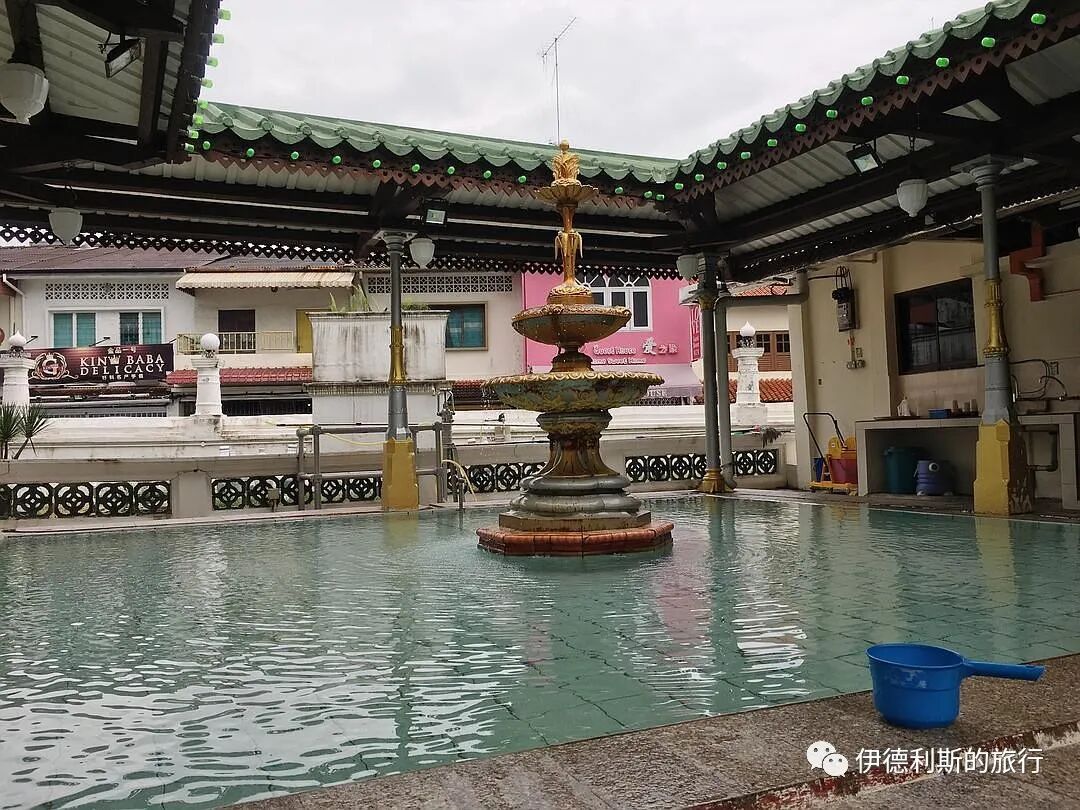
The mosque consists of a main prayer hall, a small ablution pool, and a minaret. The main hall uses the traditional Javanese Tajug multi-layered pyramid roof. The decoration at the very top is called a Mustoko or Memolo in Javanese. This roof design leaves space between the upper and middle layers for ventilation and light, which helps it handle the humid and rainy tropical climate.
Unlike traditional Javanese mosques built entirely of wood, the Kampung Hulu Mosque is made of brick and stone with plaster-coated roofs, showing the influence of Dutch colonial architecture.
The mosque's ceramic tiles and floor tiles were all imported from China, and the patterns on the windows also show Chinese influence.
The minbar inside the main hall features rich patterns and is very characteristic of Javanese style.
The minaret looks like a lighthouse, which is a first for the entire Malay Peninsula. Before this, mosques in the Malay Peninsula did not have a tradition of building minarets. On Java Island, the Great Mosque of Banten, built in 1632, was the first to have a lighthouse-style minaret designed and built by a Chinese man named Cek-ban-cut.
A traditional drum called a beduk (Beduk) sits above the mosque gate. Early traditional mosques in Southeast Asia used drums to call people to prayer. Today, many mosques still use drums to call people to prayer and signal the end of the daily fast during Jumu'ah and Ramadan.
Wudu pool
Tengkera Mosque (Masjid Tengkera) was the second mosque built in Malacca with funding from the Dutch East India Company. It was also completed in 1728, and its architectural style is similar to Kampung Kling Mosque, featuring the same traditional Javanese mosque roof.
Tengkera Mosque was originally a wooden structure made from timber that the Dutch East India Company bought from Kalimantan, Indonesia. After two renovations in 1890 and 1910, it was changed to the same brick and stone structure as Kampung Kling Mosque, and the roof was changed to glazed tiles.
The main prayer hall also has a beautifully carved minbar.
Water pool
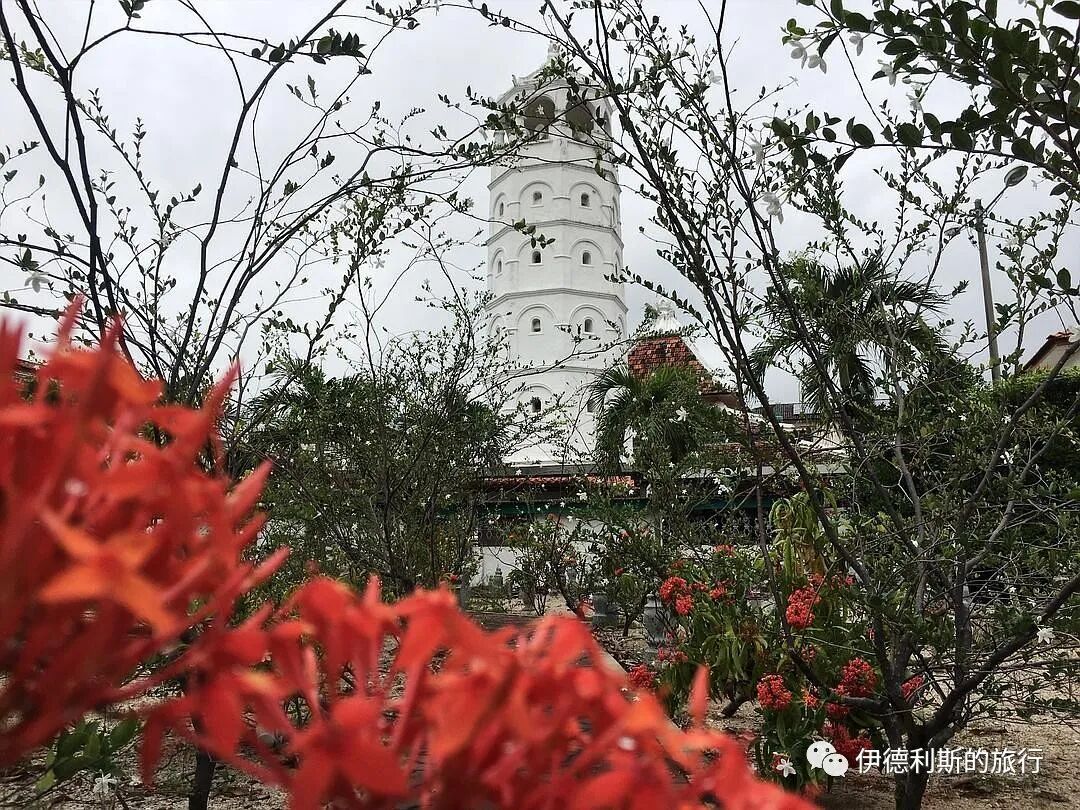
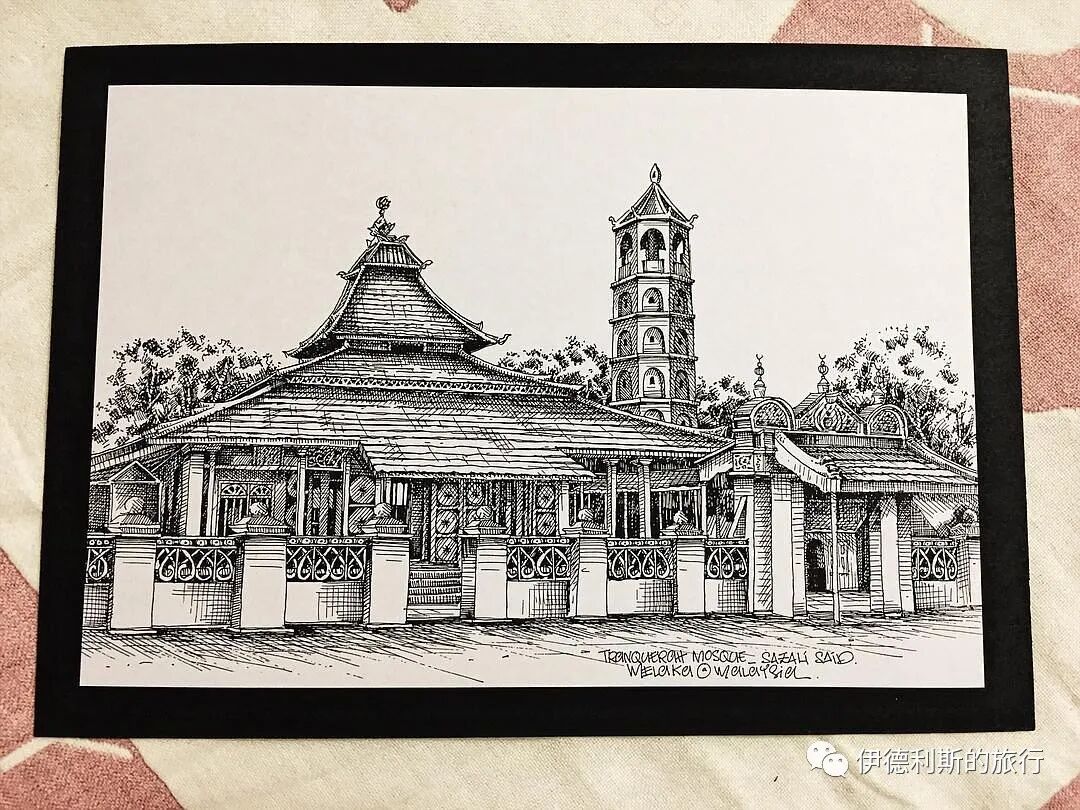
Unlike the Kampung Hulu Mosque, the minaret of the Kampung Kling Mosque is modeled after a Chinese pagoda. This was the first of its kind on the Malay Peninsula and is now a major landmark in Malacca.
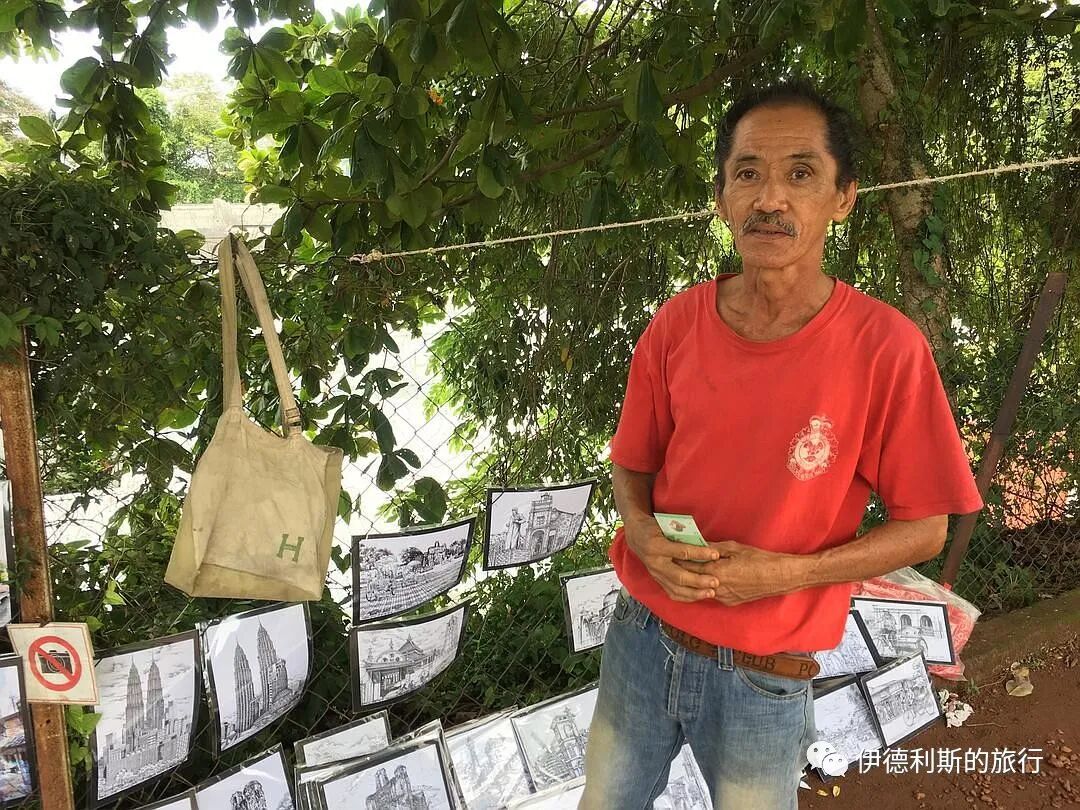
I bought a painting of the Kampung Kling Mosque from a Malay man on the mountain road next to St. Paul's Church.
The artist
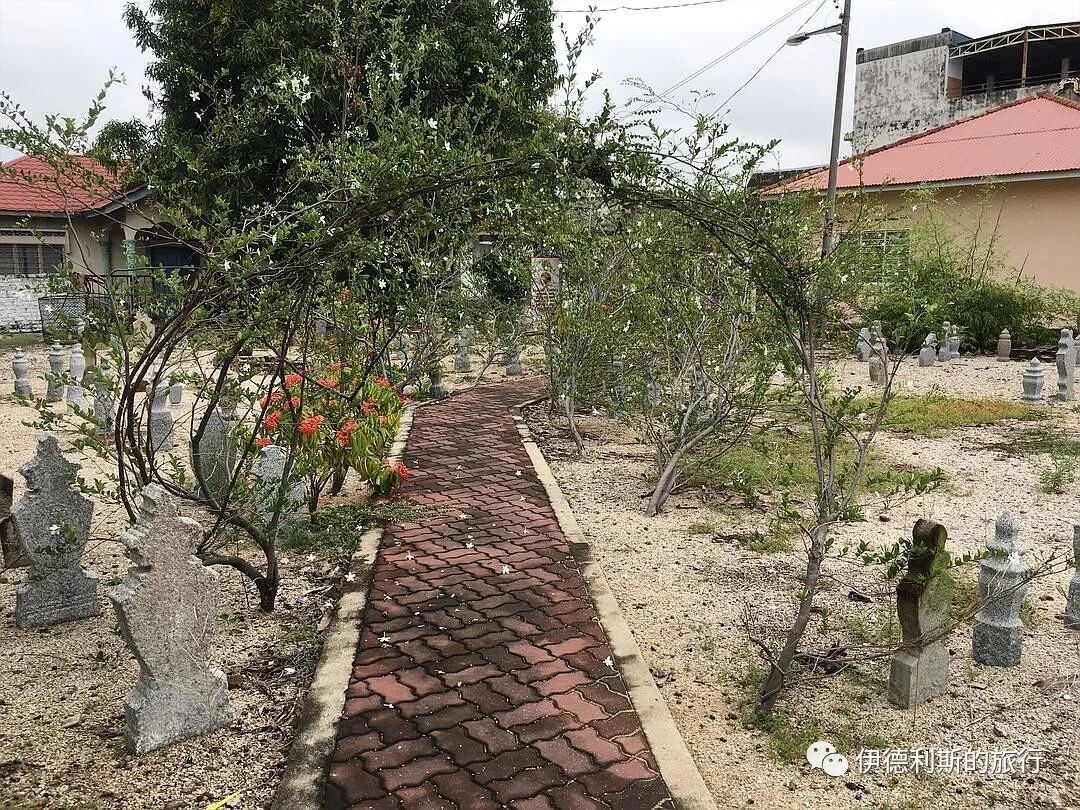
Tomb of Sultan Hussein Shah of Johor
The tomb of Sultan Hussein Shah of Johor is in the backyard of the mosque. He played a key role in the founding of Singapore. After the Portuguese occupied Malacca in 1511, the Sultan of Malacca fled to Johor to continue his rule. In 1528, the last Sultan of Malacca passed away. His son, Alauddin Riayat Shah II, officially established the Johor Sultanate, viewing it as the legitimate continuation of the Malacca Sultanate.
Hussein Shah was born in 1776 and was the eldest son of Sultan Mahmud Shah III of Johor. When Mahmud Shah III passed away in 1812, Hussein Shah was not in the capital. His younger brother took the throne quickly with the support of government ministers, forcing Hussein Shah to flee to the Riau Islands.
In 1819, the British East India Company decided to build a new base in Southeast Asia. They found the exiled Hussein Shah and named him Sultan of Johor and Singapore in exchange for the right to establish a trading post in Singapore. Hussein Shah then came to Singapore and became a Sultan under British control.
In 1824, the British bought Singapore for 33,200 dollars, and Sultan Hussein Shah received 1,300 dollars every month. He held no real power in Singapore and served only as a symbolic figure.
Sultan Hussein Shah lived in Singapore until 1834, then moved to Malacca with his family. He passed away in 1835 and was buried at the Tengkera Mosque (Dongjiena qingzhensi).
Minaret ruins
Not far east of the Kampung Kling Mosque (Masjid Kampong Kling) stands a minaret built in the style of a Chinese pagoda. It bears the inscription 'Menara lama surau tengkera di bina pada tahun 1728,' which means 'old mosque tower built in 1728.' This is likely a remnant of another mosque funded by the Dutch East India Company in 1728.
The Kampung Kling Mosque (Masjid Kampong Kling) was built in 1748 by Indian Muslims who were doing business in Malacca. The name Kling comes from the local term for Indian people, 'Kalinga'. This area was a settlement for Indian Muslims in the 18th century. However, after the rubber industry boomed in Malacca from the 19th to the early 20th century, it became a residential area for Chinese people who came to work in the rubber industry.
The Kampung Kling Mosque (Masjid Kampong Kling) shares a similar style with the two mosques built earlier. The main prayer hall was originally a wooden structure, but it was rebuilt with brick and wood in 1872.
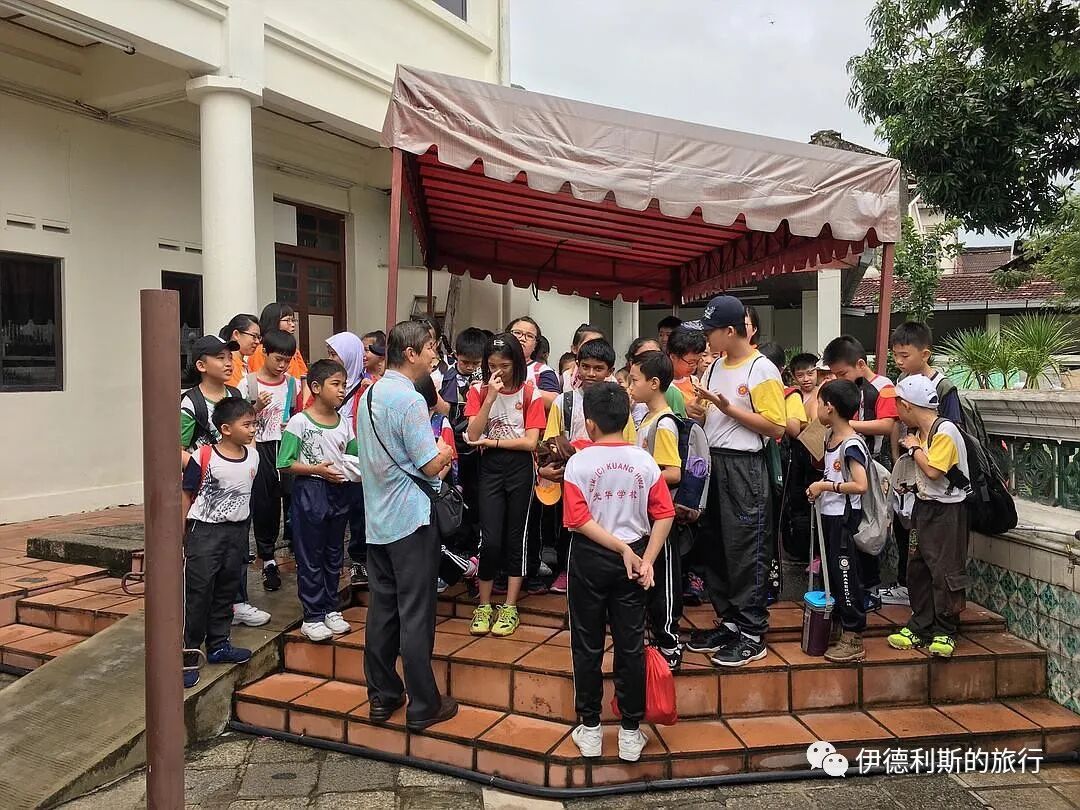
There are students visiting in the courtyard.
The Corinthian columns around and inside the main hall are a special feature of this mosque. The floor tiles were imported from China, and the hall has a Victorian-style ceiling and a beautifully carved pulpit (minbar).
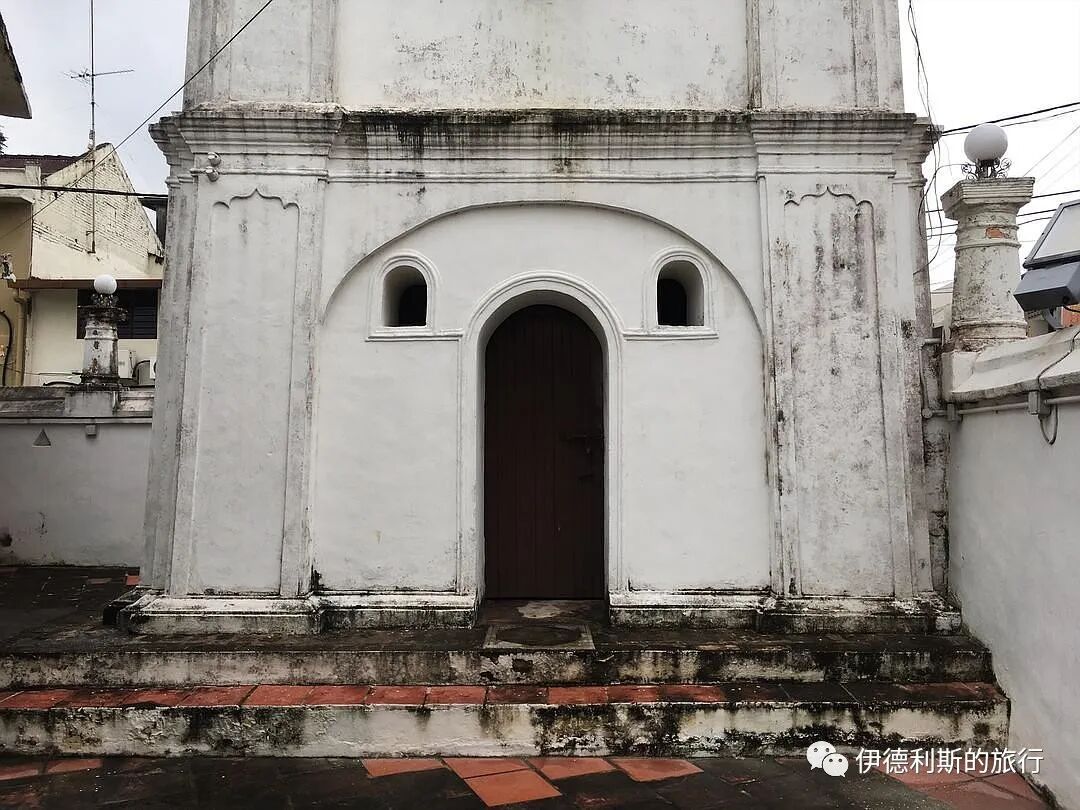
The minaret is also built in the style of a Chinese pagoda.
Water pool
The 1940 flagpole.
Malaysian Architectural Museum (Muzium Seni Bina Malaysia).
At the foot of the A Famosa fortress, there is a series of museums converted from historic buildings, many of which are related to Islam. Let's start our tour at the Malaysian Architectural Museum.
Acehnese-style gravestones
During the era of the Malacca Sultanate, many royals and important figures were buried using Acehnese-style gravestones. Aceh is located in the northern part of Sumatra, Indonesia. From the early 16th century to the early 20th century, the Acehnese people established the highly influential Aceh Sultanate.
There are two types of Acehnese-style gravestones: the men's version is wider with two distinct corners, while the women's version is pyramid-shaped. The gravestones usually feature the name of the deceased, their birth and death dates, as well as Quranic verses and some poetry.
Traditional wooden doors in the style of the Malay East Coast
Wooden doors in the Malay East Coast style, carved with traditional Arabic calligraphy and floral patterns.
Malacca Islamic Museum (Muzium Islam Melaka)
The building housing the Malacca Islamic Museum was once the Malacca Islamic Council office. Its exact construction date is unknown, but it is estimated to be from the British colonial period in the 1850s. Some believe the lower level was built during the Dutch colonial period (1641-1824) and the upper level was added later by the British.
This building served as the Malacca Islamic Council office until 1990, after which it became the Malacca Islamic Museum.
Two sundials used to indicate prayer times at the Kampung Kling Mosque in Malacca. These sundials are usually used for the Friday prayer (Jumu'ah) and the afternoon prayers. Because they require sunlight, they cannot be used for the dawn (Fajr) or night (Isha) prayers.
The prayer drum (beduk) used for the call to prayer at Kampung Kling Mosque is usually kept in the mosque corridor. The prayer drum was brought to Malacca from Java. It is typically made from tropical hardwoods like merbau or chegal, and it is played in a way similar to the Japanese taiko drum.
The prayer drum is played differently during the Friday prayer (Jumu'ah) than at other times. During Ramadan, the beduk drum signals the nightly breaking of the fast, and during Eid al-Fitr, people beat the beduk drum while reciting the takbir.
These two wooden tombstones are among the oldest Muslim grave markers found in Malacca, and they were moved from the Tengkera Mosque (Masjid Tengkera) to the museum in 2014.
These tombstones made of laterite stone were often used for Muslim graves during the Portuguese occupation (1511-1641), and they were also moved from the Tengkera Mosque to the museum in 2014.
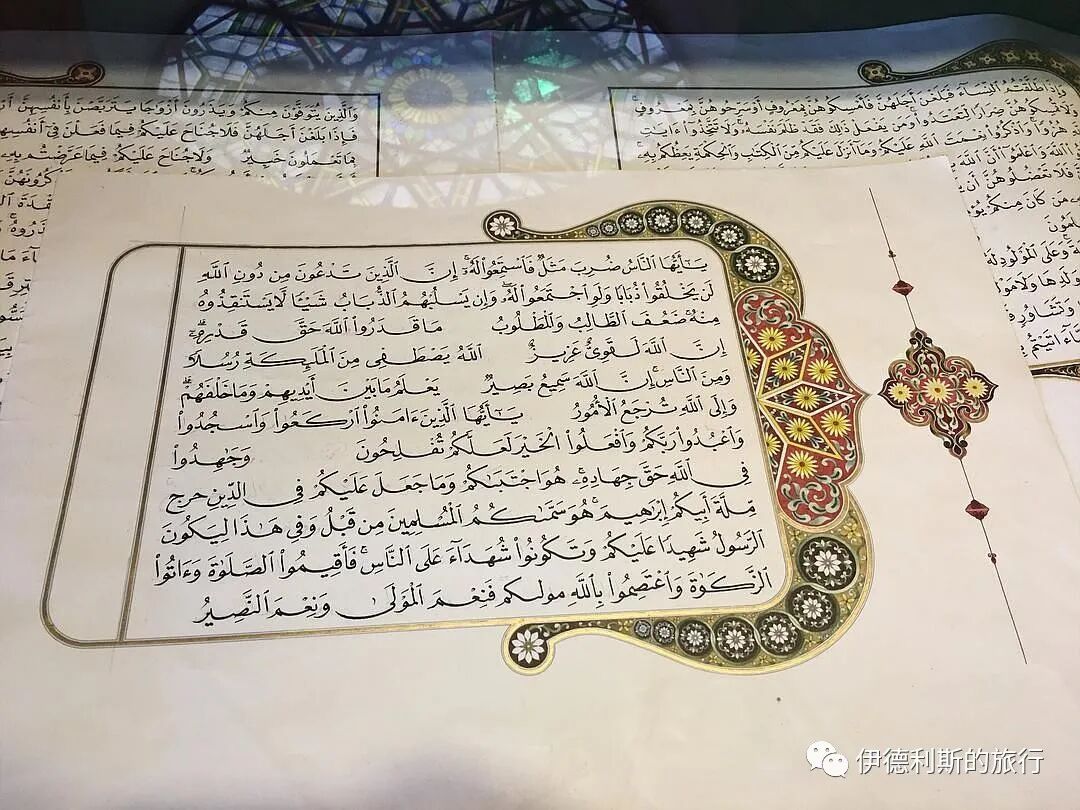
This is a handwritten Quran manuscript by a haji in Malacca, copied in 1881. The dark text is the scripture, and the light text is the Indonesian translation.
A handwritten Quran manuscript from the museum collection.
A porcelain plate from the Dutch occupation period (1641-1824).
This is a typical traditional Malaysian hardwood carved pulpit (minbar), usually found to the right of the mihrab.
The Malay World and Islamic World Museum (Muzium Dunia Melayu Dunia Islam) in Malaysia.
The Malay World and Islamic World Museum in Malacca sits next to the A Famosa gate. The building was originally the office for a British rubber company built in 1910. Malacca saw a brief boom in the early 20th century thanks to the rubber industry. This era left behind many large homes belonging to Nanyang Chinese families, as well as this British-style building.
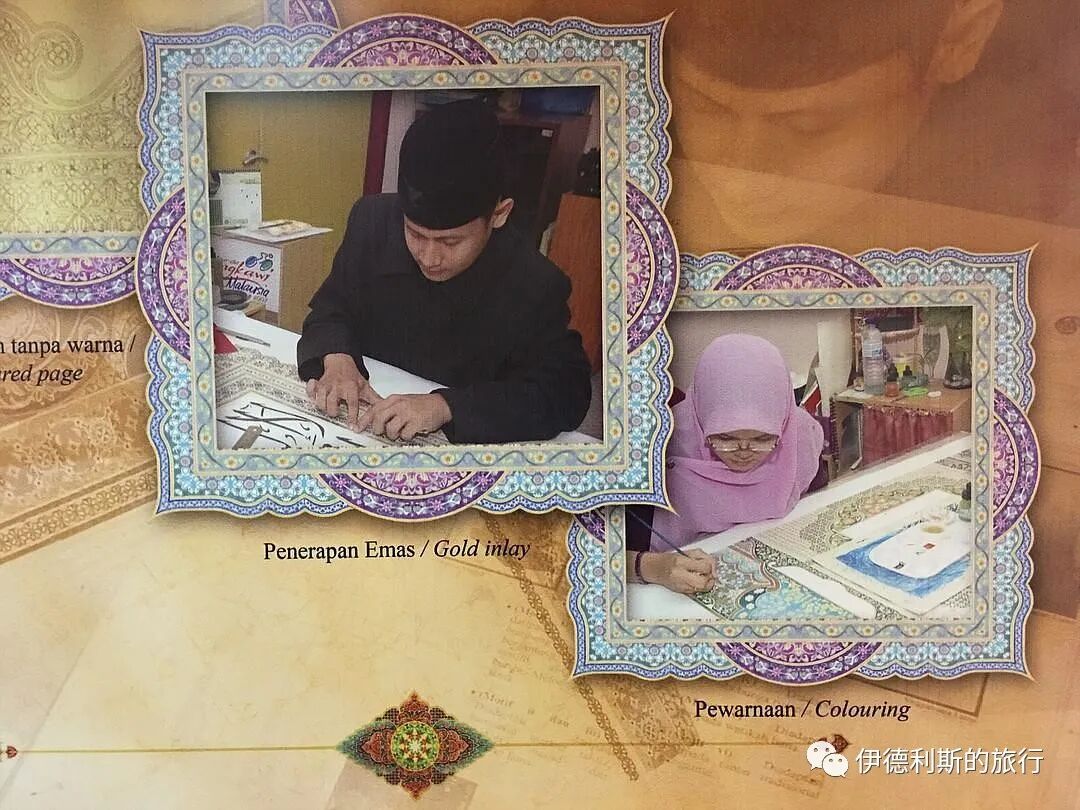
The museum houses handwritten scriptures and the traditional tools used to copy them.
A beduk drum from the Bukit Darat mosque in Malacca, dating back 70 or 80 years.
A traditional Malay pulpit (minbar).
When I visited, the museum was hosting a special exhibition from the South Sumatra Provincial Museum in Indonesia.
Headdresses and traditional musical instruments from the people of South Sumatra province.
This is a model of a traditional mosque from South Sumatra province. You can see that the mosques built in Malacca during the Dutch colonial period used this same three-tiered roof design.
Students resting and eating lunch in front of the museum, along with an auntie selling watermelon juice and coconut water.
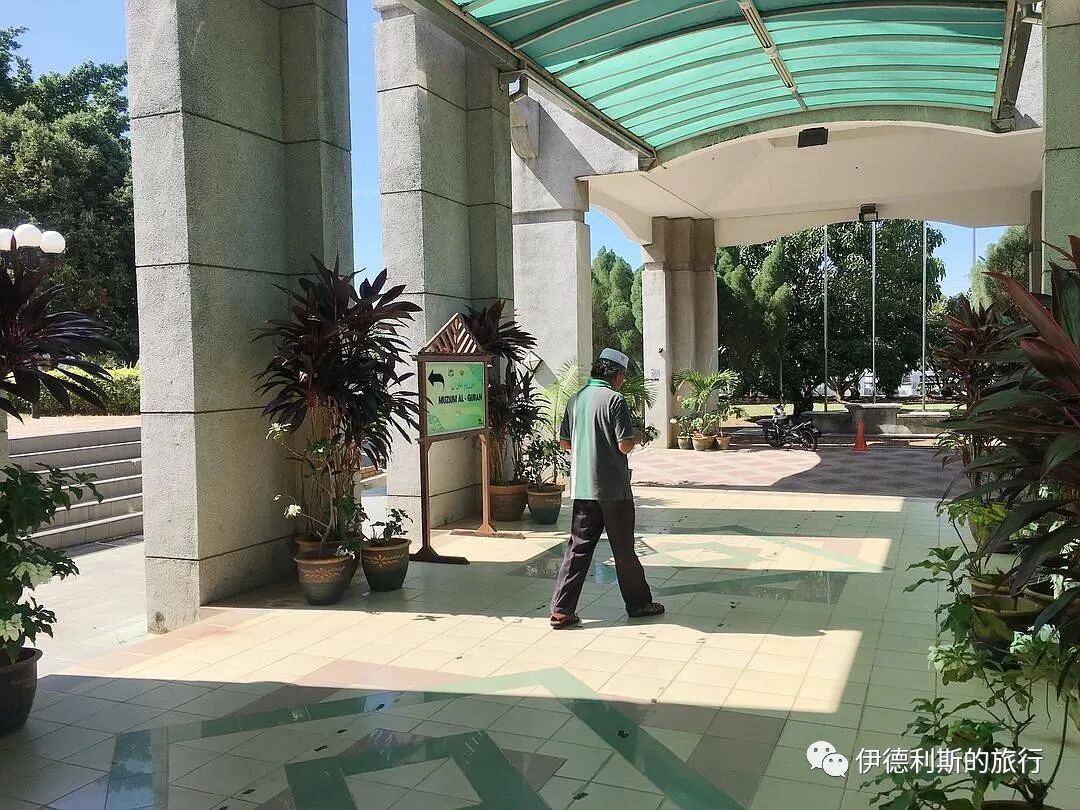
Malacca Quran Museum (Muzium Al-quran Melaka).
The Malacca Quran Museum is next to the Malacca State Mosque. It opened in 2008 and holds some interesting collections.
Handwritten scriptures from the Aceh region in northwestern Sumatra.
Handwritten scriptures from Java.
A collection from a professor at Universiti Putra Malaysia.
Handwritten scriptures from the 18th-century Sultanate of Patani. The Sultanate of Patani was located on the border of present-day northern Malaysia and Thailand, and it served as a center for Islamic faith and scripture printing in northern Malaysia from the 15th to the 18th century.
This early 19th-century manuscript from Java is made from a local Javanese tree leaf called deluwang.
A manuscript from the Aceh region in northwestern Sumatra, dating between the 18th and 19th centuries.
An early 19th-century handwritten Quran from the east coast of the Malay Peninsula.
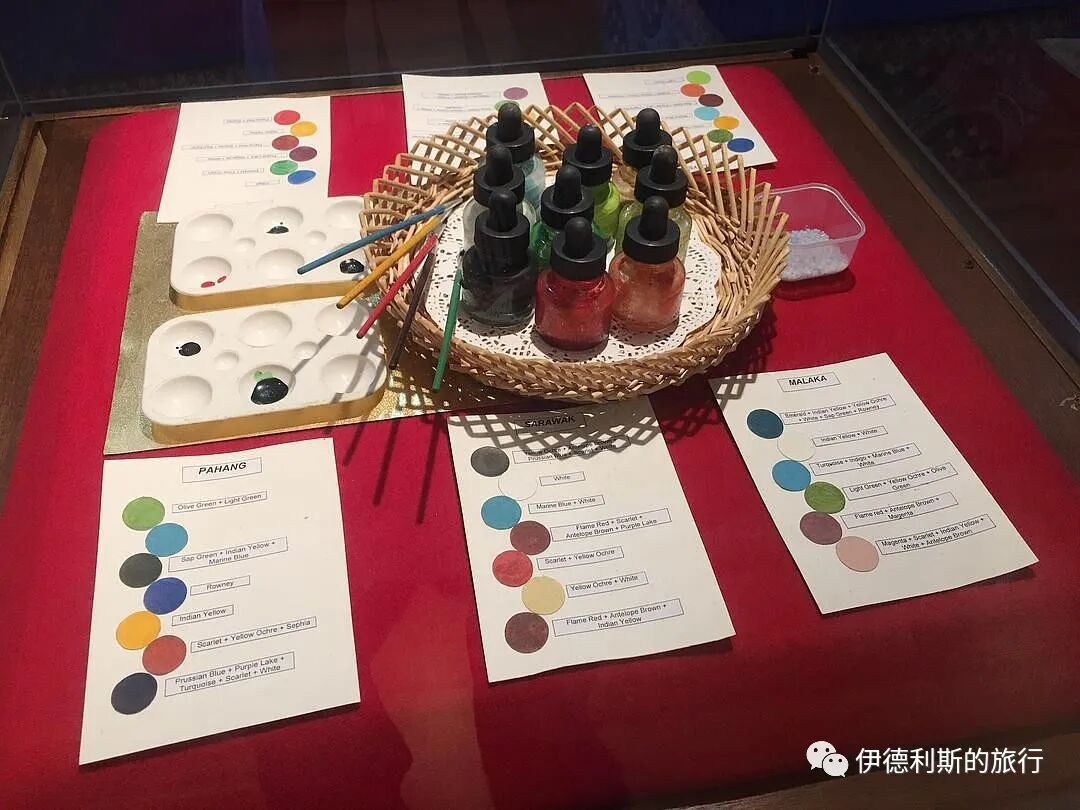
The most common colors used for manuscripts across Malaysia. These are Johor, Malacca, Sarawak, Selangor, and Pahang. view all
Summary: Melaka — First Southeast Asian Sultanate and Muslim Heritage is presented here as a firsthand travel account in clear English, beginning with this scene: Malacca sits on the west coast of the Malay Peninsula. Before the 14th century, it was just a fishing village in the Srivijaya Kingdom of Sumatra. The account keeps its focus on Melaka Sultanate, Southeast Asian Islam, Muslim Heritage while preserving the names, places, food, and historical details from the Chinese source.
Malacca sits on the west coast of the Malay Peninsula. Before the 14th century, it was just a fishing village in the Srivijaya Kingdom of Sumatra. In the late 14th century, the Majapahit Kingdom of Java conquered Srivijaya. Prince Paramesvara fled the capital of Palembang and eventually settled in Malacca in 1400.
To defend against threats from the Siamese Kingdom, Paramesvara reached out to the Ming Dynasty. In 1406, the Yongle Emperor officially named him the King of Malacca. Under Paramesvara’s leadership, Arab, Indian, and Persian merchants began trading in Malacca. The city grew into a vital port connecting East Asia, West Asia, and South Asia.
Since most merchants trading in Malacca were Muslims, the rulers of Malacca increasingly recognized the importance of Islam to their trade. During the reign of the third ruler, Raja Tengah (1424-1444), all royal ministers converted to Islam. The king changed his name to Muhammad Shah and took the title of Sultan, making the Malacca Sultanate the first sultanate in Southeast Asia.
The Malacca Sultanate began to flourish in the mid-to-late 15th century. It controlled the Strait of Malacca and became a trade hub for Southeast Asia, with many Persian and Arab merchants using the port to trade with the Ming Dynasty and other parts of East Asia. Around 1500, the Malacca Sultanate reached its peak. It was a marketplace for Indian pepper and cloth, Chinese porcelain and silk, and Indonesian spices.
The Malacca Sultanate at its peak in the late 15th century, from Wikipedia.
The tomb of the Malacca Sultanate warrior Hang Kasturi.
Hang Kasturi was one of the five great warriors of the Malacca Sultanate who lived during the reign of Sultan Mansur Shah (1456-1477). "Hang" is the highest honorary title given by the Sultan of Malacca to Malay warriors. The tomb of Hang Kasturi has a typical Indian style, which was likely built by later generations to commemorate him.
The fall of the Malacca Sultanate.
Until the end of the 15th century, spices in Europe were obtained through Venice, which got them from Arabia and India, while Arabia and India got them from Malacca. This process was complex and cumbersome. Driven by a desire for spices, the King of Portugal ordered his people to bypass the Cape of Good Hope to break the trade chain and establish a direct trade route with the East.
In 1509, a Portuguese representative arrived in Malacca with a letter from the King, hoping to establish direct trade with Malacca. Because the Portuguese had once used Catholics to fight against non-believers in India, the powerful Tamil Muslim faction in the Malacca court was very hostile toward them. The Malacca Sultanate eventually decided to arrest the Portuguese representatives. One representative escaped alone, while his companions were imprisoned.
In 1511, the Portuguese governor of India led 18 ships and 1,400 men to Malacca to negotiate the release of the prisoners with the Sultan. After three months of stalling, the Portuguese bribed the castle guards to open the main gate. The Portuguese army entered Malacca, and the last Sultan fled. His descendants later established the Johor Sultanate.
The Portuguese castle on the ruins of the Sultan's palace.
After occupying Malacca in 1511, the Portuguese built the A Famosa fort on the site of the original Malacca Sultanate palace. They planned to turn Malacca into a key trading port on the spice route between Europe and China, while also defending against attacks from the remaining forces of the Malacca Sultanate and the emerging Aceh Sultanate. A Famosa means "the famous" in Portuguese.
To build the castle, the Portuguese tore down Malacca's original palaces, graveyards, and every mosque. The original castle consisted of walls and four main towers. One was a four-story main building, while the other three served as an ammunition room, a captain's room, and officers' quarters. Most residents lived in the town inside the castle. As the population grew, the castle was expanded in 1586.
Malacca in 1780, with the castle on the right and the town on the left, from Wikipedia.
St. Paul's Church, built inside the castle in 1521, is the oldest church building in Southeast Asia.
The revival of the faith in the 18th century—traditional mosques in Malacca.
After the Portuguese occupied Malacca, they destroyed all the mosques of the Malacca Sultanate and promoted Catholicism in the city. However, the Portuguese were not successful. Catholicism did not have much influence in Malacca until the Dutch took over.
The Dutch adopted a more tolerant religious policy in Malacca, allowing Islam and Hinduism to spread. In 1728, the Dutch East India Company hired a Chinese convert to build a new mosque near the ruins of one destroyed by the Portuguese. This became the Kampung Hulu Mosque (Masjid Kampung Hulu). Kampong means village in the Malay language.
The mosque consists of a main prayer hall, a small ablution pool, and a minaret. The main hall uses the traditional Javanese Tajug multi-layered pyramid roof. The decoration at the very top is called a Mustoko or Memolo in Javanese. This roof design leaves space between the upper and middle layers for ventilation and light, which helps it handle the humid and rainy tropical climate.
Unlike traditional Javanese mosques built entirely of wood, the Kampung Hulu Mosque is made of brick and stone with plaster-coated roofs, showing the influence of Dutch colonial architecture.
The mosque's ceramic tiles and floor tiles were all imported from China, and the patterns on the windows also show Chinese influence.
The minbar inside the main hall features rich patterns and is very characteristic of Javanese style.
The minaret looks like a lighthouse, which is a first for the entire Malay Peninsula. Before this, mosques in the Malay Peninsula did not have a tradition of building minarets. On Java Island, the Great Mosque of Banten, built in 1632, was the first to have a lighthouse-style minaret designed and built by a Chinese man named Cek-ban-cut.
A traditional drum called a beduk (Beduk) sits above the mosque gate. Early traditional mosques in Southeast Asia used drums to call people to prayer. Today, many mosques still use drums to call people to prayer and signal the end of the daily fast during Jumu'ah and Ramadan.
Wudu pool
Tengkera Mosque (Masjid Tengkera) was the second mosque built in Malacca with funding from the Dutch East India Company. It was also completed in 1728, and its architectural style is similar to Kampung Kling Mosque, featuring the same traditional Javanese mosque roof.
Tengkera Mosque was originally a wooden structure made from timber that the Dutch East India Company bought from Kalimantan, Indonesia. After two renovations in 1890 and 1910, it was changed to the same brick and stone structure as Kampung Kling Mosque, and the roof was changed to glazed tiles.
The main prayer hall also has a beautifully carved minbar.
Water pool
Unlike the Kampung Hulu Mosque, the minaret of the Kampung Kling Mosque is modeled after a Chinese pagoda. This was the first of its kind on the Malay Peninsula and is now a major landmark in Malacca.
I bought a painting of the Kampung Kling Mosque from a Malay man on the mountain road next to St. Paul's Church.
The artist
Tomb of Sultan Hussein Shah of Johor
The tomb of Sultan Hussein Shah of Johor is in the backyard of the mosque. He played a key role in the founding of Singapore. After the Portuguese occupied Malacca in 1511, the Sultan of Malacca fled to Johor to continue his rule. In 1528, the last Sultan of Malacca passed away. His son, Alauddin Riayat Shah II, officially established the Johor Sultanate, viewing it as the legitimate continuation of the Malacca Sultanate.
Hussein Shah was born in 1776 and was the eldest son of Sultan Mahmud Shah III of Johor. When Mahmud Shah III passed away in 1812, Hussein Shah was not in the capital. His younger brother took the throne quickly with the support of government ministers, forcing Hussein Shah to flee to the Riau Islands.
In 1819, the British East India Company decided to build a new base in Southeast Asia. They found the exiled Hussein Shah and named him Sultan of Johor and Singapore in exchange for the right to establish a trading post in Singapore. Hussein Shah then came to Singapore and became a Sultan under British control.
In 1824, the British bought Singapore for 33,200 dollars, and Sultan Hussein Shah received 1,300 dollars every month. He held no real power in Singapore and served only as a symbolic figure.
Sultan Hussein Shah lived in Singapore until 1834, then moved to Malacca with his family. He passed away in 1835 and was buried at the Tengkera Mosque (Dongjiena qingzhensi).
Minaret ruins
Not far east of the Kampung Kling Mosque (Masjid Kampong Kling) stands a minaret built in the style of a Chinese pagoda. It bears the inscription 'Menara lama surau tengkera di bina pada tahun 1728,' which means 'old mosque tower built in 1728.' This is likely a remnant of another mosque funded by the Dutch East India Company in 1728.
The Kampung Kling Mosque (Masjid Kampong Kling) was built in 1748 by Indian Muslims who were doing business in Malacca. The name Kling comes from the local term for Indian people, 'Kalinga'. This area was a settlement for Indian Muslims in the 18th century. However, after the rubber industry boomed in Malacca from the 19th to the early 20th century, it became a residential area for Chinese people who came to work in the rubber industry.
The Kampung Kling Mosque (Masjid Kampong Kling) shares a similar style with the two mosques built earlier. The main prayer hall was originally a wooden structure, but it was rebuilt with brick and wood in 1872.
There are students visiting in the courtyard.
The Corinthian columns around and inside the main hall are a special feature of this mosque. The floor tiles were imported from China, and the hall has a Victorian-style ceiling and a beautifully carved pulpit (minbar).
The minaret is also built in the style of a Chinese pagoda.
Water pool
The 1940 flagpole.
Malaysian Architectural Museum (Muzium Seni Bina Malaysia).
At the foot of the A Famosa fortress, there is a series of museums converted from historic buildings, many of which are related to Islam. Let's start our tour at the Malaysian Architectural Museum.
Acehnese-style gravestones
During the era of the Malacca Sultanate, many royals and important figures were buried using Acehnese-style gravestones. Aceh is located in the northern part of Sumatra, Indonesia. From the early 16th century to the early 20th century, the Acehnese people established the highly influential Aceh Sultanate.
There are two types of Acehnese-style gravestones: the men's version is wider with two distinct corners, while the women's version is pyramid-shaped. The gravestones usually feature the name of the deceased, their birth and death dates, as well as Quranic verses and some poetry.
Traditional wooden doors in the style of the Malay East Coast
Wooden doors in the Malay East Coast style, carved with traditional Arabic calligraphy and floral patterns.
Malacca Islamic Museum (Muzium Islam Melaka)
The building housing the Malacca Islamic Museum was once the Malacca Islamic Council office. Its exact construction date is unknown, but it is estimated to be from the British colonial period in the 1850s. Some believe the lower level was built during the Dutch colonial period (1641-1824) and the upper level was added later by the British.
This building served as the Malacca Islamic Council office until 1990, after which it became the Malacca Islamic Museum.
Two sundials used to indicate prayer times at the Kampung Kling Mosque in Malacca. These sundials are usually used for the Friday prayer (Jumu'ah) and the afternoon prayers. Because they require sunlight, they cannot be used for the dawn (Fajr) or night (Isha) prayers.
The prayer drum (beduk) used for the call to prayer at Kampung Kling Mosque is usually kept in the mosque corridor. The prayer drum was brought to Malacca from Java. It is typically made from tropical hardwoods like merbau or chegal, and it is played in a way similar to the Japanese taiko drum.
The prayer drum is played differently during the Friday prayer (Jumu'ah) than at other times. During Ramadan, the beduk drum signals the nightly breaking of the fast, and during Eid al-Fitr, people beat the beduk drum while reciting the takbir.
These two wooden tombstones are among the oldest Muslim grave markers found in Malacca, and they were moved from the Tengkera Mosque (Masjid Tengkera) to the museum in 2014.
These tombstones made of laterite stone were often used for Muslim graves during the Portuguese occupation (1511-1641), and they were also moved from the Tengkera Mosque to the museum in 2014.
This is a handwritten Quran manuscript by a haji in Malacca, copied in 1881. The dark text is the scripture, and the light text is the Indonesian translation.
A handwritten Quran manuscript from the museum collection.
A porcelain plate from the Dutch occupation period (1641-1824).
This is a typical traditional Malaysian hardwood carved pulpit (minbar), usually found to the right of the mihrab.
The Malay World and Islamic World Museum (Muzium Dunia Melayu Dunia Islam) in Malaysia.
The Malay World and Islamic World Museum in Malacca sits next to the A Famosa gate. The building was originally the office for a British rubber company built in 1910. Malacca saw a brief boom in the early 20th century thanks to the rubber industry. This era left behind many large homes belonging to Nanyang Chinese families, as well as this British-style building.
The museum houses handwritten scriptures and the traditional tools used to copy them.
A beduk drum from the Bukit Darat mosque in Malacca, dating back 70 or 80 years.
A traditional Malay pulpit (minbar).
When I visited, the museum was hosting a special exhibition from the South Sumatra Provincial Museum in Indonesia.
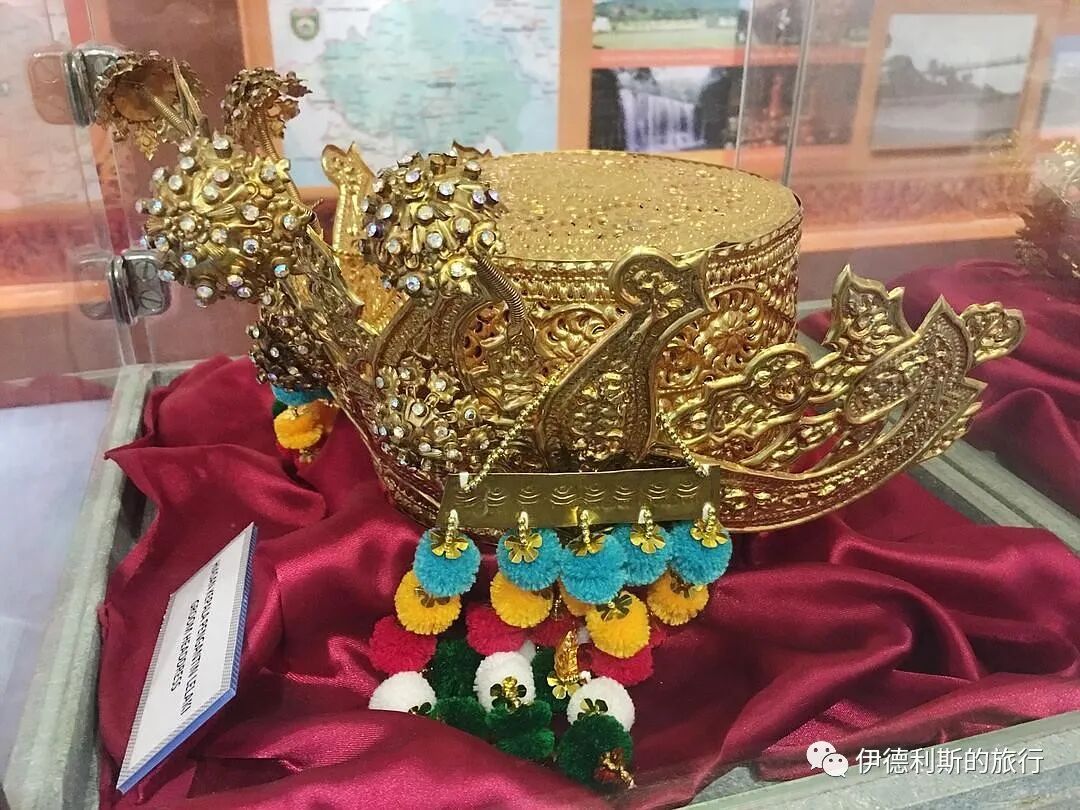
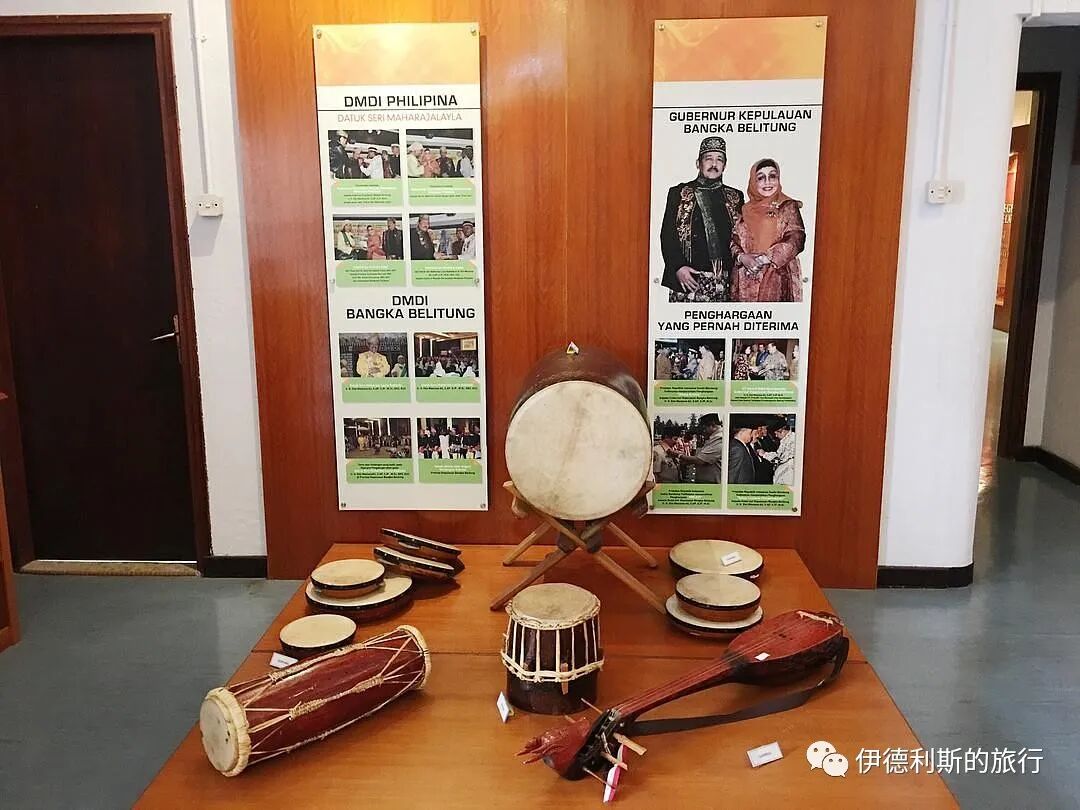
Headdresses and traditional musical instruments from the people of South Sumatra province.
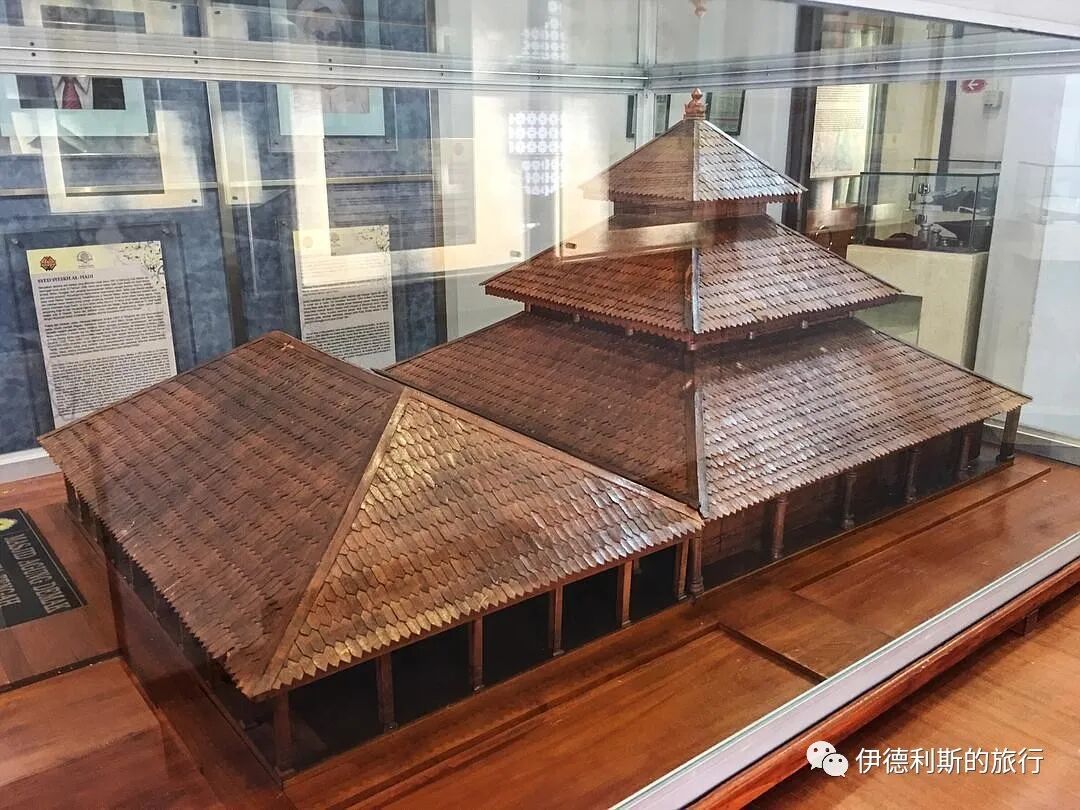
This is a model of a traditional mosque from South Sumatra province. You can see that the mosques built in Malacca during the Dutch colonial period used this same three-tiered roof design.
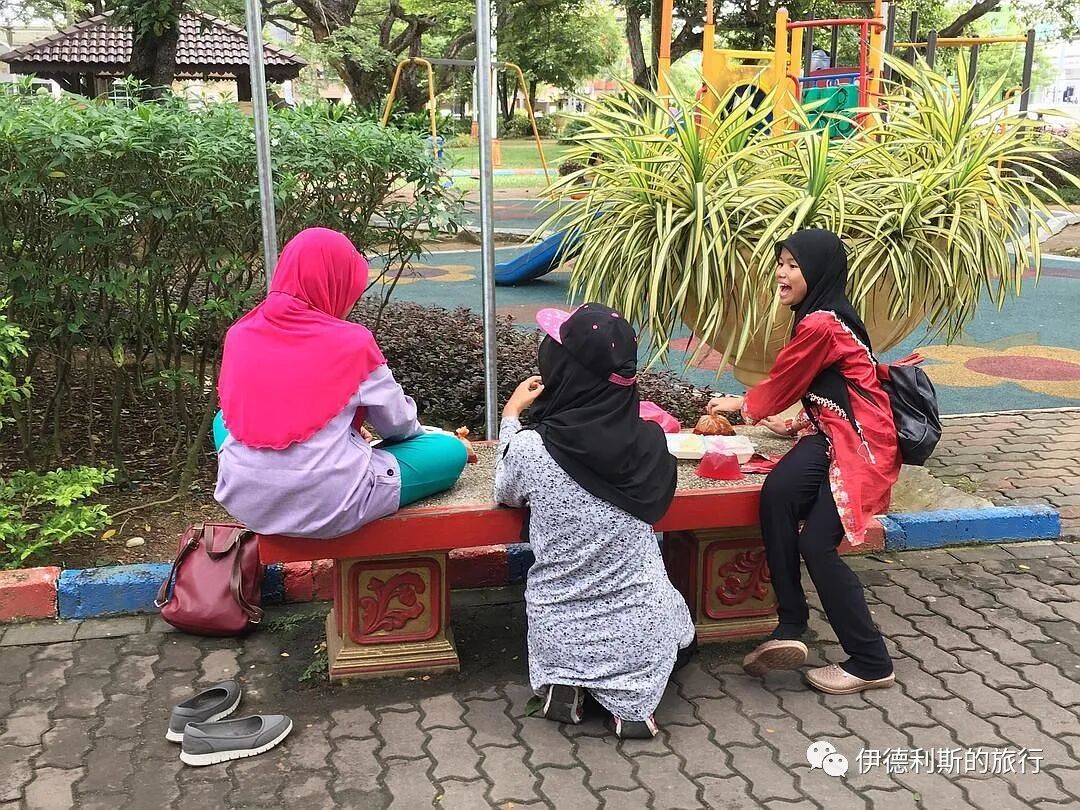
Students resting and eating lunch in front of the museum, along with an auntie selling watermelon juice and coconut water.
Malacca Quran Museum (Muzium Al-quran Melaka).
The Malacca Quran Museum is next to the Malacca State Mosque. It opened in 2008 and holds some interesting collections.
Handwritten scriptures from the Aceh region in northwestern Sumatra.
Handwritten scriptures from Java.
A collection from a professor at Universiti Putra Malaysia.
Handwritten scriptures from the 18th-century Sultanate of Patani. The Sultanate of Patani was located on the border of present-day northern Malaysia and Thailand, and it served as a center for Islamic faith and scripture printing in northern Malaysia from the 15th to the 18th century.
This early 19th-century manuscript from Java is made from a local Javanese tree leaf called deluwang.
A manuscript from the Aceh region in northwestern Sumatra, dating between the 18th and 19th centuries.
An early 19th-century handwritten Quran from the east coast of the Malay Peninsula.
The most common colors used for manuscripts across Malaysia. These are Johor, Malacca, Sarawak, Selangor, and Pahang. view all
Reposted from the web
Summary: Melaka — First Southeast Asian Sultanate and Muslim Heritage is presented here as a firsthand travel account in clear English, beginning with this scene: Malacca sits on the west coast of the Malay Peninsula. Before the 14th century, it was just a fishing village in the Srivijaya Kingdom of Sumatra. The account keeps its focus on Melaka Sultanate, Southeast Asian Islam, Muslim Heritage while preserving the names, places, food, and historical details from the Chinese source.
Malacca sits on the west coast of the Malay Peninsula. Before the 14th century, it was just a fishing village in the Srivijaya Kingdom of Sumatra. In the late 14th century, the Majapahit Kingdom of Java conquered Srivijaya. Prince Paramesvara fled the capital of Palembang and eventually settled in Malacca in 1400.
To defend against threats from the Siamese Kingdom, Paramesvara reached out to the Ming Dynasty. In 1406, the Yongle Emperor officially named him the King of Malacca. Under Paramesvara’s leadership, Arab, Indian, and Persian merchants began trading in Malacca. The city grew into a vital port connecting East Asia, West Asia, and South Asia.
Since most merchants trading in Malacca were Muslims, the rulers of Malacca increasingly recognized the importance of Islam to their trade. During the reign of the third ruler, Raja Tengah (1424-1444), all royal ministers converted to Islam. The king changed his name to Muhammad Shah and took the title of Sultan, making the Malacca Sultanate the first sultanate in Southeast Asia.
The Malacca Sultanate began to flourish in the mid-to-late 15th century. It controlled the Strait of Malacca and became a trade hub for Southeast Asia, with many Persian and Arab merchants using the port to trade with the Ming Dynasty and other parts of East Asia. Around 1500, the Malacca Sultanate reached its peak. It was a marketplace for Indian pepper and cloth, Chinese porcelain and silk, and Indonesian spices.
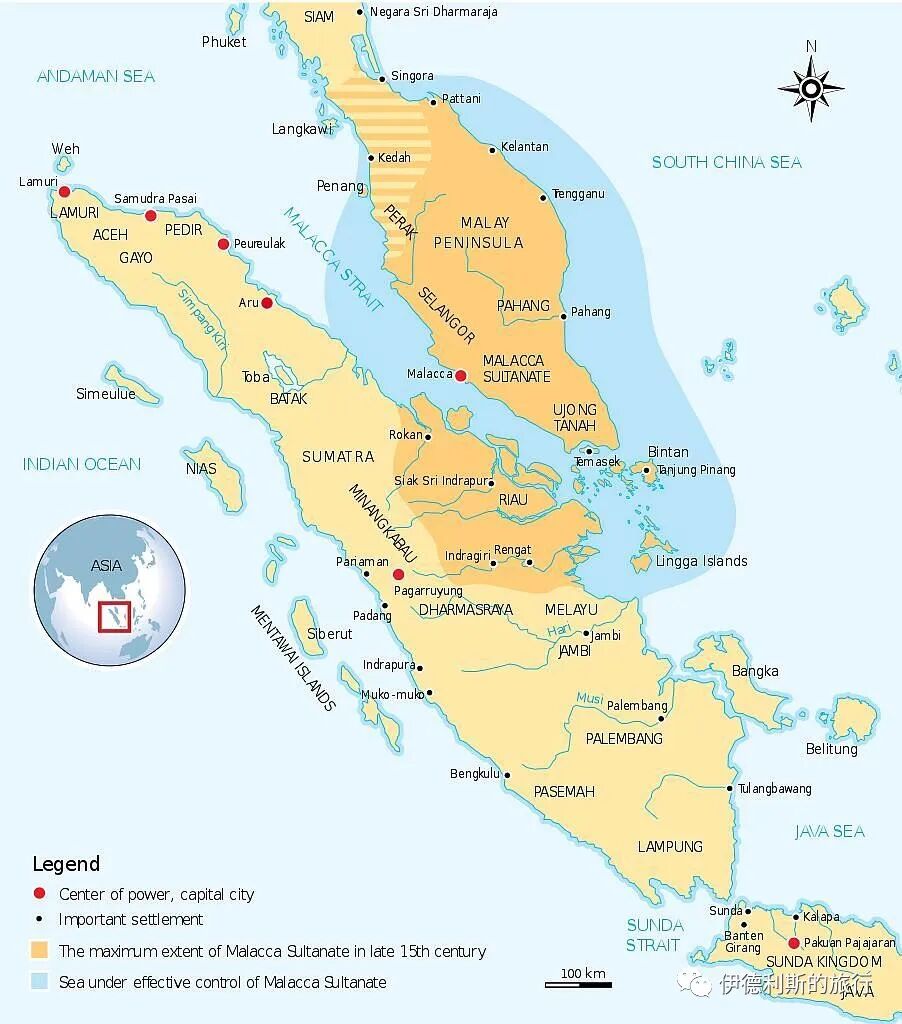
The Malacca Sultanate at its peak in the late 15th century, from Wikipedia.
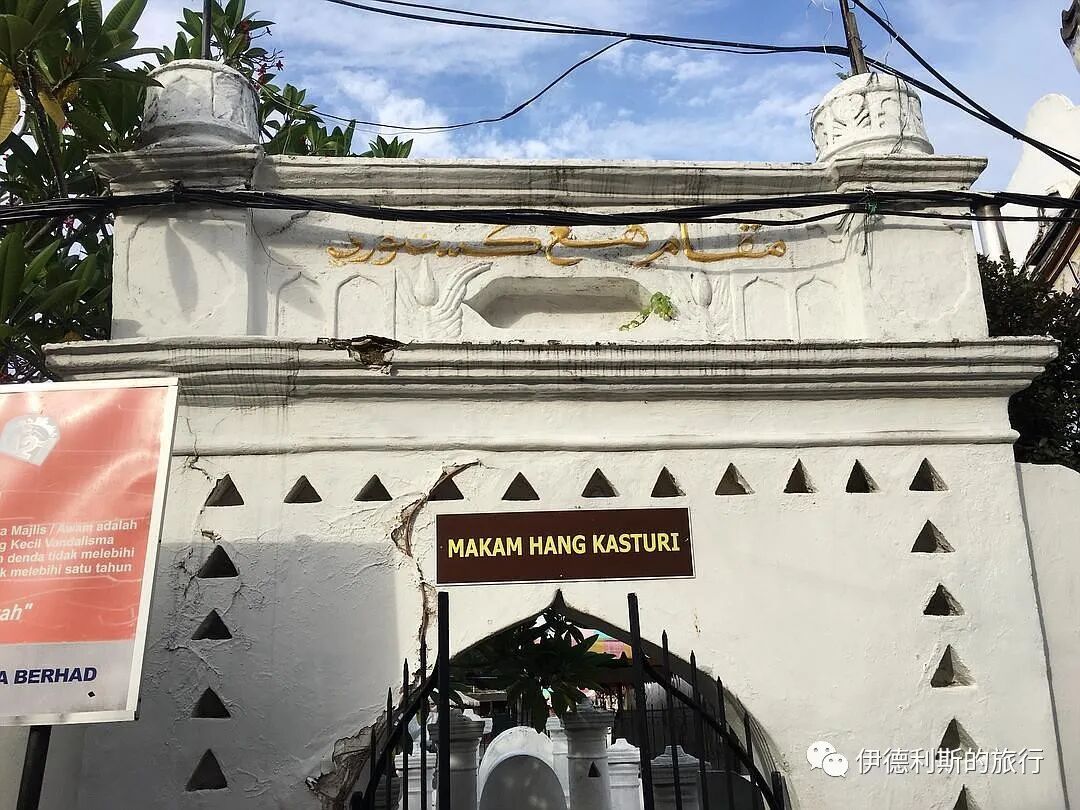
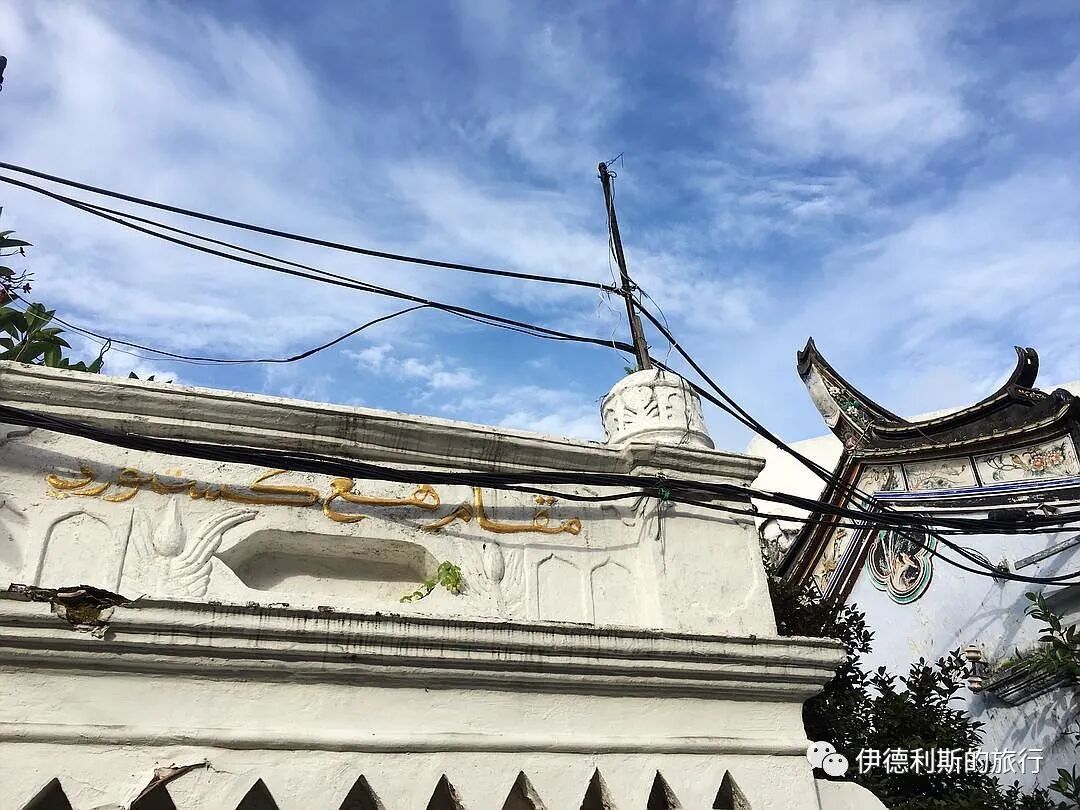
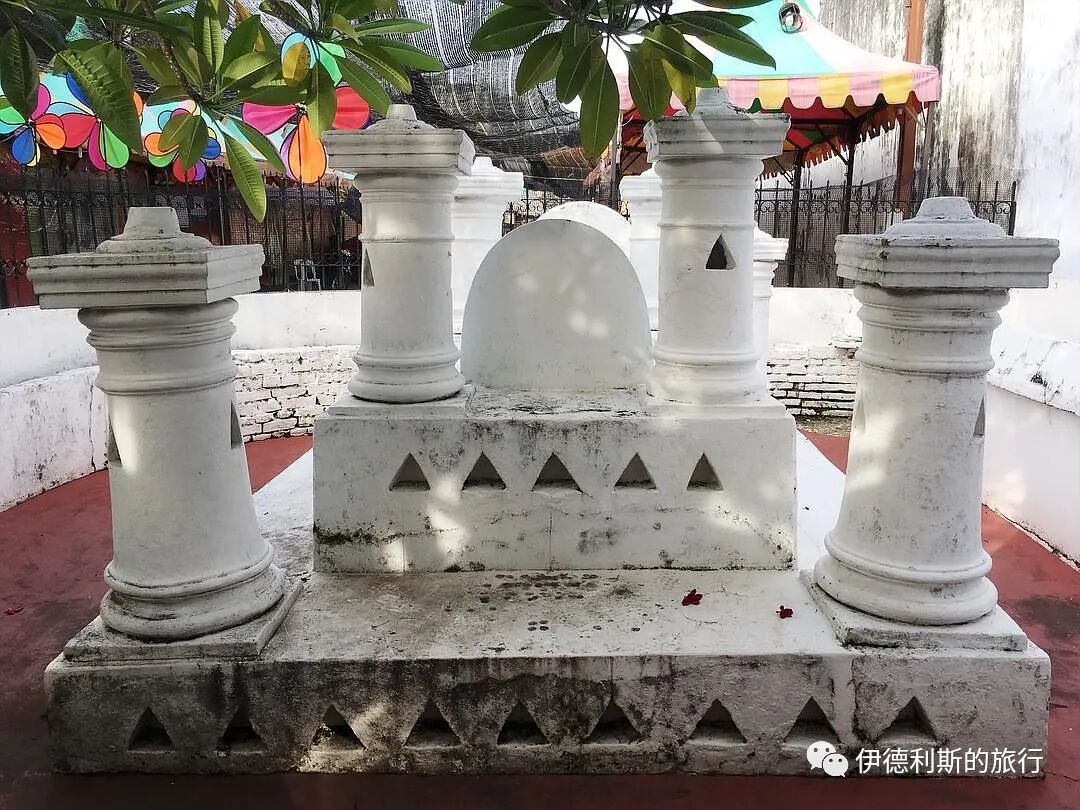
The tomb of the Malacca Sultanate warrior Hang Kasturi.
Hang Kasturi was one of the five great warriors of the Malacca Sultanate who lived during the reign of Sultan Mansur Shah (1456-1477). "Hang" is the highest honorary title given by the Sultan of Malacca to Malay warriors. The tomb of Hang Kasturi has a typical Indian style, which was likely built by later generations to commemorate him.
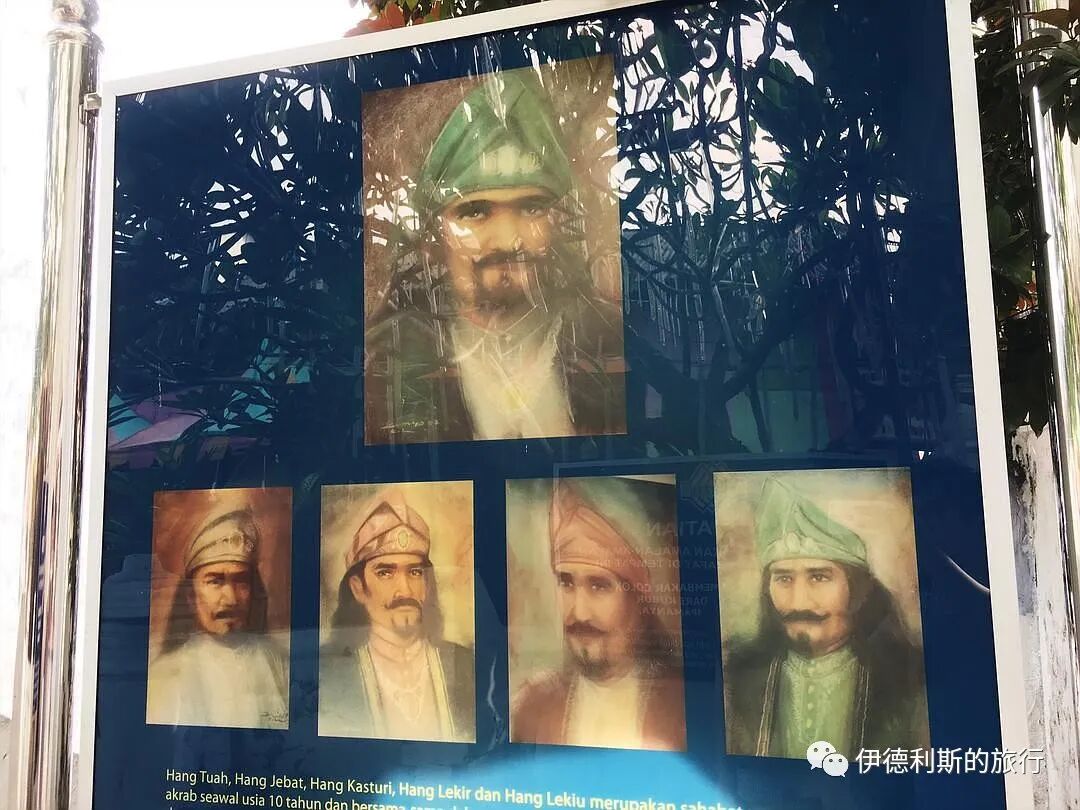
The fall of the Malacca Sultanate.
Until the end of the 15th century, spices in Europe were obtained through Venice, which got them from Arabia and India, while Arabia and India got them from Malacca. This process was complex and cumbersome. Driven by a desire for spices, the King of Portugal ordered his people to bypass the Cape of Good Hope to break the trade chain and establish a direct trade route with the East.
In 1509, a Portuguese representative arrived in Malacca with a letter from the King, hoping to establish direct trade with Malacca. Because the Portuguese had once used Catholics to fight against non-believers in India, the powerful Tamil Muslim faction in the Malacca court was very hostile toward them. The Malacca Sultanate eventually decided to arrest the Portuguese representatives. One representative escaped alone, while his companions were imprisoned.
In 1511, the Portuguese governor of India led 18 ships and 1,400 men to Malacca to negotiate the release of the prisoners with the Sultan. After three months of stalling, the Portuguese bribed the castle guards to open the main gate. The Portuguese army entered Malacca, and the last Sultan fled. His descendants later established the Johor Sultanate.
The Portuguese castle on the ruins of the Sultan's palace.
After occupying Malacca in 1511, the Portuguese built the A Famosa fort on the site of the original Malacca Sultanate palace. They planned to turn Malacca into a key trading port on the spice route between Europe and China, while also defending against attacks from the remaining forces of the Malacca Sultanate and the emerging Aceh Sultanate. A Famosa means "the famous" in Portuguese.
To build the castle, the Portuguese tore down Malacca's original palaces, graveyards, and every mosque. The original castle consisted of walls and four main towers. One was a four-story main building, while the other three served as an ammunition room, a captain's room, and officers' quarters. Most residents lived in the town inside the castle. As the population grew, the castle was expanded in 1586.
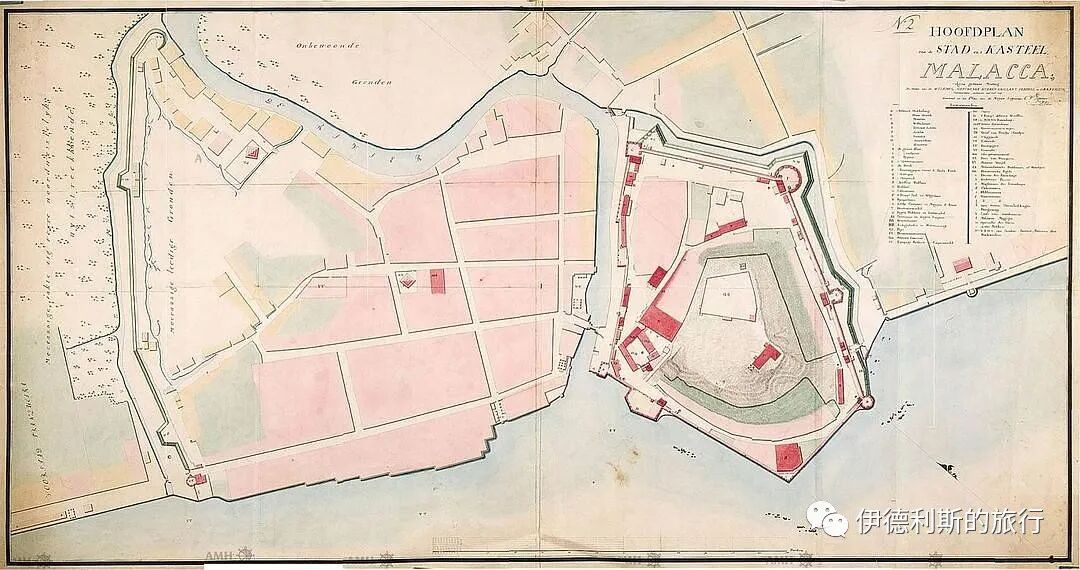
Malacca in 1780, with the castle on the right and the town on the left, from Wikipedia.
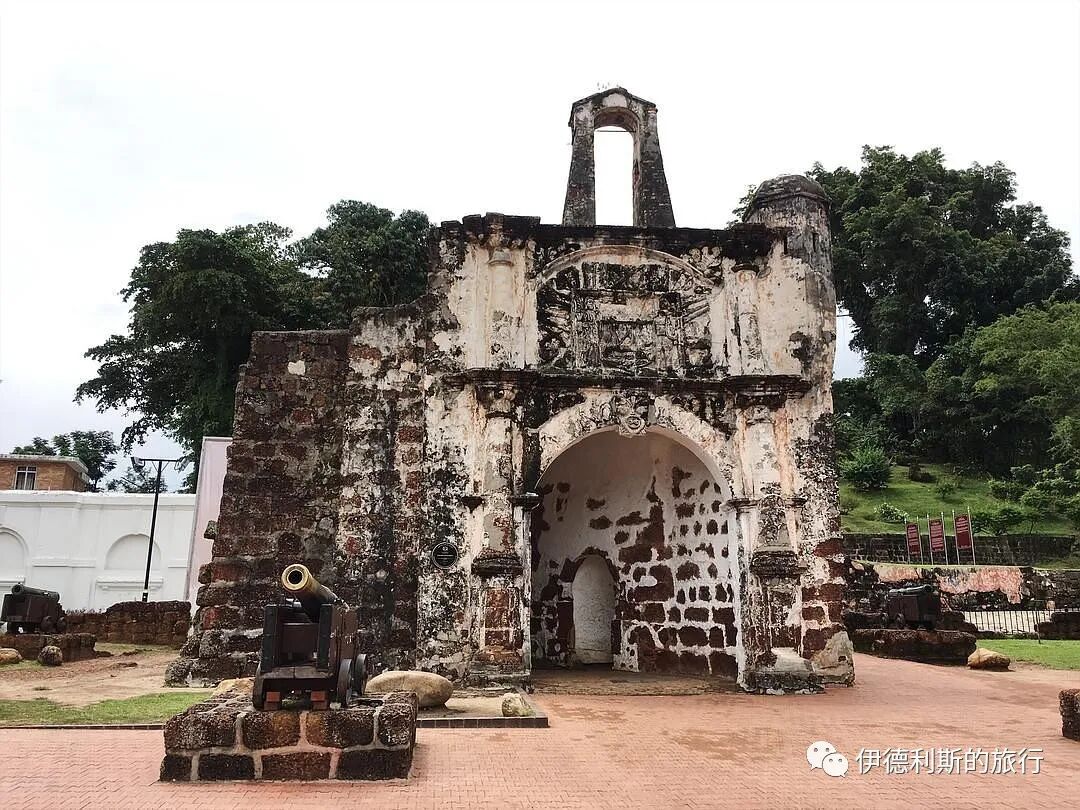
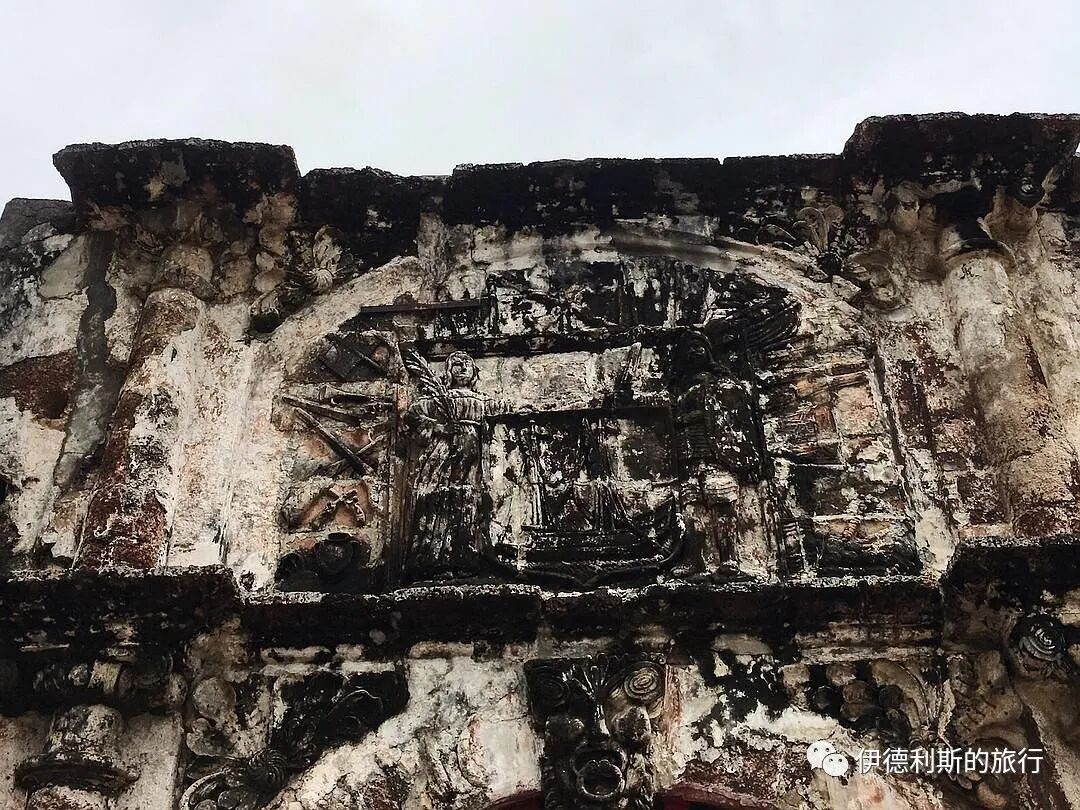
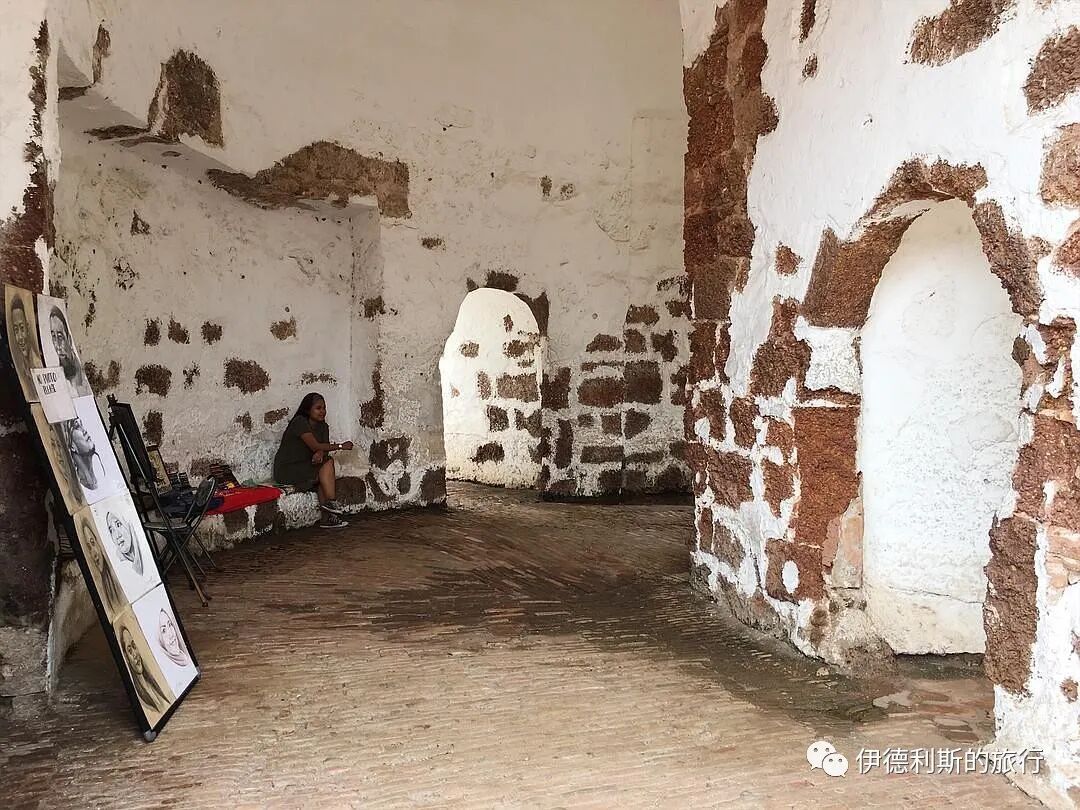
St. Paul's Church, built inside the castle in 1521, is the oldest church building in Southeast Asia.
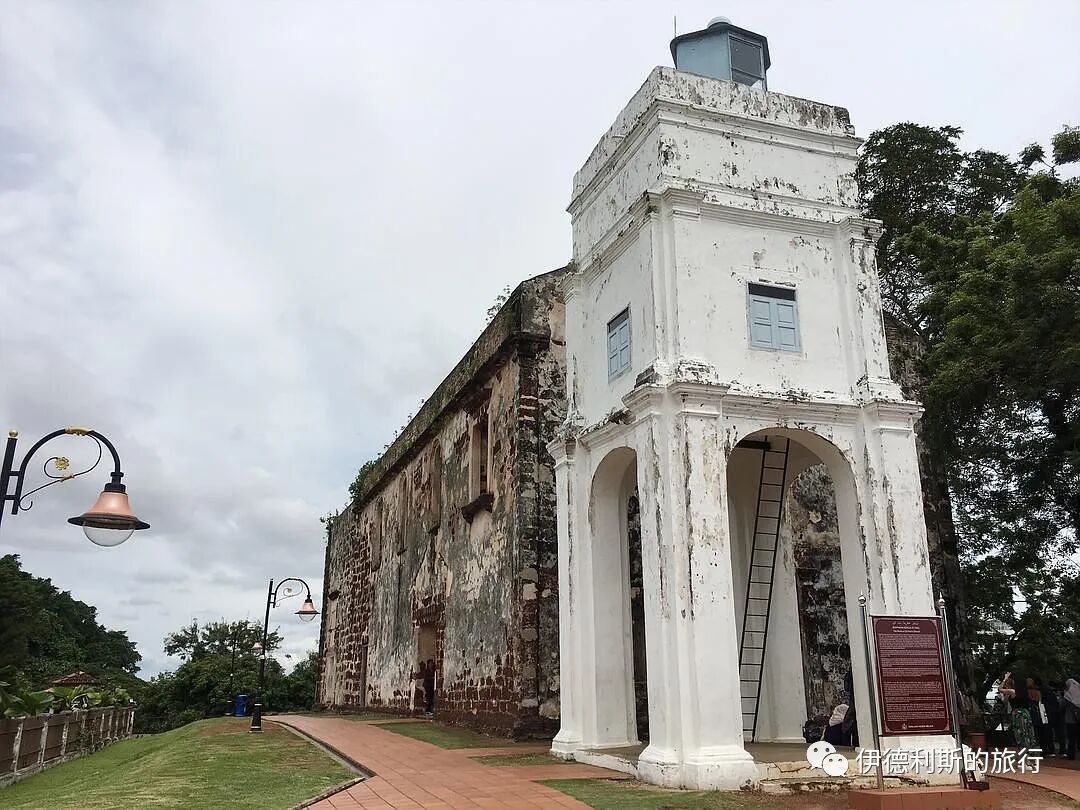
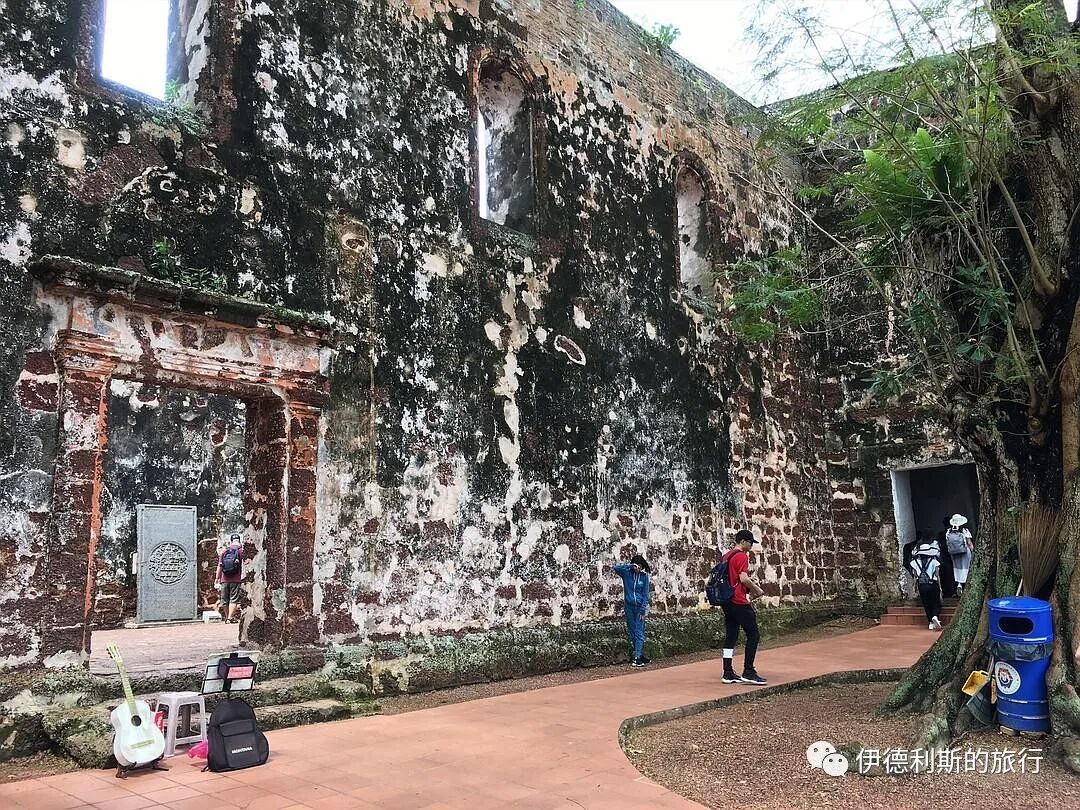
The revival of the faith in the 18th century—traditional mosques in Malacca.
After the Portuguese occupied Malacca, they destroyed all the mosques of the Malacca Sultanate and promoted Catholicism in the city. However, the Portuguese were not successful. Catholicism did not have much influence in Malacca until the Dutch took over.
The Dutch adopted a more tolerant religious policy in Malacca, allowing Islam and Hinduism to spread. In 1728, the Dutch East India Company hired a Chinese convert to build a new mosque near the ruins of one destroyed by the Portuguese. This became the Kampung Hulu Mosque (Masjid Kampung Hulu). Kampong means village in the Malay language.
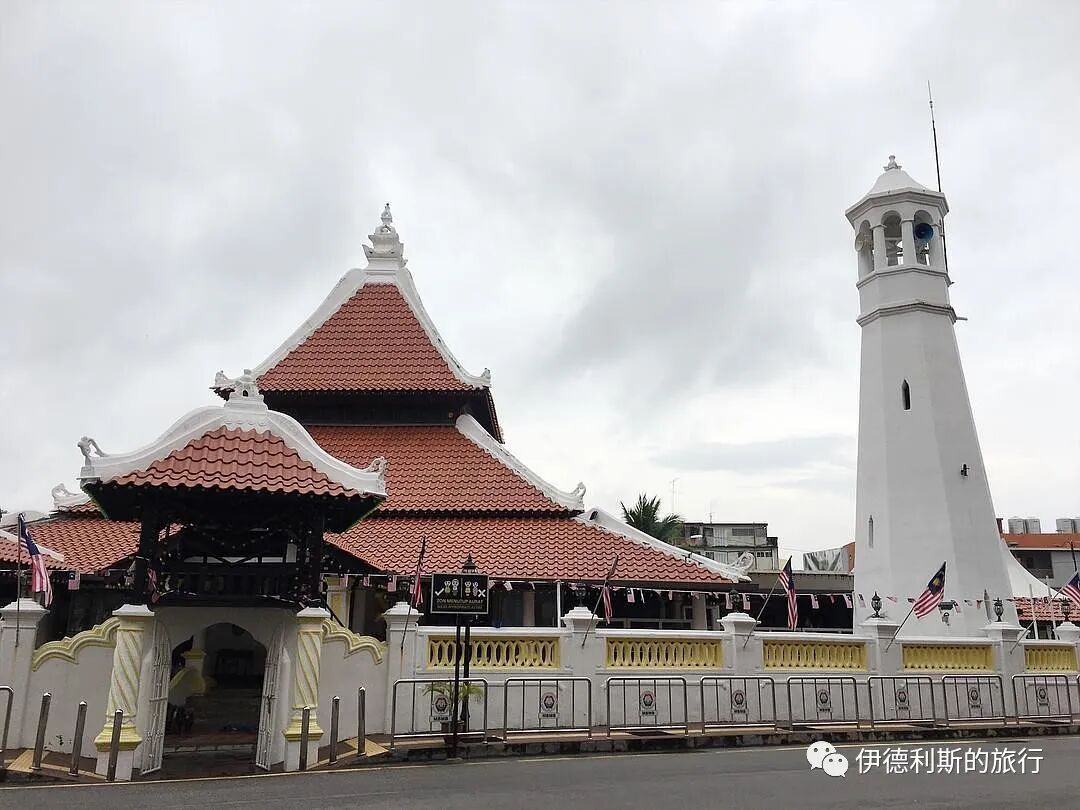
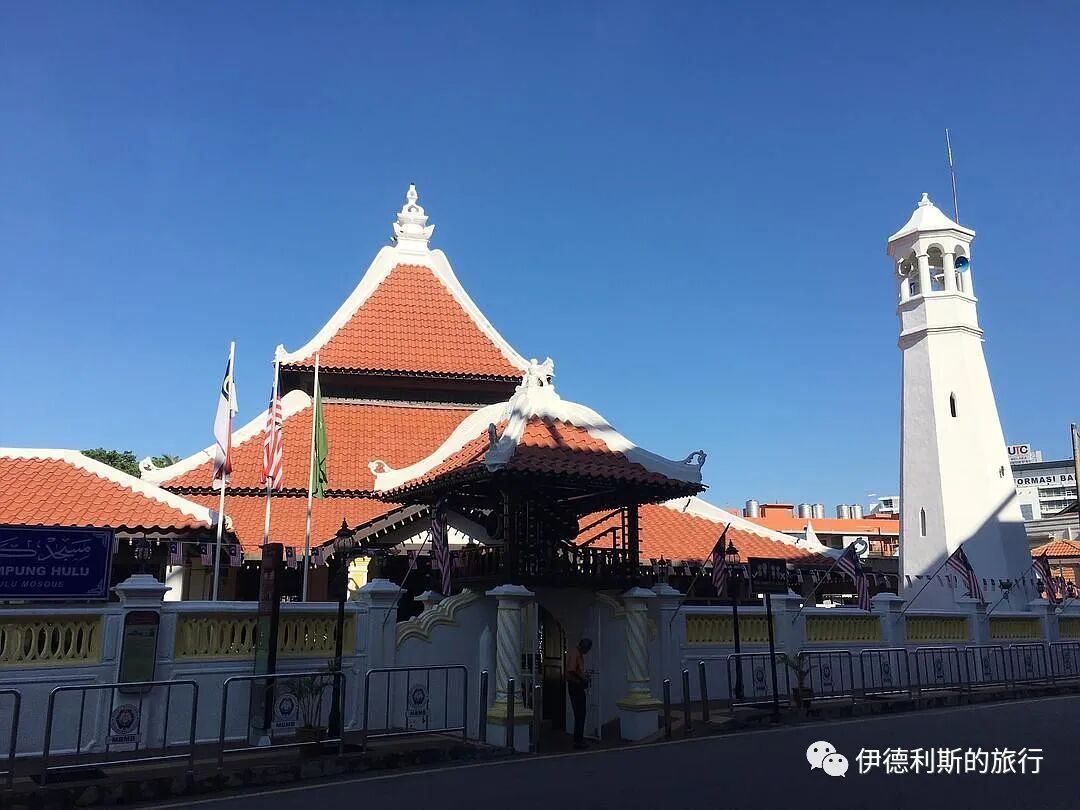
The mosque consists of a main prayer hall, a small ablution pool, and a minaret. The main hall uses the traditional Javanese Tajug multi-layered pyramid roof. The decoration at the very top is called a Mustoko or Memolo in Javanese. This roof design leaves space between the upper and middle layers for ventilation and light, which helps it handle the humid and rainy tropical climate.
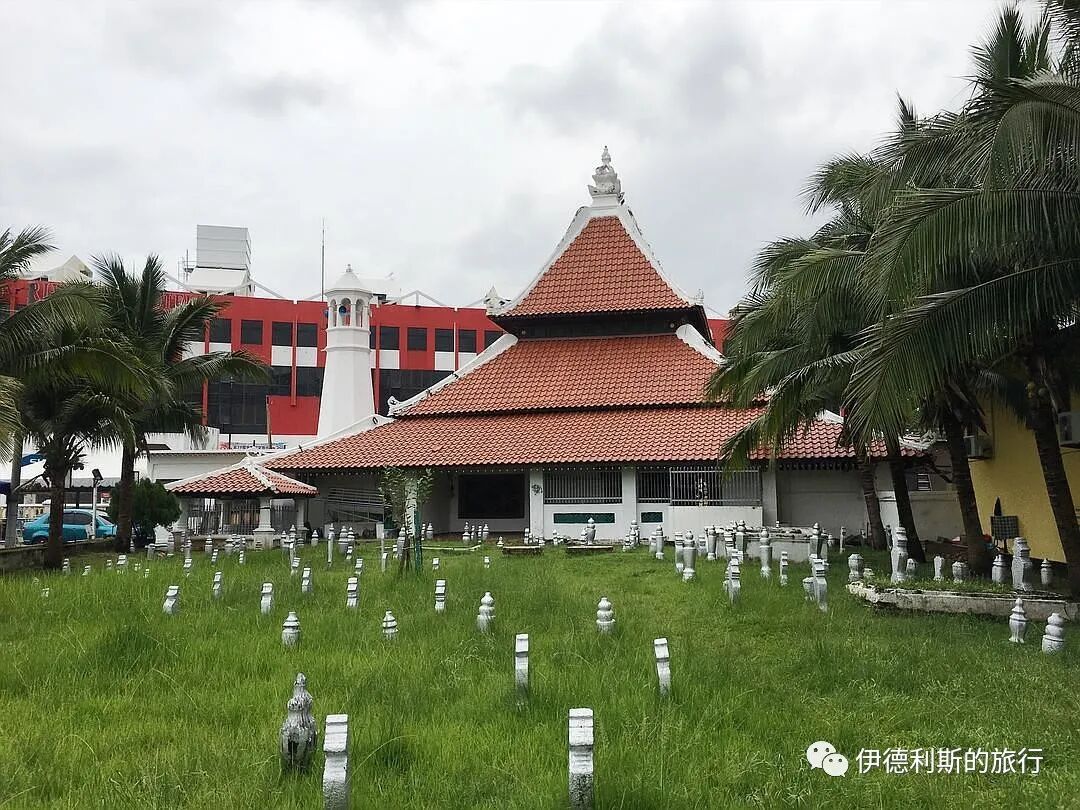
Unlike traditional Javanese mosques built entirely of wood, the Kampung Hulu Mosque is made of brick and stone with plaster-coated roofs, showing the influence of Dutch colonial architecture.
The mosque's ceramic tiles and floor tiles were all imported from China, and the patterns on the windows also show Chinese influence.
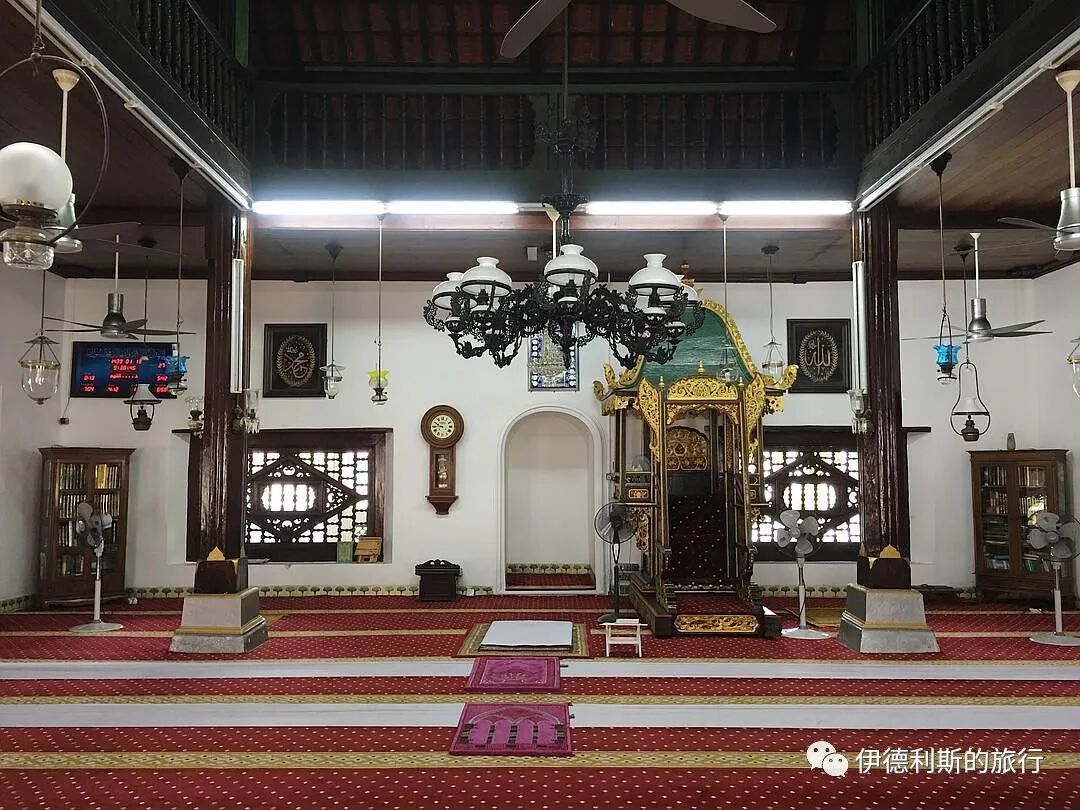
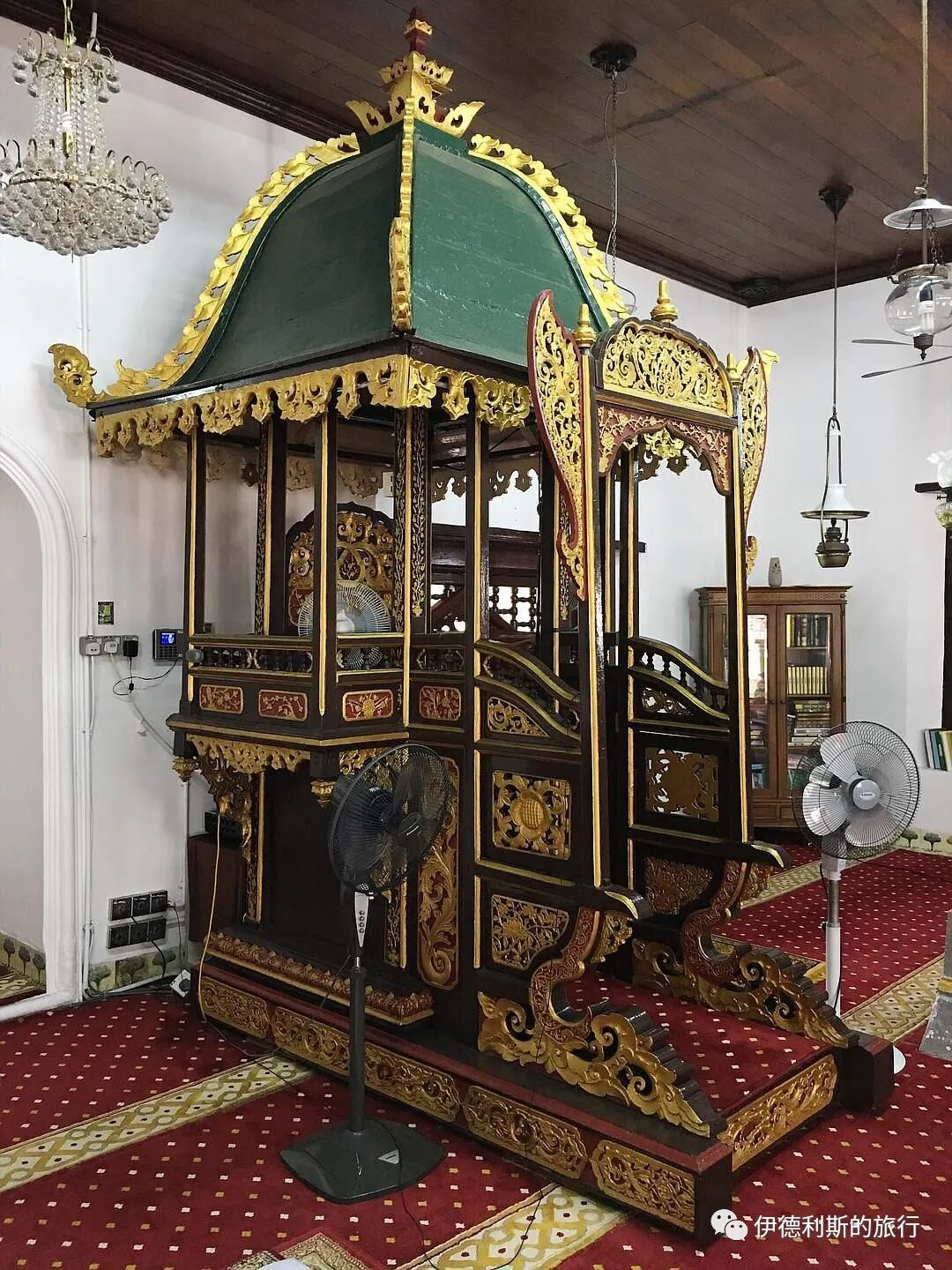
The minbar inside the main hall features rich patterns and is very characteristic of Javanese style.
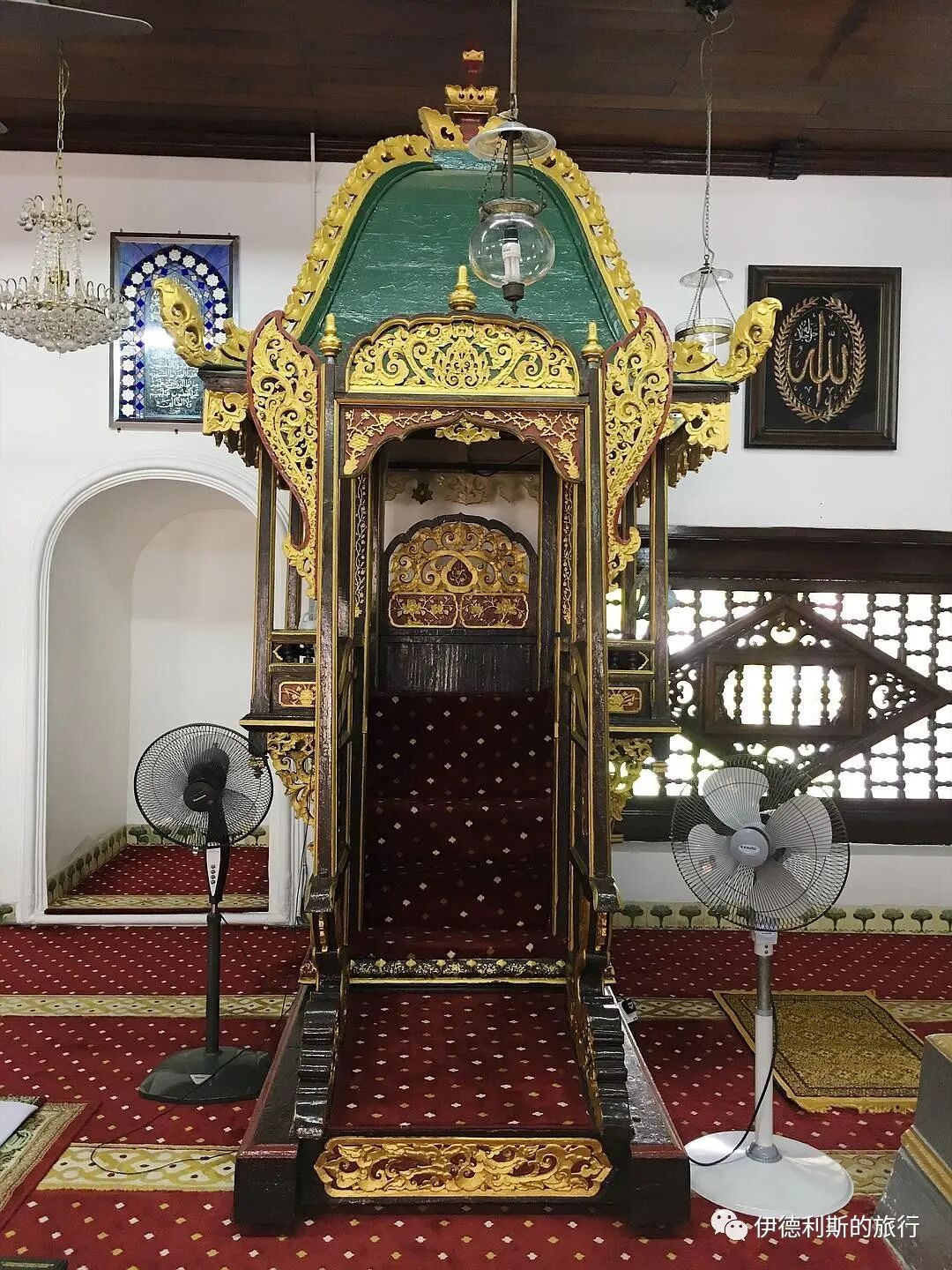
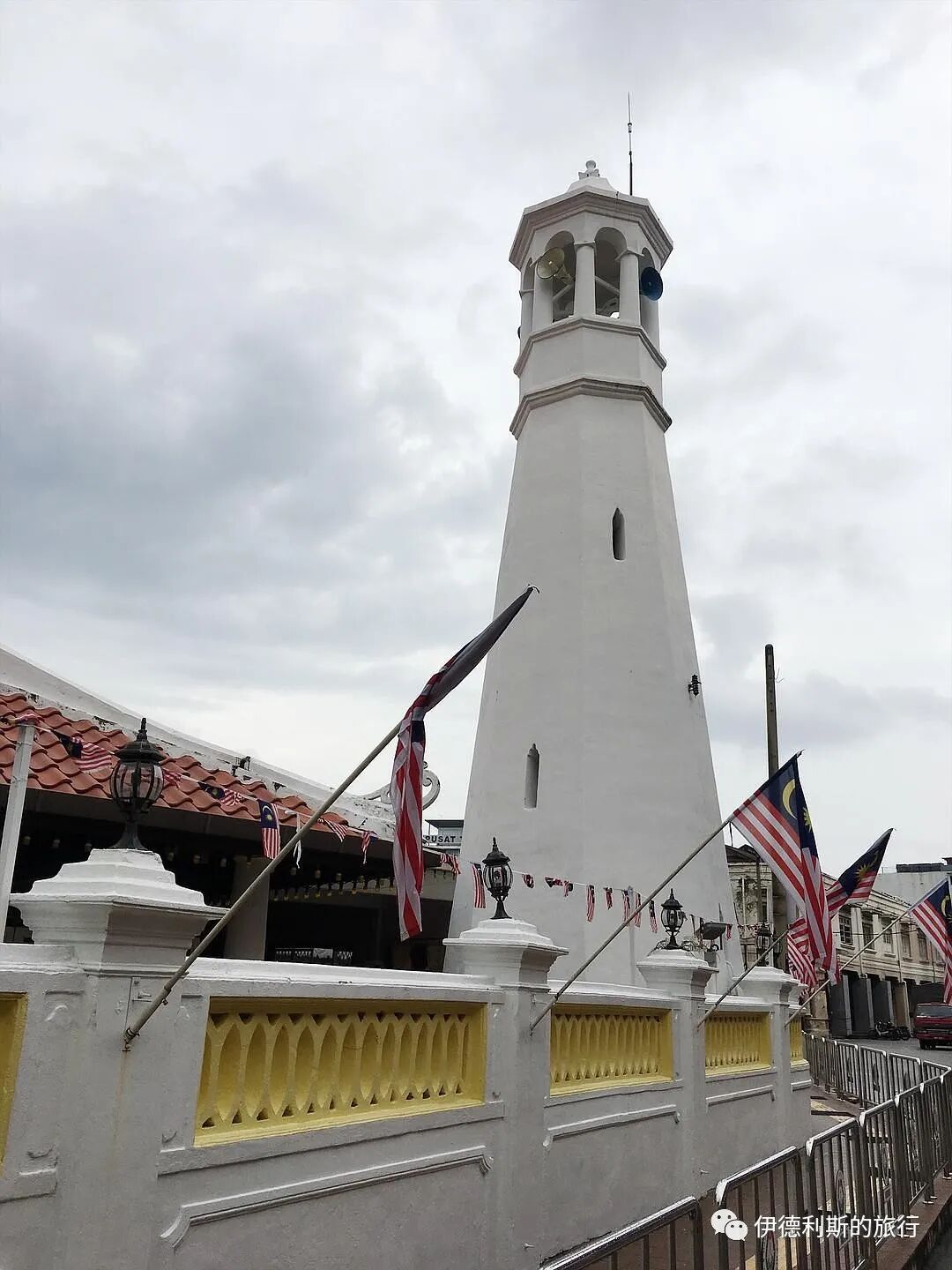
The minaret looks like a lighthouse, which is a first for the entire Malay Peninsula. Before this, mosques in the Malay Peninsula did not have a tradition of building minarets. On Java Island, the Great Mosque of Banten, built in 1632, was the first to have a lighthouse-style minaret designed and built by a Chinese man named Cek-ban-cut.
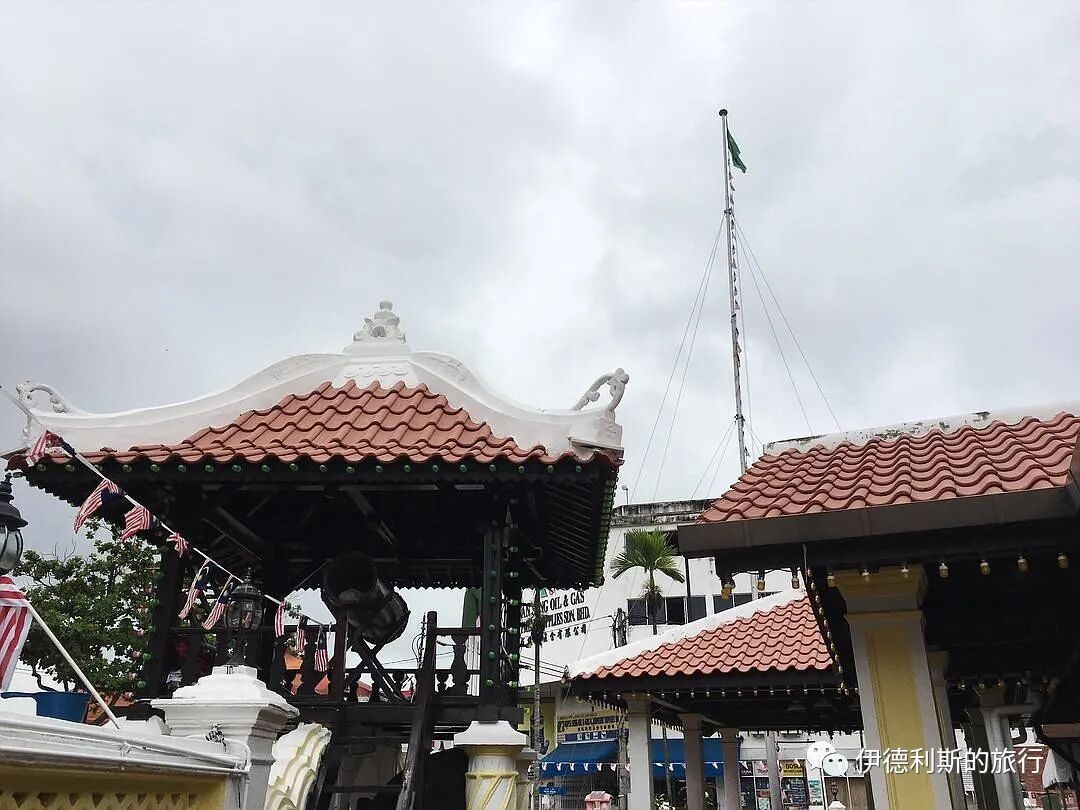
A traditional drum called a beduk (Beduk) sits above the mosque gate. Early traditional mosques in Southeast Asia used drums to call people to prayer. Today, many mosques still use drums to call people to prayer and signal the end of the daily fast during Jumu'ah and Ramadan.
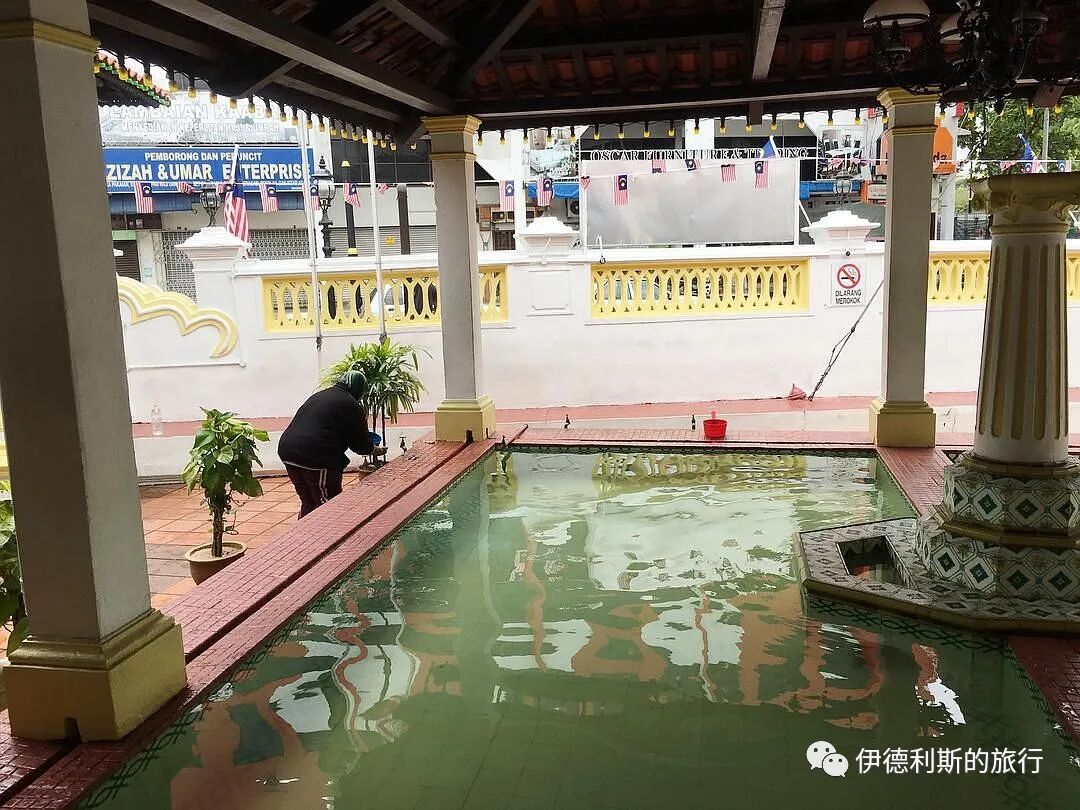
Wudu pool
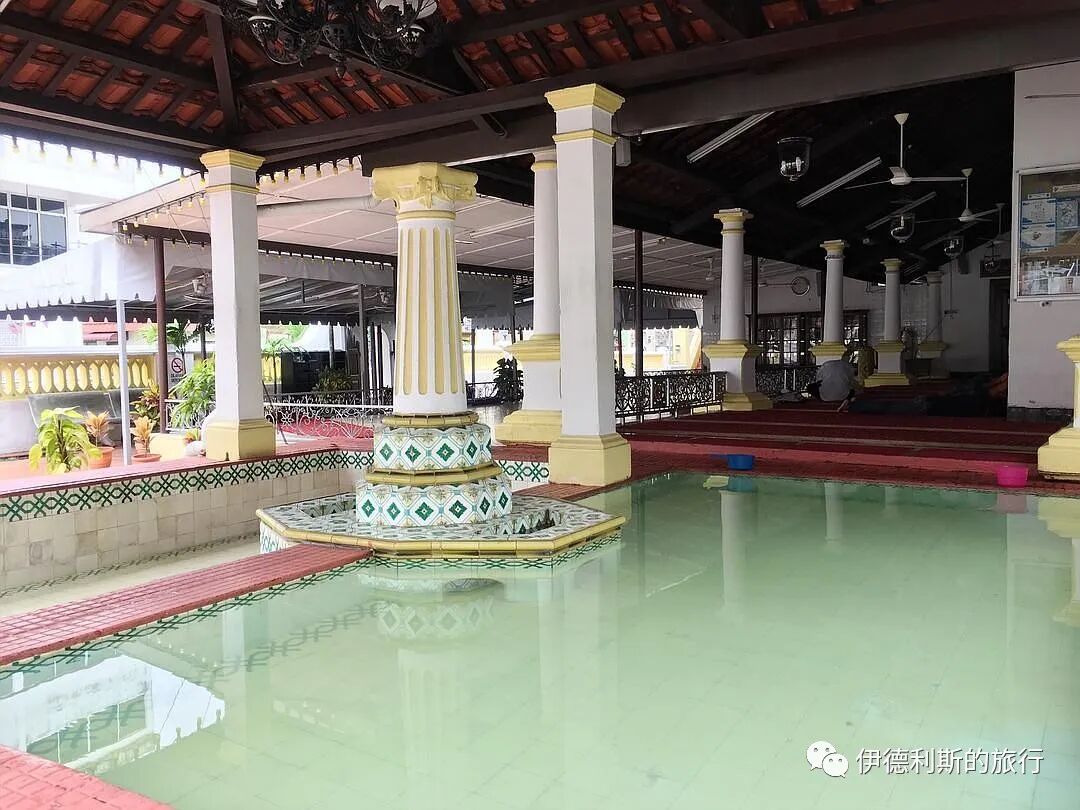
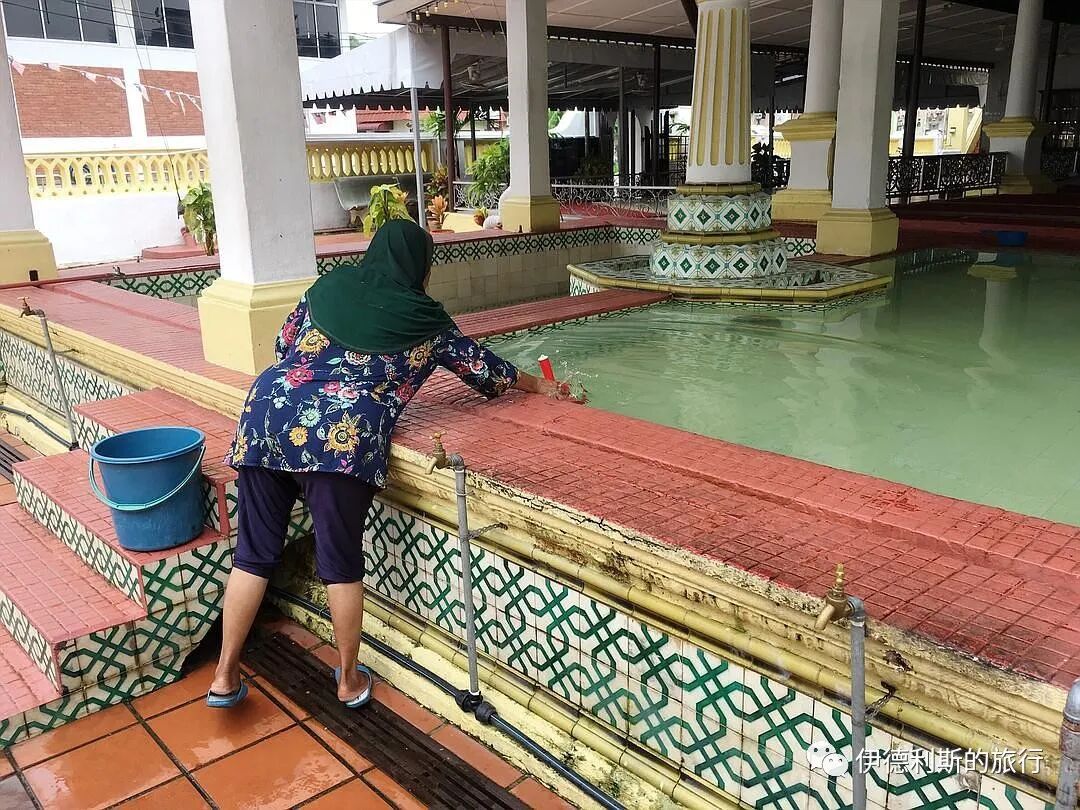
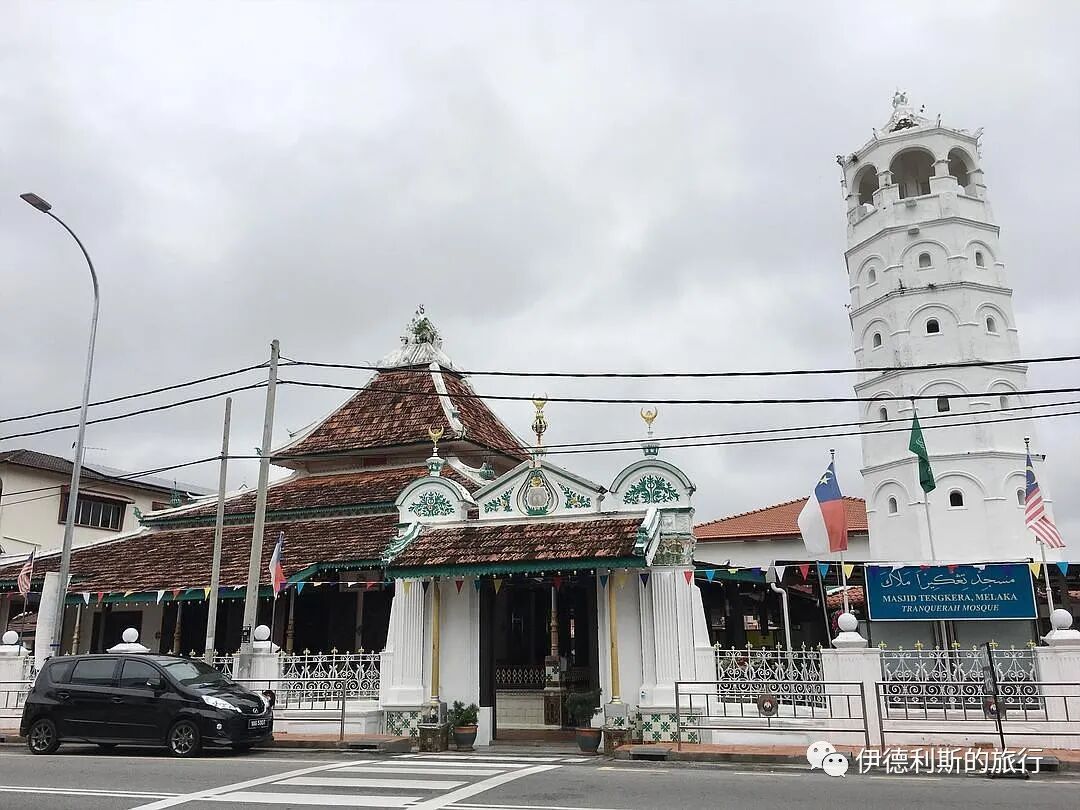
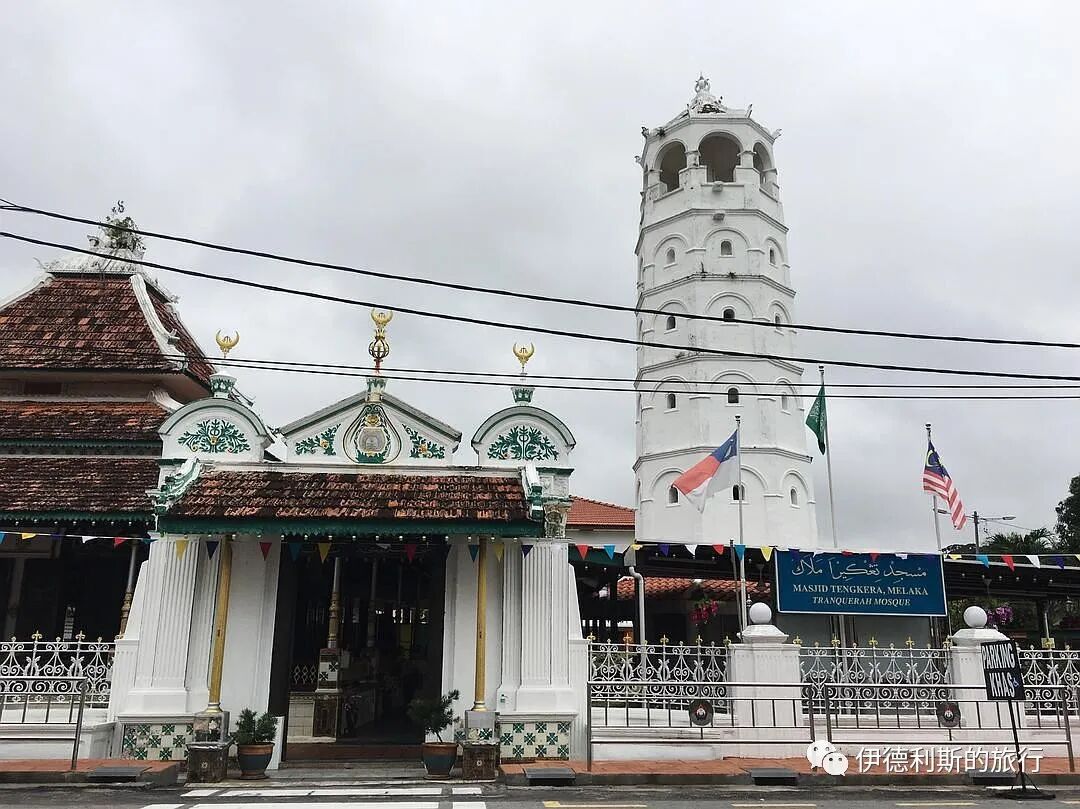
Tengkera Mosque (Masjid Tengkera) was the second mosque built in Malacca with funding from the Dutch East India Company. It was also completed in 1728, and its architectural style is similar to Kampung Kling Mosque, featuring the same traditional Javanese mosque roof.
Tengkera Mosque was originally a wooden structure made from timber that the Dutch East India Company bought from Kalimantan, Indonesia. After two renovations in 1890 and 1910, it was changed to the same brick and stone structure as Kampung Kling Mosque, and the roof was changed to glazed tiles.
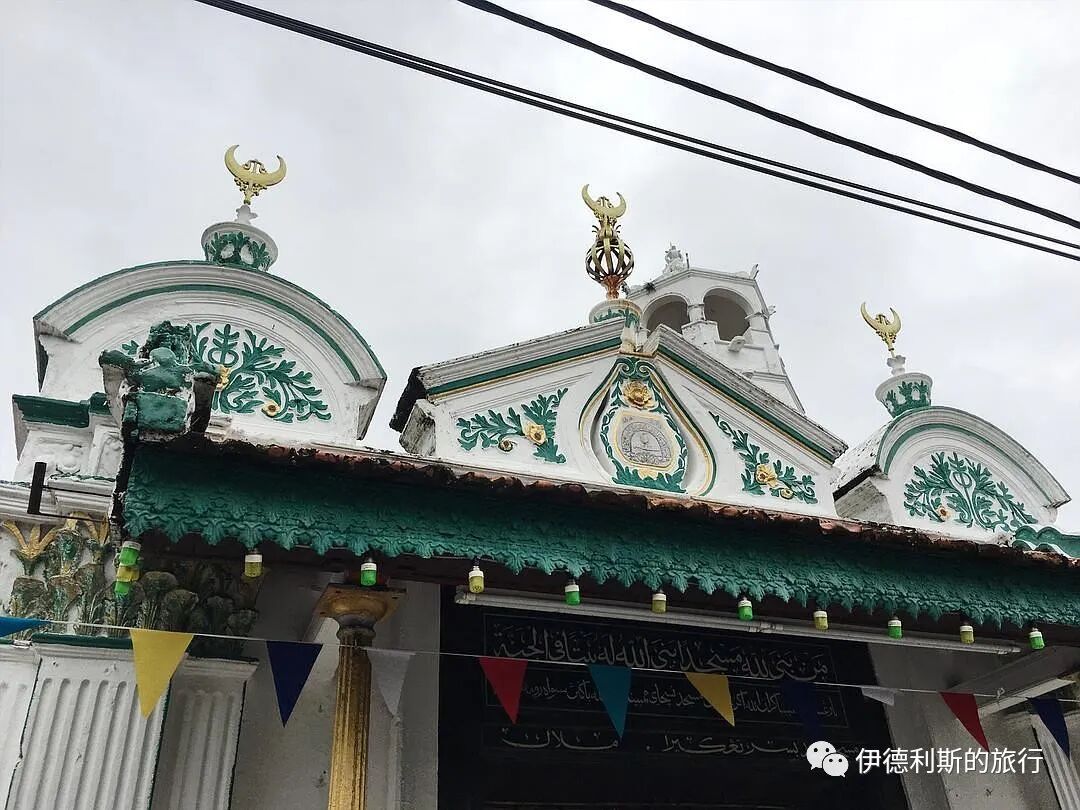
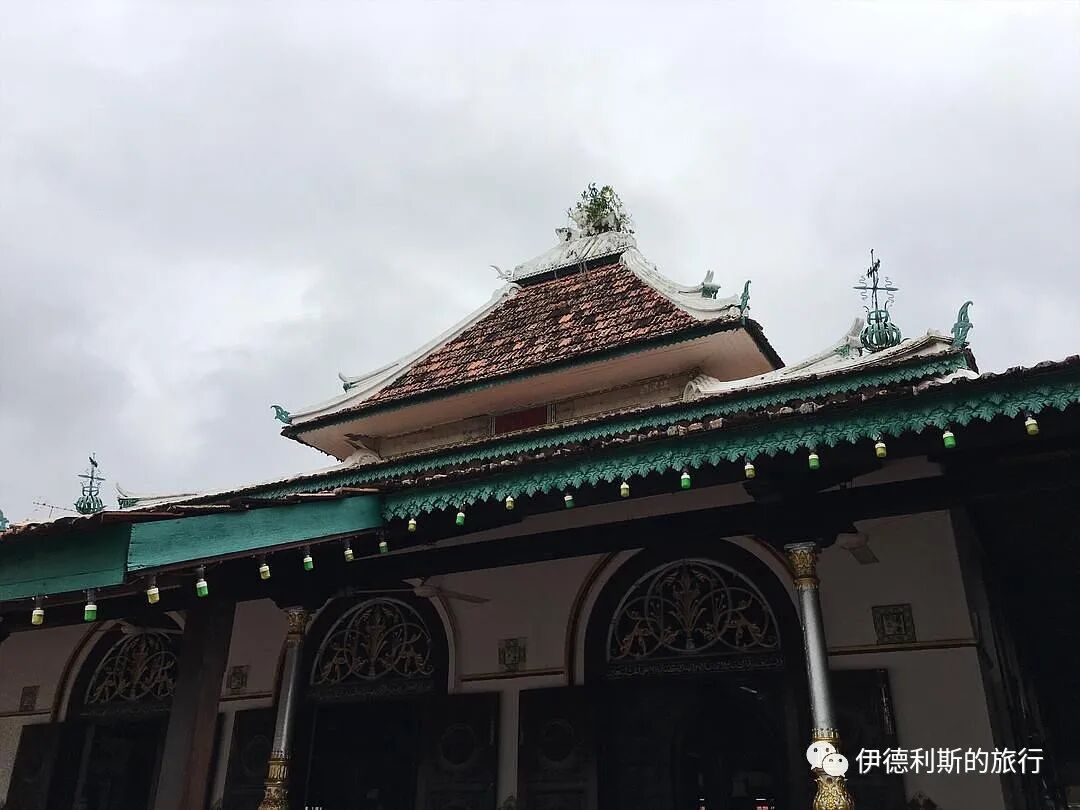
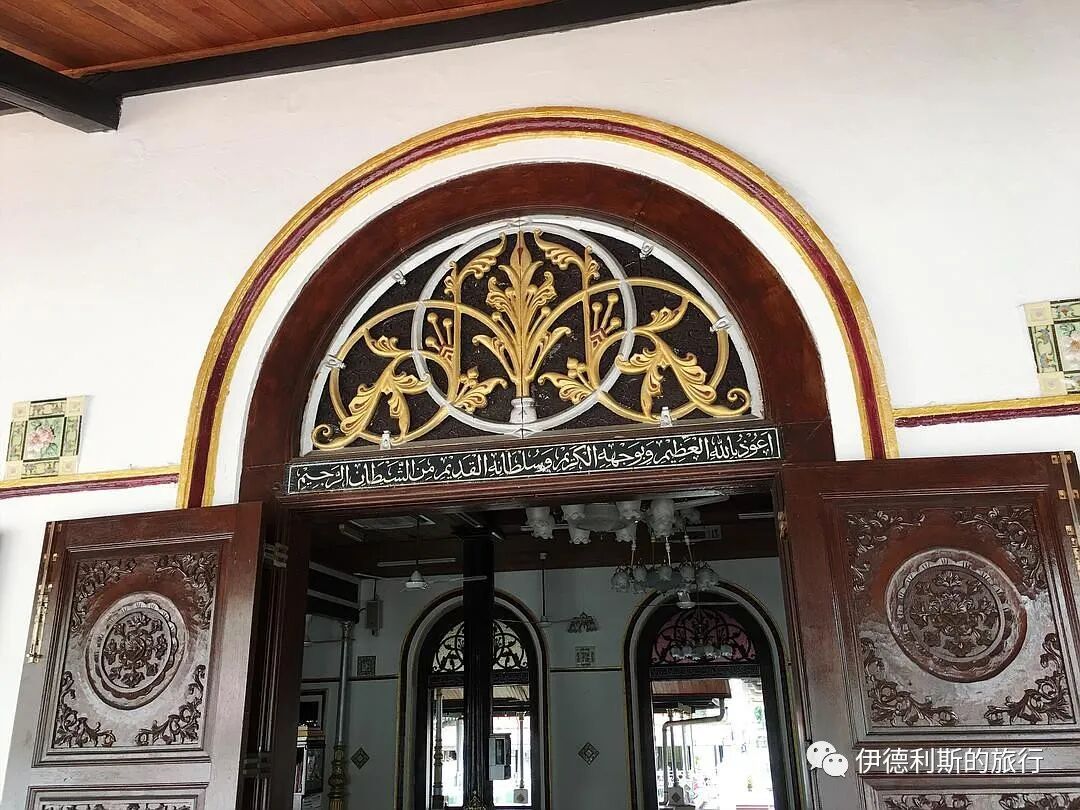
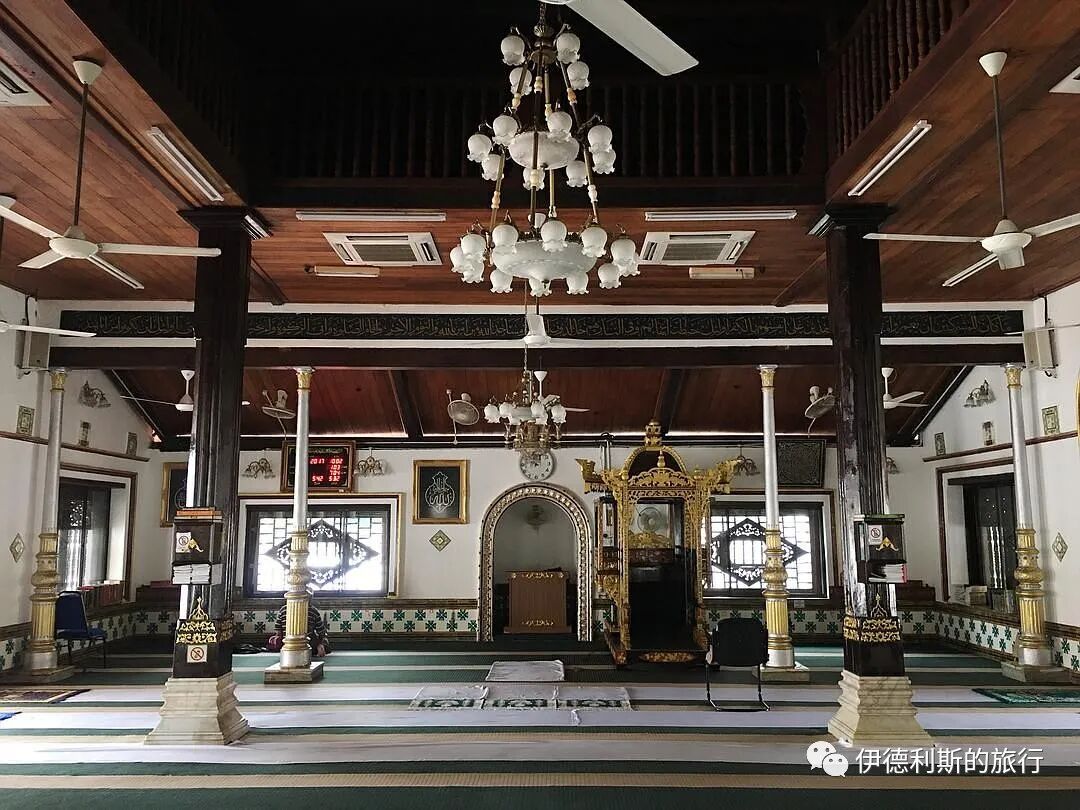
The main prayer hall also has a beautifully carved minbar.
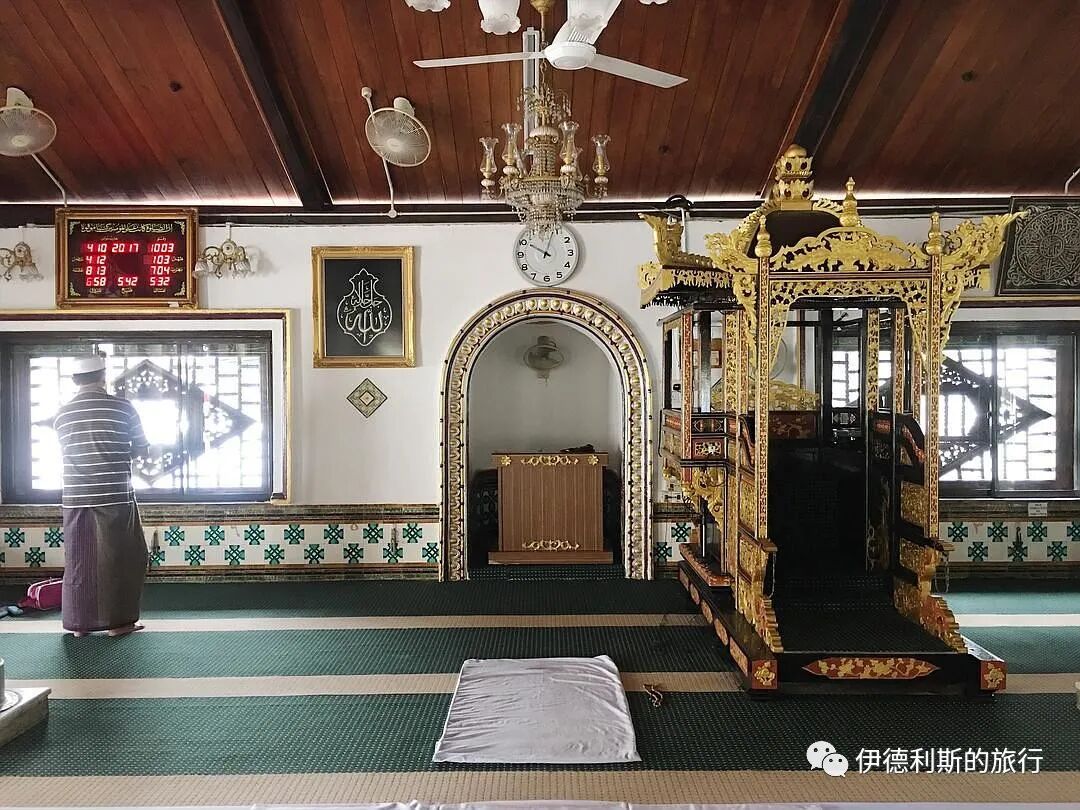
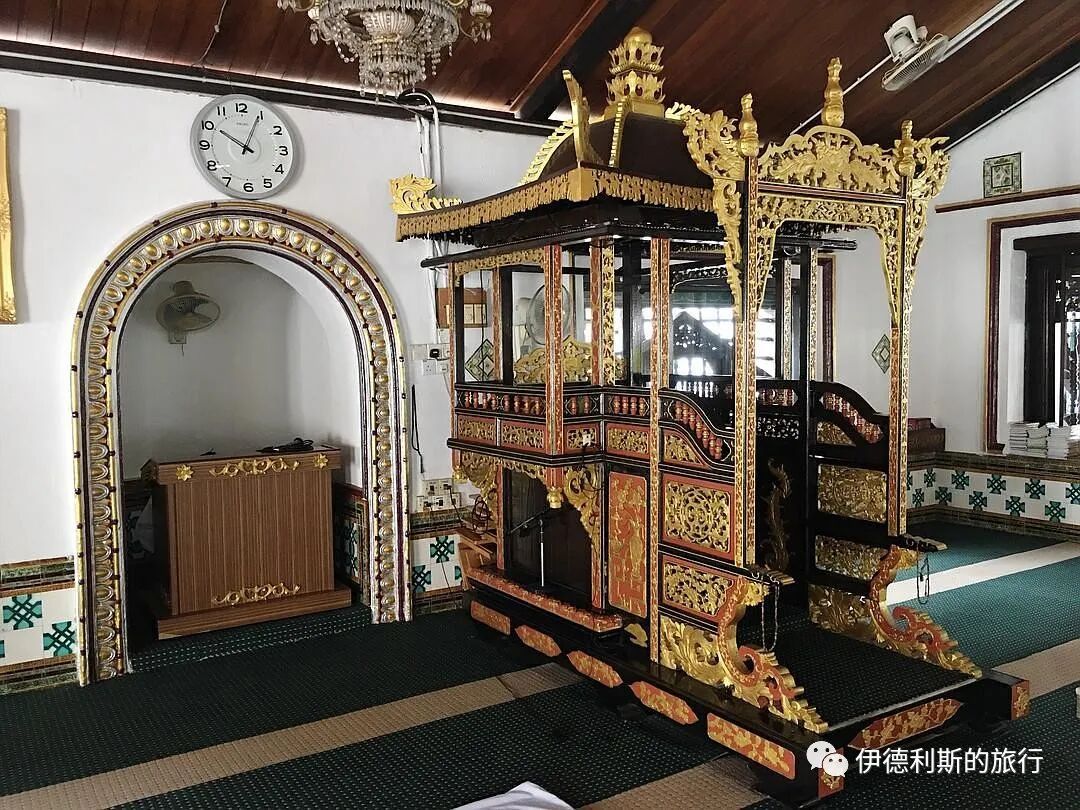
Water pool
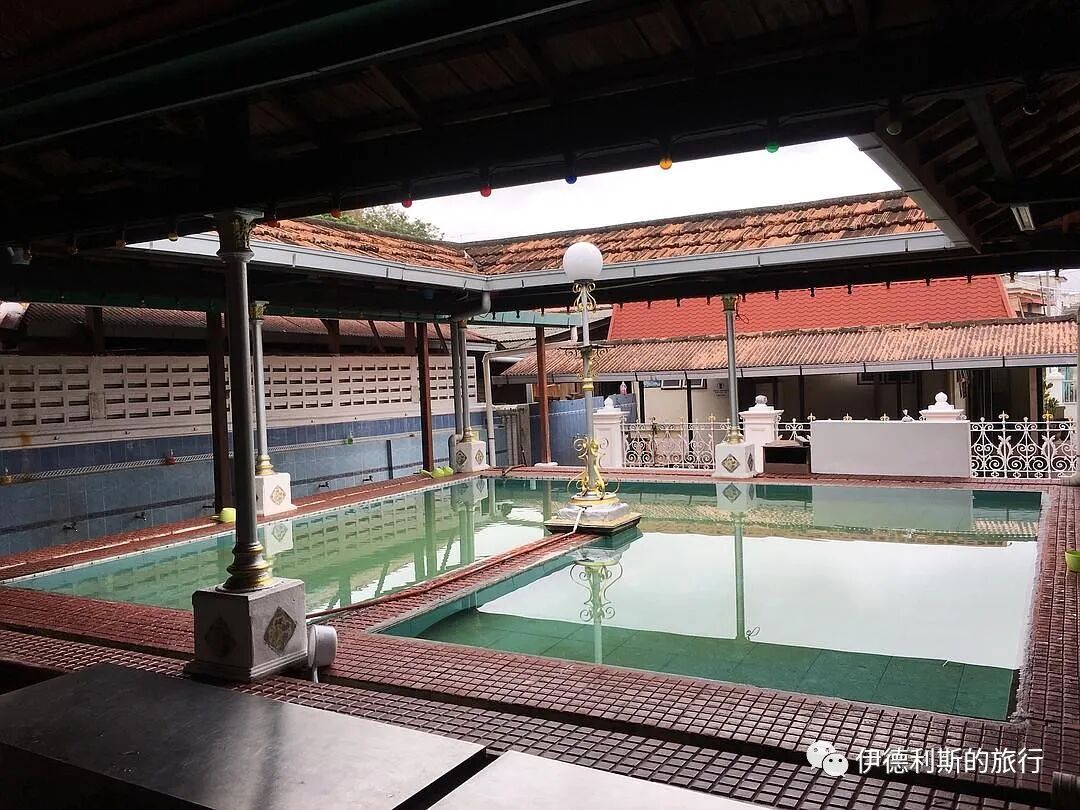
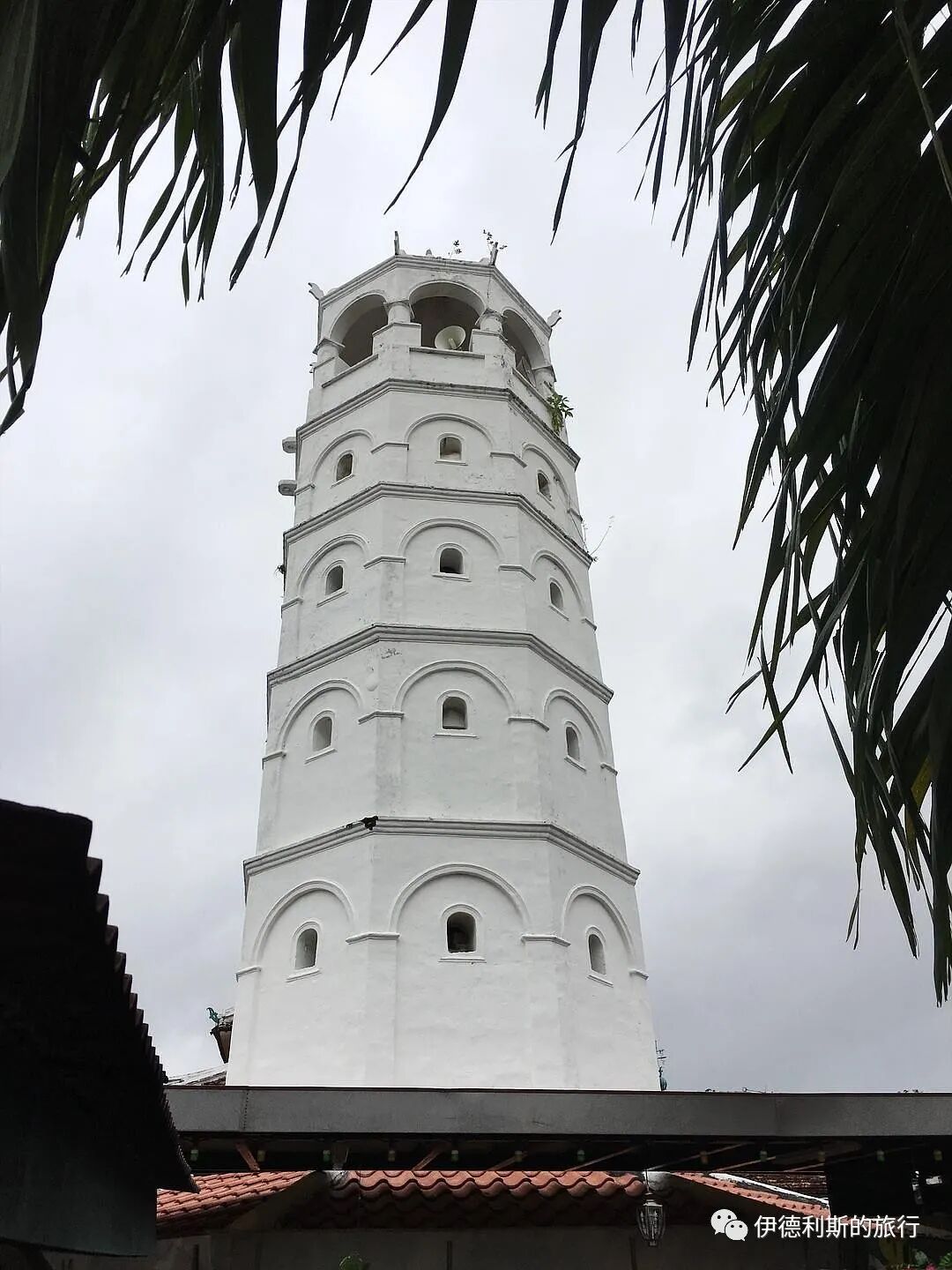
Unlike the Kampung Hulu Mosque, the minaret of the Kampung Kling Mosque is modeled after a Chinese pagoda. This was the first of its kind on the Malay Peninsula and is now a major landmark in Malacca.
I bought a painting of the Kampung Kling Mosque from a Malay man on the mountain road next to St. Paul's Church.
The artist
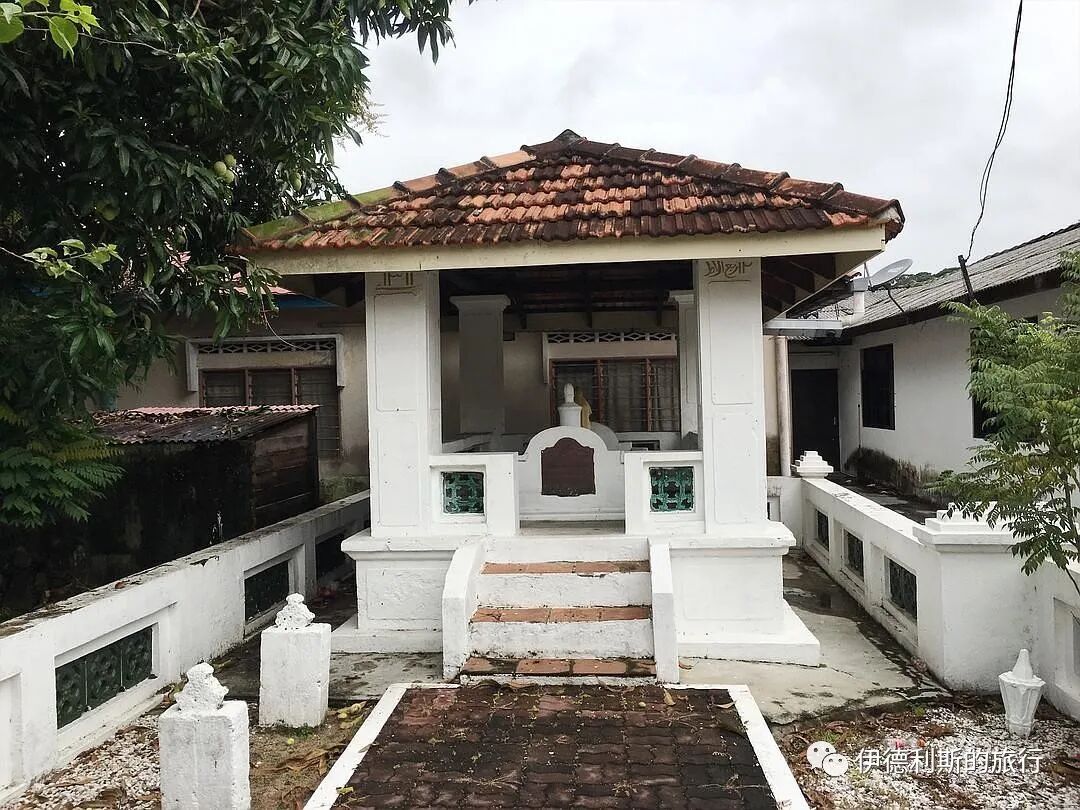
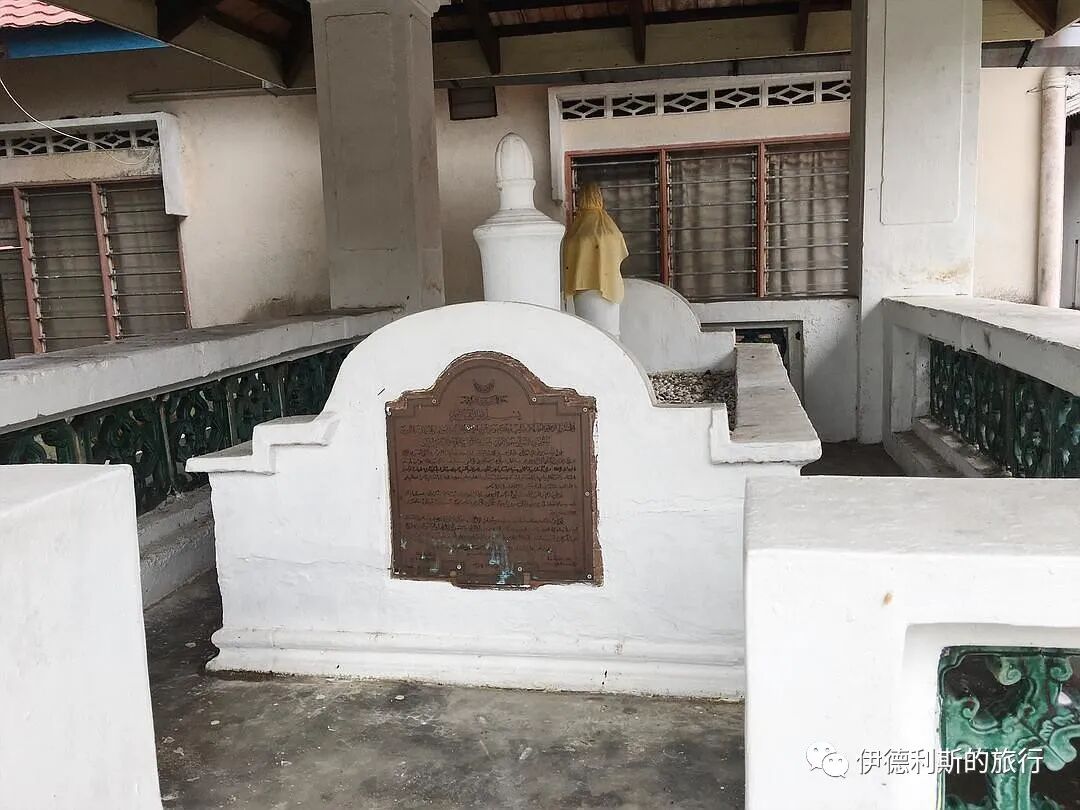
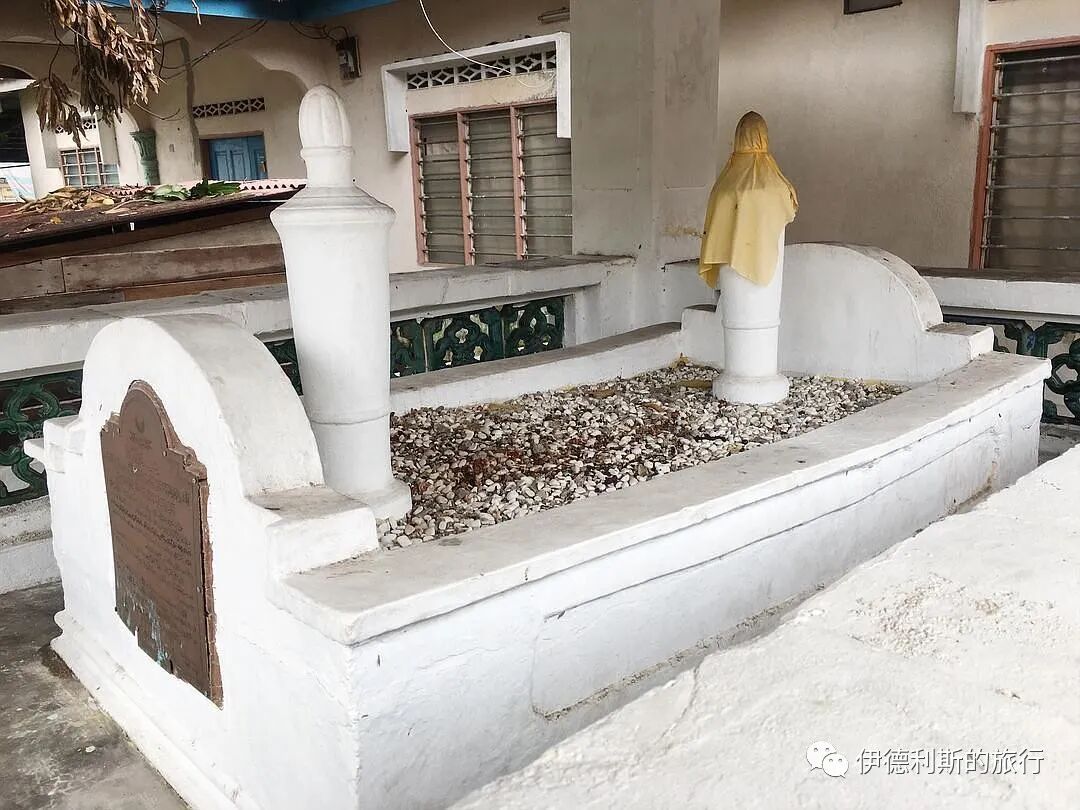
Tomb of Sultan Hussein Shah of Johor
The tomb of Sultan Hussein Shah of Johor is in the backyard of the mosque. He played a key role in the founding of Singapore. After the Portuguese occupied Malacca in 1511, the Sultan of Malacca fled to Johor to continue his rule. In 1528, the last Sultan of Malacca passed away. His son, Alauddin Riayat Shah II, officially established the Johor Sultanate, viewing it as the legitimate continuation of the Malacca Sultanate.
Hussein Shah was born in 1776 and was the eldest son of Sultan Mahmud Shah III of Johor. When Mahmud Shah III passed away in 1812, Hussein Shah was not in the capital. His younger brother took the throne quickly with the support of government ministers, forcing Hussein Shah to flee to the Riau Islands.
In 1819, the British East India Company decided to build a new base in Southeast Asia. They found the exiled Hussein Shah and named him Sultan of Johor and Singapore in exchange for the right to establish a trading post in Singapore. Hussein Shah then came to Singapore and became a Sultan under British control.
In 1824, the British bought Singapore for 33,200 dollars, and Sultan Hussein Shah received 1,300 dollars every month. He held no real power in Singapore and served only as a symbolic figure.
Sultan Hussein Shah lived in Singapore until 1834, then moved to Malacca with his family. He passed away in 1835 and was buried at the Tengkera Mosque (Dongjiena qingzhensi).
Minaret ruins
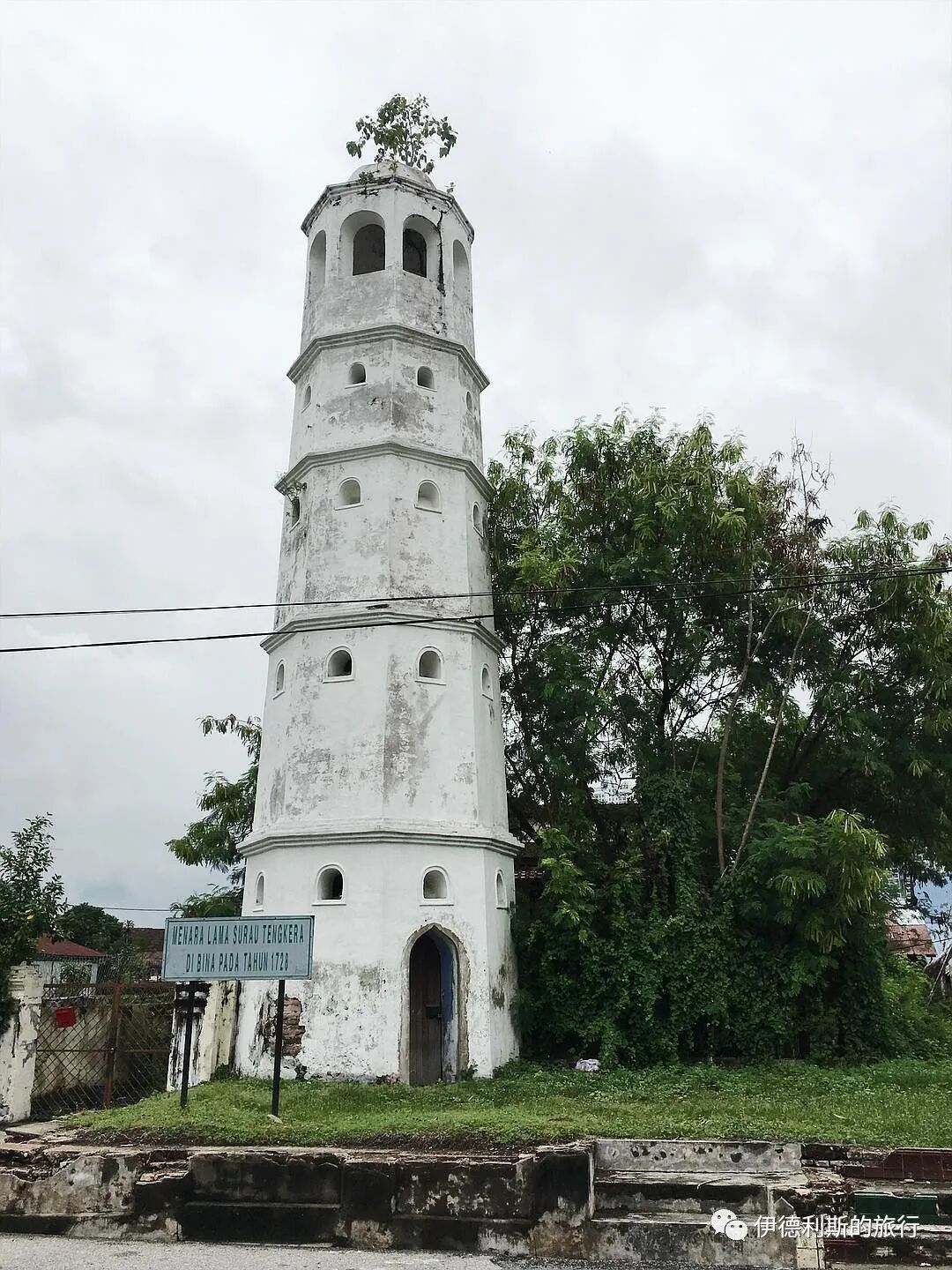
Not far east of the Kampung Kling Mosque (Masjid Kampong Kling) stands a minaret built in the style of a Chinese pagoda. It bears the inscription 'Menara lama surau tengkera di bina pada tahun 1728,' which means 'old mosque tower built in 1728.' This is likely a remnant of another mosque funded by the Dutch East India Company in 1728.
The Kampung Kling Mosque (Masjid Kampong Kling) was built in 1748 by Indian Muslims who were doing business in Malacca. The name Kling comes from the local term for Indian people, 'Kalinga'. This area was a settlement for Indian Muslims in the 18th century. However, after the rubber industry boomed in Malacca from the 19th to the early 20th century, it became a residential area for Chinese people who came to work in the rubber industry.
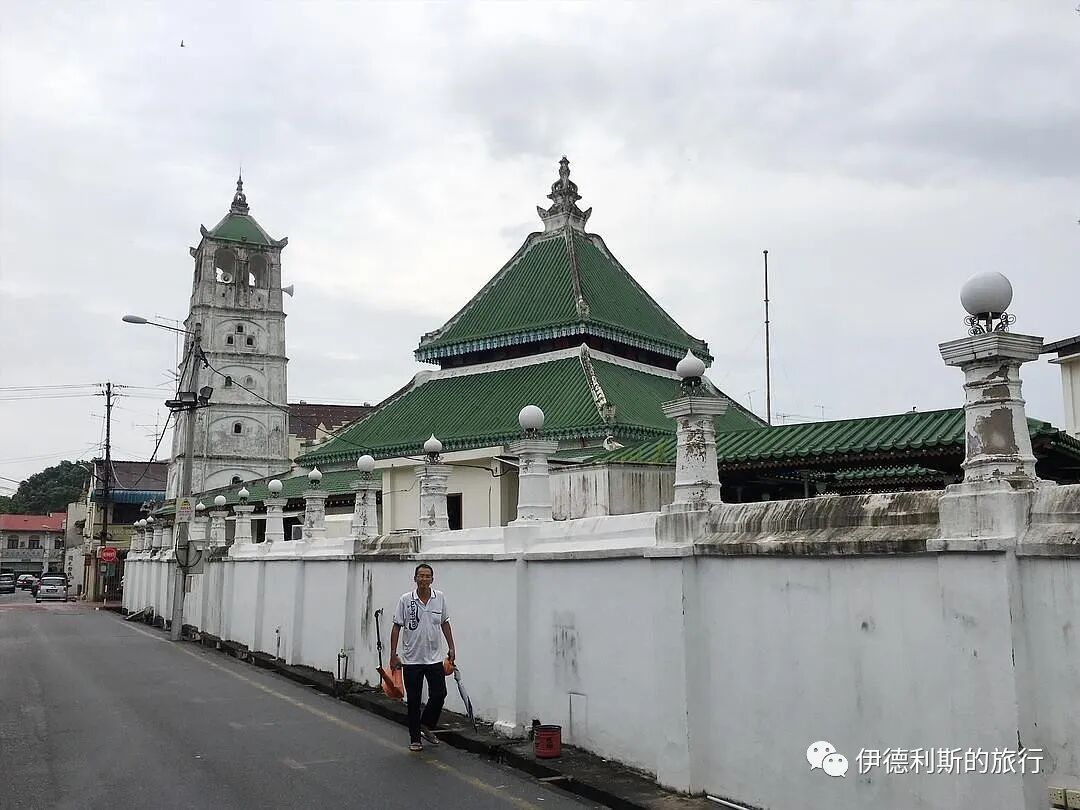
The Kampung Kling Mosque (Masjid Kampong Kling) shares a similar style with the two mosques built earlier. The main prayer hall was originally a wooden structure, but it was rebuilt with brick and wood in 1872.
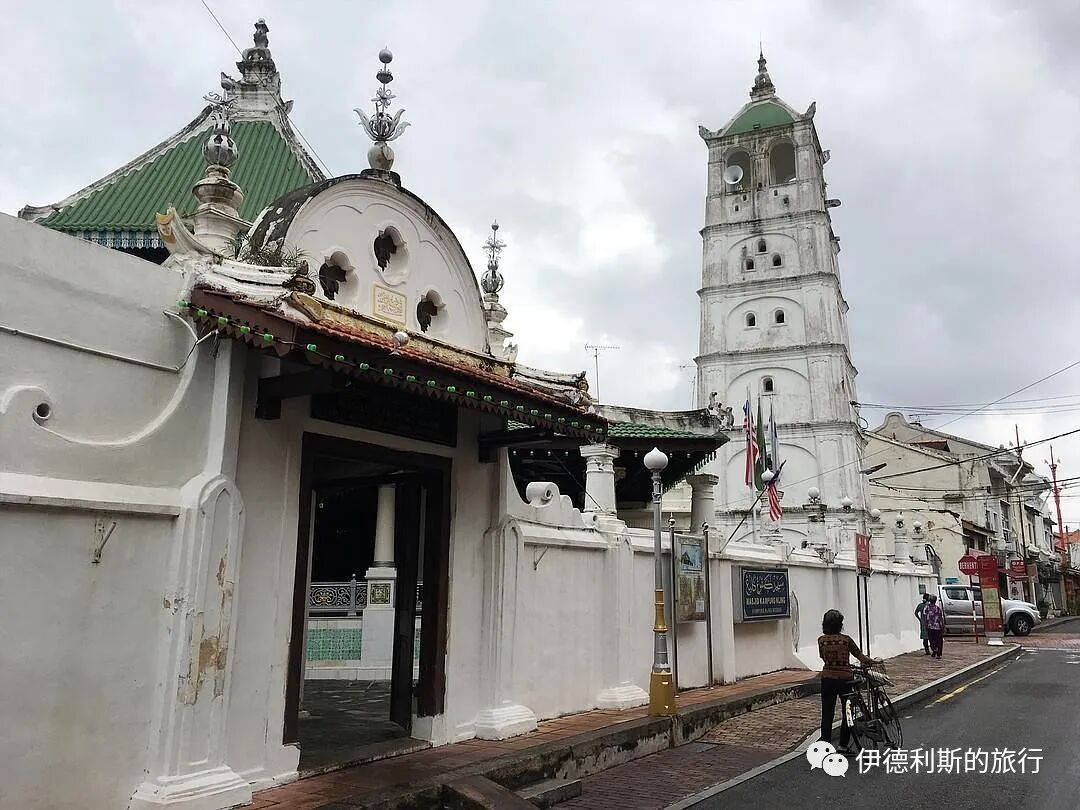
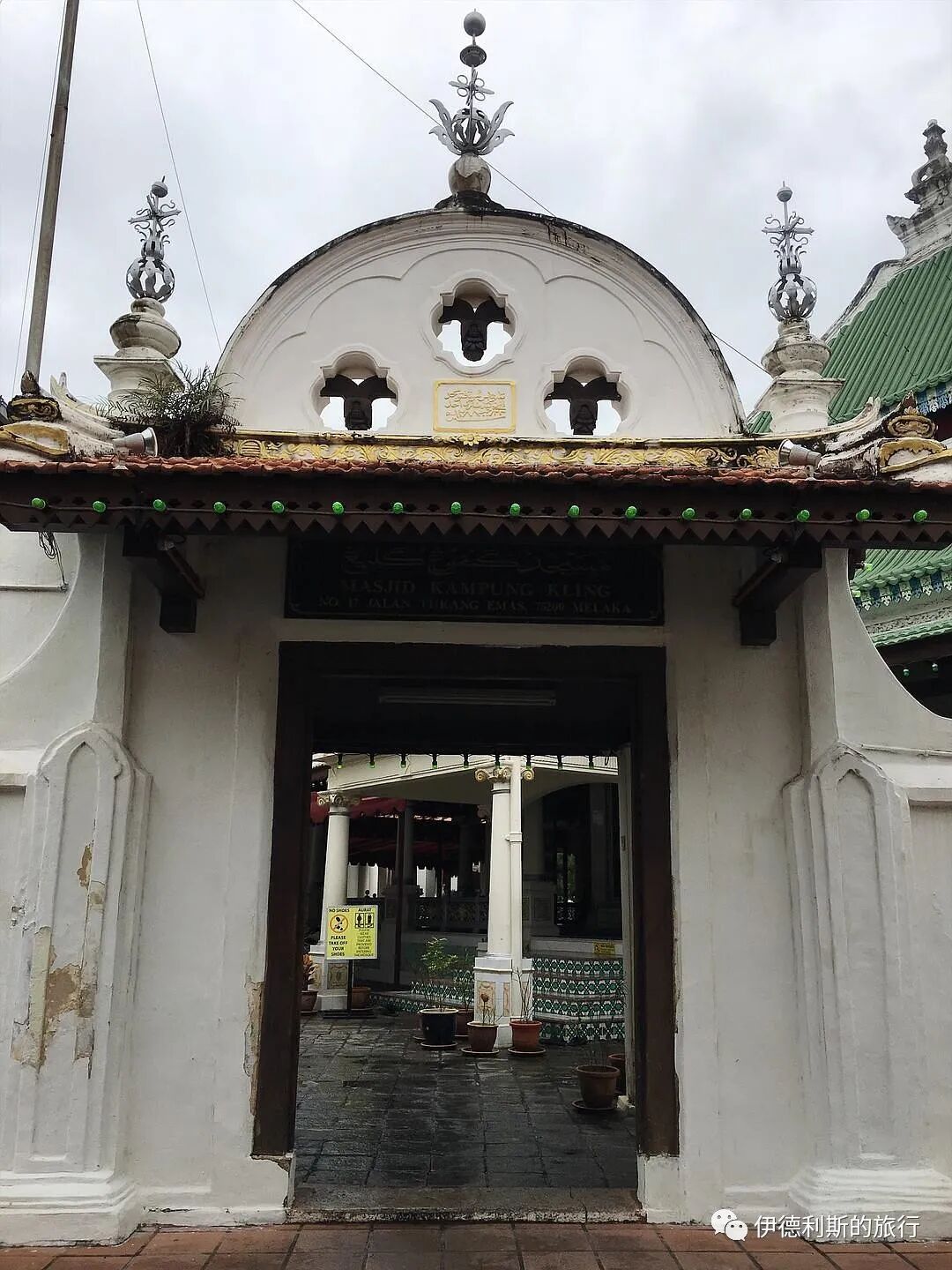
There are students visiting in the courtyard.
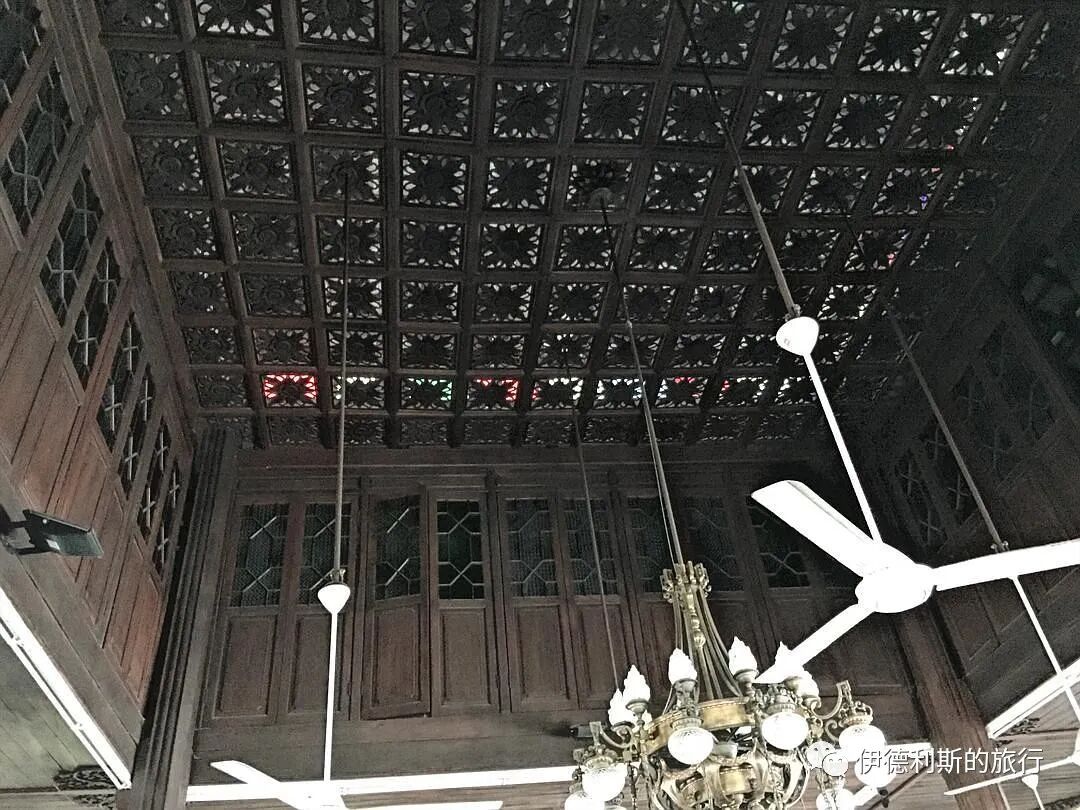
The Corinthian columns around and inside the main hall are a special feature of this mosque. The floor tiles were imported from China, and the hall has a Victorian-style ceiling and a beautifully carved pulpit (minbar).
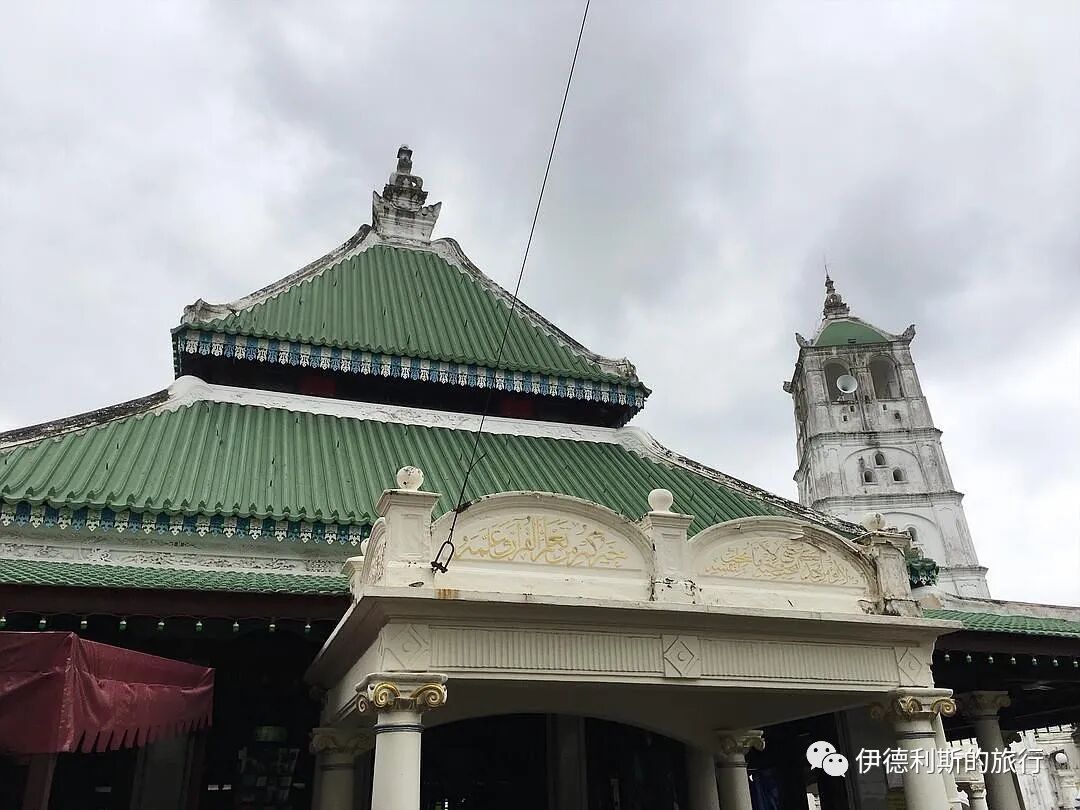
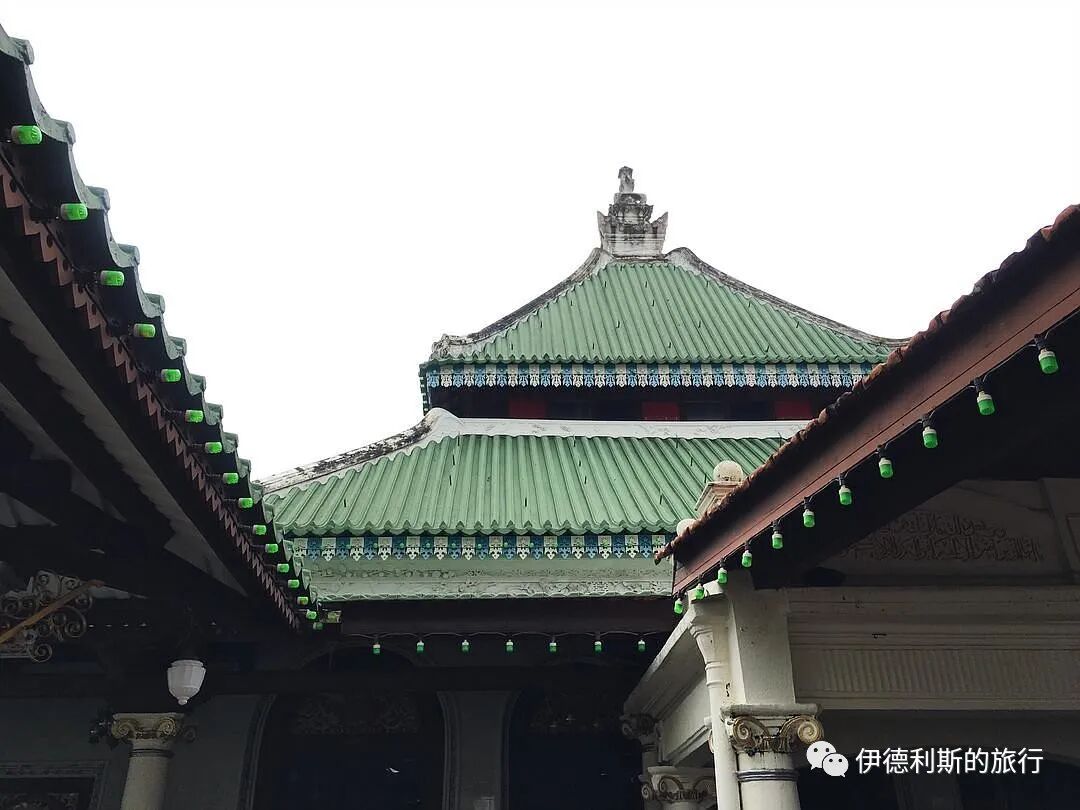
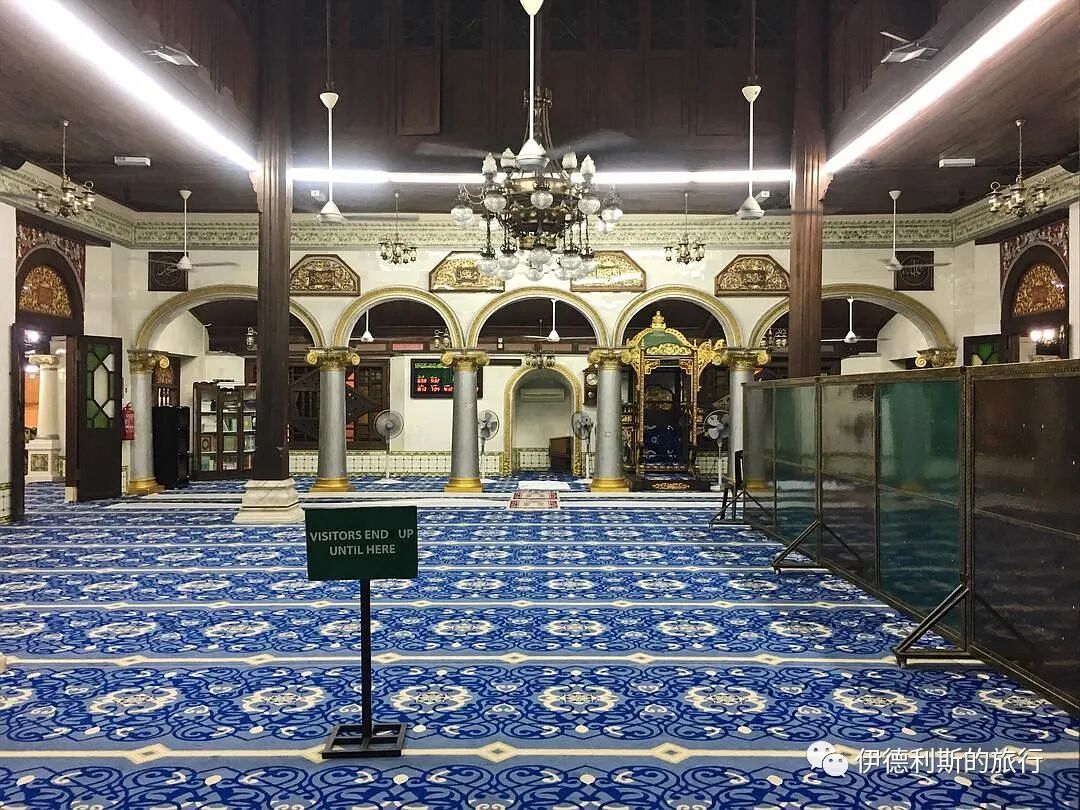
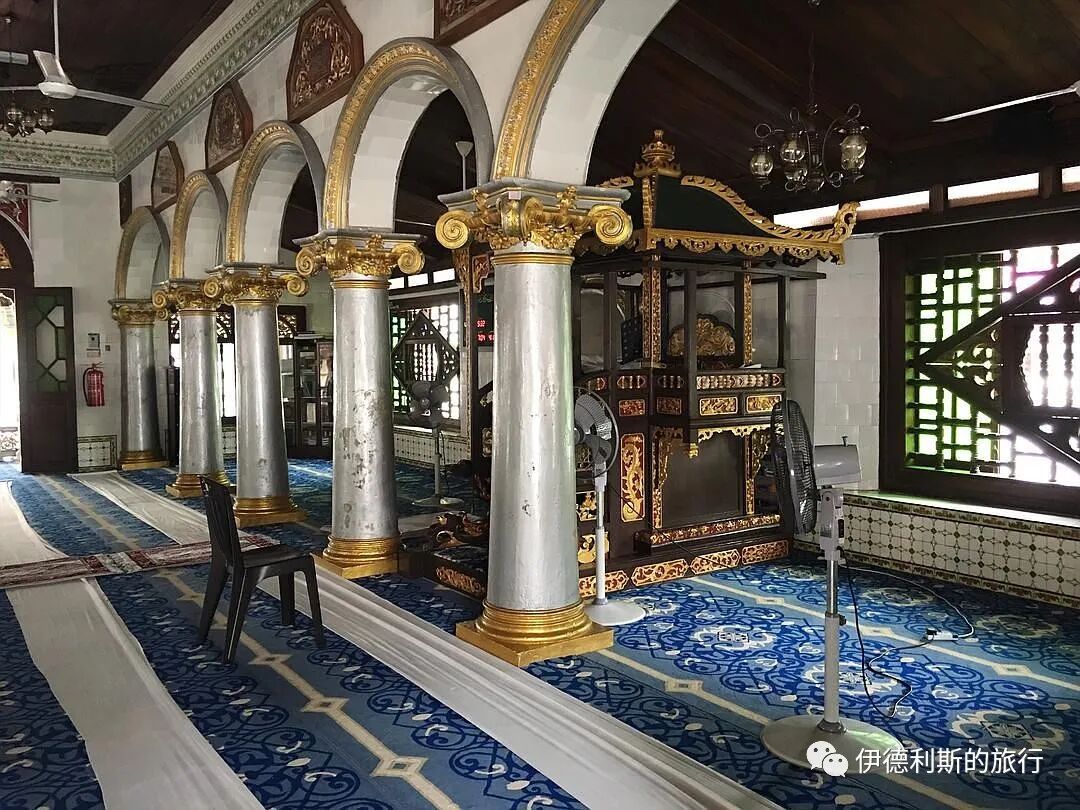
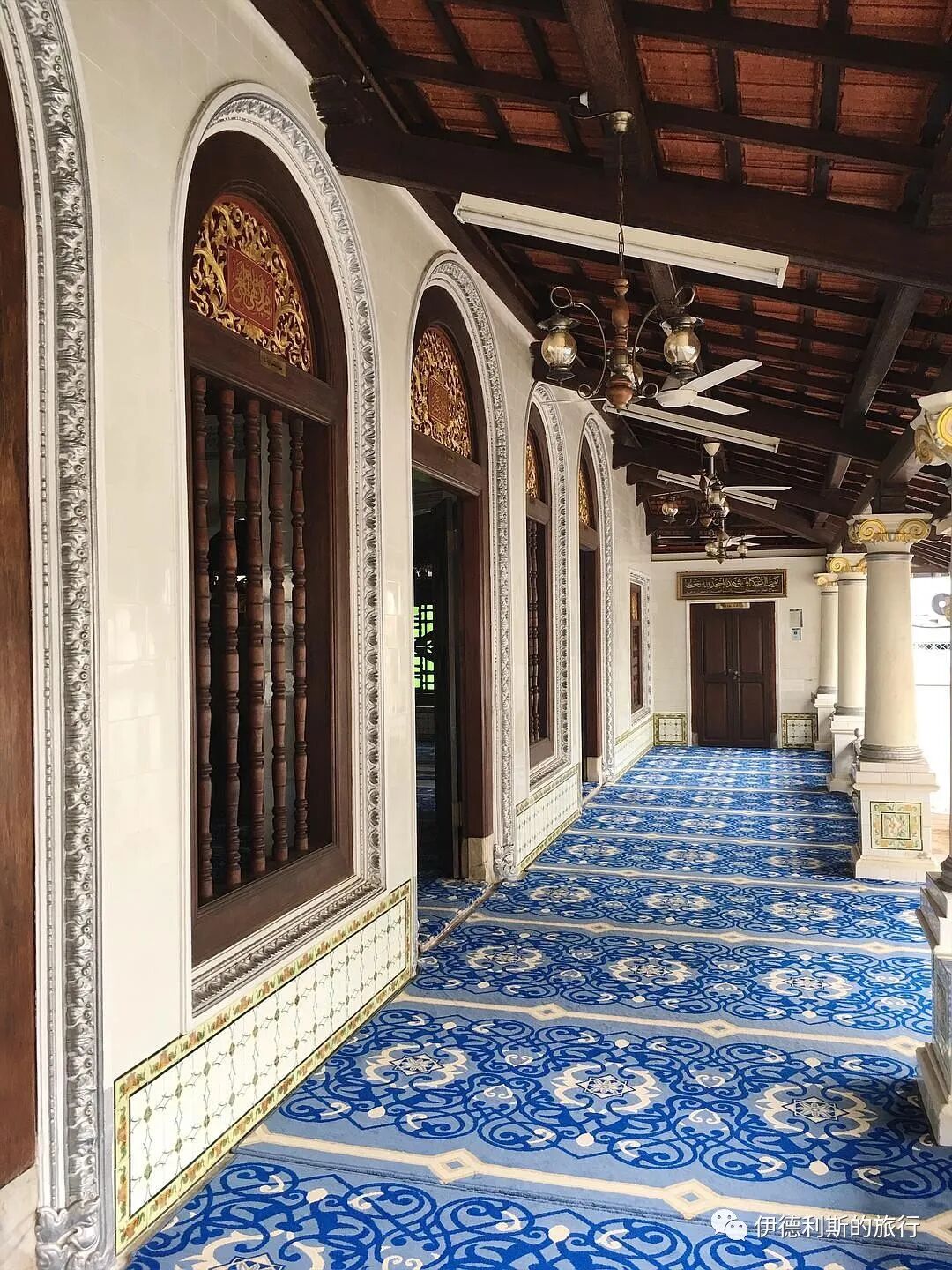
The minaret is also built in the style of a Chinese pagoda.
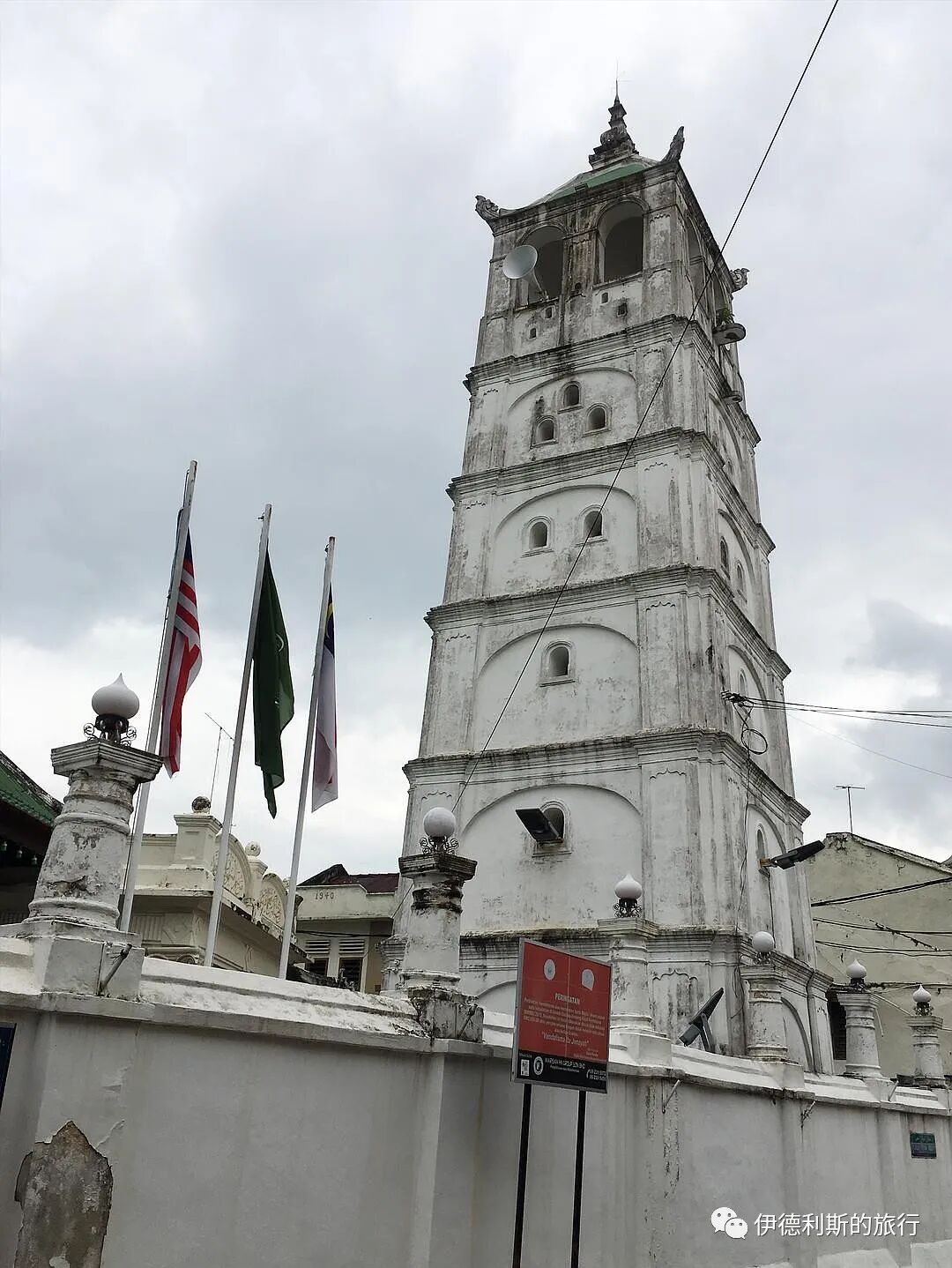
Water pool
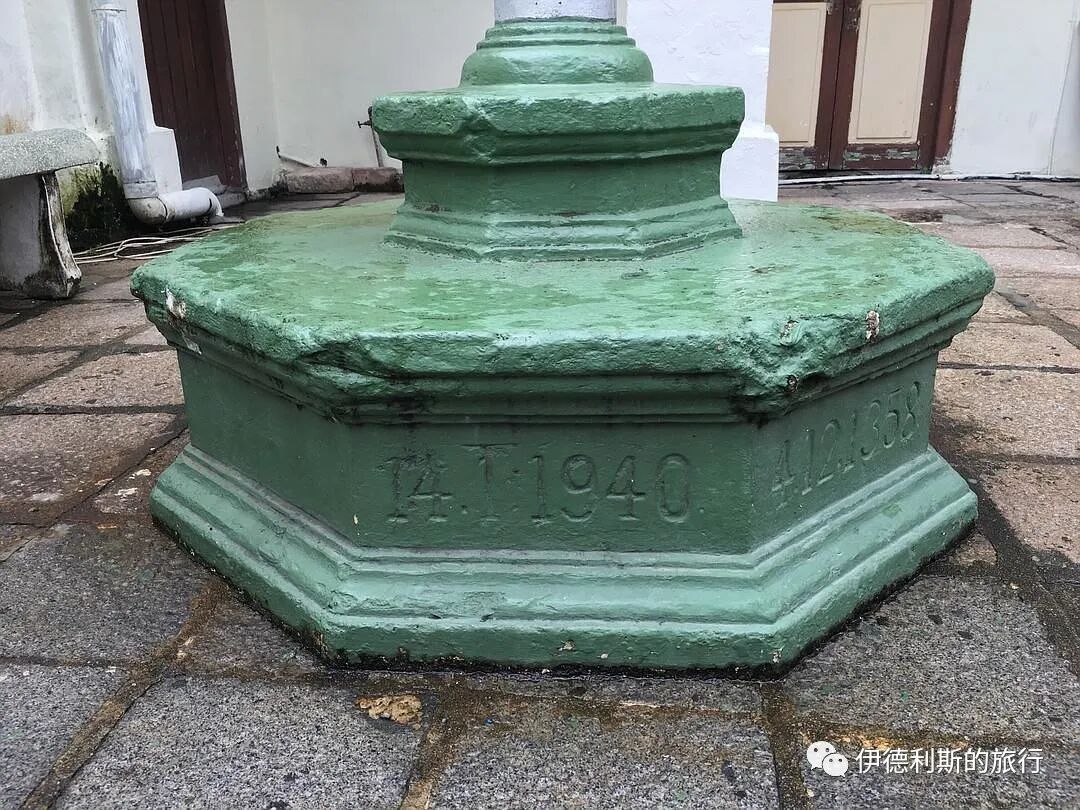
The 1940 flagpole.
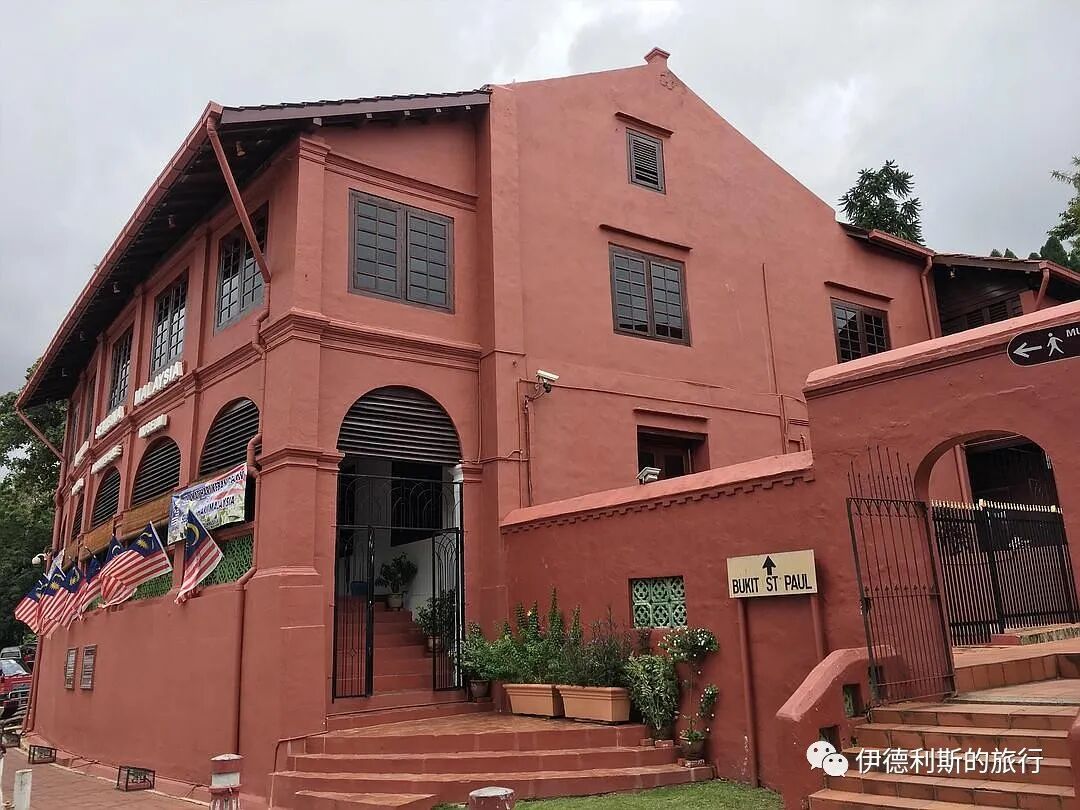
Malaysian Architectural Museum (Muzium Seni Bina Malaysia).
At the foot of the A Famosa fortress, there is a series of museums converted from historic buildings, many of which are related to Islam. Let's start our tour at the Malaysian Architectural Museum.
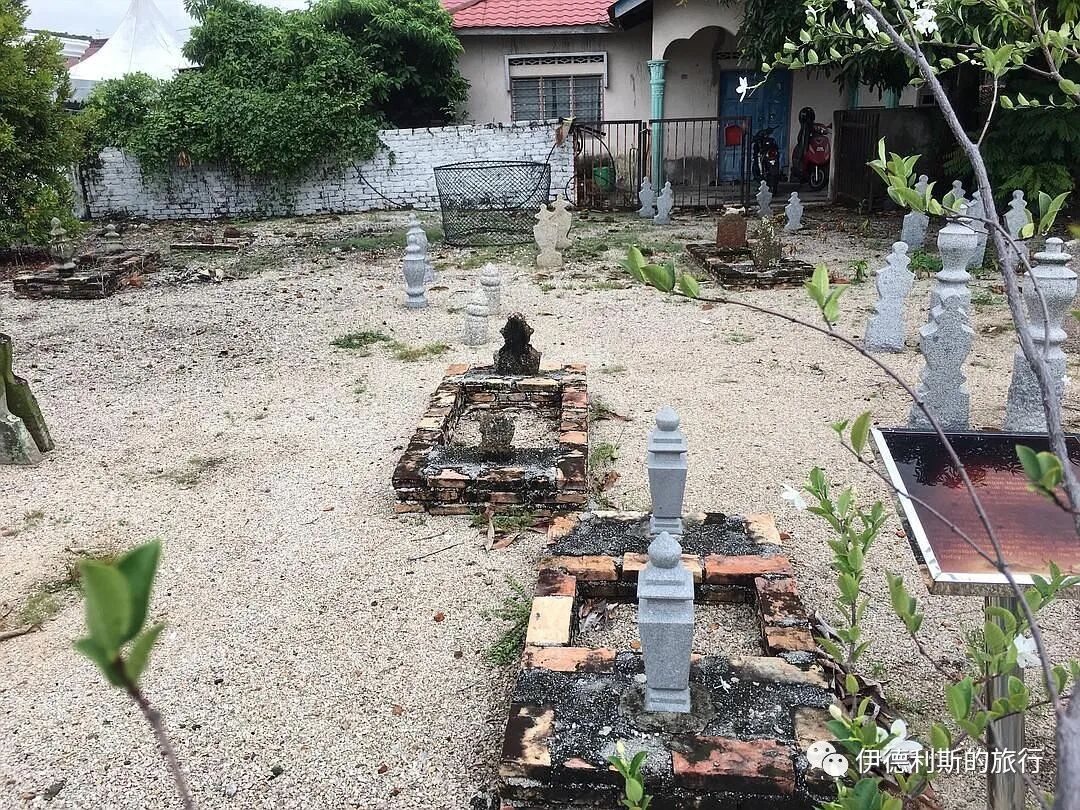
Acehnese-style gravestones
During the era of the Malacca Sultanate, many royals and important figures were buried using Acehnese-style gravestones. Aceh is located in the northern part of Sumatra, Indonesia. From the early 16th century to the early 20th century, the Acehnese people established the highly influential Aceh Sultanate.
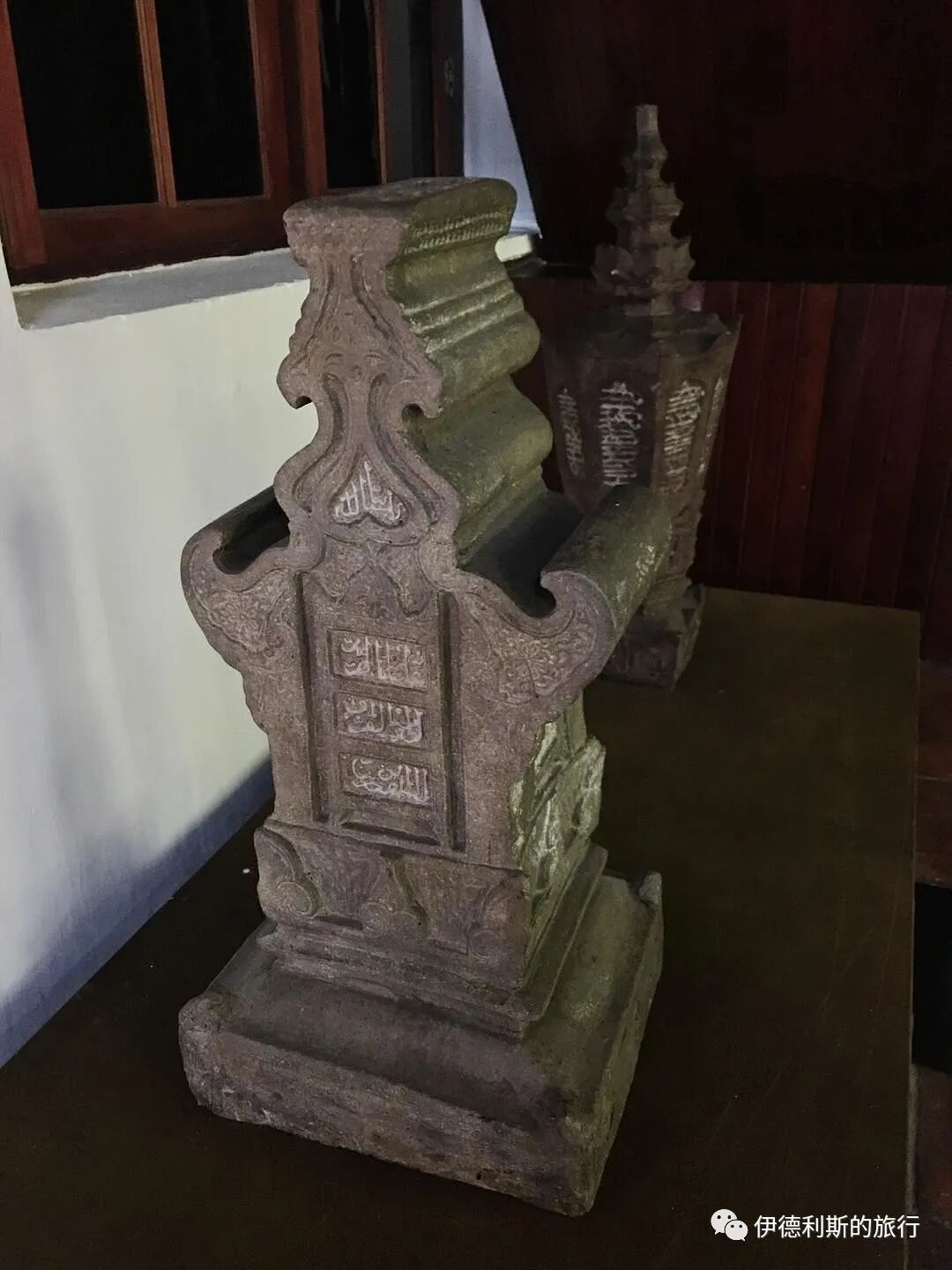
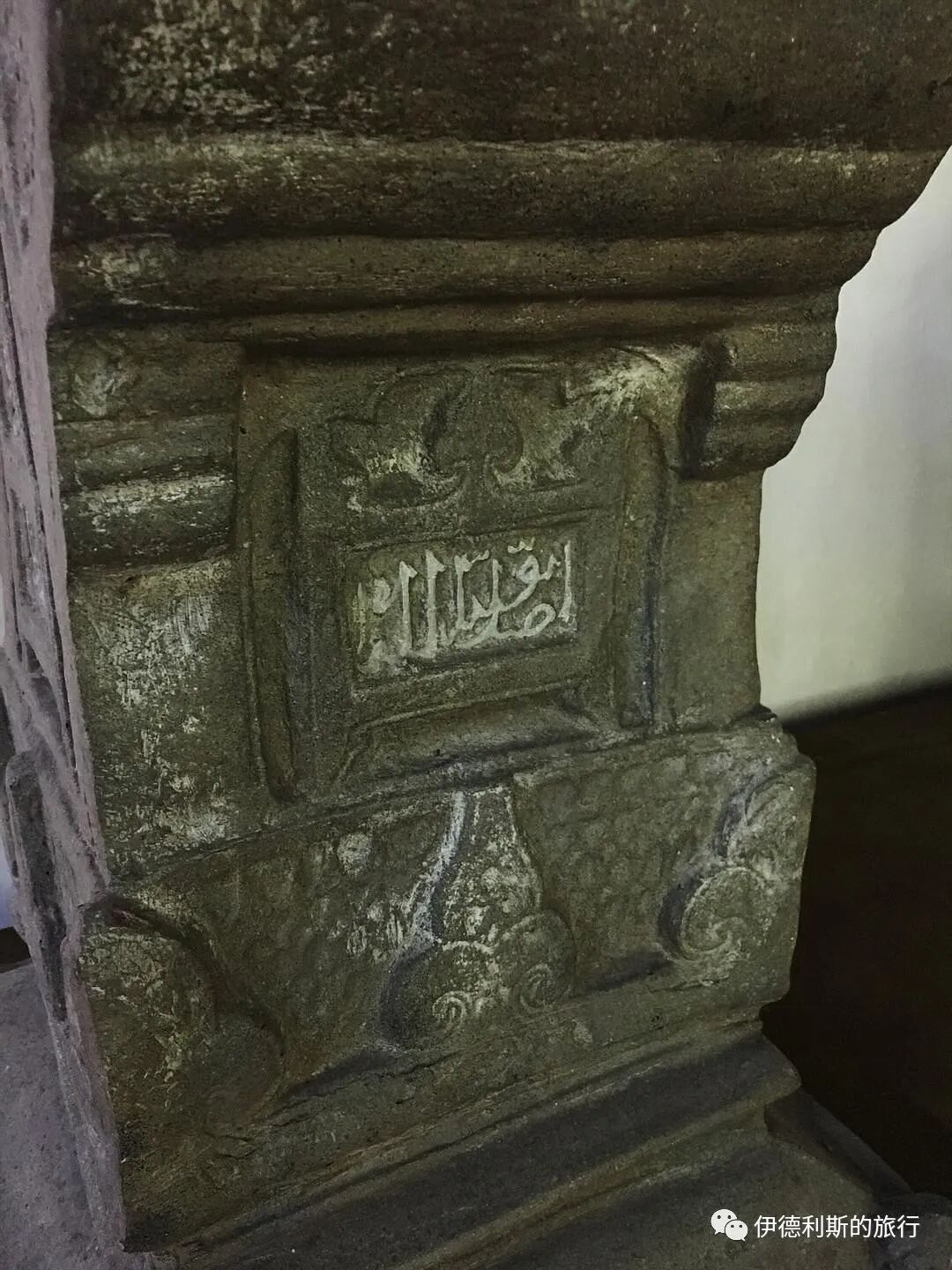
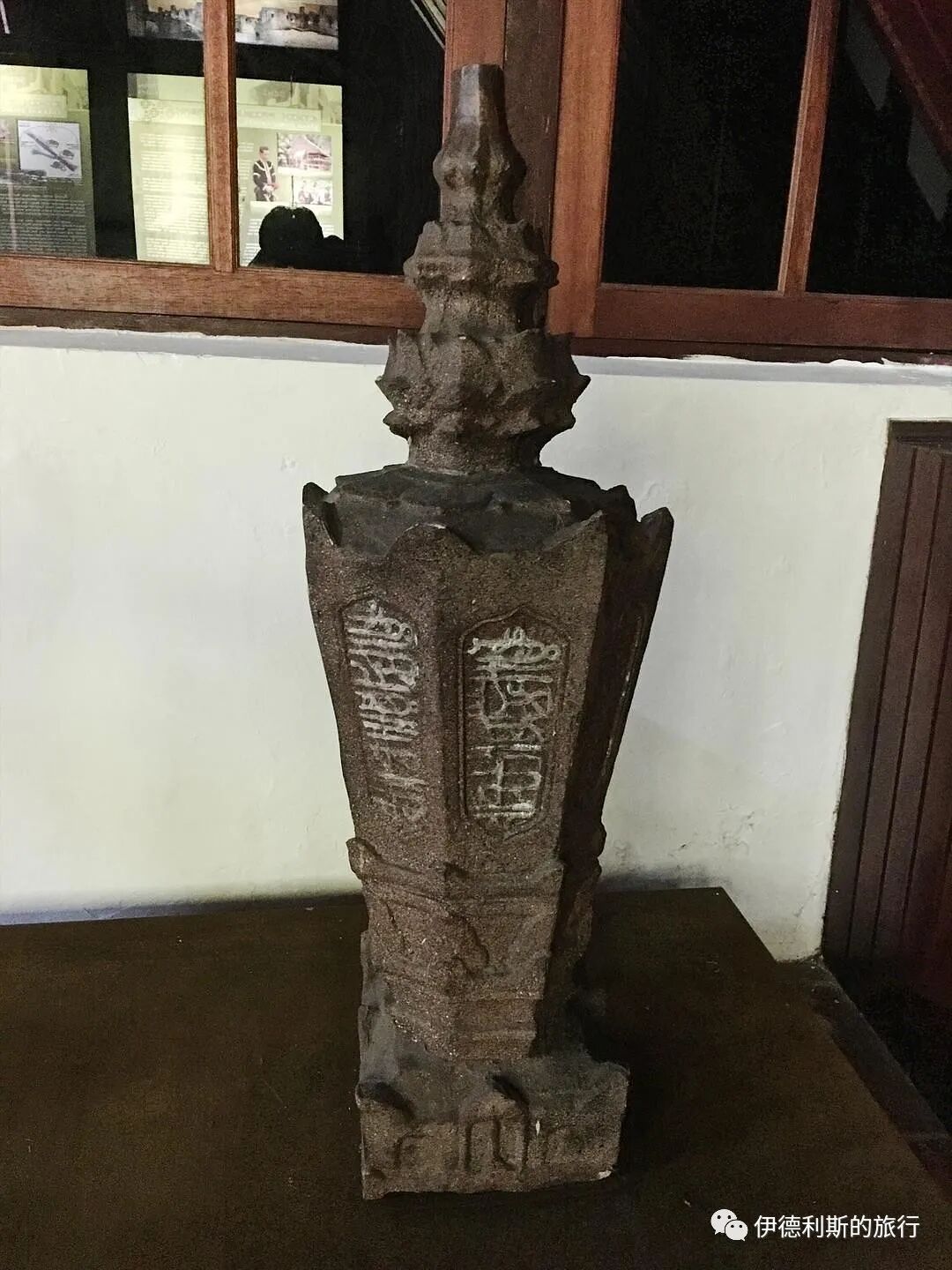
There are two types of Acehnese-style gravestones: the men's version is wider with two distinct corners, while the women's version is pyramid-shaped. The gravestones usually feature the name of the deceased, their birth and death dates, as well as Quranic verses and some poetry.
Traditional wooden doors in the style of the Malay East Coast
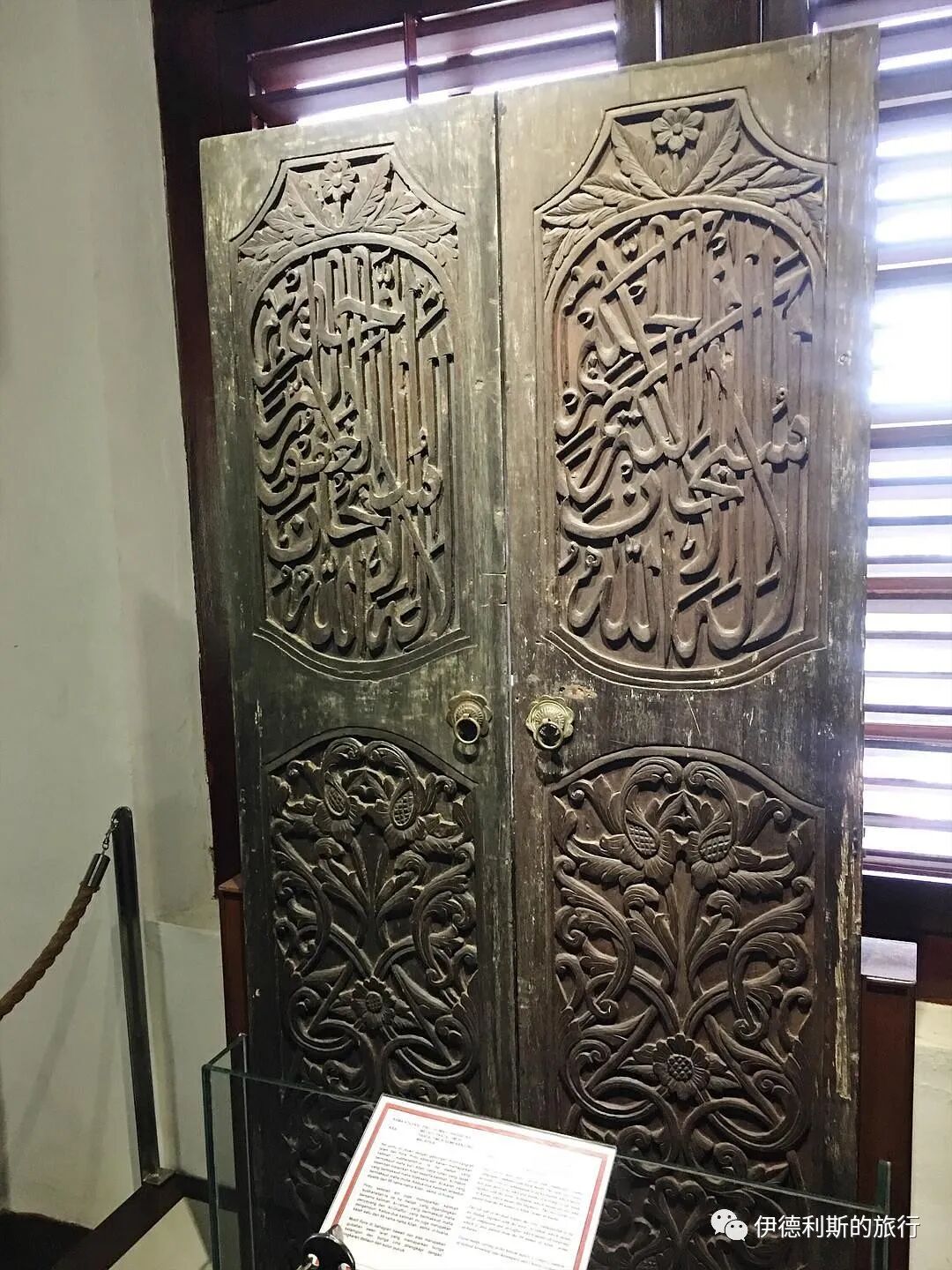
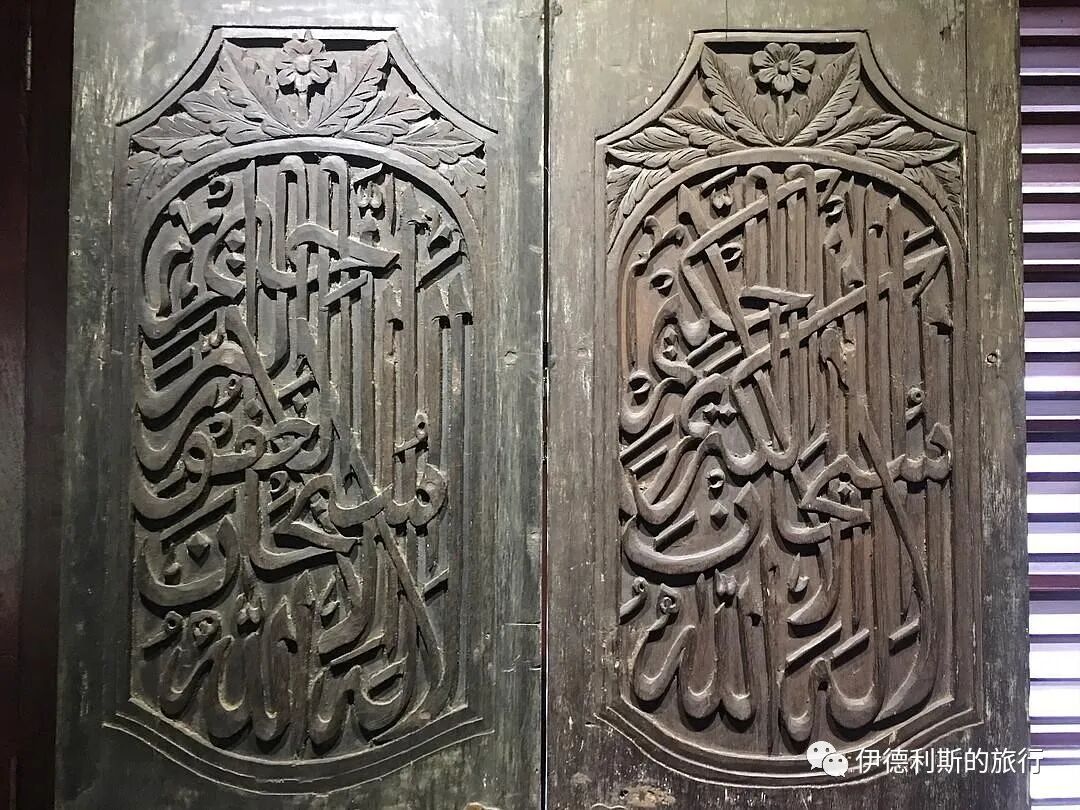
Wooden doors in the Malay East Coast style, carved with traditional Arabic calligraphy and floral patterns.
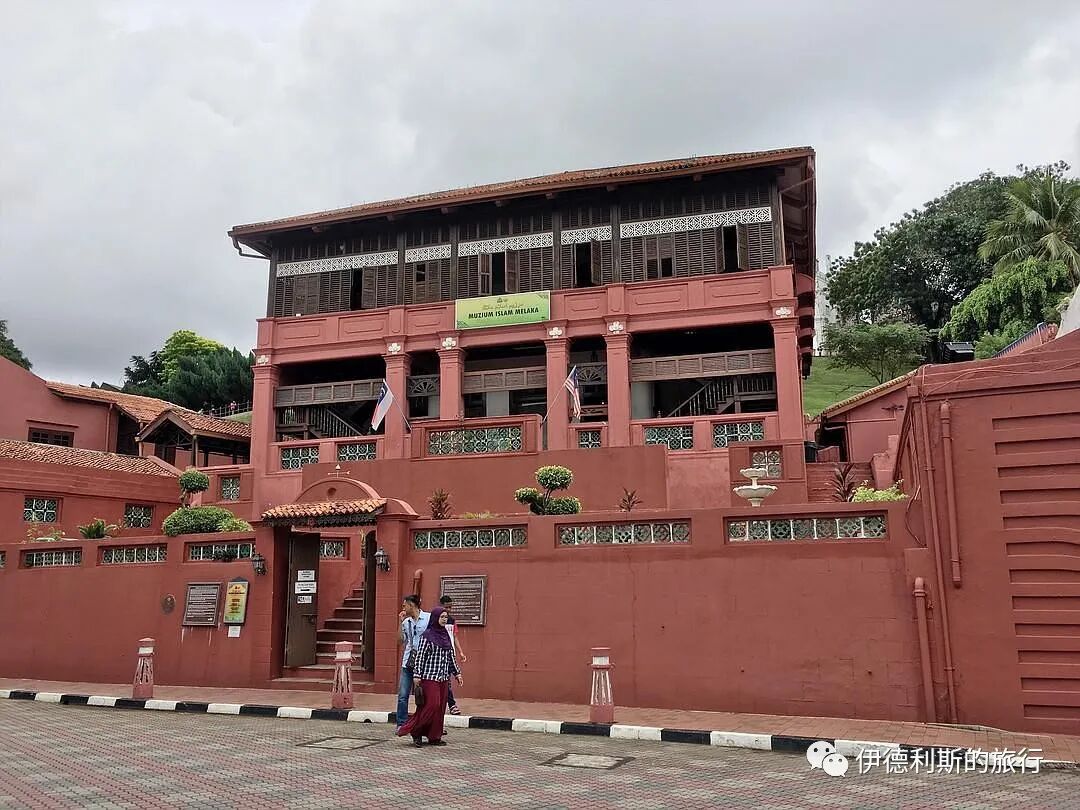
Malacca Islamic Museum (Muzium Islam Melaka)
The building housing the Malacca Islamic Museum was once the Malacca Islamic Council office. Its exact construction date is unknown, but it is estimated to be from the British colonial period in the 1850s. Some believe the lower level was built during the Dutch colonial period (1641-1824) and the upper level was added later by the British.
This building served as the Malacca Islamic Council office until 1990, after which it became the Malacca Islamic Museum.
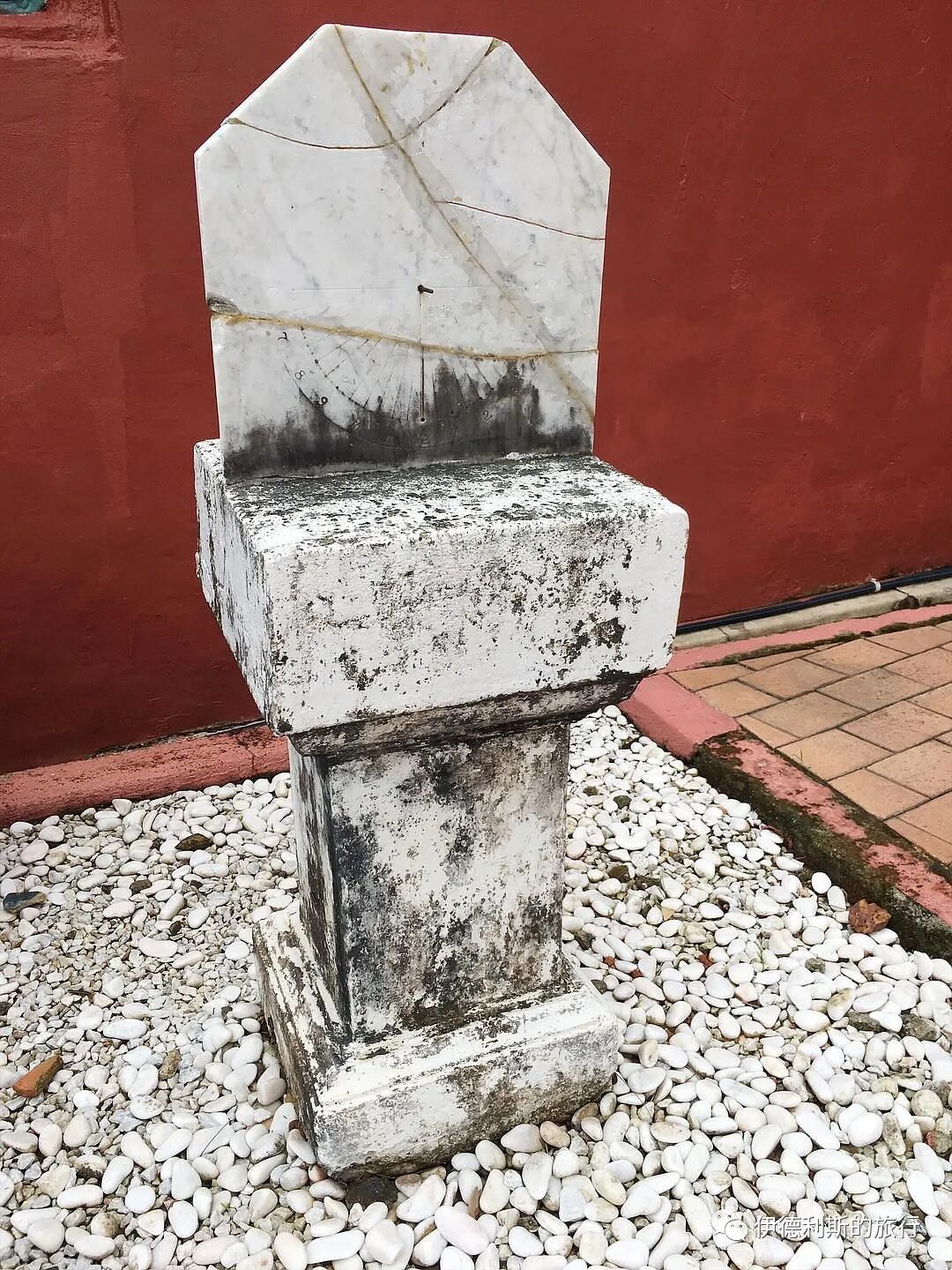
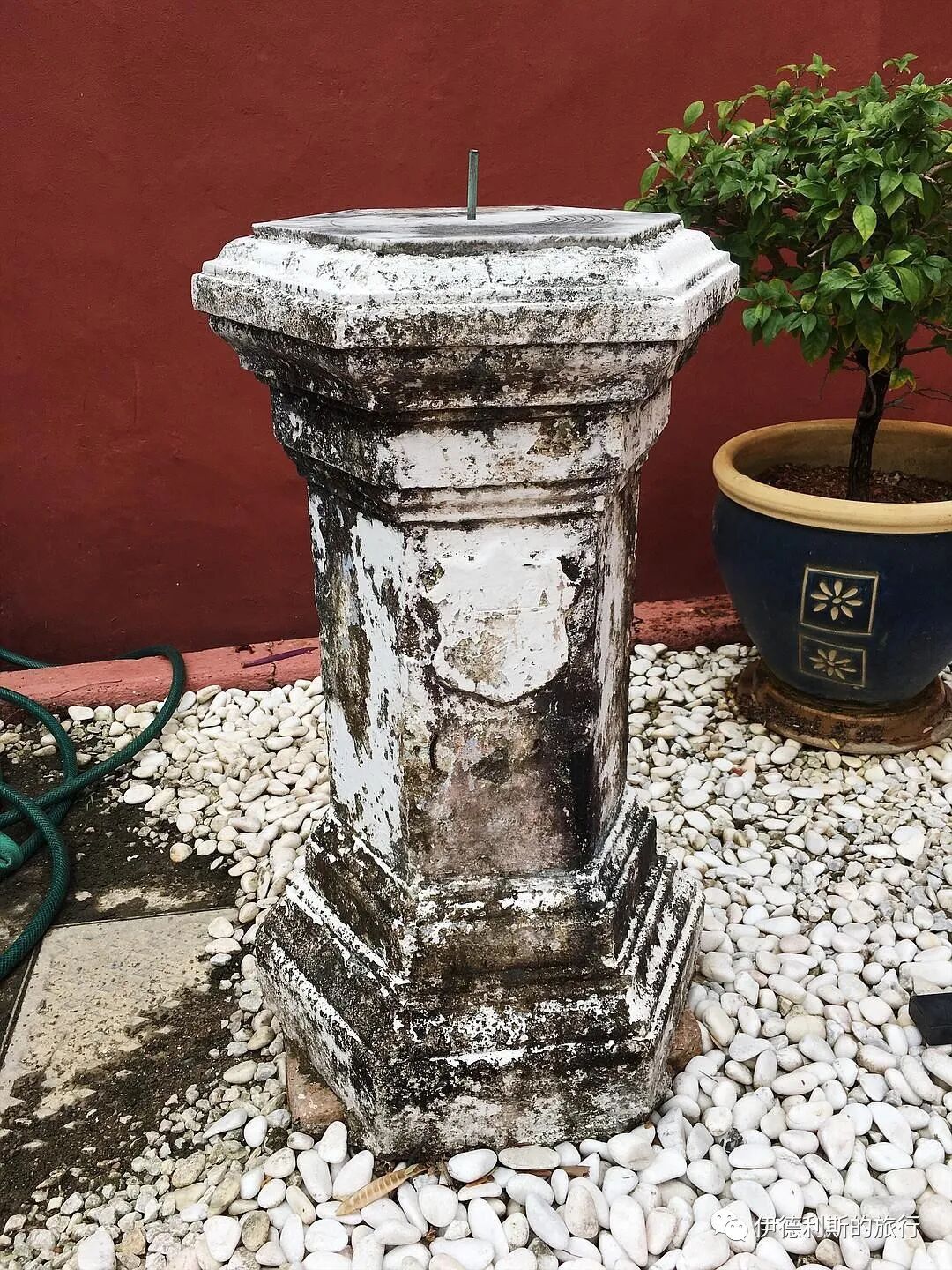
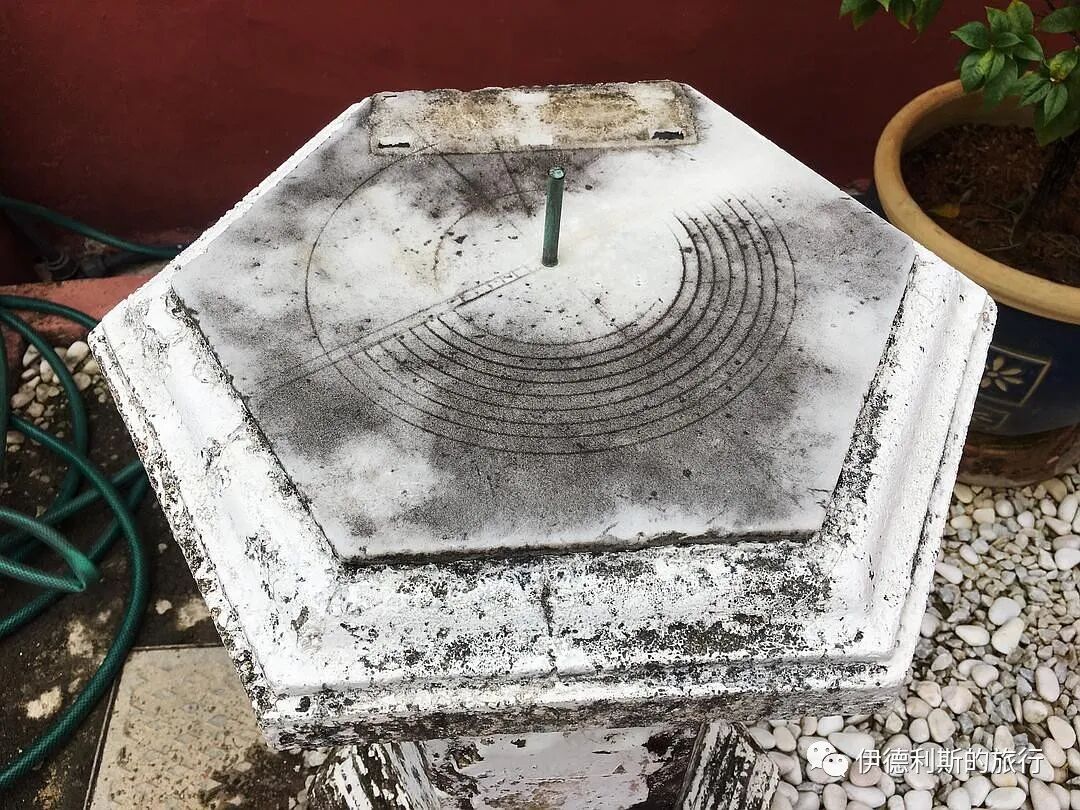
Two sundials used to indicate prayer times at the Kampung Kling Mosque in Malacca. These sundials are usually used for the Friday prayer (Jumu'ah) and the afternoon prayers. Because they require sunlight, they cannot be used for the dawn (Fajr) or night (Isha) prayers.
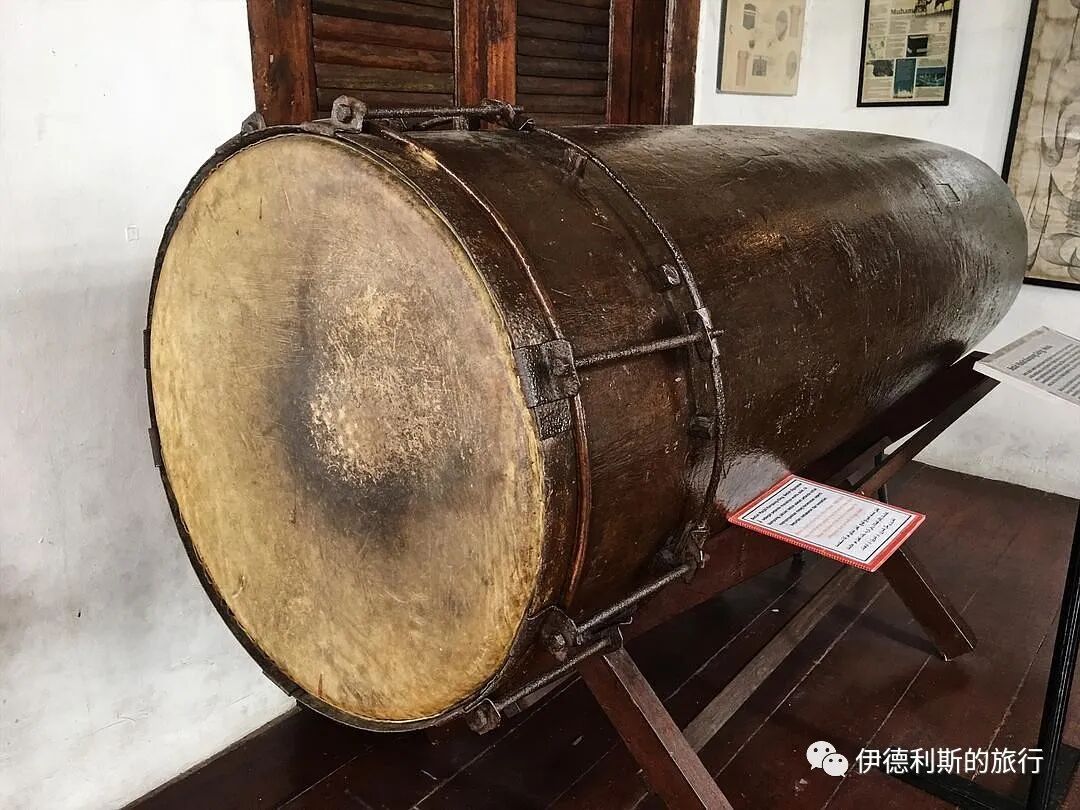
The prayer drum (beduk) used for the call to prayer at Kampung Kling Mosque is usually kept in the mosque corridor. The prayer drum was brought to Malacca from Java. It is typically made from tropical hardwoods like merbau or chegal, and it is played in a way similar to the Japanese taiko drum.
The prayer drum is played differently during the Friday prayer (Jumu'ah) than at other times. During Ramadan, the beduk drum signals the nightly breaking of the fast, and during Eid al-Fitr, people beat the beduk drum while reciting the takbir.
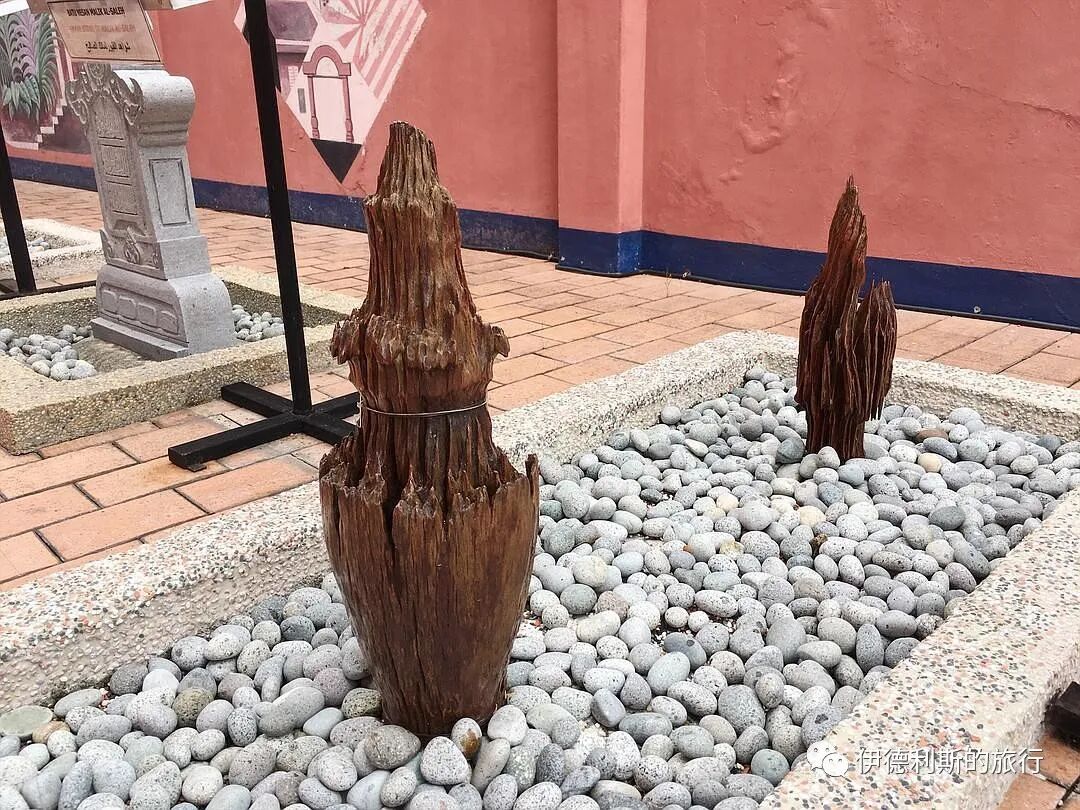
These two wooden tombstones are among the oldest Muslim grave markers found in Malacca, and they were moved from the Tengkera Mosque (Masjid Tengkera) to the museum in 2014.
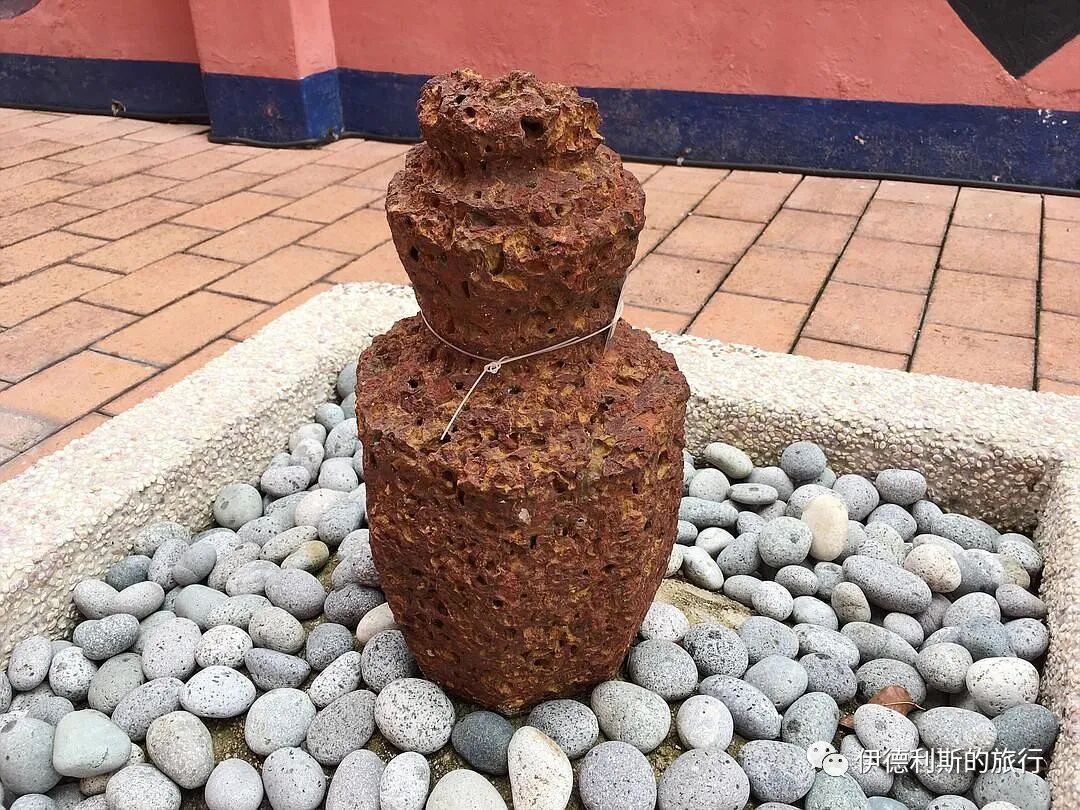
These tombstones made of laterite stone were often used for Muslim graves during the Portuguese occupation (1511-1641), and they were also moved from the Tengkera Mosque to the museum in 2014.
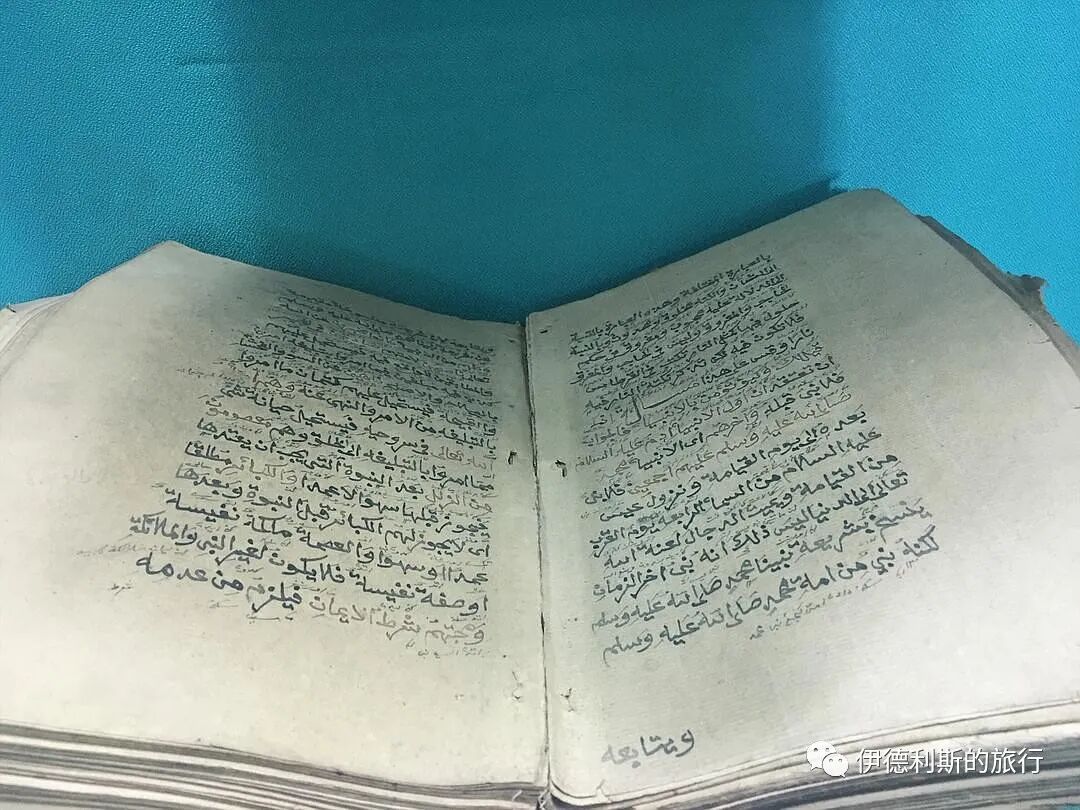
This is a handwritten Quran manuscript by a haji in Malacca, copied in 1881. The dark text is the scripture, and the light text is the Indonesian translation.
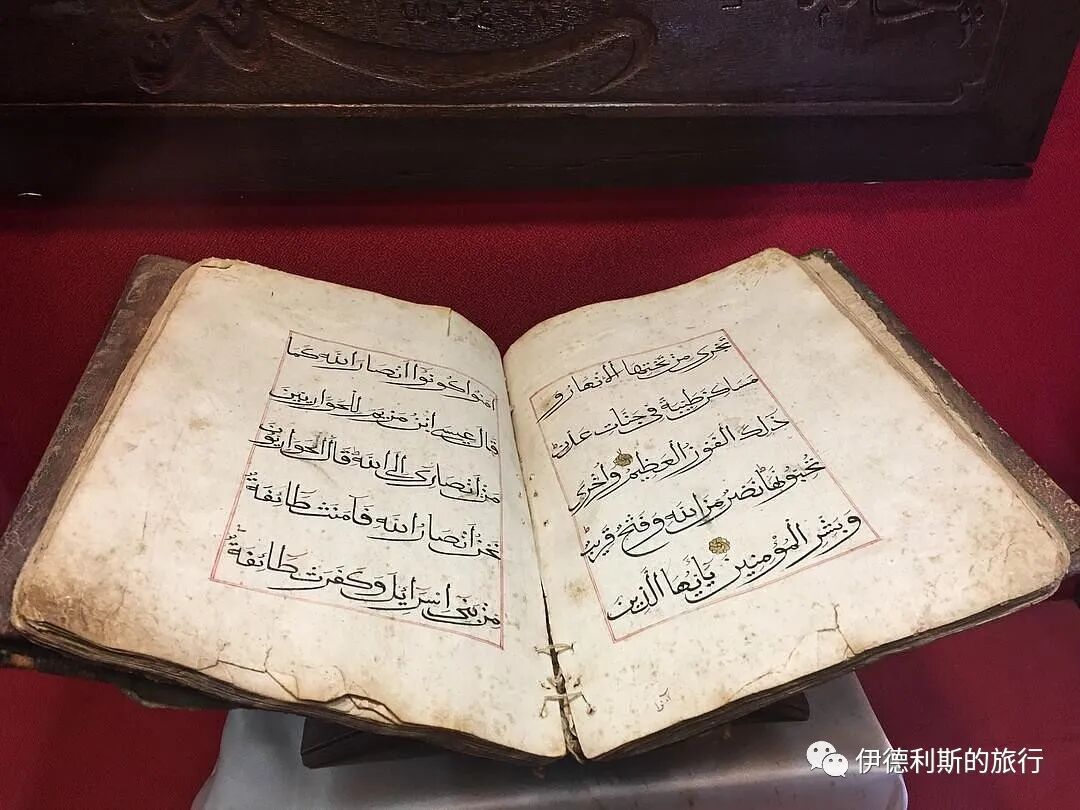
A handwritten Quran manuscript from the museum collection.
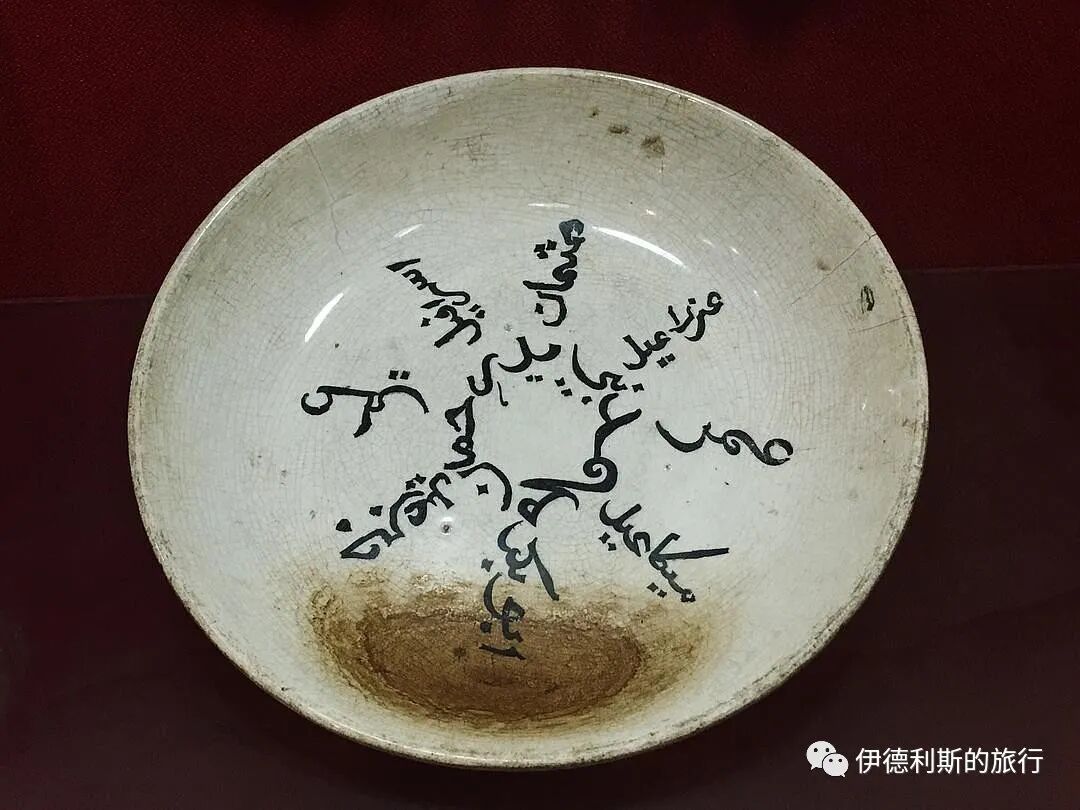
A porcelain plate from the Dutch occupation period (1641-1824).
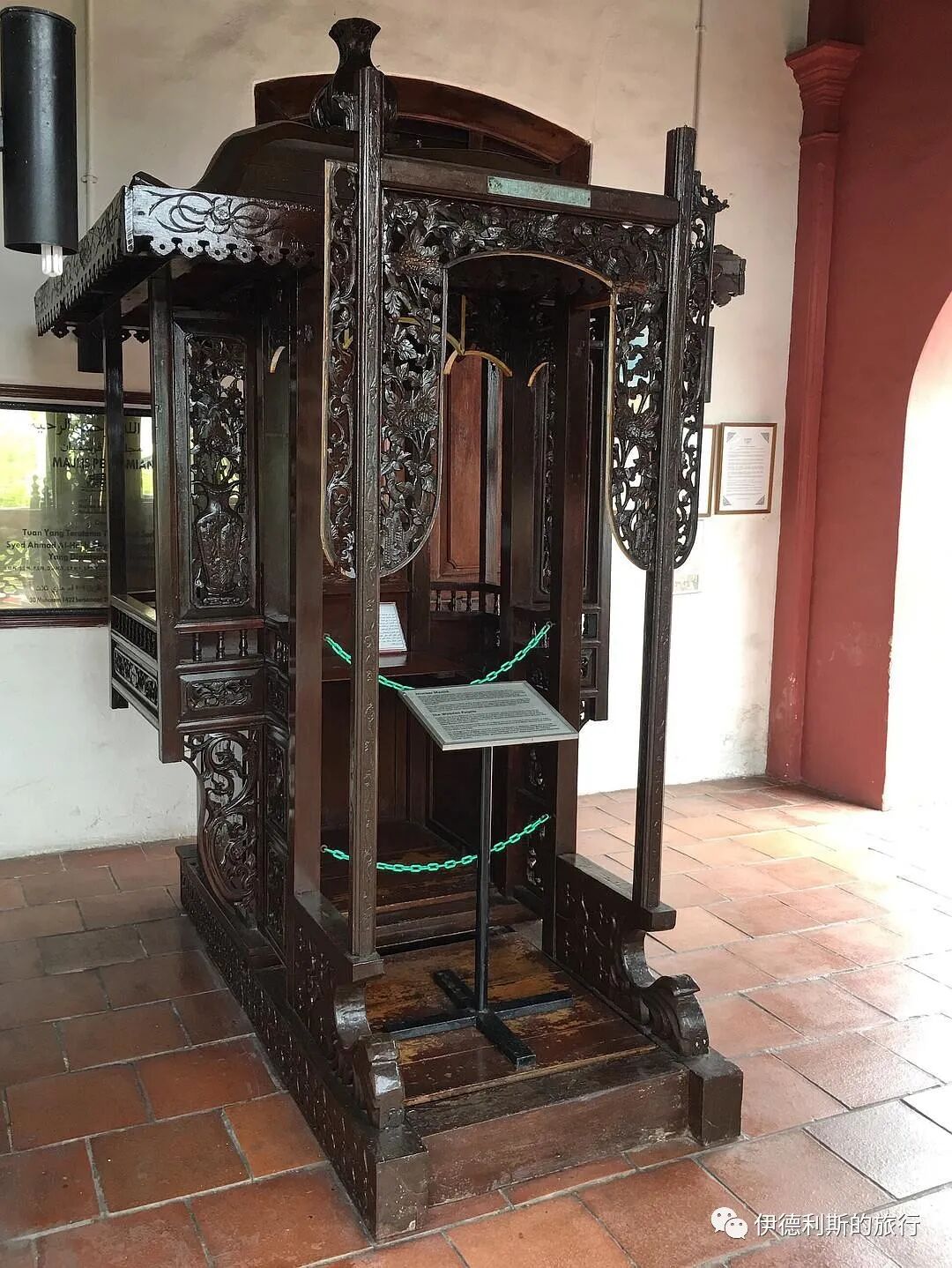
This is a typical traditional Malaysian hardwood carved pulpit (minbar), usually found to the right of the mihrab.
The Malay World and Islamic World Museum (Muzium Dunia Melayu Dunia Islam) in Malaysia.
The Malay World and Islamic World Museum in Malacca sits next to the A Famosa gate. The building was originally the office for a British rubber company built in 1910. Malacca saw a brief boom in the early 20th century thanks to the rubber industry. This era left behind many large homes belonging to Nanyang Chinese families, as well as this British-style building.
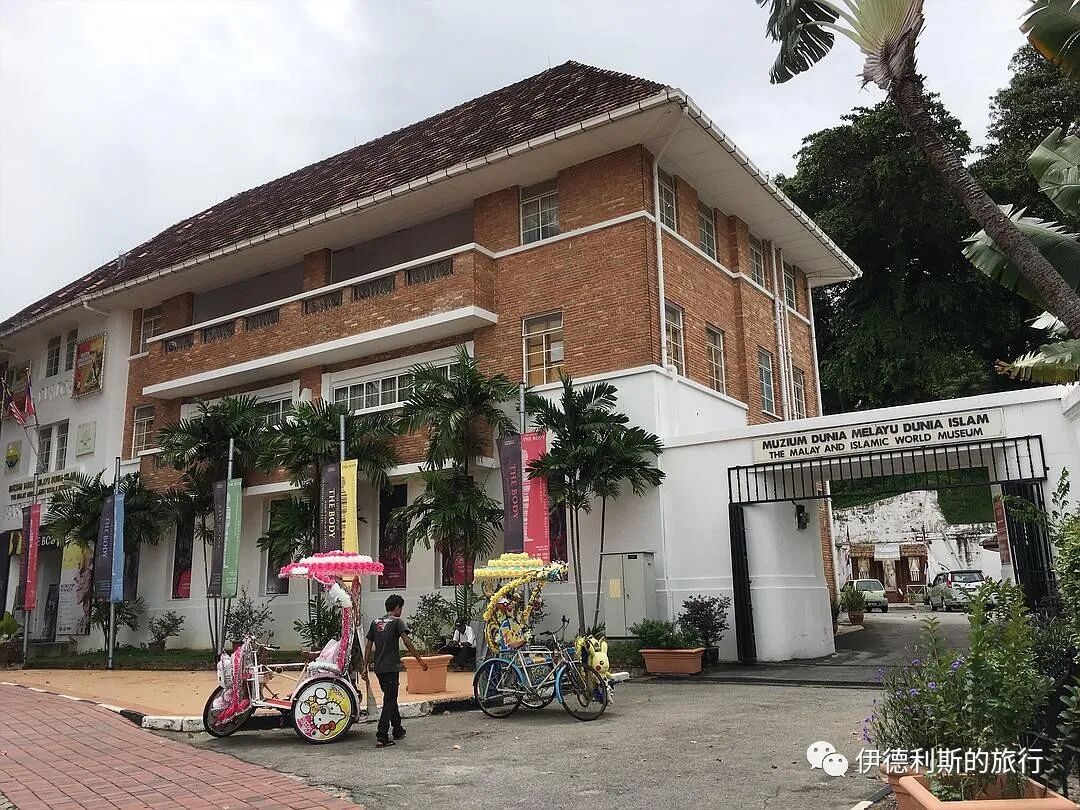
The museum houses handwritten scriptures and the traditional tools used to copy them.
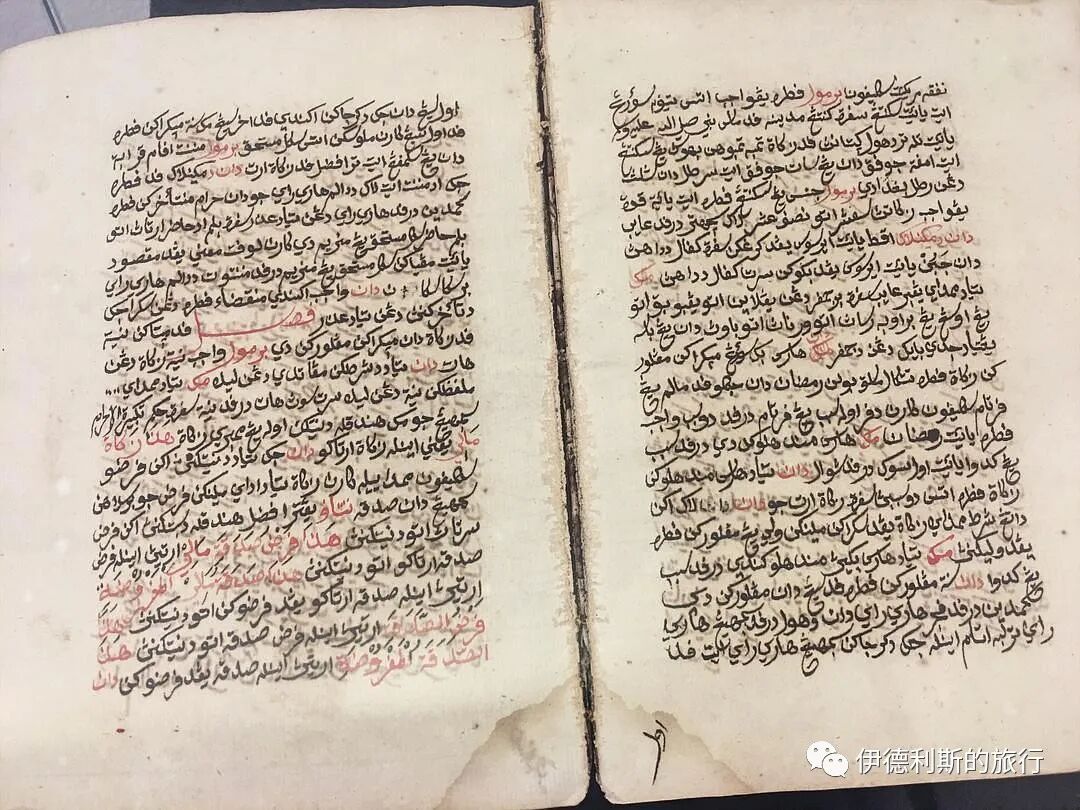
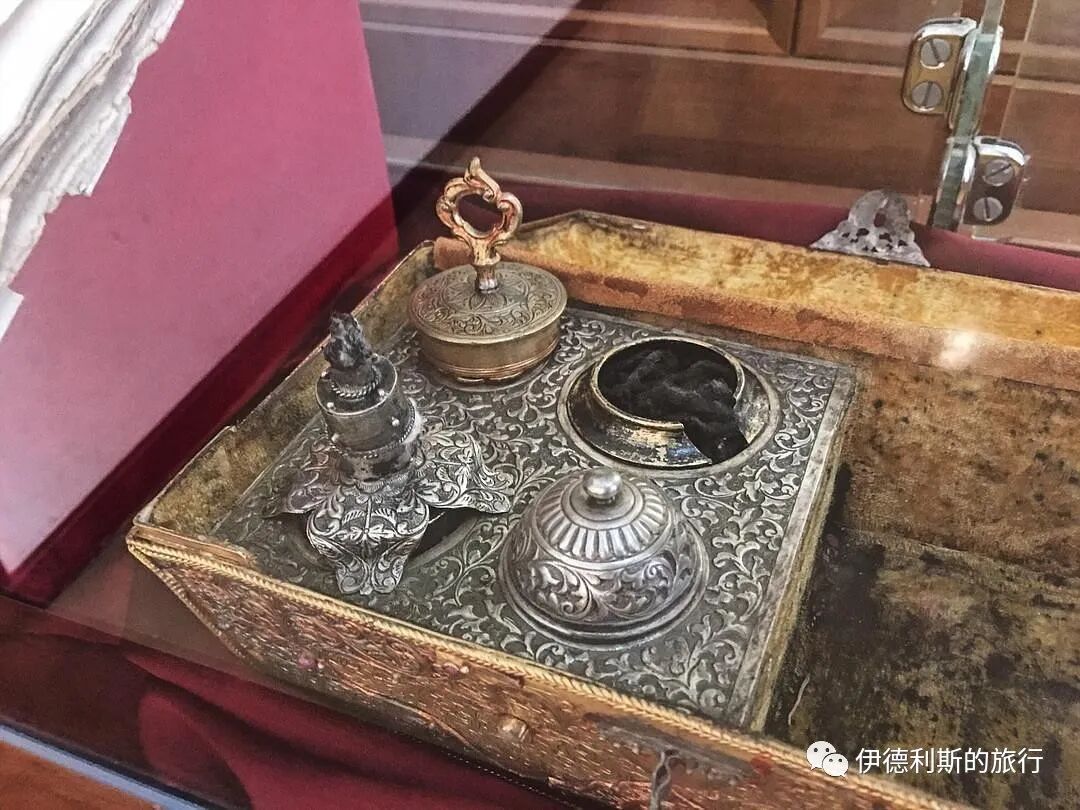
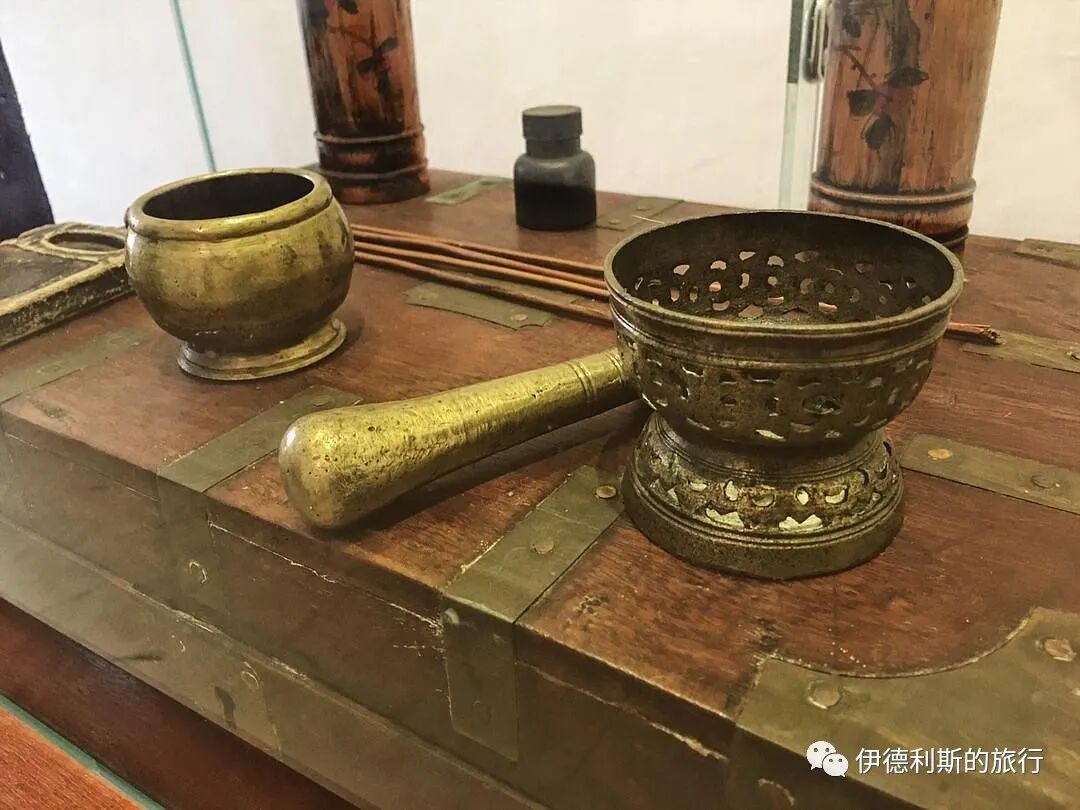
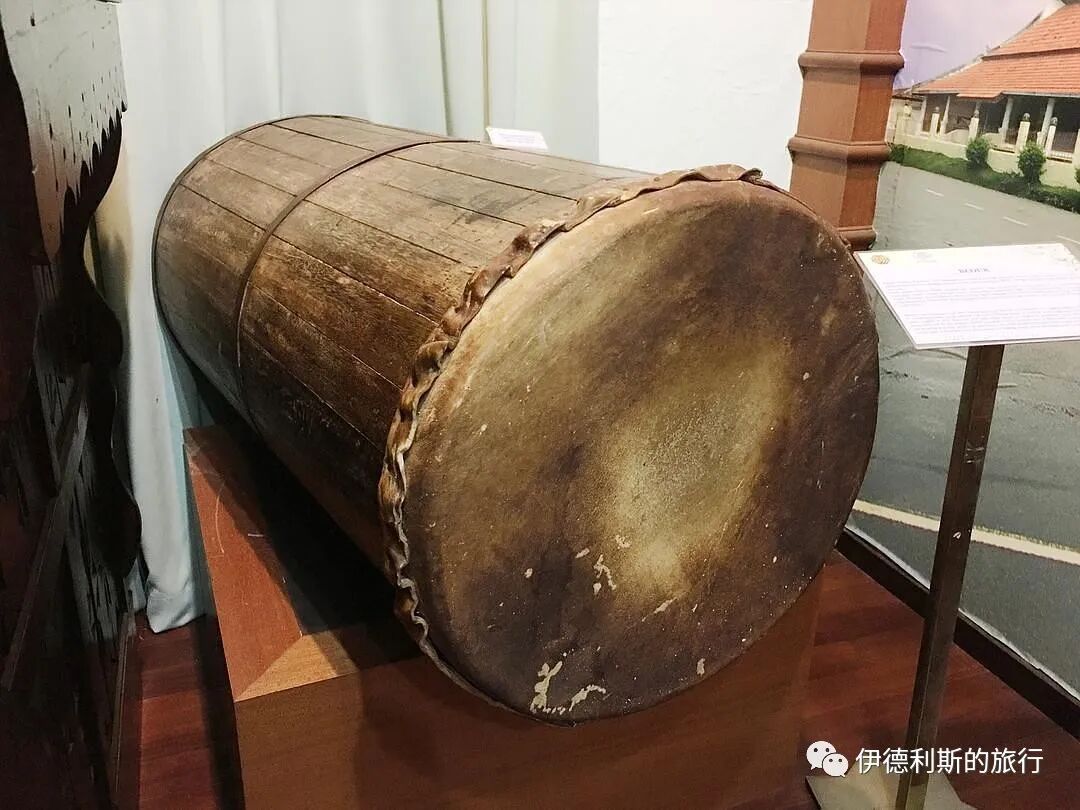
A beduk drum from the Bukit Darat mosque in Malacca, dating back 70 or 80 years.
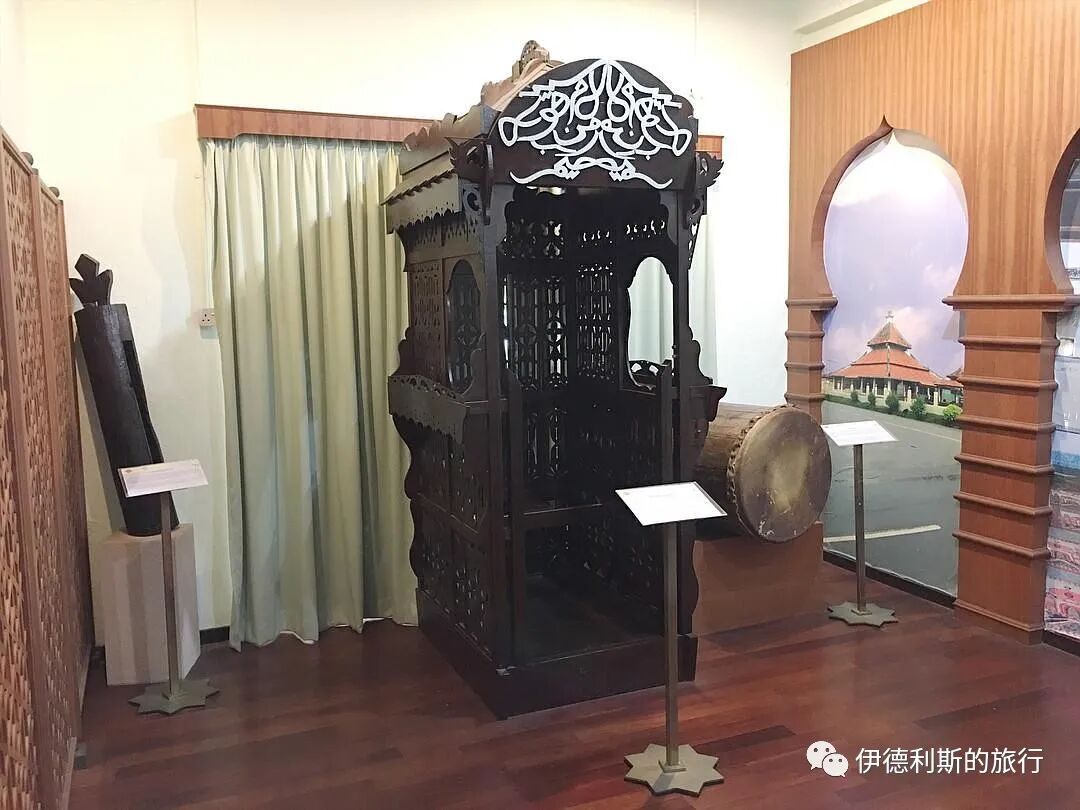
A traditional Malay pulpit (minbar).
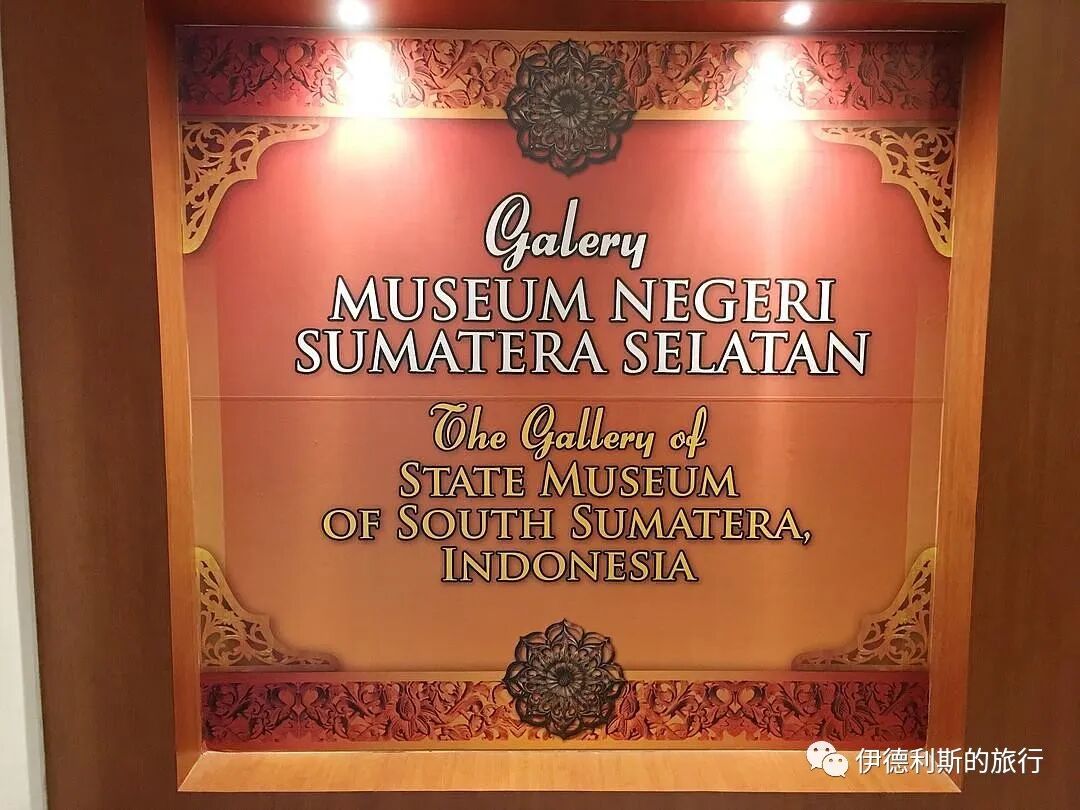
When I visited, the museum was hosting a special exhibition from the South Sumatra Provincial Museum in Indonesia.
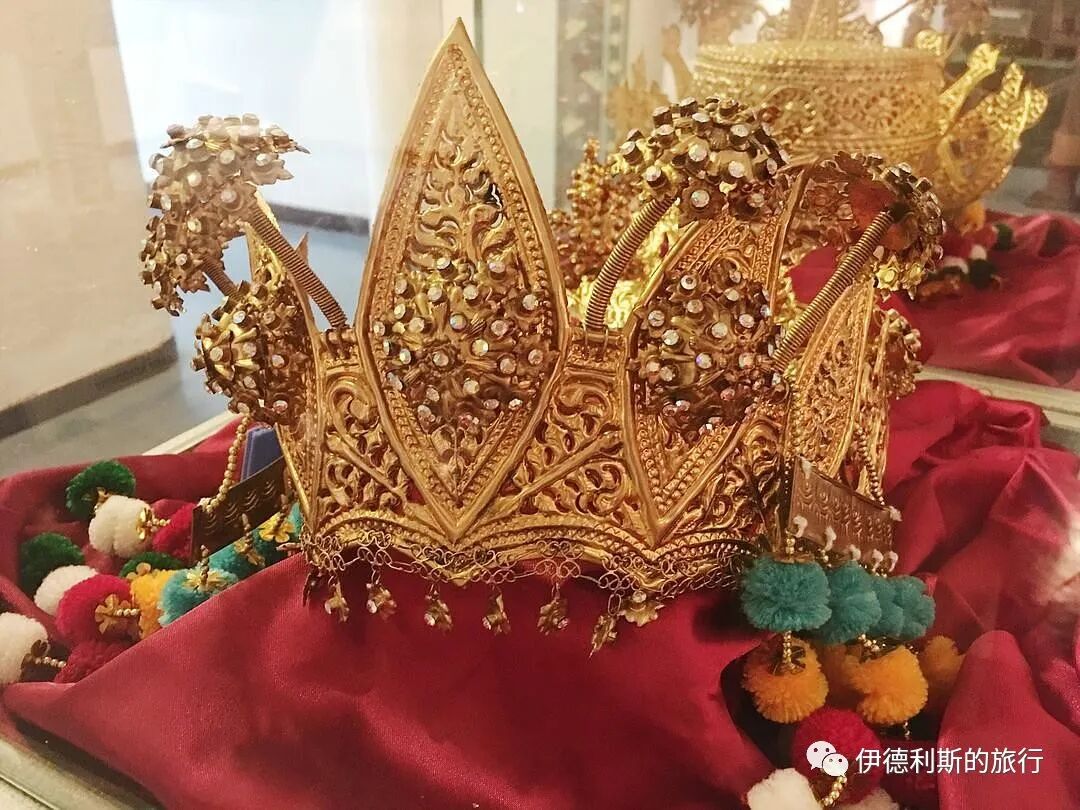
Headdresses and traditional musical instruments from the people of South Sumatra province.
This is a model of a traditional mosque from South Sumatra province. You can see that the mosques built in Malacca during the Dutch colonial period used this same three-tiered roof design.
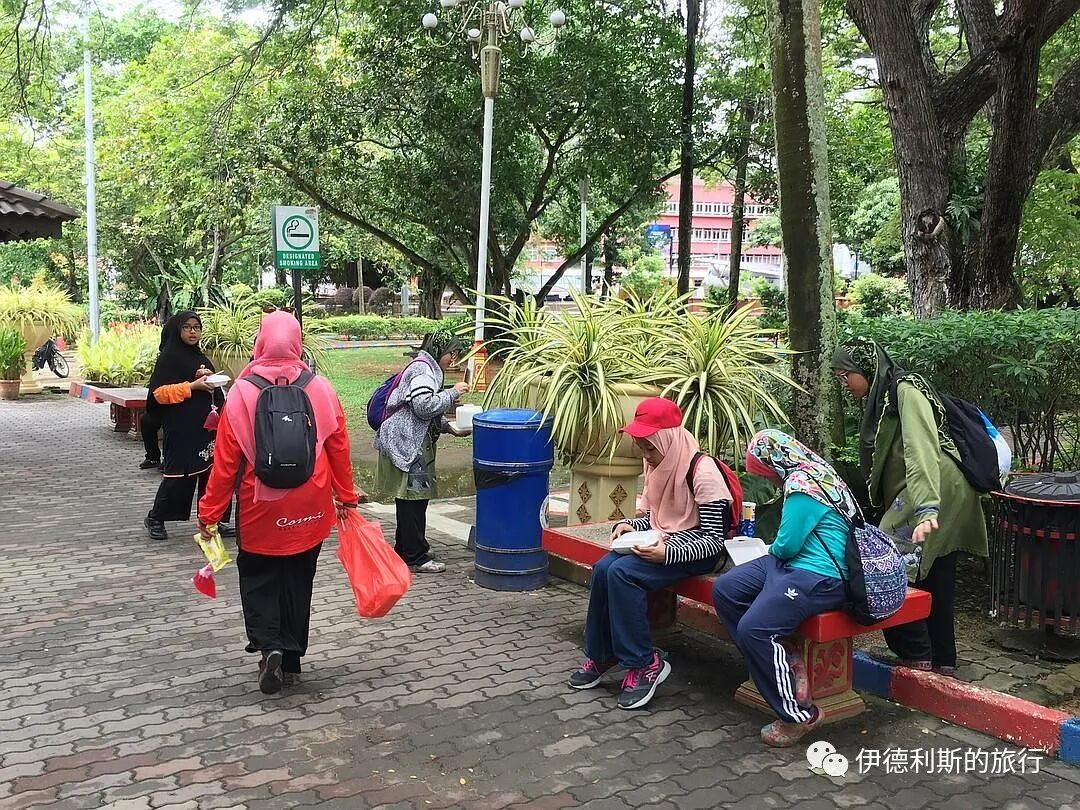
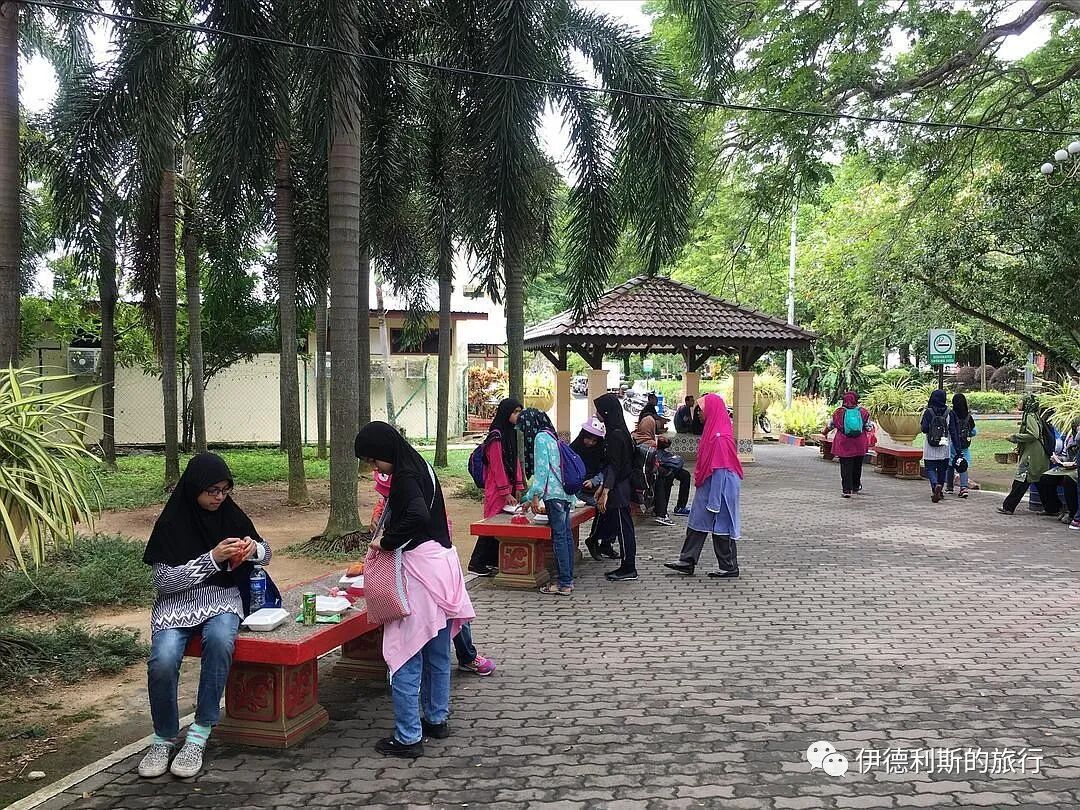
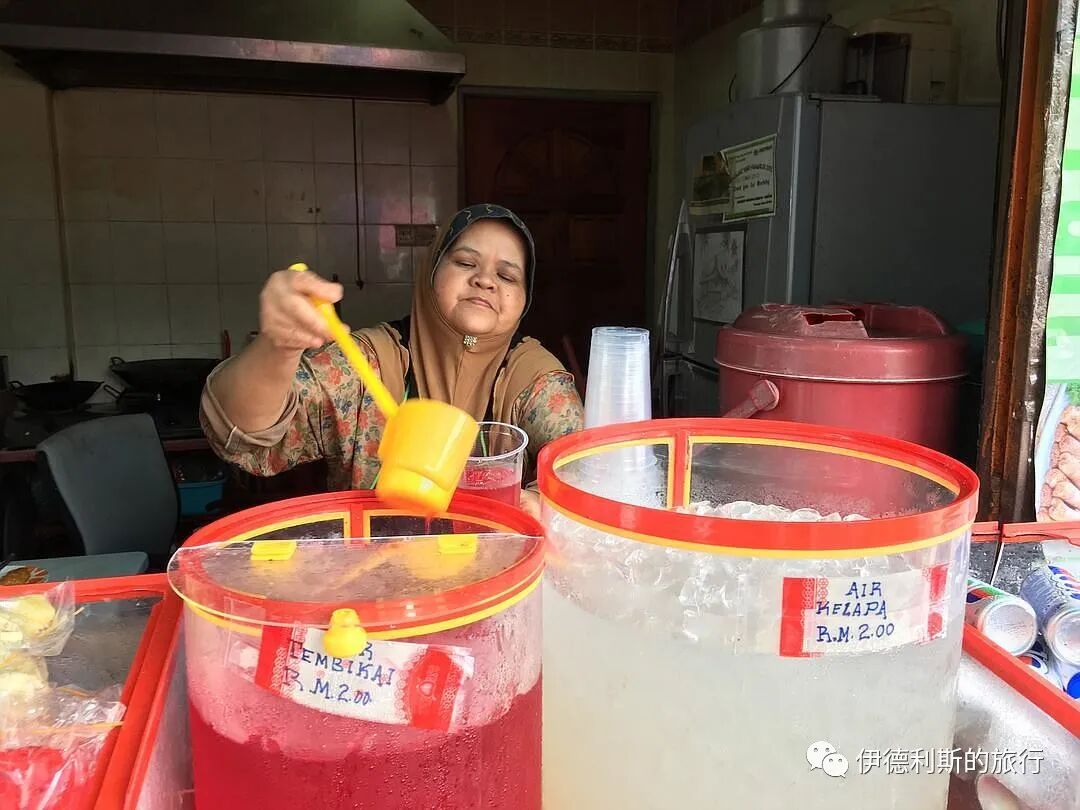
Students resting and eating lunch in front of the museum, along with an auntie selling watermelon juice and coconut water.

Malacca Quran Museum (Muzium Al-quran Melaka).
The Malacca Quran Museum is next to the Malacca State Mosque. It opened in 2008 and holds some interesting collections.
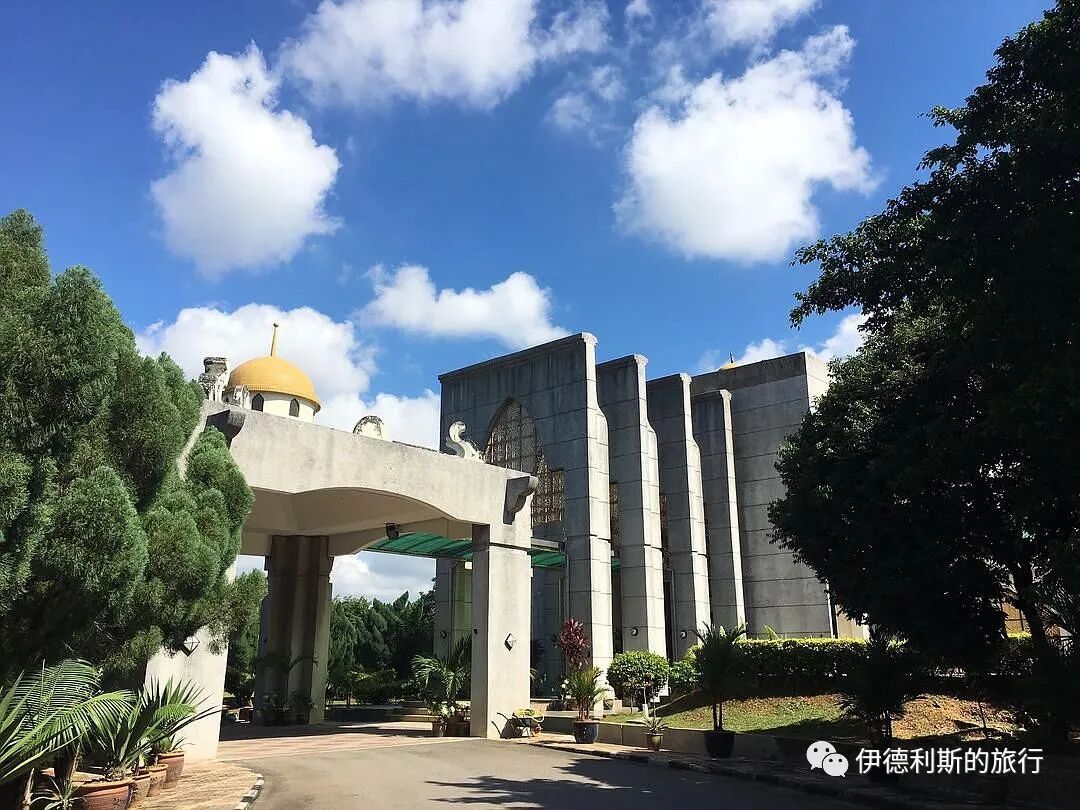
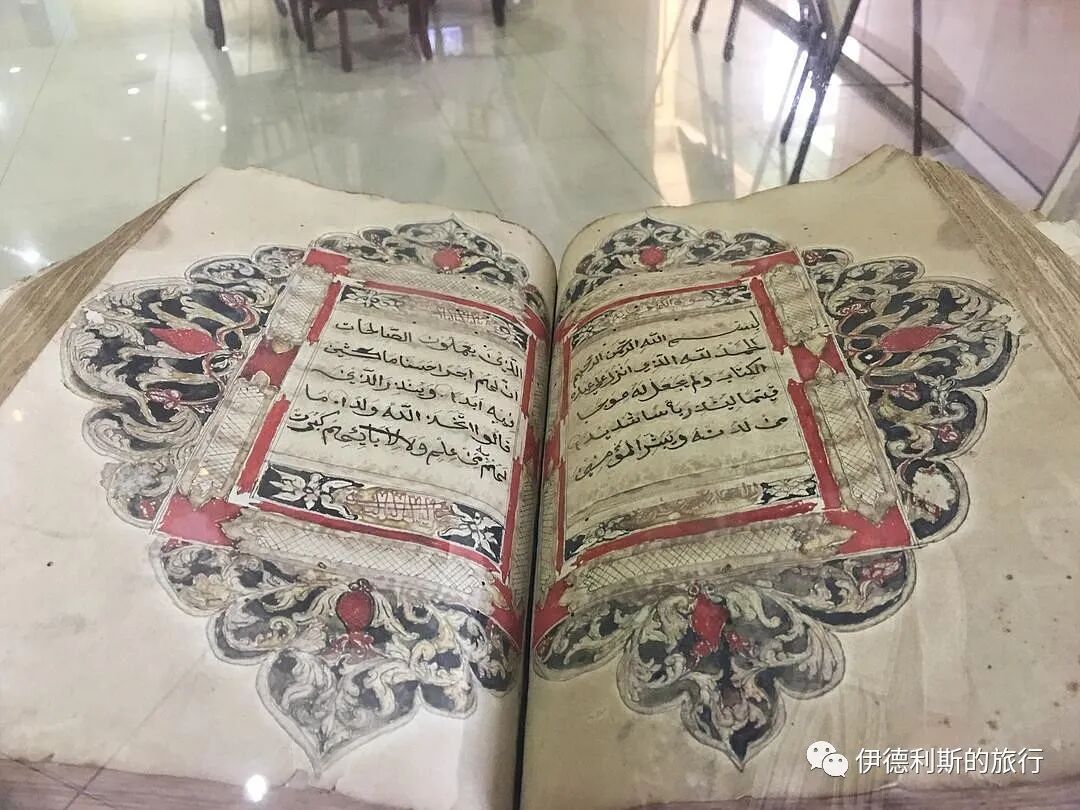
Handwritten scriptures from the Aceh region in northwestern Sumatra.
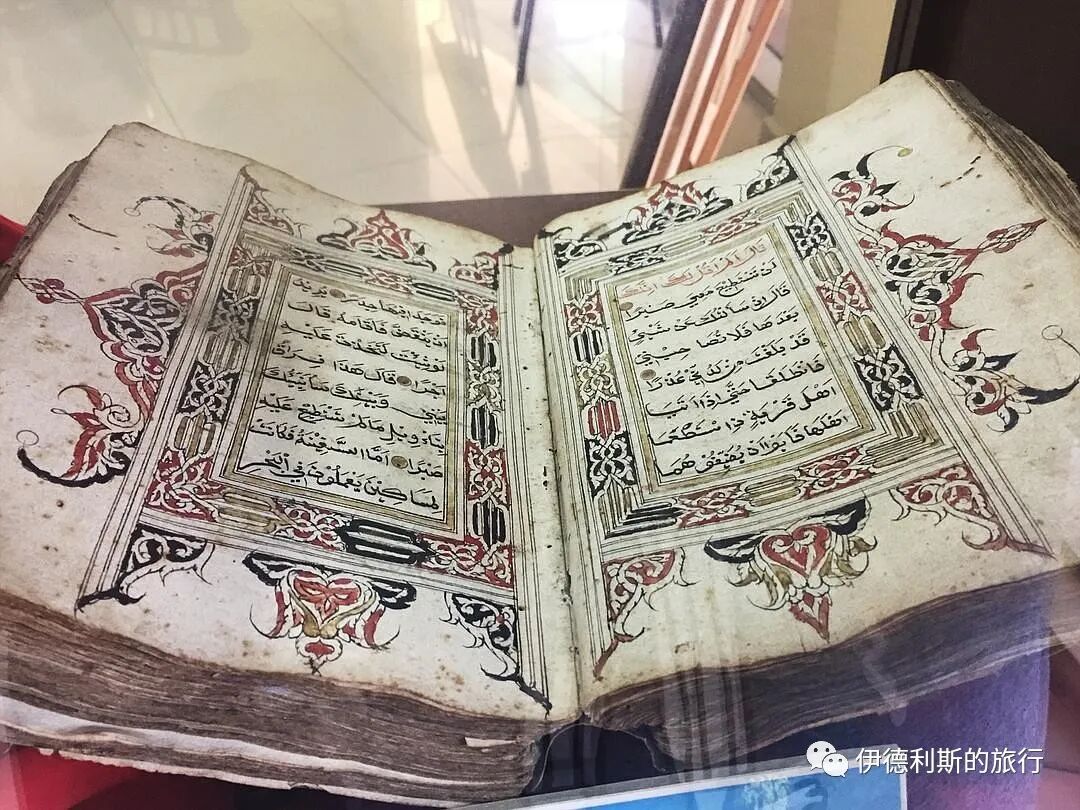
Handwritten scriptures from Java.
A collection from a professor at Universiti Putra Malaysia.
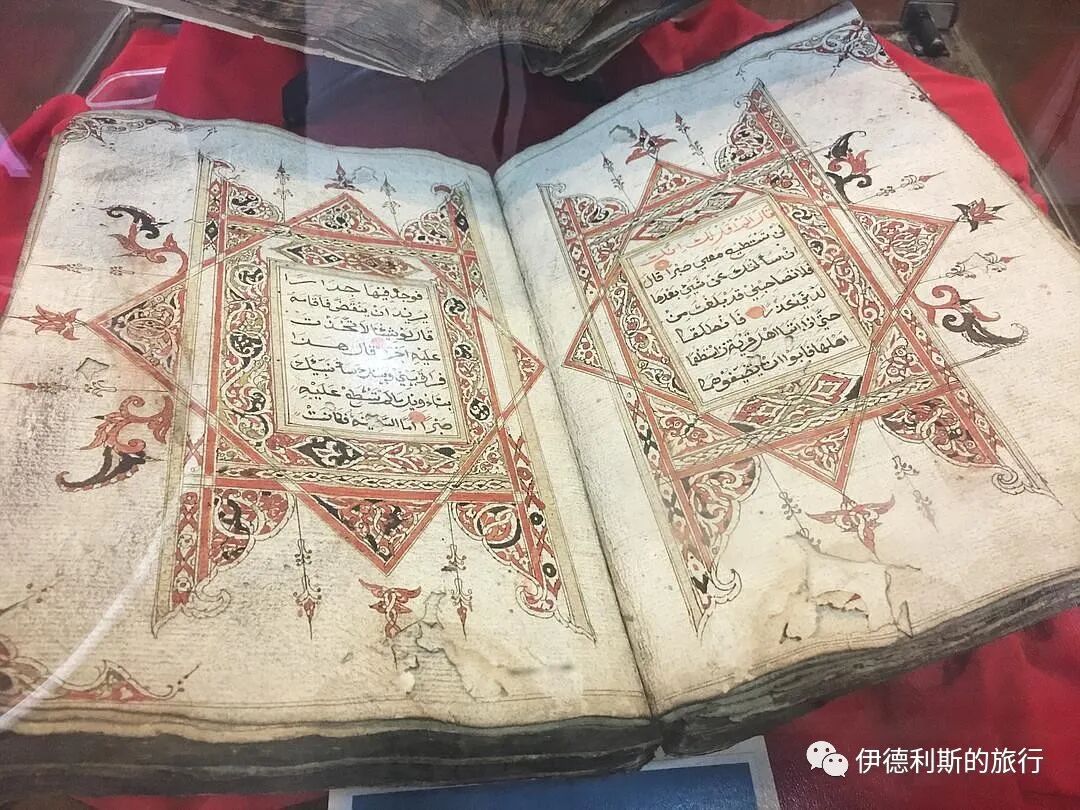
Handwritten scriptures from the 18th-century Sultanate of Patani. The Sultanate of Patani was located on the border of present-day northern Malaysia and Thailand, and it served as a center for Islamic faith and scripture printing in northern Malaysia from the 15th to the 18th century.
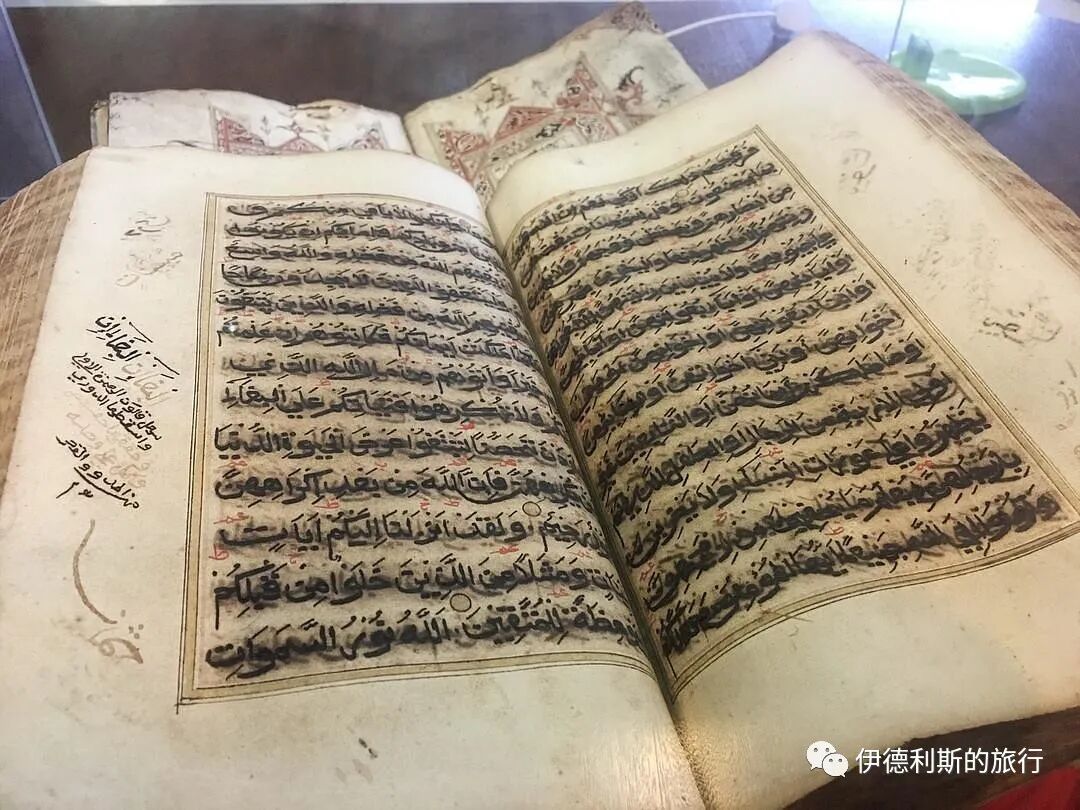
This early 19th-century manuscript from Java is made from a local Javanese tree leaf called deluwang.
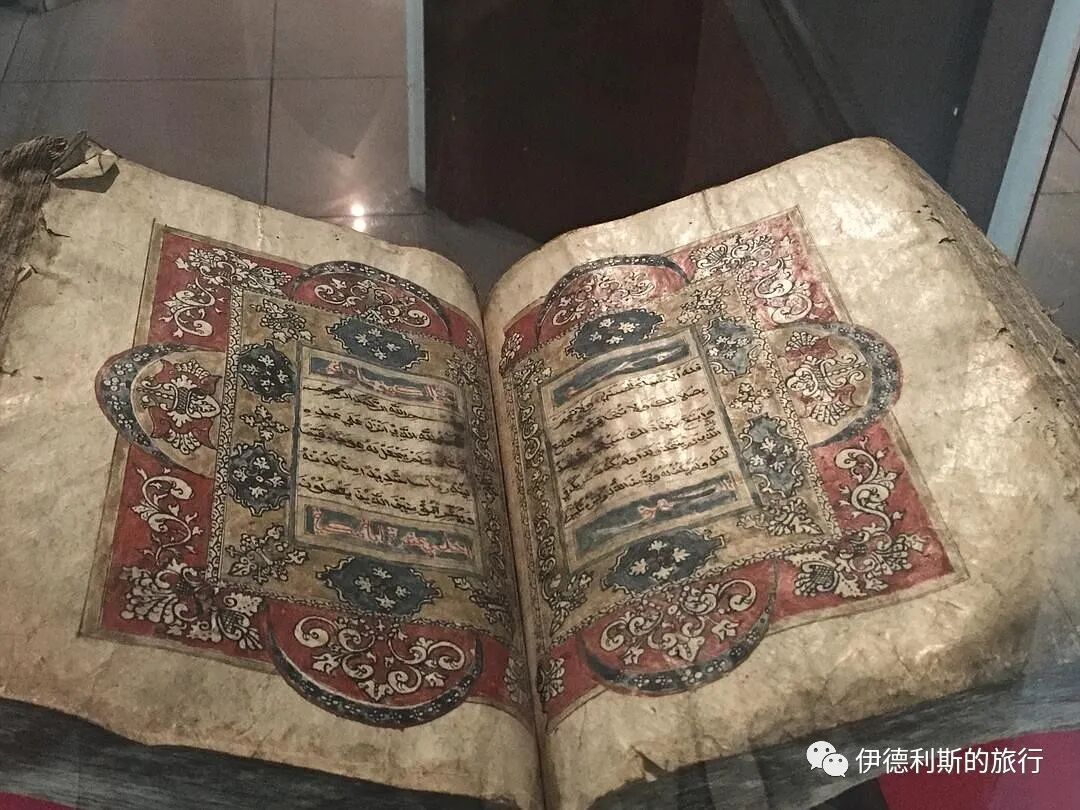
A manuscript from the Aceh region in northwestern Sumatra, dating between the 18th and 19th centuries.
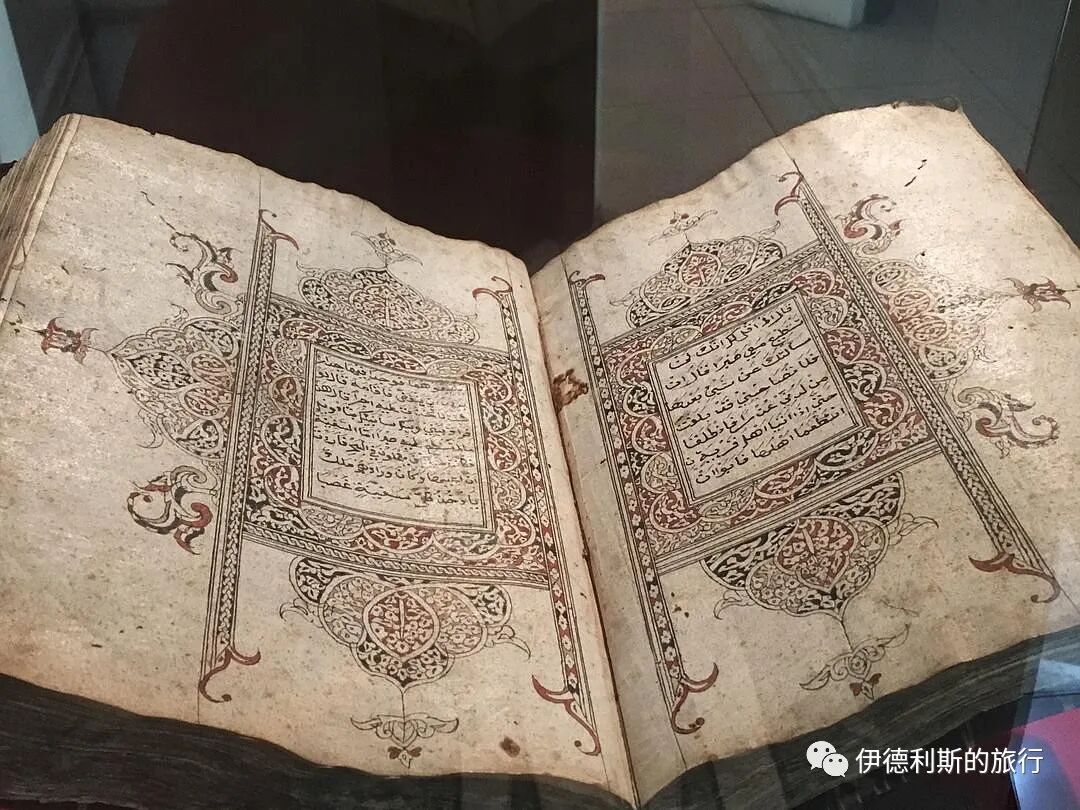
An early 19th-century handwritten Quran from the east coast of the Malay Peninsula.
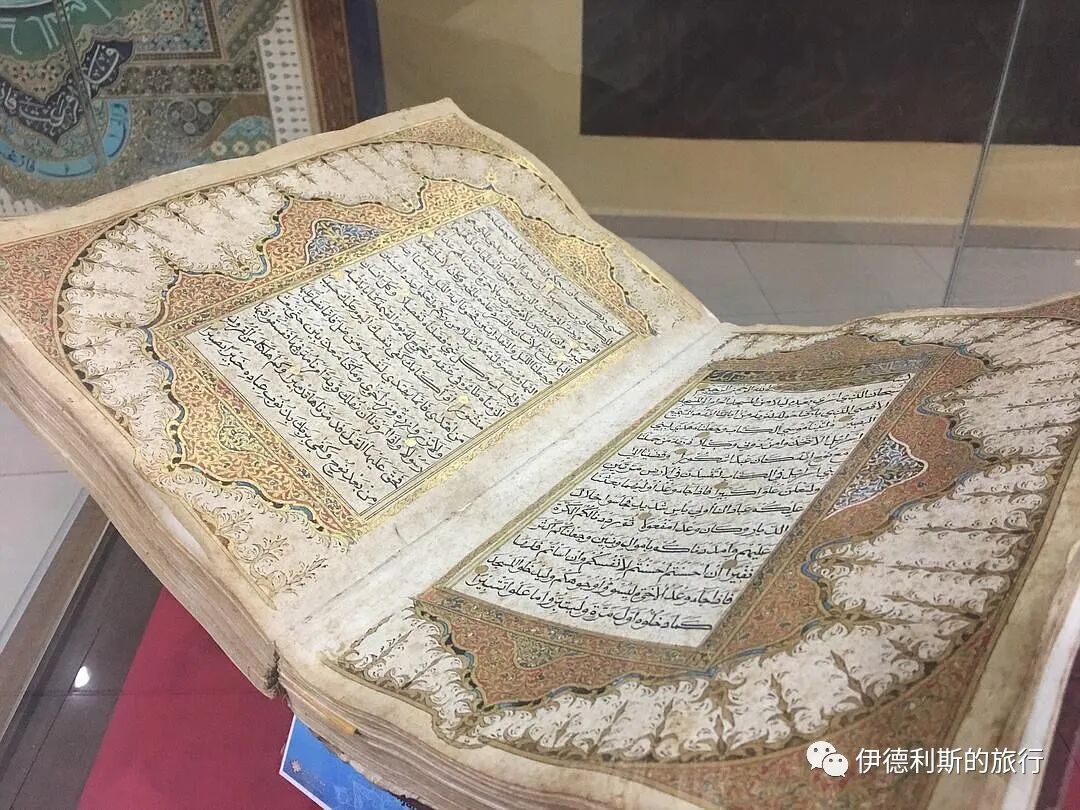
The most common colors used for manuscripts across Malaysia. These are Johor, Malacca, Sarawak, Selangor, and Pahang.
Summary: Melaka — First Southeast Asian Sultanate and Muslim Heritage is presented here as a firsthand travel account in clear English, beginning with this scene: Malacca sits on the west coast of the Malay Peninsula. Before the 14th century, it was just a fishing village in the Srivijaya Kingdom of Sumatra. The account keeps its focus on Melaka Sultanate, Southeast Asian Islam, Muslim Heritage while preserving the names, places, food, and historical details from the Chinese source.
Malacca sits on the west coast of the Malay Peninsula. Before the 14th century, it was just a fishing village in the Srivijaya Kingdom of Sumatra. In the late 14th century, the Majapahit Kingdom of Java conquered Srivijaya. Prince Paramesvara fled the capital of Palembang and eventually settled in Malacca in 1400.
To defend against threats from the Siamese Kingdom, Paramesvara reached out to the Ming Dynasty. In 1406, the Yongle Emperor officially named him the King of Malacca. Under Paramesvara’s leadership, Arab, Indian, and Persian merchants began trading in Malacca. The city grew into a vital port connecting East Asia, West Asia, and South Asia.
Since most merchants trading in Malacca were Muslims, the rulers of Malacca increasingly recognized the importance of Islam to their trade. During the reign of the third ruler, Raja Tengah (1424-1444), all royal ministers converted to Islam. The king changed his name to Muhammad Shah and took the title of Sultan, making the Malacca Sultanate the first sultanate in Southeast Asia.
The Malacca Sultanate began to flourish in the mid-to-late 15th century. It controlled the Strait of Malacca and became a trade hub for Southeast Asia, with many Persian and Arab merchants using the port to trade with the Ming Dynasty and other parts of East Asia. Around 1500, the Malacca Sultanate reached its peak. It was a marketplace for Indian pepper and cloth, Chinese porcelain and silk, and Indonesian spices.
The Malacca Sultanate at its peak in the late 15th century, from Wikipedia.
The tomb of the Malacca Sultanate warrior Hang Kasturi.
Hang Kasturi was one of the five great warriors of the Malacca Sultanate who lived during the reign of Sultan Mansur Shah (1456-1477). "Hang" is the highest honorary title given by the Sultan of Malacca to Malay warriors. The tomb of Hang Kasturi has a typical Indian style, which was likely built by later generations to commemorate him.
The fall of the Malacca Sultanate.
Until the end of the 15th century, spices in Europe were obtained through Venice, which got them from Arabia and India, while Arabia and India got them from Malacca. This process was complex and cumbersome. Driven by a desire for spices, the King of Portugal ordered his people to bypass the Cape of Good Hope to break the trade chain and establish a direct trade route with the East.
In 1509, a Portuguese representative arrived in Malacca with a letter from the King, hoping to establish direct trade with Malacca. Because the Portuguese had once used Catholics to fight against non-believers in India, the powerful Tamil Muslim faction in the Malacca court was very hostile toward them. The Malacca Sultanate eventually decided to arrest the Portuguese representatives. One representative escaped alone, while his companions were imprisoned.
In 1511, the Portuguese governor of India led 18 ships and 1,400 men to Malacca to negotiate the release of the prisoners with the Sultan. After three months of stalling, the Portuguese bribed the castle guards to open the main gate. The Portuguese army entered Malacca, and the last Sultan fled. His descendants later established the Johor Sultanate.
The Portuguese castle on the ruins of the Sultan's palace.
After occupying Malacca in 1511, the Portuguese built the A Famosa fort on the site of the original Malacca Sultanate palace. They planned to turn Malacca into a key trading port on the spice route between Europe and China, while also defending against attacks from the remaining forces of the Malacca Sultanate and the emerging Aceh Sultanate. A Famosa means "the famous" in Portuguese.
To build the castle, the Portuguese tore down Malacca's original palaces, graveyards, and every mosque. The original castle consisted of walls and four main towers. One was a four-story main building, while the other three served as an ammunition room, a captain's room, and officers' quarters. Most residents lived in the town inside the castle. As the population grew, the castle was expanded in 1586.
Malacca in 1780, with the castle on the right and the town on the left, from Wikipedia.
St. Paul's Church, built inside the castle in 1521, is the oldest church building in Southeast Asia.
The revival of the faith in the 18th century—traditional mosques in Malacca.
After the Portuguese occupied Malacca, they destroyed all the mosques of the Malacca Sultanate and promoted Catholicism in the city. However, the Portuguese were not successful. Catholicism did not have much influence in Malacca until the Dutch took over.
The Dutch adopted a more tolerant religious policy in Malacca, allowing Islam and Hinduism to spread. In 1728, the Dutch East India Company hired a Chinese convert to build a new mosque near the ruins of one destroyed by the Portuguese. This became the Kampung Hulu Mosque (Masjid Kampung Hulu). Kampong means village in the Malay language.
The mosque consists of a main prayer hall, a small ablution pool, and a minaret. The main hall uses the traditional Javanese Tajug multi-layered pyramid roof. The decoration at the very top is called a Mustoko or Memolo in Javanese. This roof design leaves space between the upper and middle layers for ventilation and light, which helps it handle the humid and rainy tropical climate.
Unlike traditional Javanese mosques built entirely of wood, the Kampung Hulu Mosque is made of brick and stone with plaster-coated roofs, showing the influence of Dutch colonial architecture.
The mosque's ceramic tiles and floor tiles were all imported from China, and the patterns on the windows also show Chinese influence.
The minbar inside the main hall features rich patterns and is very characteristic of Javanese style.
The minaret looks like a lighthouse, which is a first for the entire Malay Peninsula. Before this, mosques in the Malay Peninsula did not have a tradition of building minarets. On Java Island, the Great Mosque of Banten, built in 1632, was the first to have a lighthouse-style minaret designed and built by a Chinese man named Cek-ban-cut.
A traditional drum called a beduk (Beduk) sits above the mosque gate. Early traditional mosques in Southeast Asia used drums to call people to prayer. Today, many mosques still use drums to call people to prayer and signal the end of the daily fast during Jumu'ah and Ramadan.
Wudu pool
Tengkera Mosque (Masjid Tengkera) was the second mosque built in Malacca with funding from the Dutch East India Company. It was also completed in 1728, and its architectural style is similar to Kampung Kling Mosque, featuring the same traditional Javanese mosque roof.
Tengkera Mosque was originally a wooden structure made from timber that the Dutch East India Company bought from Kalimantan, Indonesia. After two renovations in 1890 and 1910, it was changed to the same brick and stone structure as Kampung Kling Mosque, and the roof was changed to glazed tiles.
The main prayer hall also has a beautifully carved minbar.
Water pool
Unlike the Kampung Hulu Mosque, the minaret of the Kampung Kling Mosque is modeled after a Chinese pagoda. This was the first of its kind on the Malay Peninsula and is now a major landmark in Malacca.
I bought a painting of the Kampung Kling Mosque from a Malay man on the mountain road next to St. Paul's Church.
The artist
Tomb of Sultan Hussein Shah of Johor
The tomb of Sultan Hussein Shah of Johor is in the backyard of the mosque. He played a key role in the founding of Singapore. After the Portuguese occupied Malacca in 1511, the Sultan of Malacca fled to Johor to continue his rule. In 1528, the last Sultan of Malacca passed away. His son, Alauddin Riayat Shah II, officially established the Johor Sultanate, viewing it as the legitimate continuation of the Malacca Sultanate.
Hussein Shah was born in 1776 and was the eldest son of Sultan Mahmud Shah III of Johor. When Mahmud Shah III passed away in 1812, Hussein Shah was not in the capital. His younger brother took the throne quickly with the support of government ministers, forcing Hussein Shah to flee to the Riau Islands.
In 1819, the British East India Company decided to build a new base in Southeast Asia. They found the exiled Hussein Shah and named him Sultan of Johor and Singapore in exchange for the right to establish a trading post in Singapore. Hussein Shah then came to Singapore and became a Sultan under British control.
In 1824, the British bought Singapore for 33,200 dollars, and Sultan Hussein Shah received 1,300 dollars every month. He held no real power in Singapore and served only as a symbolic figure.
Sultan Hussein Shah lived in Singapore until 1834, then moved to Malacca with his family. He passed away in 1835 and was buried at the Tengkera Mosque (Dongjiena qingzhensi).
Minaret ruins
Not far east of the Kampung Kling Mosque (Masjid Kampong Kling) stands a minaret built in the style of a Chinese pagoda. It bears the inscription 'Menara lama surau tengkera di bina pada tahun 1728,' which means 'old mosque tower built in 1728.' This is likely a remnant of another mosque funded by the Dutch East India Company in 1728.
The Kampung Kling Mosque (Masjid Kampong Kling) was built in 1748 by Indian Muslims who were doing business in Malacca. The name Kling comes from the local term for Indian people, 'Kalinga'. This area was a settlement for Indian Muslims in the 18th century. However, after the rubber industry boomed in Malacca from the 19th to the early 20th century, it became a residential area for Chinese people who came to work in the rubber industry.
The Kampung Kling Mosque (Masjid Kampong Kling) shares a similar style with the two mosques built earlier. The main prayer hall was originally a wooden structure, but it was rebuilt with brick and wood in 1872.
There are students visiting in the courtyard.
The Corinthian columns around and inside the main hall are a special feature of this mosque. The floor tiles were imported from China, and the hall has a Victorian-style ceiling and a beautifully carved pulpit (minbar).
The minaret is also built in the style of a Chinese pagoda.
Water pool
The 1940 flagpole.
Malaysian Architectural Museum (Muzium Seni Bina Malaysia).
At the foot of the A Famosa fortress, there is a series of museums converted from historic buildings, many of which are related to Islam. Let's start our tour at the Malaysian Architectural Museum.
Acehnese-style gravestones
During the era of the Malacca Sultanate, many royals and important figures were buried using Acehnese-style gravestones. Aceh is located in the northern part of Sumatra, Indonesia. From the early 16th century to the early 20th century, the Acehnese people established the highly influential Aceh Sultanate.
There are two types of Acehnese-style gravestones: the men's version is wider with two distinct corners, while the women's version is pyramid-shaped. The gravestones usually feature the name of the deceased, their birth and death dates, as well as Quranic verses and some poetry.
Traditional wooden doors in the style of the Malay East Coast
Wooden doors in the Malay East Coast style, carved with traditional Arabic calligraphy and floral patterns.
Malacca Islamic Museum (Muzium Islam Melaka)
The building housing the Malacca Islamic Museum was once the Malacca Islamic Council office. Its exact construction date is unknown, but it is estimated to be from the British colonial period in the 1850s. Some believe the lower level was built during the Dutch colonial period (1641-1824) and the upper level was added later by the British.
This building served as the Malacca Islamic Council office until 1990, after which it became the Malacca Islamic Museum.
Two sundials used to indicate prayer times at the Kampung Kling Mosque in Malacca. These sundials are usually used for the Friday prayer (Jumu'ah) and the afternoon prayers. Because they require sunlight, they cannot be used for the dawn (Fajr) or night (Isha) prayers.
The prayer drum (beduk) used for the call to prayer at Kampung Kling Mosque is usually kept in the mosque corridor. The prayer drum was brought to Malacca from Java. It is typically made from tropical hardwoods like merbau or chegal, and it is played in a way similar to the Japanese taiko drum.
The prayer drum is played differently during the Friday prayer (Jumu'ah) than at other times. During Ramadan, the beduk drum signals the nightly breaking of the fast, and during Eid al-Fitr, people beat the beduk drum while reciting the takbir.
These two wooden tombstones are among the oldest Muslim grave markers found in Malacca, and they were moved from the Tengkera Mosque (Masjid Tengkera) to the museum in 2014.
These tombstones made of laterite stone were often used for Muslim graves during the Portuguese occupation (1511-1641), and they were also moved from the Tengkera Mosque to the museum in 2014.
This is a handwritten Quran manuscript by a haji in Malacca, copied in 1881. The dark text is the scripture, and the light text is the Indonesian translation.
A handwritten Quran manuscript from the museum collection.
A porcelain plate from the Dutch occupation period (1641-1824).
This is a typical traditional Malaysian hardwood carved pulpit (minbar), usually found to the right of the mihrab.
The Malay World and Islamic World Museum (Muzium Dunia Melayu Dunia Islam) in Malaysia.
The Malay World and Islamic World Museum in Malacca sits next to the A Famosa gate. The building was originally the office for a British rubber company built in 1910. Malacca saw a brief boom in the early 20th century thanks to the rubber industry. This era left behind many large homes belonging to Nanyang Chinese families, as well as this British-style building.
The museum houses handwritten scriptures and the traditional tools used to copy them.
A beduk drum from the Bukit Darat mosque in Malacca, dating back 70 or 80 years.
A traditional Malay pulpit (minbar).
When I visited, the museum was hosting a special exhibition from the South Sumatra Provincial Museum in Indonesia.
Headdresses and traditional musical instruments from the people of South Sumatra province.
This is a model of a traditional mosque from South Sumatra province. You can see that the mosques built in Malacca during the Dutch colonial period used this same three-tiered roof design.
Students resting and eating lunch in front of the museum, along with an auntie selling watermelon juice and coconut water.
Malacca Quran Museum (Muzium Al-quran Melaka).
The Malacca Quran Museum is next to the Malacca State Mosque. It opened in 2008 and holds some interesting collections.
Handwritten scriptures from the Aceh region in northwestern Sumatra.
Handwritten scriptures from Java.
A collection from a professor at Universiti Putra Malaysia.
Handwritten scriptures from the 18th-century Sultanate of Patani. The Sultanate of Patani was located on the border of present-day northern Malaysia and Thailand, and it served as a center for Islamic faith and scripture printing in northern Malaysia from the 15th to the 18th century.
This early 19th-century manuscript from Java is made from a local Javanese tree leaf called deluwang.
A manuscript from the Aceh region in northwestern Sumatra, dating between the 18th and 19th centuries.
An early 19th-century handwritten Quran from the east coast of the Malay Peninsula.
The most common colors used for manuscripts across Malaysia. These are Johor, Malacca, Sarawak, Selangor, and Pahang.
Halal Travel Guide: Melaka — First Southeast Asian Sultanate and Muslim Heritage
Articles • ali2007fr posted the article • 0 comments • 142 views • 2026-05-18 06:13
Reposted from the web
Summary: Melaka — First Southeast Asian Sultanate and Muslim Heritage is presented here as a firsthand travel account in clear English, beginning with this scene: Malacca sits on the west coast of the Malay Peninsula. Before the 14th century, it was just a fishing village in the Srivijaya Kingdom of Sumatra. The account keeps its focus on Melaka Sultanate, Southeast Asian Islam, Muslim Heritage while preserving the names, places, food, and historical details from the Chinese source.
Malacca sits on the west coast of the Malay Peninsula. Before the 14th century, it was just a fishing village in the Srivijaya Kingdom of Sumatra. In the late 14th century, the Majapahit Kingdom of Java conquered Srivijaya. Prince Paramesvara fled the capital of Palembang and eventually settled in Malacca in 1400.
To defend against threats from the Siamese Kingdom, Paramesvara reached out to the Ming Dynasty. In 1406, the Yongle Emperor officially named him the King of Malacca. Under Paramesvara’s leadership, Arab, Indian, and Persian merchants began trading in Malacca. The city grew into a vital port connecting East Asia, West Asia, and South Asia.
Since most merchants trading in Malacca were Muslims, the rulers of Malacca increasingly recognized the importance of Islam to their trade. During the reign of the third ruler, Raja Tengah (1424-1444), all royal ministers converted to Islam. The king changed his name to Muhammad Shah and took the title of Sultan, making the Malacca Sultanate the first sultanate in Southeast Asia.
The Malacca Sultanate began to flourish in the mid-to-late 15th century. It controlled the Strait of Malacca and became a trade hub for Southeast Asia, with many Persian and Arab merchants using the port to trade with the Ming Dynasty and other parts of East Asia. Around 1500, the Malacca Sultanate reached its peak. It was a marketplace for Indian pepper and cloth, Chinese porcelain and silk, and Indonesian spices.
The Malacca Sultanate at its peak in the late 15th century, from Wikipedia.
The tomb of the Malacca Sultanate warrior Hang Kasturi.
Hang Kasturi was one of the five great warriors of the Malacca Sultanate who lived during the reign of Sultan Mansur Shah (1456-1477). "Hang" is the highest honorary title given by the Sultan of Malacca to Malay warriors. The tomb of Hang Kasturi has a typical Indian style, which was likely built by later generations to commemorate him.
The fall of the Malacca Sultanate.
Until the end of the 15th century, spices in Europe were obtained through Venice, which got them from Arabia and India, while Arabia and India got them from Malacca. This process was complex and cumbersome. Driven by a desire for spices, the King of Portugal ordered his people to bypass the Cape of Good Hope to break the trade chain and establish a direct trade route with the East.
In 1509, a Portuguese representative arrived in Malacca with a letter from the King, hoping to establish direct trade with Malacca. Because the Portuguese had once used Catholics to fight against non-believers in India, the powerful Tamil Muslim faction in the Malacca court was very hostile toward them. The Malacca Sultanate eventually decided to arrest the Portuguese representatives. One representative escaped alone, while his companions were imprisoned.
In 1511, the Portuguese governor of India led 18 ships and 1,400 men to Malacca to negotiate the release of the prisoners with the Sultan. After three months of stalling, the Portuguese bribed the castle guards to open the main gate. The Portuguese army entered Malacca, and the last Sultan fled. His descendants later established the Johor Sultanate.
The Portuguese castle on the ruins of the Sultan's palace.
After occupying Malacca in 1511, the Portuguese built the A Famosa fort on the site of the original Malacca Sultanate palace. They planned to turn Malacca into a key trading port on the spice route between Europe and China, while also defending against attacks from the remaining forces of the Malacca Sultanate and the emerging Aceh Sultanate. A Famosa means "the famous" in Portuguese.
To build the castle, the Portuguese tore down Malacca's original palaces, graveyards, and every mosque. The original castle consisted of walls and four main towers. One was a four-story main building, while the other three served as an ammunition room, a captain's room, and officers' quarters. Most residents lived in the town inside the castle. As the population grew, the castle was expanded in 1586.
Malacca in 1780, with the castle on the right and the town on the left, from Wikipedia.
St. Paul's Church, built inside the castle in 1521, is the oldest church building in Southeast Asia.
The revival of the faith in the 18th century—traditional mosques in Malacca.
After the Portuguese occupied Malacca, they destroyed all the mosques of the Malacca Sultanate and promoted Catholicism in the city. However, the Portuguese were not successful. Catholicism did not have much influence in Malacca until the Dutch took over.
The Dutch adopted a more tolerant religious policy in Malacca, allowing Islam and Hinduism to spread. In 1728, the Dutch East India Company hired a Chinese convert to build a new mosque near the ruins of one destroyed by the Portuguese. This became the Kampung Hulu Mosque (Masjid Kampung Hulu). Kampong means village in the Malay language.
The mosque consists of a main prayer hall, a small ablution pool, and a minaret. The main hall uses the traditional Javanese Tajug multi-layered pyramid roof. The decoration at the very top is called a Mustoko or Memolo in Javanese. This roof design leaves space between the upper and middle layers for ventilation and light, which helps it handle the humid and rainy tropical climate.
Unlike traditional Javanese mosques built entirely of wood, the Kampung Hulu Mosque is made of brick and stone with plaster-coated roofs, showing the influence of Dutch colonial architecture.
The mosque's ceramic tiles and floor tiles were all imported from China, and the patterns on the windows also show Chinese influence.
The minbar inside the main hall features rich patterns and is very characteristic of Javanese style.
The minaret looks like a lighthouse, which is a first for the entire Malay Peninsula. Before this, mosques in the Malay Peninsula did not have a tradition of building minarets. On Java Island, the Great Mosque of Banten, built in 1632, was the first to have a lighthouse-style minaret designed and built by a Chinese man named Cek-ban-cut.
A traditional drum called a beduk (Beduk) sits above the mosque gate. Early traditional mosques in Southeast Asia used drums to call people to prayer. Today, many mosques still use drums to call people to prayer and signal the end of the daily fast during Jumu'ah and Ramadan.
Wudu pool
Tengkera Mosque (Masjid Tengkera) was the second mosque built in Malacca with funding from the Dutch East India Company. It was also completed in 1728, and its architectural style is similar to Kampung Kling Mosque, featuring the same traditional Javanese mosque roof.
Tengkera Mosque was originally a wooden structure made from timber that the Dutch East India Company bought from Kalimantan, Indonesia. After two renovations in 1890 and 1910, it was changed to the same brick and stone structure as Kampung Kling Mosque, and the roof was changed to glazed tiles.
The main prayer hall also has a beautifully carved minbar.
Water pool
Unlike the Kampung Hulu Mosque, the minaret of the Kampung Kling Mosque is modeled after a Chinese pagoda. This was the first of its kind on the Malay Peninsula and is now a major landmark in Malacca.
I bought a painting of the Kampung Kling Mosque from a Malay man on the mountain road next to St. Paul's Church.
The artist
Tomb of Sultan Hussein Shah of Johor
The tomb of Sultan Hussein Shah of Johor is in the backyard of the mosque. He played a key role in the founding of Singapore. After the Portuguese occupied Malacca in 1511, the Sultan of Malacca fled to Johor to continue his rule. In 1528, the last Sultan of Malacca passed away. His son, Alauddin Riayat Shah II, officially established the Johor Sultanate, viewing it as the legitimate continuation of the Malacca Sultanate.
Hussein Shah was born in 1776 and was the eldest son of Sultan Mahmud Shah III of Johor. When Mahmud Shah III passed away in 1812, Hussein Shah was not in the capital. His younger brother took the throne quickly with the support of government ministers, forcing Hussein Shah to flee to the Riau Islands.
In 1819, the British East India Company decided to build a new base in Southeast Asia. They found the exiled Hussein Shah and named him Sultan of Johor and Singapore in exchange for the right to establish a trading post in Singapore. Hussein Shah then came to Singapore and became a Sultan under British control.
In 1824, the British bought Singapore for 33,200 dollars, and Sultan Hussein Shah received 1,300 dollars every month. He held no real power in Singapore and served only as a symbolic figure.
Sultan Hussein Shah lived in Singapore until 1834, then moved to Malacca with his family. He passed away in 1835 and was buried at the Tengkera Mosque (Dongjiena qingzhensi).
Minaret ruins
Not far east of the Kampung Kling Mosque (Masjid Kampong Kling) stands a minaret built in the style of a Chinese pagoda. It bears the inscription 'Menara lama surau tengkera di bina pada tahun 1728,' which means 'old mosque tower built in 1728.' This is likely a remnant of another mosque funded by the Dutch East India Company in 1728.
The Kampung Kling Mosque (Masjid Kampong Kling) was built in 1748 by Indian Muslims who were doing business in Malacca. The name Kling comes from the local term for Indian people, 'Kalinga'. This area was a settlement for Indian Muslims in the 18th century. However, after the rubber industry boomed in Malacca from the 19th to the early 20th century, it became a residential area for Chinese people who came to work in the rubber industry.
The Kampung Kling Mosque (Masjid Kampong Kling) shares a similar style with the two mosques built earlier. The main prayer hall was originally a wooden structure, but it was rebuilt with brick and wood in 1872.
There are students visiting in the courtyard.
The Corinthian columns around and inside the main hall are a special feature of this mosque. The floor tiles were imported from China, and the hall has a Victorian-style ceiling and a beautifully carved pulpit (minbar).
The minaret is also built in the style of a Chinese pagoda.
Water pool
The 1940 flagpole.
Malaysian Architectural Museum (Muzium Seni Bina Malaysia).
At the foot of the A Famosa fortress, there is a series of museums converted from historic buildings, many of which are related to Islam. Let's start our tour at the Malaysian Architectural Museum.
Acehnese-style gravestones
During the era of the Malacca Sultanate, many royals and important figures were buried using Acehnese-style gravestones. Aceh is located in the northern part of Sumatra, Indonesia. From the early 16th century to the early 20th century, the Acehnese people established the highly influential Aceh Sultanate.
There are two types of Acehnese-style gravestones: the men's version is wider with two distinct corners, while the women's version is pyramid-shaped. The gravestones usually feature the name of the deceased, their birth and death dates, as well as Quranic verses and some poetry.
Traditional wooden doors in the style of the Malay East Coast
Wooden doors in the Malay East Coast style, carved with traditional Arabic calligraphy and floral patterns.
Malacca Islamic Museum (Muzium Islam Melaka)
The building housing the Malacca Islamic Museum was once the Malacca Islamic Council office. Its exact construction date is unknown, but it is estimated to be from the British colonial period in the 1850s. Some believe the lower level was built during the Dutch colonial period (1641-1824) and the upper level was added later by the British.
This building served as the Malacca Islamic Council office until 1990, after which it became the Malacca Islamic Museum.
Two sundials used to indicate prayer times at the Kampung Kling Mosque in Malacca. These sundials are usually used for the Friday prayer (Jumu'ah) and the afternoon prayers. Because they require sunlight, they cannot be used for the dawn (Fajr) or night (Isha) prayers.
The prayer drum (beduk) used for the call to prayer at Kampung Kling Mosque is usually kept in the mosque corridor. The prayer drum was brought to Malacca from Java. It is typically made from tropical hardwoods like merbau or chegal, and it is played in a way similar to the Japanese taiko drum.
The prayer drum is played differently during the Friday prayer (Jumu'ah) than at other times. During Ramadan, the beduk drum signals the nightly breaking of the fast, and during Eid al-Fitr, people beat the beduk drum while reciting the takbir.
These two wooden tombstones are among the oldest Muslim grave markers found in Malacca, and they were moved from the Tengkera Mosque (Masjid Tengkera) to the museum in 2014.
These tombstones made of laterite stone were often used for Muslim graves during the Portuguese occupation (1511-1641), and they were also moved from the Tengkera Mosque to the museum in 2014.
This is a handwritten Quran manuscript by a haji in Malacca, copied in 1881. The dark text is the scripture, and the light text is the Indonesian translation.
A handwritten Quran manuscript from the museum collection.
A porcelain plate from the Dutch occupation period (1641-1824).
This is a typical traditional Malaysian hardwood carved pulpit (minbar), usually found to the right of the mihrab.
The Malay World and Islamic World Museum (Muzium Dunia Melayu Dunia Islam) in Malaysia.
The Malay World and Islamic World Museum in Malacca sits next to the A Famosa gate. The building was originally the office for a British rubber company built in 1910. Malacca saw a brief boom in the early 20th century thanks to the rubber industry. This era left behind many large homes belonging to Nanyang Chinese families, as well as this British-style building.
The museum houses handwritten scriptures and the traditional tools used to copy them.
A beduk drum from the Bukit Darat mosque in Malacca, dating back 70 or 80 years.
A traditional Malay pulpit (minbar).
When I visited, the museum was hosting a special exhibition from the South Sumatra Provincial Museum in Indonesia.
Headdresses and traditional musical instruments from the people of South Sumatra province.
This is a model of a traditional mosque from South Sumatra province. You can see that the mosques built in Malacca during the Dutch colonial period used this same three-tiered roof design.
Students resting and eating lunch in front of the museum, along with an auntie selling watermelon juice and coconut water.
Malacca Quran Museum (Muzium Al-quran Melaka).
The Malacca Quran Museum is next to the Malacca State Mosque. It opened in 2008 and holds some interesting collections.
Handwritten scriptures from the Aceh region in northwestern Sumatra.
Handwritten scriptures from Java.
A collection from a professor at Universiti Putra Malaysia.
Handwritten scriptures from the 18th-century Sultanate of Patani. The Sultanate of Patani was located on the border of present-day northern Malaysia and Thailand, and it served as a center for Islamic faith and scripture printing in northern Malaysia from the 15th to the 18th century.
This early 19th-century manuscript from Java is made from a local Javanese tree leaf called deluwang.
A manuscript from the Aceh region in northwestern Sumatra, dating between the 18th and 19th centuries.
An early 19th-century handwritten Quran from the east coast of the Malay Peninsula.
The most common colors used for manuscripts across Malaysia. These are Johor, Malacca, Sarawak, Selangor, and Pahang. view all
Summary: Melaka — First Southeast Asian Sultanate and Muslim Heritage is presented here as a firsthand travel account in clear English, beginning with this scene: Malacca sits on the west coast of the Malay Peninsula. Before the 14th century, it was just a fishing village in the Srivijaya Kingdom of Sumatra. The account keeps its focus on Melaka Sultanate, Southeast Asian Islam, Muslim Heritage while preserving the names, places, food, and historical details from the Chinese source.
Malacca sits on the west coast of the Malay Peninsula. Before the 14th century, it was just a fishing village in the Srivijaya Kingdom of Sumatra. In the late 14th century, the Majapahit Kingdom of Java conquered Srivijaya. Prince Paramesvara fled the capital of Palembang and eventually settled in Malacca in 1400.
To defend against threats from the Siamese Kingdom, Paramesvara reached out to the Ming Dynasty. In 1406, the Yongle Emperor officially named him the King of Malacca. Under Paramesvara’s leadership, Arab, Indian, and Persian merchants began trading in Malacca. The city grew into a vital port connecting East Asia, West Asia, and South Asia.
Since most merchants trading in Malacca were Muslims, the rulers of Malacca increasingly recognized the importance of Islam to their trade. During the reign of the third ruler, Raja Tengah (1424-1444), all royal ministers converted to Islam. The king changed his name to Muhammad Shah and took the title of Sultan, making the Malacca Sultanate the first sultanate in Southeast Asia.
The Malacca Sultanate began to flourish in the mid-to-late 15th century. It controlled the Strait of Malacca and became a trade hub for Southeast Asia, with many Persian and Arab merchants using the port to trade with the Ming Dynasty and other parts of East Asia. Around 1500, the Malacca Sultanate reached its peak. It was a marketplace for Indian pepper and cloth, Chinese porcelain and silk, and Indonesian spices.
The Malacca Sultanate at its peak in the late 15th century, from Wikipedia.
The tomb of the Malacca Sultanate warrior Hang Kasturi.
Hang Kasturi was one of the five great warriors of the Malacca Sultanate who lived during the reign of Sultan Mansur Shah (1456-1477). "Hang" is the highest honorary title given by the Sultan of Malacca to Malay warriors. The tomb of Hang Kasturi has a typical Indian style, which was likely built by later generations to commemorate him.
The fall of the Malacca Sultanate.
Until the end of the 15th century, spices in Europe were obtained through Venice, which got them from Arabia and India, while Arabia and India got them from Malacca. This process was complex and cumbersome. Driven by a desire for spices, the King of Portugal ordered his people to bypass the Cape of Good Hope to break the trade chain and establish a direct trade route with the East.
In 1509, a Portuguese representative arrived in Malacca with a letter from the King, hoping to establish direct trade with Malacca. Because the Portuguese had once used Catholics to fight against non-believers in India, the powerful Tamil Muslim faction in the Malacca court was very hostile toward them. The Malacca Sultanate eventually decided to arrest the Portuguese representatives. One representative escaped alone, while his companions were imprisoned.
In 1511, the Portuguese governor of India led 18 ships and 1,400 men to Malacca to negotiate the release of the prisoners with the Sultan. After three months of stalling, the Portuguese bribed the castle guards to open the main gate. The Portuguese army entered Malacca, and the last Sultan fled. His descendants later established the Johor Sultanate.
The Portuguese castle on the ruins of the Sultan's palace.
After occupying Malacca in 1511, the Portuguese built the A Famosa fort on the site of the original Malacca Sultanate palace. They planned to turn Malacca into a key trading port on the spice route between Europe and China, while also defending against attacks from the remaining forces of the Malacca Sultanate and the emerging Aceh Sultanate. A Famosa means "the famous" in Portuguese.
To build the castle, the Portuguese tore down Malacca's original palaces, graveyards, and every mosque. The original castle consisted of walls and four main towers. One was a four-story main building, while the other three served as an ammunition room, a captain's room, and officers' quarters. Most residents lived in the town inside the castle. As the population grew, the castle was expanded in 1586.
Malacca in 1780, with the castle on the right and the town on the left, from Wikipedia.
St. Paul's Church, built inside the castle in 1521, is the oldest church building in Southeast Asia.
The revival of the faith in the 18th century—traditional mosques in Malacca.
After the Portuguese occupied Malacca, they destroyed all the mosques of the Malacca Sultanate and promoted Catholicism in the city. However, the Portuguese were not successful. Catholicism did not have much influence in Malacca until the Dutch took over.
The Dutch adopted a more tolerant religious policy in Malacca, allowing Islam and Hinduism to spread. In 1728, the Dutch East India Company hired a Chinese convert to build a new mosque near the ruins of one destroyed by the Portuguese. This became the Kampung Hulu Mosque (Masjid Kampung Hulu). Kampong means village in the Malay language.
The mosque consists of a main prayer hall, a small ablution pool, and a minaret. The main hall uses the traditional Javanese Tajug multi-layered pyramid roof. The decoration at the very top is called a Mustoko or Memolo in Javanese. This roof design leaves space between the upper and middle layers for ventilation and light, which helps it handle the humid and rainy tropical climate.
Unlike traditional Javanese mosques built entirely of wood, the Kampung Hulu Mosque is made of brick and stone with plaster-coated roofs, showing the influence of Dutch colonial architecture.
The mosque's ceramic tiles and floor tiles were all imported from China, and the patterns on the windows also show Chinese influence.
The minbar inside the main hall features rich patterns and is very characteristic of Javanese style.
The minaret looks like a lighthouse, which is a first for the entire Malay Peninsula. Before this, mosques in the Malay Peninsula did not have a tradition of building minarets. On Java Island, the Great Mosque of Banten, built in 1632, was the first to have a lighthouse-style minaret designed and built by a Chinese man named Cek-ban-cut.
A traditional drum called a beduk (Beduk) sits above the mosque gate. Early traditional mosques in Southeast Asia used drums to call people to prayer. Today, many mosques still use drums to call people to prayer and signal the end of the daily fast during Jumu'ah and Ramadan.
Wudu pool
Tengkera Mosque (Masjid Tengkera) was the second mosque built in Malacca with funding from the Dutch East India Company. It was also completed in 1728, and its architectural style is similar to Kampung Kling Mosque, featuring the same traditional Javanese mosque roof.
Tengkera Mosque was originally a wooden structure made from timber that the Dutch East India Company bought from Kalimantan, Indonesia. After two renovations in 1890 and 1910, it was changed to the same brick and stone structure as Kampung Kling Mosque, and the roof was changed to glazed tiles.
The main prayer hall also has a beautifully carved minbar.
Water pool
Unlike the Kampung Hulu Mosque, the minaret of the Kampung Kling Mosque is modeled after a Chinese pagoda. This was the first of its kind on the Malay Peninsula and is now a major landmark in Malacca.
I bought a painting of the Kampung Kling Mosque from a Malay man on the mountain road next to St. Paul's Church.
The artist
Tomb of Sultan Hussein Shah of Johor
The tomb of Sultan Hussein Shah of Johor is in the backyard of the mosque. He played a key role in the founding of Singapore. After the Portuguese occupied Malacca in 1511, the Sultan of Malacca fled to Johor to continue his rule. In 1528, the last Sultan of Malacca passed away. His son, Alauddin Riayat Shah II, officially established the Johor Sultanate, viewing it as the legitimate continuation of the Malacca Sultanate.
Hussein Shah was born in 1776 and was the eldest son of Sultan Mahmud Shah III of Johor. When Mahmud Shah III passed away in 1812, Hussein Shah was not in the capital. His younger brother took the throne quickly with the support of government ministers, forcing Hussein Shah to flee to the Riau Islands.
In 1819, the British East India Company decided to build a new base in Southeast Asia. They found the exiled Hussein Shah and named him Sultan of Johor and Singapore in exchange for the right to establish a trading post in Singapore. Hussein Shah then came to Singapore and became a Sultan under British control.
In 1824, the British bought Singapore for 33,200 dollars, and Sultan Hussein Shah received 1,300 dollars every month. He held no real power in Singapore and served only as a symbolic figure.
Sultan Hussein Shah lived in Singapore until 1834, then moved to Malacca with his family. He passed away in 1835 and was buried at the Tengkera Mosque (Dongjiena qingzhensi).
Minaret ruins
Not far east of the Kampung Kling Mosque (Masjid Kampong Kling) stands a minaret built in the style of a Chinese pagoda. It bears the inscription 'Menara lama surau tengkera di bina pada tahun 1728,' which means 'old mosque tower built in 1728.' This is likely a remnant of another mosque funded by the Dutch East India Company in 1728.
The Kampung Kling Mosque (Masjid Kampong Kling) was built in 1748 by Indian Muslims who were doing business in Malacca. The name Kling comes from the local term for Indian people, 'Kalinga'. This area was a settlement for Indian Muslims in the 18th century. However, after the rubber industry boomed in Malacca from the 19th to the early 20th century, it became a residential area for Chinese people who came to work in the rubber industry.
The Kampung Kling Mosque (Masjid Kampong Kling) shares a similar style with the two mosques built earlier. The main prayer hall was originally a wooden structure, but it was rebuilt with brick and wood in 1872.
There are students visiting in the courtyard.
The Corinthian columns around and inside the main hall are a special feature of this mosque. The floor tiles were imported from China, and the hall has a Victorian-style ceiling and a beautifully carved pulpit (minbar).
The minaret is also built in the style of a Chinese pagoda.
Water pool
The 1940 flagpole.
Malaysian Architectural Museum (Muzium Seni Bina Malaysia).
At the foot of the A Famosa fortress, there is a series of museums converted from historic buildings, many of which are related to Islam. Let's start our tour at the Malaysian Architectural Museum.
Acehnese-style gravestones
During the era of the Malacca Sultanate, many royals and important figures were buried using Acehnese-style gravestones. Aceh is located in the northern part of Sumatra, Indonesia. From the early 16th century to the early 20th century, the Acehnese people established the highly influential Aceh Sultanate.
There are two types of Acehnese-style gravestones: the men's version is wider with two distinct corners, while the women's version is pyramid-shaped. The gravestones usually feature the name of the deceased, their birth and death dates, as well as Quranic verses and some poetry.
Traditional wooden doors in the style of the Malay East Coast
Wooden doors in the Malay East Coast style, carved with traditional Arabic calligraphy and floral patterns.
Malacca Islamic Museum (Muzium Islam Melaka)
The building housing the Malacca Islamic Museum was once the Malacca Islamic Council office. Its exact construction date is unknown, but it is estimated to be from the British colonial period in the 1850s. Some believe the lower level was built during the Dutch colonial period (1641-1824) and the upper level was added later by the British.
This building served as the Malacca Islamic Council office until 1990, after which it became the Malacca Islamic Museum.
Two sundials used to indicate prayer times at the Kampung Kling Mosque in Malacca. These sundials are usually used for the Friday prayer (Jumu'ah) and the afternoon prayers. Because they require sunlight, they cannot be used for the dawn (Fajr) or night (Isha) prayers.
The prayer drum (beduk) used for the call to prayer at Kampung Kling Mosque is usually kept in the mosque corridor. The prayer drum was brought to Malacca from Java. It is typically made from tropical hardwoods like merbau or chegal, and it is played in a way similar to the Japanese taiko drum.
The prayer drum is played differently during the Friday prayer (Jumu'ah) than at other times. During Ramadan, the beduk drum signals the nightly breaking of the fast, and during Eid al-Fitr, people beat the beduk drum while reciting the takbir.
These two wooden tombstones are among the oldest Muslim grave markers found in Malacca, and they were moved from the Tengkera Mosque (Masjid Tengkera) to the museum in 2014.
These tombstones made of laterite stone were often used for Muslim graves during the Portuguese occupation (1511-1641), and they were also moved from the Tengkera Mosque to the museum in 2014.
This is a handwritten Quran manuscript by a haji in Malacca, copied in 1881. The dark text is the scripture, and the light text is the Indonesian translation.
A handwritten Quran manuscript from the museum collection.
A porcelain plate from the Dutch occupation period (1641-1824).
This is a typical traditional Malaysian hardwood carved pulpit (minbar), usually found to the right of the mihrab.
The Malay World and Islamic World Museum (Muzium Dunia Melayu Dunia Islam) in Malaysia.
The Malay World and Islamic World Museum in Malacca sits next to the A Famosa gate. The building was originally the office for a British rubber company built in 1910. Malacca saw a brief boom in the early 20th century thanks to the rubber industry. This era left behind many large homes belonging to Nanyang Chinese families, as well as this British-style building.
The museum houses handwritten scriptures and the traditional tools used to copy them.
A beduk drum from the Bukit Darat mosque in Malacca, dating back 70 or 80 years.
A traditional Malay pulpit (minbar).
When I visited, the museum was hosting a special exhibition from the South Sumatra Provincial Museum in Indonesia.
Headdresses and traditional musical instruments from the people of South Sumatra province.
This is a model of a traditional mosque from South Sumatra province. You can see that the mosques built in Malacca during the Dutch colonial period used this same three-tiered roof design.
Students resting and eating lunch in front of the museum, along with an auntie selling watermelon juice and coconut water.
Malacca Quran Museum (Muzium Al-quran Melaka).
The Malacca Quran Museum is next to the Malacca State Mosque. It opened in 2008 and holds some interesting collections.
Handwritten scriptures from the Aceh region in northwestern Sumatra.
Handwritten scriptures from Java.
A collection from a professor at Universiti Putra Malaysia.
Handwritten scriptures from the 18th-century Sultanate of Patani. The Sultanate of Patani was located on the border of present-day northern Malaysia and Thailand, and it served as a center for Islamic faith and scripture printing in northern Malaysia from the 15th to the 18th century.
This early 19th-century manuscript from Java is made from a local Javanese tree leaf called deluwang.
A manuscript from the Aceh region in northwestern Sumatra, dating between the 18th and 19th centuries.
An early 19th-century handwritten Quran from the east coast of the Malay Peninsula.
The most common colors used for manuscripts across Malaysia. These are Johor, Malacca, Sarawak, Selangor, and Pahang. view all
Reposted from the web
Summary: Melaka — First Southeast Asian Sultanate and Muslim Heritage is presented here as a firsthand travel account in clear English, beginning with this scene: Malacca sits on the west coast of the Malay Peninsula. Before the 14th century, it was just a fishing village in the Srivijaya Kingdom of Sumatra. The account keeps its focus on Melaka Sultanate, Southeast Asian Islam, Muslim Heritage while preserving the names, places, food, and historical details from the Chinese source.
Malacca sits on the west coast of the Malay Peninsula. Before the 14th century, it was just a fishing village in the Srivijaya Kingdom of Sumatra. In the late 14th century, the Majapahit Kingdom of Java conquered Srivijaya. Prince Paramesvara fled the capital of Palembang and eventually settled in Malacca in 1400.
To defend against threats from the Siamese Kingdom, Paramesvara reached out to the Ming Dynasty. In 1406, the Yongle Emperor officially named him the King of Malacca. Under Paramesvara’s leadership, Arab, Indian, and Persian merchants began trading in Malacca. The city grew into a vital port connecting East Asia, West Asia, and South Asia.
Since most merchants trading in Malacca were Muslims, the rulers of Malacca increasingly recognized the importance of Islam to their trade. During the reign of the third ruler, Raja Tengah (1424-1444), all royal ministers converted to Islam. The king changed his name to Muhammad Shah and took the title of Sultan, making the Malacca Sultanate the first sultanate in Southeast Asia.
The Malacca Sultanate began to flourish in the mid-to-late 15th century. It controlled the Strait of Malacca and became a trade hub for Southeast Asia, with many Persian and Arab merchants using the port to trade with the Ming Dynasty and other parts of East Asia. Around 1500, the Malacca Sultanate reached its peak. It was a marketplace for Indian pepper and cloth, Chinese porcelain and silk, and Indonesian spices.
The Malacca Sultanate at its peak in the late 15th century, from Wikipedia.
The tomb of the Malacca Sultanate warrior Hang Kasturi.
Hang Kasturi was one of the five great warriors of the Malacca Sultanate who lived during the reign of Sultan Mansur Shah (1456-1477). "Hang" is the highest honorary title given by the Sultan of Malacca to Malay warriors. The tomb of Hang Kasturi has a typical Indian style, which was likely built by later generations to commemorate him.
The fall of the Malacca Sultanate.
Until the end of the 15th century, spices in Europe were obtained through Venice, which got them from Arabia and India, while Arabia and India got them from Malacca. This process was complex and cumbersome. Driven by a desire for spices, the King of Portugal ordered his people to bypass the Cape of Good Hope to break the trade chain and establish a direct trade route with the East.
In 1509, a Portuguese representative arrived in Malacca with a letter from the King, hoping to establish direct trade with Malacca. Because the Portuguese had once used Catholics to fight against non-believers in India, the powerful Tamil Muslim faction in the Malacca court was very hostile toward them. The Malacca Sultanate eventually decided to arrest the Portuguese representatives. One representative escaped alone, while his companions were imprisoned.
In 1511, the Portuguese governor of India led 18 ships and 1,400 men to Malacca to negotiate the release of the prisoners with the Sultan. After three months of stalling, the Portuguese bribed the castle guards to open the main gate. The Portuguese army entered Malacca, and the last Sultan fled. His descendants later established the Johor Sultanate.
The Portuguese castle on the ruins of the Sultan's palace.
After occupying Malacca in 1511, the Portuguese built the A Famosa fort on the site of the original Malacca Sultanate palace. They planned to turn Malacca into a key trading port on the spice route between Europe and China, while also defending against attacks from the remaining forces of the Malacca Sultanate and the emerging Aceh Sultanate. A Famosa means "the famous" in Portuguese.
To build the castle, the Portuguese tore down Malacca's original palaces, graveyards, and every mosque. The original castle consisted of walls and four main towers. One was a four-story main building, while the other three served as an ammunition room, a captain's room, and officers' quarters. Most residents lived in the town inside the castle. As the population grew, the castle was expanded in 1586.
Malacca in 1780, with the castle on the right and the town on the left, from Wikipedia.
St. Paul's Church, built inside the castle in 1521, is the oldest church building in Southeast Asia.
The revival of the faith in the 18th century—traditional mosques in Malacca.
After the Portuguese occupied Malacca, they destroyed all the mosques of the Malacca Sultanate and promoted Catholicism in the city. However, the Portuguese were not successful. Catholicism did not have much influence in Malacca until the Dutch took over.
The Dutch adopted a more tolerant religious policy in Malacca, allowing Islam and Hinduism to spread. In 1728, the Dutch East India Company hired a Chinese convert to build a new mosque near the ruins of one destroyed by the Portuguese. This became the Kampung Hulu Mosque (Masjid Kampung Hulu). Kampong means village in the Malay language.
The mosque consists of a main prayer hall, a small ablution pool, and a minaret. The main hall uses the traditional Javanese Tajug multi-layered pyramid roof. The decoration at the very top is called a Mustoko or Memolo in Javanese. This roof design leaves space between the upper and middle layers for ventilation and light, which helps it handle the humid and rainy tropical climate.
Unlike traditional Javanese mosques built entirely of wood, the Kampung Hulu Mosque is made of brick and stone with plaster-coated roofs, showing the influence of Dutch colonial architecture.
The mosque's ceramic tiles and floor tiles were all imported from China, and the patterns on the windows also show Chinese influence.
The minbar inside the main hall features rich patterns and is very characteristic of Javanese style.
The minaret looks like a lighthouse, which is a first for the entire Malay Peninsula. Before this, mosques in the Malay Peninsula did not have a tradition of building minarets. On Java Island, the Great Mosque of Banten, built in 1632, was the first to have a lighthouse-style minaret designed and built by a Chinese man named Cek-ban-cut.
A traditional drum called a beduk (Beduk) sits above the mosque gate. Early traditional mosques in Southeast Asia used drums to call people to prayer. Today, many mosques still use drums to call people to prayer and signal the end of the daily fast during Jumu'ah and Ramadan.
Wudu pool
Tengkera Mosque (Masjid Tengkera) was the second mosque built in Malacca with funding from the Dutch East India Company. It was also completed in 1728, and its architectural style is similar to Kampung Kling Mosque, featuring the same traditional Javanese mosque roof.
Tengkera Mosque was originally a wooden structure made from timber that the Dutch East India Company bought from Kalimantan, Indonesia. After two renovations in 1890 and 1910, it was changed to the same brick and stone structure as Kampung Kling Mosque, and the roof was changed to glazed tiles.
The main prayer hall also has a beautifully carved minbar.
Water pool
Unlike the Kampung Hulu Mosque, the minaret of the Kampung Kling Mosque is modeled after a Chinese pagoda. This was the first of its kind on the Malay Peninsula and is now a major landmark in Malacca.
I bought a painting of the Kampung Kling Mosque from a Malay man on the mountain road next to St. Paul's Church.
The artist
Tomb of Sultan Hussein Shah of Johor
The tomb of Sultan Hussein Shah of Johor is in the backyard of the mosque. He played a key role in the founding of Singapore. After the Portuguese occupied Malacca in 1511, the Sultan of Malacca fled to Johor to continue his rule. In 1528, the last Sultan of Malacca passed away. His son, Alauddin Riayat Shah II, officially established the Johor Sultanate, viewing it as the legitimate continuation of the Malacca Sultanate.
Hussein Shah was born in 1776 and was the eldest son of Sultan Mahmud Shah III of Johor. When Mahmud Shah III passed away in 1812, Hussein Shah was not in the capital. His younger brother took the throne quickly with the support of government ministers, forcing Hussein Shah to flee to the Riau Islands.
In 1819, the British East India Company decided to build a new base in Southeast Asia. They found the exiled Hussein Shah and named him Sultan of Johor and Singapore in exchange for the right to establish a trading post in Singapore. Hussein Shah then came to Singapore and became a Sultan under British control.
In 1824, the British bought Singapore for 33,200 dollars, and Sultan Hussein Shah received 1,300 dollars every month. He held no real power in Singapore and served only as a symbolic figure.
Sultan Hussein Shah lived in Singapore until 1834, then moved to Malacca with his family. He passed away in 1835 and was buried at the Tengkera Mosque (Dongjiena qingzhensi).
Minaret ruins
Not far east of the Kampung Kling Mosque (Masjid Kampong Kling) stands a minaret built in the style of a Chinese pagoda. It bears the inscription 'Menara lama surau tengkera di bina pada tahun 1728,' which means 'old mosque tower built in 1728.' This is likely a remnant of another mosque funded by the Dutch East India Company in 1728.
The Kampung Kling Mosque (Masjid Kampong Kling) was built in 1748 by Indian Muslims who were doing business in Malacca. The name Kling comes from the local term for Indian people, 'Kalinga'. This area was a settlement for Indian Muslims in the 18th century. However, after the rubber industry boomed in Malacca from the 19th to the early 20th century, it became a residential area for Chinese people who came to work in the rubber industry.
The Kampung Kling Mosque (Masjid Kampong Kling) shares a similar style with the two mosques built earlier. The main prayer hall was originally a wooden structure, but it was rebuilt with brick and wood in 1872.
There are students visiting in the courtyard.
The Corinthian columns around and inside the main hall are a special feature of this mosque. The floor tiles were imported from China, and the hall has a Victorian-style ceiling and a beautifully carved pulpit (minbar).
The minaret is also built in the style of a Chinese pagoda.
Water pool
The 1940 flagpole.
Malaysian Architectural Museum (Muzium Seni Bina Malaysia).
At the foot of the A Famosa fortress, there is a series of museums converted from historic buildings, many of which are related to Islam. Let's start our tour at the Malaysian Architectural Museum.
Acehnese-style gravestones
During the era of the Malacca Sultanate, many royals and important figures were buried using Acehnese-style gravestones. Aceh is located in the northern part of Sumatra, Indonesia. From the early 16th century to the early 20th century, the Acehnese people established the highly influential Aceh Sultanate.
There are two types of Acehnese-style gravestones: the men's version is wider with two distinct corners, while the women's version is pyramid-shaped. The gravestones usually feature the name of the deceased, their birth and death dates, as well as Quranic verses and some poetry.
Traditional wooden doors in the style of the Malay East Coast
Wooden doors in the Malay East Coast style, carved with traditional Arabic calligraphy and floral patterns.
Malacca Islamic Museum (Muzium Islam Melaka)
The building housing the Malacca Islamic Museum was once the Malacca Islamic Council office. Its exact construction date is unknown, but it is estimated to be from the British colonial period in the 1850s. Some believe the lower level was built during the Dutch colonial period (1641-1824) and the upper level was added later by the British.
This building served as the Malacca Islamic Council office until 1990, after which it became the Malacca Islamic Museum.
Two sundials used to indicate prayer times at the Kampung Kling Mosque in Malacca. These sundials are usually used for the Friday prayer (Jumu'ah) and the afternoon prayers. Because they require sunlight, they cannot be used for the dawn (Fajr) or night (Isha) prayers.
The prayer drum (beduk) used for the call to prayer at Kampung Kling Mosque is usually kept in the mosque corridor. The prayer drum was brought to Malacca from Java. It is typically made from tropical hardwoods like merbau or chegal, and it is played in a way similar to the Japanese taiko drum.
The prayer drum is played differently during the Friday prayer (Jumu'ah) than at other times. During Ramadan, the beduk drum signals the nightly breaking of the fast, and during Eid al-Fitr, people beat the beduk drum while reciting the takbir.
These two wooden tombstones are among the oldest Muslim grave markers found in Malacca, and they were moved from the Tengkera Mosque (Masjid Tengkera) to the museum in 2014.
These tombstones made of laterite stone were often used for Muslim graves during the Portuguese occupation (1511-1641), and they were also moved from the Tengkera Mosque to the museum in 2014.
This is a handwritten Quran manuscript by a haji in Malacca, copied in 1881. The dark text is the scripture, and the light text is the Indonesian translation.
A handwritten Quran manuscript from the museum collection.
A porcelain plate from the Dutch occupation period (1641-1824).
This is a typical traditional Malaysian hardwood carved pulpit (minbar), usually found to the right of the mihrab.
The Malay World and Islamic World Museum (Muzium Dunia Melayu Dunia Islam) in Malaysia.
The Malay World and Islamic World Museum in Malacca sits next to the A Famosa gate. The building was originally the office for a British rubber company built in 1910. Malacca saw a brief boom in the early 20th century thanks to the rubber industry. This era left behind many large homes belonging to Nanyang Chinese families, as well as this British-style building.
The museum houses handwritten scriptures and the traditional tools used to copy them.
A beduk drum from the Bukit Darat mosque in Malacca, dating back 70 or 80 years.
A traditional Malay pulpit (minbar).
When I visited, the museum was hosting a special exhibition from the South Sumatra Provincial Museum in Indonesia.
Headdresses and traditional musical instruments from the people of South Sumatra province.
This is a model of a traditional mosque from South Sumatra province. You can see that the mosques built in Malacca during the Dutch colonial period used this same three-tiered roof design.
Students resting and eating lunch in front of the museum, along with an auntie selling watermelon juice and coconut water.
Malacca Quran Museum (Muzium Al-quran Melaka).
The Malacca Quran Museum is next to the Malacca State Mosque. It opened in 2008 and holds some interesting collections.
Handwritten scriptures from the Aceh region in northwestern Sumatra.
Handwritten scriptures from Java.
A collection from a professor at Universiti Putra Malaysia.
Handwritten scriptures from the 18th-century Sultanate of Patani. The Sultanate of Patani was located on the border of present-day northern Malaysia and Thailand, and it served as a center for Islamic faith and scripture printing in northern Malaysia from the 15th to the 18th century.
This early 19th-century manuscript from Java is made from a local Javanese tree leaf called deluwang.
A manuscript from the Aceh region in northwestern Sumatra, dating between the 18th and 19th centuries.
An early 19th-century handwritten Quran from the east coast of the Malay Peninsula.
The most common colors used for manuscripts across Malaysia. These are Johor, Malacca, Sarawak, Selangor, and Pahang.
Summary: Melaka — First Southeast Asian Sultanate and Muslim Heritage is presented here as a firsthand travel account in clear English, beginning with this scene: Malacca sits on the west coast of the Malay Peninsula. Before the 14th century, it was just a fishing village in the Srivijaya Kingdom of Sumatra. The account keeps its focus on Melaka Sultanate, Southeast Asian Islam, Muslim Heritage while preserving the names, places, food, and historical details from the Chinese source.
Malacca sits on the west coast of the Malay Peninsula. Before the 14th century, it was just a fishing village in the Srivijaya Kingdom of Sumatra. In the late 14th century, the Majapahit Kingdom of Java conquered Srivijaya. Prince Paramesvara fled the capital of Palembang and eventually settled in Malacca in 1400.
To defend against threats from the Siamese Kingdom, Paramesvara reached out to the Ming Dynasty. In 1406, the Yongle Emperor officially named him the King of Malacca. Under Paramesvara’s leadership, Arab, Indian, and Persian merchants began trading in Malacca. The city grew into a vital port connecting East Asia, West Asia, and South Asia.
Since most merchants trading in Malacca were Muslims, the rulers of Malacca increasingly recognized the importance of Islam to their trade. During the reign of the third ruler, Raja Tengah (1424-1444), all royal ministers converted to Islam. The king changed his name to Muhammad Shah and took the title of Sultan, making the Malacca Sultanate the first sultanate in Southeast Asia.
The Malacca Sultanate began to flourish in the mid-to-late 15th century. It controlled the Strait of Malacca and became a trade hub for Southeast Asia, with many Persian and Arab merchants using the port to trade with the Ming Dynasty and other parts of East Asia. Around 1500, the Malacca Sultanate reached its peak. It was a marketplace for Indian pepper and cloth, Chinese porcelain and silk, and Indonesian spices.
The Malacca Sultanate at its peak in the late 15th century, from Wikipedia.
The tomb of the Malacca Sultanate warrior Hang Kasturi.
Hang Kasturi was one of the five great warriors of the Malacca Sultanate who lived during the reign of Sultan Mansur Shah (1456-1477). "Hang" is the highest honorary title given by the Sultan of Malacca to Malay warriors. The tomb of Hang Kasturi has a typical Indian style, which was likely built by later generations to commemorate him.
The fall of the Malacca Sultanate.
Until the end of the 15th century, spices in Europe were obtained through Venice, which got them from Arabia and India, while Arabia and India got them from Malacca. This process was complex and cumbersome. Driven by a desire for spices, the King of Portugal ordered his people to bypass the Cape of Good Hope to break the trade chain and establish a direct trade route with the East.
In 1509, a Portuguese representative arrived in Malacca with a letter from the King, hoping to establish direct trade with Malacca. Because the Portuguese had once used Catholics to fight against non-believers in India, the powerful Tamil Muslim faction in the Malacca court was very hostile toward them. The Malacca Sultanate eventually decided to arrest the Portuguese representatives. One representative escaped alone, while his companions were imprisoned.
In 1511, the Portuguese governor of India led 18 ships and 1,400 men to Malacca to negotiate the release of the prisoners with the Sultan. After three months of stalling, the Portuguese bribed the castle guards to open the main gate. The Portuguese army entered Malacca, and the last Sultan fled. His descendants later established the Johor Sultanate.
The Portuguese castle on the ruins of the Sultan's palace.
After occupying Malacca in 1511, the Portuguese built the A Famosa fort on the site of the original Malacca Sultanate palace. They planned to turn Malacca into a key trading port on the spice route between Europe and China, while also defending against attacks from the remaining forces of the Malacca Sultanate and the emerging Aceh Sultanate. A Famosa means "the famous" in Portuguese.
To build the castle, the Portuguese tore down Malacca's original palaces, graveyards, and every mosque. The original castle consisted of walls and four main towers. One was a four-story main building, while the other three served as an ammunition room, a captain's room, and officers' quarters. Most residents lived in the town inside the castle. As the population grew, the castle was expanded in 1586.
Malacca in 1780, with the castle on the right and the town on the left, from Wikipedia.
St. Paul's Church, built inside the castle in 1521, is the oldest church building in Southeast Asia.
The revival of the faith in the 18th century—traditional mosques in Malacca.
After the Portuguese occupied Malacca, they destroyed all the mosques of the Malacca Sultanate and promoted Catholicism in the city. However, the Portuguese were not successful. Catholicism did not have much influence in Malacca until the Dutch took over.
The Dutch adopted a more tolerant religious policy in Malacca, allowing Islam and Hinduism to spread. In 1728, the Dutch East India Company hired a Chinese convert to build a new mosque near the ruins of one destroyed by the Portuguese. This became the Kampung Hulu Mosque (Masjid Kampung Hulu). Kampong means village in the Malay language.
The mosque consists of a main prayer hall, a small ablution pool, and a minaret. The main hall uses the traditional Javanese Tajug multi-layered pyramid roof. The decoration at the very top is called a Mustoko or Memolo in Javanese. This roof design leaves space between the upper and middle layers for ventilation and light, which helps it handle the humid and rainy tropical climate.
Unlike traditional Javanese mosques built entirely of wood, the Kampung Hulu Mosque is made of brick and stone with plaster-coated roofs, showing the influence of Dutch colonial architecture.
The mosque's ceramic tiles and floor tiles were all imported from China, and the patterns on the windows also show Chinese influence.
The minbar inside the main hall features rich patterns and is very characteristic of Javanese style.
The minaret looks like a lighthouse, which is a first for the entire Malay Peninsula. Before this, mosques in the Malay Peninsula did not have a tradition of building minarets. On Java Island, the Great Mosque of Banten, built in 1632, was the first to have a lighthouse-style minaret designed and built by a Chinese man named Cek-ban-cut.
A traditional drum called a beduk (Beduk) sits above the mosque gate. Early traditional mosques in Southeast Asia used drums to call people to prayer. Today, many mosques still use drums to call people to prayer and signal the end of the daily fast during Jumu'ah and Ramadan.
Wudu pool
Tengkera Mosque (Masjid Tengkera) was the second mosque built in Malacca with funding from the Dutch East India Company. It was also completed in 1728, and its architectural style is similar to Kampung Kling Mosque, featuring the same traditional Javanese mosque roof.
Tengkera Mosque was originally a wooden structure made from timber that the Dutch East India Company bought from Kalimantan, Indonesia. After two renovations in 1890 and 1910, it was changed to the same brick and stone structure as Kampung Kling Mosque, and the roof was changed to glazed tiles.
The main prayer hall also has a beautifully carved minbar.
Water pool
Unlike the Kampung Hulu Mosque, the minaret of the Kampung Kling Mosque is modeled after a Chinese pagoda. This was the first of its kind on the Malay Peninsula and is now a major landmark in Malacca.
I bought a painting of the Kampung Kling Mosque from a Malay man on the mountain road next to St. Paul's Church.
The artist
Tomb of Sultan Hussein Shah of Johor
The tomb of Sultan Hussein Shah of Johor is in the backyard of the mosque. He played a key role in the founding of Singapore. After the Portuguese occupied Malacca in 1511, the Sultan of Malacca fled to Johor to continue his rule. In 1528, the last Sultan of Malacca passed away. His son, Alauddin Riayat Shah II, officially established the Johor Sultanate, viewing it as the legitimate continuation of the Malacca Sultanate.
Hussein Shah was born in 1776 and was the eldest son of Sultan Mahmud Shah III of Johor. When Mahmud Shah III passed away in 1812, Hussein Shah was not in the capital. His younger brother took the throne quickly with the support of government ministers, forcing Hussein Shah to flee to the Riau Islands.
In 1819, the British East India Company decided to build a new base in Southeast Asia. They found the exiled Hussein Shah and named him Sultan of Johor and Singapore in exchange for the right to establish a trading post in Singapore. Hussein Shah then came to Singapore and became a Sultan under British control.
In 1824, the British bought Singapore for 33,200 dollars, and Sultan Hussein Shah received 1,300 dollars every month. He held no real power in Singapore and served only as a symbolic figure.
Sultan Hussein Shah lived in Singapore until 1834, then moved to Malacca with his family. He passed away in 1835 and was buried at the Tengkera Mosque (Dongjiena qingzhensi).
Minaret ruins
Not far east of the Kampung Kling Mosque (Masjid Kampong Kling) stands a minaret built in the style of a Chinese pagoda. It bears the inscription 'Menara lama surau tengkera di bina pada tahun 1728,' which means 'old mosque tower built in 1728.' This is likely a remnant of another mosque funded by the Dutch East India Company in 1728.
The Kampung Kling Mosque (Masjid Kampong Kling) was built in 1748 by Indian Muslims who were doing business in Malacca. The name Kling comes from the local term for Indian people, 'Kalinga'. This area was a settlement for Indian Muslims in the 18th century. However, after the rubber industry boomed in Malacca from the 19th to the early 20th century, it became a residential area for Chinese people who came to work in the rubber industry.
The Kampung Kling Mosque (Masjid Kampong Kling) shares a similar style with the two mosques built earlier. The main prayer hall was originally a wooden structure, but it was rebuilt with brick and wood in 1872.
There are students visiting in the courtyard.
The Corinthian columns around and inside the main hall are a special feature of this mosque. The floor tiles were imported from China, and the hall has a Victorian-style ceiling and a beautifully carved pulpit (minbar).
The minaret is also built in the style of a Chinese pagoda.
Water pool
The 1940 flagpole.
Malaysian Architectural Museum (Muzium Seni Bina Malaysia).
At the foot of the A Famosa fortress, there is a series of museums converted from historic buildings, many of which are related to Islam. Let's start our tour at the Malaysian Architectural Museum.
Acehnese-style gravestones
During the era of the Malacca Sultanate, many royals and important figures were buried using Acehnese-style gravestones. Aceh is located in the northern part of Sumatra, Indonesia. From the early 16th century to the early 20th century, the Acehnese people established the highly influential Aceh Sultanate.
There are two types of Acehnese-style gravestones: the men's version is wider with two distinct corners, while the women's version is pyramid-shaped. The gravestones usually feature the name of the deceased, their birth and death dates, as well as Quranic verses and some poetry.
Traditional wooden doors in the style of the Malay East Coast
Wooden doors in the Malay East Coast style, carved with traditional Arabic calligraphy and floral patterns.
Malacca Islamic Museum (Muzium Islam Melaka)
The building housing the Malacca Islamic Museum was once the Malacca Islamic Council office. Its exact construction date is unknown, but it is estimated to be from the British colonial period in the 1850s. Some believe the lower level was built during the Dutch colonial period (1641-1824) and the upper level was added later by the British.
This building served as the Malacca Islamic Council office until 1990, after which it became the Malacca Islamic Museum.
Two sundials used to indicate prayer times at the Kampung Kling Mosque in Malacca. These sundials are usually used for the Friday prayer (Jumu'ah) and the afternoon prayers. Because they require sunlight, they cannot be used for the dawn (Fajr) or night (Isha) prayers.
The prayer drum (beduk) used for the call to prayer at Kampung Kling Mosque is usually kept in the mosque corridor. The prayer drum was brought to Malacca from Java. It is typically made from tropical hardwoods like merbau or chegal, and it is played in a way similar to the Japanese taiko drum.
The prayer drum is played differently during the Friday prayer (Jumu'ah) than at other times. During Ramadan, the beduk drum signals the nightly breaking of the fast, and during Eid al-Fitr, people beat the beduk drum while reciting the takbir.
These two wooden tombstones are among the oldest Muslim grave markers found in Malacca, and they were moved from the Tengkera Mosque (Masjid Tengkera) to the museum in 2014.
These tombstones made of laterite stone were often used for Muslim graves during the Portuguese occupation (1511-1641), and they were also moved from the Tengkera Mosque to the museum in 2014.
This is a handwritten Quran manuscript by a haji in Malacca, copied in 1881. The dark text is the scripture, and the light text is the Indonesian translation.
A handwritten Quran manuscript from the museum collection.
A porcelain plate from the Dutch occupation period (1641-1824).
This is a typical traditional Malaysian hardwood carved pulpit (minbar), usually found to the right of the mihrab.
The Malay World and Islamic World Museum (Muzium Dunia Melayu Dunia Islam) in Malaysia.
The Malay World and Islamic World Museum in Malacca sits next to the A Famosa gate. The building was originally the office for a British rubber company built in 1910. Malacca saw a brief boom in the early 20th century thanks to the rubber industry. This era left behind many large homes belonging to Nanyang Chinese families, as well as this British-style building.
The museum houses handwritten scriptures and the traditional tools used to copy them.
A beduk drum from the Bukit Darat mosque in Malacca, dating back 70 or 80 years.
A traditional Malay pulpit (minbar).
When I visited, the museum was hosting a special exhibition from the South Sumatra Provincial Museum in Indonesia.
Headdresses and traditional musical instruments from the people of South Sumatra province.
This is a model of a traditional mosque from South Sumatra province. You can see that the mosques built in Malacca during the Dutch colonial period used this same three-tiered roof design.
Students resting and eating lunch in front of the museum, along with an auntie selling watermelon juice and coconut water.
Malacca Quran Museum (Muzium Al-quran Melaka).
The Malacca Quran Museum is next to the Malacca State Mosque. It opened in 2008 and holds some interesting collections.
Handwritten scriptures from the Aceh region in northwestern Sumatra.
Handwritten scriptures from Java.
A collection from a professor at Universiti Putra Malaysia.
Handwritten scriptures from the 18th-century Sultanate of Patani. The Sultanate of Patani was located on the border of present-day northern Malaysia and Thailand, and it served as a center for Islamic faith and scripture printing in northern Malaysia from the 15th to the 18th century.
This early 19th-century manuscript from Java is made from a local Javanese tree leaf called deluwang.
A manuscript from the Aceh region in northwestern Sumatra, dating between the 18th and 19th centuries.
An early 19th-century handwritten Quran from the east coast of the Malay Peninsula.
The most common colors used for manuscripts across Malaysia. These are Johor, Malacca, Sarawak, Selangor, and Pahang.