

Mianyang Muslim Travel
Halal Food Guide Sichuan: Mianyang and Deyang Hui Muslim Food, Fucheng Mosque and Xiaoquan Mosque
Articles • yusuf908 posted the article • 0 comments • 262 views • 2026-05-22 22:52
Reposted from the web
Summary: This Sichuan halal food guide maps Mianyang and Deyang, including halal breakfast, Mulanting food, Fucheng Mosque, Ma Laowu, Xiaoquan Mosque, fruit juice beef, Hui Muslim heritage, and local halal Sichuan dishes.
A Map of Halal Food in Mianyang and Deyang, Sichuan is presented here as a firsthand travel account in clear English, beginning with this scene: Ten of my travelogues were deleted recently, likely due to title violations. I have revised and reposted them. The account keeps its focus on Halal Travel, Yiwu Food, Mosque Travel while preserving the names, places, food, and historical details from the Chinese source.
Ten of my travelogues were deleted recently, likely due to title violations. I have revised and reposted them.
Our group recently partnered with the Yingke (Mianyang) Law Firm. We now offer professional wealth management consulting by combining insurance brokers and lawyers. Insurance brokers who understand law and lawyers who understand insurance are rare in the market, and I look forward to our future.
Taking this opportunity, I visited Mianyang for the second time after two years. Mianyang, Jiangyou, Deyang, Pengzhou, and Chengdu are areas where Hui Muslims are concentrated in Sichuan. If you are interested in Sichuan halal food culture, you can plan a trip to this region. My previous article about Mianyang is here: A Halal Tour of Mianyang, Sichuan—Jiangyou Mosque in the Hometown of Li Bai.
I recommend staying at the Hampton by Hilton in Mianyang. A Hui Muslim friend of mine in Mianyang introduced me to it, and the owner is also a Hui Muslim who provides halal breakfast.
Mulanting Sichuan-style Halal
The flight from Beijing to Mianyang takes over two hours. For my first meal after arriving, my partner Dosti took me to this very artistic restaurant, Mulanting, to eat Sichuan-style halal food.
Sitting in the courtyard with comfortable temperatures and a quiet atmosphere, I felt especially relaxed while enjoying the food. The restaurant has a great environment and the food is delicious, especially the brown sugar flatbread (guokui) and diced rabbit (tuding), which are both local specialties. Prices in Mianyang are not high, costing about 50-60 yuan per person.
Stewed beef tendon
Braised eggplant with green beans
Brown sugar stuffed flatbread (guokui)
Diced rabbit with chopped chili (duojiao tuding)
Fucheng Mosque in Mianyang
I visited the Mianyang mosque and saw the renovation is finished. The exterior looks very different. Fucheng Mosque was first built during the Xianfeng era of the Qing Dynasty, and the current building was renovated in 2022. It serves over 10,000 Muslims in the city.
Ma Laowu Restaurant
Ma Laowu Restaurant is a Sichuan-style halal eatery. The top left corner says it is a time-honored brand from Yanting, which means the owner is from Yanting. Yanting is the county with the most Hui Muslims in Mianyang.
Halal restaurants in Sichuan mainly serve beef. With the unique spicy and numbing flavor of Sichuan, these stir-fried dishes go perfectly with rice.
Cold jelly noodles (liangban liangfen)
Dry-fried beef (ganbian niurou)
Shredded potato with green pepper (qingjiao tudousi)
Mianyang oil and vinegar noodles (youcu mian)
Oil and vinegar noodles are a local Mianyang specialty. The noodles are thin and soft with a slightly spicy taste. We originally wanted rice, but it wasn't ready when we arrived, so we tried these special noodles instead.
Beef meatball soup (niurou wanzi tang)
Maijia Impression Restaurant (Maijia Yinxiang Canting)
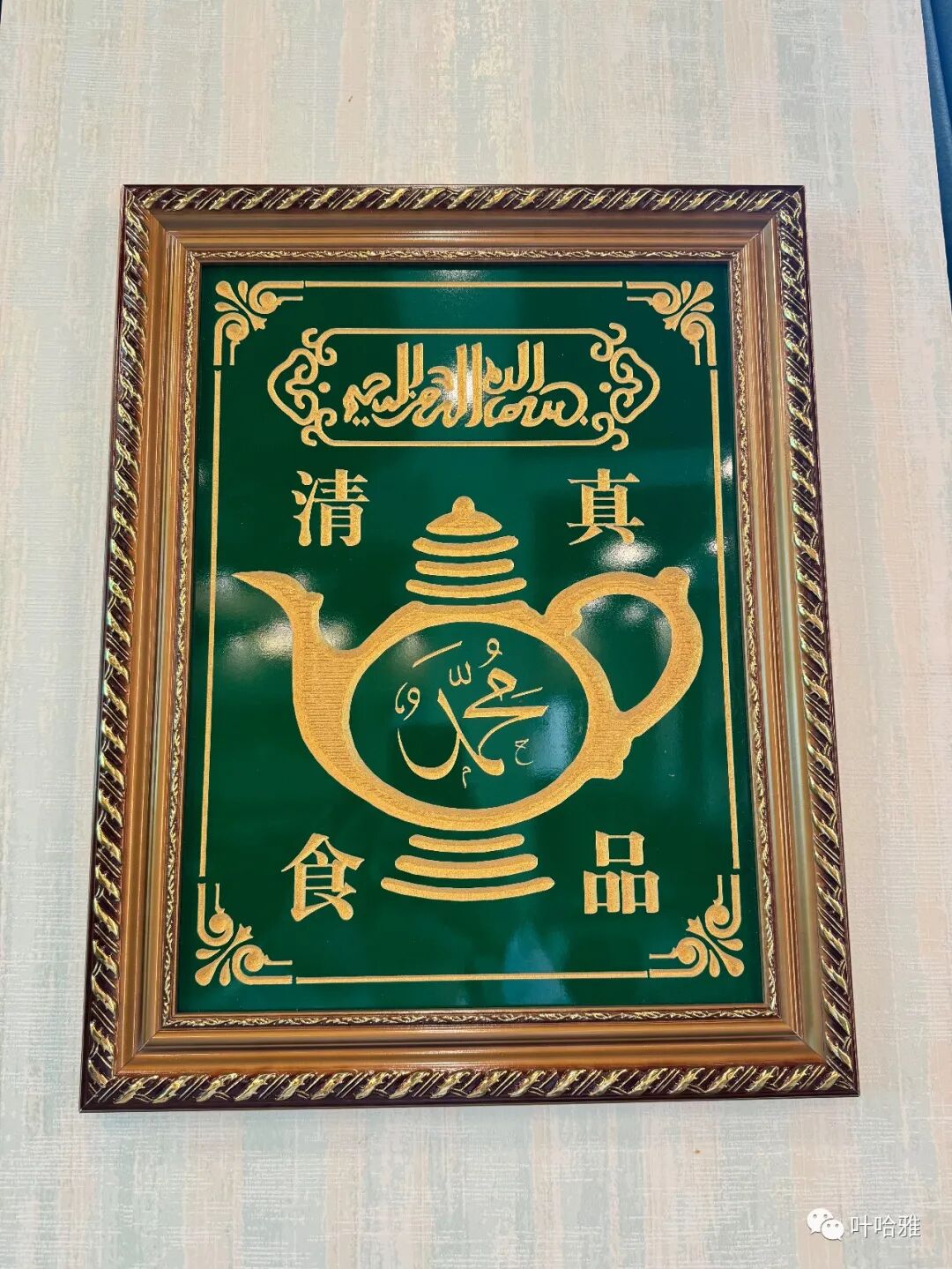
This Sichuan restaurant is on the first floor of a mosque. They do not sell alcohol. The shops around the Fucheng Mosque in Mianyang belong to the mosque, so none of the halal restaurants here sell alcohol. You can eat here with peace of mind.
When you eat local halal stir-fry in Mianyang, you cannot go wrong. Every dish is delicious.
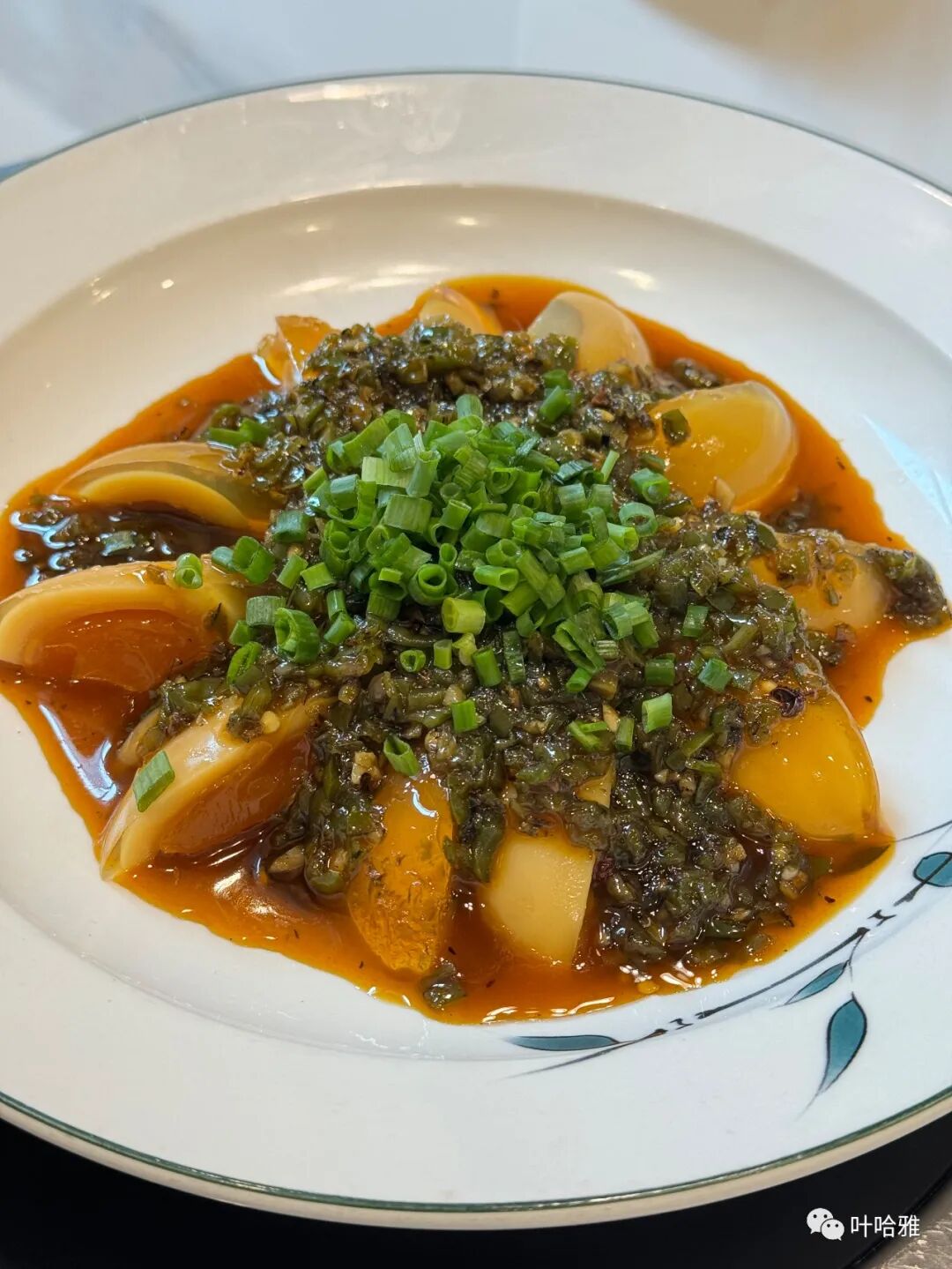
Century egg with pickled peppers (paojiao pidan)
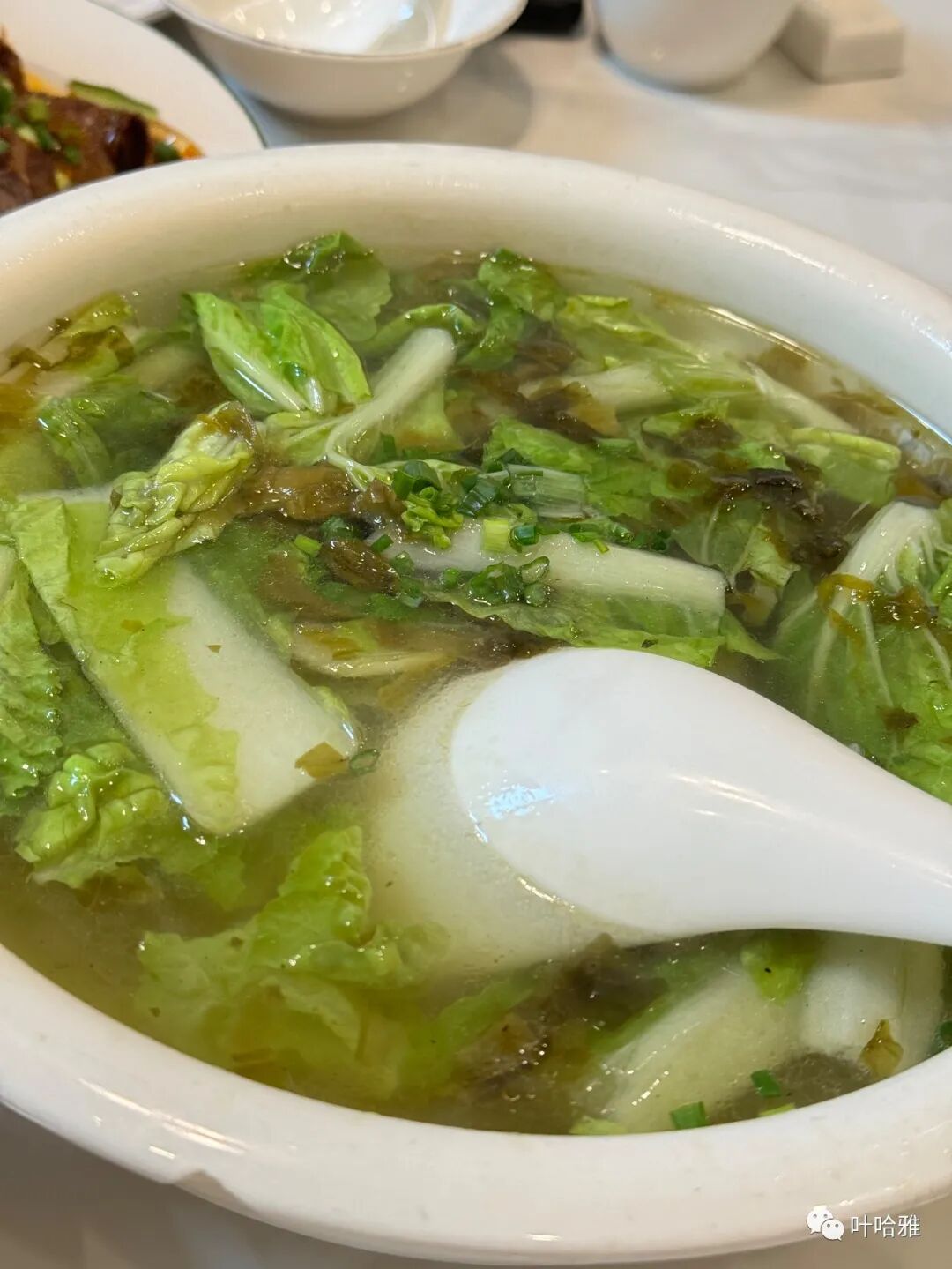
Pickled vegetable and vermicelli soup (suancai fensi tang)
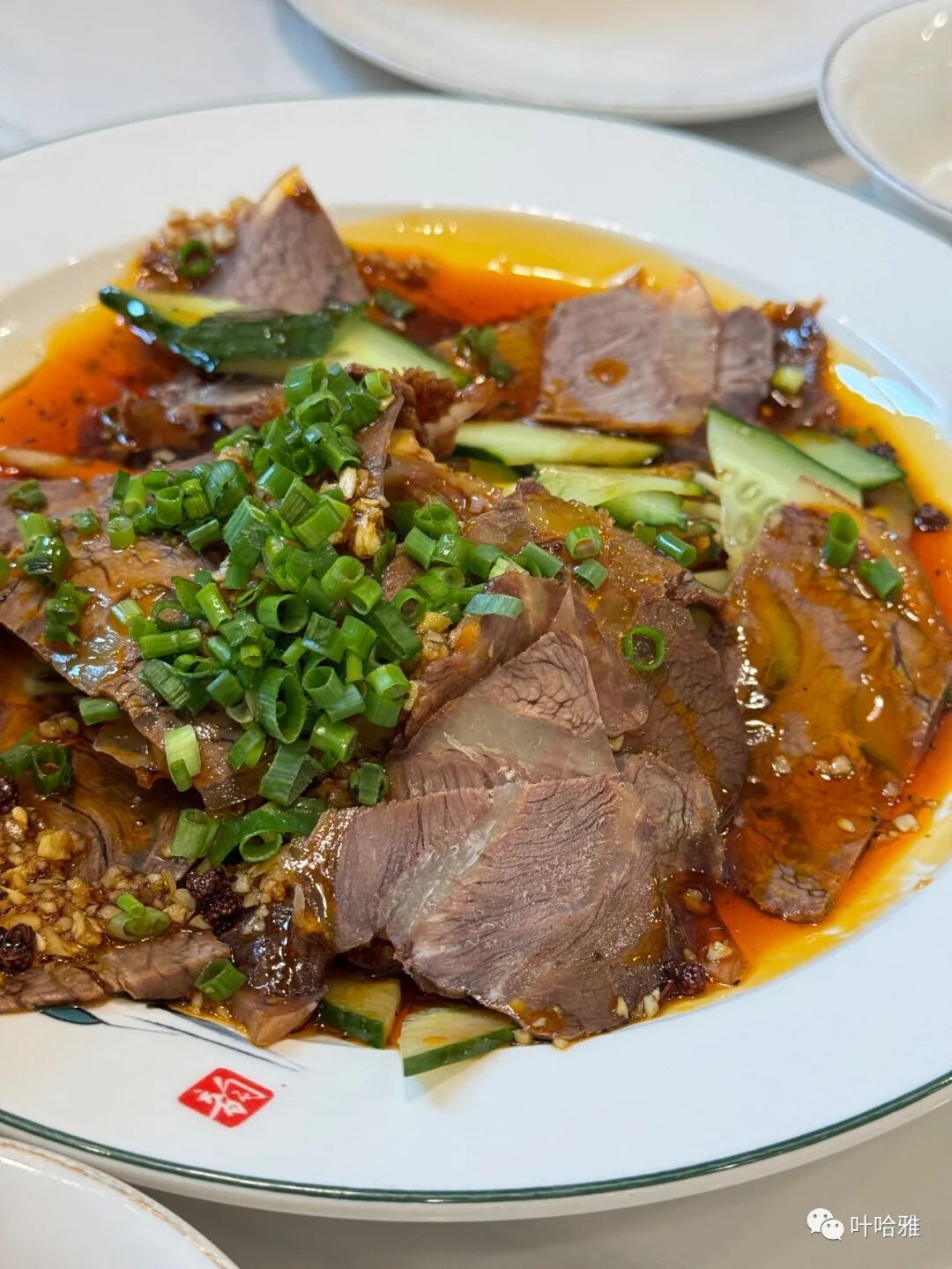
Cold tossed beef (liangban niurou)
Beef with tofu pudding (douhua niurou)
Below are halal eateries around the Fucheng Mosque in Mianyang, including snack shops, teahouses, and grocery stores.
Wenji Night Banquet (Wenji Yeyan)
This is a halal restaurant in Mianyang that specializes in bold, local-style dishes. We already ate plenty of beef, so this meal focuses on fish. Mianyang has many ways to cook fish, and they serve types of river fish that are rarely seen in the north.
Fish with giant hyssop (huoxiang liugen yu)
Chicken feet with green peppers (qingjiao fengzhua)
Spicy grilled fish (mala kaoyu)
Grilled eggplant (kao qiezi)
Grilled oysters (kao shenghao)
Pinyuexuan
Pinyuexuan is a long-standing Sichuan restaurant in Jiangyou, Mianyang. It has been open for at least twenty years and is the largest halal restaurant in the Jiangyou area.
Stir-fried celery with meat (qincai chaorou)
Vermicelli with minced meat (mayi shangshu)
Radish soup (luobo tang)
Diced beef with green peppers served with corn buns (qingjiao niurouli pei wotou)
Beef brisket stewed with tofu (niunan dun doufu)
The owner of Pinyuexuan seen from behind. He is very welcoming, and we greeted each other with salaam.
Deyang, Xiaoquan Ancient Town, Huilanyuan Slaughterhouse Hot Pot
It takes about an hour to drive from Mianyang to Deyang. In Xiaoquan Ancient Town, there is a street dedicated to halal food.
This local halal hot pot restaurant has been open for six years in a very quiet setting. The meat comes from the slaughterhouse right next door, which has its own professional butchers. We even ran into one of the butchers while we were praying at the Xiaoquan Mosque.
We chose a mild spicy beef tallow hot pot. It did not taste too spicy to me; the flavor was just right.
Steamed dumplings (shaomai)
Banbian Street in Xiaoquan Ancient Town
This street is full of small shops serving local halal specialties. It used to have a Central Asian style, but after renovations, it now features a blue-toned design.
A specialty of Xiaoquan is this fruit juice beef (guozhi niurou), a type of beef jerky made with rock sugar syrup. It is salty, fresh, and spicy with a sweet aftertaste, making it a delicious snack to have with tea.
Xiaoquan Mosque
Xiaoquan Mosque was first built during the Daoguang period of the Qing Dynasty. The original building was an ancestral hall belonging to a Han Chinese family named Feng. Two Muslim families, the Dengs and the Mas, bought it and converted it into a mosque while keeping the original architectural style.
Turning an ancestral hall into a mosque is a very open-minded idea. There are many examples today of churches being converted into mosques. This saves money, helps the mosque blend into the local culture, and does not go against Islamic teachings, so it is worth promoting.
Xiaoquan Mosque has a cultural exhibition room, the first of its kind in a Sichuan mosque. They set aside a room specifically for cultural displays, and People say other religious sites in Sichuan have since followed Xiaoquan Mosque's lead by creating their own exhibition spaces.
The exhibition hall displays some famous Hui Muslims from Xiaoquan, and these individuals still held a strong sense of their faith.
Xiaoquan is famous for its values of virtue and filial piety, and many stories about these traits are passed down here. One of them is the Eternal Monument, which records the story of a Muslim named Zhang Zongfa and how he showed filial piety to his parents both while they were alive and after they returned to Allah.
The story says that Zhang Zongfa learned the importance of filial piety from the Prophet and ancient Chinese classics. He served his parents with all his heart while they were alive. After they returned to Allah, he donated grain and land to the mosque, hoping to make up for any missed namaz his parents had during their lives. He also taught his descendants never to forget the importance of filial piety. view all
Summary: This Sichuan halal food guide maps Mianyang and Deyang, including halal breakfast, Mulanting food, Fucheng Mosque, Ma Laowu, Xiaoquan Mosque, fruit juice beef, Hui Muslim heritage, and local halal Sichuan dishes.
A Map of Halal Food in Mianyang and Deyang, Sichuan is presented here as a firsthand travel account in clear English, beginning with this scene: Ten of my travelogues were deleted recently, likely due to title violations. I have revised and reposted them. The account keeps its focus on Halal Travel, Yiwu Food, Mosque Travel while preserving the names, places, food, and historical details from the Chinese source.
Ten of my travelogues were deleted recently, likely due to title violations. I have revised and reposted them.
Our group recently partnered with the Yingke (Mianyang) Law Firm. We now offer professional wealth management consulting by combining insurance brokers and lawyers. Insurance brokers who understand law and lawyers who understand insurance are rare in the market, and I look forward to our future.
Taking this opportunity, I visited Mianyang for the second time after two years. Mianyang, Jiangyou, Deyang, Pengzhou, and Chengdu are areas where Hui Muslims are concentrated in Sichuan. If you are interested in Sichuan halal food culture, you can plan a trip to this region. My previous article about Mianyang is here: A Halal Tour of Mianyang, Sichuan—Jiangyou Mosque in the Hometown of Li Bai.
I recommend staying at the Hampton by Hilton in Mianyang. A Hui Muslim friend of mine in Mianyang introduced me to it, and the owner is also a Hui Muslim who provides halal breakfast.
Mulanting Sichuan-style Halal
The flight from Beijing to Mianyang takes over two hours. For my first meal after arriving, my partner Dosti took me to this very artistic restaurant, Mulanting, to eat Sichuan-style halal food.
Sitting in the courtyard with comfortable temperatures and a quiet atmosphere, I felt especially relaxed while enjoying the food. The restaurant has a great environment and the food is delicious, especially the brown sugar flatbread (guokui) and diced rabbit (tuding), which are both local specialties. Prices in Mianyang are not high, costing about 50-60 yuan per person.
Stewed beef tendon
Braised eggplant with green beans
Brown sugar stuffed flatbread (guokui)
Diced rabbit with chopped chili (duojiao tuding)
Fucheng Mosque in Mianyang
I visited the Mianyang mosque and saw the renovation is finished. The exterior looks very different. Fucheng Mosque was first built during the Xianfeng era of the Qing Dynasty, and the current building was renovated in 2022. It serves over 10,000 Muslims in the city.
Ma Laowu Restaurant
Ma Laowu Restaurant is a Sichuan-style halal eatery. The top left corner says it is a time-honored brand from Yanting, which means the owner is from Yanting. Yanting is the county with the most Hui Muslims in Mianyang.
Halal restaurants in Sichuan mainly serve beef. With the unique spicy and numbing flavor of Sichuan, these stir-fried dishes go perfectly with rice.
Cold jelly noodles (liangban liangfen)
Dry-fried beef (ganbian niurou)
Shredded potato with green pepper (qingjiao tudousi)
Mianyang oil and vinegar noodles (youcu mian)
Oil and vinegar noodles are a local Mianyang specialty. The noodles are thin and soft with a slightly spicy taste. We originally wanted rice, but it wasn't ready when we arrived, so we tried these special noodles instead.
Beef meatball soup (niurou wanzi tang)
Maijia Impression Restaurant (Maijia Yinxiang Canting)
This Sichuan restaurant is on the first floor of a mosque. They do not sell alcohol. The shops around the Fucheng Mosque in Mianyang belong to the mosque, so none of the halal restaurants here sell alcohol. You can eat here with peace of mind.
When you eat local halal stir-fry in Mianyang, you cannot go wrong. Every dish is delicious.
Century egg with pickled peppers (paojiao pidan)
Pickled vegetable and vermicelli soup (suancai fensi tang)
Cold tossed beef (liangban niurou)
Beef with tofu pudding (douhua niurou)
Below are halal eateries around the Fucheng Mosque in Mianyang, including snack shops, teahouses, and grocery stores.
Wenji Night Banquet (Wenji Yeyan)
This is a halal restaurant in Mianyang that specializes in bold, local-style dishes. We already ate plenty of beef, so this meal focuses on fish. Mianyang has many ways to cook fish, and they serve types of river fish that are rarely seen in the north.
Fish with giant hyssop (huoxiang liugen yu)
Chicken feet with green peppers (qingjiao fengzhua)
Spicy grilled fish (mala kaoyu)
Grilled eggplant (kao qiezi)
Grilled oysters (kao shenghao)
Pinyuexuan
Pinyuexuan is a long-standing Sichuan restaurant in Jiangyou, Mianyang. It has been open for at least twenty years and is the largest halal restaurant in the Jiangyou area.
Stir-fried celery with meat (qincai chaorou)
Vermicelli with minced meat (mayi shangshu)
Radish soup (luobo tang)
Diced beef with green peppers served with corn buns (qingjiao niurouli pei wotou)
Beef brisket stewed with tofu (niunan dun doufu)
The owner of Pinyuexuan seen from behind. He is very welcoming, and we greeted each other with salaam.
Deyang, Xiaoquan Ancient Town, Huilanyuan Slaughterhouse Hot Pot
It takes about an hour to drive from Mianyang to Deyang. In Xiaoquan Ancient Town, there is a street dedicated to halal food.
This local halal hot pot restaurant has been open for six years in a very quiet setting. The meat comes from the slaughterhouse right next door, which has its own professional butchers. We even ran into one of the butchers while we were praying at the Xiaoquan Mosque.
We chose a mild spicy beef tallow hot pot. It did not taste too spicy to me; the flavor was just right.
Steamed dumplings (shaomai)
Banbian Street in Xiaoquan Ancient Town
This street is full of small shops serving local halal specialties. It used to have a Central Asian style, but after renovations, it now features a blue-toned design.
A specialty of Xiaoquan is this fruit juice beef (guozhi niurou), a type of beef jerky made with rock sugar syrup. It is salty, fresh, and spicy with a sweet aftertaste, making it a delicious snack to have with tea.
Xiaoquan Mosque
Xiaoquan Mosque was first built during the Daoguang period of the Qing Dynasty. The original building was an ancestral hall belonging to a Han Chinese family named Feng. Two Muslim families, the Dengs and the Mas, bought it and converted it into a mosque while keeping the original architectural style.
Turning an ancestral hall into a mosque is a very open-minded idea. There are many examples today of churches being converted into mosques. This saves money, helps the mosque blend into the local culture, and does not go against Islamic teachings, so it is worth promoting.
Xiaoquan Mosque has a cultural exhibition room, the first of its kind in a Sichuan mosque. They set aside a room specifically for cultural displays, and People say other religious sites in Sichuan have since followed Xiaoquan Mosque's lead by creating their own exhibition spaces.
The exhibition hall displays some famous Hui Muslims from Xiaoquan, and these individuals still held a strong sense of their faith.
Xiaoquan is famous for its values of virtue and filial piety, and many stories about these traits are passed down here. One of them is the Eternal Monument, which records the story of a Muslim named Zhang Zongfa and how he showed filial piety to his parents both while they were alive and after they returned to Allah.
The story says that Zhang Zongfa learned the importance of filial piety from the Prophet and ancient Chinese classics. He served his parents with all his heart while they were alive. After they returned to Allah, he donated grain and land to the mosque, hoping to make up for any missed namaz his parents had during their lives. He also taught his descendants never to forget the importance of filial piety. view all
Reposted from the web
Summary: This Sichuan halal food guide maps Mianyang and Deyang, including halal breakfast, Mulanting food, Fucheng Mosque, Ma Laowu, Xiaoquan Mosque, fruit juice beef, Hui Muslim heritage, and local halal Sichuan dishes.
A Map of Halal Food in Mianyang and Deyang, Sichuan is presented here as a firsthand travel account in clear English, beginning with this scene: Ten of my travelogues were deleted recently, likely due to title violations. I have revised and reposted them. The account keeps its focus on Halal Travel, Yiwu Food, Mosque Travel while preserving the names, places, food, and historical details from the Chinese source.
Ten of my travelogues were deleted recently, likely due to title violations. I have revised and reposted them.
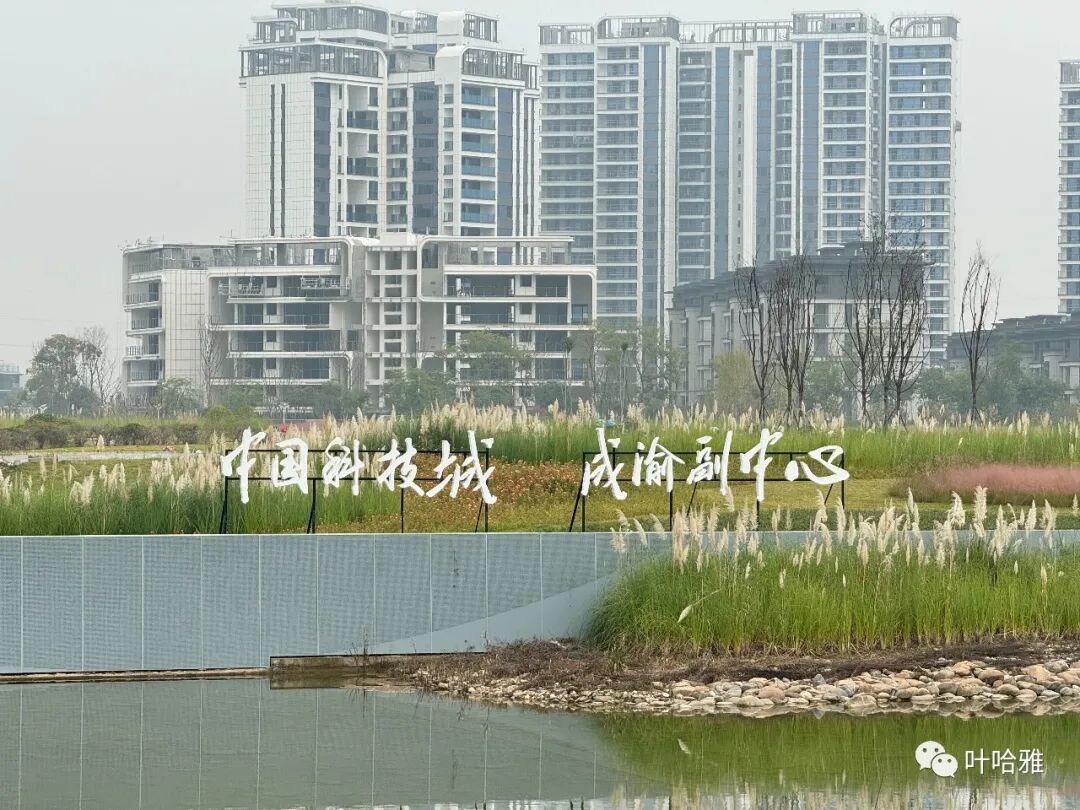
Our group recently partnered with the Yingke (Mianyang) Law Firm. We now offer professional wealth management consulting by combining insurance brokers and lawyers. Insurance brokers who understand law and lawyers who understand insurance are rare in the market, and I look forward to our future.
Taking this opportunity, I visited Mianyang for the second time after two years. Mianyang, Jiangyou, Deyang, Pengzhou, and Chengdu are areas where Hui Muslims are concentrated in Sichuan. If you are interested in Sichuan halal food culture, you can plan a trip to this region. My previous article about Mianyang is here: A Halal Tour of Mianyang, Sichuan—Jiangyou Mosque in the Hometown of Li Bai.
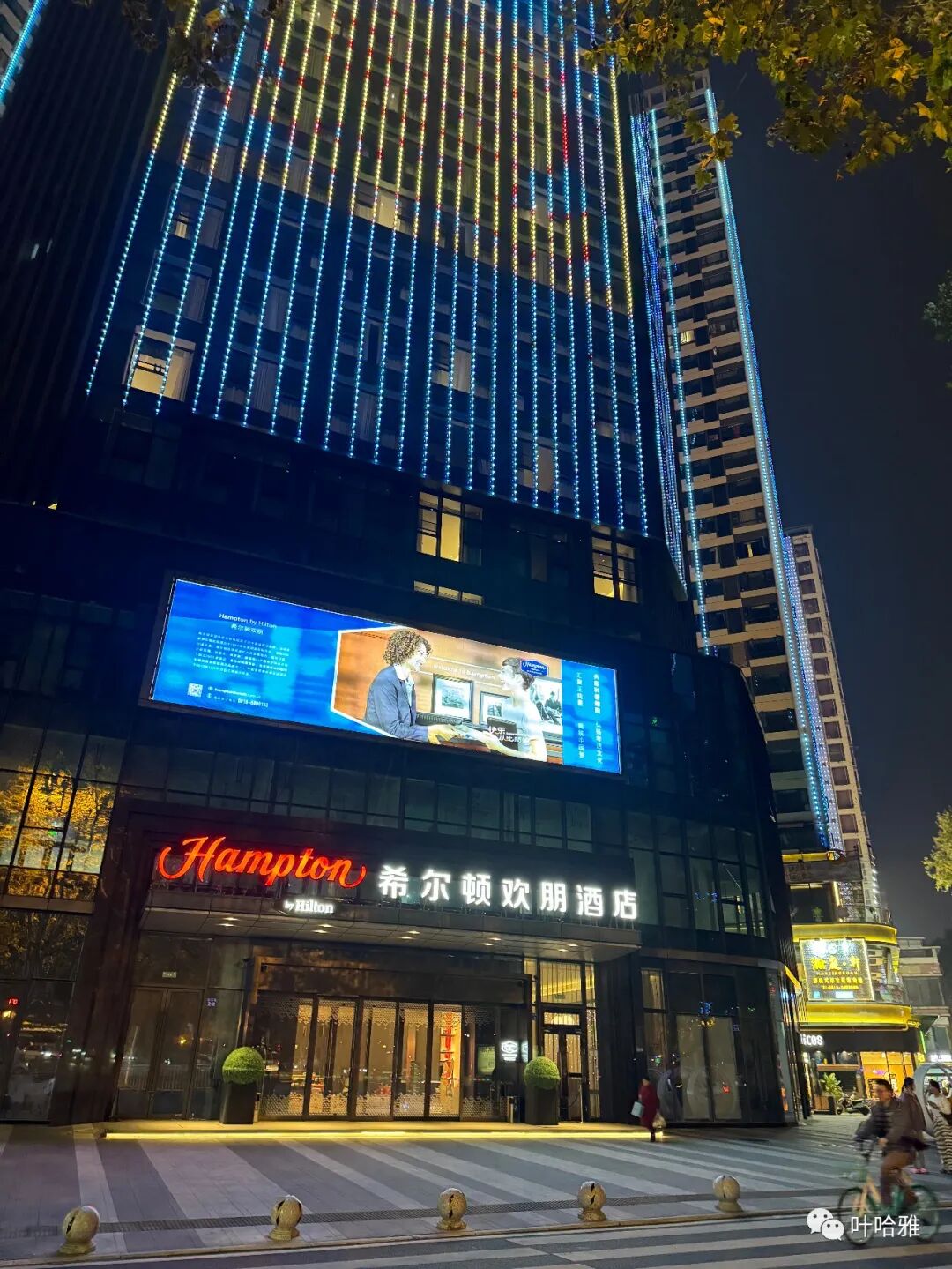
I recommend staying at the Hampton by Hilton in Mianyang. A Hui Muslim friend of mine in Mianyang introduced me to it, and the owner is also a Hui Muslim who provides halal breakfast.
Mulanting Sichuan-style Halal
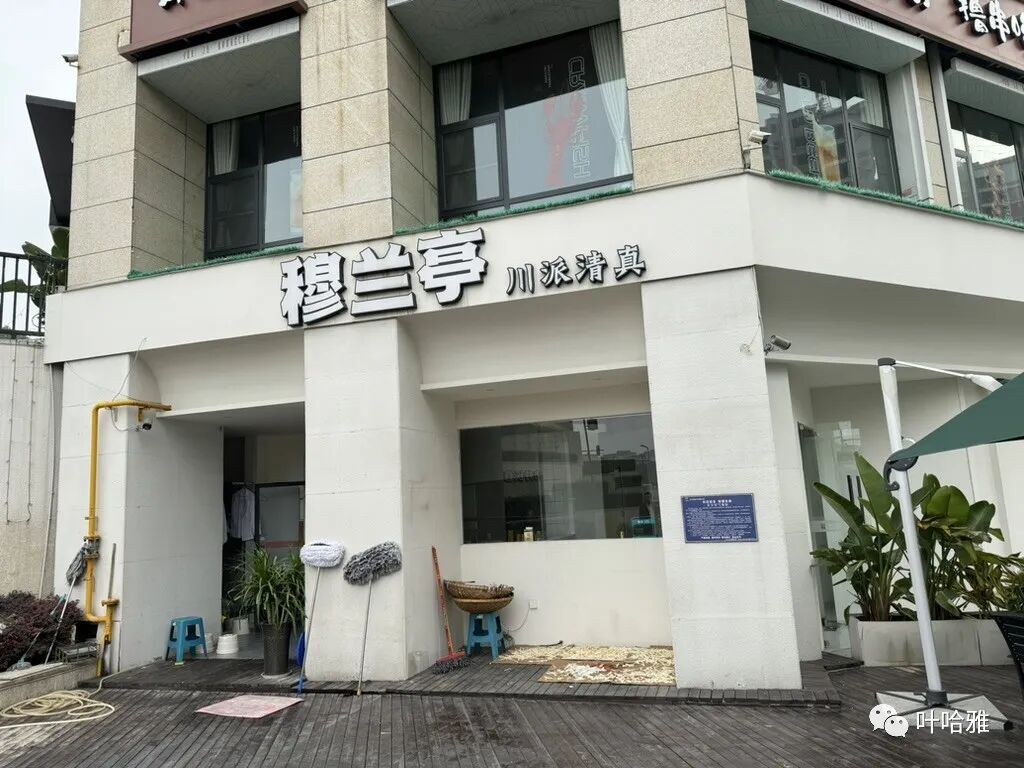
The flight from Beijing to Mianyang takes over two hours. For my first meal after arriving, my partner Dosti took me to this very artistic restaurant, Mulanting, to eat Sichuan-style halal food.
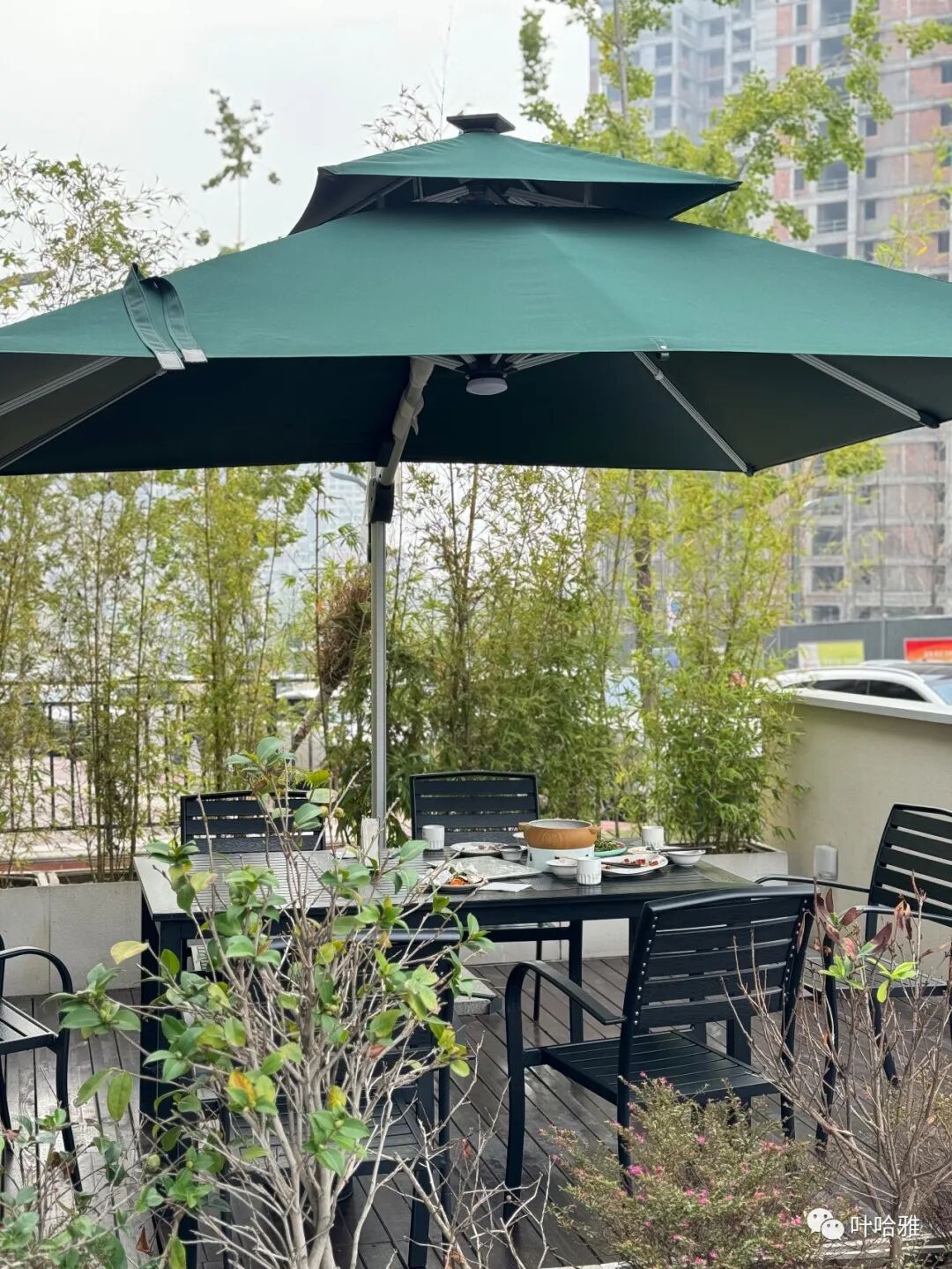
Sitting in the courtyard with comfortable temperatures and a quiet atmosphere, I felt especially relaxed while enjoying the food. The restaurant has a great environment and the food is delicious, especially the brown sugar flatbread (guokui) and diced rabbit (tuding), which are both local specialties. Prices in Mianyang are not high, costing about 50-60 yuan per person.
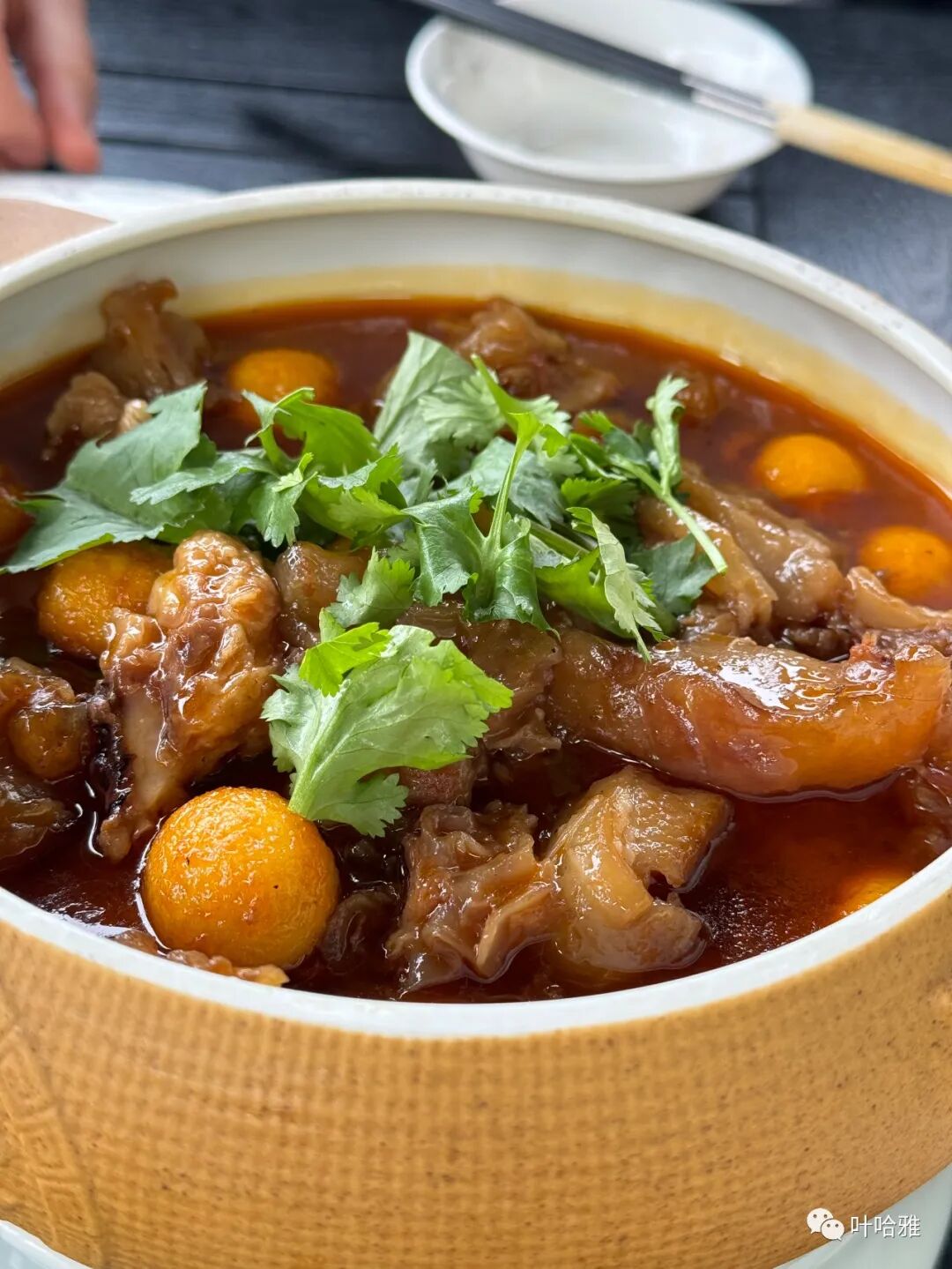
Stewed beef tendon
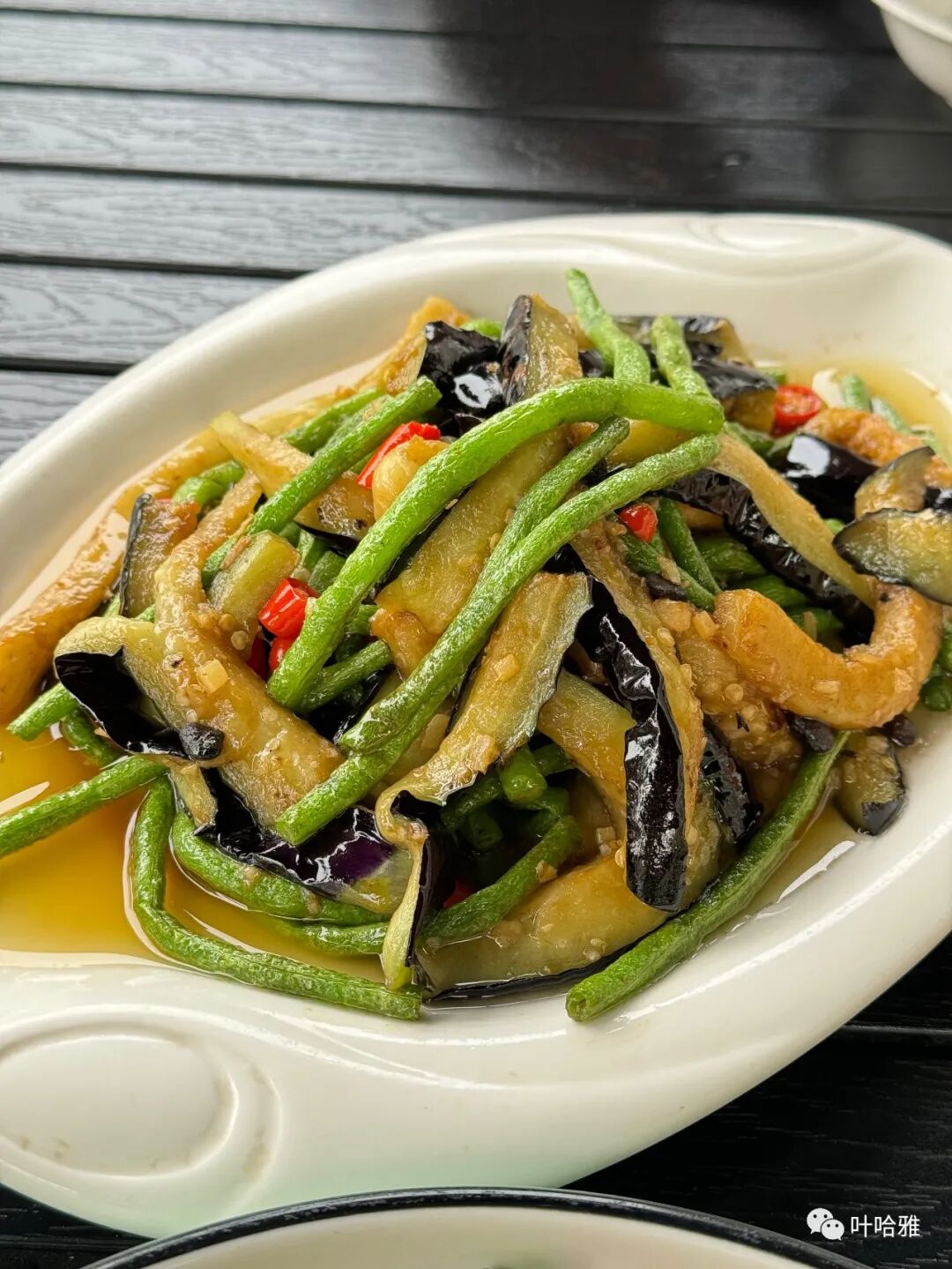
Braised eggplant with green beans
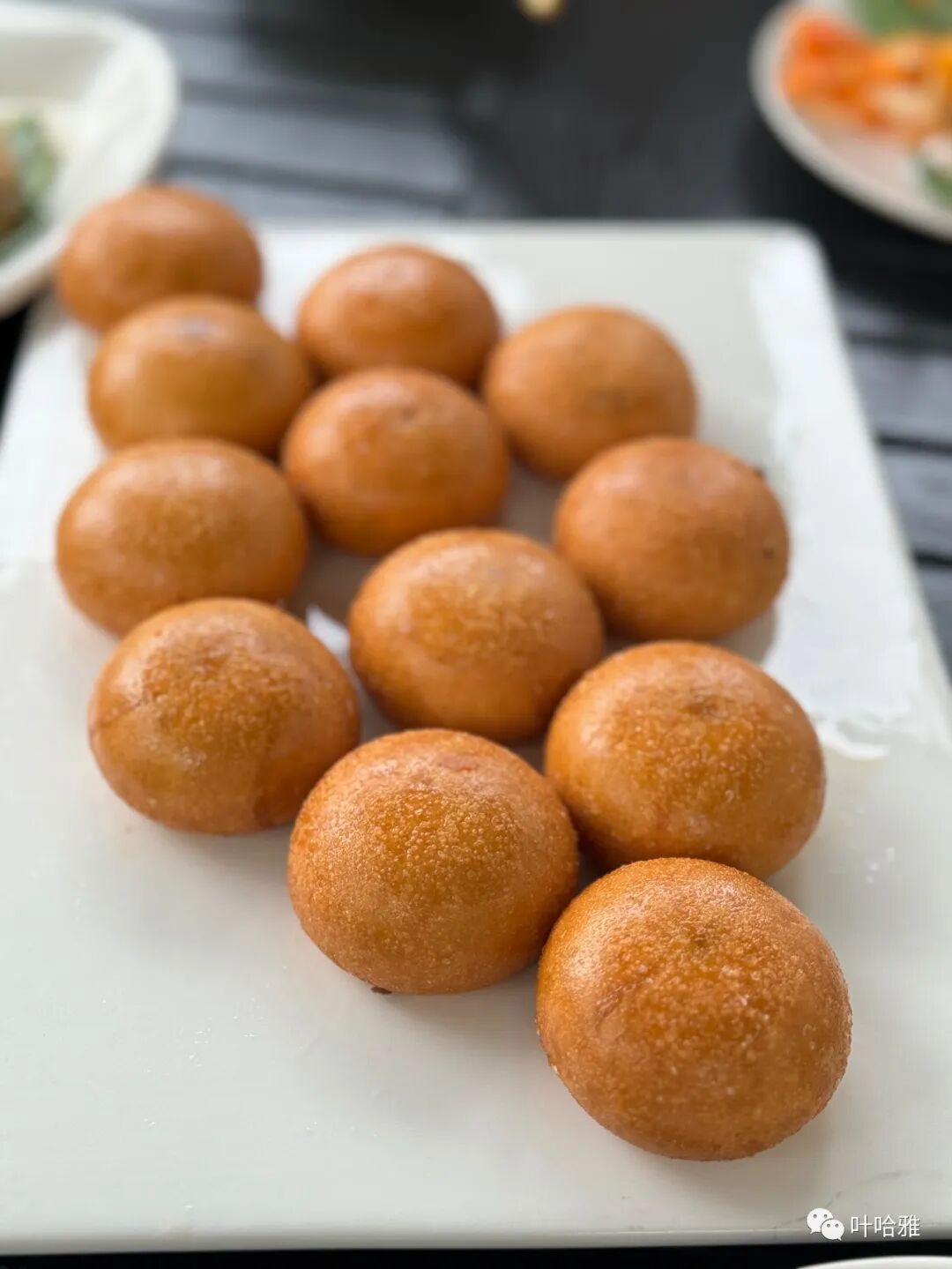
Brown sugar stuffed flatbread (guokui)
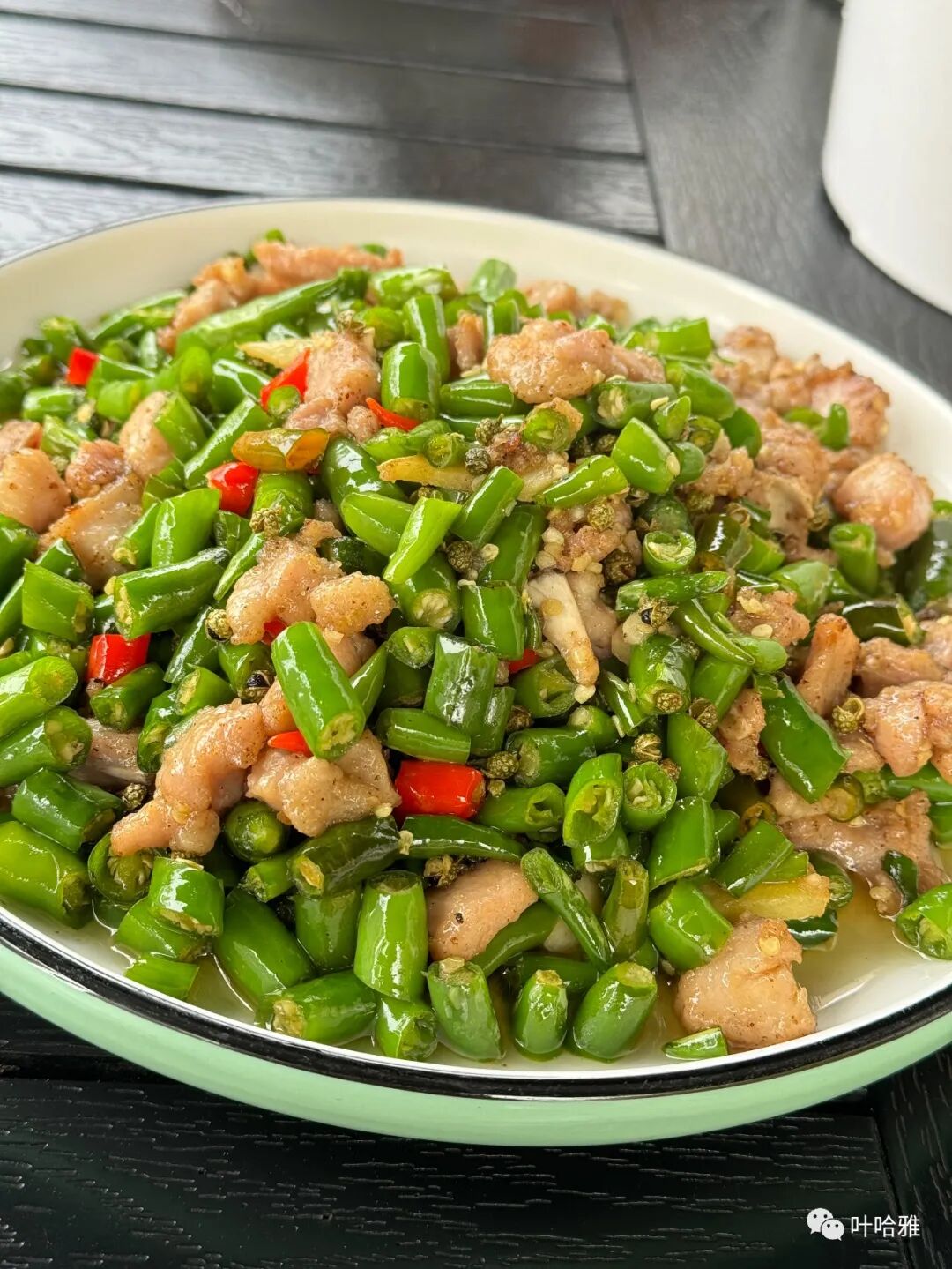
Diced rabbit with chopped chili (duojiao tuding)
Fucheng Mosque in Mianyang
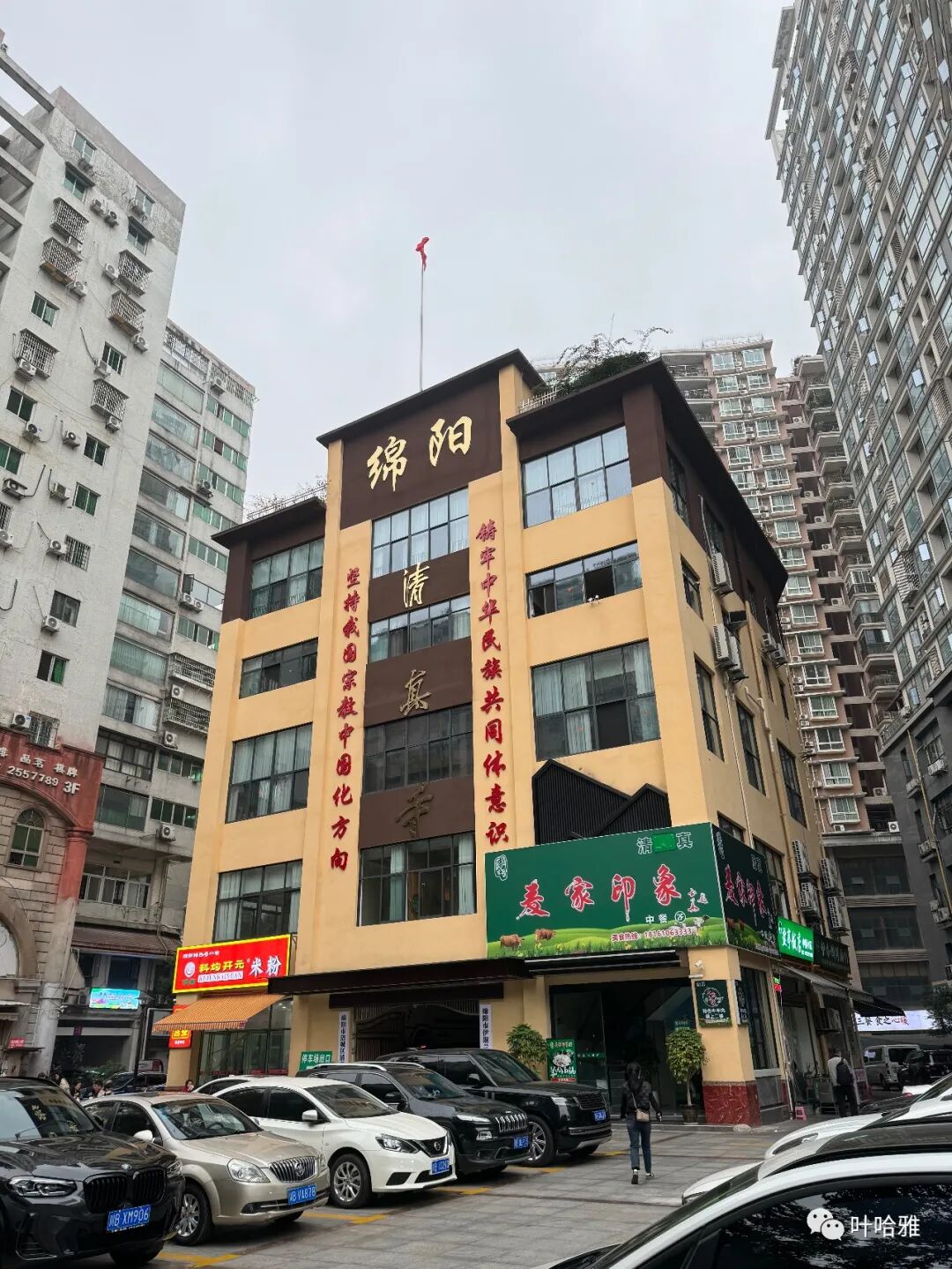
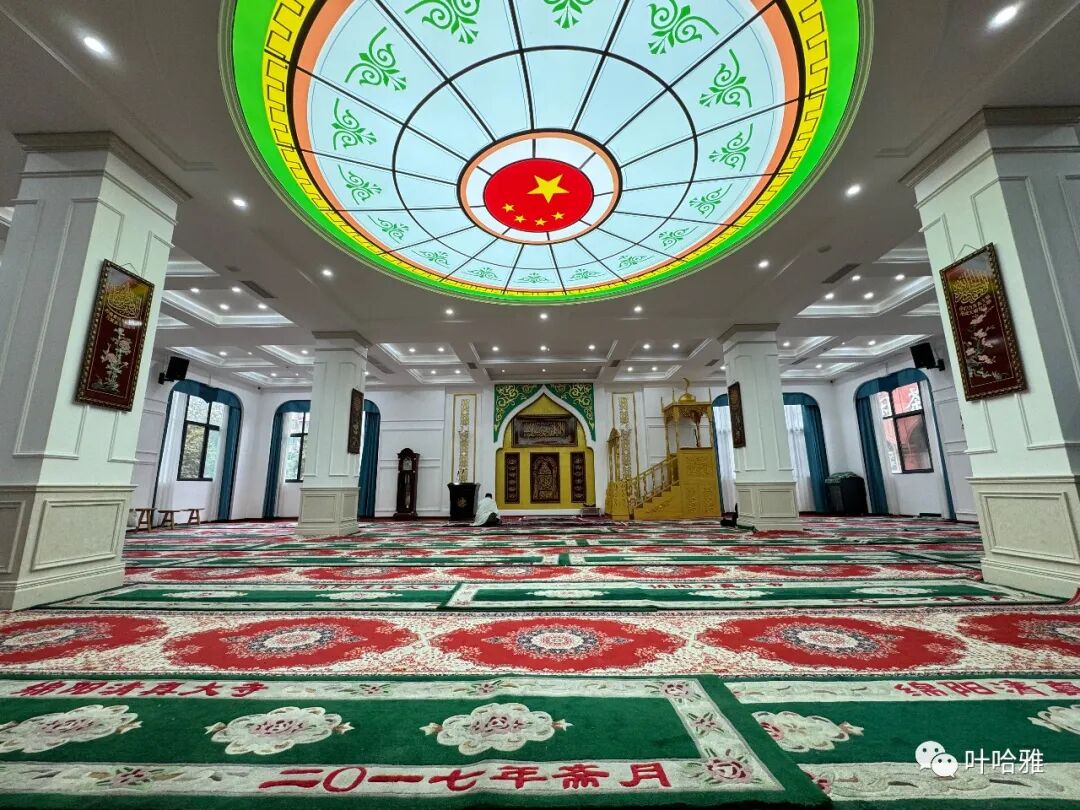
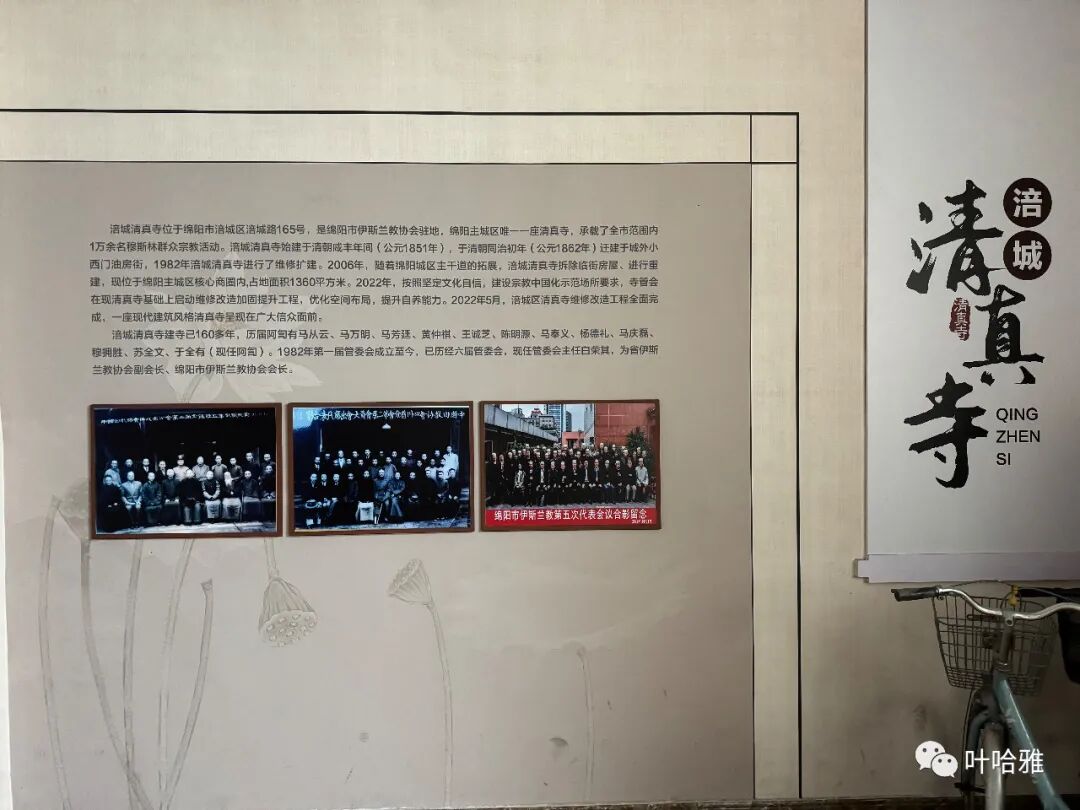
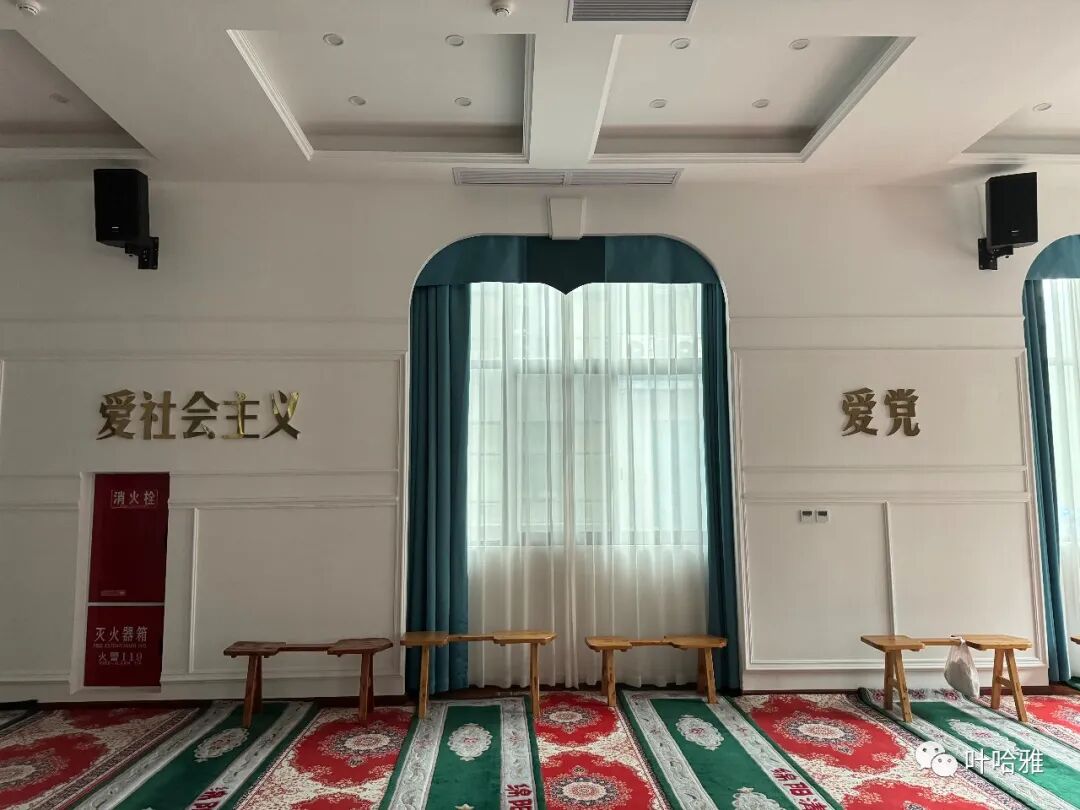
I visited the Mianyang mosque and saw the renovation is finished. The exterior looks very different. Fucheng Mosque was first built during the Xianfeng era of the Qing Dynasty, and the current building was renovated in 2022. It serves over 10,000 Muslims in the city.
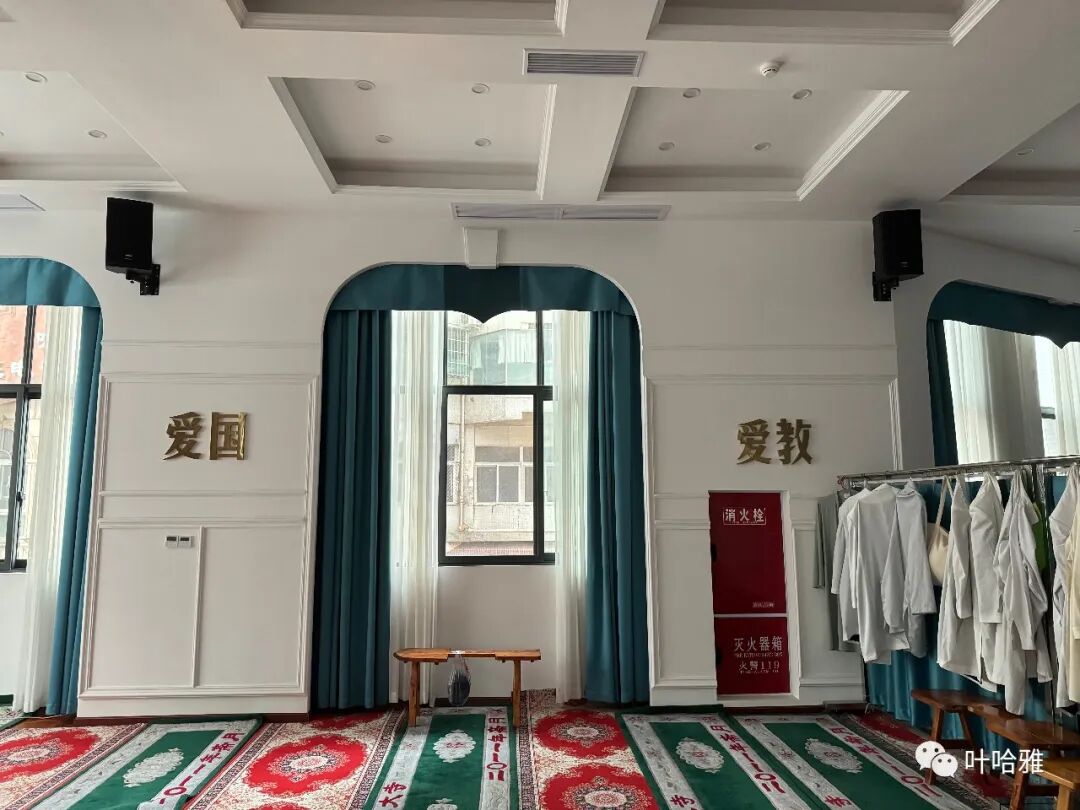
Ma Laowu Restaurant
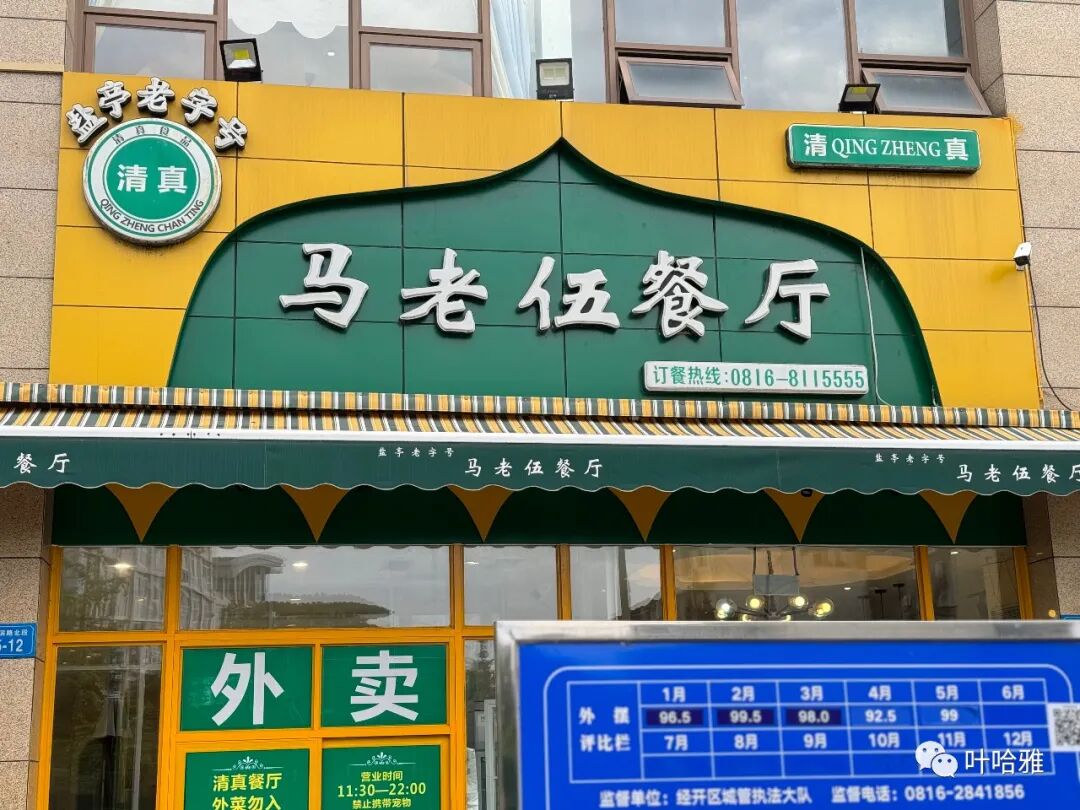
Ma Laowu Restaurant is a Sichuan-style halal eatery. The top left corner says it is a time-honored brand from Yanting, which means the owner is from Yanting. Yanting is the county with the most Hui Muslims in Mianyang.
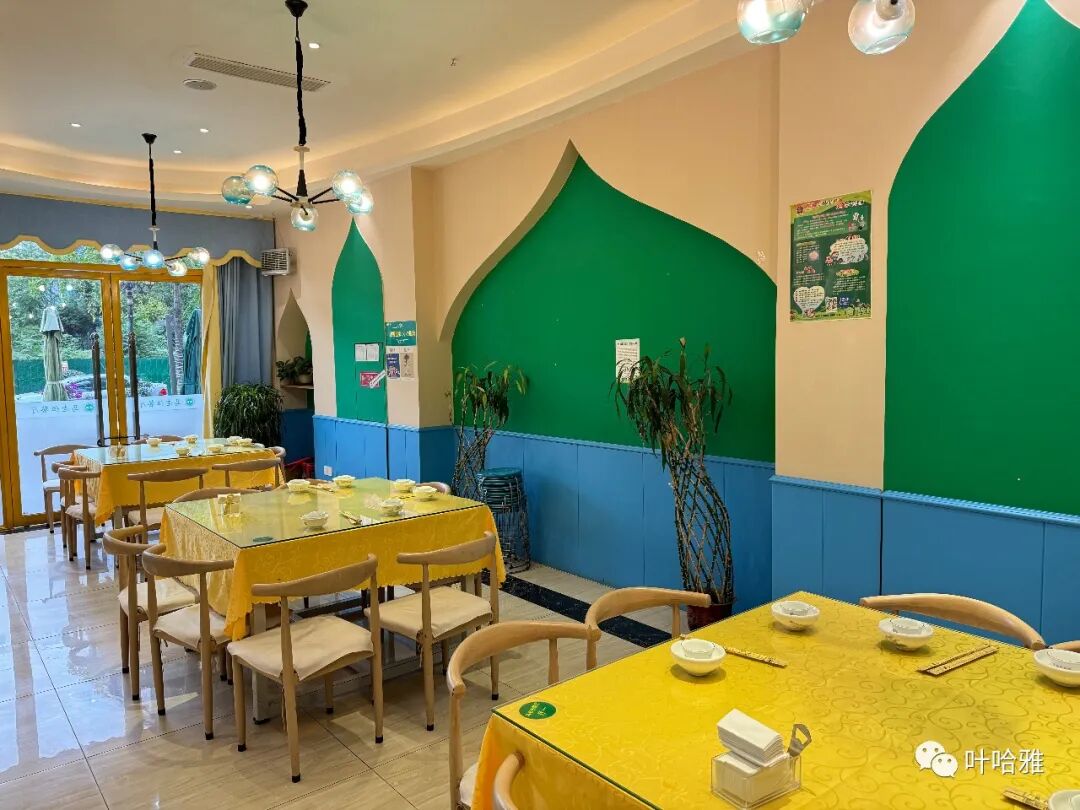
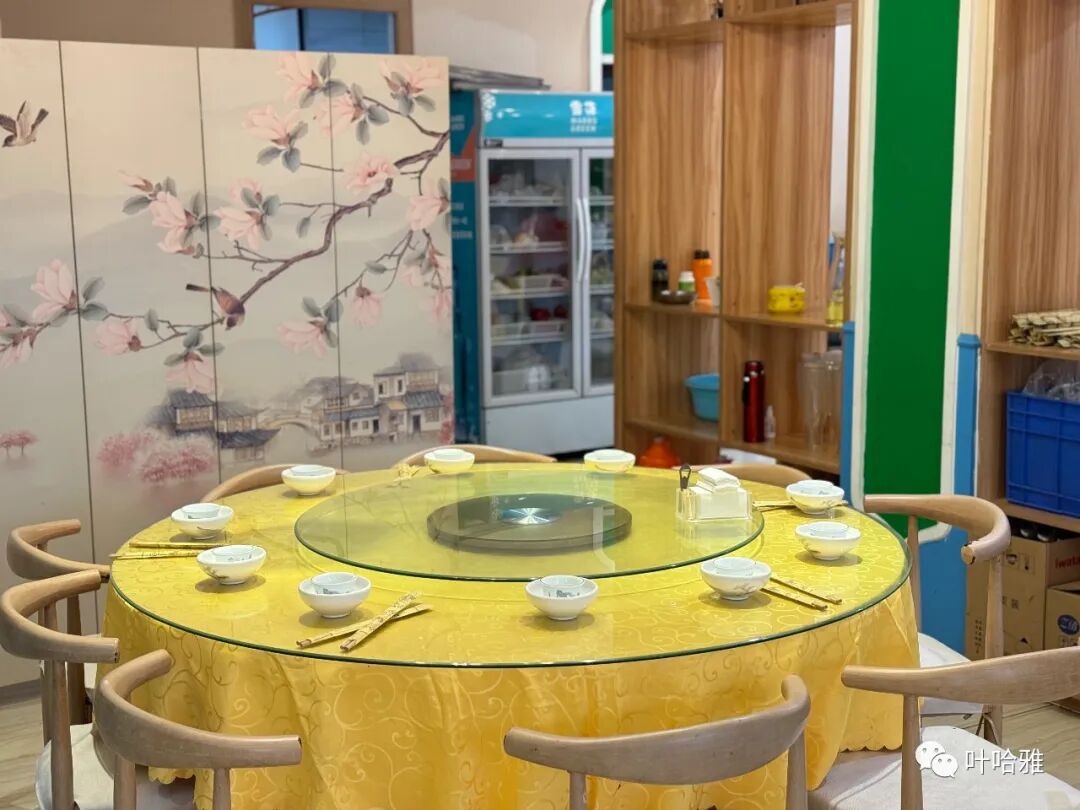
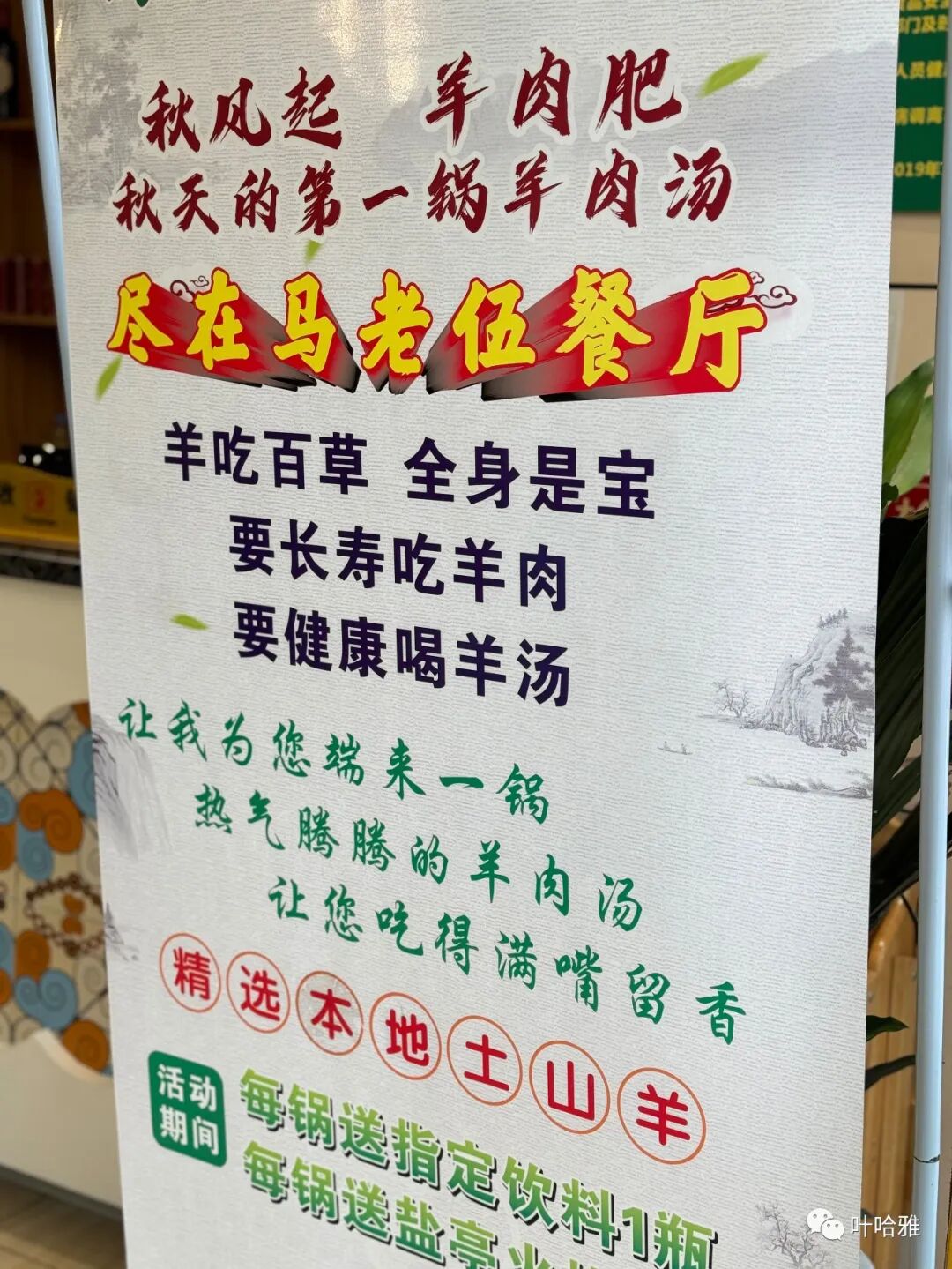
Halal restaurants in Sichuan mainly serve beef. With the unique spicy and numbing flavor of Sichuan, these stir-fried dishes go perfectly with rice.
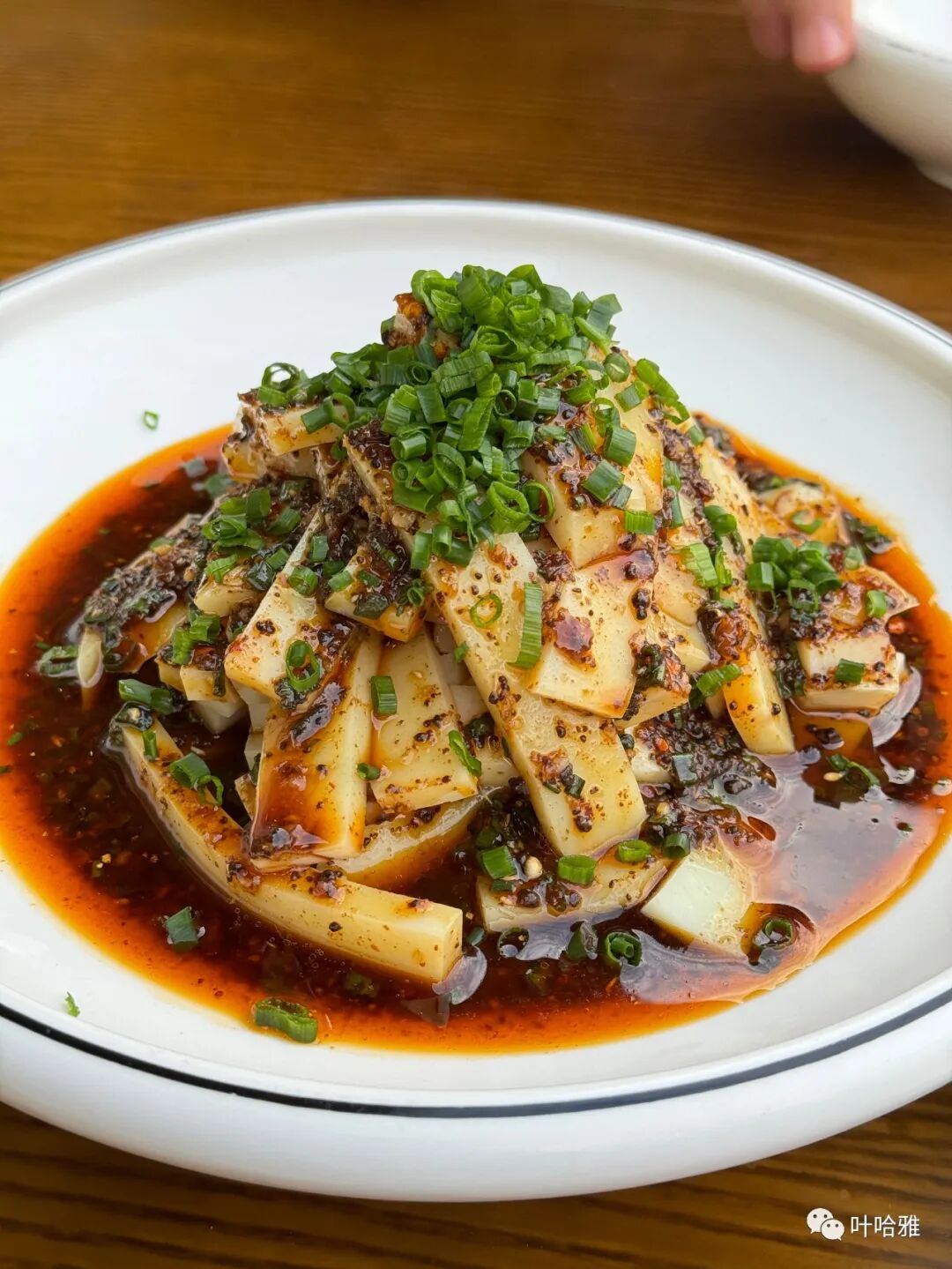
Cold jelly noodles (liangban liangfen)
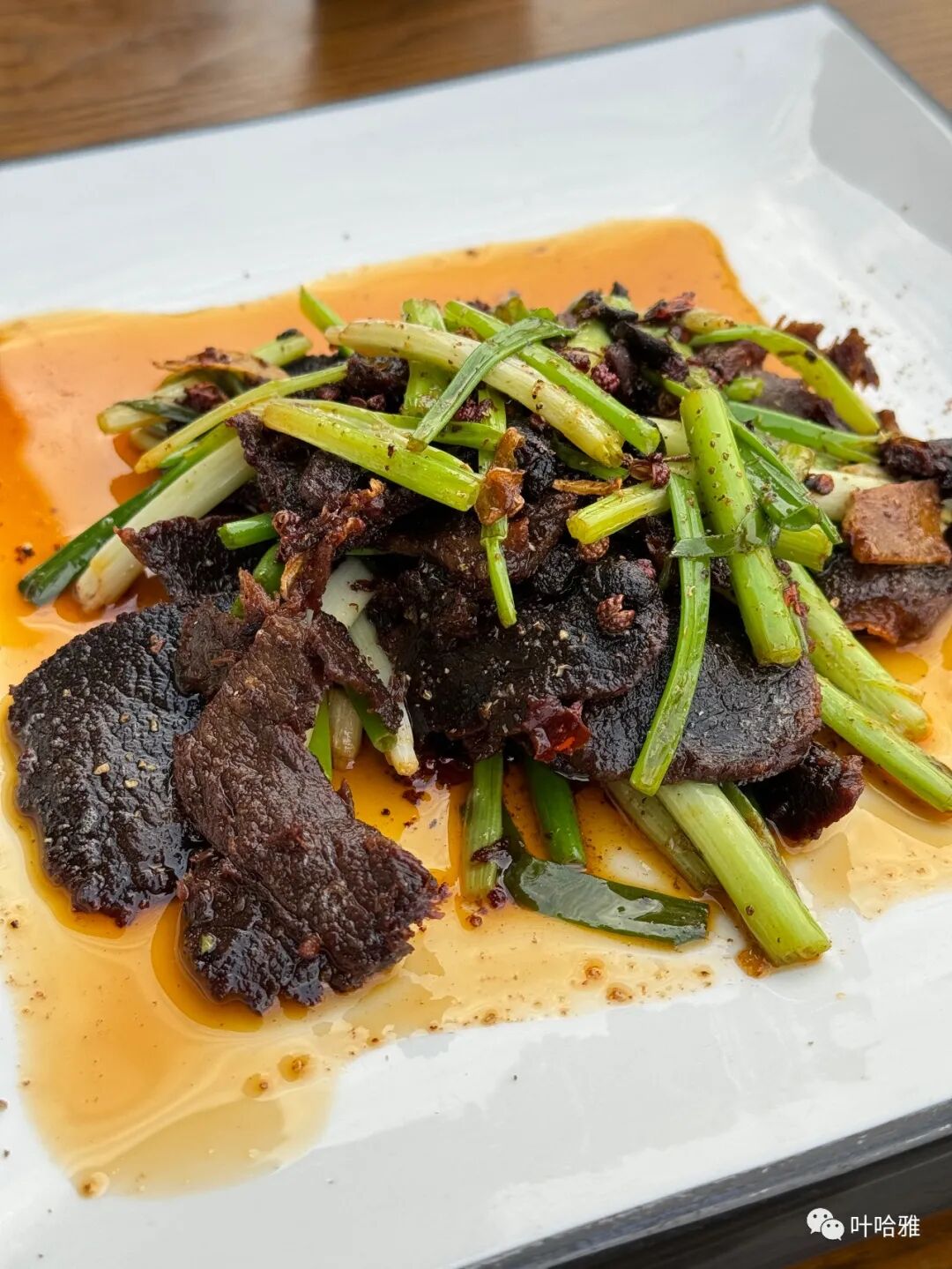
Dry-fried beef (ganbian niurou)
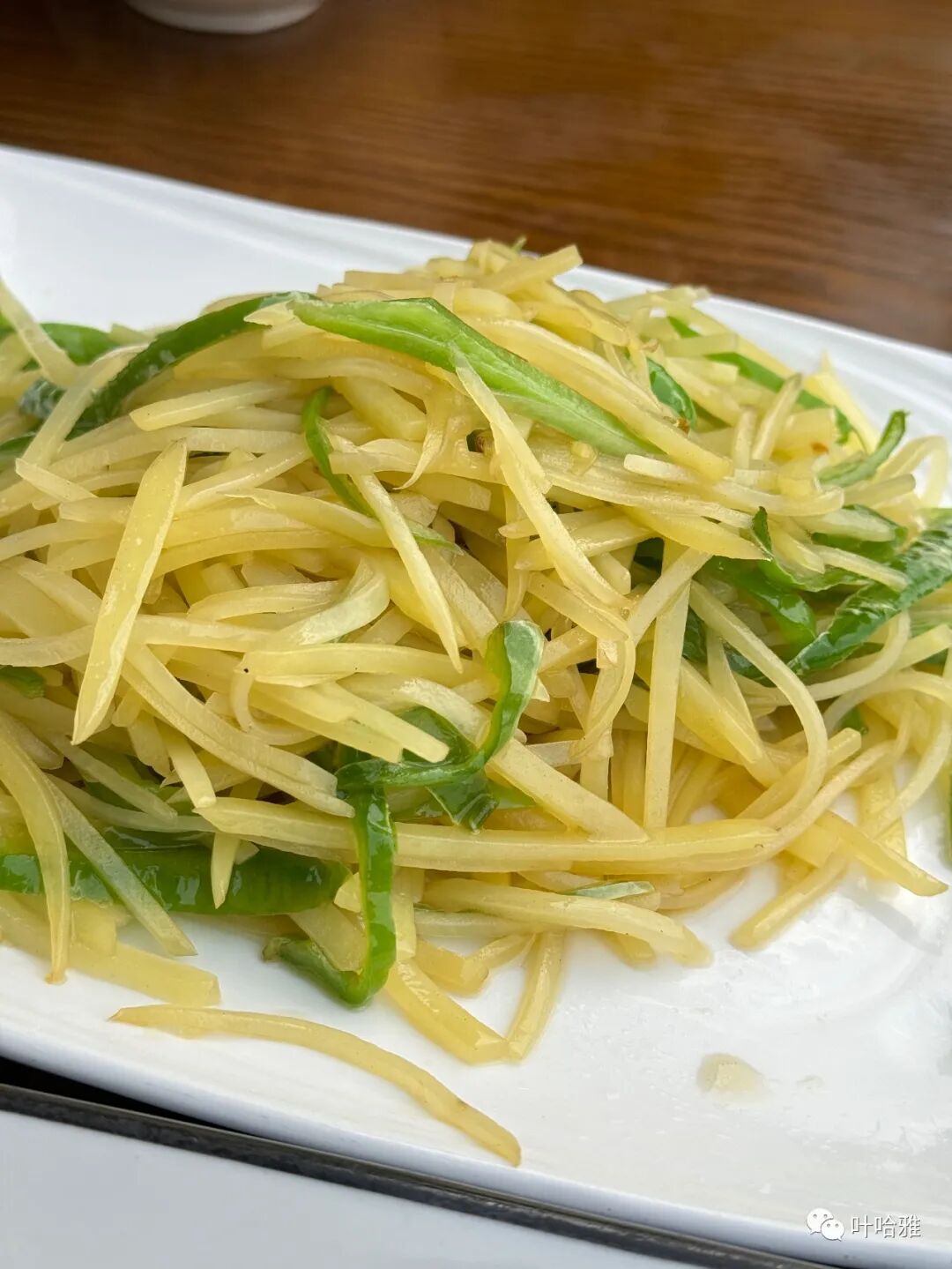
Shredded potato with green pepper (qingjiao tudousi)
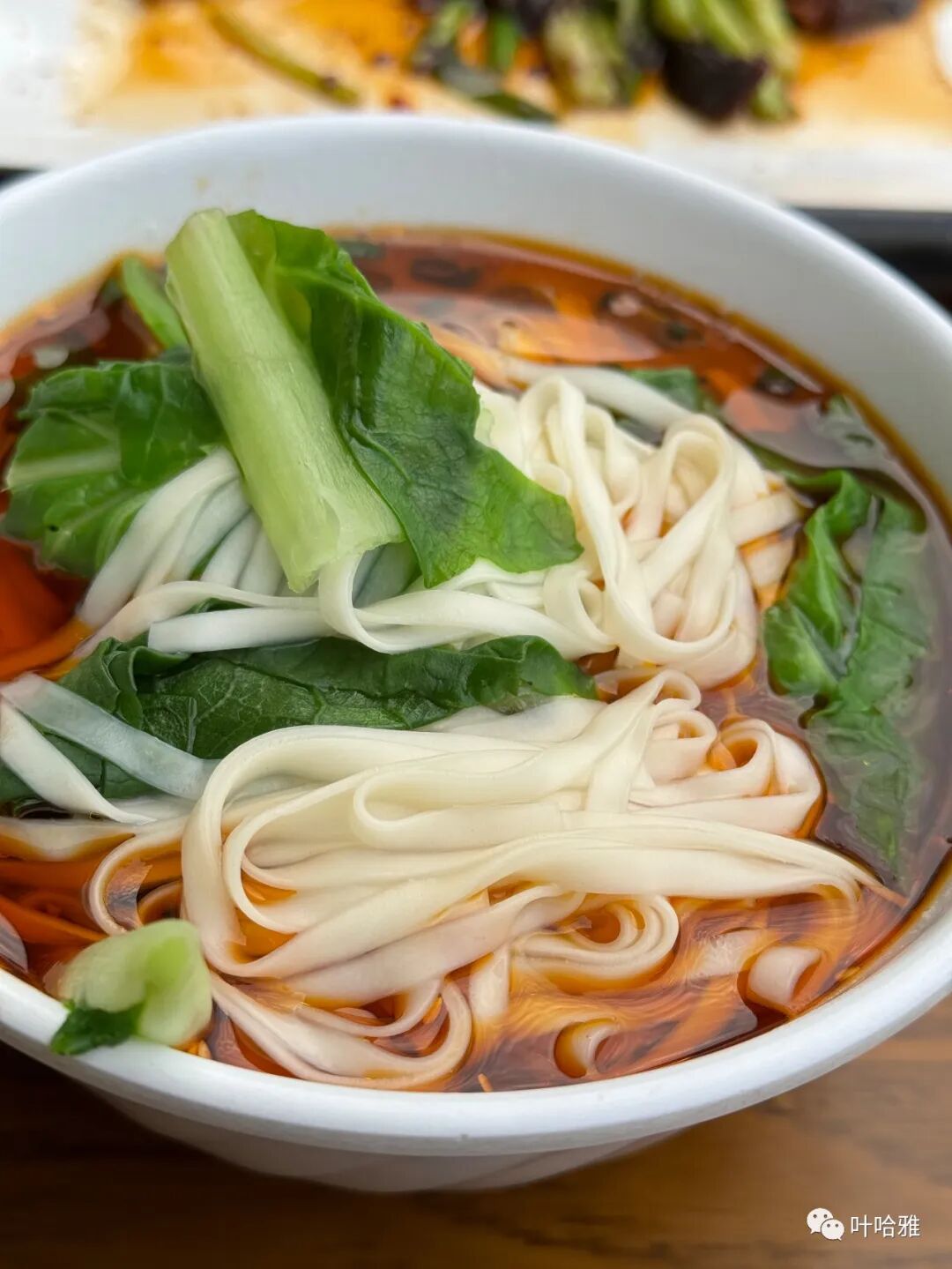
Mianyang oil and vinegar noodles (youcu mian)
Oil and vinegar noodles are a local Mianyang specialty. The noodles are thin and soft with a slightly spicy taste. We originally wanted rice, but it wasn't ready when we arrived, so we tried these special noodles instead.
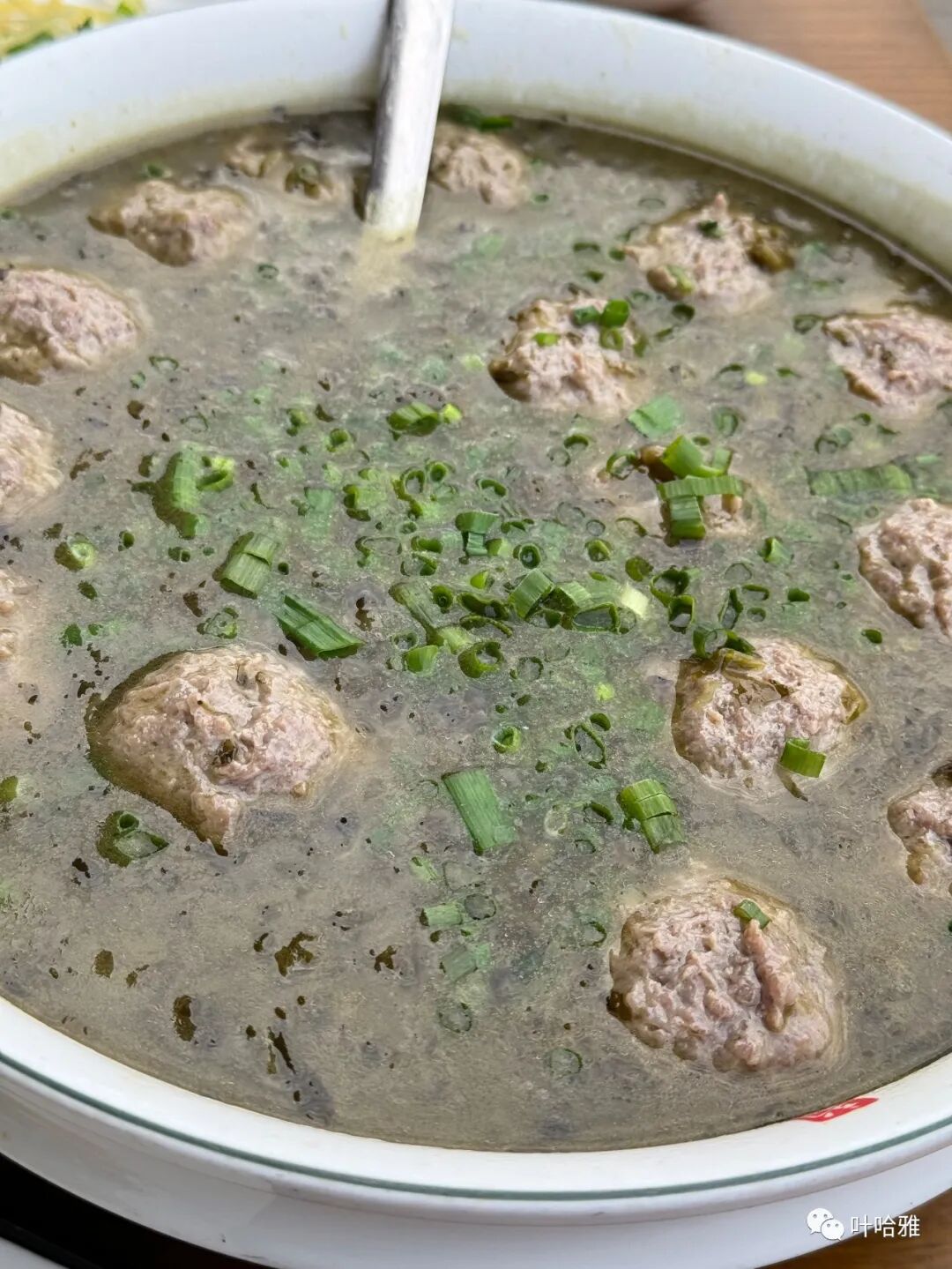
Beef meatball soup (niurou wanzi tang)
Maijia Impression Restaurant (Maijia Yinxiang Canting)
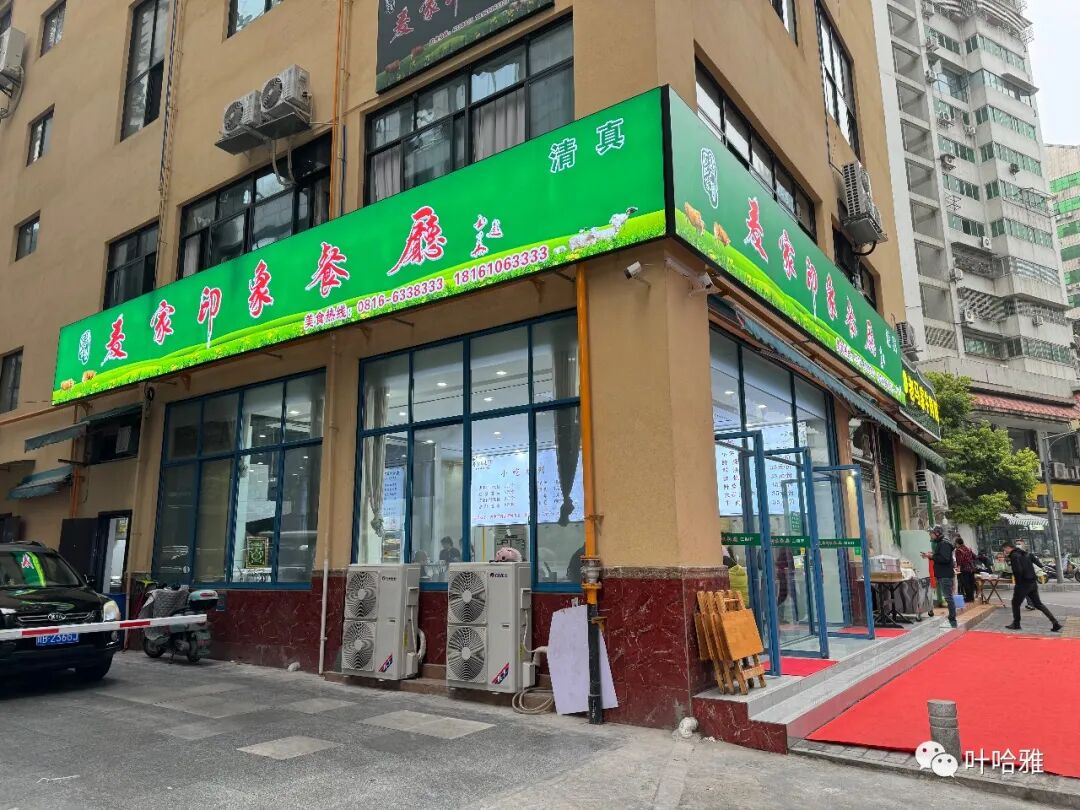
This Sichuan restaurant is on the first floor of a mosque. They do not sell alcohol. The shops around the Fucheng Mosque in Mianyang belong to the mosque, so none of the halal restaurants here sell alcohol. You can eat here with peace of mind.
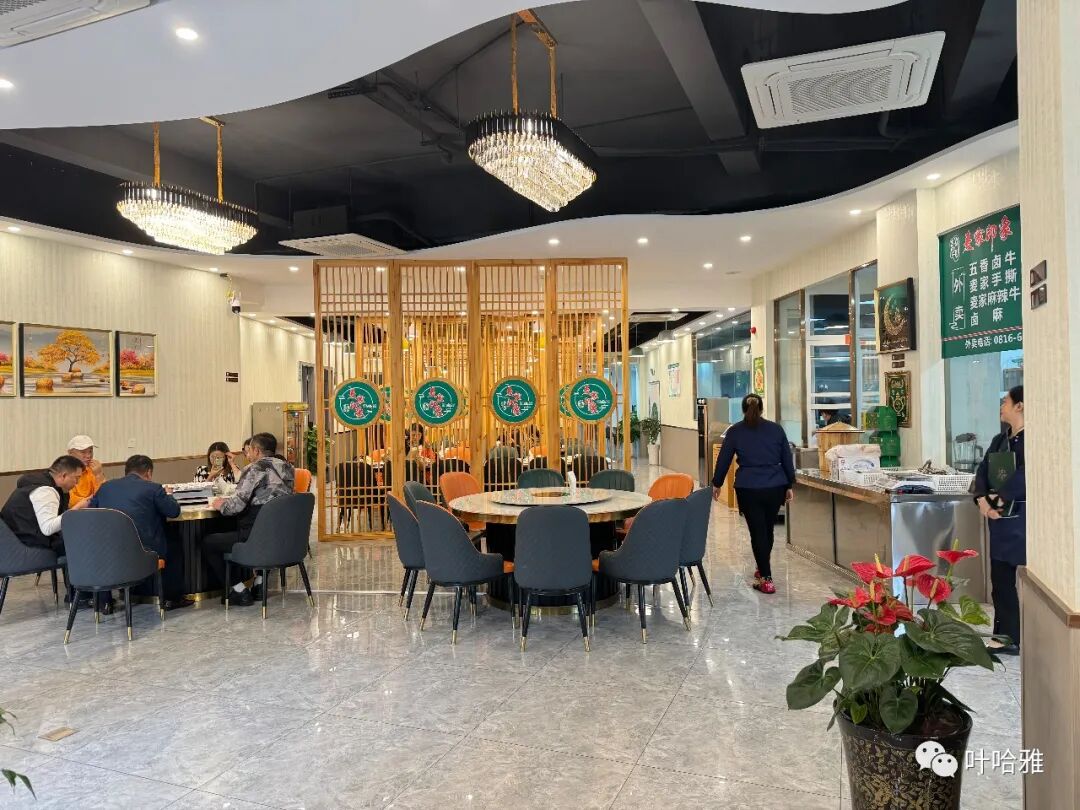
When you eat local halal stir-fry in Mianyang, you cannot go wrong. Every dish is delicious.
Century egg with pickled peppers (paojiao pidan)
Pickled vegetable and vermicelli soup (suancai fensi tang)
Cold tossed beef (liangban niurou)
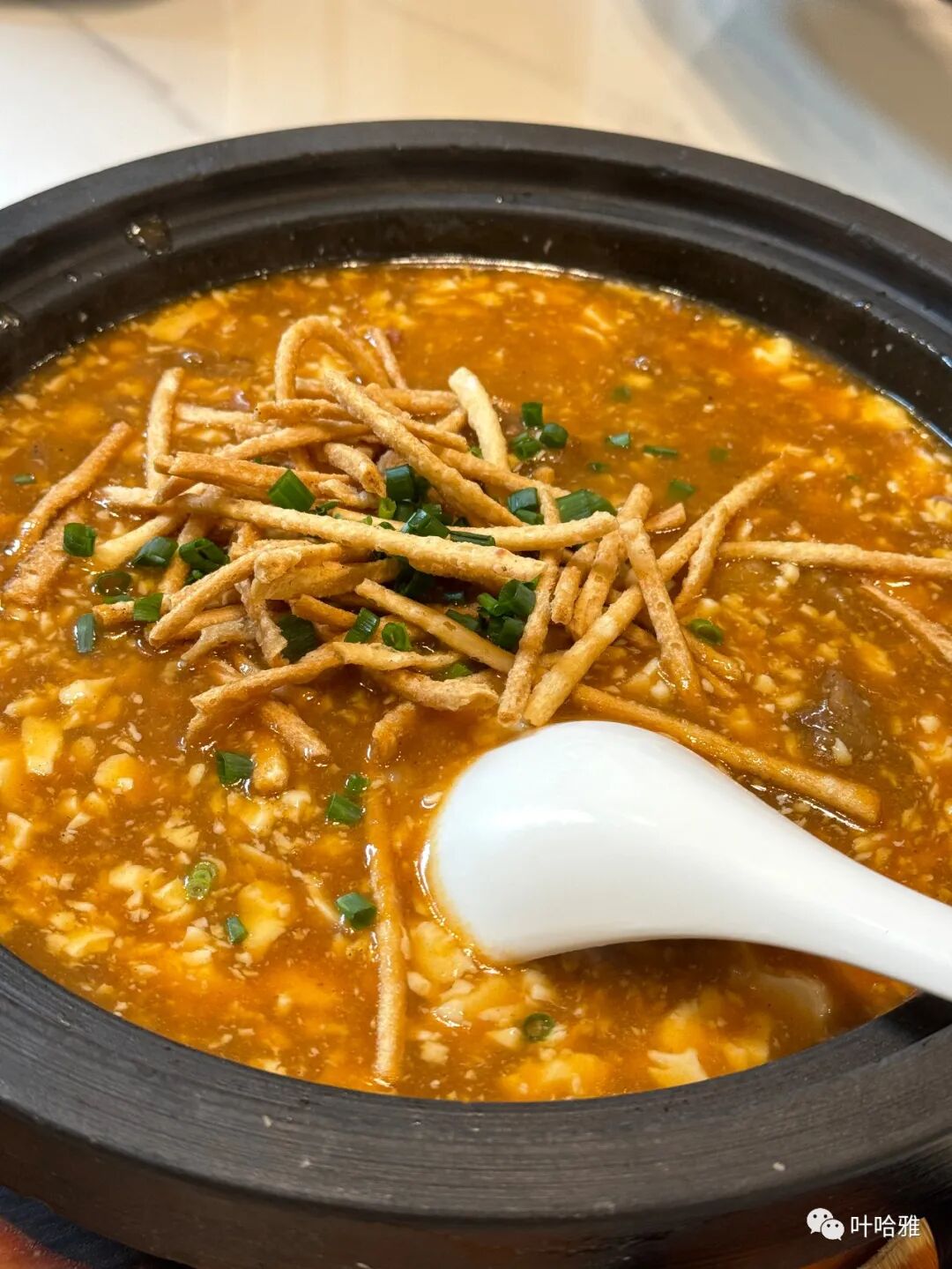
Beef with tofu pudding (douhua niurou)
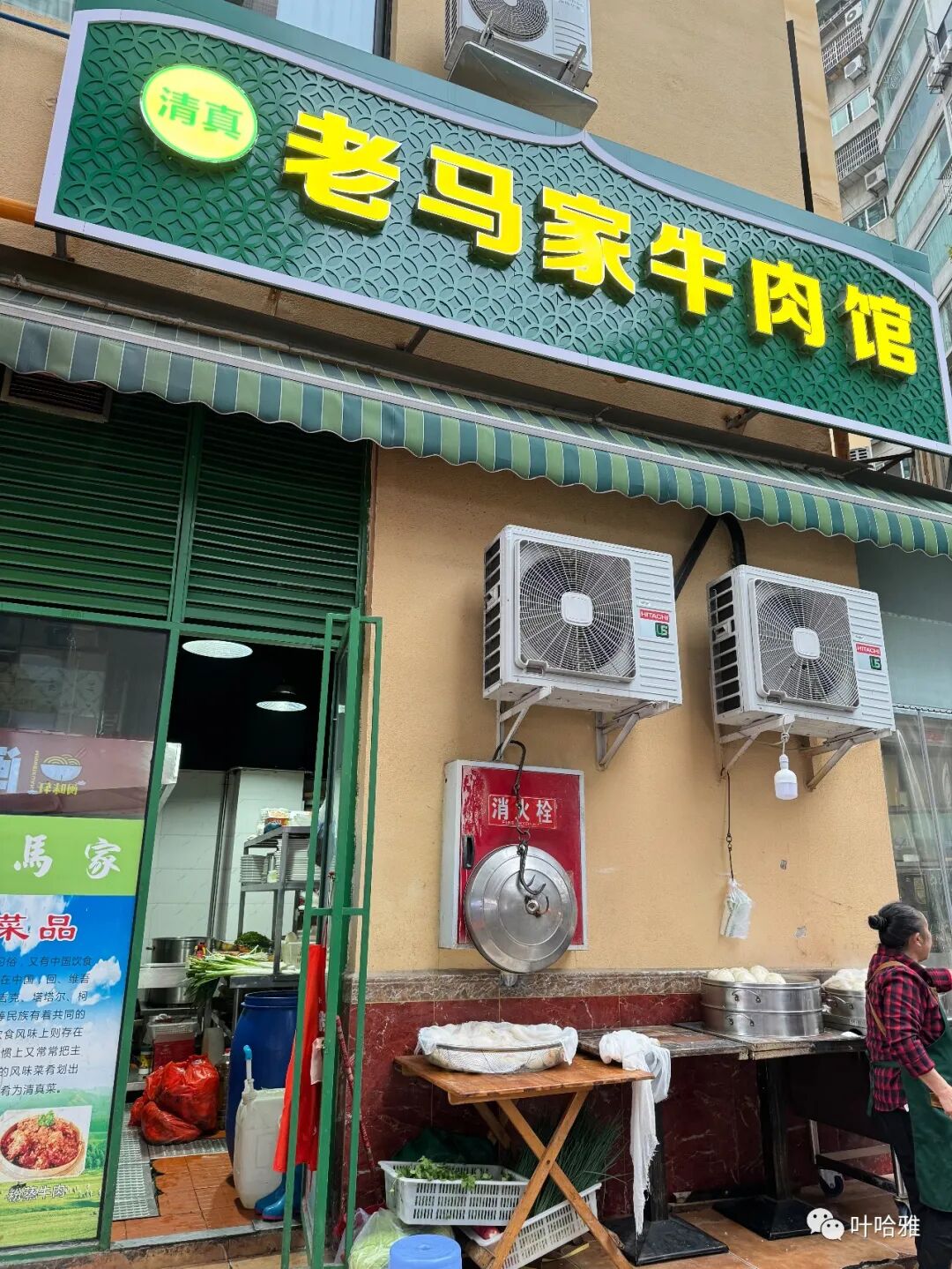
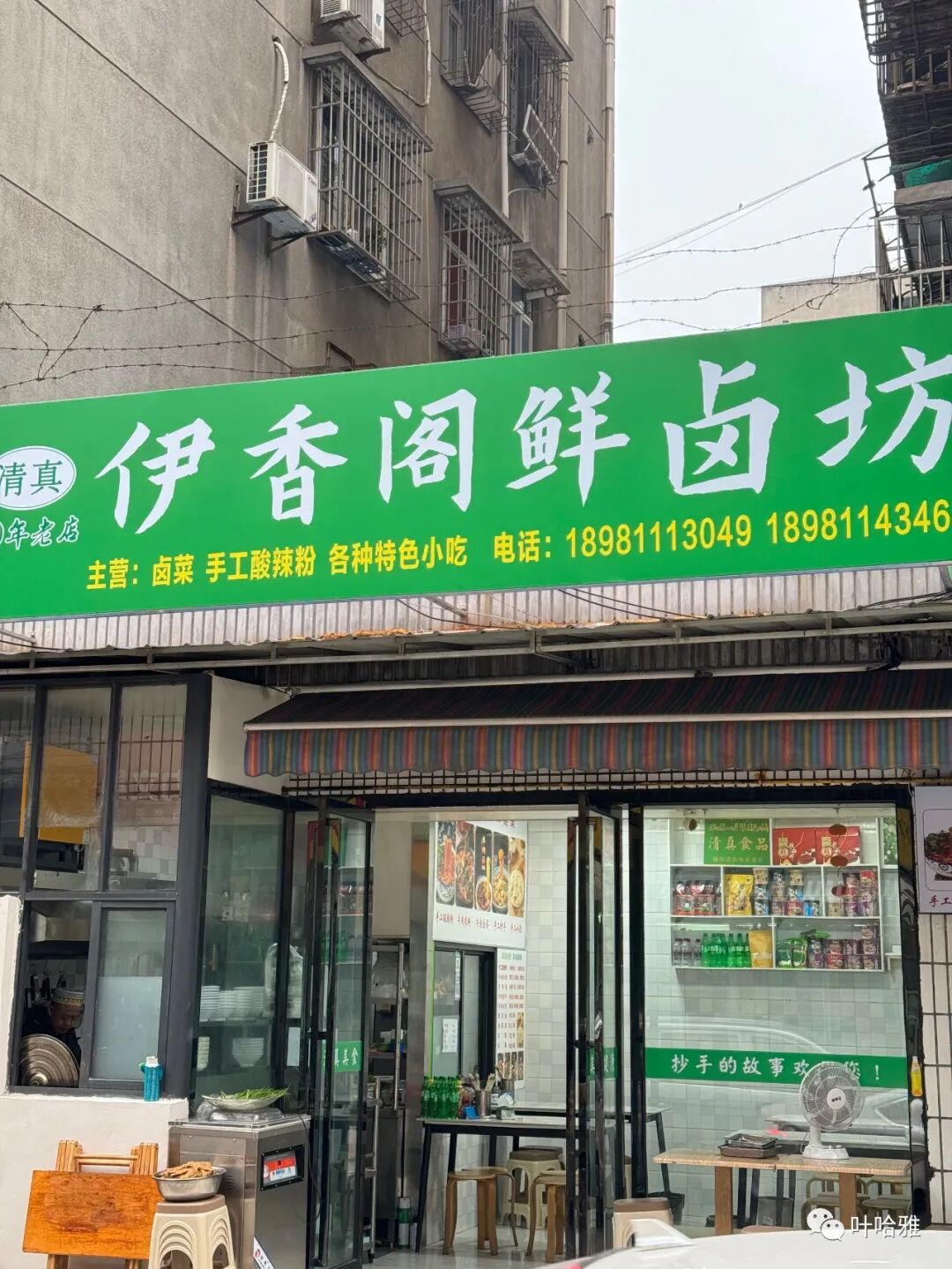
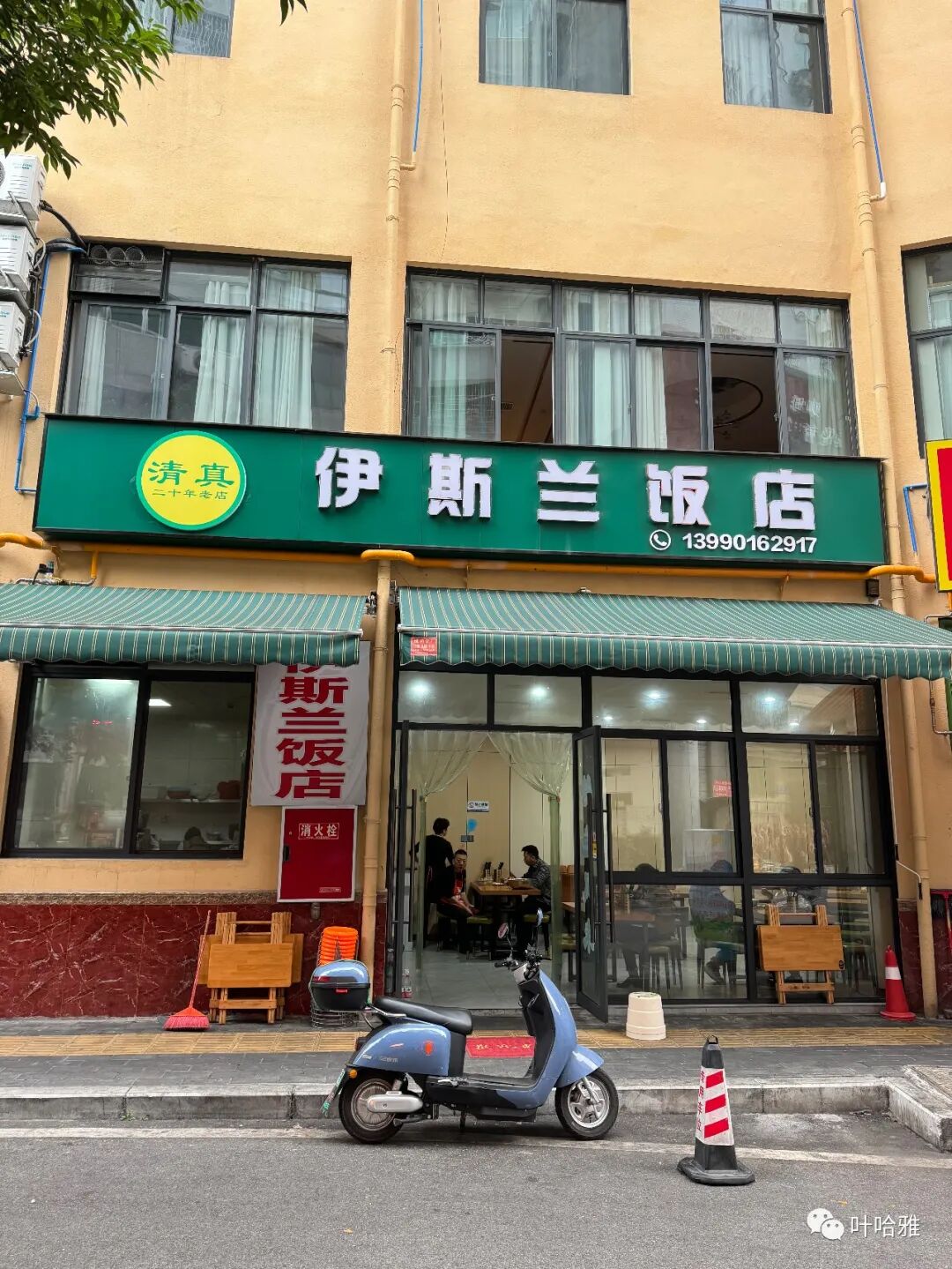
Below are halal eateries around the Fucheng Mosque in Mianyang, including snack shops, teahouses, and grocery stores.
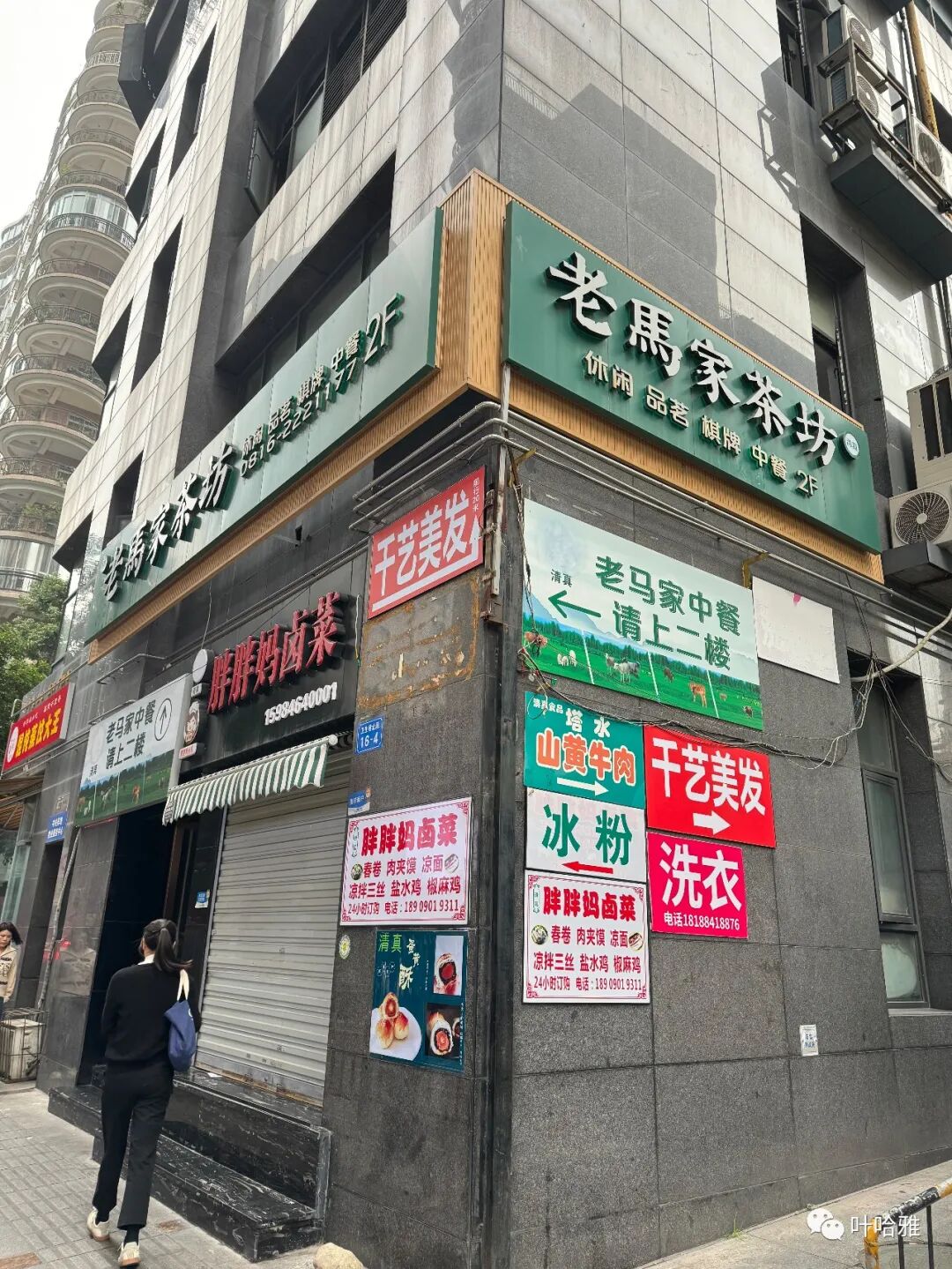
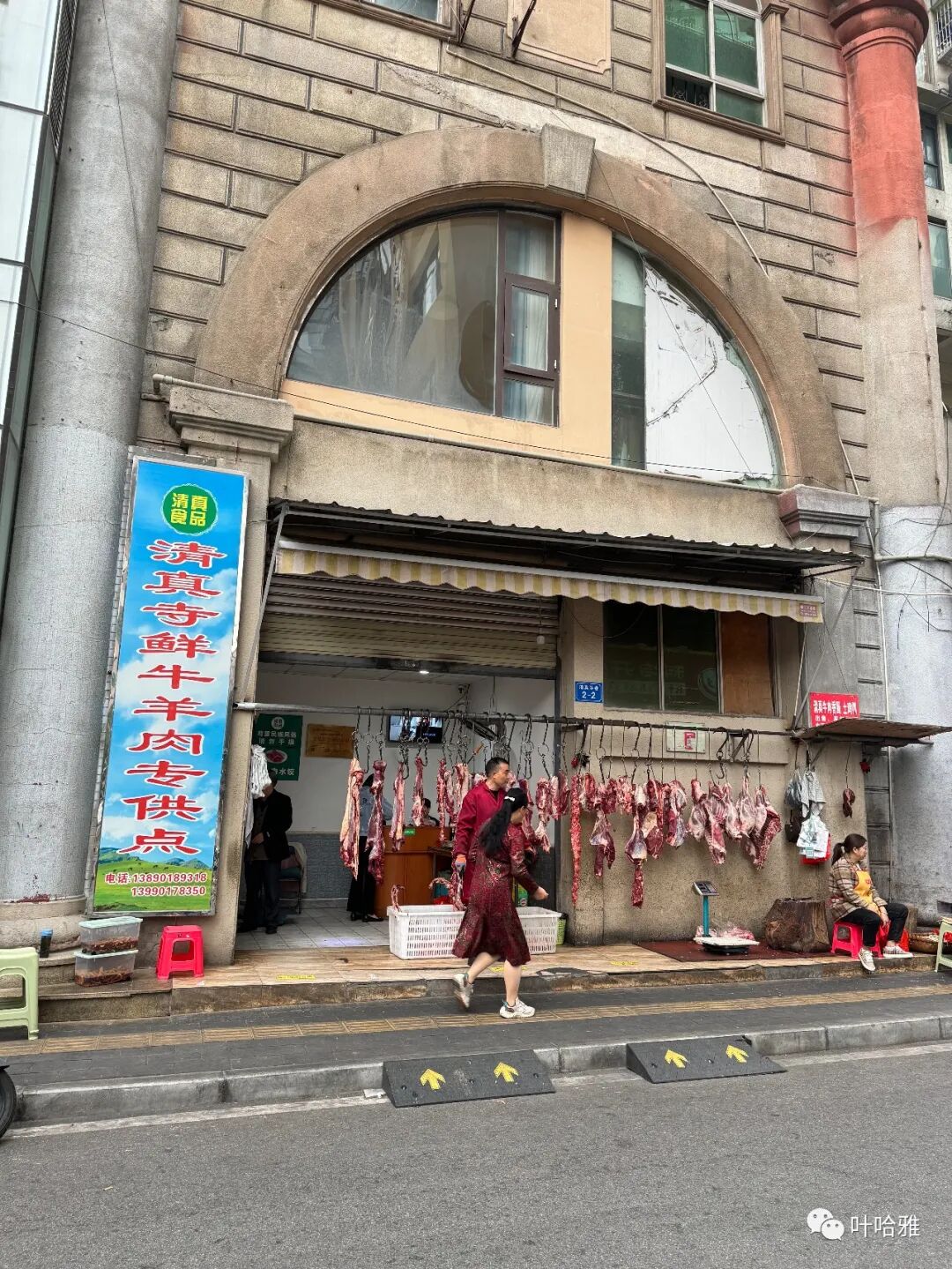
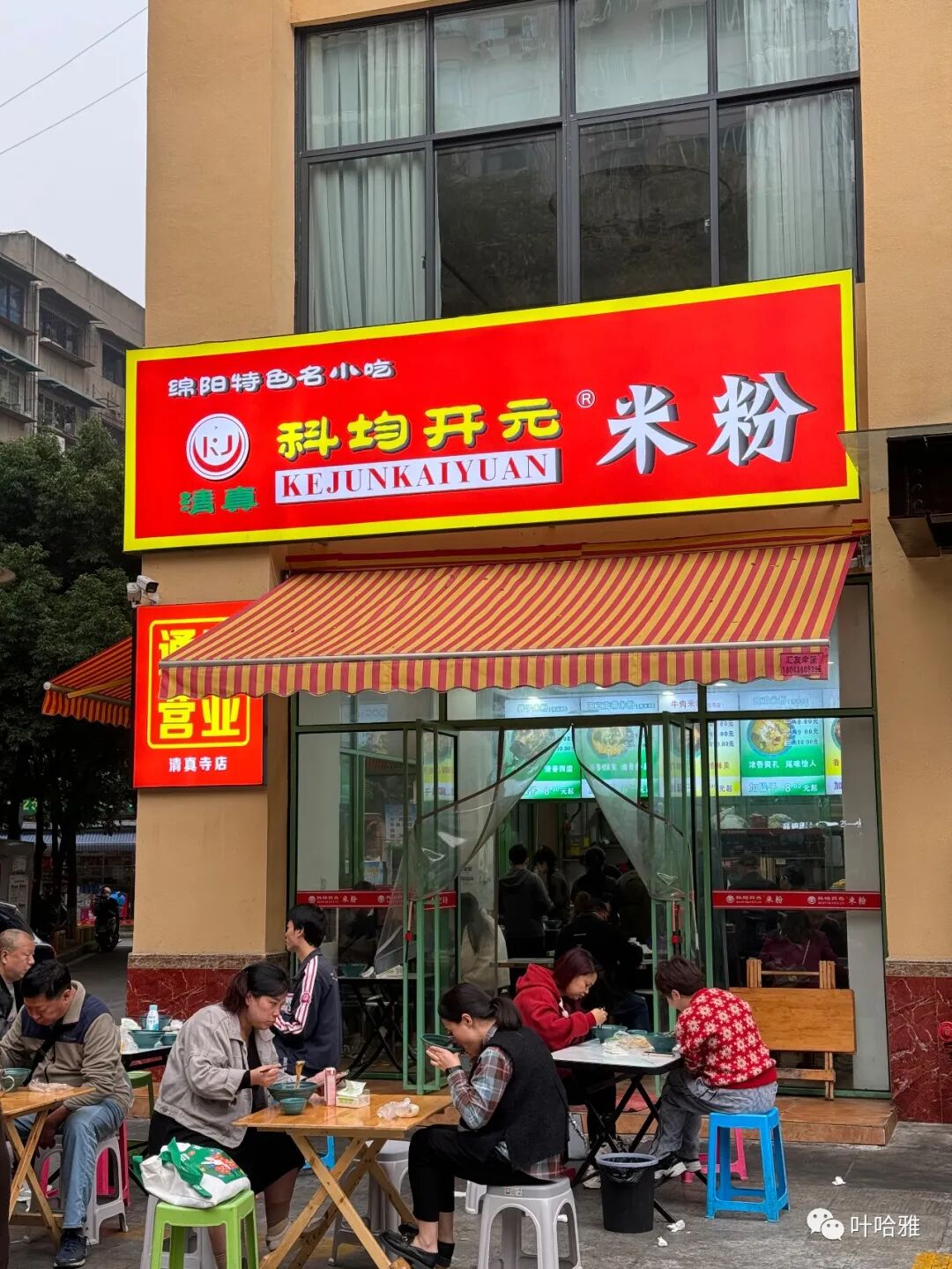
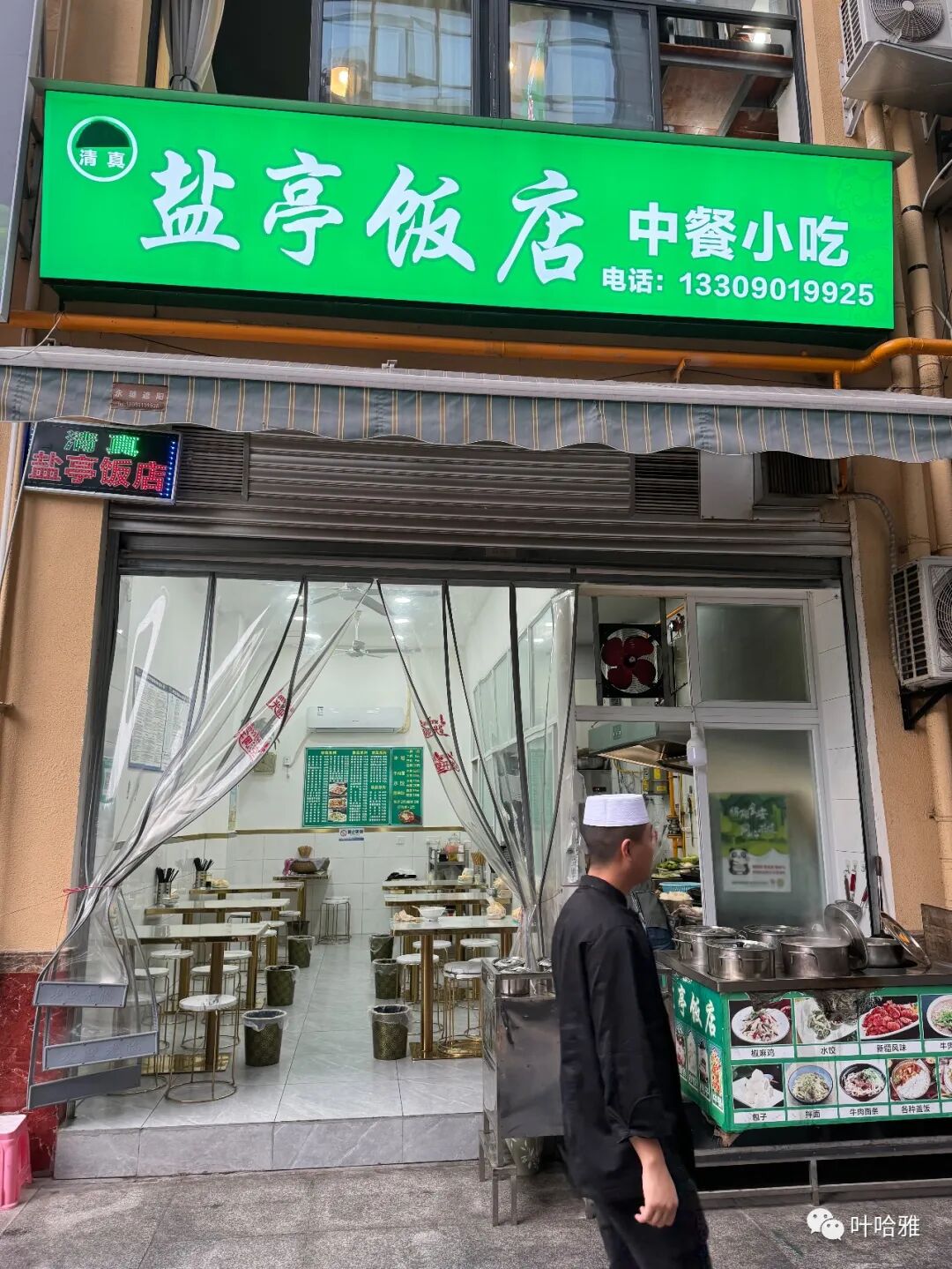
Wenji Night Banquet (Wenji Yeyan)
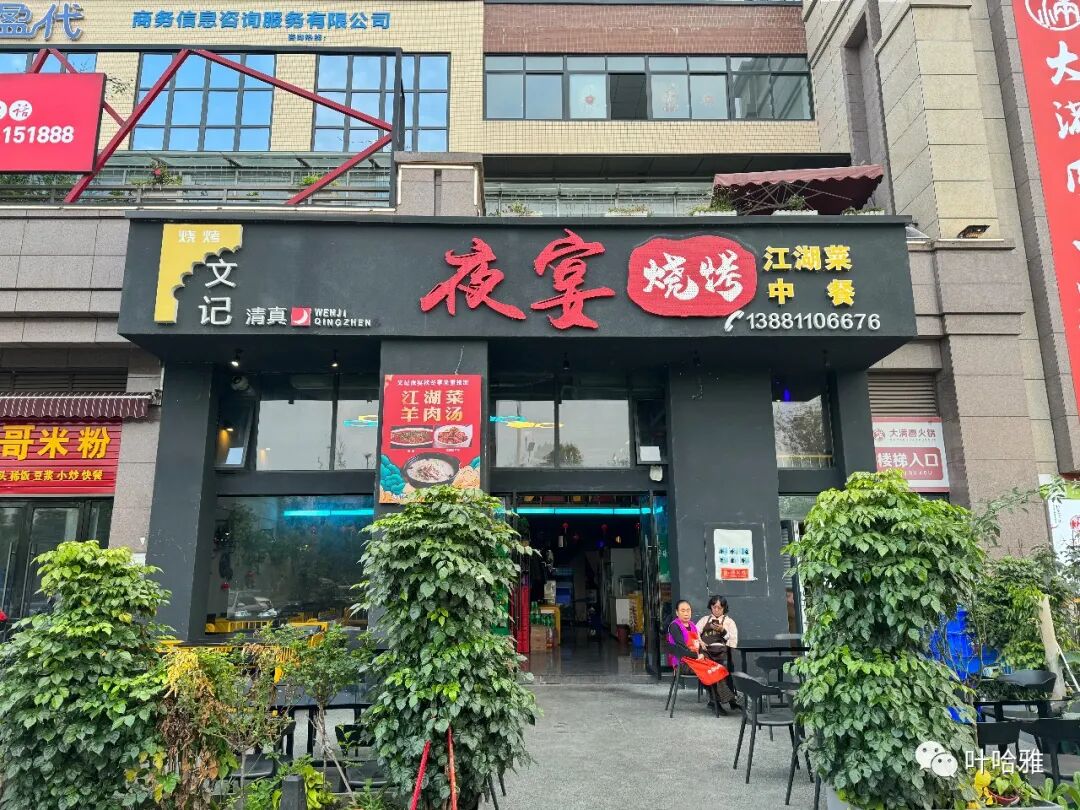
This is a halal restaurant in Mianyang that specializes in bold, local-style dishes. We already ate plenty of beef, so this meal focuses on fish. Mianyang has many ways to cook fish, and they serve types of river fish that are rarely seen in the north.
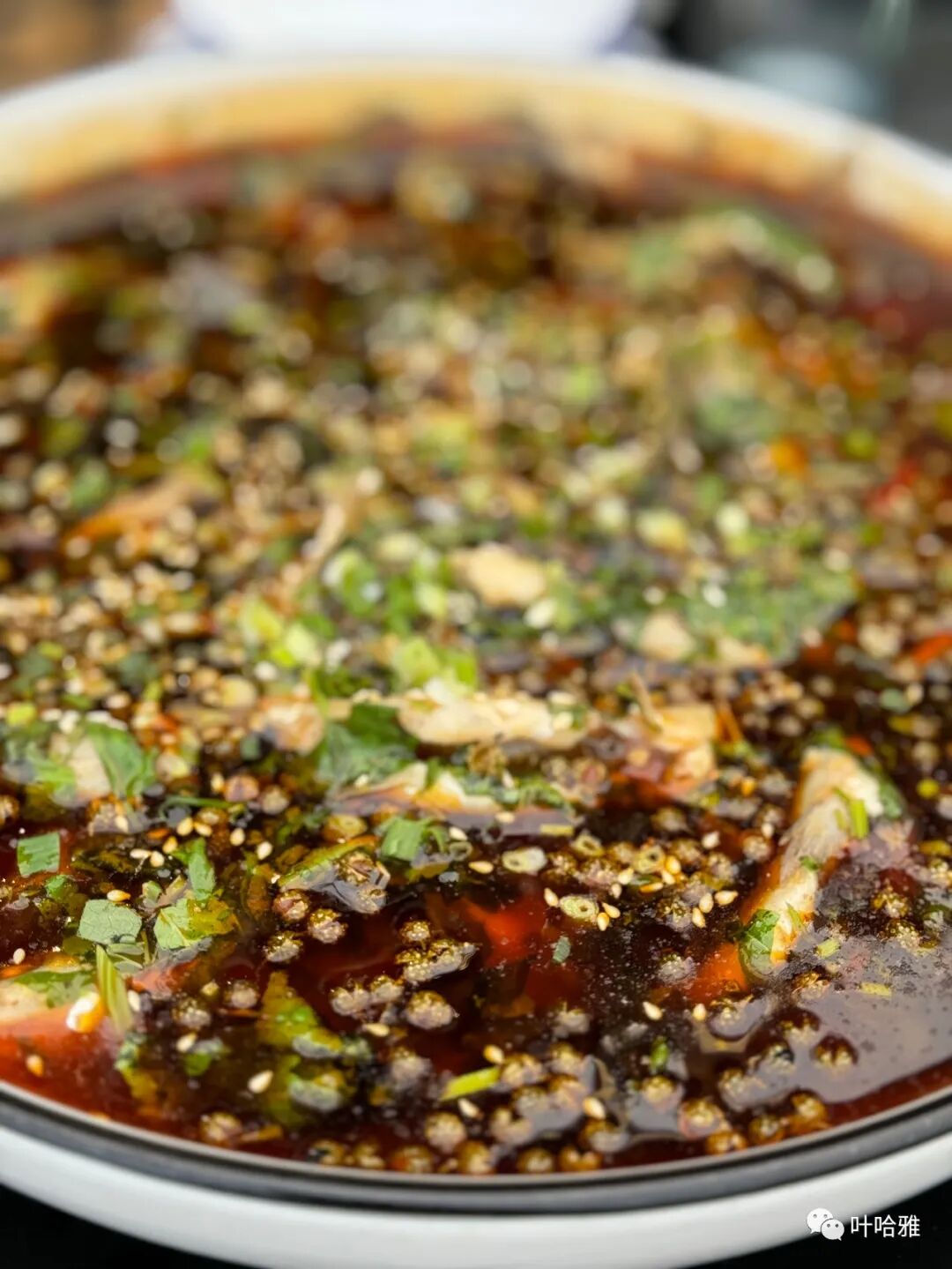
Fish with giant hyssop (huoxiang liugen yu)
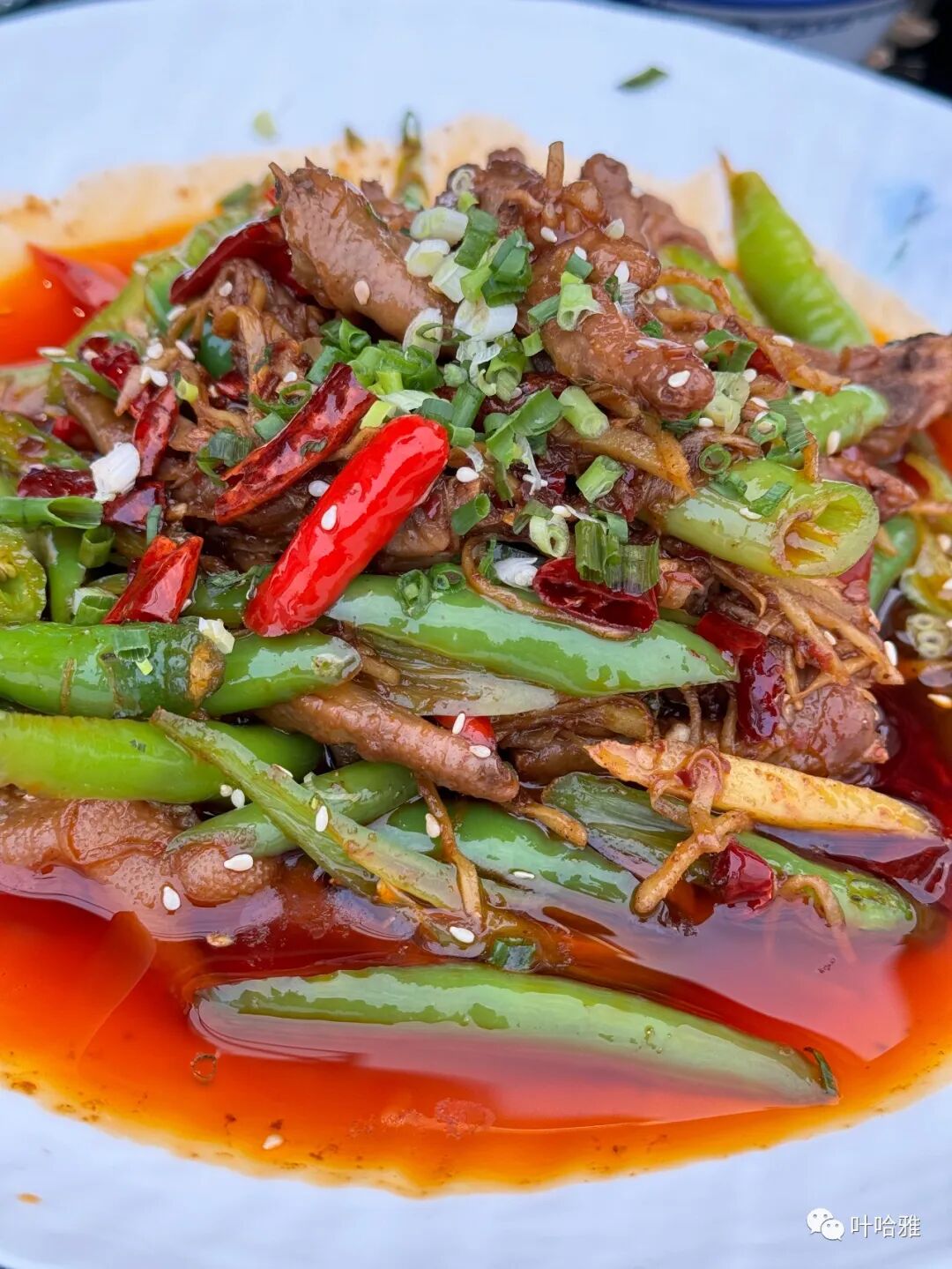
Chicken feet with green peppers (qingjiao fengzhua)
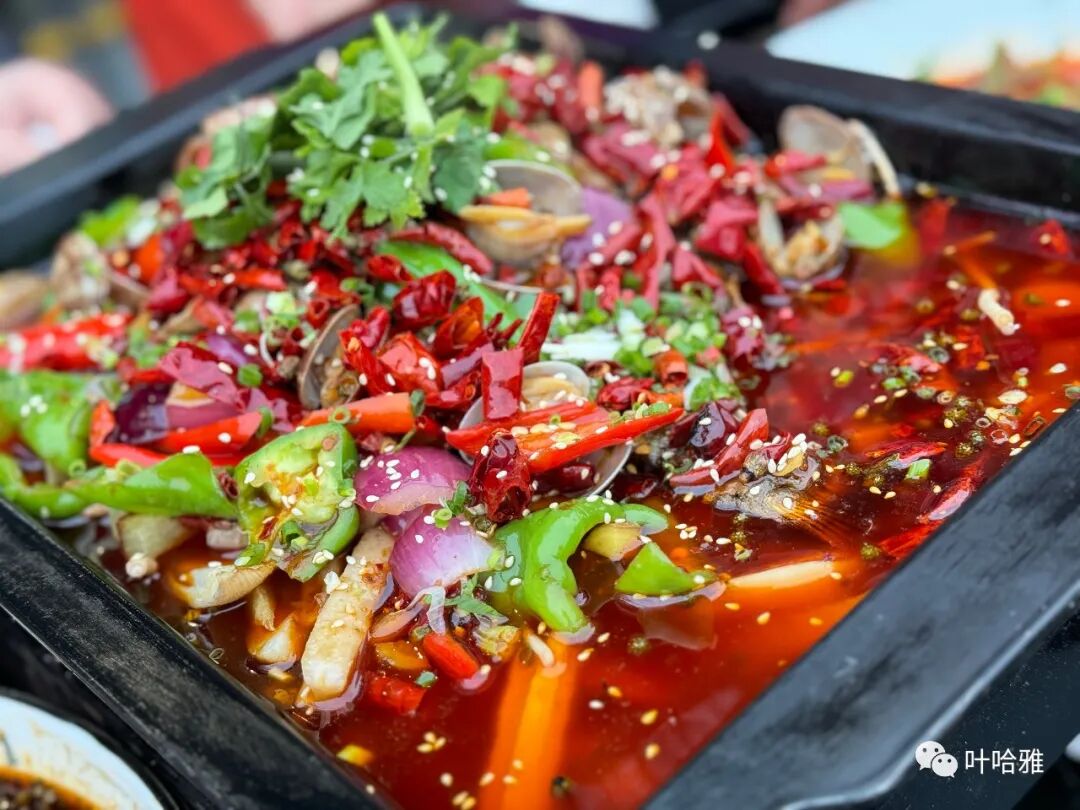
Spicy grilled fish (mala kaoyu)
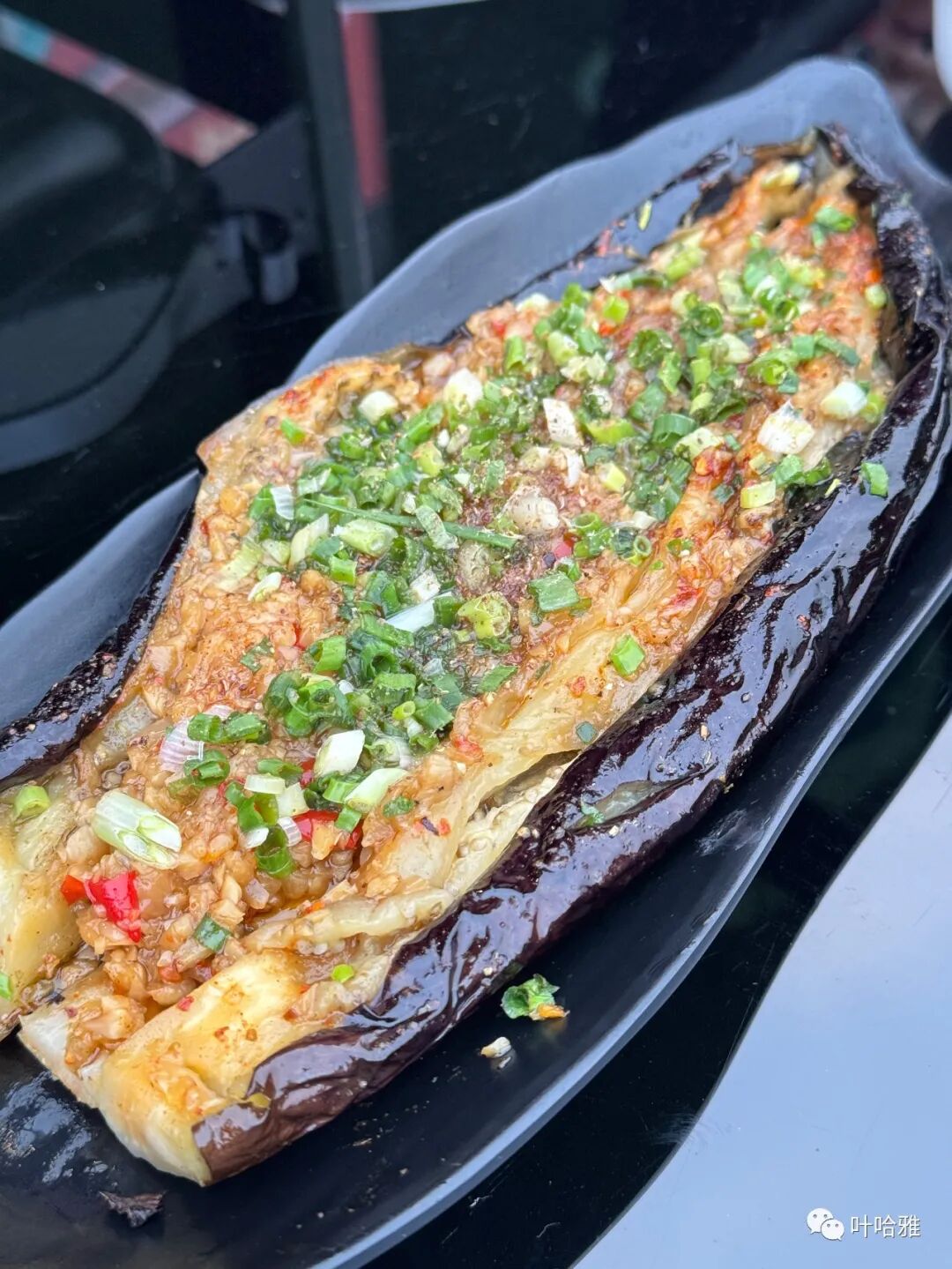
Grilled eggplant (kao qiezi)
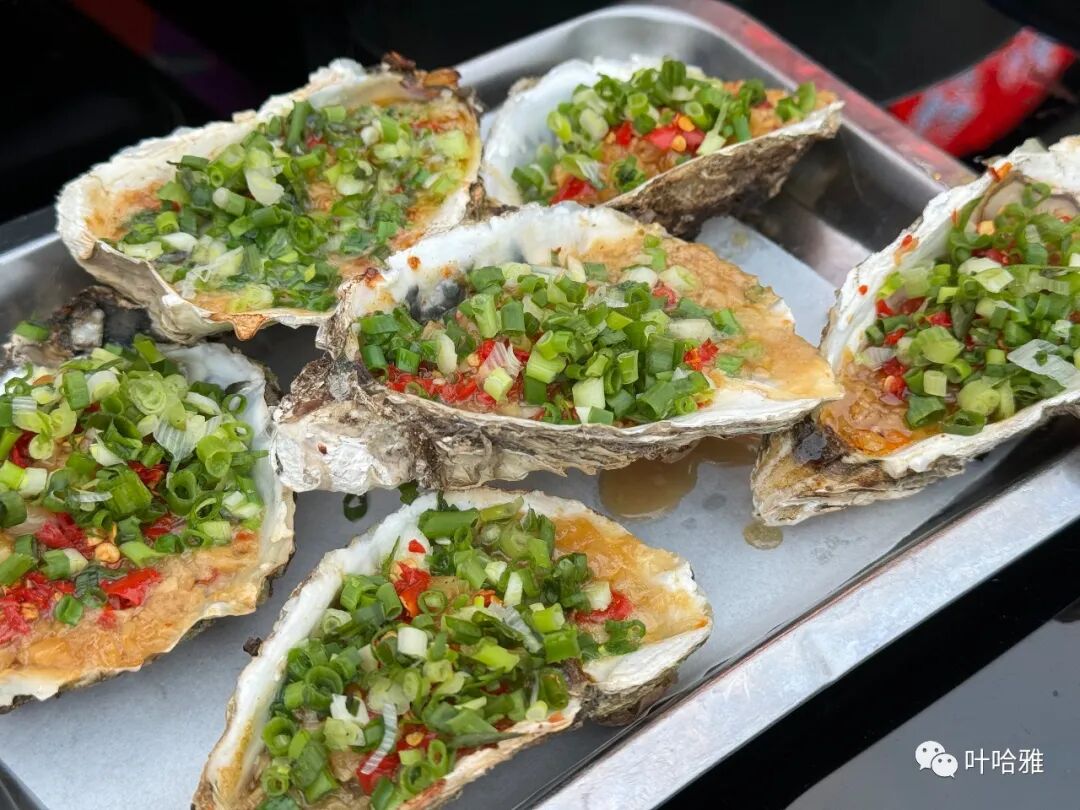
Grilled oysters (kao shenghao)
Pinyuexuan
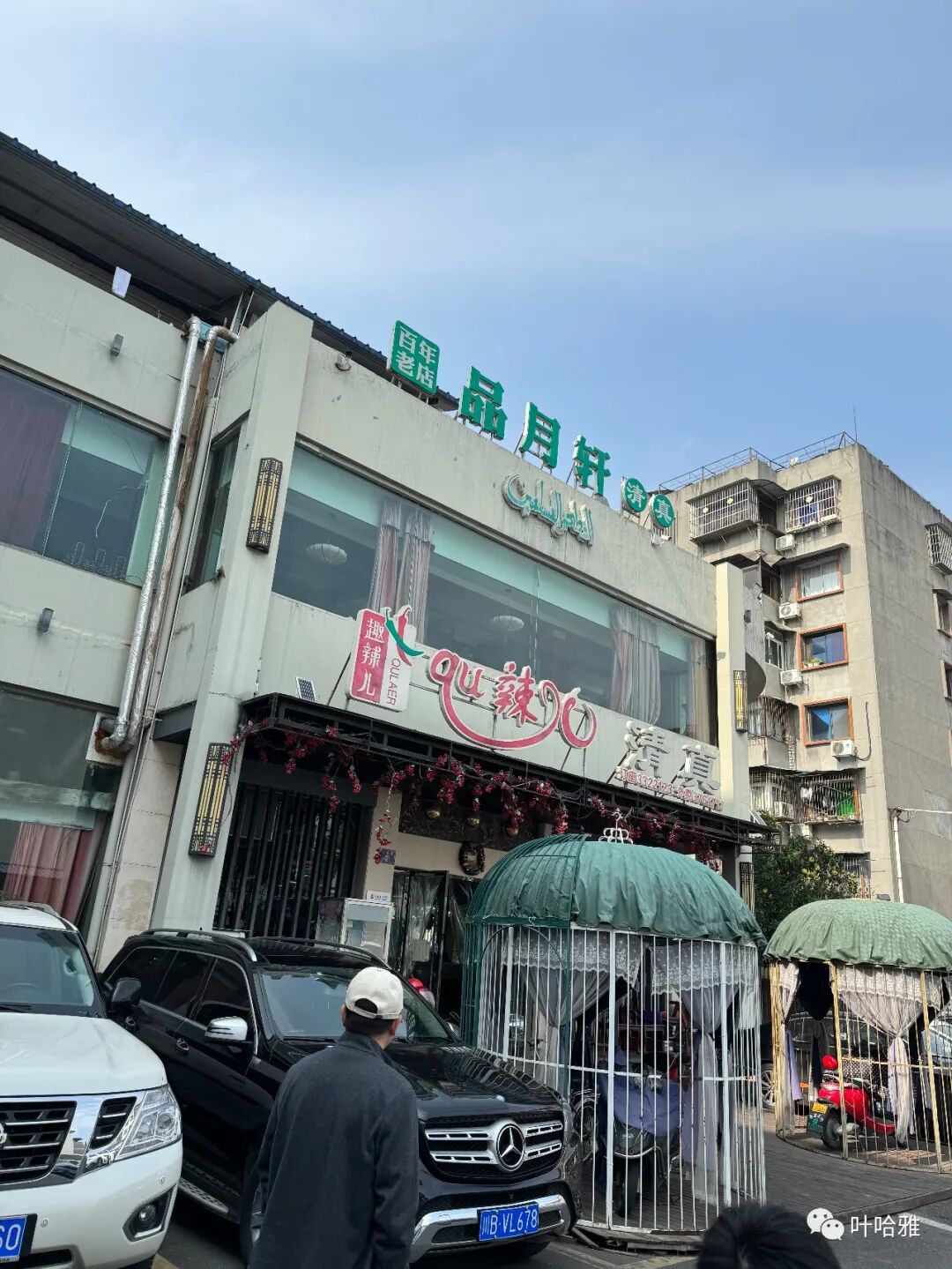
Pinyuexuan is a long-standing Sichuan restaurant in Jiangyou, Mianyang. It has been open for at least twenty years and is the largest halal restaurant in the Jiangyou area.
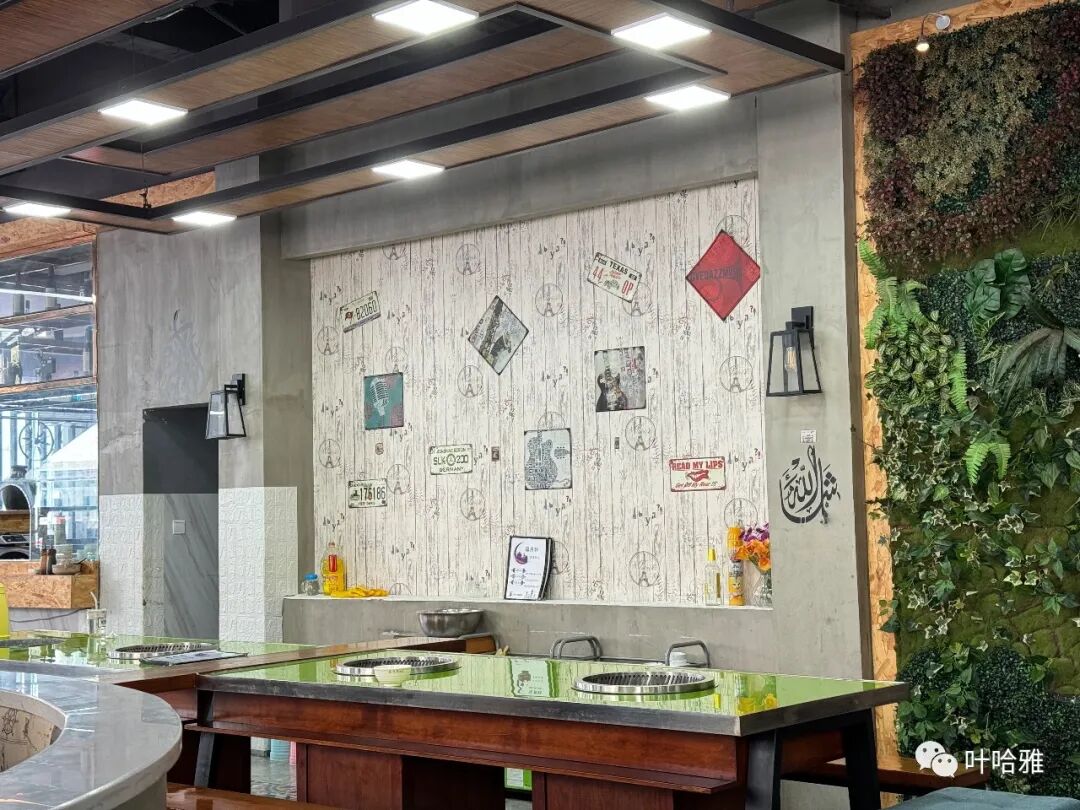
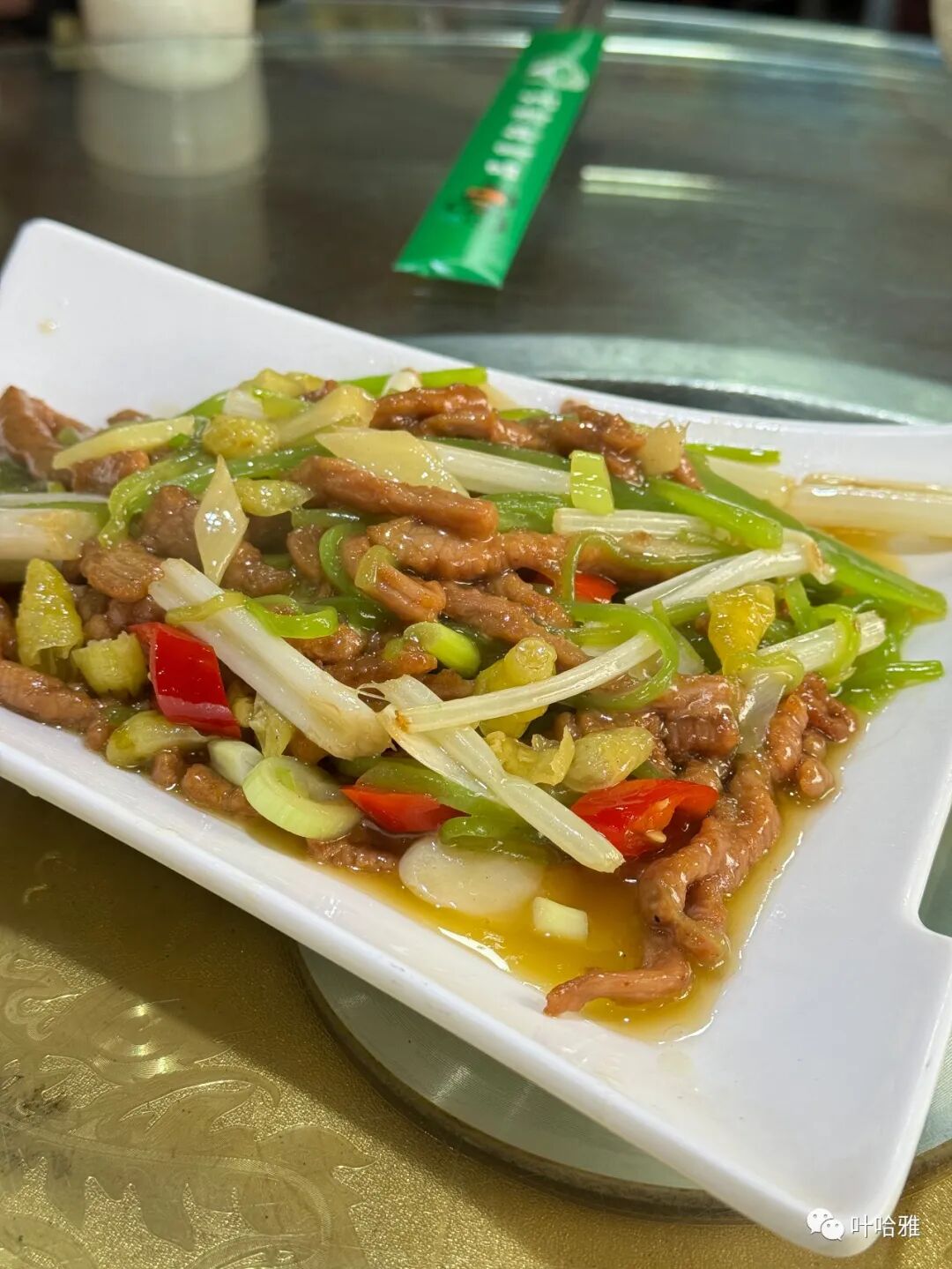
Stir-fried celery with meat (qincai chaorou)
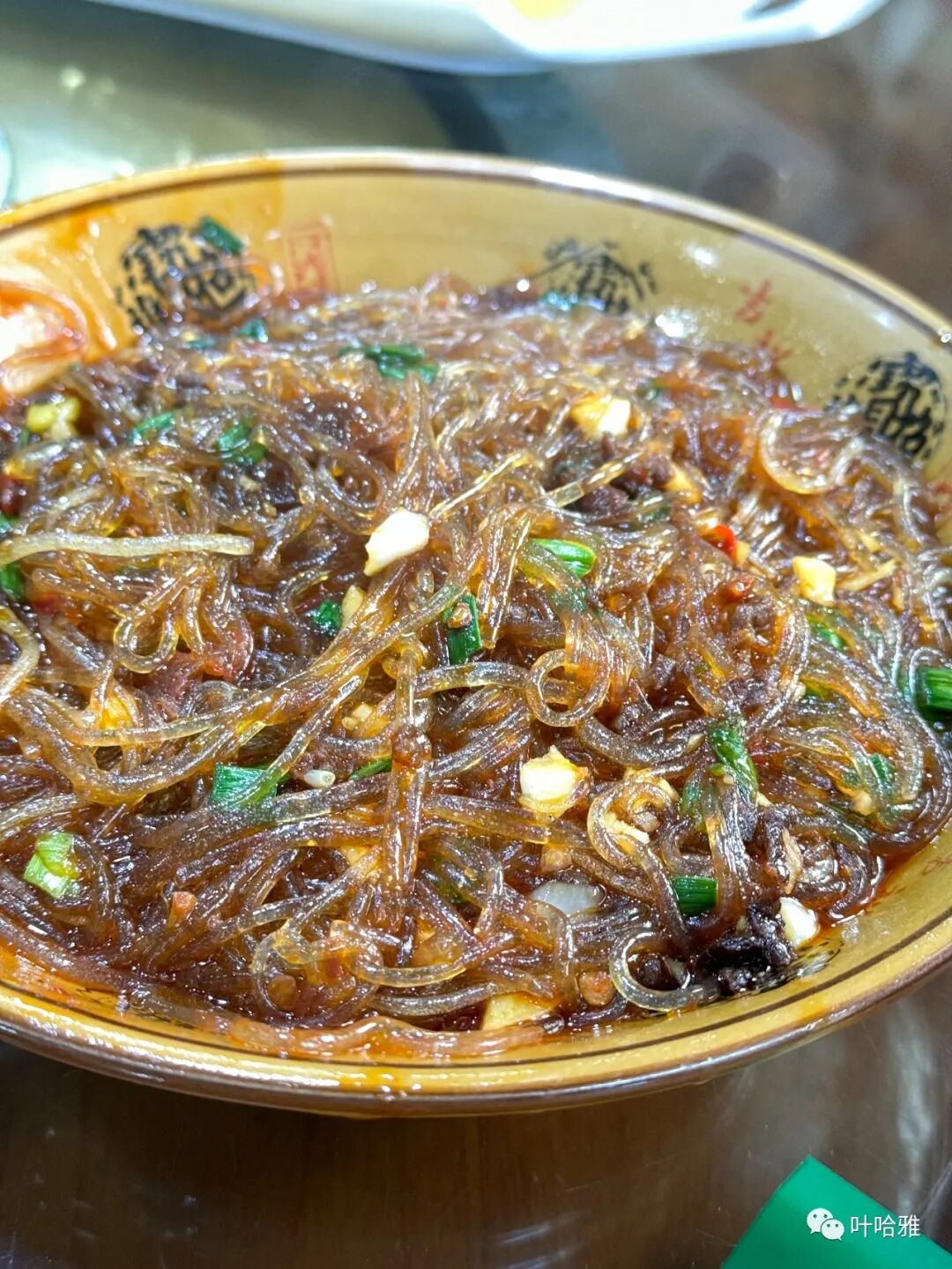
Vermicelli with minced meat (mayi shangshu)
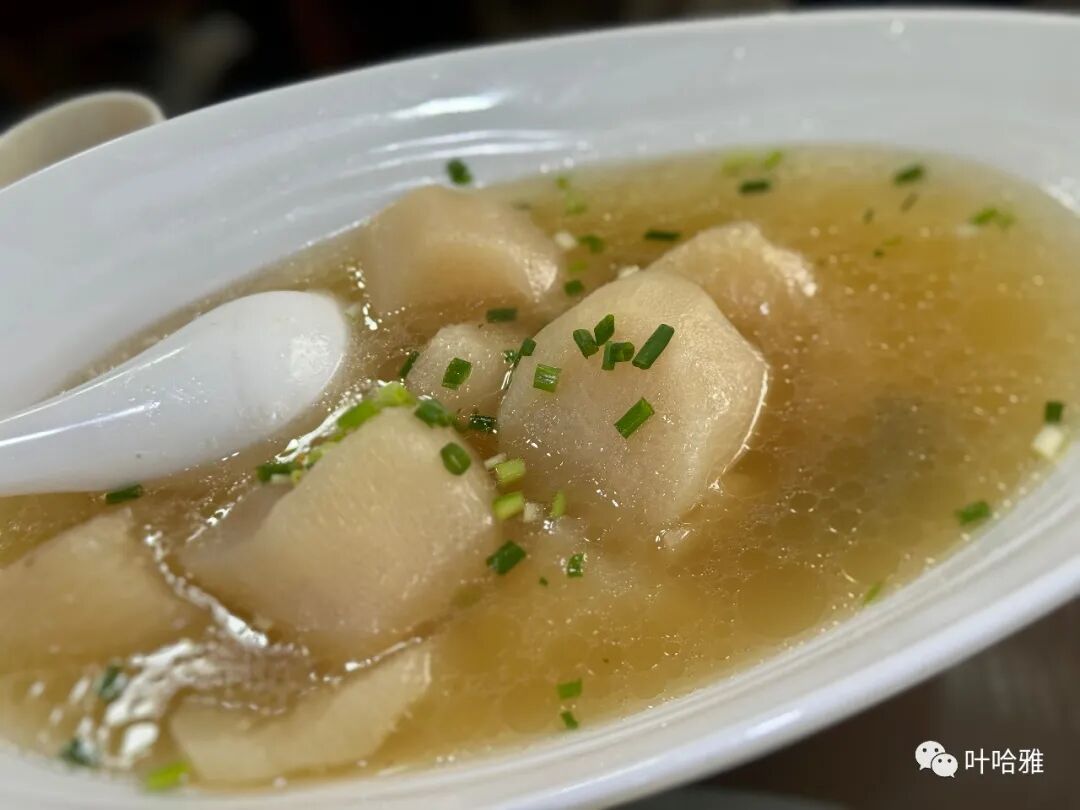
Radish soup (luobo tang)
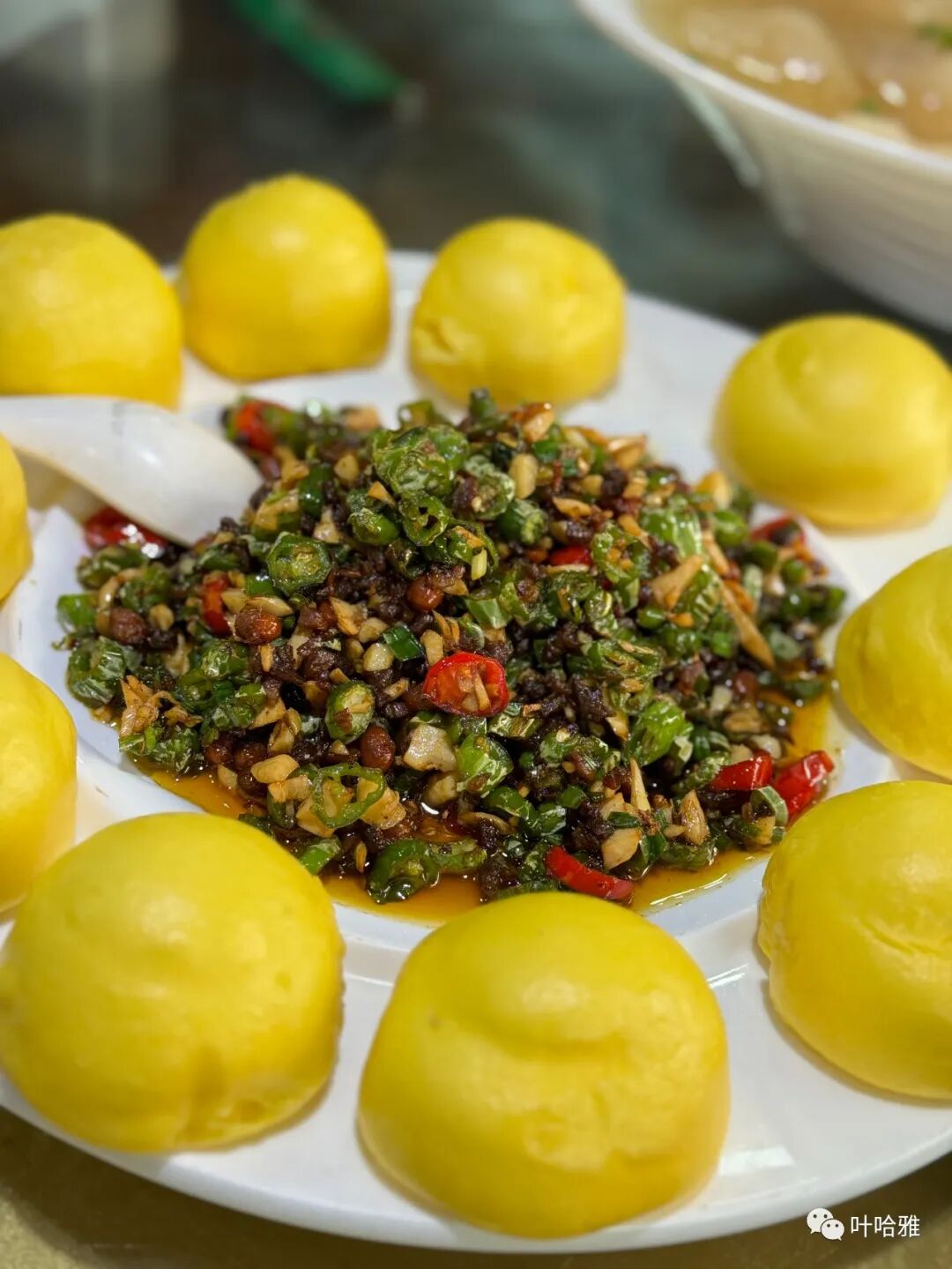
Diced beef with green peppers served with corn buns (qingjiao niurouli pei wotou)
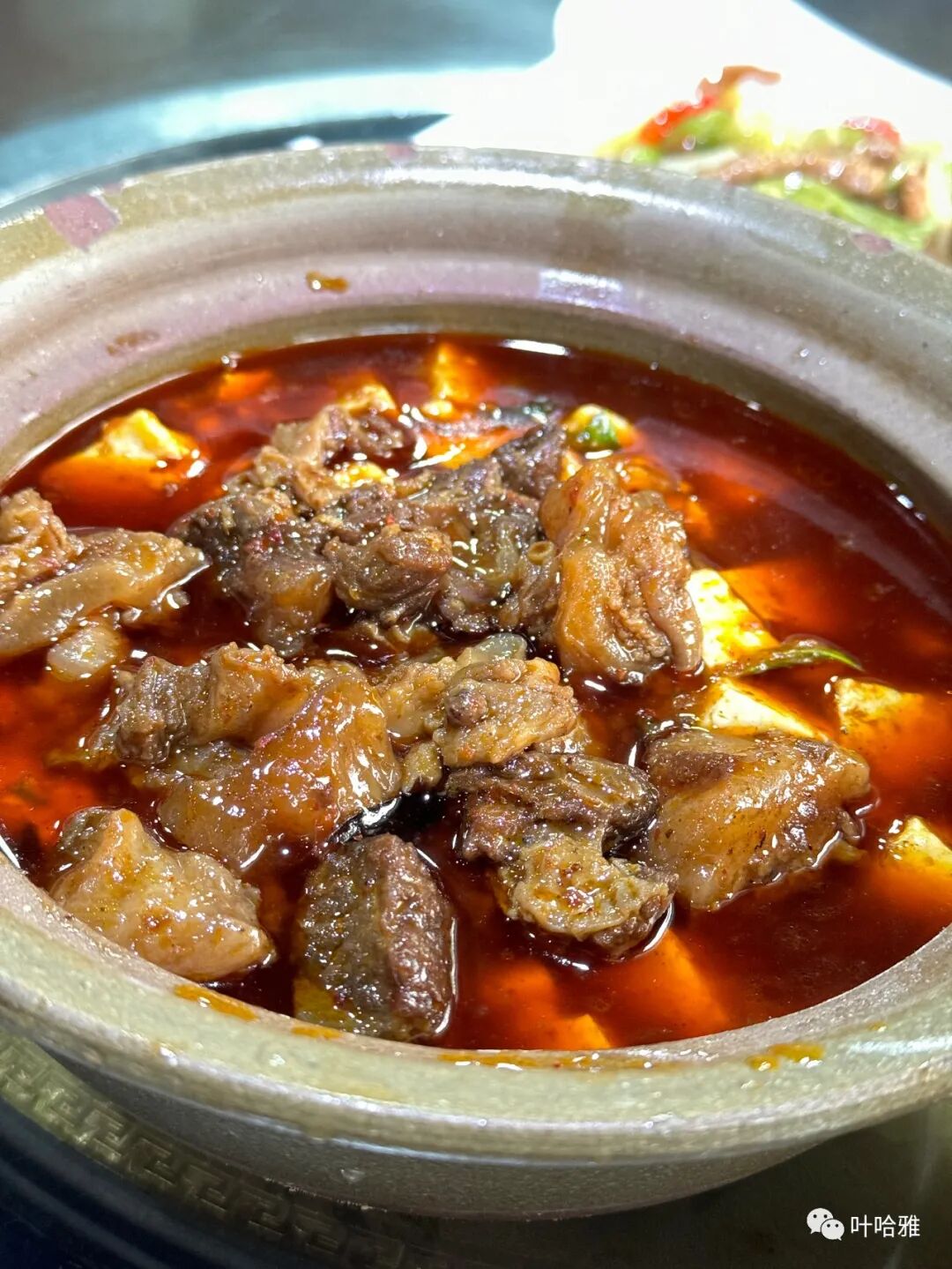
Beef brisket stewed with tofu (niunan dun doufu)
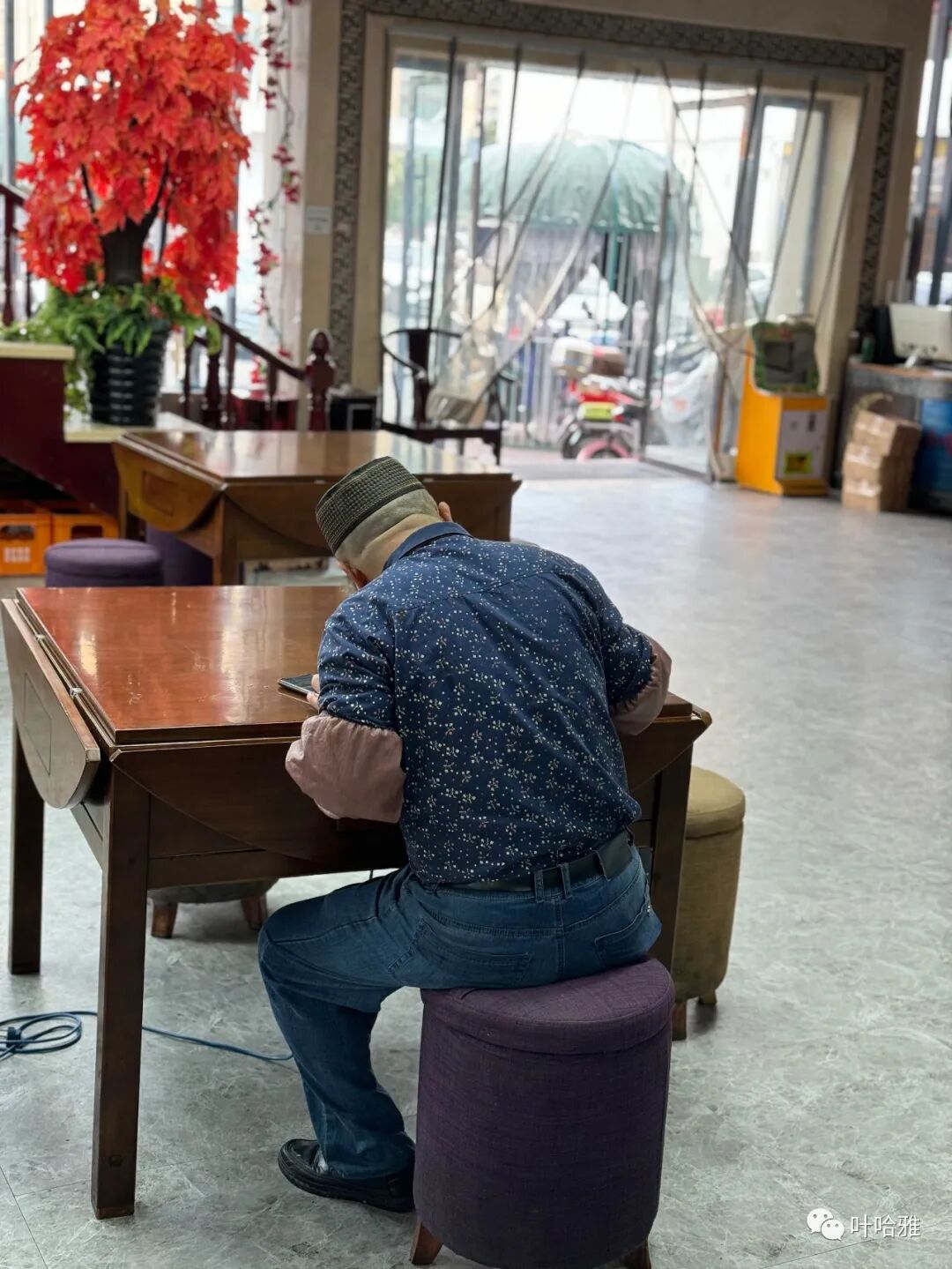
The owner of Pinyuexuan seen from behind. He is very welcoming, and we greeted each other with salaam.
Deyang, Xiaoquan Ancient Town, Huilanyuan Slaughterhouse Hot Pot
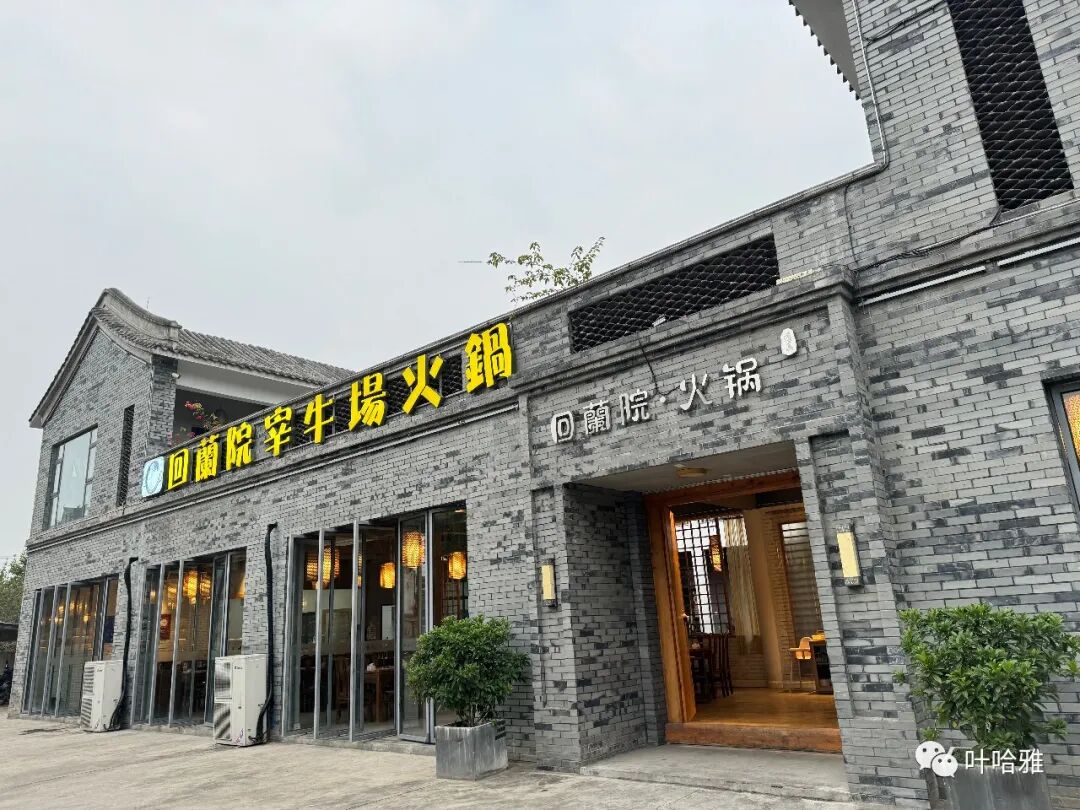
It takes about an hour to drive from Mianyang to Deyang. In Xiaoquan Ancient Town, there is a street dedicated to halal food.
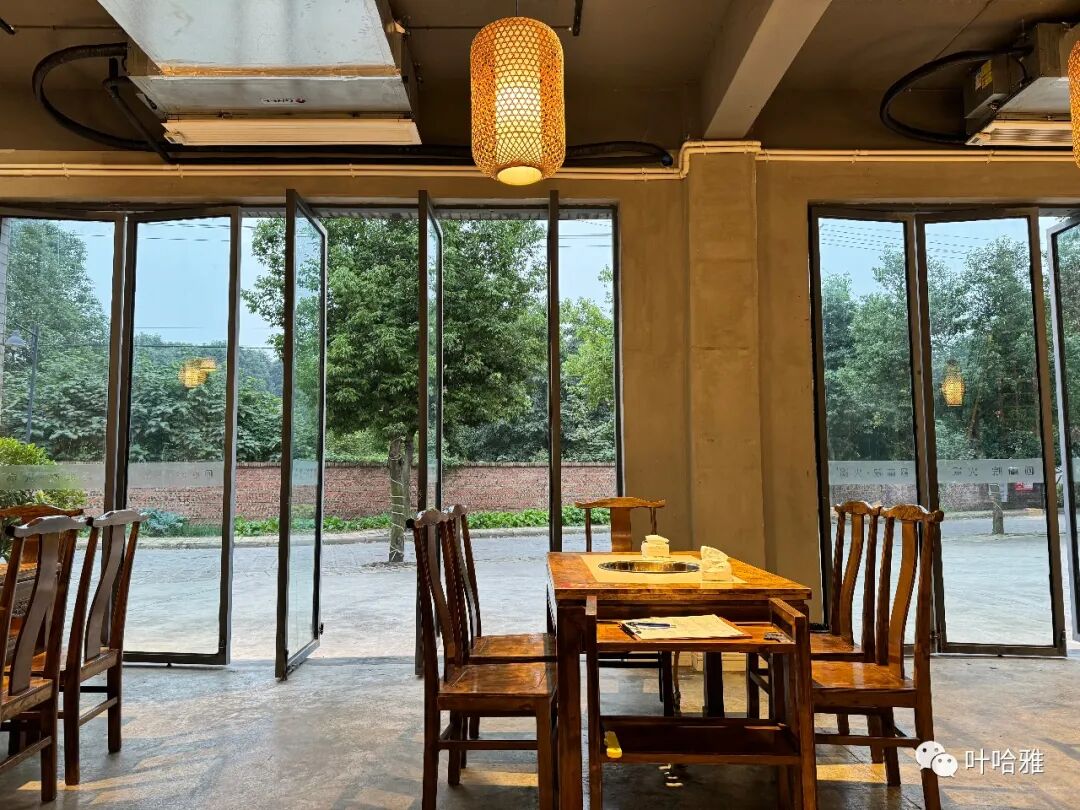
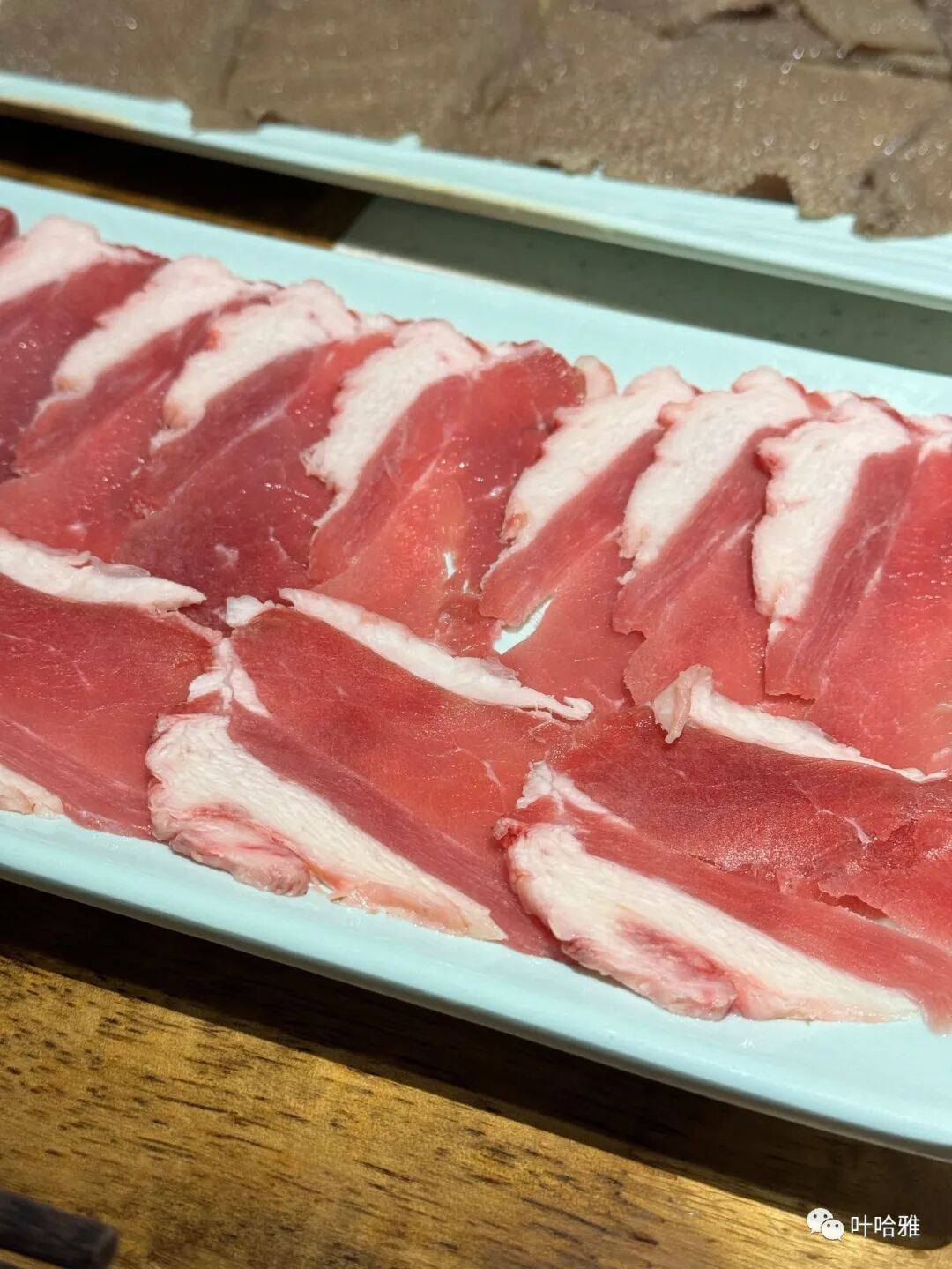
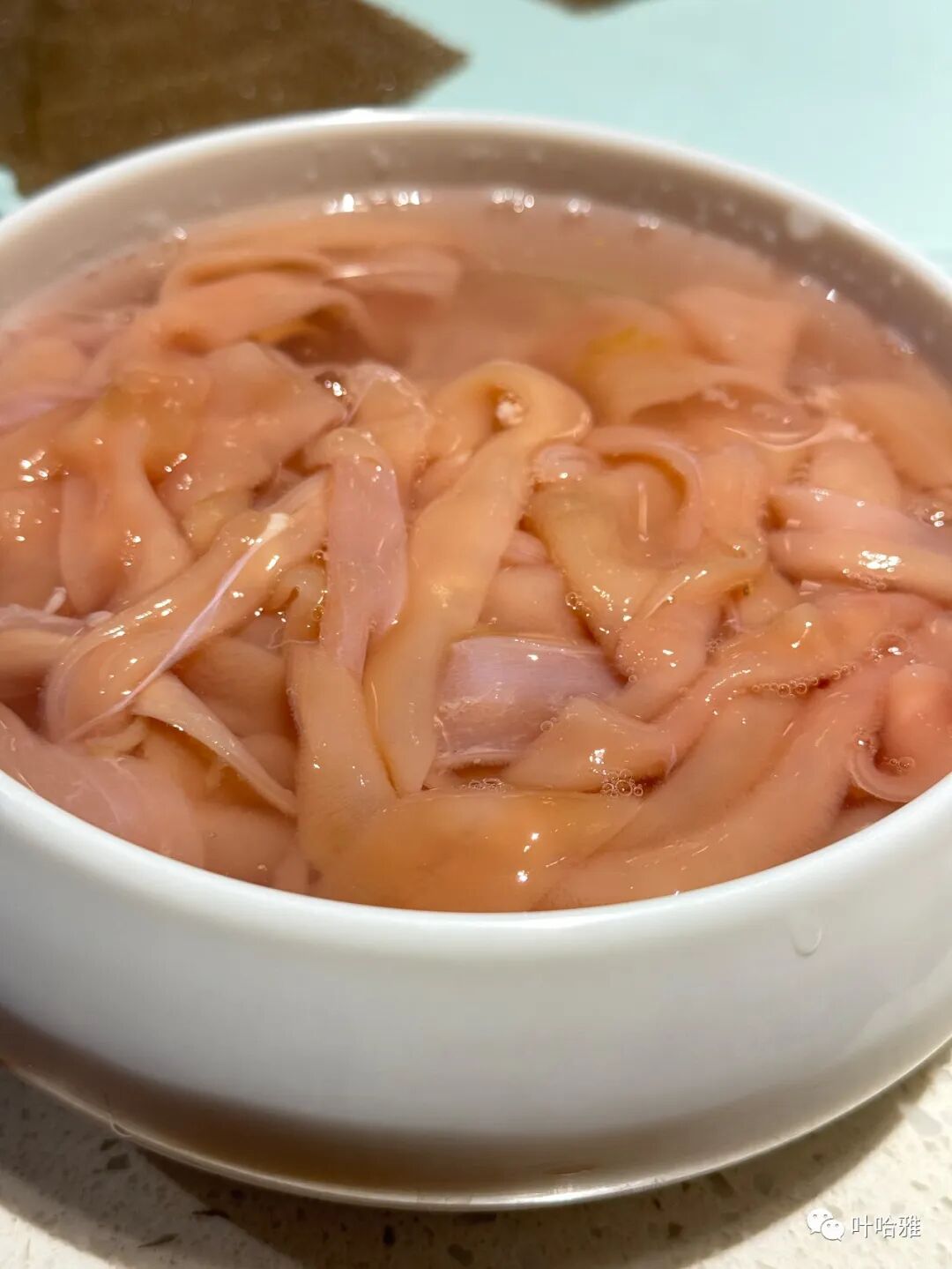
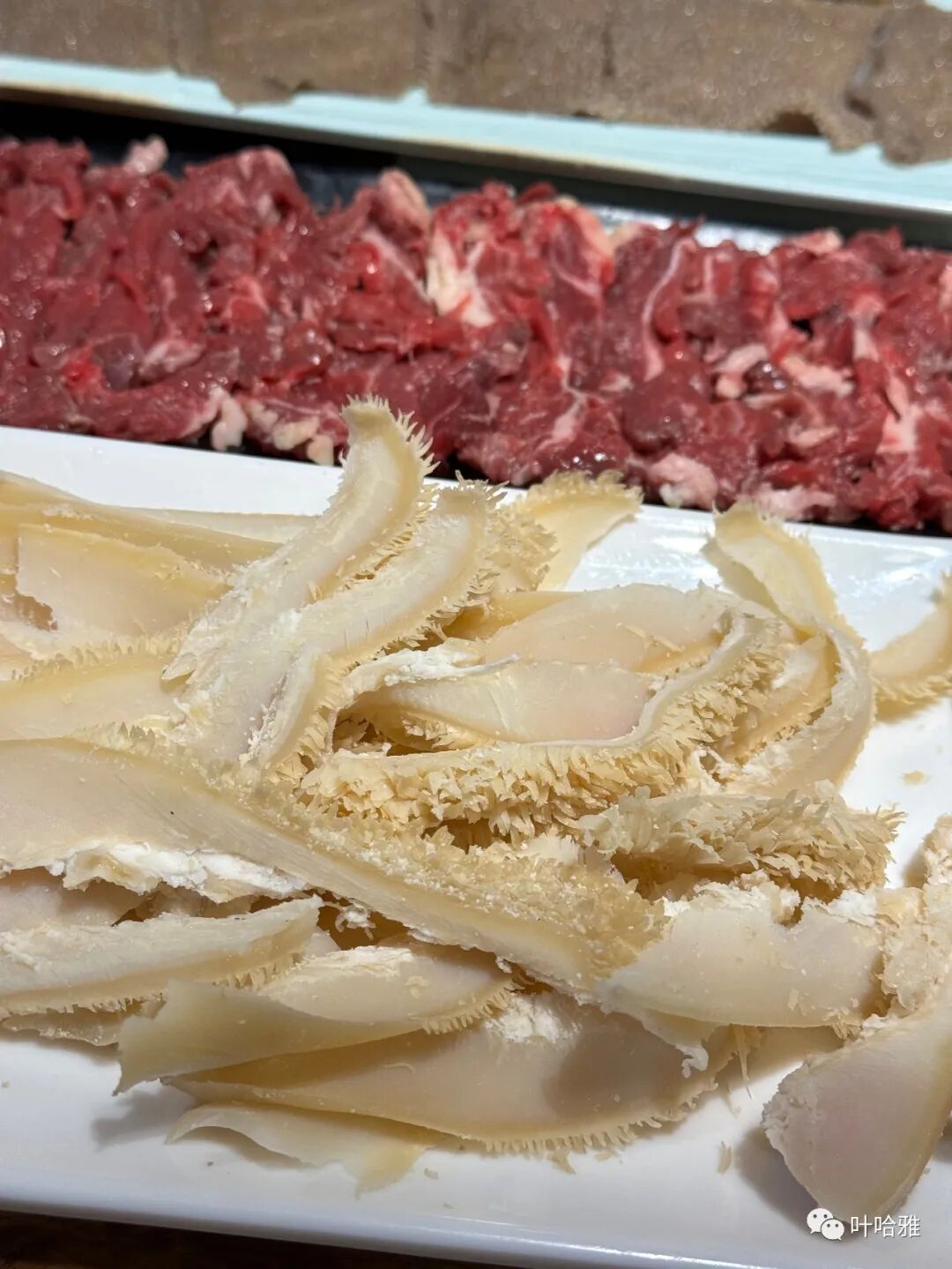
This local halal hot pot restaurant has been open for six years in a very quiet setting. The meat comes from the slaughterhouse right next door, which has its own professional butchers. We even ran into one of the butchers while we were praying at the Xiaoquan Mosque.
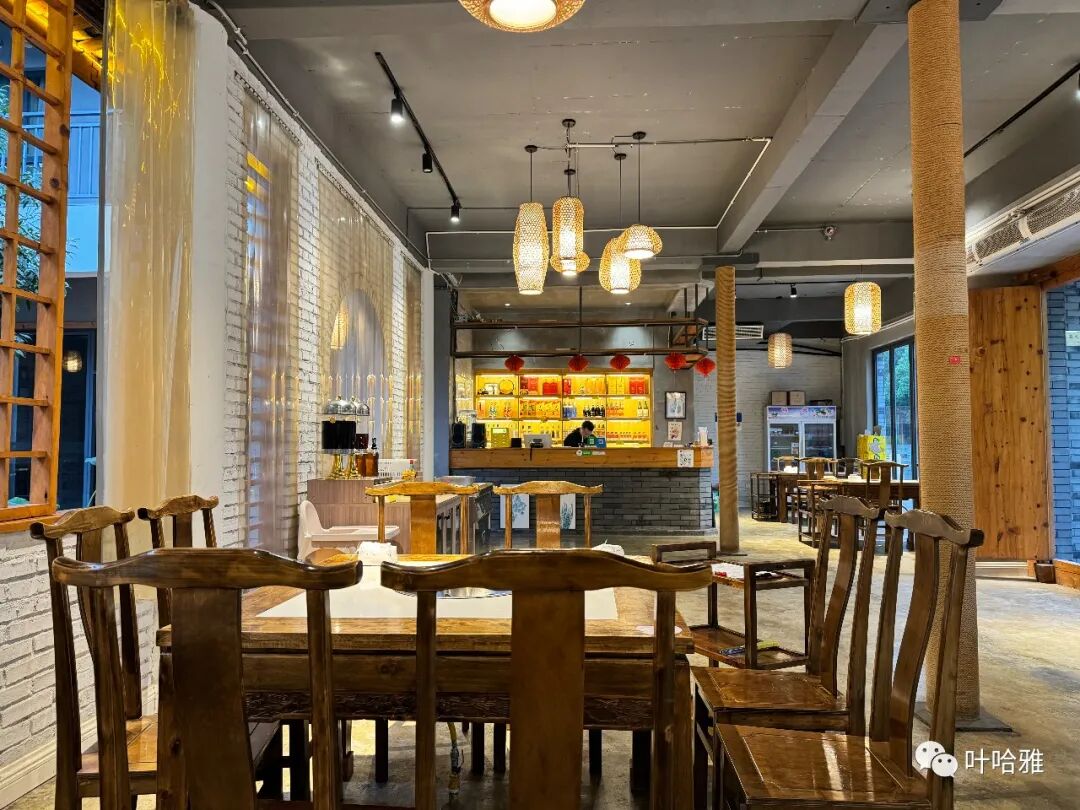
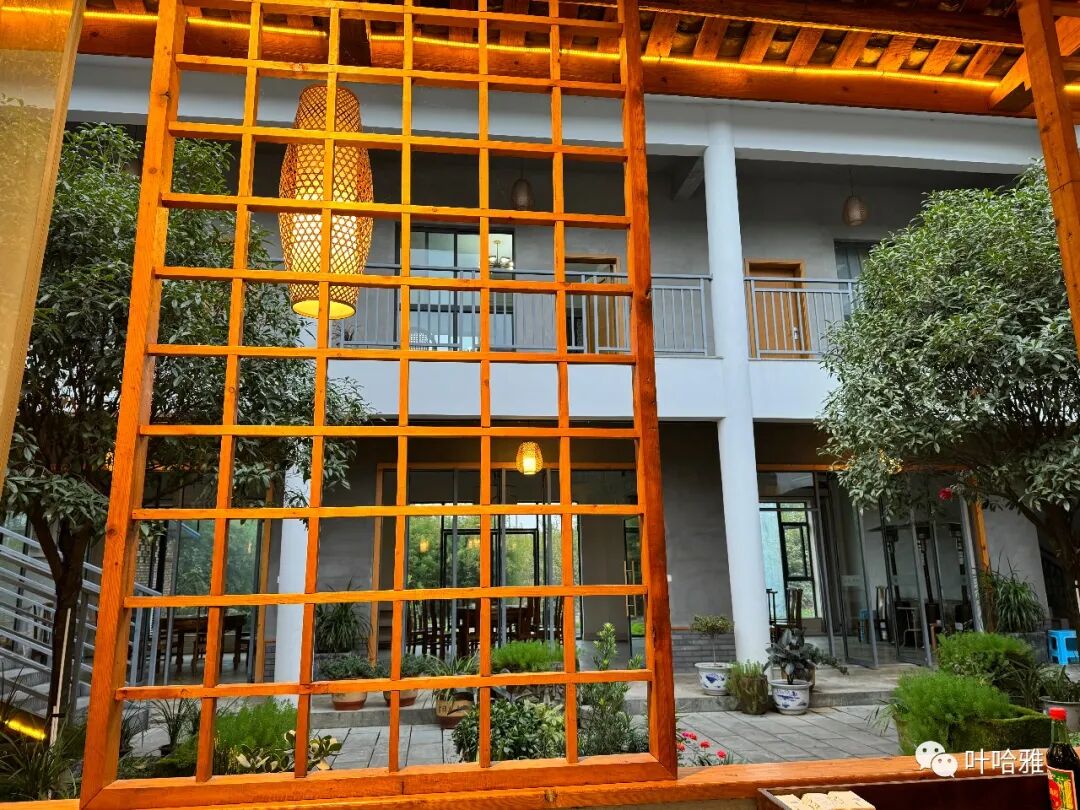
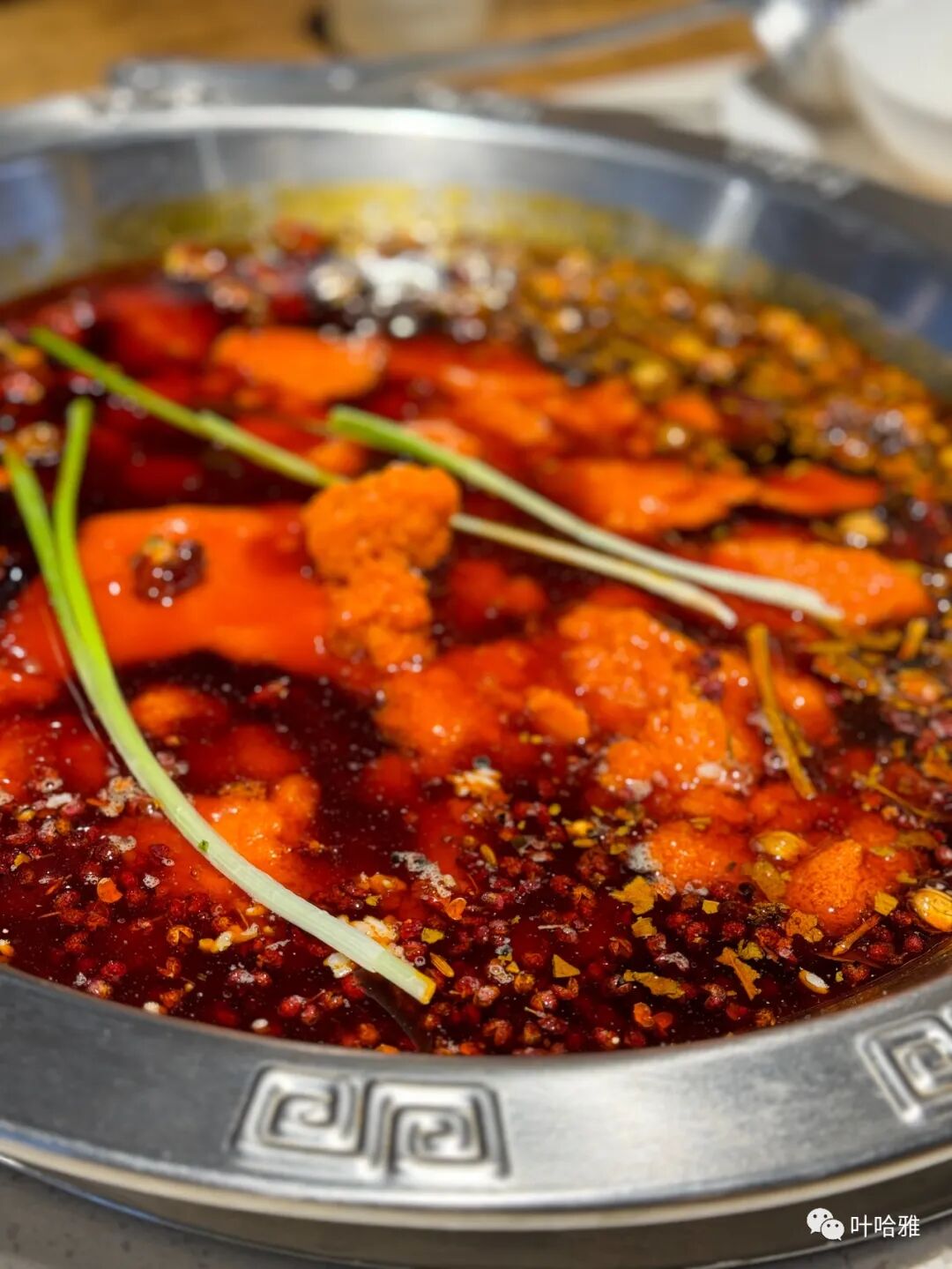
We chose a mild spicy beef tallow hot pot. It did not taste too spicy to me; the flavor was just right.
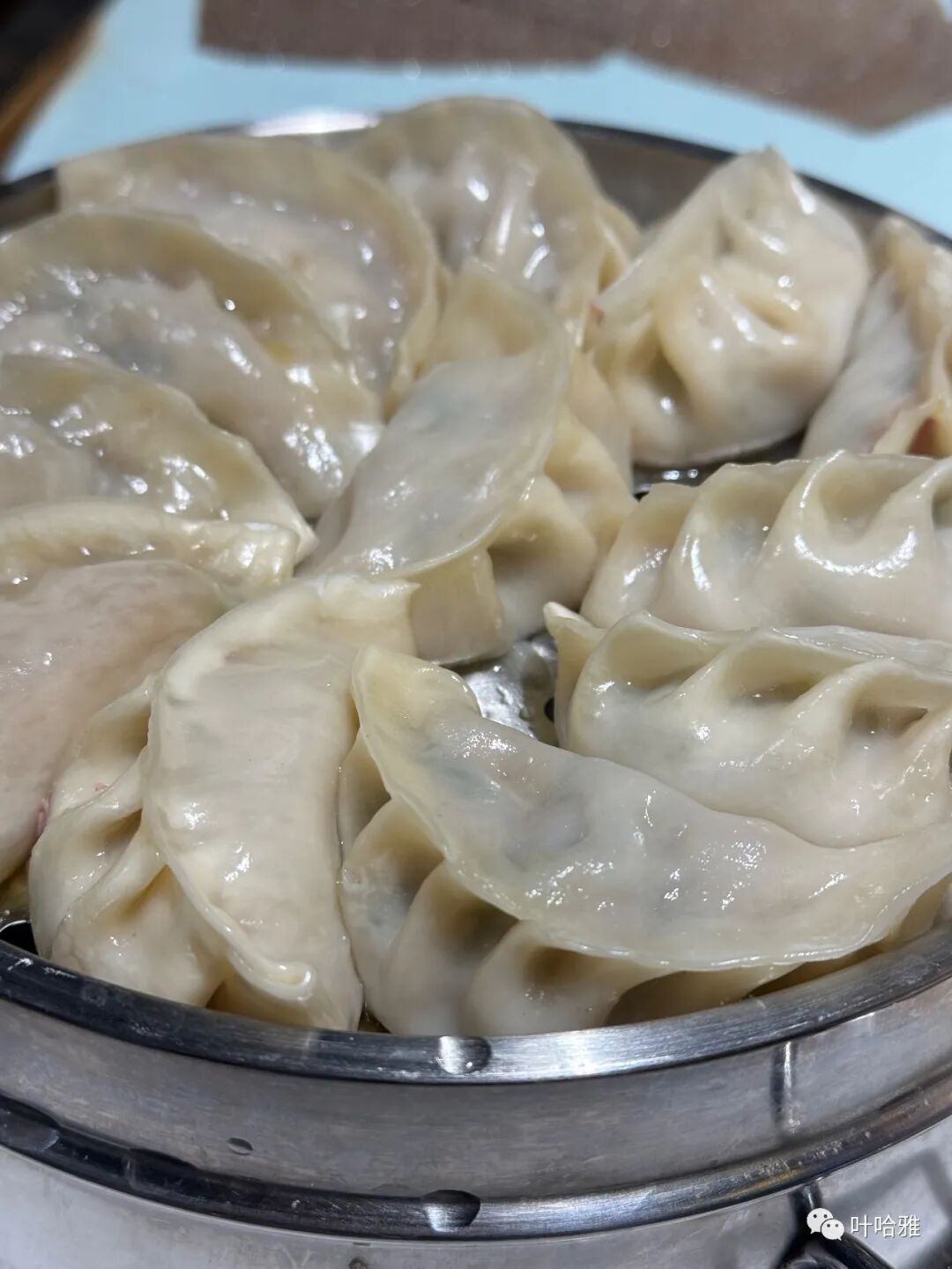
Steamed dumplings (shaomai)
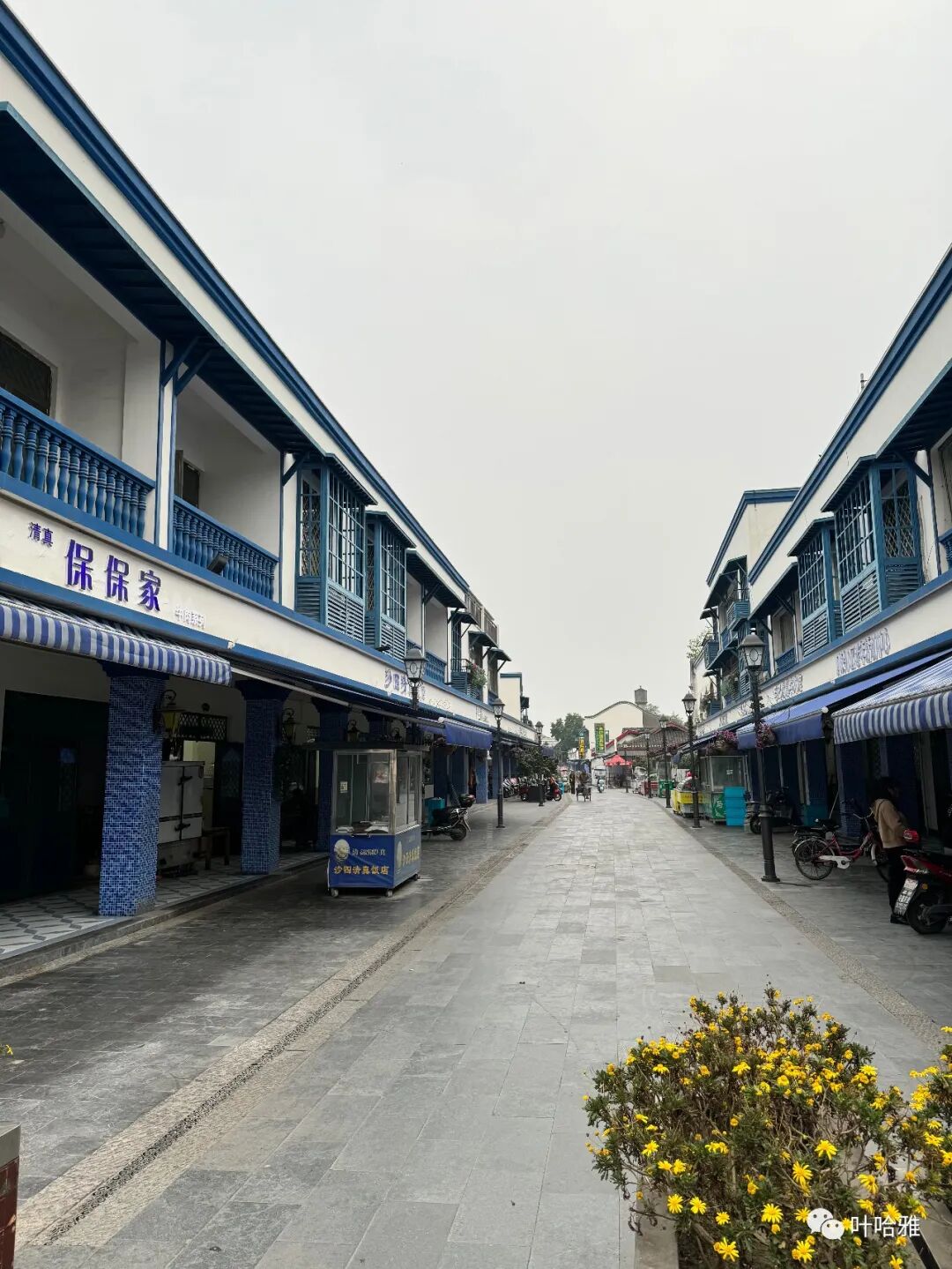
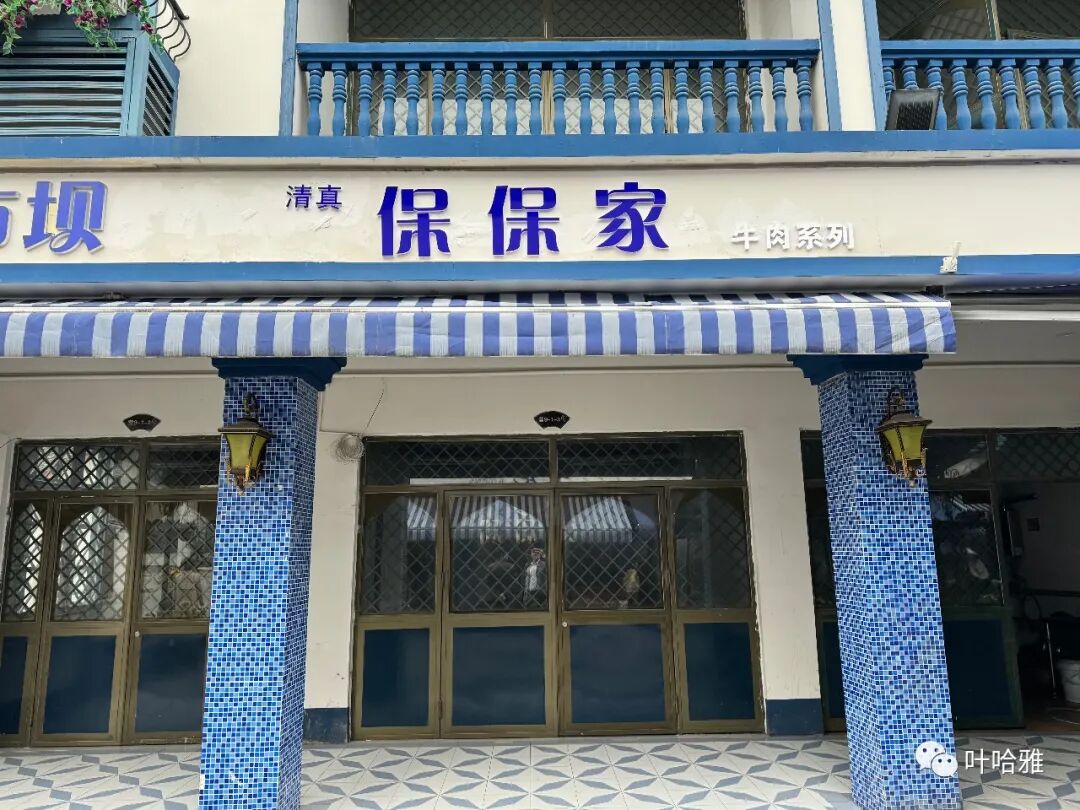
Banbian Street in Xiaoquan Ancient Town
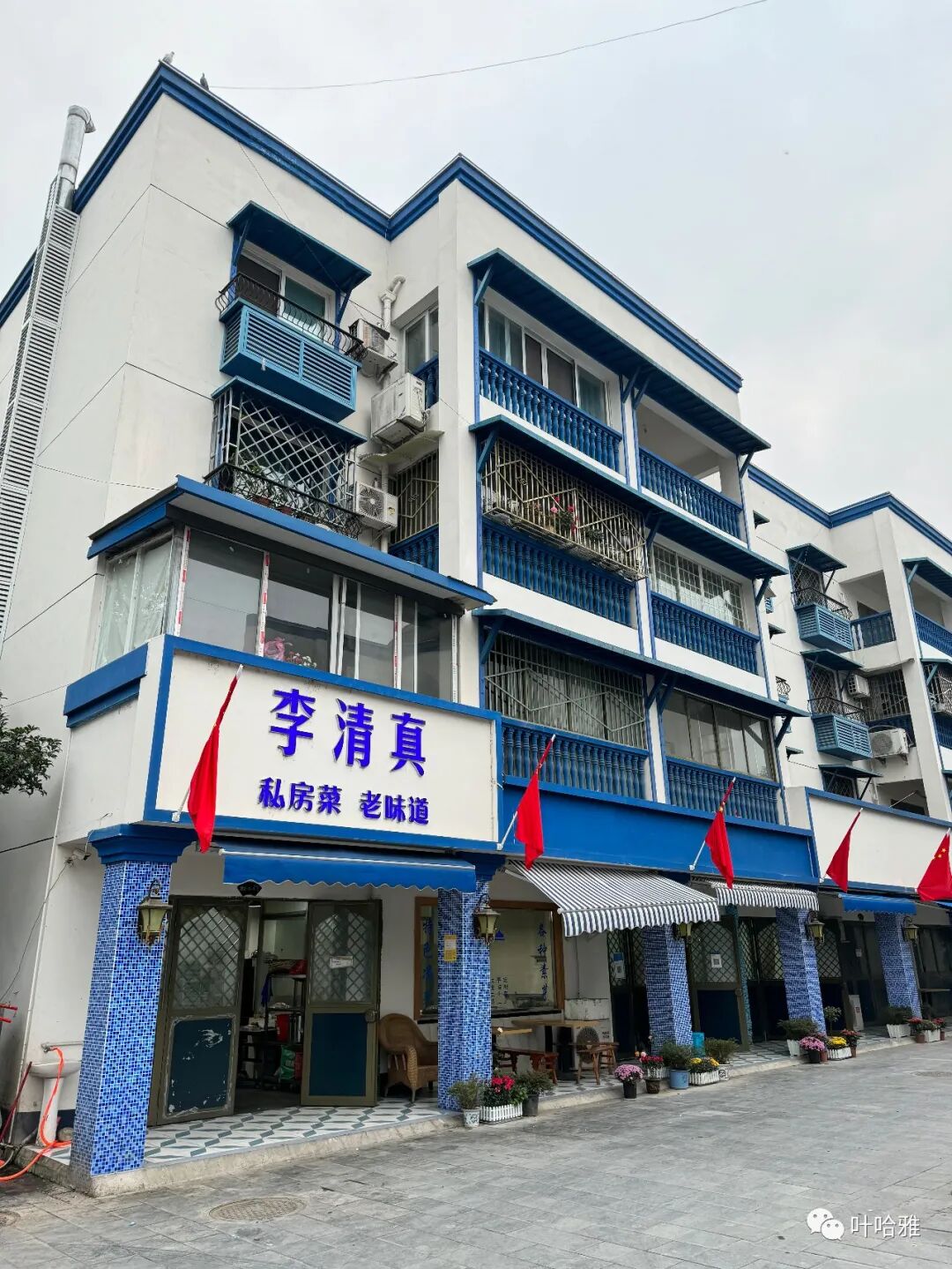
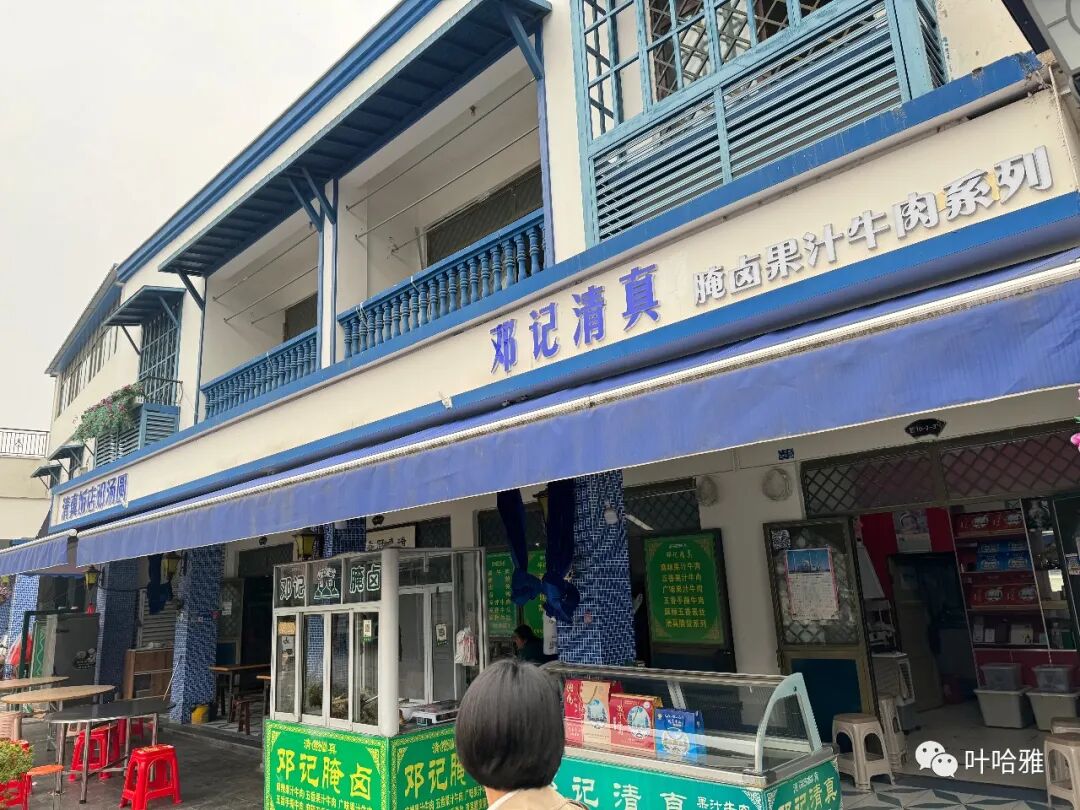
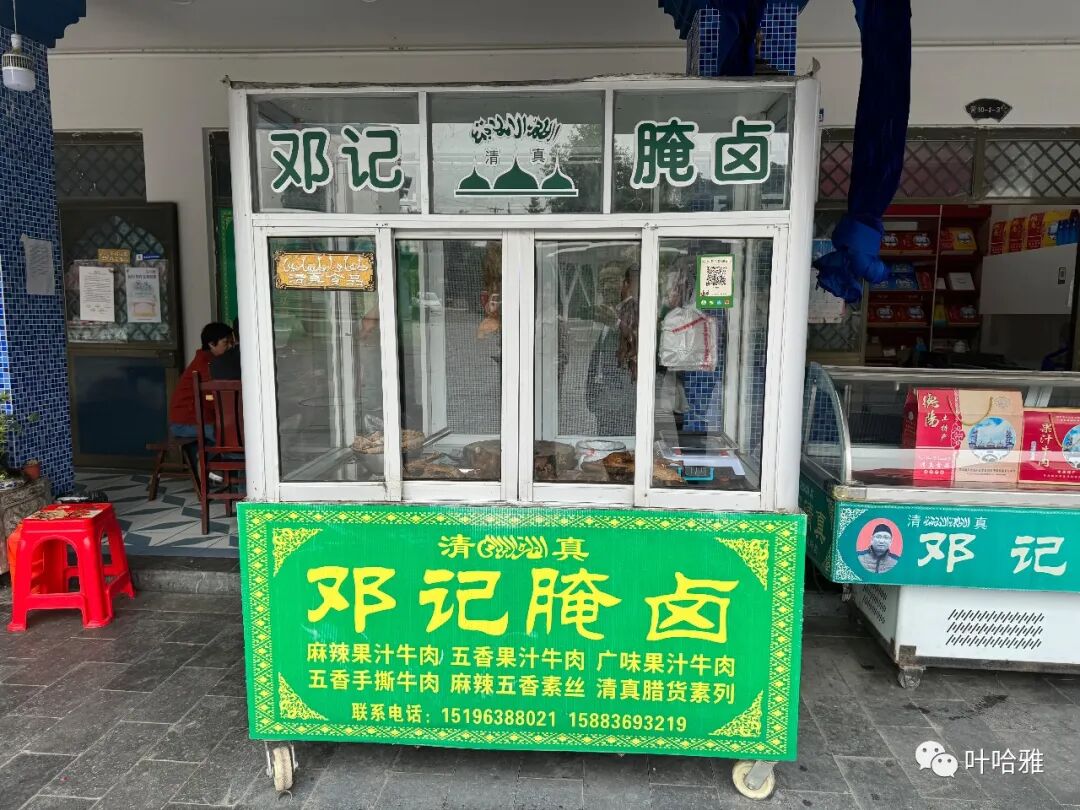
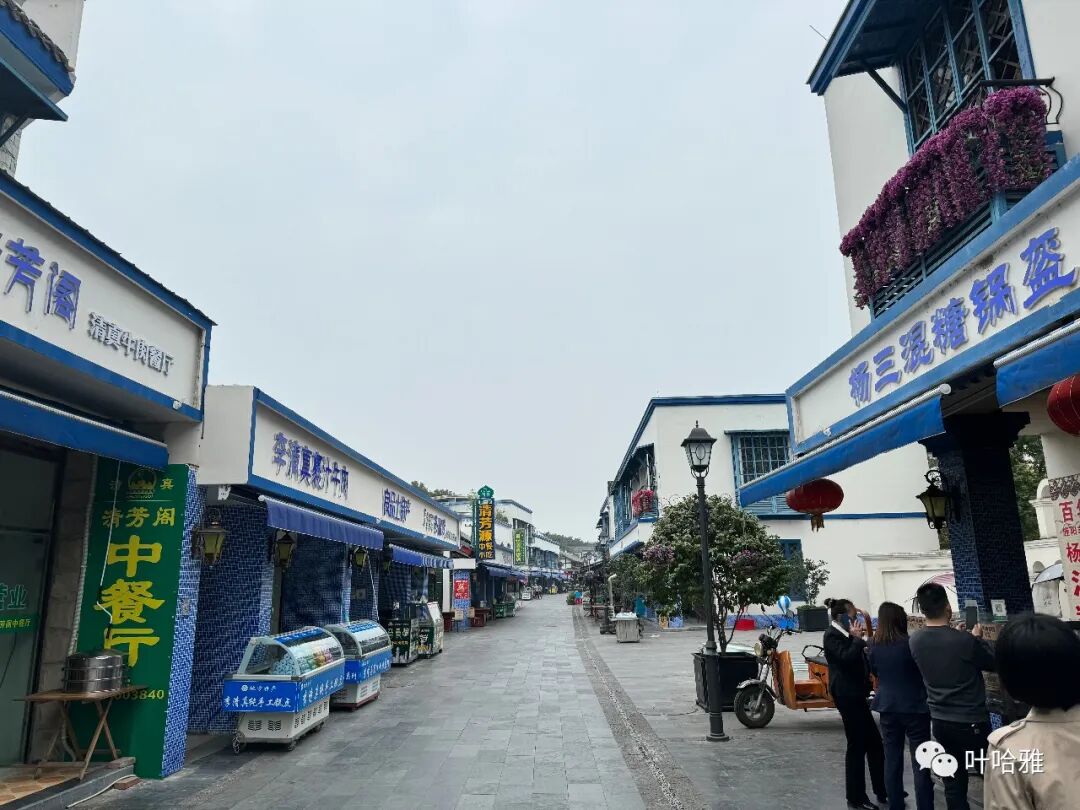
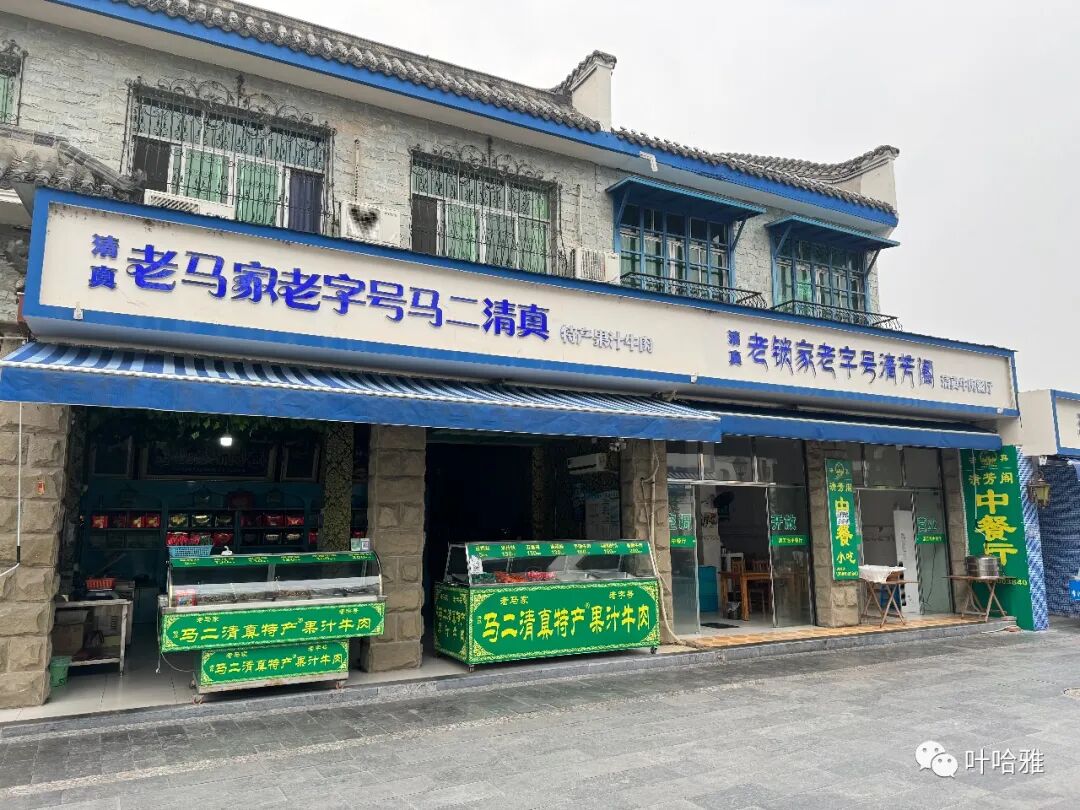
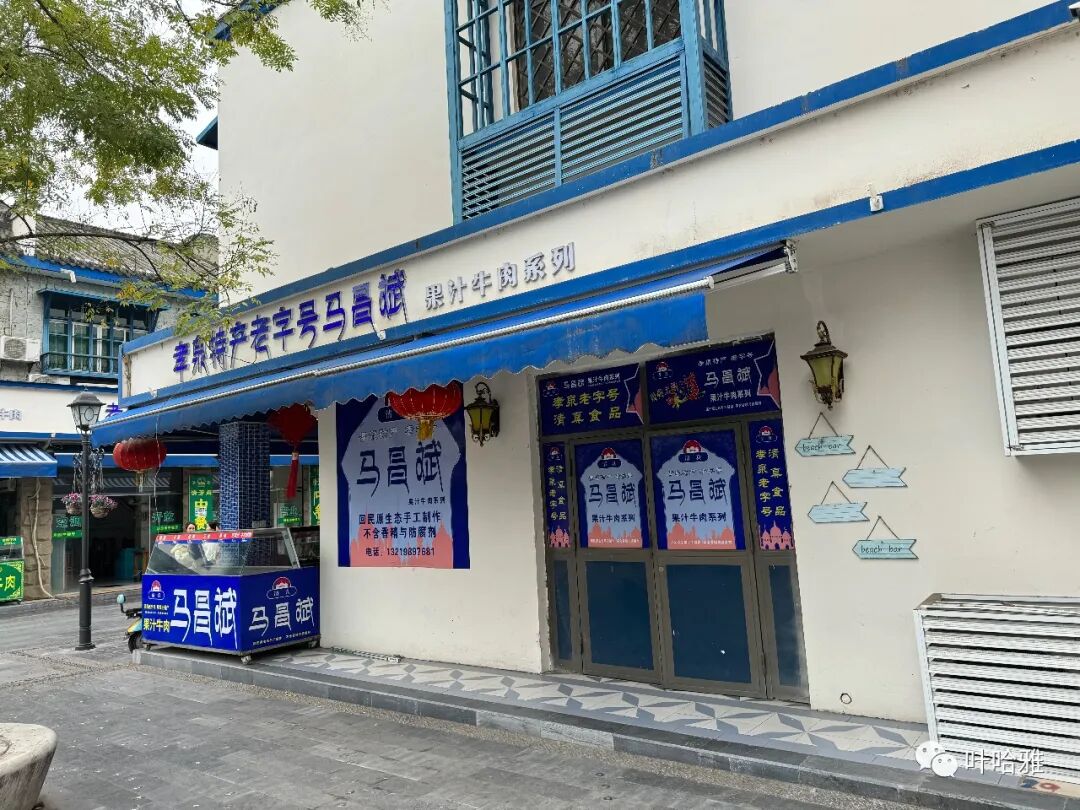
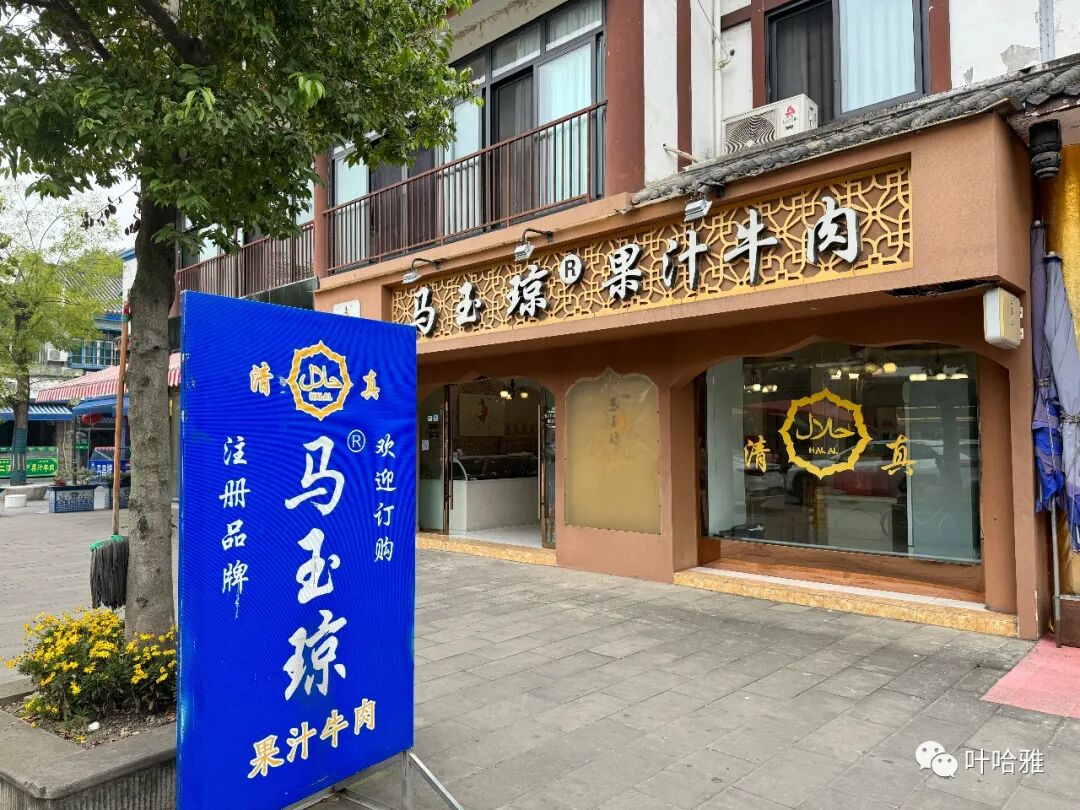
This street is full of small shops serving local halal specialties. It used to have a Central Asian style, but after renovations, it now features a blue-toned design.
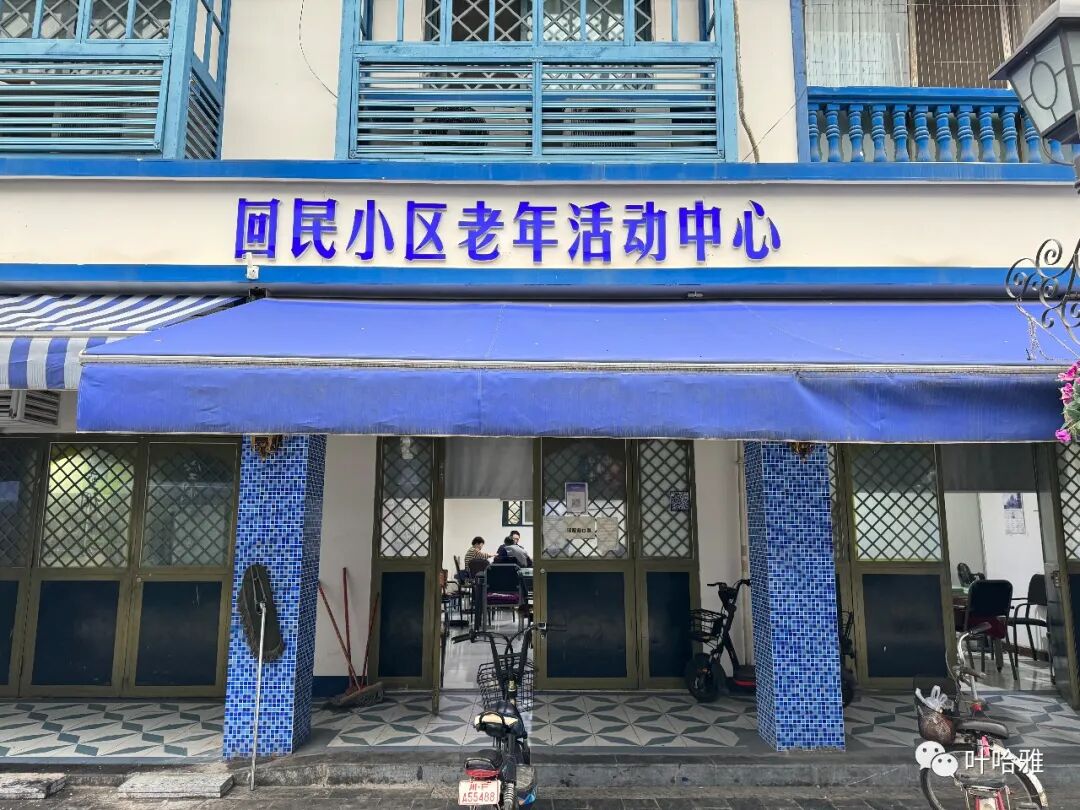
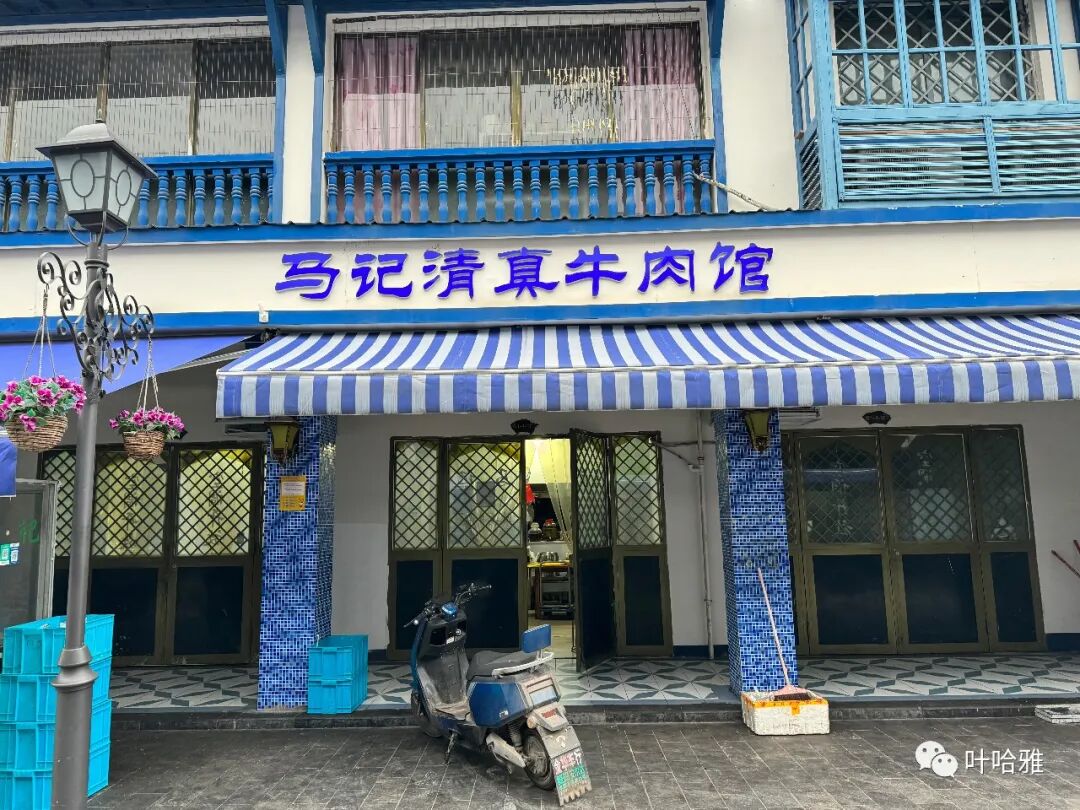
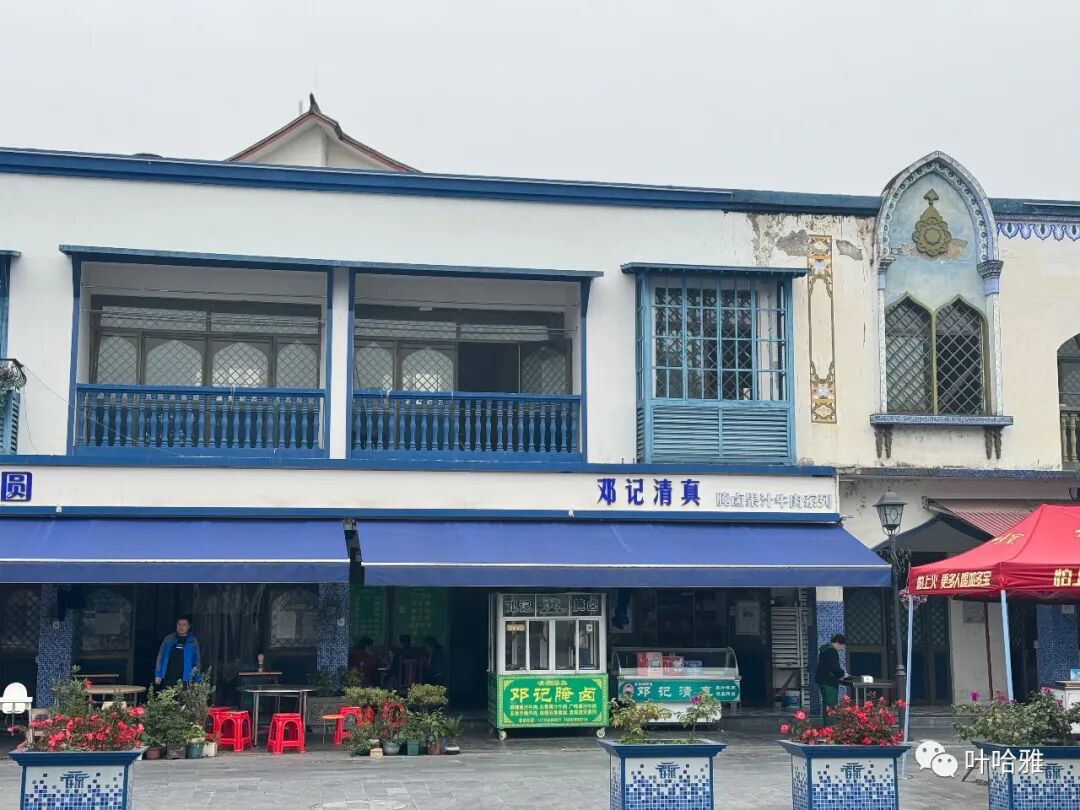
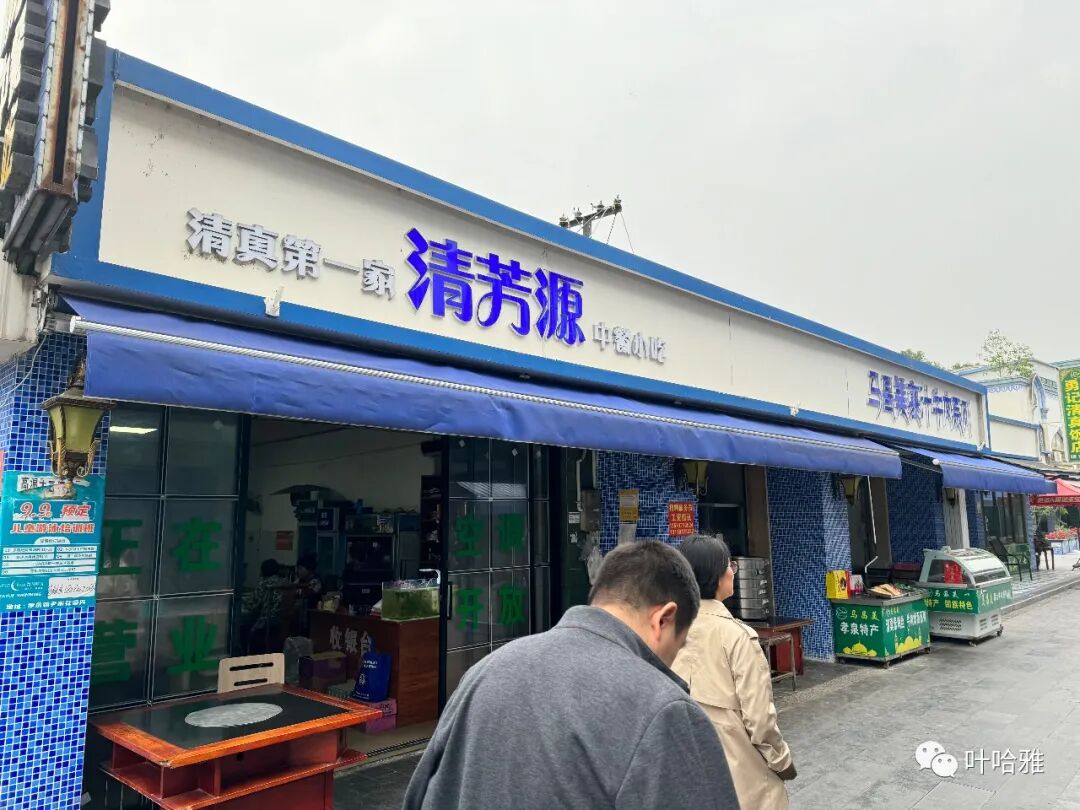
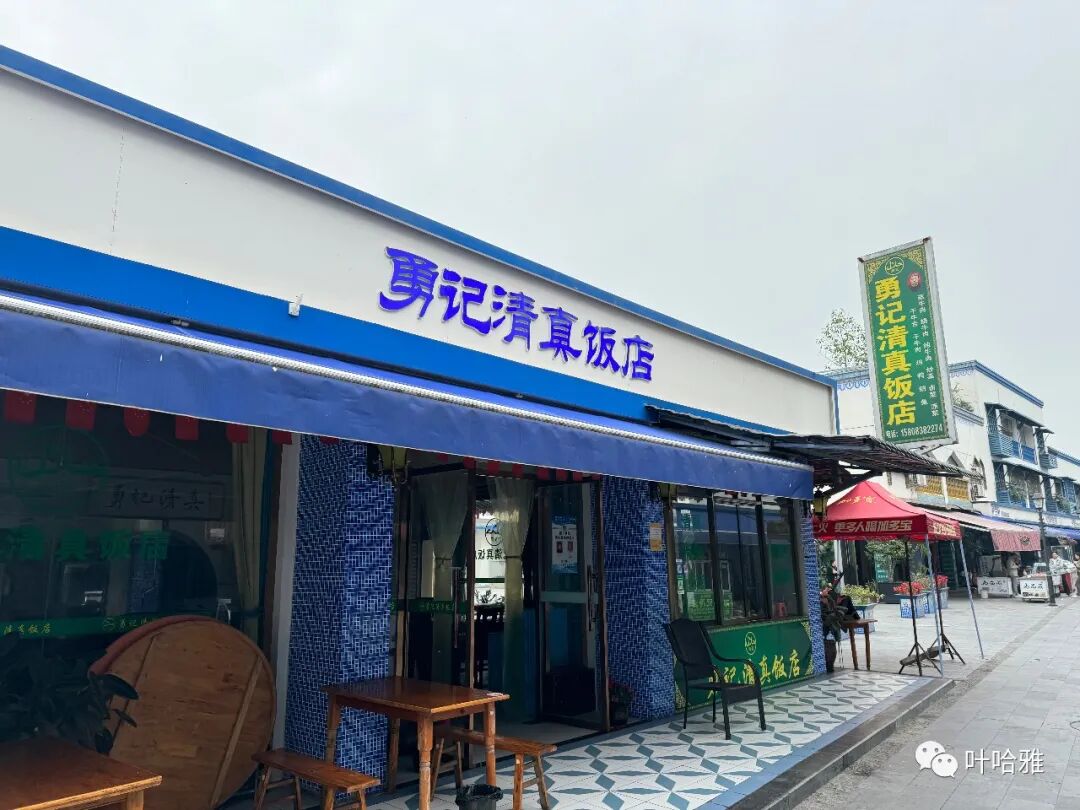
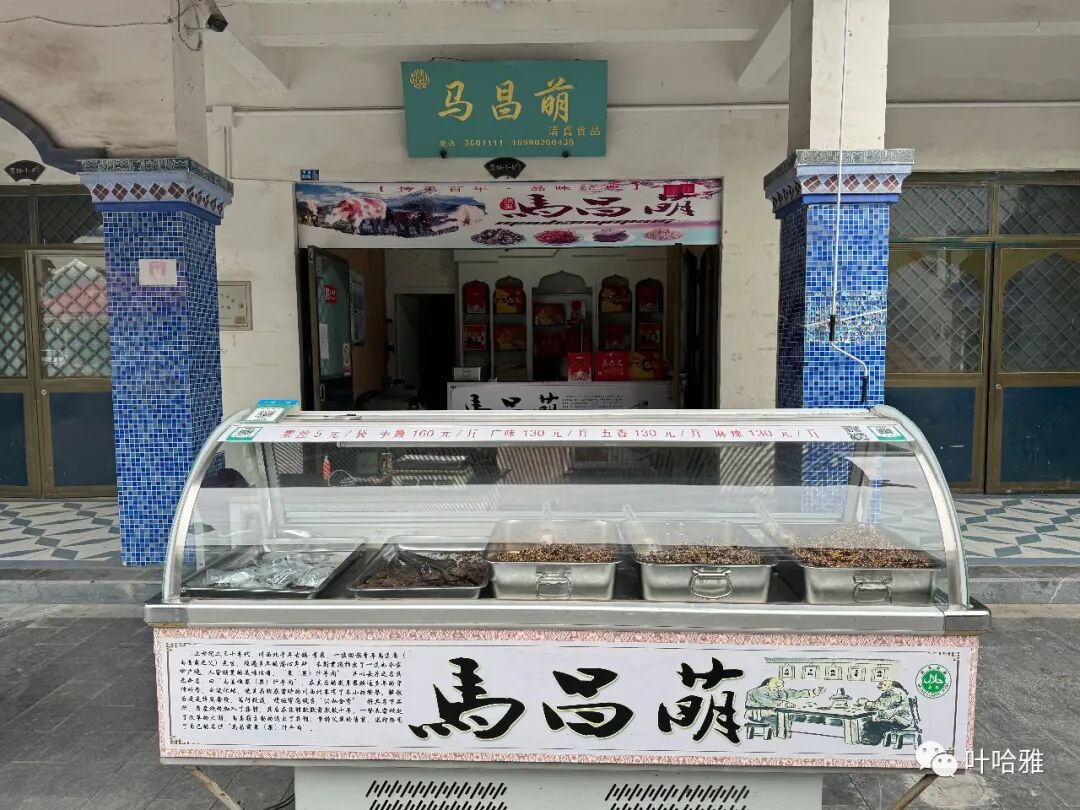
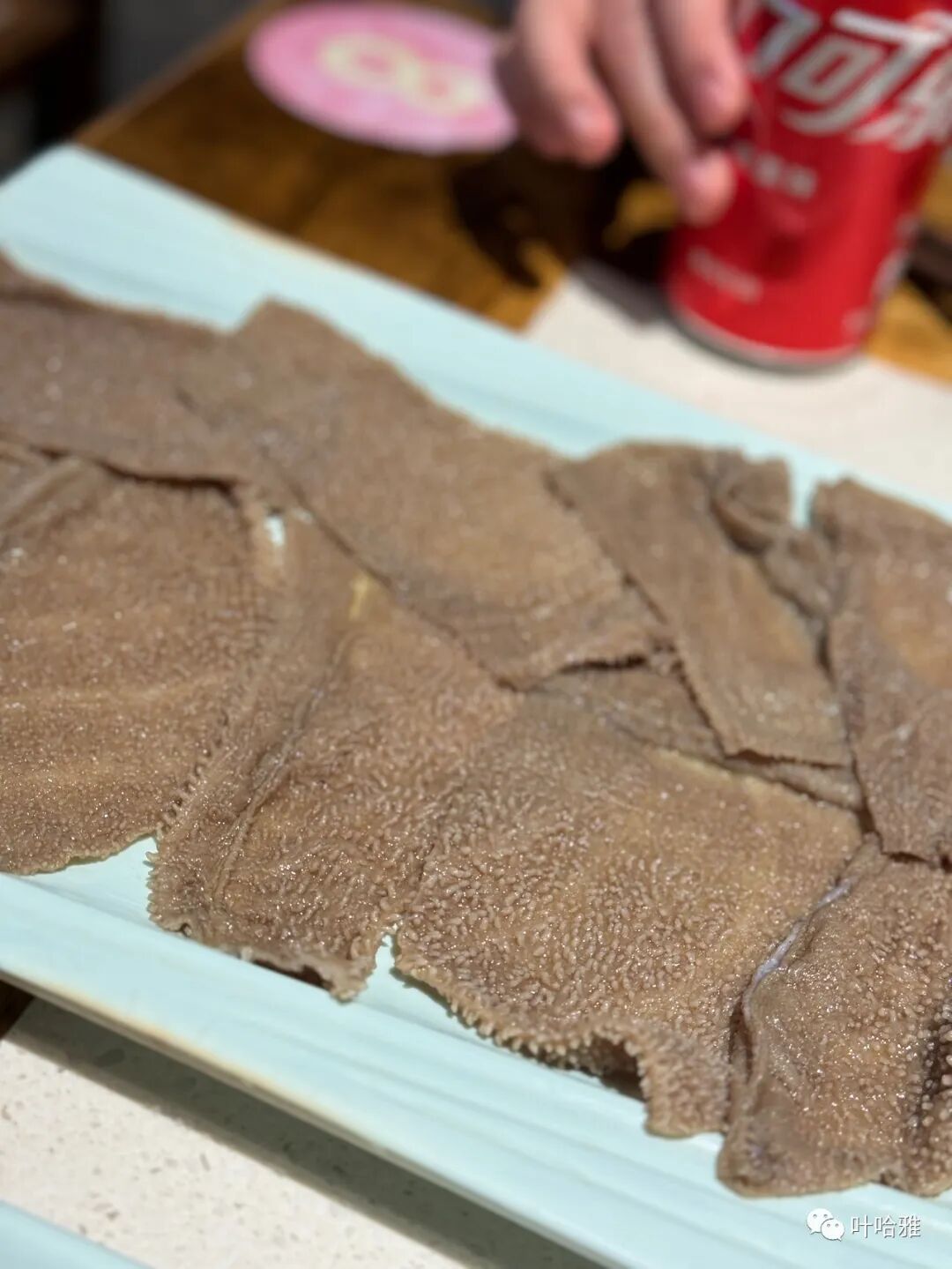
A specialty of Xiaoquan is this fruit juice beef (guozhi niurou), a type of beef jerky made with rock sugar syrup. It is salty, fresh, and spicy with a sweet aftertaste, making it a delicious snack to have with tea.
Xiaoquan Mosque
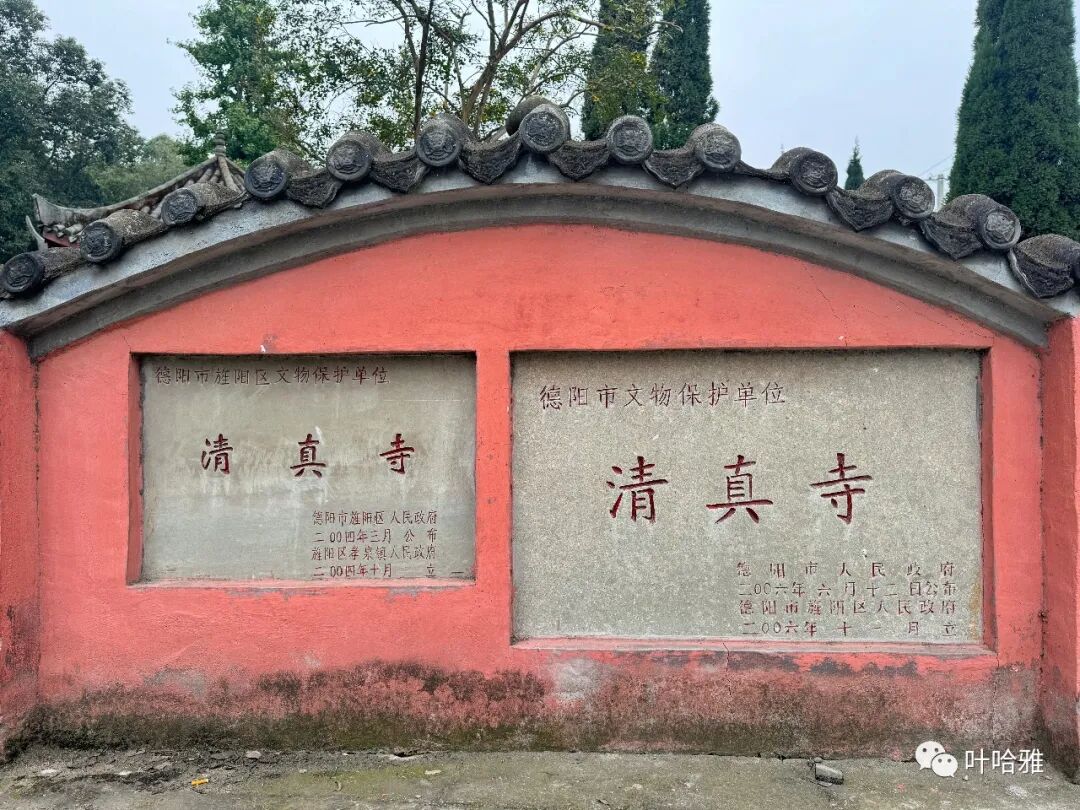
Xiaoquan Mosque was first built during the Daoguang period of the Qing Dynasty. The original building was an ancestral hall belonging to a Han Chinese family named Feng. Two Muslim families, the Dengs and the Mas, bought it and converted it into a mosque while keeping the original architectural style.
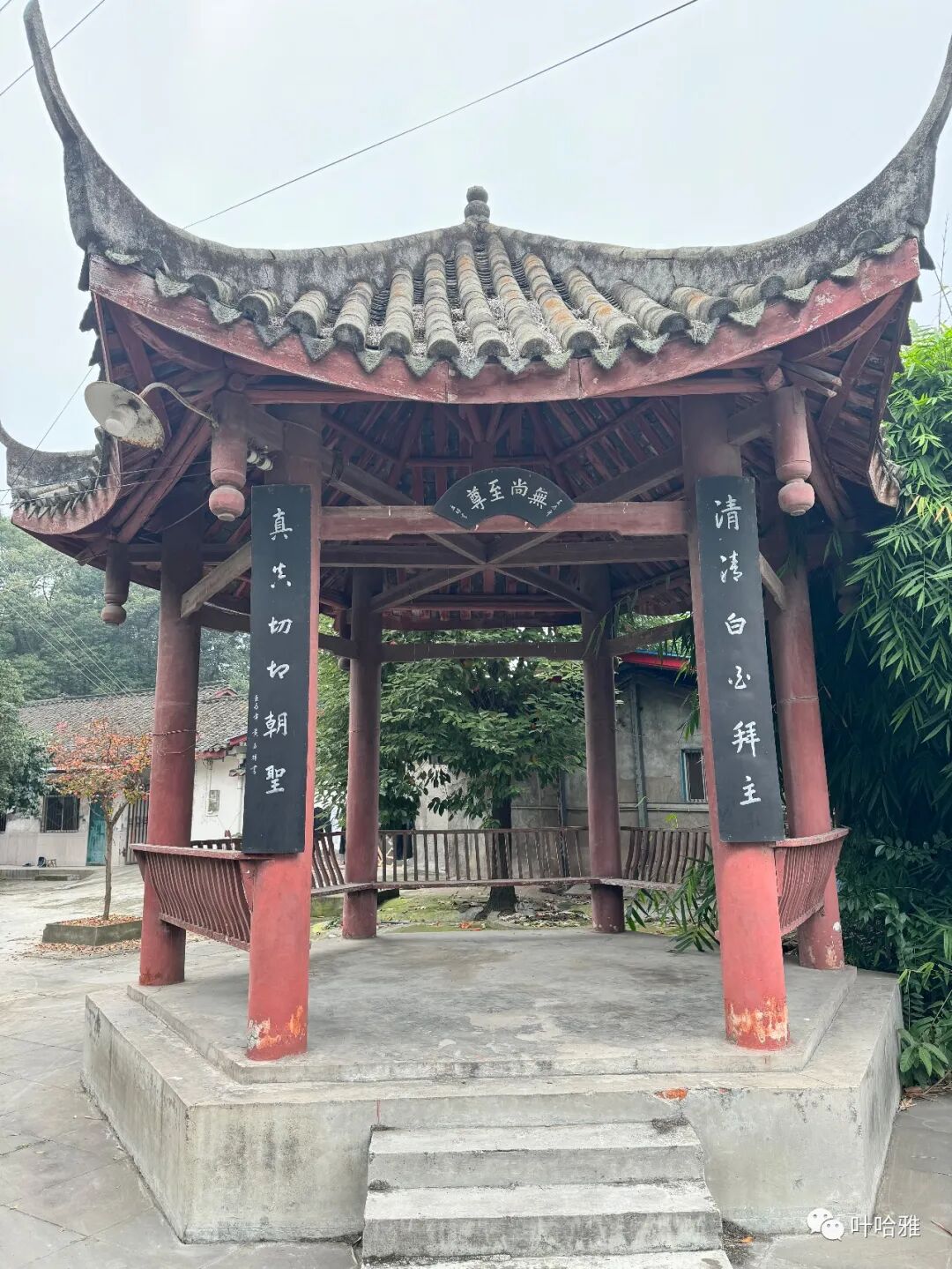
Turning an ancestral hall into a mosque is a very open-minded idea. There are many examples today of churches being converted into mosques. This saves money, helps the mosque blend into the local culture, and does not go against Islamic teachings, so it is worth promoting.
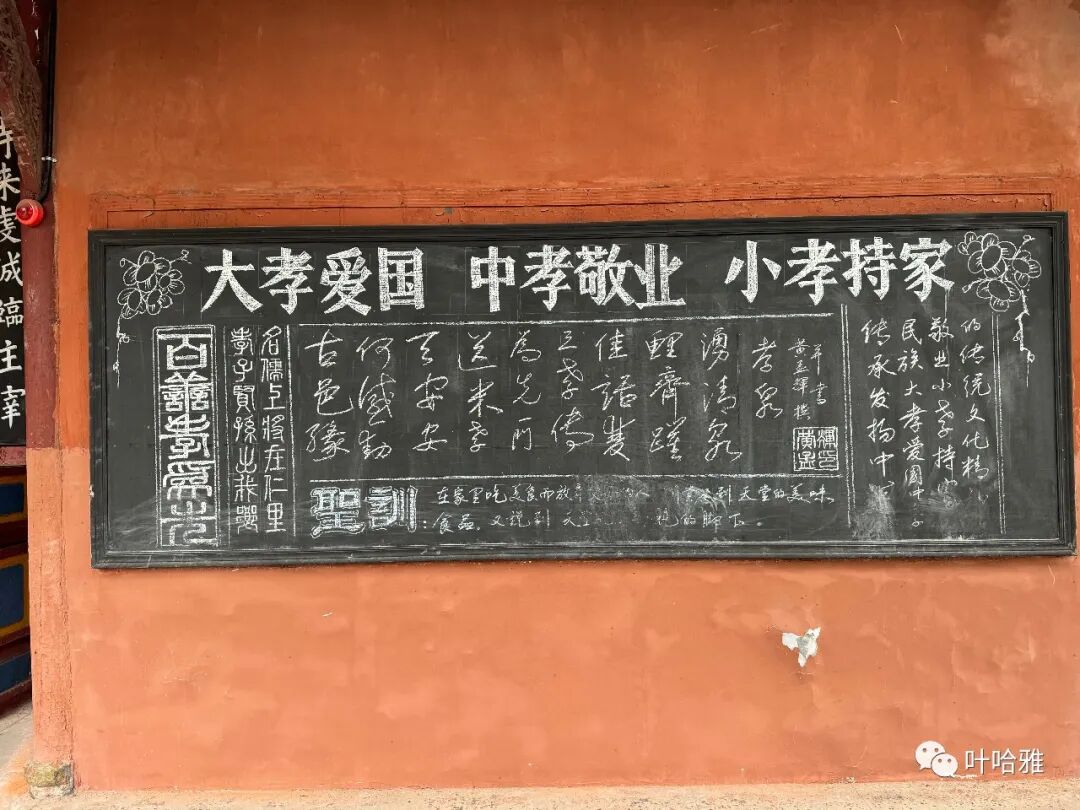
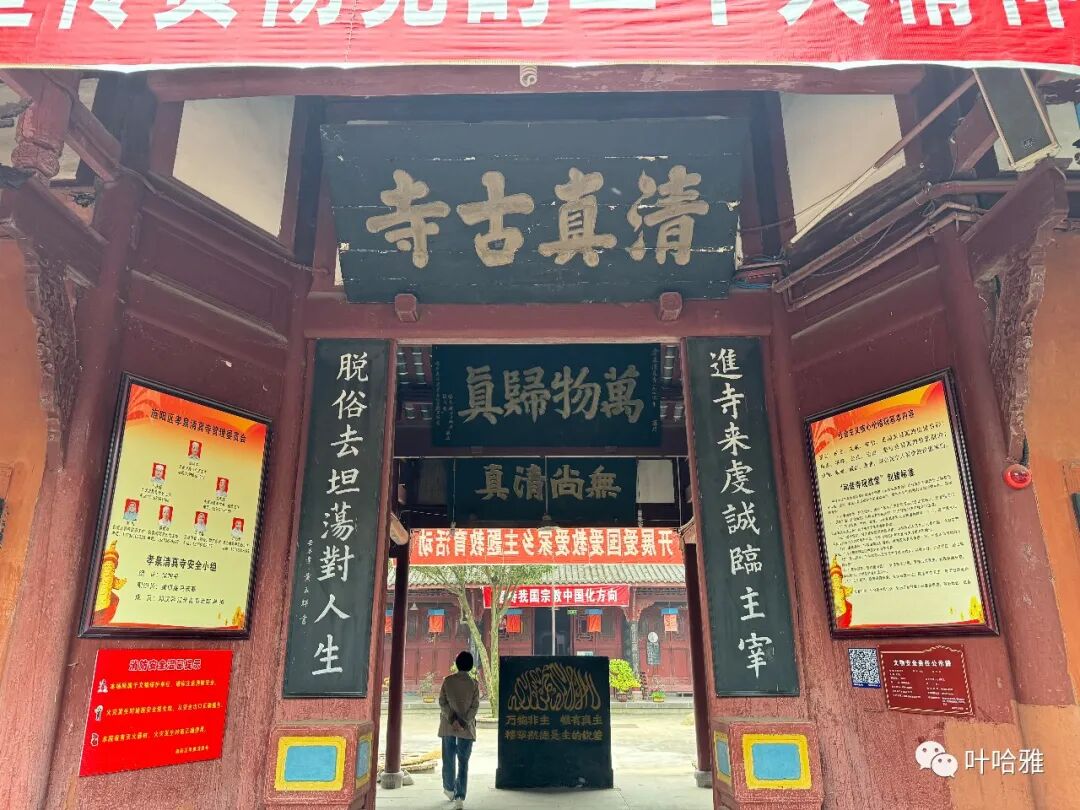
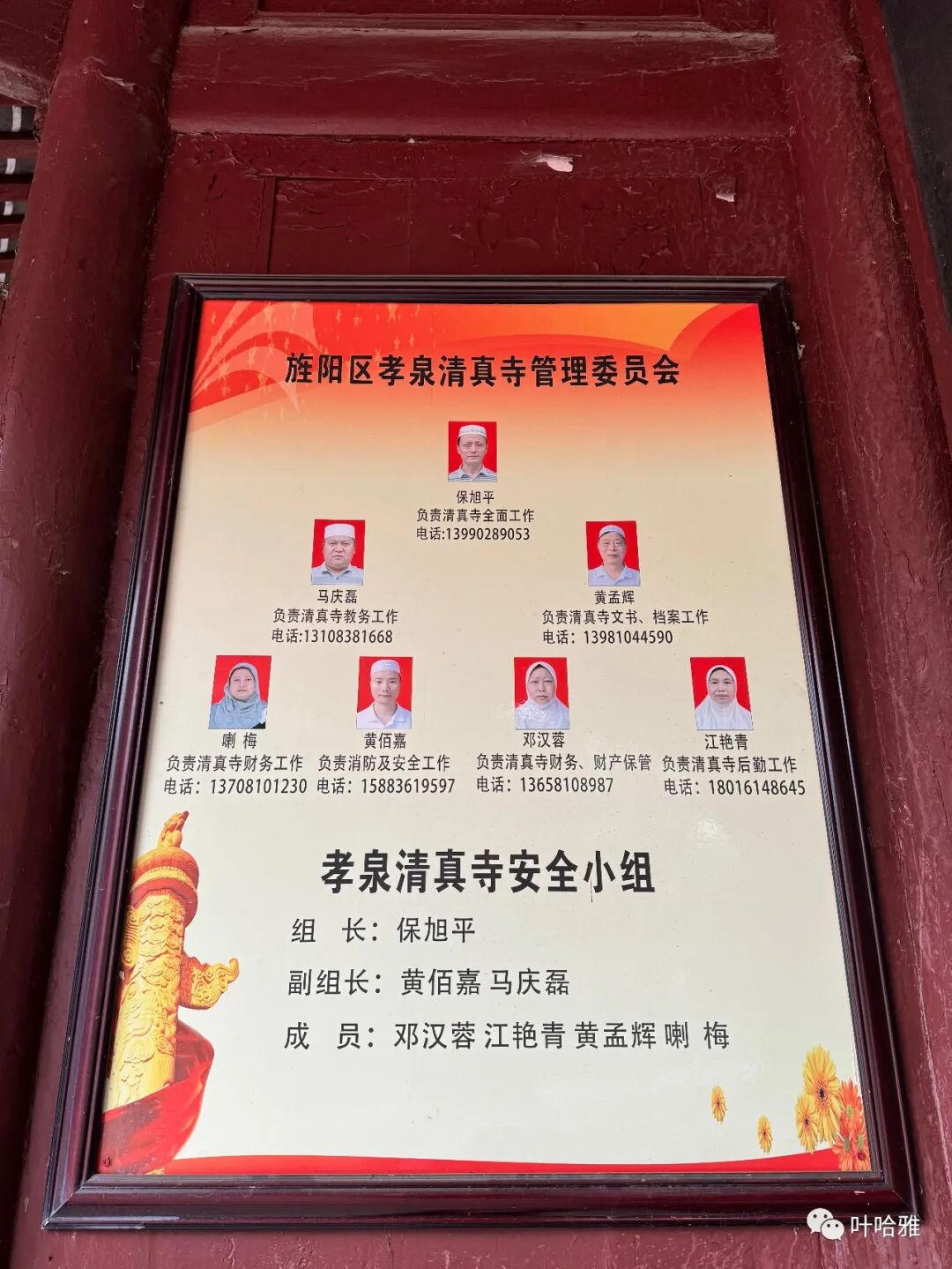
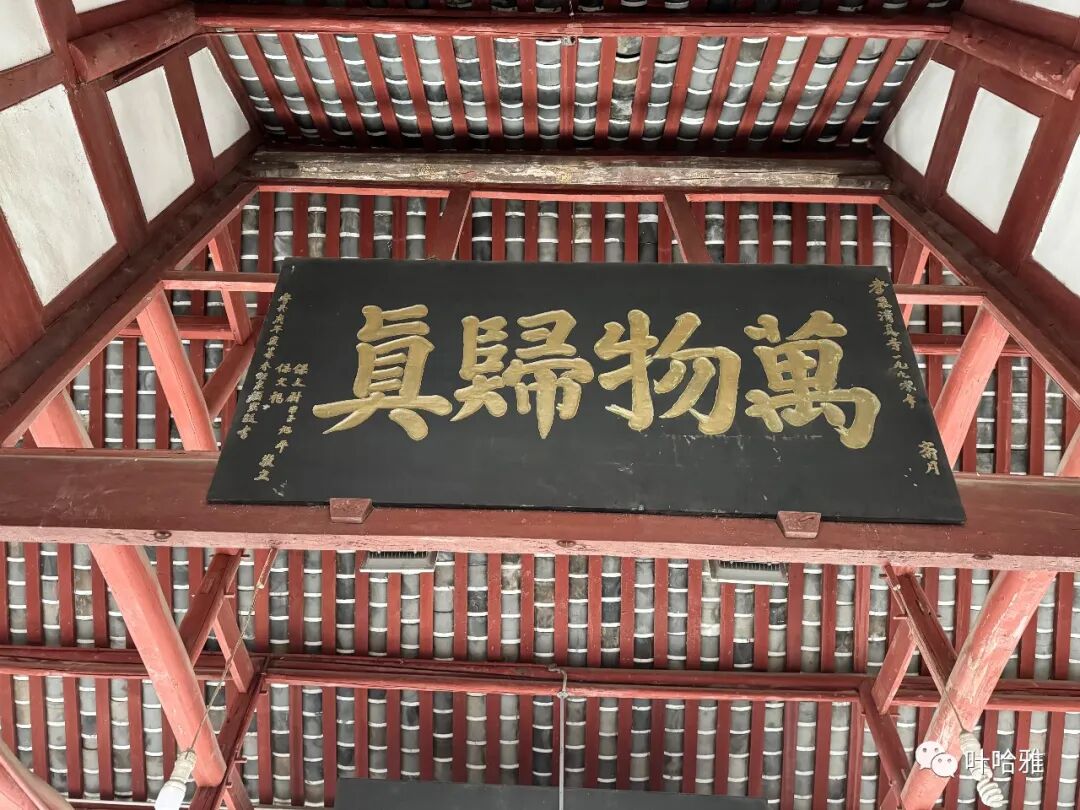
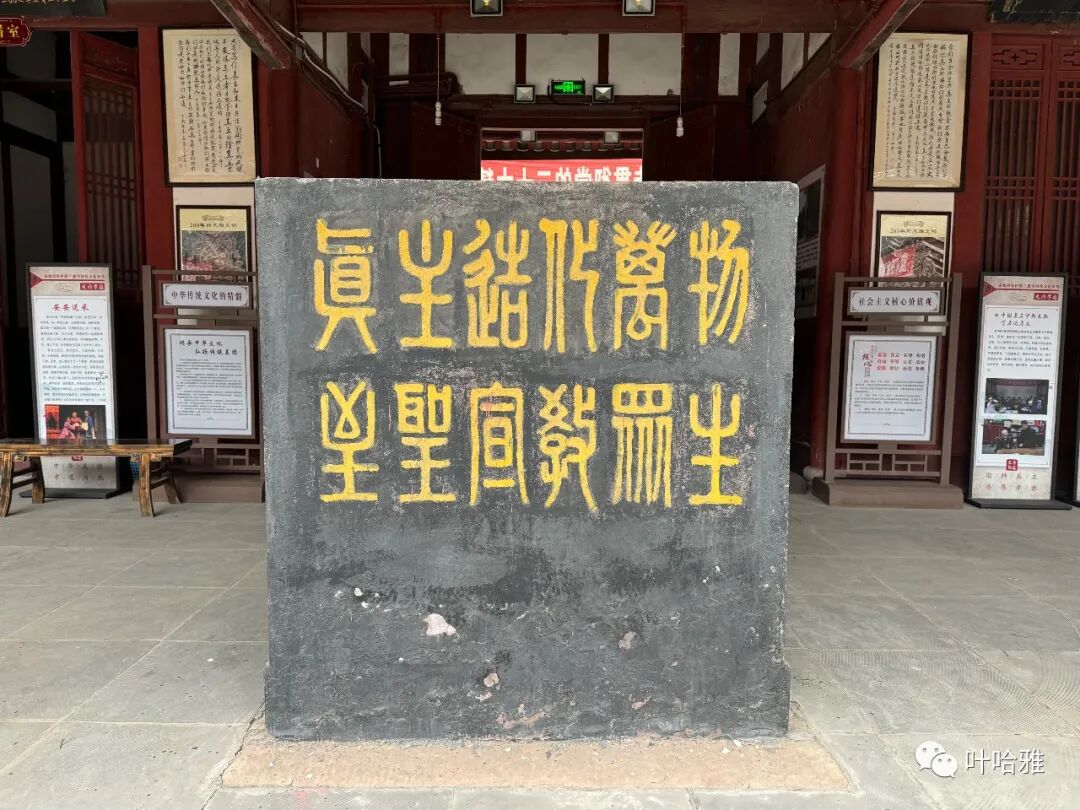
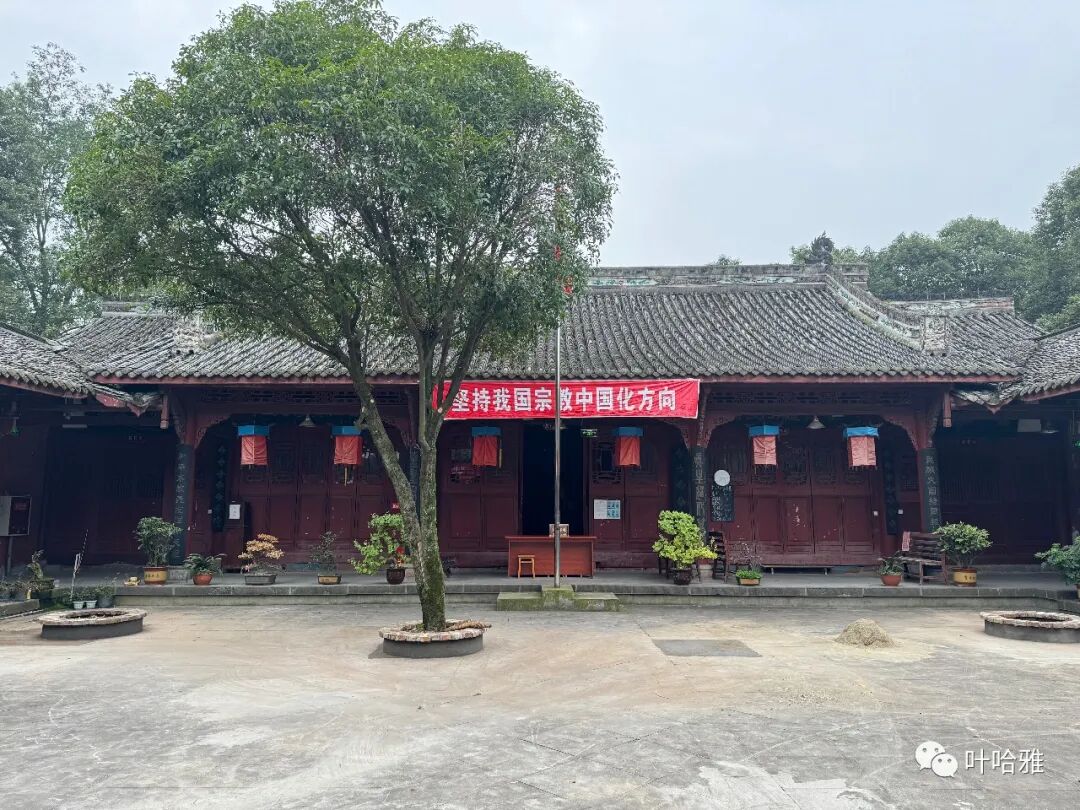
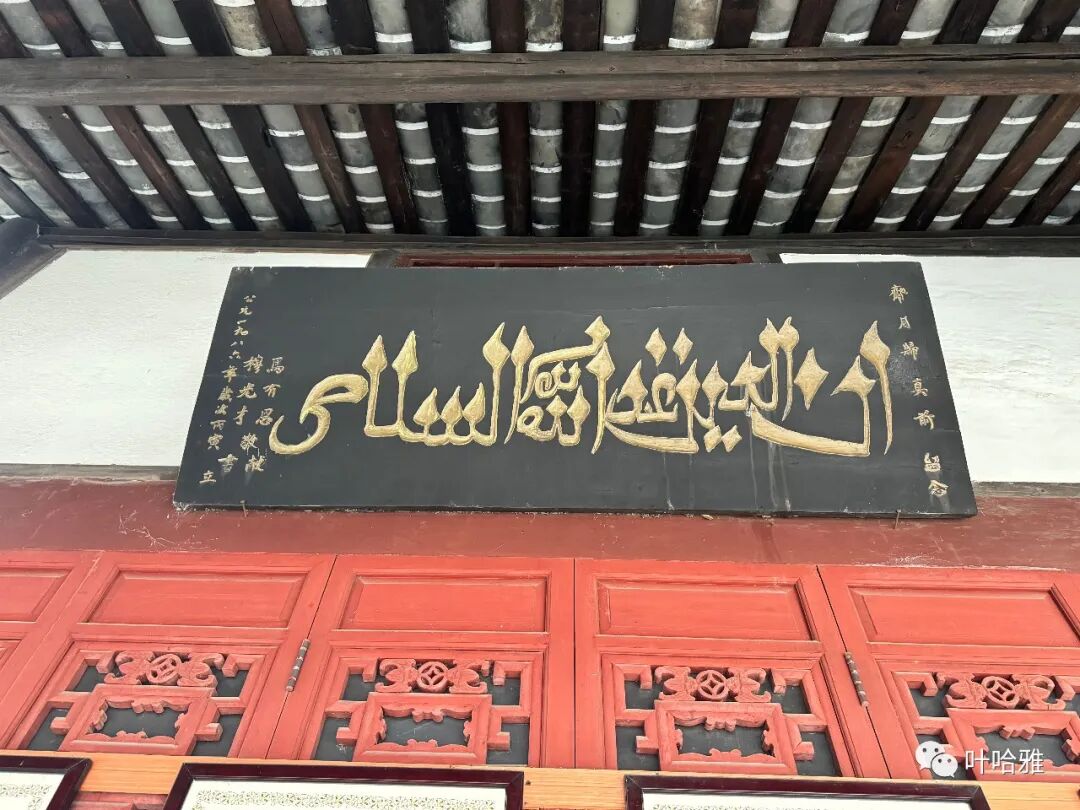
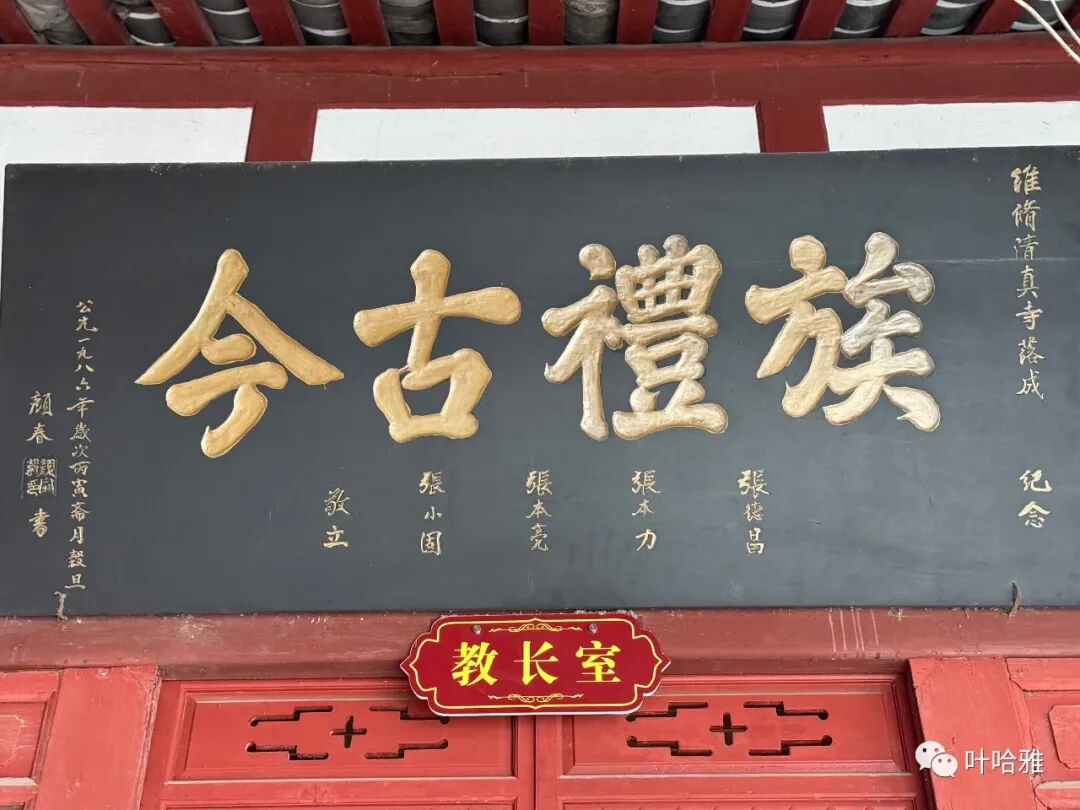
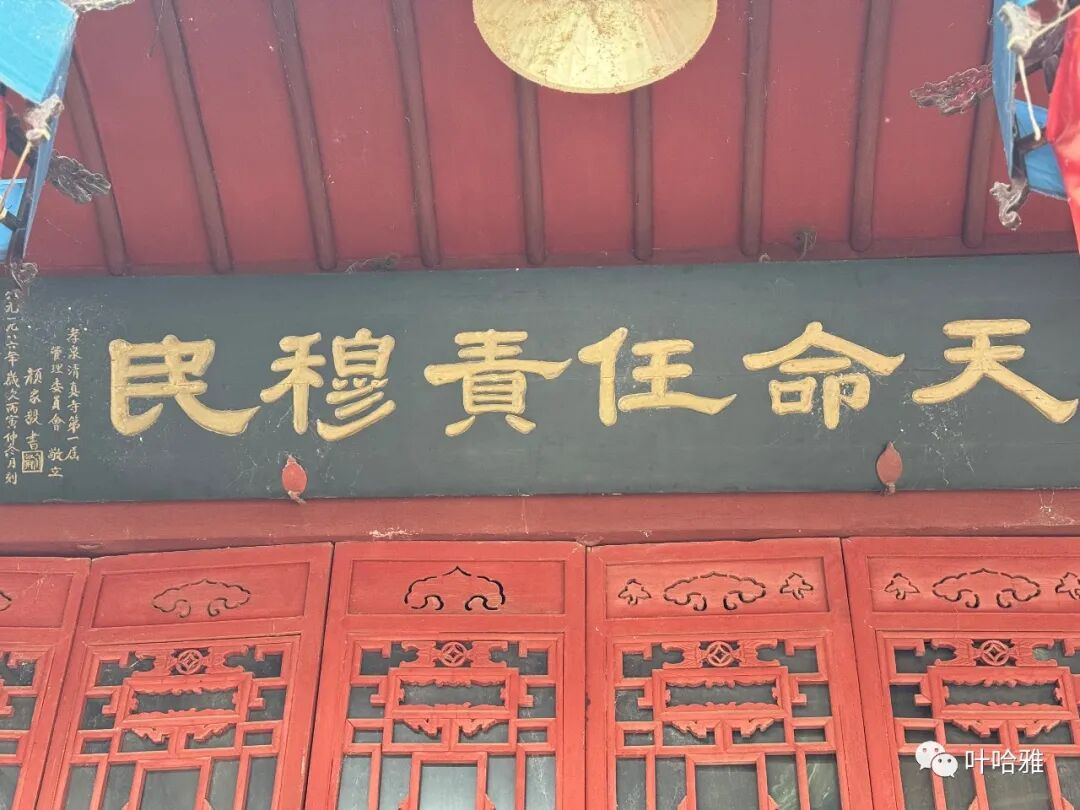
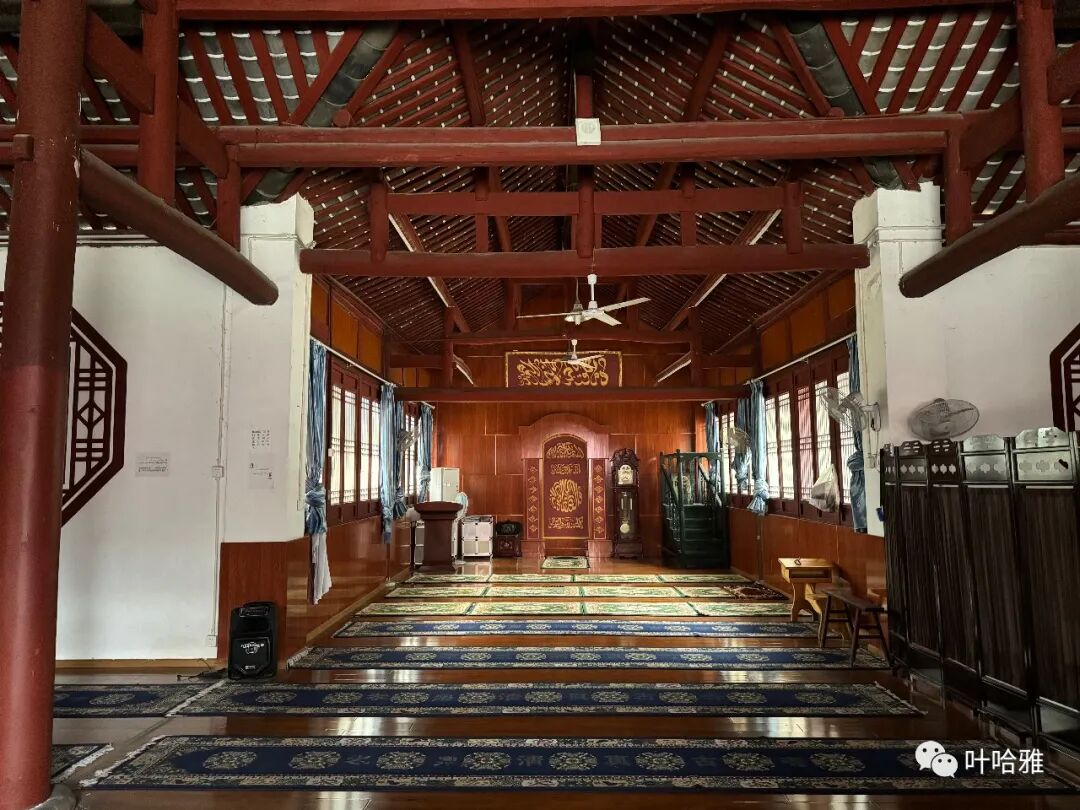
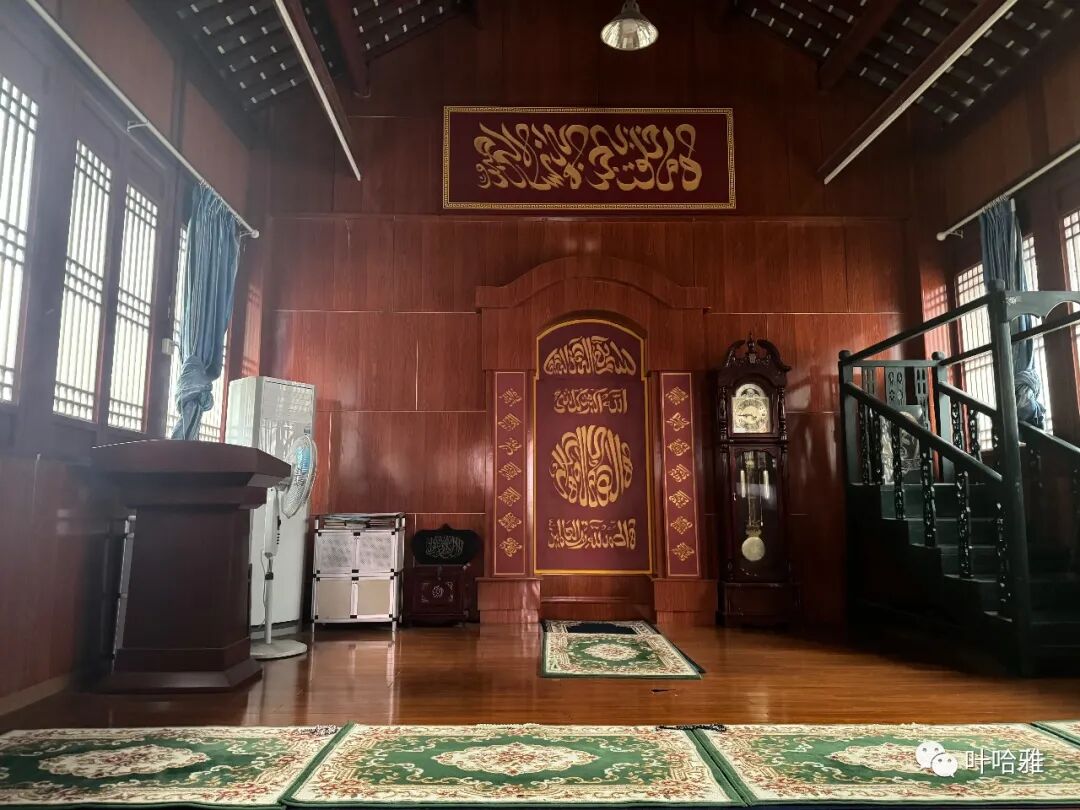
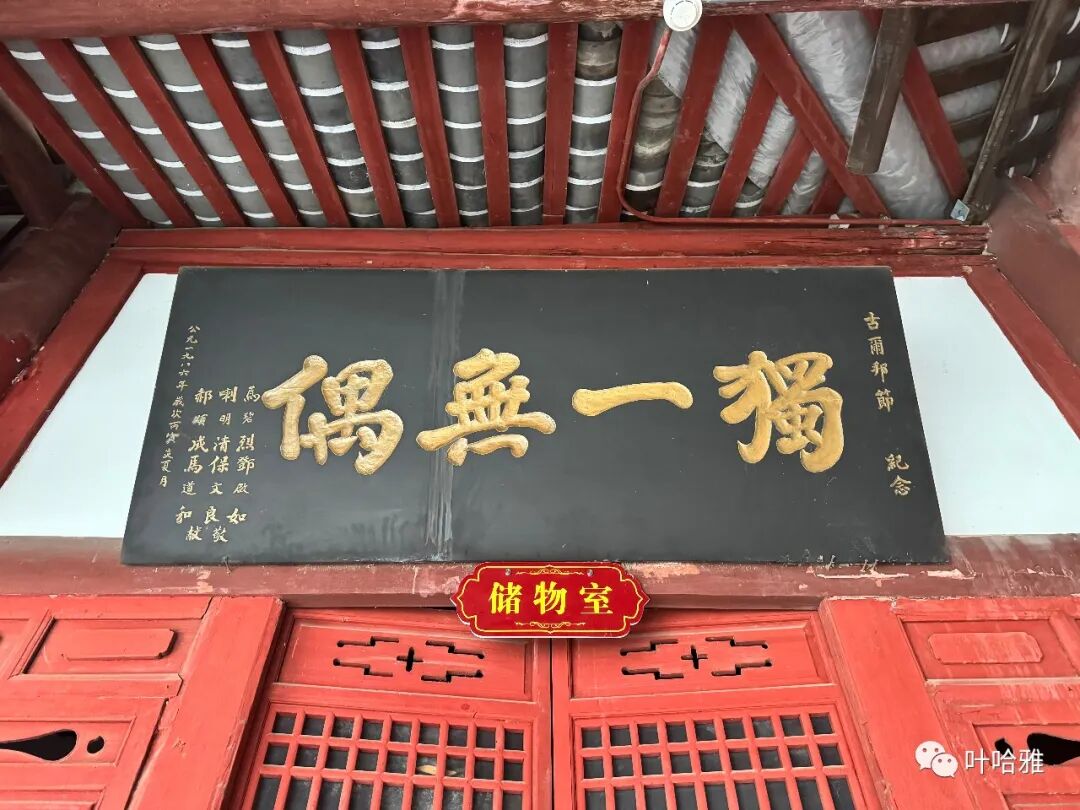
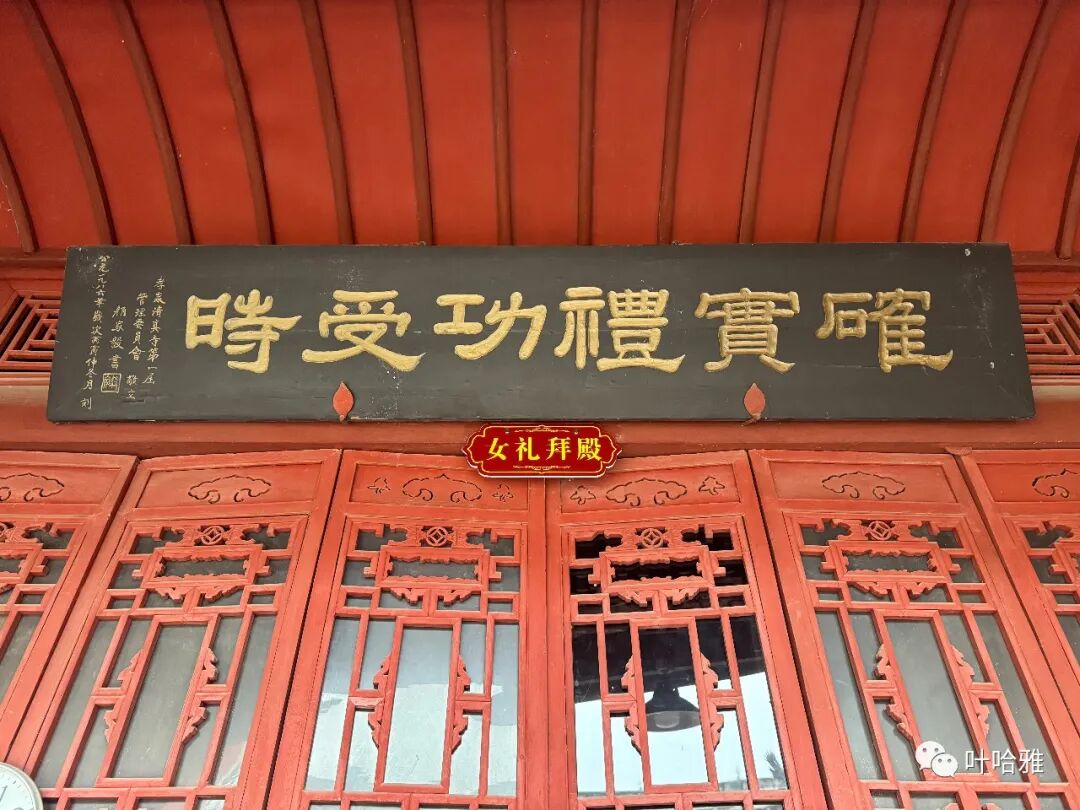
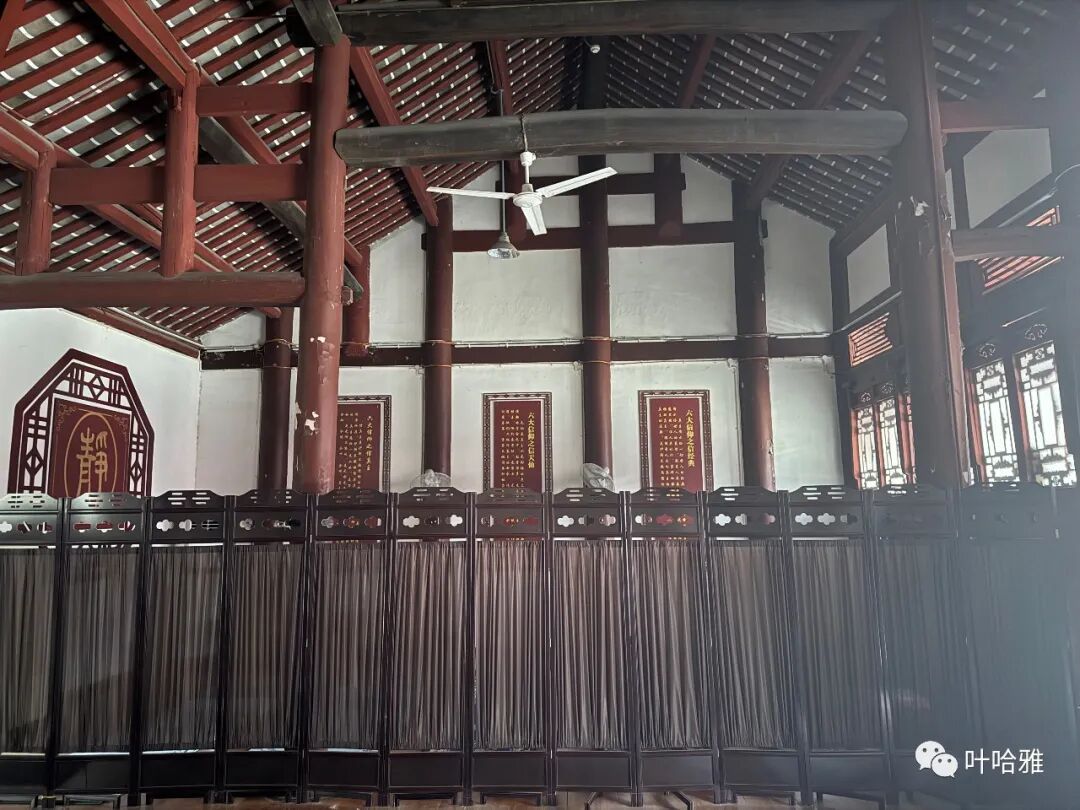
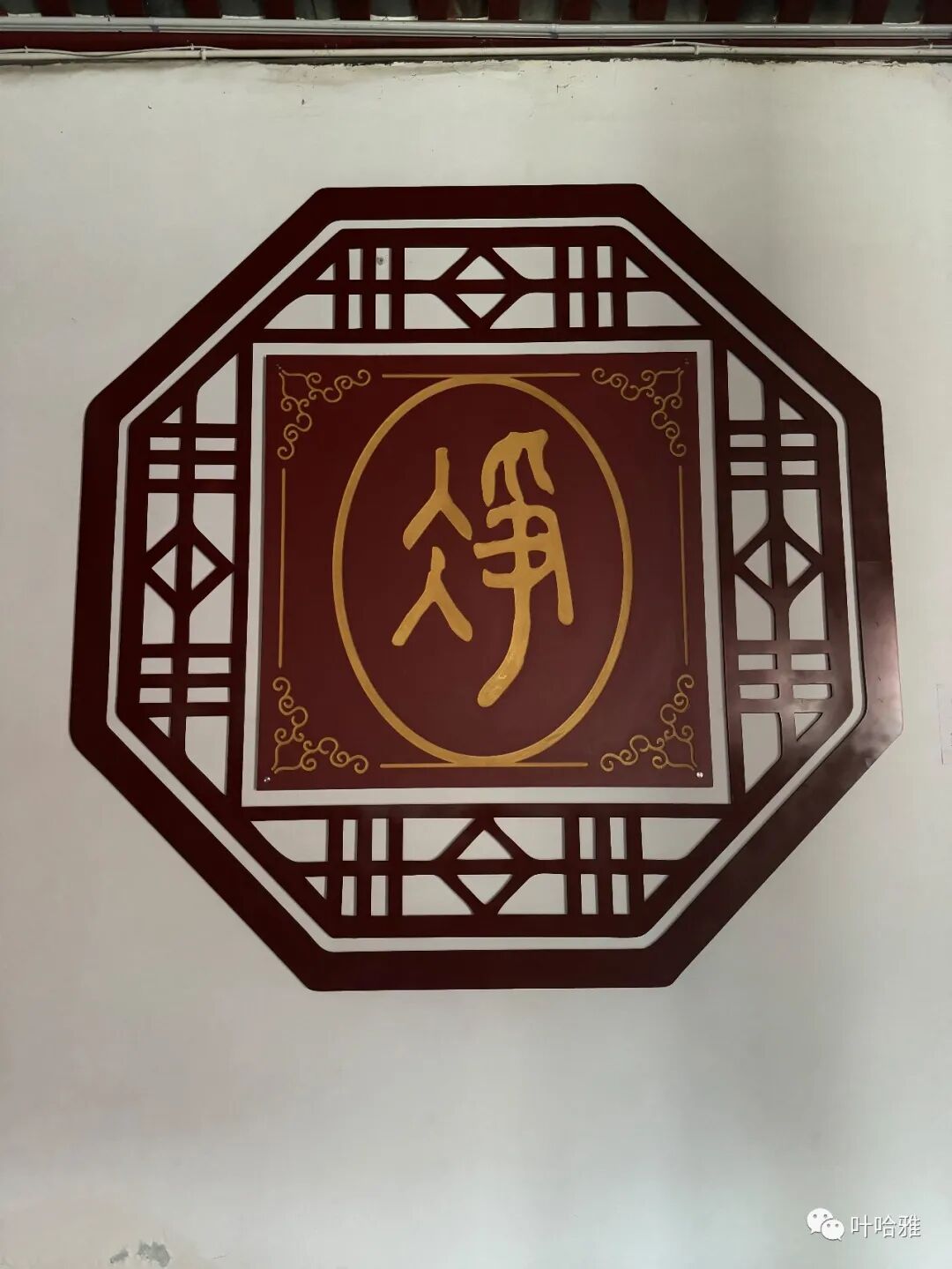
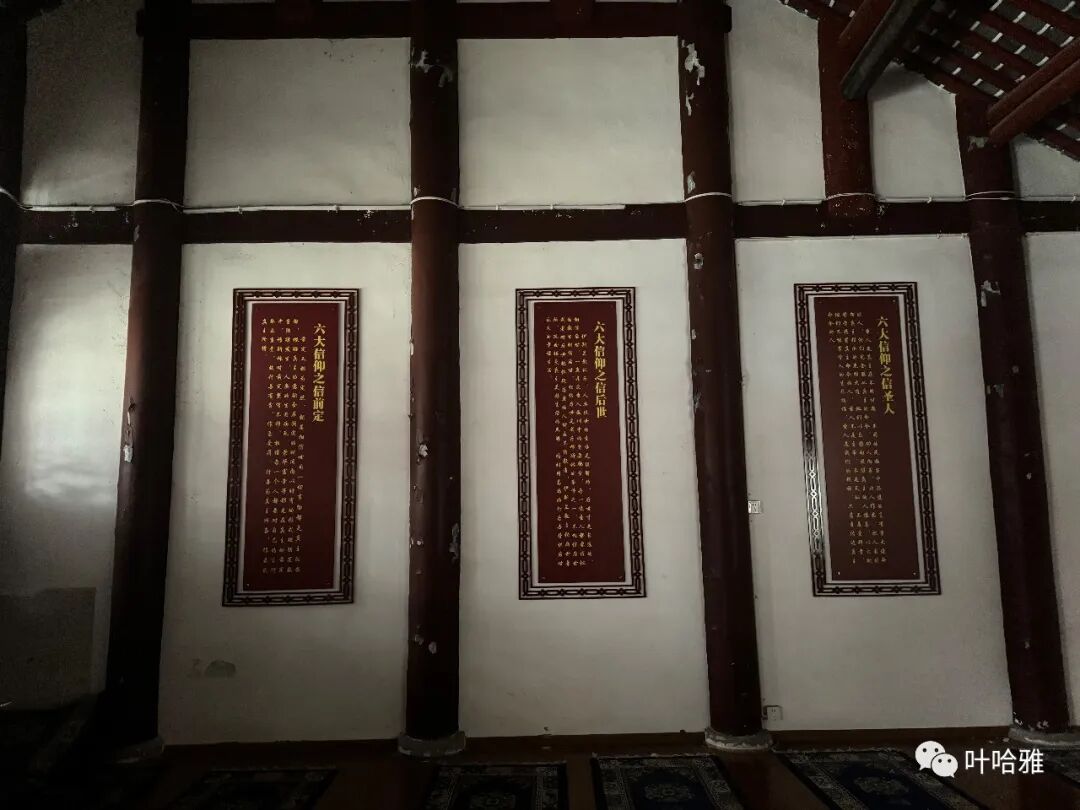
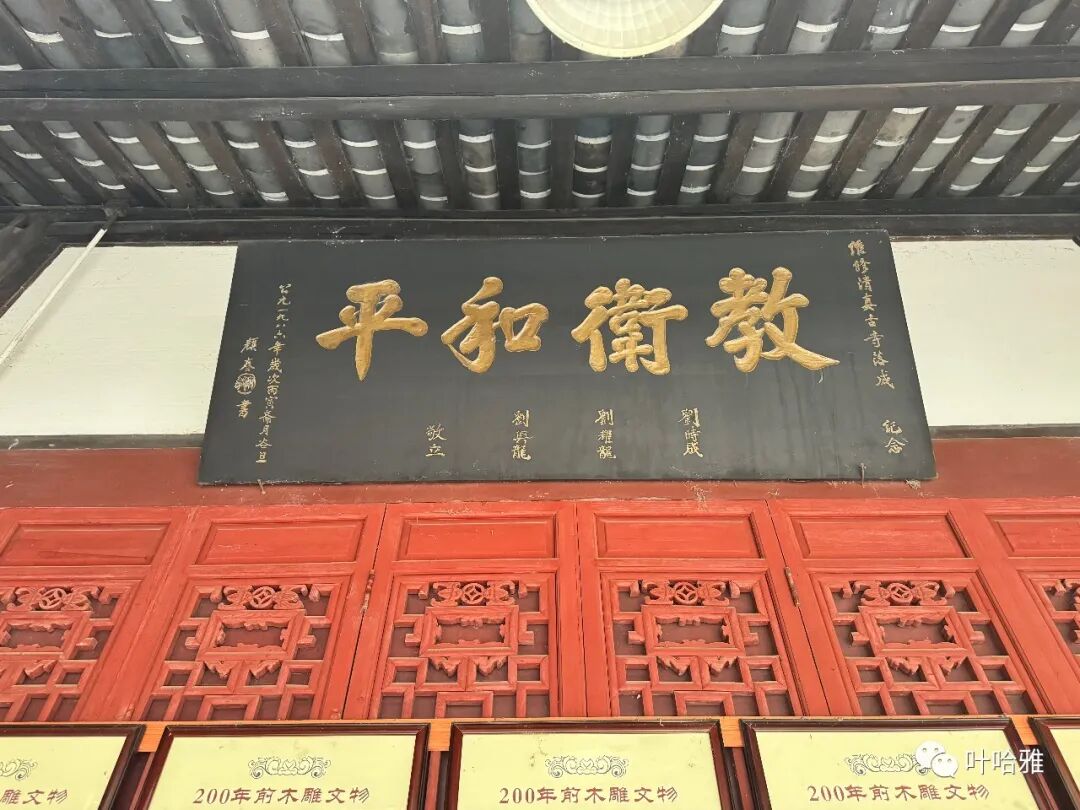
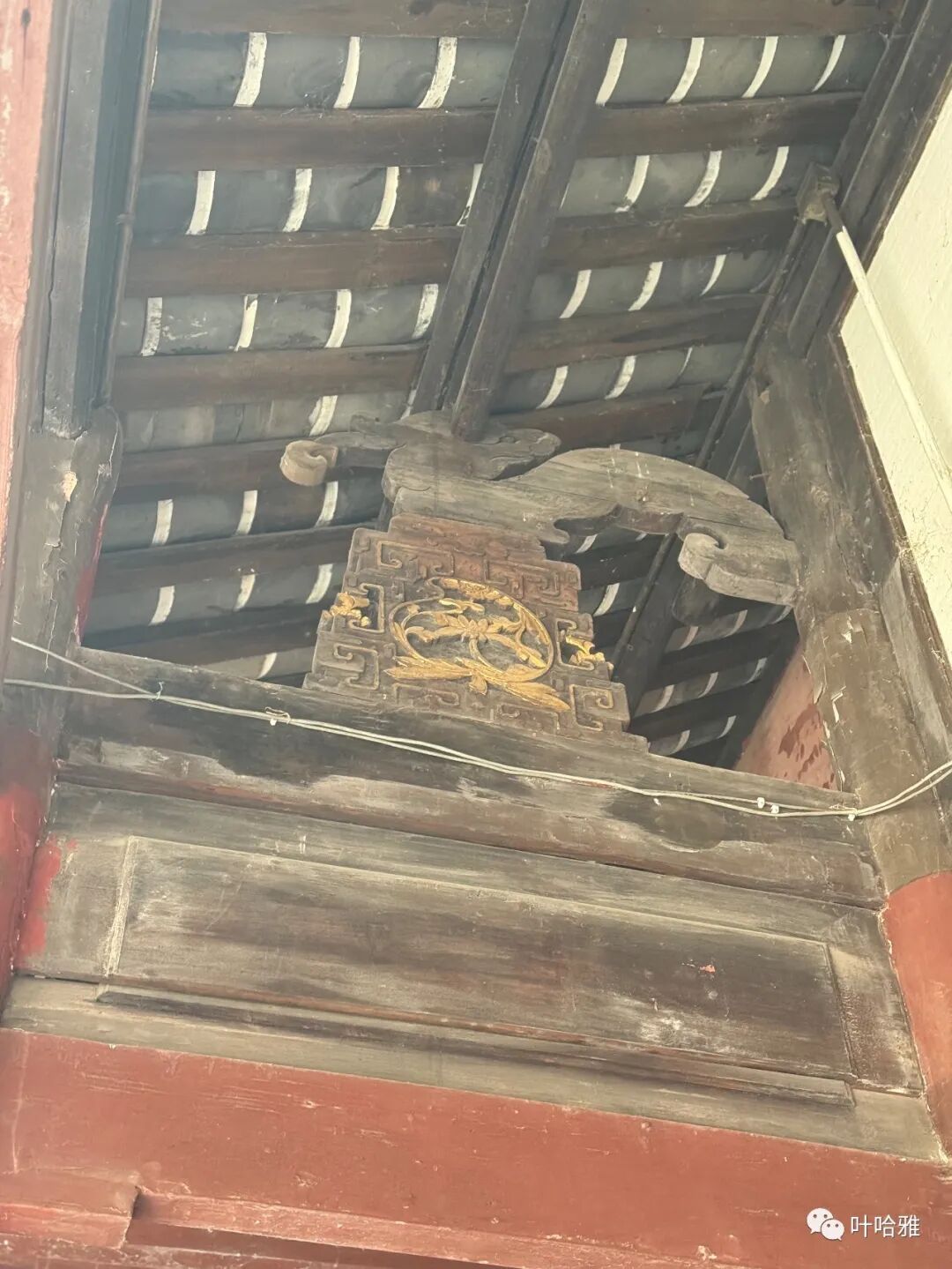
Xiaoquan Mosque has a cultural exhibition room, the first of its kind in a Sichuan mosque. They set aside a room specifically for cultural displays, and People say other religious sites in Sichuan have since followed Xiaoquan Mosque's lead by creating their own exhibition spaces.
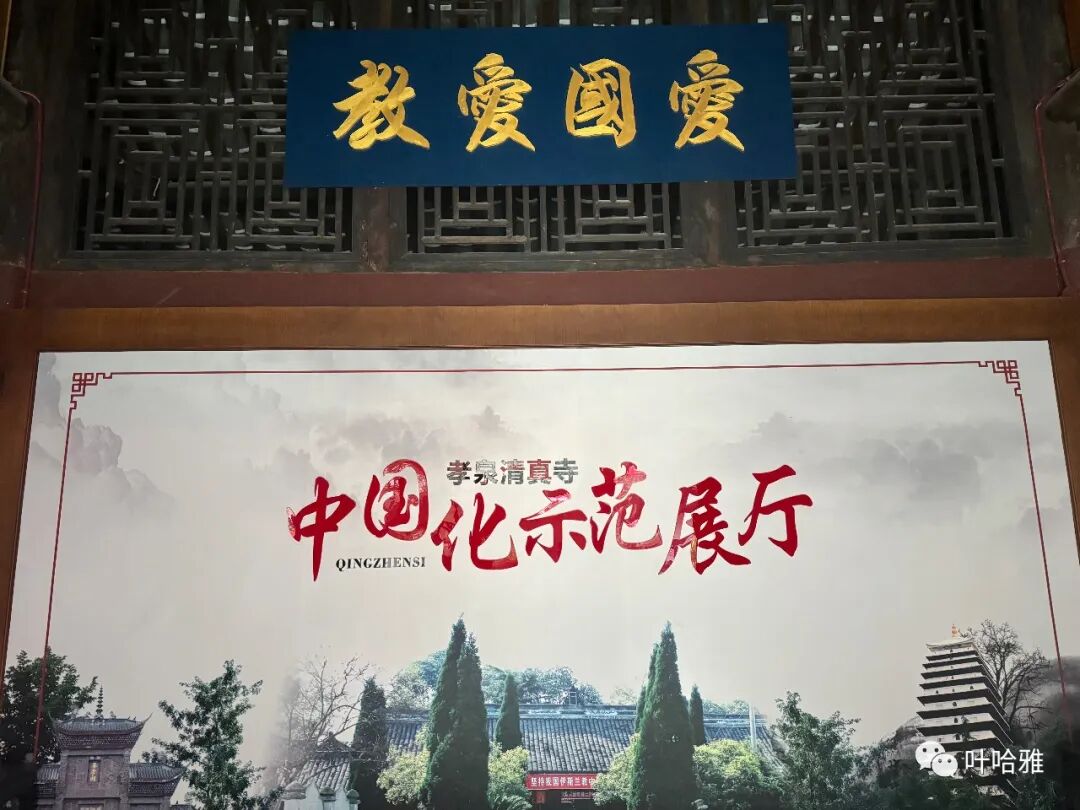
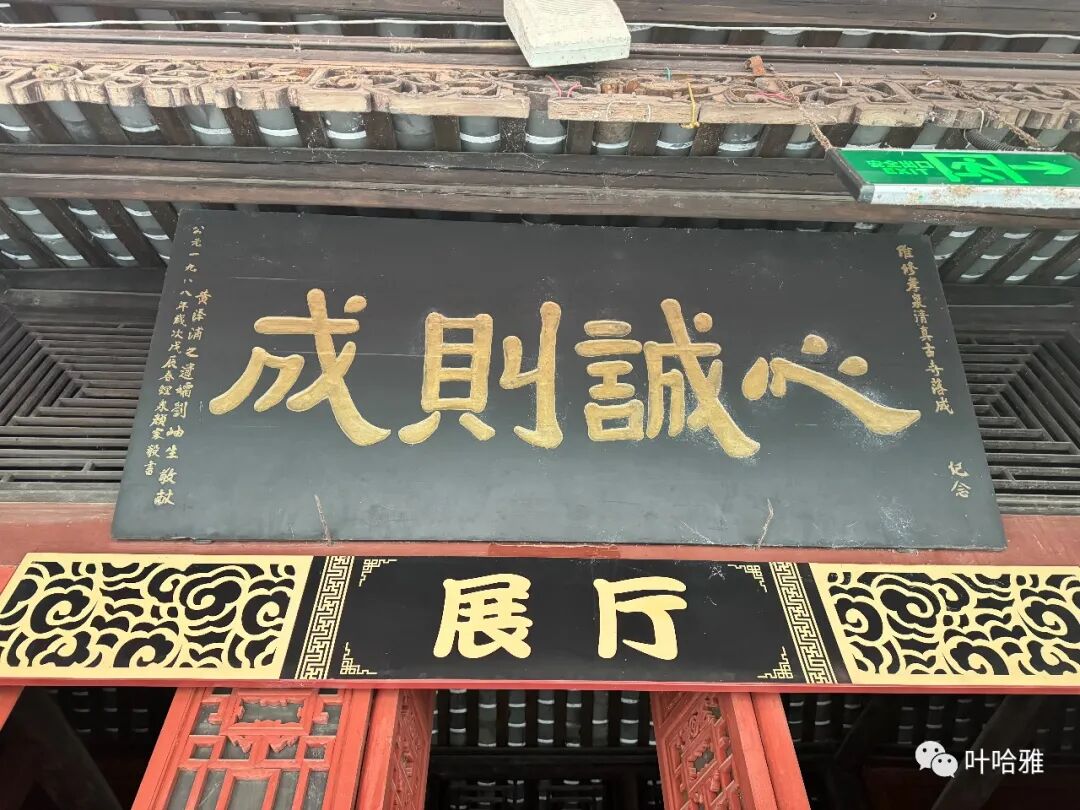
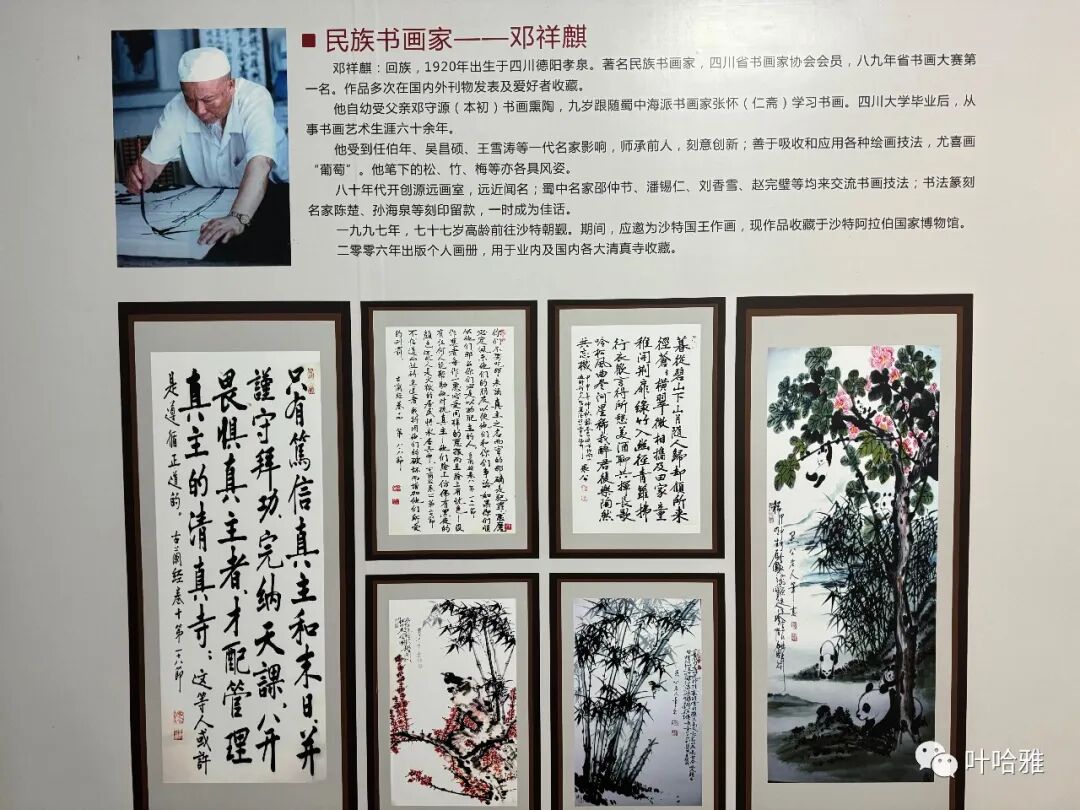
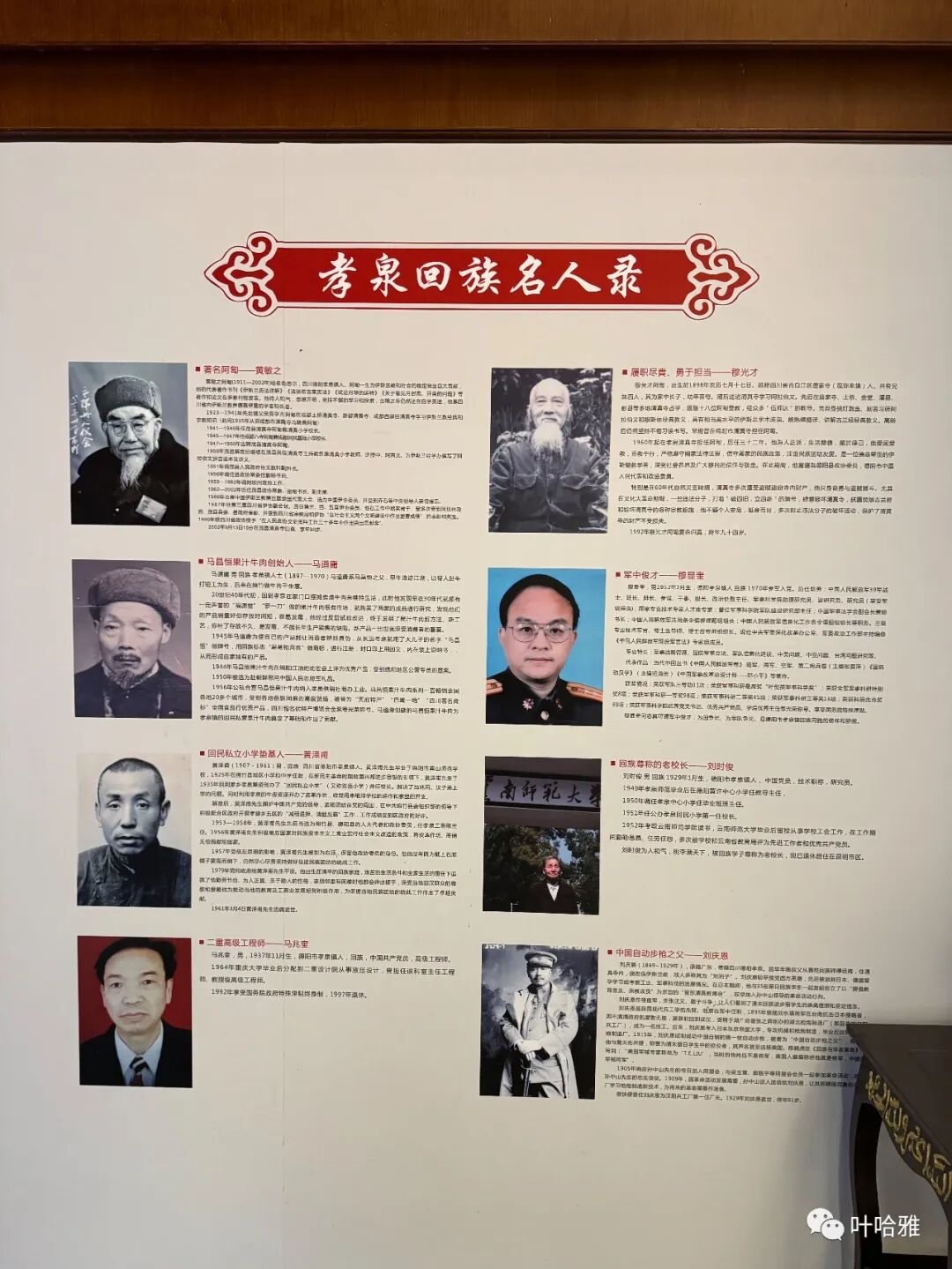
The exhibition hall displays some famous Hui Muslims from Xiaoquan, and these individuals still held a strong sense of their faith.
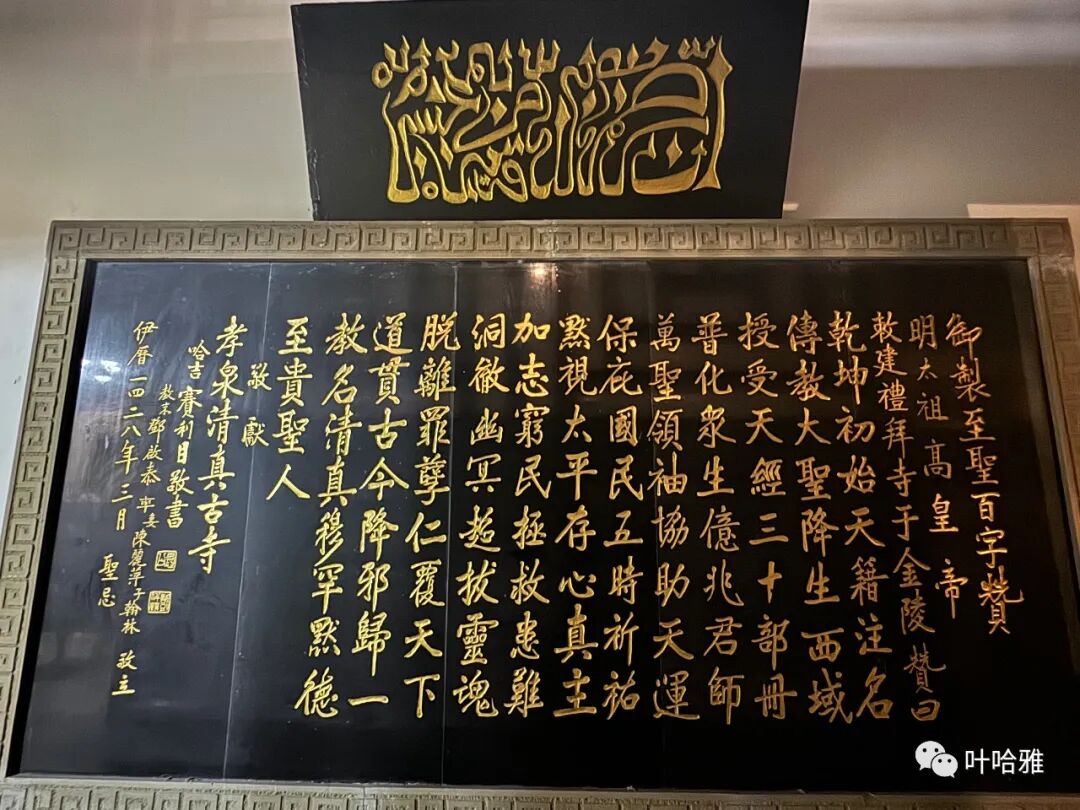
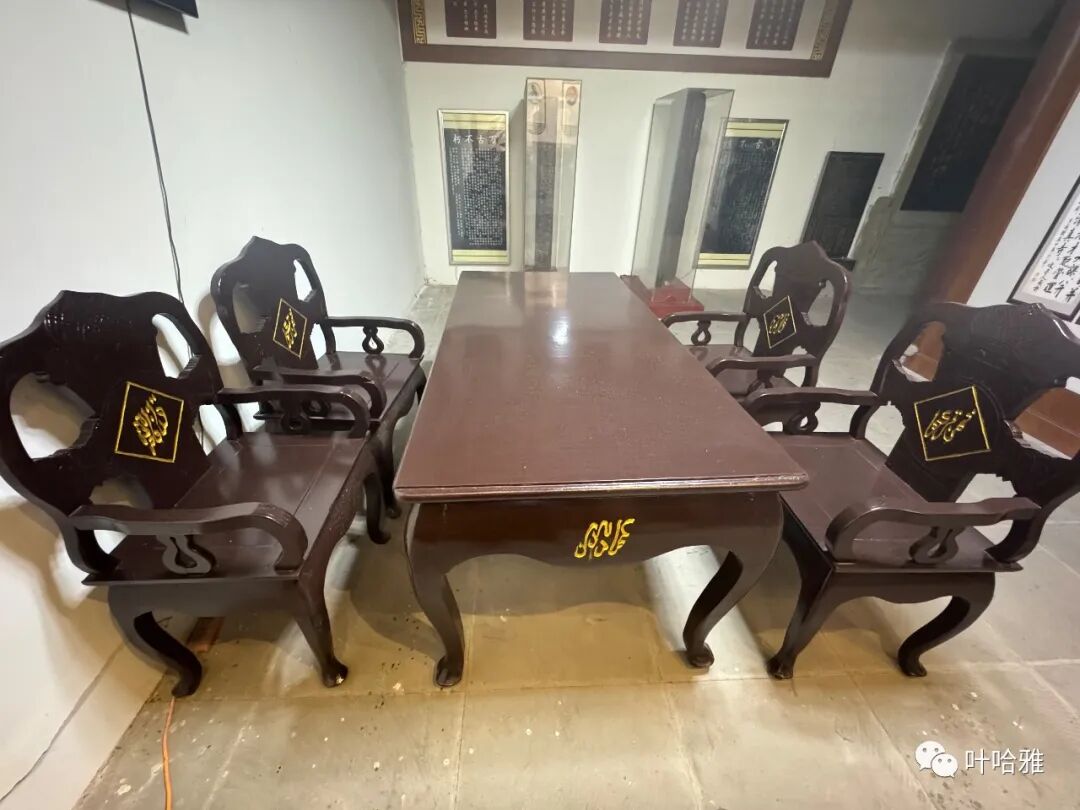
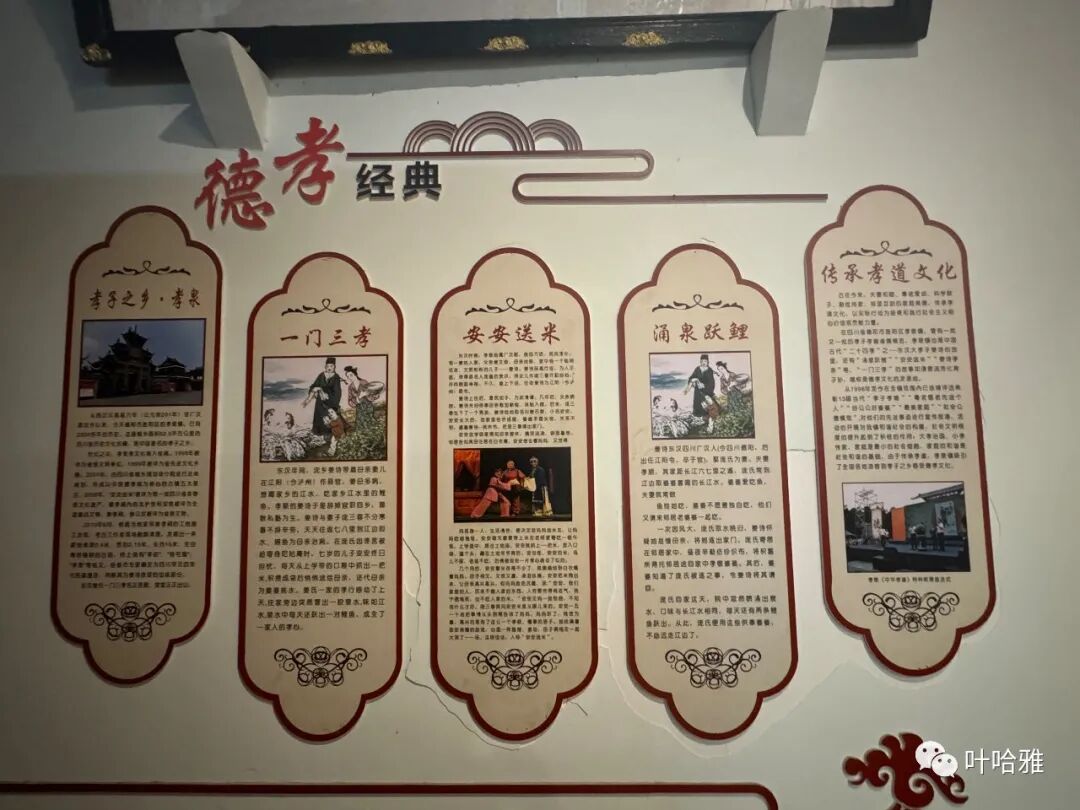
Xiaoquan is famous for its values of virtue and filial piety, and many stories about these traits are passed down here. One of them is the Eternal Monument, which records the story of a Muslim named Zhang Zongfa and how he showed filial piety to his parents both while they were alive and after they returned to Allah.
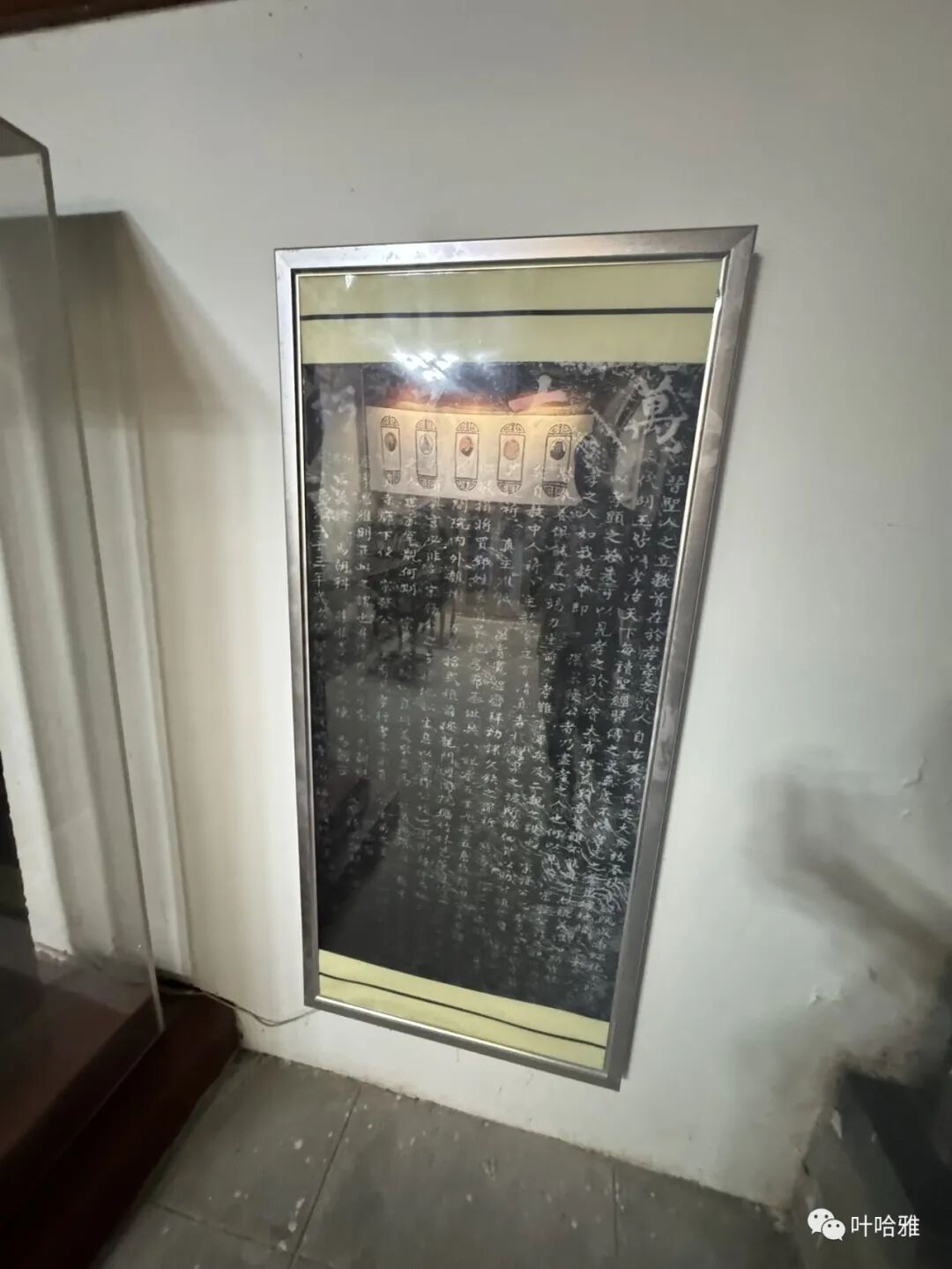
The story says that Zhang Zongfa learned the importance of filial piety from the Prophet and ancient Chinese classics. He served his parents with all his heart while they were alive. After they returned to Allah, he donated grain and land to the mosque, hoping to make up for any missed namaz his parents had during their lives. He also taught his descendants never to forget the importance of filial piety.
Summary: This Sichuan halal food guide maps Mianyang and Deyang, including halal breakfast, Mulanting food, Fucheng Mosque, Ma Laowu, Xiaoquan Mosque, fruit juice beef, Hui Muslim heritage, and local halal Sichuan dishes.
A Map of Halal Food in Mianyang and Deyang, Sichuan is presented here as a firsthand travel account in clear English, beginning with this scene: Ten of my travelogues were deleted recently, likely due to title violations. I have revised and reposted them. The account keeps its focus on Halal Travel, Yiwu Food, Mosque Travel while preserving the names, places, food, and historical details from the Chinese source.
Ten of my travelogues were deleted recently, likely due to title violations. I have revised and reposted them.
Our group recently partnered with the Yingke (Mianyang) Law Firm. We now offer professional wealth management consulting by combining insurance brokers and lawyers. Insurance brokers who understand law and lawyers who understand insurance are rare in the market, and I look forward to our future.
Taking this opportunity, I visited Mianyang for the second time after two years. Mianyang, Jiangyou, Deyang, Pengzhou, and Chengdu are areas where Hui Muslims are concentrated in Sichuan. If you are interested in Sichuan halal food culture, you can plan a trip to this region. My previous article about Mianyang is here: A Halal Tour of Mianyang, Sichuan—Jiangyou Mosque in the Hometown of Li Bai.
I recommend staying at the Hampton by Hilton in Mianyang. A Hui Muslim friend of mine in Mianyang introduced me to it, and the owner is also a Hui Muslim who provides halal breakfast.
Mulanting Sichuan-style Halal
The flight from Beijing to Mianyang takes over two hours. For my first meal after arriving, my partner Dosti took me to this very artistic restaurant, Mulanting, to eat Sichuan-style halal food.
Sitting in the courtyard with comfortable temperatures and a quiet atmosphere, I felt especially relaxed while enjoying the food. The restaurant has a great environment and the food is delicious, especially the brown sugar flatbread (guokui) and diced rabbit (tuding), which are both local specialties. Prices in Mianyang are not high, costing about 50-60 yuan per person.
Stewed beef tendon
Braised eggplant with green beans
Brown sugar stuffed flatbread (guokui)
Diced rabbit with chopped chili (duojiao tuding)
Fucheng Mosque in Mianyang
I visited the Mianyang mosque and saw the renovation is finished. The exterior looks very different. Fucheng Mosque was first built during the Xianfeng era of the Qing Dynasty, and the current building was renovated in 2022. It serves over 10,000 Muslims in the city.
Ma Laowu Restaurant
Ma Laowu Restaurant is a Sichuan-style halal eatery. The top left corner says it is a time-honored brand from Yanting, which means the owner is from Yanting. Yanting is the county with the most Hui Muslims in Mianyang.
Halal restaurants in Sichuan mainly serve beef. With the unique spicy and numbing flavor of Sichuan, these stir-fried dishes go perfectly with rice.
Cold jelly noodles (liangban liangfen)
Dry-fried beef (ganbian niurou)
Shredded potato with green pepper (qingjiao tudousi)
Mianyang oil and vinegar noodles (youcu mian)
Oil and vinegar noodles are a local Mianyang specialty. The noodles are thin and soft with a slightly spicy taste. We originally wanted rice, but it wasn't ready when we arrived, so we tried these special noodles instead.
Beef meatball soup (niurou wanzi tang)
Maijia Impression Restaurant (Maijia Yinxiang Canting)
This Sichuan restaurant is on the first floor of a mosque. They do not sell alcohol. The shops around the Fucheng Mosque in Mianyang belong to the mosque, so none of the halal restaurants here sell alcohol. You can eat here with peace of mind.
When you eat local halal stir-fry in Mianyang, you cannot go wrong. Every dish is delicious.
Century egg with pickled peppers (paojiao pidan)
Pickled vegetable and vermicelli soup (suancai fensi tang)
Cold tossed beef (liangban niurou)
Beef with tofu pudding (douhua niurou)
Below are halal eateries around the Fucheng Mosque in Mianyang, including snack shops, teahouses, and grocery stores.
Wenji Night Banquet (Wenji Yeyan)
This is a halal restaurant in Mianyang that specializes in bold, local-style dishes. We already ate plenty of beef, so this meal focuses on fish. Mianyang has many ways to cook fish, and they serve types of river fish that are rarely seen in the north.
Fish with giant hyssop (huoxiang liugen yu)
Chicken feet with green peppers (qingjiao fengzhua)
Spicy grilled fish (mala kaoyu)
Grilled eggplant (kao qiezi)
Grilled oysters (kao shenghao)
Pinyuexuan
Pinyuexuan is a long-standing Sichuan restaurant in Jiangyou, Mianyang. It has been open for at least twenty years and is the largest halal restaurant in the Jiangyou area.
Stir-fried celery with meat (qincai chaorou)
Vermicelli with minced meat (mayi shangshu)
Radish soup (luobo tang)
Diced beef with green peppers served with corn buns (qingjiao niurouli pei wotou)
Beef brisket stewed with tofu (niunan dun doufu)
The owner of Pinyuexuan seen from behind. He is very welcoming, and we greeted each other with salaam.
Deyang, Xiaoquan Ancient Town, Huilanyuan Slaughterhouse Hot Pot
It takes about an hour to drive from Mianyang to Deyang. In Xiaoquan Ancient Town, there is a street dedicated to halal food.
This local halal hot pot restaurant has been open for six years in a very quiet setting. The meat comes from the slaughterhouse right next door, which has its own professional butchers. We even ran into one of the butchers while we were praying at the Xiaoquan Mosque.
We chose a mild spicy beef tallow hot pot. It did not taste too spicy to me; the flavor was just right.
Steamed dumplings (shaomai)
Banbian Street in Xiaoquan Ancient Town
This street is full of small shops serving local halal specialties. It used to have a Central Asian style, but after renovations, it now features a blue-toned design.
A specialty of Xiaoquan is this fruit juice beef (guozhi niurou), a type of beef jerky made with rock sugar syrup. It is salty, fresh, and spicy with a sweet aftertaste, making it a delicious snack to have with tea.
Xiaoquan Mosque
Xiaoquan Mosque was first built during the Daoguang period of the Qing Dynasty. The original building was an ancestral hall belonging to a Han Chinese family named Feng. Two Muslim families, the Dengs and the Mas, bought it and converted it into a mosque while keeping the original architectural style.
Turning an ancestral hall into a mosque is a very open-minded idea. There are many examples today of churches being converted into mosques. This saves money, helps the mosque blend into the local culture, and does not go against Islamic teachings, so it is worth promoting.
Xiaoquan Mosque has a cultural exhibition room, the first of its kind in a Sichuan mosque. They set aside a room specifically for cultural displays, and People say other religious sites in Sichuan have since followed Xiaoquan Mosque's lead by creating their own exhibition spaces.
The exhibition hall displays some famous Hui Muslims from Xiaoquan, and these individuals still held a strong sense of their faith.
Xiaoquan is famous for its values of virtue and filial piety, and many stories about these traits are passed down here. One of them is the Eternal Monument, which records the story of a Muslim named Zhang Zongfa and how he showed filial piety to his parents both while they were alive and after they returned to Allah.
The story says that Zhang Zongfa learned the importance of filial piety from the Prophet and ancient Chinese classics. He served his parents with all his heart while they were alive. After they returned to Allah, he donated grain and land to the mosque, hoping to make up for any missed namaz his parents had during their lives. He also taught his descendants never to forget the importance of filial piety.
Halal Food Guide Sichuan: Mianyang and Deyang Hui Muslim Food, Fucheng Mosque and Xiaoquan Mosque
Articles • yusuf908 posted the article • 0 comments • 262 views • 2026-05-22 22:52
Reposted from the web
Summary: This Sichuan halal food guide maps Mianyang and Deyang, including halal breakfast, Mulanting food, Fucheng Mosque, Ma Laowu, Xiaoquan Mosque, fruit juice beef, Hui Muslim heritage, and local halal Sichuan dishes.
A Map of Halal Food in Mianyang and Deyang, Sichuan is presented here as a firsthand travel account in clear English, beginning with this scene: Ten of my travelogues were deleted recently, likely due to title violations. I have revised and reposted them. The account keeps its focus on Halal Travel, Yiwu Food, Mosque Travel while preserving the names, places, food, and historical details from the Chinese source.
Ten of my travelogues were deleted recently, likely due to title violations. I have revised and reposted them.
Our group recently partnered with the Yingke (Mianyang) Law Firm. We now offer professional wealth management consulting by combining insurance brokers and lawyers. Insurance brokers who understand law and lawyers who understand insurance are rare in the market, and I look forward to our future.
Taking this opportunity, I visited Mianyang for the second time after two years. Mianyang, Jiangyou, Deyang, Pengzhou, and Chengdu are areas where Hui Muslims are concentrated in Sichuan. If you are interested in Sichuan halal food culture, you can plan a trip to this region. My previous article about Mianyang is here: A Halal Tour of Mianyang, Sichuan—Jiangyou Mosque in the Hometown of Li Bai.
I recommend staying at the Hampton by Hilton in Mianyang. A Hui Muslim friend of mine in Mianyang introduced me to it, and the owner is also a Hui Muslim who provides halal breakfast.
Mulanting Sichuan-style Halal
The flight from Beijing to Mianyang takes over two hours. For my first meal after arriving, my partner Dosti took me to this very artistic restaurant, Mulanting, to eat Sichuan-style halal food.
Sitting in the courtyard with comfortable temperatures and a quiet atmosphere, I felt especially relaxed while enjoying the food. The restaurant has a great environment and the food is delicious, especially the brown sugar flatbread (guokui) and diced rabbit (tuding), which are both local specialties. Prices in Mianyang are not high, costing about 50-60 yuan per person.
Stewed beef tendon
Braised eggplant with green beans
Brown sugar stuffed flatbread (guokui)
Diced rabbit with chopped chili (duojiao tuding)
Fucheng Mosque in Mianyang
I visited the Mianyang mosque and saw the renovation is finished. The exterior looks very different. Fucheng Mosque was first built during the Xianfeng era of the Qing Dynasty, and the current building was renovated in 2022. It serves over 10,000 Muslims in the city.
Ma Laowu Restaurant
Ma Laowu Restaurant is a Sichuan-style halal eatery. The top left corner says it is a time-honored brand from Yanting, which means the owner is from Yanting. Yanting is the county with the most Hui Muslims in Mianyang.
Halal restaurants in Sichuan mainly serve beef. With the unique spicy and numbing flavor of Sichuan, these stir-fried dishes go perfectly with rice.
Cold jelly noodles (liangban liangfen)
Dry-fried beef (ganbian niurou)
Shredded potato with green pepper (qingjiao tudousi)
Mianyang oil and vinegar noodles (youcu mian)
Oil and vinegar noodles are a local Mianyang specialty. The noodles are thin and soft with a slightly spicy taste. We originally wanted rice, but it wasn't ready when we arrived, so we tried these special noodles instead.
Beef meatball soup (niurou wanzi tang)
Maijia Impression Restaurant (Maijia Yinxiang Canting)
This Sichuan restaurant is on the first floor of a mosque. They do not sell alcohol. The shops around the Fucheng Mosque in Mianyang belong to the mosque, so none of the halal restaurants here sell alcohol. You can eat here with peace of mind.
When you eat local halal stir-fry in Mianyang, you cannot go wrong. Every dish is delicious.
Century egg with pickled peppers (paojiao pidan)
Pickled vegetable and vermicelli soup (suancai fensi tang)
Cold tossed beef (liangban niurou)
Beef with tofu pudding (douhua niurou)
Below are halal eateries around the Fucheng Mosque in Mianyang, including snack shops, teahouses, and grocery stores.
Wenji Night Banquet (Wenji Yeyan)
This is a halal restaurant in Mianyang that specializes in bold, local-style dishes. We already ate plenty of beef, so this meal focuses on fish. Mianyang has many ways to cook fish, and they serve types of river fish that are rarely seen in the north.
Fish with giant hyssop (huoxiang liugen yu)
Chicken feet with green peppers (qingjiao fengzhua)
Spicy grilled fish (mala kaoyu)
Grilled eggplant (kao qiezi)
Grilled oysters (kao shenghao)
Pinyuexuan
Pinyuexuan is a long-standing Sichuan restaurant in Jiangyou, Mianyang. It has been open for at least twenty years and is the largest halal restaurant in the Jiangyou area.
Stir-fried celery with meat (qincai chaorou)
Vermicelli with minced meat (mayi shangshu)
Radish soup (luobo tang)
Diced beef with green peppers served with corn buns (qingjiao niurouli pei wotou)
Beef brisket stewed with tofu (niunan dun doufu)
The owner of Pinyuexuan seen from behind. He is very welcoming, and we greeted each other with salaam.
Deyang, Xiaoquan Ancient Town, Huilanyuan Slaughterhouse Hot Pot
It takes about an hour to drive from Mianyang to Deyang. In Xiaoquan Ancient Town, there is a street dedicated to halal food.
This local halal hot pot restaurant has been open for six years in a very quiet setting. The meat comes from the slaughterhouse right next door, which has its own professional butchers. We even ran into one of the butchers while we were praying at the Xiaoquan Mosque.
We chose a mild spicy beef tallow hot pot. It did not taste too spicy to me; the flavor was just right.
Steamed dumplings (shaomai)
Banbian Street in Xiaoquan Ancient Town
This street is full of small shops serving local halal specialties. It used to have a Central Asian style, but after renovations, it now features a blue-toned design.
A specialty of Xiaoquan is this fruit juice beef (guozhi niurou), a type of beef jerky made with rock sugar syrup. It is salty, fresh, and spicy with a sweet aftertaste, making it a delicious snack to have with tea.
Xiaoquan Mosque
Xiaoquan Mosque was first built during the Daoguang period of the Qing Dynasty. The original building was an ancestral hall belonging to a Han Chinese family named Feng. Two Muslim families, the Dengs and the Mas, bought it and converted it into a mosque while keeping the original architectural style.
Turning an ancestral hall into a mosque is a very open-minded idea. There are many examples today of churches being converted into mosques. This saves money, helps the mosque blend into the local culture, and does not go against Islamic teachings, so it is worth promoting.
Xiaoquan Mosque has a cultural exhibition room, the first of its kind in a Sichuan mosque. They set aside a room specifically for cultural displays, and People say other religious sites in Sichuan have since followed Xiaoquan Mosque's lead by creating their own exhibition spaces.
The exhibition hall displays some famous Hui Muslims from Xiaoquan, and these individuals still held a strong sense of their faith.
Xiaoquan is famous for its values of virtue and filial piety, and many stories about these traits are passed down here. One of them is the Eternal Monument, which records the story of a Muslim named Zhang Zongfa and how he showed filial piety to his parents both while they were alive and after they returned to Allah.
The story says that Zhang Zongfa learned the importance of filial piety from the Prophet and ancient Chinese classics. He served his parents with all his heart while they were alive. After they returned to Allah, he donated grain and land to the mosque, hoping to make up for any missed namaz his parents had during their lives. He also taught his descendants never to forget the importance of filial piety. view all
Summary: This Sichuan halal food guide maps Mianyang and Deyang, including halal breakfast, Mulanting food, Fucheng Mosque, Ma Laowu, Xiaoquan Mosque, fruit juice beef, Hui Muslim heritage, and local halal Sichuan dishes.
A Map of Halal Food in Mianyang and Deyang, Sichuan is presented here as a firsthand travel account in clear English, beginning with this scene: Ten of my travelogues were deleted recently, likely due to title violations. I have revised and reposted them. The account keeps its focus on Halal Travel, Yiwu Food, Mosque Travel while preserving the names, places, food, and historical details from the Chinese source.
Ten of my travelogues were deleted recently, likely due to title violations. I have revised and reposted them.
Our group recently partnered with the Yingke (Mianyang) Law Firm. We now offer professional wealth management consulting by combining insurance brokers and lawyers. Insurance brokers who understand law and lawyers who understand insurance are rare in the market, and I look forward to our future.
Taking this opportunity, I visited Mianyang for the second time after two years. Mianyang, Jiangyou, Deyang, Pengzhou, and Chengdu are areas where Hui Muslims are concentrated in Sichuan. If you are interested in Sichuan halal food culture, you can plan a trip to this region. My previous article about Mianyang is here: A Halal Tour of Mianyang, Sichuan—Jiangyou Mosque in the Hometown of Li Bai.
I recommend staying at the Hampton by Hilton in Mianyang. A Hui Muslim friend of mine in Mianyang introduced me to it, and the owner is also a Hui Muslim who provides halal breakfast.
Mulanting Sichuan-style Halal
The flight from Beijing to Mianyang takes over two hours. For my first meal after arriving, my partner Dosti took me to this very artistic restaurant, Mulanting, to eat Sichuan-style halal food.
Sitting in the courtyard with comfortable temperatures and a quiet atmosphere, I felt especially relaxed while enjoying the food. The restaurant has a great environment and the food is delicious, especially the brown sugar flatbread (guokui) and diced rabbit (tuding), which are both local specialties. Prices in Mianyang are not high, costing about 50-60 yuan per person.
Stewed beef tendon
Braised eggplant with green beans
Brown sugar stuffed flatbread (guokui)
Diced rabbit with chopped chili (duojiao tuding)
Fucheng Mosque in Mianyang
I visited the Mianyang mosque and saw the renovation is finished. The exterior looks very different. Fucheng Mosque was first built during the Xianfeng era of the Qing Dynasty, and the current building was renovated in 2022. It serves over 10,000 Muslims in the city.
Ma Laowu Restaurant
Ma Laowu Restaurant is a Sichuan-style halal eatery. The top left corner says it is a time-honored brand from Yanting, which means the owner is from Yanting. Yanting is the county with the most Hui Muslims in Mianyang.
Halal restaurants in Sichuan mainly serve beef. With the unique spicy and numbing flavor of Sichuan, these stir-fried dishes go perfectly with rice.
Cold jelly noodles (liangban liangfen)
Dry-fried beef (ganbian niurou)
Shredded potato with green pepper (qingjiao tudousi)
Mianyang oil and vinegar noodles (youcu mian)
Oil and vinegar noodles are a local Mianyang specialty. The noodles are thin and soft with a slightly spicy taste. We originally wanted rice, but it wasn't ready when we arrived, so we tried these special noodles instead.
Beef meatball soup (niurou wanzi tang)
Maijia Impression Restaurant (Maijia Yinxiang Canting)
This Sichuan restaurant is on the first floor of a mosque. They do not sell alcohol. The shops around the Fucheng Mosque in Mianyang belong to the mosque, so none of the halal restaurants here sell alcohol. You can eat here with peace of mind.
When you eat local halal stir-fry in Mianyang, you cannot go wrong. Every dish is delicious.
Century egg with pickled peppers (paojiao pidan)
Pickled vegetable and vermicelli soup (suancai fensi tang)
Cold tossed beef (liangban niurou)
Beef with tofu pudding (douhua niurou)
Below are halal eateries around the Fucheng Mosque in Mianyang, including snack shops, teahouses, and grocery stores.
Wenji Night Banquet (Wenji Yeyan)
This is a halal restaurant in Mianyang that specializes in bold, local-style dishes. We already ate plenty of beef, so this meal focuses on fish. Mianyang has many ways to cook fish, and they serve types of river fish that are rarely seen in the north.
Fish with giant hyssop (huoxiang liugen yu)
Chicken feet with green peppers (qingjiao fengzhua)
Spicy grilled fish (mala kaoyu)
Grilled eggplant (kao qiezi)
Grilled oysters (kao shenghao)
Pinyuexuan
Pinyuexuan is a long-standing Sichuan restaurant in Jiangyou, Mianyang. It has been open for at least twenty years and is the largest halal restaurant in the Jiangyou area.
Stir-fried celery with meat (qincai chaorou)
Vermicelli with minced meat (mayi shangshu)
Radish soup (luobo tang)
Diced beef with green peppers served with corn buns (qingjiao niurouli pei wotou)
Beef brisket stewed with tofu (niunan dun doufu)
The owner of Pinyuexuan seen from behind. He is very welcoming, and we greeted each other with salaam.
Deyang, Xiaoquan Ancient Town, Huilanyuan Slaughterhouse Hot Pot
It takes about an hour to drive from Mianyang to Deyang. In Xiaoquan Ancient Town, there is a street dedicated to halal food.
This local halal hot pot restaurant has been open for six years in a very quiet setting. The meat comes from the slaughterhouse right next door, which has its own professional butchers. We even ran into one of the butchers while we were praying at the Xiaoquan Mosque.
We chose a mild spicy beef tallow hot pot. It did not taste too spicy to me; the flavor was just right.
Steamed dumplings (shaomai)
Banbian Street in Xiaoquan Ancient Town
This street is full of small shops serving local halal specialties. It used to have a Central Asian style, but after renovations, it now features a blue-toned design.
A specialty of Xiaoquan is this fruit juice beef (guozhi niurou), a type of beef jerky made with rock sugar syrup. It is salty, fresh, and spicy with a sweet aftertaste, making it a delicious snack to have with tea.
Xiaoquan Mosque
Xiaoquan Mosque was first built during the Daoguang period of the Qing Dynasty. The original building was an ancestral hall belonging to a Han Chinese family named Feng. Two Muslim families, the Dengs and the Mas, bought it and converted it into a mosque while keeping the original architectural style.
Turning an ancestral hall into a mosque is a very open-minded idea. There are many examples today of churches being converted into mosques. This saves money, helps the mosque blend into the local culture, and does not go against Islamic teachings, so it is worth promoting.
Xiaoquan Mosque has a cultural exhibition room, the first of its kind in a Sichuan mosque. They set aside a room specifically for cultural displays, and People say other religious sites in Sichuan have since followed Xiaoquan Mosque's lead by creating their own exhibition spaces.
The exhibition hall displays some famous Hui Muslims from Xiaoquan, and these individuals still held a strong sense of their faith.
Xiaoquan is famous for its values of virtue and filial piety, and many stories about these traits are passed down here. One of them is the Eternal Monument, which records the story of a Muslim named Zhang Zongfa and how he showed filial piety to his parents both while they were alive and after they returned to Allah.
The story says that Zhang Zongfa learned the importance of filial piety from the Prophet and ancient Chinese classics. He served his parents with all his heart while they were alive. After they returned to Allah, he donated grain and land to the mosque, hoping to make up for any missed namaz his parents had during their lives. He also taught his descendants never to forget the importance of filial piety. view all
Reposted from the web
Summary: This Sichuan halal food guide maps Mianyang and Deyang, including halal breakfast, Mulanting food, Fucheng Mosque, Ma Laowu, Xiaoquan Mosque, fruit juice beef, Hui Muslim heritage, and local halal Sichuan dishes.
A Map of Halal Food in Mianyang and Deyang, Sichuan is presented here as a firsthand travel account in clear English, beginning with this scene: Ten of my travelogues were deleted recently, likely due to title violations. I have revised and reposted them. The account keeps its focus on Halal Travel, Yiwu Food, Mosque Travel while preserving the names, places, food, and historical details from the Chinese source.
Ten of my travelogues were deleted recently, likely due to title violations. I have revised and reposted them.
Our group recently partnered with the Yingke (Mianyang) Law Firm. We now offer professional wealth management consulting by combining insurance brokers and lawyers. Insurance brokers who understand law and lawyers who understand insurance are rare in the market, and I look forward to our future.
Taking this opportunity, I visited Mianyang for the second time after two years. Mianyang, Jiangyou, Deyang, Pengzhou, and Chengdu are areas where Hui Muslims are concentrated in Sichuan. If you are interested in Sichuan halal food culture, you can plan a trip to this region. My previous article about Mianyang is here: A Halal Tour of Mianyang, Sichuan—Jiangyou Mosque in the Hometown of Li Bai.
I recommend staying at the Hampton by Hilton in Mianyang. A Hui Muslim friend of mine in Mianyang introduced me to it, and the owner is also a Hui Muslim who provides halal breakfast.
Mulanting Sichuan-style Halal
The flight from Beijing to Mianyang takes over two hours. For my first meal after arriving, my partner Dosti took me to this very artistic restaurant, Mulanting, to eat Sichuan-style halal food.
Sitting in the courtyard with comfortable temperatures and a quiet atmosphere, I felt especially relaxed while enjoying the food. The restaurant has a great environment and the food is delicious, especially the brown sugar flatbread (guokui) and diced rabbit (tuding), which are both local specialties. Prices in Mianyang are not high, costing about 50-60 yuan per person.
Stewed beef tendon
Braised eggplant with green beans
Brown sugar stuffed flatbread (guokui)
Diced rabbit with chopped chili (duojiao tuding)
Fucheng Mosque in Mianyang
I visited the Mianyang mosque and saw the renovation is finished. The exterior looks very different. Fucheng Mosque was first built during the Xianfeng era of the Qing Dynasty, and the current building was renovated in 2022. It serves over 10,000 Muslims in the city.
Ma Laowu Restaurant
Ma Laowu Restaurant is a Sichuan-style halal eatery. The top left corner says it is a time-honored brand from Yanting, which means the owner is from Yanting. Yanting is the county with the most Hui Muslims in Mianyang.
Halal restaurants in Sichuan mainly serve beef. With the unique spicy and numbing flavor of Sichuan, these stir-fried dishes go perfectly with rice.
Cold jelly noodles (liangban liangfen)
Dry-fried beef (ganbian niurou)
Shredded potato with green pepper (qingjiao tudousi)
Mianyang oil and vinegar noodles (youcu mian)
Oil and vinegar noodles are a local Mianyang specialty. The noodles are thin and soft with a slightly spicy taste. We originally wanted rice, but it wasn't ready when we arrived, so we tried these special noodles instead.
Beef meatball soup (niurou wanzi tang)
Maijia Impression Restaurant (Maijia Yinxiang Canting)
This Sichuan restaurant is on the first floor of a mosque. They do not sell alcohol. The shops around the Fucheng Mosque in Mianyang belong to the mosque, so none of the halal restaurants here sell alcohol. You can eat here with peace of mind.
When you eat local halal stir-fry in Mianyang, you cannot go wrong. Every dish is delicious.
Century egg with pickled peppers (paojiao pidan)
Pickled vegetable and vermicelli soup (suancai fensi tang)
Cold tossed beef (liangban niurou)
Beef with tofu pudding (douhua niurou)
Below are halal eateries around the Fucheng Mosque in Mianyang, including snack shops, teahouses, and grocery stores.
Wenji Night Banquet (Wenji Yeyan)
This is a halal restaurant in Mianyang that specializes in bold, local-style dishes. We already ate plenty of beef, so this meal focuses on fish. Mianyang has many ways to cook fish, and they serve types of river fish that are rarely seen in the north.
Fish with giant hyssop (huoxiang liugen yu)
Chicken feet with green peppers (qingjiao fengzhua)
Spicy grilled fish (mala kaoyu)
Grilled eggplant (kao qiezi)
Grilled oysters (kao shenghao)
Pinyuexuan
Pinyuexuan is a long-standing Sichuan restaurant in Jiangyou, Mianyang. It has been open for at least twenty years and is the largest halal restaurant in the Jiangyou area.
Stir-fried celery with meat (qincai chaorou)
Vermicelli with minced meat (mayi shangshu)
Radish soup (luobo tang)
Diced beef with green peppers served with corn buns (qingjiao niurouli pei wotou)
Beef brisket stewed with tofu (niunan dun doufu)
The owner of Pinyuexuan seen from behind. He is very welcoming, and we greeted each other with salaam.
Deyang, Xiaoquan Ancient Town, Huilanyuan Slaughterhouse Hot Pot
It takes about an hour to drive from Mianyang to Deyang. In Xiaoquan Ancient Town, there is a street dedicated to halal food.
This local halal hot pot restaurant has been open for six years in a very quiet setting. The meat comes from the slaughterhouse right next door, which has its own professional butchers. We even ran into one of the butchers while we were praying at the Xiaoquan Mosque.
We chose a mild spicy beef tallow hot pot. It did not taste too spicy to me; the flavor was just right.
Steamed dumplings (shaomai)
Banbian Street in Xiaoquan Ancient Town
This street is full of small shops serving local halal specialties. It used to have a Central Asian style, but after renovations, it now features a blue-toned design.
A specialty of Xiaoquan is this fruit juice beef (guozhi niurou), a type of beef jerky made with rock sugar syrup. It is salty, fresh, and spicy with a sweet aftertaste, making it a delicious snack to have with tea.
Xiaoquan Mosque
Xiaoquan Mosque was first built during the Daoguang period of the Qing Dynasty. The original building was an ancestral hall belonging to a Han Chinese family named Feng. Two Muslim families, the Dengs and the Mas, bought it and converted it into a mosque while keeping the original architectural style.
Turning an ancestral hall into a mosque is a very open-minded idea. There are many examples today of churches being converted into mosques. This saves money, helps the mosque blend into the local culture, and does not go against Islamic teachings, so it is worth promoting.
Xiaoquan Mosque has a cultural exhibition room, the first of its kind in a Sichuan mosque. They set aside a room specifically for cultural displays, and People say other religious sites in Sichuan have since followed Xiaoquan Mosque's lead by creating their own exhibition spaces.
The exhibition hall displays some famous Hui Muslims from Xiaoquan, and these individuals still held a strong sense of their faith.
Xiaoquan is famous for its values of virtue and filial piety, and many stories about these traits are passed down here. One of them is the Eternal Monument, which records the story of a Muslim named Zhang Zongfa and how he showed filial piety to his parents both while they were alive and after they returned to Allah.
The story says that Zhang Zongfa learned the importance of filial piety from the Prophet and ancient Chinese classics. He served his parents with all his heart while they were alive. After they returned to Allah, he donated grain and land to the mosque, hoping to make up for any missed namaz his parents had during their lives. He also taught his descendants never to forget the importance of filial piety.
Summary: This Sichuan halal food guide maps Mianyang and Deyang, including halal breakfast, Mulanting food, Fucheng Mosque, Ma Laowu, Xiaoquan Mosque, fruit juice beef, Hui Muslim heritage, and local halal Sichuan dishes.
A Map of Halal Food in Mianyang and Deyang, Sichuan is presented here as a firsthand travel account in clear English, beginning with this scene: Ten of my travelogues were deleted recently, likely due to title violations. I have revised and reposted them. The account keeps its focus on Halal Travel, Yiwu Food, Mosque Travel while preserving the names, places, food, and historical details from the Chinese source.
Ten of my travelogues were deleted recently, likely due to title violations. I have revised and reposted them.
Our group recently partnered with the Yingke (Mianyang) Law Firm. We now offer professional wealth management consulting by combining insurance brokers and lawyers. Insurance brokers who understand law and lawyers who understand insurance are rare in the market, and I look forward to our future.
Taking this opportunity, I visited Mianyang for the second time after two years. Mianyang, Jiangyou, Deyang, Pengzhou, and Chengdu are areas where Hui Muslims are concentrated in Sichuan. If you are interested in Sichuan halal food culture, you can plan a trip to this region. My previous article about Mianyang is here: A Halal Tour of Mianyang, Sichuan—Jiangyou Mosque in the Hometown of Li Bai.
I recommend staying at the Hampton by Hilton in Mianyang. A Hui Muslim friend of mine in Mianyang introduced me to it, and the owner is also a Hui Muslim who provides halal breakfast.
Mulanting Sichuan-style Halal
The flight from Beijing to Mianyang takes over two hours. For my first meal after arriving, my partner Dosti took me to this very artistic restaurant, Mulanting, to eat Sichuan-style halal food.
Sitting in the courtyard with comfortable temperatures and a quiet atmosphere, I felt especially relaxed while enjoying the food. The restaurant has a great environment and the food is delicious, especially the brown sugar flatbread (guokui) and diced rabbit (tuding), which are both local specialties. Prices in Mianyang are not high, costing about 50-60 yuan per person.
Stewed beef tendon
Braised eggplant with green beans
Brown sugar stuffed flatbread (guokui)
Diced rabbit with chopped chili (duojiao tuding)
Fucheng Mosque in Mianyang
I visited the Mianyang mosque and saw the renovation is finished. The exterior looks very different. Fucheng Mosque was first built during the Xianfeng era of the Qing Dynasty, and the current building was renovated in 2022. It serves over 10,000 Muslims in the city.
Ma Laowu Restaurant
Ma Laowu Restaurant is a Sichuan-style halal eatery. The top left corner says it is a time-honored brand from Yanting, which means the owner is from Yanting. Yanting is the county with the most Hui Muslims in Mianyang.
Halal restaurants in Sichuan mainly serve beef. With the unique spicy and numbing flavor of Sichuan, these stir-fried dishes go perfectly with rice.
Cold jelly noodles (liangban liangfen)
Dry-fried beef (ganbian niurou)
Shredded potato with green pepper (qingjiao tudousi)
Mianyang oil and vinegar noodles (youcu mian)
Oil and vinegar noodles are a local Mianyang specialty. The noodles are thin and soft with a slightly spicy taste. We originally wanted rice, but it wasn't ready when we arrived, so we tried these special noodles instead.
Beef meatball soup (niurou wanzi tang)
Maijia Impression Restaurant (Maijia Yinxiang Canting)
This Sichuan restaurant is on the first floor of a mosque. They do not sell alcohol. The shops around the Fucheng Mosque in Mianyang belong to the mosque, so none of the halal restaurants here sell alcohol. You can eat here with peace of mind.
When you eat local halal stir-fry in Mianyang, you cannot go wrong. Every dish is delicious.
Century egg with pickled peppers (paojiao pidan)
Pickled vegetable and vermicelli soup (suancai fensi tang)
Cold tossed beef (liangban niurou)
Beef with tofu pudding (douhua niurou)
Below are halal eateries around the Fucheng Mosque in Mianyang, including snack shops, teahouses, and grocery stores.
Wenji Night Banquet (Wenji Yeyan)
This is a halal restaurant in Mianyang that specializes in bold, local-style dishes. We already ate plenty of beef, so this meal focuses on fish. Mianyang has many ways to cook fish, and they serve types of river fish that are rarely seen in the north.
Fish with giant hyssop (huoxiang liugen yu)
Chicken feet with green peppers (qingjiao fengzhua)
Spicy grilled fish (mala kaoyu)
Grilled eggplant (kao qiezi)
Grilled oysters (kao shenghao)
Pinyuexuan
Pinyuexuan is a long-standing Sichuan restaurant in Jiangyou, Mianyang. It has been open for at least twenty years and is the largest halal restaurant in the Jiangyou area.
Stir-fried celery with meat (qincai chaorou)
Vermicelli with minced meat (mayi shangshu)
Radish soup (luobo tang)
Diced beef with green peppers served with corn buns (qingjiao niurouli pei wotou)
Beef brisket stewed with tofu (niunan dun doufu)
The owner of Pinyuexuan seen from behind. He is very welcoming, and we greeted each other with salaam.
Deyang, Xiaoquan Ancient Town, Huilanyuan Slaughterhouse Hot Pot
It takes about an hour to drive from Mianyang to Deyang. In Xiaoquan Ancient Town, there is a street dedicated to halal food.
This local halal hot pot restaurant has been open for six years in a very quiet setting. The meat comes from the slaughterhouse right next door, which has its own professional butchers. We even ran into one of the butchers while we were praying at the Xiaoquan Mosque.
We chose a mild spicy beef tallow hot pot. It did not taste too spicy to me; the flavor was just right.
Steamed dumplings (shaomai)
Banbian Street in Xiaoquan Ancient Town
This street is full of small shops serving local halal specialties. It used to have a Central Asian style, but after renovations, it now features a blue-toned design.
A specialty of Xiaoquan is this fruit juice beef (guozhi niurou), a type of beef jerky made with rock sugar syrup. It is salty, fresh, and spicy with a sweet aftertaste, making it a delicious snack to have with tea.
Xiaoquan Mosque
Xiaoquan Mosque was first built during the Daoguang period of the Qing Dynasty. The original building was an ancestral hall belonging to a Han Chinese family named Feng. Two Muslim families, the Dengs and the Mas, bought it and converted it into a mosque while keeping the original architectural style.
Turning an ancestral hall into a mosque is a very open-minded idea. There are many examples today of churches being converted into mosques. This saves money, helps the mosque blend into the local culture, and does not go against Islamic teachings, so it is worth promoting.
Xiaoquan Mosque has a cultural exhibition room, the first of its kind in a Sichuan mosque. They set aside a room specifically for cultural displays, and People say other religious sites in Sichuan have since followed Xiaoquan Mosque's lead by creating their own exhibition spaces.
The exhibition hall displays some famous Hui Muslims from Xiaoquan, and these individuals still held a strong sense of their faith.
Xiaoquan is famous for its values of virtue and filial piety, and many stories about these traits are passed down here. One of them is the Eternal Monument, which records the story of a Muslim named Zhang Zongfa and how he showed filial piety to his parents both while they were alive and after they returned to Allah.
The story says that Zhang Zongfa learned the importance of filial piety from the Prophet and ancient Chinese classics. He served his parents with all his heart while they were alive. After they returned to Allah, he donated grain and land to the mosque, hoping to make up for any missed namaz his parents had during their lives. He also taught his descendants never to forget the importance of filial piety.