

Miyi Tianba
Halal Travel Guide: Miyi Tianba — Hui Muslim Village in Sichuan Mountains
Articles • ali2007fr posted the article • 0 comments • 192 views • 2026-05-18 20:36
Reposted from the web
Summary: Miyi Tianba — Hui Muslim Village in Sichuan Mountains is presented here as a firsthand travel account in clear English, beginning with this scene: On the morning of January 28, I took a high-speed train from Xichang to Miyi County, located at the southwestern tip of Sichuan. From there, I took a taxi to Tianba Hui Muslim village. The account keeps its focus on Miyi Tianba, Hui Muslim Village, Sichuan Travel while preserving the names, places, food, and historical details from the Chinese source.
On the morning of January 28, I took a high-speed train from Xichang to Miyi County, located at the southwestern tip of Sichuan. From there, I took a taxi to Tianba Hui Muslim village.
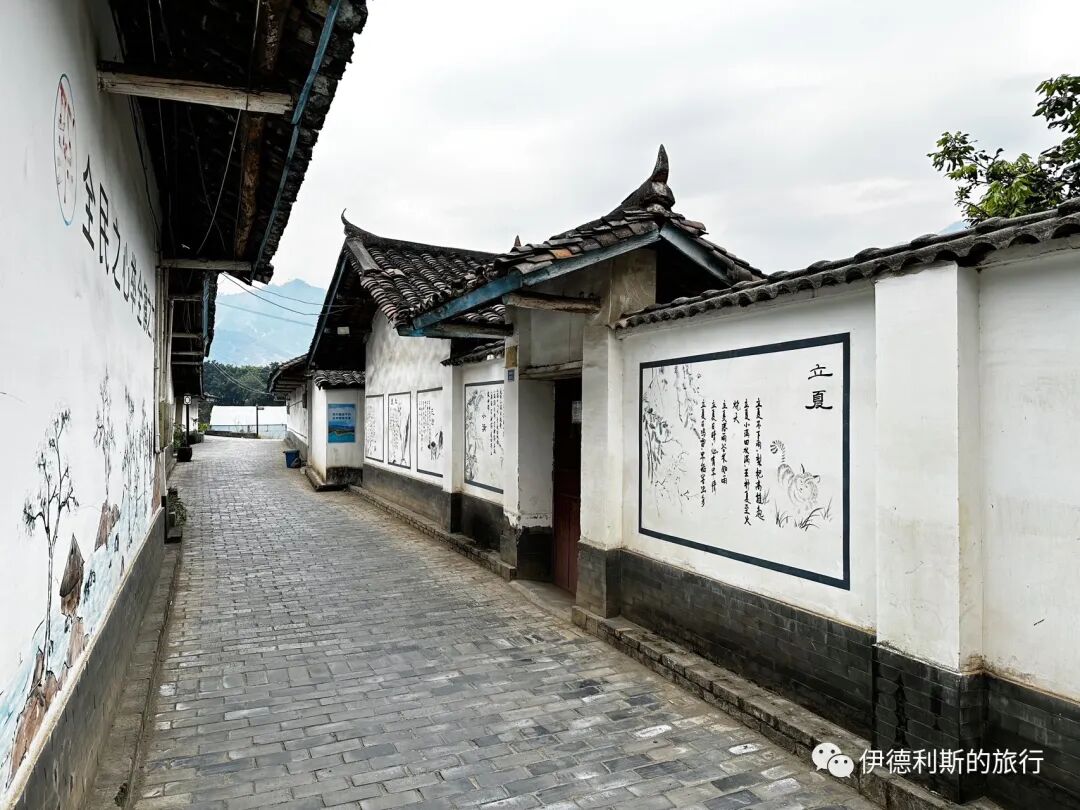
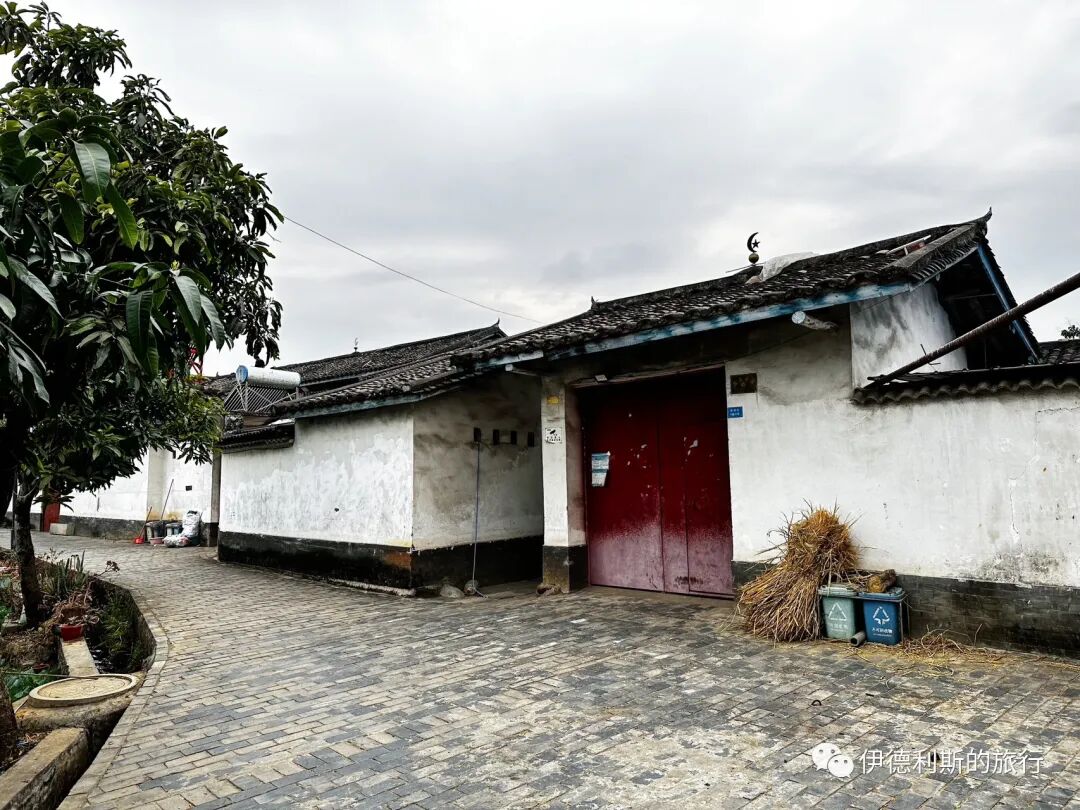
Tianba Village is a very beautiful Hui Muslim village. Besides the Tianba Mosque, which is listed as a Sichuan provincial cultural heritage site and is well worth a visit, the village is a peaceful place to wander. It feels like a quiet, rural paradise where you can hear chickens and dogs in the distance.
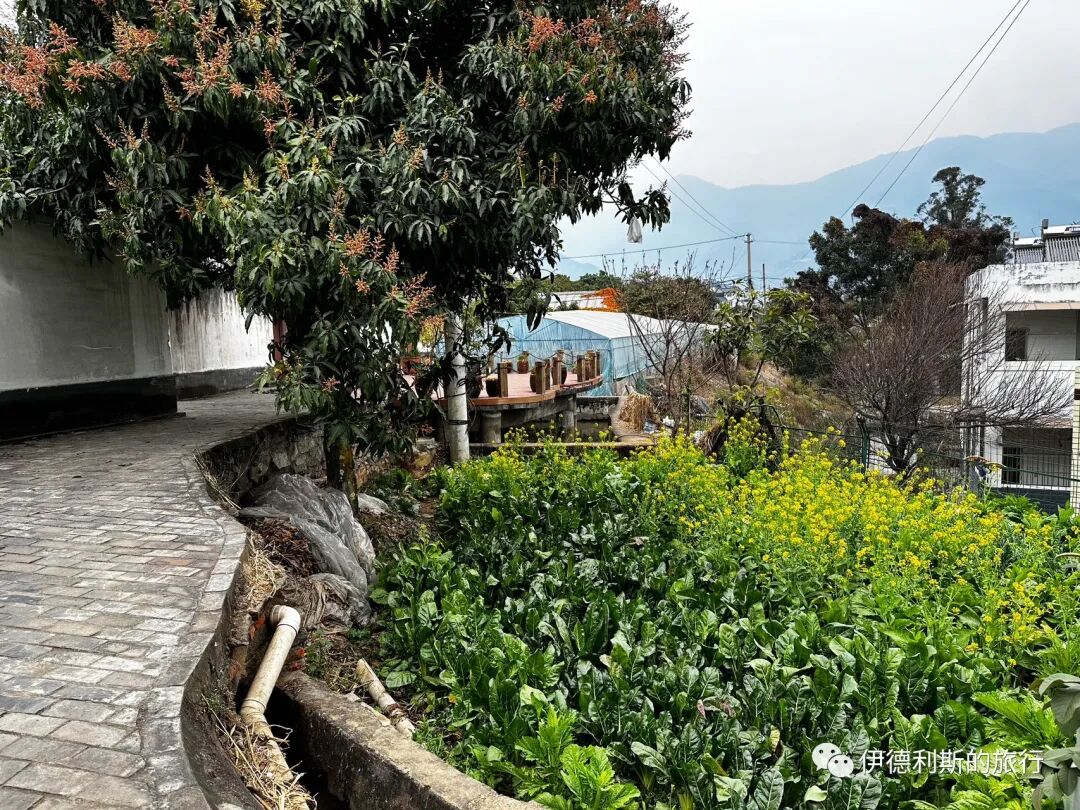
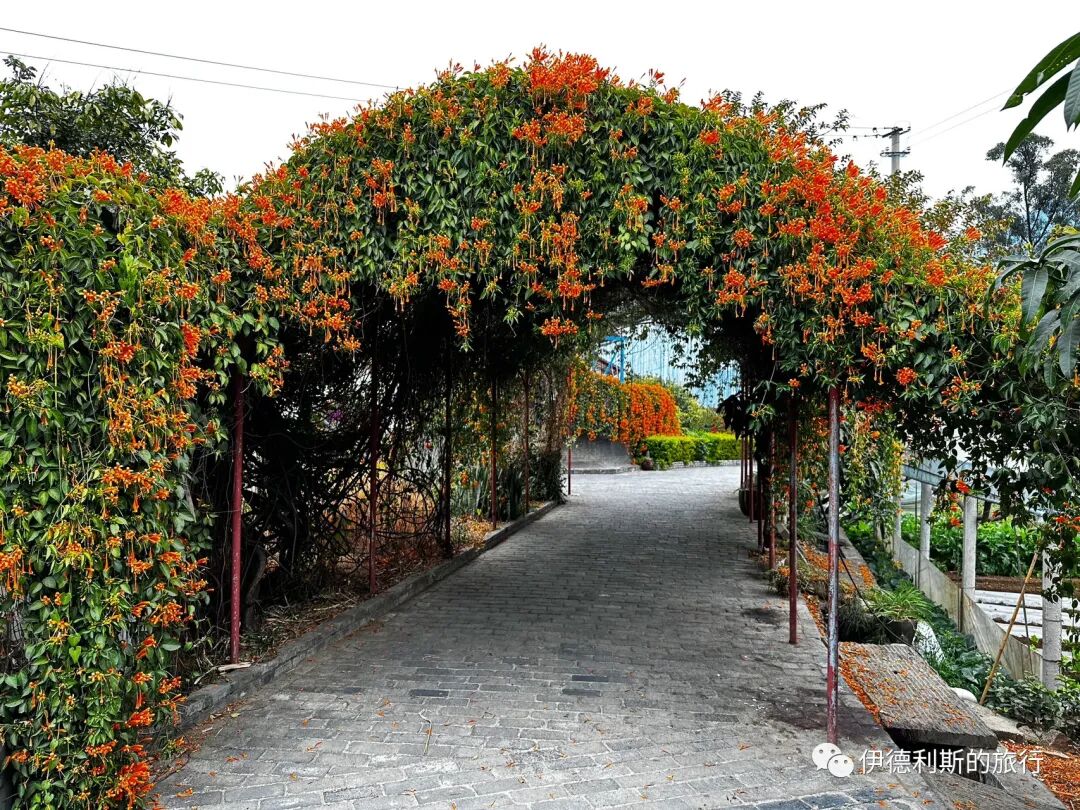
Tianba Village sits in a dry, hot subtropical valley. It is warm in winter and cool in summer, feeling like spring all year round with flowers blooming in every season. In 2019, the village was named one of the most beautiful villages in Sichuan. The streets are clean and tidy, and the local Hui Muslims greet you with smiles.
Although it is deep in the mountains and used to be very difficult to reach, the high-speed train has made it much easier. Many trains between Chengdu and Kunming stop at Miyi East Station. After exiting the station, you can hire a car or wave down a local bus heading from Miyi to Guabang to get there.
An elderly man (baba) saw me and immediately told his grandson to give up his stool for me. I tried to refuse for a long time before the grandson finally sat back down.
I first performed namaz at Tianba Mosque. Tianba Mosque was first built in 1702 during the 11th year of the Kangxi reign of the Qing Dynasty. It was renovated and expanded several times during the Qianlong, Jiaqing, and Daoguang periods, and it was named a provincial cultural heritage site in 1991.
Tianba Mosque has a traditional courtyard layout. The main gate features a moon-viewing tower (wangyuelou) with a double-eaved hexagonal roof, similar in style to traditional mosques in nearby Zhaotong, Yunnan. The main prayer hall has a T-shaped structure with a single-eaved, ridge-roofed design. Since the population of Tianba Village is small, the hall is not large, but it is elegant, simple, and beautiful.
The mihrab was eaten by termites, so a replica was made. You can see it is in a typical Yunnan style, almost identical to the Dazhuang Mosque in Kaiyuan and very similar to the Huihuiying Mosque in Chenggong.
The mihrab of Dazhuang Mosque in Kaiyuan.
The mihrab of Huihuiying Mosque in Chenggong.
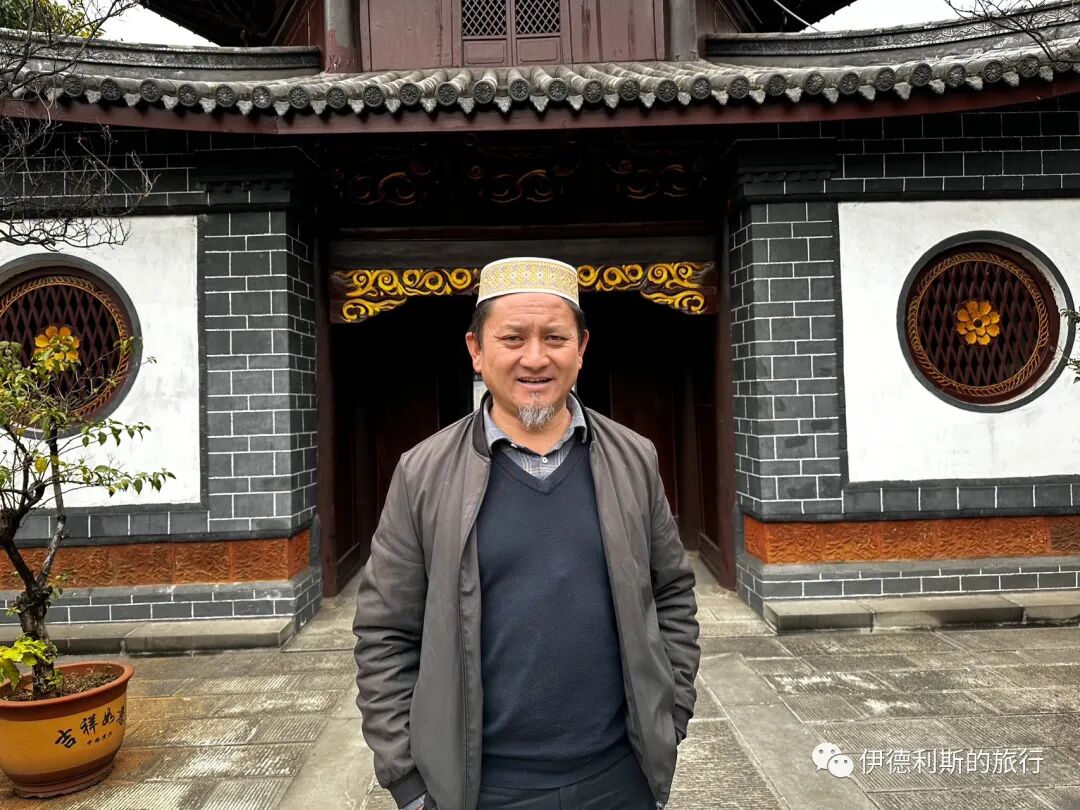
I received a warm welcome from Director Sa Fanghui at the mosque and learned many stories about the mosque and Tianba Village.
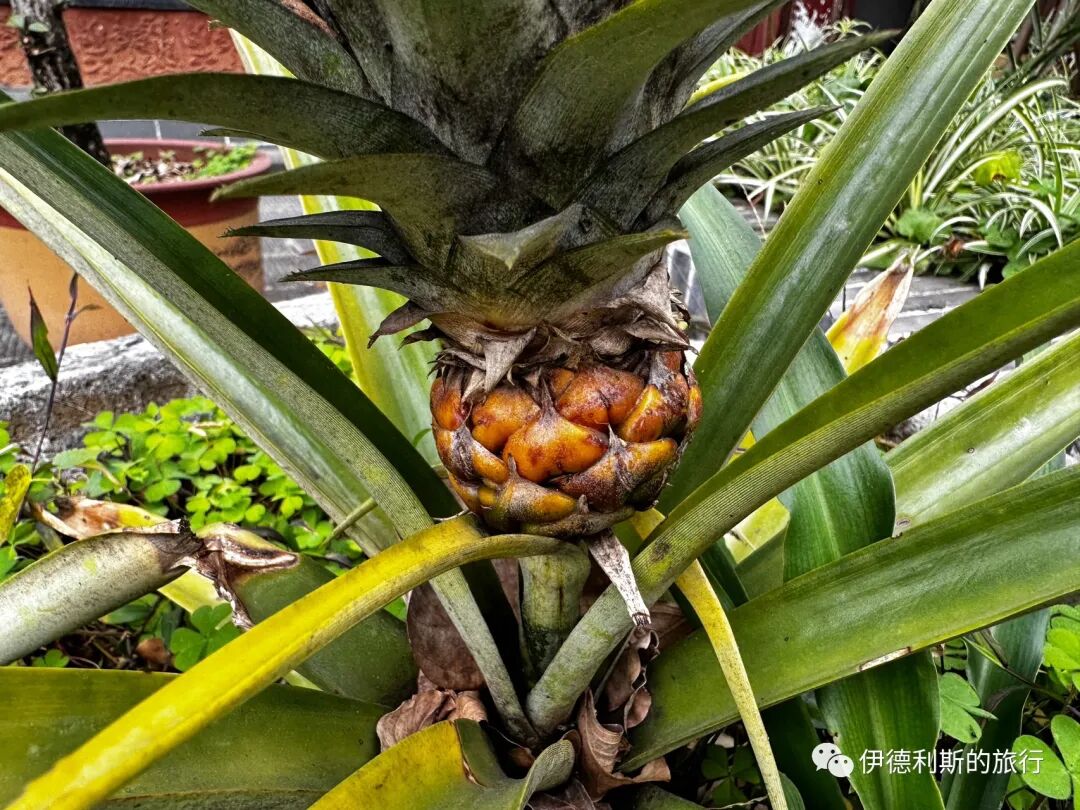
The mosque is filled with various flowers and plants, and the small pineapples look very cute.
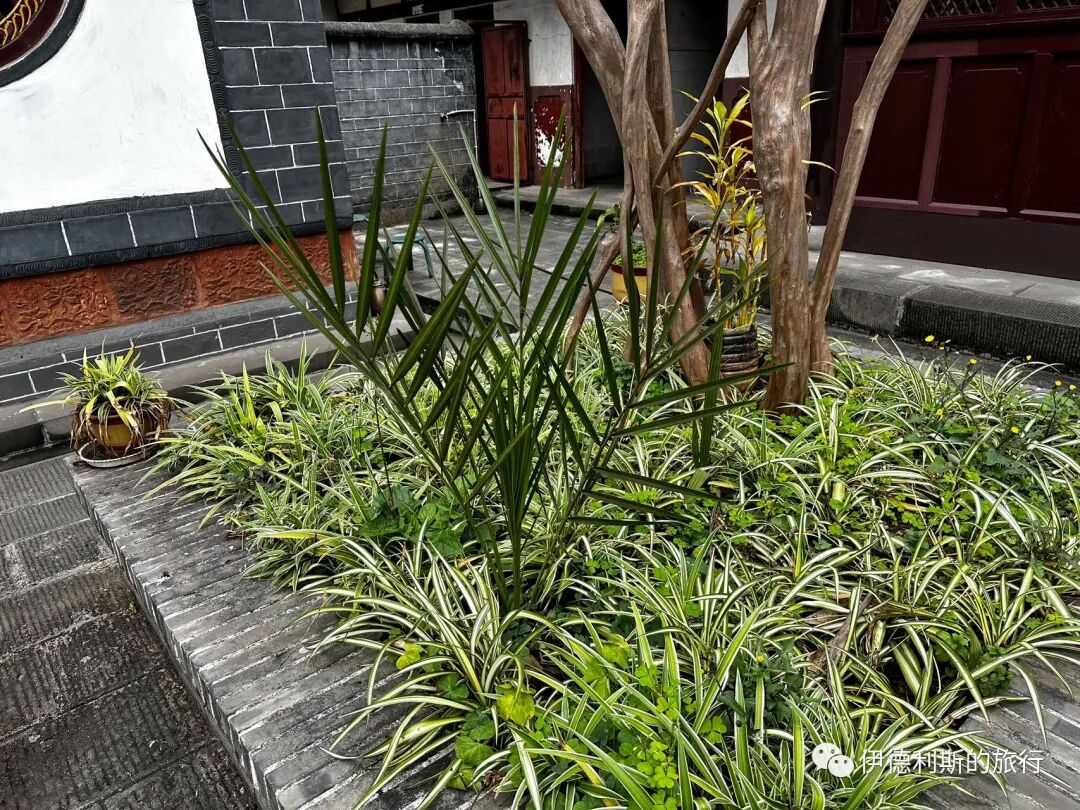
Date palms (yezao) from the Arab region also grow very well here. During Ramadan, everyone breaks their fast at the mosque. People spit the date pits into the flower beds, and they grow into strong trees.
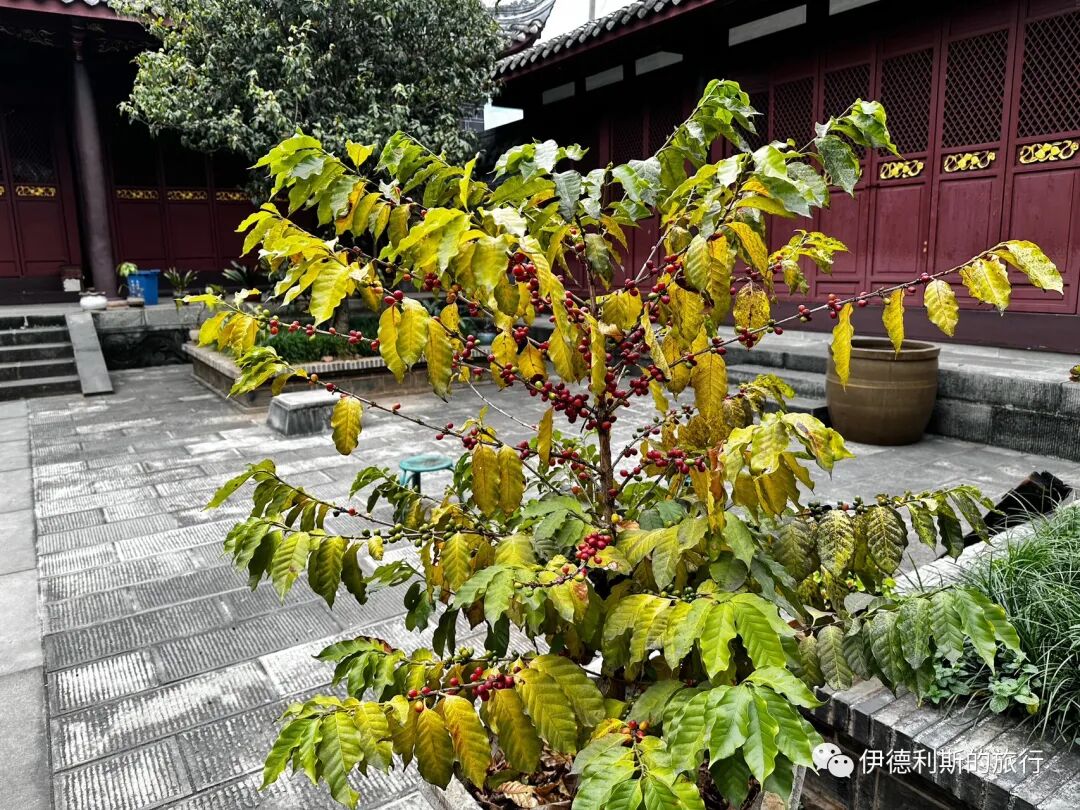
The most interesting thing is that they even grow coffee beans in the mosque. This was my first time seeing that. I heard the imam usually picks some to roast for coffee, and it tastes quite good.
The south wing of Tianba Mosque has been turned into an exhibition hall. It displays old items from the local Hui Muslim families as a memory of life in the past, which I think is very meaningful.
After leaving the mosque, a friend (dost) from Gansu who prayed namaz with me invited me to eat at the Yiqingyuan farmhouse restaurant in the village. The owner is the brother of Director Sa, and he is a very kind and welcoming person. The restaurant has been open for 10 years and strictly does not sell alcohol.
We ate stir-fried beef with chili, cured duck (banya), stir-fried cabbage, and bitter vegetable soup. The beef was tender and went well with rice, and the cured duck was salty and delicious. Overall, it was tasty and affordable. The way they eat bitter vegetable soup here is the same as in Yunnan: you first scoop a spoonful of the vegetable soup into your dipping sauce.
The atmosphere at the restaurant is really nice. When there are no customers, they keep the doors open, and the village children play inside.
Leaving Tianba Village, Baima Town is not far away. At the town's farmers' market, a Hui Muslim auntie from Tianba Village sells pea jelly noodles (wandou liangfen). After saying salaam, the auntie refused to take my money, so I paid her secretly. Because Miyi is at the southern end of Sichuan and very close to Yunnan, the halal food culture is quite similar.
There are a few other halal restaurants in the town.
The scenery in the town is also very beautiful.
After walking around, I took a bus from the town back to the high-speed train station and headed to Dali for the next leg of my trip.
Spring travels in 2023:
On January 23, I left Macau and visited the Macau mosque known as the Moor Garden (Moluoyuan), where I ate delicious Indonesian Javanese food (see "Moor Garden and Indonesian Food in Macau"). On January 25, I arrived in Guangzhou, visited friends (dost), and ate various halal foods (see "Hui Muslim Oil Cakes and Yemeni Food in Guangzhou").
At noon, I performed namaz at the Huaisheng Mosque, then went to visit the Ancient Tombs of the Worthies (see "Huaisheng Mosque and the Ancient Tombs of the Worthies in Guangzhou").
In the afternoon, I prayed the afternoon prayer (asr) at Haopan Mosque and the sunset prayer (maghrib) at Xiaodongying Mosque (see "Visiting Haopan Mosque and Xiaodongying Mosque in Guangzhou").
On the morning of January 26, I took a train from Guangzhou to Zhaoqing, visited two mosques, and ate halal Cantonese food (see "Halal Roast Goose and Starfruit at the Mosque in Zhaoqing, Guangdong").
On the morning of January 27, I flew from Guangzhou to Xichang, Sichuan. I performed Jumu'ah at the Xichang city mosque, visited the West Mosque and the East Mosque, and ate Xichang rice noodles (see "Performing Jumu'ah and Eating Rice Noodles in Xichang, Sichuan"). view all
Summary: Miyi Tianba — Hui Muslim Village in Sichuan Mountains is presented here as a firsthand travel account in clear English, beginning with this scene: On the morning of January 28, I took a high-speed train from Xichang to Miyi County, located at the southwestern tip of Sichuan. From there, I took a taxi to Tianba Hui Muslim village. The account keeps its focus on Miyi Tianba, Hui Muslim Village, Sichuan Travel while preserving the names, places, food, and historical details from the Chinese source.
On the morning of January 28, I took a high-speed train from Xichang to Miyi County, located at the southwestern tip of Sichuan. From there, I took a taxi to Tianba Hui Muslim village.
Tianba Village is a very beautiful Hui Muslim village. Besides the Tianba Mosque, which is listed as a Sichuan provincial cultural heritage site and is well worth a visit, the village is a peaceful place to wander. It feels like a quiet, rural paradise where you can hear chickens and dogs in the distance.
Tianba Village sits in a dry, hot subtropical valley. It is warm in winter and cool in summer, feeling like spring all year round with flowers blooming in every season. In 2019, the village was named one of the most beautiful villages in Sichuan. The streets are clean and tidy, and the local Hui Muslims greet you with smiles.
Although it is deep in the mountains and used to be very difficult to reach, the high-speed train has made it much easier. Many trains between Chengdu and Kunming stop at Miyi East Station. After exiting the station, you can hire a car or wave down a local bus heading from Miyi to Guabang to get there.
An elderly man (baba) saw me and immediately told his grandson to give up his stool for me. I tried to refuse for a long time before the grandson finally sat back down.
I first performed namaz at Tianba Mosque. Tianba Mosque was first built in 1702 during the 11th year of the Kangxi reign of the Qing Dynasty. It was renovated and expanded several times during the Qianlong, Jiaqing, and Daoguang periods, and it was named a provincial cultural heritage site in 1991.
Tianba Mosque has a traditional courtyard layout. The main gate features a moon-viewing tower (wangyuelou) with a double-eaved hexagonal roof, similar in style to traditional mosques in nearby Zhaotong, Yunnan. The main prayer hall has a T-shaped structure with a single-eaved, ridge-roofed design. Since the population of Tianba Village is small, the hall is not large, but it is elegant, simple, and beautiful.
The mihrab was eaten by termites, so a replica was made. You can see it is in a typical Yunnan style, almost identical to the Dazhuang Mosque in Kaiyuan and very similar to the Huihuiying Mosque in Chenggong.
The mihrab of Dazhuang Mosque in Kaiyuan.
The mihrab of Huihuiying Mosque in Chenggong.
I received a warm welcome from Director Sa Fanghui at the mosque and learned many stories about the mosque and Tianba Village.
The mosque is filled with various flowers and plants, and the small pineapples look very cute.
Date palms (yezao) from the Arab region also grow very well here. During Ramadan, everyone breaks their fast at the mosque. People spit the date pits into the flower beds, and they grow into strong trees.
The most interesting thing is that they even grow coffee beans in the mosque. This was my first time seeing that. I heard the imam usually picks some to roast for coffee, and it tastes quite good.
The south wing of Tianba Mosque has been turned into an exhibition hall. It displays old items from the local Hui Muslim families as a memory of life in the past, which I think is very meaningful.
After leaving the mosque, a friend (dost) from Gansu who prayed namaz with me invited me to eat at the Yiqingyuan farmhouse restaurant in the village. The owner is the brother of Director Sa, and he is a very kind and welcoming person. The restaurant has been open for 10 years and strictly does not sell alcohol.
We ate stir-fried beef with chili, cured duck (banya), stir-fried cabbage, and bitter vegetable soup. The beef was tender and went well with rice, and the cured duck was salty and delicious. Overall, it was tasty and affordable. The way they eat bitter vegetable soup here is the same as in Yunnan: you first scoop a spoonful of the vegetable soup into your dipping sauce.
The atmosphere at the restaurant is really nice. When there are no customers, they keep the doors open, and the village children play inside.
Leaving Tianba Village, Baima Town is not far away. At the town's farmers' market, a Hui Muslim auntie from Tianba Village sells pea jelly noodles (wandou liangfen). After saying salaam, the auntie refused to take my money, so I paid her secretly. Because Miyi is at the southern end of Sichuan and very close to Yunnan, the halal food culture is quite similar.
There are a few other halal restaurants in the town.
The scenery in the town is also very beautiful.
After walking around, I took a bus from the town back to the high-speed train station and headed to Dali for the next leg of my trip.
Spring travels in 2023:
On January 23, I left Macau and visited the Macau mosque known as the Moor Garden (Moluoyuan), where I ate delicious Indonesian Javanese food (see "Moor Garden and Indonesian Food in Macau"). On January 25, I arrived in Guangzhou, visited friends (dost), and ate various halal foods (see "Hui Muslim Oil Cakes and Yemeni Food in Guangzhou").
At noon, I performed namaz at the Huaisheng Mosque, then went to visit the Ancient Tombs of the Worthies (see "Huaisheng Mosque and the Ancient Tombs of the Worthies in Guangzhou").
In the afternoon, I prayed the afternoon prayer (asr) at Haopan Mosque and the sunset prayer (maghrib) at Xiaodongying Mosque (see "Visiting Haopan Mosque and Xiaodongying Mosque in Guangzhou").
On the morning of January 26, I took a train from Guangzhou to Zhaoqing, visited two mosques, and ate halal Cantonese food (see "Halal Roast Goose and Starfruit at the Mosque in Zhaoqing, Guangdong").
On the morning of January 27, I flew from Guangzhou to Xichang, Sichuan. I performed Jumu'ah at the Xichang city mosque, visited the West Mosque and the East Mosque, and ate Xichang rice noodles (see "Performing Jumu'ah and Eating Rice Noodles in Xichang, Sichuan"). view all
Reposted from the web
Summary: Miyi Tianba — Hui Muslim Village in Sichuan Mountains is presented here as a firsthand travel account in clear English, beginning with this scene: On the morning of January 28, I took a high-speed train from Xichang to Miyi County, located at the southwestern tip of Sichuan. From there, I took a taxi to Tianba Hui Muslim village. The account keeps its focus on Miyi Tianba, Hui Muslim Village, Sichuan Travel while preserving the names, places, food, and historical details from the Chinese source.
On the morning of January 28, I took a high-speed train from Xichang to Miyi County, located at the southwestern tip of Sichuan. From there, I took a taxi to Tianba Hui Muslim village.
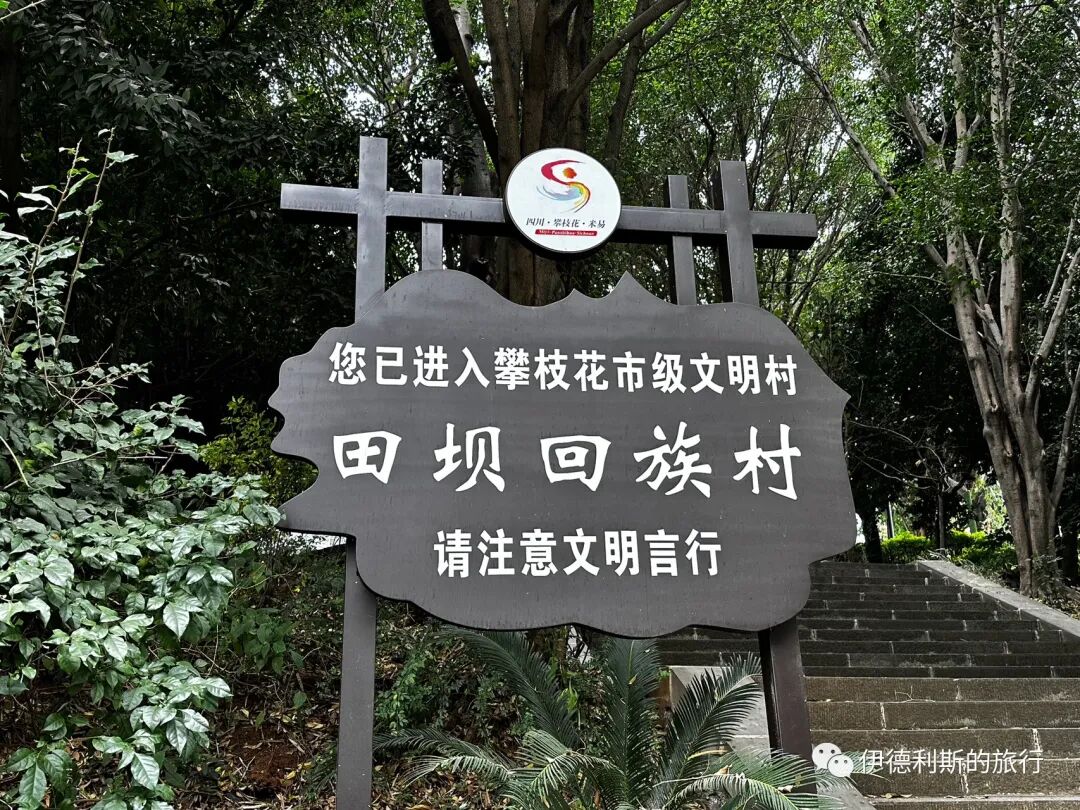
Tianba Village is a very beautiful Hui Muslim village. Besides the Tianba Mosque, which is listed as a Sichuan provincial cultural heritage site and is well worth a visit, the village is a peaceful place to wander. It feels like a quiet, rural paradise where you can hear chickens and dogs in the distance.
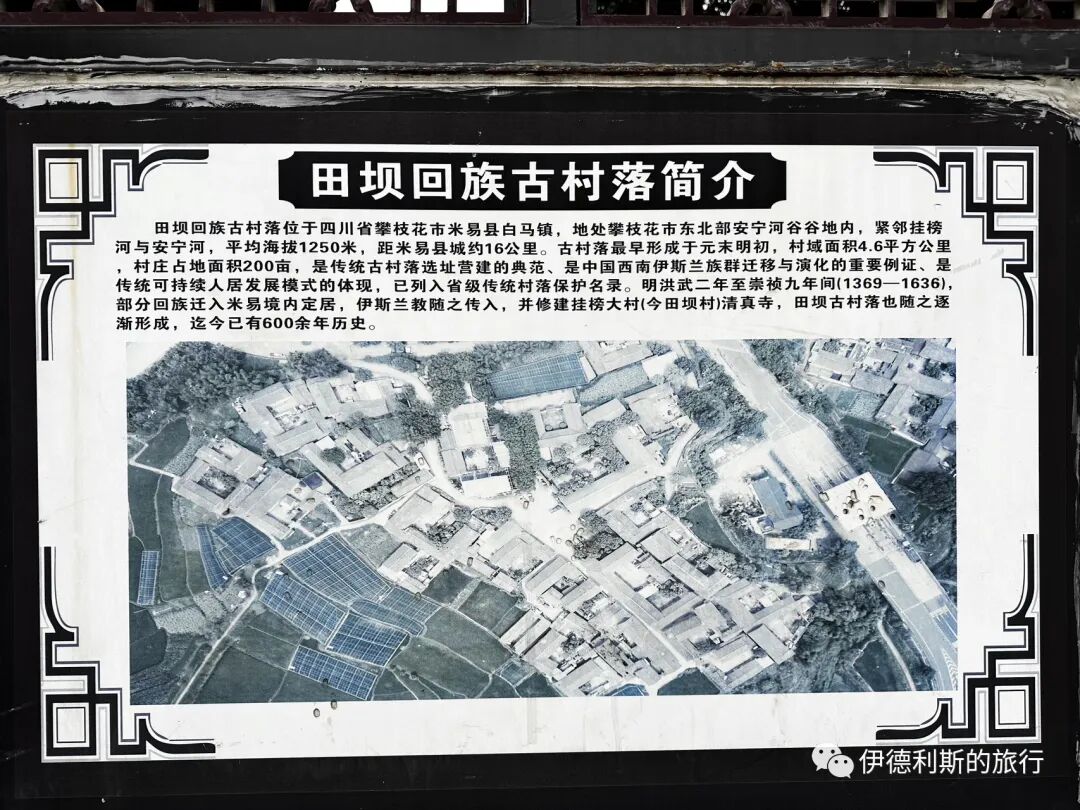
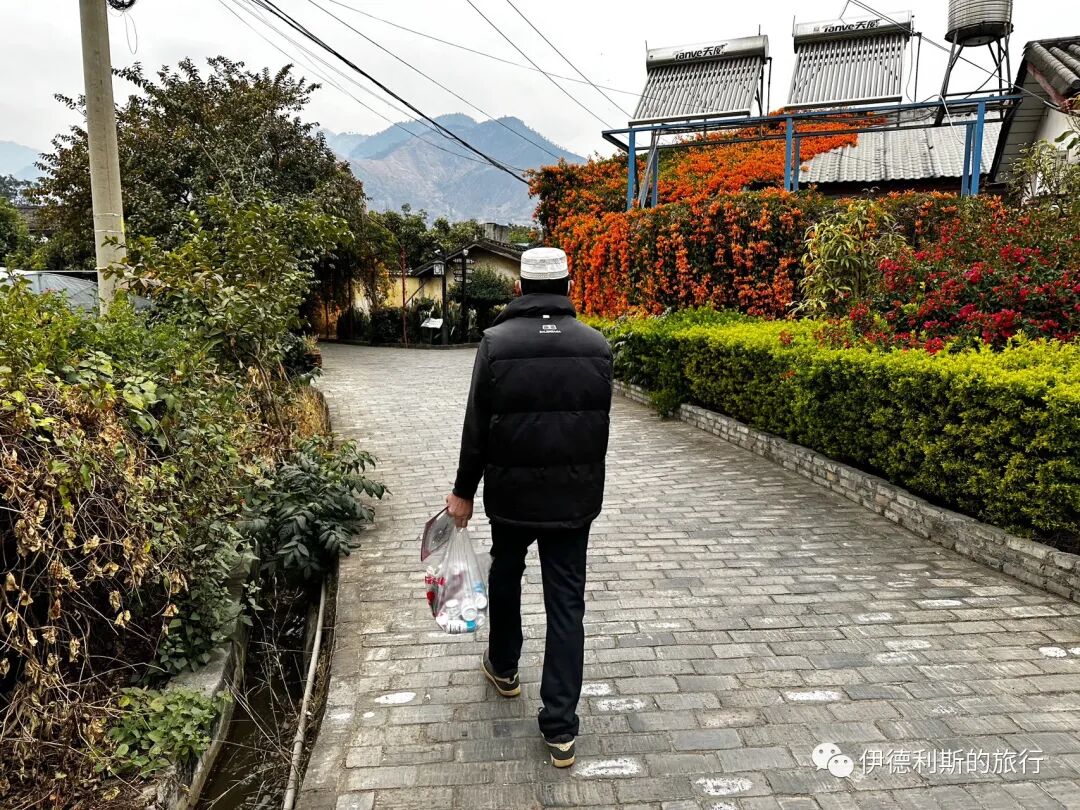
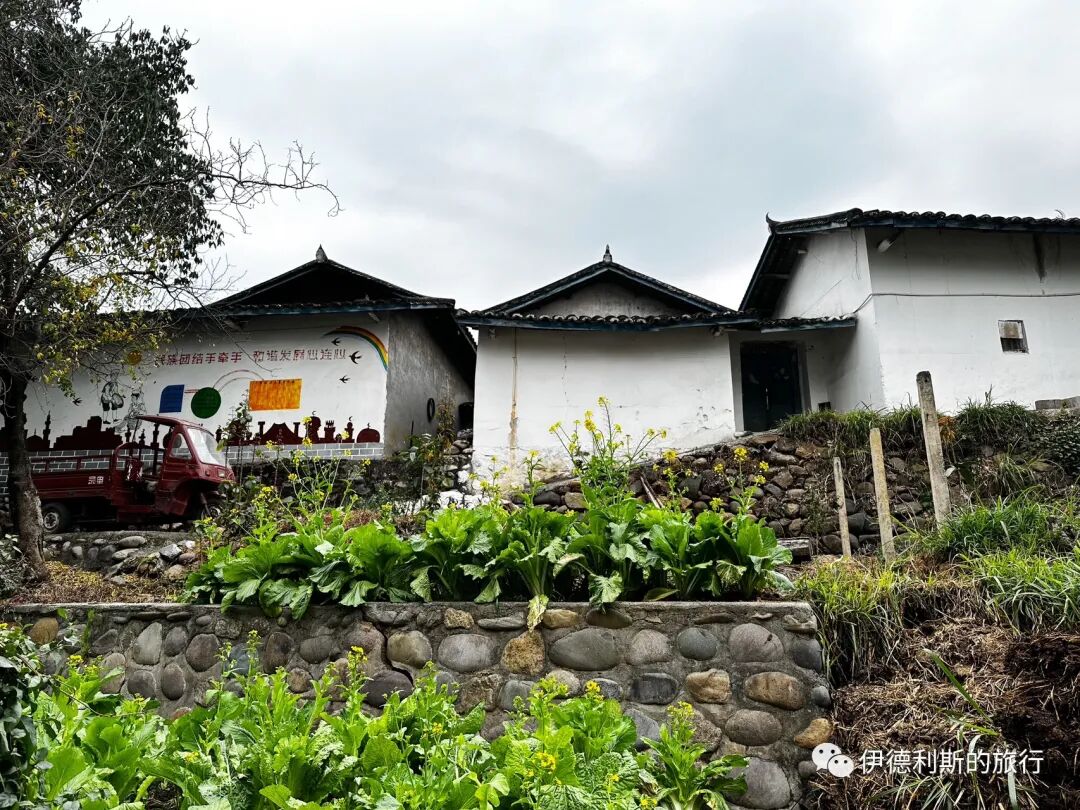
Tianba Village sits in a dry, hot subtropical valley. It is warm in winter and cool in summer, feeling like spring all year round with flowers blooming in every season. In 2019, the village was named one of the most beautiful villages in Sichuan. The streets are clean and tidy, and the local Hui Muslims greet you with smiles.
Although it is deep in the mountains and used to be very difficult to reach, the high-speed train has made it much easier. Many trains between Chengdu and Kunming stop at Miyi East Station. After exiting the station, you can hire a car or wave down a local bus heading from Miyi to Guabang to get there.
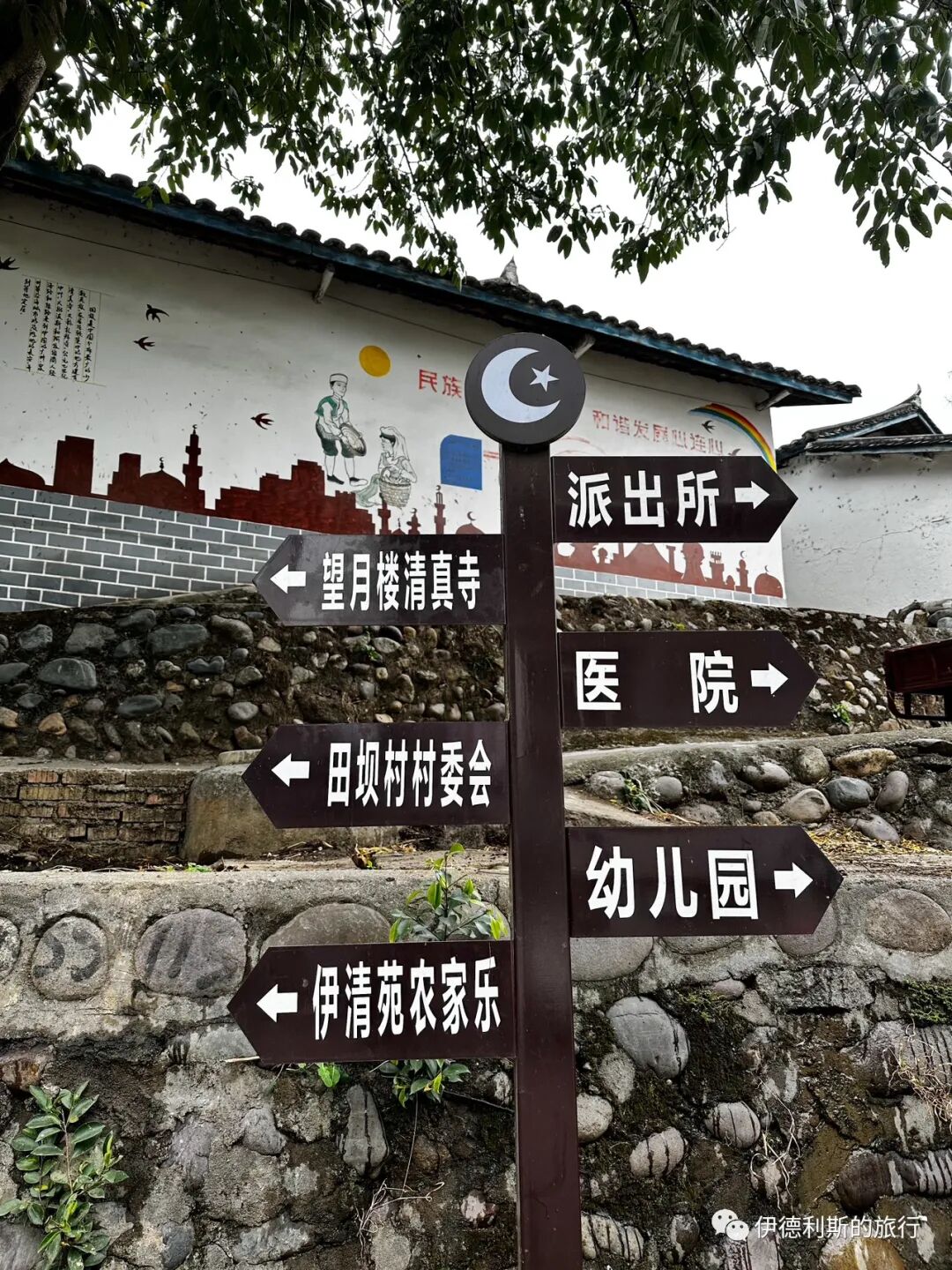
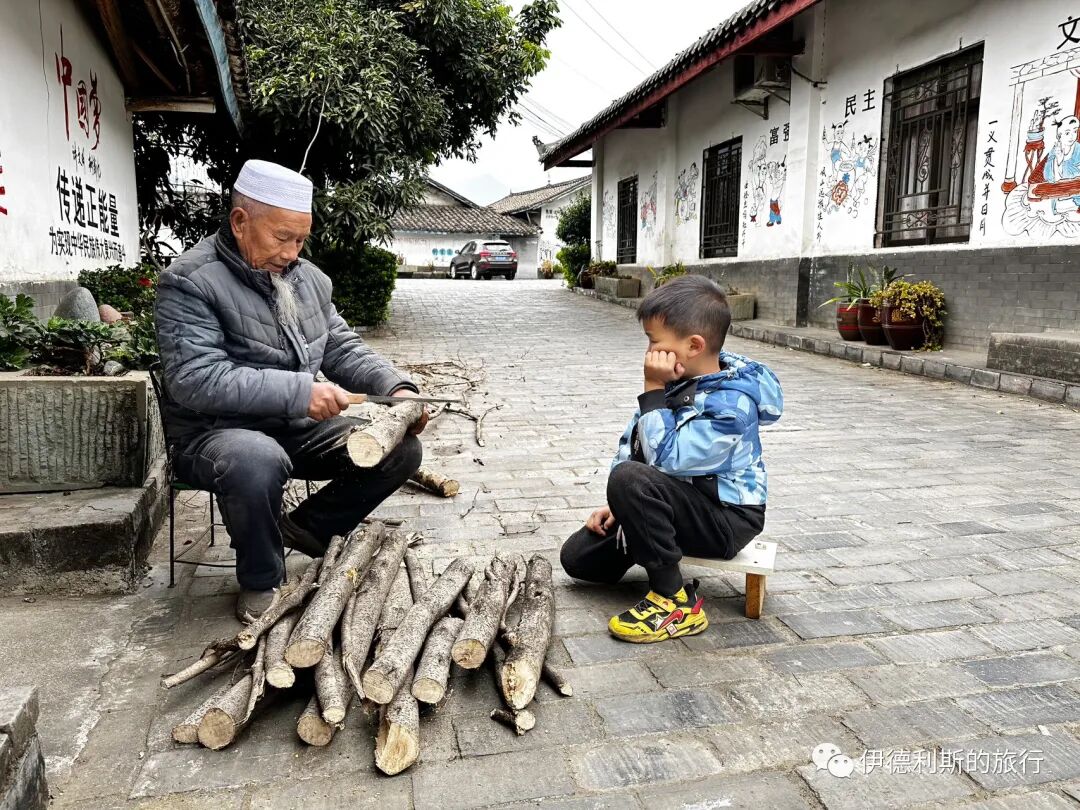
An elderly man (baba) saw me and immediately told his grandson to give up his stool for me. I tried to refuse for a long time before the grandson finally sat back down.
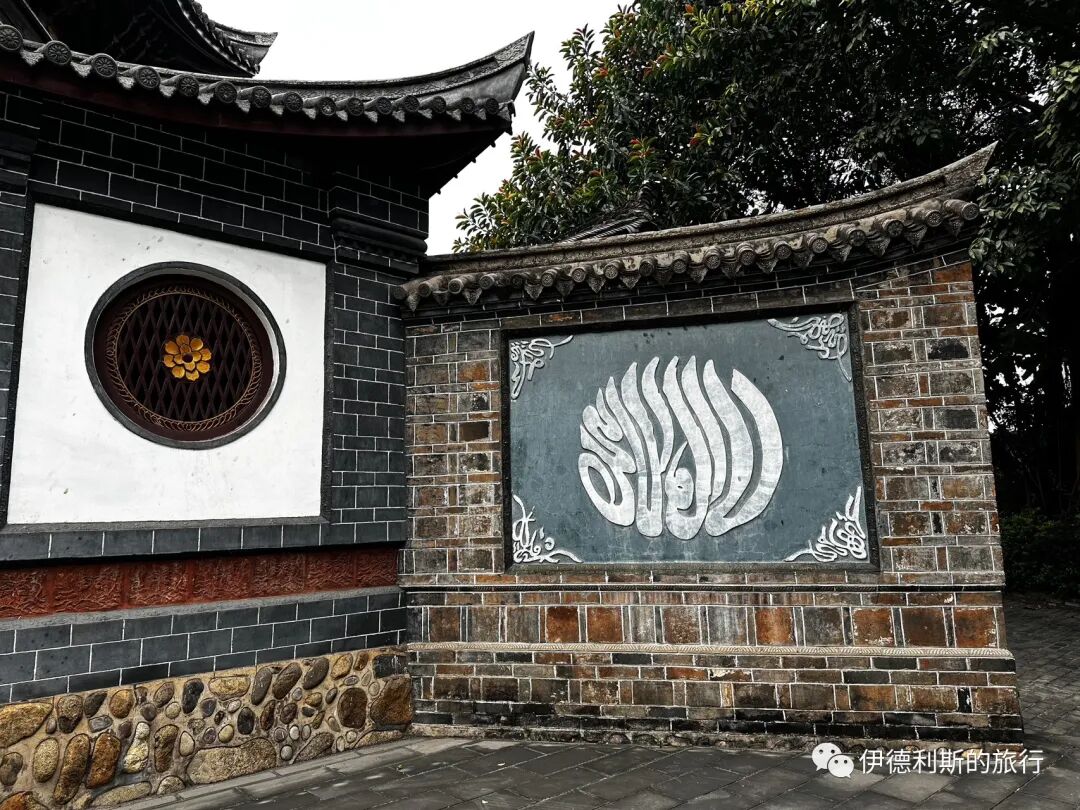
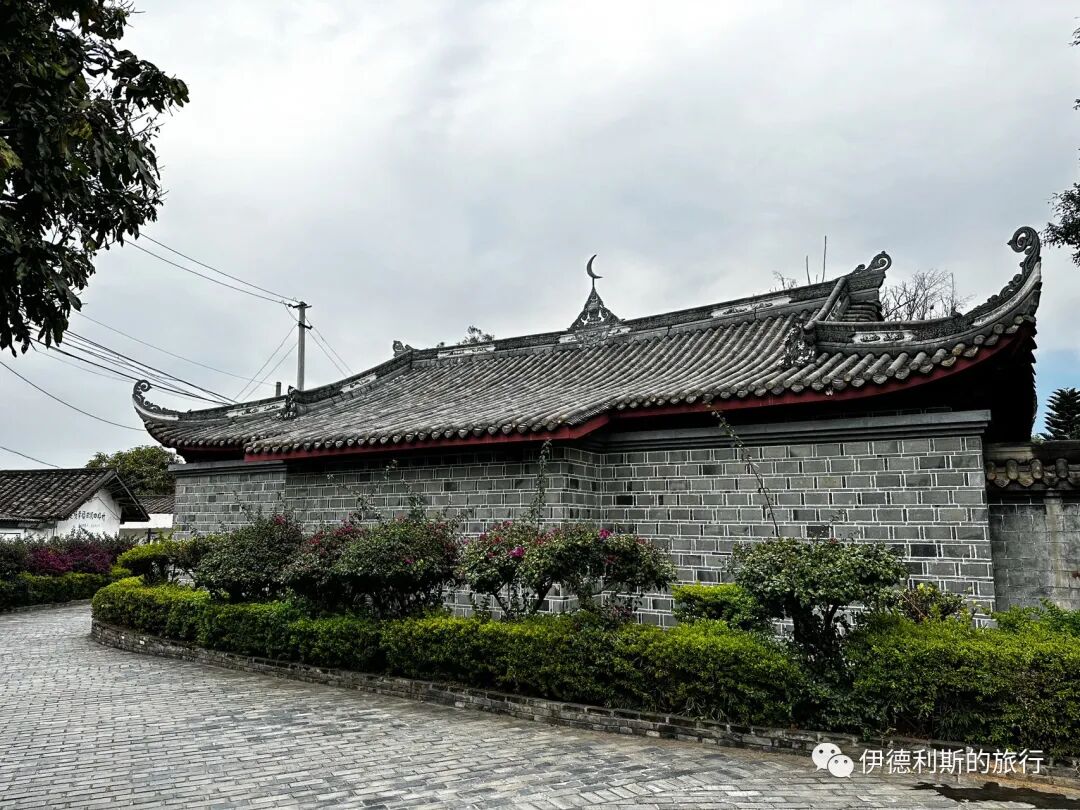
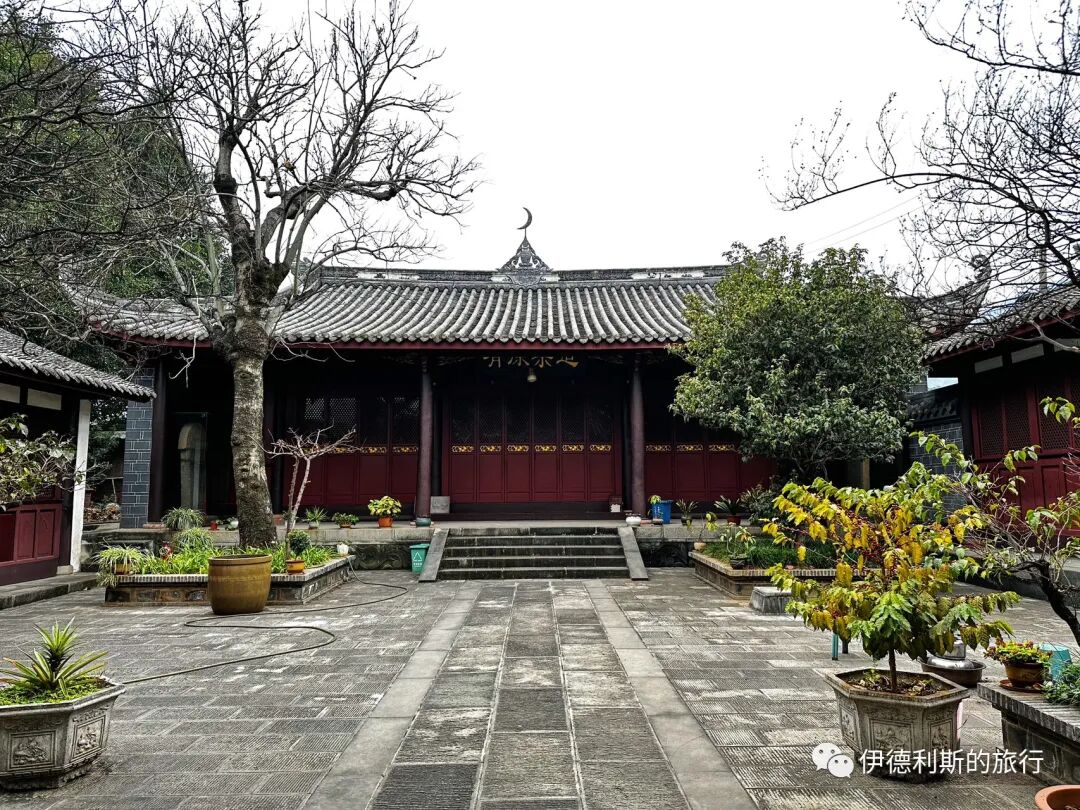
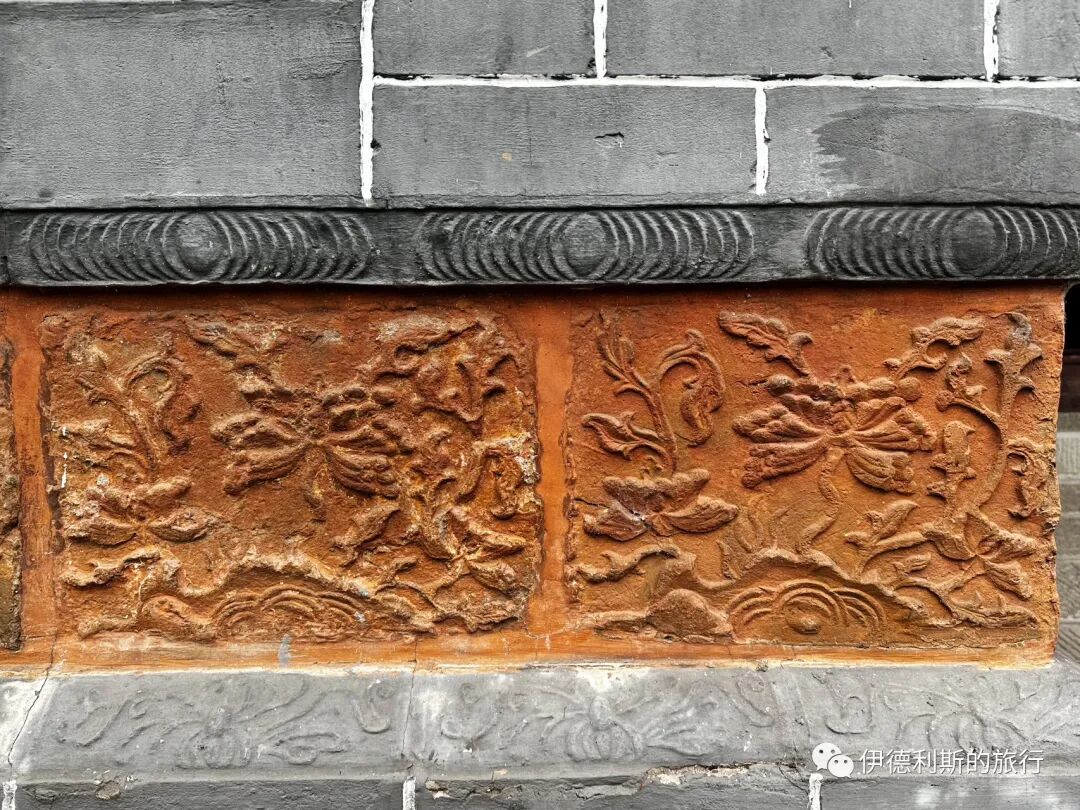
I first performed namaz at Tianba Mosque. Tianba Mosque was first built in 1702 during the 11th year of the Kangxi reign of the Qing Dynasty. It was renovated and expanded several times during the Qianlong, Jiaqing, and Daoguang periods, and it was named a provincial cultural heritage site in 1991.
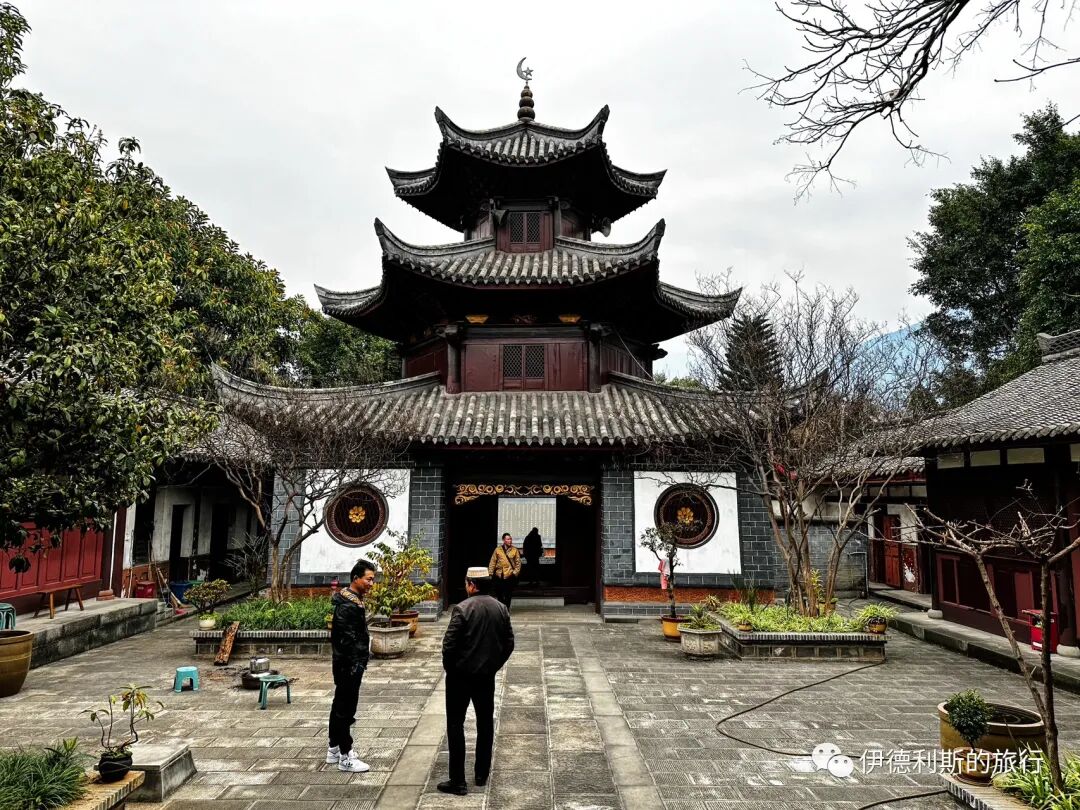
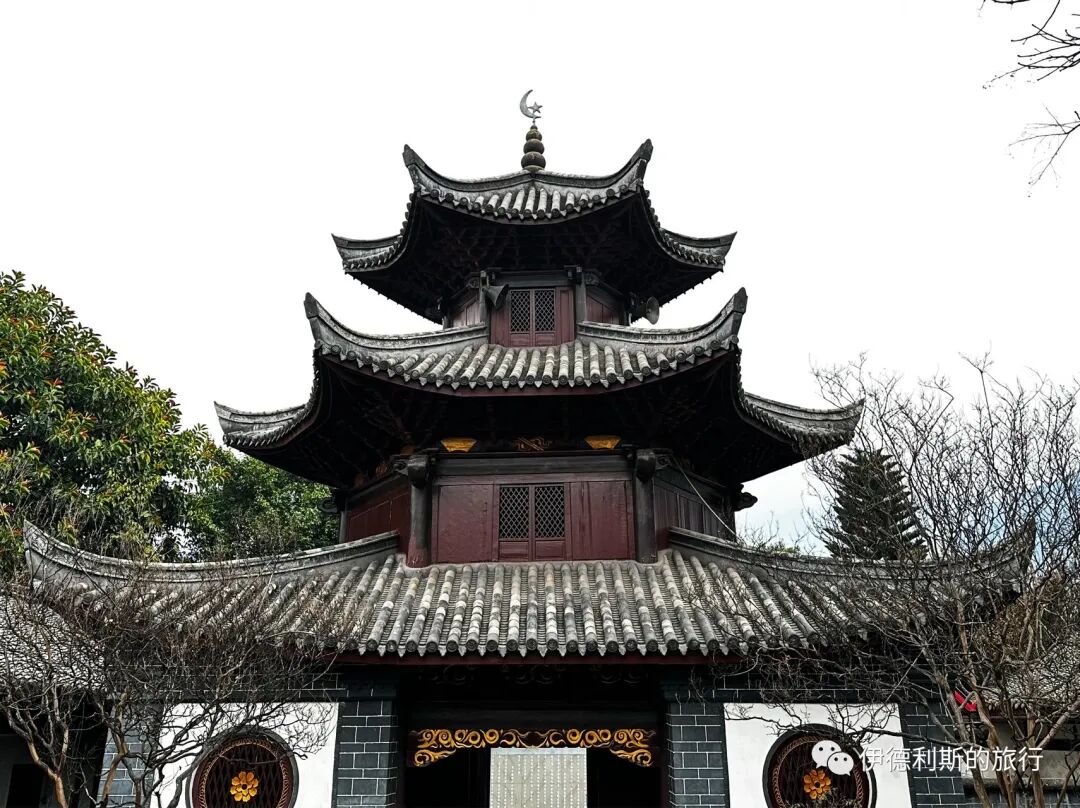
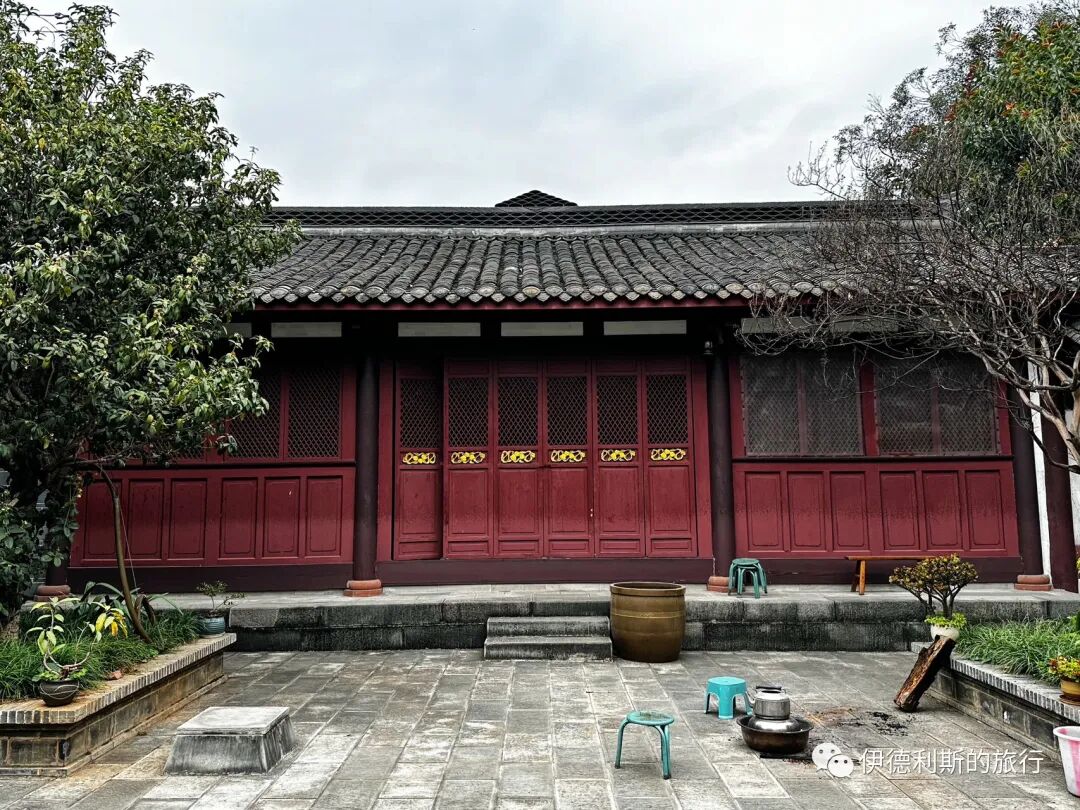
Tianba Mosque has a traditional courtyard layout. The main gate features a moon-viewing tower (wangyuelou) with a double-eaved hexagonal roof, similar in style to traditional mosques in nearby Zhaotong, Yunnan. The main prayer hall has a T-shaped structure with a single-eaved, ridge-roofed design. Since the population of Tianba Village is small, the hall is not large, but it is elegant, simple, and beautiful.
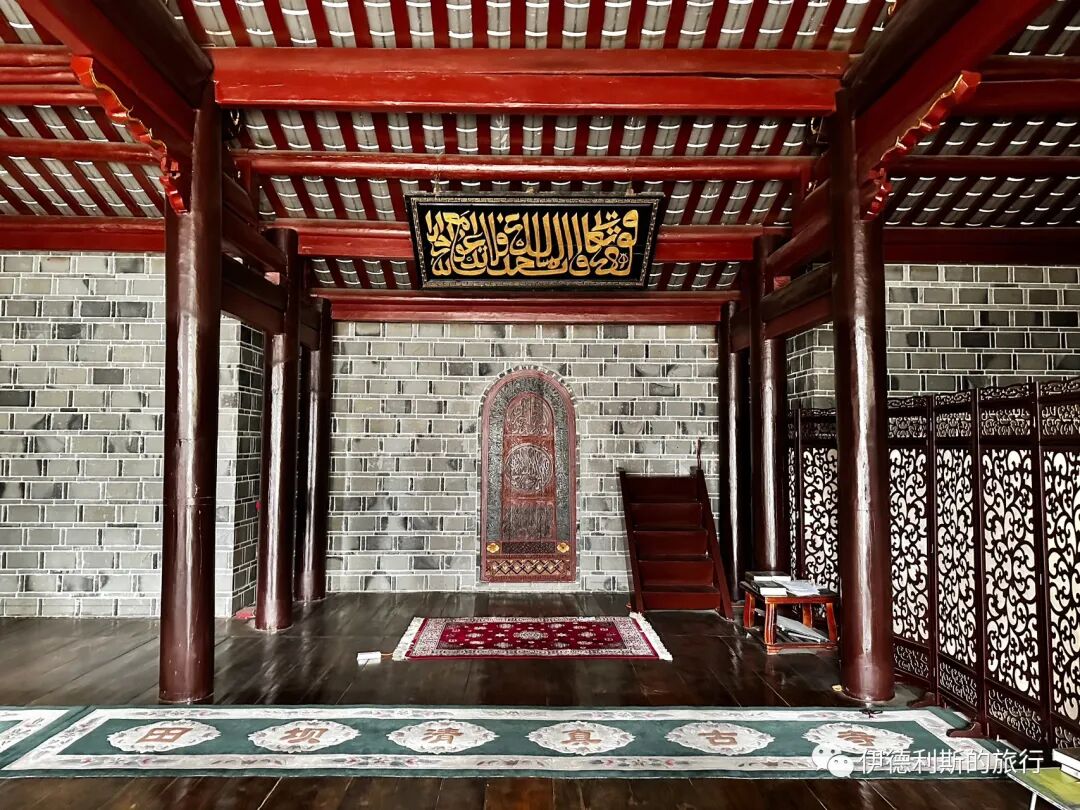
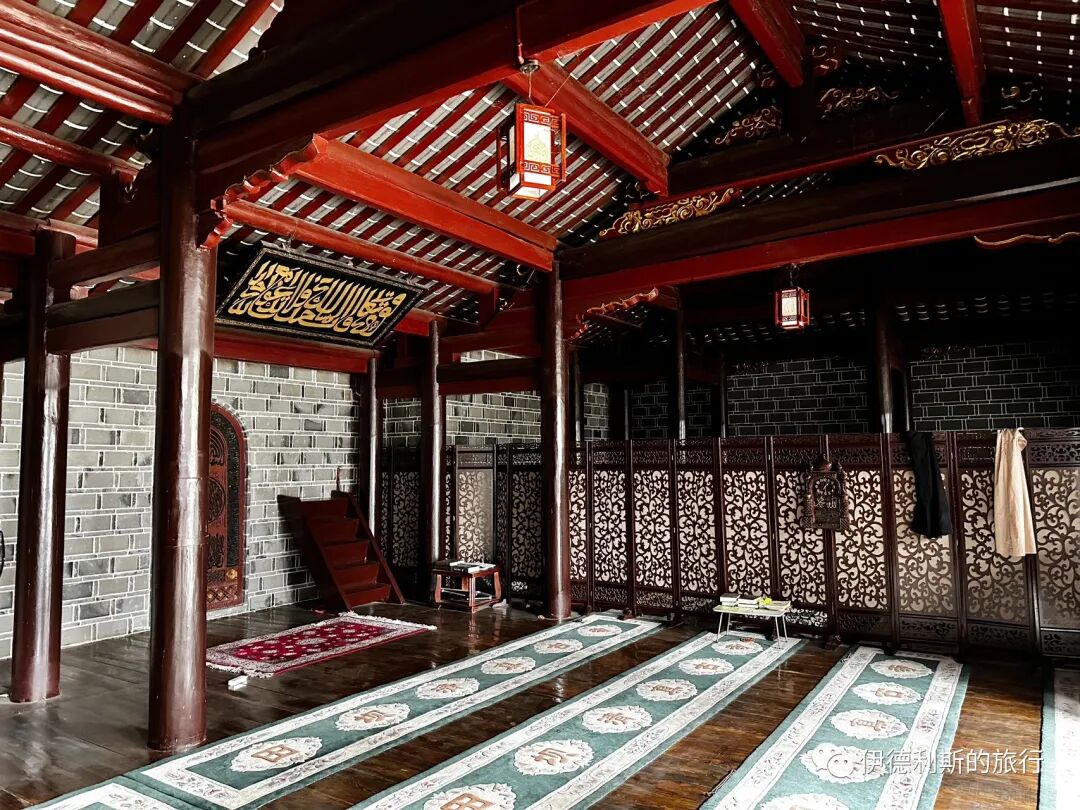
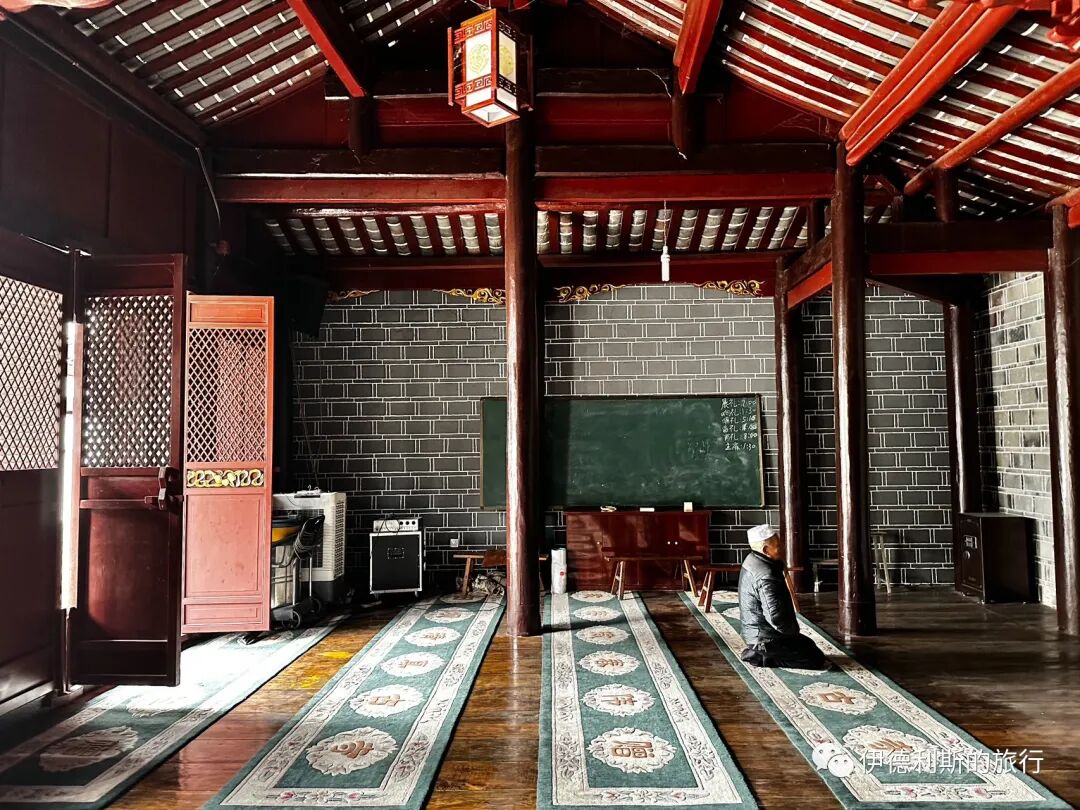
The mihrab was eaten by termites, so a replica was made. You can see it is in a typical Yunnan style, almost identical to the Dazhuang Mosque in Kaiyuan and very similar to the Huihuiying Mosque in Chenggong.
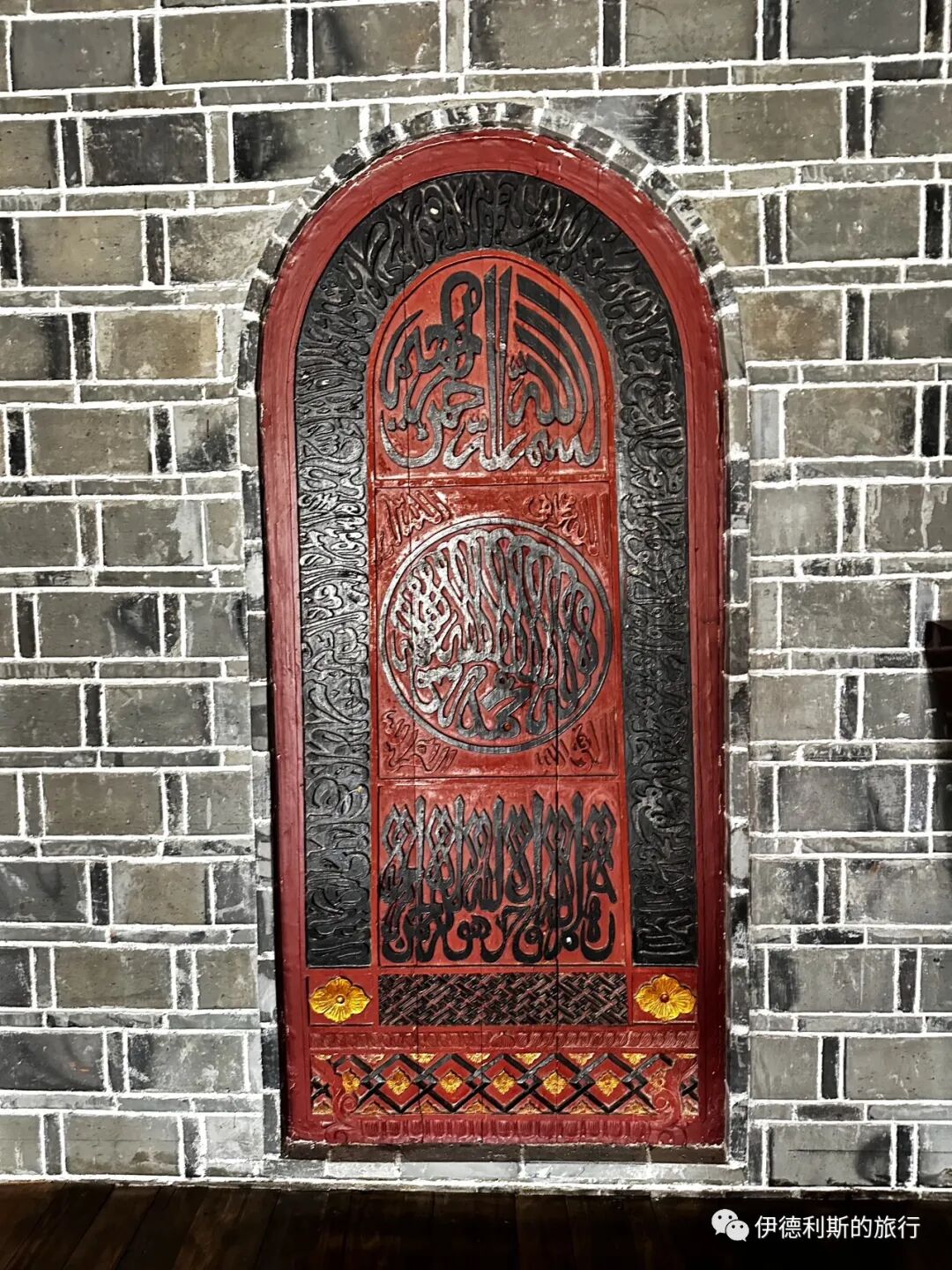
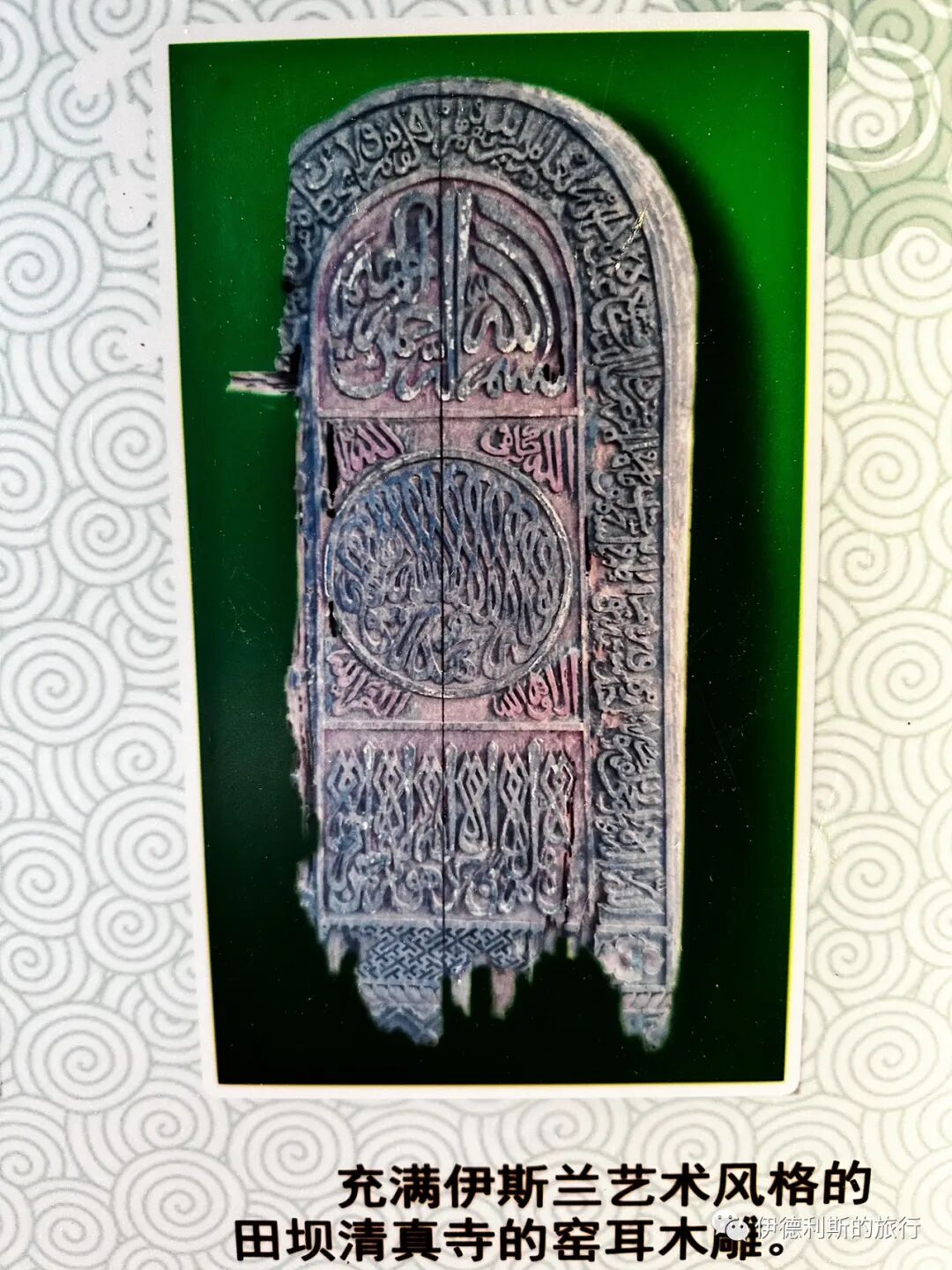
The mihrab of Dazhuang Mosque in Kaiyuan.
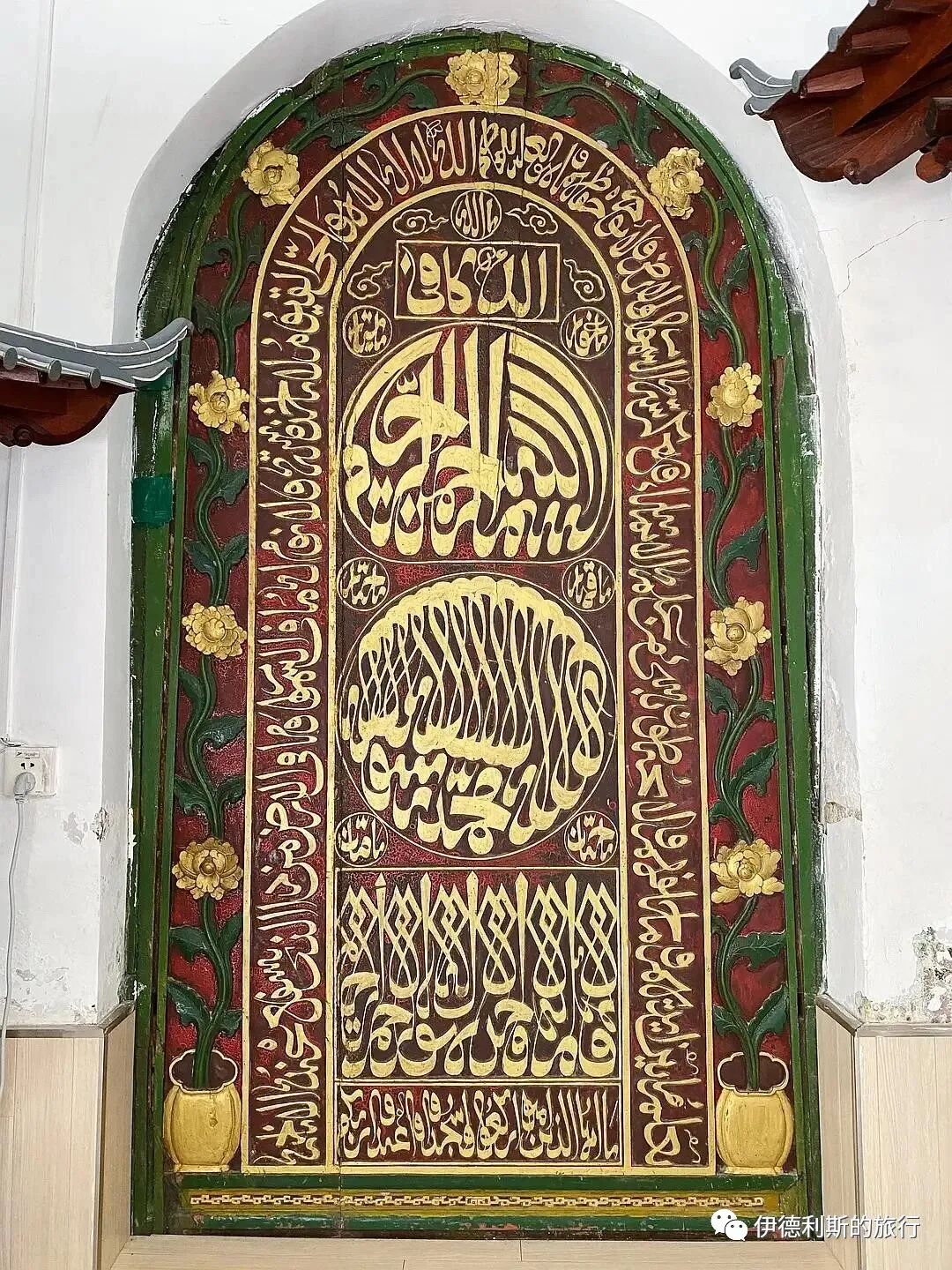
The mihrab of Huihuiying Mosque in Chenggong.
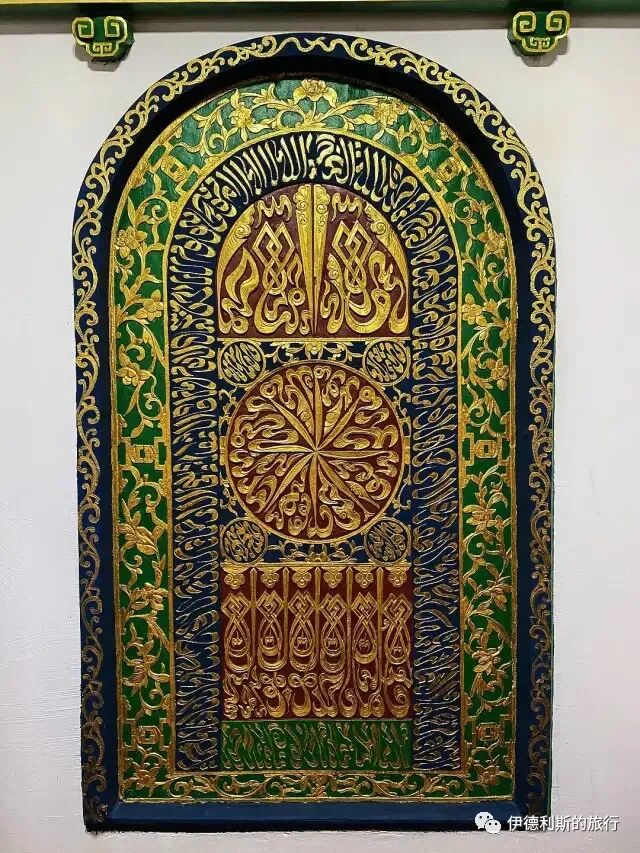
I received a warm welcome from Director Sa Fanghui at the mosque and learned many stories about the mosque and Tianba Village.
The mosque is filled with various flowers and plants, and the small pineapples look very cute.
Date palms (yezao) from the Arab region also grow very well here. During Ramadan, everyone breaks their fast at the mosque. People spit the date pits into the flower beds, and they grow into strong trees.
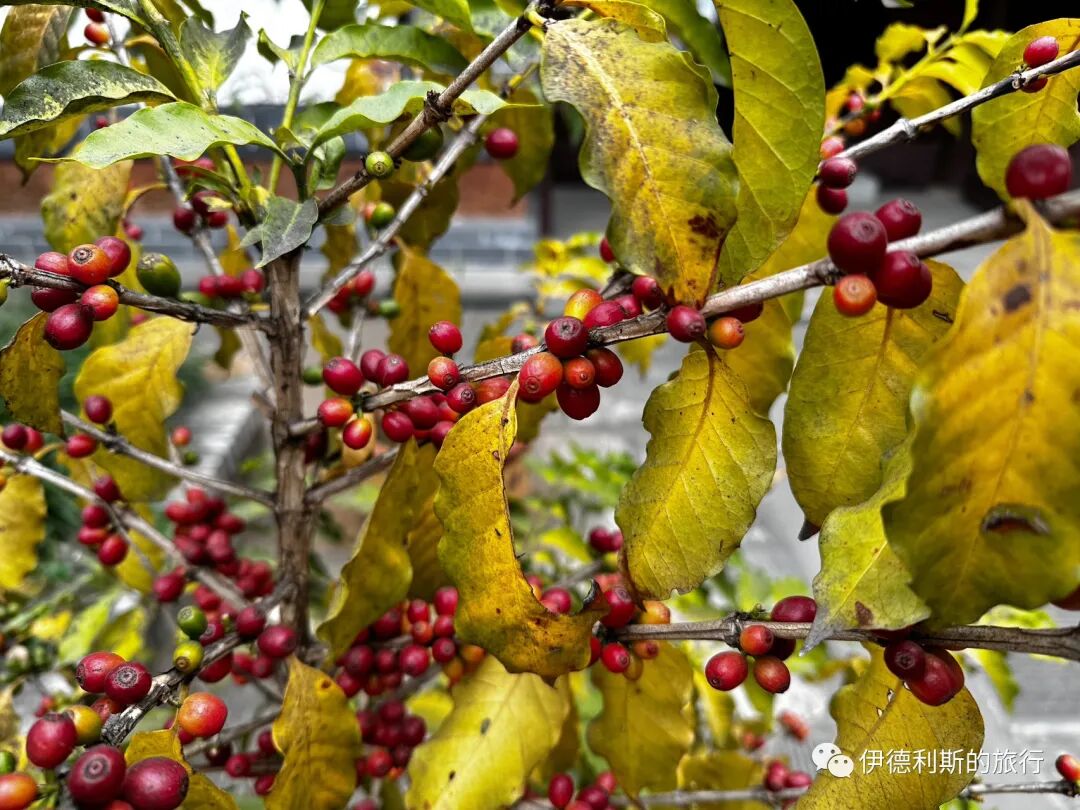
The most interesting thing is that they even grow coffee beans in the mosque. This was my first time seeing that. I heard the imam usually picks some to roast for coffee, and it tastes quite good.
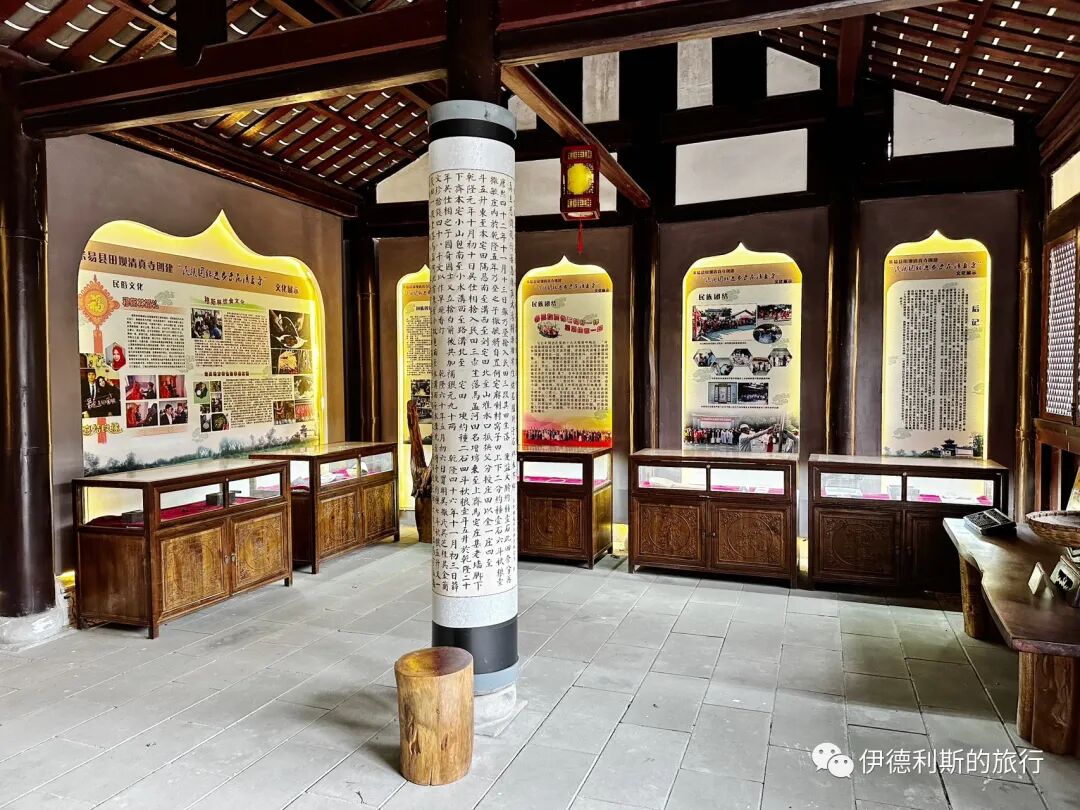
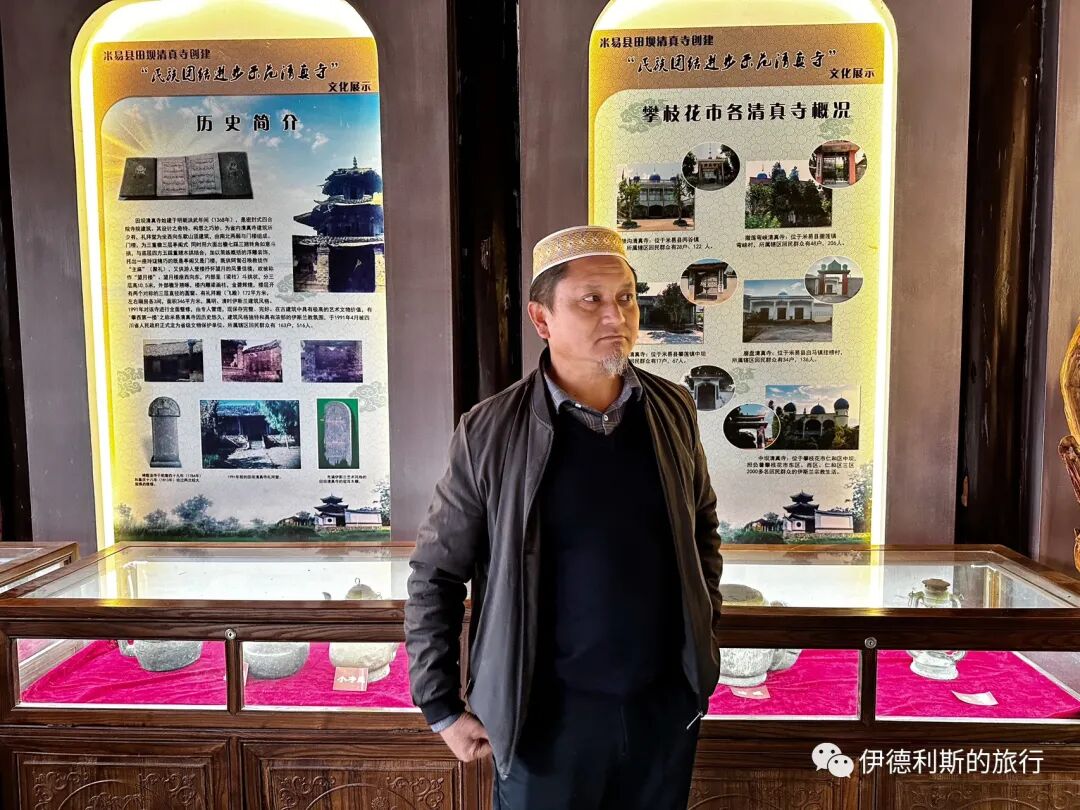
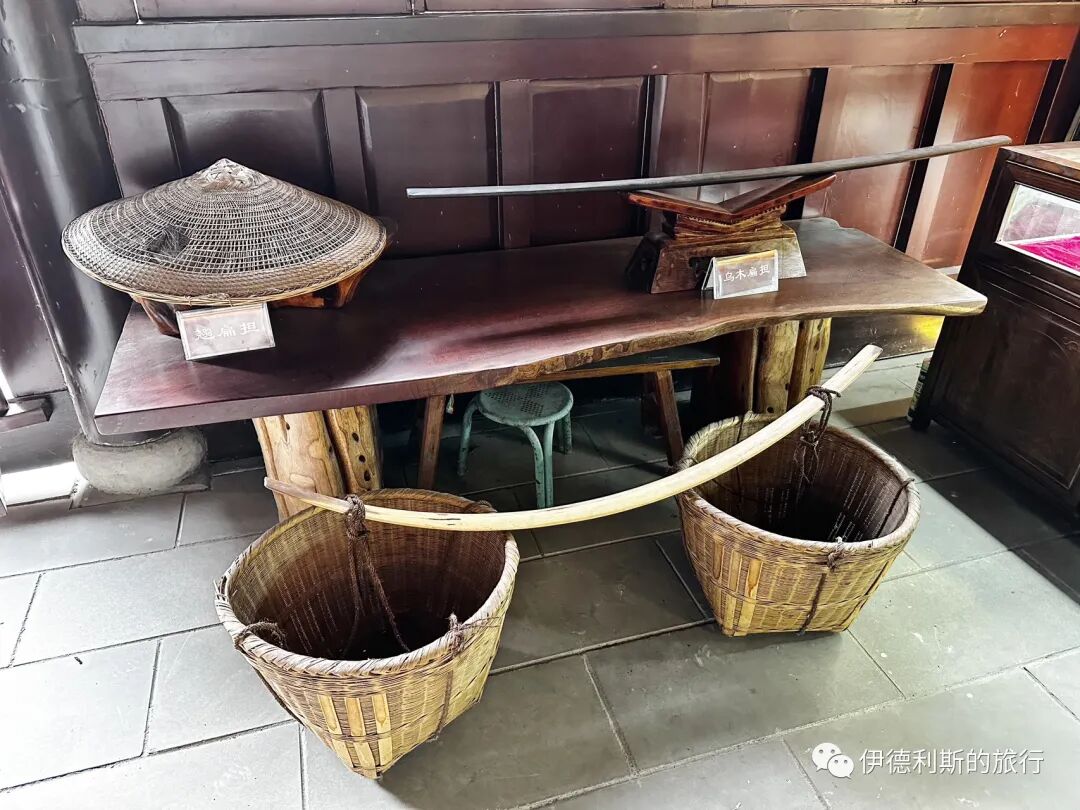
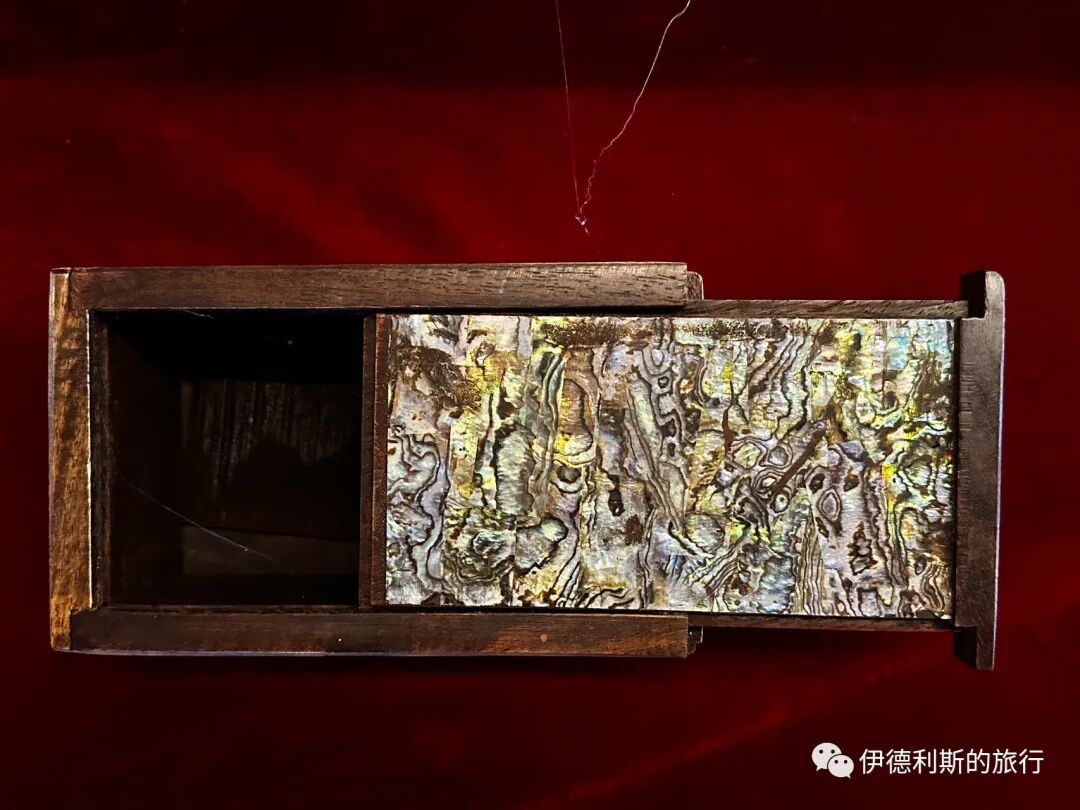
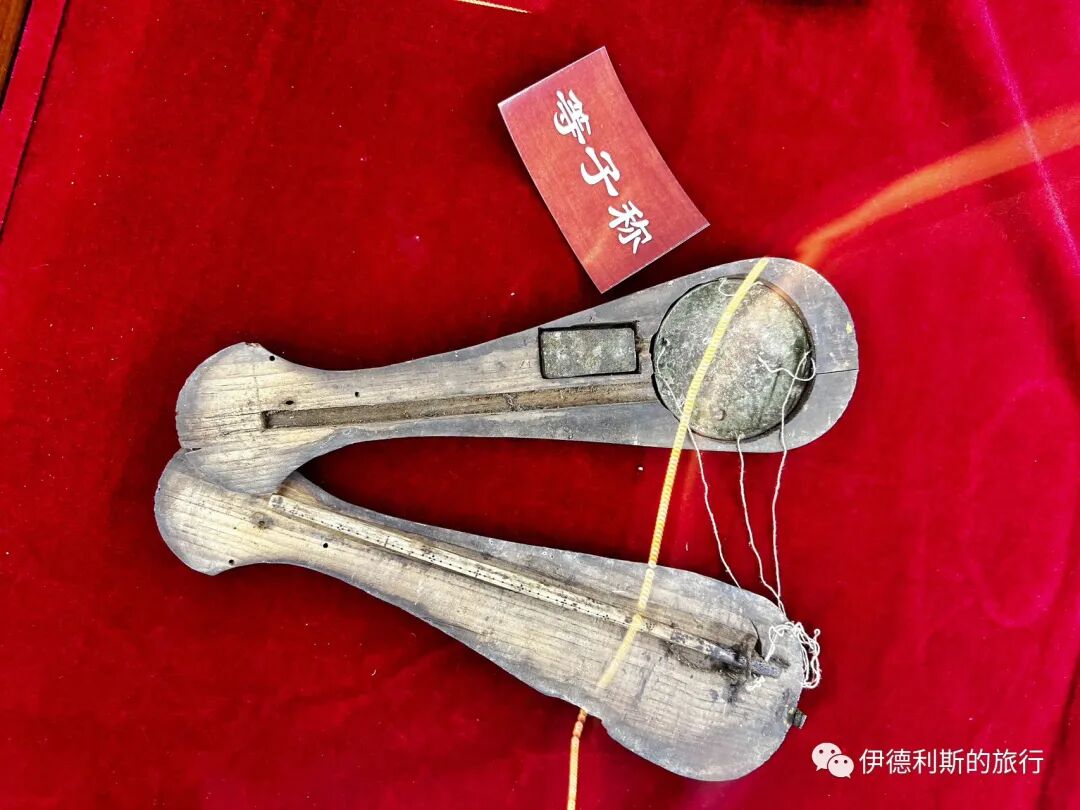
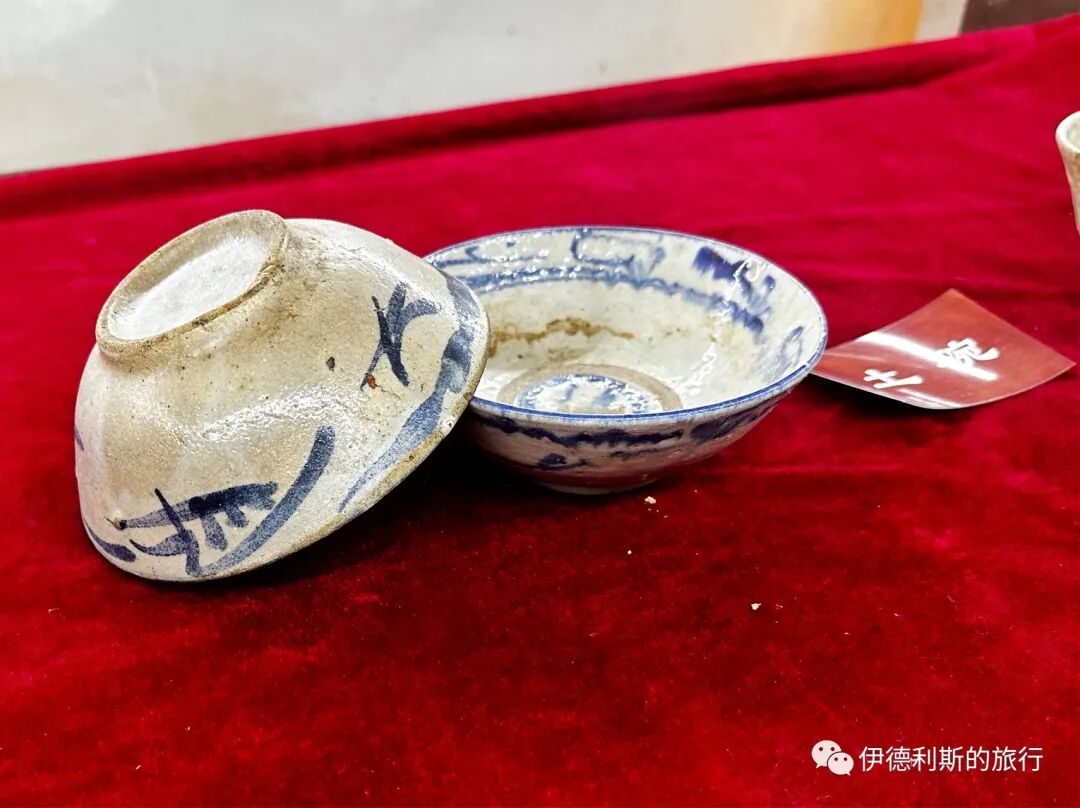
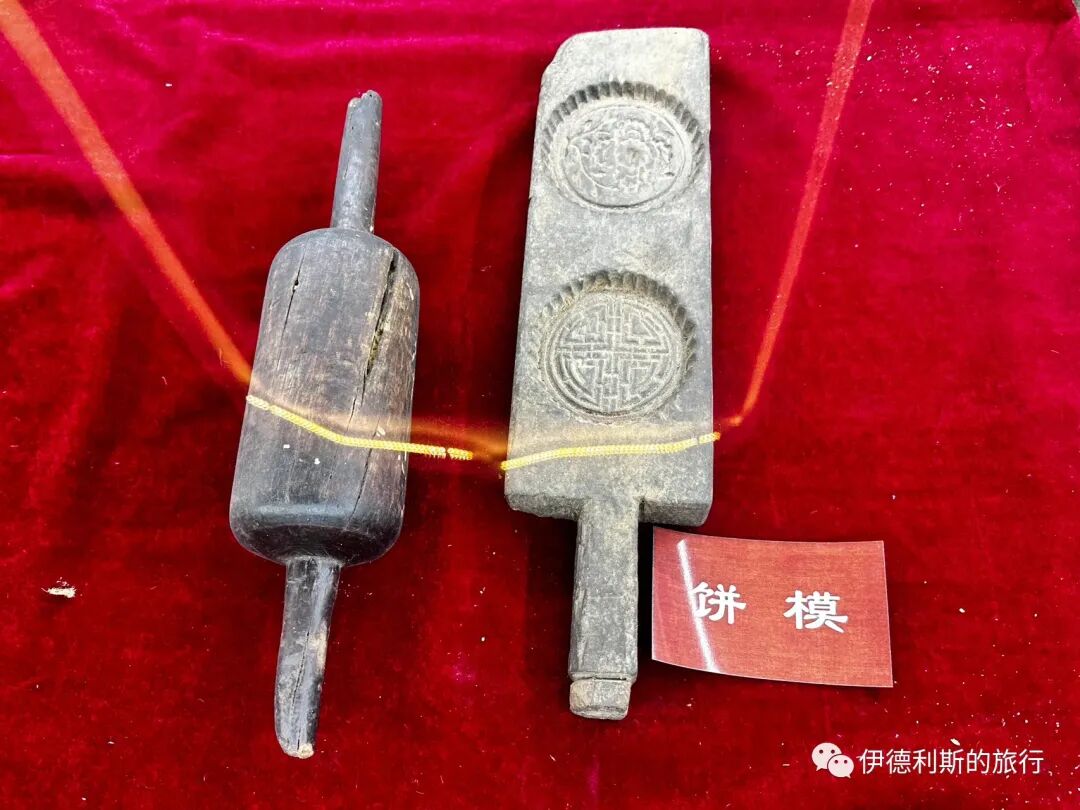
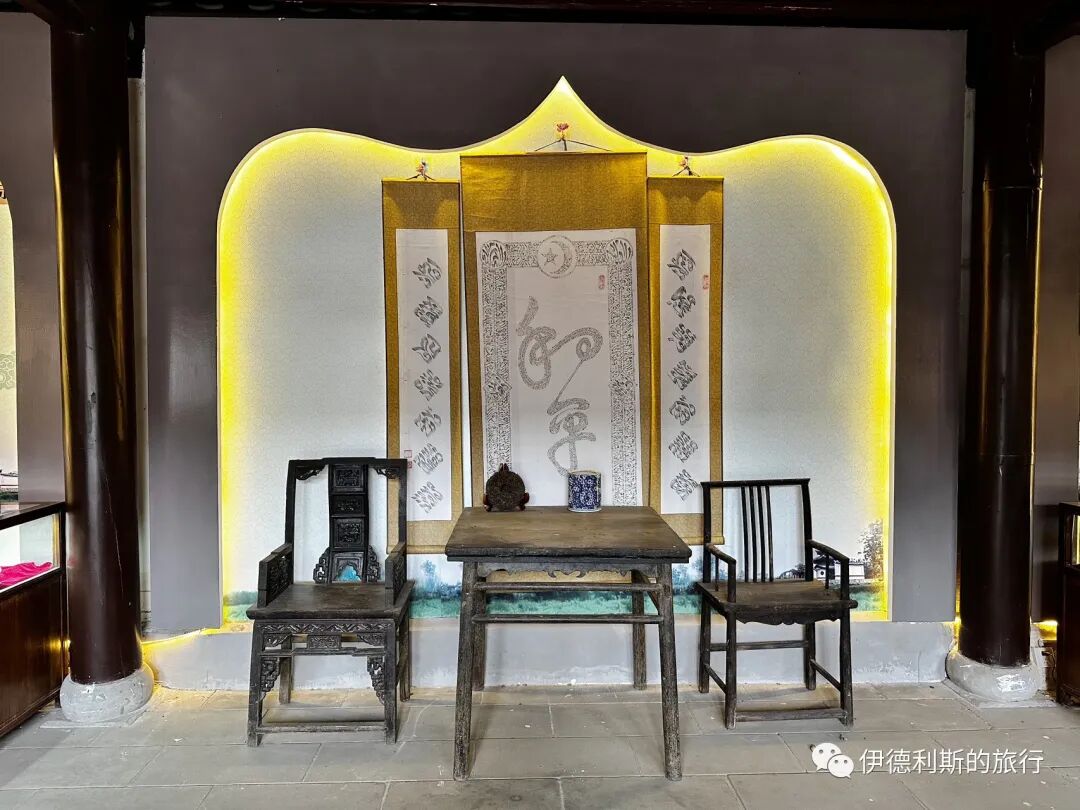
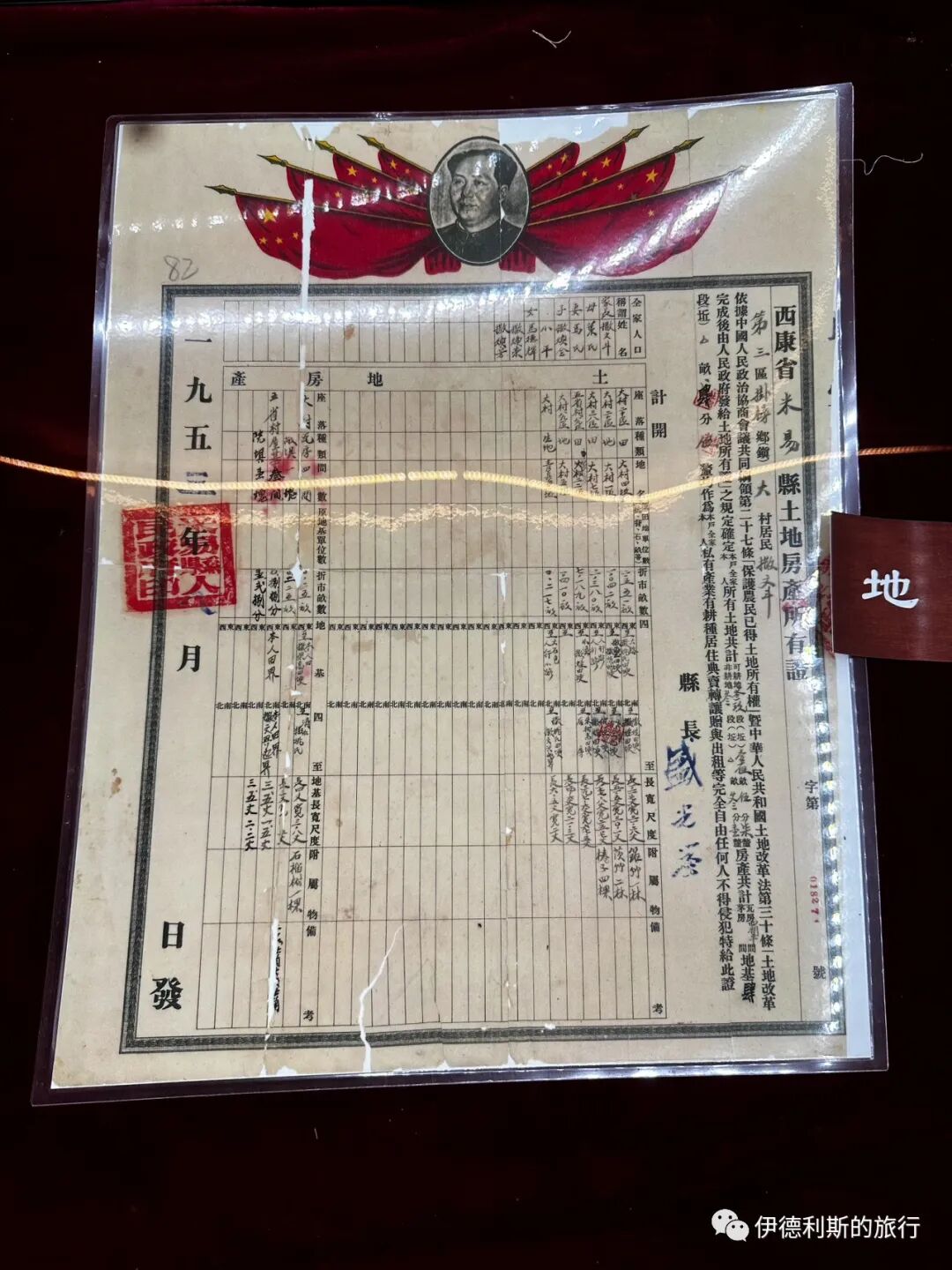
The south wing of Tianba Mosque has been turned into an exhibition hall. It displays old items from the local Hui Muslim families as a memory of life in the past, which I think is very meaningful.
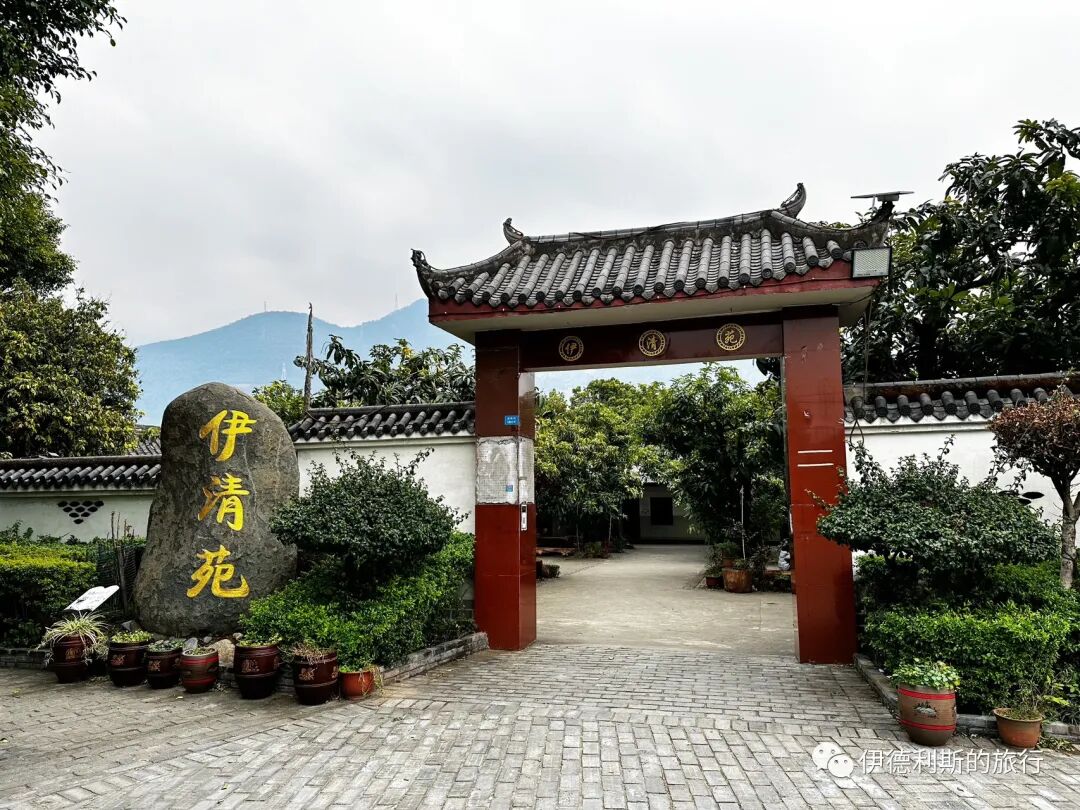
After leaving the mosque, a friend (dost) from Gansu who prayed namaz with me invited me to eat at the Yiqingyuan farmhouse restaurant in the village. The owner is the brother of Director Sa, and he is a very kind and welcoming person. The restaurant has been open for 10 years and strictly does not sell alcohol.
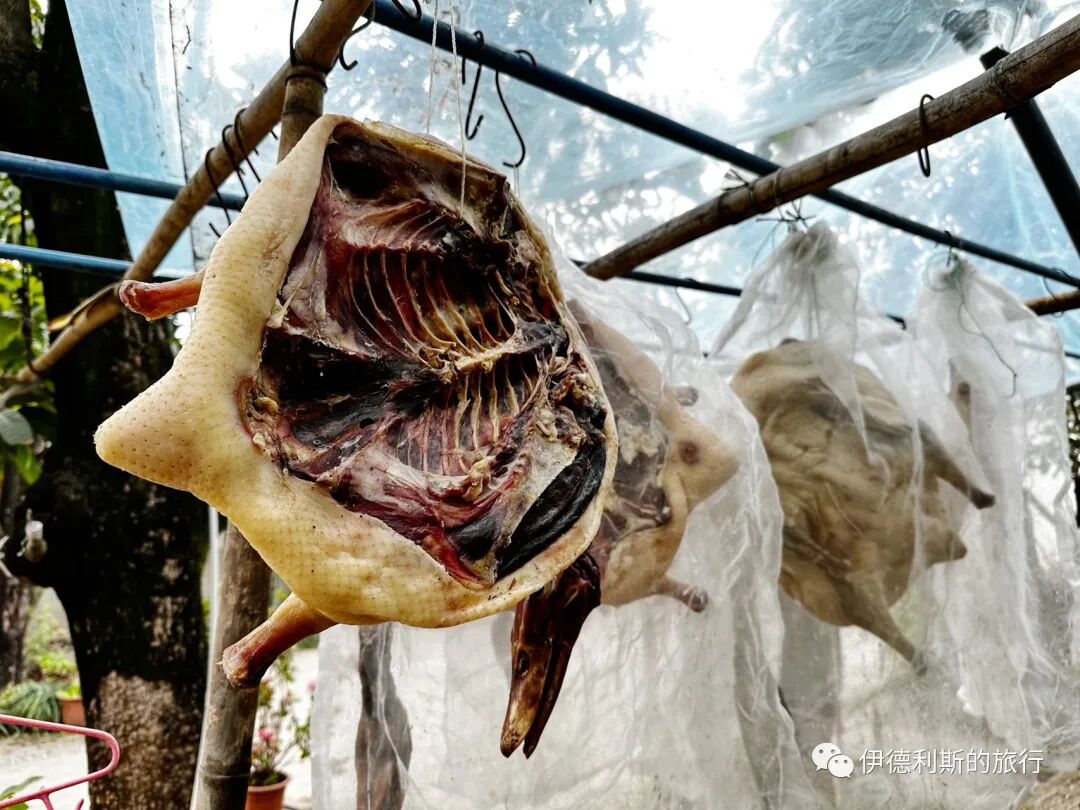
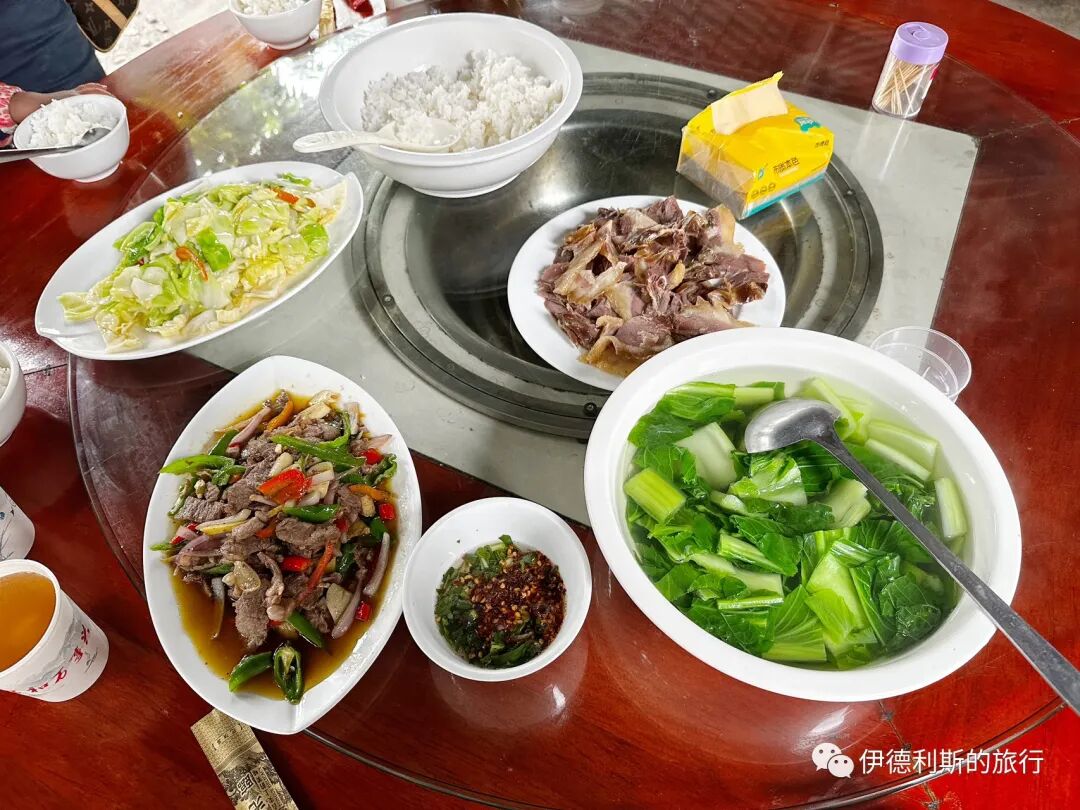
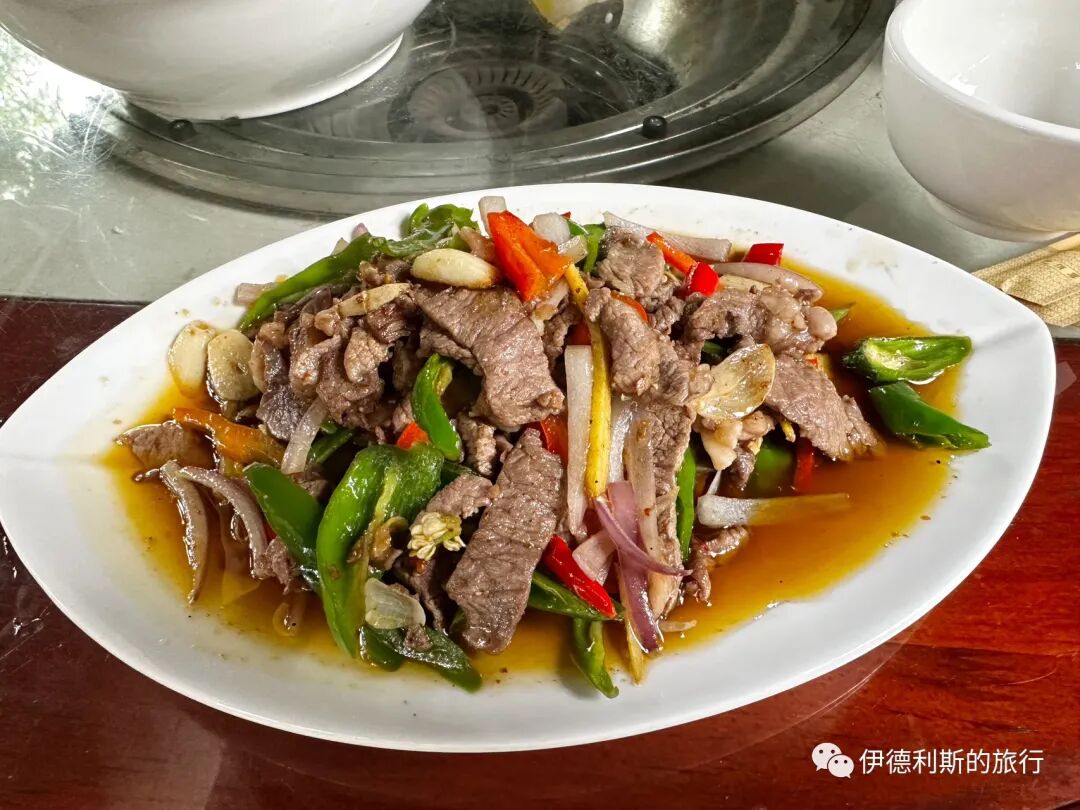
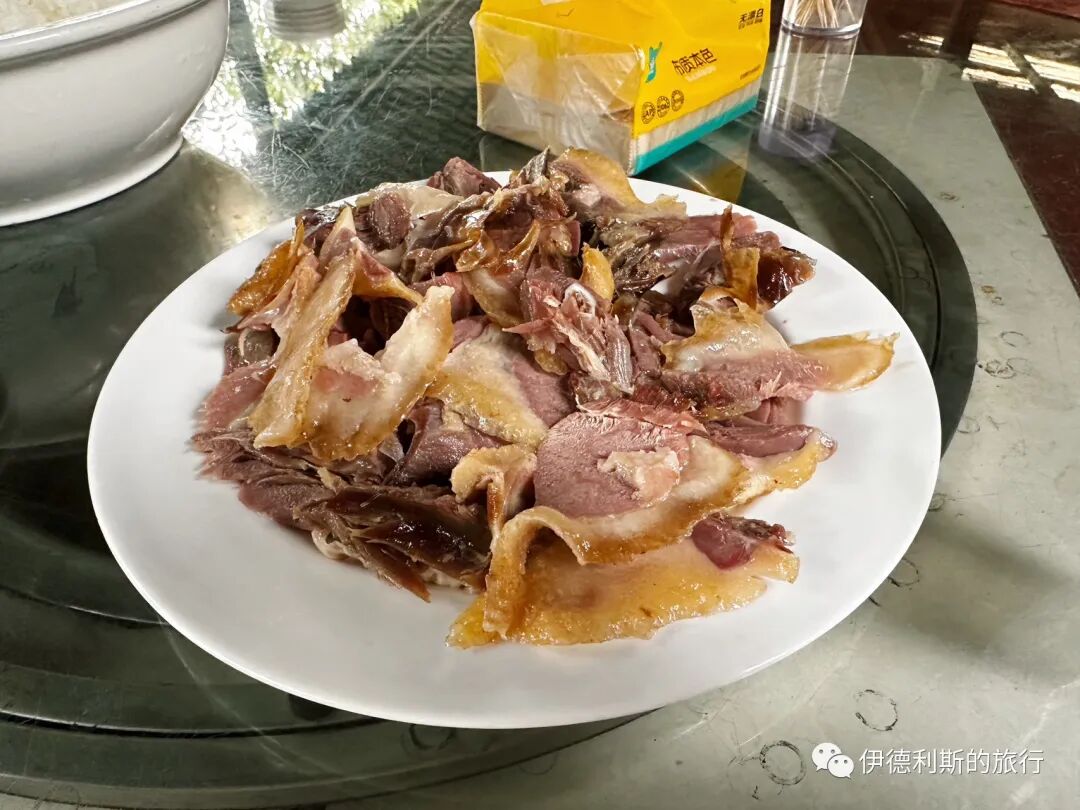
We ate stir-fried beef with chili, cured duck (banya), stir-fried cabbage, and bitter vegetable soup. The beef was tender and went well with rice, and the cured duck was salty and delicious. Overall, it was tasty and affordable. The way they eat bitter vegetable soup here is the same as in Yunnan: you first scoop a spoonful of the vegetable soup into your dipping sauce.
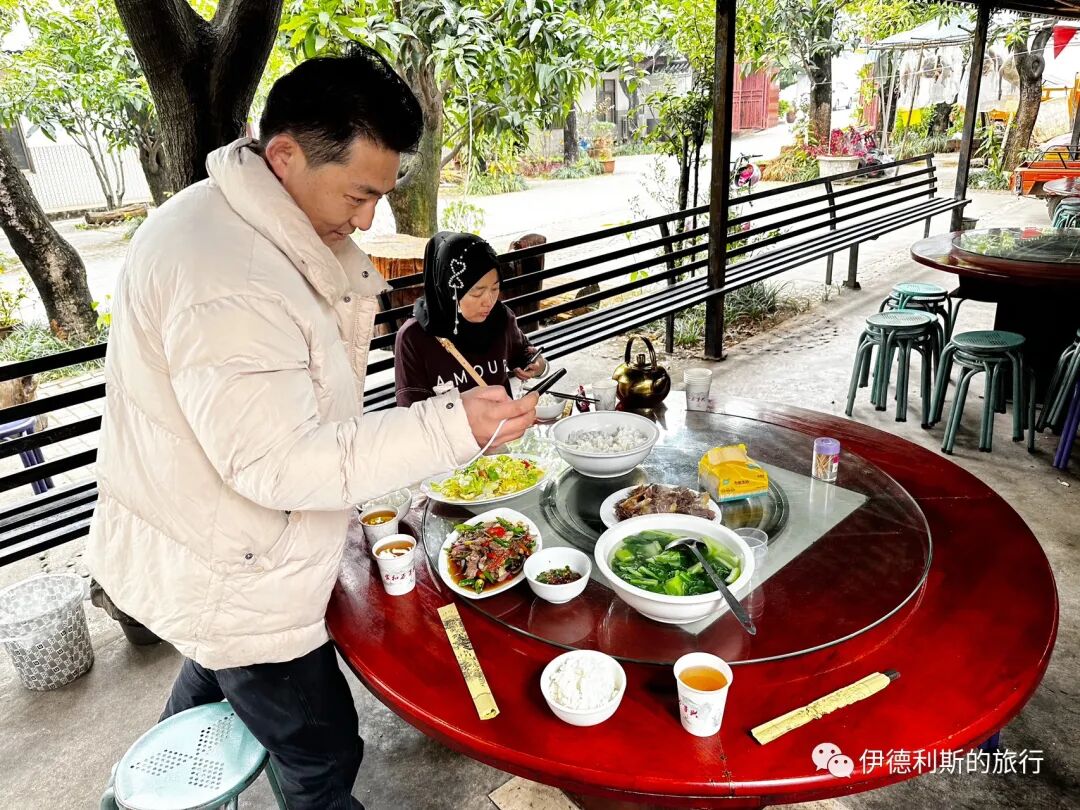
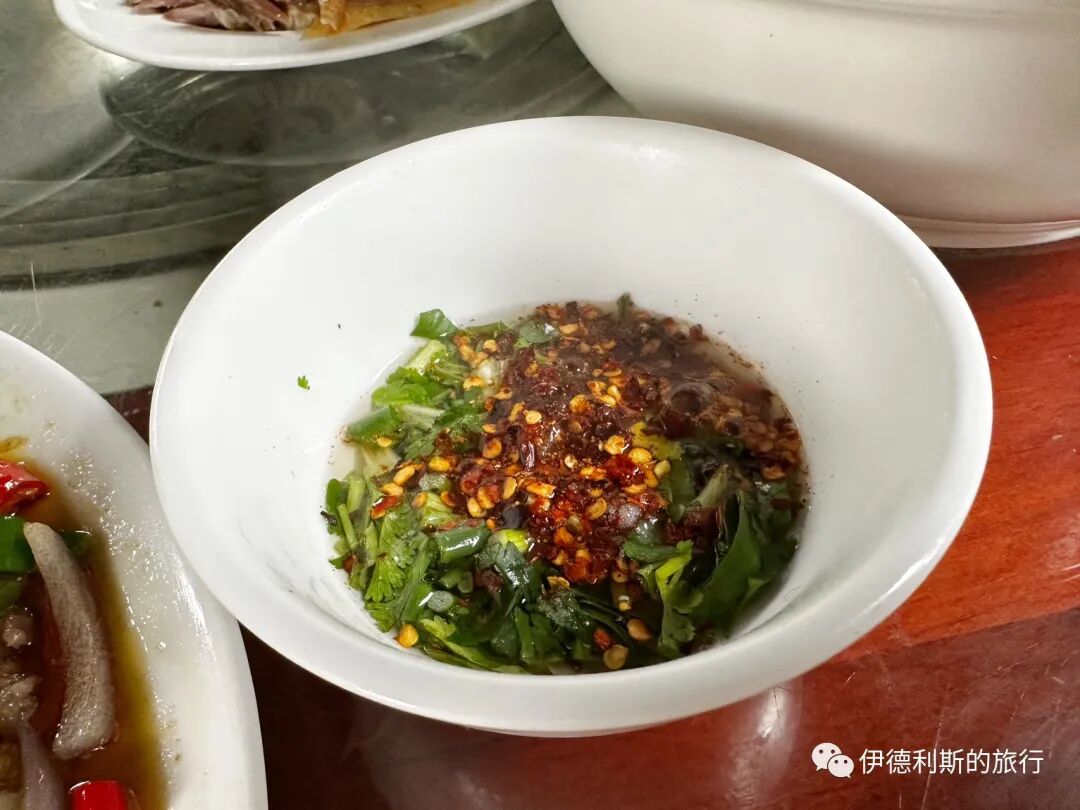
The atmosphere at the restaurant is really nice. When there are no customers, they keep the doors open, and the village children play inside.
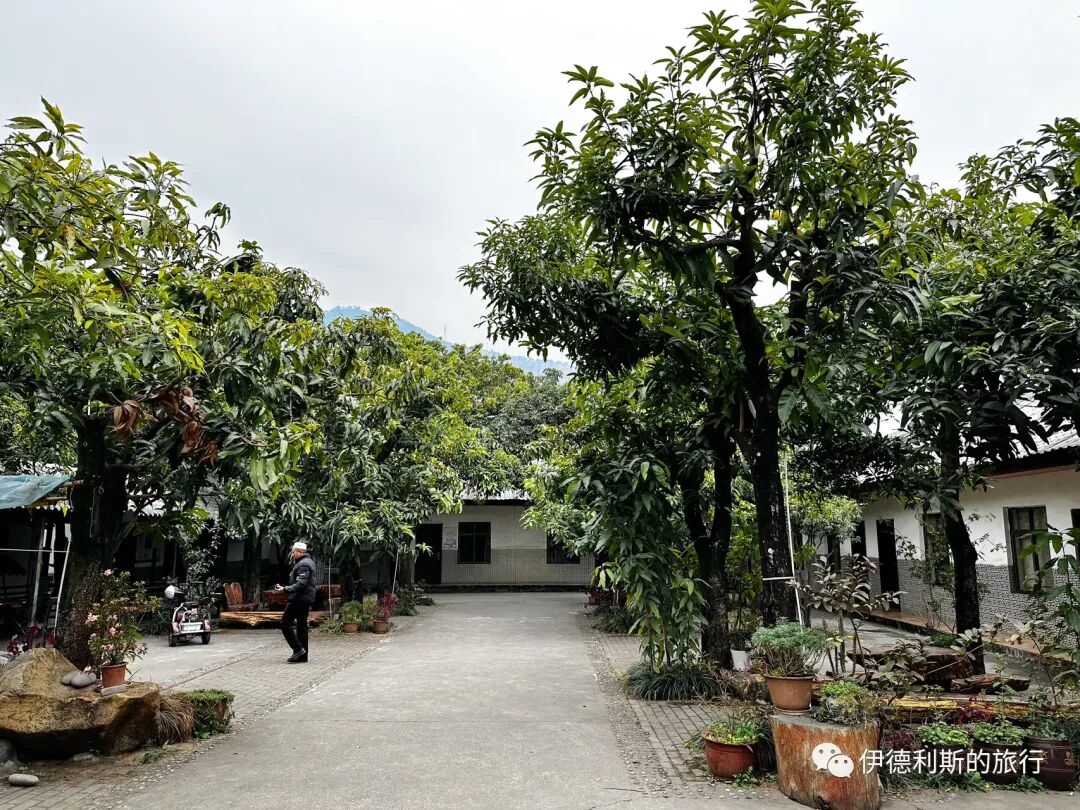
Leaving Tianba Village, Baima Town is not far away. At the town's farmers' market, a Hui Muslim auntie from Tianba Village sells pea jelly noodles (wandou liangfen). After saying salaam, the auntie refused to take my money, so I paid her secretly. Because Miyi is at the southern end of Sichuan and very close to Yunnan, the halal food culture is quite similar.
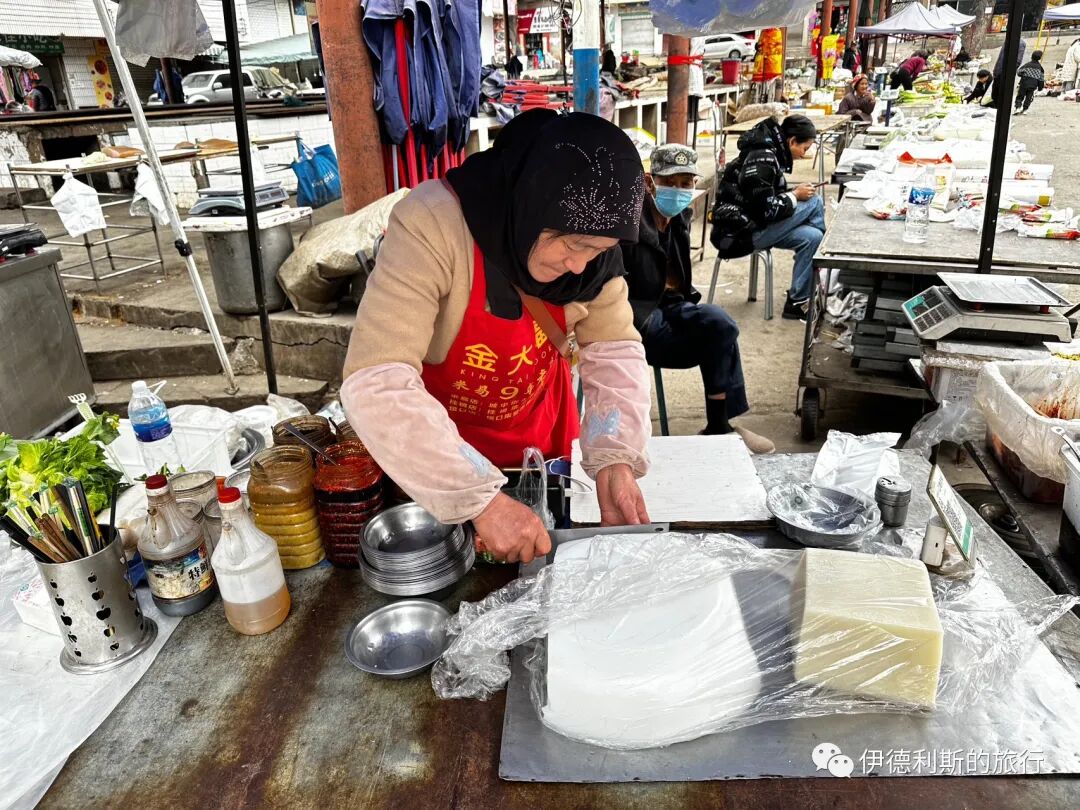
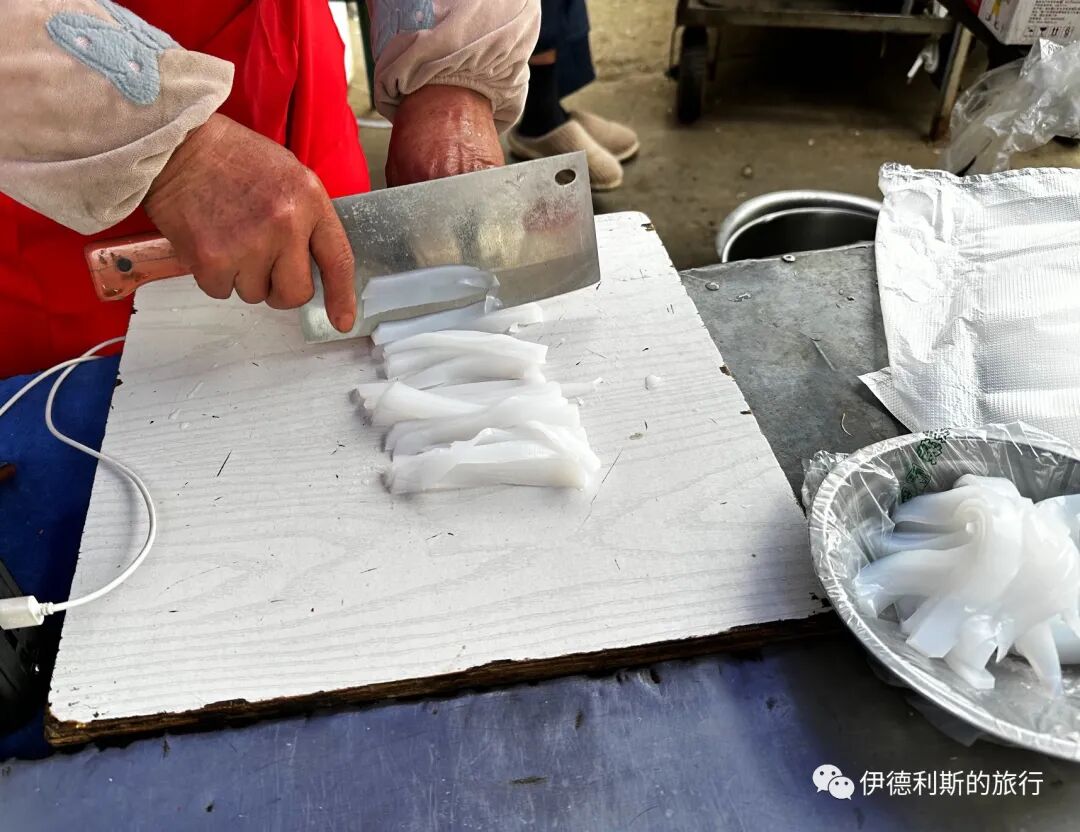
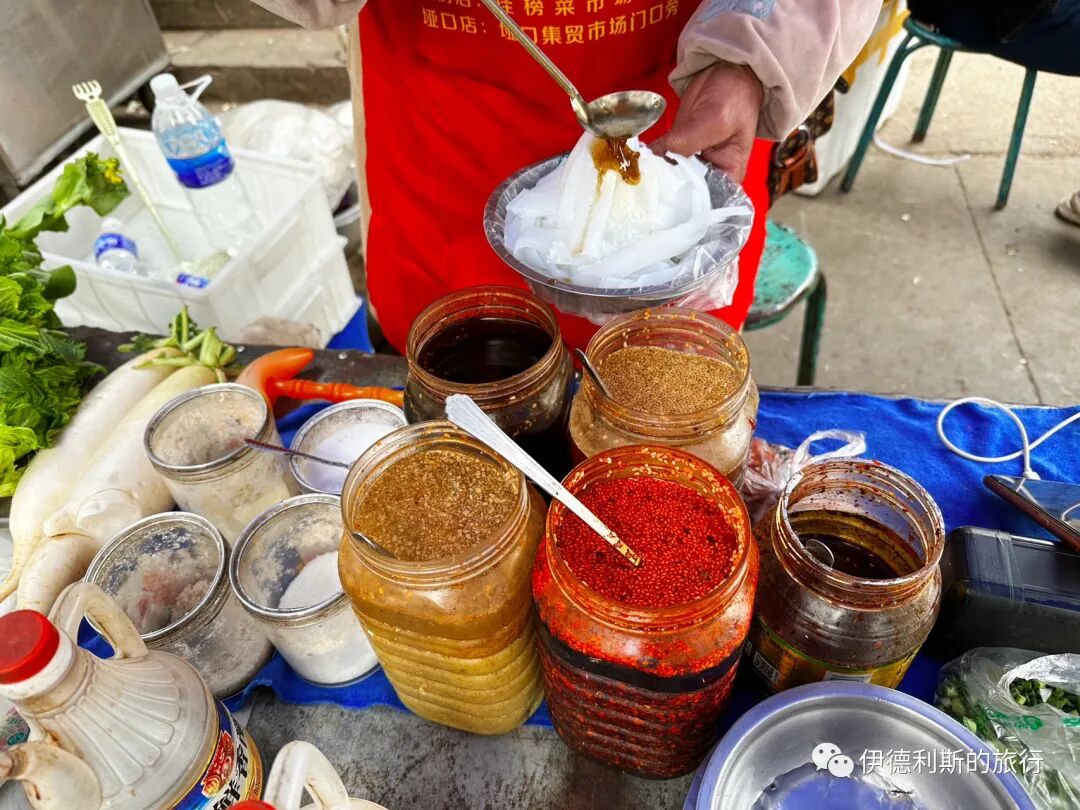
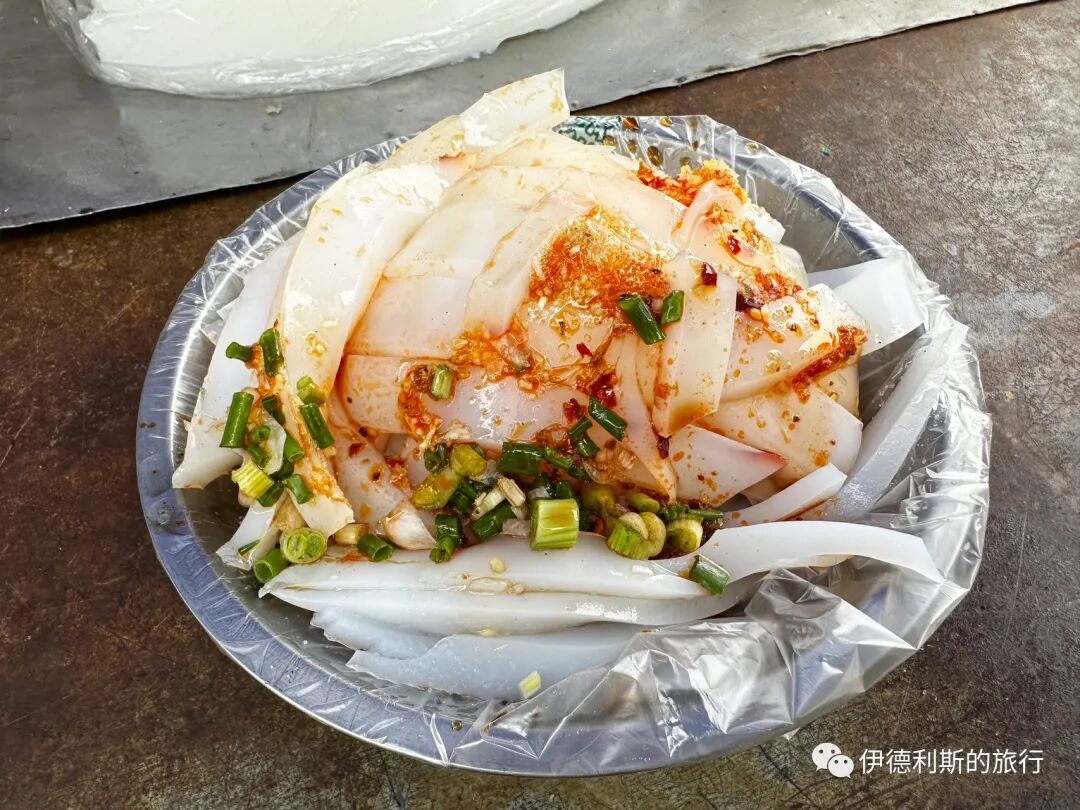
There are a few other halal restaurants in the town.
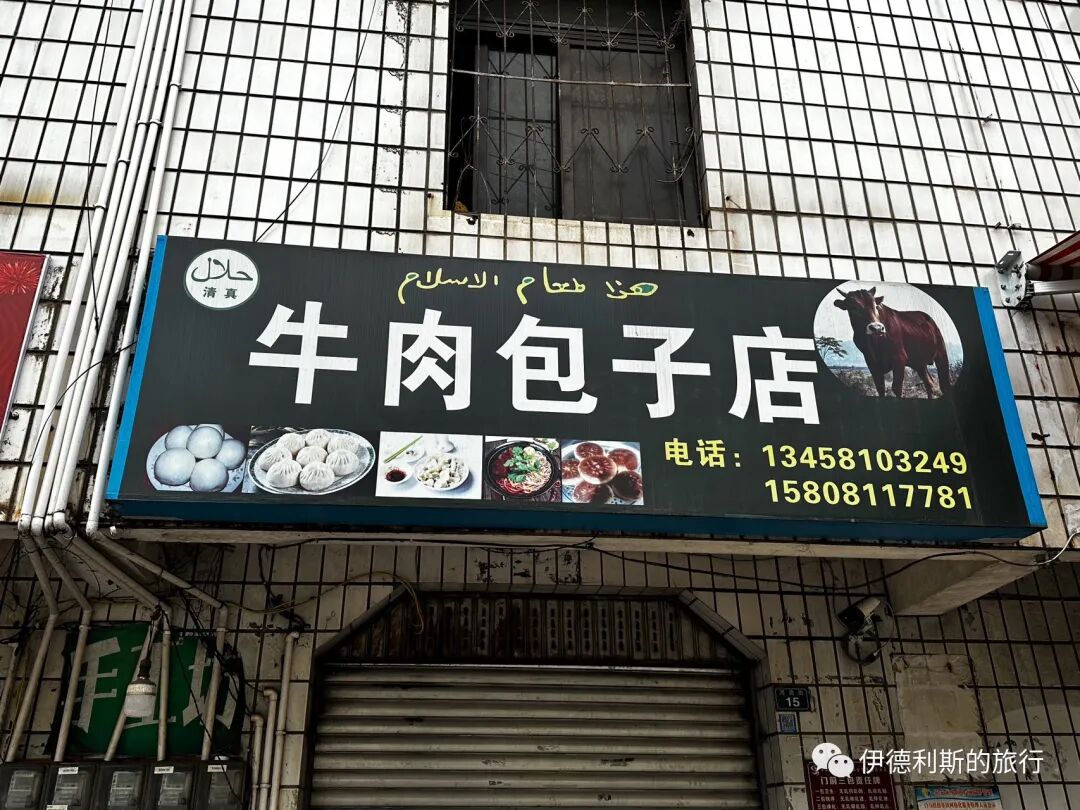
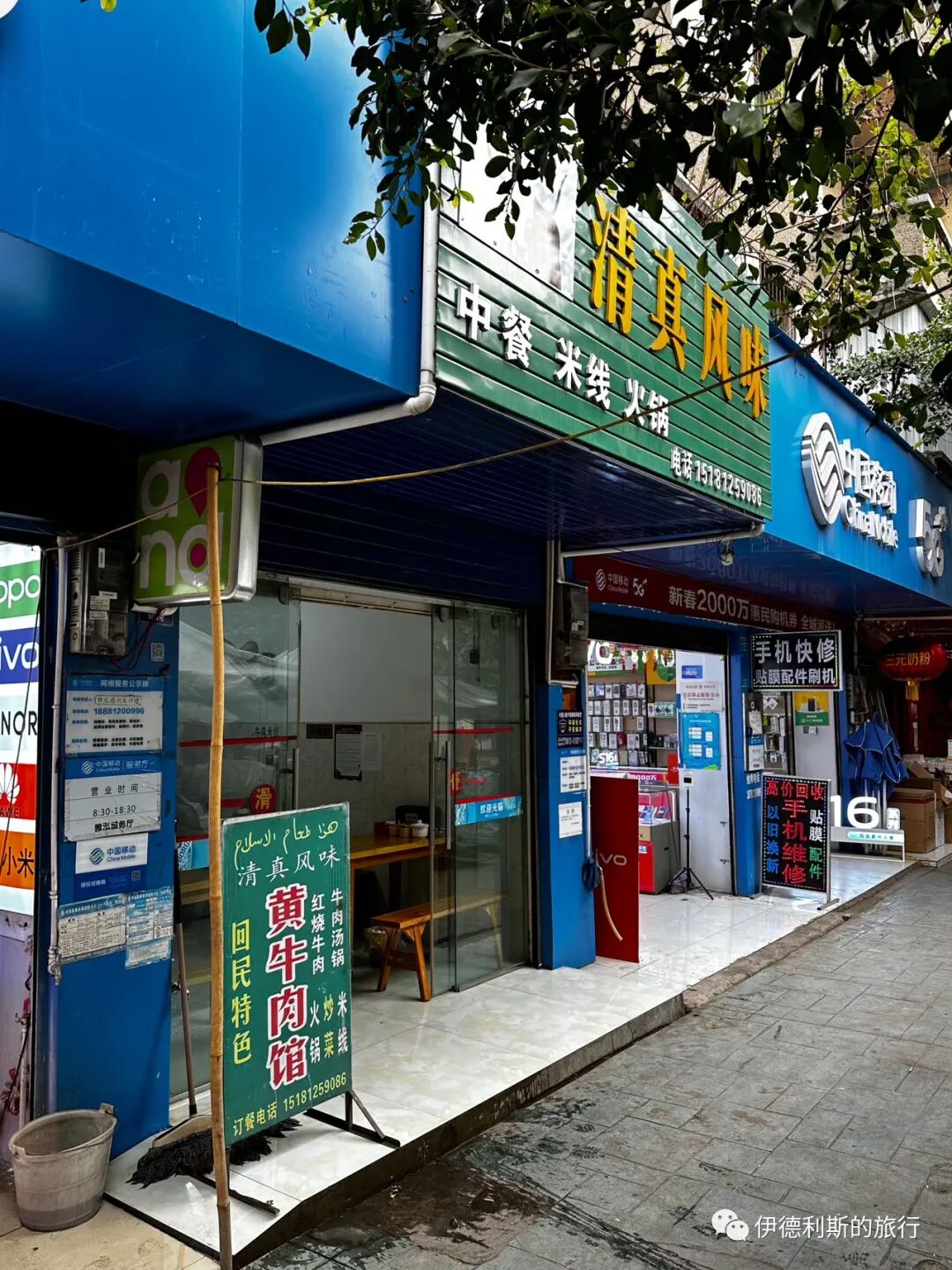
The scenery in the town is also very beautiful.
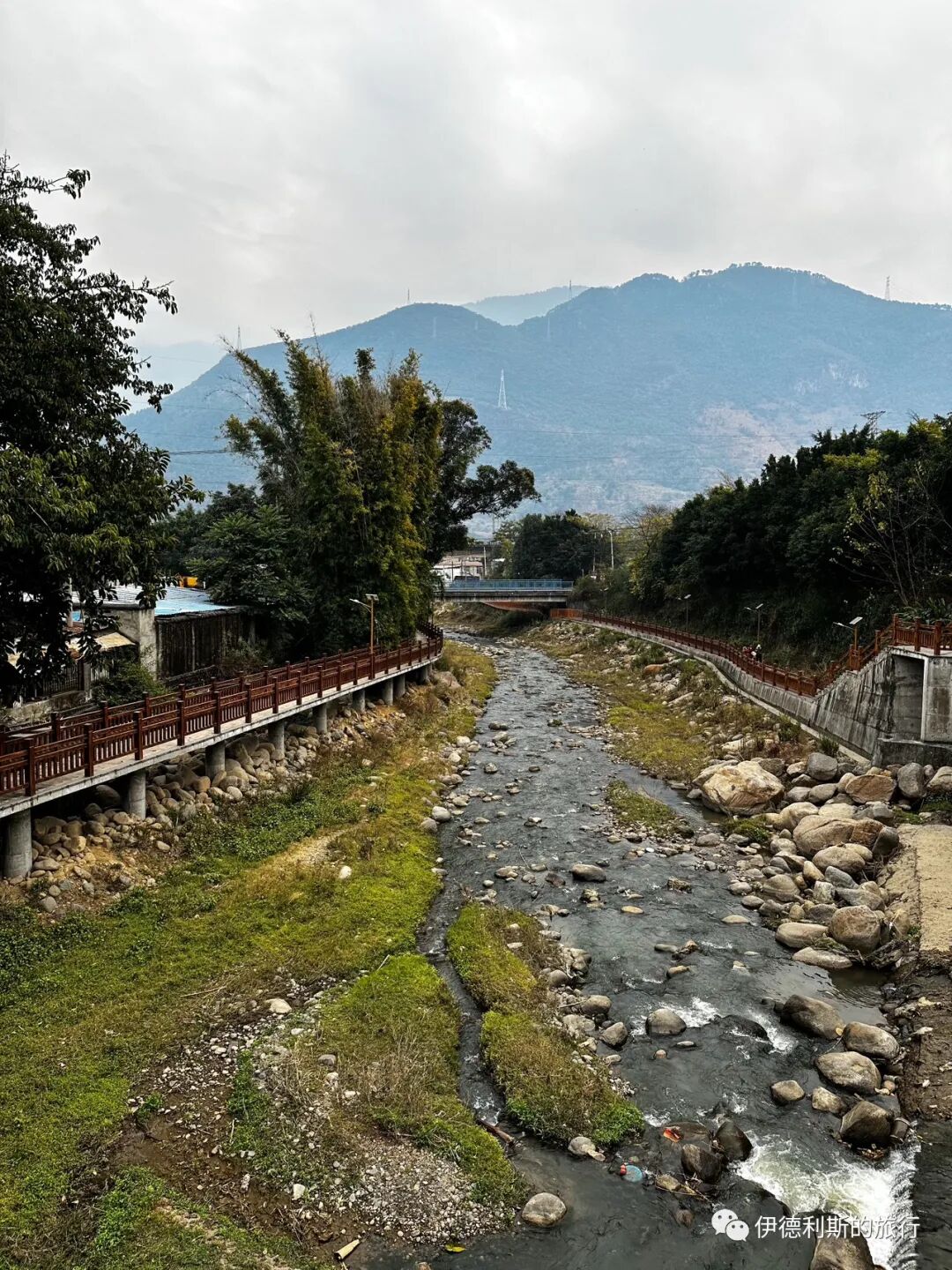
After walking around, I took a bus from the town back to the high-speed train station and headed to Dali for the next leg of my trip.
Spring travels in 2023:
On January 23, I left Macau and visited the Macau mosque known as the Moor Garden (Moluoyuan), where I ate delicious Indonesian Javanese food (see "Moor Garden and Indonesian Food in Macau"). On January 25, I arrived in Guangzhou, visited friends (dost), and ate various halal foods (see "Hui Muslim Oil Cakes and Yemeni Food in Guangzhou").
At noon, I performed namaz at the Huaisheng Mosque, then went to visit the Ancient Tombs of the Worthies (see "Huaisheng Mosque and the Ancient Tombs of the Worthies in Guangzhou").
In the afternoon, I prayed the afternoon prayer (asr) at Haopan Mosque and the sunset prayer (maghrib) at Xiaodongying Mosque (see "Visiting Haopan Mosque and Xiaodongying Mosque in Guangzhou").
On the morning of January 26, I took a train from Guangzhou to Zhaoqing, visited two mosques, and ate halal Cantonese food (see "Halal Roast Goose and Starfruit at the Mosque in Zhaoqing, Guangdong").
On the morning of January 27, I flew from Guangzhou to Xichang, Sichuan. I performed Jumu'ah at the Xichang city mosque, visited the West Mosque and the East Mosque, and ate Xichang rice noodles (see "Performing Jumu'ah and Eating Rice Noodles in Xichang, Sichuan").
Summary: Miyi Tianba — Hui Muslim Village in Sichuan Mountains is presented here as a firsthand travel account in clear English, beginning with this scene: On the morning of January 28, I took a high-speed train from Xichang to Miyi County, located at the southwestern tip of Sichuan. From there, I took a taxi to Tianba Hui Muslim village. The account keeps its focus on Miyi Tianba, Hui Muslim Village, Sichuan Travel while preserving the names, places, food, and historical details from the Chinese source.
On the morning of January 28, I took a high-speed train from Xichang to Miyi County, located at the southwestern tip of Sichuan. From there, I took a taxi to Tianba Hui Muslim village.
Tianba Village is a very beautiful Hui Muslim village. Besides the Tianba Mosque, which is listed as a Sichuan provincial cultural heritage site and is well worth a visit, the village is a peaceful place to wander. It feels like a quiet, rural paradise where you can hear chickens and dogs in the distance.
Tianba Village sits in a dry, hot subtropical valley. It is warm in winter and cool in summer, feeling like spring all year round with flowers blooming in every season. In 2019, the village was named one of the most beautiful villages in Sichuan. The streets are clean and tidy, and the local Hui Muslims greet you with smiles.
Although it is deep in the mountains and used to be very difficult to reach, the high-speed train has made it much easier. Many trains between Chengdu and Kunming stop at Miyi East Station. After exiting the station, you can hire a car or wave down a local bus heading from Miyi to Guabang to get there.
An elderly man (baba) saw me and immediately told his grandson to give up his stool for me. I tried to refuse for a long time before the grandson finally sat back down.
I first performed namaz at Tianba Mosque. Tianba Mosque was first built in 1702 during the 11th year of the Kangxi reign of the Qing Dynasty. It was renovated and expanded several times during the Qianlong, Jiaqing, and Daoguang periods, and it was named a provincial cultural heritage site in 1991.
Tianba Mosque has a traditional courtyard layout. The main gate features a moon-viewing tower (wangyuelou) with a double-eaved hexagonal roof, similar in style to traditional mosques in nearby Zhaotong, Yunnan. The main prayer hall has a T-shaped structure with a single-eaved, ridge-roofed design. Since the population of Tianba Village is small, the hall is not large, but it is elegant, simple, and beautiful.
The mihrab was eaten by termites, so a replica was made. You can see it is in a typical Yunnan style, almost identical to the Dazhuang Mosque in Kaiyuan and very similar to the Huihuiying Mosque in Chenggong.
The mihrab of Dazhuang Mosque in Kaiyuan.
The mihrab of Huihuiying Mosque in Chenggong.
I received a warm welcome from Director Sa Fanghui at the mosque and learned many stories about the mosque and Tianba Village.
The mosque is filled with various flowers and plants, and the small pineapples look very cute.
Date palms (yezao) from the Arab region also grow very well here. During Ramadan, everyone breaks their fast at the mosque. People spit the date pits into the flower beds, and they grow into strong trees.
The most interesting thing is that they even grow coffee beans in the mosque. This was my first time seeing that. I heard the imam usually picks some to roast for coffee, and it tastes quite good.
The south wing of Tianba Mosque has been turned into an exhibition hall. It displays old items from the local Hui Muslim families as a memory of life in the past, which I think is very meaningful.
After leaving the mosque, a friend (dost) from Gansu who prayed namaz with me invited me to eat at the Yiqingyuan farmhouse restaurant in the village. The owner is the brother of Director Sa, and he is a very kind and welcoming person. The restaurant has been open for 10 years and strictly does not sell alcohol.
We ate stir-fried beef with chili, cured duck (banya), stir-fried cabbage, and bitter vegetable soup. The beef was tender and went well with rice, and the cured duck was salty and delicious. Overall, it was tasty and affordable. The way they eat bitter vegetable soup here is the same as in Yunnan: you first scoop a spoonful of the vegetable soup into your dipping sauce.
The atmosphere at the restaurant is really nice. When there are no customers, they keep the doors open, and the village children play inside.
Leaving Tianba Village, Baima Town is not far away. At the town's farmers' market, a Hui Muslim auntie from Tianba Village sells pea jelly noodles (wandou liangfen). After saying salaam, the auntie refused to take my money, so I paid her secretly. Because Miyi is at the southern end of Sichuan and very close to Yunnan, the halal food culture is quite similar.
There are a few other halal restaurants in the town.
The scenery in the town is also very beautiful.
After walking around, I took a bus from the town back to the high-speed train station and headed to Dali for the next leg of my trip.
Spring travels in 2023:
On January 23, I left Macau and visited the Macau mosque known as the Moor Garden (Moluoyuan), where I ate delicious Indonesian Javanese food (see "Moor Garden and Indonesian Food in Macau"). On January 25, I arrived in Guangzhou, visited friends (dost), and ate various halal foods (see "Hui Muslim Oil Cakes and Yemeni Food in Guangzhou").
At noon, I performed namaz at the Huaisheng Mosque, then went to visit the Ancient Tombs of the Worthies (see "Huaisheng Mosque and the Ancient Tombs of the Worthies in Guangzhou").
In the afternoon, I prayed the afternoon prayer (asr) at Haopan Mosque and the sunset prayer (maghrib) at Xiaodongying Mosque (see "Visiting Haopan Mosque and Xiaodongying Mosque in Guangzhou").
On the morning of January 26, I took a train from Guangzhou to Zhaoqing, visited two mosques, and ate halal Cantonese food (see "Halal Roast Goose and Starfruit at the Mosque in Zhaoqing, Guangdong").
On the morning of January 27, I flew from Guangzhou to Xichang, Sichuan. I performed Jumu'ah at the Xichang city mosque, visited the West Mosque and the East Mosque, and ate Xichang rice noodles (see "Performing Jumu'ah and Eating Rice Noodles in Xichang, Sichuan").
Halal Travel Guide: Miyi Tianba — Hui Muslim Village in Sichuan Mountains
Articles • ali2007fr posted the article • 0 comments • 192 views • 2026-05-18 20:36
Reposted from the web
Summary: Miyi Tianba — Hui Muslim Village in Sichuan Mountains is presented here as a firsthand travel account in clear English, beginning with this scene: On the morning of January 28, I took a high-speed train from Xichang to Miyi County, located at the southwestern tip of Sichuan. From there, I took a taxi to Tianba Hui Muslim village. The account keeps its focus on Miyi Tianba, Hui Muslim Village, Sichuan Travel while preserving the names, places, food, and historical details from the Chinese source.
On the morning of January 28, I took a high-speed train from Xichang to Miyi County, located at the southwestern tip of Sichuan. From there, I took a taxi to Tianba Hui Muslim village.
Tianba Village is a very beautiful Hui Muslim village. Besides the Tianba Mosque, which is listed as a Sichuan provincial cultural heritage site and is well worth a visit, the village is a peaceful place to wander. It feels like a quiet, rural paradise where you can hear chickens and dogs in the distance.
Tianba Village sits in a dry, hot subtropical valley. It is warm in winter and cool in summer, feeling like spring all year round with flowers blooming in every season. In 2019, the village was named one of the most beautiful villages in Sichuan. The streets are clean and tidy, and the local Hui Muslims greet you with smiles.
Although it is deep in the mountains and used to be very difficult to reach, the high-speed train has made it much easier. Many trains between Chengdu and Kunming stop at Miyi East Station. After exiting the station, you can hire a car or wave down a local bus heading from Miyi to Guabang to get there.
An elderly man (baba) saw me and immediately told his grandson to give up his stool for me. I tried to refuse for a long time before the grandson finally sat back down.
I first performed namaz at Tianba Mosque. Tianba Mosque was first built in 1702 during the 11th year of the Kangxi reign of the Qing Dynasty. It was renovated and expanded several times during the Qianlong, Jiaqing, and Daoguang periods, and it was named a provincial cultural heritage site in 1991.
Tianba Mosque has a traditional courtyard layout. The main gate features a moon-viewing tower (wangyuelou) with a double-eaved hexagonal roof, similar in style to traditional mosques in nearby Zhaotong, Yunnan. The main prayer hall has a T-shaped structure with a single-eaved, ridge-roofed design. Since the population of Tianba Village is small, the hall is not large, but it is elegant, simple, and beautiful.
The mihrab was eaten by termites, so a replica was made. You can see it is in a typical Yunnan style, almost identical to the Dazhuang Mosque in Kaiyuan and very similar to the Huihuiying Mosque in Chenggong.
The mihrab of Dazhuang Mosque in Kaiyuan.
The mihrab of Huihuiying Mosque in Chenggong.
I received a warm welcome from Director Sa Fanghui at the mosque and learned many stories about the mosque and Tianba Village.
The mosque is filled with various flowers and plants, and the small pineapples look very cute.
Date palms (yezao) from the Arab region also grow very well here. During Ramadan, everyone breaks their fast at the mosque. People spit the date pits into the flower beds, and they grow into strong trees.
The most interesting thing is that they even grow coffee beans in the mosque. This was my first time seeing that. I heard the imam usually picks some to roast for coffee, and it tastes quite good.
The south wing of Tianba Mosque has been turned into an exhibition hall. It displays old items from the local Hui Muslim families as a memory of life in the past, which I think is very meaningful.
After leaving the mosque, a friend (dost) from Gansu who prayed namaz with me invited me to eat at the Yiqingyuan farmhouse restaurant in the village. The owner is the brother of Director Sa, and he is a very kind and welcoming person. The restaurant has been open for 10 years and strictly does not sell alcohol.
We ate stir-fried beef with chili, cured duck (banya), stir-fried cabbage, and bitter vegetable soup. The beef was tender and went well with rice, and the cured duck was salty and delicious. Overall, it was tasty and affordable. The way they eat bitter vegetable soup here is the same as in Yunnan: you first scoop a spoonful of the vegetable soup into your dipping sauce.
The atmosphere at the restaurant is really nice. When there are no customers, they keep the doors open, and the village children play inside.
Leaving Tianba Village, Baima Town is not far away. At the town's farmers' market, a Hui Muslim auntie from Tianba Village sells pea jelly noodles (wandou liangfen). After saying salaam, the auntie refused to take my money, so I paid her secretly. Because Miyi is at the southern end of Sichuan and very close to Yunnan, the halal food culture is quite similar.
There are a few other halal restaurants in the town.
The scenery in the town is also very beautiful.
After walking around, I took a bus from the town back to the high-speed train station and headed to Dali for the next leg of my trip.
Spring travels in 2023:
On January 23, I left Macau and visited the Macau mosque known as the Moor Garden (Moluoyuan), where I ate delicious Indonesian Javanese food (see "Moor Garden and Indonesian Food in Macau"). On January 25, I arrived in Guangzhou, visited friends (dost), and ate various halal foods (see "Hui Muslim Oil Cakes and Yemeni Food in Guangzhou").
At noon, I performed namaz at the Huaisheng Mosque, then went to visit the Ancient Tombs of the Worthies (see "Huaisheng Mosque and the Ancient Tombs of the Worthies in Guangzhou").
In the afternoon, I prayed the afternoon prayer (asr) at Haopan Mosque and the sunset prayer (maghrib) at Xiaodongying Mosque (see "Visiting Haopan Mosque and Xiaodongying Mosque in Guangzhou").
On the morning of January 26, I took a train from Guangzhou to Zhaoqing, visited two mosques, and ate halal Cantonese food (see "Halal Roast Goose and Starfruit at the Mosque in Zhaoqing, Guangdong").
On the morning of January 27, I flew from Guangzhou to Xichang, Sichuan. I performed Jumu'ah at the Xichang city mosque, visited the West Mosque and the East Mosque, and ate Xichang rice noodles (see "Performing Jumu'ah and Eating Rice Noodles in Xichang, Sichuan"). view all
Summary: Miyi Tianba — Hui Muslim Village in Sichuan Mountains is presented here as a firsthand travel account in clear English, beginning with this scene: On the morning of January 28, I took a high-speed train from Xichang to Miyi County, located at the southwestern tip of Sichuan. From there, I took a taxi to Tianba Hui Muslim village. The account keeps its focus on Miyi Tianba, Hui Muslim Village, Sichuan Travel while preserving the names, places, food, and historical details from the Chinese source.
On the morning of January 28, I took a high-speed train from Xichang to Miyi County, located at the southwestern tip of Sichuan. From there, I took a taxi to Tianba Hui Muslim village.
Tianba Village is a very beautiful Hui Muslim village. Besides the Tianba Mosque, which is listed as a Sichuan provincial cultural heritage site and is well worth a visit, the village is a peaceful place to wander. It feels like a quiet, rural paradise where you can hear chickens and dogs in the distance.
Tianba Village sits in a dry, hot subtropical valley. It is warm in winter and cool in summer, feeling like spring all year round with flowers blooming in every season. In 2019, the village was named one of the most beautiful villages in Sichuan. The streets are clean and tidy, and the local Hui Muslims greet you with smiles.
Although it is deep in the mountains and used to be very difficult to reach, the high-speed train has made it much easier. Many trains between Chengdu and Kunming stop at Miyi East Station. After exiting the station, you can hire a car or wave down a local bus heading from Miyi to Guabang to get there.
An elderly man (baba) saw me and immediately told his grandson to give up his stool for me. I tried to refuse for a long time before the grandson finally sat back down.
I first performed namaz at Tianba Mosque. Tianba Mosque was first built in 1702 during the 11th year of the Kangxi reign of the Qing Dynasty. It was renovated and expanded several times during the Qianlong, Jiaqing, and Daoguang periods, and it was named a provincial cultural heritage site in 1991.
Tianba Mosque has a traditional courtyard layout. The main gate features a moon-viewing tower (wangyuelou) with a double-eaved hexagonal roof, similar in style to traditional mosques in nearby Zhaotong, Yunnan. The main prayer hall has a T-shaped structure with a single-eaved, ridge-roofed design. Since the population of Tianba Village is small, the hall is not large, but it is elegant, simple, and beautiful.
The mihrab was eaten by termites, so a replica was made. You can see it is in a typical Yunnan style, almost identical to the Dazhuang Mosque in Kaiyuan and very similar to the Huihuiying Mosque in Chenggong.
The mihrab of Dazhuang Mosque in Kaiyuan.
The mihrab of Huihuiying Mosque in Chenggong.
I received a warm welcome from Director Sa Fanghui at the mosque and learned many stories about the mosque and Tianba Village.
The mosque is filled with various flowers and plants, and the small pineapples look very cute.
Date palms (yezao) from the Arab region also grow very well here. During Ramadan, everyone breaks their fast at the mosque. People spit the date pits into the flower beds, and they grow into strong trees.
The most interesting thing is that they even grow coffee beans in the mosque. This was my first time seeing that. I heard the imam usually picks some to roast for coffee, and it tastes quite good.
The south wing of Tianba Mosque has been turned into an exhibition hall. It displays old items from the local Hui Muslim families as a memory of life in the past, which I think is very meaningful.
After leaving the mosque, a friend (dost) from Gansu who prayed namaz with me invited me to eat at the Yiqingyuan farmhouse restaurant in the village. The owner is the brother of Director Sa, and he is a very kind and welcoming person. The restaurant has been open for 10 years and strictly does not sell alcohol.
We ate stir-fried beef with chili, cured duck (banya), stir-fried cabbage, and bitter vegetable soup. The beef was tender and went well with rice, and the cured duck was salty and delicious. Overall, it was tasty and affordable. The way they eat bitter vegetable soup here is the same as in Yunnan: you first scoop a spoonful of the vegetable soup into your dipping sauce.
The atmosphere at the restaurant is really nice. When there are no customers, they keep the doors open, and the village children play inside.
Leaving Tianba Village, Baima Town is not far away. At the town's farmers' market, a Hui Muslim auntie from Tianba Village sells pea jelly noodles (wandou liangfen). After saying salaam, the auntie refused to take my money, so I paid her secretly. Because Miyi is at the southern end of Sichuan and very close to Yunnan, the halal food culture is quite similar.
There are a few other halal restaurants in the town.
The scenery in the town is also very beautiful.
After walking around, I took a bus from the town back to the high-speed train station and headed to Dali for the next leg of my trip.
Spring travels in 2023:
On January 23, I left Macau and visited the Macau mosque known as the Moor Garden (Moluoyuan), where I ate delicious Indonesian Javanese food (see "Moor Garden and Indonesian Food in Macau"). On January 25, I arrived in Guangzhou, visited friends (dost), and ate various halal foods (see "Hui Muslim Oil Cakes and Yemeni Food in Guangzhou").
At noon, I performed namaz at the Huaisheng Mosque, then went to visit the Ancient Tombs of the Worthies (see "Huaisheng Mosque and the Ancient Tombs of the Worthies in Guangzhou").
In the afternoon, I prayed the afternoon prayer (asr) at Haopan Mosque and the sunset prayer (maghrib) at Xiaodongying Mosque (see "Visiting Haopan Mosque and Xiaodongying Mosque in Guangzhou").
On the morning of January 26, I took a train from Guangzhou to Zhaoqing, visited two mosques, and ate halal Cantonese food (see "Halal Roast Goose and Starfruit at the Mosque in Zhaoqing, Guangdong").
On the morning of January 27, I flew from Guangzhou to Xichang, Sichuan. I performed Jumu'ah at the Xichang city mosque, visited the West Mosque and the East Mosque, and ate Xichang rice noodles (see "Performing Jumu'ah and Eating Rice Noodles in Xichang, Sichuan"). view all
Reposted from the web
Summary: Miyi Tianba — Hui Muslim Village in Sichuan Mountains is presented here as a firsthand travel account in clear English, beginning with this scene: On the morning of January 28, I took a high-speed train from Xichang to Miyi County, located at the southwestern tip of Sichuan. From there, I took a taxi to Tianba Hui Muslim village. The account keeps its focus on Miyi Tianba, Hui Muslim Village, Sichuan Travel while preserving the names, places, food, and historical details from the Chinese source.
On the morning of January 28, I took a high-speed train from Xichang to Miyi County, located at the southwestern tip of Sichuan. From there, I took a taxi to Tianba Hui Muslim village.
Tianba Village is a very beautiful Hui Muslim village. Besides the Tianba Mosque, which is listed as a Sichuan provincial cultural heritage site and is well worth a visit, the village is a peaceful place to wander. It feels like a quiet, rural paradise where you can hear chickens and dogs in the distance.
Tianba Village sits in a dry, hot subtropical valley. It is warm in winter and cool in summer, feeling like spring all year round with flowers blooming in every season. In 2019, the village was named one of the most beautiful villages in Sichuan. The streets are clean and tidy, and the local Hui Muslims greet you with smiles.
Although it is deep in the mountains and used to be very difficult to reach, the high-speed train has made it much easier. Many trains between Chengdu and Kunming stop at Miyi East Station. After exiting the station, you can hire a car or wave down a local bus heading from Miyi to Guabang to get there.
An elderly man (baba) saw me and immediately told his grandson to give up his stool for me. I tried to refuse for a long time before the grandson finally sat back down.
I first performed namaz at Tianba Mosque. Tianba Mosque was first built in 1702 during the 11th year of the Kangxi reign of the Qing Dynasty. It was renovated and expanded several times during the Qianlong, Jiaqing, and Daoguang periods, and it was named a provincial cultural heritage site in 1991.
Tianba Mosque has a traditional courtyard layout. The main gate features a moon-viewing tower (wangyuelou) with a double-eaved hexagonal roof, similar in style to traditional mosques in nearby Zhaotong, Yunnan. The main prayer hall has a T-shaped structure with a single-eaved, ridge-roofed design. Since the population of Tianba Village is small, the hall is not large, but it is elegant, simple, and beautiful.
The mihrab was eaten by termites, so a replica was made. You can see it is in a typical Yunnan style, almost identical to the Dazhuang Mosque in Kaiyuan and very similar to the Huihuiying Mosque in Chenggong.
The mihrab of Dazhuang Mosque in Kaiyuan.
The mihrab of Huihuiying Mosque in Chenggong.
I received a warm welcome from Director Sa Fanghui at the mosque and learned many stories about the mosque and Tianba Village.
The mosque is filled with various flowers and plants, and the small pineapples look very cute.
Date palms (yezao) from the Arab region also grow very well here. During Ramadan, everyone breaks their fast at the mosque. People spit the date pits into the flower beds, and they grow into strong trees.
The most interesting thing is that they even grow coffee beans in the mosque. This was my first time seeing that. I heard the imam usually picks some to roast for coffee, and it tastes quite good.
The south wing of Tianba Mosque has been turned into an exhibition hall. It displays old items from the local Hui Muslim families as a memory of life in the past, which I think is very meaningful.
After leaving the mosque, a friend (dost) from Gansu who prayed namaz with me invited me to eat at the Yiqingyuan farmhouse restaurant in the village. The owner is the brother of Director Sa, and he is a very kind and welcoming person. The restaurant has been open for 10 years and strictly does not sell alcohol.
We ate stir-fried beef with chili, cured duck (banya), stir-fried cabbage, and bitter vegetable soup. The beef was tender and went well with rice, and the cured duck was salty and delicious. Overall, it was tasty and affordable. The way they eat bitter vegetable soup here is the same as in Yunnan: you first scoop a spoonful of the vegetable soup into your dipping sauce.
The atmosphere at the restaurant is really nice. When there are no customers, they keep the doors open, and the village children play inside.
Leaving Tianba Village, Baima Town is not far away. At the town's farmers' market, a Hui Muslim auntie from Tianba Village sells pea jelly noodles (wandou liangfen). After saying salaam, the auntie refused to take my money, so I paid her secretly. Because Miyi is at the southern end of Sichuan and very close to Yunnan, the halal food culture is quite similar.
There are a few other halal restaurants in the town.
The scenery in the town is also very beautiful.
After walking around, I took a bus from the town back to the high-speed train station and headed to Dali for the next leg of my trip.
Spring travels in 2023:
On January 23, I left Macau and visited the Macau mosque known as the Moor Garden (Moluoyuan), where I ate delicious Indonesian Javanese food (see "Moor Garden and Indonesian Food in Macau"). On January 25, I arrived in Guangzhou, visited friends (dost), and ate various halal foods (see "Hui Muslim Oil Cakes and Yemeni Food in Guangzhou").
At noon, I performed namaz at the Huaisheng Mosque, then went to visit the Ancient Tombs of the Worthies (see "Huaisheng Mosque and the Ancient Tombs of the Worthies in Guangzhou").
In the afternoon, I prayed the afternoon prayer (asr) at Haopan Mosque and the sunset prayer (maghrib) at Xiaodongying Mosque (see "Visiting Haopan Mosque and Xiaodongying Mosque in Guangzhou").
On the morning of January 26, I took a train from Guangzhou to Zhaoqing, visited two mosques, and ate halal Cantonese food (see "Halal Roast Goose and Starfruit at the Mosque in Zhaoqing, Guangdong").
On the morning of January 27, I flew from Guangzhou to Xichang, Sichuan. I performed Jumu'ah at the Xichang city mosque, visited the West Mosque and the East Mosque, and ate Xichang rice noodles (see "Performing Jumu'ah and Eating Rice Noodles in Xichang, Sichuan").
Summary: Miyi Tianba — Hui Muslim Village in Sichuan Mountains is presented here as a firsthand travel account in clear English, beginning with this scene: On the morning of January 28, I took a high-speed train from Xichang to Miyi County, located at the southwestern tip of Sichuan. From there, I took a taxi to Tianba Hui Muslim village. The account keeps its focus on Miyi Tianba, Hui Muslim Village, Sichuan Travel while preserving the names, places, food, and historical details from the Chinese source.
On the morning of January 28, I took a high-speed train from Xichang to Miyi County, located at the southwestern tip of Sichuan. From there, I took a taxi to Tianba Hui Muslim village.
Tianba Village is a very beautiful Hui Muslim village. Besides the Tianba Mosque, which is listed as a Sichuan provincial cultural heritage site and is well worth a visit, the village is a peaceful place to wander. It feels like a quiet, rural paradise where you can hear chickens and dogs in the distance.
Tianba Village sits in a dry, hot subtropical valley. It is warm in winter and cool in summer, feeling like spring all year round with flowers blooming in every season. In 2019, the village was named one of the most beautiful villages in Sichuan. The streets are clean and tidy, and the local Hui Muslims greet you with smiles.
Although it is deep in the mountains and used to be very difficult to reach, the high-speed train has made it much easier. Many trains between Chengdu and Kunming stop at Miyi East Station. After exiting the station, you can hire a car or wave down a local bus heading from Miyi to Guabang to get there.
An elderly man (baba) saw me and immediately told his grandson to give up his stool for me. I tried to refuse for a long time before the grandson finally sat back down.
I first performed namaz at Tianba Mosque. Tianba Mosque was first built in 1702 during the 11th year of the Kangxi reign of the Qing Dynasty. It was renovated and expanded several times during the Qianlong, Jiaqing, and Daoguang periods, and it was named a provincial cultural heritage site in 1991.
Tianba Mosque has a traditional courtyard layout. The main gate features a moon-viewing tower (wangyuelou) with a double-eaved hexagonal roof, similar in style to traditional mosques in nearby Zhaotong, Yunnan. The main prayer hall has a T-shaped structure with a single-eaved, ridge-roofed design. Since the population of Tianba Village is small, the hall is not large, but it is elegant, simple, and beautiful.
The mihrab was eaten by termites, so a replica was made. You can see it is in a typical Yunnan style, almost identical to the Dazhuang Mosque in Kaiyuan and very similar to the Huihuiying Mosque in Chenggong.
The mihrab of Dazhuang Mosque in Kaiyuan.
The mihrab of Huihuiying Mosque in Chenggong.
I received a warm welcome from Director Sa Fanghui at the mosque and learned many stories about the mosque and Tianba Village.
The mosque is filled with various flowers and plants, and the small pineapples look very cute.
Date palms (yezao) from the Arab region also grow very well here. During Ramadan, everyone breaks their fast at the mosque. People spit the date pits into the flower beds, and they grow into strong trees.
The most interesting thing is that they even grow coffee beans in the mosque. This was my first time seeing that. I heard the imam usually picks some to roast for coffee, and it tastes quite good.
The south wing of Tianba Mosque has been turned into an exhibition hall. It displays old items from the local Hui Muslim families as a memory of life in the past, which I think is very meaningful.
After leaving the mosque, a friend (dost) from Gansu who prayed namaz with me invited me to eat at the Yiqingyuan farmhouse restaurant in the village. The owner is the brother of Director Sa, and he is a very kind and welcoming person. The restaurant has been open for 10 years and strictly does not sell alcohol.
We ate stir-fried beef with chili, cured duck (banya), stir-fried cabbage, and bitter vegetable soup. The beef was tender and went well with rice, and the cured duck was salty and delicious. Overall, it was tasty and affordable. The way they eat bitter vegetable soup here is the same as in Yunnan: you first scoop a spoonful of the vegetable soup into your dipping sauce.
The atmosphere at the restaurant is really nice. When there are no customers, they keep the doors open, and the village children play inside.
Leaving Tianba Village, Baima Town is not far away. At the town's farmers' market, a Hui Muslim auntie from Tianba Village sells pea jelly noodles (wandou liangfen). After saying salaam, the auntie refused to take my money, so I paid her secretly. Because Miyi is at the southern end of Sichuan and very close to Yunnan, the halal food culture is quite similar.
There are a few other halal restaurants in the town.
The scenery in the town is also very beautiful.
After walking around, I took a bus from the town back to the high-speed train station and headed to Dali for the next leg of my trip.
Spring travels in 2023:
On January 23, I left Macau and visited the Macau mosque known as the Moor Garden (Moluoyuan), where I ate delicious Indonesian Javanese food (see "Moor Garden and Indonesian Food in Macau"). On January 25, I arrived in Guangzhou, visited friends (dost), and ate various halal foods (see "Hui Muslim Oil Cakes and Yemeni Food in Guangzhou").
At noon, I performed namaz at the Huaisheng Mosque, then went to visit the Ancient Tombs of the Worthies (see "Huaisheng Mosque and the Ancient Tombs of the Worthies in Guangzhou").
In the afternoon, I prayed the afternoon prayer (asr) at Haopan Mosque and the sunset prayer (maghrib) at Xiaodongying Mosque (see "Visiting Haopan Mosque and Xiaodongying Mosque in Guangzhou").
On the morning of January 26, I took a train from Guangzhou to Zhaoqing, visited two mosques, and ate halal Cantonese food (see "Halal Roast Goose and Starfruit at the Mosque in Zhaoqing, Guangdong").
On the morning of January 27, I flew from Guangzhou to Xichang, Sichuan. I performed Jumu'ah at the Xichang city mosque, visited the West Mosque and the East Mosque, and ate Xichang rice noodles (see "Performing Jumu'ah and Eating Rice Noodles in Xichang, Sichuan").