

Modern History
Halal Travel Guide: Cairo - Tomb of Iran Last Shah and Modern History
Articles • ali2007fr posted the article • 0 comments • 154 views • 2026-05-19 06:55
Reposted from the web
After the Iranian Islamic Revolution broke out in 1979, the last king, Mohammad Reza Pahlavi, went into exile. He traveled through Egypt, Morocco, and Mexico, and later received cancer treatment in the United States and Panama. In 1980, Pahlavi went to Cairo, Egypt, for emergency surgery. He developed an infection during the removal of his spleen and passed away on July 27, 1980. Before falling into a coma, the king repeated over and over, 'Iran is Iran.'
The Egyptian president held a state funeral for King Pahlavi and buried him in the Al-Rifa'i mosque in Cairo.
Besides Pahlavi, another exiled king buried in the Al-Rifa'i mosque is Egypt's last actual ruling king, Farouk (Fārūq al-Awwal, reigned 1936-1952). He was the tenth ruler of Egypt's Muhammad Ali dynasty. Muhammad Ali was originally an Albanian officer in the Ottoman Empire. He was sent to Egypt to repel Napoleon's army, became the governor of Egypt in 1805, and established the Muhammad Ali dynasty, which was effectively independent from the Ottoman Empire.
King Farouk loved overeating and stealing. He was known for his luxurious lifestyle and political incompetence, and he failed to stop Israel from expelling Palestinians during the 1948 Arab-Israeli War. These factors eventually led to King Farouk being overthrown in a 1952 coup. He was forced to abdicate and went into exile in Italy. One year later, in 1953, Egypt officially became a republic, ending the 148-year rule of the Muhammad Ali dynasty.
After his exile, Farouk chose to settle in Rome. He rented a huge estate on the outskirts of Rome and spent his time gambling and socializing in nightclubs, earning him the nickname 'Night King'. In 1965, Farouk collapsed in a restaurant in Rome after eating oysters and lamb. He died shortly after, and the cause of death remains unknown.
According to his will, Farouk wanted to be buried in the Al-Rifa'i mosque in Cairo, but Egypt refused. He was then secretly buried in the Muhammad Ali royal tomb in a cemetery south of Cairo. It was not until 1970, when Muhammad Anwar Sadat became president of Egypt, that Farouk was finally buried in the Al-Rifa'i mosque.
Rifaʽi is a Sufi order founded in Iraq in the 12th century, with a wide presence in Egypt and Syria. The Al-Rifa'i mosque in Cairo is named after Ali Abu Shubbak al-Rifa'i, the grandson of the order's founder, Ahmad al-Rifa'i, who is buried there. This place was originally a Sufi lodge. Between 1869 and 1912, it was rebuilt by Egypt's Muhammad Ali dynasty into the current grand mosque, which houses the remains of many Egyptian royals, including several kings. view all
After the Iranian Islamic Revolution broke out in 1979, the last king, Mohammad Reza Pahlavi, went into exile. He traveled through Egypt, Morocco, and Mexico, and later received cancer treatment in the United States and Panama. In 1980, Pahlavi went to Cairo, Egypt, for emergency surgery. He developed an infection during the removal of his spleen and passed away on July 27, 1980. Before falling into a coma, the king repeated over and over, 'Iran is Iran.'
The Egyptian president held a state funeral for King Pahlavi and buried him in the Al-Rifa'i mosque in Cairo.
Besides Pahlavi, another exiled king buried in the Al-Rifa'i mosque is Egypt's last actual ruling king, Farouk (Fārūq al-Awwal, reigned 1936-1952). He was the tenth ruler of Egypt's Muhammad Ali dynasty. Muhammad Ali was originally an Albanian officer in the Ottoman Empire. He was sent to Egypt to repel Napoleon's army, became the governor of Egypt in 1805, and established the Muhammad Ali dynasty, which was effectively independent from the Ottoman Empire.
King Farouk loved overeating and stealing. He was known for his luxurious lifestyle and political incompetence, and he failed to stop Israel from expelling Palestinians during the 1948 Arab-Israeli War. These factors eventually led to King Farouk being overthrown in a 1952 coup. He was forced to abdicate and went into exile in Italy. One year later, in 1953, Egypt officially became a republic, ending the 148-year rule of the Muhammad Ali dynasty.
After his exile, Farouk chose to settle in Rome. He rented a huge estate on the outskirts of Rome and spent his time gambling and socializing in nightclubs, earning him the nickname 'Night King'. In 1965, Farouk collapsed in a restaurant in Rome after eating oysters and lamb. He died shortly after, and the cause of death remains unknown.
According to his will, Farouk wanted to be buried in the Al-Rifa'i mosque in Cairo, but Egypt refused. He was then secretly buried in the Muhammad Ali royal tomb in a cemetery south of Cairo. It was not until 1970, when Muhammad Anwar Sadat became president of Egypt, that Farouk was finally buried in the Al-Rifa'i mosque.
Rifaʽi is a Sufi order founded in Iraq in the 12th century, with a wide presence in Egypt and Syria. The Al-Rifa'i mosque in Cairo is named after Ali Abu Shubbak al-Rifa'i, the grandson of the order's founder, Ahmad al-Rifa'i, who is buried there. This place was originally a Sufi lodge. Between 1869 and 1912, it was rebuilt by Egypt's Muhammad Ali dynasty into the current grand mosque, which houses the remains of many Egyptian royals, including several kings. view all
Reposted from the web
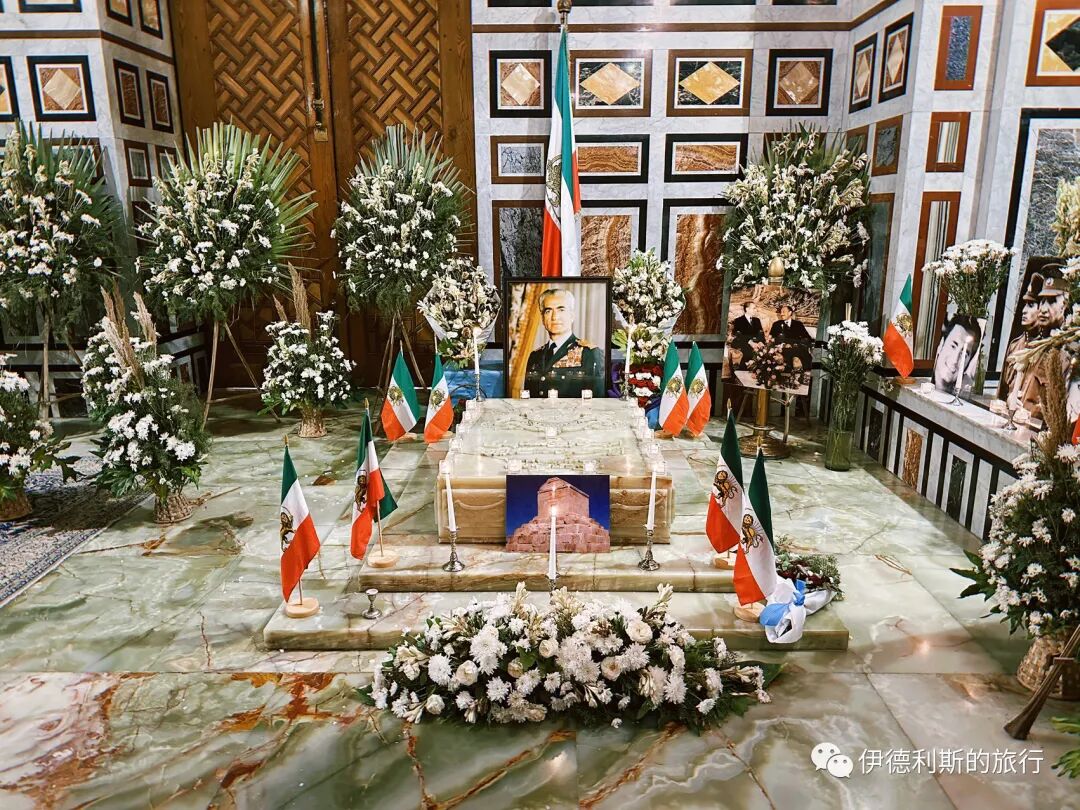
After the Iranian Islamic Revolution broke out in 1979, the last king, Mohammad Reza Pahlavi, went into exile. He traveled through Egypt, Morocco, and Mexico, and later received cancer treatment in the United States and Panama. In 1980, Pahlavi went to Cairo, Egypt, for emergency surgery. He developed an infection during the removal of his spleen and passed away on July 27, 1980. Before falling into a coma, the king repeated over and over, 'Iran is Iran.'
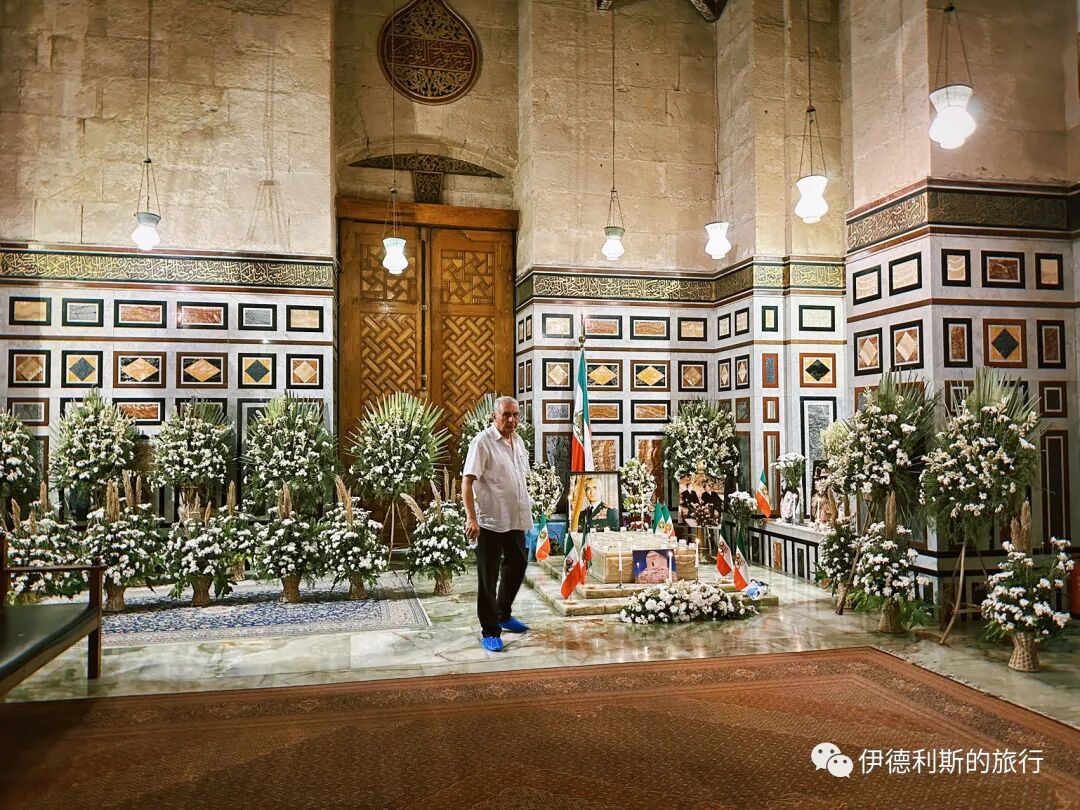
The Egyptian president held a state funeral for King Pahlavi and buried him in the Al-Rifa'i mosque in Cairo.
Besides Pahlavi, another exiled king buried in the Al-Rifa'i mosque is Egypt's last actual ruling king, Farouk (Fārūq al-Awwal, reigned 1936-1952). He was the tenth ruler of Egypt's Muhammad Ali dynasty. Muhammad Ali was originally an Albanian officer in the Ottoman Empire. He was sent to Egypt to repel Napoleon's army, became the governor of Egypt in 1805, and established the Muhammad Ali dynasty, which was effectively independent from the Ottoman Empire.
King Farouk loved overeating and stealing. He was known for his luxurious lifestyle and political incompetence, and he failed to stop Israel from expelling Palestinians during the 1948 Arab-Israeli War. These factors eventually led to King Farouk being overthrown in a 1952 coup. He was forced to abdicate and went into exile in Italy. One year later, in 1953, Egypt officially became a republic, ending the 148-year rule of the Muhammad Ali dynasty.
After his exile, Farouk chose to settle in Rome. He rented a huge estate on the outskirts of Rome and spent his time gambling and socializing in nightclubs, earning him the nickname 'Night King'. In 1965, Farouk collapsed in a restaurant in Rome after eating oysters and lamb. He died shortly after, and the cause of death remains unknown.
According to his will, Farouk wanted to be buried in the Al-Rifa'i mosque in Cairo, but Egypt refused. He was then secretly buried in the Muhammad Ali royal tomb in a cemetery south of Cairo. It was not until 1970, when Muhammad Anwar Sadat became president of Egypt, that Farouk was finally buried in the Al-Rifa'i mosque.
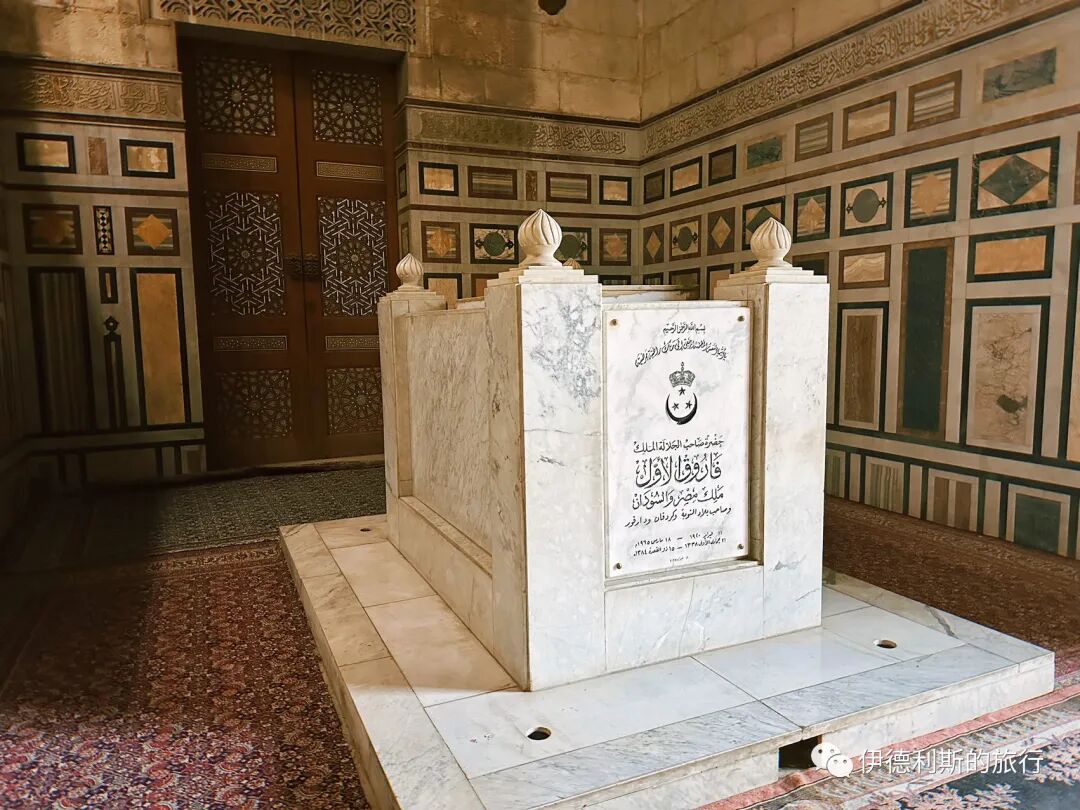
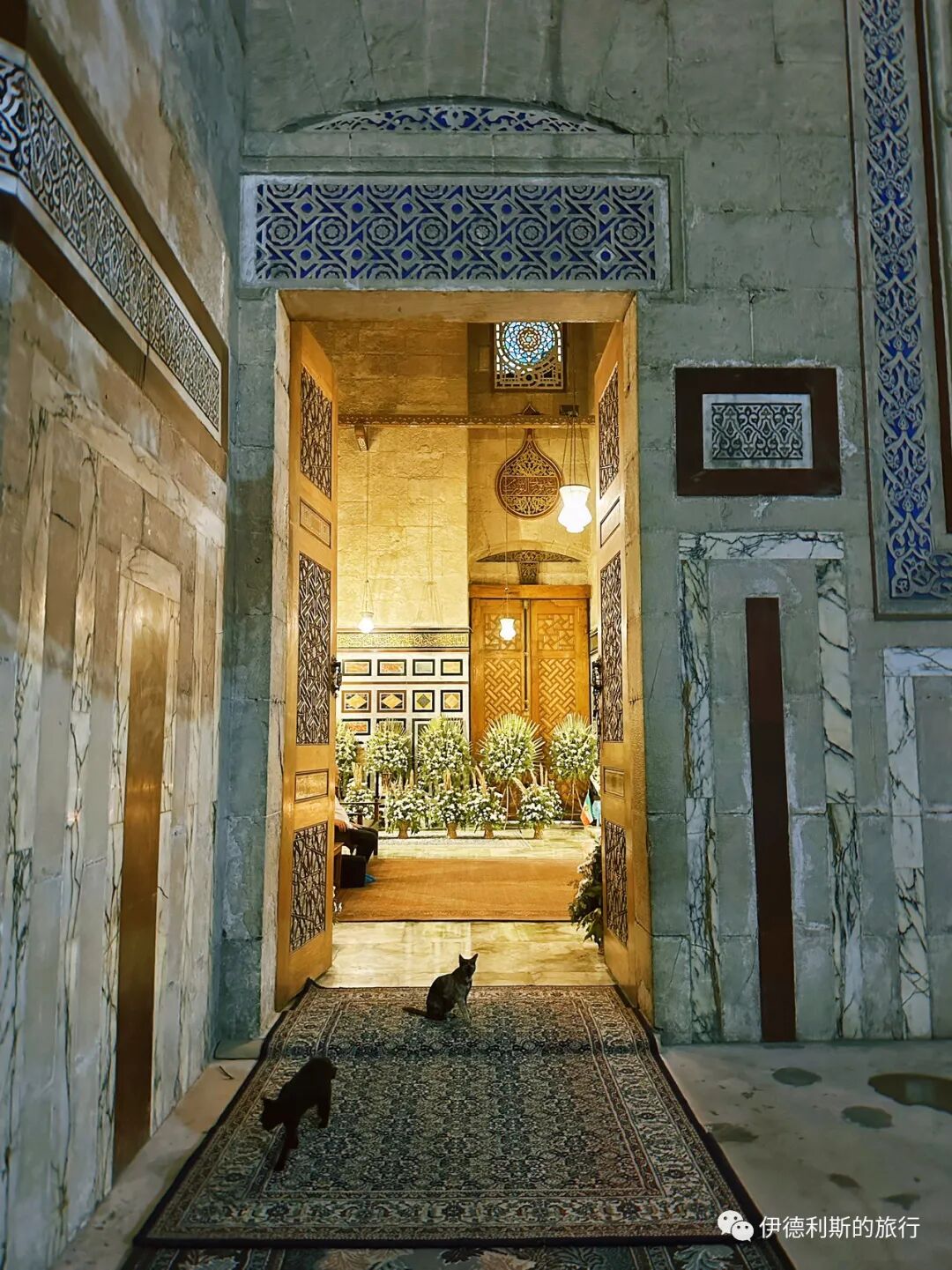
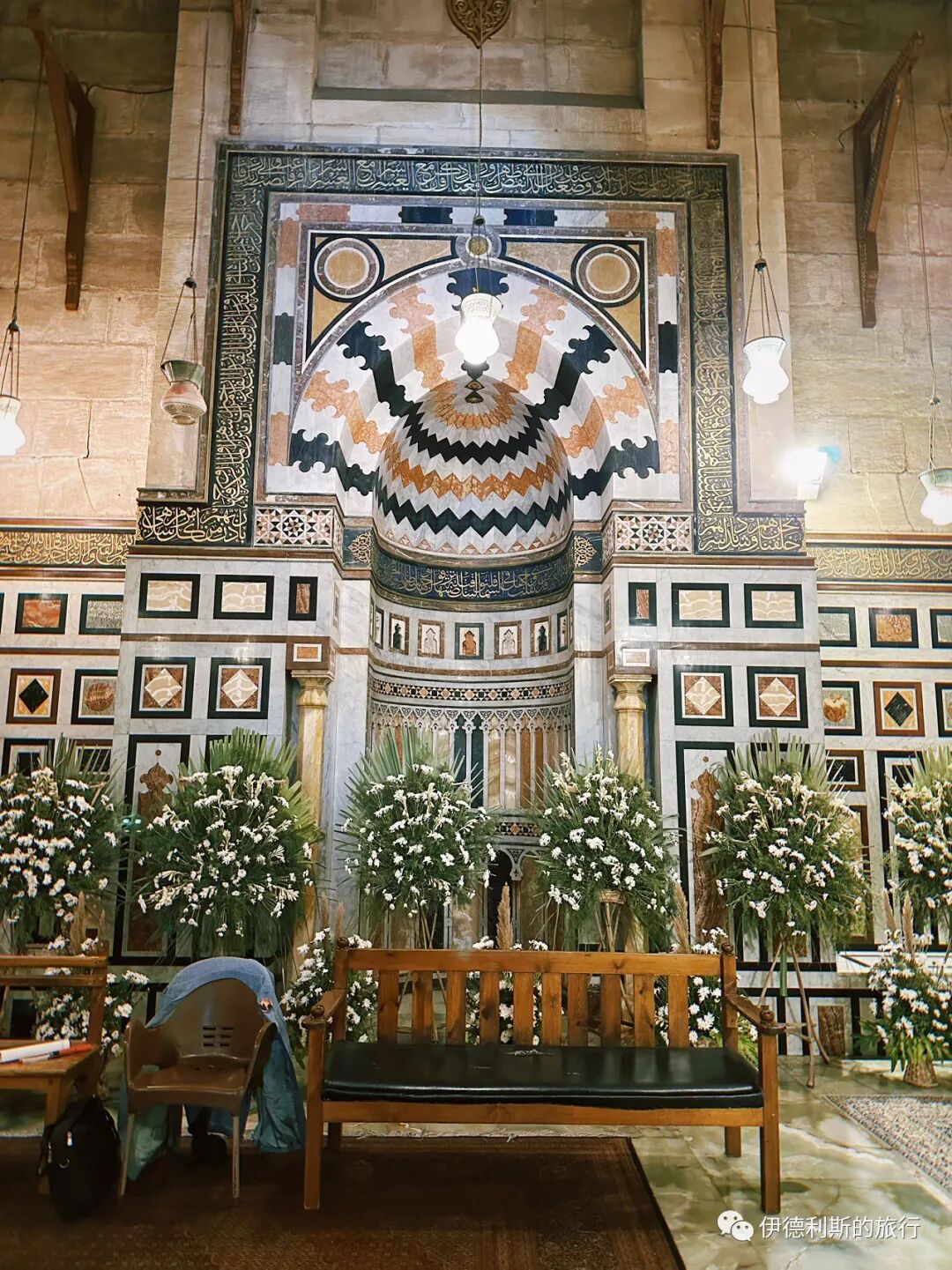
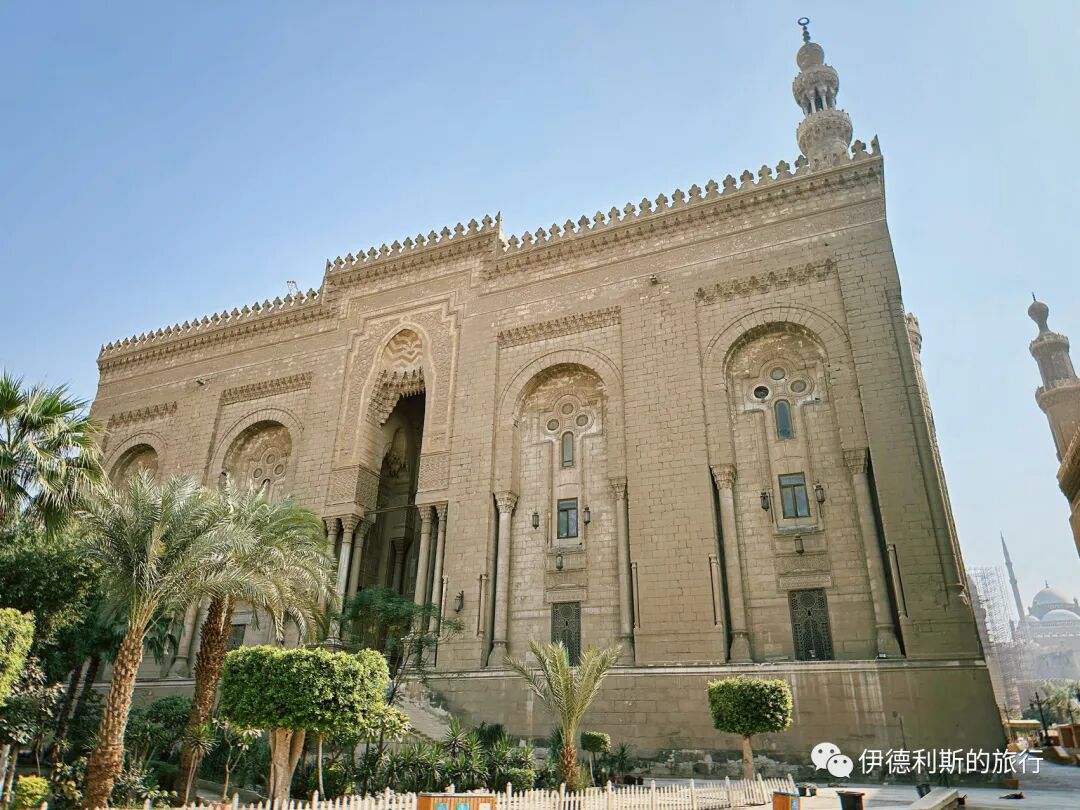
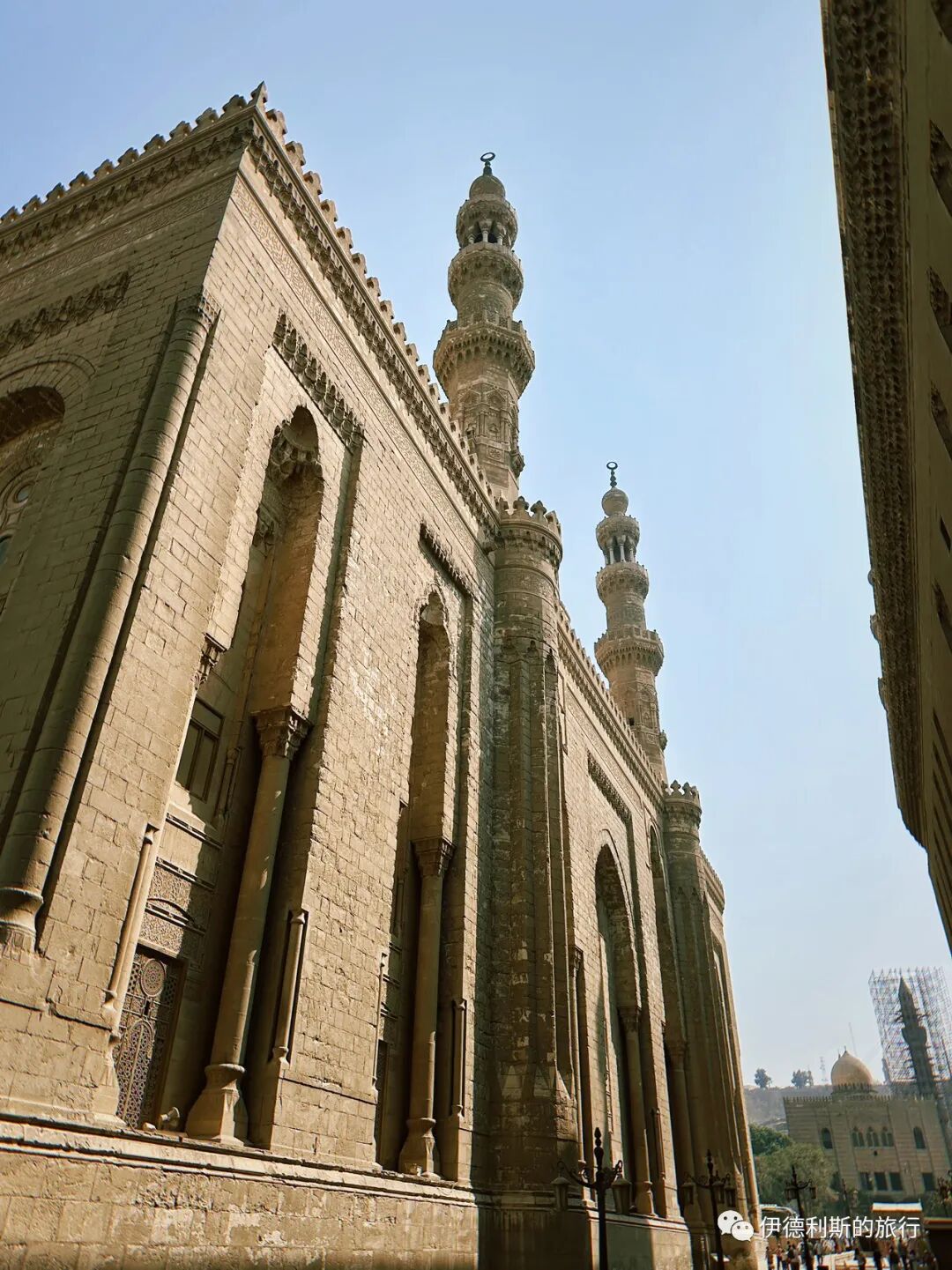
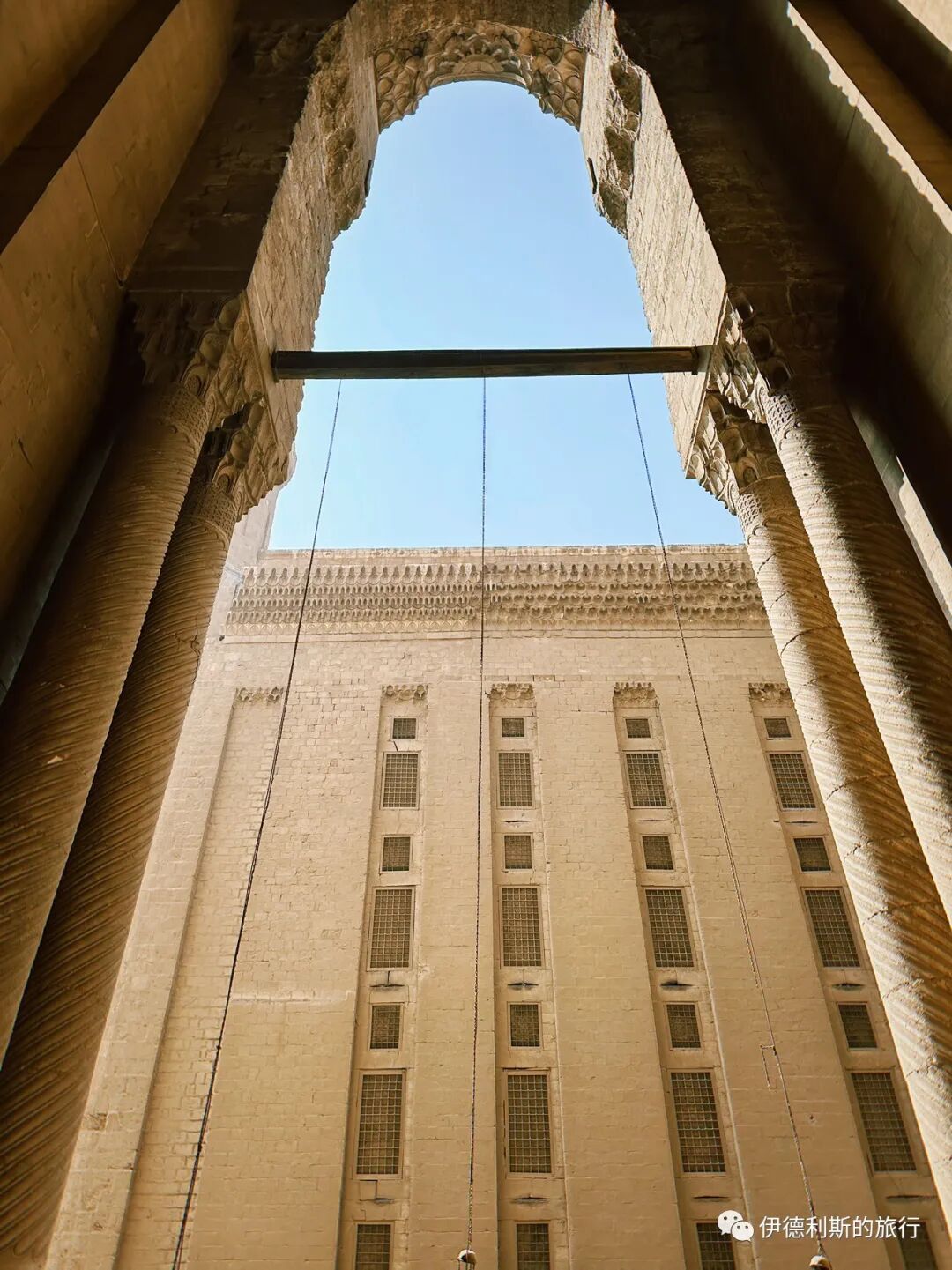
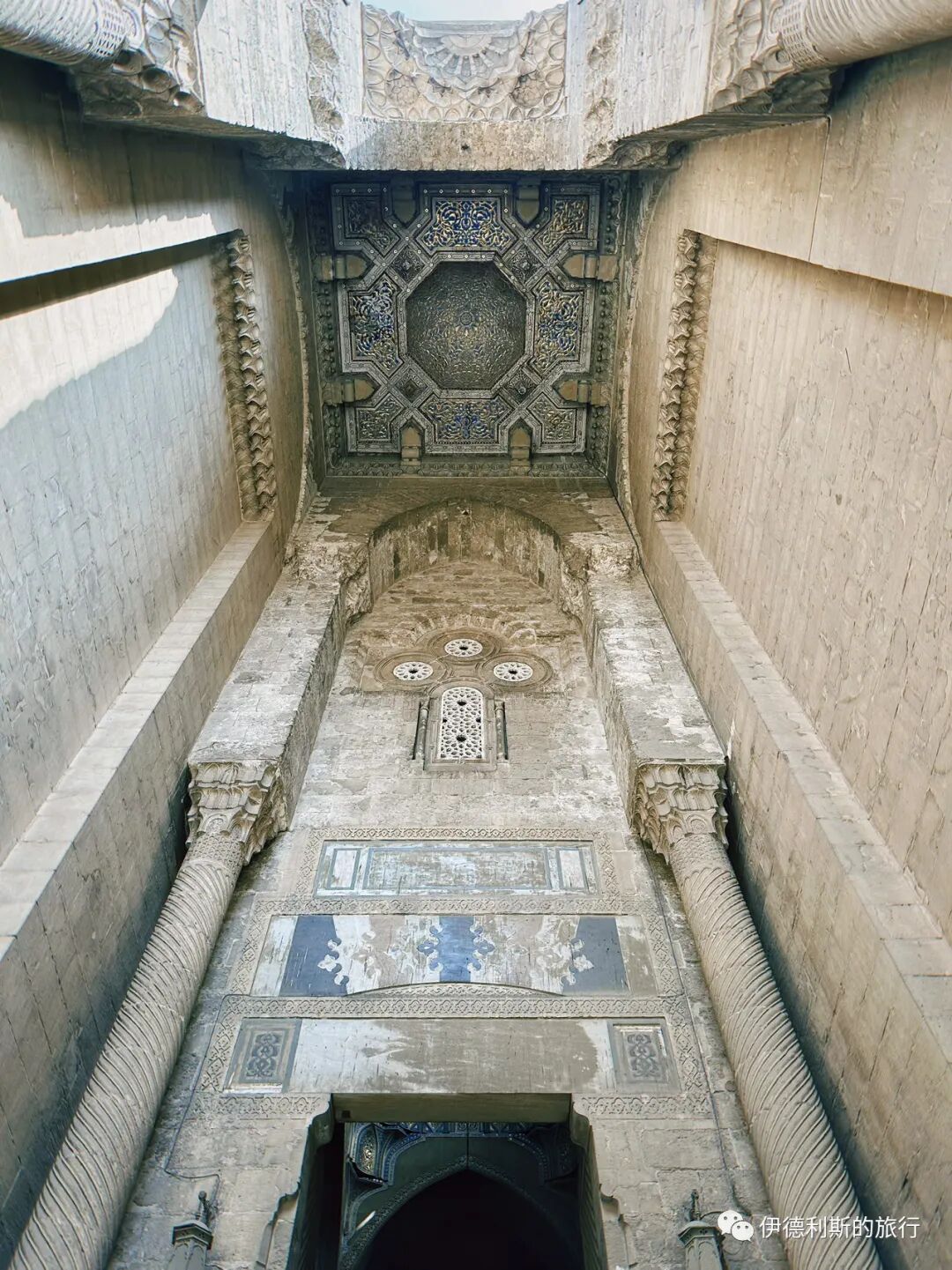
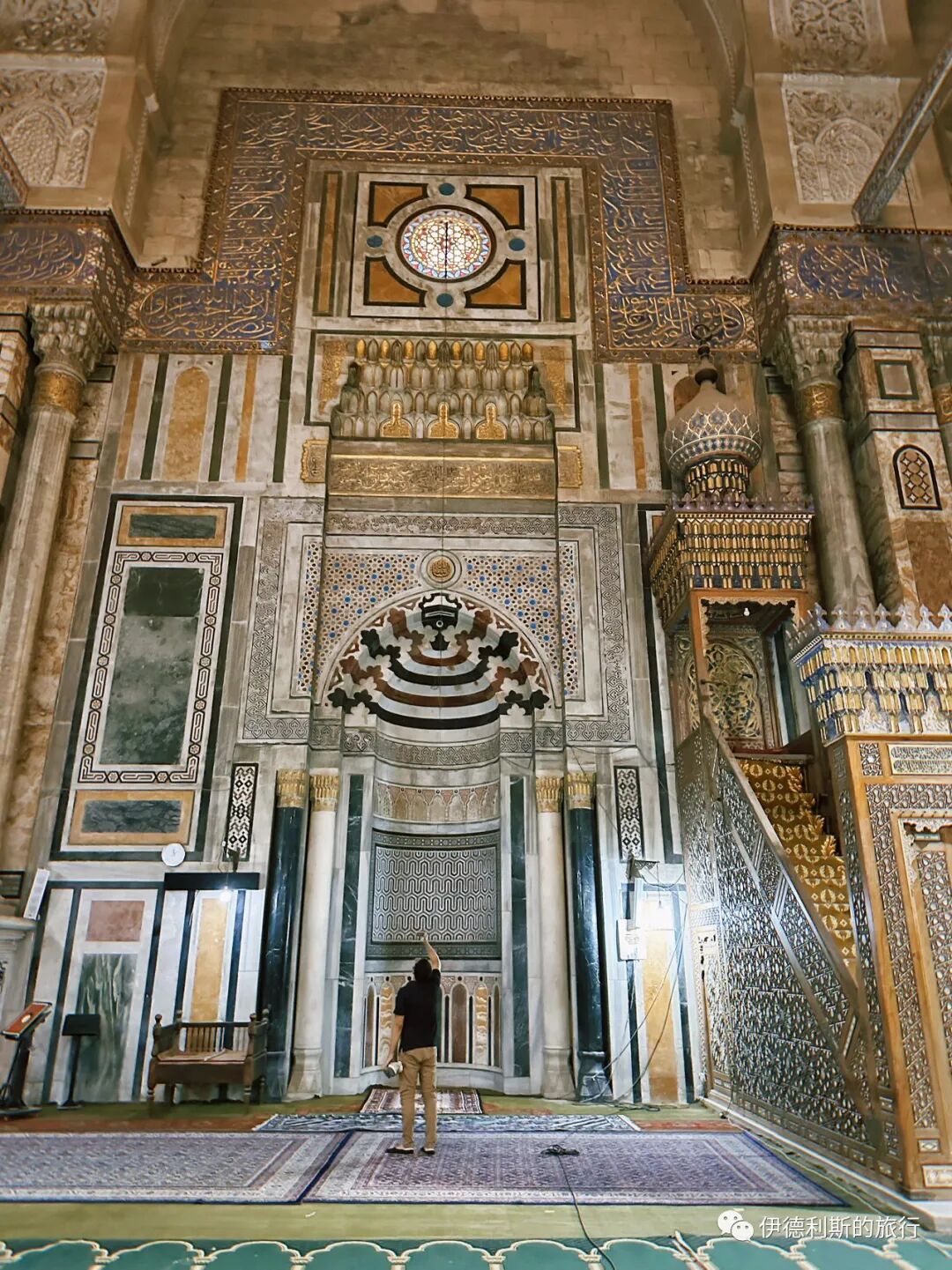
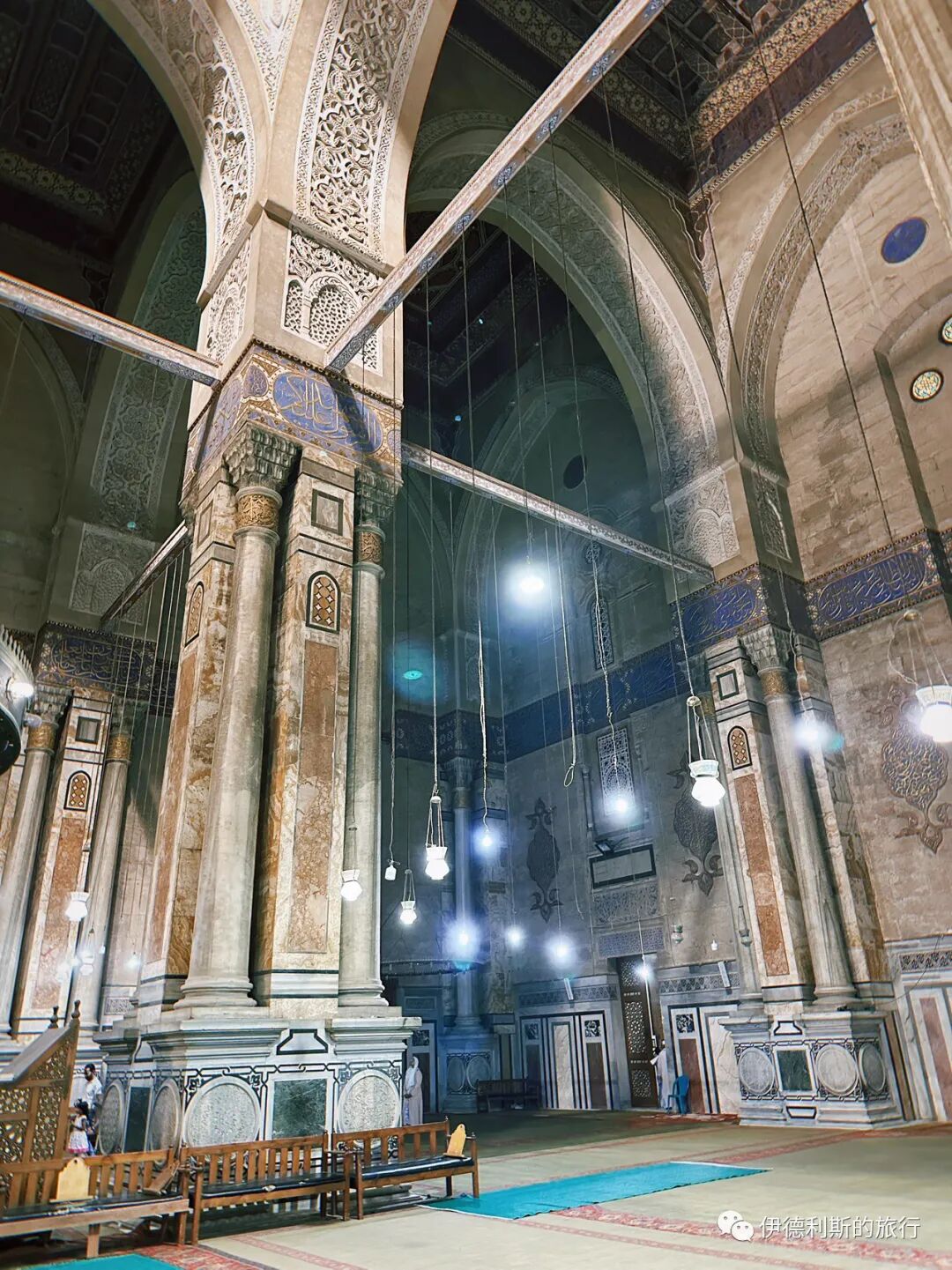
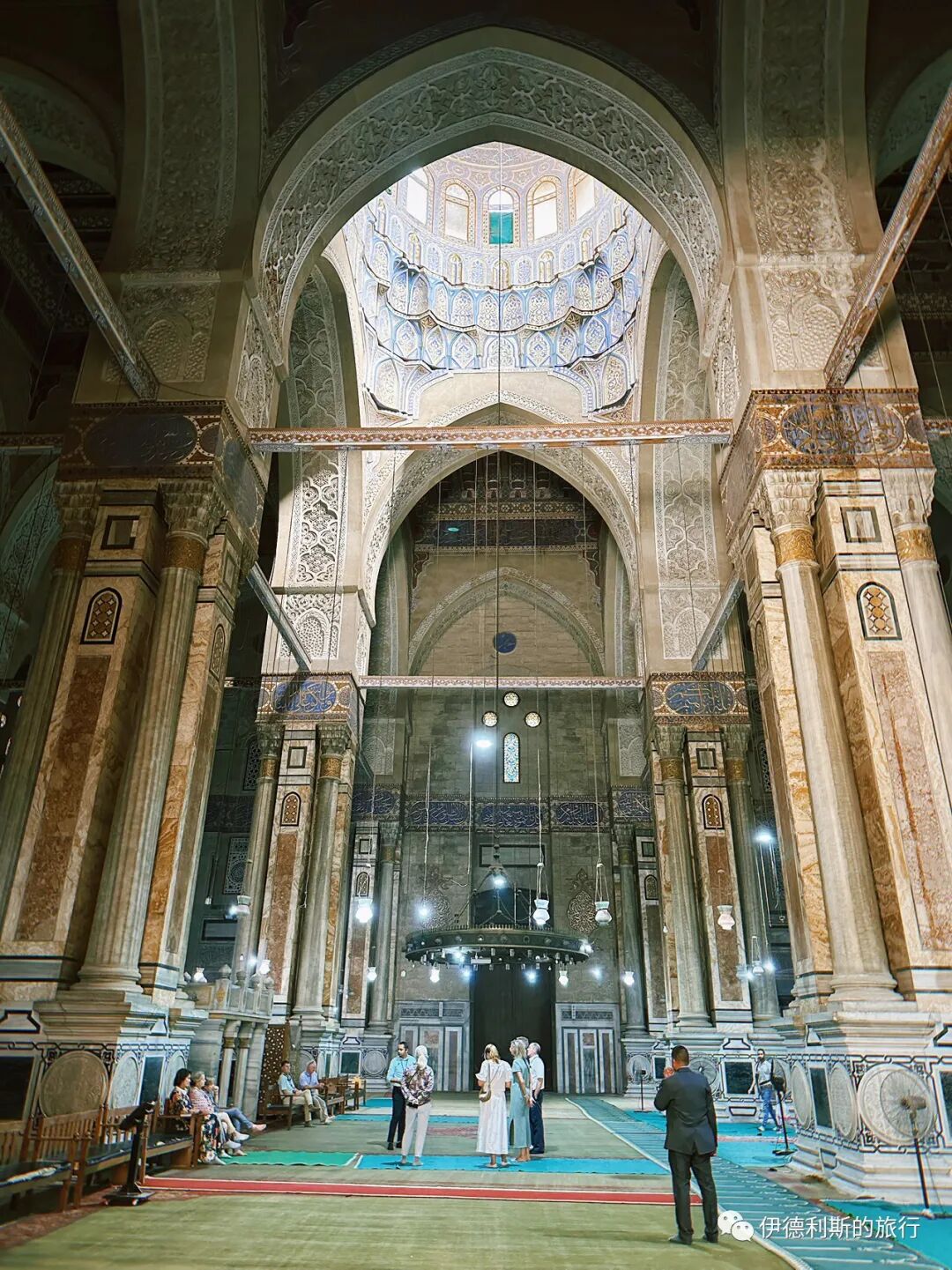
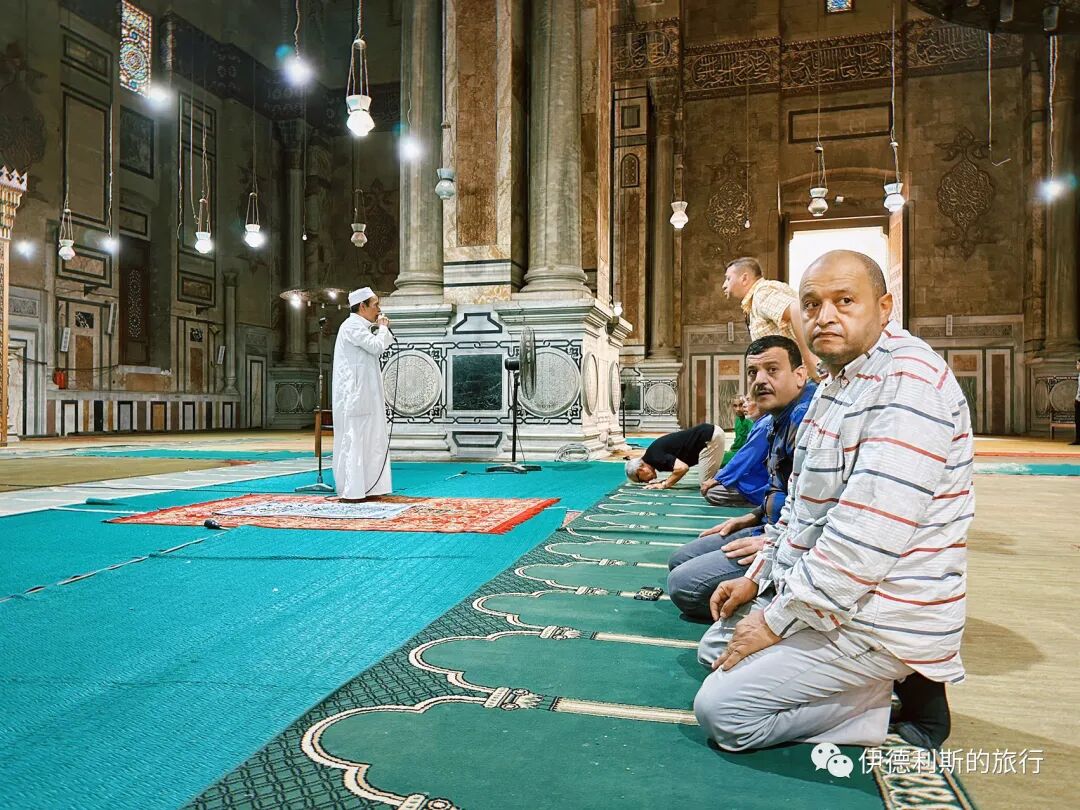
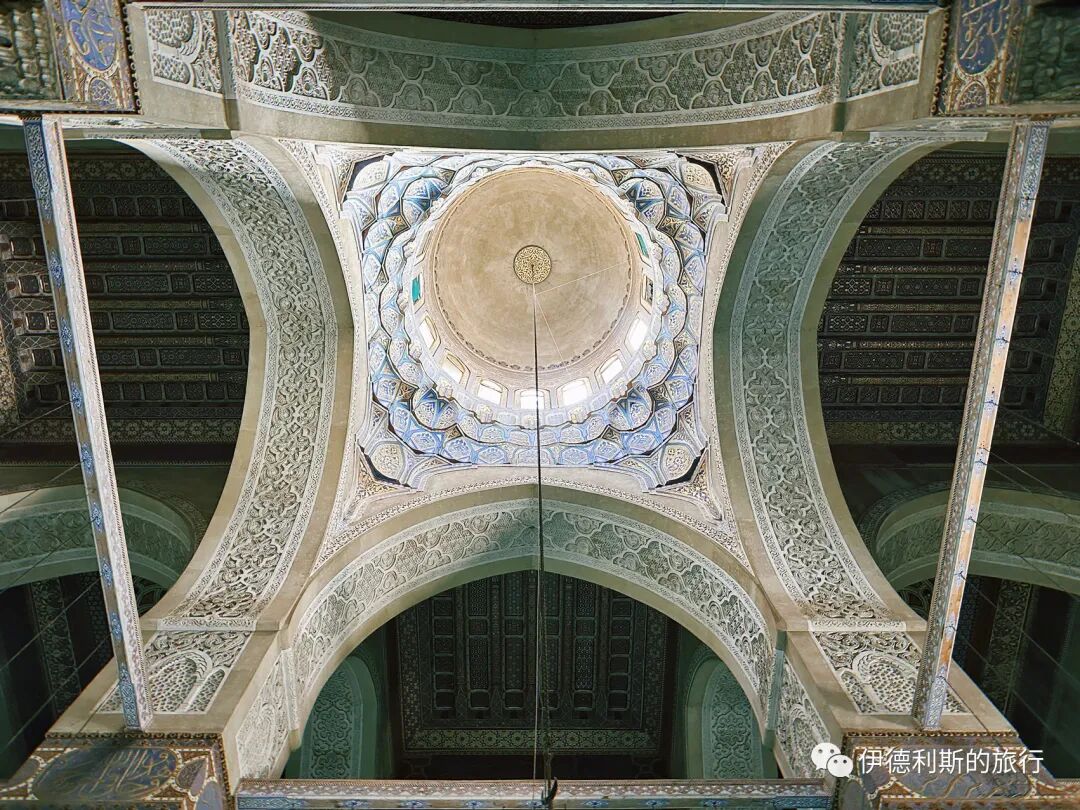
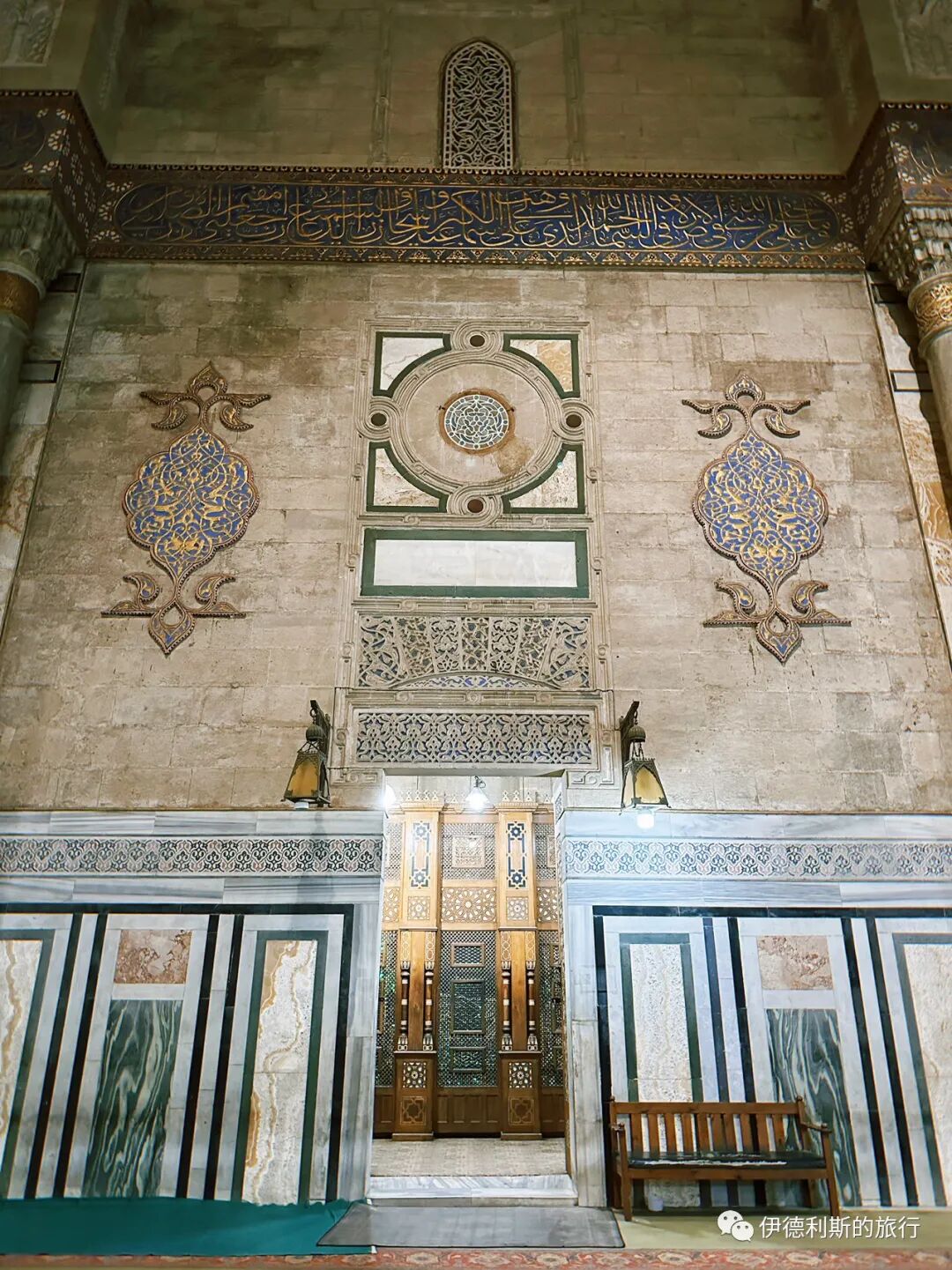
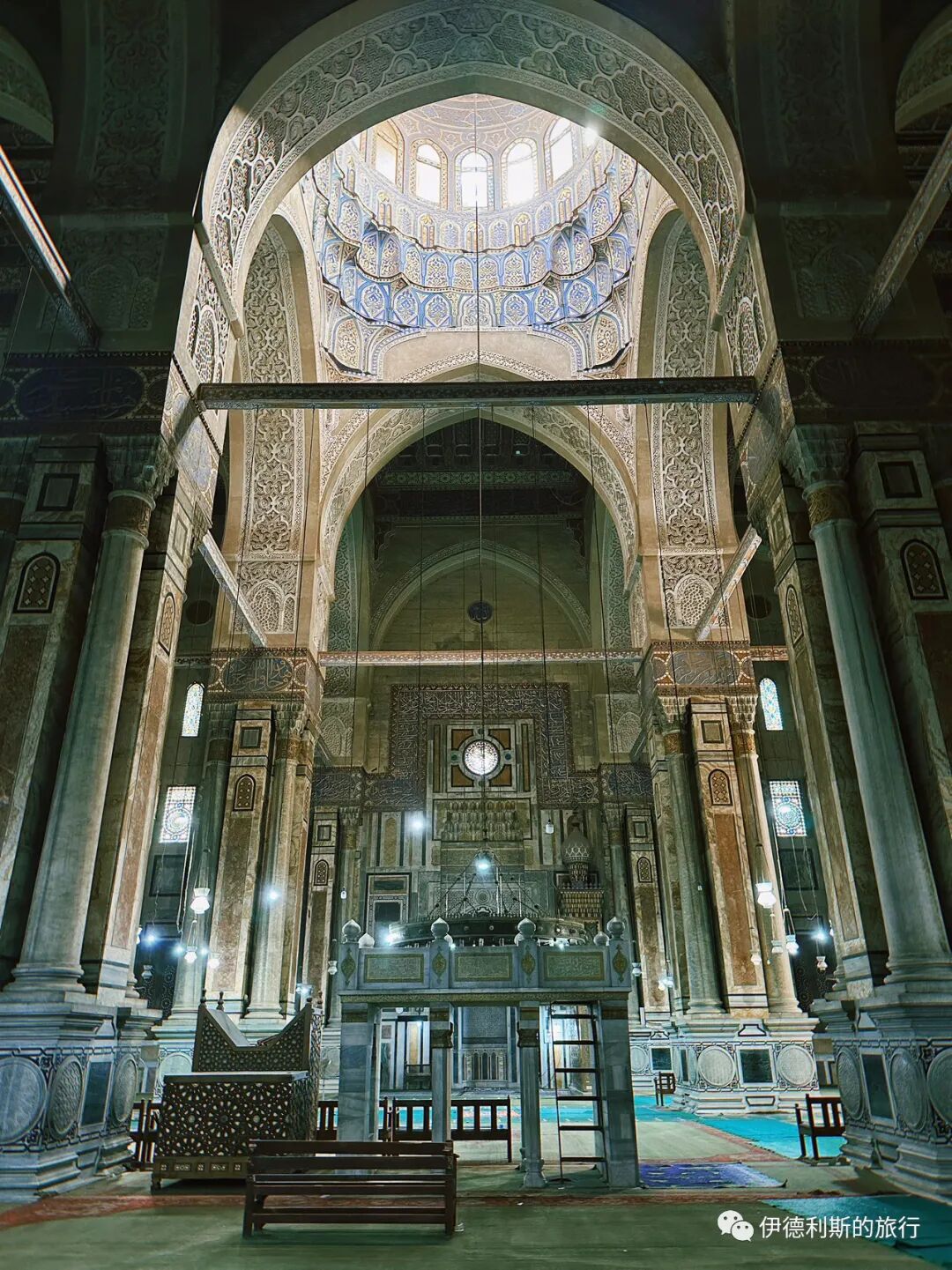
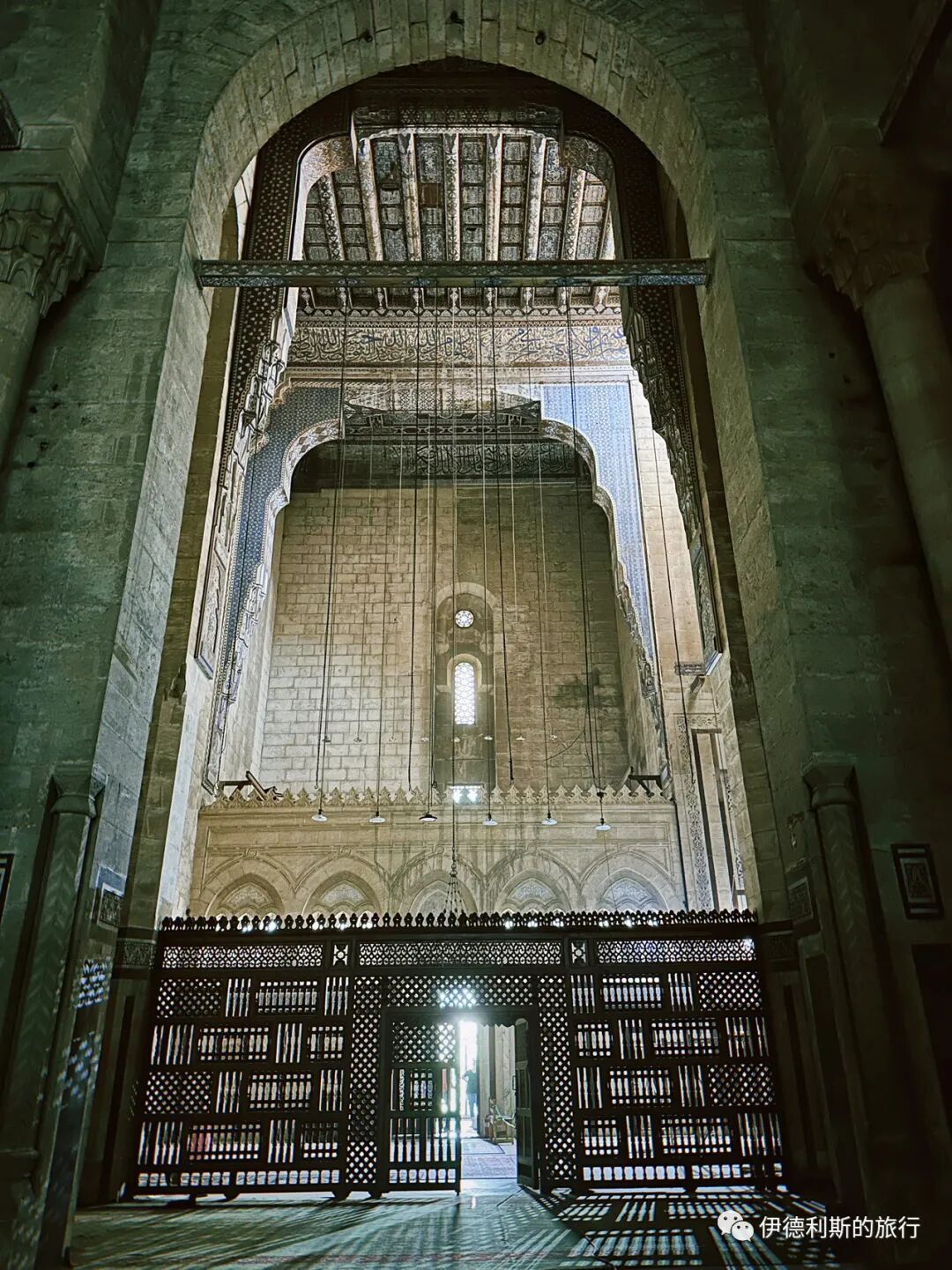
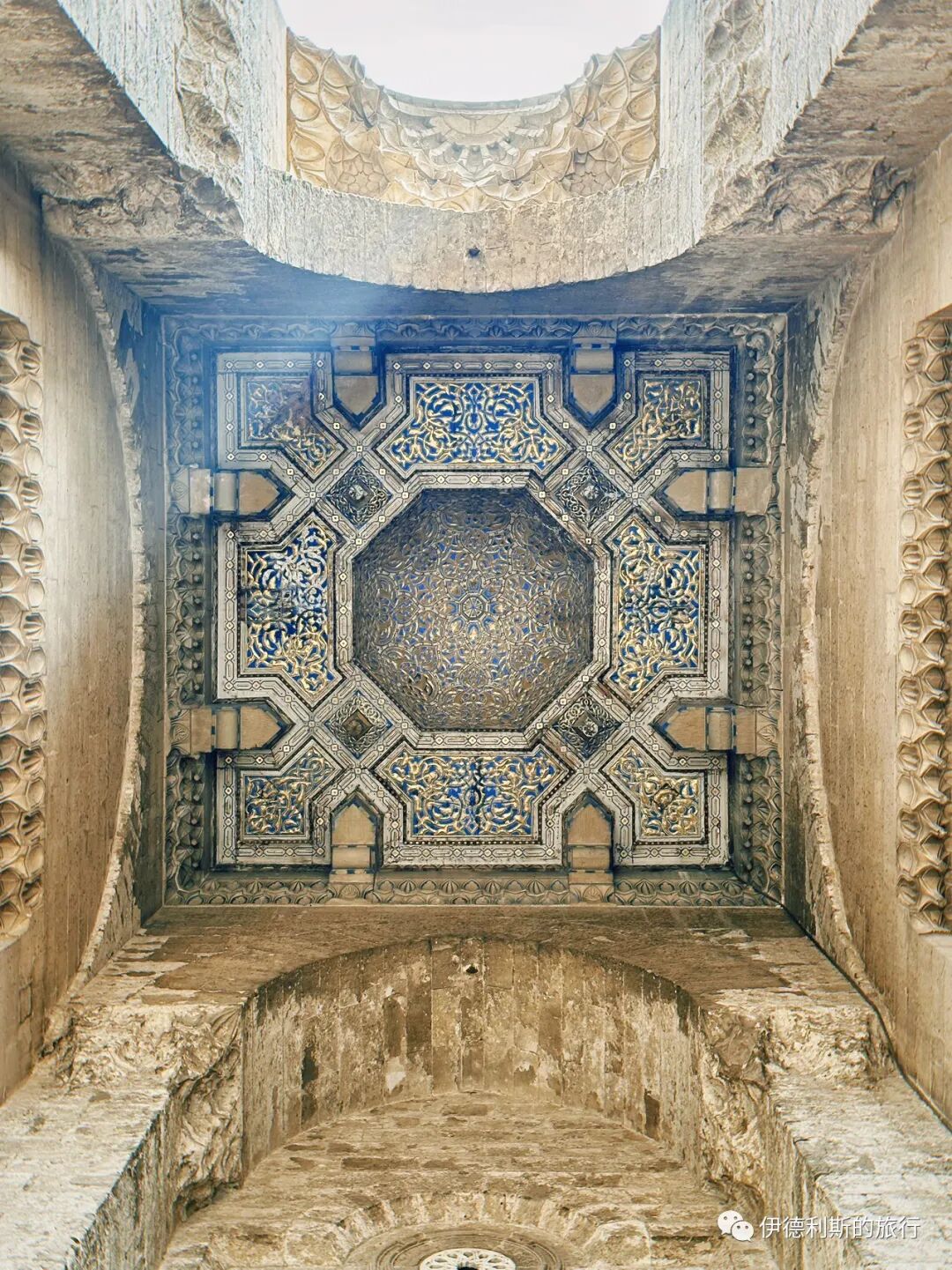
Rifaʽi is a Sufi order founded in Iraq in the 12th century, with a wide presence in Egypt and Syria. The Al-Rifa'i mosque in Cairo is named after Ali Abu Shubbak al-Rifa'i, the grandson of the order's founder, Ahmad al-Rifa'i, who is buried there. This place was originally a Sufi lodge. Between 1869 and 1912, it was rebuilt by Egypt's Muhammad Ali dynasty into the current grand mosque, which houses the remains of many Egyptian royals, including several kings.
After the Iranian Islamic Revolution broke out in 1979, the last king, Mohammad Reza Pahlavi, went into exile. He traveled through Egypt, Morocco, and Mexico, and later received cancer treatment in the United States and Panama. In 1980, Pahlavi went to Cairo, Egypt, for emergency surgery. He developed an infection during the removal of his spleen and passed away on July 27, 1980. Before falling into a coma, the king repeated over and over, 'Iran is Iran.'
The Egyptian president held a state funeral for King Pahlavi and buried him in the Al-Rifa'i mosque in Cairo.
Besides Pahlavi, another exiled king buried in the Al-Rifa'i mosque is Egypt's last actual ruling king, Farouk (Fārūq al-Awwal, reigned 1936-1952). He was the tenth ruler of Egypt's Muhammad Ali dynasty. Muhammad Ali was originally an Albanian officer in the Ottoman Empire. He was sent to Egypt to repel Napoleon's army, became the governor of Egypt in 1805, and established the Muhammad Ali dynasty, which was effectively independent from the Ottoman Empire.
King Farouk loved overeating and stealing. He was known for his luxurious lifestyle and political incompetence, and he failed to stop Israel from expelling Palestinians during the 1948 Arab-Israeli War. These factors eventually led to King Farouk being overthrown in a 1952 coup. He was forced to abdicate and went into exile in Italy. One year later, in 1953, Egypt officially became a republic, ending the 148-year rule of the Muhammad Ali dynasty.
After his exile, Farouk chose to settle in Rome. He rented a huge estate on the outskirts of Rome and spent his time gambling and socializing in nightclubs, earning him the nickname 'Night King'. In 1965, Farouk collapsed in a restaurant in Rome after eating oysters and lamb. He died shortly after, and the cause of death remains unknown.
According to his will, Farouk wanted to be buried in the Al-Rifa'i mosque in Cairo, but Egypt refused. He was then secretly buried in the Muhammad Ali royal tomb in a cemetery south of Cairo. It was not until 1970, when Muhammad Anwar Sadat became president of Egypt, that Farouk was finally buried in the Al-Rifa'i mosque.
Rifaʽi is a Sufi order founded in Iraq in the 12th century, with a wide presence in Egypt and Syria. The Al-Rifa'i mosque in Cairo is named after Ali Abu Shubbak al-Rifa'i, the grandson of the order's founder, Ahmad al-Rifa'i, who is buried there. This place was originally a Sufi lodge. Between 1869 and 1912, it was rebuilt by Egypt's Muhammad Ali dynasty into the current grand mosque, which houses the remains of many Egyptian royals, including several kings.
Halal Travel Guide: Cairo - Tomb of Iran Last Shah and Modern History
Articles • ali2007fr posted the article • 0 comments • 154 views • 2026-05-19 06:55
Reposted from the web
After the Iranian Islamic Revolution broke out in 1979, the last king, Mohammad Reza Pahlavi, went into exile. He traveled through Egypt, Morocco, and Mexico, and later received cancer treatment in the United States and Panama. In 1980, Pahlavi went to Cairo, Egypt, for emergency surgery. He developed an infection during the removal of his spleen and passed away on July 27, 1980. Before falling into a coma, the king repeated over and over, 'Iran is Iran.'
The Egyptian president held a state funeral for King Pahlavi and buried him in the Al-Rifa'i mosque in Cairo.
Besides Pahlavi, another exiled king buried in the Al-Rifa'i mosque is Egypt's last actual ruling king, Farouk (Fārūq al-Awwal, reigned 1936-1952). He was the tenth ruler of Egypt's Muhammad Ali dynasty. Muhammad Ali was originally an Albanian officer in the Ottoman Empire. He was sent to Egypt to repel Napoleon's army, became the governor of Egypt in 1805, and established the Muhammad Ali dynasty, which was effectively independent from the Ottoman Empire.
King Farouk loved overeating and stealing. He was known for his luxurious lifestyle and political incompetence, and he failed to stop Israel from expelling Palestinians during the 1948 Arab-Israeli War. These factors eventually led to King Farouk being overthrown in a 1952 coup. He was forced to abdicate and went into exile in Italy. One year later, in 1953, Egypt officially became a republic, ending the 148-year rule of the Muhammad Ali dynasty.
After his exile, Farouk chose to settle in Rome. He rented a huge estate on the outskirts of Rome and spent his time gambling and socializing in nightclubs, earning him the nickname 'Night King'. In 1965, Farouk collapsed in a restaurant in Rome after eating oysters and lamb. He died shortly after, and the cause of death remains unknown.
According to his will, Farouk wanted to be buried in the Al-Rifa'i mosque in Cairo, but Egypt refused. He was then secretly buried in the Muhammad Ali royal tomb in a cemetery south of Cairo. It was not until 1970, when Muhammad Anwar Sadat became president of Egypt, that Farouk was finally buried in the Al-Rifa'i mosque.
Rifaʽi is a Sufi order founded in Iraq in the 12th century, with a wide presence in Egypt and Syria. The Al-Rifa'i mosque in Cairo is named after Ali Abu Shubbak al-Rifa'i, the grandson of the order's founder, Ahmad al-Rifa'i, who is buried there. This place was originally a Sufi lodge. Between 1869 and 1912, it was rebuilt by Egypt's Muhammad Ali dynasty into the current grand mosque, which houses the remains of many Egyptian royals, including several kings. view all
After the Iranian Islamic Revolution broke out in 1979, the last king, Mohammad Reza Pahlavi, went into exile. He traveled through Egypt, Morocco, and Mexico, and later received cancer treatment in the United States and Panama. In 1980, Pahlavi went to Cairo, Egypt, for emergency surgery. He developed an infection during the removal of his spleen and passed away on July 27, 1980. Before falling into a coma, the king repeated over and over, 'Iran is Iran.'
The Egyptian president held a state funeral for King Pahlavi and buried him in the Al-Rifa'i mosque in Cairo.
Besides Pahlavi, another exiled king buried in the Al-Rifa'i mosque is Egypt's last actual ruling king, Farouk (Fārūq al-Awwal, reigned 1936-1952). He was the tenth ruler of Egypt's Muhammad Ali dynasty. Muhammad Ali was originally an Albanian officer in the Ottoman Empire. He was sent to Egypt to repel Napoleon's army, became the governor of Egypt in 1805, and established the Muhammad Ali dynasty, which was effectively independent from the Ottoman Empire.
King Farouk loved overeating and stealing. He was known for his luxurious lifestyle and political incompetence, and he failed to stop Israel from expelling Palestinians during the 1948 Arab-Israeli War. These factors eventually led to King Farouk being overthrown in a 1952 coup. He was forced to abdicate and went into exile in Italy. One year later, in 1953, Egypt officially became a republic, ending the 148-year rule of the Muhammad Ali dynasty.
After his exile, Farouk chose to settle in Rome. He rented a huge estate on the outskirts of Rome and spent his time gambling and socializing in nightclubs, earning him the nickname 'Night King'. In 1965, Farouk collapsed in a restaurant in Rome after eating oysters and lamb. He died shortly after, and the cause of death remains unknown.
According to his will, Farouk wanted to be buried in the Al-Rifa'i mosque in Cairo, but Egypt refused. He was then secretly buried in the Muhammad Ali royal tomb in a cemetery south of Cairo. It was not until 1970, when Muhammad Anwar Sadat became president of Egypt, that Farouk was finally buried in the Al-Rifa'i mosque.
Rifaʽi is a Sufi order founded in Iraq in the 12th century, with a wide presence in Egypt and Syria. The Al-Rifa'i mosque in Cairo is named after Ali Abu Shubbak al-Rifa'i, the grandson of the order's founder, Ahmad al-Rifa'i, who is buried there. This place was originally a Sufi lodge. Between 1869 and 1912, it was rebuilt by Egypt's Muhammad Ali dynasty into the current grand mosque, which houses the remains of many Egyptian royals, including several kings. view all
Reposted from the web
After the Iranian Islamic Revolution broke out in 1979, the last king, Mohammad Reza Pahlavi, went into exile. He traveled through Egypt, Morocco, and Mexico, and later received cancer treatment in the United States and Panama. In 1980, Pahlavi went to Cairo, Egypt, for emergency surgery. He developed an infection during the removal of his spleen and passed away on July 27, 1980. Before falling into a coma, the king repeated over and over, 'Iran is Iran.'
The Egyptian president held a state funeral for King Pahlavi and buried him in the Al-Rifa'i mosque in Cairo.
Besides Pahlavi, another exiled king buried in the Al-Rifa'i mosque is Egypt's last actual ruling king, Farouk (Fārūq al-Awwal, reigned 1936-1952). He was the tenth ruler of Egypt's Muhammad Ali dynasty. Muhammad Ali was originally an Albanian officer in the Ottoman Empire. He was sent to Egypt to repel Napoleon's army, became the governor of Egypt in 1805, and established the Muhammad Ali dynasty, which was effectively independent from the Ottoman Empire.
King Farouk loved overeating and stealing. He was known for his luxurious lifestyle and political incompetence, and he failed to stop Israel from expelling Palestinians during the 1948 Arab-Israeli War. These factors eventually led to King Farouk being overthrown in a 1952 coup. He was forced to abdicate and went into exile in Italy. One year later, in 1953, Egypt officially became a republic, ending the 148-year rule of the Muhammad Ali dynasty.
After his exile, Farouk chose to settle in Rome. He rented a huge estate on the outskirts of Rome and spent his time gambling and socializing in nightclubs, earning him the nickname 'Night King'. In 1965, Farouk collapsed in a restaurant in Rome after eating oysters and lamb. He died shortly after, and the cause of death remains unknown.
According to his will, Farouk wanted to be buried in the Al-Rifa'i mosque in Cairo, but Egypt refused. He was then secretly buried in the Muhammad Ali royal tomb in a cemetery south of Cairo. It was not until 1970, when Muhammad Anwar Sadat became president of Egypt, that Farouk was finally buried in the Al-Rifa'i mosque.
Rifaʽi is a Sufi order founded in Iraq in the 12th century, with a wide presence in Egypt and Syria. The Al-Rifa'i mosque in Cairo is named after Ali Abu Shubbak al-Rifa'i, the grandson of the order's founder, Ahmad al-Rifa'i, who is buried there. This place was originally a Sufi lodge. Between 1869 and 1912, it was rebuilt by Egypt's Muhammad Ali dynasty into the current grand mosque, which houses the remains of many Egyptian royals, including several kings.
After the Iranian Islamic Revolution broke out in 1979, the last king, Mohammad Reza Pahlavi, went into exile. He traveled through Egypt, Morocco, and Mexico, and later received cancer treatment in the United States and Panama. In 1980, Pahlavi went to Cairo, Egypt, for emergency surgery. He developed an infection during the removal of his spleen and passed away on July 27, 1980. Before falling into a coma, the king repeated over and over, 'Iran is Iran.'
The Egyptian president held a state funeral for King Pahlavi and buried him in the Al-Rifa'i mosque in Cairo.
Besides Pahlavi, another exiled king buried in the Al-Rifa'i mosque is Egypt's last actual ruling king, Farouk (Fārūq al-Awwal, reigned 1936-1952). He was the tenth ruler of Egypt's Muhammad Ali dynasty. Muhammad Ali was originally an Albanian officer in the Ottoman Empire. He was sent to Egypt to repel Napoleon's army, became the governor of Egypt in 1805, and established the Muhammad Ali dynasty, which was effectively independent from the Ottoman Empire.
King Farouk loved overeating and stealing. He was known for his luxurious lifestyle and political incompetence, and he failed to stop Israel from expelling Palestinians during the 1948 Arab-Israeli War. These factors eventually led to King Farouk being overthrown in a 1952 coup. He was forced to abdicate and went into exile in Italy. One year later, in 1953, Egypt officially became a republic, ending the 148-year rule of the Muhammad Ali dynasty.
After his exile, Farouk chose to settle in Rome. He rented a huge estate on the outskirts of Rome and spent his time gambling and socializing in nightclubs, earning him the nickname 'Night King'. In 1965, Farouk collapsed in a restaurant in Rome after eating oysters and lamb. He died shortly after, and the cause of death remains unknown.
According to his will, Farouk wanted to be buried in the Al-Rifa'i mosque in Cairo, but Egypt refused. He was then secretly buried in the Muhammad Ali royal tomb in a cemetery south of Cairo. It was not until 1970, when Muhammad Anwar Sadat became president of Egypt, that Farouk was finally buried in the Al-Rifa'i mosque.
Rifaʽi is a Sufi order founded in Iraq in the 12th century, with a wide presence in Egypt and Syria. The Al-Rifa'i mosque in Cairo is named after Ali Abu Shubbak al-Rifa'i, the grandson of the order's founder, Ahmad al-Rifa'i, who is buried there. This place was originally a Sufi lodge. Between 1869 and 1912, it was rebuilt by Egypt's Muhammad Ali dynasty into the current grand mosque, which houses the remains of many Egyptian royals, including several kings.