

Montreal Muslim Travel
Muslim Travel Guide Montreal: Mosques, Halal Food, Chinatown and Canada Muslim City Walk
Articles • yusuf908 posted the article • 0 comments • 272 views • 2026-05-22 23:37
Reposted from the web
Summary: This Muslim travel guide to Montreal covers transit through Rome, halal airline meals, prayer rooms, Quebec and Chinatown, halal restaurants, local mosques and musallas, Chinese community landmarks, and practical notes for Muslim travelers in Canada.
A Map of Mosques and Halal Food in Montreal, Canada is presented here as a firsthand travel account in clear English, beginning with this scene: Montreal was the first city I visited in Canada. I chose it because it is quite unique. Montreal is a French-speaking city in the province of Quebec and is the second-largest city in Canada. The account keeps its focus on Halal Travel, Yiwu Food, Mosque Travel while preserving the names, places, food, and historical details from the Chinese source.
Montreal was the first city I visited in Canada. I chose it because it is quite unique. Montreal is a French-speaking city in the province of Quebec and is the second-largest city in Canada.
There are no direct flights from mainland China to Canada. I chose a Hainan Airlines flight with a layover in Rome, Italy. With a Chinese passport and a U.S. or Canadian visa, you can transit through Rome without a visa, but you cannot leave the airport.
You need to book a halal meal with the airline at least one day in advance.
The plane arrived over Rome, the capital of Italy.
Fiumicino Airport in Rome has signs in Chinese.
There is also a prayer room. It is shared by all major religions, and prayer rooms are standard in international airports.
I walked through all the shops in the international transit area of Rome airport and did not find any halal restaurants.
Ferrari is a local specialty of Italy.
The iconic people and things of Italy are the Pope, the Mona Lisa, and the Leaning Tower of Pisa.
When in Italy, you have to try the locals' favorite: authentic espresso.
This small cup is meant to be downed in one gulp. It tastes very bitter and is quite strong. Italians drink coffee differently than people in other countries. For example, they call a latte Caffè latte or Latte macchiato. The former has no milk foam, while the latter does. In Italy, if you just ask for a latte, the clerk might think you want a glass of milk. Also, Italians usually do not drink coffee with milk in the afternoon; they are used to drinking coffee with milk at breakfast.
While drinking coffee, I saw a table of Muslims across from me. They ordered some pizza fast food at the cafe. This restaurant also sells pork, but that is very common in Europe. Muslims here are not very sensitive about pork, and many will eat at non-halal restaurants as long as they avoid the pork. Which non-halal foods are mentioned in the scriptures and teachings? I have talked about that.
After a long flight of over 9 hours, I arrived safely in Montreal, Quebec, Canada, where all the official signs are in French. Quebec was a French colony for 200 years and later colonized by the British, so its makeup is complex. It often pushes for independence, but the referendums failed, with citizens supporting unity winning by a narrow margin.
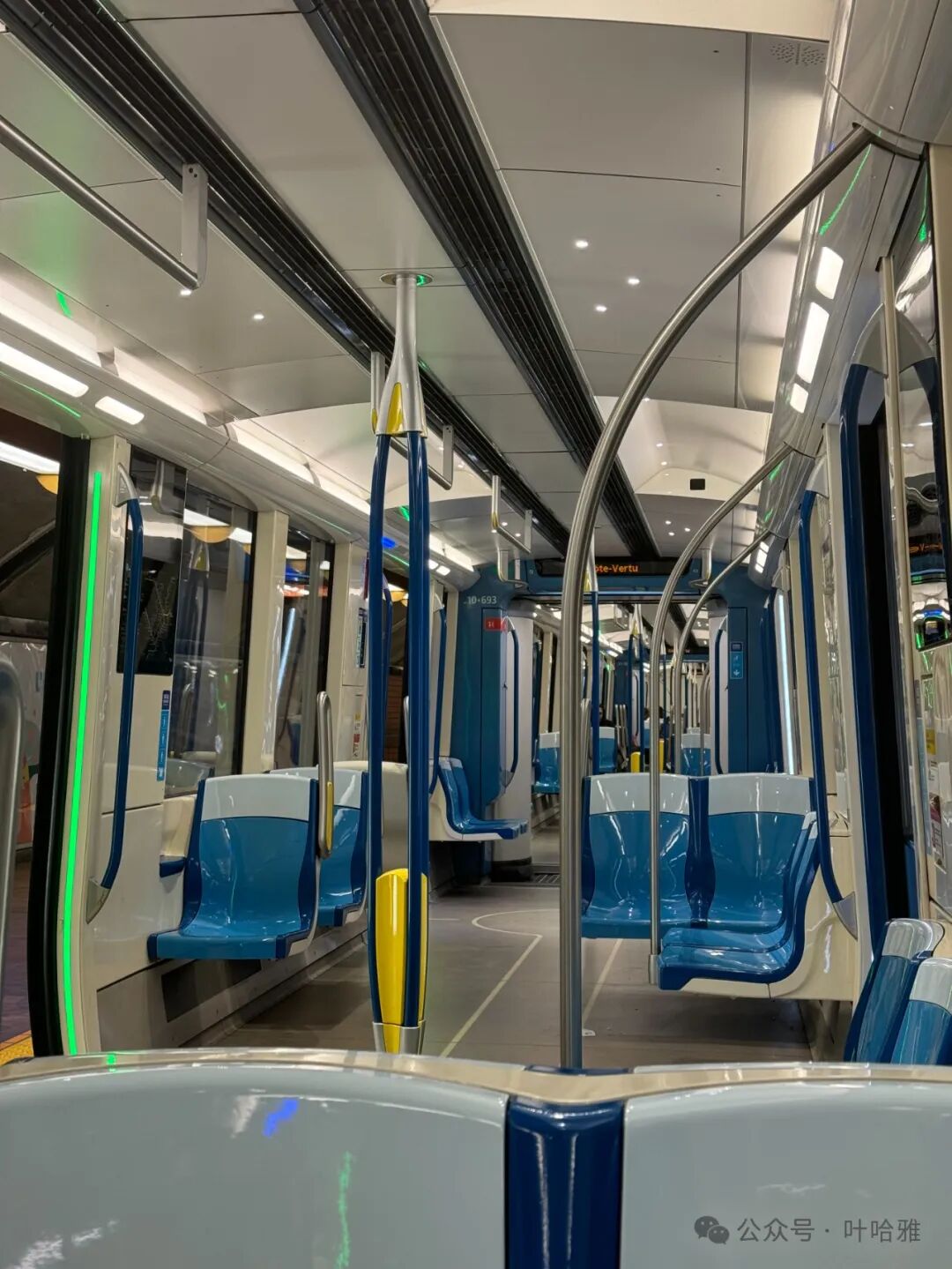
The Montreal subway stations look a lot like the New York subway, but they are much cleaner. Subway announcements are played in French first, then in English.
Montreal is generally quite clean, but the cost of living is high. There are not many places in Canada with low costs because taxes are high here.
Standard hotel rooms cost over 1,000 yuan per night.
Montreal has a well-developed public transport system. You can buy a one-day pass at the subway station for unlimited subway and bus rides for 24 hours, which is great for tourists. You can also just tap your Visa credit card. During my trip to Canada, I did not use any cash; all transactions were done with my credit card.
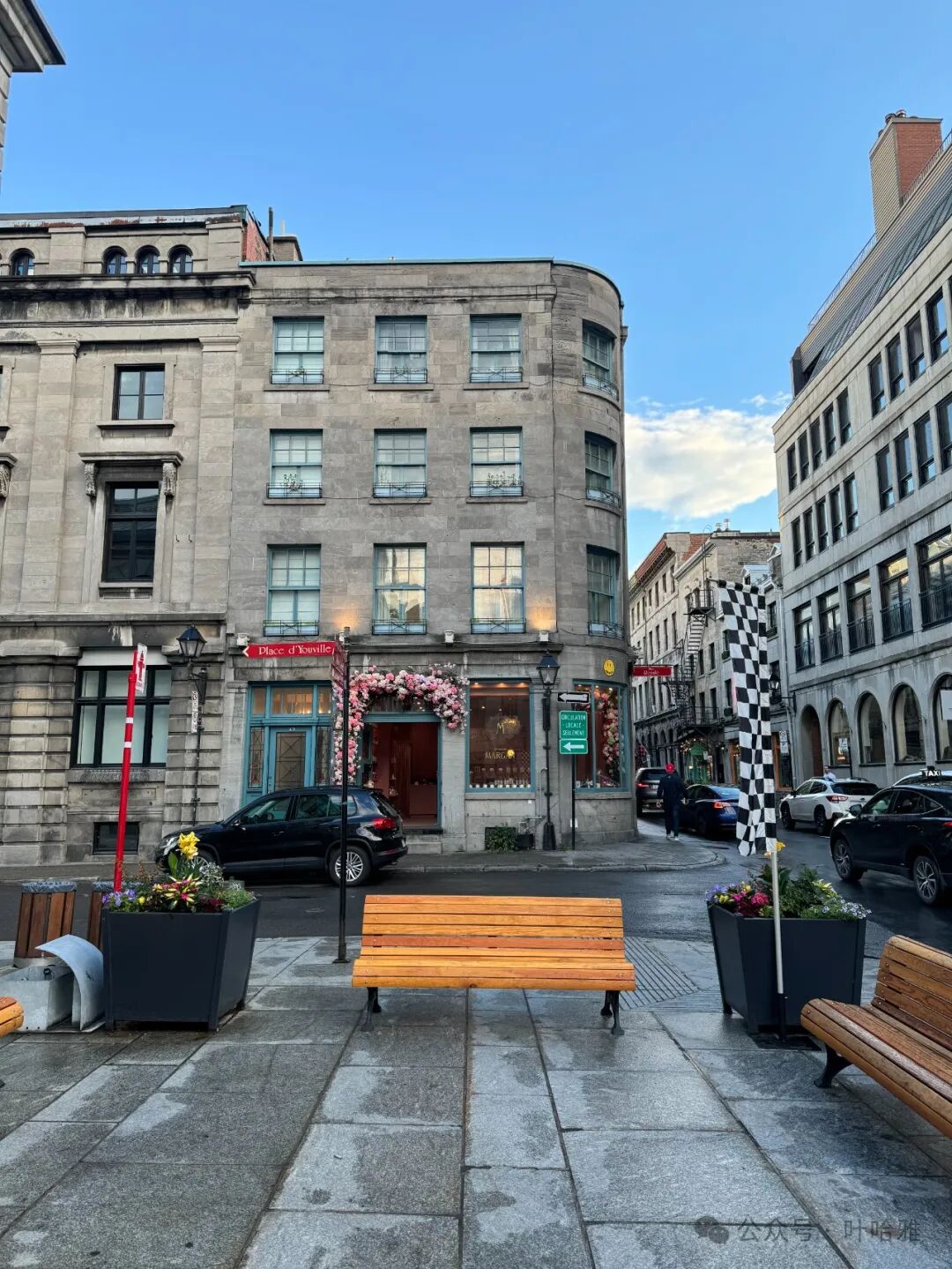
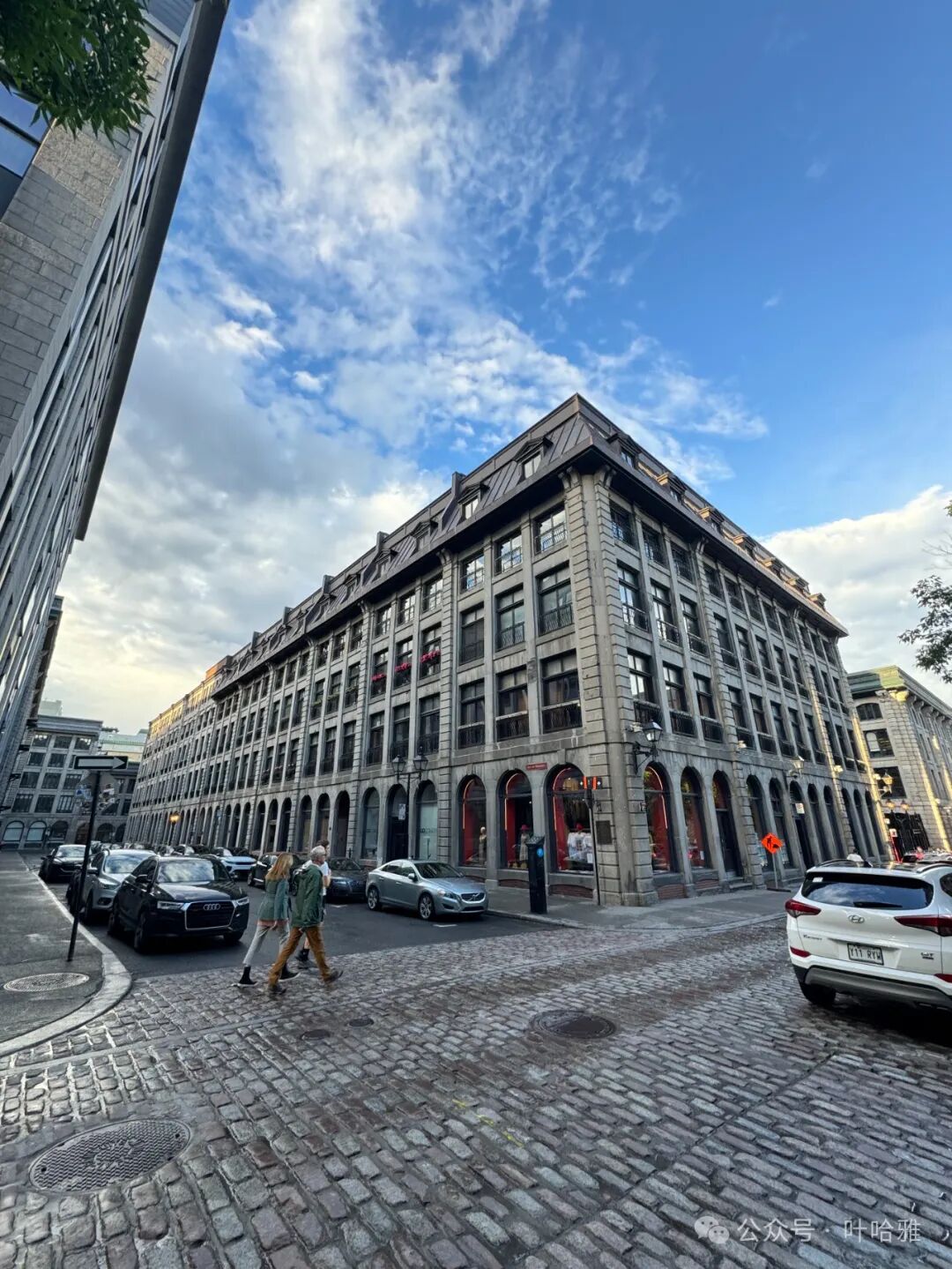
The street views look like a mix of Europe and America.
The iconic Notre-Dame Basilica in Montreal is under renovation on the outside, but you can buy a ticket to go inside and visit.
The Old Port of Montreal has great scenery and is perfect for a walk. It used to be a busy trading port, but it has been transformed now.
The sphere in the distance is the Montreal Biosphere, which once hosted the Summer Olympics.
Montreal Chinatown.
Several major Canadian cities have Chinatowns where Chinese people gather.
Sun Yat-sen Park in Chinatown.
A view of Montreal's Chinatown. I came here looking for a halal restaurant, but there are none.
North American Chinatowns don't feel familiar to me. Aside from the Chinese characters on the signs, the streets look more like Fujian or Guangdong. Most of the Chinese people here have roots in those provinces, and you hear a lot of Cantonese on the street.
Most Chinese tourists here are from Taiwan, and people from mainland China are rare.
Lichun Pavilion in Chinatown.
Lichun Pavilion doesn't look like a proper massage parlor.
Hongmen Building.
The Hongmen society started in the late Qing Dynasty and early Republic of China era. Mandi-ke is the Cantonese transliteration for Montreal, and the Hongmen Montreal branch has been around for over a hundred years.
A mural in Chinatown showing the four main characters from the Journey to the West.
PIZZA BIA
This shop is the closest halal pizza fast food place to Chinatown, and this type of small shop is one of the most common halal restaurants in Montreal.
The shop sells pizza, and you can buy it by the slice.
The Lanzhou hand-pulled noodle (Lanzhou lamian) shop in Chinatown is not halal, but it is very busy with a line at the door. In Canada, Lanzhou hand-pulled noodles have become a rare treat.
A street sign says Free Palestine. During this trip to Europe and America, I saw large-scale protests supporting Palestine at universities in major cities.
There are many halal restaurants around the old town of Montreal, and you can see them everywhere. Because this is a French-speaking area, many residents come from France. France has a Muslim population of nearly ten percent, and with immigrants from former French African colonies, Montreal naturally has many French-speaking Muslims.
The Moroccan Cultural Center in Montreal.
Lebanese restaurant.
Whenever I see that tree, I naturally think of the cedar, the symbol of Lebanon that originates from the Bible.
A chicken shawarma bowl from a Lebanese restaurant, with a side of tabbouleh salad and a bottle of pineapple soda.
This simple meal cost 30.43 Canadian dollars, which is equivalent to over 200 RMB. This is the daily price level in North America.
An Iranian bazaar.
There are many Iranians in Canada, but many are not halal because they arrived as refugees and have a rebellious streak. Still, there are devout believers among them. I visited some Shia mosques in Canada, which I will mention later.
Halal fried chicken shop
Halal fried chicken shop
Halal kebab shop
Halal Turkish restaurant
Halal burger and fried chicken shop
I took this photo while walking through the old town streets just before 9 a.m.
Halal kebab shop
Halal burger and hot dog shop
The person wearing a turban in the photo is a Sikh, not a Muslim. They refuse to eat halal food.
Halal Indian cuisine
I wandered along the main road in the city center early in the morning. Seeing these halal eateries made me both excited and disappointed. I am disappointed because there are only a few types of halal restaurants here, and none are high-end establishments. This shows that the social status of us Muslims in Canada is not very high, as most are in the working class.
This is the closest mosque to Chinatown. Many small mosques in Canada do not open their doors until it is time for prayer.
Islamic Center of Quebec
The Islamic Center of Quebec. In North America, places called centers are usually schools. This one is both a mosque and a religious school.
Scan the code to see the prayer times in Quebec. The daylight hours here are similar to Xinjiang. It does not get dark until after 10 p.m., and the sun rises at 4 a.m.
I arrived just in time to hear the imam giving a sermon (waaz), which is the usual practice before the night prayer (isha).
A church that also serves as a memorial for Mandela.
The church is not open every day. The doors are locked when there are no services.
The Chinese Catholic Church near Chinatown. Its size shows that the Chinese community in Montreal is quite influential.
A prayer spot in the city center. It reminds me of the prayer places in Tokyo, Japan. If you search for mosque or masjid on Google Maps, you will find a whole bunch of them.
However, these places are usually closed, so a mosque city walk is not really possible here. Since the history of Muslims in this area is quite short, there are no particularly impressive mosques to see. They are all just in apartment-style buildings. If you want to see beautiful mosques, you have to go to Vancouver. I will introduce other Canadian cities in detail later. view all
Summary: This Muslim travel guide to Montreal covers transit through Rome, halal airline meals, prayer rooms, Quebec and Chinatown, halal restaurants, local mosques and musallas, Chinese community landmarks, and practical notes for Muslim travelers in Canada.
A Map of Mosques and Halal Food in Montreal, Canada is presented here as a firsthand travel account in clear English, beginning with this scene: Montreal was the first city I visited in Canada. I chose it because it is quite unique. Montreal is a French-speaking city in the province of Quebec and is the second-largest city in Canada. The account keeps its focus on Halal Travel, Yiwu Food, Mosque Travel while preserving the names, places, food, and historical details from the Chinese source.
Montreal was the first city I visited in Canada. I chose it because it is quite unique. Montreal is a French-speaking city in the province of Quebec and is the second-largest city in Canada.
There are no direct flights from mainland China to Canada. I chose a Hainan Airlines flight with a layover in Rome, Italy. With a Chinese passport and a U.S. or Canadian visa, you can transit through Rome without a visa, but you cannot leave the airport.
You need to book a halal meal with the airline at least one day in advance.
The plane arrived over Rome, the capital of Italy.
Fiumicino Airport in Rome has signs in Chinese.
There is also a prayer room. It is shared by all major religions, and prayer rooms are standard in international airports.
I walked through all the shops in the international transit area of Rome airport and did not find any halal restaurants.
Ferrari is a local specialty of Italy.
The iconic people and things of Italy are the Pope, the Mona Lisa, and the Leaning Tower of Pisa.
When in Italy, you have to try the locals' favorite: authentic espresso.
This small cup is meant to be downed in one gulp. It tastes very bitter and is quite strong. Italians drink coffee differently than people in other countries. For example, they call a latte Caffè latte or Latte macchiato. The former has no milk foam, while the latter does. In Italy, if you just ask for a latte, the clerk might think you want a glass of milk. Also, Italians usually do not drink coffee with milk in the afternoon; they are used to drinking coffee with milk at breakfast.
While drinking coffee, I saw a table of Muslims across from me. They ordered some pizza fast food at the cafe. This restaurant also sells pork, but that is very common in Europe. Muslims here are not very sensitive about pork, and many will eat at non-halal restaurants as long as they avoid the pork. Which non-halal foods are mentioned in the scriptures and teachings? I have talked about that.
After a long flight of over 9 hours, I arrived safely in Montreal, Quebec, Canada, where all the official signs are in French. Quebec was a French colony for 200 years and later colonized by the British, so its makeup is complex. It often pushes for independence, but the referendums failed, with citizens supporting unity winning by a narrow margin.
The Montreal subway stations look a lot like the New York subway, but they are much cleaner. Subway announcements are played in French first, then in English.
Montreal is generally quite clean, but the cost of living is high. There are not many places in Canada with low costs because taxes are high here.
Standard hotel rooms cost over 1,000 yuan per night.
Montreal has a well-developed public transport system. You can buy a one-day pass at the subway station for unlimited subway and bus rides for 24 hours, which is great for tourists. You can also just tap your Visa credit card. During my trip to Canada, I did not use any cash; all transactions were done with my credit card.
The street views look like a mix of Europe and America.
The iconic Notre-Dame Basilica in Montreal is under renovation on the outside, but you can buy a ticket to go inside and visit.
The Old Port of Montreal has great scenery and is perfect for a walk. It used to be a busy trading port, but it has been transformed now.
The sphere in the distance is the Montreal Biosphere, which once hosted the Summer Olympics.
Montreal Chinatown.
Several major Canadian cities have Chinatowns where Chinese people gather.
Sun Yat-sen Park in Chinatown.
A view of Montreal's Chinatown. I came here looking for a halal restaurant, but there are none.
North American Chinatowns don't feel familiar to me. Aside from the Chinese characters on the signs, the streets look more like Fujian or Guangdong. Most of the Chinese people here have roots in those provinces, and you hear a lot of Cantonese on the street.
Most Chinese tourists here are from Taiwan, and people from mainland China are rare.
Lichun Pavilion in Chinatown.
Lichun Pavilion doesn't look like a proper massage parlor.
Hongmen Building.
The Hongmen society started in the late Qing Dynasty and early Republic of China era. Mandi-ke is the Cantonese transliteration for Montreal, and the Hongmen Montreal branch has been around for over a hundred years.
A mural in Chinatown showing the four main characters from the Journey to the West.
PIZZA BIA
This shop is the closest halal pizza fast food place to Chinatown, and this type of small shop is one of the most common halal restaurants in Montreal.
The shop sells pizza, and you can buy it by the slice.
The Lanzhou hand-pulled noodle (Lanzhou lamian) shop in Chinatown is not halal, but it is very busy with a line at the door. In Canada, Lanzhou hand-pulled noodles have become a rare treat.
A street sign says Free Palestine. During this trip to Europe and America, I saw large-scale protests supporting Palestine at universities in major cities.
There are many halal restaurants around the old town of Montreal, and you can see them everywhere. Because this is a French-speaking area, many residents come from France. France has a Muslim population of nearly ten percent, and with immigrants from former French African colonies, Montreal naturally has many French-speaking Muslims.
The Moroccan Cultural Center in Montreal.
Lebanese restaurant.
Whenever I see that tree, I naturally think of the cedar, the symbol of Lebanon that originates from the Bible.
A chicken shawarma bowl from a Lebanese restaurant, with a side of tabbouleh salad and a bottle of pineapple soda.
This simple meal cost 30.43 Canadian dollars, which is equivalent to over 200 RMB. This is the daily price level in North America.
An Iranian bazaar.
There are many Iranians in Canada, but many are not halal because they arrived as refugees and have a rebellious streak. Still, there are devout believers among them. I visited some Shia mosques in Canada, which I will mention later.
Halal fried chicken shop
Halal fried chicken shop
Halal kebab shop
Halal Turkish restaurant
Halal burger and fried chicken shop
I took this photo while walking through the old town streets just before 9 a.m.
Halal kebab shop
Halal burger and hot dog shop
The person wearing a turban in the photo is a Sikh, not a Muslim. They refuse to eat halal food.
Halal Indian cuisine
I wandered along the main road in the city center early in the morning. Seeing these halal eateries made me both excited and disappointed. I am disappointed because there are only a few types of halal restaurants here, and none are high-end establishments. This shows that the social status of us Muslims in Canada is not very high, as most are in the working class.
This is the closest mosque to Chinatown. Many small mosques in Canada do not open their doors until it is time for prayer.
Islamic Center of Quebec
The Islamic Center of Quebec. In North America, places called centers are usually schools. This one is both a mosque and a religious school.
Scan the code to see the prayer times in Quebec. The daylight hours here are similar to Xinjiang. It does not get dark until after 10 p.m., and the sun rises at 4 a.m.
I arrived just in time to hear the imam giving a sermon (waaz), which is the usual practice before the night prayer (isha).
A church that also serves as a memorial for Mandela.
The church is not open every day. The doors are locked when there are no services.
The Chinese Catholic Church near Chinatown. Its size shows that the Chinese community in Montreal is quite influential.
A prayer spot in the city center. It reminds me of the prayer places in Tokyo, Japan. If you search for mosque or masjid on Google Maps, you will find a whole bunch of them.
However, these places are usually closed, so a mosque city walk is not really possible here. Since the history of Muslims in this area is quite short, there are no particularly impressive mosques to see. They are all just in apartment-style buildings. If you want to see beautiful mosques, you have to go to Vancouver. I will introduce other Canadian cities in detail later. view all
Reposted from the web
Summary: This Muslim travel guide to Montreal covers transit through Rome, halal airline meals, prayer rooms, Quebec and Chinatown, halal restaurants, local mosques and musallas, Chinese community landmarks, and practical notes for Muslim travelers in Canada.
A Map of Mosques and Halal Food in Montreal, Canada is presented here as a firsthand travel account in clear English, beginning with this scene: Montreal was the first city I visited in Canada. I chose it because it is quite unique. Montreal is a French-speaking city in the province of Quebec and is the second-largest city in Canada. The account keeps its focus on Halal Travel, Yiwu Food, Mosque Travel while preserving the names, places, food, and historical details from the Chinese source.
Montreal was the first city I visited in Canada. I chose it because it is quite unique. Montreal is a French-speaking city in the province of Quebec and is the second-largest city in Canada.
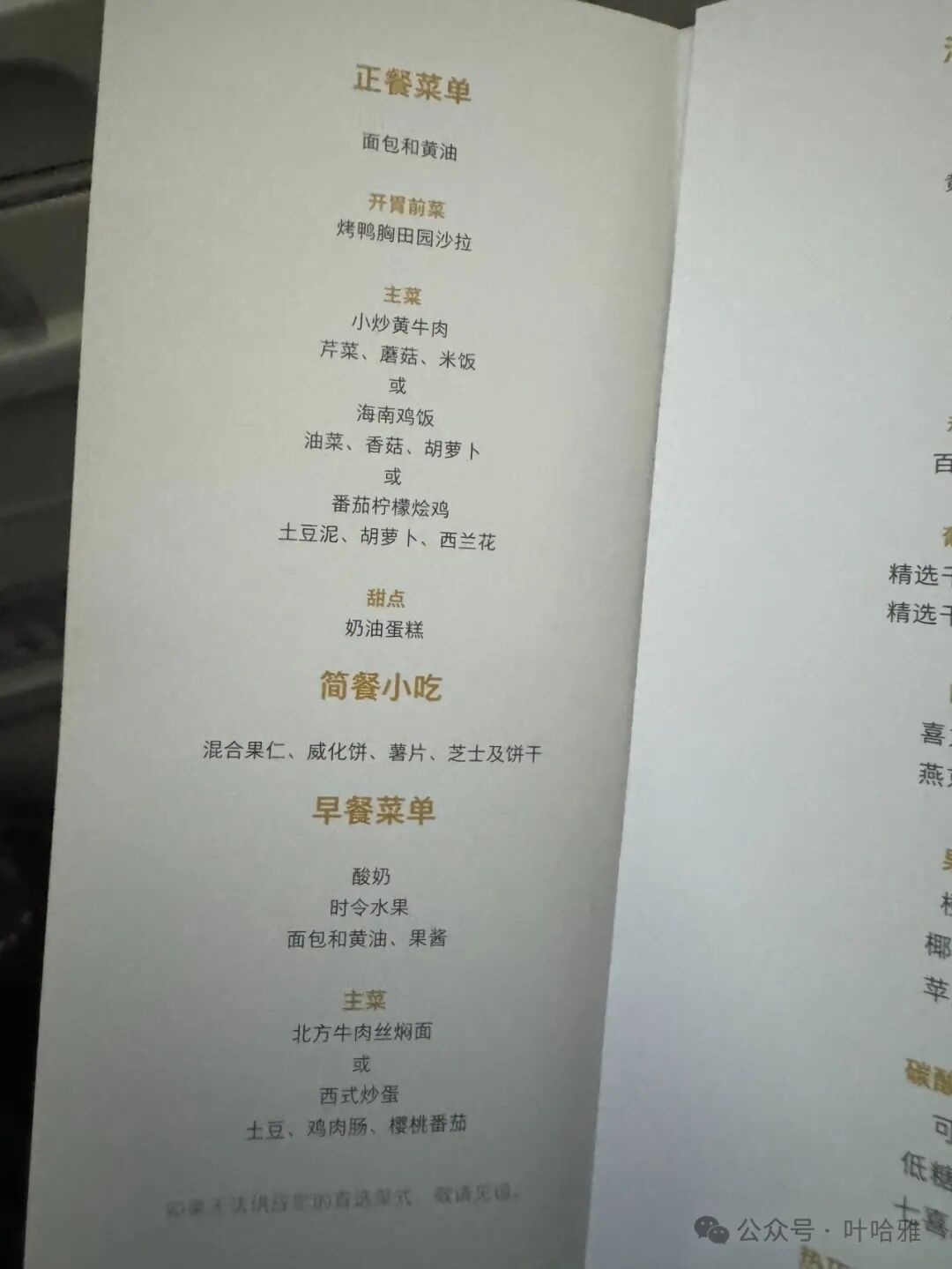
There are no direct flights from mainland China to Canada. I chose a Hainan Airlines flight with a layover in Rome, Italy. With a Chinese passport and a U.S. or Canadian visa, you can transit through Rome without a visa, but you cannot leave the airport.
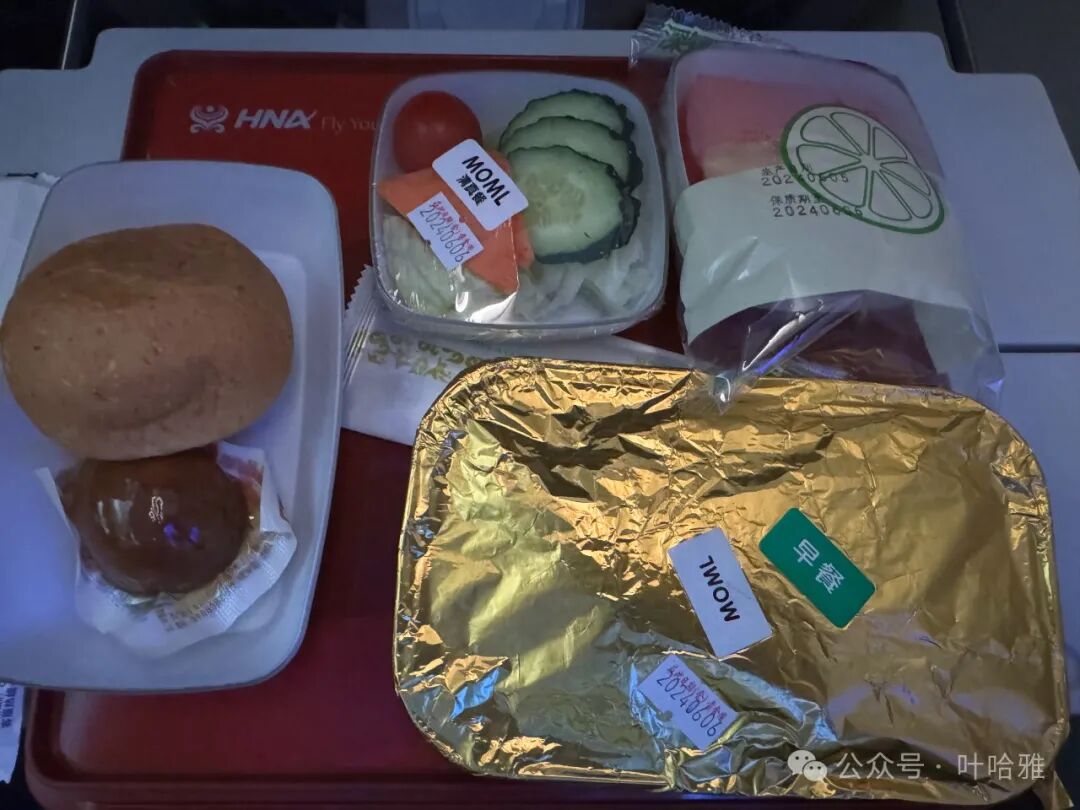
You need to book a halal meal with the airline at least one day in advance.
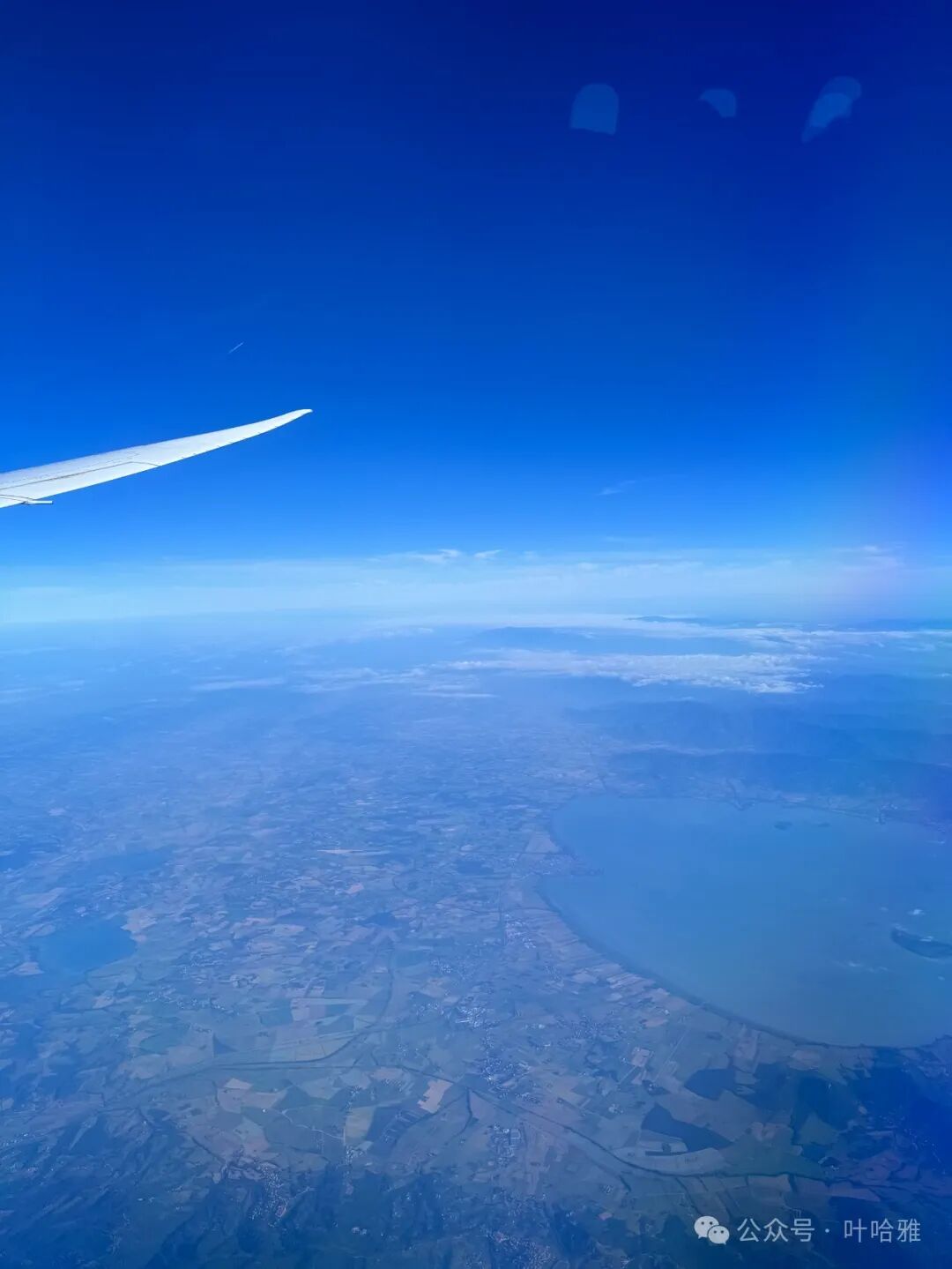
The plane arrived over Rome, the capital of Italy.
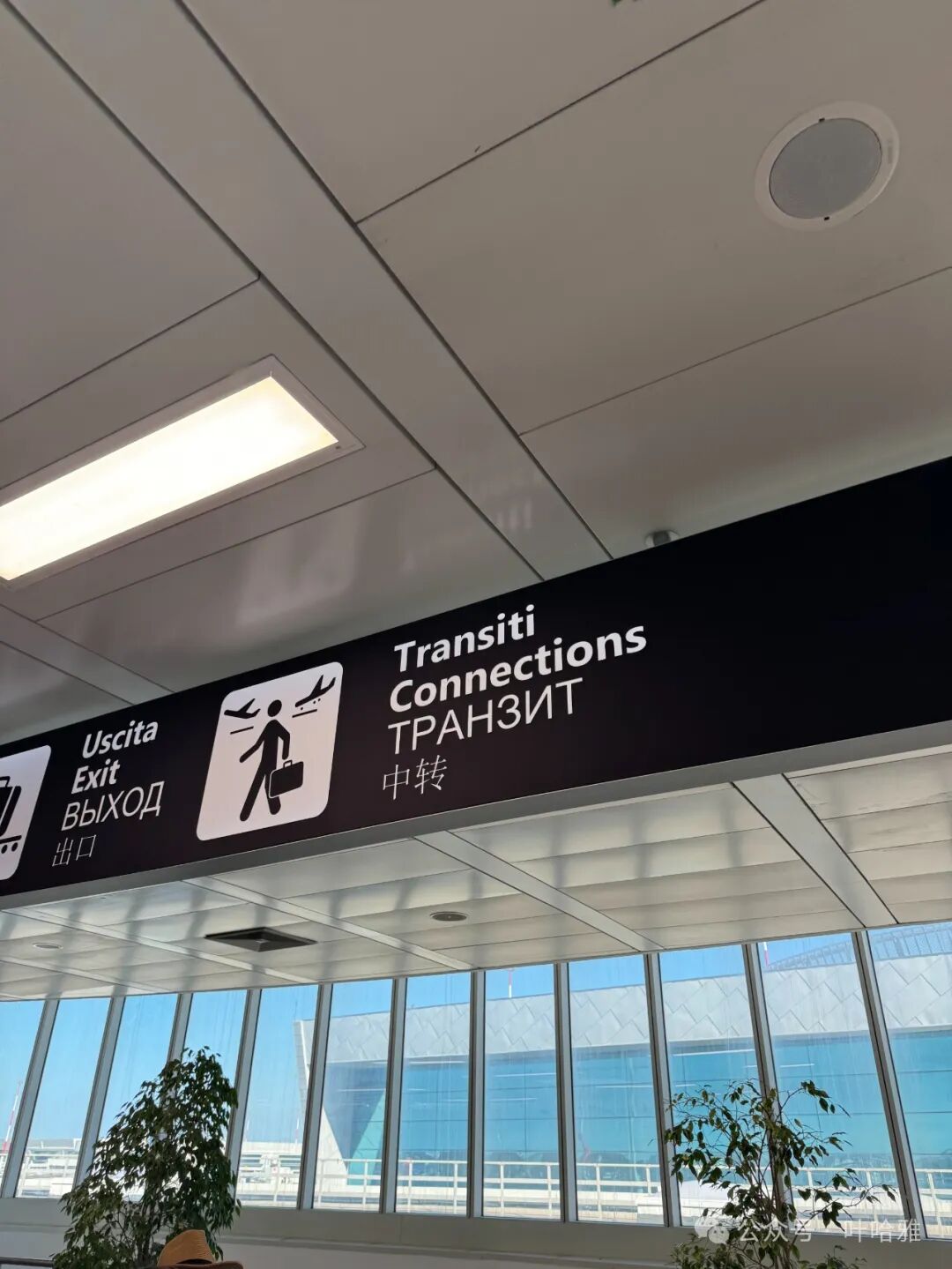
Fiumicino Airport in Rome has signs in Chinese.
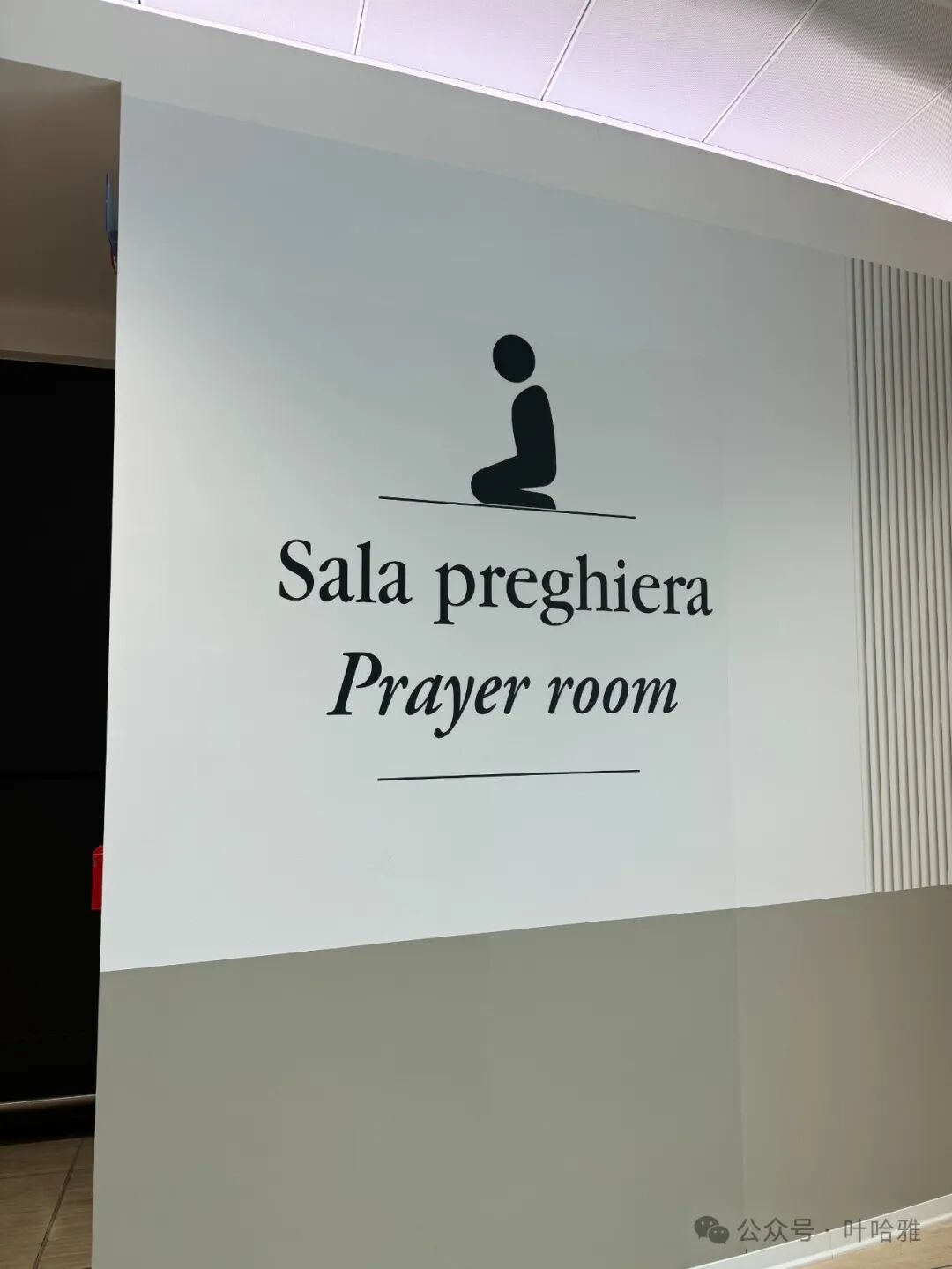
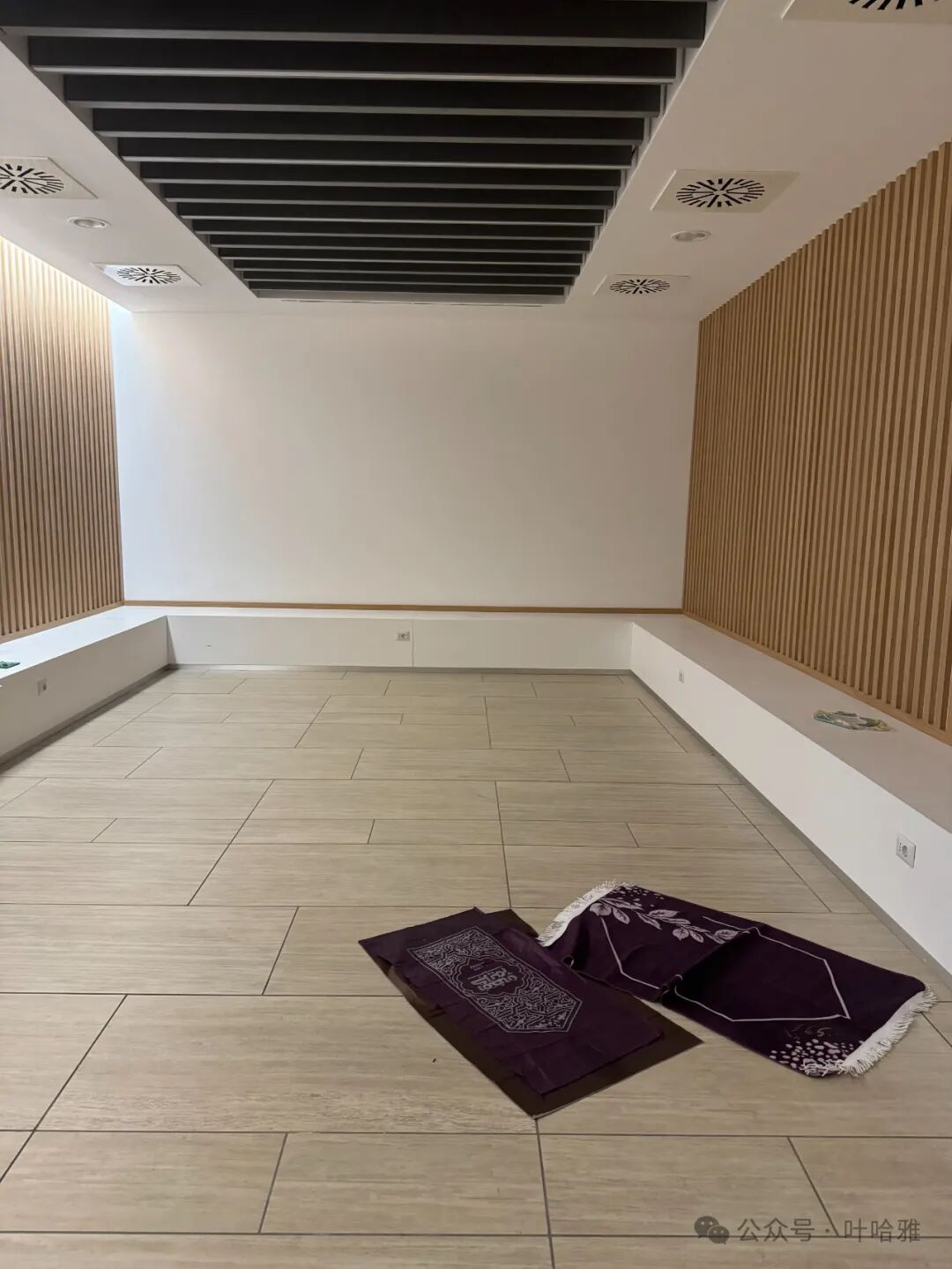
There is also a prayer room. It is shared by all major religions, and prayer rooms are standard in international airports.
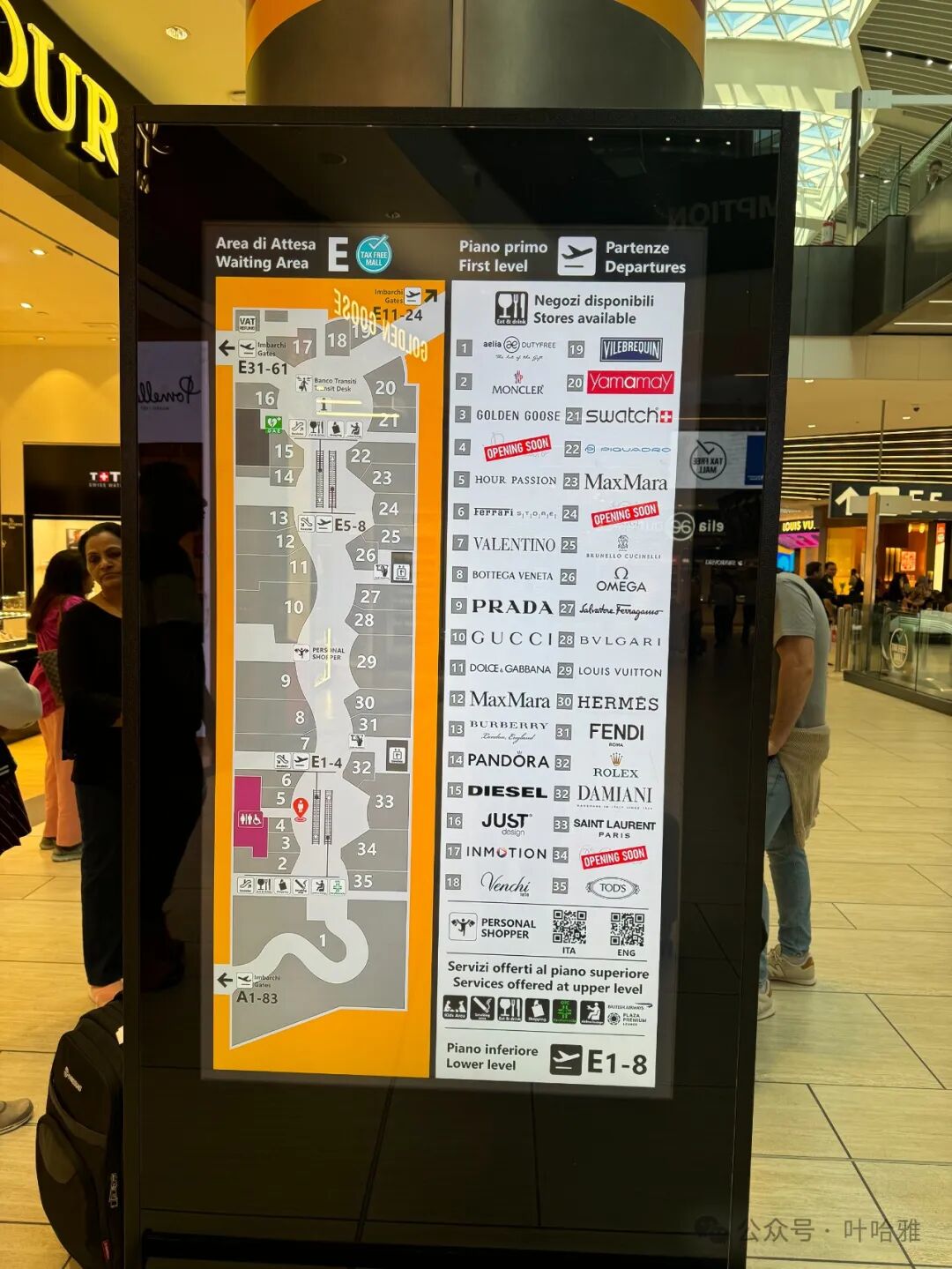
I walked through all the shops in the international transit area of Rome airport and did not find any halal restaurants.
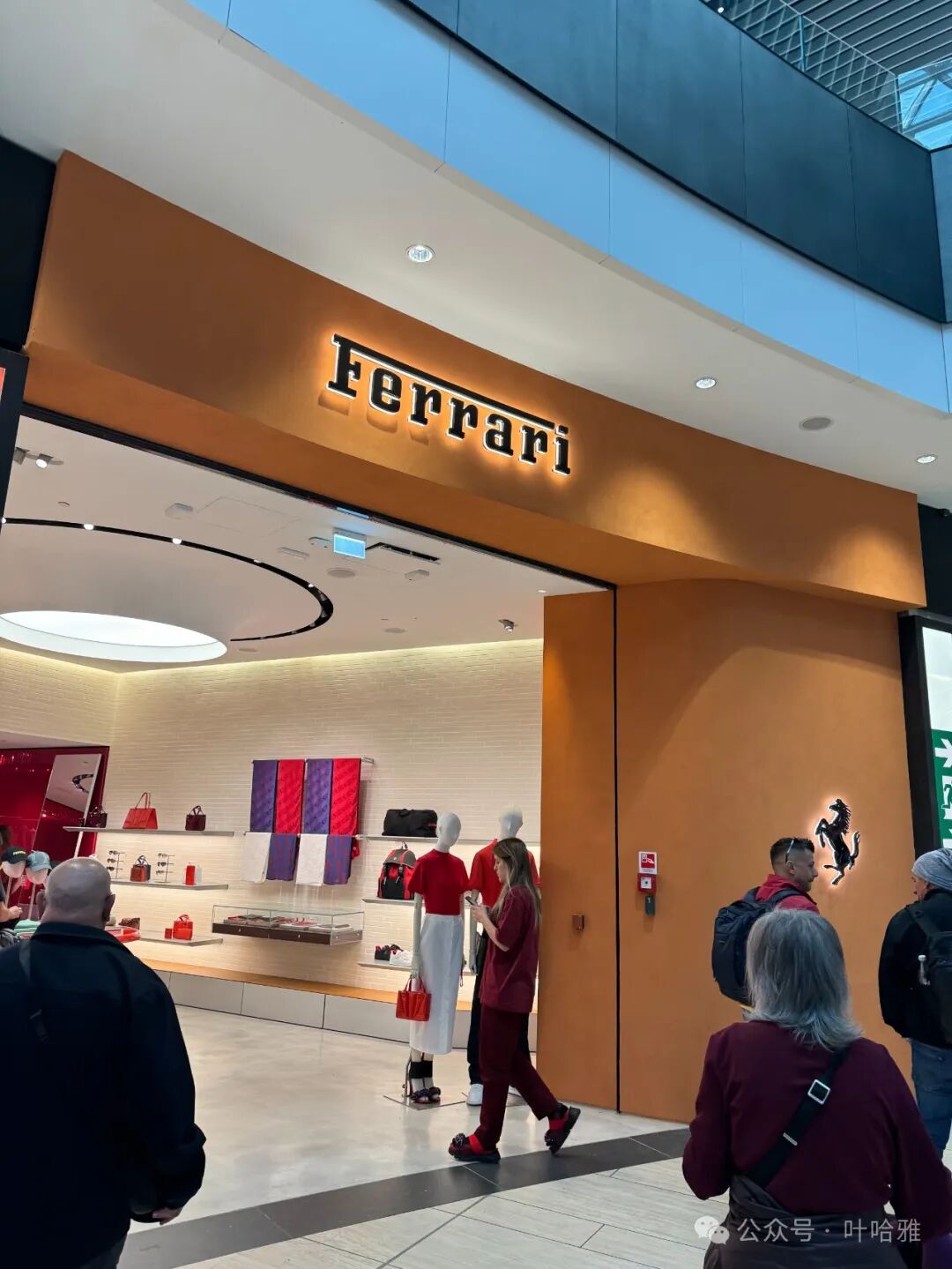
Ferrari is a local specialty of Italy.
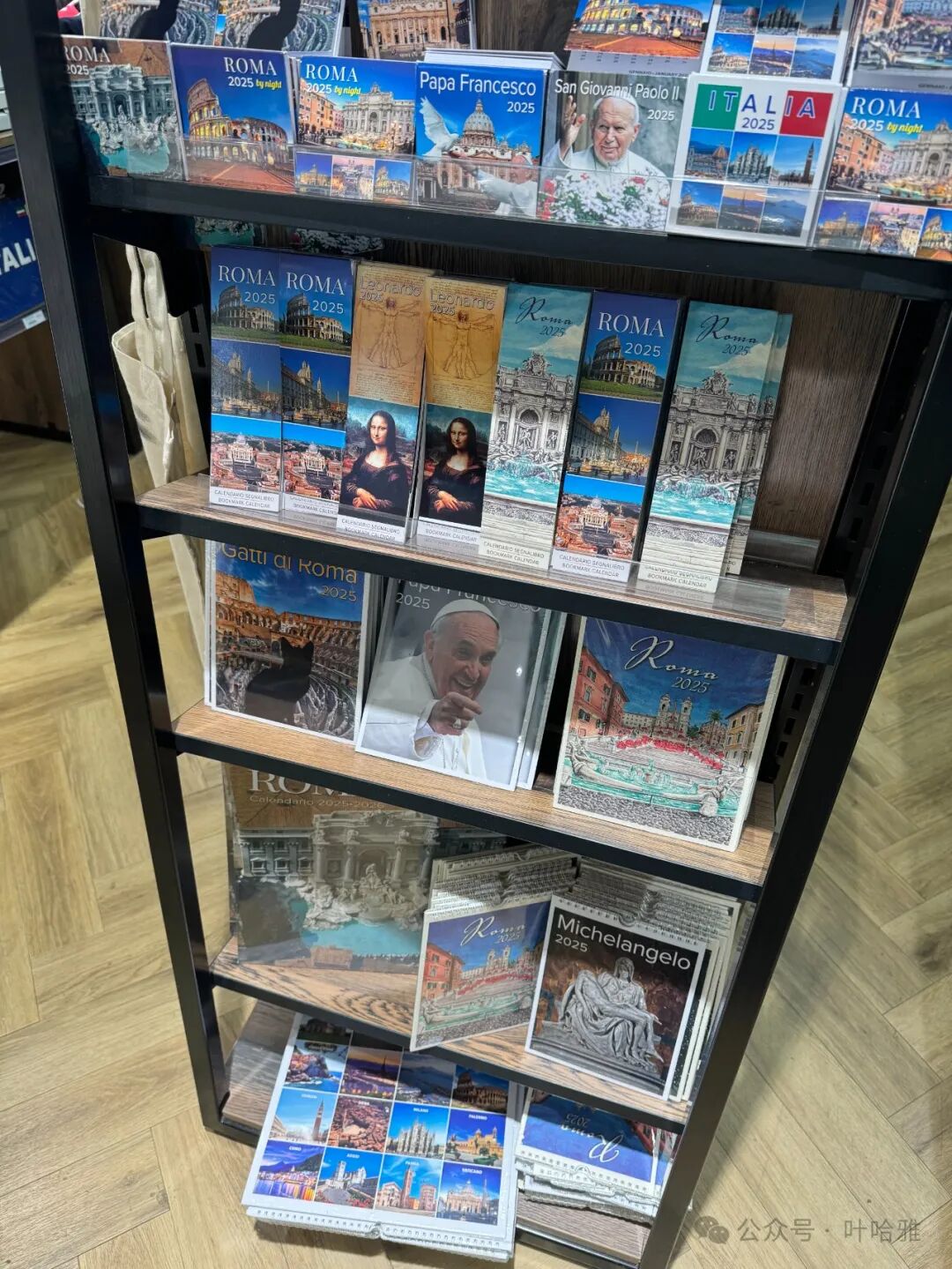
The iconic people and things of Italy are the Pope, the Mona Lisa, and the Leaning Tower of Pisa.
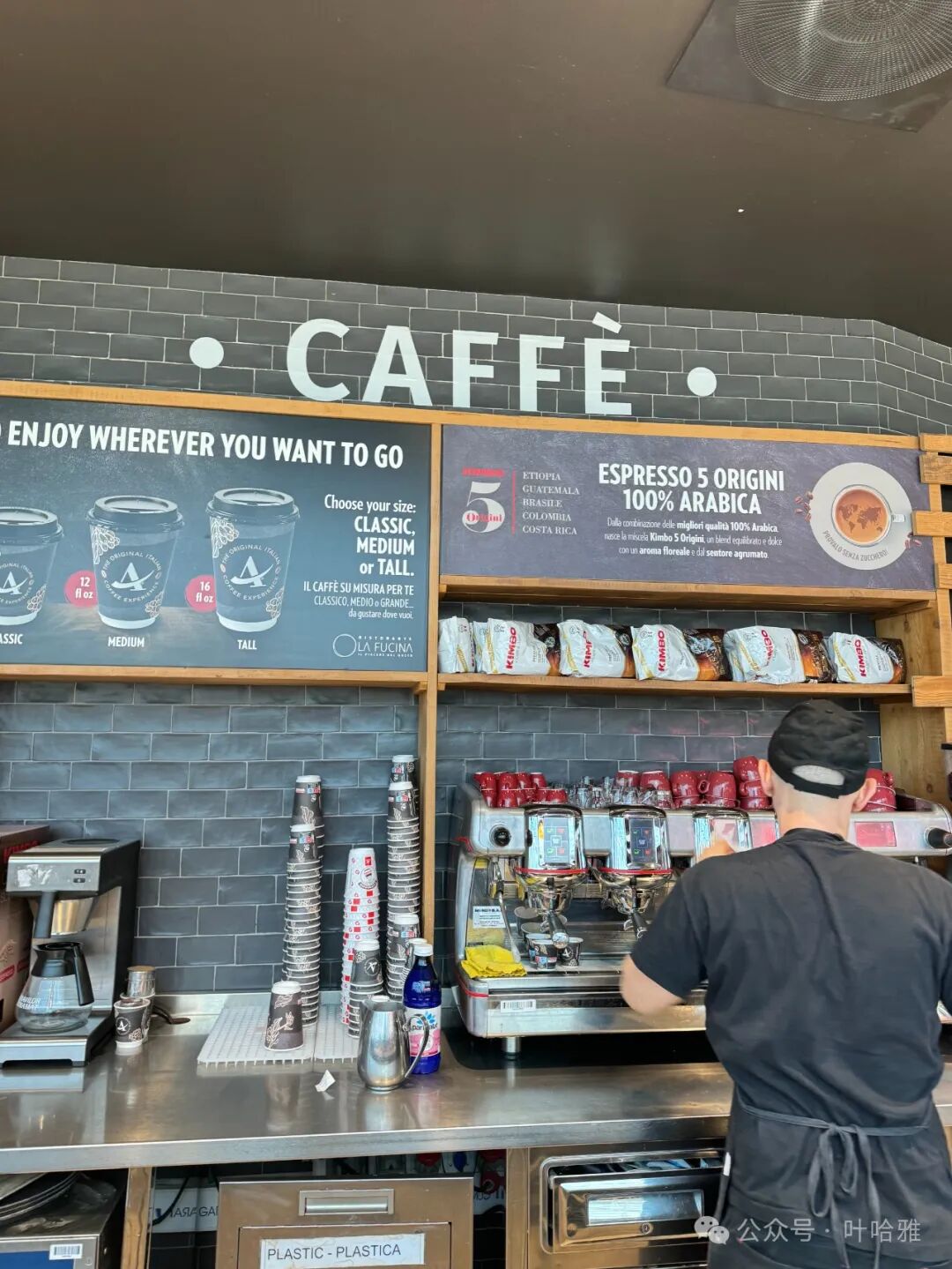
When in Italy, you have to try the locals' favorite: authentic espresso.
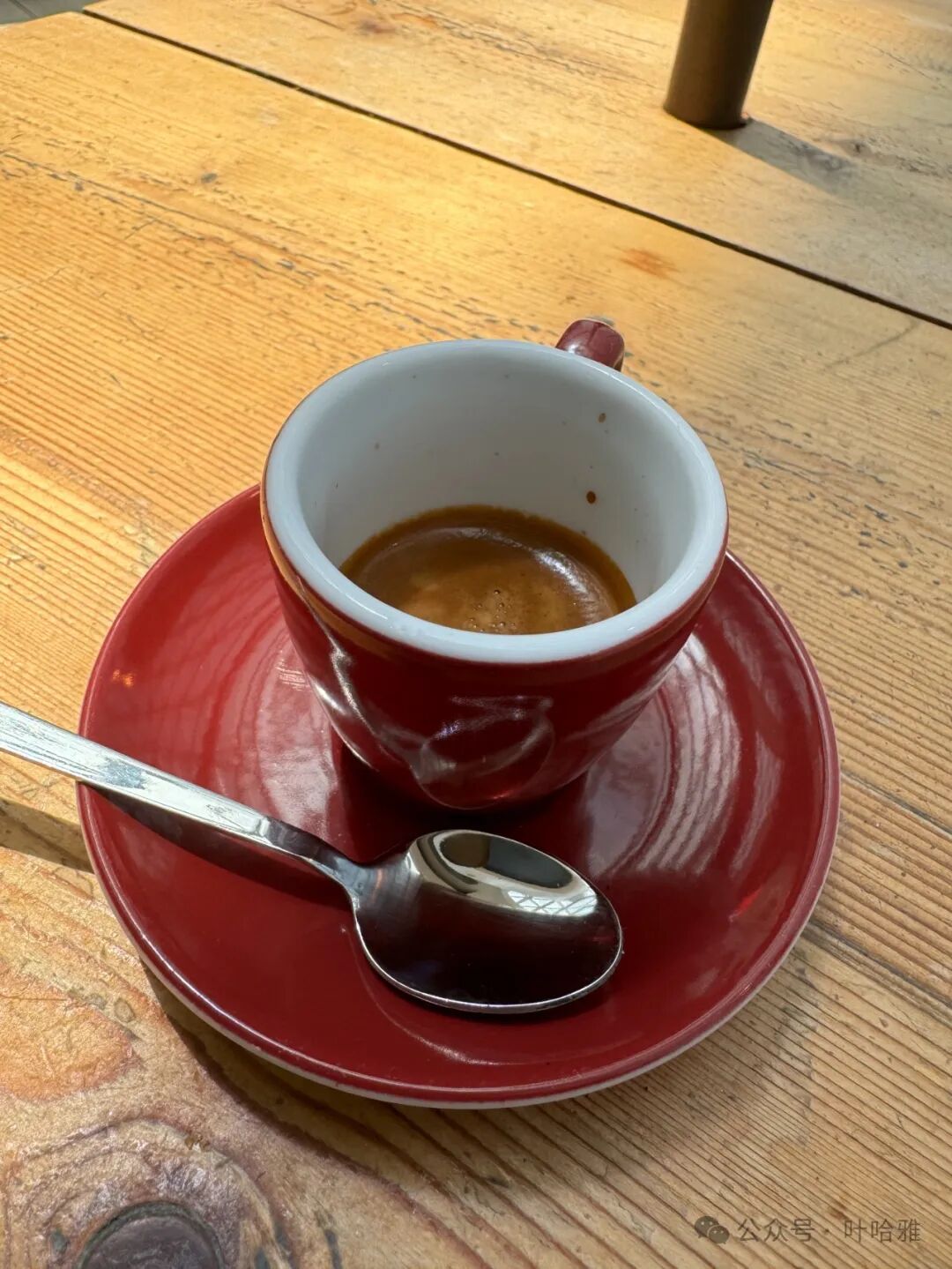
This small cup is meant to be downed in one gulp. It tastes very bitter and is quite strong. Italians drink coffee differently than people in other countries. For example, they call a latte Caffè latte or Latte macchiato. The former has no milk foam, while the latter does. In Italy, if you just ask for a latte, the clerk might think you want a glass of milk. Also, Italians usually do not drink coffee with milk in the afternoon; they are used to drinking coffee with milk at breakfast.
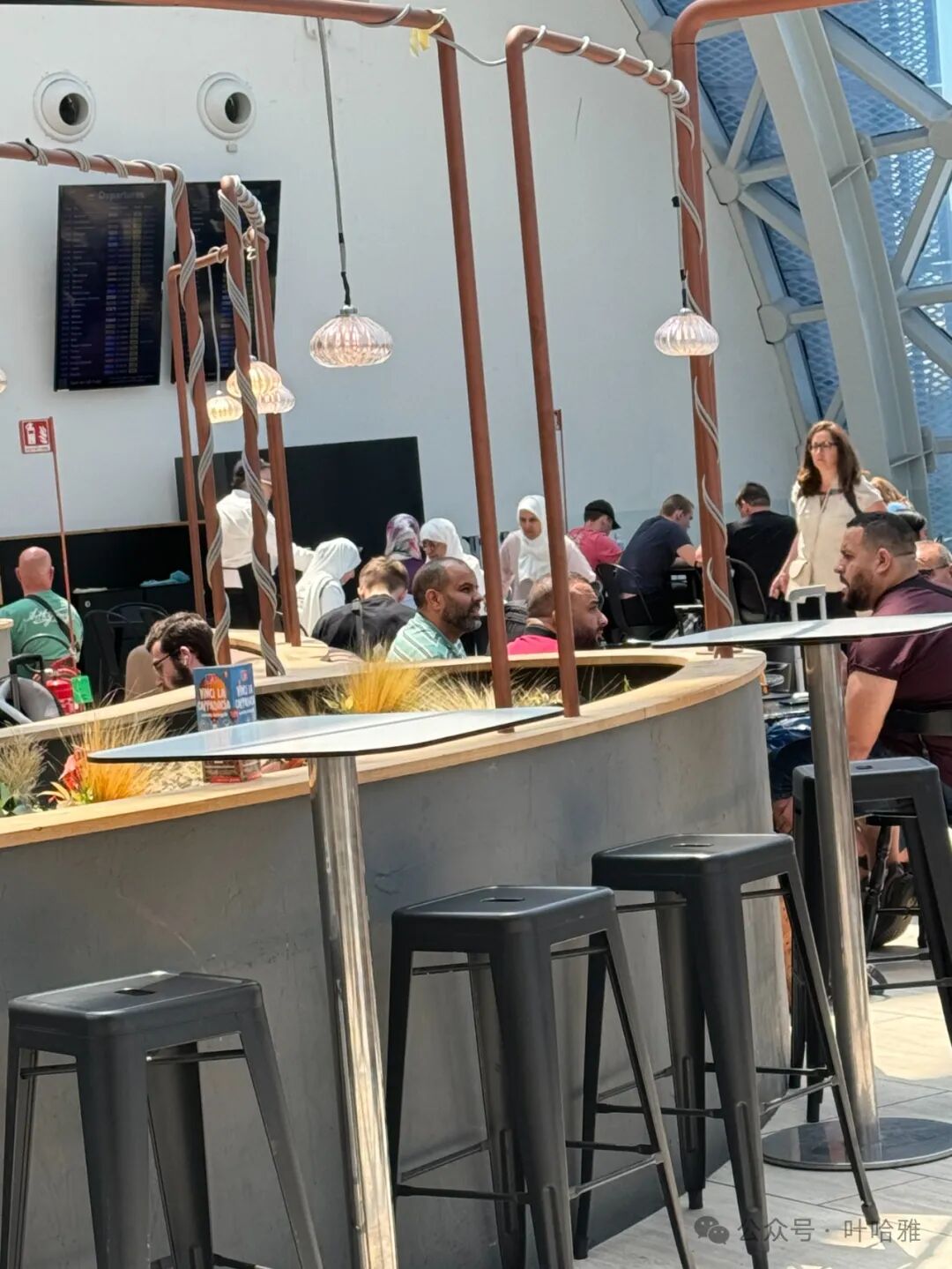
While drinking coffee, I saw a table of Muslims across from me. They ordered some pizza fast food at the cafe. This restaurant also sells pork, but that is very common in Europe. Muslims here are not very sensitive about pork, and many will eat at non-halal restaurants as long as they avoid the pork. Which non-halal foods are mentioned in the scriptures and teachings? I have talked about that.
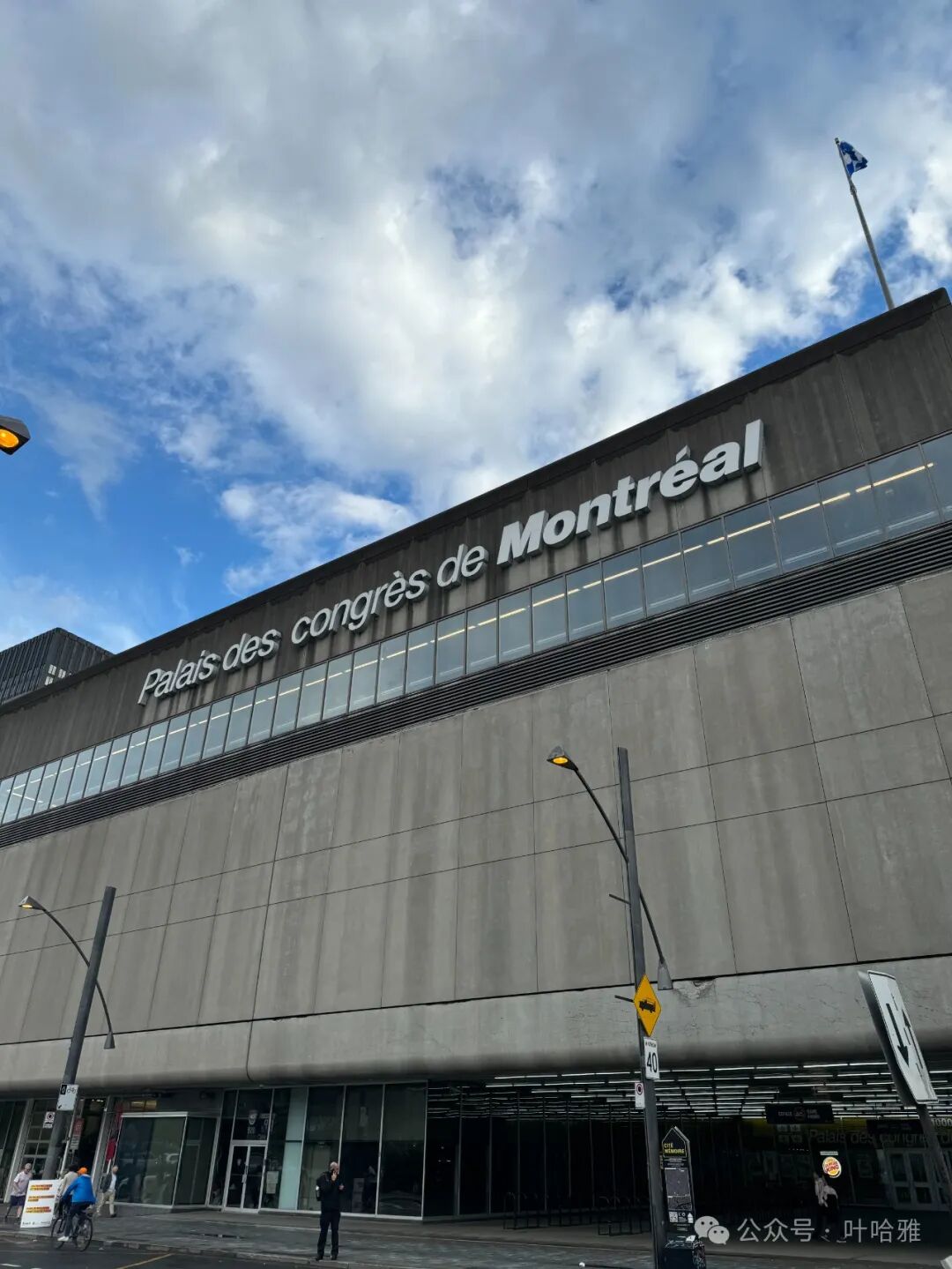
After a long flight of over 9 hours, I arrived safely in Montreal, Quebec, Canada, where all the official signs are in French. Quebec was a French colony for 200 years and later colonized by the British, so its makeup is complex. It often pushes for independence, but the referendums failed, with citizens supporting unity winning by a narrow margin.
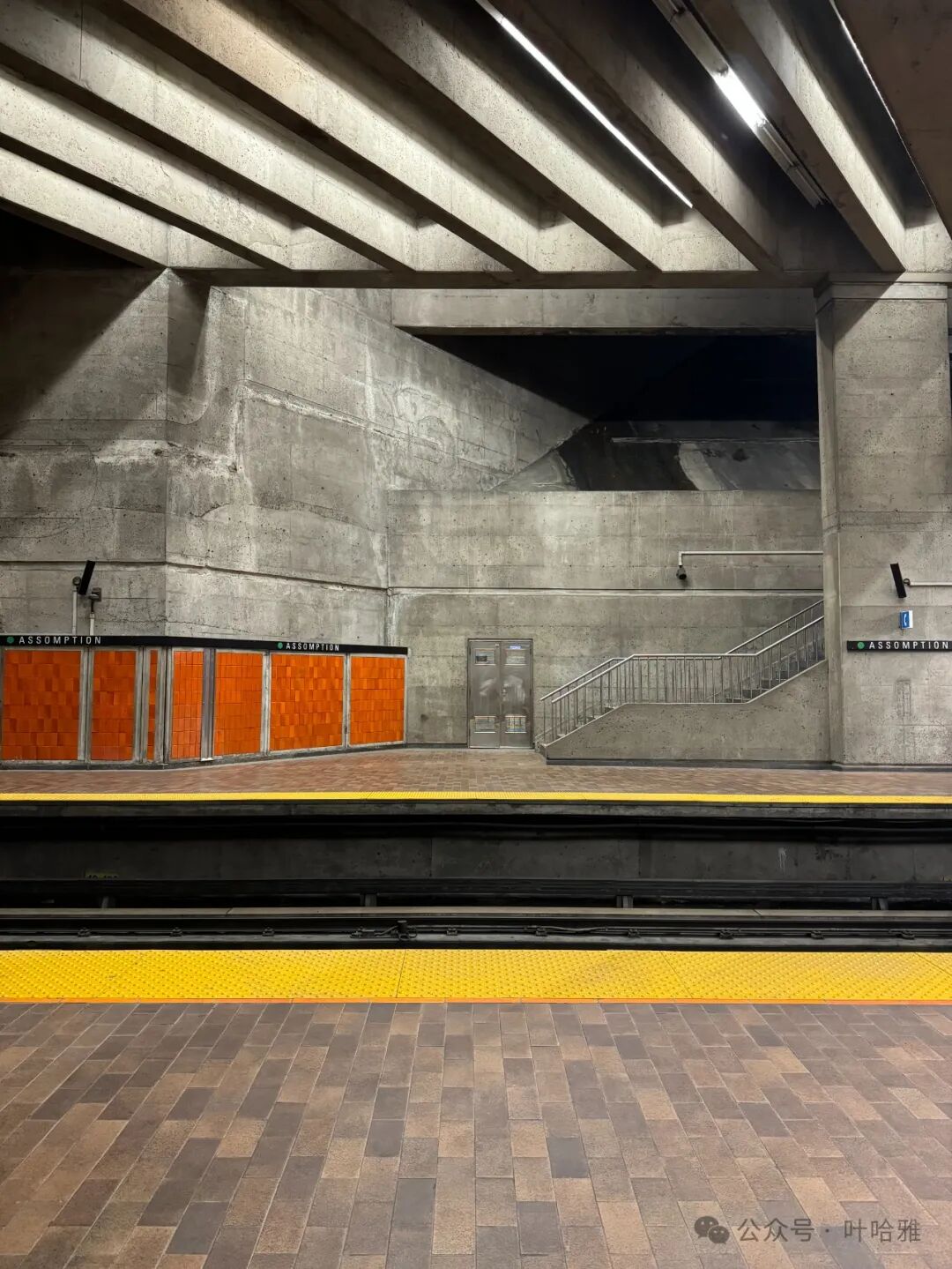
The Montreal subway stations look a lot like the New York subway, but they are much cleaner. Subway announcements are played in French first, then in English.
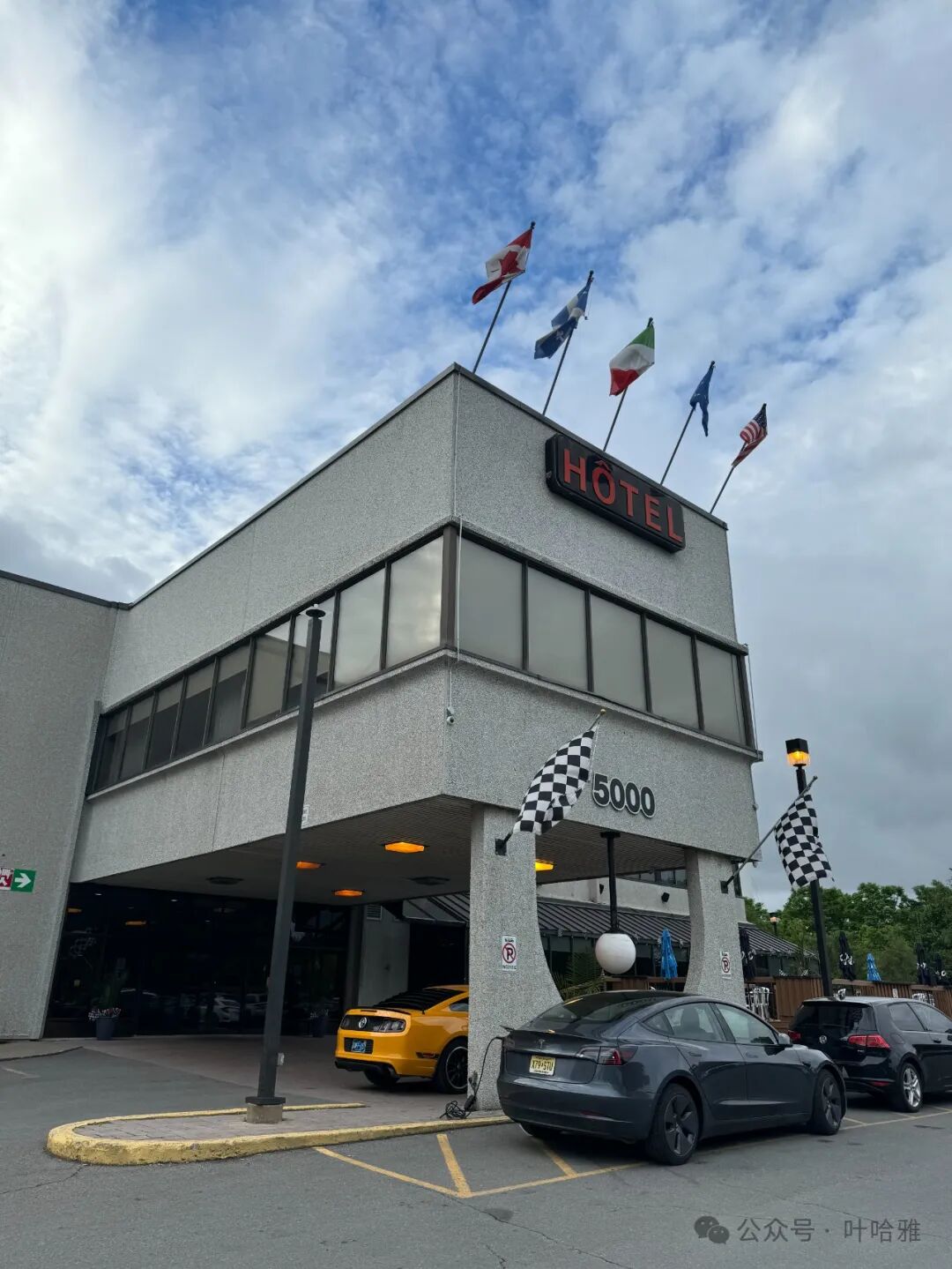
Montreal is generally quite clean, but the cost of living is high. There are not many places in Canada with low costs because taxes are high here.
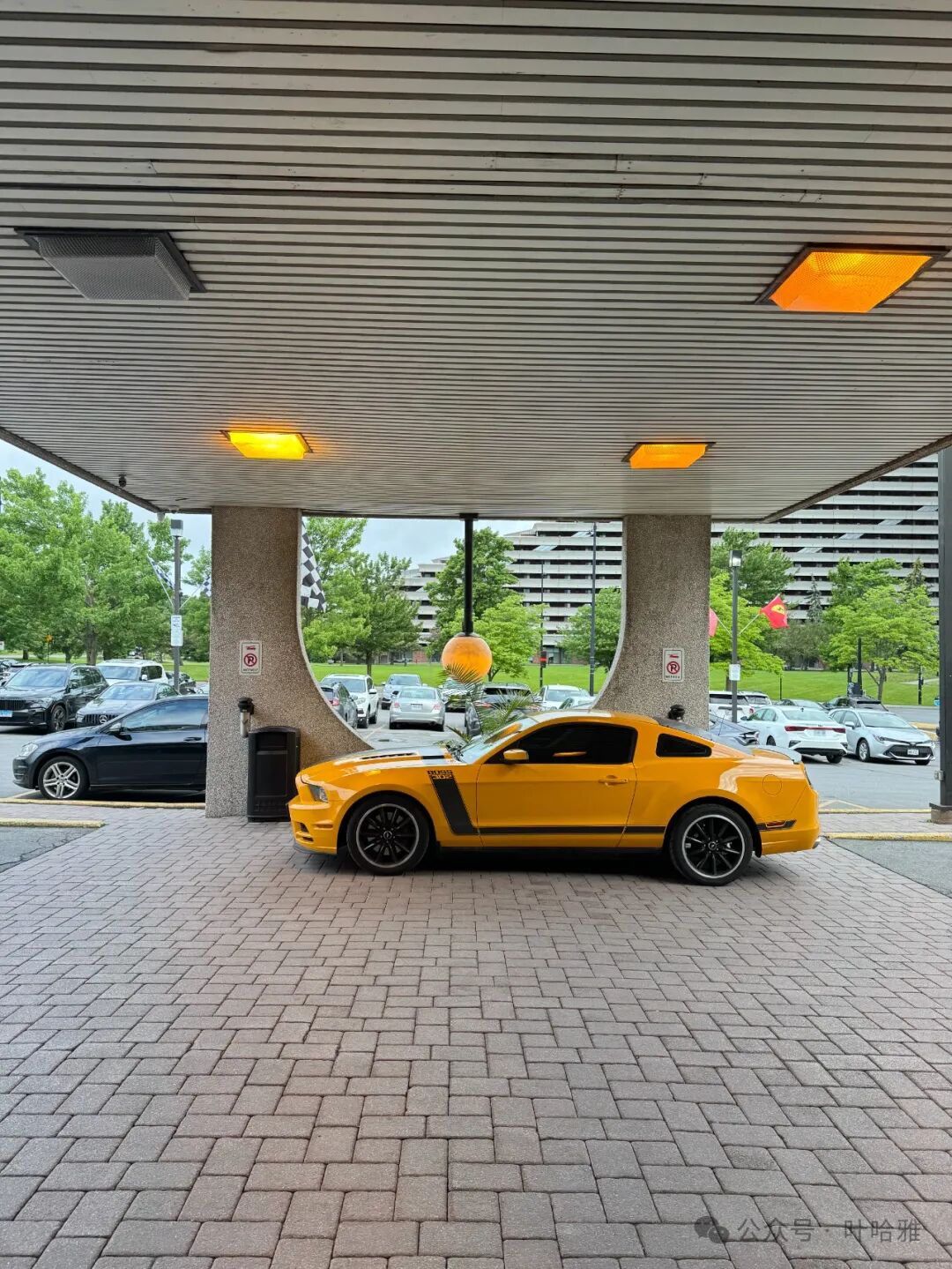
Standard hotel rooms cost over 1,000 yuan per night.
Montreal has a well-developed public transport system. You can buy a one-day pass at the subway station for unlimited subway and bus rides for 24 hours, which is great for tourists. You can also just tap your Visa credit card. During my trip to Canada, I did not use any cash; all transactions were done with my credit card.
The street views look like a mix of Europe and America.
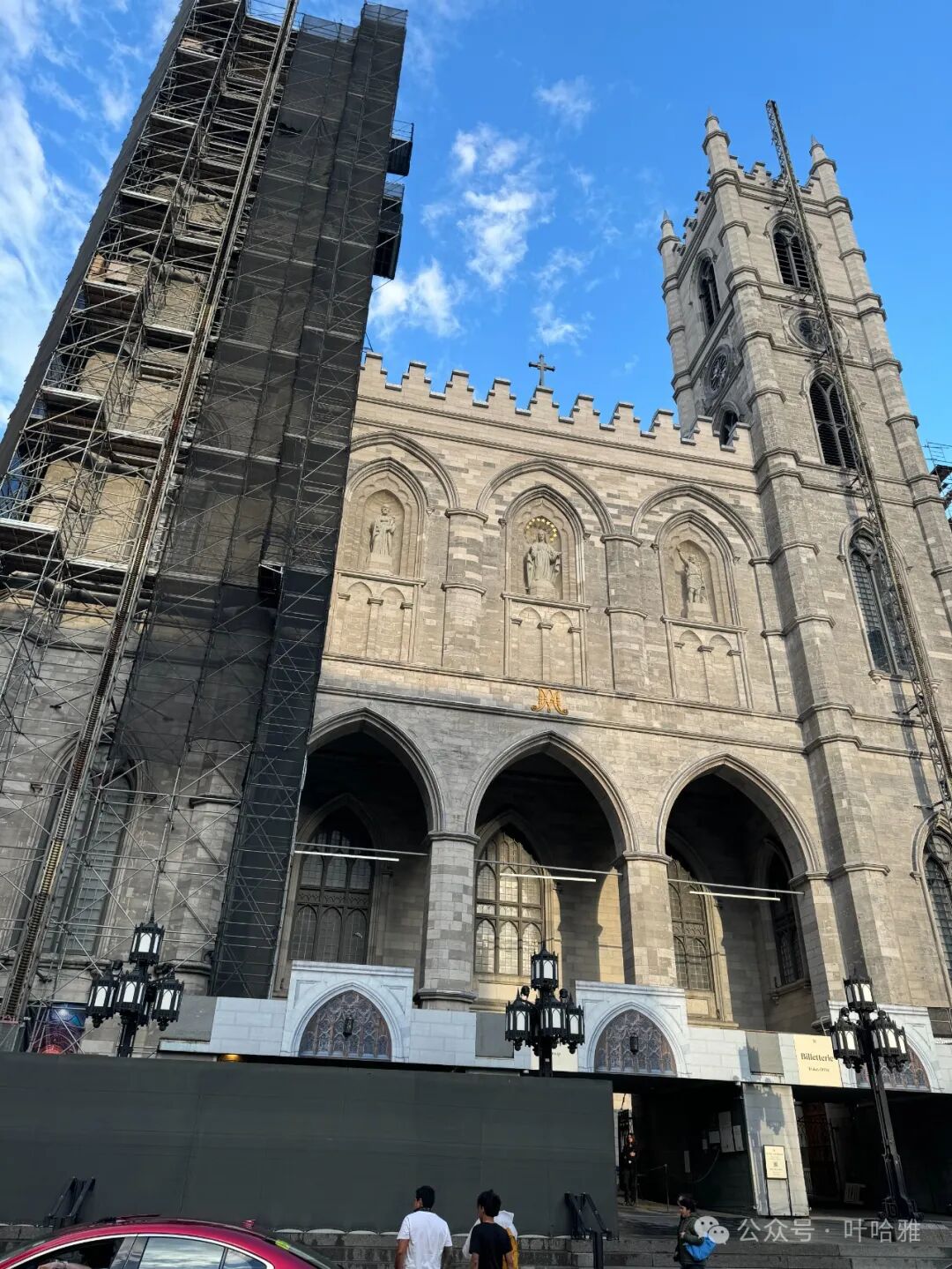
The iconic Notre-Dame Basilica in Montreal is under renovation on the outside, but you can buy a ticket to go inside and visit.
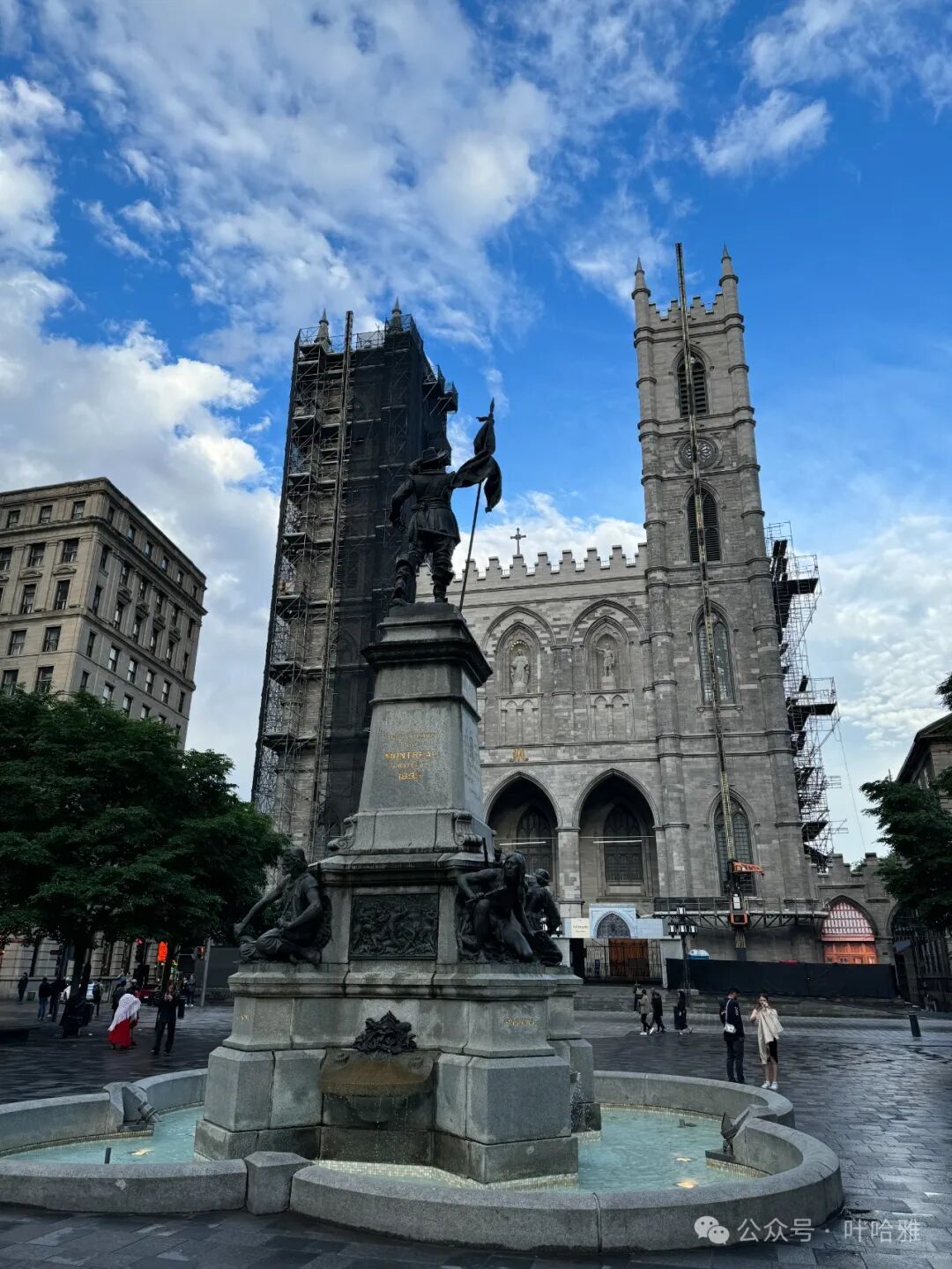
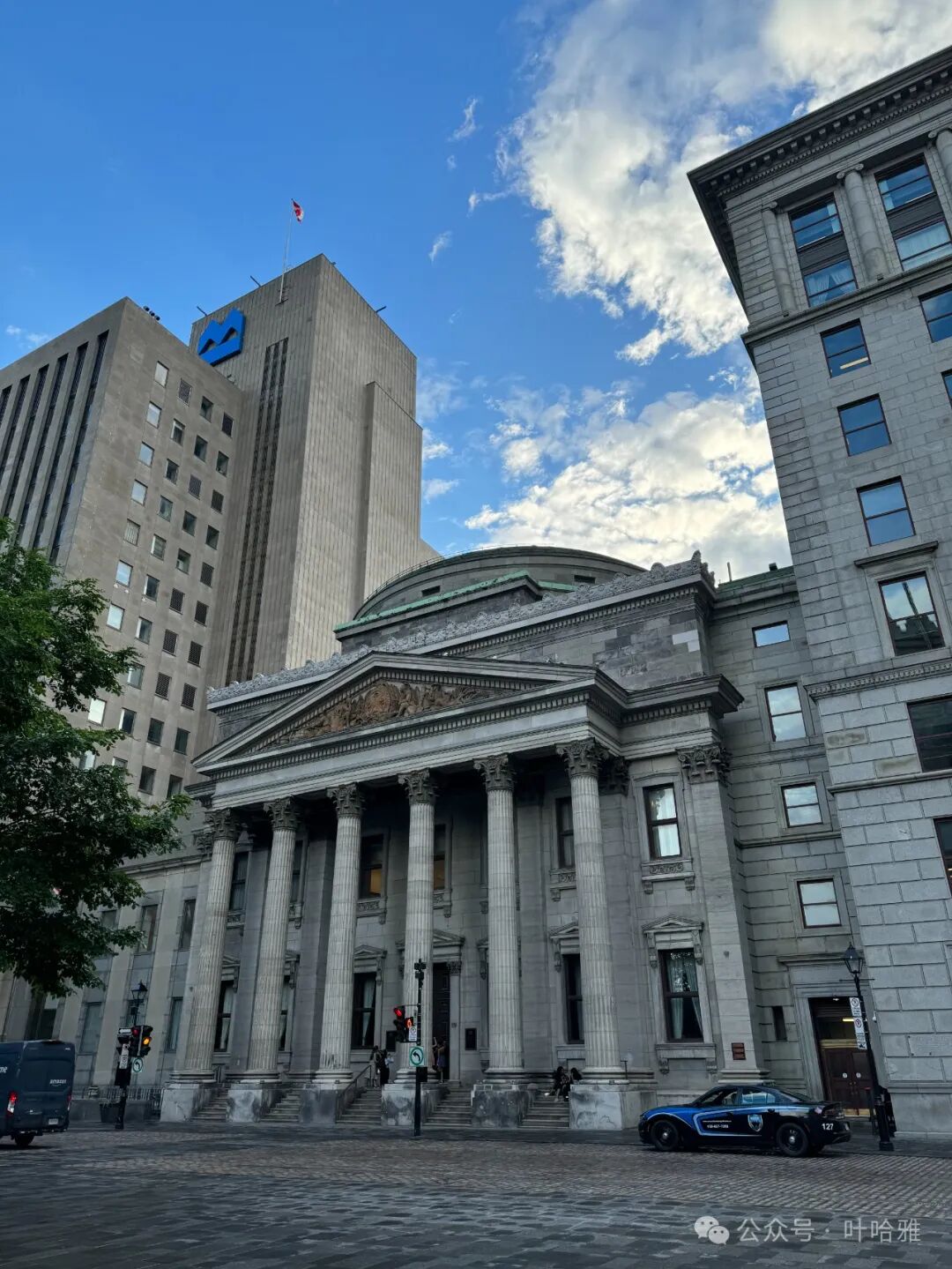
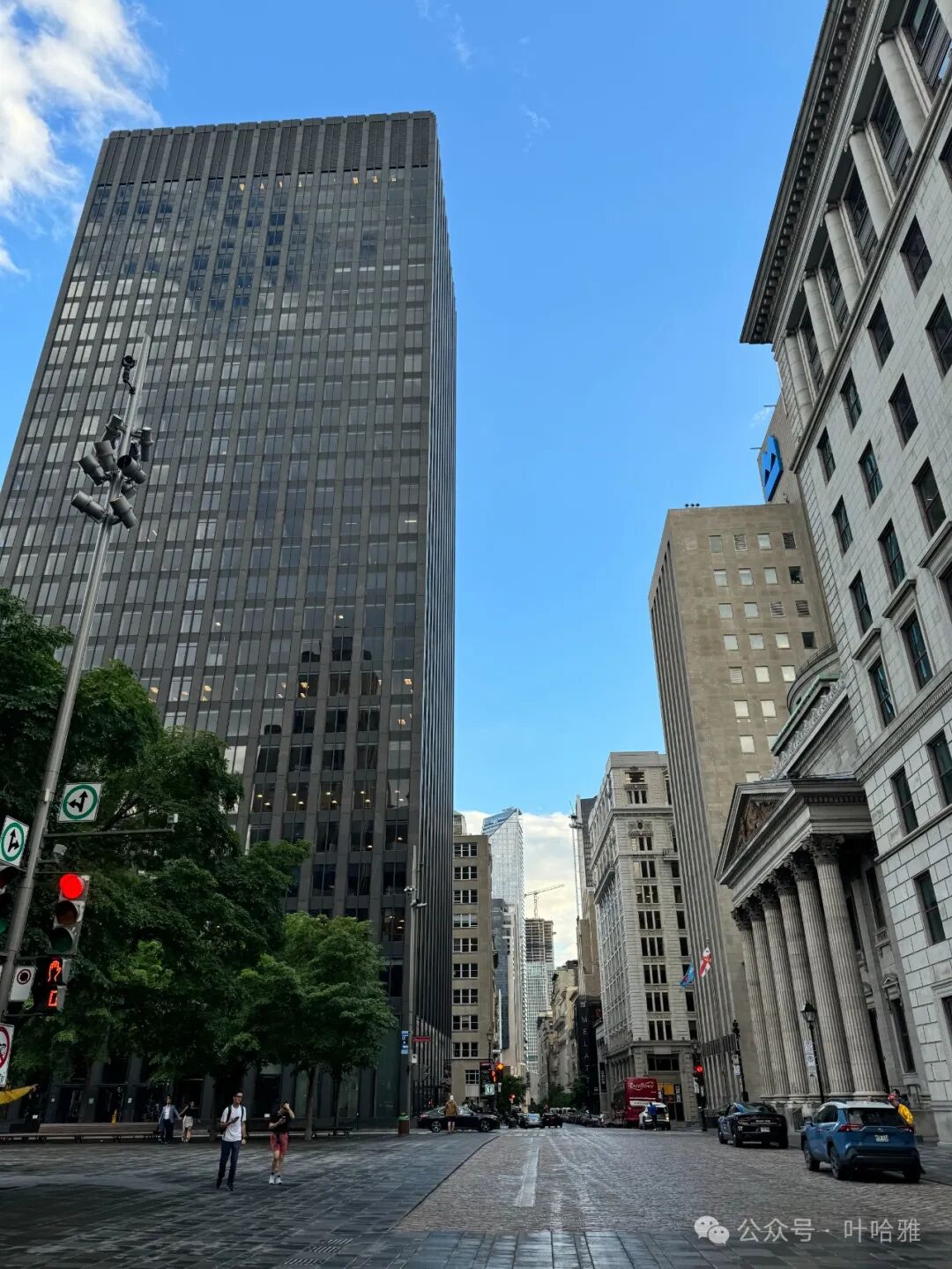
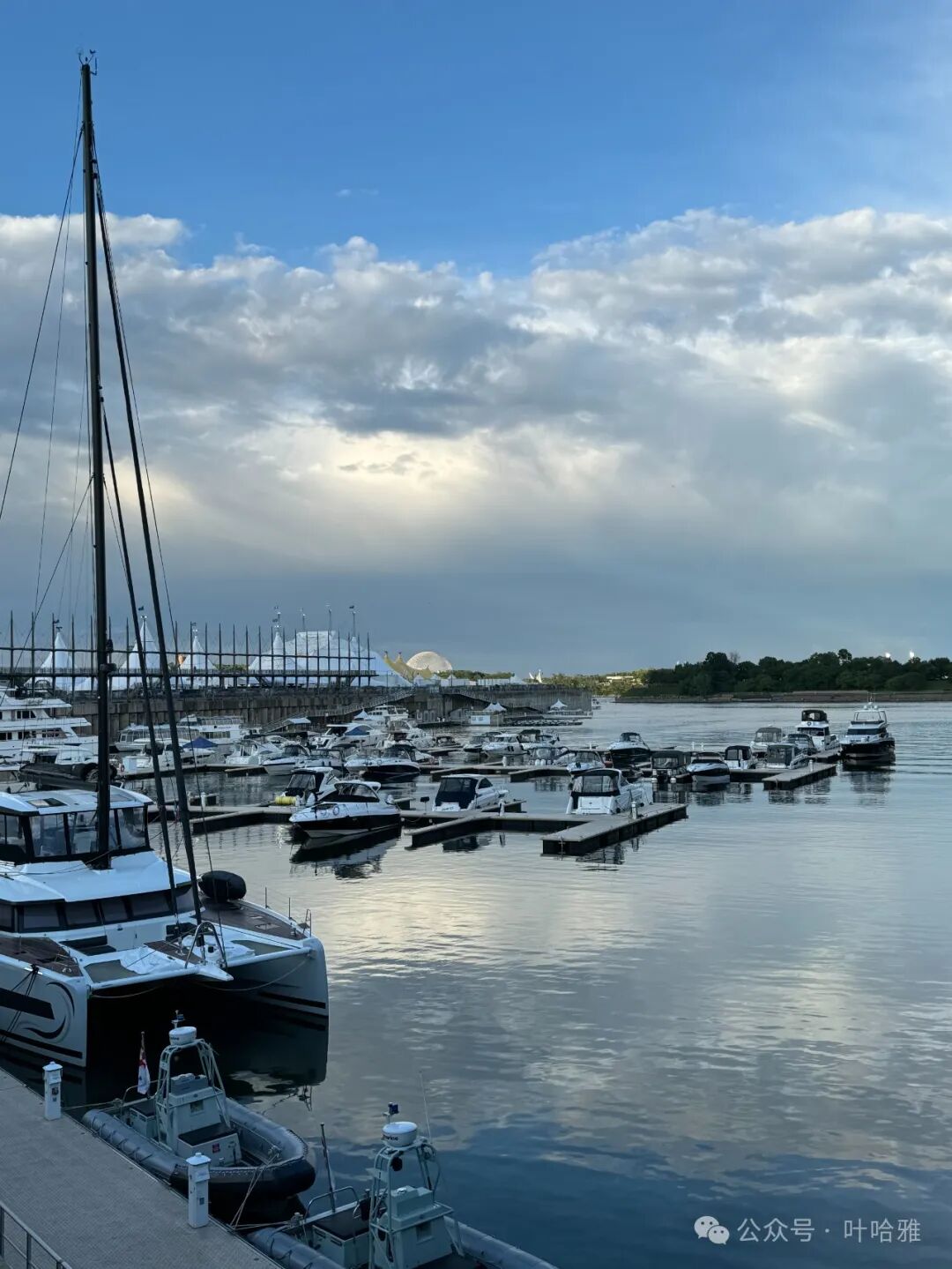
The Old Port of Montreal has great scenery and is perfect for a walk. It used to be a busy trading port, but it has been transformed now.
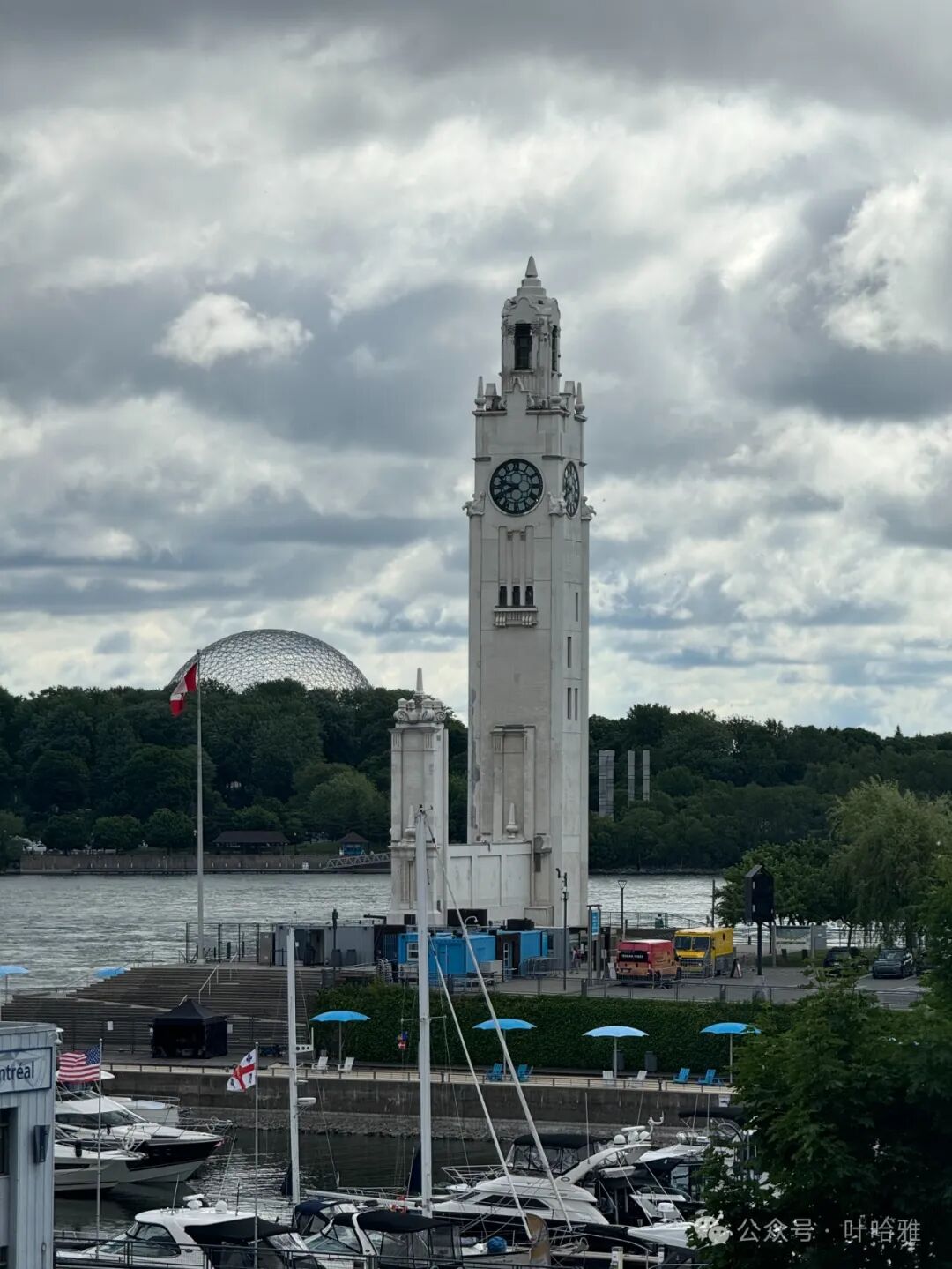
The sphere in the distance is the Montreal Biosphere, which once hosted the Summer Olympics.
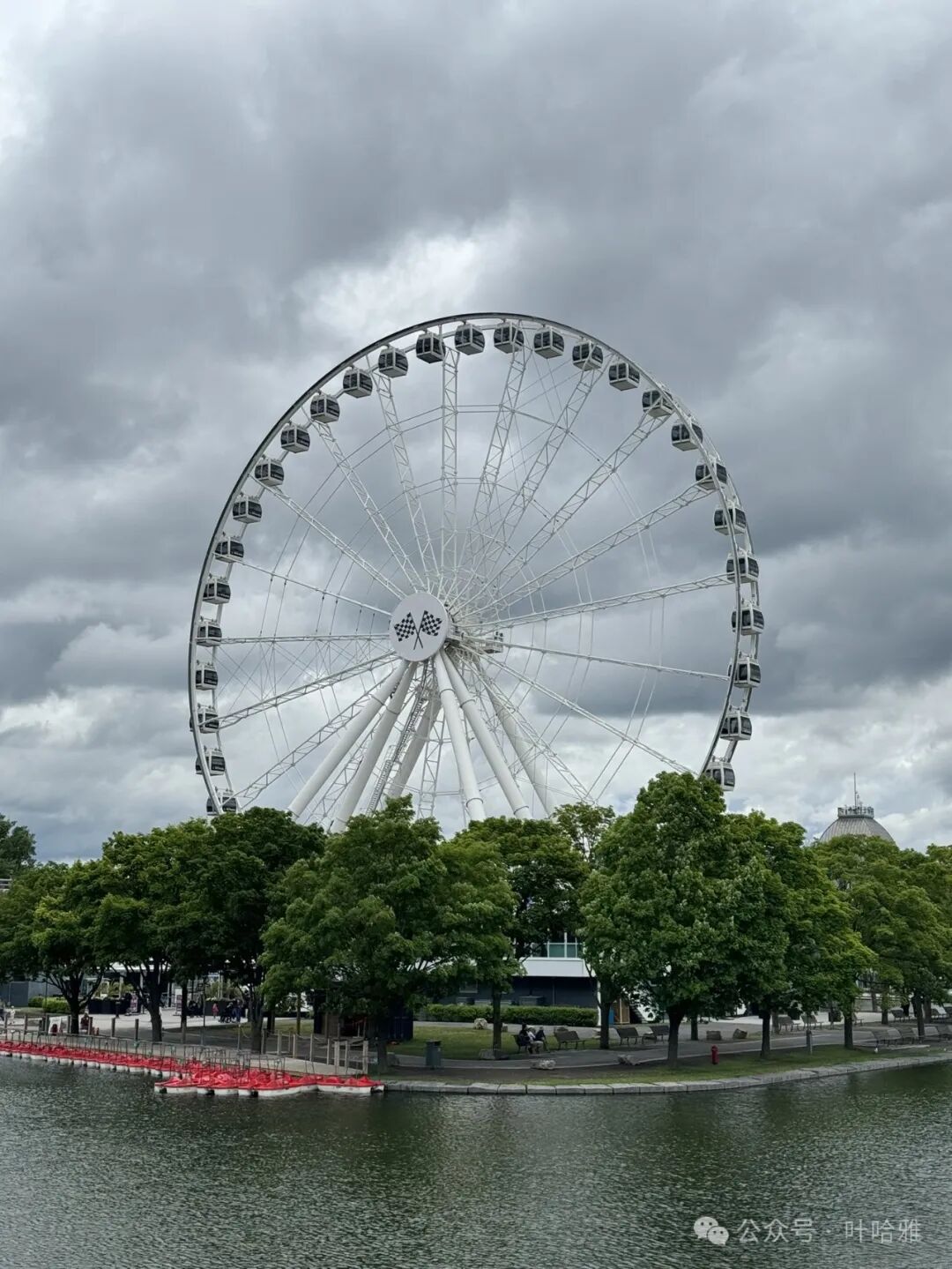
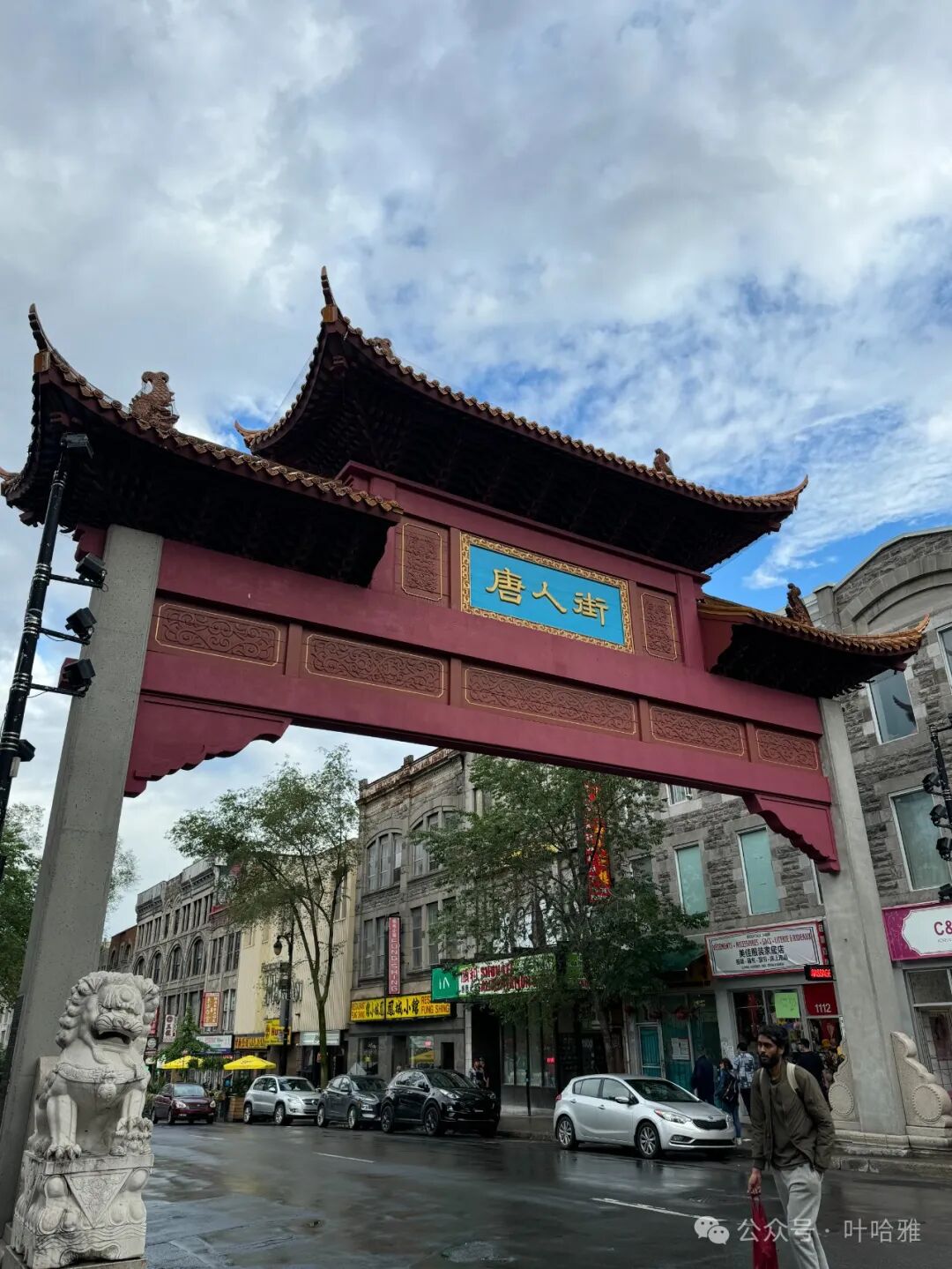
Montreal Chinatown.
Several major Canadian cities have Chinatowns where Chinese people gather.
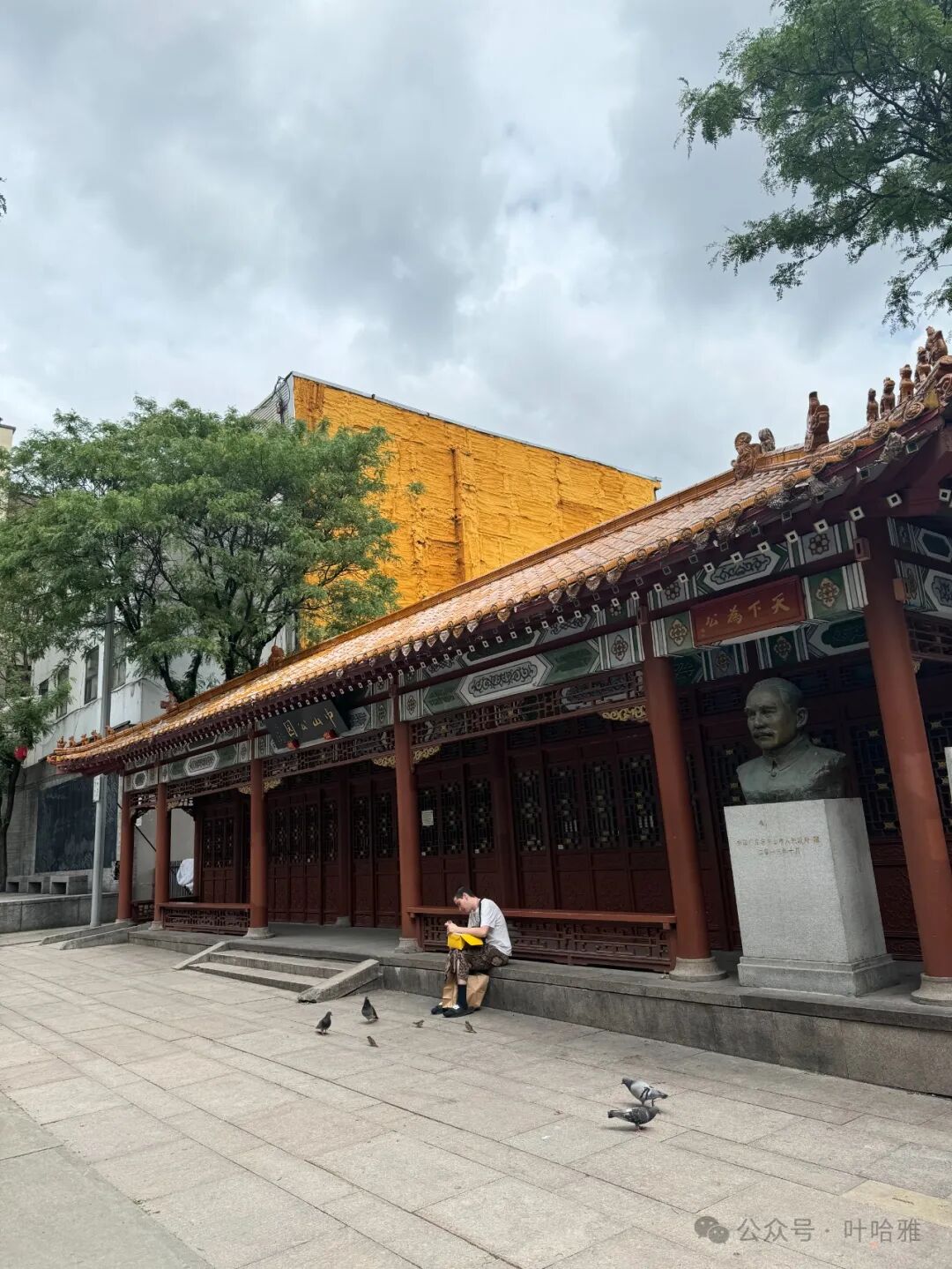
Sun Yat-sen Park in Chinatown.
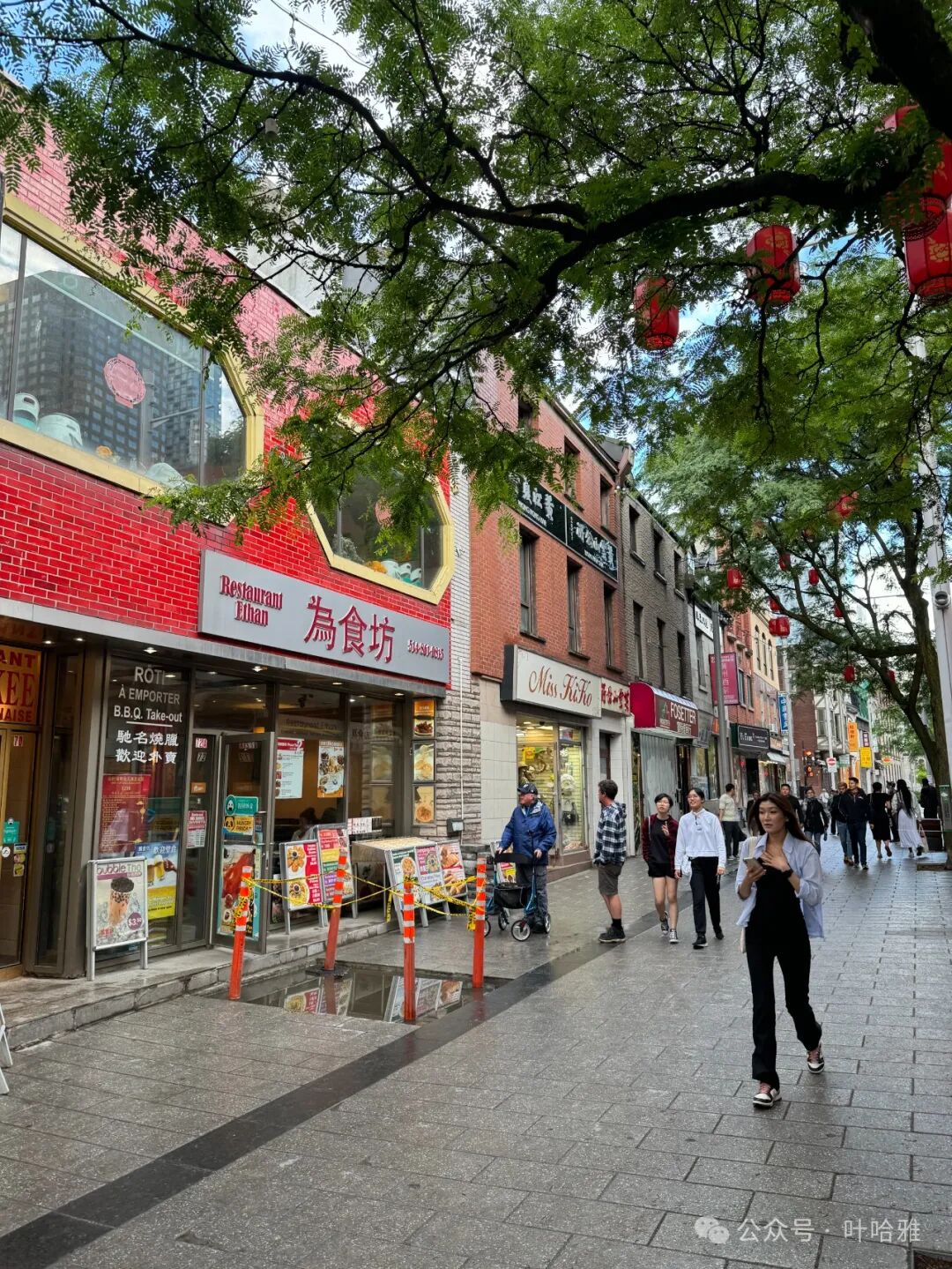
A view of Montreal's Chinatown. I came here looking for a halal restaurant, but there are none.
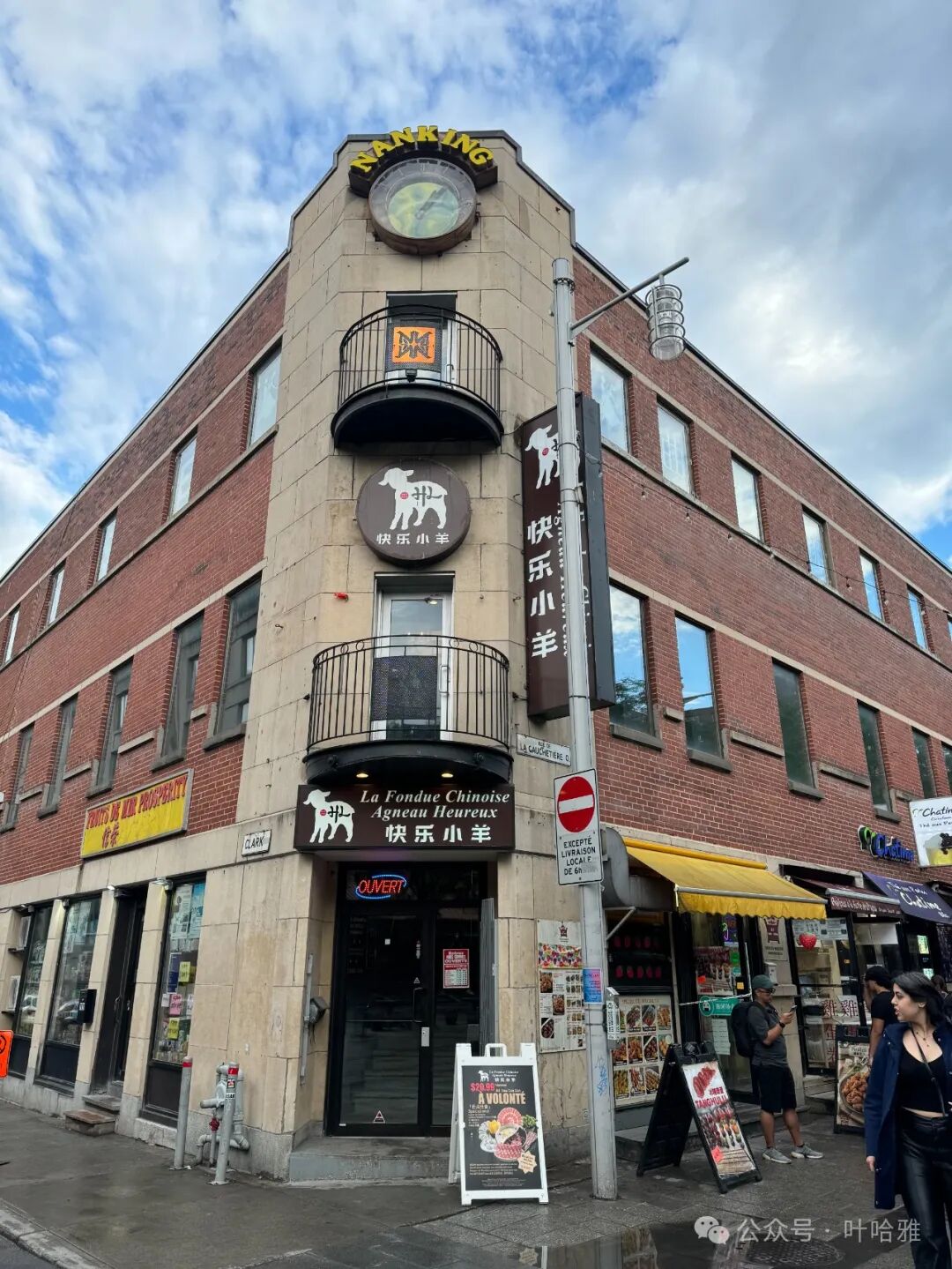
North American Chinatowns don't feel familiar to me. Aside from the Chinese characters on the signs, the streets look more like Fujian or Guangdong. Most of the Chinese people here have roots in those provinces, and you hear a lot of Cantonese on the street.
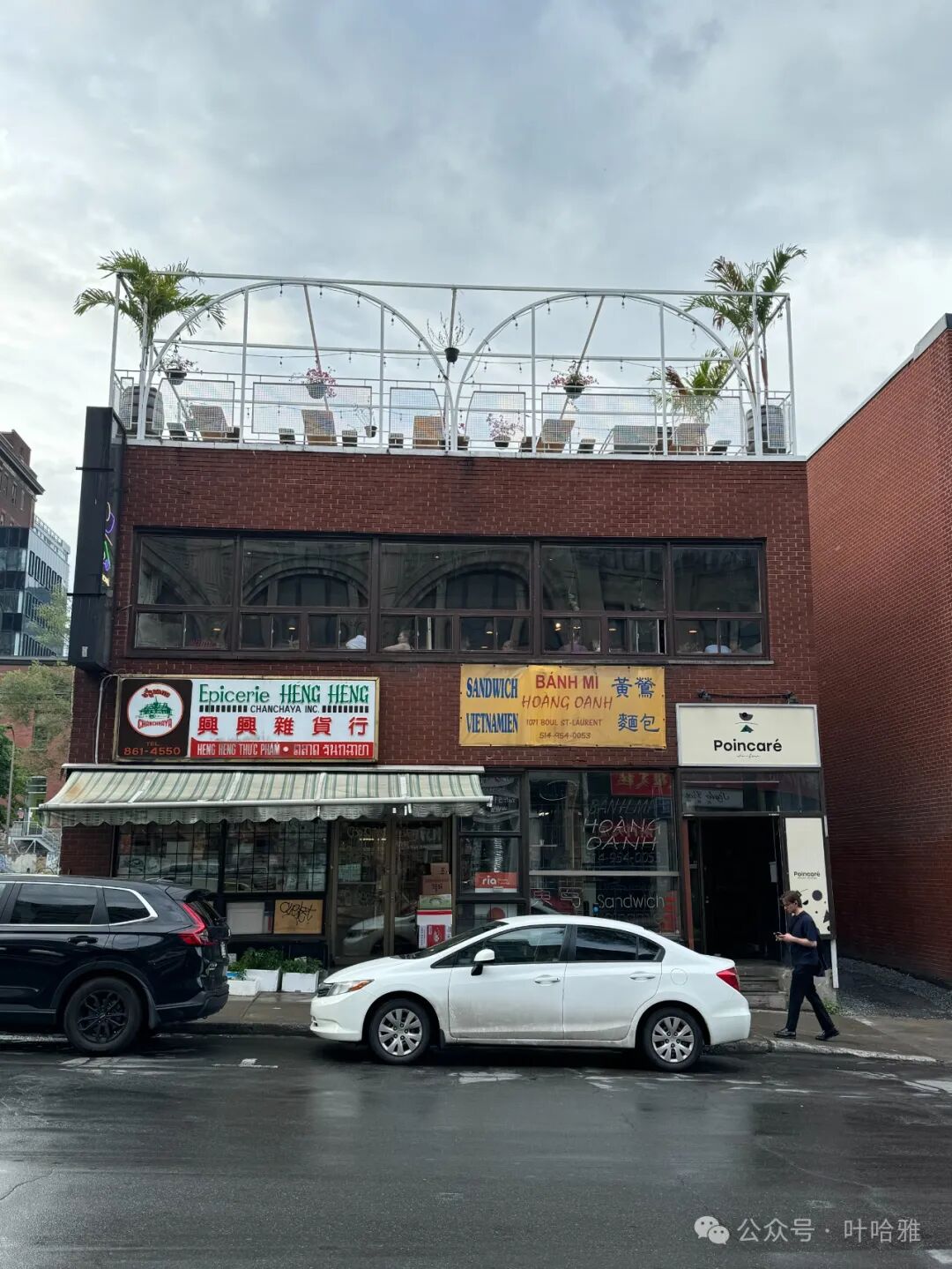
Most Chinese tourists here are from Taiwan, and people from mainland China are rare.
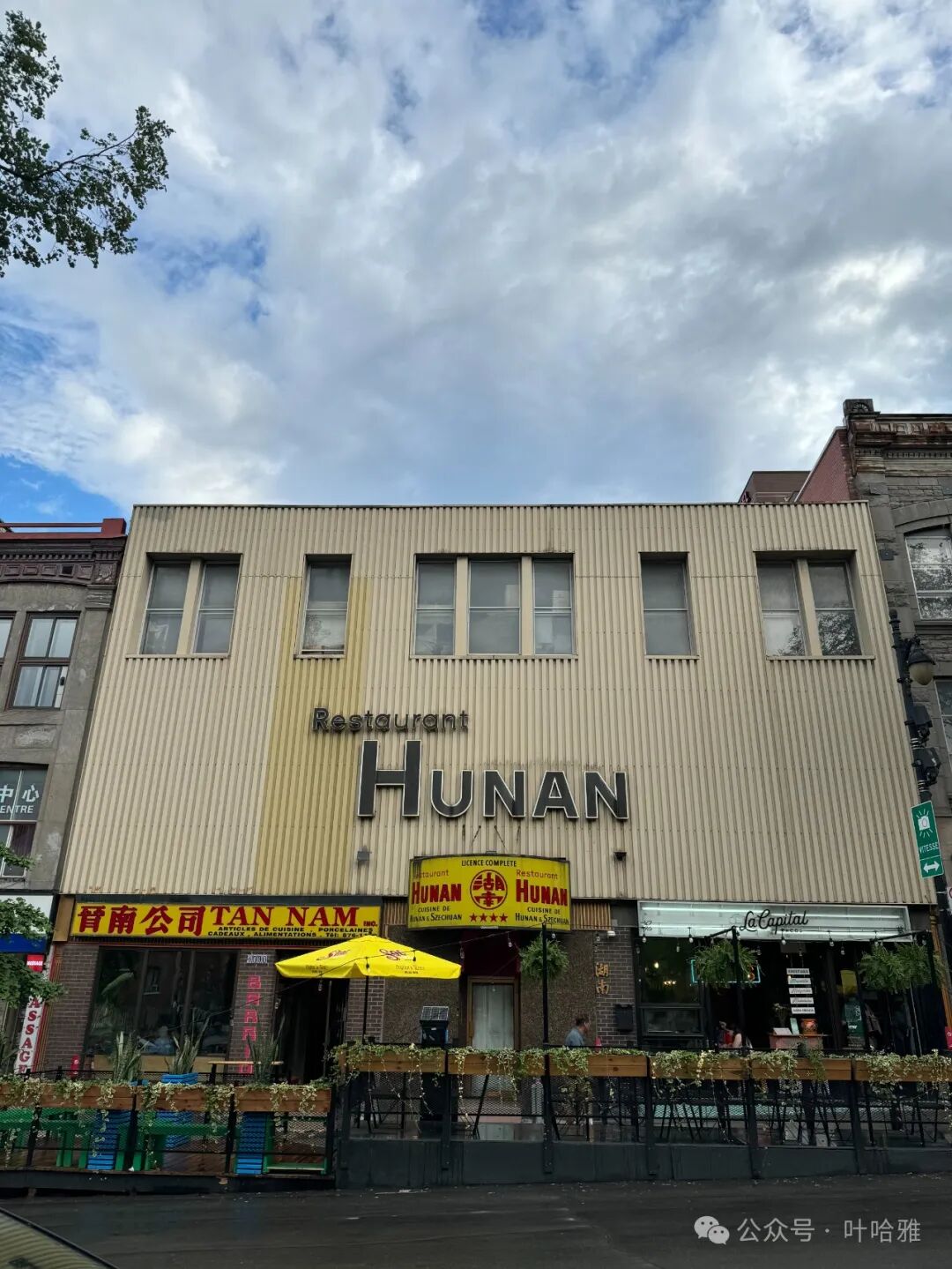
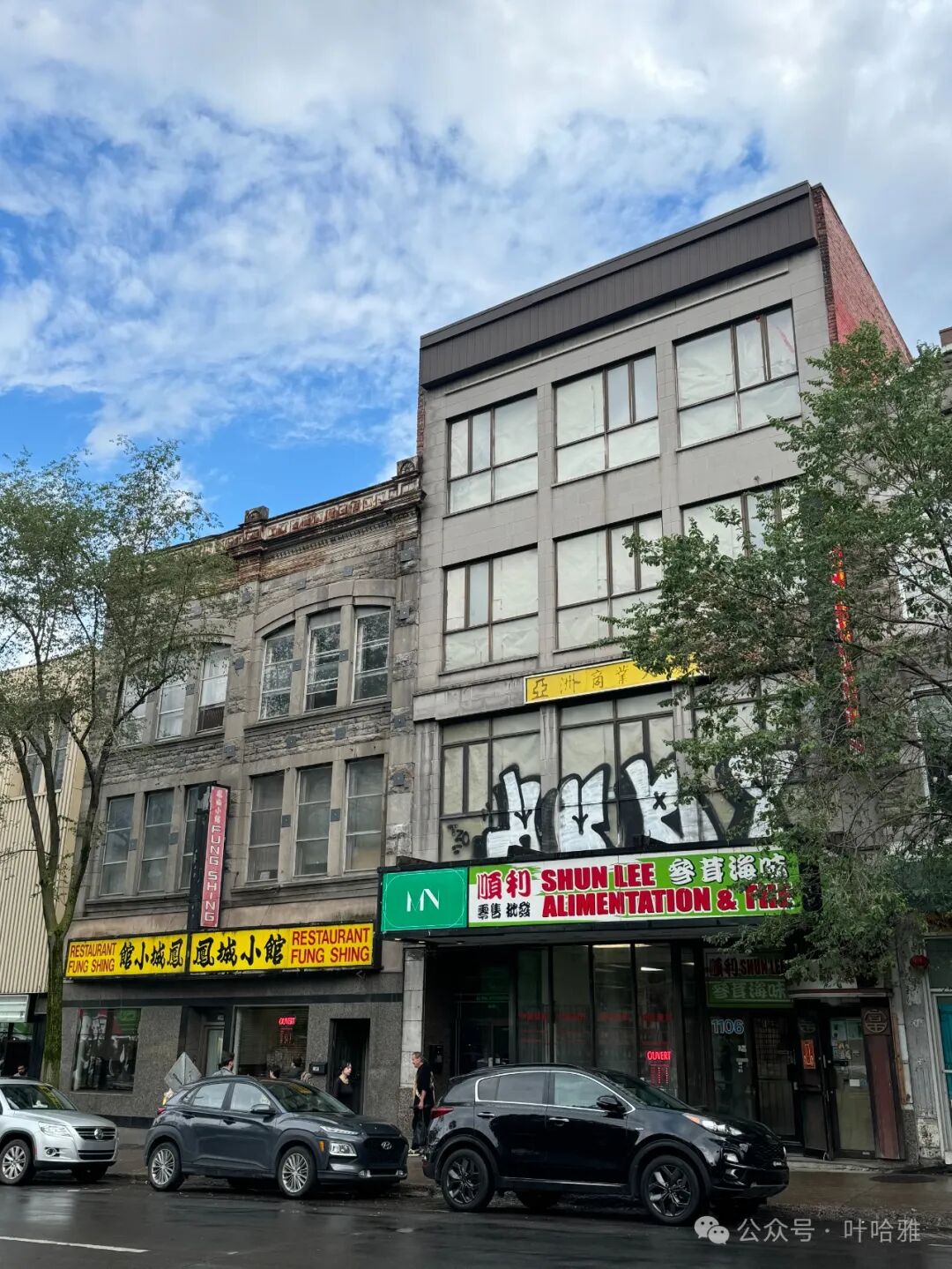
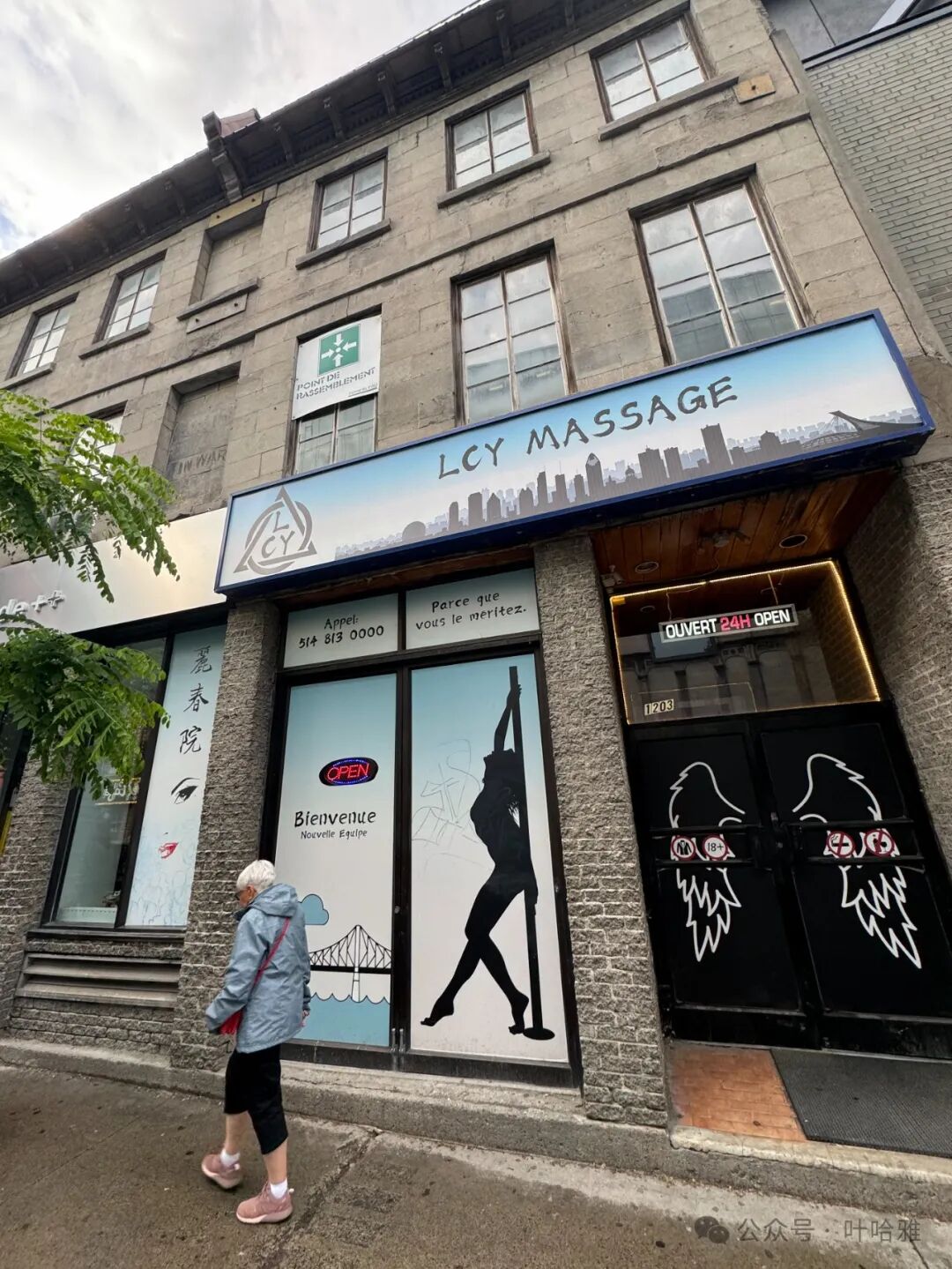
Lichun Pavilion in Chinatown.
Lichun Pavilion doesn't look like a proper massage parlor.
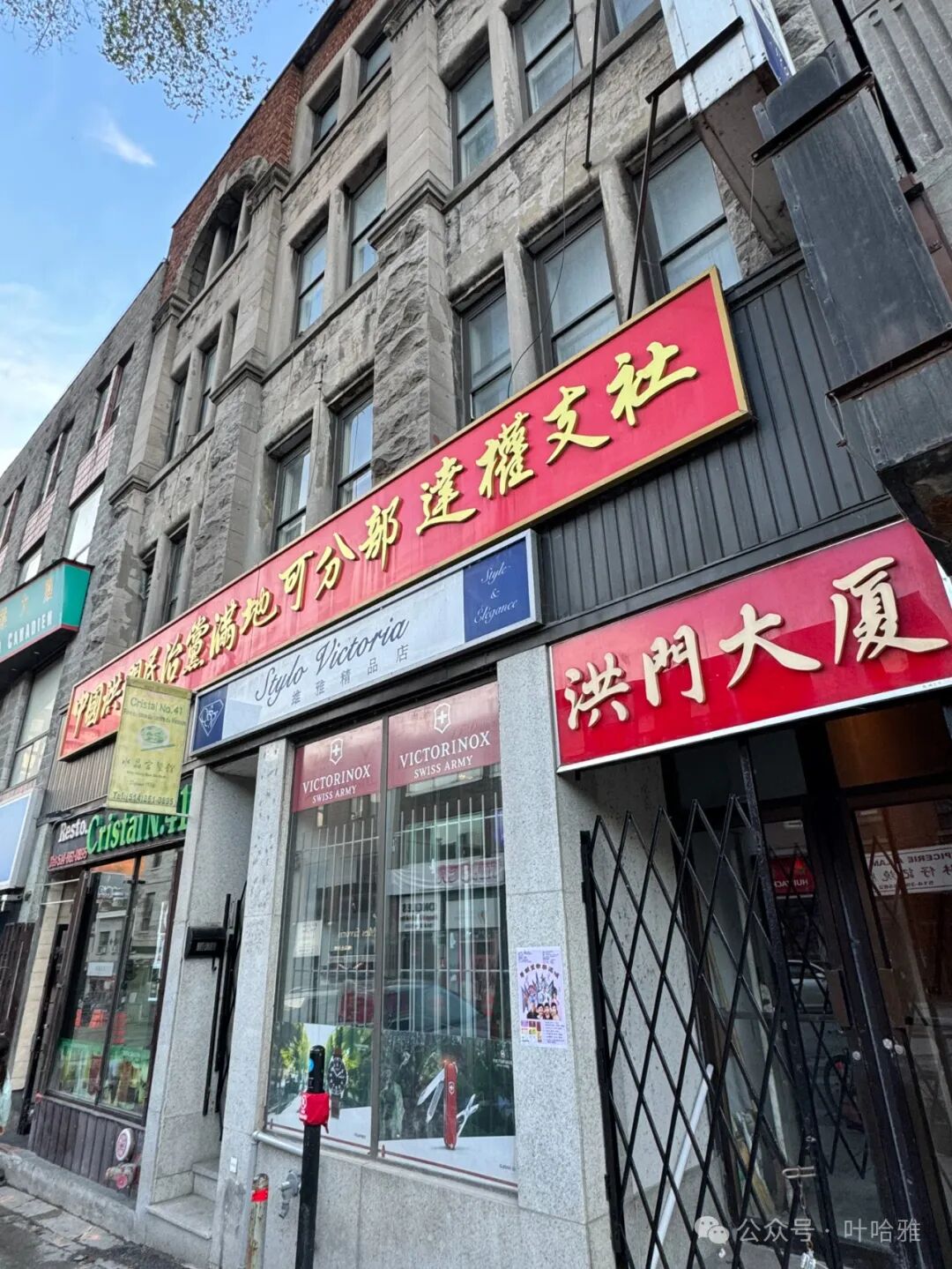
Hongmen Building.
The Hongmen society started in the late Qing Dynasty and early Republic of China era. Mandi-ke is the Cantonese transliteration for Montreal, and the Hongmen Montreal branch has been around for over a hundred years.
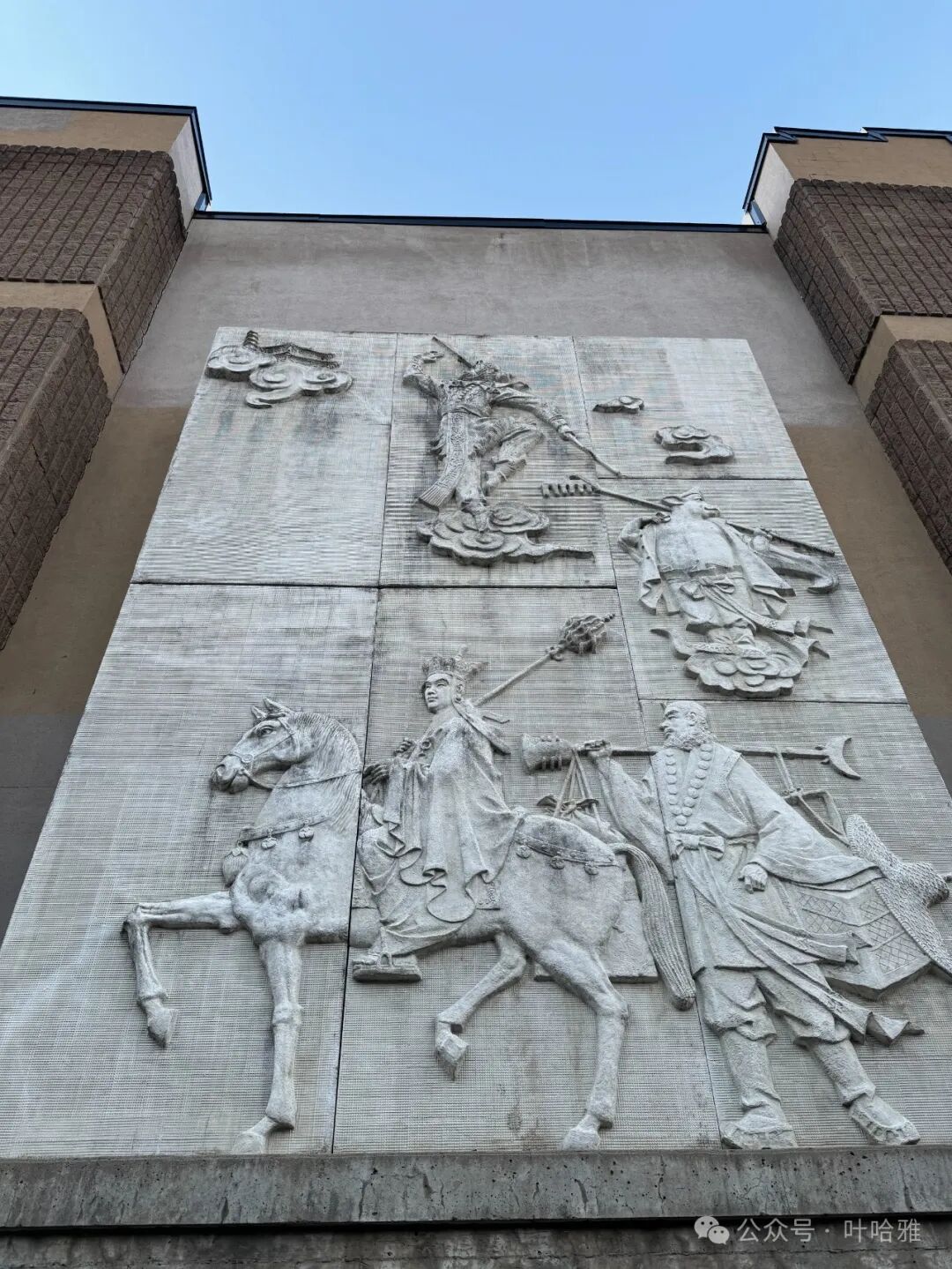
A mural in Chinatown showing the four main characters from the Journey to the West.
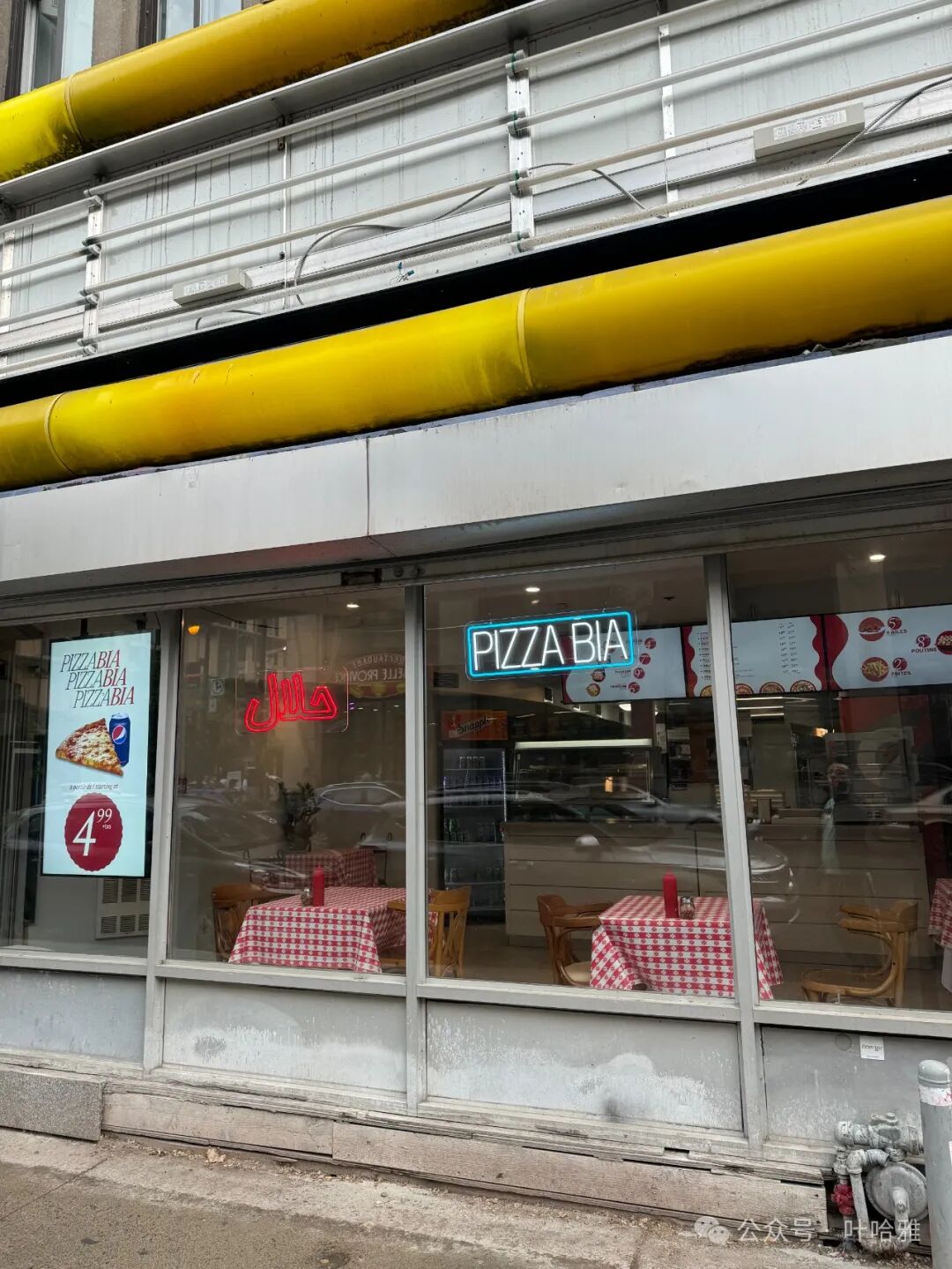
PIZZA BIA
This shop is the closest halal pizza fast food place to Chinatown, and this type of small shop is one of the most common halal restaurants in Montreal.
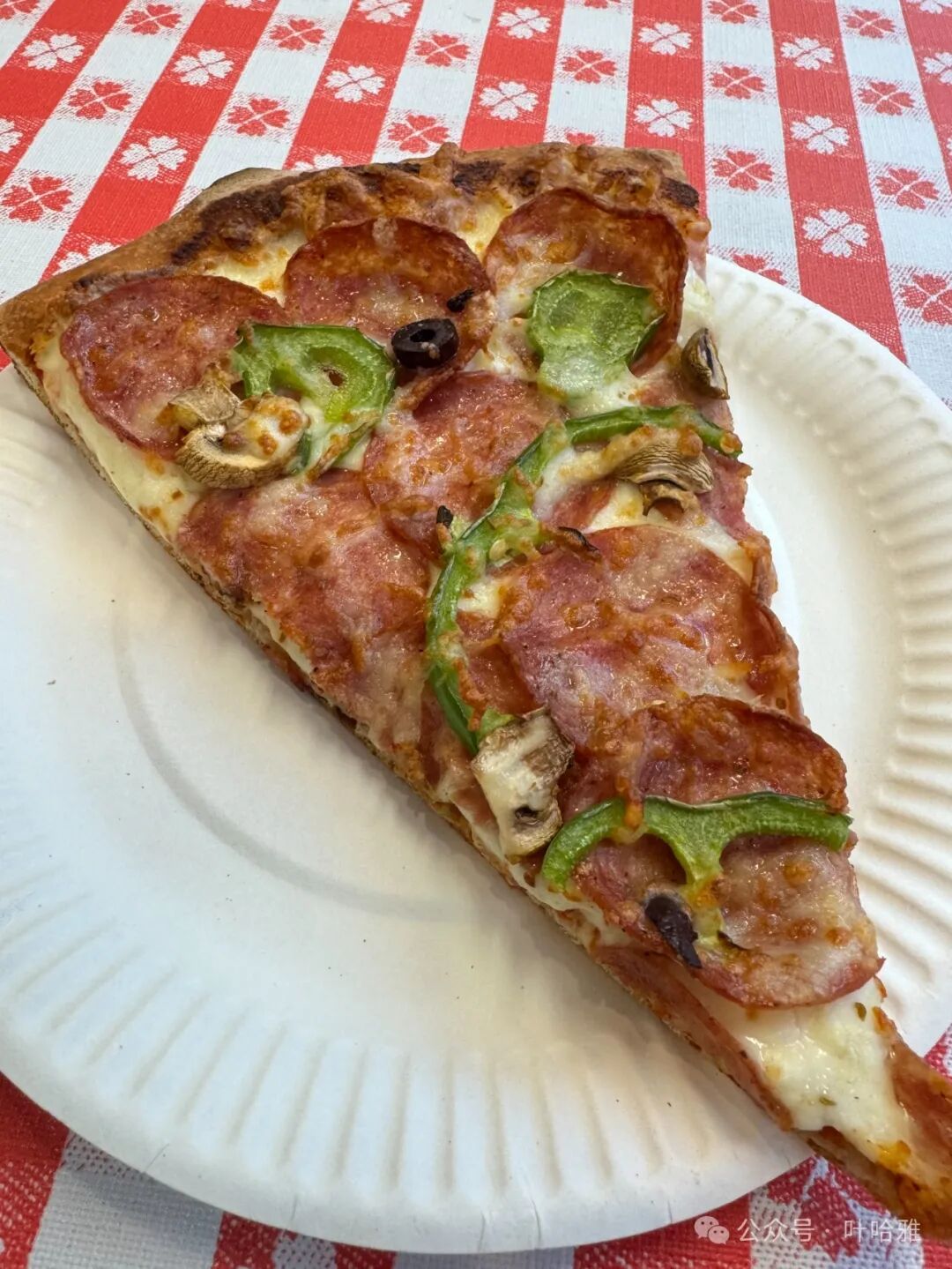
The shop sells pizza, and you can buy it by the slice.
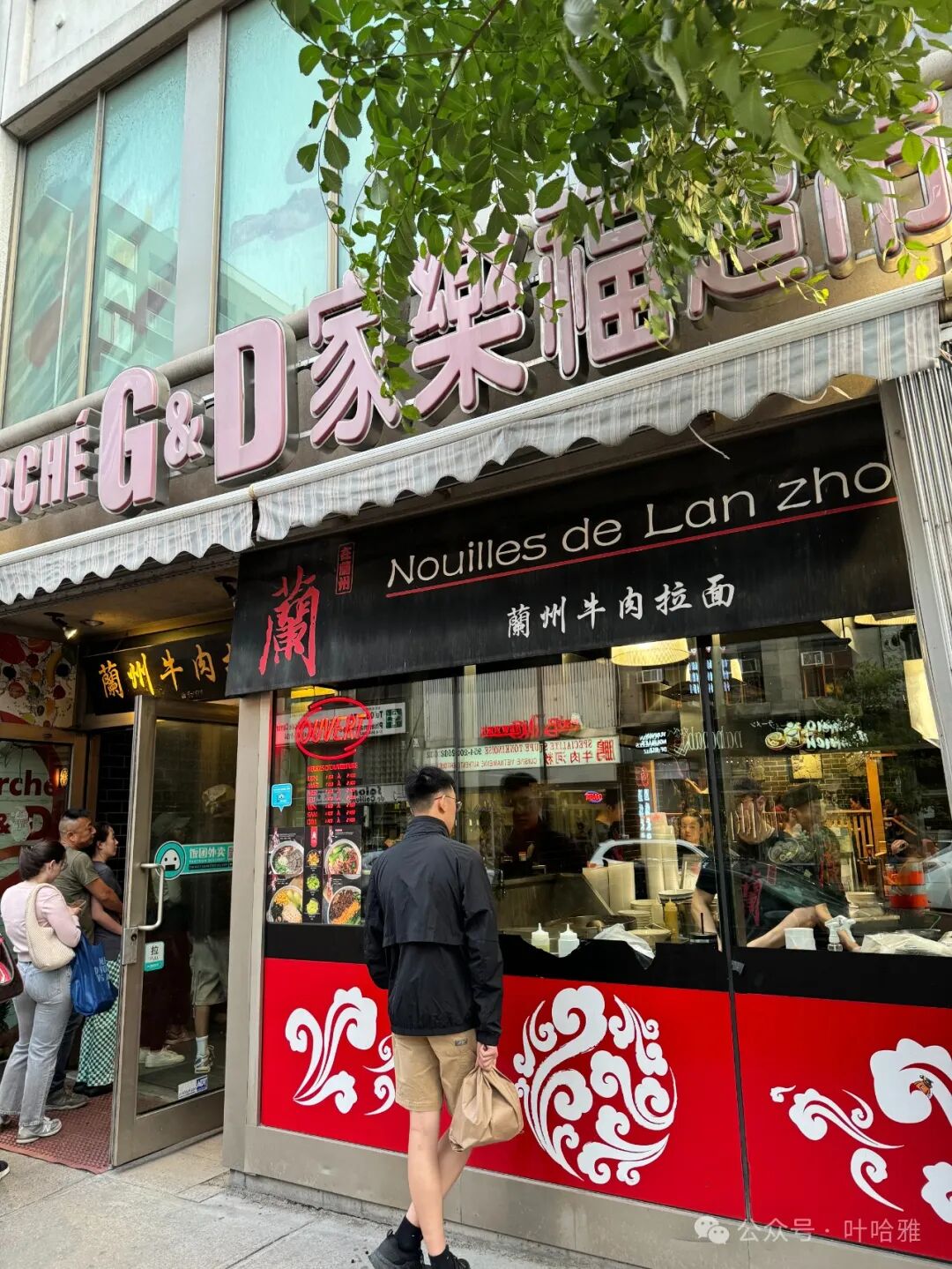
The Lanzhou hand-pulled noodle (Lanzhou lamian) shop in Chinatown is not halal, but it is very busy with a line at the door. In Canada, Lanzhou hand-pulled noodles have become a rare treat.
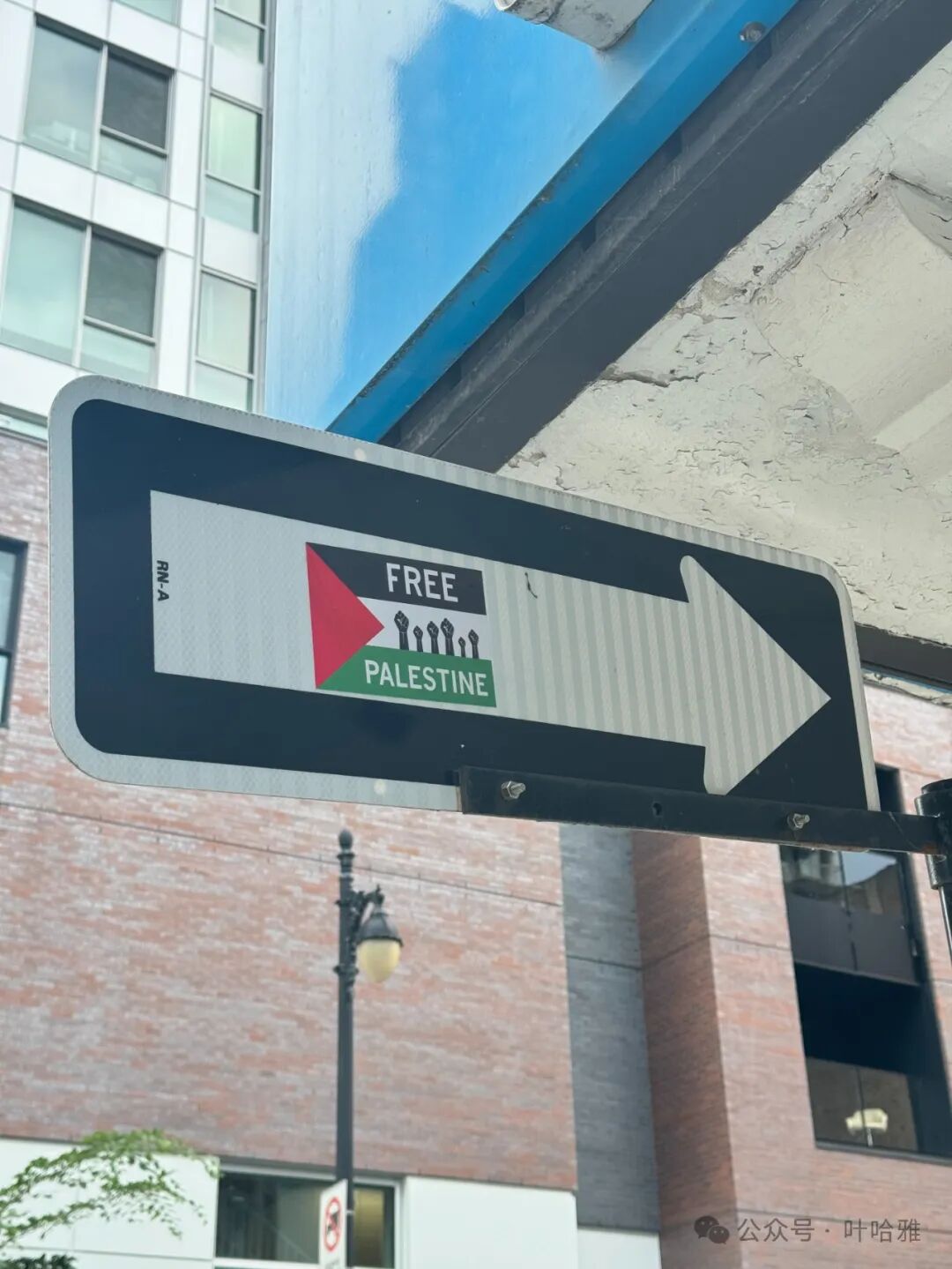
A street sign says Free Palestine. During this trip to Europe and America, I saw large-scale protests supporting Palestine at universities in major cities.
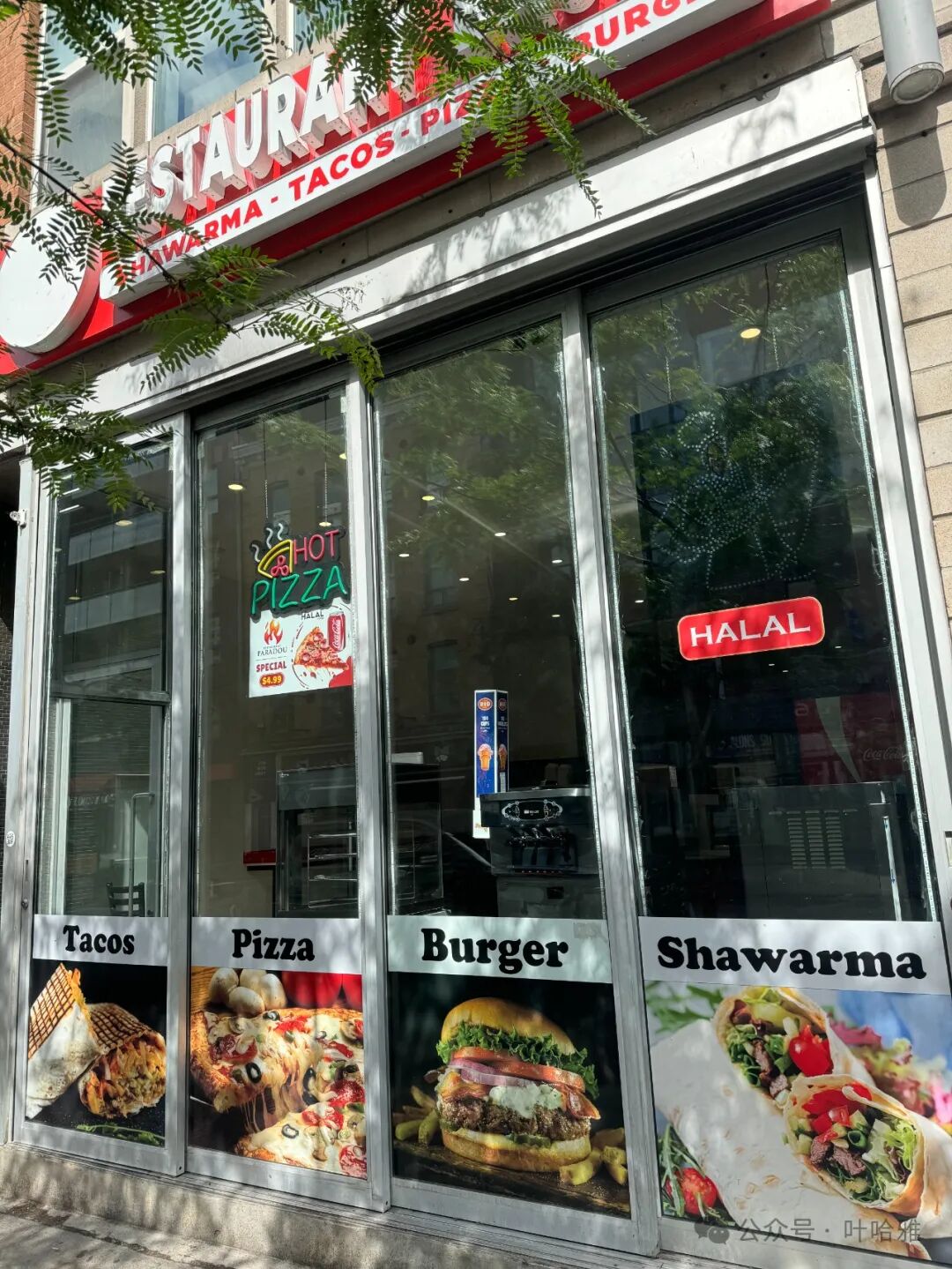
There are many halal restaurants around the old town of Montreal, and you can see them everywhere. Because this is a French-speaking area, many residents come from France. France has a Muslim population of nearly ten percent, and with immigrants from former French African colonies, Montreal naturally has many French-speaking Muslims.
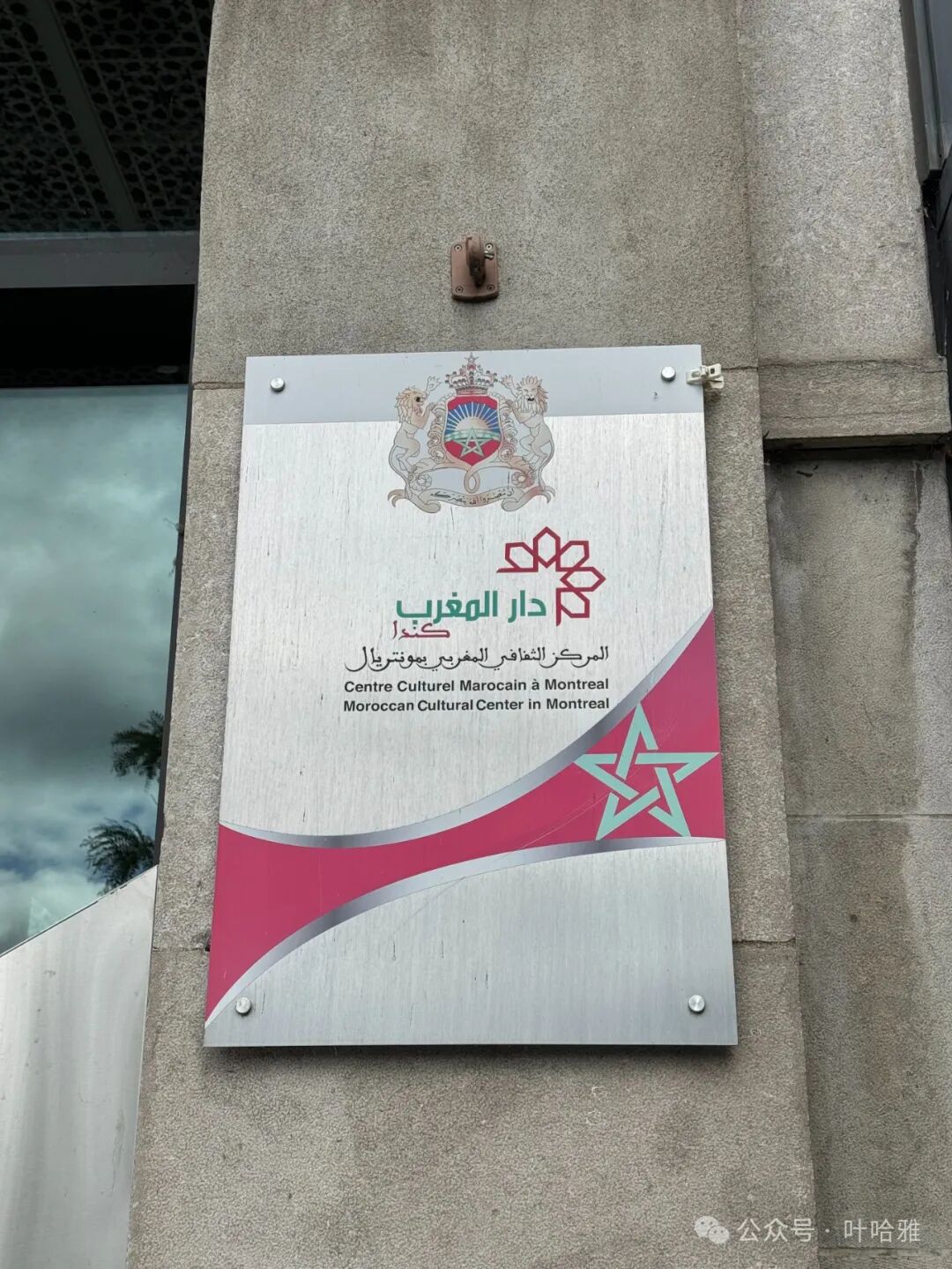
The Moroccan Cultural Center in Montreal.
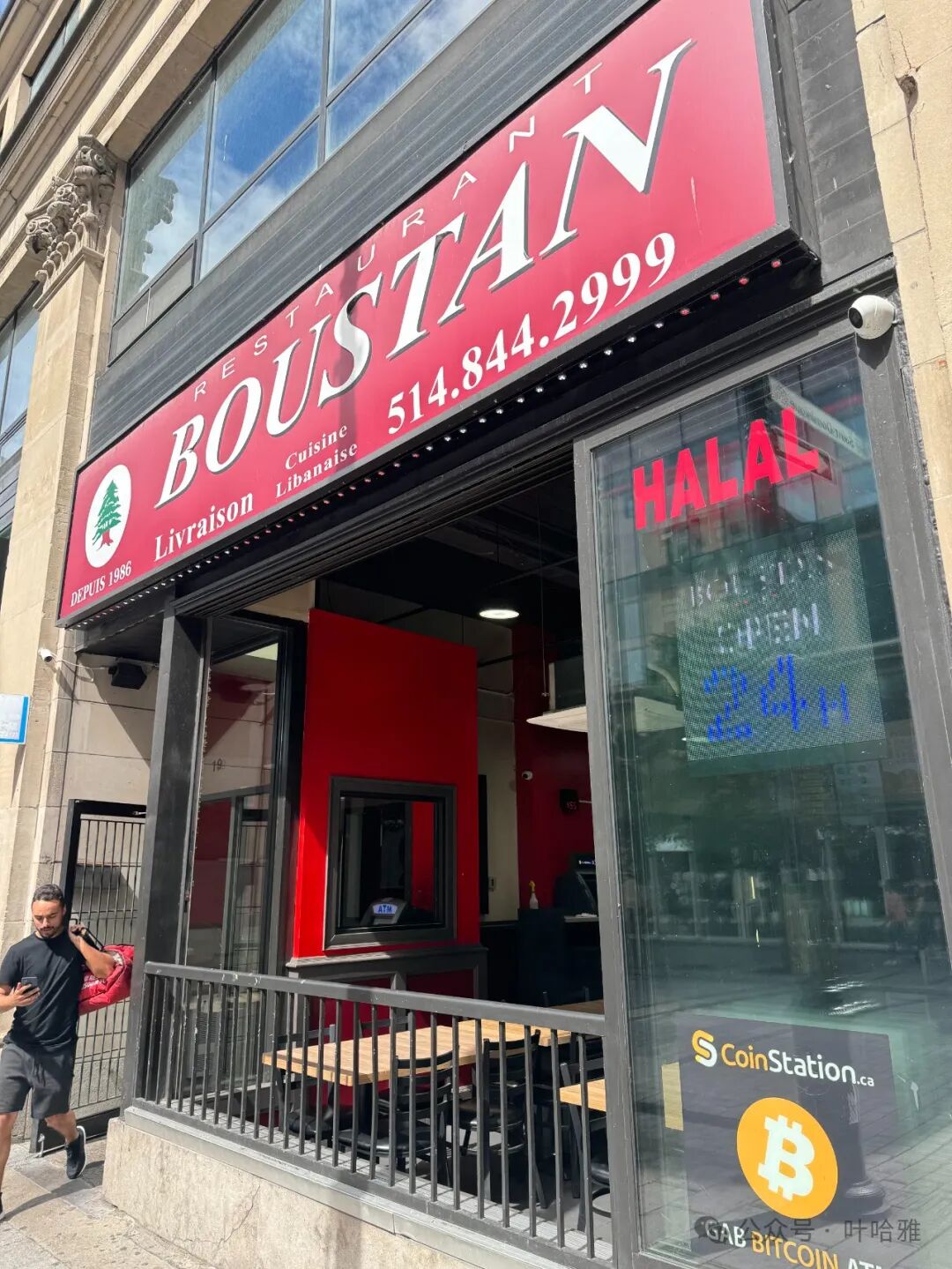
Lebanese restaurant.
Whenever I see that tree, I naturally think of the cedar, the symbol of Lebanon that originates from the Bible.
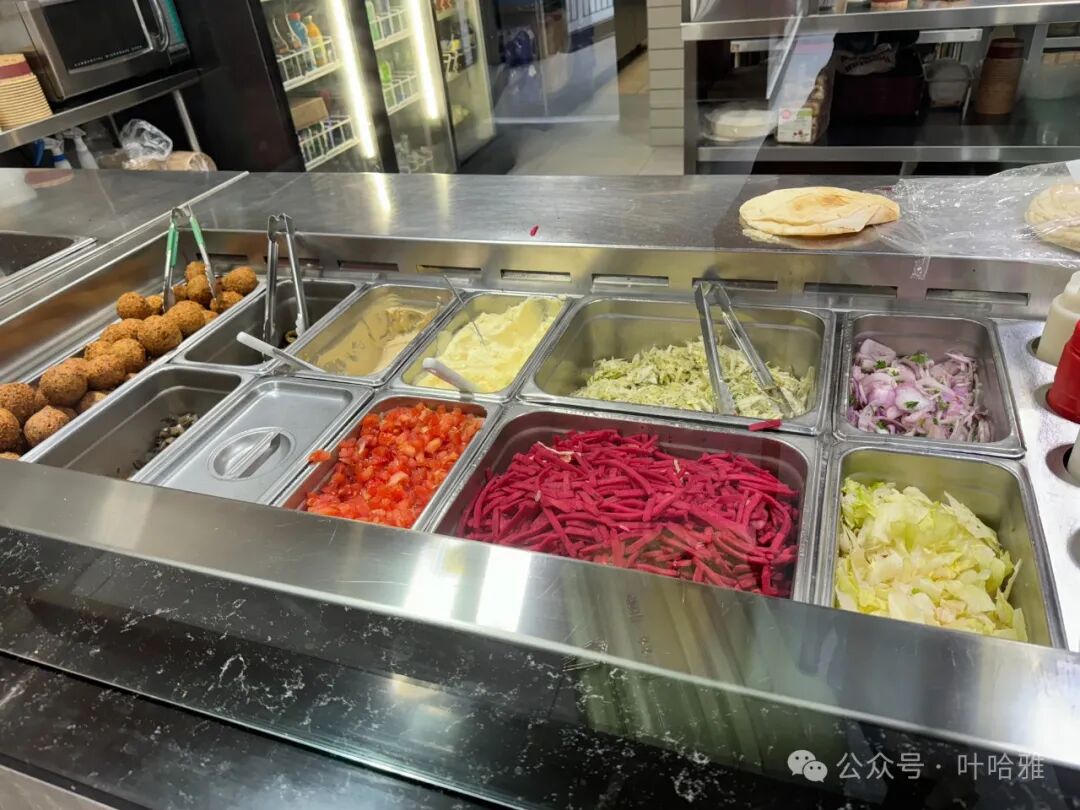
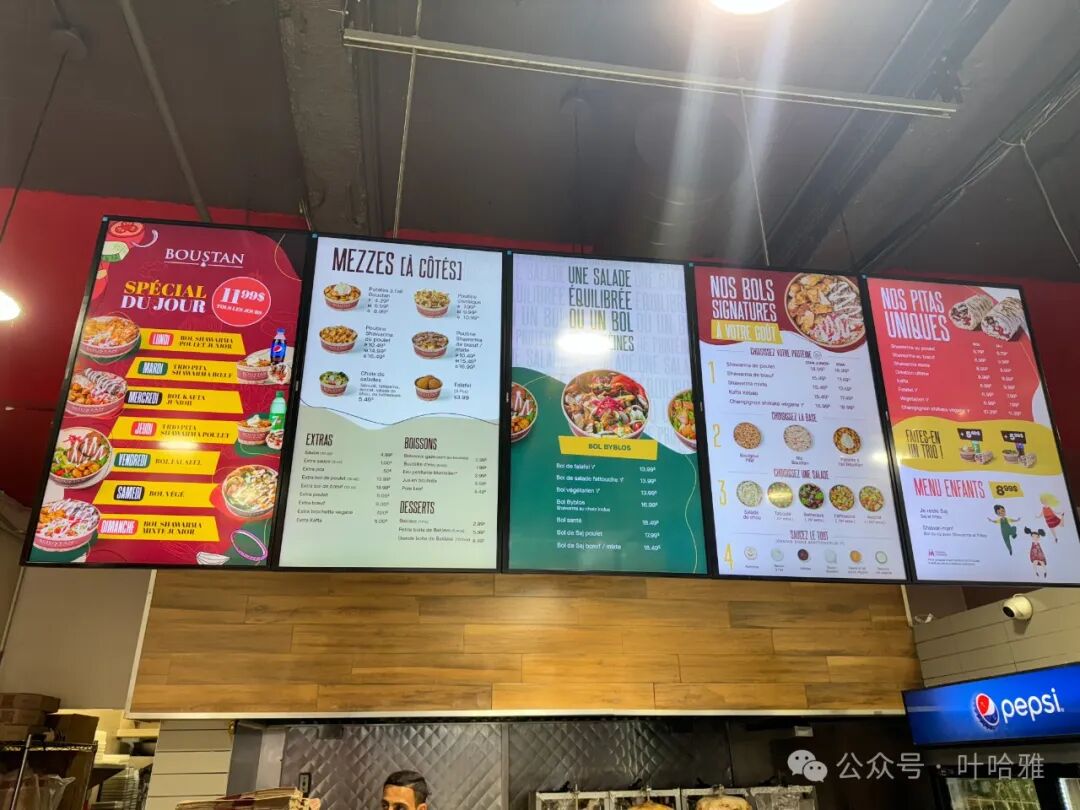
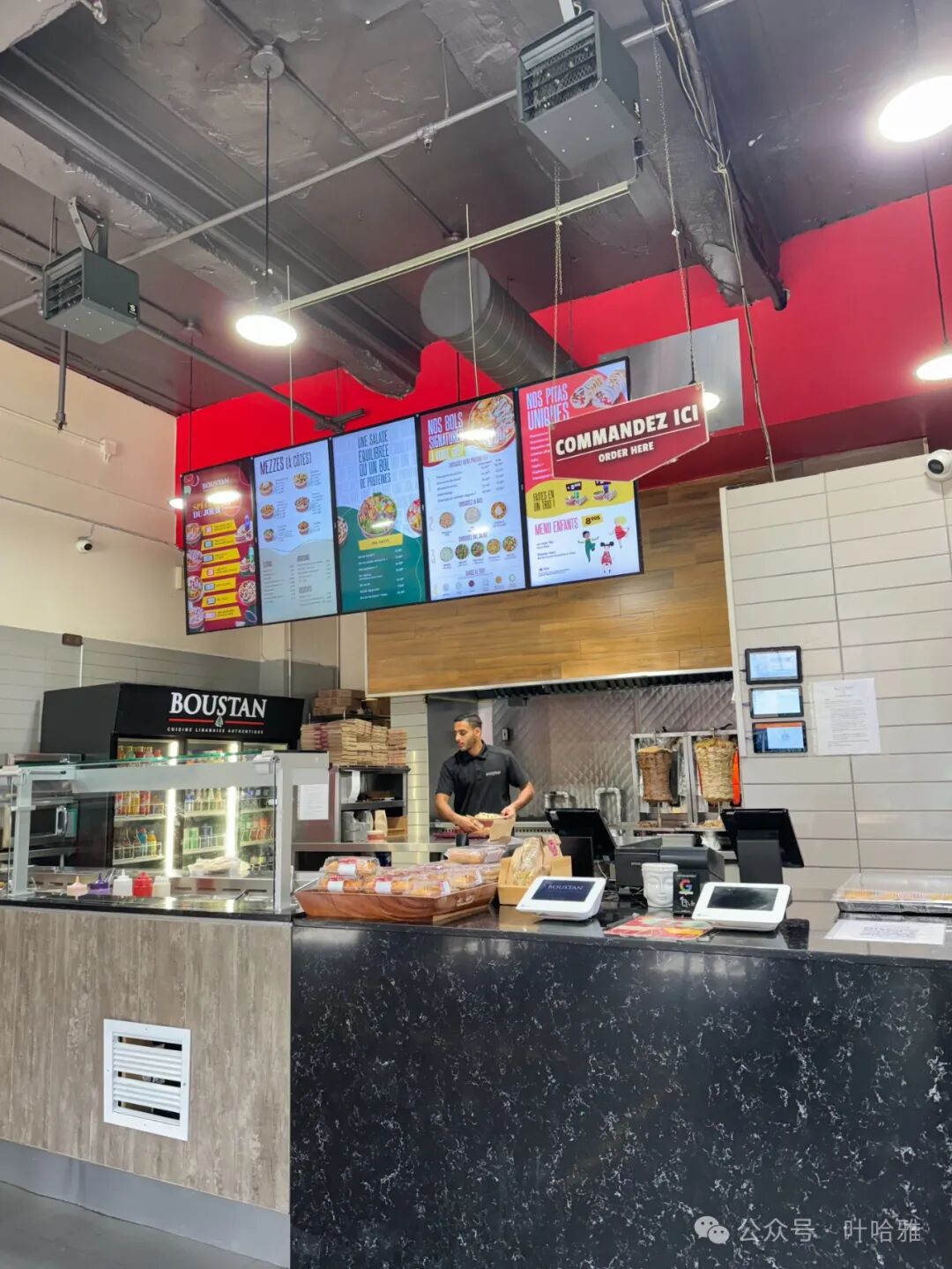
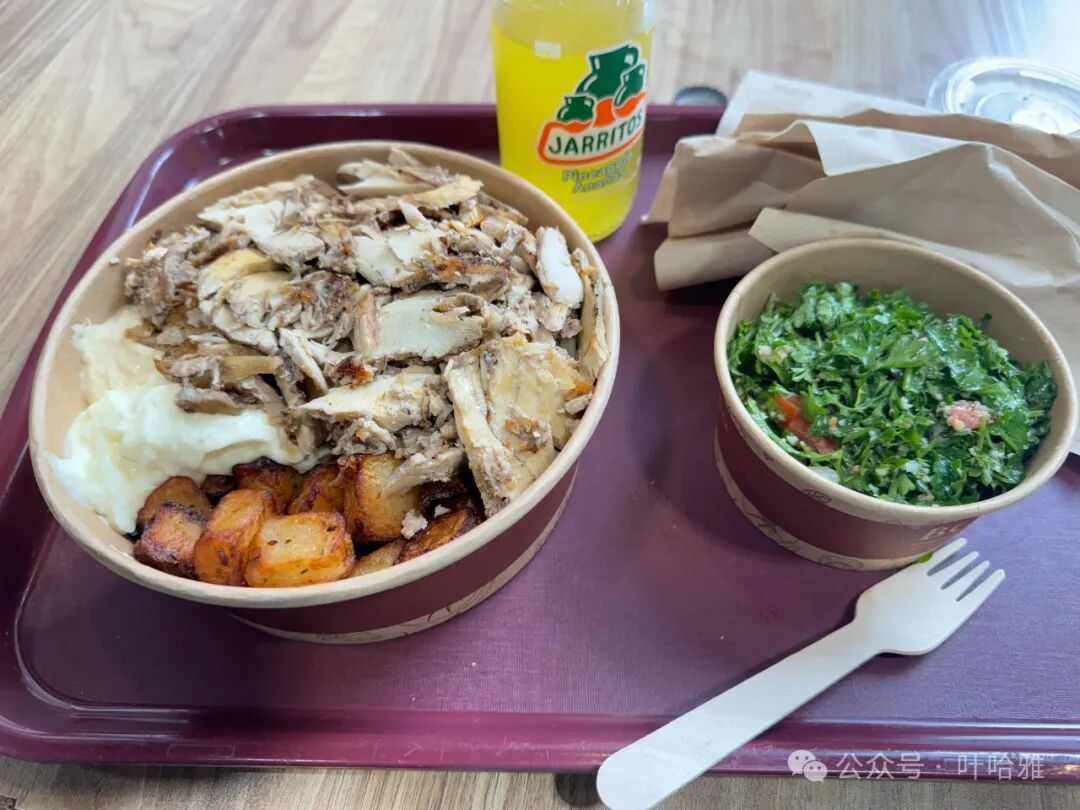
A chicken shawarma bowl from a Lebanese restaurant, with a side of tabbouleh salad and a bottle of pineapple soda.
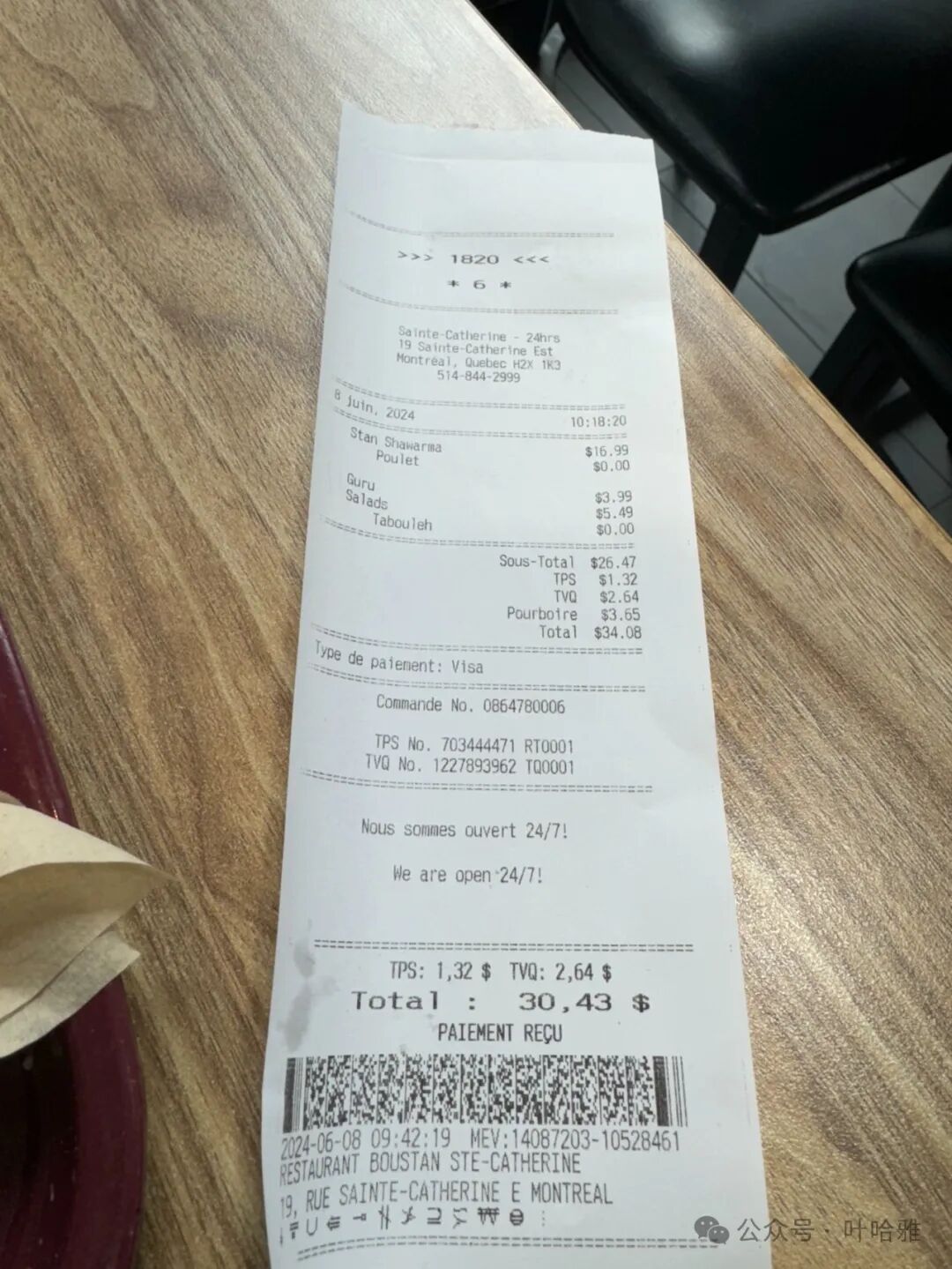
This simple meal cost 30.43 Canadian dollars, which is equivalent to over 200 RMB. This is the daily price level in North America.
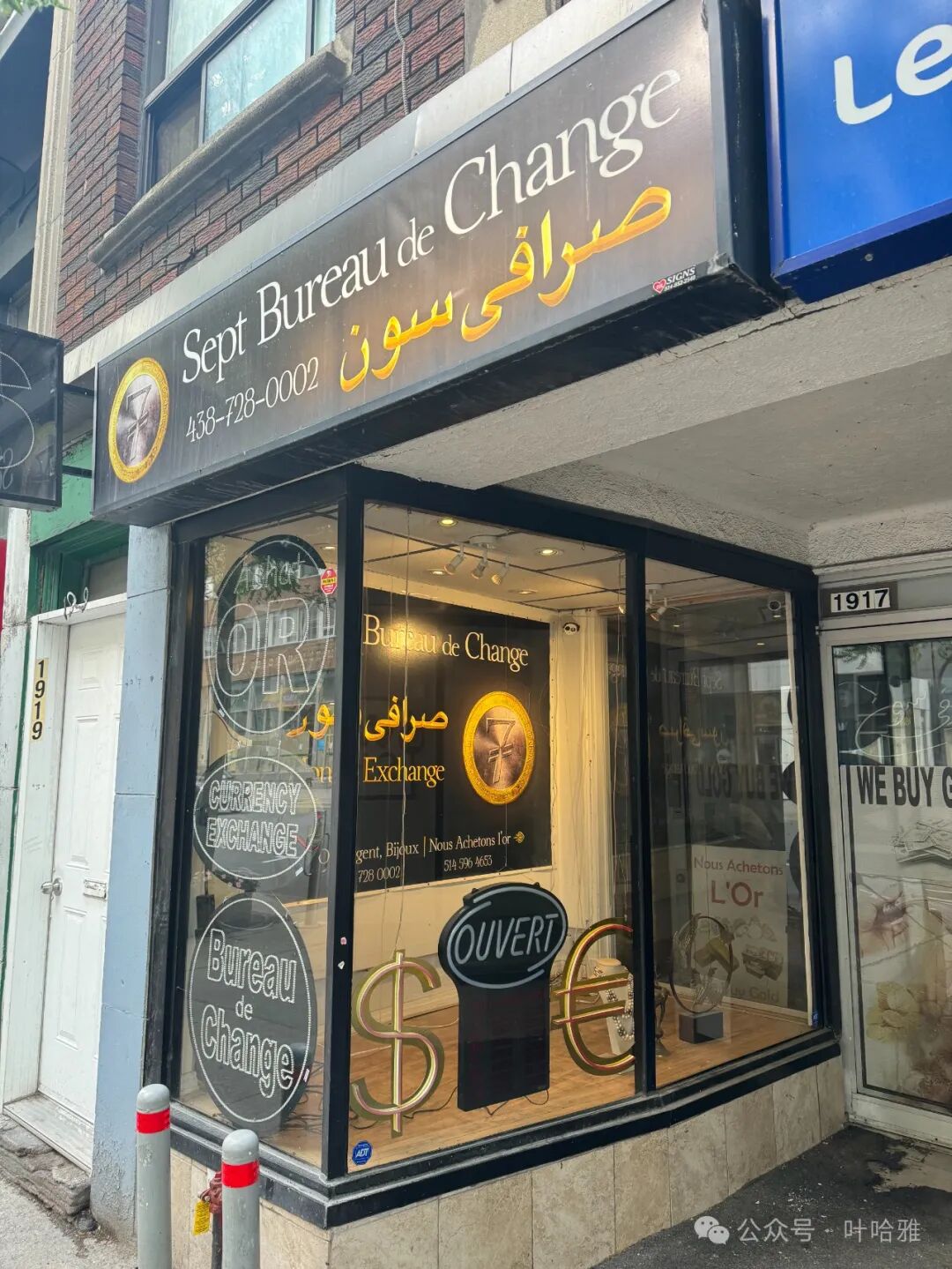
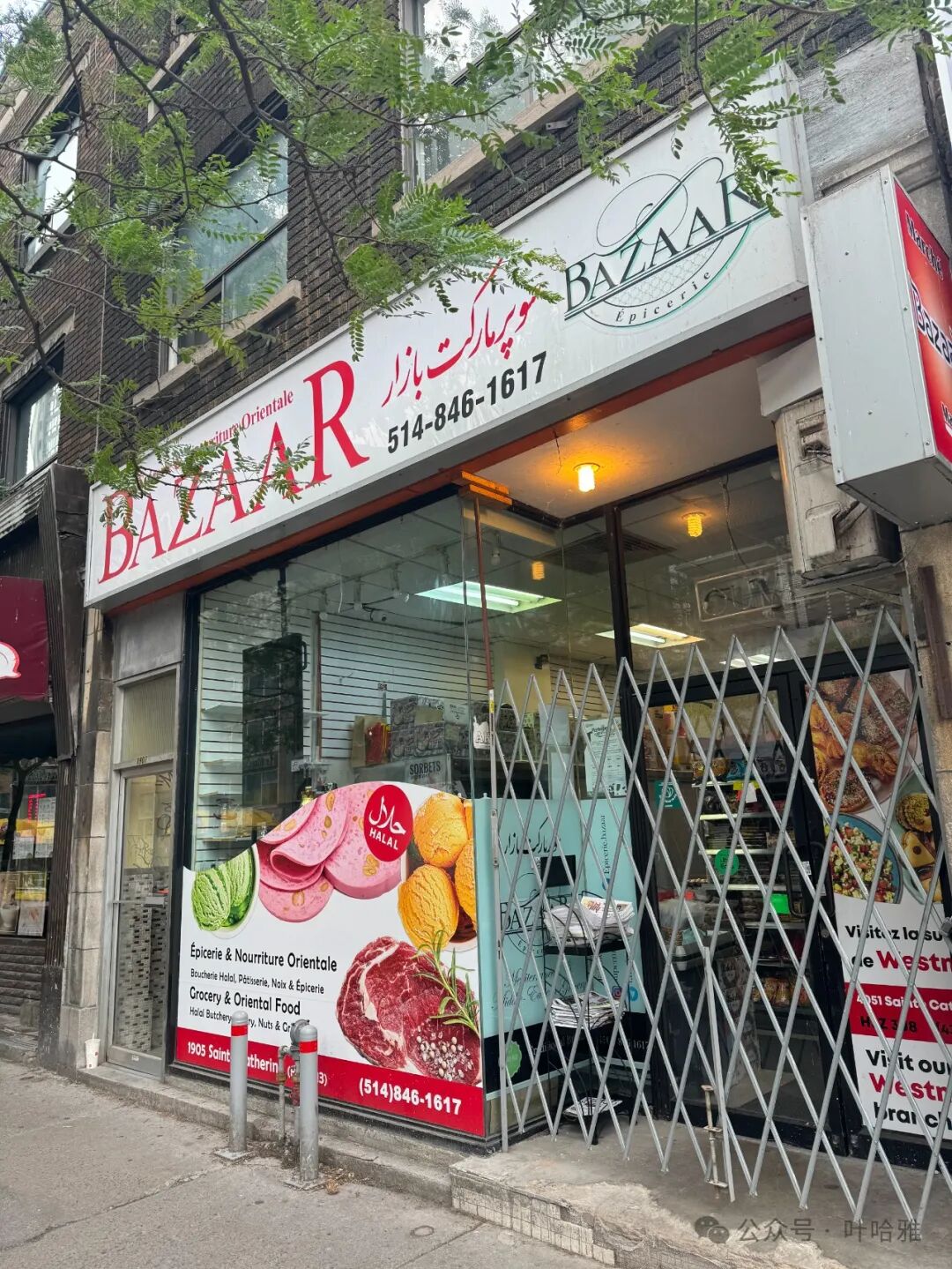
An Iranian bazaar.
There are many Iranians in Canada, but many are not halal because they arrived as refugees and have a rebellious streak. Still, there are devout believers among them. I visited some Shia mosques in Canada, which I will mention later.
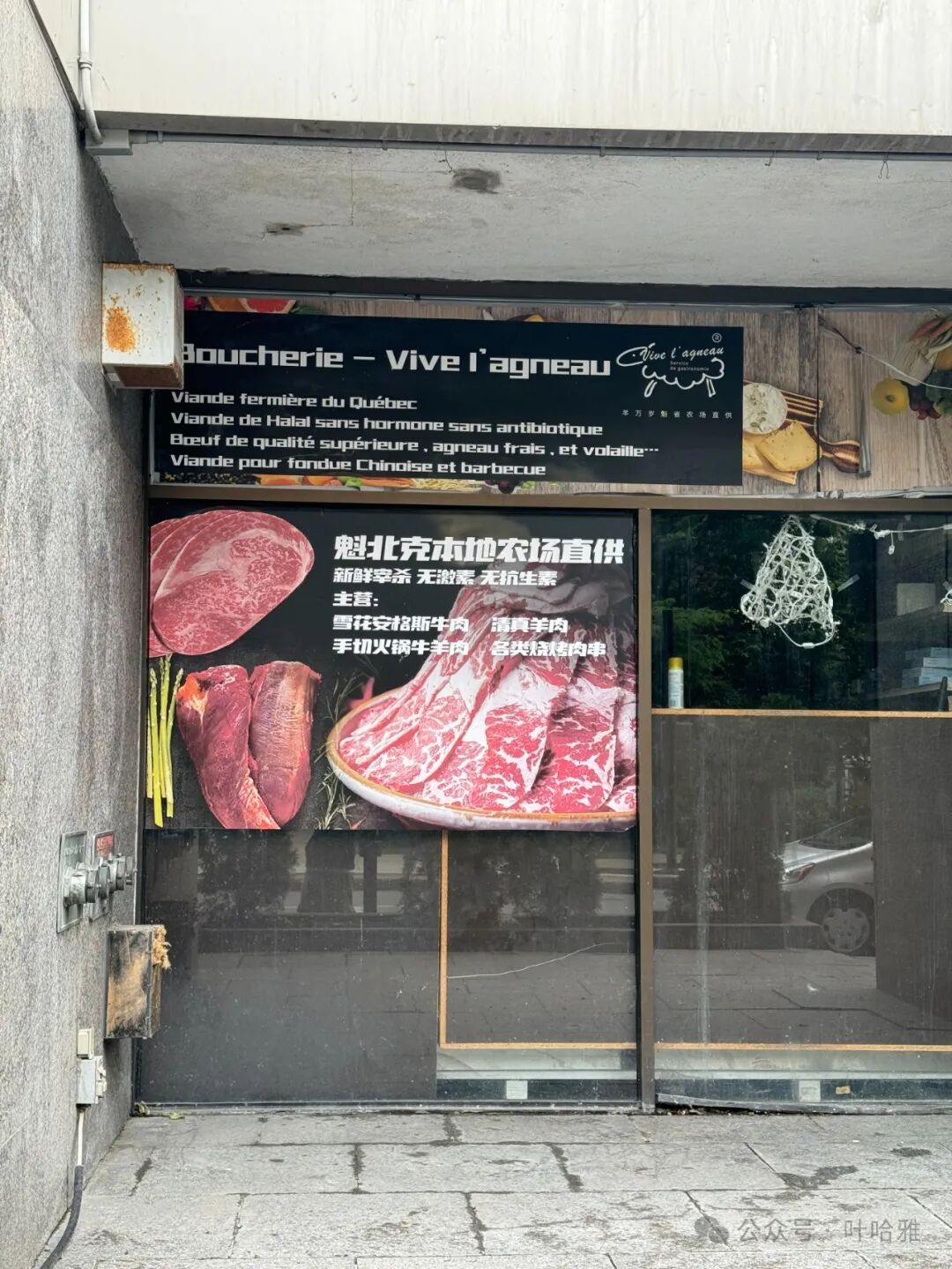
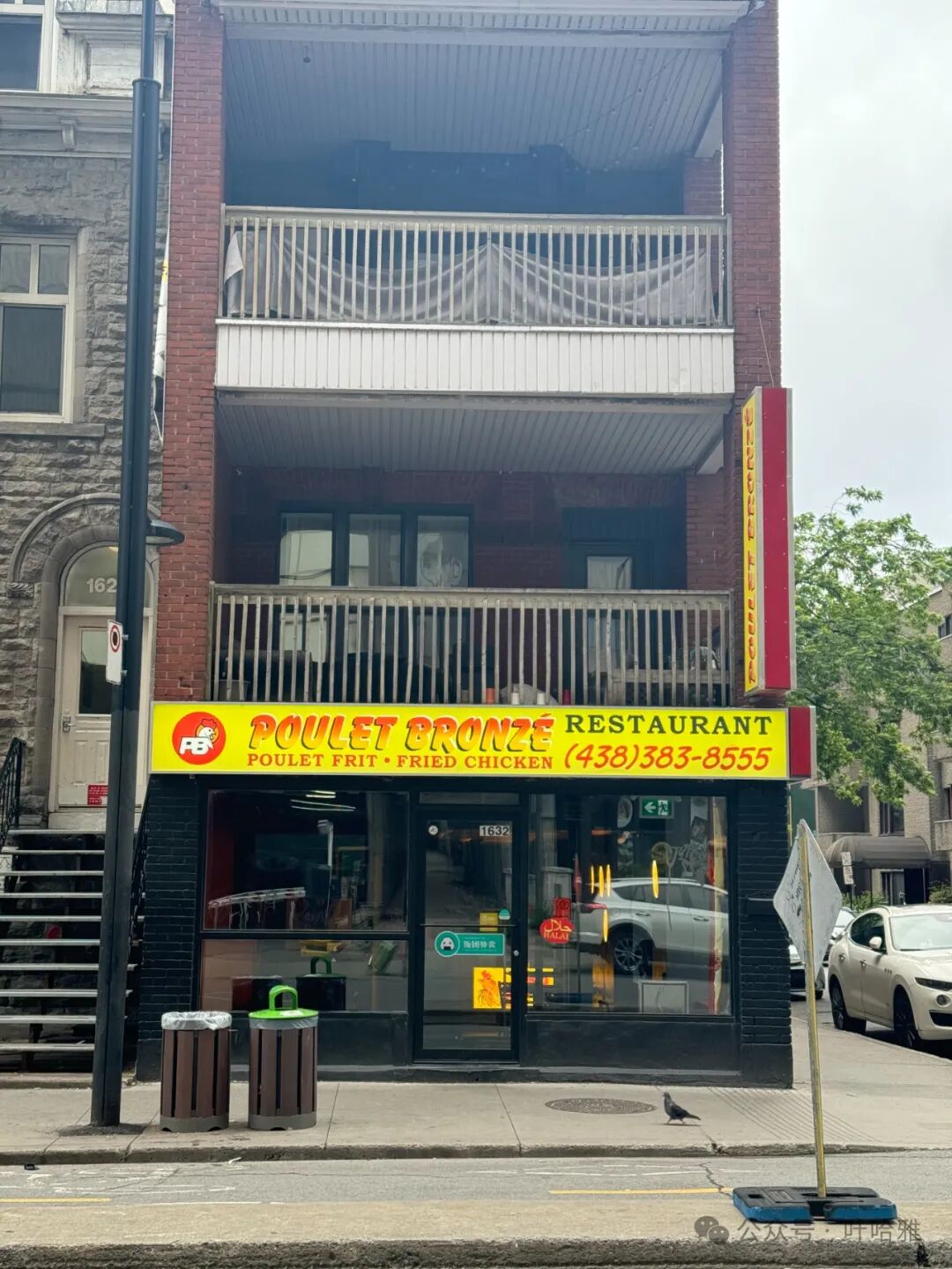
Halal fried chicken shop
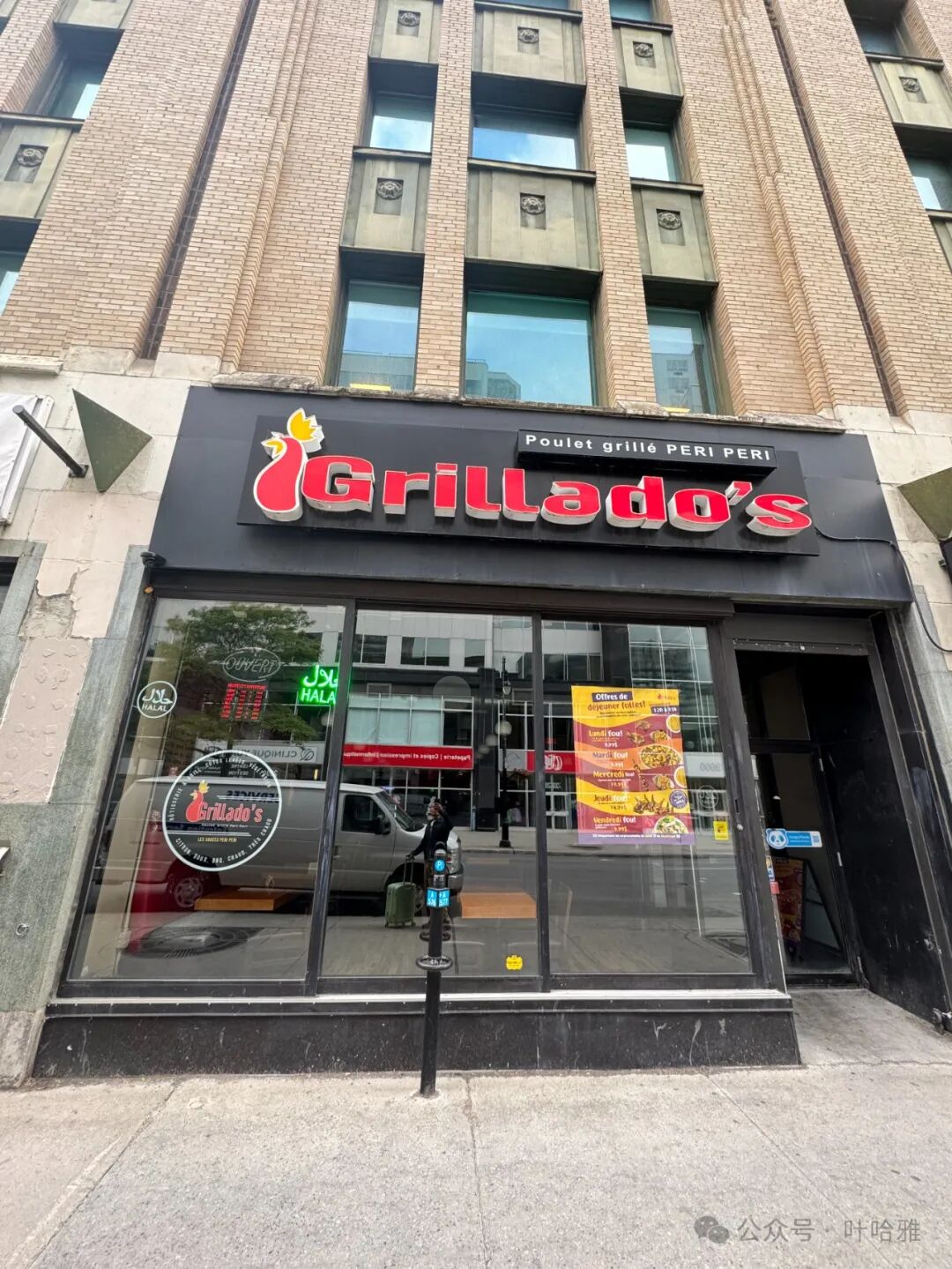
Halal fried chicken shop
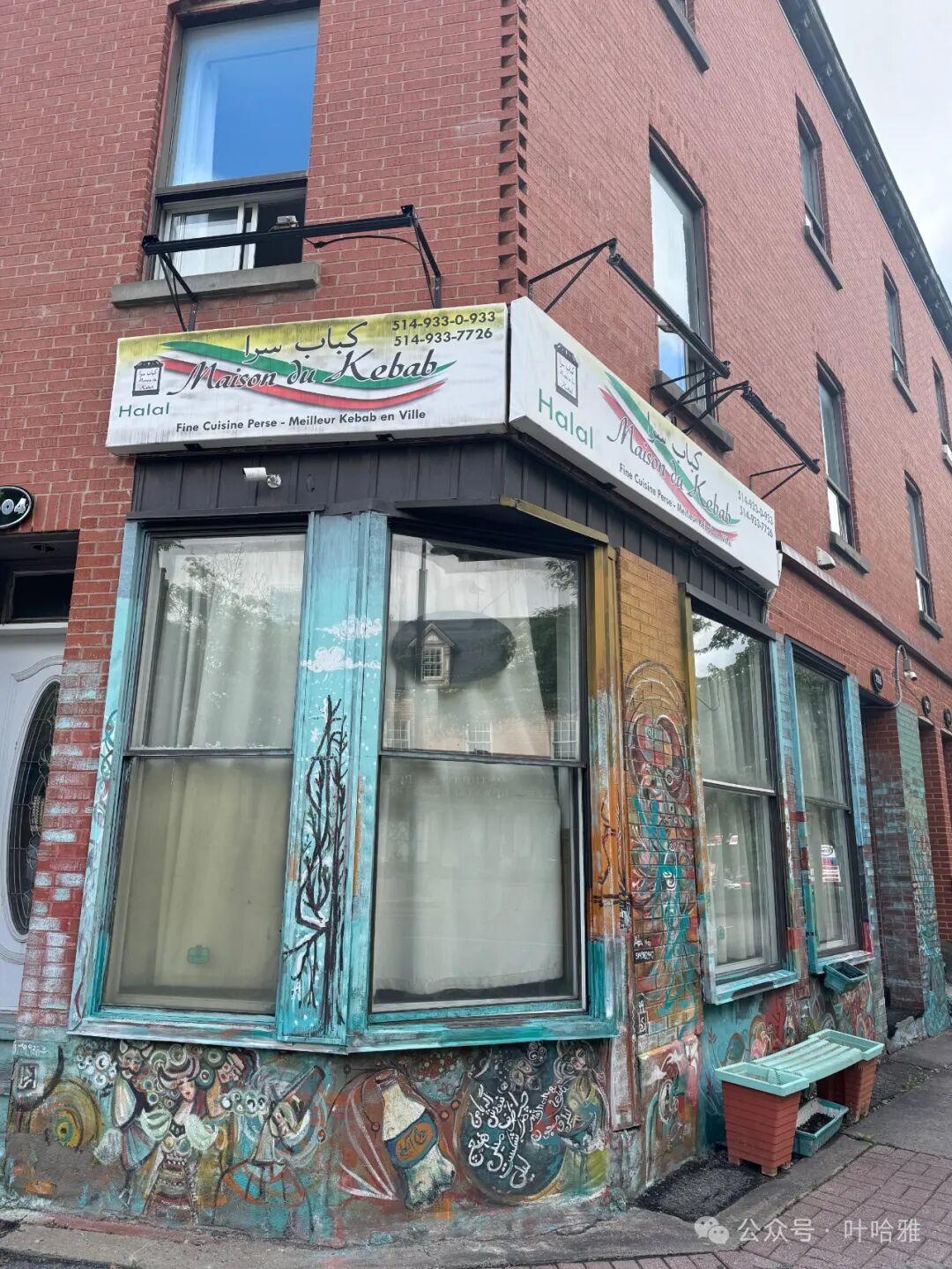
Halal kebab shop
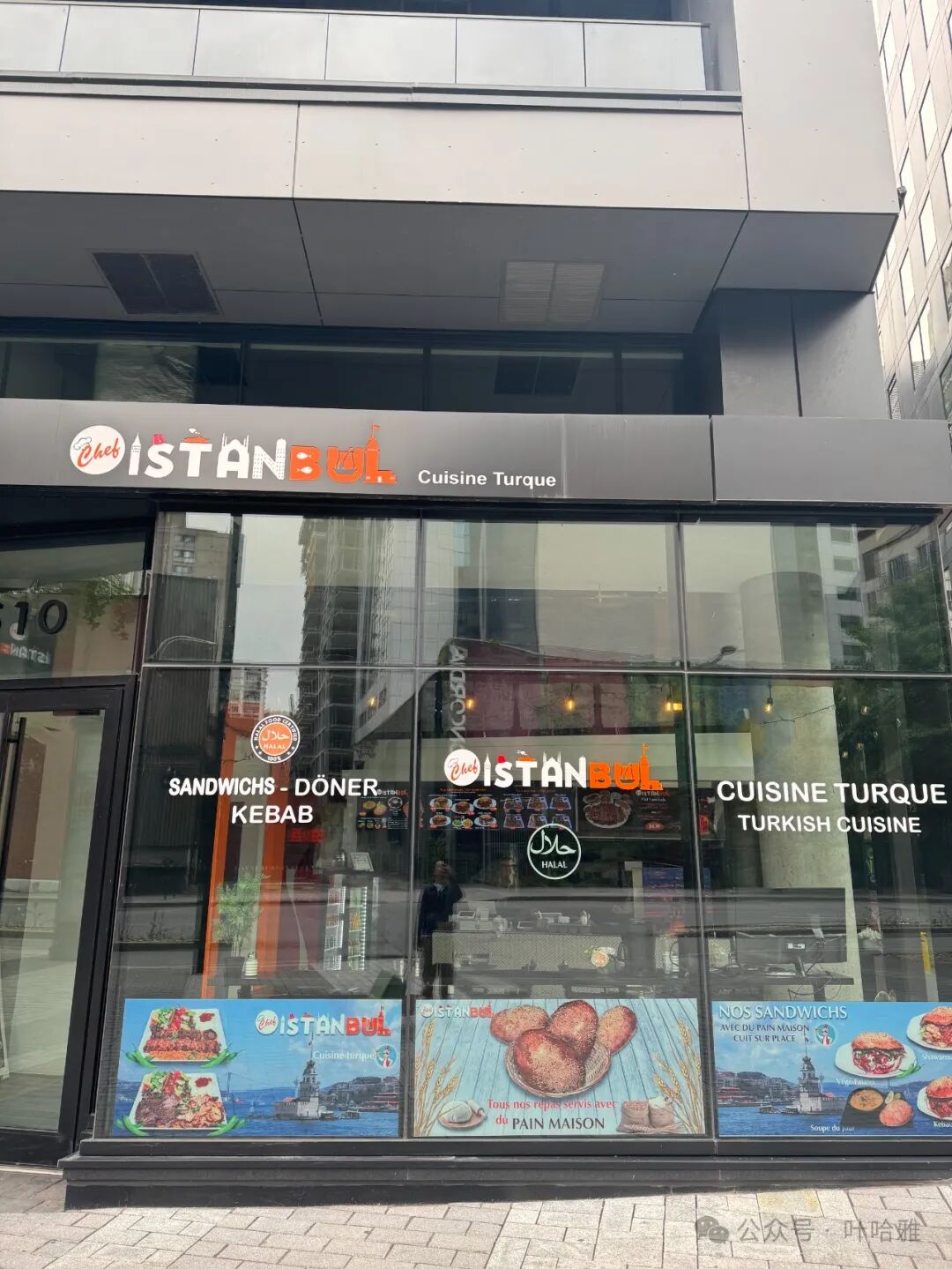
Halal Turkish restaurant
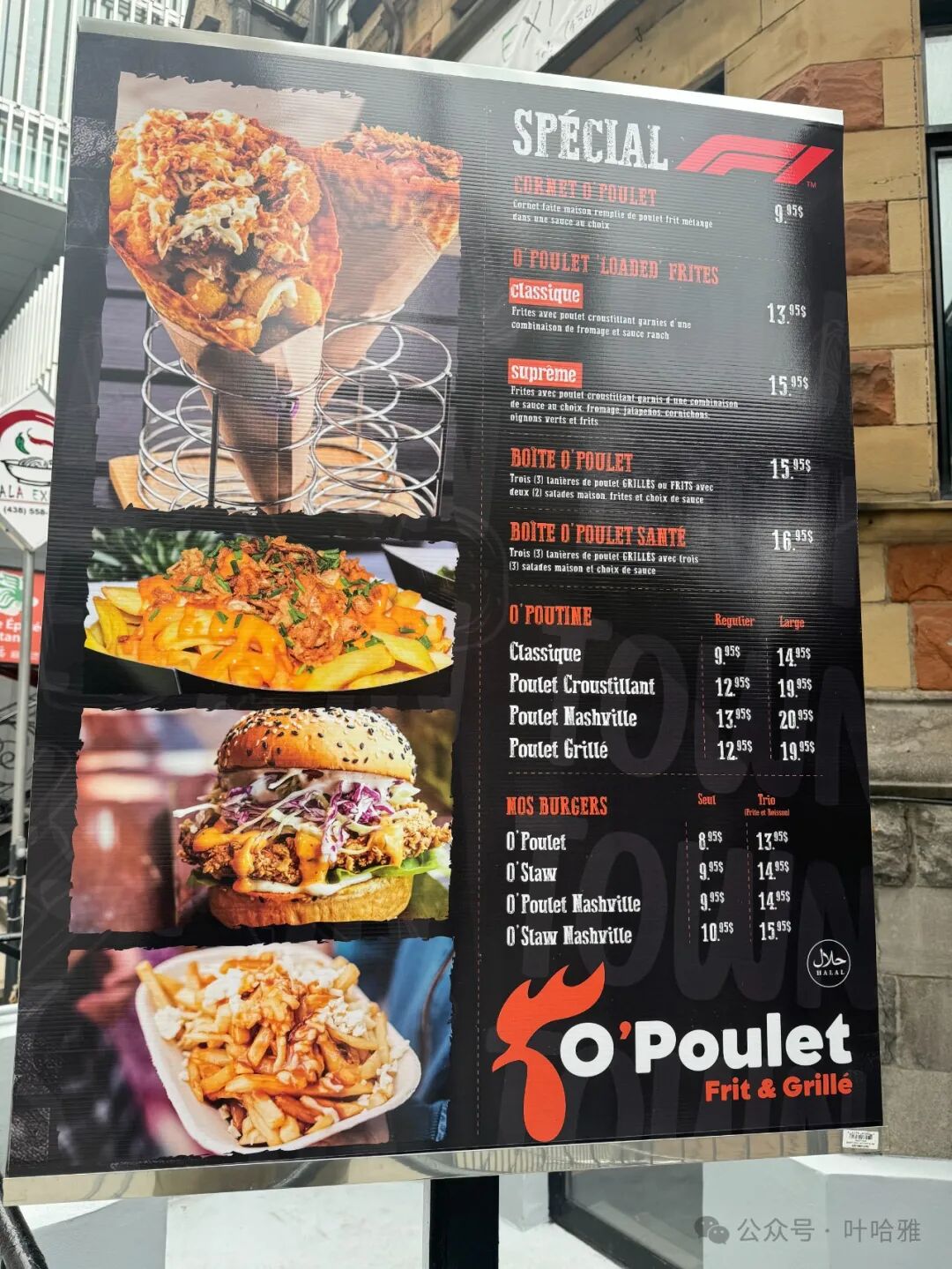
Halal burger and fried chicken shop
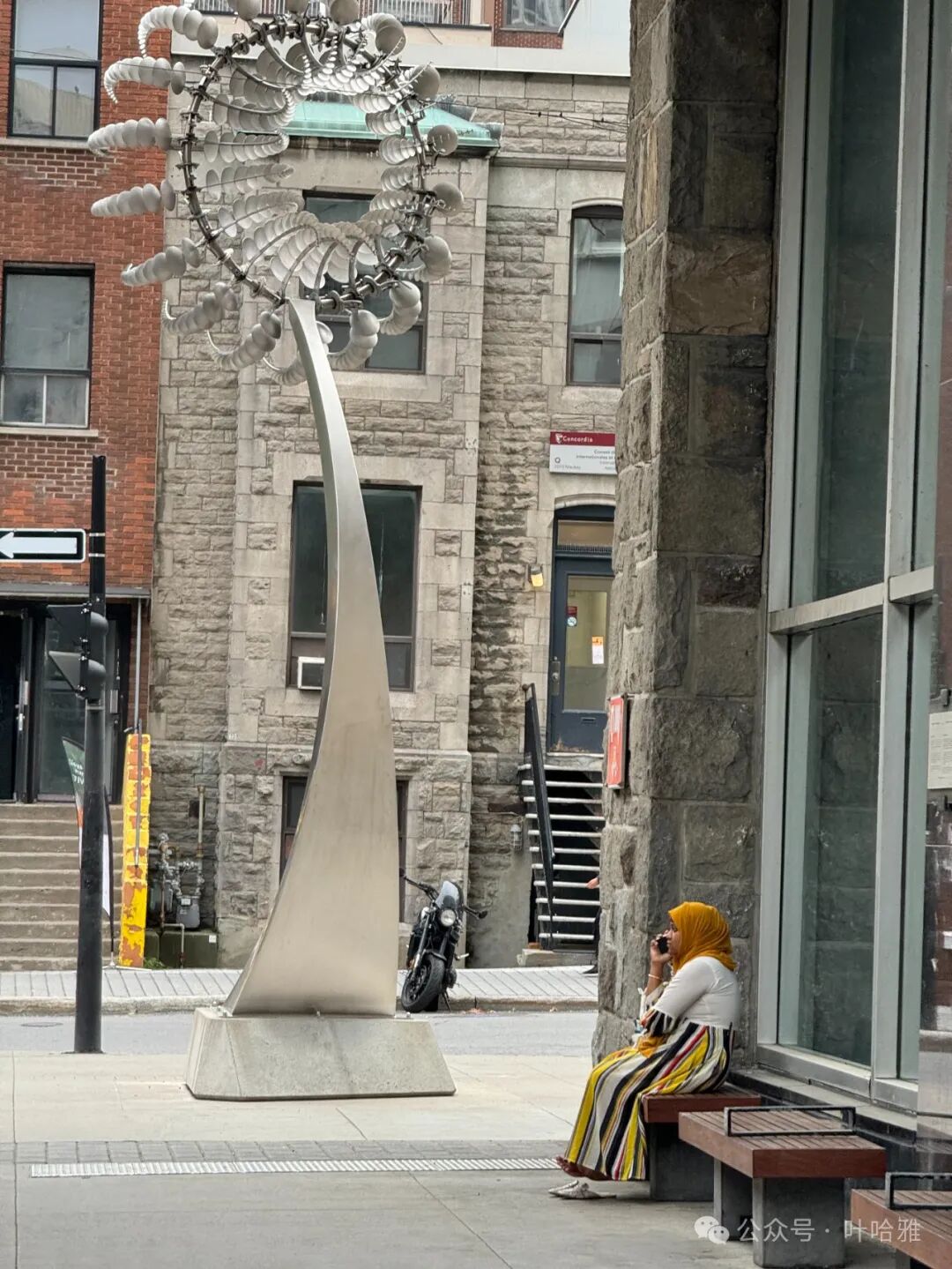
I took this photo while walking through the old town streets just before 9 a.m.
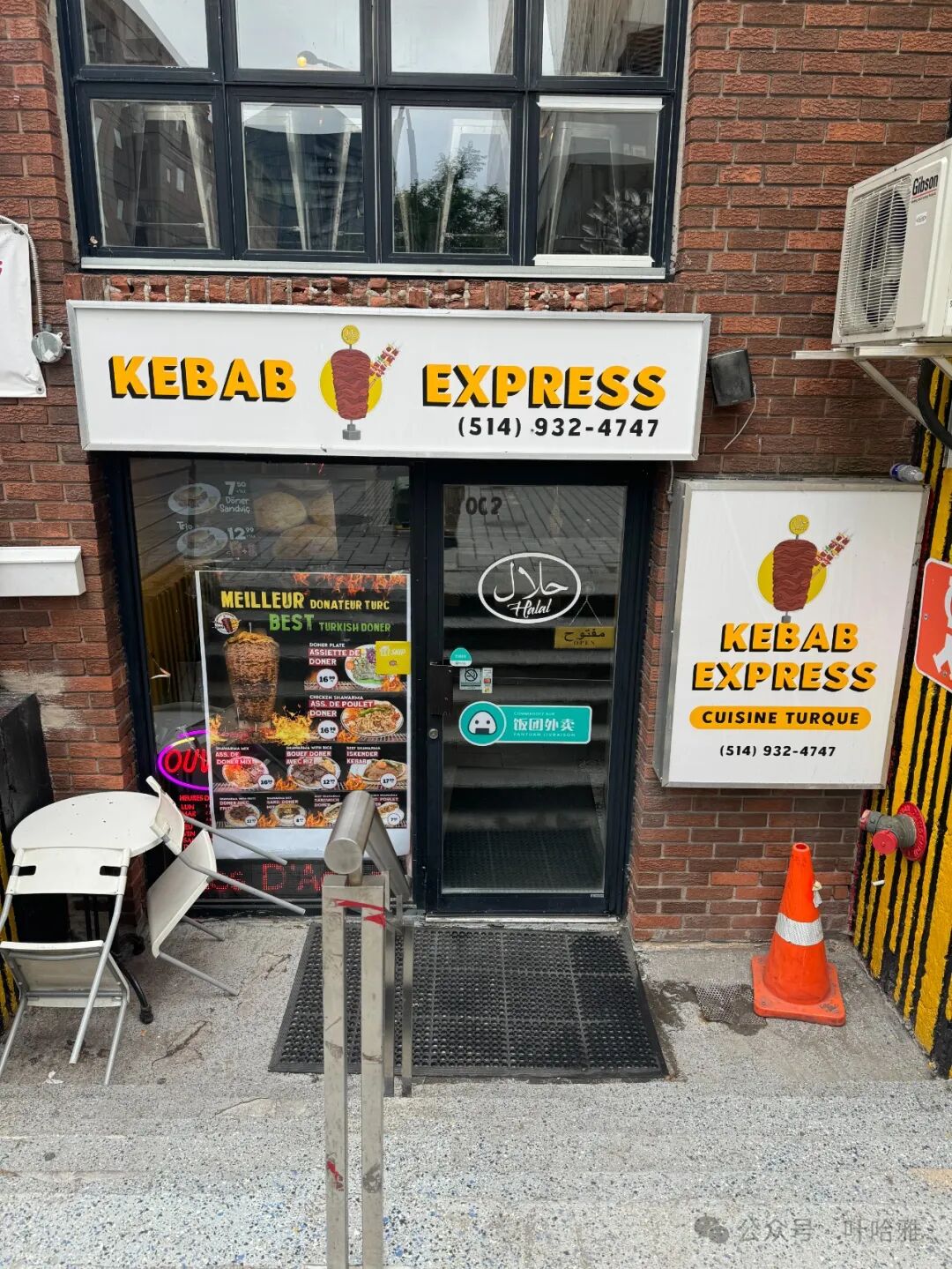
Halal kebab shop
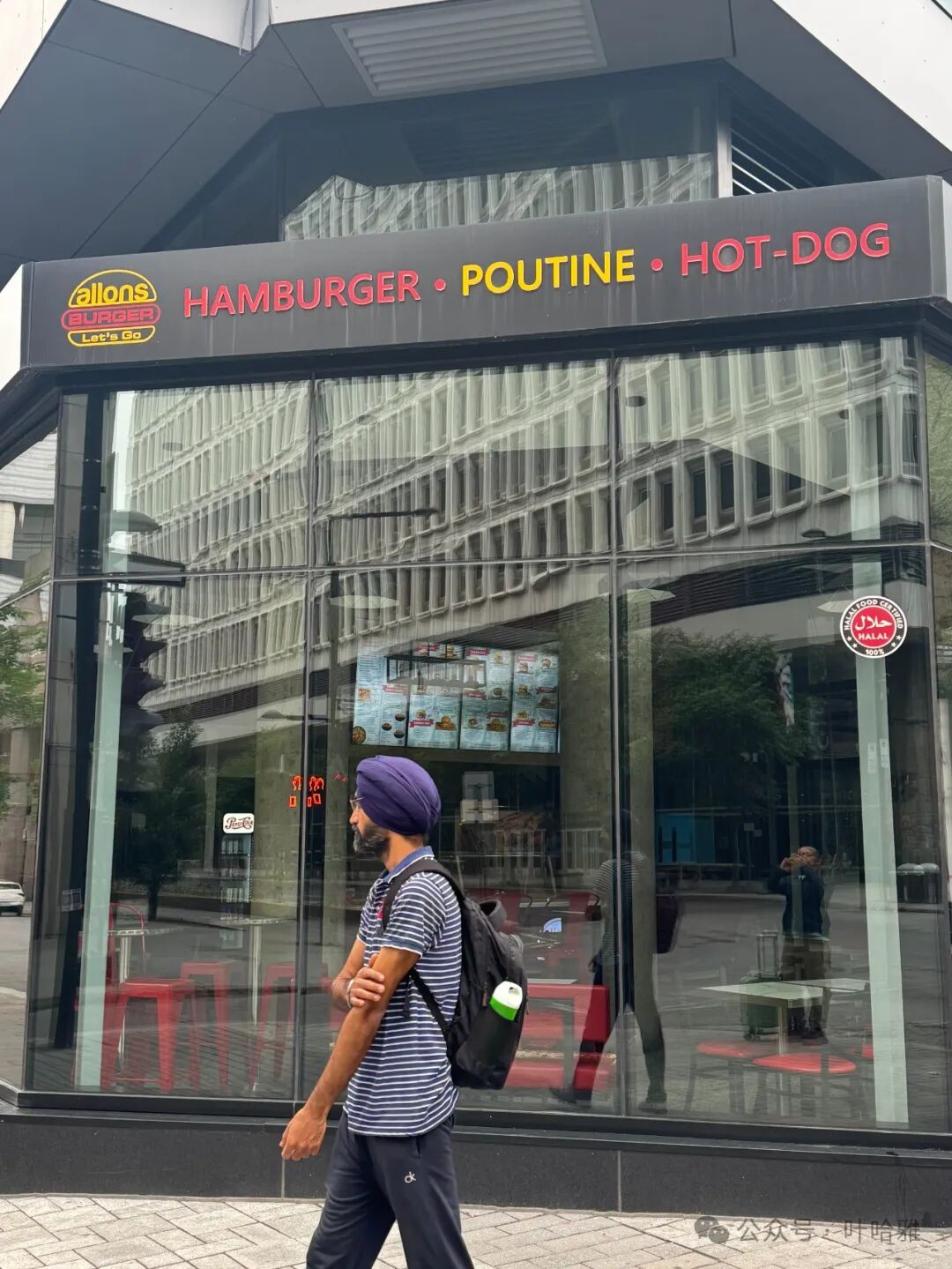
Halal burger and hot dog shop
The person wearing a turban in the photo is a Sikh, not a Muslim. They refuse to eat halal food.
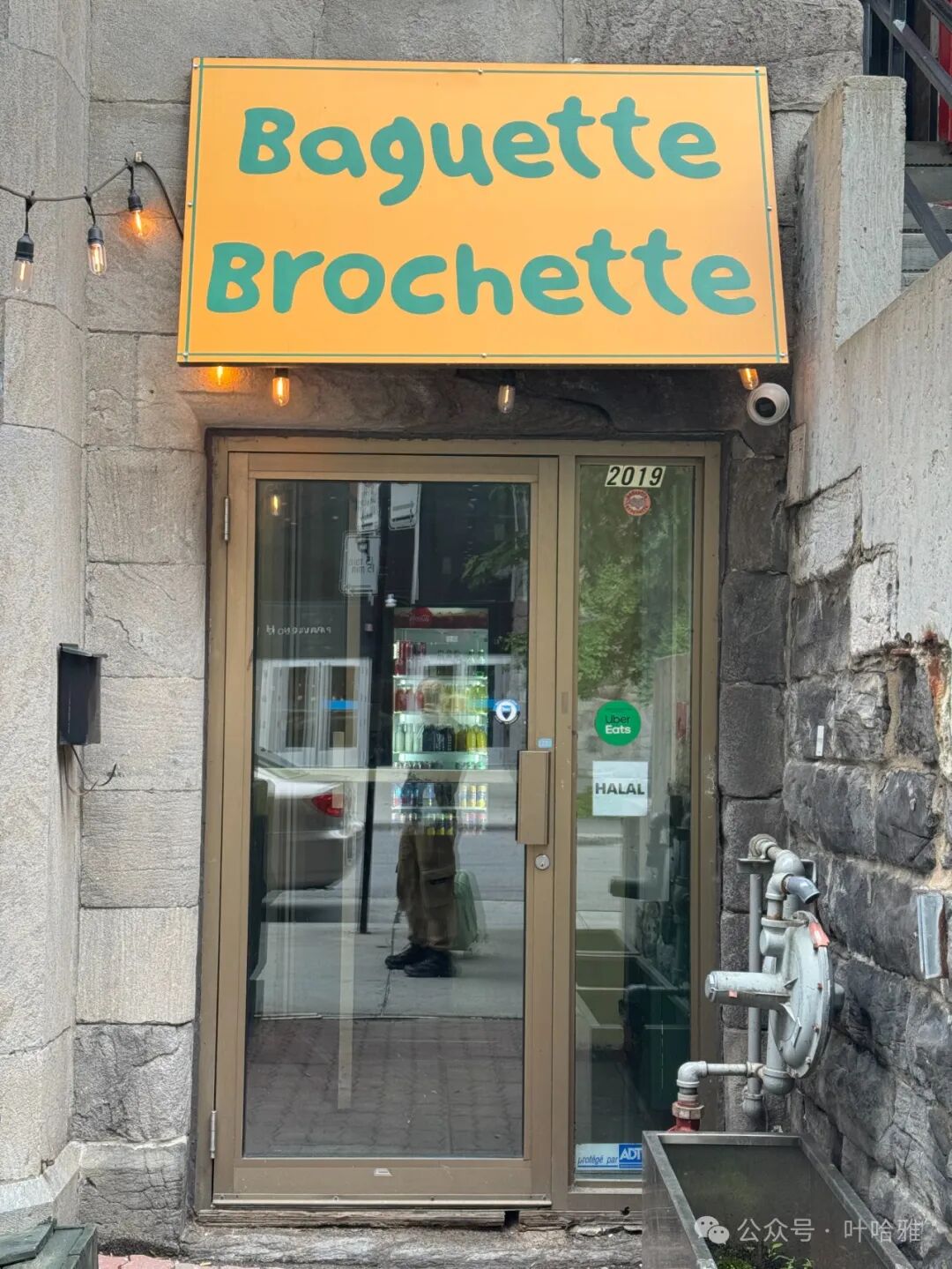
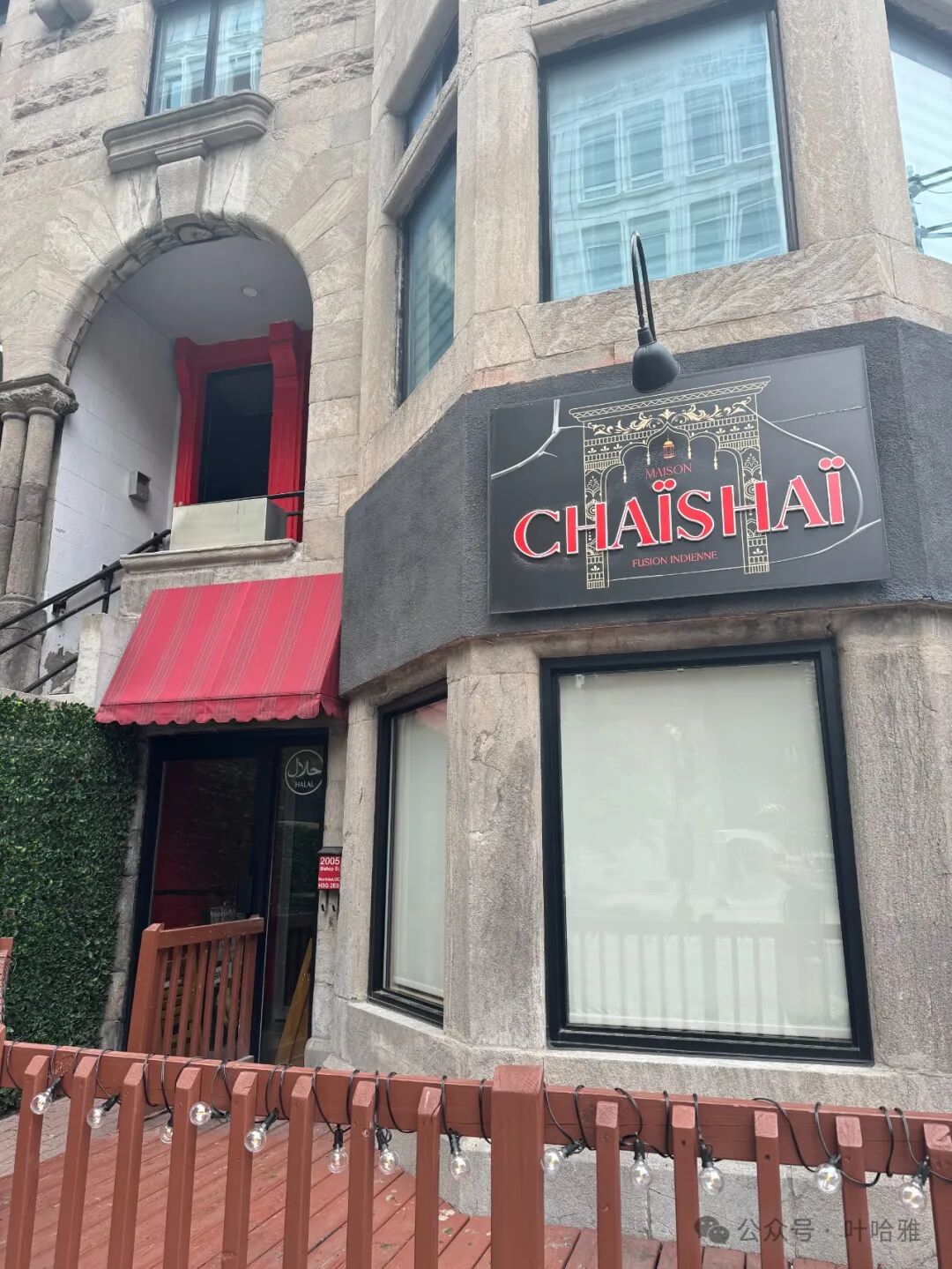
Halal Indian cuisine
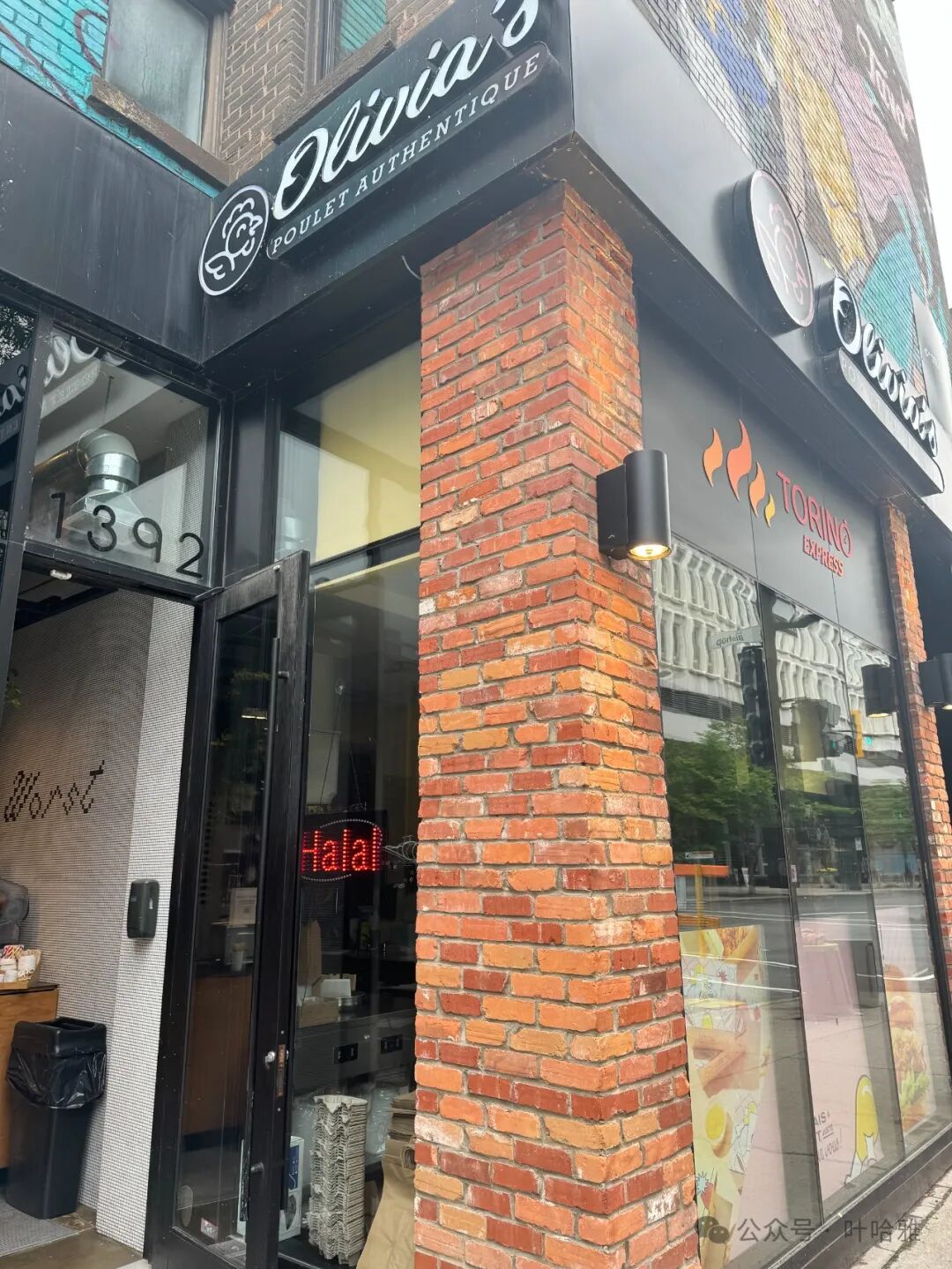
I wandered along the main road in the city center early in the morning. Seeing these halal eateries made me both excited and disappointed. I am disappointed because there are only a few types of halal restaurants here, and none are high-end establishments. This shows that the social status of us Muslims in Canada is not very high, as most are in the working class.
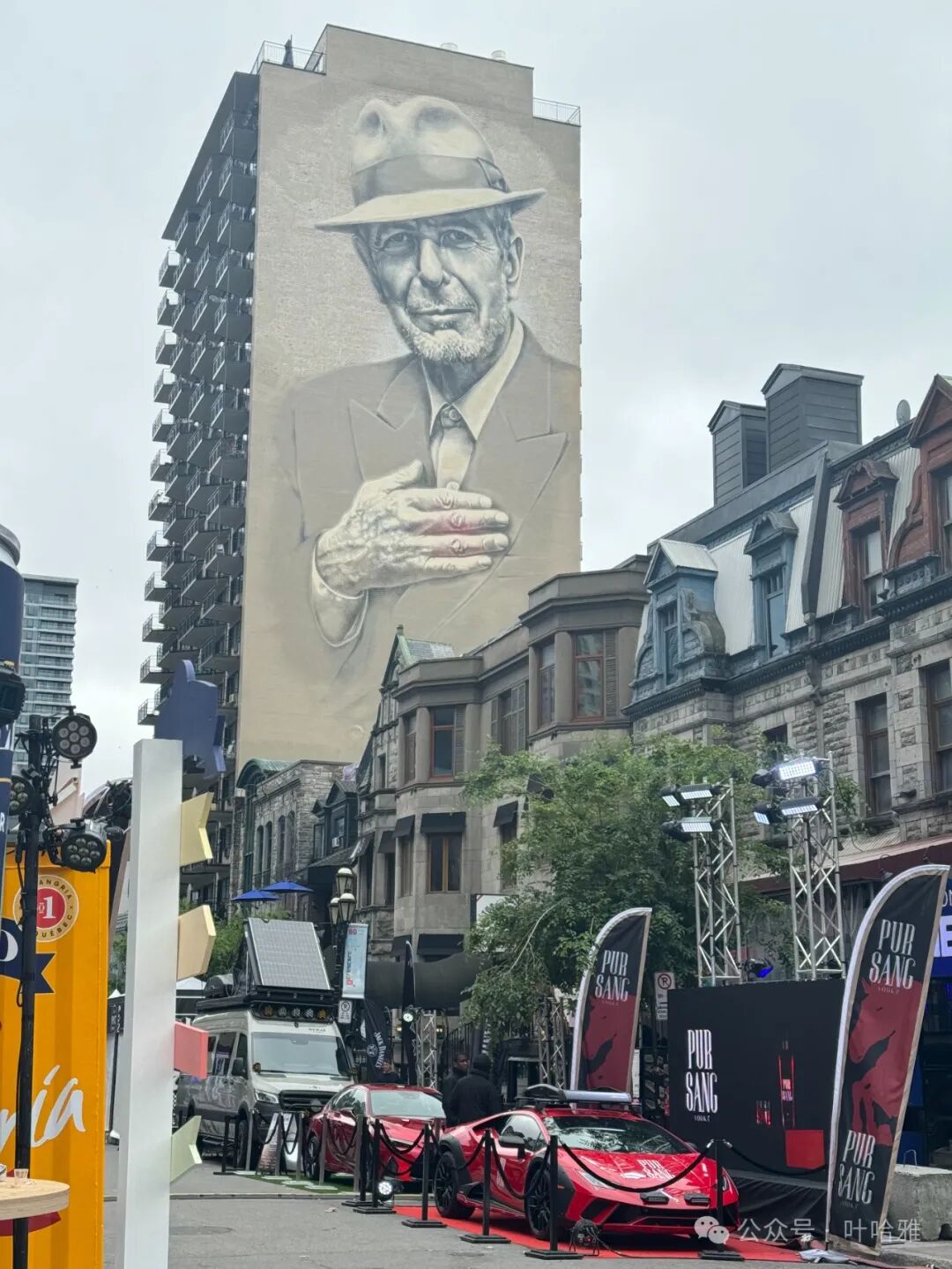
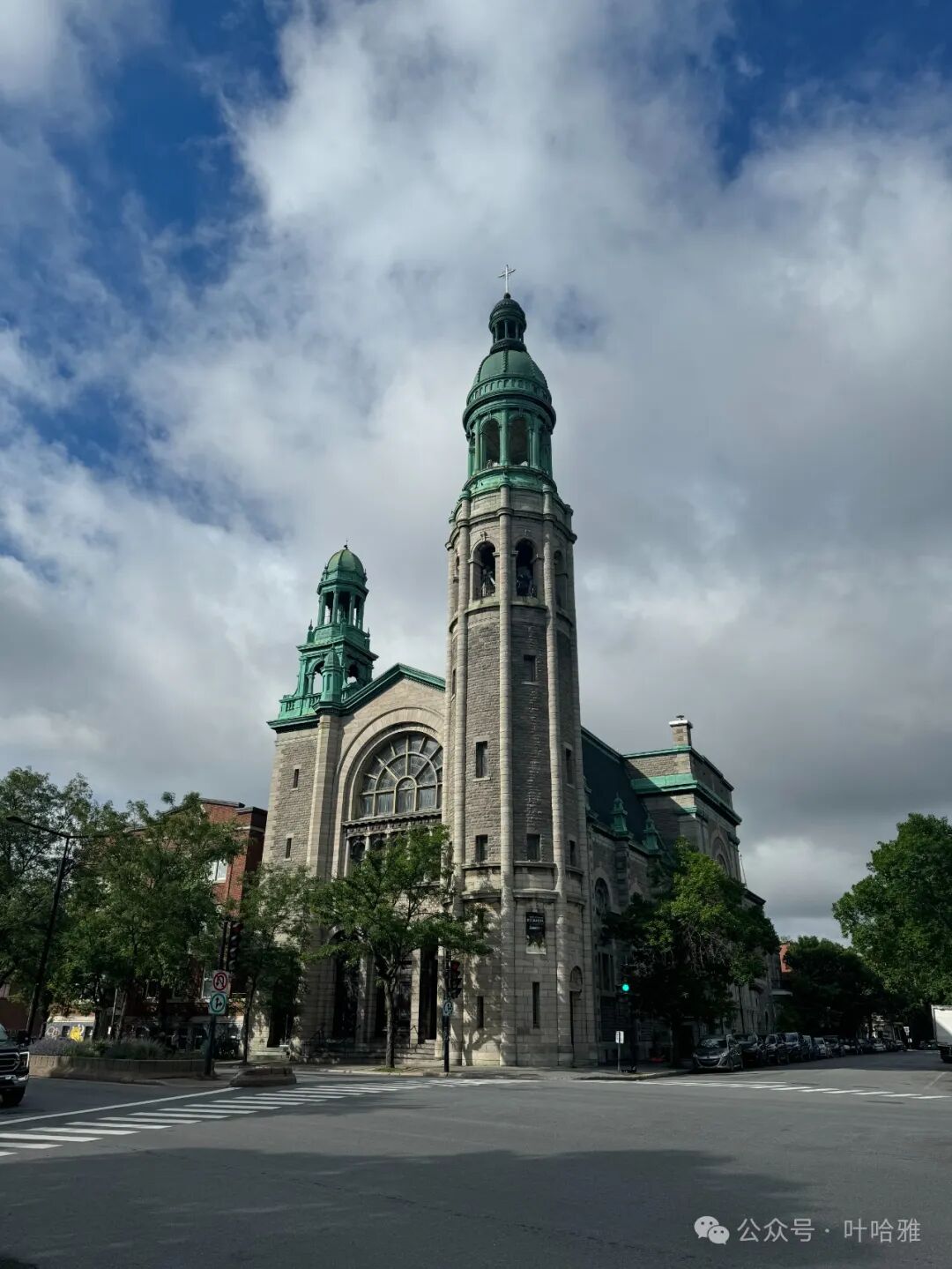
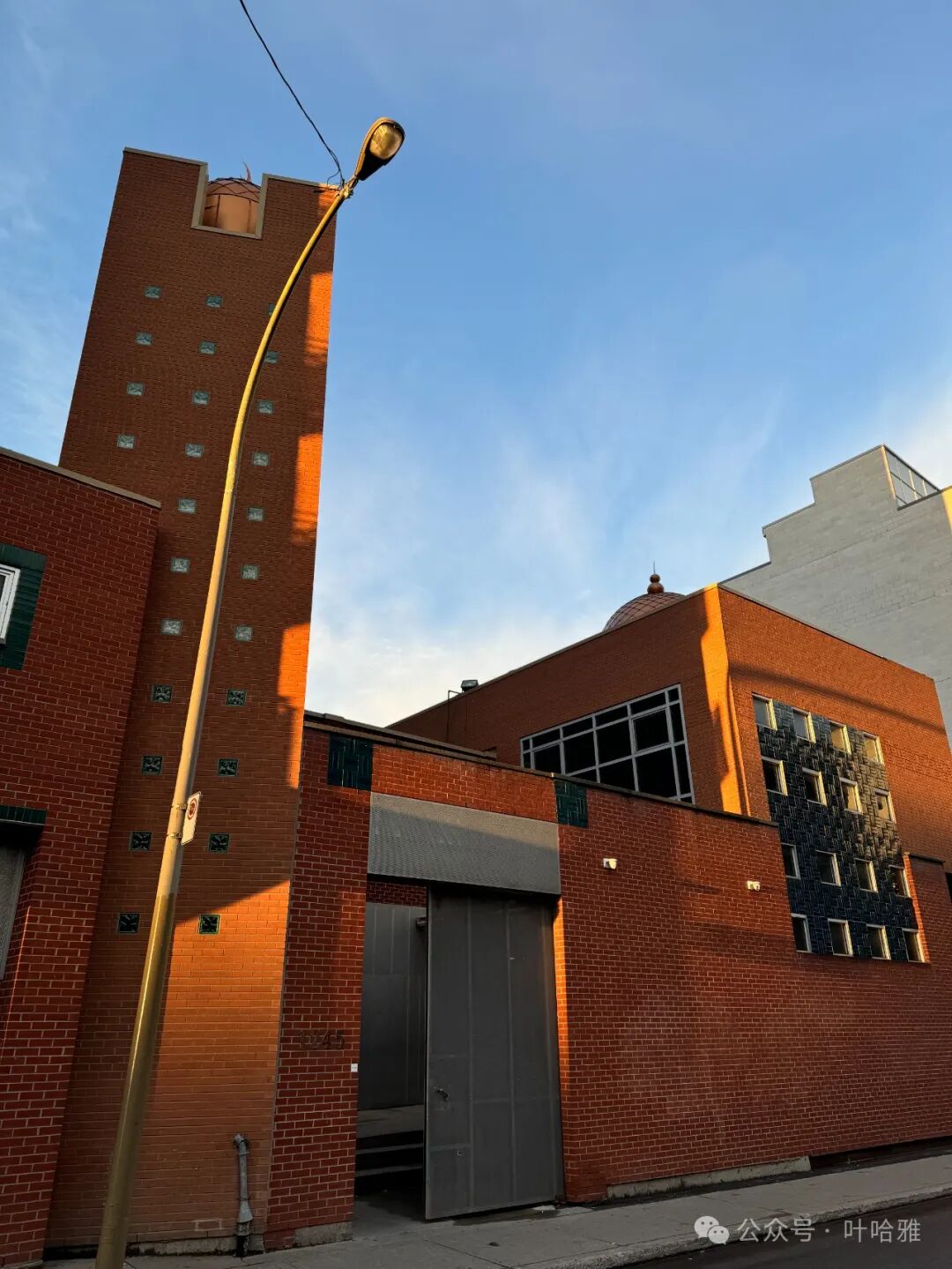
This is the closest mosque to Chinatown. Many small mosques in Canada do not open their doors until it is time for prayer.
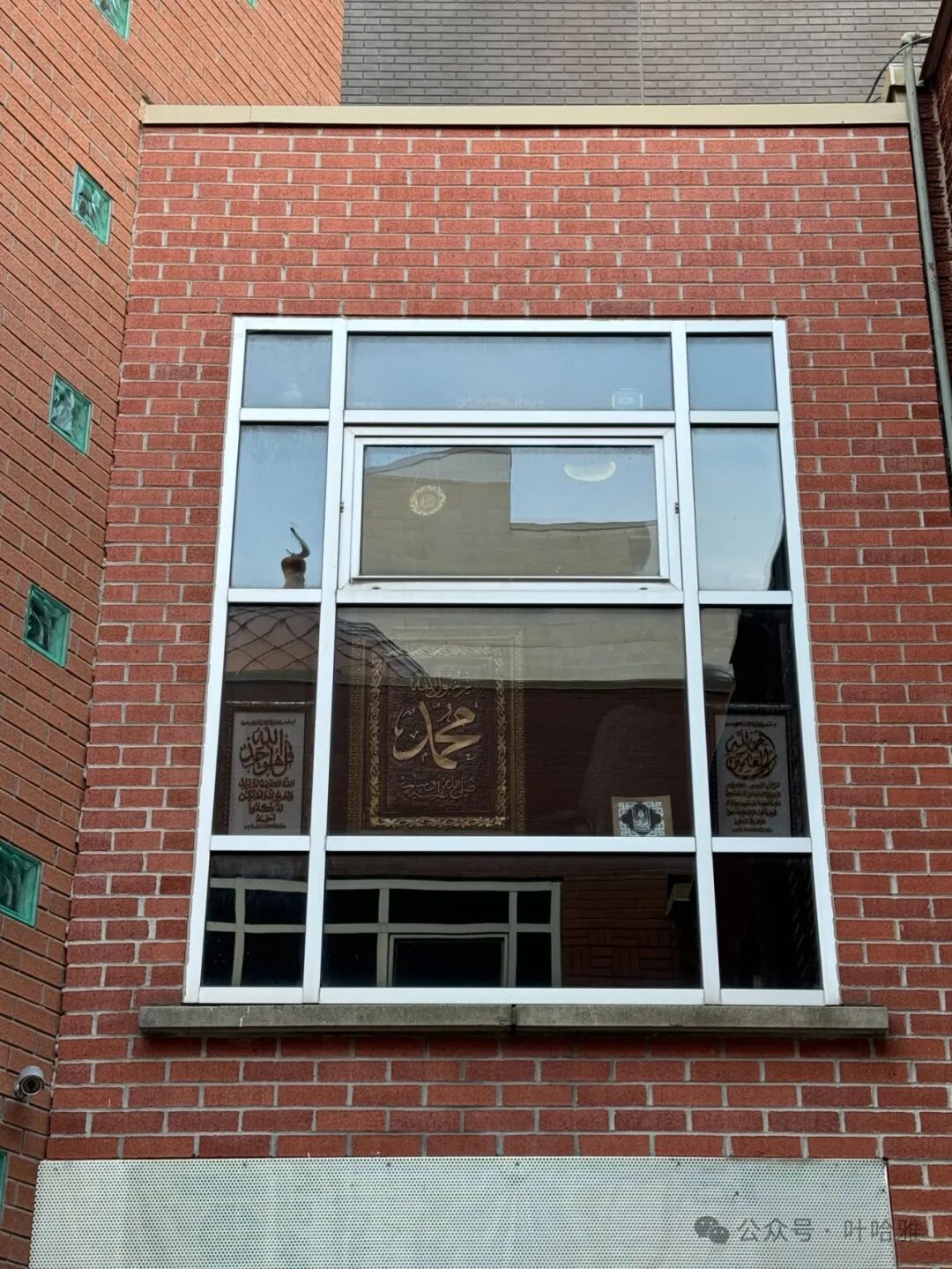
Islamic Center of Quebec
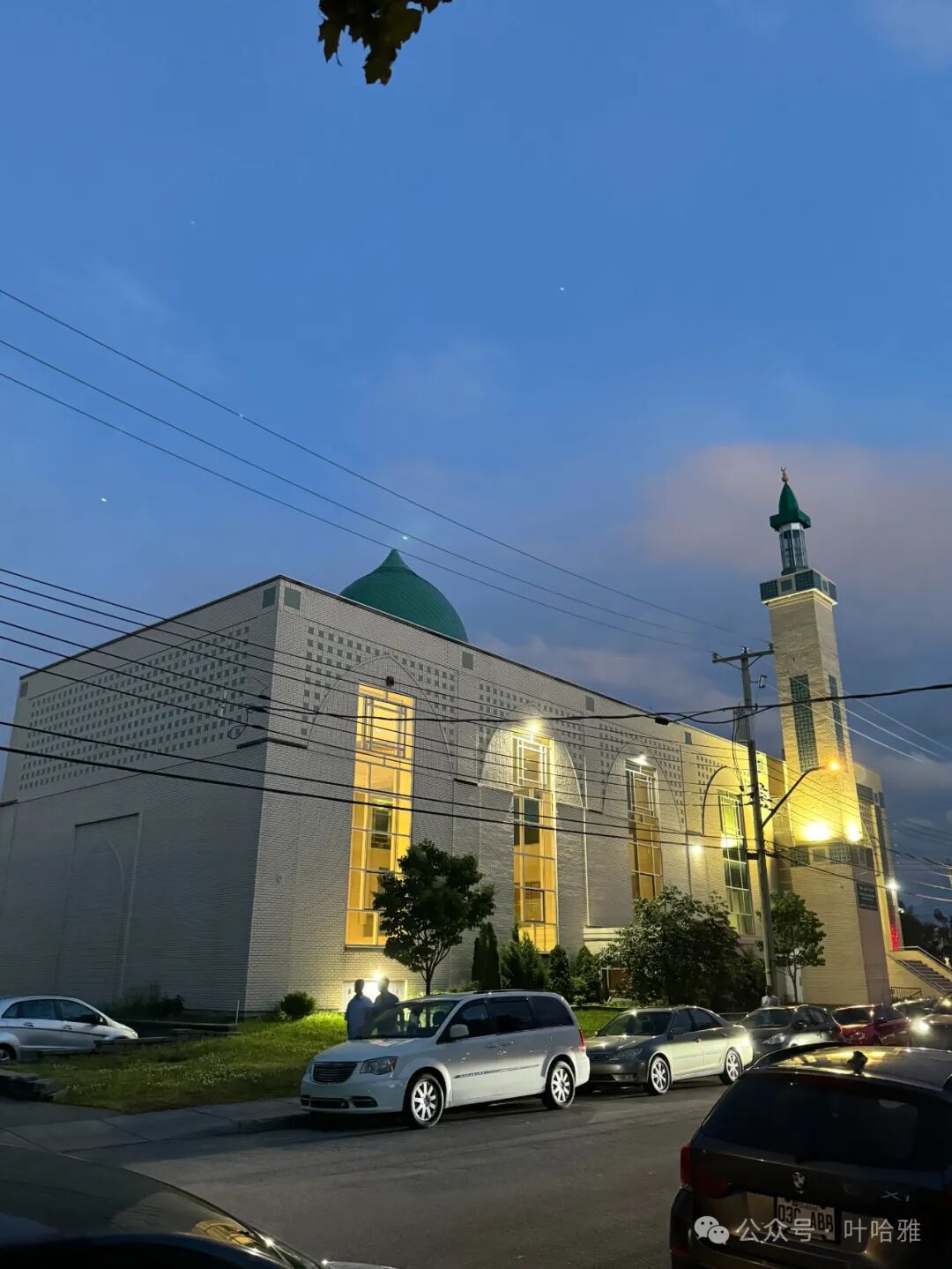
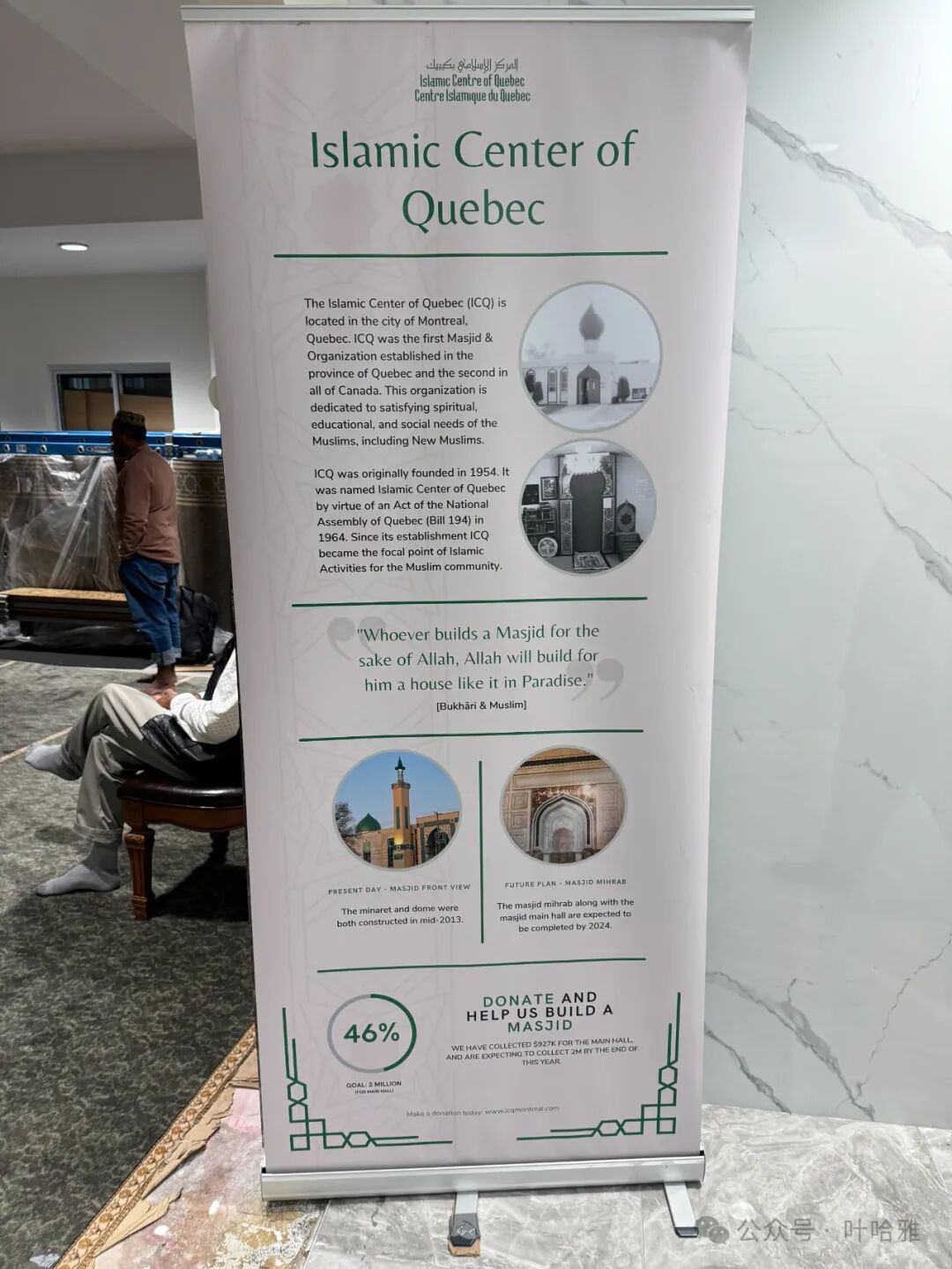
The Islamic Center of Quebec. In North America, places called centers are usually schools. This one is both a mosque and a religious school.
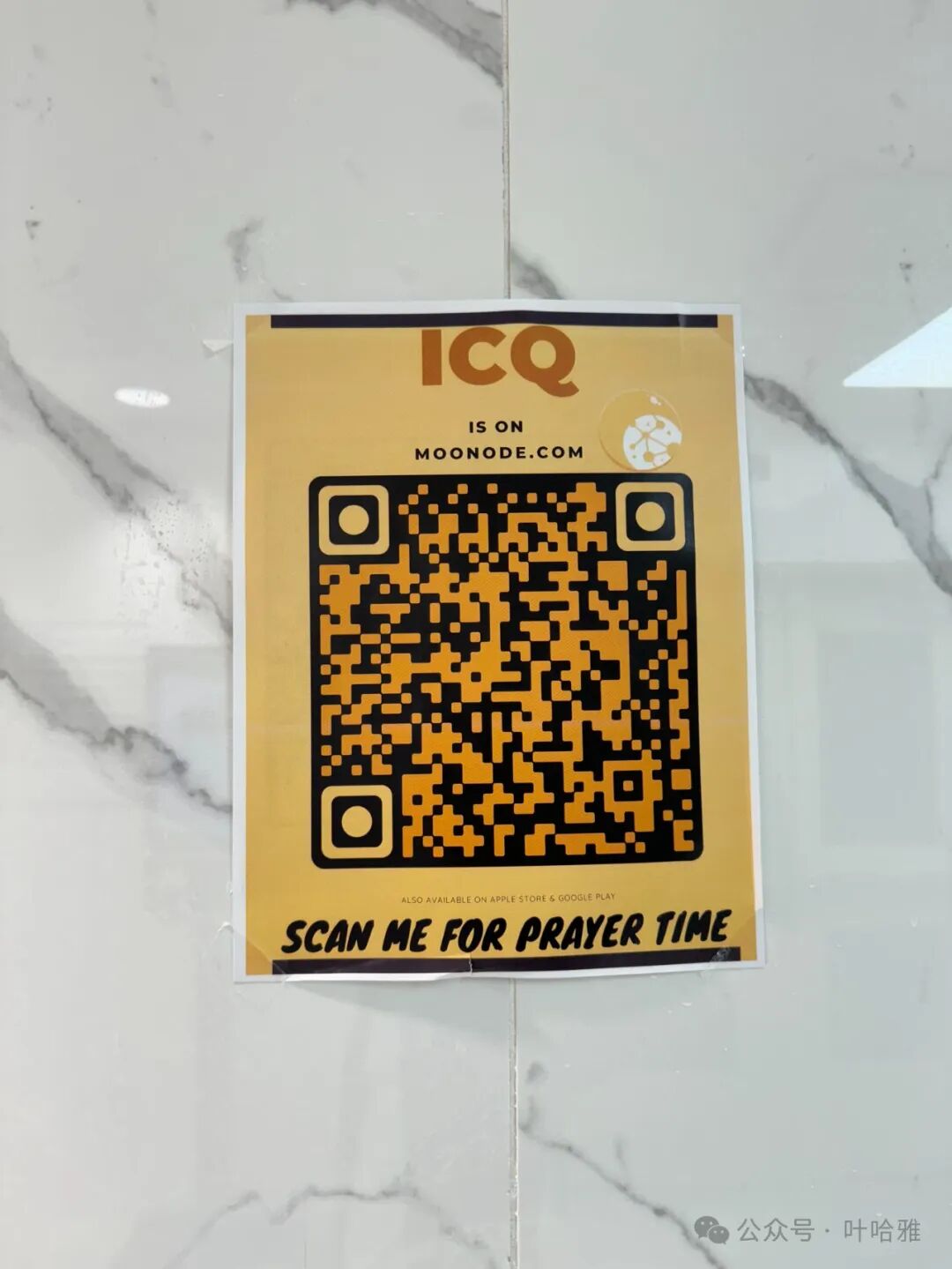
Scan the code to see the prayer times in Quebec. The daylight hours here are similar to Xinjiang. It does not get dark until after 10 p.m., and the sun rises at 4 a.m.
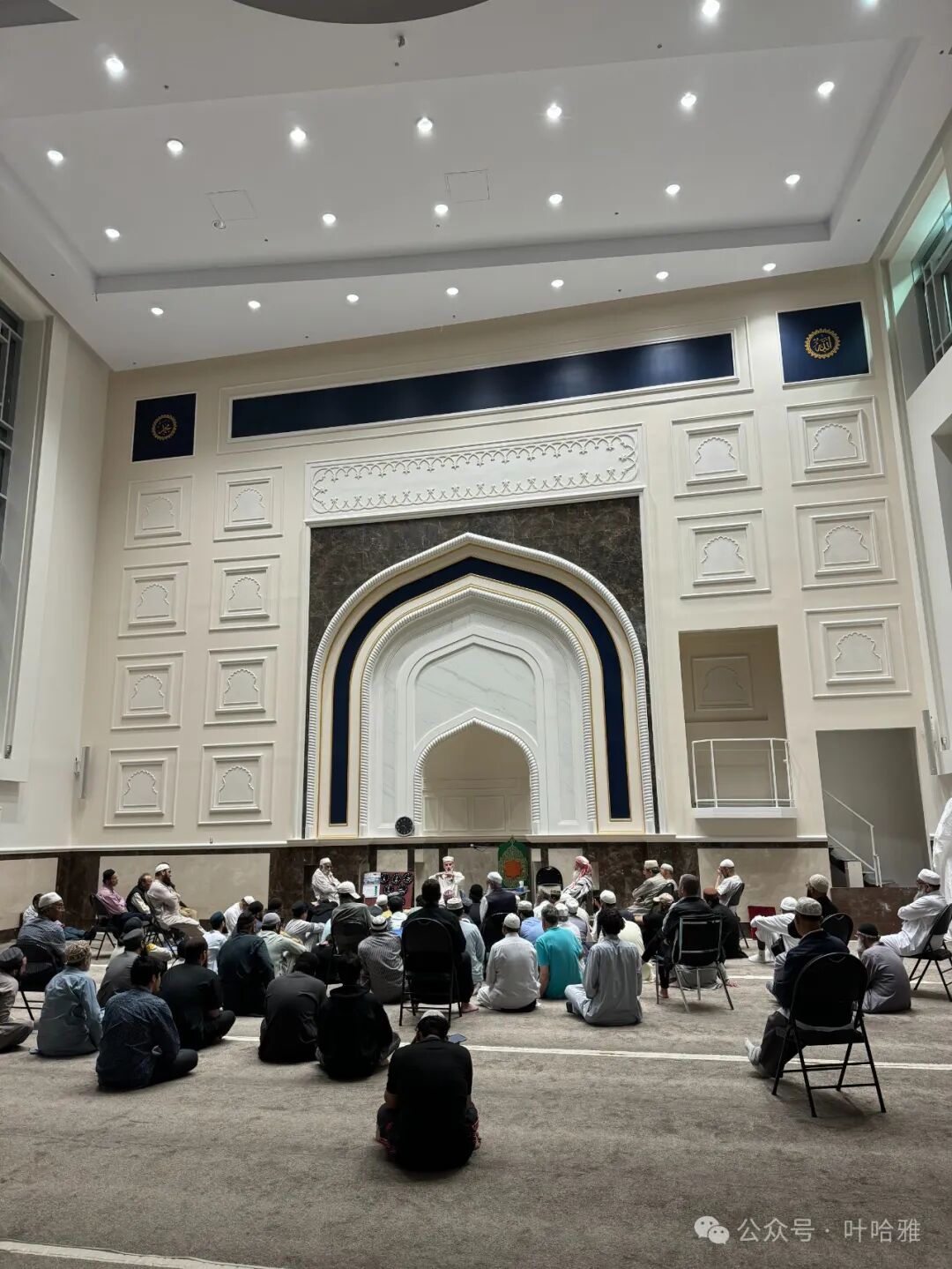
I arrived just in time to hear the imam giving a sermon (waaz), which is the usual practice before the night prayer (isha).
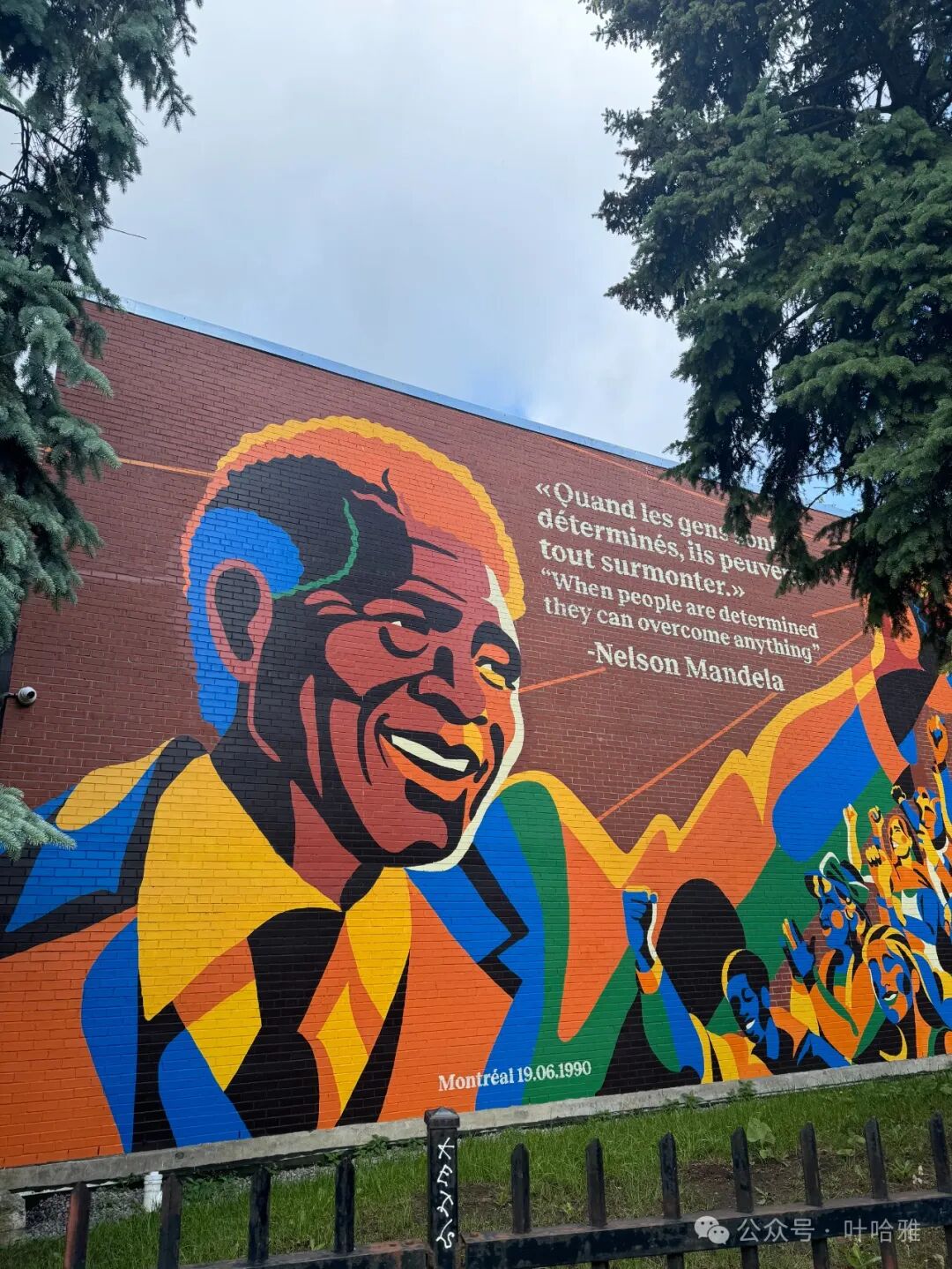
A church that also serves as a memorial for Mandela.
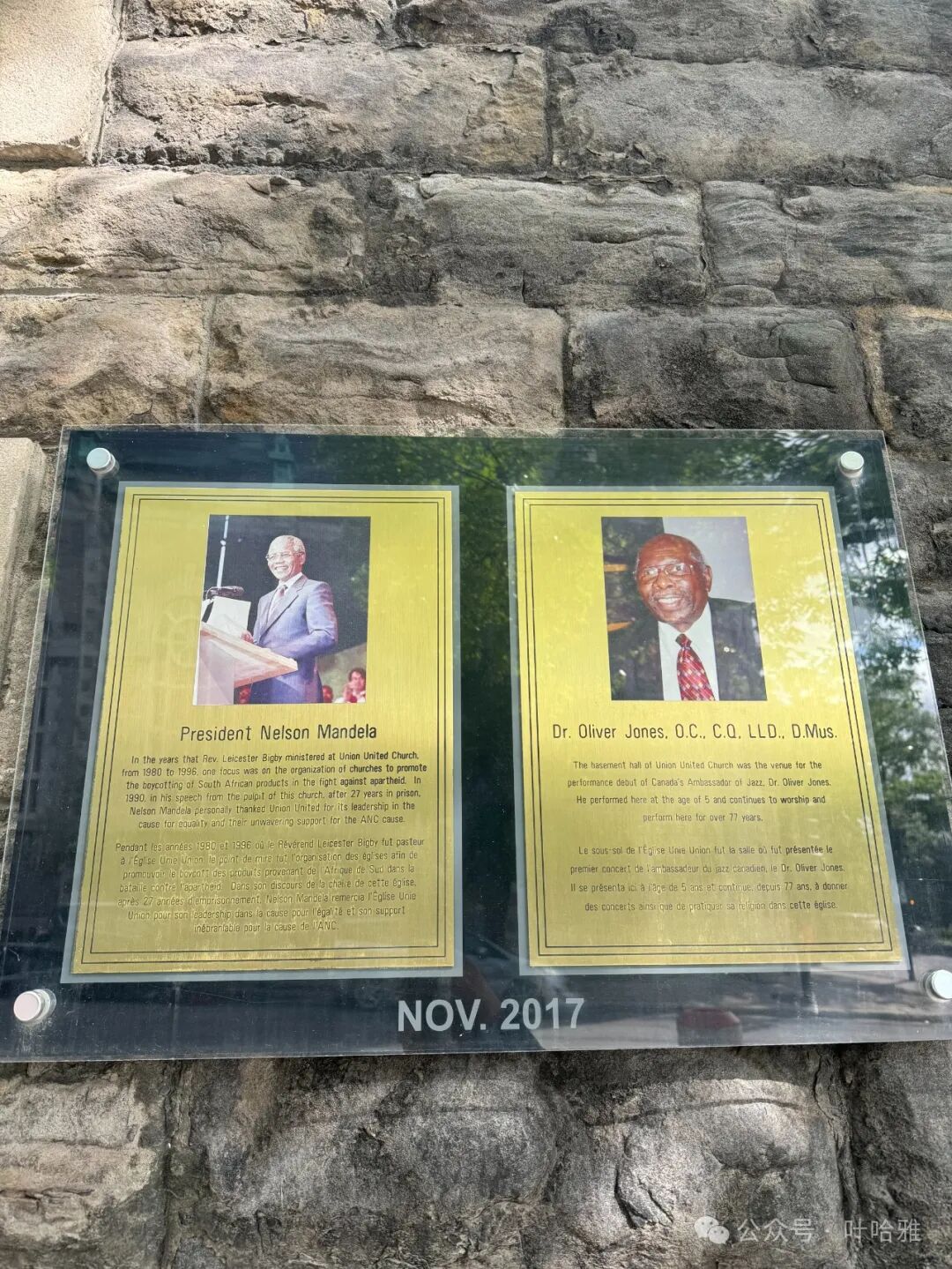
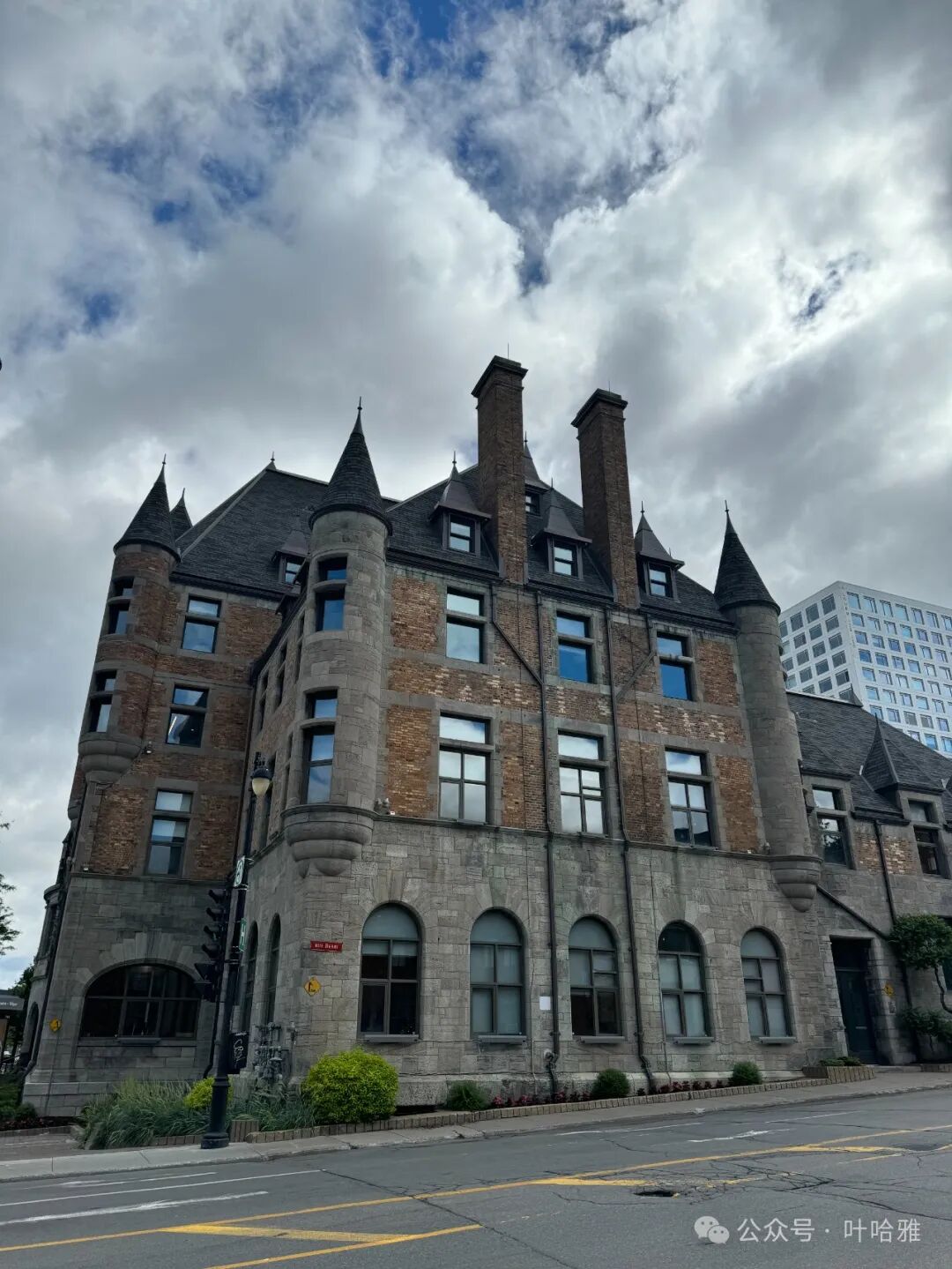
The church is not open every day. The doors are locked when there are no services.
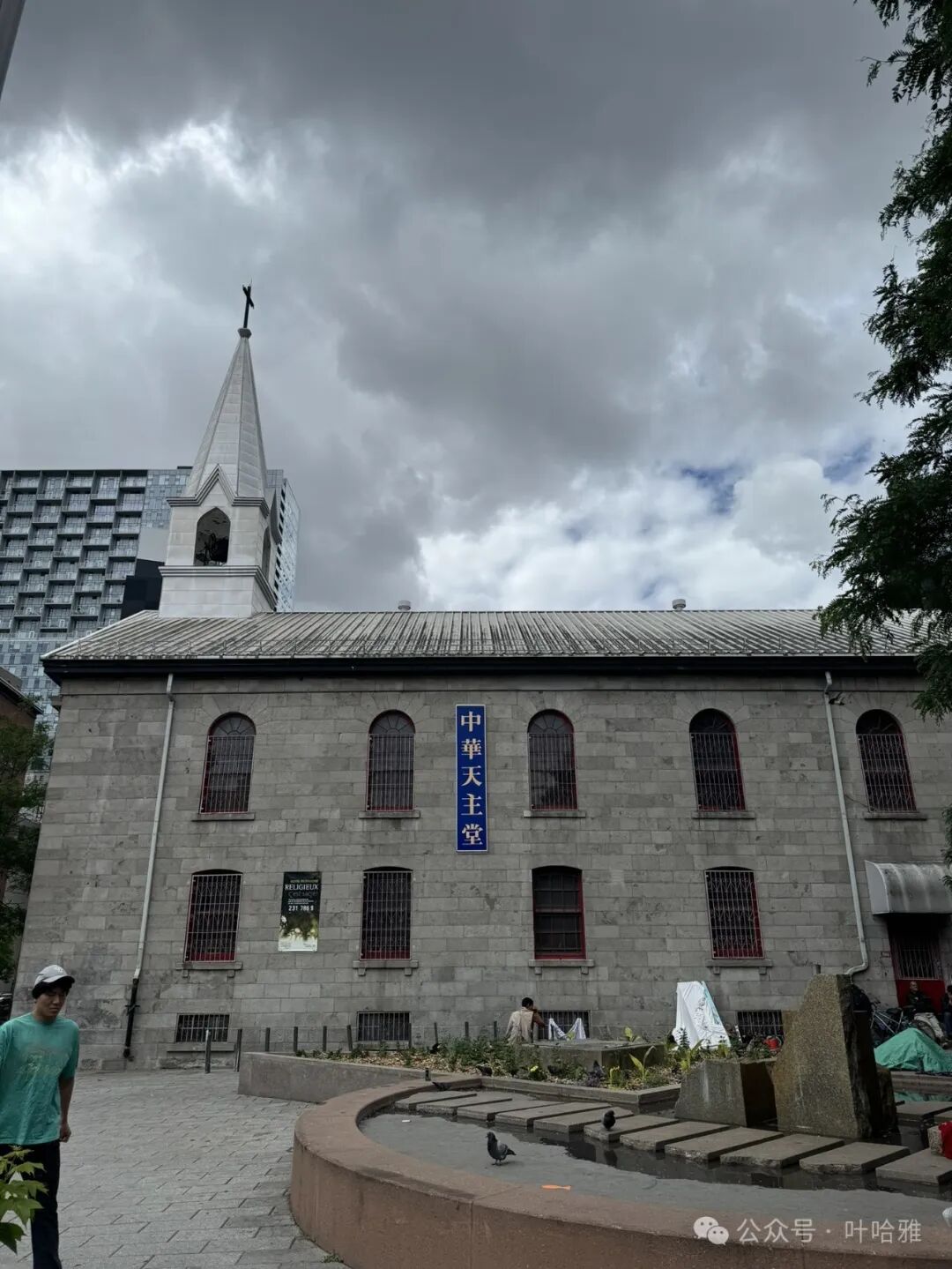
The Chinese Catholic Church near Chinatown. Its size shows that the Chinese community in Montreal is quite influential.
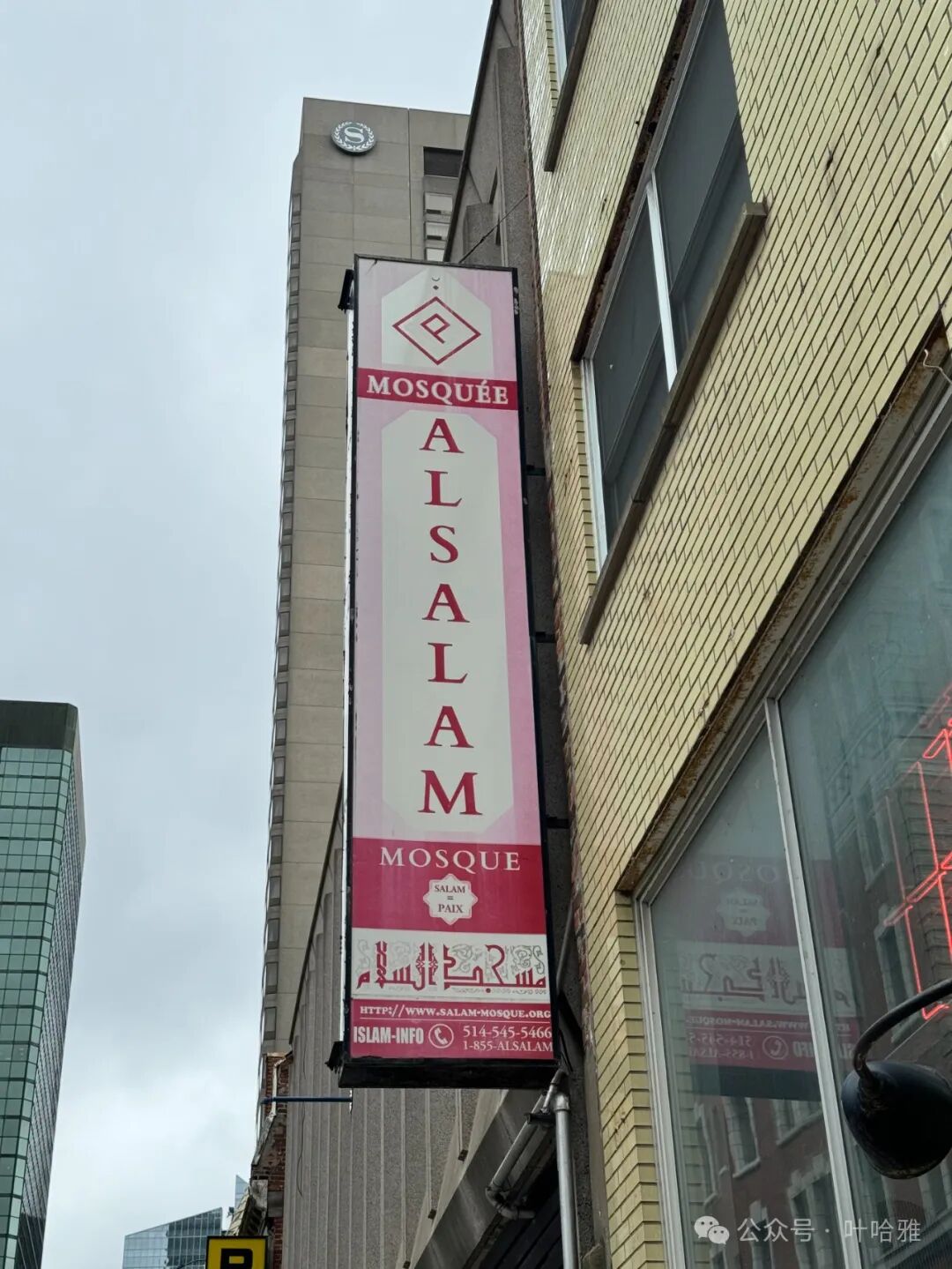
A prayer spot in the city center. It reminds me of the prayer places in Tokyo, Japan. If you search for mosque or masjid on Google Maps, you will find a whole bunch of them.
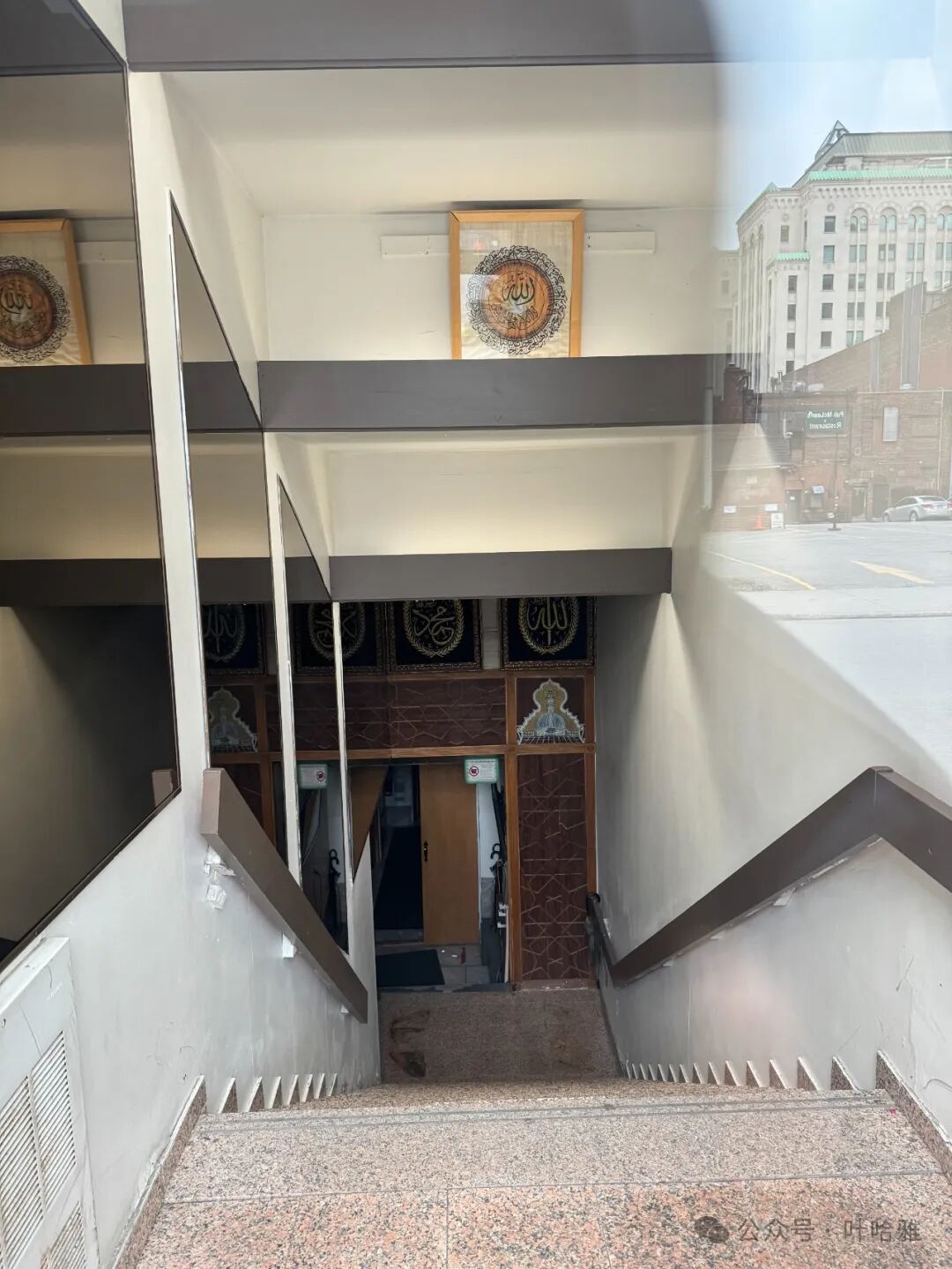
However, these places are usually closed, so a mosque city walk is not really possible here. Since the history of Muslims in this area is quite short, there are no particularly impressive mosques to see. They are all just in apartment-style buildings. If you want to see beautiful mosques, you have to go to Vancouver. I will introduce other Canadian cities in detail later.
Summary: This Muslim travel guide to Montreal covers transit through Rome, halal airline meals, prayer rooms, Quebec and Chinatown, halal restaurants, local mosques and musallas, Chinese community landmarks, and practical notes for Muslim travelers in Canada.
A Map of Mosques and Halal Food in Montreal, Canada is presented here as a firsthand travel account in clear English, beginning with this scene: Montreal was the first city I visited in Canada. I chose it because it is quite unique. Montreal is a French-speaking city in the province of Quebec and is the second-largest city in Canada. The account keeps its focus on Halal Travel, Yiwu Food, Mosque Travel while preserving the names, places, food, and historical details from the Chinese source.
Montreal was the first city I visited in Canada. I chose it because it is quite unique. Montreal is a French-speaking city in the province of Quebec and is the second-largest city in Canada.
There are no direct flights from mainland China to Canada. I chose a Hainan Airlines flight with a layover in Rome, Italy. With a Chinese passport and a U.S. or Canadian visa, you can transit through Rome without a visa, but you cannot leave the airport.
You need to book a halal meal with the airline at least one day in advance.
The plane arrived over Rome, the capital of Italy.
Fiumicino Airport in Rome has signs in Chinese.
There is also a prayer room. It is shared by all major religions, and prayer rooms are standard in international airports.
I walked through all the shops in the international transit area of Rome airport and did not find any halal restaurants.
Ferrari is a local specialty of Italy.
The iconic people and things of Italy are the Pope, the Mona Lisa, and the Leaning Tower of Pisa.
When in Italy, you have to try the locals' favorite: authentic espresso.
This small cup is meant to be downed in one gulp. It tastes very bitter and is quite strong. Italians drink coffee differently than people in other countries. For example, they call a latte Caffè latte or Latte macchiato. The former has no milk foam, while the latter does. In Italy, if you just ask for a latte, the clerk might think you want a glass of milk. Also, Italians usually do not drink coffee with milk in the afternoon; they are used to drinking coffee with milk at breakfast.
While drinking coffee, I saw a table of Muslims across from me. They ordered some pizza fast food at the cafe. This restaurant also sells pork, but that is very common in Europe. Muslims here are not very sensitive about pork, and many will eat at non-halal restaurants as long as they avoid the pork. Which non-halal foods are mentioned in the scriptures and teachings? I have talked about that.
After a long flight of over 9 hours, I arrived safely in Montreal, Quebec, Canada, where all the official signs are in French. Quebec was a French colony for 200 years and later colonized by the British, so its makeup is complex. It often pushes for independence, but the referendums failed, with citizens supporting unity winning by a narrow margin.
The Montreal subway stations look a lot like the New York subway, but they are much cleaner. Subway announcements are played in French first, then in English.
Montreal is generally quite clean, but the cost of living is high. There are not many places in Canada with low costs because taxes are high here.
Standard hotel rooms cost over 1,000 yuan per night.
Montreal has a well-developed public transport system. You can buy a one-day pass at the subway station for unlimited subway and bus rides for 24 hours, which is great for tourists. You can also just tap your Visa credit card. During my trip to Canada, I did not use any cash; all transactions were done with my credit card.
The street views look like a mix of Europe and America.
The iconic Notre-Dame Basilica in Montreal is under renovation on the outside, but you can buy a ticket to go inside and visit.
The Old Port of Montreal has great scenery and is perfect for a walk. It used to be a busy trading port, but it has been transformed now.
The sphere in the distance is the Montreal Biosphere, which once hosted the Summer Olympics.
Montreal Chinatown.
Several major Canadian cities have Chinatowns where Chinese people gather.
Sun Yat-sen Park in Chinatown.
A view of Montreal's Chinatown. I came here looking for a halal restaurant, but there are none.
North American Chinatowns don't feel familiar to me. Aside from the Chinese characters on the signs, the streets look more like Fujian or Guangdong. Most of the Chinese people here have roots in those provinces, and you hear a lot of Cantonese on the street.
Most Chinese tourists here are from Taiwan, and people from mainland China are rare.
Lichun Pavilion in Chinatown.
Lichun Pavilion doesn't look like a proper massage parlor.
Hongmen Building.
The Hongmen society started in the late Qing Dynasty and early Republic of China era. Mandi-ke is the Cantonese transliteration for Montreal, and the Hongmen Montreal branch has been around for over a hundred years.
A mural in Chinatown showing the four main characters from the Journey to the West.
PIZZA BIA
This shop is the closest halal pizza fast food place to Chinatown, and this type of small shop is one of the most common halal restaurants in Montreal.
The shop sells pizza, and you can buy it by the slice.
The Lanzhou hand-pulled noodle (Lanzhou lamian) shop in Chinatown is not halal, but it is very busy with a line at the door. In Canada, Lanzhou hand-pulled noodles have become a rare treat.
A street sign says Free Palestine. During this trip to Europe and America, I saw large-scale protests supporting Palestine at universities in major cities.
There are many halal restaurants around the old town of Montreal, and you can see them everywhere. Because this is a French-speaking area, many residents come from France. France has a Muslim population of nearly ten percent, and with immigrants from former French African colonies, Montreal naturally has many French-speaking Muslims.
The Moroccan Cultural Center in Montreal.
Lebanese restaurant.
Whenever I see that tree, I naturally think of the cedar, the symbol of Lebanon that originates from the Bible.
A chicken shawarma bowl from a Lebanese restaurant, with a side of tabbouleh salad and a bottle of pineapple soda.
This simple meal cost 30.43 Canadian dollars, which is equivalent to over 200 RMB. This is the daily price level in North America.
An Iranian bazaar.
There are many Iranians in Canada, but many are not halal because they arrived as refugees and have a rebellious streak. Still, there are devout believers among them. I visited some Shia mosques in Canada, which I will mention later.
Halal fried chicken shop
Halal fried chicken shop
Halal kebab shop
Halal Turkish restaurant
Halal burger and fried chicken shop
I took this photo while walking through the old town streets just before 9 a.m.
Halal kebab shop
Halal burger and hot dog shop
The person wearing a turban in the photo is a Sikh, not a Muslim. They refuse to eat halal food.
Halal Indian cuisine
I wandered along the main road in the city center early in the morning. Seeing these halal eateries made me both excited and disappointed. I am disappointed because there are only a few types of halal restaurants here, and none are high-end establishments. This shows that the social status of us Muslims in Canada is not very high, as most are in the working class.
This is the closest mosque to Chinatown. Many small mosques in Canada do not open their doors until it is time for prayer.
Islamic Center of Quebec
The Islamic Center of Quebec. In North America, places called centers are usually schools. This one is both a mosque and a religious school.
Scan the code to see the prayer times in Quebec. The daylight hours here are similar to Xinjiang. It does not get dark until after 10 p.m., and the sun rises at 4 a.m.
I arrived just in time to hear the imam giving a sermon (waaz), which is the usual practice before the night prayer (isha).
A church that also serves as a memorial for Mandela.
The church is not open every day. The doors are locked when there are no services.
The Chinese Catholic Church near Chinatown. Its size shows that the Chinese community in Montreal is quite influential.
A prayer spot in the city center. It reminds me of the prayer places in Tokyo, Japan. If you search for mosque or masjid on Google Maps, you will find a whole bunch of them.
However, these places are usually closed, so a mosque city walk is not really possible here. Since the history of Muslims in this area is quite short, there are no particularly impressive mosques to see. They are all just in apartment-style buildings. If you want to see beautiful mosques, you have to go to Vancouver. I will introduce other Canadian cities in detail later.
Muslim Travel Guide Montreal: Mosques, Halal Food, Chinatown and Canada Muslim City Walk
Articles • yusuf908 posted the article • 0 comments • 272 views • 2026-05-22 23:37
Reposted from the web
Summary: This Muslim travel guide to Montreal covers transit through Rome, halal airline meals, prayer rooms, Quebec and Chinatown, halal restaurants, local mosques and musallas, Chinese community landmarks, and practical notes for Muslim travelers in Canada.
A Map of Mosques and Halal Food in Montreal, Canada is presented here as a firsthand travel account in clear English, beginning with this scene: Montreal was the first city I visited in Canada. I chose it because it is quite unique. Montreal is a French-speaking city in the province of Quebec and is the second-largest city in Canada. The account keeps its focus on Halal Travel, Yiwu Food, Mosque Travel while preserving the names, places, food, and historical details from the Chinese source.
Montreal was the first city I visited in Canada. I chose it because it is quite unique. Montreal is a French-speaking city in the province of Quebec and is the second-largest city in Canada.
There are no direct flights from mainland China to Canada. I chose a Hainan Airlines flight with a layover in Rome, Italy. With a Chinese passport and a U.S. or Canadian visa, you can transit through Rome without a visa, but you cannot leave the airport.
You need to book a halal meal with the airline at least one day in advance.
The plane arrived over Rome, the capital of Italy.
Fiumicino Airport in Rome has signs in Chinese.
There is also a prayer room. It is shared by all major religions, and prayer rooms are standard in international airports.
I walked through all the shops in the international transit area of Rome airport and did not find any halal restaurants.
Ferrari is a local specialty of Italy.
The iconic people and things of Italy are the Pope, the Mona Lisa, and the Leaning Tower of Pisa.
When in Italy, you have to try the locals' favorite: authentic espresso.
This small cup is meant to be downed in one gulp. It tastes very bitter and is quite strong. Italians drink coffee differently than people in other countries. For example, they call a latte Caffè latte or Latte macchiato. The former has no milk foam, while the latter does. In Italy, if you just ask for a latte, the clerk might think you want a glass of milk. Also, Italians usually do not drink coffee with milk in the afternoon; they are used to drinking coffee with milk at breakfast.
While drinking coffee, I saw a table of Muslims across from me. They ordered some pizza fast food at the cafe. This restaurant also sells pork, but that is very common in Europe. Muslims here are not very sensitive about pork, and many will eat at non-halal restaurants as long as they avoid the pork. Which non-halal foods are mentioned in the scriptures and teachings? I have talked about that.
After a long flight of over 9 hours, I arrived safely in Montreal, Quebec, Canada, where all the official signs are in French. Quebec was a French colony for 200 years and later colonized by the British, so its makeup is complex. It often pushes for independence, but the referendums failed, with citizens supporting unity winning by a narrow margin.
The Montreal subway stations look a lot like the New York subway, but they are much cleaner. Subway announcements are played in French first, then in English.
Montreal is generally quite clean, but the cost of living is high. There are not many places in Canada with low costs because taxes are high here.
Standard hotel rooms cost over 1,000 yuan per night.
Montreal has a well-developed public transport system. You can buy a one-day pass at the subway station for unlimited subway and bus rides for 24 hours, which is great for tourists. You can also just tap your Visa credit card. During my trip to Canada, I did not use any cash; all transactions were done with my credit card.
The street views look like a mix of Europe and America.
The iconic Notre-Dame Basilica in Montreal is under renovation on the outside, but you can buy a ticket to go inside and visit.
The Old Port of Montreal has great scenery and is perfect for a walk. It used to be a busy trading port, but it has been transformed now.
The sphere in the distance is the Montreal Biosphere, which once hosted the Summer Olympics.
Montreal Chinatown.
Several major Canadian cities have Chinatowns where Chinese people gather.
Sun Yat-sen Park in Chinatown.
A view of Montreal's Chinatown. I came here looking for a halal restaurant, but there are none.
North American Chinatowns don't feel familiar to me. Aside from the Chinese characters on the signs, the streets look more like Fujian or Guangdong. Most of the Chinese people here have roots in those provinces, and you hear a lot of Cantonese on the street.
Most Chinese tourists here are from Taiwan, and people from mainland China are rare.
Lichun Pavilion in Chinatown.
Lichun Pavilion doesn't look like a proper massage parlor.
Hongmen Building.
The Hongmen society started in the late Qing Dynasty and early Republic of China era. Mandi-ke is the Cantonese transliteration for Montreal, and the Hongmen Montreal branch has been around for over a hundred years.
A mural in Chinatown showing the four main characters from the Journey to the West.
PIZZA BIA
This shop is the closest halal pizza fast food place to Chinatown, and this type of small shop is one of the most common halal restaurants in Montreal.
The shop sells pizza, and you can buy it by the slice.
The Lanzhou hand-pulled noodle (Lanzhou lamian) shop in Chinatown is not halal, but it is very busy with a line at the door. In Canada, Lanzhou hand-pulled noodles have become a rare treat.
A street sign says Free Palestine. During this trip to Europe and America, I saw large-scale protests supporting Palestine at universities in major cities.
There are many halal restaurants around the old town of Montreal, and you can see them everywhere. Because this is a French-speaking area, many residents come from France. France has a Muslim population of nearly ten percent, and with immigrants from former French African colonies, Montreal naturally has many French-speaking Muslims.
The Moroccan Cultural Center in Montreal.
Lebanese restaurant.
Whenever I see that tree, I naturally think of the cedar, the symbol of Lebanon that originates from the Bible.
A chicken shawarma bowl from a Lebanese restaurant, with a side of tabbouleh salad and a bottle of pineapple soda.
This simple meal cost 30.43 Canadian dollars, which is equivalent to over 200 RMB. This is the daily price level in North America.
An Iranian bazaar.
There are many Iranians in Canada, but many are not halal because they arrived as refugees and have a rebellious streak. Still, there are devout believers among them. I visited some Shia mosques in Canada, which I will mention later.
Halal fried chicken shop
Halal fried chicken shop
Halal kebab shop
Halal Turkish restaurant
Halal burger and fried chicken shop
I took this photo while walking through the old town streets just before 9 a.m.
Halal kebab shop
Halal burger and hot dog shop
The person wearing a turban in the photo is a Sikh, not a Muslim. They refuse to eat halal food.
Halal Indian cuisine
I wandered along the main road in the city center early in the morning. Seeing these halal eateries made me both excited and disappointed. I am disappointed because there are only a few types of halal restaurants here, and none are high-end establishments. This shows that the social status of us Muslims in Canada is not very high, as most are in the working class.
This is the closest mosque to Chinatown. Many small mosques in Canada do not open their doors until it is time for prayer.
Islamic Center of Quebec
The Islamic Center of Quebec. In North America, places called centers are usually schools. This one is both a mosque and a religious school.
Scan the code to see the prayer times in Quebec. The daylight hours here are similar to Xinjiang. It does not get dark until after 10 p.m., and the sun rises at 4 a.m.
I arrived just in time to hear the imam giving a sermon (waaz), which is the usual practice before the night prayer (isha).
A church that also serves as a memorial for Mandela.
The church is not open every day. The doors are locked when there are no services.
The Chinese Catholic Church near Chinatown. Its size shows that the Chinese community in Montreal is quite influential.
A prayer spot in the city center. It reminds me of the prayer places in Tokyo, Japan. If you search for mosque or masjid on Google Maps, you will find a whole bunch of them.
However, these places are usually closed, so a mosque city walk is not really possible here. Since the history of Muslims in this area is quite short, there are no particularly impressive mosques to see. They are all just in apartment-style buildings. If you want to see beautiful mosques, you have to go to Vancouver. I will introduce other Canadian cities in detail later. view all
Summary: This Muslim travel guide to Montreal covers transit through Rome, halal airline meals, prayer rooms, Quebec and Chinatown, halal restaurants, local mosques and musallas, Chinese community landmarks, and practical notes for Muslim travelers in Canada.
A Map of Mosques and Halal Food in Montreal, Canada is presented here as a firsthand travel account in clear English, beginning with this scene: Montreal was the first city I visited in Canada. I chose it because it is quite unique. Montreal is a French-speaking city in the province of Quebec and is the second-largest city in Canada. The account keeps its focus on Halal Travel, Yiwu Food, Mosque Travel while preserving the names, places, food, and historical details from the Chinese source.
Montreal was the first city I visited in Canada. I chose it because it is quite unique. Montreal is a French-speaking city in the province of Quebec and is the second-largest city in Canada.
There are no direct flights from mainland China to Canada. I chose a Hainan Airlines flight with a layover in Rome, Italy. With a Chinese passport and a U.S. or Canadian visa, you can transit through Rome without a visa, but you cannot leave the airport.
You need to book a halal meal with the airline at least one day in advance.
The plane arrived over Rome, the capital of Italy.
Fiumicino Airport in Rome has signs in Chinese.
There is also a prayer room. It is shared by all major religions, and prayer rooms are standard in international airports.
I walked through all the shops in the international transit area of Rome airport and did not find any halal restaurants.
Ferrari is a local specialty of Italy.
The iconic people and things of Italy are the Pope, the Mona Lisa, and the Leaning Tower of Pisa.
When in Italy, you have to try the locals' favorite: authentic espresso.
This small cup is meant to be downed in one gulp. It tastes very bitter and is quite strong. Italians drink coffee differently than people in other countries. For example, they call a latte Caffè latte or Latte macchiato. The former has no milk foam, while the latter does. In Italy, if you just ask for a latte, the clerk might think you want a glass of milk. Also, Italians usually do not drink coffee with milk in the afternoon; they are used to drinking coffee with milk at breakfast.
While drinking coffee, I saw a table of Muslims across from me. They ordered some pizza fast food at the cafe. This restaurant also sells pork, but that is very common in Europe. Muslims here are not very sensitive about pork, and many will eat at non-halal restaurants as long as they avoid the pork. Which non-halal foods are mentioned in the scriptures and teachings? I have talked about that.
After a long flight of over 9 hours, I arrived safely in Montreal, Quebec, Canada, where all the official signs are in French. Quebec was a French colony for 200 years and later colonized by the British, so its makeup is complex. It often pushes for independence, but the referendums failed, with citizens supporting unity winning by a narrow margin.
The Montreal subway stations look a lot like the New York subway, but they are much cleaner. Subway announcements are played in French first, then in English.
Montreal is generally quite clean, but the cost of living is high. There are not many places in Canada with low costs because taxes are high here.
Standard hotel rooms cost over 1,000 yuan per night.
Montreal has a well-developed public transport system. You can buy a one-day pass at the subway station for unlimited subway and bus rides for 24 hours, which is great for tourists. You can also just tap your Visa credit card. During my trip to Canada, I did not use any cash; all transactions were done with my credit card.
The street views look like a mix of Europe and America.
The iconic Notre-Dame Basilica in Montreal is under renovation on the outside, but you can buy a ticket to go inside and visit.
The Old Port of Montreal has great scenery and is perfect for a walk. It used to be a busy trading port, but it has been transformed now.
The sphere in the distance is the Montreal Biosphere, which once hosted the Summer Olympics.
Montreal Chinatown.
Several major Canadian cities have Chinatowns where Chinese people gather.
Sun Yat-sen Park in Chinatown.
A view of Montreal's Chinatown. I came here looking for a halal restaurant, but there are none.
North American Chinatowns don't feel familiar to me. Aside from the Chinese characters on the signs, the streets look more like Fujian or Guangdong. Most of the Chinese people here have roots in those provinces, and you hear a lot of Cantonese on the street.
Most Chinese tourists here are from Taiwan, and people from mainland China are rare.
Lichun Pavilion in Chinatown.
Lichun Pavilion doesn't look like a proper massage parlor.
Hongmen Building.
The Hongmen society started in the late Qing Dynasty and early Republic of China era. Mandi-ke is the Cantonese transliteration for Montreal, and the Hongmen Montreal branch has been around for over a hundred years.
A mural in Chinatown showing the four main characters from the Journey to the West.
PIZZA BIA
This shop is the closest halal pizza fast food place to Chinatown, and this type of small shop is one of the most common halal restaurants in Montreal.
The shop sells pizza, and you can buy it by the slice.
The Lanzhou hand-pulled noodle (Lanzhou lamian) shop in Chinatown is not halal, but it is very busy with a line at the door. In Canada, Lanzhou hand-pulled noodles have become a rare treat.
A street sign says Free Palestine. During this trip to Europe and America, I saw large-scale protests supporting Palestine at universities in major cities.
There are many halal restaurants around the old town of Montreal, and you can see them everywhere. Because this is a French-speaking area, many residents come from France. France has a Muslim population of nearly ten percent, and with immigrants from former French African colonies, Montreal naturally has many French-speaking Muslims.
The Moroccan Cultural Center in Montreal.
Lebanese restaurant.
Whenever I see that tree, I naturally think of the cedar, the symbol of Lebanon that originates from the Bible.
A chicken shawarma bowl from a Lebanese restaurant, with a side of tabbouleh salad and a bottle of pineapple soda.
This simple meal cost 30.43 Canadian dollars, which is equivalent to over 200 RMB. This is the daily price level in North America.
An Iranian bazaar.
There are many Iranians in Canada, but many are not halal because they arrived as refugees and have a rebellious streak. Still, there are devout believers among them. I visited some Shia mosques in Canada, which I will mention later.
Halal fried chicken shop
Halal fried chicken shop
Halal kebab shop
Halal Turkish restaurant
Halal burger and fried chicken shop
I took this photo while walking through the old town streets just before 9 a.m.
Halal kebab shop
Halal burger and hot dog shop
The person wearing a turban in the photo is a Sikh, not a Muslim. They refuse to eat halal food.
Halal Indian cuisine
I wandered along the main road in the city center early in the morning. Seeing these halal eateries made me both excited and disappointed. I am disappointed because there are only a few types of halal restaurants here, and none are high-end establishments. This shows that the social status of us Muslims in Canada is not very high, as most are in the working class.
This is the closest mosque to Chinatown. Many small mosques in Canada do not open their doors until it is time for prayer.
Islamic Center of Quebec
The Islamic Center of Quebec. In North America, places called centers are usually schools. This one is both a mosque and a religious school.
Scan the code to see the prayer times in Quebec. The daylight hours here are similar to Xinjiang. It does not get dark until after 10 p.m., and the sun rises at 4 a.m.
I arrived just in time to hear the imam giving a sermon (waaz), which is the usual practice before the night prayer (isha).
A church that also serves as a memorial for Mandela.
The church is not open every day. The doors are locked when there are no services.
The Chinese Catholic Church near Chinatown. Its size shows that the Chinese community in Montreal is quite influential.
A prayer spot in the city center. It reminds me of the prayer places in Tokyo, Japan. If you search for mosque or masjid on Google Maps, you will find a whole bunch of them.
However, these places are usually closed, so a mosque city walk is not really possible here. Since the history of Muslims in this area is quite short, there are no particularly impressive mosques to see. They are all just in apartment-style buildings. If you want to see beautiful mosques, you have to go to Vancouver. I will introduce other Canadian cities in detail later. view all
Reposted from the web
Summary: This Muslim travel guide to Montreal covers transit through Rome, halal airline meals, prayer rooms, Quebec and Chinatown, halal restaurants, local mosques and musallas, Chinese community landmarks, and practical notes for Muslim travelers in Canada.
A Map of Mosques and Halal Food in Montreal, Canada is presented here as a firsthand travel account in clear English, beginning with this scene: Montreal was the first city I visited in Canada. I chose it because it is quite unique. Montreal is a French-speaking city in the province of Quebec and is the second-largest city in Canada. The account keeps its focus on Halal Travel, Yiwu Food, Mosque Travel while preserving the names, places, food, and historical details from the Chinese source.
Montreal was the first city I visited in Canada. I chose it because it is quite unique. Montreal is a French-speaking city in the province of Quebec and is the second-largest city in Canada.
There are no direct flights from mainland China to Canada. I chose a Hainan Airlines flight with a layover in Rome, Italy. With a Chinese passport and a U.S. or Canadian visa, you can transit through Rome without a visa, but you cannot leave the airport.
You need to book a halal meal with the airline at least one day in advance.
The plane arrived over Rome, the capital of Italy.
Fiumicino Airport in Rome has signs in Chinese.
There is also a prayer room. It is shared by all major religions, and prayer rooms are standard in international airports.
I walked through all the shops in the international transit area of Rome airport and did not find any halal restaurants.
Ferrari is a local specialty of Italy.
The iconic people and things of Italy are the Pope, the Mona Lisa, and the Leaning Tower of Pisa.
When in Italy, you have to try the locals' favorite: authentic espresso.
This small cup is meant to be downed in one gulp. It tastes very bitter and is quite strong. Italians drink coffee differently than people in other countries. For example, they call a latte Caffè latte or Latte macchiato. The former has no milk foam, while the latter does. In Italy, if you just ask for a latte, the clerk might think you want a glass of milk. Also, Italians usually do not drink coffee with milk in the afternoon; they are used to drinking coffee with milk at breakfast.
While drinking coffee, I saw a table of Muslims across from me. They ordered some pizza fast food at the cafe. This restaurant also sells pork, but that is very common in Europe. Muslims here are not very sensitive about pork, and many will eat at non-halal restaurants as long as they avoid the pork. Which non-halal foods are mentioned in the scriptures and teachings? I have talked about that.
After a long flight of over 9 hours, I arrived safely in Montreal, Quebec, Canada, where all the official signs are in French. Quebec was a French colony for 200 years and later colonized by the British, so its makeup is complex. It often pushes for independence, but the referendums failed, with citizens supporting unity winning by a narrow margin.
The Montreal subway stations look a lot like the New York subway, but they are much cleaner. Subway announcements are played in French first, then in English.
Montreal is generally quite clean, but the cost of living is high. There are not many places in Canada with low costs because taxes are high here.
Standard hotel rooms cost over 1,000 yuan per night.
Montreal has a well-developed public transport system. You can buy a one-day pass at the subway station for unlimited subway and bus rides for 24 hours, which is great for tourists. You can also just tap your Visa credit card. During my trip to Canada, I did not use any cash; all transactions were done with my credit card.
The street views look like a mix of Europe and America.
The iconic Notre-Dame Basilica in Montreal is under renovation on the outside, but you can buy a ticket to go inside and visit.
The Old Port of Montreal has great scenery and is perfect for a walk. It used to be a busy trading port, but it has been transformed now.
The sphere in the distance is the Montreal Biosphere, which once hosted the Summer Olympics.
Montreal Chinatown.
Several major Canadian cities have Chinatowns where Chinese people gather.
Sun Yat-sen Park in Chinatown.
A view of Montreal's Chinatown. I came here looking for a halal restaurant, but there are none.
North American Chinatowns don't feel familiar to me. Aside from the Chinese characters on the signs, the streets look more like Fujian or Guangdong. Most of the Chinese people here have roots in those provinces, and you hear a lot of Cantonese on the street.
Most Chinese tourists here are from Taiwan, and people from mainland China are rare.
Lichun Pavilion in Chinatown.
Lichun Pavilion doesn't look like a proper massage parlor.
Hongmen Building.
The Hongmen society started in the late Qing Dynasty and early Republic of China era. Mandi-ke is the Cantonese transliteration for Montreal, and the Hongmen Montreal branch has been around for over a hundred years.
A mural in Chinatown showing the four main characters from the Journey to the West.
PIZZA BIA
This shop is the closest halal pizza fast food place to Chinatown, and this type of small shop is one of the most common halal restaurants in Montreal.
The shop sells pizza, and you can buy it by the slice.
The Lanzhou hand-pulled noodle (Lanzhou lamian) shop in Chinatown is not halal, but it is very busy with a line at the door. In Canada, Lanzhou hand-pulled noodles have become a rare treat.
A street sign says Free Palestine. During this trip to Europe and America, I saw large-scale protests supporting Palestine at universities in major cities.
There are many halal restaurants around the old town of Montreal, and you can see them everywhere. Because this is a French-speaking area, many residents come from France. France has a Muslim population of nearly ten percent, and with immigrants from former French African colonies, Montreal naturally has many French-speaking Muslims.
The Moroccan Cultural Center in Montreal.
Lebanese restaurant.
Whenever I see that tree, I naturally think of the cedar, the symbol of Lebanon that originates from the Bible.
A chicken shawarma bowl from a Lebanese restaurant, with a side of tabbouleh salad and a bottle of pineapple soda.
This simple meal cost 30.43 Canadian dollars, which is equivalent to over 200 RMB. This is the daily price level in North America.
An Iranian bazaar.
There are many Iranians in Canada, but many are not halal because they arrived as refugees and have a rebellious streak. Still, there are devout believers among them. I visited some Shia mosques in Canada, which I will mention later.
Halal fried chicken shop
Halal fried chicken shop
Halal kebab shop
Halal Turkish restaurant
Halal burger and fried chicken shop
I took this photo while walking through the old town streets just before 9 a.m.
Halal kebab shop
Halal burger and hot dog shop
The person wearing a turban in the photo is a Sikh, not a Muslim. They refuse to eat halal food.
Halal Indian cuisine
I wandered along the main road in the city center early in the morning. Seeing these halal eateries made me both excited and disappointed. I am disappointed because there are only a few types of halal restaurants here, and none are high-end establishments. This shows that the social status of us Muslims in Canada is not very high, as most are in the working class.
This is the closest mosque to Chinatown. Many small mosques in Canada do not open their doors until it is time for prayer.
Islamic Center of Quebec
The Islamic Center of Quebec. In North America, places called centers are usually schools. This one is both a mosque and a religious school.
Scan the code to see the prayer times in Quebec. The daylight hours here are similar to Xinjiang. It does not get dark until after 10 p.m., and the sun rises at 4 a.m.
I arrived just in time to hear the imam giving a sermon (waaz), which is the usual practice before the night prayer (isha).
A church that also serves as a memorial for Mandela.
The church is not open every day. The doors are locked when there are no services.
The Chinese Catholic Church near Chinatown. Its size shows that the Chinese community in Montreal is quite influential.
A prayer spot in the city center. It reminds me of the prayer places in Tokyo, Japan. If you search for mosque or masjid on Google Maps, you will find a whole bunch of them.
However, these places are usually closed, so a mosque city walk is not really possible here. Since the history of Muslims in this area is quite short, there are no particularly impressive mosques to see. They are all just in apartment-style buildings. If you want to see beautiful mosques, you have to go to Vancouver. I will introduce other Canadian cities in detail later.
Summary: This Muslim travel guide to Montreal covers transit through Rome, halal airline meals, prayer rooms, Quebec and Chinatown, halal restaurants, local mosques and musallas, Chinese community landmarks, and practical notes for Muslim travelers in Canada.
A Map of Mosques and Halal Food in Montreal, Canada is presented here as a firsthand travel account in clear English, beginning with this scene: Montreal was the first city I visited in Canada. I chose it because it is quite unique. Montreal is a French-speaking city in the province of Quebec and is the second-largest city in Canada. The account keeps its focus on Halal Travel, Yiwu Food, Mosque Travel while preserving the names, places, food, and historical details from the Chinese source.
Montreal was the first city I visited in Canada. I chose it because it is quite unique. Montreal is a French-speaking city in the province of Quebec and is the second-largest city in Canada.
There are no direct flights from mainland China to Canada. I chose a Hainan Airlines flight with a layover in Rome, Italy. With a Chinese passport and a U.S. or Canadian visa, you can transit through Rome without a visa, but you cannot leave the airport.
You need to book a halal meal with the airline at least one day in advance.
The plane arrived over Rome, the capital of Italy.
Fiumicino Airport in Rome has signs in Chinese.
There is also a prayer room. It is shared by all major religions, and prayer rooms are standard in international airports.
I walked through all the shops in the international transit area of Rome airport and did not find any halal restaurants.
Ferrari is a local specialty of Italy.
The iconic people and things of Italy are the Pope, the Mona Lisa, and the Leaning Tower of Pisa.
When in Italy, you have to try the locals' favorite: authentic espresso.
This small cup is meant to be downed in one gulp. It tastes very bitter and is quite strong. Italians drink coffee differently than people in other countries. For example, they call a latte Caffè latte or Latte macchiato. The former has no milk foam, while the latter does. In Italy, if you just ask for a latte, the clerk might think you want a glass of milk. Also, Italians usually do not drink coffee with milk in the afternoon; they are used to drinking coffee with milk at breakfast.
While drinking coffee, I saw a table of Muslims across from me. They ordered some pizza fast food at the cafe. This restaurant also sells pork, but that is very common in Europe. Muslims here are not very sensitive about pork, and many will eat at non-halal restaurants as long as they avoid the pork. Which non-halal foods are mentioned in the scriptures and teachings? I have talked about that.
After a long flight of over 9 hours, I arrived safely in Montreal, Quebec, Canada, where all the official signs are in French. Quebec was a French colony for 200 years and later colonized by the British, so its makeup is complex. It often pushes for independence, but the referendums failed, with citizens supporting unity winning by a narrow margin.
The Montreal subway stations look a lot like the New York subway, but they are much cleaner. Subway announcements are played in French first, then in English.
Montreal is generally quite clean, but the cost of living is high. There are not many places in Canada with low costs because taxes are high here.
Standard hotel rooms cost over 1,000 yuan per night.
Montreal has a well-developed public transport system. You can buy a one-day pass at the subway station for unlimited subway and bus rides for 24 hours, which is great for tourists. You can also just tap your Visa credit card. During my trip to Canada, I did not use any cash; all transactions were done with my credit card.
The street views look like a mix of Europe and America.
The iconic Notre-Dame Basilica in Montreal is under renovation on the outside, but you can buy a ticket to go inside and visit.
The Old Port of Montreal has great scenery and is perfect for a walk. It used to be a busy trading port, but it has been transformed now.
The sphere in the distance is the Montreal Biosphere, which once hosted the Summer Olympics.
Montreal Chinatown.
Several major Canadian cities have Chinatowns where Chinese people gather.
Sun Yat-sen Park in Chinatown.
A view of Montreal's Chinatown. I came here looking for a halal restaurant, but there are none.
North American Chinatowns don't feel familiar to me. Aside from the Chinese characters on the signs, the streets look more like Fujian or Guangdong. Most of the Chinese people here have roots in those provinces, and you hear a lot of Cantonese on the street.
Most Chinese tourists here are from Taiwan, and people from mainland China are rare.
Lichun Pavilion in Chinatown.
Lichun Pavilion doesn't look like a proper massage parlor.
Hongmen Building.
The Hongmen society started in the late Qing Dynasty and early Republic of China era. Mandi-ke is the Cantonese transliteration for Montreal, and the Hongmen Montreal branch has been around for over a hundred years.
A mural in Chinatown showing the four main characters from the Journey to the West.
PIZZA BIA
This shop is the closest halal pizza fast food place to Chinatown, and this type of small shop is one of the most common halal restaurants in Montreal.
The shop sells pizza, and you can buy it by the slice.
The Lanzhou hand-pulled noodle (Lanzhou lamian) shop in Chinatown is not halal, but it is very busy with a line at the door. In Canada, Lanzhou hand-pulled noodles have become a rare treat.
A street sign says Free Palestine. During this trip to Europe and America, I saw large-scale protests supporting Palestine at universities in major cities.
There are many halal restaurants around the old town of Montreal, and you can see them everywhere. Because this is a French-speaking area, many residents come from France. France has a Muslim population of nearly ten percent, and with immigrants from former French African colonies, Montreal naturally has many French-speaking Muslims.
The Moroccan Cultural Center in Montreal.
Lebanese restaurant.
Whenever I see that tree, I naturally think of the cedar, the symbol of Lebanon that originates from the Bible.
A chicken shawarma bowl from a Lebanese restaurant, with a side of tabbouleh salad and a bottle of pineapple soda.
This simple meal cost 30.43 Canadian dollars, which is equivalent to over 200 RMB. This is the daily price level in North America.
An Iranian bazaar.
There are many Iranians in Canada, but many are not halal because they arrived as refugees and have a rebellious streak. Still, there are devout believers among them. I visited some Shia mosques in Canada, which I will mention later.
Halal fried chicken shop
Halal fried chicken shop
Halal kebab shop
Halal Turkish restaurant
Halal burger and fried chicken shop
I took this photo while walking through the old town streets just before 9 a.m.
Halal kebab shop
Halal burger and hot dog shop
The person wearing a turban in the photo is a Sikh, not a Muslim. They refuse to eat halal food.
Halal Indian cuisine
I wandered along the main road in the city center early in the morning. Seeing these halal eateries made me both excited and disappointed. I am disappointed because there are only a few types of halal restaurants here, and none are high-end establishments. This shows that the social status of us Muslims in Canada is not very high, as most are in the working class.
This is the closest mosque to Chinatown. Many small mosques in Canada do not open their doors until it is time for prayer.
Islamic Center of Quebec
The Islamic Center of Quebec. In North America, places called centers are usually schools. This one is both a mosque and a religious school.
Scan the code to see the prayer times in Quebec. The daylight hours here are similar to Xinjiang. It does not get dark until after 10 p.m., and the sun rises at 4 a.m.
I arrived just in time to hear the imam giving a sermon (waaz), which is the usual practice before the night prayer (isha).
A church that also serves as a memorial for Mandela.
The church is not open every day. The doors are locked when there are no services.
The Chinese Catholic Church near Chinatown. Its size shows that the Chinese community in Montreal is quite influential.
A prayer spot in the city center. It reminds me of the prayer places in Tokyo, Japan. If you search for mosque or masjid on Google Maps, you will find a whole bunch of them.
However, these places are usually closed, so a mosque city walk is not really possible here. Since the history of Muslims in this area is quite short, there are no particularly impressive mosques to see. They are all just in apartment-style buildings. If you want to see beautiful mosques, you have to go to Vancouver. I will introduce other Canadian cities in detail later.