

Mosque Architecture
Chinese Republican-Era Mosque Architecture: Chinese and Western Design Elements
Articles • ali2007fr posted the article • 0 comments • 167 views • 2026-05-18 02:56
Reposted from the web
Summary: Chinese Republican-Era Mosque Architecture: Chinese and Western Design Elements is presented here as a firsthand travel account in clear English, beginning with this scene: During the Republic of China era, the introduction of Western architectural styles meant Chinese mosques were no longer limited to traditional Chinese designs and began to incorporate Western elements. The account keeps its focus on Mosque Architecture, Republican China, Muslim Heritage while preserving the names, places, food, and historical details from the Chinese source.
During the Republic of China era, the introduction of Western architectural styles meant Chinese mosques were no longer limited to traditional Chinese designs and began to incorporate Western elements. I will share 10 mosques I have visited that feature unique Republic-era architectural styles: the 1935 main hall of the Shenyang East Mosque, the 1936 gate of the Datong Mosque, the 1926 arched porch (juanpeng) of the Longshengzhuang Mosque in Fengzhen, Inner Mongolia, the 1923 main hall of the Hohhot Great Mosque, the rear hall of the Daxinzhuang East Mosque in Bo'ai, Henan, the 1935 gate of the Fuyou Road Mosque in Shanghai, the 1925 Xiaotaoyuan Mosque, the 1940 Beiying Mosque in Dezhou, Shandong, the 1920 gate of the Shahe Mosque in Beijing, and the 1920 first courtyard of the Dongsi Mosque.
1. Shenyang East Mosque
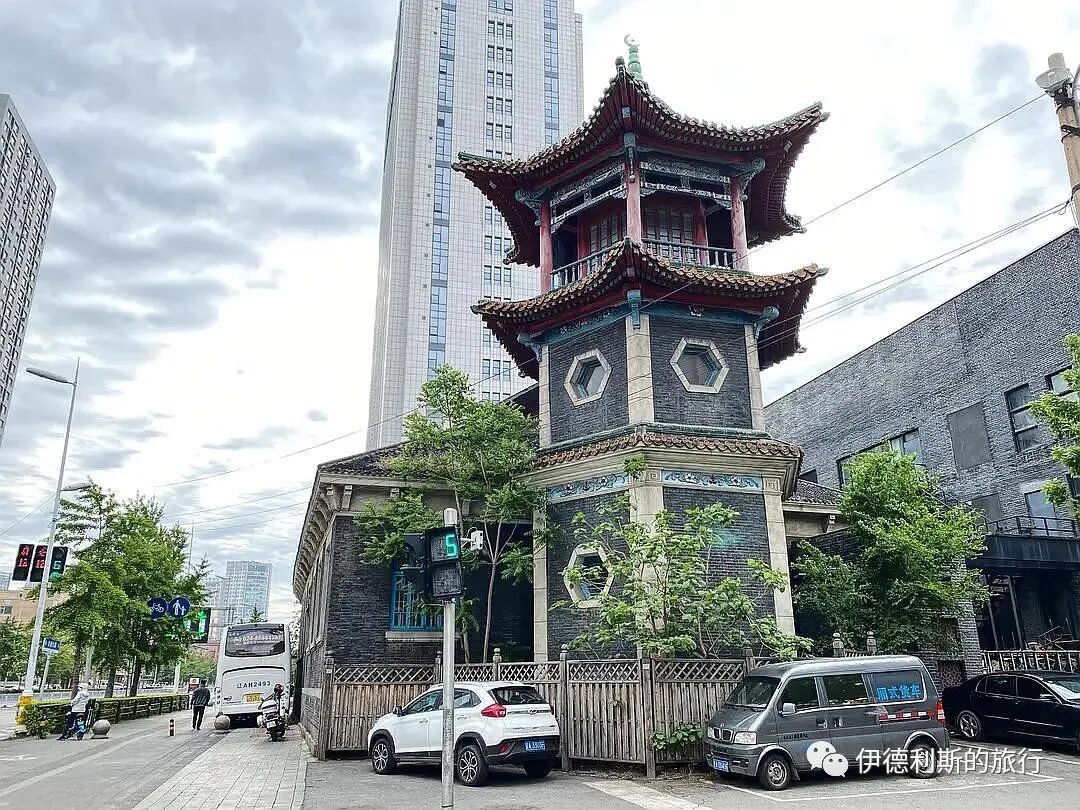
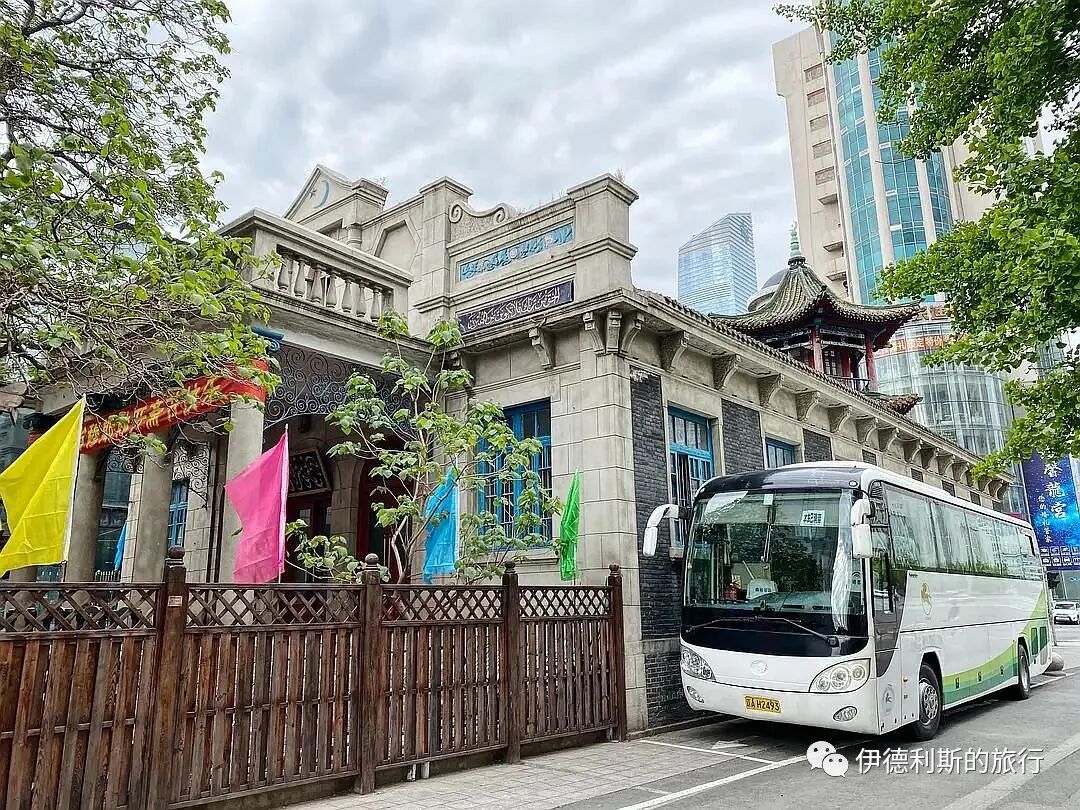
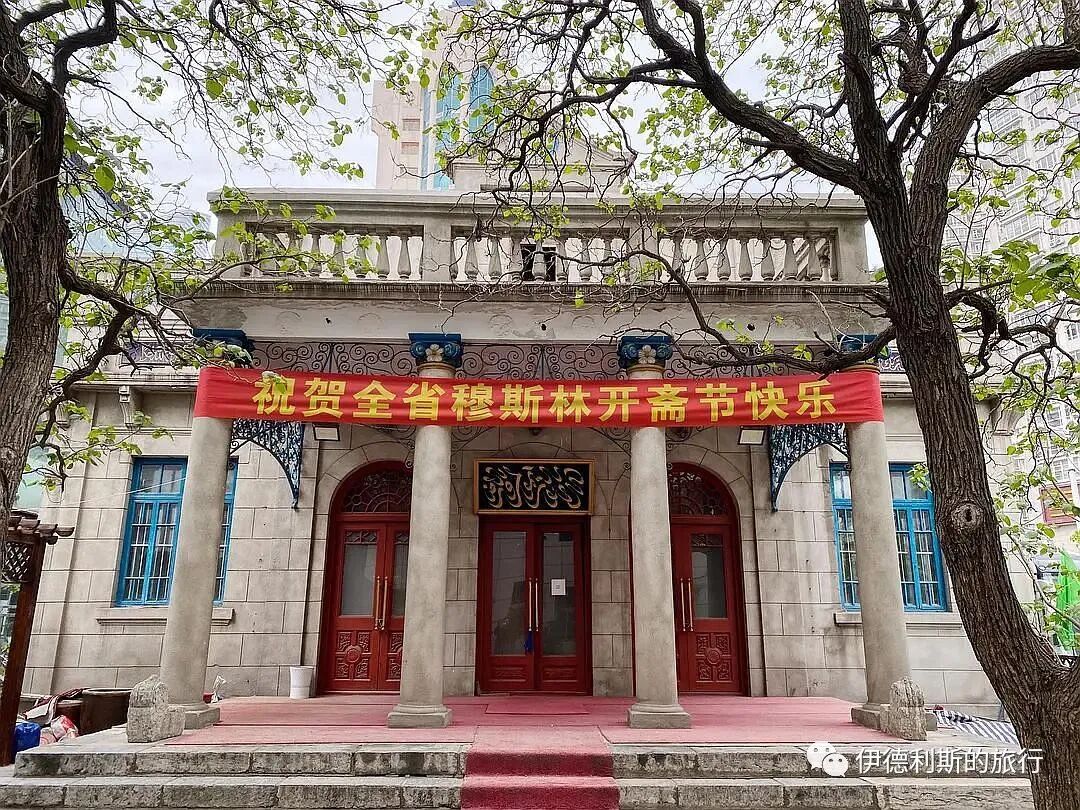
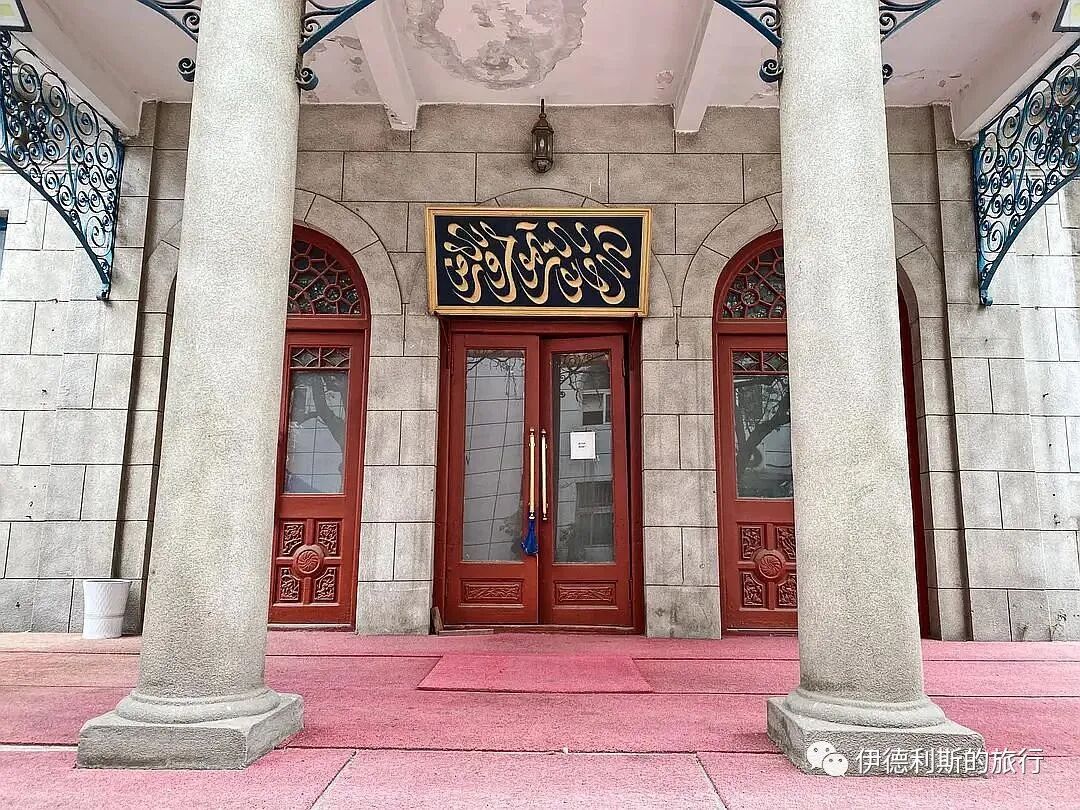
The Shenyang East Mosque was first built in 1803 (the eighth year of the Jiaqing reign). In 1935, the prayer hall was rebuilt in a Western style, while the moon-viewing tower (wangyuelou) kept its original Chinese style.
2. Datong Mosque
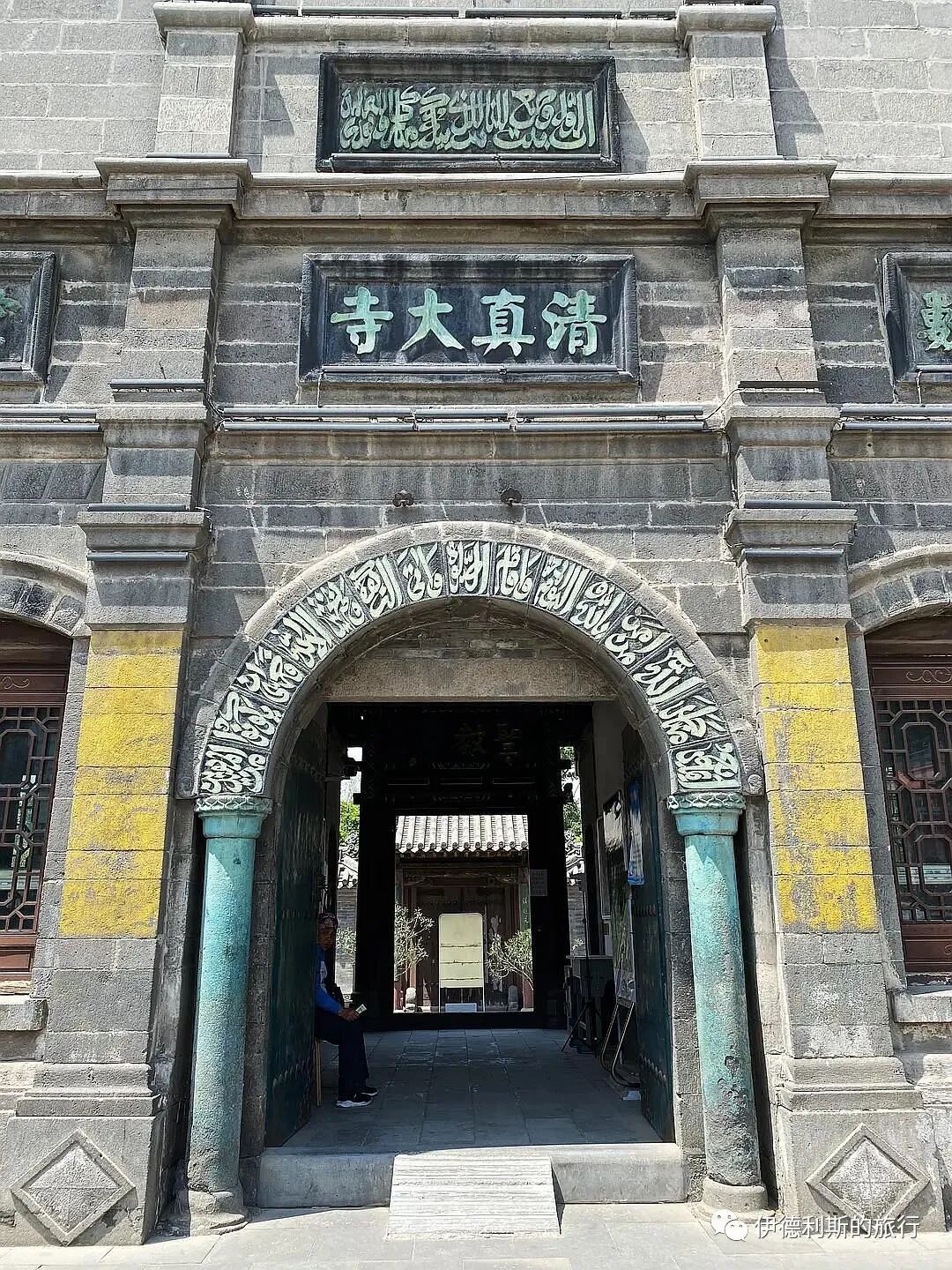
The gate of the Datong Mosque was rebuilt in 1936 and features a typical Republic-era style.
3. Longshengzhuang Mosque in Fengzhen, Inner Mongolia
Longshengzhuang in Fengzhen sits on the border of Shanxi and Inner Mongolia. From the Qing Dynasty to the early Republic era, it was at the intersection of trade routes between Hohhot, Datong, and Zhangjiakou, serving as an important market town for Shanxi merchants trading in Mongolia. Longshengzhuang reached its peak in the early Republic era, with over 300 shops and nearly 2 kilometers of storefronts lined up side by side.
The arched porch (juanpeng) of the Longshengzhuang Mosque was expanded in 1926 and features exquisite Republic-era ironwork decorations.
4. Hohhot Great Mosque
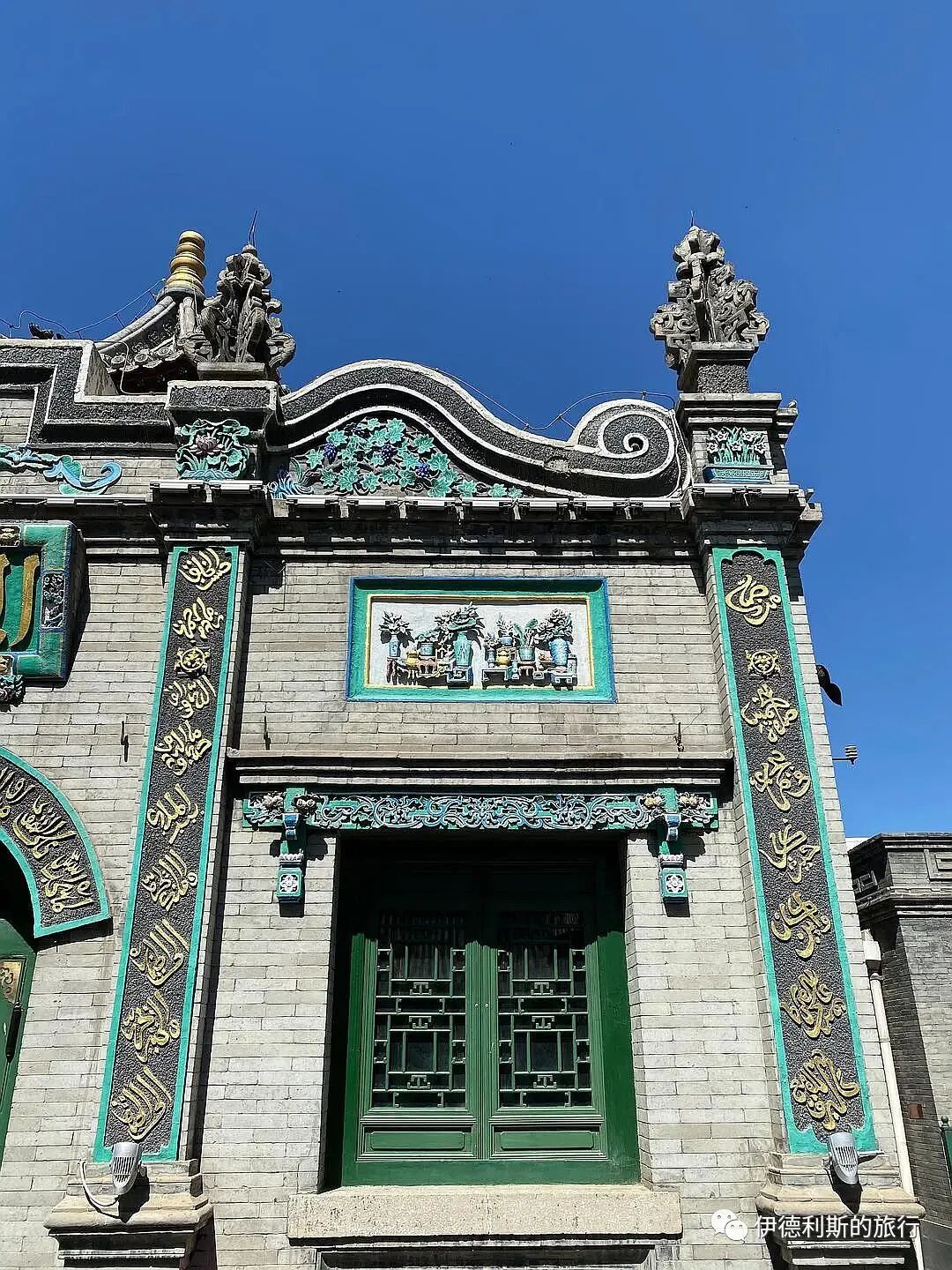
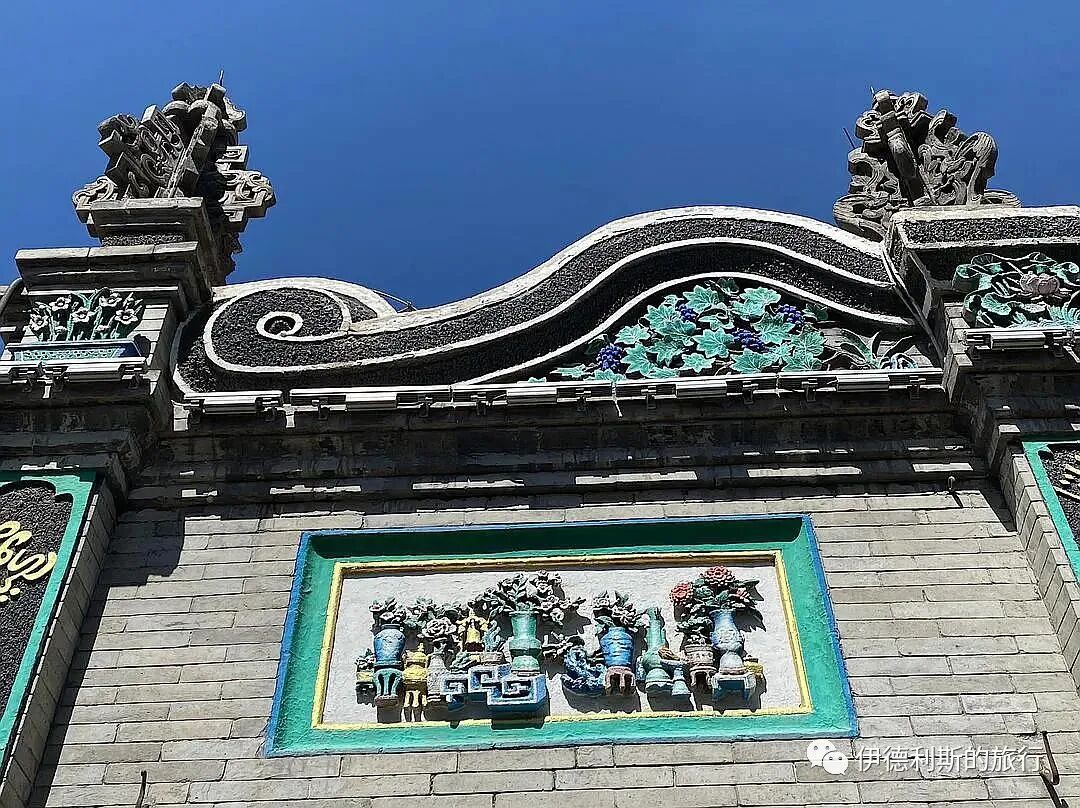
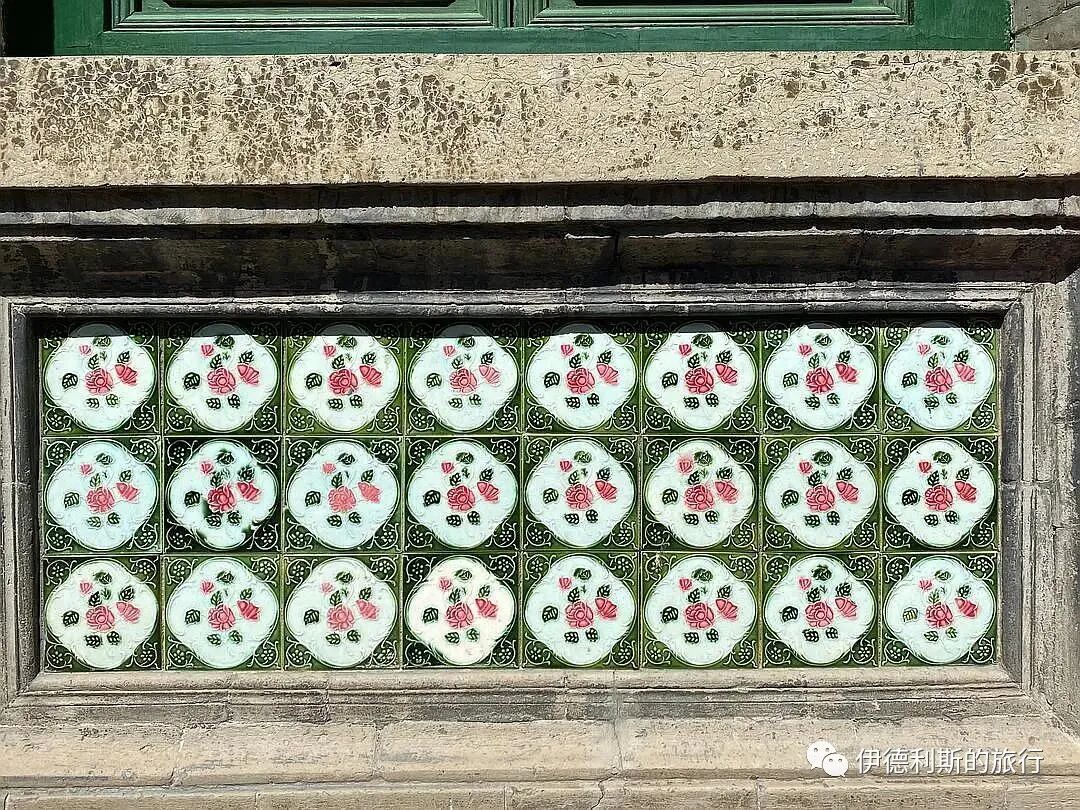
The prayer hall of the Hohhot Great Mosque was expanded in 1923. Its arched porch (juanpeng) blends Chinese and Western styles, featuring arched doors and walls decorated with beautiful Arabic calligraphy plaques, couplets, and floral patterns.
5. East Mosque in Daxinzhuang, Bo'ai, Henan
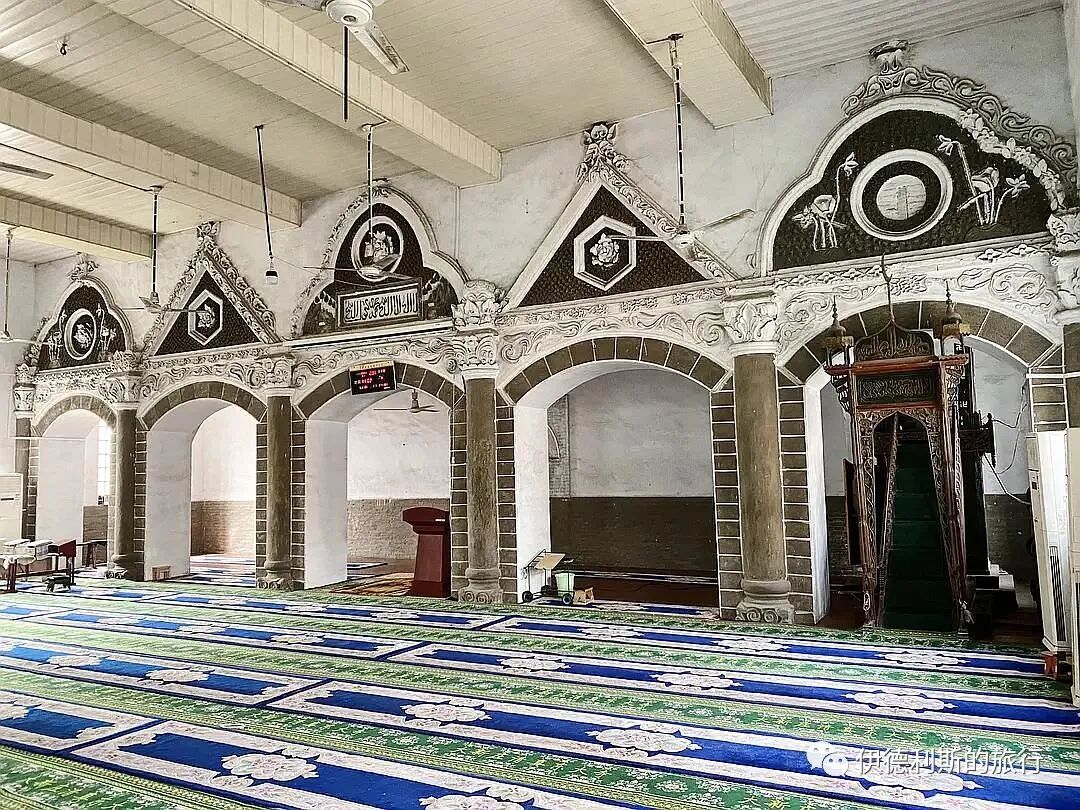
The East Mosque in Daxinzhuang, Bo'ai, Henan added a rear hall during the Republic of China era. It features five Roman-style arched doorways decorated with exquisite cement carvings from that period.
6. Fuyou Road Mosque, Shanghai
Fuyou Road Mosque is commonly known as the North Mosque. It was first built in 1870 (the ninth year of the Tongzhi reign) and was originally used by Hui Muslims from Nanjing who lived near the Old North Gate of Shanghai. In 1935, a famous Hui merchant named Ha Shaofu led the effort to convert the street-facing stone-gate houses (shikumen) into a three-story reinforced concrete building, with a moon-sighting pavilion built on the rooftop terrace.
7. Xiaotaoyuan Mosque, Shanghai
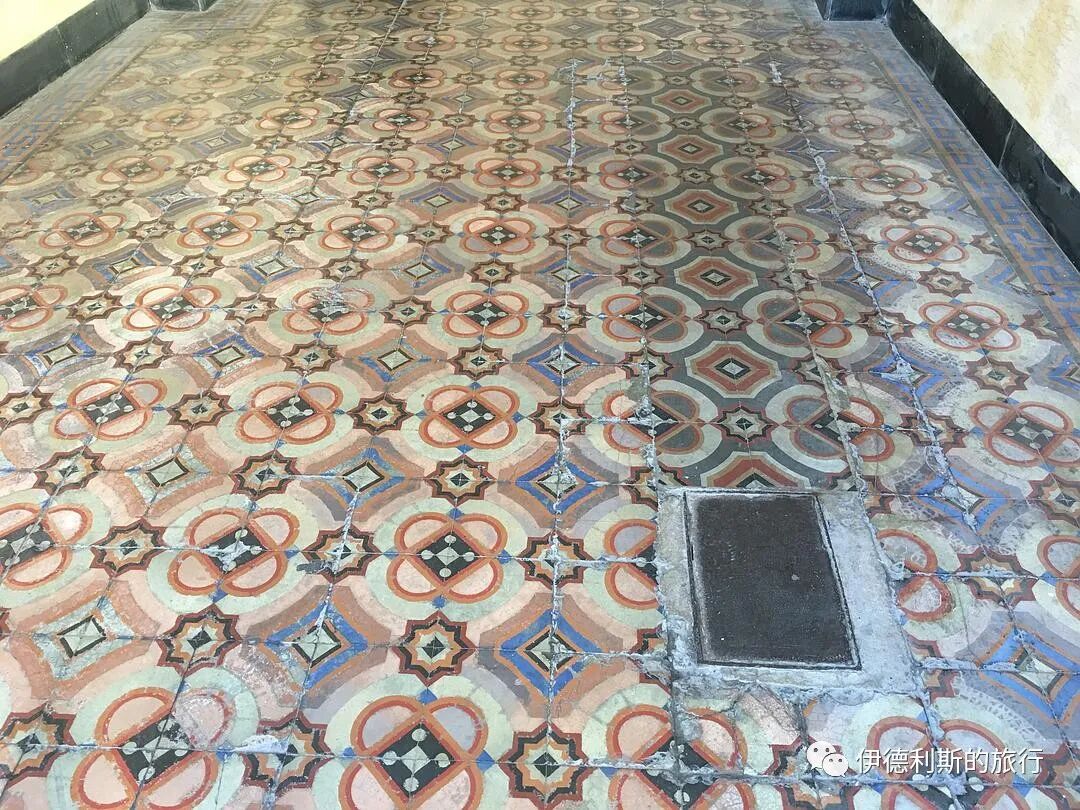
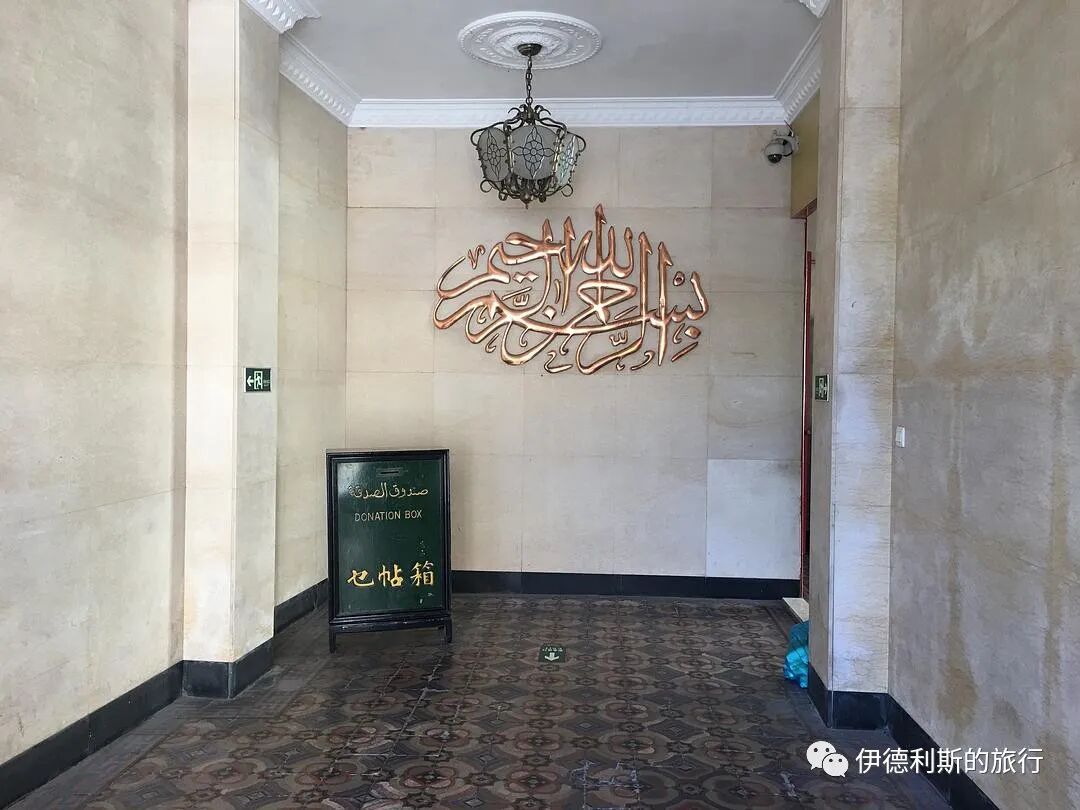
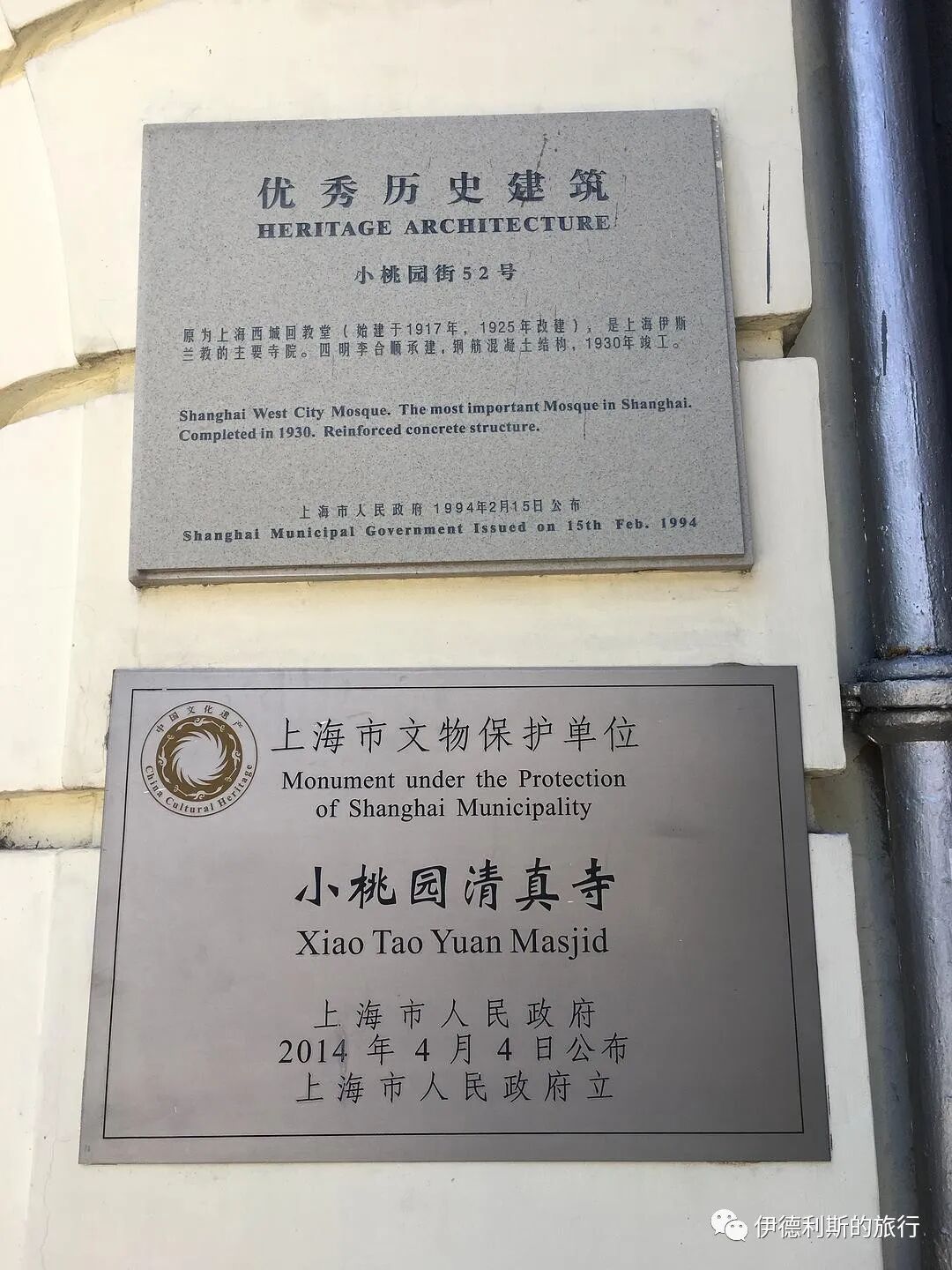
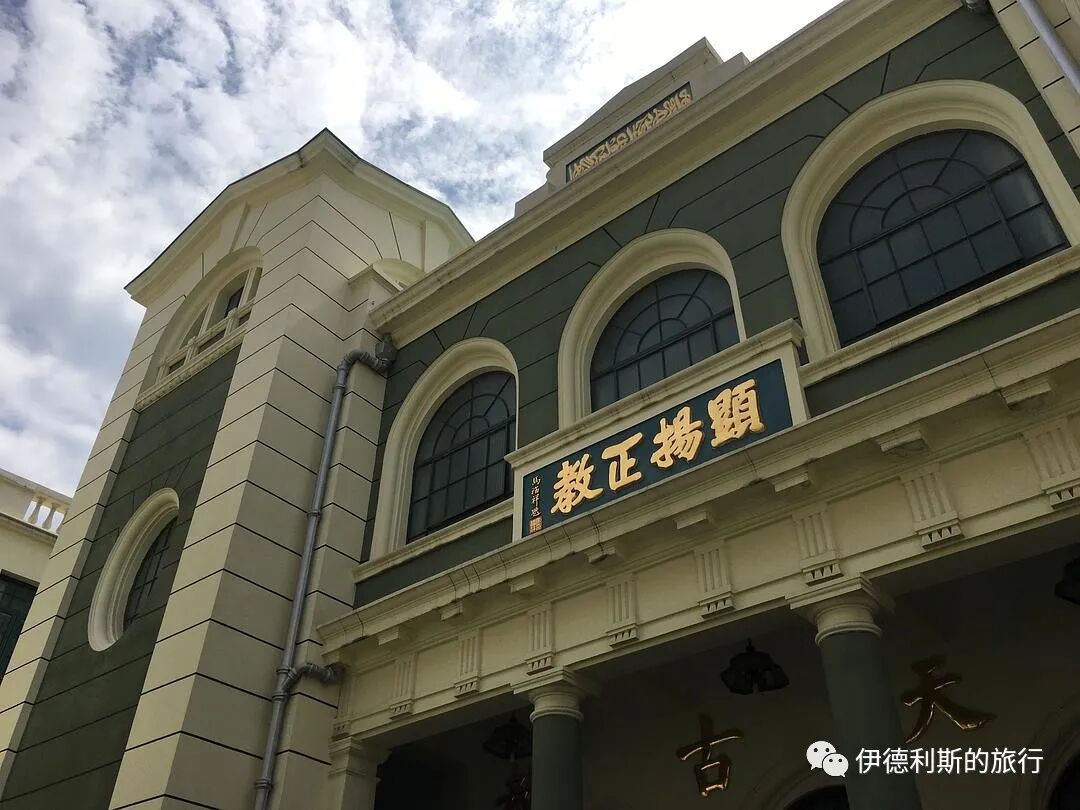
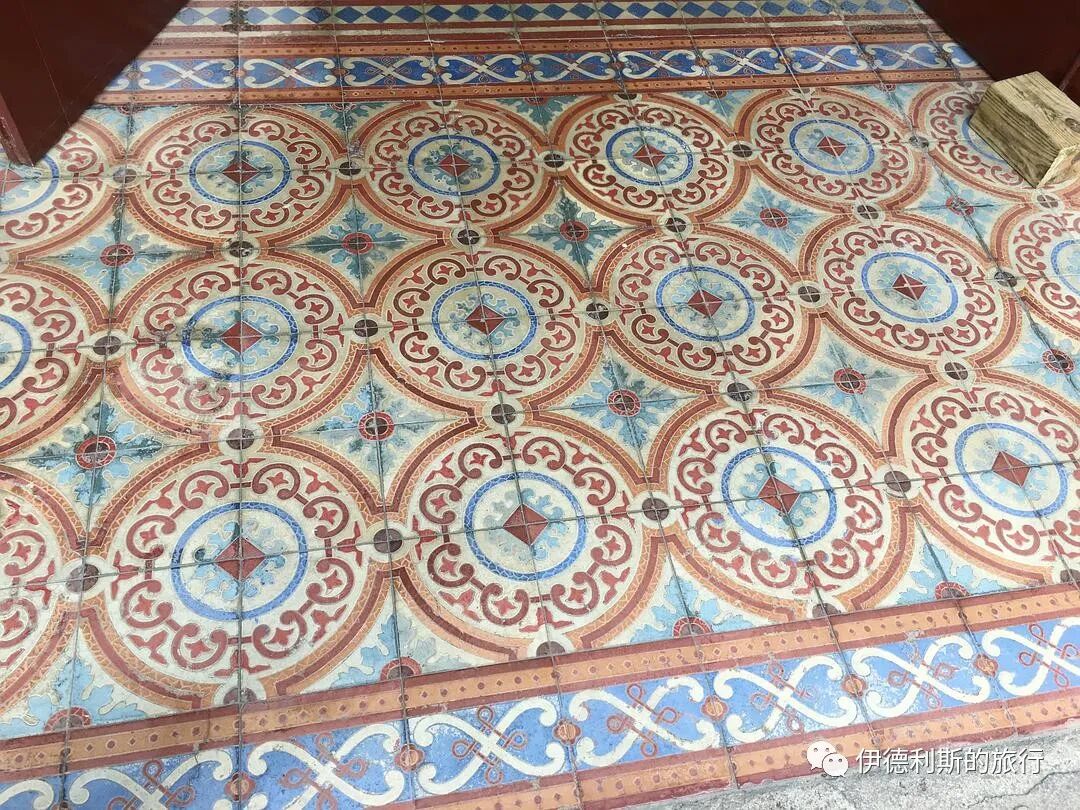
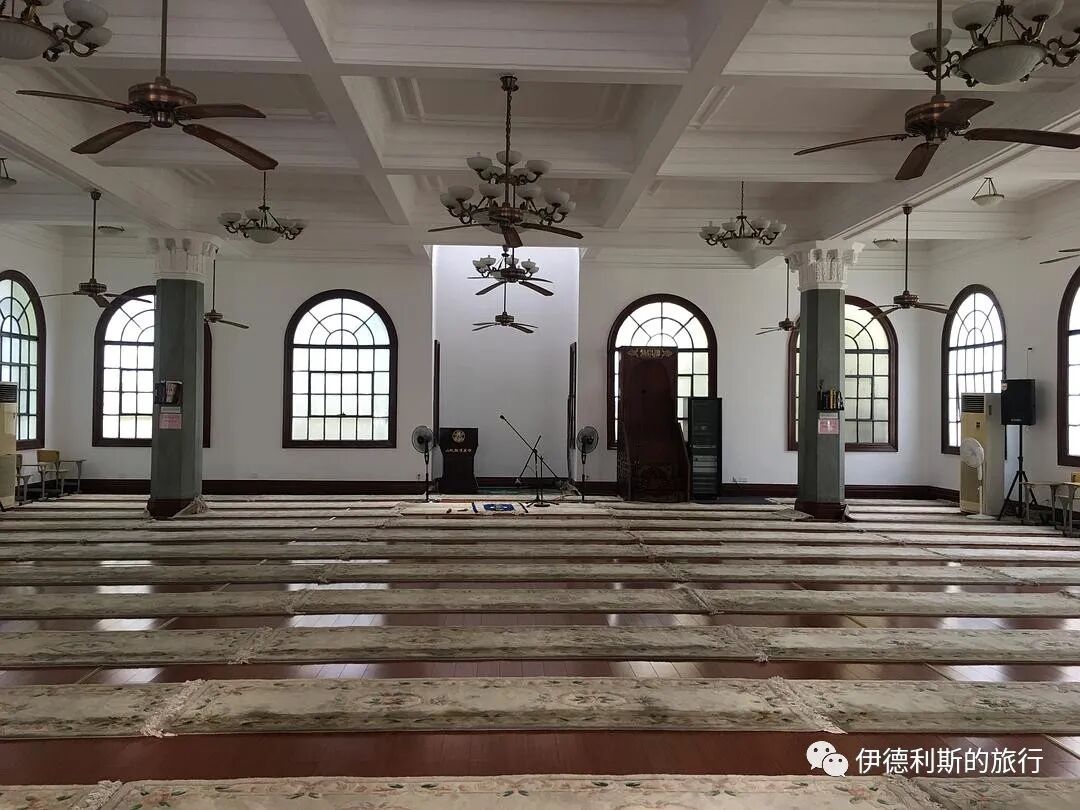
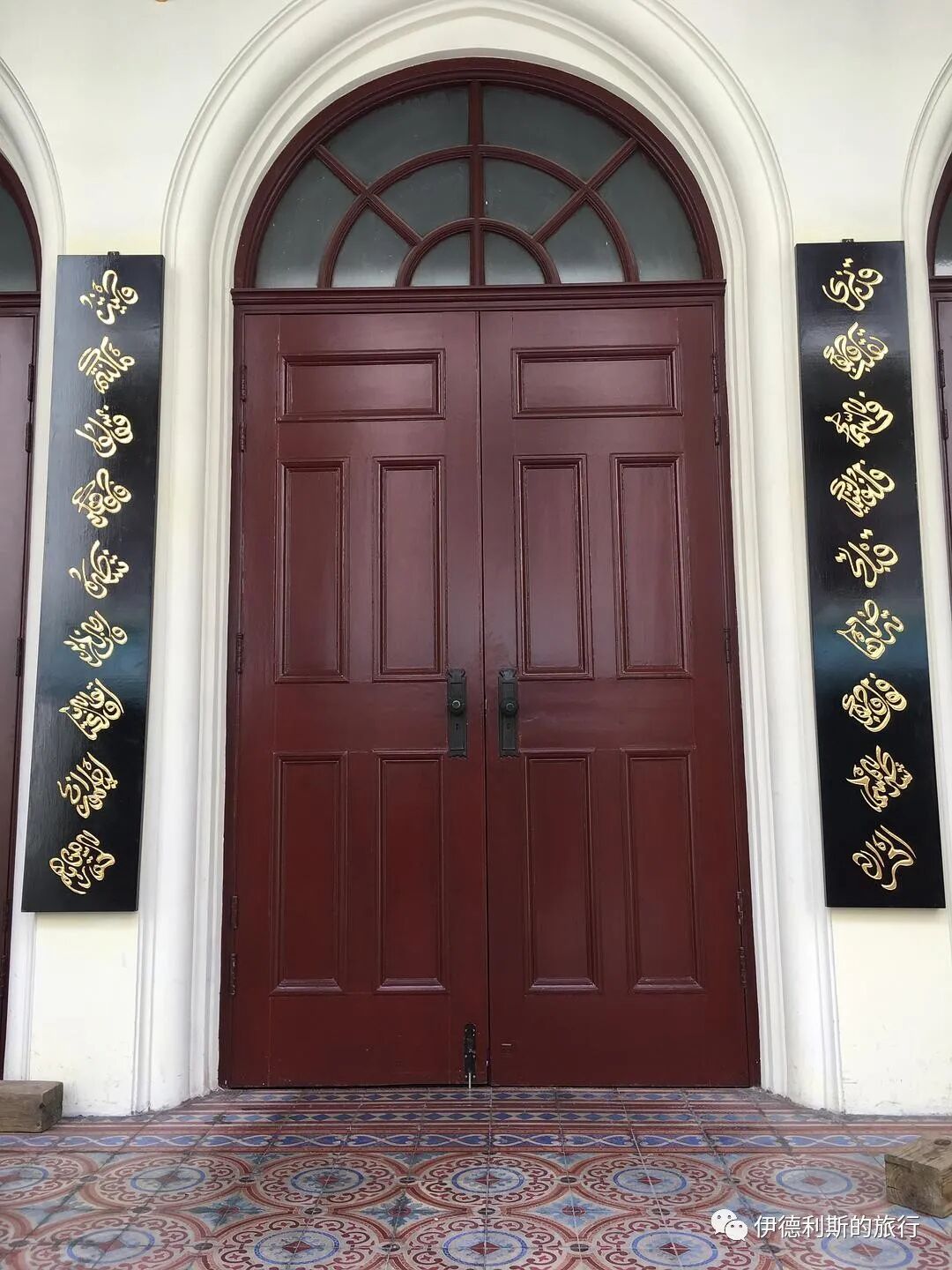
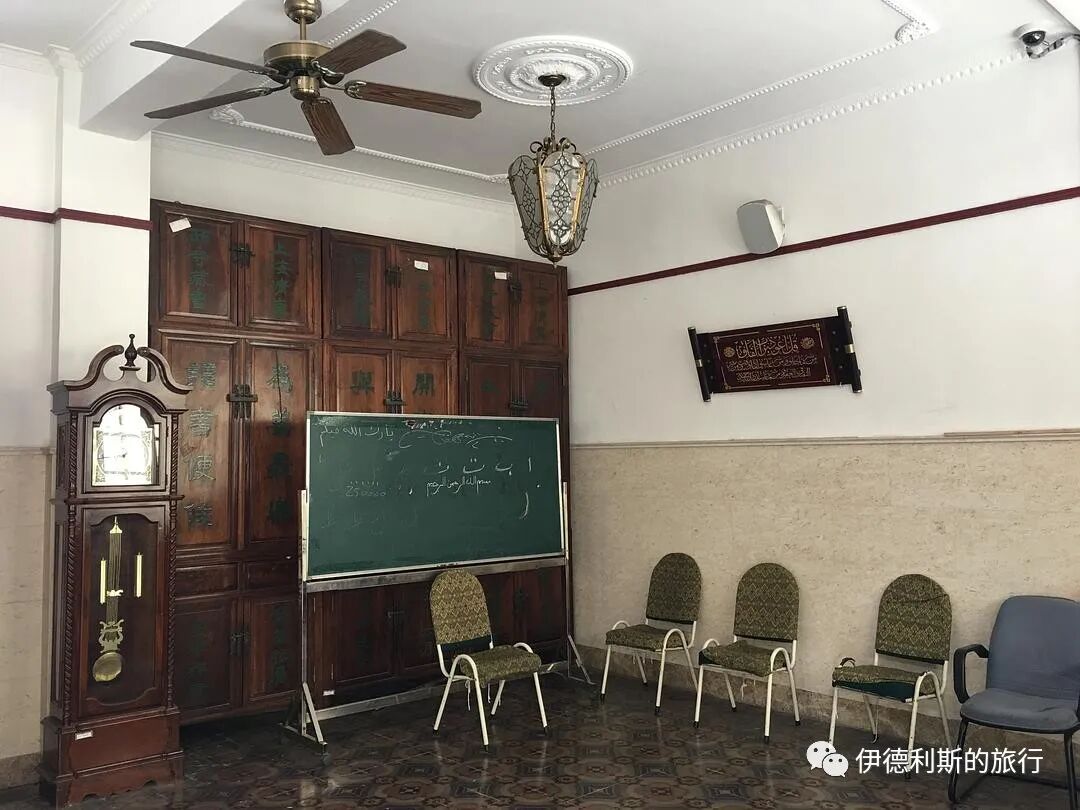
Xiaotaoyuan Mosque is commonly known as the West Mosque. It was built in 1917 after the famous Hui merchant Jin Ziyun donated the land and funds, and it was rebuilt into its current form in 1925. During the Republic of China era, many Hui Muslims from Northwest and Northern China chose to travel by steamship from Shanghai to perform the Hajj. Starting in 1930, Xiaotaoyuan Mosque became a place for pilgrims to rest and wait before their departure. People used the mosque to process passports and book ship tickets. Doctors from the customs quarantine office would come to the mosque to perform physical exams, administer smallpox vaccinations, and give other shots. Pilgrims also met friends and exchanged information here. On the day of departure, the mosque provided transport to take them to the ship. After returning from the Hajj, the Hajis would rest at the mosque before heading home. This place became an important cultural exchange center for Islam in China during the Republic of China era.
8. Beiying Mosque, Dezhou, Shandong
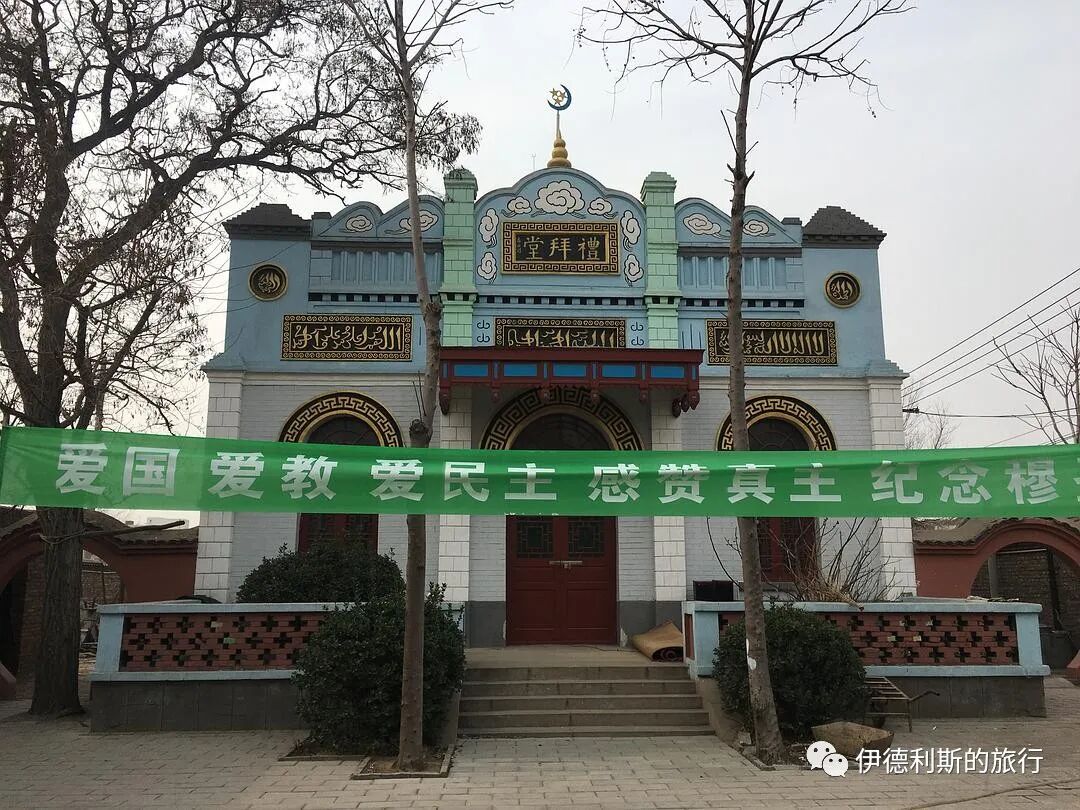
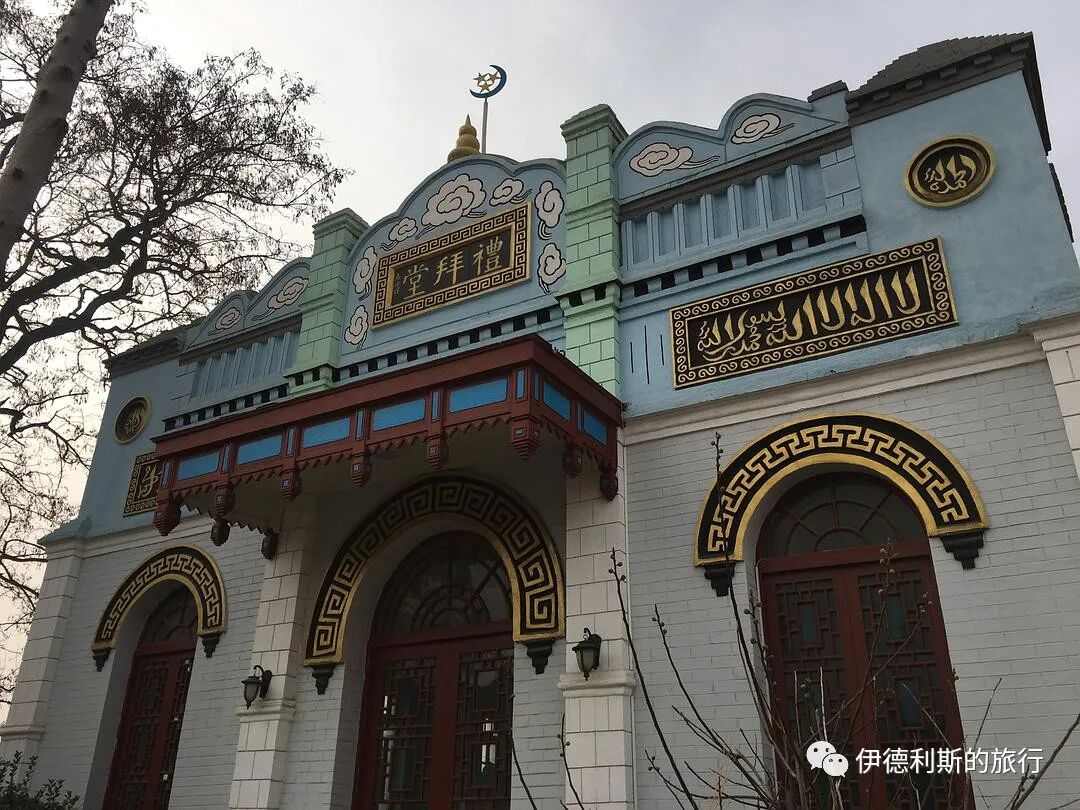
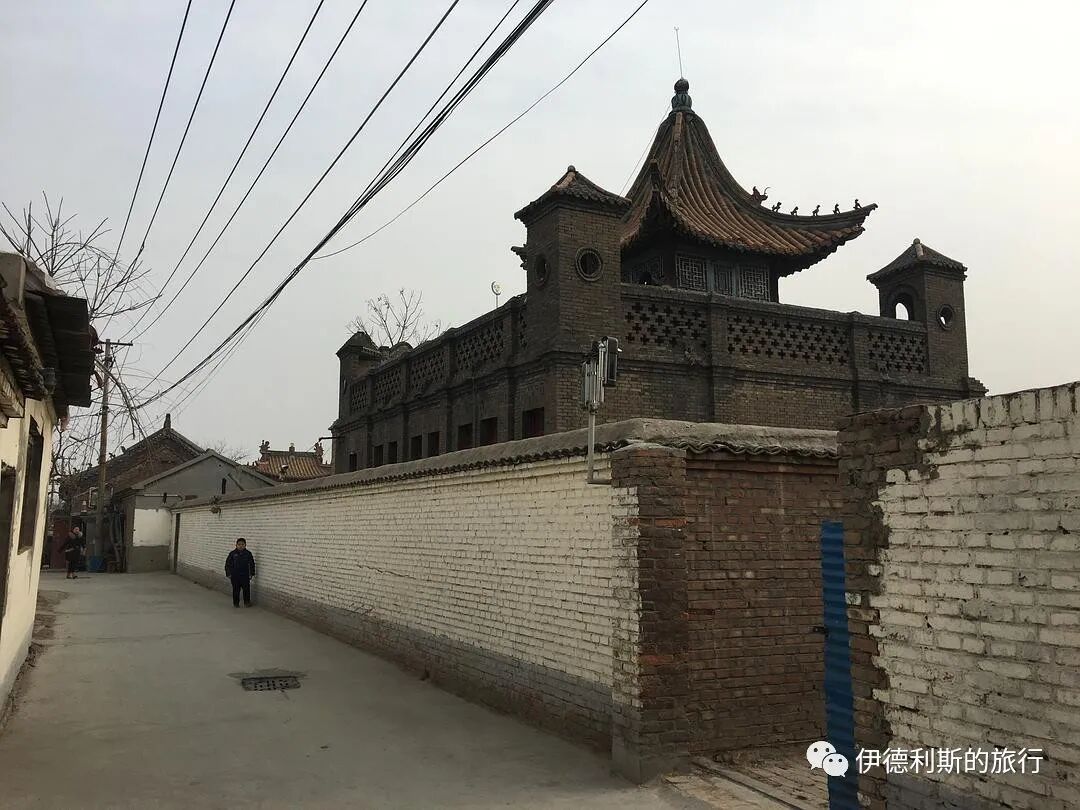
During the Wanli reign of the Ming Dynasty, the descendants of the Sultan of Sulu built a mosque southwest of the Sultan of Sulu's tomb. A Ming Dynasty imperial decree ordered that one person be chosen from the Wen and An families to serve as the imam, carry on the sect, and manage the Hui Muslims. In 1917, the canal burst its banks, washing away the mosque and the entire Beiying Village, until it was rebuilt in 1940. The newly built gate has a Western style, while the overall structure remains in the traditional North China style.
9. Beijing Shahe Mosque
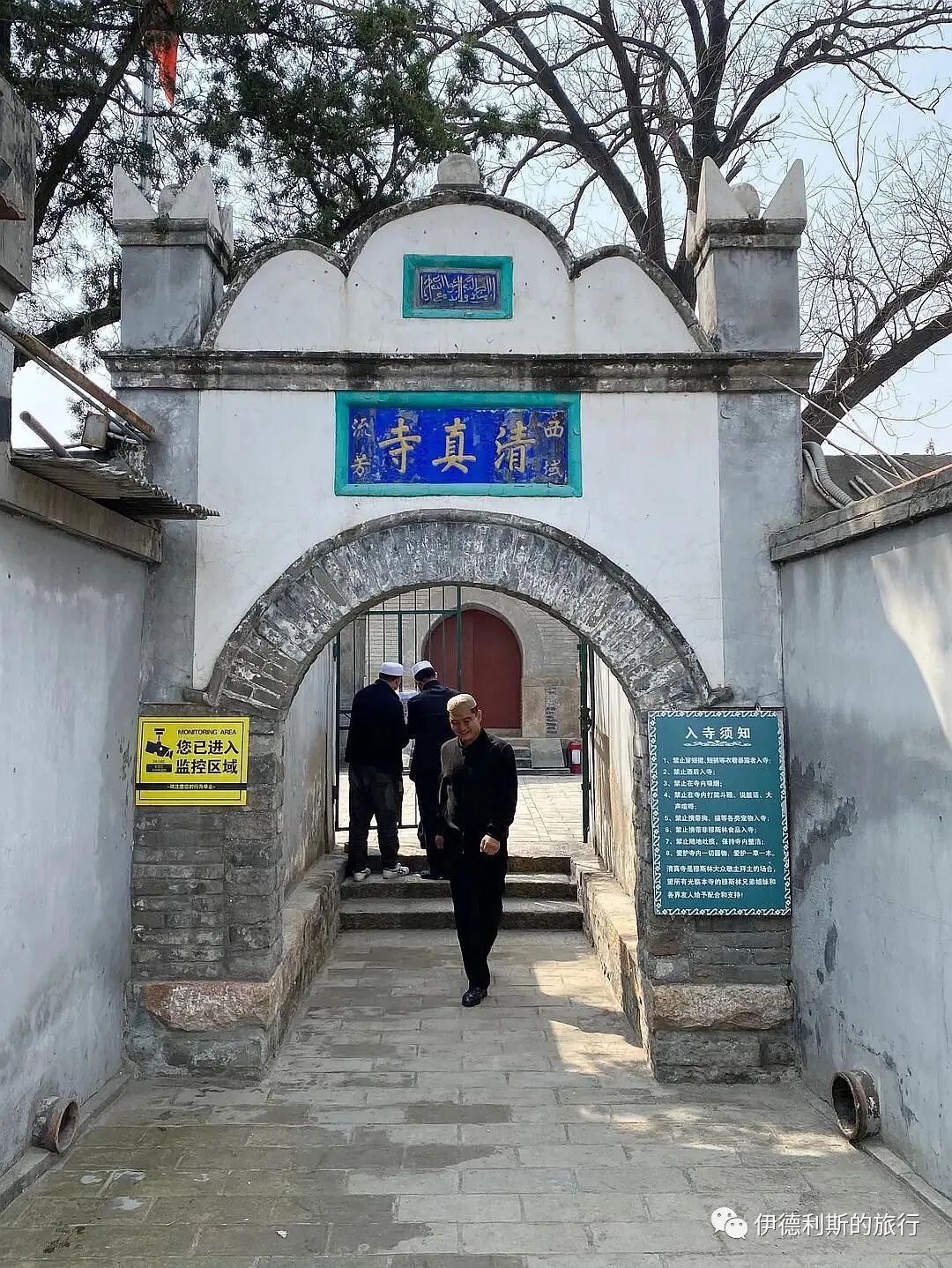
During the Wanli reign of the Ming Dynasty, the main road north of Beijing leading to Zhangjiakou moved to Shahe, and Hui Muslims who traded cattle and sheep began to settle there. Shahe Mosque was first built during the Ming Dynasty, and the current Western-style gate was added in 1920.
10. Beijing Dongsi Mosque
Dongsi Mosque is one of the four major official mosques of the Ming Dynasty, and its gate and first courtyard were rebuilt in 1920. The gate is a traditional Chinese building with a ridge-style hard mountain roof, while the first courtyard and the second gate feature Western architectural styles. view all
Summary: Chinese Republican-Era Mosque Architecture: Chinese and Western Design Elements is presented here as a firsthand travel account in clear English, beginning with this scene: During the Republic of China era, the introduction of Western architectural styles meant Chinese mosques were no longer limited to traditional Chinese designs and began to incorporate Western elements. The account keeps its focus on Mosque Architecture, Republican China, Muslim Heritage while preserving the names, places, food, and historical details from the Chinese source.
During the Republic of China era, the introduction of Western architectural styles meant Chinese mosques were no longer limited to traditional Chinese designs and began to incorporate Western elements. I will share 10 mosques I have visited that feature unique Republic-era architectural styles: the 1935 main hall of the Shenyang East Mosque, the 1936 gate of the Datong Mosque, the 1926 arched porch (juanpeng) of the Longshengzhuang Mosque in Fengzhen, Inner Mongolia, the 1923 main hall of the Hohhot Great Mosque, the rear hall of the Daxinzhuang East Mosque in Bo'ai, Henan, the 1935 gate of the Fuyou Road Mosque in Shanghai, the 1925 Xiaotaoyuan Mosque, the 1940 Beiying Mosque in Dezhou, Shandong, the 1920 gate of the Shahe Mosque in Beijing, and the 1920 first courtyard of the Dongsi Mosque.
1. Shenyang East Mosque
The Shenyang East Mosque was first built in 1803 (the eighth year of the Jiaqing reign). In 1935, the prayer hall was rebuilt in a Western style, while the moon-viewing tower (wangyuelou) kept its original Chinese style.
2. Datong Mosque
The gate of the Datong Mosque was rebuilt in 1936 and features a typical Republic-era style.
3. Longshengzhuang Mosque in Fengzhen, Inner Mongolia
Longshengzhuang in Fengzhen sits on the border of Shanxi and Inner Mongolia. From the Qing Dynasty to the early Republic era, it was at the intersection of trade routes between Hohhot, Datong, and Zhangjiakou, serving as an important market town for Shanxi merchants trading in Mongolia. Longshengzhuang reached its peak in the early Republic era, with over 300 shops and nearly 2 kilometers of storefronts lined up side by side.
The arched porch (juanpeng) of the Longshengzhuang Mosque was expanded in 1926 and features exquisite Republic-era ironwork decorations.
4. Hohhot Great Mosque
The prayer hall of the Hohhot Great Mosque was expanded in 1923. Its arched porch (juanpeng) blends Chinese and Western styles, featuring arched doors and walls decorated with beautiful Arabic calligraphy plaques, couplets, and floral patterns.
5. East Mosque in Daxinzhuang, Bo'ai, Henan
The East Mosque in Daxinzhuang, Bo'ai, Henan added a rear hall during the Republic of China era. It features five Roman-style arched doorways decorated with exquisite cement carvings from that period.
6. Fuyou Road Mosque, Shanghai
Fuyou Road Mosque is commonly known as the North Mosque. It was first built in 1870 (the ninth year of the Tongzhi reign) and was originally used by Hui Muslims from Nanjing who lived near the Old North Gate of Shanghai. In 1935, a famous Hui merchant named Ha Shaofu led the effort to convert the street-facing stone-gate houses (shikumen) into a three-story reinforced concrete building, with a moon-sighting pavilion built on the rooftop terrace.
7. Xiaotaoyuan Mosque, Shanghai
Xiaotaoyuan Mosque is commonly known as the West Mosque. It was built in 1917 after the famous Hui merchant Jin Ziyun donated the land and funds, and it was rebuilt into its current form in 1925. During the Republic of China era, many Hui Muslims from Northwest and Northern China chose to travel by steamship from Shanghai to perform the Hajj. Starting in 1930, Xiaotaoyuan Mosque became a place for pilgrims to rest and wait before their departure. People used the mosque to process passports and book ship tickets. Doctors from the customs quarantine office would come to the mosque to perform physical exams, administer smallpox vaccinations, and give other shots. Pilgrims also met friends and exchanged information here. On the day of departure, the mosque provided transport to take them to the ship. After returning from the Hajj, the Hajis would rest at the mosque before heading home. This place became an important cultural exchange center for Islam in China during the Republic of China era.
8. Beiying Mosque, Dezhou, Shandong
During the Wanli reign of the Ming Dynasty, the descendants of the Sultan of Sulu built a mosque southwest of the Sultan of Sulu's tomb. A Ming Dynasty imperial decree ordered that one person be chosen from the Wen and An families to serve as the imam, carry on the sect, and manage the Hui Muslims. In 1917, the canal burst its banks, washing away the mosque and the entire Beiying Village, until it was rebuilt in 1940. The newly built gate has a Western style, while the overall structure remains in the traditional North China style.
9. Beijing Shahe Mosque
During the Wanli reign of the Ming Dynasty, the main road north of Beijing leading to Zhangjiakou moved to Shahe, and Hui Muslims who traded cattle and sheep began to settle there. Shahe Mosque was first built during the Ming Dynasty, and the current Western-style gate was added in 1920.
10. Beijing Dongsi Mosque
Dongsi Mosque is one of the four major official mosques of the Ming Dynasty, and its gate and first courtyard were rebuilt in 1920. The gate is a traditional Chinese building with a ridge-style hard mountain roof, while the first courtyard and the second gate feature Western architectural styles. view all
Reposted from the web
Summary: Chinese Republican-Era Mosque Architecture: Chinese and Western Design Elements is presented here as a firsthand travel account in clear English, beginning with this scene: During the Republic of China era, the introduction of Western architectural styles meant Chinese mosques were no longer limited to traditional Chinese designs and began to incorporate Western elements. The account keeps its focus on Mosque Architecture, Republican China, Muslim Heritage while preserving the names, places, food, and historical details from the Chinese source.
During the Republic of China era, the introduction of Western architectural styles meant Chinese mosques were no longer limited to traditional Chinese designs and began to incorporate Western elements. I will share 10 mosques I have visited that feature unique Republic-era architectural styles: the 1935 main hall of the Shenyang East Mosque, the 1936 gate of the Datong Mosque, the 1926 arched porch (juanpeng) of the Longshengzhuang Mosque in Fengzhen, Inner Mongolia, the 1923 main hall of the Hohhot Great Mosque, the rear hall of the Daxinzhuang East Mosque in Bo'ai, Henan, the 1935 gate of the Fuyou Road Mosque in Shanghai, the 1925 Xiaotaoyuan Mosque, the 1940 Beiying Mosque in Dezhou, Shandong, the 1920 gate of the Shahe Mosque in Beijing, and the 1920 first courtyard of the Dongsi Mosque.
1. Shenyang East Mosque
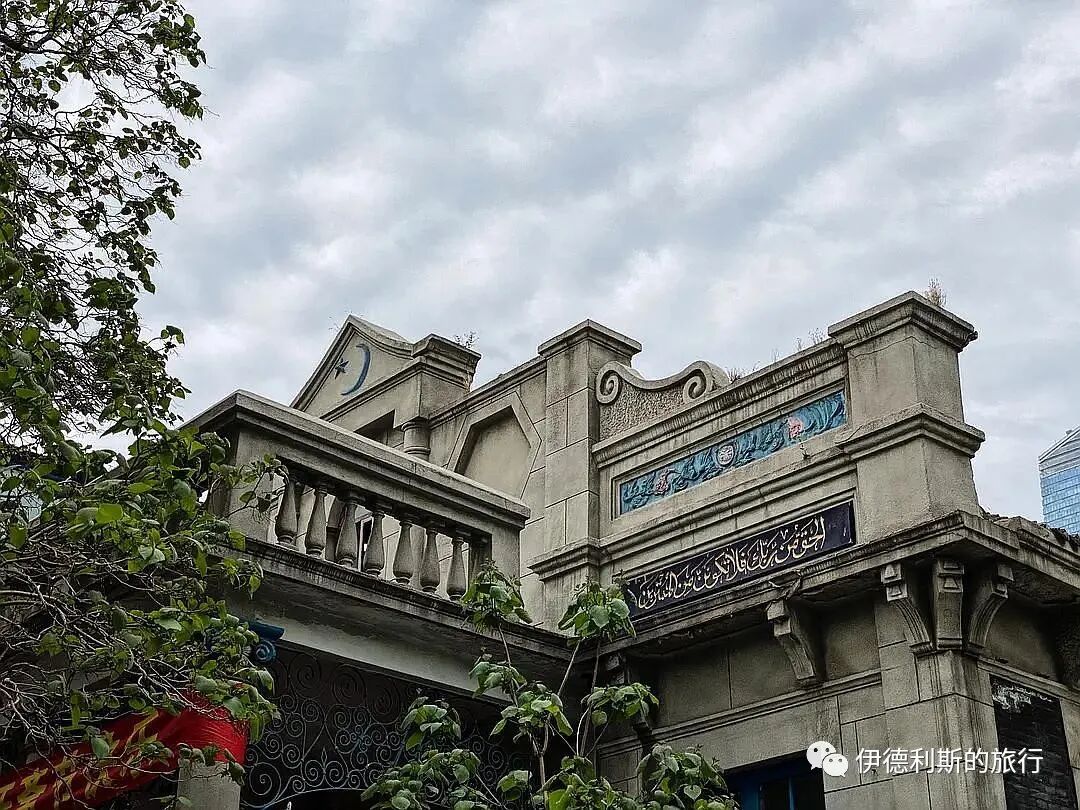
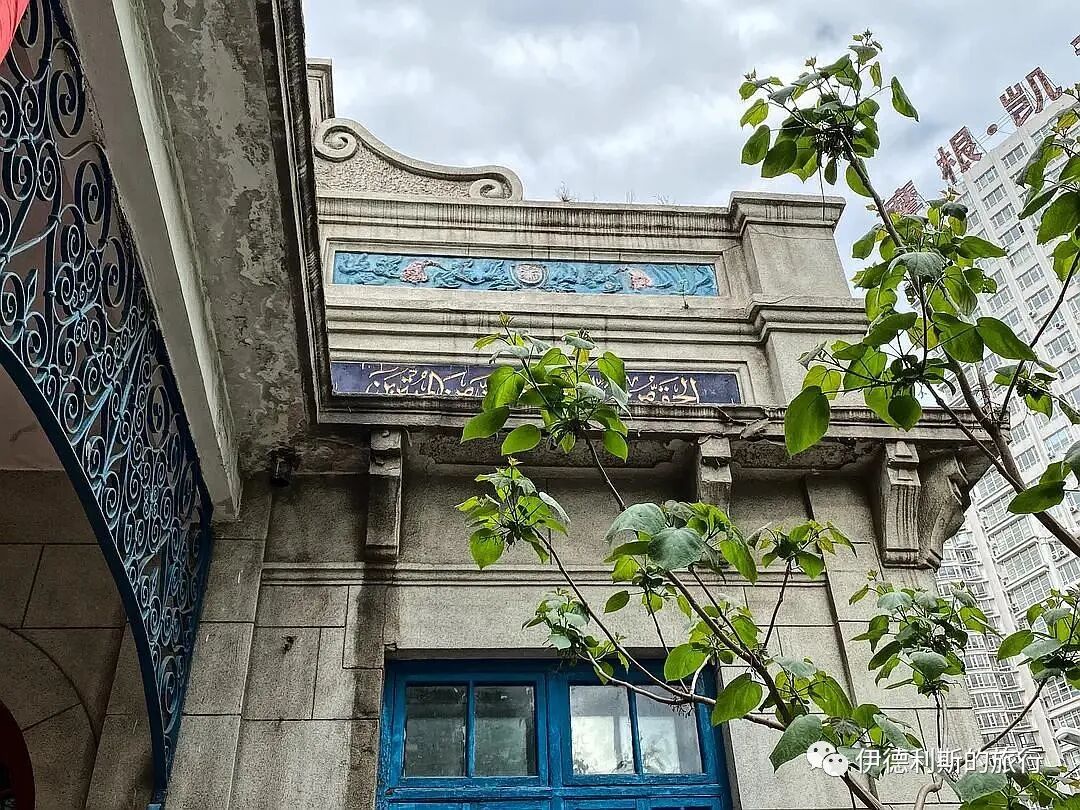
The Shenyang East Mosque was first built in 1803 (the eighth year of the Jiaqing reign). In 1935, the prayer hall was rebuilt in a Western style, while the moon-viewing tower (wangyuelou) kept its original Chinese style.
2. Datong Mosque
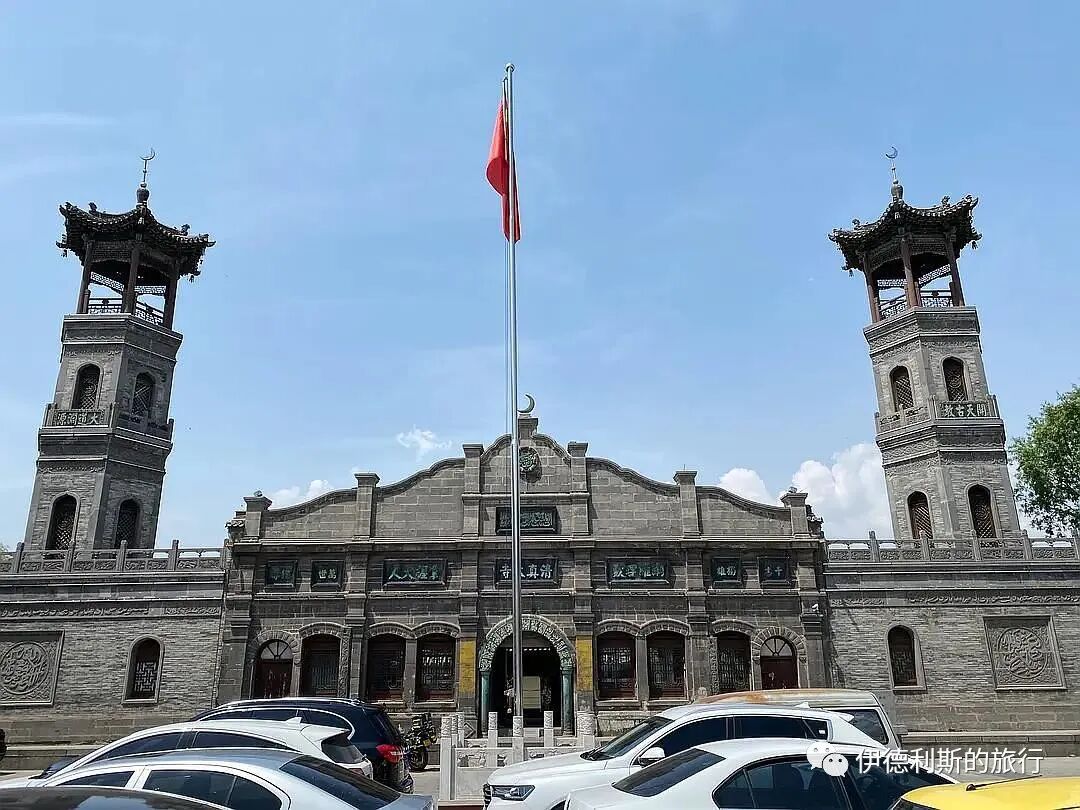
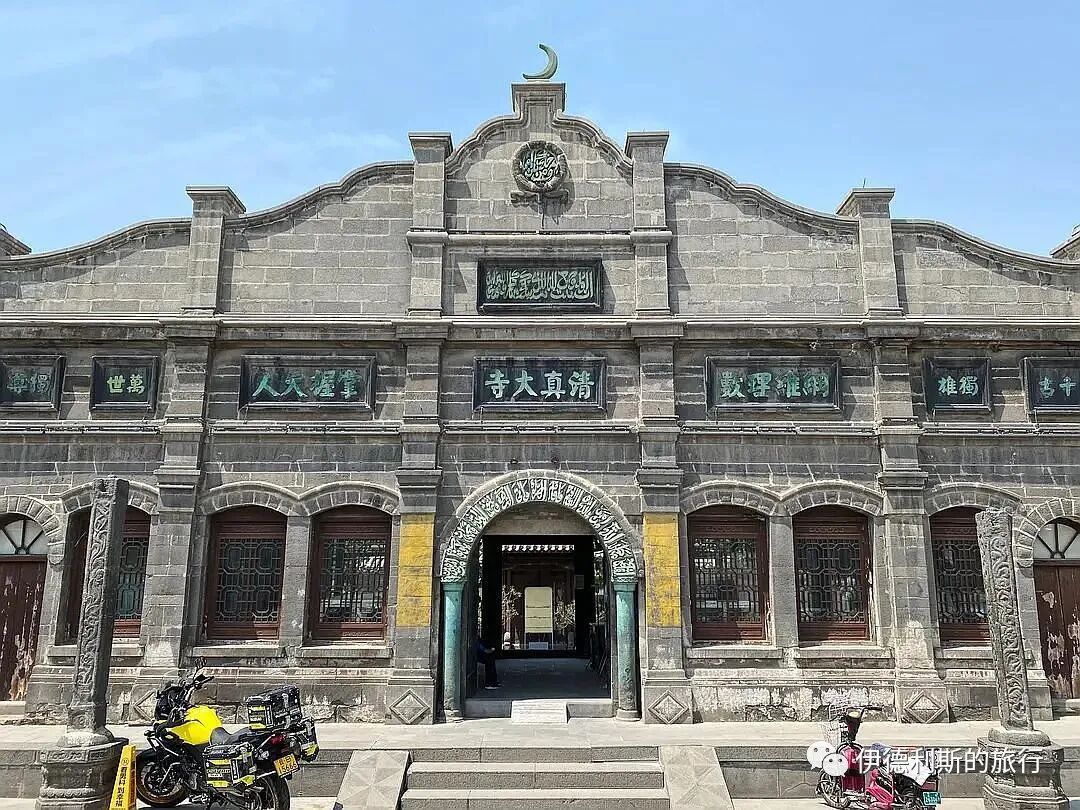
The gate of the Datong Mosque was rebuilt in 1936 and features a typical Republic-era style.
3. Longshengzhuang Mosque in Fengzhen, Inner Mongolia
Longshengzhuang in Fengzhen sits on the border of Shanxi and Inner Mongolia. From the Qing Dynasty to the early Republic era, it was at the intersection of trade routes between Hohhot, Datong, and Zhangjiakou, serving as an important market town for Shanxi merchants trading in Mongolia. Longshengzhuang reached its peak in the early Republic era, with over 300 shops and nearly 2 kilometers of storefronts lined up side by side.
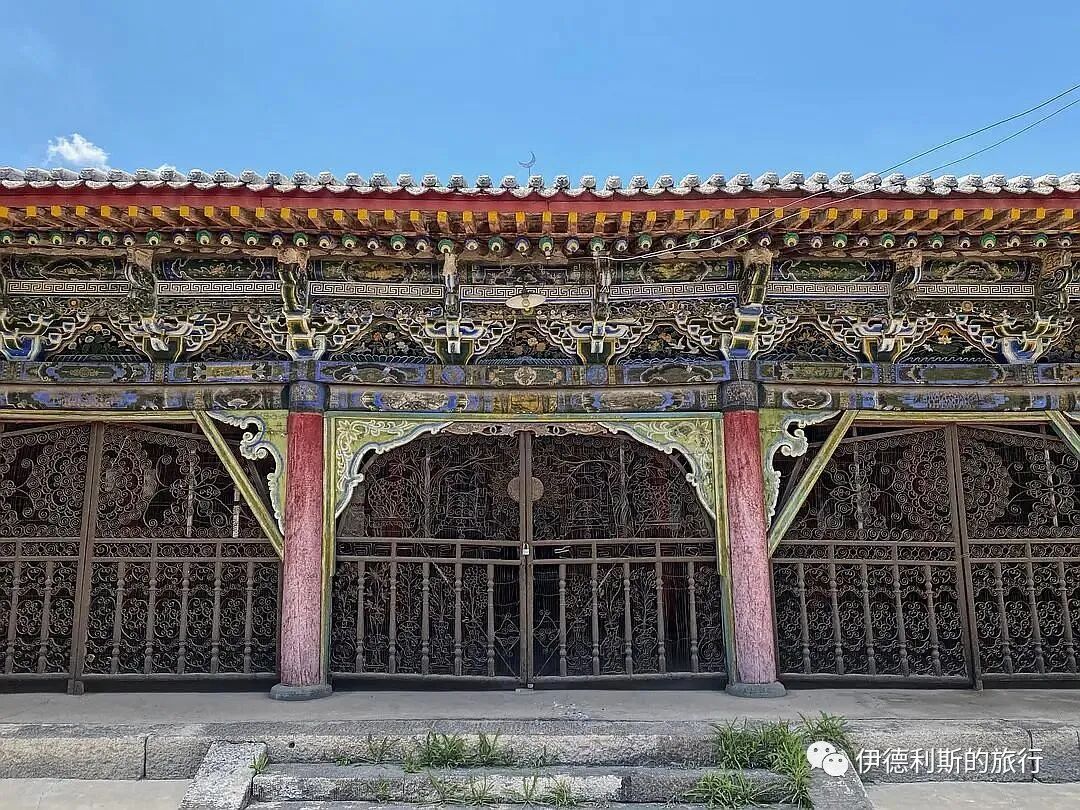
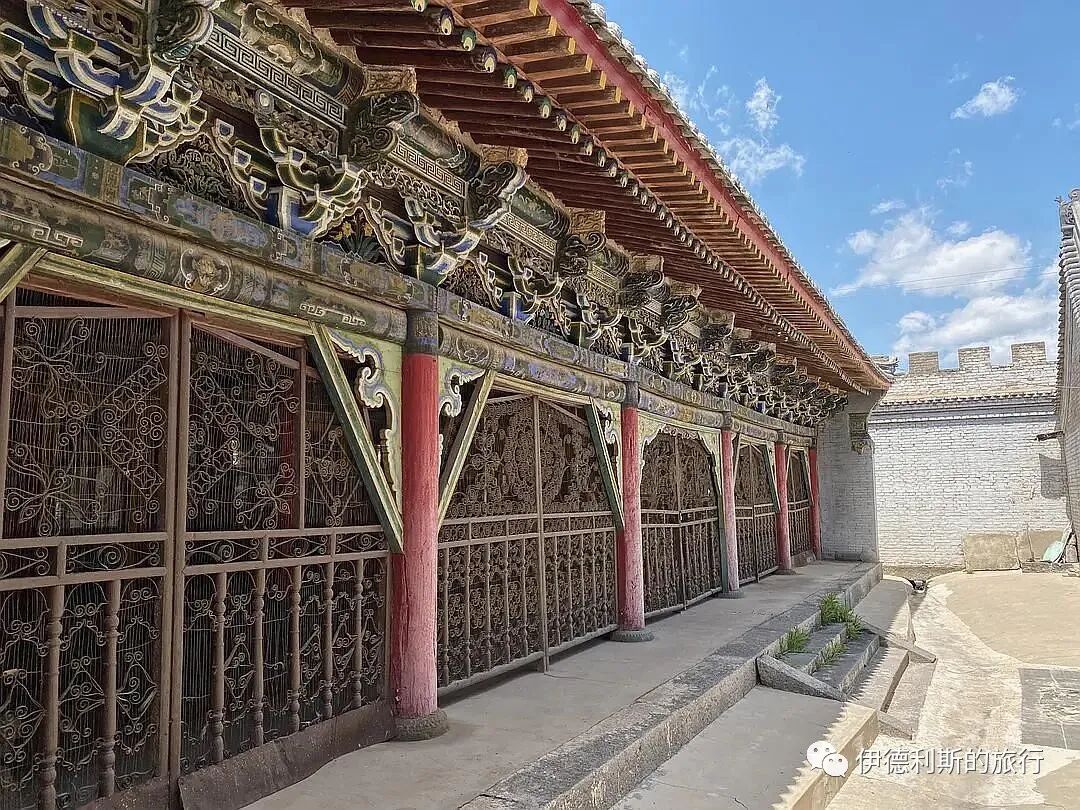
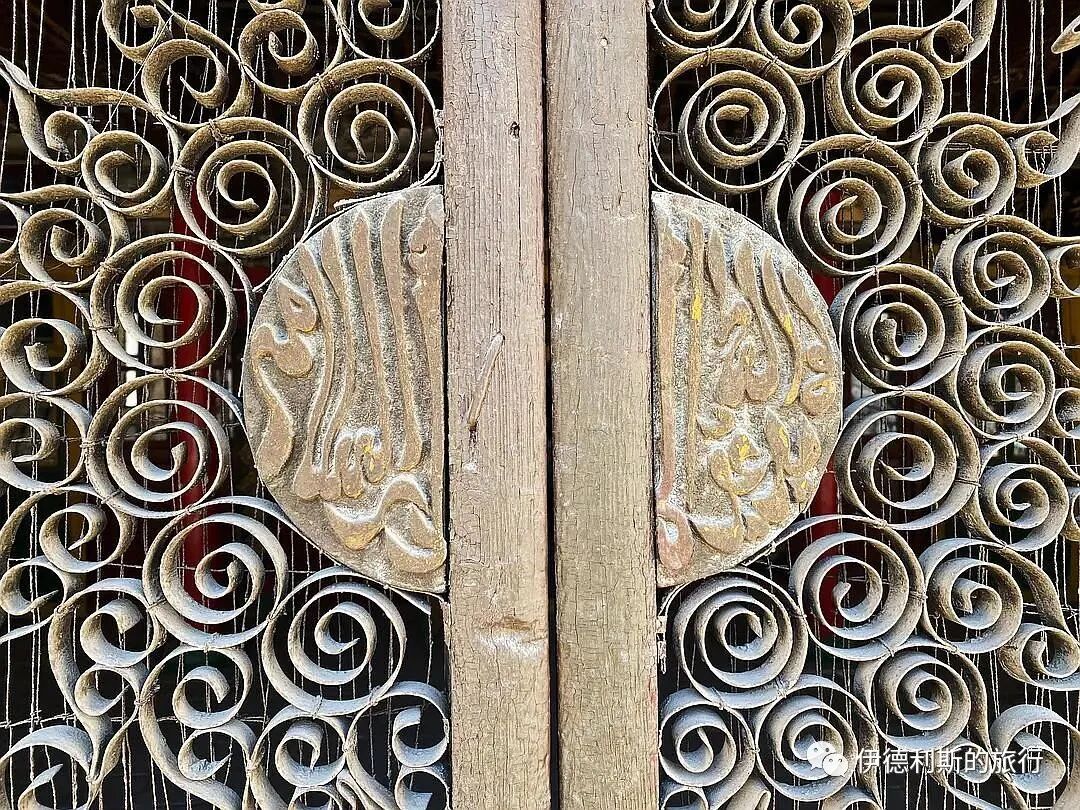
The arched porch (juanpeng) of the Longshengzhuang Mosque was expanded in 1926 and features exquisite Republic-era ironwork decorations.
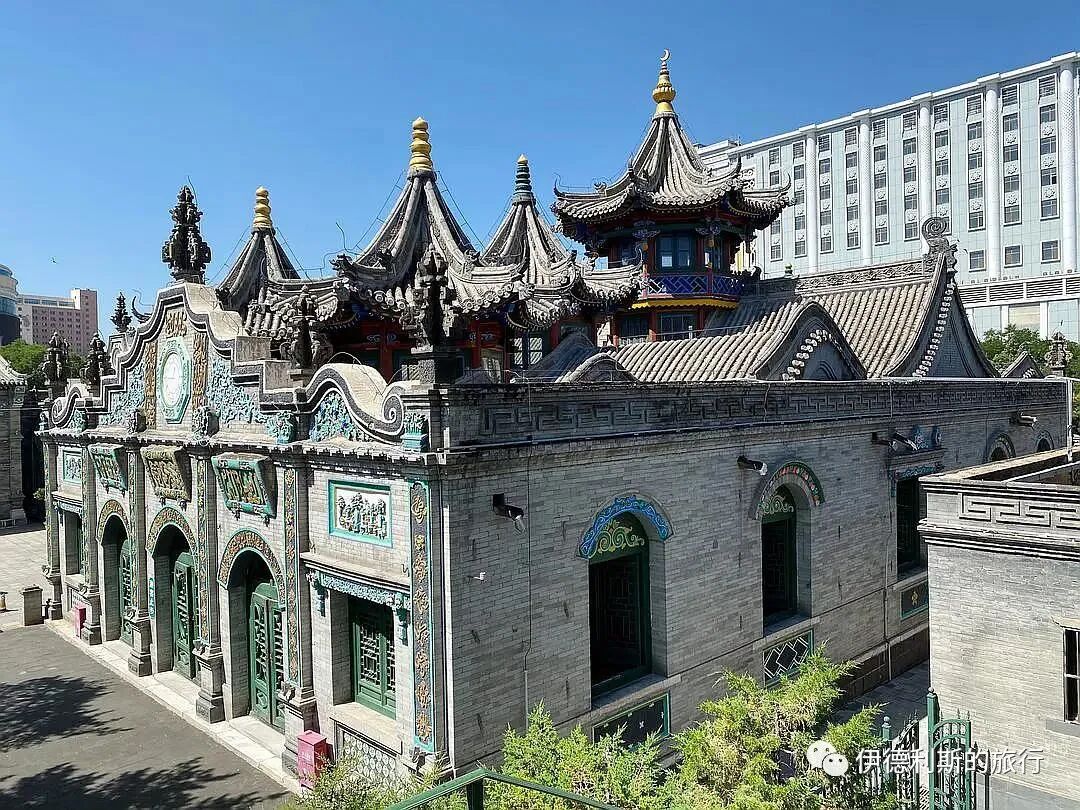
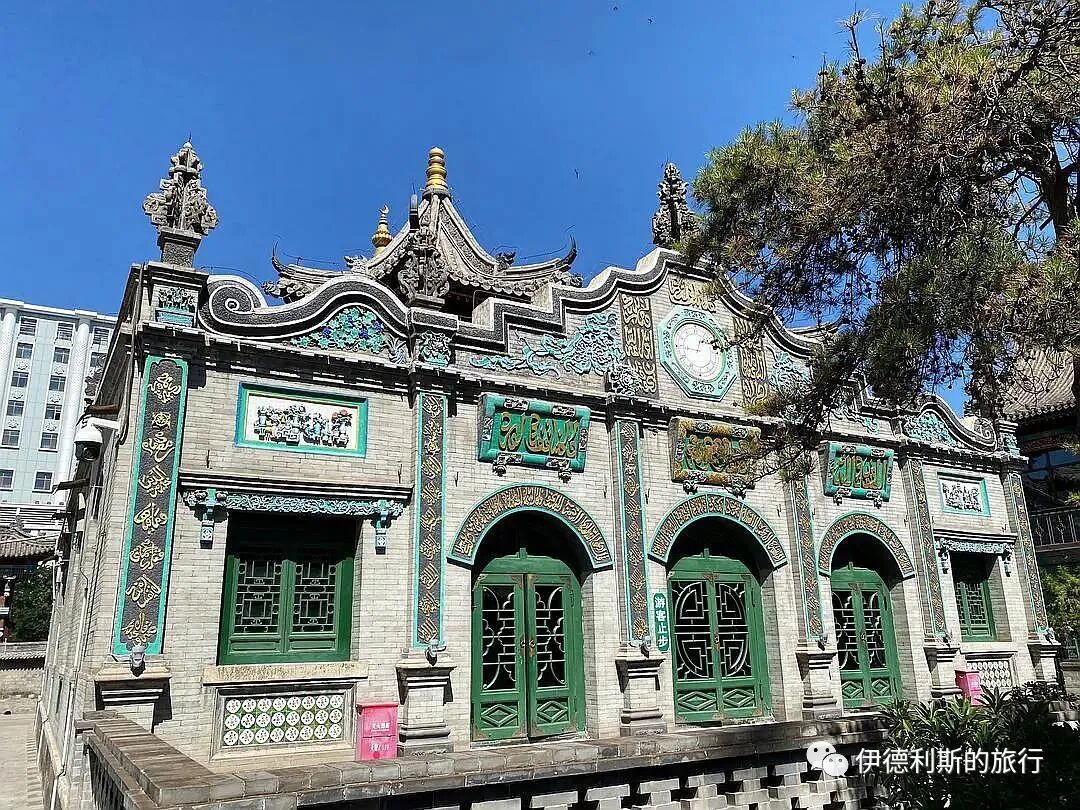
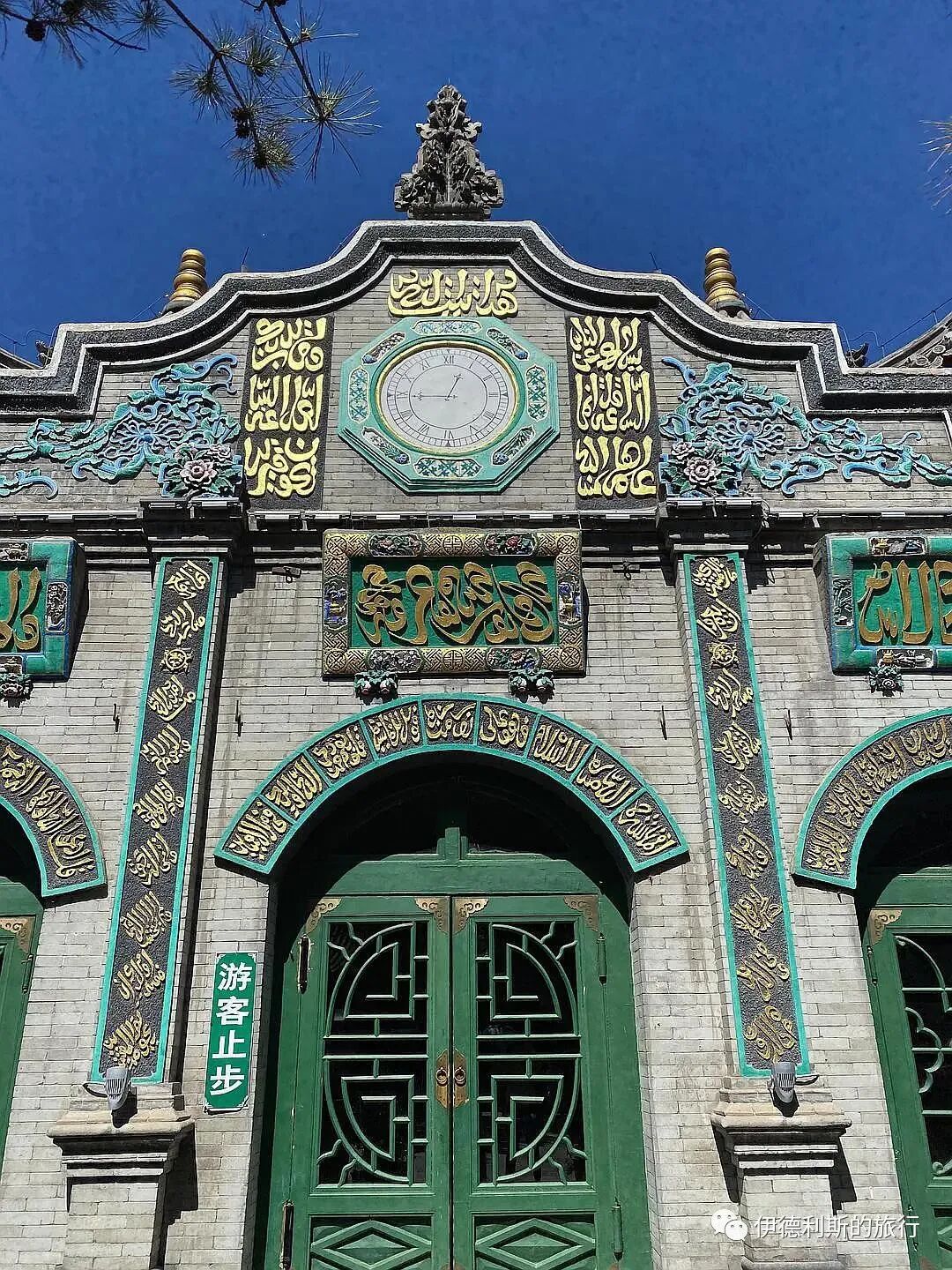
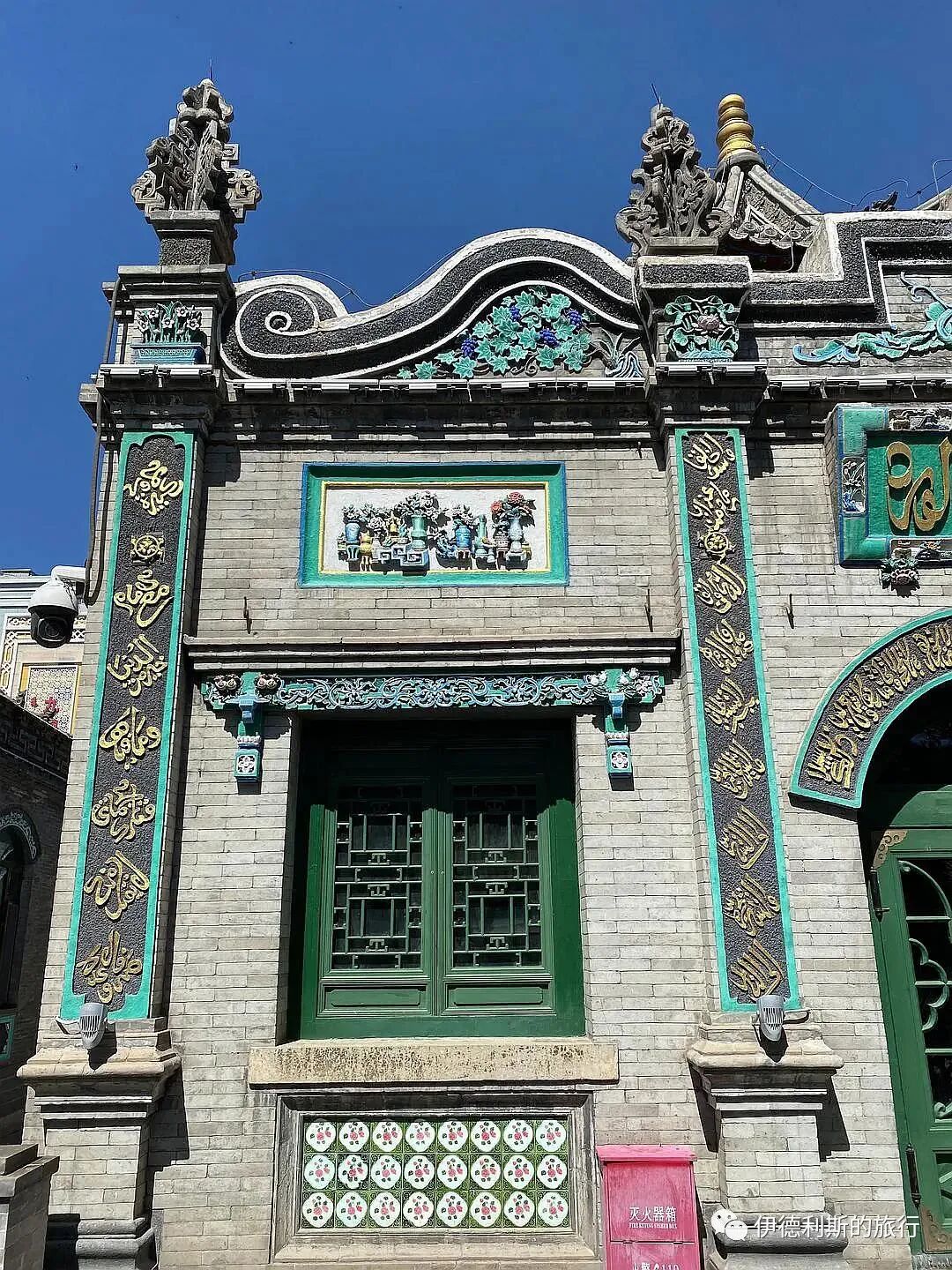
4. Hohhot Great Mosque
The prayer hall of the Hohhot Great Mosque was expanded in 1923. Its arched porch (juanpeng) blends Chinese and Western styles, featuring arched doors and walls decorated with beautiful Arabic calligraphy plaques, couplets, and floral patterns.
5. East Mosque in Daxinzhuang, Bo'ai, Henan
The East Mosque in Daxinzhuang, Bo'ai, Henan added a rear hall during the Republic of China era. It features five Roman-style arched doorways decorated with exquisite cement carvings from that period.
6. Fuyou Road Mosque, Shanghai
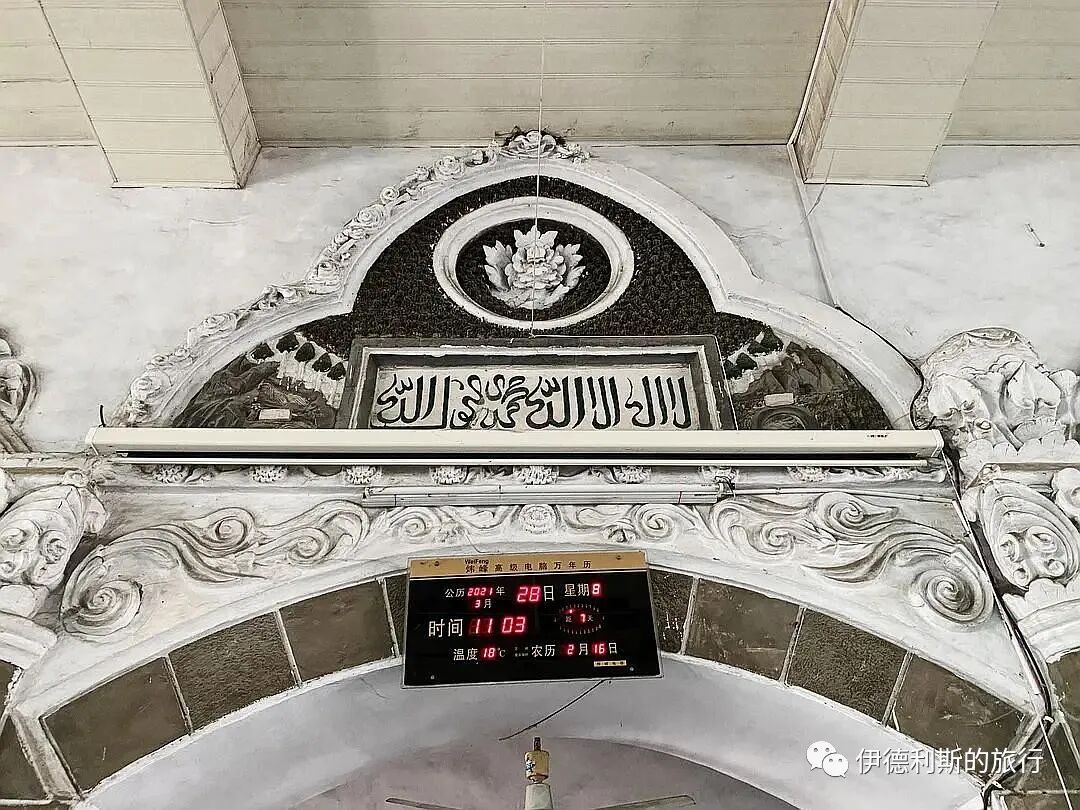
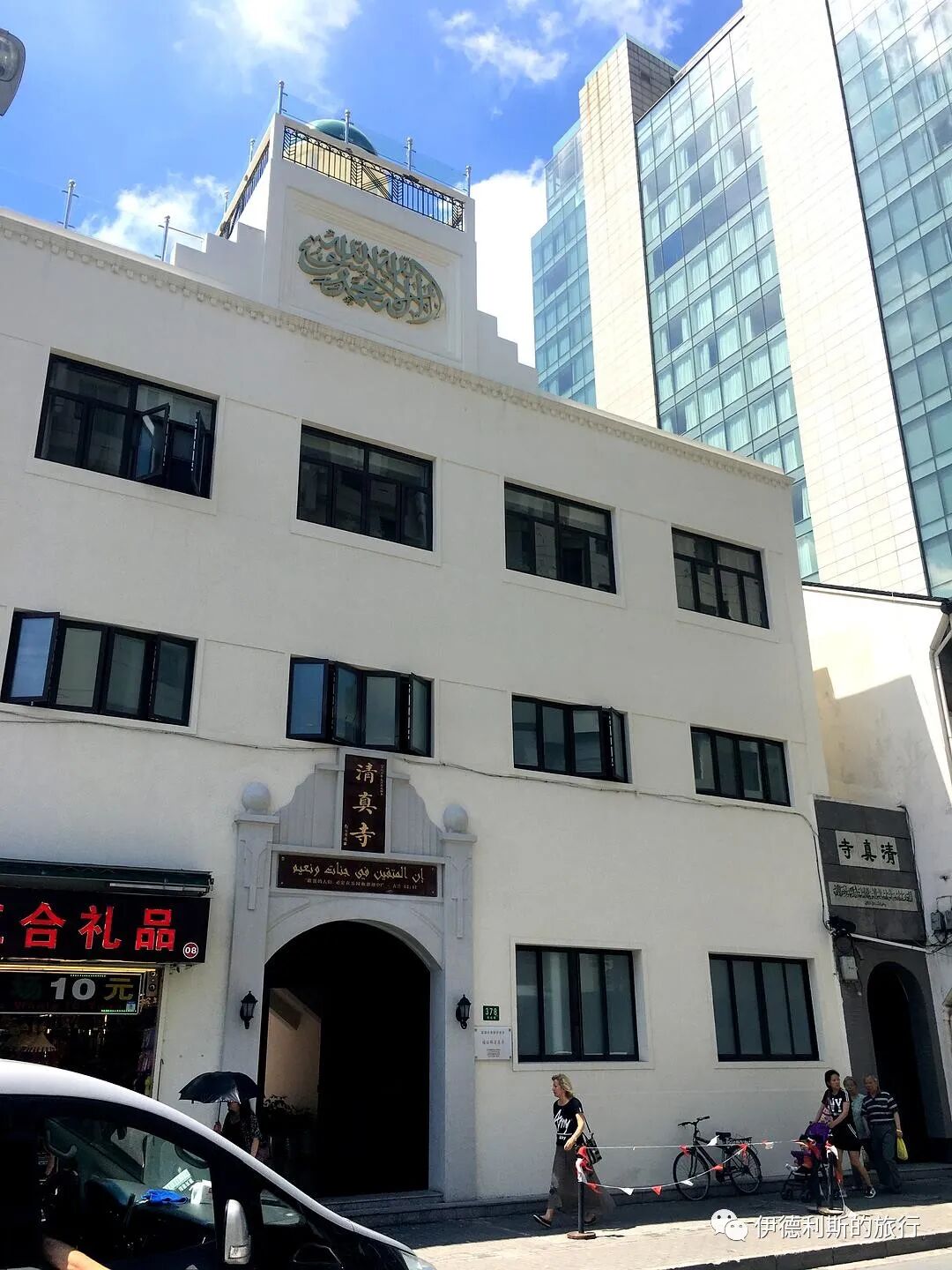
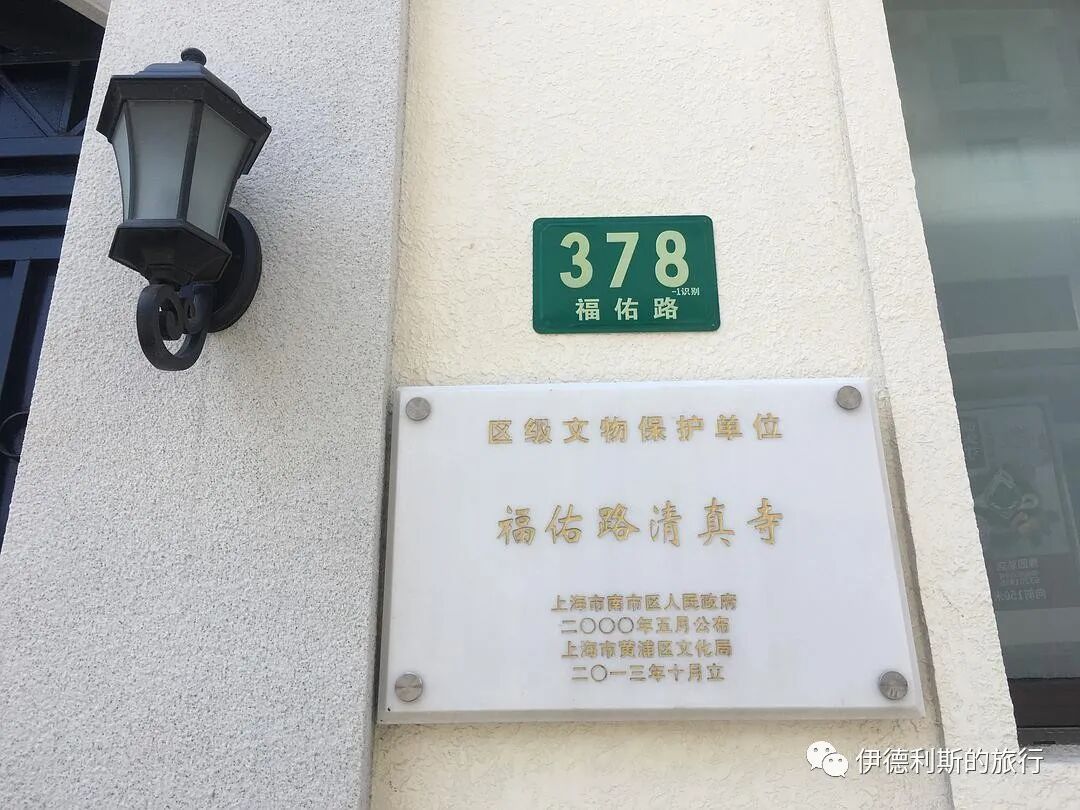
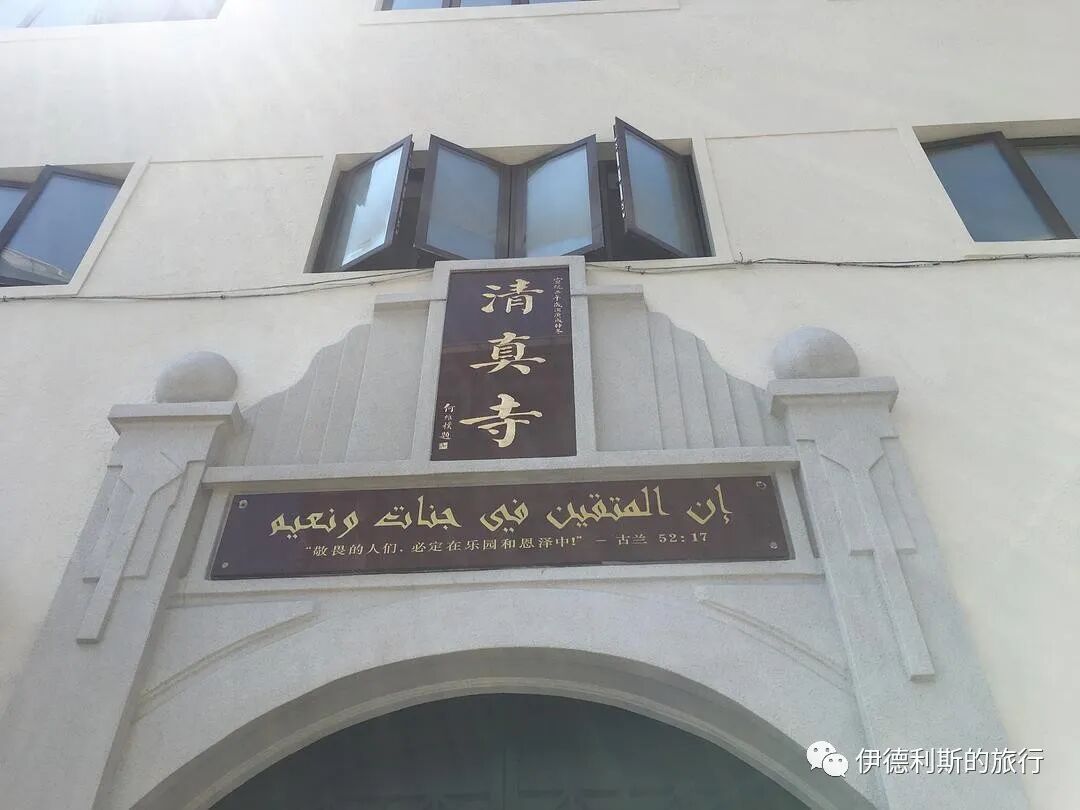
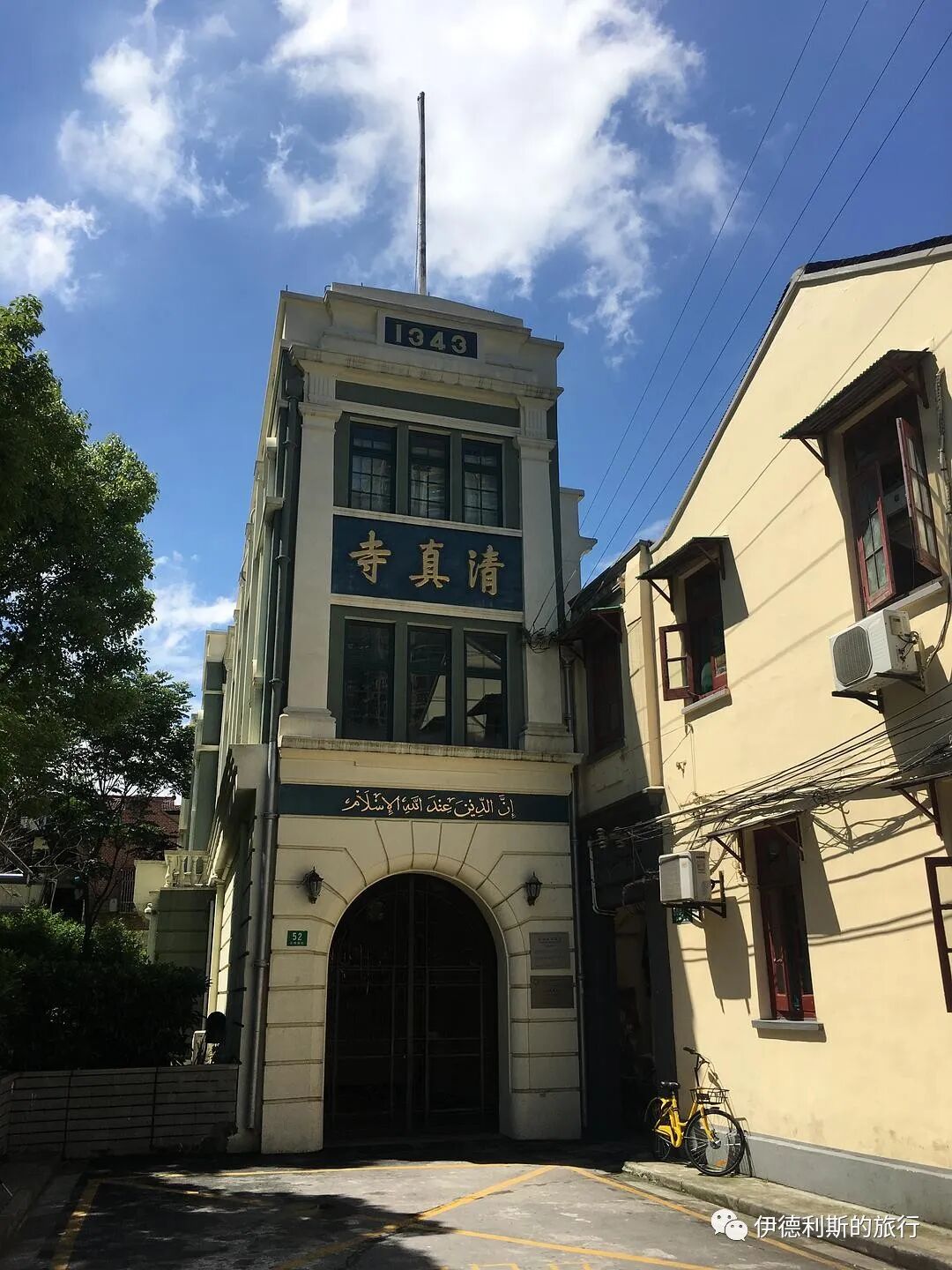
Fuyou Road Mosque is commonly known as the North Mosque. It was first built in 1870 (the ninth year of the Tongzhi reign) and was originally used by Hui Muslims from Nanjing who lived near the Old North Gate of Shanghai. In 1935, a famous Hui merchant named Ha Shaofu led the effort to convert the street-facing stone-gate houses (shikumen) into a three-story reinforced concrete building, with a moon-sighting pavilion built on the rooftop terrace.
7. Xiaotaoyuan Mosque, Shanghai
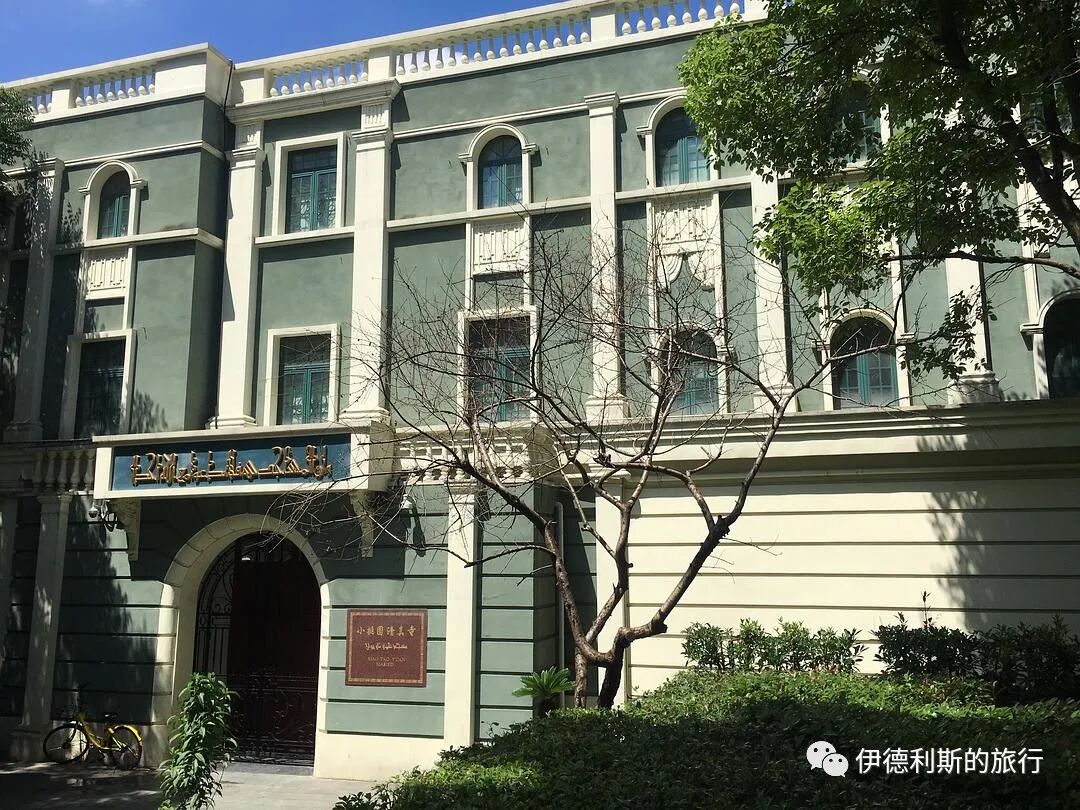
Xiaotaoyuan Mosque is commonly known as the West Mosque. It was built in 1917 after the famous Hui merchant Jin Ziyun donated the land and funds, and it was rebuilt into its current form in 1925. During the Republic of China era, many Hui Muslims from Northwest and Northern China chose to travel by steamship from Shanghai to perform the Hajj. Starting in 1930, Xiaotaoyuan Mosque became a place for pilgrims to rest and wait before their departure. People used the mosque to process passports and book ship tickets. Doctors from the customs quarantine office would come to the mosque to perform physical exams, administer smallpox vaccinations, and give other shots. Pilgrims also met friends and exchanged information here. On the day of departure, the mosque provided transport to take them to the ship. After returning from the Hajj, the Hajis would rest at the mosque before heading home. This place became an important cultural exchange center for Islam in China during the Republic of China era.
8. Beiying Mosque, Dezhou, Shandong
During the Wanli reign of the Ming Dynasty, the descendants of the Sultan of Sulu built a mosque southwest of the Sultan of Sulu's tomb. A Ming Dynasty imperial decree ordered that one person be chosen from the Wen and An families to serve as the imam, carry on the sect, and manage the Hui Muslims. In 1917, the canal burst its banks, washing away the mosque and the entire Beiying Village, until it was rebuilt in 1940. The newly built gate has a Western style, while the overall structure remains in the traditional North China style.
9. Beijing Shahe Mosque
During the Wanli reign of the Ming Dynasty, the main road north of Beijing leading to Zhangjiakou moved to Shahe, and Hui Muslims who traded cattle and sheep began to settle there. Shahe Mosque was first built during the Ming Dynasty, and the current Western-style gate was added in 1920.
10. Beijing Dongsi Mosque
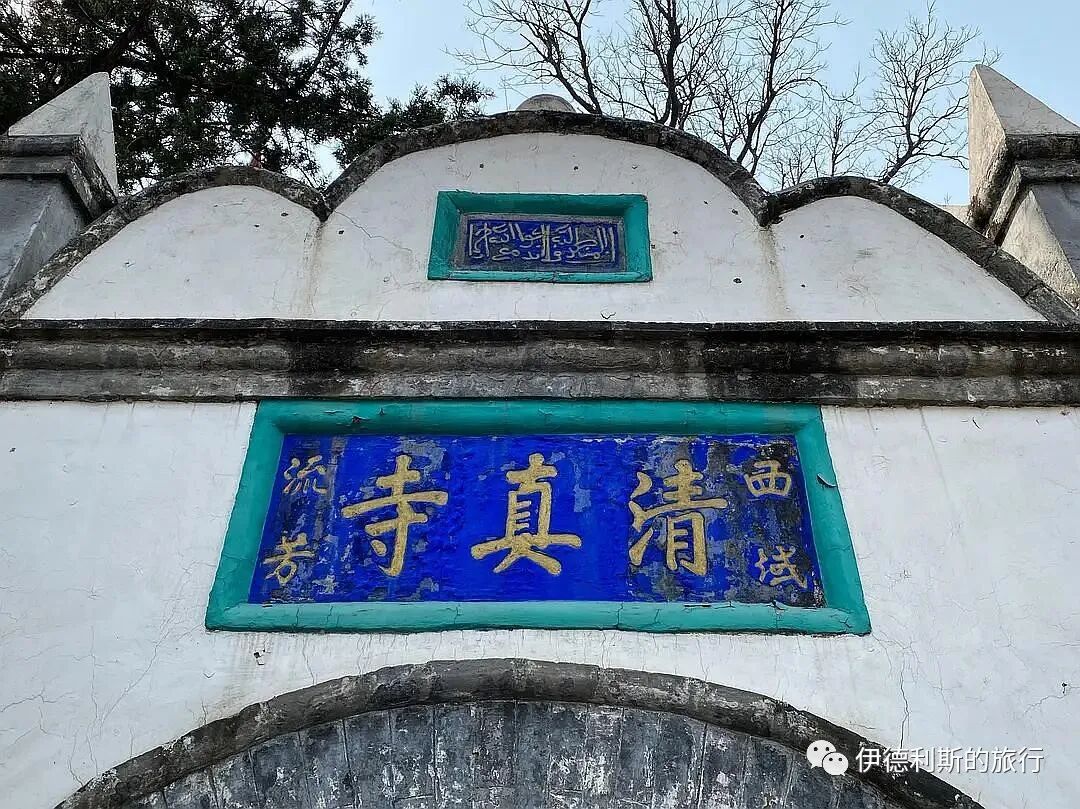
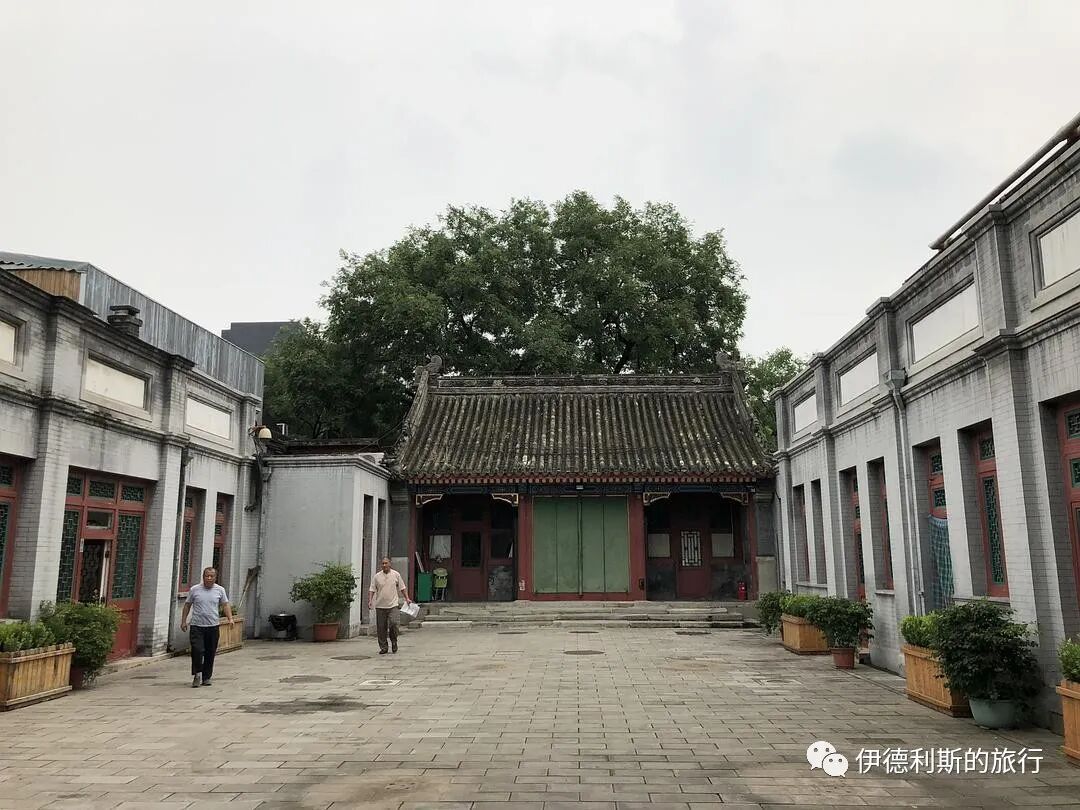
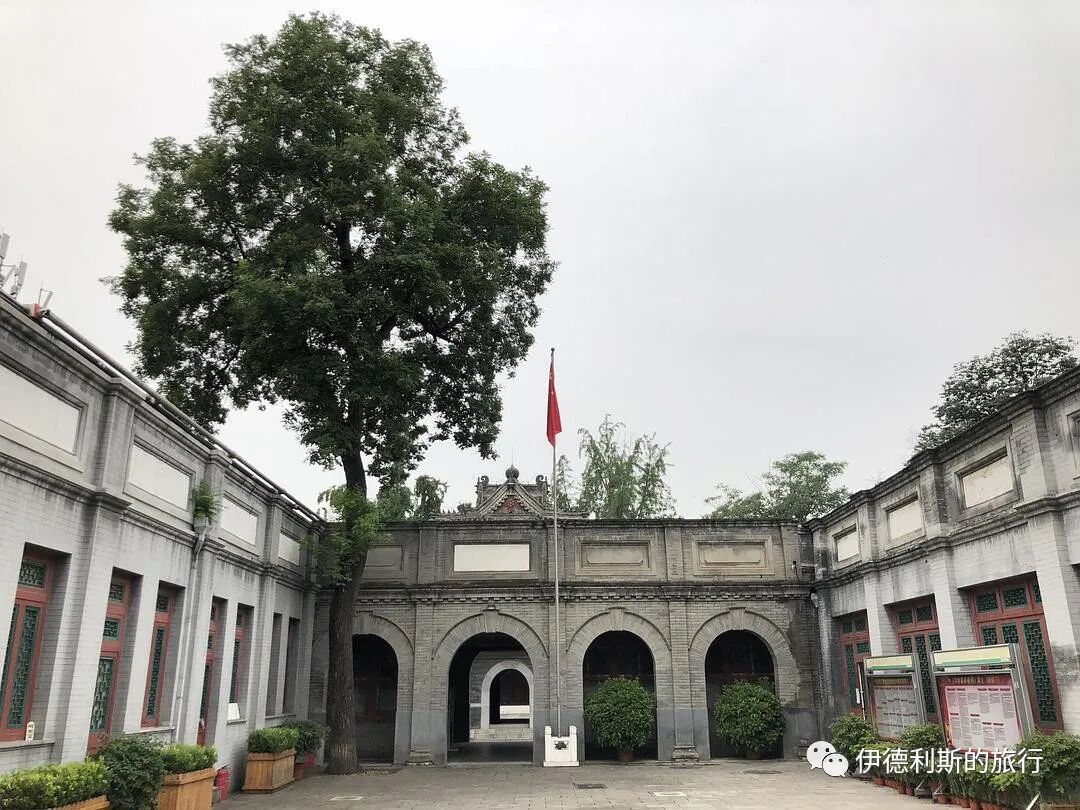
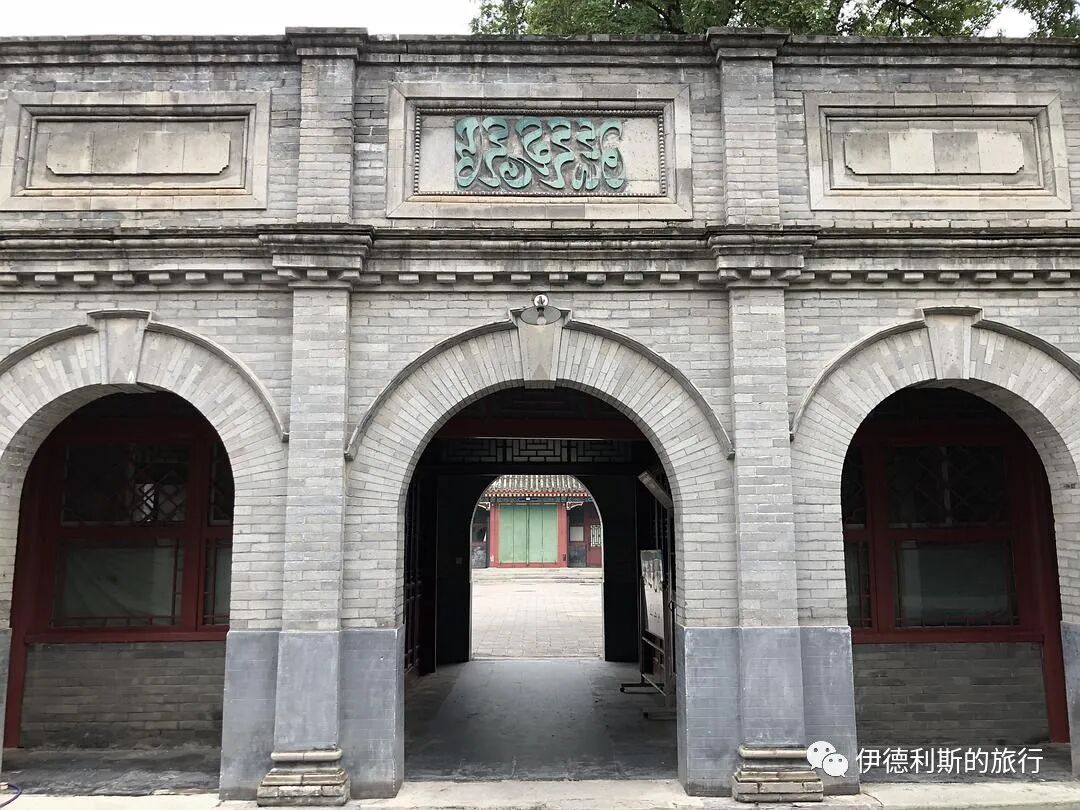
Dongsi Mosque is one of the four major official mosques of the Ming Dynasty, and its gate and first courtyard were rebuilt in 1920. The gate is a traditional Chinese building with a ridge-style hard mountain roof, while the first courtyard and the second gate feature Western architectural styles.
Summary: Chinese Republican-Era Mosque Architecture: Chinese and Western Design Elements is presented here as a firsthand travel account in clear English, beginning with this scene: During the Republic of China era, the introduction of Western architectural styles meant Chinese mosques were no longer limited to traditional Chinese designs and began to incorporate Western elements. The account keeps its focus on Mosque Architecture, Republican China, Muslim Heritage while preserving the names, places, food, and historical details from the Chinese source.
During the Republic of China era, the introduction of Western architectural styles meant Chinese mosques were no longer limited to traditional Chinese designs and began to incorporate Western elements. I will share 10 mosques I have visited that feature unique Republic-era architectural styles: the 1935 main hall of the Shenyang East Mosque, the 1936 gate of the Datong Mosque, the 1926 arched porch (juanpeng) of the Longshengzhuang Mosque in Fengzhen, Inner Mongolia, the 1923 main hall of the Hohhot Great Mosque, the rear hall of the Daxinzhuang East Mosque in Bo'ai, Henan, the 1935 gate of the Fuyou Road Mosque in Shanghai, the 1925 Xiaotaoyuan Mosque, the 1940 Beiying Mosque in Dezhou, Shandong, the 1920 gate of the Shahe Mosque in Beijing, and the 1920 first courtyard of the Dongsi Mosque.
1. Shenyang East Mosque
The Shenyang East Mosque was first built in 1803 (the eighth year of the Jiaqing reign). In 1935, the prayer hall was rebuilt in a Western style, while the moon-viewing tower (wangyuelou) kept its original Chinese style.
2. Datong Mosque
The gate of the Datong Mosque was rebuilt in 1936 and features a typical Republic-era style.
3. Longshengzhuang Mosque in Fengzhen, Inner Mongolia
Longshengzhuang in Fengzhen sits on the border of Shanxi and Inner Mongolia. From the Qing Dynasty to the early Republic era, it was at the intersection of trade routes between Hohhot, Datong, and Zhangjiakou, serving as an important market town for Shanxi merchants trading in Mongolia. Longshengzhuang reached its peak in the early Republic era, with over 300 shops and nearly 2 kilometers of storefronts lined up side by side.
The arched porch (juanpeng) of the Longshengzhuang Mosque was expanded in 1926 and features exquisite Republic-era ironwork decorations.
4. Hohhot Great Mosque
The prayer hall of the Hohhot Great Mosque was expanded in 1923. Its arched porch (juanpeng) blends Chinese and Western styles, featuring arched doors and walls decorated with beautiful Arabic calligraphy plaques, couplets, and floral patterns.
5. East Mosque in Daxinzhuang, Bo'ai, Henan
The East Mosque in Daxinzhuang, Bo'ai, Henan added a rear hall during the Republic of China era. It features five Roman-style arched doorways decorated with exquisite cement carvings from that period.
6. Fuyou Road Mosque, Shanghai
Fuyou Road Mosque is commonly known as the North Mosque. It was first built in 1870 (the ninth year of the Tongzhi reign) and was originally used by Hui Muslims from Nanjing who lived near the Old North Gate of Shanghai. In 1935, a famous Hui merchant named Ha Shaofu led the effort to convert the street-facing stone-gate houses (shikumen) into a three-story reinforced concrete building, with a moon-sighting pavilion built on the rooftop terrace.
7. Xiaotaoyuan Mosque, Shanghai
Xiaotaoyuan Mosque is commonly known as the West Mosque. It was built in 1917 after the famous Hui merchant Jin Ziyun donated the land and funds, and it was rebuilt into its current form in 1925. During the Republic of China era, many Hui Muslims from Northwest and Northern China chose to travel by steamship from Shanghai to perform the Hajj. Starting in 1930, Xiaotaoyuan Mosque became a place for pilgrims to rest and wait before their departure. People used the mosque to process passports and book ship tickets. Doctors from the customs quarantine office would come to the mosque to perform physical exams, administer smallpox vaccinations, and give other shots. Pilgrims also met friends and exchanged information here. On the day of departure, the mosque provided transport to take them to the ship. After returning from the Hajj, the Hajis would rest at the mosque before heading home. This place became an important cultural exchange center for Islam in China during the Republic of China era.
8. Beiying Mosque, Dezhou, Shandong
During the Wanli reign of the Ming Dynasty, the descendants of the Sultan of Sulu built a mosque southwest of the Sultan of Sulu's tomb. A Ming Dynasty imperial decree ordered that one person be chosen from the Wen and An families to serve as the imam, carry on the sect, and manage the Hui Muslims. In 1917, the canal burst its banks, washing away the mosque and the entire Beiying Village, until it was rebuilt in 1940. The newly built gate has a Western style, while the overall structure remains in the traditional North China style.
9. Beijing Shahe Mosque
During the Wanli reign of the Ming Dynasty, the main road north of Beijing leading to Zhangjiakou moved to Shahe, and Hui Muslims who traded cattle and sheep began to settle there. Shahe Mosque was first built during the Ming Dynasty, and the current Western-style gate was added in 1920.
10. Beijing Dongsi Mosque
Dongsi Mosque is one of the four major official mosques of the Ming Dynasty, and its gate and first courtyard were rebuilt in 1920. The gate is a traditional Chinese building with a ridge-style hard mountain roof, while the first courtyard and the second gate feature Western architectural styles.
Chinese Republican-Era Mosque Architecture: Chinese and Western Design Elements
Articles • ali2007fr posted the article • 0 comments • 167 views • 2026-05-18 02:56
Reposted from the web
Summary: Chinese Republican-Era Mosque Architecture: Chinese and Western Design Elements is presented here as a firsthand travel account in clear English, beginning with this scene: During the Republic of China era, the introduction of Western architectural styles meant Chinese mosques were no longer limited to traditional Chinese designs and began to incorporate Western elements. The account keeps its focus on Mosque Architecture, Republican China, Muslim Heritage while preserving the names, places, food, and historical details from the Chinese source.
During the Republic of China era, the introduction of Western architectural styles meant Chinese mosques were no longer limited to traditional Chinese designs and began to incorporate Western elements. I will share 10 mosques I have visited that feature unique Republic-era architectural styles: the 1935 main hall of the Shenyang East Mosque, the 1936 gate of the Datong Mosque, the 1926 arched porch (juanpeng) of the Longshengzhuang Mosque in Fengzhen, Inner Mongolia, the 1923 main hall of the Hohhot Great Mosque, the rear hall of the Daxinzhuang East Mosque in Bo'ai, Henan, the 1935 gate of the Fuyou Road Mosque in Shanghai, the 1925 Xiaotaoyuan Mosque, the 1940 Beiying Mosque in Dezhou, Shandong, the 1920 gate of the Shahe Mosque in Beijing, and the 1920 first courtyard of the Dongsi Mosque.
1. Shenyang East Mosque
The Shenyang East Mosque was first built in 1803 (the eighth year of the Jiaqing reign). In 1935, the prayer hall was rebuilt in a Western style, while the moon-viewing tower (wangyuelou) kept its original Chinese style.
2. Datong Mosque
The gate of the Datong Mosque was rebuilt in 1936 and features a typical Republic-era style.
3. Longshengzhuang Mosque in Fengzhen, Inner Mongolia
Longshengzhuang in Fengzhen sits on the border of Shanxi and Inner Mongolia. From the Qing Dynasty to the early Republic era, it was at the intersection of trade routes between Hohhot, Datong, and Zhangjiakou, serving as an important market town for Shanxi merchants trading in Mongolia. Longshengzhuang reached its peak in the early Republic era, with over 300 shops and nearly 2 kilometers of storefronts lined up side by side.
The arched porch (juanpeng) of the Longshengzhuang Mosque was expanded in 1926 and features exquisite Republic-era ironwork decorations.
4. Hohhot Great Mosque
The prayer hall of the Hohhot Great Mosque was expanded in 1923. Its arched porch (juanpeng) blends Chinese and Western styles, featuring arched doors and walls decorated with beautiful Arabic calligraphy plaques, couplets, and floral patterns.
5. East Mosque in Daxinzhuang, Bo'ai, Henan
The East Mosque in Daxinzhuang, Bo'ai, Henan added a rear hall during the Republic of China era. It features five Roman-style arched doorways decorated with exquisite cement carvings from that period.
6. Fuyou Road Mosque, Shanghai
Fuyou Road Mosque is commonly known as the North Mosque. It was first built in 1870 (the ninth year of the Tongzhi reign) and was originally used by Hui Muslims from Nanjing who lived near the Old North Gate of Shanghai. In 1935, a famous Hui merchant named Ha Shaofu led the effort to convert the street-facing stone-gate houses (shikumen) into a three-story reinforced concrete building, with a moon-sighting pavilion built on the rooftop terrace.
7. Xiaotaoyuan Mosque, Shanghai
Xiaotaoyuan Mosque is commonly known as the West Mosque. It was built in 1917 after the famous Hui merchant Jin Ziyun donated the land and funds, and it was rebuilt into its current form in 1925. During the Republic of China era, many Hui Muslims from Northwest and Northern China chose to travel by steamship from Shanghai to perform the Hajj. Starting in 1930, Xiaotaoyuan Mosque became a place for pilgrims to rest and wait before their departure. People used the mosque to process passports and book ship tickets. Doctors from the customs quarantine office would come to the mosque to perform physical exams, administer smallpox vaccinations, and give other shots. Pilgrims also met friends and exchanged information here. On the day of departure, the mosque provided transport to take them to the ship. After returning from the Hajj, the Hajis would rest at the mosque before heading home. This place became an important cultural exchange center for Islam in China during the Republic of China era.
8. Beiying Mosque, Dezhou, Shandong
During the Wanli reign of the Ming Dynasty, the descendants of the Sultan of Sulu built a mosque southwest of the Sultan of Sulu's tomb. A Ming Dynasty imperial decree ordered that one person be chosen from the Wen and An families to serve as the imam, carry on the sect, and manage the Hui Muslims. In 1917, the canal burst its banks, washing away the mosque and the entire Beiying Village, until it was rebuilt in 1940. The newly built gate has a Western style, while the overall structure remains in the traditional North China style.
9. Beijing Shahe Mosque
During the Wanli reign of the Ming Dynasty, the main road north of Beijing leading to Zhangjiakou moved to Shahe, and Hui Muslims who traded cattle and sheep began to settle there. Shahe Mosque was first built during the Ming Dynasty, and the current Western-style gate was added in 1920.
10. Beijing Dongsi Mosque
Dongsi Mosque is one of the four major official mosques of the Ming Dynasty, and its gate and first courtyard were rebuilt in 1920. The gate is a traditional Chinese building with a ridge-style hard mountain roof, while the first courtyard and the second gate feature Western architectural styles. view all
Summary: Chinese Republican-Era Mosque Architecture: Chinese and Western Design Elements is presented here as a firsthand travel account in clear English, beginning with this scene: During the Republic of China era, the introduction of Western architectural styles meant Chinese mosques were no longer limited to traditional Chinese designs and began to incorporate Western elements. The account keeps its focus on Mosque Architecture, Republican China, Muslim Heritage while preserving the names, places, food, and historical details from the Chinese source.
During the Republic of China era, the introduction of Western architectural styles meant Chinese mosques were no longer limited to traditional Chinese designs and began to incorporate Western elements. I will share 10 mosques I have visited that feature unique Republic-era architectural styles: the 1935 main hall of the Shenyang East Mosque, the 1936 gate of the Datong Mosque, the 1926 arched porch (juanpeng) of the Longshengzhuang Mosque in Fengzhen, Inner Mongolia, the 1923 main hall of the Hohhot Great Mosque, the rear hall of the Daxinzhuang East Mosque in Bo'ai, Henan, the 1935 gate of the Fuyou Road Mosque in Shanghai, the 1925 Xiaotaoyuan Mosque, the 1940 Beiying Mosque in Dezhou, Shandong, the 1920 gate of the Shahe Mosque in Beijing, and the 1920 first courtyard of the Dongsi Mosque.
1. Shenyang East Mosque
The Shenyang East Mosque was first built in 1803 (the eighth year of the Jiaqing reign). In 1935, the prayer hall was rebuilt in a Western style, while the moon-viewing tower (wangyuelou) kept its original Chinese style.
2. Datong Mosque
The gate of the Datong Mosque was rebuilt in 1936 and features a typical Republic-era style.
3. Longshengzhuang Mosque in Fengzhen, Inner Mongolia
Longshengzhuang in Fengzhen sits on the border of Shanxi and Inner Mongolia. From the Qing Dynasty to the early Republic era, it was at the intersection of trade routes between Hohhot, Datong, and Zhangjiakou, serving as an important market town for Shanxi merchants trading in Mongolia. Longshengzhuang reached its peak in the early Republic era, with over 300 shops and nearly 2 kilometers of storefronts lined up side by side.
The arched porch (juanpeng) of the Longshengzhuang Mosque was expanded in 1926 and features exquisite Republic-era ironwork decorations.
4. Hohhot Great Mosque
The prayer hall of the Hohhot Great Mosque was expanded in 1923. Its arched porch (juanpeng) blends Chinese and Western styles, featuring arched doors and walls decorated with beautiful Arabic calligraphy plaques, couplets, and floral patterns.
5. East Mosque in Daxinzhuang, Bo'ai, Henan
The East Mosque in Daxinzhuang, Bo'ai, Henan added a rear hall during the Republic of China era. It features five Roman-style arched doorways decorated with exquisite cement carvings from that period.
6. Fuyou Road Mosque, Shanghai
Fuyou Road Mosque is commonly known as the North Mosque. It was first built in 1870 (the ninth year of the Tongzhi reign) and was originally used by Hui Muslims from Nanjing who lived near the Old North Gate of Shanghai. In 1935, a famous Hui merchant named Ha Shaofu led the effort to convert the street-facing stone-gate houses (shikumen) into a three-story reinforced concrete building, with a moon-sighting pavilion built on the rooftop terrace.
7. Xiaotaoyuan Mosque, Shanghai
Xiaotaoyuan Mosque is commonly known as the West Mosque. It was built in 1917 after the famous Hui merchant Jin Ziyun donated the land and funds, and it was rebuilt into its current form in 1925. During the Republic of China era, many Hui Muslims from Northwest and Northern China chose to travel by steamship from Shanghai to perform the Hajj. Starting in 1930, Xiaotaoyuan Mosque became a place for pilgrims to rest and wait before their departure. People used the mosque to process passports and book ship tickets. Doctors from the customs quarantine office would come to the mosque to perform physical exams, administer smallpox vaccinations, and give other shots. Pilgrims also met friends and exchanged information here. On the day of departure, the mosque provided transport to take them to the ship. After returning from the Hajj, the Hajis would rest at the mosque before heading home. This place became an important cultural exchange center for Islam in China during the Republic of China era.
8. Beiying Mosque, Dezhou, Shandong
During the Wanli reign of the Ming Dynasty, the descendants of the Sultan of Sulu built a mosque southwest of the Sultan of Sulu's tomb. A Ming Dynasty imperial decree ordered that one person be chosen from the Wen and An families to serve as the imam, carry on the sect, and manage the Hui Muslims. In 1917, the canal burst its banks, washing away the mosque and the entire Beiying Village, until it was rebuilt in 1940. The newly built gate has a Western style, while the overall structure remains in the traditional North China style.
9. Beijing Shahe Mosque
During the Wanli reign of the Ming Dynasty, the main road north of Beijing leading to Zhangjiakou moved to Shahe, and Hui Muslims who traded cattle and sheep began to settle there. Shahe Mosque was first built during the Ming Dynasty, and the current Western-style gate was added in 1920.
10. Beijing Dongsi Mosque
Dongsi Mosque is one of the four major official mosques of the Ming Dynasty, and its gate and first courtyard were rebuilt in 1920. The gate is a traditional Chinese building with a ridge-style hard mountain roof, while the first courtyard and the second gate feature Western architectural styles. view all
Reposted from the web
Summary: Chinese Republican-Era Mosque Architecture: Chinese and Western Design Elements is presented here as a firsthand travel account in clear English, beginning with this scene: During the Republic of China era, the introduction of Western architectural styles meant Chinese mosques were no longer limited to traditional Chinese designs and began to incorporate Western elements. The account keeps its focus on Mosque Architecture, Republican China, Muslim Heritage while preserving the names, places, food, and historical details from the Chinese source.
During the Republic of China era, the introduction of Western architectural styles meant Chinese mosques were no longer limited to traditional Chinese designs and began to incorporate Western elements. I will share 10 mosques I have visited that feature unique Republic-era architectural styles: the 1935 main hall of the Shenyang East Mosque, the 1936 gate of the Datong Mosque, the 1926 arched porch (juanpeng) of the Longshengzhuang Mosque in Fengzhen, Inner Mongolia, the 1923 main hall of the Hohhot Great Mosque, the rear hall of the Daxinzhuang East Mosque in Bo'ai, Henan, the 1935 gate of the Fuyou Road Mosque in Shanghai, the 1925 Xiaotaoyuan Mosque, the 1940 Beiying Mosque in Dezhou, Shandong, the 1920 gate of the Shahe Mosque in Beijing, and the 1920 first courtyard of the Dongsi Mosque.
1. Shenyang East Mosque
The Shenyang East Mosque was first built in 1803 (the eighth year of the Jiaqing reign). In 1935, the prayer hall was rebuilt in a Western style, while the moon-viewing tower (wangyuelou) kept its original Chinese style.
2. Datong Mosque
The gate of the Datong Mosque was rebuilt in 1936 and features a typical Republic-era style.
3. Longshengzhuang Mosque in Fengzhen, Inner Mongolia
Longshengzhuang in Fengzhen sits on the border of Shanxi and Inner Mongolia. From the Qing Dynasty to the early Republic era, it was at the intersection of trade routes between Hohhot, Datong, and Zhangjiakou, serving as an important market town for Shanxi merchants trading in Mongolia. Longshengzhuang reached its peak in the early Republic era, with over 300 shops and nearly 2 kilometers of storefronts lined up side by side.
The arched porch (juanpeng) of the Longshengzhuang Mosque was expanded in 1926 and features exquisite Republic-era ironwork decorations.
4. Hohhot Great Mosque
The prayer hall of the Hohhot Great Mosque was expanded in 1923. Its arched porch (juanpeng) blends Chinese and Western styles, featuring arched doors and walls decorated with beautiful Arabic calligraphy plaques, couplets, and floral patterns.
5. East Mosque in Daxinzhuang, Bo'ai, Henan
The East Mosque in Daxinzhuang, Bo'ai, Henan added a rear hall during the Republic of China era. It features five Roman-style arched doorways decorated with exquisite cement carvings from that period.
6. Fuyou Road Mosque, Shanghai
Fuyou Road Mosque is commonly known as the North Mosque. It was first built in 1870 (the ninth year of the Tongzhi reign) and was originally used by Hui Muslims from Nanjing who lived near the Old North Gate of Shanghai. In 1935, a famous Hui merchant named Ha Shaofu led the effort to convert the street-facing stone-gate houses (shikumen) into a three-story reinforced concrete building, with a moon-sighting pavilion built on the rooftop terrace.
7. Xiaotaoyuan Mosque, Shanghai
Xiaotaoyuan Mosque is commonly known as the West Mosque. It was built in 1917 after the famous Hui merchant Jin Ziyun donated the land and funds, and it was rebuilt into its current form in 1925. During the Republic of China era, many Hui Muslims from Northwest and Northern China chose to travel by steamship from Shanghai to perform the Hajj. Starting in 1930, Xiaotaoyuan Mosque became a place for pilgrims to rest and wait before their departure. People used the mosque to process passports and book ship tickets. Doctors from the customs quarantine office would come to the mosque to perform physical exams, administer smallpox vaccinations, and give other shots. Pilgrims also met friends and exchanged information here. On the day of departure, the mosque provided transport to take them to the ship. After returning from the Hajj, the Hajis would rest at the mosque before heading home. This place became an important cultural exchange center for Islam in China during the Republic of China era.
8. Beiying Mosque, Dezhou, Shandong
During the Wanli reign of the Ming Dynasty, the descendants of the Sultan of Sulu built a mosque southwest of the Sultan of Sulu's tomb. A Ming Dynasty imperial decree ordered that one person be chosen from the Wen and An families to serve as the imam, carry on the sect, and manage the Hui Muslims. In 1917, the canal burst its banks, washing away the mosque and the entire Beiying Village, until it was rebuilt in 1940. The newly built gate has a Western style, while the overall structure remains in the traditional North China style.
9. Beijing Shahe Mosque
During the Wanli reign of the Ming Dynasty, the main road north of Beijing leading to Zhangjiakou moved to Shahe, and Hui Muslims who traded cattle and sheep began to settle there. Shahe Mosque was first built during the Ming Dynasty, and the current Western-style gate was added in 1920.
10. Beijing Dongsi Mosque
Dongsi Mosque is one of the four major official mosques of the Ming Dynasty, and its gate and first courtyard were rebuilt in 1920. The gate is a traditional Chinese building with a ridge-style hard mountain roof, while the first courtyard and the second gate feature Western architectural styles.
Summary: Chinese Republican-Era Mosque Architecture: Chinese and Western Design Elements is presented here as a firsthand travel account in clear English, beginning with this scene: During the Republic of China era, the introduction of Western architectural styles meant Chinese mosques were no longer limited to traditional Chinese designs and began to incorporate Western elements. The account keeps its focus on Mosque Architecture, Republican China, Muslim Heritage while preserving the names, places, food, and historical details from the Chinese source.
During the Republic of China era, the introduction of Western architectural styles meant Chinese mosques were no longer limited to traditional Chinese designs and began to incorporate Western elements. I will share 10 mosques I have visited that feature unique Republic-era architectural styles: the 1935 main hall of the Shenyang East Mosque, the 1936 gate of the Datong Mosque, the 1926 arched porch (juanpeng) of the Longshengzhuang Mosque in Fengzhen, Inner Mongolia, the 1923 main hall of the Hohhot Great Mosque, the rear hall of the Daxinzhuang East Mosque in Bo'ai, Henan, the 1935 gate of the Fuyou Road Mosque in Shanghai, the 1925 Xiaotaoyuan Mosque, the 1940 Beiying Mosque in Dezhou, Shandong, the 1920 gate of the Shahe Mosque in Beijing, and the 1920 first courtyard of the Dongsi Mosque.
1. Shenyang East Mosque
The Shenyang East Mosque was first built in 1803 (the eighth year of the Jiaqing reign). In 1935, the prayer hall was rebuilt in a Western style, while the moon-viewing tower (wangyuelou) kept its original Chinese style.
2. Datong Mosque
The gate of the Datong Mosque was rebuilt in 1936 and features a typical Republic-era style.
3. Longshengzhuang Mosque in Fengzhen, Inner Mongolia
Longshengzhuang in Fengzhen sits on the border of Shanxi and Inner Mongolia. From the Qing Dynasty to the early Republic era, it was at the intersection of trade routes between Hohhot, Datong, and Zhangjiakou, serving as an important market town for Shanxi merchants trading in Mongolia. Longshengzhuang reached its peak in the early Republic era, with over 300 shops and nearly 2 kilometers of storefronts lined up side by side.
The arched porch (juanpeng) of the Longshengzhuang Mosque was expanded in 1926 and features exquisite Republic-era ironwork decorations.
4. Hohhot Great Mosque
The prayer hall of the Hohhot Great Mosque was expanded in 1923. Its arched porch (juanpeng) blends Chinese and Western styles, featuring arched doors and walls decorated with beautiful Arabic calligraphy plaques, couplets, and floral patterns.
5. East Mosque in Daxinzhuang, Bo'ai, Henan
The East Mosque in Daxinzhuang, Bo'ai, Henan added a rear hall during the Republic of China era. It features five Roman-style arched doorways decorated with exquisite cement carvings from that period.
6. Fuyou Road Mosque, Shanghai
Fuyou Road Mosque is commonly known as the North Mosque. It was first built in 1870 (the ninth year of the Tongzhi reign) and was originally used by Hui Muslims from Nanjing who lived near the Old North Gate of Shanghai. In 1935, a famous Hui merchant named Ha Shaofu led the effort to convert the street-facing stone-gate houses (shikumen) into a three-story reinforced concrete building, with a moon-sighting pavilion built on the rooftop terrace.
7. Xiaotaoyuan Mosque, Shanghai
Xiaotaoyuan Mosque is commonly known as the West Mosque. It was built in 1917 after the famous Hui merchant Jin Ziyun donated the land and funds, and it was rebuilt into its current form in 1925. During the Republic of China era, many Hui Muslims from Northwest and Northern China chose to travel by steamship from Shanghai to perform the Hajj. Starting in 1930, Xiaotaoyuan Mosque became a place for pilgrims to rest and wait before their departure. People used the mosque to process passports and book ship tickets. Doctors from the customs quarantine office would come to the mosque to perform physical exams, administer smallpox vaccinations, and give other shots. Pilgrims also met friends and exchanged information here. On the day of departure, the mosque provided transport to take them to the ship. After returning from the Hajj, the Hajis would rest at the mosque before heading home. This place became an important cultural exchange center for Islam in China during the Republic of China era.
8. Beiying Mosque, Dezhou, Shandong
During the Wanli reign of the Ming Dynasty, the descendants of the Sultan of Sulu built a mosque southwest of the Sultan of Sulu's tomb. A Ming Dynasty imperial decree ordered that one person be chosen from the Wen and An families to serve as the imam, carry on the sect, and manage the Hui Muslims. In 1917, the canal burst its banks, washing away the mosque and the entire Beiying Village, until it was rebuilt in 1940. The newly built gate has a Western style, while the overall structure remains in the traditional North China style.
9. Beijing Shahe Mosque
During the Wanli reign of the Ming Dynasty, the main road north of Beijing leading to Zhangjiakou moved to Shahe, and Hui Muslims who traded cattle and sheep began to settle there. Shahe Mosque was first built during the Ming Dynasty, and the current Western-style gate was added in 1920.
10. Beijing Dongsi Mosque
Dongsi Mosque is one of the four major official mosques of the Ming Dynasty, and its gate and first courtyard were rebuilt in 1920. The gate is a traditional Chinese building with a ridge-style hard mountain roof, while the first courtyard and the second gate feature Western architectural styles.