

Mosque Architecture
Exploring Yangzha Mosque in Beijing: A Look at Traditional Islamic Architecture on the Chaoyang-Tongzhou Border
Articles • Hasan09 posted the article • 0 comments • 15 views • 6 hours ago
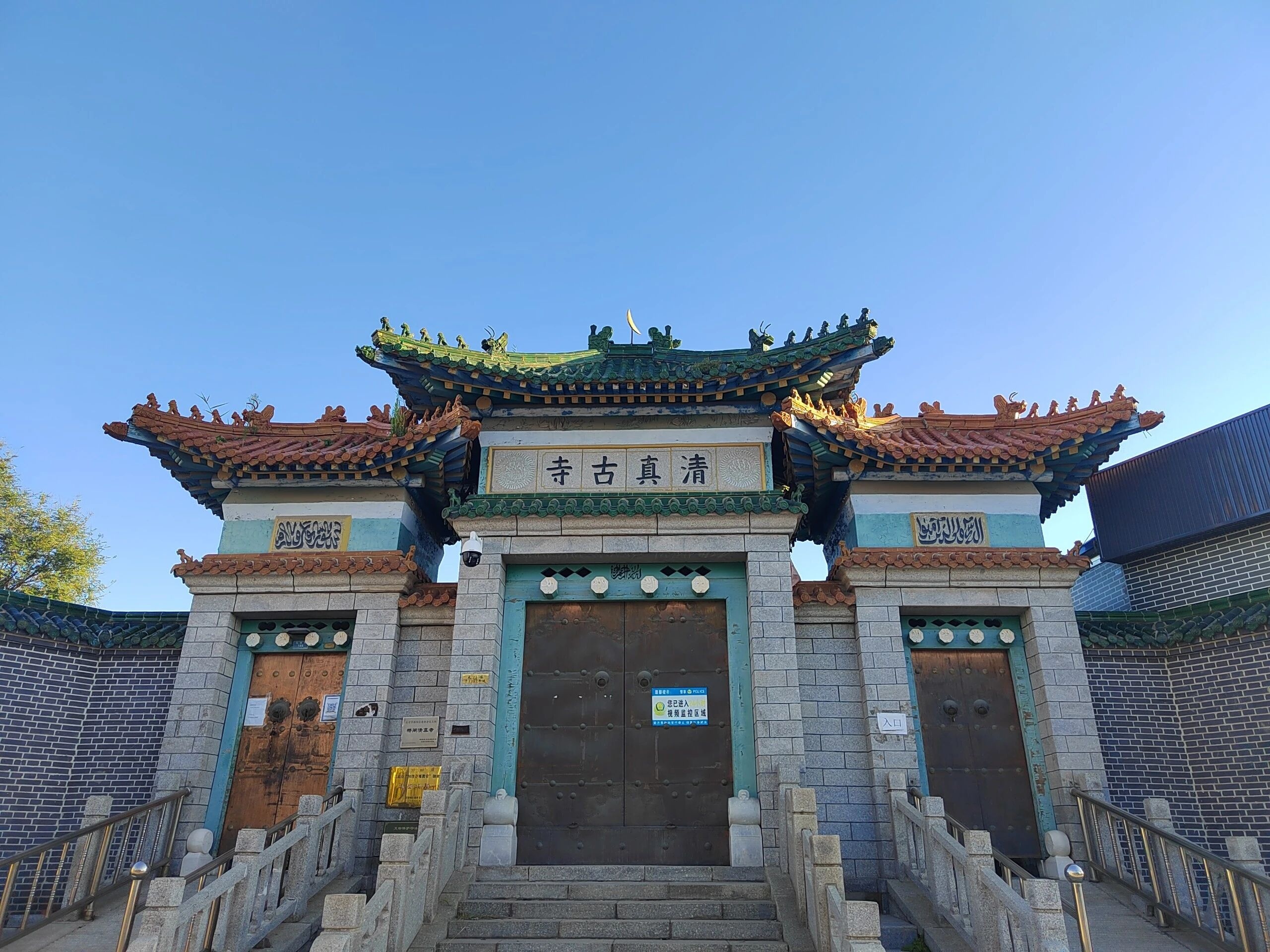
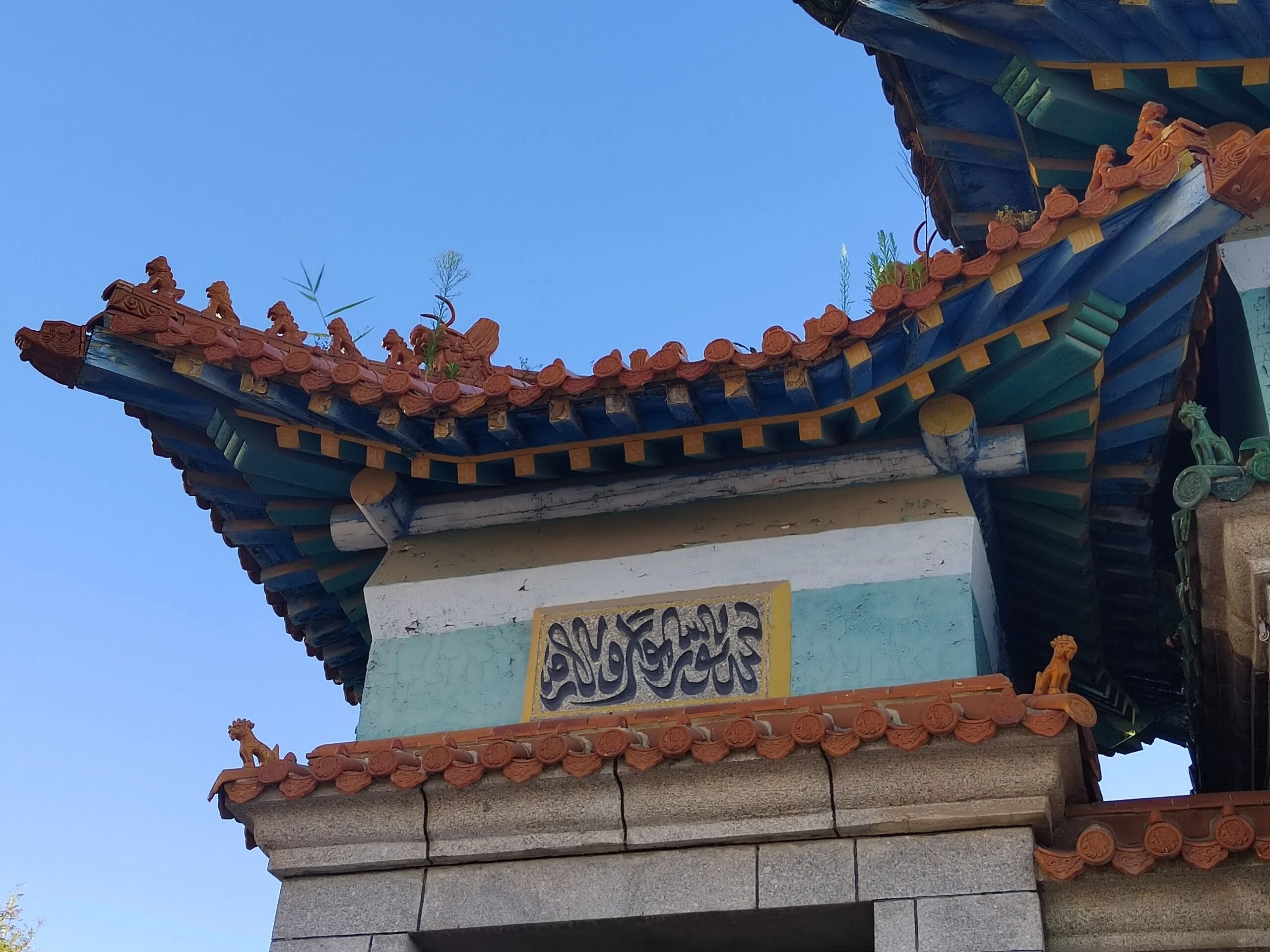
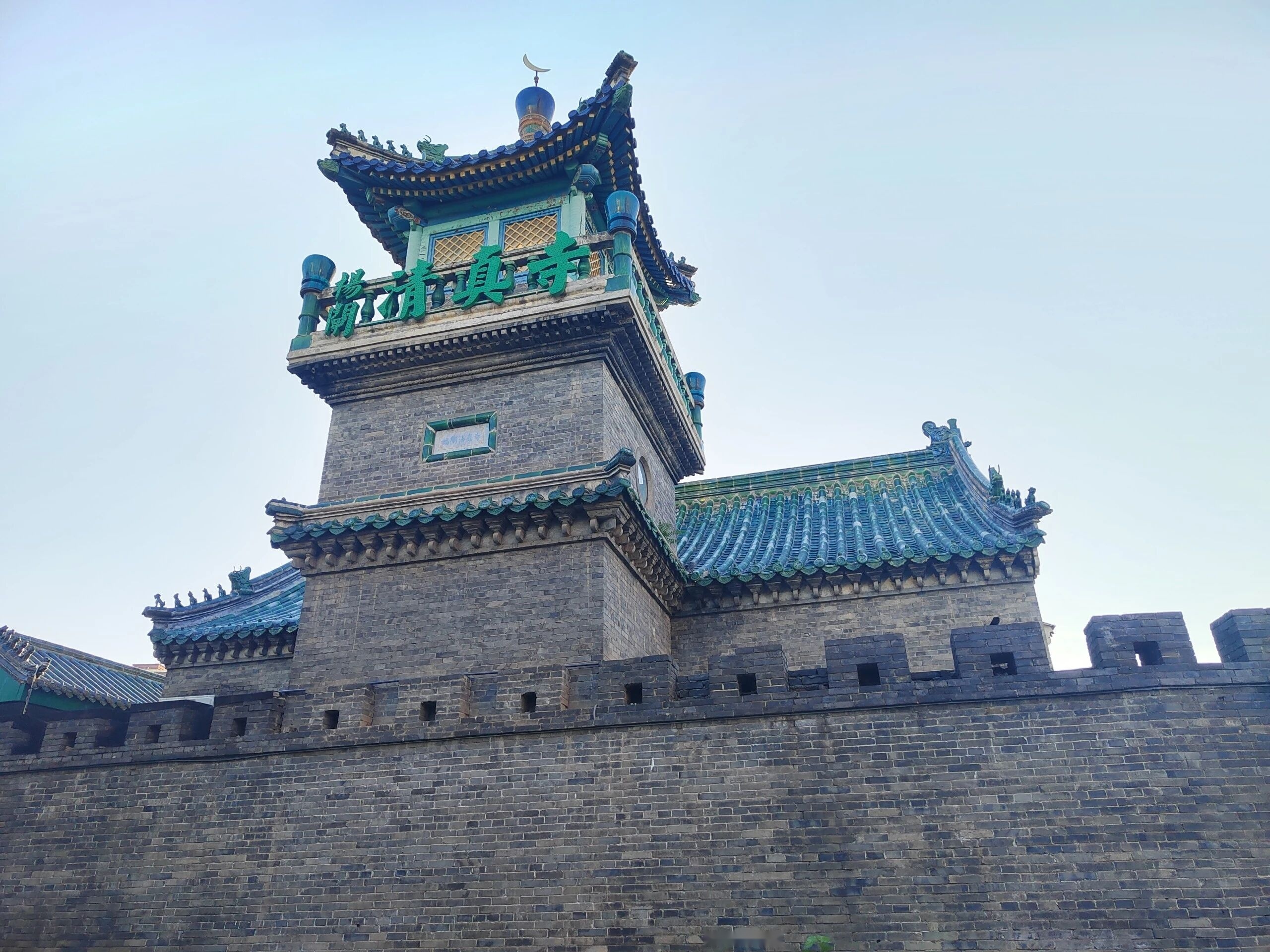
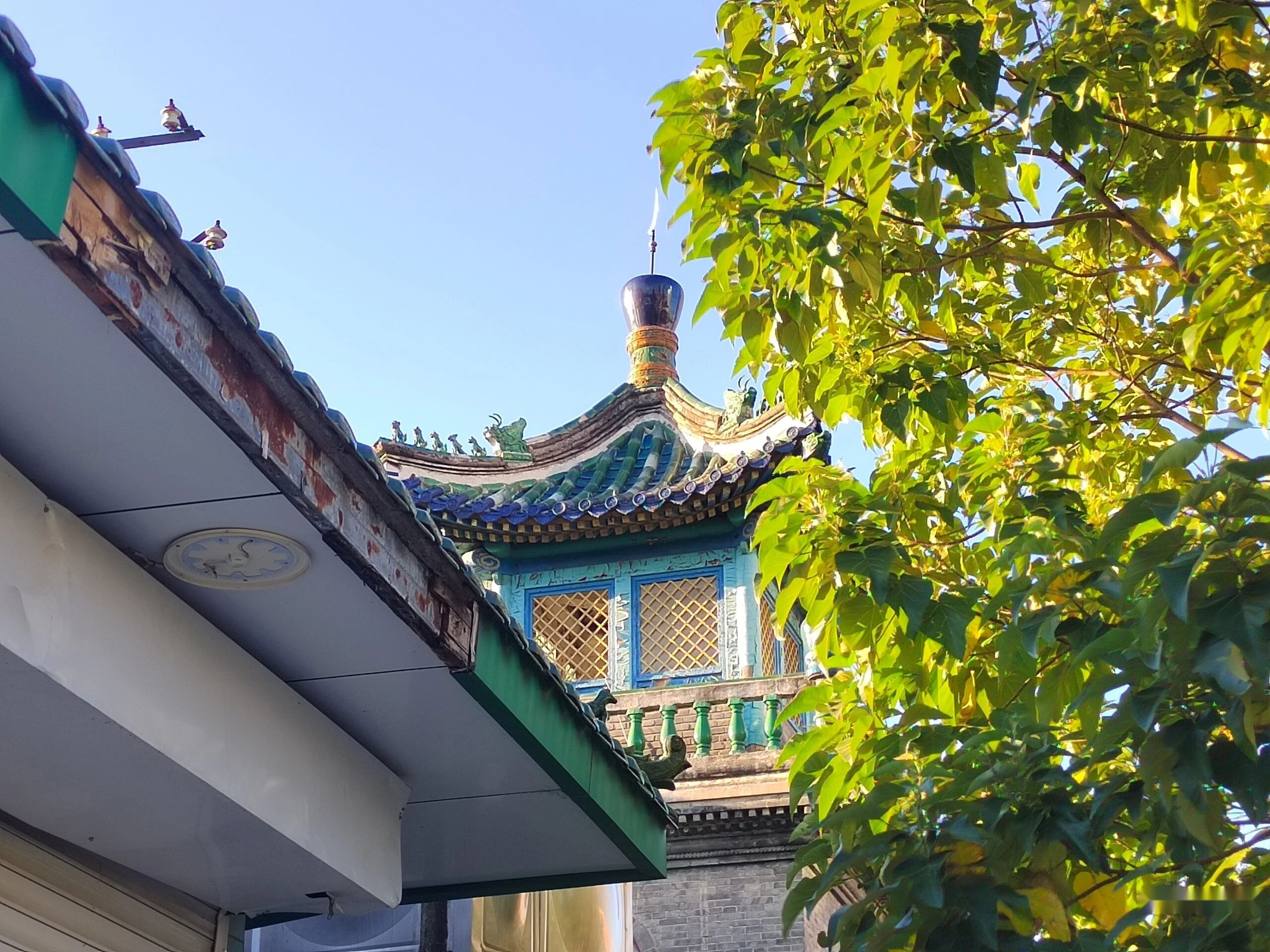
Come along as we explore the historic Yangzha Mosque, tucked away right on the border of Beijing’s Chaoyang and Tongzhou districts. Through five high-def photos, you’ll get a close-up look at the traditional, solemn entrance screen wall and the main prayer hall, which features a classic Chinese xieshan-style (a traditional architectural roof style with overhanging eaves) roof with green tiles, plus the beautiful Arabic calligraphy inside—giving you a real feel for the quiet, reverent atmosphere of this Hui Muslim historic site.
Yangzha Historic Mosque
On-site photos view all
Yangzha Historic Mosque
On-site photos view all
Come along as we explore the historic Yangzha Mosque, tucked away right on the border of Beijing’s Chaoyang and Tongzhou districts. Through five high-def photos, you’ll get a close-up look at the traditional, solemn entrance screen wall and the main prayer hall, which features a classic Chinese xieshan-style (a traditional architectural roof style with overhanging eaves) roof with green tiles, plus the beautiful Arabic calligraphy inside—giving you a real feel for the quiet, reverent atmosphere of this Hui Muslim historic site.
Yangzha Historic Mosque
On-site photos
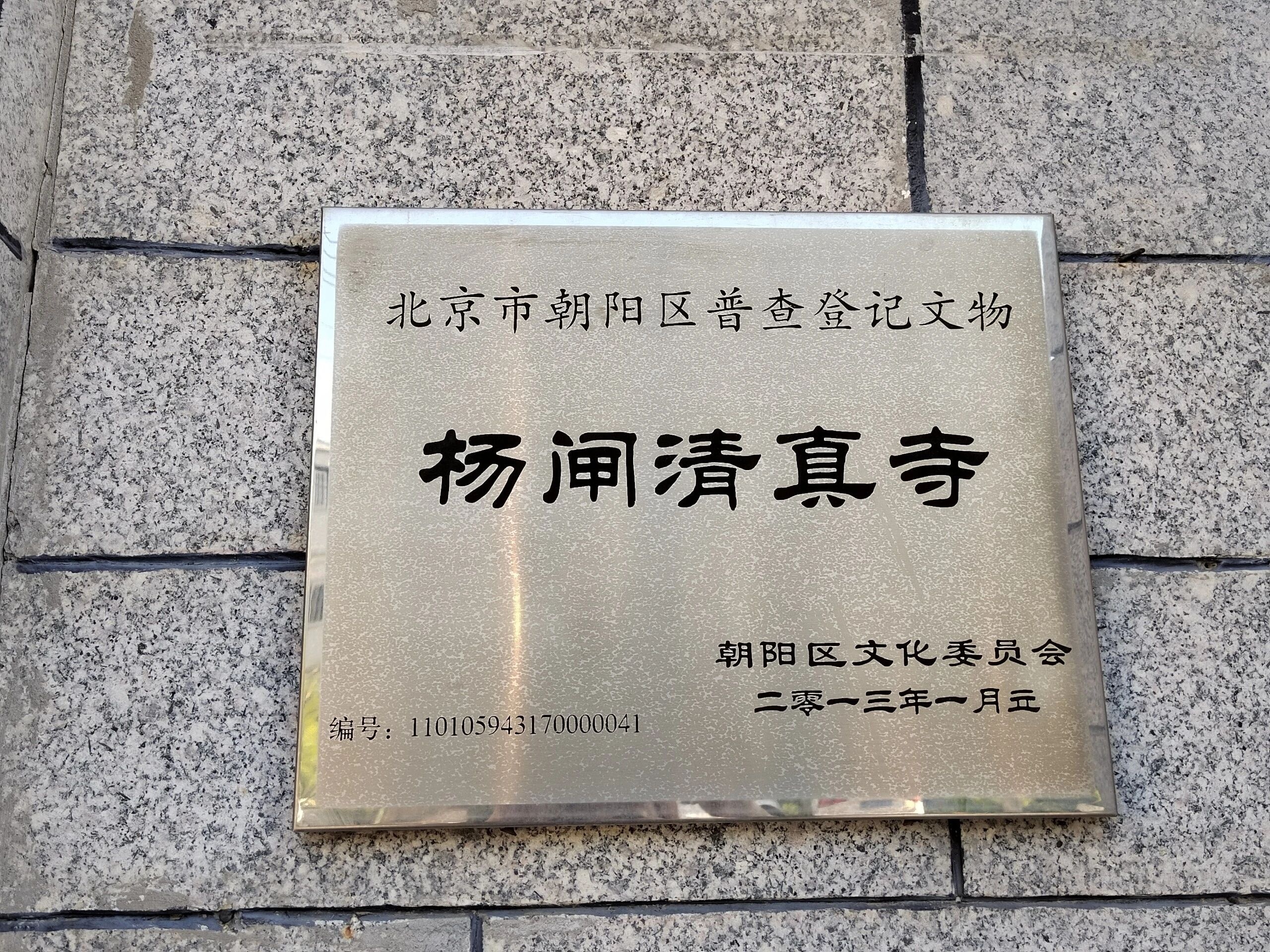
Yangzha Historic Mosque
On-site photos
Istanbul 3-Day Mosque Guide: Authentic Tips for Blue Mosque, Süleymaniye & Secret Photo Spots
Articles • Hasan09 posted the article • 0 comments • 93 views • 2026-10-26 09:47
[Internet Repost]
This guide provides a detailed breakdown of a three-day architectural and cultural tour of Istanbul's mosques, including the Blue Mosque, Hagia Sophia, Süleymaniye Mosque, and Rüstem Pasha Mosque. It covers the best visiting times, tips for capturing autumn foliage, dress codes, and practical transportation advice.
First time out! Your ultimate 3-day Istanbul mosque itinerary—hidden gems included, with zero tourist traps!
Autumn in Hangzhou is all about the sweet scent of osmanthus in Manlongguiyu and the satisfying crunch of sycamore leaves falling on Beishan Street. Last week, while walking through the golden carpet at Jingci Temple, I heard a call to prayer from afar, which immediately brought me back to Istanbul. I spent all night digging up photos from last late autumn: sunlight filtering through stained glass turning the Blue Mosque dome into a rainbow, and a ginger cat napping in the Süleymaniye courtyard to the sound of Quran recitation. Here is the 3-day itinerary I’ve been gatekeeping, featuring off-the-beaten-path photo spots and money-saving hacks. Just follow along and you can't go wrong!
Best Timing: Chasing the Call to Prayer in the Autumn Light
October to November is the sweet spot. There are 30% fewer tourists than in mid-summer, the temperature hovers around 20°C (68°F), and it’s cool enough to walk barefoot in the mosques while wearing modest layers. The maple leaves turn red in early November; the sycamores in the Topkapı Palace back gardens yellow first, while the maples on the Süleymaniye hillside turn red last. If you want that perfect 'mosque and red leaf' shot, aim for the first week of November. Friday afternoons are crowded for Jumu'ah (Friday prayer), so for quiet photos, go before 9 AM on a weekday. The way the light hits the columns at that hour is absolutely stunning.
Transportation: One Card Does It All
Buy an Istanbulkart at the airport (it costs 70 Lira). It works for the metro, trams, and ferries, and it’s 40% cheaper than buying single tickets. The T1 tram line is a total treasure—the Blue Mosque, Hagia Sophia, and Grand Bazaar are all on this route. You have to take a ferry (25 Lira with the card) to get from the European side to the Asian side; feeding seagulls and watching the skyline from the deck is 80% cheaper than a tourist boat. Pro tip: Don't take taxis, traffic and detours are the norm.
✨ Five Must-Visit Spots (Including Secret Photo Angles)
1. Blue Mosque: Get to the western cloister by 7 AM. The morning sun turns the six minarets into a honey color with zero crowds! For interiors, get a 24mm wide-angle lens near the floor; the dome’s blue tiles look like a galaxy. 2. Süleymaniye: Head to the corner of the northern courtyard at 4 PM for silhouettes against the Bosphorus, using a telephoto lens for that intense compression effect. 3. New Mosque: Next to the Spice Market, go at 5 PM to the Eminönü pier for reflections, and try to snap a photo of birds taking flight during the call to prayer. 4. Sokollu Mehmed Pasha Mosque: So obscure you’ll have the place to yourself! The side entrance has no lines, and the blue Iznik tiles inside are even more intricate than the Blue Mosque. Use f/2.8 to blur the details. 5. Ortaköy: A hidden gem on the Asian side; visit on a Friday evening to capture the mosque and the Bosphorus Bridge in one frame, then grab some roasted chestnuts to snack on while you walk.
Food: Eat Like a Local and Avoid Getting Ripped Off
Hidden Gem: Karaköy Lokantası in the back alleys of Süleymaniye. Their lunch set (kebab, rice, and soup) is only 180 Lira, half the price of the tourist spots. Money-saving tip: Don't buy Turkish delight in the Grand Bazaar; go to the outskirts of the Spice Market to Hafız Mustafa, where you can buy it by weight. Must-try: Street-side midye dolma (stuffed mussels with herb-infused rice) for 10 Lira each; squeeze fresh lemon juice on them and they are incredibly delicious.
Accommodation: Stay in the Old City, but not in Sultanahmet
Choose Sirkeci or Eminönü. You’ll be a 10-minute walk from the main mosques, and prices are 30% lower than in the heart of the tourist district. Booking hack: Use the 'free cancellation' filter on Booking.com and book two weeks ahead for 30% off early-bird rates. Hostel beds start at 250 Lira, and you can get a boutique guesthouse room with a terrace for 600 Lira. Having breakfast on the terrace while listening to the call to prayer makes the room worth every penny.
3-Day Lazy-Traveler Itinerary (Just Copy This)
Day 1: 7 AM Blue Mosque → 9 AM Hagia Sophia (take photos from outside) → Lunch at Karaköy Lokantası → Afternoon at Süleymaniye → Evening ferry to Ortaköy. Day 2: 8 AM New Mosque → Spice Market → Lunch at a midye dolma stand → Afternoon at Sokollu Mehmed Pasha Mosque → Sunset at Galata Bridge. Day 3: 9 AM Topkapı Palace back gardens → Lunch on the outskirts of the Grand Bazaar → Afternoon for catch-up photos → Evening ferry back to the Asian side.
Budget & Tips
Daily cost per person: Transportation 40 + Dining 200 + Tickets 150 (Mosques are free; Hagia Sophia is free from the outside) = approx. 400 Lira (excluding accommodation). Local secret: Don't go to large mosques during Jumu'ah on Friday, but feel free to duck into small neighborhood mosques to observe the ceremony. Grab a free plastic bag at the entrance for your shoes. Photography: Use spot metering for the domes when shooting against the light, and place silhouettes on the bottom-right third of the frame. Gear: Pack light with a 35mm prime lens (use your phone for wide-angle shots). Ladies, bring your own headscarf (they are free to borrow at the door, but there's often a line). Wear comfortable socks—walking barefoot on the carpets is heavenly!
Lastly, a little story: I was at Süleymaniye and met a Turkish gentleman who saw me holding my camera for a long time. He grabbed my arm and led me to a small side door: 'Look through this hole, the minaret is perfectly framed by the Bosphorus Bridge.' It was incredible. See, the kindness of Istanbul is hidden in these little corners. Pick an autumn day to go, and please feed that ginger cat for me. view all
[Internet Repost]
This guide provides a detailed breakdown of a three-day architectural and cultural tour of Istanbul's mosques, including the Blue Mosque, Hagia Sophia, Süleymaniye Mosque, and Rüstem Pasha Mosque. It covers the best visiting times, tips for capturing autumn foliage, dress codes, and practical transportation advice.
First time out! Your ultimate 3-day Istanbul mosque itinerary—hidden gems included, with zero tourist traps!
Autumn in Hangzhou is all about the sweet scent of osmanthus in Manlongguiyu and the satisfying crunch of sycamore leaves falling on Beishan Street. Last week, while walking through the golden carpet at Jingci Temple, I heard a call to prayer from afar, which immediately brought me back to Istanbul. I spent all night digging up photos from last late autumn: sunlight filtering through stained glass turning the Blue Mosque dome into a rainbow, and a ginger cat napping in the Süleymaniye courtyard to the sound of Quran recitation. Here is the 3-day itinerary I’ve been gatekeeping, featuring off-the-beaten-path photo spots and money-saving hacks. Just follow along and you can't go wrong!
Best Timing: Chasing the Call to Prayer in the Autumn Light
October to November is the sweet spot. There are 30% fewer tourists than in mid-summer, the temperature hovers around 20°C (68°F), and it’s cool enough to walk barefoot in the mosques while wearing modest layers. The maple leaves turn red in early November; the sycamores in the Topkapı Palace back gardens yellow first, while the maples on the Süleymaniye hillside turn red last. If you want that perfect 'mosque and red leaf' shot, aim for the first week of November. Friday afternoons are crowded for Jumu'ah (Friday prayer), so for quiet photos, go before 9 AM on a weekday. The way the light hits the columns at that hour is absolutely stunning.

Transportation: One Card Does It All
Buy an Istanbulkart at the airport (it costs 70 Lira). It works for the metro, trams, and ferries, and it’s 40% cheaper than buying single tickets. The T1 tram line is a total treasure—the Blue Mosque, Hagia Sophia, and Grand Bazaar are all on this route. You have to take a ferry (25 Lira with the card) to get from the European side to the Asian side; feeding seagulls and watching the skyline from the deck is 80% cheaper than a tourist boat. Pro tip: Don't take taxis, traffic and detours are the norm.
✨ Five Must-Visit Spots (Including Secret Photo Angles)
1. Blue Mosque: Get to the western cloister by 7 AM. The morning sun turns the six minarets into a honey color with zero crowds! For interiors, get a 24mm wide-angle lens near the floor; the dome’s blue tiles look like a galaxy. 2. Süleymaniye: Head to the corner of the northern courtyard at 4 PM for silhouettes against the Bosphorus, using a telephoto lens for that intense compression effect. 3. New Mosque: Next to the Spice Market, go at 5 PM to the Eminönü pier for reflections, and try to snap a photo of birds taking flight during the call to prayer. 4. Sokollu Mehmed Pasha Mosque: So obscure you’ll have the place to yourself! The side entrance has no lines, and the blue Iznik tiles inside are even more intricate than the Blue Mosque. Use f/2.8 to blur the details. 5. Ortaköy: A hidden gem on the Asian side; visit on a Friday evening to capture the mosque and the Bosphorus Bridge in one frame, then grab some roasted chestnuts to snack on while you walk.

Food: Eat Like a Local and Avoid Getting Ripped Off
Hidden Gem: Karaköy Lokantası in the back alleys of Süleymaniye. Their lunch set (kebab, rice, and soup) is only 180 Lira, half the price of the tourist spots. Money-saving tip: Don't buy Turkish delight in the Grand Bazaar; go to the outskirts of the Spice Market to Hafız Mustafa, where you can buy it by weight. Must-try: Street-side midye dolma (stuffed mussels with herb-infused rice) for 10 Lira each; squeeze fresh lemon juice on them and they are incredibly delicious.
Accommodation: Stay in the Old City, but not in Sultanahmet
Choose Sirkeci or Eminönü. You’ll be a 10-minute walk from the main mosques, and prices are 30% lower than in the heart of the tourist district. Booking hack: Use the 'free cancellation' filter on Booking.com and book two weeks ahead for 30% off early-bird rates. Hostel beds start at 250 Lira, and you can get a boutique guesthouse room with a terrace for 600 Lira. Having breakfast on the terrace while listening to the call to prayer makes the room worth every penny.
3-Day Lazy-Traveler Itinerary (Just Copy This)
Day 1: 7 AM Blue Mosque → 9 AM Hagia Sophia (take photos from outside) → Lunch at Karaköy Lokantası → Afternoon at Süleymaniye → Evening ferry to Ortaköy. Day 2: 8 AM New Mosque → Spice Market → Lunch at a midye dolma stand → Afternoon at Sokollu Mehmed Pasha Mosque → Sunset at Galata Bridge. Day 3: 9 AM Topkapı Palace back gardens → Lunch on the outskirts of the Grand Bazaar → Afternoon for catch-up photos → Evening ferry back to the Asian side.

Budget & Tips
Daily cost per person: Transportation 40 + Dining 200 + Tickets 150 (Mosques are free; Hagia Sophia is free from the outside) = approx. 400 Lira (excluding accommodation). Local secret: Don't go to large mosques during Jumu'ah on Friday, but feel free to duck into small neighborhood mosques to observe the ceremony. Grab a free plastic bag at the entrance for your shoes. Photography: Use spot metering for the domes when shooting against the light, and place silhouettes on the bottom-right third of the frame. Gear: Pack light with a 35mm prime lens (use your phone for wide-angle shots). Ladies, bring your own headscarf (they are free to borrow at the door, but there's often a line). Wear comfortable socks—walking barefoot on the carpets is heavenly!
Lastly, a little story: I was at Süleymaniye and met a Turkish gentleman who saw me holding my camera for a long time. He grabbed my arm and led me to a small side door: 'Look through this hole, the minaret is perfectly framed by the Bosphorus Bridge.' It was incredible. See, the kindness of Istanbul is hidden in these little corners. Pick an autumn day to go, and please feed that ginger cat for me.
This guide provides a detailed breakdown of a three-day architectural and cultural tour of Istanbul's mosques, including the Blue Mosque, Hagia Sophia, Süleymaniye Mosque, and Rüstem Pasha Mosque. It covers the best visiting times, tips for capturing autumn foliage, dress codes, and practical transportation advice.
First time out! Your ultimate 3-day Istanbul mosque itinerary—hidden gems included, with zero tourist traps!
Autumn in Hangzhou is all about the sweet scent of osmanthus in Manlongguiyu and the satisfying crunch of sycamore leaves falling on Beishan Street. Last week, while walking through the golden carpet at Jingci Temple, I heard a call to prayer from afar, which immediately brought me back to Istanbul. I spent all night digging up photos from last late autumn: sunlight filtering through stained glass turning the Blue Mosque dome into a rainbow, and a ginger cat napping in the Süleymaniye courtyard to the sound of Quran recitation. Here is the 3-day itinerary I’ve been gatekeeping, featuring off-the-beaten-path photo spots and money-saving hacks. Just follow along and you can't go wrong!
Best Timing: Chasing the Call to Prayer in the Autumn Light
October to November is the sweet spot. There are 30% fewer tourists than in mid-summer, the temperature hovers around 20°C (68°F), and it’s cool enough to walk barefoot in the mosques while wearing modest layers. The maple leaves turn red in early November; the sycamores in the Topkapı Palace back gardens yellow first, while the maples on the Süleymaniye hillside turn red last. If you want that perfect 'mosque and red leaf' shot, aim for the first week of November. Friday afternoons are crowded for Jumu'ah (Friday prayer), so for quiet photos, go before 9 AM on a weekday. The way the light hits the columns at that hour is absolutely stunning.
Transportation: One Card Does It All
Buy an Istanbulkart at the airport (it costs 70 Lira). It works for the metro, trams, and ferries, and it’s 40% cheaper than buying single tickets. The T1 tram line is a total treasure—the Blue Mosque, Hagia Sophia, and Grand Bazaar are all on this route. You have to take a ferry (25 Lira with the card) to get from the European side to the Asian side; feeding seagulls and watching the skyline from the deck is 80% cheaper than a tourist boat. Pro tip: Don't take taxis, traffic and detours are the norm.
✨ Five Must-Visit Spots (Including Secret Photo Angles)
1. Blue Mosque: Get to the western cloister by 7 AM. The morning sun turns the six minarets into a honey color with zero crowds! For interiors, get a 24mm wide-angle lens near the floor; the dome’s blue tiles look like a galaxy. 2. Süleymaniye: Head to the corner of the northern courtyard at 4 PM for silhouettes against the Bosphorus, using a telephoto lens for that intense compression effect. 3. New Mosque: Next to the Spice Market, go at 5 PM to the Eminönü pier for reflections, and try to snap a photo of birds taking flight during the call to prayer. 4. Sokollu Mehmed Pasha Mosque: So obscure you’ll have the place to yourself! The side entrance has no lines, and the blue Iznik tiles inside are even more intricate than the Blue Mosque. Use f/2.8 to blur the details. 5. Ortaköy: A hidden gem on the Asian side; visit on a Friday evening to capture the mosque and the Bosphorus Bridge in one frame, then grab some roasted chestnuts to snack on while you walk.
Food: Eat Like a Local and Avoid Getting Ripped Off
Hidden Gem: Karaköy Lokantası in the back alleys of Süleymaniye. Their lunch set (kebab, rice, and soup) is only 180 Lira, half the price of the tourist spots. Money-saving tip: Don't buy Turkish delight in the Grand Bazaar; go to the outskirts of the Spice Market to Hafız Mustafa, where you can buy it by weight. Must-try: Street-side midye dolma (stuffed mussels with herb-infused rice) for 10 Lira each; squeeze fresh lemon juice on them and they are incredibly delicious.
Accommodation: Stay in the Old City, but not in Sultanahmet
Choose Sirkeci or Eminönü. You’ll be a 10-minute walk from the main mosques, and prices are 30% lower than in the heart of the tourist district. Booking hack: Use the 'free cancellation' filter on Booking.com and book two weeks ahead for 30% off early-bird rates. Hostel beds start at 250 Lira, and you can get a boutique guesthouse room with a terrace for 600 Lira. Having breakfast on the terrace while listening to the call to prayer makes the room worth every penny.
3-Day Lazy-Traveler Itinerary (Just Copy This)
Day 1: 7 AM Blue Mosque → 9 AM Hagia Sophia (take photos from outside) → Lunch at Karaköy Lokantası → Afternoon at Süleymaniye → Evening ferry to Ortaköy. Day 2: 8 AM New Mosque → Spice Market → Lunch at a midye dolma stand → Afternoon at Sokollu Mehmed Pasha Mosque → Sunset at Galata Bridge. Day 3: 9 AM Topkapı Palace back gardens → Lunch on the outskirts of the Grand Bazaar → Afternoon for catch-up photos → Evening ferry back to the Asian side.
Budget & Tips
Daily cost per person: Transportation 40 + Dining 200 + Tickets 150 (Mosques are free; Hagia Sophia is free from the outside) = approx. 400 Lira (excluding accommodation). Local secret: Don't go to large mosques during Jumu'ah on Friday, but feel free to duck into small neighborhood mosques to observe the ceremony. Grab a free plastic bag at the entrance for your shoes. Photography: Use spot metering for the domes when shooting against the light, and place silhouettes on the bottom-right third of the frame. Gear: Pack light with a 35mm prime lens (use your phone for wide-angle shots). Ladies, bring your own headscarf (they are free to borrow at the door, but there's often a line). Wear comfortable socks—walking barefoot on the carpets is heavenly!
Lastly, a little story: I was at Süleymaniye and met a Turkish gentleman who saw me holding my camera for a long time. He grabbed my arm and led me to a small side door: 'Look through this hole, the minaret is perfectly framed by the Bosphorus Bridge.' It was incredible. See, the kindness of Istanbul is hidden in these little corners. Pick an autumn day to go, and please feed that ginger cat for me.
Chinese Republican-Era Mosque Architecture: Chinese and Western Design Elements
Articles • ali2007fr posted the article • 0 comments • 194 views • 2026-05-18 02:56
Reposted from the web
Summary: Chinese Republican-Era Mosque Architecture: Chinese and Western Design Elements is presented here as a firsthand travel account in clear English, beginning with this scene: During the Republic of China era, the introduction of Western architectural styles meant Chinese mosques were no longer limited to traditional Chinese designs and began to incorporate Western elements. The account keeps its focus on Mosque Architecture, Republican China, Muslim Heritage while preserving the names, places, food, and historical details from the Chinese source.
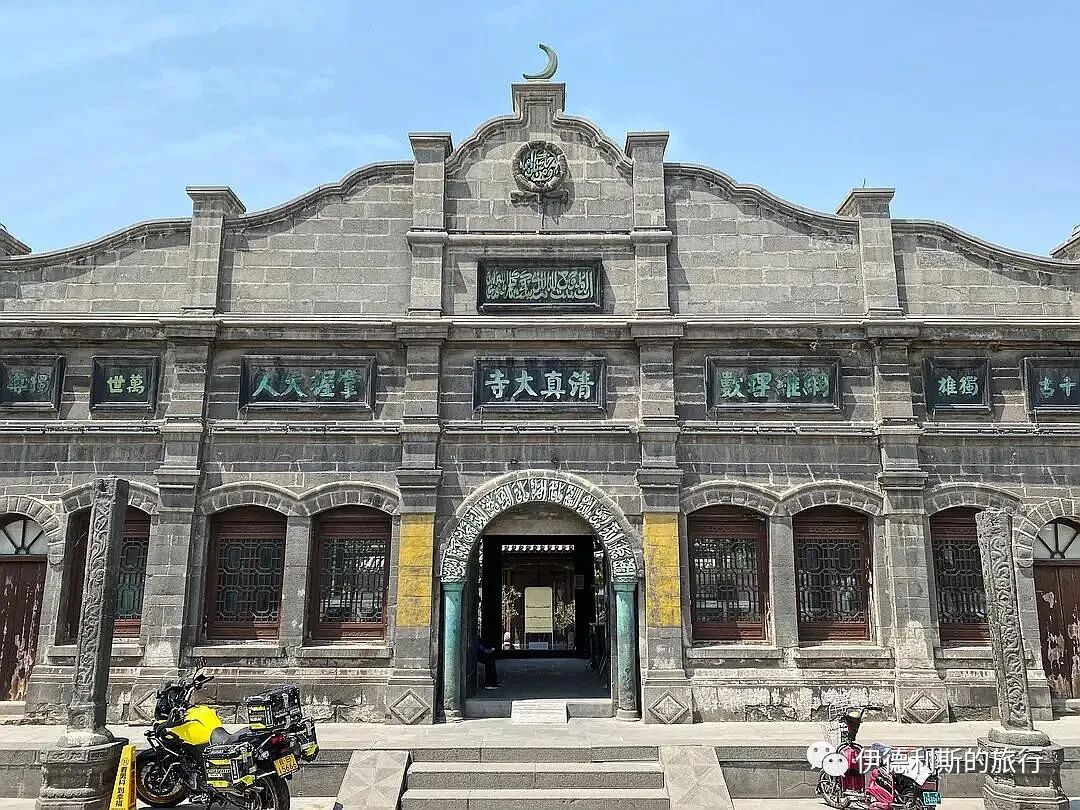
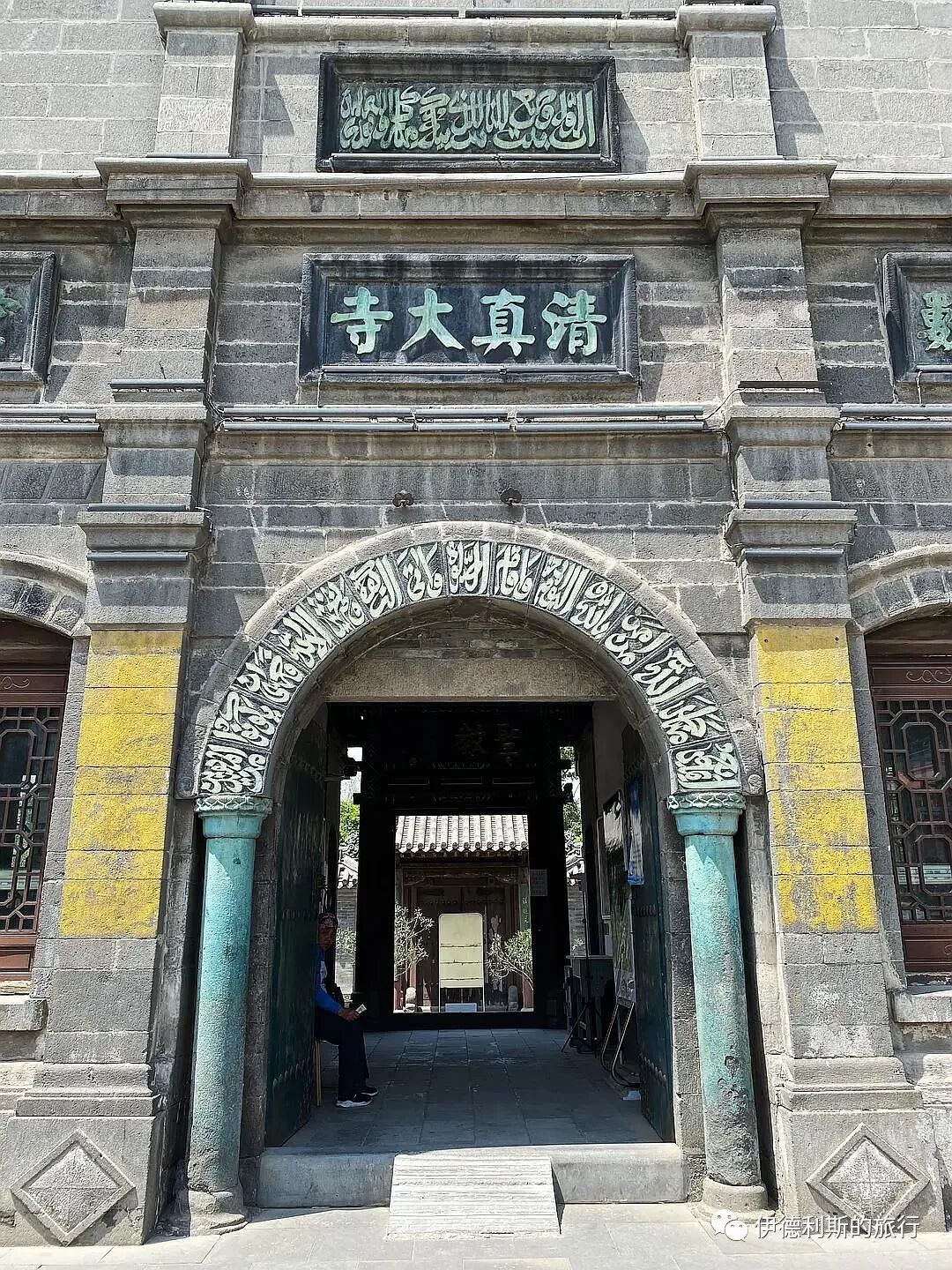
During the Republic of China era, the introduction of Western architectural styles meant Chinese mosques were no longer limited to traditional Chinese designs and began to incorporate Western elements. I will share 10 mosques I have visited that feature unique Republic-era architectural styles: the 1935 main hall of the Shenyang East Mosque, the 1936 gate of the Datong Mosque, the 1926 arched porch (juanpeng) of the Longshengzhuang Mosque in Fengzhen, Inner Mongolia, the 1923 main hall of the Hohhot Great Mosque, the rear hall of the Daxinzhuang East Mosque in Bo'ai, Henan, the 1935 gate of the Fuyou Road Mosque in Shanghai, the 1925 Xiaotaoyuan Mosque, the 1940 Beiying Mosque in Dezhou, Shandong, the 1920 gate of the Shahe Mosque in Beijing, and the 1920 first courtyard of the Dongsi Mosque.
1. Shenyang East Mosque
The Shenyang East Mosque was first built in 1803 (the eighth year of the Jiaqing reign). In 1935, the prayer hall was rebuilt in a Western style, while the moon-viewing tower (wangyuelou) kept its original Chinese style.
2. Datong Mosque
The gate of the Datong Mosque was rebuilt in 1936 and features a typical Republic-era style.
3. Longshengzhuang Mosque in Fengzhen, Inner Mongolia
Longshengzhuang in Fengzhen sits on the border of Shanxi and Inner Mongolia. From the Qing Dynasty to the early Republic era, it was at the intersection of trade routes between Hohhot, Datong, and Zhangjiakou, serving as an important market town for Shanxi merchants trading in Mongolia. Longshengzhuang reached its peak in the early Republic era, with over 300 shops and nearly 2 kilometers of storefronts lined up side by side.
The arched porch (juanpeng) of the Longshengzhuang Mosque was expanded in 1926 and features exquisite Republic-era ironwork decorations.
4. Hohhot Great Mosque
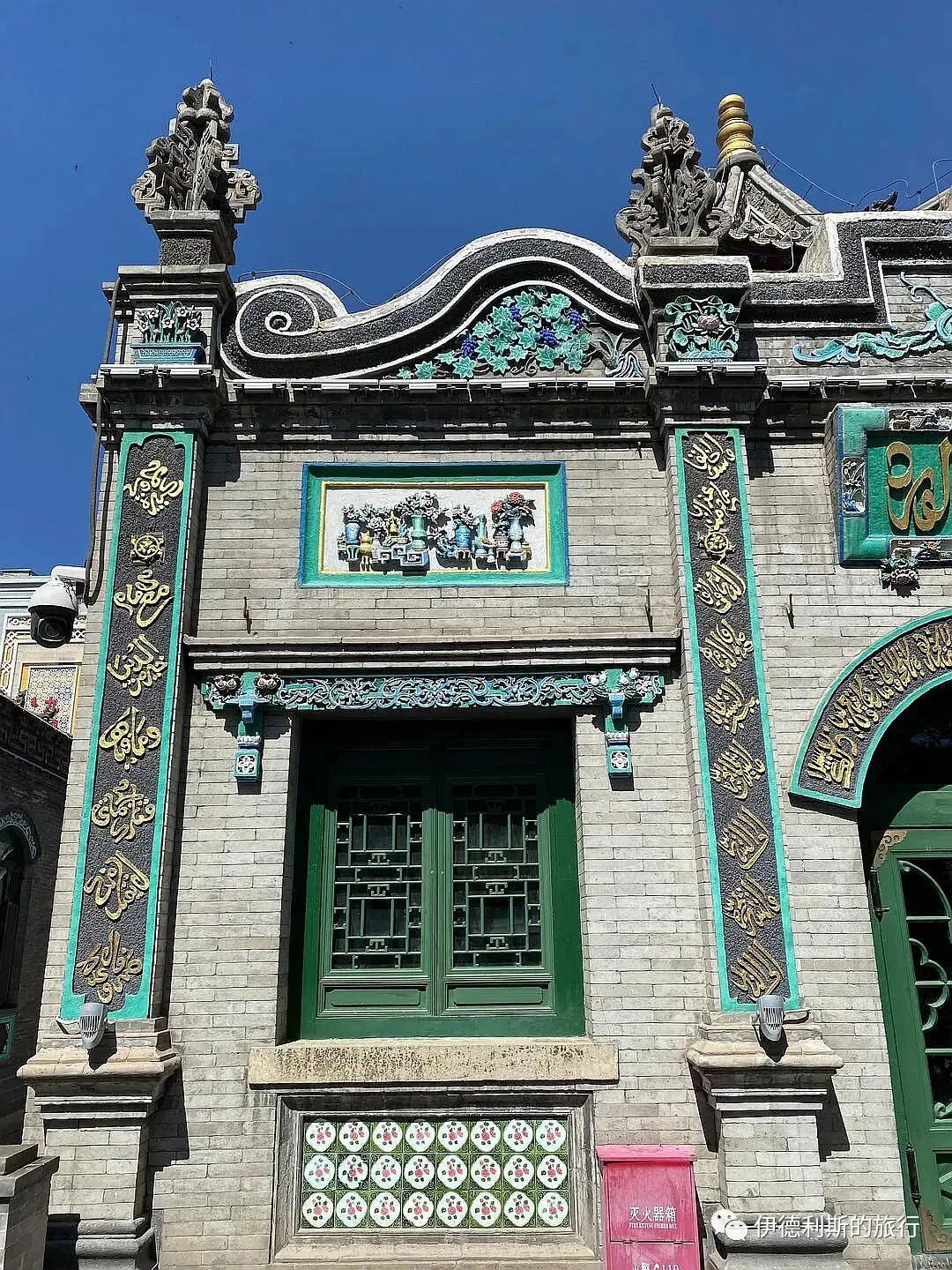
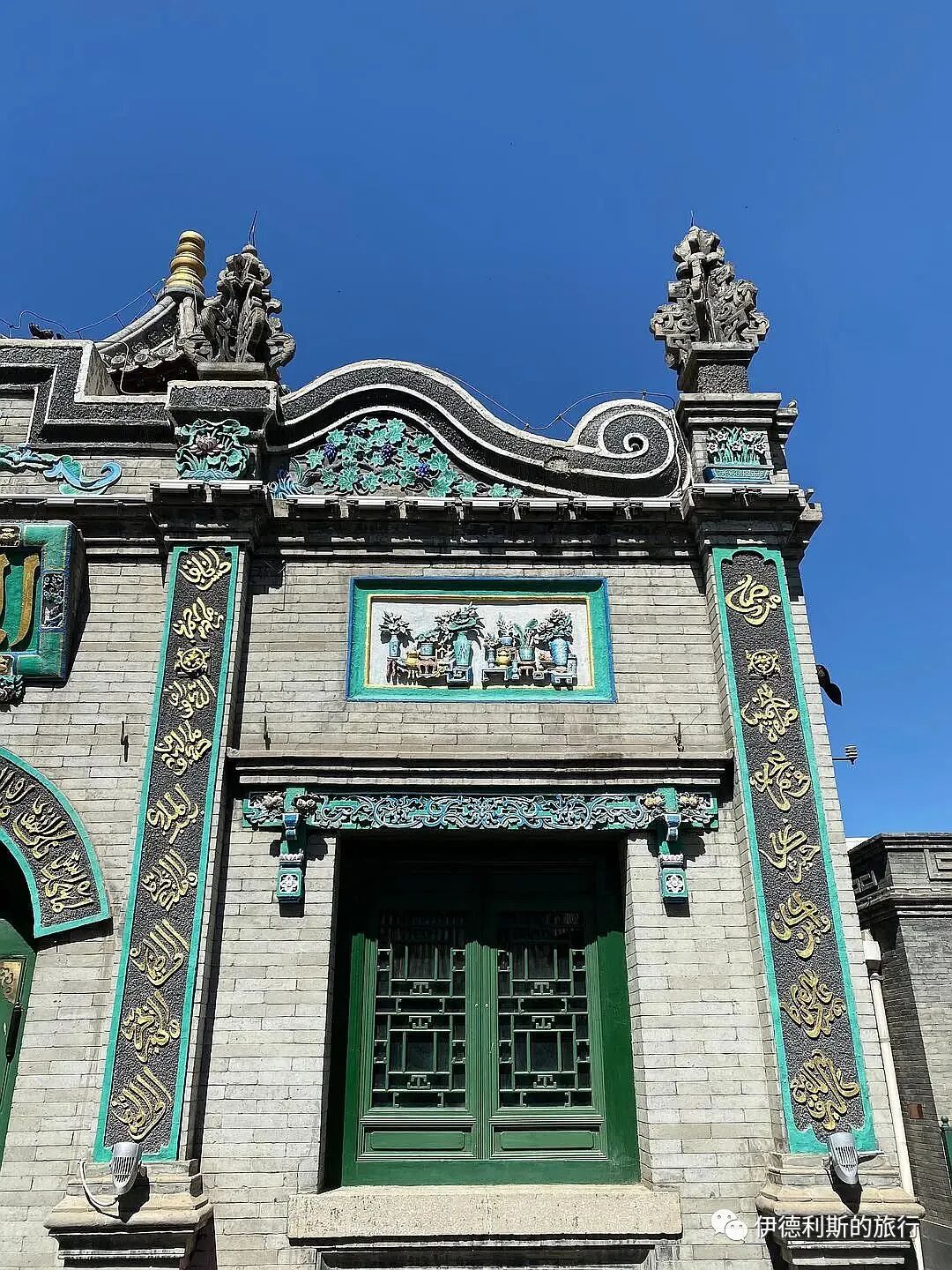
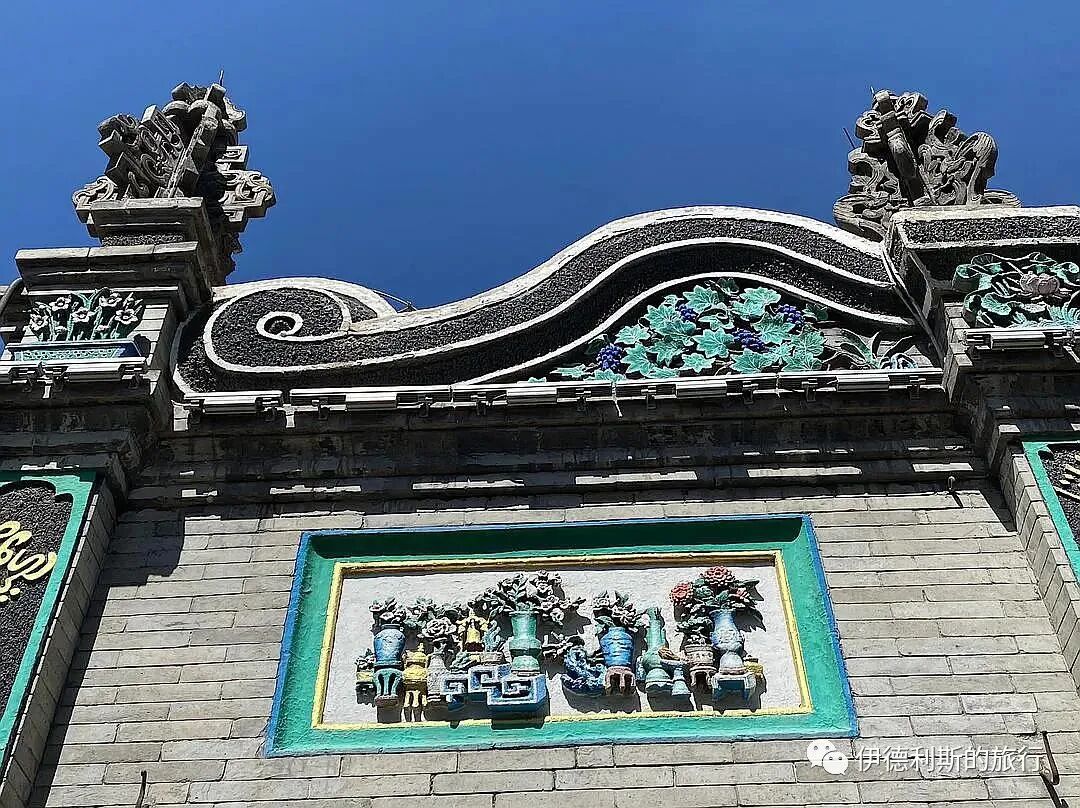
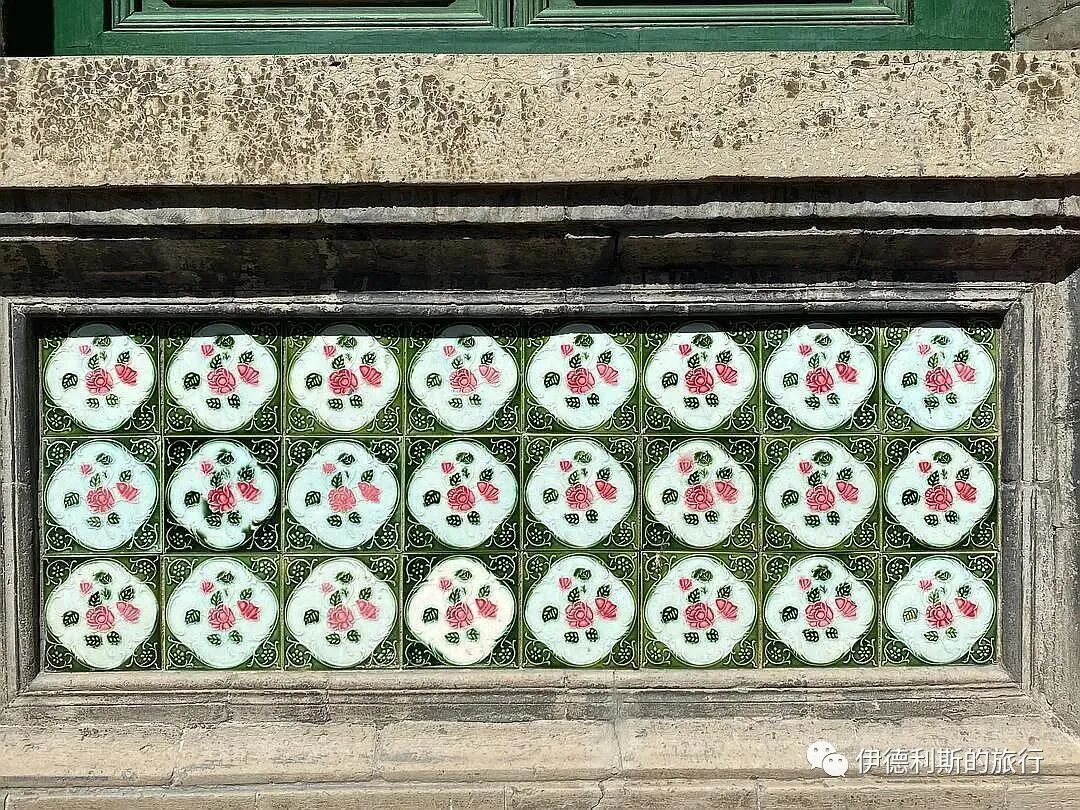
The prayer hall of the Hohhot Great Mosque was expanded in 1923. Its arched porch (juanpeng) blends Chinese and Western styles, featuring arched doors and walls decorated with beautiful Arabic calligraphy plaques, couplets, and floral patterns.
5. East Mosque in Daxinzhuang, Bo'ai, Henan
The East Mosque in Daxinzhuang, Bo'ai, Henan added a rear hall during the Republic of China era. It features five Roman-style arched doorways decorated with exquisite cement carvings from that period.
6. Fuyou Road Mosque, Shanghai
Fuyou Road Mosque is commonly known as the North Mosque. It was first built in 1870 (the ninth year of the Tongzhi reign) and was originally used by Hui Muslims from Nanjing who lived near the Old North Gate of Shanghai. In 1935, a famous Hui merchant named Ha Shaofu led the effort to convert the street-facing stone-gate houses (shikumen) into a three-story reinforced concrete building, with a moon-sighting pavilion built on the rooftop terrace.
7. Xiaotaoyuan Mosque, Shanghai
Xiaotaoyuan Mosque is commonly known as the West Mosque. It was built in 1917 after the famous Hui merchant Jin Ziyun donated the land and funds, and it was rebuilt into its current form in 1925. During the Republic of China era, many Hui Muslims from Northwest and Northern China chose to travel by steamship from Shanghai to perform the Hajj. Starting in 1930, Xiaotaoyuan Mosque became a place for pilgrims to rest and wait before their departure. People used the mosque to process passports and book ship tickets. Doctors from the customs quarantine office would come to the mosque to perform physical exams, administer smallpox vaccinations, and give other shots. Pilgrims also met friends and exchanged information here. On the day of departure, the mosque provided transport to take them to the ship. After returning from the Hajj, the Hajis would rest at the mosque before heading home. This place became an important cultural exchange center for Islam in China during the Republic of China era.
8. Beiying Mosque, Dezhou, Shandong
During the Wanli reign of the Ming Dynasty, the descendants of the Sultan of Sulu built a mosque southwest of the Sultan of Sulu's tomb. A Ming Dynasty imperial decree ordered that one person be chosen from the Wen and An families to serve as the imam, carry on the sect, and manage the Hui Muslims. In 1917, the canal burst its banks, washing away the mosque and the entire Beiying Village, until it was rebuilt in 1940. The newly built gate has a Western style, while the overall structure remains in the traditional North China style.
9. Beijing Shahe Mosque
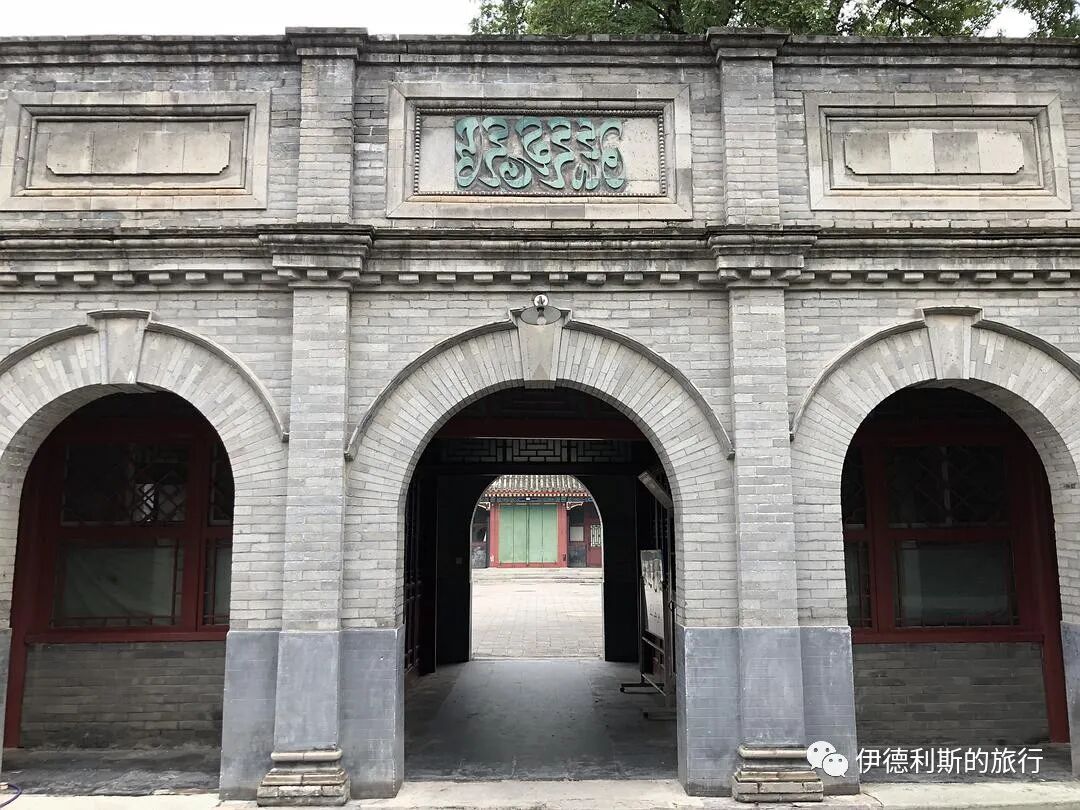
During the Wanli reign of the Ming Dynasty, the main road north of Beijing leading to Zhangjiakou moved to Shahe, and Hui Muslims who traded cattle and sheep began to settle there. Shahe Mosque was first built during the Ming Dynasty, and the current Western-style gate was added in 1920.
10. Beijing Dongsi Mosque
Dongsi Mosque is one of the four major official mosques of the Ming Dynasty, and its gate and first courtyard were rebuilt in 1920. The gate is a traditional Chinese building with a ridge-style hard mountain roof, while the first courtyard and the second gate feature Western architectural styles. view all
Reposted from the web
Summary: Chinese Republican-Era Mosque Architecture: Chinese and Western Design Elements is presented here as a firsthand travel account in clear English, beginning with this scene: During the Republic of China era, the introduction of Western architectural styles meant Chinese mosques were no longer limited to traditional Chinese designs and began to incorporate Western elements. The account keeps its focus on Mosque Architecture, Republican China, Muslim Heritage while preserving the names, places, food, and historical details from the Chinese source.
During the Republic of China era, the introduction of Western architectural styles meant Chinese mosques were no longer limited to traditional Chinese designs and began to incorporate Western elements. I will share 10 mosques I have visited that feature unique Republic-era architectural styles: the 1935 main hall of the Shenyang East Mosque, the 1936 gate of the Datong Mosque, the 1926 arched porch (juanpeng) of the Longshengzhuang Mosque in Fengzhen, Inner Mongolia, the 1923 main hall of the Hohhot Great Mosque, the rear hall of the Daxinzhuang East Mosque in Bo'ai, Henan, the 1935 gate of the Fuyou Road Mosque in Shanghai, the 1925 Xiaotaoyuan Mosque, the 1940 Beiying Mosque in Dezhou, Shandong, the 1920 gate of the Shahe Mosque in Beijing, and the 1920 first courtyard of the Dongsi Mosque.
1. Shenyang East Mosque
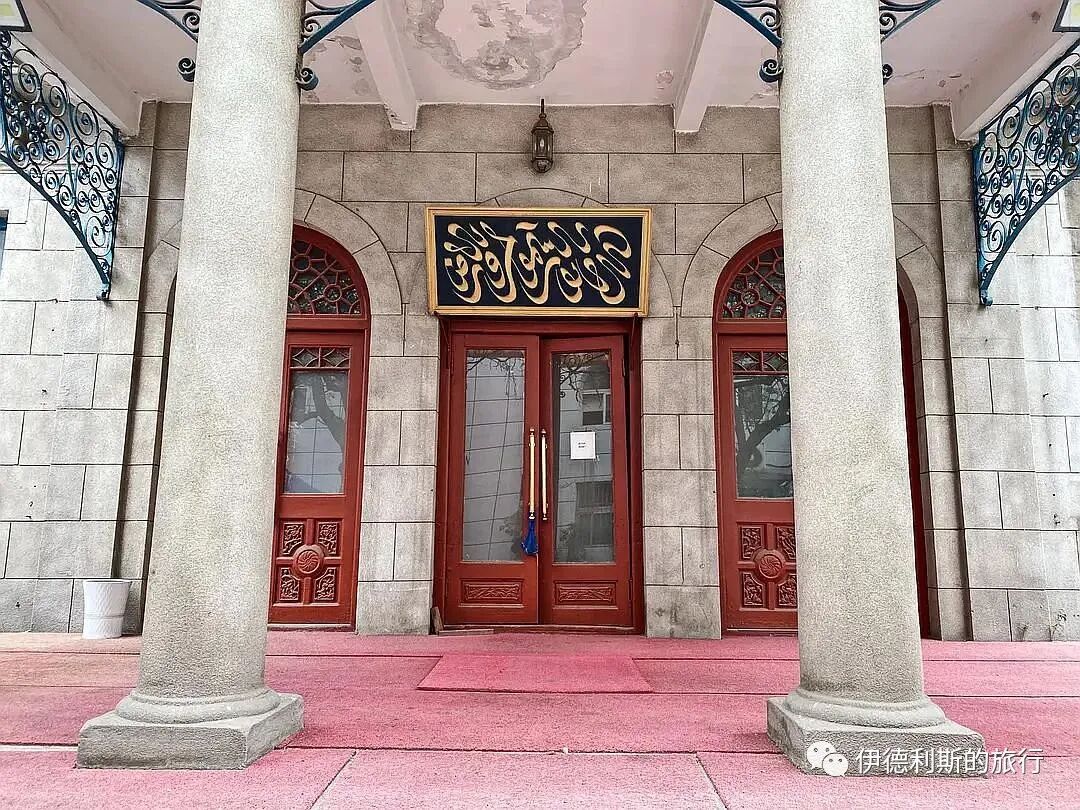
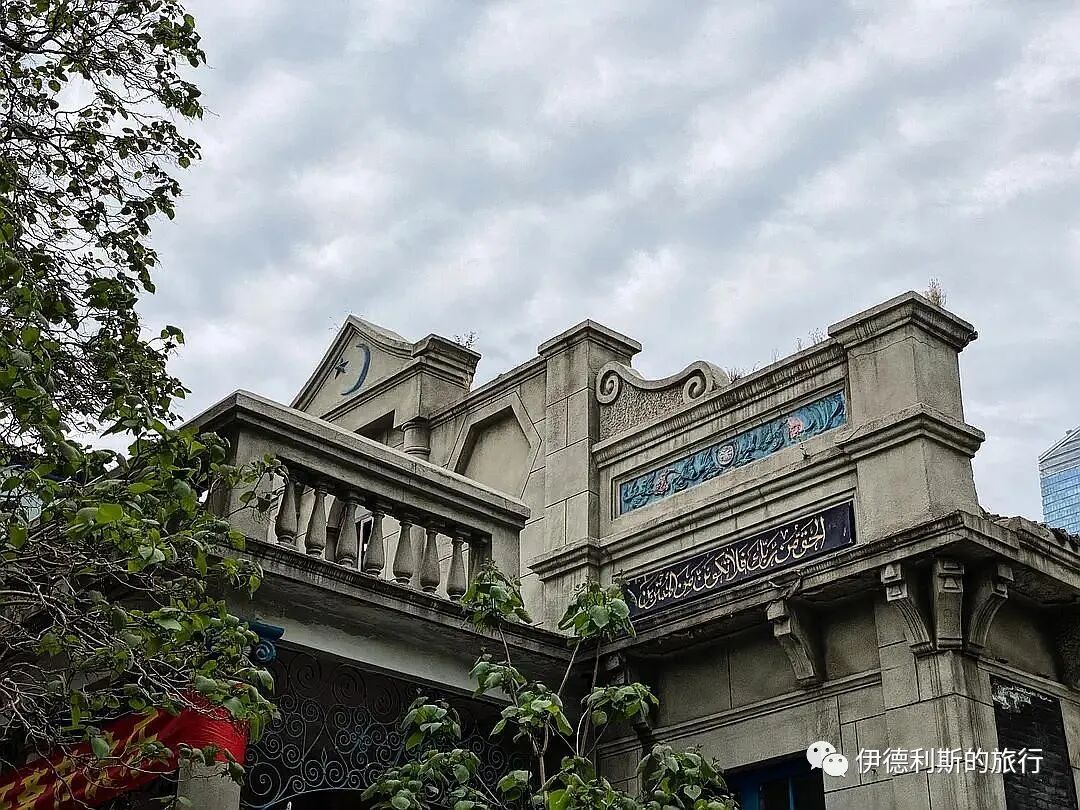
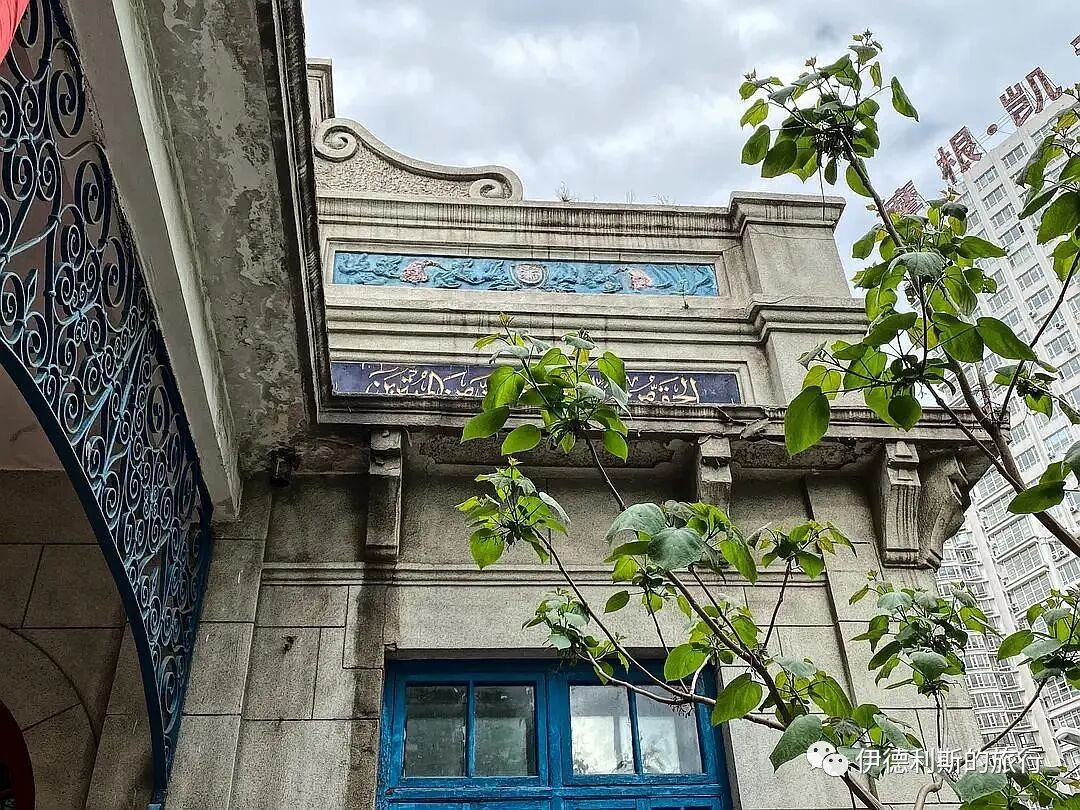
The Shenyang East Mosque was first built in 1803 (the eighth year of the Jiaqing reign). In 1935, the prayer hall was rebuilt in a Western style, while the moon-viewing tower (wangyuelou) kept its original Chinese style.
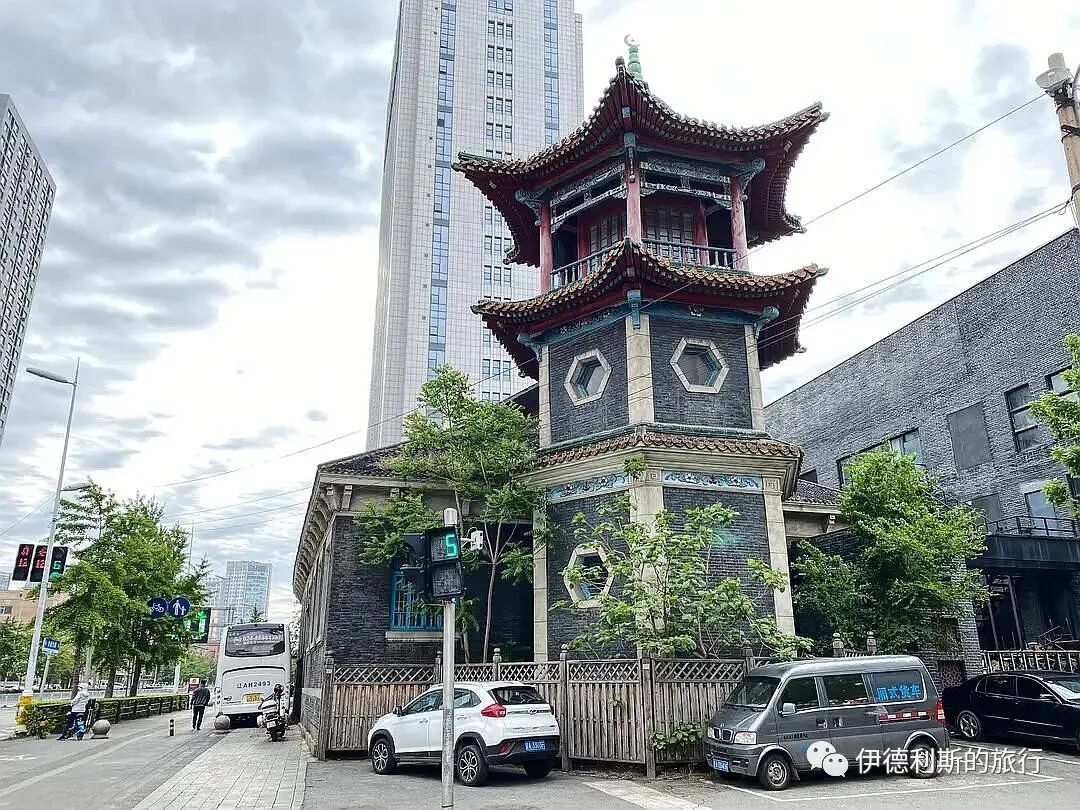
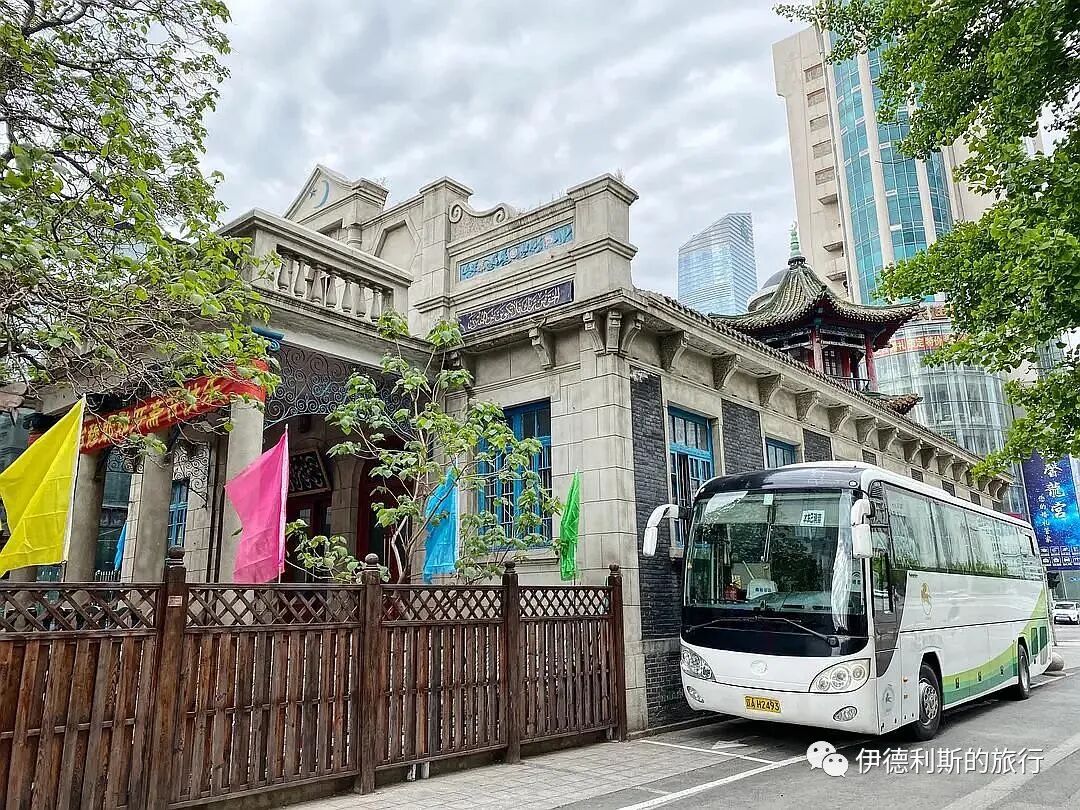
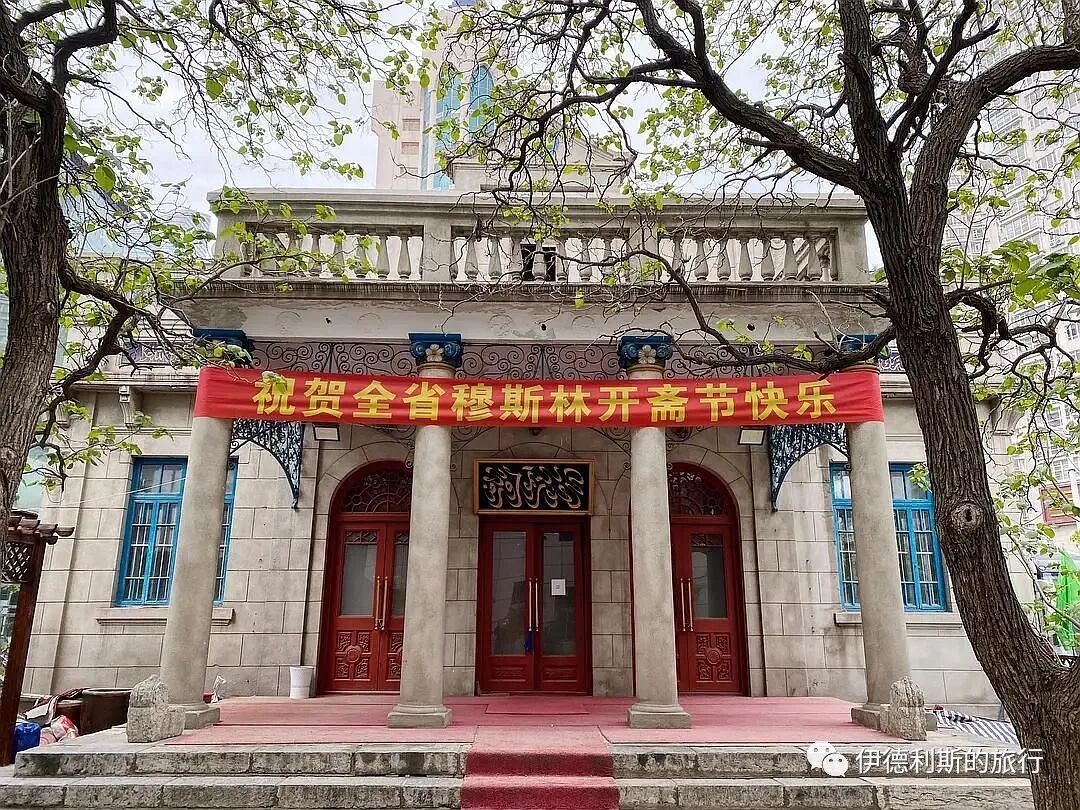
2. Datong Mosque
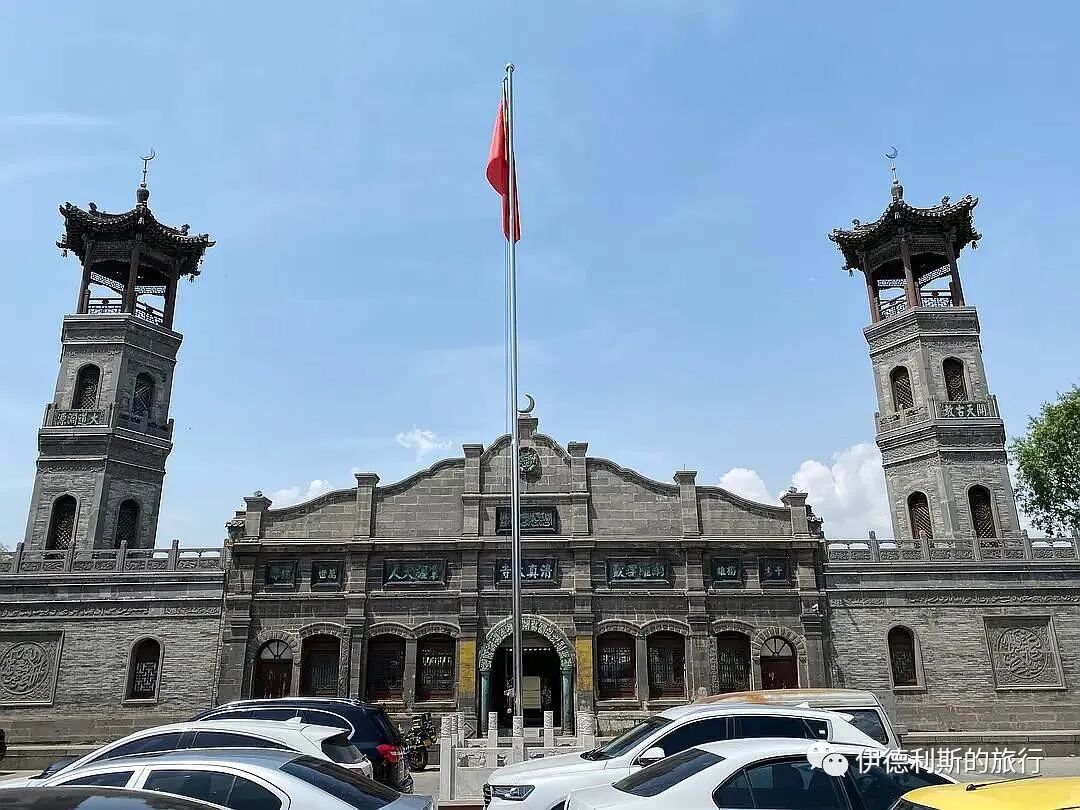
The gate of the Datong Mosque was rebuilt in 1936 and features a typical Republic-era style.
3. Longshengzhuang Mosque in Fengzhen, Inner Mongolia
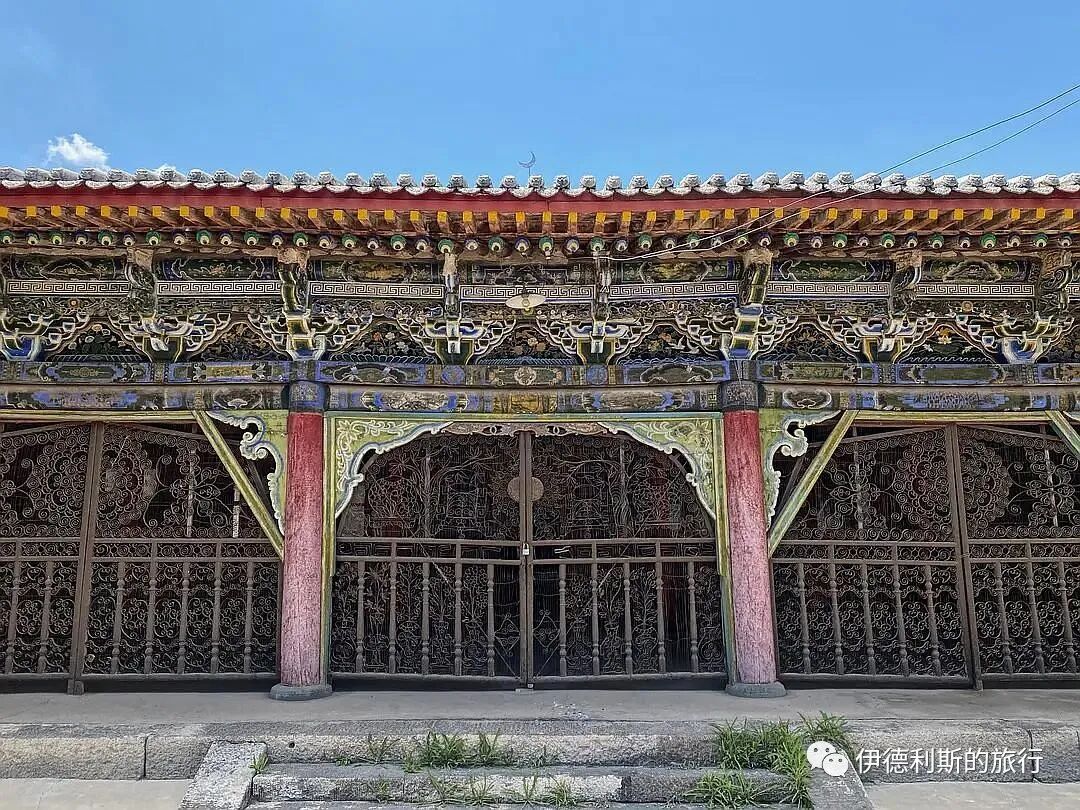
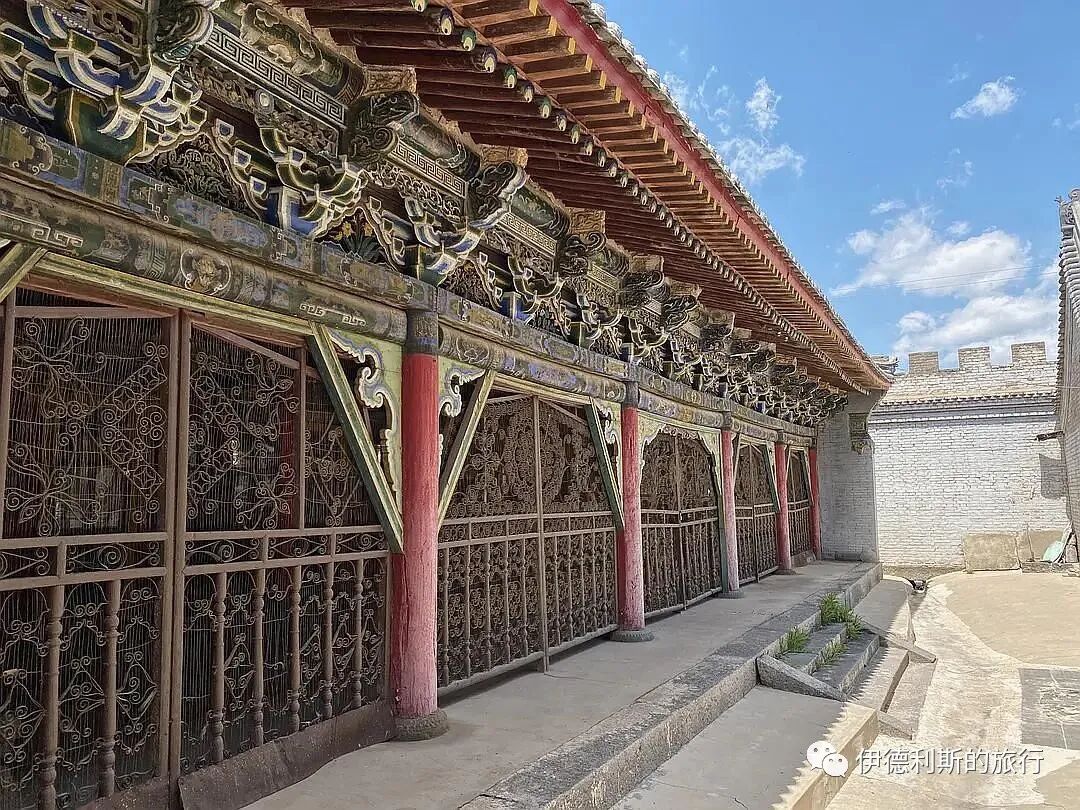
Longshengzhuang in Fengzhen sits on the border of Shanxi and Inner Mongolia. From the Qing Dynasty to the early Republic era, it was at the intersection of trade routes between Hohhot, Datong, and Zhangjiakou, serving as an important market town for Shanxi merchants trading in Mongolia. Longshengzhuang reached its peak in the early Republic era, with over 300 shops and nearly 2 kilometers of storefronts lined up side by side.
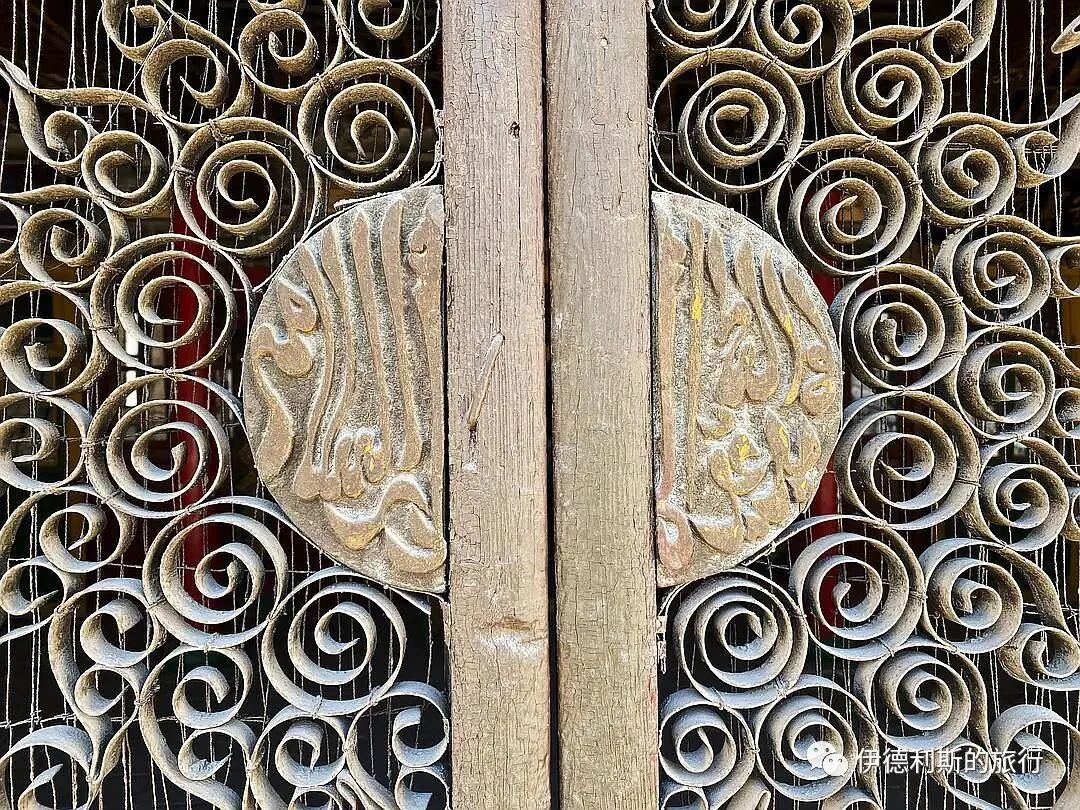
The arched porch (juanpeng) of the Longshengzhuang Mosque was expanded in 1926 and features exquisite Republic-era ironwork decorations.
4. Hohhot Great Mosque
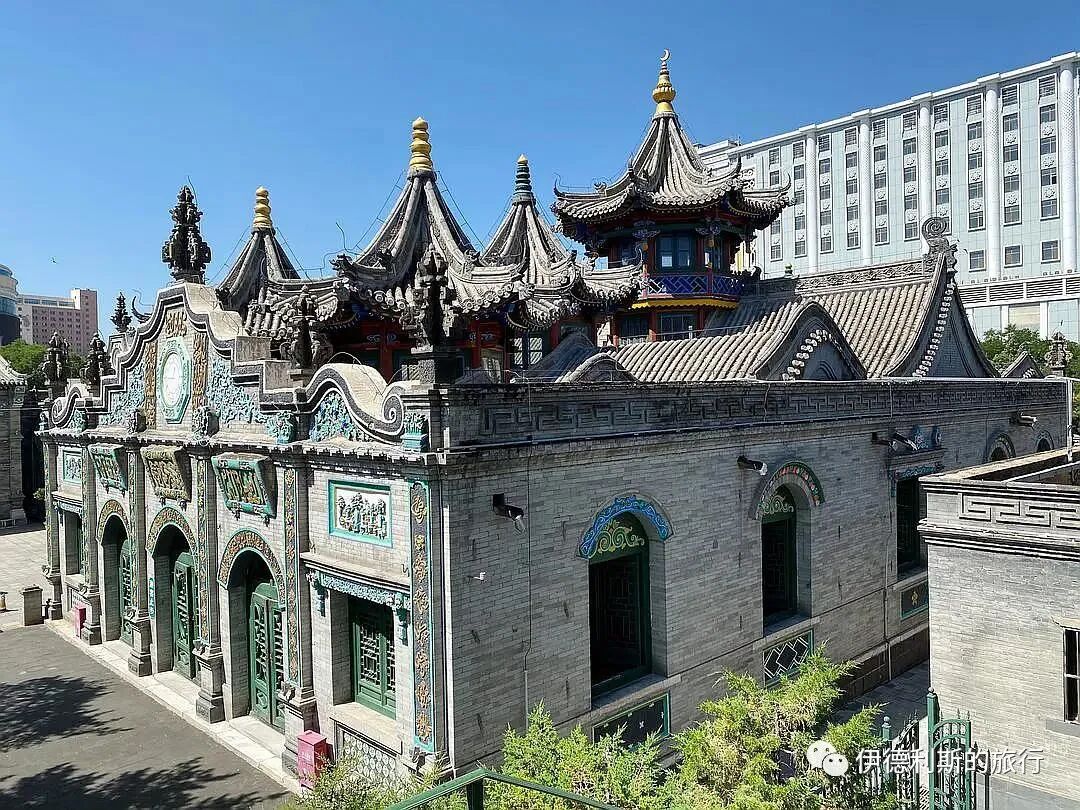
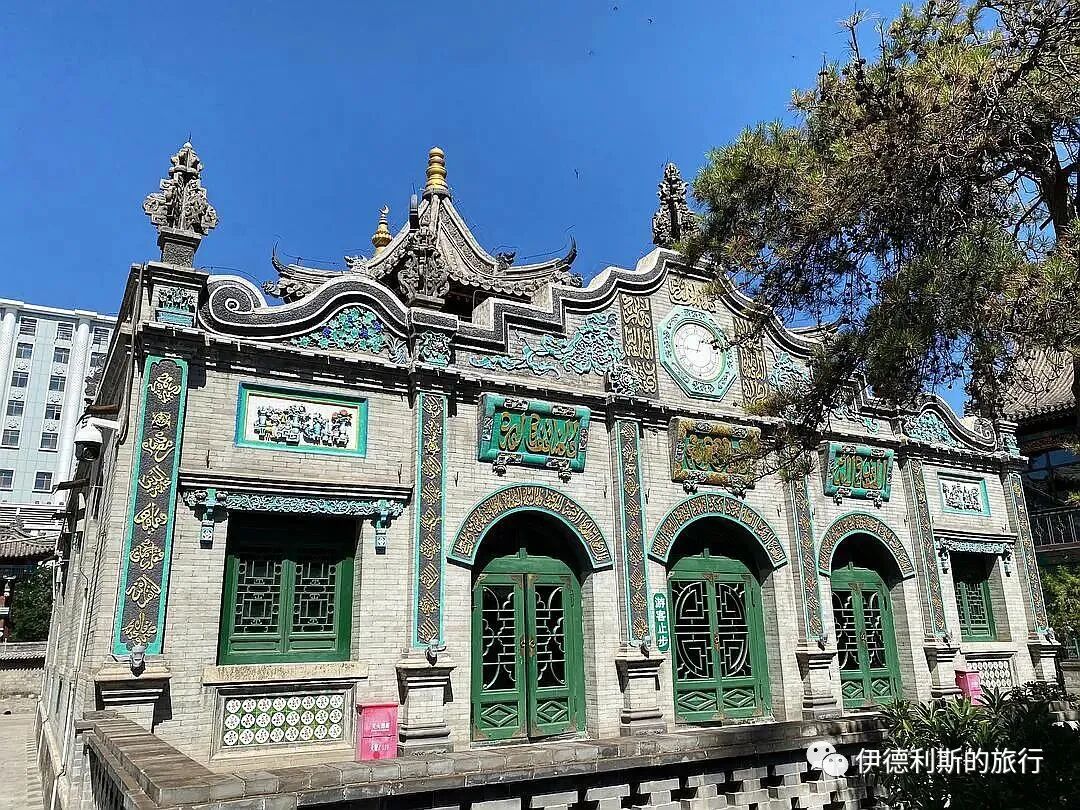
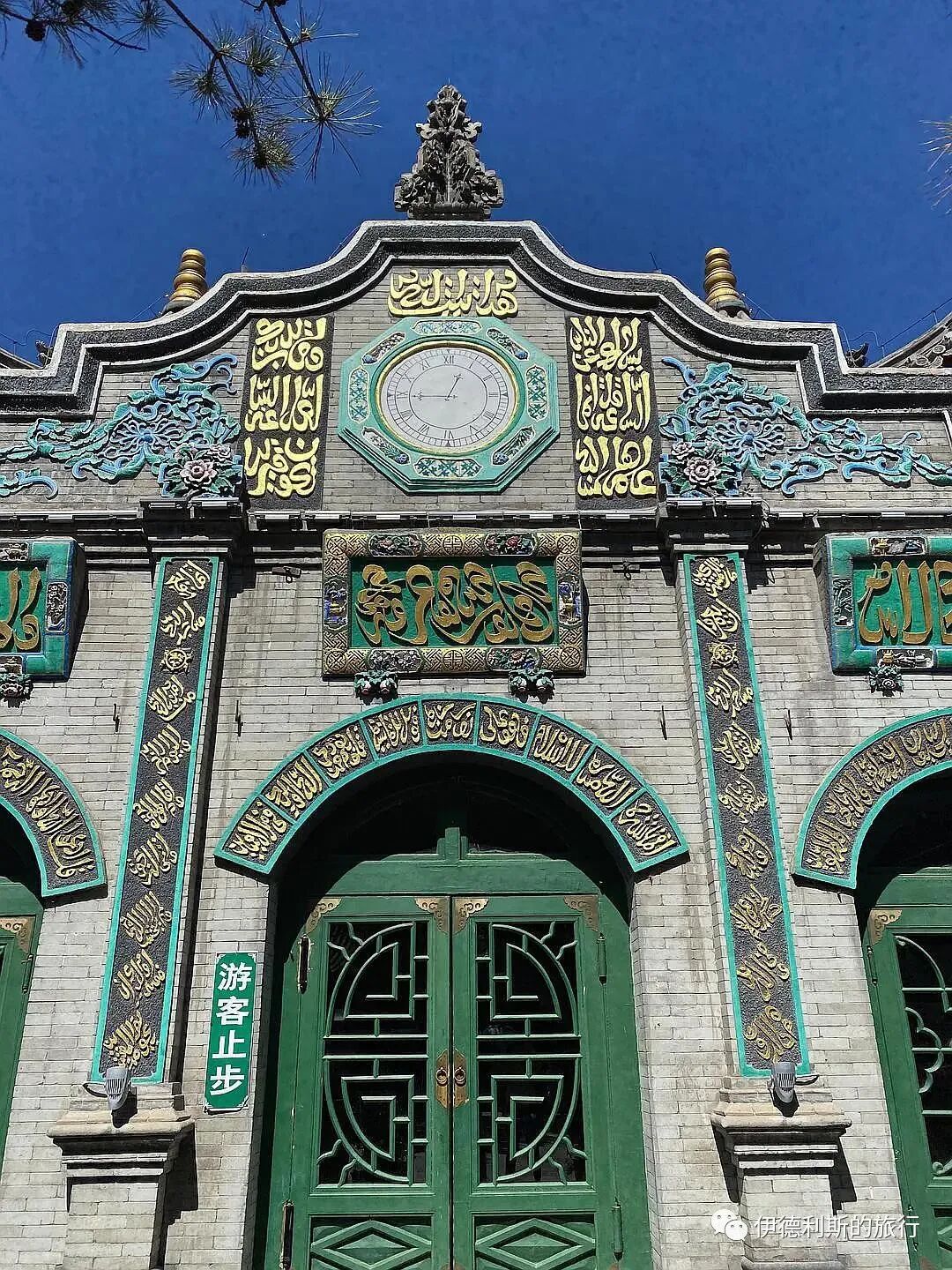
The prayer hall of the Hohhot Great Mosque was expanded in 1923. Its arched porch (juanpeng) blends Chinese and Western styles, featuring arched doors and walls decorated with beautiful Arabic calligraphy plaques, couplets, and floral patterns.
5. East Mosque in Daxinzhuang, Bo'ai, Henan
The East Mosque in Daxinzhuang, Bo'ai, Henan added a rear hall during the Republic of China era. It features five Roman-style arched doorways decorated with exquisite cement carvings from that period.
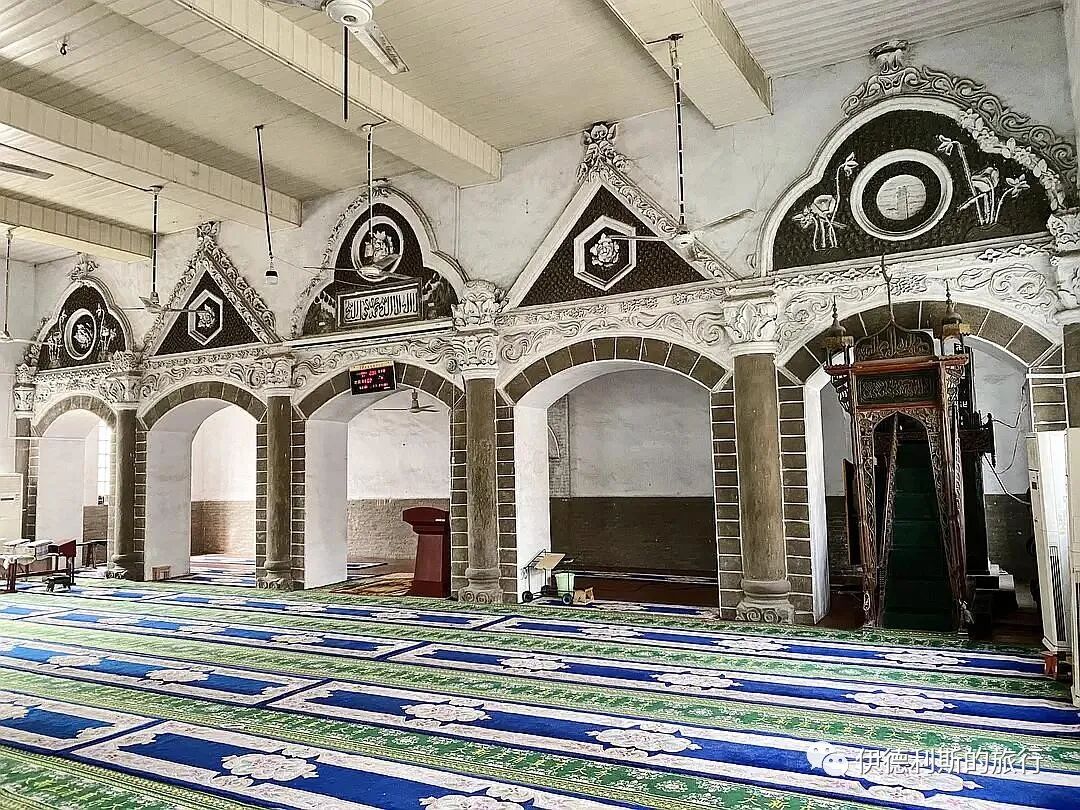
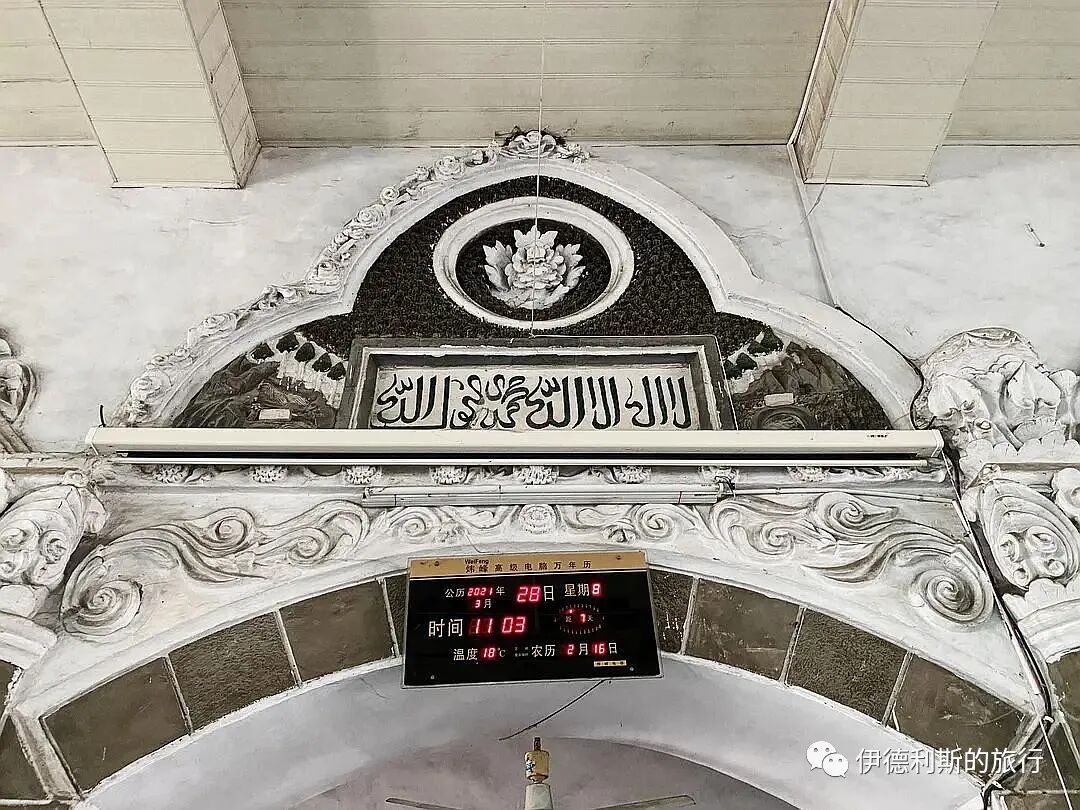
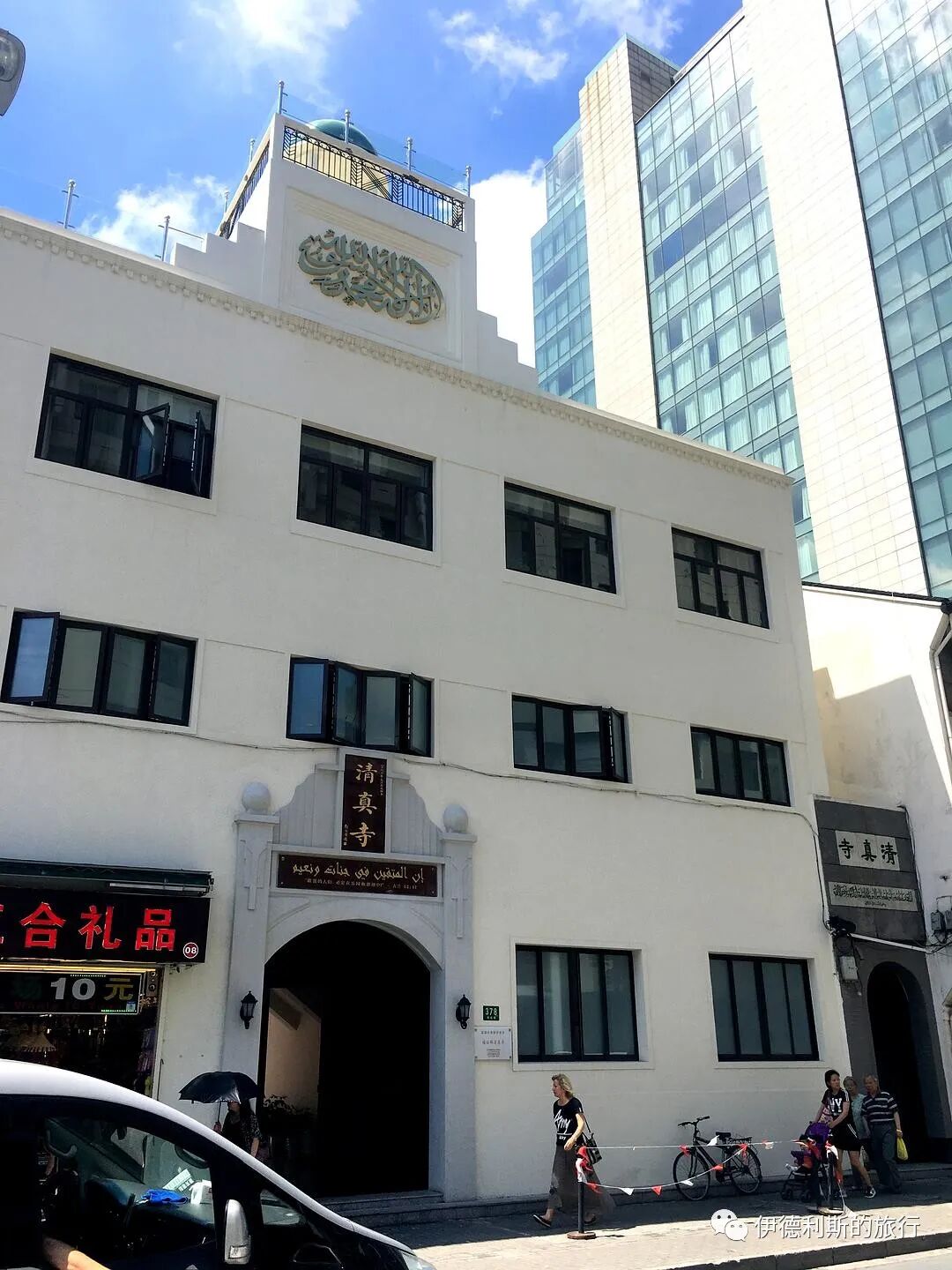
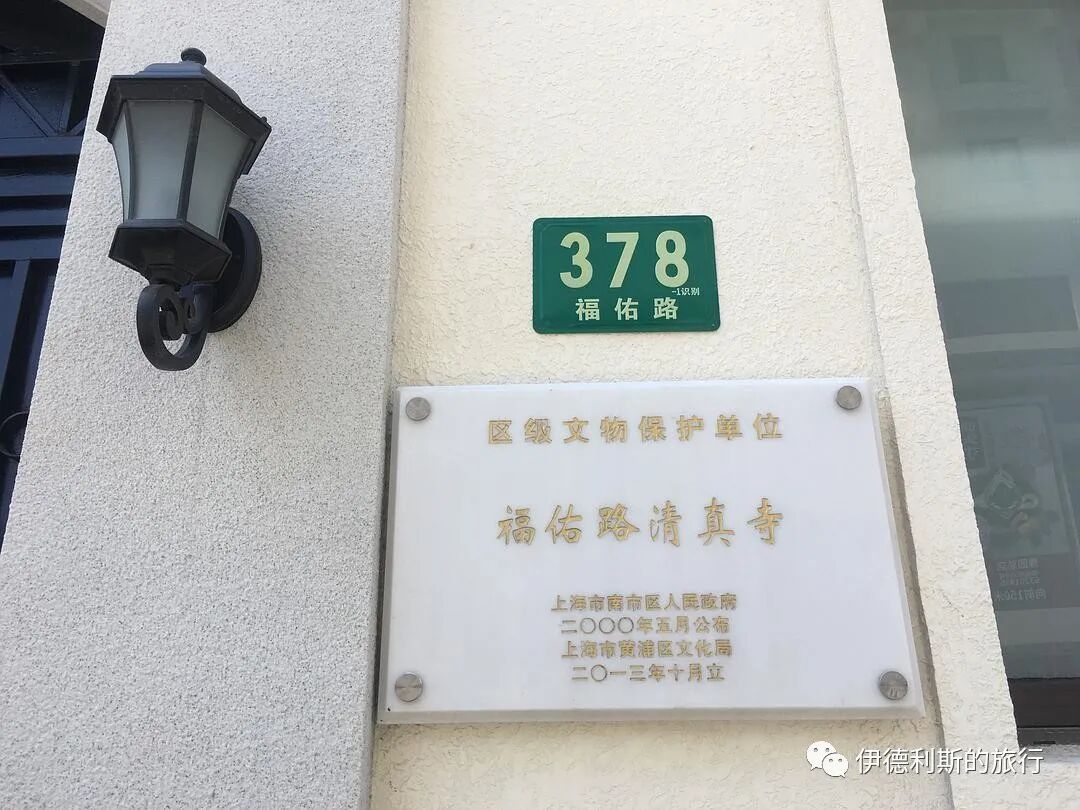
6. Fuyou Road Mosque, Shanghai
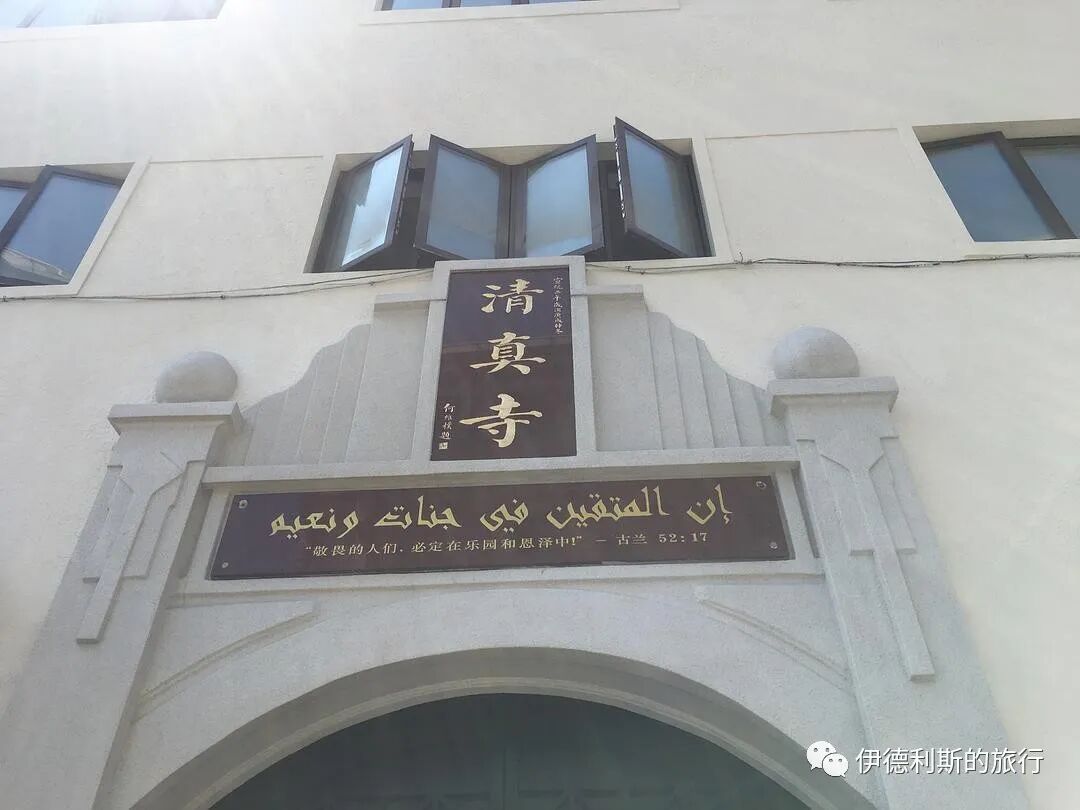
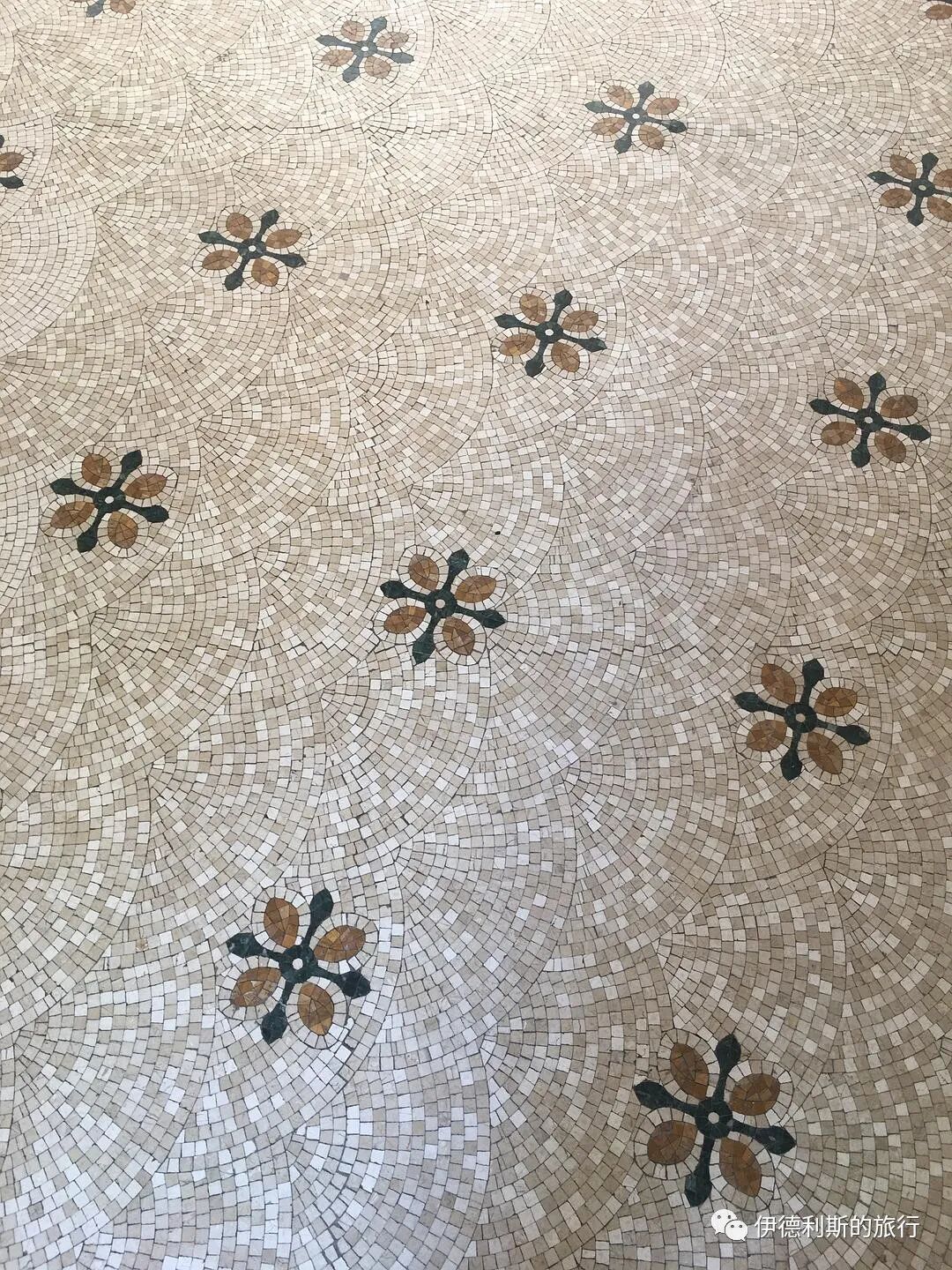
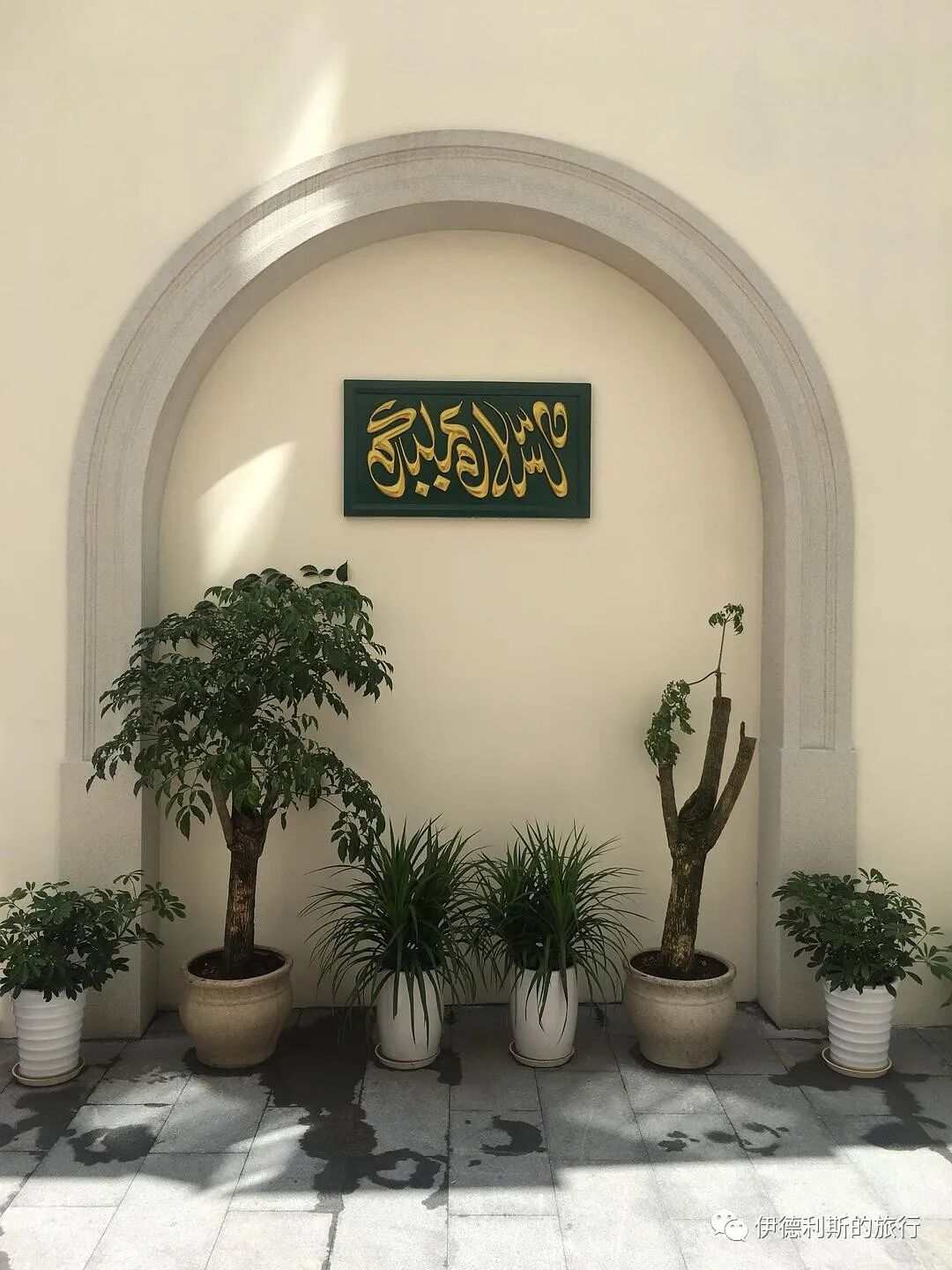
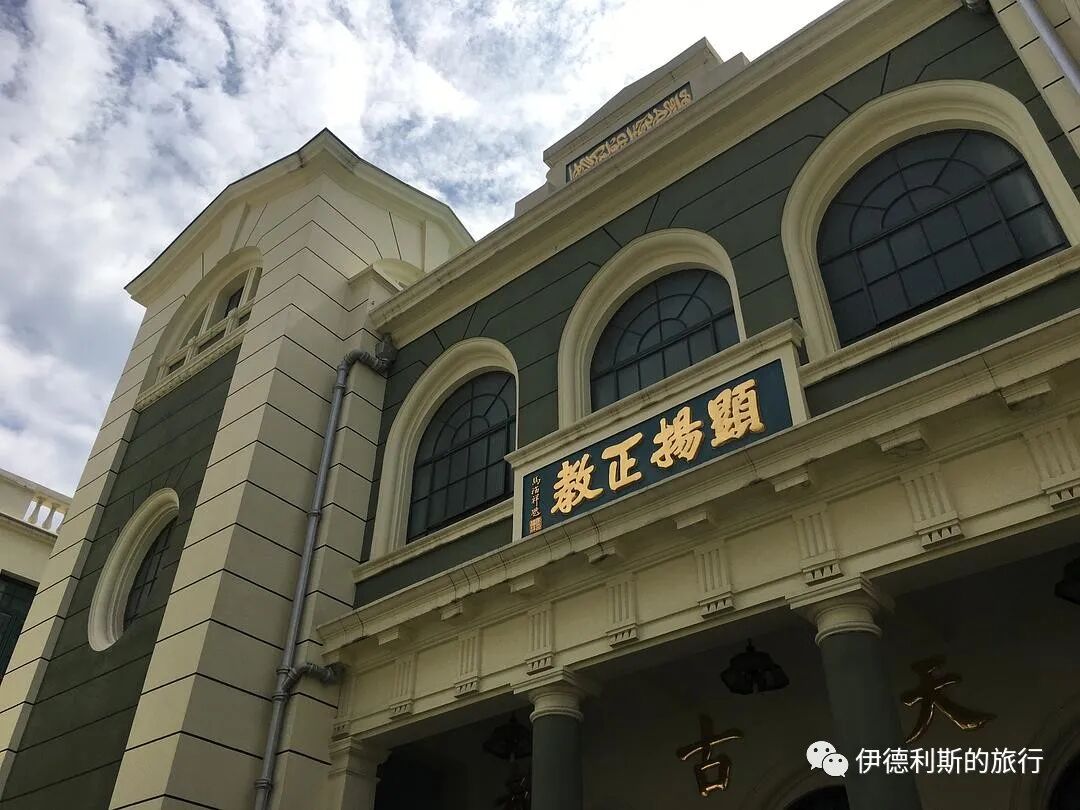
Fuyou Road Mosque is commonly known as the North Mosque. It was first built in 1870 (the ninth year of the Tongzhi reign) and was originally used by Hui Muslims from Nanjing who lived near the Old North Gate of Shanghai. In 1935, a famous Hui merchant named Ha Shaofu led the effort to convert the street-facing stone-gate houses (shikumen) into a three-story reinforced concrete building, with a moon-sighting pavilion built on the rooftop terrace.
7. Xiaotaoyuan Mosque, Shanghai
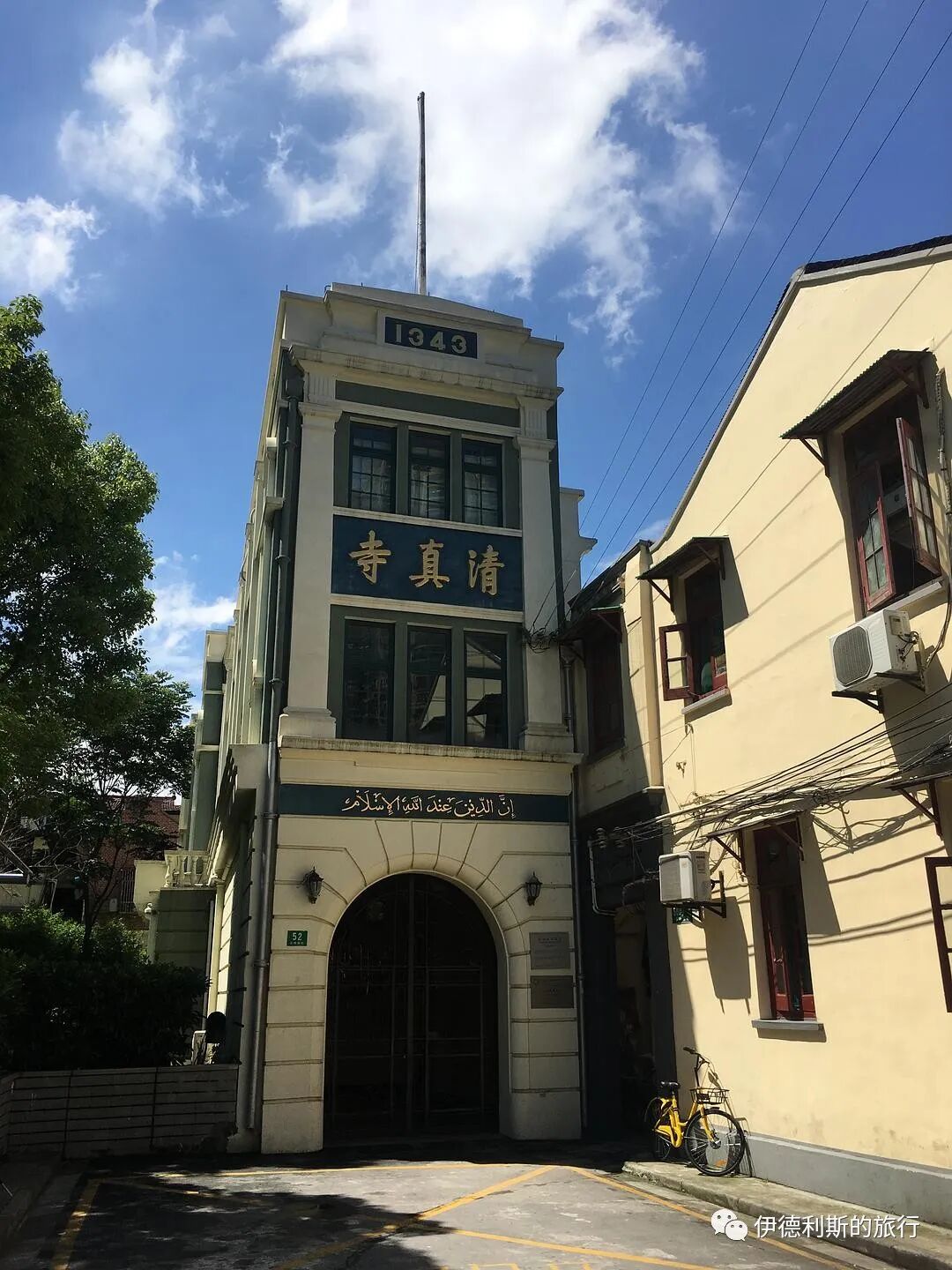
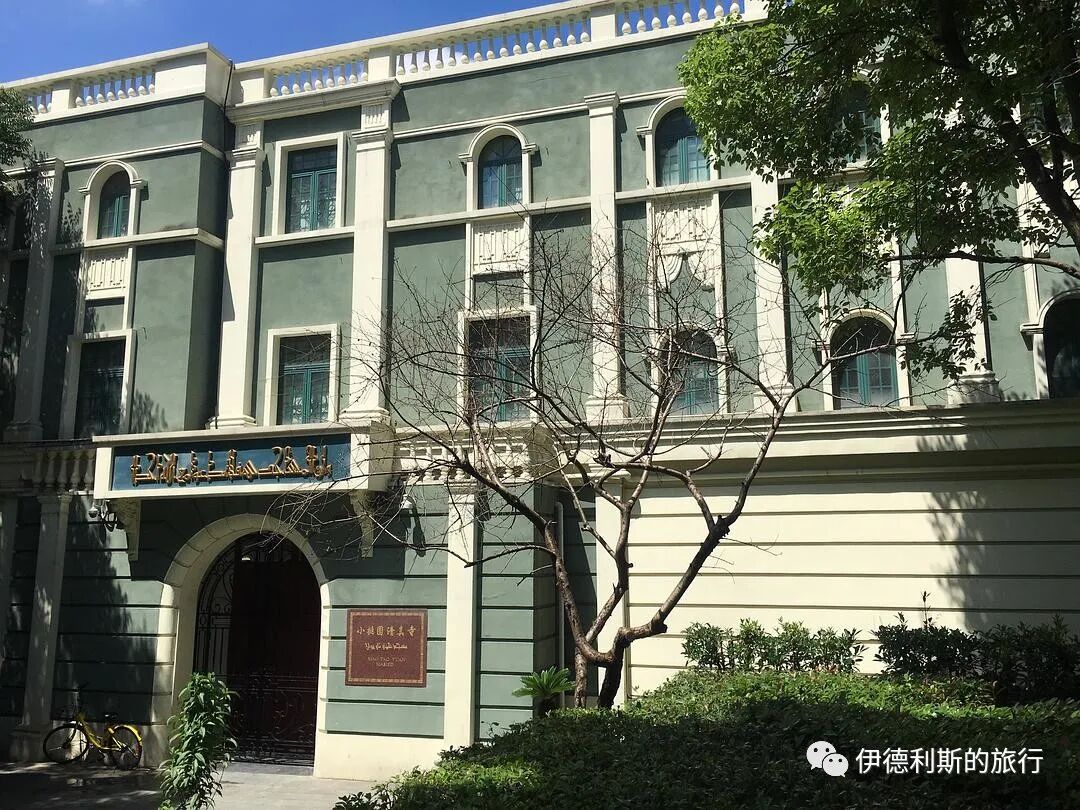
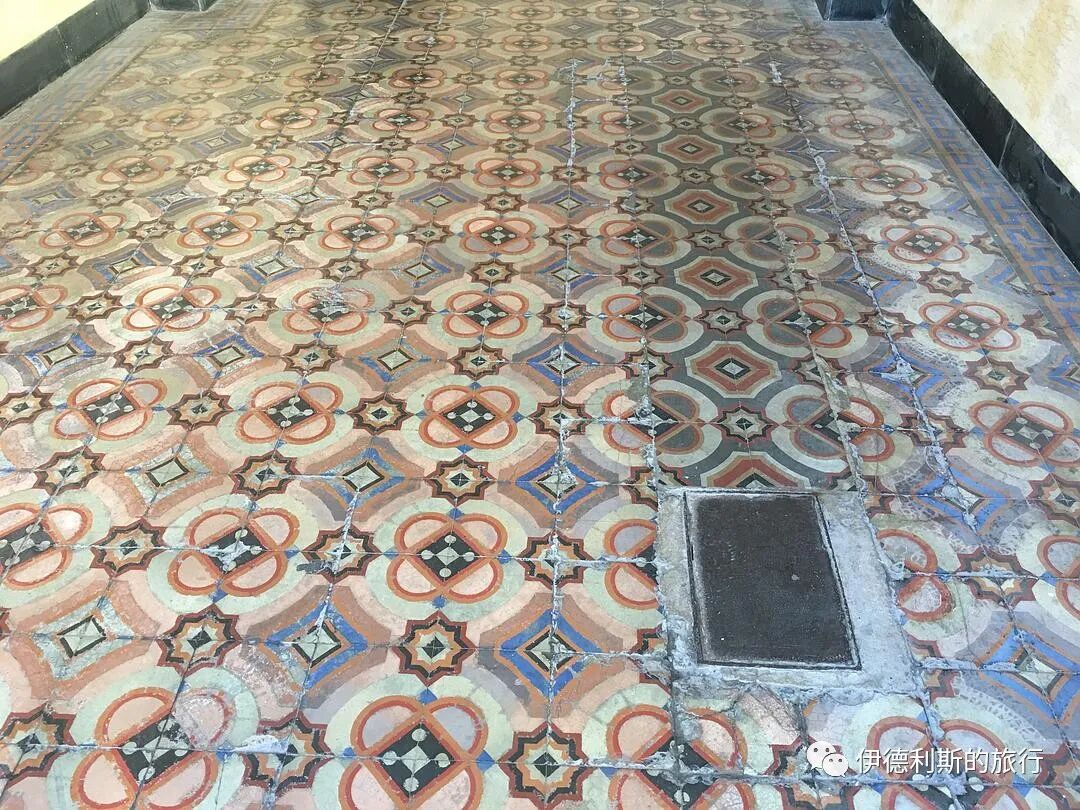
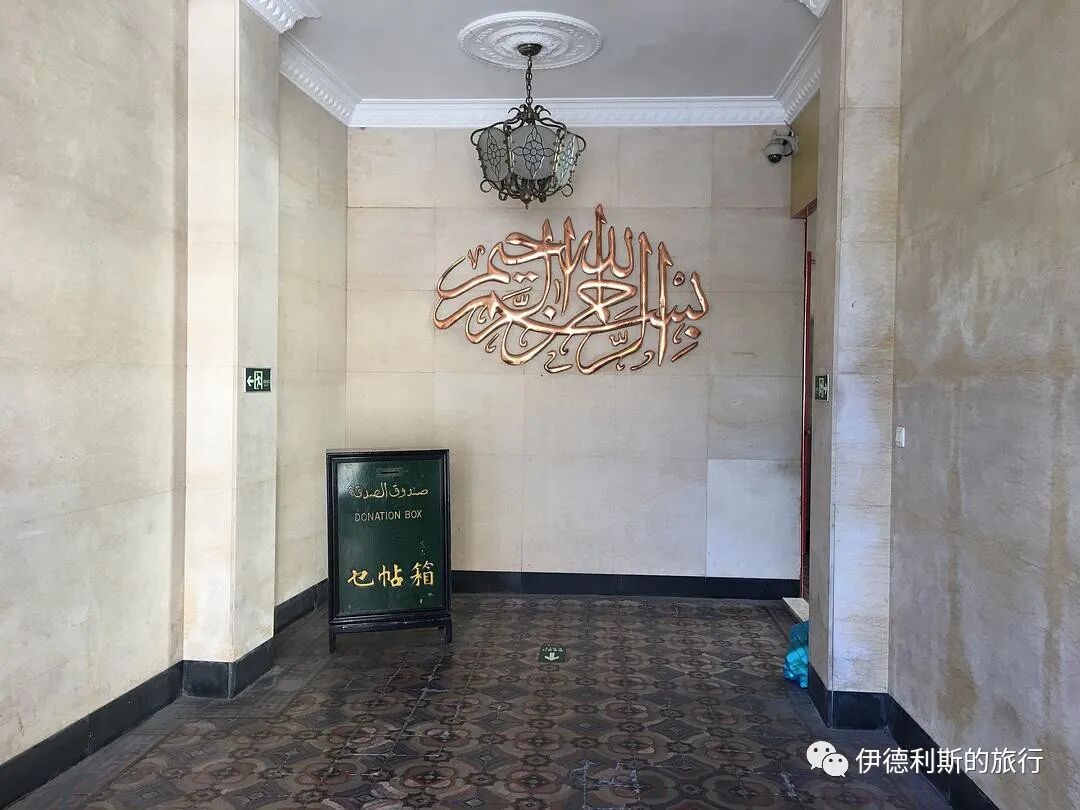
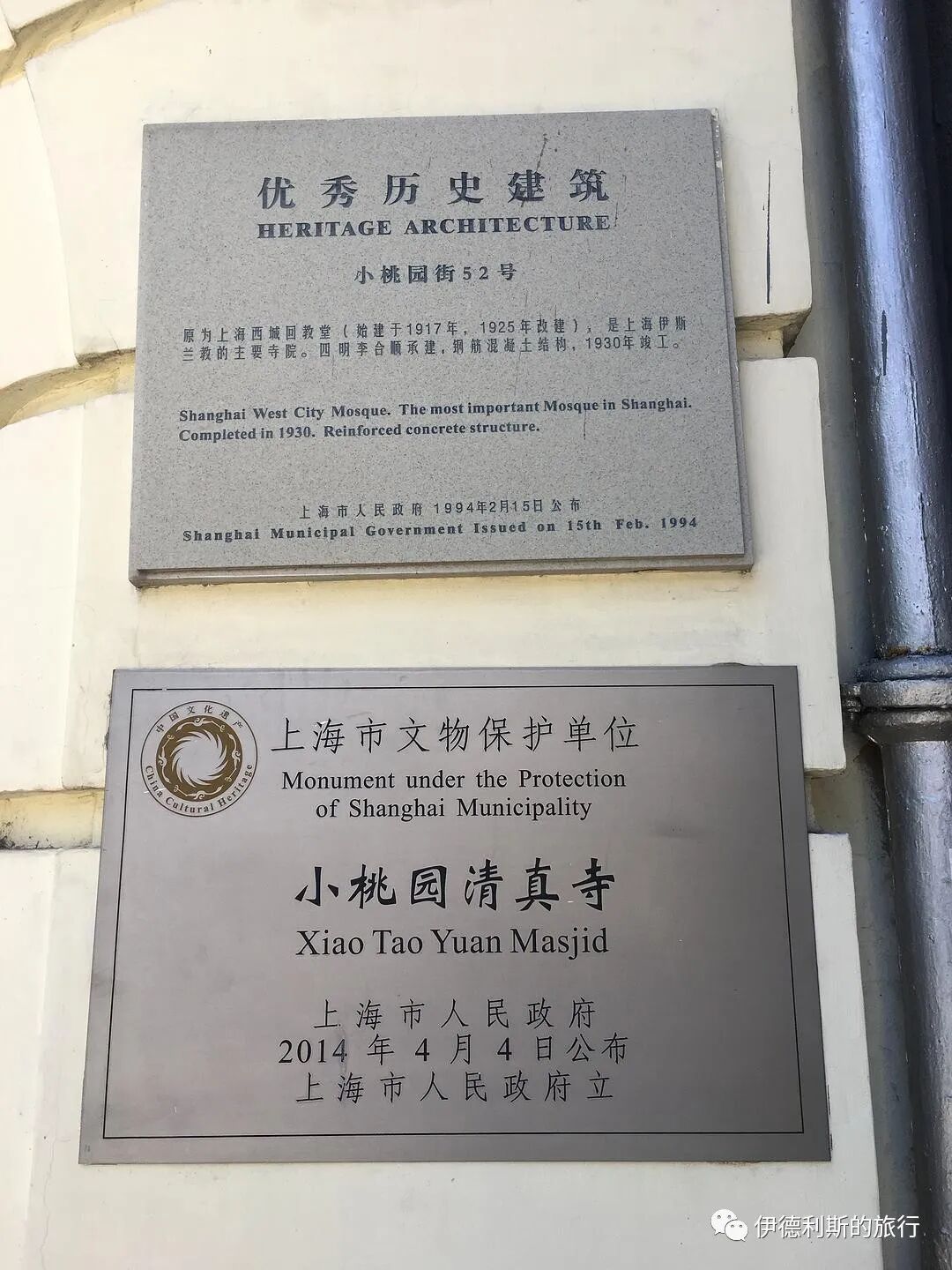
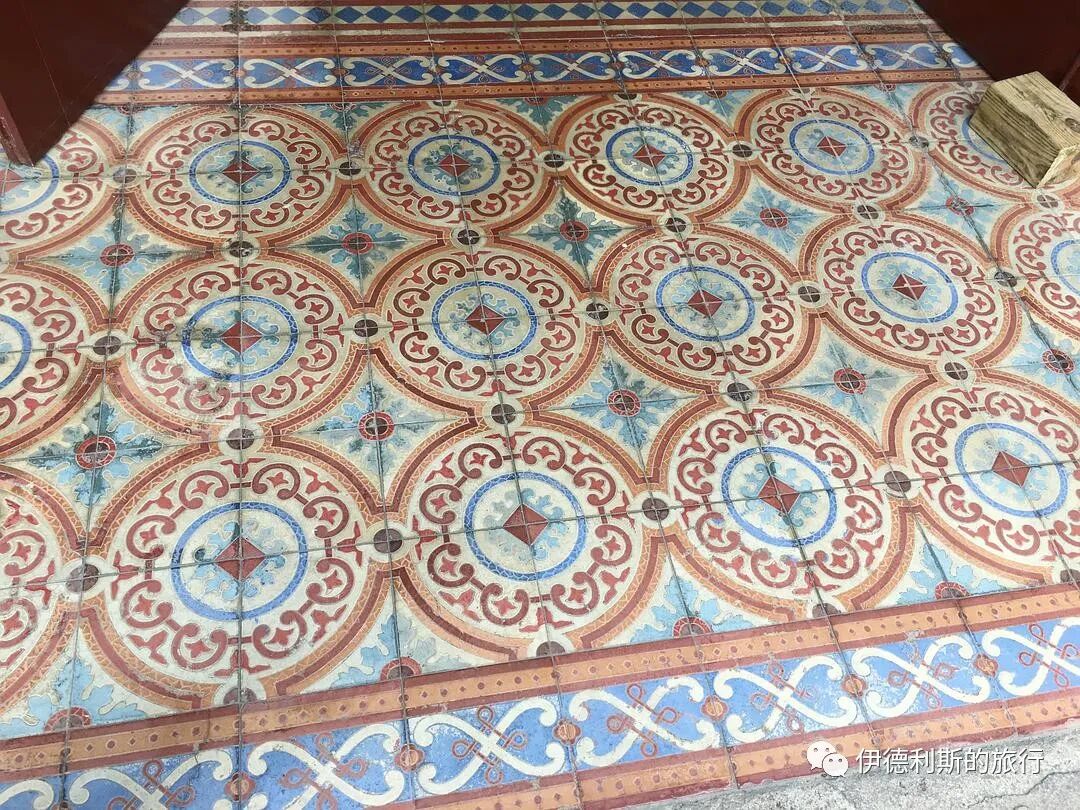
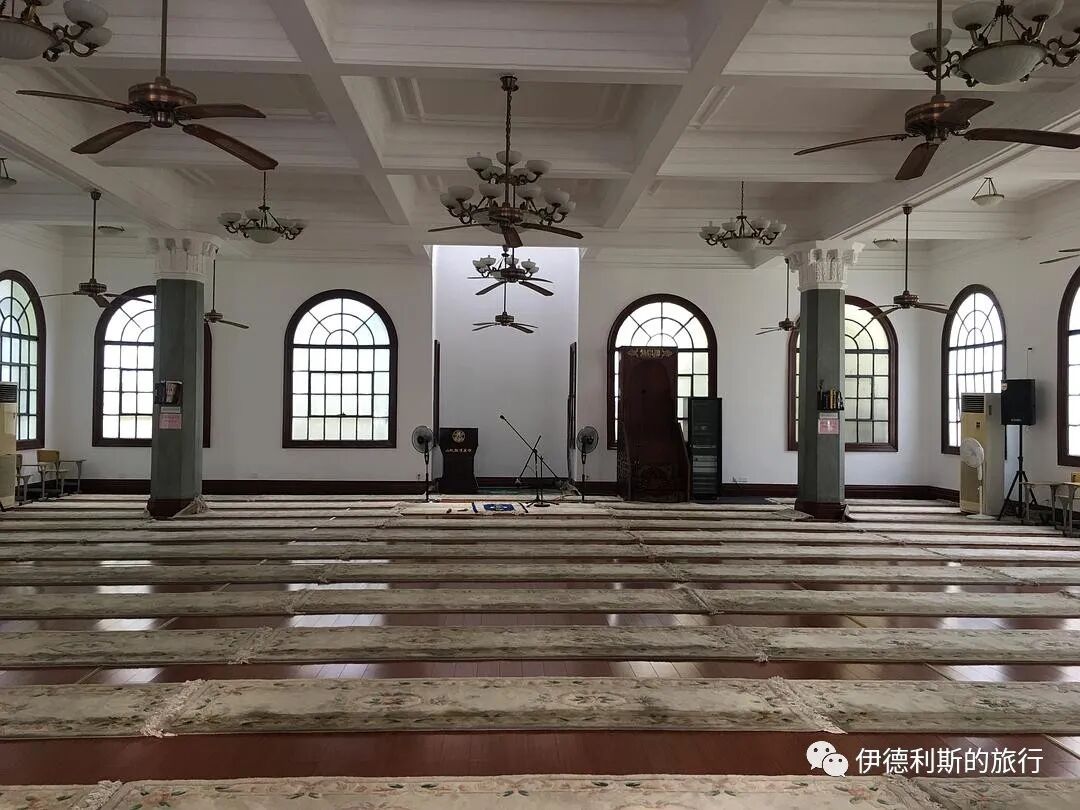
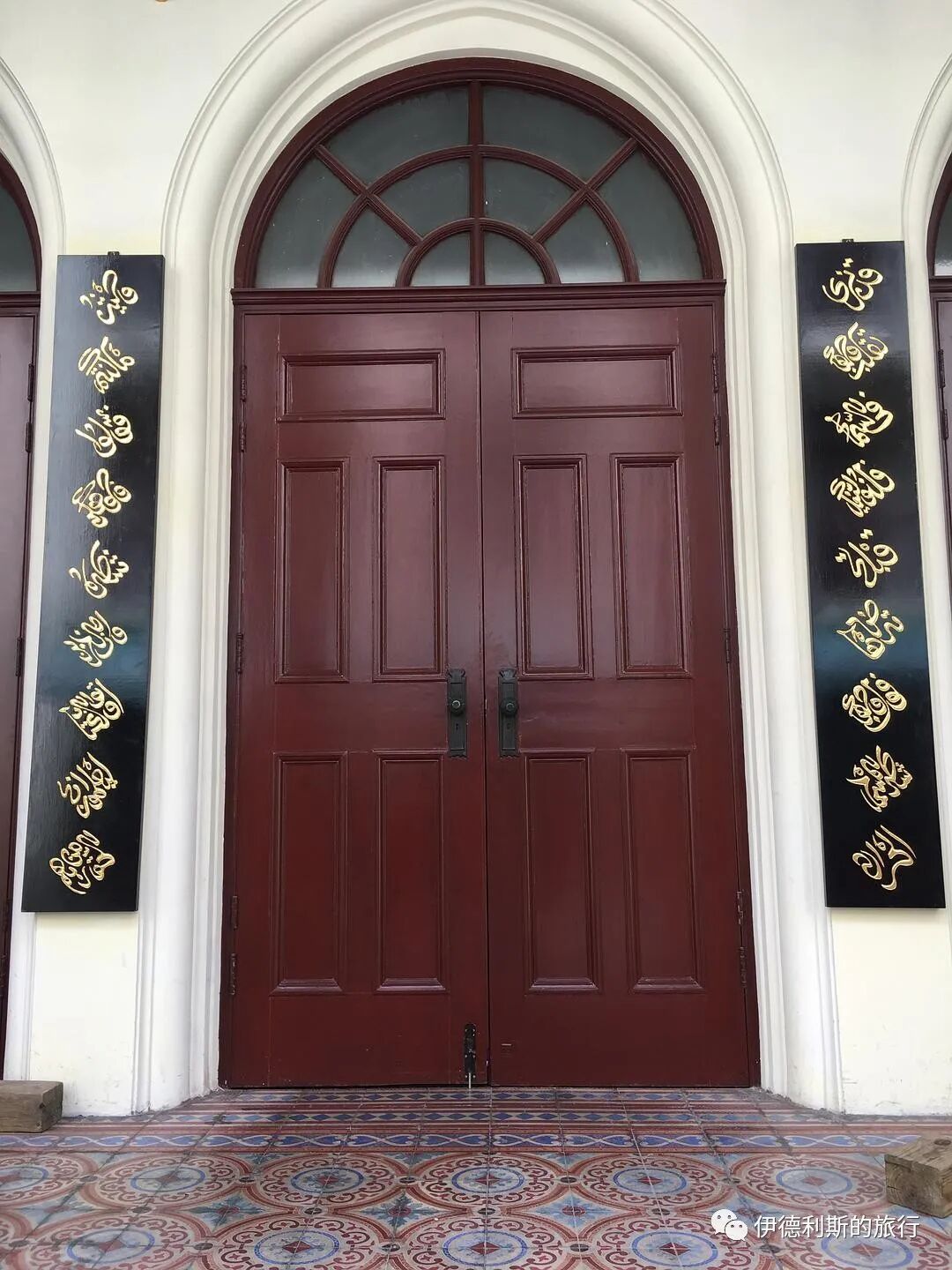
Xiaotaoyuan Mosque is commonly known as the West Mosque. It was built in 1917 after the famous Hui merchant Jin Ziyun donated the land and funds, and it was rebuilt into its current form in 1925. During the Republic of China era, many Hui Muslims from Northwest and Northern China chose to travel by steamship from Shanghai to perform the Hajj. Starting in 1930, Xiaotaoyuan Mosque became a place for pilgrims to rest and wait before their departure. People used the mosque to process passports and book ship tickets. Doctors from the customs quarantine office would come to the mosque to perform physical exams, administer smallpox vaccinations, and give other shots. Pilgrims also met friends and exchanged information here. On the day of departure, the mosque provided transport to take them to the ship. After returning from the Hajj, the Hajis would rest at the mosque before heading home. This place became an important cultural exchange center for Islam in China during the Republic of China era.
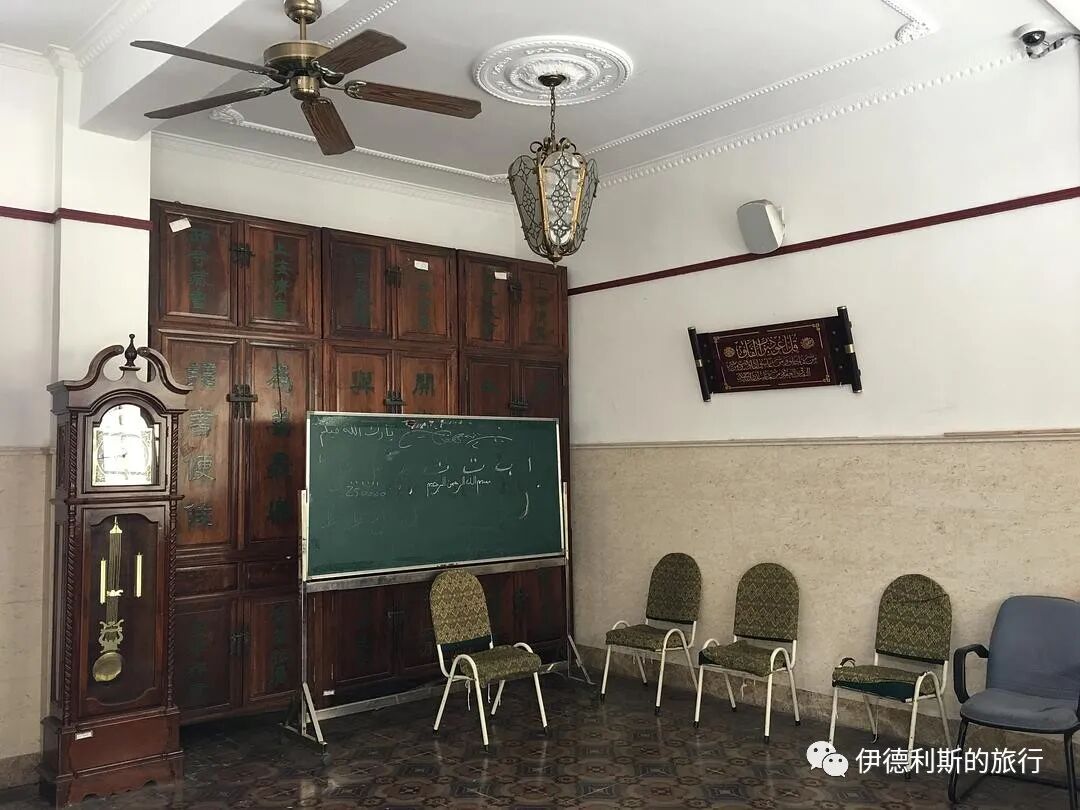
8. Beiying Mosque, Dezhou, Shandong
During the Wanli reign of the Ming Dynasty, the descendants of the Sultan of Sulu built a mosque southwest of the Sultan of Sulu's tomb. A Ming Dynasty imperial decree ordered that one person be chosen from the Wen and An families to serve as the imam, carry on the sect, and manage the Hui Muslims. In 1917, the canal burst its banks, washing away the mosque and the entire Beiying Village, until it was rebuilt in 1940. The newly built gate has a Western style, while the overall structure remains in the traditional North China style.
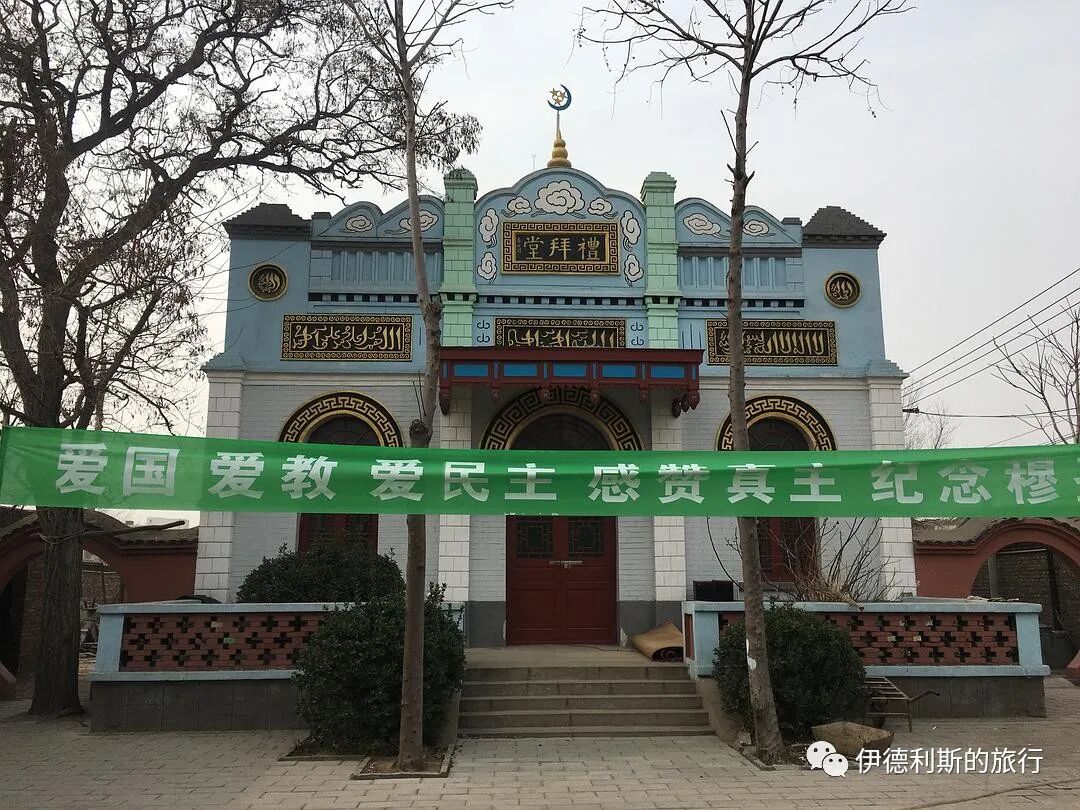
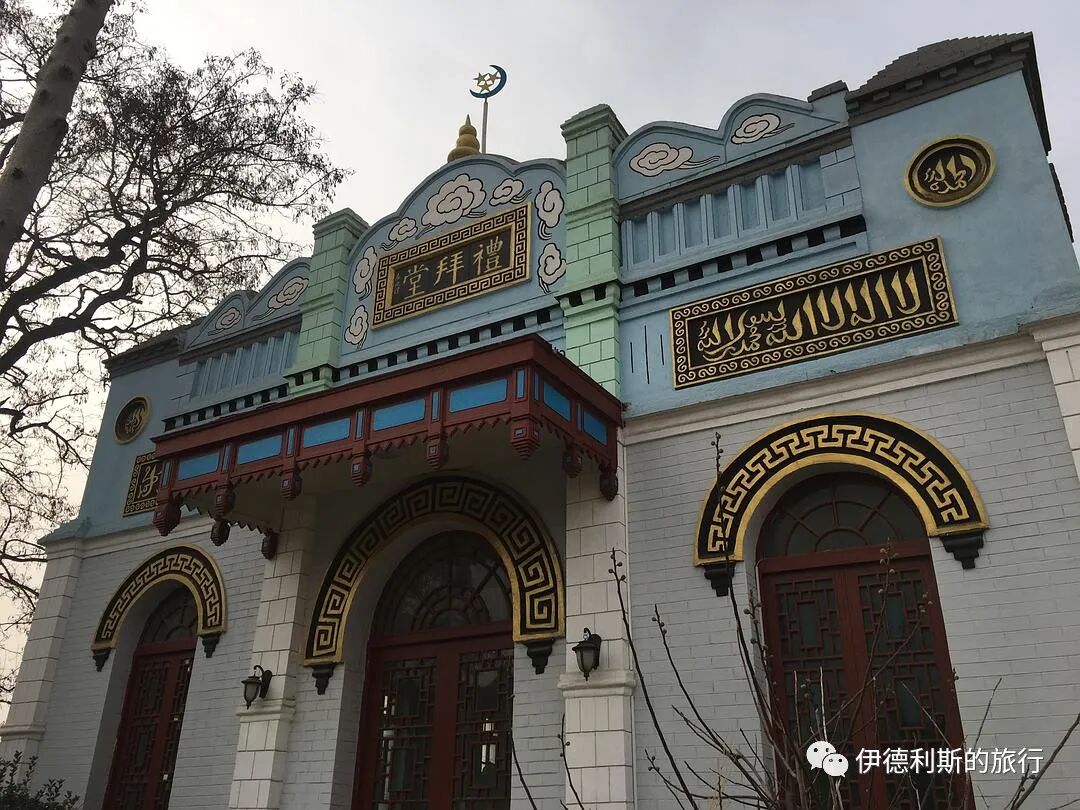
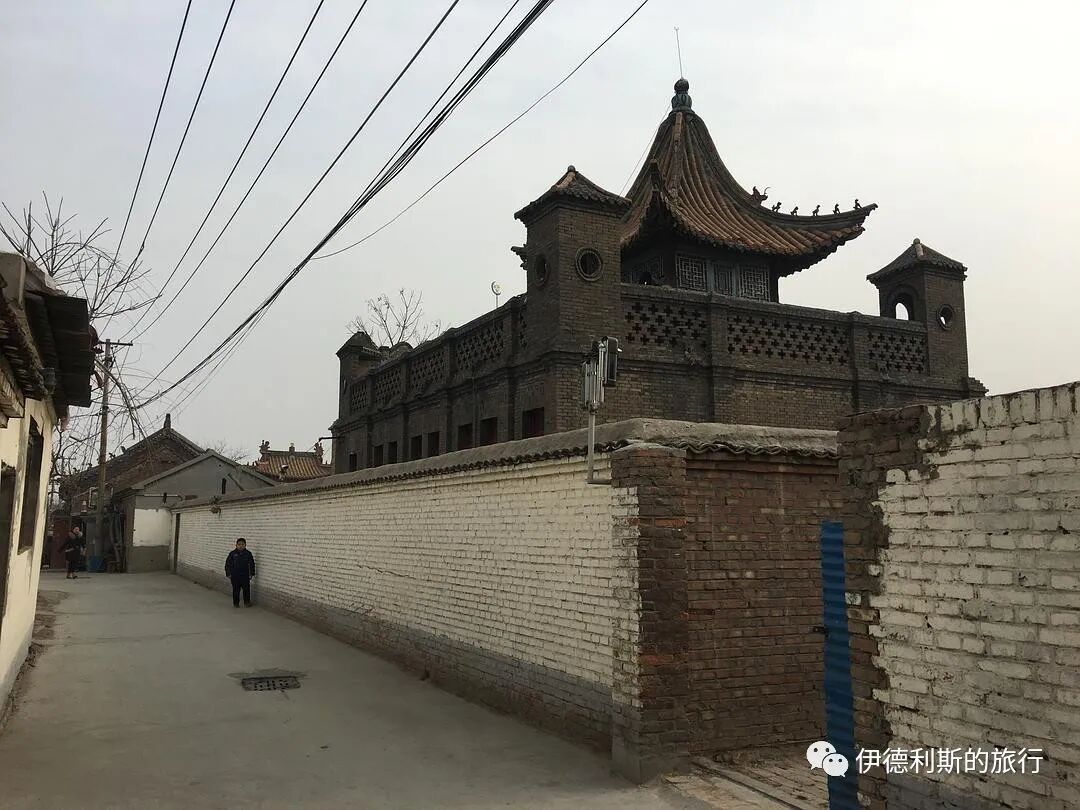
9. Beijing Shahe Mosque
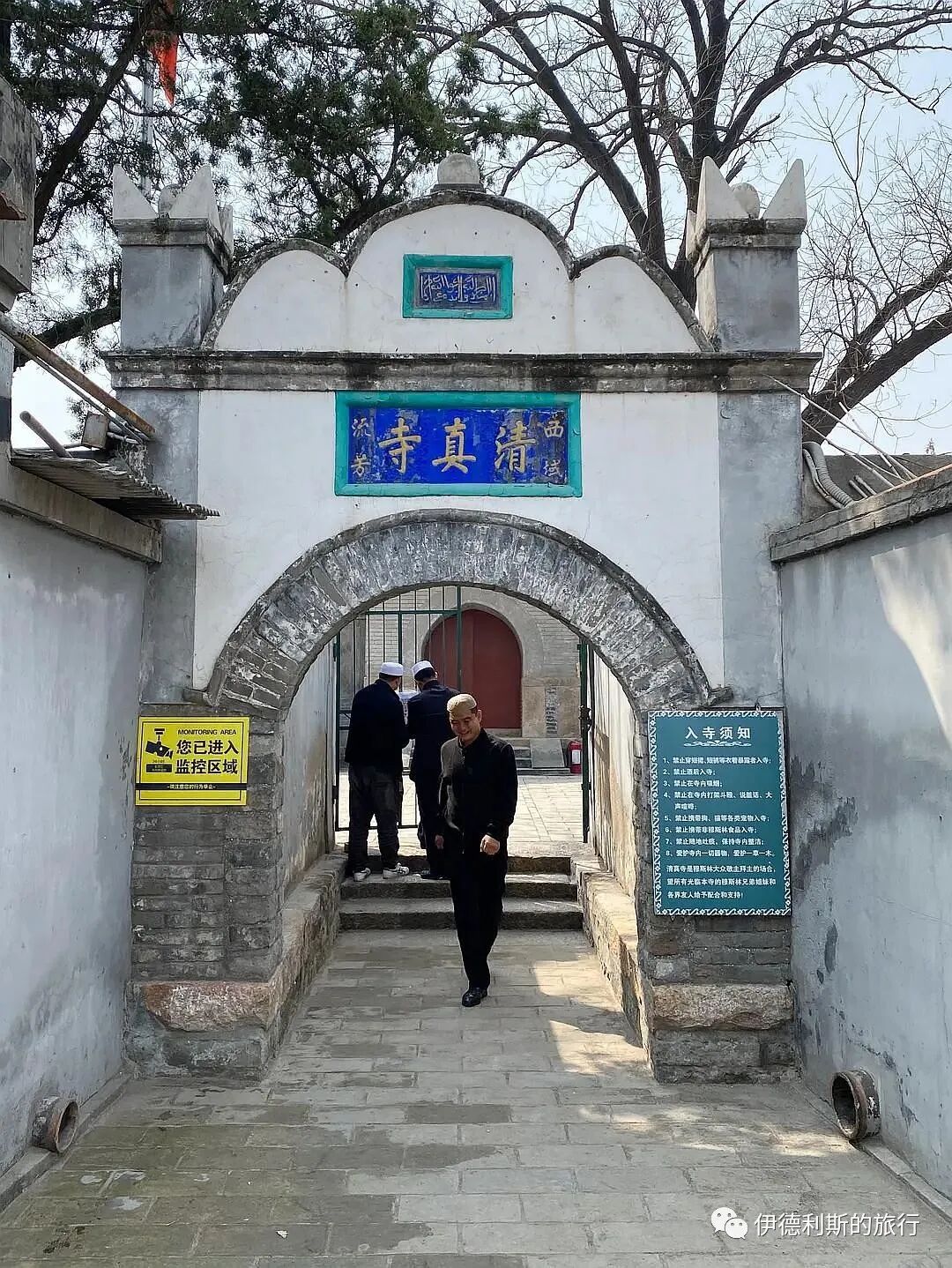
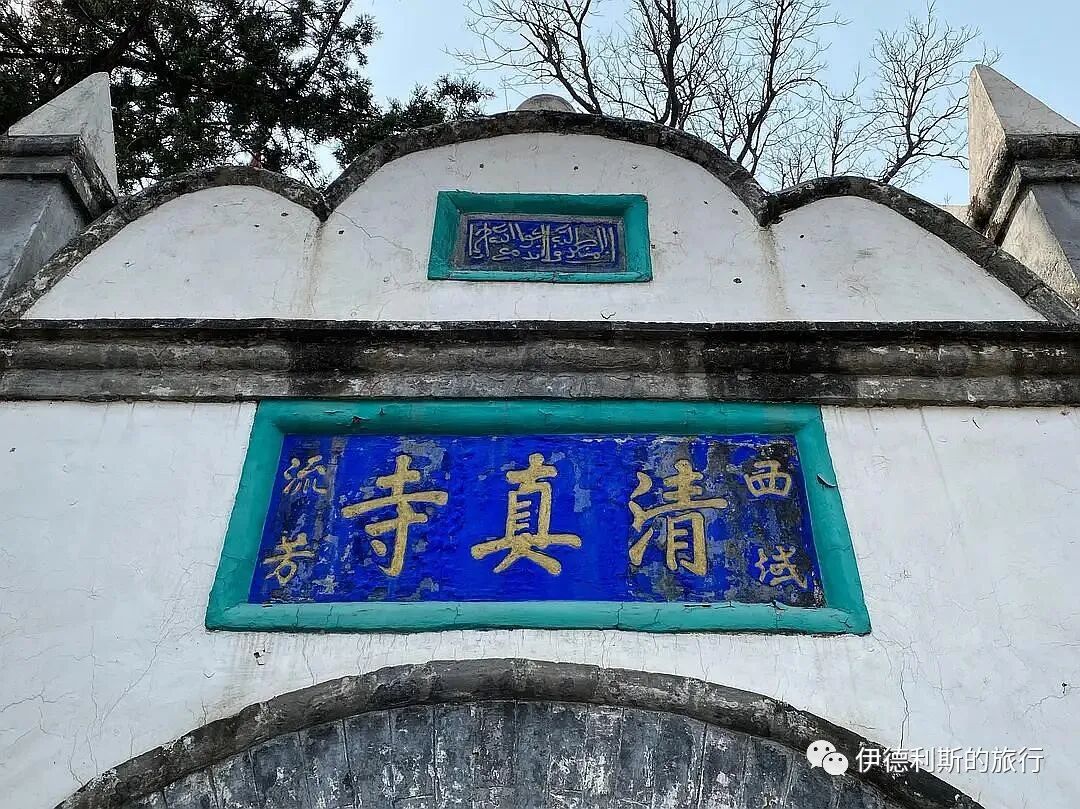
During the Wanli reign of the Ming Dynasty, the main road north of Beijing leading to Zhangjiakou moved to Shahe, and Hui Muslims who traded cattle and sheep began to settle there. Shahe Mosque was first built during the Ming Dynasty, and the current Western-style gate was added in 1920.
10. Beijing Dongsi Mosque
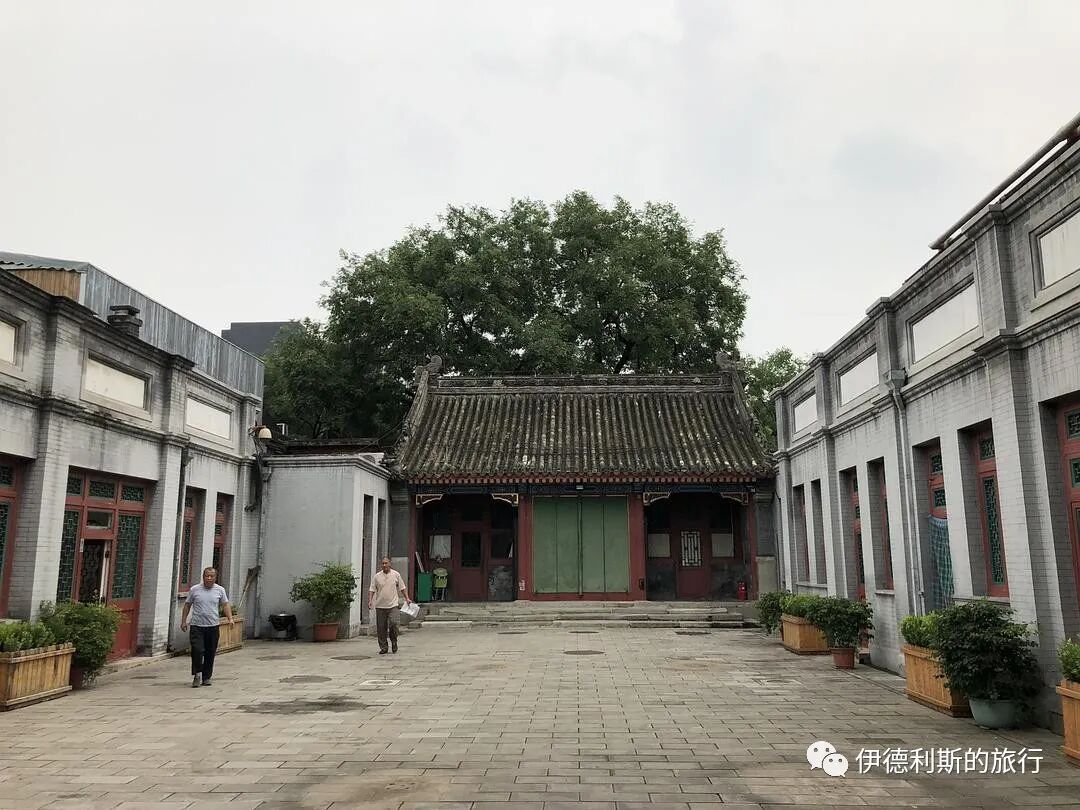
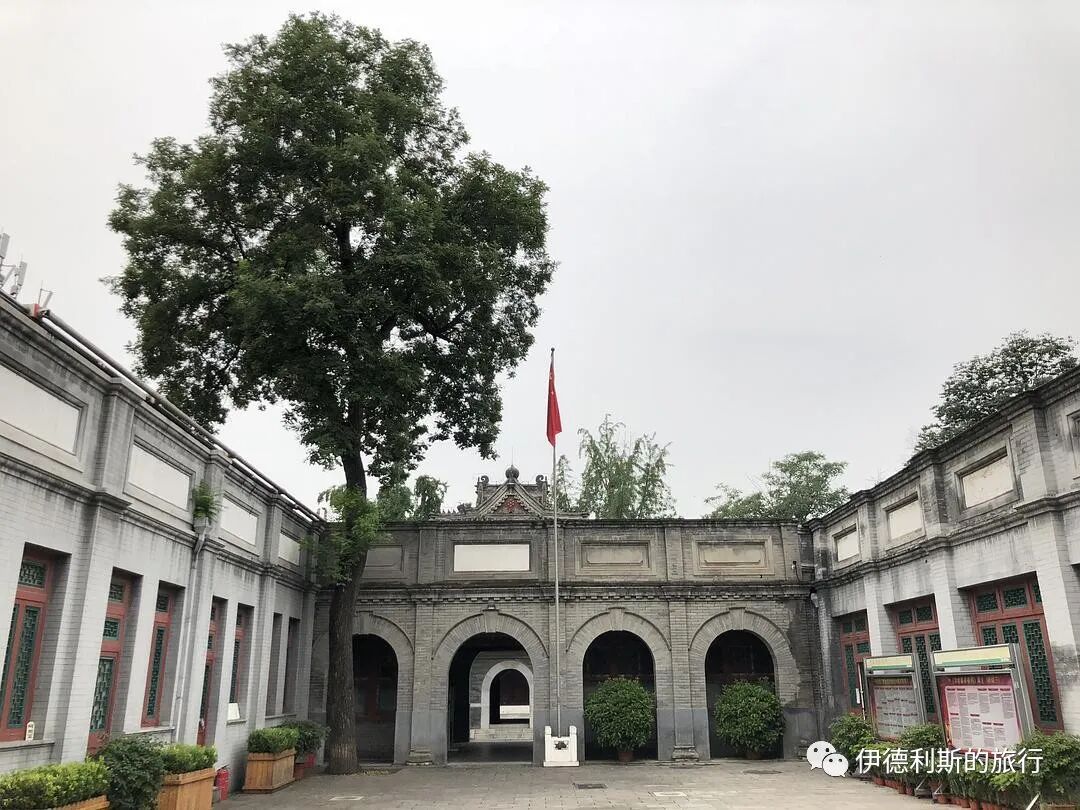
Dongsi Mosque is one of the four major official mosques of the Ming Dynasty, and its gate and first courtyard were rebuilt in 1920. The gate is a traditional Chinese building with a ridge-style hard mountain roof, while the first courtyard and the second gate feature Western architectural styles.
Summary: Chinese Republican-Era Mosque Architecture: Chinese and Western Design Elements is presented here as a firsthand travel account in clear English, beginning with this scene: During the Republic of China era, the introduction of Western architectural styles meant Chinese mosques were no longer limited to traditional Chinese designs and began to incorporate Western elements. The account keeps its focus on Mosque Architecture, Republican China, Muslim Heritage while preserving the names, places, food, and historical details from the Chinese source.
During the Republic of China era, the introduction of Western architectural styles meant Chinese mosques were no longer limited to traditional Chinese designs and began to incorporate Western elements. I will share 10 mosques I have visited that feature unique Republic-era architectural styles: the 1935 main hall of the Shenyang East Mosque, the 1936 gate of the Datong Mosque, the 1926 arched porch (juanpeng) of the Longshengzhuang Mosque in Fengzhen, Inner Mongolia, the 1923 main hall of the Hohhot Great Mosque, the rear hall of the Daxinzhuang East Mosque in Bo'ai, Henan, the 1935 gate of the Fuyou Road Mosque in Shanghai, the 1925 Xiaotaoyuan Mosque, the 1940 Beiying Mosque in Dezhou, Shandong, the 1920 gate of the Shahe Mosque in Beijing, and the 1920 first courtyard of the Dongsi Mosque.
1. Shenyang East Mosque
The Shenyang East Mosque was first built in 1803 (the eighth year of the Jiaqing reign). In 1935, the prayer hall was rebuilt in a Western style, while the moon-viewing tower (wangyuelou) kept its original Chinese style.
2. Datong Mosque
The gate of the Datong Mosque was rebuilt in 1936 and features a typical Republic-era style.
3. Longshengzhuang Mosque in Fengzhen, Inner Mongolia
Longshengzhuang in Fengzhen sits on the border of Shanxi and Inner Mongolia. From the Qing Dynasty to the early Republic era, it was at the intersection of trade routes between Hohhot, Datong, and Zhangjiakou, serving as an important market town for Shanxi merchants trading in Mongolia. Longshengzhuang reached its peak in the early Republic era, with over 300 shops and nearly 2 kilometers of storefronts lined up side by side.
The arched porch (juanpeng) of the Longshengzhuang Mosque was expanded in 1926 and features exquisite Republic-era ironwork decorations.
4. Hohhot Great Mosque
The prayer hall of the Hohhot Great Mosque was expanded in 1923. Its arched porch (juanpeng) blends Chinese and Western styles, featuring arched doors and walls decorated with beautiful Arabic calligraphy plaques, couplets, and floral patterns.
5. East Mosque in Daxinzhuang, Bo'ai, Henan
The East Mosque in Daxinzhuang, Bo'ai, Henan added a rear hall during the Republic of China era. It features five Roman-style arched doorways decorated with exquisite cement carvings from that period.
6. Fuyou Road Mosque, Shanghai
Fuyou Road Mosque is commonly known as the North Mosque. It was first built in 1870 (the ninth year of the Tongzhi reign) and was originally used by Hui Muslims from Nanjing who lived near the Old North Gate of Shanghai. In 1935, a famous Hui merchant named Ha Shaofu led the effort to convert the street-facing stone-gate houses (shikumen) into a three-story reinforced concrete building, with a moon-sighting pavilion built on the rooftop terrace.
7. Xiaotaoyuan Mosque, Shanghai
Xiaotaoyuan Mosque is commonly known as the West Mosque. It was built in 1917 after the famous Hui merchant Jin Ziyun donated the land and funds, and it was rebuilt into its current form in 1925. During the Republic of China era, many Hui Muslims from Northwest and Northern China chose to travel by steamship from Shanghai to perform the Hajj. Starting in 1930, Xiaotaoyuan Mosque became a place for pilgrims to rest and wait before their departure. People used the mosque to process passports and book ship tickets. Doctors from the customs quarantine office would come to the mosque to perform physical exams, administer smallpox vaccinations, and give other shots. Pilgrims also met friends and exchanged information here. On the day of departure, the mosque provided transport to take them to the ship. After returning from the Hajj, the Hajis would rest at the mosque before heading home. This place became an important cultural exchange center for Islam in China during the Republic of China era.
8. Beiying Mosque, Dezhou, Shandong
During the Wanli reign of the Ming Dynasty, the descendants of the Sultan of Sulu built a mosque southwest of the Sultan of Sulu's tomb. A Ming Dynasty imperial decree ordered that one person be chosen from the Wen and An families to serve as the imam, carry on the sect, and manage the Hui Muslims. In 1917, the canal burst its banks, washing away the mosque and the entire Beiying Village, until it was rebuilt in 1940. The newly built gate has a Western style, while the overall structure remains in the traditional North China style.
9. Beijing Shahe Mosque
During the Wanli reign of the Ming Dynasty, the main road north of Beijing leading to Zhangjiakou moved to Shahe, and Hui Muslims who traded cattle and sheep began to settle there. Shahe Mosque was first built during the Ming Dynasty, and the current Western-style gate was added in 1920.
10. Beijing Dongsi Mosque
Dongsi Mosque is one of the four major official mosques of the Ming Dynasty, and its gate and first courtyard were rebuilt in 1920. The gate is a traditional Chinese building with a ridge-style hard mountain roof, while the first courtyard and the second gate feature Western architectural styles.
Exploring Yangzha Mosque in Beijing: A Look at Traditional Islamic Architecture on the Chaoyang-Tongzhou Border
Articles • Hasan09 posted the article • 0 comments • 15 views • 6 hours ago
Come along as we explore the historic Yangzha Mosque, tucked away right on the border of Beijing’s Chaoyang and Tongzhou districts. Through five high-def photos, you’ll get a close-up look at the traditional, solemn entrance screen wall and the main prayer hall, which features a classic Chinese xieshan-style (a traditional architectural roof style with overhanging eaves) roof with green tiles, plus the beautiful Arabic calligraphy inside—giving you a real feel for the quiet, reverent atmosphere of this Hui Muslim historic site.
Yangzha Historic Mosque
On-site photos view all
Yangzha Historic Mosque
On-site photos view all
Come along as we explore the historic Yangzha Mosque, tucked away right on the border of Beijing’s Chaoyang and Tongzhou districts. Through five high-def photos, you’ll get a close-up look at the traditional, solemn entrance screen wall and the main prayer hall, which features a classic Chinese xieshan-style (a traditional architectural roof style with overhanging eaves) roof with green tiles, plus the beautiful Arabic calligraphy inside—giving you a real feel for the quiet, reverent atmosphere of this Hui Muslim historic site.
Yangzha Historic Mosque
On-site photos
Yangzha Historic Mosque
On-site photos
Istanbul 3-Day Mosque Guide: Authentic Tips for Blue Mosque, Süleymaniye & Secret Photo Spots
Articles • Hasan09 posted the article • 0 comments • 93 views • 2026-10-26 09:47
[Internet Repost]
This guide provides a detailed breakdown of a three-day architectural and cultural tour of Istanbul's mosques, including the Blue Mosque, Hagia Sophia, Süleymaniye Mosque, and Rüstem Pasha Mosque. It covers the best visiting times, tips for capturing autumn foliage, dress codes, and practical transportation advice.
First time out! Your ultimate 3-day Istanbul mosque itinerary—hidden gems included, with zero tourist traps!
Autumn in Hangzhou is all about the sweet scent of osmanthus in Manlongguiyu and the satisfying crunch of sycamore leaves falling on Beishan Street. Last week, while walking through the golden carpet at Jingci Temple, I heard a call to prayer from afar, which immediately brought me back to Istanbul. I spent all night digging up photos from last late autumn: sunlight filtering through stained glass turning the Blue Mosque dome into a rainbow, and a ginger cat napping in the Süleymaniye courtyard to the sound of Quran recitation. Here is the 3-day itinerary I’ve been gatekeeping, featuring off-the-beaten-path photo spots and money-saving hacks. Just follow along and you can't go wrong!
Best Timing: Chasing the Call to Prayer in the Autumn Light
October to November is the sweet spot. There are 30% fewer tourists than in mid-summer, the temperature hovers around 20°C (68°F), and it’s cool enough to walk barefoot in the mosques while wearing modest layers. The maple leaves turn red in early November; the sycamores in the Topkapı Palace back gardens yellow first, while the maples on the Süleymaniye hillside turn red last. If you want that perfect 'mosque and red leaf' shot, aim for the first week of November. Friday afternoons are crowded for Jumu'ah (Friday prayer), so for quiet photos, go before 9 AM on a weekday. The way the light hits the columns at that hour is absolutely stunning.
Transportation: One Card Does It All
Buy an Istanbulkart at the airport (it costs 70 Lira). It works for the metro, trams, and ferries, and it’s 40% cheaper than buying single tickets. The T1 tram line is a total treasure—the Blue Mosque, Hagia Sophia, and Grand Bazaar are all on this route. You have to take a ferry (25 Lira with the card) to get from the European side to the Asian side; feeding seagulls and watching the skyline from the deck is 80% cheaper than a tourist boat. Pro tip: Don't take taxis, traffic and detours are the norm.
✨ Five Must-Visit Spots (Including Secret Photo Angles)
1. Blue Mosque: Get to the western cloister by 7 AM. The morning sun turns the six minarets into a honey color with zero crowds! For interiors, get a 24mm wide-angle lens near the floor; the dome’s blue tiles look like a galaxy. 2. Süleymaniye: Head to the corner of the northern courtyard at 4 PM for silhouettes against the Bosphorus, using a telephoto lens for that intense compression effect. 3. New Mosque: Next to the Spice Market, go at 5 PM to the Eminönü pier for reflections, and try to snap a photo of birds taking flight during the call to prayer. 4. Sokollu Mehmed Pasha Mosque: So obscure you’ll have the place to yourself! The side entrance has no lines, and the blue Iznik tiles inside are even more intricate than the Blue Mosque. Use f/2.8 to blur the details. 5. Ortaköy: A hidden gem on the Asian side; visit on a Friday evening to capture the mosque and the Bosphorus Bridge in one frame, then grab some roasted chestnuts to snack on while you walk.
Food: Eat Like a Local and Avoid Getting Ripped Off
Hidden Gem: Karaköy Lokantası in the back alleys of Süleymaniye. Their lunch set (kebab, rice, and soup) is only 180 Lira, half the price of the tourist spots. Money-saving tip: Don't buy Turkish delight in the Grand Bazaar; go to the outskirts of the Spice Market to Hafız Mustafa, where you can buy it by weight. Must-try: Street-side midye dolma (stuffed mussels with herb-infused rice) for 10 Lira each; squeeze fresh lemon juice on them and they are incredibly delicious.
Accommodation: Stay in the Old City, but not in Sultanahmet
Choose Sirkeci or Eminönü. You’ll be a 10-minute walk from the main mosques, and prices are 30% lower than in the heart of the tourist district. Booking hack: Use the 'free cancellation' filter on Booking.com and book two weeks ahead for 30% off early-bird rates. Hostel beds start at 250 Lira, and you can get a boutique guesthouse room with a terrace for 600 Lira. Having breakfast on the terrace while listening to the call to prayer makes the room worth every penny.
3-Day Lazy-Traveler Itinerary (Just Copy This)
Day 1: 7 AM Blue Mosque → 9 AM Hagia Sophia (take photos from outside) → Lunch at Karaköy Lokantası → Afternoon at Süleymaniye → Evening ferry to Ortaköy. Day 2: 8 AM New Mosque → Spice Market → Lunch at a midye dolma stand → Afternoon at Sokollu Mehmed Pasha Mosque → Sunset at Galata Bridge. Day 3: 9 AM Topkapı Palace back gardens → Lunch on the outskirts of the Grand Bazaar → Afternoon for catch-up photos → Evening ferry back to the Asian side.
Budget & Tips
Daily cost per person: Transportation 40 + Dining 200 + Tickets 150 (Mosques are free; Hagia Sophia is free from the outside) = approx. 400 Lira (excluding accommodation). Local secret: Don't go to large mosques during Jumu'ah on Friday, but feel free to duck into small neighborhood mosques to observe the ceremony. Grab a free plastic bag at the entrance for your shoes. Photography: Use spot metering for the domes when shooting against the light, and place silhouettes on the bottom-right third of the frame. Gear: Pack light with a 35mm prime lens (use your phone for wide-angle shots). Ladies, bring your own headscarf (they are free to borrow at the door, but there's often a line). Wear comfortable socks—walking barefoot on the carpets is heavenly!
Lastly, a little story: I was at Süleymaniye and met a Turkish gentleman who saw me holding my camera for a long time. He grabbed my arm and led me to a small side door: 'Look through this hole, the minaret is perfectly framed by the Bosphorus Bridge.' It was incredible. See, the kindness of Istanbul is hidden in these little corners. Pick an autumn day to go, and please feed that ginger cat for me. view all
This guide provides a detailed breakdown of a three-day architectural and cultural tour of Istanbul's mosques, including the Blue Mosque, Hagia Sophia, Süleymaniye Mosque, and Rüstem Pasha Mosque. It covers the best visiting times, tips for capturing autumn foliage, dress codes, and practical transportation advice.
First time out! Your ultimate 3-day Istanbul mosque itinerary—hidden gems included, with zero tourist traps!
Autumn in Hangzhou is all about the sweet scent of osmanthus in Manlongguiyu and the satisfying crunch of sycamore leaves falling on Beishan Street. Last week, while walking through the golden carpet at Jingci Temple, I heard a call to prayer from afar, which immediately brought me back to Istanbul. I spent all night digging up photos from last late autumn: sunlight filtering through stained glass turning the Blue Mosque dome into a rainbow, and a ginger cat napping in the Süleymaniye courtyard to the sound of Quran recitation. Here is the 3-day itinerary I’ve been gatekeeping, featuring off-the-beaten-path photo spots and money-saving hacks. Just follow along and you can't go wrong!
Best Timing: Chasing the Call to Prayer in the Autumn Light
October to November is the sweet spot. There are 30% fewer tourists than in mid-summer, the temperature hovers around 20°C (68°F), and it’s cool enough to walk barefoot in the mosques while wearing modest layers. The maple leaves turn red in early November; the sycamores in the Topkapı Palace back gardens yellow first, while the maples on the Süleymaniye hillside turn red last. If you want that perfect 'mosque and red leaf' shot, aim for the first week of November. Friday afternoons are crowded for Jumu'ah (Friday prayer), so for quiet photos, go before 9 AM on a weekday. The way the light hits the columns at that hour is absolutely stunning.
Transportation: One Card Does It All
Buy an Istanbulkart at the airport (it costs 70 Lira). It works for the metro, trams, and ferries, and it’s 40% cheaper than buying single tickets. The T1 tram line is a total treasure—the Blue Mosque, Hagia Sophia, and Grand Bazaar are all on this route. You have to take a ferry (25 Lira with the card) to get from the European side to the Asian side; feeding seagulls and watching the skyline from the deck is 80% cheaper than a tourist boat. Pro tip: Don't take taxis, traffic and detours are the norm.
✨ Five Must-Visit Spots (Including Secret Photo Angles)
1. Blue Mosque: Get to the western cloister by 7 AM. The morning sun turns the six minarets into a honey color with zero crowds! For interiors, get a 24mm wide-angle lens near the floor; the dome’s blue tiles look like a galaxy. 2. Süleymaniye: Head to the corner of the northern courtyard at 4 PM for silhouettes against the Bosphorus, using a telephoto lens for that intense compression effect. 3. New Mosque: Next to the Spice Market, go at 5 PM to the Eminönü pier for reflections, and try to snap a photo of birds taking flight during the call to prayer. 4. Sokollu Mehmed Pasha Mosque: So obscure you’ll have the place to yourself! The side entrance has no lines, and the blue Iznik tiles inside are even more intricate than the Blue Mosque. Use f/2.8 to blur the details. 5. Ortaköy: A hidden gem on the Asian side; visit on a Friday evening to capture the mosque and the Bosphorus Bridge in one frame, then grab some roasted chestnuts to snack on while you walk.
Food: Eat Like a Local and Avoid Getting Ripped Off
Hidden Gem: Karaköy Lokantası in the back alleys of Süleymaniye. Their lunch set (kebab, rice, and soup) is only 180 Lira, half the price of the tourist spots. Money-saving tip: Don't buy Turkish delight in the Grand Bazaar; go to the outskirts of the Spice Market to Hafız Mustafa, where you can buy it by weight. Must-try: Street-side midye dolma (stuffed mussels with herb-infused rice) for 10 Lira each; squeeze fresh lemon juice on them and they are incredibly delicious.
Accommodation: Stay in the Old City, but not in Sultanahmet
Choose Sirkeci or Eminönü. You’ll be a 10-minute walk from the main mosques, and prices are 30% lower than in the heart of the tourist district. Booking hack: Use the 'free cancellation' filter on Booking.com and book two weeks ahead for 30% off early-bird rates. Hostel beds start at 250 Lira, and you can get a boutique guesthouse room with a terrace for 600 Lira. Having breakfast on the terrace while listening to the call to prayer makes the room worth every penny.
3-Day Lazy-Traveler Itinerary (Just Copy This)
Day 1: 7 AM Blue Mosque → 9 AM Hagia Sophia (take photos from outside) → Lunch at Karaköy Lokantası → Afternoon at Süleymaniye → Evening ferry to Ortaköy. Day 2: 8 AM New Mosque → Spice Market → Lunch at a midye dolma stand → Afternoon at Sokollu Mehmed Pasha Mosque → Sunset at Galata Bridge. Day 3: 9 AM Topkapı Palace back gardens → Lunch on the outskirts of the Grand Bazaar → Afternoon for catch-up photos → Evening ferry back to the Asian side.
Budget & Tips
Daily cost per person: Transportation 40 + Dining 200 + Tickets 150 (Mosques are free; Hagia Sophia is free from the outside) = approx. 400 Lira (excluding accommodation). Local secret: Don't go to large mosques during Jumu'ah on Friday, but feel free to duck into small neighborhood mosques to observe the ceremony. Grab a free plastic bag at the entrance for your shoes. Photography: Use spot metering for the domes when shooting against the light, and place silhouettes on the bottom-right third of the frame. Gear: Pack light with a 35mm prime lens (use your phone for wide-angle shots). Ladies, bring your own headscarf (they are free to borrow at the door, but there's often a line). Wear comfortable socks—walking barefoot on the carpets is heavenly!
Lastly, a little story: I was at Süleymaniye and met a Turkish gentleman who saw me holding my camera for a long time. He grabbed my arm and led me to a small side door: 'Look through this hole, the minaret is perfectly framed by the Bosphorus Bridge.' It was incredible. See, the kindness of Istanbul is hidden in these little corners. Pick an autumn day to go, and please feed that ginger cat for me. view all
[Internet Repost]
This guide provides a detailed breakdown of a three-day architectural and cultural tour of Istanbul's mosques, including the Blue Mosque, Hagia Sophia, Süleymaniye Mosque, and Rüstem Pasha Mosque. It covers the best visiting times, tips for capturing autumn foliage, dress codes, and practical transportation advice.
First time out! Your ultimate 3-day Istanbul mosque itinerary—hidden gems included, with zero tourist traps!
Autumn in Hangzhou is all about the sweet scent of osmanthus in Manlongguiyu and the satisfying crunch of sycamore leaves falling on Beishan Street. Last week, while walking through the golden carpet at Jingci Temple, I heard a call to prayer from afar, which immediately brought me back to Istanbul. I spent all night digging up photos from last late autumn: sunlight filtering through stained glass turning the Blue Mosque dome into a rainbow, and a ginger cat napping in the Süleymaniye courtyard to the sound of Quran recitation. Here is the 3-day itinerary I’ve been gatekeeping, featuring off-the-beaten-path photo spots and money-saving hacks. Just follow along and you can't go wrong!
Best Timing: Chasing the Call to Prayer in the Autumn Light
October to November is the sweet spot. There are 30% fewer tourists than in mid-summer, the temperature hovers around 20°C (68°F), and it’s cool enough to walk barefoot in the mosques while wearing modest layers. The maple leaves turn red in early November; the sycamores in the Topkapı Palace back gardens yellow first, while the maples on the Süleymaniye hillside turn red last. If you want that perfect 'mosque and red leaf' shot, aim for the first week of November. Friday afternoons are crowded for Jumu'ah (Friday prayer), so for quiet photos, go before 9 AM on a weekday. The way the light hits the columns at that hour is absolutely stunning.
Transportation: One Card Does It All
Buy an Istanbulkart at the airport (it costs 70 Lira). It works for the metro, trams, and ferries, and it’s 40% cheaper than buying single tickets. The T1 tram line is a total treasure—the Blue Mosque, Hagia Sophia, and Grand Bazaar are all on this route. You have to take a ferry (25 Lira with the card) to get from the European side to the Asian side; feeding seagulls and watching the skyline from the deck is 80% cheaper than a tourist boat. Pro tip: Don't take taxis, traffic and detours are the norm.
✨ Five Must-Visit Spots (Including Secret Photo Angles)
1. Blue Mosque: Get to the western cloister by 7 AM. The morning sun turns the six minarets into a honey color with zero crowds! For interiors, get a 24mm wide-angle lens near the floor; the dome’s blue tiles look like a galaxy. 2. Süleymaniye: Head to the corner of the northern courtyard at 4 PM for silhouettes against the Bosphorus, using a telephoto lens for that intense compression effect. 3. New Mosque: Next to the Spice Market, go at 5 PM to the Eminönü pier for reflections, and try to snap a photo of birds taking flight during the call to prayer. 4. Sokollu Mehmed Pasha Mosque: So obscure you’ll have the place to yourself! The side entrance has no lines, and the blue Iznik tiles inside are even more intricate than the Blue Mosque. Use f/2.8 to blur the details. 5. Ortaköy: A hidden gem on the Asian side; visit on a Friday evening to capture the mosque and the Bosphorus Bridge in one frame, then grab some roasted chestnuts to snack on while you walk.
Food: Eat Like a Local and Avoid Getting Ripped Off
Hidden Gem: Karaköy Lokantası in the back alleys of Süleymaniye. Their lunch set (kebab, rice, and soup) is only 180 Lira, half the price of the tourist spots. Money-saving tip: Don't buy Turkish delight in the Grand Bazaar; go to the outskirts of the Spice Market to Hafız Mustafa, where you can buy it by weight. Must-try: Street-side midye dolma (stuffed mussels with herb-infused rice) for 10 Lira each; squeeze fresh lemon juice on them and they are incredibly delicious.
Accommodation: Stay in the Old City, but not in Sultanahmet
Choose Sirkeci or Eminönü. You’ll be a 10-minute walk from the main mosques, and prices are 30% lower than in the heart of the tourist district. Booking hack: Use the 'free cancellation' filter on Booking.com and book two weeks ahead for 30% off early-bird rates. Hostel beds start at 250 Lira, and you can get a boutique guesthouse room with a terrace for 600 Lira. Having breakfast on the terrace while listening to the call to prayer makes the room worth every penny.
3-Day Lazy-Traveler Itinerary (Just Copy This)
Day 1: 7 AM Blue Mosque → 9 AM Hagia Sophia (take photos from outside) → Lunch at Karaköy Lokantası → Afternoon at Süleymaniye → Evening ferry to Ortaköy. Day 2: 8 AM New Mosque → Spice Market → Lunch at a midye dolma stand → Afternoon at Sokollu Mehmed Pasha Mosque → Sunset at Galata Bridge. Day 3: 9 AM Topkapı Palace back gardens → Lunch on the outskirts of the Grand Bazaar → Afternoon for catch-up photos → Evening ferry back to the Asian side.
Budget & Tips
Daily cost per person: Transportation 40 + Dining 200 + Tickets 150 (Mosques are free; Hagia Sophia is free from the outside) = approx. 400 Lira (excluding accommodation). Local secret: Don't go to large mosques during Jumu'ah on Friday, but feel free to duck into small neighborhood mosques to observe the ceremony. Grab a free plastic bag at the entrance for your shoes. Photography: Use spot metering for the domes when shooting against the light, and place silhouettes on the bottom-right third of the frame. Gear: Pack light with a 35mm prime lens (use your phone for wide-angle shots). Ladies, bring your own headscarf (they are free to borrow at the door, but there's often a line). Wear comfortable socks—walking barefoot on the carpets is heavenly!
Lastly, a little story: I was at Süleymaniye and met a Turkish gentleman who saw me holding my camera for a long time. He grabbed my arm and led me to a small side door: 'Look through this hole, the minaret is perfectly framed by the Bosphorus Bridge.' It was incredible. See, the kindness of Istanbul is hidden in these little corners. Pick an autumn day to go, and please feed that ginger cat for me.
Chinese Republican-Era Mosque Architecture: Chinese and Western Design Elements
Articles • ali2007fr posted the article • 0 comments • 194 views • 2026-05-18 02:56
Reposted from the web
Summary: Chinese Republican-Era Mosque Architecture: Chinese and Western Design Elements is presented here as a firsthand travel account in clear English, beginning with this scene: During the Republic of China era, the introduction of Western architectural styles meant Chinese mosques were no longer limited to traditional Chinese designs and began to incorporate Western elements. The account keeps its focus on Mosque Architecture, Republican China, Muslim Heritage while preserving the names, places, food, and historical details from the Chinese source.
During the Republic of China era, the introduction of Western architectural styles meant Chinese mosques were no longer limited to traditional Chinese designs and began to incorporate Western elements. I will share 10 mosques I have visited that feature unique Republic-era architectural styles: the 1935 main hall of the Shenyang East Mosque, the 1936 gate of the Datong Mosque, the 1926 arched porch (juanpeng) of the Longshengzhuang Mosque in Fengzhen, Inner Mongolia, the 1923 main hall of the Hohhot Great Mosque, the rear hall of the Daxinzhuang East Mosque in Bo'ai, Henan, the 1935 gate of the Fuyou Road Mosque in Shanghai, the 1925 Xiaotaoyuan Mosque, the 1940 Beiying Mosque in Dezhou, Shandong, the 1920 gate of the Shahe Mosque in Beijing, and the 1920 first courtyard of the Dongsi Mosque.
1. Shenyang East Mosque
The Shenyang East Mosque was first built in 1803 (the eighth year of the Jiaqing reign). In 1935, the prayer hall was rebuilt in a Western style, while the moon-viewing tower (wangyuelou) kept its original Chinese style.
2. Datong Mosque
The gate of the Datong Mosque was rebuilt in 1936 and features a typical Republic-era style.
3. Longshengzhuang Mosque in Fengzhen, Inner Mongolia
Longshengzhuang in Fengzhen sits on the border of Shanxi and Inner Mongolia. From the Qing Dynasty to the early Republic era, it was at the intersection of trade routes between Hohhot, Datong, and Zhangjiakou, serving as an important market town for Shanxi merchants trading in Mongolia. Longshengzhuang reached its peak in the early Republic era, with over 300 shops and nearly 2 kilometers of storefronts lined up side by side.
The arched porch (juanpeng) of the Longshengzhuang Mosque was expanded in 1926 and features exquisite Republic-era ironwork decorations.
4. Hohhot Great Mosque
The prayer hall of the Hohhot Great Mosque was expanded in 1923. Its arched porch (juanpeng) blends Chinese and Western styles, featuring arched doors and walls decorated with beautiful Arabic calligraphy plaques, couplets, and floral patterns.
5. East Mosque in Daxinzhuang, Bo'ai, Henan
The East Mosque in Daxinzhuang, Bo'ai, Henan added a rear hall during the Republic of China era. It features five Roman-style arched doorways decorated with exquisite cement carvings from that period.
6. Fuyou Road Mosque, Shanghai
Fuyou Road Mosque is commonly known as the North Mosque. It was first built in 1870 (the ninth year of the Tongzhi reign) and was originally used by Hui Muslims from Nanjing who lived near the Old North Gate of Shanghai. In 1935, a famous Hui merchant named Ha Shaofu led the effort to convert the street-facing stone-gate houses (shikumen) into a three-story reinforced concrete building, with a moon-sighting pavilion built on the rooftop terrace.
7. Xiaotaoyuan Mosque, Shanghai
Xiaotaoyuan Mosque is commonly known as the West Mosque. It was built in 1917 after the famous Hui merchant Jin Ziyun donated the land and funds, and it was rebuilt into its current form in 1925. During the Republic of China era, many Hui Muslims from Northwest and Northern China chose to travel by steamship from Shanghai to perform the Hajj. Starting in 1930, Xiaotaoyuan Mosque became a place for pilgrims to rest and wait before their departure. People used the mosque to process passports and book ship tickets. Doctors from the customs quarantine office would come to the mosque to perform physical exams, administer smallpox vaccinations, and give other shots. Pilgrims also met friends and exchanged information here. On the day of departure, the mosque provided transport to take them to the ship. After returning from the Hajj, the Hajis would rest at the mosque before heading home. This place became an important cultural exchange center for Islam in China during the Republic of China era.
8. Beiying Mosque, Dezhou, Shandong
During the Wanli reign of the Ming Dynasty, the descendants of the Sultan of Sulu built a mosque southwest of the Sultan of Sulu's tomb. A Ming Dynasty imperial decree ordered that one person be chosen from the Wen and An families to serve as the imam, carry on the sect, and manage the Hui Muslims. In 1917, the canal burst its banks, washing away the mosque and the entire Beiying Village, until it was rebuilt in 1940. The newly built gate has a Western style, while the overall structure remains in the traditional North China style.
9. Beijing Shahe Mosque
During the Wanli reign of the Ming Dynasty, the main road north of Beijing leading to Zhangjiakou moved to Shahe, and Hui Muslims who traded cattle and sheep began to settle there. Shahe Mosque was first built during the Ming Dynasty, and the current Western-style gate was added in 1920.
10. Beijing Dongsi Mosque
Dongsi Mosque is one of the four major official mosques of the Ming Dynasty, and its gate and first courtyard were rebuilt in 1920. The gate is a traditional Chinese building with a ridge-style hard mountain roof, while the first courtyard and the second gate feature Western architectural styles. view all
Summary: Chinese Republican-Era Mosque Architecture: Chinese and Western Design Elements is presented here as a firsthand travel account in clear English, beginning with this scene: During the Republic of China era, the introduction of Western architectural styles meant Chinese mosques were no longer limited to traditional Chinese designs and began to incorporate Western elements. The account keeps its focus on Mosque Architecture, Republican China, Muslim Heritage while preserving the names, places, food, and historical details from the Chinese source.
During the Republic of China era, the introduction of Western architectural styles meant Chinese mosques were no longer limited to traditional Chinese designs and began to incorporate Western elements. I will share 10 mosques I have visited that feature unique Republic-era architectural styles: the 1935 main hall of the Shenyang East Mosque, the 1936 gate of the Datong Mosque, the 1926 arched porch (juanpeng) of the Longshengzhuang Mosque in Fengzhen, Inner Mongolia, the 1923 main hall of the Hohhot Great Mosque, the rear hall of the Daxinzhuang East Mosque in Bo'ai, Henan, the 1935 gate of the Fuyou Road Mosque in Shanghai, the 1925 Xiaotaoyuan Mosque, the 1940 Beiying Mosque in Dezhou, Shandong, the 1920 gate of the Shahe Mosque in Beijing, and the 1920 first courtyard of the Dongsi Mosque.
1. Shenyang East Mosque
The Shenyang East Mosque was first built in 1803 (the eighth year of the Jiaqing reign). In 1935, the prayer hall was rebuilt in a Western style, while the moon-viewing tower (wangyuelou) kept its original Chinese style.
2. Datong Mosque
The gate of the Datong Mosque was rebuilt in 1936 and features a typical Republic-era style.
3. Longshengzhuang Mosque in Fengzhen, Inner Mongolia
Longshengzhuang in Fengzhen sits on the border of Shanxi and Inner Mongolia. From the Qing Dynasty to the early Republic era, it was at the intersection of trade routes between Hohhot, Datong, and Zhangjiakou, serving as an important market town for Shanxi merchants trading in Mongolia. Longshengzhuang reached its peak in the early Republic era, with over 300 shops and nearly 2 kilometers of storefronts lined up side by side.
The arched porch (juanpeng) of the Longshengzhuang Mosque was expanded in 1926 and features exquisite Republic-era ironwork decorations.
4. Hohhot Great Mosque
The prayer hall of the Hohhot Great Mosque was expanded in 1923. Its arched porch (juanpeng) blends Chinese and Western styles, featuring arched doors and walls decorated with beautiful Arabic calligraphy plaques, couplets, and floral patterns.
5. East Mosque in Daxinzhuang, Bo'ai, Henan
The East Mosque in Daxinzhuang, Bo'ai, Henan added a rear hall during the Republic of China era. It features five Roman-style arched doorways decorated with exquisite cement carvings from that period.
6. Fuyou Road Mosque, Shanghai
Fuyou Road Mosque is commonly known as the North Mosque. It was first built in 1870 (the ninth year of the Tongzhi reign) and was originally used by Hui Muslims from Nanjing who lived near the Old North Gate of Shanghai. In 1935, a famous Hui merchant named Ha Shaofu led the effort to convert the street-facing stone-gate houses (shikumen) into a three-story reinforced concrete building, with a moon-sighting pavilion built on the rooftop terrace.
7. Xiaotaoyuan Mosque, Shanghai
Xiaotaoyuan Mosque is commonly known as the West Mosque. It was built in 1917 after the famous Hui merchant Jin Ziyun donated the land and funds, and it was rebuilt into its current form in 1925. During the Republic of China era, many Hui Muslims from Northwest and Northern China chose to travel by steamship from Shanghai to perform the Hajj. Starting in 1930, Xiaotaoyuan Mosque became a place for pilgrims to rest and wait before their departure. People used the mosque to process passports and book ship tickets. Doctors from the customs quarantine office would come to the mosque to perform physical exams, administer smallpox vaccinations, and give other shots. Pilgrims also met friends and exchanged information here. On the day of departure, the mosque provided transport to take them to the ship. After returning from the Hajj, the Hajis would rest at the mosque before heading home. This place became an important cultural exchange center for Islam in China during the Republic of China era.
8. Beiying Mosque, Dezhou, Shandong
During the Wanli reign of the Ming Dynasty, the descendants of the Sultan of Sulu built a mosque southwest of the Sultan of Sulu's tomb. A Ming Dynasty imperial decree ordered that one person be chosen from the Wen and An families to serve as the imam, carry on the sect, and manage the Hui Muslims. In 1917, the canal burst its banks, washing away the mosque and the entire Beiying Village, until it was rebuilt in 1940. The newly built gate has a Western style, while the overall structure remains in the traditional North China style.
9. Beijing Shahe Mosque
During the Wanli reign of the Ming Dynasty, the main road north of Beijing leading to Zhangjiakou moved to Shahe, and Hui Muslims who traded cattle and sheep began to settle there. Shahe Mosque was first built during the Ming Dynasty, and the current Western-style gate was added in 1920.
10. Beijing Dongsi Mosque
Dongsi Mosque is one of the four major official mosques of the Ming Dynasty, and its gate and first courtyard were rebuilt in 1920. The gate is a traditional Chinese building with a ridge-style hard mountain roof, while the first courtyard and the second gate feature Western architectural styles. view all
Reposted from the web
Summary: Chinese Republican-Era Mosque Architecture: Chinese and Western Design Elements is presented here as a firsthand travel account in clear English, beginning with this scene: During the Republic of China era, the introduction of Western architectural styles meant Chinese mosques were no longer limited to traditional Chinese designs and began to incorporate Western elements. The account keeps its focus on Mosque Architecture, Republican China, Muslim Heritage while preserving the names, places, food, and historical details from the Chinese source.
During the Republic of China era, the introduction of Western architectural styles meant Chinese mosques were no longer limited to traditional Chinese designs and began to incorporate Western elements. I will share 10 mosques I have visited that feature unique Republic-era architectural styles: the 1935 main hall of the Shenyang East Mosque, the 1936 gate of the Datong Mosque, the 1926 arched porch (juanpeng) of the Longshengzhuang Mosque in Fengzhen, Inner Mongolia, the 1923 main hall of the Hohhot Great Mosque, the rear hall of the Daxinzhuang East Mosque in Bo'ai, Henan, the 1935 gate of the Fuyou Road Mosque in Shanghai, the 1925 Xiaotaoyuan Mosque, the 1940 Beiying Mosque in Dezhou, Shandong, the 1920 gate of the Shahe Mosque in Beijing, and the 1920 first courtyard of the Dongsi Mosque.
1. Shenyang East Mosque
The Shenyang East Mosque was first built in 1803 (the eighth year of the Jiaqing reign). In 1935, the prayer hall was rebuilt in a Western style, while the moon-viewing tower (wangyuelou) kept its original Chinese style.
2. Datong Mosque
The gate of the Datong Mosque was rebuilt in 1936 and features a typical Republic-era style.
3. Longshengzhuang Mosque in Fengzhen, Inner Mongolia
Longshengzhuang in Fengzhen sits on the border of Shanxi and Inner Mongolia. From the Qing Dynasty to the early Republic era, it was at the intersection of trade routes between Hohhot, Datong, and Zhangjiakou, serving as an important market town for Shanxi merchants trading in Mongolia. Longshengzhuang reached its peak in the early Republic era, with over 300 shops and nearly 2 kilometers of storefronts lined up side by side.
The arched porch (juanpeng) of the Longshengzhuang Mosque was expanded in 1926 and features exquisite Republic-era ironwork decorations.
4. Hohhot Great Mosque
The prayer hall of the Hohhot Great Mosque was expanded in 1923. Its arched porch (juanpeng) blends Chinese and Western styles, featuring arched doors and walls decorated with beautiful Arabic calligraphy plaques, couplets, and floral patterns.
5. East Mosque in Daxinzhuang, Bo'ai, Henan
The East Mosque in Daxinzhuang, Bo'ai, Henan added a rear hall during the Republic of China era. It features five Roman-style arched doorways decorated with exquisite cement carvings from that period.
6. Fuyou Road Mosque, Shanghai
Fuyou Road Mosque is commonly known as the North Mosque. It was first built in 1870 (the ninth year of the Tongzhi reign) and was originally used by Hui Muslims from Nanjing who lived near the Old North Gate of Shanghai. In 1935, a famous Hui merchant named Ha Shaofu led the effort to convert the street-facing stone-gate houses (shikumen) into a three-story reinforced concrete building, with a moon-sighting pavilion built on the rooftop terrace.
7. Xiaotaoyuan Mosque, Shanghai
Xiaotaoyuan Mosque is commonly known as the West Mosque. It was built in 1917 after the famous Hui merchant Jin Ziyun donated the land and funds, and it was rebuilt into its current form in 1925. During the Republic of China era, many Hui Muslims from Northwest and Northern China chose to travel by steamship from Shanghai to perform the Hajj. Starting in 1930, Xiaotaoyuan Mosque became a place for pilgrims to rest and wait before their departure. People used the mosque to process passports and book ship tickets. Doctors from the customs quarantine office would come to the mosque to perform physical exams, administer smallpox vaccinations, and give other shots. Pilgrims also met friends and exchanged information here. On the day of departure, the mosque provided transport to take them to the ship. After returning from the Hajj, the Hajis would rest at the mosque before heading home. This place became an important cultural exchange center for Islam in China during the Republic of China era.
8. Beiying Mosque, Dezhou, Shandong
During the Wanli reign of the Ming Dynasty, the descendants of the Sultan of Sulu built a mosque southwest of the Sultan of Sulu's tomb. A Ming Dynasty imperial decree ordered that one person be chosen from the Wen and An families to serve as the imam, carry on the sect, and manage the Hui Muslims. In 1917, the canal burst its banks, washing away the mosque and the entire Beiying Village, until it was rebuilt in 1940. The newly built gate has a Western style, while the overall structure remains in the traditional North China style.
9. Beijing Shahe Mosque
During the Wanli reign of the Ming Dynasty, the main road north of Beijing leading to Zhangjiakou moved to Shahe, and Hui Muslims who traded cattle and sheep began to settle there. Shahe Mosque was first built during the Ming Dynasty, and the current Western-style gate was added in 1920.
10. Beijing Dongsi Mosque
Dongsi Mosque is one of the four major official mosques of the Ming Dynasty, and its gate and first courtyard were rebuilt in 1920. The gate is a traditional Chinese building with a ridge-style hard mountain roof, while the first courtyard and the second gate feature Western architectural styles.