

Mugham Music
Halal Travel Guide: Baku Old City — Mugham Music, Muslim Food and Heritage
Articles • ali2007fr posted the article • 0 comments • 159 views • 2026-05-18 07:38
Reposted from the web
Summary: Baku Old City — Mugham Music, Muslim Food and Heritage is presented here as a firsthand travel account in clear English, beginning with this scene: In 2000, UNESCO added the Old City of Baku in Azerbaijan to its World Heritage List. The account keeps its focus on Baku Old City, Azerbaijan Food, Mugham Music while preserving the names, places, food, and historical details from the Chinese source.
In 2000, UNESCO added the Old City of Baku in Azerbaijan to its World Heritage List. In 2003, UNESCO added Azerbaijani Mugham to its Representative List of the Intangible Cultural Heritage of Humanity. I was very lucky to experience the charm of both these tangible and intangible cultural heritages in the Old City of Baku.
1. Mugham performances in the Old City of Baku
Two restaurants in the Old City of Baku host Azerbaijani Mugham performances all year round. Both restaurants are located in Silk Road inns built during the Middle Ages; one is called Han Restaurant Baku, and the other is called Mugam Club. Both restaurants hold performances in the evening, but not necessarily every day, so you can ask ahead before you go. The servers at both restaurants speak English.
The building housing Han Restaurant Baku is a small inn (Kiçik karvansaray) built in the 12th century. During the Middle Ages, merchants from Iran, Turkey, the Caucasus, and even India would stay here.
Azerbaijani Mugham originated from classical Persian music. It was court music in the 16th and 17th centuries, then moved into folk circles after the 19th century, blending with folk music from across Azerbaijan.
Azerbaijani Mugham usually consists of a lead singer (khanandas), a long-necked lute (tar), a bowed string instrument (kamancheh), and a frame drum (daf). The lead singer often doubles as the drummer.
The book in front of the singer
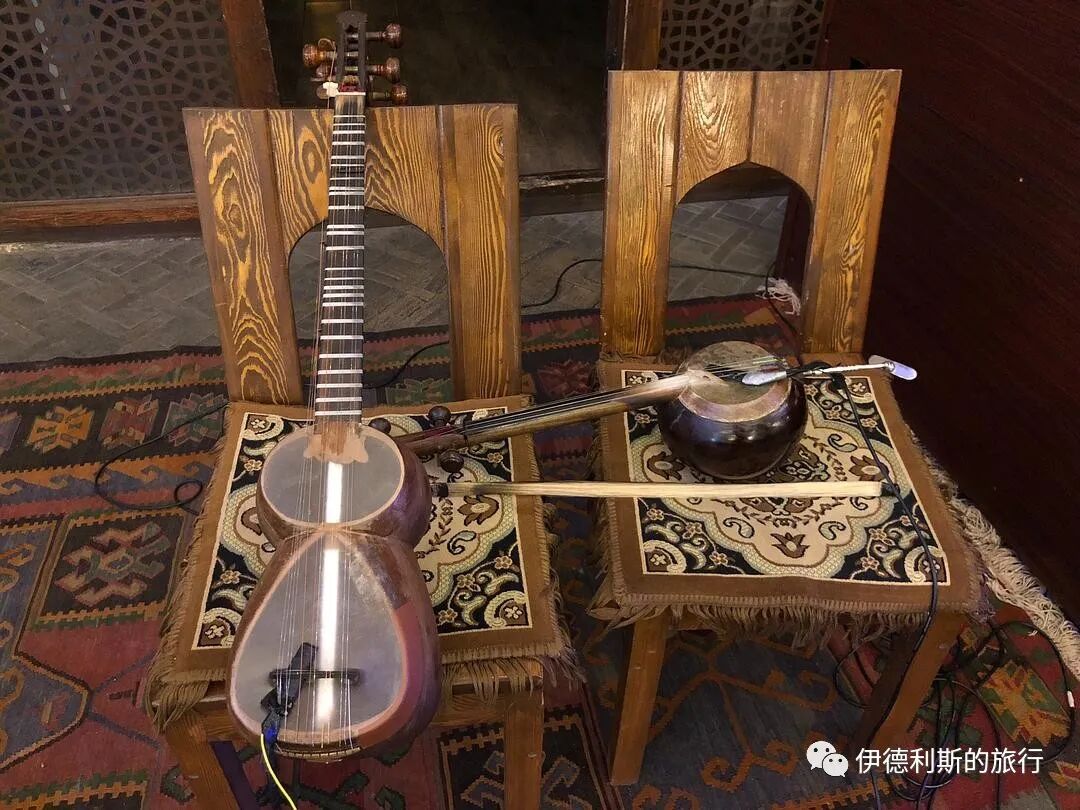
The long-necked lute (tar) and bowed string instrument (kamancheh)
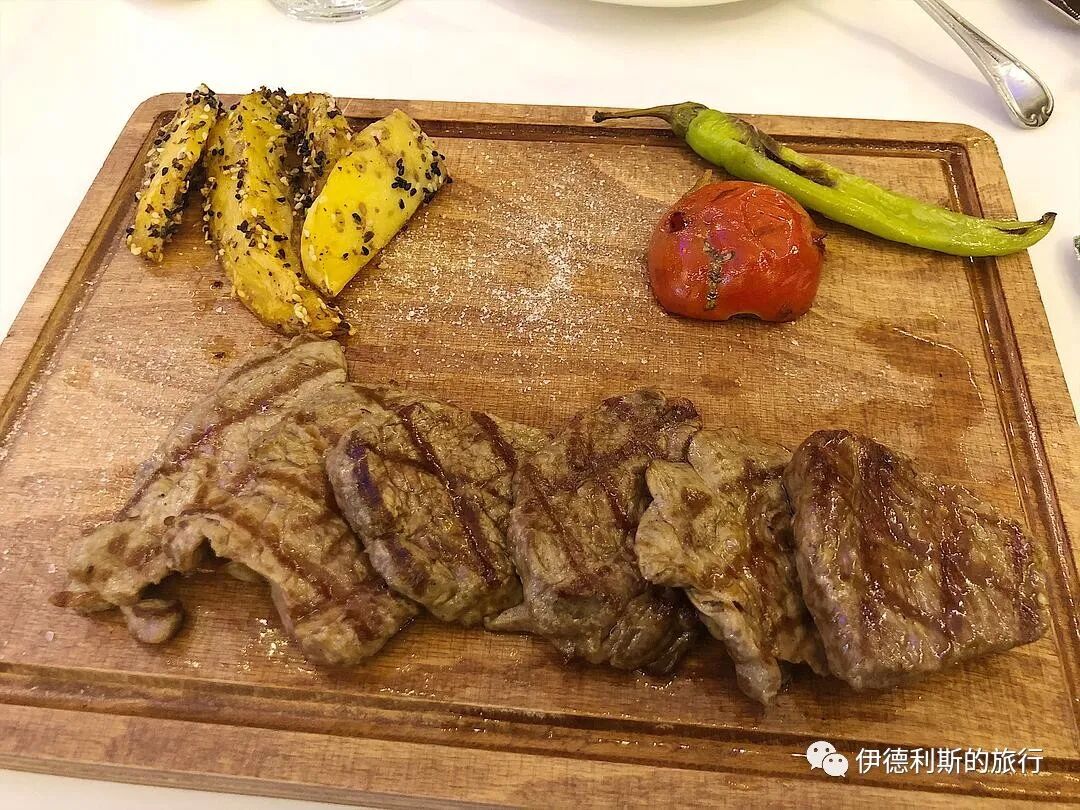
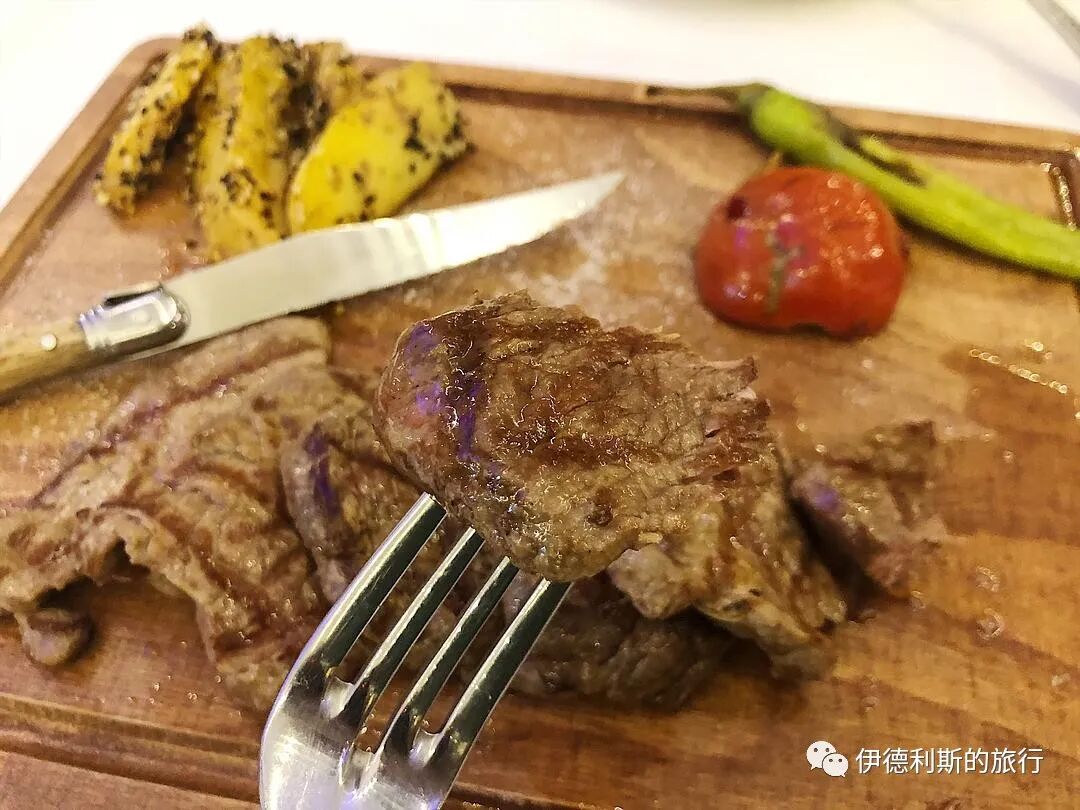
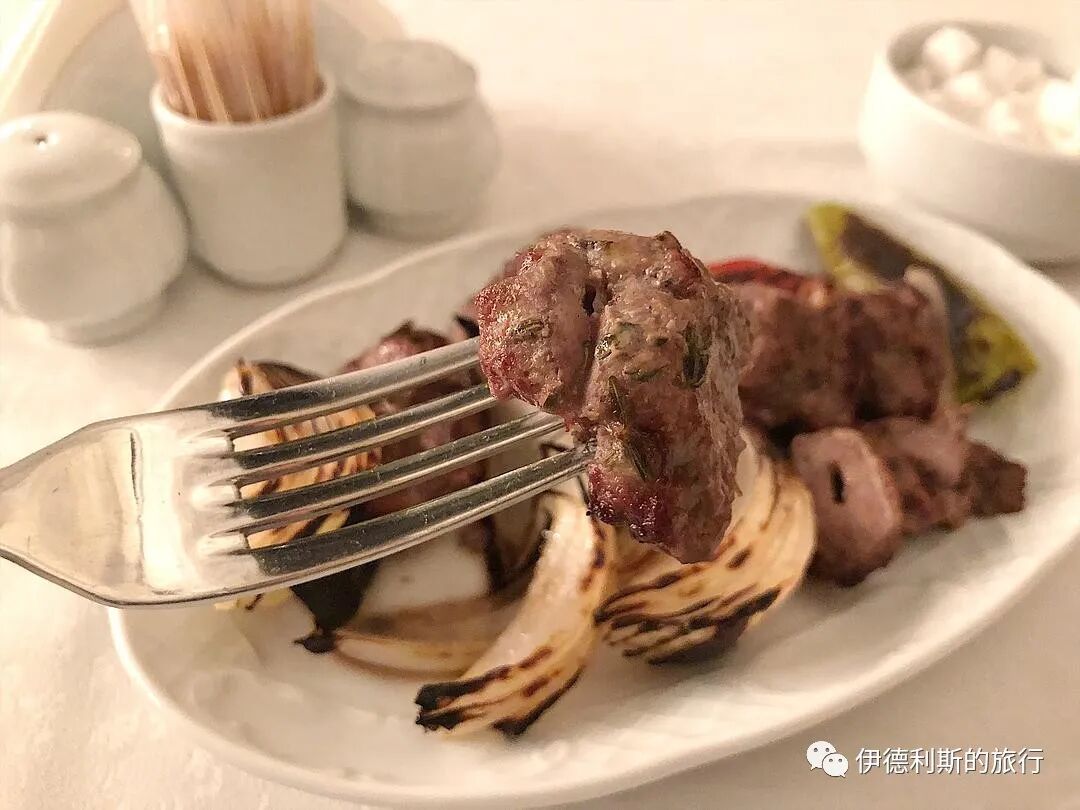
I ate some very delicious grilled meat here; it was fresh, tender, and tasty.
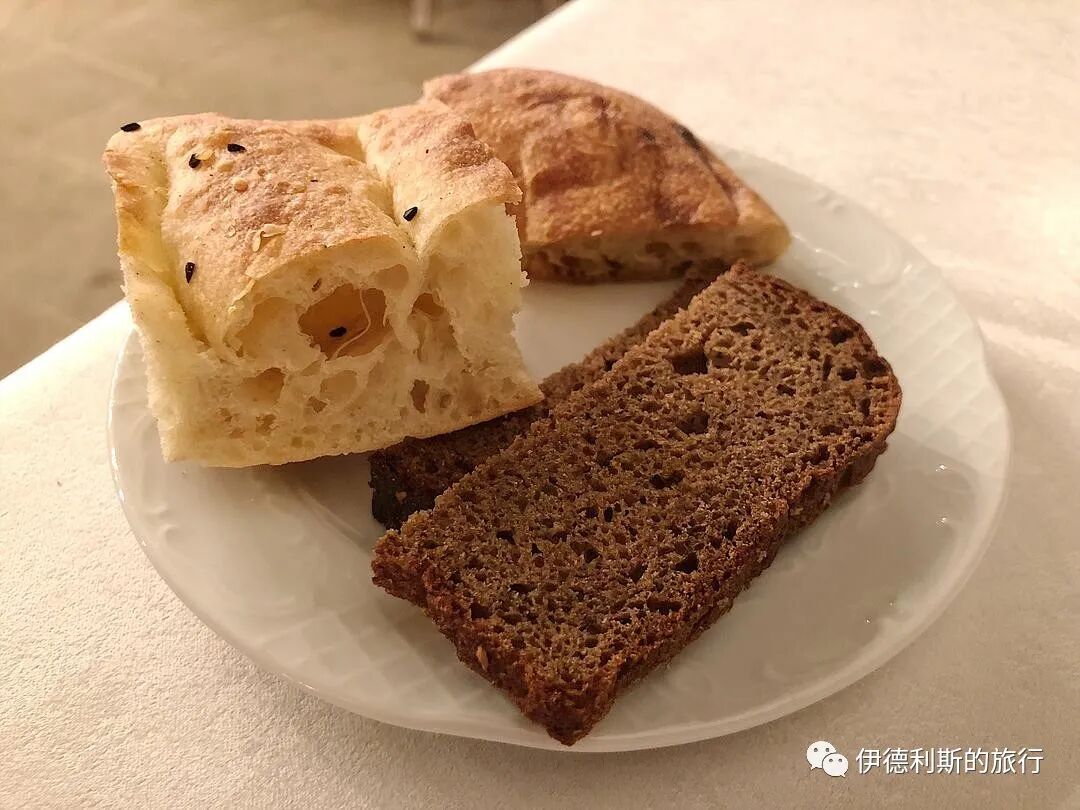
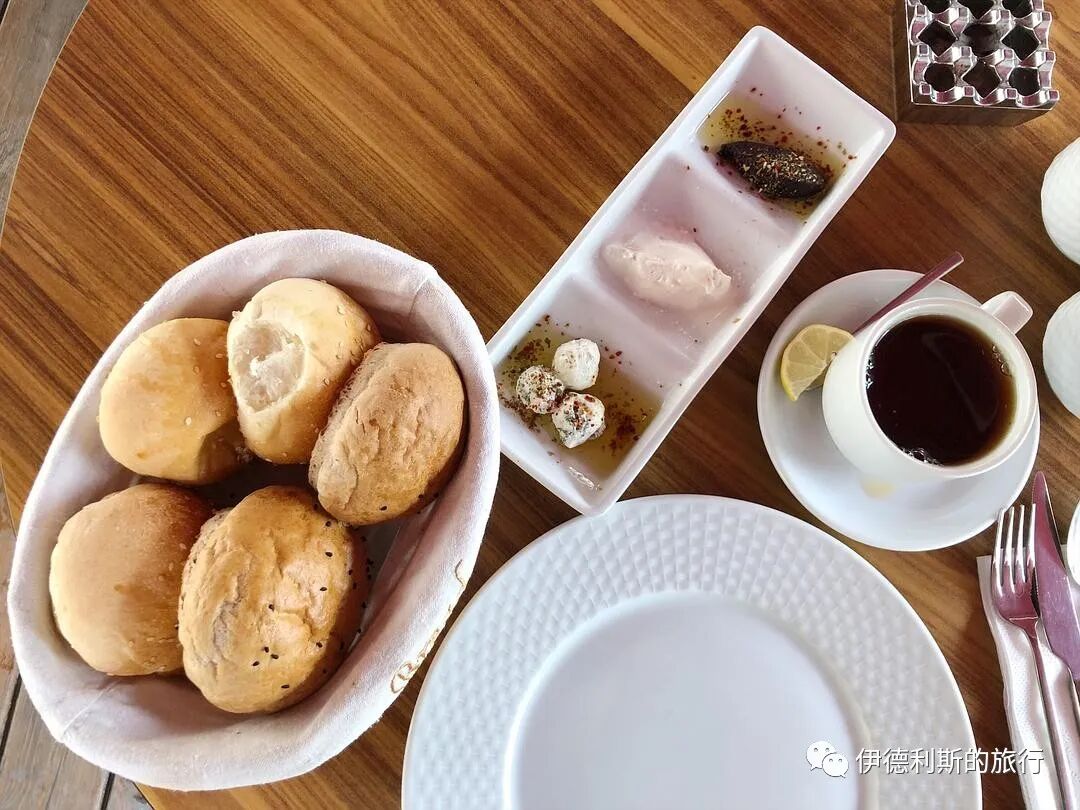
You can eat as much bread as you want here.
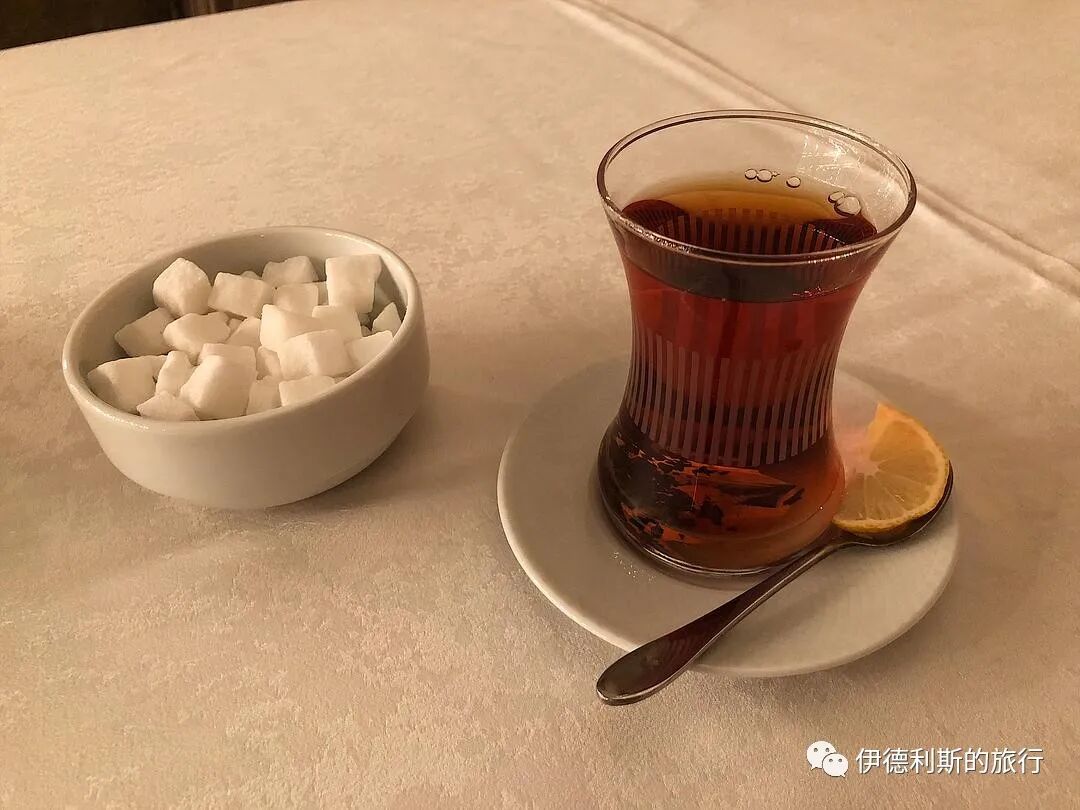
Finally, the shop served us complimentary traditional coffee.
The other restaurant, Mugam Club, is located in a two-story inn (İkimərtəbəli karvansaray) built in the 15th century. The two-story inn is the largest Silk Road inn in Baku, built by order of Khalilullah I, the 34th king of the Shirvan dynasty, who reigned from 1417 to 1465. The Shirvan dynasty reached its peak during the reign of Khalilullah I, and he also built many structures in the Old City of Baku.
The painting hanging on the wall depicts a night view of the Old City of Baku.
The long-necked lute (tar) used for this Mugham performance was replaced by a keyboard, but the young man's voice was very professional.
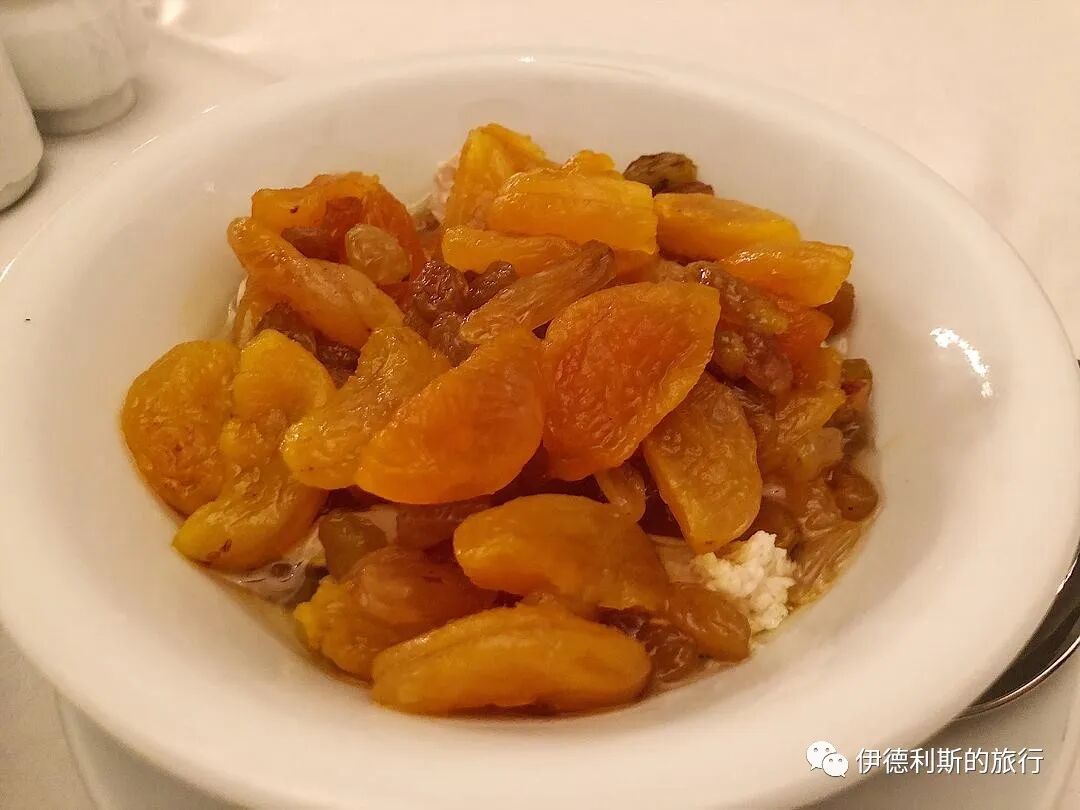
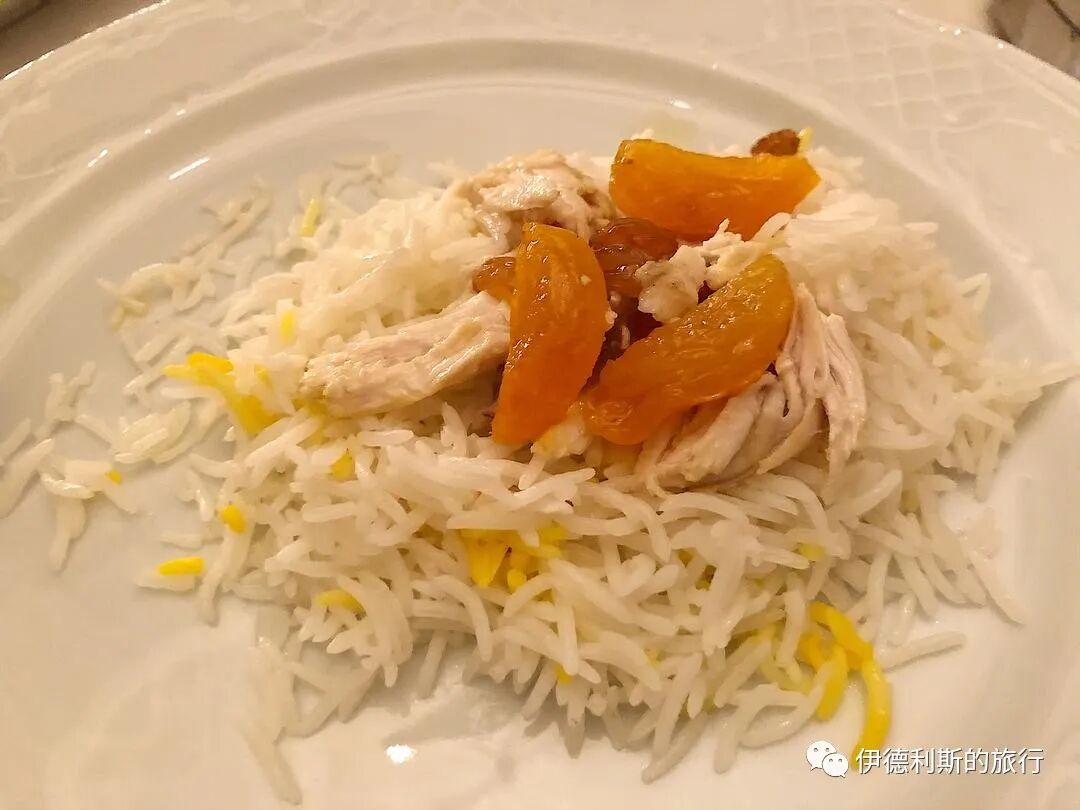
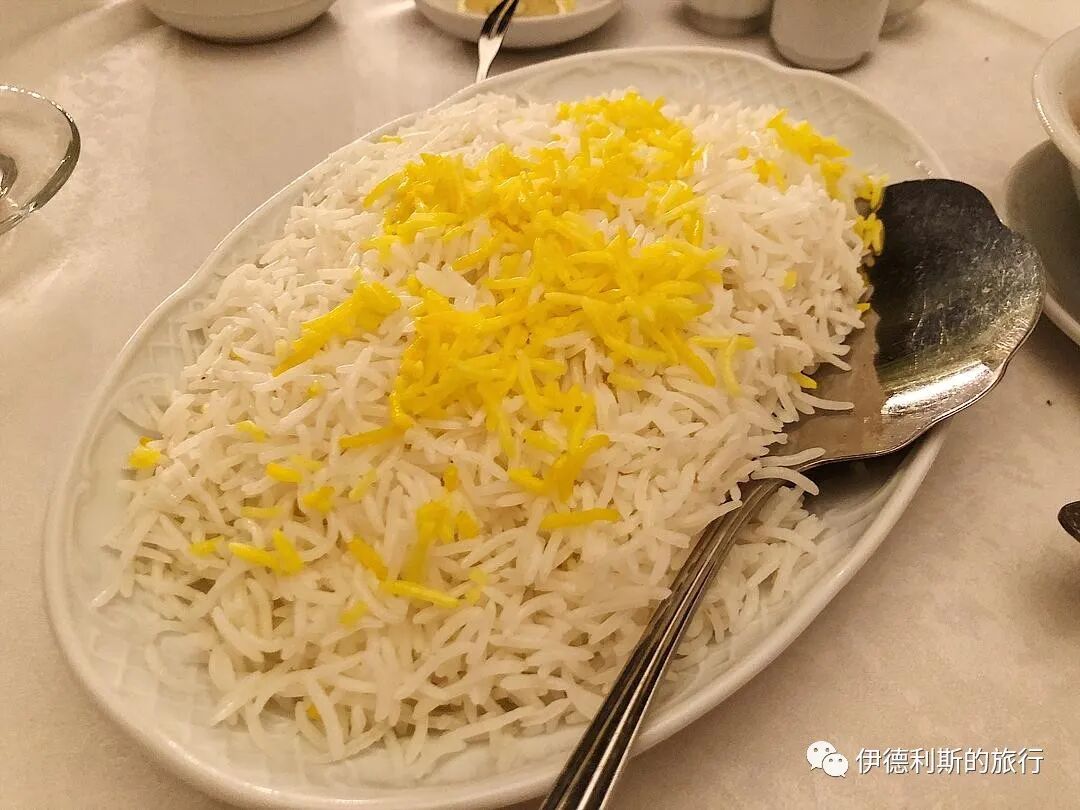
I ate Kavkaz barbecue, chicken soup, and sweet rice here.
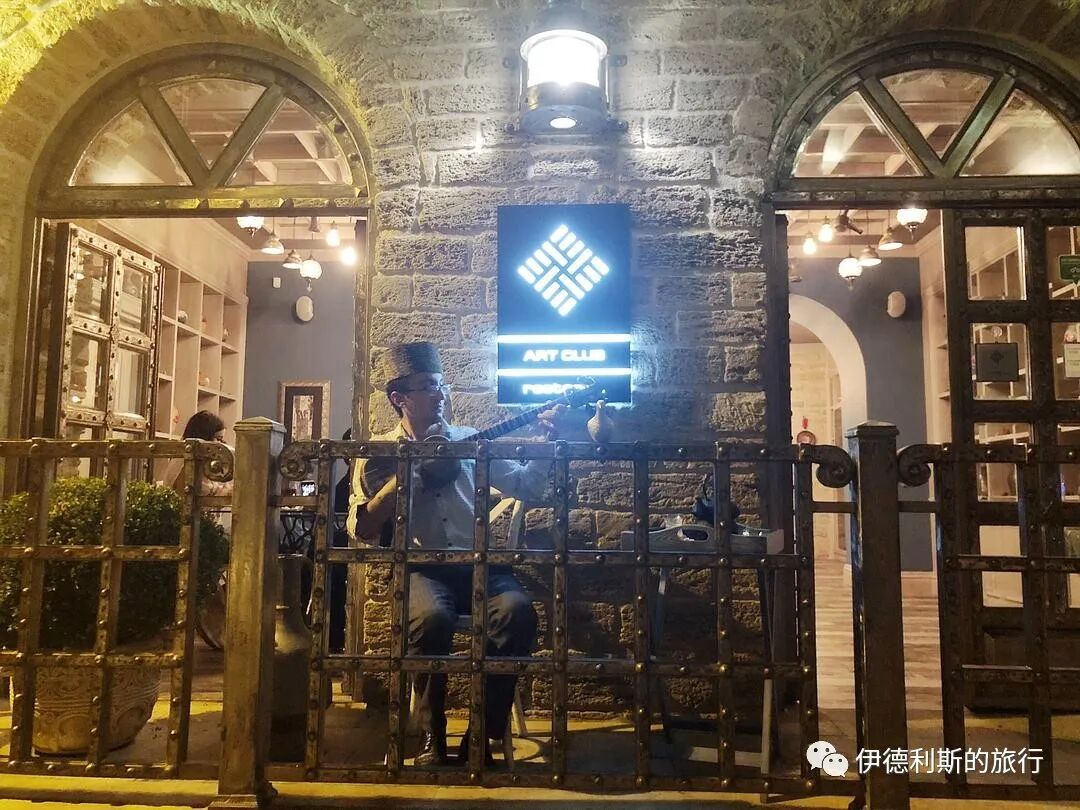
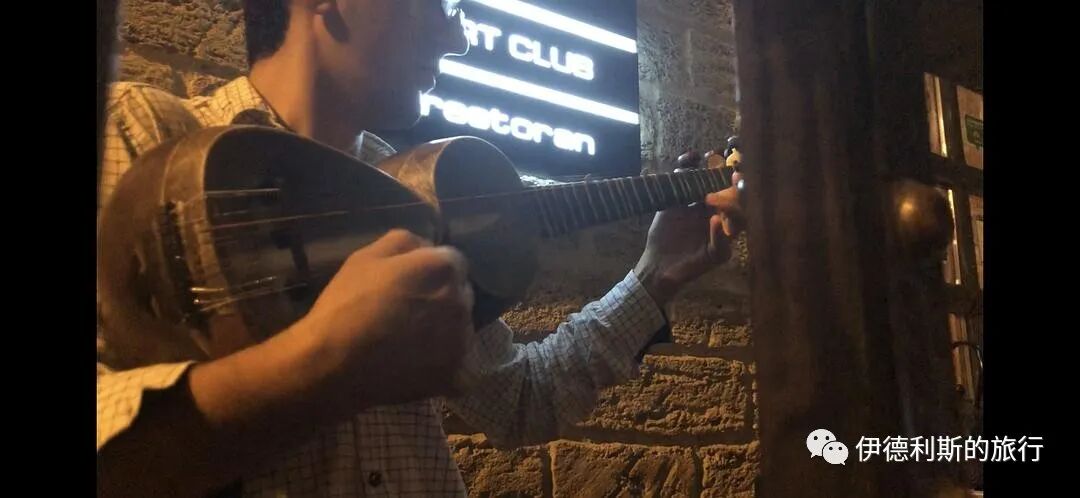
I also saw a young man playing the tar at a restaurant called Art Club, and he had a very graceful style.
2. Sharing knowledge about Azerbaijani mugham.
Traditional Azerbaijani mugham usually consists of a lead singer (khanandas), a plucked string instrument (tar), a bowed string instrument (kamancheh), and a frame drum (daf), with the lead singer often doubling as the drummer.
The word khananda means singer in Persian, and since the Middle Ages, they have sung Persian poetry at weddings, bazaars, caravanserais, and teahouses in cities. Khanandas singers reached their peak from the 19th century to the early 20th century. In the 1870s, a khanandas singer named Kharrat Gulu established the first professional Azerbaijani mugham school, where students were required to have a vocal range of at least two octaves. After finishing their studies, khanandas singers who passed the exam would receive the title of ustad (master).
The word tar means string in Persian, and the tar is an important classical Persian string instrument. It appeared in the mid-18th century and became one of the most important string instruments in Iran and the Caucasus. The Azerbaijani tar, also called the 11-string tar, was invented by Mirza Sadiq Asad (1846-1902) in the 1870s based on the Iranian tar. He changed the tar to 11 strings and moved its playing position from the knee to the chest.
The word kamancheh means little bow in Persian and is an important bowed string instrument in Iran, the Caucasus, and Central Asia. During the Persian Safavid dynasty, the kamancheh was a very important instrument for celebrations.
The daf is a frame drum widely popular in the Middle East, Persia, South Asia, and Central Asia, dating back to the Sassanid Persian period and used in Nowruz festivals and Zoroastrian chanting. Starting in the 15th century, the daf drum was widely used in Sufi rituals.
The picture below shows an Azerbaijani mugham ensemble in 1911; from left to right are the daf, kamancheh, and tar.
Jabbar Garyaghdioglu is known as the greatest khanandas singer and holds an important place in the history of Azerbaijani music. He was the first singer to perform mugham in the Azerbaijani language instead of Persian, and the first to bring Azerbaijani mugham to grand theaters and concert halls.
Jabbar was born into a family that ran a dye workshop, and his father wanted his son to inherit the family business, but the son was determined to become a singer. Between 1871 and 1876, Jabbar studied vocal music, music theory, and Persian at school. After graduating, he joined the band of a famous local musician. By age 20, Jabbar was famous across the South Caucasus. He sang in inns and caravans along trade routes, and his influence reached Iran, Central Asia, and Turkey.
In 1901, Jabbar moved to Baku, which was booming because of oil. He built a club in the suburbs specifically to host charity concerts. Between 1906 and 1912, Jabbar and the best singers of the time, known as Khanandas, traveled to Kiev, Moscow, and Warsaw to record vinyl records and hold concerts.
During the Soviet era, Jabbar taught classical music at the Azerbaijan National Conservatory and was a singer for the Azerbaijan State Philharmonic Society.
Jabbar Garyaghdioglu recording in Warsaw in 1912, sitting first on the left.
After Jabbar, Seyid Shushinski (1889-1965) was known as the most famous Azerbaijani mugham Khanandas singer in the first half of the 20th century.
Seyid lost his father when he was young and grew up with his aunt, who was skilled at folk songs. Because of his great musical talent, he joined his first band at age 15. In 1908, 19-year-old Seyid had his public debut and it was a huge success. At his uncle's insistence, Seyid finished two years of professional music education at Mir Mohsun Navvab's school, and after that, he became a professional Khanandas singer.
In 1911, Seyid went to Georgia to hold a concert. In 1913, he released a vinyl record in Kiev, and in 1919, he moved to Baku.
During the Soviet era, Seyid sang at the Baku Theater and taught at the Azerbaijan Conservatory between 1926 and 1933. In 1933, Shushinski founded the "Eastern Orchestra" and toured in Russia, Ukraine, and Kazakhstan.
Seyid with his band in 1916.
Street food.
Freshly squeezed pomegranate juice on the street.
Street-side nut-filled honey pastry (baklava) served with black tea.
I highly recommend this street bakery. The bread is super cheap. After I bought some and started eating it at the door, the owner offered to make me free tea. After I took a bite, the grandmother making the bread even added a big piece of butter to my bread.
The owner is wearing a Caucasian pastoral wool hat while taking a photo with his friend, and everyone is super happy.
Another bakery next door.
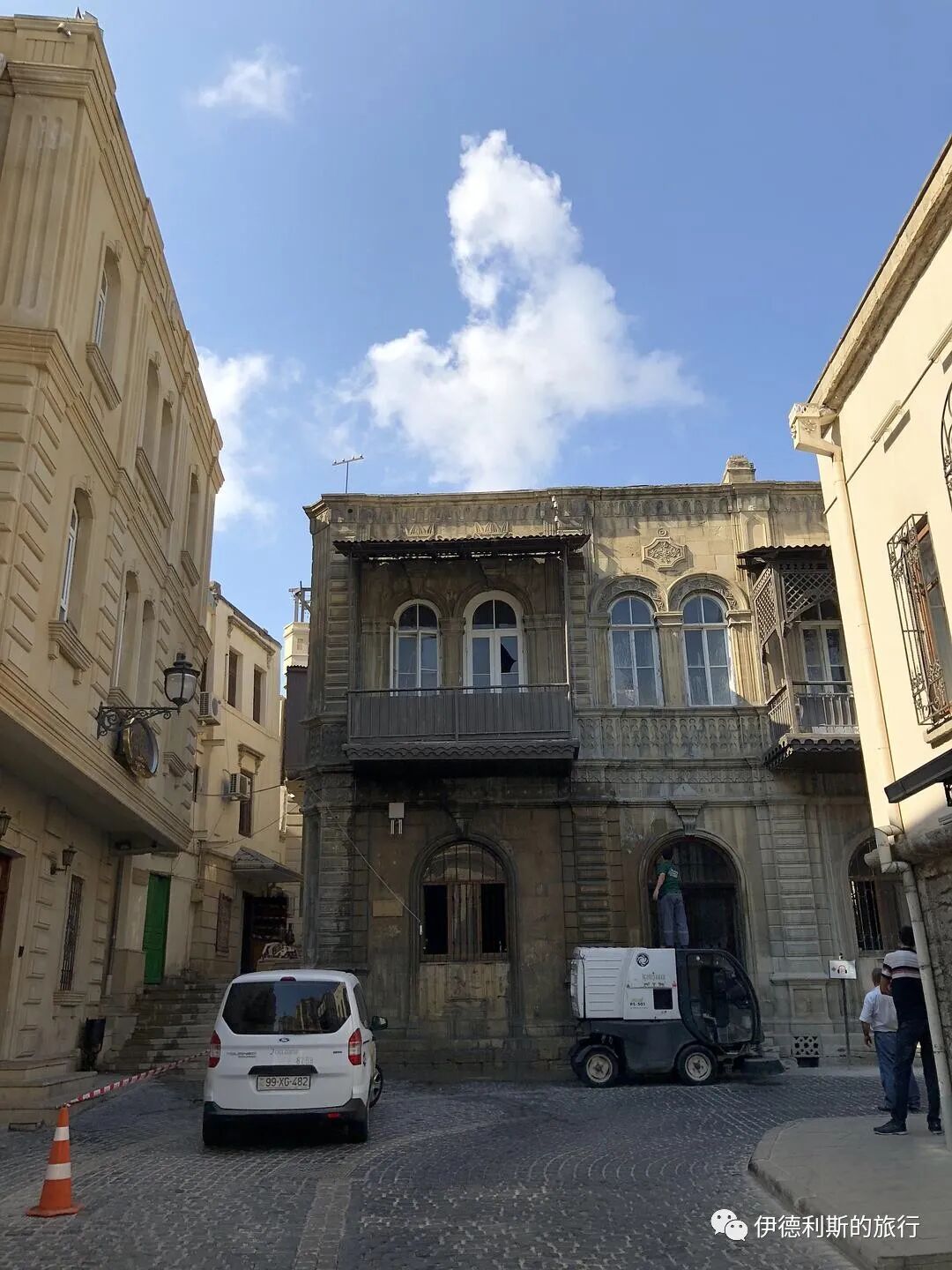
In the old city of Baku, there is a lovely open-air restaurant called 145group, located right on the roof of the 15th-century Haji Gayib Bathhouse (Hacı Qayıb Hamamı). This Turkish bathhouse was buried underground for hundreds of years until it was uncovered during an archaeological survey in 1964.
Inside the bathhouse ventilation hole.
I ate the Azerbaijani specialty, stuffed grape leaves (dolma). In 2017, the art of making dolma in Azerbaijan was added to the UNESCO Intangible Cultural Heritage list.
The word "dolma" comes from the Turkish word "dolmak," which means "to fill." Its exact origin is unclear, but it may have come from the Ottoman court. The records say from Persian court chefs, between the 17th and 19th centuries, dolma was made by wrapping grape leaves, cabbage leaves, cucumbers, eggplants, and apples, with fillings of minced meat, fried mint, rice, and saffron. In Azerbaijan, dolma is usually made with grape leaves.
Two little kittens kept eyeing my dolma, so I gave them each one, and they left feeling satisfied.
Yogurt drink (ayran).
Looking down at the view.
Grilled meat (kebab).
I had some delicious chicken kebab at this restaurant called Shah Palace.
These roasted potatoes were also incredibly fragrant.
Yogurt dipping sauce.
Accommodation.
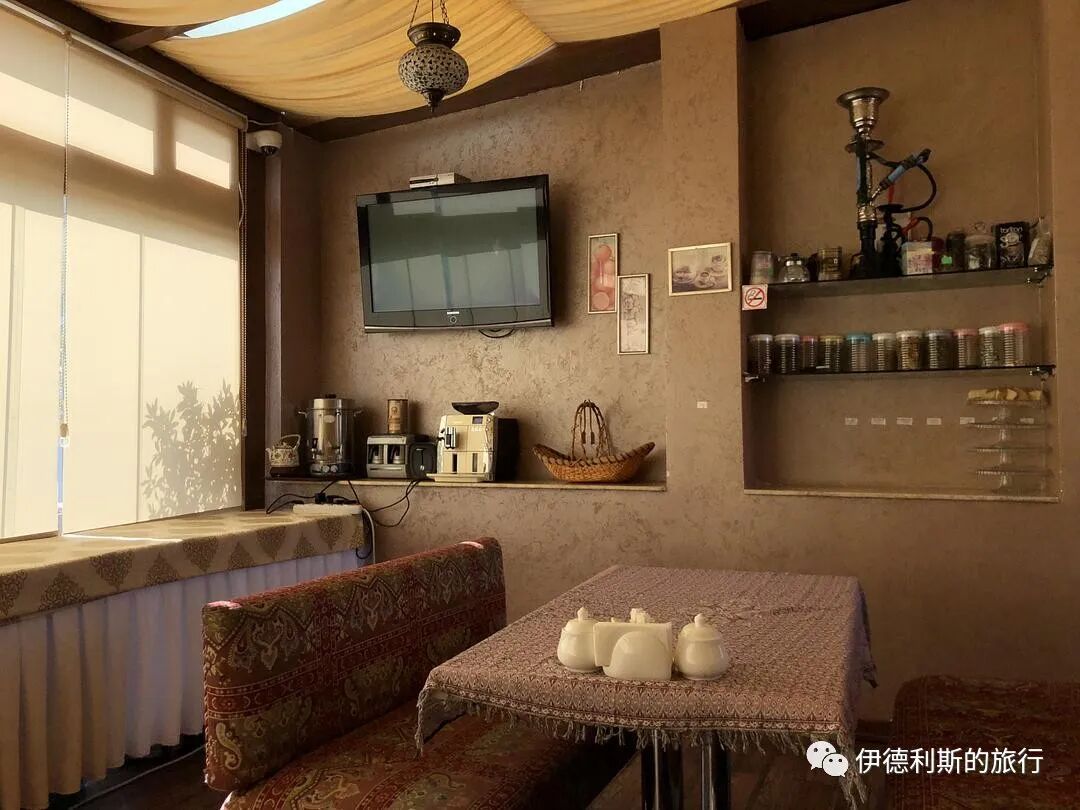
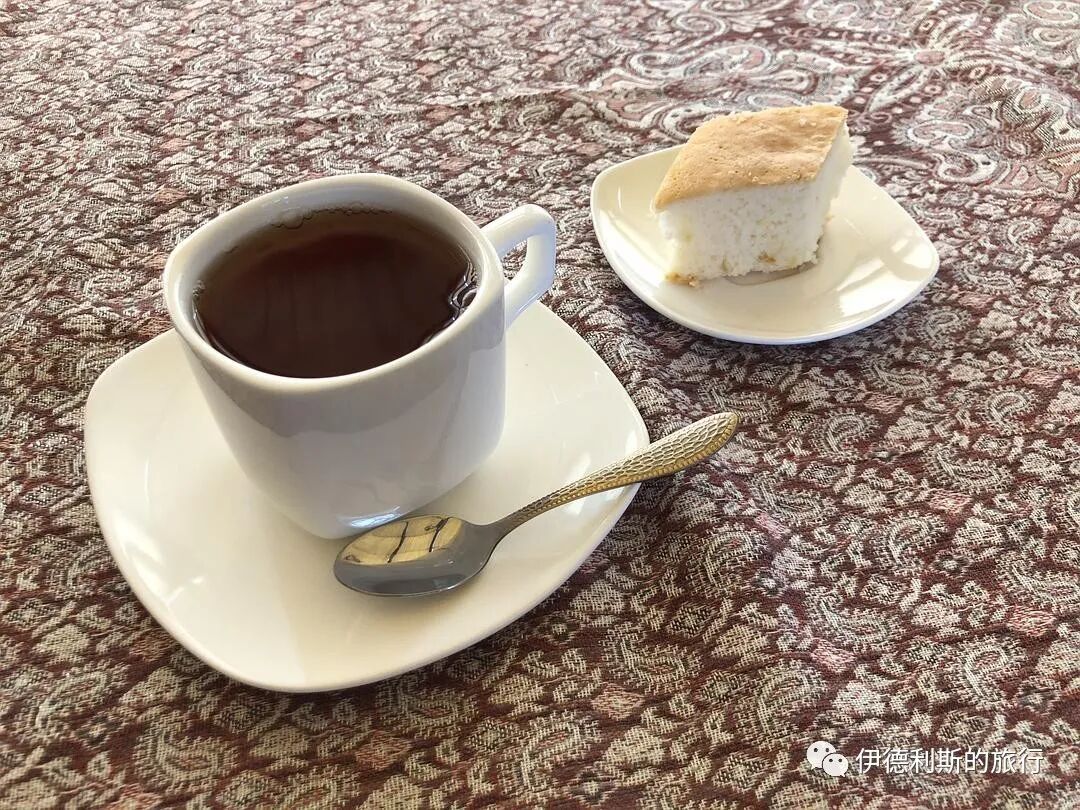
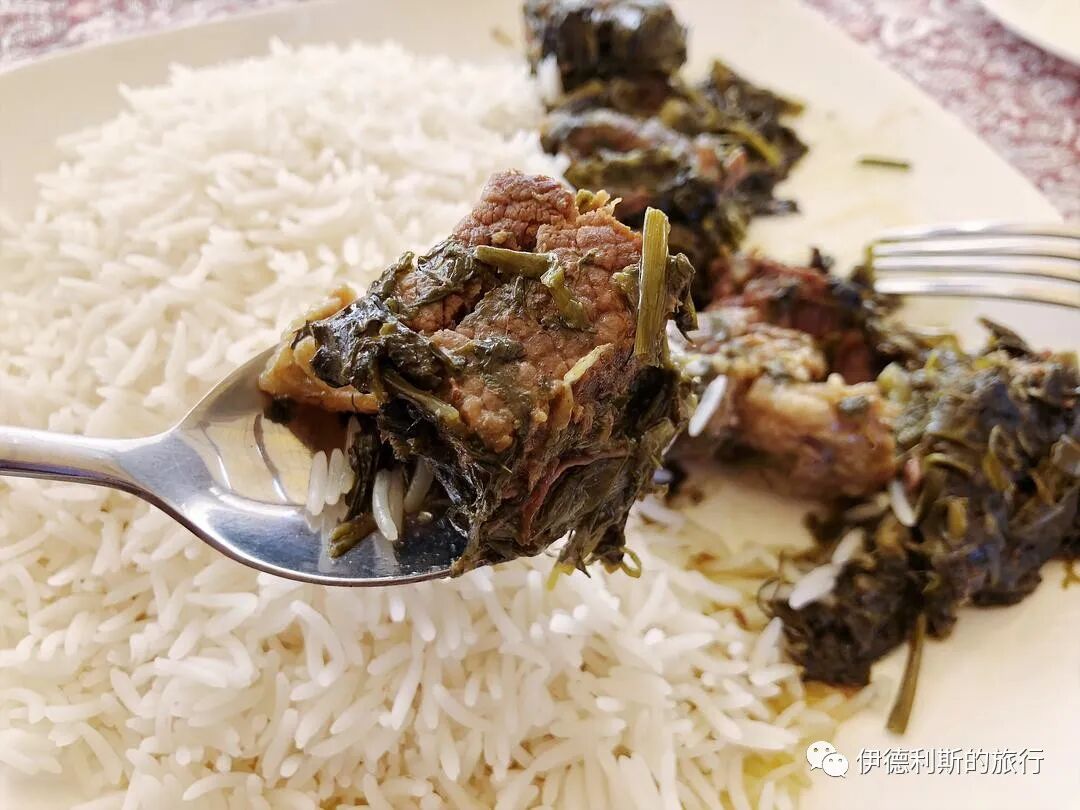
Finally, let me talk about where I stayed. Many hotels in the old city of Baku are converted from historic buildings. I stayed at a place called Premier Old Gates, right inside the southwest gate of the old city of Baku. There is a restaurant upstairs where I had a beef rice dish. view all
Summary: Baku Old City — Mugham Music, Muslim Food and Heritage is presented here as a firsthand travel account in clear English, beginning with this scene: In 2000, UNESCO added the Old City of Baku in Azerbaijan to its World Heritage List. The account keeps its focus on Baku Old City, Azerbaijan Food, Mugham Music while preserving the names, places, food, and historical details from the Chinese source.
In 2000, UNESCO added the Old City of Baku in Azerbaijan to its World Heritage List. In 2003, UNESCO added Azerbaijani Mugham to its Representative List of the Intangible Cultural Heritage of Humanity. I was very lucky to experience the charm of both these tangible and intangible cultural heritages in the Old City of Baku.
1. Mugham performances in the Old City of Baku
Two restaurants in the Old City of Baku host Azerbaijani Mugham performances all year round. Both restaurants are located in Silk Road inns built during the Middle Ages; one is called Han Restaurant Baku, and the other is called Mugam Club. Both restaurants hold performances in the evening, but not necessarily every day, so you can ask ahead before you go. The servers at both restaurants speak English.
The building housing Han Restaurant Baku is a small inn (Kiçik karvansaray) built in the 12th century. During the Middle Ages, merchants from Iran, Turkey, the Caucasus, and even India would stay here.
Azerbaijani Mugham originated from classical Persian music. It was court music in the 16th and 17th centuries, then moved into folk circles after the 19th century, blending with folk music from across Azerbaijan.
Azerbaijani Mugham usually consists of a lead singer (khanandas), a long-necked lute (tar), a bowed string instrument (kamancheh), and a frame drum (daf). The lead singer often doubles as the drummer.
The book in front of the singer
The long-necked lute (tar) and bowed string instrument (kamancheh)
I ate some very delicious grilled meat here; it was fresh, tender, and tasty.
You can eat as much bread as you want here.
Finally, the shop served us complimentary traditional coffee.
The other restaurant, Mugam Club, is located in a two-story inn (İkimərtəbəli karvansaray) built in the 15th century. The two-story inn is the largest Silk Road inn in Baku, built by order of Khalilullah I, the 34th king of the Shirvan dynasty, who reigned from 1417 to 1465. The Shirvan dynasty reached its peak during the reign of Khalilullah I, and he also built many structures in the Old City of Baku.
The painting hanging on the wall depicts a night view of the Old City of Baku.
The long-necked lute (tar) used for this Mugham performance was replaced by a keyboard, but the young man's voice was very professional.
I ate Kavkaz barbecue, chicken soup, and sweet rice here.
I also saw a young man playing the tar at a restaurant called Art Club, and he had a very graceful style.
2. Sharing knowledge about Azerbaijani mugham.
Traditional Azerbaijani mugham usually consists of a lead singer (khanandas), a plucked string instrument (tar), a bowed string instrument (kamancheh), and a frame drum (daf), with the lead singer often doubling as the drummer.
The word khananda means singer in Persian, and since the Middle Ages, they have sung Persian poetry at weddings, bazaars, caravanserais, and teahouses in cities. Khanandas singers reached their peak from the 19th century to the early 20th century. In the 1870s, a khanandas singer named Kharrat Gulu established the first professional Azerbaijani mugham school, where students were required to have a vocal range of at least two octaves. After finishing their studies, khanandas singers who passed the exam would receive the title of ustad (master).
The word tar means string in Persian, and the tar is an important classical Persian string instrument. It appeared in the mid-18th century and became one of the most important string instruments in Iran and the Caucasus. The Azerbaijani tar, also called the 11-string tar, was invented by Mirza Sadiq Asad (1846-1902) in the 1870s based on the Iranian tar. He changed the tar to 11 strings and moved its playing position from the knee to the chest.
The word kamancheh means little bow in Persian and is an important bowed string instrument in Iran, the Caucasus, and Central Asia. During the Persian Safavid dynasty, the kamancheh was a very important instrument for celebrations.
The daf is a frame drum widely popular in the Middle East, Persia, South Asia, and Central Asia, dating back to the Sassanid Persian period and used in Nowruz festivals and Zoroastrian chanting. Starting in the 15th century, the daf drum was widely used in Sufi rituals.
The picture below shows an Azerbaijani mugham ensemble in 1911; from left to right are the daf, kamancheh, and tar.
Jabbar Garyaghdioglu is known as the greatest khanandas singer and holds an important place in the history of Azerbaijani music. He was the first singer to perform mugham in the Azerbaijani language instead of Persian, and the first to bring Azerbaijani mugham to grand theaters and concert halls.
Jabbar was born into a family that ran a dye workshop, and his father wanted his son to inherit the family business, but the son was determined to become a singer. Between 1871 and 1876, Jabbar studied vocal music, music theory, and Persian at school. After graduating, he joined the band of a famous local musician. By age 20, Jabbar was famous across the South Caucasus. He sang in inns and caravans along trade routes, and his influence reached Iran, Central Asia, and Turkey.
In 1901, Jabbar moved to Baku, which was booming because of oil. He built a club in the suburbs specifically to host charity concerts. Between 1906 and 1912, Jabbar and the best singers of the time, known as Khanandas, traveled to Kiev, Moscow, and Warsaw to record vinyl records and hold concerts.
During the Soviet era, Jabbar taught classical music at the Azerbaijan National Conservatory and was a singer for the Azerbaijan State Philharmonic Society.
Jabbar Garyaghdioglu recording in Warsaw in 1912, sitting first on the left.
After Jabbar, Seyid Shushinski (1889-1965) was known as the most famous Azerbaijani mugham Khanandas singer in the first half of the 20th century.
Seyid lost his father when he was young and grew up with his aunt, who was skilled at folk songs. Because of his great musical talent, he joined his first band at age 15. In 1908, 19-year-old Seyid had his public debut and it was a huge success. At his uncle's insistence, Seyid finished two years of professional music education at Mir Mohsun Navvab's school, and after that, he became a professional Khanandas singer.
In 1911, Seyid went to Georgia to hold a concert. In 1913, he released a vinyl record in Kiev, and in 1919, he moved to Baku.
During the Soviet era, Seyid sang at the Baku Theater and taught at the Azerbaijan Conservatory between 1926 and 1933. In 1933, Shushinski founded the "Eastern Orchestra" and toured in Russia, Ukraine, and Kazakhstan.
Seyid with his band in 1916.
Street food.
Freshly squeezed pomegranate juice on the street.
Street-side nut-filled honey pastry (baklava) served with black tea.
I highly recommend this street bakery. The bread is super cheap. After I bought some and started eating it at the door, the owner offered to make me free tea. After I took a bite, the grandmother making the bread even added a big piece of butter to my bread.
The owner is wearing a Caucasian pastoral wool hat while taking a photo with his friend, and everyone is super happy.
Another bakery next door.
In the old city of Baku, there is a lovely open-air restaurant called 145group, located right on the roof of the 15th-century Haji Gayib Bathhouse (Hacı Qayıb Hamamı). This Turkish bathhouse was buried underground for hundreds of years until it was uncovered during an archaeological survey in 1964.
Inside the bathhouse ventilation hole.
I ate the Azerbaijani specialty, stuffed grape leaves (dolma). In 2017, the art of making dolma in Azerbaijan was added to the UNESCO Intangible Cultural Heritage list.
The word "dolma" comes from the Turkish word "dolmak," which means "to fill." Its exact origin is unclear, but it may have come from the Ottoman court. The records say from Persian court chefs, between the 17th and 19th centuries, dolma was made by wrapping grape leaves, cabbage leaves, cucumbers, eggplants, and apples, with fillings of minced meat, fried mint, rice, and saffron. In Azerbaijan, dolma is usually made with grape leaves.
Two little kittens kept eyeing my dolma, so I gave them each one, and they left feeling satisfied.
Yogurt drink (ayran).
Looking down at the view.
Grilled meat (kebab).
I had some delicious chicken kebab at this restaurant called Shah Palace.
These roasted potatoes were also incredibly fragrant.
Yogurt dipping sauce.
Accommodation.
Finally, let me talk about where I stayed. Many hotels in the old city of Baku are converted from historic buildings. I stayed at a place called Premier Old Gates, right inside the southwest gate of the old city of Baku. There is a restaurant upstairs where I had a beef rice dish. view all
Reposted from the web
Summary: Baku Old City — Mugham Music, Muslim Food and Heritage is presented here as a firsthand travel account in clear English, beginning with this scene: In 2000, UNESCO added the Old City of Baku in Azerbaijan to its World Heritage List. The account keeps its focus on Baku Old City, Azerbaijan Food, Mugham Music while preserving the names, places, food, and historical details from the Chinese source.
In 2000, UNESCO added the Old City of Baku in Azerbaijan to its World Heritage List. In 2003, UNESCO added Azerbaijani Mugham to its Representative List of the Intangible Cultural Heritage of Humanity. I was very lucky to experience the charm of both these tangible and intangible cultural heritages in the Old City of Baku.
1. Mugham performances in the Old City of Baku
Two restaurants in the Old City of Baku host Azerbaijani Mugham performances all year round. Both restaurants are located in Silk Road inns built during the Middle Ages; one is called Han Restaurant Baku, and the other is called Mugam Club. Both restaurants hold performances in the evening, but not necessarily every day, so you can ask ahead before you go. The servers at both restaurants speak English.
The building housing Han Restaurant Baku is a small inn (Kiçik karvansaray) built in the 12th century. During the Middle Ages, merchants from Iran, Turkey, the Caucasus, and even India would stay here.
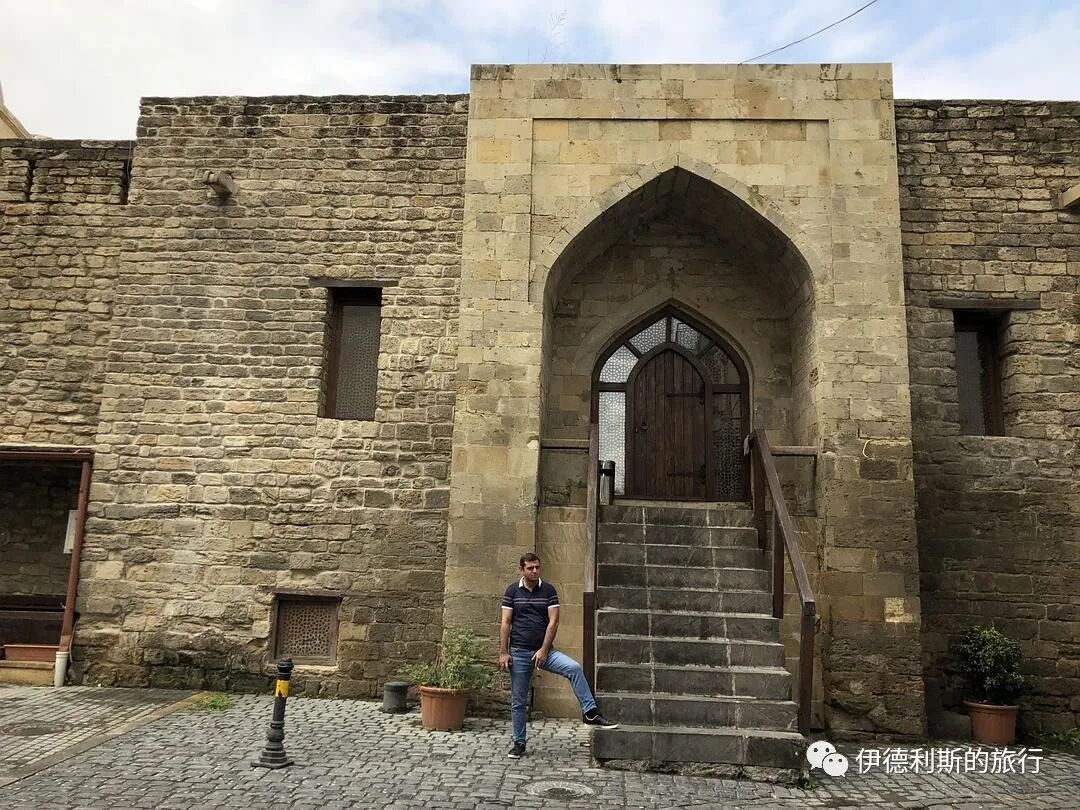
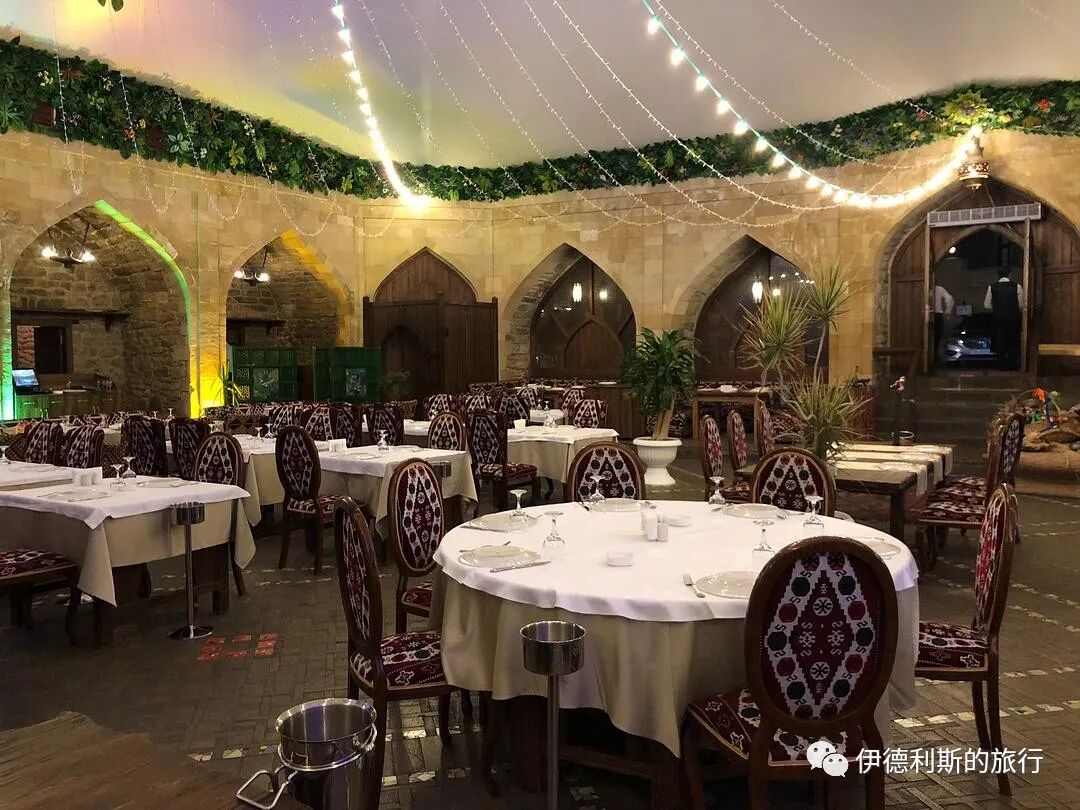
Azerbaijani Mugham originated from classical Persian music. It was court music in the 16th and 17th centuries, then moved into folk circles after the 19th century, blending with folk music from across Azerbaijan.
Azerbaijani Mugham usually consists of a lead singer (khanandas), a long-necked lute (tar), a bowed string instrument (kamancheh), and a frame drum (daf). The lead singer often doubles as the drummer.
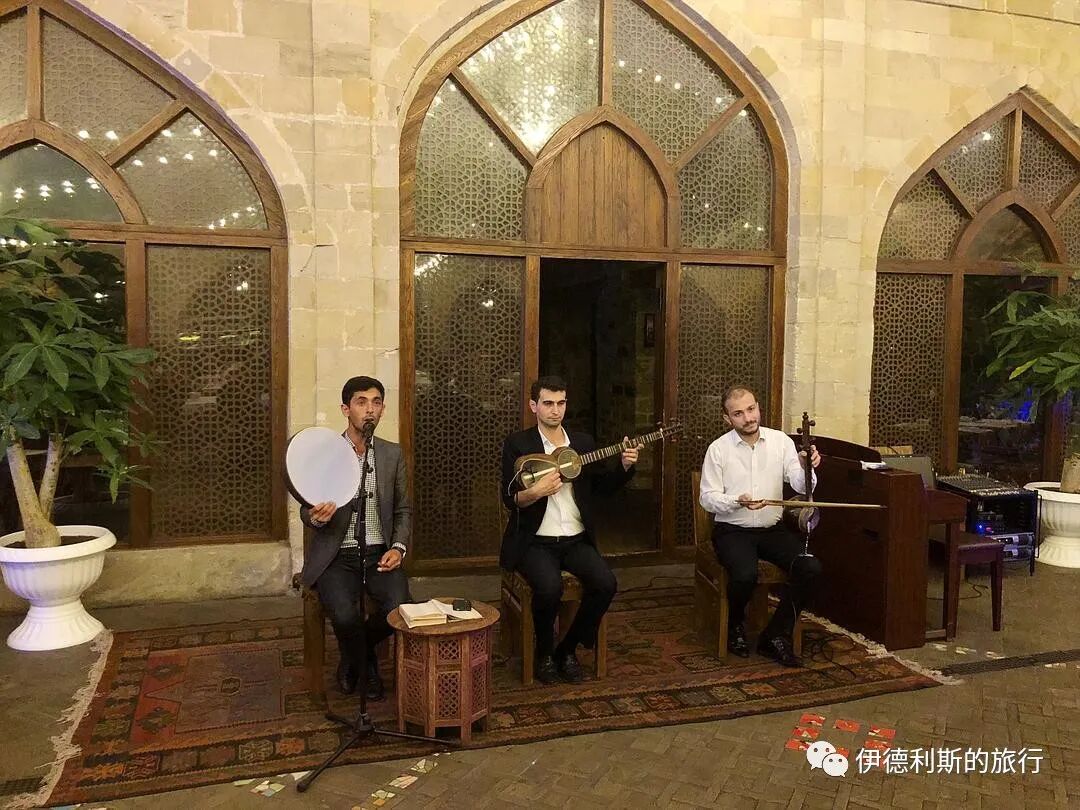
The book in front of the singer
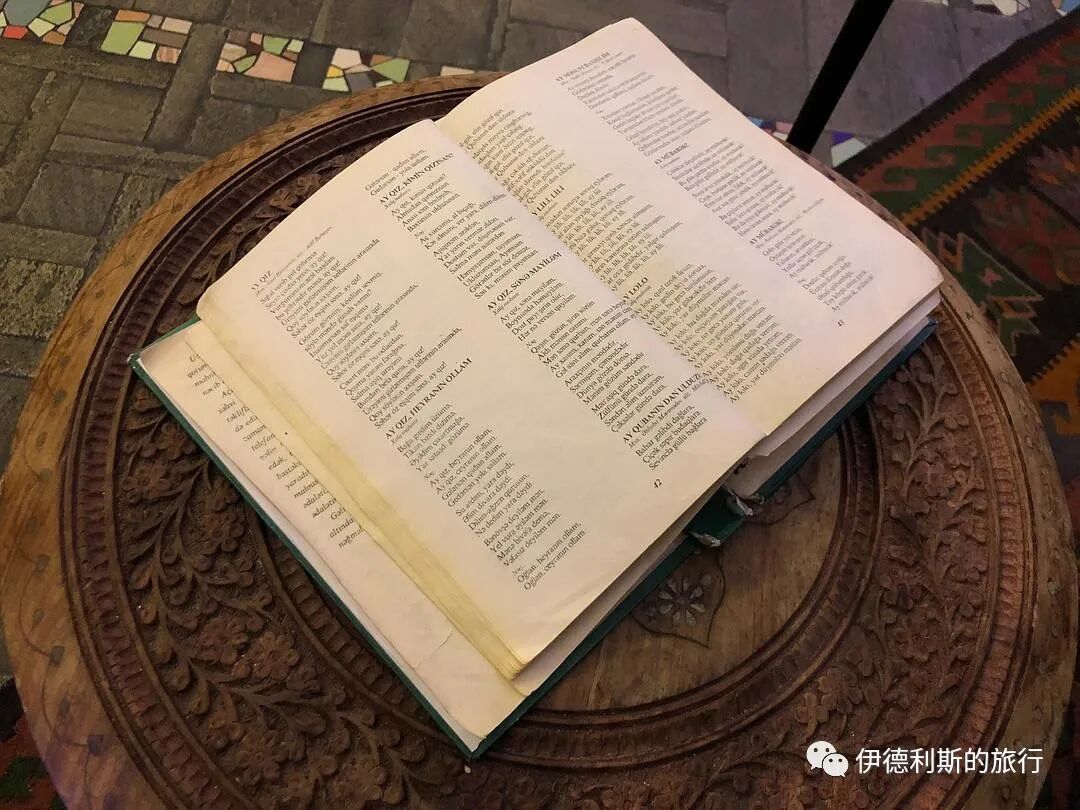
The long-necked lute (tar) and bowed string instrument (kamancheh)
I ate some very delicious grilled meat here; it was fresh, tender, and tasty.
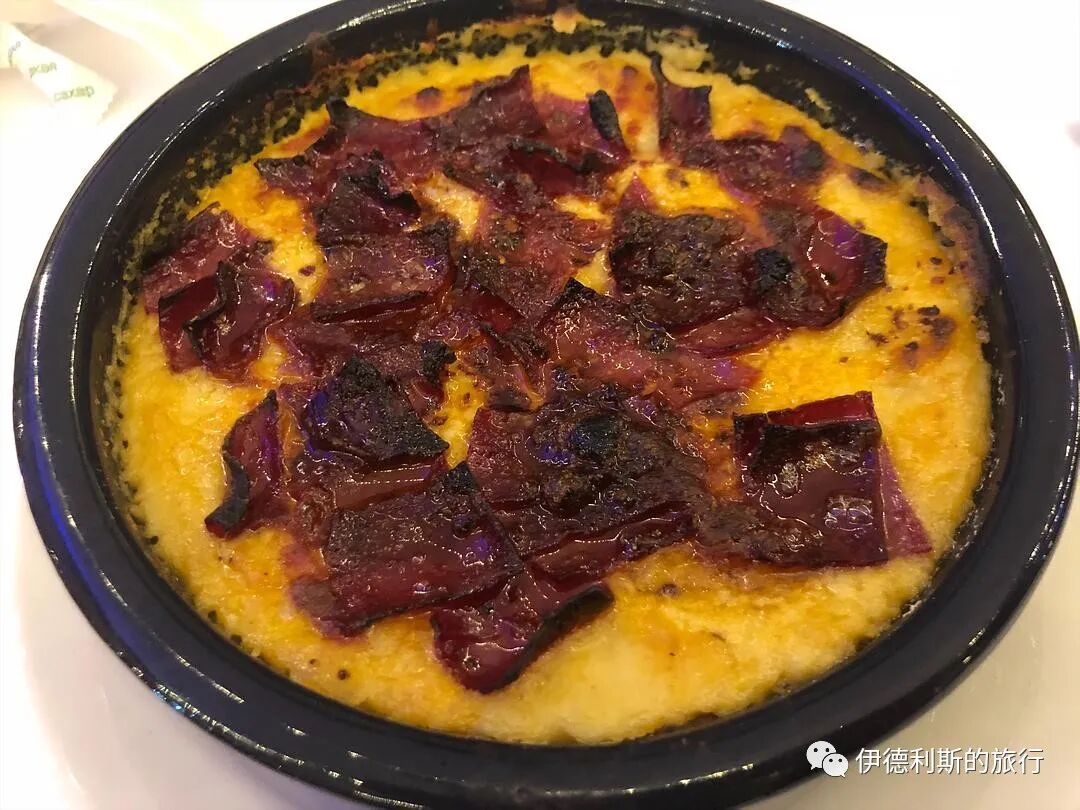
You can eat as much bread as you want here.
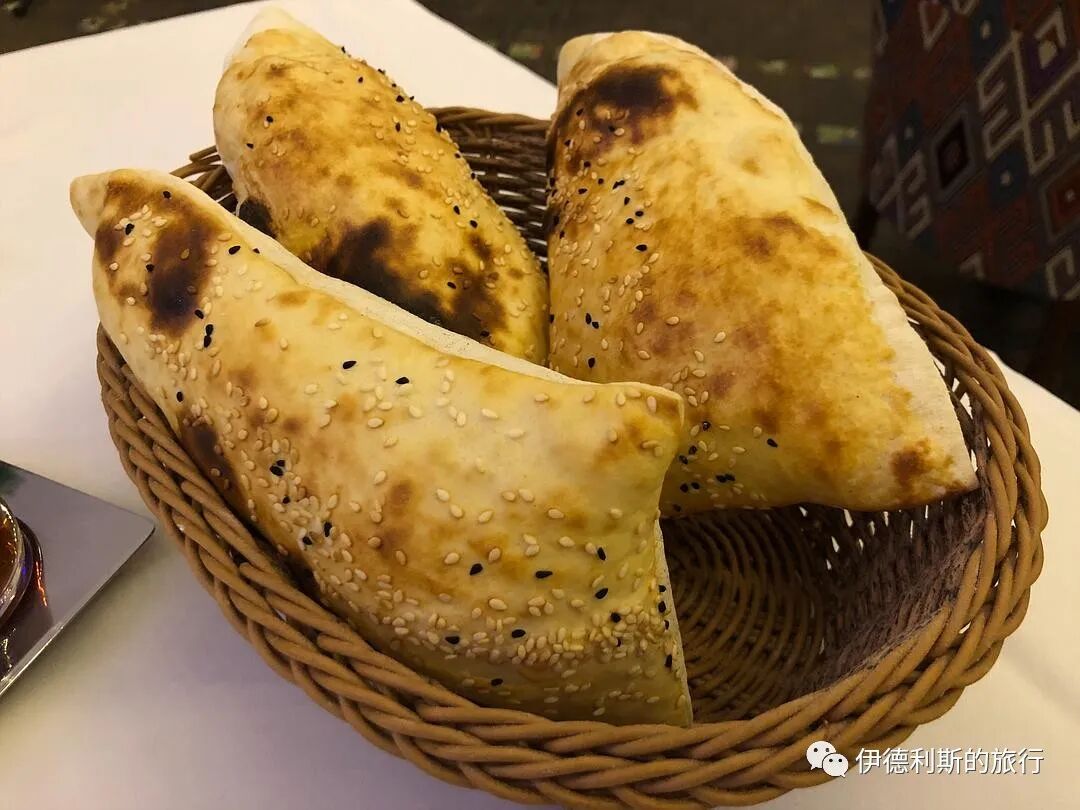
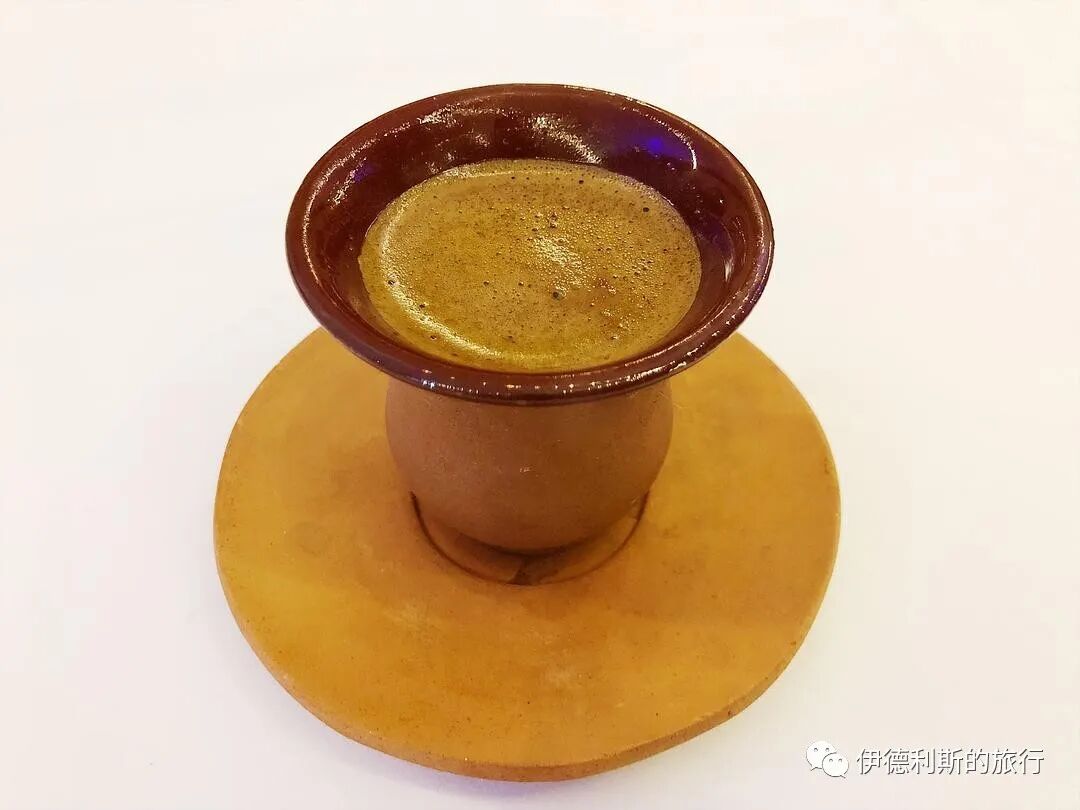
Finally, the shop served us complimentary traditional coffee.
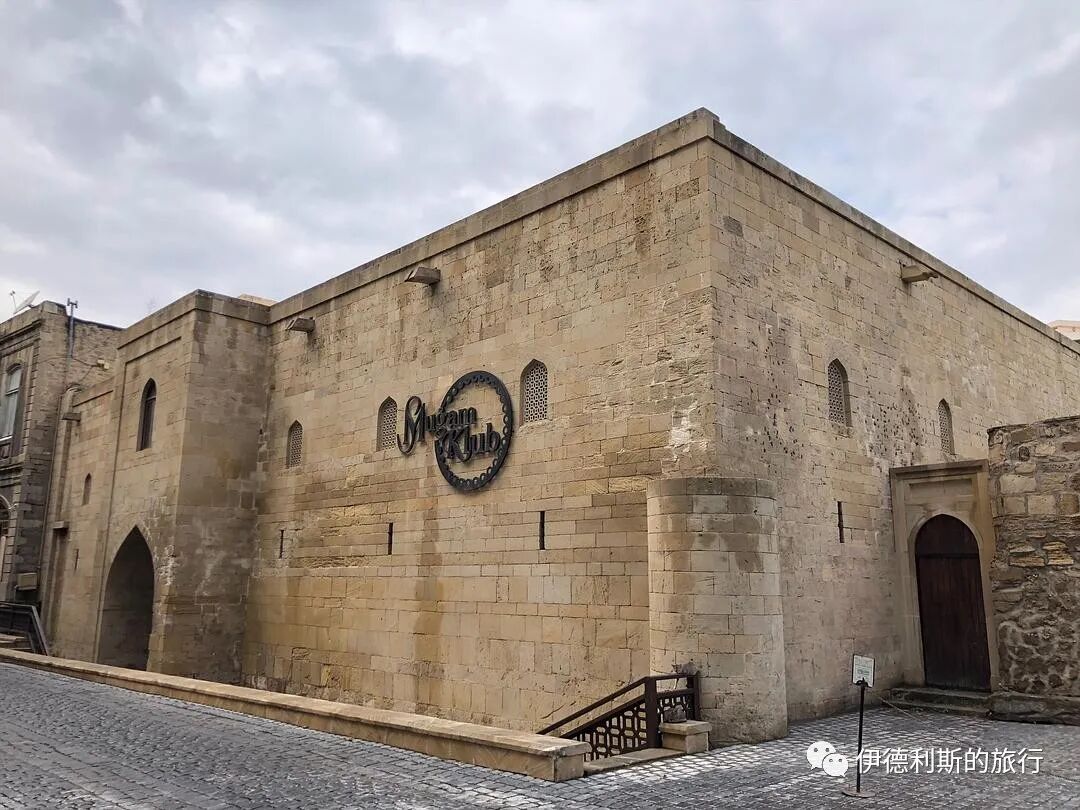
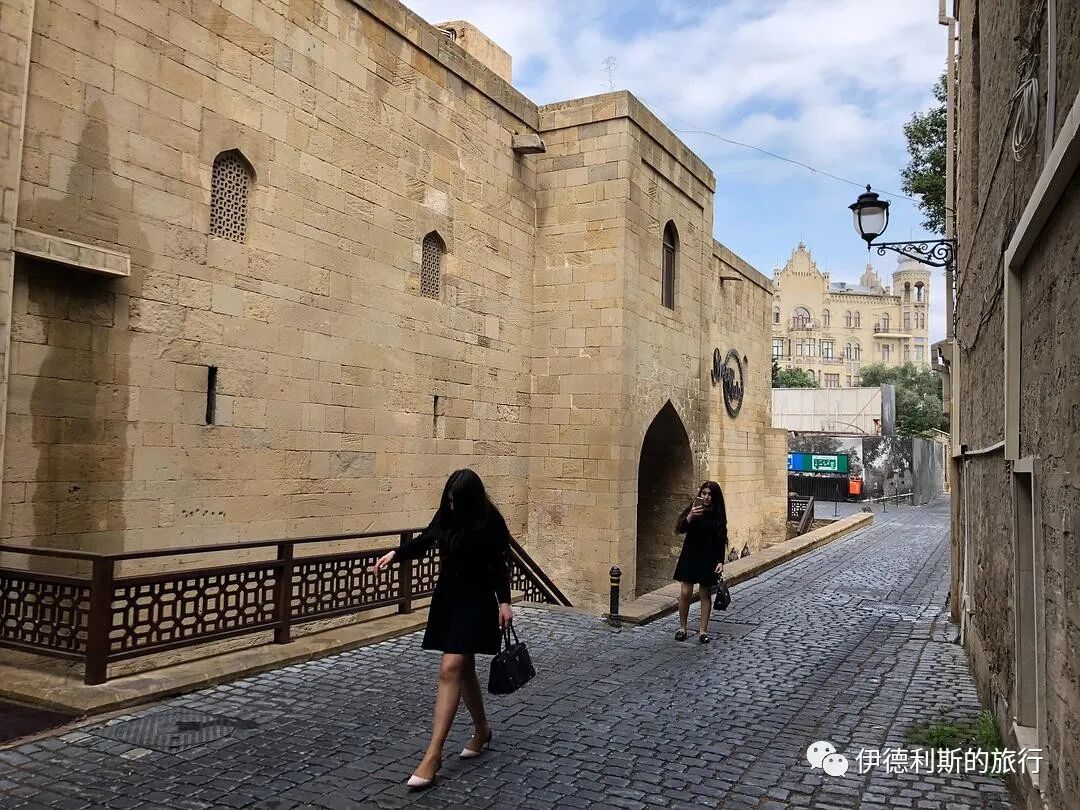
The other restaurant, Mugam Club, is located in a two-story inn (İkimərtəbəli karvansaray) built in the 15th century. The two-story inn is the largest Silk Road inn in Baku, built by order of Khalilullah I, the 34th king of the Shirvan dynasty, who reigned from 1417 to 1465. The Shirvan dynasty reached its peak during the reign of Khalilullah I, and he also built many structures in the Old City of Baku.
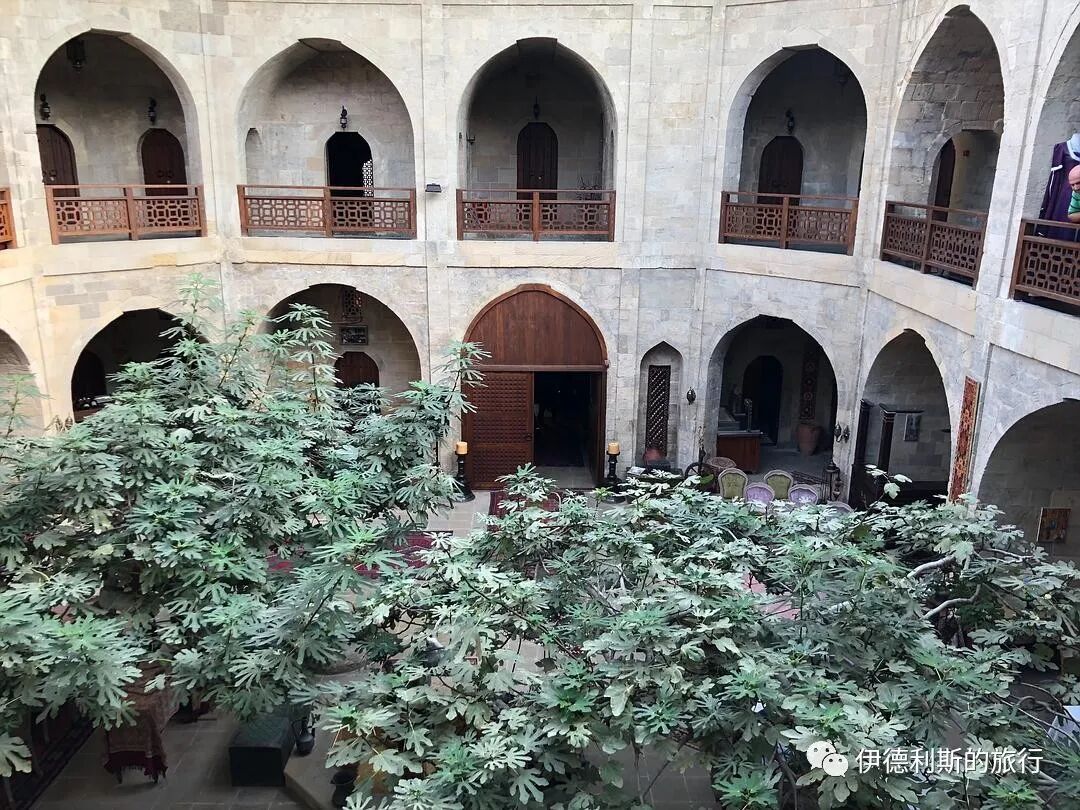
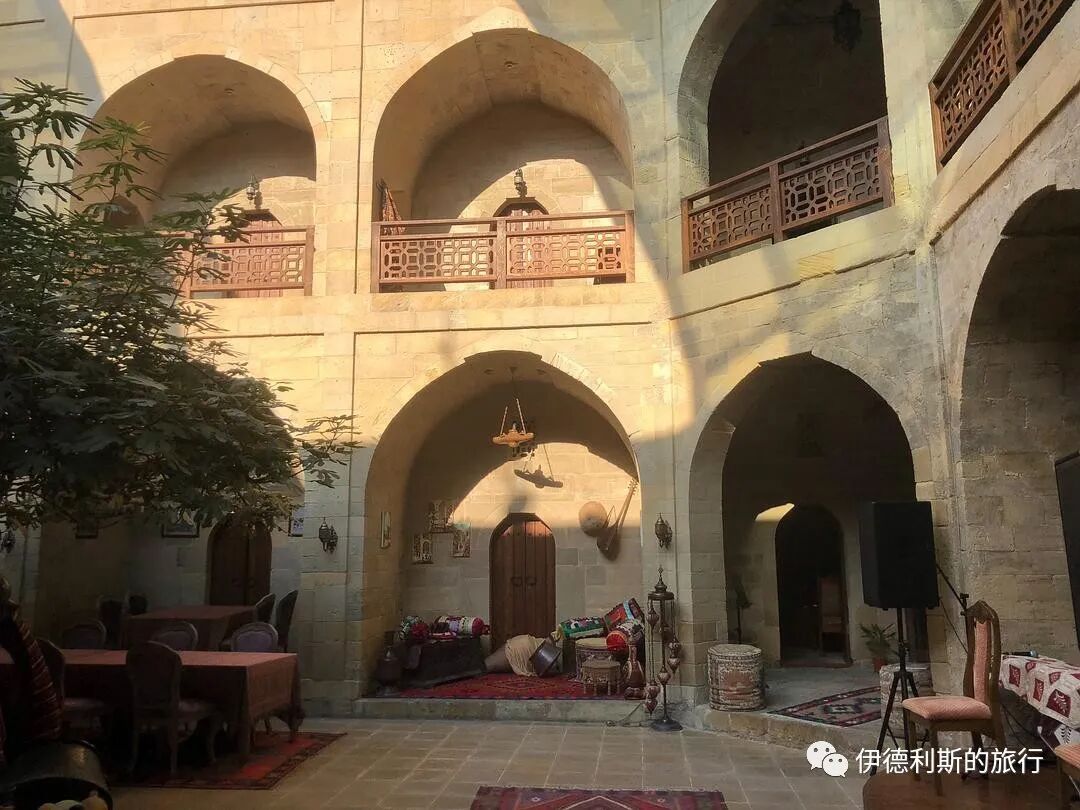
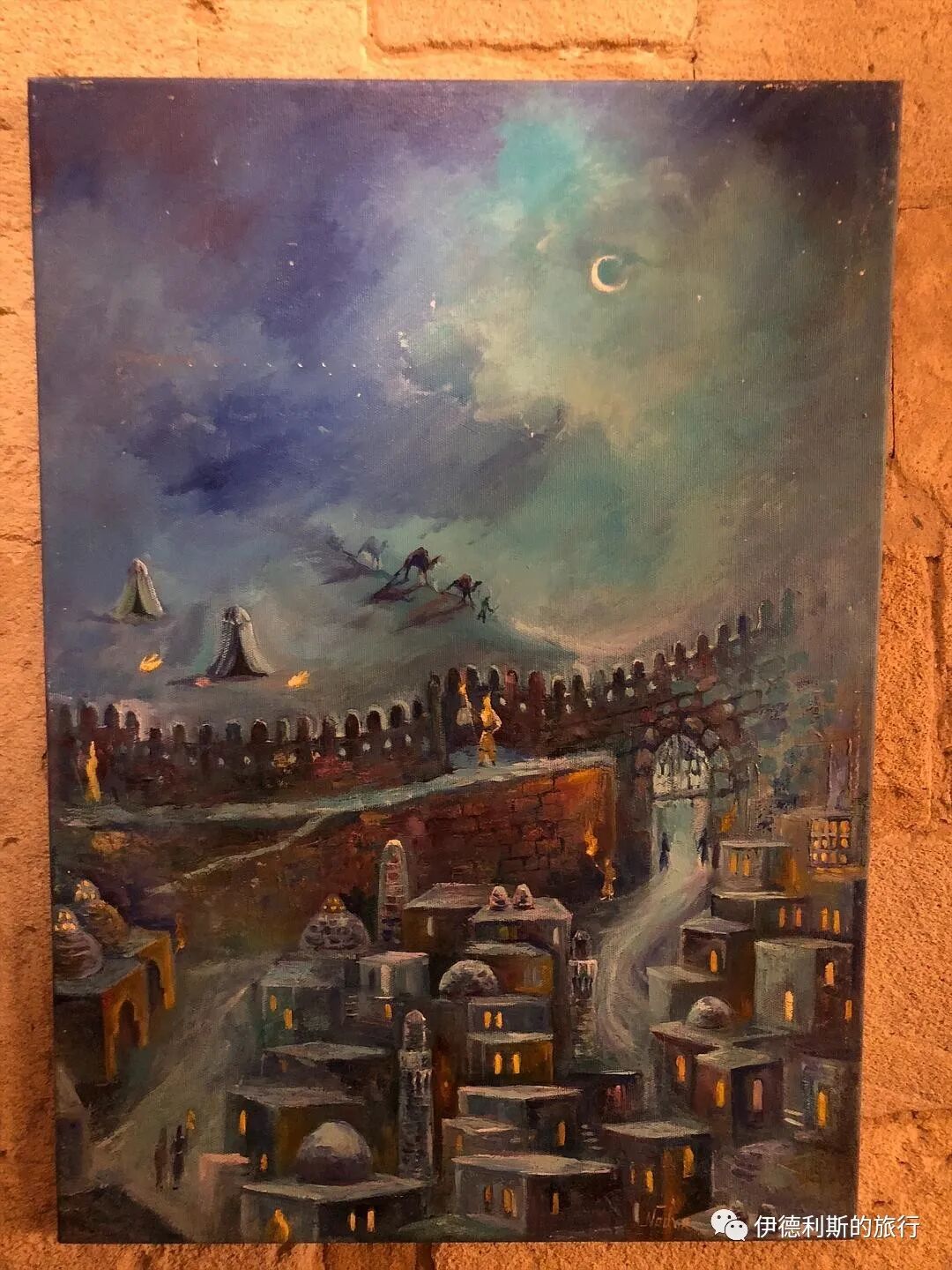
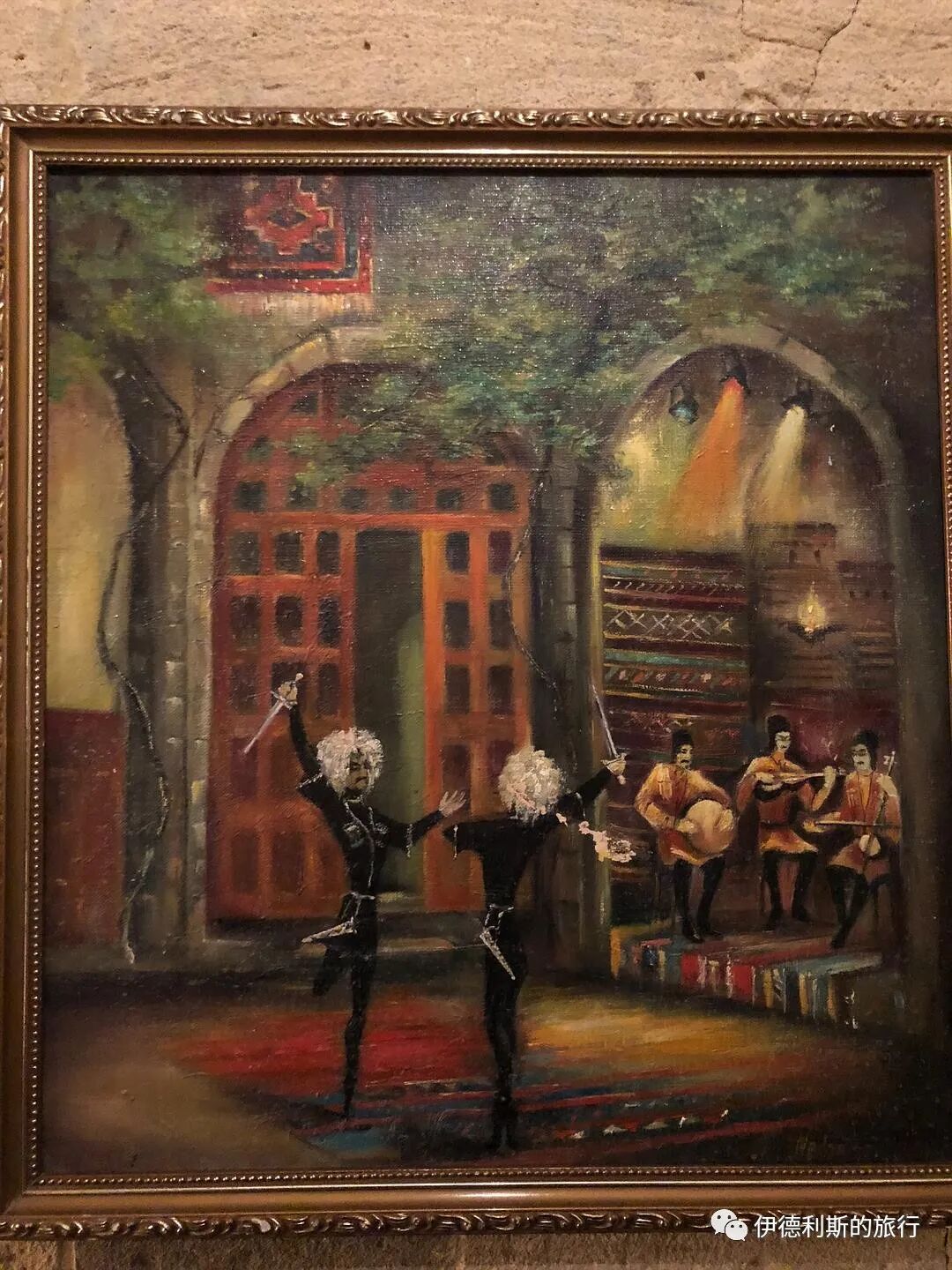
The painting hanging on the wall depicts a night view of the Old City of Baku.
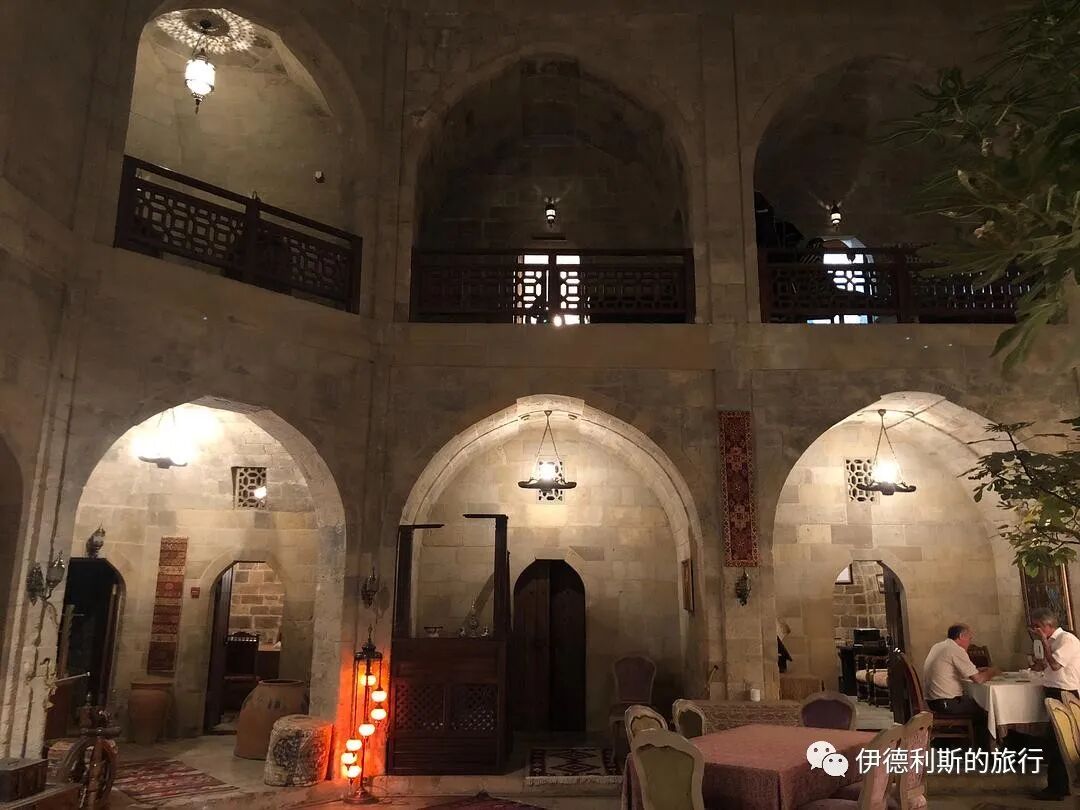
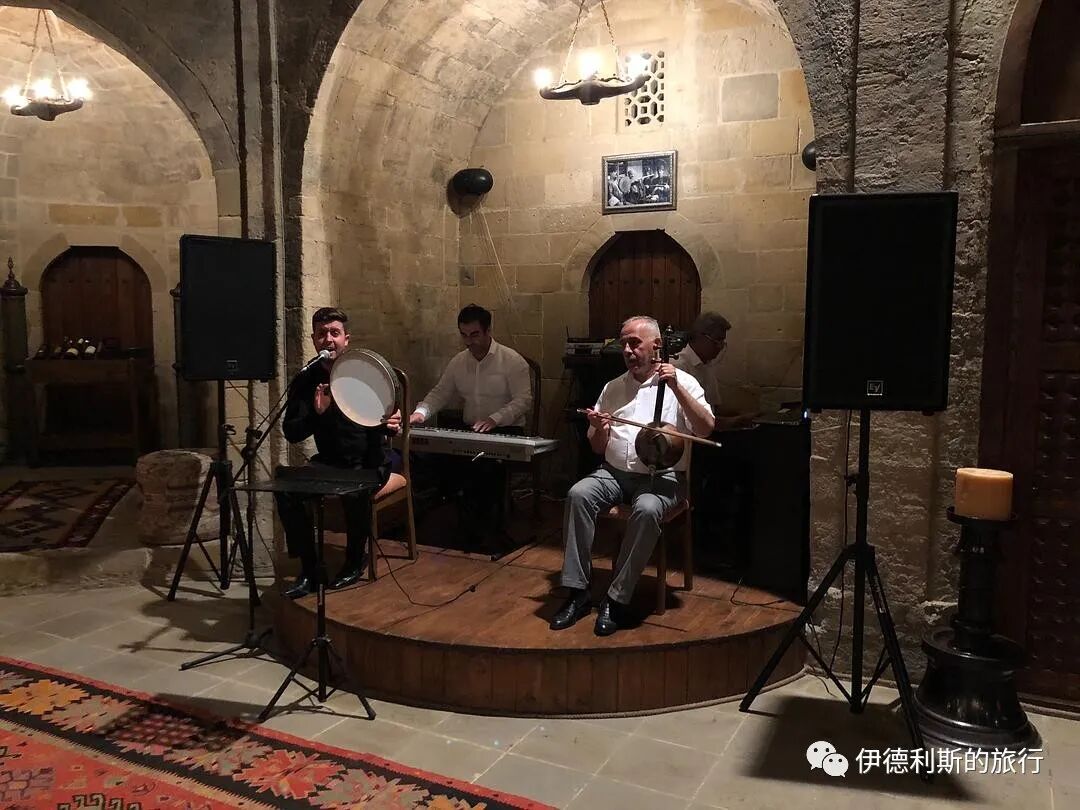
The long-necked lute (tar) used for this Mugham performance was replaced by a keyboard, but the young man's voice was very professional.
I ate Kavkaz barbecue, chicken soup, and sweet rice here.

I also saw a young man playing the tar at a restaurant called Art Club, and he had a very graceful style.

2. Sharing knowledge about Azerbaijani mugham.
Traditional Azerbaijani mugham usually consists of a lead singer (khanandas), a plucked string instrument (tar), a bowed string instrument (kamancheh), and a frame drum (daf), with the lead singer often doubling as the drummer.
The word khananda means singer in Persian, and since the Middle Ages, they have sung Persian poetry at weddings, bazaars, caravanserais, and teahouses in cities. Khanandas singers reached their peak from the 19th century to the early 20th century. In the 1870s, a khanandas singer named Kharrat Gulu established the first professional Azerbaijani mugham school, where students were required to have a vocal range of at least two octaves. After finishing their studies, khanandas singers who passed the exam would receive the title of ustad (master).
The word tar means string in Persian, and the tar is an important classical Persian string instrument. It appeared in the mid-18th century and became one of the most important string instruments in Iran and the Caucasus. The Azerbaijani tar, also called the 11-string tar, was invented by Mirza Sadiq Asad (1846-1902) in the 1870s based on the Iranian tar. He changed the tar to 11 strings and moved its playing position from the knee to the chest.
The word kamancheh means little bow in Persian and is an important bowed string instrument in Iran, the Caucasus, and Central Asia. During the Persian Safavid dynasty, the kamancheh was a very important instrument for celebrations.
The daf is a frame drum widely popular in the Middle East, Persia, South Asia, and Central Asia, dating back to the Sassanid Persian period and used in Nowruz festivals and Zoroastrian chanting. Starting in the 15th century, the daf drum was widely used in Sufi rituals.
The picture below shows an Azerbaijani mugham ensemble in 1911; from left to right are the daf, kamancheh, and tar.
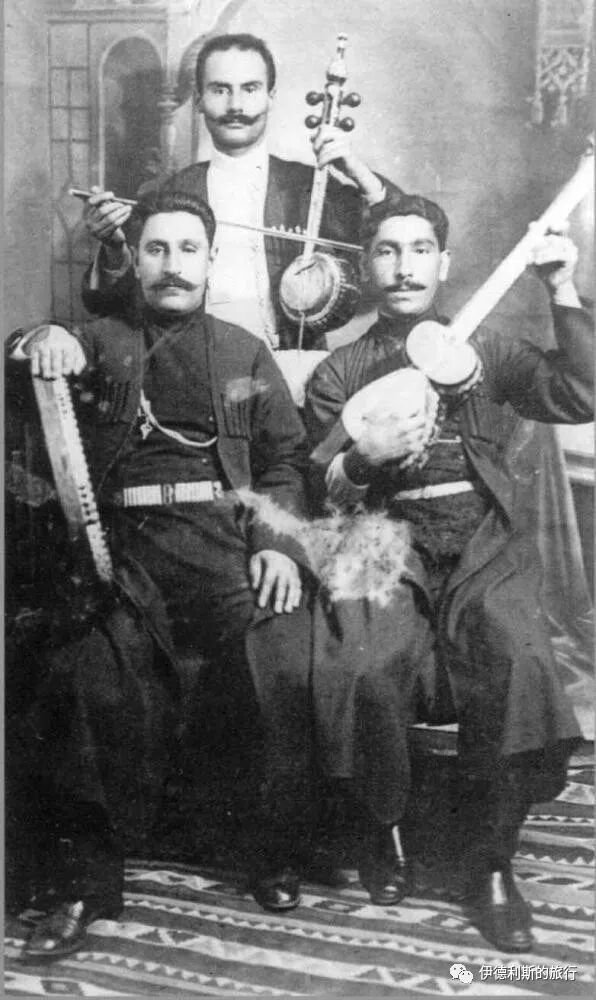
Jabbar Garyaghdioglu is known as the greatest khanandas singer and holds an important place in the history of Azerbaijani music. He was the first singer to perform mugham in the Azerbaijani language instead of Persian, and the first to bring Azerbaijani mugham to grand theaters and concert halls.
Jabbar was born into a family that ran a dye workshop, and his father wanted his son to inherit the family business, but the son was determined to become a singer. Between 1871 and 1876, Jabbar studied vocal music, music theory, and Persian at school. After graduating, he joined the band of a famous local musician. By age 20, Jabbar was famous across the South Caucasus. He sang in inns and caravans along trade routes, and his influence reached Iran, Central Asia, and Turkey.
In 1901, Jabbar moved to Baku, which was booming because of oil. He built a club in the suburbs specifically to host charity concerts. Between 1906 and 1912, Jabbar and the best singers of the time, known as Khanandas, traveled to Kiev, Moscow, and Warsaw to record vinyl records and hold concerts.
During the Soviet era, Jabbar taught classical music at the Azerbaijan National Conservatory and was a singer for the Azerbaijan State Philharmonic Society.
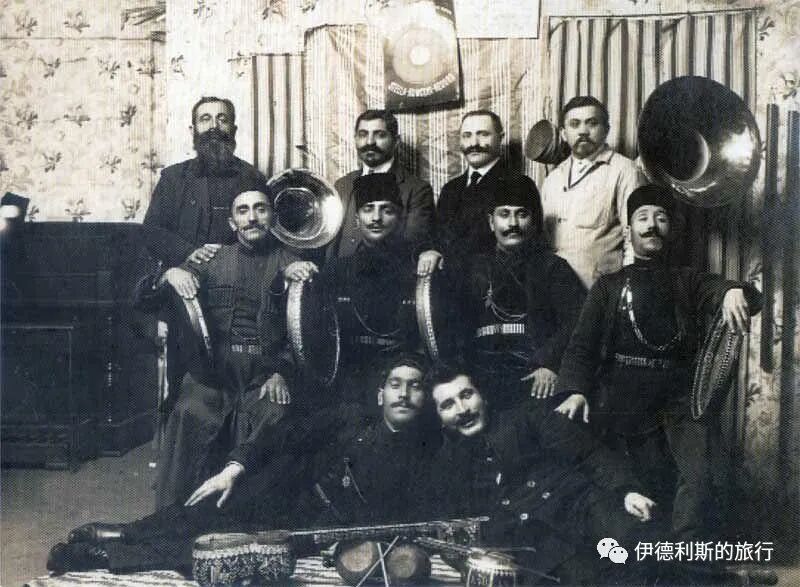
Jabbar Garyaghdioglu recording in Warsaw in 1912, sitting first on the left.
After Jabbar, Seyid Shushinski (1889-1965) was known as the most famous Azerbaijani mugham Khanandas singer in the first half of the 20th century.
Seyid lost his father when he was young and grew up with his aunt, who was skilled at folk songs. Because of his great musical talent, he joined his first band at age 15. In 1908, 19-year-old Seyid had his public debut and it was a huge success. At his uncle's insistence, Seyid finished two years of professional music education at Mir Mohsun Navvab's school, and after that, he became a professional Khanandas singer.
In 1911, Seyid went to Georgia to hold a concert. In 1913, he released a vinyl record in Kiev, and in 1919, he moved to Baku.
During the Soviet era, Seyid sang at the Baku Theater and taught at the Azerbaijan Conservatory between 1926 and 1933. In 1933, Shushinski founded the "Eastern Orchestra" and toured in Russia, Ukraine, and Kazakhstan.
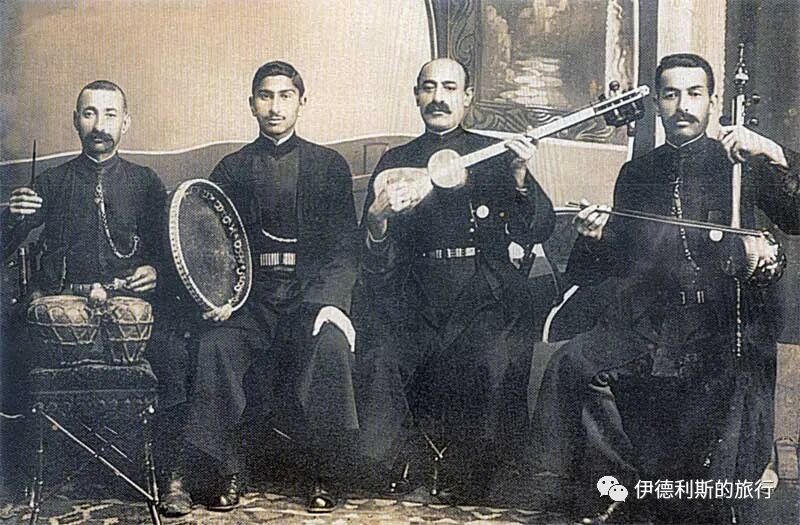
Seyid with his band in 1916.
Street food.
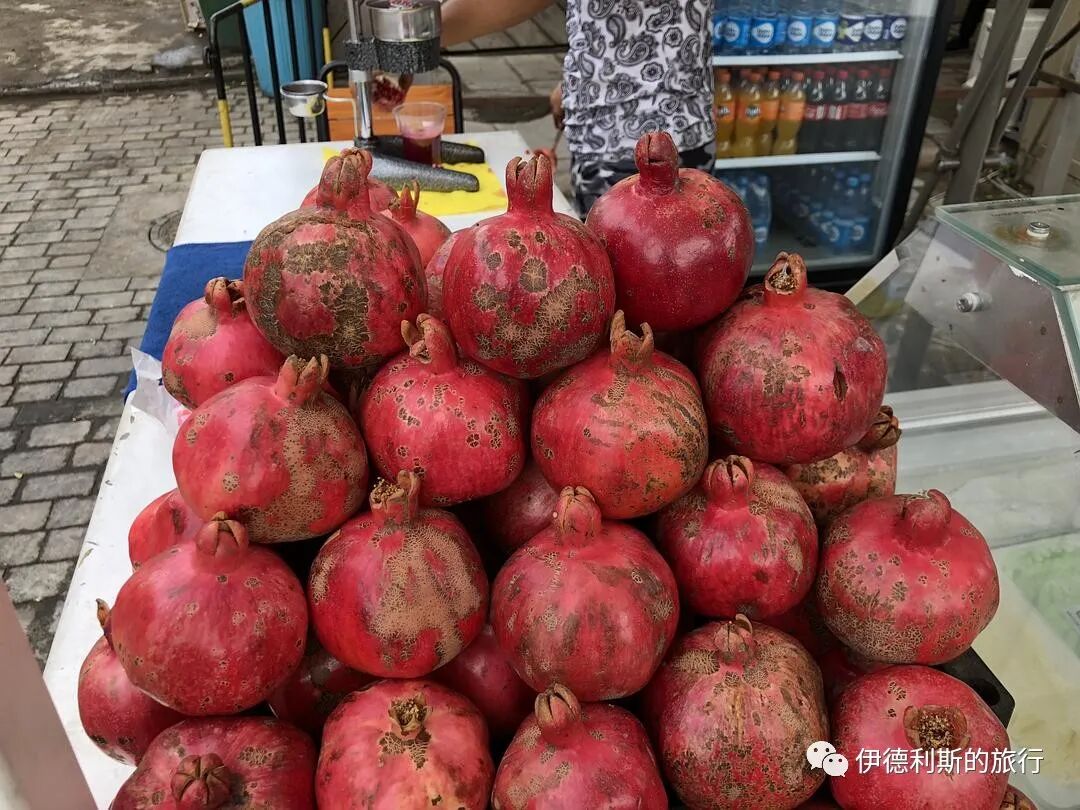
Freshly squeezed pomegranate juice on the street.


Street-side nut-filled honey pastry (baklava) served with black tea.
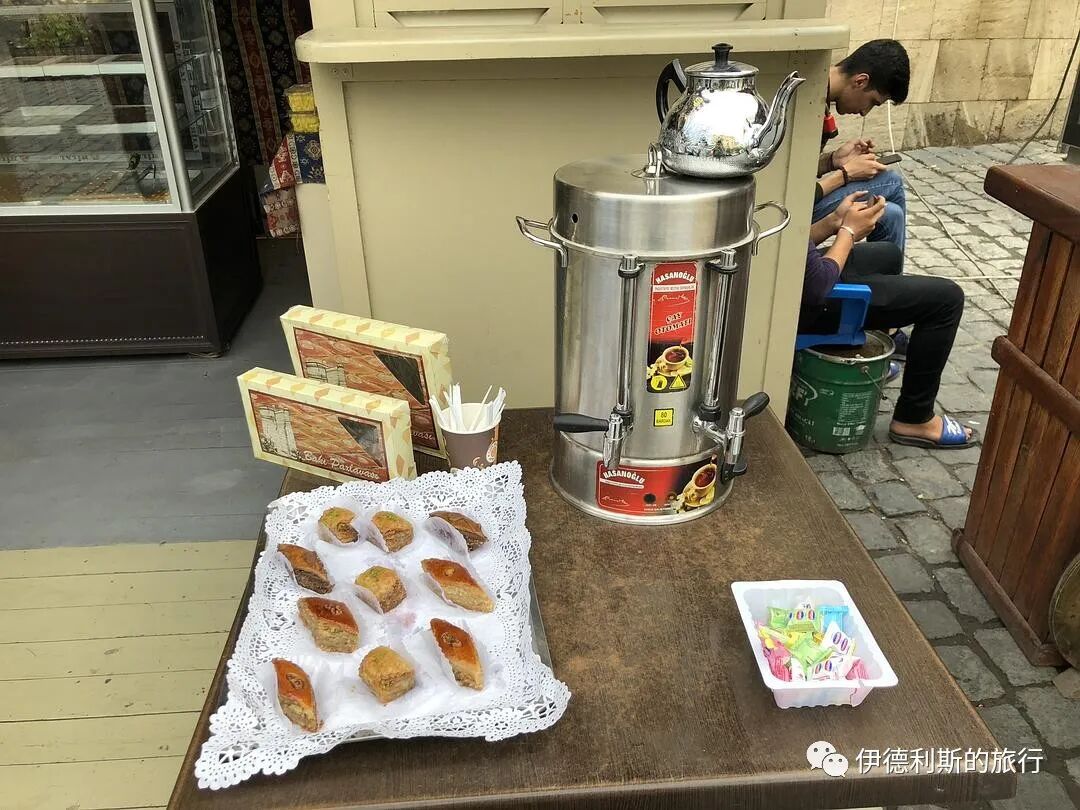
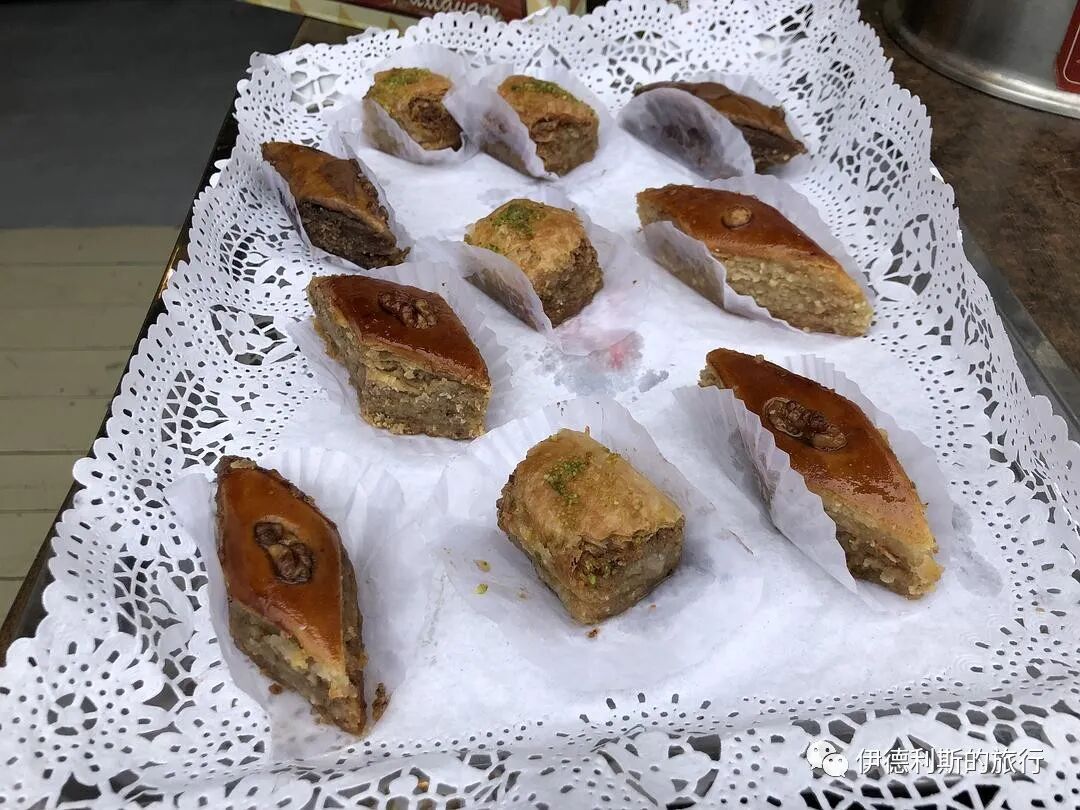
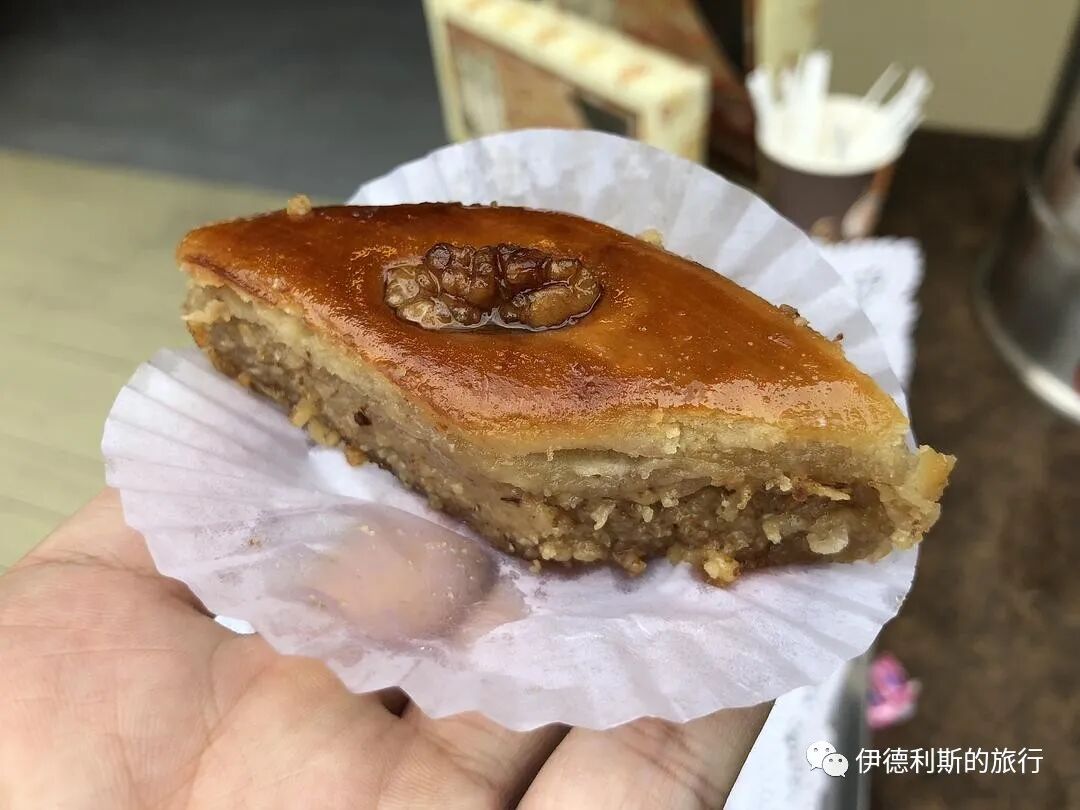
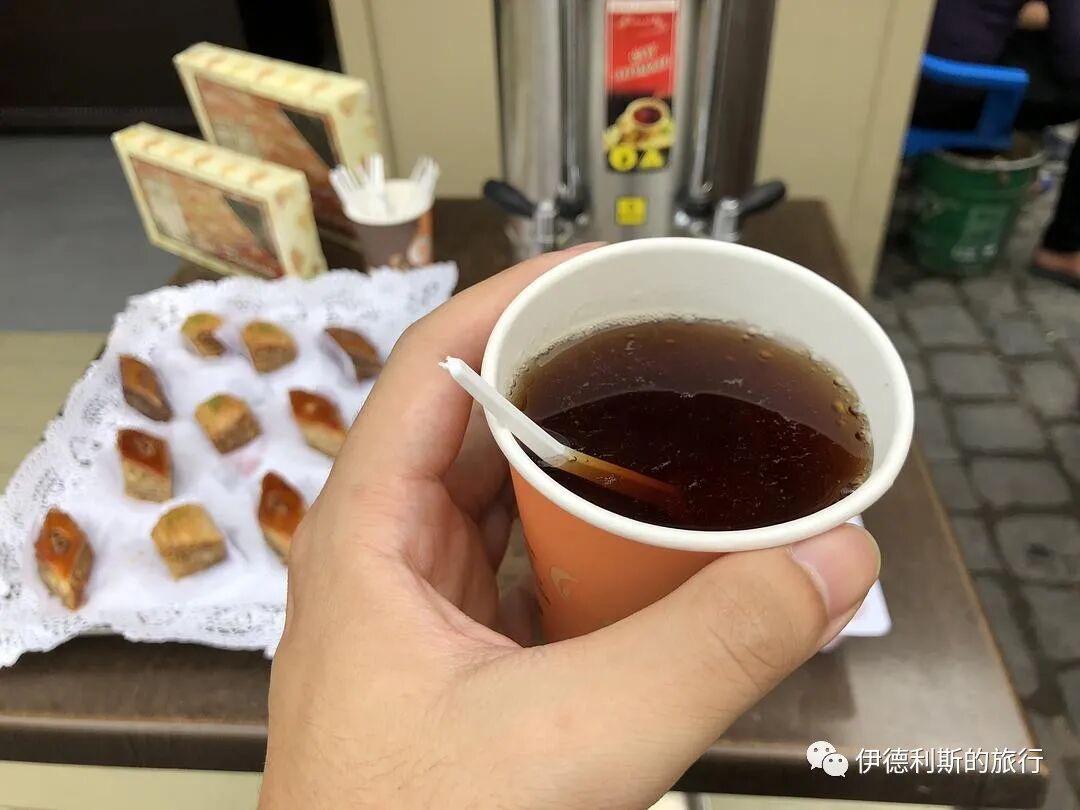
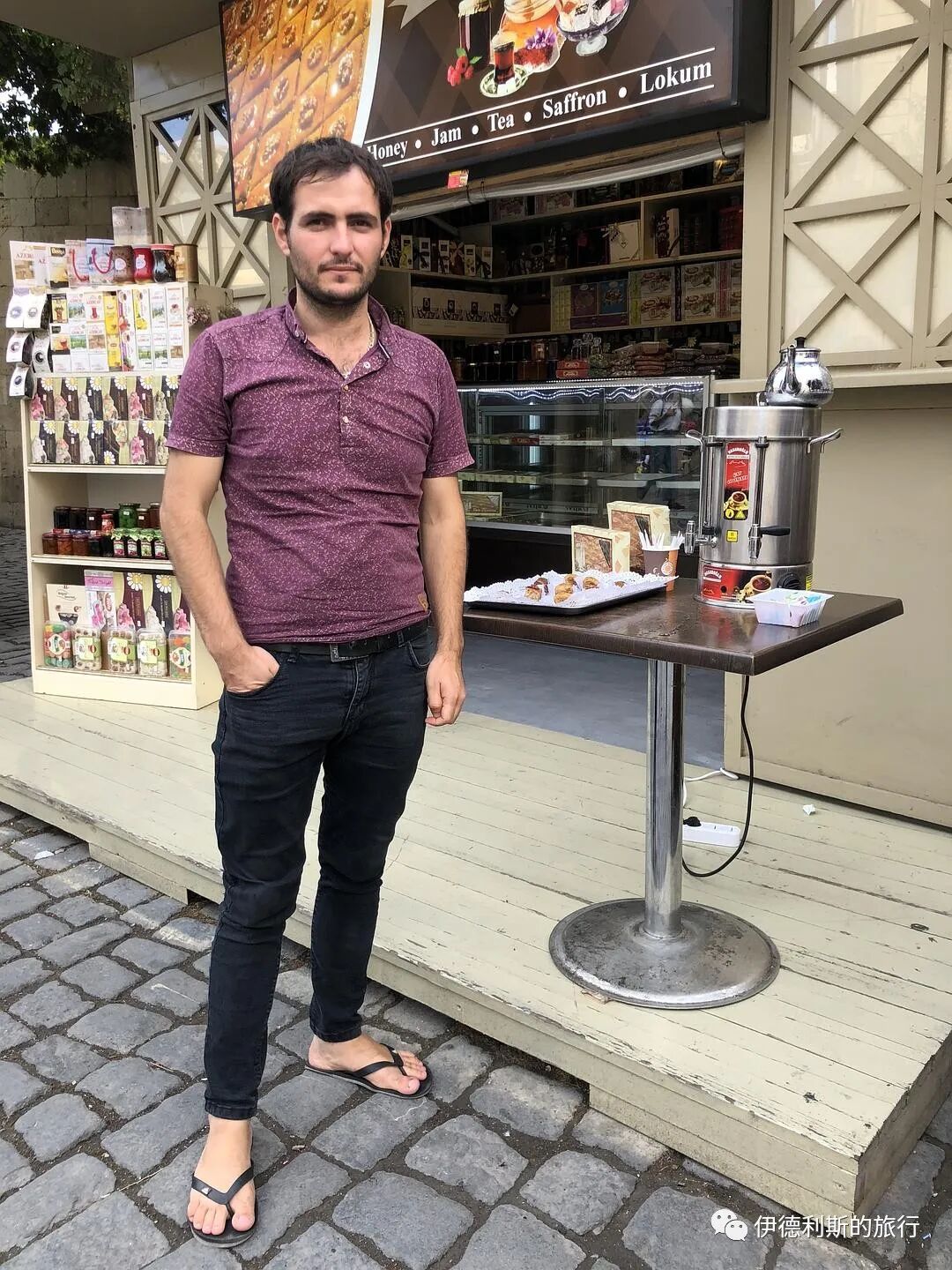
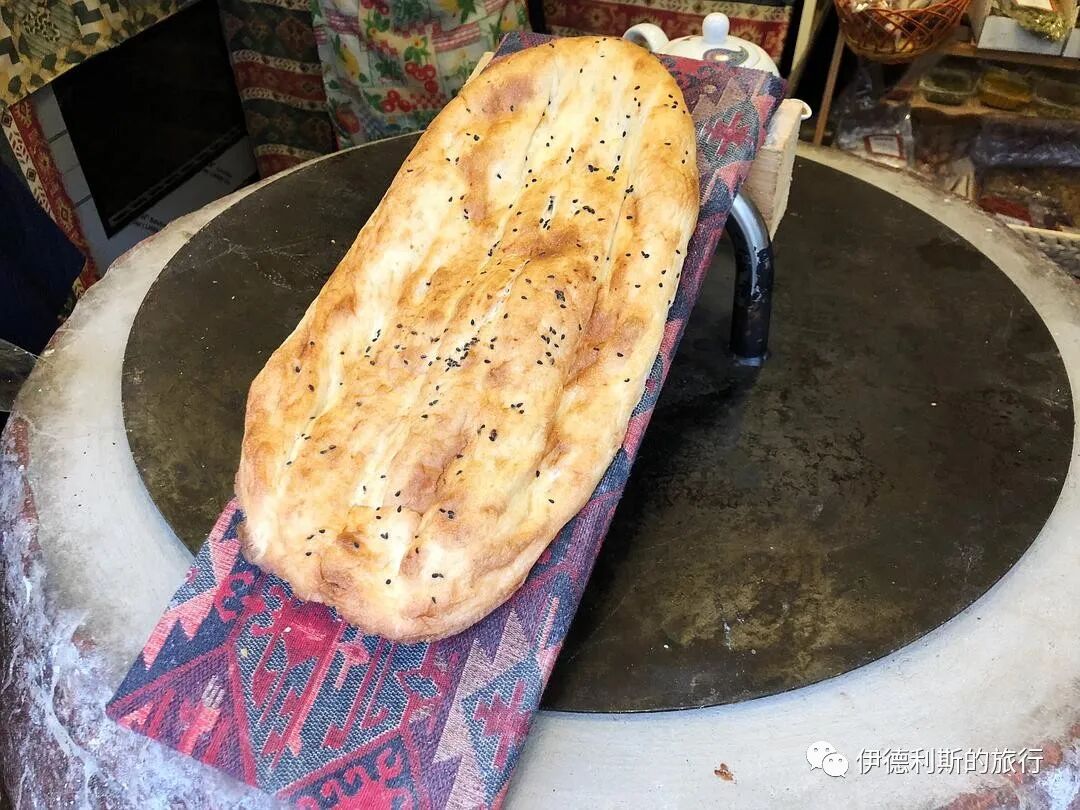
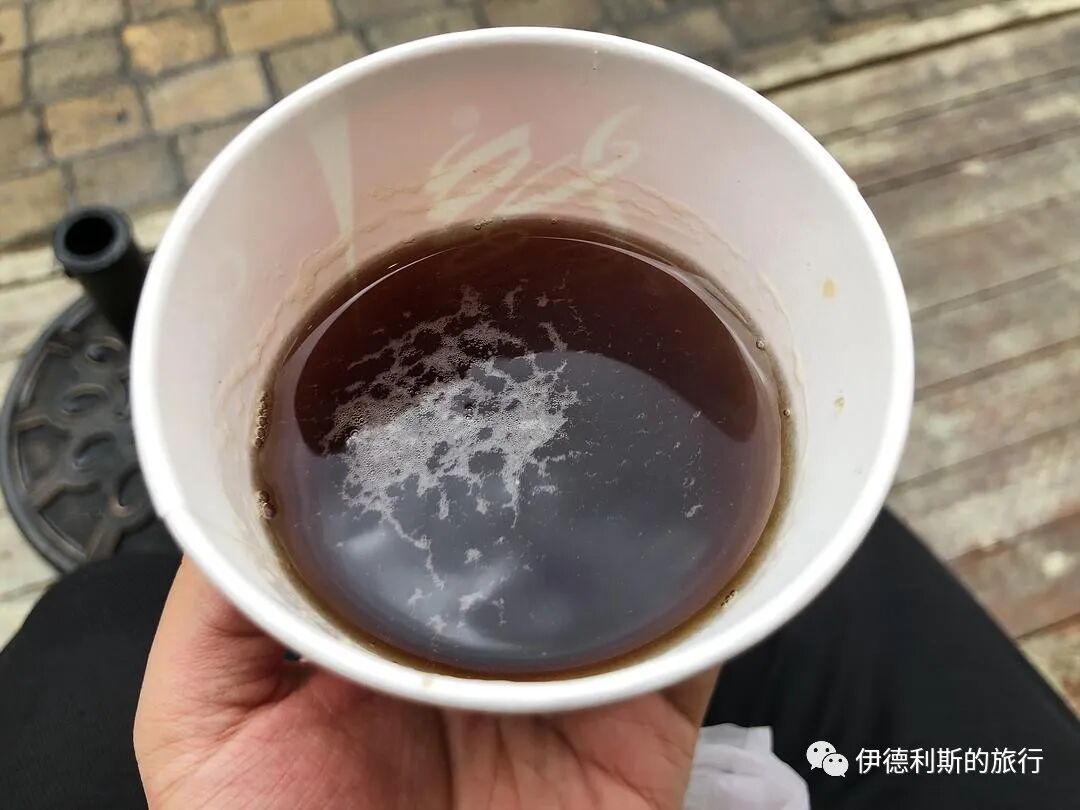
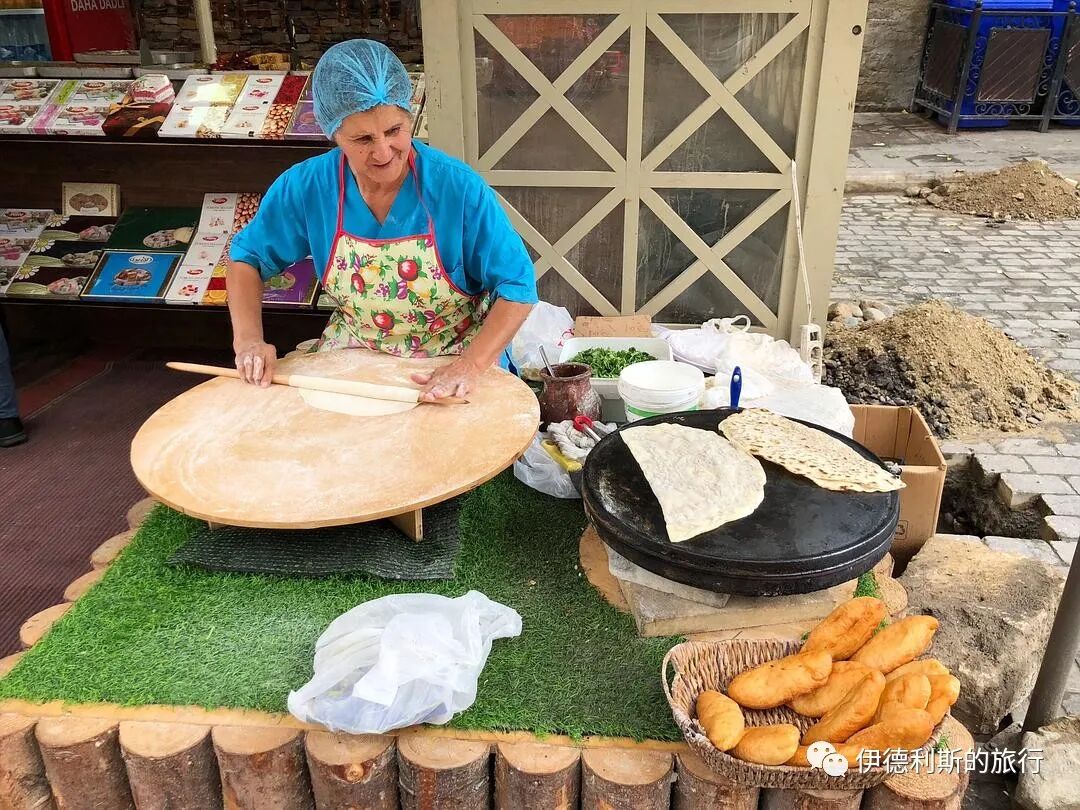
I highly recommend this street bakery. The bread is super cheap. After I bought some and started eating it at the door, the owner offered to make me free tea. After I took a bite, the grandmother making the bread even added a big piece of butter to my bread.
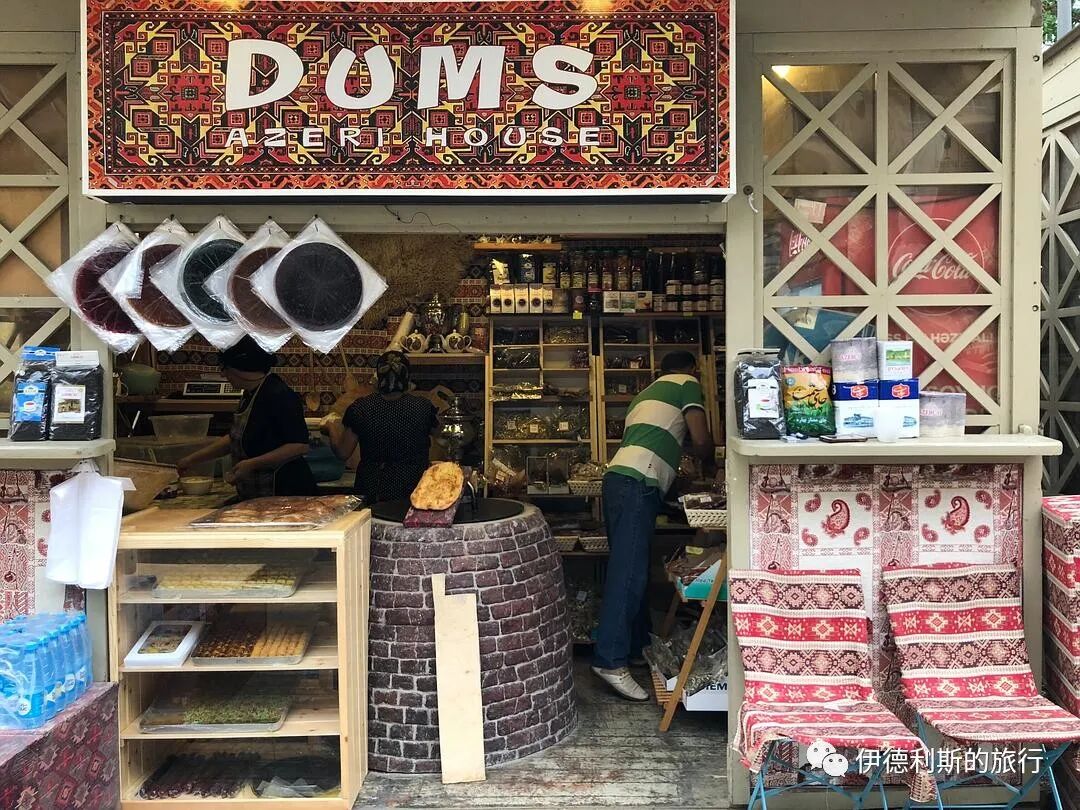
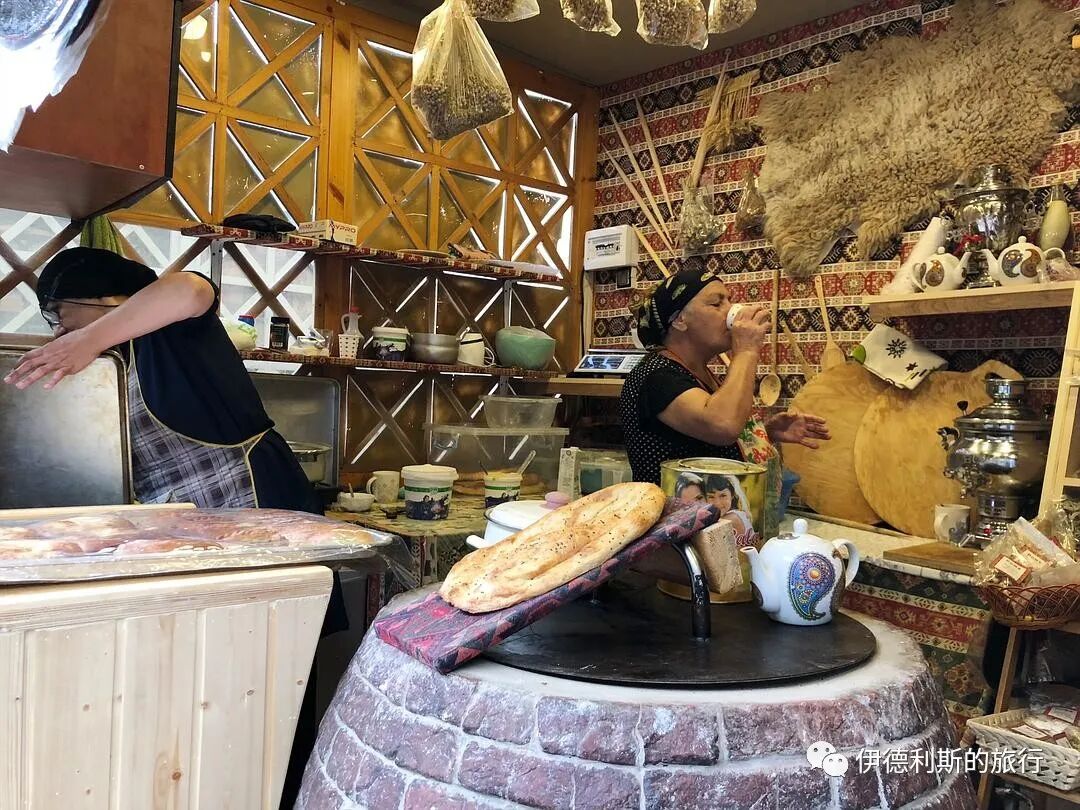
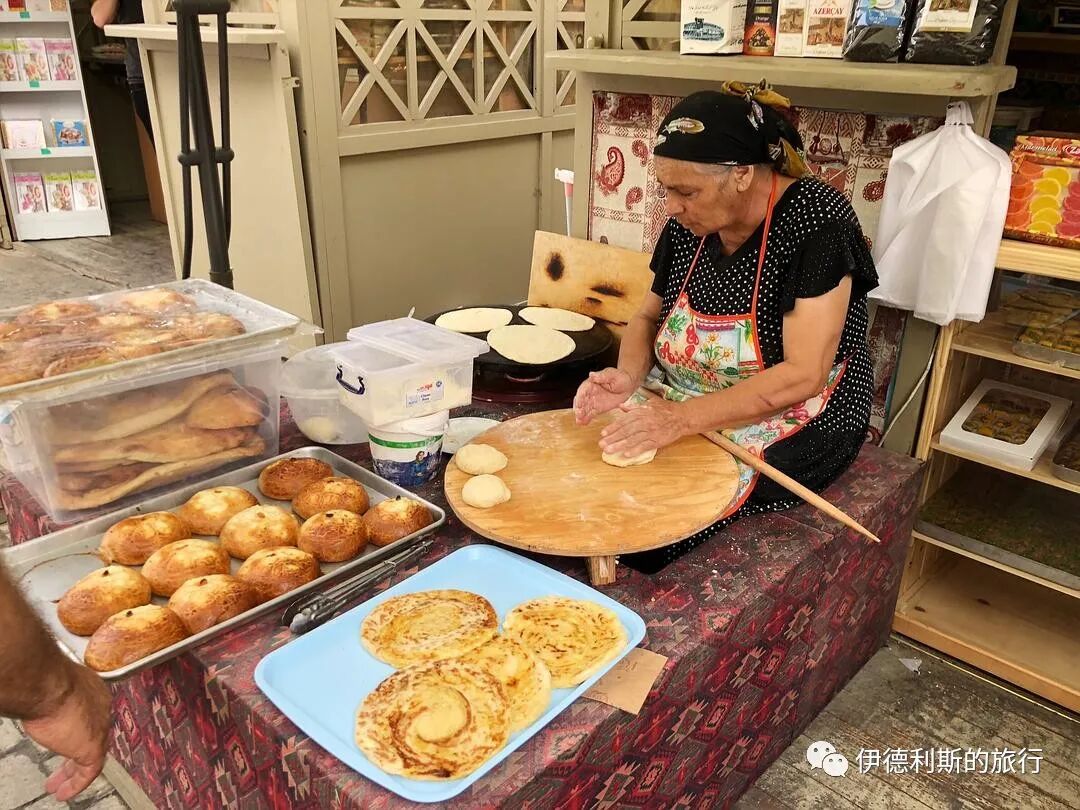

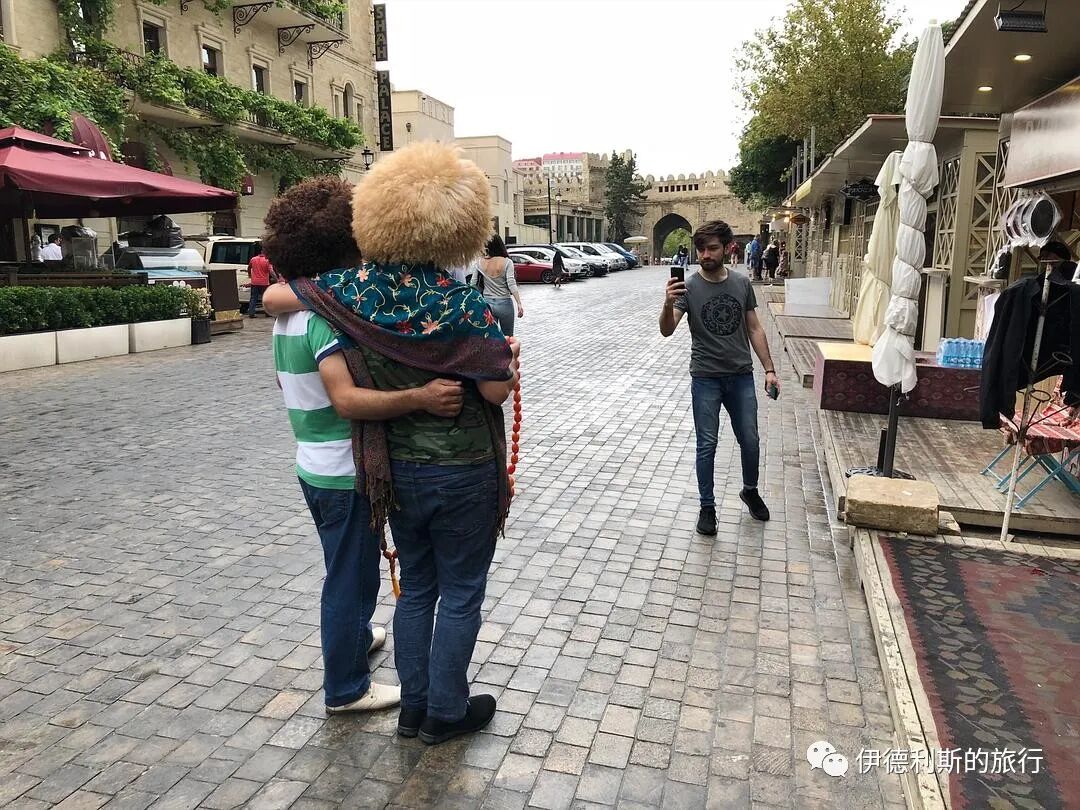
The owner is wearing a Caucasian pastoral wool hat while taking a photo with his friend, and everyone is super happy.
Another bakery next door.
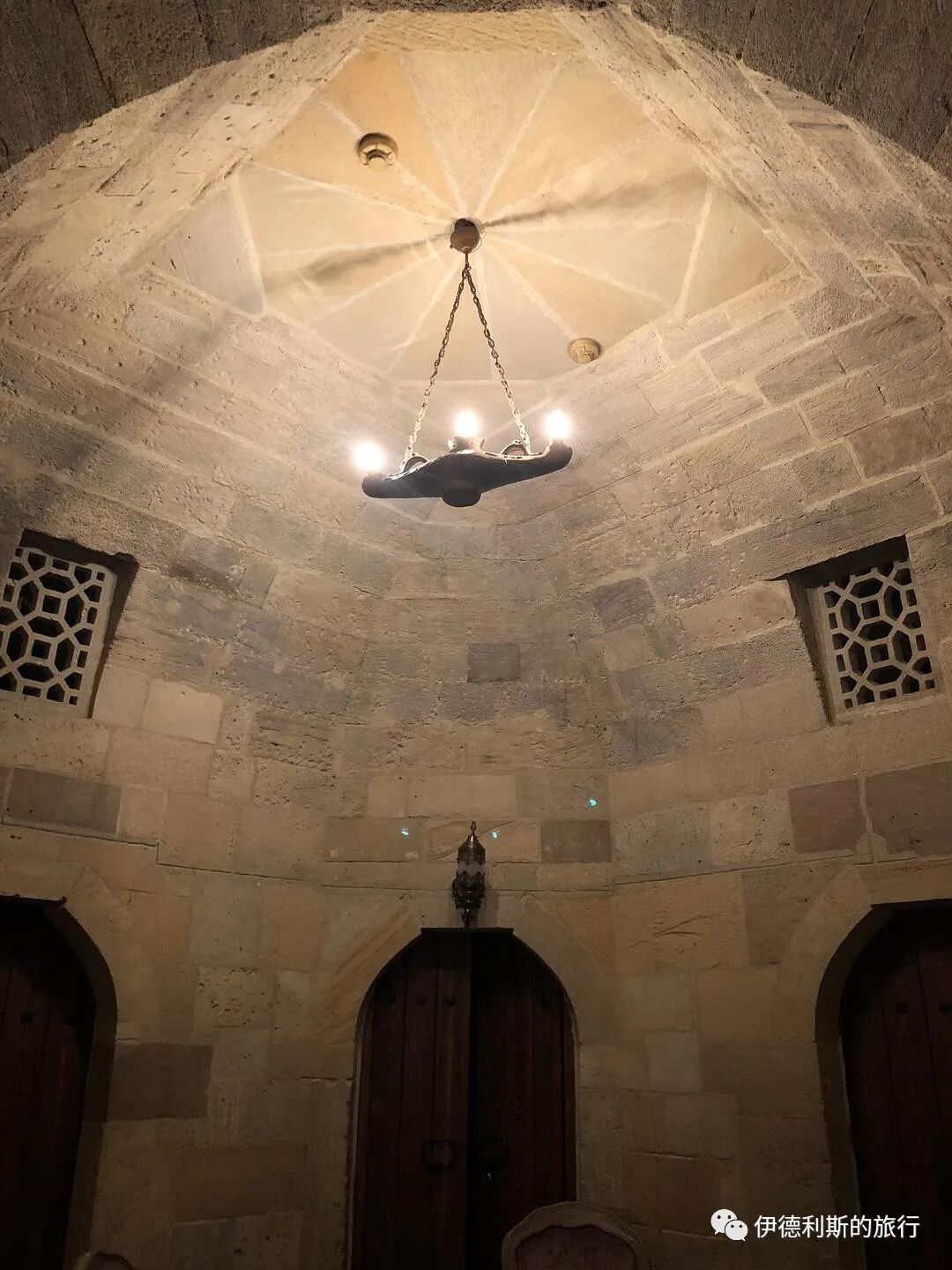
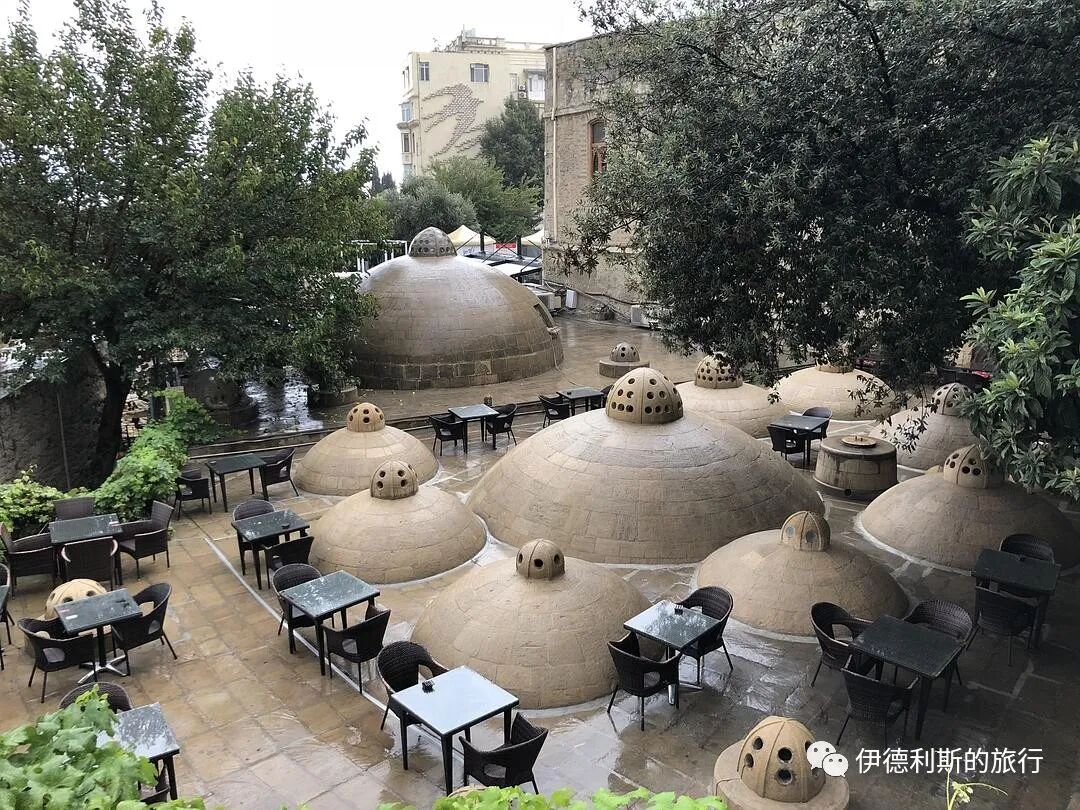
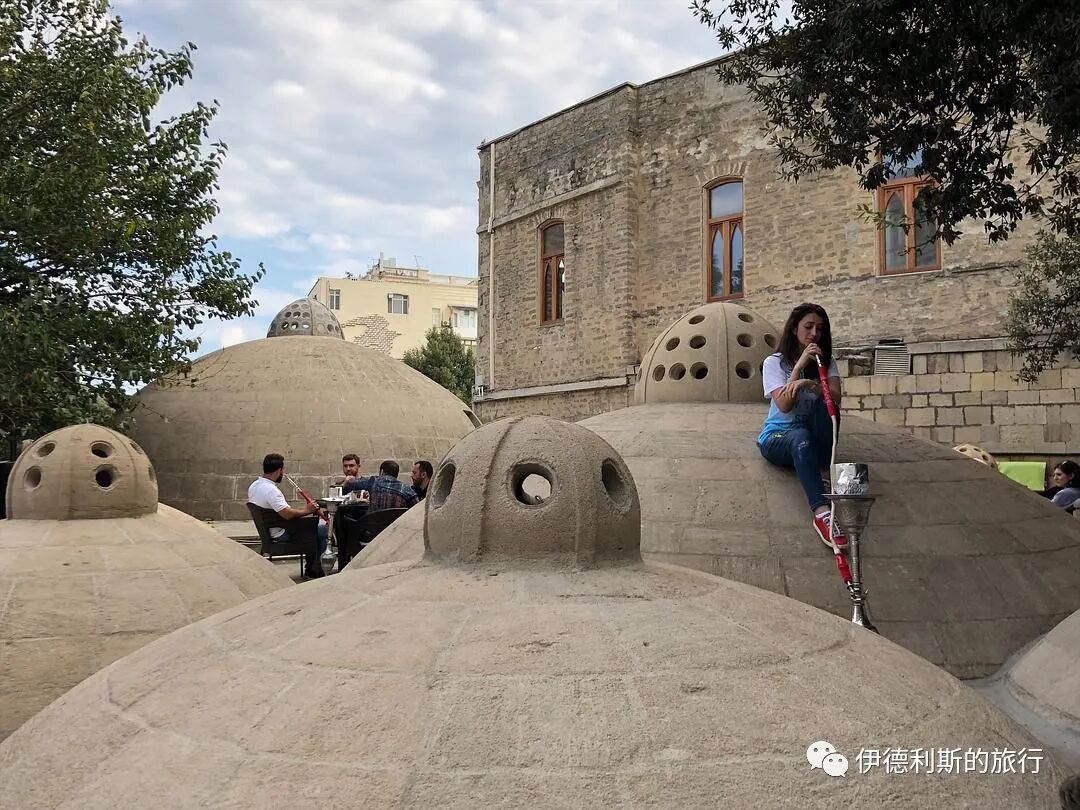
In the old city of Baku, there is a lovely open-air restaurant called 145group, located right on the roof of the 15th-century Haji Gayib Bathhouse (Hacı Qayıb Hamamı). This Turkish bathhouse was buried underground for hundreds of years until it was uncovered during an archaeological survey in 1964.
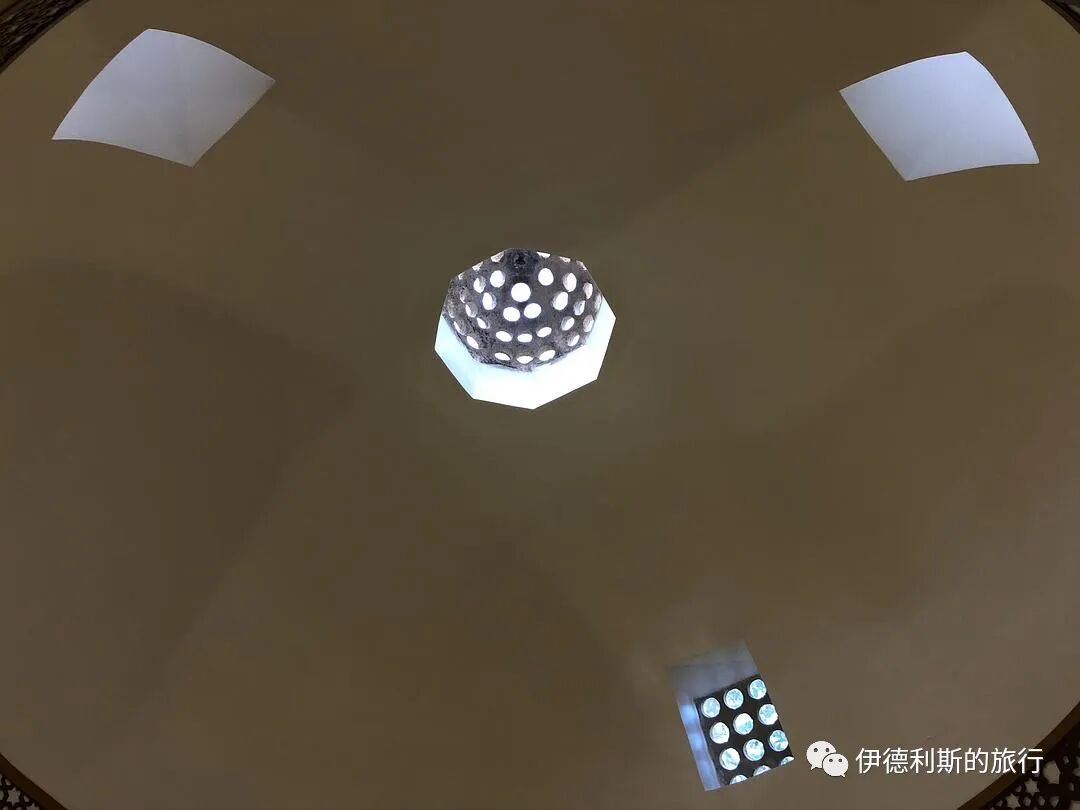
Inside the bathhouse ventilation hole.
I ate the Azerbaijani specialty, stuffed grape leaves (dolma). In 2017, the art of making dolma in Azerbaijan was added to the UNESCO Intangible Cultural Heritage list.
The word "dolma" comes from the Turkish word "dolmak," which means "to fill." Its exact origin is unclear, but it may have come from the Ottoman court. The records say from Persian court chefs, between the 17th and 19th centuries, dolma was made by wrapping grape leaves, cabbage leaves, cucumbers, eggplants, and apples, with fillings of minced meat, fried mint, rice, and saffron. In Azerbaijan, dolma is usually made with grape leaves.
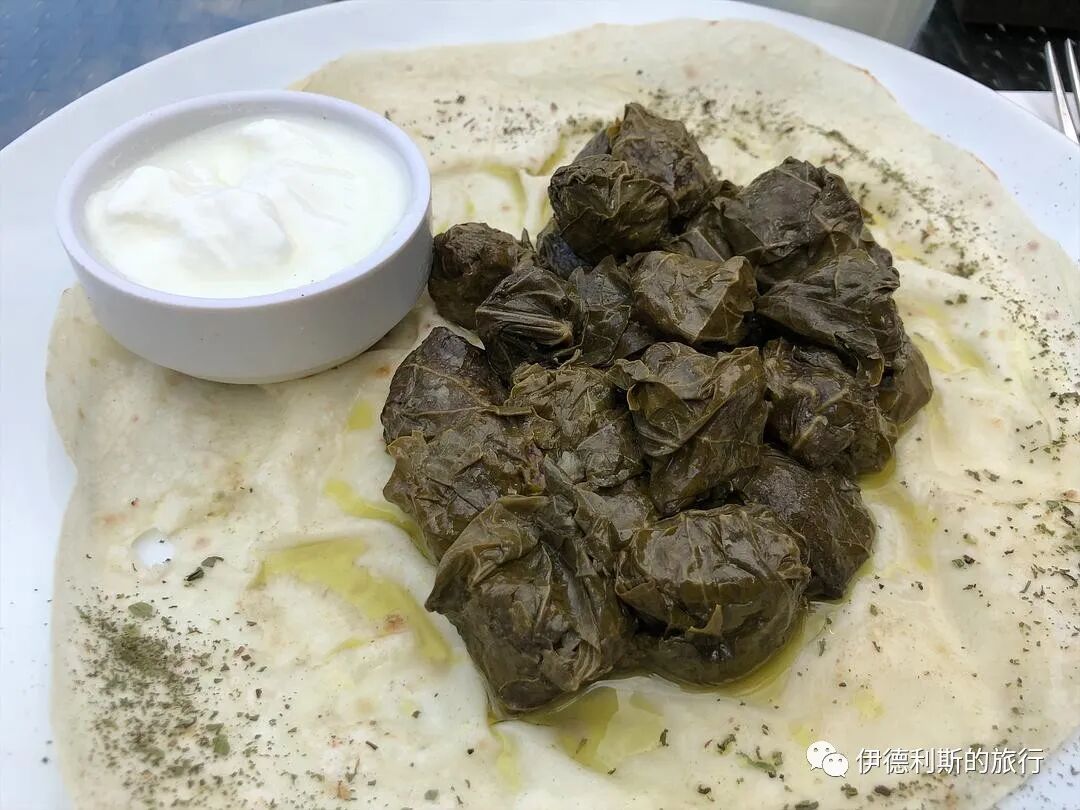

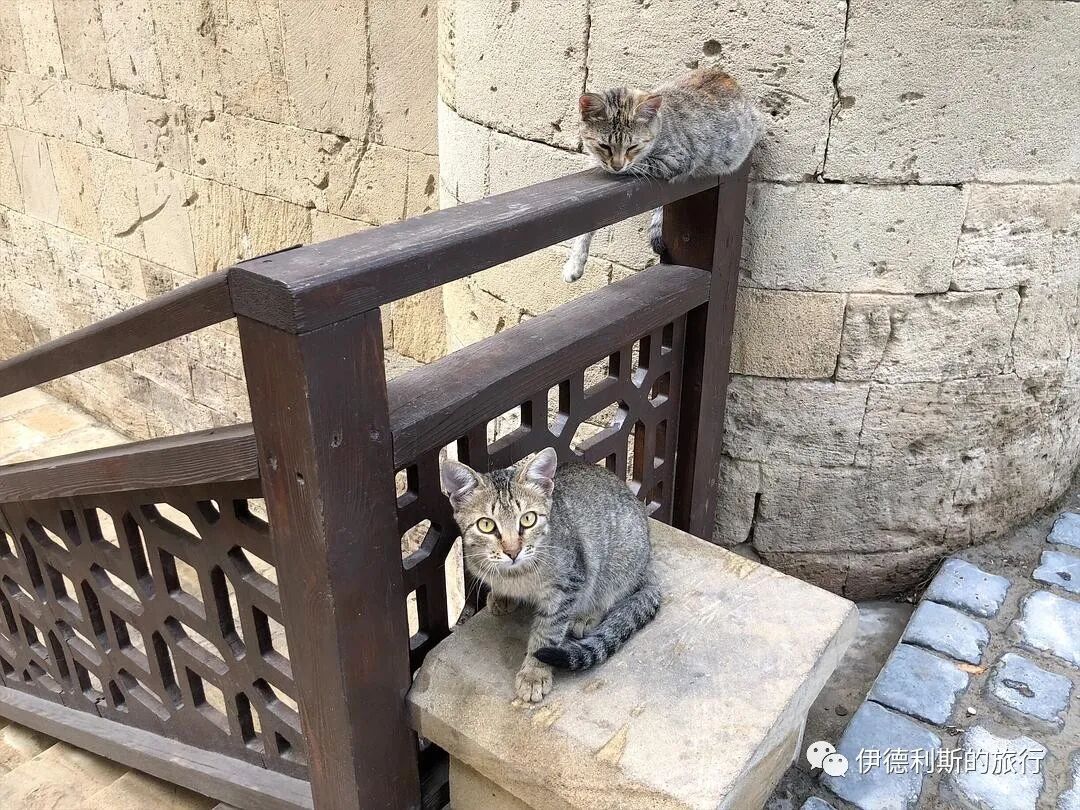
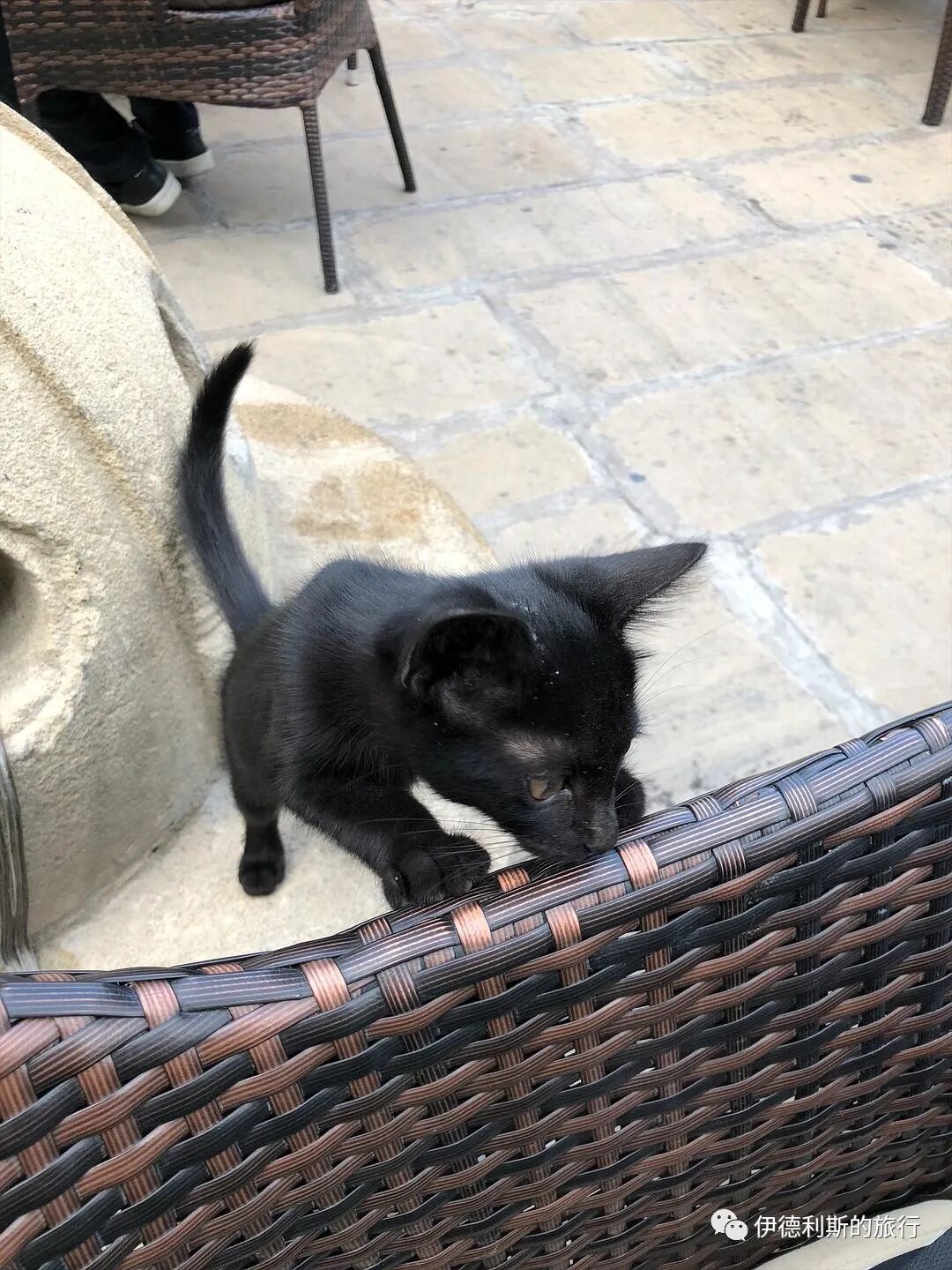
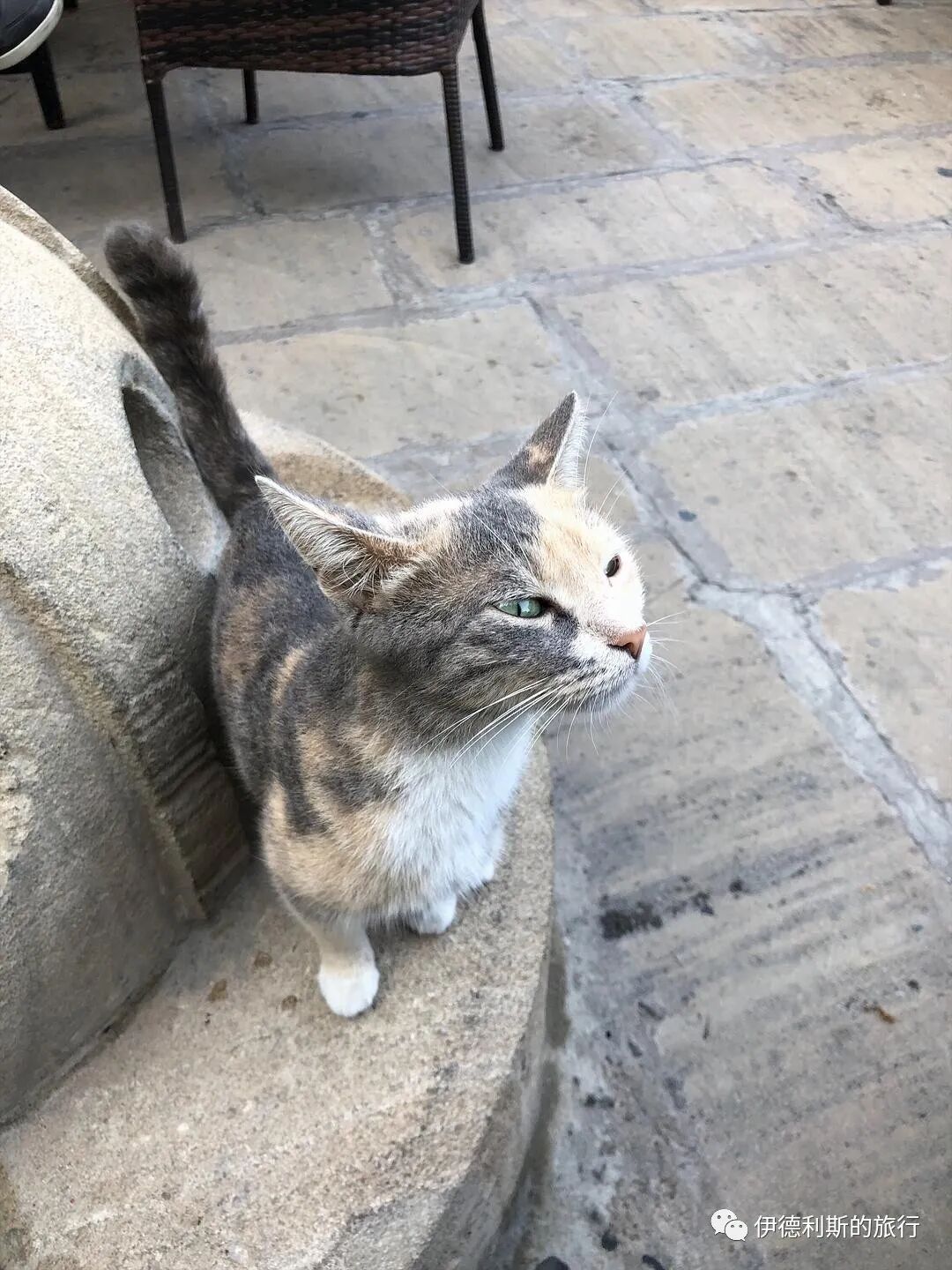
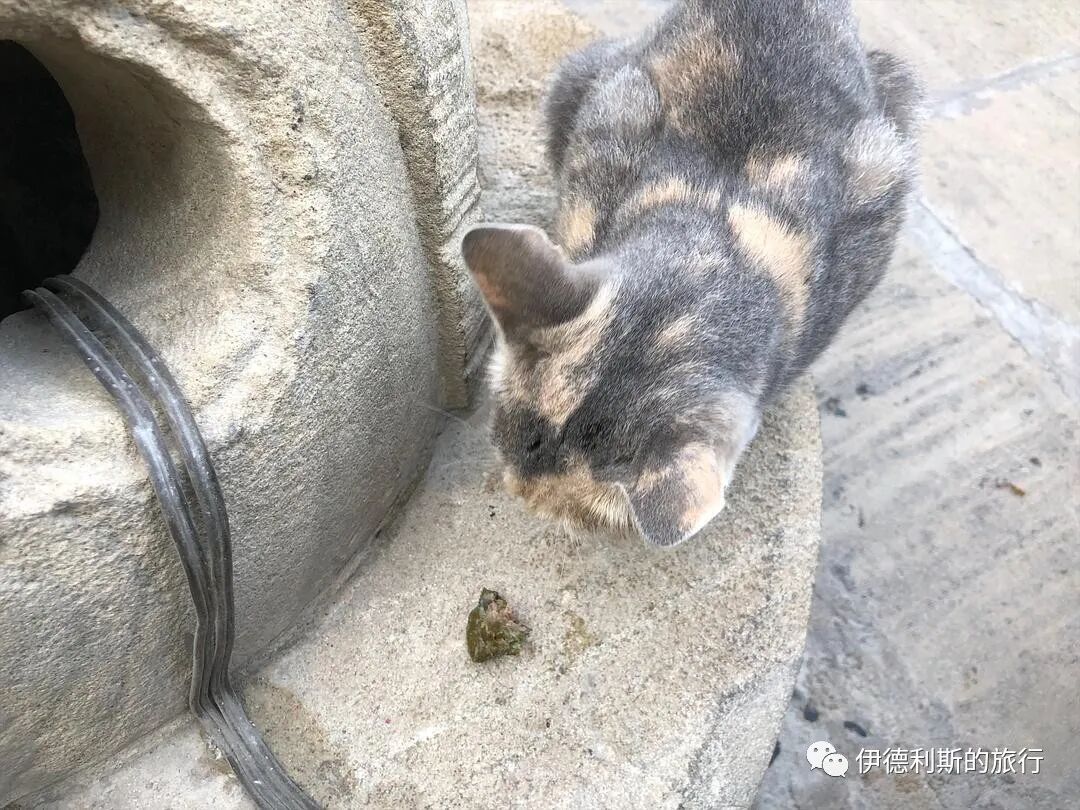
Two little kittens kept eyeing my dolma, so I gave them each one, and they left feeling satisfied.
Yogurt drink (ayran).

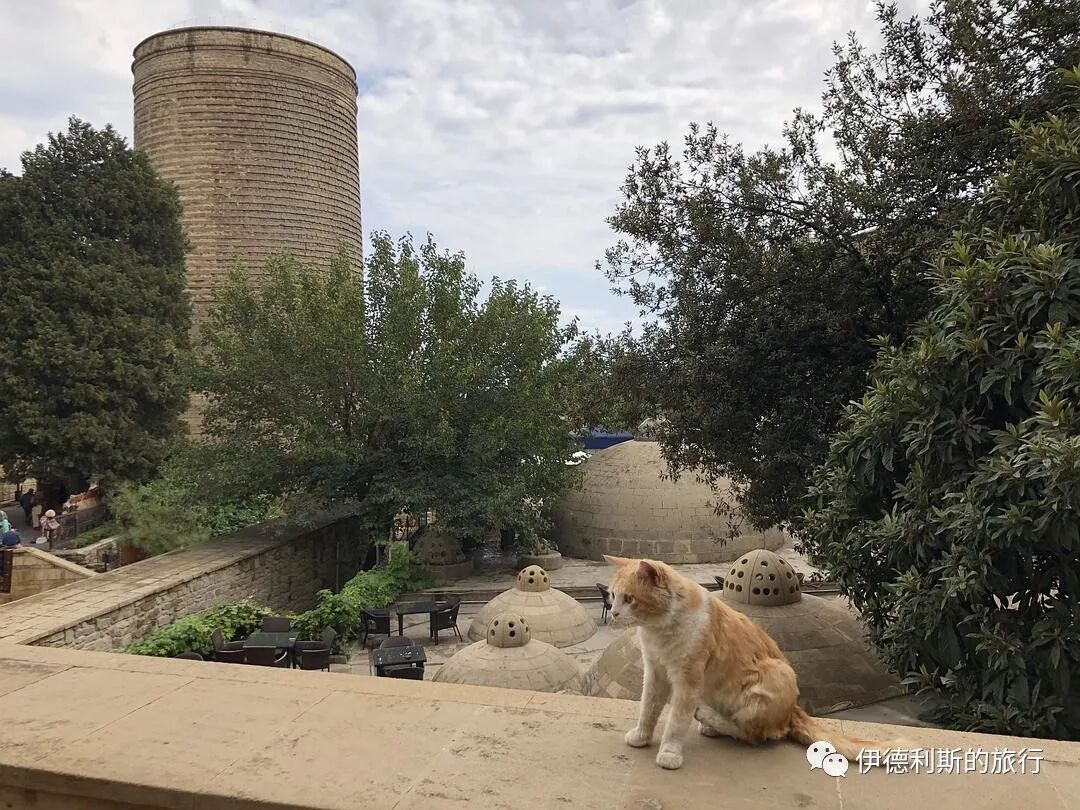
Looking down at the view.
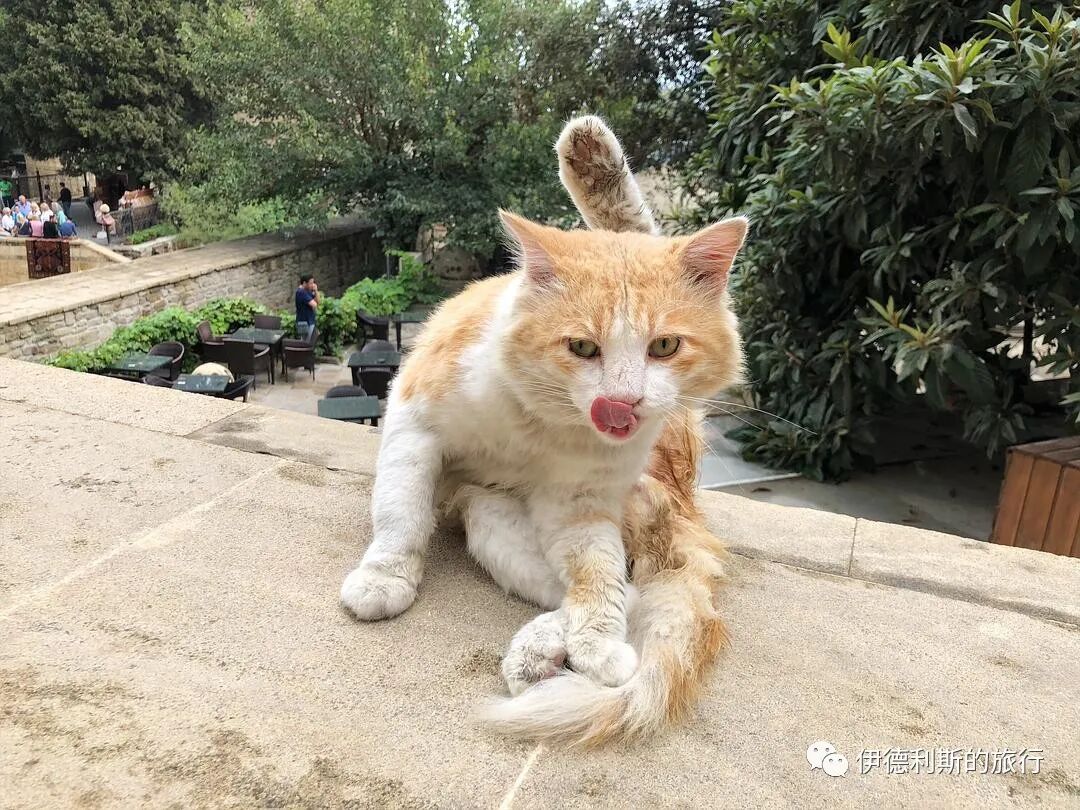
Grilled meat (kebab).
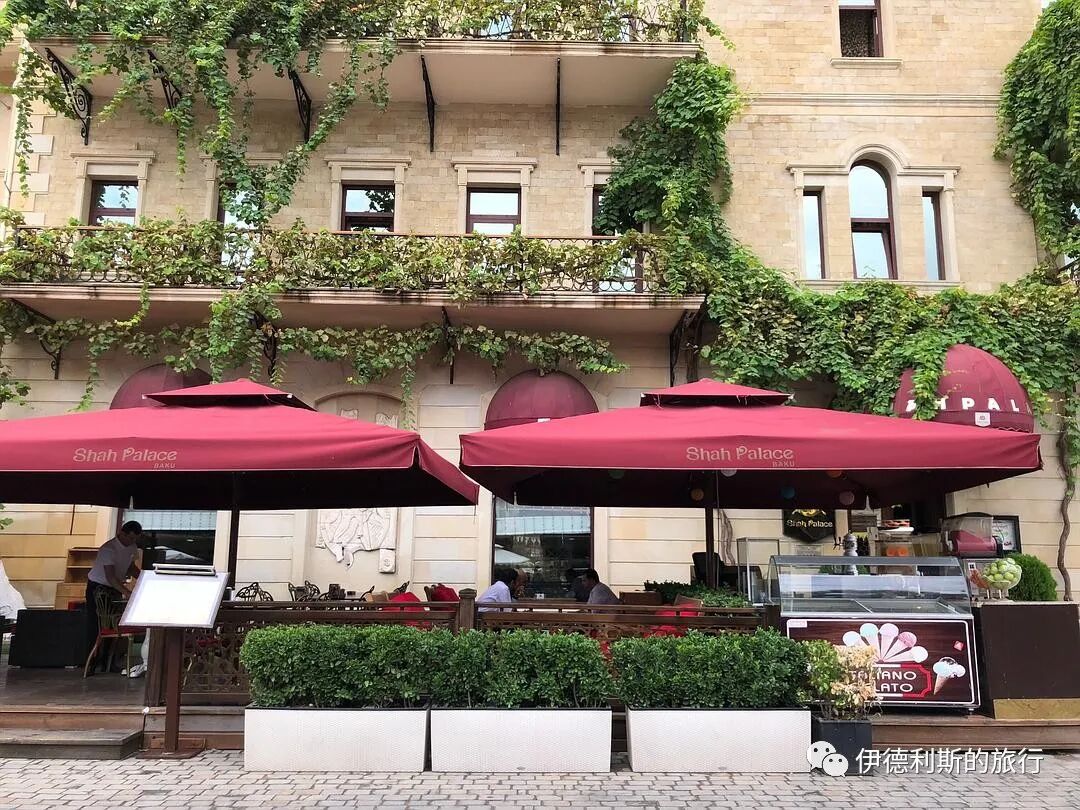
I had some delicious chicken kebab at this restaurant called Shah Palace.
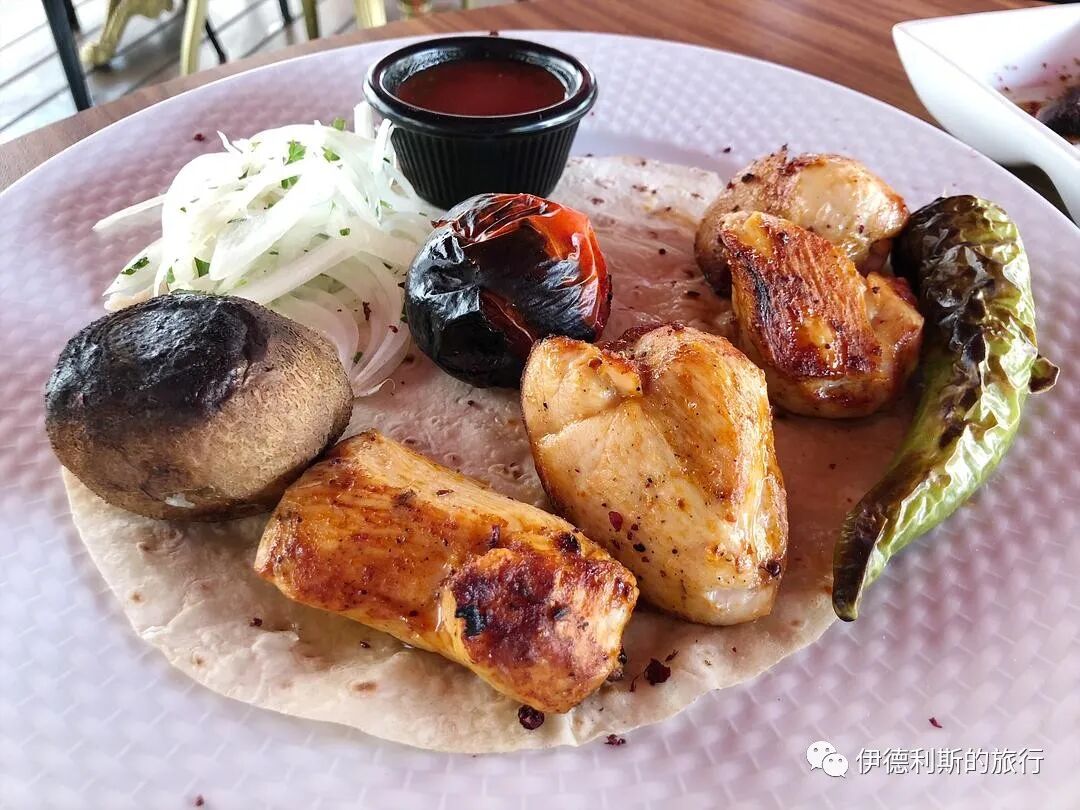
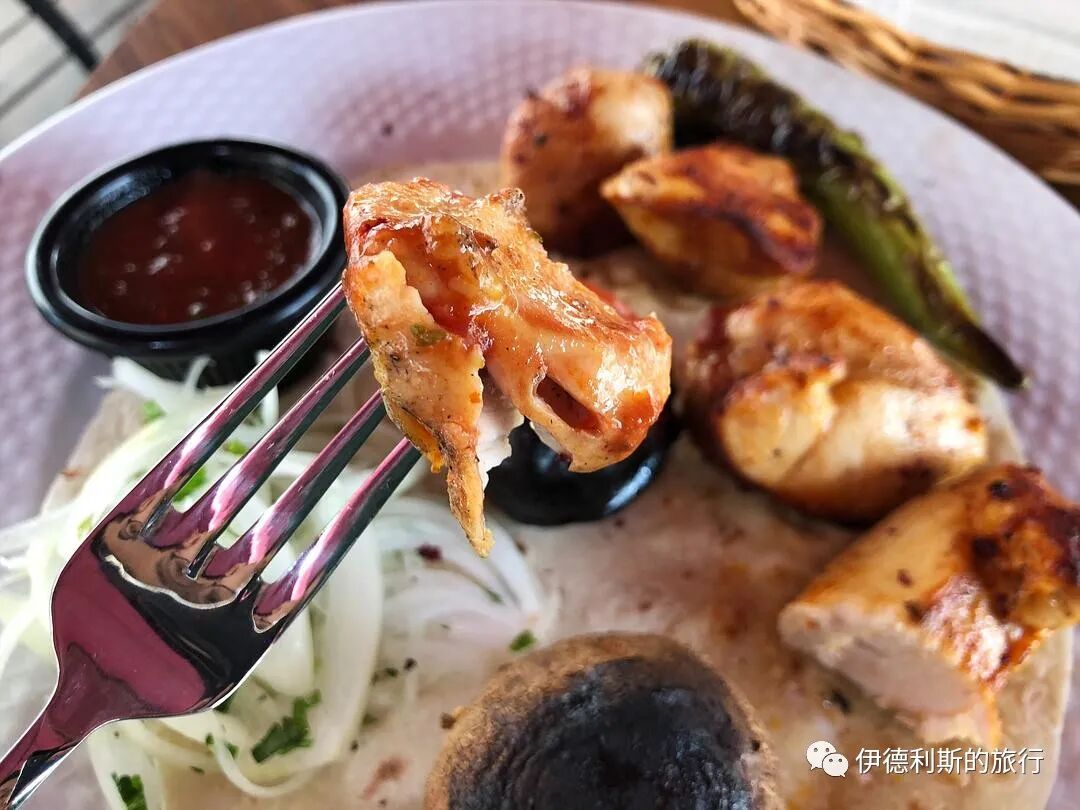
These roasted potatoes were also incredibly fragrant.

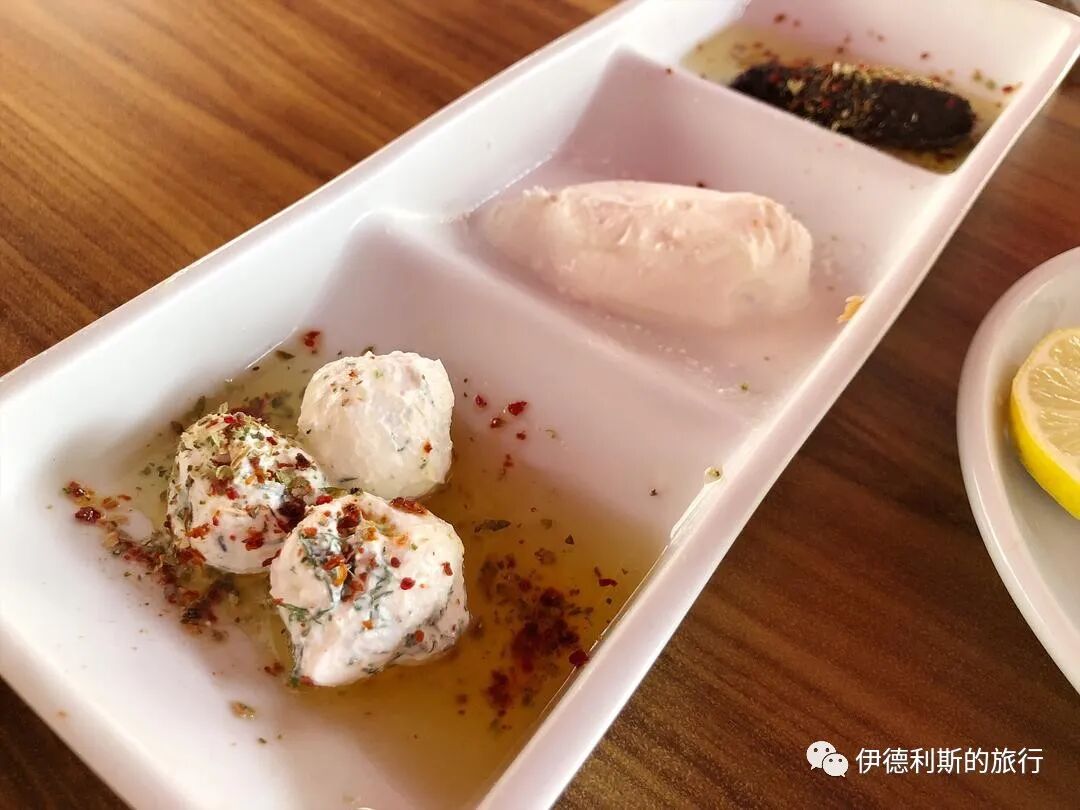
Yogurt dipping sauce.

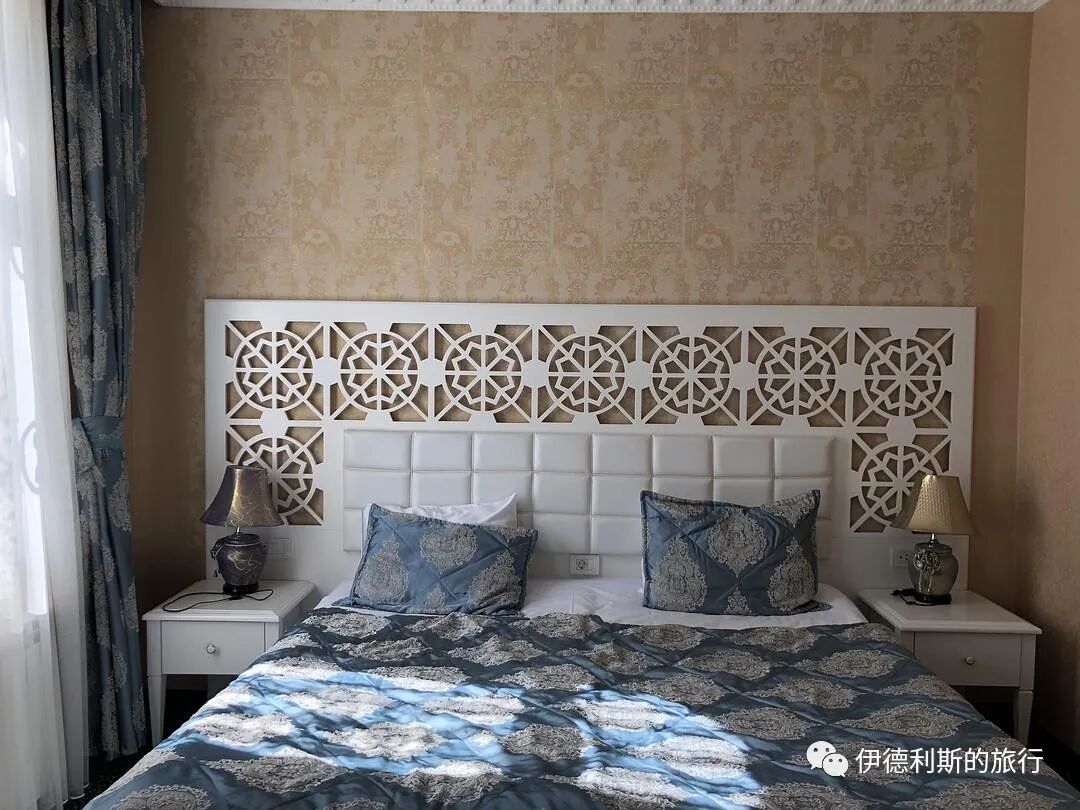
Accommodation.
Finally, let me talk about where I stayed. Many hotels in the old city of Baku are converted from historic buildings. I stayed at a place called Premier Old Gates, right inside the southwest gate of the old city of Baku. There is a restaurant upstairs where I had a beef rice dish.
Summary: Baku Old City — Mugham Music, Muslim Food and Heritage is presented here as a firsthand travel account in clear English, beginning with this scene: In 2000, UNESCO added the Old City of Baku in Azerbaijan to its World Heritage List. The account keeps its focus on Baku Old City, Azerbaijan Food, Mugham Music while preserving the names, places, food, and historical details from the Chinese source.
In 2000, UNESCO added the Old City of Baku in Azerbaijan to its World Heritage List. In 2003, UNESCO added Azerbaijani Mugham to its Representative List of the Intangible Cultural Heritage of Humanity. I was very lucky to experience the charm of both these tangible and intangible cultural heritages in the Old City of Baku.
1. Mugham performances in the Old City of Baku
Two restaurants in the Old City of Baku host Azerbaijani Mugham performances all year round. Both restaurants are located in Silk Road inns built during the Middle Ages; one is called Han Restaurant Baku, and the other is called Mugam Club. Both restaurants hold performances in the evening, but not necessarily every day, so you can ask ahead before you go. The servers at both restaurants speak English.
The building housing Han Restaurant Baku is a small inn (Kiçik karvansaray) built in the 12th century. During the Middle Ages, merchants from Iran, Turkey, the Caucasus, and even India would stay here.
Azerbaijani Mugham originated from classical Persian music. It was court music in the 16th and 17th centuries, then moved into folk circles after the 19th century, blending with folk music from across Azerbaijan.
Azerbaijani Mugham usually consists of a lead singer (khanandas), a long-necked lute (tar), a bowed string instrument (kamancheh), and a frame drum (daf). The lead singer often doubles as the drummer.
The book in front of the singer
The long-necked lute (tar) and bowed string instrument (kamancheh)
I ate some very delicious grilled meat here; it was fresh, tender, and tasty.
You can eat as much bread as you want here.
Finally, the shop served us complimentary traditional coffee.
The other restaurant, Mugam Club, is located in a two-story inn (İkimərtəbəli karvansaray) built in the 15th century. The two-story inn is the largest Silk Road inn in Baku, built by order of Khalilullah I, the 34th king of the Shirvan dynasty, who reigned from 1417 to 1465. The Shirvan dynasty reached its peak during the reign of Khalilullah I, and he also built many structures in the Old City of Baku.
The painting hanging on the wall depicts a night view of the Old City of Baku.
The long-necked lute (tar) used for this Mugham performance was replaced by a keyboard, but the young man's voice was very professional.
I ate Kavkaz barbecue, chicken soup, and sweet rice here.
I also saw a young man playing the tar at a restaurant called Art Club, and he had a very graceful style.
2. Sharing knowledge about Azerbaijani mugham.
Traditional Azerbaijani mugham usually consists of a lead singer (khanandas), a plucked string instrument (tar), a bowed string instrument (kamancheh), and a frame drum (daf), with the lead singer often doubling as the drummer.
The word khananda means singer in Persian, and since the Middle Ages, they have sung Persian poetry at weddings, bazaars, caravanserais, and teahouses in cities. Khanandas singers reached their peak from the 19th century to the early 20th century. In the 1870s, a khanandas singer named Kharrat Gulu established the first professional Azerbaijani mugham school, where students were required to have a vocal range of at least two octaves. After finishing their studies, khanandas singers who passed the exam would receive the title of ustad (master).
The word tar means string in Persian, and the tar is an important classical Persian string instrument. It appeared in the mid-18th century and became one of the most important string instruments in Iran and the Caucasus. The Azerbaijani tar, also called the 11-string tar, was invented by Mirza Sadiq Asad (1846-1902) in the 1870s based on the Iranian tar. He changed the tar to 11 strings and moved its playing position from the knee to the chest.
The word kamancheh means little bow in Persian and is an important bowed string instrument in Iran, the Caucasus, and Central Asia. During the Persian Safavid dynasty, the kamancheh was a very important instrument for celebrations.
The daf is a frame drum widely popular in the Middle East, Persia, South Asia, and Central Asia, dating back to the Sassanid Persian period and used in Nowruz festivals and Zoroastrian chanting. Starting in the 15th century, the daf drum was widely used in Sufi rituals.
The picture below shows an Azerbaijani mugham ensemble in 1911; from left to right are the daf, kamancheh, and tar.
Jabbar Garyaghdioglu is known as the greatest khanandas singer and holds an important place in the history of Azerbaijani music. He was the first singer to perform mugham in the Azerbaijani language instead of Persian, and the first to bring Azerbaijani mugham to grand theaters and concert halls.
Jabbar was born into a family that ran a dye workshop, and his father wanted his son to inherit the family business, but the son was determined to become a singer. Between 1871 and 1876, Jabbar studied vocal music, music theory, and Persian at school. After graduating, he joined the band of a famous local musician. By age 20, Jabbar was famous across the South Caucasus. He sang in inns and caravans along trade routes, and his influence reached Iran, Central Asia, and Turkey.
In 1901, Jabbar moved to Baku, which was booming because of oil. He built a club in the suburbs specifically to host charity concerts. Between 1906 and 1912, Jabbar and the best singers of the time, known as Khanandas, traveled to Kiev, Moscow, and Warsaw to record vinyl records and hold concerts.
During the Soviet era, Jabbar taught classical music at the Azerbaijan National Conservatory and was a singer for the Azerbaijan State Philharmonic Society.
Jabbar Garyaghdioglu recording in Warsaw in 1912, sitting first on the left.
After Jabbar, Seyid Shushinski (1889-1965) was known as the most famous Azerbaijani mugham Khanandas singer in the first half of the 20th century.
Seyid lost his father when he was young and grew up with his aunt, who was skilled at folk songs. Because of his great musical talent, he joined his first band at age 15. In 1908, 19-year-old Seyid had his public debut and it was a huge success. At his uncle's insistence, Seyid finished two years of professional music education at Mir Mohsun Navvab's school, and after that, he became a professional Khanandas singer.
In 1911, Seyid went to Georgia to hold a concert. In 1913, he released a vinyl record in Kiev, and in 1919, he moved to Baku.
During the Soviet era, Seyid sang at the Baku Theater and taught at the Azerbaijan Conservatory between 1926 and 1933. In 1933, Shushinski founded the "Eastern Orchestra" and toured in Russia, Ukraine, and Kazakhstan.
Seyid with his band in 1916.
Street food.
Freshly squeezed pomegranate juice on the street.
Street-side nut-filled honey pastry (baklava) served with black tea.
I highly recommend this street bakery. The bread is super cheap. After I bought some and started eating it at the door, the owner offered to make me free tea. After I took a bite, the grandmother making the bread even added a big piece of butter to my bread.
The owner is wearing a Caucasian pastoral wool hat while taking a photo with his friend, and everyone is super happy.
Another bakery next door.
In the old city of Baku, there is a lovely open-air restaurant called 145group, located right on the roof of the 15th-century Haji Gayib Bathhouse (Hacı Qayıb Hamamı). This Turkish bathhouse was buried underground for hundreds of years until it was uncovered during an archaeological survey in 1964.
Inside the bathhouse ventilation hole.
I ate the Azerbaijani specialty, stuffed grape leaves (dolma). In 2017, the art of making dolma in Azerbaijan was added to the UNESCO Intangible Cultural Heritage list.
The word "dolma" comes from the Turkish word "dolmak," which means "to fill." Its exact origin is unclear, but it may have come from the Ottoman court. The records say from Persian court chefs, between the 17th and 19th centuries, dolma was made by wrapping grape leaves, cabbage leaves, cucumbers, eggplants, and apples, with fillings of minced meat, fried mint, rice, and saffron. In Azerbaijan, dolma is usually made with grape leaves.
Two little kittens kept eyeing my dolma, so I gave them each one, and they left feeling satisfied.
Yogurt drink (ayran).
Looking down at the view.
Grilled meat (kebab).
I had some delicious chicken kebab at this restaurant called Shah Palace.
These roasted potatoes were also incredibly fragrant.
Yogurt dipping sauce.
Accommodation.
Finally, let me talk about where I stayed. Many hotels in the old city of Baku are converted from historic buildings. I stayed at a place called Premier Old Gates, right inside the southwest gate of the old city of Baku. There is a restaurant upstairs where I had a beef rice dish.
Halal Travel Guide: Baku Old City — Mugham Music, Muslim Food and Heritage
Articles • ali2007fr posted the article • 0 comments • 159 views • 2026-05-18 07:38
Reposted from the web
Summary: Baku Old City — Mugham Music, Muslim Food and Heritage is presented here as a firsthand travel account in clear English, beginning with this scene: In 2000, UNESCO added the Old City of Baku in Azerbaijan to its World Heritage List. The account keeps its focus on Baku Old City, Azerbaijan Food, Mugham Music while preserving the names, places, food, and historical details from the Chinese source.
In 2000, UNESCO added the Old City of Baku in Azerbaijan to its World Heritage List. In 2003, UNESCO added Azerbaijani Mugham to its Representative List of the Intangible Cultural Heritage of Humanity. I was very lucky to experience the charm of both these tangible and intangible cultural heritages in the Old City of Baku.
1. Mugham performances in the Old City of Baku
Two restaurants in the Old City of Baku host Azerbaijani Mugham performances all year round. Both restaurants are located in Silk Road inns built during the Middle Ages; one is called Han Restaurant Baku, and the other is called Mugam Club. Both restaurants hold performances in the evening, but not necessarily every day, so you can ask ahead before you go. The servers at both restaurants speak English.
The building housing Han Restaurant Baku is a small inn (Kiçik karvansaray) built in the 12th century. During the Middle Ages, merchants from Iran, Turkey, the Caucasus, and even India would stay here.
Azerbaijani Mugham originated from classical Persian music. It was court music in the 16th and 17th centuries, then moved into folk circles after the 19th century, blending with folk music from across Azerbaijan.
Azerbaijani Mugham usually consists of a lead singer (khanandas), a long-necked lute (tar), a bowed string instrument (kamancheh), and a frame drum (daf). The lead singer often doubles as the drummer.
The book in front of the singer
The long-necked lute (tar) and bowed string instrument (kamancheh)
I ate some very delicious grilled meat here; it was fresh, tender, and tasty.
You can eat as much bread as you want here.
Finally, the shop served us complimentary traditional coffee.
The other restaurant, Mugam Club, is located in a two-story inn (İkimərtəbəli karvansaray) built in the 15th century. The two-story inn is the largest Silk Road inn in Baku, built by order of Khalilullah I, the 34th king of the Shirvan dynasty, who reigned from 1417 to 1465. The Shirvan dynasty reached its peak during the reign of Khalilullah I, and he also built many structures in the Old City of Baku.
The painting hanging on the wall depicts a night view of the Old City of Baku.
The long-necked lute (tar) used for this Mugham performance was replaced by a keyboard, but the young man's voice was very professional.
I ate Kavkaz barbecue, chicken soup, and sweet rice here.
I also saw a young man playing the tar at a restaurant called Art Club, and he had a very graceful style.
2. Sharing knowledge about Azerbaijani mugham.
Traditional Azerbaijani mugham usually consists of a lead singer (khanandas), a plucked string instrument (tar), a bowed string instrument (kamancheh), and a frame drum (daf), with the lead singer often doubling as the drummer.
The word khananda means singer in Persian, and since the Middle Ages, they have sung Persian poetry at weddings, bazaars, caravanserais, and teahouses in cities. Khanandas singers reached their peak from the 19th century to the early 20th century. In the 1870s, a khanandas singer named Kharrat Gulu established the first professional Azerbaijani mugham school, where students were required to have a vocal range of at least two octaves. After finishing their studies, khanandas singers who passed the exam would receive the title of ustad (master).
The word tar means string in Persian, and the tar is an important classical Persian string instrument. It appeared in the mid-18th century and became one of the most important string instruments in Iran and the Caucasus. The Azerbaijani tar, also called the 11-string tar, was invented by Mirza Sadiq Asad (1846-1902) in the 1870s based on the Iranian tar. He changed the tar to 11 strings and moved its playing position from the knee to the chest.
The word kamancheh means little bow in Persian and is an important bowed string instrument in Iran, the Caucasus, and Central Asia. During the Persian Safavid dynasty, the kamancheh was a very important instrument for celebrations.
The daf is a frame drum widely popular in the Middle East, Persia, South Asia, and Central Asia, dating back to the Sassanid Persian period and used in Nowruz festivals and Zoroastrian chanting. Starting in the 15th century, the daf drum was widely used in Sufi rituals.
The picture below shows an Azerbaijani mugham ensemble in 1911; from left to right are the daf, kamancheh, and tar.
Jabbar Garyaghdioglu is known as the greatest khanandas singer and holds an important place in the history of Azerbaijani music. He was the first singer to perform mugham in the Azerbaijani language instead of Persian, and the first to bring Azerbaijani mugham to grand theaters and concert halls.
Jabbar was born into a family that ran a dye workshop, and his father wanted his son to inherit the family business, but the son was determined to become a singer. Between 1871 and 1876, Jabbar studied vocal music, music theory, and Persian at school. After graduating, he joined the band of a famous local musician. By age 20, Jabbar was famous across the South Caucasus. He sang in inns and caravans along trade routes, and his influence reached Iran, Central Asia, and Turkey.
In 1901, Jabbar moved to Baku, which was booming because of oil. He built a club in the suburbs specifically to host charity concerts. Between 1906 and 1912, Jabbar and the best singers of the time, known as Khanandas, traveled to Kiev, Moscow, and Warsaw to record vinyl records and hold concerts.
During the Soviet era, Jabbar taught classical music at the Azerbaijan National Conservatory and was a singer for the Azerbaijan State Philharmonic Society.
Jabbar Garyaghdioglu recording in Warsaw in 1912, sitting first on the left.
After Jabbar, Seyid Shushinski (1889-1965) was known as the most famous Azerbaijani mugham Khanandas singer in the first half of the 20th century.
Seyid lost his father when he was young and grew up with his aunt, who was skilled at folk songs. Because of his great musical talent, he joined his first band at age 15. In 1908, 19-year-old Seyid had his public debut and it was a huge success. At his uncle's insistence, Seyid finished two years of professional music education at Mir Mohsun Navvab's school, and after that, he became a professional Khanandas singer.
In 1911, Seyid went to Georgia to hold a concert. In 1913, he released a vinyl record in Kiev, and in 1919, he moved to Baku.
During the Soviet era, Seyid sang at the Baku Theater and taught at the Azerbaijan Conservatory between 1926 and 1933. In 1933, Shushinski founded the "Eastern Orchestra" and toured in Russia, Ukraine, and Kazakhstan.
Seyid with his band in 1916.
Street food.
Freshly squeezed pomegranate juice on the street.
Street-side nut-filled honey pastry (baklava) served with black tea.
I highly recommend this street bakery. The bread is super cheap. After I bought some and started eating it at the door, the owner offered to make me free tea. After I took a bite, the grandmother making the bread even added a big piece of butter to my bread.
The owner is wearing a Caucasian pastoral wool hat while taking a photo with his friend, and everyone is super happy.
Another bakery next door.
In the old city of Baku, there is a lovely open-air restaurant called 145group, located right on the roof of the 15th-century Haji Gayib Bathhouse (Hacı Qayıb Hamamı). This Turkish bathhouse was buried underground for hundreds of years until it was uncovered during an archaeological survey in 1964.
Inside the bathhouse ventilation hole.
I ate the Azerbaijani specialty, stuffed grape leaves (dolma). In 2017, the art of making dolma in Azerbaijan was added to the UNESCO Intangible Cultural Heritage list.
The word "dolma" comes from the Turkish word "dolmak," which means "to fill." Its exact origin is unclear, but it may have come from the Ottoman court. The records say from Persian court chefs, between the 17th and 19th centuries, dolma was made by wrapping grape leaves, cabbage leaves, cucumbers, eggplants, and apples, with fillings of minced meat, fried mint, rice, and saffron. In Azerbaijan, dolma is usually made with grape leaves.
Two little kittens kept eyeing my dolma, so I gave them each one, and they left feeling satisfied.
Yogurt drink (ayran).
Looking down at the view.
Grilled meat (kebab).
I had some delicious chicken kebab at this restaurant called Shah Palace.
These roasted potatoes were also incredibly fragrant.
Yogurt dipping sauce.
Accommodation.
Finally, let me talk about where I stayed. Many hotels in the old city of Baku are converted from historic buildings. I stayed at a place called Premier Old Gates, right inside the southwest gate of the old city of Baku. There is a restaurant upstairs where I had a beef rice dish. view all
Summary: Baku Old City — Mugham Music, Muslim Food and Heritage is presented here as a firsthand travel account in clear English, beginning with this scene: In 2000, UNESCO added the Old City of Baku in Azerbaijan to its World Heritage List. The account keeps its focus on Baku Old City, Azerbaijan Food, Mugham Music while preserving the names, places, food, and historical details from the Chinese source.
In 2000, UNESCO added the Old City of Baku in Azerbaijan to its World Heritage List. In 2003, UNESCO added Azerbaijani Mugham to its Representative List of the Intangible Cultural Heritage of Humanity. I was very lucky to experience the charm of both these tangible and intangible cultural heritages in the Old City of Baku.
1. Mugham performances in the Old City of Baku
Two restaurants in the Old City of Baku host Azerbaijani Mugham performances all year round. Both restaurants are located in Silk Road inns built during the Middle Ages; one is called Han Restaurant Baku, and the other is called Mugam Club. Both restaurants hold performances in the evening, but not necessarily every day, so you can ask ahead before you go. The servers at both restaurants speak English.
The building housing Han Restaurant Baku is a small inn (Kiçik karvansaray) built in the 12th century. During the Middle Ages, merchants from Iran, Turkey, the Caucasus, and even India would stay here.
Azerbaijani Mugham originated from classical Persian music. It was court music in the 16th and 17th centuries, then moved into folk circles after the 19th century, blending with folk music from across Azerbaijan.
Azerbaijani Mugham usually consists of a lead singer (khanandas), a long-necked lute (tar), a bowed string instrument (kamancheh), and a frame drum (daf). The lead singer often doubles as the drummer.
The book in front of the singer
The long-necked lute (tar) and bowed string instrument (kamancheh)
I ate some very delicious grilled meat here; it was fresh, tender, and tasty.
You can eat as much bread as you want here.
Finally, the shop served us complimentary traditional coffee.
The other restaurant, Mugam Club, is located in a two-story inn (İkimərtəbəli karvansaray) built in the 15th century. The two-story inn is the largest Silk Road inn in Baku, built by order of Khalilullah I, the 34th king of the Shirvan dynasty, who reigned from 1417 to 1465. The Shirvan dynasty reached its peak during the reign of Khalilullah I, and he also built many structures in the Old City of Baku.
The painting hanging on the wall depicts a night view of the Old City of Baku.
The long-necked lute (tar) used for this Mugham performance was replaced by a keyboard, but the young man's voice was very professional.
I ate Kavkaz barbecue, chicken soup, and sweet rice here.
I also saw a young man playing the tar at a restaurant called Art Club, and he had a very graceful style.
2. Sharing knowledge about Azerbaijani mugham.
Traditional Azerbaijani mugham usually consists of a lead singer (khanandas), a plucked string instrument (tar), a bowed string instrument (kamancheh), and a frame drum (daf), with the lead singer often doubling as the drummer.
The word khananda means singer in Persian, and since the Middle Ages, they have sung Persian poetry at weddings, bazaars, caravanserais, and teahouses in cities. Khanandas singers reached their peak from the 19th century to the early 20th century. In the 1870s, a khanandas singer named Kharrat Gulu established the first professional Azerbaijani mugham school, where students were required to have a vocal range of at least two octaves. After finishing their studies, khanandas singers who passed the exam would receive the title of ustad (master).
The word tar means string in Persian, and the tar is an important classical Persian string instrument. It appeared in the mid-18th century and became one of the most important string instruments in Iran and the Caucasus. The Azerbaijani tar, also called the 11-string tar, was invented by Mirza Sadiq Asad (1846-1902) in the 1870s based on the Iranian tar. He changed the tar to 11 strings and moved its playing position from the knee to the chest.
The word kamancheh means little bow in Persian and is an important bowed string instrument in Iran, the Caucasus, and Central Asia. During the Persian Safavid dynasty, the kamancheh was a very important instrument for celebrations.
The daf is a frame drum widely popular in the Middle East, Persia, South Asia, and Central Asia, dating back to the Sassanid Persian period and used in Nowruz festivals and Zoroastrian chanting. Starting in the 15th century, the daf drum was widely used in Sufi rituals.
The picture below shows an Azerbaijani mugham ensemble in 1911; from left to right are the daf, kamancheh, and tar.
Jabbar Garyaghdioglu is known as the greatest khanandas singer and holds an important place in the history of Azerbaijani music. He was the first singer to perform mugham in the Azerbaijani language instead of Persian, and the first to bring Azerbaijani mugham to grand theaters and concert halls.
Jabbar was born into a family that ran a dye workshop, and his father wanted his son to inherit the family business, but the son was determined to become a singer. Between 1871 and 1876, Jabbar studied vocal music, music theory, and Persian at school. After graduating, he joined the band of a famous local musician. By age 20, Jabbar was famous across the South Caucasus. He sang in inns and caravans along trade routes, and his influence reached Iran, Central Asia, and Turkey.
In 1901, Jabbar moved to Baku, which was booming because of oil. He built a club in the suburbs specifically to host charity concerts. Between 1906 and 1912, Jabbar and the best singers of the time, known as Khanandas, traveled to Kiev, Moscow, and Warsaw to record vinyl records and hold concerts.
During the Soviet era, Jabbar taught classical music at the Azerbaijan National Conservatory and was a singer for the Azerbaijan State Philharmonic Society.
Jabbar Garyaghdioglu recording in Warsaw in 1912, sitting first on the left.
After Jabbar, Seyid Shushinski (1889-1965) was known as the most famous Azerbaijani mugham Khanandas singer in the first half of the 20th century.
Seyid lost his father when he was young and grew up with his aunt, who was skilled at folk songs. Because of his great musical talent, he joined his first band at age 15. In 1908, 19-year-old Seyid had his public debut and it was a huge success. At his uncle's insistence, Seyid finished two years of professional music education at Mir Mohsun Navvab's school, and after that, he became a professional Khanandas singer.
In 1911, Seyid went to Georgia to hold a concert. In 1913, he released a vinyl record in Kiev, and in 1919, he moved to Baku.
During the Soviet era, Seyid sang at the Baku Theater and taught at the Azerbaijan Conservatory between 1926 and 1933. In 1933, Shushinski founded the "Eastern Orchestra" and toured in Russia, Ukraine, and Kazakhstan.
Seyid with his band in 1916.
Street food.
Freshly squeezed pomegranate juice on the street.
Street-side nut-filled honey pastry (baklava) served with black tea.
I highly recommend this street bakery. The bread is super cheap. After I bought some and started eating it at the door, the owner offered to make me free tea. After I took a bite, the grandmother making the bread even added a big piece of butter to my bread.
The owner is wearing a Caucasian pastoral wool hat while taking a photo with his friend, and everyone is super happy.
Another bakery next door.
In the old city of Baku, there is a lovely open-air restaurant called 145group, located right on the roof of the 15th-century Haji Gayib Bathhouse (Hacı Qayıb Hamamı). This Turkish bathhouse was buried underground for hundreds of years until it was uncovered during an archaeological survey in 1964.
Inside the bathhouse ventilation hole.
I ate the Azerbaijani specialty, stuffed grape leaves (dolma). In 2017, the art of making dolma in Azerbaijan was added to the UNESCO Intangible Cultural Heritage list.
The word "dolma" comes from the Turkish word "dolmak," which means "to fill." Its exact origin is unclear, but it may have come from the Ottoman court. The records say from Persian court chefs, between the 17th and 19th centuries, dolma was made by wrapping grape leaves, cabbage leaves, cucumbers, eggplants, and apples, with fillings of minced meat, fried mint, rice, and saffron. In Azerbaijan, dolma is usually made with grape leaves.
Two little kittens kept eyeing my dolma, so I gave them each one, and they left feeling satisfied.
Yogurt drink (ayran).
Looking down at the view.
Grilled meat (kebab).
I had some delicious chicken kebab at this restaurant called Shah Palace.
These roasted potatoes were also incredibly fragrant.
Yogurt dipping sauce.
Accommodation.
Finally, let me talk about where I stayed. Many hotels in the old city of Baku are converted from historic buildings. I stayed at a place called Premier Old Gates, right inside the southwest gate of the old city of Baku. There is a restaurant upstairs where I had a beef rice dish. view all
Reposted from the web
Summary: Baku Old City — Mugham Music, Muslim Food and Heritage is presented here as a firsthand travel account in clear English, beginning with this scene: In 2000, UNESCO added the Old City of Baku in Azerbaijan to its World Heritage List. The account keeps its focus on Baku Old City, Azerbaijan Food, Mugham Music while preserving the names, places, food, and historical details from the Chinese source.
In 2000, UNESCO added the Old City of Baku in Azerbaijan to its World Heritage List. In 2003, UNESCO added Azerbaijani Mugham to its Representative List of the Intangible Cultural Heritage of Humanity. I was very lucky to experience the charm of both these tangible and intangible cultural heritages in the Old City of Baku.
1. Mugham performances in the Old City of Baku
Two restaurants in the Old City of Baku host Azerbaijani Mugham performances all year round. Both restaurants are located in Silk Road inns built during the Middle Ages; one is called Han Restaurant Baku, and the other is called Mugam Club. Both restaurants hold performances in the evening, but not necessarily every day, so you can ask ahead before you go. The servers at both restaurants speak English.
The building housing Han Restaurant Baku is a small inn (Kiçik karvansaray) built in the 12th century. During the Middle Ages, merchants from Iran, Turkey, the Caucasus, and even India would stay here.
Azerbaijani Mugham originated from classical Persian music. It was court music in the 16th and 17th centuries, then moved into folk circles after the 19th century, blending with folk music from across Azerbaijan.
Azerbaijani Mugham usually consists of a lead singer (khanandas), a long-necked lute (tar), a bowed string instrument (kamancheh), and a frame drum (daf). The lead singer often doubles as the drummer.
The book in front of the singer
The long-necked lute (tar) and bowed string instrument (kamancheh)
I ate some very delicious grilled meat here; it was fresh, tender, and tasty.
You can eat as much bread as you want here.
Finally, the shop served us complimentary traditional coffee.
The other restaurant, Mugam Club, is located in a two-story inn (İkimərtəbəli karvansaray) built in the 15th century. The two-story inn is the largest Silk Road inn in Baku, built by order of Khalilullah I, the 34th king of the Shirvan dynasty, who reigned from 1417 to 1465. The Shirvan dynasty reached its peak during the reign of Khalilullah I, and he also built many structures in the Old City of Baku.
The painting hanging on the wall depicts a night view of the Old City of Baku.
The long-necked lute (tar) used for this Mugham performance was replaced by a keyboard, but the young man's voice was very professional.
I ate Kavkaz barbecue, chicken soup, and sweet rice here.
I also saw a young man playing the tar at a restaurant called Art Club, and he had a very graceful style.
2. Sharing knowledge about Azerbaijani mugham.
Traditional Azerbaijani mugham usually consists of a lead singer (khanandas), a plucked string instrument (tar), a bowed string instrument (kamancheh), and a frame drum (daf), with the lead singer often doubling as the drummer.
The word khananda means singer in Persian, and since the Middle Ages, they have sung Persian poetry at weddings, bazaars, caravanserais, and teahouses in cities. Khanandas singers reached their peak from the 19th century to the early 20th century. In the 1870s, a khanandas singer named Kharrat Gulu established the first professional Azerbaijani mugham school, where students were required to have a vocal range of at least two octaves. After finishing their studies, khanandas singers who passed the exam would receive the title of ustad (master).
The word tar means string in Persian, and the tar is an important classical Persian string instrument. It appeared in the mid-18th century and became one of the most important string instruments in Iran and the Caucasus. The Azerbaijani tar, also called the 11-string tar, was invented by Mirza Sadiq Asad (1846-1902) in the 1870s based on the Iranian tar. He changed the tar to 11 strings and moved its playing position from the knee to the chest.
The word kamancheh means little bow in Persian and is an important bowed string instrument in Iran, the Caucasus, and Central Asia. During the Persian Safavid dynasty, the kamancheh was a very important instrument for celebrations.
The daf is a frame drum widely popular in the Middle East, Persia, South Asia, and Central Asia, dating back to the Sassanid Persian period and used in Nowruz festivals and Zoroastrian chanting. Starting in the 15th century, the daf drum was widely used in Sufi rituals.
The picture below shows an Azerbaijani mugham ensemble in 1911; from left to right are the daf, kamancheh, and tar.
Jabbar Garyaghdioglu is known as the greatest khanandas singer and holds an important place in the history of Azerbaijani music. He was the first singer to perform mugham in the Azerbaijani language instead of Persian, and the first to bring Azerbaijani mugham to grand theaters and concert halls.
Jabbar was born into a family that ran a dye workshop, and his father wanted his son to inherit the family business, but the son was determined to become a singer. Between 1871 and 1876, Jabbar studied vocal music, music theory, and Persian at school. After graduating, he joined the band of a famous local musician. By age 20, Jabbar was famous across the South Caucasus. He sang in inns and caravans along trade routes, and his influence reached Iran, Central Asia, and Turkey.
In 1901, Jabbar moved to Baku, which was booming because of oil. He built a club in the suburbs specifically to host charity concerts. Between 1906 and 1912, Jabbar and the best singers of the time, known as Khanandas, traveled to Kiev, Moscow, and Warsaw to record vinyl records and hold concerts.
During the Soviet era, Jabbar taught classical music at the Azerbaijan National Conservatory and was a singer for the Azerbaijan State Philharmonic Society.
Jabbar Garyaghdioglu recording in Warsaw in 1912, sitting first on the left.
After Jabbar, Seyid Shushinski (1889-1965) was known as the most famous Azerbaijani mugham Khanandas singer in the first half of the 20th century.
Seyid lost his father when he was young and grew up with his aunt, who was skilled at folk songs. Because of his great musical talent, he joined his first band at age 15. In 1908, 19-year-old Seyid had his public debut and it was a huge success. At his uncle's insistence, Seyid finished two years of professional music education at Mir Mohsun Navvab's school, and after that, he became a professional Khanandas singer.
In 1911, Seyid went to Georgia to hold a concert. In 1913, he released a vinyl record in Kiev, and in 1919, he moved to Baku.
During the Soviet era, Seyid sang at the Baku Theater and taught at the Azerbaijan Conservatory between 1926 and 1933. In 1933, Shushinski founded the "Eastern Orchestra" and toured in Russia, Ukraine, and Kazakhstan.
Seyid with his band in 1916.
Street food.
Freshly squeezed pomegranate juice on the street.
Street-side nut-filled honey pastry (baklava) served with black tea.
I highly recommend this street bakery. The bread is super cheap. After I bought some and started eating it at the door, the owner offered to make me free tea. After I took a bite, the grandmother making the bread even added a big piece of butter to my bread.
The owner is wearing a Caucasian pastoral wool hat while taking a photo with his friend, and everyone is super happy.
Another bakery next door.
In the old city of Baku, there is a lovely open-air restaurant called 145group, located right on the roof of the 15th-century Haji Gayib Bathhouse (Hacı Qayıb Hamamı). This Turkish bathhouse was buried underground for hundreds of years until it was uncovered during an archaeological survey in 1964.
Inside the bathhouse ventilation hole.
I ate the Azerbaijani specialty, stuffed grape leaves (dolma). In 2017, the art of making dolma in Azerbaijan was added to the UNESCO Intangible Cultural Heritage list.
The word "dolma" comes from the Turkish word "dolmak," which means "to fill." Its exact origin is unclear, but it may have come from the Ottoman court. The records say from Persian court chefs, between the 17th and 19th centuries, dolma was made by wrapping grape leaves, cabbage leaves, cucumbers, eggplants, and apples, with fillings of minced meat, fried mint, rice, and saffron. In Azerbaijan, dolma is usually made with grape leaves.
Two little kittens kept eyeing my dolma, so I gave them each one, and they left feeling satisfied.
Yogurt drink (ayran).
Looking down at the view.
Grilled meat (kebab).
I had some delicious chicken kebab at this restaurant called Shah Palace.
These roasted potatoes were also incredibly fragrant.
Yogurt dipping sauce.
Accommodation.
Finally, let me talk about where I stayed. Many hotels in the old city of Baku are converted from historic buildings. I stayed at a place called Premier Old Gates, right inside the southwest gate of the old city of Baku. There is a restaurant upstairs where I had a beef rice dish.
Summary: Baku Old City — Mugham Music, Muslim Food and Heritage is presented here as a firsthand travel account in clear English, beginning with this scene: In 2000, UNESCO added the Old City of Baku in Azerbaijan to its World Heritage List. The account keeps its focus on Baku Old City, Azerbaijan Food, Mugham Music while preserving the names, places, food, and historical details from the Chinese source.
In 2000, UNESCO added the Old City of Baku in Azerbaijan to its World Heritage List. In 2003, UNESCO added Azerbaijani Mugham to its Representative List of the Intangible Cultural Heritage of Humanity. I was very lucky to experience the charm of both these tangible and intangible cultural heritages in the Old City of Baku.
1. Mugham performances in the Old City of Baku
Two restaurants in the Old City of Baku host Azerbaijani Mugham performances all year round. Both restaurants are located in Silk Road inns built during the Middle Ages; one is called Han Restaurant Baku, and the other is called Mugam Club. Both restaurants hold performances in the evening, but not necessarily every day, so you can ask ahead before you go. The servers at both restaurants speak English.
The building housing Han Restaurant Baku is a small inn (Kiçik karvansaray) built in the 12th century. During the Middle Ages, merchants from Iran, Turkey, the Caucasus, and even India would stay here.
Azerbaijani Mugham originated from classical Persian music. It was court music in the 16th and 17th centuries, then moved into folk circles after the 19th century, blending with folk music from across Azerbaijan.
Azerbaijani Mugham usually consists of a lead singer (khanandas), a long-necked lute (tar), a bowed string instrument (kamancheh), and a frame drum (daf). The lead singer often doubles as the drummer.
The book in front of the singer
The long-necked lute (tar) and bowed string instrument (kamancheh)
I ate some very delicious grilled meat here; it was fresh, tender, and tasty.
You can eat as much bread as you want here.
Finally, the shop served us complimentary traditional coffee.
The other restaurant, Mugam Club, is located in a two-story inn (İkimərtəbəli karvansaray) built in the 15th century. The two-story inn is the largest Silk Road inn in Baku, built by order of Khalilullah I, the 34th king of the Shirvan dynasty, who reigned from 1417 to 1465. The Shirvan dynasty reached its peak during the reign of Khalilullah I, and he also built many structures in the Old City of Baku.
The painting hanging on the wall depicts a night view of the Old City of Baku.
The long-necked lute (tar) used for this Mugham performance was replaced by a keyboard, but the young man's voice was very professional.
I ate Kavkaz barbecue, chicken soup, and sweet rice here.
I also saw a young man playing the tar at a restaurant called Art Club, and he had a very graceful style.
2. Sharing knowledge about Azerbaijani mugham.
Traditional Azerbaijani mugham usually consists of a lead singer (khanandas), a plucked string instrument (tar), a bowed string instrument (kamancheh), and a frame drum (daf), with the lead singer often doubling as the drummer.
The word khananda means singer in Persian, and since the Middle Ages, they have sung Persian poetry at weddings, bazaars, caravanserais, and teahouses in cities. Khanandas singers reached their peak from the 19th century to the early 20th century. In the 1870s, a khanandas singer named Kharrat Gulu established the first professional Azerbaijani mugham school, where students were required to have a vocal range of at least two octaves. After finishing their studies, khanandas singers who passed the exam would receive the title of ustad (master).
The word tar means string in Persian, and the tar is an important classical Persian string instrument. It appeared in the mid-18th century and became one of the most important string instruments in Iran and the Caucasus. The Azerbaijani tar, also called the 11-string tar, was invented by Mirza Sadiq Asad (1846-1902) in the 1870s based on the Iranian tar. He changed the tar to 11 strings and moved its playing position from the knee to the chest.
The word kamancheh means little bow in Persian and is an important bowed string instrument in Iran, the Caucasus, and Central Asia. During the Persian Safavid dynasty, the kamancheh was a very important instrument for celebrations.
The daf is a frame drum widely popular in the Middle East, Persia, South Asia, and Central Asia, dating back to the Sassanid Persian period and used in Nowruz festivals and Zoroastrian chanting. Starting in the 15th century, the daf drum was widely used in Sufi rituals.
The picture below shows an Azerbaijani mugham ensemble in 1911; from left to right are the daf, kamancheh, and tar.
Jabbar Garyaghdioglu is known as the greatest khanandas singer and holds an important place in the history of Azerbaijani music. He was the first singer to perform mugham in the Azerbaijani language instead of Persian, and the first to bring Azerbaijani mugham to grand theaters and concert halls.
Jabbar was born into a family that ran a dye workshop, and his father wanted his son to inherit the family business, but the son was determined to become a singer. Between 1871 and 1876, Jabbar studied vocal music, music theory, and Persian at school. After graduating, he joined the band of a famous local musician. By age 20, Jabbar was famous across the South Caucasus. He sang in inns and caravans along trade routes, and his influence reached Iran, Central Asia, and Turkey.
In 1901, Jabbar moved to Baku, which was booming because of oil. He built a club in the suburbs specifically to host charity concerts. Between 1906 and 1912, Jabbar and the best singers of the time, known as Khanandas, traveled to Kiev, Moscow, and Warsaw to record vinyl records and hold concerts.
During the Soviet era, Jabbar taught classical music at the Azerbaijan National Conservatory and was a singer for the Azerbaijan State Philharmonic Society.
Jabbar Garyaghdioglu recording in Warsaw in 1912, sitting first on the left.
After Jabbar, Seyid Shushinski (1889-1965) was known as the most famous Azerbaijani mugham Khanandas singer in the first half of the 20th century.
Seyid lost his father when he was young and grew up with his aunt, who was skilled at folk songs. Because of his great musical talent, he joined his first band at age 15. In 1908, 19-year-old Seyid had his public debut and it was a huge success. At his uncle's insistence, Seyid finished two years of professional music education at Mir Mohsun Navvab's school, and after that, he became a professional Khanandas singer.
In 1911, Seyid went to Georgia to hold a concert. In 1913, he released a vinyl record in Kiev, and in 1919, he moved to Baku.
During the Soviet era, Seyid sang at the Baku Theater and taught at the Azerbaijan Conservatory between 1926 and 1933. In 1933, Shushinski founded the "Eastern Orchestra" and toured in Russia, Ukraine, and Kazakhstan.
Seyid with his band in 1916.
Street food.
Freshly squeezed pomegranate juice on the street.
Street-side nut-filled honey pastry (baklava) served with black tea.
I highly recommend this street bakery. The bread is super cheap. After I bought some and started eating it at the door, the owner offered to make me free tea. After I took a bite, the grandmother making the bread even added a big piece of butter to my bread.
The owner is wearing a Caucasian pastoral wool hat while taking a photo with his friend, and everyone is super happy.
Another bakery next door.
In the old city of Baku, there is a lovely open-air restaurant called 145group, located right on the roof of the 15th-century Haji Gayib Bathhouse (Hacı Qayıb Hamamı). This Turkish bathhouse was buried underground for hundreds of years until it was uncovered during an archaeological survey in 1964.
Inside the bathhouse ventilation hole.
I ate the Azerbaijani specialty, stuffed grape leaves (dolma). In 2017, the art of making dolma in Azerbaijan was added to the UNESCO Intangible Cultural Heritage list.
The word "dolma" comes from the Turkish word "dolmak," which means "to fill." Its exact origin is unclear, but it may have come from the Ottoman court. The records say from Persian court chefs, between the 17th and 19th centuries, dolma was made by wrapping grape leaves, cabbage leaves, cucumbers, eggplants, and apples, with fillings of minced meat, fried mint, rice, and saffron. In Azerbaijan, dolma is usually made with grape leaves.
Two little kittens kept eyeing my dolma, so I gave them each one, and they left feeling satisfied.
Yogurt drink (ayran).
Looking down at the view.
Grilled meat (kebab).
I had some delicious chicken kebab at this restaurant called Shah Palace.
These roasted potatoes were also incredibly fragrant.
Yogurt dipping sauce.
Accommodation.
Finally, let me talk about where I stayed. Many hotels in the old city of Baku are converted from historic buildings. I stayed at a place called Premier Old Gates, right inside the southwest gate of the old city of Baku. There is a restaurant upstairs where I had a beef rice dish.