

Muslim Friendly Food
Muslim Travel Guide Japan Tokyo: Japan Muslim Association, Islamic Heritage Hall and Ginza Food
Articles • yusuf908 posted the article • 0 comments • 224 views • 2026-05-23 22:23
Reposted from the web
Summary: This Japan Muslim travel guide visits the Japan Muslim Association in Tokyo, also called the Nihon Islam Culture Exchange Hall, then follows Imam Sato to a Ginza restaurant with a Muslim-friendly menu, tempura, fried ice cream, and local Japanese Muslims.
Last year, I was lucky enough to visit the Japan Muslim Association in Tokyo. I had been in Japan for a week at that time. The scene in the streets and alleys of Japan really made my eyes shine in the first day or two, but now it has gradually lost its novelty.
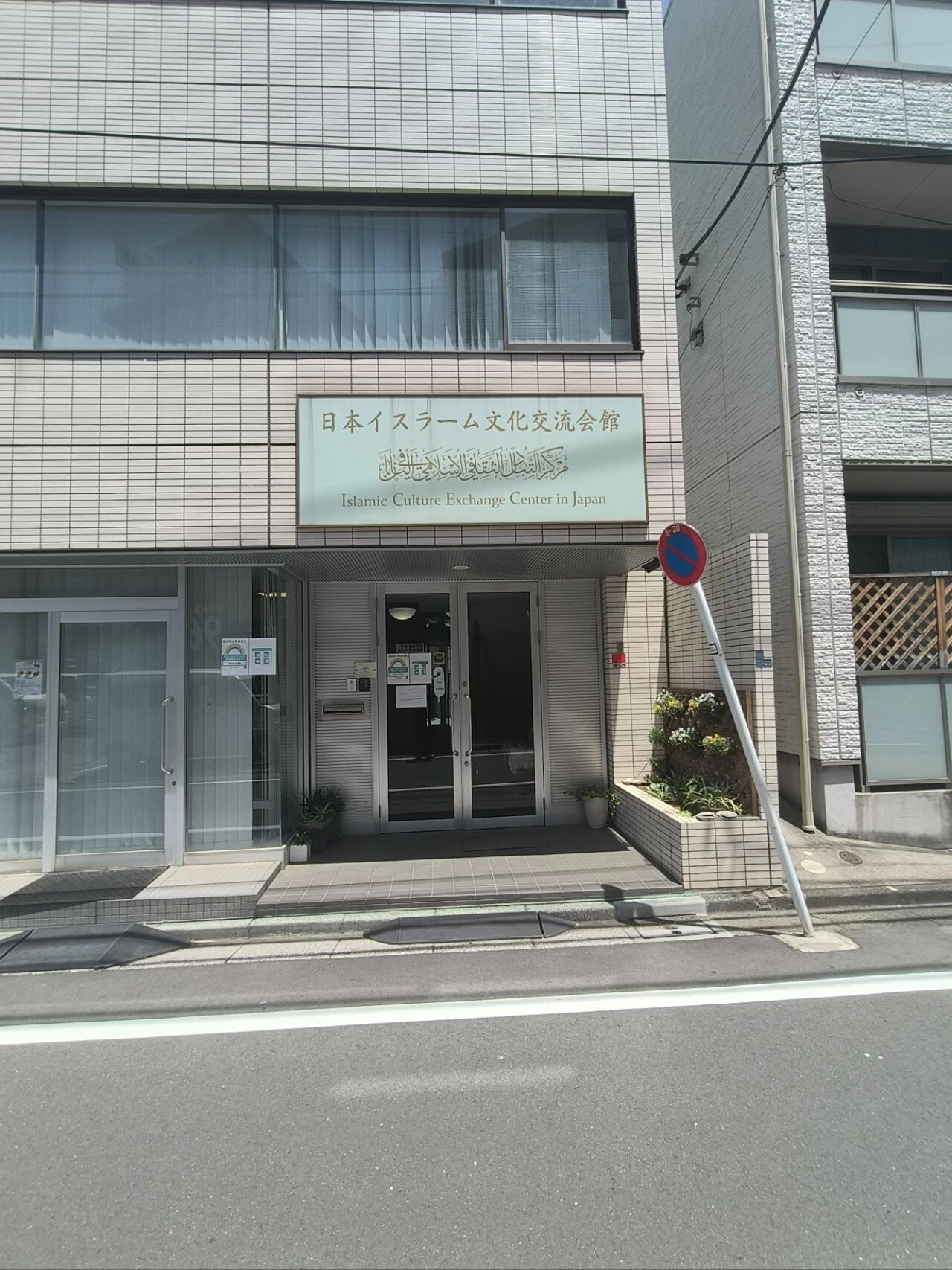
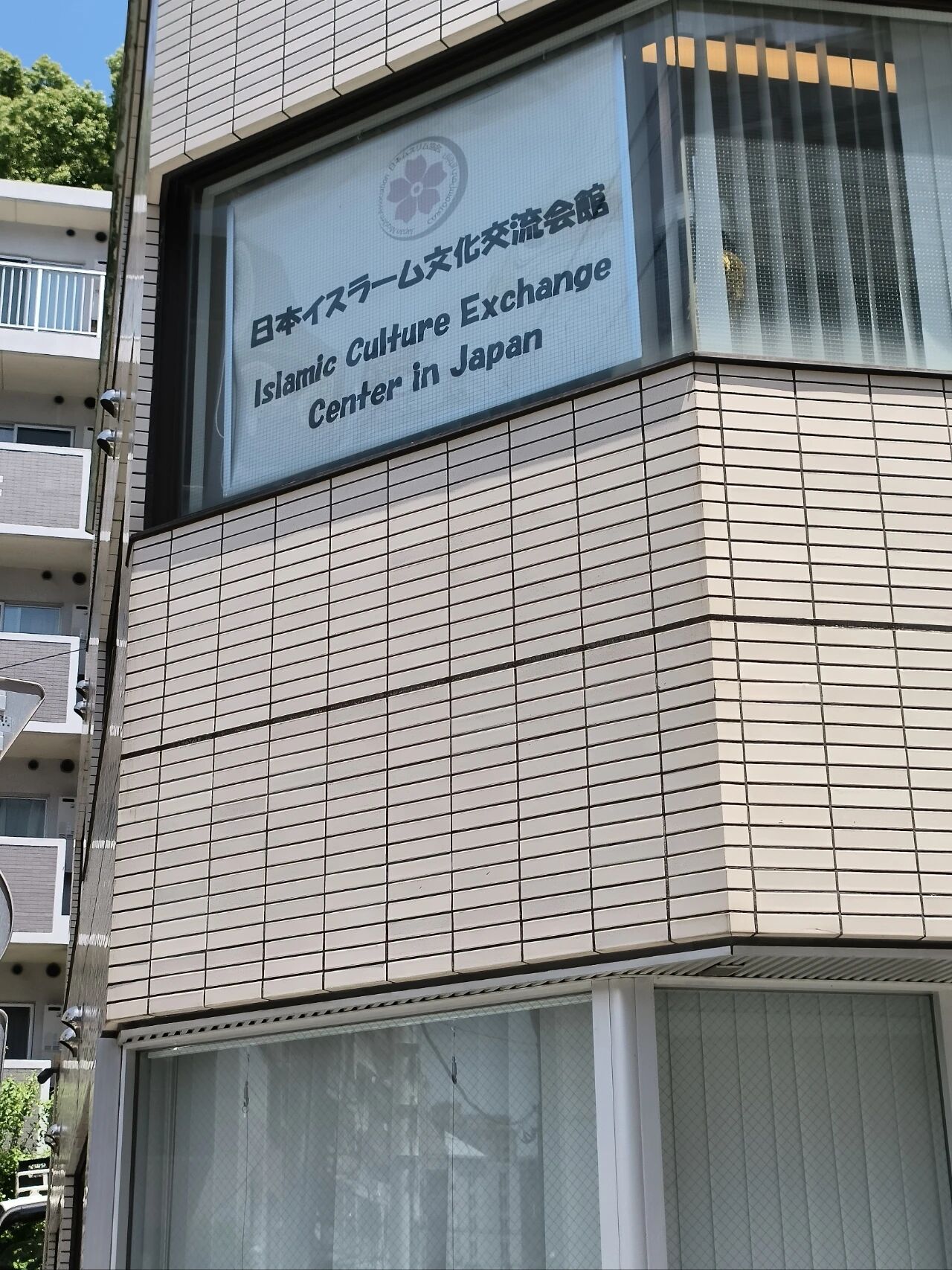
Fortunately, the mosque I was looking for arrived quickly after following the navigation. After walking a few sections in the alley, I saw a small building that was not much different from the surrounding residential buildings. (Pictures 1 and 2), the top of the sign at the door is in Japanese: Nihon Islam Culture Exchange Hall.
Isuramu is the transliteration of the Japanese transliteration of Islam. In the middle is Arabic Thuluth calligraphy. The bottom is in English.
There is a more prominent sign on the left window. Zoom in and look at the logo. The crescent moon surrounds the cherry blossoms, and the circular layout of the text is "Japan Muslim Association" in Japanese, English and Arabic.
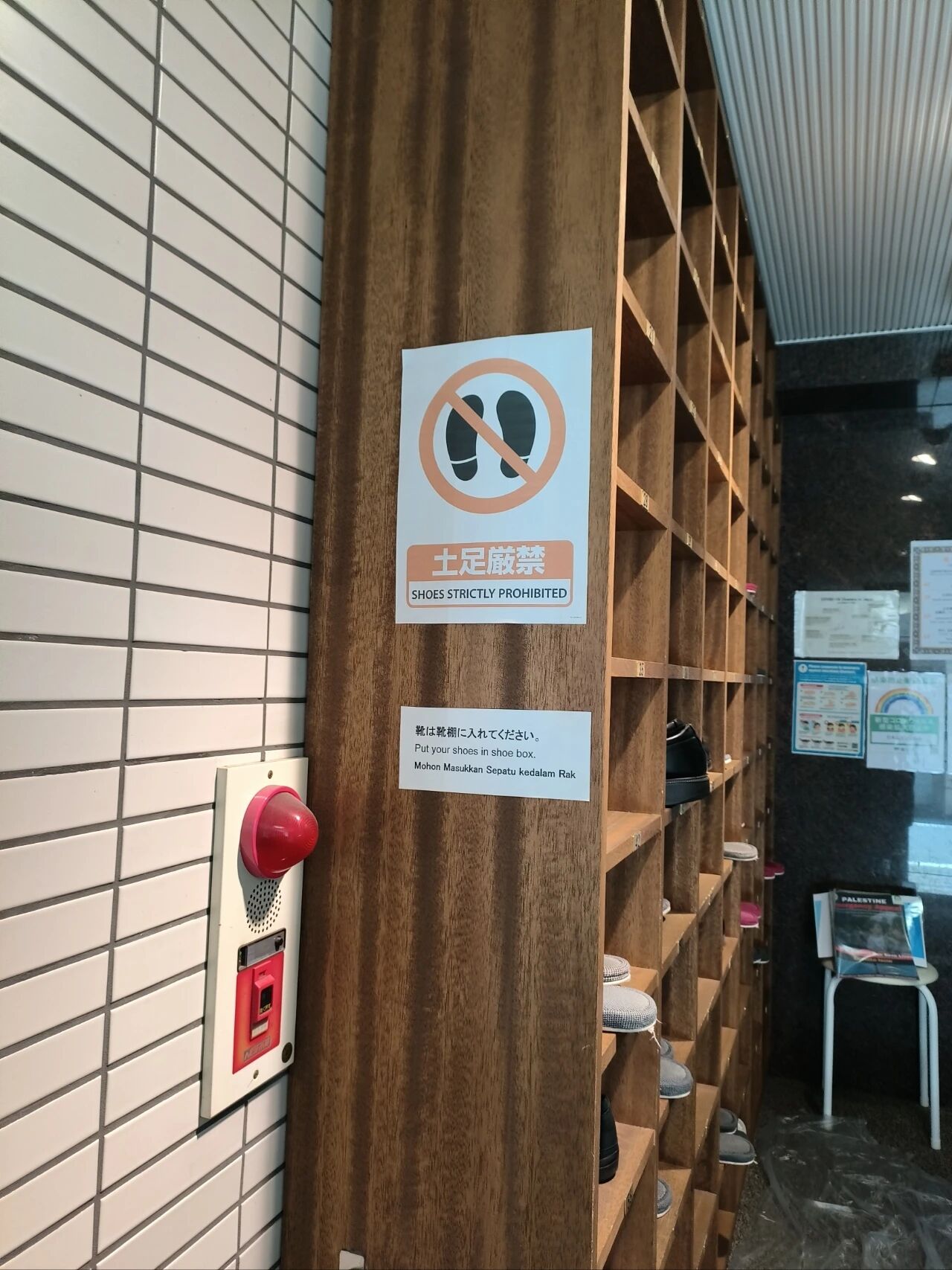
When I opened the door, I found that the first floor was not a place for worship, and neither was the place for ablution. I informed the person inside that I was there, and she asked me to go upstairs. There is a place to change shoes on the first floor. You have to change into slippers before going upstairs, which is quite Japanese. (Picture 3)
Upstairs is the prayer room and wudooing area. I found that the imam who gave the speech was none other than Imam Sato, whom I had followed on social media before. During his speech, he first summarized the main idea in Japanese and then in English. After the service, I went up to chat with him. He happened to have guests, so he invited me to have dinner with him later.
I'm waiting downstairs and taking a look around:
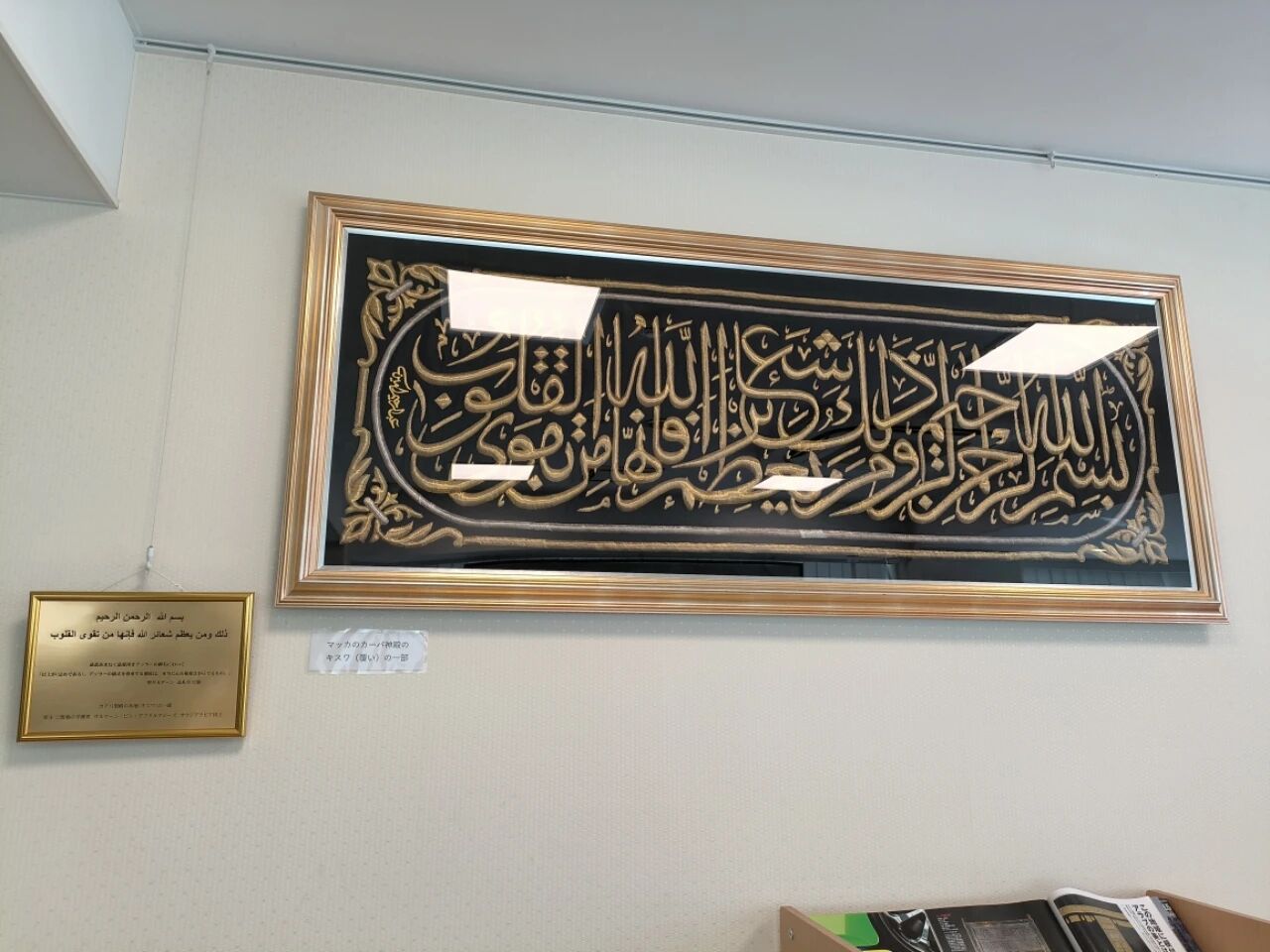
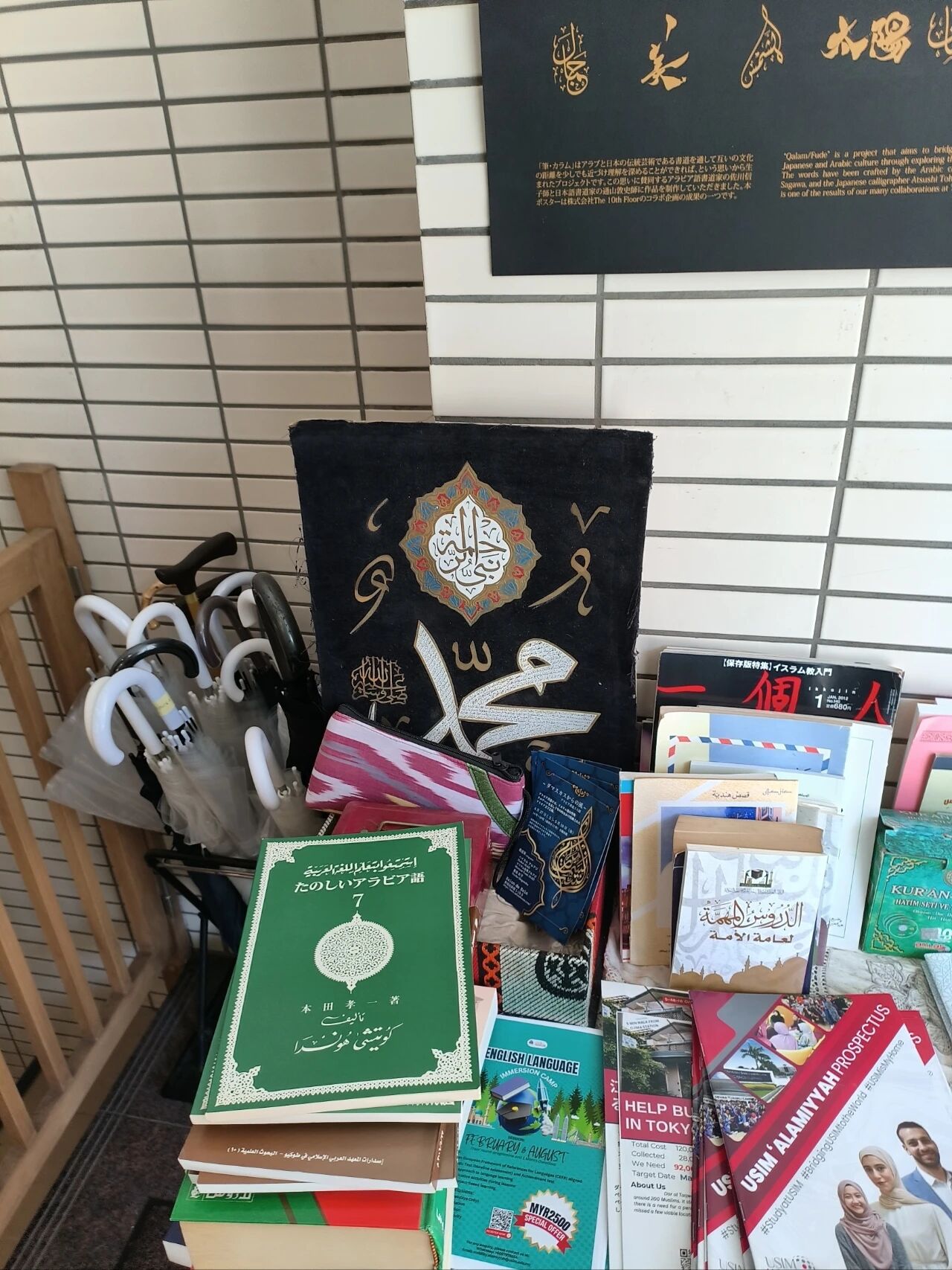
A part of the Kaaba curtain in Mecca is mounted on the wall on the first floor (Picture 4)
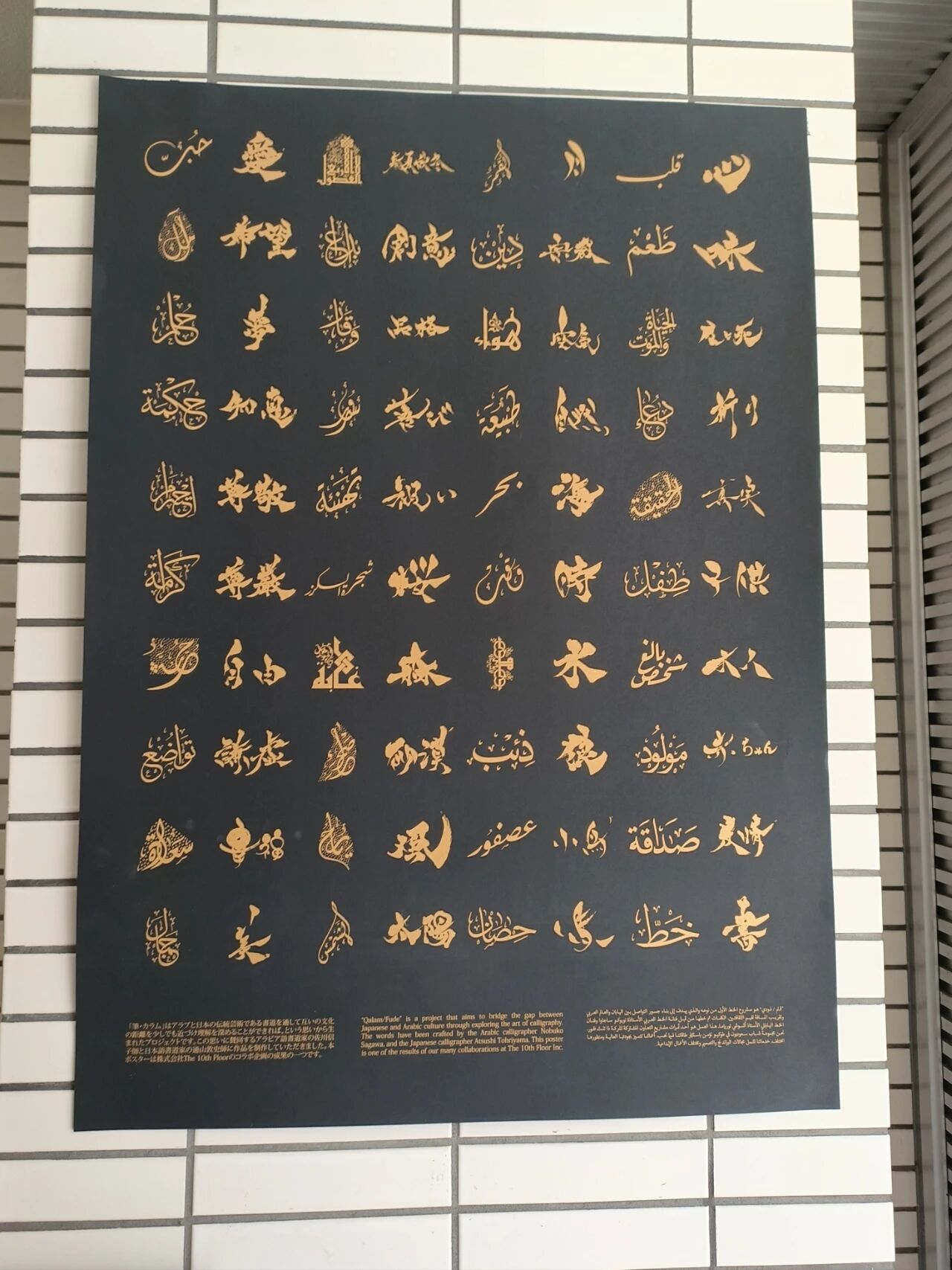
There are also some religious books at the entrance (Picture 5), and a comparison table of Arabic calligraphy and Japanese Kanji calligraphy (Picture 6)
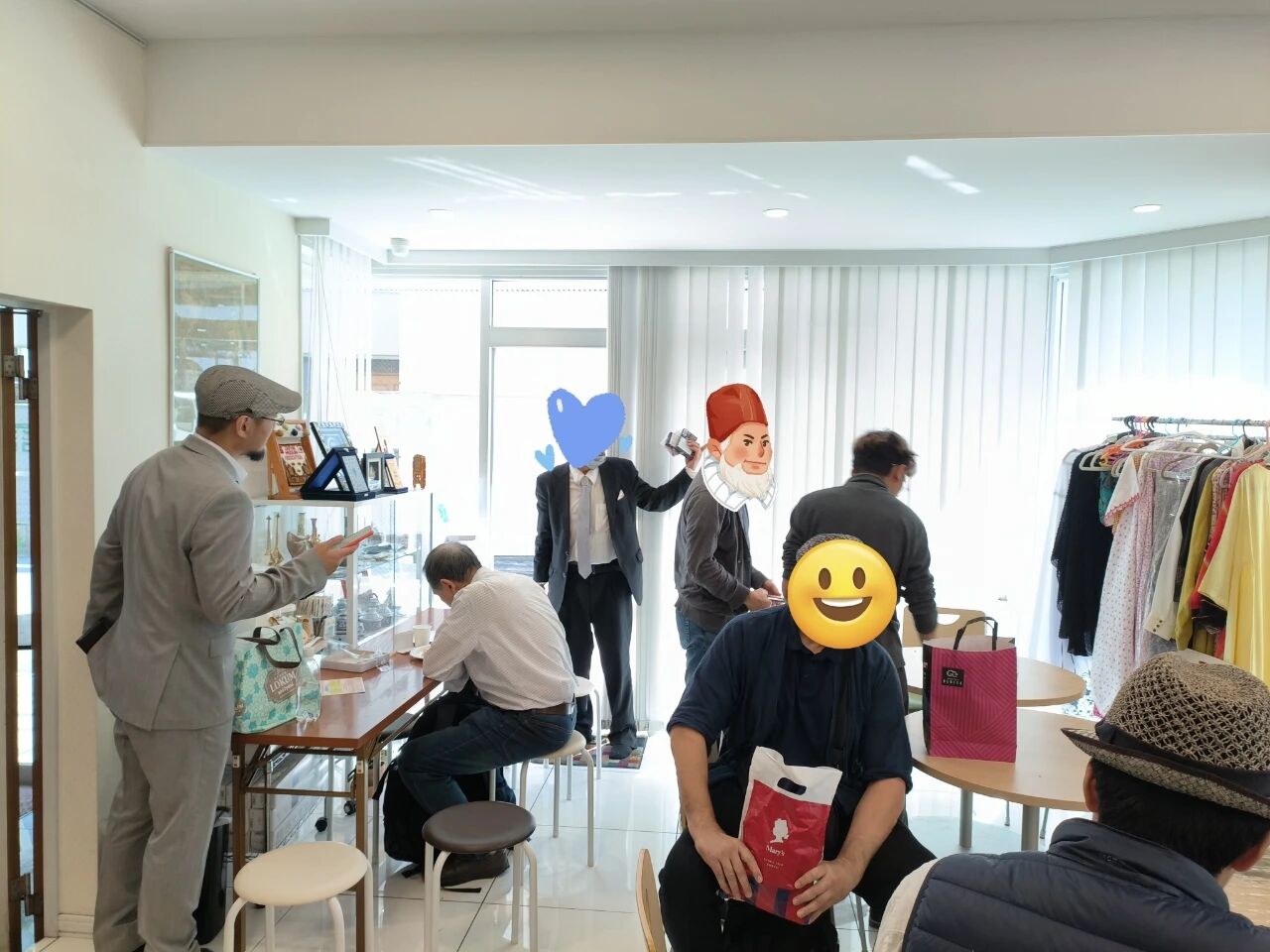
Then I found a place to sit down and rest in the cafeteria. I found that after the prayer, most of the foreign Muslims had left, leaving only the local Muslims waiting for their meals. At that time, the whole room was full of Japanese Muslims, except for the one holding a red bag (Picture 7).
Although this place is not big, it is well decorated.
After a while, the imam came and we went to a restaurant in Ginza, but it was different from the traditional halal restaurant. It was a regular restaurant, but it had a Muslim-friendly menu.
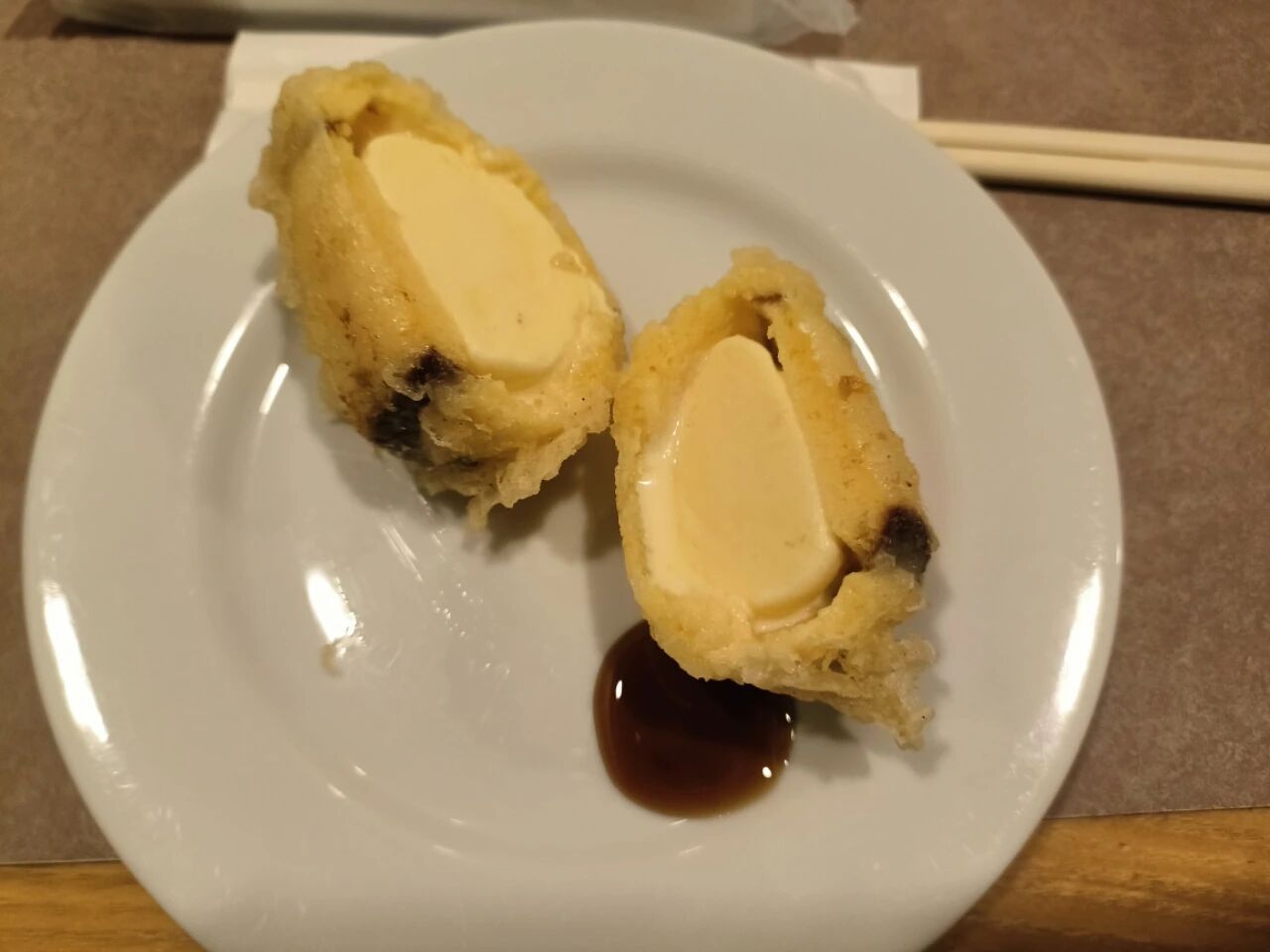
I ordered a tempura set meal. Tempura is actually vegetables and seafood wrapped in batter and fried. I ordered another fried ice cream (Picture 8). Imam Sato is Japanese, but his English is very good, and we chatted a lot. view all
Summary: This Japan Muslim travel guide visits the Japan Muslim Association in Tokyo, also called the Nihon Islam Culture Exchange Hall, then follows Imam Sato to a Ginza restaurant with a Muslim-friendly menu, tempura, fried ice cream, and local Japanese Muslims.
Last year, I was lucky enough to visit the Japan Muslim Association in Tokyo. I had been in Japan for a week at that time. The scene in the streets and alleys of Japan really made my eyes shine in the first day or two, but now it has gradually lost its novelty.
Fortunately, the mosque I was looking for arrived quickly after following the navigation. After walking a few sections in the alley, I saw a small building that was not much different from the surrounding residential buildings. (Pictures 1 and 2), the top of the sign at the door is in Japanese: Nihon Islam Culture Exchange Hall.
Isuramu is the transliteration of the Japanese transliteration of Islam. In the middle is Arabic Thuluth calligraphy. The bottom is in English.
There is a more prominent sign on the left window. Zoom in and look at the logo. The crescent moon surrounds the cherry blossoms, and the circular layout of the text is "Japan Muslim Association" in Japanese, English and Arabic.
When I opened the door, I found that the first floor was not a place for worship, and neither was the place for ablution. I informed the person inside that I was there, and she asked me to go upstairs. There is a place to change shoes on the first floor. You have to change into slippers before going upstairs, which is quite Japanese. (Picture 3)
Upstairs is the prayer room and wudooing area. I found that the imam who gave the speech was none other than Imam Sato, whom I had followed on social media before. During his speech, he first summarized the main idea in Japanese and then in English. After the service, I went up to chat with him. He happened to have guests, so he invited me to have dinner with him later.
I'm waiting downstairs and taking a look around:
A part of the Kaaba curtain in Mecca is mounted on the wall on the first floor (Picture 4)
There are also some religious books at the entrance (Picture 5), and a comparison table of Arabic calligraphy and Japanese Kanji calligraphy (Picture 6)
Then I found a place to sit down and rest in the cafeteria. I found that after the prayer, most of the foreign Muslims had left, leaving only the local Muslims waiting for their meals. At that time, the whole room was full of Japanese Muslims, except for the one holding a red bag (Picture 7).
Although this place is not big, it is well decorated.
After a while, the imam came and we went to a restaurant in Ginza, but it was different from the traditional halal restaurant. It was a regular restaurant, but it had a Muslim-friendly menu.
I ordered a tempura set meal. Tempura is actually vegetables and seafood wrapped in batter and fried. I ordered another fried ice cream (Picture 8). Imam Sato is Japanese, but his English is very good, and we chatted a lot. view all
Reposted from the web
Summary: This Japan Muslim travel guide visits the Japan Muslim Association in Tokyo, also called the Nihon Islam Culture Exchange Hall, then follows Imam Sato to a Ginza restaurant with a Muslim-friendly menu, tempura, fried ice cream, and local Japanese Muslims.
Last year, I was lucky enough to visit the Japan Muslim Association in Tokyo. I had been in Japan for a week at that time. The scene in the streets and alleys of Japan really made my eyes shine in the first day or two, but now it has gradually lost its novelty.
Fortunately, the mosque I was looking for arrived quickly after following the navigation. After walking a few sections in the alley, I saw a small building that was not much different from the surrounding residential buildings. (Pictures 1 and 2), the top of the sign at the door is in Japanese: Nihon Islam Culture Exchange Hall.
Isuramu is the transliteration of the Japanese transliteration of Islam. In the middle is Arabic Thuluth calligraphy. The bottom is in English.
There is a more prominent sign on the left window. Zoom in and look at the logo. The crescent moon surrounds the cherry blossoms, and the circular layout of the text is "Japan Muslim Association" in Japanese, English and Arabic.
When I opened the door, I found that the first floor was not a place for worship, and neither was the place for ablution. I informed the person inside that I was there, and she asked me to go upstairs. There is a place to change shoes on the first floor. You have to change into slippers before going upstairs, which is quite Japanese. (Picture 3)
Upstairs is the prayer room and wudooing area. I found that the imam who gave the speech was none other than Imam Sato, whom I had followed on social media before. During his speech, he first summarized the main idea in Japanese and then in English. After the service, I went up to chat with him. He happened to have guests, so he invited me to have dinner with him later.
I'm waiting downstairs and taking a look around:
A part of the Kaaba curtain in Mecca is mounted on the wall on the first floor (Picture 4)
There are also some religious books at the entrance (Picture 5), and a comparison table of Arabic calligraphy and Japanese Kanji calligraphy (Picture 6)
Then I found a place to sit down and rest in the cafeteria. I found that after the prayer, most of the foreign Muslims had left, leaving only the local Muslims waiting for their meals. At that time, the whole room was full of Japanese Muslims, except for the one holding a red bag (Picture 7).
Although this place is not big, it is well decorated.
After a while, the imam came and we went to a restaurant in Ginza, but it was different from the traditional halal restaurant. It was a regular restaurant, but it had a Muslim-friendly menu.
I ordered a tempura set meal. Tempura is actually vegetables and seafood wrapped in batter and fried. I ordered another fried ice cream (Picture 8). Imam Sato is Japanese, but his English is very good, and we chatted a lot.
Summary: This Japan Muslim travel guide visits the Japan Muslim Association in Tokyo, also called the Nihon Islam Culture Exchange Hall, then follows Imam Sato to a Ginza restaurant with a Muslim-friendly menu, tempura, fried ice cream, and local Japanese Muslims.
Last year, I was lucky enough to visit the Japan Muslim Association in Tokyo. I had been in Japan for a week at that time. The scene in the streets and alleys of Japan really made my eyes shine in the first day or two, but now it has gradually lost its novelty.
Fortunately, the mosque I was looking for arrived quickly after following the navigation. After walking a few sections in the alley, I saw a small building that was not much different from the surrounding residential buildings. (Pictures 1 and 2), the top of the sign at the door is in Japanese: Nihon Islam Culture Exchange Hall.
Isuramu is the transliteration of the Japanese transliteration of Islam. In the middle is Arabic Thuluth calligraphy. The bottom is in English.
There is a more prominent sign on the left window. Zoom in and look at the logo. The crescent moon surrounds the cherry blossoms, and the circular layout of the text is "Japan Muslim Association" in Japanese, English and Arabic.
When I opened the door, I found that the first floor was not a place for worship, and neither was the place for ablution. I informed the person inside that I was there, and she asked me to go upstairs. There is a place to change shoes on the first floor. You have to change into slippers before going upstairs, which is quite Japanese. (Picture 3)
Upstairs is the prayer room and wudooing area. I found that the imam who gave the speech was none other than Imam Sato, whom I had followed on social media before. During his speech, he first summarized the main idea in Japanese and then in English. After the service, I went up to chat with him. He happened to have guests, so he invited me to have dinner with him later.
I'm waiting downstairs and taking a look around:
A part of the Kaaba curtain in Mecca is mounted on the wall on the first floor (Picture 4)
There are also some religious books at the entrance (Picture 5), and a comparison table of Arabic calligraphy and Japanese Kanji calligraphy (Picture 6)
Then I found a place to sit down and rest in the cafeteria. I found that after the prayer, most of the foreign Muslims had left, leaving only the local Muslims waiting for their meals. At that time, the whole room was full of Japanese Muslims, except for the one holding a red bag (Picture 7).
Although this place is not big, it is well decorated.
After a while, the imam came and we went to a restaurant in Ginza, but it was different from the traditional halal restaurant. It was a regular restaurant, but it had a Muslim-friendly menu.
I ordered a tempura set meal. Tempura is actually vegetables and seafood wrapped in batter and fried. I ordered another fried ice cream (Picture 8). Imam Sato is Japanese, but his English is very good, and we chatted a lot.
Muslim Travel Guide Japan Tokyo: Japan Muslim Association, Islamic Heritage Hall and Ginza Food
Articles • yusuf908 posted the article • 0 comments • 224 views • 2026-05-23 22:23
Reposted from the web
Summary: This Japan Muslim travel guide visits the Japan Muslim Association in Tokyo, also called the Nihon Islam Culture Exchange Hall, then follows Imam Sato to a Ginza restaurant with a Muslim-friendly menu, tempura, fried ice cream, and local Japanese Muslims.
Last year, I was lucky enough to visit the Japan Muslim Association in Tokyo. I had been in Japan for a week at that time. The scene in the streets and alleys of Japan really made my eyes shine in the first day or two, but now it has gradually lost its novelty.
Fortunately, the mosque I was looking for arrived quickly after following the navigation. After walking a few sections in the alley, I saw a small building that was not much different from the surrounding residential buildings. (Pictures 1 and 2), the top of the sign at the door is in Japanese: Nihon Islam Culture Exchange Hall.
Isuramu is the transliteration of the Japanese transliteration of Islam. In the middle is Arabic Thuluth calligraphy. The bottom is in English.
There is a more prominent sign on the left window. Zoom in and look at the logo. The crescent moon surrounds the cherry blossoms, and the circular layout of the text is "Japan Muslim Association" in Japanese, English and Arabic.
When I opened the door, I found that the first floor was not a place for worship, and neither was the place for ablution. I informed the person inside that I was there, and she asked me to go upstairs. There is a place to change shoes on the first floor. You have to change into slippers before going upstairs, which is quite Japanese. (Picture 3)
Upstairs is the prayer room and wudooing area. I found that the imam who gave the speech was none other than Imam Sato, whom I had followed on social media before. During his speech, he first summarized the main idea in Japanese and then in English. After the service, I went up to chat with him. He happened to have guests, so he invited me to have dinner with him later.
I'm waiting downstairs and taking a look around:
A part of the Kaaba curtain in Mecca is mounted on the wall on the first floor (Picture 4)
There are also some religious books at the entrance (Picture 5), and a comparison table of Arabic calligraphy and Japanese Kanji calligraphy (Picture 6)
Then I found a place to sit down and rest in the cafeteria. I found that after the prayer, most of the foreign Muslims had left, leaving only the local Muslims waiting for their meals. At that time, the whole room was full of Japanese Muslims, except for the one holding a red bag (Picture 7).
Although this place is not big, it is well decorated.
After a while, the imam came and we went to a restaurant in Ginza, but it was different from the traditional halal restaurant. It was a regular restaurant, but it had a Muslim-friendly menu.
I ordered a tempura set meal. Tempura is actually vegetables and seafood wrapped in batter and fried. I ordered another fried ice cream (Picture 8). Imam Sato is Japanese, but his English is very good, and we chatted a lot. view all
Summary: This Japan Muslim travel guide visits the Japan Muslim Association in Tokyo, also called the Nihon Islam Culture Exchange Hall, then follows Imam Sato to a Ginza restaurant with a Muslim-friendly menu, tempura, fried ice cream, and local Japanese Muslims.
Last year, I was lucky enough to visit the Japan Muslim Association in Tokyo. I had been in Japan for a week at that time. The scene in the streets and alleys of Japan really made my eyes shine in the first day or two, but now it has gradually lost its novelty.
Fortunately, the mosque I was looking for arrived quickly after following the navigation. After walking a few sections in the alley, I saw a small building that was not much different from the surrounding residential buildings. (Pictures 1 and 2), the top of the sign at the door is in Japanese: Nihon Islam Culture Exchange Hall.
Isuramu is the transliteration of the Japanese transliteration of Islam. In the middle is Arabic Thuluth calligraphy. The bottom is in English.
There is a more prominent sign on the left window. Zoom in and look at the logo. The crescent moon surrounds the cherry blossoms, and the circular layout of the text is "Japan Muslim Association" in Japanese, English and Arabic.
When I opened the door, I found that the first floor was not a place for worship, and neither was the place for ablution. I informed the person inside that I was there, and she asked me to go upstairs. There is a place to change shoes on the first floor. You have to change into slippers before going upstairs, which is quite Japanese. (Picture 3)
Upstairs is the prayer room and wudooing area. I found that the imam who gave the speech was none other than Imam Sato, whom I had followed on social media before. During his speech, he first summarized the main idea in Japanese and then in English. After the service, I went up to chat with him. He happened to have guests, so he invited me to have dinner with him later.
I'm waiting downstairs and taking a look around:
A part of the Kaaba curtain in Mecca is mounted on the wall on the first floor (Picture 4)
There are also some religious books at the entrance (Picture 5), and a comparison table of Arabic calligraphy and Japanese Kanji calligraphy (Picture 6)
Then I found a place to sit down and rest in the cafeteria. I found that after the prayer, most of the foreign Muslims had left, leaving only the local Muslims waiting for their meals. At that time, the whole room was full of Japanese Muslims, except for the one holding a red bag (Picture 7).
Although this place is not big, it is well decorated.
After a while, the imam came and we went to a restaurant in Ginza, but it was different from the traditional halal restaurant. It was a regular restaurant, but it had a Muslim-friendly menu.
I ordered a tempura set meal. Tempura is actually vegetables and seafood wrapped in batter and fried. I ordered another fried ice cream (Picture 8). Imam Sato is Japanese, but his English is very good, and we chatted a lot. view all
Reposted from the web
Summary: This Japan Muslim travel guide visits the Japan Muslim Association in Tokyo, also called the Nihon Islam Culture Exchange Hall, then follows Imam Sato to a Ginza restaurant with a Muslim-friendly menu, tempura, fried ice cream, and local Japanese Muslims.
Last year, I was lucky enough to visit the Japan Muslim Association in Tokyo. I had been in Japan for a week at that time. The scene in the streets and alleys of Japan really made my eyes shine in the first day or two, but now it has gradually lost its novelty.
Fortunately, the mosque I was looking for arrived quickly after following the navigation. After walking a few sections in the alley, I saw a small building that was not much different from the surrounding residential buildings. (Pictures 1 and 2), the top of the sign at the door is in Japanese: Nihon Islam Culture Exchange Hall.
Isuramu is the transliteration of the Japanese transliteration of Islam. In the middle is Arabic Thuluth calligraphy. The bottom is in English.
There is a more prominent sign on the left window. Zoom in and look at the logo. The crescent moon surrounds the cherry blossoms, and the circular layout of the text is "Japan Muslim Association" in Japanese, English and Arabic.
When I opened the door, I found that the first floor was not a place for worship, and neither was the place for ablution. I informed the person inside that I was there, and she asked me to go upstairs. There is a place to change shoes on the first floor. You have to change into slippers before going upstairs, which is quite Japanese. (Picture 3)
Upstairs is the prayer room and wudooing area. I found that the imam who gave the speech was none other than Imam Sato, whom I had followed on social media before. During his speech, he first summarized the main idea in Japanese and then in English. After the service, I went up to chat with him. He happened to have guests, so he invited me to have dinner with him later.
I'm waiting downstairs and taking a look around:
A part of the Kaaba curtain in Mecca is mounted on the wall on the first floor (Picture 4)
There are also some religious books at the entrance (Picture 5), and a comparison table of Arabic calligraphy and Japanese Kanji calligraphy (Picture 6)
Then I found a place to sit down and rest in the cafeteria. I found that after the prayer, most of the foreign Muslims had left, leaving only the local Muslims waiting for their meals. At that time, the whole room was full of Japanese Muslims, except for the one holding a red bag (Picture 7).
Although this place is not big, it is well decorated.
After a while, the imam came and we went to a restaurant in Ginza, but it was different from the traditional halal restaurant. It was a regular restaurant, but it had a Muslim-friendly menu.
I ordered a tempura set meal. Tempura is actually vegetables and seafood wrapped in batter and fried. I ordered another fried ice cream (Picture 8). Imam Sato is Japanese, but his English is very good, and we chatted a lot.
Summary: This Japan Muslim travel guide visits the Japan Muslim Association in Tokyo, also called the Nihon Islam Culture Exchange Hall, then follows Imam Sato to a Ginza restaurant with a Muslim-friendly menu, tempura, fried ice cream, and local Japanese Muslims.
Last year, I was lucky enough to visit the Japan Muslim Association in Tokyo. I had been in Japan for a week at that time. The scene in the streets and alleys of Japan really made my eyes shine in the first day or two, but now it has gradually lost its novelty.
Fortunately, the mosque I was looking for arrived quickly after following the navigation. After walking a few sections in the alley, I saw a small building that was not much different from the surrounding residential buildings. (Pictures 1 and 2), the top of the sign at the door is in Japanese: Nihon Islam Culture Exchange Hall.
Isuramu is the transliteration of the Japanese transliteration of Islam. In the middle is Arabic Thuluth calligraphy. The bottom is in English.
There is a more prominent sign on the left window. Zoom in and look at the logo. The crescent moon surrounds the cherry blossoms, and the circular layout of the text is "Japan Muslim Association" in Japanese, English and Arabic.
When I opened the door, I found that the first floor was not a place for worship, and neither was the place for ablution. I informed the person inside that I was there, and she asked me to go upstairs. There is a place to change shoes on the first floor. You have to change into slippers before going upstairs, which is quite Japanese. (Picture 3)
Upstairs is the prayer room and wudooing area. I found that the imam who gave the speech was none other than Imam Sato, whom I had followed on social media before. During his speech, he first summarized the main idea in Japanese and then in English. After the service, I went up to chat with him. He happened to have guests, so he invited me to have dinner with him later.
I'm waiting downstairs and taking a look around:
A part of the Kaaba curtain in Mecca is mounted on the wall on the first floor (Picture 4)
There are also some religious books at the entrance (Picture 5), and a comparison table of Arabic calligraphy and Japanese Kanji calligraphy (Picture 6)
Then I found a place to sit down and rest in the cafeteria. I found that after the prayer, most of the foreign Muslims had left, leaving only the local Muslims waiting for their meals. At that time, the whole room was full of Japanese Muslims, except for the one holding a red bag (Picture 7).
Although this place is not big, it is well decorated.
After a while, the imam came and we went to a restaurant in Ginza, but it was different from the traditional halal restaurant. It was a regular restaurant, but it had a Muslim-friendly menu.
I ordered a tempura set meal. Tempura is actually vegetables and seafood wrapped in batter and fried. I ordered another fried ice cream (Picture 8). Imam Sato is Japanese, but his English is very good, and we chatted a lot.