

Muslim Friendly Travel
Muslim Friendly Indonesia: Mosque Travel, Wudu Spaces, Bromo Volcano & Hui Muslim Halal Journey
Articles • ali2007fr posted the article • 0 comments • 146 views • 2026-05-21 10:02
Reposted from the web
Summary: A Muslim-friendly Indonesia travel account from a Chinese Hui Muslim perspective, covering mosque spaces, wudu facilities, train prayer rooms, Bromo Volcano, and the original journey details.
The main hall is an open space, meaning it has no doors. It does not need them, as the mosque is always open to the public.
This is the location of the Indonesian Chinese Islamic Association and the Indonesian Haji Cheng Ho Foundation.
Inscriptions inside the mosque record the history of Cheng Ho and the spiritual legacy he left behind in Surabaya.
The inscriptions clearly state that Cheng Ho followed Islam. They also explain why he participated in Buddhist, Confucian, and Taoist activities: simply put, he had to adapt to the world around him.
Masjid Al Ittihad Pakuwon Mall mosque
Masjid Al Ittihad Pakuwon Mall mosque
This mosque is built inside the Pakuwon Mall. I have heard from Indonesian friends (dosti) that almost every building in Indonesia has a prayer room. Prayer rooms are different from mosques; they usually lack facilities for a full ritual wash (ghusl) and do not have an imam. This is the first time I have seen a full mosque built inside a shopping mall.
The mosque also provides free storage services.
Area for ritual washing (wudu)
Main hall
Mount Bromo
(Bromo)
After finishing my tour of the city, I planned to head to Mount Bromo. You can book a two-day local tour from Surabaya for about 1,000 yuan, but they require at least two people. I checked the route and felt I could have a great trip without a tour group, so I boarded a train to the volcano.
The train has first-class and second-class seats.
To get to Mount Bromo, you leave from Surabaya Gubeng Station. After a train ride of over two hours, you get off at Probolinggo. The ticket costs about 5 yuan. Outside the Probolinggo station, there are green minibuses that go to the village at the foot of the volcano. They leave when full and cost about 15 yuan for the 50-kilometer trip, which takes an hour and a half. However, you have to wait for the bus to fill up. When I returned, I waited over three hours and it never filled, so I had to hire an unofficial taxi back to the Probolinggo station. The 50-kilometer ride cost 100 yuan, which was not too expensive.
If you can catch the bus smoothly, the total cost to climb Mount Bromo is less than 50 yuan. Because I arrived in the middle of the night and wanted to see the sunrise, I spent an extra 200 yuan on taxis.
Prayer room on the train
The driver dropped me off at the village at the foot of the volcano at 2:00 AM. From there, you have to walk to the summit unless you rent an off-road vehicle or ride a horse, which is expensive. Climbing in the middle of the night is pitch black, so you need to use your phone's flashlight. You have to pay a 10-yuan entrance fee to enter the village and climb to see the sunrise, and you need to buy another ticket to get close to the crater.
Off-road vehicles for climbing. You can charter one for a few people for about 300 yuan per vehicle.
Scenery along the way after daybreak
Dawn before sunrise
Google Maps shows the walk to the King Kong Hill summit is about 3 kilometers, but it is a mountain road and difficult to walk. The temperature on the mountain is cold at night, so you need a cotton jacket to stay warm. It took me an hour and a half to walk those 3 kilometers. The road was pitch black with no other tourists, only a few villagers on horseback who occasionally asked if I wanted a ride.
I welcomed the sunrise while shivering in the cold wind. The scenery around Mount Bromo is truly beautiful. In the morning, with the sea of clouds, the small town looks like a fairyland from a distance.
Town in the clouds
Mount Bromo crater
Looking at Mount Bromo from a distance, it is still puffing out blue smoke and you can already smell the sulfur. This volcano is still erupting, but you can walk up close to the crater to observe it. You need to bring your own gas mask because a regular face mask won't work. People who have been near the crater say it stings your throat and eyes. You can ride a horse from the foot of the mountain to the crater. You need to buy a ticket to go to the crater, which costs about 170 yuan per person. Considering the pandemic, I couldn't risk any respiratory issues, or returning home would be a huge hassle. I gave up on the idea of walking into the crater, even though I really wanted to see the flowing lava.
Meatball noodle soup (wanzi fentang) at the train station restaurant. The meatballs are made with beef fat, very similar to the ones in Yunnan.
The whole way back to Surabaya was just about refueling and eating. There is nothing on the mountain except for small stalls selling instant noodles and hot coffee, and there are no mosques.
Indonesian-style set meal eaten at the Broadway shopping center.
Indonesian fried rice (nasi goreng) eaten at Surabaya Airport.
Thai-style hot pot, rich in curry flavor and slightly spicy.
Different colored plates have different prices, and they count the plates to settle the bill after you finish eating.
Two ways to eat Thai-style hot pot: you can grill it or boil it.
HANAMASA, a Japanese-style wagyu barbecue restaurant near Surabaya train station.
You can grill and boil meat at the same time here. The greeter wore a headscarf and spoke to me in Japanese.
Help yourself to fruit snacks.
Various Southeast Asian desserts.
They specialize in wagyu beef, but also serve chicken, seafood, and more.
The waiter suggested I try both the grilled and boiled meat. Both tasted good, though I think the boiled meat in Beijing is better. Indonesians don't have sesame paste for dipping. This meal cost a few dozen yuan per person; prices in Surabaya are quite low.
After the Surabaya trip, my time in Indonesia came to an end. I flew from Surabaya to Beijing with a layover in Hong Kong. My Cathay Pacific flight was delayed by 12 hours, and I wasn't allowed to leave the airport. A large number of passengers were stranded. Due to the pandemic, the border was closed, so I had to wait in the airport until the flight took off the next morning.
I spent the whole night walking around Hong Kong Airport. There are currently two dua rooms, one near Gate 42 and another near Gate 211.
The dua room near Gate 211.
The dua room near Gate 42.
After leaving Indonesia, it felt strange not being able to eat just anywhere at Hong Kong Airport. The only halal-certified restaurant in the entire airport is Old Town White Coffee. There used to be a Popeyes that was halal, but it has closed down.
Old Town White Coffee.
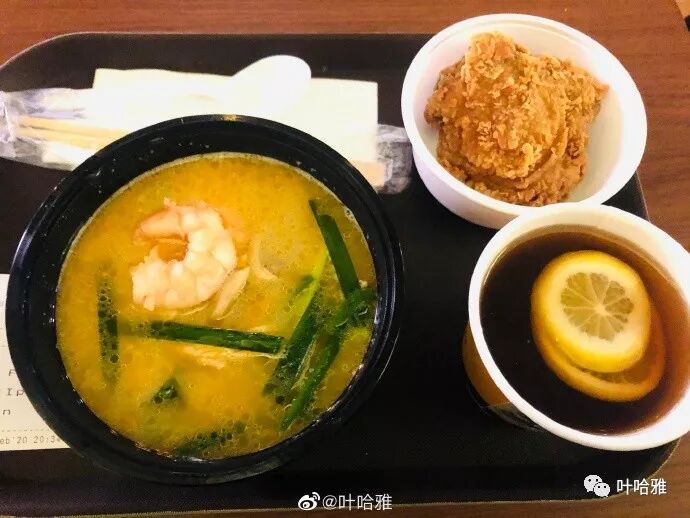
This restaurant serves no alcohol and offers Southeast Asian food. I ordered a bowl of Ipoh chicken noodle soup, plus a side of fried chicken and lemon tea for about 100 yuan. It tasted fine, and I felt very grateful to have a hot halal meal at that moment.
The restaurant is open from 7:00 AM to 9:00 PM and is located in the food court area.
Previous posts:
Hangzhou Halal Travel Map
Yiwu Halal Food Map
Luling Mosque, the final resting place of the Qadiriyya grand master
Halal Travel Guide to Langzhong Ancient City, Sichuan
Halal Trip to Hokkaido, Japan
Halal Trip to the Manchuria Region (Chifeng, Jilin, Acheng, and Qiqihar)
Halal Trip to Hefei, Huainan, Anqing, and Chuzhou in Anhui
Dalian Halal Food Map (Part 2)
Guide to Halal Food and Sightseeing in the Muslim Quarter of Xi'an
Guangzhou Halal Travel Map
Tianjin Halal Food Map (Part 3)
Tokyo Halal Food Map
Winter Halal Trip to Vladivostok, Russia
A map of halal food in Ho Chi Minh City and Nha Trang, Vietnam
A map of halal food in Xining
A map of halal food in New York, Atlanta, and Seattle
Nanjing Halal Food Map
Hainan Halal Food Map
Yunnan Halal Food Map
Map of Mosques and Halal Food in Shanghai
Phuket, Thailand Halal Food Map
Tibet Halal Food Map
Chongqing Halal Food Trip: Turns out tripe hot pot is also related to Hui Muslims view all
Summary: A Muslim-friendly Indonesia travel account from a Chinese Hui Muslim perspective, covering mosque spaces, wudu facilities, train prayer rooms, Bromo Volcano, and the original journey details.
The main hall is an open space, meaning it has no doors. It does not need them, as the mosque is always open to the public.
This is the location of the Indonesian Chinese Islamic Association and the Indonesian Haji Cheng Ho Foundation.
Inscriptions inside the mosque record the history of Cheng Ho and the spiritual legacy he left behind in Surabaya.
The inscriptions clearly state that Cheng Ho followed Islam. They also explain why he participated in Buddhist, Confucian, and Taoist activities: simply put, he had to adapt to the world around him.
Masjid Al Ittihad Pakuwon Mall mosque
Masjid Al Ittihad Pakuwon Mall mosque
This mosque is built inside the Pakuwon Mall. I have heard from Indonesian friends (dosti) that almost every building in Indonesia has a prayer room. Prayer rooms are different from mosques; they usually lack facilities for a full ritual wash (ghusl) and do not have an imam. This is the first time I have seen a full mosque built inside a shopping mall.
The mosque also provides free storage services.
Area for ritual washing (wudu)
Main hall
Mount Bromo
(Bromo)
After finishing my tour of the city, I planned to head to Mount Bromo. You can book a two-day local tour from Surabaya for about 1,000 yuan, but they require at least two people. I checked the route and felt I could have a great trip without a tour group, so I boarded a train to the volcano.
The train has first-class and second-class seats.
To get to Mount Bromo, you leave from Surabaya Gubeng Station. After a train ride of over two hours, you get off at Probolinggo. The ticket costs about 5 yuan. Outside the Probolinggo station, there are green minibuses that go to the village at the foot of the volcano. They leave when full and cost about 15 yuan for the 50-kilometer trip, which takes an hour and a half. However, you have to wait for the bus to fill up. When I returned, I waited over three hours and it never filled, so I had to hire an unofficial taxi back to the Probolinggo station. The 50-kilometer ride cost 100 yuan, which was not too expensive.
If you can catch the bus smoothly, the total cost to climb Mount Bromo is less than 50 yuan. Because I arrived in the middle of the night and wanted to see the sunrise, I spent an extra 200 yuan on taxis.
Prayer room on the train
The driver dropped me off at the village at the foot of the volcano at 2:00 AM. From there, you have to walk to the summit unless you rent an off-road vehicle or ride a horse, which is expensive. Climbing in the middle of the night is pitch black, so you need to use your phone's flashlight. You have to pay a 10-yuan entrance fee to enter the village and climb to see the sunrise, and you need to buy another ticket to get close to the crater.
Off-road vehicles for climbing. You can charter one for a few people for about 300 yuan per vehicle.
Scenery along the way after daybreak
Dawn before sunrise
Google Maps shows the walk to the King Kong Hill summit is about 3 kilometers, but it is a mountain road and difficult to walk. The temperature on the mountain is cold at night, so you need a cotton jacket to stay warm. It took me an hour and a half to walk those 3 kilometers. The road was pitch black with no other tourists, only a few villagers on horseback who occasionally asked if I wanted a ride.
I welcomed the sunrise while shivering in the cold wind. The scenery around Mount Bromo is truly beautiful. In the morning, with the sea of clouds, the small town looks like a fairyland from a distance.
Town in the clouds
Mount Bromo crater
Looking at Mount Bromo from a distance, it is still puffing out blue smoke and you can already smell the sulfur. This volcano is still erupting, but you can walk up close to the crater to observe it. You need to bring your own gas mask because a regular face mask won't work. People who have been near the crater say it stings your throat and eyes. You can ride a horse from the foot of the mountain to the crater. You need to buy a ticket to go to the crater, which costs about 170 yuan per person. Considering the pandemic, I couldn't risk any respiratory issues, or returning home would be a huge hassle. I gave up on the idea of walking into the crater, even though I really wanted to see the flowing lava.
Meatball noodle soup (wanzi fentang) at the train station restaurant. The meatballs are made with beef fat, very similar to the ones in Yunnan.
The whole way back to Surabaya was just about refueling and eating. There is nothing on the mountain except for small stalls selling instant noodles and hot coffee, and there are no mosques.
Indonesian-style set meal eaten at the Broadway shopping center.
Indonesian fried rice (nasi goreng) eaten at Surabaya Airport.
Thai-style hot pot, rich in curry flavor and slightly spicy.
Different colored plates have different prices, and they count the plates to settle the bill after you finish eating.
Two ways to eat Thai-style hot pot: you can grill it or boil it.
HANAMASA, a Japanese-style wagyu barbecue restaurant near Surabaya train station.
You can grill and boil meat at the same time here. The greeter wore a headscarf and spoke to me in Japanese.
Help yourself to fruit snacks.
Various Southeast Asian desserts.
They specialize in wagyu beef, but also serve chicken, seafood, and more.
The waiter suggested I try both the grilled and boiled meat. Both tasted good, though I think the boiled meat in Beijing is better. Indonesians don't have sesame paste for dipping. This meal cost a few dozen yuan per person; prices in Surabaya are quite low.
After the Surabaya trip, my time in Indonesia came to an end. I flew from Surabaya to Beijing with a layover in Hong Kong. My Cathay Pacific flight was delayed by 12 hours, and I wasn't allowed to leave the airport. A large number of passengers were stranded. Due to the pandemic, the border was closed, so I had to wait in the airport until the flight took off the next morning.
I spent the whole night walking around Hong Kong Airport. There are currently two dua rooms, one near Gate 42 and another near Gate 211.
The dua room near Gate 211.
The dua room near Gate 42.
After leaving Indonesia, it felt strange not being able to eat just anywhere at Hong Kong Airport. The only halal-certified restaurant in the entire airport is Old Town White Coffee. There used to be a Popeyes that was halal, but it has closed down.
Old Town White Coffee.
This restaurant serves no alcohol and offers Southeast Asian food. I ordered a bowl of Ipoh chicken noodle soup, plus a side of fried chicken and lemon tea for about 100 yuan. It tasted fine, and I felt very grateful to have a hot halal meal at that moment.
The restaurant is open from 7:00 AM to 9:00 PM and is located in the food court area.
Previous posts:
Hangzhou Halal Travel Map
Yiwu Halal Food Map
Luling Mosque, the final resting place of the Qadiriyya grand master
Halal Travel Guide to Langzhong Ancient City, Sichuan
Halal Trip to Hokkaido, Japan
Halal Trip to the Manchuria Region (Chifeng, Jilin, Acheng, and Qiqihar)
Halal Trip to Hefei, Huainan, Anqing, and Chuzhou in Anhui
Dalian Halal Food Map (Part 2)
Guide to Halal Food and Sightseeing in the Muslim Quarter of Xi'an
Guangzhou Halal Travel Map
Tianjin Halal Food Map (Part 3)
Tokyo Halal Food Map
Winter Halal Trip to Vladivostok, Russia
A map of halal food in Ho Chi Minh City and Nha Trang, Vietnam
A map of halal food in Xining
A map of halal food in New York, Atlanta, and Seattle
Nanjing Halal Food Map
Hainan Halal Food Map
Yunnan Halal Food Map
Map of Mosques and Halal Food in Shanghai
Phuket, Thailand Halal Food Map
Tibet Halal Food Map
Chongqing Halal Food Trip: Turns out tripe hot pot is also related to Hui Muslims view all
Reposted from the web
Summary: A Muslim-friendly Indonesia travel account from a Chinese Hui Muslim perspective, covering mosque spaces, wudu facilities, train prayer rooms, Bromo Volcano, and the original journey details.
The main hall is an open space, meaning it has no doors. It does not need them, as the mosque is always open to the public.
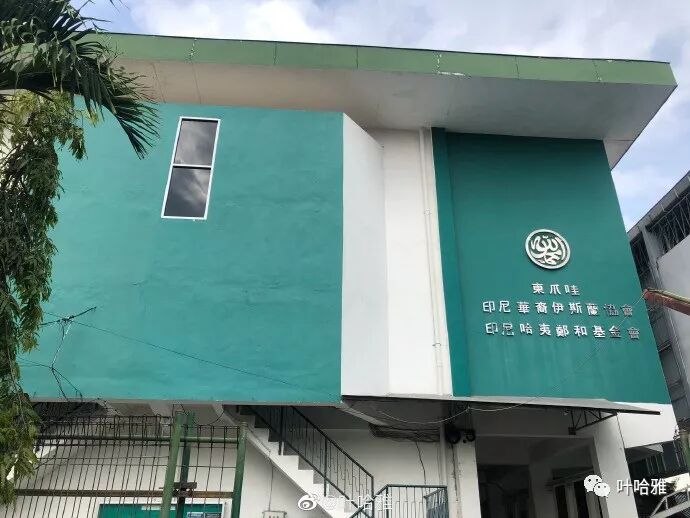
This is the location of the Indonesian Chinese Islamic Association and the Indonesian Haji Cheng Ho Foundation.
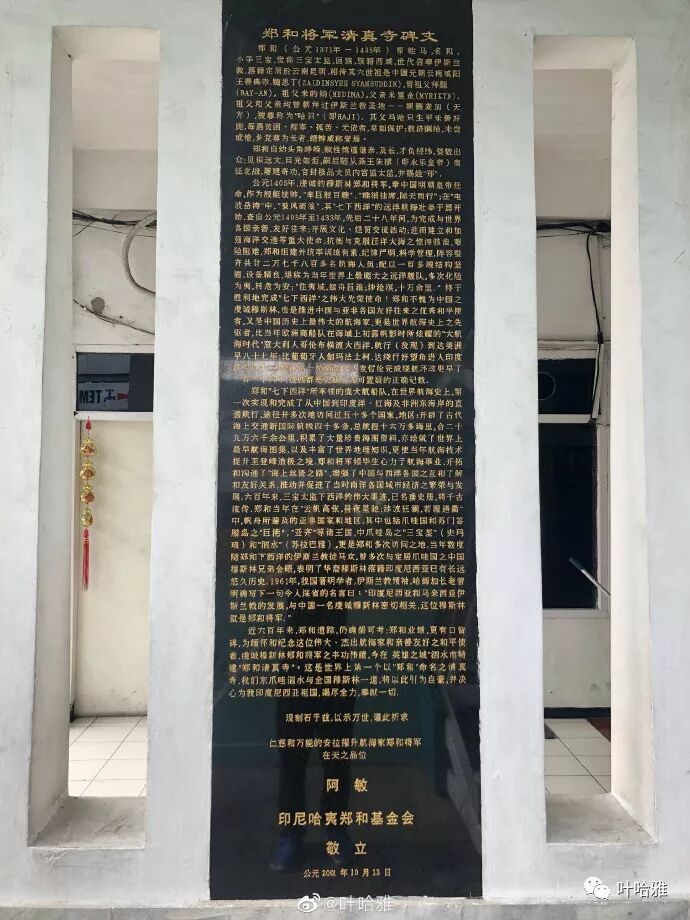
Inscriptions inside the mosque record the history of Cheng Ho and the spiritual legacy he left behind in Surabaya.
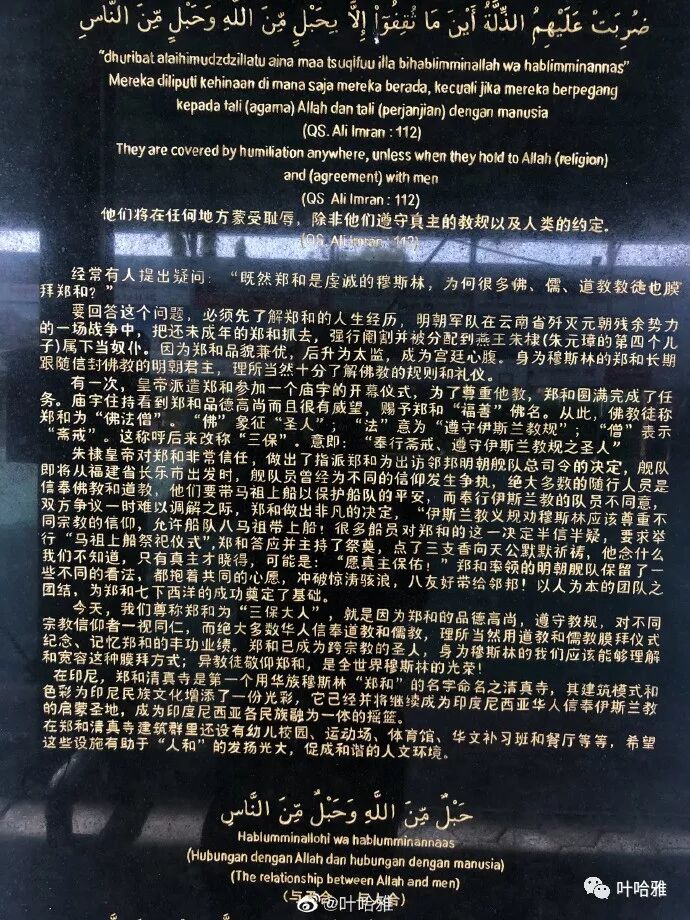
The inscriptions clearly state that Cheng Ho followed Islam. They also explain why he participated in Buddhist, Confucian, and Taoist activities: simply put, he had to adapt to the world around him.
Masjid Al Ittihad Pakuwon Mall mosque
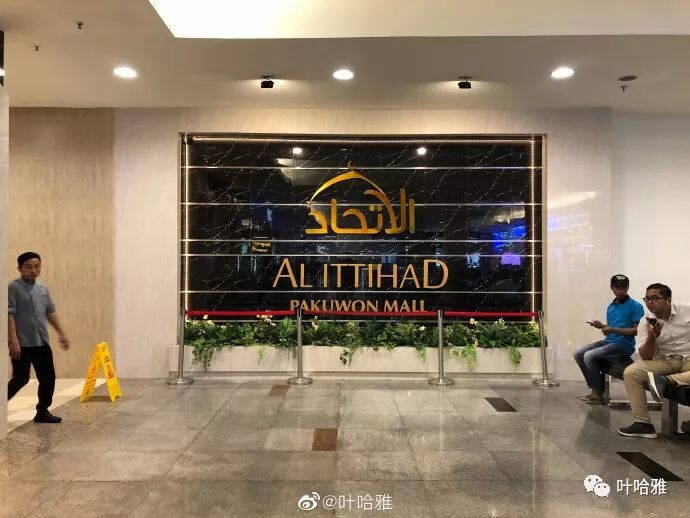
Masjid Al Ittihad Pakuwon Mall mosque
This mosque is built inside the Pakuwon Mall. I have heard from Indonesian friends (dosti) that almost every building in Indonesia has a prayer room. Prayer rooms are different from mosques; they usually lack facilities for a full ritual wash (ghusl) and do not have an imam. This is the first time I have seen a full mosque built inside a shopping mall.
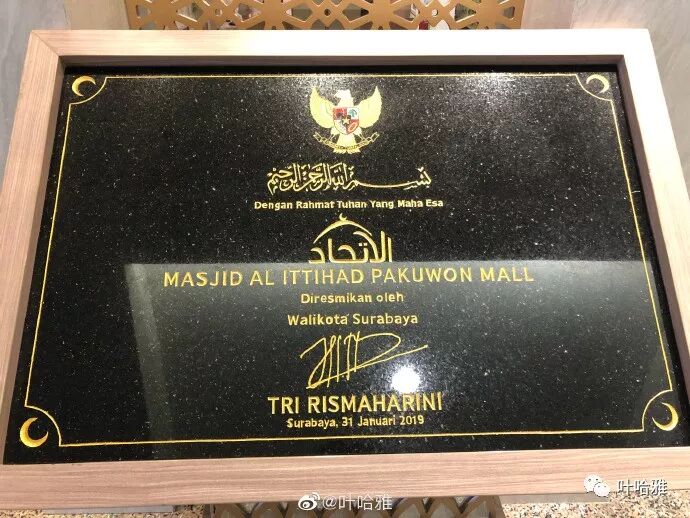
The mosque also provides free storage services.
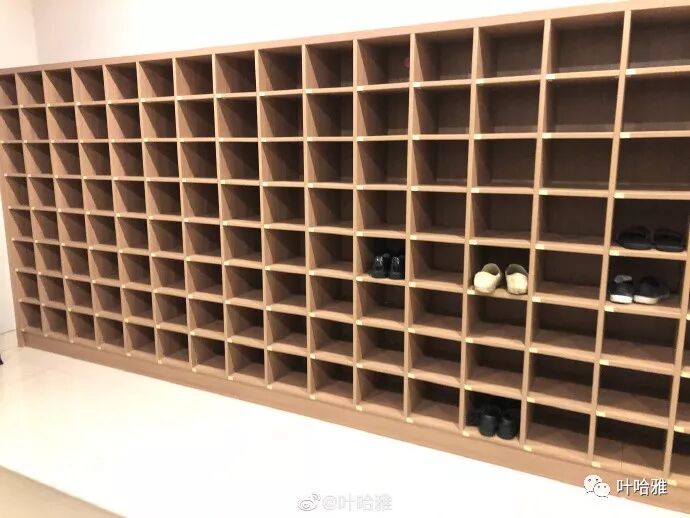
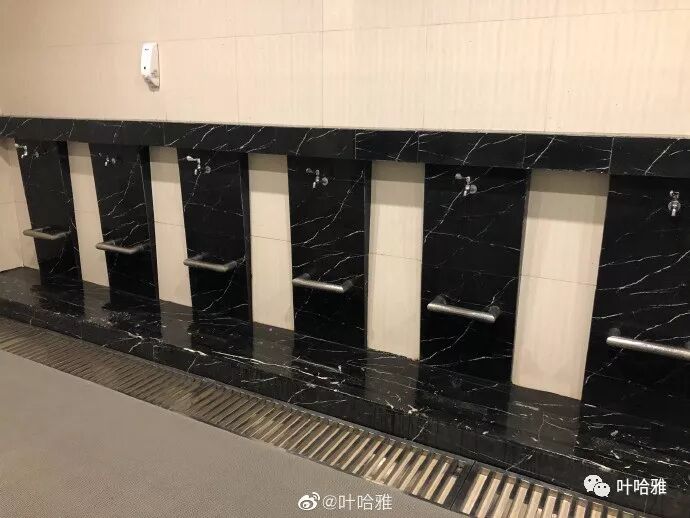
Area for ritual washing (wudu)
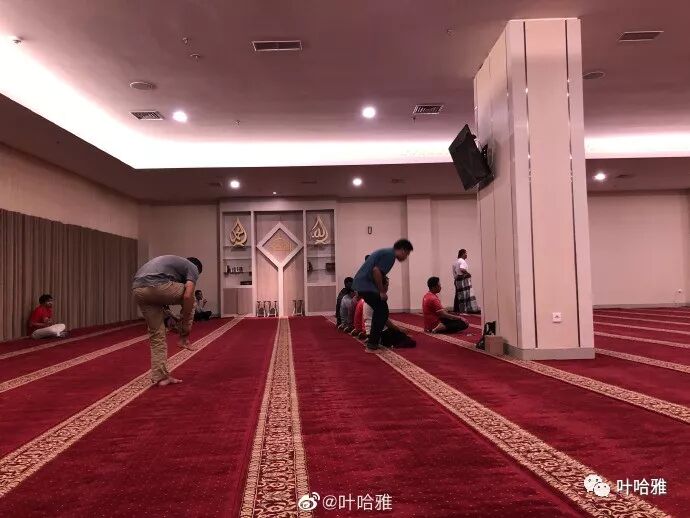
Main hall
Mount Bromo
(Bromo)
After finishing my tour of the city, I planned to head to Mount Bromo. You can book a two-day local tour from Surabaya for about 1,000 yuan, but they require at least two people. I checked the route and felt I could have a great trip without a tour group, so I boarded a train to the volcano.
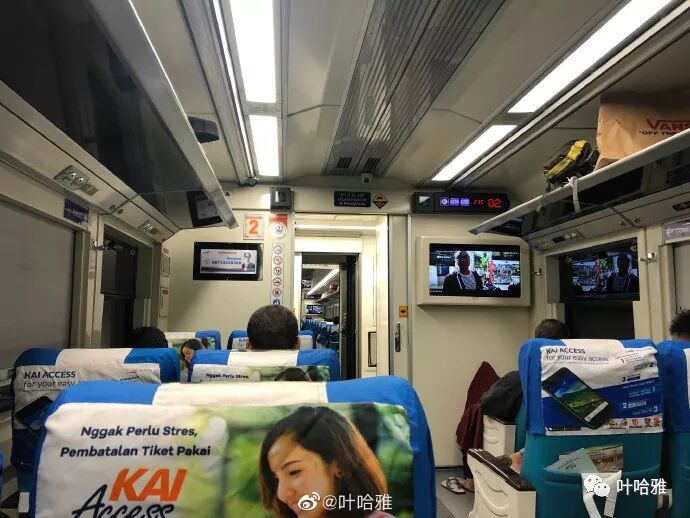
The train has first-class and second-class seats.
To get to Mount Bromo, you leave from Surabaya Gubeng Station. After a train ride of over two hours, you get off at Probolinggo. The ticket costs about 5 yuan. Outside the Probolinggo station, there are green minibuses that go to the village at the foot of the volcano. They leave when full and cost about 15 yuan for the 50-kilometer trip, which takes an hour and a half. However, you have to wait for the bus to fill up. When I returned, I waited over three hours and it never filled, so I had to hire an unofficial taxi back to the Probolinggo station. The 50-kilometer ride cost 100 yuan, which was not too expensive.
If you can catch the bus smoothly, the total cost to climb Mount Bromo is less than 50 yuan. Because I arrived in the middle of the night and wanted to see the sunrise, I spent an extra 200 yuan on taxis.
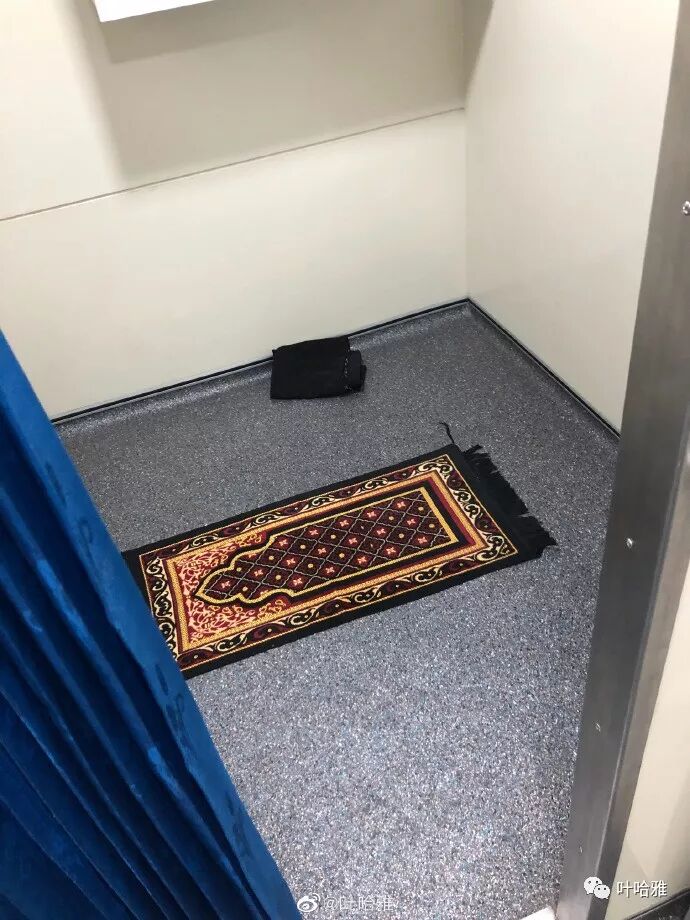
Prayer room on the train
The driver dropped me off at the village at the foot of the volcano at 2:00 AM. From there, you have to walk to the summit unless you rent an off-road vehicle or ride a horse, which is expensive. Climbing in the middle of the night is pitch black, so you need to use your phone's flashlight. You have to pay a 10-yuan entrance fee to enter the village and climb to see the sunrise, and you need to buy another ticket to get close to the crater.
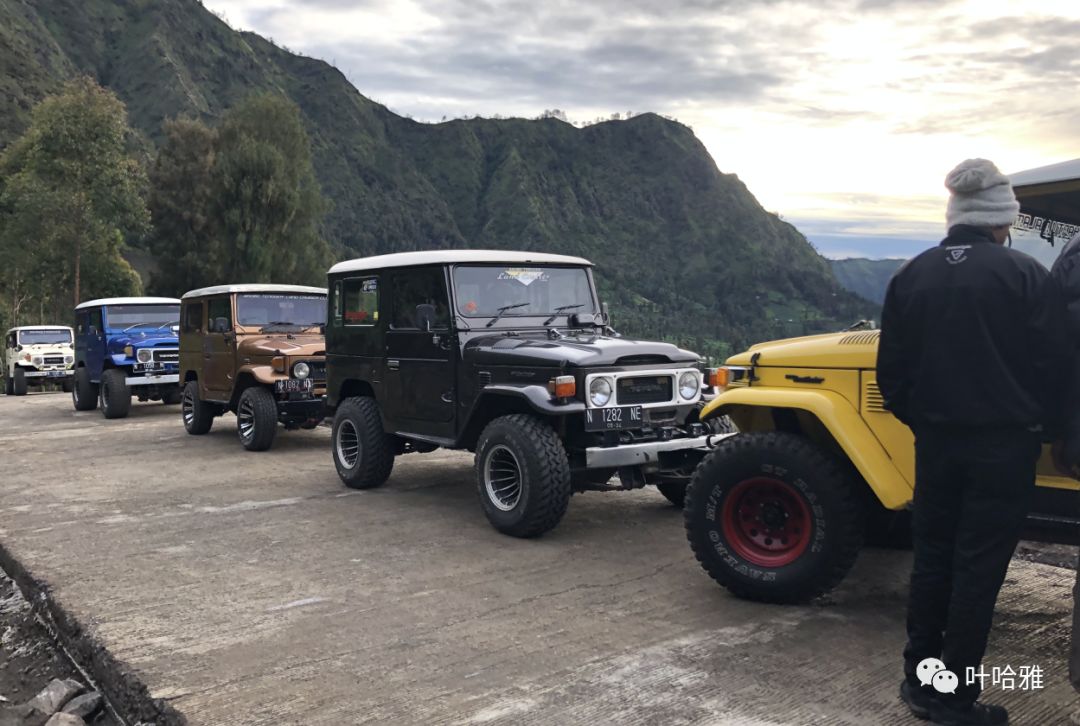
Off-road vehicles for climbing. You can charter one for a few people for about 300 yuan per vehicle.
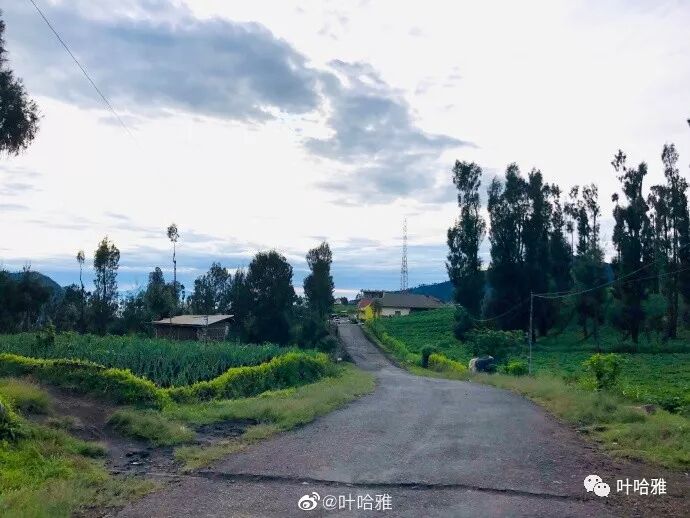
Scenery along the way after daybreak
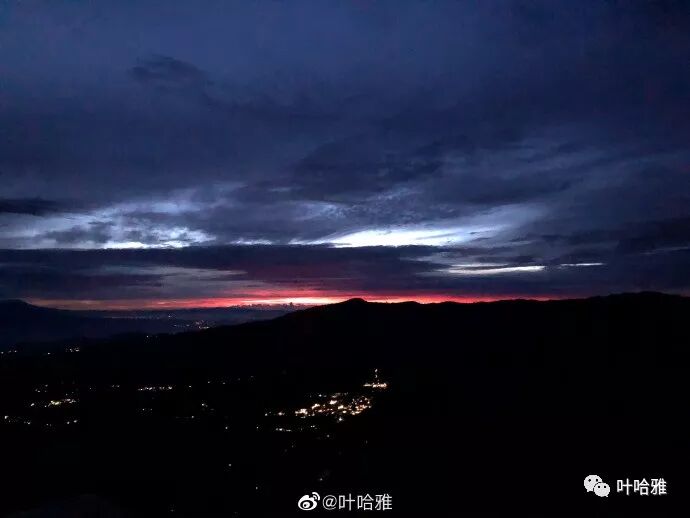
Dawn before sunrise
Google Maps shows the walk to the King Kong Hill summit is about 3 kilometers, but it is a mountain road and difficult to walk. The temperature on the mountain is cold at night, so you need a cotton jacket to stay warm. It took me an hour and a half to walk those 3 kilometers. The road was pitch black with no other tourists, only a few villagers on horseback who occasionally asked if I wanted a ride.
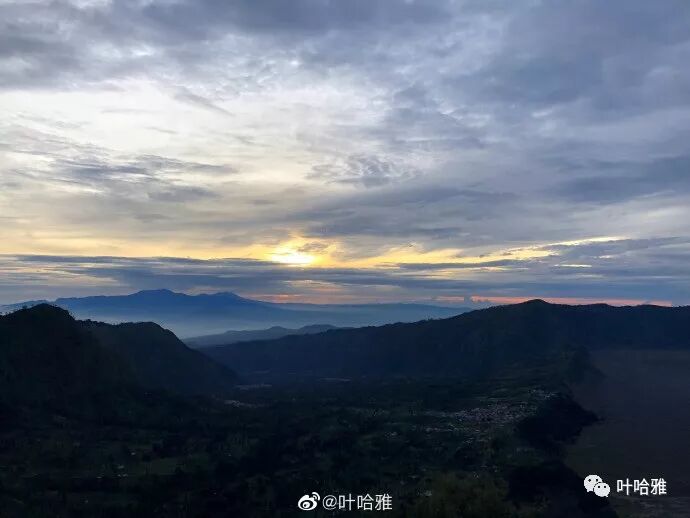
I welcomed the sunrise while shivering in the cold wind. The scenery around Mount Bromo is truly beautiful. In the morning, with the sea of clouds, the small town looks like a fairyland from a distance.
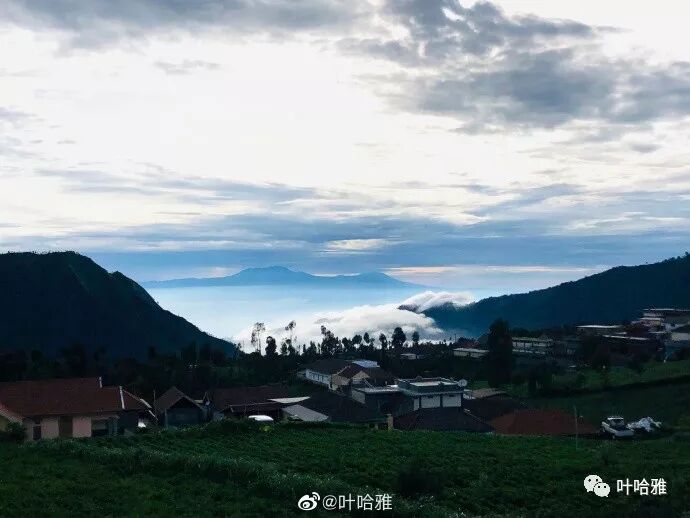
Town in the clouds
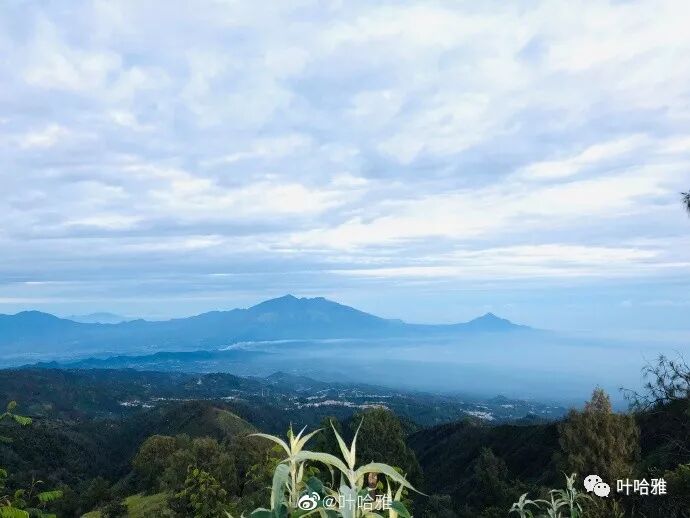
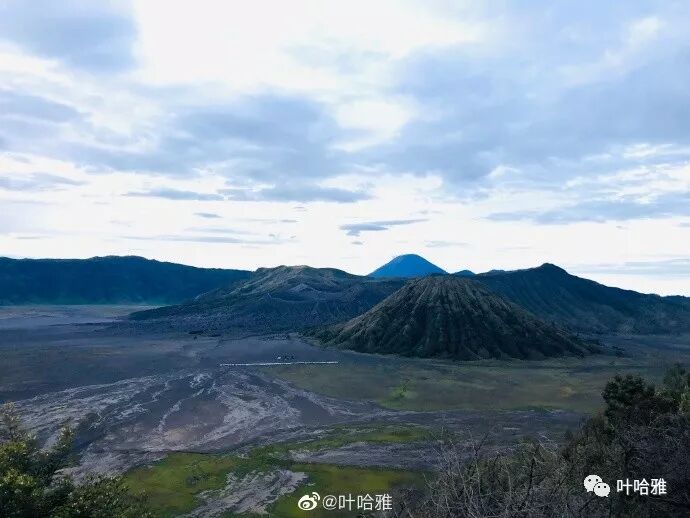
Mount Bromo crater
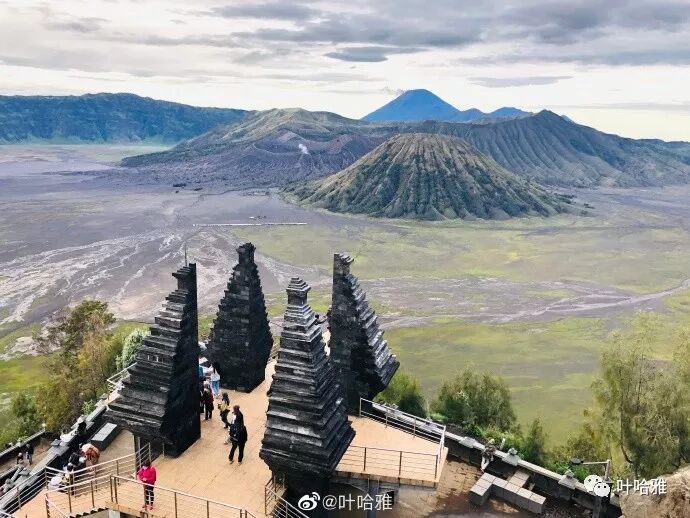
Looking at Mount Bromo from a distance, it is still puffing out blue smoke and you can already smell the sulfur. This volcano is still erupting, but you can walk up close to the crater to observe it. You need to bring your own gas mask because a regular face mask won't work. People who have been near the crater say it stings your throat and eyes. You can ride a horse from the foot of the mountain to the crater. You need to buy a ticket to go to the crater, which costs about 170 yuan per person. Considering the pandemic, I couldn't risk any respiratory issues, or returning home would be a huge hassle. I gave up on the idea of walking into the crater, even though I really wanted to see the flowing lava.
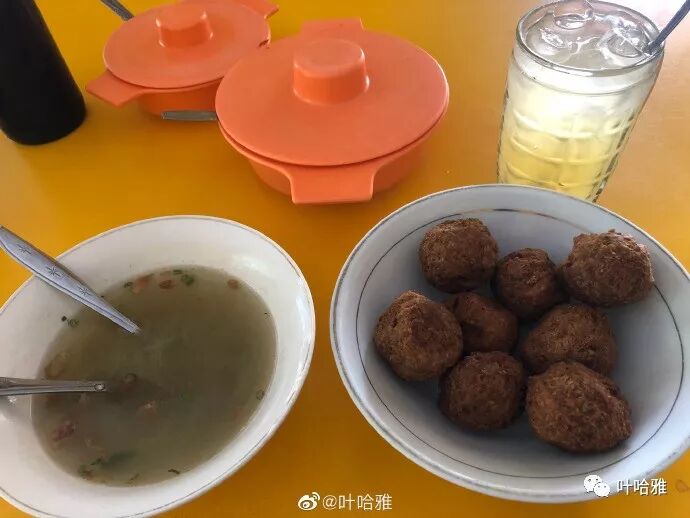
Meatball noodle soup (wanzi fentang) at the train station restaurant. The meatballs are made with beef fat, very similar to the ones in Yunnan.
The whole way back to Surabaya was just about refueling and eating. There is nothing on the mountain except for small stalls selling instant noodles and hot coffee, and there are no mosques.
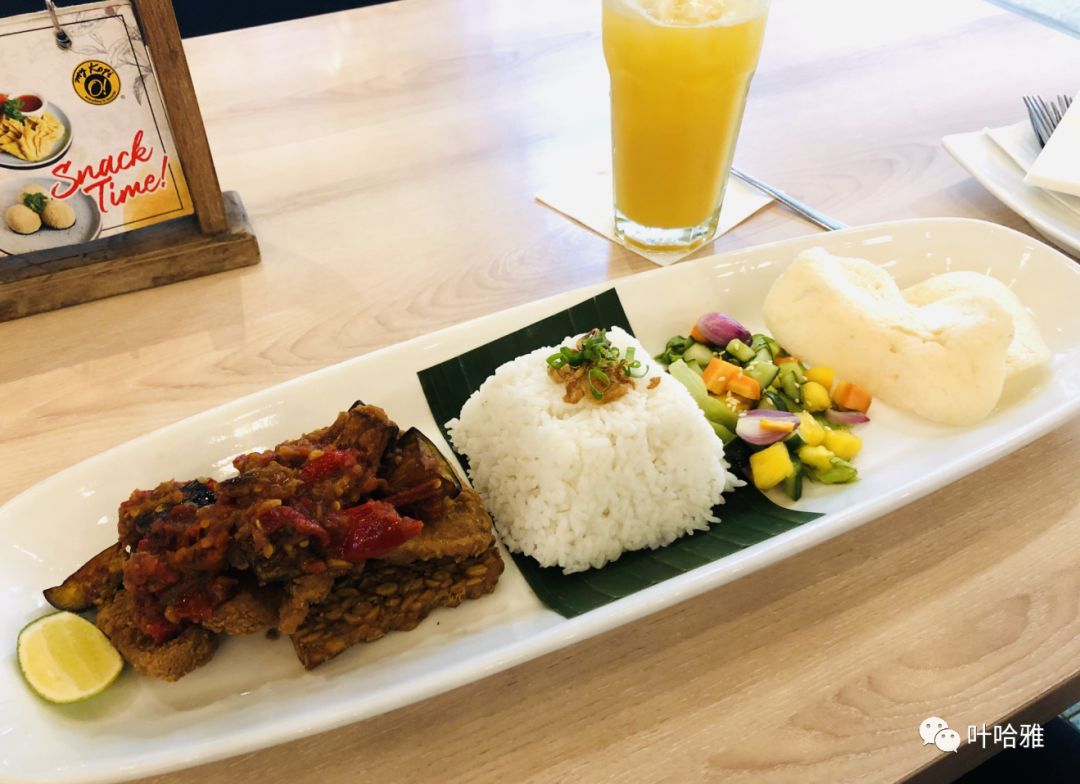
Indonesian-style set meal eaten at the Broadway shopping center.
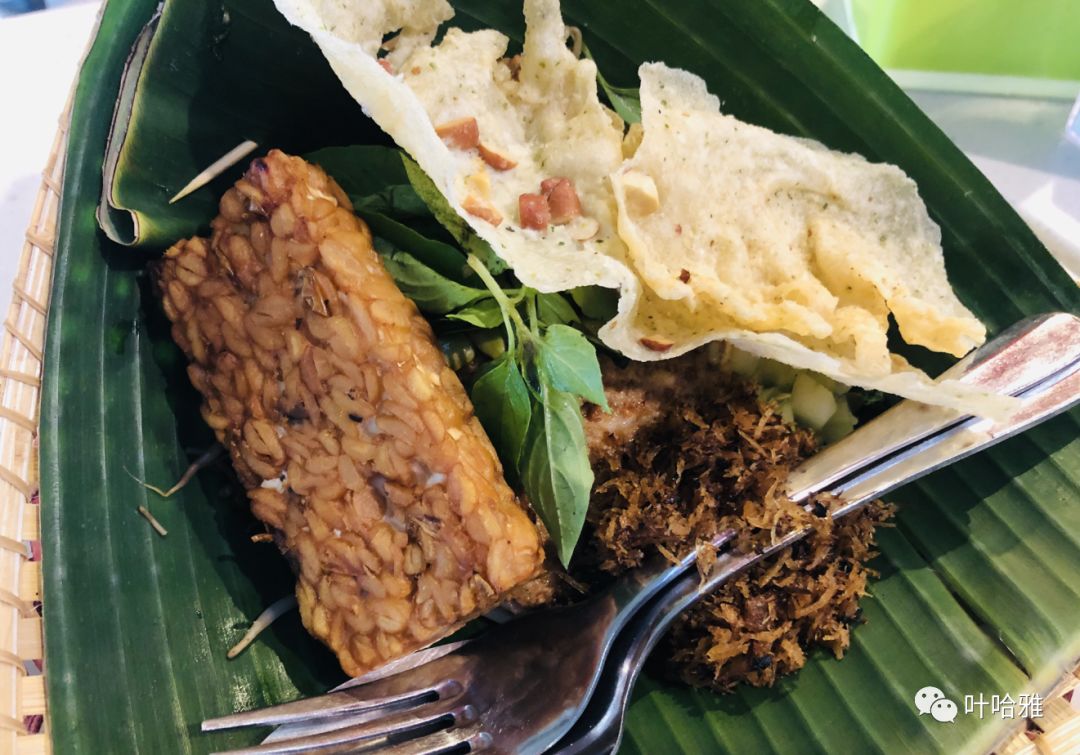
Indonesian fried rice (nasi goreng) eaten at Surabaya Airport.
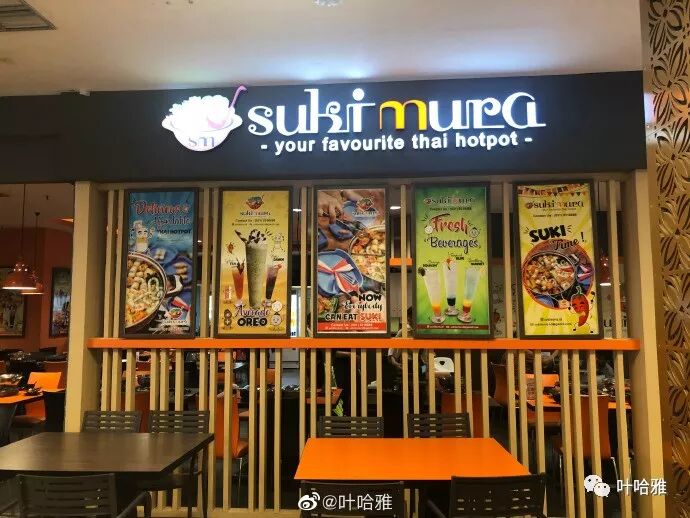
Thai-style hot pot, rich in curry flavor and slightly spicy.
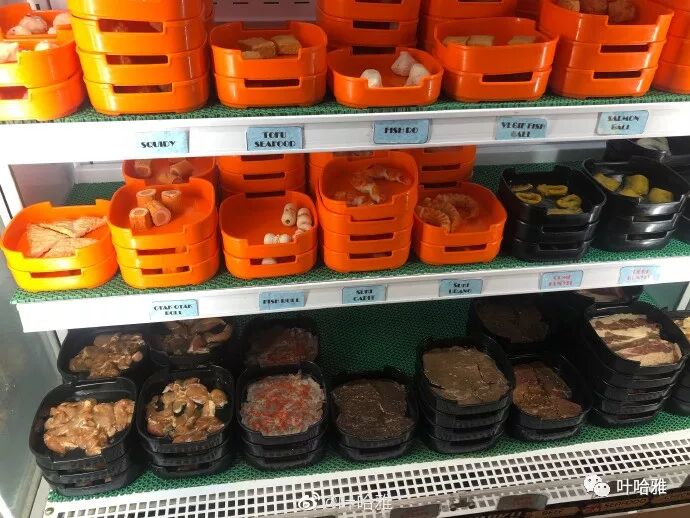
Different colored plates have different prices, and they count the plates to settle the bill after you finish eating.
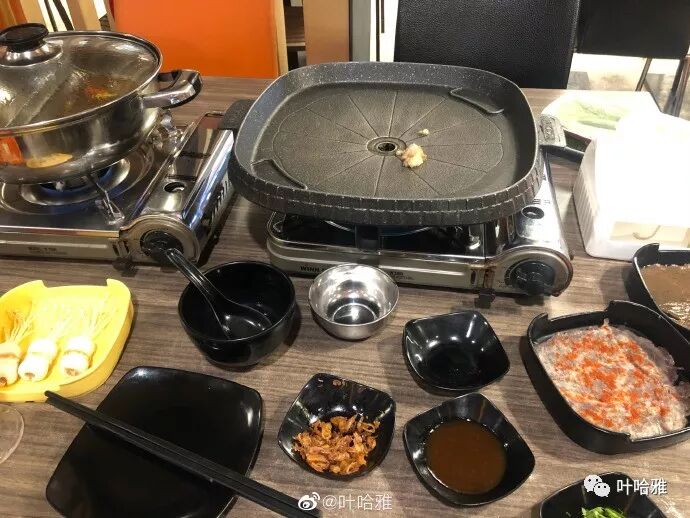
Two ways to eat Thai-style hot pot: you can grill it or boil it.
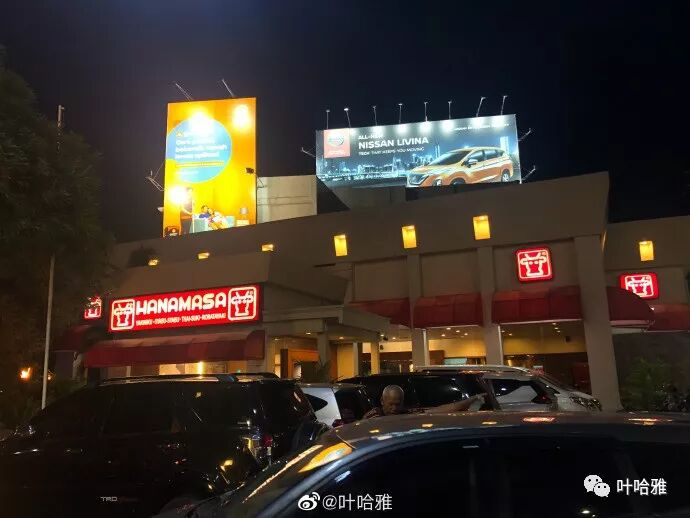
HANAMASA, a Japanese-style wagyu barbecue restaurant near Surabaya train station.
You can grill and boil meat at the same time here. The greeter wore a headscarf and spoke to me in Japanese.
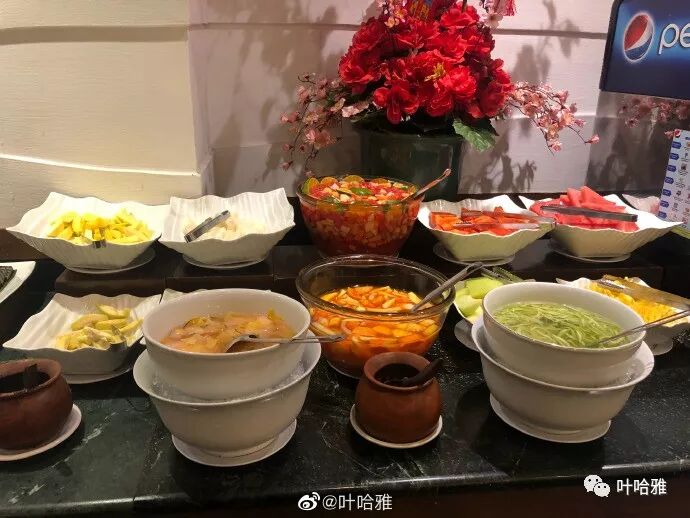
Help yourself to fruit snacks.
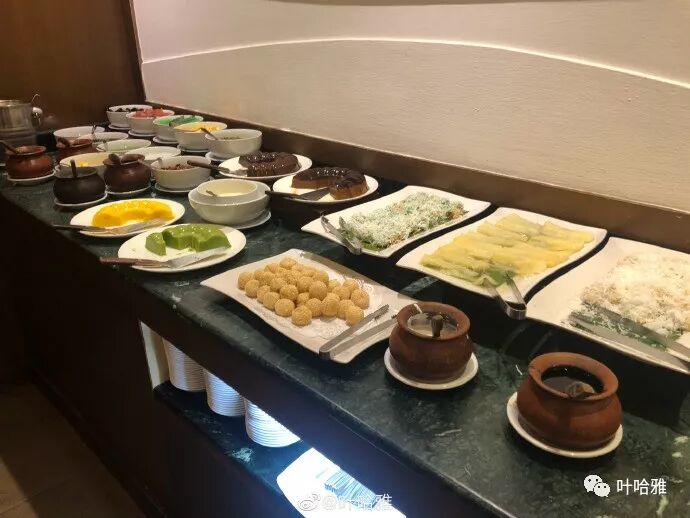
Various Southeast Asian desserts.
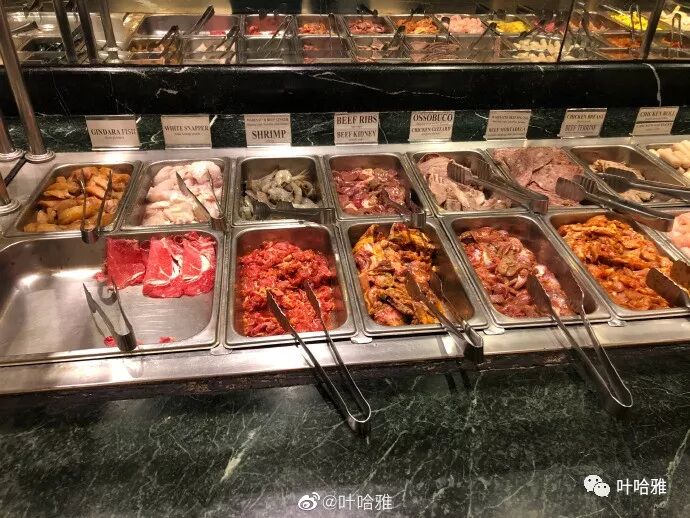
They specialize in wagyu beef, but also serve chicken, seafood, and more.
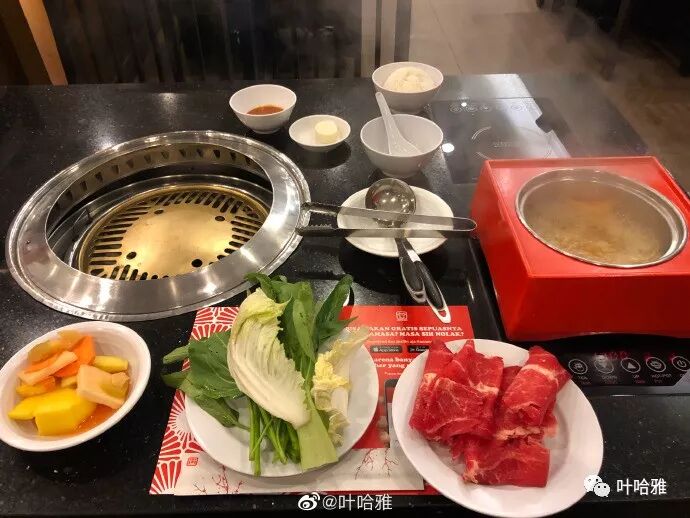
The waiter suggested I try both the grilled and boiled meat. Both tasted good, though I think the boiled meat in Beijing is better. Indonesians don't have sesame paste for dipping. This meal cost a few dozen yuan per person; prices in Surabaya are quite low.
After the Surabaya trip, my time in Indonesia came to an end. I flew from Surabaya to Beijing with a layover in Hong Kong. My Cathay Pacific flight was delayed by 12 hours, and I wasn't allowed to leave the airport. A large number of passengers were stranded. Due to the pandemic, the border was closed, so I had to wait in the airport until the flight took off the next morning.
I spent the whole night walking around Hong Kong Airport. There are currently two dua rooms, one near Gate 42 and another near Gate 211.
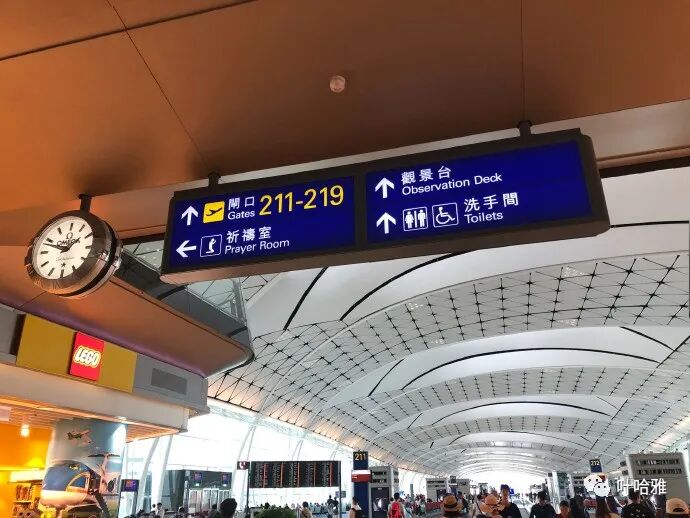
The dua room near Gate 211.
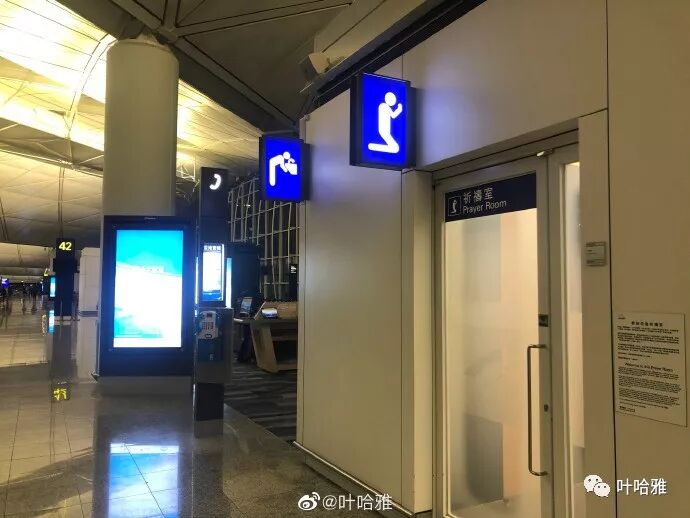
The dua room near Gate 42.
After leaving Indonesia, it felt strange not being able to eat just anywhere at Hong Kong Airport. The only halal-certified restaurant in the entire airport is Old Town White Coffee. There used to be a Popeyes that was halal, but it has closed down.
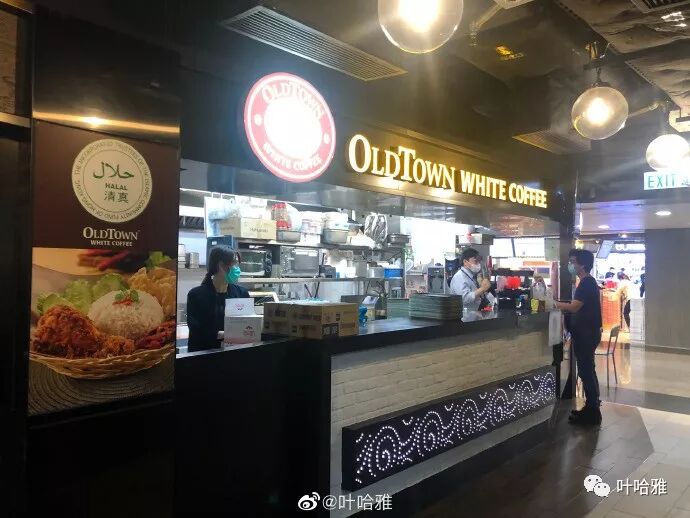
Old Town White Coffee.
This restaurant serves no alcohol and offers Southeast Asian food. I ordered a bowl of Ipoh chicken noodle soup, plus a side of fried chicken and lemon tea for about 100 yuan. It tasted fine, and I felt very grateful to have a hot halal meal at that moment.
The restaurant is open from 7:00 AM to 9:00 PM and is located in the food court area.
Previous posts:
Hangzhou Halal Travel Map
Yiwu Halal Food Map
Luling Mosque, the final resting place of the Qadiriyya grand master
Halal Travel Guide to Langzhong Ancient City, Sichuan
Halal Trip to Hokkaido, Japan
Halal Trip to the Manchuria Region (Chifeng, Jilin, Acheng, and Qiqihar)
Halal Trip to Hefei, Huainan, Anqing, and Chuzhou in Anhui
Dalian Halal Food Map (Part 2)
Guide to Halal Food and Sightseeing in the Muslim Quarter of Xi'an
Guangzhou Halal Travel Map
Tianjin Halal Food Map (Part 3)
Tokyo Halal Food Map
Winter Halal Trip to Vladivostok, Russia
A map of halal food in Ho Chi Minh City and Nha Trang, Vietnam
A map of halal food in Xining
A map of halal food in New York, Atlanta, and Seattle
Nanjing Halal Food Map
Hainan Halal Food Map
Yunnan Halal Food Map
Map of Mosques and Halal Food in Shanghai
Phuket, Thailand Halal Food Map
Tibet Halal Food Map
Chongqing Halal Food Trip: Turns out tripe hot pot is also related to Hui Muslims
Summary: A Muslim-friendly Indonesia travel account from a Chinese Hui Muslim perspective, covering mosque spaces, wudu facilities, train prayer rooms, Bromo Volcano, and the original journey details.
The main hall is an open space, meaning it has no doors. It does not need them, as the mosque is always open to the public.
This is the location of the Indonesian Chinese Islamic Association and the Indonesian Haji Cheng Ho Foundation.
Inscriptions inside the mosque record the history of Cheng Ho and the spiritual legacy he left behind in Surabaya.
The inscriptions clearly state that Cheng Ho followed Islam. They also explain why he participated in Buddhist, Confucian, and Taoist activities: simply put, he had to adapt to the world around him.
Masjid Al Ittihad Pakuwon Mall mosque
Masjid Al Ittihad Pakuwon Mall mosque
This mosque is built inside the Pakuwon Mall. I have heard from Indonesian friends (dosti) that almost every building in Indonesia has a prayer room. Prayer rooms are different from mosques; they usually lack facilities for a full ritual wash (ghusl) and do not have an imam. This is the first time I have seen a full mosque built inside a shopping mall.
The mosque also provides free storage services.
Area for ritual washing (wudu)
Main hall
Mount Bromo
(Bromo)
After finishing my tour of the city, I planned to head to Mount Bromo. You can book a two-day local tour from Surabaya for about 1,000 yuan, but they require at least two people. I checked the route and felt I could have a great trip without a tour group, so I boarded a train to the volcano.
The train has first-class and second-class seats.
To get to Mount Bromo, you leave from Surabaya Gubeng Station. After a train ride of over two hours, you get off at Probolinggo. The ticket costs about 5 yuan. Outside the Probolinggo station, there are green minibuses that go to the village at the foot of the volcano. They leave when full and cost about 15 yuan for the 50-kilometer trip, which takes an hour and a half. However, you have to wait for the bus to fill up. When I returned, I waited over three hours and it never filled, so I had to hire an unofficial taxi back to the Probolinggo station. The 50-kilometer ride cost 100 yuan, which was not too expensive.
If you can catch the bus smoothly, the total cost to climb Mount Bromo is less than 50 yuan. Because I arrived in the middle of the night and wanted to see the sunrise, I spent an extra 200 yuan on taxis.
Prayer room on the train
The driver dropped me off at the village at the foot of the volcano at 2:00 AM. From there, you have to walk to the summit unless you rent an off-road vehicle or ride a horse, which is expensive. Climbing in the middle of the night is pitch black, so you need to use your phone's flashlight. You have to pay a 10-yuan entrance fee to enter the village and climb to see the sunrise, and you need to buy another ticket to get close to the crater.
Off-road vehicles for climbing. You can charter one for a few people for about 300 yuan per vehicle.
Scenery along the way after daybreak
Dawn before sunrise
Google Maps shows the walk to the King Kong Hill summit is about 3 kilometers, but it is a mountain road and difficult to walk. The temperature on the mountain is cold at night, so you need a cotton jacket to stay warm. It took me an hour and a half to walk those 3 kilometers. The road was pitch black with no other tourists, only a few villagers on horseback who occasionally asked if I wanted a ride.
I welcomed the sunrise while shivering in the cold wind. The scenery around Mount Bromo is truly beautiful. In the morning, with the sea of clouds, the small town looks like a fairyland from a distance.
Town in the clouds
Mount Bromo crater
Looking at Mount Bromo from a distance, it is still puffing out blue smoke and you can already smell the sulfur. This volcano is still erupting, but you can walk up close to the crater to observe it. You need to bring your own gas mask because a regular face mask won't work. People who have been near the crater say it stings your throat and eyes. You can ride a horse from the foot of the mountain to the crater. You need to buy a ticket to go to the crater, which costs about 170 yuan per person. Considering the pandemic, I couldn't risk any respiratory issues, or returning home would be a huge hassle. I gave up on the idea of walking into the crater, even though I really wanted to see the flowing lava.
Meatball noodle soup (wanzi fentang) at the train station restaurant. The meatballs are made with beef fat, very similar to the ones in Yunnan.
The whole way back to Surabaya was just about refueling and eating. There is nothing on the mountain except for small stalls selling instant noodles and hot coffee, and there are no mosques.
Indonesian-style set meal eaten at the Broadway shopping center.
Indonesian fried rice (nasi goreng) eaten at Surabaya Airport.
Thai-style hot pot, rich in curry flavor and slightly spicy.
Different colored plates have different prices, and they count the plates to settle the bill after you finish eating.
Two ways to eat Thai-style hot pot: you can grill it or boil it.
HANAMASA, a Japanese-style wagyu barbecue restaurant near Surabaya train station.
You can grill and boil meat at the same time here. The greeter wore a headscarf and spoke to me in Japanese.
Help yourself to fruit snacks.
Various Southeast Asian desserts.
They specialize in wagyu beef, but also serve chicken, seafood, and more.
The waiter suggested I try both the grilled and boiled meat. Both tasted good, though I think the boiled meat in Beijing is better. Indonesians don't have sesame paste for dipping. This meal cost a few dozen yuan per person; prices in Surabaya are quite low.
After the Surabaya trip, my time in Indonesia came to an end. I flew from Surabaya to Beijing with a layover in Hong Kong. My Cathay Pacific flight was delayed by 12 hours, and I wasn't allowed to leave the airport. A large number of passengers were stranded. Due to the pandemic, the border was closed, so I had to wait in the airport until the flight took off the next morning.
I spent the whole night walking around Hong Kong Airport. There are currently two dua rooms, one near Gate 42 and another near Gate 211.
The dua room near Gate 211.
The dua room near Gate 42.
After leaving Indonesia, it felt strange not being able to eat just anywhere at Hong Kong Airport. The only halal-certified restaurant in the entire airport is Old Town White Coffee. There used to be a Popeyes that was halal, but it has closed down.
Old Town White Coffee.
This restaurant serves no alcohol and offers Southeast Asian food. I ordered a bowl of Ipoh chicken noodle soup, plus a side of fried chicken and lemon tea for about 100 yuan. It tasted fine, and I felt very grateful to have a hot halal meal at that moment.
The restaurant is open from 7:00 AM to 9:00 PM and is located in the food court area.
Previous posts:
Hangzhou Halal Travel Map
Yiwu Halal Food Map
Luling Mosque, the final resting place of the Qadiriyya grand master
Halal Travel Guide to Langzhong Ancient City, Sichuan
Halal Trip to Hokkaido, Japan
Halal Trip to the Manchuria Region (Chifeng, Jilin, Acheng, and Qiqihar)
Halal Trip to Hefei, Huainan, Anqing, and Chuzhou in Anhui
Dalian Halal Food Map (Part 2)
Guide to Halal Food and Sightseeing in the Muslim Quarter of Xi'an
Guangzhou Halal Travel Map
Tianjin Halal Food Map (Part 3)
Tokyo Halal Food Map
Winter Halal Trip to Vladivostok, Russia
A map of halal food in Ho Chi Minh City and Nha Trang, Vietnam
A map of halal food in Xining
A map of halal food in New York, Atlanta, and Seattle
Nanjing Halal Food Map
Hainan Halal Food Map
Yunnan Halal Food Map
Map of Mosques and Halal Food in Shanghai
Phuket, Thailand Halal Food Map
Tibet Halal Food Map
Chongqing Halal Food Trip: Turns out tripe hot pot is also related to Hui Muslims
Muslim Friendly Singapore 2026: Visa-Free One-Day Food, Mosque Stops & City Route
Articles • ali2007fr posted the article • 0 comments • 145 views • 2026-05-21 10:01
Reposted from the web
Summary: A Muslim-friendly one-day Singapore travel route for a visa-free layover, covering food, city stops, and mosque-friendly planning while keeping the original travel sequence and photos intact.
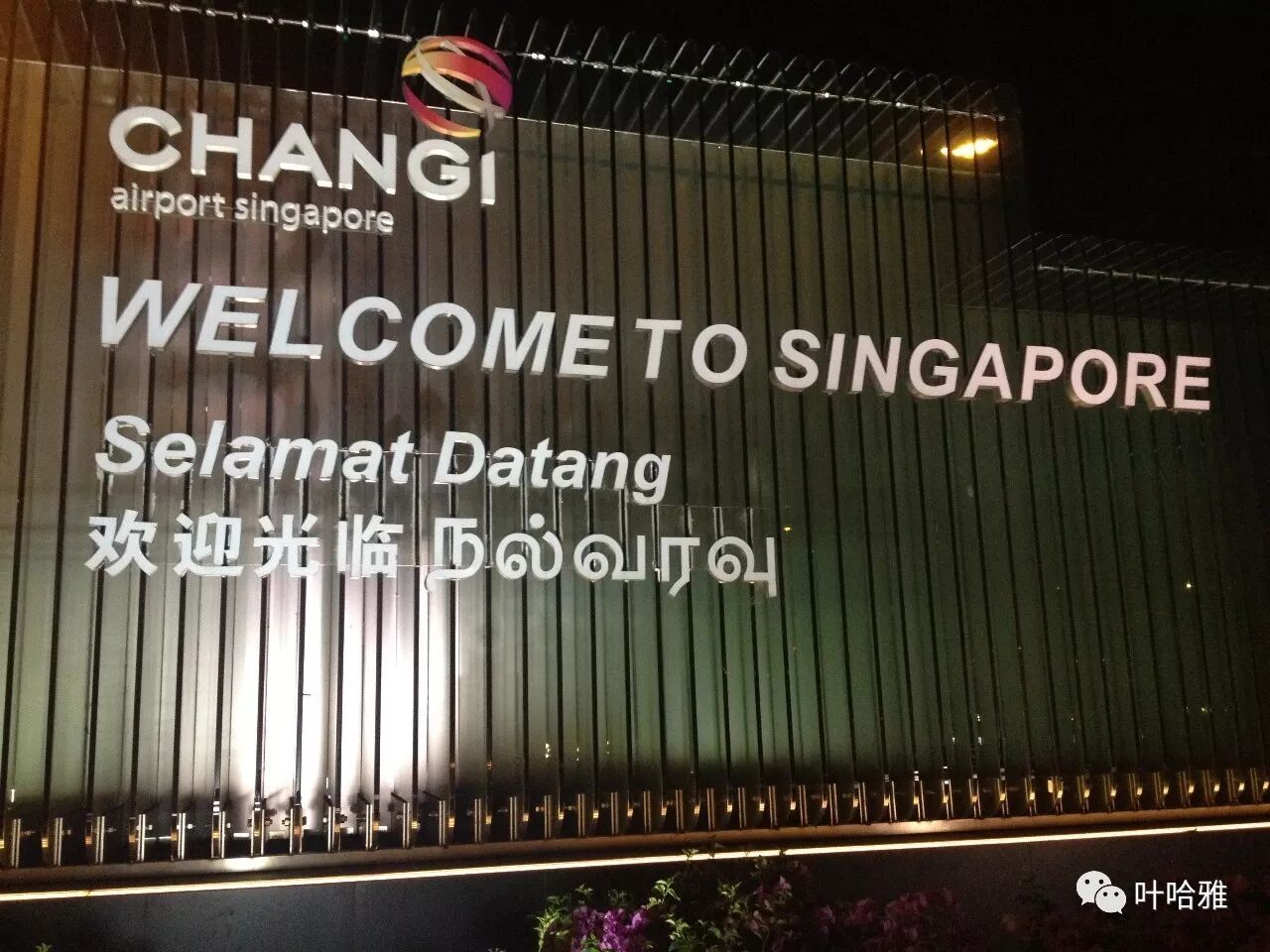
My destination was Christchurch. At the time, there were no direct flights from Beijing, so I chose Singapore Airlines with a layover in Singapore. It turned out to be the right choice.
I had a 23-hour layover in Singapore. I checked online and found conflicting information about whether I needed a transit visa or if I could even leave the airport. Once I arrived at Singapore Changi Airport, I walked to customs and asked if I could leave the airport to look around since my final destination was New Zealand. The customs officer looked at my ticket and asked where my passport was issued in China. I said Beijing. He told me they only offer a one-time entry permit for passports from certain regions.
This is the entry stamp that allows a 5-day stay.
The flight attendants wear Singapore Airlines uniforms. As a five-star airline, their food standards are high. Besides main meals, they offer various snacks and desserts, including Haagen-Dazs ice cream. I felt like I was eating throughout the entire flight.
First-time visitors to Changi Airport can pick up a 40 USD shopping voucher at this counter to use at duty-free shops. Don't miss out on this freebie, though there are restrictions on what you can buy.
The prayer room at Changi Airport is like a small mosque with all the necessary facilities.
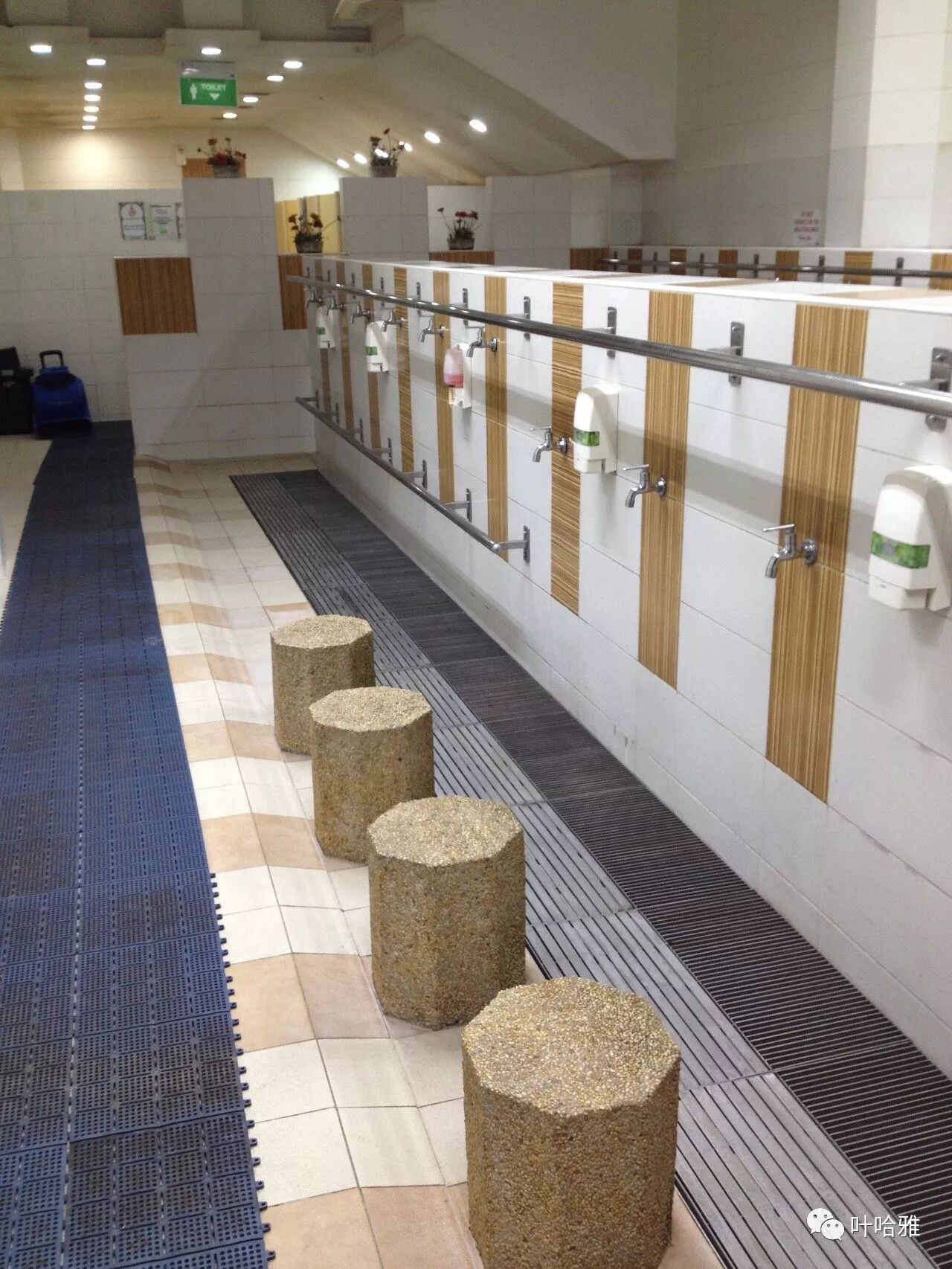
This is the area for performing wudu (ablution).
About 15% of Singapore's population is Muslim, mostly of Malay descent, followed by Indian and Chinese. Halimah Yacob, who was elected president of Singapore this year, is a Malay Muslim woman.
I always thought Singapore was a tiny country, maybe less than one-twentieth the size of Beijing, so I assumed I could walk around the Lion City. I was wrong.
I walked for about 30 minutes from Changi Airport but realized I couldn't get off the highway. With cars speeding past me, I gave up on the idea of walking to Merlion Park and had to walk back to the airport to catch a taxi. Taxis here are priced similarly to those in Japan; the meter jumps every 400 meters. The 20-minute ride from the airport to Merlion Park cost over 20 Singapore dollars, which is about 100 RMB at a 1:5 exchange rate. The driver was of Chinese descent and spoke Mandarin. He said his ancestors were from Fujian and he could speak English, Malay, Indonesian, Thai, and Hokkien. It seems common for Southeast Asian Chinese to know several languages. English and Malay are the common languages on the streets, while Chinese is mostly used within Chinese families. I noticed that even Chinese people use English to send text messages.
The Merlion is the symbol of the Singapore Tourism Board. Its design was inspired by the Malay Annals, as Singapore is a young nation that separated from Malaysia. Legend has it that in the 14th century, a prince from the Srivijaya Kingdom saw a dragon at sea and a lion on the island. He felt a connection with the lion and named the island Singapore, which means Lion City in Sanskrit.
It was already early morning, and dawn was still four or five hours away. I thought about finding a hotel to rest, but after checking the prices, even a half-day stay would cost 500 to 600 RMB. I decided to stay awake and quietly enjoy the Singapore night view.
The iconic Marina Bay Sands hotel in Singapore.
I called a taxi and asked the driver to take me to the largest mosque in Singapore, the Sultan Mosque. Southeast Asian Chinese still use the pre-Republic of China term for Islam, calling it 'Hui religion.' They might not understand if you say 'mosque' (qingzhensi), but they know what you mean if you say 'masjid' or 'mosque' (huijiaotang).
I was preparing for the dawn prayer (fajr). I arrived too early and the mosque wasn't open yet, so I sat on a bench outside and waited for a while.
Singapore and Beijing are in the same time zone, so there is no time difference, and the dawn prayer time is the same as in Beijing.
I observed the way the Muslims here pray. They raise their hands three times, which is a characteristic of the Shafi'i school of jurisprudence common in Southeast Asia.
This friend was the first Muslim I met in Singapore. He was a local and very enthusiastically offered to drive me to breakfast.
Owning a private car in Singapore is very expensive because of the license plate, which is only valid for 10 years. Most people take the subway, which is convenient and cheap. The car this dosti (friend) was driving was a company truck.
He brought me to a Muslim neighborhood.
My friend (dosti) invited me to have this flatbread (paratha) for breakfast, and it tasted great dipped in curry sauce.
My friend dropped me off at Little India, a tourist spot where many Indian people live. Before leaving, he gave me a bag of fruit and told me I could eat at any fast-food restaurant in Singapore. He explained that chains like McDonald's, KFC, and Pizza Hut are 100% halal. I just need to avoid the pork rib soup (bak kut teh) shops run by Chinese people because they use pork, but almost everywhere else is fine.
A Hindu temple inside the Little India neighborhood.
Hinduism believes that all things have spirits and animals are seen as gods, so the animals here are not afraid of people.
At the National Museum of Singapore, staff give you a tablet before you enter. It is a self-service audio guide that lets you look up explanations for exhibits by their number at any time.
The museum records Singapore's history under the British Empire and the Empire of Japan. Singapore once belonged to Malaya but was later cast aside, forcing it to choose independence. Under the leadership of founding father Lee Kuan Yew, it transformed from a messy area into a clean, developed country.
Singapore's streets are incredibly clean, even cleaner than Japan's, and chewing gum is banned from entering the country.
Littering and spitting are punished severely. Singapore still uses caning as a punishment, which is considered a key part of maintaining order here.
I happened to find a small mosque on the street. There are a few others like it in Singapore. Although Singapore is small, many different religions live here in peace.
I met a Muslim worker from Bangladesh here. We could talk in English, and he said he wanted to work in Beijing. He asked for my phone number and my family's numbers. I felt it was a bit inappropriate, but I later learned this is just their way of socializing. Their intense friendliness was a bit much for me to handle. After I returned to Beijing, I even got a call from him, but I couldn't hear him clearly so I hung up.
My last stop was Sentosa Park, where I took the world's longest cable car ride to look down at the full view of Singapore.
In the park, I was talked into taking a photo with a large tropical parrot, which cost me 20 Singapore dollars, and I also watched a movie at Universal Studios.
That ended my one-day tour of Singapore. I actually had extra time and it wasn't dark yet. I didn't visit the world's largest aquarium or the night safari. During the day, you can take a free sightseeing bus from the airport to tour the city. But for me, since I was just passing through, I had seen enough. My next stop, New Zealand, is the real destination of my trip, where even more beautiful scenery and amazing stories are waiting for me. view all
Summary: A Muslim-friendly one-day Singapore travel route for a visa-free layover, covering food, city stops, and mosque-friendly planning while keeping the original travel sequence and photos intact.
My destination was Christchurch. At the time, there were no direct flights from Beijing, so I chose Singapore Airlines with a layover in Singapore. It turned out to be the right choice.
I had a 23-hour layover in Singapore. I checked online and found conflicting information about whether I needed a transit visa or if I could even leave the airport. Once I arrived at Singapore Changi Airport, I walked to customs and asked if I could leave the airport to look around since my final destination was New Zealand. The customs officer looked at my ticket and asked where my passport was issued in China. I said Beijing. He told me they only offer a one-time entry permit for passports from certain regions.
This is the entry stamp that allows a 5-day stay.
The flight attendants wear Singapore Airlines uniforms. As a five-star airline, their food standards are high. Besides main meals, they offer various snacks and desserts, including Haagen-Dazs ice cream. I felt like I was eating throughout the entire flight.
First-time visitors to Changi Airport can pick up a 40 USD shopping voucher at this counter to use at duty-free shops. Don't miss out on this freebie, though there are restrictions on what you can buy.
The prayer room at Changi Airport is like a small mosque with all the necessary facilities.
This is the area for performing wudu (ablution).
About 15% of Singapore's population is Muslim, mostly of Malay descent, followed by Indian and Chinese. Halimah Yacob, who was elected president of Singapore this year, is a Malay Muslim woman.
I always thought Singapore was a tiny country, maybe less than one-twentieth the size of Beijing, so I assumed I could walk around the Lion City. I was wrong.
I walked for about 30 minutes from Changi Airport but realized I couldn't get off the highway. With cars speeding past me, I gave up on the idea of walking to Merlion Park and had to walk back to the airport to catch a taxi. Taxis here are priced similarly to those in Japan; the meter jumps every 400 meters. The 20-minute ride from the airport to Merlion Park cost over 20 Singapore dollars, which is about 100 RMB at a 1:5 exchange rate. The driver was of Chinese descent and spoke Mandarin. He said his ancestors were from Fujian and he could speak English, Malay, Indonesian, Thai, and Hokkien. It seems common for Southeast Asian Chinese to know several languages. English and Malay are the common languages on the streets, while Chinese is mostly used within Chinese families. I noticed that even Chinese people use English to send text messages.
The Merlion is the symbol of the Singapore Tourism Board. Its design was inspired by the Malay Annals, as Singapore is a young nation that separated from Malaysia. Legend has it that in the 14th century, a prince from the Srivijaya Kingdom saw a dragon at sea and a lion on the island. He felt a connection with the lion and named the island Singapore, which means Lion City in Sanskrit.
It was already early morning, and dawn was still four or five hours away. I thought about finding a hotel to rest, but after checking the prices, even a half-day stay would cost 500 to 600 RMB. I decided to stay awake and quietly enjoy the Singapore night view.
The iconic Marina Bay Sands hotel in Singapore.
I called a taxi and asked the driver to take me to the largest mosque in Singapore, the Sultan Mosque. Southeast Asian Chinese still use the pre-Republic of China term for Islam, calling it 'Hui religion.' They might not understand if you say 'mosque' (qingzhensi), but they know what you mean if you say 'masjid' or 'mosque' (huijiaotang).
I was preparing for the dawn prayer (fajr). I arrived too early and the mosque wasn't open yet, so I sat on a bench outside and waited for a while.
Singapore and Beijing are in the same time zone, so there is no time difference, and the dawn prayer time is the same as in Beijing.
I observed the way the Muslims here pray. They raise their hands three times, which is a characteristic of the Shafi'i school of jurisprudence common in Southeast Asia.
This friend was the first Muslim I met in Singapore. He was a local and very enthusiastically offered to drive me to breakfast.
Owning a private car in Singapore is very expensive because of the license plate, which is only valid for 10 years. Most people take the subway, which is convenient and cheap. The car this dosti (friend) was driving was a company truck.
He brought me to a Muslim neighborhood.
My friend (dosti) invited me to have this flatbread (paratha) for breakfast, and it tasted great dipped in curry sauce.
My friend dropped me off at Little India, a tourist spot where many Indian people live. Before leaving, he gave me a bag of fruit and told me I could eat at any fast-food restaurant in Singapore. He explained that chains like McDonald's, KFC, and Pizza Hut are 100% halal. I just need to avoid the pork rib soup (bak kut teh) shops run by Chinese people because they use pork, but almost everywhere else is fine.
A Hindu temple inside the Little India neighborhood.
Hinduism believes that all things have spirits and animals are seen as gods, so the animals here are not afraid of people.
At the National Museum of Singapore, staff give you a tablet before you enter. It is a self-service audio guide that lets you look up explanations for exhibits by their number at any time.
The museum records Singapore's history under the British Empire and the Empire of Japan. Singapore once belonged to Malaya but was later cast aside, forcing it to choose independence. Under the leadership of founding father Lee Kuan Yew, it transformed from a messy area into a clean, developed country.
Singapore's streets are incredibly clean, even cleaner than Japan's, and chewing gum is banned from entering the country.
Littering and spitting are punished severely. Singapore still uses caning as a punishment, which is considered a key part of maintaining order here.
I happened to find a small mosque on the street. There are a few others like it in Singapore. Although Singapore is small, many different religions live here in peace.
I met a Muslim worker from Bangladesh here. We could talk in English, and he said he wanted to work in Beijing. He asked for my phone number and my family's numbers. I felt it was a bit inappropriate, but I later learned this is just their way of socializing. Their intense friendliness was a bit much for me to handle. After I returned to Beijing, I even got a call from him, but I couldn't hear him clearly so I hung up.
My last stop was Sentosa Park, where I took the world's longest cable car ride to look down at the full view of Singapore.
In the park, I was talked into taking a photo with a large tropical parrot, which cost me 20 Singapore dollars, and I also watched a movie at Universal Studios.
That ended my one-day tour of Singapore. I actually had extra time and it wasn't dark yet. I didn't visit the world's largest aquarium or the night safari. During the day, you can take a free sightseeing bus from the airport to tour the city. But for me, since I was just passing through, I had seen enough. My next stop, New Zealand, is the real destination of my trip, where even more beautiful scenery and amazing stories are waiting for me. view all
Reposted from the web
Summary: A Muslim-friendly one-day Singapore travel route for a visa-free layover, covering food, city stops, and mosque-friendly planning while keeping the original travel sequence and photos intact.
My destination was Christchurch. At the time, there were no direct flights from Beijing, so I chose Singapore Airlines with a layover in Singapore. It turned out to be the right choice.
I had a 23-hour layover in Singapore. I checked online and found conflicting information about whether I needed a transit visa or if I could even leave the airport. Once I arrived at Singapore Changi Airport, I walked to customs and asked if I could leave the airport to look around since my final destination was New Zealand. The customs officer looked at my ticket and asked where my passport was issued in China. I said Beijing. He told me they only offer a one-time entry permit for passports from certain regions.
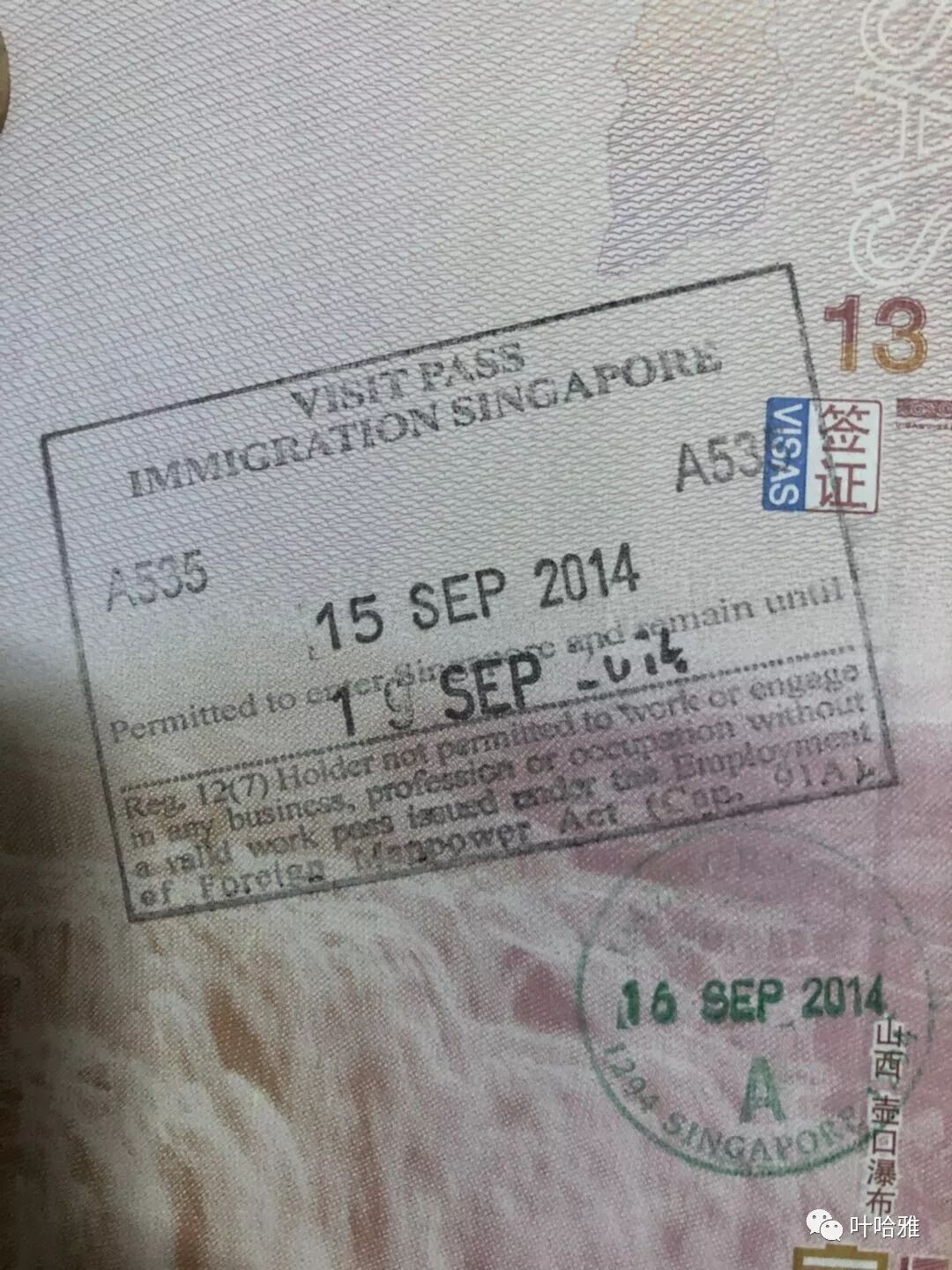
This is the entry stamp that allows a 5-day stay.
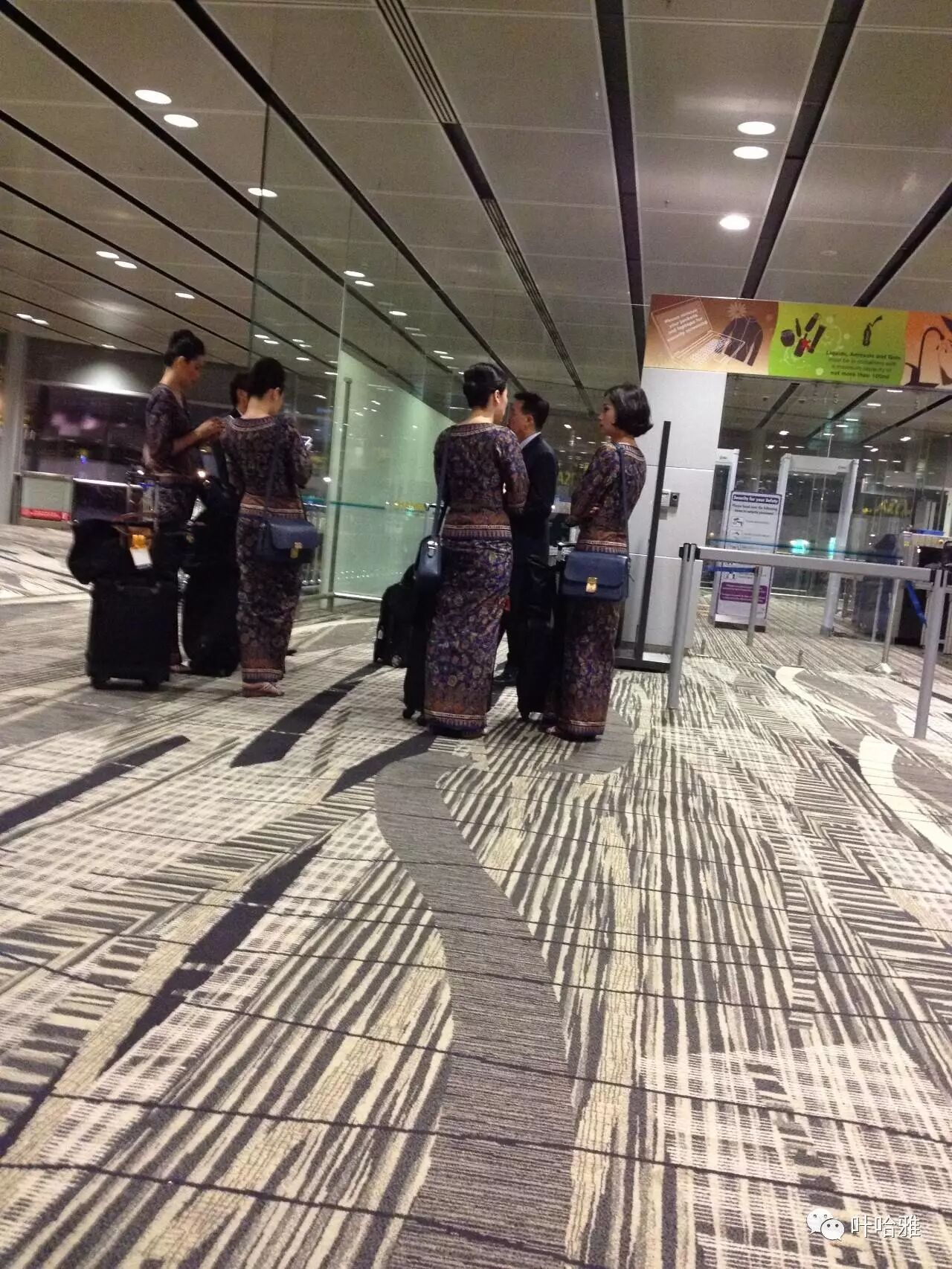
The flight attendants wear Singapore Airlines uniforms. As a five-star airline, their food standards are high. Besides main meals, they offer various snacks and desserts, including Haagen-Dazs ice cream. I felt like I was eating throughout the entire flight.
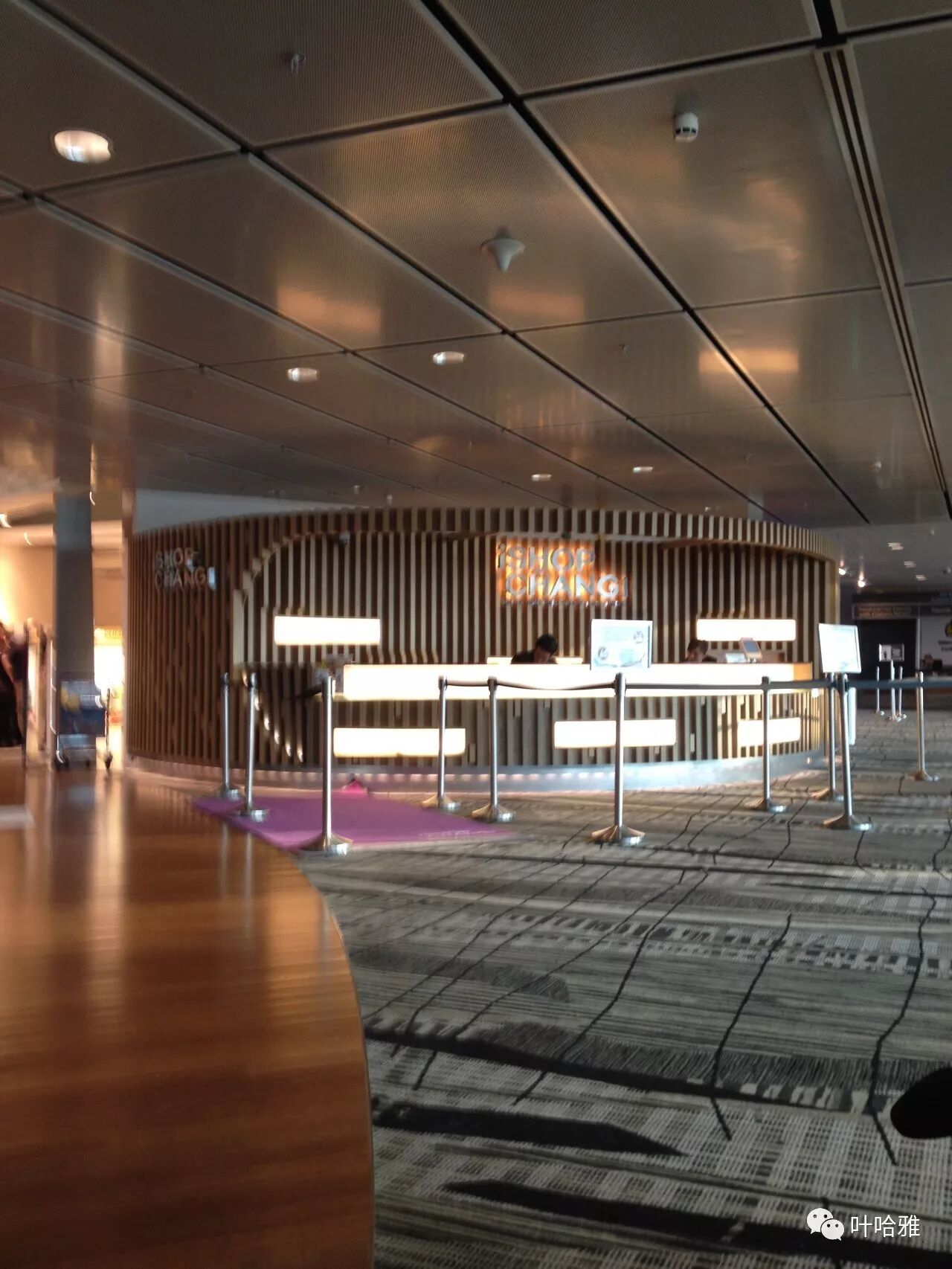
First-time visitors to Changi Airport can pick up a 40 USD shopping voucher at this counter to use at duty-free shops. Don't miss out on this freebie, though there are restrictions on what you can buy.
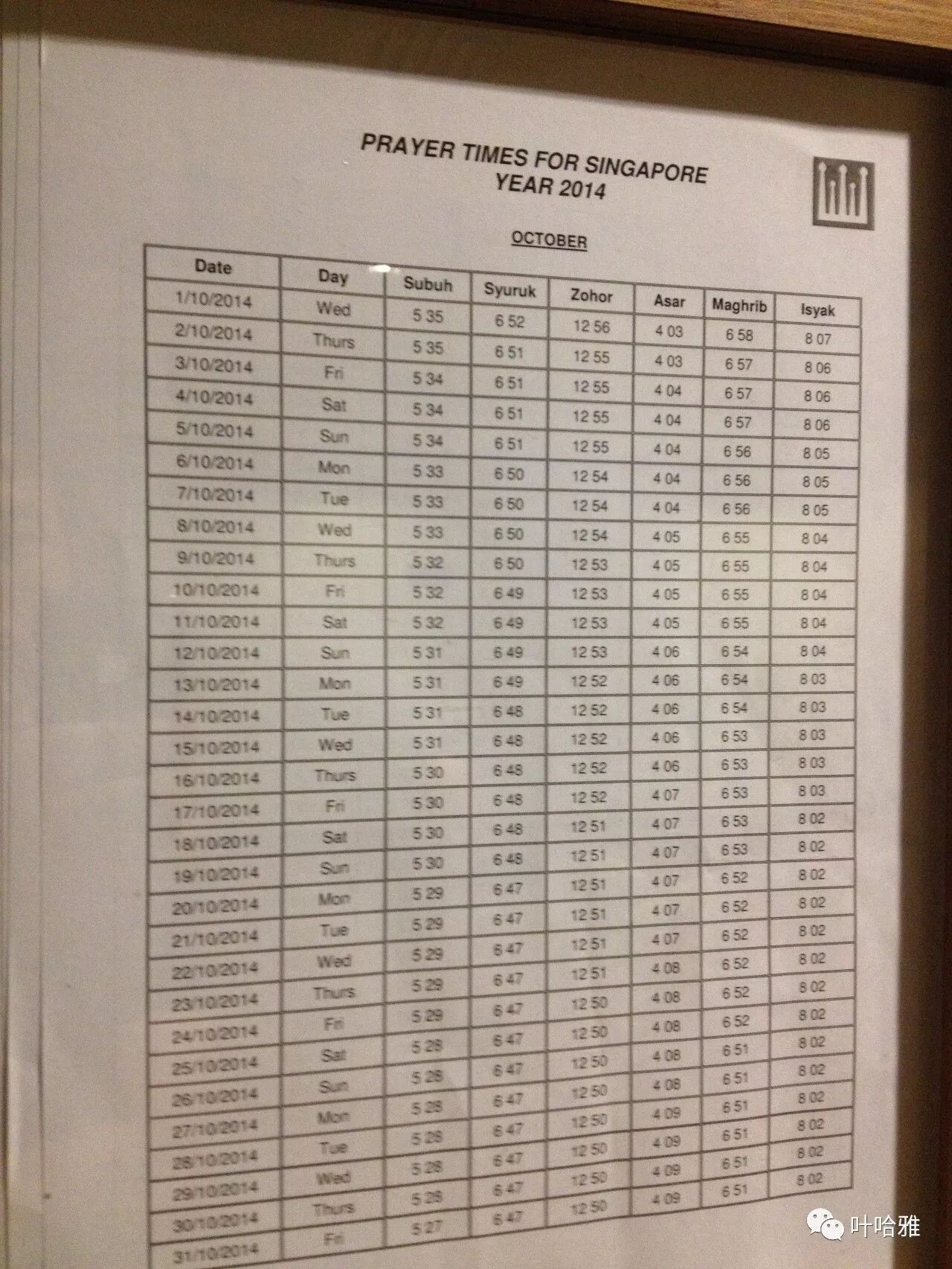
The prayer room at Changi Airport is like a small mosque with all the necessary facilities.
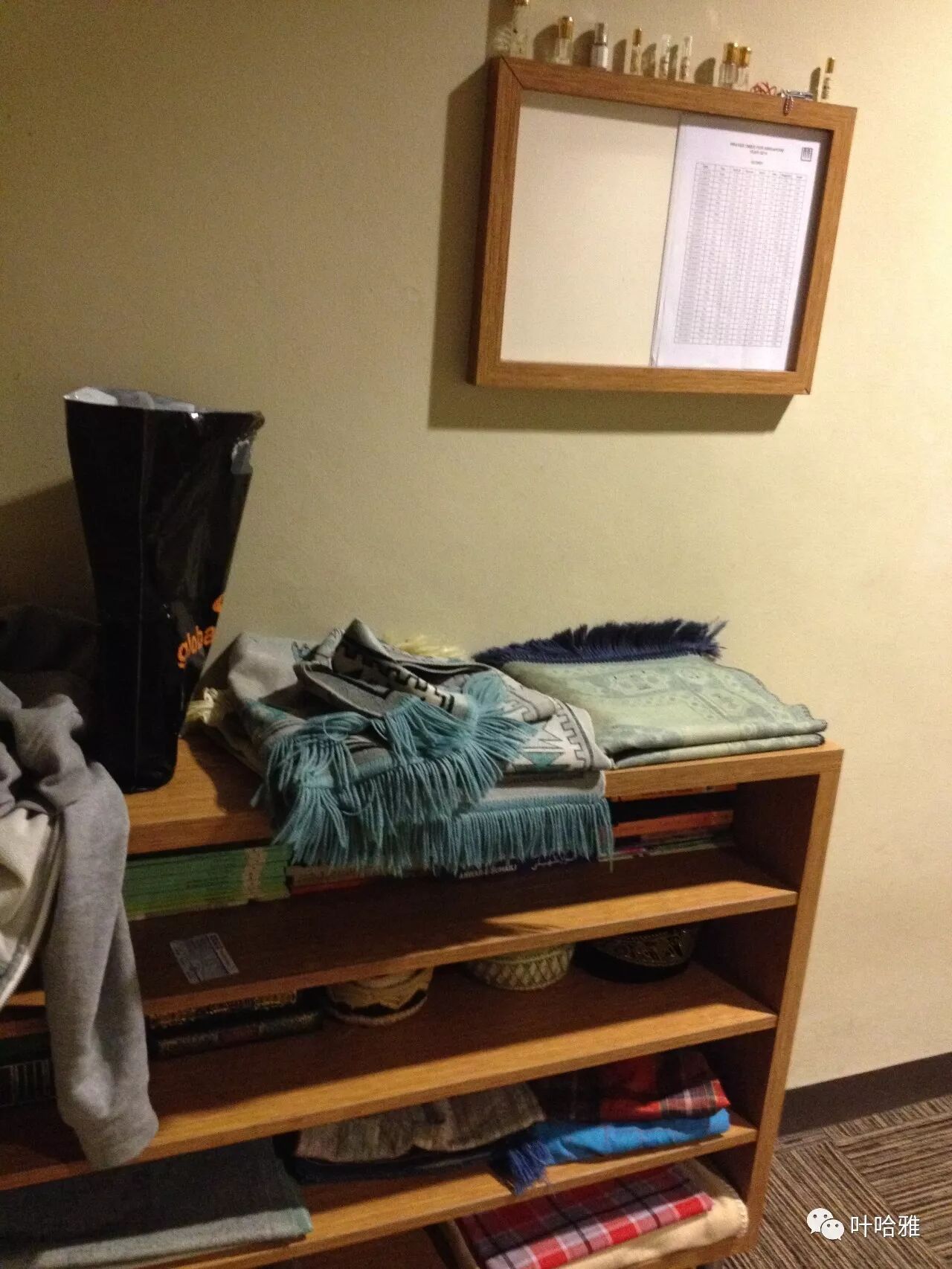
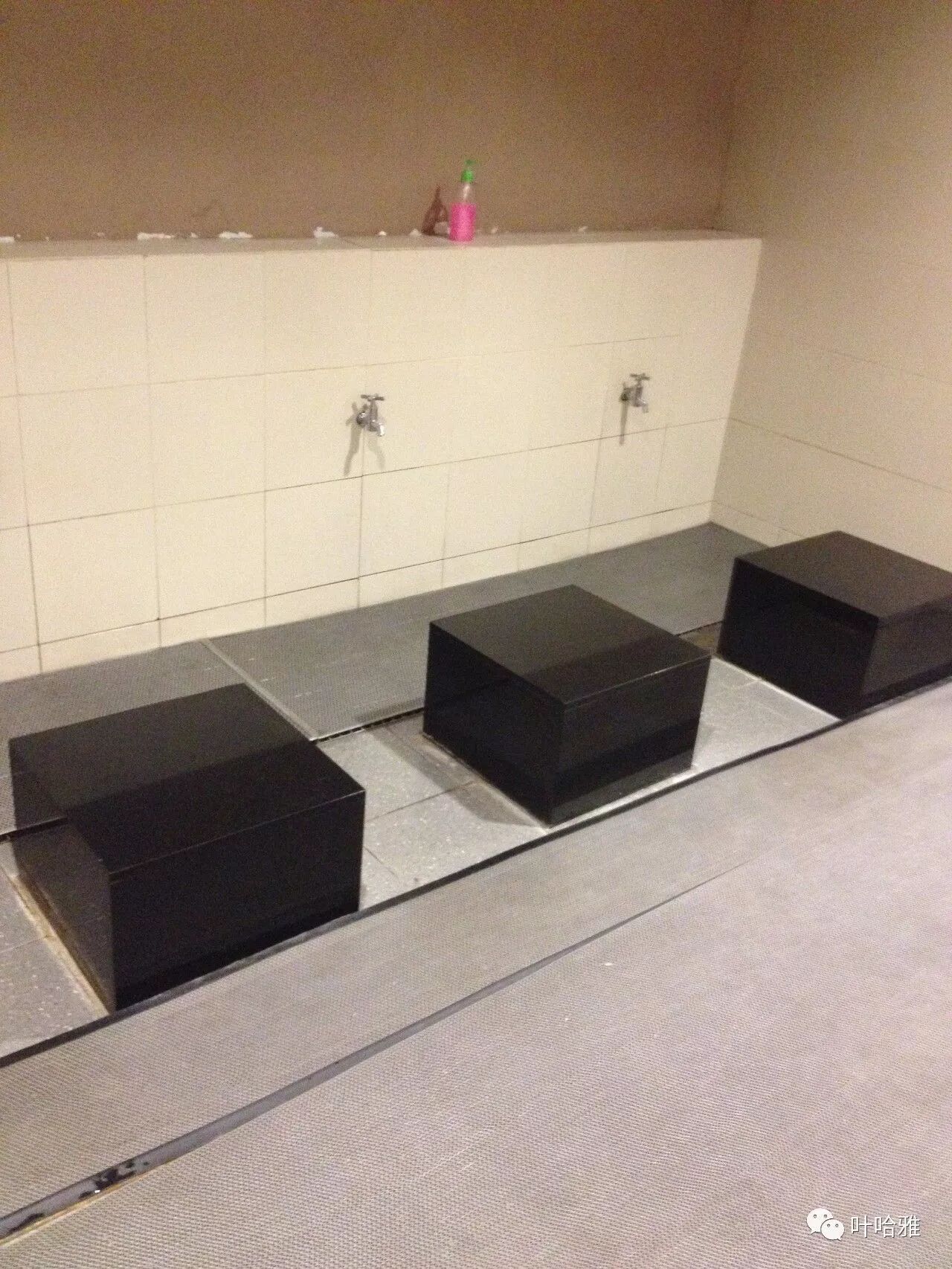
This is the area for performing wudu (ablution).
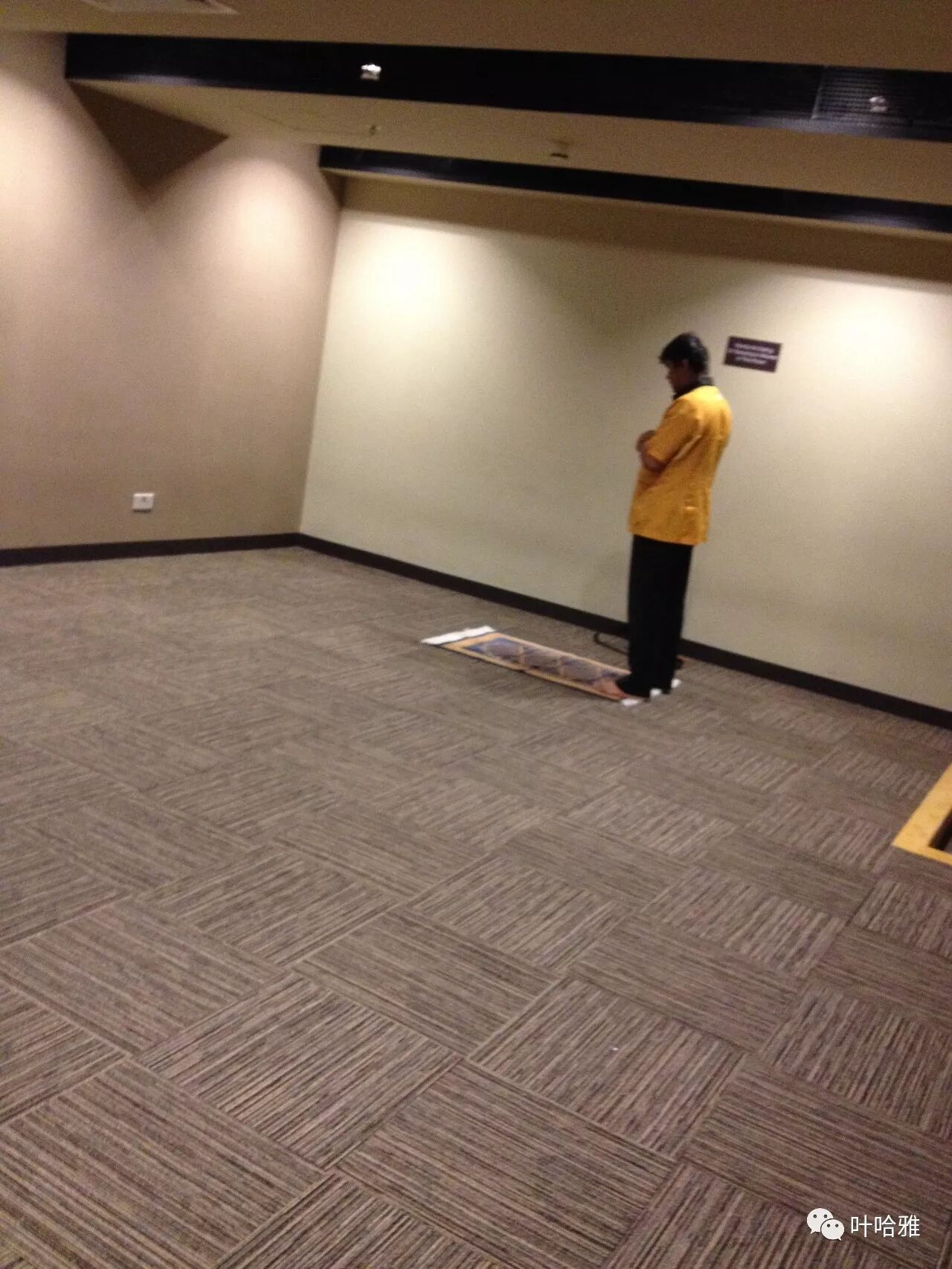
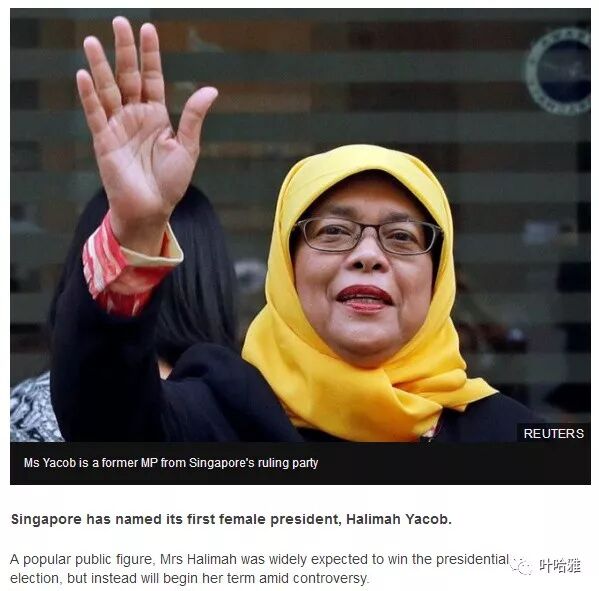
About 15% of Singapore's population is Muslim, mostly of Malay descent, followed by Indian and Chinese. Halimah Yacob, who was elected president of Singapore this year, is a Malay Muslim woman.
I always thought Singapore was a tiny country, maybe less than one-twentieth the size of Beijing, so I assumed I could walk around the Lion City. I was wrong.
I walked for about 30 minutes from Changi Airport but realized I couldn't get off the highway. With cars speeding past me, I gave up on the idea of walking to Merlion Park and had to walk back to the airport to catch a taxi. Taxis here are priced similarly to those in Japan; the meter jumps every 400 meters. The 20-minute ride from the airport to Merlion Park cost over 20 Singapore dollars, which is about 100 RMB at a 1:5 exchange rate. The driver was of Chinese descent and spoke Mandarin. He said his ancestors were from Fujian and he could speak English, Malay, Indonesian, Thai, and Hokkien. It seems common for Southeast Asian Chinese to know several languages. English and Malay are the common languages on the streets, while Chinese is mostly used within Chinese families. I noticed that even Chinese people use English to send text messages.
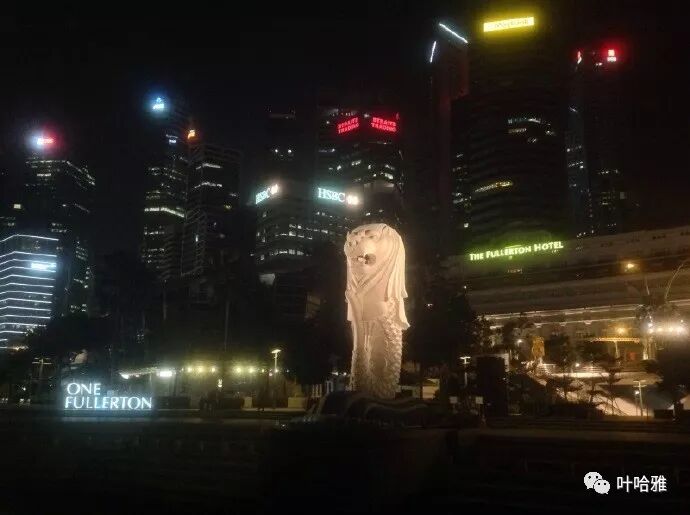
The Merlion is the symbol of the Singapore Tourism Board. Its design was inspired by the Malay Annals, as Singapore is a young nation that separated from Malaysia. Legend has it that in the 14th century, a prince from the Srivijaya Kingdom saw a dragon at sea and a lion on the island. He felt a connection with the lion and named the island Singapore, which means Lion City in Sanskrit.
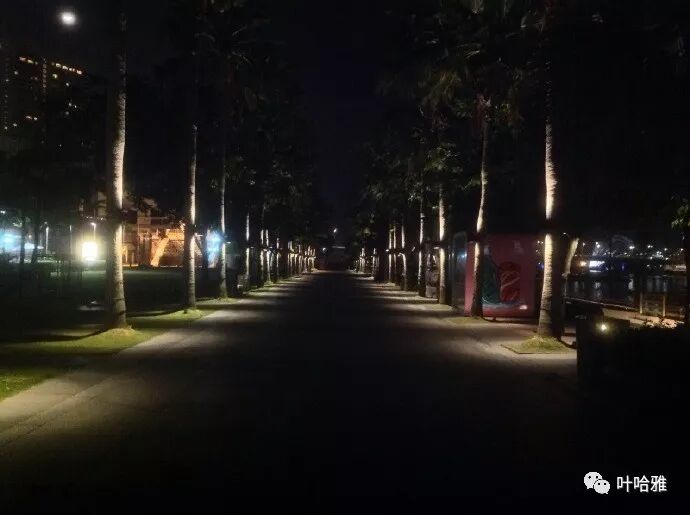
It was already early morning, and dawn was still four or five hours away. I thought about finding a hotel to rest, but after checking the prices, even a half-day stay would cost 500 to 600 RMB. I decided to stay awake and quietly enjoy the Singapore night view.
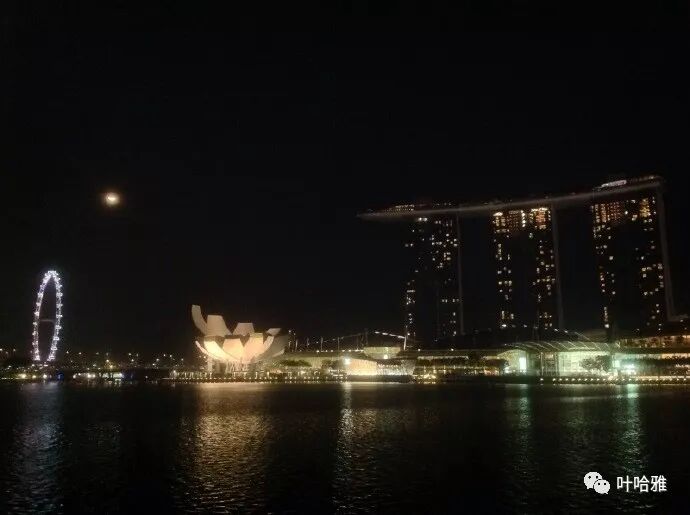
The iconic Marina Bay Sands hotel in Singapore.
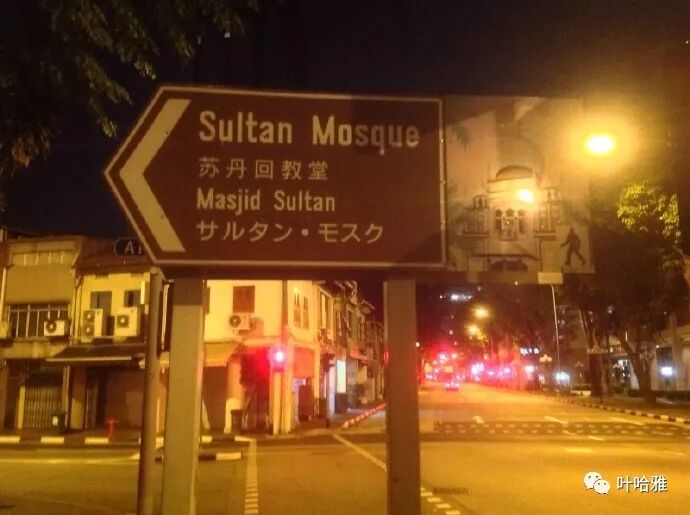
I called a taxi and asked the driver to take me to the largest mosque in Singapore, the Sultan Mosque. Southeast Asian Chinese still use the pre-Republic of China term for Islam, calling it 'Hui religion.' They might not understand if you say 'mosque' (qingzhensi), but they know what you mean if you say 'masjid' or 'mosque' (huijiaotang).
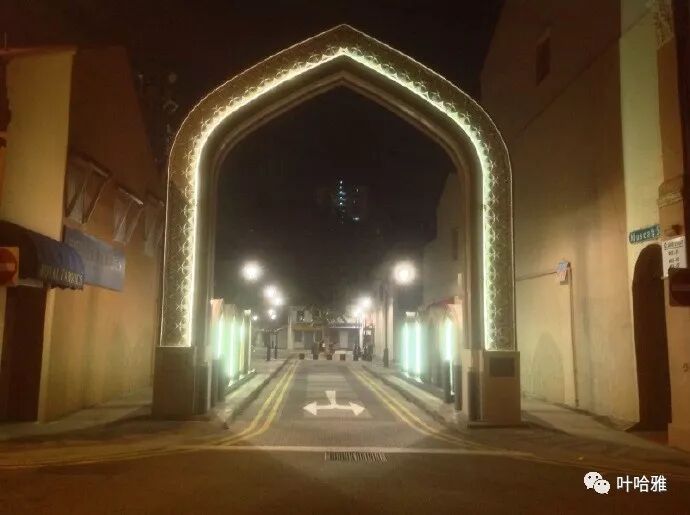
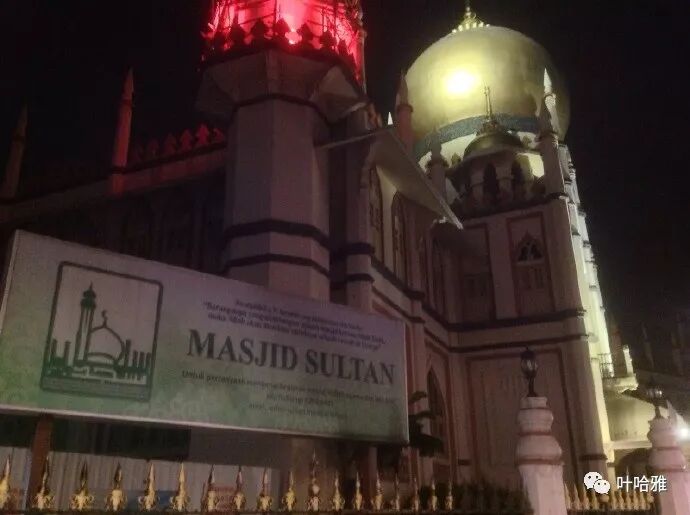
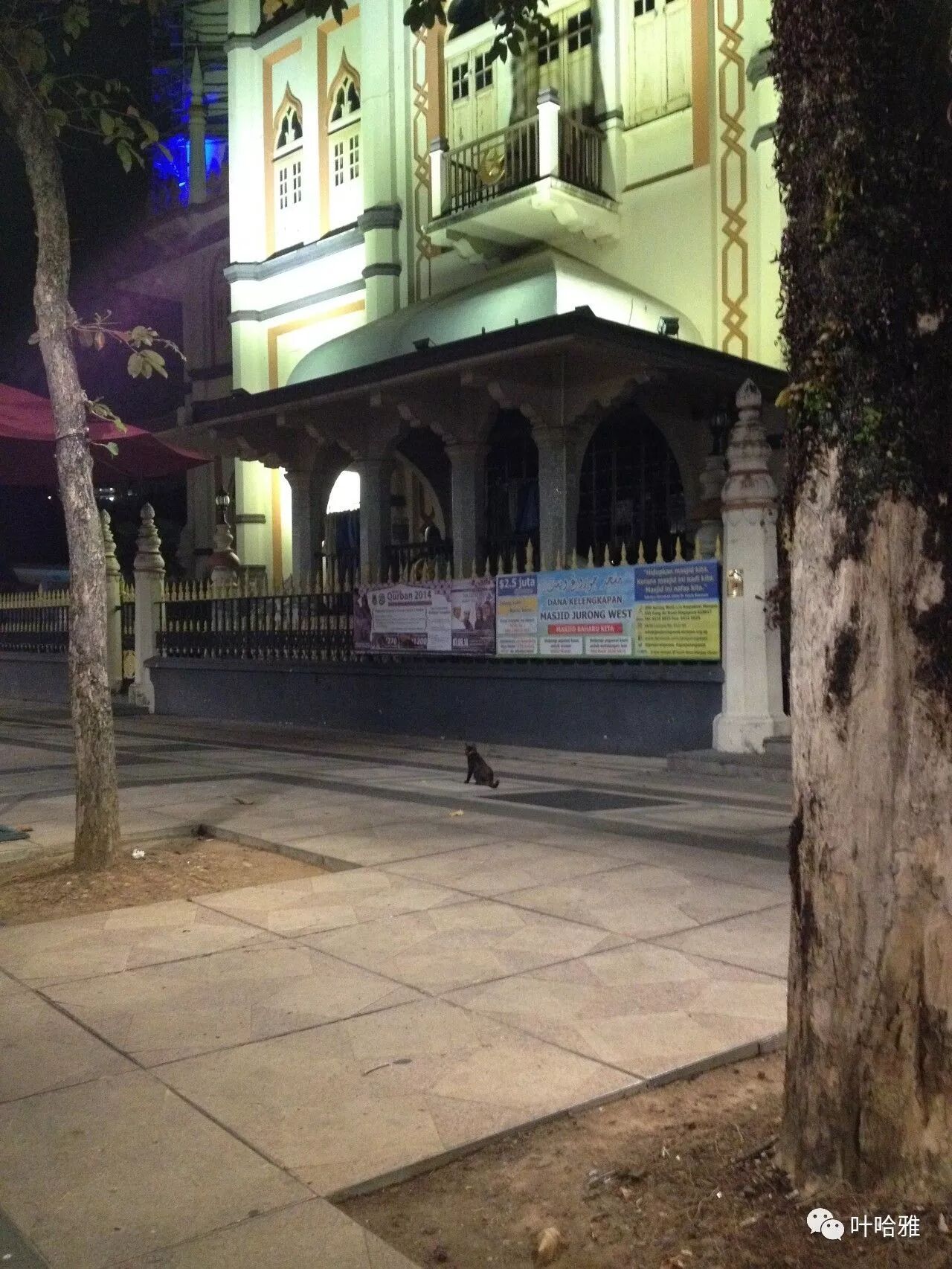
I was preparing for the dawn prayer (fajr). I arrived too early and the mosque wasn't open yet, so I sat on a bench outside and waited for a while.
Singapore and Beijing are in the same time zone, so there is no time difference, and the dawn prayer time is the same as in Beijing.
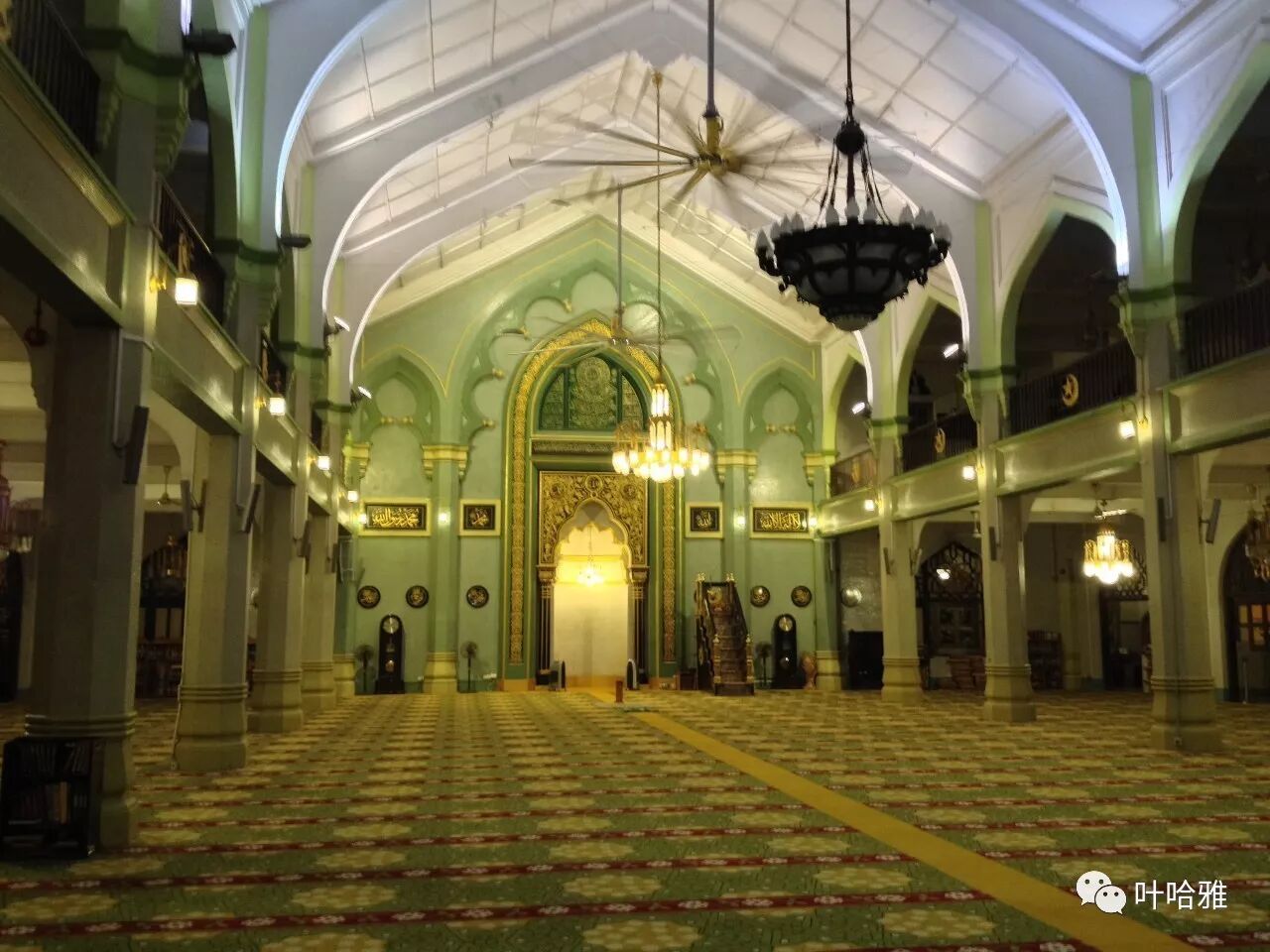
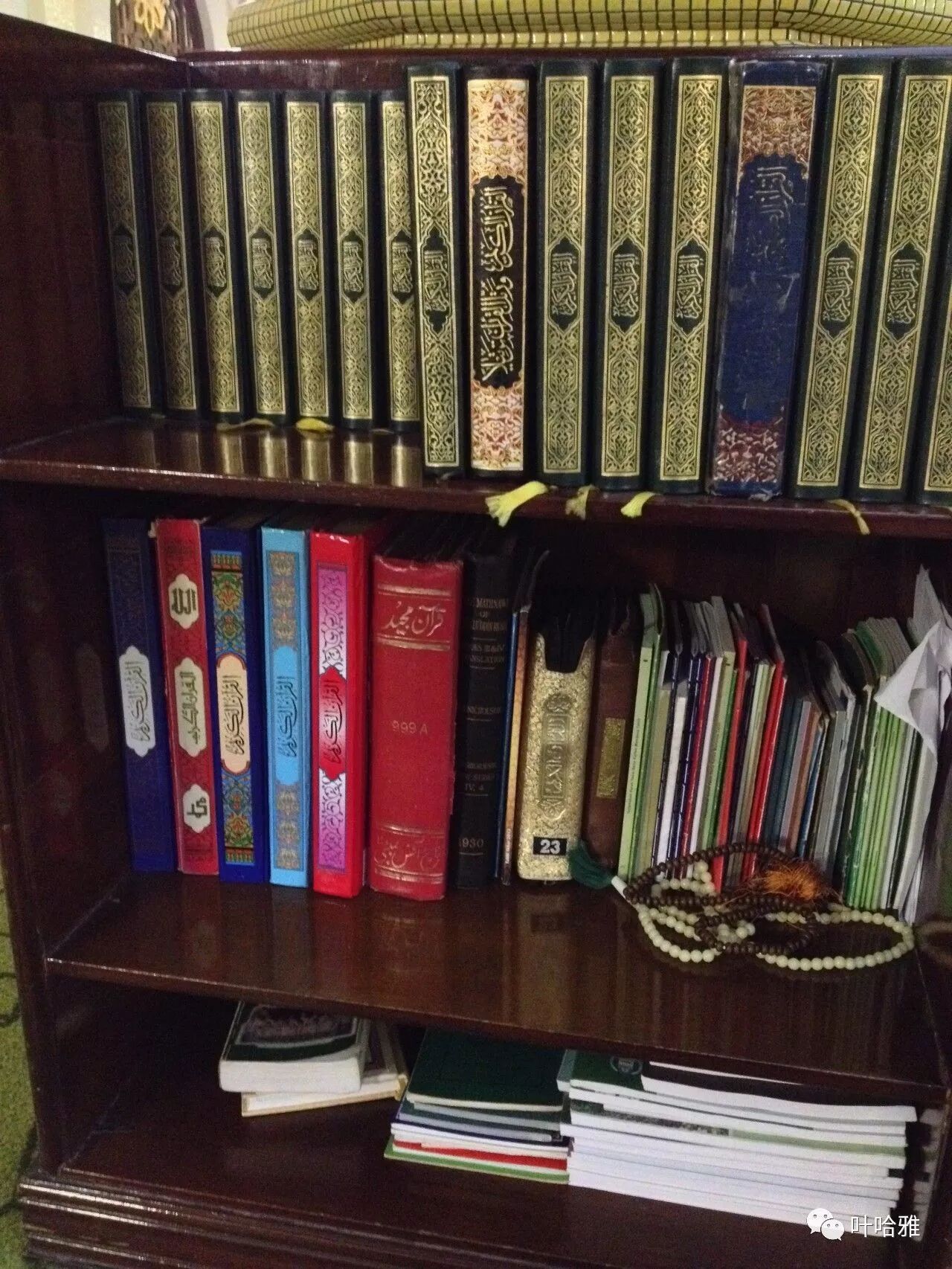
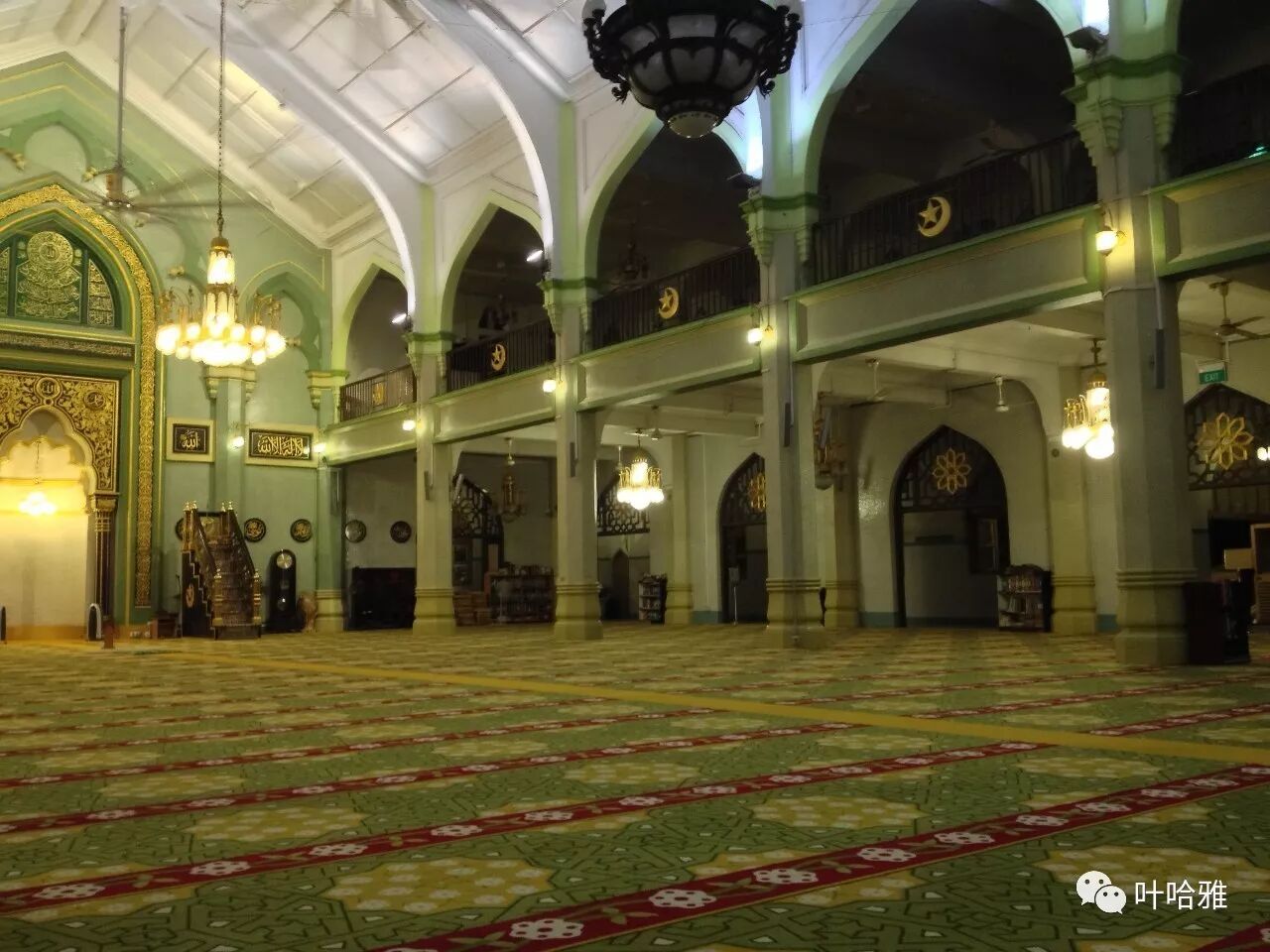
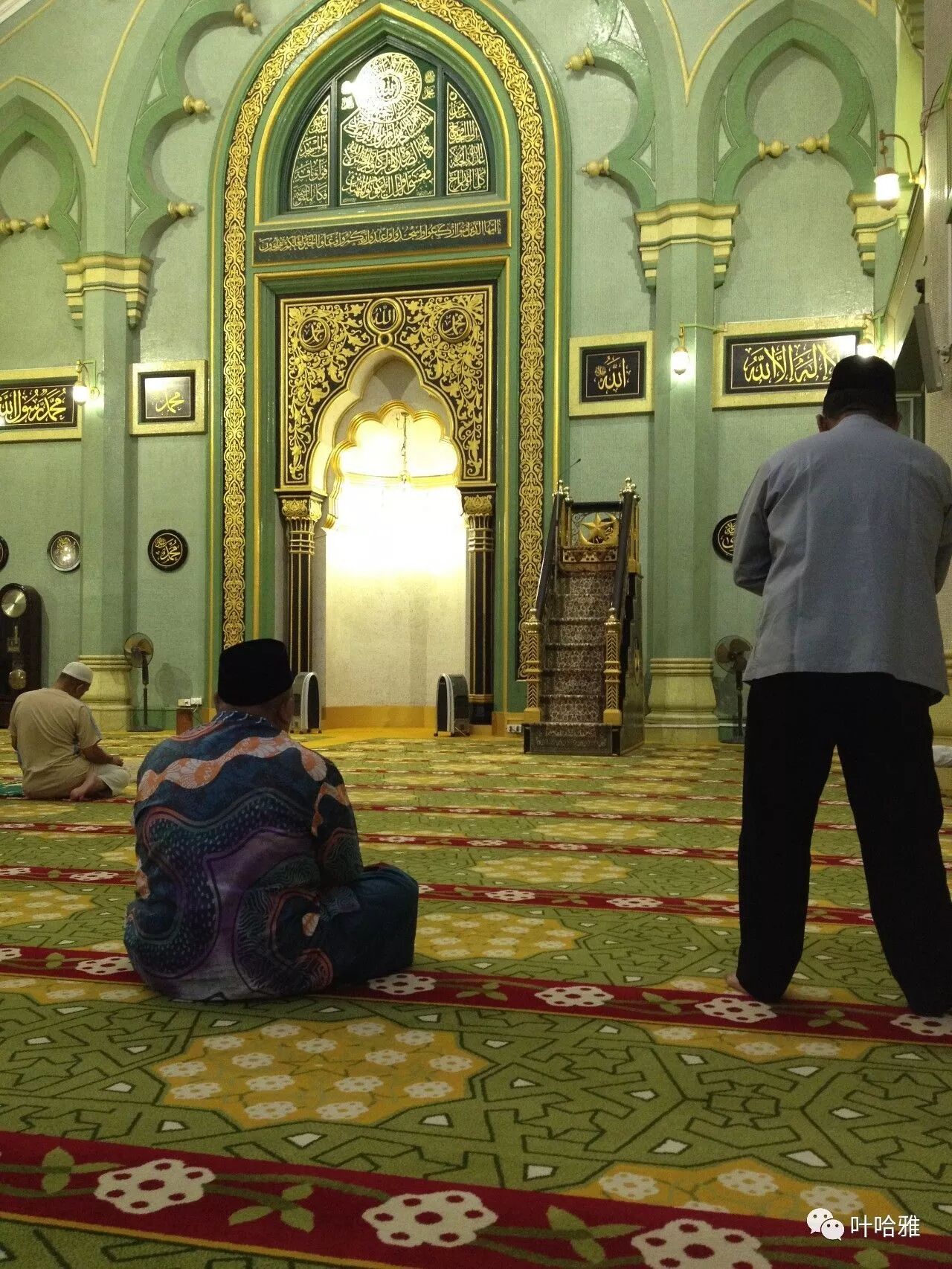
I observed the way the Muslims here pray. They raise their hands three times, which is a characteristic of the Shafi'i school of jurisprudence common in Southeast Asia.
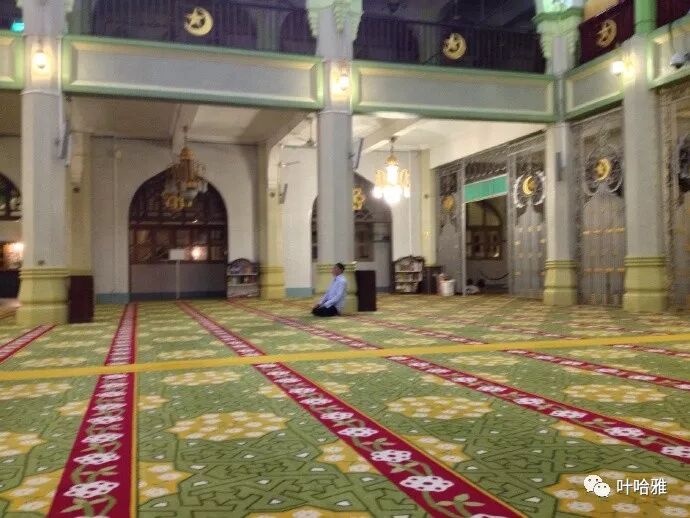
This friend was the first Muslim I met in Singapore. He was a local and very enthusiastically offered to drive me to breakfast.
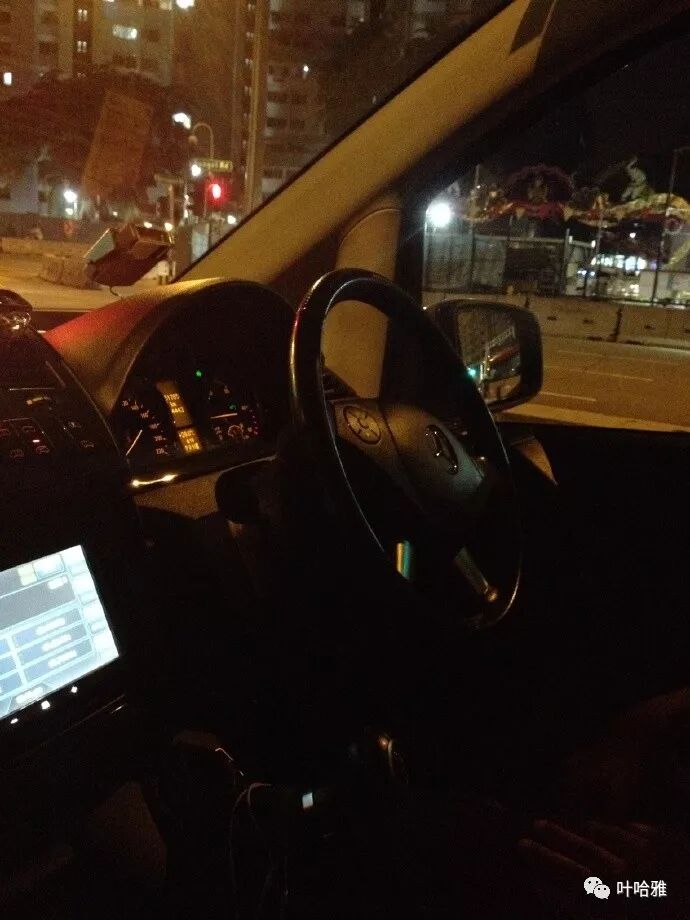
Owning a private car in Singapore is very expensive because of the license plate, which is only valid for 10 years. Most people take the subway, which is convenient and cheap. The car this dosti (friend) was driving was a company truck.
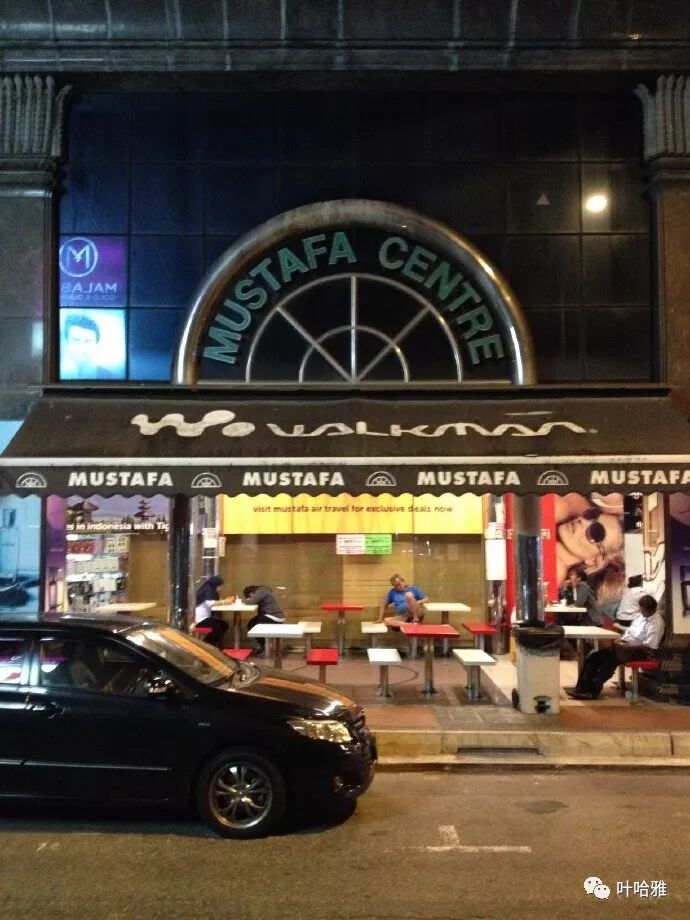
He brought me to a Muslim neighborhood.
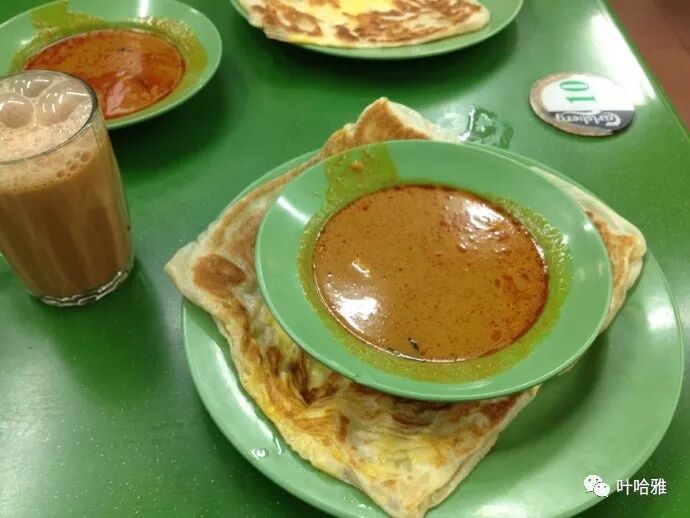
My friend (dosti) invited me to have this flatbread (paratha) for breakfast, and it tasted great dipped in curry sauce.
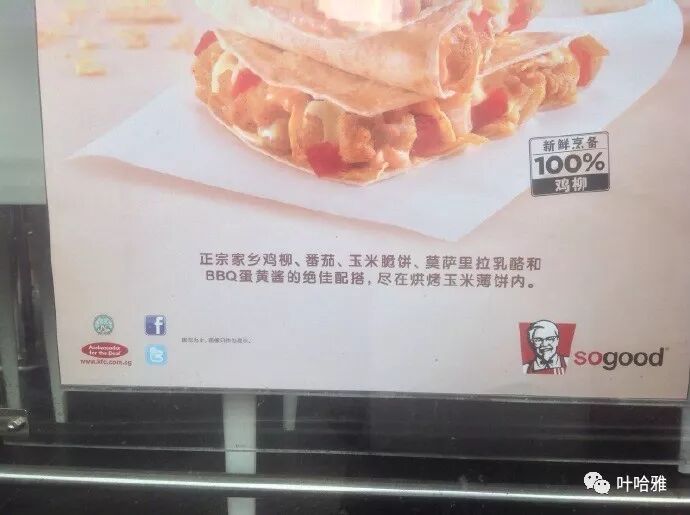
My friend dropped me off at Little India, a tourist spot where many Indian people live. Before leaving, he gave me a bag of fruit and told me I could eat at any fast-food restaurant in Singapore. He explained that chains like McDonald's, KFC, and Pizza Hut are 100% halal. I just need to avoid the pork rib soup (bak kut teh) shops run by Chinese people because they use pork, but almost everywhere else is fine.
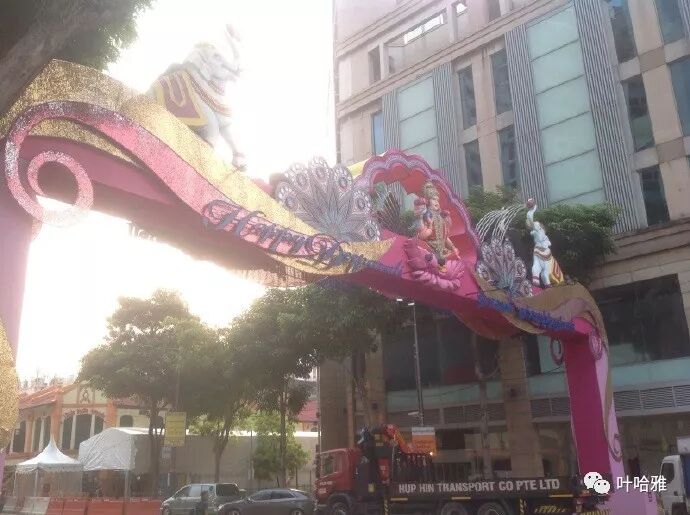
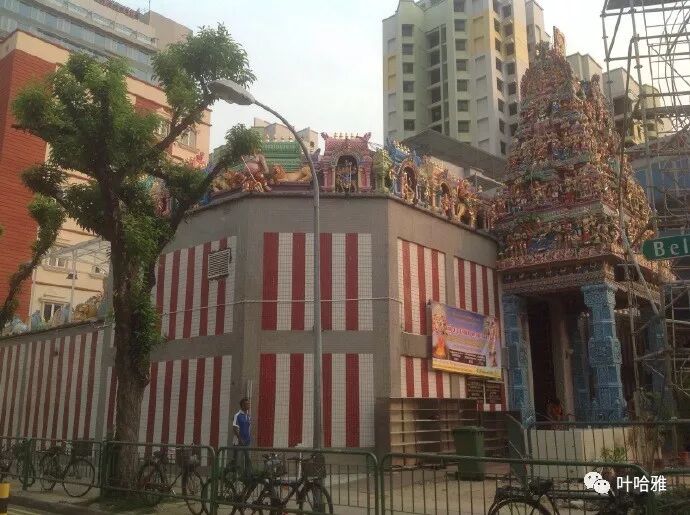
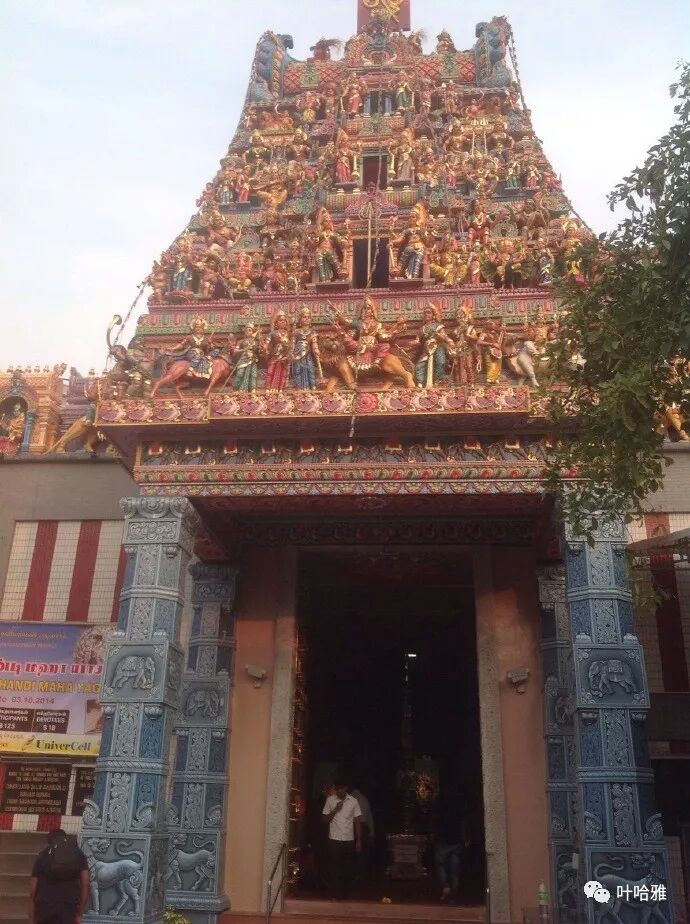
A Hindu temple inside the Little India neighborhood.
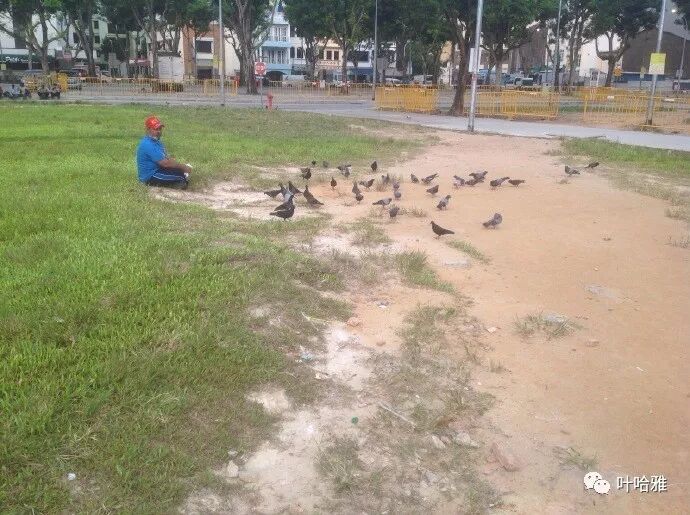
Hinduism believes that all things have spirits and animals are seen as gods, so the animals here are not afraid of people.
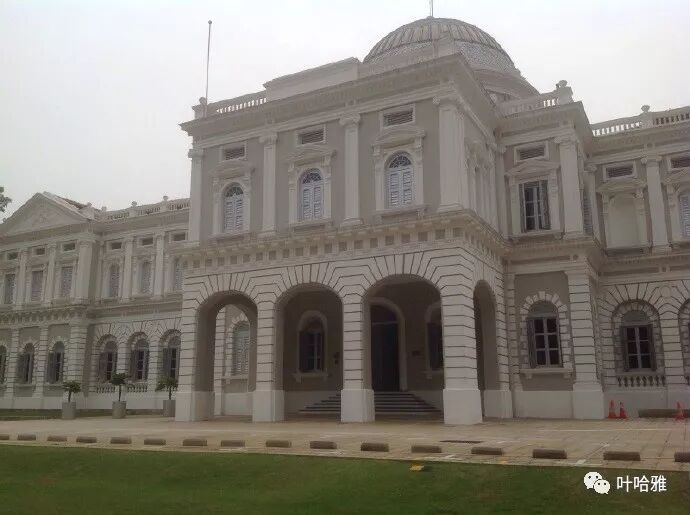
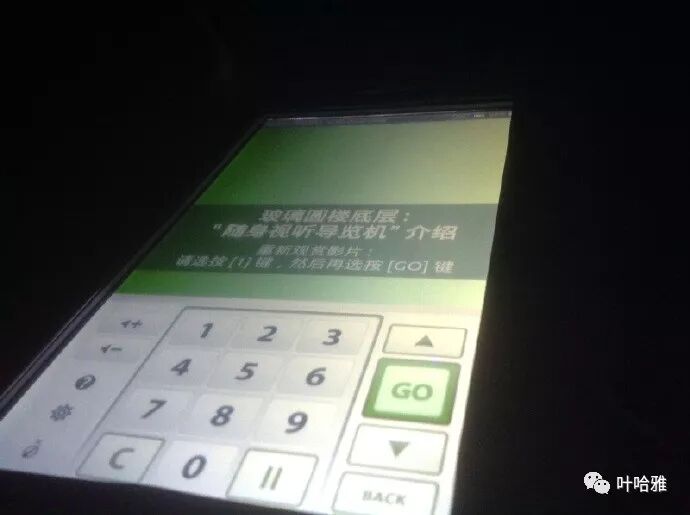
At the National Museum of Singapore, staff give you a tablet before you enter. It is a self-service audio guide that lets you look up explanations for exhibits by their number at any time.
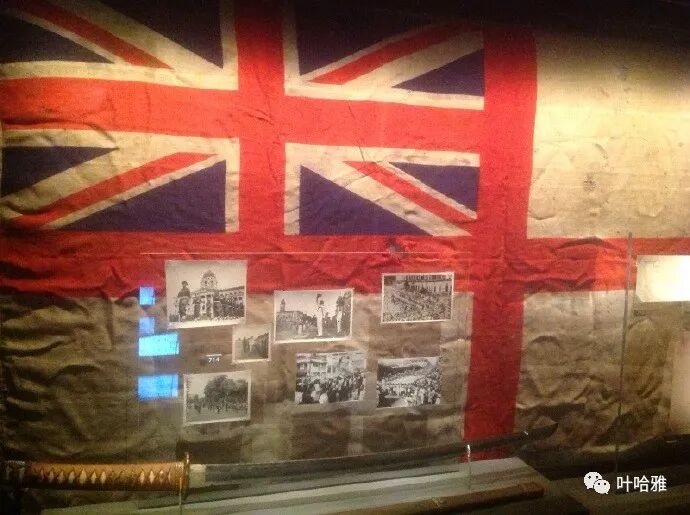
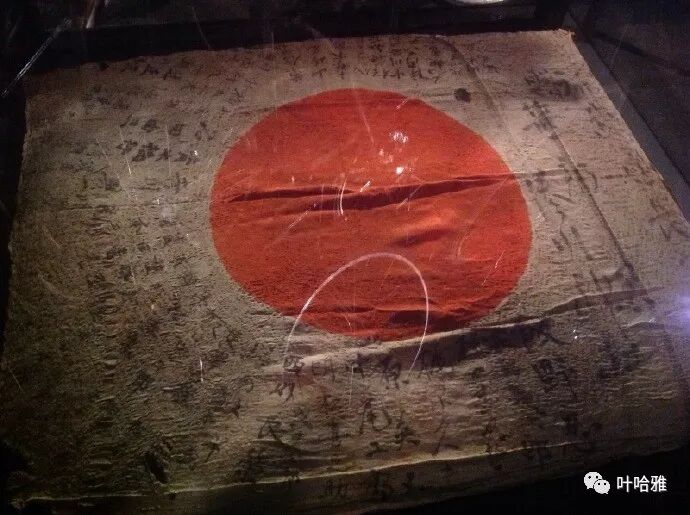
The museum records Singapore's history under the British Empire and the Empire of Japan. Singapore once belonged to Malaya but was later cast aside, forcing it to choose independence. Under the leadership of founding father Lee Kuan Yew, it transformed from a messy area into a clean, developed country.
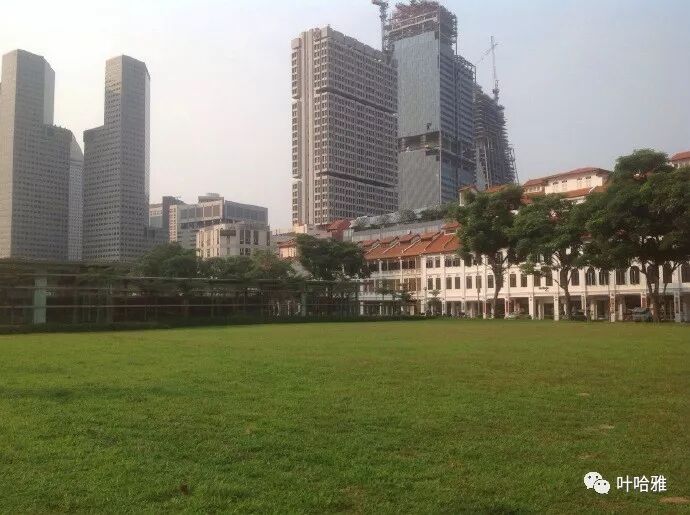
Singapore's streets are incredibly clean, even cleaner than Japan's, and chewing gum is banned from entering the country.
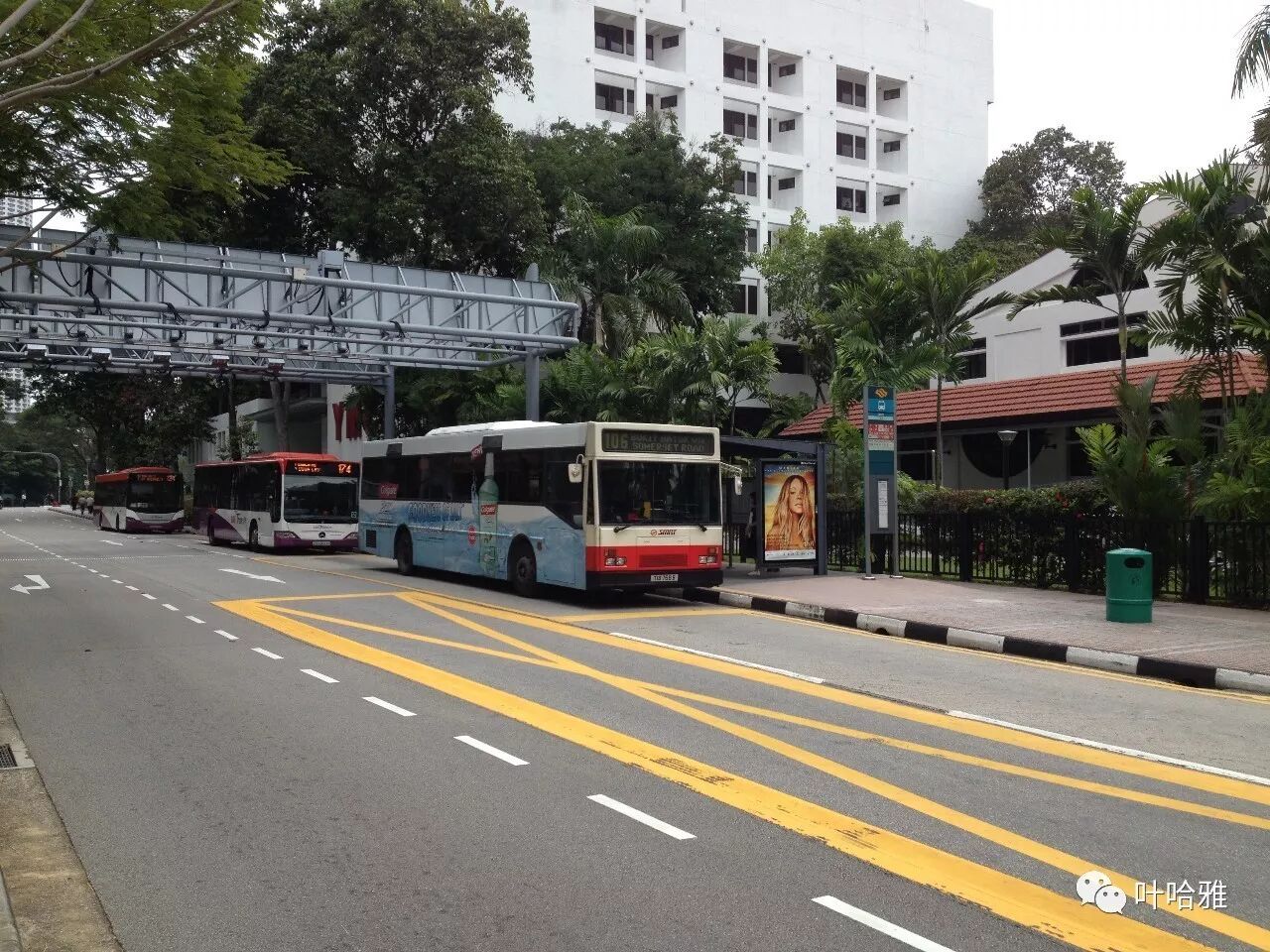
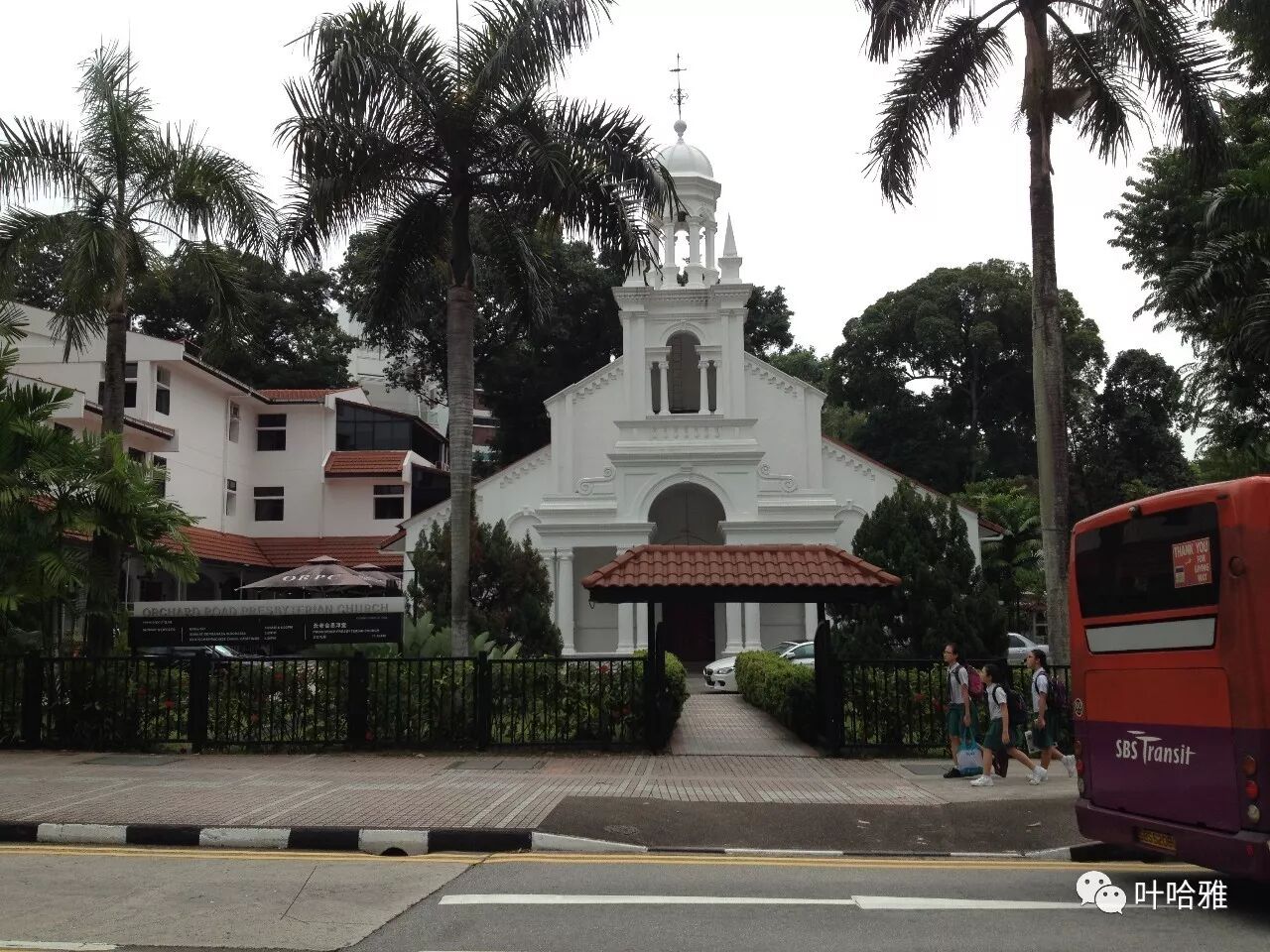
Littering and spitting are punished severely. Singapore still uses caning as a punishment, which is considered a key part of maintaining order here.
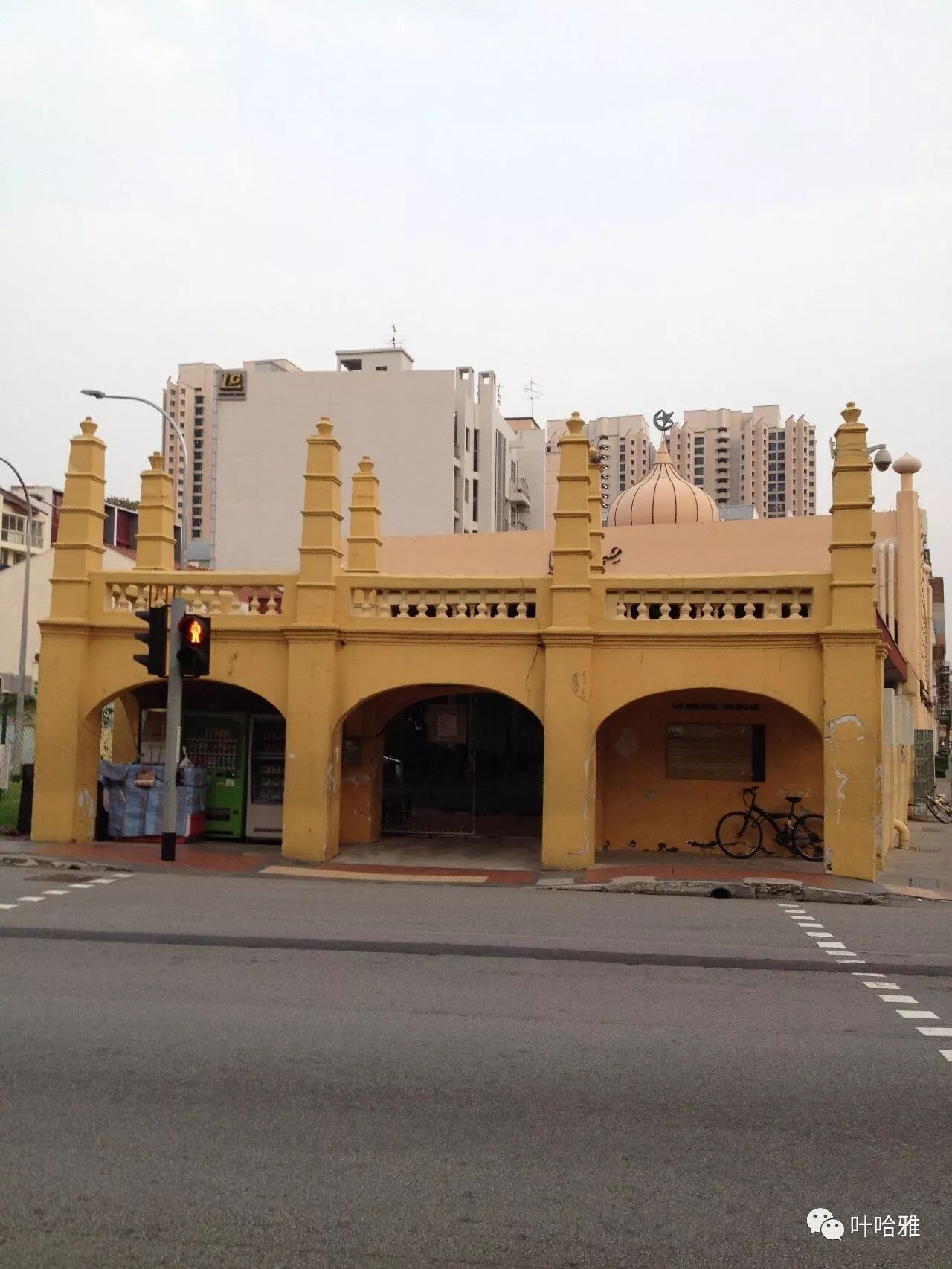
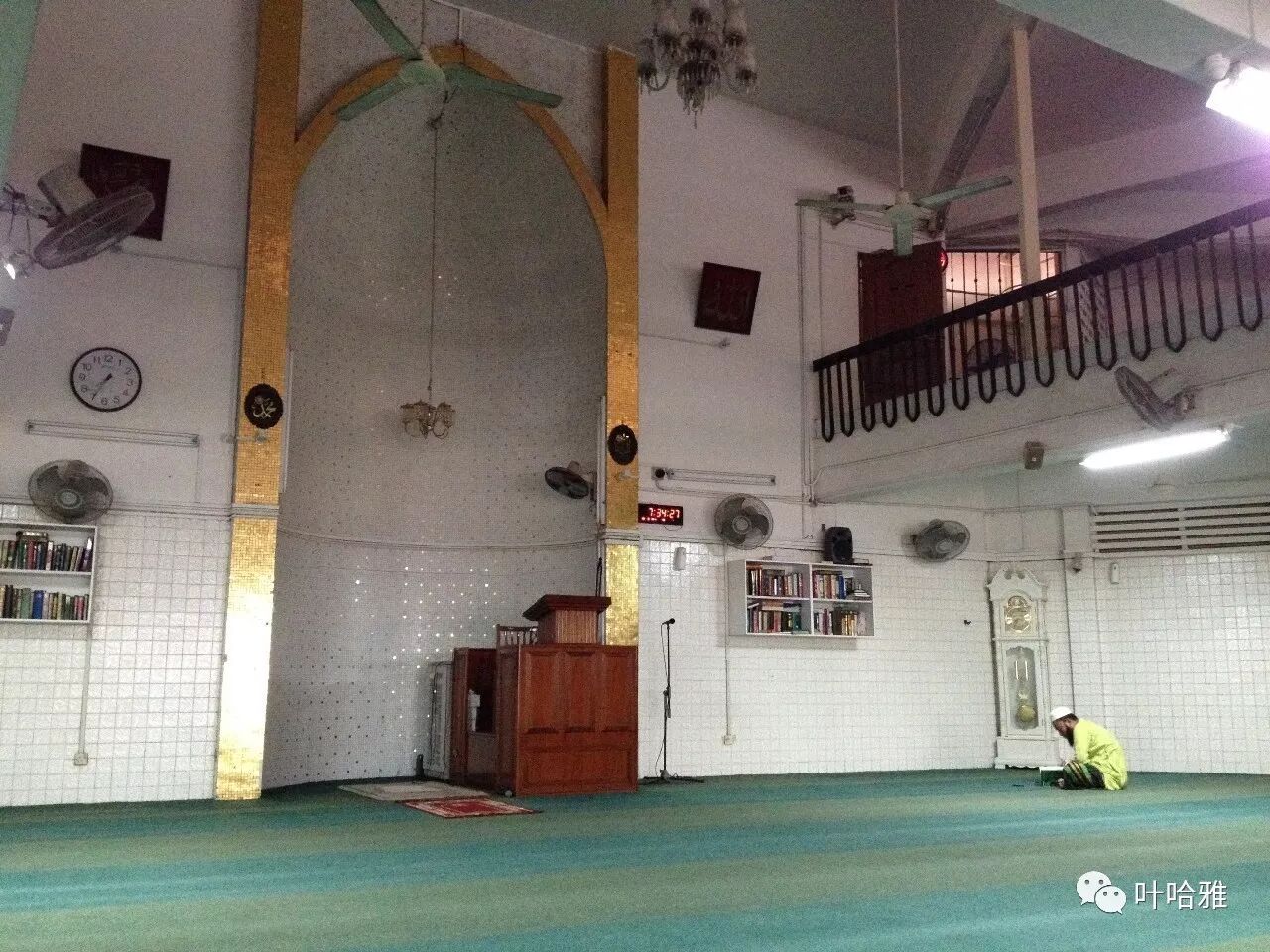
I happened to find a small mosque on the street. There are a few others like it in Singapore. Although Singapore is small, many different religions live here in peace.
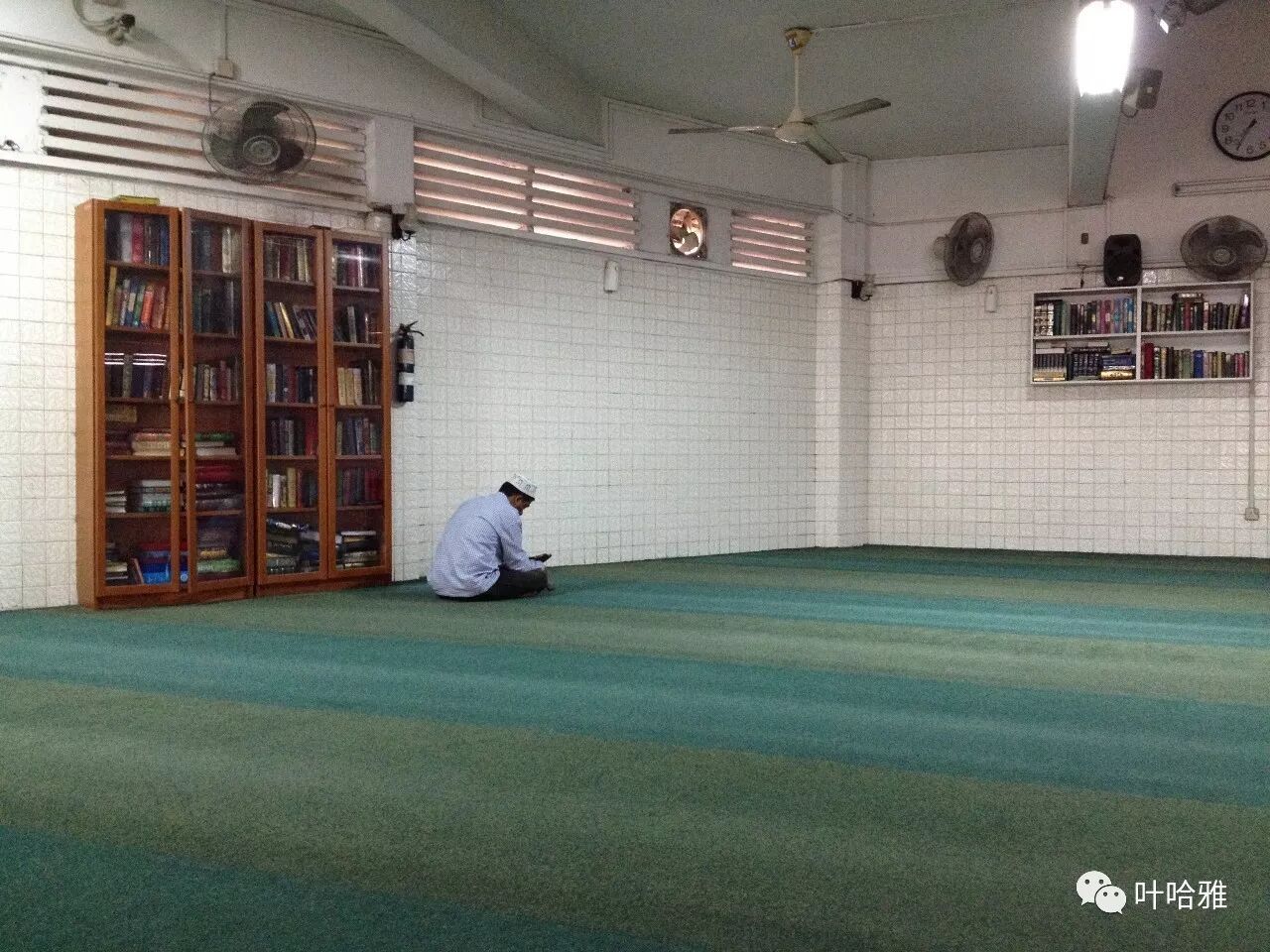
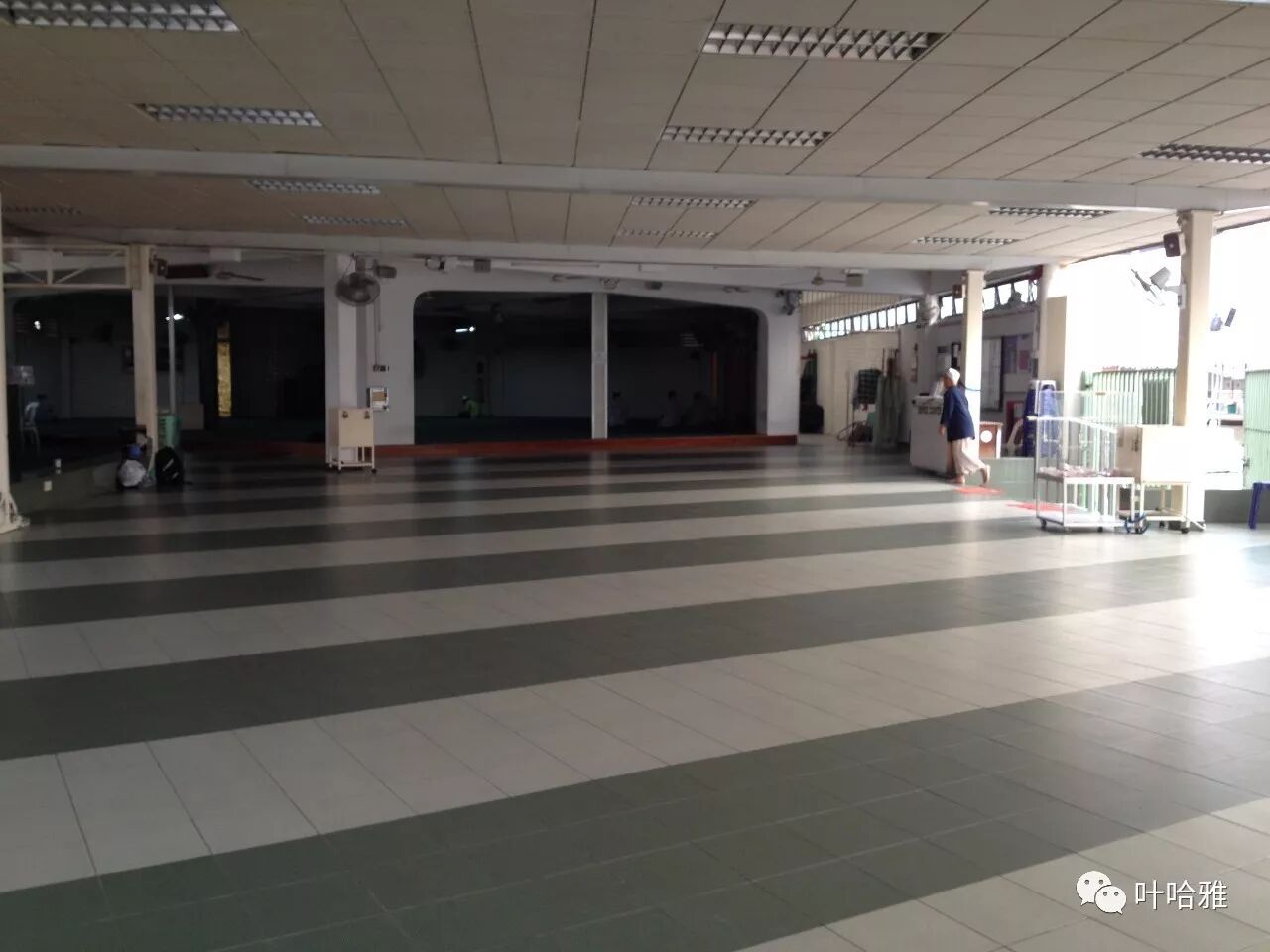
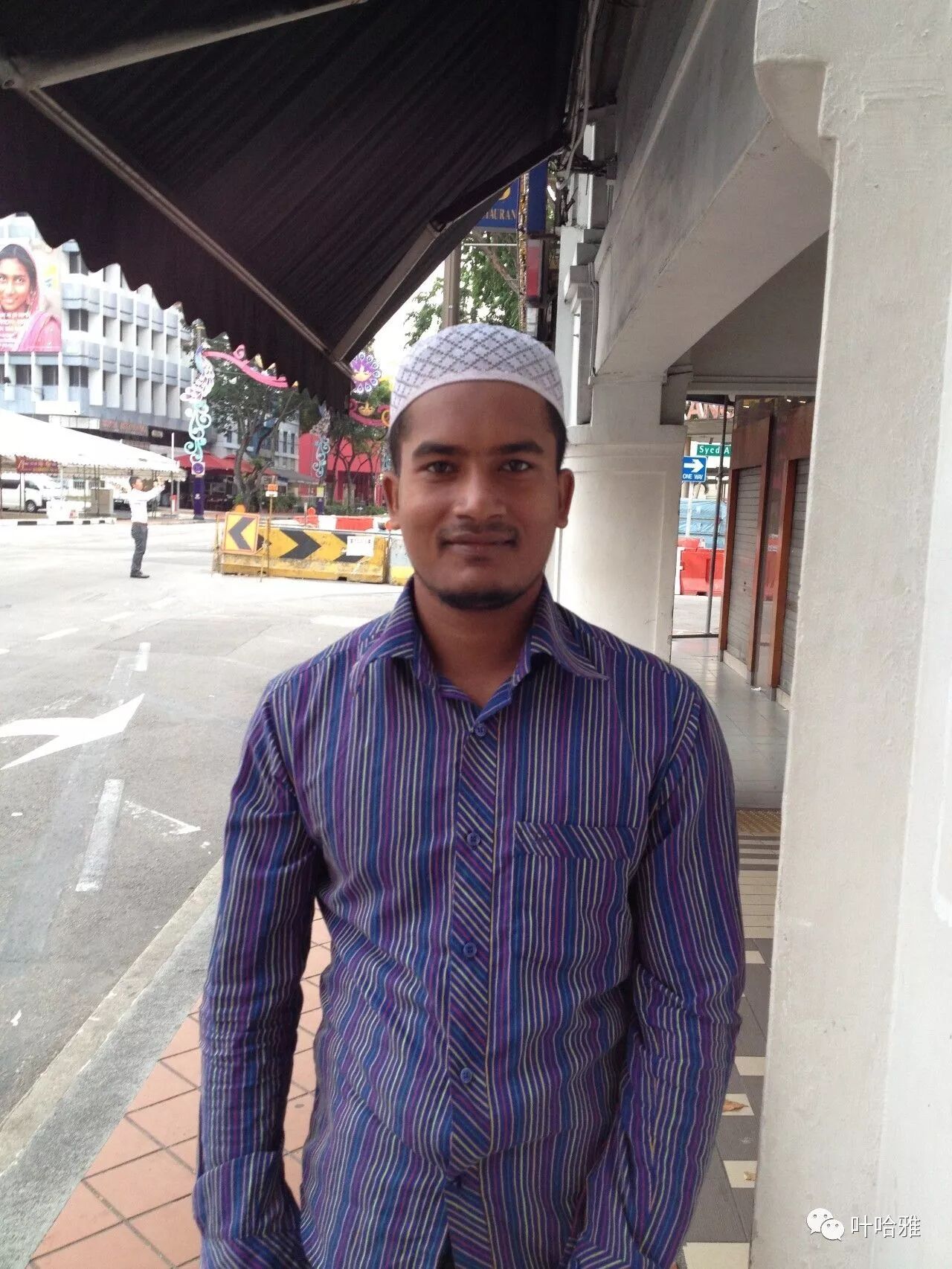
I met a Muslim worker from Bangladesh here. We could talk in English, and he said he wanted to work in Beijing. He asked for my phone number and my family's numbers. I felt it was a bit inappropriate, but I later learned this is just their way of socializing. Their intense friendliness was a bit much for me to handle. After I returned to Beijing, I even got a call from him, but I couldn't hear him clearly so I hung up.
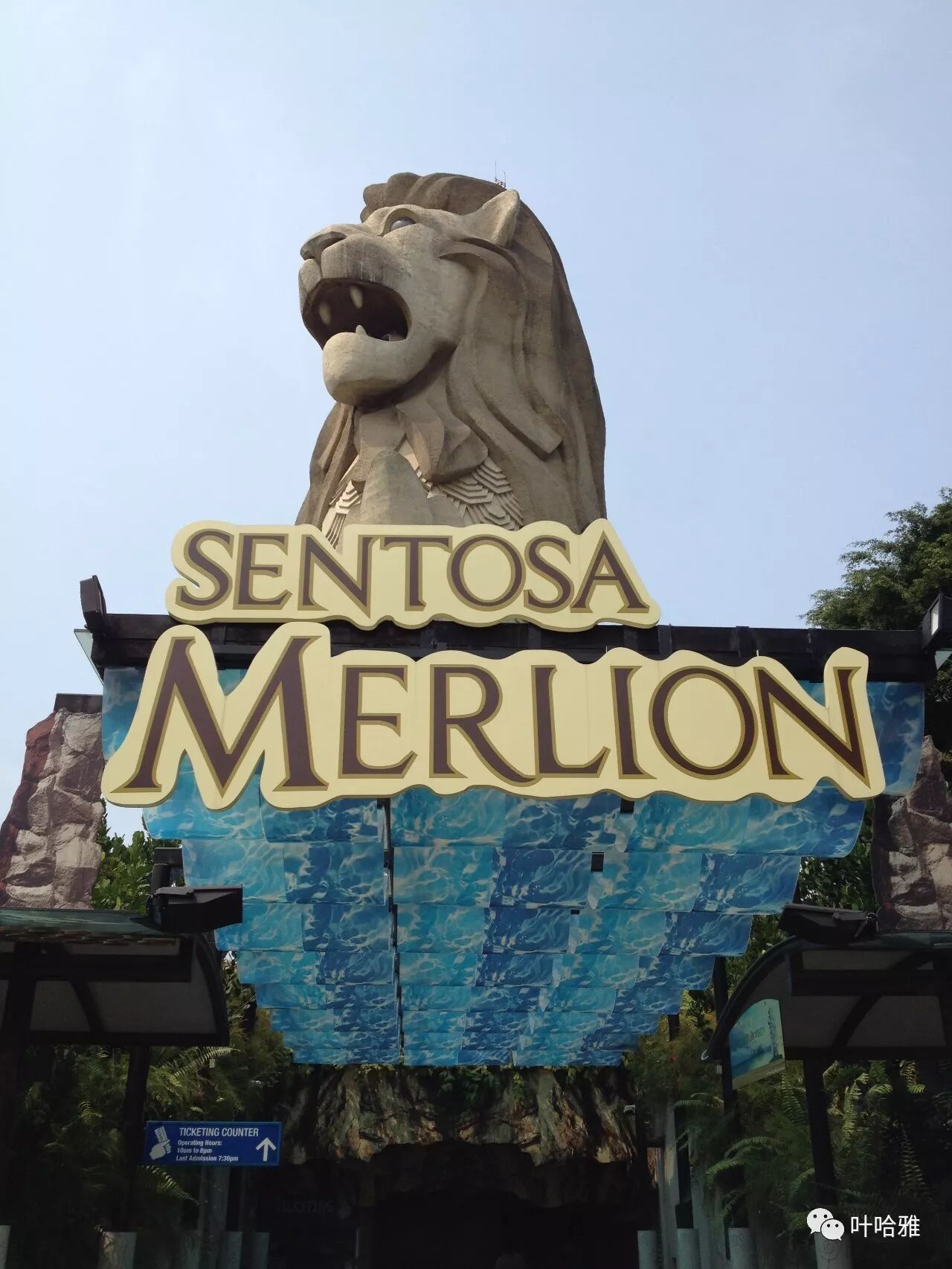
My last stop was Sentosa Park, where I took the world's longest cable car ride to look down at the full view of Singapore.
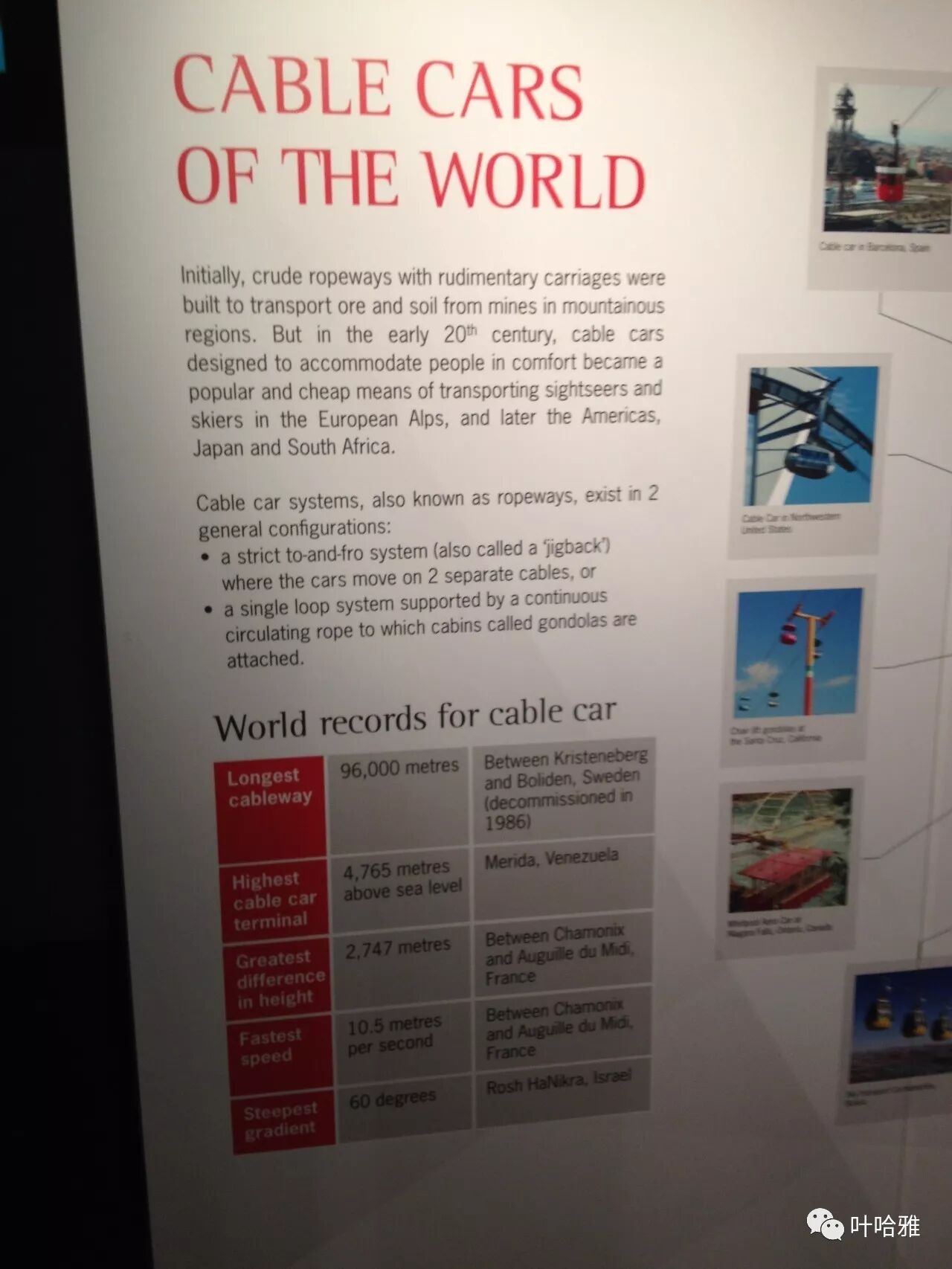
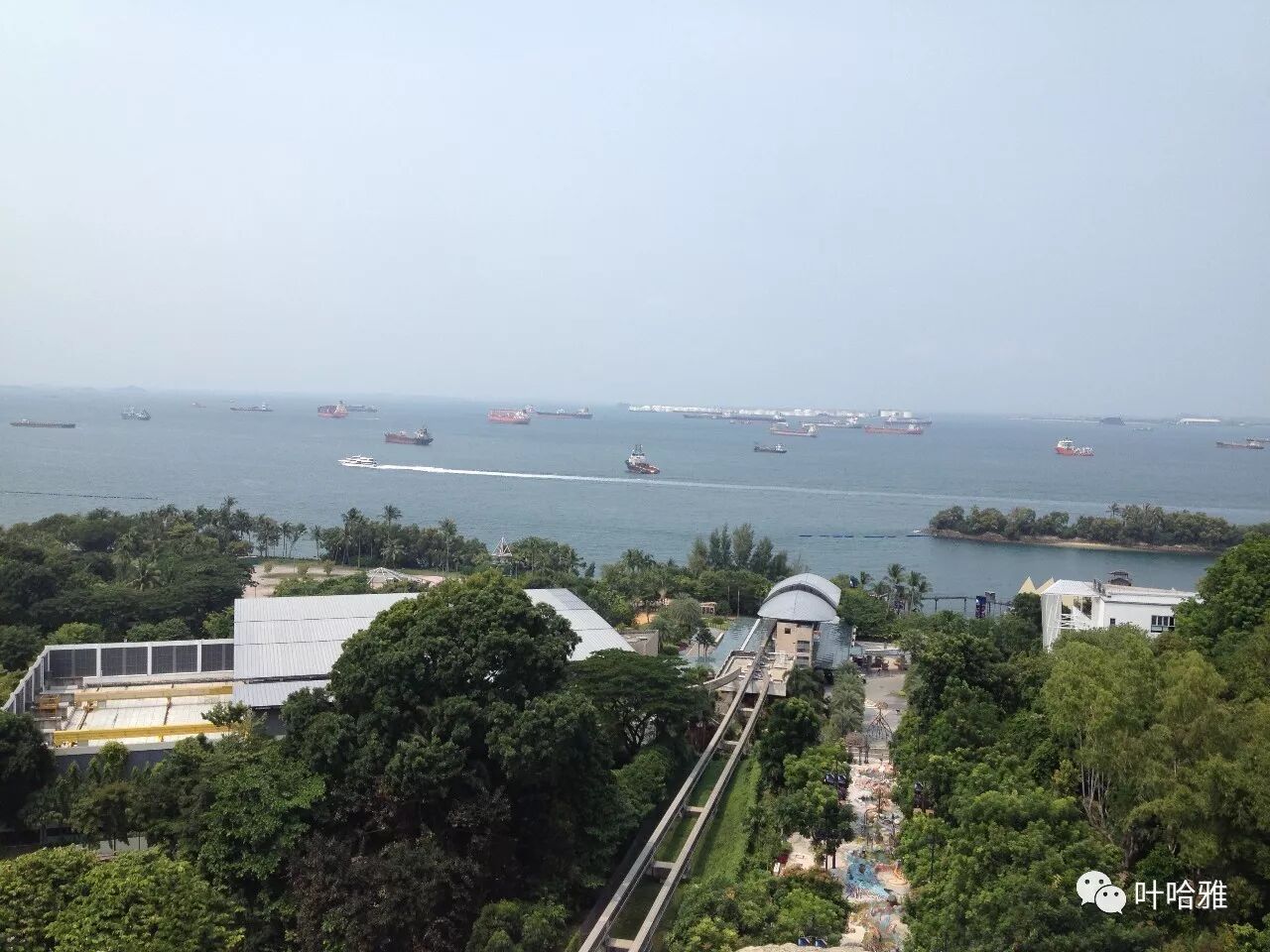
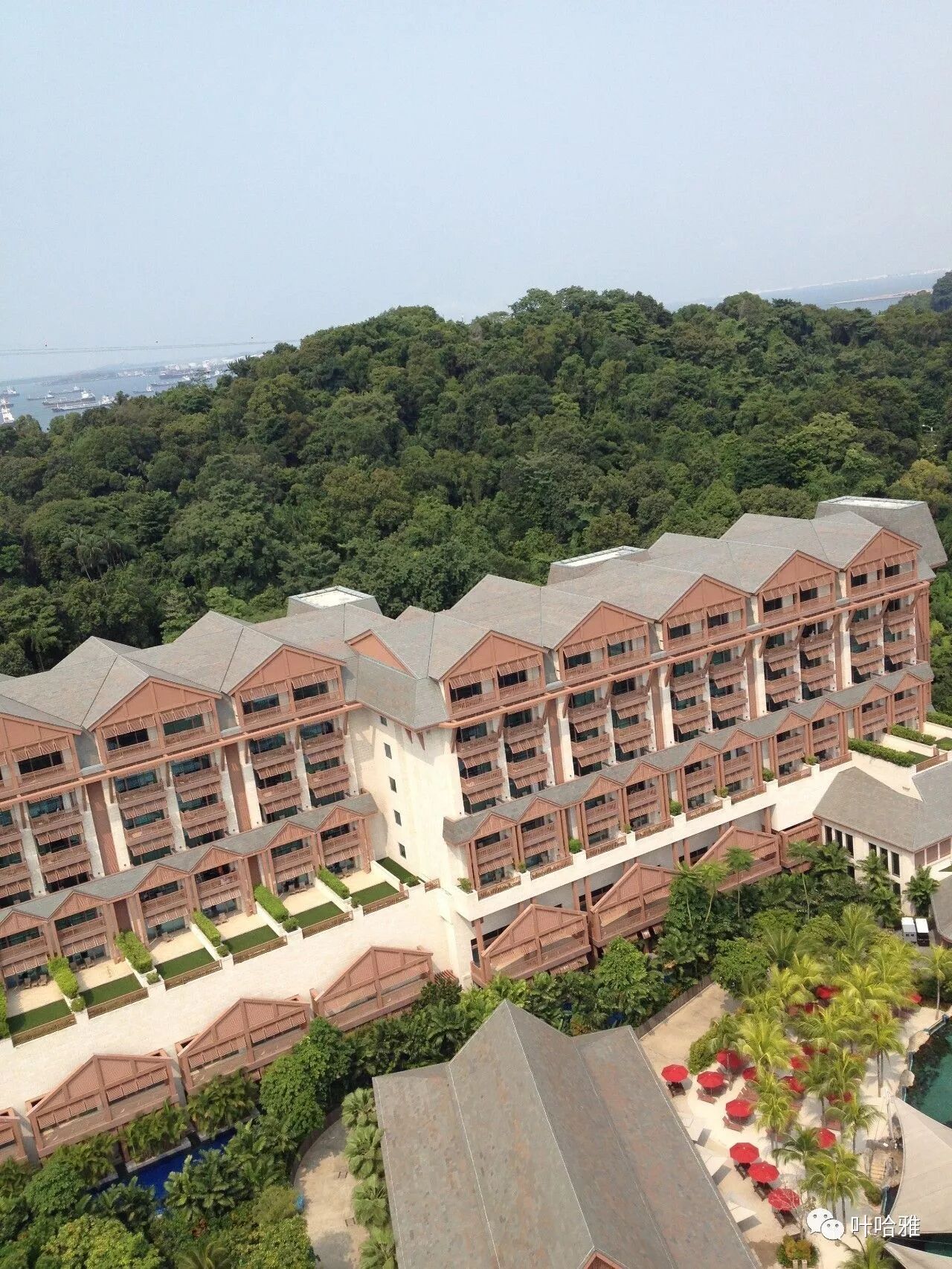
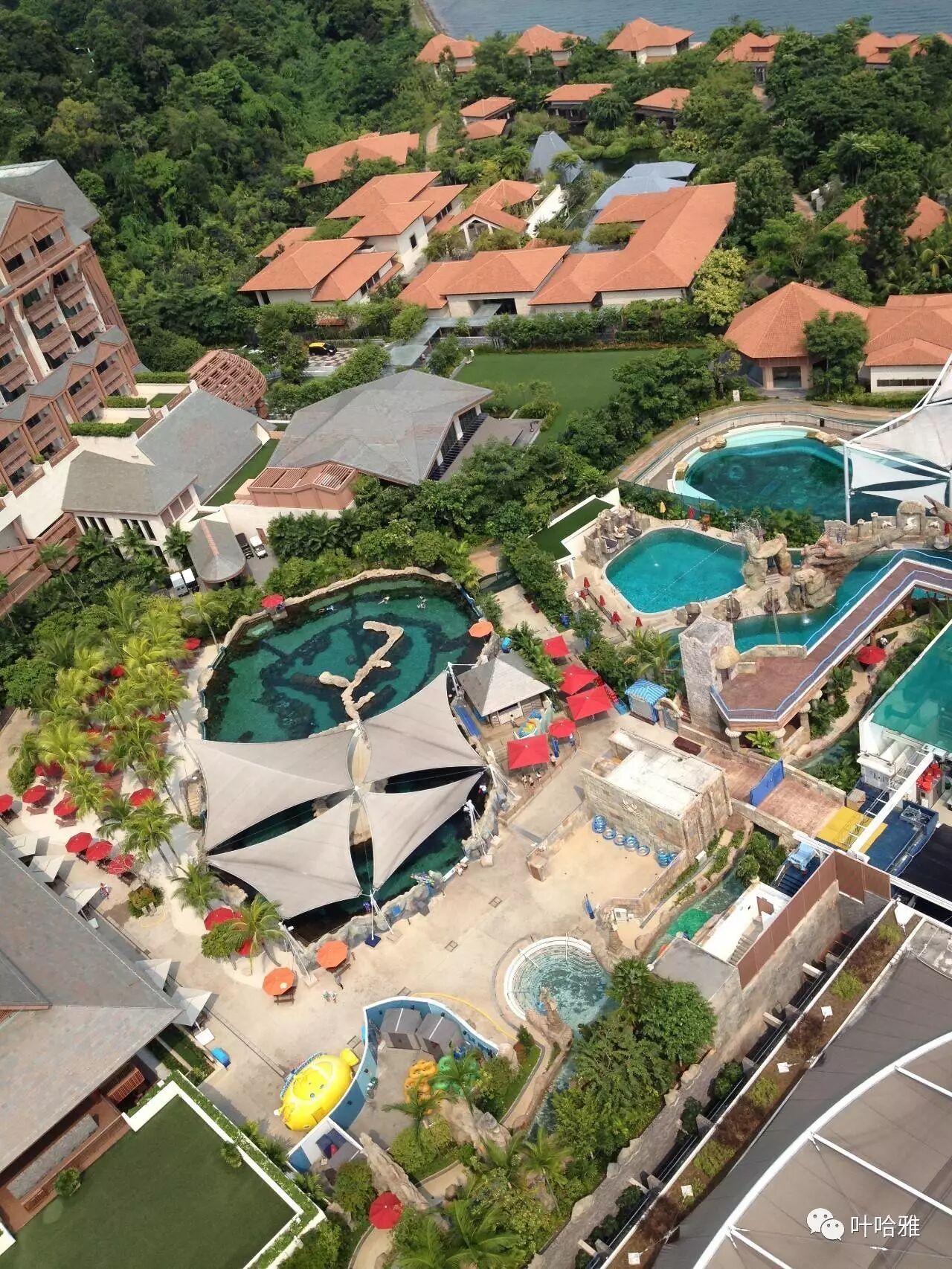
In the park, I was talked into taking a photo with a large tropical parrot, which cost me 20 Singapore dollars, and I also watched a movie at Universal Studios.
That ended my one-day tour of Singapore. I actually had extra time and it wasn't dark yet. I didn't visit the world's largest aquarium or the night safari. During the day, you can take a free sightseeing bus from the airport to tour the city. But for me, since I was just passing through, I had seen enough. My next stop, New Zealand, is the real destination of my trip, where even more beautiful scenery and amazing stories are waiting for me.
Summary: A Muslim-friendly one-day Singapore travel route for a visa-free layover, covering food, city stops, and mosque-friendly planning while keeping the original travel sequence and photos intact.
My destination was Christchurch. At the time, there were no direct flights from Beijing, so I chose Singapore Airlines with a layover in Singapore. It turned out to be the right choice.
I had a 23-hour layover in Singapore. I checked online and found conflicting information about whether I needed a transit visa or if I could even leave the airport. Once I arrived at Singapore Changi Airport, I walked to customs and asked if I could leave the airport to look around since my final destination was New Zealand. The customs officer looked at my ticket and asked where my passport was issued in China. I said Beijing. He told me they only offer a one-time entry permit for passports from certain regions.
This is the entry stamp that allows a 5-day stay.
The flight attendants wear Singapore Airlines uniforms. As a five-star airline, their food standards are high. Besides main meals, they offer various snacks and desserts, including Haagen-Dazs ice cream. I felt like I was eating throughout the entire flight.
First-time visitors to Changi Airport can pick up a 40 USD shopping voucher at this counter to use at duty-free shops. Don't miss out on this freebie, though there are restrictions on what you can buy.
The prayer room at Changi Airport is like a small mosque with all the necessary facilities.
This is the area for performing wudu (ablution).
About 15% of Singapore's population is Muslim, mostly of Malay descent, followed by Indian and Chinese. Halimah Yacob, who was elected president of Singapore this year, is a Malay Muslim woman.
I always thought Singapore was a tiny country, maybe less than one-twentieth the size of Beijing, so I assumed I could walk around the Lion City. I was wrong.
I walked for about 30 minutes from Changi Airport but realized I couldn't get off the highway. With cars speeding past me, I gave up on the idea of walking to Merlion Park and had to walk back to the airport to catch a taxi. Taxis here are priced similarly to those in Japan; the meter jumps every 400 meters. The 20-minute ride from the airport to Merlion Park cost over 20 Singapore dollars, which is about 100 RMB at a 1:5 exchange rate. The driver was of Chinese descent and spoke Mandarin. He said his ancestors were from Fujian and he could speak English, Malay, Indonesian, Thai, and Hokkien. It seems common for Southeast Asian Chinese to know several languages. English and Malay are the common languages on the streets, while Chinese is mostly used within Chinese families. I noticed that even Chinese people use English to send text messages.
The Merlion is the symbol of the Singapore Tourism Board. Its design was inspired by the Malay Annals, as Singapore is a young nation that separated from Malaysia. Legend has it that in the 14th century, a prince from the Srivijaya Kingdom saw a dragon at sea and a lion on the island. He felt a connection with the lion and named the island Singapore, which means Lion City in Sanskrit.
It was already early morning, and dawn was still four or five hours away. I thought about finding a hotel to rest, but after checking the prices, even a half-day stay would cost 500 to 600 RMB. I decided to stay awake and quietly enjoy the Singapore night view.
The iconic Marina Bay Sands hotel in Singapore.
I called a taxi and asked the driver to take me to the largest mosque in Singapore, the Sultan Mosque. Southeast Asian Chinese still use the pre-Republic of China term for Islam, calling it 'Hui religion.' They might not understand if you say 'mosque' (qingzhensi), but they know what you mean if you say 'masjid' or 'mosque' (huijiaotang).
I was preparing for the dawn prayer (fajr). I arrived too early and the mosque wasn't open yet, so I sat on a bench outside and waited for a while.
Singapore and Beijing are in the same time zone, so there is no time difference, and the dawn prayer time is the same as in Beijing.
I observed the way the Muslims here pray. They raise their hands three times, which is a characteristic of the Shafi'i school of jurisprudence common in Southeast Asia.
This friend was the first Muslim I met in Singapore. He was a local and very enthusiastically offered to drive me to breakfast.
Owning a private car in Singapore is very expensive because of the license plate, which is only valid for 10 years. Most people take the subway, which is convenient and cheap. The car this dosti (friend) was driving was a company truck.
He brought me to a Muslim neighborhood.
My friend (dosti) invited me to have this flatbread (paratha) for breakfast, and it tasted great dipped in curry sauce.
My friend dropped me off at Little India, a tourist spot where many Indian people live. Before leaving, he gave me a bag of fruit and told me I could eat at any fast-food restaurant in Singapore. He explained that chains like McDonald's, KFC, and Pizza Hut are 100% halal. I just need to avoid the pork rib soup (bak kut teh) shops run by Chinese people because they use pork, but almost everywhere else is fine.
A Hindu temple inside the Little India neighborhood.
Hinduism believes that all things have spirits and animals are seen as gods, so the animals here are not afraid of people.
At the National Museum of Singapore, staff give you a tablet before you enter. It is a self-service audio guide that lets you look up explanations for exhibits by their number at any time.
The museum records Singapore's history under the British Empire and the Empire of Japan. Singapore once belonged to Malaya but was later cast aside, forcing it to choose independence. Under the leadership of founding father Lee Kuan Yew, it transformed from a messy area into a clean, developed country.
Singapore's streets are incredibly clean, even cleaner than Japan's, and chewing gum is banned from entering the country.
Littering and spitting are punished severely. Singapore still uses caning as a punishment, which is considered a key part of maintaining order here.
I happened to find a small mosque on the street. There are a few others like it in Singapore. Although Singapore is small, many different religions live here in peace.
I met a Muslim worker from Bangladesh here. We could talk in English, and he said he wanted to work in Beijing. He asked for my phone number and my family's numbers. I felt it was a bit inappropriate, but I later learned this is just their way of socializing. Their intense friendliness was a bit much for me to handle. After I returned to Beijing, I even got a call from him, but I couldn't hear him clearly so I hung up.
My last stop was Sentosa Park, where I took the world's longest cable car ride to look down at the full view of Singapore.
In the park, I was talked into taking a photo with a large tropical parrot, which cost me 20 Singapore dollars, and I also watched a movie at Universal Studios.
That ended my one-day tour of Singapore. I actually had extra time and it wasn't dark yet. I didn't visit the world's largest aquarium or the night safari. During the day, you can take a free sightseeing bus from the airport to tour the city. But for me, since I was just passing through, I had seen enough. My next stop, New Zealand, is the real destination of my trip, where even more beautiful scenery and amazing stories are waiting for me.
Muslim Friendly Indonesia: Mosque Travel, Wudu Spaces, Bromo Volcano & Hui Muslim Halal Journey
Articles • ali2007fr posted the article • 0 comments • 146 views • 2026-05-21 10:02
Reposted from the web
Summary: A Muslim-friendly Indonesia travel account from a Chinese Hui Muslim perspective, covering mosque spaces, wudu facilities, train prayer rooms, Bromo Volcano, and the original journey details.
The main hall is an open space, meaning it has no doors. It does not need them, as the mosque is always open to the public.
This is the location of the Indonesian Chinese Islamic Association and the Indonesian Haji Cheng Ho Foundation.
Inscriptions inside the mosque record the history of Cheng Ho and the spiritual legacy he left behind in Surabaya.
The inscriptions clearly state that Cheng Ho followed Islam. They also explain why he participated in Buddhist, Confucian, and Taoist activities: simply put, he had to adapt to the world around him.
Masjid Al Ittihad Pakuwon Mall mosque
Masjid Al Ittihad Pakuwon Mall mosque
This mosque is built inside the Pakuwon Mall. I have heard from Indonesian friends (dosti) that almost every building in Indonesia has a prayer room. Prayer rooms are different from mosques; they usually lack facilities for a full ritual wash (ghusl) and do not have an imam. This is the first time I have seen a full mosque built inside a shopping mall.
The mosque also provides free storage services.
Area for ritual washing (wudu)
Main hall
Mount Bromo
(Bromo)
After finishing my tour of the city, I planned to head to Mount Bromo. You can book a two-day local tour from Surabaya for about 1,000 yuan, but they require at least two people. I checked the route and felt I could have a great trip without a tour group, so I boarded a train to the volcano.
The train has first-class and second-class seats.
To get to Mount Bromo, you leave from Surabaya Gubeng Station. After a train ride of over two hours, you get off at Probolinggo. The ticket costs about 5 yuan. Outside the Probolinggo station, there are green minibuses that go to the village at the foot of the volcano. They leave when full and cost about 15 yuan for the 50-kilometer trip, which takes an hour and a half. However, you have to wait for the bus to fill up. When I returned, I waited over three hours and it never filled, so I had to hire an unofficial taxi back to the Probolinggo station. The 50-kilometer ride cost 100 yuan, which was not too expensive.
If you can catch the bus smoothly, the total cost to climb Mount Bromo is less than 50 yuan. Because I arrived in the middle of the night and wanted to see the sunrise, I spent an extra 200 yuan on taxis.
Prayer room on the train
The driver dropped me off at the village at the foot of the volcano at 2:00 AM. From there, you have to walk to the summit unless you rent an off-road vehicle or ride a horse, which is expensive. Climbing in the middle of the night is pitch black, so you need to use your phone's flashlight. You have to pay a 10-yuan entrance fee to enter the village and climb to see the sunrise, and you need to buy another ticket to get close to the crater.
Off-road vehicles for climbing. You can charter one for a few people for about 300 yuan per vehicle.
Scenery along the way after daybreak
Dawn before sunrise
Google Maps shows the walk to the King Kong Hill summit is about 3 kilometers, but it is a mountain road and difficult to walk. The temperature on the mountain is cold at night, so you need a cotton jacket to stay warm. It took me an hour and a half to walk those 3 kilometers. The road was pitch black with no other tourists, only a few villagers on horseback who occasionally asked if I wanted a ride.
I welcomed the sunrise while shivering in the cold wind. The scenery around Mount Bromo is truly beautiful. In the morning, with the sea of clouds, the small town looks like a fairyland from a distance.
Town in the clouds
Mount Bromo crater
Looking at Mount Bromo from a distance, it is still puffing out blue smoke and you can already smell the sulfur. This volcano is still erupting, but you can walk up close to the crater to observe it. You need to bring your own gas mask because a regular face mask won't work. People who have been near the crater say it stings your throat and eyes. You can ride a horse from the foot of the mountain to the crater. You need to buy a ticket to go to the crater, which costs about 170 yuan per person. Considering the pandemic, I couldn't risk any respiratory issues, or returning home would be a huge hassle. I gave up on the idea of walking into the crater, even though I really wanted to see the flowing lava.
Meatball noodle soup (wanzi fentang) at the train station restaurant. The meatballs are made with beef fat, very similar to the ones in Yunnan.
The whole way back to Surabaya was just about refueling and eating. There is nothing on the mountain except for small stalls selling instant noodles and hot coffee, and there are no mosques.
Indonesian-style set meal eaten at the Broadway shopping center.
Indonesian fried rice (nasi goreng) eaten at Surabaya Airport.
Thai-style hot pot, rich in curry flavor and slightly spicy.
Different colored plates have different prices, and they count the plates to settle the bill after you finish eating.
Two ways to eat Thai-style hot pot: you can grill it or boil it.
HANAMASA, a Japanese-style wagyu barbecue restaurant near Surabaya train station.
You can grill and boil meat at the same time here. The greeter wore a headscarf and spoke to me in Japanese.
Help yourself to fruit snacks.
Various Southeast Asian desserts.
They specialize in wagyu beef, but also serve chicken, seafood, and more.
The waiter suggested I try both the grilled and boiled meat. Both tasted good, though I think the boiled meat in Beijing is better. Indonesians don't have sesame paste for dipping. This meal cost a few dozen yuan per person; prices in Surabaya are quite low.
After the Surabaya trip, my time in Indonesia came to an end. I flew from Surabaya to Beijing with a layover in Hong Kong. My Cathay Pacific flight was delayed by 12 hours, and I wasn't allowed to leave the airport. A large number of passengers were stranded. Due to the pandemic, the border was closed, so I had to wait in the airport until the flight took off the next morning.
I spent the whole night walking around Hong Kong Airport. There are currently two dua rooms, one near Gate 42 and another near Gate 211.
The dua room near Gate 211.
The dua room near Gate 42.
After leaving Indonesia, it felt strange not being able to eat just anywhere at Hong Kong Airport. The only halal-certified restaurant in the entire airport is Old Town White Coffee. There used to be a Popeyes that was halal, but it has closed down.
Old Town White Coffee.
This restaurant serves no alcohol and offers Southeast Asian food. I ordered a bowl of Ipoh chicken noodle soup, plus a side of fried chicken and lemon tea for about 100 yuan. It tasted fine, and I felt very grateful to have a hot halal meal at that moment.
The restaurant is open from 7:00 AM to 9:00 PM and is located in the food court area.
Previous posts:
Hangzhou Halal Travel Map
Yiwu Halal Food Map
Luling Mosque, the final resting place of the Qadiriyya grand master
Halal Travel Guide to Langzhong Ancient City, Sichuan
Halal Trip to Hokkaido, Japan
Halal Trip to the Manchuria Region (Chifeng, Jilin, Acheng, and Qiqihar)
Halal Trip to Hefei, Huainan, Anqing, and Chuzhou in Anhui
Dalian Halal Food Map (Part 2)
Guide to Halal Food and Sightseeing in the Muslim Quarter of Xi'an
Guangzhou Halal Travel Map
Tianjin Halal Food Map (Part 3)
Tokyo Halal Food Map
Winter Halal Trip to Vladivostok, Russia
A map of halal food in Ho Chi Minh City and Nha Trang, Vietnam
A map of halal food in Xining
A map of halal food in New York, Atlanta, and Seattle
Nanjing Halal Food Map
Hainan Halal Food Map
Yunnan Halal Food Map
Map of Mosques and Halal Food in Shanghai
Phuket, Thailand Halal Food Map
Tibet Halal Food Map
Chongqing Halal Food Trip: Turns out tripe hot pot is also related to Hui Muslims view all
Summary: A Muslim-friendly Indonesia travel account from a Chinese Hui Muslim perspective, covering mosque spaces, wudu facilities, train prayer rooms, Bromo Volcano, and the original journey details.
The main hall is an open space, meaning it has no doors. It does not need them, as the mosque is always open to the public.
This is the location of the Indonesian Chinese Islamic Association and the Indonesian Haji Cheng Ho Foundation.
Inscriptions inside the mosque record the history of Cheng Ho and the spiritual legacy he left behind in Surabaya.
The inscriptions clearly state that Cheng Ho followed Islam. They also explain why he participated in Buddhist, Confucian, and Taoist activities: simply put, he had to adapt to the world around him.
Masjid Al Ittihad Pakuwon Mall mosque
Masjid Al Ittihad Pakuwon Mall mosque
This mosque is built inside the Pakuwon Mall. I have heard from Indonesian friends (dosti) that almost every building in Indonesia has a prayer room. Prayer rooms are different from mosques; they usually lack facilities for a full ritual wash (ghusl) and do not have an imam. This is the first time I have seen a full mosque built inside a shopping mall.
The mosque also provides free storage services.
Area for ritual washing (wudu)
Main hall
Mount Bromo
(Bromo)
After finishing my tour of the city, I planned to head to Mount Bromo. You can book a two-day local tour from Surabaya for about 1,000 yuan, but they require at least two people. I checked the route and felt I could have a great trip without a tour group, so I boarded a train to the volcano.
The train has first-class and second-class seats.
To get to Mount Bromo, you leave from Surabaya Gubeng Station. After a train ride of over two hours, you get off at Probolinggo. The ticket costs about 5 yuan. Outside the Probolinggo station, there are green minibuses that go to the village at the foot of the volcano. They leave when full and cost about 15 yuan for the 50-kilometer trip, which takes an hour and a half. However, you have to wait for the bus to fill up. When I returned, I waited over three hours and it never filled, so I had to hire an unofficial taxi back to the Probolinggo station. The 50-kilometer ride cost 100 yuan, which was not too expensive.
If you can catch the bus smoothly, the total cost to climb Mount Bromo is less than 50 yuan. Because I arrived in the middle of the night and wanted to see the sunrise, I spent an extra 200 yuan on taxis.
Prayer room on the train
The driver dropped me off at the village at the foot of the volcano at 2:00 AM. From there, you have to walk to the summit unless you rent an off-road vehicle or ride a horse, which is expensive. Climbing in the middle of the night is pitch black, so you need to use your phone's flashlight. You have to pay a 10-yuan entrance fee to enter the village and climb to see the sunrise, and you need to buy another ticket to get close to the crater.
Off-road vehicles for climbing. You can charter one for a few people for about 300 yuan per vehicle.
Scenery along the way after daybreak
Dawn before sunrise
Google Maps shows the walk to the King Kong Hill summit is about 3 kilometers, but it is a mountain road and difficult to walk. The temperature on the mountain is cold at night, so you need a cotton jacket to stay warm. It took me an hour and a half to walk those 3 kilometers. The road was pitch black with no other tourists, only a few villagers on horseback who occasionally asked if I wanted a ride.
I welcomed the sunrise while shivering in the cold wind. The scenery around Mount Bromo is truly beautiful. In the morning, with the sea of clouds, the small town looks like a fairyland from a distance.
Town in the clouds
Mount Bromo crater
Looking at Mount Bromo from a distance, it is still puffing out blue smoke and you can already smell the sulfur. This volcano is still erupting, but you can walk up close to the crater to observe it. You need to bring your own gas mask because a regular face mask won't work. People who have been near the crater say it stings your throat and eyes. You can ride a horse from the foot of the mountain to the crater. You need to buy a ticket to go to the crater, which costs about 170 yuan per person. Considering the pandemic, I couldn't risk any respiratory issues, or returning home would be a huge hassle. I gave up on the idea of walking into the crater, even though I really wanted to see the flowing lava.
Meatball noodle soup (wanzi fentang) at the train station restaurant. The meatballs are made with beef fat, very similar to the ones in Yunnan.
The whole way back to Surabaya was just about refueling and eating. There is nothing on the mountain except for small stalls selling instant noodles and hot coffee, and there are no mosques.
Indonesian-style set meal eaten at the Broadway shopping center.
Indonesian fried rice (nasi goreng) eaten at Surabaya Airport.
Thai-style hot pot, rich in curry flavor and slightly spicy.
Different colored plates have different prices, and they count the plates to settle the bill after you finish eating.
Two ways to eat Thai-style hot pot: you can grill it or boil it.
HANAMASA, a Japanese-style wagyu barbecue restaurant near Surabaya train station.
You can grill and boil meat at the same time here. The greeter wore a headscarf and spoke to me in Japanese.
Help yourself to fruit snacks.
Various Southeast Asian desserts.
They specialize in wagyu beef, but also serve chicken, seafood, and more.
The waiter suggested I try both the grilled and boiled meat. Both tasted good, though I think the boiled meat in Beijing is better. Indonesians don't have sesame paste for dipping. This meal cost a few dozen yuan per person; prices in Surabaya are quite low.
After the Surabaya trip, my time in Indonesia came to an end. I flew from Surabaya to Beijing with a layover in Hong Kong. My Cathay Pacific flight was delayed by 12 hours, and I wasn't allowed to leave the airport. A large number of passengers were stranded. Due to the pandemic, the border was closed, so I had to wait in the airport until the flight took off the next morning.
I spent the whole night walking around Hong Kong Airport. There are currently two dua rooms, one near Gate 42 and another near Gate 211.
The dua room near Gate 211.
The dua room near Gate 42.
After leaving Indonesia, it felt strange not being able to eat just anywhere at Hong Kong Airport. The only halal-certified restaurant in the entire airport is Old Town White Coffee. There used to be a Popeyes that was halal, but it has closed down.
Old Town White Coffee.
This restaurant serves no alcohol and offers Southeast Asian food. I ordered a bowl of Ipoh chicken noodle soup, plus a side of fried chicken and lemon tea for about 100 yuan. It tasted fine, and I felt very grateful to have a hot halal meal at that moment.
The restaurant is open from 7:00 AM to 9:00 PM and is located in the food court area.
Previous posts:
Hangzhou Halal Travel Map
Yiwu Halal Food Map
Luling Mosque, the final resting place of the Qadiriyya grand master
Halal Travel Guide to Langzhong Ancient City, Sichuan
Halal Trip to Hokkaido, Japan
Halal Trip to the Manchuria Region (Chifeng, Jilin, Acheng, and Qiqihar)
Halal Trip to Hefei, Huainan, Anqing, and Chuzhou in Anhui
Dalian Halal Food Map (Part 2)
Guide to Halal Food and Sightseeing in the Muslim Quarter of Xi'an
Guangzhou Halal Travel Map
Tianjin Halal Food Map (Part 3)
Tokyo Halal Food Map
Winter Halal Trip to Vladivostok, Russia
A map of halal food in Ho Chi Minh City and Nha Trang, Vietnam
A map of halal food in Xining
A map of halal food in New York, Atlanta, and Seattle
Nanjing Halal Food Map
Hainan Halal Food Map
Yunnan Halal Food Map
Map of Mosques and Halal Food in Shanghai
Phuket, Thailand Halal Food Map
Tibet Halal Food Map
Chongqing Halal Food Trip: Turns out tripe hot pot is also related to Hui Muslims view all
Reposted from the web
Summary: A Muslim-friendly Indonesia travel account from a Chinese Hui Muslim perspective, covering mosque spaces, wudu facilities, train prayer rooms, Bromo Volcano, and the original journey details.
The main hall is an open space, meaning it has no doors. It does not need them, as the mosque is always open to the public.
This is the location of the Indonesian Chinese Islamic Association and the Indonesian Haji Cheng Ho Foundation.
Inscriptions inside the mosque record the history of Cheng Ho and the spiritual legacy he left behind in Surabaya.
The inscriptions clearly state that Cheng Ho followed Islam. They also explain why he participated in Buddhist, Confucian, and Taoist activities: simply put, he had to adapt to the world around him.
Masjid Al Ittihad Pakuwon Mall mosque
Masjid Al Ittihad Pakuwon Mall mosque
This mosque is built inside the Pakuwon Mall. I have heard from Indonesian friends (dosti) that almost every building in Indonesia has a prayer room. Prayer rooms are different from mosques; they usually lack facilities for a full ritual wash (ghusl) and do not have an imam. This is the first time I have seen a full mosque built inside a shopping mall.
The mosque also provides free storage services.
Area for ritual washing (wudu)
Main hall
Mount Bromo
(Bromo)
After finishing my tour of the city, I planned to head to Mount Bromo. You can book a two-day local tour from Surabaya for about 1,000 yuan, but they require at least two people. I checked the route and felt I could have a great trip without a tour group, so I boarded a train to the volcano.
The train has first-class and second-class seats.
To get to Mount Bromo, you leave from Surabaya Gubeng Station. After a train ride of over two hours, you get off at Probolinggo. The ticket costs about 5 yuan. Outside the Probolinggo station, there are green minibuses that go to the village at the foot of the volcano. They leave when full and cost about 15 yuan for the 50-kilometer trip, which takes an hour and a half. However, you have to wait for the bus to fill up. When I returned, I waited over three hours and it never filled, so I had to hire an unofficial taxi back to the Probolinggo station. The 50-kilometer ride cost 100 yuan, which was not too expensive.
If you can catch the bus smoothly, the total cost to climb Mount Bromo is less than 50 yuan. Because I arrived in the middle of the night and wanted to see the sunrise, I spent an extra 200 yuan on taxis.
Prayer room on the train
The driver dropped me off at the village at the foot of the volcano at 2:00 AM. From there, you have to walk to the summit unless you rent an off-road vehicle or ride a horse, which is expensive. Climbing in the middle of the night is pitch black, so you need to use your phone's flashlight. You have to pay a 10-yuan entrance fee to enter the village and climb to see the sunrise, and you need to buy another ticket to get close to the crater.
Off-road vehicles for climbing. You can charter one for a few people for about 300 yuan per vehicle.
Scenery along the way after daybreak
Dawn before sunrise
Google Maps shows the walk to the King Kong Hill summit is about 3 kilometers, but it is a mountain road and difficult to walk. The temperature on the mountain is cold at night, so you need a cotton jacket to stay warm. It took me an hour and a half to walk those 3 kilometers. The road was pitch black with no other tourists, only a few villagers on horseback who occasionally asked if I wanted a ride.
I welcomed the sunrise while shivering in the cold wind. The scenery around Mount Bromo is truly beautiful. In the morning, with the sea of clouds, the small town looks like a fairyland from a distance.
Town in the clouds
Mount Bromo crater
Looking at Mount Bromo from a distance, it is still puffing out blue smoke and you can already smell the sulfur. This volcano is still erupting, but you can walk up close to the crater to observe it. You need to bring your own gas mask because a regular face mask won't work. People who have been near the crater say it stings your throat and eyes. You can ride a horse from the foot of the mountain to the crater. You need to buy a ticket to go to the crater, which costs about 170 yuan per person. Considering the pandemic, I couldn't risk any respiratory issues, or returning home would be a huge hassle. I gave up on the idea of walking into the crater, even though I really wanted to see the flowing lava.
Meatball noodle soup (wanzi fentang) at the train station restaurant. The meatballs are made with beef fat, very similar to the ones in Yunnan.
The whole way back to Surabaya was just about refueling and eating. There is nothing on the mountain except for small stalls selling instant noodles and hot coffee, and there are no mosques.
Indonesian-style set meal eaten at the Broadway shopping center.
Indonesian fried rice (nasi goreng) eaten at Surabaya Airport.
Thai-style hot pot, rich in curry flavor and slightly spicy.
Different colored plates have different prices, and they count the plates to settle the bill after you finish eating.
Two ways to eat Thai-style hot pot: you can grill it or boil it.
HANAMASA, a Japanese-style wagyu barbecue restaurant near Surabaya train station.
You can grill and boil meat at the same time here. The greeter wore a headscarf and spoke to me in Japanese.
Help yourself to fruit snacks.
Various Southeast Asian desserts.
They specialize in wagyu beef, but also serve chicken, seafood, and more.
The waiter suggested I try both the grilled and boiled meat. Both tasted good, though I think the boiled meat in Beijing is better. Indonesians don't have sesame paste for dipping. This meal cost a few dozen yuan per person; prices in Surabaya are quite low.
After the Surabaya trip, my time in Indonesia came to an end. I flew from Surabaya to Beijing with a layover in Hong Kong. My Cathay Pacific flight was delayed by 12 hours, and I wasn't allowed to leave the airport. A large number of passengers were stranded. Due to the pandemic, the border was closed, so I had to wait in the airport until the flight took off the next morning.
I spent the whole night walking around Hong Kong Airport. There are currently two dua rooms, one near Gate 42 and another near Gate 211.
The dua room near Gate 211.
The dua room near Gate 42.
After leaving Indonesia, it felt strange not being able to eat just anywhere at Hong Kong Airport. The only halal-certified restaurant in the entire airport is Old Town White Coffee. There used to be a Popeyes that was halal, but it has closed down.
Old Town White Coffee.
This restaurant serves no alcohol and offers Southeast Asian food. I ordered a bowl of Ipoh chicken noodle soup, plus a side of fried chicken and lemon tea for about 100 yuan. It tasted fine, and I felt very grateful to have a hot halal meal at that moment.
The restaurant is open from 7:00 AM to 9:00 PM and is located in the food court area.
Previous posts:
Hangzhou Halal Travel Map
Yiwu Halal Food Map
Luling Mosque, the final resting place of the Qadiriyya grand master
Halal Travel Guide to Langzhong Ancient City, Sichuan
Halal Trip to Hokkaido, Japan
Halal Trip to the Manchuria Region (Chifeng, Jilin, Acheng, and Qiqihar)
Halal Trip to Hefei, Huainan, Anqing, and Chuzhou in Anhui
Dalian Halal Food Map (Part 2)
Guide to Halal Food and Sightseeing in the Muslim Quarter of Xi'an
Guangzhou Halal Travel Map
Tianjin Halal Food Map (Part 3)
Tokyo Halal Food Map
Winter Halal Trip to Vladivostok, Russia
A map of halal food in Ho Chi Minh City and Nha Trang, Vietnam
A map of halal food in Xining
A map of halal food in New York, Atlanta, and Seattle
Nanjing Halal Food Map
Hainan Halal Food Map
Yunnan Halal Food Map
Map of Mosques and Halal Food in Shanghai
Phuket, Thailand Halal Food Map
Tibet Halal Food Map
Chongqing Halal Food Trip: Turns out tripe hot pot is also related to Hui Muslims
Summary: A Muslim-friendly Indonesia travel account from a Chinese Hui Muslim perspective, covering mosque spaces, wudu facilities, train prayer rooms, Bromo Volcano, and the original journey details.
The main hall is an open space, meaning it has no doors. It does not need them, as the mosque is always open to the public.
This is the location of the Indonesian Chinese Islamic Association and the Indonesian Haji Cheng Ho Foundation.
Inscriptions inside the mosque record the history of Cheng Ho and the spiritual legacy he left behind in Surabaya.
The inscriptions clearly state that Cheng Ho followed Islam. They also explain why he participated in Buddhist, Confucian, and Taoist activities: simply put, he had to adapt to the world around him.
Masjid Al Ittihad Pakuwon Mall mosque
Masjid Al Ittihad Pakuwon Mall mosque
This mosque is built inside the Pakuwon Mall. I have heard from Indonesian friends (dosti) that almost every building in Indonesia has a prayer room. Prayer rooms are different from mosques; they usually lack facilities for a full ritual wash (ghusl) and do not have an imam. This is the first time I have seen a full mosque built inside a shopping mall.
The mosque also provides free storage services.
Area for ritual washing (wudu)
Main hall
Mount Bromo
(Bromo)
After finishing my tour of the city, I planned to head to Mount Bromo. You can book a two-day local tour from Surabaya for about 1,000 yuan, but they require at least two people. I checked the route and felt I could have a great trip without a tour group, so I boarded a train to the volcano.
The train has first-class and second-class seats.
To get to Mount Bromo, you leave from Surabaya Gubeng Station. After a train ride of over two hours, you get off at Probolinggo. The ticket costs about 5 yuan. Outside the Probolinggo station, there are green minibuses that go to the village at the foot of the volcano. They leave when full and cost about 15 yuan for the 50-kilometer trip, which takes an hour and a half. However, you have to wait for the bus to fill up. When I returned, I waited over three hours and it never filled, so I had to hire an unofficial taxi back to the Probolinggo station. The 50-kilometer ride cost 100 yuan, which was not too expensive.
If you can catch the bus smoothly, the total cost to climb Mount Bromo is less than 50 yuan. Because I arrived in the middle of the night and wanted to see the sunrise, I spent an extra 200 yuan on taxis.
Prayer room on the train
The driver dropped me off at the village at the foot of the volcano at 2:00 AM. From there, you have to walk to the summit unless you rent an off-road vehicle or ride a horse, which is expensive. Climbing in the middle of the night is pitch black, so you need to use your phone's flashlight. You have to pay a 10-yuan entrance fee to enter the village and climb to see the sunrise, and you need to buy another ticket to get close to the crater.
Off-road vehicles for climbing. You can charter one for a few people for about 300 yuan per vehicle.
Scenery along the way after daybreak
Dawn before sunrise
Google Maps shows the walk to the King Kong Hill summit is about 3 kilometers, but it is a mountain road and difficult to walk. The temperature on the mountain is cold at night, so you need a cotton jacket to stay warm. It took me an hour and a half to walk those 3 kilometers. The road was pitch black with no other tourists, only a few villagers on horseback who occasionally asked if I wanted a ride.
I welcomed the sunrise while shivering in the cold wind. The scenery around Mount Bromo is truly beautiful. In the morning, with the sea of clouds, the small town looks like a fairyland from a distance.
Town in the clouds
Mount Bromo crater
Looking at Mount Bromo from a distance, it is still puffing out blue smoke and you can already smell the sulfur. This volcano is still erupting, but you can walk up close to the crater to observe it. You need to bring your own gas mask because a regular face mask won't work. People who have been near the crater say it stings your throat and eyes. You can ride a horse from the foot of the mountain to the crater. You need to buy a ticket to go to the crater, which costs about 170 yuan per person. Considering the pandemic, I couldn't risk any respiratory issues, or returning home would be a huge hassle. I gave up on the idea of walking into the crater, even though I really wanted to see the flowing lava.
Meatball noodle soup (wanzi fentang) at the train station restaurant. The meatballs are made with beef fat, very similar to the ones in Yunnan.
The whole way back to Surabaya was just about refueling and eating. There is nothing on the mountain except for small stalls selling instant noodles and hot coffee, and there are no mosques.
Indonesian-style set meal eaten at the Broadway shopping center.
Indonesian fried rice (nasi goreng) eaten at Surabaya Airport.
Thai-style hot pot, rich in curry flavor and slightly spicy.
Different colored plates have different prices, and they count the plates to settle the bill after you finish eating.
Two ways to eat Thai-style hot pot: you can grill it or boil it.
HANAMASA, a Japanese-style wagyu barbecue restaurant near Surabaya train station.
You can grill and boil meat at the same time here. The greeter wore a headscarf and spoke to me in Japanese.
Help yourself to fruit snacks.
Various Southeast Asian desserts.
They specialize in wagyu beef, but also serve chicken, seafood, and more.
The waiter suggested I try both the grilled and boiled meat. Both tasted good, though I think the boiled meat in Beijing is better. Indonesians don't have sesame paste for dipping. This meal cost a few dozen yuan per person; prices in Surabaya are quite low.
After the Surabaya trip, my time in Indonesia came to an end. I flew from Surabaya to Beijing with a layover in Hong Kong. My Cathay Pacific flight was delayed by 12 hours, and I wasn't allowed to leave the airport. A large number of passengers were stranded. Due to the pandemic, the border was closed, so I had to wait in the airport until the flight took off the next morning.
I spent the whole night walking around Hong Kong Airport. There are currently two dua rooms, one near Gate 42 and another near Gate 211.
The dua room near Gate 211.
The dua room near Gate 42.
After leaving Indonesia, it felt strange not being able to eat just anywhere at Hong Kong Airport. The only halal-certified restaurant in the entire airport is Old Town White Coffee. There used to be a Popeyes that was halal, but it has closed down.
Old Town White Coffee.
This restaurant serves no alcohol and offers Southeast Asian food. I ordered a bowl of Ipoh chicken noodle soup, plus a side of fried chicken and lemon tea for about 100 yuan. It tasted fine, and I felt very grateful to have a hot halal meal at that moment.
The restaurant is open from 7:00 AM to 9:00 PM and is located in the food court area.
Previous posts:
Hangzhou Halal Travel Map
Yiwu Halal Food Map
Luling Mosque, the final resting place of the Qadiriyya grand master
Halal Travel Guide to Langzhong Ancient City, Sichuan
Halal Trip to Hokkaido, Japan
Halal Trip to the Manchuria Region (Chifeng, Jilin, Acheng, and Qiqihar)
Halal Trip to Hefei, Huainan, Anqing, and Chuzhou in Anhui
Dalian Halal Food Map (Part 2)
Guide to Halal Food and Sightseeing in the Muslim Quarter of Xi'an
Guangzhou Halal Travel Map
Tianjin Halal Food Map (Part 3)
Tokyo Halal Food Map
Winter Halal Trip to Vladivostok, Russia
A map of halal food in Ho Chi Minh City and Nha Trang, Vietnam
A map of halal food in Xining
A map of halal food in New York, Atlanta, and Seattle
Nanjing Halal Food Map
Hainan Halal Food Map
Yunnan Halal Food Map
Map of Mosques and Halal Food in Shanghai
Phuket, Thailand Halal Food Map
Tibet Halal Food Map
Chongqing Halal Food Trip: Turns out tripe hot pot is also related to Hui Muslims
Muslim Friendly Singapore 2026: Visa-Free One-Day Food, Mosque Stops & City Route
Articles • ali2007fr posted the article • 0 comments • 145 views • 2026-05-21 10:01
Reposted from the web
Summary: A Muslim-friendly one-day Singapore travel route for a visa-free layover, covering food, city stops, and mosque-friendly planning while keeping the original travel sequence and photos intact.
My destination was Christchurch. At the time, there were no direct flights from Beijing, so I chose Singapore Airlines with a layover in Singapore. It turned out to be the right choice.
I had a 23-hour layover in Singapore. I checked online and found conflicting information about whether I needed a transit visa or if I could even leave the airport. Once I arrived at Singapore Changi Airport, I walked to customs and asked if I could leave the airport to look around since my final destination was New Zealand. The customs officer looked at my ticket and asked where my passport was issued in China. I said Beijing. He told me they only offer a one-time entry permit for passports from certain regions.
This is the entry stamp that allows a 5-day stay.
The flight attendants wear Singapore Airlines uniforms. As a five-star airline, their food standards are high. Besides main meals, they offer various snacks and desserts, including Haagen-Dazs ice cream. I felt like I was eating throughout the entire flight.
First-time visitors to Changi Airport can pick up a 40 USD shopping voucher at this counter to use at duty-free shops. Don't miss out on this freebie, though there are restrictions on what you can buy.
The prayer room at Changi Airport is like a small mosque with all the necessary facilities.
This is the area for performing wudu (ablution).
About 15% of Singapore's population is Muslim, mostly of Malay descent, followed by Indian and Chinese. Halimah Yacob, who was elected president of Singapore this year, is a Malay Muslim woman.
I always thought Singapore was a tiny country, maybe less than one-twentieth the size of Beijing, so I assumed I could walk around the Lion City. I was wrong.
I walked for about 30 minutes from Changi Airport but realized I couldn't get off the highway. With cars speeding past me, I gave up on the idea of walking to Merlion Park and had to walk back to the airport to catch a taxi. Taxis here are priced similarly to those in Japan; the meter jumps every 400 meters. The 20-minute ride from the airport to Merlion Park cost over 20 Singapore dollars, which is about 100 RMB at a 1:5 exchange rate. The driver was of Chinese descent and spoke Mandarin. He said his ancestors were from Fujian and he could speak English, Malay, Indonesian, Thai, and Hokkien. It seems common for Southeast Asian Chinese to know several languages. English and Malay are the common languages on the streets, while Chinese is mostly used within Chinese families. I noticed that even Chinese people use English to send text messages.
The Merlion is the symbol of the Singapore Tourism Board. Its design was inspired by the Malay Annals, as Singapore is a young nation that separated from Malaysia. Legend has it that in the 14th century, a prince from the Srivijaya Kingdom saw a dragon at sea and a lion on the island. He felt a connection with the lion and named the island Singapore, which means Lion City in Sanskrit.
It was already early morning, and dawn was still four or five hours away. I thought about finding a hotel to rest, but after checking the prices, even a half-day stay would cost 500 to 600 RMB. I decided to stay awake and quietly enjoy the Singapore night view.
The iconic Marina Bay Sands hotel in Singapore.
I called a taxi and asked the driver to take me to the largest mosque in Singapore, the Sultan Mosque. Southeast Asian Chinese still use the pre-Republic of China term for Islam, calling it 'Hui religion.' They might not understand if you say 'mosque' (qingzhensi), but they know what you mean if you say 'masjid' or 'mosque' (huijiaotang).
I was preparing for the dawn prayer (fajr). I arrived too early and the mosque wasn't open yet, so I sat on a bench outside and waited for a while.
Singapore and Beijing are in the same time zone, so there is no time difference, and the dawn prayer time is the same as in Beijing.
I observed the way the Muslims here pray. They raise their hands three times, which is a characteristic of the Shafi'i school of jurisprudence common in Southeast Asia.
This friend was the first Muslim I met in Singapore. He was a local and very enthusiastically offered to drive me to breakfast.
Owning a private car in Singapore is very expensive because of the license plate, which is only valid for 10 years. Most people take the subway, which is convenient and cheap. The car this dosti (friend) was driving was a company truck.
He brought me to a Muslim neighborhood.
My friend (dosti) invited me to have this flatbread (paratha) for breakfast, and it tasted great dipped in curry sauce.
My friend dropped me off at Little India, a tourist spot where many Indian people live. Before leaving, he gave me a bag of fruit and told me I could eat at any fast-food restaurant in Singapore. He explained that chains like McDonald's, KFC, and Pizza Hut are 100% halal. I just need to avoid the pork rib soup (bak kut teh) shops run by Chinese people because they use pork, but almost everywhere else is fine.
A Hindu temple inside the Little India neighborhood.
Hinduism believes that all things have spirits and animals are seen as gods, so the animals here are not afraid of people.
At the National Museum of Singapore, staff give you a tablet before you enter. It is a self-service audio guide that lets you look up explanations for exhibits by their number at any time.
The museum records Singapore's history under the British Empire and the Empire of Japan. Singapore once belonged to Malaya but was later cast aside, forcing it to choose independence. Under the leadership of founding father Lee Kuan Yew, it transformed from a messy area into a clean, developed country.
Singapore's streets are incredibly clean, even cleaner than Japan's, and chewing gum is banned from entering the country.
Littering and spitting are punished severely. Singapore still uses caning as a punishment, which is considered a key part of maintaining order here.
I happened to find a small mosque on the street. There are a few others like it in Singapore. Although Singapore is small, many different religions live here in peace.
I met a Muslim worker from Bangladesh here. We could talk in English, and he said he wanted to work in Beijing. He asked for my phone number and my family's numbers. I felt it was a bit inappropriate, but I later learned this is just their way of socializing. Their intense friendliness was a bit much for me to handle. After I returned to Beijing, I even got a call from him, but I couldn't hear him clearly so I hung up.
My last stop was Sentosa Park, where I took the world's longest cable car ride to look down at the full view of Singapore.
In the park, I was talked into taking a photo with a large tropical parrot, which cost me 20 Singapore dollars, and I also watched a movie at Universal Studios.
That ended my one-day tour of Singapore. I actually had extra time and it wasn't dark yet. I didn't visit the world's largest aquarium or the night safari. During the day, you can take a free sightseeing bus from the airport to tour the city. But for me, since I was just passing through, I had seen enough. My next stop, New Zealand, is the real destination of my trip, where even more beautiful scenery and amazing stories are waiting for me. view all
Summary: A Muslim-friendly one-day Singapore travel route for a visa-free layover, covering food, city stops, and mosque-friendly planning while keeping the original travel sequence and photos intact.
My destination was Christchurch. At the time, there were no direct flights from Beijing, so I chose Singapore Airlines with a layover in Singapore. It turned out to be the right choice.
I had a 23-hour layover in Singapore. I checked online and found conflicting information about whether I needed a transit visa or if I could even leave the airport. Once I arrived at Singapore Changi Airport, I walked to customs and asked if I could leave the airport to look around since my final destination was New Zealand. The customs officer looked at my ticket and asked where my passport was issued in China. I said Beijing. He told me they only offer a one-time entry permit for passports from certain regions.
This is the entry stamp that allows a 5-day stay.
The flight attendants wear Singapore Airlines uniforms. As a five-star airline, their food standards are high. Besides main meals, they offer various snacks and desserts, including Haagen-Dazs ice cream. I felt like I was eating throughout the entire flight.
First-time visitors to Changi Airport can pick up a 40 USD shopping voucher at this counter to use at duty-free shops. Don't miss out on this freebie, though there are restrictions on what you can buy.
The prayer room at Changi Airport is like a small mosque with all the necessary facilities.
This is the area for performing wudu (ablution).
About 15% of Singapore's population is Muslim, mostly of Malay descent, followed by Indian and Chinese. Halimah Yacob, who was elected president of Singapore this year, is a Malay Muslim woman.
I always thought Singapore was a tiny country, maybe less than one-twentieth the size of Beijing, so I assumed I could walk around the Lion City. I was wrong.
I walked for about 30 minutes from Changi Airport but realized I couldn't get off the highway. With cars speeding past me, I gave up on the idea of walking to Merlion Park and had to walk back to the airport to catch a taxi. Taxis here are priced similarly to those in Japan; the meter jumps every 400 meters. The 20-minute ride from the airport to Merlion Park cost over 20 Singapore dollars, which is about 100 RMB at a 1:5 exchange rate. The driver was of Chinese descent and spoke Mandarin. He said his ancestors were from Fujian and he could speak English, Malay, Indonesian, Thai, and Hokkien. It seems common for Southeast Asian Chinese to know several languages. English and Malay are the common languages on the streets, while Chinese is mostly used within Chinese families. I noticed that even Chinese people use English to send text messages.
The Merlion is the symbol of the Singapore Tourism Board. Its design was inspired by the Malay Annals, as Singapore is a young nation that separated from Malaysia. Legend has it that in the 14th century, a prince from the Srivijaya Kingdom saw a dragon at sea and a lion on the island. He felt a connection with the lion and named the island Singapore, which means Lion City in Sanskrit.
It was already early morning, and dawn was still four or five hours away. I thought about finding a hotel to rest, but after checking the prices, even a half-day stay would cost 500 to 600 RMB. I decided to stay awake and quietly enjoy the Singapore night view.
The iconic Marina Bay Sands hotel in Singapore.
I called a taxi and asked the driver to take me to the largest mosque in Singapore, the Sultan Mosque. Southeast Asian Chinese still use the pre-Republic of China term for Islam, calling it 'Hui religion.' They might not understand if you say 'mosque' (qingzhensi), but they know what you mean if you say 'masjid' or 'mosque' (huijiaotang).
I was preparing for the dawn prayer (fajr). I arrived too early and the mosque wasn't open yet, so I sat on a bench outside and waited for a while.
Singapore and Beijing are in the same time zone, so there is no time difference, and the dawn prayer time is the same as in Beijing.
I observed the way the Muslims here pray. They raise their hands three times, which is a characteristic of the Shafi'i school of jurisprudence common in Southeast Asia.
This friend was the first Muslim I met in Singapore. He was a local and very enthusiastically offered to drive me to breakfast.
Owning a private car in Singapore is very expensive because of the license plate, which is only valid for 10 years. Most people take the subway, which is convenient and cheap. The car this dosti (friend) was driving was a company truck.
He brought me to a Muslim neighborhood.
My friend (dosti) invited me to have this flatbread (paratha) for breakfast, and it tasted great dipped in curry sauce.
My friend dropped me off at Little India, a tourist spot where many Indian people live. Before leaving, he gave me a bag of fruit and told me I could eat at any fast-food restaurant in Singapore. He explained that chains like McDonald's, KFC, and Pizza Hut are 100% halal. I just need to avoid the pork rib soup (bak kut teh) shops run by Chinese people because they use pork, but almost everywhere else is fine.
A Hindu temple inside the Little India neighborhood.
Hinduism believes that all things have spirits and animals are seen as gods, so the animals here are not afraid of people.
At the National Museum of Singapore, staff give you a tablet before you enter. It is a self-service audio guide that lets you look up explanations for exhibits by their number at any time.
The museum records Singapore's history under the British Empire and the Empire of Japan. Singapore once belonged to Malaya but was later cast aside, forcing it to choose independence. Under the leadership of founding father Lee Kuan Yew, it transformed from a messy area into a clean, developed country.
Singapore's streets are incredibly clean, even cleaner than Japan's, and chewing gum is banned from entering the country.
Littering and spitting are punished severely. Singapore still uses caning as a punishment, which is considered a key part of maintaining order here.
I happened to find a small mosque on the street. There are a few others like it in Singapore. Although Singapore is small, many different religions live here in peace.
I met a Muslim worker from Bangladesh here. We could talk in English, and he said he wanted to work in Beijing. He asked for my phone number and my family's numbers. I felt it was a bit inappropriate, but I later learned this is just their way of socializing. Their intense friendliness was a bit much for me to handle. After I returned to Beijing, I even got a call from him, but I couldn't hear him clearly so I hung up.
My last stop was Sentosa Park, where I took the world's longest cable car ride to look down at the full view of Singapore.
In the park, I was talked into taking a photo with a large tropical parrot, which cost me 20 Singapore dollars, and I also watched a movie at Universal Studios.
That ended my one-day tour of Singapore. I actually had extra time and it wasn't dark yet. I didn't visit the world's largest aquarium or the night safari. During the day, you can take a free sightseeing bus from the airport to tour the city. But for me, since I was just passing through, I had seen enough. My next stop, New Zealand, is the real destination of my trip, where even more beautiful scenery and amazing stories are waiting for me. view all
Reposted from the web
Summary: A Muslim-friendly one-day Singapore travel route for a visa-free layover, covering food, city stops, and mosque-friendly planning while keeping the original travel sequence and photos intact.
My destination was Christchurch. At the time, there were no direct flights from Beijing, so I chose Singapore Airlines with a layover in Singapore. It turned out to be the right choice.
I had a 23-hour layover in Singapore. I checked online and found conflicting information about whether I needed a transit visa or if I could even leave the airport. Once I arrived at Singapore Changi Airport, I walked to customs and asked if I could leave the airport to look around since my final destination was New Zealand. The customs officer looked at my ticket and asked where my passport was issued in China. I said Beijing. He told me they only offer a one-time entry permit for passports from certain regions.
This is the entry stamp that allows a 5-day stay.
The flight attendants wear Singapore Airlines uniforms. As a five-star airline, their food standards are high. Besides main meals, they offer various snacks and desserts, including Haagen-Dazs ice cream. I felt like I was eating throughout the entire flight.
First-time visitors to Changi Airport can pick up a 40 USD shopping voucher at this counter to use at duty-free shops. Don't miss out on this freebie, though there are restrictions on what you can buy.
The prayer room at Changi Airport is like a small mosque with all the necessary facilities.
This is the area for performing wudu (ablution).
About 15% of Singapore's population is Muslim, mostly of Malay descent, followed by Indian and Chinese. Halimah Yacob, who was elected president of Singapore this year, is a Malay Muslim woman.
I always thought Singapore was a tiny country, maybe less than one-twentieth the size of Beijing, so I assumed I could walk around the Lion City. I was wrong.
I walked for about 30 minutes from Changi Airport but realized I couldn't get off the highway. With cars speeding past me, I gave up on the idea of walking to Merlion Park and had to walk back to the airport to catch a taxi. Taxis here are priced similarly to those in Japan; the meter jumps every 400 meters. The 20-minute ride from the airport to Merlion Park cost over 20 Singapore dollars, which is about 100 RMB at a 1:5 exchange rate. The driver was of Chinese descent and spoke Mandarin. He said his ancestors were from Fujian and he could speak English, Malay, Indonesian, Thai, and Hokkien. It seems common for Southeast Asian Chinese to know several languages. English and Malay are the common languages on the streets, while Chinese is mostly used within Chinese families. I noticed that even Chinese people use English to send text messages.
The Merlion is the symbol of the Singapore Tourism Board. Its design was inspired by the Malay Annals, as Singapore is a young nation that separated from Malaysia. Legend has it that in the 14th century, a prince from the Srivijaya Kingdom saw a dragon at sea and a lion on the island. He felt a connection with the lion and named the island Singapore, which means Lion City in Sanskrit.
It was already early morning, and dawn was still four or five hours away. I thought about finding a hotel to rest, but after checking the prices, even a half-day stay would cost 500 to 600 RMB. I decided to stay awake and quietly enjoy the Singapore night view.
The iconic Marina Bay Sands hotel in Singapore.
I called a taxi and asked the driver to take me to the largest mosque in Singapore, the Sultan Mosque. Southeast Asian Chinese still use the pre-Republic of China term for Islam, calling it 'Hui religion.' They might not understand if you say 'mosque' (qingzhensi), but they know what you mean if you say 'masjid' or 'mosque' (huijiaotang).
I was preparing for the dawn prayer (fajr). I arrived too early and the mosque wasn't open yet, so I sat on a bench outside and waited for a while.
Singapore and Beijing are in the same time zone, so there is no time difference, and the dawn prayer time is the same as in Beijing.
I observed the way the Muslims here pray. They raise their hands three times, which is a characteristic of the Shafi'i school of jurisprudence common in Southeast Asia.
This friend was the first Muslim I met in Singapore. He was a local and very enthusiastically offered to drive me to breakfast.
Owning a private car in Singapore is very expensive because of the license plate, which is only valid for 10 years. Most people take the subway, which is convenient and cheap. The car this dosti (friend) was driving was a company truck.
He brought me to a Muslim neighborhood.
My friend (dosti) invited me to have this flatbread (paratha) for breakfast, and it tasted great dipped in curry sauce.
My friend dropped me off at Little India, a tourist spot where many Indian people live. Before leaving, he gave me a bag of fruit and told me I could eat at any fast-food restaurant in Singapore. He explained that chains like McDonald's, KFC, and Pizza Hut are 100% halal. I just need to avoid the pork rib soup (bak kut teh) shops run by Chinese people because they use pork, but almost everywhere else is fine.
A Hindu temple inside the Little India neighborhood.
Hinduism believes that all things have spirits and animals are seen as gods, so the animals here are not afraid of people.
At the National Museum of Singapore, staff give you a tablet before you enter. It is a self-service audio guide that lets you look up explanations for exhibits by their number at any time.
The museum records Singapore's history under the British Empire and the Empire of Japan. Singapore once belonged to Malaya but was later cast aside, forcing it to choose independence. Under the leadership of founding father Lee Kuan Yew, it transformed from a messy area into a clean, developed country.
Singapore's streets are incredibly clean, even cleaner than Japan's, and chewing gum is banned from entering the country.
Littering and spitting are punished severely. Singapore still uses caning as a punishment, which is considered a key part of maintaining order here.
I happened to find a small mosque on the street. There are a few others like it in Singapore. Although Singapore is small, many different religions live here in peace.
I met a Muslim worker from Bangladesh here. We could talk in English, and he said he wanted to work in Beijing. He asked for my phone number and my family's numbers. I felt it was a bit inappropriate, but I later learned this is just their way of socializing. Their intense friendliness was a bit much for me to handle. After I returned to Beijing, I even got a call from him, but I couldn't hear him clearly so I hung up.
My last stop was Sentosa Park, where I took the world's longest cable car ride to look down at the full view of Singapore.
In the park, I was talked into taking a photo with a large tropical parrot, which cost me 20 Singapore dollars, and I also watched a movie at Universal Studios.
That ended my one-day tour of Singapore. I actually had extra time and it wasn't dark yet. I didn't visit the world's largest aquarium or the night safari. During the day, you can take a free sightseeing bus from the airport to tour the city. But for me, since I was just passing through, I had seen enough. My next stop, New Zealand, is the real destination of my trip, where even more beautiful scenery and amazing stories are waiting for me.
Summary: A Muslim-friendly one-day Singapore travel route for a visa-free layover, covering food, city stops, and mosque-friendly planning while keeping the original travel sequence and photos intact.
My destination was Christchurch. At the time, there were no direct flights from Beijing, so I chose Singapore Airlines with a layover in Singapore. It turned out to be the right choice.
I had a 23-hour layover in Singapore. I checked online and found conflicting information about whether I needed a transit visa or if I could even leave the airport. Once I arrived at Singapore Changi Airport, I walked to customs and asked if I could leave the airport to look around since my final destination was New Zealand. The customs officer looked at my ticket and asked where my passport was issued in China. I said Beijing. He told me they only offer a one-time entry permit for passports from certain regions.
This is the entry stamp that allows a 5-day stay.
The flight attendants wear Singapore Airlines uniforms. As a five-star airline, their food standards are high. Besides main meals, they offer various snacks and desserts, including Haagen-Dazs ice cream. I felt like I was eating throughout the entire flight.
First-time visitors to Changi Airport can pick up a 40 USD shopping voucher at this counter to use at duty-free shops. Don't miss out on this freebie, though there are restrictions on what you can buy.
The prayer room at Changi Airport is like a small mosque with all the necessary facilities.
This is the area for performing wudu (ablution).
About 15% of Singapore's population is Muslim, mostly of Malay descent, followed by Indian and Chinese. Halimah Yacob, who was elected president of Singapore this year, is a Malay Muslim woman.
I always thought Singapore was a tiny country, maybe less than one-twentieth the size of Beijing, so I assumed I could walk around the Lion City. I was wrong.
I walked for about 30 minutes from Changi Airport but realized I couldn't get off the highway. With cars speeding past me, I gave up on the idea of walking to Merlion Park and had to walk back to the airport to catch a taxi. Taxis here are priced similarly to those in Japan; the meter jumps every 400 meters. The 20-minute ride from the airport to Merlion Park cost over 20 Singapore dollars, which is about 100 RMB at a 1:5 exchange rate. The driver was of Chinese descent and spoke Mandarin. He said his ancestors were from Fujian and he could speak English, Malay, Indonesian, Thai, and Hokkien. It seems common for Southeast Asian Chinese to know several languages. English and Malay are the common languages on the streets, while Chinese is mostly used within Chinese families. I noticed that even Chinese people use English to send text messages.
The Merlion is the symbol of the Singapore Tourism Board. Its design was inspired by the Malay Annals, as Singapore is a young nation that separated from Malaysia. Legend has it that in the 14th century, a prince from the Srivijaya Kingdom saw a dragon at sea and a lion on the island. He felt a connection with the lion and named the island Singapore, which means Lion City in Sanskrit.
It was already early morning, and dawn was still four or five hours away. I thought about finding a hotel to rest, but after checking the prices, even a half-day stay would cost 500 to 600 RMB. I decided to stay awake and quietly enjoy the Singapore night view.
The iconic Marina Bay Sands hotel in Singapore.
I called a taxi and asked the driver to take me to the largest mosque in Singapore, the Sultan Mosque. Southeast Asian Chinese still use the pre-Republic of China term for Islam, calling it 'Hui religion.' They might not understand if you say 'mosque' (qingzhensi), but they know what you mean if you say 'masjid' or 'mosque' (huijiaotang).
I was preparing for the dawn prayer (fajr). I arrived too early and the mosque wasn't open yet, so I sat on a bench outside and waited for a while.
Singapore and Beijing are in the same time zone, so there is no time difference, and the dawn prayer time is the same as in Beijing.
I observed the way the Muslims here pray. They raise their hands three times, which is a characteristic of the Shafi'i school of jurisprudence common in Southeast Asia.
This friend was the first Muslim I met in Singapore. He was a local and very enthusiastically offered to drive me to breakfast.
Owning a private car in Singapore is very expensive because of the license plate, which is only valid for 10 years. Most people take the subway, which is convenient and cheap. The car this dosti (friend) was driving was a company truck.
He brought me to a Muslim neighborhood.
My friend (dosti) invited me to have this flatbread (paratha) for breakfast, and it tasted great dipped in curry sauce.
My friend dropped me off at Little India, a tourist spot where many Indian people live. Before leaving, he gave me a bag of fruit and told me I could eat at any fast-food restaurant in Singapore. He explained that chains like McDonald's, KFC, and Pizza Hut are 100% halal. I just need to avoid the pork rib soup (bak kut teh) shops run by Chinese people because they use pork, but almost everywhere else is fine.
A Hindu temple inside the Little India neighborhood.
Hinduism believes that all things have spirits and animals are seen as gods, so the animals here are not afraid of people.
At the National Museum of Singapore, staff give you a tablet before you enter. It is a self-service audio guide that lets you look up explanations for exhibits by their number at any time.
The museum records Singapore's history under the British Empire and the Empire of Japan. Singapore once belonged to Malaya but was later cast aside, forcing it to choose independence. Under the leadership of founding father Lee Kuan Yew, it transformed from a messy area into a clean, developed country.
Singapore's streets are incredibly clean, even cleaner than Japan's, and chewing gum is banned from entering the country.
Littering and spitting are punished severely. Singapore still uses caning as a punishment, which is considered a key part of maintaining order here.
I happened to find a small mosque on the street. There are a few others like it in Singapore. Although Singapore is small, many different religions live here in peace.
I met a Muslim worker from Bangladesh here. We could talk in English, and he said he wanted to work in Beijing. He asked for my phone number and my family's numbers. I felt it was a bit inappropriate, but I later learned this is just their way of socializing. Their intense friendliness was a bit much for me to handle. After I returned to Beijing, I even got a call from him, but I couldn't hear him clearly so I hung up.
My last stop was Sentosa Park, where I took the world's longest cable car ride to look down at the full view of Singapore.
In the park, I was talked into taking a photo with a large tropical parrot, which cost me 20 Singapore dollars, and I also watched a movie at Universal Studios.
That ended my one-day tour of Singapore. I actually had extra time and it wasn't dark yet. I didn't visit the world's largest aquarium or the night safari. During the day, you can take a free sightseeing bus from the airport to tour the city. But for me, since I was just passing through, I had seen enough. My next stop, New Zealand, is the real destination of my trip, where even more beautiful scenery and amazing stories are waiting for me.