

Muslim Heritage China
China Mosque Travel Guide: Gansu Uwais Gongbei, Yumen Mosque and Prophet Companion Heritage
Articles • yusuf908 posted the article • 0 comments • 143 views • 2026-05-22 21:12
Reposted from the web
Summary: This China mosque travel guide visits Yumen in Gansu, including Yumen Mosque, Uwais Gongbei, hand-grabbed mutton, Islamic discussions on visiting gongbei, and heritage connected to early Muslim figures in China.
A Halal Journey in Gansu: The Gongbei of the Prophet's Companion Uwais is presented here as a firsthand travel account in clear English, beginning with this scene: Traveling from southern Xinjiang to northern Xinjiang, and finally leaving through Hami in eastern Xinjiang to return to Gansu, felt like a long deep-sea dive. The account keeps its focus on Qinghai Mosques, Chinese Muslims, Muslim Heritage while preserving the names, places, food, and historical details from the Chinese source.
Traveling from southern Xinjiang to northern Xinjiang, and finally leaving through Hami in eastern Xinjiang to return to Gansu, felt like a long deep-sea dive. I could finally surface to catch my breath and everything felt normal again, for reasons I mentioned in my previous Xinjiang travelogues.
Yumen Mosque
Yumen Mosque was the first mosque we entered after leaving Xinjiang. It felt like coming home. I naturally drove into the courtyard and parked in the open space in front of the main prayer hall, knowing I did not have to worry about anyone stopping me here.
I had a perfect wudu (ablution) in the washroom, and that long-lost feeling of relaxation and rejuvenation came back to me.
The familiar Chinese characters for "halal" (qingzhen) appeared on restaurant signs again, and I could finally eat a meal with peace of mind without being suspicious.
Beef vermicelli soup with flatbread (bing) was delicious.
Yumen Uwais Gongbei
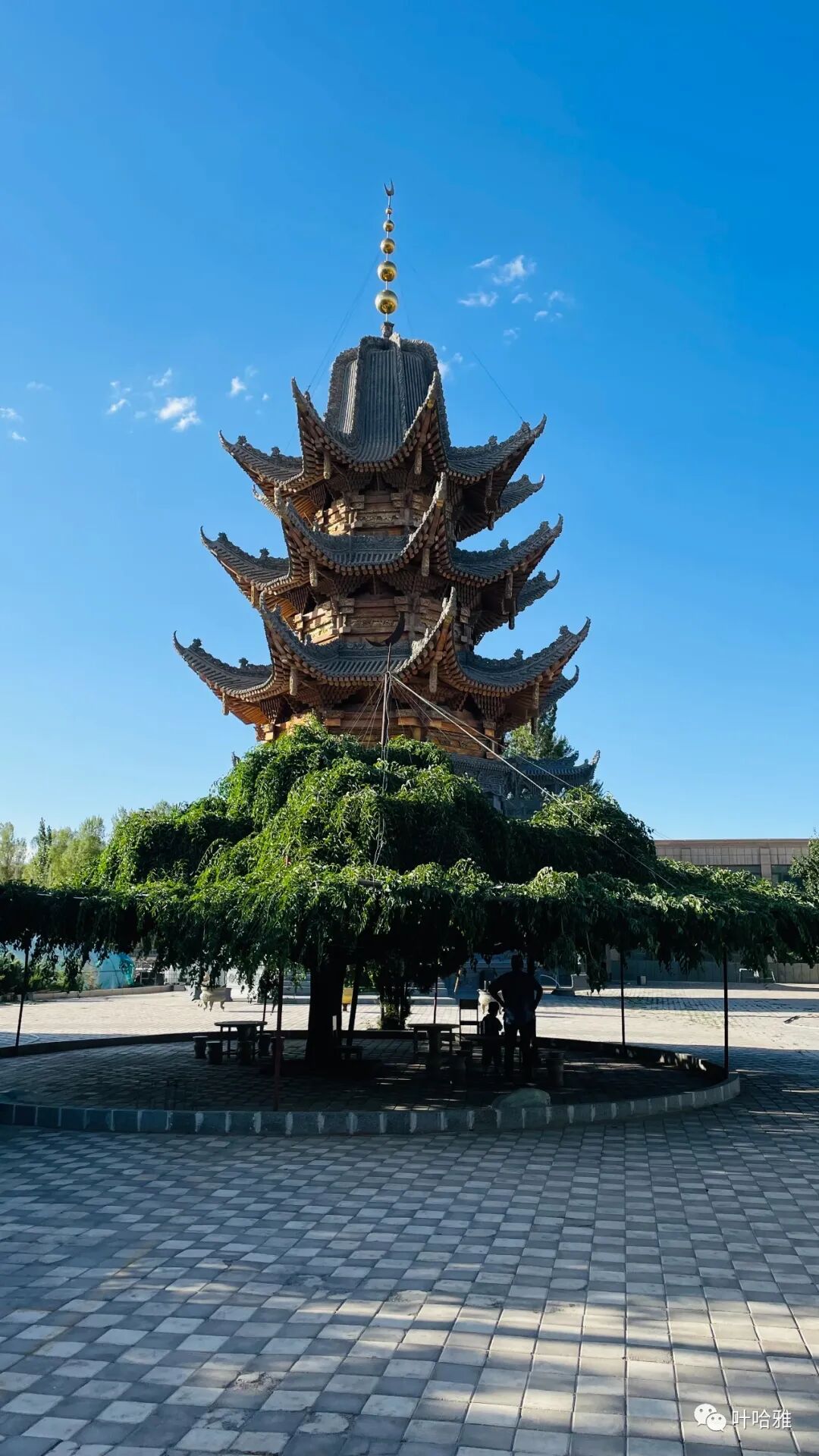
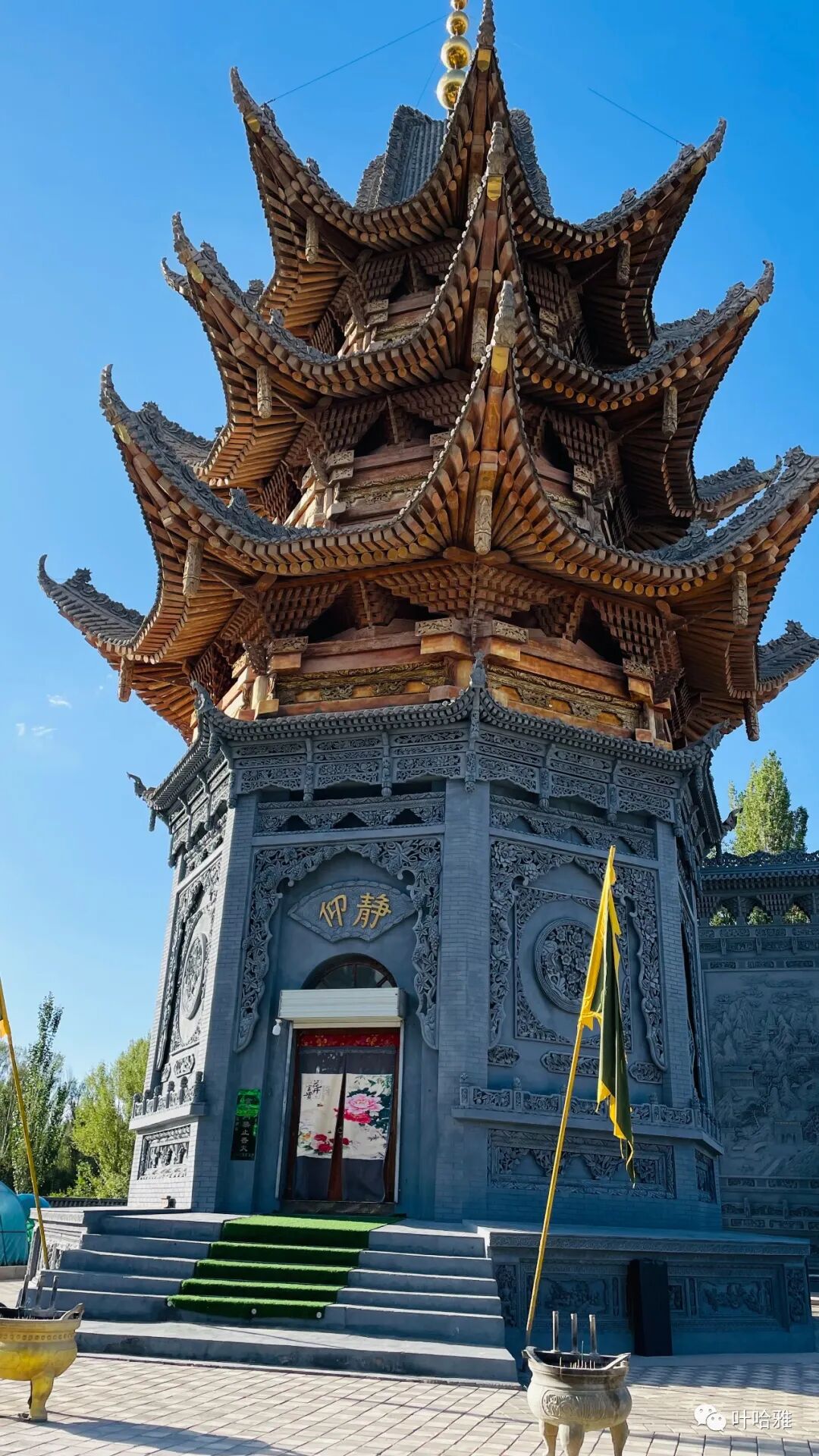
Uwais Gongbei is the most worth-visiting place in Yumen. People say Uwais was one of the three companions of the Prophet sent to China by Caliph Uthman to spread the faith. Uwais passed away in Yumen. Gais passed away in Xingxingxia and was later reburied in Hami, which I mentioned in a previous travelogue. The last one, Waqqas, passed away in Guangzhou. Gongbei shrines were built at all three locations.
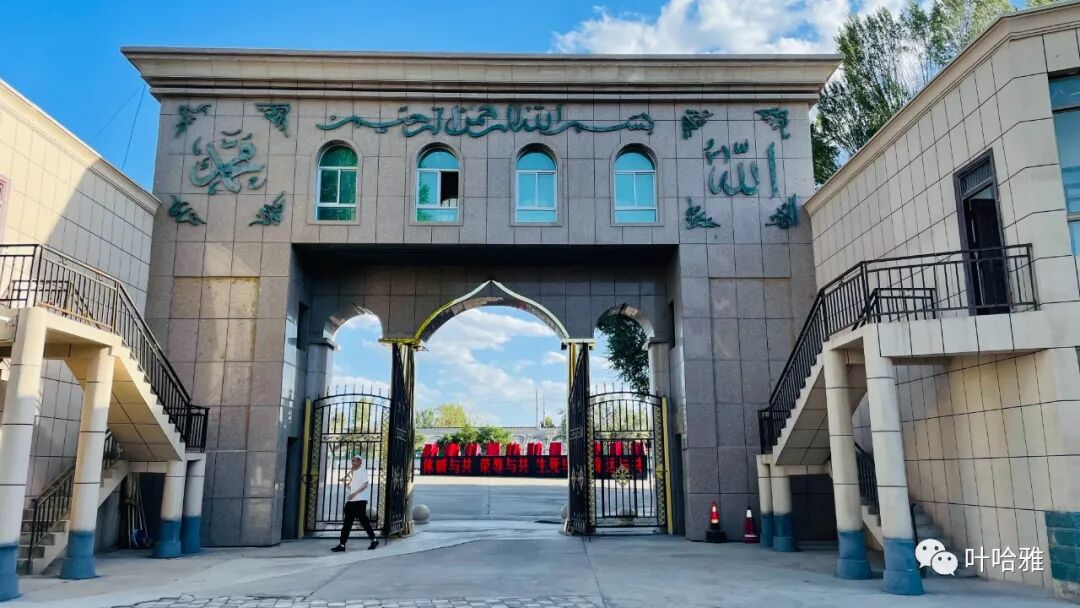
Uwais Gongbei does not belong to any specific Sufi order (menhuan), but is jointly managed by several of them. I met some enthusiastic mosque committee members here who treated us to hand-grabbed mutton (shouzhuarou) for afternoon tea.
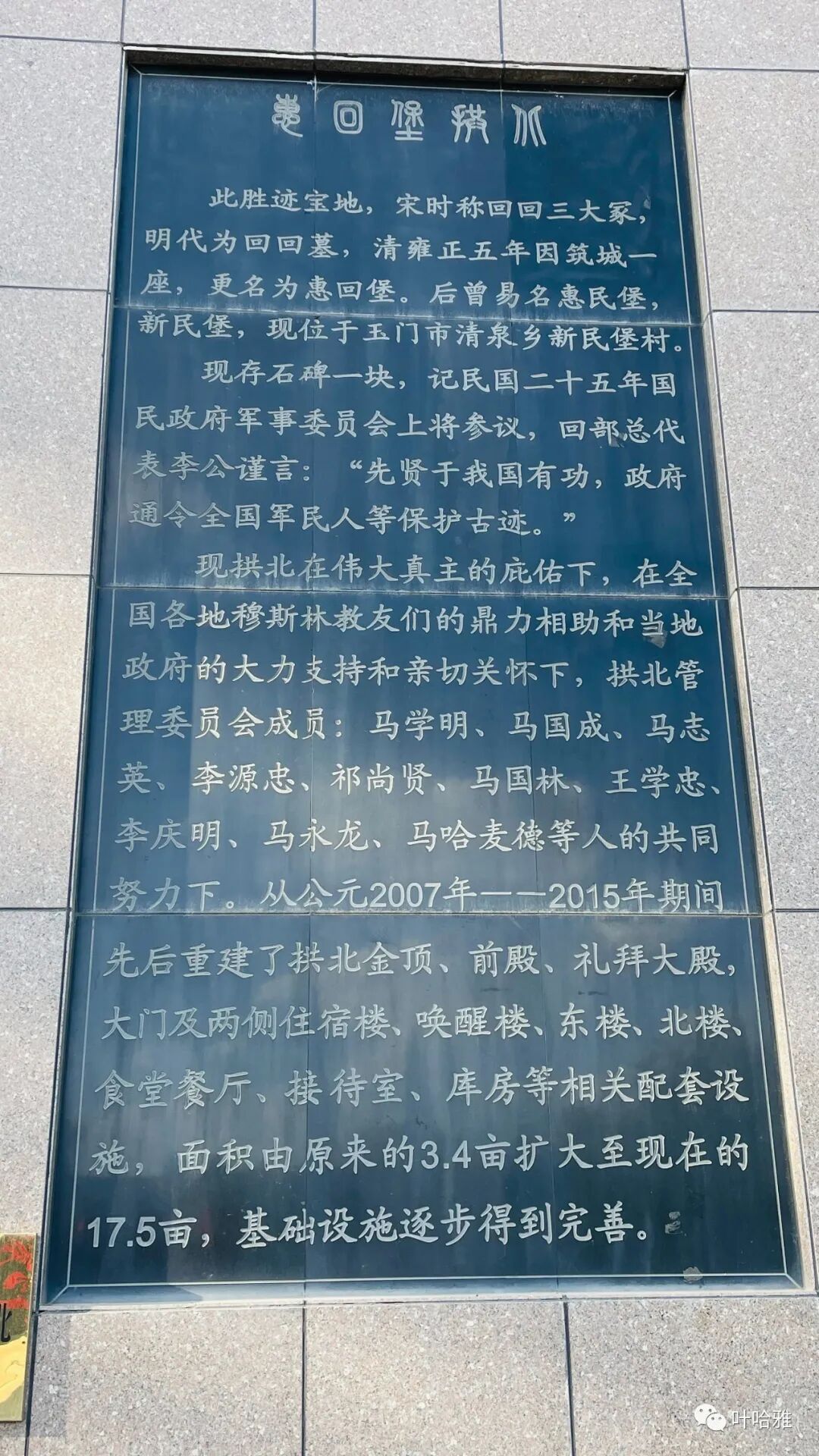
Uwais Gongbei was originally called Huihuibao. After over 1,300 years of war and repeated donations for reconstruction, it has reached its current scale.
I will share some knowledge here about the religious rules for visiting a gongbei, which are discussed in detail in the book "The Radicals and Their Methods: A Discussion on the Major Issues They Raise" by Egyptian scholar Ali Gomaa.
When Imam Malik spoke about where the companions of the Prophet discussed burying the Prophet, he said: "Some say he was buried under the pulpit of the mosque, and others say he was buried in the Baqi cemetery." Then Abu Bakr arrived and said: I heard the Messenger of Allah say that every prophet is buried exactly where he passed away. So, they dug the grave right where the Prophet passed away and buried him there. —Muwatta Hadith, Volume 1, page 231.
This hadith shows that when someone suggested burying the Prophet inside the mosque, no one objected.
After the companions decided to bury the Prophet in the room of his wife Aisha, we find that this room was connected to the Prophet's Mosque where he led the Muslims in namaz. When Abu Bakr passed away, he was buried next to the Prophet, meaning there were now two graves in the room connected to the mosque. When Umar passed away, he was also buried next to the Prophet and Abu Bakr. At this point, there were three graves in the room connected to the mosque.
In this situation, Muslims continued to pray in the Prophet's Mosque without anyone raising an objection, which shows the consensus of the companions.
Sahih Bukhari and Sahih Muslim record: May Allah curse the Jews and Christians, for they took the graves of their prophets as places of worship. Sahih Muslim adds: and the graves of their righteous people as places of worship. This hadith refers to bowing down in worship toward a grave, which is a different concept from building a mosque that happens to have a grave in one of its side buildings.
The Sacred Mosque (Masjid al-Haram) contains the burial place of Ismail and the tomb of Hatim, making it the most suitable mosque for performing namaz.
The specific legal ruling is as follows: if the tomb is in a place separated from the mosque, and the namaz is performed inside the mosque, the prayer is valid.
If the tomb is inside the mosque, the Hanbali school of jurisprudence holds that the prayer is invalid, but the other three schools of jurisprudence consider it valid. At most, these three schools of scholars say that if a tomb is in front of the person praying, the prayer is disliked because it creates the suspicion of praying to the tomb.
The above content is excerpted from the Al-Azhar Lighthouse series. It is not currently sold in China, so please do not send me private messages asking for the books.
The tomb of Uwais is separated from the mosque, and they face different directions.
The mosque management committee asked us about our experiences in Xinjiang. They said the Uwais gongbei is open 24 hours a day, never locks its doors, and welcomes everyone to visit. We said goodbye to the elders and continued along the Hexi Corridor toward Jiayuguan.
Jiayuguan Mosque
In 1982, Jiayuguan Mosque was originally a ritual washing room for Muslims at the Jiuquan Iron and Steel Company, used for washing the bodies of the deceased. Later, it was expanded into a two-story prayer hall on Fuqiang Road. The Jiuquan Iron and Steel Company occupied mosque property to build a gymnasium and provided 1.8 million yuan in compensation. The current large mosque was built in 2002.
There are quite a few halal restaurants in Jiayuguan, but there are far fewer once you reach Jiuquan.
Jiuquan Dongguan Grand Mosque
Jiuquan has a Han-Tang food street, and surprisingly, you cannot find a single halal restaurant on the whole street, though the Jiuquan Dongguan Mosque is quite beautiful.
We stayed in Jiuquan for one night and then headed toward Beijing, passing through Wuwei.
Wuwei Dongguan Grand Mosque
Wuwei Dongguan Mosque is located on Mosque Lane in Dongguan Street and was first built in 1920. Wuwei had five mosques during the Yuan and Ming dynasties, but they were torn down during the Tongzhi reign of the Qing dynasty.
It was renamed Liangzhou Grand Mosque in 1942 and changed back to the name Dongguan Mosque in 1986.
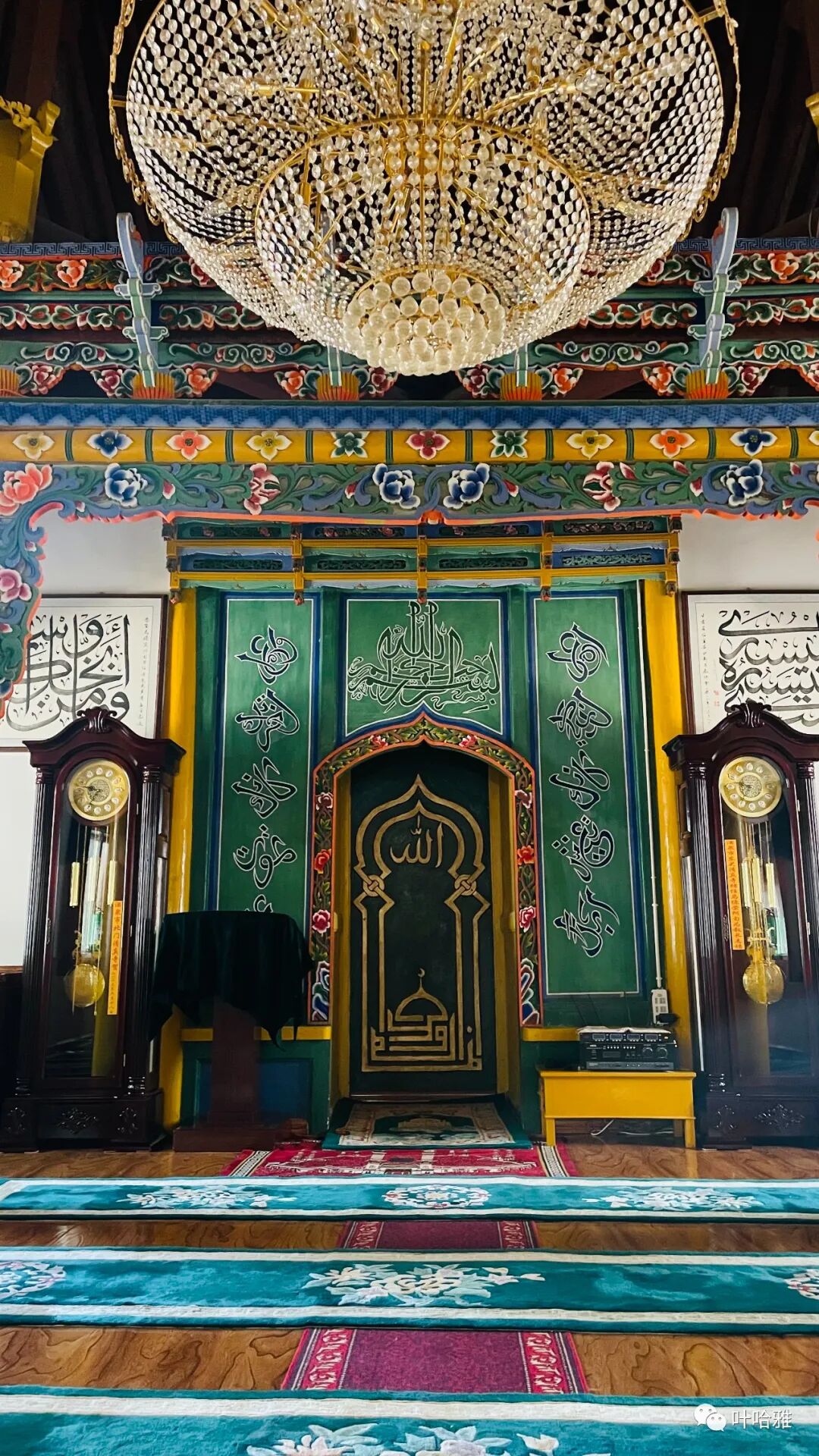
The calligraphy on the mihrab of the Wuwei Grand Mosque is very unique and rarely seen elsewhere in the country.
Although Gansu feels like it has many Hui Muslims, they are mainly concentrated around Lanzhou, Linxia, and Pingliang. There are a few in the Gannan region, but they are more sparsely distributed in the northwest.
We had some Xinjiang mixed noodles (banmian) in Wuwei. Honestly, Xinjiang noodles just do not taste the same once you leave Xinjiang. After being away for so long, we were eager to get home and drove back to Beijing the next day. view all
Summary: This China mosque travel guide visits Yumen in Gansu, including Yumen Mosque, Uwais Gongbei, hand-grabbed mutton, Islamic discussions on visiting gongbei, and heritage connected to early Muslim figures in China.
A Halal Journey in Gansu: The Gongbei of the Prophet's Companion Uwais is presented here as a firsthand travel account in clear English, beginning with this scene: Traveling from southern Xinjiang to northern Xinjiang, and finally leaving through Hami in eastern Xinjiang to return to Gansu, felt like a long deep-sea dive. The account keeps its focus on Qinghai Mosques, Chinese Muslims, Muslim Heritage while preserving the names, places, food, and historical details from the Chinese source.
Traveling from southern Xinjiang to northern Xinjiang, and finally leaving through Hami in eastern Xinjiang to return to Gansu, felt like a long deep-sea dive. I could finally surface to catch my breath and everything felt normal again, for reasons I mentioned in my previous Xinjiang travelogues.
Yumen Mosque
Yumen Mosque was the first mosque we entered after leaving Xinjiang. It felt like coming home. I naturally drove into the courtyard and parked in the open space in front of the main prayer hall, knowing I did not have to worry about anyone stopping me here.
I had a perfect wudu (ablution) in the washroom, and that long-lost feeling of relaxation and rejuvenation came back to me.
The familiar Chinese characters for "halal" (qingzhen) appeared on restaurant signs again, and I could finally eat a meal with peace of mind without being suspicious.
Beef vermicelli soup with flatbread (bing) was delicious.
Yumen Uwais Gongbei
Uwais Gongbei is the most worth-visiting place in Yumen. People say Uwais was one of the three companions of the Prophet sent to China by Caliph Uthman to spread the faith. Uwais passed away in Yumen. Gais passed away in Xingxingxia and was later reburied in Hami, which I mentioned in a previous travelogue. The last one, Waqqas, passed away in Guangzhou. Gongbei shrines were built at all three locations.
Uwais Gongbei does not belong to any specific Sufi order (menhuan), but is jointly managed by several of them. I met some enthusiastic mosque committee members here who treated us to hand-grabbed mutton (shouzhuarou) for afternoon tea.
Uwais Gongbei was originally called Huihuibao. After over 1,300 years of war and repeated donations for reconstruction, it has reached its current scale.
I will share some knowledge here about the religious rules for visiting a gongbei, which are discussed in detail in the book "The Radicals and Their Methods: A Discussion on the Major Issues They Raise" by Egyptian scholar Ali Gomaa.
When Imam Malik spoke about where the companions of the Prophet discussed burying the Prophet, he said: "Some say he was buried under the pulpit of the mosque, and others say he was buried in the Baqi cemetery." Then Abu Bakr arrived and said: I heard the Messenger of Allah say that every prophet is buried exactly where he passed away. So, they dug the grave right where the Prophet passed away and buried him there. —Muwatta Hadith, Volume 1, page 231.
This hadith shows that when someone suggested burying the Prophet inside the mosque, no one objected.
After the companions decided to bury the Prophet in the room of his wife Aisha, we find that this room was connected to the Prophet's Mosque where he led the Muslims in namaz. When Abu Bakr passed away, he was buried next to the Prophet, meaning there were now two graves in the room connected to the mosque. When Umar passed away, he was also buried next to the Prophet and Abu Bakr. At this point, there were three graves in the room connected to the mosque.
In this situation, Muslims continued to pray in the Prophet's Mosque without anyone raising an objection, which shows the consensus of the companions.
Sahih Bukhari and Sahih Muslim record: May Allah curse the Jews and Christians, for they took the graves of their prophets as places of worship. Sahih Muslim adds: and the graves of their righteous people as places of worship. This hadith refers to bowing down in worship toward a grave, which is a different concept from building a mosque that happens to have a grave in one of its side buildings.
The Sacred Mosque (Masjid al-Haram) contains the burial place of Ismail and the tomb of Hatim, making it the most suitable mosque for performing namaz.
The specific legal ruling is as follows: if the tomb is in a place separated from the mosque, and the namaz is performed inside the mosque, the prayer is valid.
If the tomb is inside the mosque, the Hanbali school of jurisprudence holds that the prayer is invalid, but the other three schools of jurisprudence consider it valid. At most, these three schools of scholars say that if a tomb is in front of the person praying, the prayer is disliked because it creates the suspicion of praying to the tomb.
The above content is excerpted from the Al-Azhar Lighthouse series. It is not currently sold in China, so please do not send me private messages asking for the books.
The tomb of Uwais is separated from the mosque, and they face different directions.
The mosque management committee asked us about our experiences in Xinjiang. They said the Uwais gongbei is open 24 hours a day, never locks its doors, and welcomes everyone to visit. We said goodbye to the elders and continued along the Hexi Corridor toward Jiayuguan.
Jiayuguan Mosque
In 1982, Jiayuguan Mosque was originally a ritual washing room for Muslims at the Jiuquan Iron and Steel Company, used for washing the bodies of the deceased. Later, it was expanded into a two-story prayer hall on Fuqiang Road. The Jiuquan Iron and Steel Company occupied mosque property to build a gymnasium and provided 1.8 million yuan in compensation. The current large mosque was built in 2002.
There are quite a few halal restaurants in Jiayuguan, but there are far fewer once you reach Jiuquan.
Jiuquan Dongguan Grand Mosque
Jiuquan has a Han-Tang food street, and surprisingly, you cannot find a single halal restaurant on the whole street, though the Jiuquan Dongguan Mosque is quite beautiful.
We stayed in Jiuquan for one night and then headed toward Beijing, passing through Wuwei.
Wuwei Dongguan Grand Mosque
Wuwei Dongguan Mosque is located on Mosque Lane in Dongguan Street and was first built in 1920. Wuwei had five mosques during the Yuan and Ming dynasties, but they were torn down during the Tongzhi reign of the Qing dynasty.
It was renamed Liangzhou Grand Mosque in 1942 and changed back to the name Dongguan Mosque in 1986.
The calligraphy on the mihrab of the Wuwei Grand Mosque is very unique and rarely seen elsewhere in the country.
Although Gansu feels like it has many Hui Muslims, they are mainly concentrated around Lanzhou, Linxia, and Pingliang. There are a few in the Gannan region, but they are more sparsely distributed in the northwest.
We had some Xinjiang mixed noodles (banmian) in Wuwei. Honestly, Xinjiang noodles just do not taste the same once you leave Xinjiang. After being away for so long, we were eager to get home and drove back to Beijing the next day. view all
Reposted from the web
Summary: This China mosque travel guide visits Yumen in Gansu, including Yumen Mosque, Uwais Gongbei, hand-grabbed mutton, Islamic discussions on visiting gongbei, and heritage connected to early Muslim figures in China.
A Halal Journey in Gansu: The Gongbei of the Prophet's Companion Uwais is presented here as a firsthand travel account in clear English, beginning with this scene: Traveling from southern Xinjiang to northern Xinjiang, and finally leaving through Hami in eastern Xinjiang to return to Gansu, felt like a long deep-sea dive. The account keeps its focus on Qinghai Mosques, Chinese Muslims, Muslim Heritage while preserving the names, places, food, and historical details from the Chinese source.
Traveling from southern Xinjiang to northern Xinjiang, and finally leaving through Hami in eastern Xinjiang to return to Gansu, felt like a long deep-sea dive. I could finally surface to catch my breath and everything felt normal again, for reasons I mentioned in my previous Xinjiang travelogues.
Yumen Mosque
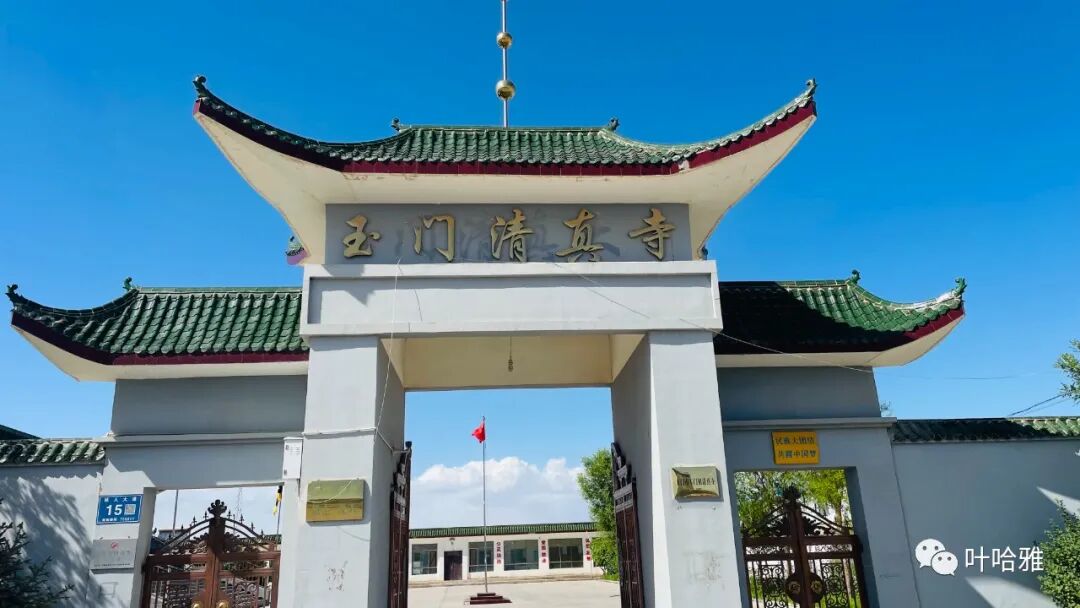
Yumen Mosque was the first mosque we entered after leaving Xinjiang. It felt like coming home. I naturally drove into the courtyard and parked in the open space in front of the main prayer hall, knowing I did not have to worry about anyone stopping me here.
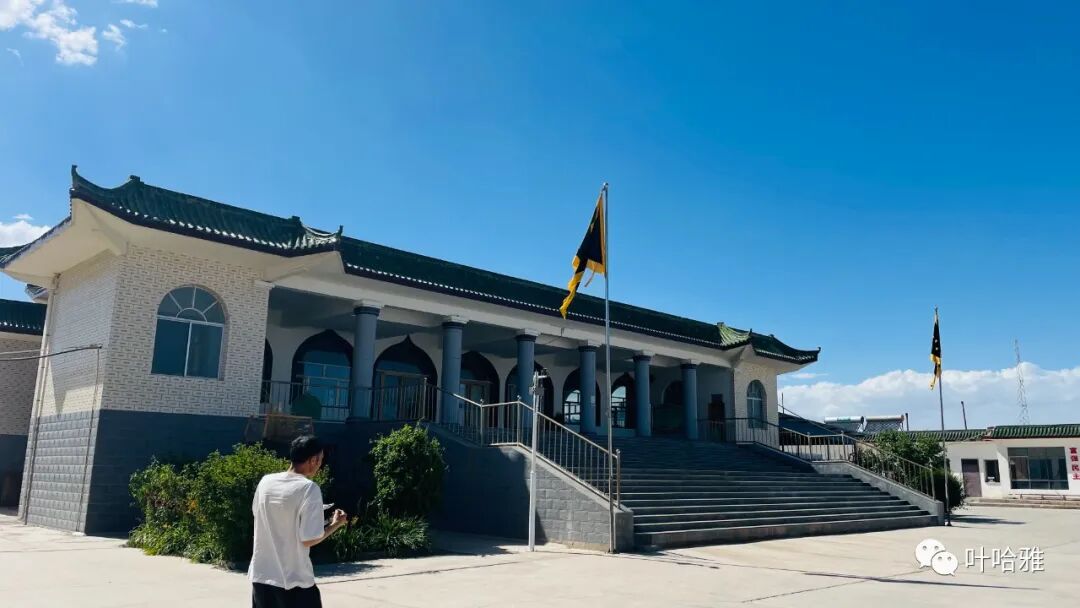
I had a perfect wudu (ablution) in the washroom, and that long-lost feeling of relaxation and rejuvenation came back to me.
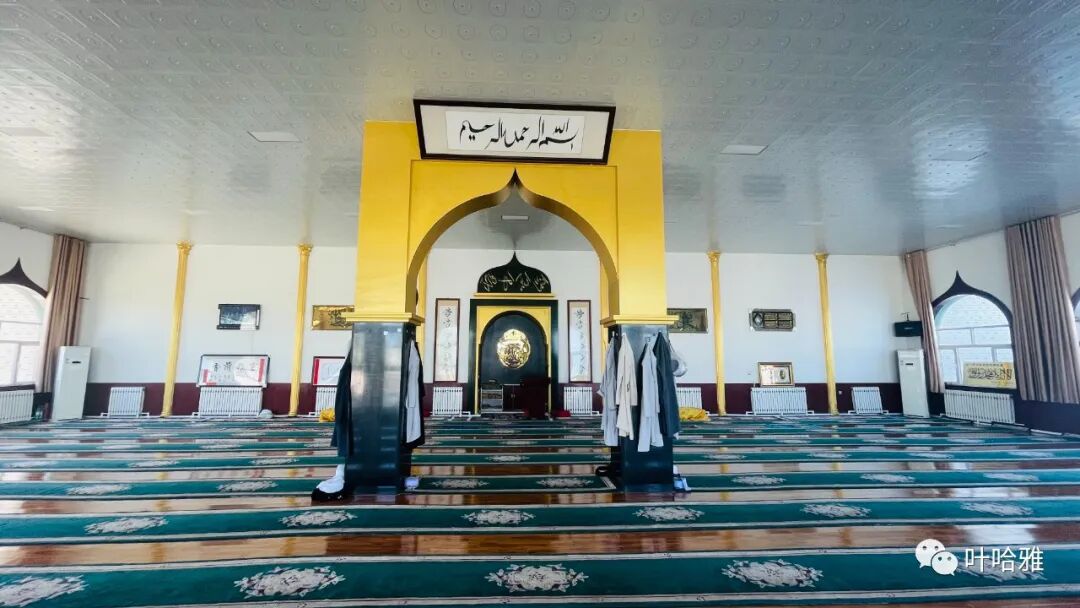

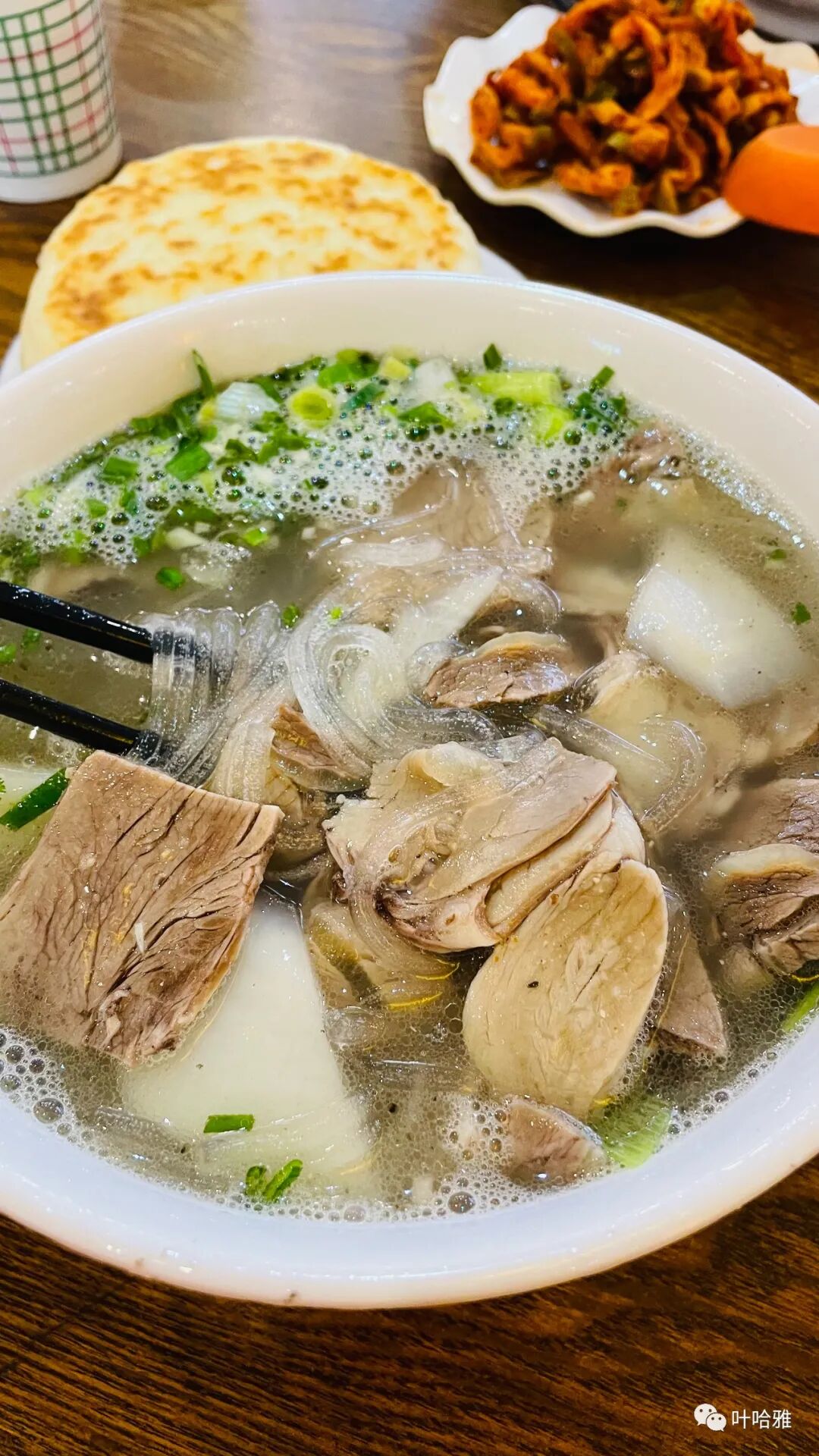
The familiar Chinese characters for "halal" (qingzhen) appeared on restaurant signs again, and I could finally eat a meal with peace of mind without being suspicious.
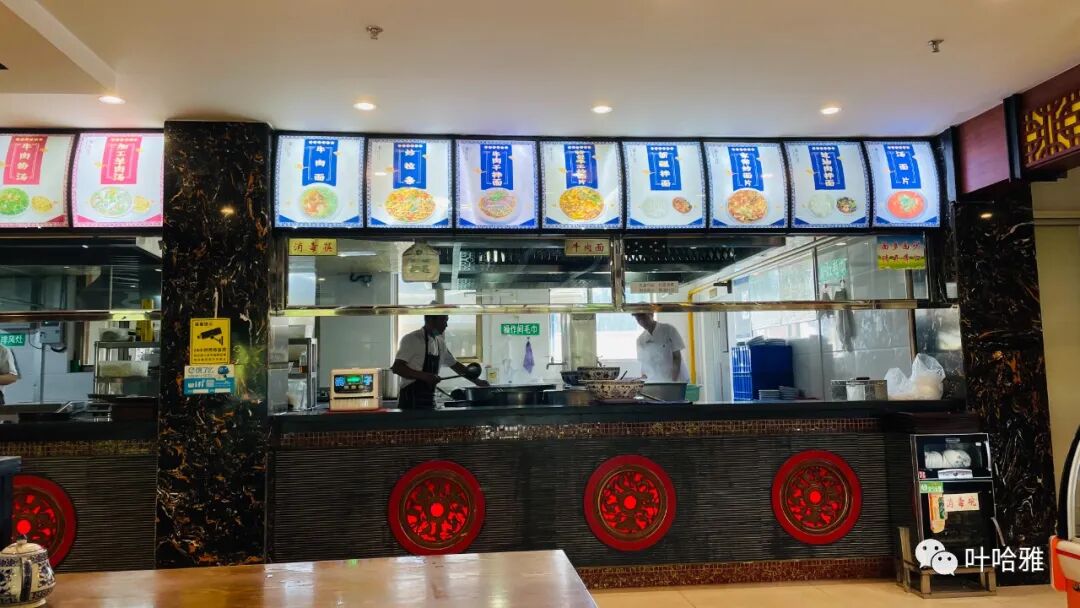
Beef vermicelli soup with flatbread (bing) was delicious.
Yumen Uwais Gongbei
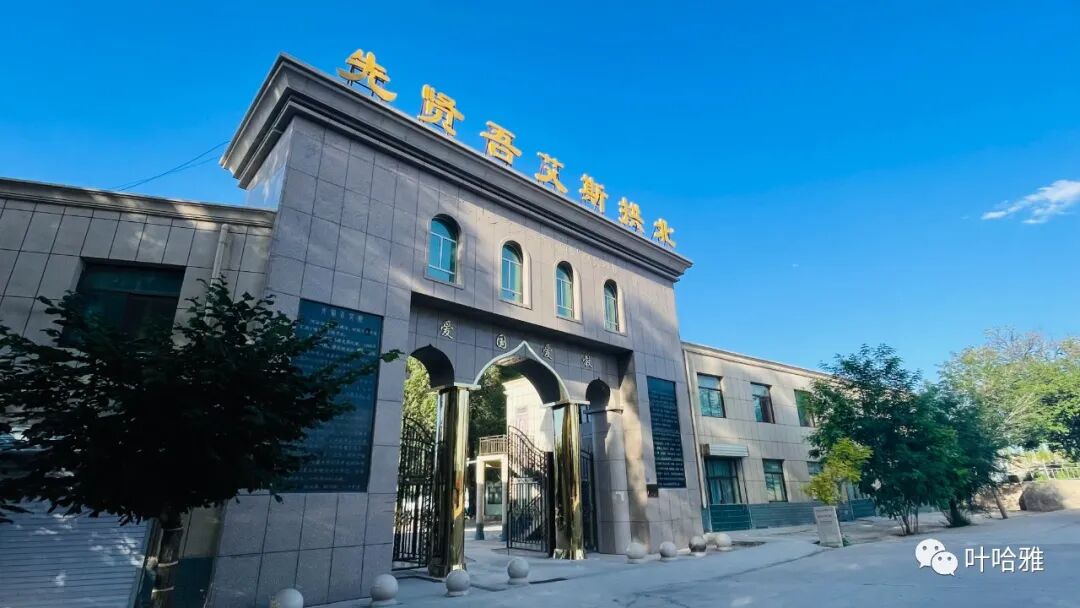
Uwais Gongbei is the most worth-visiting place in Yumen. People say Uwais was one of the three companions of the Prophet sent to China by Caliph Uthman to spread the faith. Uwais passed away in Yumen. Gais passed away in Xingxingxia and was later reburied in Hami, which I mentioned in a previous travelogue. The last one, Waqqas, passed away in Guangzhou. Gongbei shrines were built at all three locations.
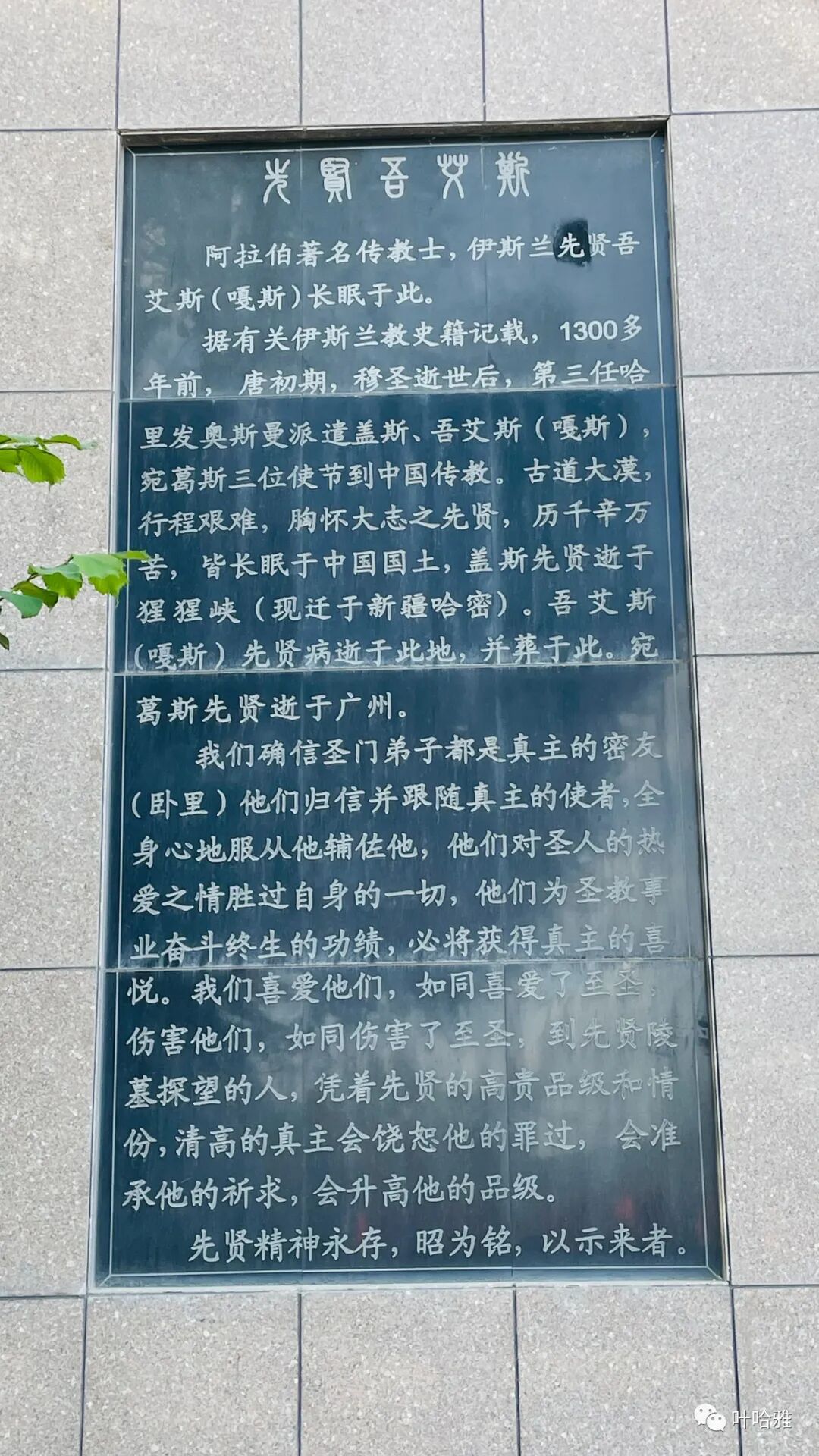
Uwais Gongbei does not belong to any specific Sufi order (menhuan), but is jointly managed by several of them. I met some enthusiastic mosque committee members here who treated us to hand-grabbed mutton (shouzhuarou) for afternoon tea.
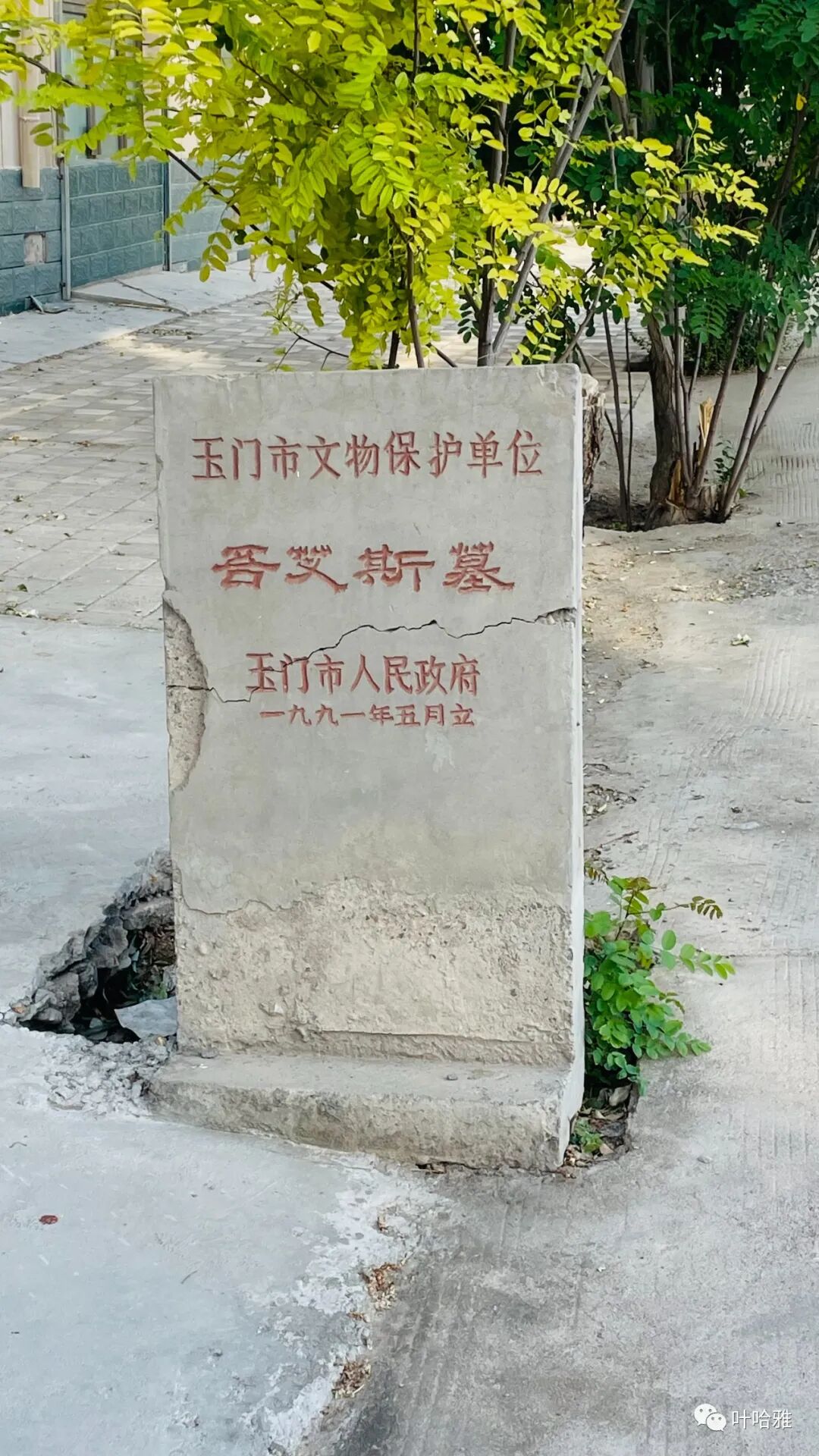
Uwais Gongbei was originally called Huihuibao. After over 1,300 years of war and repeated donations for reconstruction, it has reached its current scale.
I will share some knowledge here about the religious rules for visiting a gongbei, which are discussed in detail in the book "The Radicals and Their Methods: A Discussion on the Major Issues They Raise" by Egyptian scholar Ali Gomaa.
When Imam Malik spoke about where the companions of the Prophet discussed burying the Prophet, he said: "Some say he was buried under the pulpit of the mosque, and others say he was buried in the Baqi cemetery." Then Abu Bakr arrived and said: I heard the Messenger of Allah say that every prophet is buried exactly where he passed away. So, they dug the grave right where the Prophet passed away and buried him there. —Muwatta Hadith, Volume 1, page 231.
This hadith shows that when someone suggested burying the Prophet inside the mosque, no one objected.
After the companions decided to bury the Prophet in the room of his wife Aisha, we find that this room was connected to the Prophet's Mosque where he led the Muslims in namaz. When Abu Bakr passed away, he was buried next to the Prophet, meaning there were now two graves in the room connected to the mosque. When Umar passed away, he was also buried next to the Prophet and Abu Bakr. At this point, there were three graves in the room connected to the mosque.
In this situation, Muslims continued to pray in the Prophet's Mosque without anyone raising an objection, which shows the consensus of the companions.
Sahih Bukhari and Sahih Muslim record: May Allah curse the Jews and Christians, for they took the graves of their prophets as places of worship. Sahih Muslim adds: and the graves of their righteous people as places of worship. This hadith refers to bowing down in worship toward a grave, which is a different concept from building a mosque that happens to have a grave in one of its side buildings.
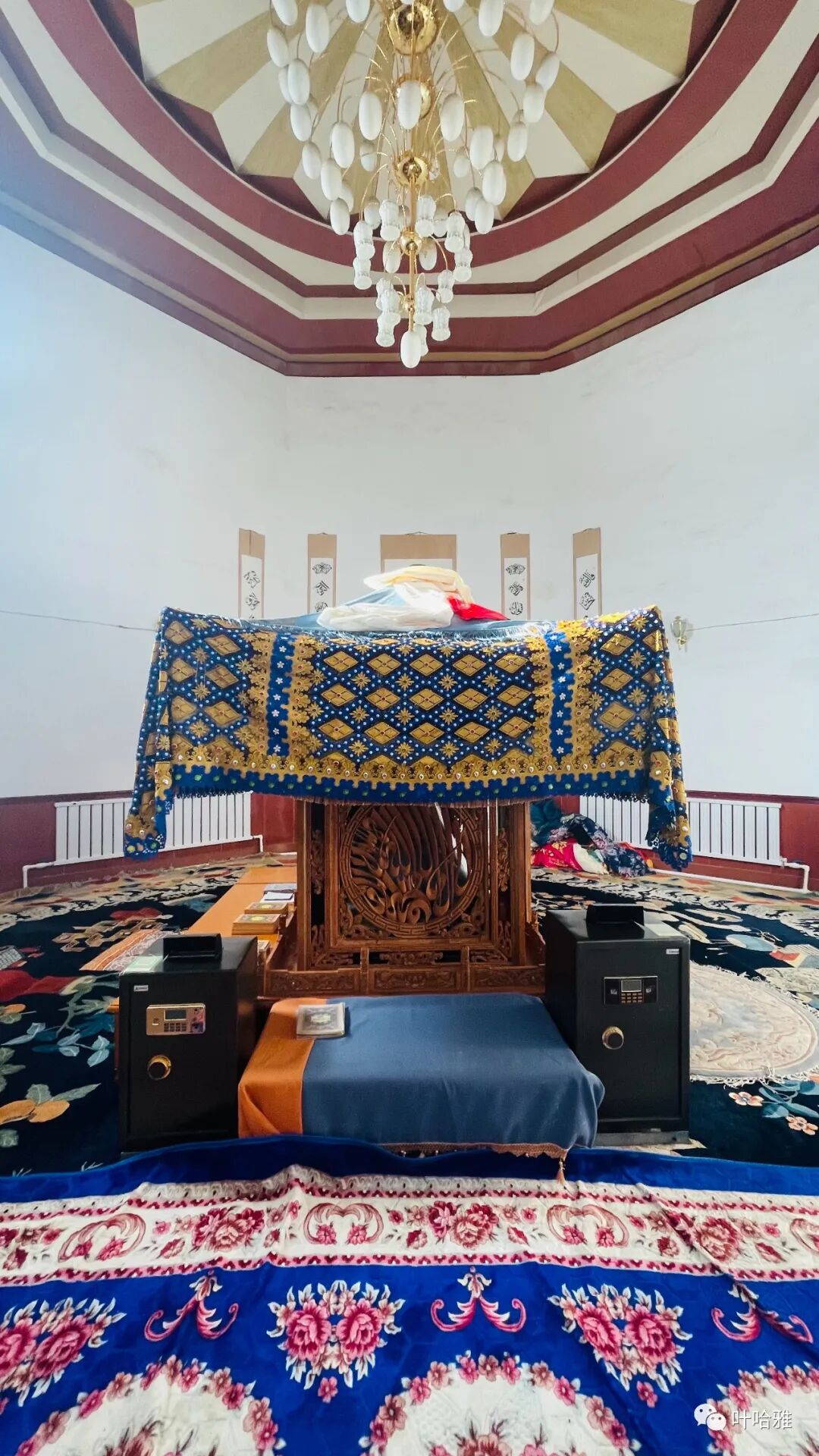
The Sacred Mosque (Masjid al-Haram) contains the burial place of Ismail and the tomb of Hatim, making it the most suitable mosque for performing namaz.
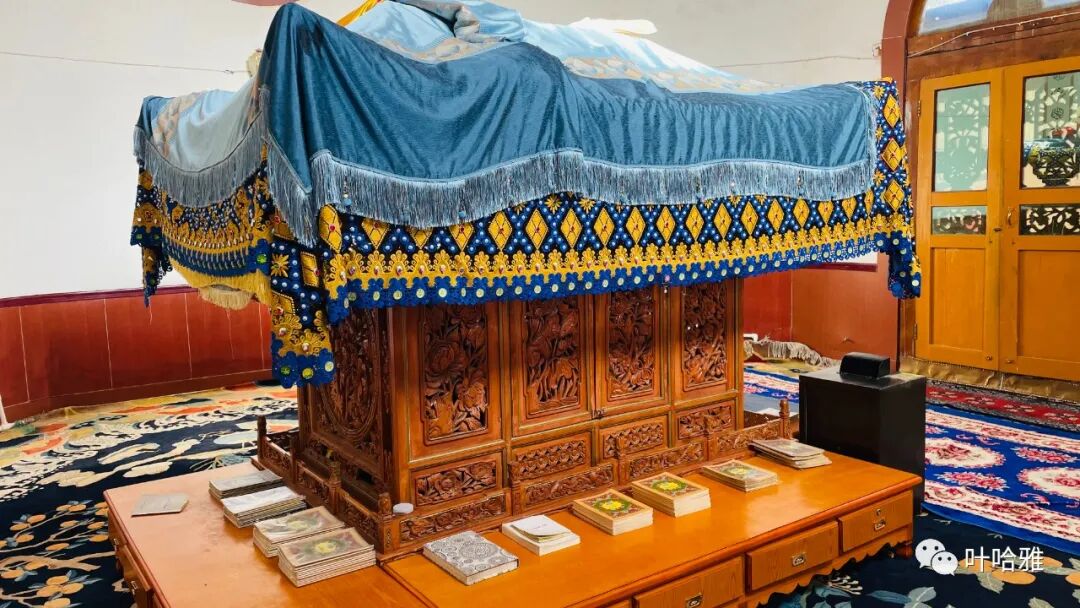
The specific legal ruling is as follows: if the tomb is in a place separated from the mosque, and the namaz is performed inside the mosque, the prayer is valid.
If the tomb is inside the mosque, the Hanbali school of jurisprudence holds that the prayer is invalid, but the other three schools of jurisprudence consider it valid. At most, these three schools of scholars say that if a tomb is in front of the person praying, the prayer is disliked because it creates the suspicion of praying to the tomb.
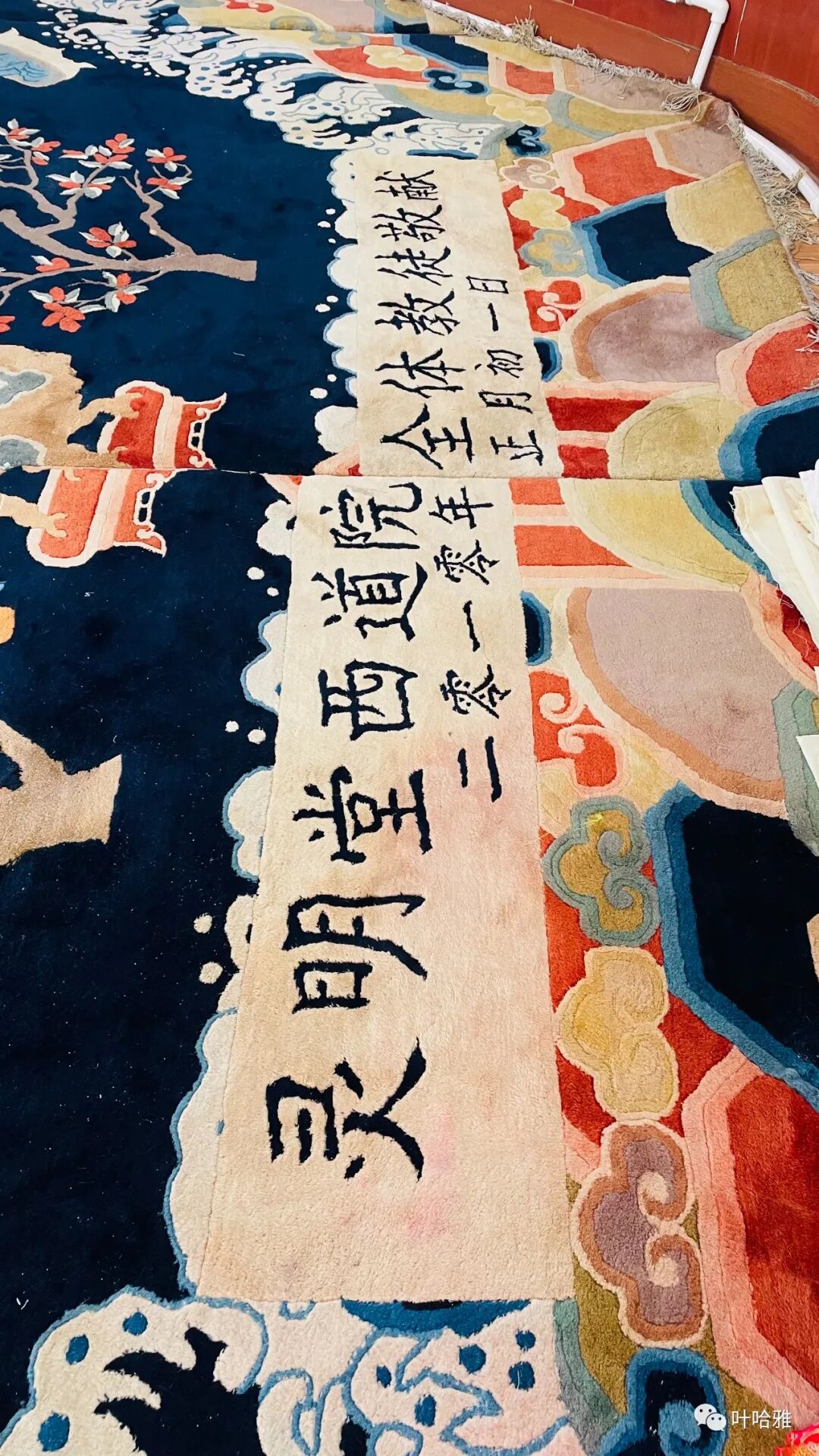
The above content is excerpted from the Al-Azhar Lighthouse series. It is not currently sold in China, so please do not send me private messages asking for the books.
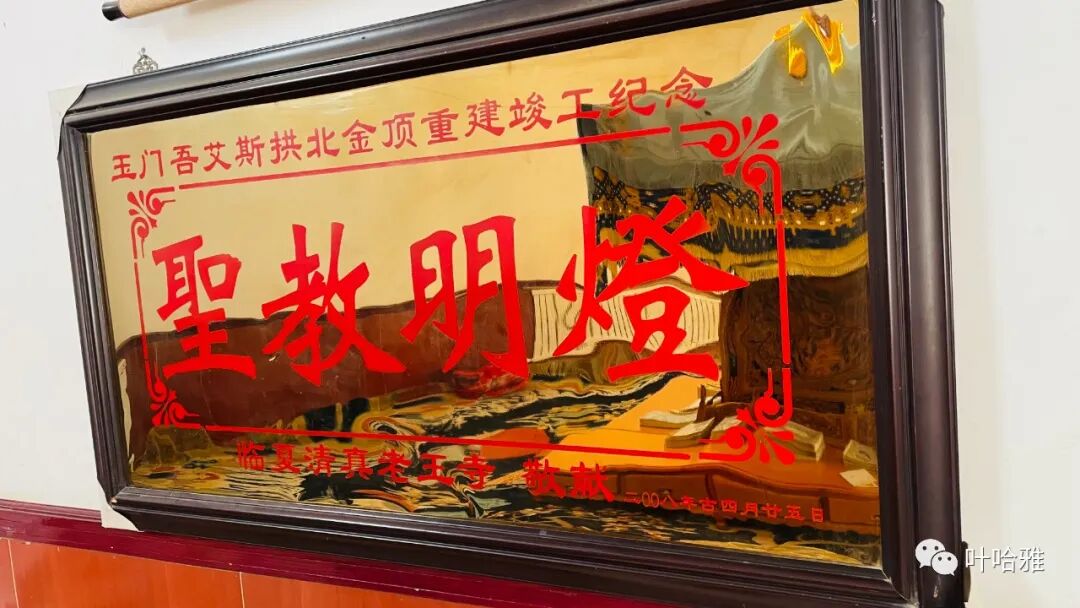
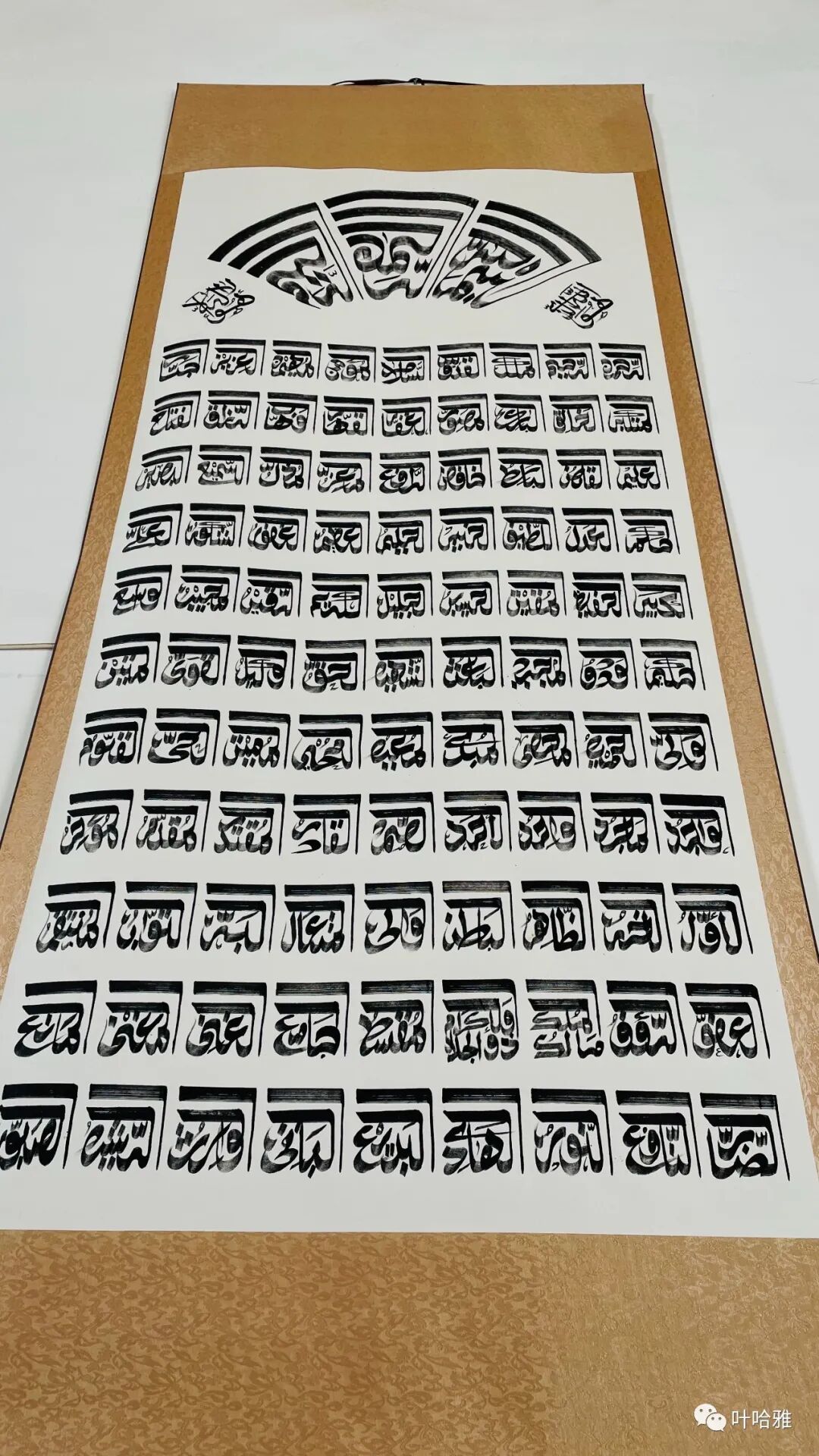
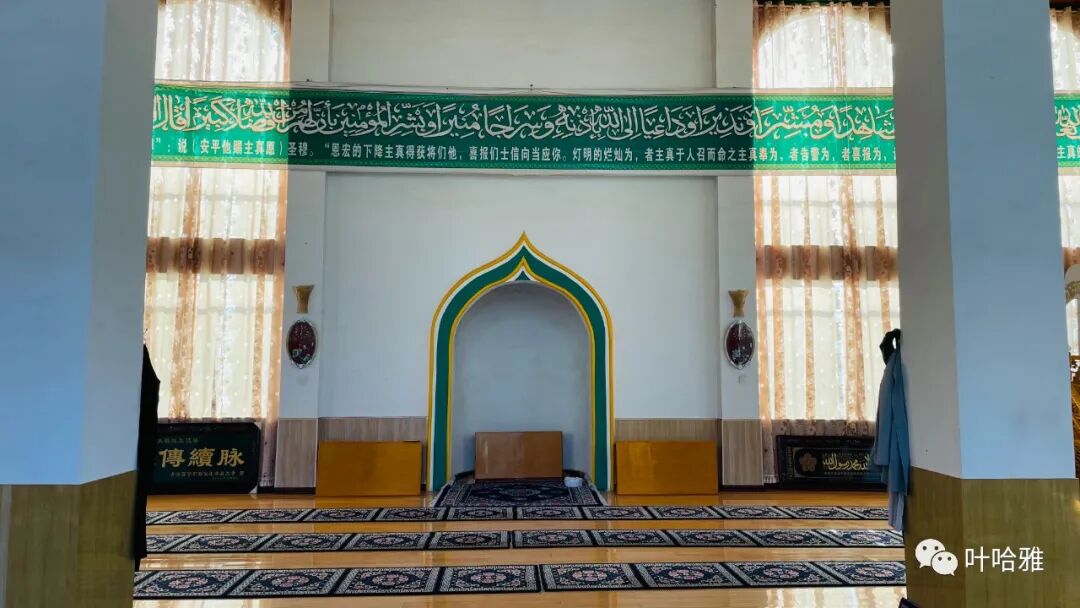
The tomb of Uwais is separated from the mosque, and they face different directions.
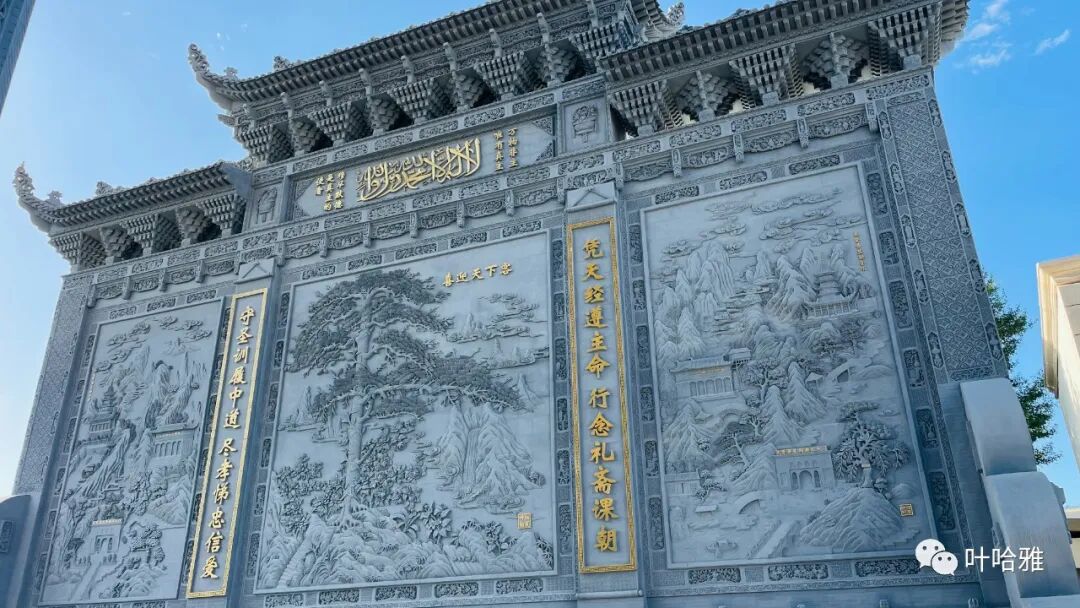
The mosque management committee asked us about our experiences in Xinjiang. They said the Uwais gongbei is open 24 hours a day, never locks its doors, and welcomes everyone to visit. We said goodbye to the elders and continued along the Hexi Corridor toward Jiayuguan.
Jiayuguan Mosque
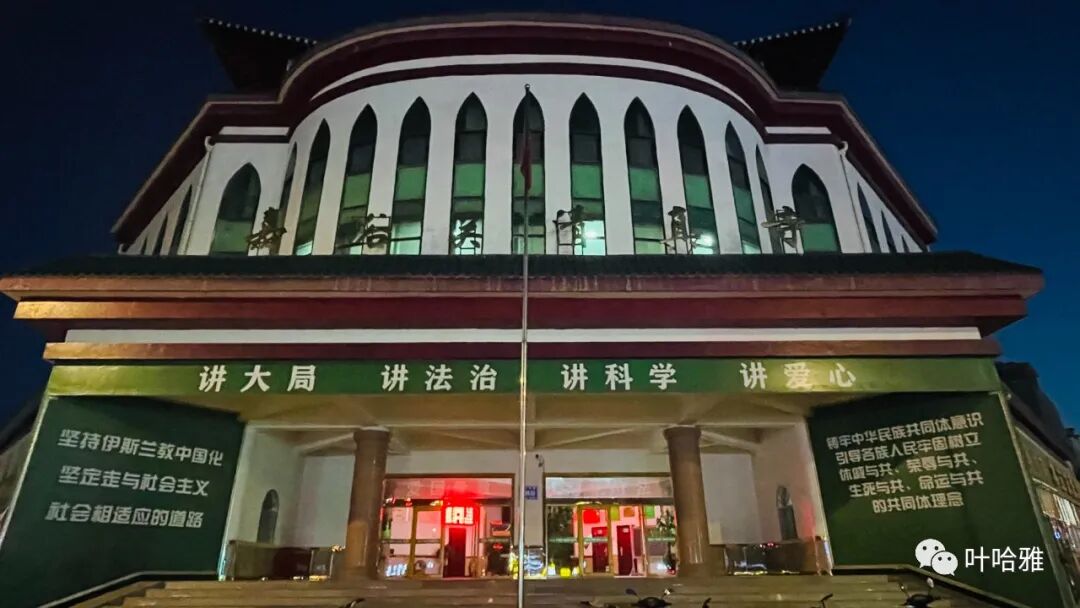
In 1982, Jiayuguan Mosque was originally a ritual washing room for Muslims at the Jiuquan Iron and Steel Company, used for washing the bodies of the deceased. Later, it was expanded into a two-story prayer hall on Fuqiang Road. The Jiuquan Iron and Steel Company occupied mosque property to build a gymnasium and provided 1.8 million yuan in compensation. The current large mosque was built in 2002.
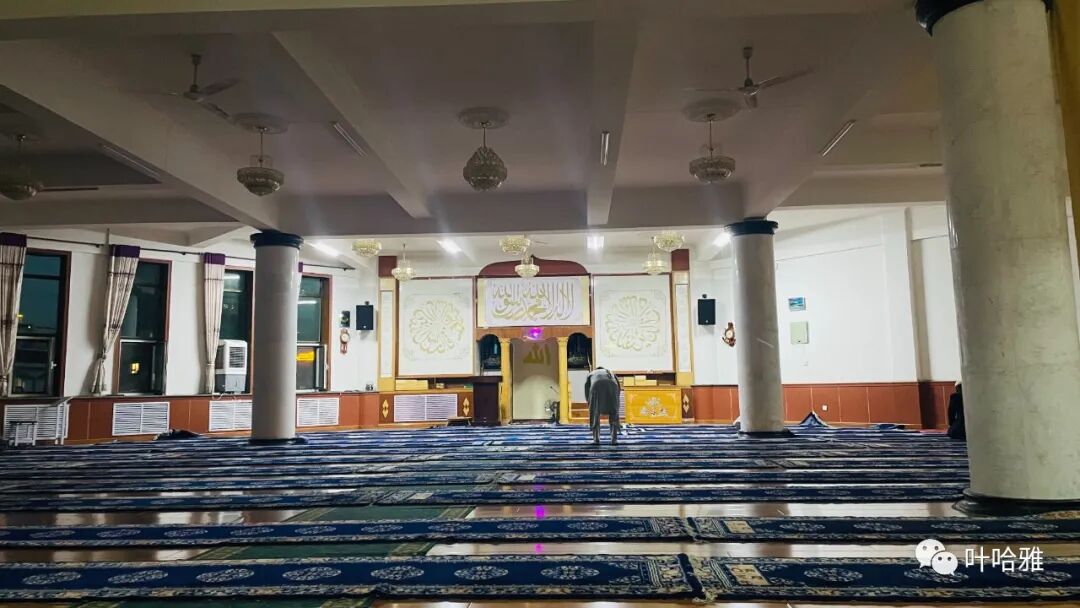
There are quite a few halal restaurants in Jiayuguan, but there are far fewer once you reach Jiuquan.
Jiuquan Dongguan Grand Mosque
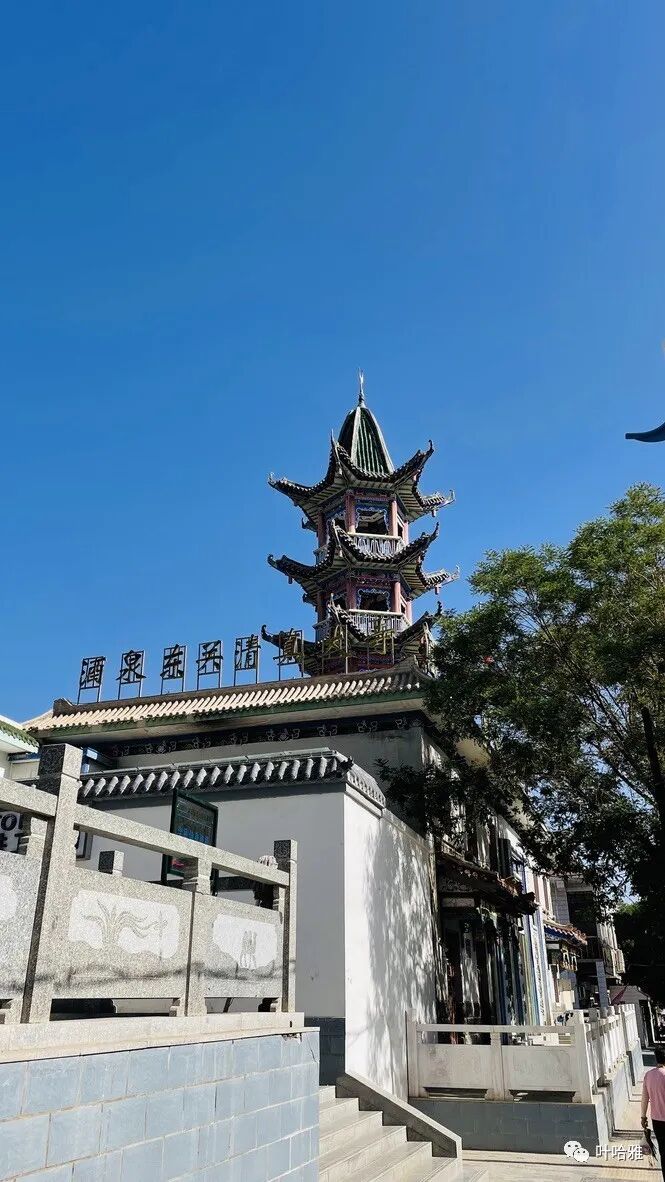
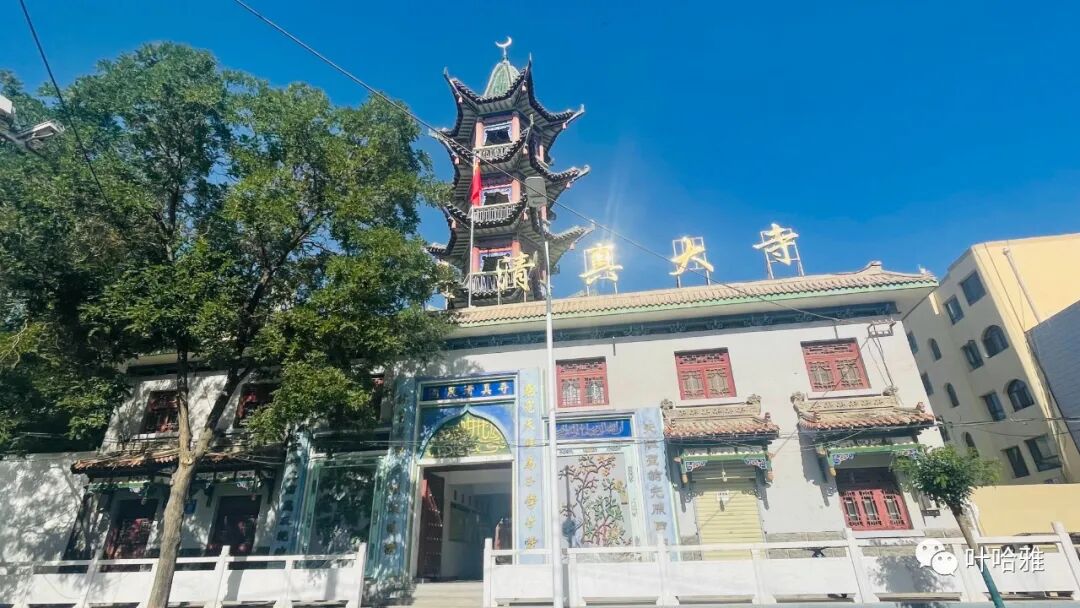
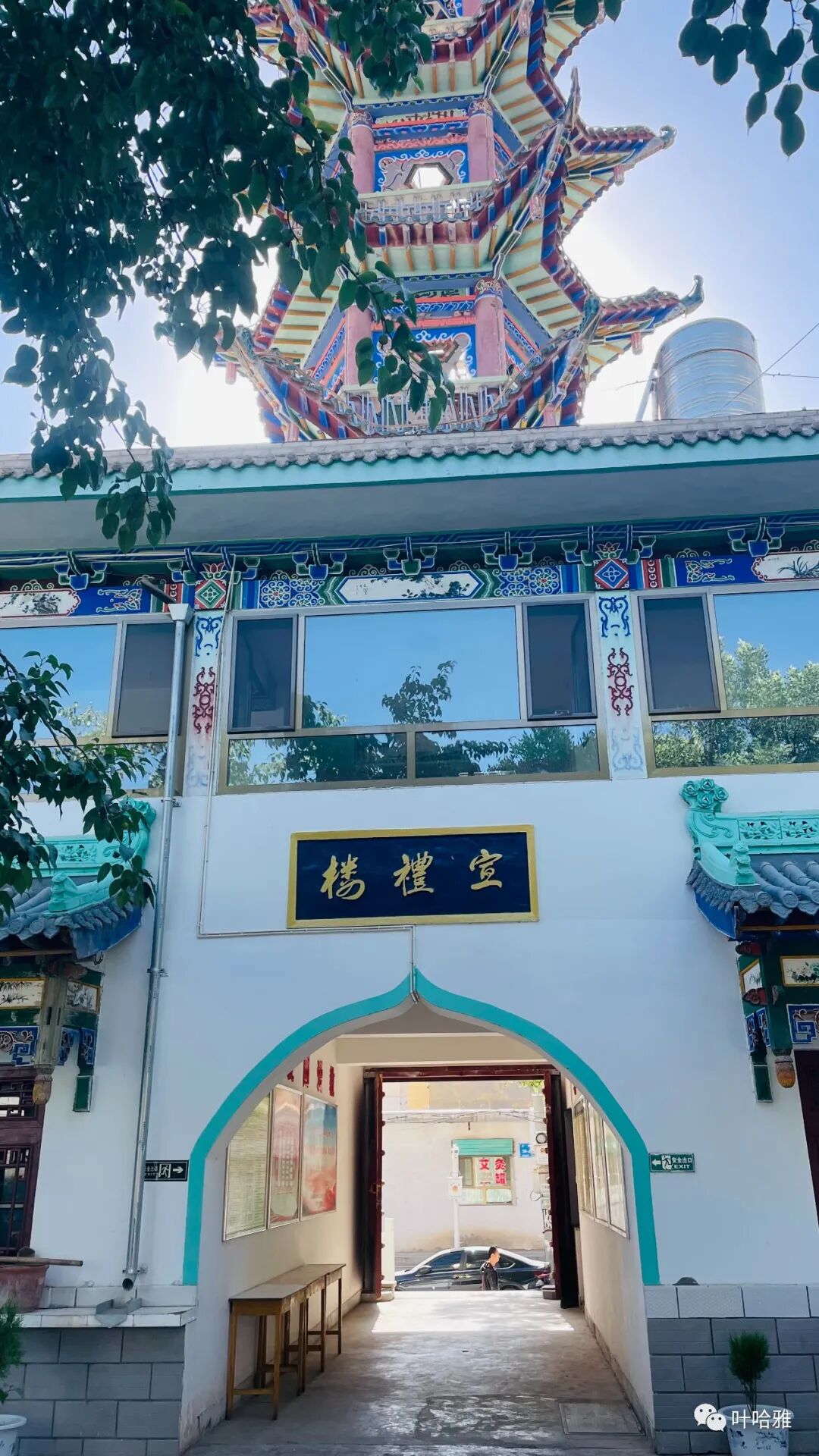
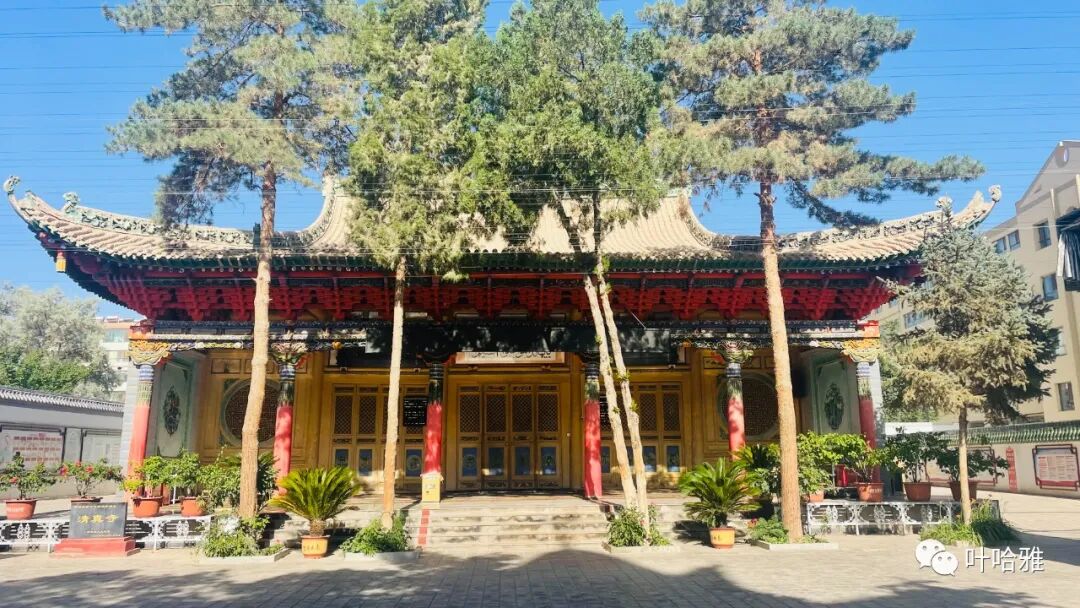
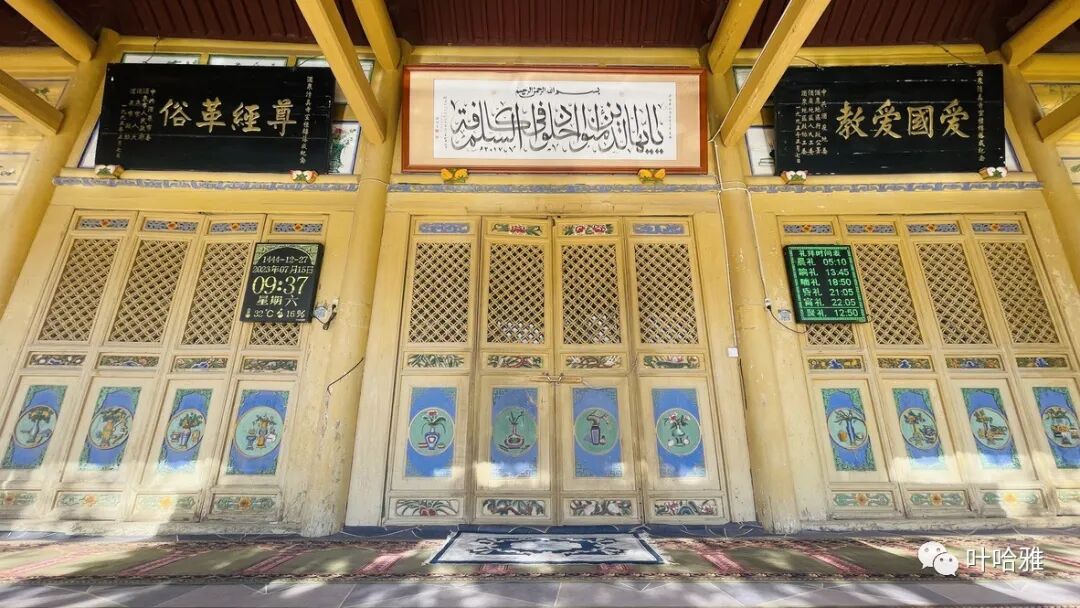
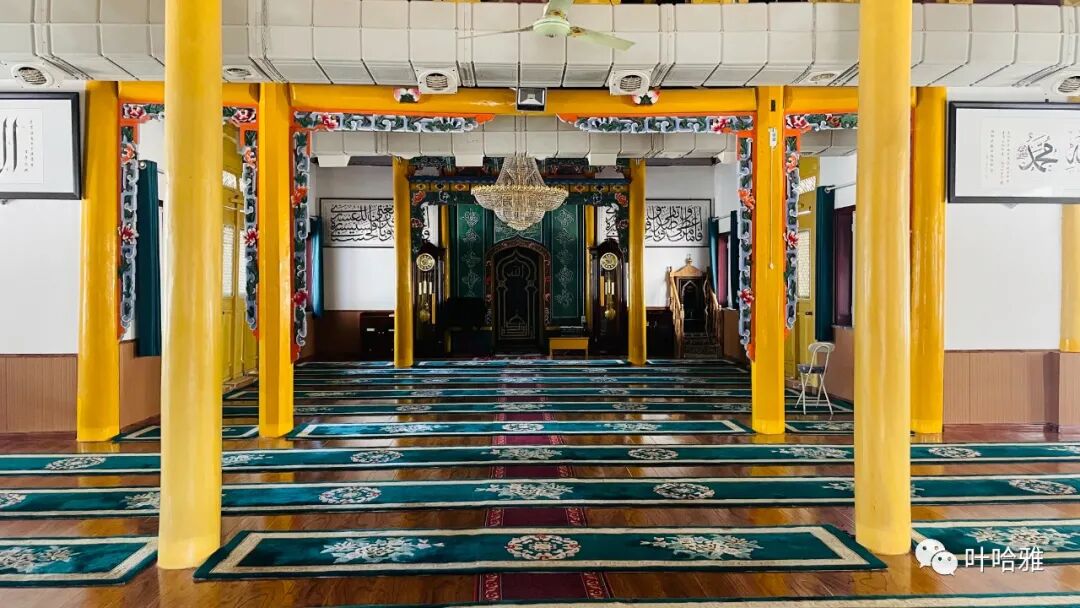
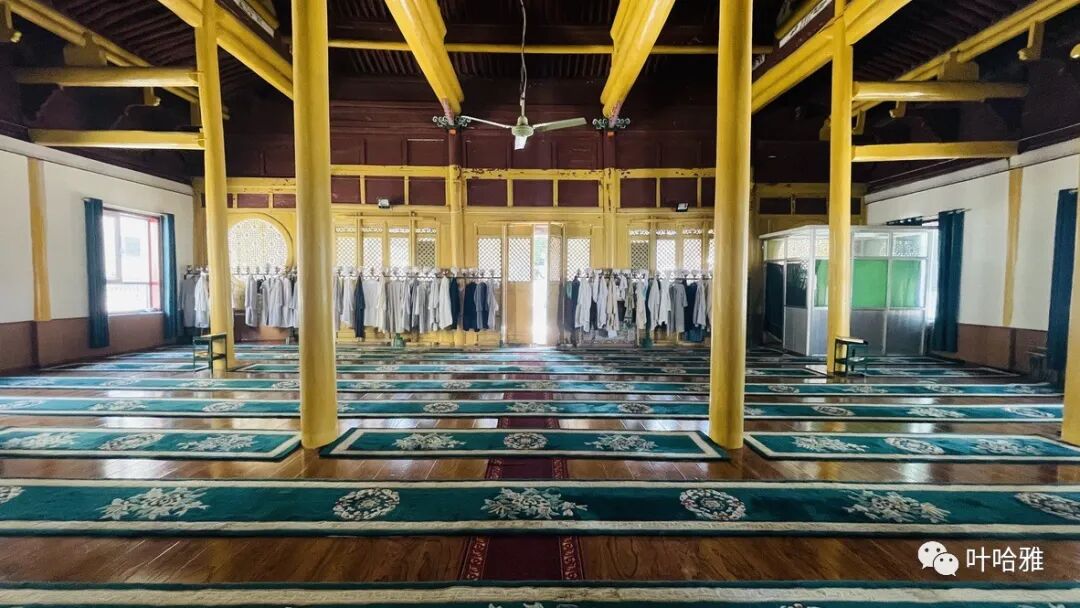
Jiuquan has a Han-Tang food street, and surprisingly, you cannot find a single halal restaurant on the whole street, though the Jiuquan Dongguan Mosque is quite beautiful.
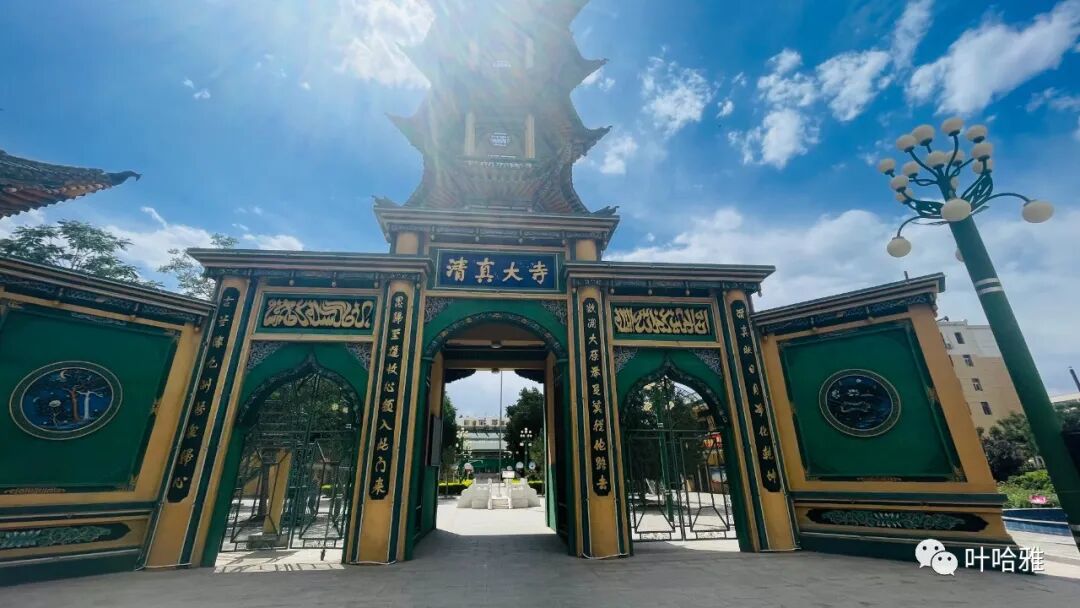
We stayed in Jiuquan for one night and then headed toward Beijing, passing through Wuwei.
Wuwei Dongguan Grand Mosque
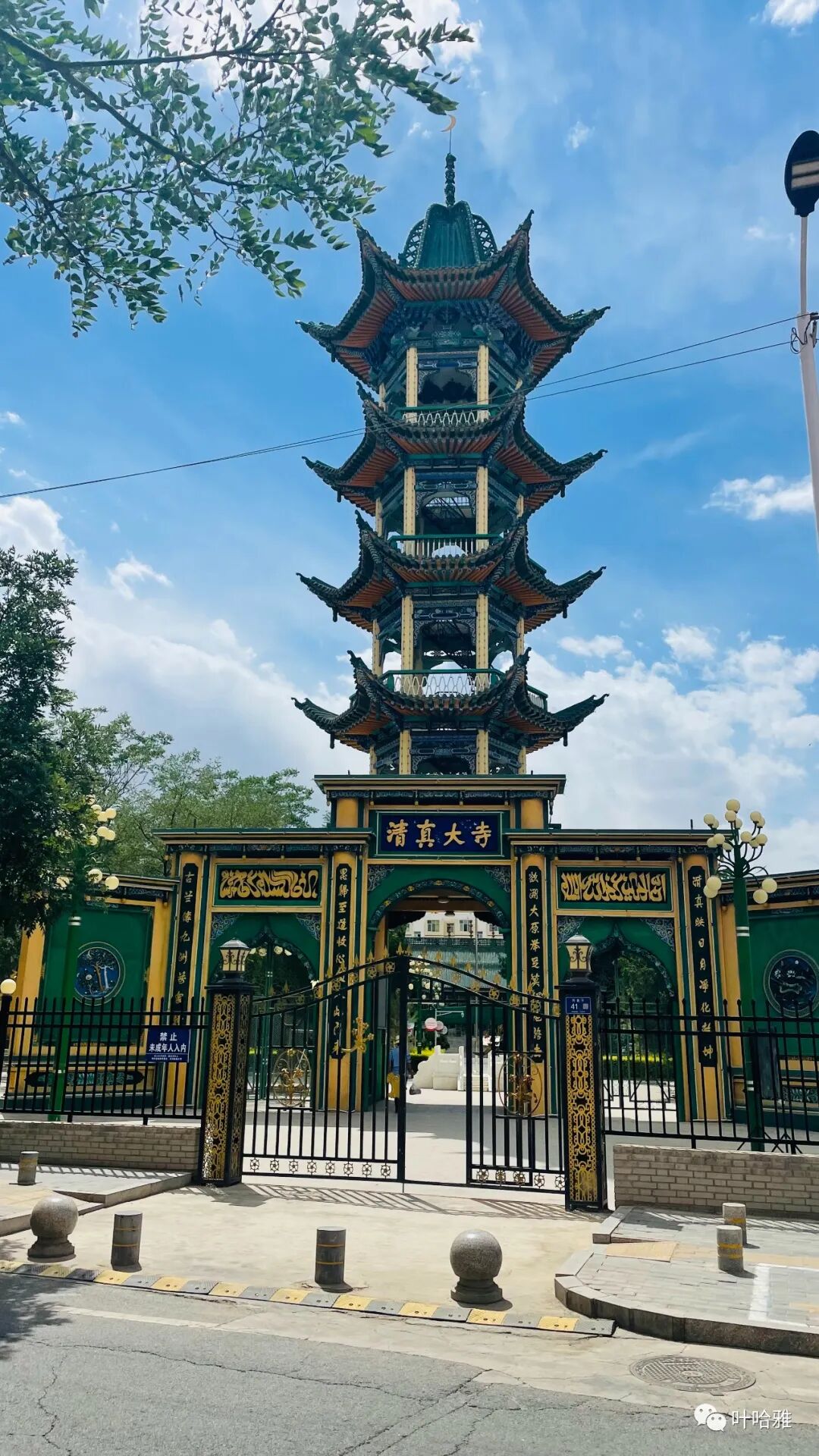
Wuwei Dongguan Mosque is located on Mosque Lane in Dongguan Street and was first built in 1920. Wuwei had five mosques during the Yuan and Ming dynasties, but they were torn down during the Tongzhi reign of the Qing dynasty.
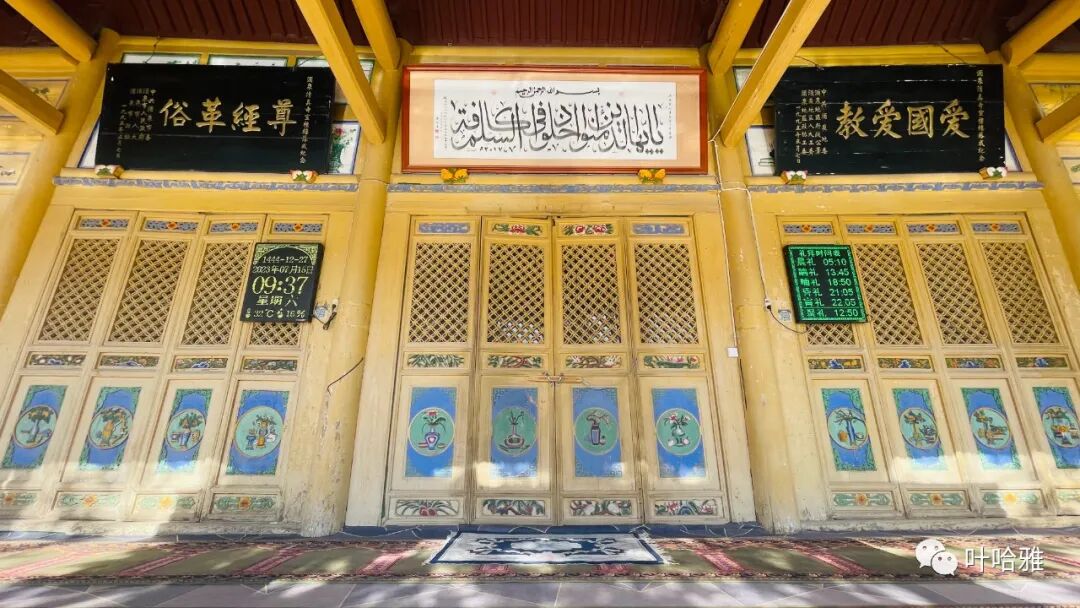
It was renamed Liangzhou Grand Mosque in 1942 and changed back to the name Dongguan Mosque in 1986.
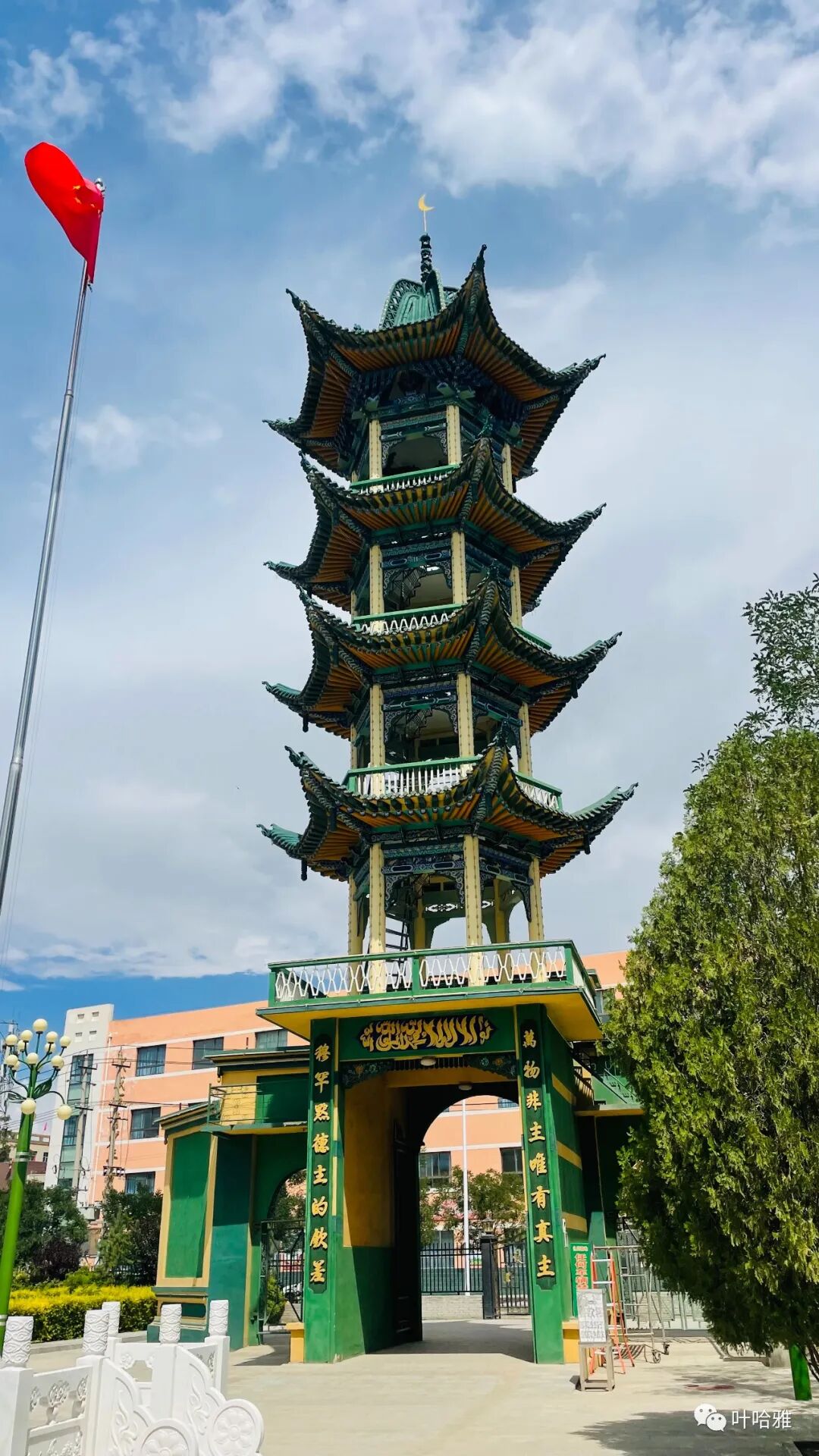
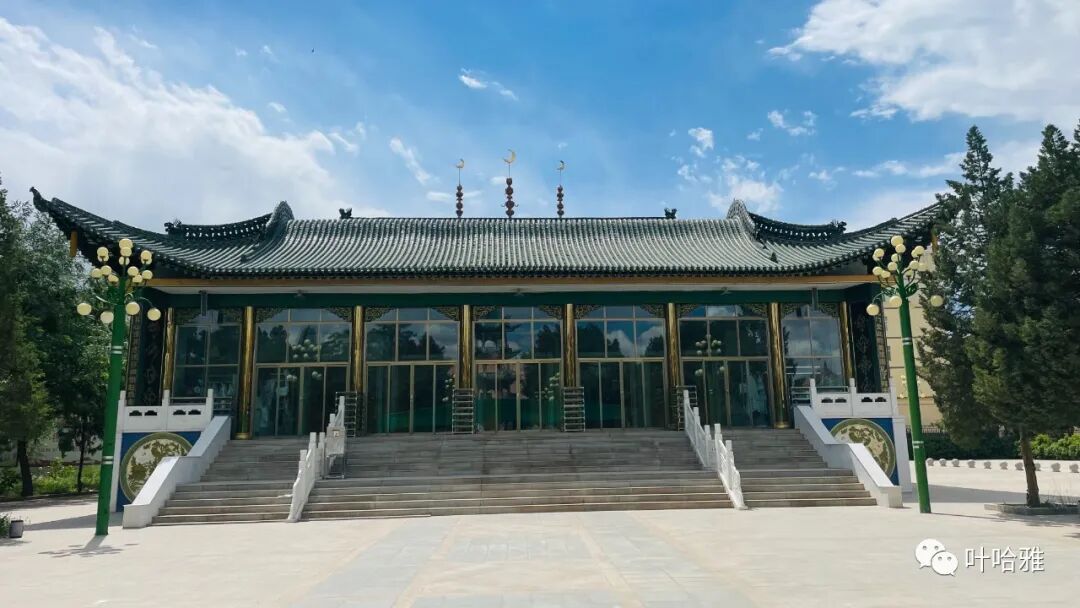
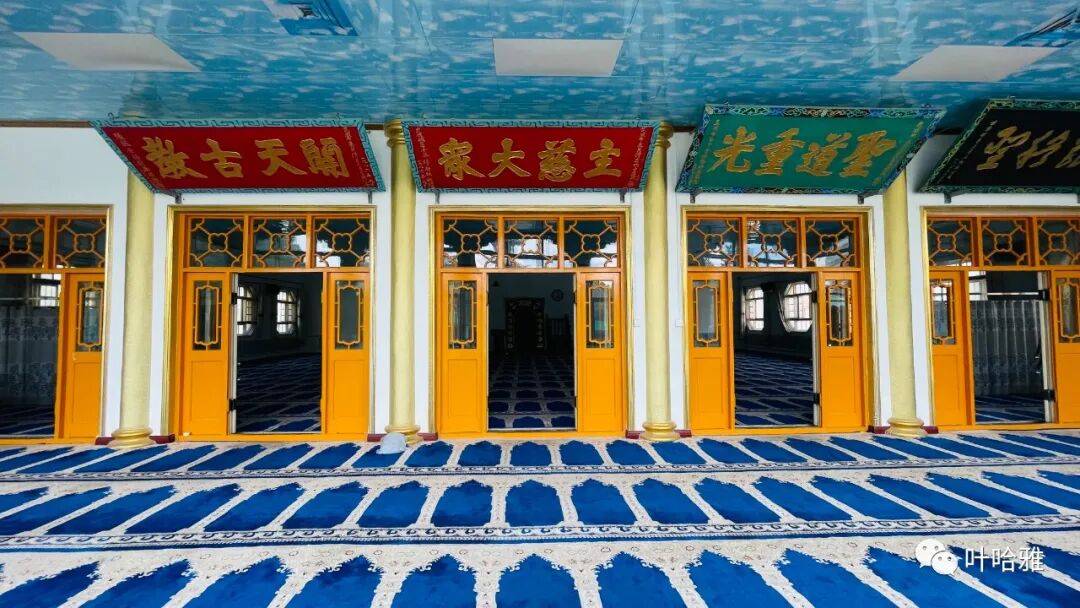
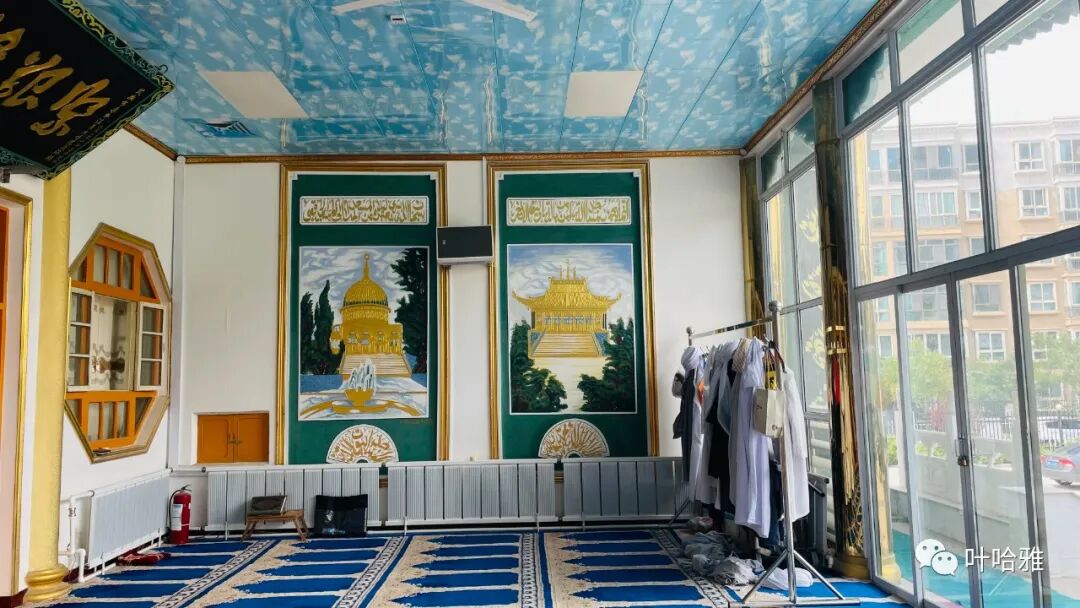
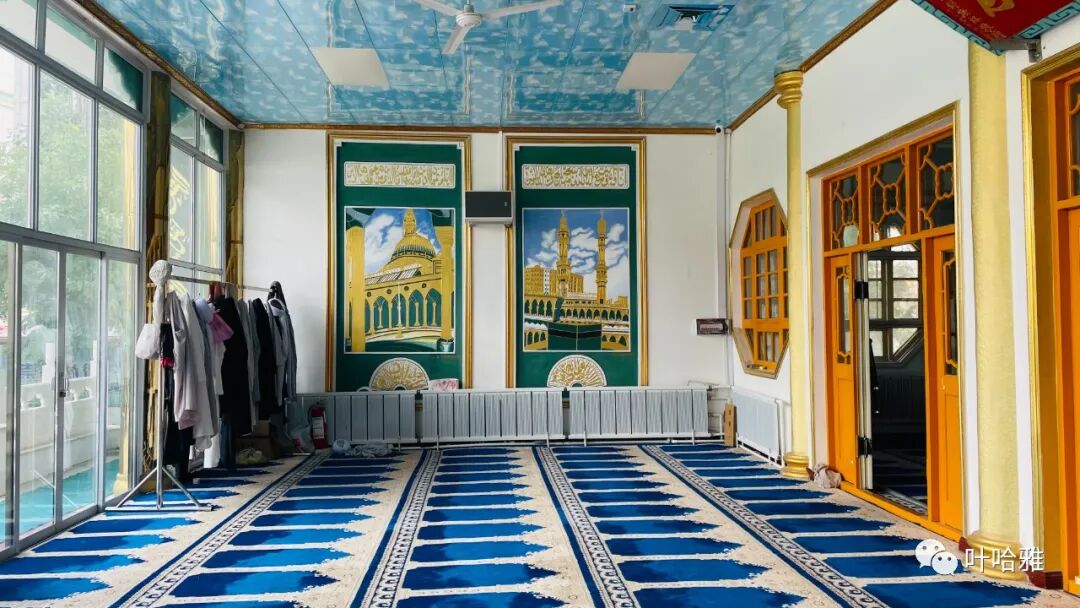
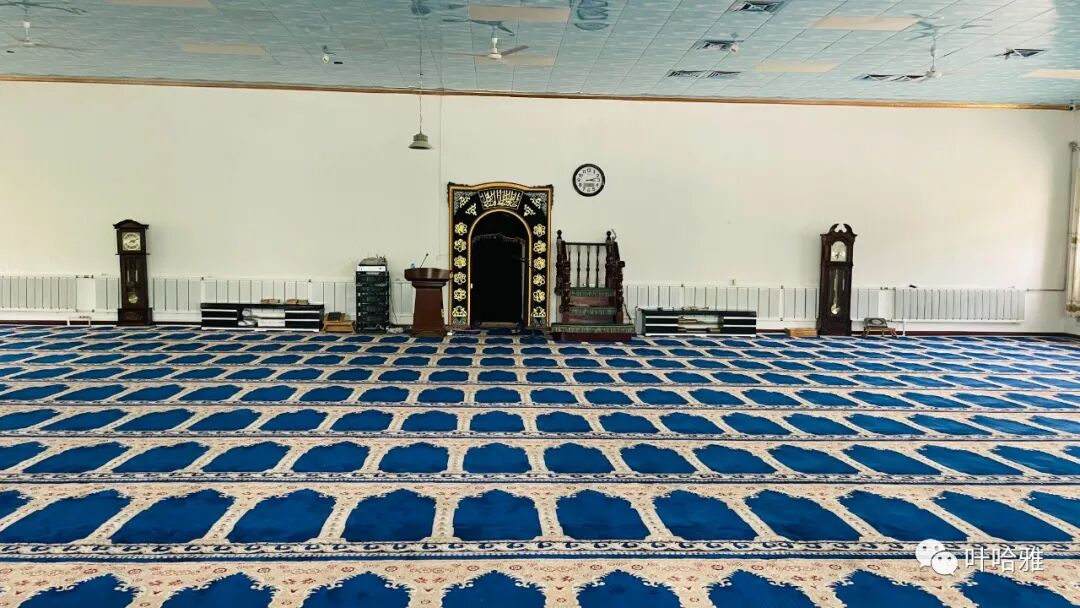
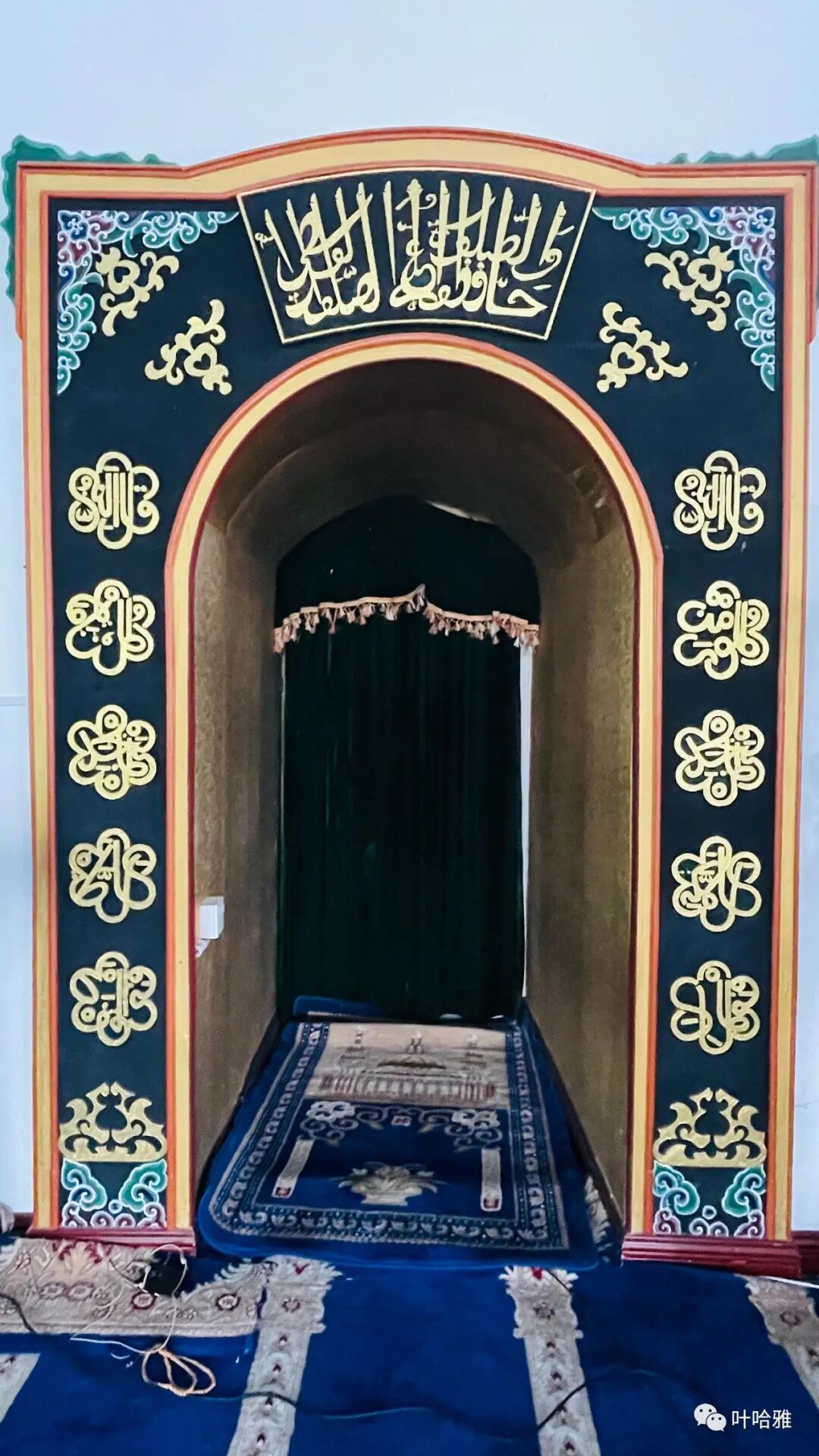
The calligraphy on the mihrab of the Wuwei Grand Mosque is very unique and rarely seen elsewhere in the country.
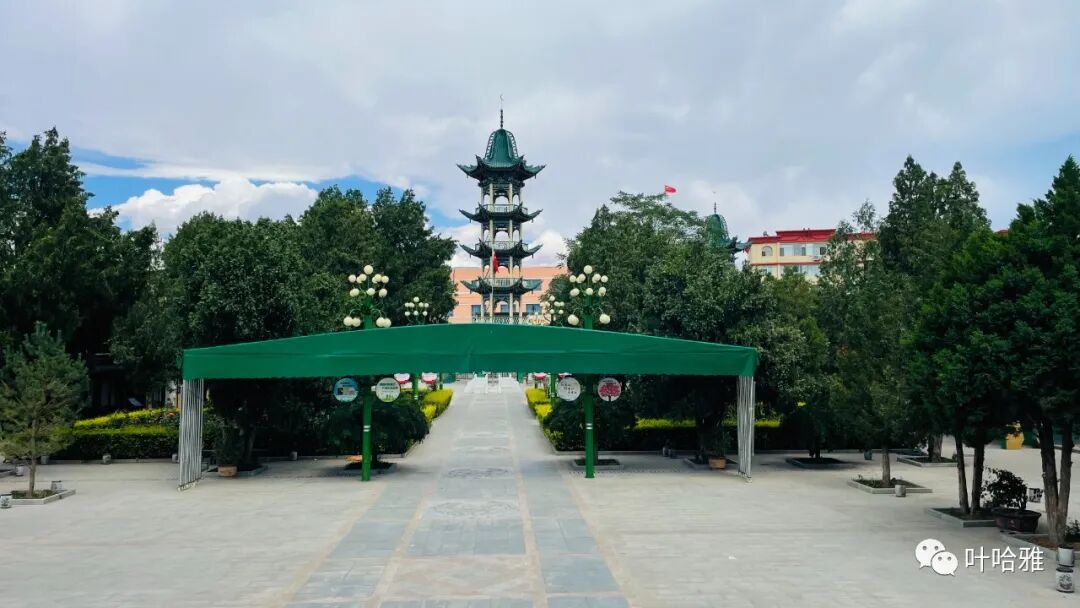
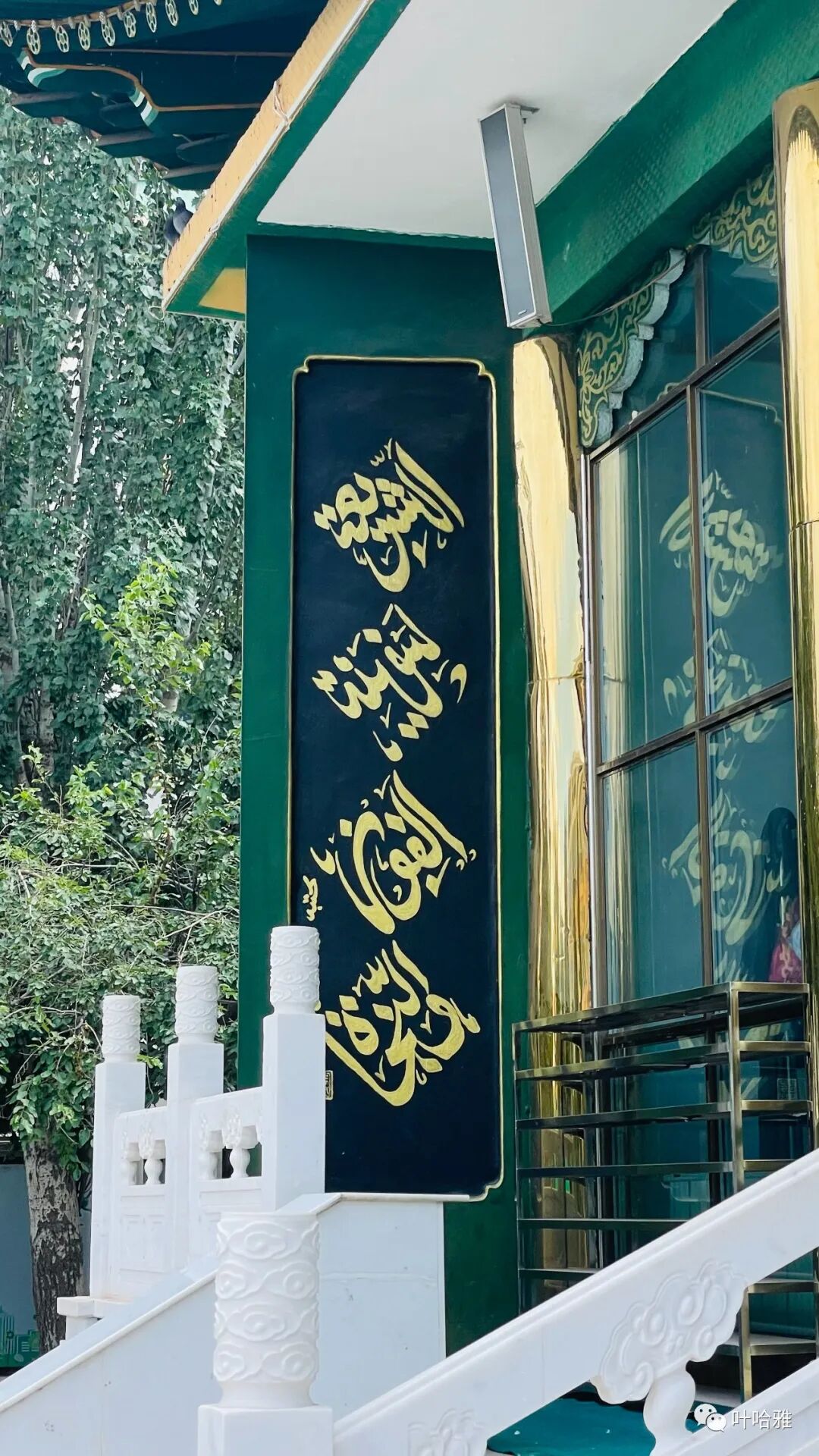
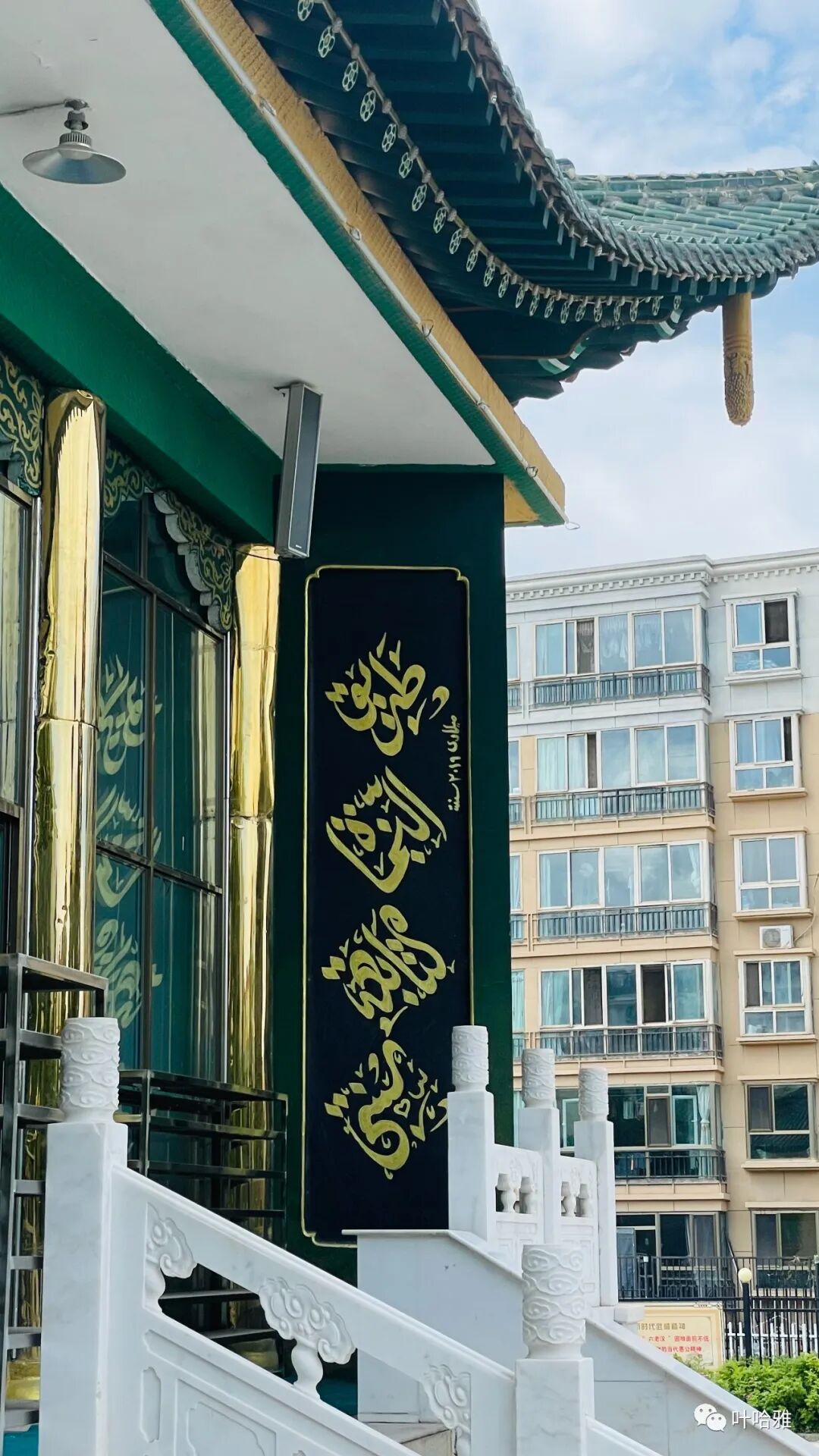
Although Gansu feels like it has many Hui Muslims, they are mainly concentrated around Lanzhou, Linxia, and Pingliang. There are a few in the Gannan region, but they are more sparsely distributed in the northwest.
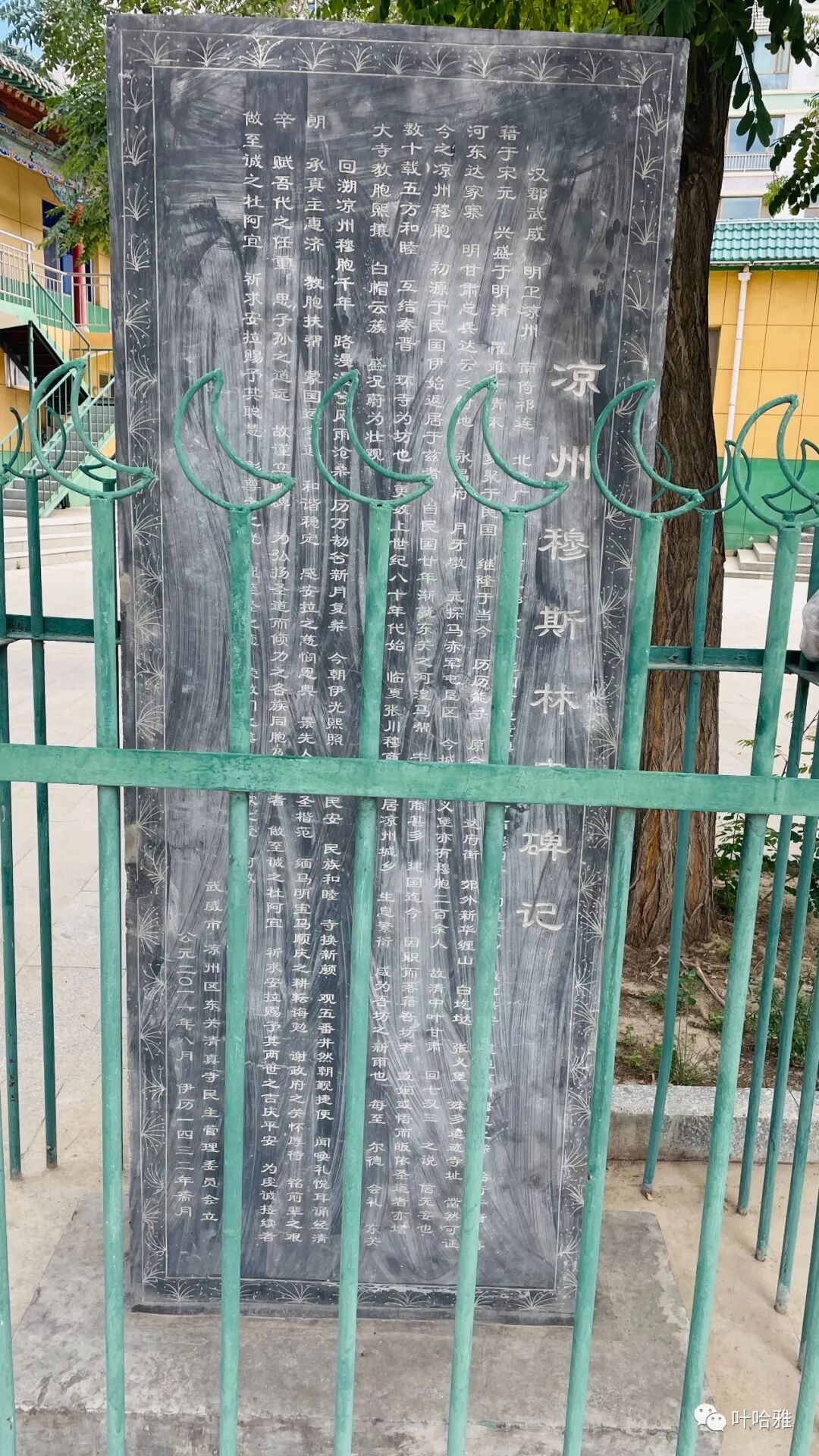
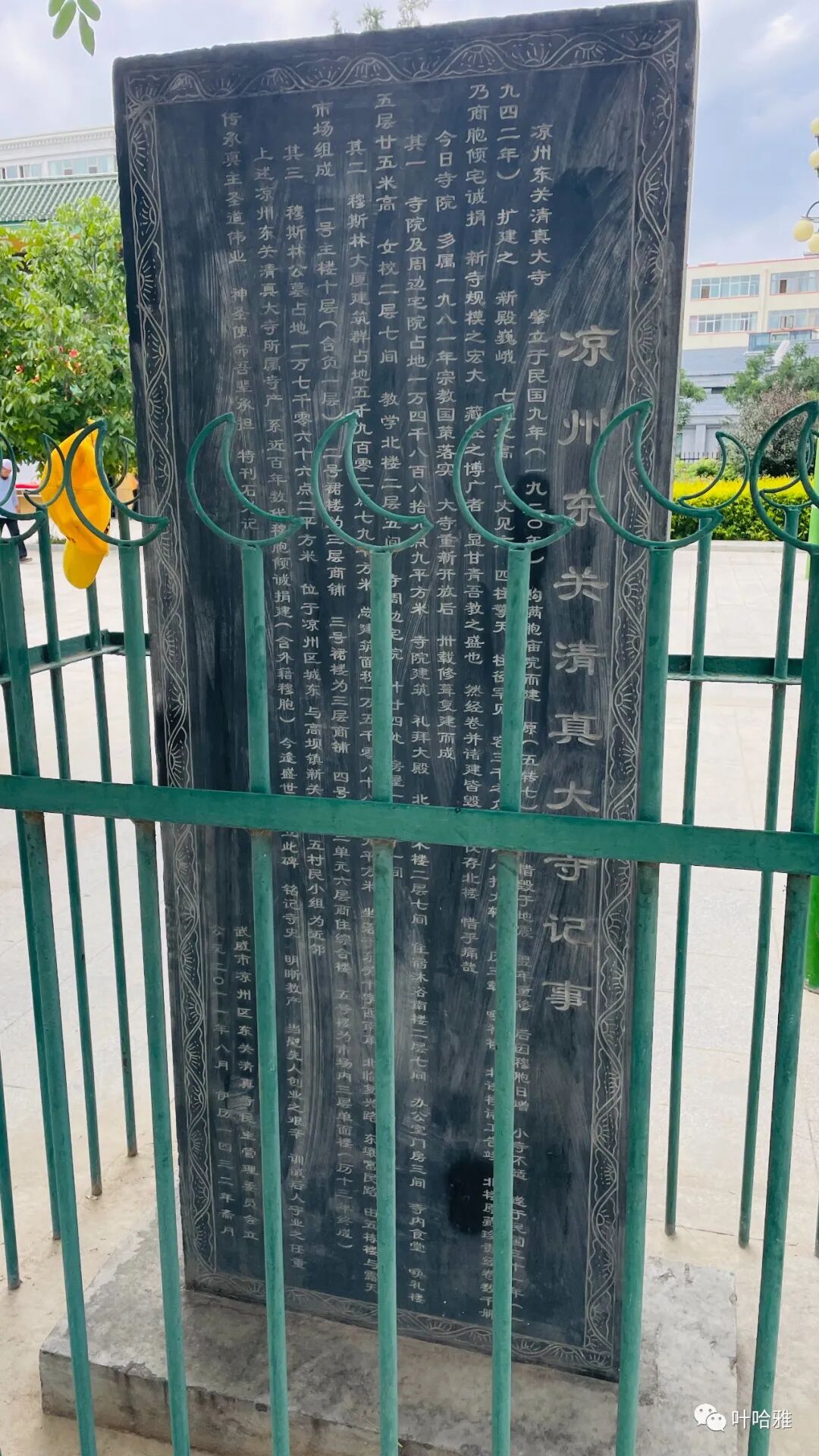
We had some Xinjiang mixed noodles (banmian) in Wuwei. Honestly, Xinjiang noodles just do not taste the same once you leave Xinjiang. After being away for so long, we were eager to get home and drove back to Beijing the next day.
Summary: This China mosque travel guide visits Yumen in Gansu, including Yumen Mosque, Uwais Gongbei, hand-grabbed mutton, Islamic discussions on visiting gongbei, and heritage connected to early Muslim figures in China.
A Halal Journey in Gansu: The Gongbei of the Prophet's Companion Uwais is presented here as a firsthand travel account in clear English, beginning with this scene: Traveling from southern Xinjiang to northern Xinjiang, and finally leaving through Hami in eastern Xinjiang to return to Gansu, felt like a long deep-sea dive. The account keeps its focus on Qinghai Mosques, Chinese Muslims, Muslim Heritage while preserving the names, places, food, and historical details from the Chinese source.
Traveling from southern Xinjiang to northern Xinjiang, and finally leaving through Hami in eastern Xinjiang to return to Gansu, felt like a long deep-sea dive. I could finally surface to catch my breath and everything felt normal again, for reasons I mentioned in my previous Xinjiang travelogues.
Yumen Mosque
Yumen Mosque was the first mosque we entered after leaving Xinjiang. It felt like coming home. I naturally drove into the courtyard and parked in the open space in front of the main prayer hall, knowing I did not have to worry about anyone stopping me here.
I had a perfect wudu (ablution) in the washroom, and that long-lost feeling of relaxation and rejuvenation came back to me.
The familiar Chinese characters for "halal" (qingzhen) appeared on restaurant signs again, and I could finally eat a meal with peace of mind without being suspicious.
Beef vermicelli soup with flatbread (bing) was delicious.
Yumen Uwais Gongbei
Uwais Gongbei is the most worth-visiting place in Yumen. People say Uwais was one of the three companions of the Prophet sent to China by Caliph Uthman to spread the faith. Uwais passed away in Yumen. Gais passed away in Xingxingxia and was later reburied in Hami, which I mentioned in a previous travelogue. The last one, Waqqas, passed away in Guangzhou. Gongbei shrines were built at all three locations.
Uwais Gongbei does not belong to any specific Sufi order (menhuan), but is jointly managed by several of them. I met some enthusiastic mosque committee members here who treated us to hand-grabbed mutton (shouzhuarou) for afternoon tea.
Uwais Gongbei was originally called Huihuibao. After over 1,300 years of war and repeated donations for reconstruction, it has reached its current scale.
I will share some knowledge here about the religious rules for visiting a gongbei, which are discussed in detail in the book "The Radicals and Their Methods: A Discussion on the Major Issues They Raise" by Egyptian scholar Ali Gomaa.
When Imam Malik spoke about where the companions of the Prophet discussed burying the Prophet, he said: "Some say he was buried under the pulpit of the mosque, and others say he was buried in the Baqi cemetery." Then Abu Bakr arrived and said: I heard the Messenger of Allah say that every prophet is buried exactly where he passed away. So, they dug the grave right where the Prophet passed away and buried him there. —Muwatta Hadith, Volume 1, page 231.
This hadith shows that when someone suggested burying the Prophet inside the mosque, no one objected.
After the companions decided to bury the Prophet in the room of his wife Aisha, we find that this room was connected to the Prophet's Mosque where he led the Muslims in namaz. When Abu Bakr passed away, he was buried next to the Prophet, meaning there were now two graves in the room connected to the mosque. When Umar passed away, he was also buried next to the Prophet and Abu Bakr. At this point, there were three graves in the room connected to the mosque.
In this situation, Muslims continued to pray in the Prophet's Mosque without anyone raising an objection, which shows the consensus of the companions.
Sahih Bukhari and Sahih Muslim record: May Allah curse the Jews and Christians, for they took the graves of their prophets as places of worship. Sahih Muslim adds: and the graves of their righteous people as places of worship. This hadith refers to bowing down in worship toward a grave, which is a different concept from building a mosque that happens to have a grave in one of its side buildings.
The Sacred Mosque (Masjid al-Haram) contains the burial place of Ismail and the tomb of Hatim, making it the most suitable mosque for performing namaz.
The specific legal ruling is as follows: if the tomb is in a place separated from the mosque, and the namaz is performed inside the mosque, the prayer is valid.
If the tomb is inside the mosque, the Hanbali school of jurisprudence holds that the prayer is invalid, but the other three schools of jurisprudence consider it valid. At most, these three schools of scholars say that if a tomb is in front of the person praying, the prayer is disliked because it creates the suspicion of praying to the tomb.
The above content is excerpted from the Al-Azhar Lighthouse series. It is not currently sold in China, so please do not send me private messages asking for the books.
The tomb of Uwais is separated from the mosque, and they face different directions.
The mosque management committee asked us about our experiences in Xinjiang. They said the Uwais gongbei is open 24 hours a day, never locks its doors, and welcomes everyone to visit. We said goodbye to the elders and continued along the Hexi Corridor toward Jiayuguan.
Jiayuguan Mosque
In 1982, Jiayuguan Mosque was originally a ritual washing room for Muslims at the Jiuquan Iron and Steel Company, used for washing the bodies of the deceased. Later, it was expanded into a two-story prayer hall on Fuqiang Road. The Jiuquan Iron and Steel Company occupied mosque property to build a gymnasium and provided 1.8 million yuan in compensation. The current large mosque was built in 2002.
There are quite a few halal restaurants in Jiayuguan, but there are far fewer once you reach Jiuquan.
Jiuquan Dongguan Grand Mosque
Jiuquan has a Han-Tang food street, and surprisingly, you cannot find a single halal restaurant on the whole street, though the Jiuquan Dongguan Mosque is quite beautiful.
We stayed in Jiuquan for one night and then headed toward Beijing, passing through Wuwei.
Wuwei Dongguan Grand Mosque
Wuwei Dongguan Mosque is located on Mosque Lane in Dongguan Street and was first built in 1920. Wuwei had five mosques during the Yuan and Ming dynasties, but they were torn down during the Tongzhi reign of the Qing dynasty.
It was renamed Liangzhou Grand Mosque in 1942 and changed back to the name Dongguan Mosque in 1986.
The calligraphy on the mihrab of the Wuwei Grand Mosque is very unique and rarely seen elsewhere in the country.
Although Gansu feels like it has many Hui Muslims, they are mainly concentrated around Lanzhou, Linxia, and Pingliang. There are a few in the Gannan region, but they are more sparsely distributed in the northwest.
We had some Xinjiang mixed noodles (banmian) in Wuwei. Honestly, Xinjiang noodles just do not taste the same once you leave Xinjiang. After being away for so long, we were eager to get home and drove back to Beijing the next day.
China Mosque Travel Guide: Gansu Uwais Gongbei, Yumen Mosque and Prophet Companion Heritage
Articles • yusuf908 posted the article • 0 comments • 143 views • 2026-05-22 21:12
Reposted from the web
Summary: This China mosque travel guide visits Yumen in Gansu, including Yumen Mosque, Uwais Gongbei, hand-grabbed mutton, Islamic discussions on visiting gongbei, and heritage connected to early Muslim figures in China.
A Halal Journey in Gansu: The Gongbei of the Prophet's Companion Uwais is presented here as a firsthand travel account in clear English, beginning with this scene: Traveling from southern Xinjiang to northern Xinjiang, and finally leaving through Hami in eastern Xinjiang to return to Gansu, felt like a long deep-sea dive. The account keeps its focus on Qinghai Mosques, Chinese Muslims, Muslim Heritage while preserving the names, places, food, and historical details from the Chinese source.
Traveling from southern Xinjiang to northern Xinjiang, and finally leaving through Hami in eastern Xinjiang to return to Gansu, felt like a long deep-sea dive. I could finally surface to catch my breath and everything felt normal again, for reasons I mentioned in my previous Xinjiang travelogues.
Yumen Mosque
Yumen Mosque was the first mosque we entered after leaving Xinjiang. It felt like coming home. I naturally drove into the courtyard and parked in the open space in front of the main prayer hall, knowing I did not have to worry about anyone stopping me here.
I had a perfect wudu (ablution) in the washroom, and that long-lost feeling of relaxation and rejuvenation came back to me.
The familiar Chinese characters for "halal" (qingzhen) appeared on restaurant signs again, and I could finally eat a meal with peace of mind without being suspicious.
Beef vermicelli soup with flatbread (bing) was delicious.
Yumen Uwais Gongbei
Uwais Gongbei is the most worth-visiting place in Yumen. People say Uwais was one of the three companions of the Prophet sent to China by Caliph Uthman to spread the faith. Uwais passed away in Yumen. Gais passed away in Xingxingxia and was later reburied in Hami, which I mentioned in a previous travelogue. The last one, Waqqas, passed away in Guangzhou. Gongbei shrines were built at all three locations.
Uwais Gongbei does not belong to any specific Sufi order (menhuan), but is jointly managed by several of them. I met some enthusiastic mosque committee members here who treated us to hand-grabbed mutton (shouzhuarou) for afternoon tea.
Uwais Gongbei was originally called Huihuibao. After over 1,300 years of war and repeated donations for reconstruction, it has reached its current scale.
I will share some knowledge here about the religious rules for visiting a gongbei, which are discussed in detail in the book "The Radicals and Their Methods: A Discussion on the Major Issues They Raise" by Egyptian scholar Ali Gomaa.
When Imam Malik spoke about where the companions of the Prophet discussed burying the Prophet, he said: "Some say he was buried under the pulpit of the mosque, and others say he was buried in the Baqi cemetery." Then Abu Bakr arrived and said: I heard the Messenger of Allah say that every prophet is buried exactly where he passed away. So, they dug the grave right where the Prophet passed away and buried him there. —Muwatta Hadith, Volume 1, page 231.
This hadith shows that when someone suggested burying the Prophet inside the mosque, no one objected.
After the companions decided to bury the Prophet in the room of his wife Aisha, we find that this room was connected to the Prophet's Mosque where he led the Muslims in namaz. When Abu Bakr passed away, he was buried next to the Prophet, meaning there were now two graves in the room connected to the mosque. When Umar passed away, he was also buried next to the Prophet and Abu Bakr. At this point, there were three graves in the room connected to the mosque.
In this situation, Muslims continued to pray in the Prophet's Mosque without anyone raising an objection, which shows the consensus of the companions.
Sahih Bukhari and Sahih Muslim record: May Allah curse the Jews and Christians, for they took the graves of their prophets as places of worship. Sahih Muslim adds: and the graves of their righteous people as places of worship. This hadith refers to bowing down in worship toward a grave, which is a different concept from building a mosque that happens to have a grave in one of its side buildings.
The Sacred Mosque (Masjid al-Haram) contains the burial place of Ismail and the tomb of Hatim, making it the most suitable mosque for performing namaz.
The specific legal ruling is as follows: if the tomb is in a place separated from the mosque, and the namaz is performed inside the mosque, the prayer is valid.
If the tomb is inside the mosque, the Hanbali school of jurisprudence holds that the prayer is invalid, but the other three schools of jurisprudence consider it valid. At most, these three schools of scholars say that if a tomb is in front of the person praying, the prayer is disliked because it creates the suspicion of praying to the tomb.
The above content is excerpted from the Al-Azhar Lighthouse series. It is not currently sold in China, so please do not send me private messages asking for the books.
The tomb of Uwais is separated from the mosque, and they face different directions.
The mosque management committee asked us about our experiences in Xinjiang. They said the Uwais gongbei is open 24 hours a day, never locks its doors, and welcomes everyone to visit. We said goodbye to the elders and continued along the Hexi Corridor toward Jiayuguan.
Jiayuguan Mosque
In 1982, Jiayuguan Mosque was originally a ritual washing room for Muslims at the Jiuquan Iron and Steel Company, used for washing the bodies of the deceased. Later, it was expanded into a two-story prayer hall on Fuqiang Road. The Jiuquan Iron and Steel Company occupied mosque property to build a gymnasium and provided 1.8 million yuan in compensation. The current large mosque was built in 2002.
There are quite a few halal restaurants in Jiayuguan, but there are far fewer once you reach Jiuquan.
Jiuquan Dongguan Grand Mosque
Jiuquan has a Han-Tang food street, and surprisingly, you cannot find a single halal restaurant on the whole street, though the Jiuquan Dongguan Mosque is quite beautiful.
We stayed in Jiuquan for one night and then headed toward Beijing, passing through Wuwei.
Wuwei Dongguan Grand Mosque
Wuwei Dongguan Mosque is located on Mosque Lane in Dongguan Street and was first built in 1920. Wuwei had five mosques during the Yuan and Ming dynasties, but they were torn down during the Tongzhi reign of the Qing dynasty.
It was renamed Liangzhou Grand Mosque in 1942 and changed back to the name Dongguan Mosque in 1986.
The calligraphy on the mihrab of the Wuwei Grand Mosque is very unique and rarely seen elsewhere in the country.
Although Gansu feels like it has many Hui Muslims, they are mainly concentrated around Lanzhou, Linxia, and Pingliang. There are a few in the Gannan region, but they are more sparsely distributed in the northwest.
We had some Xinjiang mixed noodles (banmian) in Wuwei. Honestly, Xinjiang noodles just do not taste the same once you leave Xinjiang. After being away for so long, we were eager to get home and drove back to Beijing the next day. view all
Summary: This China mosque travel guide visits Yumen in Gansu, including Yumen Mosque, Uwais Gongbei, hand-grabbed mutton, Islamic discussions on visiting gongbei, and heritage connected to early Muslim figures in China.
A Halal Journey in Gansu: The Gongbei of the Prophet's Companion Uwais is presented here as a firsthand travel account in clear English, beginning with this scene: Traveling from southern Xinjiang to northern Xinjiang, and finally leaving through Hami in eastern Xinjiang to return to Gansu, felt like a long deep-sea dive. The account keeps its focus on Qinghai Mosques, Chinese Muslims, Muslim Heritage while preserving the names, places, food, and historical details from the Chinese source.
Traveling from southern Xinjiang to northern Xinjiang, and finally leaving through Hami in eastern Xinjiang to return to Gansu, felt like a long deep-sea dive. I could finally surface to catch my breath and everything felt normal again, for reasons I mentioned in my previous Xinjiang travelogues.
Yumen Mosque
Yumen Mosque was the first mosque we entered after leaving Xinjiang. It felt like coming home. I naturally drove into the courtyard and parked in the open space in front of the main prayer hall, knowing I did not have to worry about anyone stopping me here.
I had a perfect wudu (ablution) in the washroom, and that long-lost feeling of relaxation and rejuvenation came back to me.
The familiar Chinese characters for "halal" (qingzhen) appeared on restaurant signs again, and I could finally eat a meal with peace of mind without being suspicious.
Beef vermicelli soup with flatbread (bing) was delicious.
Yumen Uwais Gongbei
Uwais Gongbei is the most worth-visiting place in Yumen. People say Uwais was one of the three companions of the Prophet sent to China by Caliph Uthman to spread the faith. Uwais passed away in Yumen. Gais passed away in Xingxingxia and was later reburied in Hami, which I mentioned in a previous travelogue. The last one, Waqqas, passed away in Guangzhou. Gongbei shrines were built at all three locations.
Uwais Gongbei does not belong to any specific Sufi order (menhuan), but is jointly managed by several of them. I met some enthusiastic mosque committee members here who treated us to hand-grabbed mutton (shouzhuarou) for afternoon tea.
Uwais Gongbei was originally called Huihuibao. After over 1,300 years of war and repeated donations for reconstruction, it has reached its current scale.
I will share some knowledge here about the religious rules for visiting a gongbei, which are discussed in detail in the book "The Radicals and Their Methods: A Discussion on the Major Issues They Raise" by Egyptian scholar Ali Gomaa.
When Imam Malik spoke about where the companions of the Prophet discussed burying the Prophet, he said: "Some say he was buried under the pulpit of the mosque, and others say he was buried in the Baqi cemetery." Then Abu Bakr arrived and said: I heard the Messenger of Allah say that every prophet is buried exactly where he passed away. So, they dug the grave right where the Prophet passed away and buried him there. —Muwatta Hadith, Volume 1, page 231.
This hadith shows that when someone suggested burying the Prophet inside the mosque, no one objected.
After the companions decided to bury the Prophet in the room of his wife Aisha, we find that this room was connected to the Prophet's Mosque where he led the Muslims in namaz. When Abu Bakr passed away, he was buried next to the Prophet, meaning there were now two graves in the room connected to the mosque. When Umar passed away, he was also buried next to the Prophet and Abu Bakr. At this point, there were three graves in the room connected to the mosque.
In this situation, Muslims continued to pray in the Prophet's Mosque without anyone raising an objection, which shows the consensus of the companions.
Sahih Bukhari and Sahih Muslim record: May Allah curse the Jews and Christians, for they took the graves of their prophets as places of worship. Sahih Muslim adds: and the graves of their righteous people as places of worship. This hadith refers to bowing down in worship toward a grave, which is a different concept from building a mosque that happens to have a grave in one of its side buildings.
The Sacred Mosque (Masjid al-Haram) contains the burial place of Ismail and the tomb of Hatim, making it the most suitable mosque for performing namaz.
The specific legal ruling is as follows: if the tomb is in a place separated from the mosque, and the namaz is performed inside the mosque, the prayer is valid.
If the tomb is inside the mosque, the Hanbali school of jurisprudence holds that the prayer is invalid, but the other three schools of jurisprudence consider it valid. At most, these three schools of scholars say that if a tomb is in front of the person praying, the prayer is disliked because it creates the suspicion of praying to the tomb.
The above content is excerpted from the Al-Azhar Lighthouse series. It is not currently sold in China, so please do not send me private messages asking for the books.
The tomb of Uwais is separated from the mosque, and they face different directions.
The mosque management committee asked us about our experiences in Xinjiang. They said the Uwais gongbei is open 24 hours a day, never locks its doors, and welcomes everyone to visit. We said goodbye to the elders and continued along the Hexi Corridor toward Jiayuguan.
Jiayuguan Mosque
In 1982, Jiayuguan Mosque was originally a ritual washing room for Muslims at the Jiuquan Iron and Steel Company, used for washing the bodies of the deceased. Later, it was expanded into a two-story prayer hall on Fuqiang Road. The Jiuquan Iron and Steel Company occupied mosque property to build a gymnasium and provided 1.8 million yuan in compensation. The current large mosque was built in 2002.
There are quite a few halal restaurants in Jiayuguan, but there are far fewer once you reach Jiuquan.
Jiuquan Dongguan Grand Mosque
Jiuquan has a Han-Tang food street, and surprisingly, you cannot find a single halal restaurant on the whole street, though the Jiuquan Dongguan Mosque is quite beautiful.
We stayed in Jiuquan for one night and then headed toward Beijing, passing through Wuwei.
Wuwei Dongguan Grand Mosque
Wuwei Dongguan Mosque is located on Mosque Lane in Dongguan Street and was first built in 1920. Wuwei had five mosques during the Yuan and Ming dynasties, but they were torn down during the Tongzhi reign of the Qing dynasty.
It was renamed Liangzhou Grand Mosque in 1942 and changed back to the name Dongguan Mosque in 1986.
The calligraphy on the mihrab of the Wuwei Grand Mosque is very unique and rarely seen elsewhere in the country.
Although Gansu feels like it has many Hui Muslims, they are mainly concentrated around Lanzhou, Linxia, and Pingliang. There are a few in the Gannan region, but they are more sparsely distributed in the northwest.
We had some Xinjiang mixed noodles (banmian) in Wuwei. Honestly, Xinjiang noodles just do not taste the same once you leave Xinjiang. After being away for so long, we were eager to get home and drove back to Beijing the next day. view all
Reposted from the web
Summary: This China mosque travel guide visits Yumen in Gansu, including Yumen Mosque, Uwais Gongbei, hand-grabbed mutton, Islamic discussions on visiting gongbei, and heritage connected to early Muslim figures in China.
A Halal Journey in Gansu: The Gongbei of the Prophet's Companion Uwais is presented here as a firsthand travel account in clear English, beginning with this scene: Traveling from southern Xinjiang to northern Xinjiang, and finally leaving through Hami in eastern Xinjiang to return to Gansu, felt like a long deep-sea dive. The account keeps its focus on Qinghai Mosques, Chinese Muslims, Muslim Heritage while preserving the names, places, food, and historical details from the Chinese source.
Traveling from southern Xinjiang to northern Xinjiang, and finally leaving through Hami in eastern Xinjiang to return to Gansu, felt like a long deep-sea dive. I could finally surface to catch my breath and everything felt normal again, for reasons I mentioned in my previous Xinjiang travelogues.
Yumen Mosque
Yumen Mosque was the first mosque we entered after leaving Xinjiang. It felt like coming home. I naturally drove into the courtyard and parked in the open space in front of the main prayer hall, knowing I did not have to worry about anyone stopping me here.
I had a perfect wudu (ablution) in the washroom, and that long-lost feeling of relaxation and rejuvenation came back to me.
The familiar Chinese characters for "halal" (qingzhen) appeared on restaurant signs again, and I could finally eat a meal with peace of mind without being suspicious.
Beef vermicelli soup with flatbread (bing) was delicious.
Yumen Uwais Gongbei
Uwais Gongbei is the most worth-visiting place in Yumen. People say Uwais was one of the three companions of the Prophet sent to China by Caliph Uthman to spread the faith. Uwais passed away in Yumen. Gais passed away in Xingxingxia and was later reburied in Hami, which I mentioned in a previous travelogue. The last one, Waqqas, passed away in Guangzhou. Gongbei shrines were built at all three locations.
Uwais Gongbei does not belong to any specific Sufi order (menhuan), but is jointly managed by several of them. I met some enthusiastic mosque committee members here who treated us to hand-grabbed mutton (shouzhuarou) for afternoon tea.
Uwais Gongbei was originally called Huihuibao. After over 1,300 years of war and repeated donations for reconstruction, it has reached its current scale.
I will share some knowledge here about the religious rules for visiting a gongbei, which are discussed in detail in the book "The Radicals and Their Methods: A Discussion on the Major Issues They Raise" by Egyptian scholar Ali Gomaa.
When Imam Malik spoke about where the companions of the Prophet discussed burying the Prophet, he said: "Some say he was buried under the pulpit of the mosque, and others say he was buried in the Baqi cemetery." Then Abu Bakr arrived and said: I heard the Messenger of Allah say that every prophet is buried exactly where he passed away. So, they dug the grave right where the Prophet passed away and buried him there. —Muwatta Hadith, Volume 1, page 231.
This hadith shows that when someone suggested burying the Prophet inside the mosque, no one objected.
After the companions decided to bury the Prophet in the room of his wife Aisha, we find that this room was connected to the Prophet's Mosque where he led the Muslims in namaz. When Abu Bakr passed away, he was buried next to the Prophet, meaning there were now two graves in the room connected to the mosque. When Umar passed away, he was also buried next to the Prophet and Abu Bakr. At this point, there were three graves in the room connected to the mosque.
In this situation, Muslims continued to pray in the Prophet's Mosque without anyone raising an objection, which shows the consensus of the companions.
Sahih Bukhari and Sahih Muslim record: May Allah curse the Jews and Christians, for they took the graves of their prophets as places of worship. Sahih Muslim adds: and the graves of their righteous people as places of worship. This hadith refers to bowing down in worship toward a grave, which is a different concept from building a mosque that happens to have a grave in one of its side buildings.
The Sacred Mosque (Masjid al-Haram) contains the burial place of Ismail and the tomb of Hatim, making it the most suitable mosque for performing namaz.
The specific legal ruling is as follows: if the tomb is in a place separated from the mosque, and the namaz is performed inside the mosque, the prayer is valid.
If the tomb is inside the mosque, the Hanbali school of jurisprudence holds that the prayer is invalid, but the other three schools of jurisprudence consider it valid. At most, these three schools of scholars say that if a tomb is in front of the person praying, the prayer is disliked because it creates the suspicion of praying to the tomb.
The above content is excerpted from the Al-Azhar Lighthouse series. It is not currently sold in China, so please do not send me private messages asking for the books.
The tomb of Uwais is separated from the mosque, and they face different directions.
The mosque management committee asked us about our experiences in Xinjiang. They said the Uwais gongbei is open 24 hours a day, never locks its doors, and welcomes everyone to visit. We said goodbye to the elders and continued along the Hexi Corridor toward Jiayuguan.
Jiayuguan Mosque
In 1982, Jiayuguan Mosque was originally a ritual washing room for Muslims at the Jiuquan Iron and Steel Company, used for washing the bodies of the deceased. Later, it was expanded into a two-story prayer hall on Fuqiang Road. The Jiuquan Iron and Steel Company occupied mosque property to build a gymnasium and provided 1.8 million yuan in compensation. The current large mosque was built in 2002.
There are quite a few halal restaurants in Jiayuguan, but there are far fewer once you reach Jiuquan.
Jiuquan Dongguan Grand Mosque
Jiuquan has a Han-Tang food street, and surprisingly, you cannot find a single halal restaurant on the whole street, though the Jiuquan Dongguan Mosque is quite beautiful.
We stayed in Jiuquan for one night and then headed toward Beijing, passing through Wuwei.
Wuwei Dongguan Grand Mosque
Wuwei Dongguan Mosque is located on Mosque Lane in Dongguan Street and was first built in 1920. Wuwei had five mosques during the Yuan and Ming dynasties, but they were torn down during the Tongzhi reign of the Qing dynasty.
It was renamed Liangzhou Grand Mosque in 1942 and changed back to the name Dongguan Mosque in 1986.
The calligraphy on the mihrab of the Wuwei Grand Mosque is very unique and rarely seen elsewhere in the country.
Although Gansu feels like it has many Hui Muslims, they are mainly concentrated around Lanzhou, Linxia, and Pingliang. There are a few in the Gannan region, but they are more sparsely distributed in the northwest.
We had some Xinjiang mixed noodles (banmian) in Wuwei. Honestly, Xinjiang noodles just do not taste the same once you leave Xinjiang. After being away for so long, we were eager to get home and drove back to Beijing the next day.
Summary: This China mosque travel guide visits Yumen in Gansu, including Yumen Mosque, Uwais Gongbei, hand-grabbed mutton, Islamic discussions on visiting gongbei, and heritage connected to early Muslim figures in China.
A Halal Journey in Gansu: The Gongbei of the Prophet's Companion Uwais is presented here as a firsthand travel account in clear English, beginning with this scene: Traveling from southern Xinjiang to northern Xinjiang, and finally leaving through Hami in eastern Xinjiang to return to Gansu, felt like a long deep-sea dive. The account keeps its focus on Qinghai Mosques, Chinese Muslims, Muslim Heritage while preserving the names, places, food, and historical details from the Chinese source.
Traveling from southern Xinjiang to northern Xinjiang, and finally leaving through Hami in eastern Xinjiang to return to Gansu, felt like a long deep-sea dive. I could finally surface to catch my breath and everything felt normal again, for reasons I mentioned in my previous Xinjiang travelogues.
Yumen Mosque
Yumen Mosque was the first mosque we entered after leaving Xinjiang. It felt like coming home. I naturally drove into the courtyard and parked in the open space in front of the main prayer hall, knowing I did not have to worry about anyone stopping me here.
I had a perfect wudu (ablution) in the washroom, and that long-lost feeling of relaxation and rejuvenation came back to me.
The familiar Chinese characters for "halal" (qingzhen) appeared on restaurant signs again, and I could finally eat a meal with peace of mind without being suspicious.
Beef vermicelli soup with flatbread (bing) was delicious.
Yumen Uwais Gongbei
Uwais Gongbei is the most worth-visiting place in Yumen. People say Uwais was one of the three companions of the Prophet sent to China by Caliph Uthman to spread the faith. Uwais passed away in Yumen. Gais passed away in Xingxingxia and was later reburied in Hami, which I mentioned in a previous travelogue. The last one, Waqqas, passed away in Guangzhou. Gongbei shrines were built at all three locations.
Uwais Gongbei does not belong to any specific Sufi order (menhuan), but is jointly managed by several of them. I met some enthusiastic mosque committee members here who treated us to hand-grabbed mutton (shouzhuarou) for afternoon tea.
Uwais Gongbei was originally called Huihuibao. After over 1,300 years of war and repeated donations for reconstruction, it has reached its current scale.
I will share some knowledge here about the religious rules for visiting a gongbei, which are discussed in detail in the book "The Radicals and Their Methods: A Discussion on the Major Issues They Raise" by Egyptian scholar Ali Gomaa.
When Imam Malik spoke about where the companions of the Prophet discussed burying the Prophet, he said: "Some say he was buried under the pulpit of the mosque, and others say he was buried in the Baqi cemetery." Then Abu Bakr arrived and said: I heard the Messenger of Allah say that every prophet is buried exactly where he passed away. So, they dug the grave right where the Prophet passed away and buried him there. —Muwatta Hadith, Volume 1, page 231.
This hadith shows that when someone suggested burying the Prophet inside the mosque, no one objected.
After the companions decided to bury the Prophet in the room of his wife Aisha, we find that this room was connected to the Prophet's Mosque where he led the Muslims in namaz. When Abu Bakr passed away, he was buried next to the Prophet, meaning there were now two graves in the room connected to the mosque. When Umar passed away, he was also buried next to the Prophet and Abu Bakr. At this point, there were three graves in the room connected to the mosque.
In this situation, Muslims continued to pray in the Prophet's Mosque without anyone raising an objection, which shows the consensus of the companions.
Sahih Bukhari and Sahih Muslim record: May Allah curse the Jews and Christians, for they took the graves of their prophets as places of worship. Sahih Muslim adds: and the graves of their righteous people as places of worship. This hadith refers to bowing down in worship toward a grave, which is a different concept from building a mosque that happens to have a grave in one of its side buildings.
The Sacred Mosque (Masjid al-Haram) contains the burial place of Ismail and the tomb of Hatim, making it the most suitable mosque for performing namaz.
The specific legal ruling is as follows: if the tomb is in a place separated from the mosque, and the namaz is performed inside the mosque, the prayer is valid.
If the tomb is inside the mosque, the Hanbali school of jurisprudence holds that the prayer is invalid, but the other three schools of jurisprudence consider it valid. At most, these three schools of scholars say that if a tomb is in front of the person praying, the prayer is disliked because it creates the suspicion of praying to the tomb.
The above content is excerpted from the Al-Azhar Lighthouse series. It is not currently sold in China, so please do not send me private messages asking for the books.
The tomb of Uwais is separated from the mosque, and they face different directions.
The mosque management committee asked us about our experiences in Xinjiang. They said the Uwais gongbei is open 24 hours a day, never locks its doors, and welcomes everyone to visit. We said goodbye to the elders and continued along the Hexi Corridor toward Jiayuguan.
Jiayuguan Mosque
In 1982, Jiayuguan Mosque was originally a ritual washing room for Muslims at the Jiuquan Iron and Steel Company, used for washing the bodies of the deceased. Later, it was expanded into a two-story prayer hall on Fuqiang Road. The Jiuquan Iron and Steel Company occupied mosque property to build a gymnasium and provided 1.8 million yuan in compensation. The current large mosque was built in 2002.
There are quite a few halal restaurants in Jiayuguan, but there are far fewer once you reach Jiuquan.
Jiuquan Dongguan Grand Mosque
Jiuquan has a Han-Tang food street, and surprisingly, you cannot find a single halal restaurant on the whole street, though the Jiuquan Dongguan Mosque is quite beautiful.
We stayed in Jiuquan for one night and then headed toward Beijing, passing through Wuwei.
Wuwei Dongguan Grand Mosque
Wuwei Dongguan Mosque is located on Mosque Lane in Dongguan Street and was first built in 1920. Wuwei had five mosques during the Yuan and Ming dynasties, but they were torn down during the Tongzhi reign of the Qing dynasty.
It was renamed Liangzhou Grand Mosque in 1942 and changed back to the name Dongguan Mosque in 1986.
The calligraphy on the mihrab of the Wuwei Grand Mosque is very unique and rarely seen elsewhere in the country.
Although Gansu feels like it has many Hui Muslims, they are mainly concentrated around Lanzhou, Linxia, and Pingliang. There are a few in the Gannan region, but they are more sparsely distributed in the northwest.
We had some Xinjiang mixed noodles (banmian) in Wuwei. Honestly, Xinjiang noodles just do not taste the same once you leave Xinjiang. After being away for so long, we were eager to get home and drove back to Beijing the next day.