

Muslim Snacks
Halal Food Guide: Shanghai - Hui Muslim Snacks and Beef Pan-Fried Buns
Articles • ali2007fr posted the article • 0 comments • 280 views • 2026-05-21 02:36
Reposted from the web
Summary: This Shanghai one-day halal food tour starts with Xiao Pang Beef Pan-Fried Buns at the Yongji Road farmers' market in Yangpu District. It preserves the source's shop names, Hui Muslim owners, neighborhood context, food descriptions, exhibition stop, and photographs.
I came to Shanghai on New Year's Day to see the Mughal, Persian, and Ottoman art exhibition at the Pudong Art Museum, and I took the chance to go on a one-day food tour of local Muslim eateries.
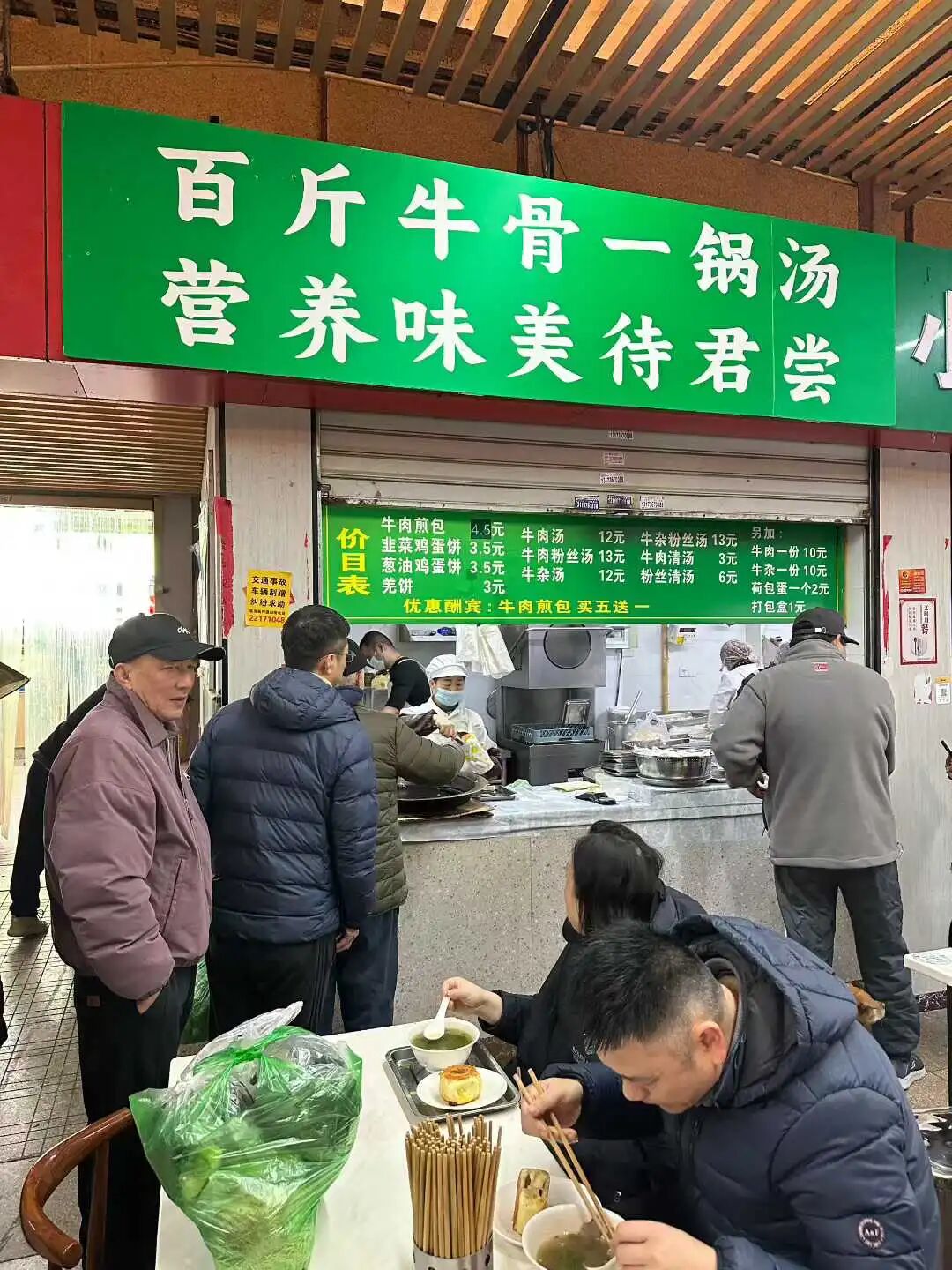
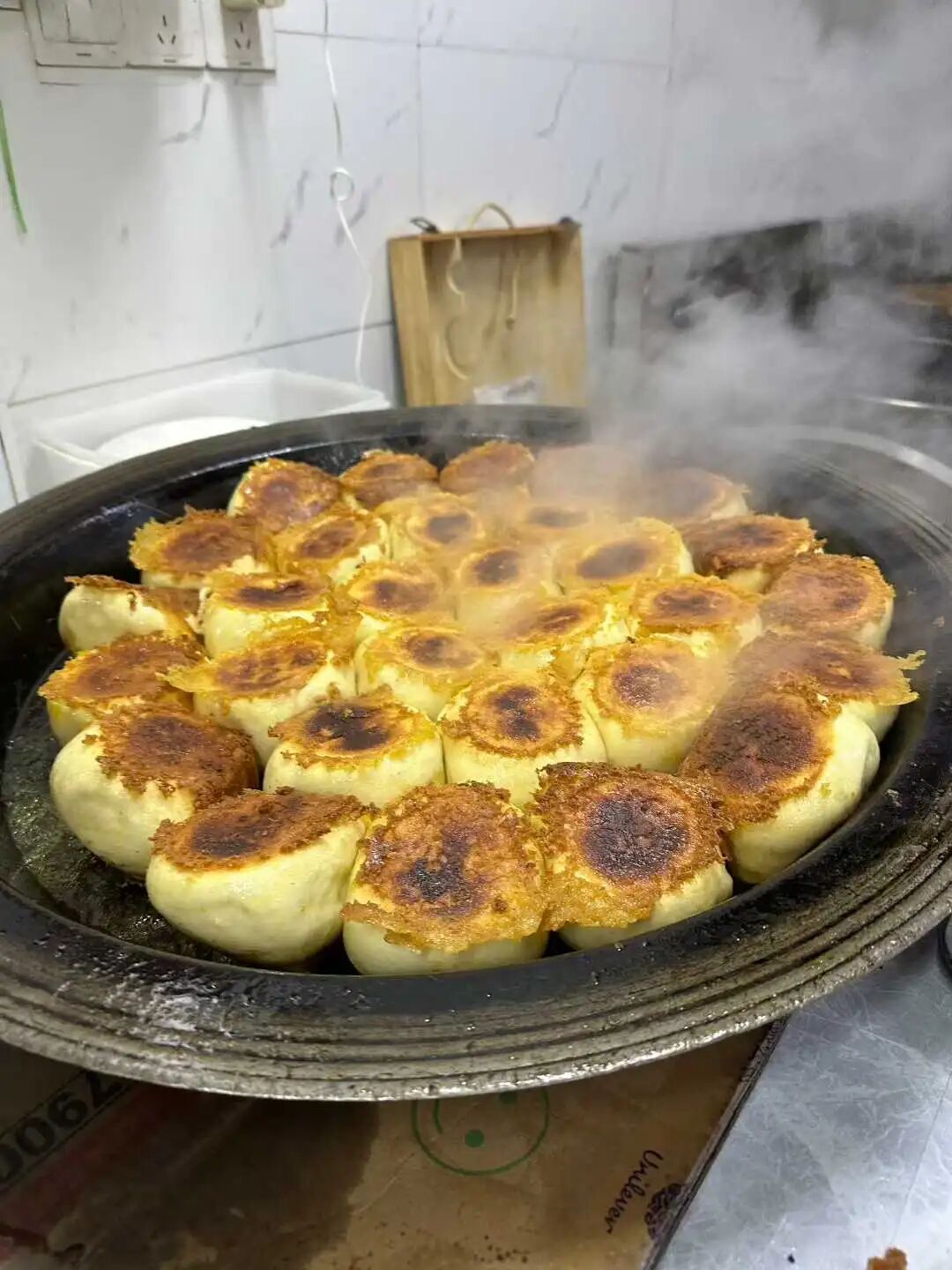
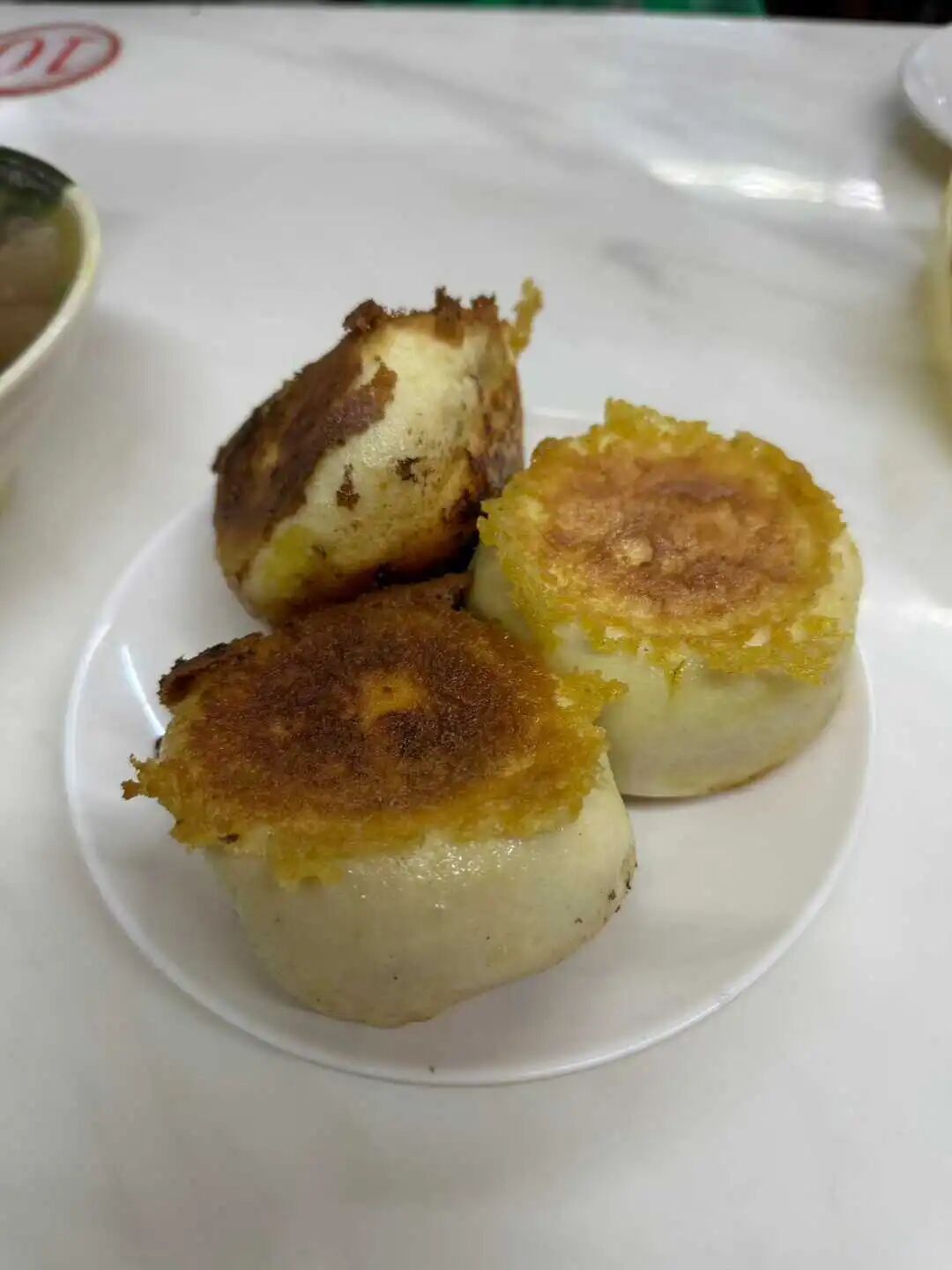
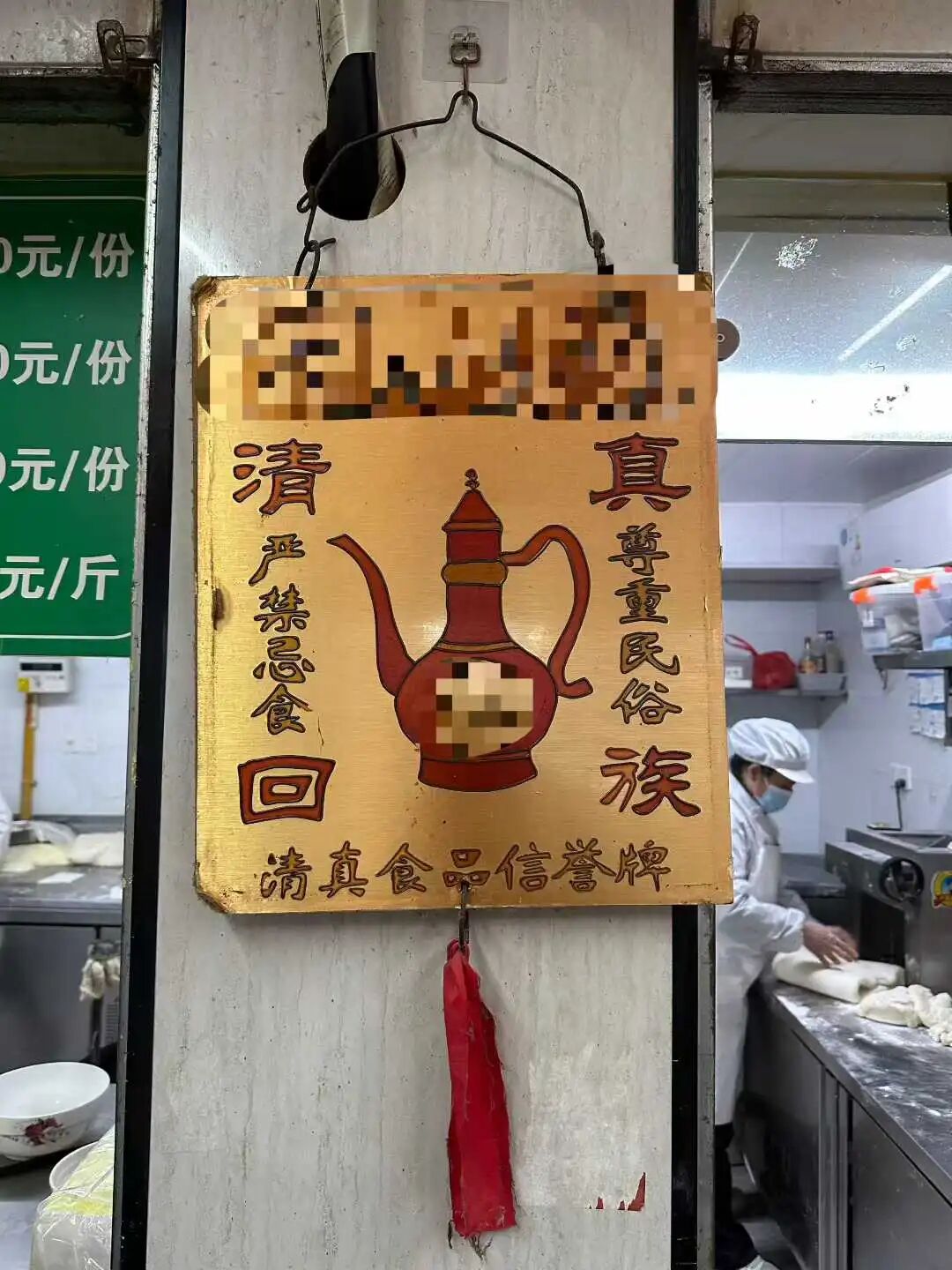
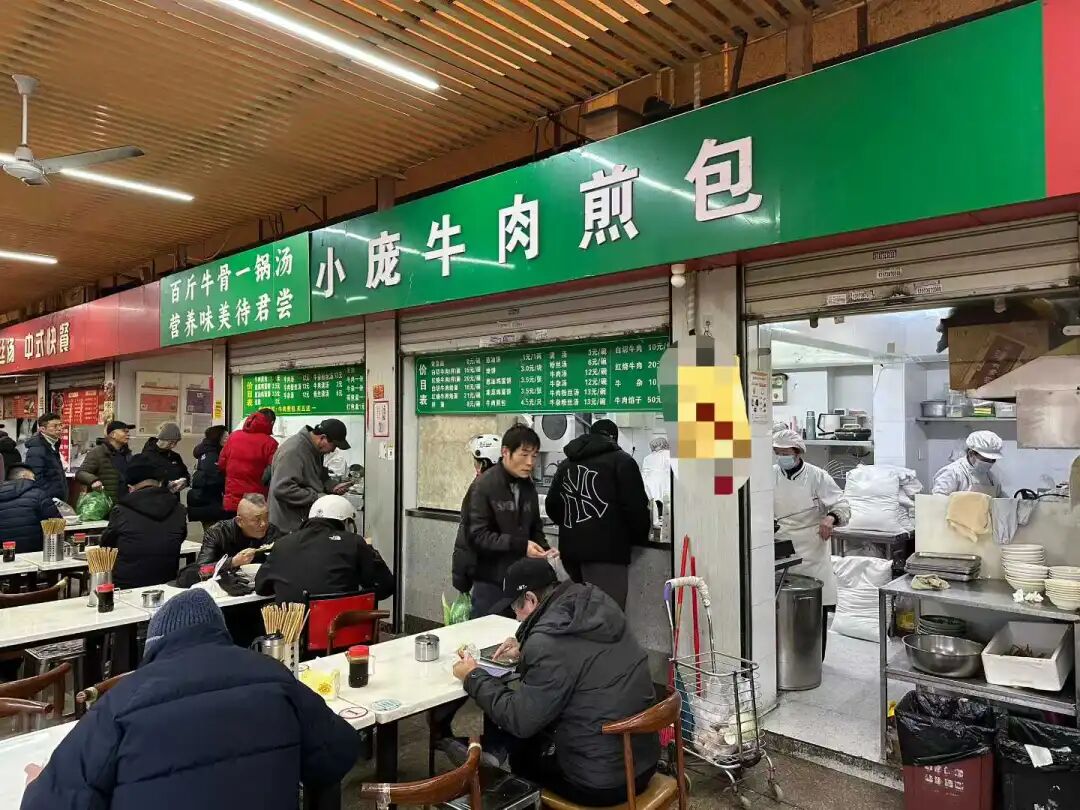
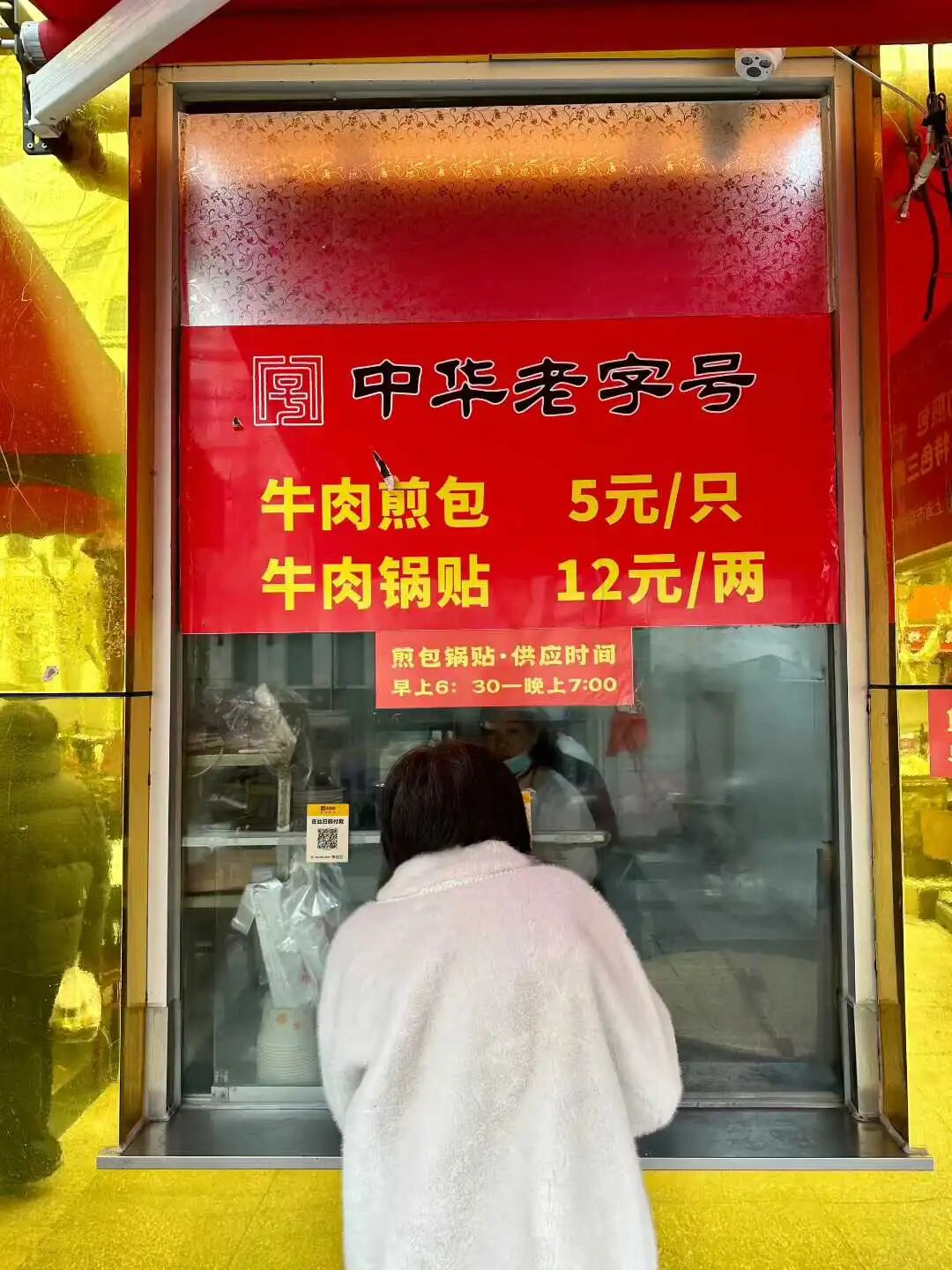
On the food street at the Yongji Road farmers' market in Yangpu District, Shanghai, there is a shop called Xiao Pang Beef Pan-fried Buns (xiaopang niurou jianbao). The owner is Pang Xinhuai, a Hui Muslim friend (dost) from Henan. He has been running his beef pan-fried bun shop in Shanghai for 31 years, and he is very popular with the locals.
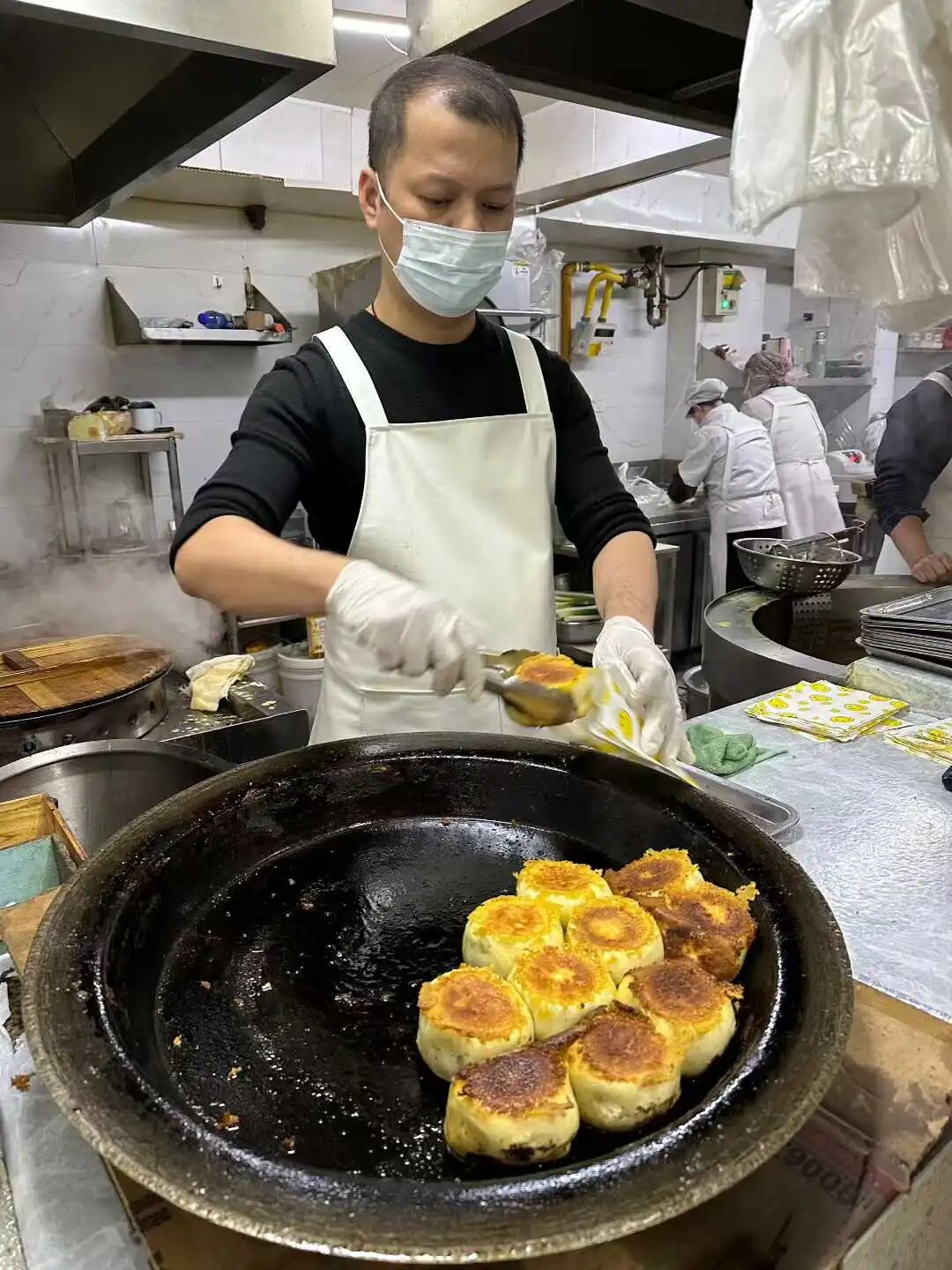
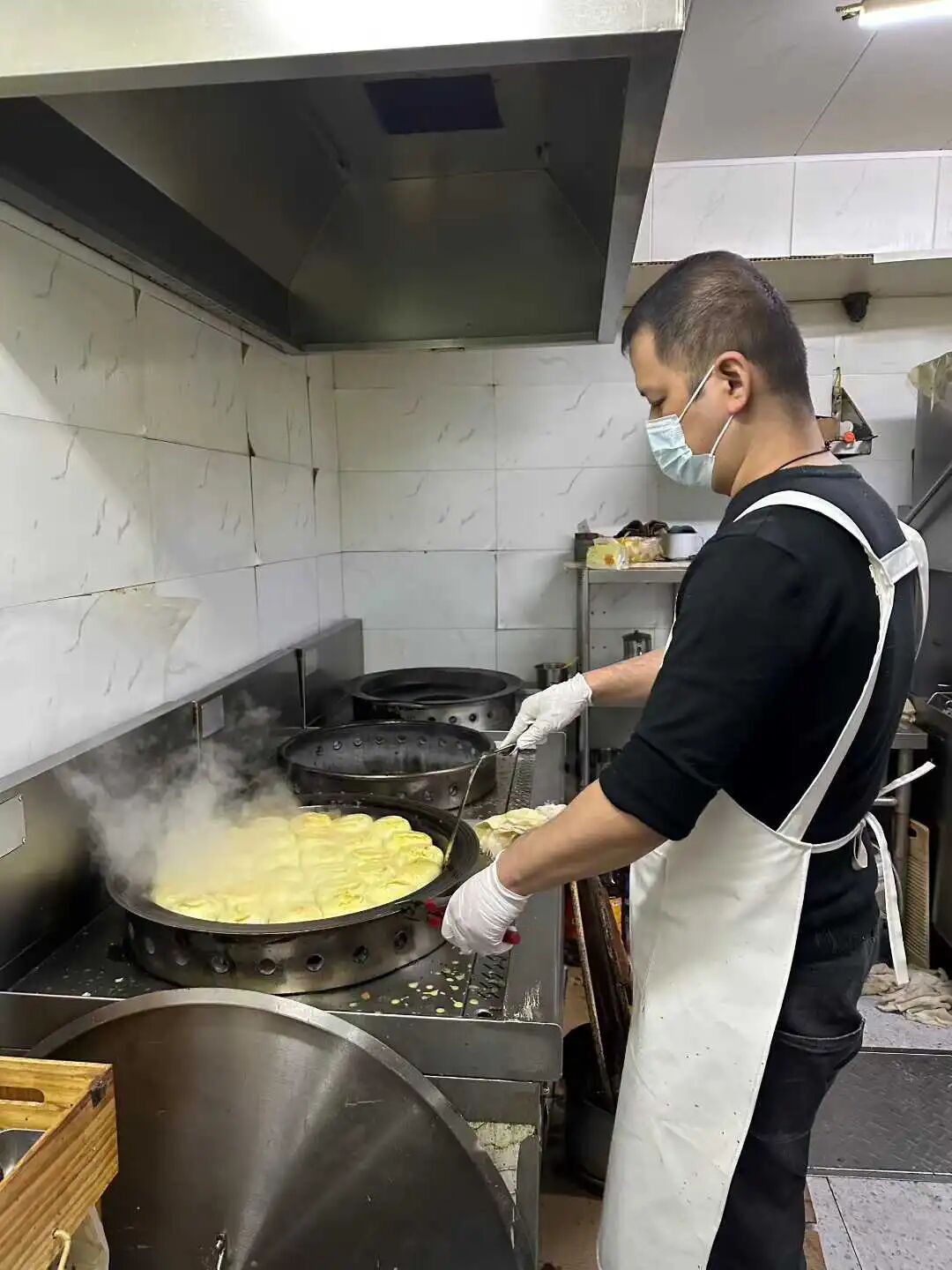
I went to his shop early on New Year's Day for buns. Every batch is sold out immediately by the people waiting in line, so you can almost always get them fresh out of the pan. I didn't see any tourists taking photos when I was there; it was mostly residents from the neighborhood stopping by after grocery shopping.
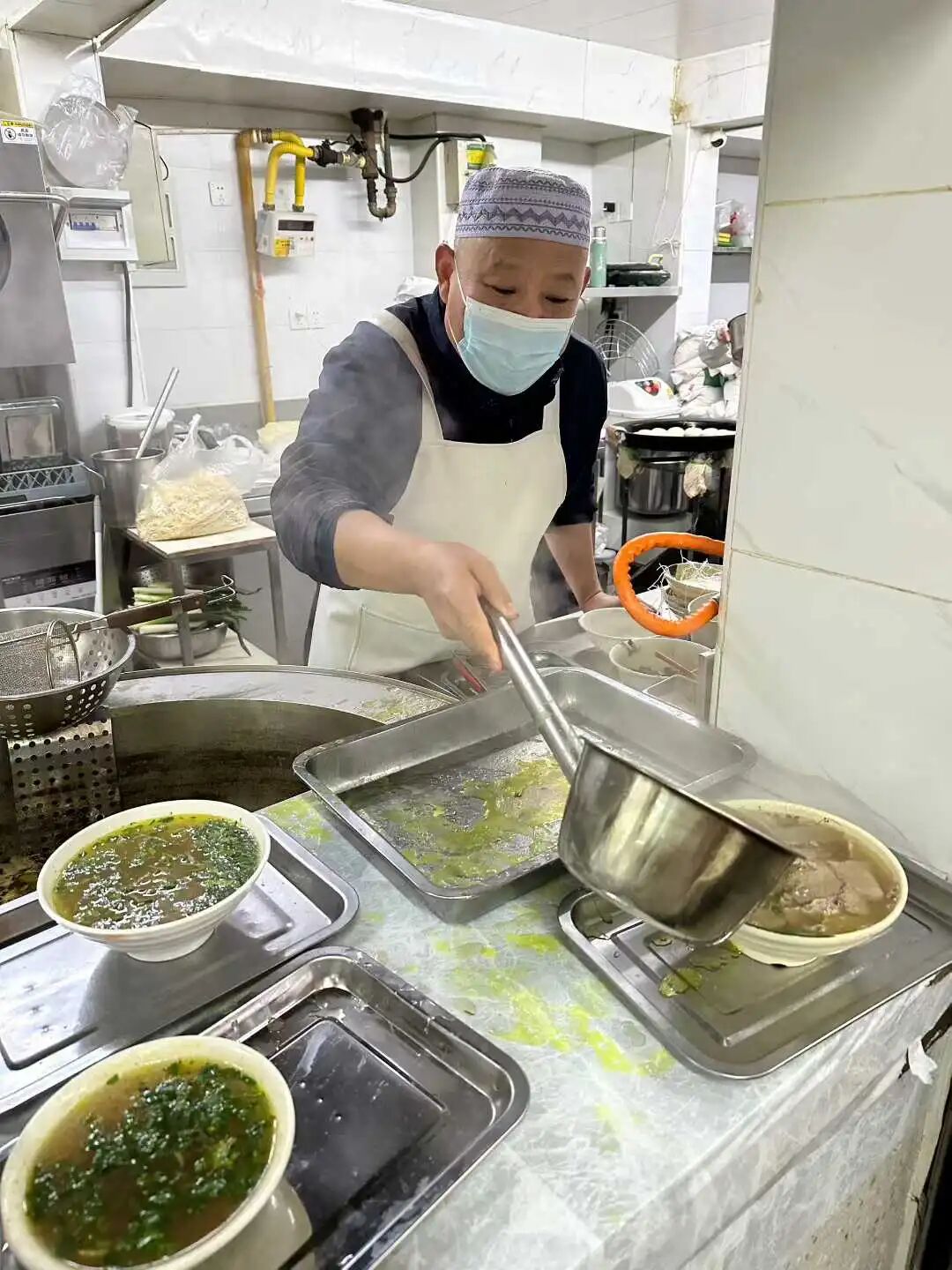
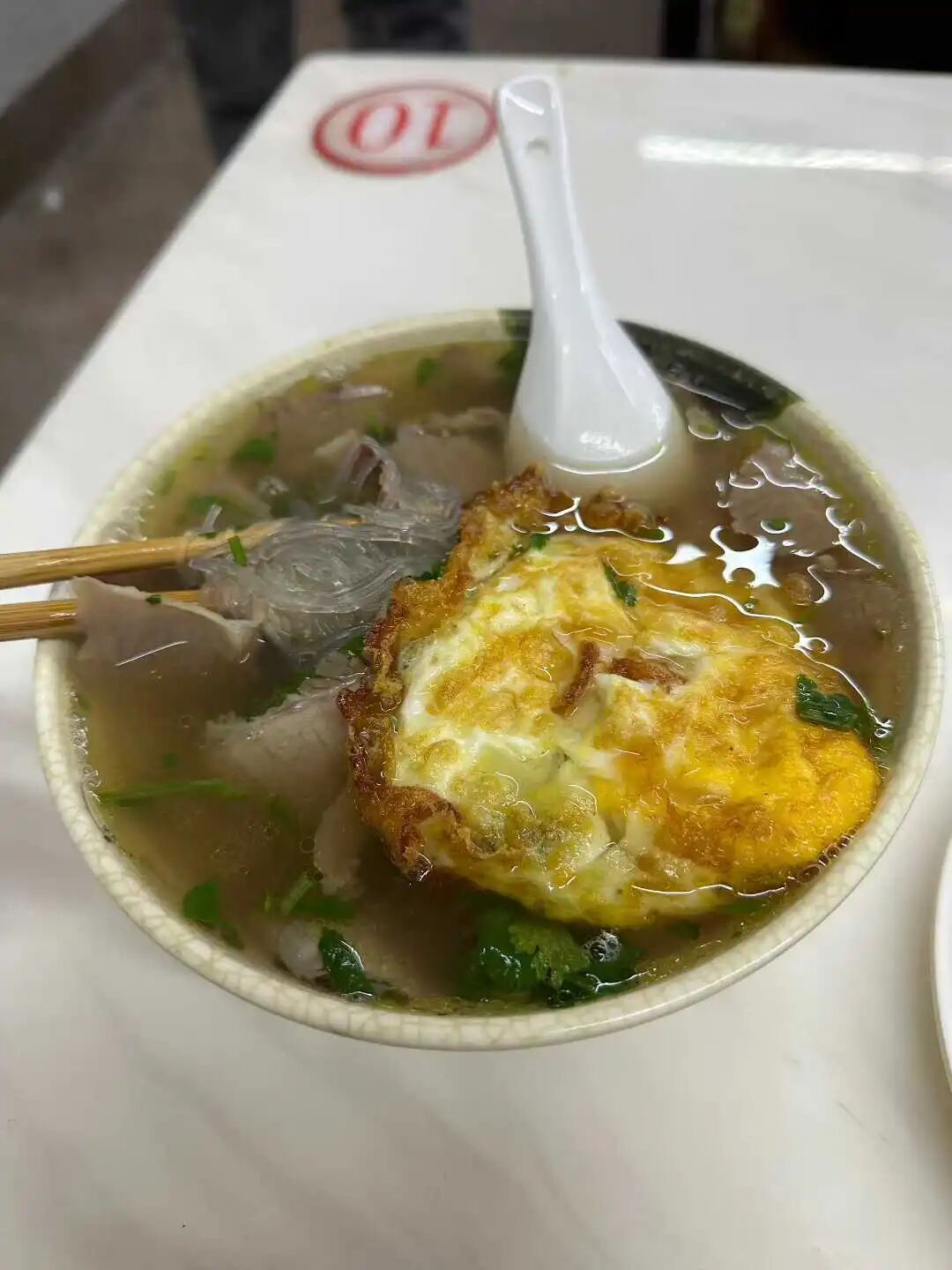
Their pan-fried buns are very juicy, so be careful not to splash yourself when you take a bite. The buns are very fragrant with a thick skin. I think two are enough for an average person, and one is plenty for someone with a small appetite. I also had their beef vermicelli soup (niurou fensi tang). The flavor is rich and the vermicelli is chewy, which is perfect for winter. They also have flatbread with cumin (qiangbing) and scallion egg pancakes (cong hua jidan bing). Unfortunately, the flatbread was sold out when I arrived. The egg pancake is quite mild, which is good if you prefer lighter flavors.
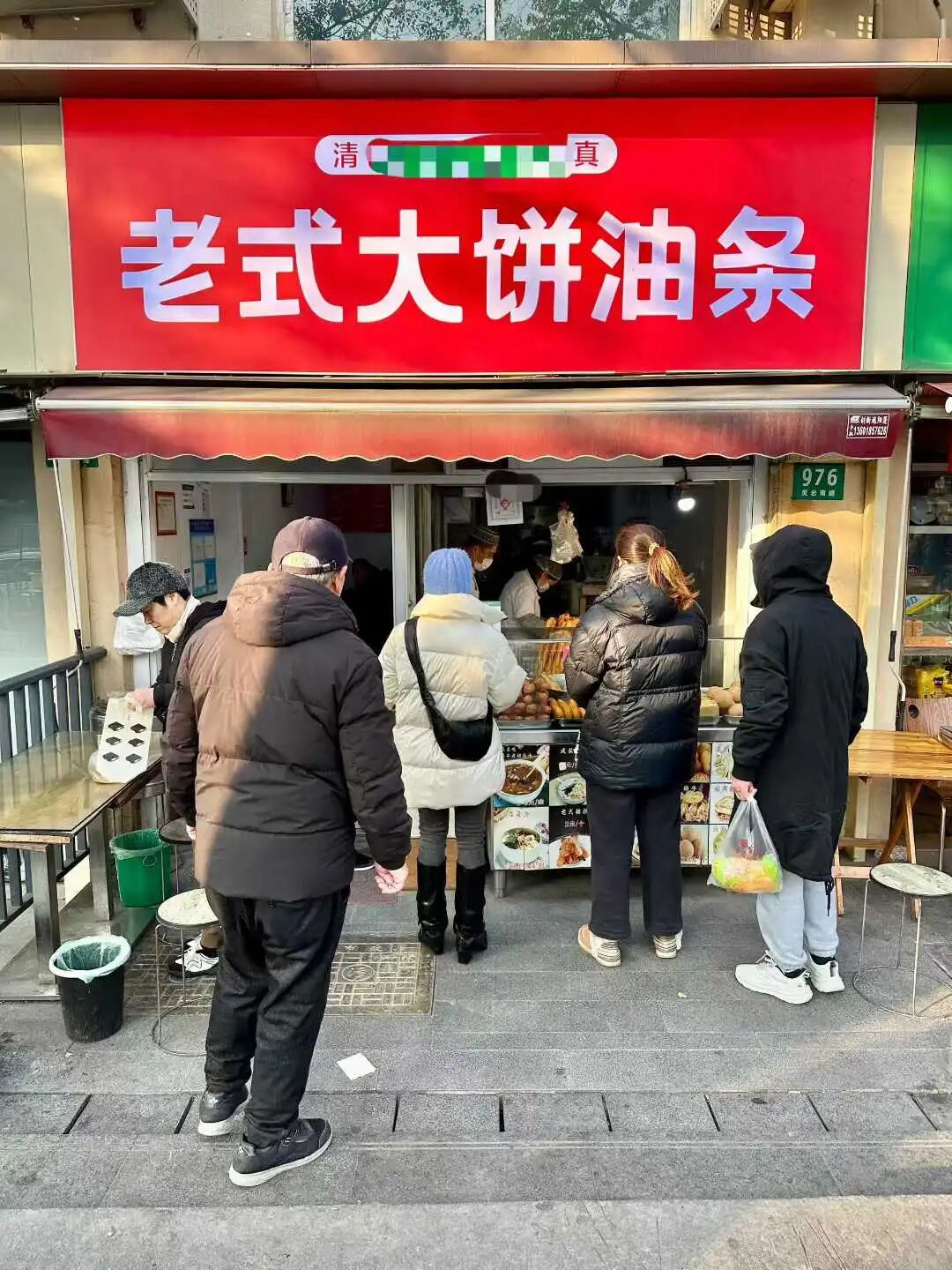
The snack shops run by Henan Hui Muslims in Shanghai mainly fall into two types. Besides beef pan-fried buns, there are also shops focusing on the classic Shanghai breakfast quartet of flatbread (dabing) and fried dough sticks (youtiao). I visited one on Lingyan South Road in Lingzhao New Village, Pudong, and they are also very popular with local residents.
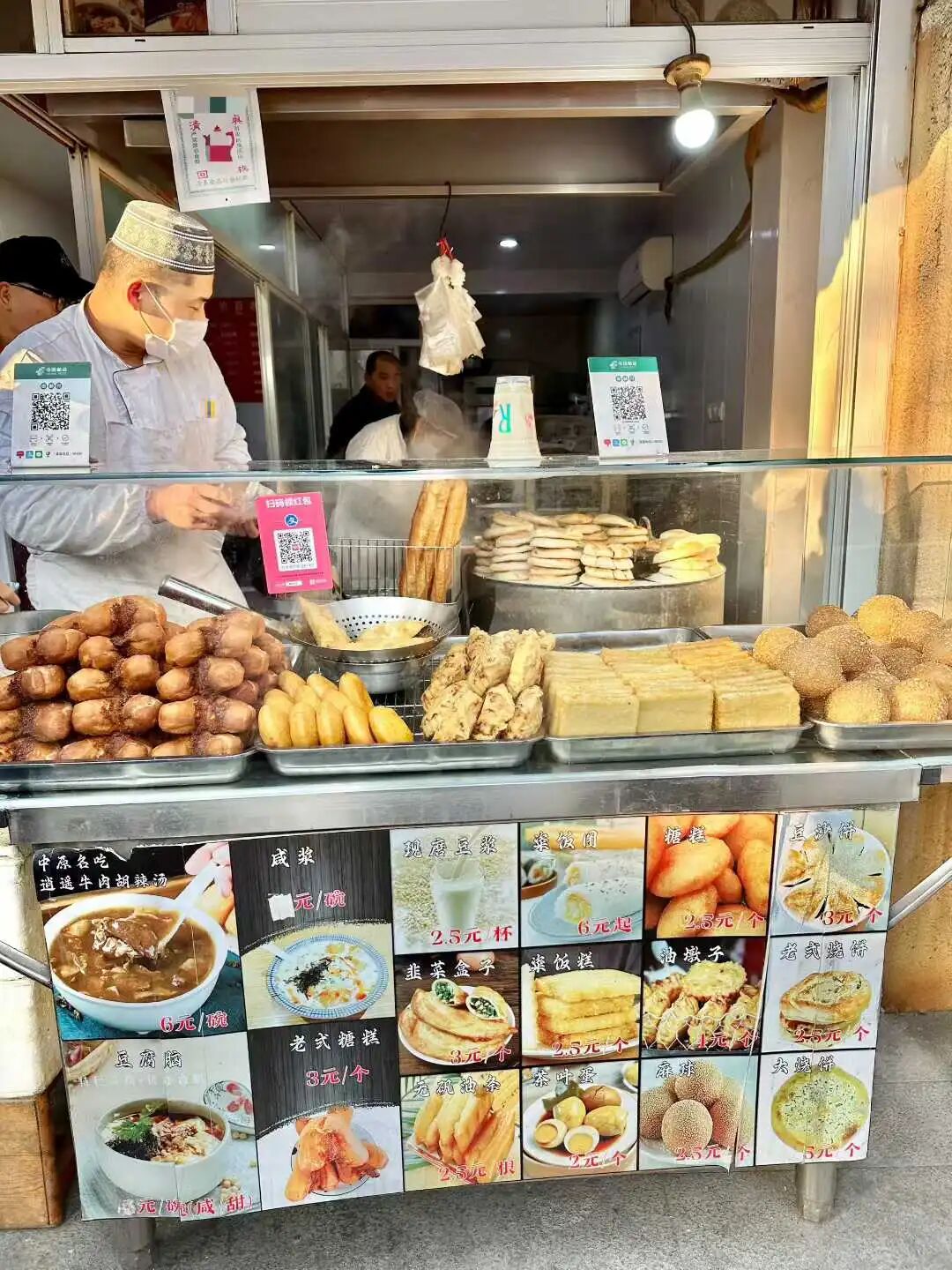
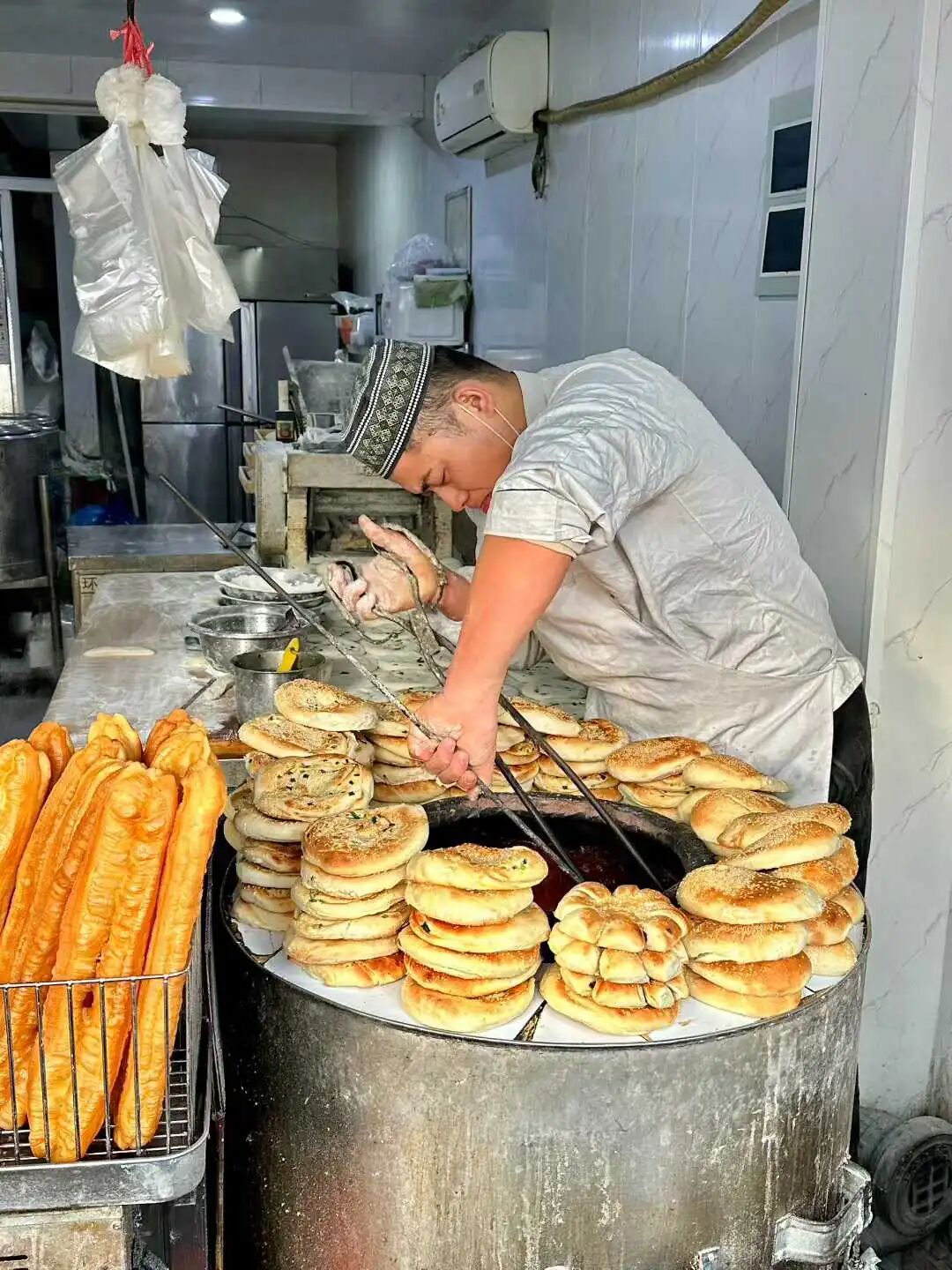
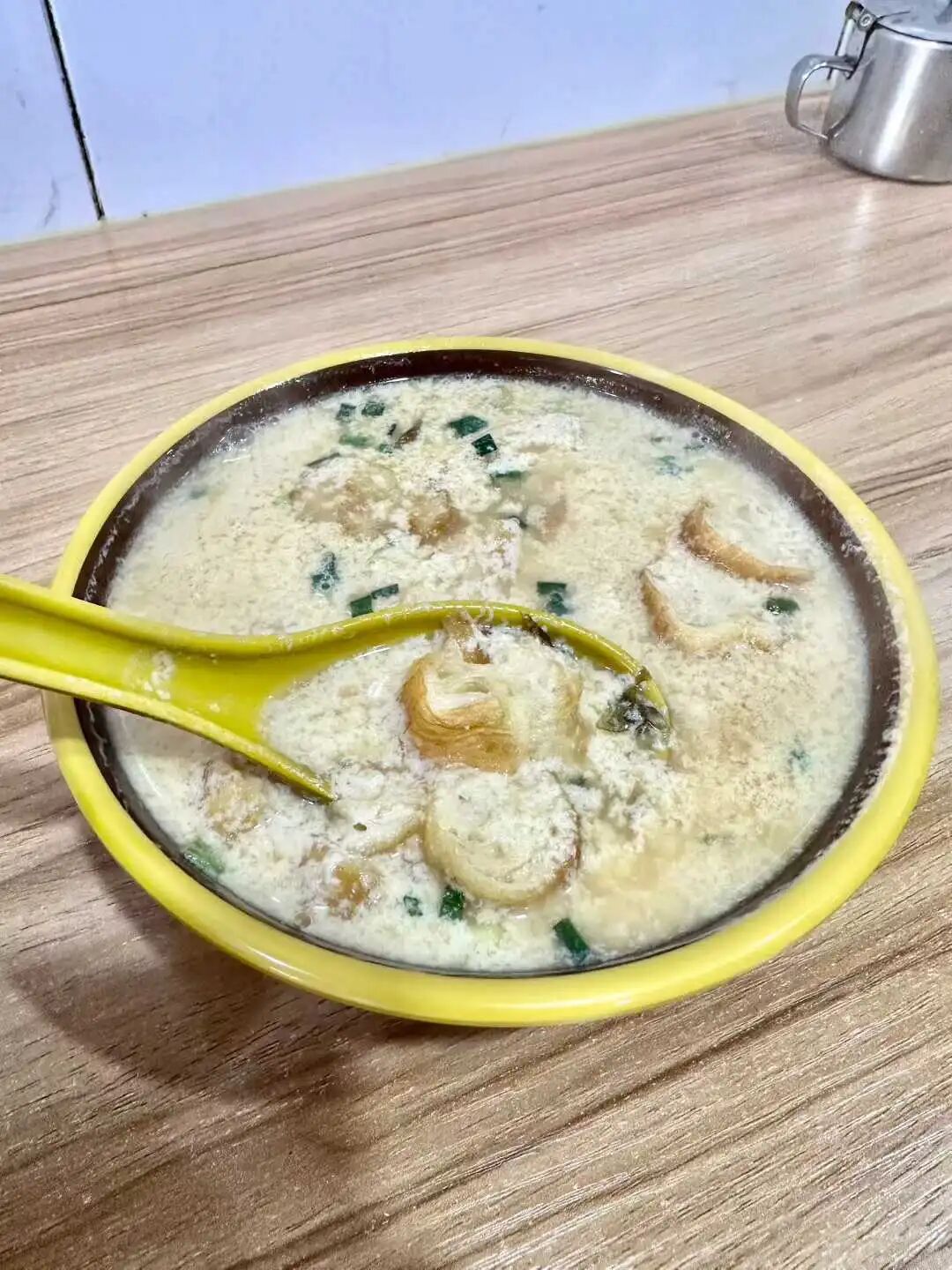
Their most famous item is the old-fashioned flatbread, which is made fresh in the oven and served piping hot. They serve the flatbread with sweet tofu pudding (douhua) and savory soy milk (xianjiang). Savory soy milk, along with flatbread, fried dough sticks, and sticky rice rolls (cifan), are known as the four pillars of a Shanghai breakfast. It is very different from the soy milk we drink in the north and is not just simple salty soy milk. Savory soy milk is made by adding vinegar to soy milk to create soft curds, then topped with seaweed, pickled mustard greens, and dried shrimp. It is very comforting to eat in the morning with fried dough sticks.
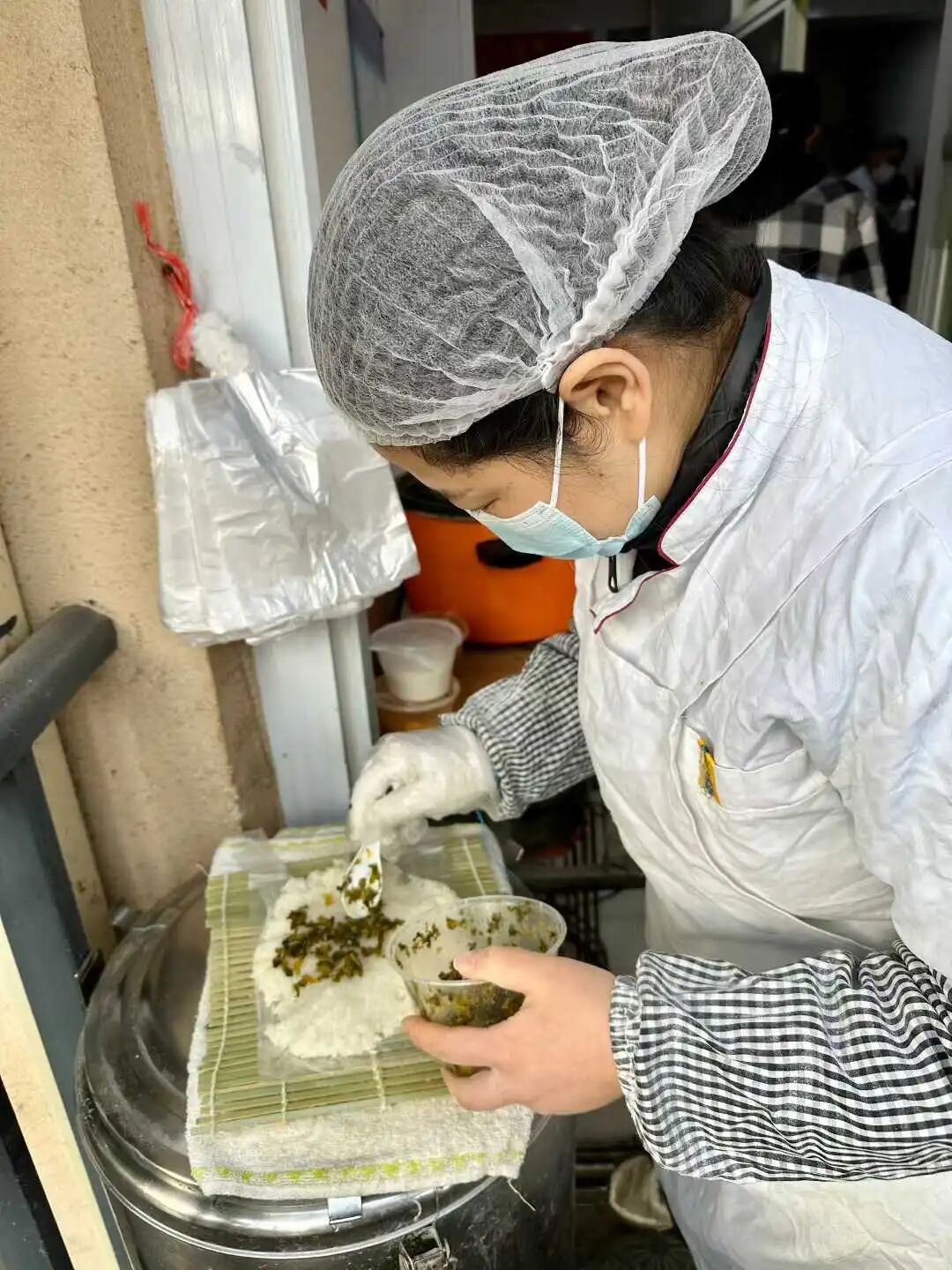
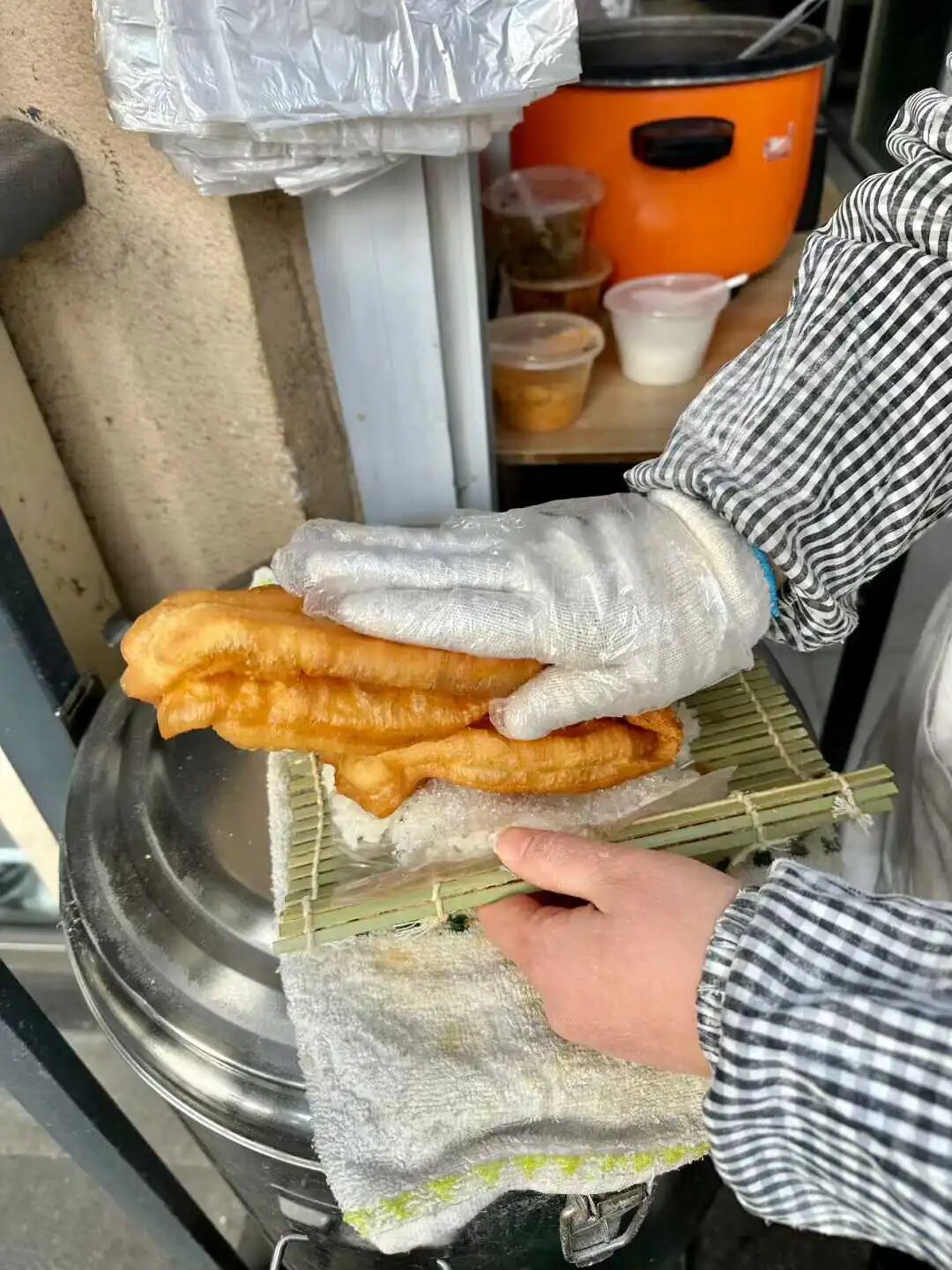
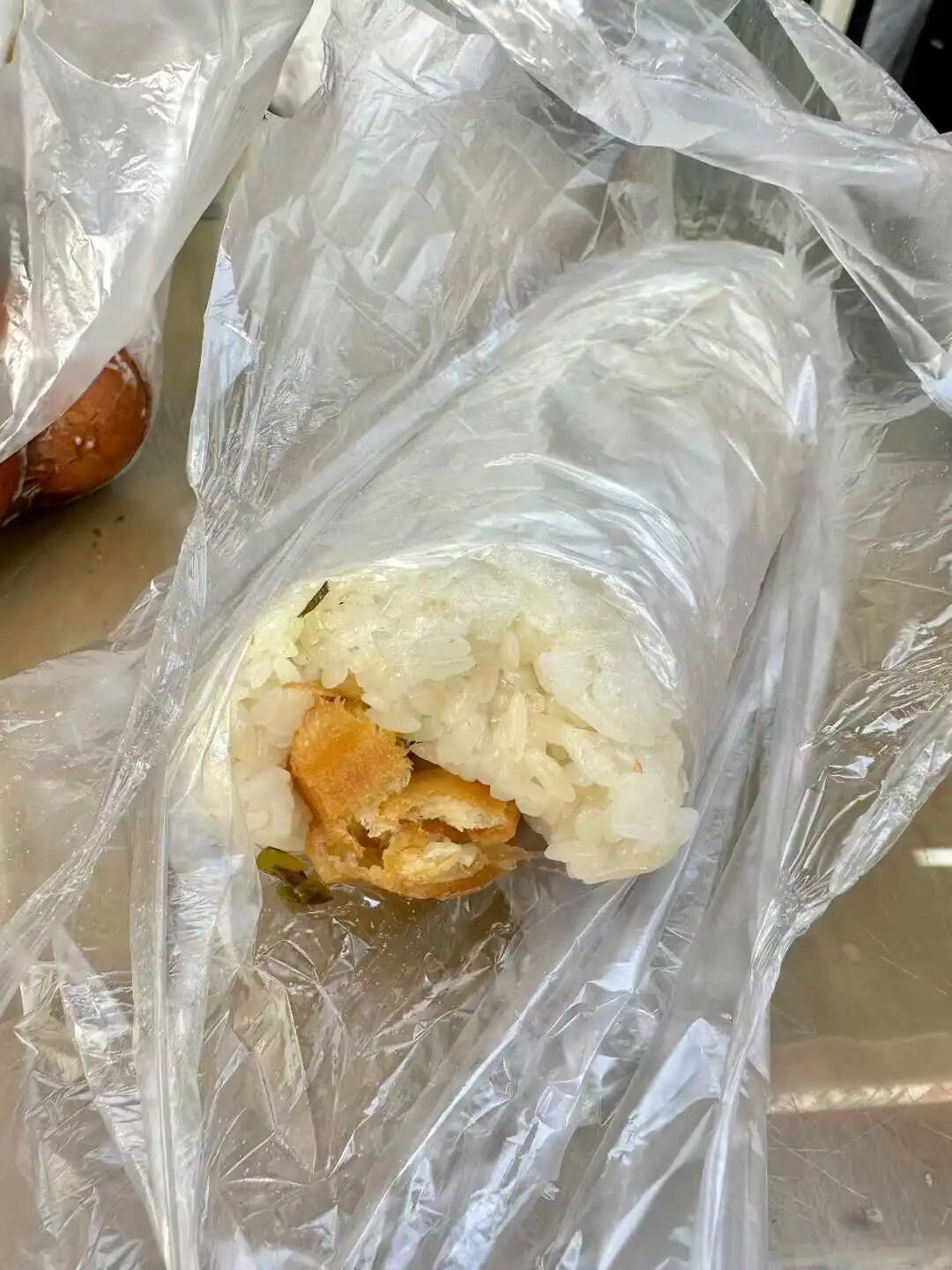
It was my first time having a sticky rice roll. It is made by steaming a mix of glutinous rice and non-glutinous rice, then wrapping it around fried dough sticks and pickled mustard greens. The portion is huge; I didn't expect Shanghai people to have such a filling breakfast!
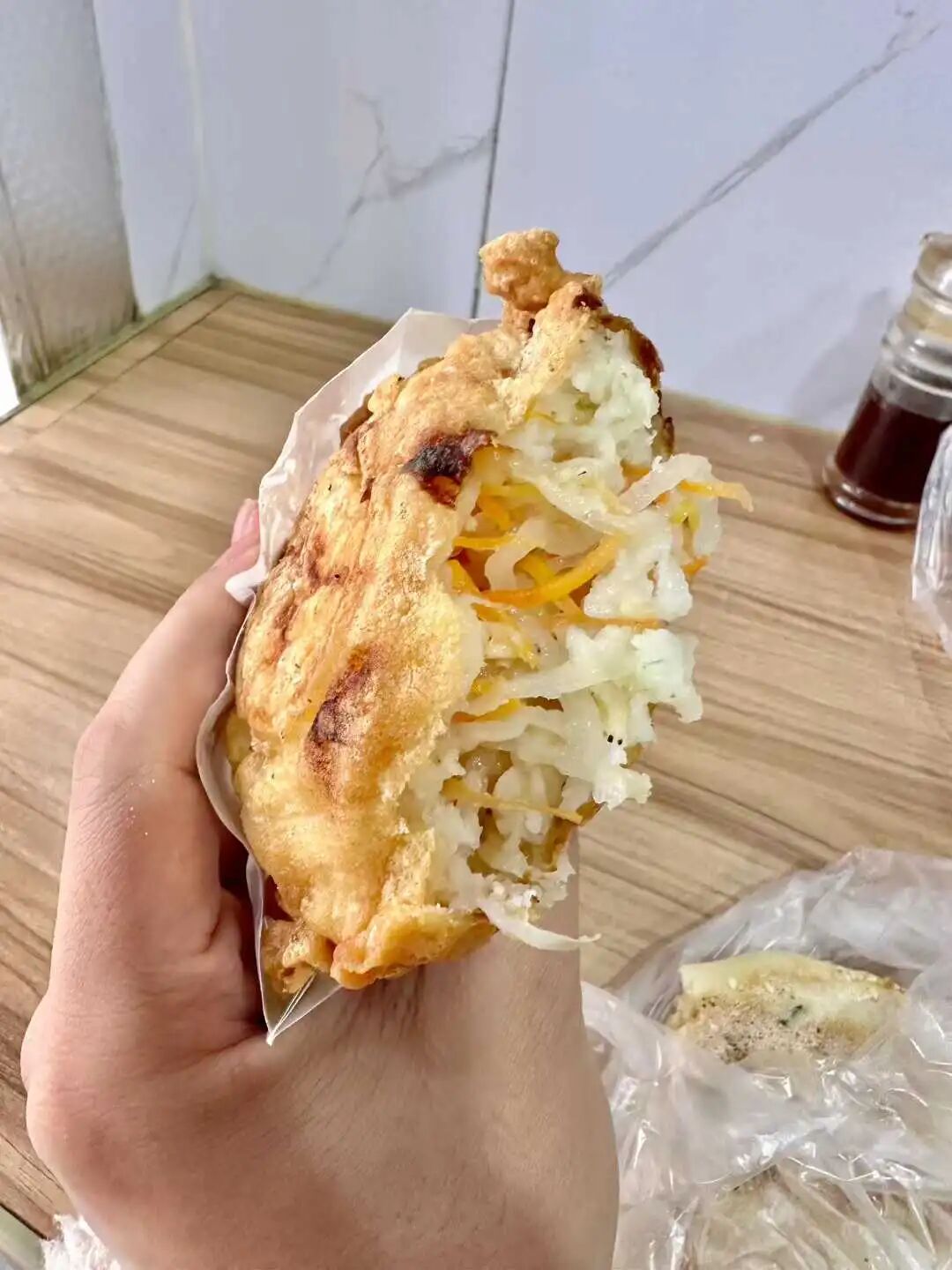
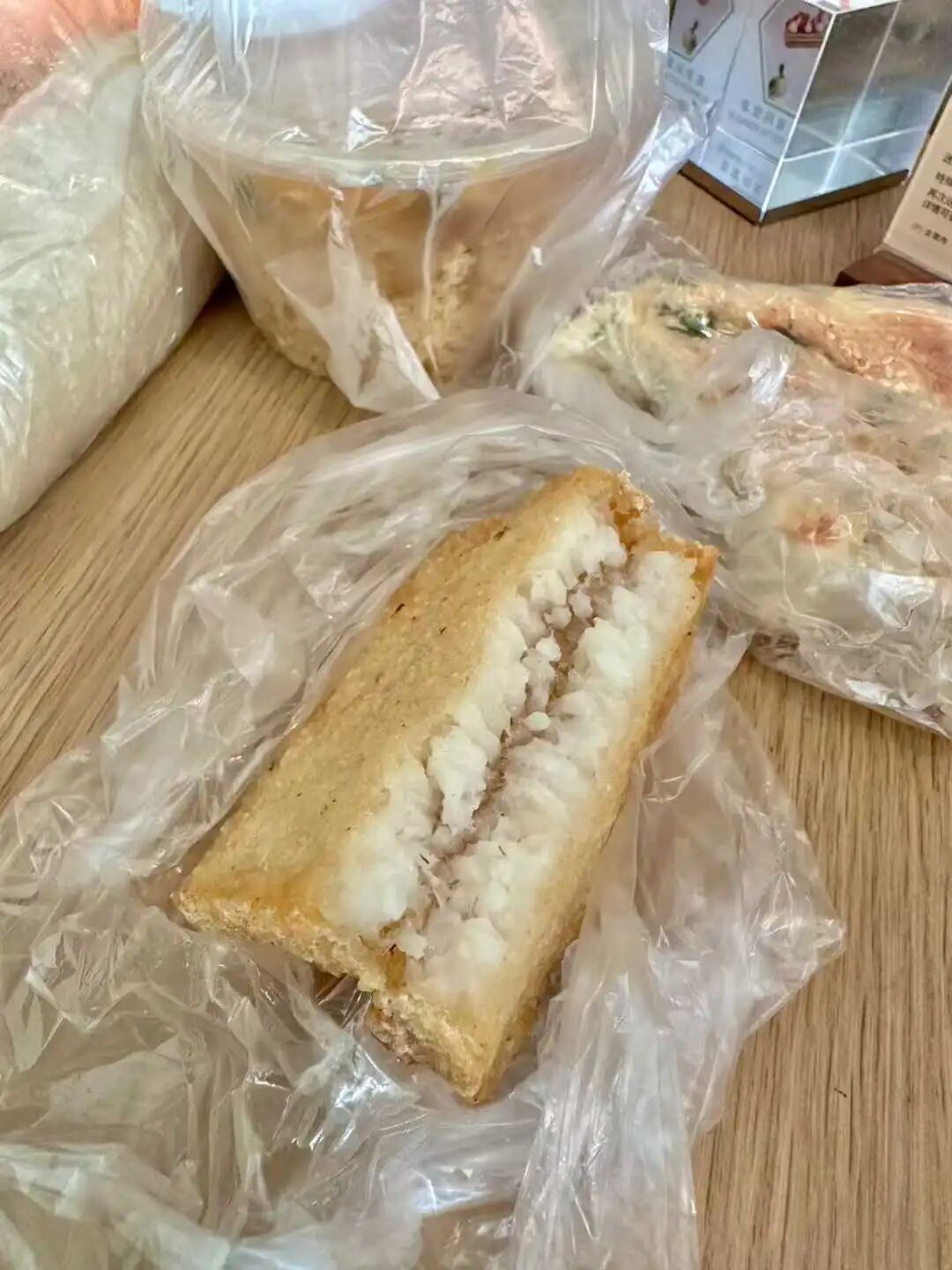
Besides the rolls, they have sticky rice cakes (cifan gao). These are made by mixing glutinous and non-glutinous rice with salt, pressing them into blocks, and frying them. The outside is crispy, while the inside still has the texture of rice. Their fried radish cakes (youdunzi) are also delicious, filled with shredded white radish.
Shanghai-style Muslim cuisine has a long history. After Shanghai opened as a port in 1843 (the 23rd year of the Daoguang reign), Hui Muslims from Nanjing began selling halal food in the city. Over the next hundred years, this gradually developed into Shanghai-style Muslim cuisine. During the Xianfeng reign, Nanjing Hui Muslims founded the He Wanxing tea shop in the Nanshi district of Shanghai. It was later renamed Huifenglou Restaurant. Huifenglou was famous for its Huifeng beef pot, stir-fried yellow crab with oil and soy sauce, and braised river eel in a rich, dark sauce. They also served thumb-sized beef rice dumplings (zongzi) and silver thread rolls (yinsi juan), making Shanghai-style Muslim cuisine very famous for a time.
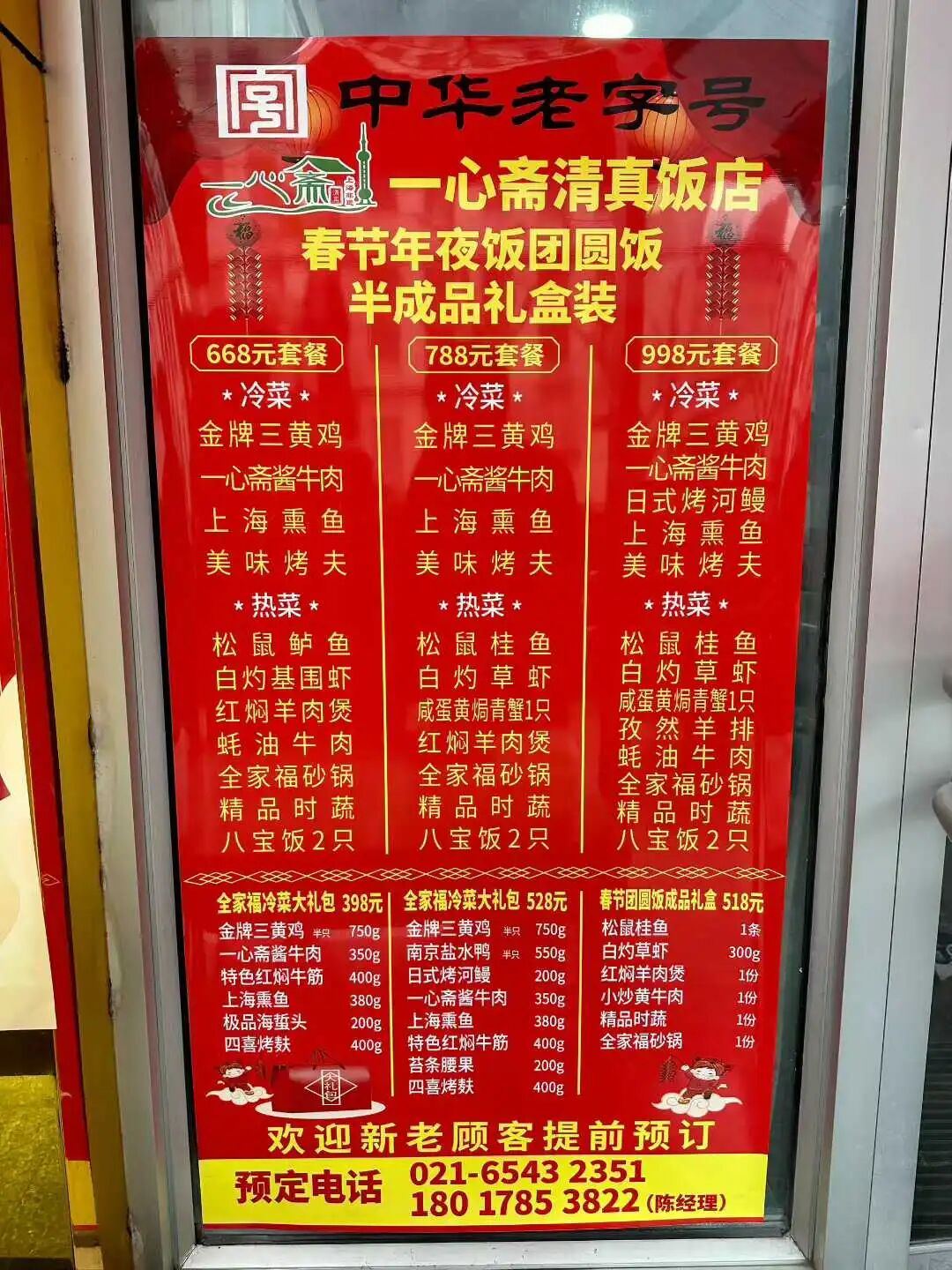
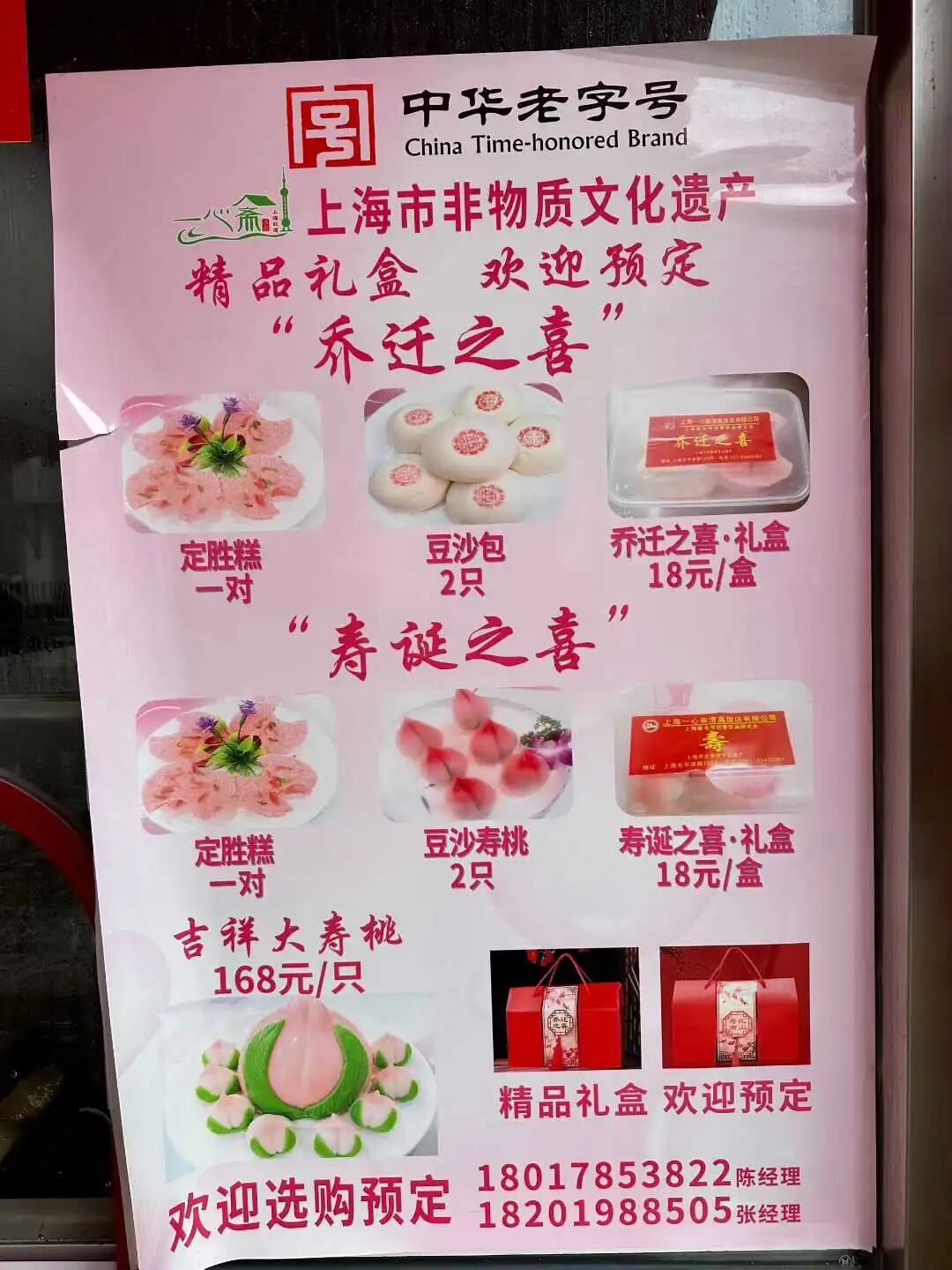
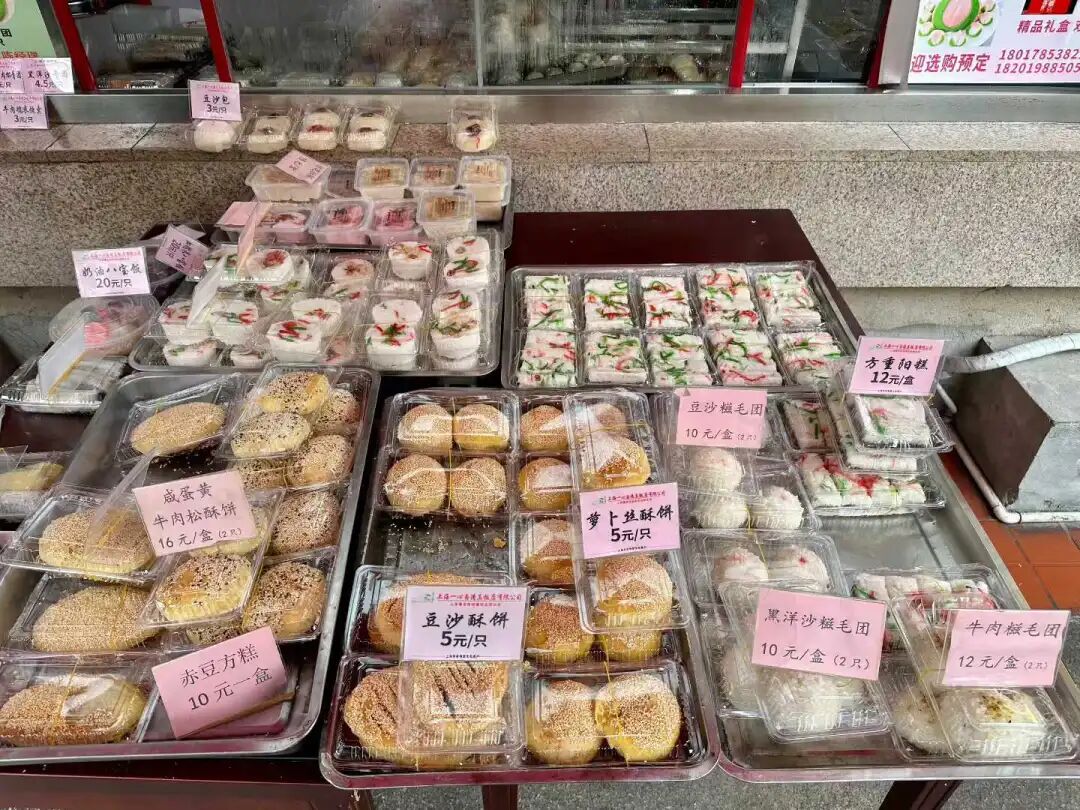
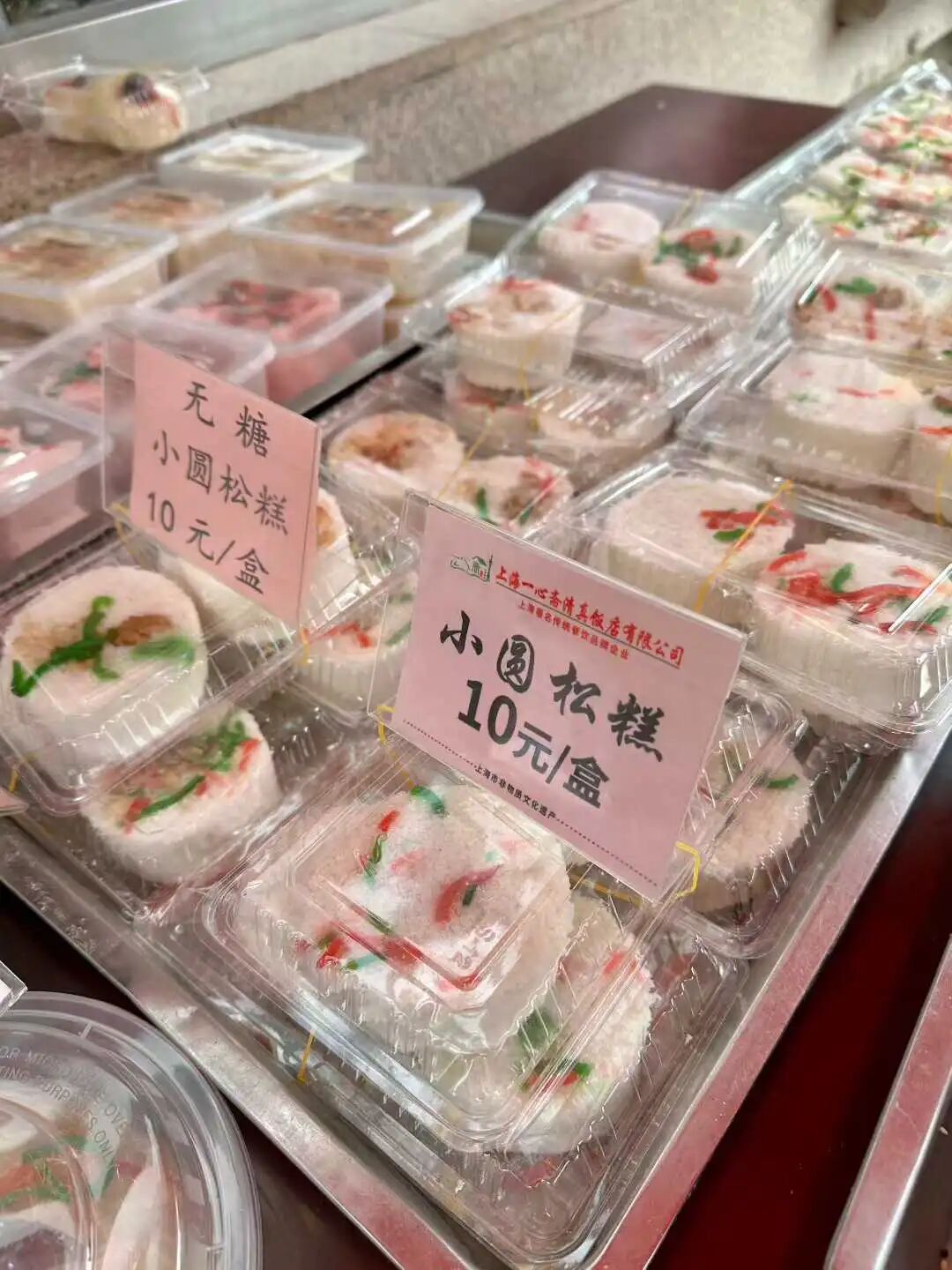
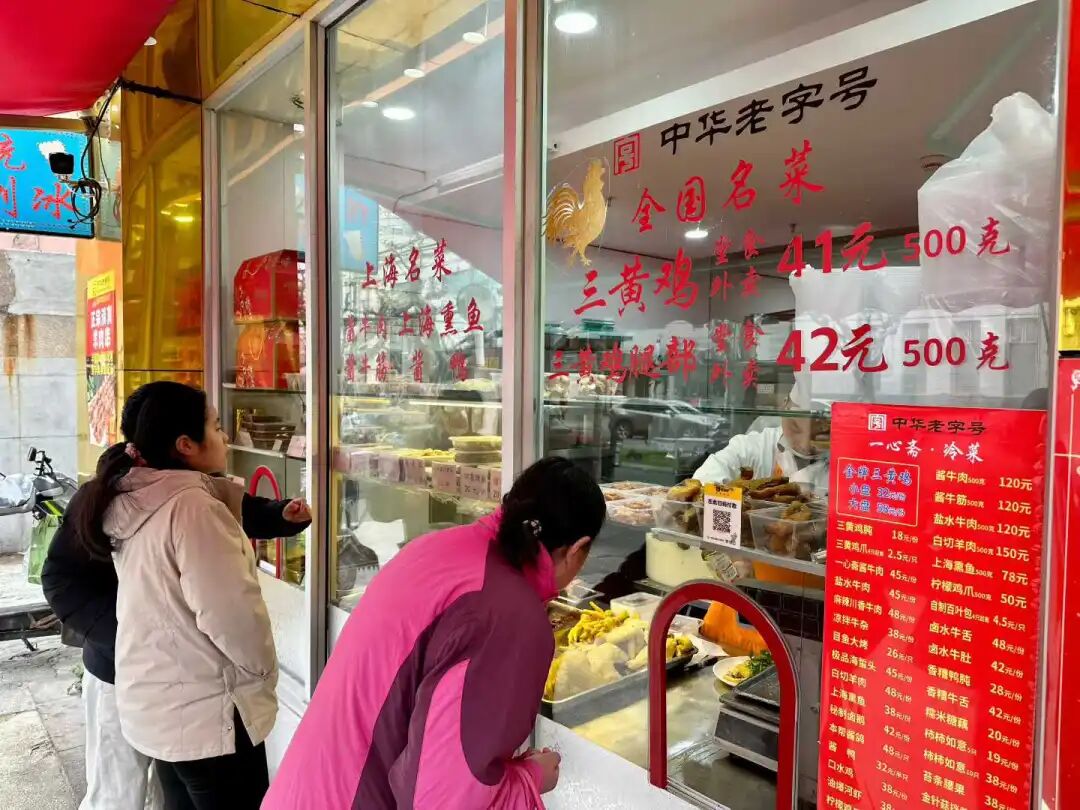
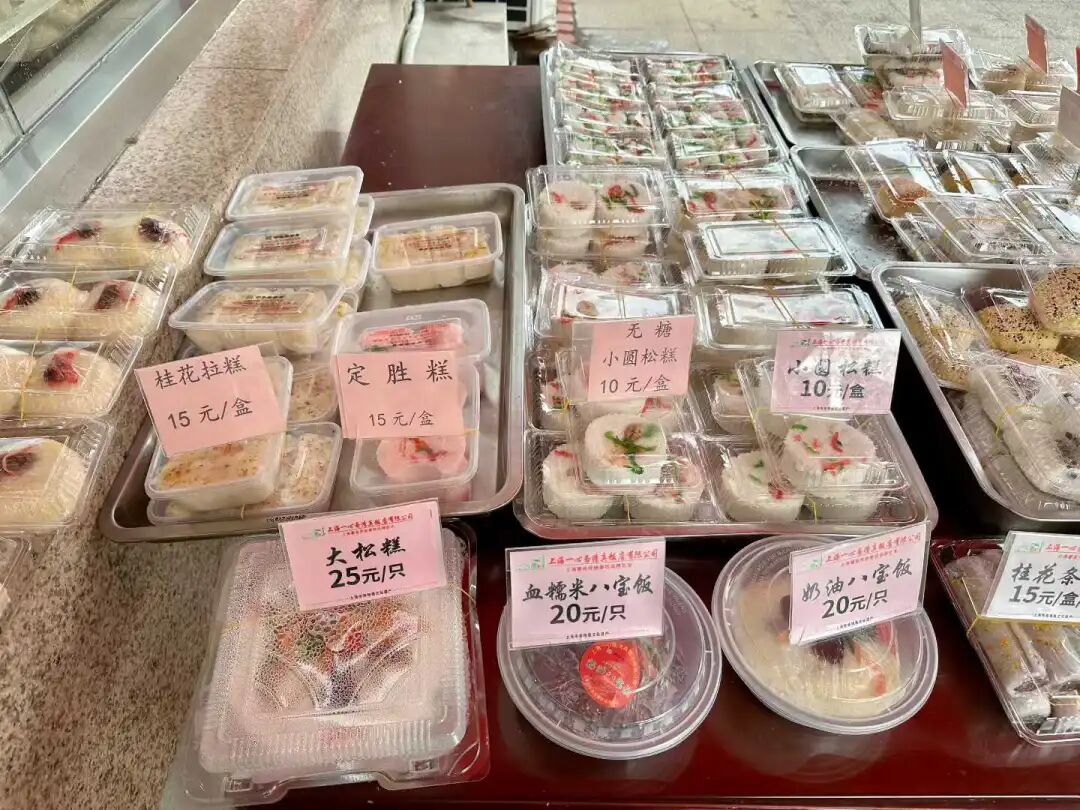
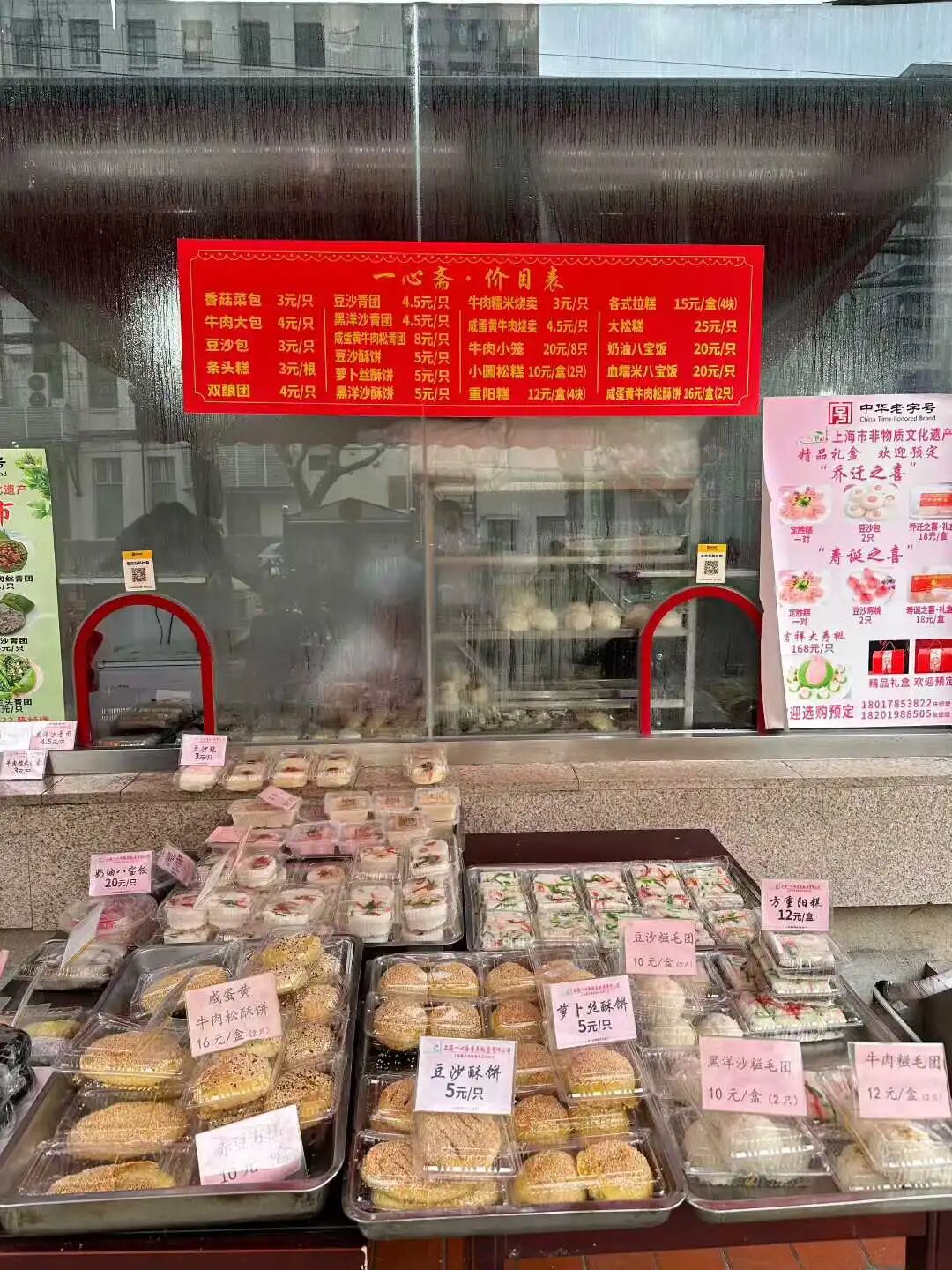
Due to historical reasons, Shanghai-style Muslim cuisine gradually declined in the late 20th century and slowly faded from public view. In the 1980s, the most authentic Shanghai-style Muslim food was found at the predecessor to the Guan Guan Ji restaurant, which was a Muslim restaurant. Today, if you want to taste Shanghai-style Muslim cuisine, you can choose the long-established Yixinzhai, which opened in 1958 and is recognized as a Shanghai intangible cultural heritage.
I first visited Yixinzhai when I was researching Muslim communities along the Yangtze River in 2017. Back then, I went to the old shop on Liangzhou Road. That shop is temporarily closed now, but you can find the new temporary location just a little further down the street. I was alone last time and only had the shredded eel cold noodles, three-yellow chicken (sanhuangji), and shaved ice. This time, I brought my whole family so we could try their stir-fried dishes.
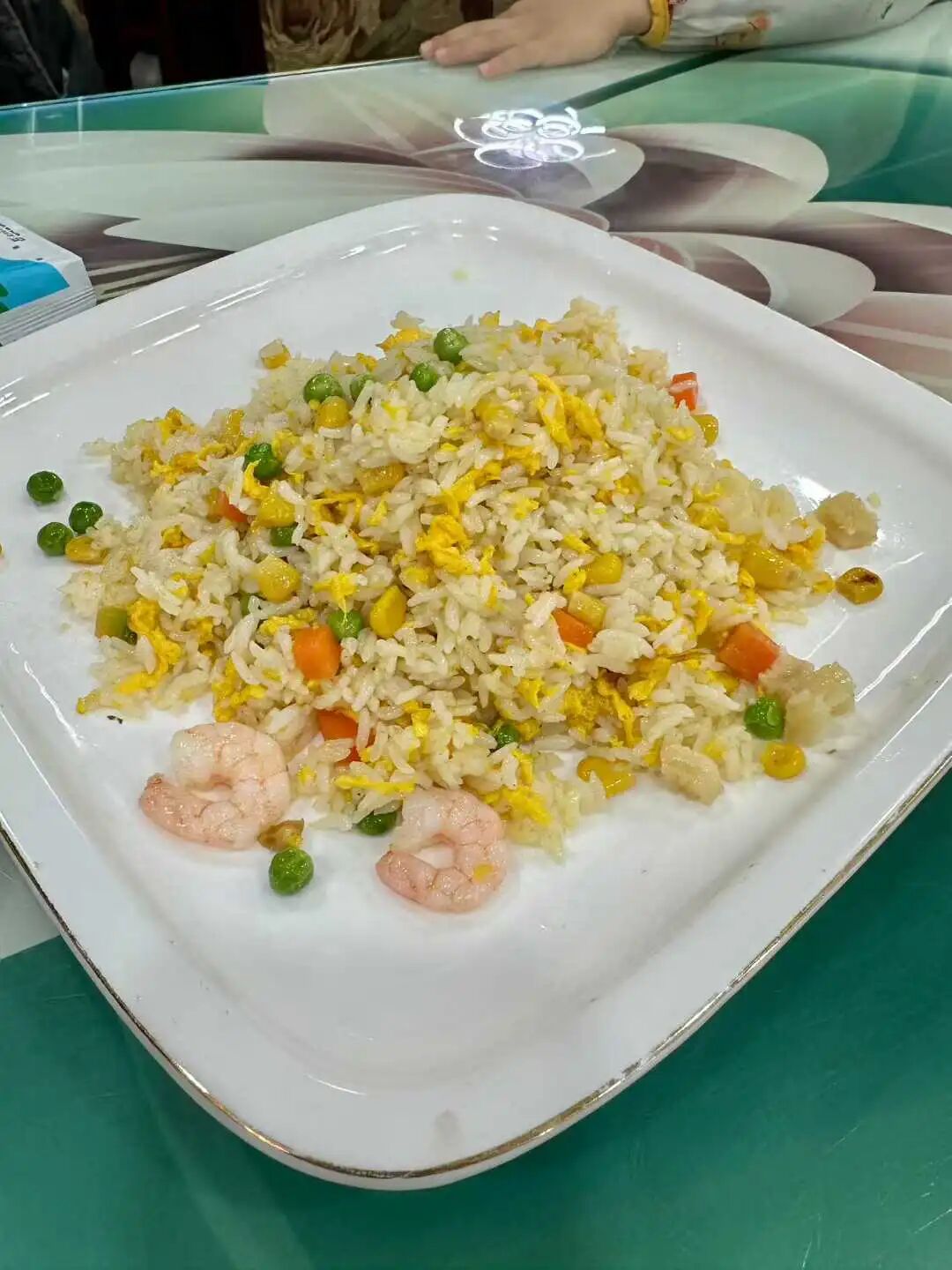
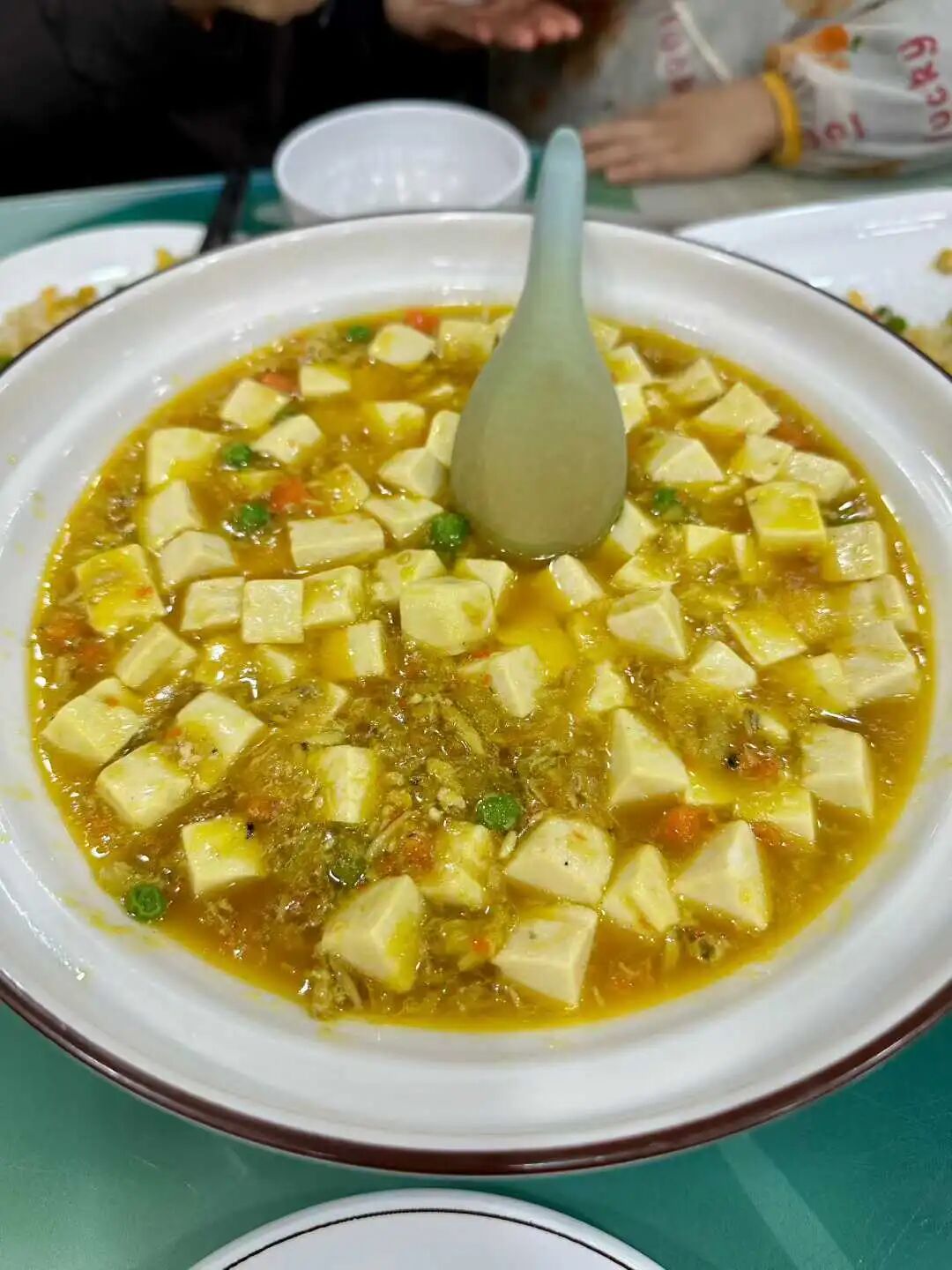
We ordered sizzling oil shredded eel (xiangyou shansi), crab roe tofu, crystal shrimp, and Yangzhou fried rice. At first, we wanted to order plain stir-fried shredded eel, but the server said that version is just eel. The sizzling oil version is stir-fried with water bamboo (jiaobai). I thought the version with water bamboo tasted better. The shredded eel was quite oily and had a strong savory sauce. It tasted a lot like stir-fried chicken cubes with bean paste (jiangbao jiding), but the texture of the eel was better. The kids really loved the crystal shrimp and Yangzhou fried rice and ate a lot of both. The shrimp had a great texture and tasted very fresh. I really liked the crab roe tofu. It went perfectly with rice and had a very rich crab flavor.
I want to mention that in some areas, Hui Muslims follow dietary customs like only eating ruminants, avoiding scaleless fish, or not eating rabbit. I have never seen these customs in any Muslim community abroad, and they are not recorded in any religious texts or legal treatises. I later learned about this in an article by Yahya Dosti titled "What are the non-halal foods mentioned in religious texts?" The article explains that these dietary habits actually come from the Jewish scripture, the Book of Leviticus in the Old Testament. He suggests that when the "Blue-capped Hui" (lanmao huihui) Jewish descendants in Kaifeng, Henan, integrated into the Hui Muslim community, they brought some Jewish customs with them, leading to this cultural fusion.
If you are a Hui Muslim who respects tradition, you can choose to follow these customs yourself. However, you have no right to criticize others for eating scaleless fish or rabbit, as these are just folk customs and have nothing to do with faith.
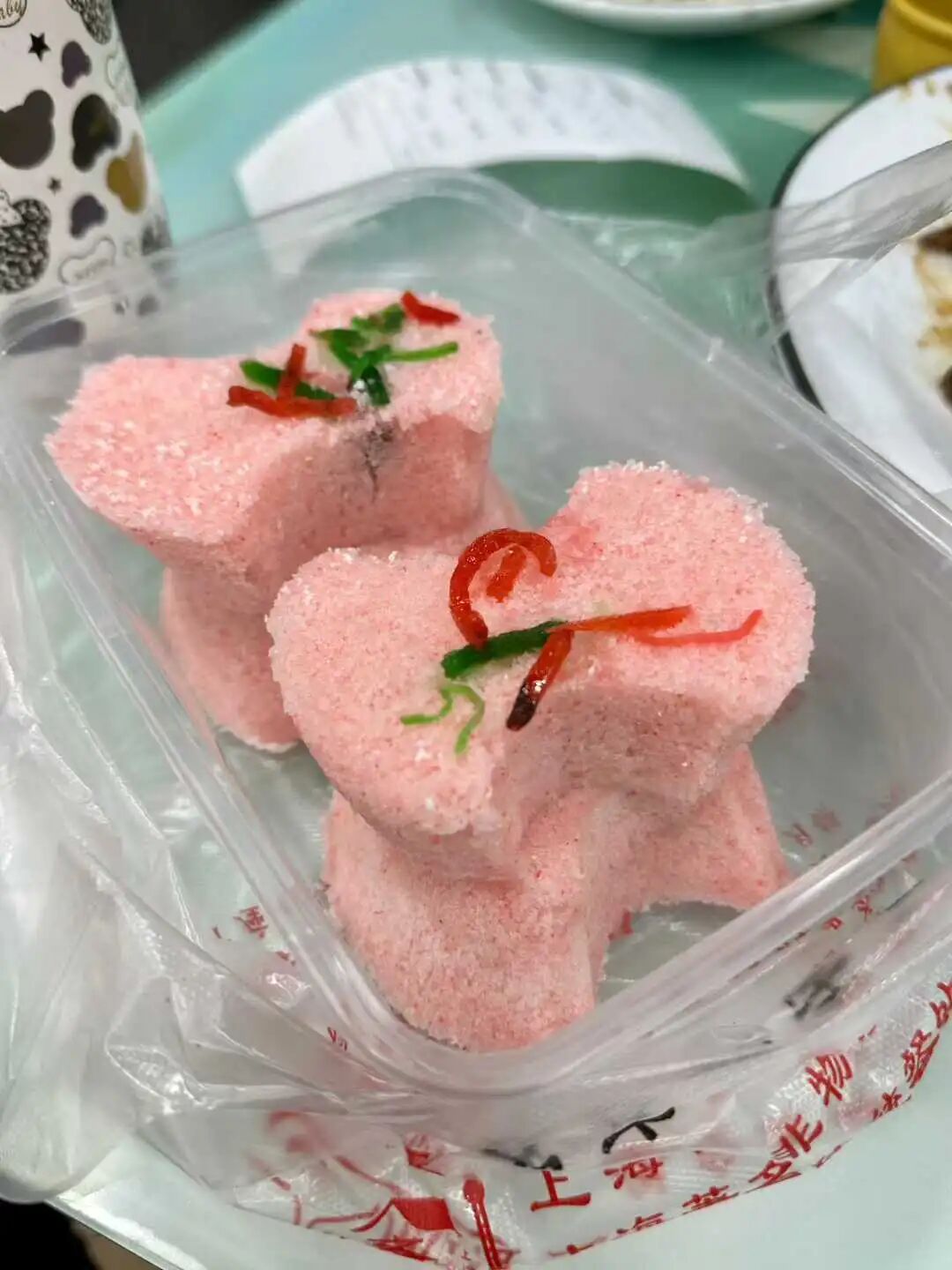
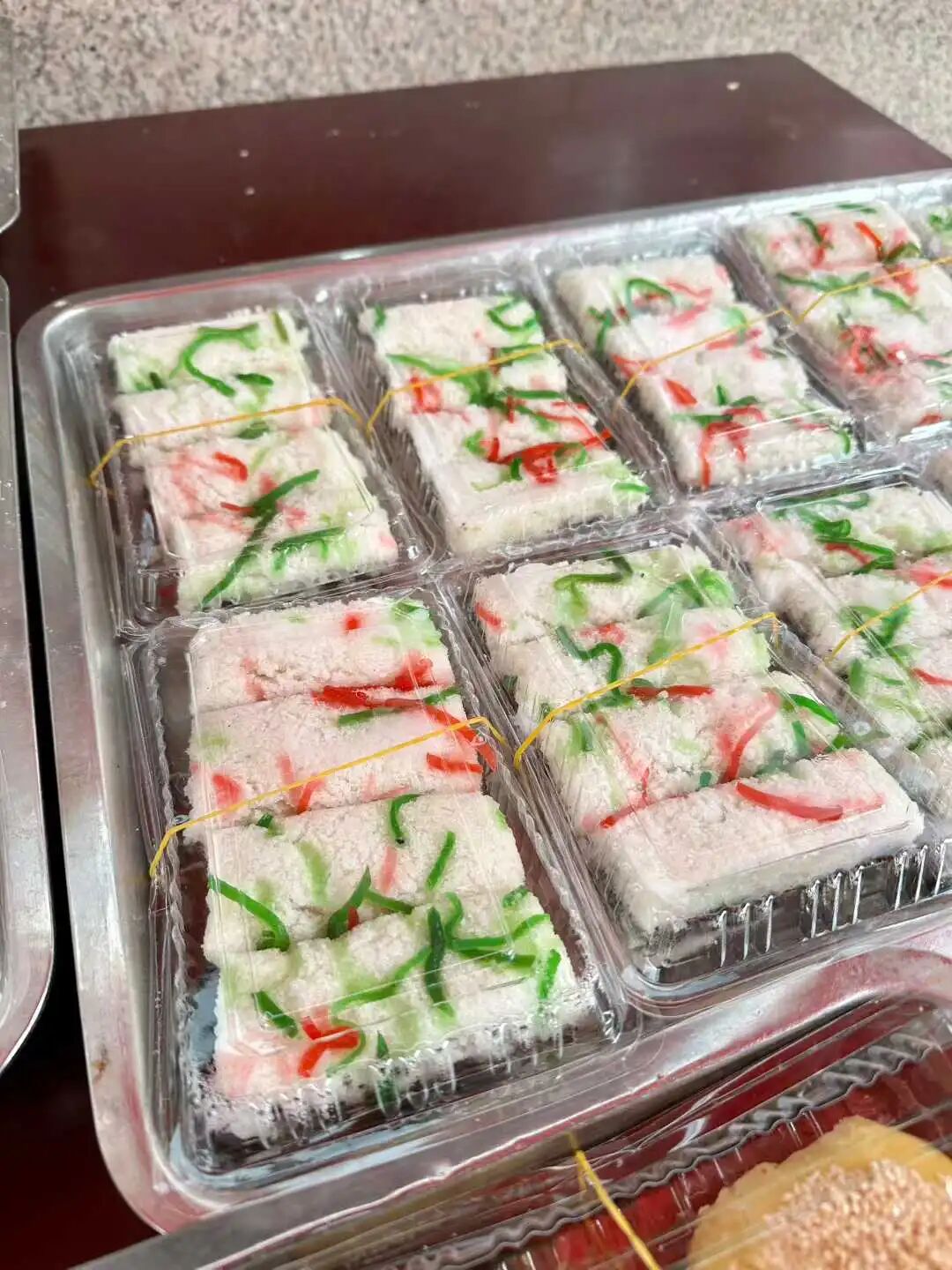
Yixinzhai also sells traditional pastries from the Jiangsu, Zhejiang, and Shanghai regions. We bought a box of victory cakes (dingsheng gao), which are made from glutinous rice, non-glutinous rice, and red rice flour with a red bean paste filling. They were quite hard when we bought them, but after steaming them again at home, the texture returned to normal.
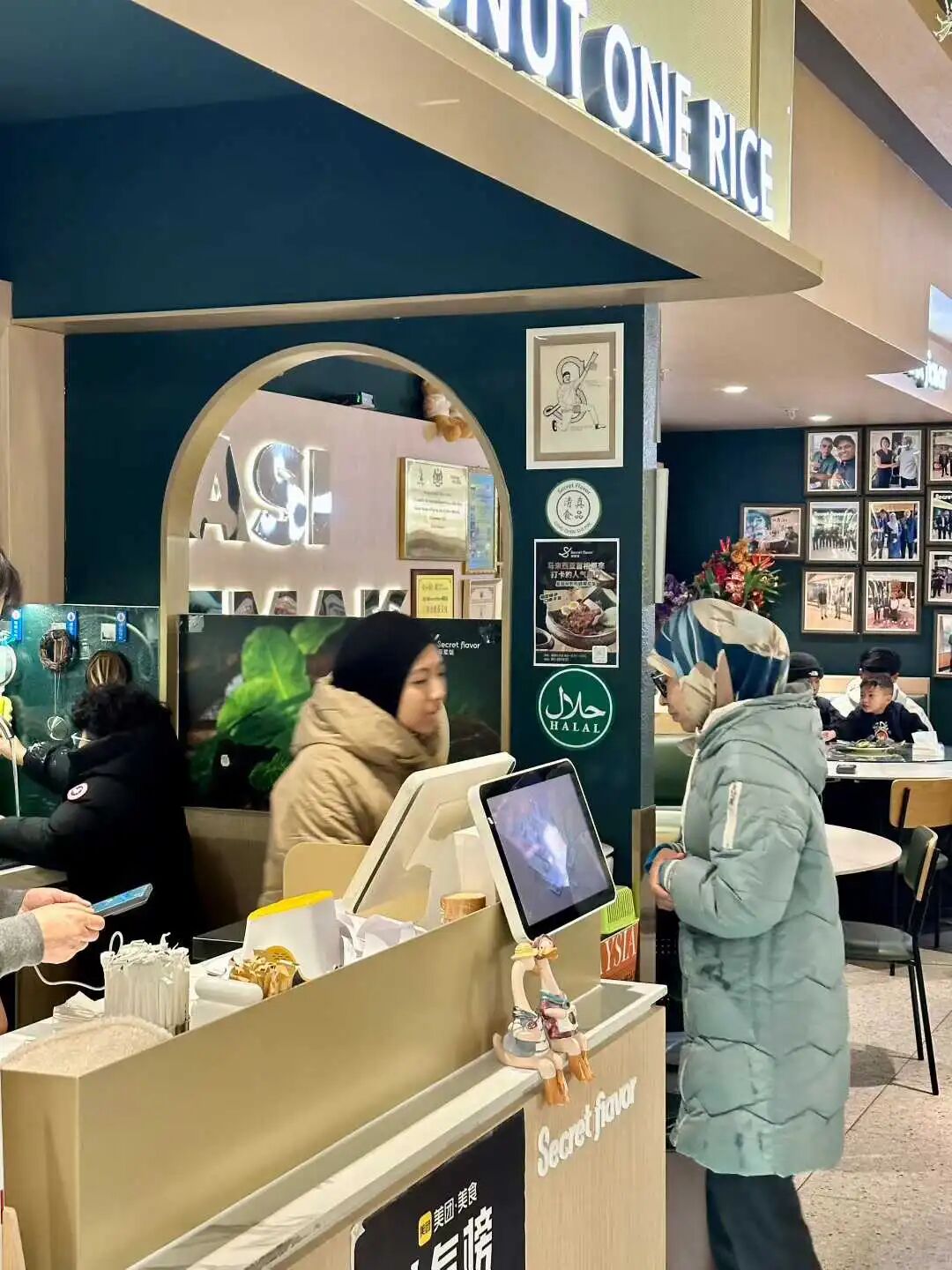
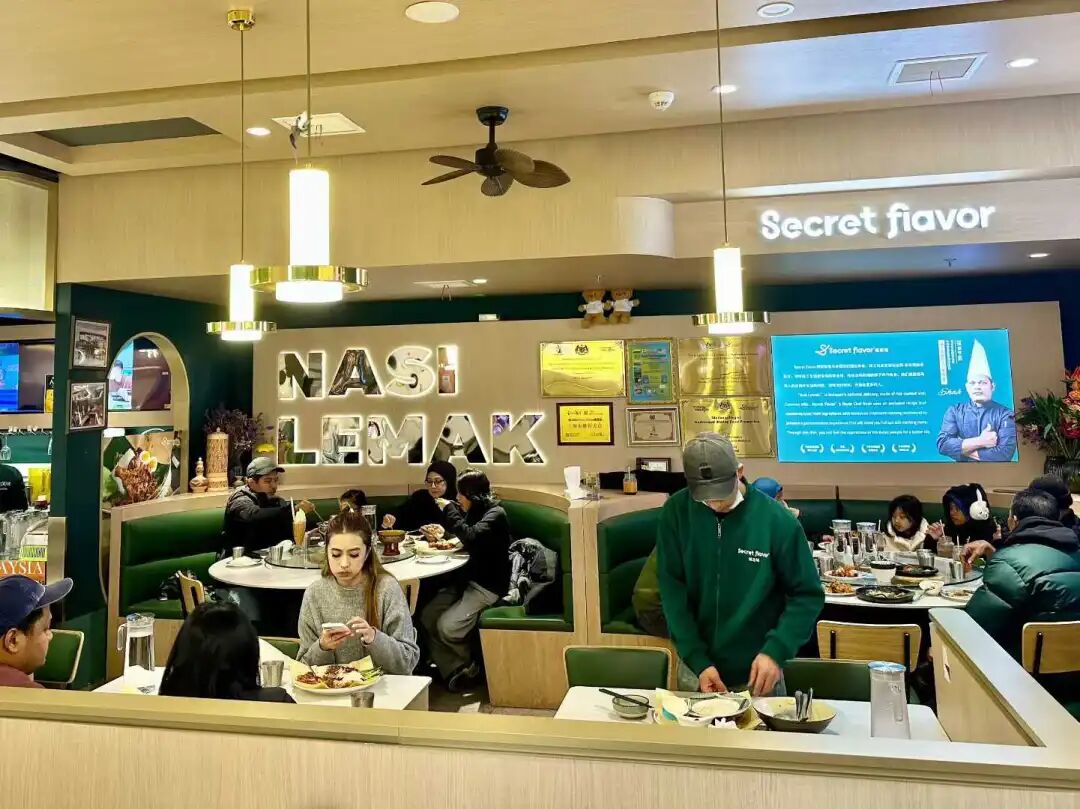
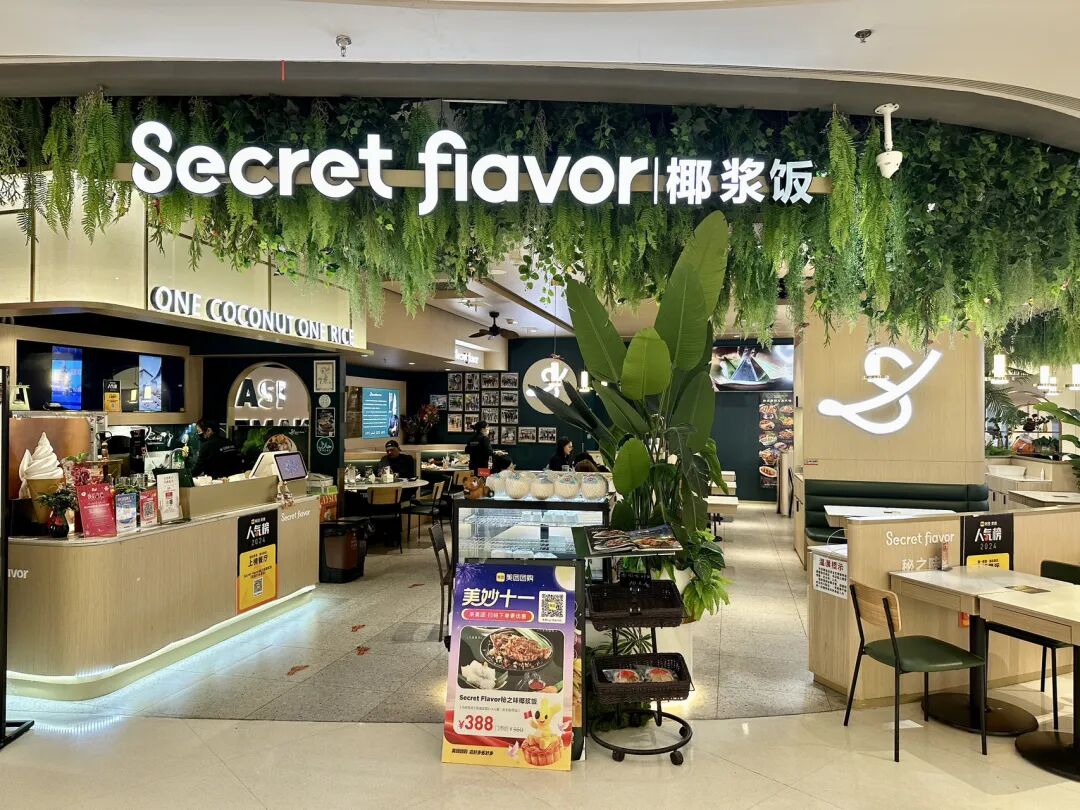
In the evening, we ate at a Malaysian restaurant called Secret Taste (Mizhiwei) in the Qiantan area of Shanghai. Although there are Malaysian restaurants in Beijing, they are usually run by Malaysian Chinese. If you want to taste authentic Malaysian Muslim food, you have to come to Secret Taste. It is clean and alcohol-free.
The restaurant is in the underground food court of Qiantan 31. It is easy to drive directly into the parking garage, and it is right next to Qiantan Taikoo Li, which is great for shopping.
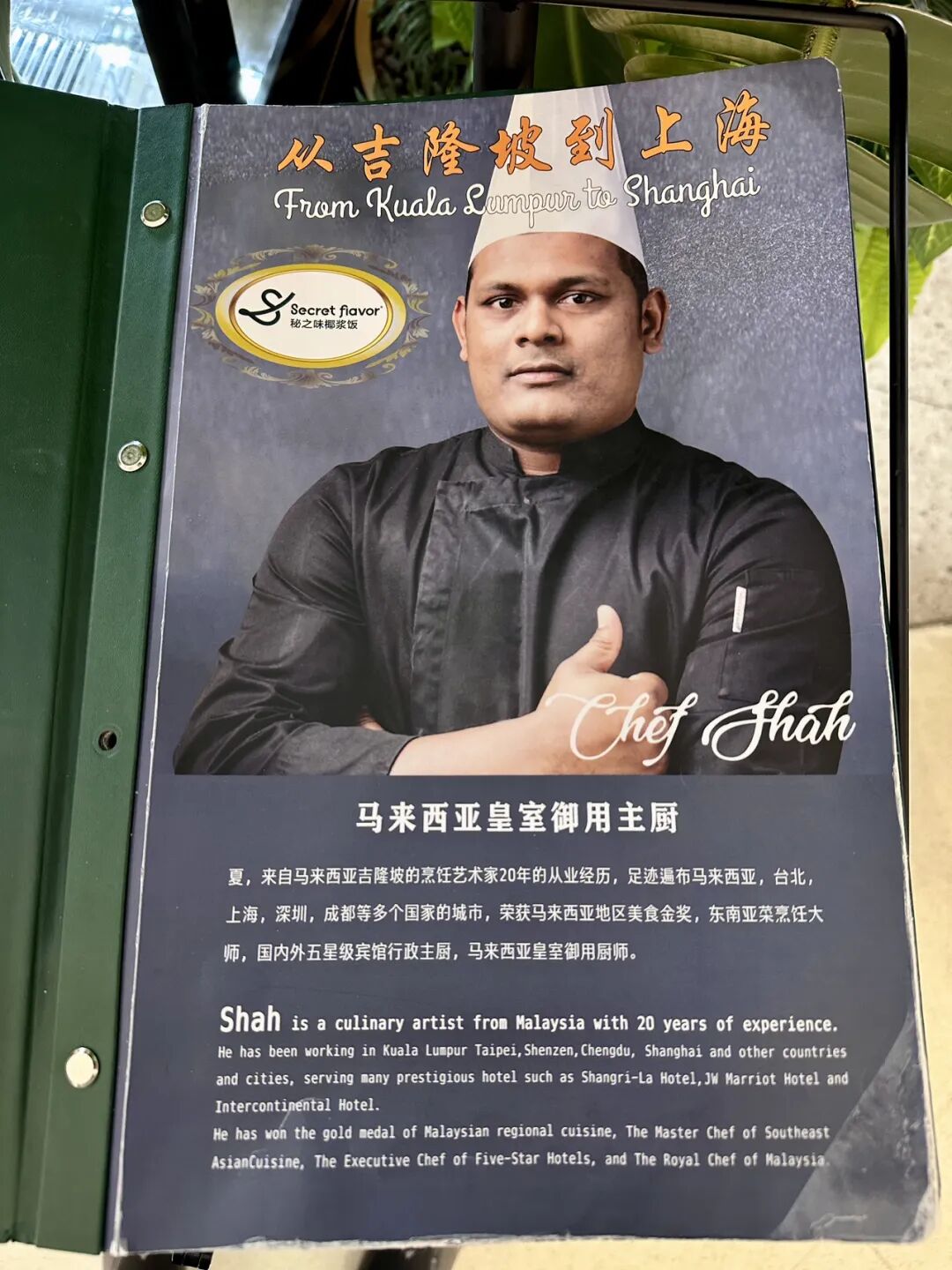
Their head chef, Shah, is from Kuala Lumpur and spent 20 years as an executive chef at five-star hotels. When we arrived, the chef was at the bar making drinks. Most of the diners were Malaysian Muslims, many of whom seemed to be families visiting Shanghai.
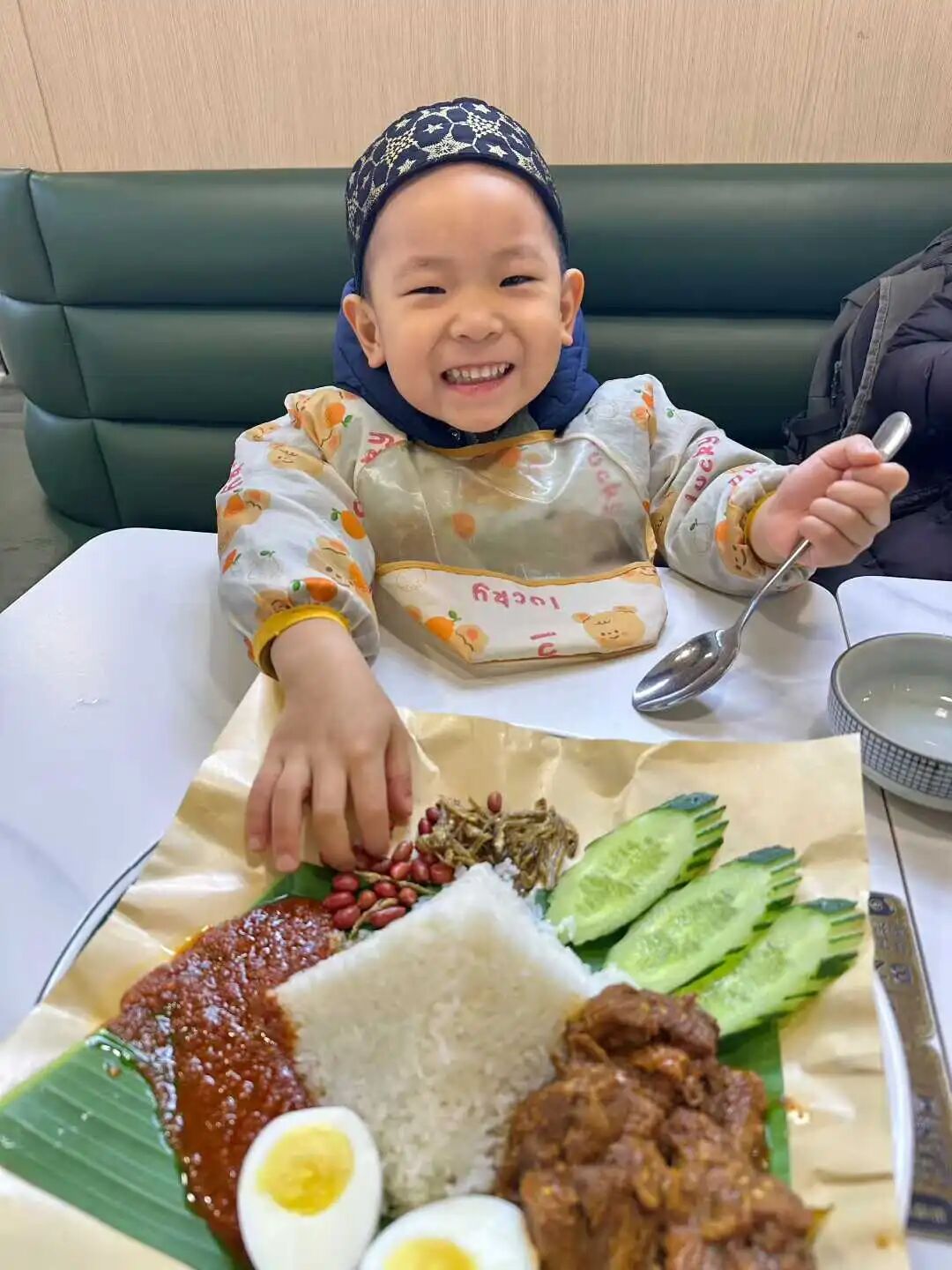
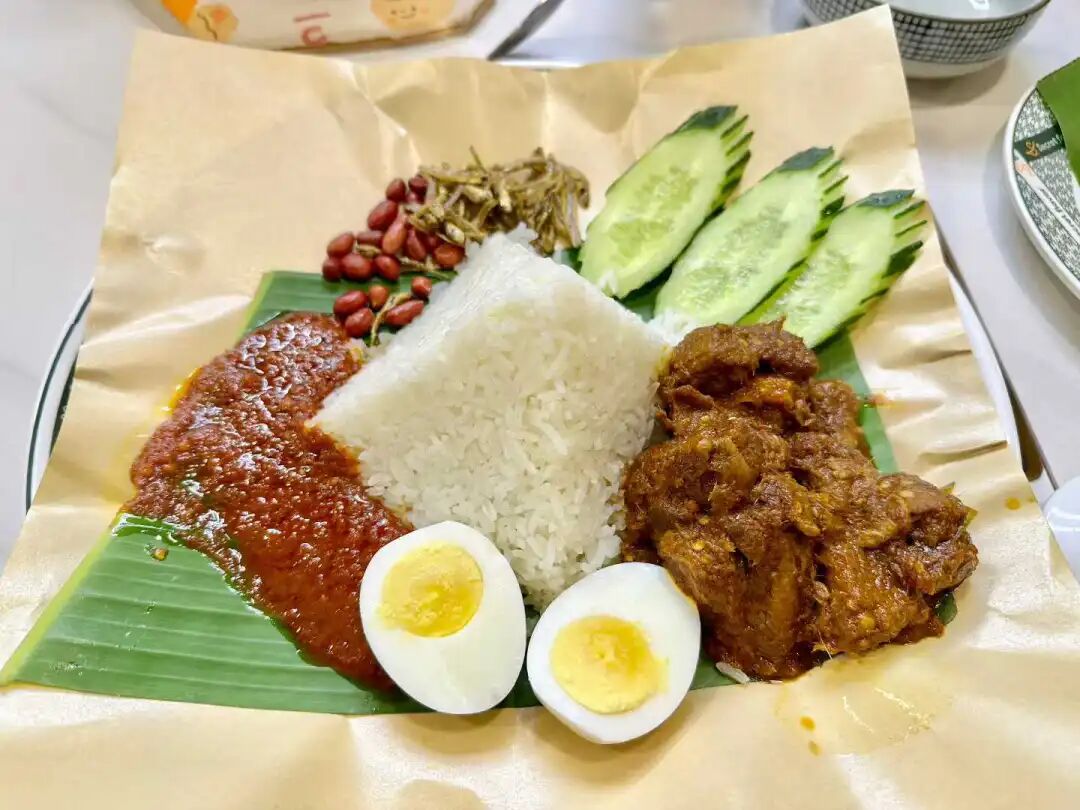
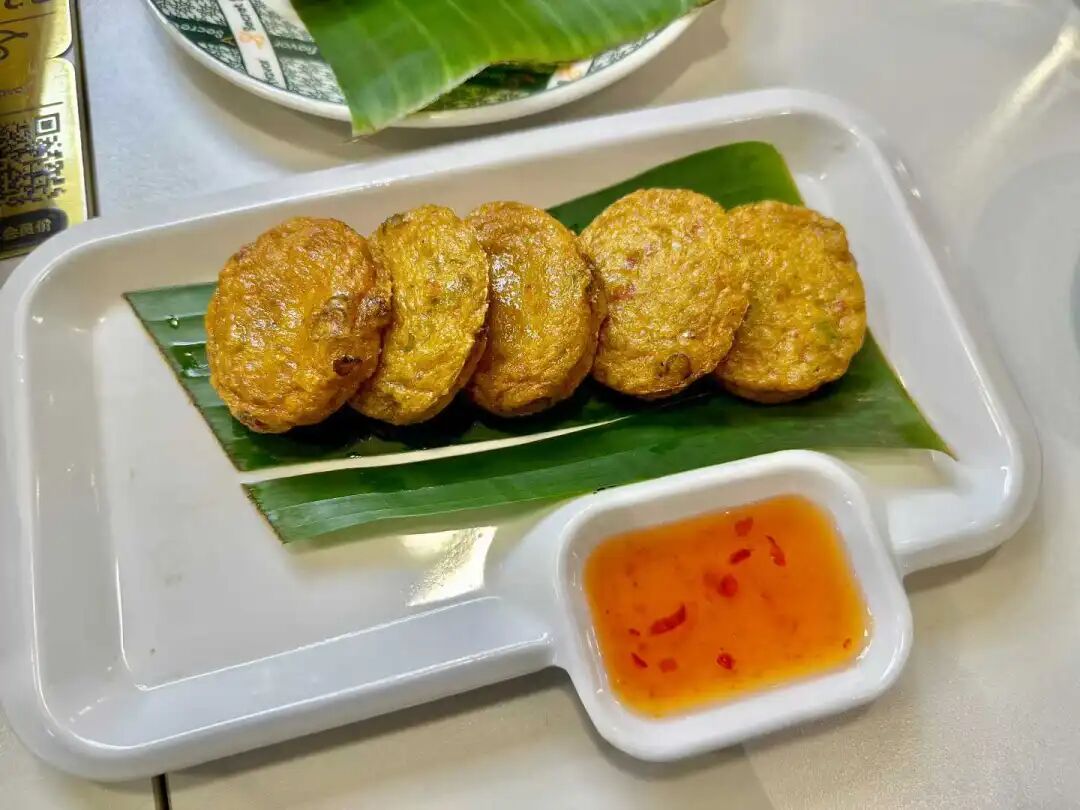
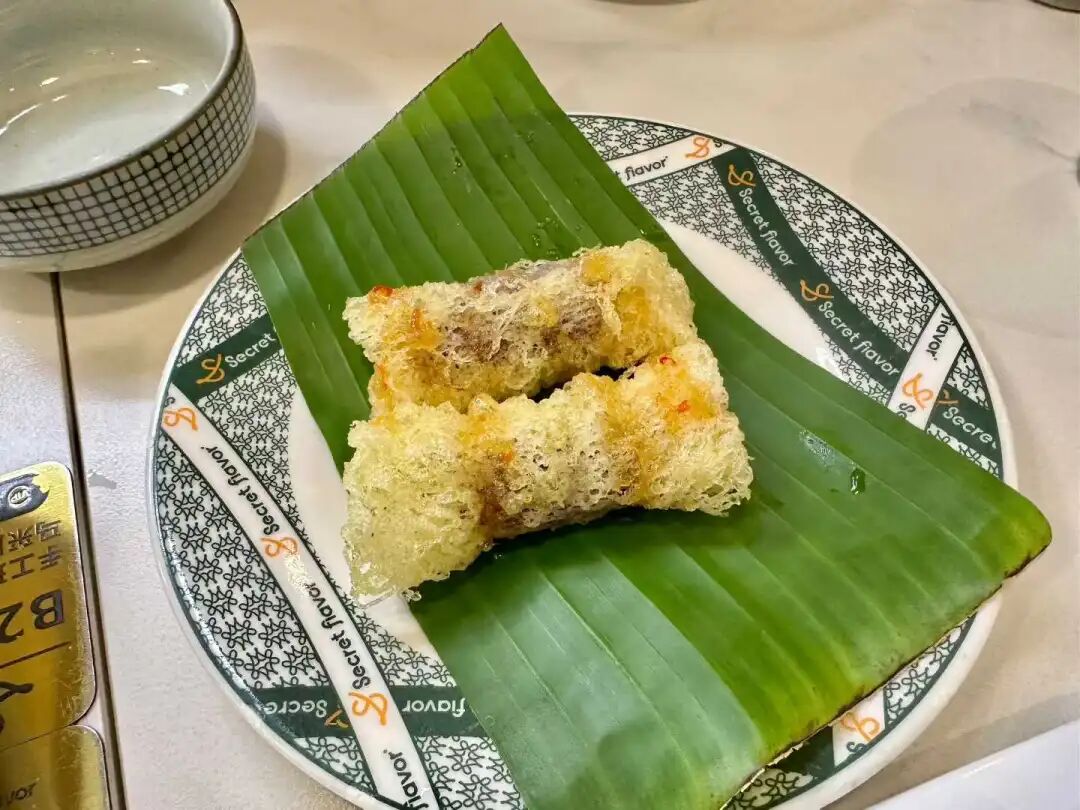
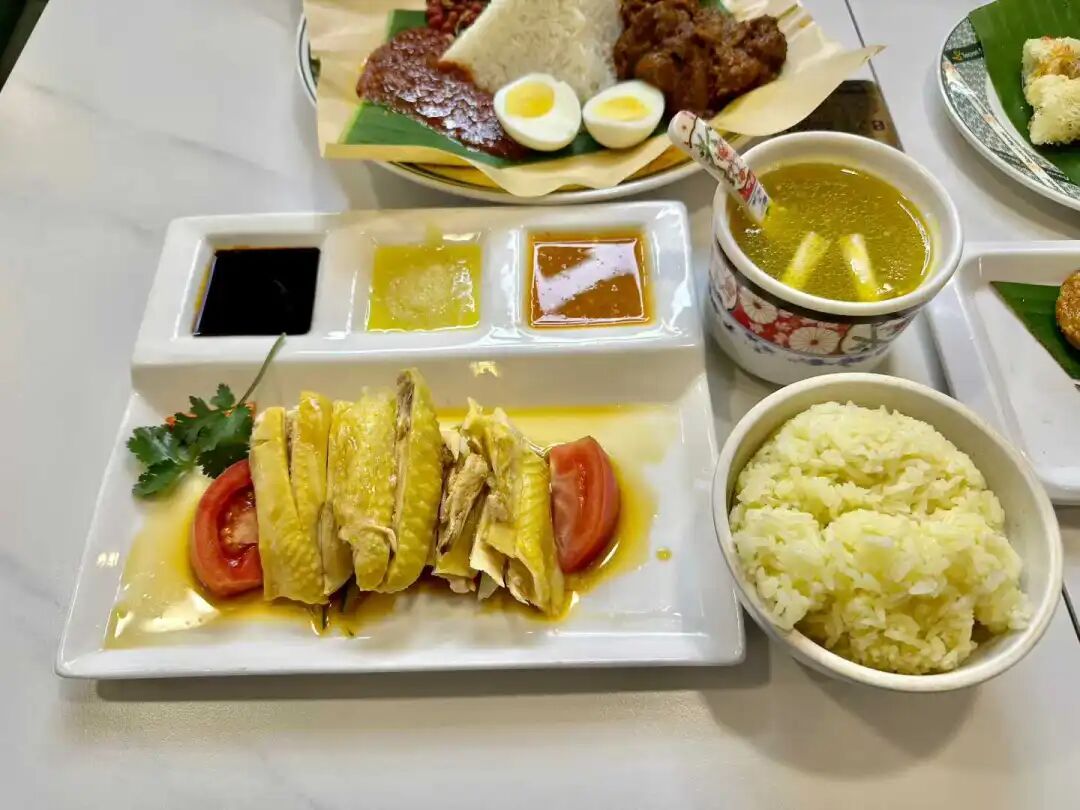
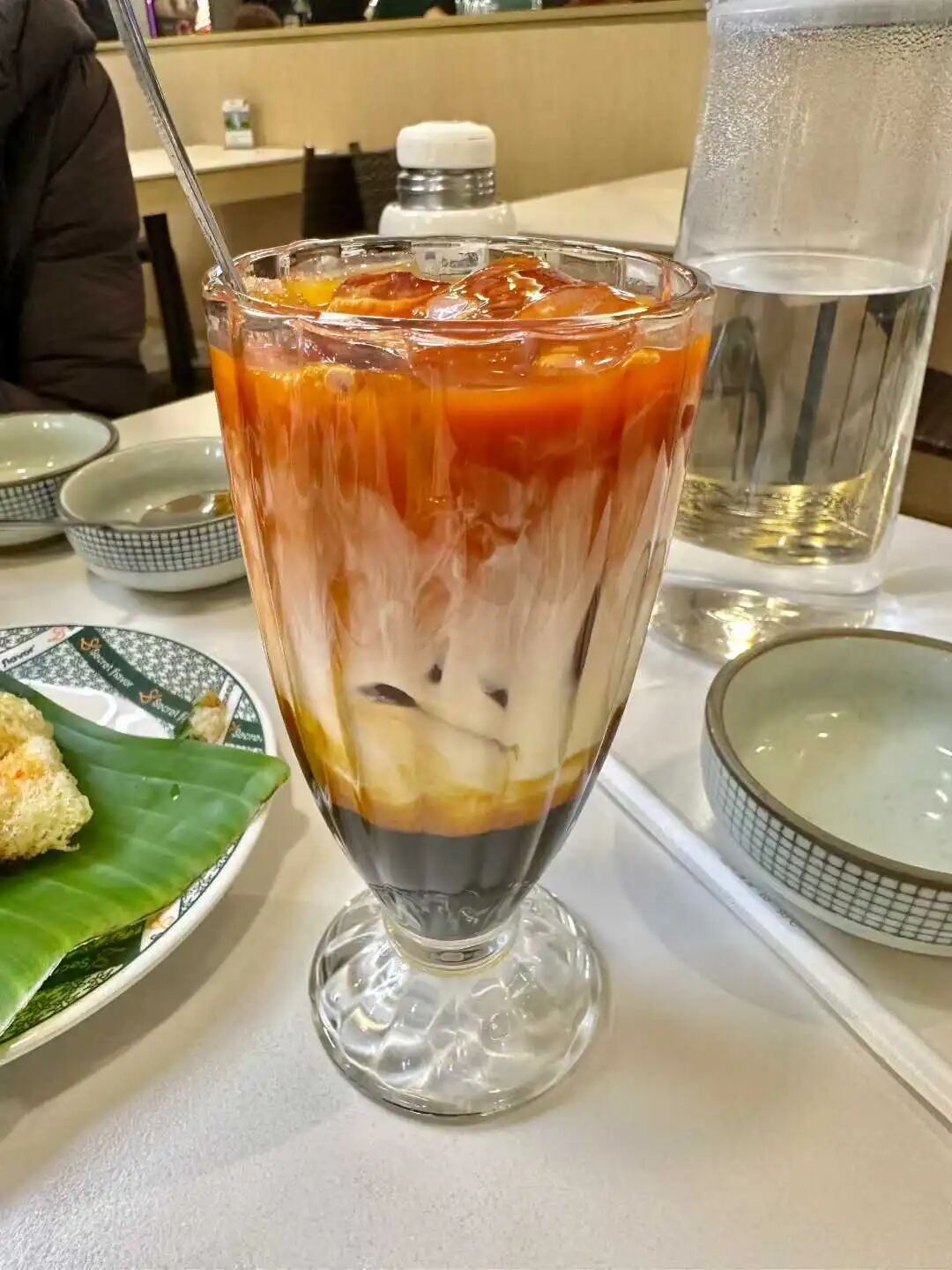
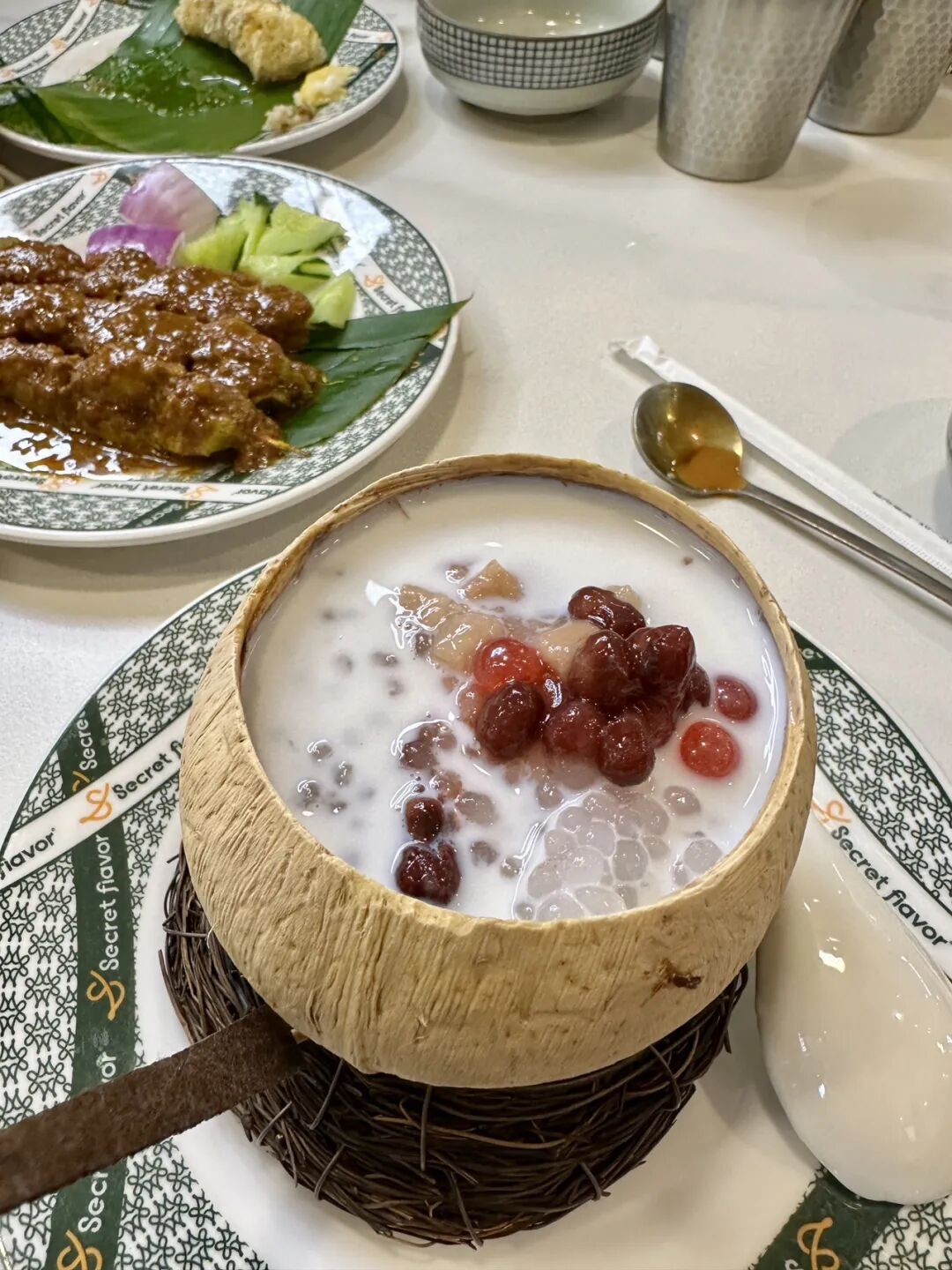
We ordered beef rendang rice, three-color milk tea, Hainanese chicken rice, handmade fish cakes, Nyonya yam rolls, and coconut bubur cha cha. Their beef rendang rice is very authentic and definitely feels like being back in Malaysia. The beef was even softer and more tender than what we ate in Malaysia, which suits the Chinese palate. It would be even better if we could choose turmeric rice or pandan rice to go with it.
Beef rendang likely originated from curry brought by Indian merchants who came to trade on Sumatra before the 15th century, which then developed alongside the local diet of the Minangkabau people. The Minangkabau people have always been known for their business skills and are the most mobile ethnic group in Southeast Asia. In the early 14th century, the Minangkabau crossed the Strait of Malacca to reach the Malay Peninsula, where they married local Malays and blended into the Malay population. The main ingredients for beef stew (rendang) are meat, coconut milk, chili, and various spices. To suit the needs of Minangkabau merchants on long voyages, the stew is simmered over low heat until it becomes rich and dry, allowing it to be stored for several weeks.
Their three-layer milk tea (teh tarik) is also very good. Three-layer milk tea is made with palm sugar, milk, and black tea to create three distinct colors, and it has a very rich flavor.
I also really like the fish crackers (keropok lekor) and yam rolls; they are rare and delicious Malay specialties.
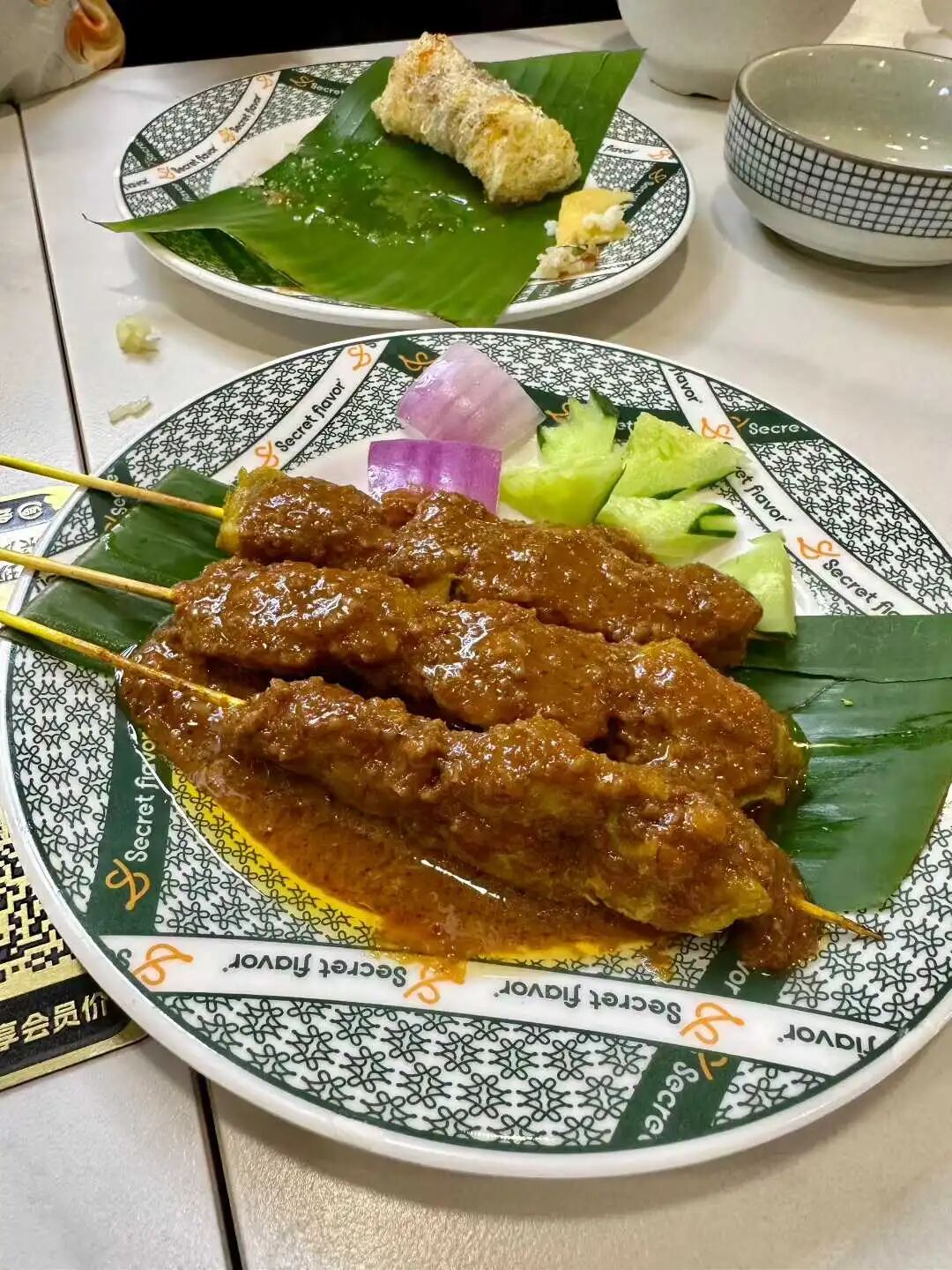
Their chicken satay (satay ayam) also tastes good. Satay originated on the island of Java, where Javanese people developed it based on the South Asian grilled skewers (kebab) brought by Indian merchants. The word satay comes from the South Indian Tamil word 'catai,' which literally means 'meat'. After the 19th century, the Javanese brought satay to the Malay Peninsula, and it became a classic Malay snack.
It is a pity that their Hainanese chicken rice is not good. I have eaten delicious Hainanese chicken rice made by Malay friends (dosti) many times in Malaysia. But their chicken is very icy, as if it was just taken out of the refrigerator. The rice cooked in chicken broth actually tastes good, but it does not go well with the cold chicken. view all
Summary: This Shanghai one-day halal food tour starts with Xiao Pang Beef Pan-Fried Buns at the Yongji Road farmers' market in Yangpu District. It preserves the source's shop names, Hui Muslim owners, neighborhood context, food descriptions, exhibition stop, and photographs.
I came to Shanghai on New Year's Day to see the Mughal, Persian, and Ottoman art exhibition at the Pudong Art Museum, and I took the chance to go on a one-day food tour of local Muslim eateries.
On the food street at the Yongji Road farmers' market in Yangpu District, Shanghai, there is a shop called Xiao Pang Beef Pan-fried Buns (xiaopang niurou jianbao). The owner is Pang Xinhuai, a Hui Muslim friend (dost) from Henan. He has been running his beef pan-fried bun shop in Shanghai for 31 years, and he is very popular with the locals.
I went to his shop early on New Year's Day for buns. Every batch is sold out immediately by the people waiting in line, so you can almost always get them fresh out of the pan. I didn't see any tourists taking photos when I was there; it was mostly residents from the neighborhood stopping by after grocery shopping.
Their pan-fried buns are very juicy, so be careful not to splash yourself when you take a bite. The buns are very fragrant with a thick skin. I think two are enough for an average person, and one is plenty for someone with a small appetite. I also had their beef vermicelli soup (niurou fensi tang). The flavor is rich and the vermicelli is chewy, which is perfect for winter. They also have flatbread with cumin (qiangbing) and scallion egg pancakes (cong hua jidan bing). Unfortunately, the flatbread was sold out when I arrived. The egg pancake is quite mild, which is good if you prefer lighter flavors.
The snack shops run by Henan Hui Muslims in Shanghai mainly fall into two types. Besides beef pan-fried buns, there are also shops focusing on the classic Shanghai breakfast quartet of flatbread (dabing) and fried dough sticks (youtiao). I visited one on Lingyan South Road in Lingzhao New Village, Pudong, and they are also very popular with local residents.
Their most famous item is the old-fashioned flatbread, which is made fresh in the oven and served piping hot. They serve the flatbread with sweet tofu pudding (douhua) and savory soy milk (xianjiang). Savory soy milk, along with flatbread, fried dough sticks, and sticky rice rolls (cifan), are known as the four pillars of a Shanghai breakfast. It is very different from the soy milk we drink in the north and is not just simple salty soy milk. Savory soy milk is made by adding vinegar to soy milk to create soft curds, then topped with seaweed, pickled mustard greens, and dried shrimp. It is very comforting to eat in the morning with fried dough sticks.
It was my first time having a sticky rice roll. It is made by steaming a mix of glutinous rice and non-glutinous rice, then wrapping it around fried dough sticks and pickled mustard greens. The portion is huge; I didn't expect Shanghai people to have such a filling breakfast!
Besides the rolls, they have sticky rice cakes (cifan gao). These are made by mixing glutinous and non-glutinous rice with salt, pressing them into blocks, and frying them. The outside is crispy, while the inside still has the texture of rice. Their fried radish cakes (youdunzi) are also delicious, filled with shredded white radish.
Shanghai-style Muslim cuisine has a long history. After Shanghai opened as a port in 1843 (the 23rd year of the Daoguang reign), Hui Muslims from Nanjing began selling halal food in the city. Over the next hundred years, this gradually developed into Shanghai-style Muslim cuisine. During the Xianfeng reign, Nanjing Hui Muslims founded the He Wanxing tea shop in the Nanshi district of Shanghai. It was later renamed Huifenglou Restaurant. Huifenglou was famous for its Huifeng beef pot, stir-fried yellow crab with oil and soy sauce, and braised river eel in a rich, dark sauce. They also served thumb-sized beef rice dumplings (zongzi) and silver thread rolls (yinsi juan), making Shanghai-style Muslim cuisine very famous for a time.
Due to historical reasons, Shanghai-style Muslim cuisine gradually declined in the late 20th century and slowly faded from public view. In the 1980s, the most authentic Shanghai-style Muslim food was found at the predecessor to the Guan Guan Ji restaurant, which was a Muslim restaurant. Today, if you want to taste Shanghai-style Muslim cuisine, you can choose the long-established Yixinzhai, which opened in 1958 and is recognized as a Shanghai intangible cultural heritage.
I first visited Yixinzhai when I was researching Muslim communities along the Yangtze River in 2017. Back then, I went to the old shop on Liangzhou Road. That shop is temporarily closed now, but you can find the new temporary location just a little further down the street. I was alone last time and only had the shredded eel cold noodles, three-yellow chicken (sanhuangji), and shaved ice. This time, I brought my whole family so we could try their stir-fried dishes.
We ordered sizzling oil shredded eel (xiangyou shansi), crab roe tofu, crystal shrimp, and Yangzhou fried rice. At first, we wanted to order plain stir-fried shredded eel, but the server said that version is just eel. The sizzling oil version is stir-fried with water bamboo (jiaobai). I thought the version with water bamboo tasted better. The shredded eel was quite oily and had a strong savory sauce. It tasted a lot like stir-fried chicken cubes with bean paste (jiangbao jiding), but the texture of the eel was better. The kids really loved the crystal shrimp and Yangzhou fried rice and ate a lot of both. The shrimp had a great texture and tasted very fresh. I really liked the crab roe tofu. It went perfectly with rice and had a very rich crab flavor.
I want to mention that in some areas, Hui Muslims follow dietary customs like only eating ruminants, avoiding scaleless fish, or not eating rabbit. I have never seen these customs in any Muslim community abroad, and they are not recorded in any religious texts or legal treatises. I later learned about this in an article by Yahya Dosti titled "What are the non-halal foods mentioned in religious texts?" The article explains that these dietary habits actually come from the Jewish scripture, the Book of Leviticus in the Old Testament. He suggests that when the "Blue-capped Hui" (lanmao huihui) Jewish descendants in Kaifeng, Henan, integrated into the Hui Muslim community, they brought some Jewish customs with them, leading to this cultural fusion.
If you are a Hui Muslim who respects tradition, you can choose to follow these customs yourself. However, you have no right to criticize others for eating scaleless fish or rabbit, as these are just folk customs and have nothing to do with faith.
Yixinzhai also sells traditional pastries from the Jiangsu, Zhejiang, and Shanghai regions. We bought a box of victory cakes (dingsheng gao), which are made from glutinous rice, non-glutinous rice, and red rice flour with a red bean paste filling. They were quite hard when we bought them, but after steaming them again at home, the texture returned to normal.
In the evening, we ate at a Malaysian restaurant called Secret Taste (Mizhiwei) in the Qiantan area of Shanghai. Although there are Malaysian restaurants in Beijing, they are usually run by Malaysian Chinese. If you want to taste authentic Malaysian Muslim food, you have to come to Secret Taste. It is clean and alcohol-free.
The restaurant is in the underground food court of Qiantan 31. It is easy to drive directly into the parking garage, and it is right next to Qiantan Taikoo Li, which is great for shopping.
Their head chef, Shah, is from Kuala Lumpur and spent 20 years as an executive chef at five-star hotels. When we arrived, the chef was at the bar making drinks. Most of the diners were Malaysian Muslims, many of whom seemed to be families visiting Shanghai.
We ordered beef rendang rice, three-color milk tea, Hainanese chicken rice, handmade fish cakes, Nyonya yam rolls, and coconut bubur cha cha. Their beef rendang rice is very authentic and definitely feels like being back in Malaysia. The beef was even softer and more tender than what we ate in Malaysia, which suits the Chinese palate. It would be even better if we could choose turmeric rice or pandan rice to go with it.
Beef rendang likely originated from curry brought by Indian merchants who came to trade on Sumatra before the 15th century, which then developed alongside the local diet of the Minangkabau people. The Minangkabau people have always been known for their business skills and are the most mobile ethnic group in Southeast Asia. In the early 14th century, the Minangkabau crossed the Strait of Malacca to reach the Malay Peninsula, where they married local Malays and blended into the Malay population. The main ingredients for beef stew (rendang) are meat, coconut milk, chili, and various spices. To suit the needs of Minangkabau merchants on long voyages, the stew is simmered over low heat until it becomes rich and dry, allowing it to be stored for several weeks.
Their three-layer milk tea (teh tarik) is also very good. Three-layer milk tea is made with palm sugar, milk, and black tea to create three distinct colors, and it has a very rich flavor.
I also really like the fish crackers (keropok lekor) and yam rolls; they are rare and delicious Malay specialties.
Their chicken satay (satay ayam) also tastes good. Satay originated on the island of Java, where Javanese people developed it based on the South Asian grilled skewers (kebab) brought by Indian merchants. The word satay comes from the South Indian Tamil word 'catai,' which literally means 'meat'. After the 19th century, the Javanese brought satay to the Malay Peninsula, and it became a classic Malay snack.
It is a pity that their Hainanese chicken rice is not good. I have eaten delicious Hainanese chicken rice made by Malay friends (dosti) many times in Malaysia. But their chicken is very icy, as if it was just taken out of the refrigerator. The rice cooked in chicken broth actually tastes good, but it does not go well with the cold chicken. view all
Reposted from the web
Summary: This Shanghai one-day halal food tour starts with Xiao Pang Beef Pan-Fried Buns at the Yongji Road farmers' market in Yangpu District. It preserves the source's shop names, Hui Muslim owners, neighborhood context, food descriptions, exhibition stop, and photographs.
I came to Shanghai on New Year's Day to see the Mughal, Persian, and Ottoman art exhibition at the Pudong Art Museum, and I took the chance to go on a one-day food tour of local Muslim eateries.
On the food street at the Yongji Road farmers' market in Yangpu District, Shanghai, there is a shop called Xiao Pang Beef Pan-fried Buns (xiaopang niurou jianbao). The owner is Pang Xinhuai, a Hui Muslim friend (dost) from Henan. He has been running his beef pan-fried bun shop in Shanghai for 31 years, and he is very popular with the locals.
I went to his shop early on New Year's Day for buns. Every batch is sold out immediately by the people waiting in line, so you can almost always get them fresh out of the pan. I didn't see any tourists taking photos when I was there; it was mostly residents from the neighborhood stopping by after grocery shopping.
Their pan-fried buns are very juicy, so be careful not to splash yourself when you take a bite. The buns are very fragrant with a thick skin. I think two are enough for an average person, and one is plenty for someone with a small appetite. I also had their beef vermicelli soup (niurou fensi tang). The flavor is rich and the vermicelli is chewy, which is perfect for winter. They also have flatbread with cumin (qiangbing) and scallion egg pancakes (cong hua jidan bing). Unfortunately, the flatbread was sold out when I arrived. The egg pancake is quite mild, which is good if you prefer lighter flavors.
The snack shops run by Henan Hui Muslims in Shanghai mainly fall into two types. Besides beef pan-fried buns, there are also shops focusing on the classic Shanghai breakfast quartet of flatbread (dabing) and fried dough sticks (youtiao). I visited one on Lingyan South Road in Lingzhao New Village, Pudong, and they are also very popular with local residents.
Their most famous item is the old-fashioned flatbread, which is made fresh in the oven and served piping hot. They serve the flatbread with sweet tofu pudding (douhua) and savory soy milk (xianjiang). Savory soy milk, along with flatbread, fried dough sticks, and sticky rice rolls (cifan), are known as the four pillars of a Shanghai breakfast. It is very different from the soy milk we drink in the north and is not just simple salty soy milk. Savory soy milk is made by adding vinegar to soy milk to create soft curds, then topped with seaweed, pickled mustard greens, and dried shrimp. It is very comforting to eat in the morning with fried dough sticks.
It was my first time having a sticky rice roll. It is made by steaming a mix of glutinous rice and non-glutinous rice, then wrapping it around fried dough sticks and pickled mustard greens. The portion is huge; I didn't expect Shanghai people to have such a filling breakfast!
Besides the rolls, they have sticky rice cakes (cifan gao). These are made by mixing glutinous and non-glutinous rice with salt, pressing them into blocks, and frying them. The outside is crispy, while the inside still has the texture of rice. Their fried radish cakes (youdunzi) are also delicious, filled with shredded white radish.
Shanghai-style Muslim cuisine has a long history. After Shanghai opened as a port in 1843 (the 23rd year of the Daoguang reign), Hui Muslims from Nanjing began selling halal food in the city. Over the next hundred years, this gradually developed into Shanghai-style Muslim cuisine. During the Xianfeng reign, Nanjing Hui Muslims founded the He Wanxing tea shop in the Nanshi district of Shanghai. It was later renamed Huifenglou Restaurant. Huifenglou was famous for its Huifeng beef pot, stir-fried yellow crab with oil and soy sauce, and braised river eel in a rich, dark sauce. They also served thumb-sized beef rice dumplings (zongzi) and silver thread rolls (yinsi juan), making Shanghai-style Muslim cuisine very famous for a time.
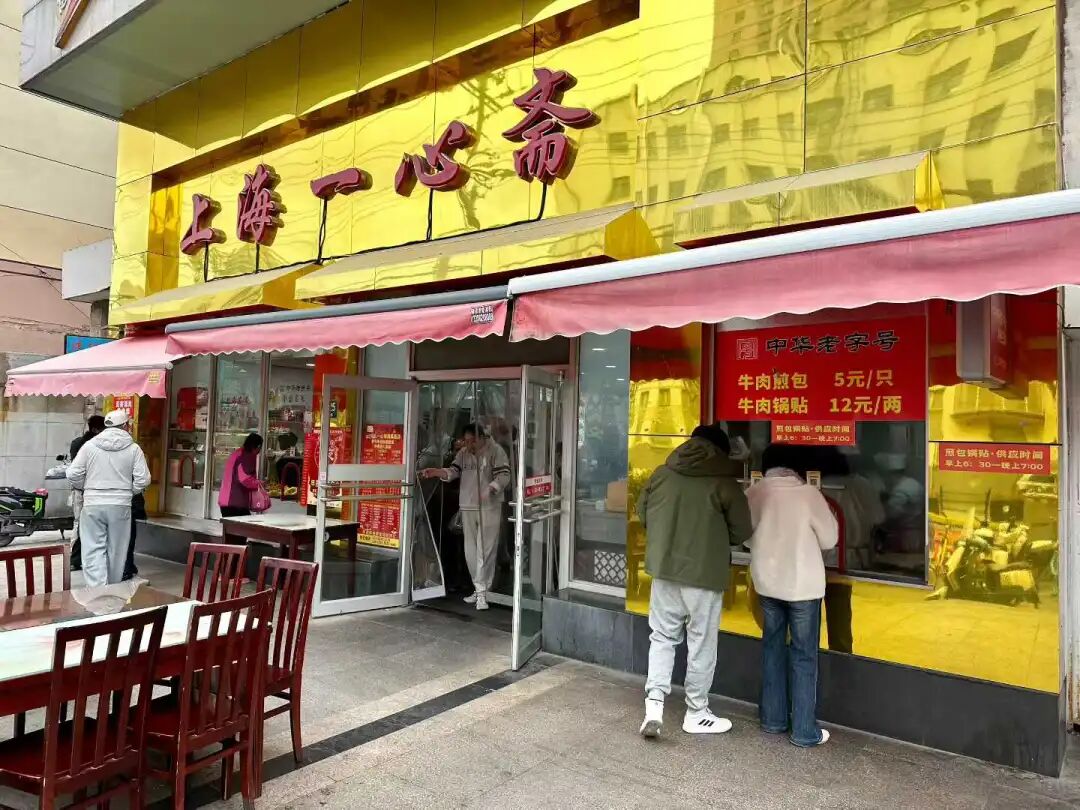
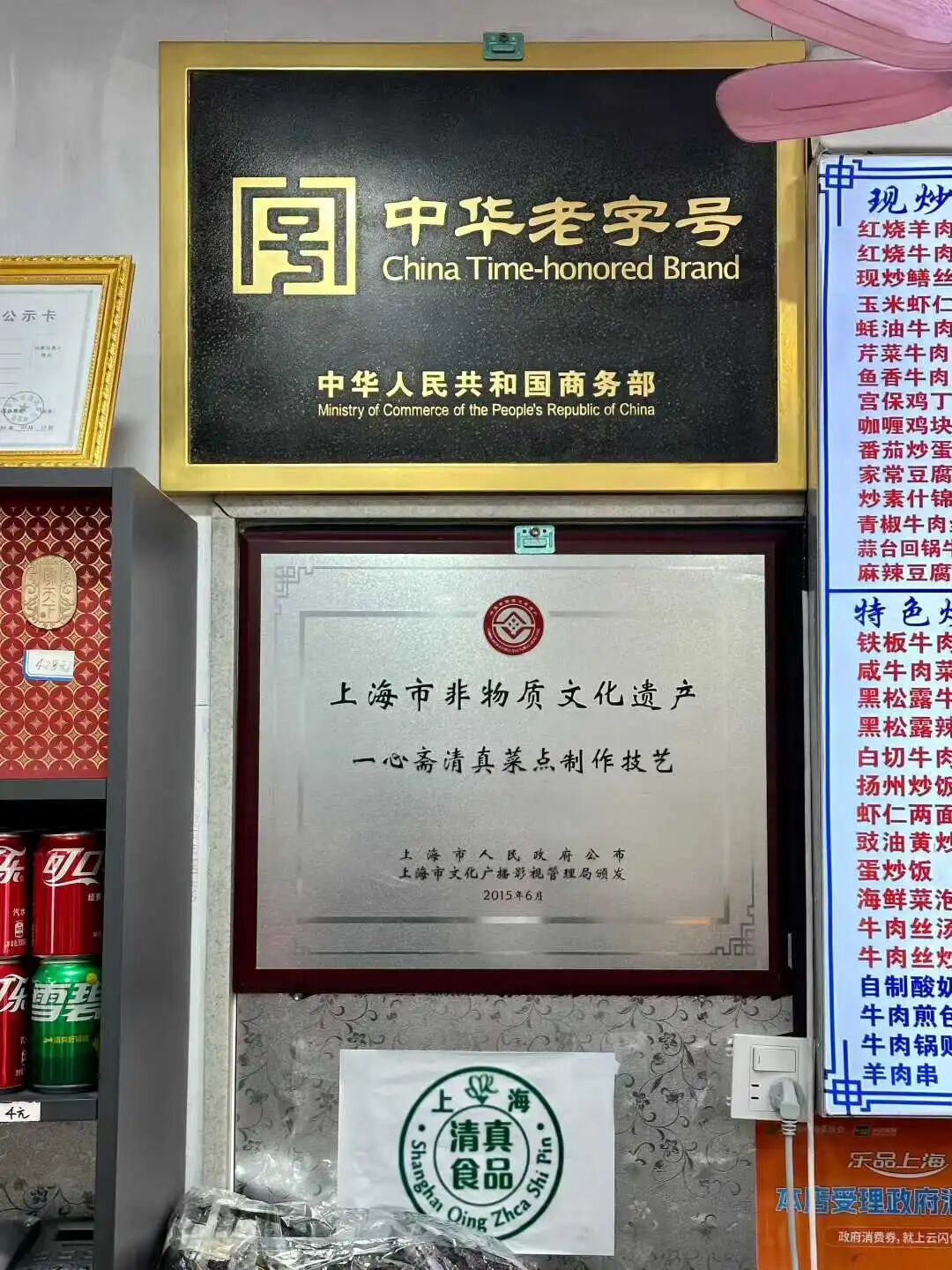
Due to historical reasons, Shanghai-style Muslim cuisine gradually declined in the late 20th century and slowly faded from public view. In the 1980s, the most authentic Shanghai-style Muslim food was found at the predecessor to the Guan Guan Ji restaurant, which was a Muslim restaurant. Today, if you want to taste Shanghai-style Muslim cuisine, you can choose the long-established Yixinzhai, which opened in 1958 and is recognized as a Shanghai intangible cultural heritage.
I first visited Yixinzhai when I was researching Muslim communities along the Yangtze River in 2017. Back then, I went to the old shop on Liangzhou Road. That shop is temporarily closed now, but you can find the new temporary location just a little further down the street. I was alone last time and only had the shredded eel cold noodles, three-yellow chicken (sanhuangji), and shaved ice. This time, I brought my whole family so we could try their stir-fried dishes.
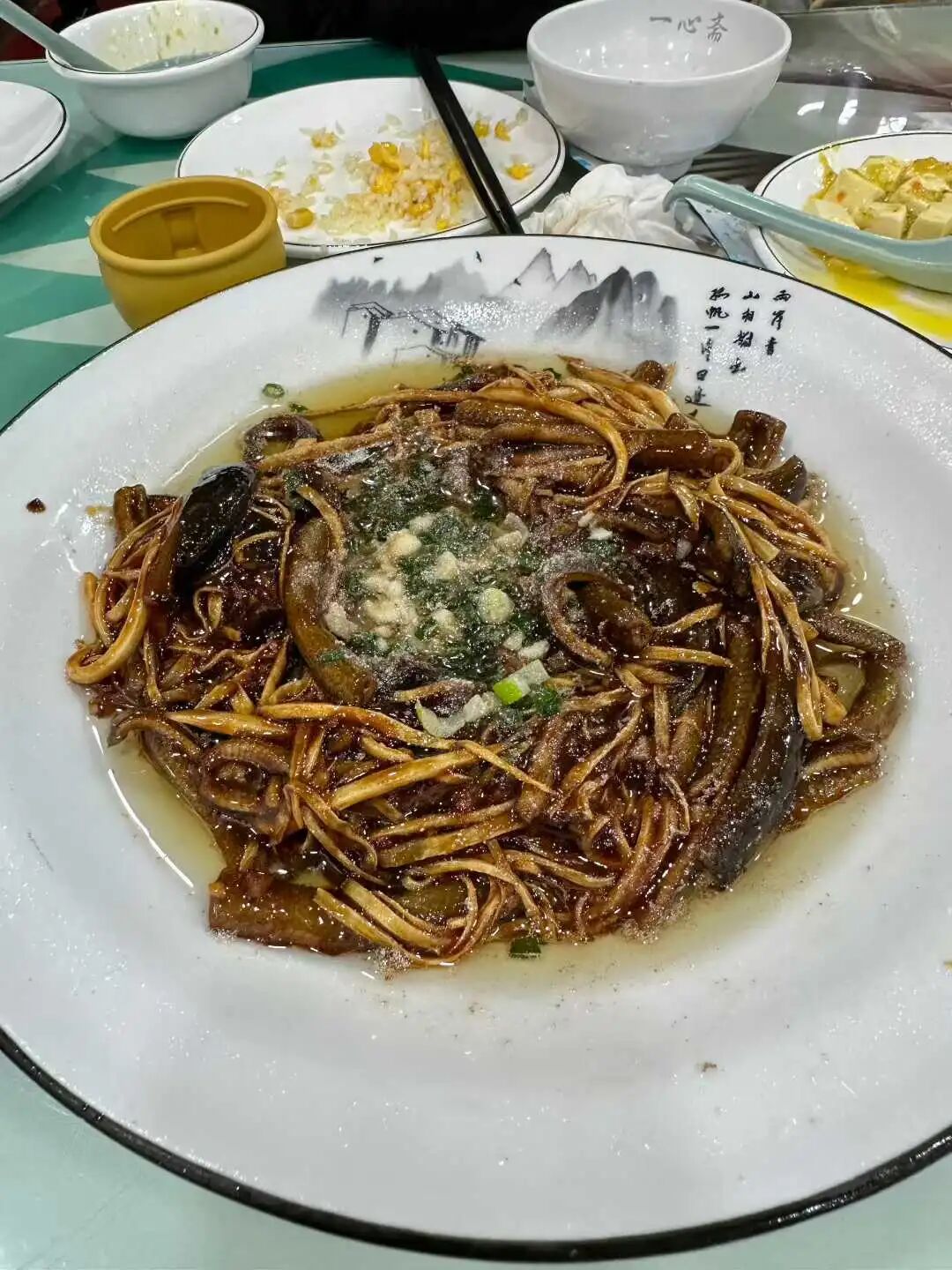
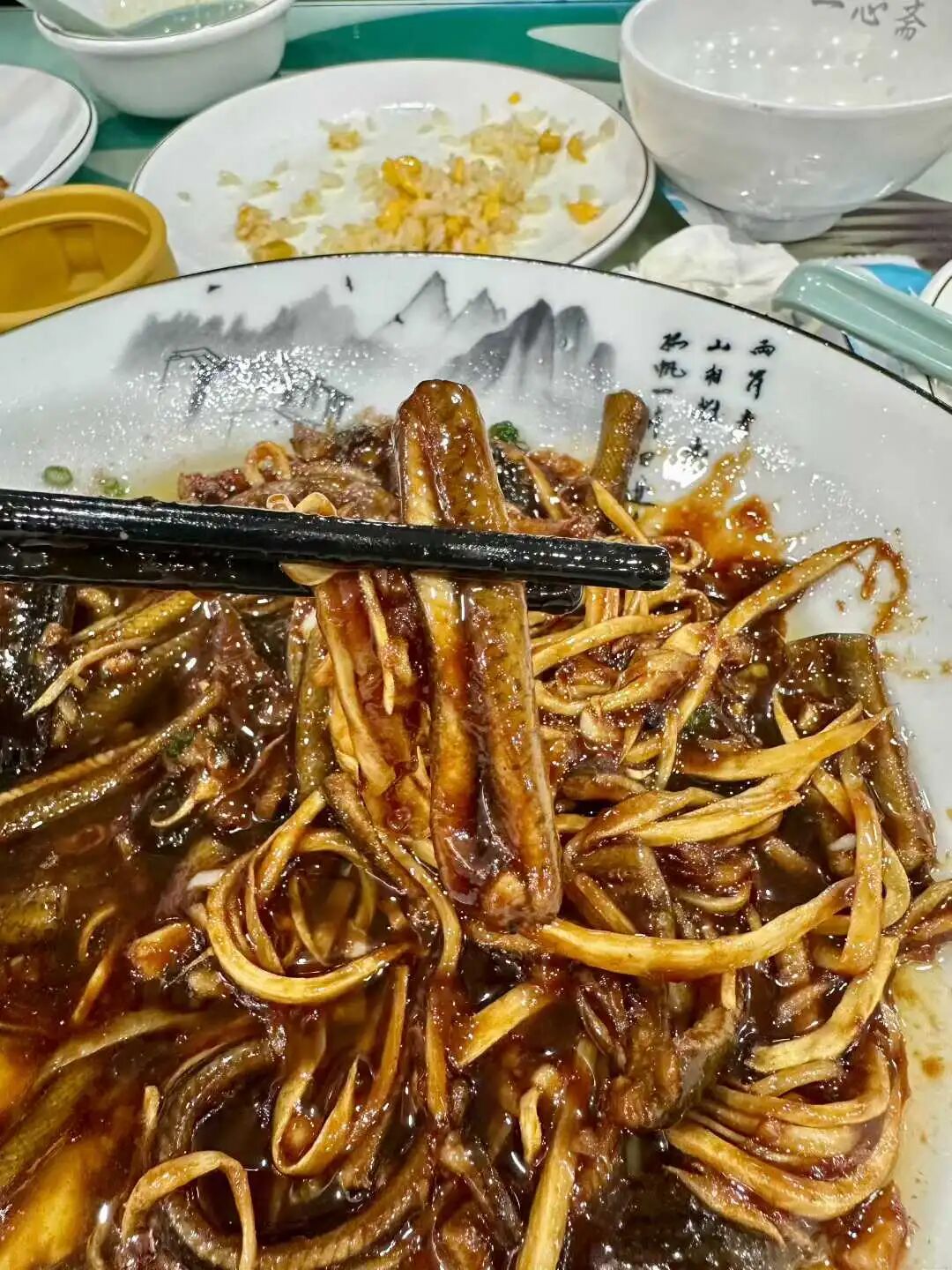
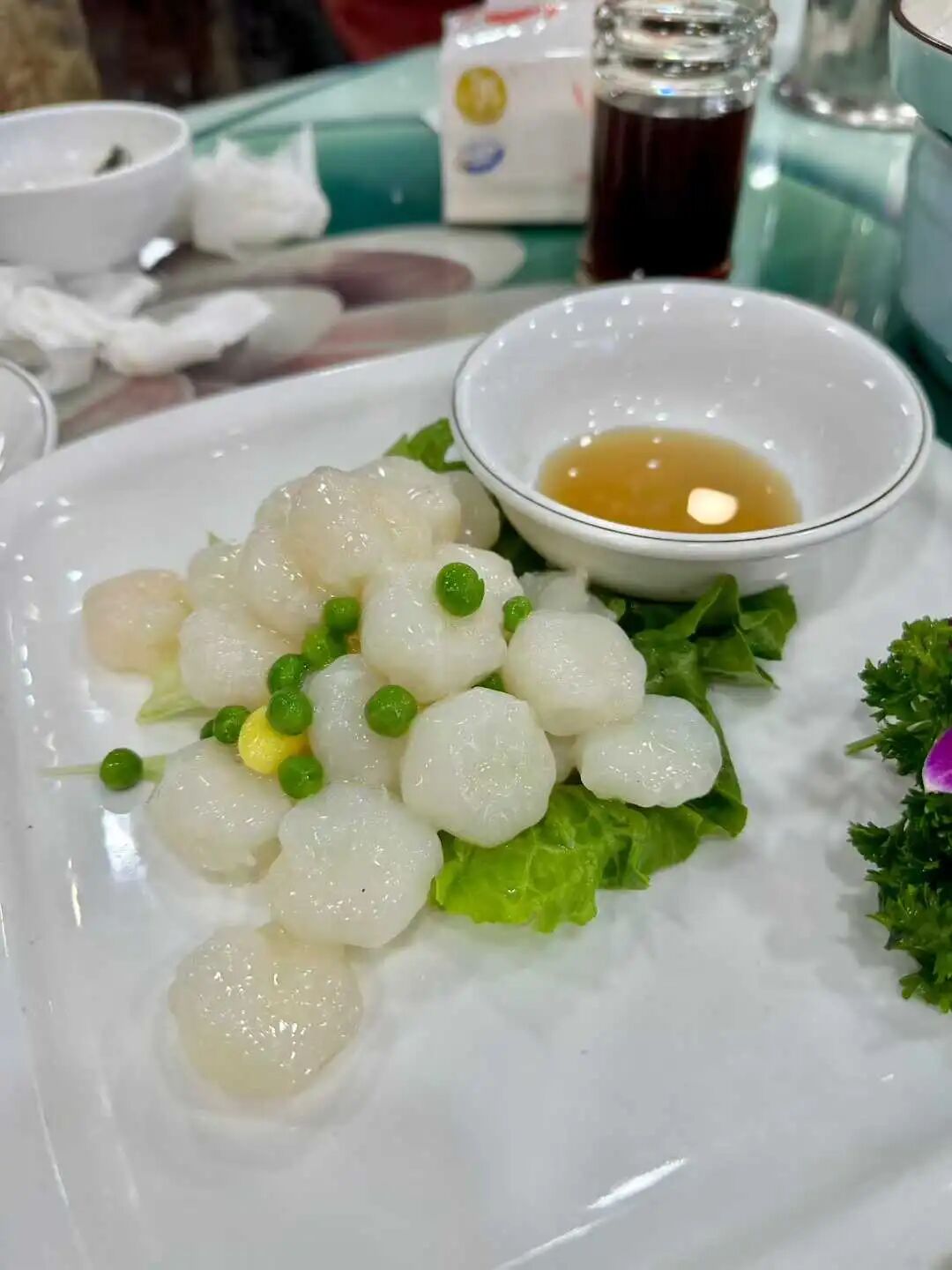
We ordered sizzling oil shredded eel (xiangyou shansi), crab roe tofu, crystal shrimp, and Yangzhou fried rice. At first, we wanted to order plain stir-fried shredded eel, but the server said that version is just eel. The sizzling oil version is stir-fried with water bamboo (jiaobai). I thought the version with water bamboo tasted better. The shredded eel was quite oily and had a strong savory sauce. It tasted a lot like stir-fried chicken cubes with bean paste (jiangbao jiding), but the texture of the eel was better. The kids really loved the crystal shrimp and Yangzhou fried rice and ate a lot of both. The shrimp had a great texture and tasted very fresh. I really liked the crab roe tofu. It went perfectly with rice and had a very rich crab flavor.
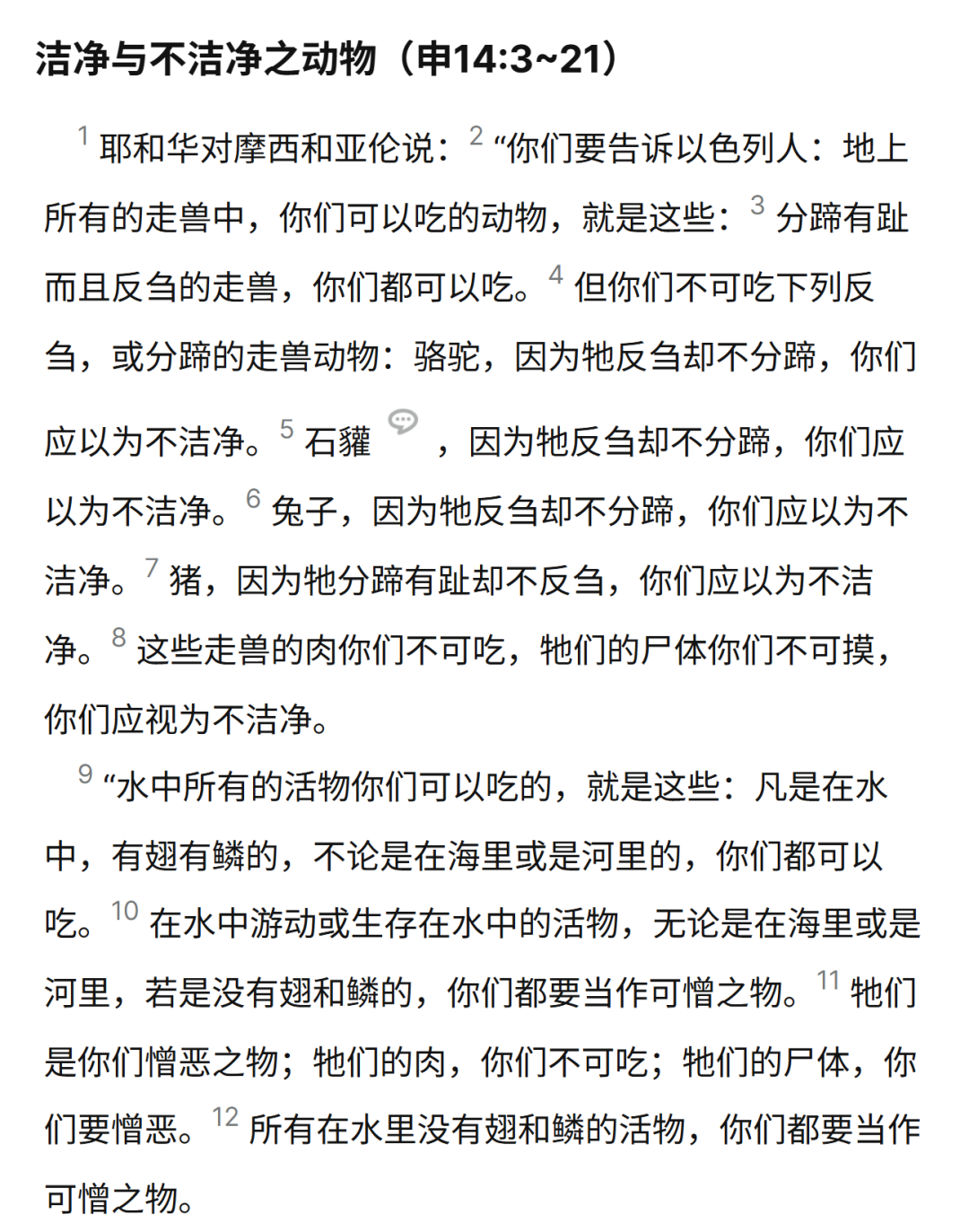
I want to mention that in some areas, Hui Muslims follow dietary customs like only eating ruminants, avoiding scaleless fish, or not eating rabbit. I have never seen these customs in any Muslim community abroad, and they are not recorded in any religious texts or legal treatises. I later learned about this in an article by Yahya Dosti titled "What are the non-halal foods mentioned in religious texts?" The article explains that these dietary habits actually come from the Jewish scripture, the Book of Leviticus in the Old Testament. He suggests that when the "Blue-capped Hui" (lanmao huihui) Jewish descendants in Kaifeng, Henan, integrated into the Hui Muslim community, they brought some Jewish customs with them, leading to this cultural fusion.
If you are a Hui Muslim who respects tradition, you can choose to follow these customs yourself. However, you have no right to criticize others for eating scaleless fish or rabbit, as these are just folk customs and have nothing to do with faith.
Yixinzhai also sells traditional pastries from the Jiangsu, Zhejiang, and Shanghai regions. We bought a box of victory cakes (dingsheng gao), which are made from glutinous rice, non-glutinous rice, and red rice flour with a red bean paste filling. They were quite hard when we bought them, but after steaming them again at home, the texture returned to normal.
In the evening, we ate at a Malaysian restaurant called Secret Taste (Mizhiwei) in the Qiantan area of Shanghai. Although there are Malaysian restaurants in Beijing, they are usually run by Malaysian Chinese. If you want to taste authentic Malaysian Muslim food, you have to come to Secret Taste. It is clean and alcohol-free.
The restaurant is in the underground food court of Qiantan 31. It is easy to drive directly into the parking garage, and it is right next to Qiantan Taikoo Li, which is great for shopping.
Their head chef, Shah, is from Kuala Lumpur and spent 20 years as an executive chef at five-star hotels. When we arrived, the chef was at the bar making drinks. Most of the diners were Malaysian Muslims, many of whom seemed to be families visiting Shanghai.
We ordered beef rendang rice, three-color milk tea, Hainanese chicken rice, handmade fish cakes, Nyonya yam rolls, and coconut bubur cha cha. Their beef rendang rice is very authentic and definitely feels like being back in Malaysia. The beef was even softer and more tender than what we ate in Malaysia, which suits the Chinese palate. It would be even better if we could choose turmeric rice or pandan rice to go with it.
Beef rendang likely originated from curry brought by Indian merchants who came to trade on Sumatra before the 15th century, which then developed alongside the local diet of the Minangkabau people. The Minangkabau people have always been known for their business skills and are the most mobile ethnic group in Southeast Asia. In the early 14th century, the Minangkabau crossed the Strait of Malacca to reach the Malay Peninsula, where they married local Malays and blended into the Malay population. The main ingredients for beef stew (rendang) are meat, coconut milk, chili, and various spices. To suit the needs of Minangkabau merchants on long voyages, the stew is simmered over low heat until it becomes rich and dry, allowing it to be stored for several weeks.
Their three-layer milk tea (teh tarik) is also very good. Three-layer milk tea is made with palm sugar, milk, and black tea to create three distinct colors, and it has a very rich flavor.
I also really like the fish crackers (keropok lekor) and yam rolls; they are rare and delicious Malay specialties.
Their chicken satay (satay ayam) also tastes good. Satay originated on the island of Java, where Javanese people developed it based on the South Asian grilled skewers (kebab) brought by Indian merchants. The word satay comes from the South Indian Tamil word 'catai,' which literally means 'meat'. After the 19th century, the Javanese brought satay to the Malay Peninsula, and it became a classic Malay snack.
It is a pity that their Hainanese chicken rice is not good. I have eaten delicious Hainanese chicken rice made by Malay friends (dosti) many times in Malaysia. But their chicken is very icy, as if it was just taken out of the refrigerator. The rice cooked in chicken broth actually tastes good, but it does not go well with the cold chicken.
Summary: This Shanghai one-day halal food tour starts with Xiao Pang Beef Pan-Fried Buns at the Yongji Road farmers' market in Yangpu District. It preserves the source's shop names, Hui Muslim owners, neighborhood context, food descriptions, exhibition stop, and photographs.
I came to Shanghai on New Year's Day to see the Mughal, Persian, and Ottoman art exhibition at the Pudong Art Museum, and I took the chance to go on a one-day food tour of local Muslim eateries.
On the food street at the Yongji Road farmers' market in Yangpu District, Shanghai, there is a shop called Xiao Pang Beef Pan-fried Buns (xiaopang niurou jianbao). The owner is Pang Xinhuai, a Hui Muslim friend (dost) from Henan. He has been running his beef pan-fried bun shop in Shanghai for 31 years, and he is very popular with the locals.
I went to his shop early on New Year's Day for buns. Every batch is sold out immediately by the people waiting in line, so you can almost always get them fresh out of the pan. I didn't see any tourists taking photos when I was there; it was mostly residents from the neighborhood stopping by after grocery shopping.
Their pan-fried buns are very juicy, so be careful not to splash yourself when you take a bite. The buns are very fragrant with a thick skin. I think two are enough for an average person, and one is plenty for someone with a small appetite. I also had their beef vermicelli soup (niurou fensi tang). The flavor is rich and the vermicelli is chewy, which is perfect for winter. They also have flatbread with cumin (qiangbing) and scallion egg pancakes (cong hua jidan bing). Unfortunately, the flatbread was sold out when I arrived. The egg pancake is quite mild, which is good if you prefer lighter flavors.
The snack shops run by Henan Hui Muslims in Shanghai mainly fall into two types. Besides beef pan-fried buns, there are also shops focusing on the classic Shanghai breakfast quartet of flatbread (dabing) and fried dough sticks (youtiao). I visited one on Lingyan South Road in Lingzhao New Village, Pudong, and they are also very popular with local residents.
Their most famous item is the old-fashioned flatbread, which is made fresh in the oven and served piping hot. They serve the flatbread with sweet tofu pudding (douhua) and savory soy milk (xianjiang). Savory soy milk, along with flatbread, fried dough sticks, and sticky rice rolls (cifan), are known as the four pillars of a Shanghai breakfast. It is very different from the soy milk we drink in the north and is not just simple salty soy milk. Savory soy milk is made by adding vinegar to soy milk to create soft curds, then topped with seaweed, pickled mustard greens, and dried shrimp. It is very comforting to eat in the morning with fried dough sticks.
It was my first time having a sticky rice roll. It is made by steaming a mix of glutinous rice and non-glutinous rice, then wrapping it around fried dough sticks and pickled mustard greens. The portion is huge; I didn't expect Shanghai people to have such a filling breakfast!
Besides the rolls, they have sticky rice cakes (cifan gao). These are made by mixing glutinous and non-glutinous rice with salt, pressing them into blocks, and frying them. The outside is crispy, while the inside still has the texture of rice. Their fried radish cakes (youdunzi) are also delicious, filled with shredded white radish.
Shanghai-style Muslim cuisine has a long history. After Shanghai opened as a port in 1843 (the 23rd year of the Daoguang reign), Hui Muslims from Nanjing began selling halal food in the city. Over the next hundred years, this gradually developed into Shanghai-style Muslim cuisine. During the Xianfeng reign, Nanjing Hui Muslims founded the He Wanxing tea shop in the Nanshi district of Shanghai. It was later renamed Huifenglou Restaurant. Huifenglou was famous for its Huifeng beef pot, stir-fried yellow crab with oil and soy sauce, and braised river eel in a rich, dark sauce. They also served thumb-sized beef rice dumplings (zongzi) and silver thread rolls (yinsi juan), making Shanghai-style Muslim cuisine very famous for a time.
Due to historical reasons, Shanghai-style Muslim cuisine gradually declined in the late 20th century and slowly faded from public view. In the 1980s, the most authentic Shanghai-style Muslim food was found at the predecessor to the Guan Guan Ji restaurant, which was a Muslim restaurant. Today, if you want to taste Shanghai-style Muslim cuisine, you can choose the long-established Yixinzhai, which opened in 1958 and is recognized as a Shanghai intangible cultural heritage.
I first visited Yixinzhai when I was researching Muslim communities along the Yangtze River in 2017. Back then, I went to the old shop on Liangzhou Road. That shop is temporarily closed now, but you can find the new temporary location just a little further down the street. I was alone last time and only had the shredded eel cold noodles, three-yellow chicken (sanhuangji), and shaved ice. This time, I brought my whole family so we could try their stir-fried dishes.
We ordered sizzling oil shredded eel (xiangyou shansi), crab roe tofu, crystal shrimp, and Yangzhou fried rice. At first, we wanted to order plain stir-fried shredded eel, but the server said that version is just eel. The sizzling oil version is stir-fried with water bamboo (jiaobai). I thought the version with water bamboo tasted better. The shredded eel was quite oily and had a strong savory sauce. It tasted a lot like stir-fried chicken cubes with bean paste (jiangbao jiding), but the texture of the eel was better. The kids really loved the crystal shrimp and Yangzhou fried rice and ate a lot of both. The shrimp had a great texture and tasted very fresh. I really liked the crab roe tofu. It went perfectly with rice and had a very rich crab flavor.
I want to mention that in some areas, Hui Muslims follow dietary customs like only eating ruminants, avoiding scaleless fish, or not eating rabbit. I have never seen these customs in any Muslim community abroad, and they are not recorded in any religious texts or legal treatises. I later learned about this in an article by Yahya Dosti titled "What are the non-halal foods mentioned in religious texts?" The article explains that these dietary habits actually come from the Jewish scripture, the Book of Leviticus in the Old Testament. He suggests that when the "Blue-capped Hui" (lanmao huihui) Jewish descendants in Kaifeng, Henan, integrated into the Hui Muslim community, they brought some Jewish customs with them, leading to this cultural fusion.
If you are a Hui Muslim who respects tradition, you can choose to follow these customs yourself. However, you have no right to criticize others for eating scaleless fish or rabbit, as these are just folk customs and have nothing to do with faith.
Yixinzhai also sells traditional pastries from the Jiangsu, Zhejiang, and Shanghai regions. We bought a box of victory cakes (dingsheng gao), which are made from glutinous rice, non-glutinous rice, and red rice flour with a red bean paste filling. They were quite hard when we bought them, but after steaming them again at home, the texture returned to normal.
In the evening, we ate at a Malaysian restaurant called Secret Taste (Mizhiwei) in the Qiantan area of Shanghai. Although there are Malaysian restaurants in Beijing, they are usually run by Malaysian Chinese. If you want to taste authentic Malaysian Muslim food, you have to come to Secret Taste. It is clean and alcohol-free.
The restaurant is in the underground food court of Qiantan 31. It is easy to drive directly into the parking garage, and it is right next to Qiantan Taikoo Li, which is great for shopping.
Their head chef, Shah, is from Kuala Lumpur and spent 20 years as an executive chef at five-star hotels. When we arrived, the chef was at the bar making drinks. Most of the diners were Malaysian Muslims, many of whom seemed to be families visiting Shanghai.
We ordered beef rendang rice, three-color milk tea, Hainanese chicken rice, handmade fish cakes, Nyonya yam rolls, and coconut bubur cha cha. Their beef rendang rice is very authentic and definitely feels like being back in Malaysia. The beef was even softer and more tender than what we ate in Malaysia, which suits the Chinese palate. It would be even better if we could choose turmeric rice or pandan rice to go with it.
Beef rendang likely originated from curry brought by Indian merchants who came to trade on Sumatra before the 15th century, which then developed alongside the local diet of the Minangkabau people. The Minangkabau people have always been known for their business skills and are the most mobile ethnic group in Southeast Asia. In the early 14th century, the Minangkabau crossed the Strait of Malacca to reach the Malay Peninsula, where they married local Malays and blended into the Malay population. The main ingredients for beef stew (rendang) are meat, coconut milk, chili, and various spices. To suit the needs of Minangkabau merchants on long voyages, the stew is simmered over low heat until it becomes rich and dry, allowing it to be stored for several weeks.
Their three-layer milk tea (teh tarik) is also very good. Three-layer milk tea is made with palm sugar, milk, and black tea to create three distinct colors, and it has a very rich flavor.
I also really like the fish crackers (keropok lekor) and yam rolls; they are rare and delicious Malay specialties.
Their chicken satay (satay ayam) also tastes good. Satay originated on the island of Java, where Javanese people developed it based on the South Asian grilled skewers (kebab) brought by Indian merchants. The word satay comes from the South Indian Tamil word 'catai,' which literally means 'meat'. After the 19th century, the Javanese brought satay to the Malay Peninsula, and it became a classic Malay snack.
It is a pity that their Hainanese chicken rice is not good. I have eaten delicious Hainanese chicken rice made by Malay friends (dosti) many times in Malaysia. But their chicken is very icy, as if it was just taken out of the refrigerator. The rice cooked in chicken broth actually tastes good, but it does not go well with the cold chicken.
Halal Food Guide: Shanghai - Hui Muslim Snacks and Beef Pan-Fried Buns
Articles • ali2007fr posted the article • 0 comments • 280 views • 2026-05-21 02:36
Reposted from the web
Summary: This Shanghai one-day halal food tour starts with Xiao Pang Beef Pan-Fried Buns at the Yongji Road farmers' market in Yangpu District. It preserves the source's shop names, Hui Muslim owners, neighborhood context, food descriptions, exhibition stop, and photographs.
I came to Shanghai on New Year's Day to see the Mughal, Persian, and Ottoman art exhibition at the Pudong Art Museum, and I took the chance to go on a one-day food tour of local Muslim eateries.
On the food street at the Yongji Road farmers' market in Yangpu District, Shanghai, there is a shop called Xiao Pang Beef Pan-fried Buns (xiaopang niurou jianbao). The owner is Pang Xinhuai, a Hui Muslim friend (dost) from Henan. He has been running his beef pan-fried bun shop in Shanghai for 31 years, and he is very popular with the locals.
I went to his shop early on New Year's Day for buns. Every batch is sold out immediately by the people waiting in line, so you can almost always get them fresh out of the pan. I didn't see any tourists taking photos when I was there; it was mostly residents from the neighborhood stopping by after grocery shopping.
Their pan-fried buns are very juicy, so be careful not to splash yourself when you take a bite. The buns are very fragrant with a thick skin. I think two are enough for an average person, and one is plenty for someone with a small appetite. I also had their beef vermicelli soup (niurou fensi tang). The flavor is rich and the vermicelli is chewy, which is perfect for winter. They also have flatbread with cumin (qiangbing) and scallion egg pancakes (cong hua jidan bing). Unfortunately, the flatbread was sold out when I arrived. The egg pancake is quite mild, which is good if you prefer lighter flavors.
The snack shops run by Henan Hui Muslims in Shanghai mainly fall into two types. Besides beef pan-fried buns, there are also shops focusing on the classic Shanghai breakfast quartet of flatbread (dabing) and fried dough sticks (youtiao). I visited one on Lingyan South Road in Lingzhao New Village, Pudong, and they are also very popular with local residents.
Their most famous item is the old-fashioned flatbread, which is made fresh in the oven and served piping hot. They serve the flatbread with sweet tofu pudding (douhua) and savory soy milk (xianjiang). Savory soy milk, along with flatbread, fried dough sticks, and sticky rice rolls (cifan), are known as the four pillars of a Shanghai breakfast. It is very different from the soy milk we drink in the north and is not just simple salty soy milk. Savory soy milk is made by adding vinegar to soy milk to create soft curds, then topped with seaweed, pickled mustard greens, and dried shrimp. It is very comforting to eat in the morning with fried dough sticks.
It was my first time having a sticky rice roll. It is made by steaming a mix of glutinous rice and non-glutinous rice, then wrapping it around fried dough sticks and pickled mustard greens. The portion is huge; I didn't expect Shanghai people to have such a filling breakfast!
Besides the rolls, they have sticky rice cakes (cifan gao). These are made by mixing glutinous and non-glutinous rice with salt, pressing them into blocks, and frying them. The outside is crispy, while the inside still has the texture of rice. Their fried radish cakes (youdunzi) are also delicious, filled with shredded white radish.
Shanghai-style Muslim cuisine has a long history. After Shanghai opened as a port in 1843 (the 23rd year of the Daoguang reign), Hui Muslims from Nanjing began selling halal food in the city. Over the next hundred years, this gradually developed into Shanghai-style Muslim cuisine. During the Xianfeng reign, Nanjing Hui Muslims founded the He Wanxing tea shop in the Nanshi district of Shanghai. It was later renamed Huifenglou Restaurant. Huifenglou was famous for its Huifeng beef pot, stir-fried yellow crab with oil and soy sauce, and braised river eel in a rich, dark sauce. They also served thumb-sized beef rice dumplings (zongzi) and silver thread rolls (yinsi juan), making Shanghai-style Muslim cuisine very famous for a time.
Due to historical reasons, Shanghai-style Muslim cuisine gradually declined in the late 20th century and slowly faded from public view. In the 1980s, the most authentic Shanghai-style Muslim food was found at the predecessor to the Guan Guan Ji restaurant, which was a Muslim restaurant. Today, if you want to taste Shanghai-style Muslim cuisine, you can choose the long-established Yixinzhai, which opened in 1958 and is recognized as a Shanghai intangible cultural heritage.
I first visited Yixinzhai when I was researching Muslim communities along the Yangtze River in 2017. Back then, I went to the old shop on Liangzhou Road. That shop is temporarily closed now, but you can find the new temporary location just a little further down the street. I was alone last time and only had the shredded eel cold noodles, three-yellow chicken (sanhuangji), and shaved ice. This time, I brought my whole family so we could try their stir-fried dishes.
We ordered sizzling oil shredded eel (xiangyou shansi), crab roe tofu, crystal shrimp, and Yangzhou fried rice. At first, we wanted to order plain stir-fried shredded eel, but the server said that version is just eel. The sizzling oil version is stir-fried with water bamboo (jiaobai). I thought the version with water bamboo tasted better. The shredded eel was quite oily and had a strong savory sauce. It tasted a lot like stir-fried chicken cubes with bean paste (jiangbao jiding), but the texture of the eel was better. The kids really loved the crystal shrimp and Yangzhou fried rice and ate a lot of both. The shrimp had a great texture and tasted very fresh. I really liked the crab roe tofu. It went perfectly with rice and had a very rich crab flavor.
I want to mention that in some areas, Hui Muslims follow dietary customs like only eating ruminants, avoiding scaleless fish, or not eating rabbit. I have never seen these customs in any Muslim community abroad, and they are not recorded in any religious texts or legal treatises. I later learned about this in an article by Yahya Dosti titled "What are the non-halal foods mentioned in religious texts?" The article explains that these dietary habits actually come from the Jewish scripture, the Book of Leviticus in the Old Testament. He suggests that when the "Blue-capped Hui" (lanmao huihui) Jewish descendants in Kaifeng, Henan, integrated into the Hui Muslim community, they brought some Jewish customs with them, leading to this cultural fusion.
If you are a Hui Muslim who respects tradition, you can choose to follow these customs yourself. However, you have no right to criticize others for eating scaleless fish or rabbit, as these are just folk customs and have nothing to do with faith.
Yixinzhai also sells traditional pastries from the Jiangsu, Zhejiang, and Shanghai regions. We bought a box of victory cakes (dingsheng gao), which are made from glutinous rice, non-glutinous rice, and red rice flour with a red bean paste filling. They were quite hard when we bought them, but after steaming them again at home, the texture returned to normal.
In the evening, we ate at a Malaysian restaurant called Secret Taste (Mizhiwei) in the Qiantan area of Shanghai. Although there are Malaysian restaurants in Beijing, they are usually run by Malaysian Chinese. If you want to taste authentic Malaysian Muslim food, you have to come to Secret Taste. It is clean and alcohol-free.
The restaurant is in the underground food court of Qiantan 31. It is easy to drive directly into the parking garage, and it is right next to Qiantan Taikoo Li, which is great for shopping.
Their head chef, Shah, is from Kuala Lumpur and spent 20 years as an executive chef at five-star hotels. When we arrived, the chef was at the bar making drinks. Most of the diners were Malaysian Muslims, many of whom seemed to be families visiting Shanghai.
We ordered beef rendang rice, three-color milk tea, Hainanese chicken rice, handmade fish cakes, Nyonya yam rolls, and coconut bubur cha cha. Their beef rendang rice is very authentic and definitely feels like being back in Malaysia. The beef was even softer and more tender than what we ate in Malaysia, which suits the Chinese palate. It would be even better if we could choose turmeric rice or pandan rice to go with it.
Beef rendang likely originated from curry brought by Indian merchants who came to trade on Sumatra before the 15th century, which then developed alongside the local diet of the Minangkabau people. The Minangkabau people have always been known for their business skills and are the most mobile ethnic group in Southeast Asia. In the early 14th century, the Minangkabau crossed the Strait of Malacca to reach the Malay Peninsula, where they married local Malays and blended into the Malay population. The main ingredients for beef stew (rendang) are meat, coconut milk, chili, and various spices. To suit the needs of Minangkabau merchants on long voyages, the stew is simmered over low heat until it becomes rich and dry, allowing it to be stored for several weeks.
Their three-layer milk tea (teh tarik) is also very good. Three-layer milk tea is made with palm sugar, milk, and black tea to create three distinct colors, and it has a very rich flavor.
I also really like the fish crackers (keropok lekor) and yam rolls; they are rare and delicious Malay specialties.
Their chicken satay (satay ayam) also tastes good. Satay originated on the island of Java, where Javanese people developed it based on the South Asian grilled skewers (kebab) brought by Indian merchants. The word satay comes from the South Indian Tamil word 'catai,' which literally means 'meat'. After the 19th century, the Javanese brought satay to the Malay Peninsula, and it became a classic Malay snack.
It is a pity that their Hainanese chicken rice is not good. I have eaten delicious Hainanese chicken rice made by Malay friends (dosti) many times in Malaysia. But their chicken is very icy, as if it was just taken out of the refrigerator. The rice cooked in chicken broth actually tastes good, but it does not go well with the cold chicken. view all
Summary: This Shanghai one-day halal food tour starts with Xiao Pang Beef Pan-Fried Buns at the Yongji Road farmers' market in Yangpu District. It preserves the source's shop names, Hui Muslim owners, neighborhood context, food descriptions, exhibition stop, and photographs.
I came to Shanghai on New Year's Day to see the Mughal, Persian, and Ottoman art exhibition at the Pudong Art Museum, and I took the chance to go on a one-day food tour of local Muslim eateries.
On the food street at the Yongji Road farmers' market in Yangpu District, Shanghai, there is a shop called Xiao Pang Beef Pan-fried Buns (xiaopang niurou jianbao). The owner is Pang Xinhuai, a Hui Muslim friend (dost) from Henan. He has been running his beef pan-fried bun shop in Shanghai for 31 years, and he is very popular with the locals.
I went to his shop early on New Year's Day for buns. Every batch is sold out immediately by the people waiting in line, so you can almost always get them fresh out of the pan. I didn't see any tourists taking photos when I was there; it was mostly residents from the neighborhood stopping by after grocery shopping.
Their pan-fried buns are very juicy, so be careful not to splash yourself when you take a bite. The buns are very fragrant with a thick skin. I think two are enough for an average person, and one is plenty for someone with a small appetite. I also had their beef vermicelli soup (niurou fensi tang). The flavor is rich and the vermicelli is chewy, which is perfect for winter. They also have flatbread with cumin (qiangbing) and scallion egg pancakes (cong hua jidan bing). Unfortunately, the flatbread was sold out when I arrived. The egg pancake is quite mild, which is good if you prefer lighter flavors.
The snack shops run by Henan Hui Muslims in Shanghai mainly fall into two types. Besides beef pan-fried buns, there are also shops focusing on the classic Shanghai breakfast quartet of flatbread (dabing) and fried dough sticks (youtiao). I visited one on Lingyan South Road in Lingzhao New Village, Pudong, and they are also very popular with local residents.
Their most famous item is the old-fashioned flatbread, which is made fresh in the oven and served piping hot. They serve the flatbread with sweet tofu pudding (douhua) and savory soy milk (xianjiang). Savory soy milk, along with flatbread, fried dough sticks, and sticky rice rolls (cifan), are known as the four pillars of a Shanghai breakfast. It is very different from the soy milk we drink in the north and is not just simple salty soy milk. Savory soy milk is made by adding vinegar to soy milk to create soft curds, then topped with seaweed, pickled mustard greens, and dried shrimp. It is very comforting to eat in the morning with fried dough sticks.
It was my first time having a sticky rice roll. It is made by steaming a mix of glutinous rice and non-glutinous rice, then wrapping it around fried dough sticks and pickled mustard greens. The portion is huge; I didn't expect Shanghai people to have such a filling breakfast!
Besides the rolls, they have sticky rice cakes (cifan gao). These are made by mixing glutinous and non-glutinous rice with salt, pressing them into blocks, and frying them. The outside is crispy, while the inside still has the texture of rice. Their fried radish cakes (youdunzi) are also delicious, filled with shredded white radish.
Shanghai-style Muslim cuisine has a long history. After Shanghai opened as a port in 1843 (the 23rd year of the Daoguang reign), Hui Muslims from Nanjing began selling halal food in the city. Over the next hundred years, this gradually developed into Shanghai-style Muslim cuisine. During the Xianfeng reign, Nanjing Hui Muslims founded the He Wanxing tea shop in the Nanshi district of Shanghai. It was later renamed Huifenglou Restaurant. Huifenglou was famous for its Huifeng beef pot, stir-fried yellow crab with oil and soy sauce, and braised river eel in a rich, dark sauce. They also served thumb-sized beef rice dumplings (zongzi) and silver thread rolls (yinsi juan), making Shanghai-style Muslim cuisine very famous for a time.
Due to historical reasons, Shanghai-style Muslim cuisine gradually declined in the late 20th century and slowly faded from public view. In the 1980s, the most authentic Shanghai-style Muslim food was found at the predecessor to the Guan Guan Ji restaurant, which was a Muslim restaurant. Today, if you want to taste Shanghai-style Muslim cuisine, you can choose the long-established Yixinzhai, which opened in 1958 and is recognized as a Shanghai intangible cultural heritage.
I first visited Yixinzhai when I was researching Muslim communities along the Yangtze River in 2017. Back then, I went to the old shop on Liangzhou Road. That shop is temporarily closed now, but you can find the new temporary location just a little further down the street. I was alone last time and only had the shredded eel cold noodles, three-yellow chicken (sanhuangji), and shaved ice. This time, I brought my whole family so we could try their stir-fried dishes.
We ordered sizzling oil shredded eel (xiangyou shansi), crab roe tofu, crystal shrimp, and Yangzhou fried rice. At first, we wanted to order plain stir-fried shredded eel, but the server said that version is just eel. The sizzling oil version is stir-fried with water bamboo (jiaobai). I thought the version with water bamboo tasted better. The shredded eel was quite oily and had a strong savory sauce. It tasted a lot like stir-fried chicken cubes with bean paste (jiangbao jiding), but the texture of the eel was better. The kids really loved the crystal shrimp and Yangzhou fried rice and ate a lot of both. The shrimp had a great texture and tasted very fresh. I really liked the crab roe tofu. It went perfectly with rice and had a very rich crab flavor.
I want to mention that in some areas, Hui Muslims follow dietary customs like only eating ruminants, avoiding scaleless fish, or not eating rabbit. I have never seen these customs in any Muslim community abroad, and they are not recorded in any religious texts or legal treatises. I later learned about this in an article by Yahya Dosti titled "What are the non-halal foods mentioned in religious texts?" The article explains that these dietary habits actually come from the Jewish scripture, the Book of Leviticus in the Old Testament. He suggests that when the "Blue-capped Hui" (lanmao huihui) Jewish descendants in Kaifeng, Henan, integrated into the Hui Muslim community, they brought some Jewish customs with them, leading to this cultural fusion.
If you are a Hui Muslim who respects tradition, you can choose to follow these customs yourself. However, you have no right to criticize others for eating scaleless fish or rabbit, as these are just folk customs and have nothing to do with faith.
Yixinzhai also sells traditional pastries from the Jiangsu, Zhejiang, and Shanghai regions. We bought a box of victory cakes (dingsheng gao), which are made from glutinous rice, non-glutinous rice, and red rice flour with a red bean paste filling. They were quite hard when we bought them, but after steaming them again at home, the texture returned to normal.
In the evening, we ate at a Malaysian restaurant called Secret Taste (Mizhiwei) in the Qiantan area of Shanghai. Although there are Malaysian restaurants in Beijing, they are usually run by Malaysian Chinese. If you want to taste authentic Malaysian Muslim food, you have to come to Secret Taste. It is clean and alcohol-free.
The restaurant is in the underground food court of Qiantan 31. It is easy to drive directly into the parking garage, and it is right next to Qiantan Taikoo Li, which is great for shopping.
Their head chef, Shah, is from Kuala Lumpur and spent 20 years as an executive chef at five-star hotels. When we arrived, the chef was at the bar making drinks. Most of the diners were Malaysian Muslims, many of whom seemed to be families visiting Shanghai.
We ordered beef rendang rice, three-color milk tea, Hainanese chicken rice, handmade fish cakes, Nyonya yam rolls, and coconut bubur cha cha. Their beef rendang rice is very authentic and definitely feels like being back in Malaysia. The beef was even softer and more tender than what we ate in Malaysia, which suits the Chinese palate. It would be even better if we could choose turmeric rice or pandan rice to go with it.
Beef rendang likely originated from curry brought by Indian merchants who came to trade on Sumatra before the 15th century, which then developed alongside the local diet of the Minangkabau people. The Minangkabau people have always been known for their business skills and are the most mobile ethnic group in Southeast Asia. In the early 14th century, the Minangkabau crossed the Strait of Malacca to reach the Malay Peninsula, where they married local Malays and blended into the Malay population. The main ingredients for beef stew (rendang) are meat, coconut milk, chili, and various spices. To suit the needs of Minangkabau merchants on long voyages, the stew is simmered over low heat until it becomes rich and dry, allowing it to be stored for several weeks.
Their three-layer milk tea (teh tarik) is also very good. Three-layer milk tea is made with palm sugar, milk, and black tea to create three distinct colors, and it has a very rich flavor.
I also really like the fish crackers (keropok lekor) and yam rolls; they are rare and delicious Malay specialties.
Their chicken satay (satay ayam) also tastes good. Satay originated on the island of Java, where Javanese people developed it based on the South Asian grilled skewers (kebab) brought by Indian merchants. The word satay comes from the South Indian Tamil word 'catai,' which literally means 'meat'. After the 19th century, the Javanese brought satay to the Malay Peninsula, and it became a classic Malay snack.
It is a pity that their Hainanese chicken rice is not good. I have eaten delicious Hainanese chicken rice made by Malay friends (dosti) many times in Malaysia. But their chicken is very icy, as if it was just taken out of the refrigerator. The rice cooked in chicken broth actually tastes good, but it does not go well with the cold chicken. view all
Reposted from the web
Summary: This Shanghai one-day halal food tour starts with Xiao Pang Beef Pan-Fried Buns at the Yongji Road farmers' market in Yangpu District. It preserves the source's shop names, Hui Muslim owners, neighborhood context, food descriptions, exhibition stop, and photographs.
I came to Shanghai on New Year's Day to see the Mughal, Persian, and Ottoman art exhibition at the Pudong Art Museum, and I took the chance to go on a one-day food tour of local Muslim eateries.
On the food street at the Yongji Road farmers' market in Yangpu District, Shanghai, there is a shop called Xiao Pang Beef Pan-fried Buns (xiaopang niurou jianbao). The owner is Pang Xinhuai, a Hui Muslim friend (dost) from Henan. He has been running his beef pan-fried bun shop in Shanghai for 31 years, and he is very popular with the locals.
I went to his shop early on New Year's Day for buns. Every batch is sold out immediately by the people waiting in line, so you can almost always get them fresh out of the pan. I didn't see any tourists taking photos when I was there; it was mostly residents from the neighborhood stopping by after grocery shopping.
Their pan-fried buns are very juicy, so be careful not to splash yourself when you take a bite. The buns are very fragrant with a thick skin. I think two are enough for an average person, and one is plenty for someone with a small appetite. I also had their beef vermicelli soup (niurou fensi tang). The flavor is rich and the vermicelli is chewy, which is perfect for winter. They also have flatbread with cumin (qiangbing) and scallion egg pancakes (cong hua jidan bing). Unfortunately, the flatbread was sold out when I arrived. The egg pancake is quite mild, which is good if you prefer lighter flavors.
The snack shops run by Henan Hui Muslims in Shanghai mainly fall into two types. Besides beef pan-fried buns, there are also shops focusing on the classic Shanghai breakfast quartet of flatbread (dabing) and fried dough sticks (youtiao). I visited one on Lingyan South Road in Lingzhao New Village, Pudong, and they are also very popular with local residents.
Their most famous item is the old-fashioned flatbread, which is made fresh in the oven and served piping hot. They serve the flatbread with sweet tofu pudding (douhua) and savory soy milk (xianjiang). Savory soy milk, along with flatbread, fried dough sticks, and sticky rice rolls (cifan), are known as the four pillars of a Shanghai breakfast. It is very different from the soy milk we drink in the north and is not just simple salty soy milk. Savory soy milk is made by adding vinegar to soy milk to create soft curds, then topped with seaweed, pickled mustard greens, and dried shrimp. It is very comforting to eat in the morning with fried dough sticks.
It was my first time having a sticky rice roll. It is made by steaming a mix of glutinous rice and non-glutinous rice, then wrapping it around fried dough sticks and pickled mustard greens. The portion is huge; I didn't expect Shanghai people to have such a filling breakfast!
Besides the rolls, they have sticky rice cakes (cifan gao). These are made by mixing glutinous and non-glutinous rice with salt, pressing them into blocks, and frying them. The outside is crispy, while the inside still has the texture of rice. Their fried radish cakes (youdunzi) are also delicious, filled with shredded white radish.
Shanghai-style Muslim cuisine has a long history. After Shanghai opened as a port in 1843 (the 23rd year of the Daoguang reign), Hui Muslims from Nanjing began selling halal food in the city. Over the next hundred years, this gradually developed into Shanghai-style Muslim cuisine. During the Xianfeng reign, Nanjing Hui Muslims founded the He Wanxing tea shop in the Nanshi district of Shanghai. It was later renamed Huifenglou Restaurant. Huifenglou was famous for its Huifeng beef pot, stir-fried yellow crab with oil and soy sauce, and braised river eel in a rich, dark sauce. They also served thumb-sized beef rice dumplings (zongzi) and silver thread rolls (yinsi juan), making Shanghai-style Muslim cuisine very famous for a time.
Due to historical reasons, Shanghai-style Muslim cuisine gradually declined in the late 20th century and slowly faded from public view. In the 1980s, the most authentic Shanghai-style Muslim food was found at the predecessor to the Guan Guan Ji restaurant, which was a Muslim restaurant. Today, if you want to taste Shanghai-style Muslim cuisine, you can choose the long-established Yixinzhai, which opened in 1958 and is recognized as a Shanghai intangible cultural heritage.
I first visited Yixinzhai when I was researching Muslim communities along the Yangtze River in 2017. Back then, I went to the old shop on Liangzhou Road. That shop is temporarily closed now, but you can find the new temporary location just a little further down the street. I was alone last time and only had the shredded eel cold noodles, three-yellow chicken (sanhuangji), and shaved ice. This time, I brought my whole family so we could try their stir-fried dishes.
We ordered sizzling oil shredded eel (xiangyou shansi), crab roe tofu, crystal shrimp, and Yangzhou fried rice. At first, we wanted to order plain stir-fried shredded eel, but the server said that version is just eel. The sizzling oil version is stir-fried with water bamboo (jiaobai). I thought the version with water bamboo tasted better. The shredded eel was quite oily and had a strong savory sauce. It tasted a lot like stir-fried chicken cubes with bean paste (jiangbao jiding), but the texture of the eel was better. The kids really loved the crystal shrimp and Yangzhou fried rice and ate a lot of both. The shrimp had a great texture and tasted very fresh. I really liked the crab roe tofu. It went perfectly with rice and had a very rich crab flavor.
I want to mention that in some areas, Hui Muslims follow dietary customs like only eating ruminants, avoiding scaleless fish, or not eating rabbit. I have never seen these customs in any Muslim community abroad, and they are not recorded in any religious texts or legal treatises. I later learned about this in an article by Yahya Dosti titled "What are the non-halal foods mentioned in religious texts?" The article explains that these dietary habits actually come from the Jewish scripture, the Book of Leviticus in the Old Testament. He suggests that when the "Blue-capped Hui" (lanmao huihui) Jewish descendants in Kaifeng, Henan, integrated into the Hui Muslim community, they brought some Jewish customs with them, leading to this cultural fusion.
If you are a Hui Muslim who respects tradition, you can choose to follow these customs yourself. However, you have no right to criticize others for eating scaleless fish or rabbit, as these are just folk customs and have nothing to do with faith.
Yixinzhai also sells traditional pastries from the Jiangsu, Zhejiang, and Shanghai regions. We bought a box of victory cakes (dingsheng gao), which are made from glutinous rice, non-glutinous rice, and red rice flour with a red bean paste filling. They were quite hard when we bought them, but after steaming them again at home, the texture returned to normal.
In the evening, we ate at a Malaysian restaurant called Secret Taste (Mizhiwei) in the Qiantan area of Shanghai. Although there are Malaysian restaurants in Beijing, they are usually run by Malaysian Chinese. If you want to taste authentic Malaysian Muslim food, you have to come to Secret Taste. It is clean and alcohol-free.
The restaurant is in the underground food court of Qiantan 31. It is easy to drive directly into the parking garage, and it is right next to Qiantan Taikoo Li, which is great for shopping.
Their head chef, Shah, is from Kuala Lumpur and spent 20 years as an executive chef at five-star hotels. When we arrived, the chef was at the bar making drinks. Most of the diners were Malaysian Muslims, many of whom seemed to be families visiting Shanghai.
We ordered beef rendang rice, three-color milk tea, Hainanese chicken rice, handmade fish cakes, Nyonya yam rolls, and coconut bubur cha cha. Their beef rendang rice is very authentic and definitely feels like being back in Malaysia. The beef was even softer and more tender than what we ate in Malaysia, which suits the Chinese palate. It would be even better if we could choose turmeric rice or pandan rice to go with it.
Beef rendang likely originated from curry brought by Indian merchants who came to trade on Sumatra before the 15th century, which then developed alongside the local diet of the Minangkabau people. The Minangkabau people have always been known for their business skills and are the most mobile ethnic group in Southeast Asia. In the early 14th century, the Minangkabau crossed the Strait of Malacca to reach the Malay Peninsula, where they married local Malays and blended into the Malay population. The main ingredients for beef stew (rendang) are meat, coconut milk, chili, and various spices. To suit the needs of Minangkabau merchants on long voyages, the stew is simmered over low heat until it becomes rich and dry, allowing it to be stored for several weeks.
Their three-layer milk tea (teh tarik) is also very good. Three-layer milk tea is made with palm sugar, milk, and black tea to create three distinct colors, and it has a very rich flavor.
I also really like the fish crackers (keropok lekor) and yam rolls; they are rare and delicious Malay specialties.
Their chicken satay (satay ayam) also tastes good. Satay originated on the island of Java, where Javanese people developed it based on the South Asian grilled skewers (kebab) brought by Indian merchants. The word satay comes from the South Indian Tamil word 'catai,' which literally means 'meat'. After the 19th century, the Javanese brought satay to the Malay Peninsula, and it became a classic Malay snack.
It is a pity that their Hainanese chicken rice is not good. I have eaten delicious Hainanese chicken rice made by Malay friends (dosti) many times in Malaysia. But their chicken is very icy, as if it was just taken out of the refrigerator. The rice cooked in chicken broth actually tastes good, but it does not go well with the cold chicken.
Summary: This Shanghai one-day halal food tour starts with Xiao Pang Beef Pan-Fried Buns at the Yongji Road farmers' market in Yangpu District. It preserves the source's shop names, Hui Muslim owners, neighborhood context, food descriptions, exhibition stop, and photographs.
I came to Shanghai on New Year's Day to see the Mughal, Persian, and Ottoman art exhibition at the Pudong Art Museum, and I took the chance to go on a one-day food tour of local Muslim eateries.
On the food street at the Yongji Road farmers' market in Yangpu District, Shanghai, there is a shop called Xiao Pang Beef Pan-fried Buns (xiaopang niurou jianbao). The owner is Pang Xinhuai, a Hui Muslim friend (dost) from Henan. He has been running his beef pan-fried bun shop in Shanghai for 31 years, and he is very popular with the locals.
I went to his shop early on New Year's Day for buns. Every batch is sold out immediately by the people waiting in line, so you can almost always get them fresh out of the pan. I didn't see any tourists taking photos when I was there; it was mostly residents from the neighborhood stopping by after grocery shopping.
Their pan-fried buns are very juicy, so be careful not to splash yourself when you take a bite. The buns are very fragrant with a thick skin. I think two are enough for an average person, and one is plenty for someone with a small appetite. I also had their beef vermicelli soup (niurou fensi tang). The flavor is rich and the vermicelli is chewy, which is perfect for winter. They also have flatbread with cumin (qiangbing) and scallion egg pancakes (cong hua jidan bing). Unfortunately, the flatbread was sold out when I arrived. The egg pancake is quite mild, which is good if you prefer lighter flavors.
The snack shops run by Henan Hui Muslims in Shanghai mainly fall into two types. Besides beef pan-fried buns, there are also shops focusing on the classic Shanghai breakfast quartet of flatbread (dabing) and fried dough sticks (youtiao). I visited one on Lingyan South Road in Lingzhao New Village, Pudong, and they are also very popular with local residents.
Their most famous item is the old-fashioned flatbread, which is made fresh in the oven and served piping hot. They serve the flatbread with sweet tofu pudding (douhua) and savory soy milk (xianjiang). Savory soy milk, along with flatbread, fried dough sticks, and sticky rice rolls (cifan), are known as the four pillars of a Shanghai breakfast. It is very different from the soy milk we drink in the north and is not just simple salty soy milk. Savory soy milk is made by adding vinegar to soy milk to create soft curds, then topped with seaweed, pickled mustard greens, and dried shrimp. It is very comforting to eat in the morning with fried dough sticks.
It was my first time having a sticky rice roll. It is made by steaming a mix of glutinous rice and non-glutinous rice, then wrapping it around fried dough sticks and pickled mustard greens. The portion is huge; I didn't expect Shanghai people to have such a filling breakfast!
Besides the rolls, they have sticky rice cakes (cifan gao). These are made by mixing glutinous and non-glutinous rice with salt, pressing them into blocks, and frying them. The outside is crispy, while the inside still has the texture of rice. Their fried radish cakes (youdunzi) are also delicious, filled with shredded white radish.
Shanghai-style Muslim cuisine has a long history. After Shanghai opened as a port in 1843 (the 23rd year of the Daoguang reign), Hui Muslims from Nanjing began selling halal food in the city. Over the next hundred years, this gradually developed into Shanghai-style Muslim cuisine. During the Xianfeng reign, Nanjing Hui Muslims founded the He Wanxing tea shop in the Nanshi district of Shanghai. It was later renamed Huifenglou Restaurant. Huifenglou was famous for its Huifeng beef pot, stir-fried yellow crab with oil and soy sauce, and braised river eel in a rich, dark sauce. They also served thumb-sized beef rice dumplings (zongzi) and silver thread rolls (yinsi juan), making Shanghai-style Muslim cuisine very famous for a time.
Due to historical reasons, Shanghai-style Muslim cuisine gradually declined in the late 20th century and slowly faded from public view. In the 1980s, the most authentic Shanghai-style Muslim food was found at the predecessor to the Guan Guan Ji restaurant, which was a Muslim restaurant. Today, if you want to taste Shanghai-style Muslim cuisine, you can choose the long-established Yixinzhai, which opened in 1958 and is recognized as a Shanghai intangible cultural heritage.
I first visited Yixinzhai when I was researching Muslim communities along the Yangtze River in 2017. Back then, I went to the old shop on Liangzhou Road. That shop is temporarily closed now, but you can find the new temporary location just a little further down the street. I was alone last time and only had the shredded eel cold noodles, three-yellow chicken (sanhuangji), and shaved ice. This time, I brought my whole family so we could try their stir-fried dishes.
We ordered sizzling oil shredded eel (xiangyou shansi), crab roe tofu, crystal shrimp, and Yangzhou fried rice. At first, we wanted to order plain stir-fried shredded eel, but the server said that version is just eel. The sizzling oil version is stir-fried with water bamboo (jiaobai). I thought the version with water bamboo tasted better. The shredded eel was quite oily and had a strong savory sauce. It tasted a lot like stir-fried chicken cubes with bean paste (jiangbao jiding), but the texture of the eel was better. The kids really loved the crystal shrimp and Yangzhou fried rice and ate a lot of both. The shrimp had a great texture and tasted very fresh. I really liked the crab roe tofu. It went perfectly with rice and had a very rich crab flavor.
I want to mention that in some areas, Hui Muslims follow dietary customs like only eating ruminants, avoiding scaleless fish, or not eating rabbit. I have never seen these customs in any Muslim community abroad, and they are not recorded in any religious texts or legal treatises. I later learned about this in an article by Yahya Dosti titled "What are the non-halal foods mentioned in religious texts?" The article explains that these dietary habits actually come from the Jewish scripture, the Book of Leviticus in the Old Testament. He suggests that when the "Blue-capped Hui" (lanmao huihui) Jewish descendants in Kaifeng, Henan, integrated into the Hui Muslim community, they brought some Jewish customs with them, leading to this cultural fusion.
If you are a Hui Muslim who respects tradition, you can choose to follow these customs yourself. However, you have no right to criticize others for eating scaleless fish or rabbit, as these are just folk customs and have nothing to do with faith.
Yixinzhai also sells traditional pastries from the Jiangsu, Zhejiang, and Shanghai regions. We bought a box of victory cakes (dingsheng gao), which are made from glutinous rice, non-glutinous rice, and red rice flour with a red bean paste filling. They were quite hard when we bought them, but after steaming them again at home, the texture returned to normal.
In the evening, we ate at a Malaysian restaurant called Secret Taste (Mizhiwei) in the Qiantan area of Shanghai. Although there are Malaysian restaurants in Beijing, they are usually run by Malaysian Chinese. If you want to taste authentic Malaysian Muslim food, you have to come to Secret Taste. It is clean and alcohol-free.
The restaurant is in the underground food court of Qiantan 31. It is easy to drive directly into the parking garage, and it is right next to Qiantan Taikoo Li, which is great for shopping.
Their head chef, Shah, is from Kuala Lumpur and spent 20 years as an executive chef at five-star hotels. When we arrived, the chef was at the bar making drinks. Most of the diners were Malaysian Muslims, many of whom seemed to be families visiting Shanghai.
We ordered beef rendang rice, three-color milk tea, Hainanese chicken rice, handmade fish cakes, Nyonya yam rolls, and coconut bubur cha cha. Their beef rendang rice is very authentic and definitely feels like being back in Malaysia. The beef was even softer and more tender than what we ate in Malaysia, which suits the Chinese palate. It would be even better if we could choose turmeric rice or pandan rice to go with it.
Beef rendang likely originated from curry brought by Indian merchants who came to trade on Sumatra before the 15th century, which then developed alongside the local diet of the Minangkabau people. The Minangkabau people have always been known for their business skills and are the most mobile ethnic group in Southeast Asia. In the early 14th century, the Minangkabau crossed the Strait of Malacca to reach the Malay Peninsula, where they married local Malays and blended into the Malay population. The main ingredients for beef stew (rendang) are meat, coconut milk, chili, and various spices. To suit the needs of Minangkabau merchants on long voyages, the stew is simmered over low heat until it becomes rich and dry, allowing it to be stored for several weeks.
Their three-layer milk tea (teh tarik) is also very good. Three-layer milk tea is made with palm sugar, milk, and black tea to create three distinct colors, and it has a very rich flavor.
I also really like the fish crackers (keropok lekor) and yam rolls; they are rare and delicious Malay specialties.
Their chicken satay (satay ayam) also tastes good. Satay originated on the island of Java, where Javanese people developed it based on the South Asian grilled skewers (kebab) brought by Indian merchants. The word satay comes from the South Indian Tamil word 'catai,' which literally means 'meat'. After the 19th century, the Javanese brought satay to the Malay Peninsula, and it became a classic Malay snack.
It is a pity that their Hainanese chicken rice is not good. I have eaten delicious Hainanese chicken rice made by Malay friends (dosti) many times in Malaysia. But their chicken is very icy, as if it was just taken out of the refrigerator. The rice cooked in chicken broth actually tastes good, but it does not go well with the cold chicken.