

Muslim Transit
Prayer Room Asia: Qatar Doha Airport Transit Musalla, Wudu Access and Muslim Flight Notes
Articles • Hasan09 posted the article • 0 comments • 320 views • 2026-05-24 01:46
Reposted from the web
Summary: This Qatar Doha Airport prayer room guide follows the author's return journey after Iran and Oman. It preserves the ticketing route, airport transit context, prayer-room visit, and Muslim traveler details from the source.
I left Iran and returned to Oman. After a short stay in Oman, I started my journey back home. When I bought my flight home in Oman, I found out I had to transfer in Qatar. I slept for a night on a lounge chair at Doha Airport in Qatar. After I woke up, I went to the prayer room here.
Let me show you what it looks like inside. I have been to prayer rooms in other airports, including those in Oman, Singapore, Malaysia, and Iran, but the prayer room at Doha Airport in Qatar has the largest area for wudu (small ablution) I have ever seen.
When I entered the prayer room, the decor felt very simple, but it did not look cheap at all; the materials and design were clearly well thought out. Someone was praying in the room at the time, and there was also an old man wearing a felt cap (jianbing mao).
I remembered that my friend from Kashmir, who is now studying for his PhD in Japan, also gave me a hat like that. It is also interesting that this type of hat has appeared on ancient Greek statues.
The prayer room also had a schedule for the five daily prayers, which you can see in many Islamic places of worship. The calendar also shows the Islamic year 1447, which starts from the year the Prophet migrated from Mecca to Medina (July 16, 622 AD).
Actually, the whole airport has several prayer rooms. I ran into more than one just by walking around.
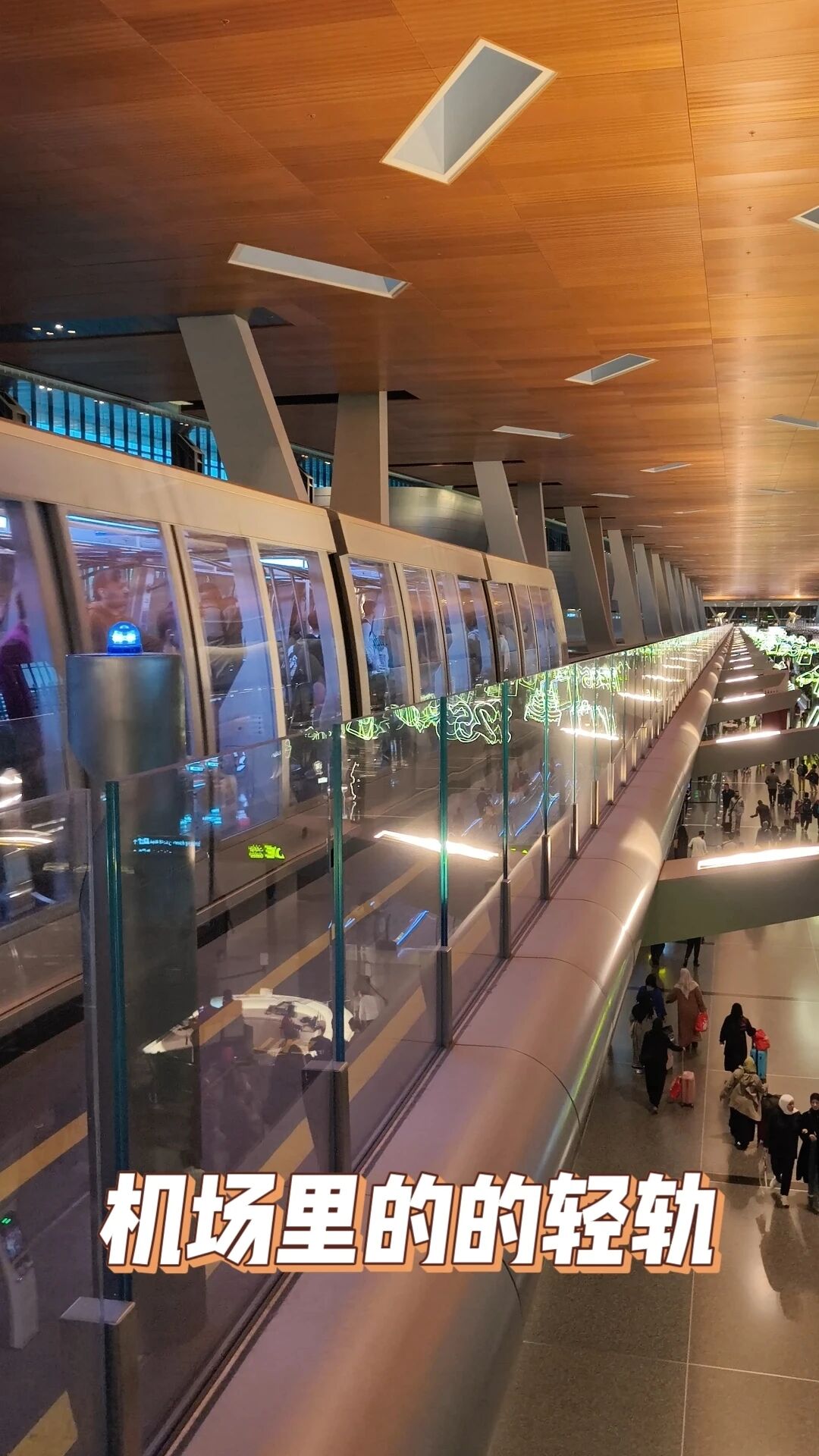
I also visited other parts of the airport, took photos of the big bear, looked at the cars, and even tried the airport light rail. In the end, I made it back home smoothly. With this, my trip has come to an end. I went to Vietnam, Singapore, the Maldives, and Malaysia.
Soon after, I went to Iran via Oman and transited through Qatar to return home. It is a pity that many videos and photos are missing. I will just have to wait until my next trip abroad to take more. view all
Summary: This Qatar Doha Airport prayer room guide follows the author's return journey after Iran and Oman. It preserves the ticketing route, airport transit context, prayer-room visit, and Muslim traveler details from the source.
I left Iran and returned to Oman. After a short stay in Oman, I started my journey back home. When I bought my flight home in Oman, I found out I had to transfer in Qatar. I slept for a night on a lounge chair at Doha Airport in Qatar. After I woke up, I went to the prayer room here.
Let me show you what it looks like inside. I have been to prayer rooms in other airports, including those in Oman, Singapore, Malaysia, and Iran, but the prayer room at Doha Airport in Qatar has the largest area for wudu (small ablution) I have ever seen.
When I entered the prayer room, the decor felt very simple, but it did not look cheap at all; the materials and design were clearly well thought out. Someone was praying in the room at the time, and there was also an old man wearing a felt cap (jianbing mao).
I remembered that my friend from Kashmir, who is now studying for his PhD in Japan, also gave me a hat like that. It is also interesting that this type of hat has appeared on ancient Greek statues.
The prayer room also had a schedule for the five daily prayers, which you can see in many Islamic places of worship. The calendar also shows the Islamic year 1447, which starts from the year the Prophet migrated from Mecca to Medina (July 16, 622 AD).
Actually, the whole airport has several prayer rooms. I ran into more than one just by walking around.
I also visited other parts of the airport, took photos of the big bear, looked at the cars, and even tried the airport light rail. In the end, I made it back home smoothly. With this, my trip has come to an end. I went to Vietnam, Singapore, the Maldives, and Malaysia.
Soon after, I went to Iran via Oman and transited through Qatar to return home. It is a pity that many videos and photos are missing. I will just have to wait until my next trip abroad to take more. view all
Reposted from the web
Summary: This Qatar Doha Airport prayer room guide follows the author's return journey after Iran and Oman. It preserves the ticketing route, airport transit context, prayer-room visit, and Muslim traveler details from the source.
I left Iran and returned to Oman. After a short stay in Oman, I started my journey back home. When I bought my flight home in Oman, I found out I had to transfer in Qatar. I slept for a night on a lounge chair at Doha Airport in Qatar. After I woke up, I went to the prayer room here.
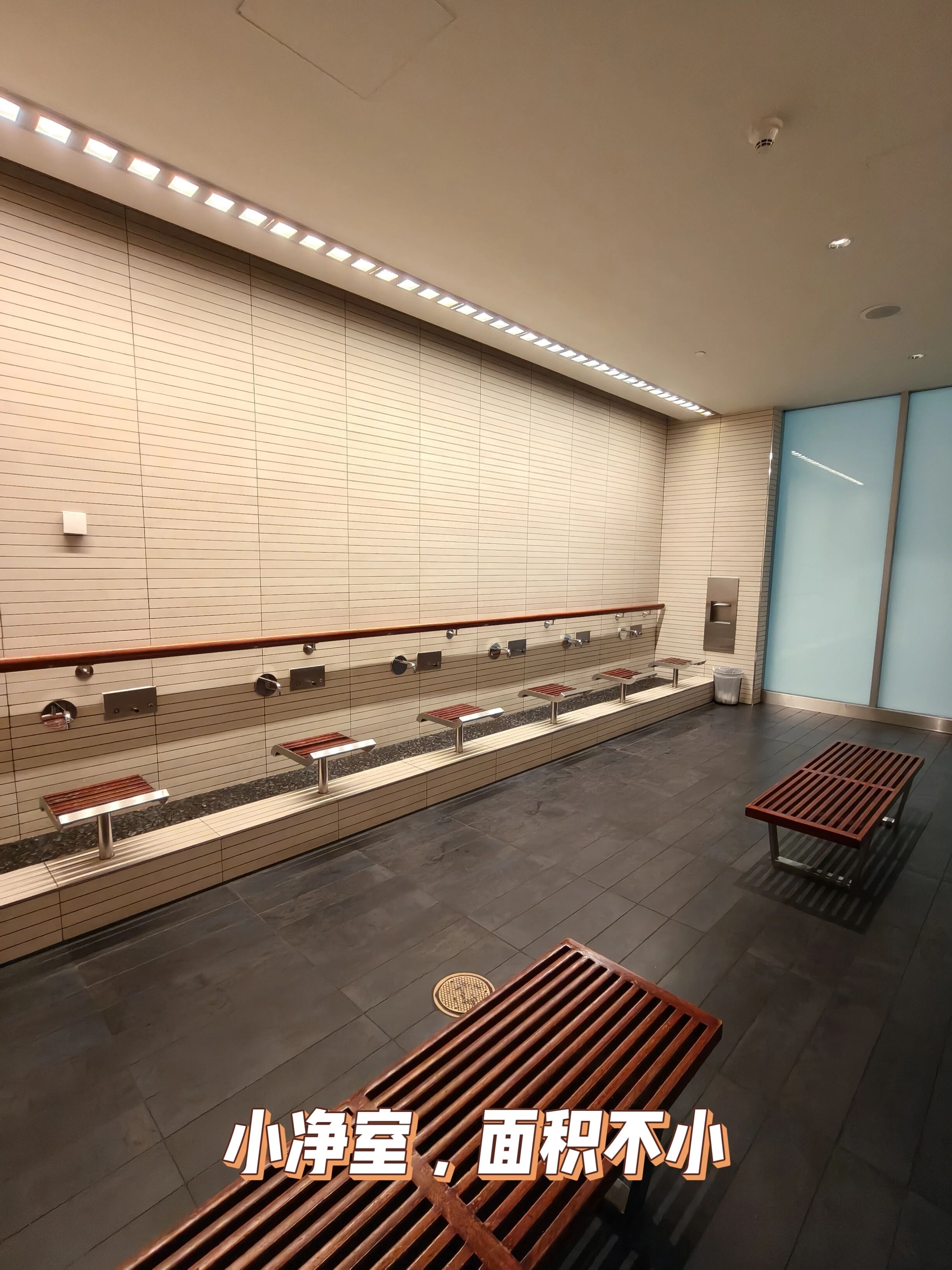
Let me show you what it looks like inside. I have been to prayer rooms in other airports, including those in Oman, Singapore, Malaysia, and Iran, but the prayer room at Doha Airport in Qatar has the largest area for wudu (small ablution) I have ever seen.
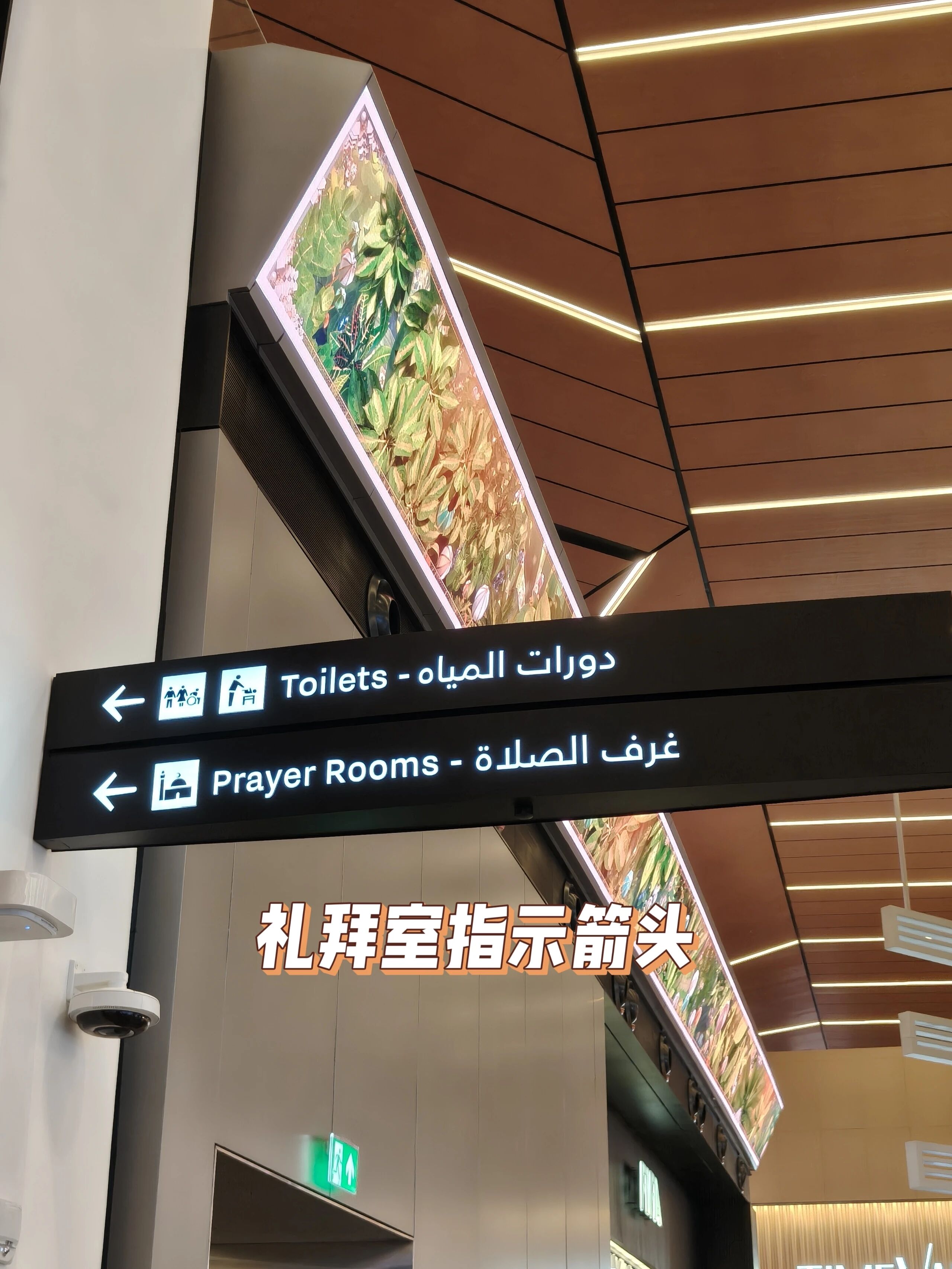
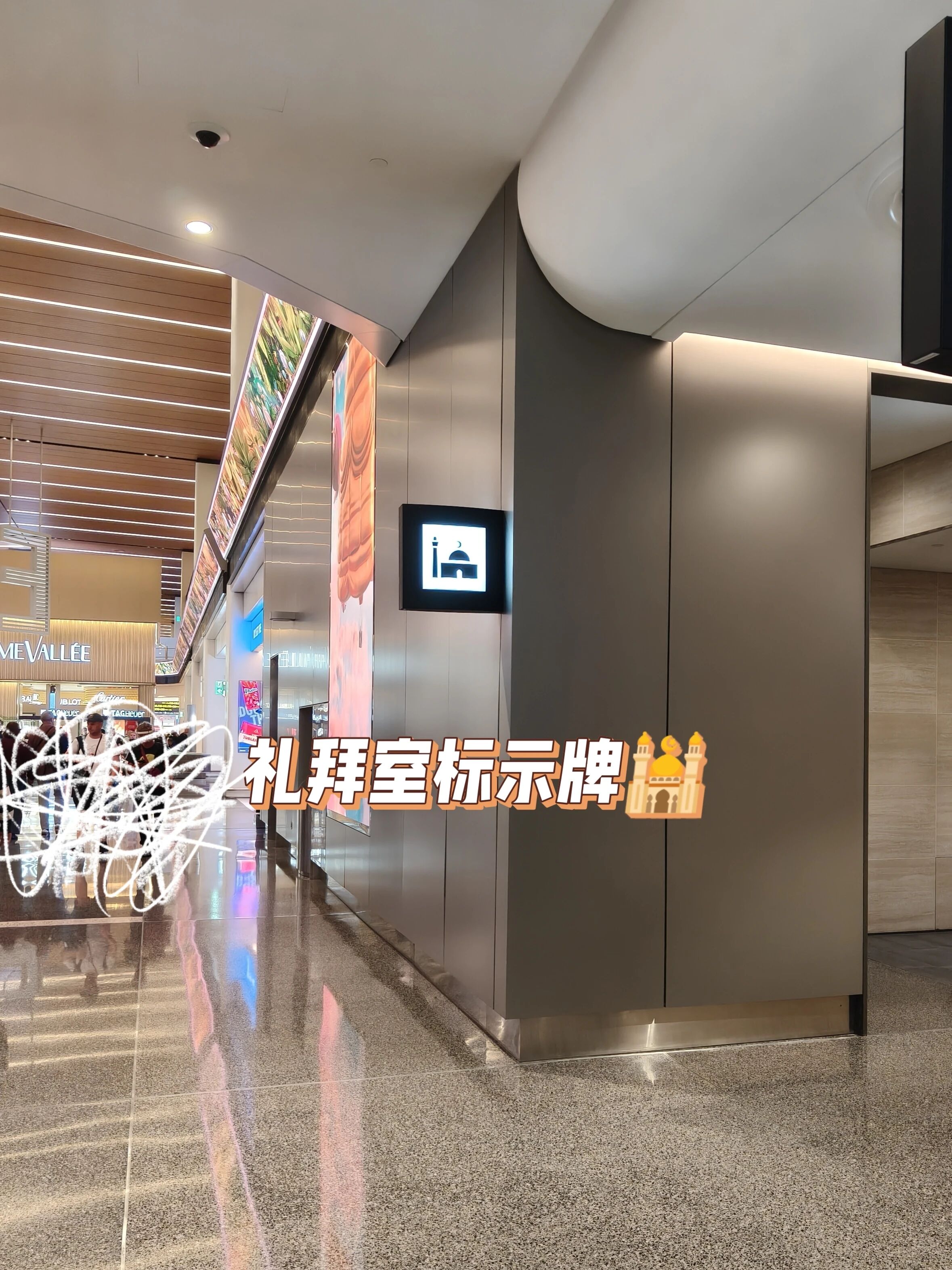
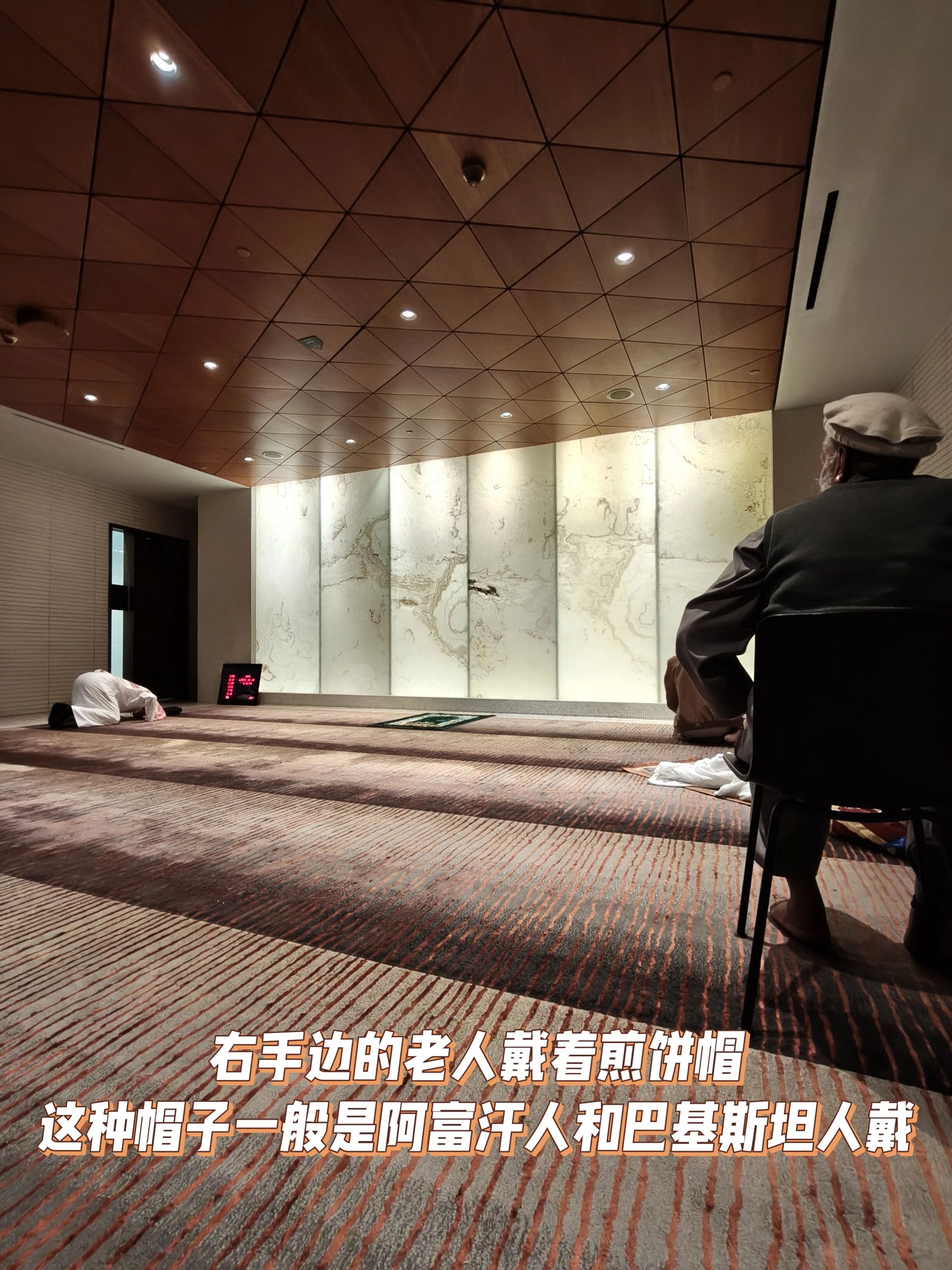
When I entered the prayer room, the decor felt very simple, but it did not look cheap at all; the materials and design were clearly well thought out. Someone was praying in the room at the time, and there was also an old man wearing a felt cap (jianbing mao).
I remembered that my friend from Kashmir, who is now studying for his PhD in Japan, also gave me a hat like that. It is also interesting that this type of hat has appeared on ancient Greek statues.
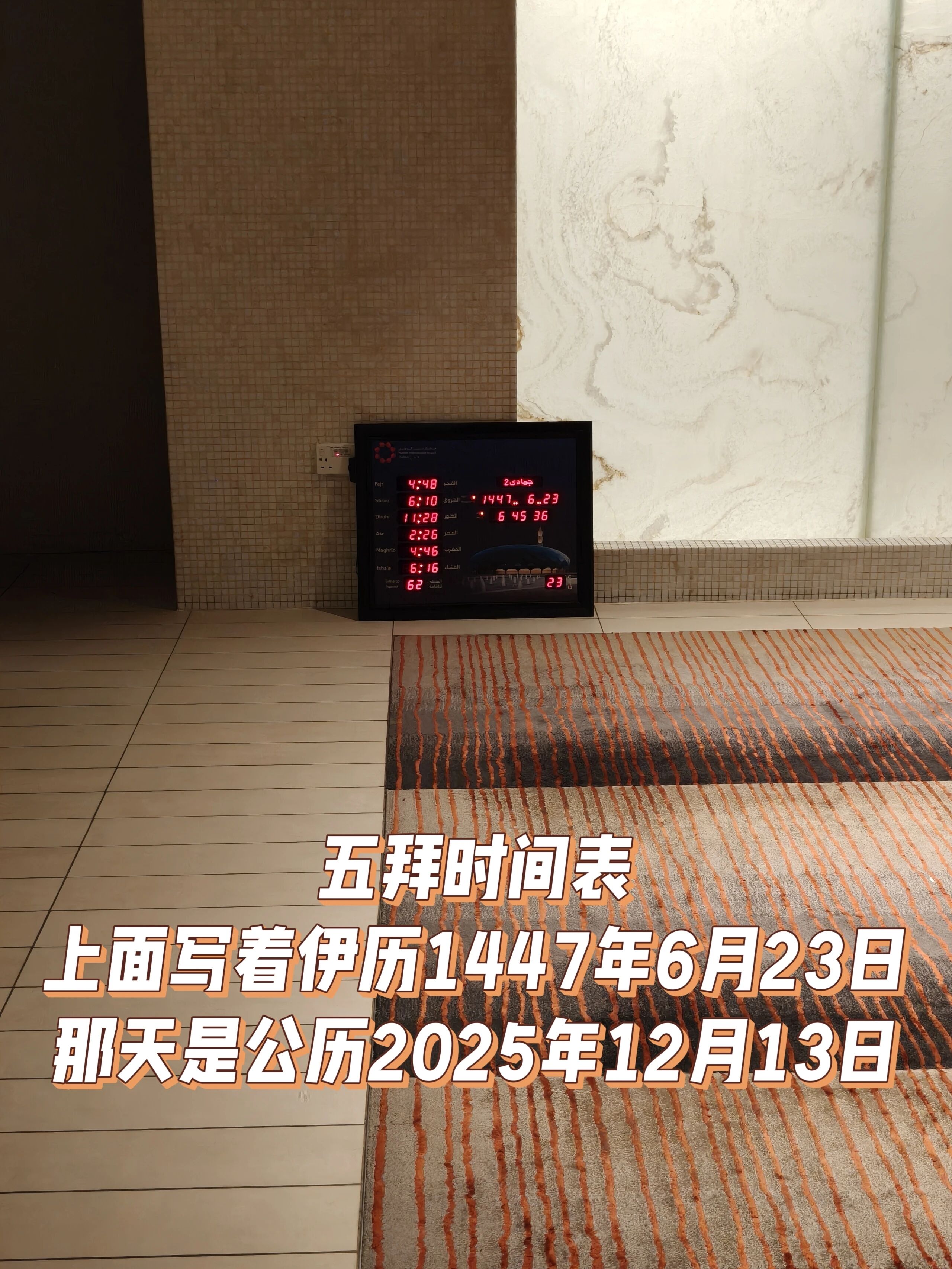
The prayer room also had a schedule for the five daily prayers, which you can see in many Islamic places of worship. The calendar also shows the Islamic year 1447, which starts from the year the Prophet migrated from Mecca to Medina (July 16, 622 AD).
Actually, the whole airport has several prayer rooms. I ran into more than one just by walking around.
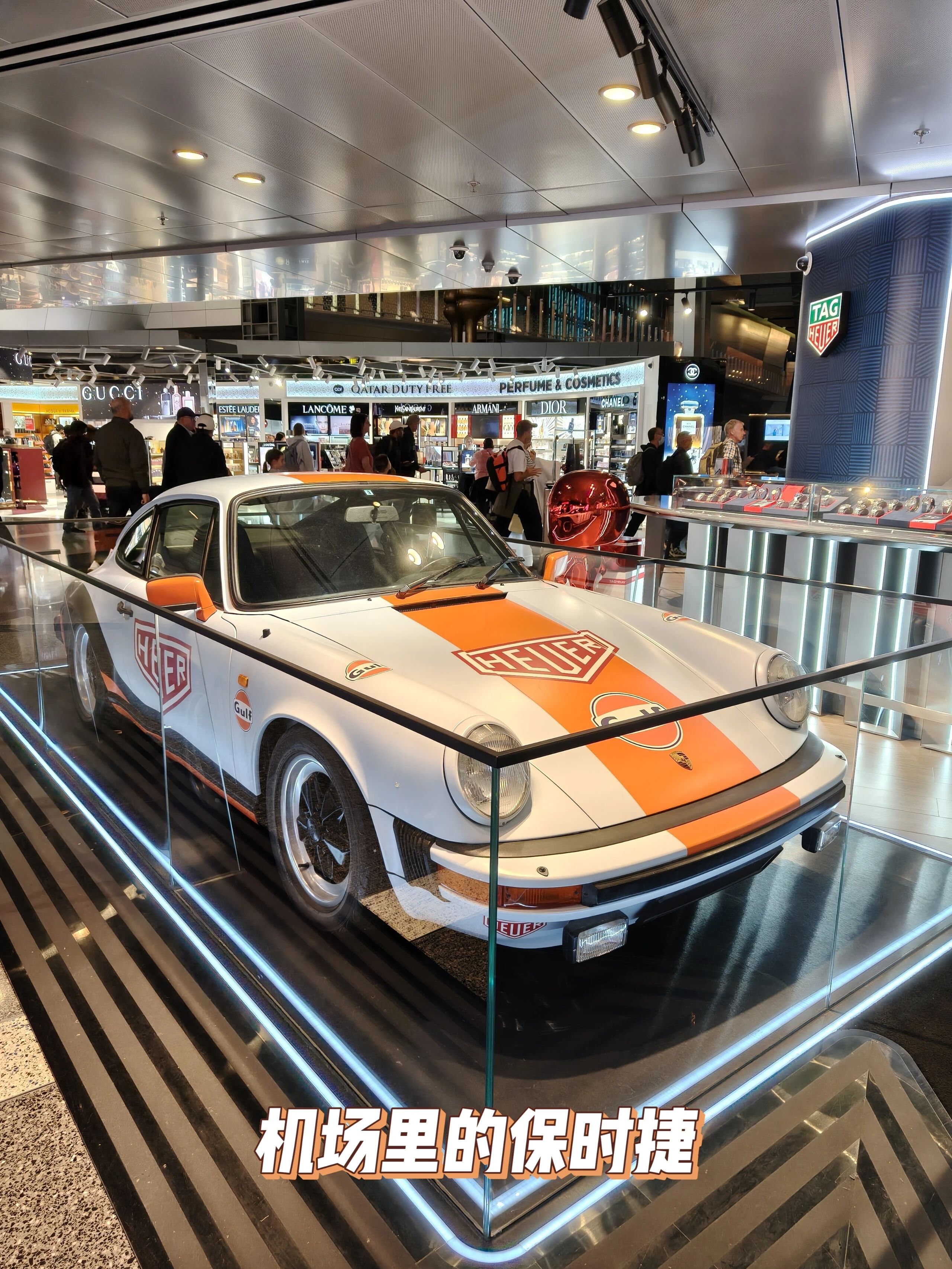
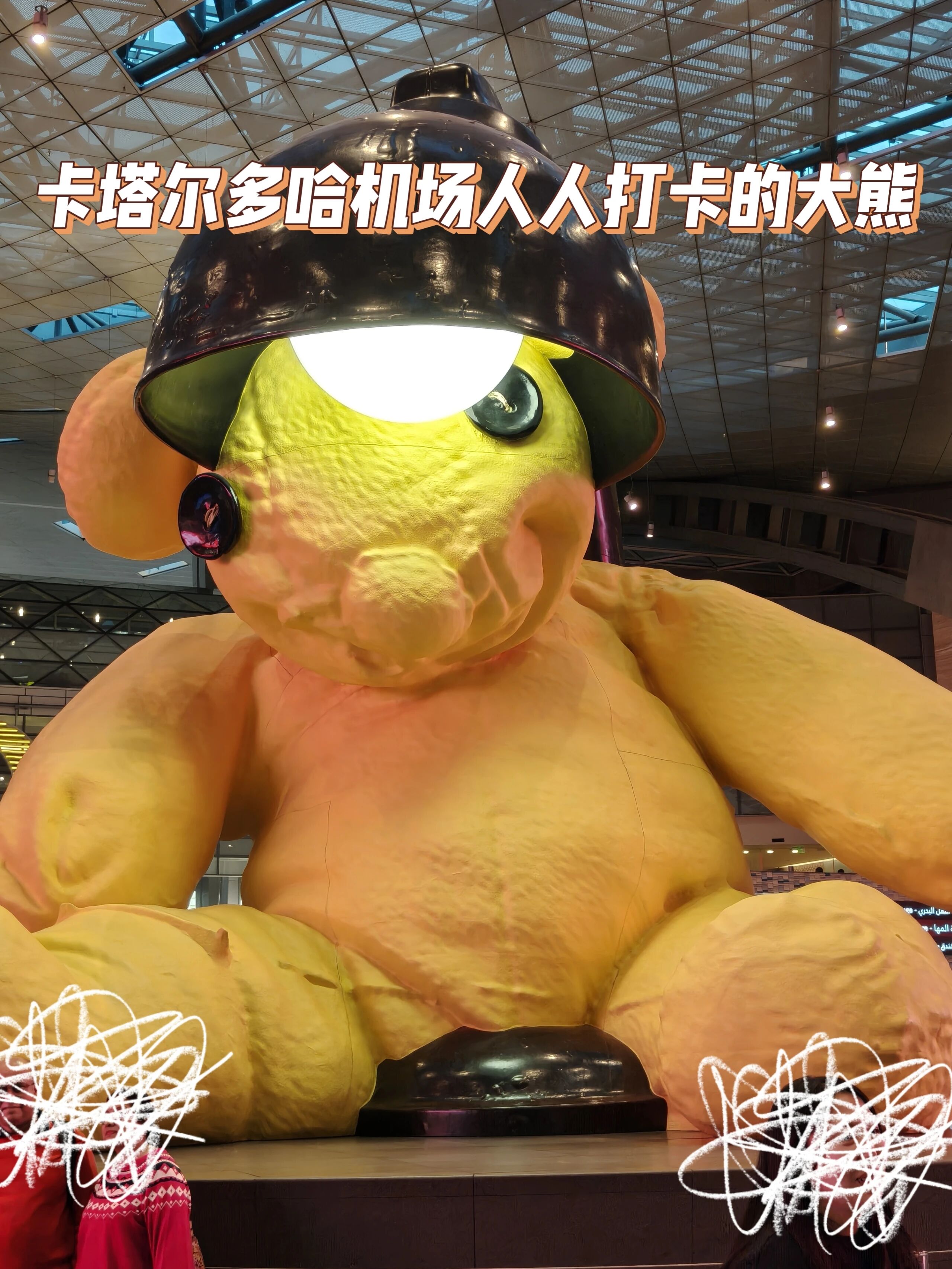
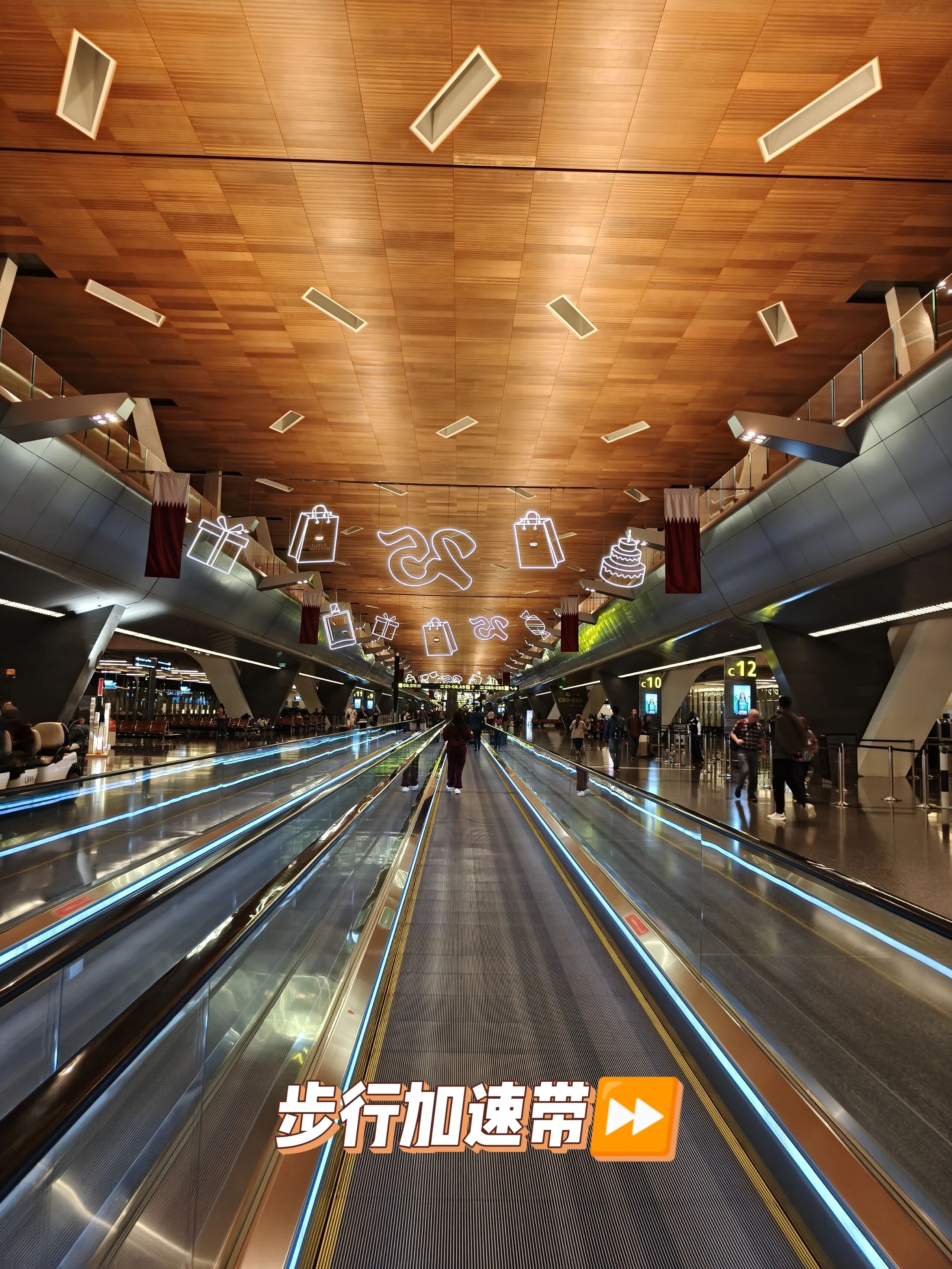
I also visited other parts of the airport, took photos of the big bear, looked at the cars, and even tried the airport light rail. In the end, I made it back home smoothly. With this, my trip has come to an end. I went to Vietnam, Singapore, the Maldives, and Malaysia.
Soon after, I went to Iran via Oman and transited through Qatar to return home. It is a pity that many videos and photos are missing. I will just have to wait until my next trip abroad to take more.
Summary: This Qatar Doha Airport prayer room guide follows the author's return journey after Iran and Oman. It preserves the ticketing route, airport transit context, prayer-room visit, and Muslim traveler details from the source.
I left Iran and returned to Oman. After a short stay in Oman, I started my journey back home. When I bought my flight home in Oman, I found out I had to transfer in Qatar. I slept for a night on a lounge chair at Doha Airport in Qatar. After I woke up, I went to the prayer room here.
Let me show you what it looks like inside. I have been to prayer rooms in other airports, including those in Oman, Singapore, Malaysia, and Iran, but the prayer room at Doha Airport in Qatar has the largest area for wudu (small ablution) I have ever seen.
When I entered the prayer room, the decor felt very simple, but it did not look cheap at all; the materials and design were clearly well thought out. Someone was praying in the room at the time, and there was also an old man wearing a felt cap (jianbing mao).
I remembered that my friend from Kashmir, who is now studying for his PhD in Japan, also gave me a hat like that. It is also interesting that this type of hat has appeared on ancient Greek statues.
The prayer room also had a schedule for the five daily prayers, which you can see in many Islamic places of worship. The calendar also shows the Islamic year 1447, which starts from the year the Prophet migrated from Mecca to Medina (July 16, 622 AD).
Actually, the whole airport has several prayer rooms. I ran into more than one just by walking around.
I also visited other parts of the airport, took photos of the big bear, looked at the cars, and even tried the airport light rail. In the end, I made it back home smoothly. With this, my trip has come to an end. I went to Vietnam, Singapore, the Maldives, and Malaysia.
Soon after, I went to Iran via Oman and transited through Qatar to return home. It is a pity that many videos and photos are missing. I will just have to wait until my next trip abroad to take more.
Prayer Room Singapore Changi Airport: Terminal 2 Musalla, Wudu Access and Muslim Transit Guide
Articles • Hasan09 posted the article • 0 comments • 385 views • 2026-05-24 01:46
Reposted from the web
Summary: This Singapore Changi Airport prayer room guide focuses on the Terminal 2 Muslim prayer space. It preserves the airport setting, clear prayer-room signs, male and female rooms, and the author's transit notes.
Singapore Changi Airport is an international hub. It is more than just an airport; it is the first stop for people visiting Singapore. The airport's Jewel Changi commercial complex features a spectacular indoor waterfall that pours down from the roof all the way to the basement. It is a magnificent sight.
Travelers can also ride the free light rail (skytrain) that passes by the waterfall while moving between the airport terminals.
All four terminals at Singapore Changi Airport have a prayer room. Today, I am introducing the prayer room in Terminal 2 (T2).
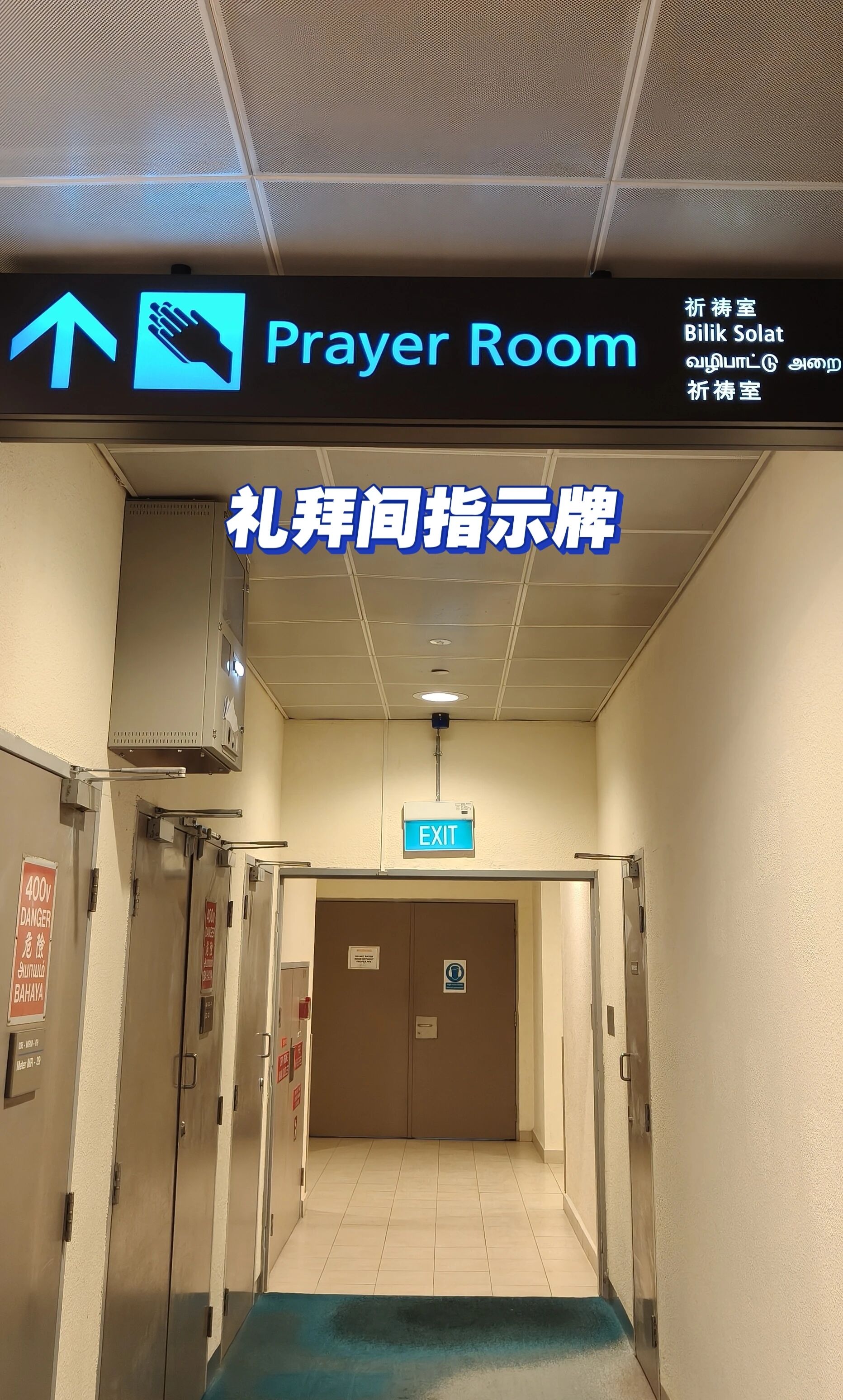
This place is easy to find because the signs are very clear (Image 2). They say 'dua room' in English, with the Chinese and Japanese characters for dua room next to them.
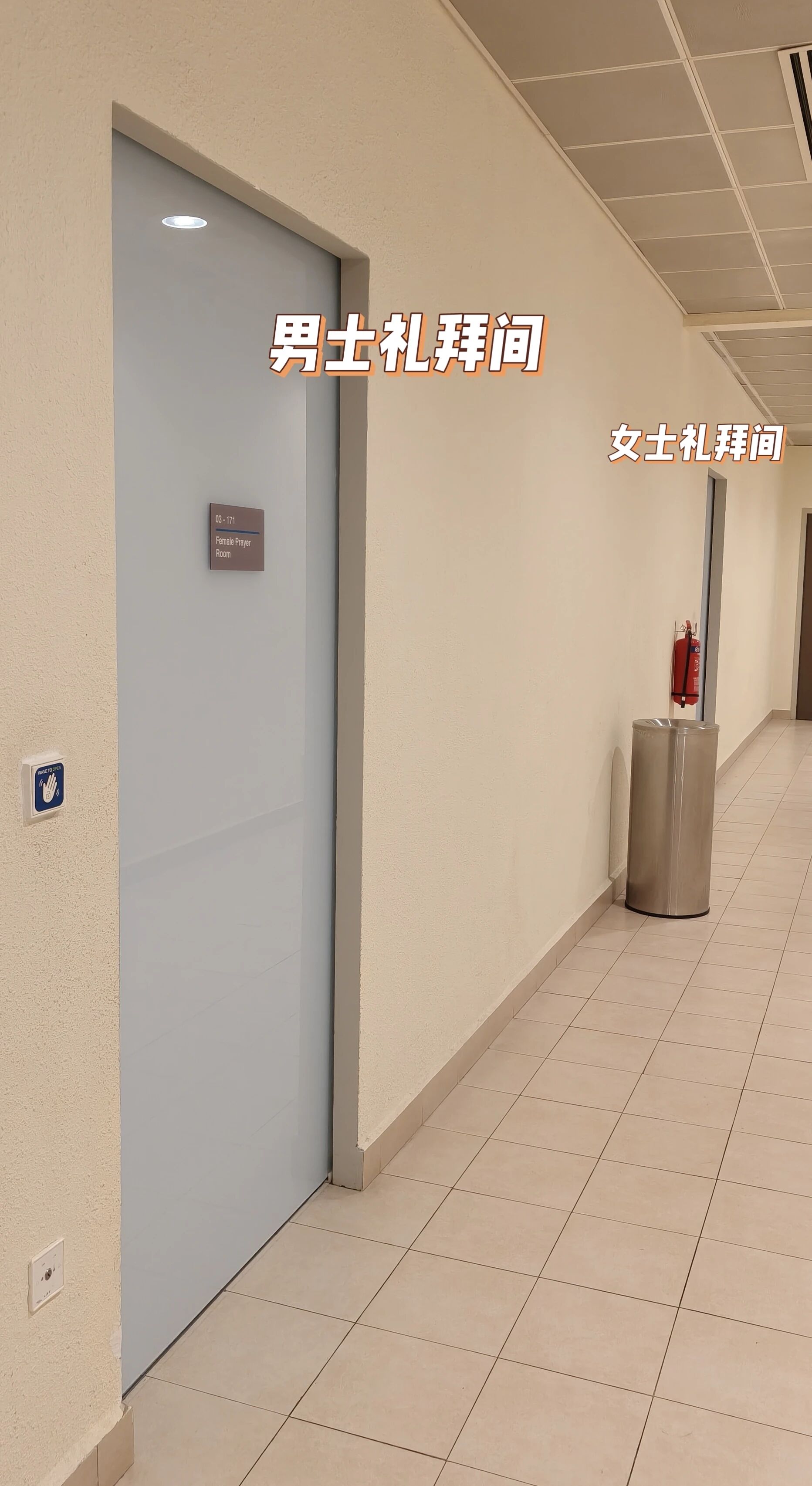
The prayer room is divided into separate areas for men and women (Image 3). There is a sensor at the door; just wave your hand in front of it, and the door opens automatically.
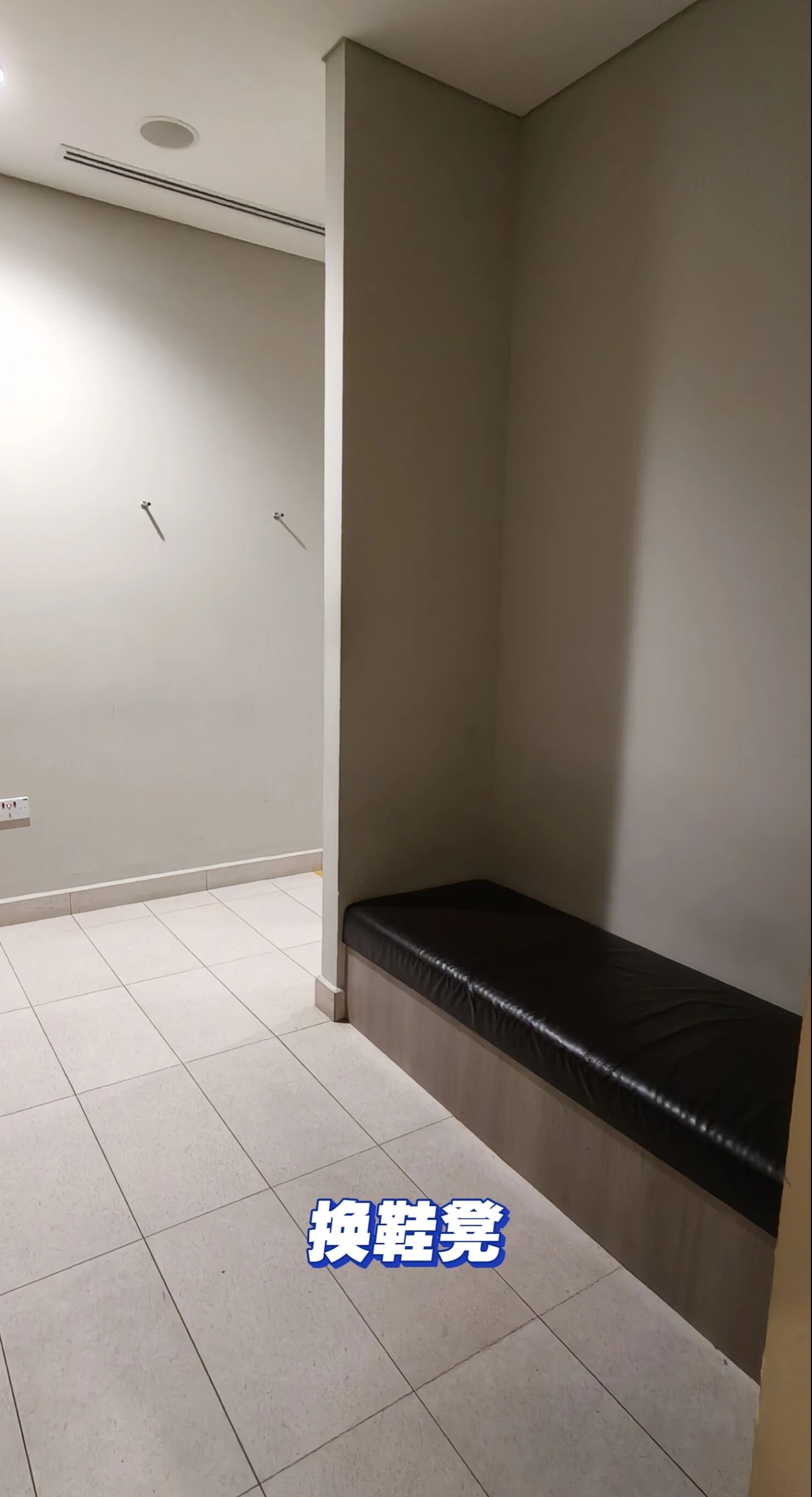
The entryway of the prayer room has a bench for changing shoes (Image 4) and a shoe cabinet (Image 5).
I have visited prayer rooms at Muscat Airport in Oman, Imam Khomeini Airport in Tehran, Iran, the airport in Qatar, and Narita Airport in Japan. Compared to the prayer rooms in Middle Eastern airports, the one at Singapore's airport is quite simple. It has almost no decorations, much like the one in Japan.
The prayer room already has carpet, and various prayer mats are neatly laid out on top of it (Image 7).
While praying, I noticed that the people around me included both travelers and airport staff.
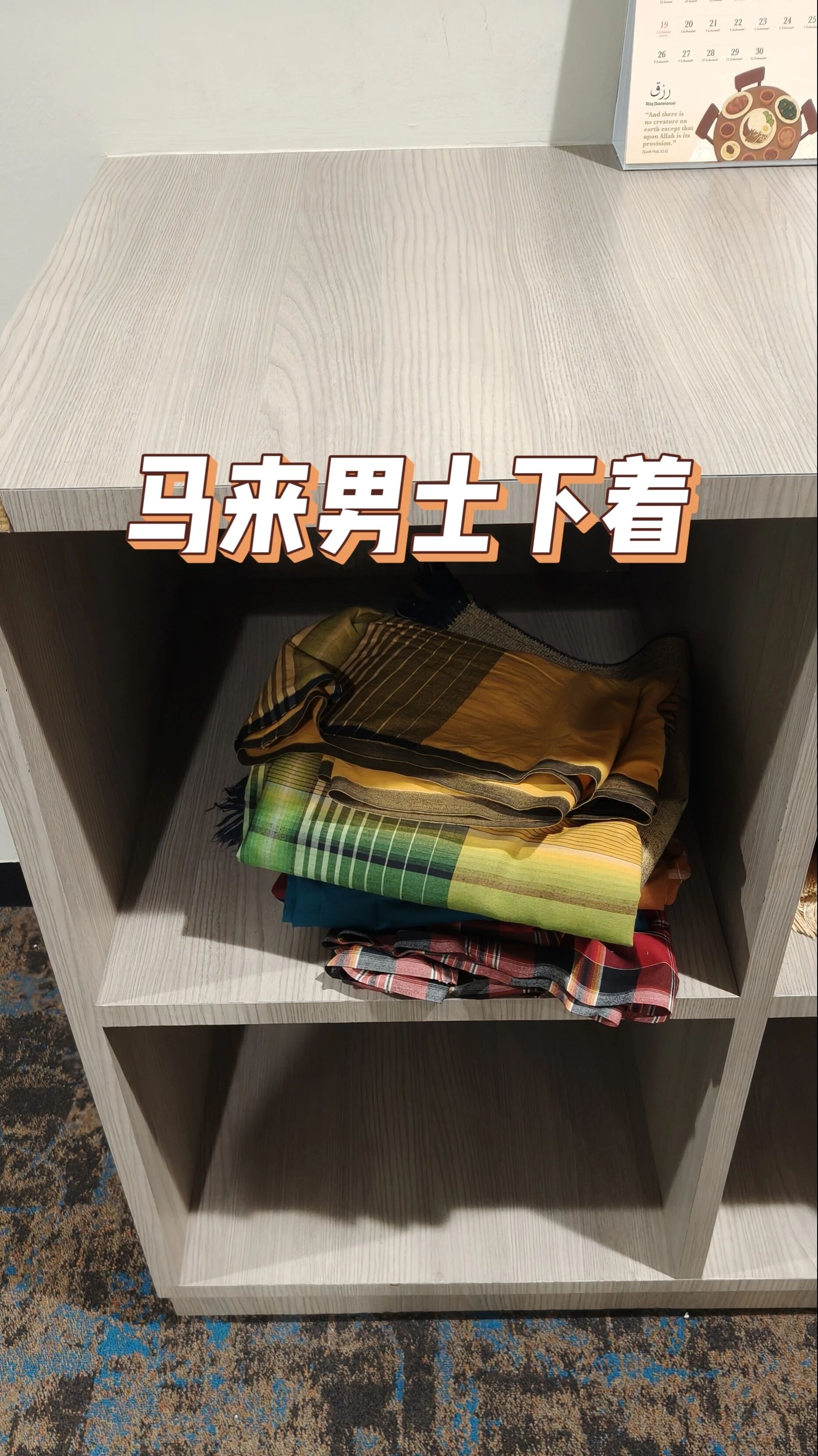
After finishing my prayer, I noticed a cabinet on the left. Inside, there were not only spare prayer mats but also a type of traditional Malay and Indonesian cloth (Image 9). Malay and Indonesian people use this long cloth to wrap around their lower bodies like a skirt when they pray. I once saw this kind of cloth in Qingdao, where I met an Indonesian friend who gave me one.
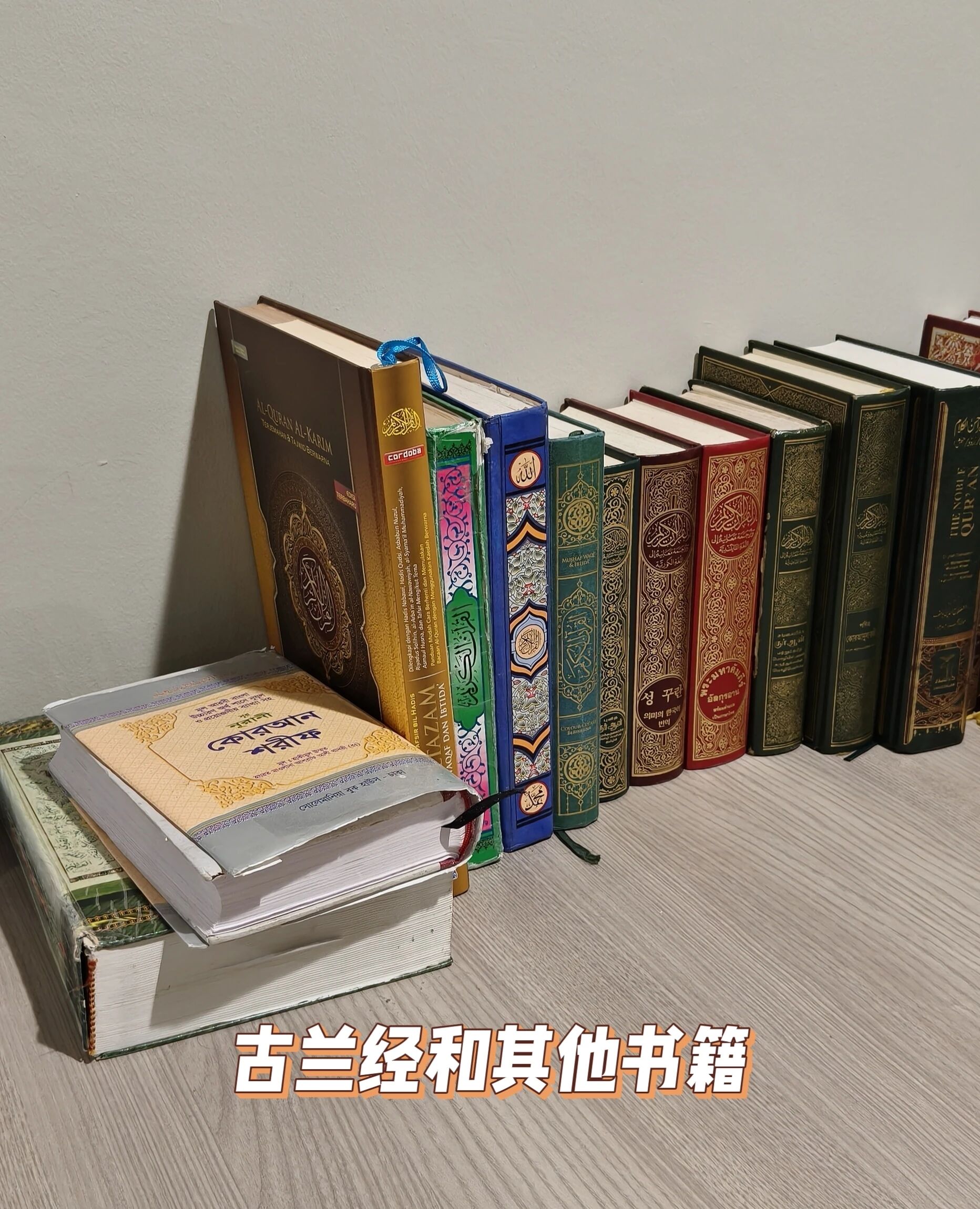
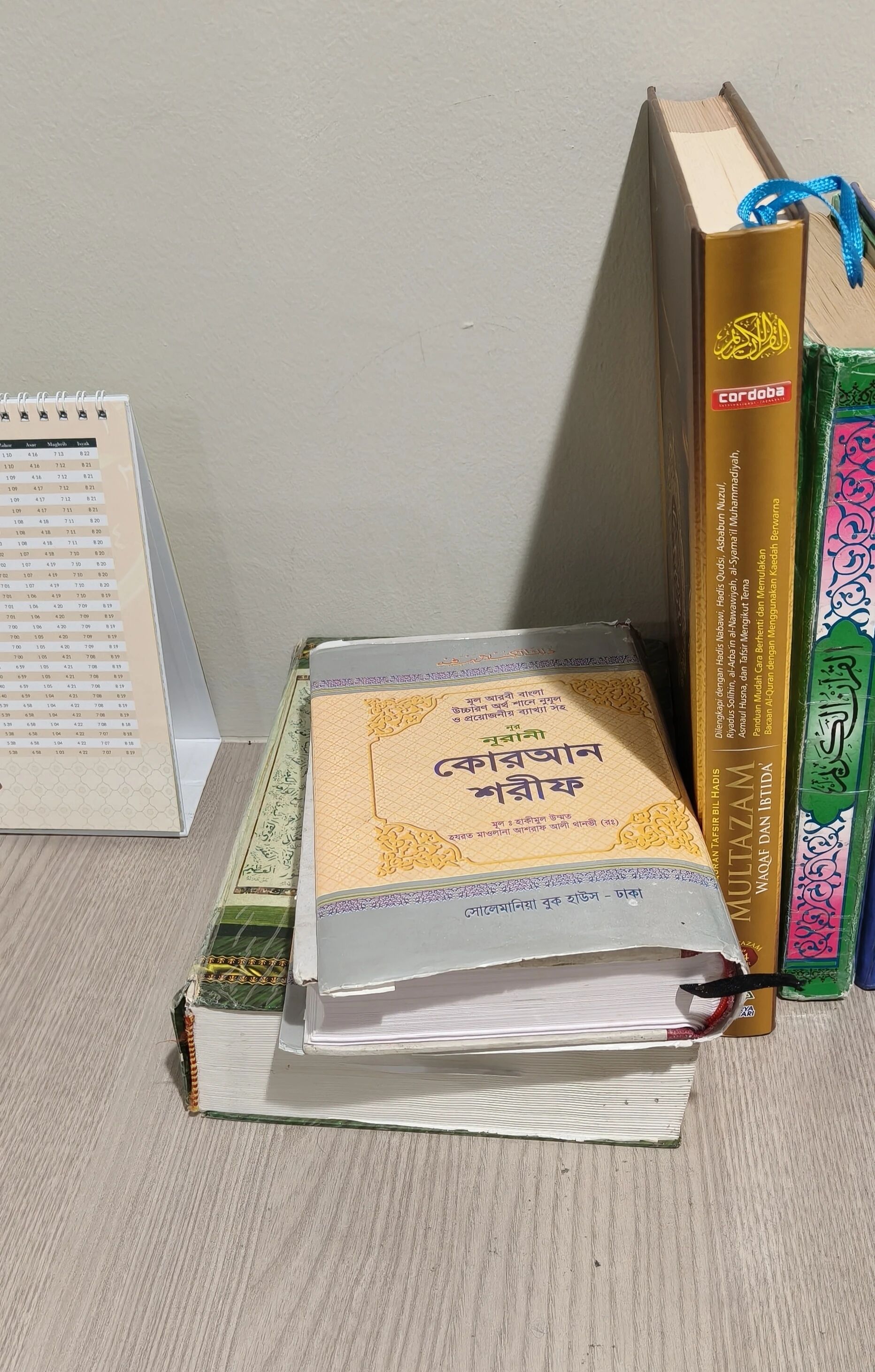
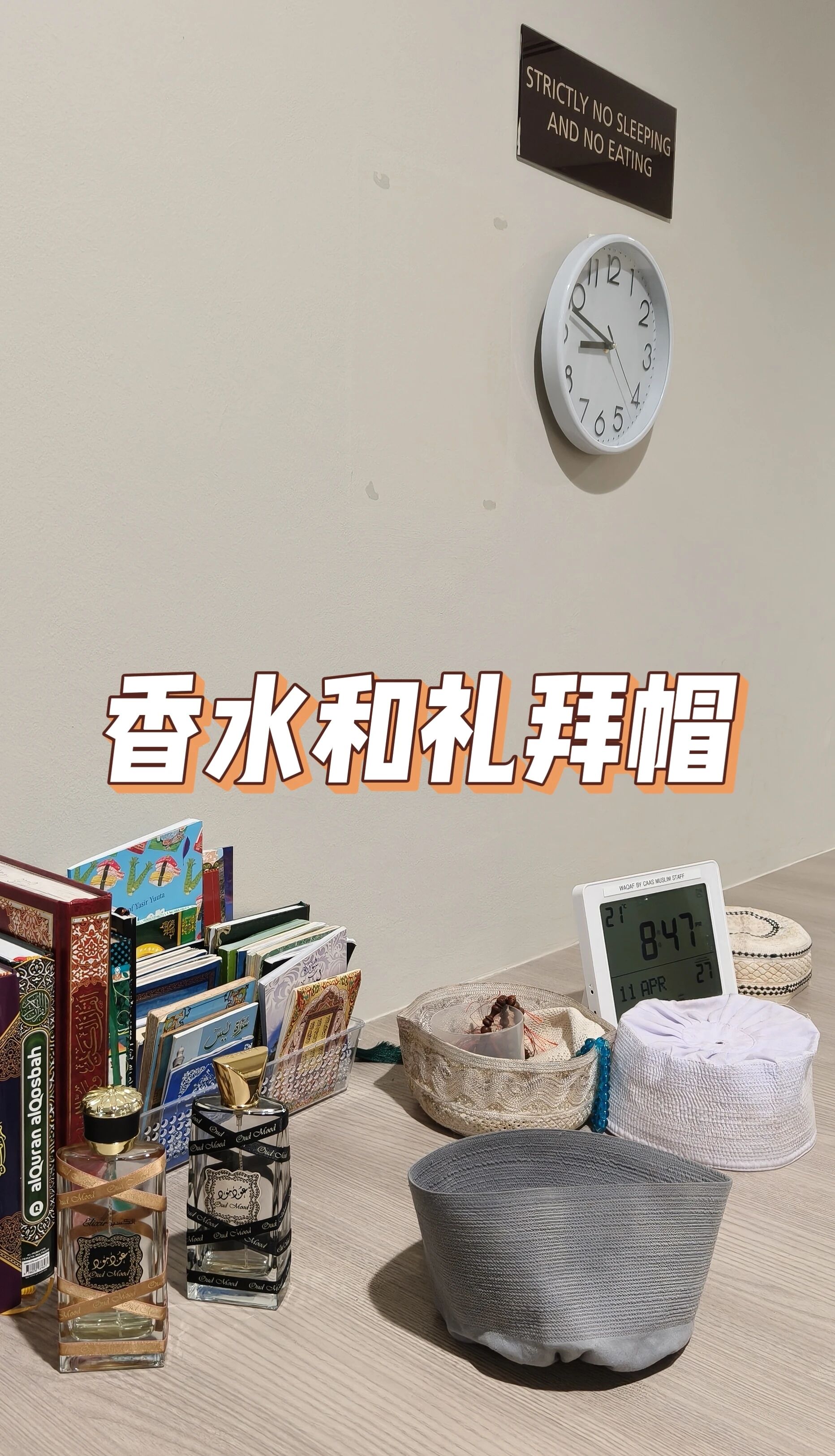
The cabinet also held various religious books, perfume (using perfume is a practice of the Prophet, which is worth following), and prayer caps. This seems to be a standard feature for prayer rooms in Singapore.
I visited Singapore shortly after Eid al-Fitr, so the decorations were still up in the subway stations, the airport, and all around the city. Even though the holiday had passed, I could still feel a bit of the festive spirit.
I noticed this especially when I left Singapore for Changi Airport.
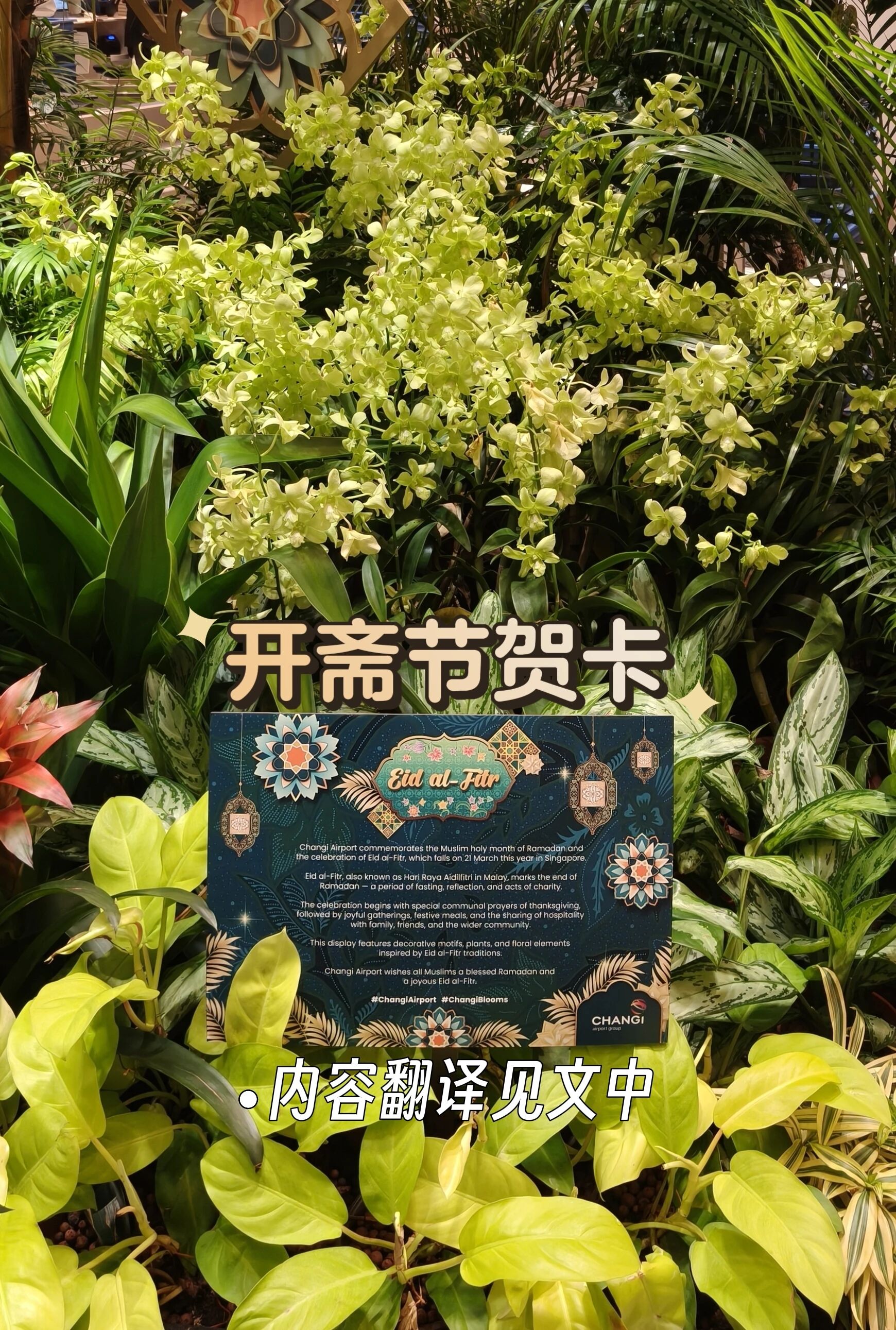
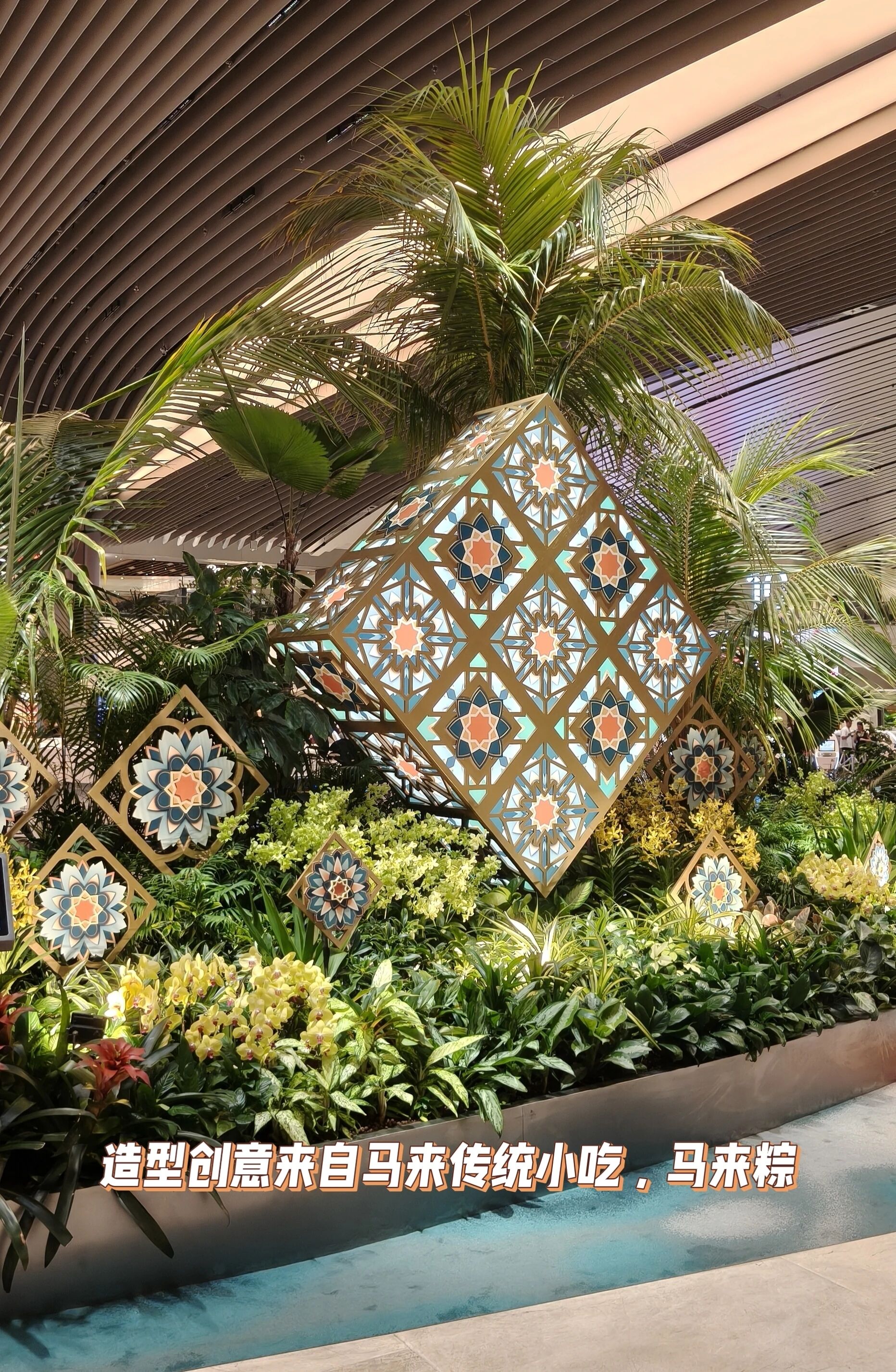
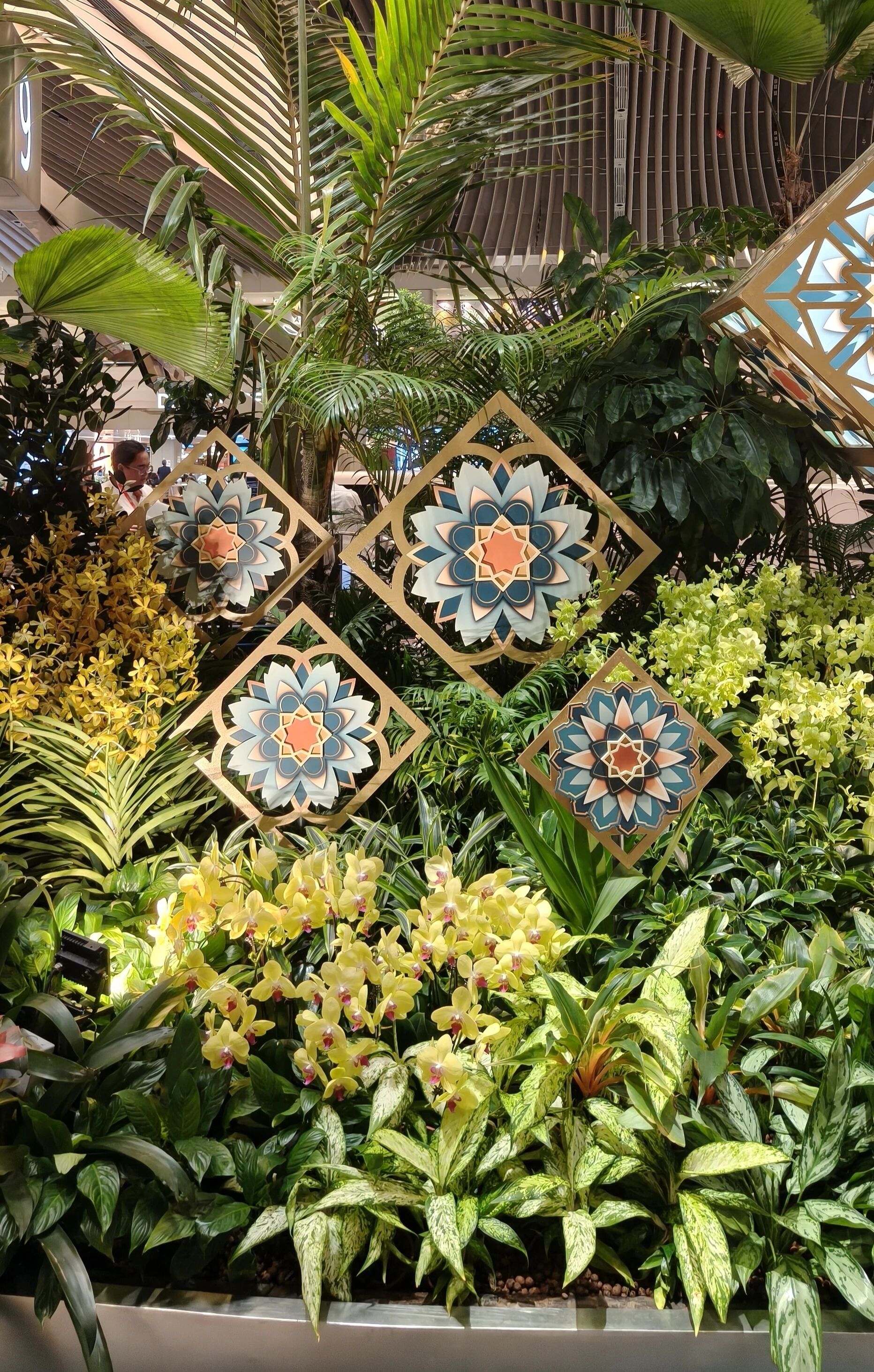
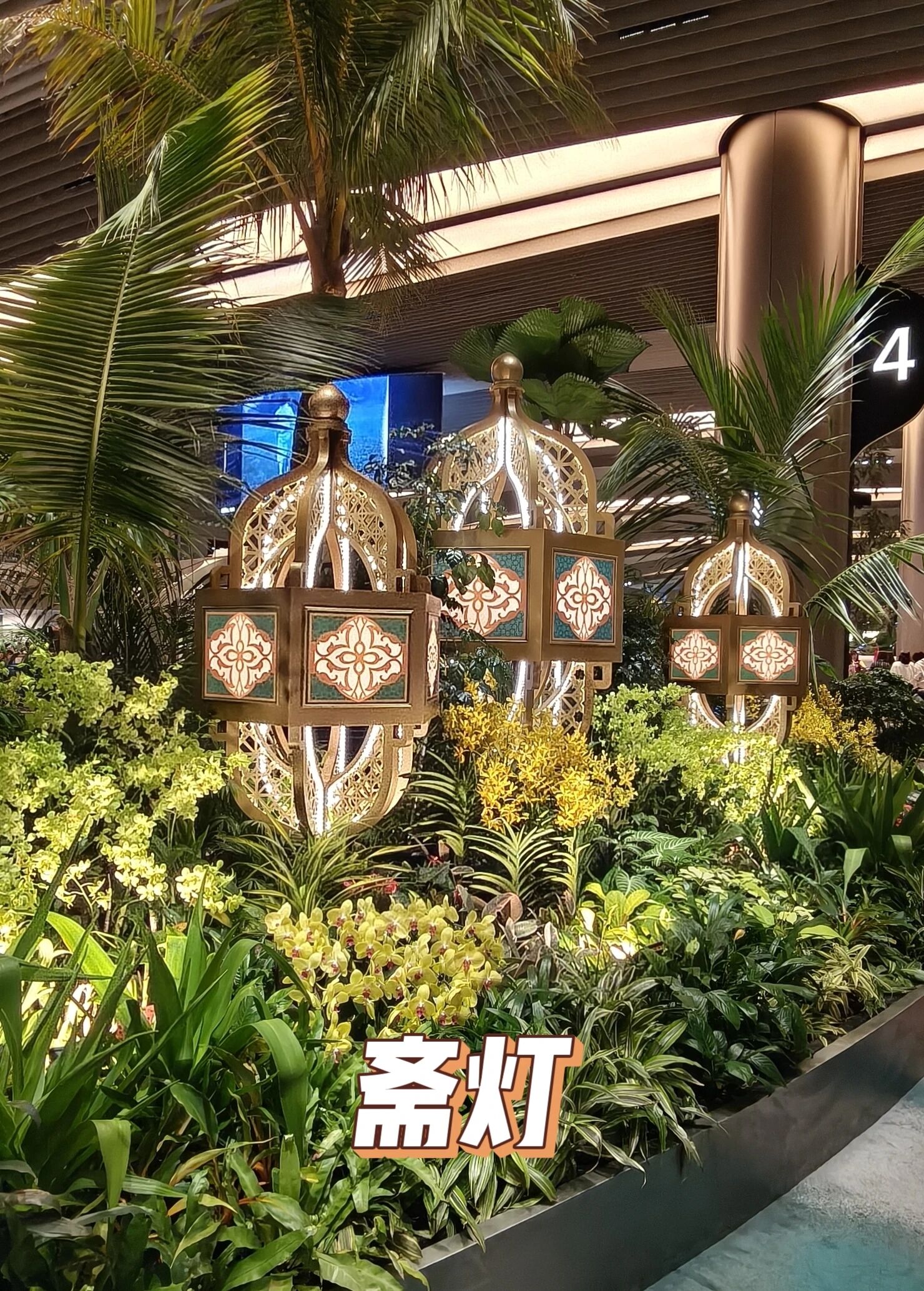
The decorations in the check-in hall were mostly shaped like lanterns (fanous) and square rice cakes wrapped in palm leaves (ketupat). The displays also featured many fresh flowers and plants, along with a greeting card. Here is a simple translation of the text:
Changi Airport commemorates the holy month of Ramadan and Eid al-Fitr, which began on March 21 this year. During Ramadan, people fast, reflect on themselves, and give to charity.
The arrival of Eid al-Fitr (Malay: Hari Raya Aidilfitri) marks the end of Ramadan. People start the Eid al-Fitr celebration with a prayer of gratitude, then gather with family, friends, and neighbors.
The decorations are inspired by Eid al-Fitr traditions. Changi Airport wishes all Muslims a blessed Ramadan and a happy Eid al-Fitr!
In a few days, I will share a summary of the mosques, shrines (gongbei), and prayer rooms I visited in Singapore. Stay tuned view all
Summary: This Singapore Changi Airport prayer room guide focuses on the Terminal 2 Muslim prayer space. It preserves the airport setting, clear prayer-room signs, male and female rooms, and the author's transit notes.
Singapore Changi Airport is an international hub. It is more than just an airport; it is the first stop for people visiting Singapore. The airport's Jewel Changi commercial complex features a spectacular indoor waterfall that pours down from the roof all the way to the basement. It is a magnificent sight.
Travelers can also ride the free light rail (skytrain) that passes by the waterfall while moving between the airport terminals.
All four terminals at Singapore Changi Airport have a prayer room. Today, I am introducing the prayer room in Terminal 2 (T2).
This place is easy to find because the signs are very clear (Image 2). They say 'dua room' in English, with the Chinese and Japanese characters for dua room next to them.
The prayer room is divided into separate areas for men and women (Image 3). There is a sensor at the door; just wave your hand in front of it, and the door opens automatically.
The entryway of the prayer room has a bench for changing shoes (Image 4) and a shoe cabinet (Image 5).
I have visited prayer rooms at Muscat Airport in Oman, Imam Khomeini Airport in Tehran, Iran, the airport in Qatar, and Narita Airport in Japan. Compared to the prayer rooms in Middle Eastern airports, the one at Singapore's airport is quite simple. It has almost no decorations, much like the one in Japan.
The prayer room already has carpet, and various prayer mats are neatly laid out on top of it (Image 7).
While praying, I noticed that the people around me included both travelers and airport staff.
After finishing my prayer, I noticed a cabinet on the left. Inside, there were not only spare prayer mats but also a type of traditional Malay and Indonesian cloth (Image 9). Malay and Indonesian people use this long cloth to wrap around their lower bodies like a skirt when they pray. I once saw this kind of cloth in Qingdao, where I met an Indonesian friend who gave me one.
The cabinet also held various religious books, perfume (using perfume is a practice of the Prophet, which is worth following), and prayer caps. This seems to be a standard feature for prayer rooms in Singapore.
I visited Singapore shortly after Eid al-Fitr, so the decorations were still up in the subway stations, the airport, and all around the city. Even though the holiday had passed, I could still feel a bit of the festive spirit.
I noticed this especially when I left Singapore for Changi Airport.
The decorations in the check-in hall were mostly shaped like lanterns (fanous) and square rice cakes wrapped in palm leaves (ketupat). The displays also featured many fresh flowers and plants, along with a greeting card. Here is a simple translation of the text:
Changi Airport commemorates the holy month of Ramadan and Eid al-Fitr, which began on March 21 this year. During Ramadan, people fast, reflect on themselves, and give to charity.
The arrival of Eid al-Fitr (Malay: Hari Raya Aidilfitri) marks the end of Ramadan. People start the Eid al-Fitr celebration with a prayer of gratitude, then gather with family, friends, and neighbors.
The decorations are inspired by Eid al-Fitr traditions. Changi Airport wishes all Muslims a blessed Ramadan and a happy Eid al-Fitr!
In a few days, I will share a summary of the mosques, shrines (gongbei), and prayer rooms I visited in Singapore. Stay tuned view all
Reposted from the web
Summary: This Singapore Changi Airport prayer room guide focuses on the Terminal 2 Muslim prayer space. It preserves the airport setting, clear prayer-room signs, male and female rooms, and the author's transit notes.
Singapore Changi Airport is an international hub. It is more than just an airport; it is the first stop for people visiting Singapore. The airport's Jewel Changi commercial complex features a spectacular indoor waterfall that pours down from the roof all the way to the basement. It is a magnificent sight.
Travelers can also ride the free light rail (skytrain) that passes by the waterfall while moving between the airport terminals.
All four terminals at Singapore Changi Airport have a prayer room. Today, I am introducing the prayer room in Terminal 2 (T2).
This place is easy to find because the signs are very clear (Image 2). They say 'dua room' in English, with the Chinese and Japanese characters for dua room next to them.

The prayer room is divided into separate areas for men and women (Image 3). There is a sensor at the door; just wave your hand in front of it, and the door opens automatically.
The entryway of the prayer room has a bench for changing shoes (Image 4) and a shoe cabinet (Image 5).
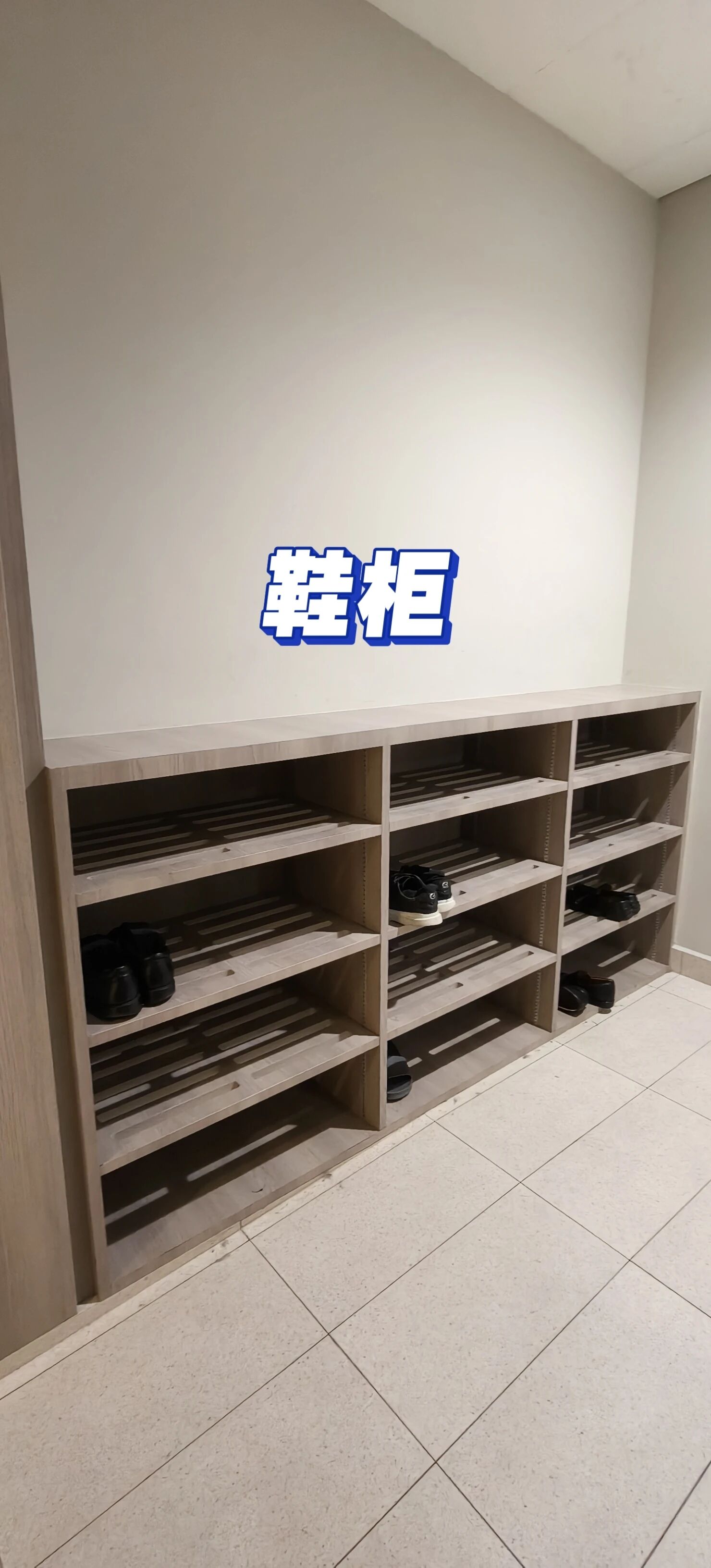
I have visited prayer rooms at Muscat Airport in Oman, Imam Khomeini Airport in Tehran, Iran, the airport in Qatar, and Narita Airport in Japan. Compared to the prayer rooms in Middle Eastern airports, the one at Singapore's airport is quite simple. It has almost no decorations, much like the one in Japan.
The prayer room already has carpet, and various prayer mats are neatly laid out on top of it (Image 7).
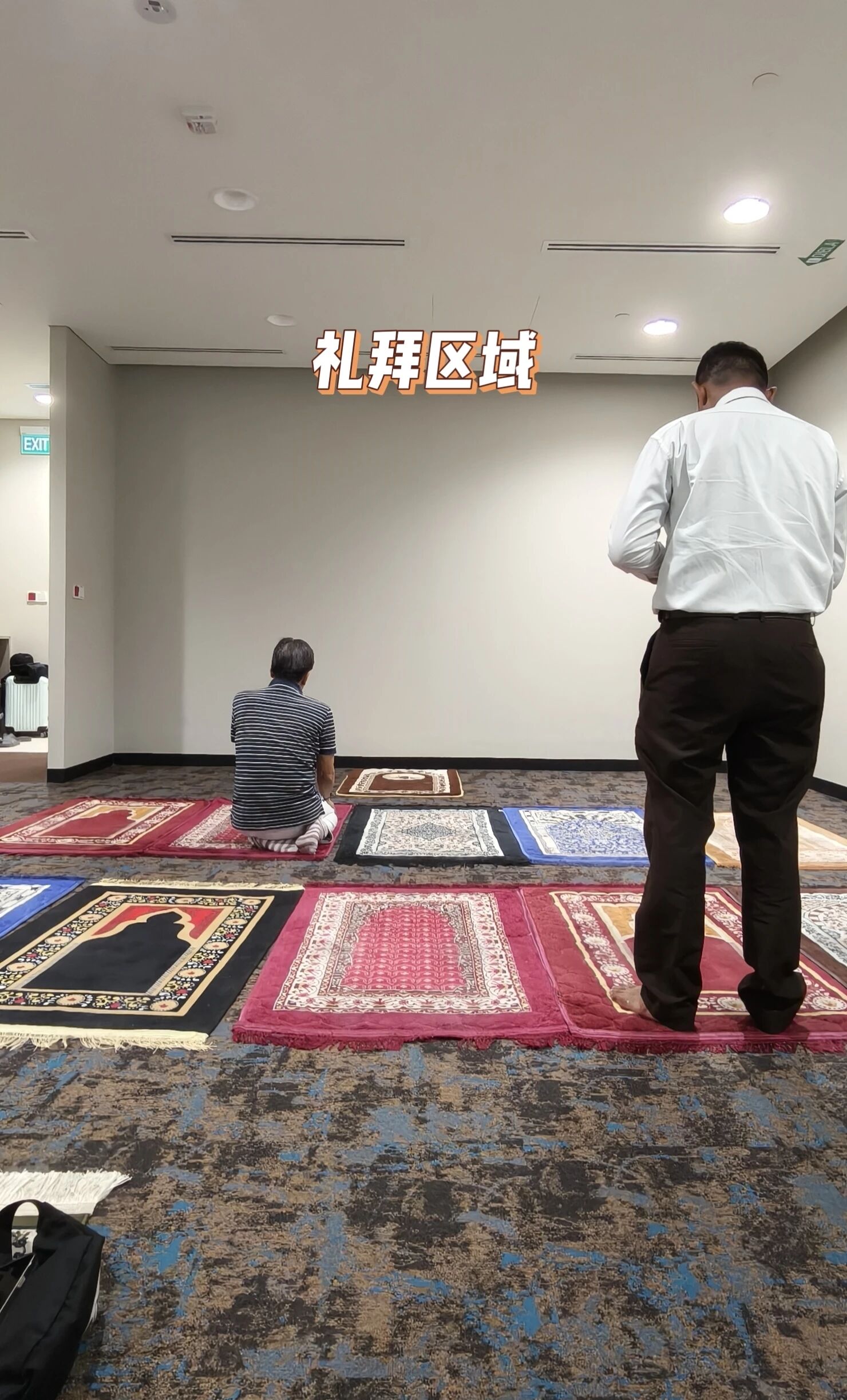
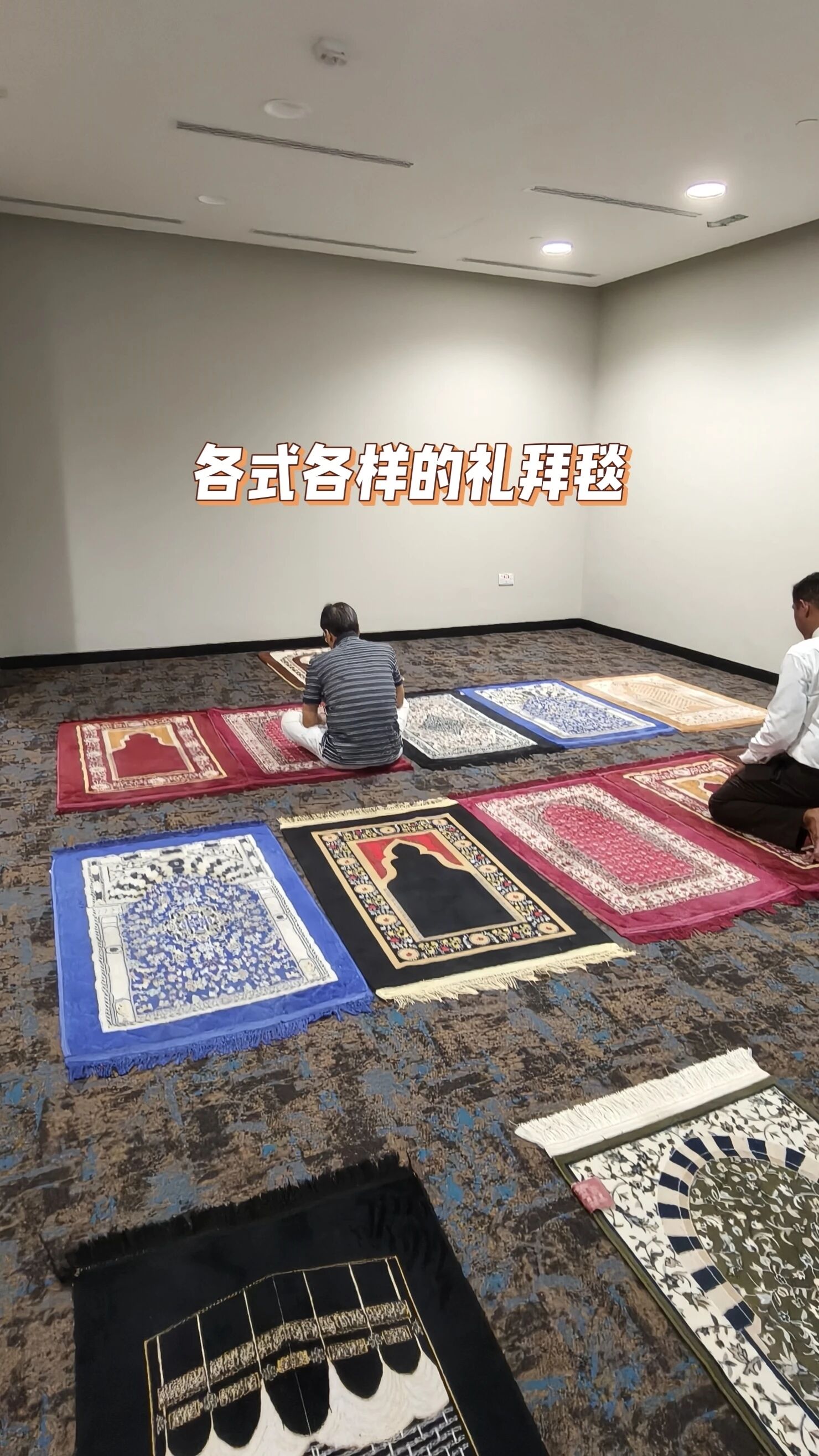
While praying, I noticed that the people around me included both travelers and airport staff.
After finishing my prayer, I noticed a cabinet on the left. Inside, there were not only spare prayer mats but also a type of traditional Malay and Indonesian cloth (Image 9). Malay and Indonesian people use this long cloth to wrap around their lower bodies like a skirt when they pray. I once saw this kind of cloth in Qingdao, where I met an Indonesian friend who gave me one.
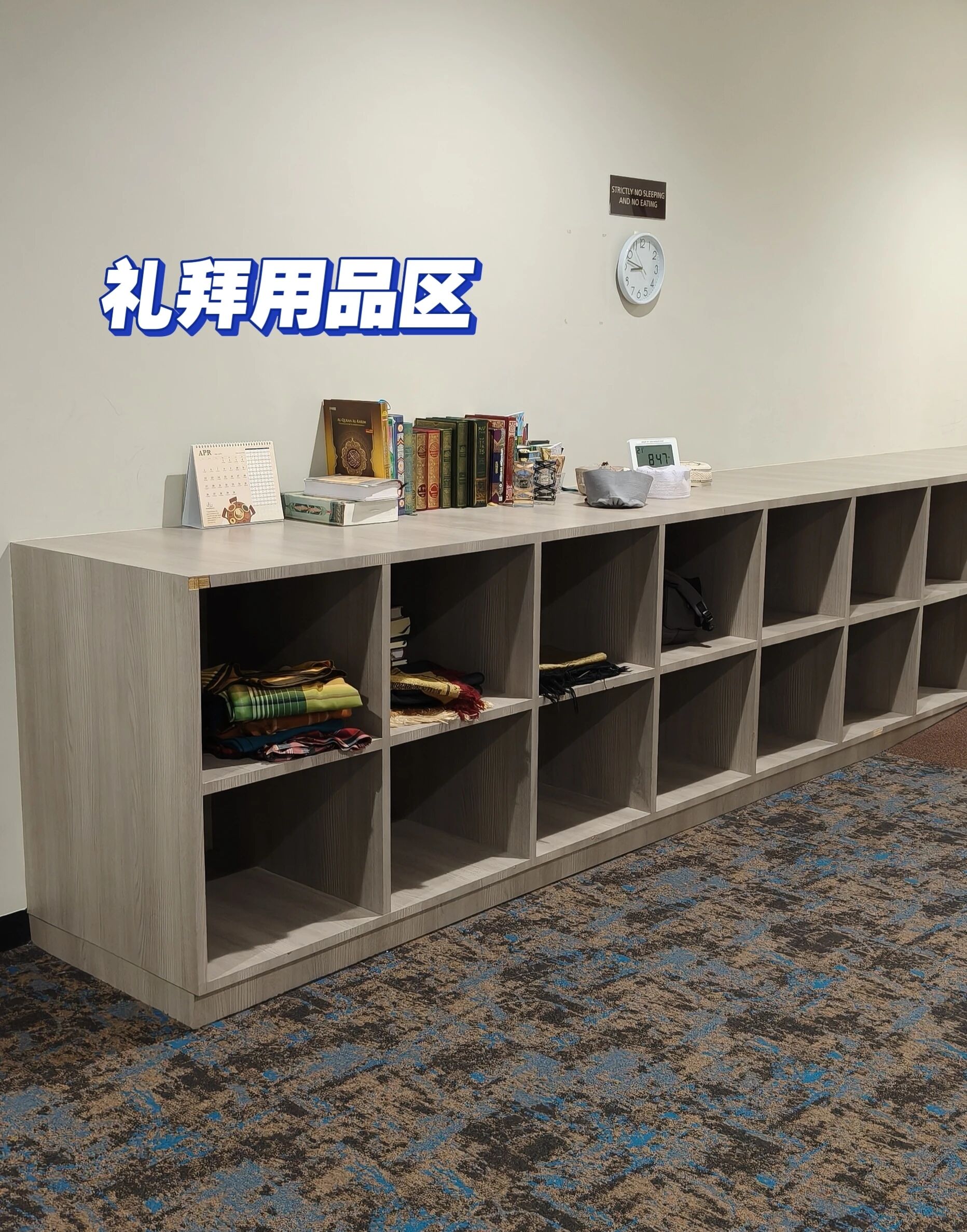
The cabinet also held various religious books, perfume (using perfume is a practice of the Prophet, which is worth following), and prayer caps. This seems to be a standard feature for prayer rooms in Singapore.
I visited Singapore shortly after Eid al-Fitr, so the decorations were still up in the subway stations, the airport, and all around the city. Even though the holiday had passed, I could still feel a bit of the festive spirit.
I noticed this especially when I left Singapore for Changi Airport.
The decorations in the check-in hall were mostly shaped like lanterns (fanous) and square rice cakes wrapped in palm leaves (ketupat). The displays also featured many fresh flowers and plants, along with a greeting card. Here is a simple translation of the text:
Changi Airport commemorates the holy month of Ramadan and Eid al-Fitr, which began on March 21 this year. During Ramadan, people fast, reflect on themselves, and give to charity.
The arrival of Eid al-Fitr (Malay: Hari Raya Aidilfitri) marks the end of Ramadan. People start the Eid al-Fitr celebration with a prayer of gratitude, then gather with family, friends, and neighbors.
The decorations are inspired by Eid al-Fitr traditions. Changi Airport wishes all Muslims a blessed Ramadan and a happy Eid al-Fitr!
In a few days, I will share a summary of the mosques, shrines (gongbei), and prayer rooms I visited in Singapore. Stay tuned
Summary: This Singapore Changi Airport prayer room guide focuses on the Terminal 2 Muslim prayer space. It preserves the airport setting, clear prayer-room signs, male and female rooms, and the author's transit notes.
Singapore Changi Airport is an international hub. It is more than just an airport; it is the first stop for people visiting Singapore. The airport's Jewel Changi commercial complex features a spectacular indoor waterfall that pours down from the roof all the way to the basement. It is a magnificent sight.
Travelers can also ride the free light rail (skytrain) that passes by the waterfall while moving between the airport terminals.
All four terminals at Singapore Changi Airport have a prayer room. Today, I am introducing the prayer room in Terminal 2 (T2).
This place is easy to find because the signs are very clear (Image 2). They say 'dua room' in English, with the Chinese and Japanese characters for dua room next to them.
The prayer room is divided into separate areas for men and women (Image 3). There is a sensor at the door; just wave your hand in front of it, and the door opens automatically.
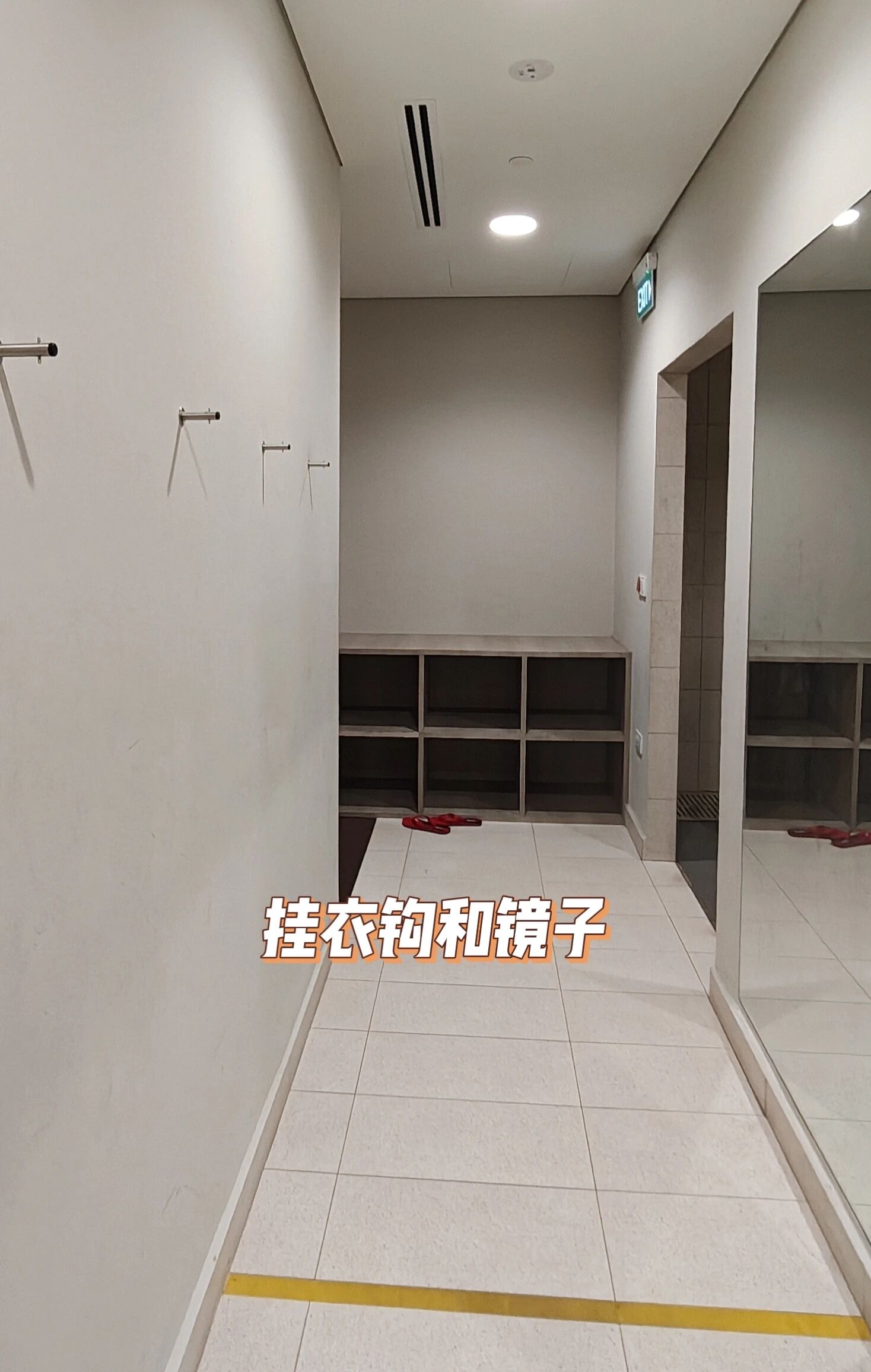
The entryway of the prayer room has a bench for changing shoes (Image 4) and a shoe cabinet (Image 5).
I have visited prayer rooms at Muscat Airport in Oman, Imam Khomeini Airport in Tehran, Iran, the airport in Qatar, and Narita Airport in Japan. Compared to the prayer rooms in Middle Eastern airports, the one at Singapore's airport is quite simple. It has almost no decorations, much like the one in Japan.
The prayer room already has carpet, and various prayer mats are neatly laid out on top of it (Image 7).
While praying, I noticed that the people around me included both travelers and airport staff.
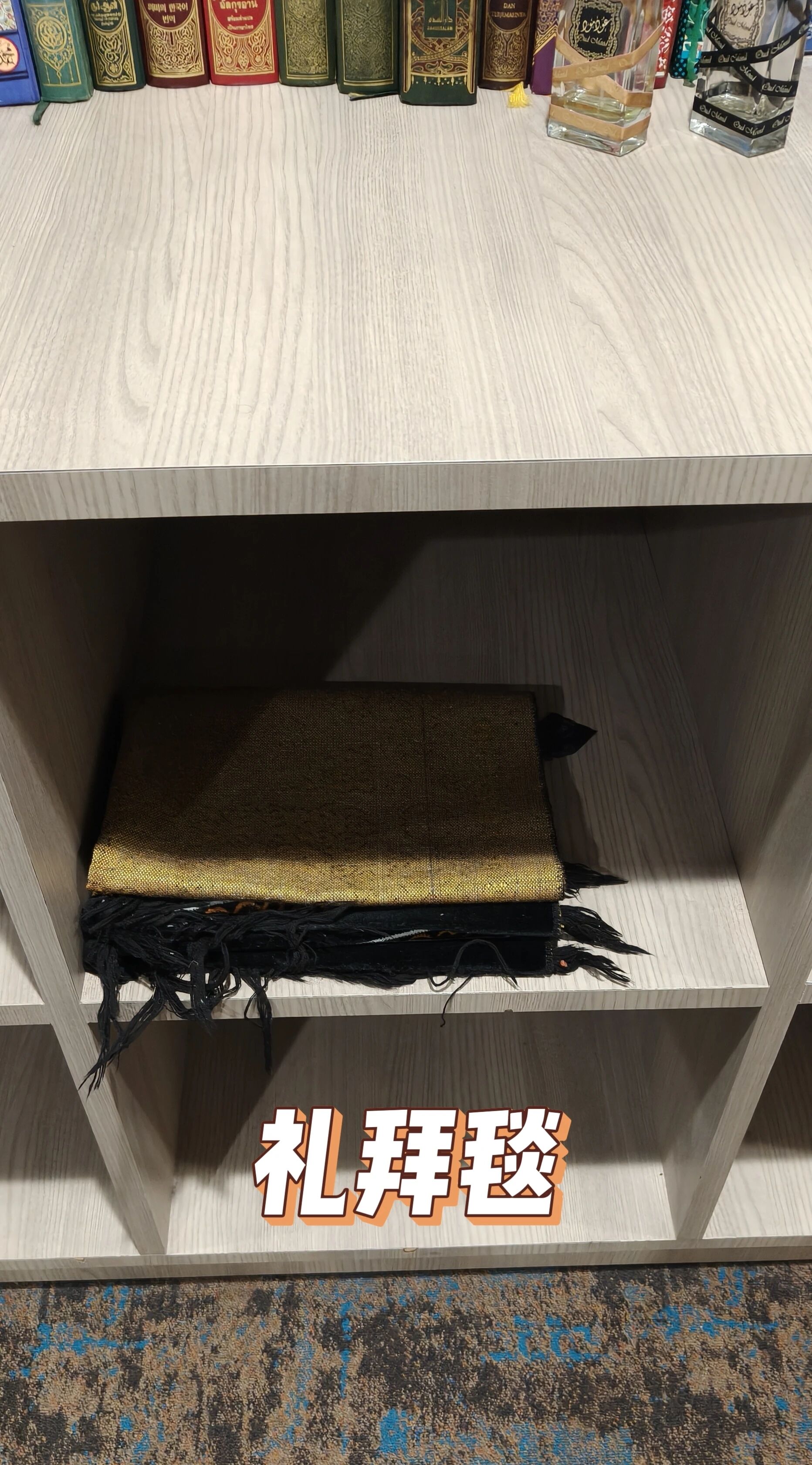
After finishing my prayer, I noticed a cabinet on the left. Inside, there were not only spare prayer mats but also a type of traditional Malay and Indonesian cloth (Image 9). Malay and Indonesian people use this long cloth to wrap around their lower bodies like a skirt when they pray. I once saw this kind of cloth in Qingdao, where I met an Indonesian friend who gave me one.
The cabinet also held various religious books, perfume (using perfume is a practice of the Prophet, which is worth following), and prayer caps. This seems to be a standard feature for prayer rooms in Singapore.
I visited Singapore shortly after Eid al-Fitr, so the decorations were still up in the subway stations, the airport, and all around the city. Even though the holiday had passed, I could still feel a bit of the festive spirit.
I noticed this especially when I left Singapore for Changi Airport.
The decorations in the check-in hall were mostly shaped like lanterns (fanous) and square rice cakes wrapped in palm leaves (ketupat). The displays also featured many fresh flowers and plants, along with a greeting card. Here is a simple translation of the text:
Changi Airport commemorates the holy month of Ramadan and Eid al-Fitr, which began on March 21 this year. During Ramadan, people fast, reflect on themselves, and give to charity.
The arrival of Eid al-Fitr (Malay: Hari Raya Aidilfitri) marks the end of Ramadan. People start the Eid al-Fitr celebration with a prayer of gratitude, then gather with family, friends, and neighbors.
The decorations are inspired by Eid al-Fitr traditions. Changi Airport wishes all Muslims a blessed Ramadan and a happy Eid al-Fitr!
In a few days, I will share a summary of the mosques, shrines (gongbei), and prayer rooms I visited in Singapore. Stay tuned
Prayer Room Asia: Qatar Doha Airport Transit Musalla, Wudu Access and Muslim Flight Notes
Articles • Hasan09 posted the article • 0 comments • 320 views • 2026-05-24 01:46
Reposted from the web
Summary: This Qatar Doha Airport prayer room guide follows the author's return journey after Iran and Oman. It preserves the ticketing route, airport transit context, prayer-room visit, and Muslim traveler details from the source.
I left Iran and returned to Oman. After a short stay in Oman, I started my journey back home. When I bought my flight home in Oman, I found out I had to transfer in Qatar. I slept for a night on a lounge chair at Doha Airport in Qatar. After I woke up, I went to the prayer room here.
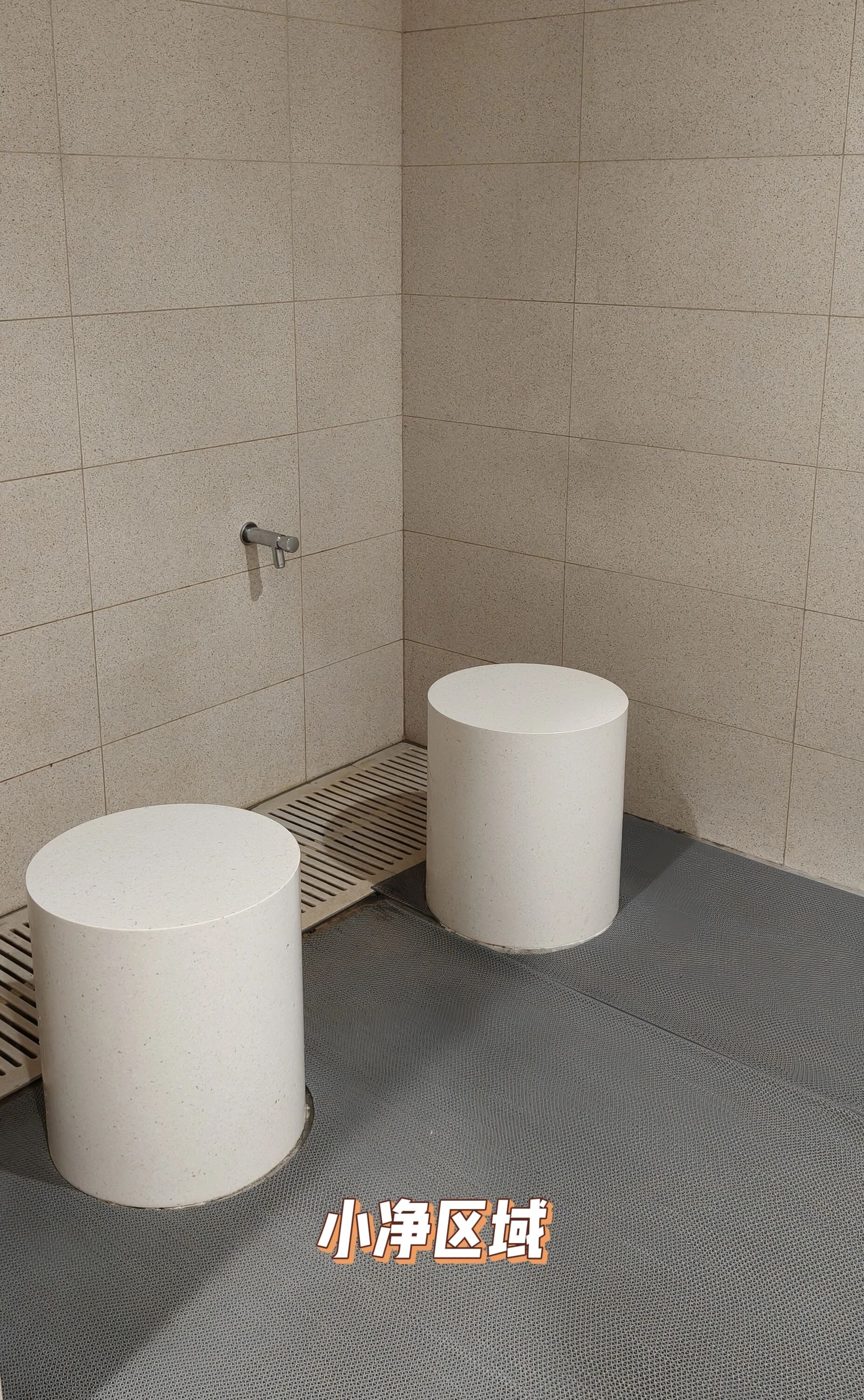
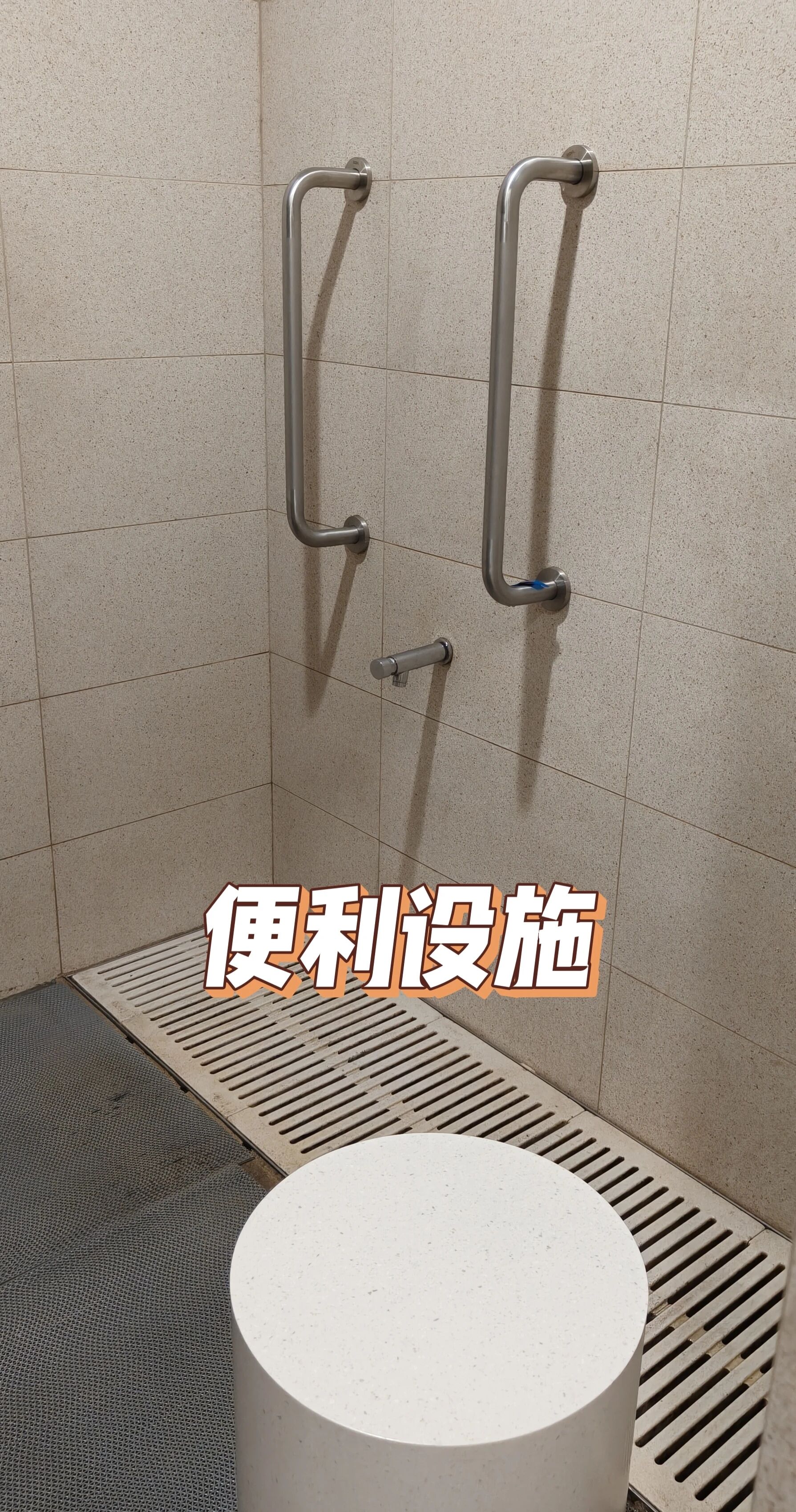
Let me show you what it looks like inside. I have been to prayer rooms in other airports, including those in Oman, Singapore, Malaysia, and Iran, but the prayer room at Doha Airport in Qatar has the largest area for wudu (small ablution) I have ever seen.
When I entered the prayer room, the decor felt very simple, but it did not look cheap at all; the materials and design were clearly well thought out. Someone was praying in the room at the time, and there was also an old man wearing a felt cap (jianbing mao).
I remembered that my friend from Kashmir, who is now studying for his PhD in Japan, also gave me a hat like that. It is also interesting that this type of hat has appeared on ancient Greek statues.
The prayer room also had a schedule for the five daily prayers, which you can see in many Islamic places of worship. The calendar also shows the Islamic year 1447, which starts from the year the Prophet migrated from Mecca to Medina (July 16, 622 AD).
Actually, the whole airport has several prayer rooms. I ran into more than one just by walking around.
I also visited other parts of the airport, took photos of the big bear, looked at the cars, and even tried the airport light rail. In the end, I made it back home smoothly. With this, my trip has come to an end. I went to Vietnam, Singapore, the Maldives, and Malaysia.
Soon after, I went to Iran via Oman and transited through Qatar to return home. It is a pity that many videos and photos are missing. I will just have to wait until my next trip abroad to take more. view all
Summary: This Qatar Doha Airport prayer room guide follows the author's return journey after Iran and Oman. It preserves the ticketing route, airport transit context, prayer-room visit, and Muslim traveler details from the source.
I left Iran and returned to Oman. After a short stay in Oman, I started my journey back home. When I bought my flight home in Oman, I found out I had to transfer in Qatar. I slept for a night on a lounge chair at Doha Airport in Qatar. After I woke up, I went to the prayer room here.
Let me show you what it looks like inside. I have been to prayer rooms in other airports, including those in Oman, Singapore, Malaysia, and Iran, but the prayer room at Doha Airport in Qatar has the largest area for wudu (small ablution) I have ever seen.
When I entered the prayer room, the decor felt very simple, but it did not look cheap at all; the materials and design were clearly well thought out. Someone was praying in the room at the time, and there was also an old man wearing a felt cap (jianbing mao).
I remembered that my friend from Kashmir, who is now studying for his PhD in Japan, also gave me a hat like that. It is also interesting that this type of hat has appeared on ancient Greek statues.
The prayer room also had a schedule for the five daily prayers, which you can see in many Islamic places of worship. The calendar also shows the Islamic year 1447, which starts from the year the Prophet migrated from Mecca to Medina (July 16, 622 AD).
Actually, the whole airport has several prayer rooms. I ran into more than one just by walking around.
I also visited other parts of the airport, took photos of the big bear, looked at the cars, and even tried the airport light rail. In the end, I made it back home smoothly. With this, my trip has come to an end. I went to Vietnam, Singapore, the Maldives, and Malaysia.
Soon after, I went to Iran via Oman and transited through Qatar to return home. It is a pity that many videos and photos are missing. I will just have to wait until my next trip abroad to take more. view all
Reposted from the web
Summary: This Qatar Doha Airport prayer room guide follows the author's return journey after Iran and Oman. It preserves the ticketing route, airport transit context, prayer-room visit, and Muslim traveler details from the source.
I left Iran and returned to Oman. After a short stay in Oman, I started my journey back home. When I bought my flight home in Oman, I found out I had to transfer in Qatar. I slept for a night on a lounge chair at Doha Airport in Qatar. After I woke up, I went to the prayer room here.
Let me show you what it looks like inside. I have been to prayer rooms in other airports, including those in Oman, Singapore, Malaysia, and Iran, but the prayer room at Doha Airport in Qatar has the largest area for wudu (small ablution) I have ever seen.
When I entered the prayer room, the decor felt very simple, but it did not look cheap at all; the materials and design were clearly well thought out. Someone was praying in the room at the time, and there was also an old man wearing a felt cap (jianbing mao).
I remembered that my friend from Kashmir, who is now studying for his PhD in Japan, also gave me a hat like that. It is also interesting that this type of hat has appeared on ancient Greek statues.
The prayer room also had a schedule for the five daily prayers, which you can see in many Islamic places of worship. The calendar also shows the Islamic year 1447, which starts from the year the Prophet migrated from Mecca to Medina (July 16, 622 AD).
Actually, the whole airport has several prayer rooms. I ran into more than one just by walking around.
I also visited other parts of the airport, took photos of the big bear, looked at the cars, and even tried the airport light rail. In the end, I made it back home smoothly. With this, my trip has come to an end. I went to Vietnam, Singapore, the Maldives, and Malaysia.
Soon after, I went to Iran via Oman and transited through Qatar to return home. It is a pity that many videos and photos are missing. I will just have to wait until my next trip abroad to take more.
Summary: This Qatar Doha Airport prayer room guide follows the author's return journey after Iran and Oman. It preserves the ticketing route, airport transit context, prayer-room visit, and Muslim traveler details from the source.
I left Iran and returned to Oman. After a short stay in Oman, I started my journey back home. When I bought my flight home in Oman, I found out I had to transfer in Qatar. I slept for a night on a lounge chair at Doha Airport in Qatar. After I woke up, I went to the prayer room here.
Let me show you what it looks like inside. I have been to prayer rooms in other airports, including those in Oman, Singapore, Malaysia, and Iran, but the prayer room at Doha Airport in Qatar has the largest area for wudu (small ablution) I have ever seen.
When I entered the prayer room, the decor felt very simple, but it did not look cheap at all; the materials and design were clearly well thought out. Someone was praying in the room at the time, and there was also an old man wearing a felt cap (jianbing mao).
I remembered that my friend from Kashmir, who is now studying for his PhD in Japan, also gave me a hat like that. It is also interesting that this type of hat has appeared on ancient Greek statues.
The prayer room also had a schedule for the five daily prayers, which you can see in many Islamic places of worship. The calendar also shows the Islamic year 1447, which starts from the year the Prophet migrated from Mecca to Medina (July 16, 622 AD).
Actually, the whole airport has several prayer rooms. I ran into more than one just by walking around.
I also visited other parts of the airport, took photos of the big bear, looked at the cars, and even tried the airport light rail. In the end, I made it back home smoothly. With this, my trip has come to an end. I went to Vietnam, Singapore, the Maldives, and Malaysia.
Soon after, I went to Iran via Oman and transited through Qatar to return home. It is a pity that many videos and photos are missing. I will just have to wait until my next trip abroad to take more.
Prayer Room Singapore Changi Airport: Terminal 2 Musalla, Wudu Access and Muslim Transit Guide
Articles • Hasan09 posted the article • 0 comments • 385 views • 2026-05-24 01:46
Reposted from the web
Summary: This Singapore Changi Airport prayer room guide focuses on the Terminal 2 Muslim prayer space. It preserves the airport setting, clear prayer-room signs, male and female rooms, and the author's transit notes.
Singapore Changi Airport is an international hub. It is more than just an airport; it is the first stop for people visiting Singapore. The airport's Jewel Changi commercial complex features a spectacular indoor waterfall that pours down from the roof all the way to the basement. It is a magnificent sight.
Travelers can also ride the free light rail (skytrain) that passes by the waterfall while moving between the airport terminals.
All four terminals at Singapore Changi Airport have a prayer room. Today, I am introducing the prayer room in Terminal 2 (T2).
This place is easy to find because the signs are very clear (Image 2). They say 'dua room' in English, with the Chinese and Japanese characters for dua room next to them.
The prayer room is divided into separate areas for men and women (Image 3). There is a sensor at the door; just wave your hand in front of it, and the door opens automatically.
The entryway of the prayer room has a bench for changing shoes (Image 4) and a shoe cabinet (Image 5).
I have visited prayer rooms at Muscat Airport in Oman, Imam Khomeini Airport in Tehran, Iran, the airport in Qatar, and Narita Airport in Japan. Compared to the prayer rooms in Middle Eastern airports, the one at Singapore's airport is quite simple. It has almost no decorations, much like the one in Japan.
The prayer room already has carpet, and various prayer mats are neatly laid out on top of it (Image 7).
While praying, I noticed that the people around me included both travelers and airport staff.
After finishing my prayer, I noticed a cabinet on the left. Inside, there were not only spare prayer mats but also a type of traditional Malay and Indonesian cloth (Image 9). Malay and Indonesian people use this long cloth to wrap around their lower bodies like a skirt when they pray. I once saw this kind of cloth in Qingdao, where I met an Indonesian friend who gave me one.
The cabinet also held various religious books, perfume (using perfume is a practice of the Prophet, which is worth following), and prayer caps. This seems to be a standard feature for prayer rooms in Singapore.
I visited Singapore shortly after Eid al-Fitr, so the decorations were still up in the subway stations, the airport, and all around the city. Even though the holiday had passed, I could still feel a bit of the festive spirit.
I noticed this especially when I left Singapore for Changi Airport.
The decorations in the check-in hall were mostly shaped like lanterns (fanous) and square rice cakes wrapped in palm leaves (ketupat). The displays also featured many fresh flowers and plants, along with a greeting card. Here is a simple translation of the text:
Changi Airport commemorates the holy month of Ramadan and Eid al-Fitr, which began on March 21 this year. During Ramadan, people fast, reflect on themselves, and give to charity.
The arrival of Eid al-Fitr (Malay: Hari Raya Aidilfitri) marks the end of Ramadan. People start the Eid al-Fitr celebration with a prayer of gratitude, then gather with family, friends, and neighbors.
The decorations are inspired by Eid al-Fitr traditions. Changi Airport wishes all Muslims a blessed Ramadan and a happy Eid al-Fitr!
In a few days, I will share a summary of the mosques, shrines (gongbei), and prayer rooms I visited in Singapore. Stay tuned view all
Summary: This Singapore Changi Airport prayer room guide focuses on the Terminal 2 Muslim prayer space. It preserves the airport setting, clear prayer-room signs, male and female rooms, and the author's transit notes.
Singapore Changi Airport is an international hub. It is more than just an airport; it is the first stop for people visiting Singapore. The airport's Jewel Changi commercial complex features a spectacular indoor waterfall that pours down from the roof all the way to the basement. It is a magnificent sight.
Travelers can also ride the free light rail (skytrain) that passes by the waterfall while moving between the airport terminals.
All four terminals at Singapore Changi Airport have a prayer room. Today, I am introducing the prayer room in Terminal 2 (T2).
This place is easy to find because the signs are very clear (Image 2). They say 'dua room' in English, with the Chinese and Japanese characters for dua room next to them.
The prayer room is divided into separate areas for men and women (Image 3). There is a sensor at the door; just wave your hand in front of it, and the door opens automatically.
The entryway of the prayer room has a bench for changing shoes (Image 4) and a shoe cabinet (Image 5).
I have visited prayer rooms at Muscat Airport in Oman, Imam Khomeini Airport in Tehran, Iran, the airport in Qatar, and Narita Airport in Japan. Compared to the prayer rooms in Middle Eastern airports, the one at Singapore's airport is quite simple. It has almost no decorations, much like the one in Japan.
The prayer room already has carpet, and various prayer mats are neatly laid out on top of it (Image 7).
While praying, I noticed that the people around me included both travelers and airport staff.
After finishing my prayer, I noticed a cabinet on the left. Inside, there were not only spare prayer mats but also a type of traditional Malay and Indonesian cloth (Image 9). Malay and Indonesian people use this long cloth to wrap around their lower bodies like a skirt when they pray. I once saw this kind of cloth in Qingdao, where I met an Indonesian friend who gave me one.
The cabinet also held various religious books, perfume (using perfume is a practice of the Prophet, which is worth following), and prayer caps. This seems to be a standard feature for prayer rooms in Singapore.
I visited Singapore shortly after Eid al-Fitr, so the decorations were still up in the subway stations, the airport, and all around the city. Even though the holiday had passed, I could still feel a bit of the festive spirit.
I noticed this especially when I left Singapore for Changi Airport.
The decorations in the check-in hall were mostly shaped like lanterns (fanous) and square rice cakes wrapped in palm leaves (ketupat). The displays also featured many fresh flowers and plants, along with a greeting card. Here is a simple translation of the text:
Changi Airport commemorates the holy month of Ramadan and Eid al-Fitr, which began on March 21 this year. During Ramadan, people fast, reflect on themselves, and give to charity.
The arrival of Eid al-Fitr (Malay: Hari Raya Aidilfitri) marks the end of Ramadan. People start the Eid al-Fitr celebration with a prayer of gratitude, then gather with family, friends, and neighbors.
The decorations are inspired by Eid al-Fitr traditions. Changi Airport wishes all Muslims a blessed Ramadan and a happy Eid al-Fitr!
In a few days, I will share a summary of the mosques, shrines (gongbei), and prayer rooms I visited in Singapore. Stay tuned view all
Reposted from the web
Summary: This Singapore Changi Airport prayer room guide focuses on the Terminal 2 Muslim prayer space. It preserves the airport setting, clear prayer-room signs, male and female rooms, and the author's transit notes.
Singapore Changi Airport is an international hub. It is more than just an airport; it is the first stop for people visiting Singapore. The airport's Jewel Changi commercial complex features a spectacular indoor waterfall that pours down from the roof all the way to the basement. It is a magnificent sight.
Travelers can also ride the free light rail (skytrain) that passes by the waterfall while moving between the airport terminals.
All four terminals at Singapore Changi Airport have a prayer room. Today, I am introducing the prayer room in Terminal 2 (T2).
This place is easy to find because the signs are very clear (Image 2). They say 'dua room' in English, with the Chinese and Japanese characters for dua room next to them.
The prayer room is divided into separate areas for men and women (Image 3). There is a sensor at the door; just wave your hand in front of it, and the door opens automatically.
The entryway of the prayer room has a bench for changing shoes (Image 4) and a shoe cabinet (Image 5).
I have visited prayer rooms at Muscat Airport in Oman, Imam Khomeini Airport in Tehran, Iran, the airport in Qatar, and Narita Airport in Japan. Compared to the prayer rooms in Middle Eastern airports, the one at Singapore's airport is quite simple. It has almost no decorations, much like the one in Japan.
The prayer room already has carpet, and various prayer mats are neatly laid out on top of it (Image 7).
While praying, I noticed that the people around me included both travelers and airport staff.
After finishing my prayer, I noticed a cabinet on the left. Inside, there were not only spare prayer mats but also a type of traditional Malay and Indonesian cloth (Image 9). Malay and Indonesian people use this long cloth to wrap around their lower bodies like a skirt when they pray. I once saw this kind of cloth in Qingdao, where I met an Indonesian friend who gave me one.
The cabinet also held various religious books, perfume (using perfume is a practice of the Prophet, which is worth following), and prayer caps. This seems to be a standard feature for prayer rooms in Singapore.
I visited Singapore shortly after Eid al-Fitr, so the decorations were still up in the subway stations, the airport, and all around the city. Even though the holiday had passed, I could still feel a bit of the festive spirit.
I noticed this especially when I left Singapore for Changi Airport.
The decorations in the check-in hall were mostly shaped like lanterns (fanous) and square rice cakes wrapped in palm leaves (ketupat). The displays also featured many fresh flowers and plants, along with a greeting card. Here is a simple translation of the text:
Changi Airport commemorates the holy month of Ramadan and Eid al-Fitr, which began on March 21 this year. During Ramadan, people fast, reflect on themselves, and give to charity.
The arrival of Eid al-Fitr (Malay: Hari Raya Aidilfitri) marks the end of Ramadan. People start the Eid al-Fitr celebration with a prayer of gratitude, then gather with family, friends, and neighbors.
The decorations are inspired by Eid al-Fitr traditions. Changi Airport wishes all Muslims a blessed Ramadan and a happy Eid al-Fitr!
In a few days, I will share a summary of the mosques, shrines (gongbei), and prayer rooms I visited in Singapore. Stay tuned
Summary: This Singapore Changi Airport prayer room guide focuses on the Terminal 2 Muslim prayer space. It preserves the airport setting, clear prayer-room signs, male and female rooms, and the author's transit notes.
Singapore Changi Airport is an international hub. It is more than just an airport; it is the first stop for people visiting Singapore. The airport's Jewel Changi commercial complex features a spectacular indoor waterfall that pours down from the roof all the way to the basement. It is a magnificent sight.
Travelers can also ride the free light rail (skytrain) that passes by the waterfall while moving between the airport terminals.
All four terminals at Singapore Changi Airport have a prayer room. Today, I am introducing the prayer room in Terminal 2 (T2).
This place is easy to find because the signs are very clear (Image 2). They say 'dua room' in English, with the Chinese and Japanese characters for dua room next to them.
The prayer room is divided into separate areas for men and women (Image 3). There is a sensor at the door; just wave your hand in front of it, and the door opens automatically.
The entryway of the prayer room has a bench for changing shoes (Image 4) and a shoe cabinet (Image 5).
I have visited prayer rooms at Muscat Airport in Oman, Imam Khomeini Airport in Tehran, Iran, the airport in Qatar, and Narita Airport in Japan. Compared to the prayer rooms in Middle Eastern airports, the one at Singapore's airport is quite simple. It has almost no decorations, much like the one in Japan.
The prayer room already has carpet, and various prayer mats are neatly laid out on top of it (Image 7).
While praying, I noticed that the people around me included both travelers and airport staff.
After finishing my prayer, I noticed a cabinet on the left. Inside, there were not only spare prayer mats but also a type of traditional Malay and Indonesian cloth (Image 9). Malay and Indonesian people use this long cloth to wrap around their lower bodies like a skirt when they pray. I once saw this kind of cloth in Qingdao, where I met an Indonesian friend who gave me one.
The cabinet also held various religious books, perfume (using perfume is a practice of the Prophet, which is worth following), and prayer caps. This seems to be a standard feature for prayer rooms in Singapore.
I visited Singapore shortly after Eid al-Fitr, so the decorations were still up in the subway stations, the airport, and all around the city. Even though the holiday had passed, I could still feel a bit of the festive spirit.
I noticed this especially when I left Singapore for Changi Airport.
The decorations in the check-in hall were mostly shaped like lanterns (fanous) and square rice cakes wrapped in palm leaves (ketupat). The displays also featured many fresh flowers and plants, along with a greeting card. Here is a simple translation of the text:
Changi Airport commemorates the holy month of Ramadan and Eid al-Fitr, which began on March 21 this year. During Ramadan, people fast, reflect on themselves, and give to charity.
The arrival of Eid al-Fitr (Malay: Hari Raya Aidilfitri) marks the end of Ramadan. People start the Eid al-Fitr celebration with a prayer of gratitude, then gather with family, friends, and neighbors.
The decorations are inspired by Eid al-Fitr traditions. Changi Airport wishes all Muslims a blessed Ramadan and a happy Eid al-Fitr!
In a few days, I will share a summary of the mosques, shrines (gongbei), and prayer rooms I visited in Singapore. Stay tuned