

Nanjing Halal Food
Best Halal Food Nanjing 2025: Maxingxing, Qifangge, Duck Shops, Potstickers and Islamic Heritage
Articles • yusuf908 posted the article • 0 comments • 196 views • 2026-05-24 00:17
Summary: This 2025 Nanjing halal food map covers old halal brands and local stops such as Maxingxing, Qifangge, Lvliuju, duck shops, beef potstickers, crispy flatbread, the Tomb of Liu Zhi, the Tomb of the King of Boni, and Nanjing's Islamic heritage.
I wrote a map of halal food in Nanjing in 2017. Eight years later, the halal food scene in Nanjing has grown even more. During my trip to Nanjing for an annual meeting this year, I visited a few new spots and updated the information from my old post. I noticed that the sugar lotus root porridge shop (tangzhou ou) mentioned in my old post, Lan Laoda, no longer displays a halal sign. Since they also sell duck blood vermicelli soup (yaxue fensi tang), there is no need to visit it.
The list of halal restaurants featured in this post is as follows:
1. Maxingxing
2. Qifangge
3. Lvliuju
4. Anleyuan
5. Jiangyouji
6. Halal Yiguangge
7. Liji Halal Restaurant
8. Jinhongxing
9. Taoyuancun
10. Hanfuxing
11. Xiong's Braised Duck Shop
12. Old Ma's Duck Shop
13. Northwest Dongxianglou
14. Caoqiao Halal Beef Potsticker and Dumpling Shop
15. Little Wang's Crispy Flatbread (shaobing)
1. Maxingxing
Maxingxing Restaurant is the oldest halal restaurant in Nanjing. It has been around for over 160 years, dating back to the Daoguang era of the Qing Dynasty in 1845. It is one of the four famous old halal brands in Nanjing. Its four signature dishes are beauty liver (meiren gan), phoenix tail shrimp (fengwei xia), egg steamed dumplings (dan shaomai), and squirrel fish (songshu yu). Today, Maxingxing is listed as a piece of intangible cultural heritage in Jiangsu Province and was among the first group of time-honored Chinese brands recognized by the Ministry of Commerce. Most visitors to Nanjing want to try the local snacks. The potstickers (guotie) and soup dumplings (xiaolongbao) at Maxingxing are delicious treats you should not miss.
2. Qifangge
Qifangge is one of the four famous old halal brands in Nanjing. It was founded in 1917 by socialites and business leaders including Li Yangchao, Zhu Shouren, Liu Hairu, and Yu Zikuan. They pooled their money to open the Qifangge Halal Tea House near Chengsi Mosque on what was then Qiwang Street (now Jiankang Road), focusing on halal snacks. The century-old snack set offered by Qifangge serves small portions of many items, allowing you to try all the famous Qinhuai River snacks at once.
3. Green Willow House (Lvliuju)
Green Willow House started in 1912. It is a Jiangsu Province Intangible Cultural Heritage site famous for its vegetarian and halal dishes. Records show that Bai Chongxi, Sun Yat-sen, and the Soong sisters were all regular customers at Green Willow House. The first floor is a supermarket for their homemade food, with hundreds of finished or semi-finished products. The second floor serves snacks, the third floor serves stir-fried dishes, and the floors above that have private dining rooms.
4. Anleyuan
Anleyuan is the largest halal restaurant in Nanjing. It is known as the number one halal restaurant in the Jiangnan region. The building in the picture is only for stir-fried dishes. Next to it, there is another building for snacks and one for hot pot. You can eat famous Nanjing dishes here like salt-water duck (yanshui ya) and squirrel-shaped mandarin fish (songshu guiyu).
5. Jiang Youji
Jiang Youji is another century-old halal brand in Nanjing. Its most famous dish is beef potstickers (niurou guotie), which are known as one of the Eight Wonders of Qinhuai. A few years ago, there was a lawsuit over the brand name. That does not matter to diners, though. We do not care if the successor is the official one; if the food does not taste good, it is useless no matter how official they are.
6. Yiguangge
Yiguangge is a long-standing shop in Nanjing. The owner owns the building, so they do not pay rent and the prices are cheap. I came here to eat crayfish. Crayfish is a common home-cooked dish in the Jiangnan region, and you naturally have to eat authentic halal crayfish when you come to Nanjing.
7. Liji Halal Restaurant
Liji Halal Restaurant only has this one location in Nanjing with no other branches. It is a long-established shop that sells various Nanjing snacks. There are too many varieties, and each snack comes in different flavors. When eating Nanjing soup dumplings (xiaolongbao), the skin is thin and there is a hole on top. You can suck the soup out from the top before eating the dumpling, but be careful not to burn your mouth.
8. Taoyuancun
Taoyuancun pastries originated on Niujie Street in Beijing over 150 years ago. Later, they moved to Shanghai and opened a factory near the Xiaotaoyuan Mosque, which is why they were named Taoyuancun. During the Republic of China era, Taoyuancun was invited by the government to enter the Nanjing Central Shopping Mall and officially became a local Nanjing halal pastry brand.
9. Jinhongxing Duck Shop
Jinhongxing's duck is as popular as the deli food at Jubaoyuan, with people lining up all day long. You must try authentic Nanjing roast duck when in Nanjing. It is very different from the Beijing style. Nanjing roast duck can be sliced and eaten by dipping it directly into the sauce. This shop is for takeout, and you can have the owner vacuum-pack it on the spot to take away.
10. Hanfuxing
Founded during the Tongzhi reign of the Qing Dynasty, Hanfuxing Salted Duck Shop is the largest halal food company in Nanjing. It is a time-honored Chinese brand that specializes in products like salted duck (banya). Hanfuxing Duck Shop now has many branches in Nanjing, and the Han family's sweet-scented osmanthus duck (guihuaya) is their signature dish.
11. Xiongji Braised Duck Shop
Xiongji is a duck shop that locals love. The duck has a slightly sweet taste. There are a few other shops in Nanjing that display halal duck signs, but People say they do not guarantee they are truly halal.
12. Malaosan Duck Shop
Malaosan's duck is salty and savory. They also sell braised duck wings and duck necks, and they can vacuum-pack them for nationwide delivery.
13. Xibei Dongxianglou
If you are invited to an iftar meal during Ramadan, choose this place. It is a Dongxiang hand-grabbed mutton (shouzhu) restaurant with three floors and plenty of space. They do not sell alcohol, and there is a parking lot at the entrance.
14. Caoqiao Halal Beef Potsticker and Dumpling Shop
Dumplings are called bianshi in Nanjing. The potstickers (guotie) at this shop are also quite delicious, and the Caoqiao Mosque is nearby.
15. Xiaowang Crispy Flatbread
This is a halal flatbread (shaobing) shop right at the main entrance of the Caoqiao Mosque. They bake their crispy flatbreads in traditional coal ovens, which is rare and very tasty.
For friends who enjoy halal travel, the tomb of Liu Zhi is a must-visit spot in Nanjing. Liu Zhi, also known as Liu Jielian Baba, was a Nanjing local and the pioneer of the theory of Sinicization of Islam.
There is also the Tomb of the King of Boni. Boni is Brunei, and the King of Brunei once visited Nanjing. The area around this tomb was originally planned to be a Brunei cultural park, but it has since been abandoned. view all
Summary: This 2025 Nanjing halal food map covers old halal brands and local stops such as Maxingxing, Qifangge, Lvliuju, duck shops, beef potstickers, crispy flatbread, the Tomb of Liu Zhi, the Tomb of the King of Boni, and Nanjing's Islamic heritage.
I wrote a map of halal food in Nanjing in 2017. Eight years later, the halal food scene in Nanjing has grown even more. During my trip to Nanjing for an annual meeting this year, I visited a few new spots and updated the information from my old post. I noticed that the sugar lotus root porridge shop (tangzhou ou) mentioned in my old post, Lan Laoda, no longer displays a halal sign. Since they also sell duck blood vermicelli soup (yaxue fensi tang), there is no need to visit it.
The list of halal restaurants featured in this post is as follows:
1. Maxingxing
2. Qifangge
3. Lvliuju
4. Anleyuan
5. Jiangyouji
6. Halal Yiguangge
7. Liji Halal Restaurant
8. Jinhongxing
9. Taoyuancun
10. Hanfuxing
11. Xiong's Braised Duck Shop
12. Old Ma's Duck Shop
13. Northwest Dongxianglou
14. Caoqiao Halal Beef Potsticker and Dumpling Shop
15. Little Wang's Crispy Flatbread (shaobing)
1. Maxingxing
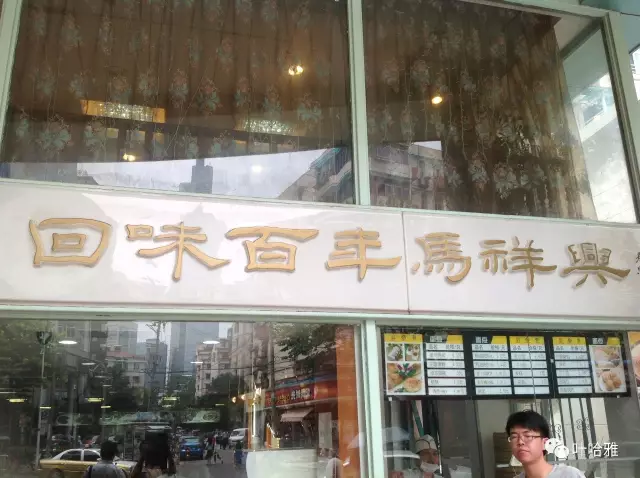
Maxingxing Restaurant is the oldest halal restaurant in Nanjing. It has been around for over 160 years, dating back to the Daoguang era of the Qing Dynasty in 1845. It is one of the four famous old halal brands in Nanjing. Its four signature dishes are beauty liver (meiren gan), phoenix tail shrimp (fengwei xia), egg steamed dumplings (dan shaomai), and squirrel fish (songshu yu). Today, Maxingxing is listed as a piece of intangible cultural heritage in Jiangsu Province and was among the first group of time-honored Chinese brands recognized by the Ministry of Commerce. Most visitors to Nanjing want to try the local snacks. The potstickers (guotie) and soup dumplings (xiaolongbao) at Maxingxing are delicious treats you should not miss.
2. Qifangge
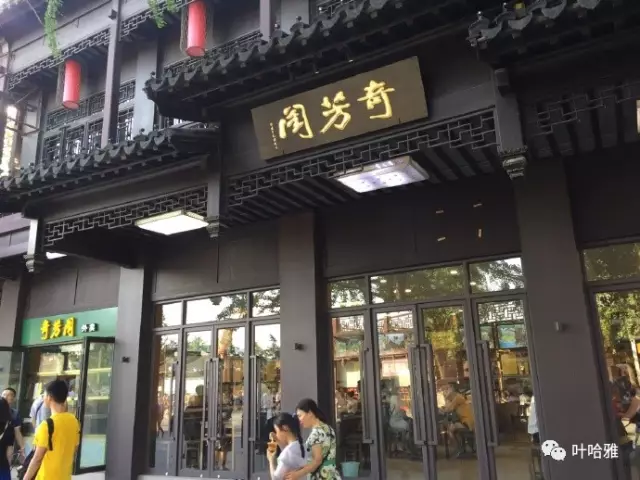
Qifangge is one of the four famous old halal brands in Nanjing. It was founded in 1917 by socialites and business leaders including Li Yangchao, Zhu Shouren, Liu Hairu, and Yu Zikuan. They pooled their money to open the Qifangge Halal Tea House near Chengsi Mosque on what was then Qiwang Street (now Jiankang Road), focusing on halal snacks. The century-old snack set offered by Qifangge serves small portions of many items, allowing you to try all the famous Qinhuai River snacks at once.
3. Green Willow House (Lvliuju)
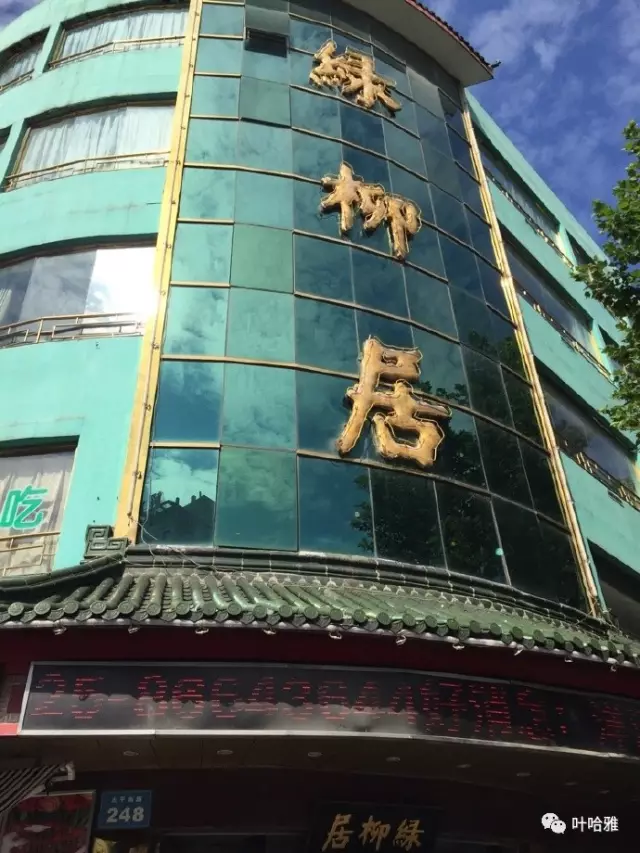
Green Willow House started in 1912. It is a Jiangsu Province Intangible Cultural Heritage site famous for its vegetarian and halal dishes. Records show that Bai Chongxi, Sun Yat-sen, and the Soong sisters were all regular customers at Green Willow House. The first floor is a supermarket for their homemade food, with hundreds of finished or semi-finished products. The second floor serves snacks, the third floor serves stir-fried dishes, and the floors above that have private dining rooms.
4. Anleyuan
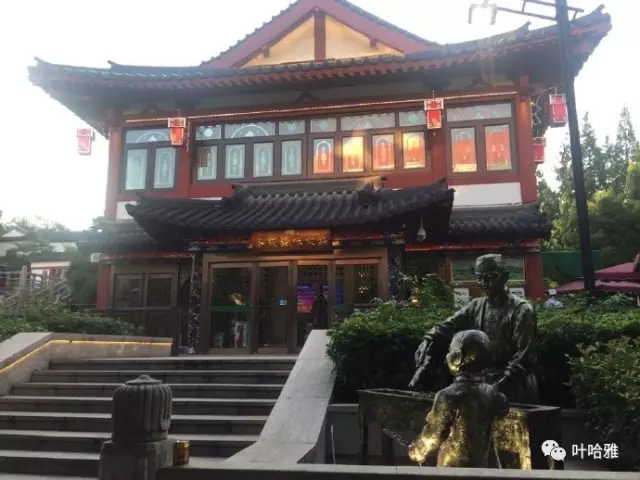
Anleyuan is the largest halal restaurant in Nanjing. It is known as the number one halal restaurant in the Jiangnan region. The building in the picture is only for stir-fried dishes. Next to it, there is another building for snacks and one for hot pot. You can eat famous Nanjing dishes here like salt-water duck (yanshui ya) and squirrel-shaped mandarin fish (songshu guiyu).
5. Jiang Youji
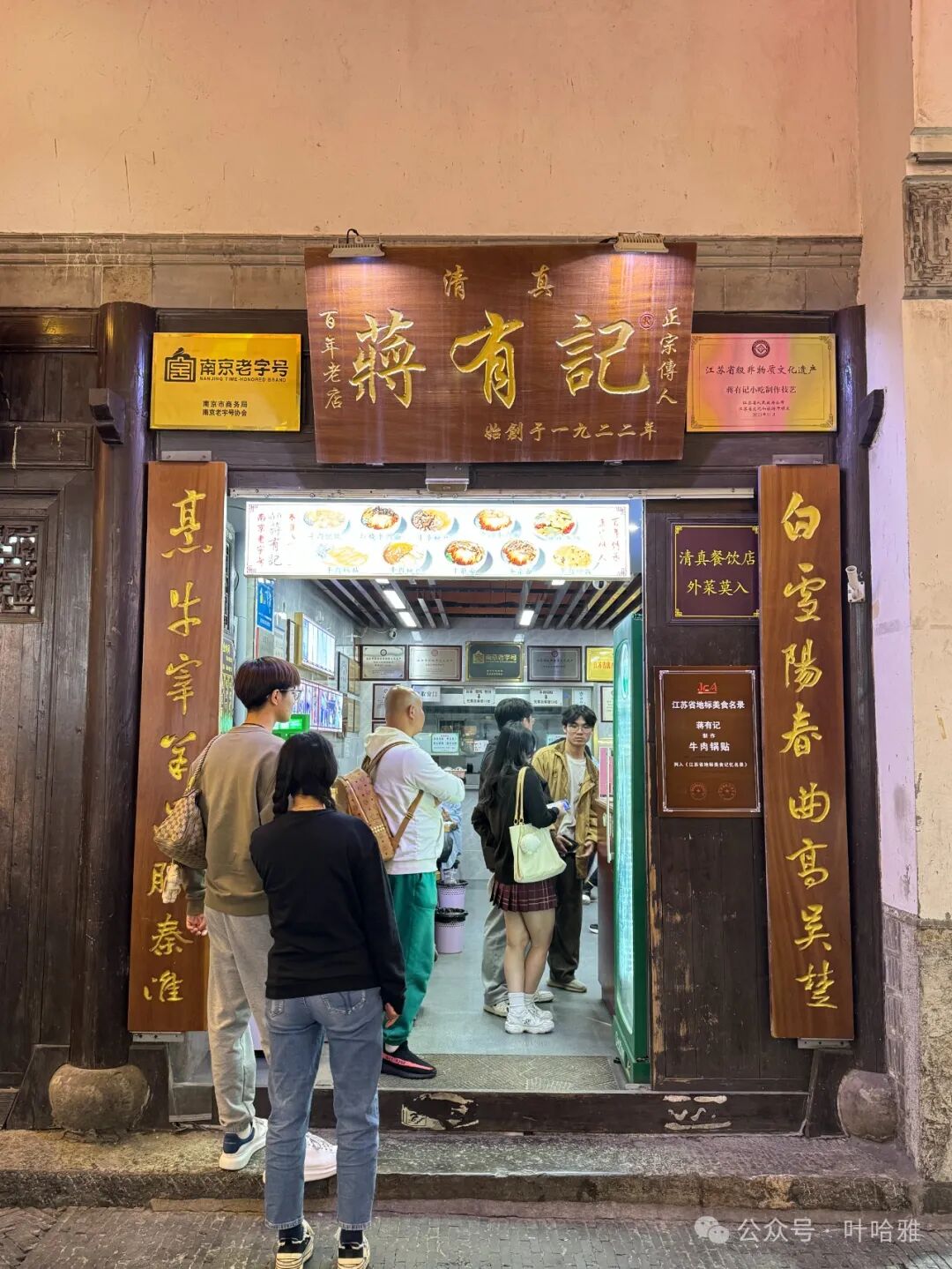
Jiang Youji is another century-old halal brand in Nanjing. Its most famous dish is beef potstickers (niurou guotie), which are known as one of the Eight Wonders of Qinhuai. A few years ago, there was a lawsuit over the brand name. That does not matter to diners, though. We do not care if the successor is the official one; if the food does not taste good, it is useless no matter how official they are.
6. Yiguangge
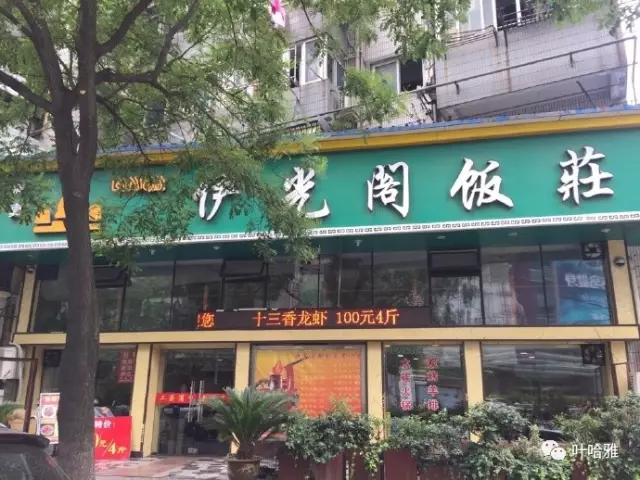
Yiguangge is a long-standing shop in Nanjing. The owner owns the building, so they do not pay rent and the prices are cheap. I came here to eat crayfish. Crayfish is a common home-cooked dish in the Jiangnan region, and you naturally have to eat authentic halal crayfish when you come to Nanjing.
7. Liji Halal Restaurant
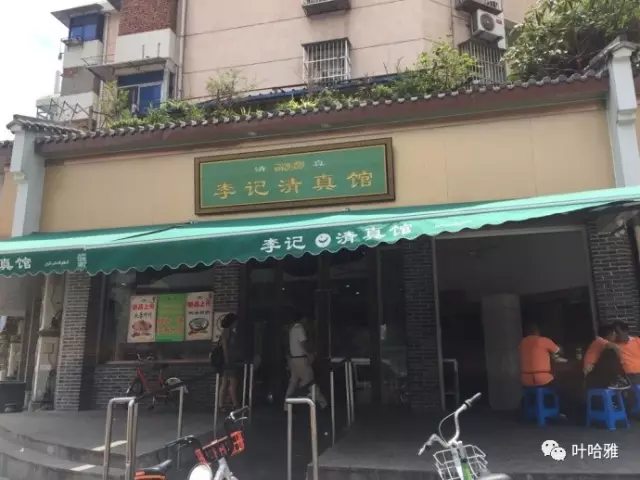
Liji Halal Restaurant only has this one location in Nanjing with no other branches. It is a long-established shop that sells various Nanjing snacks. There are too many varieties, and each snack comes in different flavors. When eating Nanjing soup dumplings (xiaolongbao), the skin is thin and there is a hole on top. You can suck the soup out from the top before eating the dumpling, but be careful not to burn your mouth.
8. Taoyuancun
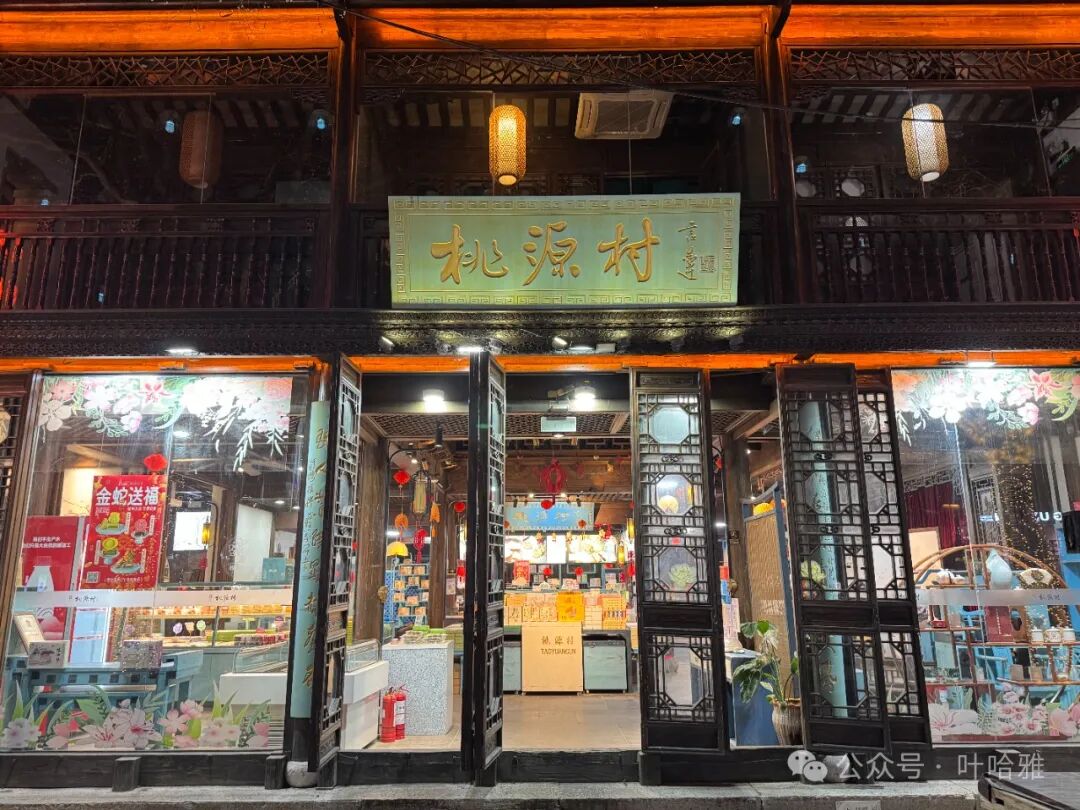
Taoyuancun pastries originated on Niujie Street in Beijing over 150 years ago. Later, they moved to Shanghai and opened a factory near the Xiaotaoyuan Mosque, which is why they were named Taoyuancun. During the Republic of China era, Taoyuancun was invited by the government to enter the Nanjing Central Shopping Mall and officially became a local Nanjing halal pastry brand.
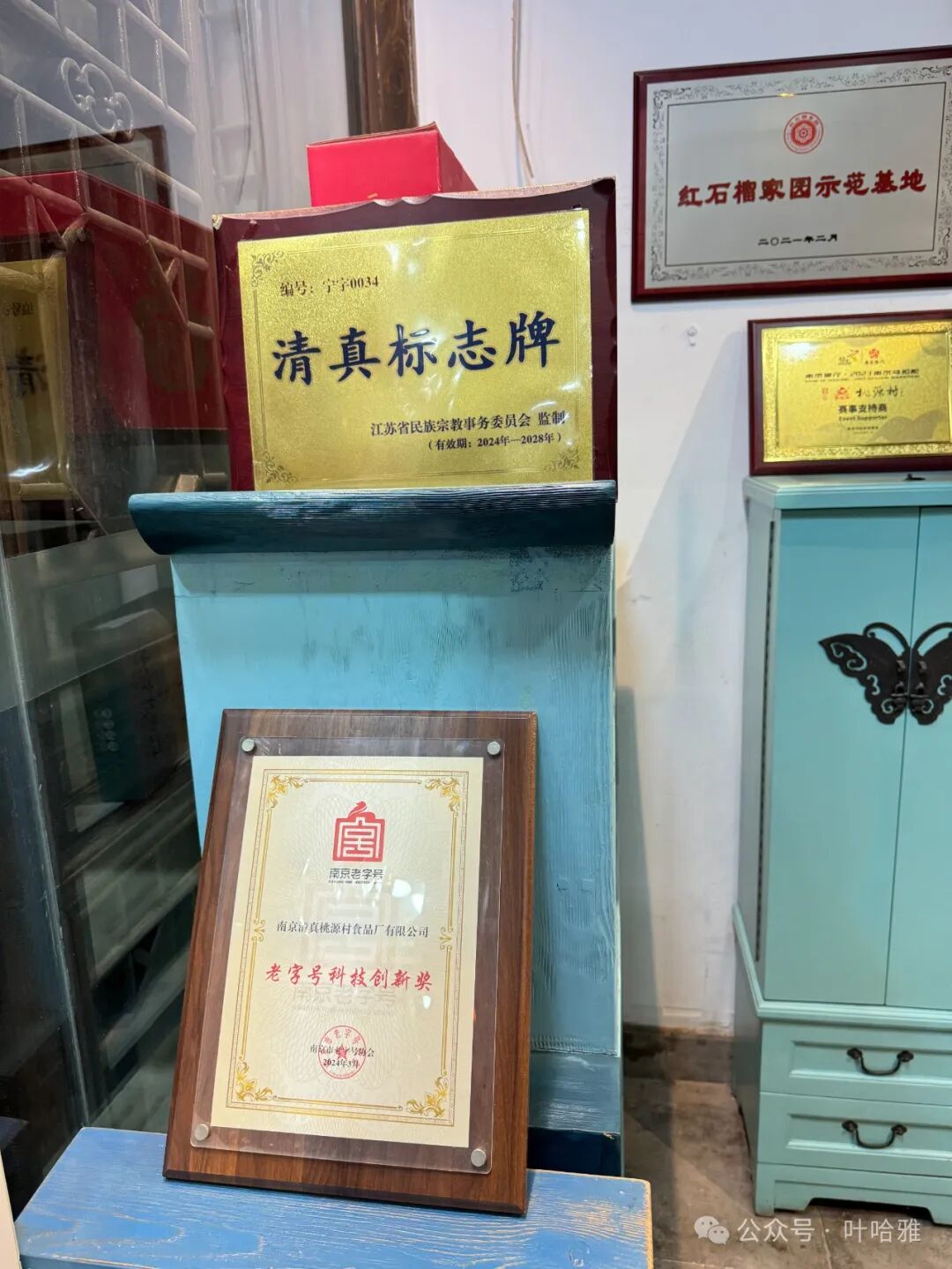
9. Jinhongxing Duck Shop
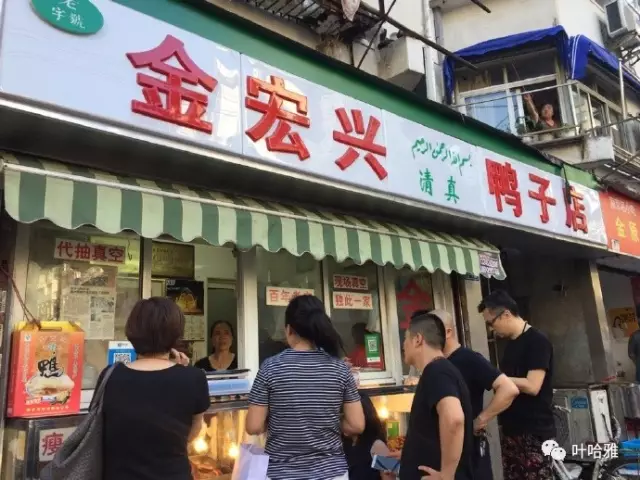
Jinhongxing's duck is as popular as the deli food at Jubaoyuan, with people lining up all day long. You must try authentic Nanjing roast duck when in Nanjing. It is very different from the Beijing style. Nanjing roast duck can be sliced and eaten by dipping it directly into the sauce. This shop is for takeout, and you can have the owner vacuum-pack it on the spot to take away.
10. Hanfuxing
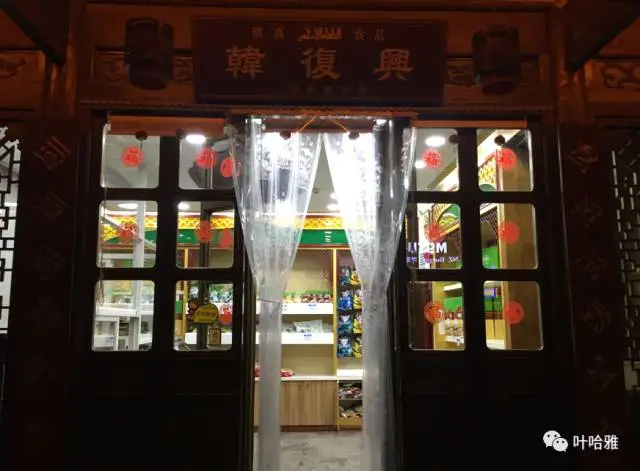
Founded during the Tongzhi reign of the Qing Dynasty, Hanfuxing Salted Duck Shop is the largest halal food company in Nanjing. It is a time-honored Chinese brand that specializes in products like salted duck (banya). Hanfuxing Duck Shop now has many branches in Nanjing, and the Han family's sweet-scented osmanthus duck (guihuaya) is their signature dish.
11. Xiongji Braised Duck Shop
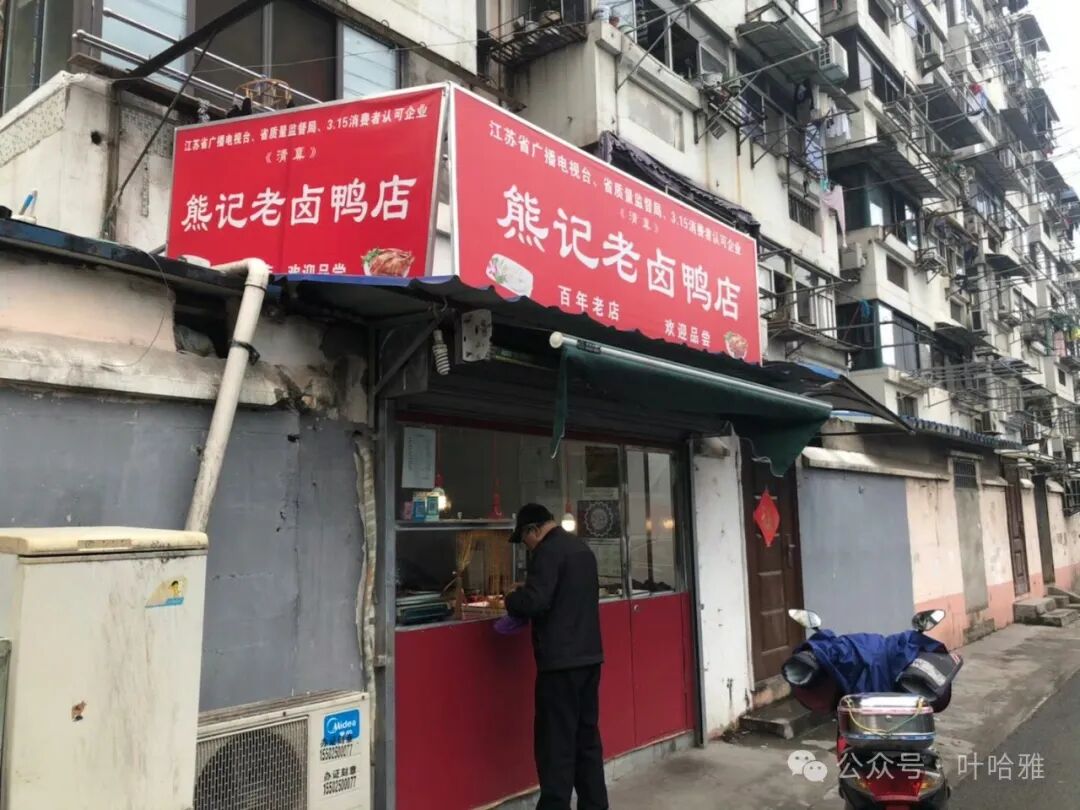
Xiongji is a duck shop that locals love. The duck has a slightly sweet taste. There are a few other shops in Nanjing that display halal duck signs, but People say they do not guarantee they are truly halal.
12. Malaosan Duck Shop
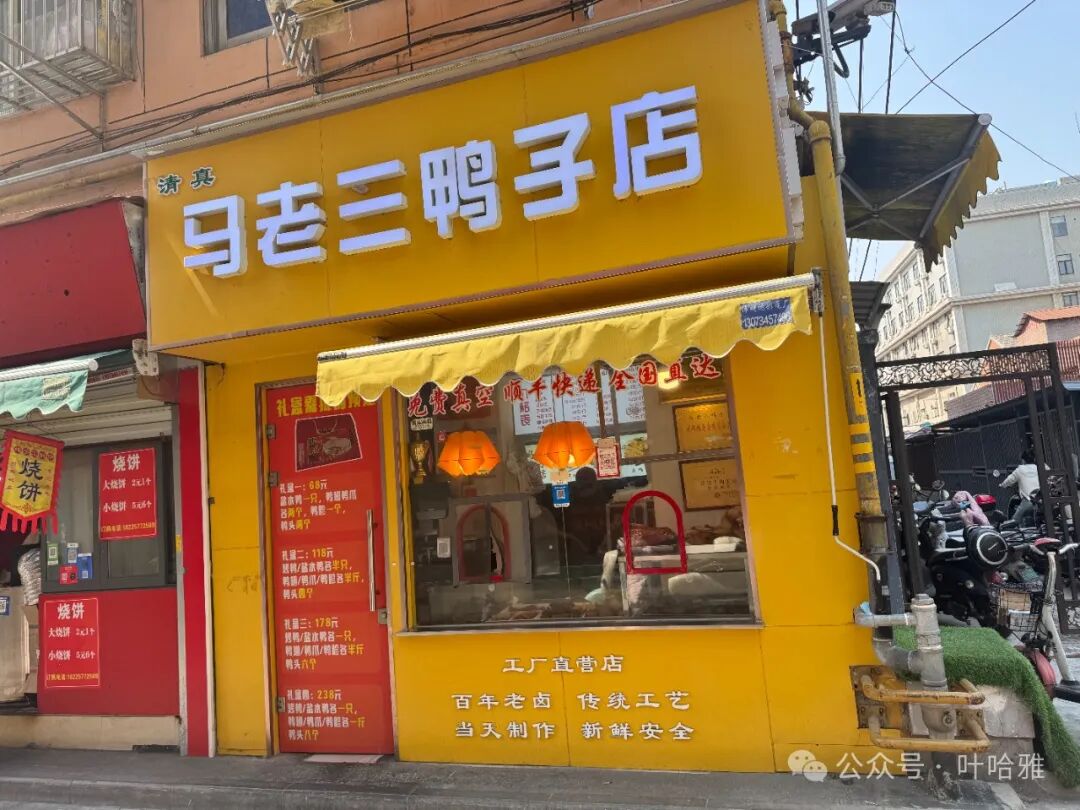
Malaosan's duck is salty and savory. They also sell braised duck wings and duck necks, and they can vacuum-pack them for nationwide delivery.
13. Xibei Dongxianglou
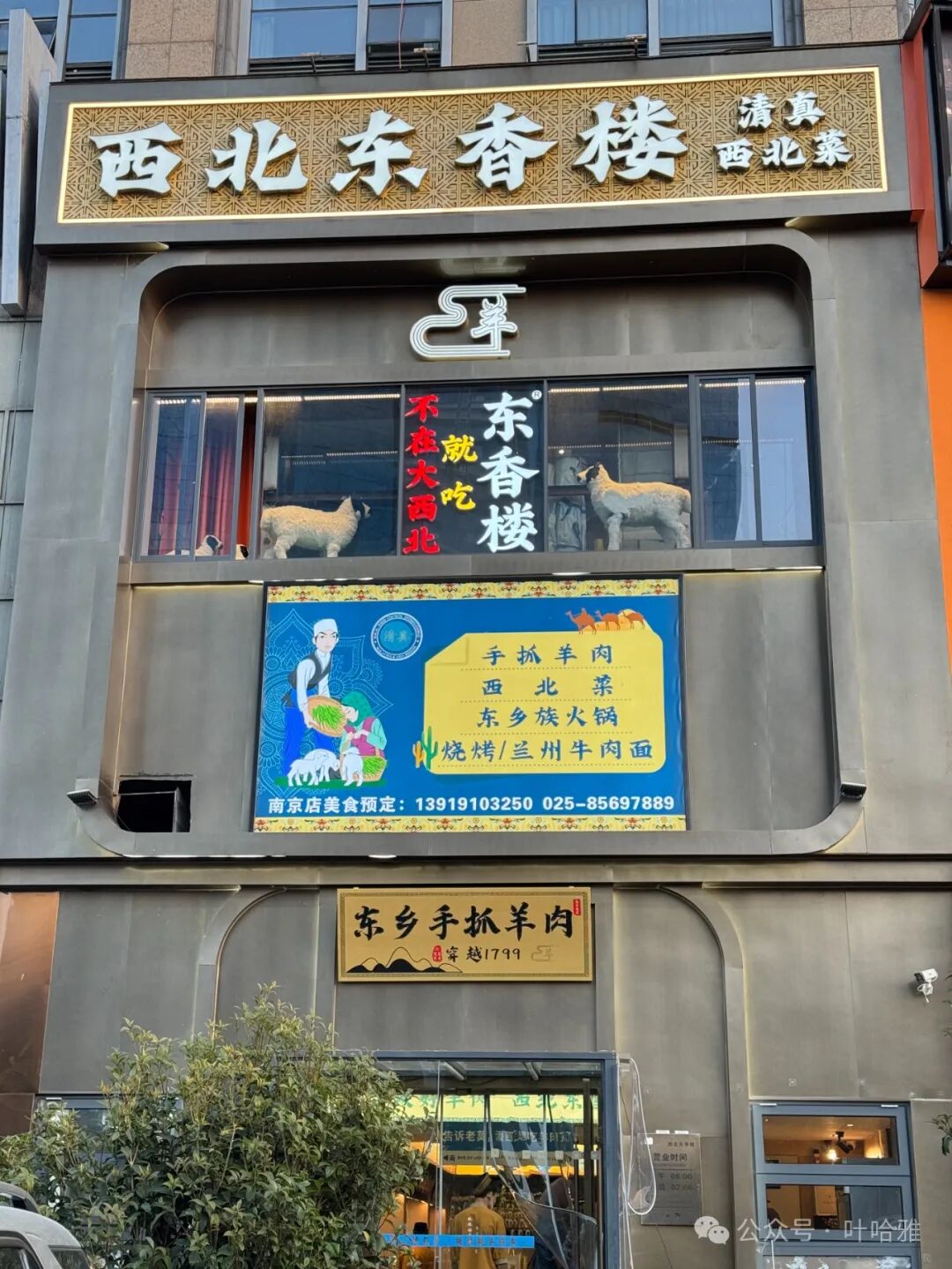
If you are invited to an iftar meal during Ramadan, choose this place. It is a Dongxiang hand-grabbed mutton (shouzhu) restaurant with three floors and plenty of space. They do not sell alcohol, and there is a parking lot at the entrance.
14. Caoqiao Halal Beef Potsticker and Dumpling Shop
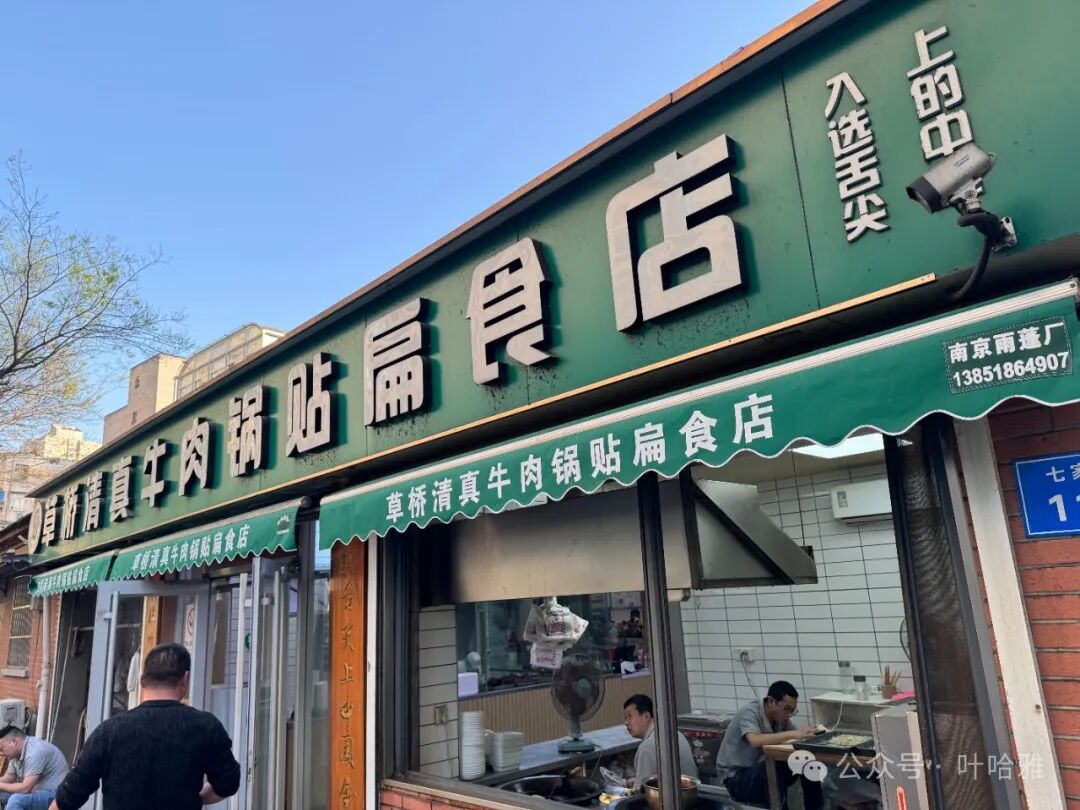
Dumplings are called bianshi in Nanjing. The potstickers (guotie) at this shop are also quite delicious, and the Caoqiao Mosque is nearby.
15. Xiaowang Crispy Flatbread
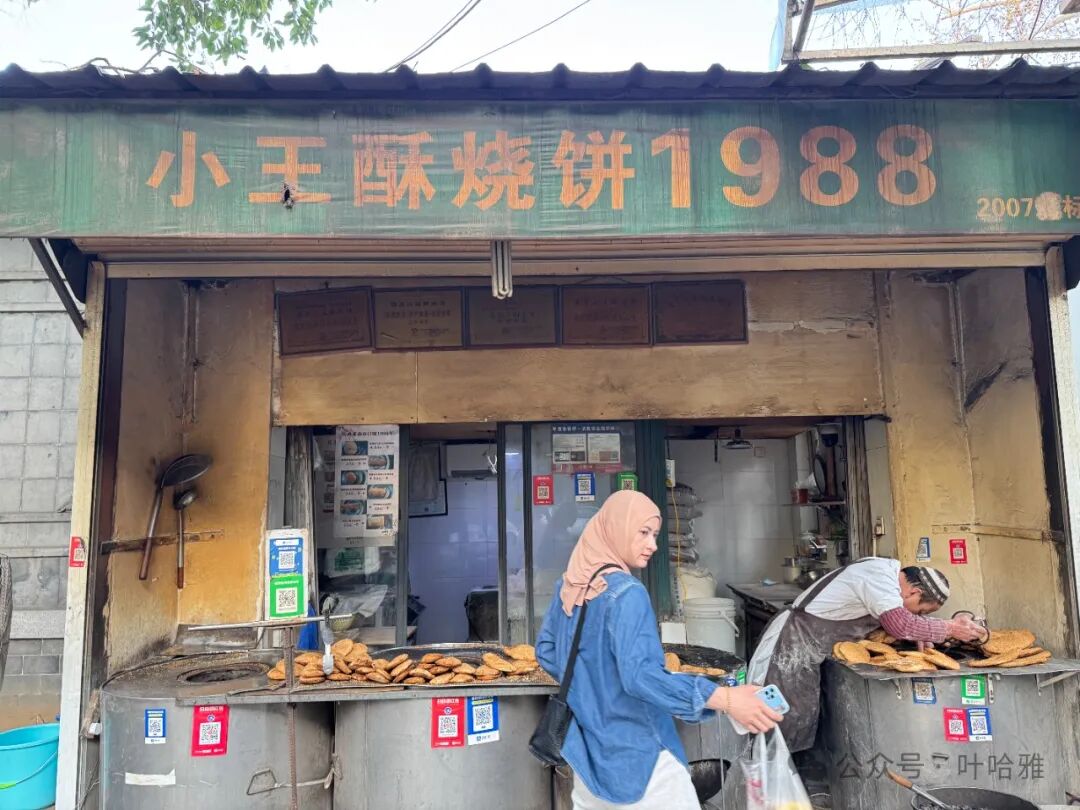
This is a halal flatbread (shaobing) shop right at the main entrance of the Caoqiao Mosque. They bake their crispy flatbreads in traditional coal ovens, which is rare and very tasty.
For friends who enjoy halal travel, the tomb of Liu Zhi is a must-visit spot in Nanjing. Liu Zhi, also known as Liu Jielian Baba, was a Nanjing local and the pioneer of the theory of Sinicization of Islam.
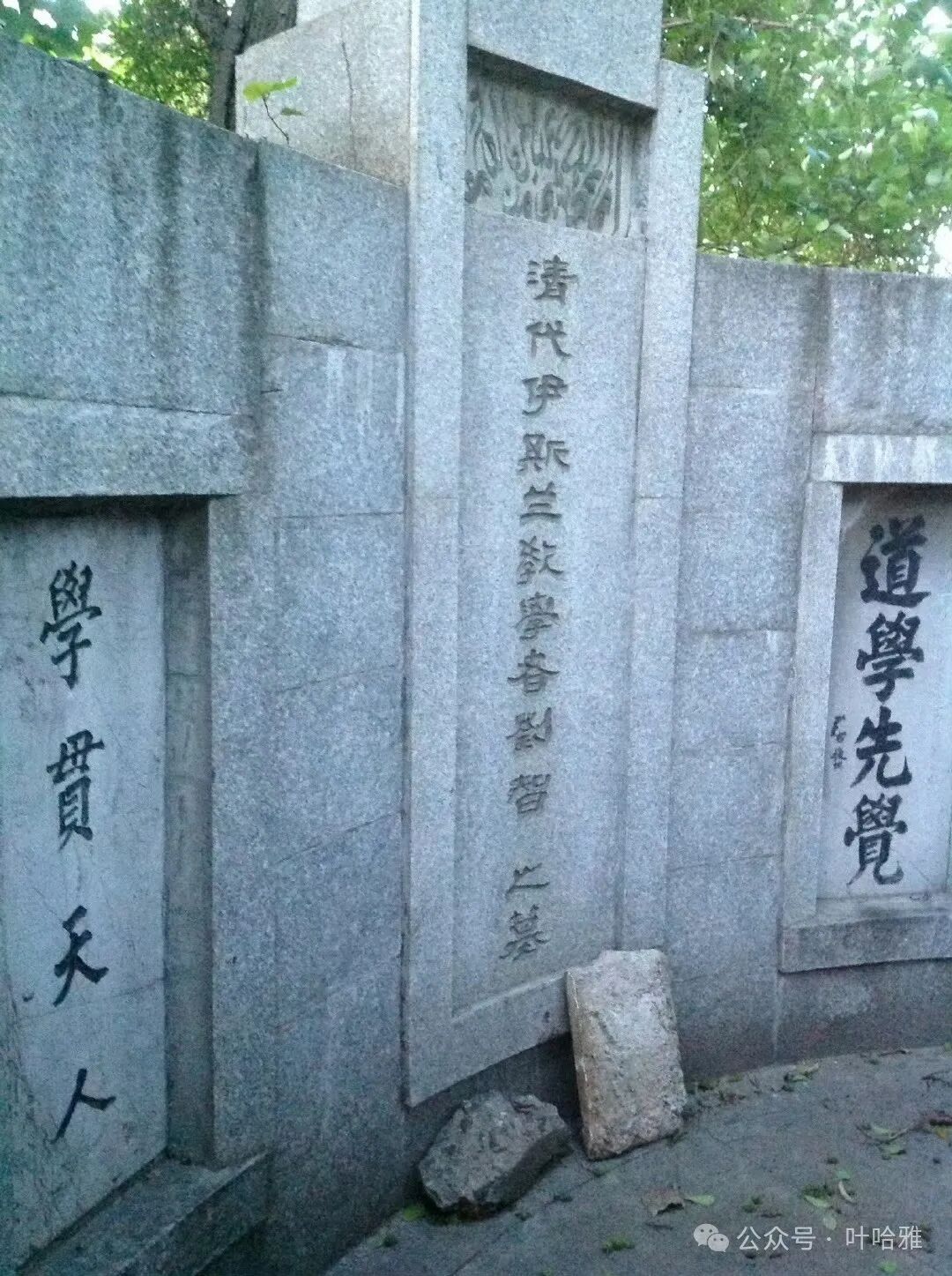
There is also the Tomb of the King of Boni. Boni is Brunei, and the King of Brunei once visited Nanjing. The area around this tomb was originally planned to be a Brunei cultural park, but it has since been abandoned.
Local Halal Food in China: Nanjing Duck, Muslim Snacks & Historic Hui Restaurants
Articles • yusuf908 posted the article • 0 comments • 290 views • 2026-05-24 00:17
Summary: A Nanjing halal food map covering historic Hui Muslim restaurants, classic local snacks, duck dishes, and old neighborhood food stops, with names, addresses, photos, and cultural context kept from the source article.
Hui Muslims have a very long history in Nanjing. During the Ming Dynasty, they made up a large part of the population in the old city. When the capital moved to Beijing, many Hui Muslims moved north with it. Many northern Hui Muslim family trees can be traced back to Nanjing. During the Republic of China era, Nanjing became the capital again. Many high-ranking Nationalist generals were Hui Muslims, which helped Nanjing's halal food culture grow quickly during that time.
1. Maxingxing
Maxingxing Restaurant is the oldest halal restaurant in Nanjing. It has been around for over 160 years, dating back to 1845 during the Daoguang period of the Qing Dynasty. It is one of the four great traditional halal brands in Nanjing. Its four signature dishes are beauty liver (meiren gan), phoenix tail shrimp (fengwei xia), egg steamed dumplings (dan shaomai), and squirrel fish (songshu yu). Today, Maxingxing is listed as a Jiangsu Province intangible cultural heritage and was among the first group of time-honored Chinese brands named by the Ministry of Commerce.
Visitors to Nanjing usually want to try the local snacks. Maxingxing's pan-fried dumplings (guotie) and soup dumplings (xiaolongbao) are delicious treats you should not miss.
Address: No. 32 Yunnan North Road, Gulou District (near Hubei Road)
2. Qifangge
Qifangge is one of Nanjing's four great traditional halal brands. It was founded in 1917 by socialites and business leaders like Li Yangchao, Zhu Shouren, Liu Hairu, and Yu Zikuan. They pooled their money to open the Qifangge Halal Tea House near Chengsi Mosque on what was then Qiwang Street (now Jiankang Road), focusing on halal snacks.
This place serves the 25 varieties of Qinhuai River snacks. Because Nanjing has so many types of snacks, Qifangge offers a snack set to help diners try them all. Each item comes in a small plate, allowing you to sample the entire range of Qinhuai River snacks at once.
The diners here include both long-time Nanjing locals and tourists from out of town.
The shepherd's purse steamed dumplings (jicai zhengjiao) are not only beautifully made but also perfectly seasoned, soft, and tasty.
Four-color cakes (sise gao) are a traditional snack in the Jiangsu region, carefully made from ingredients like glutinous rice flour and rose petals.
Address: No. 12 Gongyuan West Street, Confucius Temple, Qinhuai District
3. Lvliuju
Founded in 1912, Lvliuju is a Jiangsu Province intangible cultural heritage site famous for its vegetarian and halal dishes. Records show that Bai Chongxi, Sun Yat-sen, and the Soong sisters were all regular customers at Lvliuju.
The first floor is a shop for homemade food, selling hundreds of finished or semi-finished products. The second floor serves snacks, the third floor serves stir-fried dishes, and the floors above have private rooms.
Since I prefer local snacks, I naturally went to the second floor to try them.
I had a vegetable bun (sucai bao). These Jiangnan-style buns really show a refined quality from the outside in.
These are small sweet rice balls (xiao tangyuan), round and chewy.
Sugar taro seedlings (tang yumiao) are a Jiangnan snack made by boiling taro in sugar water.
Address: Floors 1-6, No. 248 Taiping South Road, Qinhuai District (near Taiping Shopping Mall)
4. Anleyuan
Anleyuan is the largest halal restaurant in Nanjing, known as the premier halal establishment in the Jiangnan region. This building is just for stir-fried dishes. Next to it, there is another building for snacks and one for hot pot.
The diners inside all sound like locals from Nanjing. Don't ask me how I know; the person who brought me here is a Nanjing Hui Muslim.
Nanjing's famous salted duck (yanshuiya) is a local specialty. Even though it is called salted duck, Jiangnan cuisine is generally light in flavor.
Tofu pudding soup (douhuageng) served with deep-fried dough twists (sanzi) to mix together.
Hui Muslim snack deep-fried dough twists (sanzi).
Vegetable steamed dumplings (su zhengjiao) are also one of Nanjing's famous snacks.
Squirrel-shaped mandarin fish (songshu guiyu) is a famous Jiangsu dish with a sweet and sour taste.
Address: 138 Wangfu Street.
5. Jiang Youji.
Jiang Youji is also a century-old halal shop in Nanjing. Its most famous item is the beef potstickers (niurou guotie), which are known as one of the Eight Wonders of Qinhuai. I heard they had a lawsuit over the brand a few years ago, but it doesn't matter to the diners. We don't care if the successor is authentic; if it doesn't taste good, being authentic is useless.
The beef potstickers at this Laomendong branch on Santiaoying in Qinhuai District are delicious.
Have a bowl of wontons (huntun) for breakfast; the soup is fresh and the ingredients are plentiful.
Address: 40 Santiaoying, Laomendong.
6. Yiguangge.
Yiguangge is another old shop in Nanjing. The owner owns the storefront, so they don't pay rent, which keeps the prices cheap.
I came here to eat crayfish (xiaolongxia). Crayfish is a common home-cooked dish in Jiangnan, and you naturally have to eat authentic halal crayfish when in Nanjing. This time, I learned the proper way to eat crayfish from a friend and realized my previous simple and rough way of eating them was a total waste.
Stir-fried celery with dried tofu (ganzi). Dried tofu is a common soy product in the south.
Address: 15-2 Beimenqiao Road, Beimenqiao Street (near New World Department Store).
7. Lan Laoda Sugar Porridge and Lotus Root Shop.
I really like these kinds of street-side shops. Lan Laoda is also an old brand with several branches in Nanjing.
They mainly sell snacks like sugar porridge with lotus root (tang zhou ou) and sugar taro seedlings (tang yumiao). Sugar porridge with lotus root is a sweet porridge made from lotus root and glutinous rice, and it is one of Nanjing's famous specialties.
Address: 22 Shuangtang Road, Qinhuai District.
8. Li Ji Halal Restaurant
Li Ji Halal Restaurant has only this one location in Nanjing with no other branches. It is a long-standing shop that sells a variety of Nanjing snacks.
There are so many types of snacks, and each one comes in different flavors. People in the south are truly meticulous when it comes to cooking.
I tried Nanjing soup dumplings (xiaolongbao) for the first time. The skin is thin and there is a hole on top. You can suck out the soup first before eating the dumpling, but be careful not to burn your mouth.
The wontons and beef offal vermicelli soup are both made fresh on the spot.
A famous Nanjing snack is duck blood vermicelli soup, but Hui Muslims do not eat blood, so we eat beef offal vermicelli soup or beef vermicelli soup instead.
Address: No. 1 Dading Lane, Qinhuai District
9. Taoyuan Village
Taoyuan Village pastries originated in Beijing's Niujie and have a history of over 150 years. They later moved to Shanghai and opened a factory near the Xiaotaoyuan Mosque, which is how they got the name Taoyuan Village. During the Republic of China era, Taoyuan Village was invited by the government to open in the Nanjing Central Shopping Mall, officially becoming a local Nanjing halal pastry brand.
Beijing-style pastries like honey-glazed dough cubes (misandao), Beijing eight-piece gift boxes (jingbajian), and fried flour cakes (saqima) will surely feel familiar to people from Beijing.
Address: No. 264 Baixia Road, Baixia District
10. Jinhongxing Duck Shop
Jinhongxing's duck is as popular as the deli food at Jubao Yuan, with people lining up all day long.
You must try authentic Nanjing roast duck when you are in Nanjing. It is very different from the Beijing style. Nanjing roast duck can be sliced and eaten by dipping it directly into the sauce.
This is a takeout shop, and you can ask the owner to vacuum-pack it on the spot to take away.
Address: No. 5-1 Mingwalang
11. Han Fuxing
Founded during the Tongzhi reign of the Qing Dynasty, Han Fuxing Pressed Duck Shop is the largest halal food company in Nanjing. It is a time-honored Chinese brand that mainly sells pressed duck and other duck products.
Han Fuxing Duck Shop now has several branches in Nanjing, and the Han family's osmanthus duck (guihuaya) is their signature dish.
Address: No. 32 Hubu Street, Qinhuai District
12. Nanjing University of Aeronautics and Astronautics (NUAA) Jiangjun Road Campus Halal Canteen
After recommending old-fashioned restaurants in Nanjing, I will finally recommend a halal canteen. The halal canteen at NUAA is not an ordinary canteen; it is the highest-rated canteen in the local area.
The variety of specialty snacks is enough to dazzle your eyes.
NUAA has many international students, so the halal canteen is quite large. Anyone can come to eat here, and you can pay with cash.
It is hard to believe these snacks come from a cafeteria. The bear-shaped red bean buns (doushabao) are chocolate-flavored, and they also serve stir-fried dishes and barbecue. Being a student at Nanjing University of Aeronautics and Astronautics is truly a blessing.
Address: Second floor of the Fourth Cafeteria, Jiangjun Road Campus, Nanjing University of Aeronautics and Astronautics.
Some friends (dosti) ask me how I find so many local halal specialties and what apps I use. I tell them I use locals. I praise Allah for letting me meet such wonderful friends (dosti) in Nanjing. No app is better than a local who knows the area inside and out. I have been treated very well by friends whenever I travel. All Muslims are one family. May Allah reward everyone who helps others with a kind heart. view all
Summary: A Nanjing halal food map covering historic Hui Muslim restaurants, classic local snacks, duck dishes, and old neighborhood food stops, with names, addresses, photos, and cultural context kept from the source article.
Hui Muslims have a very long history in Nanjing. During the Ming Dynasty, they made up a large part of the population in the old city. When the capital moved to Beijing, many Hui Muslims moved north with it. Many northern Hui Muslim family trees can be traced back to Nanjing. During the Republic of China era, Nanjing became the capital again. Many high-ranking Nationalist generals were Hui Muslims, which helped Nanjing's halal food culture grow quickly during that time.
1. Maxingxing
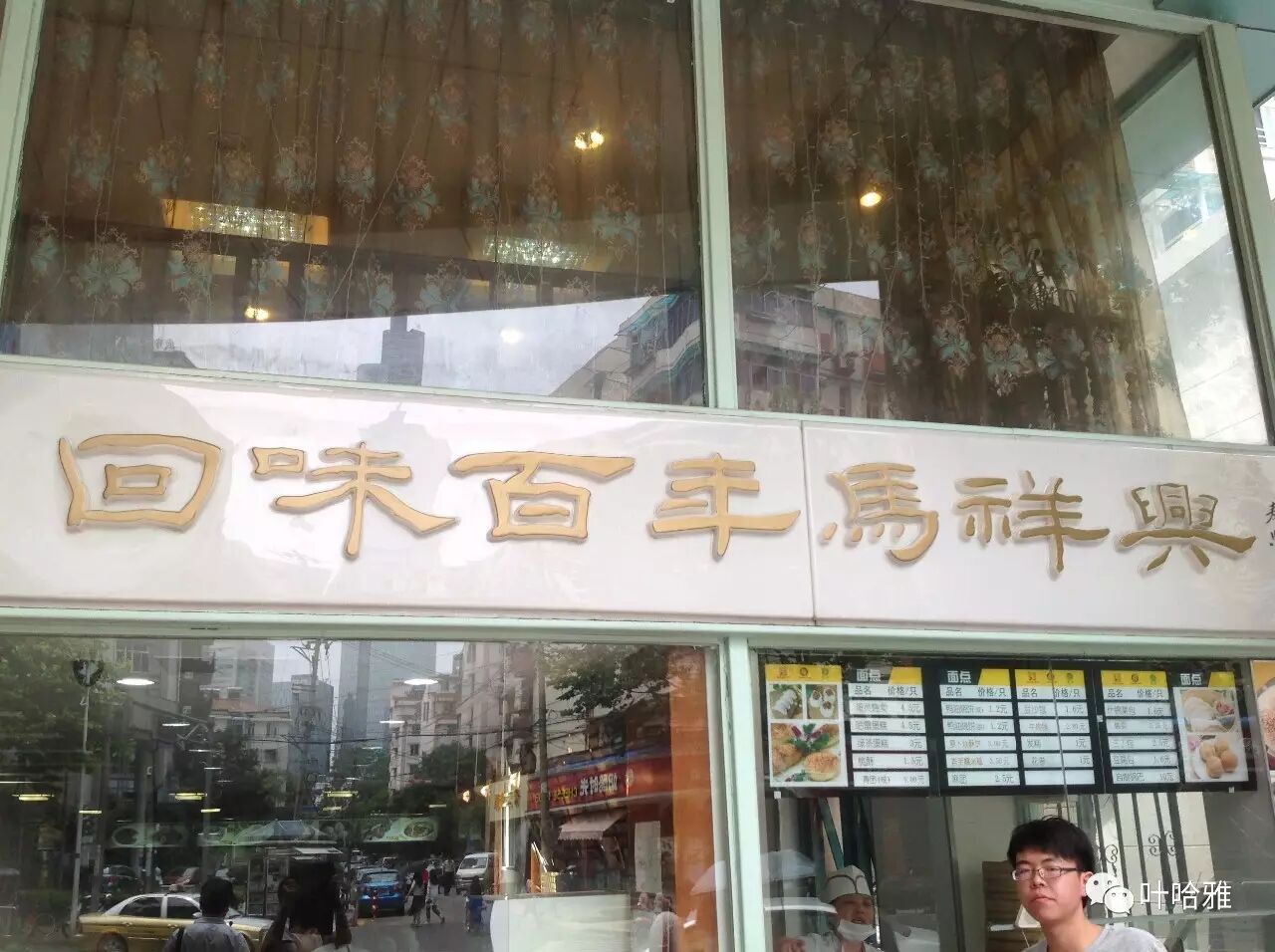
Maxingxing Restaurant is the oldest halal restaurant in Nanjing. It has been around for over 160 years, dating back to 1845 during the Daoguang period of the Qing Dynasty. It is one of the four great traditional halal brands in Nanjing. Its four signature dishes are beauty liver (meiren gan), phoenix tail shrimp (fengwei xia), egg steamed dumplings (dan shaomai), and squirrel fish (songshu yu). Today, Maxingxing is listed as a Jiangsu Province intangible cultural heritage and was among the first group of time-honored Chinese brands named by the Ministry of Commerce.
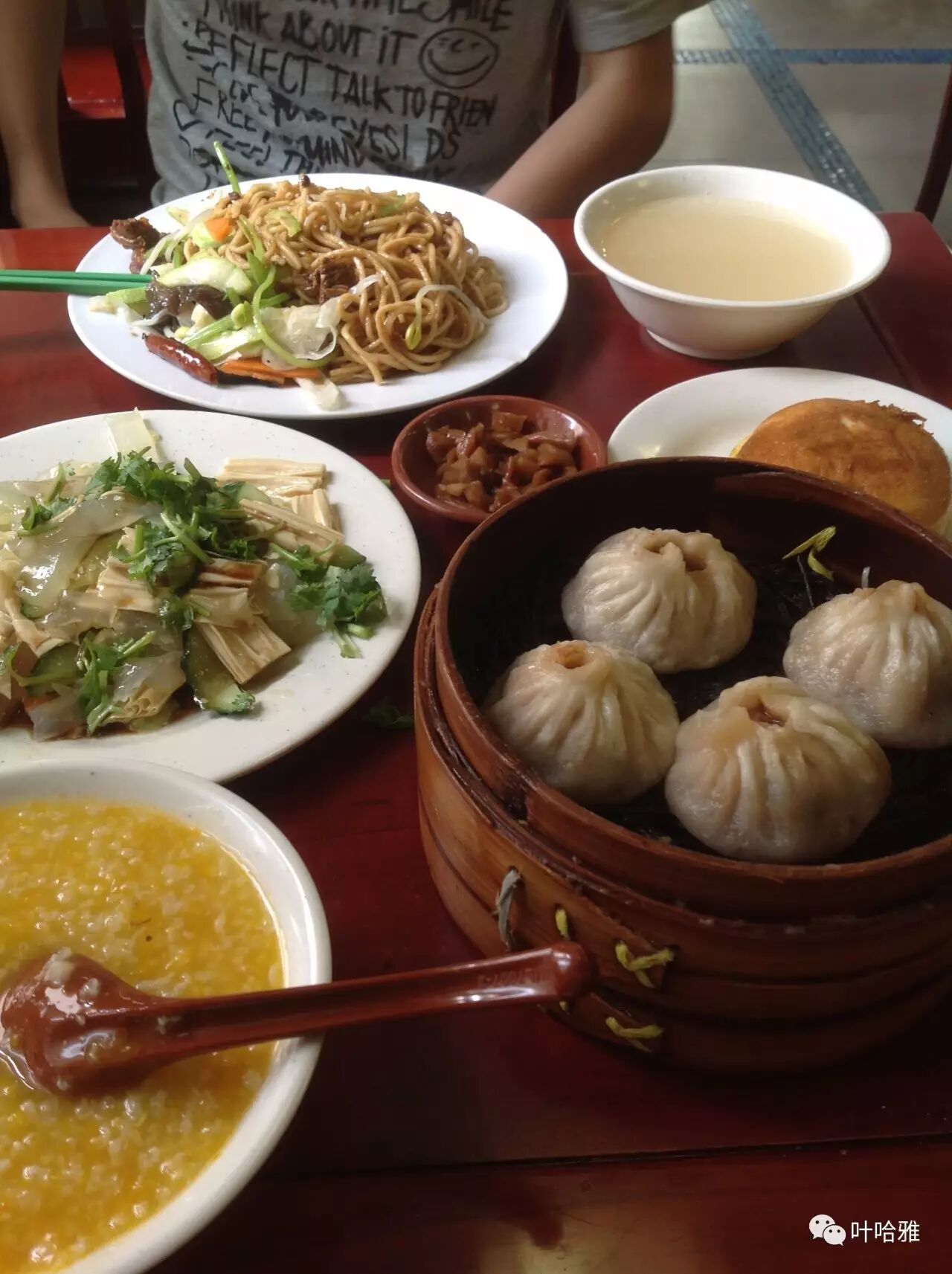
Visitors to Nanjing usually want to try the local snacks. Maxingxing's pan-fried dumplings (guotie) and soup dumplings (xiaolongbao) are delicious treats you should not miss.
Address: No. 32 Yunnan North Road, Gulou District (near Hubei Road)
2. Qifangge
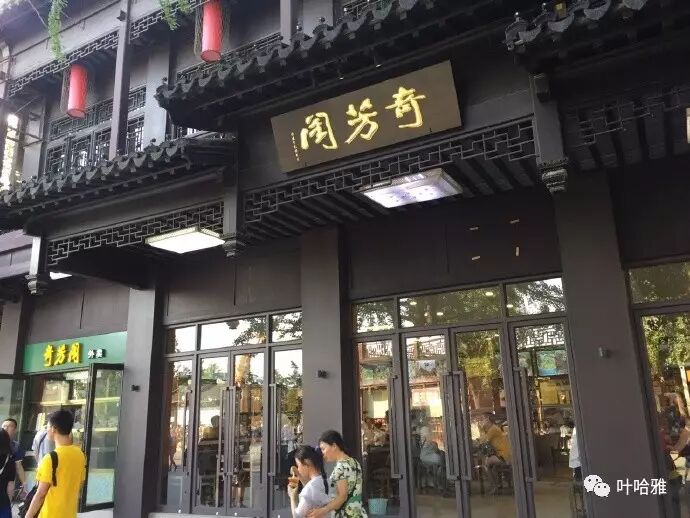
Qifangge is one of Nanjing's four great traditional halal brands. It was founded in 1917 by socialites and business leaders like Li Yangchao, Zhu Shouren, Liu Hairu, and Yu Zikuan. They pooled their money to open the Qifangge Halal Tea House near Chengsi Mosque on what was then Qiwang Street (now Jiankang Road), focusing on halal snacks.
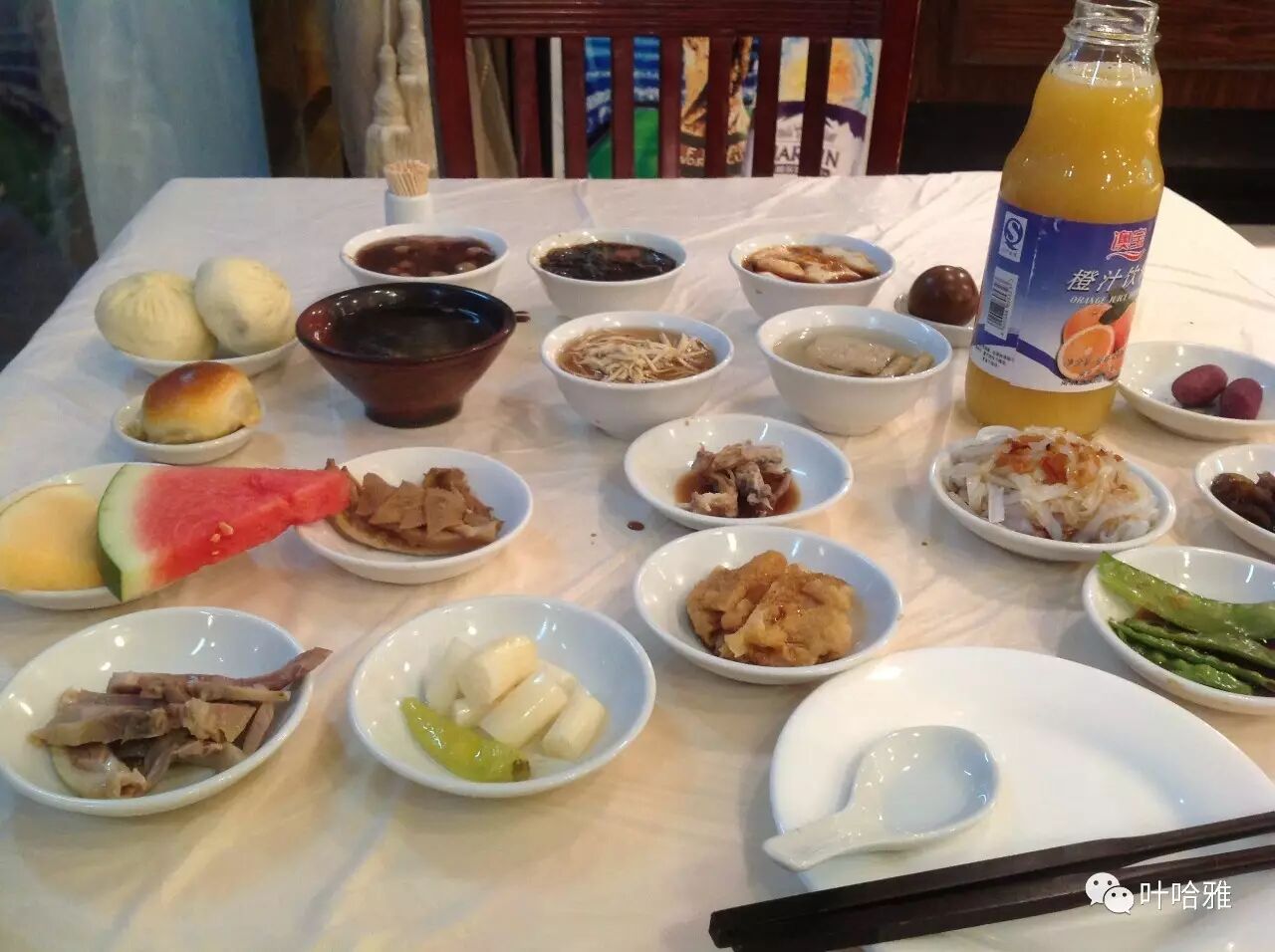
This place serves the 25 varieties of Qinhuai River snacks. Because Nanjing has so many types of snacks, Qifangge offers a snack set to help diners try them all. Each item comes in a small plate, allowing you to sample the entire range of Qinhuai River snacks at once.
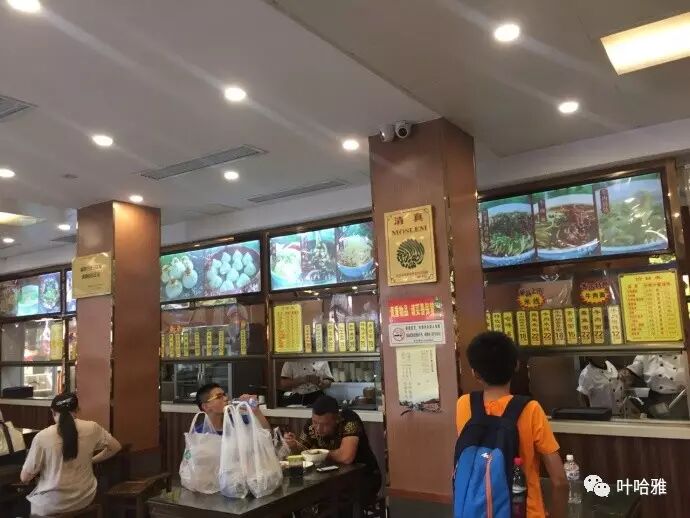
The diners here include both long-time Nanjing locals and tourists from out of town.
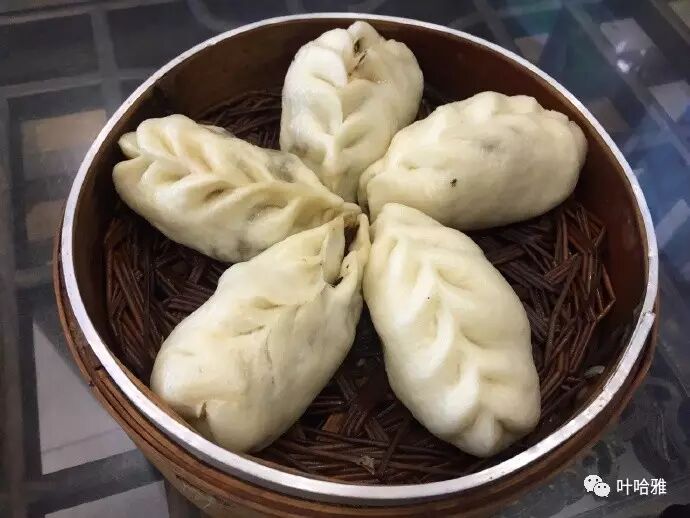
The shepherd's purse steamed dumplings (jicai zhengjiao) are not only beautifully made but also perfectly seasoned, soft, and tasty.
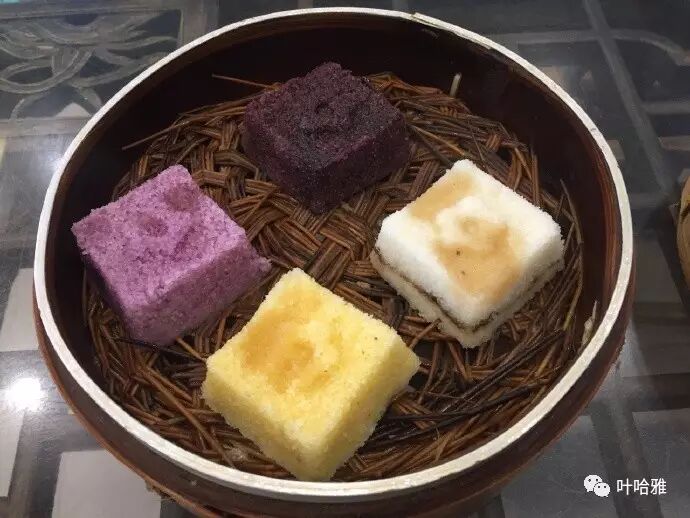
Four-color cakes (sise gao) are a traditional snack in the Jiangsu region, carefully made from ingredients like glutinous rice flour and rose petals.
Address: No. 12 Gongyuan West Street, Confucius Temple, Qinhuai District
3. Lvliuju
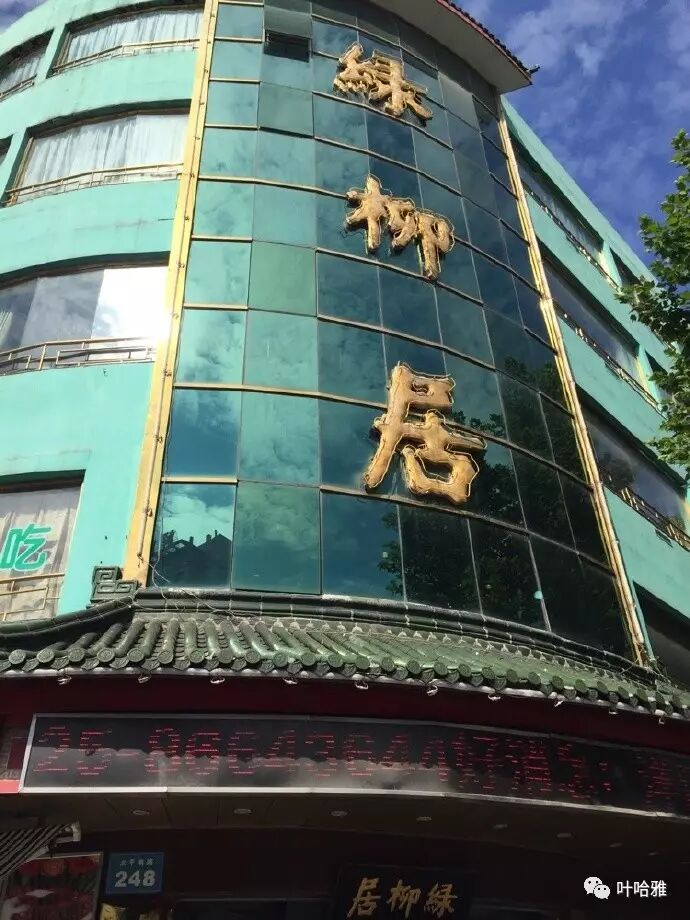
Founded in 1912, Lvliuju is a Jiangsu Province intangible cultural heritage site famous for its vegetarian and halal dishes. Records show that Bai Chongxi, Sun Yat-sen, and the Soong sisters were all regular customers at Lvliuju.
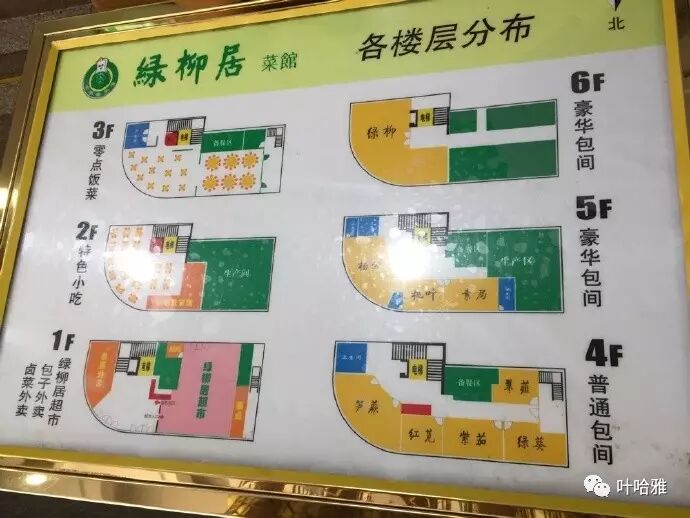
The first floor is a shop for homemade food, selling hundreds of finished or semi-finished products. The second floor serves snacks, the third floor serves stir-fried dishes, and the floors above have private rooms.
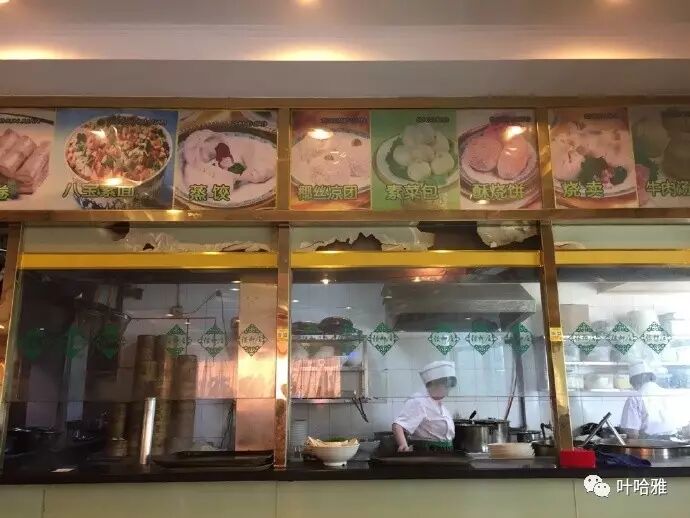
Since I prefer local snacks, I naturally went to the second floor to try them.
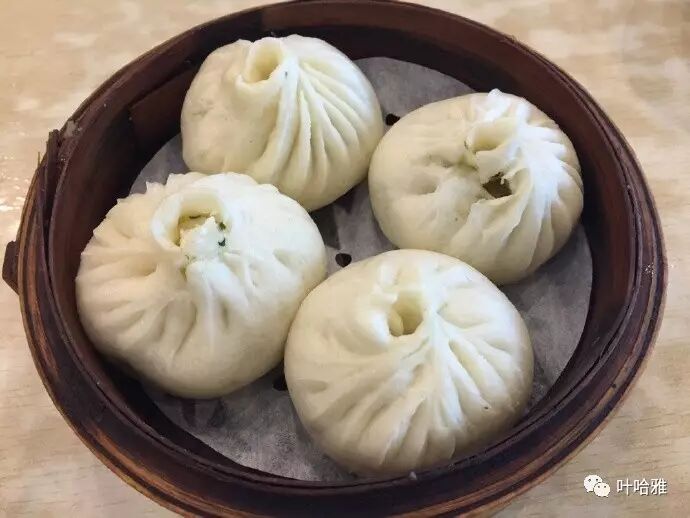
I had a vegetable bun (sucai bao). These Jiangnan-style buns really show a refined quality from the outside in.
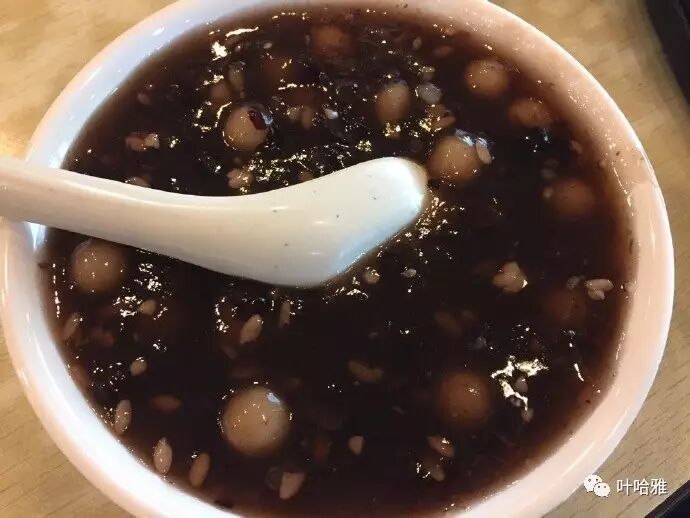
These are small sweet rice balls (xiao tangyuan), round and chewy.
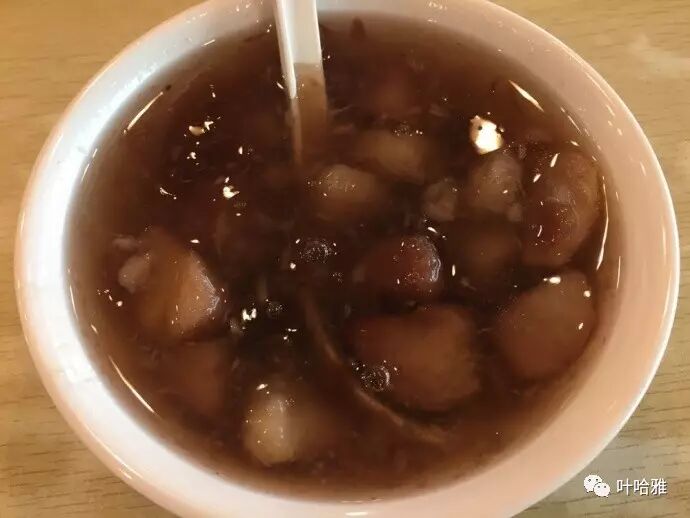
Sugar taro seedlings (tang yumiao) are a Jiangnan snack made by boiling taro in sugar water.
Address: Floors 1-6, No. 248 Taiping South Road, Qinhuai District (near Taiping Shopping Mall)
4. Anleyuan
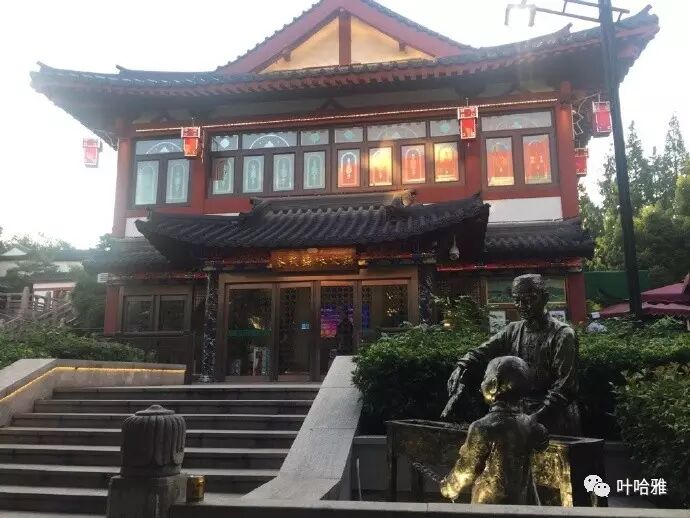
Anleyuan is the largest halal restaurant in Nanjing, known as the premier halal establishment in the Jiangnan region. This building is just for stir-fried dishes. Next to it, there is another building for snacks and one for hot pot.
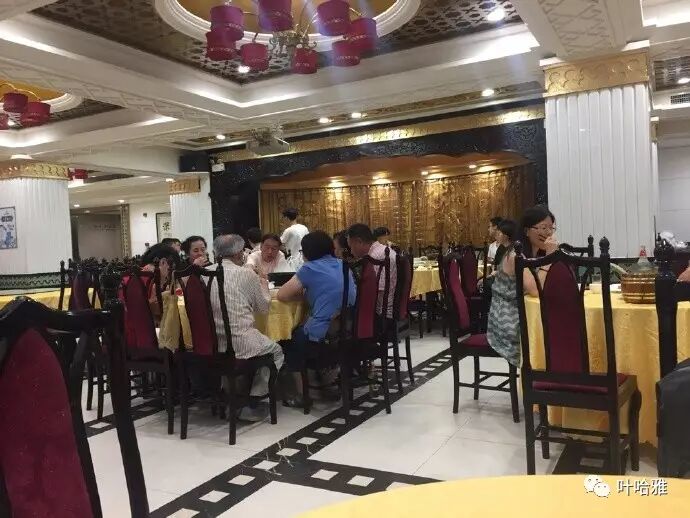
The diners inside all sound like locals from Nanjing. Don't ask me how I know; the person who brought me here is a Nanjing Hui Muslim.
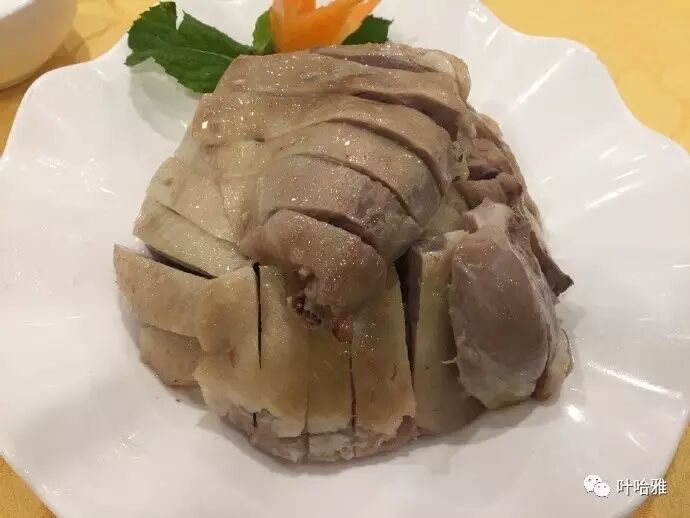
Nanjing's famous salted duck (yanshuiya) is a local specialty. Even though it is called salted duck, Jiangnan cuisine is generally light in flavor.
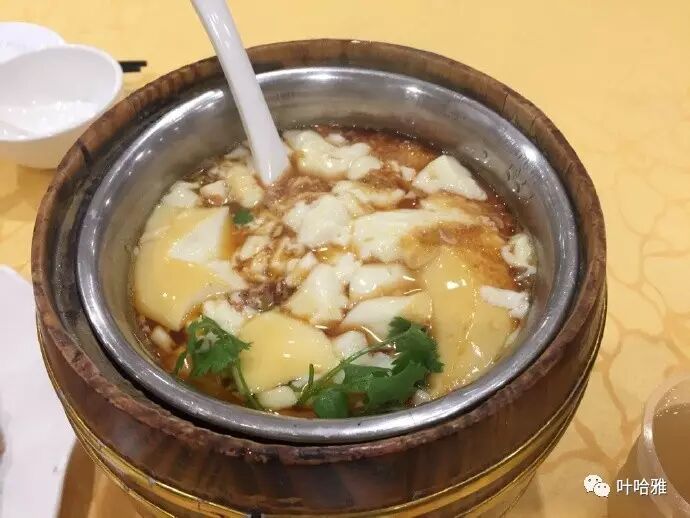
Tofu pudding soup (douhuageng) served with deep-fried dough twists (sanzi) to mix together.
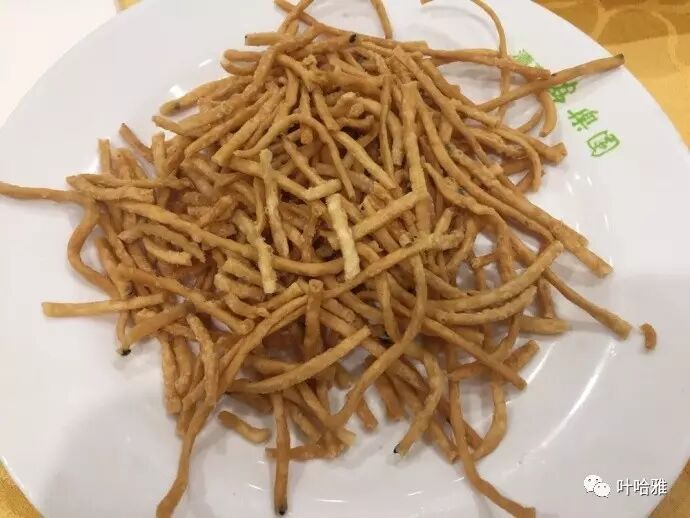
Hui Muslim snack deep-fried dough twists (sanzi).
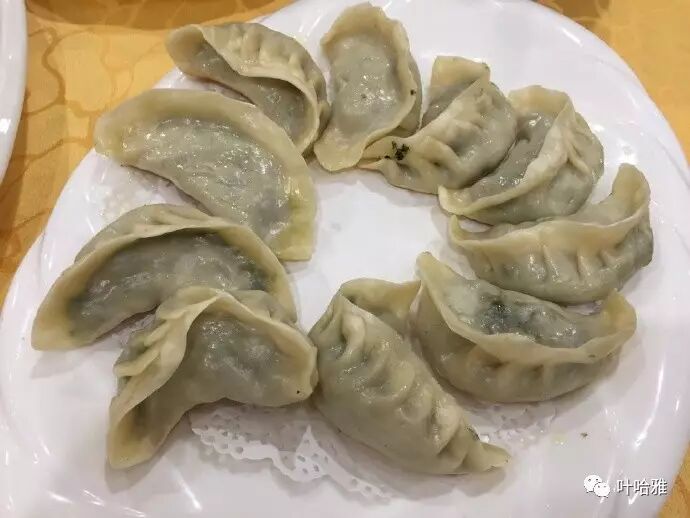
Vegetable steamed dumplings (su zhengjiao) are also one of Nanjing's famous snacks.
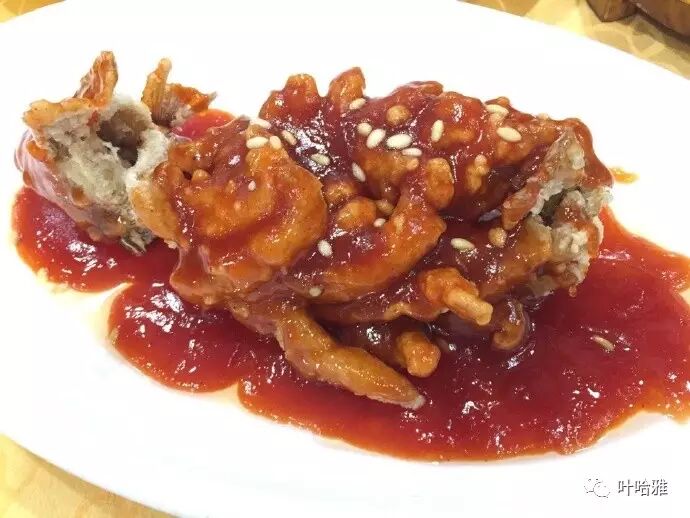
Squirrel-shaped mandarin fish (songshu guiyu) is a famous Jiangsu dish with a sweet and sour taste.
Address: 138 Wangfu Street.
5. Jiang Youji.
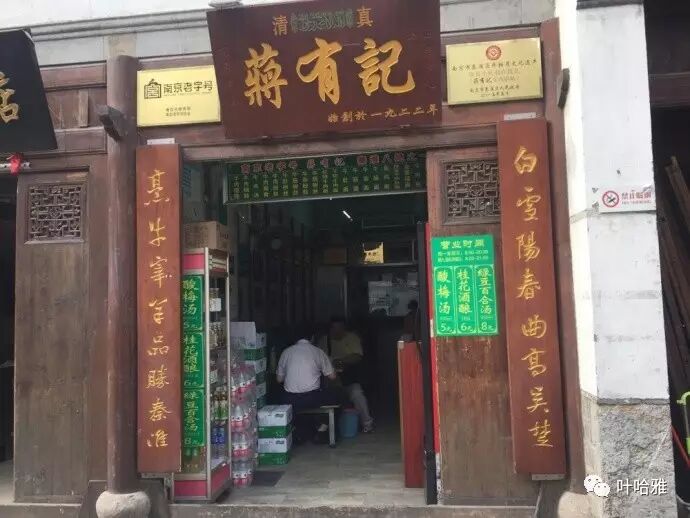
Jiang Youji is also a century-old halal shop in Nanjing. Its most famous item is the beef potstickers (niurou guotie), which are known as one of the Eight Wonders of Qinhuai. I heard they had a lawsuit over the brand a few years ago, but it doesn't matter to the diners. We don't care if the successor is authentic; if it doesn't taste good, being authentic is useless.
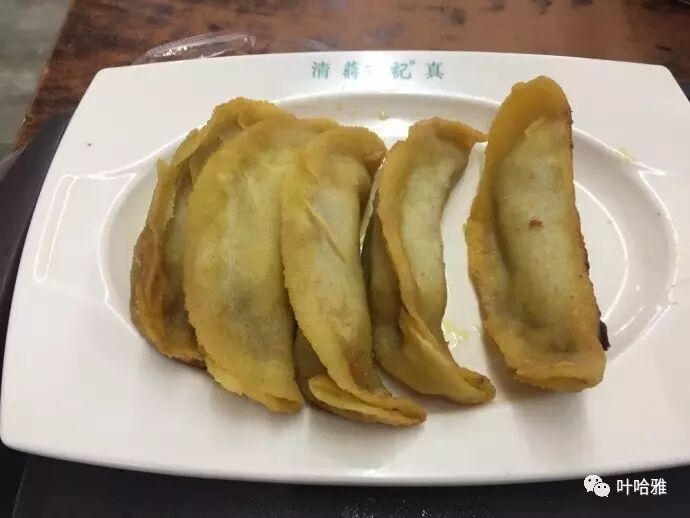
The beef potstickers at this Laomendong branch on Santiaoying in Qinhuai District are delicious.
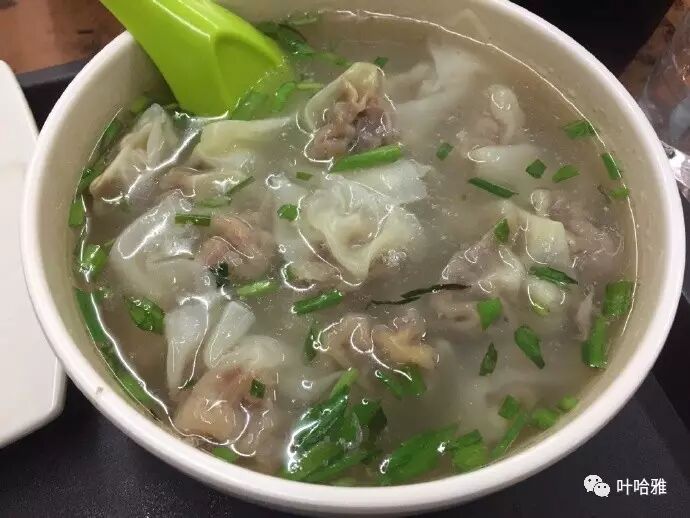
Have a bowl of wontons (huntun) for breakfast; the soup is fresh and the ingredients are plentiful.
Address: 40 Santiaoying, Laomendong.
6. Yiguangge.
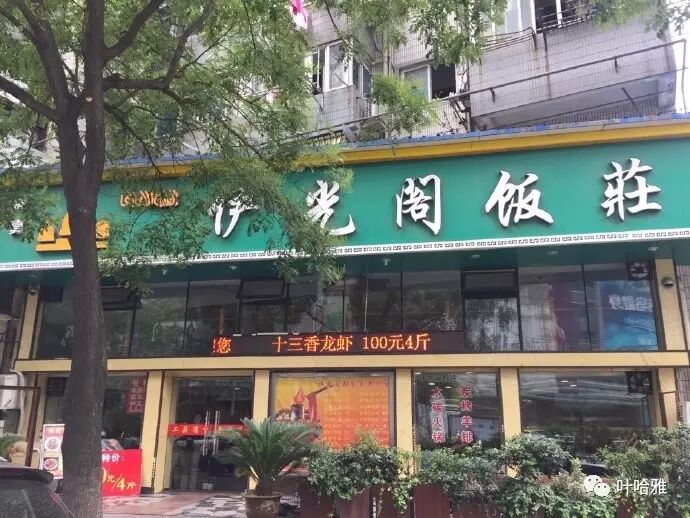
Yiguangge is another old shop in Nanjing. The owner owns the storefront, so they don't pay rent, which keeps the prices cheap.
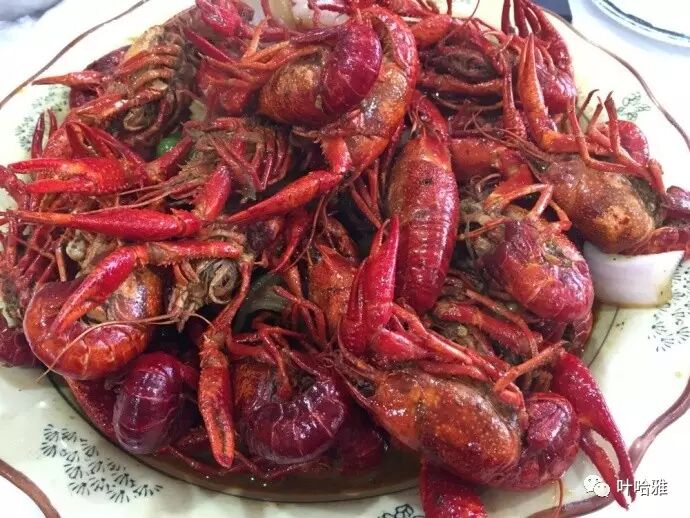
I came here to eat crayfish (xiaolongxia). Crayfish is a common home-cooked dish in Jiangnan, and you naturally have to eat authentic halal crayfish when in Nanjing. This time, I learned the proper way to eat crayfish from a friend and realized my previous simple and rough way of eating them was a total waste.
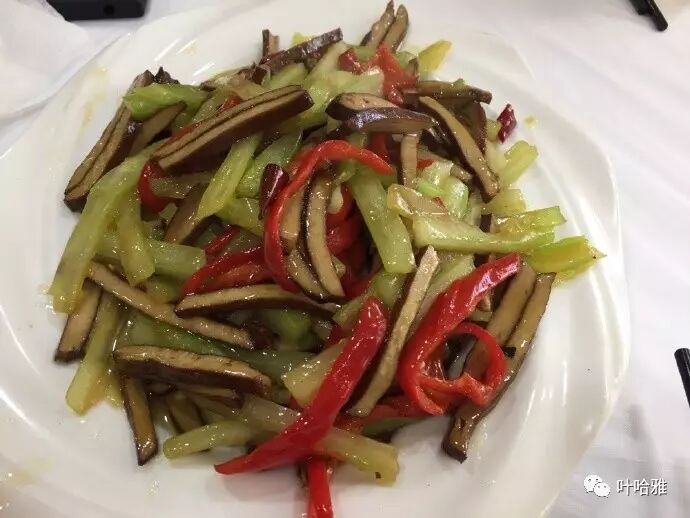
Stir-fried celery with dried tofu (ganzi). Dried tofu is a common soy product in the south.
Address: 15-2 Beimenqiao Road, Beimenqiao Street (near New World Department Store).
7. Lan Laoda Sugar Porridge and Lotus Root Shop.
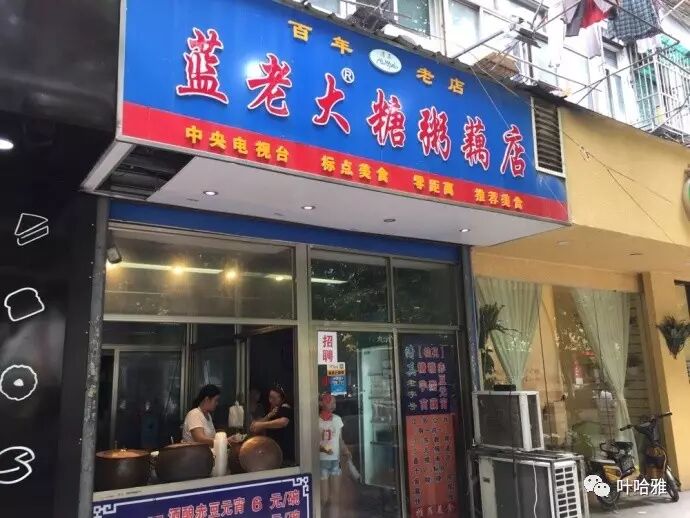
I really like these kinds of street-side shops. Lan Laoda is also an old brand with several branches in Nanjing.
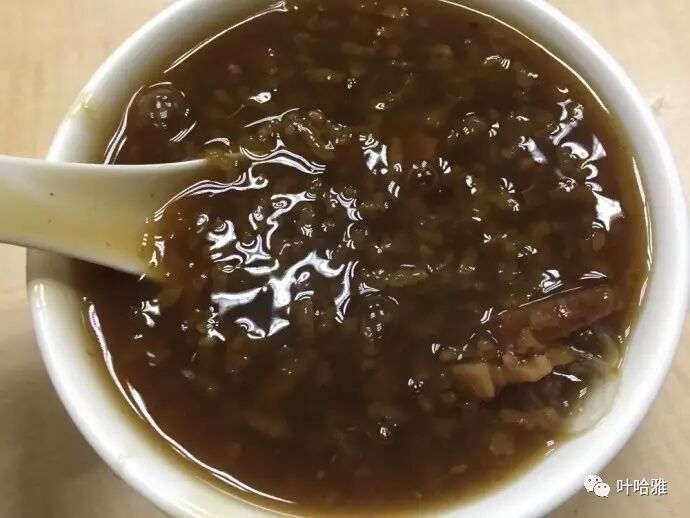
They mainly sell snacks like sugar porridge with lotus root (tang zhou ou) and sugar taro seedlings (tang yumiao). Sugar porridge with lotus root is a sweet porridge made from lotus root and glutinous rice, and it is one of Nanjing's famous specialties.
Address: 22 Shuangtang Road, Qinhuai District.
8. Li Ji Halal Restaurant
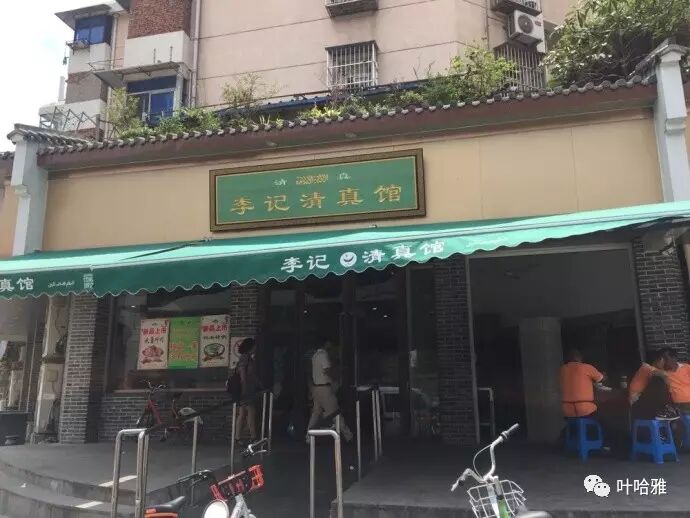
Li Ji Halal Restaurant has only this one location in Nanjing with no other branches. It is a long-standing shop that sells a variety of Nanjing snacks.
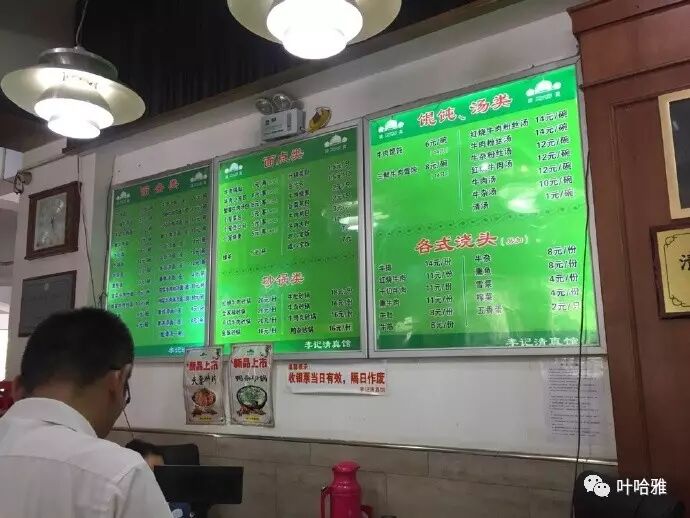
There are so many types of snacks, and each one comes in different flavors. People in the south are truly meticulous when it comes to cooking.
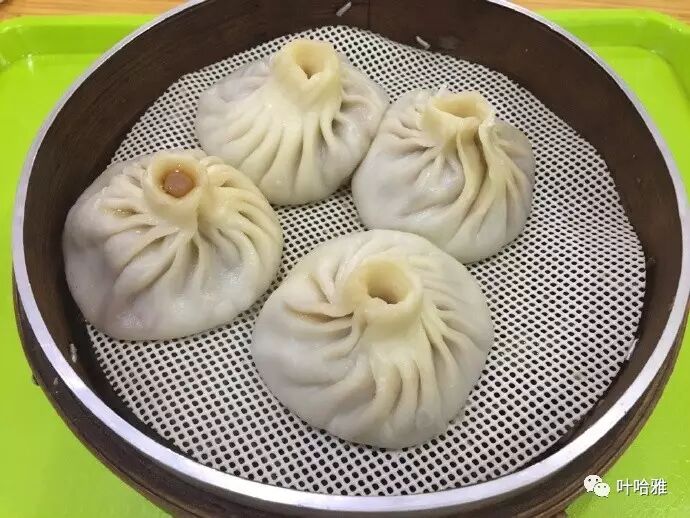
I tried Nanjing soup dumplings (xiaolongbao) for the first time. The skin is thin and there is a hole on top. You can suck out the soup first before eating the dumpling, but be careful not to burn your mouth.
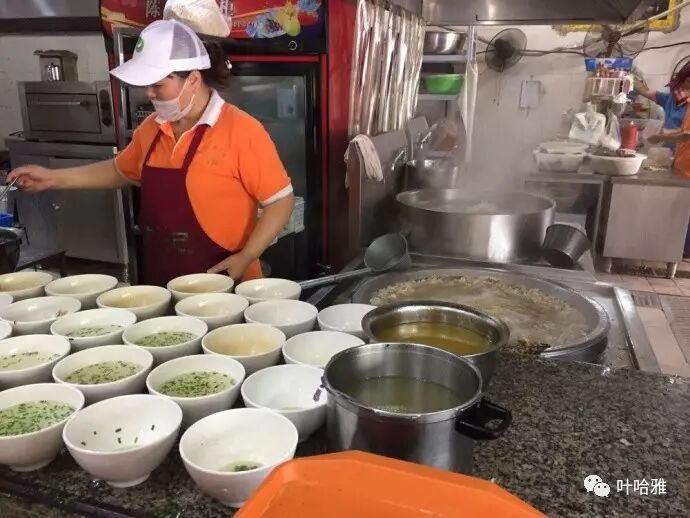
The wontons and beef offal vermicelli soup are both made fresh on the spot.
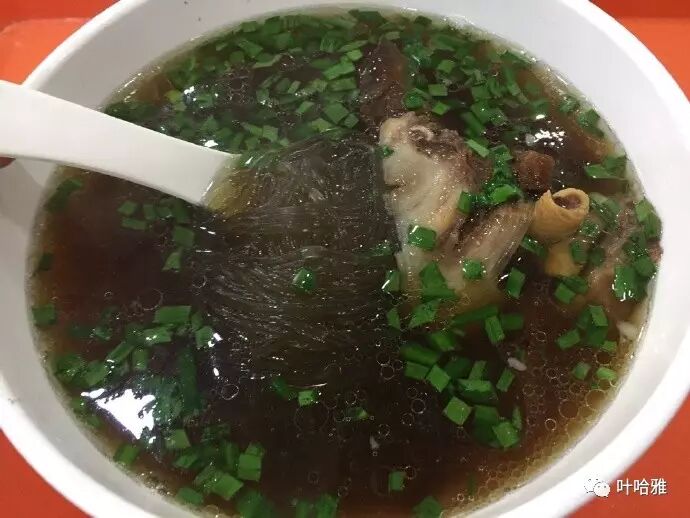
A famous Nanjing snack is duck blood vermicelli soup, but Hui Muslims do not eat blood, so we eat beef offal vermicelli soup or beef vermicelli soup instead.
Address: No. 1 Dading Lane, Qinhuai District
9. Taoyuan Village
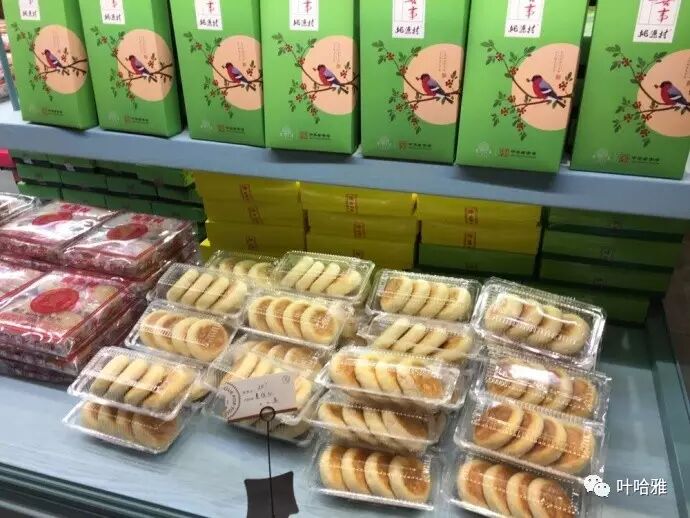
Taoyuan Village pastries originated in Beijing's Niujie and have a history of over 150 years. They later moved to Shanghai and opened a factory near the Xiaotaoyuan Mosque, which is how they got the name Taoyuan Village. During the Republic of China era, Taoyuan Village was invited by the government to open in the Nanjing Central Shopping Mall, officially becoming a local Nanjing halal pastry brand.
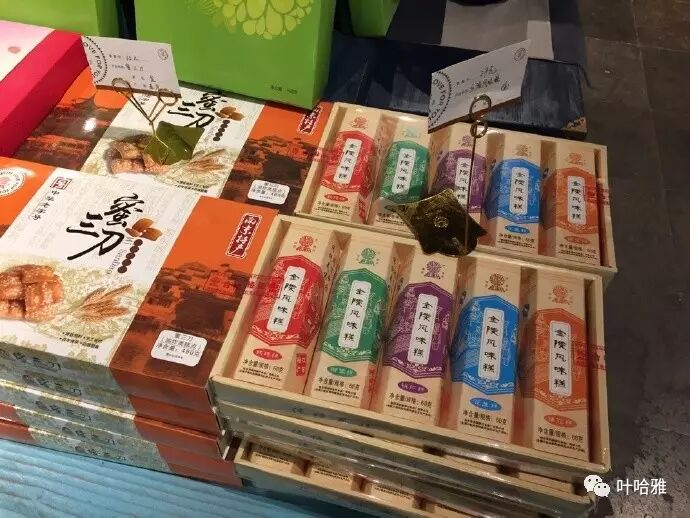
Beijing-style pastries like honey-glazed dough cubes (misandao), Beijing eight-piece gift boxes (jingbajian), and fried flour cakes (saqima) will surely feel familiar to people from Beijing.
Address: No. 264 Baixia Road, Baixia District
10. Jinhongxing Duck Shop
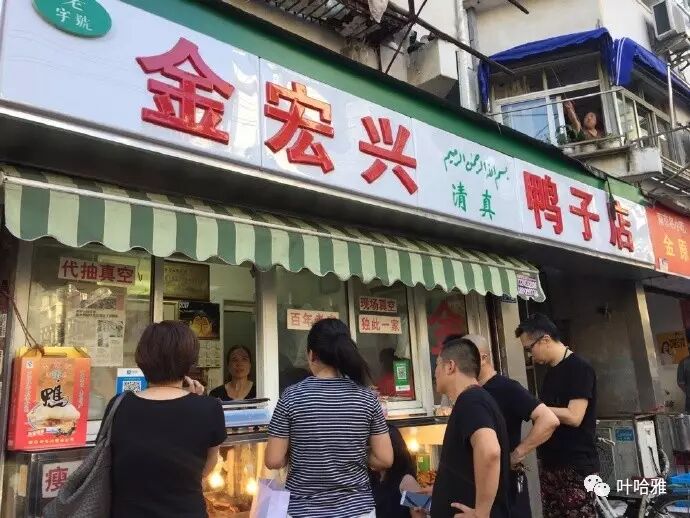
Jinhongxing's duck is as popular as the deli food at Jubao Yuan, with people lining up all day long.
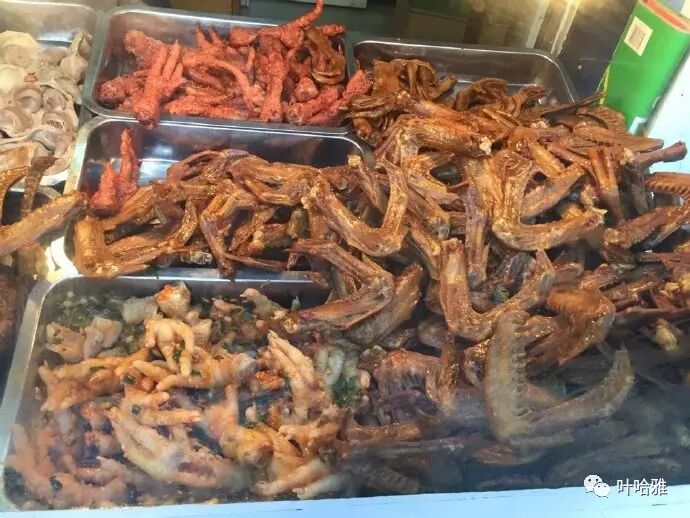
You must try authentic Nanjing roast duck when you are in Nanjing. It is very different from the Beijing style. Nanjing roast duck can be sliced and eaten by dipping it directly into the sauce.
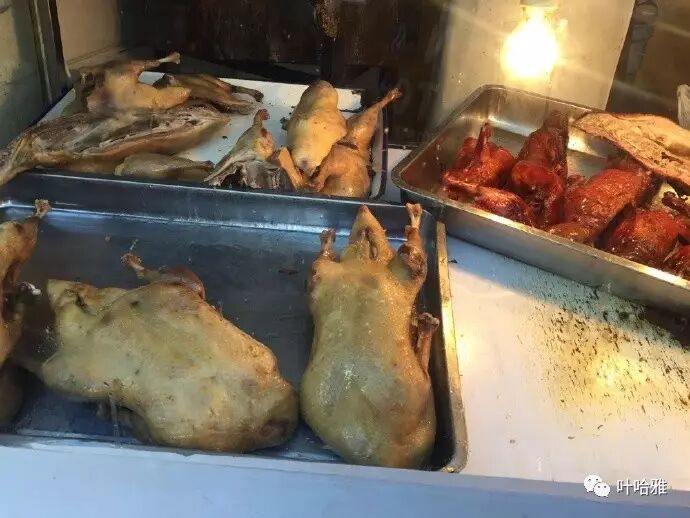
This is a takeout shop, and you can ask the owner to vacuum-pack it on the spot to take away.
Address: No. 5-1 Mingwalang
11. Han Fuxing
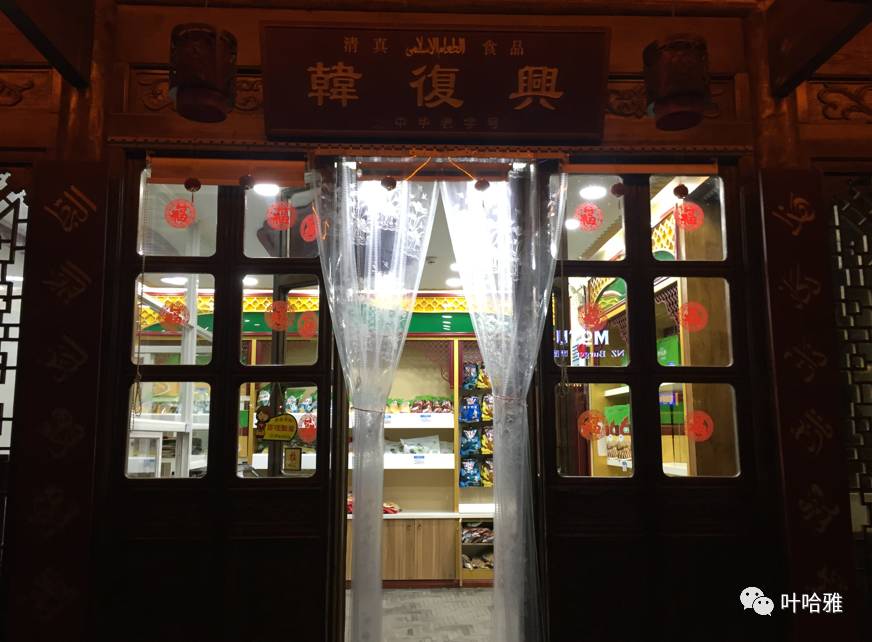
Founded during the Tongzhi reign of the Qing Dynasty, Han Fuxing Pressed Duck Shop is the largest halal food company in Nanjing. It is a time-honored Chinese brand that mainly sells pressed duck and other duck products.
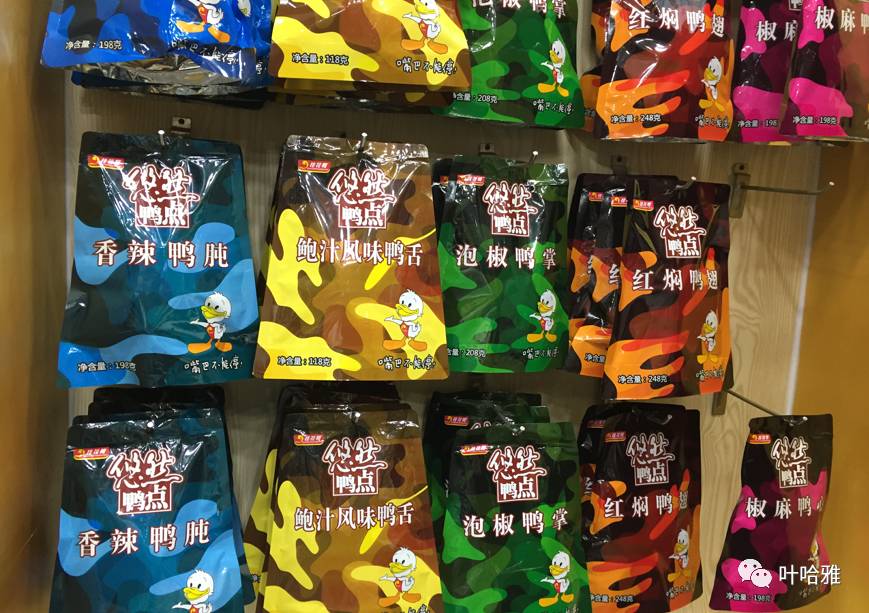
Han Fuxing Duck Shop now has several branches in Nanjing, and the Han family's osmanthus duck (guihuaya) is their signature dish.
Address: No. 32 Hubu Street, Qinhuai District
12. Nanjing University of Aeronautics and Astronautics (NUAA) Jiangjun Road Campus Halal Canteen
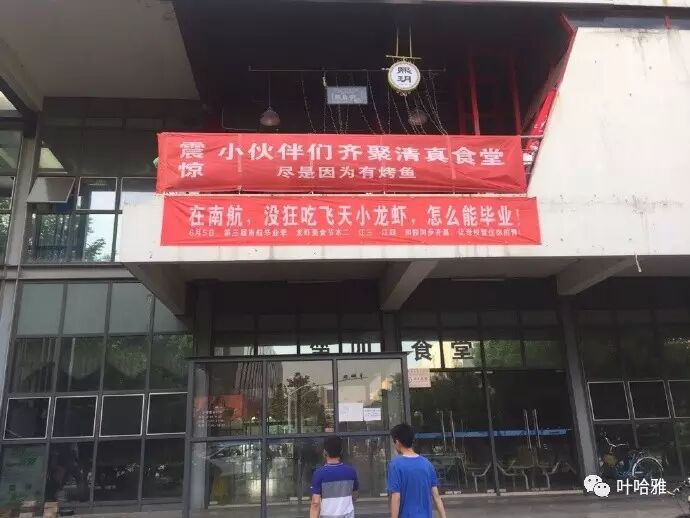
After recommending old-fashioned restaurants in Nanjing, I will finally recommend a halal canteen. The halal canteen at NUAA is not an ordinary canteen; it is the highest-rated canteen in the local area.
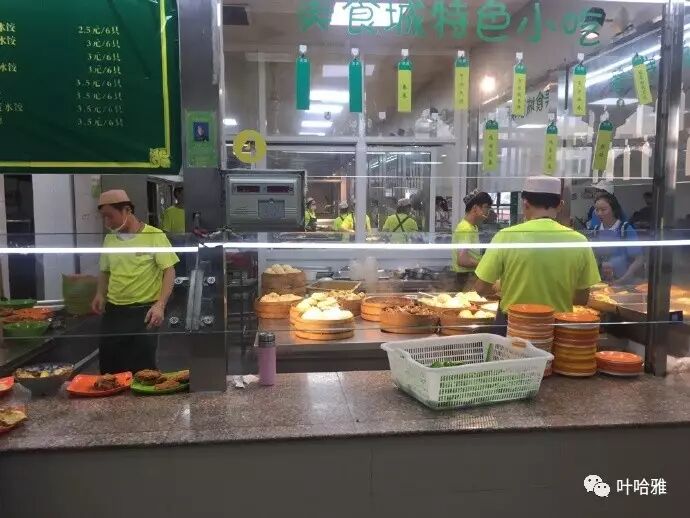
The variety of specialty snacks is enough to dazzle your eyes.
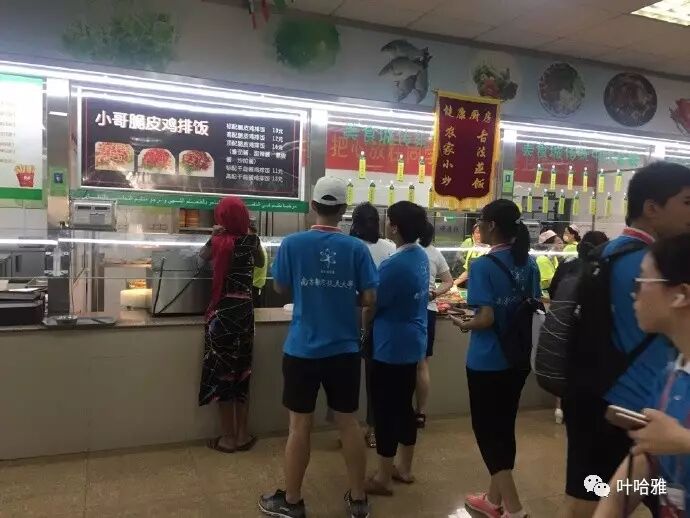
NUAA has many international students, so the halal canteen is quite large. Anyone can come to eat here, and you can pay with cash.
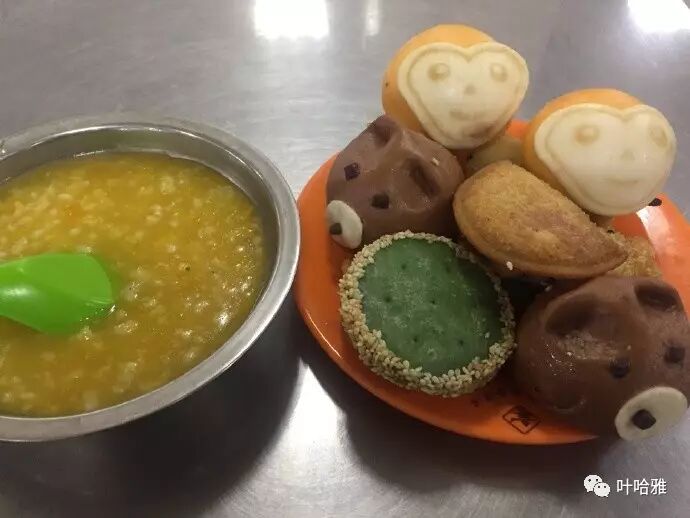
It is hard to believe these snacks come from a cafeteria. The bear-shaped red bean buns (doushabao) are chocolate-flavored, and they also serve stir-fried dishes and barbecue. Being a student at Nanjing University of Aeronautics and Astronautics is truly a blessing.
Address: Second floor of the Fourth Cafeteria, Jiangjun Road Campus, Nanjing University of Aeronautics and Astronautics.
Some friends (dosti) ask me how I find so many local halal specialties and what apps I use. I tell them I use locals. I praise Allah for letting me meet such wonderful friends (dosti) in Nanjing. No app is better than a local who knows the area inside and out. I have been treated very well by friends whenever I travel. All Muslims are one family. May Allah reward everyone who helps others with a kind heart.
Best Halal Food Nanjing 2025: Maxingxing, Qifangge, Duck Shops, Potstickers and Islamic Heritage
Articles • yusuf908 posted the article • 0 comments • 260 views • 2026-05-23 08:23
Summary: This 2025 Nanjing halal food map covers old halal brands and local stops such as Maxingxing, Qifangge, Lvliuju, duck shops, beef potstickers, crispy flatbread, the Tomb of Liu Zhi, the Tomb of the King of Boni, and Nanjing's Islamic heritage.
I wrote a map of halal food in Nanjing in 2017. Eight years later, the halal food scene in Nanjing has grown even more. During my trip to Nanjing for an annual meeting this year, I visited a few new spots and updated the information from my old post. I noticed that the sugar lotus root porridge shop (tangzhou ou) mentioned in my old post, Lan Laoda, no longer displays a halal sign. Since they also sell duck blood vermicelli soup (yaxue fensi tang), there is no need to visit it.
The list of halal restaurants featured in this post is as follows:
1. Maxingxing
2. Qifangge
3. Lvliuju
4. Anleyuan
5. Jiangyouji
6. Halal Yiguangge
7. Liji Halal Restaurant
8. Jinhongxing
9. Taoyuancun
10. Hanfuxing
11. Xiong's Braised Duck Shop
12. Old Ma's Duck Shop
13. Northwest Dongxianglou
14. Caoqiao Halal Beef Potsticker and Dumpling Shop
15. Little Wang's Crispy Flatbread (shaobing)
1. Maxingxing
Maxingxing Restaurant is the oldest halal restaurant in Nanjing. It has been around for over 160 years, dating back to the Daoguang era of the Qing Dynasty in 1845. It is one of the four famous old halal brands in Nanjing. Its four signature dishes are beauty liver (meiren gan), phoenix tail shrimp (fengwei xia), egg steamed dumplings (dan shaomai), and squirrel fish (songshu yu). Today, Maxingxing is listed as a piece of intangible cultural heritage in Jiangsu Province and was among the first group of time-honored Chinese brands recognized by the Ministry of Commerce. Most visitors to Nanjing want to try the local snacks. The potstickers (guotie) and soup dumplings (xiaolongbao) at Maxingxing are delicious treats you should not miss.
2. Qifangge
Qifangge is one of the four famous old halal brands in Nanjing. It was founded in 1917 by socialites and business leaders including Li Yangchao, Zhu Shouren, Liu Hairu, and Yu Zikuan. They pooled their money to open the Qifangge Halal Tea House near Chengsi Mosque on what was then Qiwang Street (now Jiankang Road), focusing on halal snacks. The century-old snack set offered by Qifangge serves small portions of many items, allowing you to try all the famous Qinhuai River snacks at once.
3. Green Willow House (Lvliuju)
Green Willow House started in 1912. It is a Jiangsu Province Intangible Cultural Heritage site famous for its vegetarian and halal dishes. Records show that Bai Chongxi, Sun Yat-sen, and the Soong sisters were all regular customers at Green Willow House. The first floor is a supermarket for their homemade food, with hundreds of finished or semi-finished products. The second floor serves snacks, the third floor serves stir-fried dishes, and the floors above that have private dining rooms.
4. Anleyuan
Anleyuan is the largest halal restaurant in Nanjing. It is known as the number one halal restaurant in the Jiangnan region. The building in the picture is only for stir-fried dishes. Next to it, there is another building for snacks and one for hot pot. You can eat famous Nanjing dishes here like salt-water duck (yanshui ya) and squirrel-shaped mandarin fish (songshu guiyu).
5. Jiang Youji
Jiang Youji is another century-old halal brand in Nanjing. Its most famous dish is beef potstickers (niurou guotie), which are known as one of the Eight Wonders of Qinhuai. A few years ago, there was a lawsuit over the brand name. That does not matter to diners, though. We do not care if the successor is the official one; if the food does not taste good, it is useless no matter how official they are.
6. Yiguangge
Yiguangge is a long-standing shop in Nanjing. The owner owns the building, so they do not pay rent and the prices are cheap. I came here to eat crayfish. Crayfish is a common home-cooked dish in the Jiangnan region, and you naturally have to eat authentic halal crayfish when you come to Nanjing.
7. Liji Halal Restaurant
Liji Halal Restaurant only has this one location in Nanjing with no other branches. It is a long-established shop that sells various Nanjing snacks. There are too many varieties, and each snack comes in different flavors. When eating Nanjing soup dumplings (xiaolongbao), the skin is thin and there is a hole on top. You can suck the soup out from the top before eating the dumpling, but be careful not to burn your mouth.
8. Taoyuancun
Taoyuancun pastries originated on Niujie Street in Beijing over 150 years ago. Later, they moved to Shanghai and opened a factory near the Xiaotaoyuan Mosque, which is why they were named Taoyuancun. During the Republic of China era, Taoyuancun was invited by the government to enter the Nanjing Central Shopping Mall and officially became a local Nanjing halal pastry brand.
9. Jinhongxing Duck Shop
Jinhongxing's duck is as popular as the deli food at Jubaoyuan, with people lining up all day long. You must try authentic Nanjing roast duck when in Nanjing. It is very different from the Beijing style. Nanjing roast duck can be sliced and eaten by dipping it directly into the sauce. This shop is for takeout, and you can have the owner vacuum-pack it on the spot to take away.
10. Hanfuxing
Founded during the Tongzhi reign of the Qing Dynasty, Hanfuxing Salted Duck Shop is the largest halal food company in Nanjing. It is a time-honored Chinese brand that specializes in products like salted duck (banya). Hanfuxing Duck Shop now has many branches in Nanjing, and the Han family's sweet-scented osmanthus duck (guihuaya) is their signature dish.
11. Xiongji Braised Duck Shop
Xiongji is a duck shop that locals love. The duck has a slightly sweet taste. There are a few other shops in Nanjing that display halal duck signs, but People say they do not guarantee they are truly halal.
12. Malaosan Duck Shop
Malaosan's duck is salty and savory. They also sell braised duck wings and duck necks, and they can vacuum-pack them for nationwide delivery.
13. Xibei Dongxianglou
If you are invited to an iftar meal during Ramadan, choose this place. It is a Dongxiang hand-grabbed mutton (shouzhu) restaurant with three floors and plenty of space. They do not sell alcohol, and there is a parking lot at the entrance.
14. Caoqiao Halal Beef Potsticker and Dumpling Shop
Dumplings are called bianshi in Nanjing. The potstickers (guotie) at this shop are also quite delicious, and the Caoqiao Mosque is nearby.
15. Xiaowang Crispy Flatbread
This is a halal flatbread (shaobing) shop right at the main entrance of the Caoqiao Mosque. They bake their crispy flatbreads in traditional coal ovens, which is rare and very tasty.
For friends who enjoy halal travel, the tomb of Liu Zhi is a must-visit spot in Nanjing. Liu Zhi, also known as Liu Jielian Baba, was a Nanjing local and the pioneer of the theory of Sinicization of Islam.
There is also the Tomb of the King of Boni. Boni is Brunei, and the King of Brunei once visited Nanjing. The area around this tomb was originally planned to be a Brunei cultural park, but it has since been abandoned. view all
Summary: This 2025 Nanjing halal food map covers old halal brands and local stops such as Maxingxing, Qifangge, Lvliuju, duck shops, beef potstickers, crispy flatbread, the Tomb of Liu Zhi, the Tomb of the King of Boni, and Nanjing's Islamic heritage.
I wrote a map of halal food in Nanjing in 2017. Eight years later, the halal food scene in Nanjing has grown even more. During my trip to Nanjing for an annual meeting this year, I visited a few new spots and updated the information from my old post. I noticed that the sugar lotus root porridge shop (tangzhou ou) mentioned in my old post, Lan Laoda, no longer displays a halal sign. Since they also sell duck blood vermicelli soup (yaxue fensi tang), there is no need to visit it.
The list of halal restaurants featured in this post is as follows:
1. Maxingxing
2. Qifangge
3. Lvliuju
4. Anleyuan
5. Jiangyouji
6. Halal Yiguangge
7. Liji Halal Restaurant
8. Jinhongxing
9. Taoyuancun
10. Hanfuxing
11. Xiong's Braised Duck Shop
12. Old Ma's Duck Shop
13. Northwest Dongxianglou
14. Caoqiao Halal Beef Potsticker and Dumpling Shop
15. Little Wang's Crispy Flatbread (shaobing)
1. Maxingxing
Maxingxing Restaurant is the oldest halal restaurant in Nanjing. It has been around for over 160 years, dating back to the Daoguang era of the Qing Dynasty in 1845. It is one of the four famous old halal brands in Nanjing. Its four signature dishes are beauty liver (meiren gan), phoenix tail shrimp (fengwei xia), egg steamed dumplings (dan shaomai), and squirrel fish (songshu yu). Today, Maxingxing is listed as a piece of intangible cultural heritage in Jiangsu Province and was among the first group of time-honored Chinese brands recognized by the Ministry of Commerce. Most visitors to Nanjing want to try the local snacks. The potstickers (guotie) and soup dumplings (xiaolongbao) at Maxingxing are delicious treats you should not miss.
2. Qifangge
Qifangge is one of the four famous old halal brands in Nanjing. It was founded in 1917 by socialites and business leaders including Li Yangchao, Zhu Shouren, Liu Hairu, and Yu Zikuan. They pooled their money to open the Qifangge Halal Tea House near Chengsi Mosque on what was then Qiwang Street (now Jiankang Road), focusing on halal snacks. The century-old snack set offered by Qifangge serves small portions of many items, allowing you to try all the famous Qinhuai River snacks at once.
3. Green Willow House (Lvliuju)
Green Willow House started in 1912. It is a Jiangsu Province Intangible Cultural Heritage site famous for its vegetarian and halal dishes. Records show that Bai Chongxi, Sun Yat-sen, and the Soong sisters were all regular customers at Green Willow House. The first floor is a supermarket for their homemade food, with hundreds of finished or semi-finished products. The second floor serves snacks, the third floor serves stir-fried dishes, and the floors above that have private dining rooms.
4. Anleyuan
Anleyuan is the largest halal restaurant in Nanjing. It is known as the number one halal restaurant in the Jiangnan region. The building in the picture is only for stir-fried dishes. Next to it, there is another building for snacks and one for hot pot. You can eat famous Nanjing dishes here like salt-water duck (yanshui ya) and squirrel-shaped mandarin fish (songshu guiyu).
5. Jiang Youji
Jiang Youji is another century-old halal brand in Nanjing. Its most famous dish is beef potstickers (niurou guotie), which are known as one of the Eight Wonders of Qinhuai. A few years ago, there was a lawsuit over the brand name. That does not matter to diners, though. We do not care if the successor is the official one; if the food does not taste good, it is useless no matter how official they are.
6. Yiguangge
Yiguangge is a long-standing shop in Nanjing. The owner owns the building, so they do not pay rent and the prices are cheap. I came here to eat crayfish. Crayfish is a common home-cooked dish in the Jiangnan region, and you naturally have to eat authentic halal crayfish when you come to Nanjing.
7. Liji Halal Restaurant
Liji Halal Restaurant only has this one location in Nanjing with no other branches. It is a long-established shop that sells various Nanjing snacks. There are too many varieties, and each snack comes in different flavors. When eating Nanjing soup dumplings (xiaolongbao), the skin is thin and there is a hole on top. You can suck the soup out from the top before eating the dumpling, but be careful not to burn your mouth.
8. Taoyuancun
Taoyuancun pastries originated on Niujie Street in Beijing over 150 years ago. Later, they moved to Shanghai and opened a factory near the Xiaotaoyuan Mosque, which is why they were named Taoyuancun. During the Republic of China era, Taoyuancun was invited by the government to enter the Nanjing Central Shopping Mall and officially became a local Nanjing halal pastry brand.
9. Jinhongxing Duck Shop
Jinhongxing's duck is as popular as the deli food at Jubaoyuan, with people lining up all day long. You must try authentic Nanjing roast duck when in Nanjing. It is very different from the Beijing style. Nanjing roast duck can be sliced and eaten by dipping it directly into the sauce. This shop is for takeout, and you can have the owner vacuum-pack it on the spot to take away.
10. Hanfuxing
Founded during the Tongzhi reign of the Qing Dynasty, Hanfuxing Salted Duck Shop is the largest halal food company in Nanjing. It is a time-honored Chinese brand that specializes in products like salted duck (banya). Hanfuxing Duck Shop now has many branches in Nanjing, and the Han family's sweet-scented osmanthus duck (guihuaya) is their signature dish.
11. Xiongji Braised Duck Shop
Xiongji is a duck shop that locals love. The duck has a slightly sweet taste. There are a few other shops in Nanjing that display halal duck signs, but People say they do not guarantee they are truly halal.
12. Malaosan Duck Shop
Malaosan's duck is salty and savory. They also sell braised duck wings and duck necks, and they can vacuum-pack them for nationwide delivery.
13. Xibei Dongxianglou
If you are invited to an iftar meal during Ramadan, choose this place. It is a Dongxiang hand-grabbed mutton (shouzhu) restaurant with three floors and plenty of space. They do not sell alcohol, and there is a parking lot at the entrance.
14. Caoqiao Halal Beef Potsticker and Dumpling Shop
Dumplings are called bianshi in Nanjing. The potstickers (guotie) at this shop are also quite delicious, and the Caoqiao Mosque is nearby.
15. Xiaowang Crispy Flatbread
This is a halal flatbread (shaobing) shop right at the main entrance of the Caoqiao Mosque. They bake their crispy flatbreads in traditional coal ovens, which is rare and very tasty.
For friends who enjoy halal travel, the tomb of Liu Zhi is a must-visit spot in Nanjing. Liu Zhi, also known as Liu Jielian Baba, was a Nanjing local and the pioneer of the theory of Sinicization of Islam.
There is also the Tomb of the King of Boni. Boni is Brunei, and the King of Brunei once visited Nanjing. The area around this tomb was originally planned to be a Brunei cultural park, but it has since been abandoned.
Local Halal Food in China: Nanjing Duck, Muslim Snacks & Historic Hui Restaurants
Articles • ali2007fr posted the article • 0 comments • 150 views • 2026-05-21 10:17
Summary: A Nanjing halal food map covering historic Hui Muslim restaurants, classic local snacks, duck dishes, and old neighborhood food stops, with names, addresses, photos, and cultural context kept from the source article.
Hui Muslims have a very long history in Nanjing. During the Ming Dynasty, they made up a large part of the population in the old city. When the capital moved to Beijing, many Hui Muslims moved north with it. Many northern Hui Muslim family trees can be traced back to Nanjing. During the Republic of China era, Nanjing became the capital again. Many high-ranking Nationalist generals were Hui Muslims, which helped Nanjing's halal food culture grow quickly during that time.
1. Maxingxing
Maxingxing Restaurant is the oldest halal restaurant in Nanjing. It has been around for over 160 years, dating back to 1845 during the Daoguang period of the Qing Dynasty. It is one of the four great traditional halal brands in Nanjing. Its four signature dishes are beauty liver (meiren gan), phoenix tail shrimp (fengwei xia), egg steamed dumplings (dan shaomai), and squirrel fish (songshu yu). Today, Maxingxing is listed as a Jiangsu Province intangible cultural heritage and was among the first group of time-honored Chinese brands named by the Ministry of Commerce.
Visitors to Nanjing usually want to try the local snacks. Maxingxing's pan-fried dumplings (guotie) and soup dumplings (xiaolongbao) are delicious treats you should not miss.
Address: No. 32 Yunnan North Road, Gulou District (near Hubei Road)
2. Qifangge
Qifangge is one of Nanjing's four great traditional halal brands. It was founded in 1917 by socialites and business leaders like Li Yangchao, Zhu Shouren, Liu Hairu, and Yu Zikuan. They pooled their money to open the Qifangge Halal Tea House near Chengsi Mosque on what was then Qiwang Street (now Jiankang Road), focusing on halal snacks.
This place serves the 25 varieties of Qinhuai River snacks. Because Nanjing has so many types of snacks, Qifangge offers a snack set to help diners try them all. Each item comes in a small plate, allowing you to sample the entire range of Qinhuai River snacks at once.
The diners here include both long-time Nanjing locals and tourists from out of town.
The shepherd's purse steamed dumplings (jicai zhengjiao) are not only beautifully made but also perfectly seasoned, soft, and tasty.
Four-color cakes (sise gao) are a traditional snack in the Jiangsu region, carefully made from ingredients like glutinous rice flour and rose petals.
Address: No. 12 Gongyuan West Street, Confucius Temple, Qinhuai District
3. Lvliuju
Founded in 1912, Lvliuju is a Jiangsu Province intangible cultural heritage site famous for its vegetarian and halal dishes. Records show that Bai Chongxi, Sun Yat-sen, and the Soong sisters were all regular customers at Lvliuju.
The first floor is a shop for homemade food, selling hundreds of finished or semi-finished products. The second floor serves snacks, the third floor serves stir-fried dishes, and the floors above have private rooms.
Since I prefer local snacks, I naturally went to the second floor to try them.
I had a vegetable bun (sucai bao). These Jiangnan-style buns really show a refined quality from the outside in.
These are small sweet rice balls (xiao tangyuan), round and chewy.
Sugar taro seedlings (tang yumiao) are a Jiangnan snack made by boiling taro in sugar water.
Address: Floors 1-6, No. 248 Taiping South Road, Qinhuai District (near Taiping Shopping Mall)
4. Anleyuan
Anleyuan is the largest halal restaurant in Nanjing, known as the premier halal establishment in the Jiangnan region. This building is just for stir-fried dishes. Next to it, there is another building for snacks and one for hot pot.
The diners inside all sound like locals from Nanjing. Don't ask me how I know; the person who brought me here is a Nanjing Hui Muslim.
Nanjing's famous salted duck (yanshuiya) is a local specialty. Even though it is called salted duck, Jiangnan cuisine is generally light in flavor.
Tofu pudding soup (douhuageng) served with deep-fried dough twists (sanzi) to mix together.
Hui Muslim snack deep-fried dough twists (sanzi).
Vegetable steamed dumplings (su zhengjiao) are also one of Nanjing's famous snacks.
Squirrel-shaped mandarin fish (songshu guiyu) is a famous Jiangsu dish with a sweet and sour taste.
Address: 138 Wangfu Street.
5. Jiang Youji.
Jiang Youji is also a century-old halal shop in Nanjing. Its most famous item is the beef potstickers (niurou guotie), which are known as one of the Eight Wonders of Qinhuai. I heard they had a lawsuit over the brand a few years ago, but it doesn't matter to the diners. We don't care if the successor is authentic; if it doesn't taste good, being authentic is useless.
The beef potstickers at this Laomendong branch on Santiaoying in Qinhuai District are delicious.
Have a bowl of wontons (huntun) for breakfast; the soup is fresh and the ingredients are plentiful.
Address: 40 Santiaoying, Laomendong.
6. Yiguangge.
Yiguangge is another old shop in Nanjing. The owner owns the storefront, so they don't pay rent, which keeps the prices cheap.
I came here to eat crayfish (xiaolongxia). Crayfish is a common home-cooked dish in Jiangnan, and you naturally have to eat authentic halal crayfish when in Nanjing. This time, I learned the proper way to eat crayfish from a friend and realized my previous simple and rough way of eating them was a total waste.
Stir-fried celery with dried tofu (ganzi). Dried tofu is a common soy product in the south.
Address: 15-2 Beimenqiao Road, Beimenqiao Street (near New World Department Store).
7. Lan Laoda Sugar Porridge and Lotus Root Shop.
I really like these kinds of street-side shops. Lan Laoda is also an old brand with several branches in Nanjing.
They mainly sell snacks like sugar porridge with lotus root (tang zhou ou) and sugar taro seedlings (tang yumiao). Sugar porridge with lotus root is a sweet porridge made from lotus root and glutinous rice, and it is one of Nanjing's famous specialties.
Address: 22 Shuangtang Road, Qinhuai District.
8. Li Ji Halal Restaurant
Li Ji Halal Restaurant has only this one location in Nanjing with no other branches. It is a long-standing shop that sells a variety of Nanjing snacks.
There are so many types of snacks, and each one comes in different flavors. People in the south are truly meticulous when it comes to cooking.
I tried Nanjing soup dumplings (xiaolongbao) for the first time. The skin is thin and there is a hole on top. You can suck out the soup first before eating the dumpling, but be careful not to burn your mouth.
The wontons and beef offal vermicelli soup are both made fresh on the spot.
A famous Nanjing snack is duck blood vermicelli soup, but Hui Muslims do not eat blood, so we eat beef offal vermicelli soup or beef vermicelli soup instead.
Address: No. 1 Dading Lane, Qinhuai District
9. Taoyuan Village
Taoyuan Village pastries originated in Beijing's Niujie and have a history of over 150 years. They later moved to Shanghai and opened a factory near the Xiaotaoyuan Mosque, which is how they got the name Taoyuan Village. During the Republic of China era, Taoyuan Village was invited by the government to open in the Nanjing Central Shopping Mall, officially becoming a local Nanjing halal pastry brand.
Beijing-style pastries like honey-glazed dough cubes (misandao), Beijing eight-piece gift boxes (jingbajian), and fried flour cakes (saqima) will surely feel familiar to people from Beijing.
Address: No. 264 Baixia Road, Baixia District
10. Jinhongxing Duck Shop
Jinhongxing's duck is as popular as the deli food at Jubao Yuan, with people lining up all day long.
You must try authentic Nanjing roast duck when you are in Nanjing. It is very different from the Beijing style. Nanjing roast duck can be sliced and eaten by dipping it directly into the sauce.
This is a takeout shop, and you can ask the owner to vacuum-pack it on the spot to take away.
Address: No. 5-1 Mingwalang
11. Han Fuxing
Founded during the Tongzhi reign of the Qing Dynasty, Han Fuxing Pressed Duck Shop is the largest halal food company in Nanjing. It is a time-honored Chinese brand that mainly sells pressed duck and other duck products.
Han Fuxing Duck Shop now has several branches in Nanjing, and the Han family's osmanthus duck (guihuaya) is their signature dish.
Address: No. 32 Hubu Street, Qinhuai District
12. Nanjing University of Aeronautics and Astronautics (NUAA) Jiangjun Road Campus Halal Canteen
After recommending old-fashioned restaurants in Nanjing, I will finally recommend a halal canteen. The halal canteen at NUAA is not an ordinary canteen; it is the highest-rated canteen in the local area.
The variety of specialty snacks is enough to dazzle your eyes.
NUAA has many international students, so the halal canteen is quite large. Anyone can come to eat here, and you can pay with cash.
It is hard to believe these snacks come from a cafeteria. The bear-shaped red bean buns (doushabao) are chocolate-flavored, and they also serve stir-fried dishes and barbecue. Being a student at Nanjing University of Aeronautics and Astronautics is truly a blessing.
Address: Second floor of the Fourth Cafeteria, Jiangjun Road Campus, Nanjing University of Aeronautics and Astronautics.
Some friends (dosti) ask me how I find so many local halal specialties and what apps I use. I tell them I use locals. I praise Allah for letting me meet such wonderful friends (dosti) in Nanjing. No app is better than a local who knows the area inside and out. I have been treated very well by friends whenever I travel. All Muslims are one family. May Allah reward everyone who helps others with a kind heart. view all
Summary: A Nanjing halal food map covering historic Hui Muslim restaurants, classic local snacks, duck dishes, and old neighborhood food stops, with names, addresses, photos, and cultural context kept from the source article.
Hui Muslims have a very long history in Nanjing. During the Ming Dynasty, they made up a large part of the population in the old city. When the capital moved to Beijing, many Hui Muslims moved north with it. Many northern Hui Muslim family trees can be traced back to Nanjing. During the Republic of China era, Nanjing became the capital again. Many high-ranking Nationalist generals were Hui Muslims, which helped Nanjing's halal food culture grow quickly during that time.
1. Maxingxing
Maxingxing Restaurant is the oldest halal restaurant in Nanjing. It has been around for over 160 years, dating back to 1845 during the Daoguang period of the Qing Dynasty. It is one of the four great traditional halal brands in Nanjing. Its four signature dishes are beauty liver (meiren gan), phoenix tail shrimp (fengwei xia), egg steamed dumplings (dan shaomai), and squirrel fish (songshu yu). Today, Maxingxing is listed as a Jiangsu Province intangible cultural heritage and was among the first group of time-honored Chinese brands named by the Ministry of Commerce.
Visitors to Nanjing usually want to try the local snacks. Maxingxing's pan-fried dumplings (guotie) and soup dumplings (xiaolongbao) are delicious treats you should not miss.
Address: No. 32 Yunnan North Road, Gulou District (near Hubei Road)
2. Qifangge
Qifangge is one of Nanjing's four great traditional halal brands. It was founded in 1917 by socialites and business leaders like Li Yangchao, Zhu Shouren, Liu Hairu, and Yu Zikuan. They pooled their money to open the Qifangge Halal Tea House near Chengsi Mosque on what was then Qiwang Street (now Jiankang Road), focusing on halal snacks.
This place serves the 25 varieties of Qinhuai River snacks. Because Nanjing has so many types of snacks, Qifangge offers a snack set to help diners try them all. Each item comes in a small plate, allowing you to sample the entire range of Qinhuai River snacks at once.
The diners here include both long-time Nanjing locals and tourists from out of town.
The shepherd's purse steamed dumplings (jicai zhengjiao) are not only beautifully made but also perfectly seasoned, soft, and tasty.
Four-color cakes (sise gao) are a traditional snack in the Jiangsu region, carefully made from ingredients like glutinous rice flour and rose petals.
Address: No. 12 Gongyuan West Street, Confucius Temple, Qinhuai District
3. Lvliuju
Founded in 1912, Lvliuju is a Jiangsu Province intangible cultural heritage site famous for its vegetarian and halal dishes. Records show that Bai Chongxi, Sun Yat-sen, and the Soong sisters were all regular customers at Lvliuju.
The first floor is a shop for homemade food, selling hundreds of finished or semi-finished products. The second floor serves snacks, the third floor serves stir-fried dishes, and the floors above have private rooms.
Since I prefer local snacks, I naturally went to the second floor to try them.
I had a vegetable bun (sucai bao). These Jiangnan-style buns really show a refined quality from the outside in.
These are small sweet rice balls (xiao tangyuan), round and chewy.
Sugar taro seedlings (tang yumiao) are a Jiangnan snack made by boiling taro in sugar water.
Address: Floors 1-6, No. 248 Taiping South Road, Qinhuai District (near Taiping Shopping Mall)
4. Anleyuan
Anleyuan is the largest halal restaurant in Nanjing, known as the premier halal establishment in the Jiangnan region. This building is just for stir-fried dishes. Next to it, there is another building for snacks and one for hot pot.
The diners inside all sound like locals from Nanjing. Don't ask me how I know; the person who brought me here is a Nanjing Hui Muslim.
Nanjing's famous salted duck (yanshuiya) is a local specialty. Even though it is called salted duck, Jiangnan cuisine is generally light in flavor.
Tofu pudding soup (douhuageng) served with deep-fried dough twists (sanzi) to mix together.
Hui Muslim snack deep-fried dough twists (sanzi).
Vegetable steamed dumplings (su zhengjiao) are also one of Nanjing's famous snacks.
Squirrel-shaped mandarin fish (songshu guiyu) is a famous Jiangsu dish with a sweet and sour taste.
Address: 138 Wangfu Street.
5. Jiang Youji.
Jiang Youji is also a century-old halal shop in Nanjing. Its most famous item is the beef potstickers (niurou guotie), which are known as one of the Eight Wonders of Qinhuai. I heard they had a lawsuit over the brand a few years ago, but it doesn't matter to the diners. We don't care if the successor is authentic; if it doesn't taste good, being authentic is useless.
The beef potstickers at this Laomendong branch on Santiaoying in Qinhuai District are delicious.
Have a bowl of wontons (huntun) for breakfast; the soup is fresh and the ingredients are plentiful.
Address: 40 Santiaoying, Laomendong.
6. Yiguangge.
Yiguangge is another old shop in Nanjing. The owner owns the storefront, so they don't pay rent, which keeps the prices cheap.
I came here to eat crayfish (xiaolongxia). Crayfish is a common home-cooked dish in Jiangnan, and you naturally have to eat authentic halal crayfish when in Nanjing. This time, I learned the proper way to eat crayfish from a friend and realized my previous simple and rough way of eating them was a total waste.
Stir-fried celery with dried tofu (ganzi). Dried tofu is a common soy product in the south.
Address: 15-2 Beimenqiao Road, Beimenqiao Street (near New World Department Store).
7. Lan Laoda Sugar Porridge and Lotus Root Shop.
I really like these kinds of street-side shops. Lan Laoda is also an old brand with several branches in Nanjing.
They mainly sell snacks like sugar porridge with lotus root (tang zhou ou) and sugar taro seedlings (tang yumiao). Sugar porridge with lotus root is a sweet porridge made from lotus root and glutinous rice, and it is one of Nanjing's famous specialties.
Address: 22 Shuangtang Road, Qinhuai District.
8. Li Ji Halal Restaurant
Li Ji Halal Restaurant has only this one location in Nanjing with no other branches. It is a long-standing shop that sells a variety of Nanjing snacks.
There are so many types of snacks, and each one comes in different flavors. People in the south are truly meticulous when it comes to cooking.
I tried Nanjing soup dumplings (xiaolongbao) for the first time. The skin is thin and there is a hole on top. You can suck out the soup first before eating the dumpling, but be careful not to burn your mouth.
The wontons and beef offal vermicelli soup are both made fresh on the spot.
A famous Nanjing snack is duck blood vermicelli soup, but Hui Muslims do not eat blood, so we eat beef offal vermicelli soup or beef vermicelli soup instead.
Address: No. 1 Dading Lane, Qinhuai District
9. Taoyuan Village
Taoyuan Village pastries originated in Beijing's Niujie and have a history of over 150 years. They later moved to Shanghai and opened a factory near the Xiaotaoyuan Mosque, which is how they got the name Taoyuan Village. During the Republic of China era, Taoyuan Village was invited by the government to open in the Nanjing Central Shopping Mall, officially becoming a local Nanjing halal pastry brand.
Beijing-style pastries like honey-glazed dough cubes (misandao), Beijing eight-piece gift boxes (jingbajian), and fried flour cakes (saqima) will surely feel familiar to people from Beijing.
Address: No. 264 Baixia Road, Baixia District
10. Jinhongxing Duck Shop
Jinhongxing's duck is as popular as the deli food at Jubao Yuan, with people lining up all day long.
You must try authentic Nanjing roast duck when you are in Nanjing. It is very different from the Beijing style. Nanjing roast duck can be sliced and eaten by dipping it directly into the sauce.
This is a takeout shop, and you can ask the owner to vacuum-pack it on the spot to take away.
Address: No. 5-1 Mingwalang
11. Han Fuxing
Founded during the Tongzhi reign of the Qing Dynasty, Han Fuxing Pressed Duck Shop is the largest halal food company in Nanjing. It is a time-honored Chinese brand that mainly sells pressed duck and other duck products.
Han Fuxing Duck Shop now has several branches in Nanjing, and the Han family's osmanthus duck (guihuaya) is their signature dish.
Address: No. 32 Hubu Street, Qinhuai District
12. Nanjing University of Aeronautics and Astronautics (NUAA) Jiangjun Road Campus Halal Canteen
After recommending old-fashioned restaurants in Nanjing, I will finally recommend a halal canteen. The halal canteen at NUAA is not an ordinary canteen; it is the highest-rated canteen in the local area.
The variety of specialty snacks is enough to dazzle your eyes.
NUAA has many international students, so the halal canteen is quite large. Anyone can come to eat here, and you can pay with cash.
It is hard to believe these snacks come from a cafeteria. The bear-shaped red bean buns (doushabao) are chocolate-flavored, and they also serve stir-fried dishes and barbecue. Being a student at Nanjing University of Aeronautics and Astronautics is truly a blessing.
Address: Second floor of the Fourth Cafeteria, Jiangjun Road Campus, Nanjing University of Aeronautics and Astronautics.
Some friends (dosti) ask me how I find so many local halal specialties and what apps I use. I tell them I use locals. I praise Allah for letting me meet such wonderful friends (dosti) in Nanjing. No app is better than a local who knows the area inside and out. I have been treated very well by friends whenever I travel. All Muslims are one family. May Allah reward everyone who helps others with a kind heart.
Best Halal Food Nanjing 2025: Maxingxing, Qifangge, Duck Shops, Potstickers and Islamic Heritage
Articles • yusuf908 posted the article • 0 comments • 196 views • 2026-05-24 00:17
Summary: This 2025 Nanjing halal food map covers old halal brands and local stops such as Maxingxing, Qifangge, Lvliuju, duck shops, beef potstickers, crispy flatbread, the Tomb of Liu Zhi, the Tomb of the King of Boni, and Nanjing's Islamic heritage.
I wrote a map of halal food in Nanjing in 2017. Eight years later, the halal food scene in Nanjing has grown even more. During my trip to Nanjing for an annual meeting this year, I visited a few new spots and updated the information from my old post. I noticed that the sugar lotus root porridge shop (tangzhou ou) mentioned in my old post, Lan Laoda, no longer displays a halal sign. Since they also sell duck blood vermicelli soup (yaxue fensi tang), there is no need to visit it.
The list of halal restaurants featured in this post is as follows:
1. Maxingxing
2. Qifangge
3. Lvliuju
4. Anleyuan
5. Jiangyouji
6. Halal Yiguangge
7. Liji Halal Restaurant
8. Jinhongxing
9. Taoyuancun
10. Hanfuxing
11. Xiong's Braised Duck Shop
12. Old Ma's Duck Shop
13. Northwest Dongxianglou
14. Caoqiao Halal Beef Potsticker and Dumpling Shop
15. Little Wang's Crispy Flatbread (shaobing)
1. Maxingxing
Maxingxing Restaurant is the oldest halal restaurant in Nanjing. It has been around for over 160 years, dating back to the Daoguang era of the Qing Dynasty in 1845. It is one of the four famous old halal brands in Nanjing. Its four signature dishes are beauty liver (meiren gan), phoenix tail shrimp (fengwei xia), egg steamed dumplings (dan shaomai), and squirrel fish (songshu yu). Today, Maxingxing is listed as a piece of intangible cultural heritage in Jiangsu Province and was among the first group of time-honored Chinese brands recognized by the Ministry of Commerce. Most visitors to Nanjing want to try the local snacks. The potstickers (guotie) and soup dumplings (xiaolongbao) at Maxingxing are delicious treats you should not miss.
2. Qifangge
Qifangge is one of the four famous old halal brands in Nanjing. It was founded in 1917 by socialites and business leaders including Li Yangchao, Zhu Shouren, Liu Hairu, and Yu Zikuan. They pooled their money to open the Qifangge Halal Tea House near Chengsi Mosque on what was then Qiwang Street (now Jiankang Road), focusing on halal snacks. The century-old snack set offered by Qifangge serves small portions of many items, allowing you to try all the famous Qinhuai River snacks at once.
3. Green Willow House (Lvliuju)
Green Willow House started in 1912. It is a Jiangsu Province Intangible Cultural Heritage site famous for its vegetarian and halal dishes. Records show that Bai Chongxi, Sun Yat-sen, and the Soong sisters were all regular customers at Green Willow House. The first floor is a supermarket for their homemade food, with hundreds of finished or semi-finished products. The second floor serves snacks, the third floor serves stir-fried dishes, and the floors above that have private dining rooms.
4. Anleyuan
Anleyuan is the largest halal restaurant in Nanjing. It is known as the number one halal restaurant in the Jiangnan region. The building in the picture is only for stir-fried dishes. Next to it, there is another building for snacks and one for hot pot. You can eat famous Nanjing dishes here like salt-water duck (yanshui ya) and squirrel-shaped mandarin fish (songshu guiyu).
5. Jiang Youji
Jiang Youji is another century-old halal brand in Nanjing. Its most famous dish is beef potstickers (niurou guotie), which are known as one of the Eight Wonders of Qinhuai. A few years ago, there was a lawsuit over the brand name. That does not matter to diners, though. We do not care if the successor is the official one; if the food does not taste good, it is useless no matter how official they are.
6. Yiguangge
Yiguangge is a long-standing shop in Nanjing. The owner owns the building, so they do not pay rent and the prices are cheap. I came here to eat crayfish. Crayfish is a common home-cooked dish in the Jiangnan region, and you naturally have to eat authentic halal crayfish when you come to Nanjing.
7. Liji Halal Restaurant
Liji Halal Restaurant only has this one location in Nanjing with no other branches. It is a long-established shop that sells various Nanjing snacks. There are too many varieties, and each snack comes in different flavors. When eating Nanjing soup dumplings (xiaolongbao), the skin is thin and there is a hole on top. You can suck the soup out from the top before eating the dumpling, but be careful not to burn your mouth.
8. Taoyuancun
Taoyuancun pastries originated on Niujie Street in Beijing over 150 years ago. Later, they moved to Shanghai and opened a factory near the Xiaotaoyuan Mosque, which is why they were named Taoyuancun. During the Republic of China era, Taoyuancun was invited by the government to enter the Nanjing Central Shopping Mall and officially became a local Nanjing halal pastry brand.
9. Jinhongxing Duck Shop
Jinhongxing's duck is as popular as the deli food at Jubaoyuan, with people lining up all day long. You must try authentic Nanjing roast duck when in Nanjing. It is very different from the Beijing style. Nanjing roast duck can be sliced and eaten by dipping it directly into the sauce. This shop is for takeout, and you can have the owner vacuum-pack it on the spot to take away.
10. Hanfuxing
Founded during the Tongzhi reign of the Qing Dynasty, Hanfuxing Salted Duck Shop is the largest halal food company in Nanjing. It is a time-honored Chinese brand that specializes in products like salted duck (banya). Hanfuxing Duck Shop now has many branches in Nanjing, and the Han family's sweet-scented osmanthus duck (guihuaya) is their signature dish.
11. Xiongji Braised Duck Shop
Xiongji is a duck shop that locals love. The duck has a slightly sweet taste. There are a few other shops in Nanjing that display halal duck signs, but People say they do not guarantee they are truly halal.
12. Malaosan Duck Shop
Malaosan's duck is salty and savory. They also sell braised duck wings and duck necks, and they can vacuum-pack them for nationwide delivery.
13. Xibei Dongxianglou
If you are invited to an iftar meal during Ramadan, choose this place. It is a Dongxiang hand-grabbed mutton (shouzhu) restaurant with three floors and plenty of space. They do not sell alcohol, and there is a parking lot at the entrance.
14. Caoqiao Halal Beef Potsticker and Dumpling Shop
Dumplings are called bianshi in Nanjing. The potstickers (guotie) at this shop are also quite delicious, and the Caoqiao Mosque is nearby.
15. Xiaowang Crispy Flatbread
This is a halal flatbread (shaobing) shop right at the main entrance of the Caoqiao Mosque. They bake their crispy flatbreads in traditional coal ovens, which is rare and very tasty.
For friends who enjoy halal travel, the tomb of Liu Zhi is a must-visit spot in Nanjing. Liu Zhi, also known as Liu Jielian Baba, was a Nanjing local and the pioneer of the theory of Sinicization of Islam.
There is also the Tomb of the King of Boni. Boni is Brunei, and the King of Brunei once visited Nanjing. The area around this tomb was originally planned to be a Brunei cultural park, but it has since been abandoned. view all
Summary: This 2025 Nanjing halal food map covers old halal brands and local stops such as Maxingxing, Qifangge, Lvliuju, duck shops, beef potstickers, crispy flatbread, the Tomb of Liu Zhi, the Tomb of the King of Boni, and Nanjing's Islamic heritage.
I wrote a map of halal food in Nanjing in 2017. Eight years later, the halal food scene in Nanjing has grown even more. During my trip to Nanjing for an annual meeting this year, I visited a few new spots and updated the information from my old post. I noticed that the sugar lotus root porridge shop (tangzhou ou) mentioned in my old post, Lan Laoda, no longer displays a halal sign. Since they also sell duck blood vermicelli soup (yaxue fensi tang), there is no need to visit it.
The list of halal restaurants featured in this post is as follows:
1. Maxingxing
2. Qifangge
3. Lvliuju
4. Anleyuan
5. Jiangyouji
6. Halal Yiguangge
7. Liji Halal Restaurant
8. Jinhongxing
9. Taoyuancun
10. Hanfuxing
11. Xiong's Braised Duck Shop
12. Old Ma's Duck Shop
13. Northwest Dongxianglou
14. Caoqiao Halal Beef Potsticker and Dumpling Shop
15. Little Wang's Crispy Flatbread (shaobing)
1. Maxingxing
Maxingxing Restaurant is the oldest halal restaurant in Nanjing. It has been around for over 160 years, dating back to the Daoguang era of the Qing Dynasty in 1845. It is one of the four famous old halal brands in Nanjing. Its four signature dishes are beauty liver (meiren gan), phoenix tail shrimp (fengwei xia), egg steamed dumplings (dan shaomai), and squirrel fish (songshu yu). Today, Maxingxing is listed as a piece of intangible cultural heritage in Jiangsu Province and was among the first group of time-honored Chinese brands recognized by the Ministry of Commerce. Most visitors to Nanjing want to try the local snacks. The potstickers (guotie) and soup dumplings (xiaolongbao) at Maxingxing are delicious treats you should not miss.
2. Qifangge
Qifangge is one of the four famous old halal brands in Nanjing. It was founded in 1917 by socialites and business leaders including Li Yangchao, Zhu Shouren, Liu Hairu, and Yu Zikuan. They pooled their money to open the Qifangge Halal Tea House near Chengsi Mosque on what was then Qiwang Street (now Jiankang Road), focusing on halal snacks. The century-old snack set offered by Qifangge serves small portions of many items, allowing you to try all the famous Qinhuai River snacks at once.
3. Green Willow House (Lvliuju)
Green Willow House started in 1912. It is a Jiangsu Province Intangible Cultural Heritage site famous for its vegetarian and halal dishes. Records show that Bai Chongxi, Sun Yat-sen, and the Soong sisters were all regular customers at Green Willow House. The first floor is a supermarket for their homemade food, with hundreds of finished or semi-finished products. The second floor serves snacks, the third floor serves stir-fried dishes, and the floors above that have private dining rooms.
4. Anleyuan
Anleyuan is the largest halal restaurant in Nanjing. It is known as the number one halal restaurant in the Jiangnan region. The building in the picture is only for stir-fried dishes. Next to it, there is another building for snacks and one for hot pot. You can eat famous Nanjing dishes here like salt-water duck (yanshui ya) and squirrel-shaped mandarin fish (songshu guiyu).
5. Jiang Youji
Jiang Youji is another century-old halal brand in Nanjing. Its most famous dish is beef potstickers (niurou guotie), which are known as one of the Eight Wonders of Qinhuai. A few years ago, there was a lawsuit over the brand name. That does not matter to diners, though. We do not care if the successor is the official one; if the food does not taste good, it is useless no matter how official they are.
6. Yiguangge
Yiguangge is a long-standing shop in Nanjing. The owner owns the building, so they do not pay rent and the prices are cheap. I came here to eat crayfish. Crayfish is a common home-cooked dish in the Jiangnan region, and you naturally have to eat authentic halal crayfish when you come to Nanjing.
7. Liji Halal Restaurant
Liji Halal Restaurant only has this one location in Nanjing with no other branches. It is a long-established shop that sells various Nanjing snacks. There are too many varieties, and each snack comes in different flavors. When eating Nanjing soup dumplings (xiaolongbao), the skin is thin and there is a hole on top. You can suck the soup out from the top before eating the dumpling, but be careful not to burn your mouth.
8. Taoyuancun
Taoyuancun pastries originated on Niujie Street in Beijing over 150 years ago. Later, they moved to Shanghai and opened a factory near the Xiaotaoyuan Mosque, which is why they were named Taoyuancun. During the Republic of China era, Taoyuancun was invited by the government to enter the Nanjing Central Shopping Mall and officially became a local Nanjing halal pastry brand.
9. Jinhongxing Duck Shop
Jinhongxing's duck is as popular as the deli food at Jubaoyuan, with people lining up all day long. You must try authentic Nanjing roast duck when in Nanjing. It is very different from the Beijing style. Nanjing roast duck can be sliced and eaten by dipping it directly into the sauce. This shop is for takeout, and you can have the owner vacuum-pack it on the spot to take away.
10. Hanfuxing
Founded during the Tongzhi reign of the Qing Dynasty, Hanfuxing Salted Duck Shop is the largest halal food company in Nanjing. It is a time-honored Chinese brand that specializes in products like salted duck (banya). Hanfuxing Duck Shop now has many branches in Nanjing, and the Han family's sweet-scented osmanthus duck (guihuaya) is their signature dish.
11. Xiongji Braised Duck Shop
Xiongji is a duck shop that locals love. The duck has a slightly sweet taste. There are a few other shops in Nanjing that display halal duck signs, but People say they do not guarantee they are truly halal.
12. Malaosan Duck Shop
Malaosan's duck is salty and savory. They also sell braised duck wings and duck necks, and they can vacuum-pack them for nationwide delivery.
13. Xibei Dongxianglou
If you are invited to an iftar meal during Ramadan, choose this place. It is a Dongxiang hand-grabbed mutton (shouzhu) restaurant with three floors and plenty of space. They do not sell alcohol, and there is a parking lot at the entrance.
14. Caoqiao Halal Beef Potsticker and Dumpling Shop
Dumplings are called bianshi in Nanjing. The potstickers (guotie) at this shop are also quite delicious, and the Caoqiao Mosque is nearby.
15. Xiaowang Crispy Flatbread
This is a halal flatbread (shaobing) shop right at the main entrance of the Caoqiao Mosque. They bake their crispy flatbreads in traditional coal ovens, which is rare and very tasty.
For friends who enjoy halal travel, the tomb of Liu Zhi is a must-visit spot in Nanjing. Liu Zhi, also known as Liu Jielian Baba, was a Nanjing local and the pioneer of the theory of Sinicization of Islam.
There is also the Tomb of the King of Boni. Boni is Brunei, and the King of Brunei once visited Nanjing. The area around this tomb was originally planned to be a Brunei cultural park, but it has since been abandoned.
Local Halal Food in China: Nanjing Duck, Muslim Snacks & Historic Hui Restaurants
Articles • yusuf908 posted the article • 0 comments • 290 views • 2026-05-24 00:17
Summary: A Nanjing halal food map covering historic Hui Muslim restaurants, classic local snacks, duck dishes, and old neighborhood food stops, with names, addresses, photos, and cultural context kept from the source article.
Hui Muslims have a very long history in Nanjing. During the Ming Dynasty, they made up a large part of the population in the old city. When the capital moved to Beijing, many Hui Muslims moved north with it. Many northern Hui Muslim family trees can be traced back to Nanjing. During the Republic of China era, Nanjing became the capital again. Many high-ranking Nationalist generals were Hui Muslims, which helped Nanjing's halal food culture grow quickly during that time.
1. Maxingxing
Maxingxing Restaurant is the oldest halal restaurant in Nanjing. It has been around for over 160 years, dating back to 1845 during the Daoguang period of the Qing Dynasty. It is one of the four great traditional halal brands in Nanjing. Its four signature dishes are beauty liver (meiren gan), phoenix tail shrimp (fengwei xia), egg steamed dumplings (dan shaomai), and squirrel fish (songshu yu). Today, Maxingxing is listed as a Jiangsu Province intangible cultural heritage and was among the first group of time-honored Chinese brands named by the Ministry of Commerce.
Visitors to Nanjing usually want to try the local snacks. Maxingxing's pan-fried dumplings (guotie) and soup dumplings (xiaolongbao) are delicious treats you should not miss.
Address: No. 32 Yunnan North Road, Gulou District (near Hubei Road)
2. Qifangge
Qifangge is one of Nanjing's four great traditional halal brands. It was founded in 1917 by socialites and business leaders like Li Yangchao, Zhu Shouren, Liu Hairu, and Yu Zikuan. They pooled their money to open the Qifangge Halal Tea House near Chengsi Mosque on what was then Qiwang Street (now Jiankang Road), focusing on halal snacks.
This place serves the 25 varieties of Qinhuai River snacks. Because Nanjing has so many types of snacks, Qifangge offers a snack set to help diners try them all. Each item comes in a small plate, allowing you to sample the entire range of Qinhuai River snacks at once.
The diners here include both long-time Nanjing locals and tourists from out of town.
The shepherd's purse steamed dumplings (jicai zhengjiao) are not only beautifully made but also perfectly seasoned, soft, and tasty.
Four-color cakes (sise gao) are a traditional snack in the Jiangsu region, carefully made from ingredients like glutinous rice flour and rose petals.
Address: No. 12 Gongyuan West Street, Confucius Temple, Qinhuai District
3. Lvliuju
Founded in 1912, Lvliuju is a Jiangsu Province intangible cultural heritage site famous for its vegetarian and halal dishes. Records show that Bai Chongxi, Sun Yat-sen, and the Soong sisters were all regular customers at Lvliuju.
The first floor is a shop for homemade food, selling hundreds of finished or semi-finished products. The second floor serves snacks, the third floor serves stir-fried dishes, and the floors above have private rooms.
Since I prefer local snacks, I naturally went to the second floor to try them.
I had a vegetable bun (sucai bao). These Jiangnan-style buns really show a refined quality from the outside in.
These are small sweet rice balls (xiao tangyuan), round and chewy.
Sugar taro seedlings (tang yumiao) are a Jiangnan snack made by boiling taro in sugar water.
Address: Floors 1-6, No. 248 Taiping South Road, Qinhuai District (near Taiping Shopping Mall)
4. Anleyuan
Anleyuan is the largest halal restaurant in Nanjing, known as the premier halal establishment in the Jiangnan region. This building is just for stir-fried dishes. Next to it, there is another building for snacks and one for hot pot.
The diners inside all sound like locals from Nanjing. Don't ask me how I know; the person who brought me here is a Nanjing Hui Muslim.
Nanjing's famous salted duck (yanshuiya) is a local specialty. Even though it is called salted duck, Jiangnan cuisine is generally light in flavor.
Tofu pudding soup (douhuageng) served with deep-fried dough twists (sanzi) to mix together.
Hui Muslim snack deep-fried dough twists (sanzi).
Vegetable steamed dumplings (su zhengjiao) are also one of Nanjing's famous snacks.
Squirrel-shaped mandarin fish (songshu guiyu) is a famous Jiangsu dish with a sweet and sour taste.
Address: 138 Wangfu Street.
5. Jiang Youji.
Jiang Youji is also a century-old halal shop in Nanjing. Its most famous item is the beef potstickers (niurou guotie), which are known as one of the Eight Wonders of Qinhuai. I heard they had a lawsuit over the brand a few years ago, but it doesn't matter to the diners. We don't care if the successor is authentic; if it doesn't taste good, being authentic is useless.
The beef potstickers at this Laomendong branch on Santiaoying in Qinhuai District are delicious.
Have a bowl of wontons (huntun) for breakfast; the soup is fresh and the ingredients are plentiful.
Address: 40 Santiaoying, Laomendong.
6. Yiguangge.
Yiguangge is another old shop in Nanjing. The owner owns the storefront, so they don't pay rent, which keeps the prices cheap.
I came here to eat crayfish (xiaolongxia). Crayfish is a common home-cooked dish in Jiangnan, and you naturally have to eat authentic halal crayfish when in Nanjing. This time, I learned the proper way to eat crayfish from a friend and realized my previous simple and rough way of eating them was a total waste.
Stir-fried celery with dried tofu (ganzi). Dried tofu is a common soy product in the south.
Address: 15-2 Beimenqiao Road, Beimenqiao Street (near New World Department Store).
7. Lan Laoda Sugar Porridge and Lotus Root Shop.
I really like these kinds of street-side shops. Lan Laoda is also an old brand with several branches in Nanjing.
They mainly sell snacks like sugar porridge with lotus root (tang zhou ou) and sugar taro seedlings (tang yumiao). Sugar porridge with lotus root is a sweet porridge made from lotus root and glutinous rice, and it is one of Nanjing's famous specialties.
Address: 22 Shuangtang Road, Qinhuai District.
8. Li Ji Halal Restaurant
Li Ji Halal Restaurant has only this one location in Nanjing with no other branches. It is a long-standing shop that sells a variety of Nanjing snacks.
There are so many types of snacks, and each one comes in different flavors. People in the south are truly meticulous when it comes to cooking.
I tried Nanjing soup dumplings (xiaolongbao) for the first time. The skin is thin and there is a hole on top. You can suck out the soup first before eating the dumpling, but be careful not to burn your mouth.
The wontons and beef offal vermicelli soup are both made fresh on the spot.
A famous Nanjing snack is duck blood vermicelli soup, but Hui Muslims do not eat blood, so we eat beef offal vermicelli soup or beef vermicelli soup instead.
Address: No. 1 Dading Lane, Qinhuai District
9. Taoyuan Village
Taoyuan Village pastries originated in Beijing's Niujie and have a history of over 150 years. They later moved to Shanghai and opened a factory near the Xiaotaoyuan Mosque, which is how they got the name Taoyuan Village. During the Republic of China era, Taoyuan Village was invited by the government to open in the Nanjing Central Shopping Mall, officially becoming a local Nanjing halal pastry brand.
Beijing-style pastries like honey-glazed dough cubes (misandao), Beijing eight-piece gift boxes (jingbajian), and fried flour cakes (saqima) will surely feel familiar to people from Beijing.
Address: No. 264 Baixia Road, Baixia District
10. Jinhongxing Duck Shop
Jinhongxing's duck is as popular as the deli food at Jubao Yuan, with people lining up all day long.
You must try authentic Nanjing roast duck when you are in Nanjing. It is very different from the Beijing style. Nanjing roast duck can be sliced and eaten by dipping it directly into the sauce.
This is a takeout shop, and you can ask the owner to vacuum-pack it on the spot to take away.
Address: No. 5-1 Mingwalang
11. Han Fuxing
Founded during the Tongzhi reign of the Qing Dynasty, Han Fuxing Pressed Duck Shop is the largest halal food company in Nanjing. It is a time-honored Chinese brand that mainly sells pressed duck and other duck products.
Han Fuxing Duck Shop now has several branches in Nanjing, and the Han family's osmanthus duck (guihuaya) is their signature dish.
Address: No. 32 Hubu Street, Qinhuai District
12. Nanjing University of Aeronautics and Astronautics (NUAA) Jiangjun Road Campus Halal Canteen
After recommending old-fashioned restaurants in Nanjing, I will finally recommend a halal canteen. The halal canteen at NUAA is not an ordinary canteen; it is the highest-rated canteen in the local area.
The variety of specialty snacks is enough to dazzle your eyes.
NUAA has many international students, so the halal canteen is quite large. Anyone can come to eat here, and you can pay with cash.
It is hard to believe these snacks come from a cafeteria. The bear-shaped red bean buns (doushabao) are chocolate-flavored, and they also serve stir-fried dishes and barbecue. Being a student at Nanjing University of Aeronautics and Astronautics is truly a blessing.
Address: Second floor of the Fourth Cafeteria, Jiangjun Road Campus, Nanjing University of Aeronautics and Astronautics.
Some friends (dosti) ask me how I find so many local halal specialties and what apps I use. I tell them I use locals. I praise Allah for letting me meet such wonderful friends (dosti) in Nanjing. No app is better than a local who knows the area inside and out. I have been treated very well by friends whenever I travel. All Muslims are one family. May Allah reward everyone who helps others with a kind heart. view all
Summary: A Nanjing halal food map covering historic Hui Muslim restaurants, classic local snacks, duck dishes, and old neighborhood food stops, with names, addresses, photos, and cultural context kept from the source article.
Hui Muslims have a very long history in Nanjing. During the Ming Dynasty, they made up a large part of the population in the old city. When the capital moved to Beijing, many Hui Muslims moved north with it. Many northern Hui Muslim family trees can be traced back to Nanjing. During the Republic of China era, Nanjing became the capital again. Many high-ranking Nationalist generals were Hui Muslims, which helped Nanjing's halal food culture grow quickly during that time.
1. Maxingxing
Maxingxing Restaurant is the oldest halal restaurant in Nanjing. It has been around for over 160 years, dating back to 1845 during the Daoguang period of the Qing Dynasty. It is one of the four great traditional halal brands in Nanjing. Its four signature dishes are beauty liver (meiren gan), phoenix tail shrimp (fengwei xia), egg steamed dumplings (dan shaomai), and squirrel fish (songshu yu). Today, Maxingxing is listed as a Jiangsu Province intangible cultural heritage and was among the first group of time-honored Chinese brands named by the Ministry of Commerce.
Visitors to Nanjing usually want to try the local snacks. Maxingxing's pan-fried dumplings (guotie) and soup dumplings (xiaolongbao) are delicious treats you should not miss.
Address: No. 32 Yunnan North Road, Gulou District (near Hubei Road)
2. Qifangge
Qifangge is one of Nanjing's four great traditional halal brands. It was founded in 1917 by socialites and business leaders like Li Yangchao, Zhu Shouren, Liu Hairu, and Yu Zikuan. They pooled their money to open the Qifangge Halal Tea House near Chengsi Mosque on what was then Qiwang Street (now Jiankang Road), focusing on halal snacks.
This place serves the 25 varieties of Qinhuai River snacks. Because Nanjing has so many types of snacks, Qifangge offers a snack set to help diners try them all. Each item comes in a small plate, allowing you to sample the entire range of Qinhuai River snacks at once.
The diners here include both long-time Nanjing locals and tourists from out of town.
The shepherd's purse steamed dumplings (jicai zhengjiao) are not only beautifully made but also perfectly seasoned, soft, and tasty.
Four-color cakes (sise gao) are a traditional snack in the Jiangsu region, carefully made from ingredients like glutinous rice flour and rose petals.
Address: No. 12 Gongyuan West Street, Confucius Temple, Qinhuai District
3. Lvliuju
Founded in 1912, Lvliuju is a Jiangsu Province intangible cultural heritage site famous for its vegetarian and halal dishes. Records show that Bai Chongxi, Sun Yat-sen, and the Soong sisters were all regular customers at Lvliuju.
The first floor is a shop for homemade food, selling hundreds of finished or semi-finished products. The second floor serves snacks, the third floor serves stir-fried dishes, and the floors above have private rooms.
Since I prefer local snacks, I naturally went to the second floor to try them.
I had a vegetable bun (sucai bao). These Jiangnan-style buns really show a refined quality from the outside in.
These are small sweet rice balls (xiao tangyuan), round and chewy.
Sugar taro seedlings (tang yumiao) are a Jiangnan snack made by boiling taro in sugar water.
Address: Floors 1-6, No. 248 Taiping South Road, Qinhuai District (near Taiping Shopping Mall)
4. Anleyuan
Anleyuan is the largest halal restaurant in Nanjing, known as the premier halal establishment in the Jiangnan region. This building is just for stir-fried dishes. Next to it, there is another building for snacks and one for hot pot.
The diners inside all sound like locals from Nanjing. Don't ask me how I know; the person who brought me here is a Nanjing Hui Muslim.
Nanjing's famous salted duck (yanshuiya) is a local specialty. Even though it is called salted duck, Jiangnan cuisine is generally light in flavor.
Tofu pudding soup (douhuageng) served with deep-fried dough twists (sanzi) to mix together.
Hui Muslim snack deep-fried dough twists (sanzi).
Vegetable steamed dumplings (su zhengjiao) are also one of Nanjing's famous snacks.
Squirrel-shaped mandarin fish (songshu guiyu) is a famous Jiangsu dish with a sweet and sour taste.
Address: 138 Wangfu Street.
5. Jiang Youji.
Jiang Youji is also a century-old halal shop in Nanjing. Its most famous item is the beef potstickers (niurou guotie), which are known as one of the Eight Wonders of Qinhuai. I heard they had a lawsuit over the brand a few years ago, but it doesn't matter to the diners. We don't care if the successor is authentic; if it doesn't taste good, being authentic is useless.
The beef potstickers at this Laomendong branch on Santiaoying in Qinhuai District are delicious.
Have a bowl of wontons (huntun) for breakfast; the soup is fresh and the ingredients are plentiful.
Address: 40 Santiaoying, Laomendong.
6. Yiguangge.
Yiguangge is another old shop in Nanjing. The owner owns the storefront, so they don't pay rent, which keeps the prices cheap.
I came here to eat crayfish (xiaolongxia). Crayfish is a common home-cooked dish in Jiangnan, and you naturally have to eat authentic halal crayfish when in Nanjing. This time, I learned the proper way to eat crayfish from a friend and realized my previous simple and rough way of eating them was a total waste.
Stir-fried celery with dried tofu (ganzi). Dried tofu is a common soy product in the south.
Address: 15-2 Beimenqiao Road, Beimenqiao Street (near New World Department Store).
7. Lan Laoda Sugar Porridge and Lotus Root Shop.
I really like these kinds of street-side shops. Lan Laoda is also an old brand with several branches in Nanjing.
They mainly sell snacks like sugar porridge with lotus root (tang zhou ou) and sugar taro seedlings (tang yumiao). Sugar porridge with lotus root is a sweet porridge made from lotus root and glutinous rice, and it is one of Nanjing's famous specialties.
Address: 22 Shuangtang Road, Qinhuai District.
8. Li Ji Halal Restaurant
Li Ji Halal Restaurant has only this one location in Nanjing with no other branches. It is a long-standing shop that sells a variety of Nanjing snacks.
There are so many types of snacks, and each one comes in different flavors. People in the south are truly meticulous when it comes to cooking.
I tried Nanjing soup dumplings (xiaolongbao) for the first time. The skin is thin and there is a hole on top. You can suck out the soup first before eating the dumpling, but be careful not to burn your mouth.
The wontons and beef offal vermicelli soup are both made fresh on the spot.
A famous Nanjing snack is duck blood vermicelli soup, but Hui Muslims do not eat blood, so we eat beef offal vermicelli soup or beef vermicelli soup instead.
Address: No. 1 Dading Lane, Qinhuai District
9. Taoyuan Village
Taoyuan Village pastries originated in Beijing's Niujie and have a history of over 150 years. They later moved to Shanghai and opened a factory near the Xiaotaoyuan Mosque, which is how they got the name Taoyuan Village. During the Republic of China era, Taoyuan Village was invited by the government to open in the Nanjing Central Shopping Mall, officially becoming a local Nanjing halal pastry brand.
Beijing-style pastries like honey-glazed dough cubes (misandao), Beijing eight-piece gift boxes (jingbajian), and fried flour cakes (saqima) will surely feel familiar to people from Beijing.
Address: No. 264 Baixia Road, Baixia District
10. Jinhongxing Duck Shop
Jinhongxing's duck is as popular as the deli food at Jubao Yuan, with people lining up all day long.
You must try authentic Nanjing roast duck when you are in Nanjing. It is very different from the Beijing style. Nanjing roast duck can be sliced and eaten by dipping it directly into the sauce.
This is a takeout shop, and you can ask the owner to vacuum-pack it on the spot to take away.
Address: No. 5-1 Mingwalang
11. Han Fuxing
Founded during the Tongzhi reign of the Qing Dynasty, Han Fuxing Pressed Duck Shop is the largest halal food company in Nanjing. It is a time-honored Chinese brand that mainly sells pressed duck and other duck products.
Han Fuxing Duck Shop now has several branches in Nanjing, and the Han family's osmanthus duck (guihuaya) is their signature dish.
Address: No. 32 Hubu Street, Qinhuai District
12. Nanjing University of Aeronautics and Astronautics (NUAA) Jiangjun Road Campus Halal Canteen
After recommending old-fashioned restaurants in Nanjing, I will finally recommend a halal canteen. The halal canteen at NUAA is not an ordinary canteen; it is the highest-rated canteen in the local area.
The variety of specialty snacks is enough to dazzle your eyes.
NUAA has many international students, so the halal canteen is quite large. Anyone can come to eat here, and you can pay with cash.
It is hard to believe these snacks come from a cafeteria. The bear-shaped red bean buns (doushabao) are chocolate-flavored, and they also serve stir-fried dishes and barbecue. Being a student at Nanjing University of Aeronautics and Astronautics is truly a blessing.
Address: Second floor of the Fourth Cafeteria, Jiangjun Road Campus, Nanjing University of Aeronautics and Astronautics.
Some friends (dosti) ask me how I find so many local halal specialties and what apps I use. I tell them I use locals. I praise Allah for letting me meet such wonderful friends (dosti) in Nanjing. No app is better than a local who knows the area inside and out. I have been treated very well by friends whenever I travel. All Muslims are one family. May Allah reward everyone who helps others with a kind heart.
Best Halal Food Nanjing 2025: Maxingxing, Qifangge, Duck Shops, Potstickers and Islamic Heritage
Articles • yusuf908 posted the article • 0 comments • 260 views • 2026-05-23 08:23
Summary: This 2025 Nanjing halal food map covers old halal brands and local stops such as Maxingxing, Qifangge, Lvliuju, duck shops, beef potstickers, crispy flatbread, the Tomb of Liu Zhi, the Tomb of the King of Boni, and Nanjing's Islamic heritage.
I wrote a map of halal food in Nanjing in 2017. Eight years later, the halal food scene in Nanjing has grown even more. During my trip to Nanjing for an annual meeting this year, I visited a few new spots and updated the information from my old post. I noticed that the sugar lotus root porridge shop (tangzhou ou) mentioned in my old post, Lan Laoda, no longer displays a halal sign. Since they also sell duck blood vermicelli soup (yaxue fensi tang), there is no need to visit it.
The list of halal restaurants featured in this post is as follows:
1. Maxingxing
2. Qifangge
3. Lvliuju
4. Anleyuan
5. Jiangyouji
6. Halal Yiguangge
7. Liji Halal Restaurant
8. Jinhongxing
9. Taoyuancun
10. Hanfuxing
11. Xiong's Braised Duck Shop
12. Old Ma's Duck Shop
13. Northwest Dongxianglou
14. Caoqiao Halal Beef Potsticker and Dumpling Shop
15. Little Wang's Crispy Flatbread (shaobing)
1. Maxingxing
Maxingxing Restaurant is the oldest halal restaurant in Nanjing. It has been around for over 160 years, dating back to the Daoguang era of the Qing Dynasty in 1845. It is one of the four famous old halal brands in Nanjing. Its four signature dishes are beauty liver (meiren gan), phoenix tail shrimp (fengwei xia), egg steamed dumplings (dan shaomai), and squirrel fish (songshu yu). Today, Maxingxing is listed as a piece of intangible cultural heritage in Jiangsu Province and was among the first group of time-honored Chinese brands recognized by the Ministry of Commerce. Most visitors to Nanjing want to try the local snacks. The potstickers (guotie) and soup dumplings (xiaolongbao) at Maxingxing are delicious treats you should not miss.
2. Qifangge
Qifangge is one of the four famous old halal brands in Nanjing. It was founded in 1917 by socialites and business leaders including Li Yangchao, Zhu Shouren, Liu Hairu, and Yu Zikuan. They pooled their money to open the Qifangge Halal Tea House near Chengsi Mosque on what was then Qiwang Street (now Jiankang Road), focusing on halal snacks. The century-old snack set offered by Qifangge serves small portions of many items, allowing you to try all the famous Qinhuai River snacks at once.
3. Green Willow House (Lvliuju)
Green Willow House started in 1912. It is a Jiangsu Province Intangible Cultural Heritage site famous for its vegetarian and halal dishes. Records show that Bai Chongxi, Sun Yat-sen, and the Soong sisters were all regular customers at Green Willow House. The first floor is a supermarket for their homemade food, with hundreds of finished or semi-finished products. The second floor serves snacks, the third floor serves stir-fried dishes, and the floors above that have private dining rooms.
4. Anleyuan
Anleyuan is the largest halal restaurant in Nanjing. It is known as the number one halal restaurant in the Jiangnan region. The building in the picture is only for stir-fried dishes. Next to it, there is another building for snacks and one for hot pot. You can eat famous Nanjing dishes here like salt-water duck (yanshui ya) and squirrel-shaped mandarin fish (songshu guiyu).
5. Jiang Youji
Jiang Youji is another century-old halal brand in Nanjing. Its most famous dish is beef potstickers (niurou guotie), which are known as one of the Eight Wonders of Qinhuai. A few years ago, there was a lawsuit over the brand name. That does not matter to diners, though. We do not care if the successor is the official one; if the food does not taste good, it is useless no matter how official they are.
6. Yiguangge
Yiguangge is a long-standing shop in Nanjing. The owner owns the building, so they do not pay rent and the prices are cheap. I came here to eat crayfish. Crayfish is a common home-cooked dish in the Jiangnan region, and you naturally have to eat authentic halal crayfish when you come to Nanjing.
7. Liji Halal Restaurant
Liji Halal Restaurant only has this one location in Nanjing with no other branches. It is a long-established shop that sells various Nanjing snacks. There are too many varieties, and each snack comes in different flavors. When eating Nanjing soup dumplings (xiaolongbao), the skin is thin and there is a hole on top. You can suck the soup out from the top before eating the dumpling, but be careful not to burn your mouth.
8. Taoyuancun
Taoyuancun pastries originated on Niujie Street in Beijing over 150 years ago. Later, they moved to Shanghai and opened a factory near the Xiaotaoyuan Mosque, which is why they were named Taoyuancun. During the Republic of China era, Taoyuancun was invited by the government to enter the Nanjing Central Shopping Mall and officially became a local Nanjing halal pastry brand.
9. Jinhongxing Duck Shop
Jinhongxing's duck is as popular as the deli food at Jubaoyuan, with people lining up all day long. You must try authentic Nanjing roast duck when in Nanjing. It is very different from the Beijing style. Nanjing roast duck can be sliced and eaten by dipping it directly into the sauce. This shop is for takeout, and you can have the owner vacuum-pack it on the spot to take away.
10. Hanfuxing
Founded during the Tongzhi reign of the Qing Dynasty, Hanfuxing Salted Duck Shop is the largest halal food company in Nanjing. It is a time-honored Chinese brand that specializes in products like salted duck (banya). Hanfuxing Duck Shop now has many branches in Nanjing, and the Han family's sweet-scented osmanthus duck (guihuaya) is their signature dish.
11. Xiongji Braised Duck Shop
Xiongji is a duck shop that locals love. The duck has a slightly sweet taste. There are a few other shops in Nanjing that display halal duck signs, but People say they do not guarantee they are truly halal.
12. Malaosan Duck Shop
Malaosan's duck is salty and savory. They also sell braised duck wings and duck necks, and they can vacuum-pack them for nationwide delivery.
13. Xibei Dongxianglou
If you are invited to an iftar meal during Ramadan, choose this place. It is a Dongxiang hand-grabbed mutton (shouzhu) restaurant with three floors and plenty of space. They do not sell alcohol, and there is a parking lot at the entrance.
14. Caoqiao Halal Beef Potsticker and Dumpling Shop
Dumplings are called bianshi in Nanjing. The potstickers (guotie) at this shop are also quite delicious, and the Caoqiao Mosque is nearby.
15. Xiaowang Crispy Flatbread
This is a halal flatbread (shaobing) shop right at the main entrance of the Caoqiao Mosque. They bake their crispy flatbreads in traditional coal ovens, which is rare and very tasty.
For friends who enjoy halal travel, the tomb of Liu Zhi is a must-visit spot in Nanjing. Liu Zhi, also known as Liu Jielian Baba, was a Nanjing local and the pioneer of the theory of Sinicization of Islam.
There is also the Tomb of the King of Boni. Boni is Brunei, and the King of Brunei once visited Nanjing. The area around this tomb was originally planned to be a Brunei cultural park, but it has since been abandoned. view all
Summary: This 2025 Nanjing halal food map covers old halal brands and local stops such as Maxingxing, Qifangge, Lvliuju, duck shops, beef potstickers, crispy flatbread, the Tomb of Liu Zhi, the Tomb of the King of Boni, and Nanjing's Islamic heritage.
I wrote a map of halal food in Nanjing in 2017. Eight years later, the halal food scene in Nanjing has grown even more. During my trip to Nanjing for an annual meeting this year, I visited a few new spots and updated the information from my old post. I noticed that the sugar lotus root porridge shop (tangzhou ou) mentioned in my old post, Lan Laoda, no longer displays a halal sign. Since they also sell duck blood vermicelli soup (yaxue fensi tang), there is no need to visit it.
The list of halal restaurants featured in this post is as follows:
1. Maxingxing
2. Qifangge
3. Lvliuju
4. Anleyuan
5. Jiangyouji
6. Halal Yiguangge
7. Liji Halal Restaurant
8. Jinhongxing
9. Taoyuancun
10. Hanfuxing
11. Xiong's Braised Duck Shop
12. Old Ma's Duck Shop
13. Northwest Dongxianglou
14. Caoqiao Halal Beef Potsticker and Dumpling Shop
15. Little Wang's Crispy Flatbread (shaobing)
1. Maxingxing
Maxingxing Restaurant is the oldest halal restaurant in Nanjing. It has been around for over 160 years, dating back to the Daoguang era of the Qing Dynasty in 1845. It is one of the four famous old halal brands in Nanjing. Its four signature dishes are beauty liver (meiren gan), phoenix tail shrimp (fengwei xia), egg steamed dumplings (dan shaomai), and squirrel fish (songshu yu). Today, Maxingxing is listed as a piece of intangible cultural heritage in Jiangsu Province and was among the first group of time-honored Chinese brands recognized by the Ministry of Commerce. Most visitors to Nanjing want to try the local snacks. The potstickers (guotie) and soup dumplings (xiaolongbao) at Maxingxing are delicious treats you should not miss.
2. Qifangge
Qifangge is one of the four famous old halal brands in Nanjing. It was founded in 1917 by socialites and business leaders including Li Yangchao, Zhu Shouren, Liu Hairu, and Yu Zikuan. They pooled their money to open the Qifangge Halal Tea House near Chengsi Mosque on what was then Qiwang Street (now Jiankang Road), focusing on halal snacks. The century-old snack set offered by Qifangge serves small portions of many items, allowing you to try all the famous Qinhuai River snacks at once.
3. Green Willow House (Lvliuju)
Green Willow House started in 1912. It is a Jiangsu Province Intangible Cultural Heritage site famous for its vegetarian and halal dishes. Records show that Bai Chongxi, Sun Yat-sen, and the Soong sisters were all regular customers at Green Willow House. The first floor is a supermarket for their homemade food, with hundreds of finished or semi-finished products. The second floor serves snacks, the third floor serves stir-fried dishes, and the floors above that have private dining rooms.
4. Anleyuan
Anleyuan is the largest halal restaurant in Nanjing. It is known as the number one halal restaurant in the Jiangnan region. The building in the picture is only for stir-fried dishes. Next to it, there is another building for snacks and one for hot pot. You can eat famous Nanjing dishes here like salt-water duck (yanshui ya) and squirrel-shaped mandarin fish (songshu guiyu).
5. Jiang Youji
Jiang Youji is another century-old halal brand in Nanjing. Its most famous dish is beef potstickers (niurou guotie), which are known as one of the Eight Wonders of Qinhuai. A few years ago, there was a lawsuit over the brand name. That does not matter to diners, though. We do not care if the successor is the official one; if the food does not taste good, it is useless no matter how official they are.
6. Yiguangge
Yiguangge is a long-standing shop in Nanjing. The owner owns the building, so they do not pay rent and the prices are cheap. I came here to eat crayfish. Crayfish is a common home-cooked dish in the Jiangnan region, and you naturally have to eat authentic halal crayfish when you come to Nanjing.
7. Liji Halal Restaurant
Liji Halal Restaurant only has this one location in Nanjing with no other branches. It is a long-established shop that sells various Nanjing snacks. There are too many varieties, and each snack comes in different flavors. When eating Nanjing soup dumplings (xiaolongbao), the skin is thin and there is a hole on top. You can suck the soup out from the top before eating the dumpling, but be careful not to burn your mouth.
8. Taoyuancun
Taoyuancun pastries originated on Niujie Street in Beijing over 150 years ago. Later, they moved to Shanghai and opened a factory near the Xiaotaoyuan Mosque, which is why they were named Taoyuancun. During the Republic of China era, Taoyuancun was invited by the government to enter the Nanjing Central Shopping Mall and officially became a local Nanjing halal pastry brand.
9. Jinhongxing Duck Shop
Jinhongxing's duck is as popular as the deli food at Jubaoyuan, with people lining up all day long. You must try authentic Nanjing roast duck when in Nanjing. It is very different from the Beijing style. Nanjing roast duck can be sliced and eaten by dipping it directly into the sauce. This shop is for takeout, and you can have the owner vacuum-pack it on the spot to take away.
10. Hanfuxing
Founded during the Tongzhi reign of the Qing Dynasty, Hanfuxing Salted Duck Shop is the largest halal food company in Nanjing. It is a time-honored Chinese brand that specializes in products like salted duck (banya). Hanfuxing Duck Shop now has many branches in Nanjing, and the Han family's sweet-scented osmanthus duck (guihuaya) is their signature dish.
11. Xiongji Braised Duck Shop
Xiongji is a duck shop that locals love. The duck has a slightly sweet taste. There are a few other shops in Nanjing that display halal duck signs, but People say they do not guarantee they are truly halal.
12. Malaosan Duck Shop
Malaosan's duck is salty and savory. They also sell braised duck wings and duck necks, and they can vacuum-pack them for nationwide delivery.
13. Xibei Dongxianglou
If you are invited to an iftar meal during Ramadan, choose this place. It is a Dongxiang hand-grabbed mutton (shouzhu) restaurant with three floors and plenty of space. They do not sell alcohol, and there is a parking lot at the entrance.
14. Caoqiao Halal Beef Potsticker and Dumpling Shop
Dumplings are called bianshi in Nanjing. The potstickers (guotie) at this shop are also quite delicious, and the Caoqiao Mosque is nearby.
15. Xiaowang Crispy Flatbread
This is a halal flatbread (shaobing) shop right at the main entrance of the Caoqiao Mosque. They bake their crispy flatbreads in traditional coal ovens, which is rare and very tasty.
For friends who enjoy halal travel, the tomb of Liu Zhi is a must-visit spot in Nanjing. Liu Zhi, also known as Liu Jielian Baba, was a Nanjing local and the pioneer of the theory of Sinicization of Islam.
There is also the Tomb of the King of Boni. Boni is Brunei, and the King of Brunei once visited Nanjing. The area around this tomb was originally planned to be a Brunei cultural park, but it has since been abandoned.
Local Halal Food in China: Nanjing Duck, Muslim Snacks & Historic Hui Restaurants
Articles • ali2007fr posted the article • 0 comments • 150 views • 2026-05-21 10:17
Summary: A Nanjing halal food map covering historic Hui Muslim restaurants, classic local snacks, duck dishes, and old neighborhood food stops, with names, addresses, photos, and cultural context kept from the source article.
Hui Muslims have a very long history in Nanjing. During the Ming Dynasty, they made up a large part of the population in the old city. When the capital moved to Beijing, many Hui Muslims moved north with it. Many northern Hui Muslim family trees can be traced back to Nanjing. During the Republic of China era, Nanjing became the capital again. Many high-ranking Nationalist generals were Hui Muslims, which helped Nanjing's halal food culture grow quickly during that time.
1. Maxingxing
Maxingxing Restaurant is the oldest halal restaurant in Nanjing. It has been around for over 160 years, dating back to 1845 during the Daoguang period of the Qing Dynasty. It is one of the four great traditional halal brands in Nanjing. Its four signature dishes are beauty liver (meiren gan), phoenix tail shrimp (fengwei xia), egg steamed dumplings (dan shaomai), and squirrel fish (songshu yu). Today, Maxingxing is listed as a Jiangsu Province intangible cultural heritage and was among the first group of time-honored Chinese brands named by the Ministry of Commerce.
Visitors to Nanjing usually want to try the local snacks. Maxingxing's pan-fried dumplings (guotie) and soup dumplings (xiaolongbao) are delicious treats you should not miss.
Address: No. 32 Yunnan North Road, Gulou District (near Hubei Road)
2. Qifangge
Qifangge is one of Nanjing's four great traditional halal brands. It was founded in 1917 by socialites and business leaders like Li Yangchao, Zhu Shouren, Liu Hairu, and Yu Zikuan. They pooled their money to open the Qifangge Halal Tea House near Chengsi Mosque on what was then Qiwang Street (now Jiankang Road), focusing on halal snacks.
This place serves the 25 varieties of Qinhuai River snacks. Because Nanjing has so many types of snacks, Qifangge offers a snack set to help diners try them all. Each item comes in a small plate, allowing you to sample the entire range of Qinhuai River snacks at once.
The diners here include both long-time Nanjing locals and tourists from out of town.
The shepherd's purse steamed dumplings (jicai zhengjiao) are not only beautifully made but also perfectly seasoned, soft, and tasty.
Four-color cakes (sise gao) are a traditional snack in the Jiangsu region, carefully made from ingredients like glutinous rice flour and rose petals.
Address: No. 12 Gongyuan West Street, Confucius Temple, Qinhuai District
3. Lvliuju
Founded in 1912, Lvliuju is a Jiangsu Province intangible cultural heritage site famous for its vegetarian and halal dishes. Records show that Bai Chongxi, Sun Yat-sen, and the Soong sisters were all regular customers at Lvliuju.
The first floor is a shop for homemade food, selling hundreds of finished or semi-finished products. The second floor serves snacks, the third floor serves stir-fried dishes, and the floors above have private rooms.
Since I prefer local snacks, I naturally went to the second floor to try them.
I had a vegetable bun (sucai bao). These Jiangnan-style buns really show a refined quality from the outside in.
These are small sweet rice balls (xiao tangyuan), round and chewy.
Sugar taro seedlings (tang yumiao) are a Jiangnan snack made by boiling taro in sugar water.
Address: Floors 1-6, No. 248 Taiping South Road, Qinhuai District (near Taiping Shopping Mall)
4. Anleyuan
Anleyuan is the largest halal restaurant in Nanjing, known as the premier halal establishment in the Jiangnan region. This building is just for stir-fried dishes. Next to it, there is another building for snacks and one for hot pot.
The diners inside all sound like locals from Nanjing. Don't ask me how I know; the person who brought me here is a Nanjing Hui Muslim.
Nanjing's famous salted duck (yanshuiya) is a local specialty. Even though it is called salted duck, Jiangnan cuisine is generally light in flavor.
Tofu pudding soup (douhuageng) served with deep-fried dough twists (sanzi) to mix together.
Hui Muslim snack deep-fried dough twists (sanzi).
Vegetable steamed dumplings (su zhengjiao) are also one of Nanjing's famous snacks.
Squirrel-shaped mandarin fish (songshu guiyu) is a famous Jiangsu dish with a sweet and sour taste.
Address: 138 Wangfu Street.
5. Jiang Youji.
Jiang Youji is also a century-old halal shop in Nanjing. Its most famous item is the beef potstickers (niurou guotie), which are known as one of the Eight Wonders of Qinhuai. I heard they had a lawsuit over the brand a few years ago, but it doesn't matter to the diners. We don't care if the successor is authentic; if it doesn't taste good, being authentic is useless.
The beef potstickers at this Laomendong branch on Santiaoying in Qinhuai District are delicious.
Have a bowl of wontons (huntun) for breakfast; the soup is fresh and the ingredients are plentiful.
Address: 40 Santiaoying, Laomendong.
6. Yiguangge.
Yiguangge is another old shop in Nanjing. The owner owns the storefront, so they don't pay rent, which keeps the prices cheap.
I came here to eat crayfish (xiaolongxia). Crayfish is a common home-cooked dish in Jiangnan, and you naturally have to eat authentic halal crayfish when in Nanjing. This time, I learned the proper way to eat crayfish from a friend and realized my previous simple and rough way of eating them was a total waste.
Stir-fried celery with dried tofu (ganzi). Dried tofu is a common soy product in the south.
Address: 15-2 Beimenqiao Road, Beimenqiao Street (near New World Department Store).
7. Lan Laoda Sugar Porridge and Lotus Root Shop.
I really like these kinds of street-side shops. Lan Laoda is also an old brand with several branches in Nanjing.
They mainly sell snacks like sugar porridge with lotus root (tang zhou ou) and sugar taro seedlings (tang yumiao). Sugar porridge with lotus root is a sweet porridge made from lotus root and glutinous rice, and it is one of Nanjing's famous specialties.
Address: 22 Shuangtang Road, Qinhuai District.
8. Li Ji Halal Restaurant
Li Ji Halal Restaurant has only this one location in Nanjing with no other branches. It is a long-standing shop that sells a variety of Nanjing snacks.
There are so many types of snacks, and each one comes in different flavors. People in the south are truly meticulous when it comes to cooking.
I tried Nanjing soup dumplings (xiaolongbao) for the first time. The skin is thin and there is a hole on top. You can suck out the soup first before eating the dumpling, but be careful not to burn your mouth.
The wontons and beef offal vermicelli soup are both made fresh on the spot.
A famous Nanjing snack is duck blood vermicelli soup, but Hui Muslims do not eat blood, so we eat beef offal vermicelli soup or beef vermicelli soup instead.
Address: No. 1 Dading Lane, Qinhuai District
9. Taoyuan Village
Taoyuan Village pastries originated in Beijing's Niujie and have a history of over 150 years. They later moved to Shanghai and opened a factory near the Xiaotaoyuan Mosque, which is how they got the name Taoyuan Village. During the Republic of China era, Taoyuan Village was invited by the government to open in the Nanjing Central Shopping Mall, officially becoming a local Nanjing halal pastry brand.
Beijing-style pastries like honey-glazed dough cubes (misandao), Beijing eight-piece gift boxes (jingbajian), and fried flour cakes (saqima) will surely feel familiar to people from Beijing.
Address: No. 264 Baixia Road, Baixia District
10. Jinhongxing Duck Shop
Jinhongxing's duck is as popular as the deli food at Jubao Yuan, with people lining up all day long.
You must try authentic Nanjing roast duck when you are in Nanjing. It is very different from the Beijing style. Nanjing roast duck can be sliced and eaten by dipping it directly into the sauce.
This is a takeout shop, and you can ask the owner to vacuum-pack it on the spot to take away.
Address: No. 5-1 Mingwalang
11. Han Fuxing
Founded during the Tongzhi reign of the Qing Dynasty, Han Fuxing Pressed Duck Shop is the largest halal food company in Nanjing. It is a time-honored Chinese brand that mainly sells pressed duck and other duck products.
Han Fuxing Duck Shop now has several branches in Nanjing, and the Han family's osmanthus duck (guihuaya) is their signature dish.
Address: No. 32 Hubu Street, Qinhuai District
12. Nanjing University of Aeronautics and Astronautics (NUAA) Jiangjun Road Campus Halal Canteen
After recommending old-fashioned restaurants in Nanjing, I will finally recommend a halal canteen. The halal canteen at NUAA is not an ordinary canteen; it is the highest-rated canteen in the local area.
The variety of specialty snacks is enough to dazzle your eyes.
NUAA has many international students, so the halal canteen is quite large. Anyone can come to eat here, and you can pay with cash.
It is hard to believe these snacks come from a cafeteria. The bear-shaped red bean buns (doushabao) are chocolate-flavored, and they also serve stir-fried dishes and barbecue. Being a student at Nanjing University of Aeronautics and Astronautics is truly a blessing.
Address: Second floor of the Fourth Cafeteria, Jiangjun Road Campus, Nanjing University of Aeronautics and Astronautics.
Some friends (dosti) ask me how I find so many local halal specialties and what apps I use. I tell them I use locals. I praise Allah for letting me meet such wonderful friends (dosti) in Nanjing. No app is better than a local who knows the area inside and out. I have been treated very well by friends whenever I travel. All Muslims are one family. May Allah reward everyone who helps others with a kind heart. view all
Summary: A Nanjing halal food map covering historic Hui Muslim restaurants, classic local snacks, duck dishes, and old neighborhood food stops, with names, addresses, photos, and cultural context kept from the source article.
Hui Muslims have a very long history in Nanjing. During the Ming Dynasty, they made up a large part of the population in the old city. When the capital moved to Beijing, many Hui Muslims moved north with it. Many northern Hui Muslim family trees can be traced back to Nanjing. During the Republic of China era, Nanjing became the capital again. Many high-ranking Nationalist generals were Hui Muslims, which helped Nanjing's halal food culture grow quickly during that time.
1. Maxingxing
Maxingxing Restaurant is the oldest halal restaurant in Nanjing. It has been around for over 160 years, dating back to 1845 during the Daoguang period of the Qing Dynasty. It is one of the four great traditional halal brands in Nanjing. Its four signature dishes are beauty liver (meiren gan), phoenix tail shrimp (fengwei xia), egg steamed dumplings (dan shaomai), and squirrel fish (songshu yu). Today, Maxingxing is listed as a Jiangsu Province intangible cultural heritage and was among the first group of time-honored Chinese brands named by the Ministry of Commerce.
Visitors to Nanjing usually want to try the local snacks. Maxingxing's pan-fried dumplings (guotie) and soup dumplings (xiaolongbao) are delicious treats you should not miss.
Address: No. 32 Yunnan North Road, Gulou District (near Hubei Road)
2. Qifangge
Qifangge is one of Nanjing's four great traditional halal brands. It was founded in 1917 by socialites and business leaders like Li Yangchao, Zhu Shouren, Liu Hairu, and Yu Zikuan. They pooled their money to open the Qifangge Halal Tea House near Chengsi Mosque on what was then Qiwang Street (now Jiankang Road), focusing on halal snacks.
This place serves the 25 varieties of Qinhuai River snacks. Because Nanjing has so many types of snacks, Qifangge offers a snack set to help diners try them all. Each item comes in a small plate, allowing you to sample the entire range of Qinhuai River snacks at once.
The diners here include both long-time Nanjing locals and tourists from out of town.
The shepherd's purse steamed dumplings (jicai zhengjiao) are not only beautifully made but also perfectly seasoned, soft, and tasty.
Four-color cakes (sise gao) are a traditional snack in the Jiangsu region, carefully made from ingredients like glutinous rice flour and rose petals.
Address: No. 12 Gongyuan West Street, Confucius Temple, Qinhuai District
3. Lvliuju
Founded in 1912, Lvliuju is a Jiangsu Province intangible cultural heritage site famous for its vegetarian and halal dishes. Records show that Bai Chongxi, Sun Yat-sen, and the Soong sisters were all regular customers at Lvliuju.
The first floor is a shop for homemade food, selling hundreds of finished or semi-finished products. The second floor serves snacks, the third floor serves stir-fried dishes, and the floors above have private rooms.
Since I prefer local snacks, I naturally went to the second floor to try them.
I had a vegetable bun (sucai bao). These Jiangnan-style buns really show a refined quality from the outside in.
These are small sweet rice balls (xiao tangyuan), round and chewy.
Sugar taro seedlings (tang yumiao) are a Jiangnan snack made by boiling taro in sugar water.
Address: Floors 1-6, No. 248 Taiping South Road, Qinhuai District (near Taiping Shopping Mall)
4. Anleyuan
Anleyuan is the largest halal restaurant in Nanjing, known as the premier halal establishment in the Jiangnan region. This building is just for stir-fried dishes. Next to it, there is another building for snacks and one for hot pot.
The diners inside all sound like locals from Nanjing. Don't ask me how I know; the person who brought me here is a Nanjing Hui Muslim.
Nanjing's famous salted duck (yanshuiya) is a local specialty. Even though it is called salted duck, Jiangnan cuisine is generally light in flavor.
Tofu pudding soup (douhuageng) served with deep-fried dough twists (sanzi) to mix together.
Hui Muslim snack deep-fried dough twists (sanzi).
Vegetable steamed dumplings (su zhengjiao) are also one of Nanjing's famous snacks.
Squirrel-shaped mandarin fish (songshu guiyu) is a famous Jiangsu dish with a sweet and sour taste.
Address: 138 Wangfu Street.
5. Jiang Youji.
Jiang Youji is also a century-old halal shop in Nanjing. Its most famous item is the beef potstickers (niurou guotie), which are known as one of the Eight Wonders of Qinhuai. I heard they had a lawsuit over the brand a few years ago, but it doesn't matter to the diners. We don't care if the successor is authentic; if it doesn't taste good, being authentic is useless.
The beef potstickers at this Laomendong branch on Santiaoying in Qinhuai District are delicious.
Have a bowl of wontons (huntun) for breakfast; the soup is fresh and the ingredients are plentiful.
Address: 40 Santiaoying, Laomendong.
6. Yiguangge.
Yiguangge is another old shop in Nanjing. The owner owns the storefront, so they don't pay rent, which keeps the prices cheap.
I came here to eat crayfish (xiaolongxia). Crayfish is a common home-cooked dish in Jiangnan, and you naturally have to eat authentic halal crayfish when in Nanjing. This time, I learned the proper way to eat crayfish from a friend and realized my previous simple and rough way of eating them was a total waste.
Stir-fried celery with dried tofu (ganzi). Dried tofu is a common soy product in the south.
Address: 15-2 Beimenqiao Road, Beimenqiao Street (near New World Department Store).
7. Lan Laoda Sugar Porridge and Lotus Root Shop.
I really like these kinds of street-side shops. Lan Laoda is also an old brand with several branches in Nanjing.
They mainly sell snacks like sugar porridge with lotus root (tang zhou ou) and sugar taro seedlings (tang yumiao). Sugar porridge with lotus root is a sweet porridge made from lotus root and glutinous rice, and it is one of Nanjing's famous specialties.
Address: 22 Shuangtang Road, Qinhuai District.
8. Li Ji Halal Restaurant
Li Ji Halal Restaurant has only this one location in Nanjing with no other branches. It is a long-standing shop that sells a variety of Nanjing snacks.
There are so many types of snacks, and each one comes in different flavors. People in the south are truly meticulous when it comes to cooking.
I tried Nanjing soup dumplings (xiaolongbao) for the first time. The skin is thin and there is a hole on top. You can suck out the soup first before eating the dumpling, but be careful not to burn your mouth.
The wontons and beef offal vermicelli soup are both made fresh on the spot.
A famous Nanjing snack is duck blood vermicelli soup, but Hui Muslims do not eat blood, so we eat beef offal vermicelli soup or beef vermicelli soup instead.
Address: No. 1 Dading Lane, Qinhuai District
9. Taoyuan Village
Taoyuan Village pastries originated in Beijing's Niujie and have a history of over 150 years. They later moved to Shanghai and opened a factory near the Xiaotaoyuan Mosque, which is how they got the name Taoyuan Village. During the Republic of China era, Taoyuan Village was invited by the government to open in the Nanjing Central Shopping Mall, officially becoming a local Nanjing halal pastry brand.
Beijing-style pastries like honey-glazed dough cubes (misandao), Beijing eight-piece gift boxes (jingbajian), and fried flour cakes (saqima) will surely feel familiar to people from Beijing.
Address: No. 264 Baixia Road, Baixia District
10. Jinhongxing Duck Shop
Jinhongxing's duck is as popular as the deli food at Jubao Yuan, with people lining up all day long.
You must try authentic Nanjing roast duck when you are in Nanjing. It is very different from the Beijing style. Nanjing roast duck can be sliced and eaten by dipping it directly into the sauce.
This is a takeout shop, and you can ask the owner to vacuum-pack it on the spot to take away.
Address: No. 5-1 Mingwalang
11. Han Fuxing
Founded during the Tongzhi reign of the Qing Dynasty, Han Fuxing Pressed Duck Shop is the largest halal food company in Nanjing. It is a time-honored Chinese brand that mainly sells pressed duck and other duck products.
Han Fuxing Duck Shop now has several branches in Nanjing, and the Han family's osmanthus duck (guihuaya) is their signature dish.
Address: No. 32 Hubu Street, Qinhuai District
12. Nanjing University of Aeronautics and Astronautics (NUAA) Jiangjun Road Campus Halal Canteen
After recommending old-fashioned restaurants in Nanjing, I will finally recommend a halal canteen. The halal canteen at NUAA is not an ordinary canteen; it is the highest-rated canteen in the local area.
The variety of specialty snacks is enough to dazzle your eyes.
NUAA has many international students, so the halal canteen is quite large. Anyone can come to eat here, and you can pay with cash.
It is hard to believe these snacks come from a cafeteria. The bear-shaped red bean buns (doushabao) are chocolate-flavored, and they also serve stir-fried dishes and barbecue. Being a student at Nanjing University of Aeronautics and Astronautics is truly a blessing.
Address: Second floor of the Fourth Cafeteria, Jiangjun Road Campus, Nanjing University of Aeronautics and Astronautics.
Some friends (dosti) ask me how I find so many local halal specialties and what apps I use. I tell them I use locals. I praise Allah for letting me meet such wonderful friends (dosti) in Nanjing. No app is better than a local who knows the area inside and out. I have been treated very well by friends whenever I travel. All Muslims are one family. May Allah reward everyone who helps others with a kind heart.