

Nanning Halal Food
Best Halal Food in Nanning: Authentic Beef Noodles and Historic Mosque Heritage at Shuitajiao
Articles • Hasan09 posted the article • 0 comments • 14 views • 6 hours ago
Join me for a 13-photo deep dive into a classic halal restaurant right by the Shuitajiao area and the Three Streets and Two Alleys in Nanning, Guangxi. We’re going back in time to the Qing Dynasty, when General Ma Xiong first founded the local mosque, tracing its journey through the Kangxi era, and savoring authentic, decades-old beef shengzha fen (freshly pressed rice noodles) and traditional halal flavors that define the daily life of Nanning's Hui Muslims.
Not many people realize that the very spot where this halal restaurant on Xinhua Road stands has history dating all the way back to the early Qing Dynasty.
Back in the Shunzhi era, General Ma Xiong raised funds to build a mosque near the Zhenbei Bridge outside the North Gate. In the 56th year of the Kangxi Emperor’s reign, Nanning Prefect Shen Zhiyou moved the mosque to its current location at Shuitajiao. It was renovated multiple times during the Jiaqing and Daoguang periods, destroyed in the chaos of the Xianfeng era, and finally rebuilt in the fifth year of the Tongzhi reign.
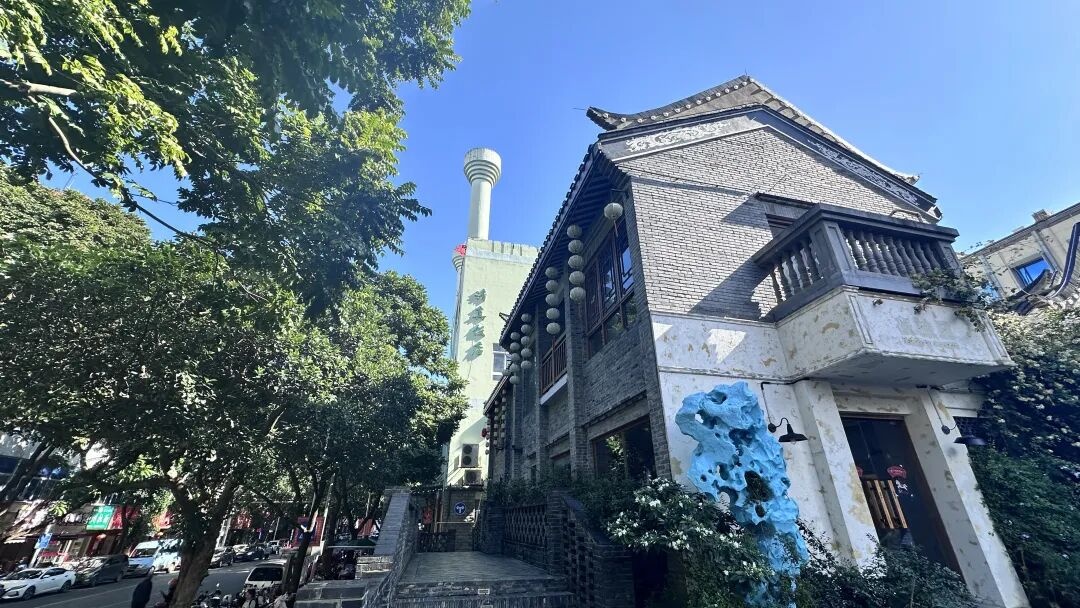
In 1924, Song Zhenbo oversaw the construction of a new building, which became the "Old Mosque" that older Nanning locals still talk about. After 1967, the site was used for other purposes and the old structure slowly decayed. In 1980, the policy was restored and the site returned; in 1981, Hui Muslim engineer Ma Junsi designed the current three-story, light-green building with its twin towers, with the ground floor designated for the halal restaurant.
It’s a shame that no clear photos of that 1924 Republic-era building survived, so we can only rely on the memories of the older generation to picture what it looked like.
For many longtime locals, this halal restaurant is way more than just a noodle shop. Even back in the Republican era, there were eateries run by Hui Muslims in the Minquan Road and Dangyang Street areas, serving horse meat noodles and clear-stewed beef—tastes that were pretty rare in the old city back then.
The building was finished in 1981, and the restaurant opened its doors shortly after, with its business license registered in 1985. It started out to serve the local Muslim community, but soon enough, neighbors, students, and passersby all fell in love with that signature bowl of clear beef broth noodles.
In those early years, Xinhua Road was packed with low-slung houses on both sides. There were no wide sidewalks or the big "Three Streets and Two Alleys" pedestrian district we see now. It was just the Xinhua Bookstore, stationery shops, and street vendors all squeezed together—it was seriously buzzing.
A lot of folks from the 70s and 80s generation grew up with the ritual of swinging by after the bookstore with their pocket change to grab a bowl of noodles. Back then, you’d buy a paper ticket for your order, and the chefs behind the window would be non-stop—blanching the noodles, ladling out that rich beef bone broth, topping it with thin slices of beef, and finishing it with a handful of scallions.
It’s not as spicy or pungent as the famous local Laoyou fen (old friend noodles), because the beef bone broth is all about that clean, savory flavor. Whether you get the beef noodle soup or the beef brisket dry-tossed noodles, you’ve gotta pair it with a fresh-out-of-the-fryer youxiang bing (savory fried dough cake). The regulars love dunking the bread into the broth to let it soak up all that goodness. Even after all these decades, the soup base and the toppings have stayed pretty much the same.
Lots of Nanning old-timers remember a big interior renovation in the 90s, when they swapped out the old long wooden benches and the dated counter, and gave the facade a quick touch-up. But the main structure of the building is still the same one from 1981; they never tore it down. The shop has always kept things quiet and low-key, and they don't serve any alcohol.
The people who come here are a real mix: local neighbors, Hui Muslims coming in for dua (prayer), and foodies who went out of their way just to taste the history.
Later on, when the Shuitajiao area was redeveloped, all the cramped old houses around it were torn down, gradually transforming into today's Three Streets and Two Alleys district. But that 1981 building stayed put, with only the front entrance and exterior walls getting a fresh coat of paint. Even as new, trendy spots popped up all around and the neighborhood changed, the location and the taste of this halal restaurant held firm. Nowadays, you’ll see young people coming to check in for photos, sitting right next to white-haired regulars who still order the same two taels of noodles and a fried dough cake, just like they have for years.
Nanning has so many amazing noodle spots—Laoyou, Shengzha, and Juanfen all have their own die-hard fans. But this halal restaurant on Xinhua Street is like a quiet little corner of the old city. Even with all the ups and downs over hundreds of years, and the old buildings being replaced by this twin-towered structure, that clean, savory flavor has woven Hui culinary traditions into the daily life of Nanning. One bowl of noodles carries the memories of generations.
Do you remember the long wooden benches and the ticket system from before the 90s renovation? Are you more of a soup noodle person or a dry-tossed noodle person?
A little footnote to finish things off:
Historical notes:
The Nanning Mosque was founded during the Shunzhi era of the Qing Dynasty, originally located at Zhenbei Bridge outside the North Gate; it was moved to its current address at No. 25 Xinhua Road in the 56th year of the Kangxi era.
It was destroyed in the chaos of the Xianfeng era, rebuilt in the fifth year of the Tongzhi reign, and converted into a multi-story building in the 13th year of the Republic of China (1924).
After 1967, the building was occupied and damaged, but the policy was implemented to return it in 1980. In 1981, it was rebuilt on the same site in its current Arabic-inspired style, with the ground floor opening as a halal restaurant.
Data referenced from the "Guangxi Religious Records"; no clear public images of the pre-1924 building are currently available. view all
Join me for a 13-photo deep dive into a classic halal restaurant right by the Shuitajiao area and the Three Streets and Two Alleys in Nanning, Guangxi. We’re going back in time to the Qing Dynasty, when General Ma Xiong first founded the local mosque, tracing its journey through the Kangxi era, and savoring authentic, decades-old beef shengzha fen (freshly pressed rice noodles) and traditional halal flavors that define the daily life of Nanning's Hui Muslims.
Not many people realize that the very spot where this halal restaurant on Xinhua Road stands has history dating all the way back to the early Qing Dynasty.
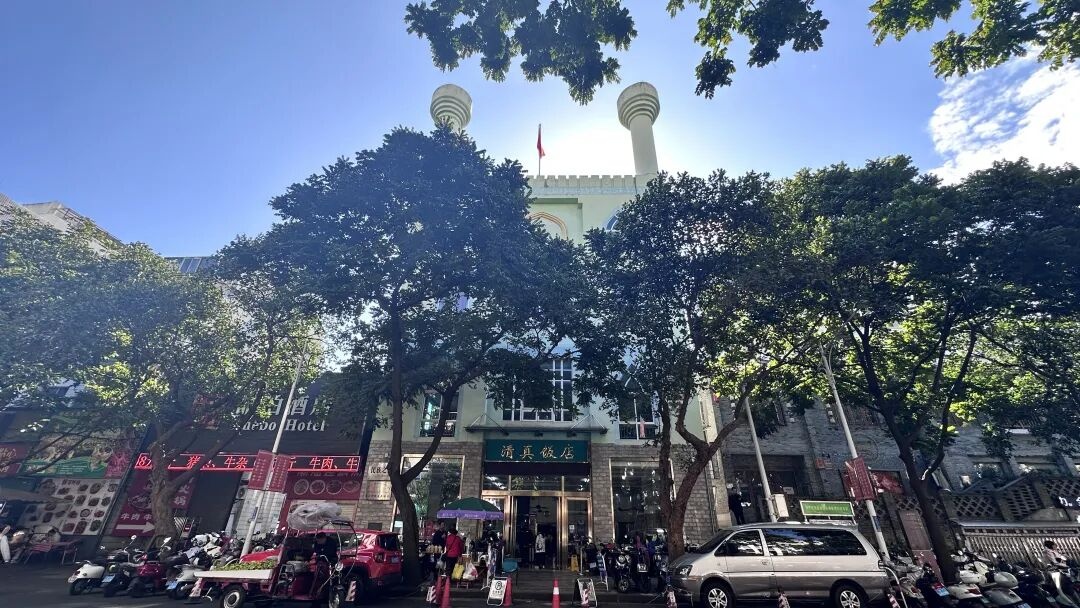
Back in the Shunzhi era, General Ma Xiong raised funds to build a mosque near the Zhenbei Bridge outside the North Gate. In the 56th year of the Kangxi Emperor’s reign, Nanning Prefect Shen Zhiyou moved the mosque to its current location at Shuitajiao. It was renovated multiple times during the Jiaqing and Daoguang periods, destroyed in the chaos of the Xianfeng era, and finally rebuilt in the fifth year of the Tongzhi reign.
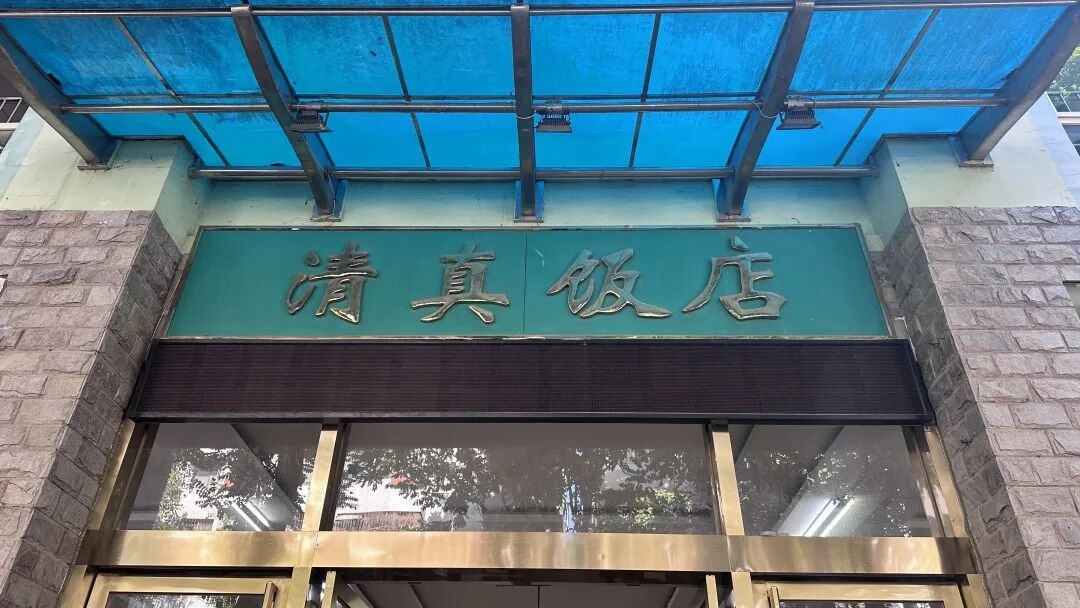
In 1924, Song Zhenbo oversaw the construction of a new building, which became the "Old Mosque" that older Nanning locals still talk about. After 1967, the site was used for other purposes and the old structure slowly decayed. In 1980, the policy was restored and the site returned; in 1981, Hui Muslim engineer Ma Junsi designed the current three-story, light-green building with its twin towers, with the ground floor designated for the halal restaurant.
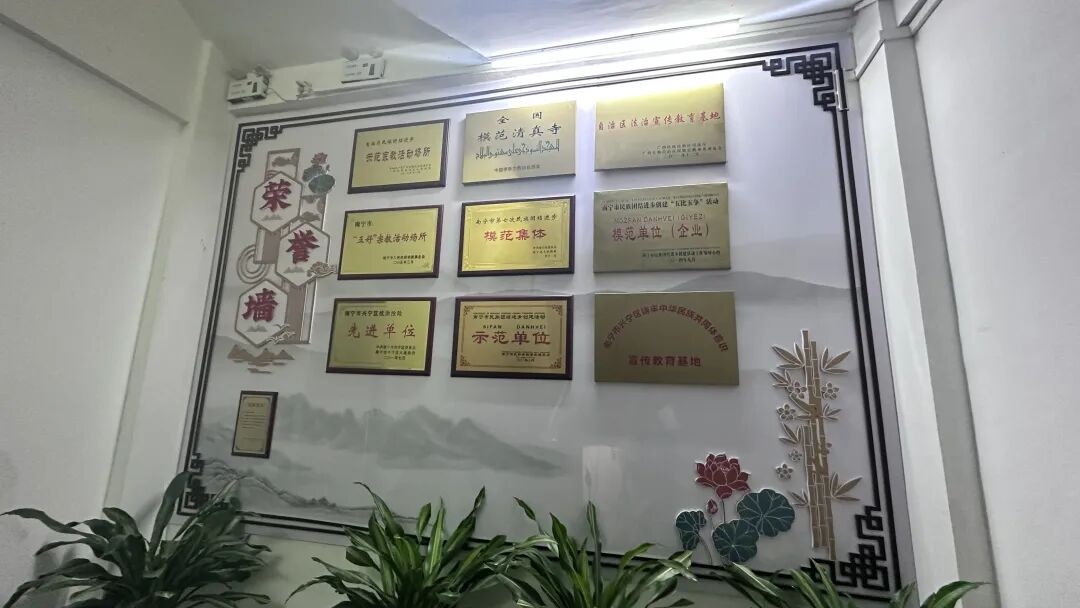
It’s a shame that no clear photos of that 1924 Republic-era building survived, so we can only rely on the memories of the older generation to picture what it looked like.
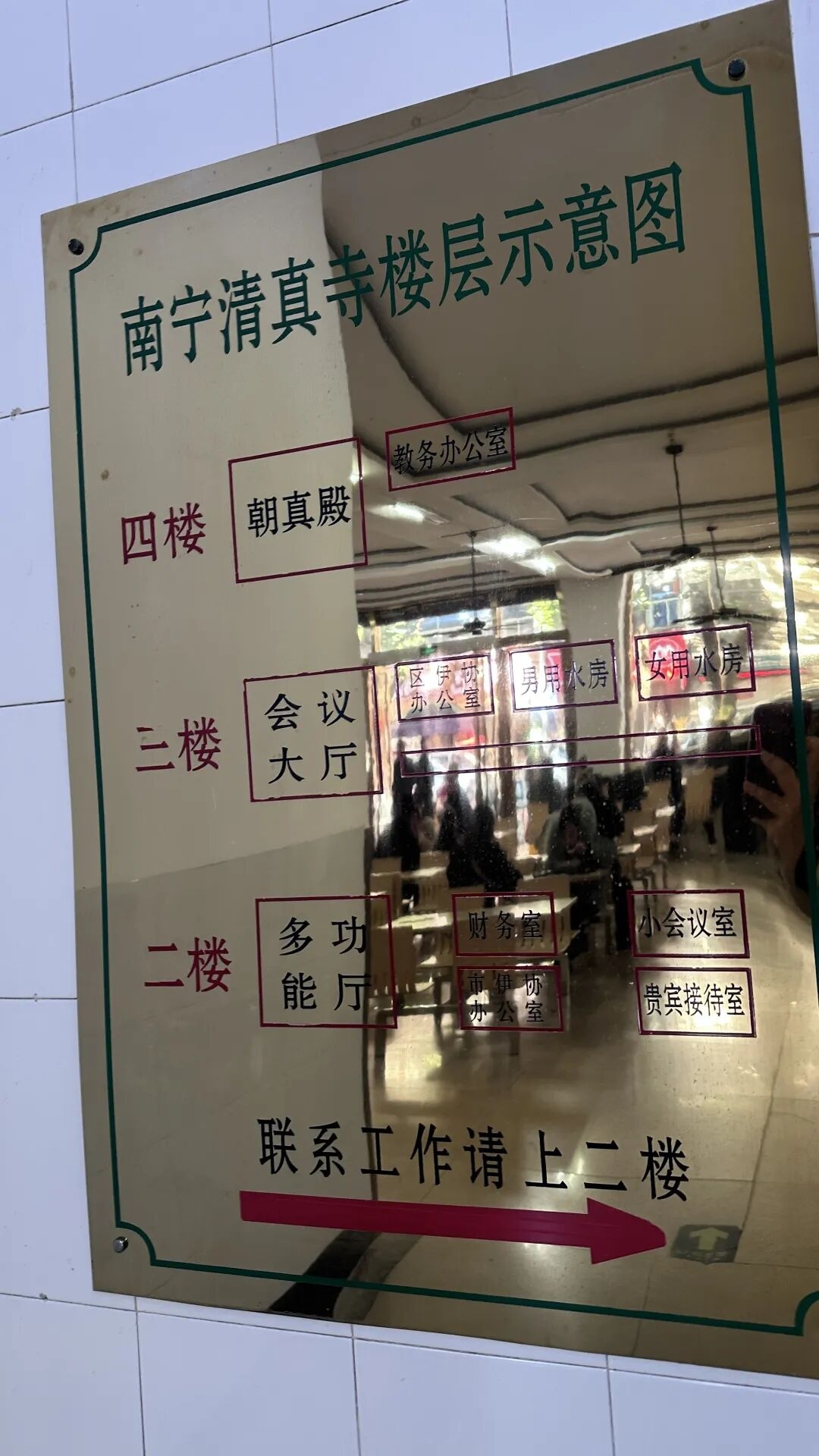
For many longtime locals, this halal restaurant is way more than just a noodle shop. Even back in the Republican era, there were eateries run by Hui Muslims in the Minquan Road and Dangyang Street areas, serving horse meat noodles and clear-stewed beef—tastes that were pretty rare in the old city back then.
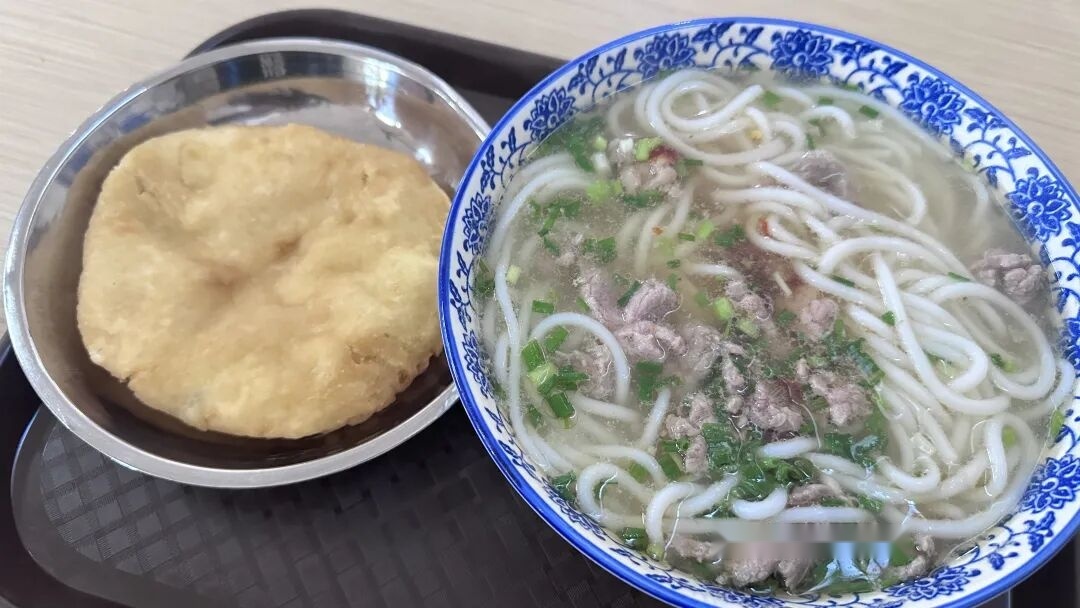
The building was finished in 1981, and the restaurant opened its doors shortly after, with its business license registered in 1985. It started out to serve the local Muslim community, but soon enough, neighbors, students, and passersby all fell in love with that signature bowl of clear beef broth noodles.
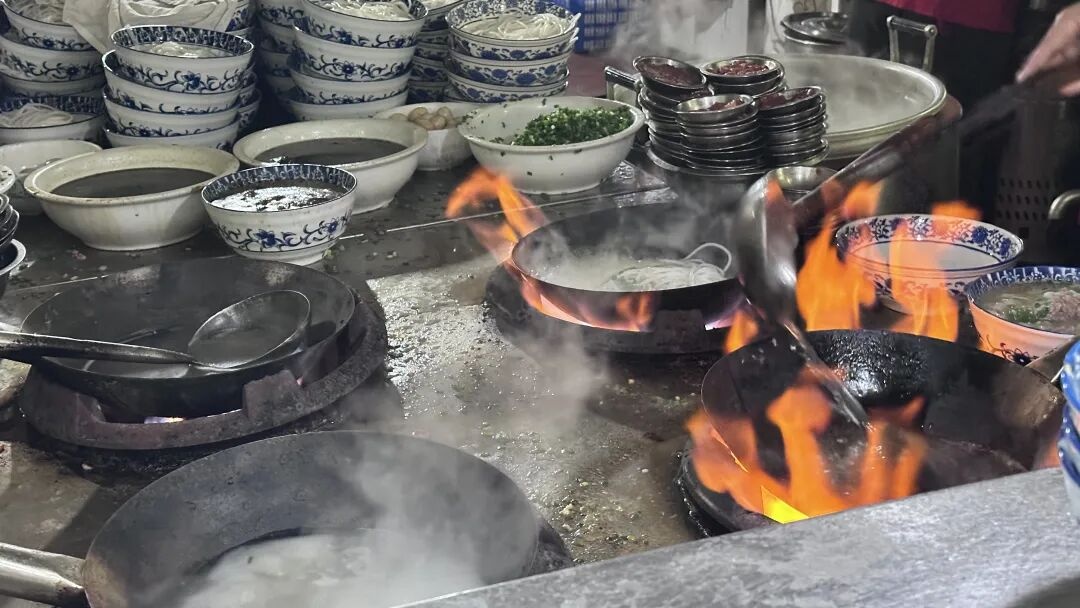
In those early years, Xinhua Road was packed with low-slung houses on both sides. There were no wide sidewalks or the big "Three Streets and Two Alleys" pedestrian district we see now. It was just the Xinhua Bookstore, stationery shops, and street vendors all squeezed together—it was seriously buzzing.
A lot of folks from the 70s and 80s generation grew up with the ritual of swinging by after the bookstore with their pocket change to grab a bowl of noodles. Back then, you’d buy a paper ticket for your order, and the chefs behind the window would be non-stop—blanching the noodles, ladling out that rich beef bone broth, topping it with thin slices of beef, and finishing it with a handful of scallions.
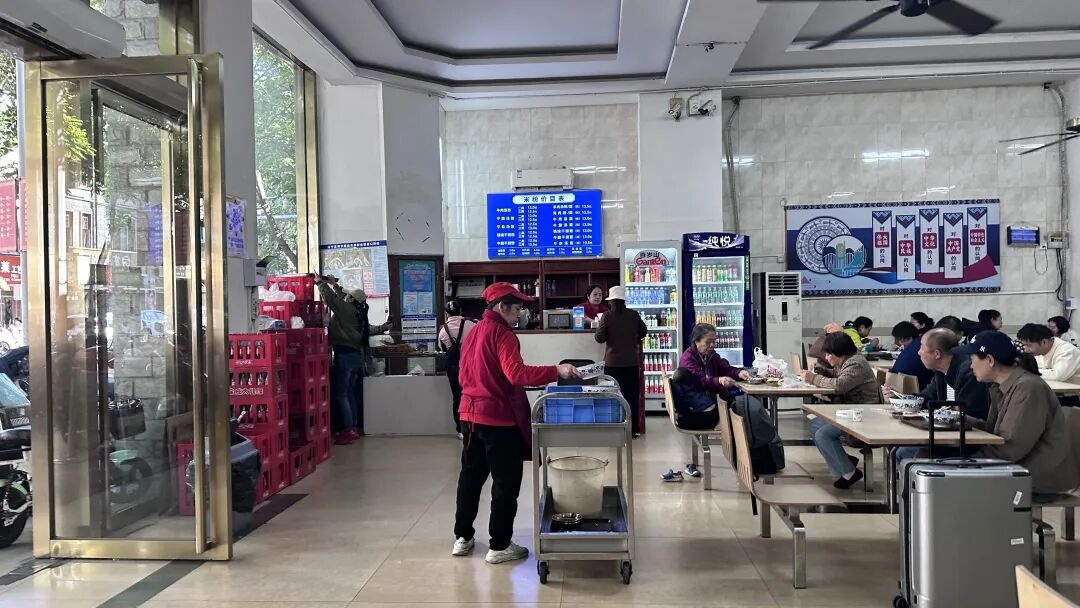
It’s not as spicy or pungent as the famous local Laoyou fen (old friend noodles), because the beef bone broth is all about that clean, savory flavor. Whether you get the beef noodle soup or the beef brisket dry-tossed noodles, you’ve gotta pair it with a fresh-out-of-the-fryer youxiang bing (savory fried dough cake). The regulars love dunking the bread into the broth to let it soak up all that goodness. Even after all these decades, the soup base and the toppings have stayed pretty much the same.
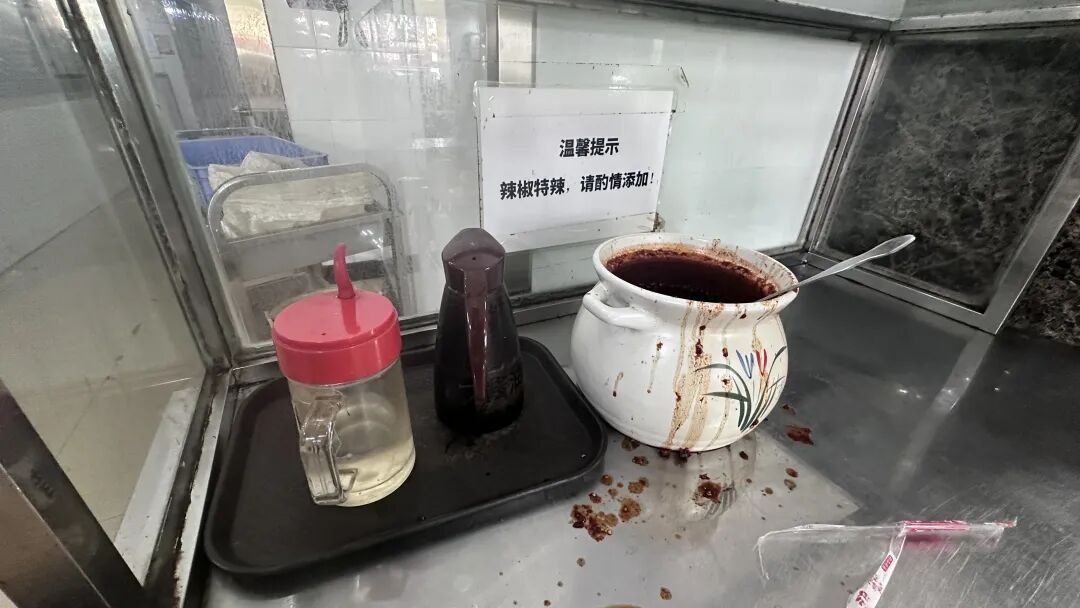
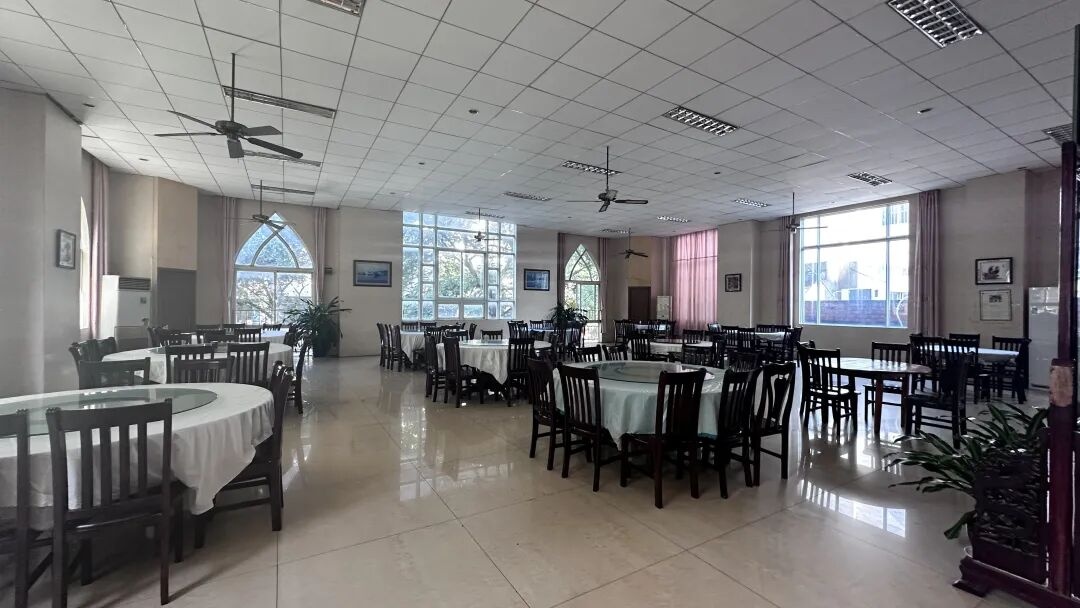
Lots of Nanning old-timers remember a big interior renovation in the 90s, when they swapped out the old long wooden benches and the dated counter, and gave the facade a quick touch-up. But the main structure of the building is still the same one from 1981; they never tore it down. The shop has always kept things quiet and low-key, and they don't serve any alcohol.
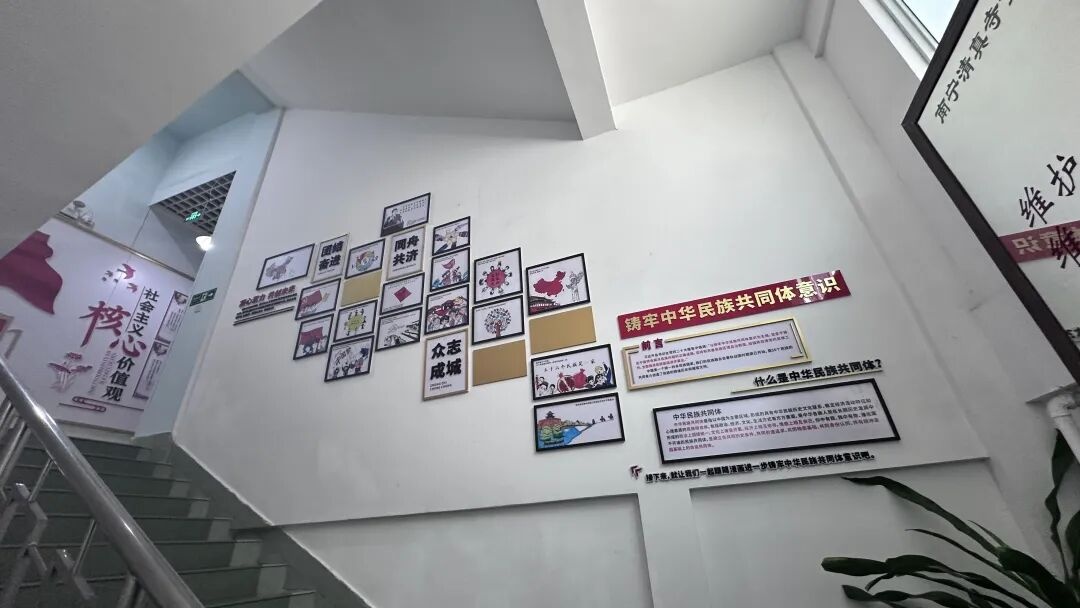
The people who come here are a real mix: local neighbors, Hui Muslims coming in for dua (prayer), and foodies who went out of their way just to taste the history.
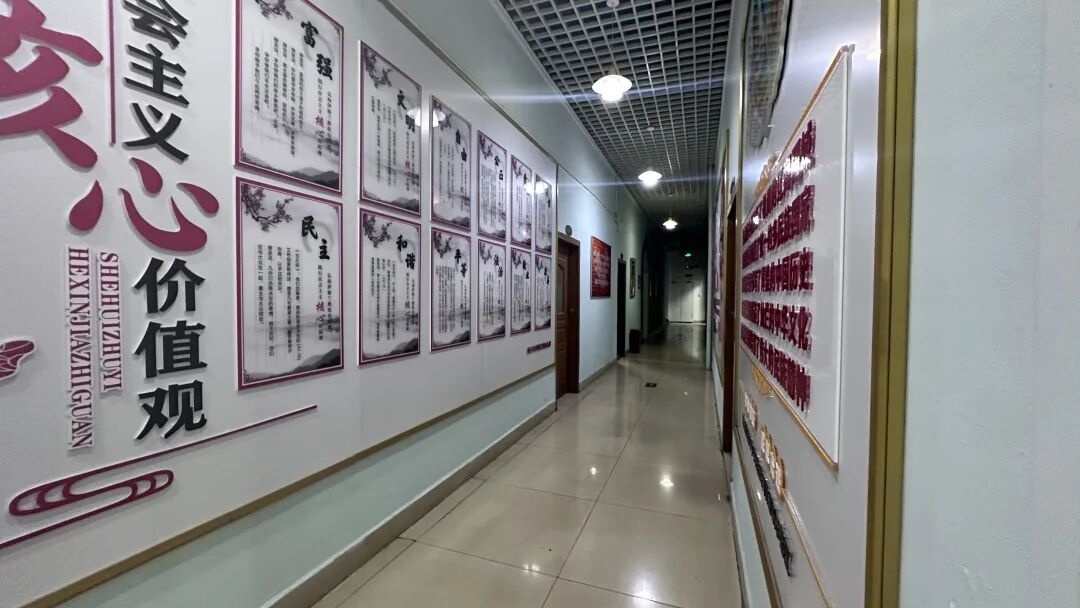
Later on, when the Shuitajiao area was redeveloped, all the cramped old houses around it were torn down, gradually transforming into today's Three Streets and Two Alleys district. But that 1981 building stayed put, with only the front entrance and exterior walls getting a fresh coat of paint. Even as new, trendy spots popped up all around and the neighborhood changed, the location and the taste of this halal restaurant held firm. Nowadays, you’ll see young people coming to check in for photos, sitting right next to white-haired regulars who still order the same two taels of noodles and a fried dough cake, just like they have for years.
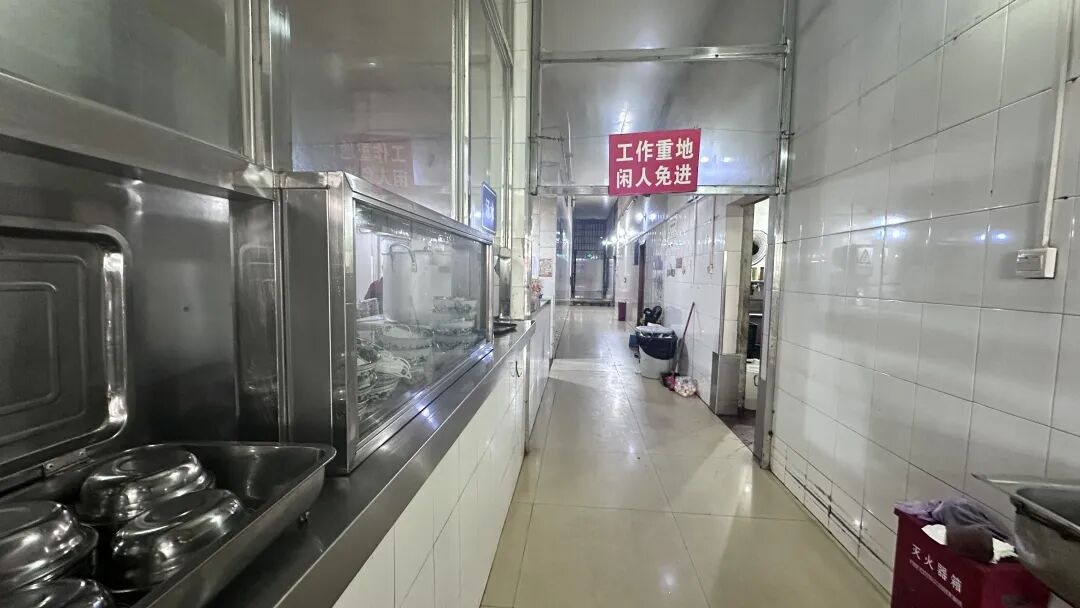
Nanning has so many amazing noodle spots—Laoyou, Shengzha, and Juanfen all have their own die-hard fans. But this halal restaurant on Xinhua Street is like a quiet little corner of the old city. Even with all the ups and downs over hundreds of years, and the old buildings being replaced by this twin-towered structure, that clean, savory flavor has woven Hui culinary traditions into the daily life of Nanning. One bowl of noodles carries the memories of generations.
Do you remember the long wooden benches and the ticket system from before the 90s renovation? Are you more of a soup noodle person or a dry-tossed noodle person?
A little footnote to finish things off:
Historical notes:
The Nanning Mosque was founded during the Shunzhi era of the Qing Dynasty, originally located at Zhenbei Bridge outside the North Gate; it was moved to its current address at No. 25 Xinhua Road in the 56th year of the Kangxi era.
It was destroyed in the chaos of the Xianfeng era, rebuilt in the fifth year of the Tongzhi reign, and converted into a multi-story building in the 13th year of the Republic of China (1924).
After 1967, the building was occupied and damaged, but the policy was implemented to return it in 1980. In 1981, it was rebuilt on the same site in its current Arabic-inspired style, with the ground floor opening as a halal restaurant.
Data referenced from the "Guangxi Religious Records"; no clear public images of the pre-1924 building are currently available.
Not many people realize that the very spot where this halal restaurant on Xinhua Road stands has history dating all the way back to the early Qing Dynasty.
Back in the Shunzhi era, General Ma Xiong raised funds to build a mosque near the Zhenbei Bridge outside the North Gate. In the 56th year of the Kangxi Emperor’s reign, Nanning Prefect Shen Zhiyou moved the mosque to its current location at Shuitajiao. It was renovated multiple times during the Jiaqing and Daoguang periods, destroyed in the chaos of the Xianfeng era, and finally rebuilt in the fifth year of the Tongzhi reign.
In 1924, Song Zhenbo oversaw the construction of a new building, which became the "Old Mosque" that older Nanning locals still talk about. After 1967, the site was used for other purposes and the old structure slowly decayed. In 1980, the policy was restored and the site returned; in 1981, Hui Muslim engineer Ma Junsi designed the current three-story, light-green building with its twin towers, with the ground floor designated for the halal restaurant.
It’s a shame that no clear photos of that 1924 Republic-era building survived, so we can only rely on the memories of the older generation to picture what it looked like.
For many longtime locals, this halal restaurant is way more than just a noodle shop. Even back in the Republican era, there were eateries run by Hui Muslims in the Minquan Road and Dangyang Street areas, serving horse meat noodles and clear-stewed beef—tastes that were pretty rare in the old city back then.
The building was finished in 1981, and the restaurant opened its doors shortly after, with its business license registered in 1985. It started out to serve the local Muslim community, but soon enough, neighbors, students, and passersby all fell in love with that signature bowl of clear beef broth noodles.
In those early years, Xinhua Road was packed with low-slung houses on both sides. There were no wide sidewalks or the big "Three Streets and Two Alleys" pedestrian district we see now. It was just the Xinhua Bookstore, stationery shops, and street vendors all squeezed together—it was seriously buzzing.
A lot of folks from the 70s and 80s generation grew up with the ritual of swinging by after the bookstore with their pocket change to grab a bowl of noodles. Back then, you’d buy a paper ticket for your order, and the chefs behind the window would be non-stop—blanching the noodles, ladling out that rich beef bone broth, topping it with thin slices of beef, and finishing it with a handful of scallions.
It’s not as spicy or pungent as the famous local Laoyou fen (old friend noodles), because the beef bone broth is all about that clean, savory flavor. Whether you get the beef noodle soup or the beef brisket dry-tossed noodles, you’ve gotta pair it with a fresh-out-of-the-fryer youxiang bing (savory fried dough cake). The regulars love dunking the bread into the broth to let it soak up all that goodness. Even after all these decades, the soup base and the toppings have stayed pretty much the same.
Lots of Nanning old-timers remember a big interior renovation in the 90s, when they swapped out the old long wooden benches and the dated counter, and gave the facade a quick touch-up. But the main structure of the building is still the same one from 1981; they never tore it down. The shop has always kept things quiet and low-key, and they don't serve any alcohol.
The people who come here are a real mix: local neighbors, Hui Muslims coming in for dua (prayer), and foodies who went out of their way just to taste the history.
Later on, when the Shuitajiao area was redeveloped, all the cramped old houses around it were torn down, gradually transforming into today's Three Streets and Two Alleys district. But that 1981 building stayed put, with only the front entrance and exterior walls getting a fresh coat of paint. Even as new, trendy spots popped up all around and the neighborhood changed, the location and the taste of this halal restaurant held firm. Nowadays, you’ll see young people coming to check in for photos, sitting right next to white-haired regulars who still order the same two taels of noodles and a fried dough cake, just like they have for years.
Nanning has so many amazing noodle spots—Laoyou, Shengzha, and Juanfen all have their own die-hard fans. But this halal restaurant on Xinhua Street is like a quiet little corner of the old city. Even with all the ups and downs over hundreds of years, and the old buildings being replaced by this twin-towered structure, that clean, savory flavor has woven Hui culinary traditions into the daily life of Nanning. One bowl of noodles carries the memories of generations.
Do you remember the long wooden benches and the ticket system from before the 90s renovation? Are you more of a soup noodle person or a dry-tossed noodle person?
A little footnote to finish things off:
Historical notes:
The Nanning Mosque was founded during the Shunzhi era of the Qing Dynasty, originally located at Zhenbei Bridge outside the North Gate; it was moved to its current address at No. 25 Xinhua Road in the 56th year of the Kangxi era.
It was destroyed in the chaos of the Xianfeng era, rebuilt in the fifth year of the Tongzhi reign, and converted into a multi-story building in the 13th year of the Republic of China (1924).
After 1967, the building was occupied and damaged, but the policy was implemented to return it in 1980. In 1981, it was rebuilt on the same site in its current Arabic-inspired style, with the ground floor opening as a halal restaurant.
Data referenced from the "Guangxi Religious Records"; no clear public images of the pre-1924 building are currently available.
Best Halal Food in Nanning: Authentic Beef Noodles and Historic Mosque Heritage at Shuitajiao
Articles • Hasan09 posted the article • 0 comments • 14 views • 6 hours ago
Join me for a 13-photo deep dive into a classic halal restaurant right by the Shuitajiao area and the Three Streets and Two Alleys in Nanning, Guangxi. We’re going back in time to the Qing Dynasty, when General Ma Xiong first founded the local mosque, tracing its journey through the Kangxi era, and savoring authentic, decades-old beef shengzha fen (freshly pressed rice noodles) and traditional halal flavors that define the daily life of Nanning's Hui Muslims.
Not many people realize that the very spot where this halal restaurant on Xinhua Road stands has history dating all the way back to the early Qing Dynasty.
Back in the Shunzhi era, General Ma Xiong raised funds to build a mosque near the Zhenbei Bridge outside the North Gate. In the 56th year of the Kangxi Emperor’s reign, Nanning Prefect Shen Zhiyou moved the mosque to its current location at Shuitajiao. It was renovated multiple times during the Jiaqing and Daoguang periods, destroyed in the chaos of the Xianfeng era, and finally rebuilt in the fifth year of the Tongzhi reign.
In 1924, Song Zhenbo oversaw the construction of a new building, which became the "Old Mosque" that older Nanning locals still talk about. After 1967, the site was used for other purposes and the old structure slowly decayed. In 1980, the policy was restored and the site returned; in 1981, Hui Muslim engineer Ma Junsi designed the current three-story, light-green building with its twin towers, with the ground floor designated for the halal restaurant.
It’s a shame that no clear photos of that 1924 Republic-era building survived, so we can only rely on the memories of the older generation to picture what it looked like.
For many longtime locals, this halal restaurant is way more than just a noodle shop. Even back in the Republican era, there were eateries run by Hui Muslims in the Minquan Road and Dangyang Street areas, serving horse meat noodles and clear-stewed beef—tastes that were pretty rare in the old city back then.
The building was finished in 1981, and the restaurant opened its doors shortly after, with its business license registered in 1985. It started out to serve the local Muslim community, but soon enough, neighbors, students, and passersby all fell in love with that signature bowl of clear beef broth noodles.
In those early years, Xinhua Road was packed with low-slung houses on both sides. There were no wide sidewalks or the big "Three Streets and Two Alleys" pedestrian district we see now. It was just the Xinhua Bookstore, stationery shops, and street vendors all squeezed together—it was seriously buzzing.
A lot of folks from the 70s and 80s generation grew up with the ritual of swinging by after the bookstore with their pocket change to grab a bowl of noodles. Back then, you’d buy a paper ticket for your order, and the chefs behind the window would be non-stop—blanching the noodles, ladling out that rich beef bone broth, topping it with thin slices of beef, and finishing it with a handful of scallions.
It’s not as spicy or pungent as the famous local Laoyou fen (old friend noodles), because the beef bone broth is all about that clean, savory flavor. Whether you get the beef noodle soup or the beef brisket dry-tossed noodles, you’ve gotta pair it with a fresh-out-of-the-fryer youxiang bing (savory fried dough cake). The regulars love dunking the bread into the broth to let it soak up all that goodness. Even after all these decades, the soup base and the toppings have stayed pretty much the same.
Lots of Nanning old-timers remember a big interior renovation in the 90s, when they swapped out the old long wooden benches and the dated counter, and gave the facade a quick touch-up. But the main structure of the building is still the same one from 1981; they never tore it down. The shop has always kept things quiet and low-key, and they don't serve any alcohol.
The people who come here are a real mix: local neighbors, Hui Muslims coming in for dua (prayer), and foodies who went out of their way just to taste the history.
Later on, when the Shuitajiao area was redeveloped, all the cramped old houses around it were torn down, gradually transforming into today's Three Streets and Two Alleys district. But that 1981 building stayed put, with only the front entrance and exterior walls getting a fresh coat of paint. Even as new, trendy spots popped up all around and the neighborhood changed, the location and the taste of this halal restaurant held firm. Nowadays, you’ll see young people coming to check in for photos, sitting right next to white-haired regulars who still order the same two taels of noodles and a fried dough cake, just like they have for years.
Nanning has so many amazing noodle spots—Laoyou, Shengzha, and Juanfen all have their own die-hard fans. But this halal restaurant on Xinhua Street is like a quiet little corner of the old city. Even with all the ups and downs over hundreds of years, and the old buildings being replaced by this twin-towered structure, that clean, savory flavor has woven Hui culinary traditions into the daily life of Nanning. One bowl of noodles carries the memories of generations.
Do you remember the long wooden benches and the ticket system from before the 90s renovation? Are you more of a soup noodle person or a dry-tossed noodle person?
A little footnote to finish things off:
Historical notes:
The Nanning Mosque was founded during the Shunzhi era of the Qing Dynasty, originally located at Zhenbei Bridge outside the North Gate; it was moved to its current address at No. 25 Xinhua Road in the 56th year of the Kangxi era.
It was destroyed in the chaos of the Xianfeng era, rebuilt in the fifth year of the Tongzhi reign, and converted into a multi-story building in the 13th year of the Republic of China (1924).
After 1967, the building was occupied and damaged, but the policy was implemented to return it in 1980. In 1981, it was rebuilt on the same site in its current Arabic-inspired style, with the ground floor opening as a halal restaurant.
Data referenced from the "Guangxi Religious Records"; no clear public images of the pre-1924 building are currently available. view all
Not many people realize that the very spot where this halal restaurant on Xinhua Road stands has history dating all the way back to the early Qing Dynasty.
Back in the Shunzhi era, General Ma Xiong raised funds to build a mosque near the Zhenbei Bridge outside the North Gate. In the 56th year of the Kangxi Emperor’s reign, Nanning Prefect Shen Zhiyou moved the mosque to its current location at Shuitajiao. It was renovated multiple times during the Jiaqing and Daoguang periods, destroyed in the chaos of the Xianfeng era, and finally rebuilt in the fifth year of the Tongzhi reign.
In 1924, Song Zhenbo oversaw the construction of a new building, which became the "Old Mosque" that older Nanning locals still talk about. After 1967, the site was used for other purposes and the old structure slowly decayed. In 1980, the policy was restored and the site returned; in 1981, Hui Muslim engineer Ma Junsi designed the current three-story, light-green building with its twin towers, with the ground floor designated for the halal restaurant.
It’s a shame that no clear photos of that 1924 Republic-era building survived, so we can only rely on the memories of the older generation to picture what it looked like.
For many longtime locals, this halal restaurant is way more than just a noodle shop. Even back in the Republican era, there were eateries run by Hui Muslims in the Minquan Road and Dangyang Street areas, serving horse meat noodles and clear-stewed beef—tastes that were pretty rare in the old city back then.
The building was finished in 1981, and the restaurant opened its doors shortly after, with its business license registered in 1985. It started out to serve the local Muslim community, but soon enough, neighbors, students, and passersby all fell in love with that signature bowl of clear beef broth noodles.
In those early years, Xinhua Road was packed with low-slung houses on both sides. There were no wide sidewalks or the big "Three Streets and Two Alleys" pedestrian district we see now. It was just the Xinhua Bookstore, stationery shops, and street vendors all squeezed together—it was seriously buzzing.
A lot of folks from the 70s and 80s generation grew up with the ritual of swinging by after the bookstore with their pocket change to grab a bowl of noodles. Back then, you’d buy a paper ticket for your order, and the chefs behind the window would be non-stop—blanching the noodles, ladling out that rich beef bone broth, topping it with thin slices of beef, and finishing it with a handful of scallions.
It’s not as spicy or pungent as the famous local Laoyou fen (old friend noodles), because the beef bone broth is all about that clean, savory flavor. Whether you get the beef noodle soup or the beef brisket dry-tossed noodles, you’ve gotta pair it with a fresh-out-of-the-fryer youxiang bing (savory fried dough cake). The regulars love dunking the bread into the broth to let it soak up all that goodness. Even after all these decades, the soup base and the toppings have stayed pretty much the same.
Lots of Nanning old-timers remember a big interior renovation in the 90s, when they swapped out the old long wooden benches and the dated counter, and gave the facade a quick touch-up. But the main structure of the building is still the same one from 1981; they never tore it down. The shop has always kept things quiet and low-key, and they don't serve any alcohol.
The people who come here are a real mix: local neighbors, Hui Muslims coming in for dua (prayer), and foodies who went out of their way just to taste the history.
Later on, when the Shuitajiao area was redeveloped, all the cramped old houses around it were torn down, gradually transforming into today's Three Streets and Two Alleys district. But that 1981 building stayed put, with only the front entrance and exterior walls getting a fresh coat of paint. Even as new, trendy spots popped up all around and the neighborhood changed, the location and the taste of this halal restaurant held firm. Nowadays, you’ll see young people coming to check in for photos, sitting right next to white-haired regulars who still order the same two taels of noodles and a fried dough cake, just like they have for years.
Nanning has so many amazing noodle spots—Laoyou, Shengzha, and Juanfen all have their own die-hard fans. But this halal restaurant on Xinhua Street is like a quiet little corner of the old city. Even with all the ups and downs over hundreds of years, and the old buildings being replaced by this twin-towered structure, that clean, savory flavor has woven Hui culinary traditions into the daily life of Nanning. One bowl of noodles carries the memories of generations.
Do you remember the long wooden benches and the ticket system from before the 90s renovation? Are you more of a soup noodle person or a dry-tossed noodle person?
A little footnote to finish things off:
Historical notes:
The Nanning Mosque was founded during the Shunzhi era of the Qing Dynasty, originally located at Zhenbei Bridge outside the North Gate; it was moved to its current address at No. 25 Xinhua Road in the 56th year of the Kangxi era.
It was destroyed in the chaos of the Xianfeng era, rebuilt in the fifth year of the Tongzhi reign, and converted into a multi-story building in the 13th year of the Republic of China (1924).
After 1967, the building was occupied and damaged, but the policy was implemented to return it in 1980. In 1981, it was rebuilt on the same site in its current Arabic-inspired style, with the ground floor opening as a halal restaurant.
Data referenced from the "Guangxi Religious Records"; no clear public images of the pre-1924 building are currently available. view all
Join me for a 13-photo deep dive into a classic halal restaurant right by the Shuitajiao area and the Three Streets and Two Alleys in Nanning, Guangxi. We’re going back in time to the Qing Dynasty, when General Ma Xiong first founded the local mosque, tracing its journey through the Kangxi era, and savoring authentic, decades-old beef shengzha fen (freshly pressed rice noodles) and traditional halal flavors that define the daily life of Nanning's Hui Muslims.
Not many people realize that the very spot where this halal restaurant on Xinhua Road stands has history dating all the way back to the early Qing Dynasty.
Back in the Shunzhi era, General Ma Xiong raised funds to build a mosque near the Zhenbei Bridge outside the North Gate. In the 56th year of the Kangxi Emperor’s reign, Nanning Prefect Shen Zhiyou moved the mosque to its current location at Shuitajiao. It was renovated multiple times during the Jiaqing and Daoguang periods, destroyed in the chaos of the Xianfeng era, and finally rebuilt in the fifth year of the Tongzhi reign.
In 1924, Song Zhenbo oversaw the construction of a new building, which became the "Old Mosque" that older Nanning locals still talk about. After 1967, the site was used for other purposes and the old structure slowly decayed. In 1980, the policy was restored and the site returned; in 1981, Hui Muslim engineer Ma Junsi designed the current three-story, light-green building with its twin towers, with the ground floor designated for the halal restaurant.
It’s a shame that no clear photos of that 1924 Republic-era building survived, so we can only rely on the memories of the older generation to picture what it looked like.
For many longtime locals, this halal restaurant is way more than just a noodle shop. Even back in the Republican era, there were eateries run by Hui Muslims in the Minquan Road and Dangyang Street areas, serving horse meat noodles and clear-stewed beef—tastes that were pretty rare in the old city back then.
The building was finished in 1981, and the restaurant opened its doors shortly after, with its business license registered in 1985. It started out to serve the local Muslim community, but soon enough, neighbors, students, and passersby all fell in love with that signature bowl of clear beef broth noodles.
In those early years, Xinhua Road was packed with low-slung houses on both sides. There were no wide sidewalks or the big "Three Streets and Two Alleys" pedestrian district we see now. It was just the Xinhua Bookstore, stationery shops, and street vendors all squeezed together—it was seriously buzzing.
A lot of folks from the 70s and 80s generation grew up with the ritual of swinging by after the bookstore with their pocket change to grab a bowl of noodles. Back then, you’d buy a paper ticket for your order, and the chefs behind the window would be non-stop—blanching the noodles, ladling out that rich beef bone broth, topping it with thin slices of beef, and finishing it with a handful of scallions.
It’s not as spicy or pungent as the famous local Laoyou fen (old friend noodles), because the beef bone broth is all about that clean, savory flavor. Whether you get the beef noodle soup or the beef brisket dry-tossed noodles, you’ve gotta pair it with a fresh-out-of-the-fryer youxiang bing (savory fried dough cake). The regulars love dunking the bread into the broth to let it soak up all that goodness. Even after all these decades, the soup base and the toppings have stayed pretty much the same.
Lots of Nanning old-timers remember a big interior renovation in the 90s, when they swapped out the old long wooden benches and the dated counter, and gave the facade a quick touch-up. But the main structure of the building is still the same one from 1981; they never tore it down. The shop has always kept things quiet and low-key, and they don't serve any alcohol.
The people who come here are a real mix: local neighbors, Hui Muslims coming in for dua (prayer), and foodies who went out of their way just to taste the history.
Later on, when the Shuitajiao area was redeveloped, all the cramped old houses around it were torn down, gradually transforming into today's Three Streets and Two Alleys district. But that 1981 building stayed put, with only the front entrance and exterior walls getting a fresh coat of paint. Even as new, trendy spots popped up all around and the neighborhood changed, the location and the taste of this halal restaurant held firm. Nowadays, you’ll see young people coming to check in for photos, sitting right next to white-haired regulars who still order the same two taels of noodles and a fried dough cake, just like they have for years.
Nanning has so many amazing noodle spots—Laoyou, Shengzha, and Juanfen all have their own die-hard fans. But this halal restaurant on Xinhua Street is like a quiet little corner of the old city. Even with all the ups and downs over hundreds of years, and the old buildings being replaced by this twin-towered structure, that clean, savory flavor has woven Hui culinary traditions into the daily life of Nanning. One bowl of noodles carries the memories of generations.
Do you remember the long wooden benches and the ticket system from before the 90s renovation? Are you more of a soup noodle person or a dry-tossed noodle person?
A little footnote to finish things off:
Historical notes:
The Nanning Mosque was founded during the Shunzhi era of the Qing Dynasty, originally located at Zhenbei Bridge outside the North Gate; it was moved to its current address at No. 25 Xinhua Road in the 56th year of the Kangxi era.
It was destroyed in the chaos of the Xianfeng era, rebuilt in the fifth year of the Tongzhi reign, and converted into a multi-story building in the 13th year of the Republic of China (1924).
After 1967, the building was occupied and damaged, but the policy was implemented to return it in 1980. In 1981, it was rebuilt on the same site in its current Arabic-inspired style, with the ground floor opening as a halal restaurant.
Data referenced from the "Guangxi Religious Records"; no clear public images of the pre-1924 building are currently available.