

Ningxia Halal Travel
Muslim Travel Guide China 2026: Ningxia Yinchuan Mosques, Xihai'gu and Halal Food
Articles • ali2007fr posted the article • 0 comments • 144 views • 2026-05-21 11:00
Reposted from the web
Summary: This Ningxia Muslim travel guide keeps the original Yinchuan and Xihai'gu route, with mosques, local meals, gongbei sites, towns, and photos. It is written for readers looking for halal food in China and Muslim heritage in Ningxia.
After reading Zhang Chengzhi's History of the Soul, I became interested in the lives of Hui Muslims in the Xihai'gu region of Ningxia. I followed the footsteps of the book and set foot on the land of Ningxia. Xihai'gu is the short name for the three counties of Xiji, Haiyuan, and Guyuan in the Longdong mountainous area of southern Ningxia. It is also a synonym for the Muslim mountainous region in the eastern part of the Loess Plateau.
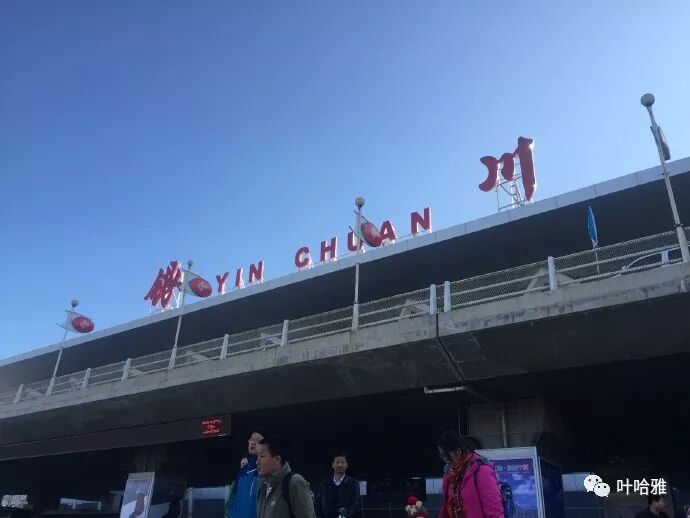
My first stop was Yinchuan, the capital of the Ningxia Hui Autonomous Region. Although Yinchuan is a provincial-level city, there are not many Hui Muslims here. Most of Ningxia's Hui Muslims live in the southern mountainous areas.
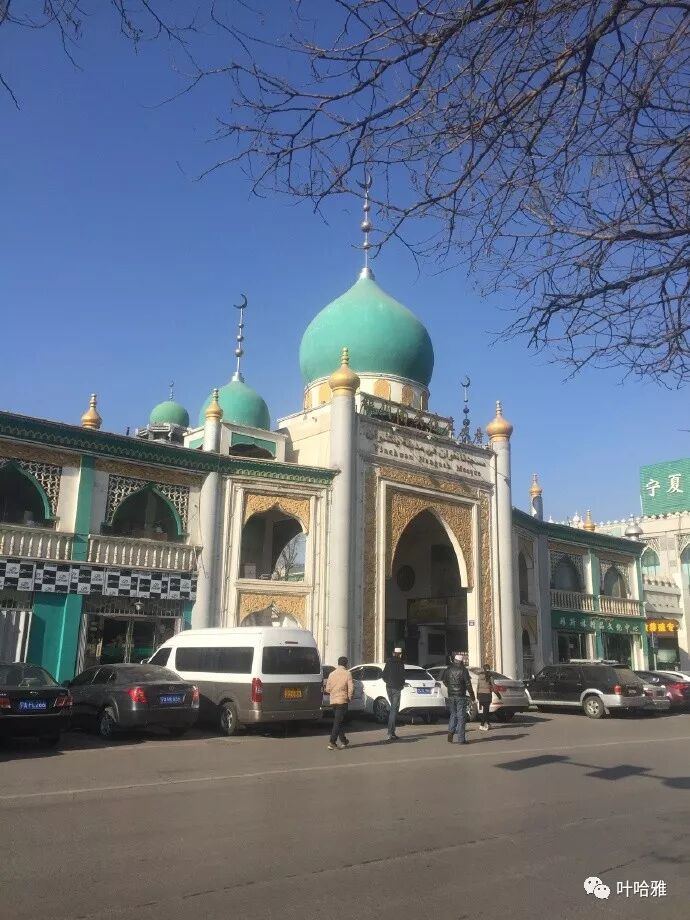
Yinchuan Nanguan Mosque
I arrived during Jumu'ah and rushed to the Nanguan Mosque to join the congregational prayer. The Yinchuan Nanguan Mosque was first built at the end of the Ming Dynasty and was rebuilt in the 1980s.
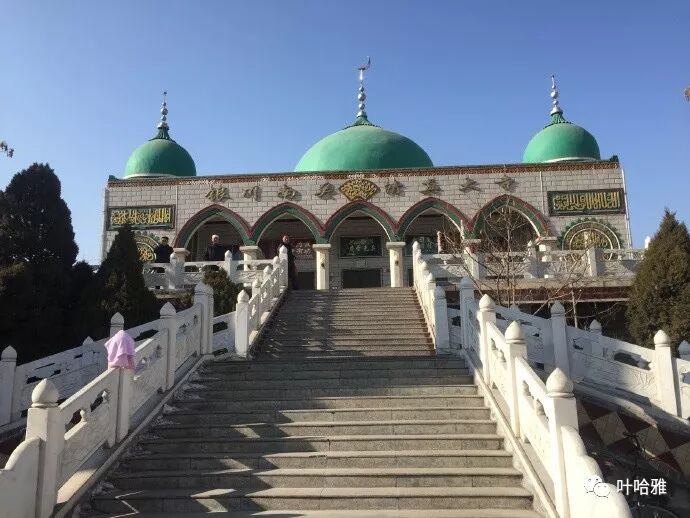
I visited Yinchuan in 2016. Today, mosques with this Central Asian-style dome are no longer allowed to be built. The dome is often mistaken for an Arab style. In fact, Arab-style buildings are square or look like tents. It is the architectural style of Roman, Persian, Turkish, and other Central Asian regions that features domes.
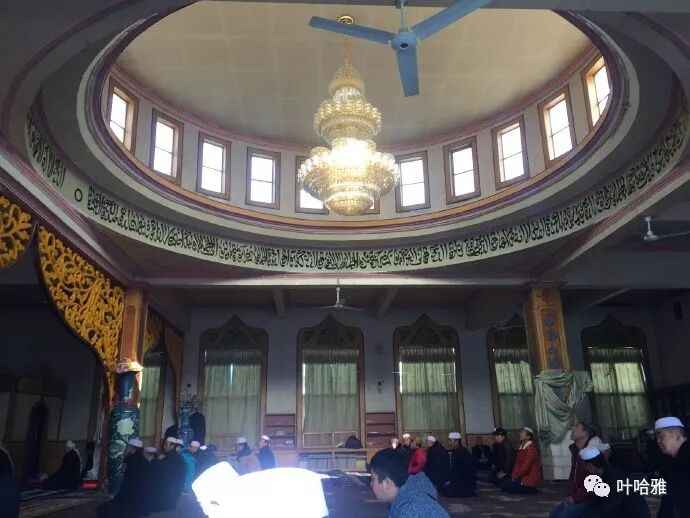
The imam gave a sermon (wa'z) in a heavy Northwest accent. I could not understand it, except for the Arabic words he used.
About 40 percent of the restaurants on the streets of Yinchuan are halal, but the vast majority sell alcohol. Only a few larger halal restaurants do not sell alcohol, and Xiaoye Shouzhua is one of them.
Xiaoye Hand-grabbed Lamb (Xiaoye Shouzhua)
You must eat hand-grabbed lamb (shouzhua yangrou) when you come to Ningxia. The best hand-grabbed lamb in Ningxia is in Wuzhong, and there is also the salt-lake sheep (tanyang) hand-grabbed lamb from Yanchi. Wuzhong is where most of Ningxia's halal food is concentrated, but my trip did not include Wuzhong. I ate the hand-grabbed lamb at Xiaoye, and it tasted very good.
If you want to find a high-end alcohol-free restaurant in Yinchuan, Xiaoye Shouzhua is the top choice.
There are two ways to eat hand-grabbed lamb (shouzhuayangrou): hot or cold. Xiaoye is famous for its cold version. People in central Ningxia eat a lot of lamb, and the lamb here is guaranteed to have no gamey smell.
Fish-flavored eggplant king (yuxiangqieziwang) is made from a large eggplant shaped like a fish.
Black bean tofu soup (heidoufutang).
Steamed flower rolls with chicken chunks (huajuanjikuai).
Eight-treasure sweet rice (babao tianfan) is a Ningxia specialty often served at Hui Muslim wedding banquets.
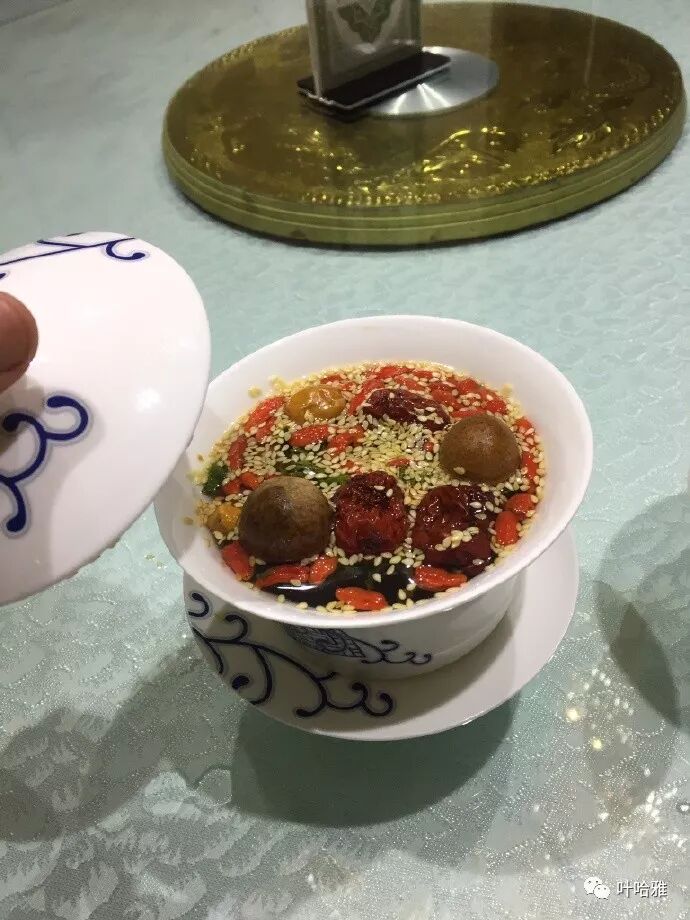
Eight-treasure tea (babaocha), also called three-piece tea (sanpaotai), is what people in the Northwest serve their guests. The name refers to the three-piece set consisting of a lidded teacup, a saucer, and a lid. People in the Northwest are very particular about how they drink tea.
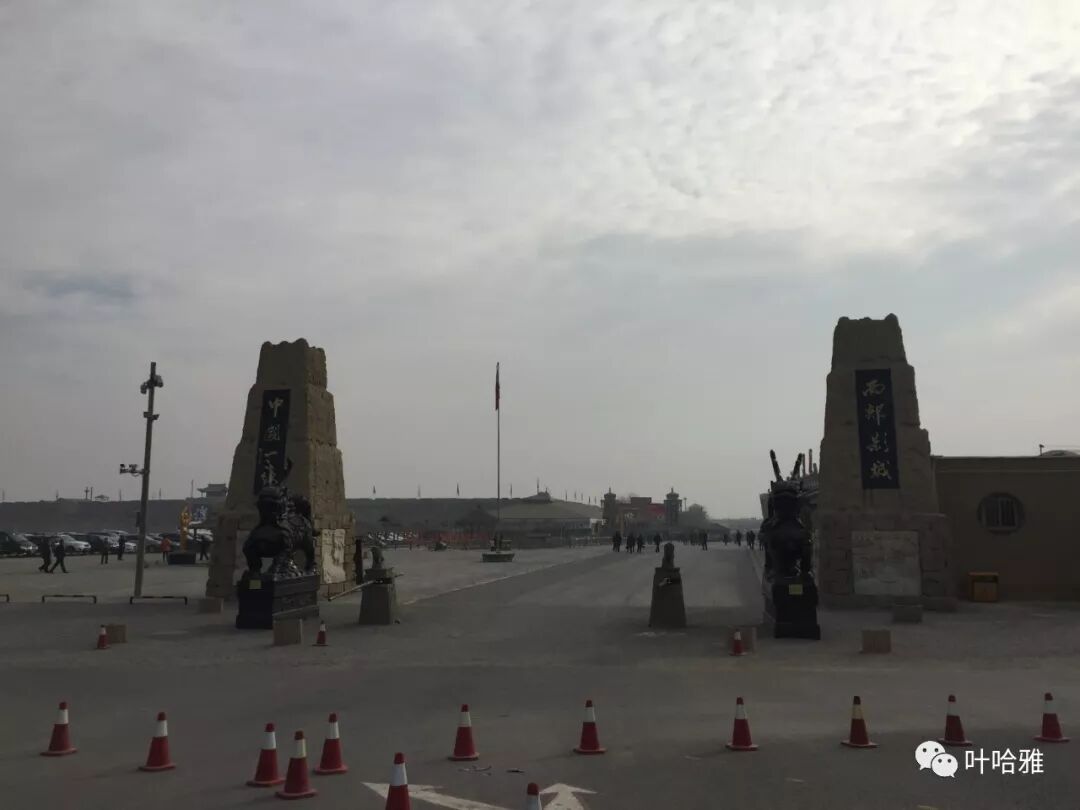
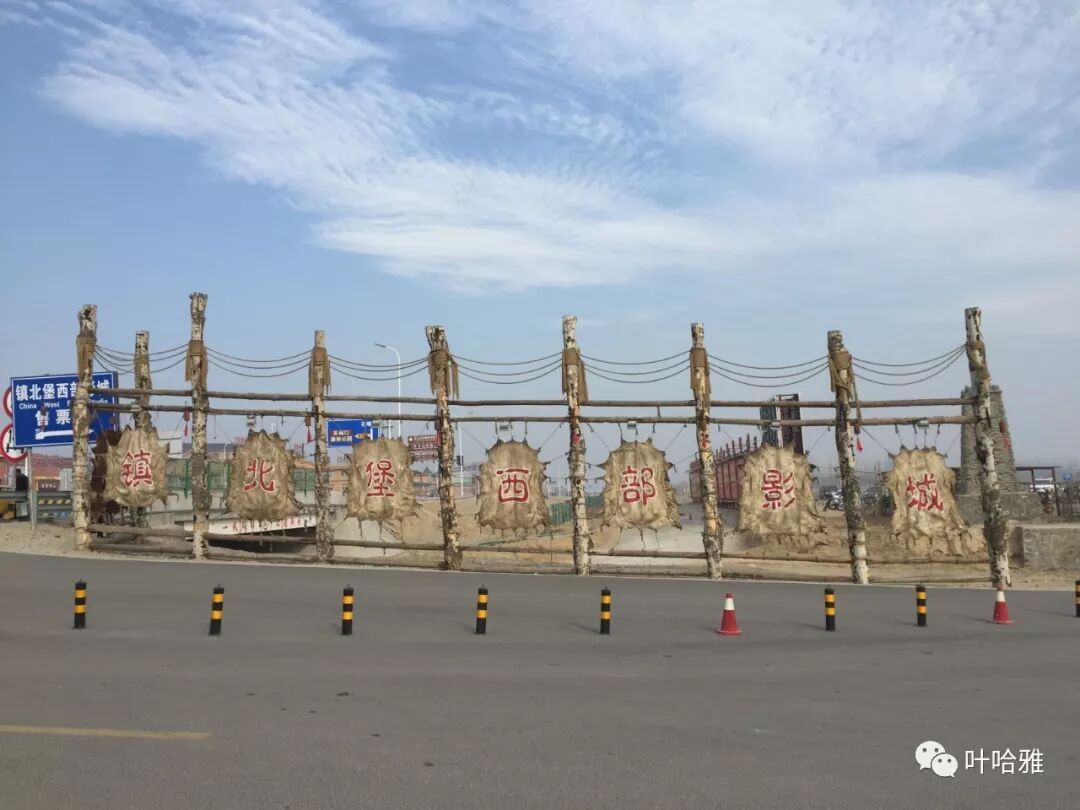
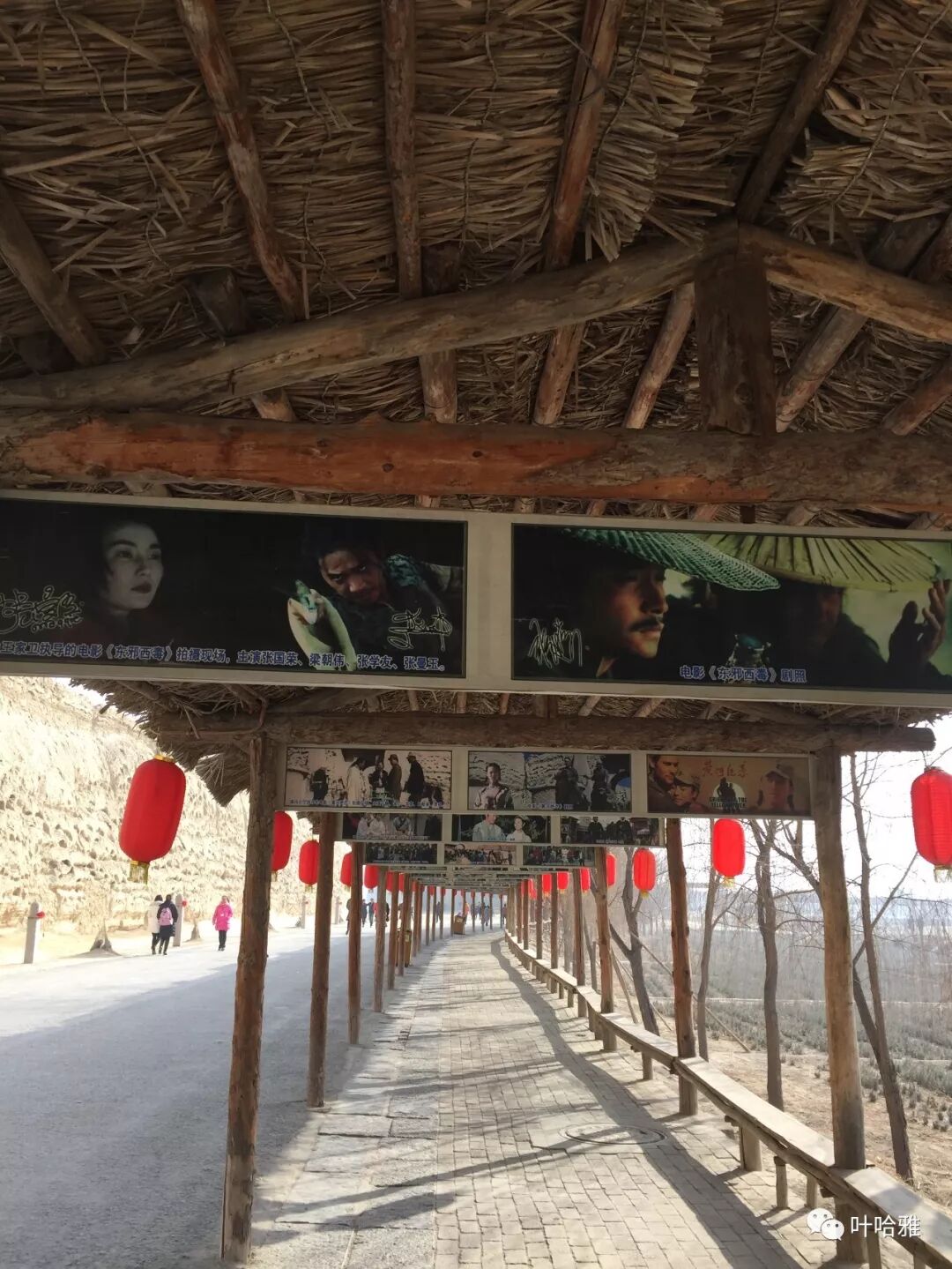
Zhenbeipu Western Film Studio.
There are not many places to visit in Yinchuan. With limited time, I only chose the Zhenbeipu Western Film Studio and the China-Arab Axis. I loved the movie A Chinese Odyssey when I was a kid, and the film studio is where it was filmed, so I came to experience it. The China-Arab Axis was turned into a Chinese-style park two years after I visited, so I do not recommend it as it lacks character. When I tried to take a taxi there, the driver did not want to go, saying there was no one there and he would have to drive back empty. Now that it is a Chinese-style park, even fewer people go there.
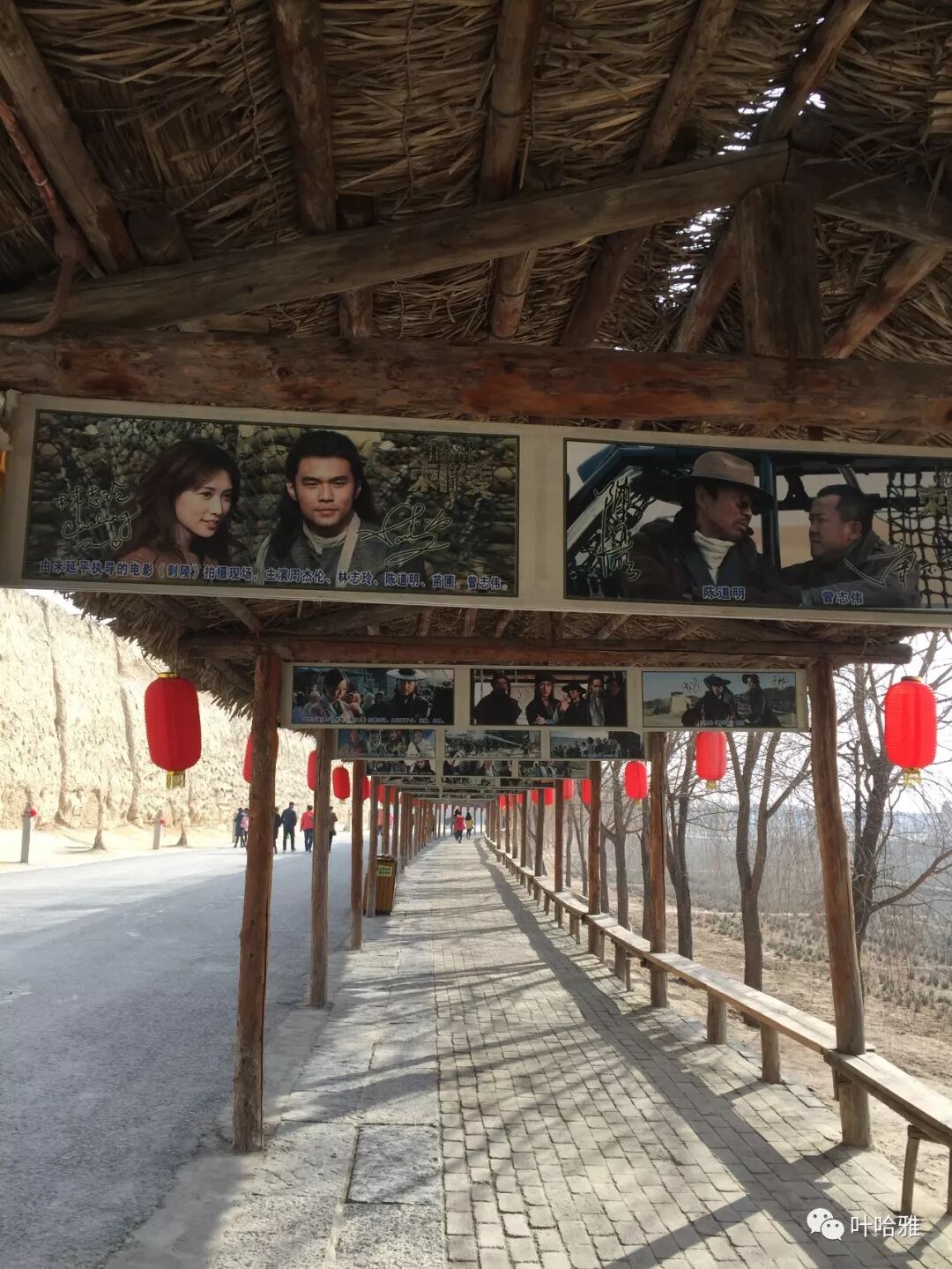
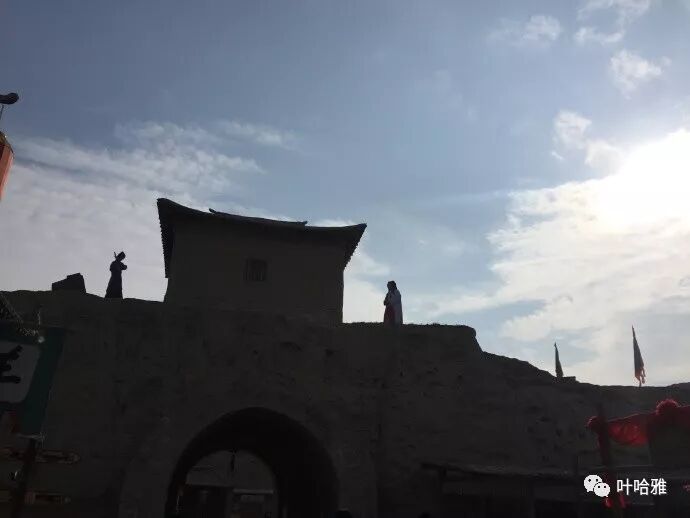
The Western Film Studio is the filming location for many western movies. It was not easy to build a film base in this place.
One of the scenes from A Chinese Odyssey Part Two: Cinderella.
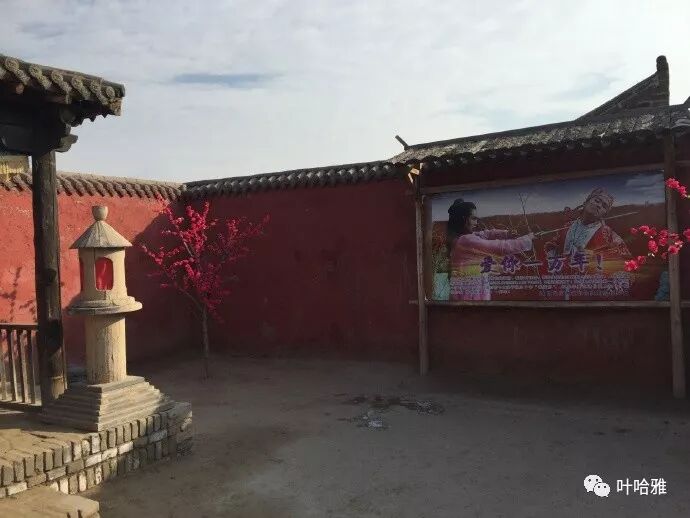
The scene from the 'love you for ten thousand years' bridge.
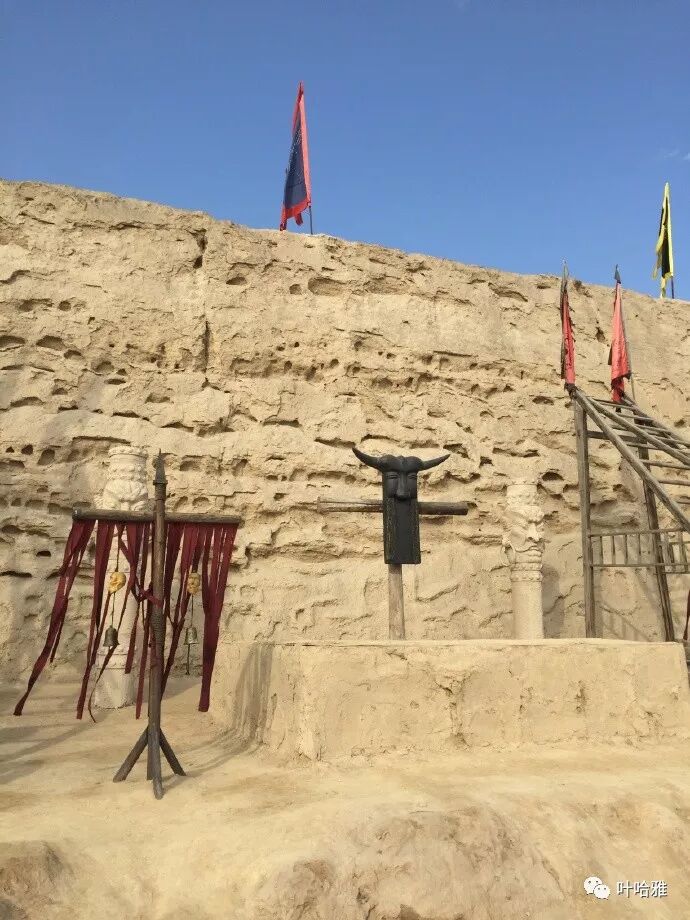
This is the execution platform where Tang Seng kept saying, 'How many brothers and sisters do you have?' Are your parents still alive? Say something. I just want to make one more friend before I die. Being a demon is just like being a human; you need a kind heart. Once you have a kind heart, you are no longer a demon, but a human-demon.
Yingbin Building (Yingbin Lou)
Yingbin Building (Yingbin Lou) is another famous restaurant in Yinchuan. It is a place for hot pot meat, but it is most famous for the ice cream sold at the entrance.
You cannot go wrong with hot pot lamb (shuan yangrou) in Ningxia because the lamb here is delicious.
Old Mao Hand-Grabbed Lamb (Lao Mao Shouzhua)
Old Mao Hand-Grabbed Lamb (Lao Mao Shouzhua) is one of the most famous hand-grabbed lamb brands in Yinchuan. During Ramadan last year, I ate some loose cold hand-grabbed lamb brought from Yinchuan in Beijing, and it really satisfied my craving. Remember to eat raw garlic with the hand-grabbed lamb; if you eat meat without garlic, the flavor is cut in half.
Yinchuan's Ox Street (Niujie). I have been to four Ox Streets. Besides the one in Beijing, there is also the Ox Street in Hohhot and the Ox Street in Karamay.
Zhongwei Dongguan Grand Mosque (Zhongwei Dongguan Qingzhen Dasi)
I left Yinchuan and took a car to the Zhongwei Dongguan Grand Mosque. The most convenient way to travel between cities in Ningxia is by private car. There are private cars at many intersections; you just wave them down, and they stop. The price is cheap, and even traveling across Ningxia from south to north costs no more than 80 yuan.
There are fewer Hui Muslims in Zhongwei than in Yinchuan. I rested briefly at the Dongguan Grand Mosque before heading to one of my destinations, the Honggang Gangzi Gongbei.
Haiyuan Yite Restaurant
I had a bowl of handmade noodle pieces (mianpian) at the Haiyuan Yite Restaurant next to the Zhongwei bus station. Since this year, not just in Ningxia, but also in places like Beijing and Henan where I have been, all halal restaurants must use this Chinese-style halal sign, and all Arabic script on the outside must be removed.
The Arabic on the menu has already been covered up.
The noodle soup is still very tasty. In Ningxia, for visitors, you just need to remember the names of the dishes you want to eat. You can walk into any restaurant you see by the road, and the taste won't be bad.
The Great Mosque (qingzhen dasi) of Xingren Town is currently undergoing Chinese-style renovations. Xingren Town is about a two-hour drive from Zhongwei. My destination was the Honggang Gangzi Gongbei, but no one at the Zhongwei station knew where it was. I asked a friend (dosti) from the Hongmen menhuan, and he told me I had to go to Xingren Town first, then take a car from there to the Honggang Gangzi Gongbei.
Xingren Great Mosque.
I caught a private car at an intersection near the mosque, paid 15 yuan, and after a half-hour ride, I arrived at the Honggang Gangzi Gongbei.
Honggang Gangzi Gongbei
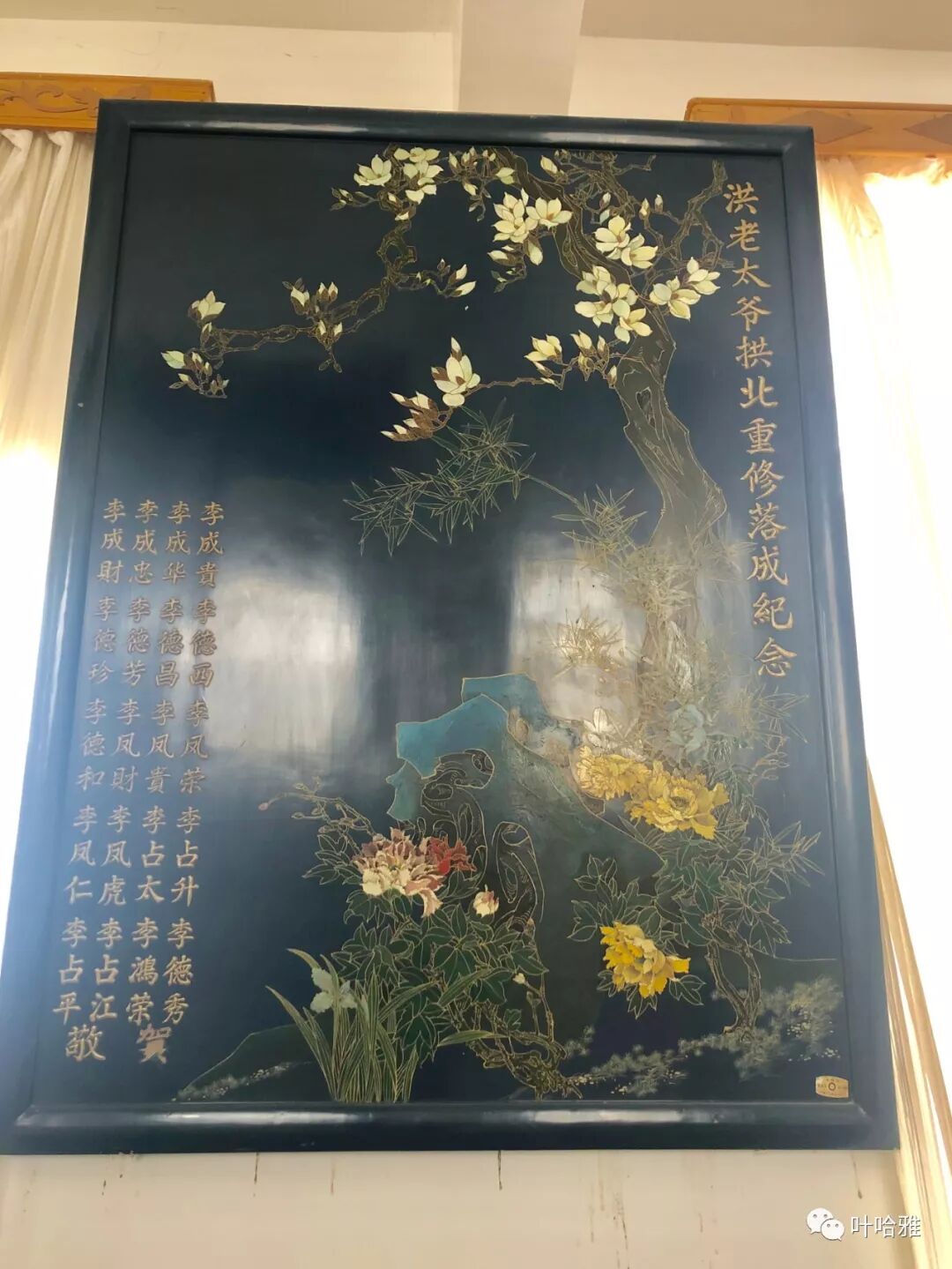
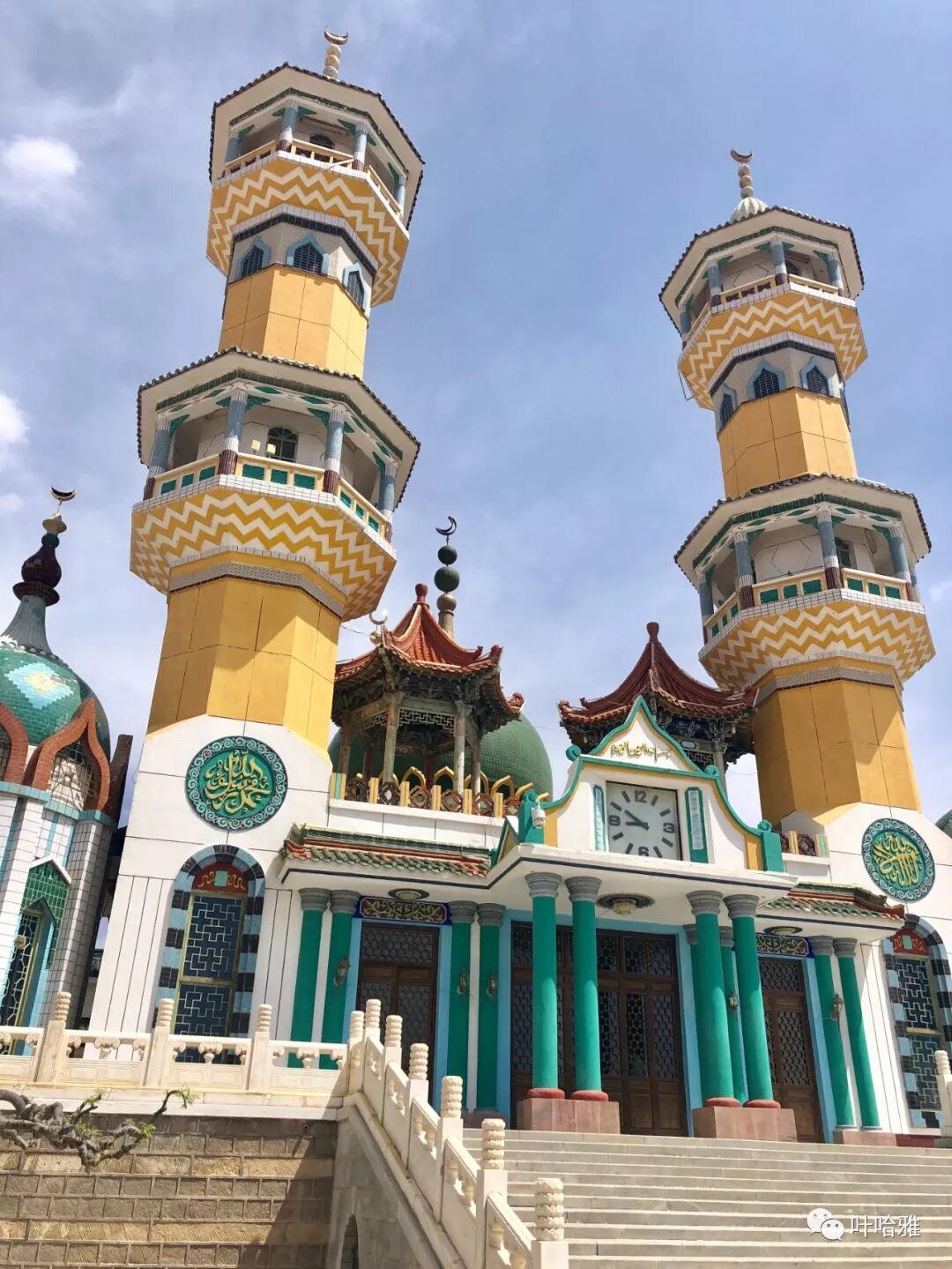
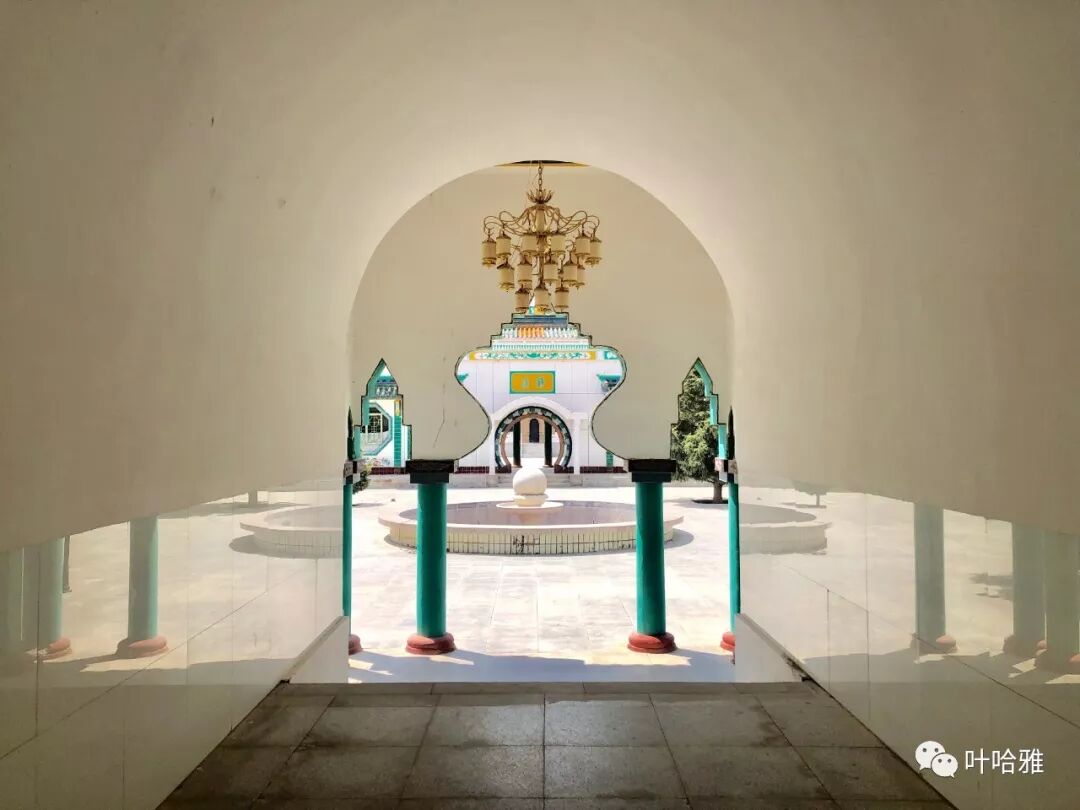
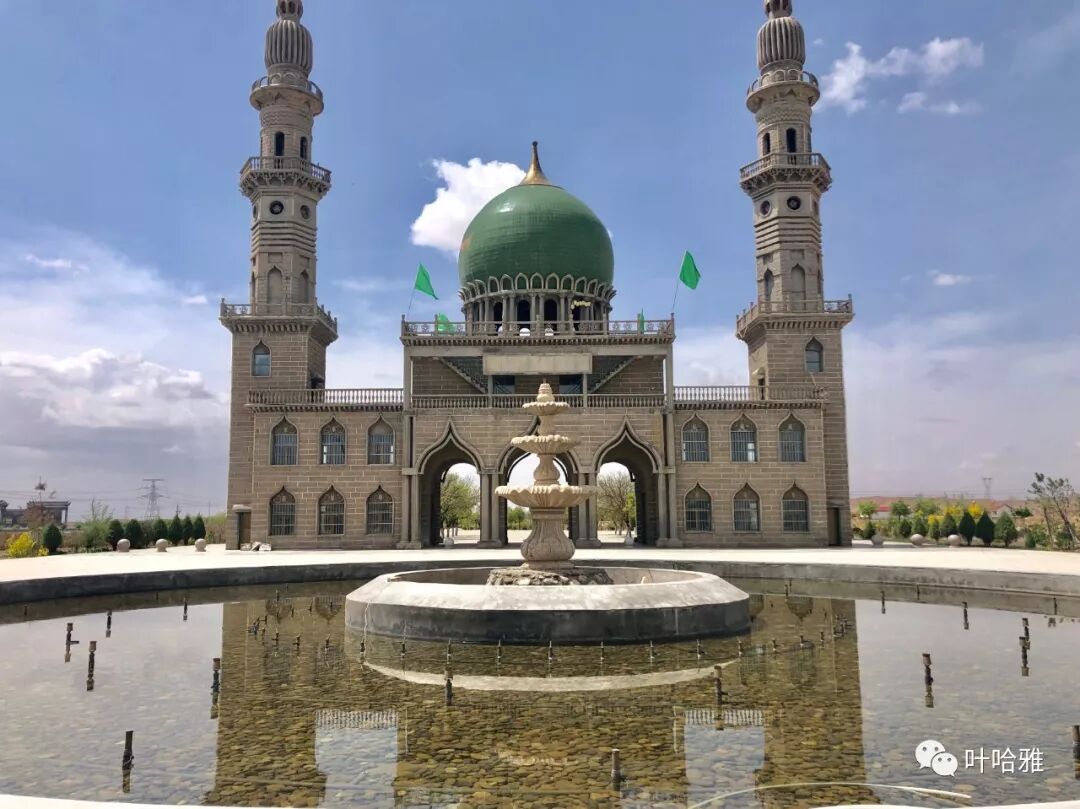
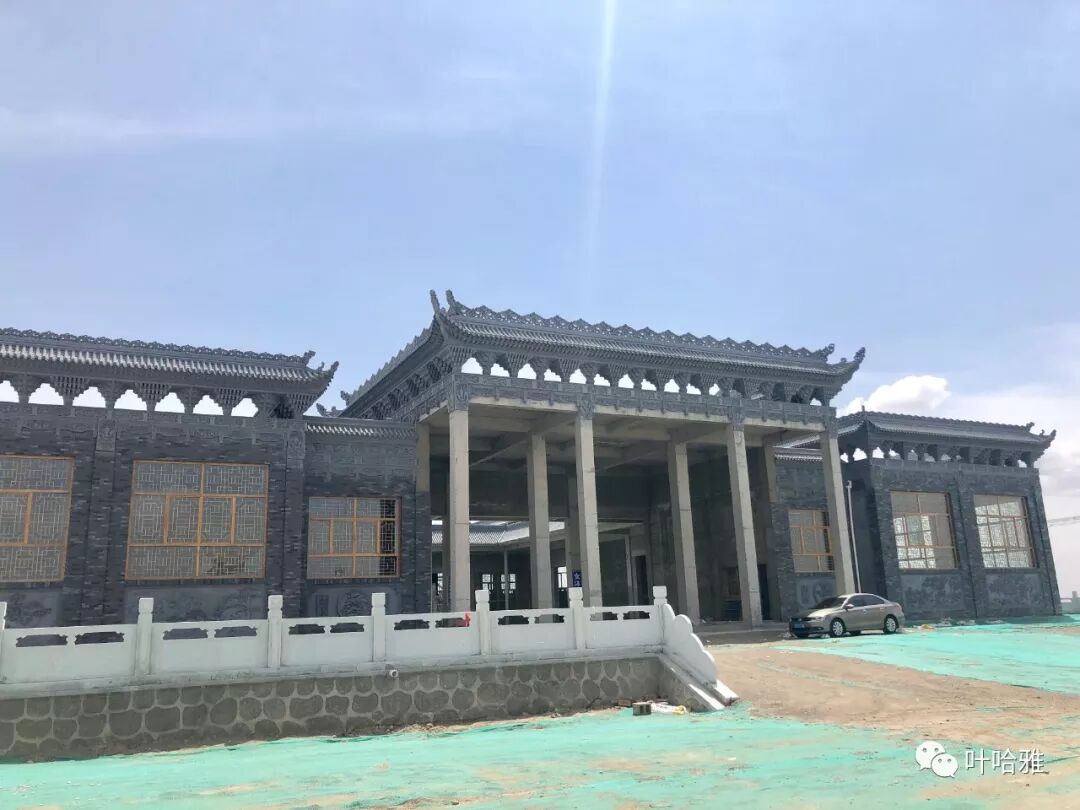
The Honggang Gangzi Gongbei was first built in 1939. It is the tomb and prayer hall for Hong Shoulin (1852-1937), the founder of the Hongmen branch of the Khufiyya menhuan in Chinese Islam. It was damaged during the Cultural Revolution. In 1987, it was rebuilt and expanded under the leadership of Hong Weizong Haji, the third-generation successor of Hongmen and vice-chairman of the regional CPPCC. The entire complex includes a front gate, school, mosque, residential building, scripture chanting hall, bathing hall, dining hall, gongbei, main hall, domed tower, and monument. It covers over 20,000 square meters and is very spectacular.
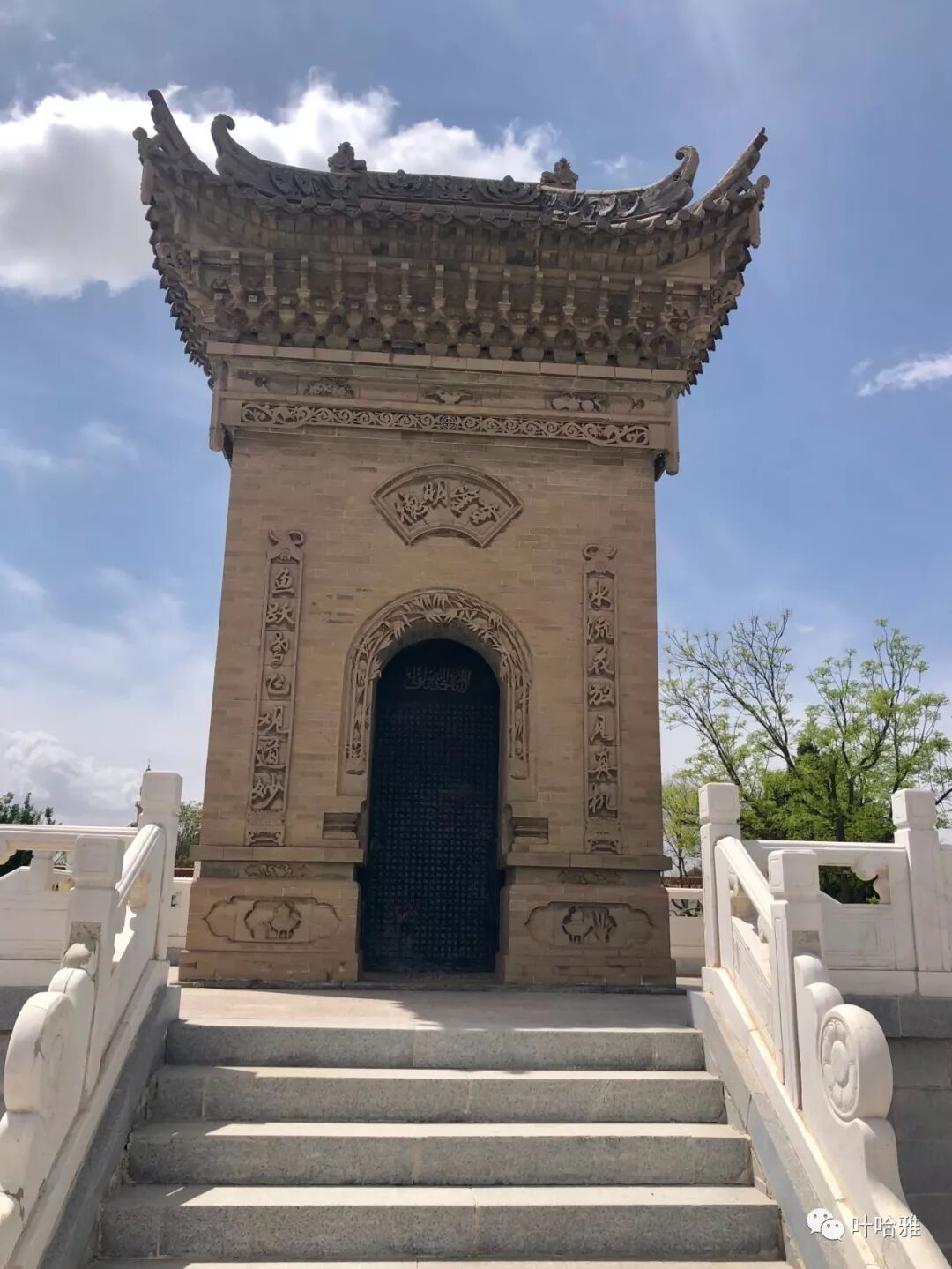
On the front of the Hong Shoulin monument pavilion: Hong Shoulin (courtesy name Hairu), also known as Shouling, with the religious name Sherefe Vendini Suwanglonglaxi. His ancestors were from Hongjiazhuang in Lutang, Jingtai County, Gansu Province. As a child, he fled to Tongxin Honggangzi and worked as a helper at the Zhuangtou Mosque. He used his spare time to listen to the imam teach scriptures. Because he was very bright, the imam chose him for advanced study, eventually training him to become a great imam. While in Lanzhou, he studied under the elder Zhuang from Liangzhou. Before the elder Zhuang passed away, he left a will naming Hong Shoulin as the successor to the Khufiyya. On the 29th day of the 11th lunar month in the 24th year of the Guangxu reign, during the 100-day memorial for the elder Zhuang of Liangzhou, the elder's wife asked for Hong Shoulin to be brought to her to take over the religious leadership. Hong Shoulin accepted the order, entered a quiet room for seven days, and then asked the old lady for the keys. He opened the door and found a golden seal of the Great Master Datong, a golden seal of the Master of Liangzhou Zhuang, a prayer rug, and a prayer bead string (tasbih). From then on, Hong Shoulin began his mission.
When Hong Shoulin was preaching in Lanzhou, he bought three acres of land in Xujiawan to bury the remains of the elders from Jiangoujing and Liangzhouzhuang. He built the Xujiawan gongbei there. He moved the remains of the Datong elder from Menyuan, Qinghai, to the main pavilion of the gongbei. He moved the remains of the Jiangoujing elder and his son from Jingtai County, Gansu, to the north side of the gongbei, and moved the remains of the Liangzhouzhuang elder from Datong, Qinghai, to the east side of the gongbei.
In 1936, when the Chinese Workers' and Peasants' Red Army went on their western expedition, Hong Shoulin worked closely with them. Because of this, founding Lieutenant General Tang Tianji gave him a silk banner that read 'Loving the People Like Heaven' and 100 sheep.
The entrance hall of the elder's tomb.
The front view of the ablution room (shuifang).
A full view of the ablution room (shuifang).
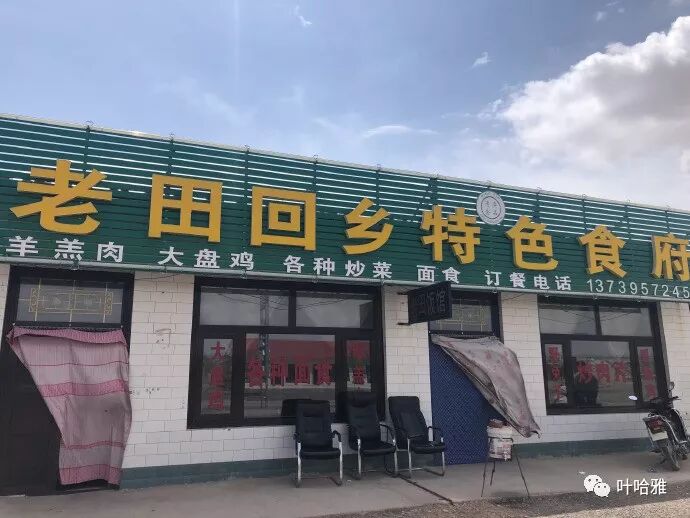
Laotian Hui Hometown Specialty Restaurant.
After finishing the grave visit, I walked toward the village entrance. A passing friend (dosti) offered me a ride, so I took his car to the Laotian Hui Hometown Specialty Restaurant to eat.
I had a bowl of steamed lamb (zheng yanggao rou), which came with rice and side dishes. It tasted great. After eating, I caught a private car at the intersection and paid 10 yuan to go to Tongxin.
Upon arriving in Tongxin, I went straight to the Tongxin Grand Mosque.
Tongxin Great Mosque
The Tongxin Grand Mosque is the oldest and largest mosque in Ningxia, and it is also a protected revolutionary site.
Legend says the Tongxin Grand Mosque was built during the Wanli period of the Ming Dynasty (1573–1620). It was rebuilt in the early Ming Dynasty on the site of an original lama mosque. According to ink inscriptions on the screen wall and the ridge purlin of the prayer hall, it was renovated twice, in 1791 during the Qianlong reign of the Qing Dynasty and in 1907 during the Guangxu reign.
In 1936, the Red Army held the founding meeting of the Shaan-Gan-Ning Province Yuhai County Hui Muslim Autonomous Government at the Tongxin Great Mosque.
After a short stay in Tongxin, I took a two-hour car ride to Guyuan County town. This is where you truly enter the central area of Xihaigu, where there are noticeably more Hui Muslims on the streets and halal restaurants everywhere.
Ruifeng Hotel
I stayed at a very good halal hotel in Guyuan County town called Ruifeng Hotel. It seems to be the most high-end dining and lodging group in the area. The owner is a Hui Muslim and they provide a halal breakfast.
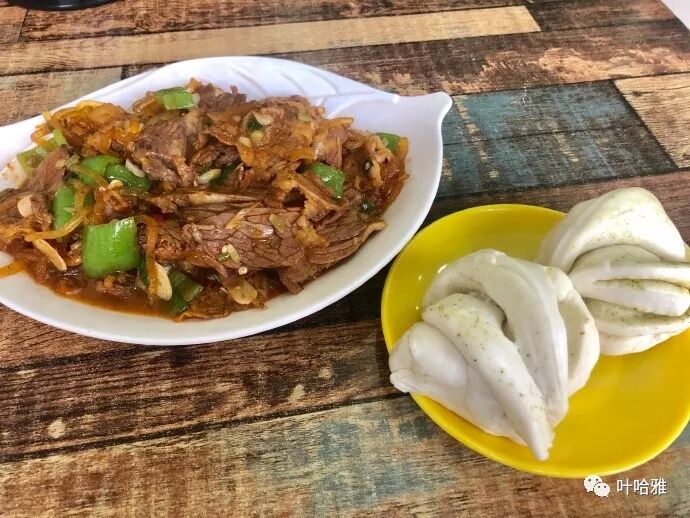
I love eating this kind of steamed bun (baozi) from the Northwest; they not only look good but also taste delicious.
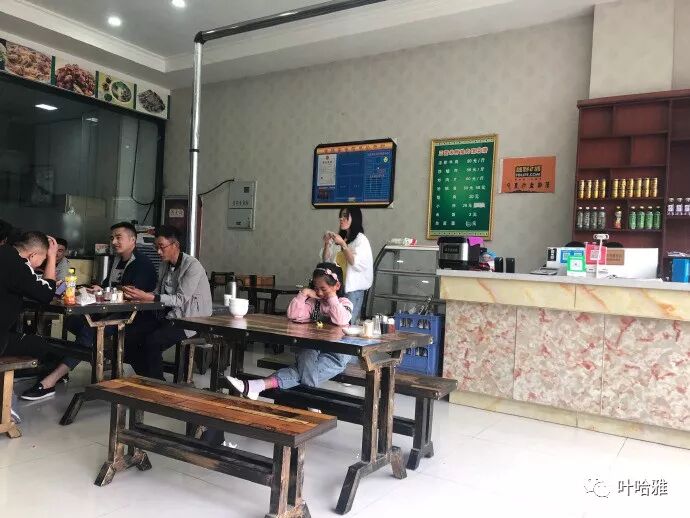
On the first floor of the hotel is a Sanying Mishi Braised Meat Restaurant, and stir-fried braised meat (chao huirou) is one of the local specialties.
Sanying Mishi Braised Meat Restaurant
You can eat stir-fried braised meat with rice or steamed flower rolls (huajuan). The meat is beef. Tongxin and Wuzhong are places where people eat lamb, but once you reach the Xihaigu area, beef becomes the main meat.
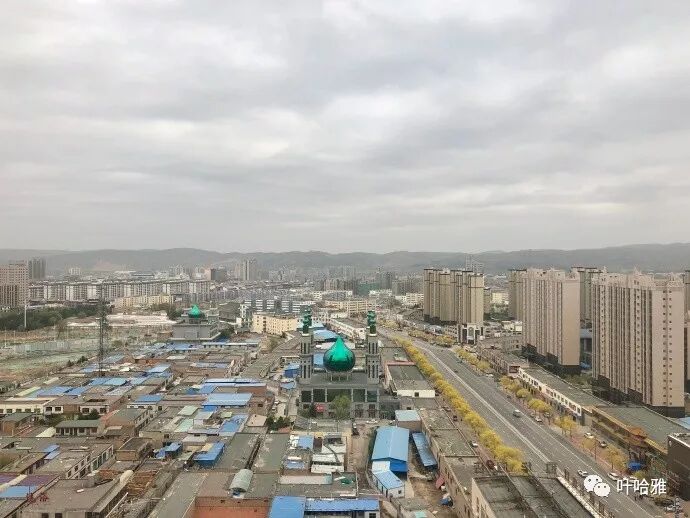
Looking out from my room, the Jiulong Road Mosque is right across the way, and the Xiyuan Mosque is in the upper left corner.
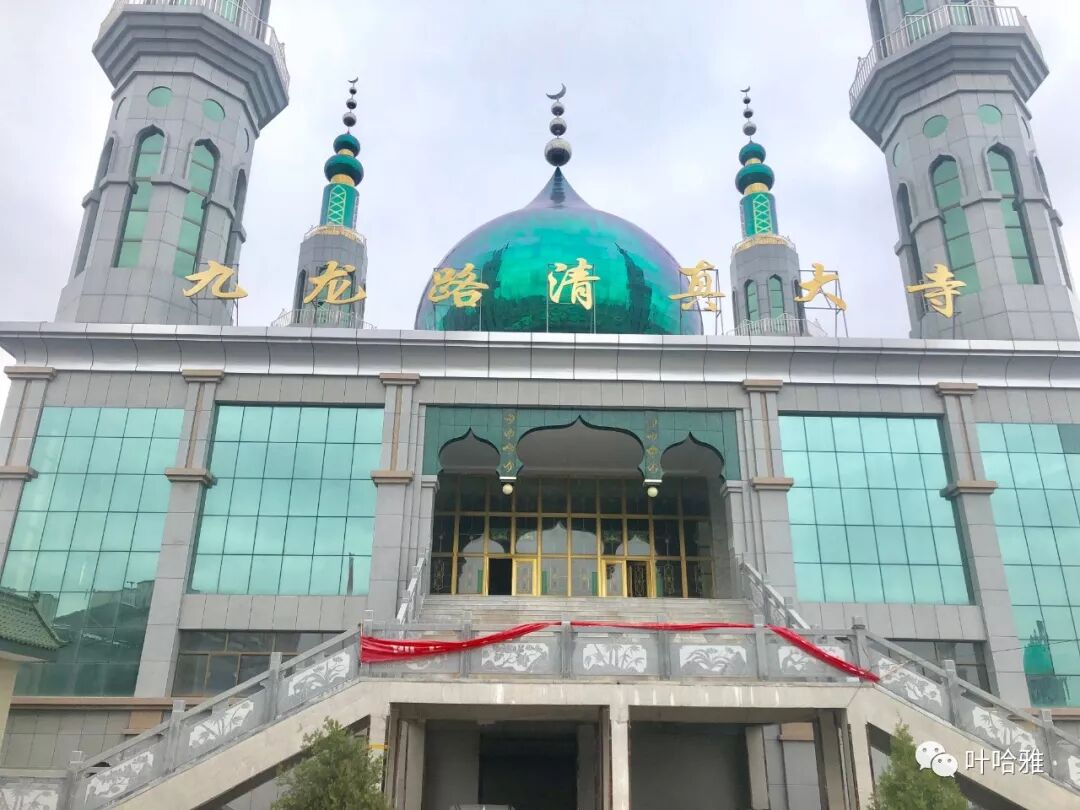
Jiulong Road Great Mosque
At the Jiulong Road Mosque, I asked a friend where to catch a ride to the Shagou gongbei. He told me this is an Ikhwan mosque and they do not visit graves, so he suggested I ask at the neighboring Khufiyya mosque instead.
Xiyuan Great Mosque
The Xiyuan Mosque in Guyuan belongs to the Khufiyya menhuan.
The mosque elders were very warm when they learned I was from Beijing. They invited me into their room as a guest and told me how to get a ride to the Shagou gongbei.
The next day, I took a taxi from the Guyuan bus station to the Shagou gongbei in Xiji County. I agreed on a price with the driver beforehand; the round trip was about 80 kilometers and cost 100 yuan.
The driver was a local Han man whose parents had moved to Guyuan as refugees years ago. He told me about how local Hui Muslims and Han residents get along. He even has relatives who married into Hui families, though after a divorce, the children followed their Han mother's way of life.
We had a friendly chat along the way, but the road conditions were very poor. It was all dirt roads, and my phone lost signal for a while. After an hour of bumping along, we arrived at the Shagou gongbei in Xiji County.
Shagou Gongbei
The Shagou gongbei was first built during the Guangxu reign of the Qing Dynasty. It covers over 300 mu and is mostly a burial ground for Muslim sages. Ma Yuanzhang, the seventh-generation leader of the Jahriyya menhuan, was once buried here. Ma Yuanzhang was born in 1853. He was the great-grandson of the Jahriyya founder Ma Mingxin and was respectfully called Shagou Taiye by the community. In the 9th year of the Republic of China (1920), a major earthquake hit Xiji, and Ma Yuanzhang passed away.
Ma Yuanzhang's younger brother, Ma Yuanchao, moved his remains to Xuanhuagang in Zhangjiachuan, Gansu, so that Ma Yuanzhang could be buried alongside Ma Hualong. After the passing of Great Master Ma Yuanzhang, his fourth son, Ma Zhenwu, took over the management of religious affairs in Xiji. Followers respectfully called him the Fourth Master, and his group is known as the Shagou faction. His jurisdiction included over 260 mosques (fang) in the Xi, Hai, Gu, Longde, and Jingning areas, over 130 in eastern Gansu, over 40 across Xinjiang, more than 10 in Yunnan and Guizhou, and another 10 or so in places like Jinan, Taierzhuang, Beijing, and the Jilin shipyard, totaling more than 450 mosques.
The tradition of the Jahriyya building a gongbei (a shrine for a Sufi saint) began with Great Master Ma Yuanzhang. Ma Yuanzhang built the Dongchuan Great Gongbei for Ma Mingxin at Dongshaomen in Lanzhou, and the Xuanhuagang Gongbei for Ma Hualong in Zhangjiachuan. Ma Yuanzhang was the first person to use the term menhuan (a Sufi order or lineage).
A clear feature of the Jahriyya menhuan is wearing a six-pointed cap, which represents their firm belief in the six articles of faith. Another clear feature is not growing a beard. This started in 1762 when the Jahriyya founder, Great Master Ma Mingxin, was leading the Friday prayer (Jumu'ah) at Zhanghagong Mosque in Xunhua. He met Ma Guobao, the second-generation leader of the Huasi menhuan. They argued over scripture, and the conflict grew. Ma Guobao accused the Jahriyya of being a cult to the Qing government, claiming their beards were a sign of anti-Qing activities. This led to persecution by the Qing government. Because of this, Ma Mingxin ordered his followers to stop growing beards, saying they would settle the dispute with Ma Guobao in the afterlife. Ma Guobao fell ill and passed away in 1773 while traveling to Baotou, at the age of 36.
It was not until the 46th year of the Qianlong reign that the two factions reached a reconciliation after participating in the anti-Qing struggle together.
The Jahriyya do not build minarets (bangkelou). Instead, they use a wooden clapper (bangzi) to signal the call to prayer (adhan). This was a hidden method adopted to avoid detection by officials when the Qing government strictly banned the Jahriyya.
The Jahriyya believe that if a follower lacks the funds for the Hajj pilgrimage, they can visit a gongbei or a daotang (a religious hall) as a substitute, which is why the Jahriyya place great importance on the gongbei.
After the grave visitation (youfen) at the Shagou Gongbei ended, I headed straight to Jingyuan County for an appointment. Jingyuan County can be called a 100% halal county. Over 90% of the local population are Hui Muslims. I did not see a single non-halal restaurant on the streets, though it was sparsely populated and many shops were closed.
I performed the celebration prayer (Eid prayer) at the Great Mosque of Yejiacun in Jingyuan County. The famous Liupan Mountain scenic area is right behind it, but I had no heart for sightseeing.
In the distance is Liupan Mountain. The temperature in Jingyuan County is a few degrees lower than in central Ningxia, and there is a large temperature difference between day and night. I came in May; daytime temperatures were in the low teens Celsius, but at night it would drop below 10 degrees. I heard it even snowed in June.
Before coming to Jingyuan County, friends told me I had to try the farm-style meals here. I met a local friend in Yejiacun Village to eat at a farm restaurant. Yejiacun is a village of Hui Muslims, and all the farm restaurants in the village are halal.
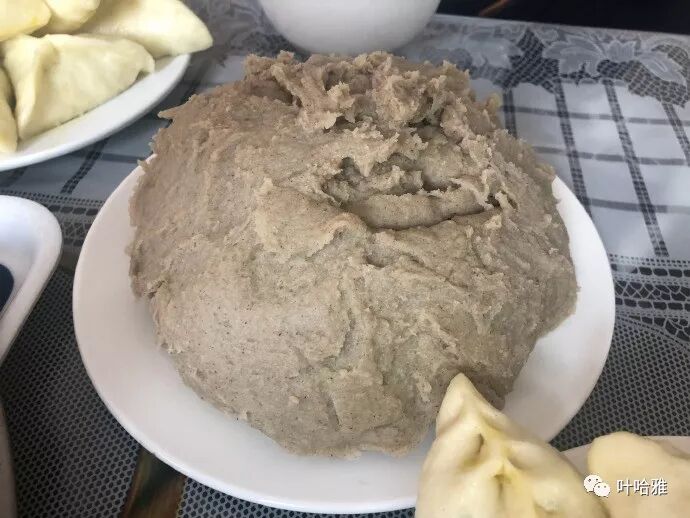
The traditional Northwest specialty dish, stirred flour paste (jiaotuan), tasted different from the one I had in Xunhua.
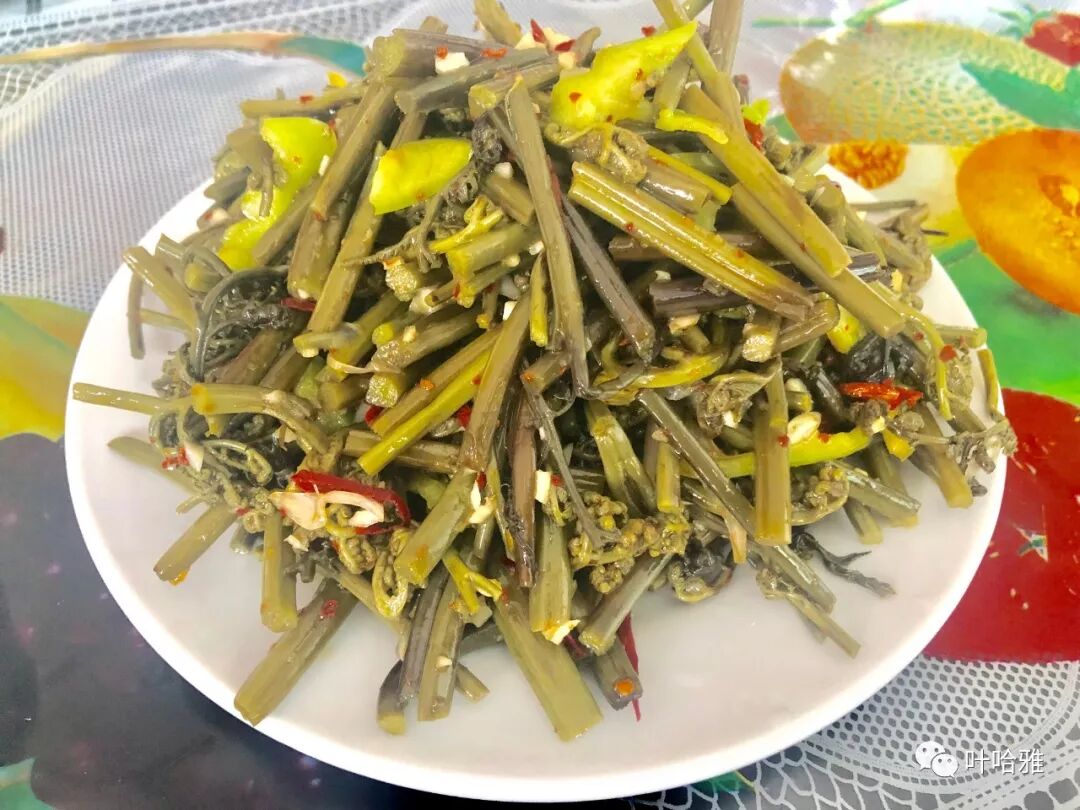
Wolf-tooth herb (langyabang) is a type of local wild vegetable.
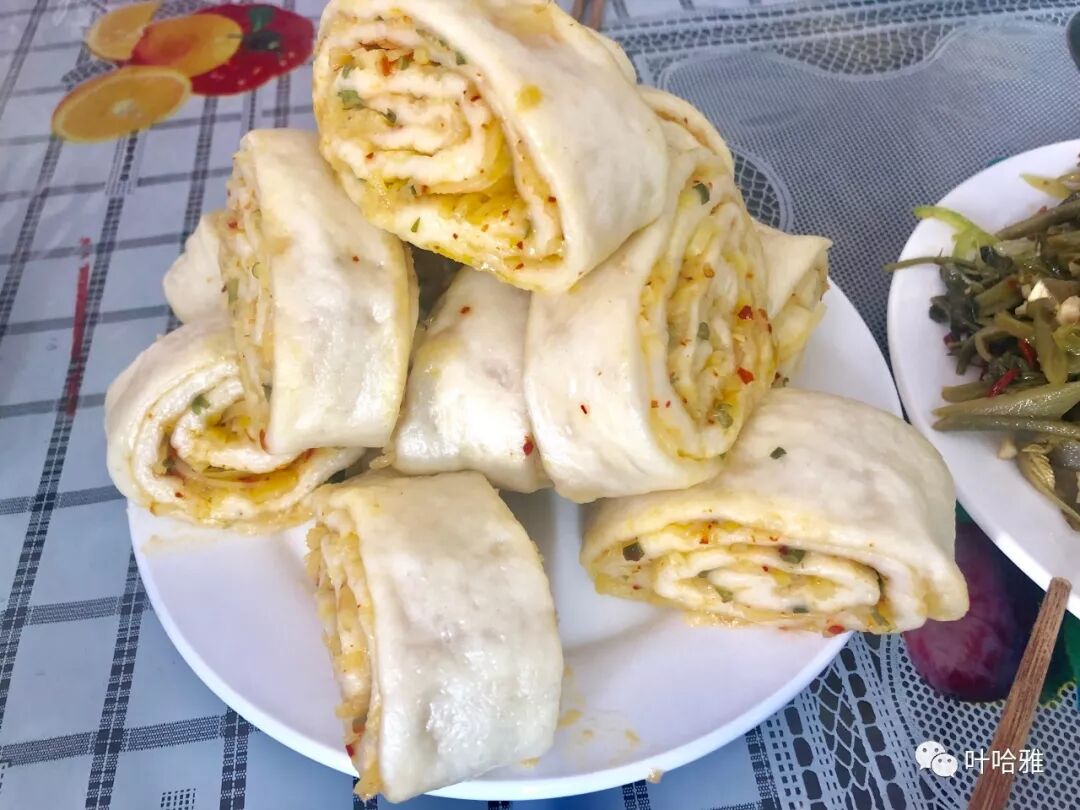
Steamed flower rolls (huajuan) are made the way local villagers make them at home.
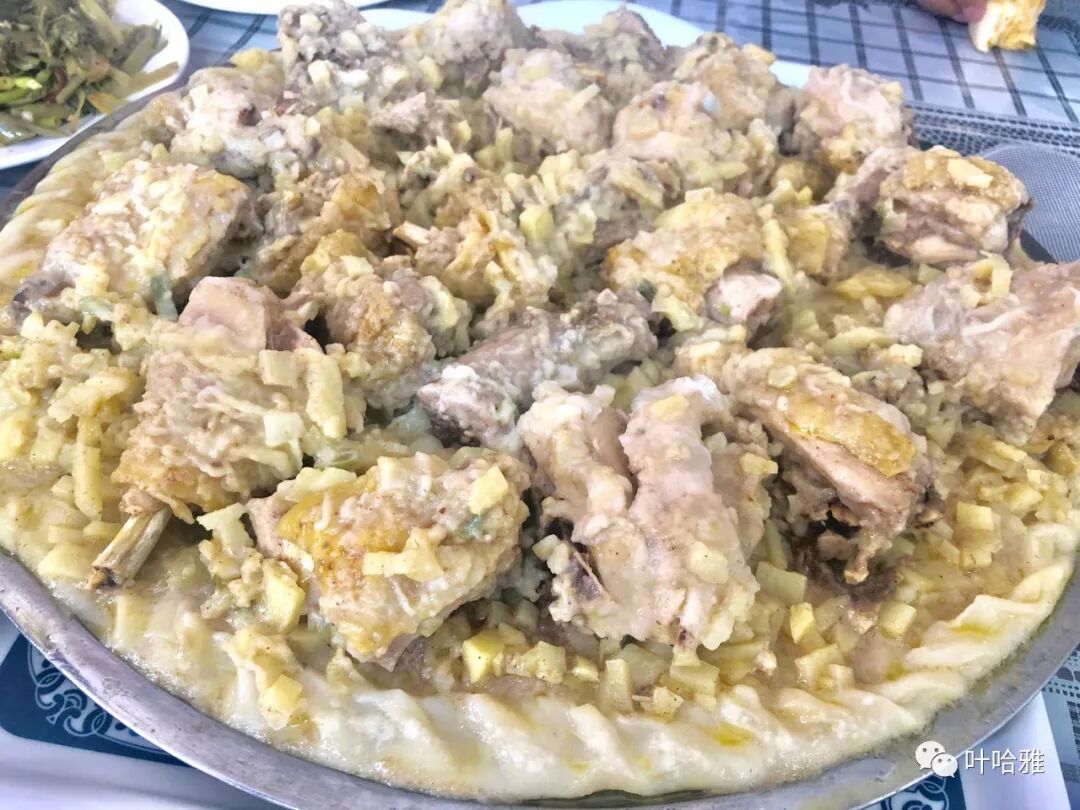
Steamed chicken is a classic home-cooked specialty in Jingyuan, Ningxia, usually only found in people's homes. If you want to try it in Beijing, you can order it one day in advance at Ali Restaurant, provided the chef from Jingyuan is working that day.
This huge table of food was enough for seven or eight people and cost less than 300 yuan. It had very distinct local flavors and was incredibly satisfying.
After finishing our farm-style feast in Yejiacun, we went back to Jingyuan County town. Following a friend's recommendation, I tried the most popular local yellow beef hot pot.
People in Jingyuan don't eat much lamb. Beef is their main meat, and the quality of Jingyuan beef is very high.
I drank a knock-off version of a soda, which seemed to be a copy of the Inner Mongolian brand Big Kiln Soda (Dayao Jiabin).
This pot was packed full of large chunks of yellow beef and only cost a little over 130 yuan. After eating the meat, you can keep adding vegetables to the pot.
After dinner, I walked around Jingyuan County town and saw that the largest local mosque had finished its Sinicization renovation, with the original dome removed.
There are no real ancient mosques left in Jingyuan County. The old ones fell into disrepair and have basically all been rebuilt.
You can still see what the Chengguan Great Mosque looked like on its stone monument.
The next morning, it drizzled in Jingyuan County. I had a crispy beef pancake (niuroubing) and porridge at a small shop near the bus station. This pancake is a local breakfast staple. You can also find it on Ox Street (Niujie) under the name Xi'an Palace Beef Pancake, but my friends in Xi'an say it is not a local dish there. Since Jingyuan is not far from Xi'an, I suspect the shop on Ox Street actually comes from Jingyuan.
I originally planned to go from Jingyuan County back to Guyuan Liupanshan Airport to fly to Xi'an, but a friend told me there was a direct bus to Xi'an. It turned out to be faster than flying, and it takes you straight to downtown Xi'an, whereas the plane only lands at Xianyang Airport. I took a four-hour bus ride to Xi'an, which led to my previous guide on eating and exploring the Muslim Quarter in Xi'an. view all
Summary: This Ningxia Muslim travel guide keeps the original Yinchuan and Xihai'gu route, with mosques, local meals, gongbei sites, towns, and photos. It is written for readers looking for halal food in China and Muslim heritage in Ningxia.
After reading Zhang Chengzhi's History of the Soul, I became interested in the lives of Hui Muslims in the Xihai'gu region of Ningxia. I followed the footsteps of the book and set foot on the land of Ningxia. Xihai'gu is the short name for the three counties of Xiji, Haiyuan, and Guyuan in the Longdong mountainous area of southern Ningxia. It is also a synonym for the Muslim mountainous region in the eastern part of the Loess Plateau.
My first stop was Yinchuan, the capital of the Ningxia Hui Autonomous Region. Although Yinchuan is a provincial-level city, there are not many Hui Muslims here. Most of Ningxia's Hui Muslims live in the southern mountainous areas.
Yinchuan Nanguan Mosque
I arrived during Jumu'ah and rushed to the Nanguan Mosque to join the congregational prayer. The Yinchuan Nanguan Mosque was first built at the end of the Ming Dynasty and was rebuilt in the 1980s.
I visited Yinchuan in 2016. Today, mosques with this Central Asian-style dome are no longer allowed to be built. The dome is often mistaken for an Arab style. In fact, Arab-style buildings are square or look like tents. It is the architectural style of Roman, Persian, Turkish, and other Central Asian regions that features domes.
The imam gave a sermon (wa'z) in a heavy Northwest accent. I could not understand it, except for the Arabic words he used.
About 40 percent of the restaurants on the streets of Yinchuan are halal, but the vast majority sell alcohol. Only a few larger halal restaurants do not sell alcohol, and Xiaoye Shouzhua is one of them.
Xiaoye Hand-grabbed Lamb (Xiaoye Shouzhua)
You must eat hand-grabbed lamb (shouzhua yangrou) when you come to Ningxia. The best hand-grabbed lamb in Ningxia is in Wuzhong, and there is also the salt-lake sheep (tanyang) hand-grabbed lamb from Yanchi. Wuzhong is where most of Ningxia's halal food is concentrated, but my trip did not include Wuzhong. I ate the hand-grabbed lamb at Xiaoye, and it tasted very good.
If you want to find a high-end alcohol-free restaurant in Yinchuan, Xiaoye Shouzhua is the top choice.
There are two ways to eat hand-grabbed lamb (shouzhuayangrou): hot or cold. Xiaoye is famous for its cold version. People in central Ningxia eat a lot of lamb, and the lamb here is guaranteed to have no gamey smell.
Fish-flavored eggplant king (yuxiangqieziwang) is made from a large eggplant shaped like a fish.
Black bean tofu soup (heidoufutang).
Steamed flower rolls with chicken chunks (huajuanjikuai).
Eight-treasure sweet rice (babao tianfan) is a Ningxia specialty often served at Hui Muslim wedding banquets.
Eight-treasure tea (babaocha), also called three-piece tea (sanpaotai), is what people in the Northwest serve their guests. The name refers to the three-piece set consisting of a lidded teacup, a saucer, and a lid. People in the Northwest are very particular about how they drink tea.
Zhenbeipu Western Film Studio.
There are not many places to visit in Yinchuan. With limited time, I only chose the Zhenbeipu Western Film Studio and the China-Arab Axis. I loved the movie A Chinese Odyssey when I was a kid, and the film studio is where it was filmed, so I came to experience it. The China-Arab Axis was turned into a Chinese-style park two years after I visited, so I do not recommend it as it lacks character. When I tried to take a taxi there, the driver did not want to go, saying there was no one there and he would have to drive back empty. Now that it is a Chinese-style park, even fewer people go there.
The Western Film Studio is the filming location for many western movies. It was not easy to build a film base in this place.
One of the scenes from A Chinese Odyssey Part Two: Cinderella.
The scene from the 'love you for ten thousand years' bridge.
This is the execution platform where Tang Seng kept saying, 'How many brothers and sisters do you have?' Are your parents still alive? Say something. I just want to make one more friend before I die. Being a demon is just like being a human; you need a kind heart. Once you have a kind heart, you are no longer a demon, but a human-demon.
Yingbin Building (Yingbin Lou)
Yingbin Building (Yingbin Lou) is another famous restaurant in Yinchuan. It is a place for hot pot meat, but it is most famous for the ice cream sold at the entrance.
You cannot go wrong with hot pot lamb (shuan yangrou) in Ningxia because the lamb here is delicious.
Old Mao Hand-Grabbed Lamb (Lao Mao Shouzhua)
Old Mao Hand-Grabbed Lamb (Lao Mao Shouzhua) is one of the most famous hand-grabbed lamb brands in Yinchuan. During Ramadan last year, I ate some loose cold hand-grabbed lamb brought from Yinchuan in Beijing, and it really satisfied my craving. Remember to eat raw garlic with the hand-grabbed lamb; if you eat meat without garlic, the flavor is cut in half.
Yinchuan's Ox Street (Niujie). I have been to four Ox Streets. Besides the one in Beijing, there is also the Ox Street in Hohhot and the Ox Street in Karamay.
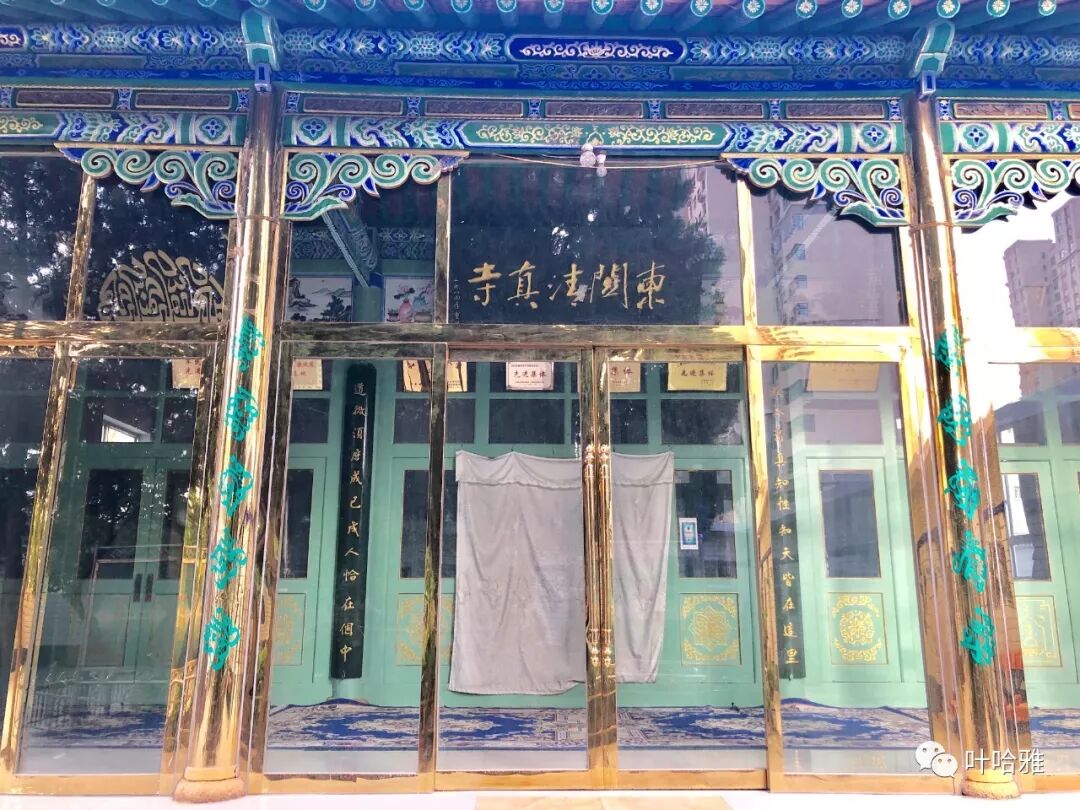
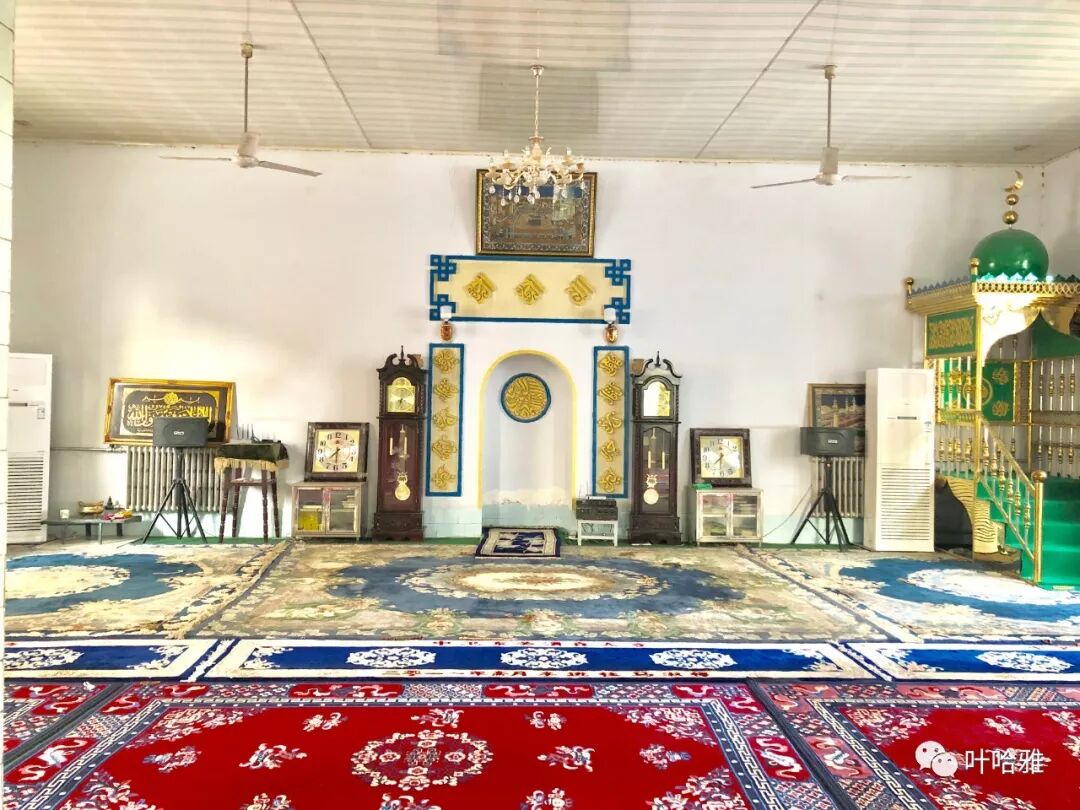
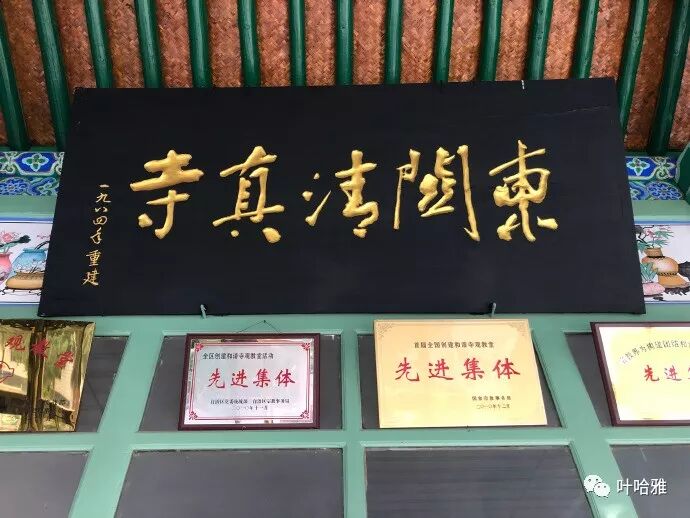
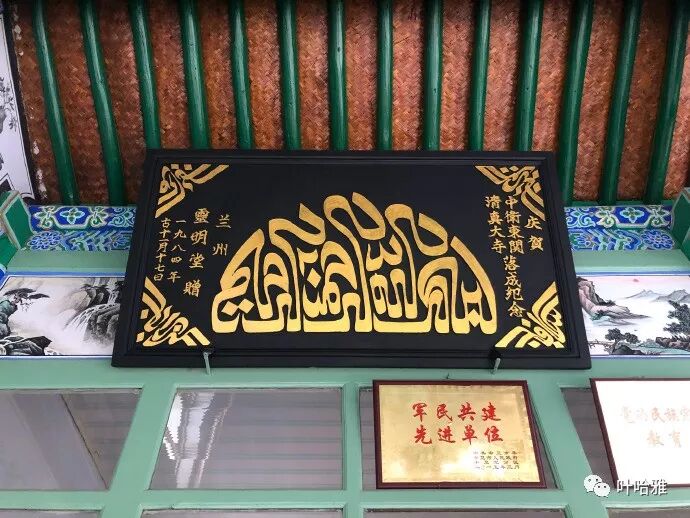
Zhongwei Dongguan Grand Mosque (Zhongwei Dongguan Qingzhen Dasi)
I left Yinchuan and took a car to the Zhongwei Dongguan Grand Mosque. The most convenient way to travel between cities in Ningxia is by private car. There are private cars at many intersections; you just wave them down, and they stop. The price is cheap, and even traveling across Ningxia from south to north costs no more than 80 yuan.
There are fewer Hui Muslims in Zhongwei than in Yinchuan. I rested briefly at the Dongguan Grand Mosque before heading to one of my destinations, the Honggang Gangzi Gongbei.
Haiyuan Yite Restaurant
I had a bowl of handmade noodle pieces (mianpian) at the Haiyuan Yite Restaurant next to the Zhongwei bus station. Since this year, not just in Ningxia, but also in places like Beijing and Henan where I have been, all halal restaurants must use this Chinese-style halal sign, and all Arabic script on the outside must be removed.
The Arabic on the menu has already been covered up.
The noodle soup is still very tasty. In Ningxia, for visitors, you just need to remember the names of the dishes you want to eat. You can walk into any restaurant you see by the road, and the taste won't be bad.
The Great Mosque (qingzhen dasi) of Xingren Town is currently undergoing Chinese-style renovations. Xingren Town is about a two-hour drive from Zhongwei. My destination was the Honggang Gangzi Gongbei, but no one at the Zhongwei station knew where it was. I asked a friend (dosti) from the Hongmen menhuan, and he told me I had to go to Xingren Town first, then take a car from there to the Honggang Gangzi Gongbei.
Xingren Great Mosque.
I caught a private car at an intersection near the mosque, paid 15 yuan, and after a half-hour ride, I arrived at the Honggang Gangzi Gongbei.
Honggang Gangzi Gongbei
The Honggang Gangzi Gongbei was first built in 1939. It is the tomb and prayer hall for Hong Shoulin (1852-1937), the founder of the Hongmen branch of the Khufiyya menhuan in Chinese Islam. It was damaged during the Cultural Revolution. In 1987, it was rebuilt and expanded under the leadership of Hong Weizong Haji, the third-generation successor of Hongmen and vice-chairman of the regional CPPCC. The entire complex includes a front gate, school, mosque, residential building, scripture chanting hall, bathing hall, dining hall, gongbei, main hall, domed tower, and monument. It covers over 20,000 square meters and is very spectacular.
On the front of the Hong Shoulin monument pavilion: Hong Shoulin (courtesy name Hairu), also known as Shouling, with the religious name Sherefe Vendini Suwanglonglaxi. His ancestors were from Hongjiazhuang in Lutang, Jingtai County, Gansu Province. As a child, he fled to Tongxin Honggangzi and worked as a helper at the Zhuangtou Mosque. He used his spare time to listen to the imam teach scriptures. Because he was very bright, the imam chose him for advanced study, eventually training him to become a great imam. While in Lanzhou, he studied under the elder Zhuang from Liangzhou. Before the elder Zhuang passed away, he left a will naming Hong Shoulin as the successor to the Khufiyya. On the 29th day of the 11th lunar month in the 24th year of the Guangxu reign, during the 100-day memorial for the elder Zhuang of Liangzhou, the elder's wife asked for Hong Shoulin to be brought to her to take over the religious leadership. Hong Shoulin accepted the order, entered a quiet room for seven days, and then asked the old lady for the keys. He opened the door and found a golden seal of the Great Master Datong, a golden seal of the Master of Liangzhou Zhuang, a prayer rug, and a prayer bead string (tasbih). From then on, Hong Shoulin began his mission.
When Hong Shoulin was preaching in Lanzhou, he bought three acres of land in Xujiawan to bury the remains of the elders from Jiangoujing and Liangzhouzhuang. He built the Xujiawan gongbei there. He moved the remains of the Datong elder from Menyuan, Qinghai, to the main pavilion of the gongbei. He moved the remains of the Jiangoujing elder and his son from Jingtai County, Gansu, to the north side of the gongbei, and moved the remains of the Liangzhouzhuang elder from Datong, Qinghai, to the east side of the gongbei.
In 1936, when the Chinese Workers' and Peasants' Red Army went on their western expedition, Hong Shoulin worked closely with them. Because of this, founding Lieutenant General Tang Tianji gave him a silk banner that read 'Loving the People Like Heaven' and 100 sheep.
The entrance hall of the elder's tomb.
The front view of the ablution room (shuifang).
A full view of the ablution room (shuifang).
Laotian Hui Hometown Specialty Restaurant.
After finishing the grave visit, I walked toward the village entrance. A passing friend (dosti) offered me a ride, so I took his car to the Laotian Hui Hometown Specialty Restaurant to eat.
I had a bowl of steamed lamb (zheng yanggao rou), which came with rice and side dishes. It tasted great. After eating, I caught a private car at the intersection and paid 10 yuan to go to Tongxin.
Upon arriving in Tongxin, I went straight to the Tongxin Grand Mosque.
Tongxin Great Mosque
The Tongxin Grand Mosque is the oldest and largest mosque in Ningxia, and it is also a protected revolutionary site.
Legend says the Tongxin Grand Mosque was built during the Wanli period of the Ming Dynasty (1573–1620). It was rebuilt in the early Ming Dynasty on the site of an original lama mosque. According to ink inscriptions on the screen wall and the ridge purlin of the prayer hall, it was renovated twice, in 1791 during the Qianlong reign of the Qing Dynasty and in 1907 during the Guangxu reign.
In 1936, the Red Army held the founding meeting of the Shaan-Gan-Ning Province Yuhai County Hui Muslim Autonomous Government at the Tongxin Great Mosque.
After a short stay in Tongxin, I took a two-hour car ride to Guyuan County town. This is where you truly enter the central area of Xihaigu, where there are noticeably more Hui Muslims on the streets and halal restaurants everywhere.
Ruifeng Hotel
I stayed at a very good halal hotel in Guyuan County town called Ruifeng Hotel. It seems to be the most high-end dining and lodging group in the area. The owner is a Hui Muslim and they provide a halal breakfast.
I love eating this kind of steamed bun (baozi) from the Northwest; they not only look good but also taste delicious.
On the first floor of the hotel is a Sanying Mishi Braised Meat Restaurant, and stir-fried braised meat (chao huirou) is one of the local specialties.
Sanying Mishi Braised Meat Restaurant
You can eat stir-fried braised meat with rice or steamed flower rolls (huajuan). The meat is beef. Tongxin and Wuzhong are places where people eat lamb, but once you reach the Xihaigu area, beef becomes the main meat.
Looking out from my room, the Jiulong Road Mosque is right across the way, and the Xiyuan Mosque is in the upper left corner.
Jiulong Road Great Mosque
At the Jiulong Road Mosque, I asked a friend where to catch a ride to the Shagou gongbei. He told me this is an Ikhwan mosque and they do not visit graves, so he suggested I ask at the neighboring Khufiyya mosque instead.
Xiyuan Great Mosque
The Xiyuan Mosque in Guyuan belongs to the Khufiyya menhuan.
The mosque elders were very warm when they learned I was from Beijing. They invited me into their room as a guest and told me how to get a ride to the Shagou gongbei.
The next day, I took a taxi from the Guyuan bus station to the Shagou gongbei in Xiji County. I agreed on a price with the driver beforehand; the round trip was about 80 kilometers and cost 100 yuan.
The driver was a local Han man whose parents had moved to Guyuan as refugees years ago. He told me about how local Hui Muslims and Han residents get along. He even has relatives who married into Hui families, though after a divorce, the children followed their Han mother's way of life.
We had a friendly chat along the way, but the road conditions were very poor. It was all dirt roads, and my phone lost signal for a while. After an hour of bumping along, we arrived at the Shagou gongbei in Xiji County.
Shagou Gongbei
The Shagou gongbei was first built during the Guangxu reign of the Qing Dynasty. It covers over 300 mu and is mostly a burial ground for Muslim sages. Ma Yuanzhang, the seventh-generation leader of the Jahriyya menhuan, was once buried here. Ma Yuanzhang was born in 1853. He was the great-grandson of the Jahriyya founder Ma Mingxin and was respectfully called Shagou Taiye by the community. In the 9th year of the Republic of China (1920), a major earthquake hit Xiji, and Ma Yuanzhang passed away.
Ma Yuanzhang's younger brother, Ma Yuanchao, moved his remains to Xuanhuagang in Zhangjiachuan, Gansu, so that Ma Yuanzhang could be buried alongside Ma Hualong. After the passing of Great Master Ma Yuanzhang, his fourth son, Ma Zhenwu, took over the management of religious affairs in Xiji. Followers respectfully called him the Fourth Master, and his group is known as the Shagou faction. His jurisdiction included over 260 mosques (fang) in the Xi, Hai, Gu, Longde, and Jingning areas, over 130 in eastern Gansu, over 40 across Xinjiang, more than 10 in Yunnan and Guizhou, and another 10 or so in places like Jinan, Taierzhuang, Beijing, and the Jilin shipyard, totaling more than 450 mosques.
The tradition of the Jahriyya building a gongbei (a shrine for a Sufi saint) began with Great Master Ma Yuanzhang. Ma Yuanzhang built the Dongchuan Great Gongbei for Ma Mingxin at Dongshaomen in Lanzhou, and the Xuanhuagang Gongbei for Ma Hualong in Zhangjiachuan. Ma Yuanzhang was the first person to use the term menhuan (a Sufi order or lineage).
A clear feature of the Jahriyya menhuan is wearing a six-pointed cap, which represents their firm belief in the six articles of faith. Another clear feature is not growing a beard. This started in 1762 when the Jahriyya founder, Great Master Ma Mingxin, was leading the Friday prayer (Jumu'ah) at Zhanghagong Mosque in Xunhua. He met Ma Guobao, the second-generation leader of the Huasi menhuan. They argued over scripture, and the conflict grew. Ma Guobao accused the Jahriyya of being a cult to the Qing government, claiming their beards were a sign of anti-Qing activities. This led to persecution by the Qing government. Because of this, Ma Mingxin ordered his followers to stop growing beards, saying they would settle the dispute with Ma Guobao in the afterlife. Ma Guobao fell ill and passed away in 1773 while traveling to Baotou, at the age of 36.
It was not until the 46th year of the Qianlong reign that the two factions reached a reconciliation after participating in the anti-Qing struggle together.
The Jahriyya do not build minarets (bangkelou). Instead, they use a wooden clapper (bangzi) to signal the call to prayer (adhan). This was a hidden method adopted to avoid detection by officials when the Qing government strictly banned the Jahriyya.
The Jahriyya believe that if a follower lacks the funds for the Hajj pilgrimage, they can visit a gongbei or a daotang (a religious hall) as a substitute, which is why the Jahriyya place great importance on the gongbei.
After the grave visitation (youfen) at the Shagou Gongbei ended, I headed straight to Jingyuan County for an appointment. Jingyuan County can be called a 100% halal county. Over 90% of the local population are Hui Muslims. I did not see a single non-halal restaurant on the streets, though it was sparsely populated and many shops were closed.
I performed the celebration prayer (Eid prayer) at the Great Mosque of Yejiacun in Jingyuan County. The famous Liupan Mountain scenic area is right behind it, but I had no heart for sightseeing.
In the distance is Liupan Mountain. The temperature in Jingyuan County is a few degrees lower than in central Ningxia, and there is a large temperature difference between day and night. I came in May; daytime temperatures were in the low teens Celsius, but at night it would drop below 10 degrees. I heard it even snowed in June.
Before coming to Jingyuan County, friends told me I had to try the farm-style meals here. I met a local friend in Yejiacun Village to eat at a farm restaurant. Yejiacun is a village of Hui Muslims, and all the farm restaurants in the village are halal.
The traditional Northwest specialty dish, stirred flour paste (jiaotuan), tasted different from the one I had in Xunhua.
Wolf-tooth herb (langyabang) is a type of local wild vegetable.
Steamed flower rolls (huajuan) are made the way local villagers make them at home.
Steamed chicken is a classic home-cooked specialty in Jingyuan, Ningxia, usually only found in people's homes. If you want to try it in Beijing, you can order it one day in advance at Ali Restaurant, provided the chef from Jingyuan is working that day.
This huge table of food was enough for seven or eight people and cost less than 300 yuan. It had very distinct local flavors and was incredibly satisfying.
After finishing our farm-style feast in Yejiacun, we went back to Jingyuan County town. Following a friend's recommendation, I tried the most popular local yellow beef hot pot.
People in Jingyuan don't eat much lamb. Beef is their main meat, and the quality of Jingyuan beef is very high.
I drank a knock-off version of a soda, which seemed to be a copy of the Inner Mongolian brand Big Kiln Soda (Dayao Jiabin).
This pot was packed full of large chunks of yellow beef and only cost a little over 130 yuan. After eating the meat, you can keep adding vegetables to the pot.
After dinner, I walked around Jingyuan County town and saw that the largest local mosque had finished its Sinicization renovation, with the original dome removed.
There are no real ancient mosques left in Jingyuan County. The old ones fell into disrepair and have basically all been rebuilt.
You can still see what the Chengguan Great Mosque looked like on its stone monument.
The next morning, it drizzled in Jingyuan County. I had a crispy beef pancake (niuroubing) and porridge at a small shop near the bus station. This pancake is a local breakfast staple. You can also find it on Ox Street (Niujie) under the name Xi'an Palace Beef Pancake, but my friends in Xi'an say it is not a local dish there. Since Jingyuan is not far from Xi'an, I suspect the shop on Ox Street actually comes from Jingyuan.
I originally planned to go from Jingyuan County back to Guyuan Liupanshan Airport to fly to Xi'an, but a friend told me there was a direct bus to Xi'an. It turned out to be faster than flying, and it takes you straight to downtown Xi'an, whereas the plane only lands at Xianyang Airport. I took a four-hour bus ride to Xi'an, which led to my previous guide on eating and exploring the Muslim Quarter in Xi'an. view all
Reposted from the web
Summary: This Ningxia Muslim travel guide keeps the original Yinchuan and Xihai'gu route, with mosques, local meals, gongbei sites, towns, and photos. It is written for readers looking for halal food in China and Muslim heritage in Ningxia.
After reading Zhang Chengzhi's History of the Soul, I became interested in the lives of Hui Muslims in the Xihai'gu region of Ningxia. I followed the footsteps of the book and set foot on the land of Ningxia. Xihai'gu is the short name for the three counties of Xiji, Haiyuan, and Guyuan in the Longdong mountainous area of southern Ningxia. It is also a synonym for the Muslim mountainous region in the eastern part of the Loess Plateau.
My first stop was Yinchuan, the capital of the Ningxia Hui Autonomous Region. Although Yinchuan is a provincial-level city, there are not many Hui Muslims here. Most of Ningxia's Hui Muslims live in the southern mountainous areas.
Yinchuan Nanguan Mosque
I arrived during Jumu'ah and rushed to the Nanguan Mosque to join the congregational prayer. The Yinchuan Nanguan Mosque was first built at the end of the Ming Dynasty and was rebuilt in the 1980s.
I visited Yinchuan in 2016. Today, mosques with this Central Asian-style dome are no longer allowed to be built. The dome is often mistaken for an Arab style. In fact, Arab-style buildings are square or look like tents. It is the architectural style of Roman, Persian, Turkish, and other Central Asian regions that features domes.
The imam gave a sermon (wa'z) in a heavy Northwest accent. I could not understand it, except for the Arabic words he used.
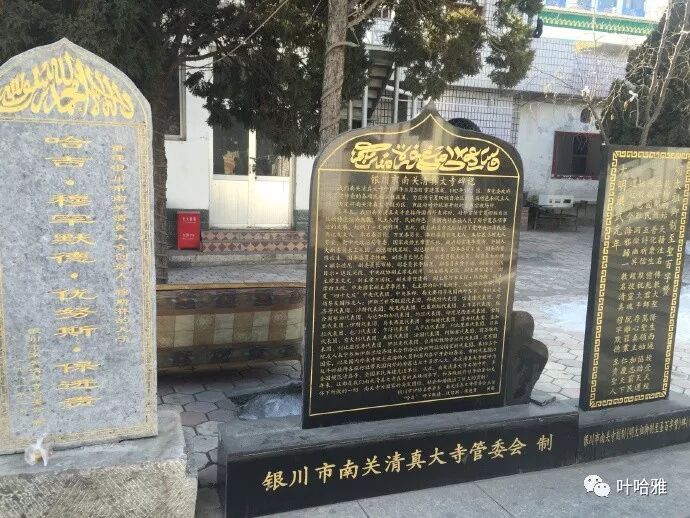
About 40 percent of the restaurants on the streets of Yinchuan are halal, but the vast majority sell alcohol. Only a few larger halal restaurants do not sell alcohol, and Xiaoye Shouzhua is one of them.
Xiaoye Hand-grabbed Lamb (Xiaoye Shouzhua)
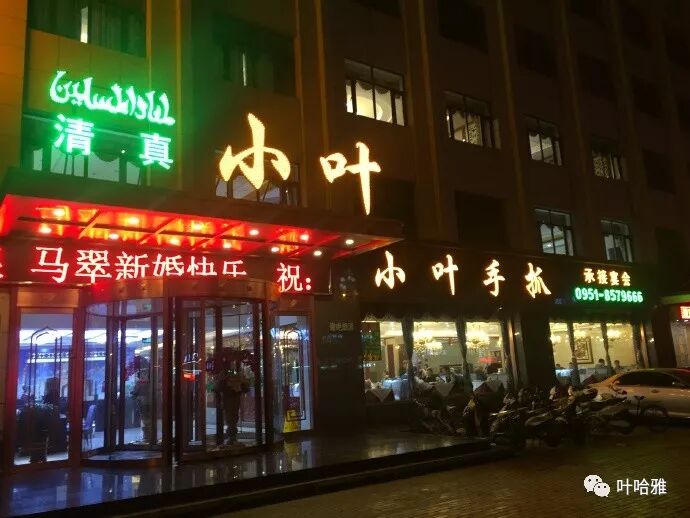
You must eat hand-grabbed lamb (shouzhua yangrou) when you come to Ningxia. The best hand-grabbed lamb in Ningxia is in Wuzhong, and there is also the salt-lake sheep (tanyang) hand-grabbed lamb from Yanchi. Wuzhong is where most of Ningxia's halal food is concentrated, but my trip did not include Wuzhong. I ate the hand-grabbed lamb at Xiaoye, and it tasted very good.
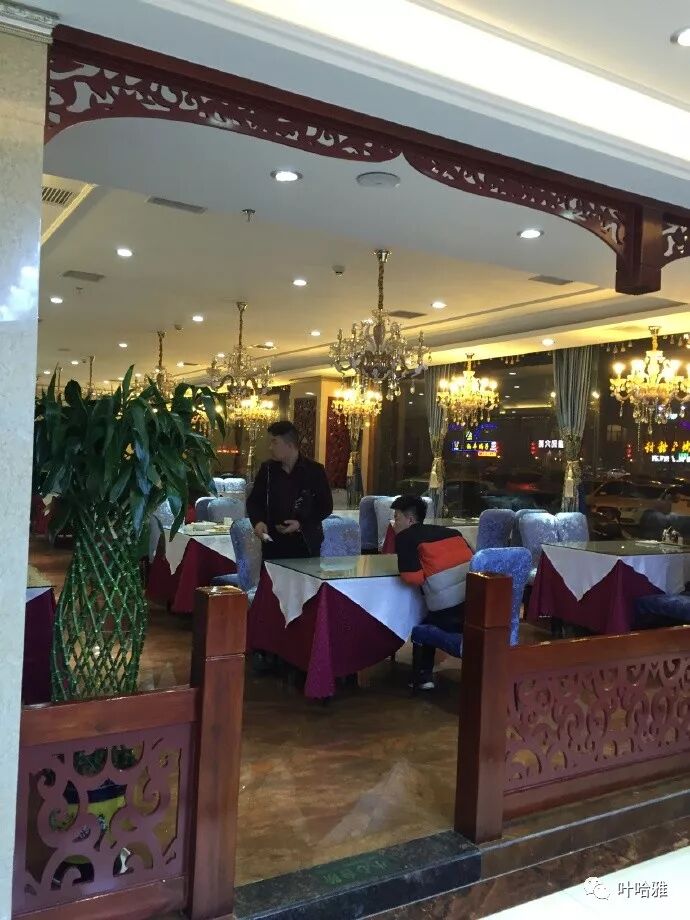
If you want to find a high-end alcohol-free restaurant in Yinchuan, Xiaoye Shouzhua is the top choice.
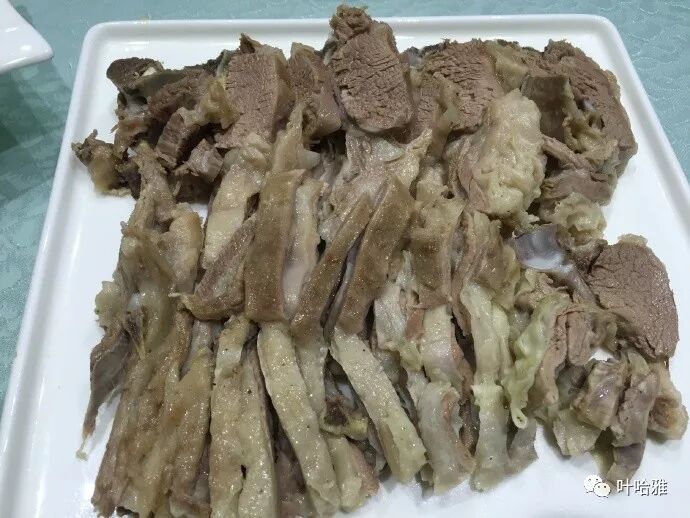
There are two ways to eat hand-grabbed lamb (shouzhuayangrou): hot or cold. Xiaoye is famous for its cold version. People in central Ningxia eat a lot of lamb, and the lamb here is guaranteed to have no gamey smell.
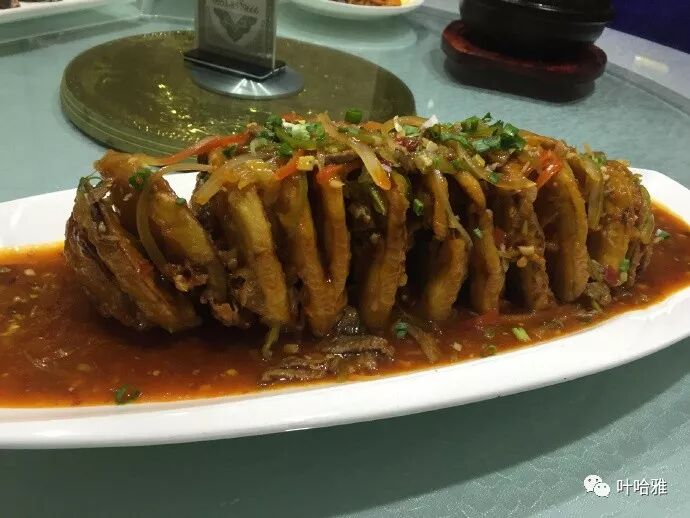
Fish-flavored eggplant king (yuxiangqieziwang) is made from a large eggplant shaped like a fish.
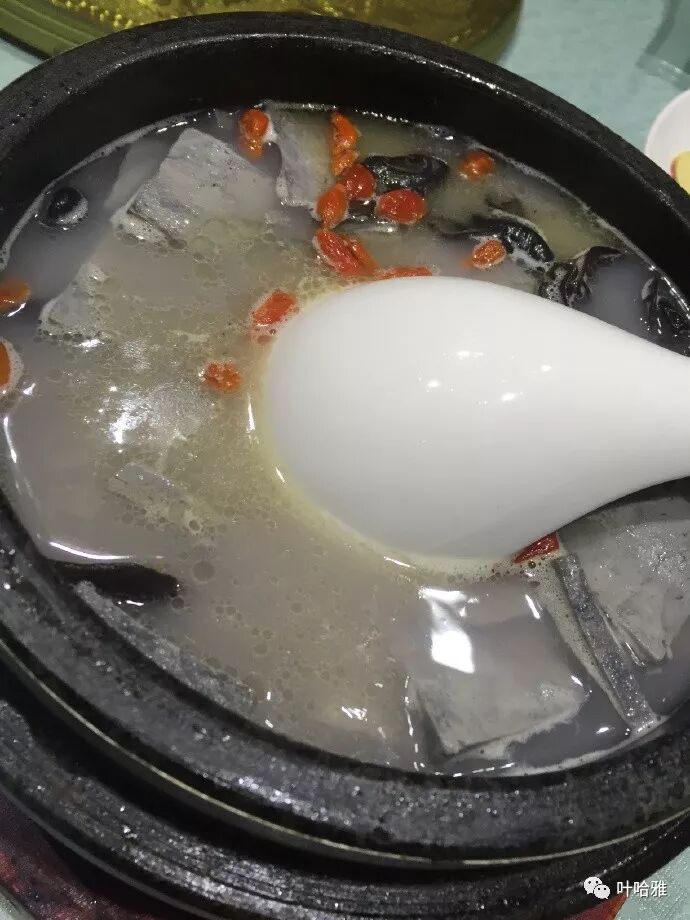
Black bean tofu soup (heidoufutang).
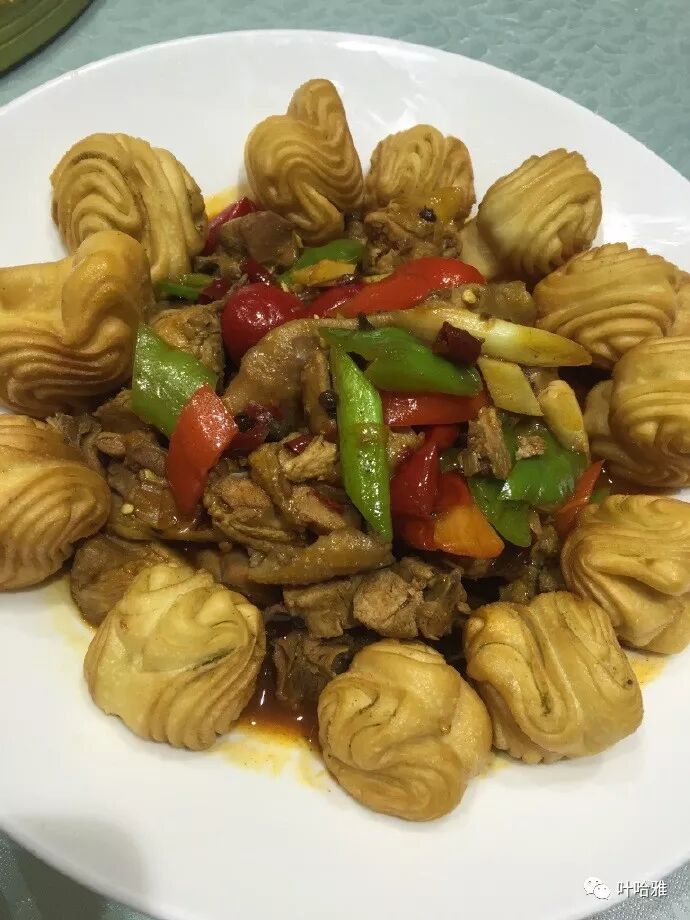
Steamed flower rolls with chicken chunks (huajuanjikuai).
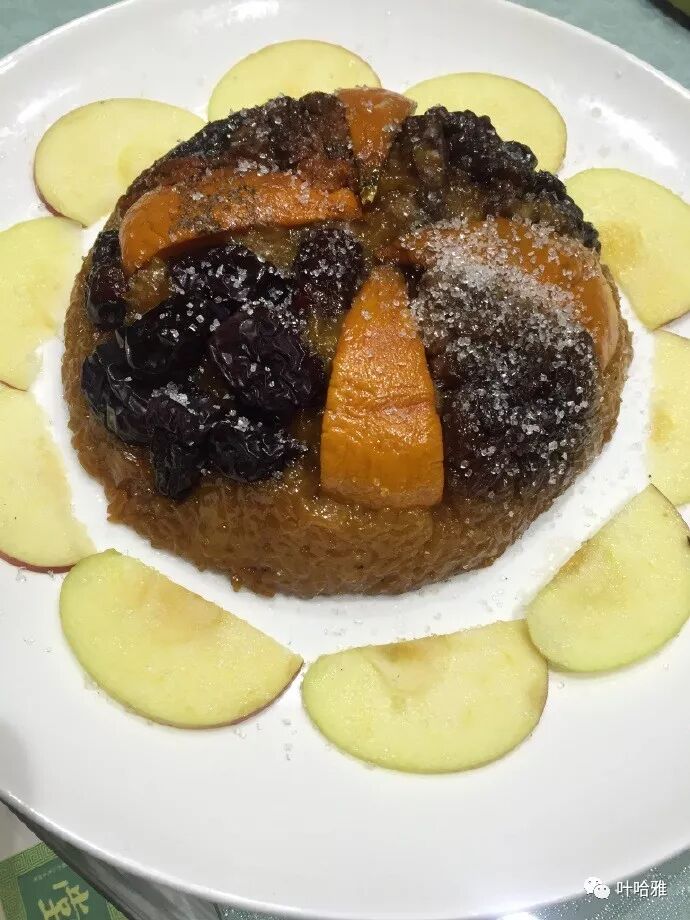
Eight-treasure sweet rice (babao tianfan) is a Ningxia specialty often served at Hui Muslim wedding banquets.
Eight-treasure tea (babaocha), also called three-piece tea (sanpaotai), is what people in the Northwest serve their guests. The name refers to the three-piece set consisting of a lidded teacup, a saucer, and a lid. People in the Northwest are very particular about how they drink tea.
Zhenbeipu Western Film Studio.
There are not many places to visit in Yinchuan. With limited time, I only chose the Zhenbeipu Western Film Studio and the China-Arab Axis. I loved the movie A Chinese Odyssey when I was a kid, and the film studio is where it was filmed, so I came to experience it. The China-Arab Axis was turned into a Chinese-style park two years after I visited, so I do not recommend it as it lacks character. When I tried to take a taxi there, the driver did not want to go, saying there was no one there and he would have to drive back empty. Now that it is a Chinese-style park, even fewer people go there.
The Western Film Studio is the filming location for many western movies. It was not easy to build a film base in this place.
One of the scenes from A Chinese Odyssey Part Two: Cinderella.
The scene from the 'love you for ten thousand years' bridge.
This is the execution platform where Tang Seng kept saying, 'How many brothers and sisters do you have?' Are your parents still alive? Say something. I just want to make one more friend before I die. Being a demon is just like being a human; you need a kind heart. Once you have a kind heart, you are no longer a demon, but a human-demon.
Yingbin Building (Yingbin Lou)
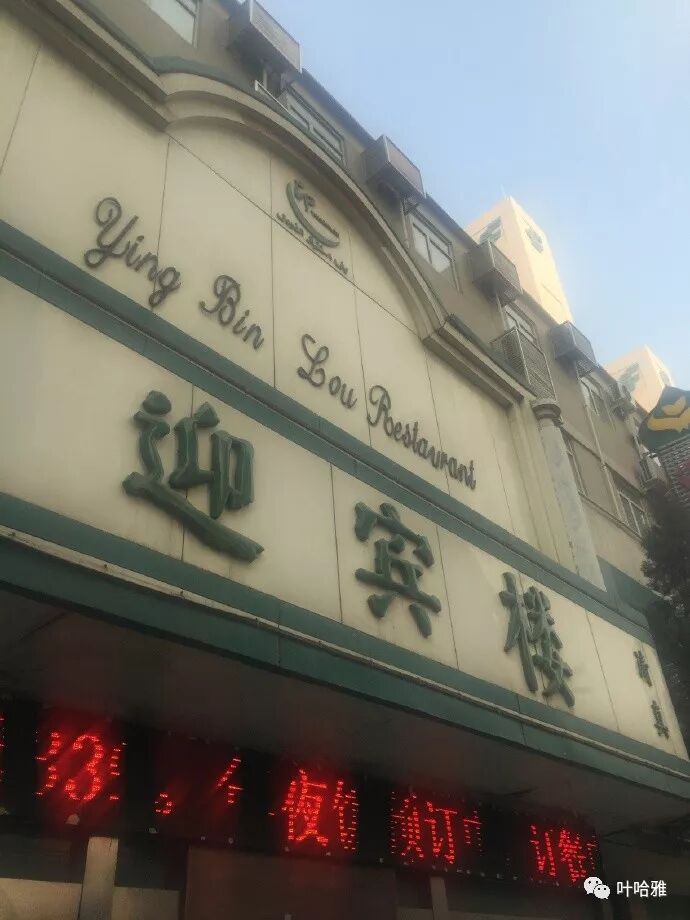
Yingbin Building (Yingbin Lou) is another famous restaurant in Yinchuan. It is a place for hot pot meat, but it is most famous for the ice cream sold at the entrance.
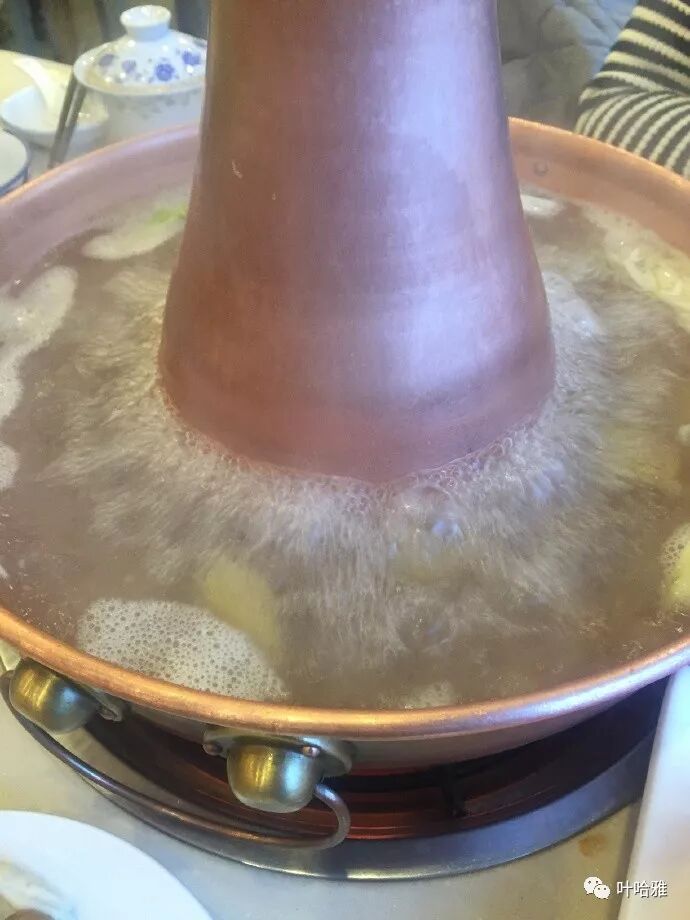
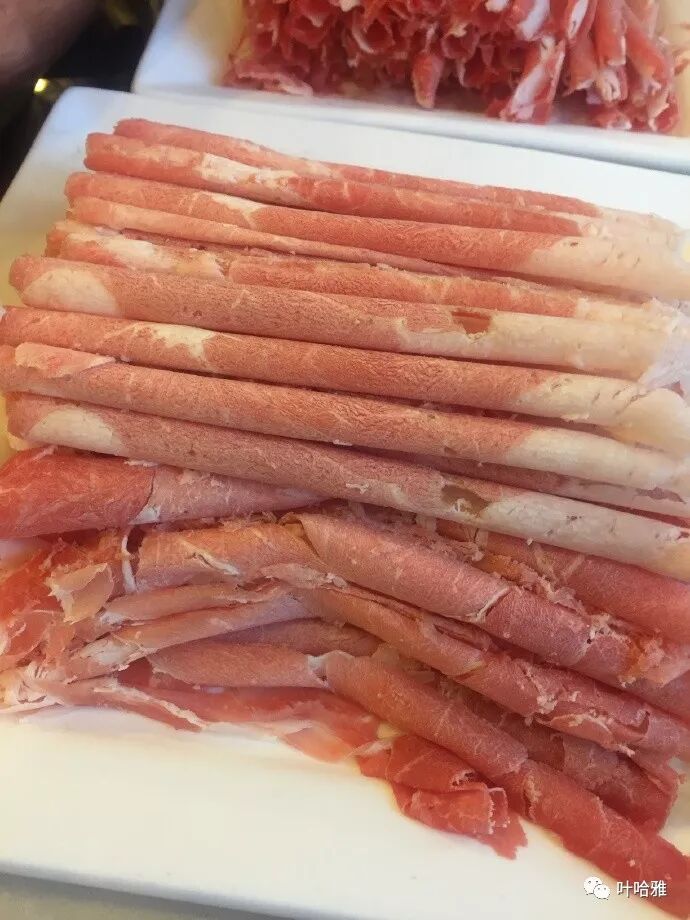
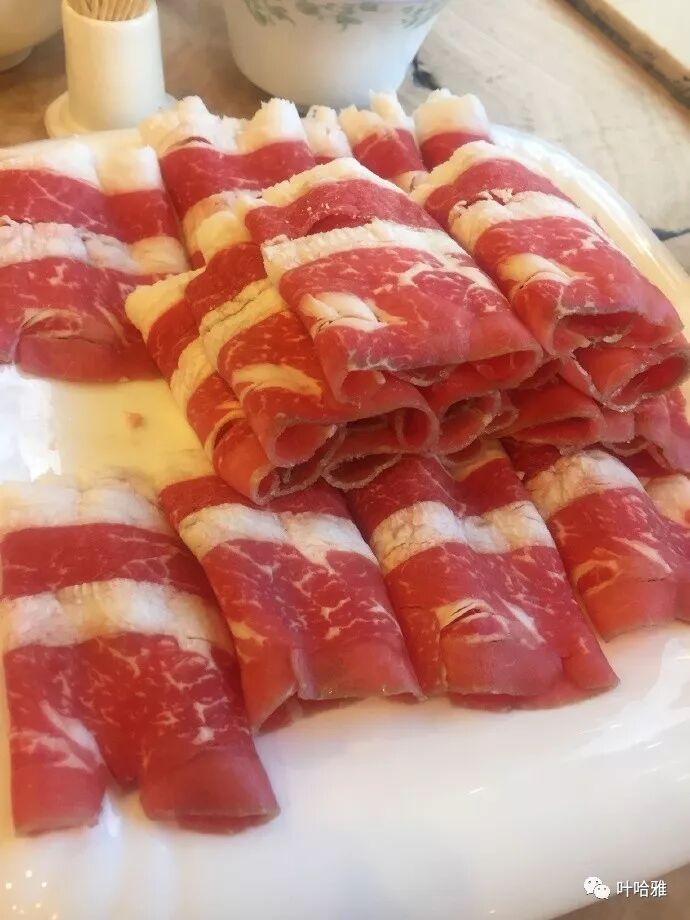
You cannot go wrong with hot pot lamb (shuan yangrou) in Ningxia because the lamb here is delicious.
Old Mao Hand-Grabbed Lamb (Lao Mao Shouzhua)
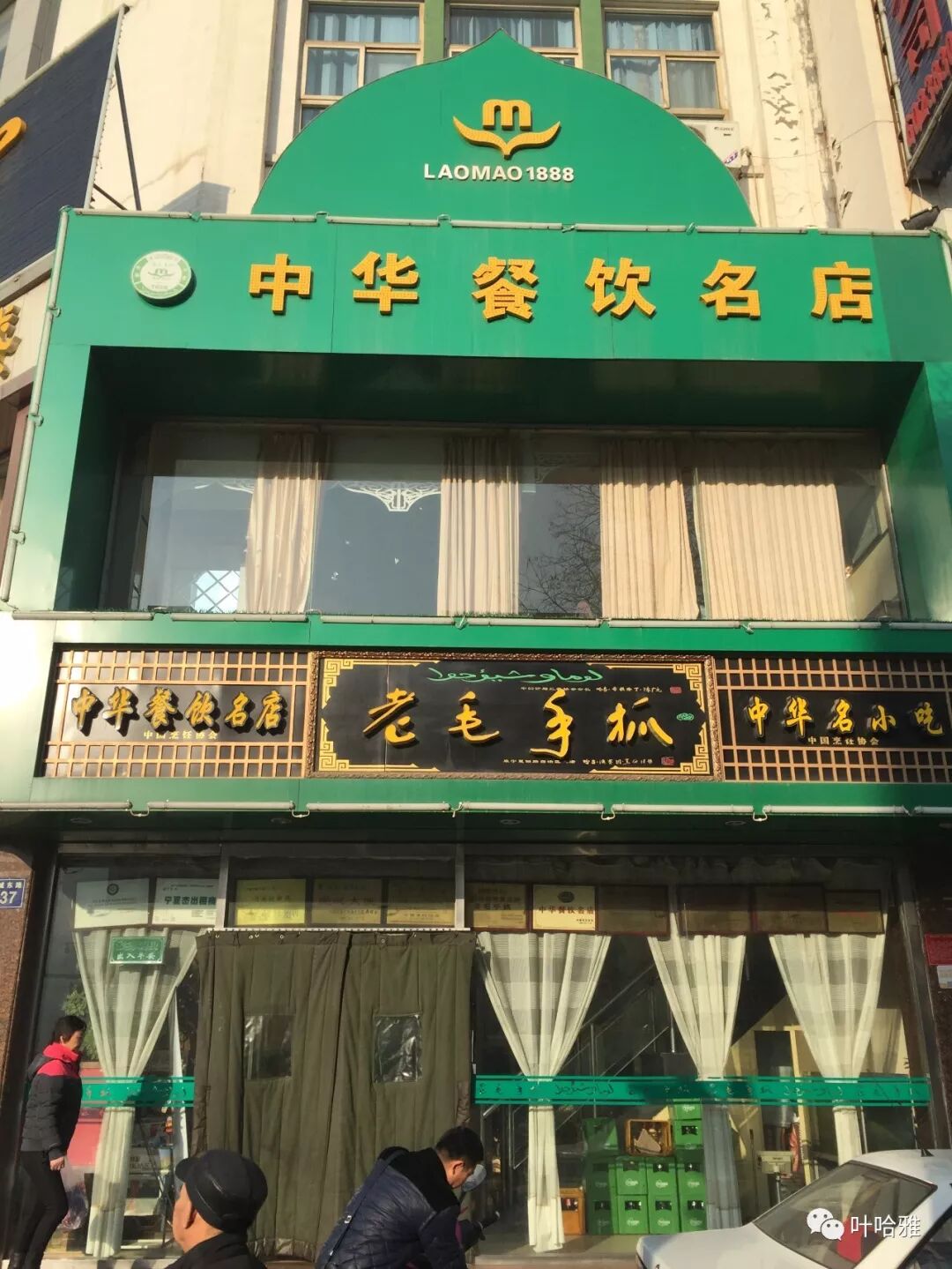
Old Mao Hand-Grabbed Lamb (Lao Mao Shouzhua) is one of the most famous hand-grabbed lamb brands in Yinchuan. During Ramadan last year, I ate some loose cold hand-grabbed lamb brought from Yinchuan in Beijing, and it really satisfied my craving. Remember to eat raw garlic with the hand-grabbed lamb; if you eat meat without garlic, the flavor is cut in half.
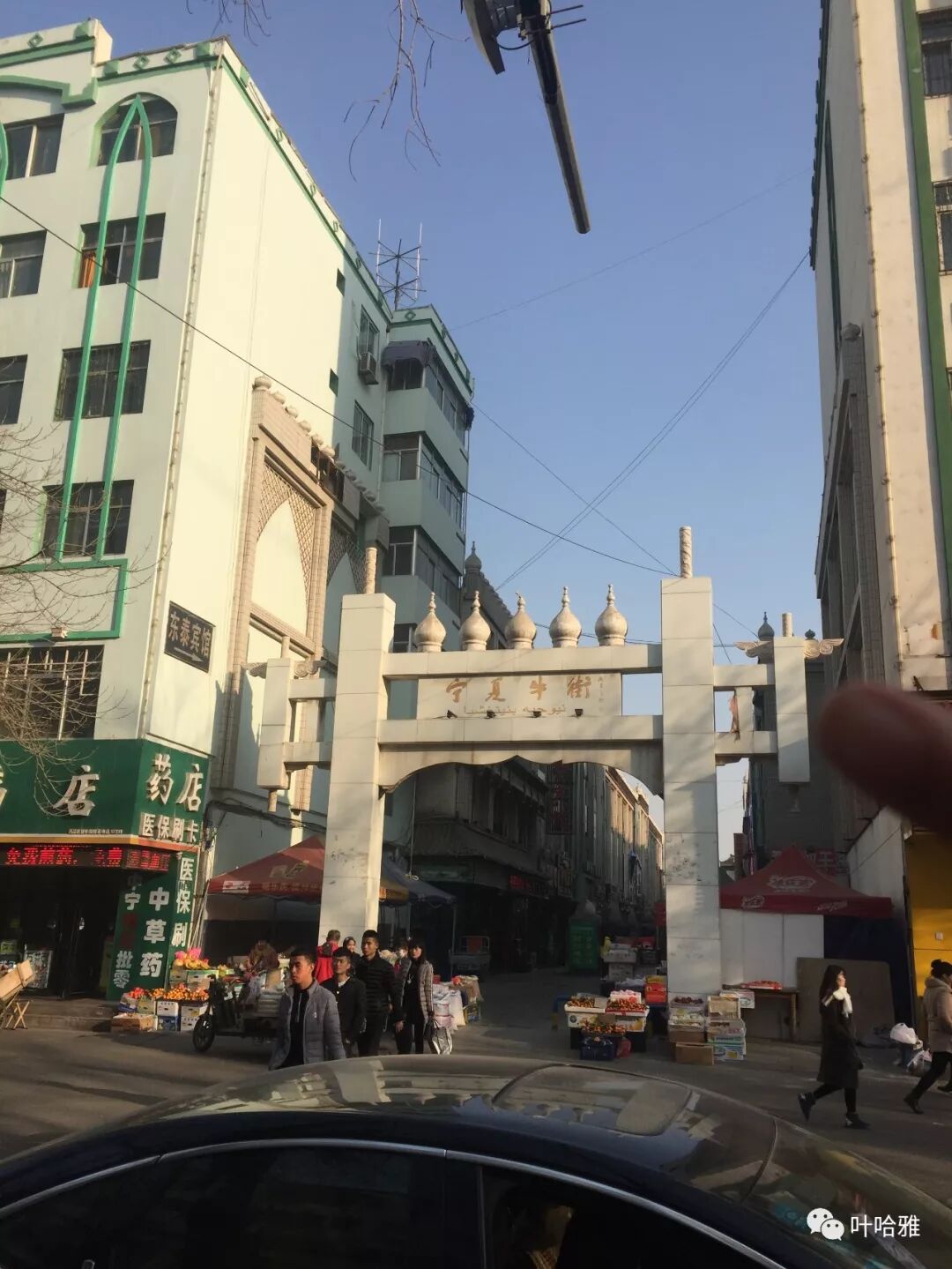
Yinchuan's Ox Street (Niujie). I have been to four Ox Streets. Besides the one in Beijing, there is also the Ox Street in Hohhot and the Ox Street in Karamay.
Zhongwei Dongguan Grand Mosque (Zhongwei Dongguan Qingzhen Dasi)
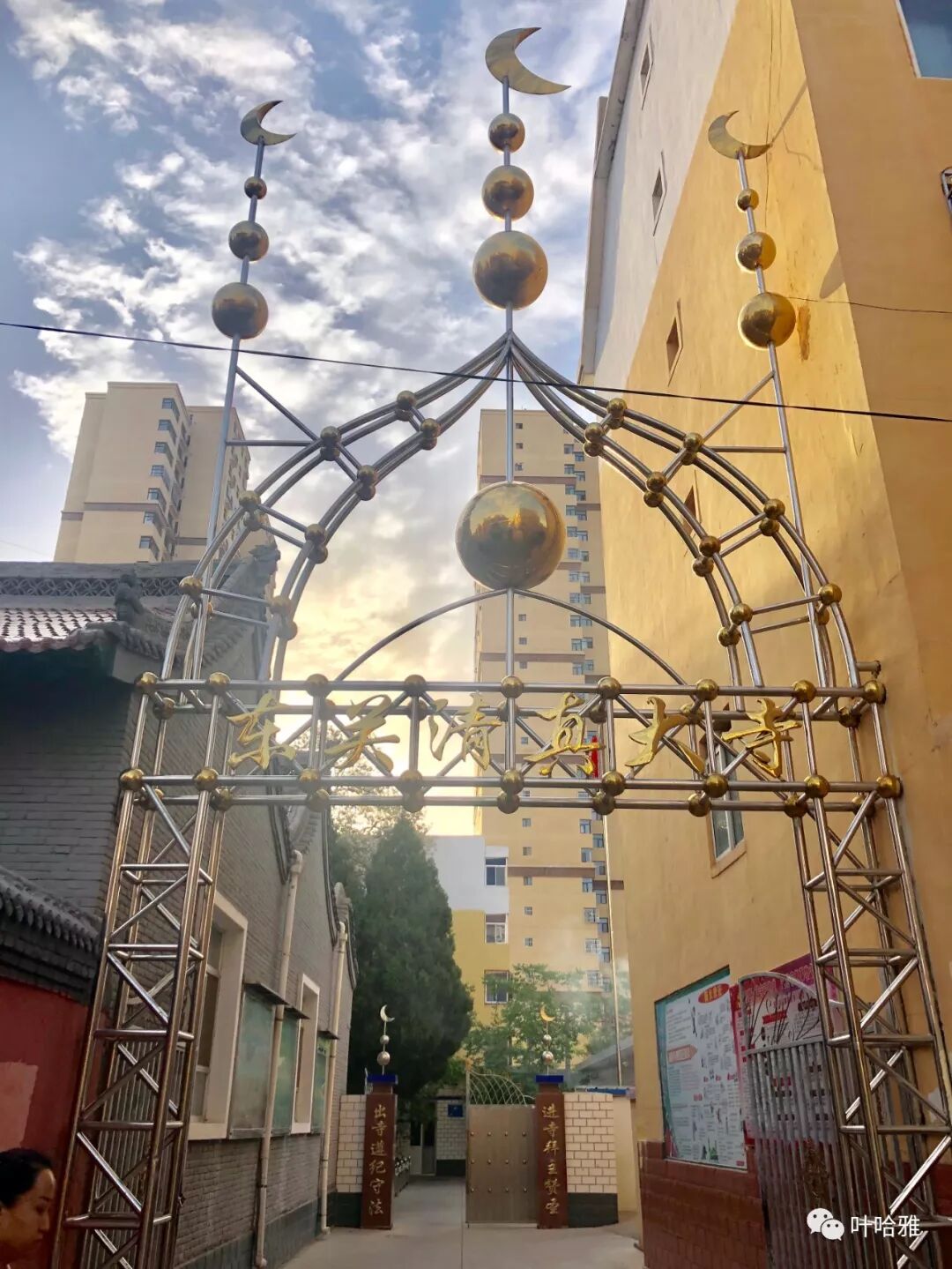
I left Yinchuan and took a car to the Zhongwei Dongguan Grand Mosque. The most convenient way to travel between cities in Ningxia is by private car. There are private cars at many intersections; you just wave them down, and they stop. The price is cheap, and even traveling across Ningxia from south to north costs no more than 80 yuan.
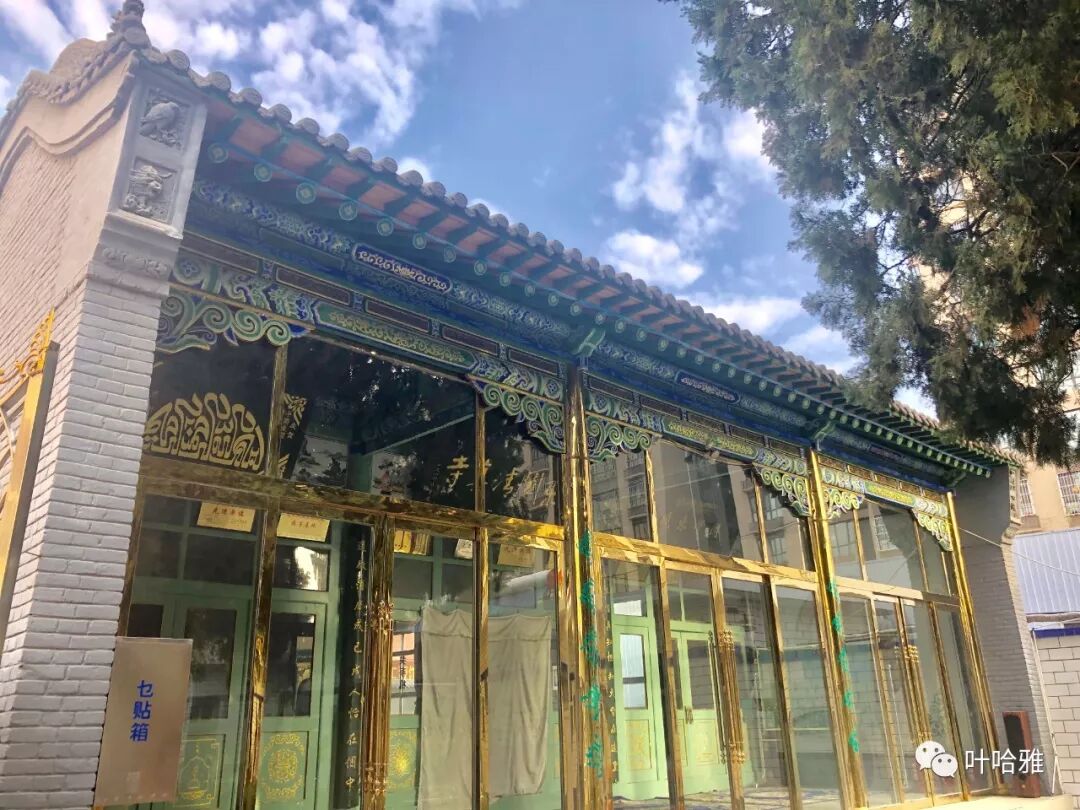
There are fewer Hui Muslims in Zhongwei than in Yinchuan. I rested briefly at the Dongguan Grand Mosque before heading to one of my destinations, the Honggang Gangzi Gongbei.
Haiyuan Yite Restaurant
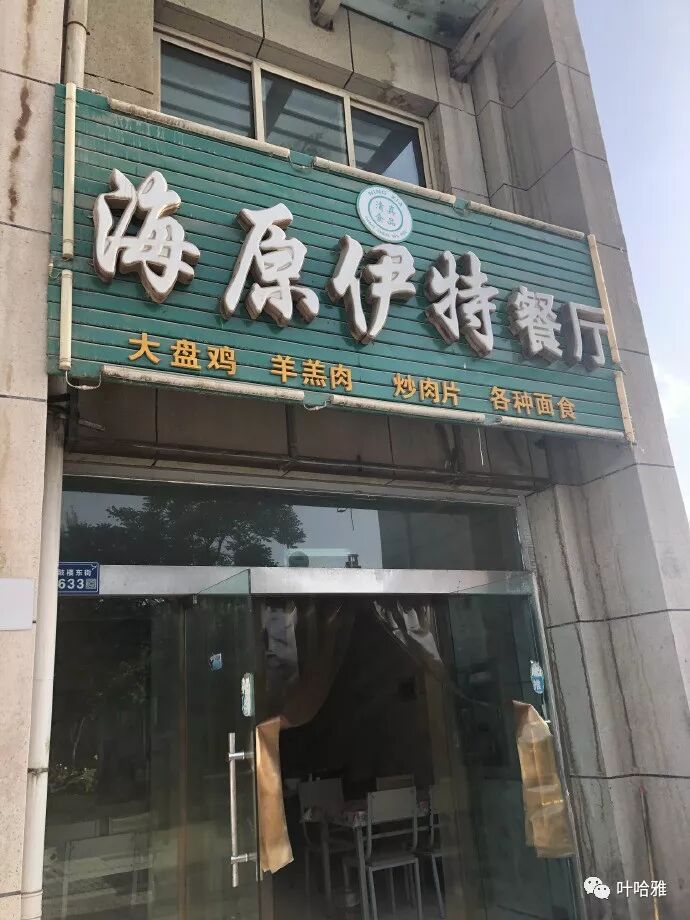
I had a bowl of handmade noodle pieces (mianpian) at the Haiyuan Yite Restaurant next to the Zhongwei bus station. Since this year, not just in Ningxia, but also in places like Beijing and Henan where I have been, all halal restaurants must use this Chinese-style halal sign, and all Arabic script on the outside must be removed.
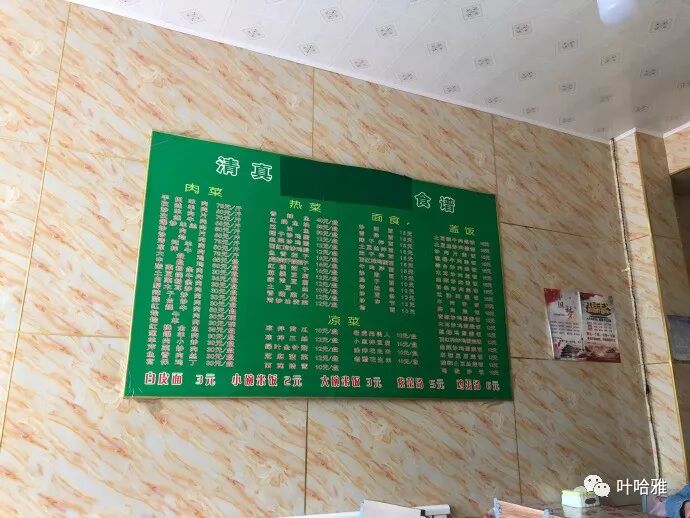
The Arabic on the menu has already been covered up.
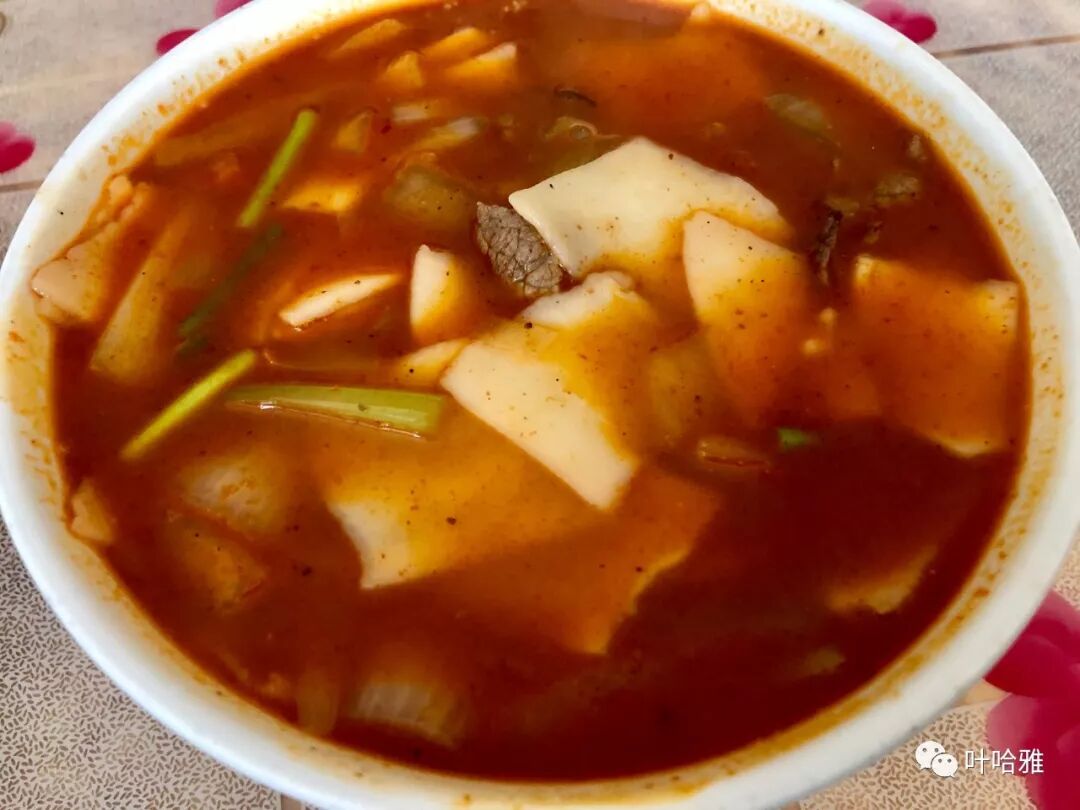
The noodle soup is still very tasty. In Ningxia, for visitors, you just need to remember the names of the dishes you want to eat. You can walk into any restaurant you see by the road, and the taste won't be bad.
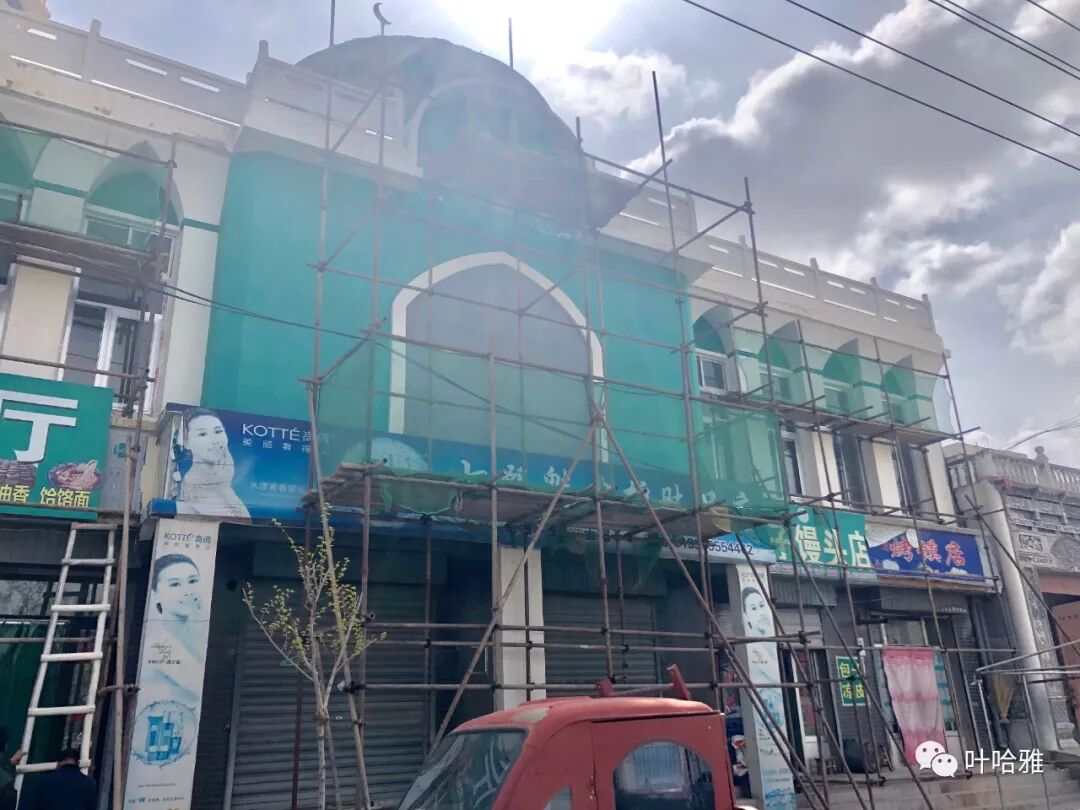
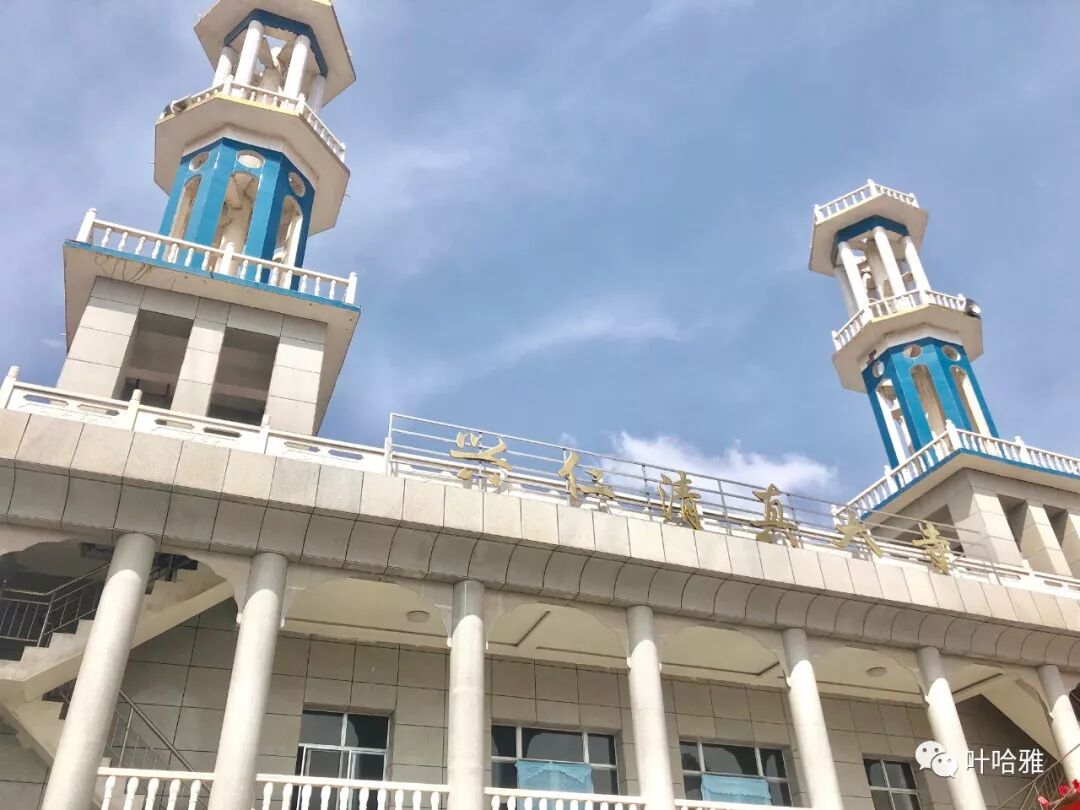
The Great Mosque (qingzhen dasi) of Xingren Town is currently undergoing Chinese-style renovations. Xingren Town is about a two-hour drive from Zhongwei. My destination was the Honggang Gangzi Gongbei, but no one at the Zhongwei station knew where it was. I asked a friend (dosti) from the Hongmen menhuan, and he told me I had to go to Xingren Town first, then take a car from there to the Honggang Gangzi Gongbei.
Xingren Great Mosque.
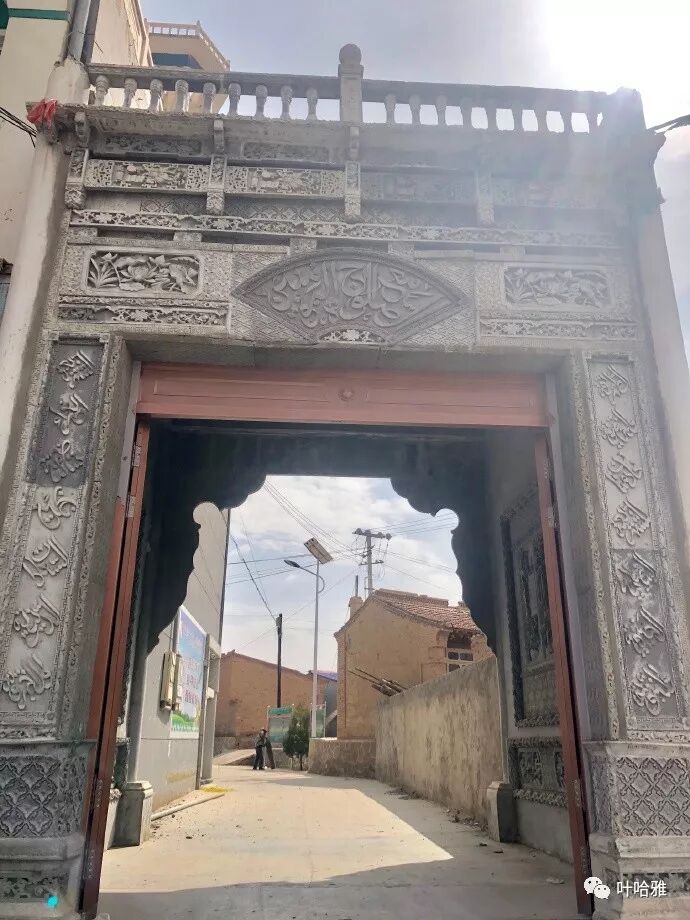
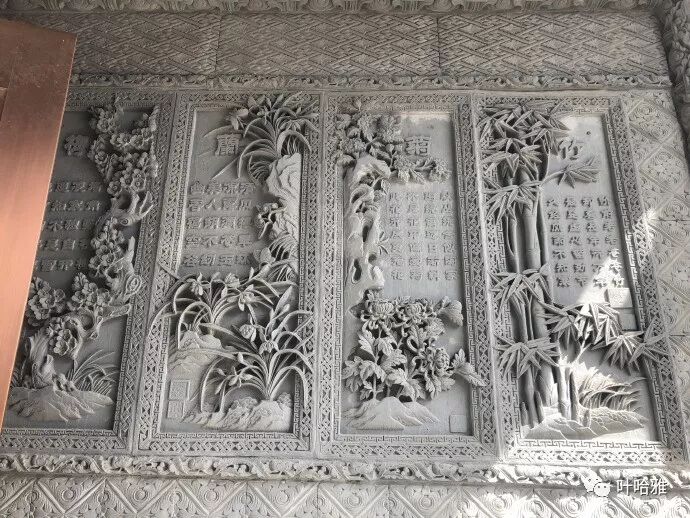
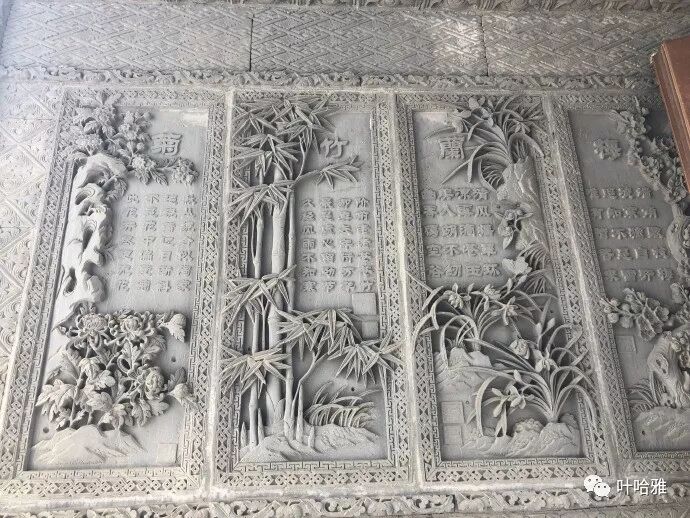
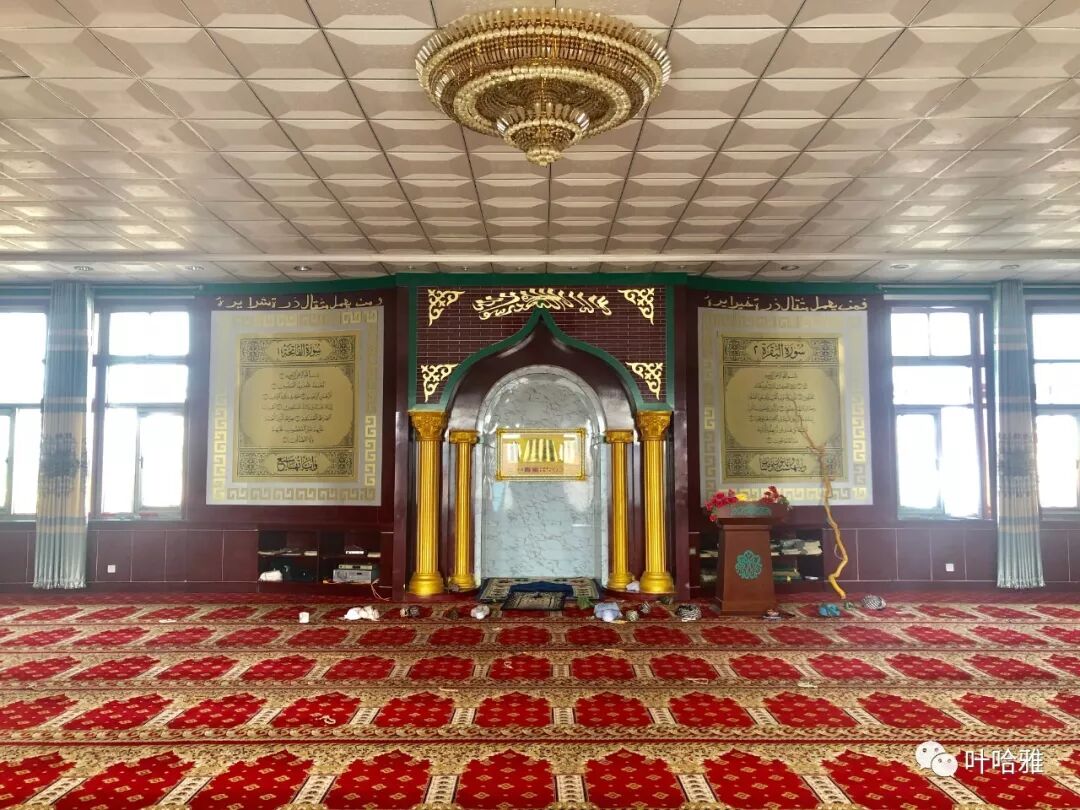
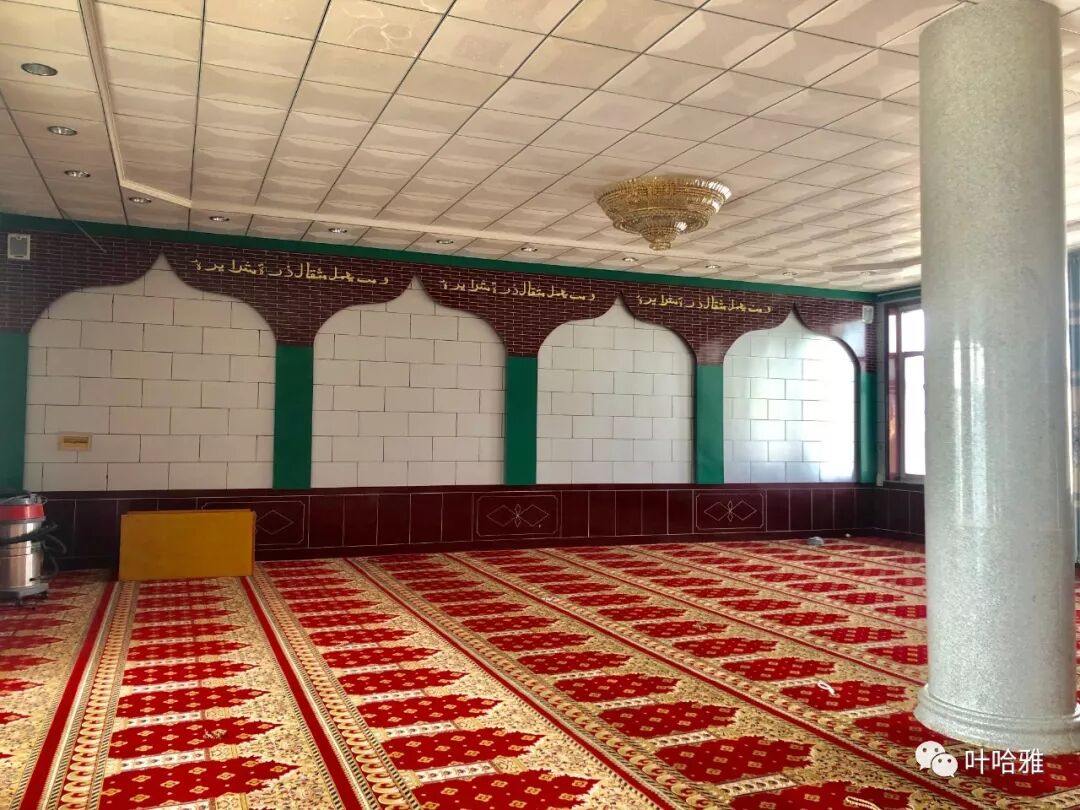
I caught a private car at an intersection near the mosque, paid 15 yuan, and after a half-hour ride, I arrived at the Honggang Gangzi Gongbei.
Honggang Gangzi Gongbei
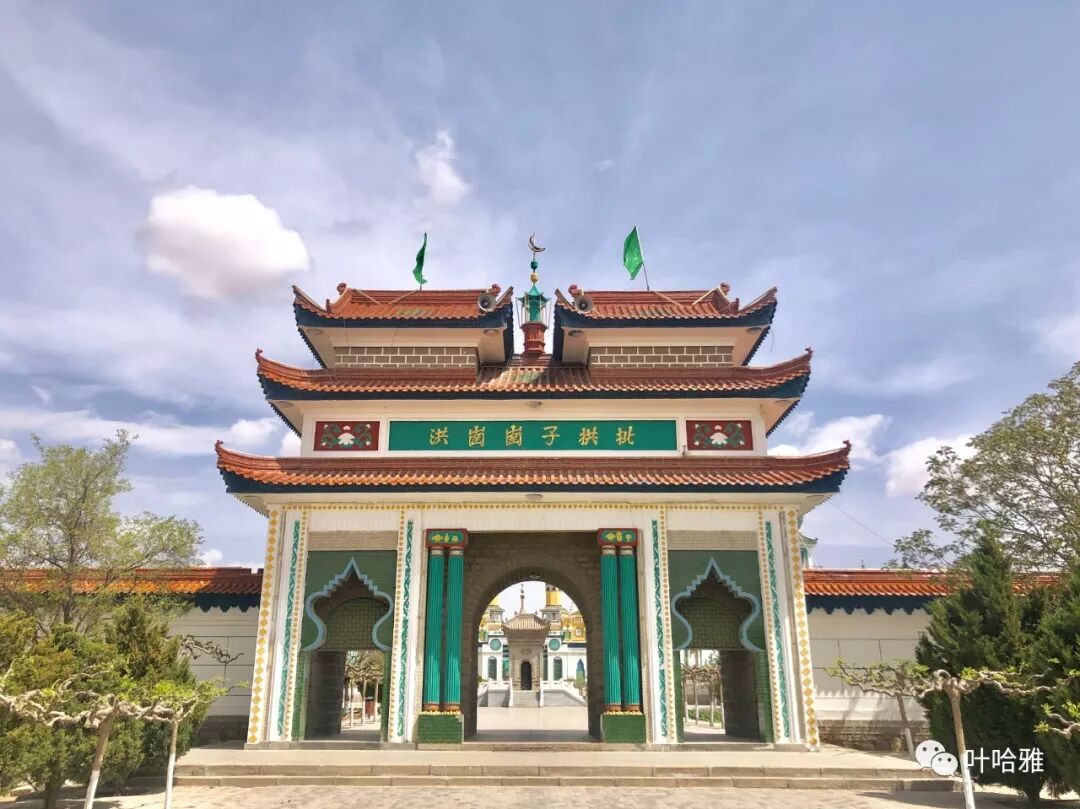
The Honggang Gangzi Gongbei was first built in 1939. It is the tomb and prayer hall for Hong Shoulin (1852-1937), the founder of the Hongmen branch of the Khufiyya menhuan in Chinese Islam. It was damaged during the Cultural Revolution. In 1987, it was rebuilt and expanded under the leadership of Hong Weizong Haji, the third-generation successor of Hongmen and vice-chairman of the regional CPPCC. The entire complex includes a front gate, school, mosque, residential building, scripture chanting hall, bathing hall, dining hall, gongbei, main hall, domed tower, and monument. It covers over 20,000 square meters and is very spectacular.
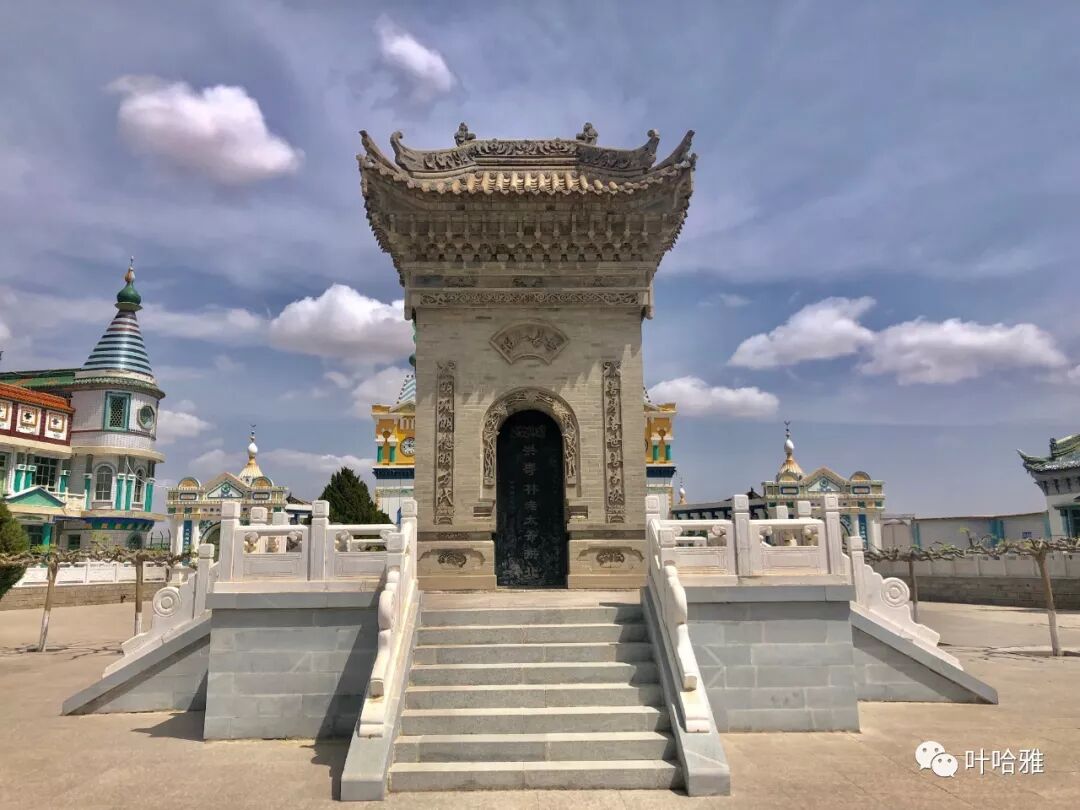
On the front of the Hong Shoulin monument pavilion: Hong Shoulin (courtesy name Hairu), also known as Shouling, with the religious name Sherefe Vendini Suwanglonglaxi. His ancestors were from Hongjiazhuang in Lutang, Jingtai County, Gansu Province. As a child, he fled to Tongxin Honggangzi and worked as a helper at the Zhuangtou Mosque. He used his spare time to listen to the imam teach scriptures. Because he was very bright, the imam chose him for advanced study, eventually training him to become a great imam. While in Lanzhou, he studied under the elder Zhuang from Liangzhou. Before the elder Zhuang passed away, he left a will naming Hong Shoulin as the successor to the Khufiyya. On the 29th day of the 11th lunar month in the 24th year of the Guangxu reign, during the 100-day memorial for the elder Zhuang of Liangzhou, the elder's wife asked for Hong Shoulin to be brought to her to take over the religious leadership. Hong Shoulin accepted the order, entered a quiet room for seven days, and then asked the old lady for the keys. He opened the door and found a golden seal of the Great Master Datong, a golden seal of the Master of Liangzhou Zhuang, a prayer rug, and a prayer bead string (tasbih). From then on, Hong Shoulin began his mission.
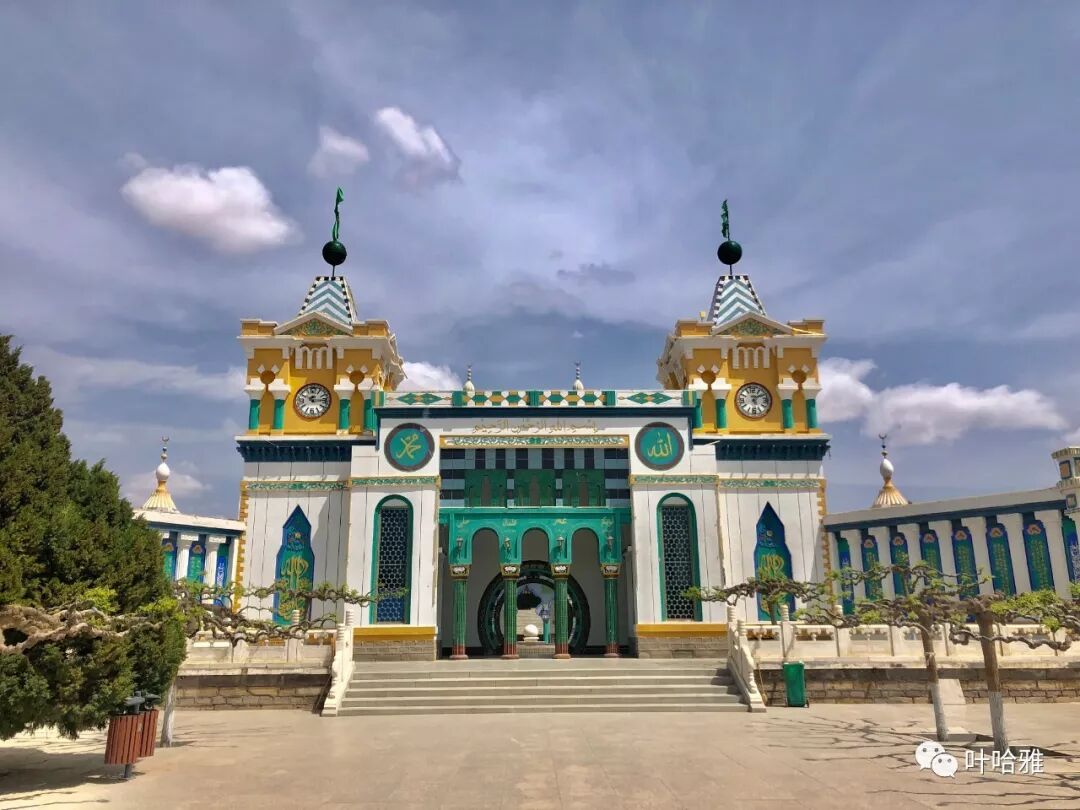
When Hong Shoulin was preaching in Lanzhou, he bought three acres of land in Xujiawan to bury the remains of the elders from Jiangoujing and Liangzhouzhuang. He built the Xujiawan gongbei there. He moved the remains of the Datong elder from Menyuan, Qinghai, to the main pavilion of the gongbei. He moved the remains of the Jiangoujing elder and his son from Jingtai County, Gansu, to the north side of the gongbei, and moved the remains of the Liangzhouzhuang elder from Datong, Qinghai, to the east side of the gongbei.
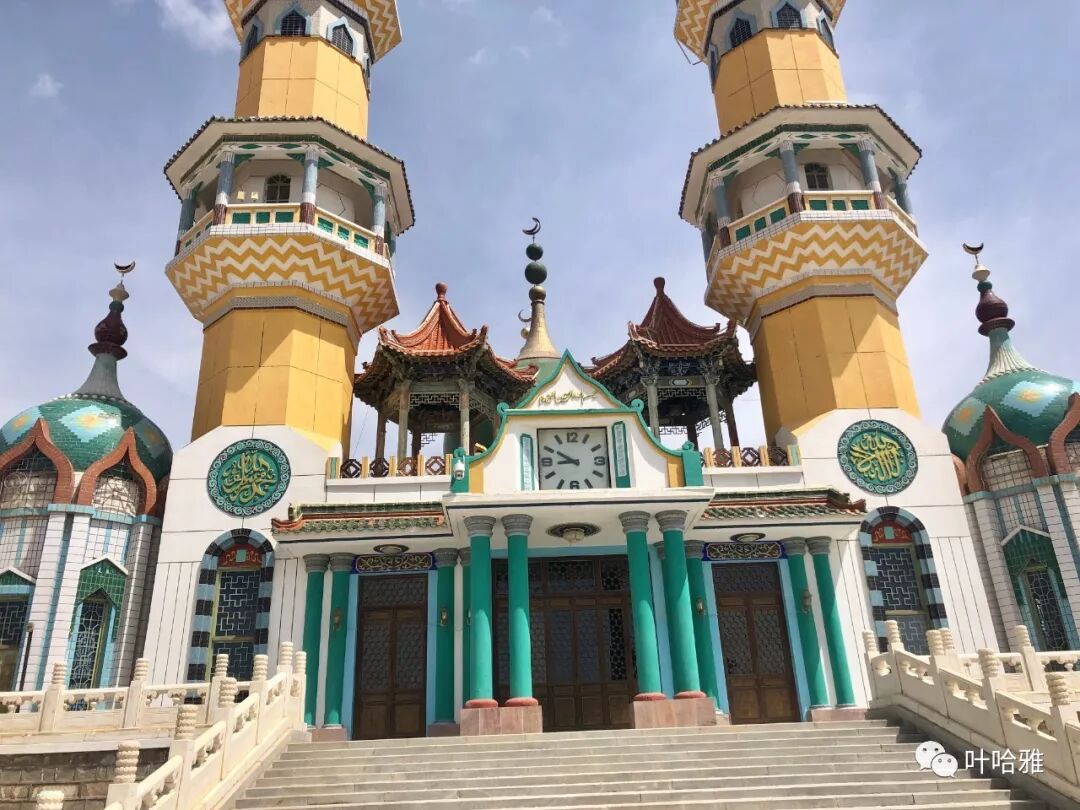
In 1936, when the Chinese Workers' and Peasants' Red Army went on their western expedition, Hong Shoulin worked closely with them. Because of this, founding Lieutenant General Tang Tianji gave him a silk banner that read 'Loving the People Like Heaven' and 100 sheep.
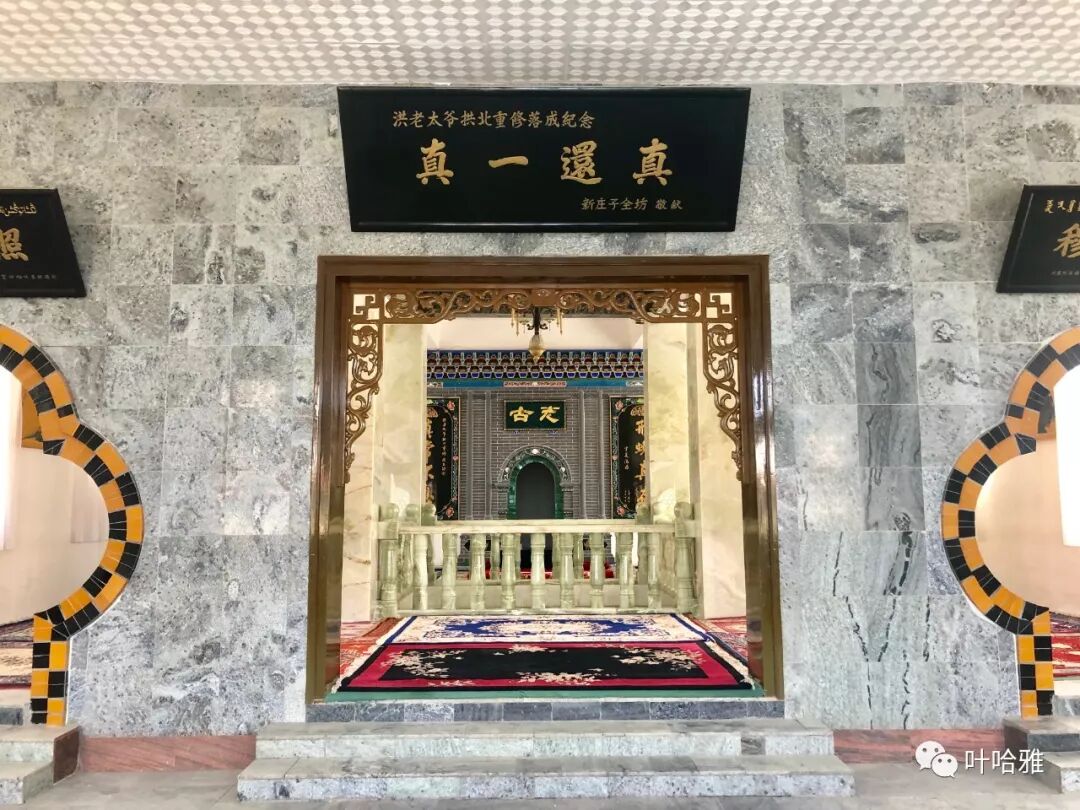
The entrance hall of the elder's tomb.
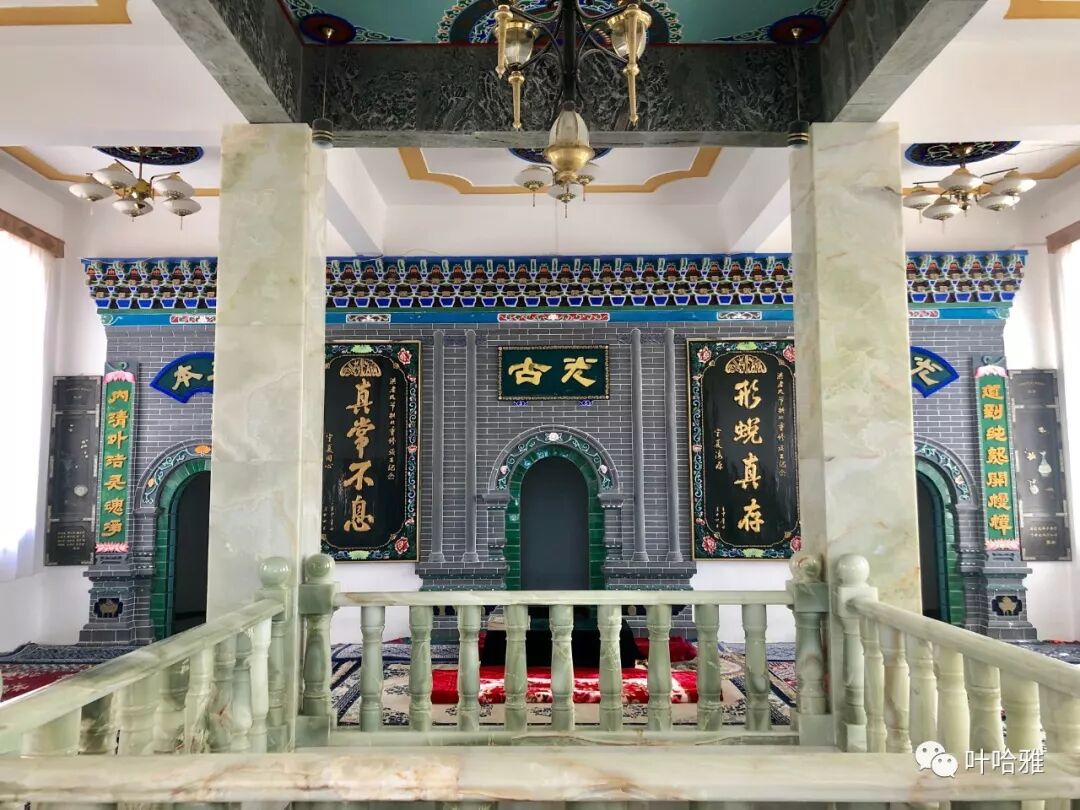
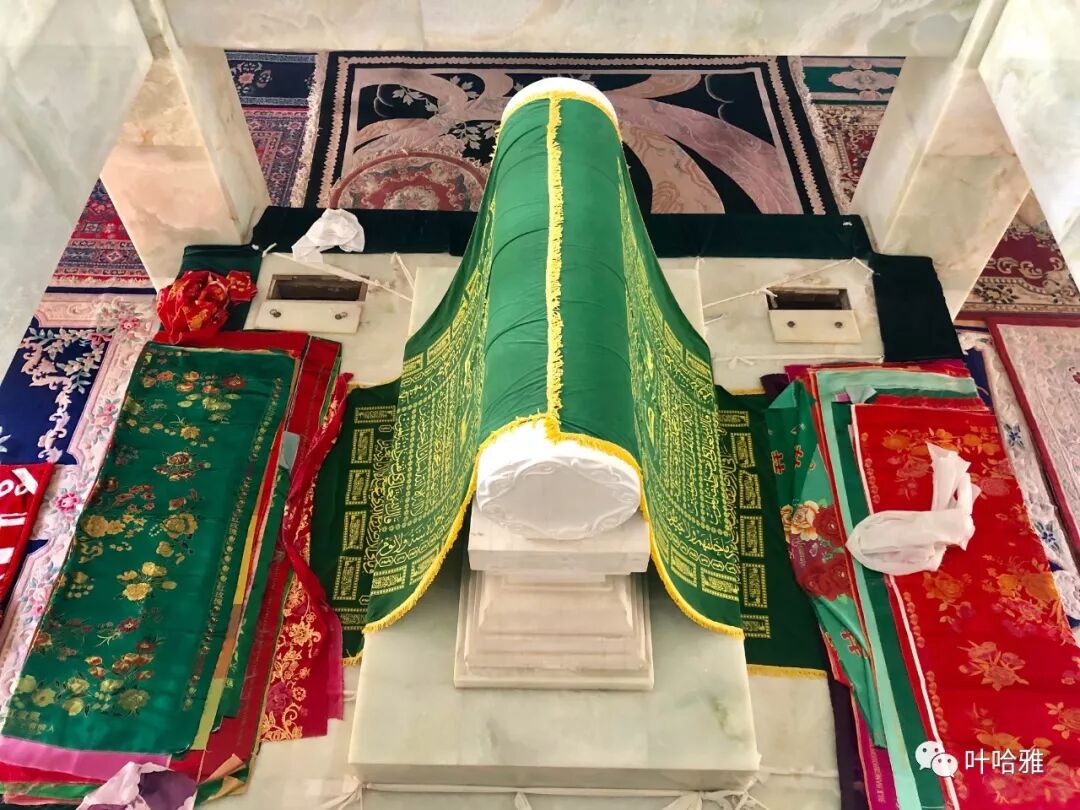
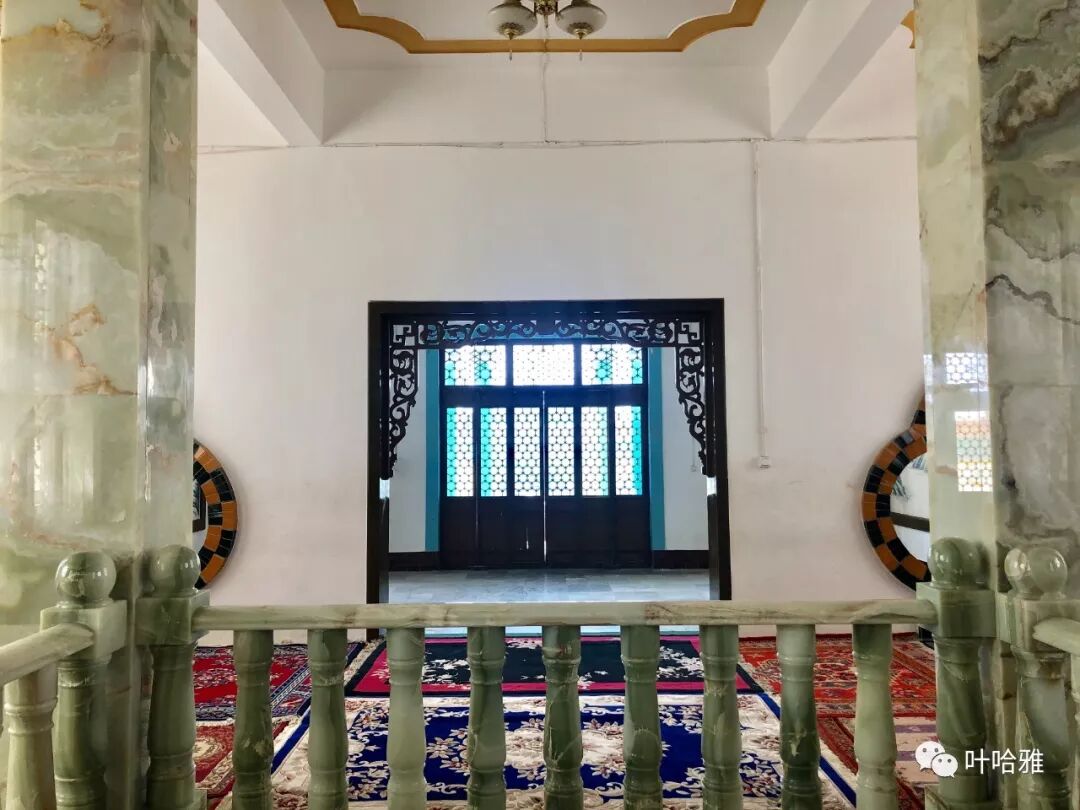
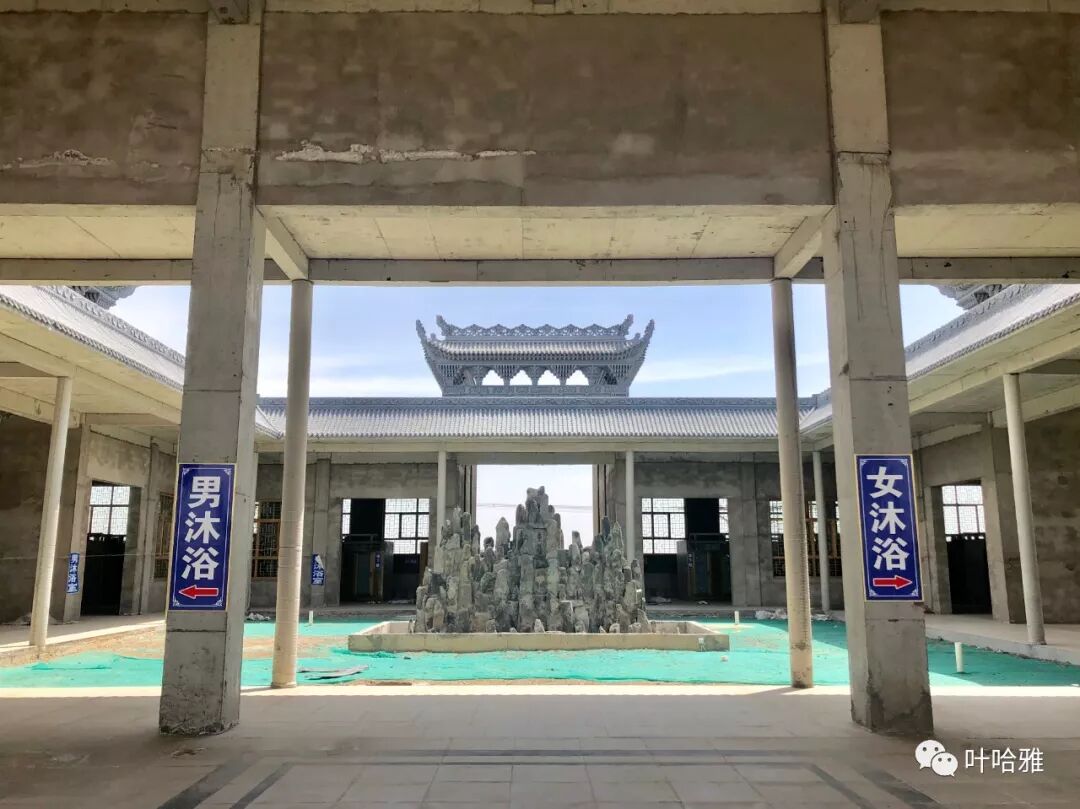
The front view of the ablution room (shuifang).
A full view of the ablution room (shuifang).
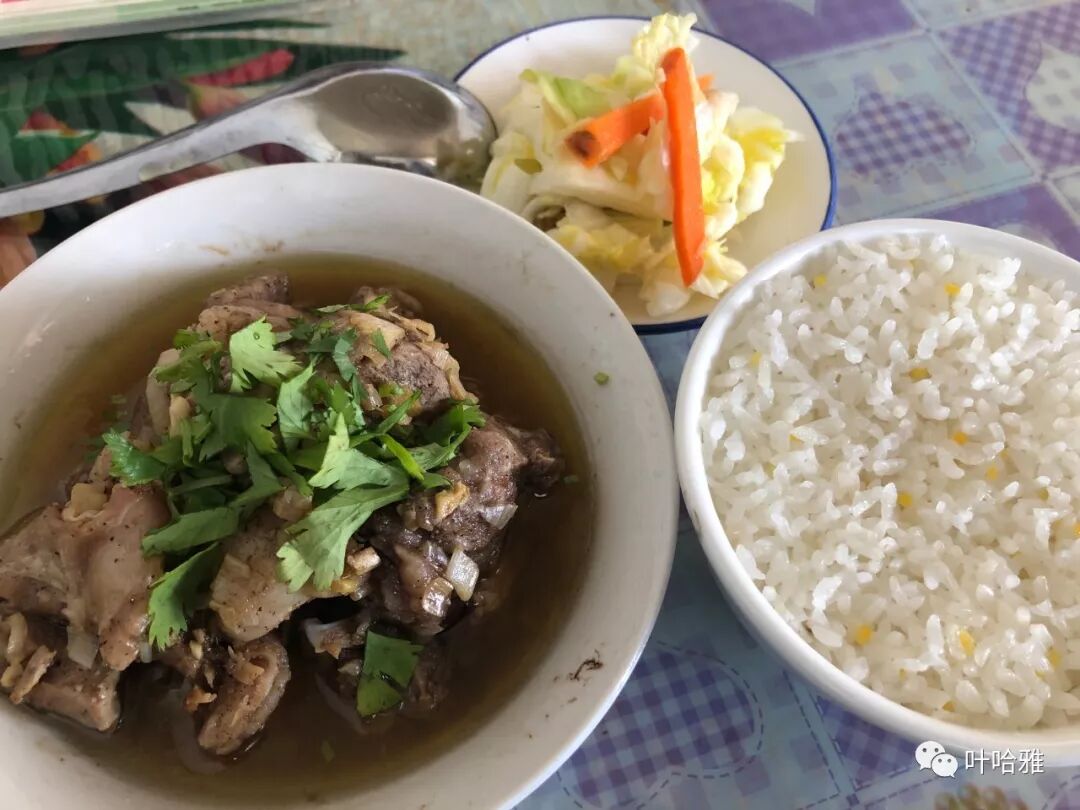
Laotian Hui Hometown Specialty Restaurant.
After finishing the grave visit, I walked toward the village entrance. A passing friend (dosti) offered me a ride, so I took his car to the Laotian Hui Hometown Specialty Restaurant to eat.
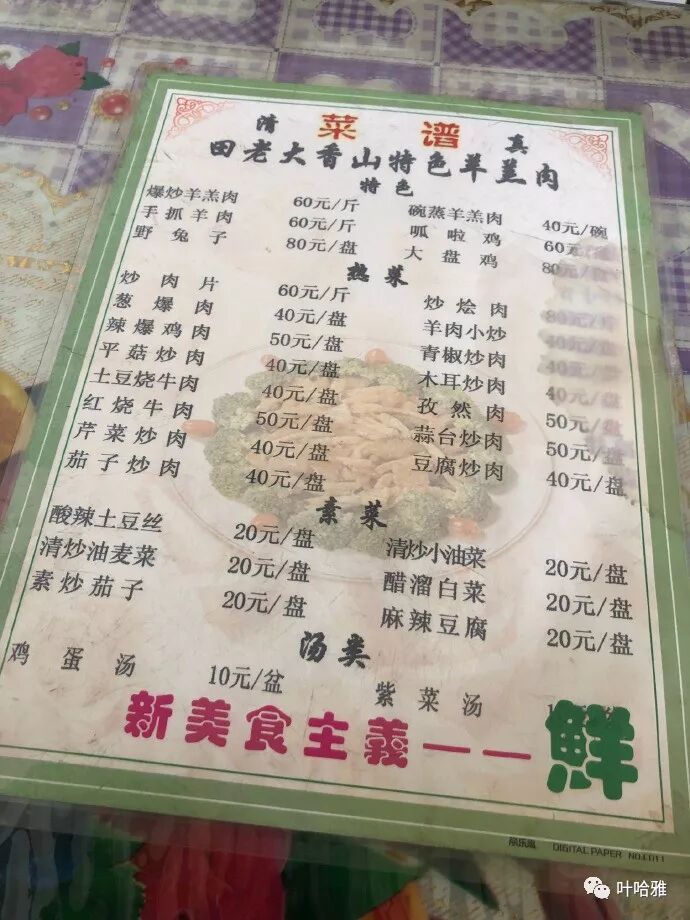
I had a bowl of steamed lamb (zheng yanggao rou), which came with rice and side dishes. It tasted great. After eating, I caught a private car at the intersection and paid 10 yuan to go to Tongxin.
Upon arriving in Tongxin, I went straight to the Tongxin Grand Mosque.
Tongxin Great Mosque
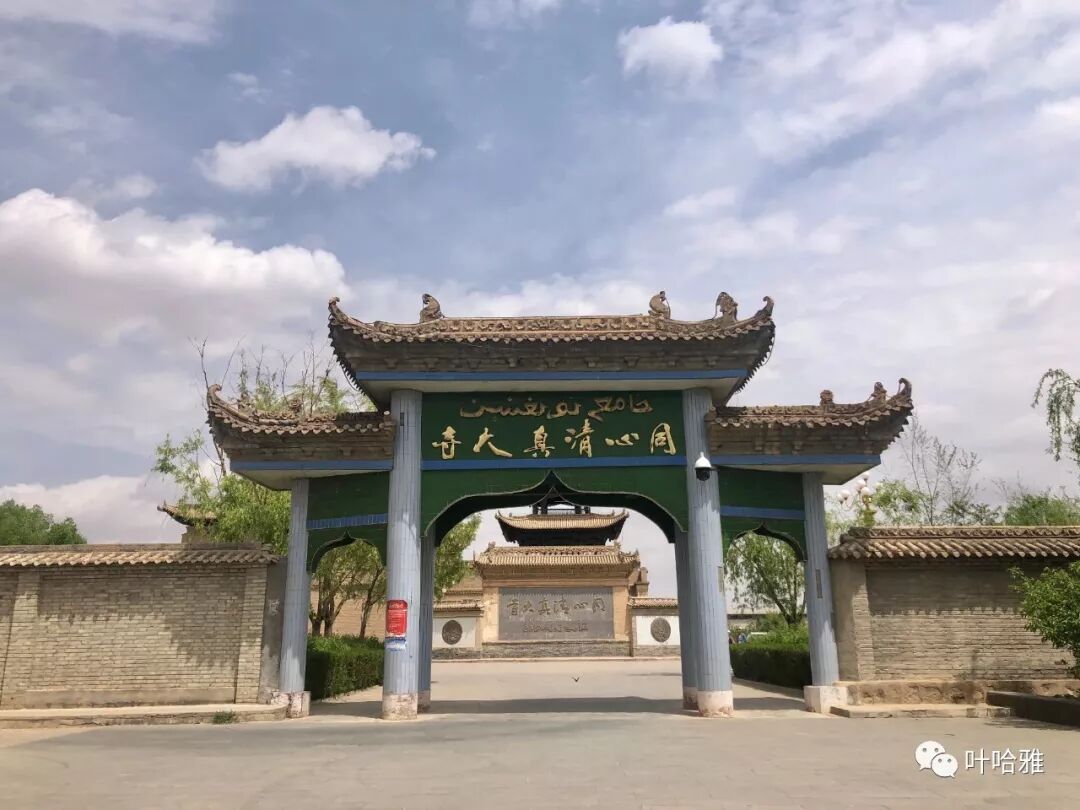
The Tongxin Grand Mosque is the oldest and largest mosque in Ningxia, and it is also a protected revolutionary site.
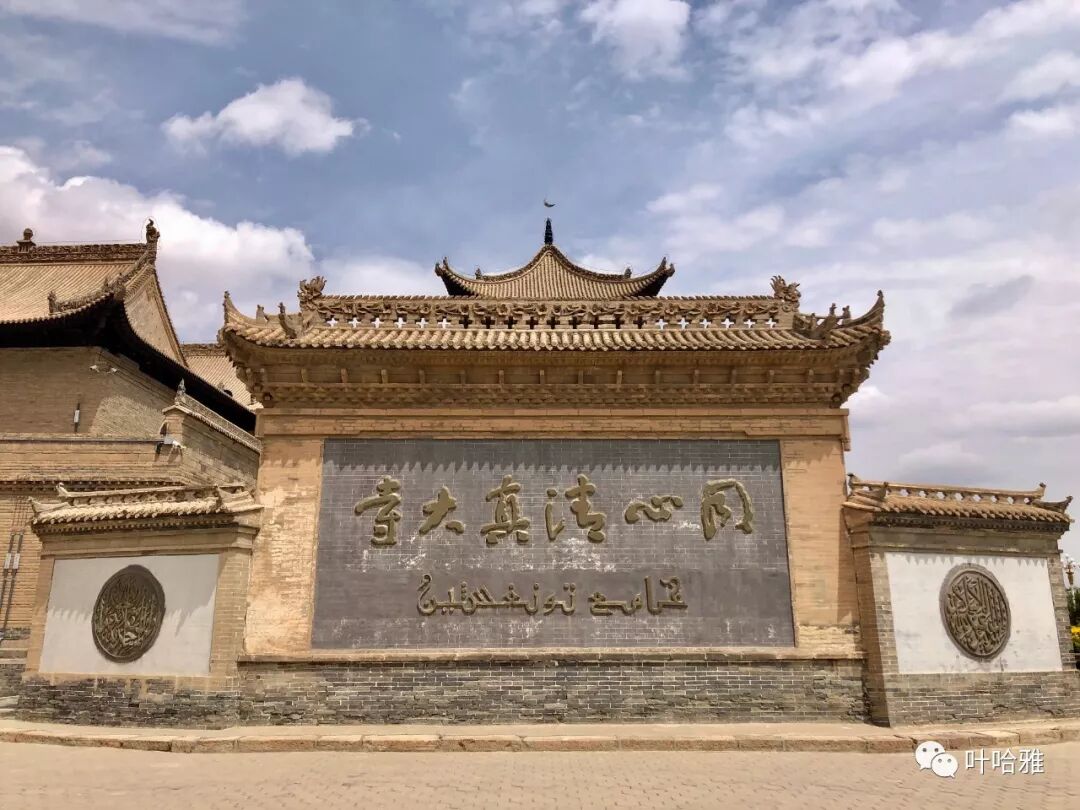
Legend says the Tongxin Grand Mosque was built during the Wanli period of the Ming Dynasty (1573–1620). It was rebuilt in the early Ming Dynasty on the site of an original lama mosque. According to ink inscriptions on the screen wall and the ridge purlin of the prayer hall, it was renovated twice, in 1791 during the Qianlong reign of the Qing Dynasty and in 1907 during the Guangxu reign.
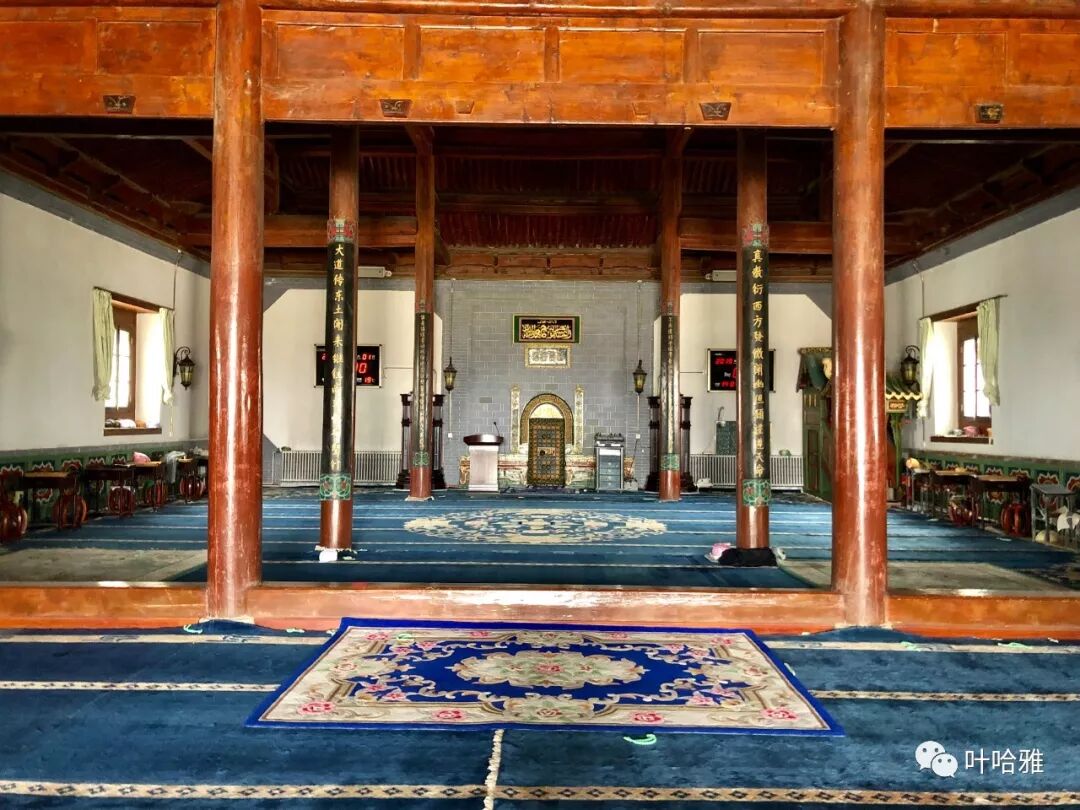
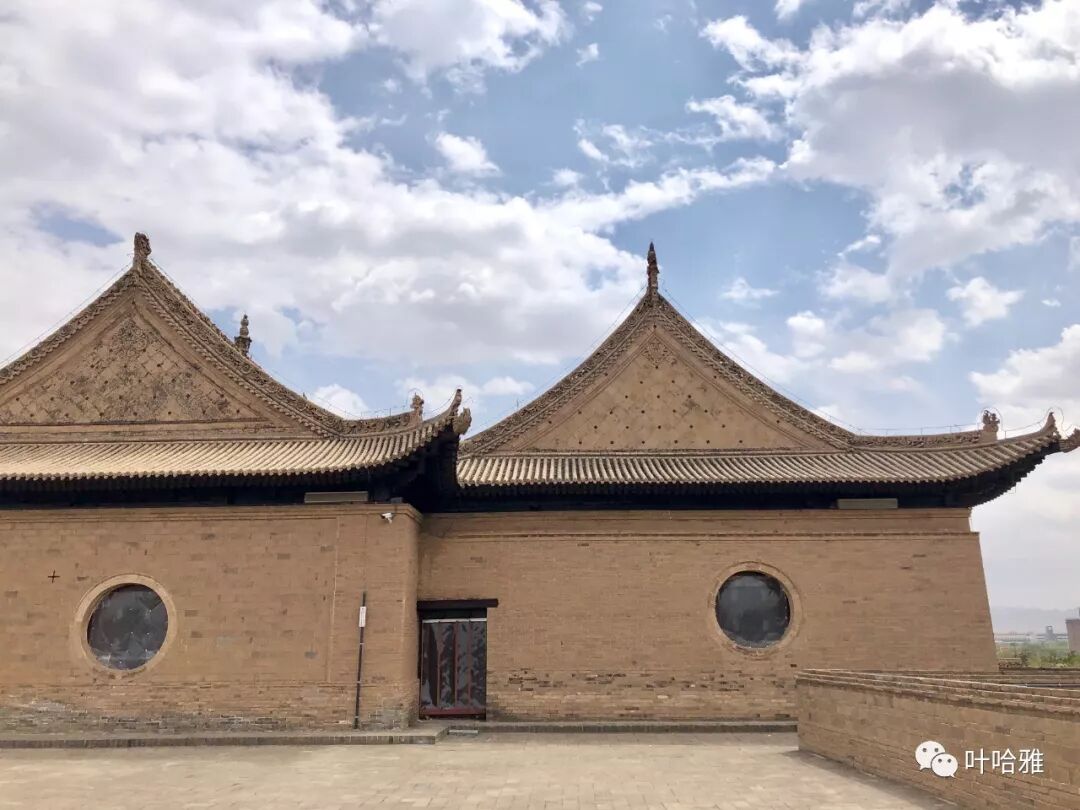
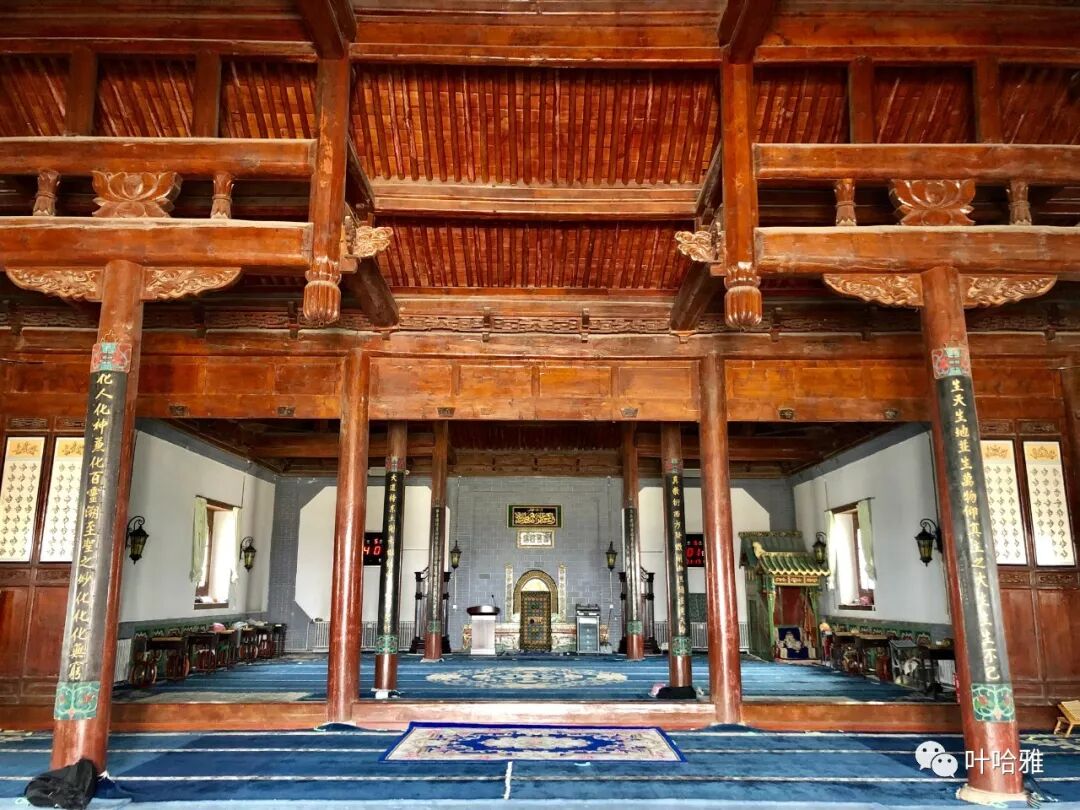
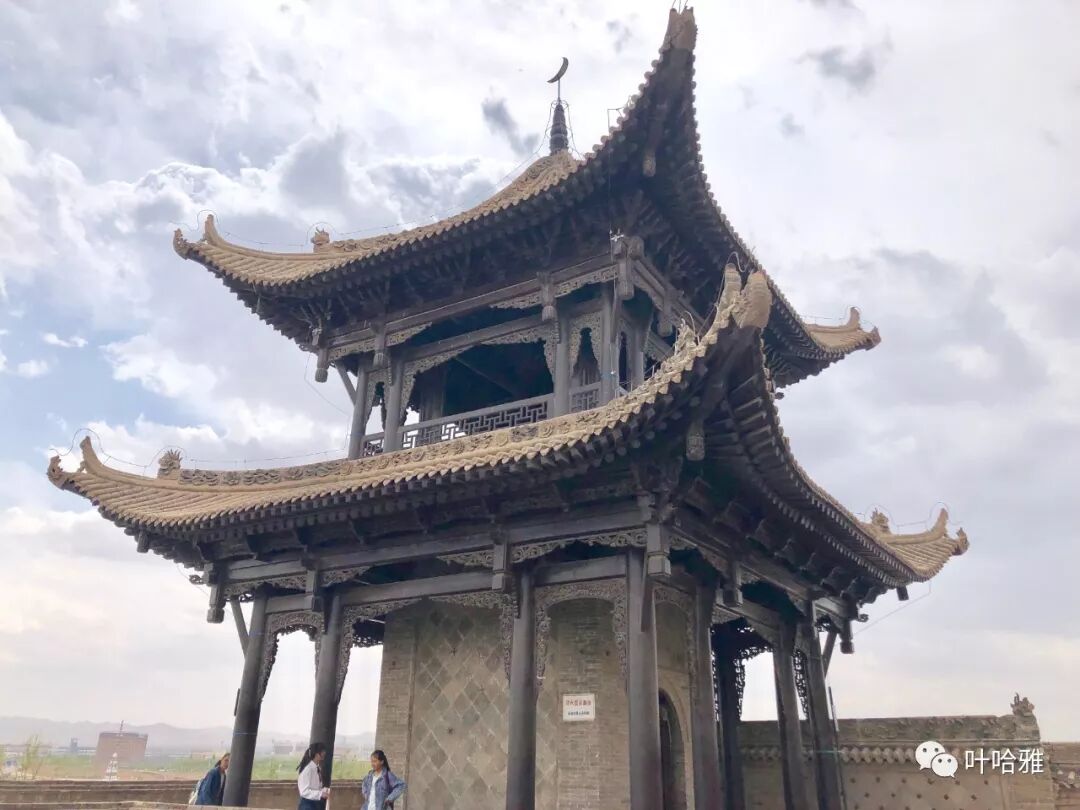
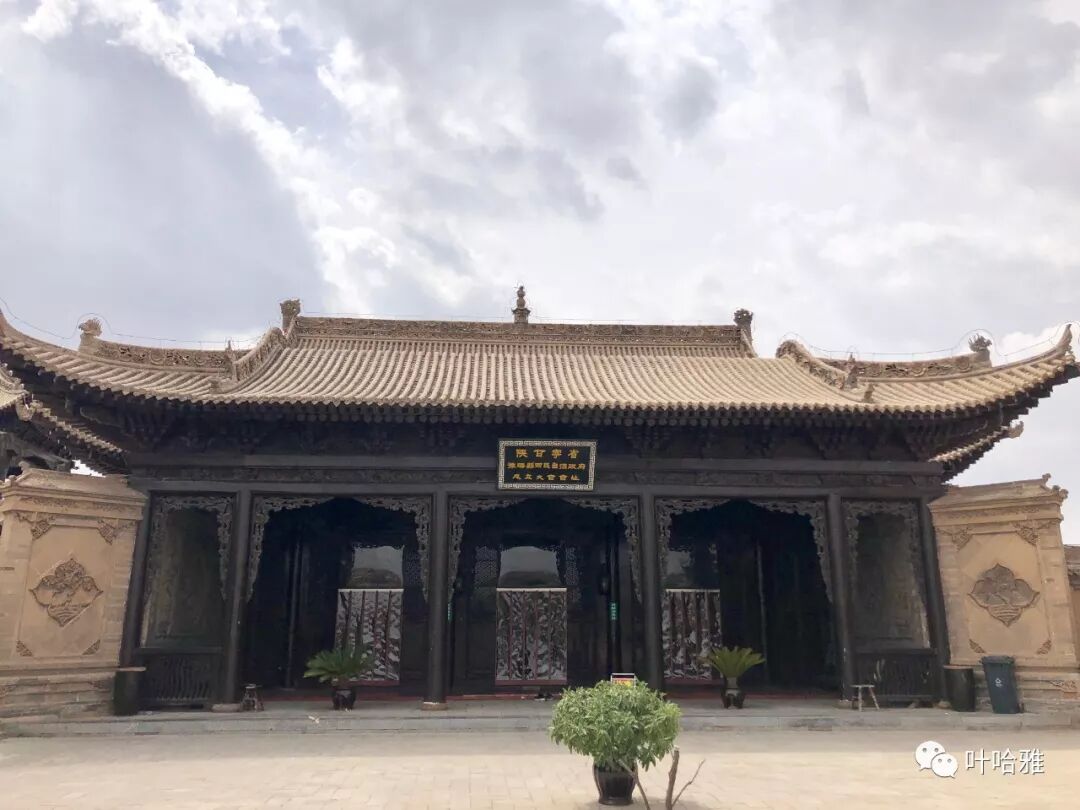
In 1936, the Red Army held the founding meeting of the Shaan-Gan-Ning Province Yuhai County Hui Muslim Autonomous Government at the Tongxin Great Mosque.
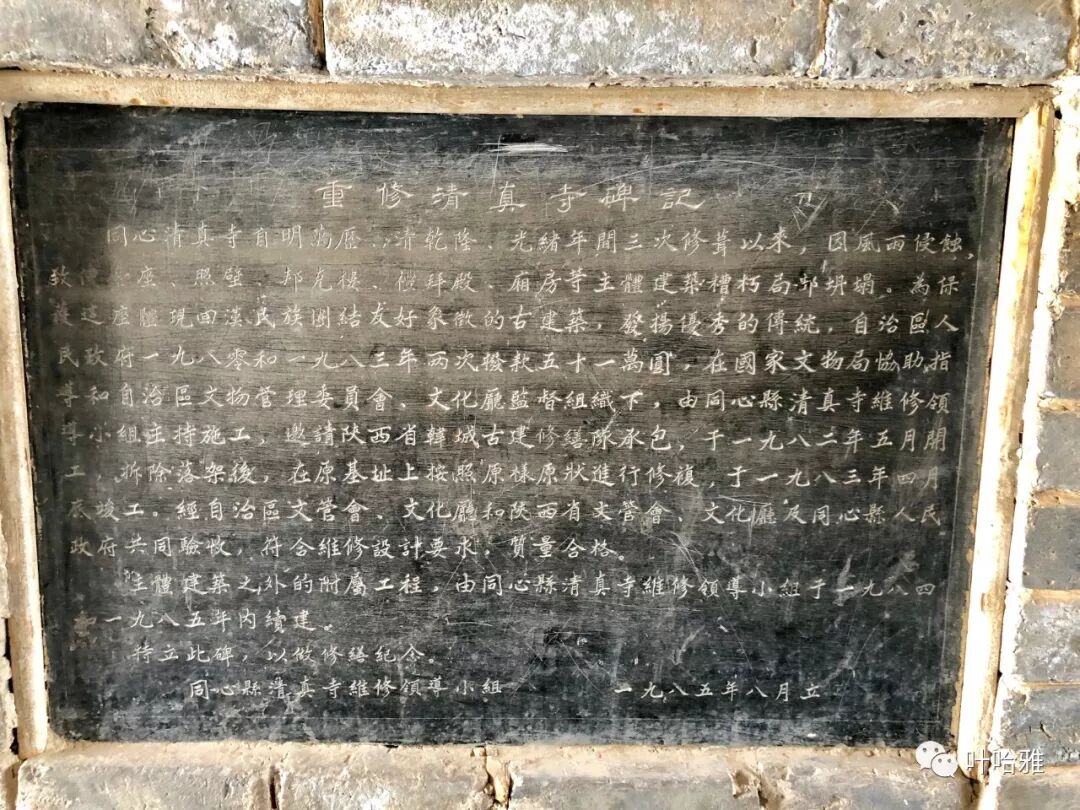
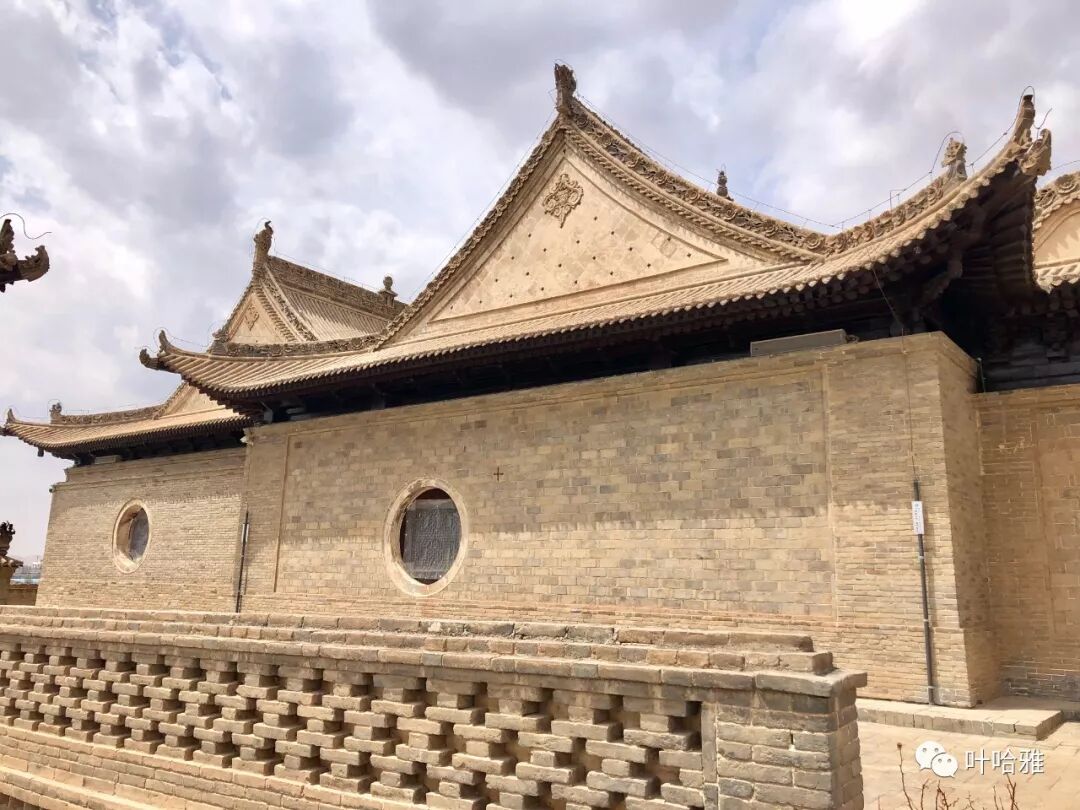
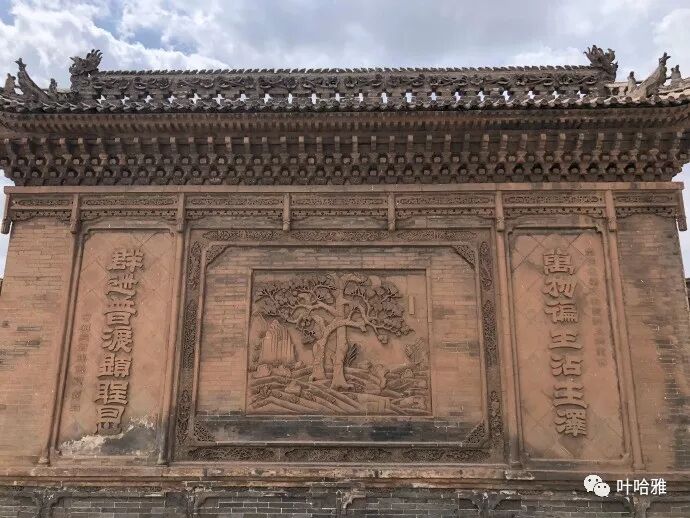
After a short stay in Tongxin, I took a two-hour car ride to Guyuan County town. This is where you truly enter the central area of Xihaigu, where there are noticeably more Hui Muslims on the streets and halal restaurants everywhere.
Ruifeng Hotel
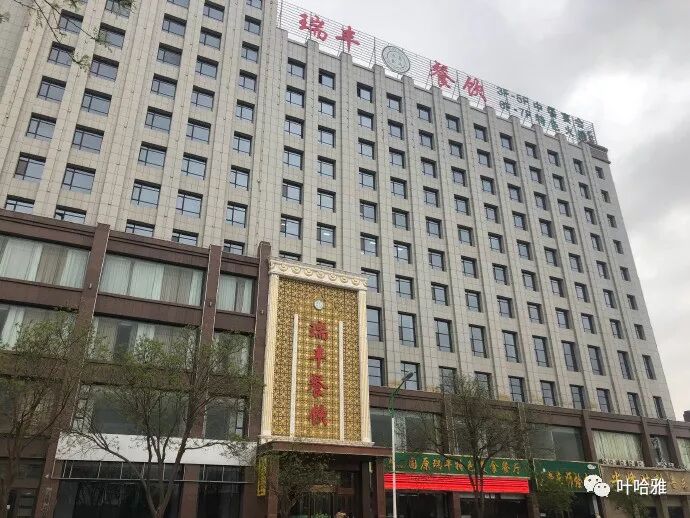
I stayed at a very good halal hotel in Guyuan County town called Ruifeng Hotel. It seems to be the most high-end dining and lodging group in the area. The owner is a Hui Muslim and they provide a halal breakfast.
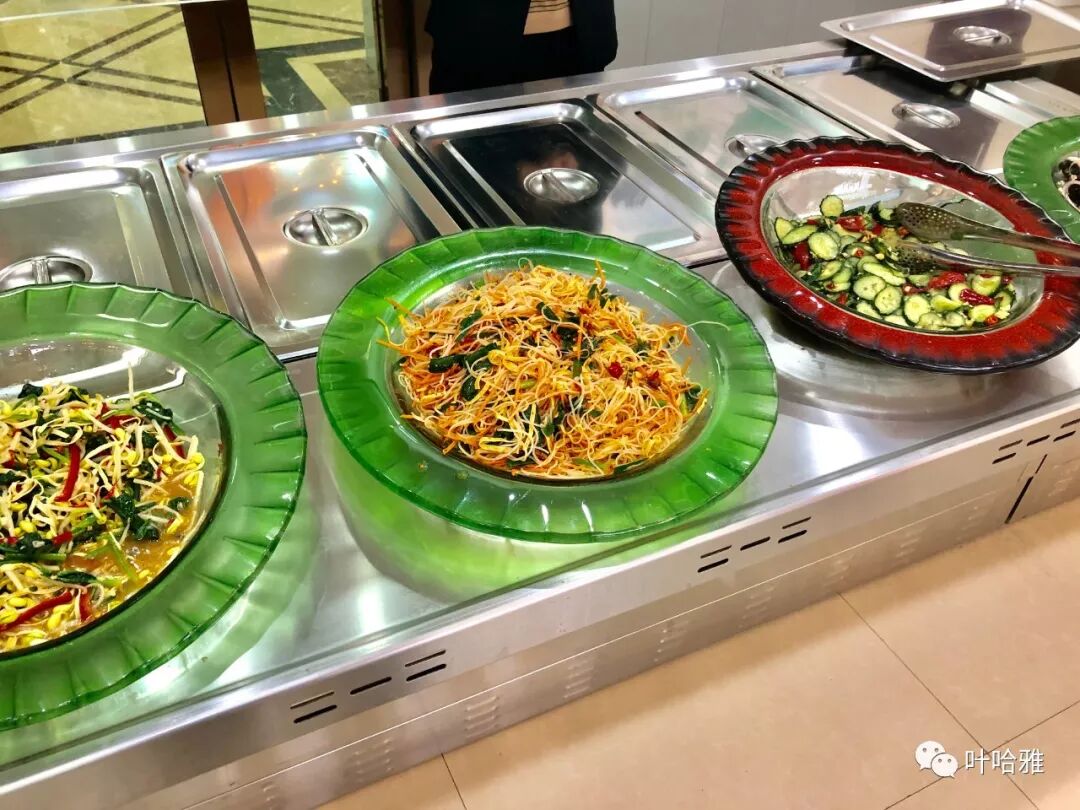
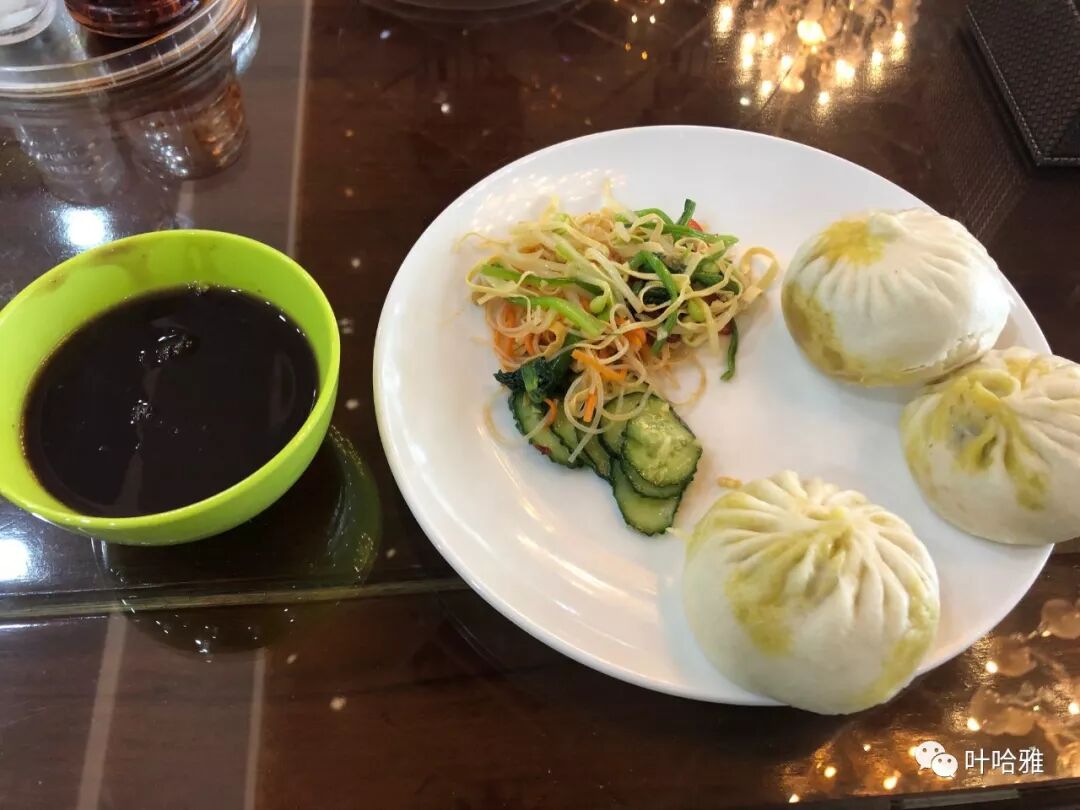
I love eating this kind of steamed bun (baozi) from the Northwest; they not only look good but also taste delicious.
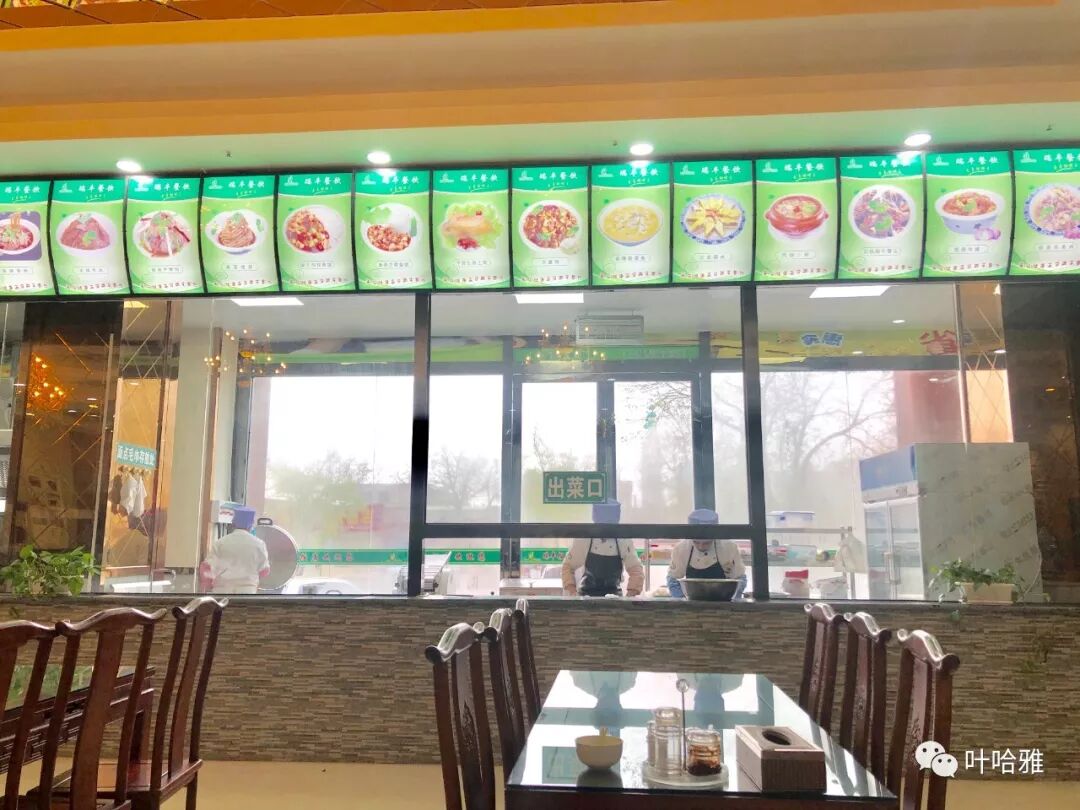
On the first floor of the hotel is a Sanying Mishi Braised Meat Restaurant, and stir-fried braised meat (chao huirou) is one of the local specialties.
Sanying Mishi Braised Meat Restaurant
You can eat stir-fried braised meat with rice or steamed flower rolls (huajuan). The meat is beef. Tongxin and Wuzhong are places where people eat lamb, but once you reach the Xihaigu area, beef becomes the main meat.
Looking out from my room, the Jiulong Road Mosque is right across the way, and the Xiyuan Mosque is in the upper left corner.
Jiulong Road Great Mosque
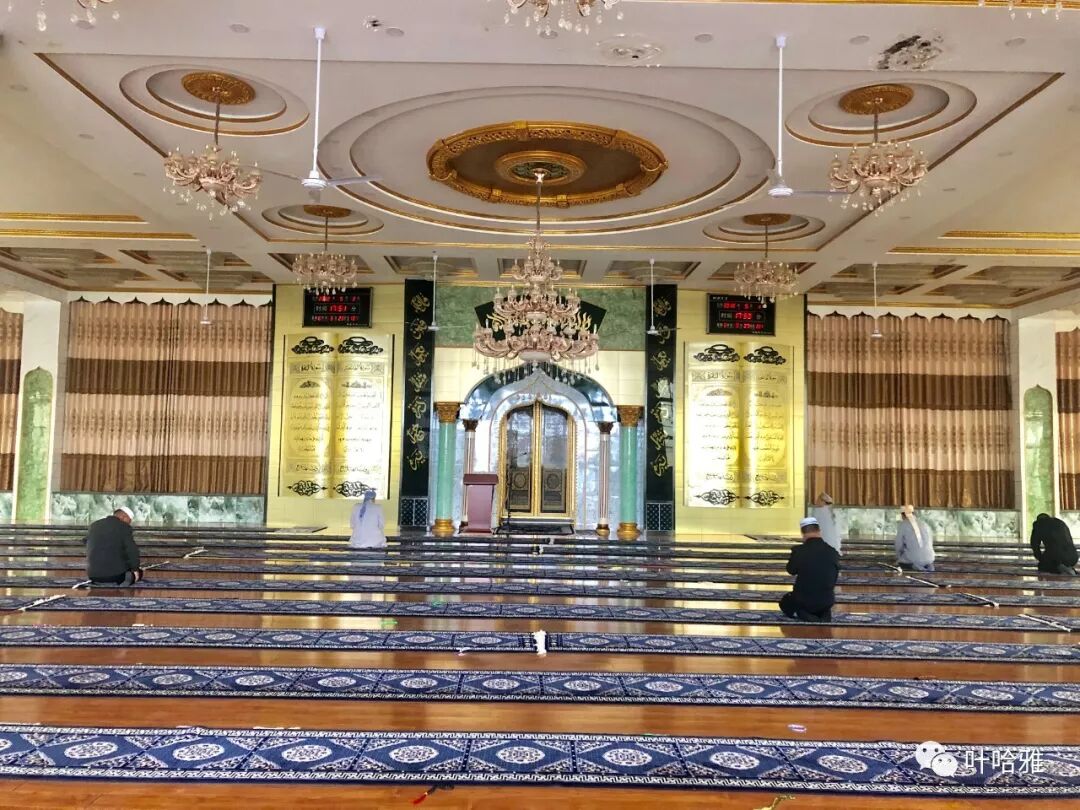
At the Jiulong Road Mosque, I asked a friend where to catch a ride to the Shagou gongbei. He told me this is an Ikhwan mosque and they do not visit graves, so he suggested I ask at the neighboring Khufiyya mosque instead.
Xiyuan Great Mosque
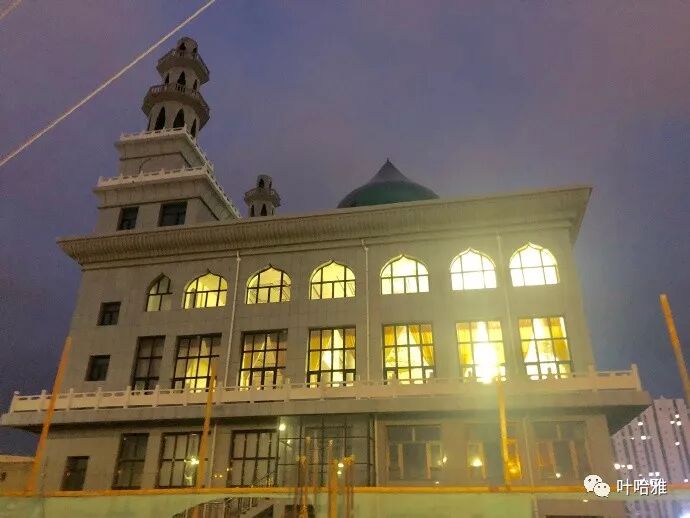
The Xiyuan Mosque in Guyuan belongs to the Khufiyya menhuan.
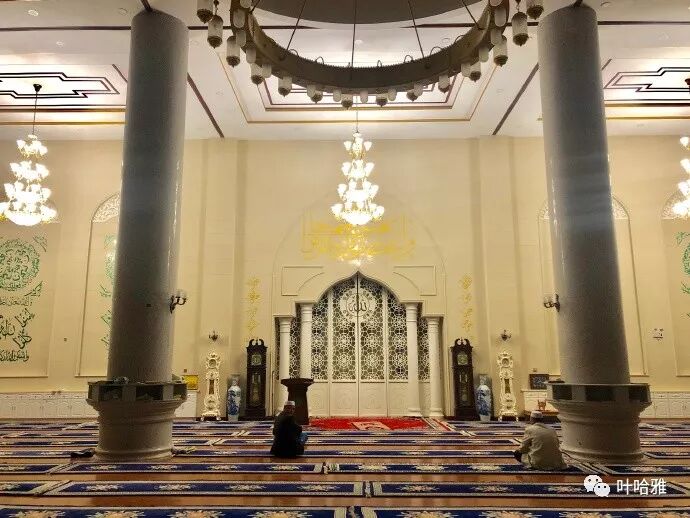
The mosque elders were very warm when they learned I was from Beijing. They invited me into their room as a guest and told me how to get a ride to the Shagou gongbei.
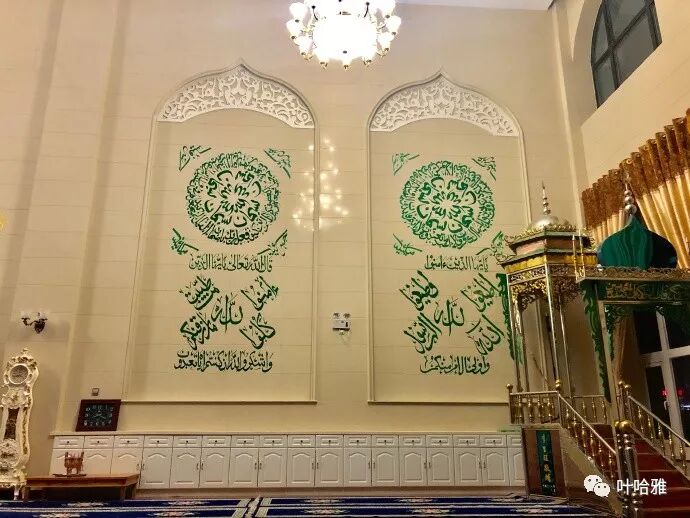
The next day, I took a taxi from the Guyuan bus station to the Shagou gongbei in Xiji County. I agreed on a price with the driver beforehand; the round trip was about 80 kilometers and cost 100 yuan.
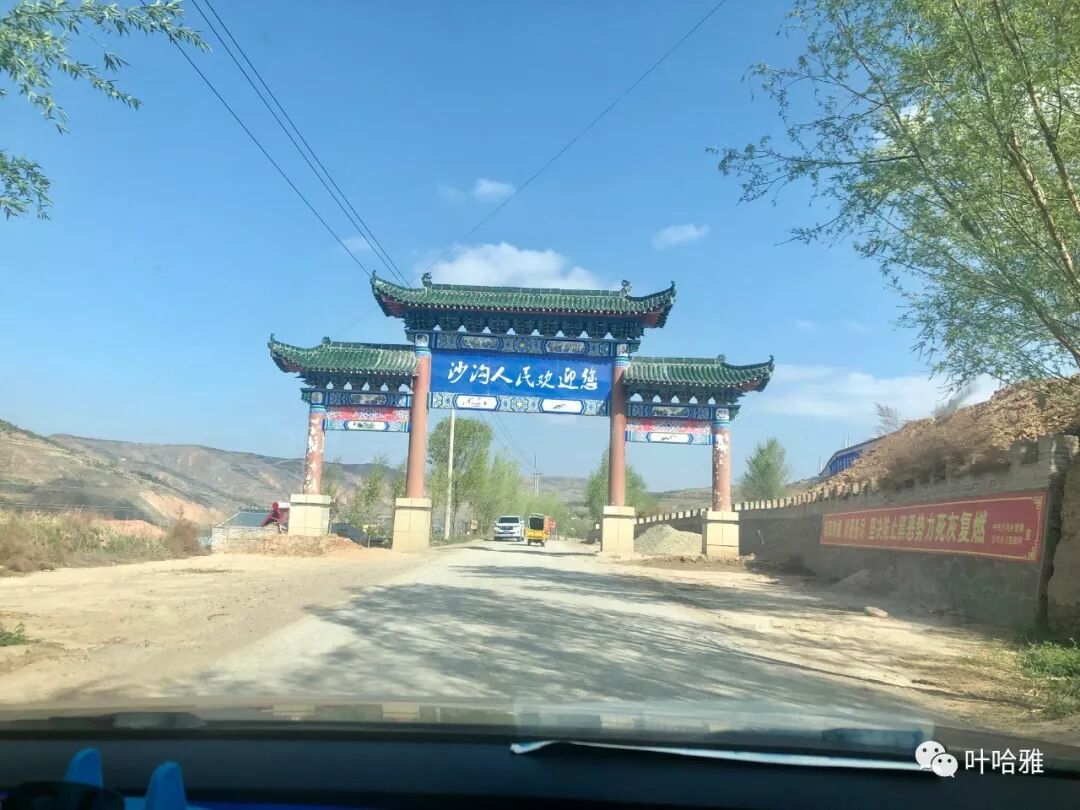
The driver was a local Han man whose parents had moved to Guyuan as refugees years ago. He told me about how local Hui Muslims and Han residents get along. He even has relatives who married into Hui families, though after a divorce, the children followed their Han mother's way of life.
We had a friendly chat along the way, but the road conditions were very poor. It was all dirt roads, and my phone lost signal for a while. After an hour of bumping along, we arrived at the Shagou gongbei in Xiji County.
Shagou Gongbei
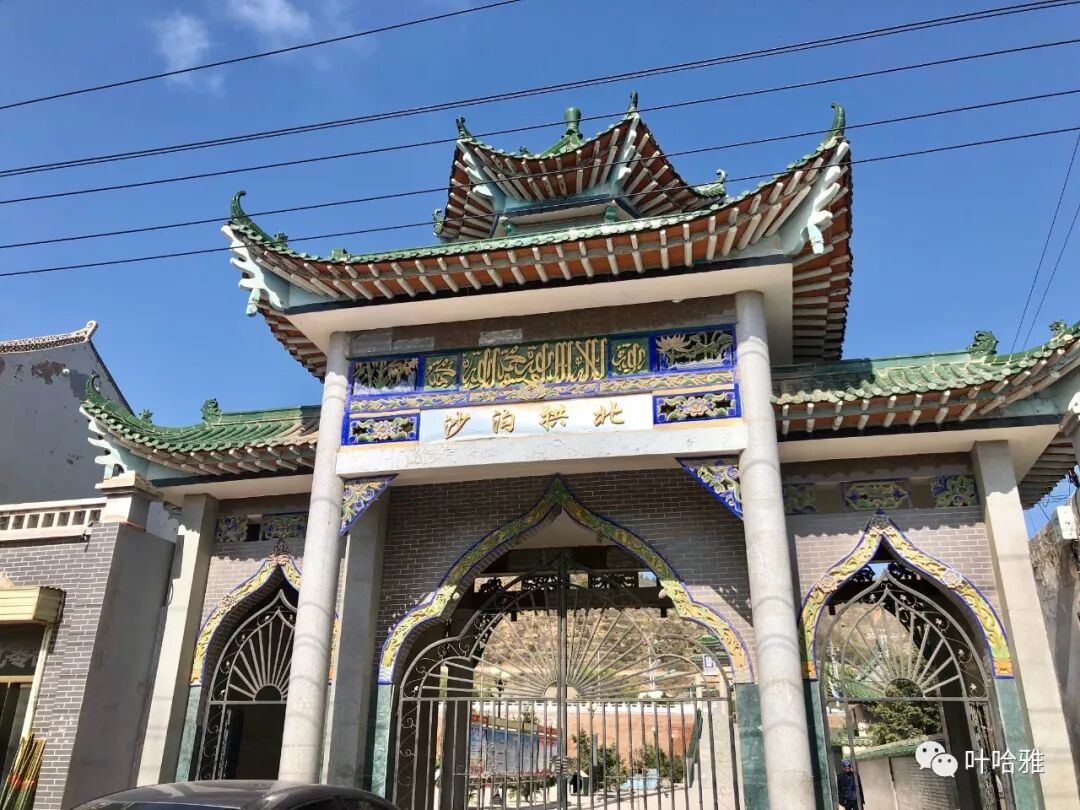
The Shagou gongbei was first built during the Guangxu reign of the Qing Dynasty. It covers over 300 mu and is mostly a burial ground for Muslim sages. Ma Yuanzhang, the seventh-generation leader of the Jahriyya menhuan, was once buried here. Ma Yuanzhang was born in 1853. He was the great-grandson of the Jahriyya founder Ma Mingxin and was respectfully called Shagou Taiye by the community. In the 9th year of the Republic of China (1920), a major earthquake hit Xiji, and Ma Yuanzhang passed away.
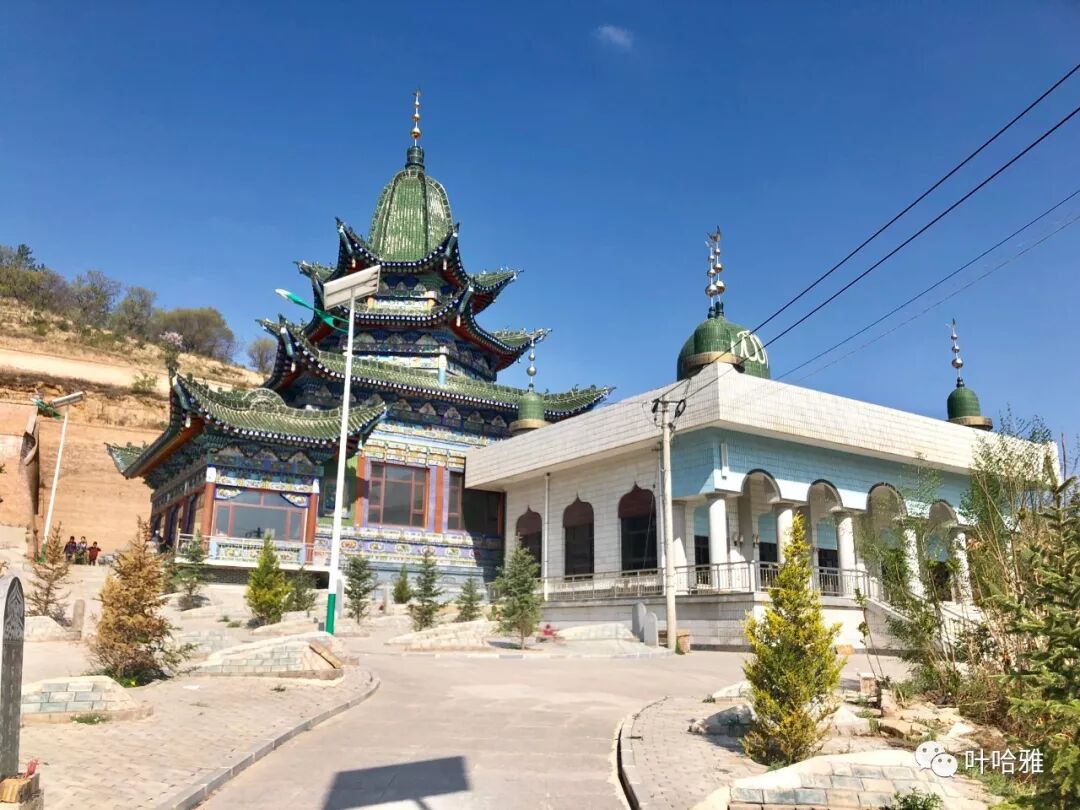
Ma Yuanzhang's younger brother, Ma Yuanchao, moved his remains to Xuanhuagang in Zhangjiachuan, Gansu, so that Ma Yuanzhang could be buried alongside Ma Hualong. After the passing of Great Master Ma Yuanzhang, his fourth son, Ma Zhenwu, took over the management of religious affairs in Xiji. Followers respectfully called him the Fourth Master, and his group is known as the Shagou faction. His jurisdiction included over 260 mosques (fang) in the Xi, Hai, Gu, Longde, and Jingning areas, over 130 in eastern Gansu, over 40 across Xinjiang, more than 10 in Yunnan and Guizhou, and another 10 or so in places like Jinan, Taierzhuang, Beijing, and the Jilin shipyard, totaling more than 450 mosques.
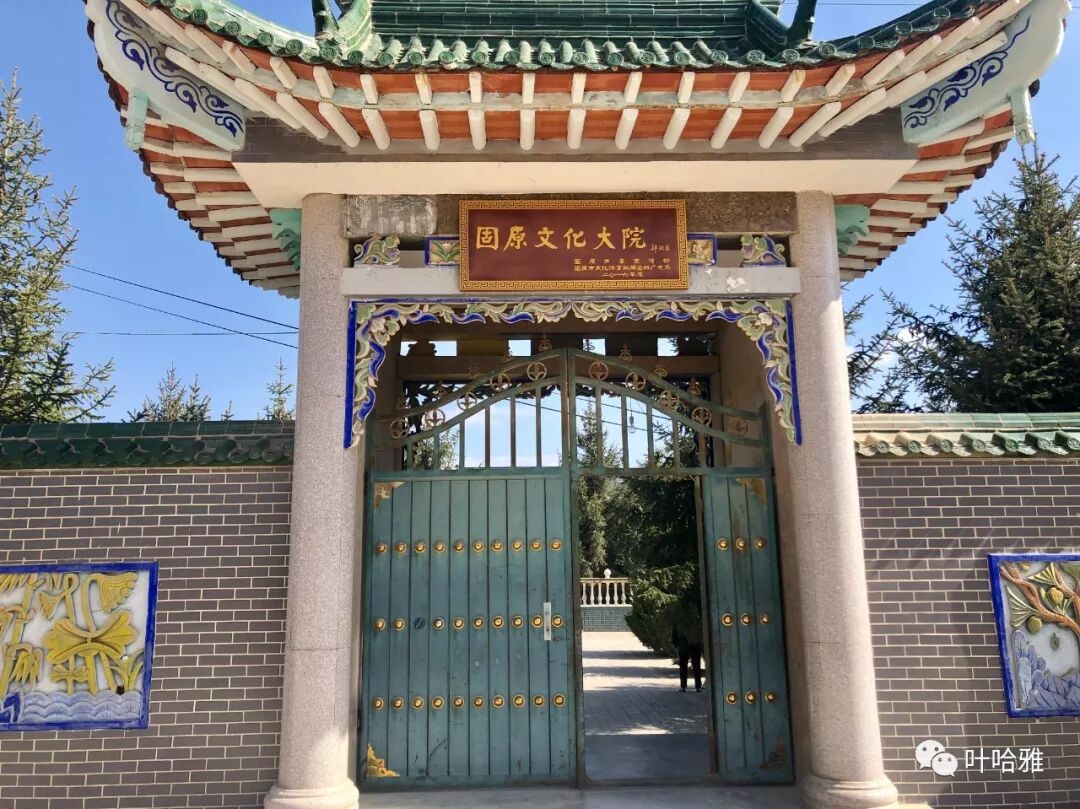
The tradition of the Jahriyya building a gongbei (a shrine for a Sufi saint) began with Great Master Ma Yuanzhang. Ma Yuanzhang built the Dongchuan Great Gongbei for Ma Mingxin at Dongshaomen in Lanzhou, and the Xuanhuagang Gongbei for Ma Hualong in Zhangjiachuan. Ma Yuanzhang was the first person to use the term menhuan (a Sufi order or lineage).
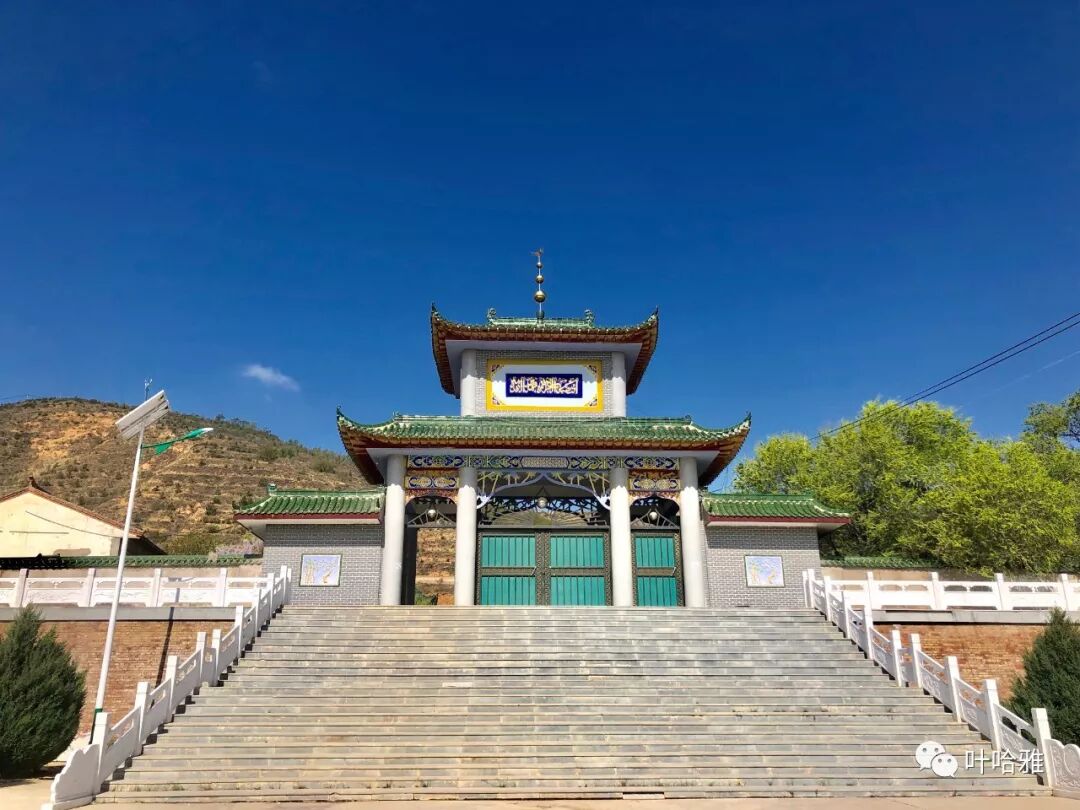
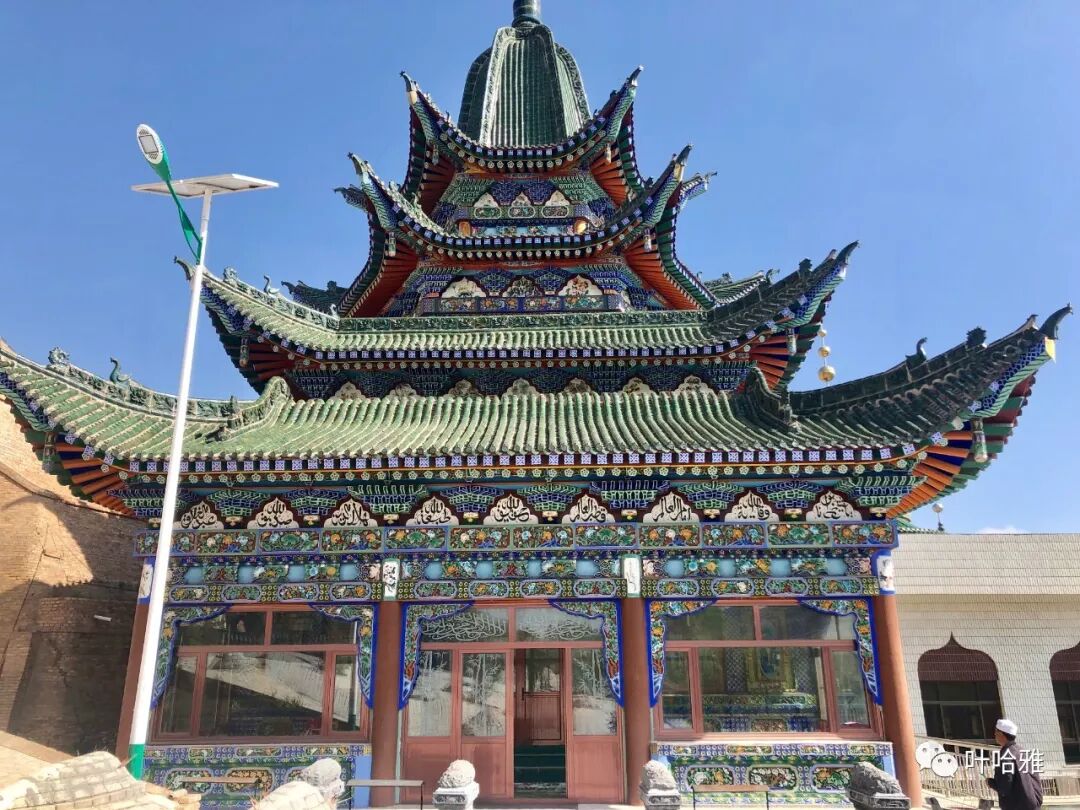
A clear feature of the Jahriyya menhuan is wearing a six-pointed cap, which represents their firm belief in the six articles of faith. Another clear feature is not growing a beard. This started in 1762 when the Jahriyya founder, Great Master Ma Mingxin, was leading the Friday prayer (Jumu'ah) at Zhanghagong Mosque in Xunhua. He met Ma Guobao, the second-generation leader of the Huasi menhuan. They argued over scripture, and the conflict grew. Ma Guobao accused the Jahriyya of being a cult to the Qing government, claiming their beards were a sign of anti-Qing activities. This led to persecution by the Qing government. Because of this, Ma Mingxin ordered his followers to stop growing beards, saying they would settle the dispute with Ma Guobao in the afterlife. Ma Guobao fell ill and passed away in 1773 while traveling to Baotou, at the age of 36.
It was not until the 46th year of the Qianlong reign that the two factions reached a reconciliation after participating in the anti-Qing struggle together.
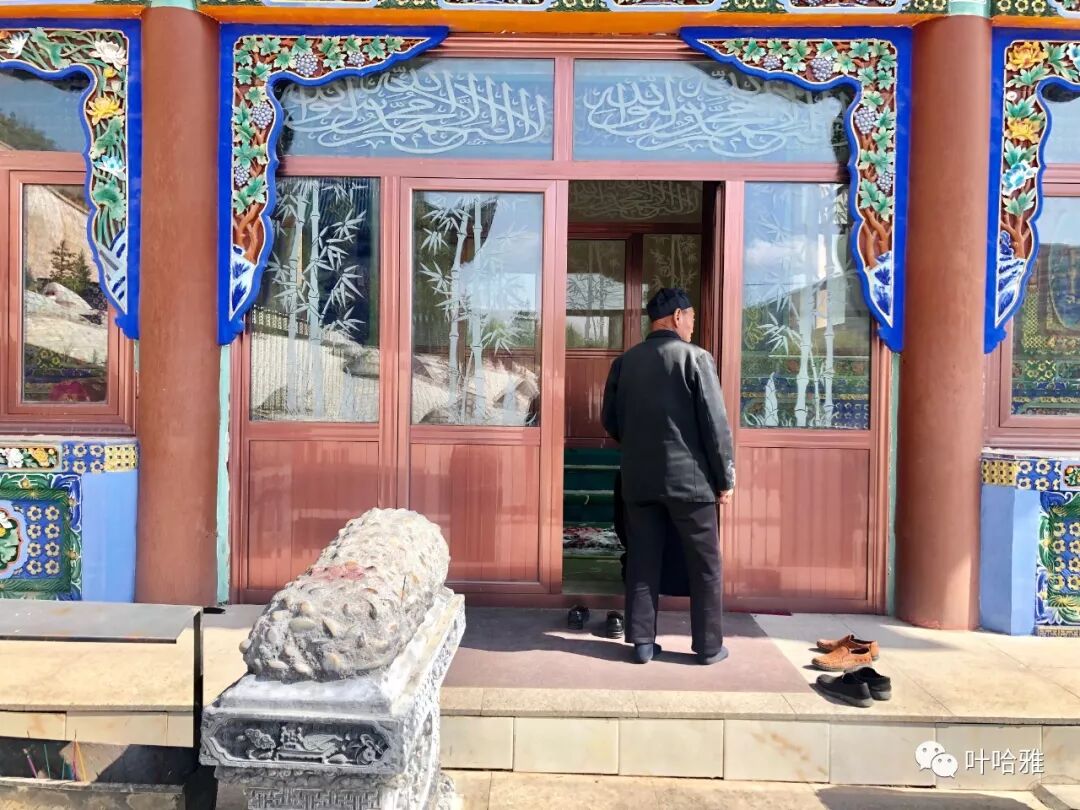
The Jahriyya do not build minarets (bangkelou). Instead, they use a wooden clapper (bangzi) to signal the call to prayer (adhan). This was a hidden method adopted to avoid detection by officials when the Qing government strictly banned the Jahriyya.
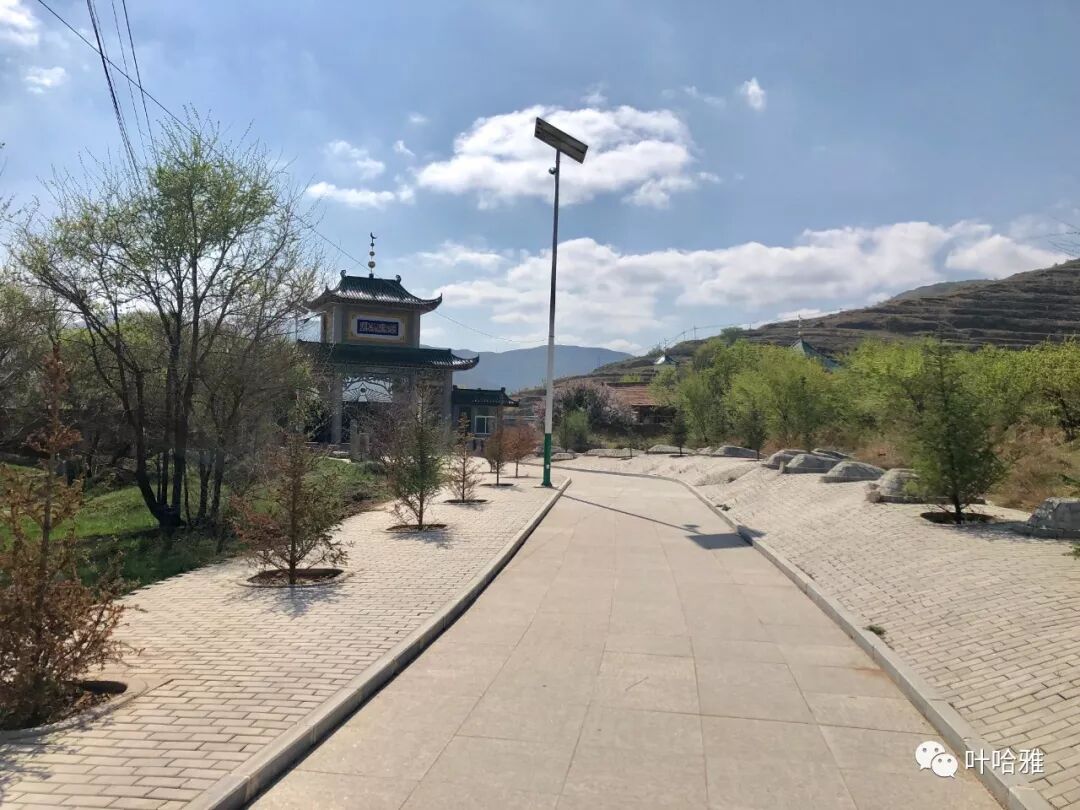
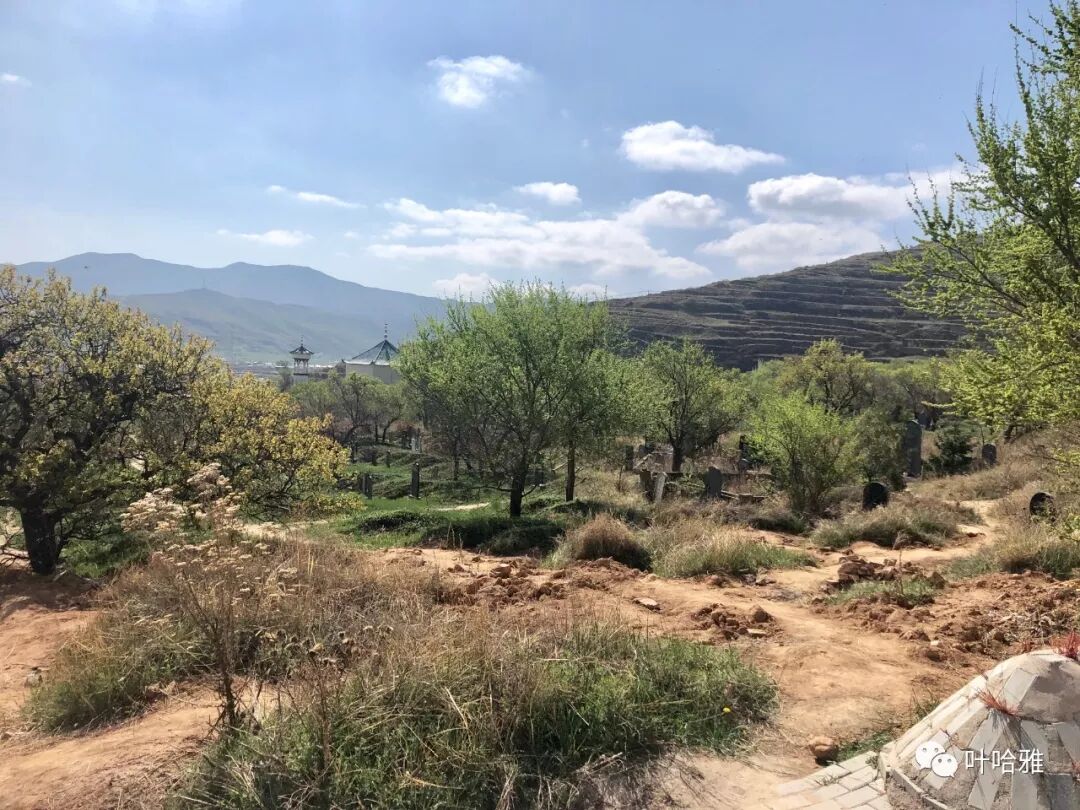
The Jahriyya believe that if a follower lacks the funds for the Hajj pilgrimage, they can visit a gongbei or a daotang (a religious hall) as a substitute, which is why the Jahriyya place great importance on the gongbei.
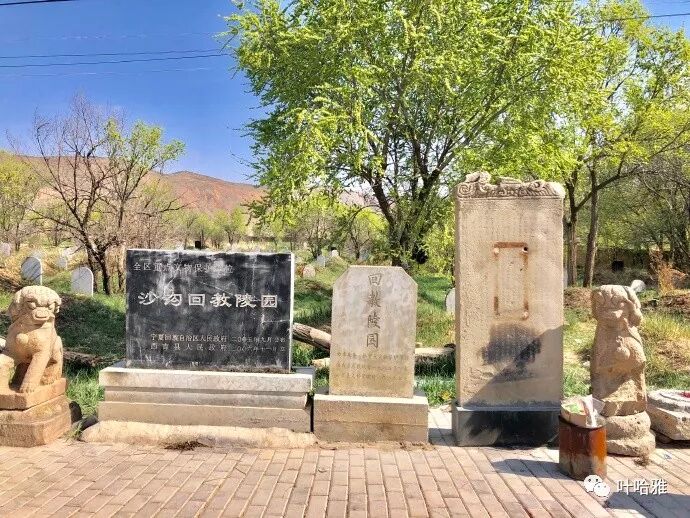
After the grave visitation (youfen) at the Shagou Gongbei ended, I headed straight to Jingyuan County for an appointment. Jingyuan County can be called a 100% halal county. Over 90% of the local population are Hui Muslims. I did not see a single non-halal restaurant on the streets, though it was sparsely populated and many shops were closed.
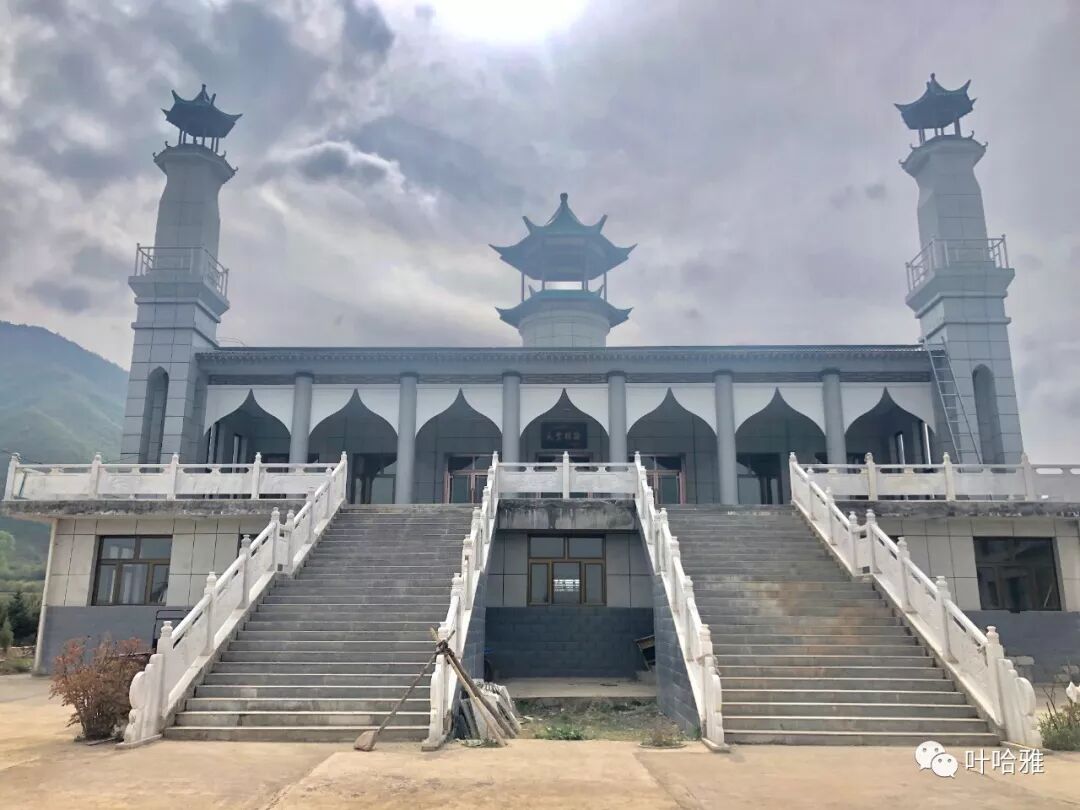
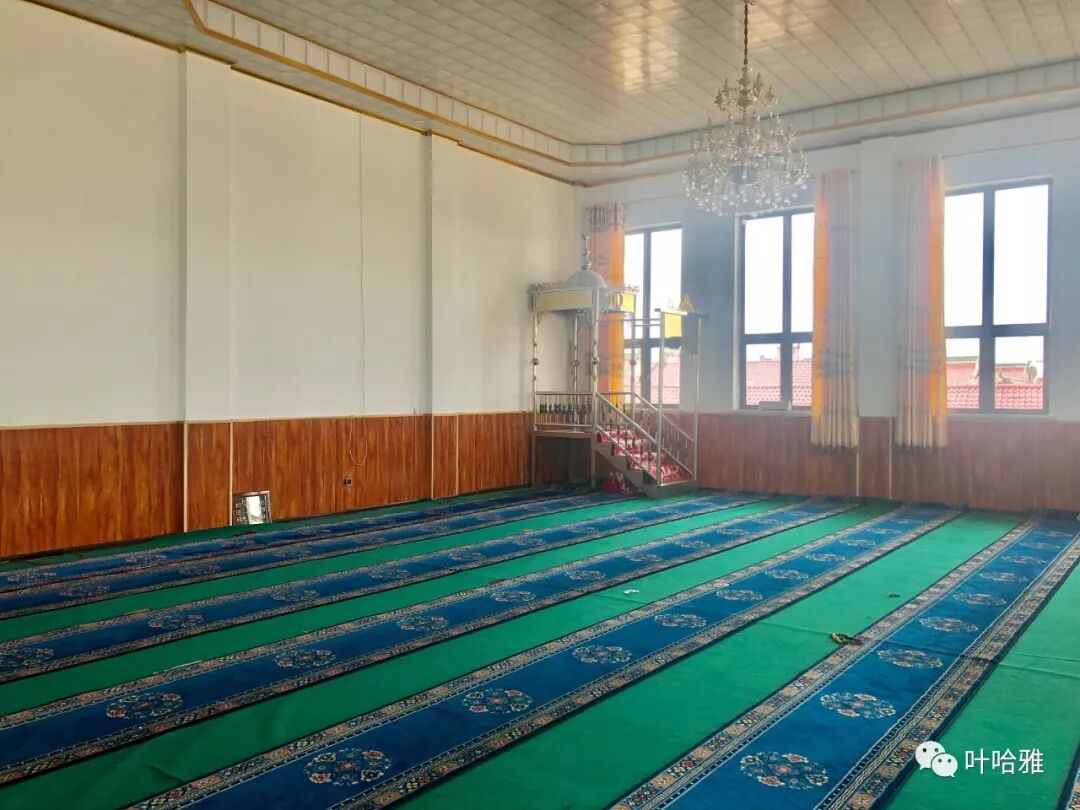
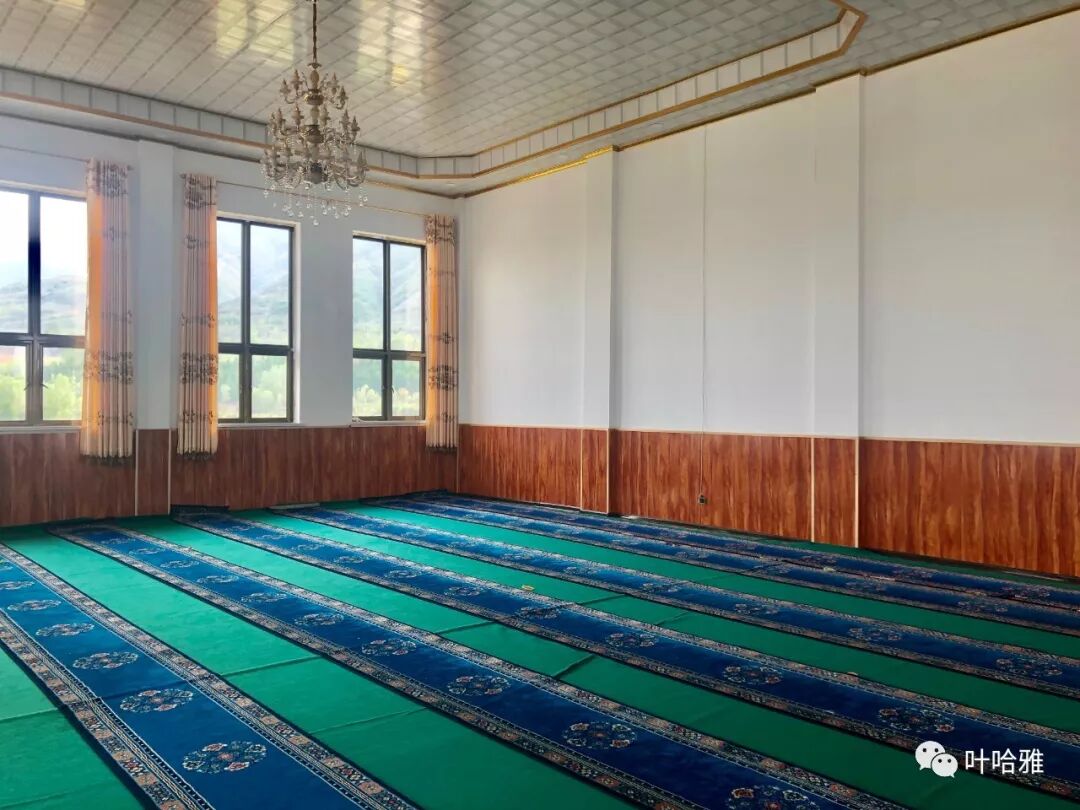
I performed the celebration prayer (Eid prayer) at the Great Mosque of Yejiacun in Jingyuan County. The famous Liupan Mountain scenic area is right behind it, but I had no heart for sightseeing.
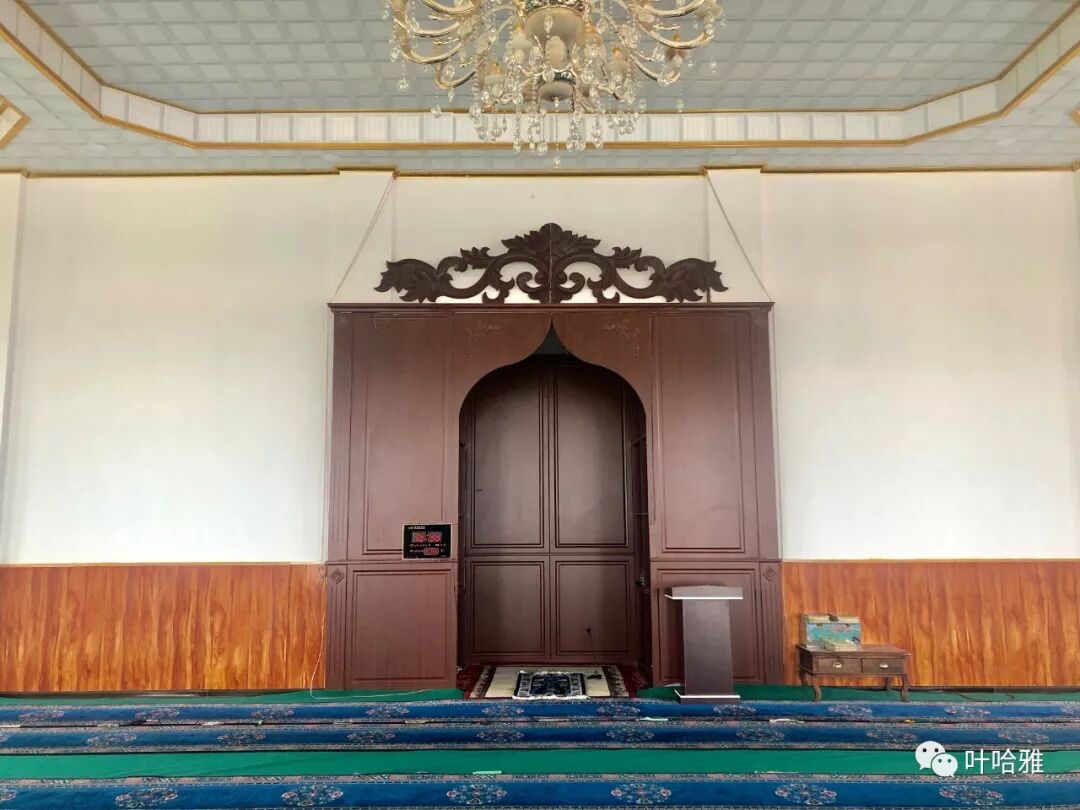
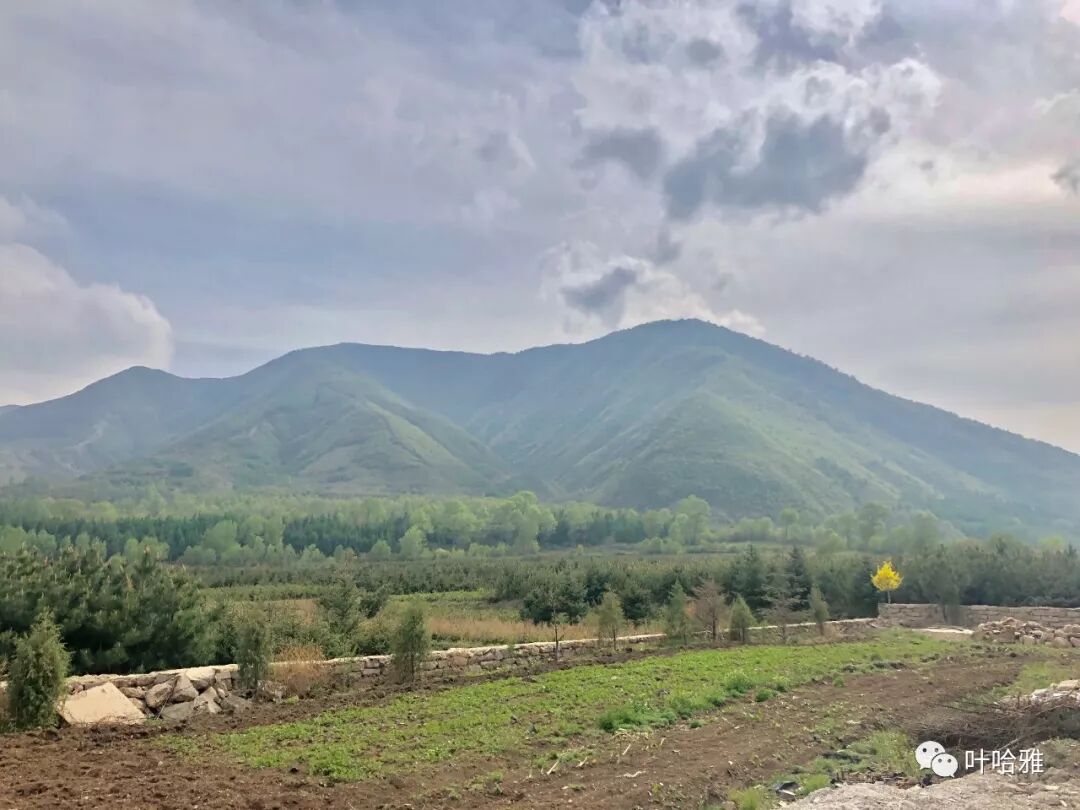
In the distance is Liupan Mountain. The temperature in Jingyuan County is a few degrees lower than in central Ningxia, and there is a large temperature difference between day and night. I came in May; daytime temperatures were in the low teens Celsius, but at night it would drop below 10 degrees. I heard it even snowed in June.
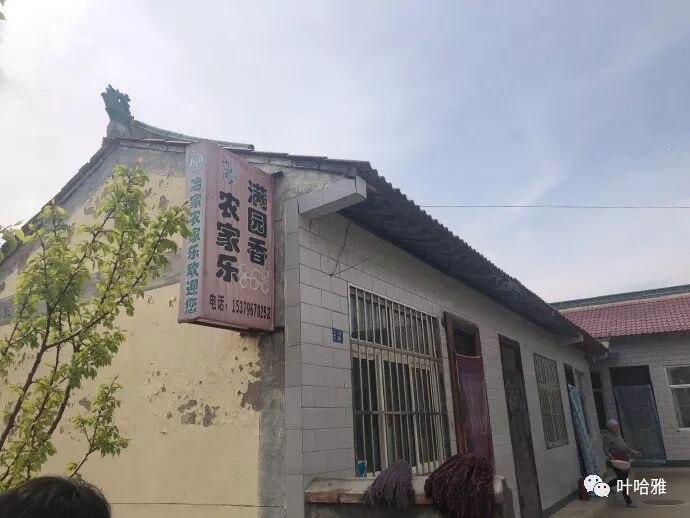
Before coming to Jingyuan County, friends told me I had to try the farm-style meals here. I met a local friend in Yejiacun Village to eat at a farm restaurant. Yejiacun is a village of Hui Muslims, and all the farm restaurants in the village are halal.
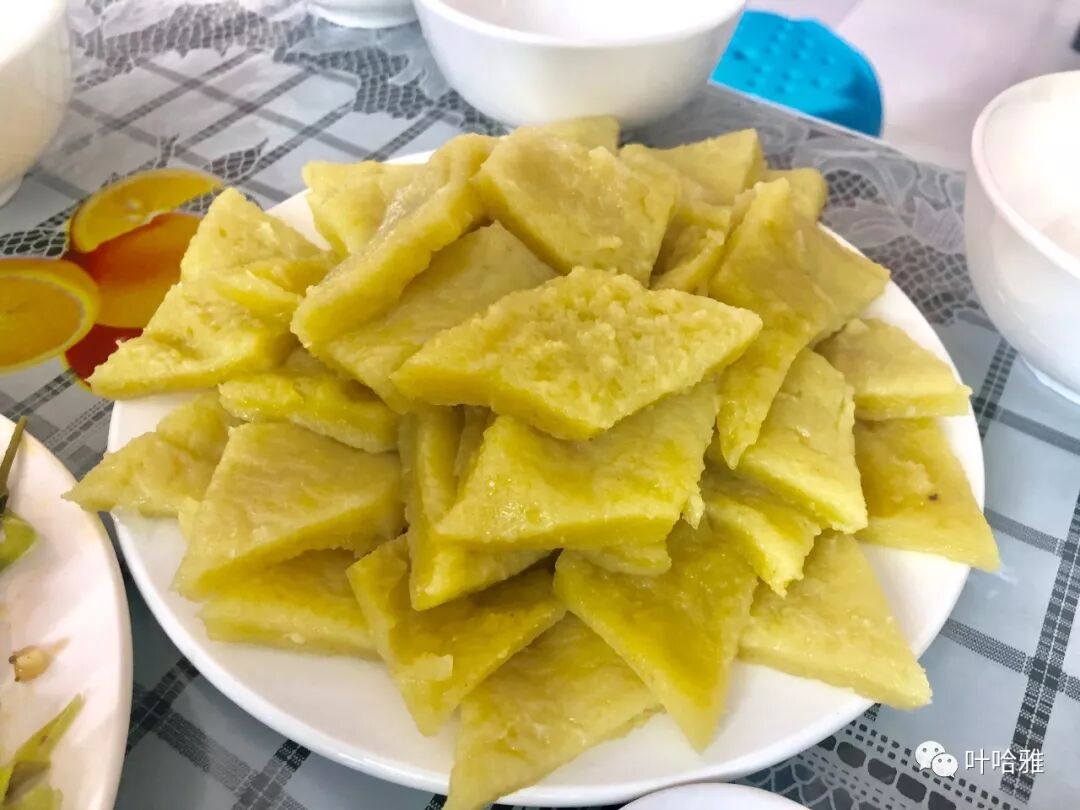
The traditional Northwest specialty dish, stirred flour paste (jiaotuan), tasted different from the one I had in Xunhua.
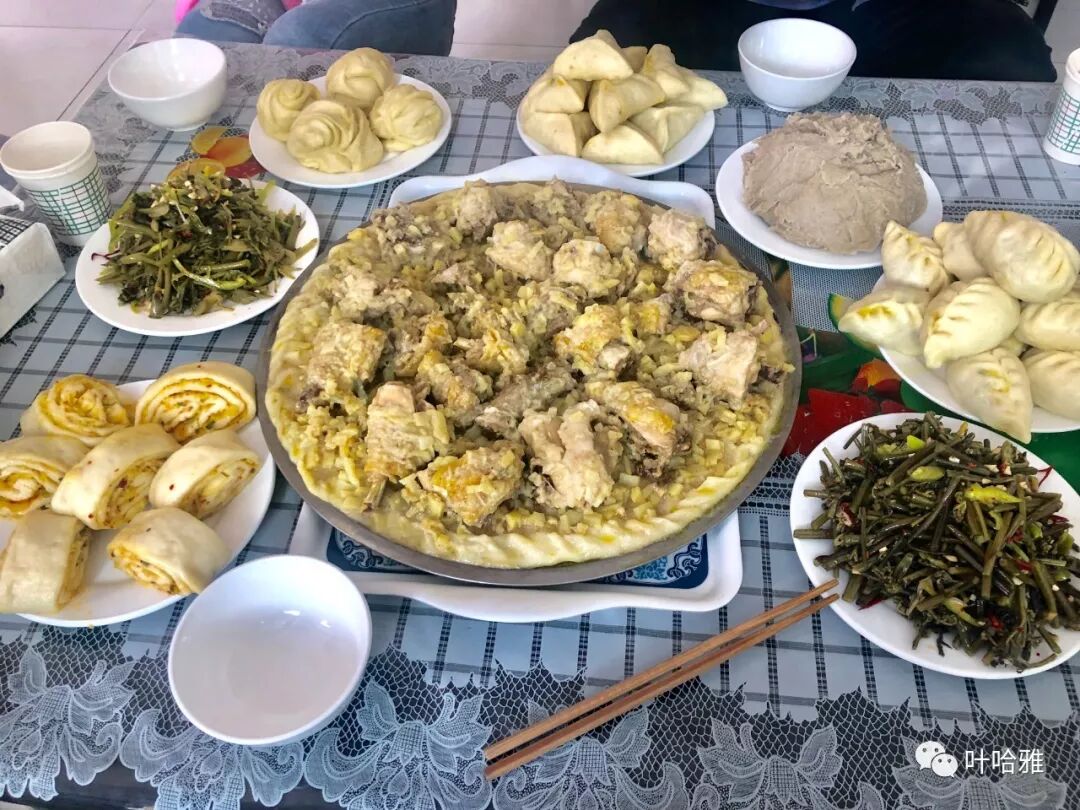
Wolf-tooth herb (langyabang) is a type of local wild vegetable.
Steamed flower rolls (huajuan) are made the way local villagers make them at home.
Steamed chicken is a classic home-cooked specialty in Jingyuan, Ningxia, usually only found in people's homes. If you want to try it in Beijing, you can order it one day in advance at Ali Restaurant, provided the chef from Jingyuan is working that day.
This huge table of food was enough for seven or eight people and cost less than 300 yuan. It had very distinct local flavors and was incredibly satisfying.
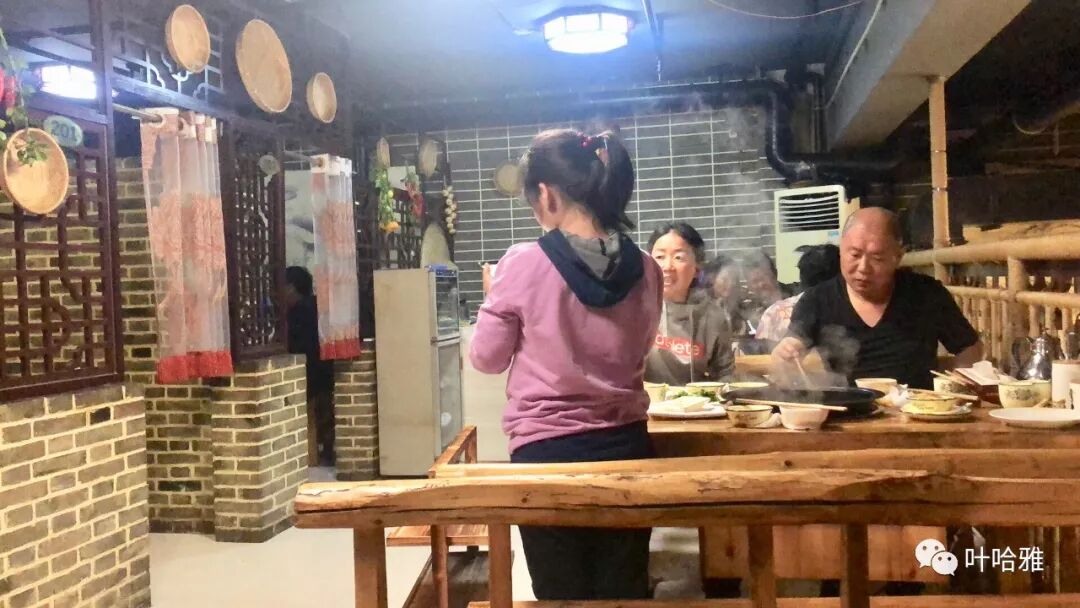
After finishing our farm-style feast in Yejiacun, we went back to Jingyuan County town. Following a friend's recommendation, I tried the most popular local yellow beef hot pot.
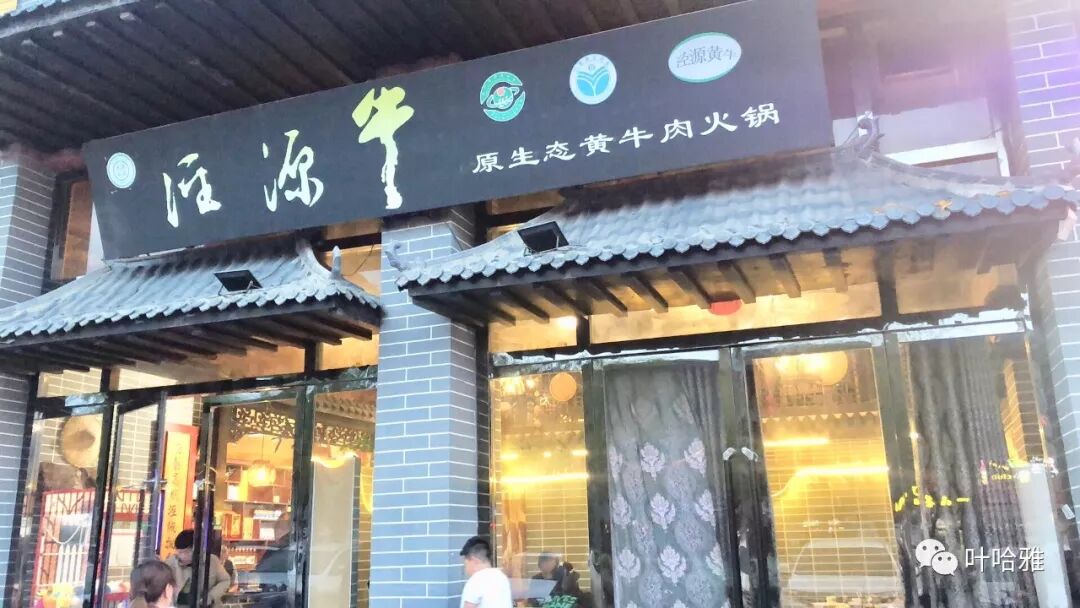
People in Jingyuan don't eat much lamb. Beef is their main meat, and the quality of Jingyuan beef is very high.
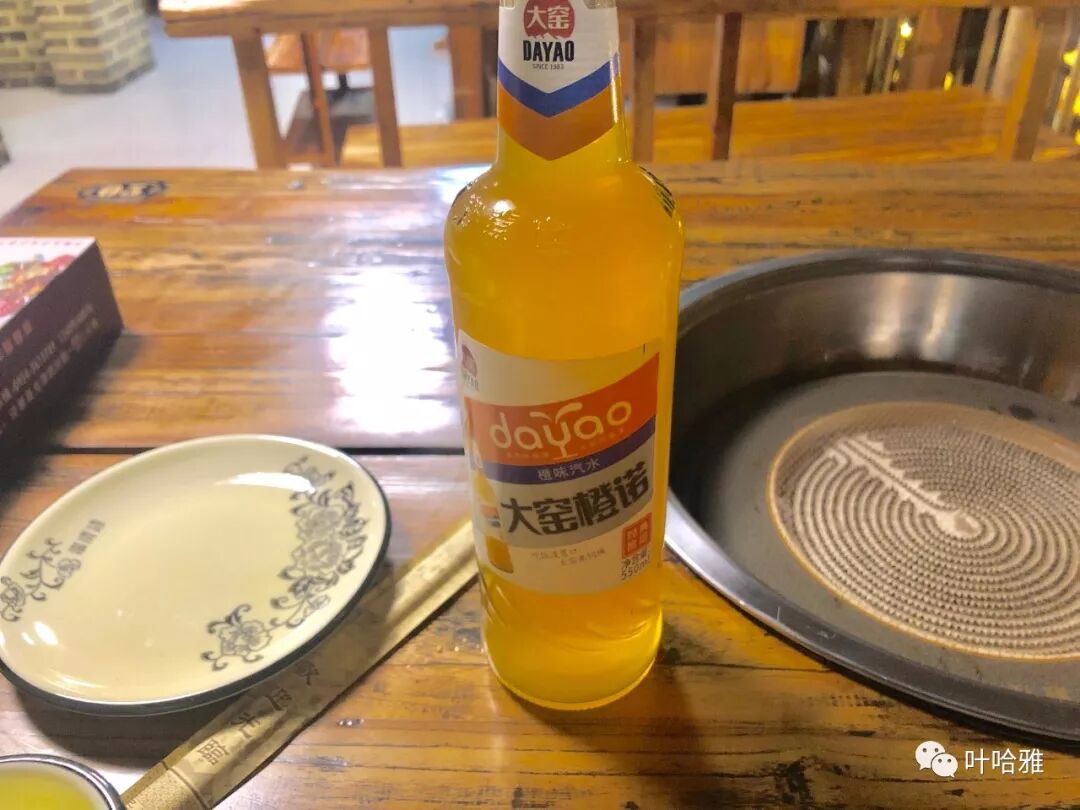
I drank a knock-off version of a soda, which seemed to be a copy of the Inner Mongolian brand Big Kiln Soda (Dayao Jiabin).
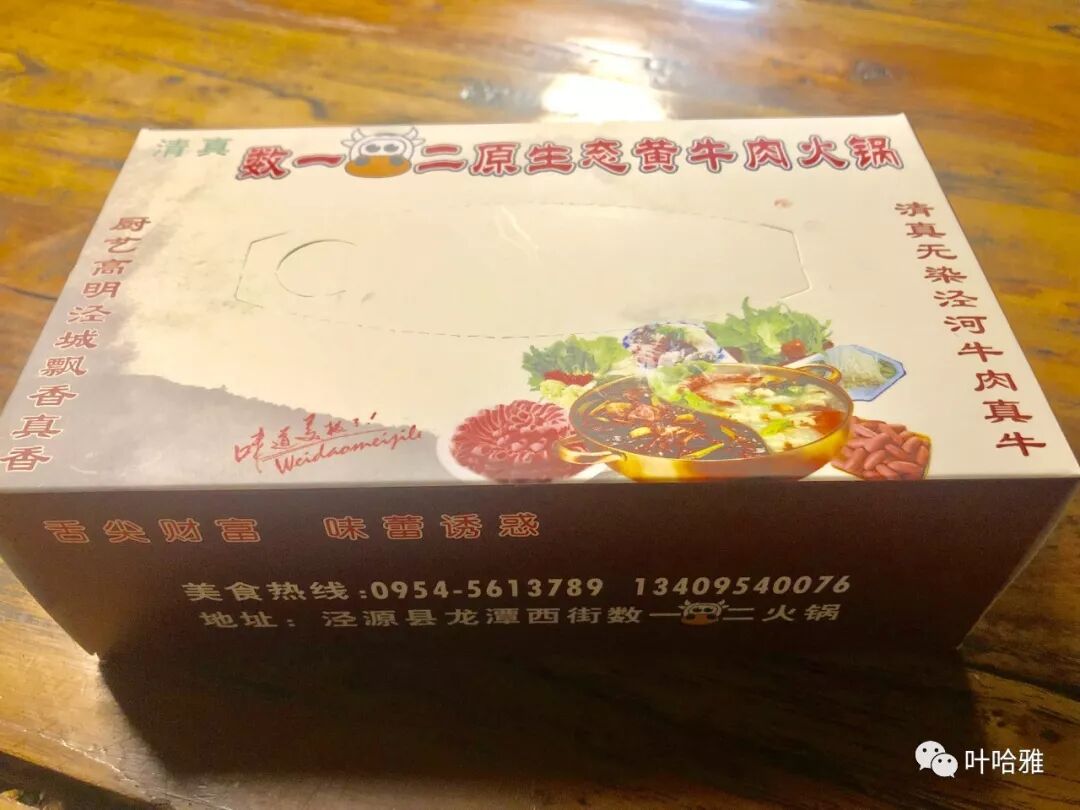
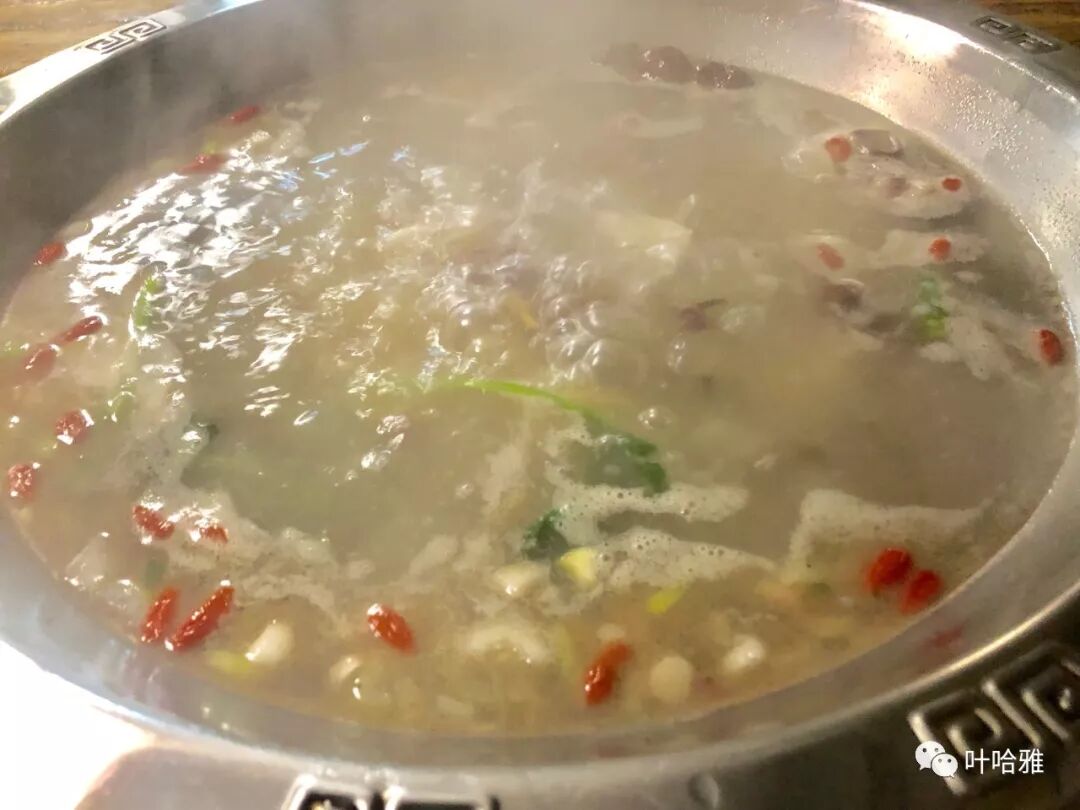
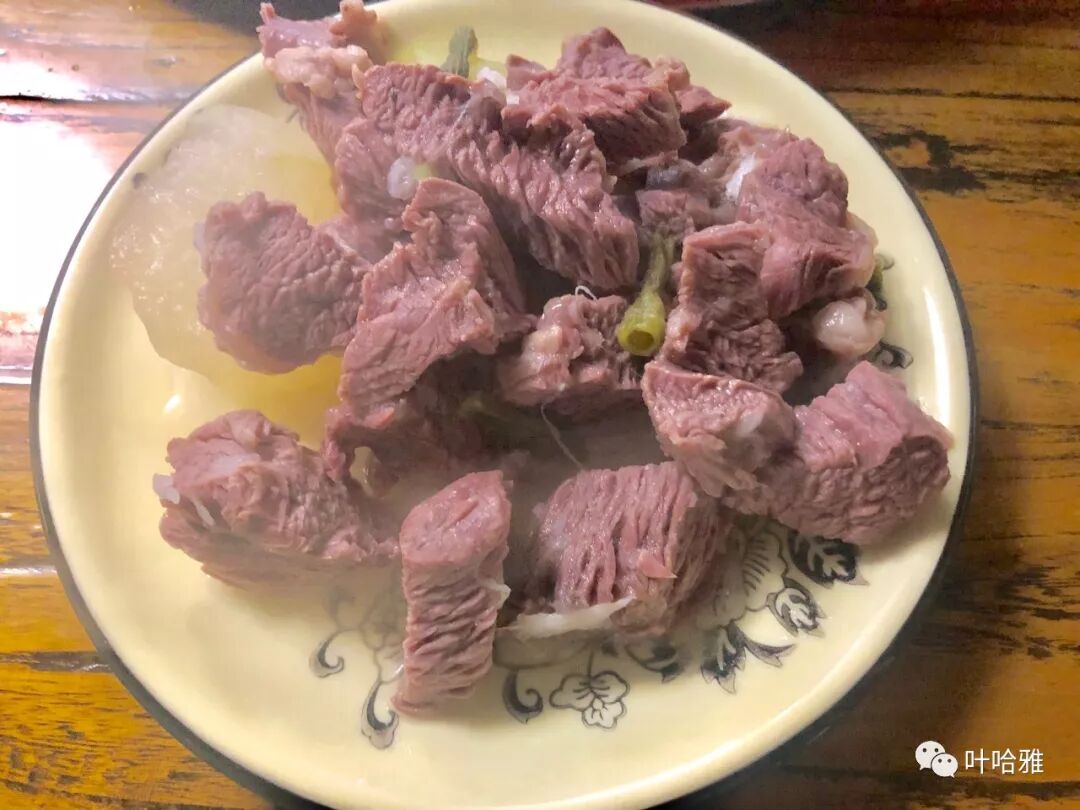
This pot was packed full of large chunks of yellow beef and only cost a little over 130 yuan. After eating the meat, you can keep adding vegetables to the pot.
After dinner, I walked around Jingyuan County town and saw that the largest local mosque had finished its Sinicization renovation, with the original dome removed.
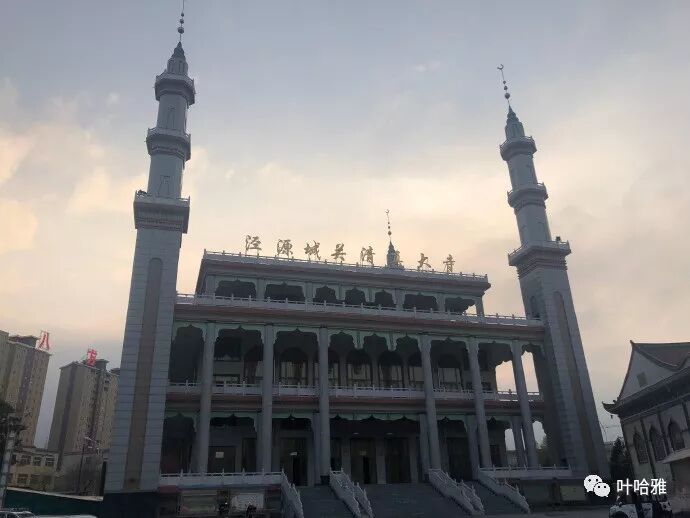
There are no real ancient mosques left in Jingyuan County. The old ones fell into disrepair and have basically all been rebuilt.
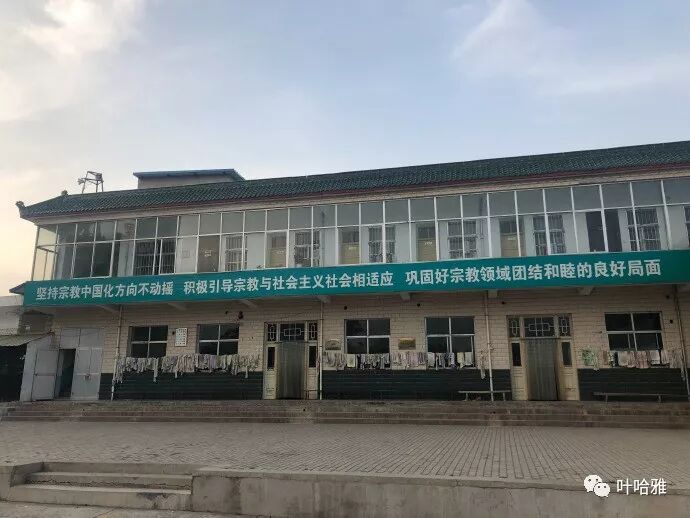
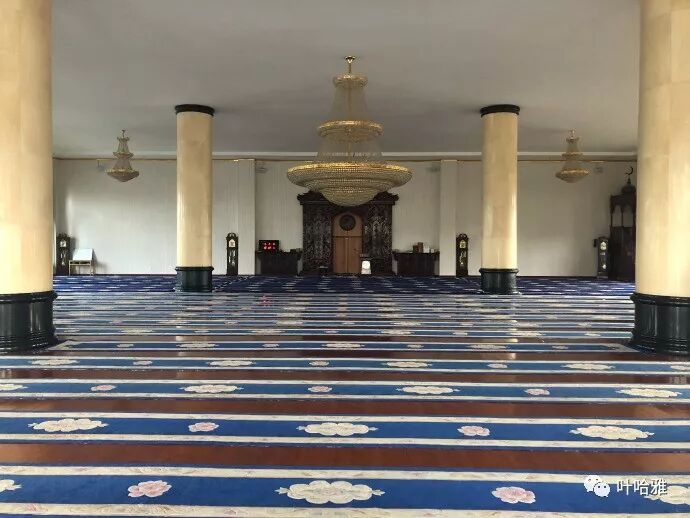
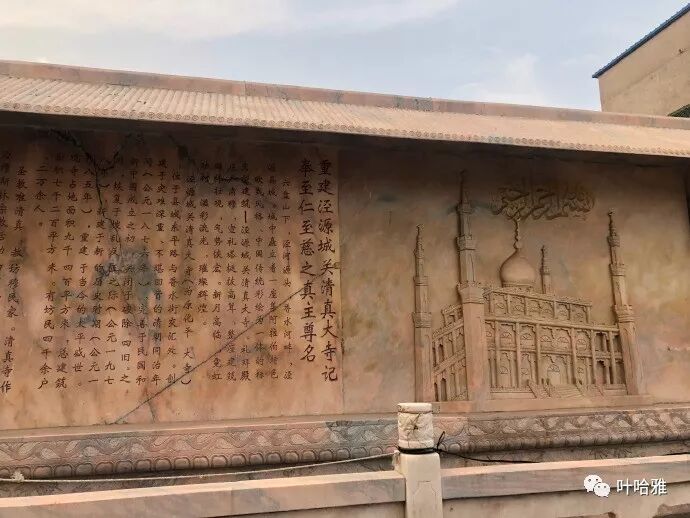
You can still see what the Chengguan Great Mosque looked like on its stone monument.
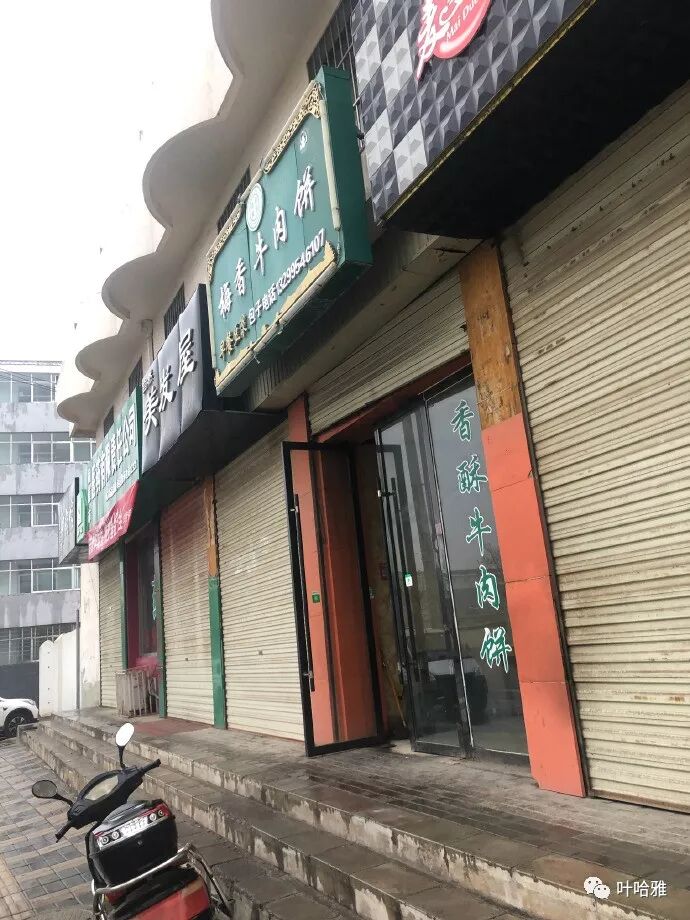
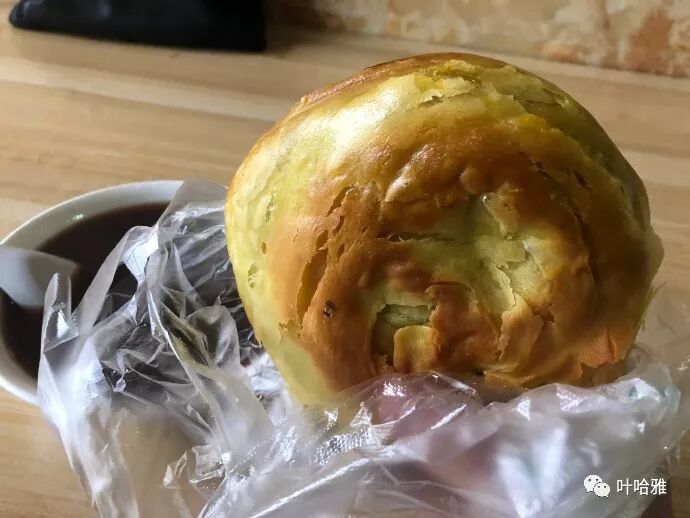
The next morning, it drizzled in Jingyuan County. I had a crispy beef pancake (niuroubing) and porridge at a small shop near the bus station. This pancake is a local breakfast staple. You can also find it on Ox Street (Niujie) under the name Xi'an Palace Beef Pancake, but my friends in Xi'an say it is not a local dish there. Since Jingyuan is not far from Xi'an, I suspect the shop on Ox Street actually comes from Jingyuan.
I originally planned to go from Jingyuan County back to Guyuan Liupanshan Airport to fly to Xi'an, but a friend told me there was a direct bus to Xi'an. It turned out to be faster than flying, and it takes you straight to downtown Xi'an, whereas the plane only lands at Xianyang Airport. I took a four-hour bus ride to Xi'an, which led to my previous guide on eating and exploring the Muslim Quarter in Xi'an.
Summary: This Ningxia Muslim travel guide keeps the original Yinchuan and Xihai'gu route, with mosques, local meals, gongbei sites, towns, and photos. It is written for readers looking for halal food in China and Muslim heritage in Ningxia.
After reading Zhang Chengzhi's History of the Soul, I became interested in the lives of Hui Muslims in the Xihai'gu region of Ningxia. I followed the footsteps of the book and set foot on the land of Ningxia. Xihai'gu is the short name for the three counties of Xiji, Haiyuan, and Guyuan in the Longdong mountainous area of southern Ningxia. It is also a synonym for the Muslim mountainous region in the eastern part of the Loess Plateau.
My first stop was Yinchuan, the capital of the Ningxia Hui Autonomous Region. Although Yinchuan is a provincial-level city, there are not many Hui Muslims here. Most of Ningxia's Hui Muslims live in the southern mountainous areas.
Yinchuan Nanguan Mosque
I arrived during Jumu'ah and rushed to the Nanguan Mosque to join the congregational prayer. The Yinchuan Nanguan Mosque was first built at the end of the Ming Dynasty and was rebuilt in the 1980s.
I visited Yinchuan in 2016. Today, mosques with this Central Asian-style dome are no longer allowed to be built. The dome is often mistaken for an Arab style. In fact, Arab-style buildings are square or look like tents. It is the architectural style of Roman, Persian, Turkish, and other Central Asian regions that features domes.
The imam gave a sermon (wa'z) in a heavy Northwest accent. I could not understand it, except for the Arabic words he used.
About 40 percent of the restaurants on the streets of Yinchuan are halal, but the vast majority sell alcohol. Only a few larger halal restaurants do not sell alcohol, and Xiaoye Shouzhua is one of them.
Xiaoye Hand-grabbed Lamb (Xiaoye Shouzhua)
You must eat hand-grabbed lamb (shouzhua yangrou) when you come to Ningxia. The best hand-grabbed lamb in Ningxia is in Wuzhong, and there is also the salt-lake sheep (tanyang) hand-grabbed lamb from Yanchi. Wuzhong is where most of Ningxia's halal food is concentrated, but my trip did not include Wuzhong. I ate the hand-grabbed lamb at Xiaoye, and it tasted very good.
If you want to find a high-end alcohol-free restaurant in Yinchuan, Xiaoye Shouzhua is the top choice.
There are two ways to eat hand-grabbed lamb (shouzhuayangrou): hot or cold. Xiaoye is famous for its cold version. People in central Ningxia eat a lot of lamb, and the lamb here is guaranteed to have no gamey smell.
Fish-flavored eggplant king (yuxiangqieziwang) is made from a large eggplant shaped like a fish.
Black bean tofu soup (heidoufutang).
Steamed flower rolls with chicken chunks (huajuanjikuai).
Eight-treasure sweet rice (babao tianfan) is a Ningxia specialty often served at Hui Muslim wedding banquets.
Eight-treasure tea (babaocha), also called three-piece tea (sanpaotai), is what people in the Northwest serve their guests. The name refers to the three-piece set consisting of a lidded teacup, a saucer, and a lid. People in the Northwest are very particular about how they drink tea.
Zhenbeipu Western Film Studio.
There are not many places to visit in Yinchuan. With limited time, I only chose the Zhenbeipu Western Film Studio and the China-Arab Axis. I loved the movie A Chinese Odyssey when I was a kid, and the film studio is where it was filmed, so I came to experience it. The China-Arab Axis was turned into a Chinese-style park two years after I visited, so I do not recommend it as it lacks character. When I tried to take a taxi there, the driver did not want to go, saying there was no one there and he would have to drive back empty. Now that it is a Chinese-style park, even fewer people go there.
The Western Film Studio is the filming location for many western movies. It was not easy to build a film base in this place.
One of the scenes from A Chinese Odyssey Part Two: Cinderella.
The scene from the 'love you for ten thousand years' bridge.
This is the execution platform where Tang Seng kept saying, 'How many brothers and sisters do you have?' Are your parents still alive? Say something. I just want to make one more friend before I die. Being a demon is just like being a human; you need a kind heart. Once you have a kind heart, you are no longer a demon, but a human-demon.
Yingbin Building (Yingbin Lou)
Yingbin Building (Yingbin Lou) is another famous restaurant in Yinchuan. It is a place for hot pot meat, but it is most famous for the ice cream sold at the entrance.
You cannot go wrong with hot pot lamb (shuan yangrou) in Ningxia because the lamb here is delicious.
Old Mao Hand-Grabbed Lamb (Lao Mao Shouzhua)
Old Mao Hand-Grabbed Lamb (Lao Mao Shouzhua) is one of the most famous hand-grabbed lamb brands in Yinchuan. During Ramadan last year, I ate some loose cold hand-grabbed lamb brought from Yinchuan in Beijing, and it really satisfied my craving. Remember to eat raw garlic with the hand-grabbed lamb; if you eat meat without garlic, the flavor is cut in half.
Yinchuan's Ox Street (Niujie). I have been to four Ox Streets. Besides the one in Beijing, there is also the Ox Street in Hohhot and the Ox Street in Karamay.
Zhongwei Dongguan Grand Mosque (Zhongwei Dongguan Qingzhen Dasi)
I left Yinchuan and took a car to the Zhongwei Dongguan Grand Mosque. The most convenient way to travel between cities in Ningxia is by private car. There are private cars at many intersections; you just wave them down, and they stop. The price is cheap, and even traveling across Ningxia from south to north costs no more than 80 yuan.
There are fewer Hui Muslims in Zhongwei than in Yinchuan. I rested briefly at the Dongguan Grand Mosque before heading to one of my destinations, the Honggang Gangzi Gongbei.
Haiyuan Yite Restaurant
I had a bowl of handmade noodle pieces (mianpian) at the Haiyuan Yite Restaurant next to the Zhongwei bus station. Since this year, not just in Ningxia, but also in places like Beijing and Henan where I have been, all halal restaurants must use this Chinese-style halal sign, and all Arabic script on the outside must be removed.
The Arabic on the menu has already been covered up.
The noodle soup is still very tasty. In Ningxia, for visitors, you just need to remember the names of the dishes you want to eat. You can walk into any restaurant you see by the road, and the taste won't be bad.
The Great Mosque (qingzhen dasi) of Xingren Town is currently undergoing Chinese-style renovations. Xingren Town is about a two-hour drive from Zhongwei. My destination was the Honggang Gangzi Gongbei, but no one at the Zhongwei station knew where it was. I asked a friend (dosti) from the Hongmen menhuan, and he told me I had to go to Xingren Town first, then take a car from there to the Honggang Gangzi Gongbei.
Xingren Great Mosque.
I caught a private car at an intersection near the mosque, paid 15 yuan, and after a half-hour ride, I arrived at the Honggang Gangzi Gongbei.
Honggang Gangzi Gongbei
The Honggang Gangzi Gongbei was first built in 1939. It is the tomb and prayer hall for Hong Shoulin (1852-1937), the founder of the Hongmen branch of the Khufiyya menhuan in Chinese Islam. It was damaged during the Cultural Revolution. In 1987, it was rebuilt and expanded under the leadership of Hong Weizong Haji, the third-generation successor of Hongmen and vice-chairman of the regional CPPCC. The entire complex includes a front gate, school, mosque, residential building, scripture chanting hall, bathing hall, dining hall, gongbei, main hall, domed tower, and monument. It covers over 20,000 square meters and is very spectacular.
On the front of the Hong Shoulin monument pavilion: Hong Shoulin (courtesy name Hairu), also known as Shouling, with the religious name Sherefe Vendini Suwanglonglaxi. His ancestors were from Hongjiazhuang in Lutang, Jingtai County, Gansu Province. As a child, he fled to Tongxin Honggangzi and worked as a helper at the Zhuangtou Mosque. He used his spare time to listen to the imam teach scriptures. Because he was very bright, the imam chose him for advanced study, eventually training him to become a great imam. While in Lanzhou, he studied under the elder Zhuang from Liangzhou. Before the elder Zhuang passed away, he left a will naming Hong Shoulin as the successor to the Khufiyya. On the 29th day of the 11th lunar month in the 24th year of the Guangxu reign, during the 100-day memorial for the elder Zhuang of Liangzhou, the elder's wife asked for Hong Shoulin to be brought to her to take over the religious leadership. Hong Shoulin accepted the order, entered a quiet room for seven days, and then asked the old lady for the keys. He opened the door and found a golden seal of the Great Master Datong, a golden seal of the Master of Liangzhou Zhuang, a prayer rug, and a prayer bead string (tasbih). From then on, Hong Shoulin began his mission.
When Hong Shoulin was preaching in Lanzhou, he bought three acres of land in Xujiawan to bury the remains of the elders from Jiangoujing and Liangzhouzhuang. He built the Xujiawan gongbei there. He moved the remains of the Datong elder from Menyuan, Qinghai, to the main pavilion of the gongbei. He moved the remains of the Jiangoujing elder and his son from Jingtai County, Gansu, to the north side of the gongbei, and moved the remains of the Liangzhouzhuang elder from Datong, Qinghai, to the east side of the gongbei.
In 1936, when the Chinese Workers' and Peasants' Red Army went on their western expedition, Hong Shoulin worked closely with them. Because of this, founding Lieutenant General Tang Tianji gave him a silk banner that read 'Loving the People Like Heaven' and 100 sheep.
The entrance hall of the elder's tomb.
The front view of the ablution room (shuifang).
A full view of the ablution room (shuifang).
Laotian Hui Hometown Specialty Restaurant.
After finishing the grave visit, I walked toward the village entrance. A passing friend (dosti) offered me a ride, so I took his car to the Laotian Hui Hometown Specialty Restaurant to eat.
I had a bowl of steamed lamb (zheng yanggao rou), which came with rice and side dishes. It tasted great. After eating, I caught a private car at the intersection and paid 10 yuan to go to Tongxin.
Upon arriving in Tongxin, I went straight to the Tongxin Grand Mosque.
Tongxin Great Mosque
The Tongxin Grand Mosque is the oldest and largest mosque in Ningxia, and it is also a protected revolutionary site.
Legend says the Tongxin Grand Mosque was built during the Wanli period of the Ming Dynasty (1573–1620). It was rebuilt in the early Ming Dynasty on the site of an original lama mosque. According to ink inscriptions on the screen wall and the ridge purlin of the prayer hall, it was renovated twice, in 1791 during the Qianlong reign of the Qing Dynasty and in 1907 during the Guangxu reign.
In 1936, the Red Army held the founding meeting of the Shaan-Gan-Ning Province Yuhai County Hui Muslim Autonomous Government at the Tongxin Great Mosque.
After a short stay in Tongxin, I took a two-hour car ride to Guyuan County town. This is where you truly enter the central area of Xihaigu, where there are noticeably more Hui Muslims on the streets and halal restaurants everywhere.
Ruifeng Hotel
I stayed at a very good halal hotel in Guyuan County town called Ruifeng Hotel. It seems to be the most high-end dining and lodging group in the area. The owner is a Hui Muslim and they provide a halal breakfast.
I love eating this kind of steamed bun (baozi) from the Northwest; they not only look good but also taste delicious.
On the first floor of the hotel is a Sanying Mishi Braised Meat Restaurant, and stir-fried braised meat (chao huirou) is one of the local specialties.
Sanying Mishi Braised Meat Restaurant
You can eat stir-fried braised meat with rice or steamed flower rolls (huajuan). The meat is beef. Tongxin and Wuzhong are places where people eat lamb, but once you reach the Xihaigu area, beef becomes the main meat.
Looking out from my room, the Jiulong Road Mosque is right across the way, and the Xiyuan Mosque is in the upper left corner.
Jiulong Road Great Mosque
At the Jiulong Road Mosque, I asked a friend where to catch a ride to the Shagou gongbei. He told me this is an Ikhwan mosque and they do not visit graves, so he suggested I ask at the neighboring Khufiyya mosque instead.
Xiyuan Great Mosque
The Xiyuan Mosque in Guyuan belongs to the Khufiyya menhuan.
The mosque elders were very warm when they learned I was from Beijing. They invited me into their room as a guest and told me how to get a ride to the Shagou gongbei.
The next day, I took a taxi from the Guyuan bus station to the Shagou gongbei in Xiji County. I agreed on a price with the driver beforehand; the round trip was about 80 kilometers and cost 100 yuan.
The driver was a local Han man whose parents had moved to Guyuan as refugees years ago. He told me about how local Hui Muslims and Han residents get along. He even has relatives who married into Hui families, though after a divorce, the children followed their Han mother's way of life.
We had a friendly chat along the way, but the road conditions were very poor. It was all dirt roads, and my phone lost signal for a while. After an hour of bumping along, we arrived at the Shagou gongbei in Xiji County.
Shagou Gongbei
The Shagou gongbei was first built during the Guangxu reign of the Qing Dynasty. It covers over 300 mu and is mostly a burial ground for Muslim sages. Ma Yuanzhang, the seventh-generation leader of the Jahriyya menhuan, was once buried here. Ma Yuanzhang was born in 1853. He was the great-grandson of the Jahriyya founder Ma Mingxin and was respectfully called Shagou Taiye by the community. In the 9th year of the Republic of China (1920), a major earthquake hit Xiji, and Ma Yuanzhang passed away.
Ma Yuanzhang's younger brother, Ma Yuanchao, moved his remains to Xuanhuagang in Zhangjiachuan, Gansu, so that Ma Yuanzhang could be buried alongside Ma Hualong. After the passing of Great Master Ma Yuanzhang, his fourth son, Ma Zhenwu, took over the management of religious affairs in Xiji. Followers respectfully called him the Fourth Master, and his group is known as the Shagou faction. His jurisdiction included over 260 mosques (fang) in the Xi, Hai, Gu, Longde, and Jingning areas, over 130 in eastern Gansu, over 40 across Xinjiang, more than 10 in Yunnan and Guizhou, and another 10 or so in places like Jinan, Taierzhuang, Beijing, and the Jilin shipyard, totaling more than 450 mosques.
The tradition of the Jahriyya building a gongbei (a shrine for a Sufi saint) began with Great Master Ma Yuanzhang. Ma Yuanzhang built the Dongchuan Great Gongbei for Ma Mingxin at Dongshaomen in Lanzhou, and the Xuanhuagang Gongbei for Ma Hualong in Zhangjiachuan. Ma Yuanzhang was the first person to use the term menhuan (a Sufi order or lineage).
A clear feature of the Jahriyya menhuan is wearing a six-pointed cap, which represents their firm belief in the six articles of faith. Another clear feature is not growing a beard. This started in 1762 when the Jahriyya founder, Great Master Ma Mingxin, was leading the Friday prayer (Jumu'ah) at Zhanghagong Mosque in Xunhua. He met Ma Guobao, the second-generation leader of the Huasi menhuan. They argued over scripture, and the conflict grew. Ma Guobao accused the Jahriyya of being a cult to the Qing government, claiming their beards were a sign of anti-Qing activities. This led to persecution by the Qing government. Because of this, Ma Mingxin ordered his followers to stop growing beards, saying they would settle the dispute with Ma Guobao in the afterlife. Ma Guobao fell ill and passed away in 1773 while traveling to Baotou, at the age of 36.
It was not until the 46th year of the Qianlong reign that the two factions reached a reconciliation after participating in the anti-Qing struggle together.
The Jahriyya do not build minarets (bangkelou). Instead, they use a wooden clapper (bangzi) to signal the call to prayer (adhan). This was a hidden method adopted to avoid detection by officials when the Qing government strictly banned the Jahriyya.
The Jahriyya believe that if a follower lacks the funds for the Hajj pilgrimage, they can visit a gongbei or a daotang (a religious hall) as a substitute, which is why the Jahriyya place great importance on the gongbei.
After the grave visitation (youfen) at the Shagou Gongbei ended, I headed straight to Jingyuan County for an appointment. Jingyuan County can be called a 100% halal county. Over 90% of the local population are Hui Muslims. I did not see a single non-halal restaurant on the streets, though it was sparsely populated and many shops were closed.
I performed the celebration prayer (Eid prayer) at the Great Mosque of Yejiacun in Jingyuan County. The famous Liupan Mountain scenic area is right behind it, but I had no heart for sightseeing.
In the distance is Liupan Mountain. The temperature in Jingyuan County is a few degrees lower than in central Ningxia, and there is a large temperature difference between day and night. I came in May; daytime temperatures were in the low teens Celsius, but at night it would drop below 10 degrees. I heard it even snowed in June.
Before coming to Jingyuan County, friends told me I had to try the farm-style meals here. I met a local friend in Yejiacun Village to eat at a farm restaurant. Yejiacun is a village of Hui Muslims, and all the farm restaurants in the village are halal.
The traditional Northwest specialty dish, stirred flour paste (jiaotuan), tasted different from the one I had in Xunhua.
Wolf-tooth herb (langyabang) is a type of local wild vegetable.
Steamed flower rolls (huajuan) are made the way local villagers make them at home.
Steamed chicken is a classic home-cooked specialty in Jingyuan, Ningxia, usually only found in people's homes. If you want to try it in Beijing, you can order it one day in advance at Ali Restaurant, provided the chef from Jingyuan is working that day.
This huge table of food was enough for seven or eight people and cost less than 300 yuan. It had very distinct local flavors and was incredibly satisfying.
After finishing our farm-style feast in Yejiacun, we went back to Jingyuan County town. Following a friend's recommendation, I tried the most popular local yellow beef hot pot.
People in Jingyuan don't eat much lamb. Beef is their main meat, and the quality of Jingyuan beef is very high.
I drank a knock-off version of a soda, which seemed to be a copy of the Inner Mongolian brand Big Kiln Soda (Dayao Jiabin).
This pot was packed full of large chunks of yellow beef and only cost a little over 130 yuan. After eating the meat, you can keep adding vegetables to the pot.
After dinner, I walked around Jingyuan County town and saw that the largest local mosque had finished its Sinicization renovation, with the original dome removed.
There are no real ancient mosques left in Jingyuan County. The old ones fell into disrepair and have basically all been rebuilt.
You can still see what the Chengguan Great Mosque looked like on its stone monument.
The next morning, it drizzled in Jingyuan County. I had a crispy beef pancake (niuroubing) and porridge at a small shop near the bus station. This pancake is a local breakfast staple. You can also find it on Ox Street (Niujie) under the name Xi'an Palace Beef Pancake, but my friends in Xi'an say it is not a local dish there. Since Jingyuan is not far from Xi'an, I suspect the shop on Ox Street actually comes from Jingyuan.
I originally planned to go from Jingyuan County back to Guyuan Liupanshan Airport to fly to Xi'an, but a friend told me there was a direct bus to Xi'an. It turned out to be faster than flying, and it takes you straight to downtown Xi'an, whereas the plane only lands at Xianyang Airport. I took a four-hour bus ride to Xi'an, which led to my previous guide on eating and exploring the Muslim Quarter in Xi'an.
Muslim Travel Guide China 2026: Ningxia Yinchuan Mosques, Xihai'gu and Halal Food
Articles • ali2007fr posted the article • 0 comments • 144 views • 2026-05-21 11:00
Reposted from the web
Summary: This Ningxia Muslim travel guide keeps the original Yinchuan and Xihai'gu route, with mosques, local meals, gongbei sites, towns, and photos. It is written for readers looking for halal food in China and Muslim heritage in Ningxia.
After reading Zhang Chengzhi's History of the Soul, I became interested in the lives of Hui Muslims in the Xihai'gu region of Ningxia. I followed the footsteps of the book and set foot on the land of Ningxia. Xihai'gu is the short name for the three counties of Xiji, Haiyuan, and Guyuan in the Longdong mountainous area of southern Ningxia. It is also a synonym for the Muslim mountainous region in the eastern part of the Loess Plateau.
My first stop was Yinchuan, the capital of the Ningxia Hui Autonomous Region. Although Yinchuan is a provincial-level city, there are not many Hui Muslims here. Most of Ningxia's Hui Muslims live in the southern mountainous areas.
Yinchuan Nanguan Mosque
I arrived during Jumu'ah and rushed to the Nanguan Mosque to join the congregational prayer. The Yinchuan Nanguan Mosque was first built at the end of the Ming Dynasty and was rebuilt in the 1980s.
I visited Yinchuan in 2016. Today, mosques with this Central Asian-style dome are no longer allowed to be built. The dome is often mistaken for an Arab style. In fact, Arab-style buildings are square or look like tents. It is the architectural style of Roman, Persian, Turkish, and other Central Asian regions that features domes.
The imam gave a sermon (wa'z) in a heavy Northwest accent. I could not understand it, except for the Arabic words he used.
About 40 percent of the restaurants on the streets of Yinchuan are halal, but the vast majority sell alcohol. Only a few larger halal restaurants do not sell alcohol, and Xiaoye Shouzhua is one of them.
Xiaoye Hand-grabbed Lamb (Xiaoye Shouzhua)
You must eat hand-grabbed lamb (shouzhua yangrou) when you come to Ningxia. The best hand-grabbed lamb in Ningxia is in Wuzhong, and there is also the salt-lake sheep (tanyang) hand-grabbed lamb from Yanchi. Wuzhong is where most of Ningxia's halal food is concentrated, but my trip did not include Wuzhong. I ate the hand-grabbed lamb at Xiaoye, and it tasted very good.
If you want to find a high-end alcohol-free restaurant in Yinchuan, Xiaoye Shouzhua is the top choice.
There are two ways to eat hand-grabbed lamb (shouzhuayangrou): hot or cold. Xiaoye is famous for its cold version. People in central Ningxia eat a lot of lamb, and the lamb here is guaranteed to have no gamey smell.
Fish-flavored eggplant king (yuxiangqieziwang) is made from a large eggplant shaped like a fish.
Black bean tofu soup (heidoufutang).
Steamed flower rolls with chicken chunks (huajuanjikuai).
Eight-treasure sweet rice (babao tianfan) is a Ningxia specialty often served at Hui Muslim wedding banquets.
Eight-treasure tea (babaocha), also called three-piece tea (sanpaotai), is what people in the Northwest serve their guests. The name refers to the three-piece set consisting of a lidded teacup, a saucer, and a lid. People in the Northwest are very particular about how they drink tea.
Zhenbeipu Western Film Studio.
There are not many places to visit in Yinchuan. With limited time, I only chose the Zhenbeipu Western Film Studio and the China-Arab Axis. I loved the movie A Chinese Odyssey when I was a kid, and the film studio is where it was filmed, so I came to experience it. The China-Arab Axis was turned into a Chinese-style park two years after I visited, so I do not recommend it as it lacks character. When I tried to take a taxi there, the driver did not want to go, saying there was no one there and he would have to drive back empty. Now that it is a Chinese-style park, even fewer people go there.
The Western Film Studio is the filming location for many western movies. It was not easy to build a film base in this place.
One of the scenes from A Chinese Odyssey Part Two: Cinderella.
The scene from the 'love you for ten thousand years' bridge.
This is the execution platform where Tang Seng kept saying, 'How many brothers and sisters do you have?' Are your parents still alive? Say something. I just want to make one more friend before I die. Being a demon is just like being a human; you need a kind heart. Once you have a kind heart, you are no longer a demon, but a human-demon.
Yingbin Building (Yingbin Lou)
Yingbin Building (Yingbin Lou) is another famous restaurant in Yinchuan. It is a place for hot pot meat, but it is most famous for the ice cream sold at the entrance.
You cannot go wrong with hot pot lamb (shuan yangrou) in Ningxia because the lamb here is delicious.
Old Mao Hand-Grabbed Lamb (Lao Mao Shouzhua)
Old Mao Hand-Grabbed Lamb (Lao Mao Shouzhua) is one of the most famous hand-grabbed lamb brands in Yinchuan. During Ramadan last year, I ate some loose cold hand-grabbed lamb brought from Yinchuan in Beijing, and it really satisfied my craving. Remember to eat raw garlic with the hand-grabbed lamb; if you eat meat without garlic, the flavor is cut in half.
Yinchuan's Ox Street (Niujie). I have been to four Ox Streets. Besides the one in Beijing, there is also the Ox Street in Hohhot and the Ox Street in Karamay.
Zhongwei Dongguan Grand Mosque (Zhongwei Dongguan Qingzhen Dasi)
I left Yinchuan and took a car to the Zhongwei Dongguan Grand Mosque. The most convenient way to travel between cities in Ningxia is by private car. There are private cars at many intersections; you just wave them down, and they stop. The price is cheap, and even traveling across Ningxia from south to north costs no more than 80 yuan.
There are fewer Hui Muslims in Zhongwei than in Yinchuan. I rested briefly at the Dongguan Grand Mosque before heading to one of my destinations, the Honggang Gangzi Gongbei.
Haiyuan Yite Restaurant
I had a bowl of handmade noodle pieces (mianpian) at the Haiyuan Yite Restaurant next to the Zhongwei bus station. Since this year, not just in Ningxia, but also in places like Beijing and Henan where I have been, all halal restaurants must use this Chinese-style halal sign, and all Arabic script on the outside must be removed.
The Arabic on the menu has already been covered up.
The noodle soup is still very tasty. In Ningxia, for visitors, you just need to remember the names of the dishes you want to eat. You can walk into any restaurant you see by the road, and the taste won't be bad.
The Great Mosque (qingzhen dasi) of Xingren Town is currently undergoing Chinese-style renovations. Xingren Town is about a two-hour drive from Zhongwei. My destination was the Honggang Gangzi Gongbei, but no one at the Zhongwei station knew where it was. I asked a friend (dosti) from the Hongmen menhuan, and he told me I had to go to Xingren Town first, then take a car from there to the Honggang Gangzi Gongbei.
Xingren Great Mosque.
I caught a private car at an intersection near the mosque, paid 15 yuan, and after a half-hour ride, I arrived at the Honggang Gangzi Gongbei.
Honggang Gangzi Gongbei
The Honggang Gangzi Gongbei was first built in 1939. It is the tomb and prayer hall for Hong Shoulin (1852-1937), the founder of the Hongmen branch of the Khufiyya menhuan in Chinese Islam. It was damaged during the Cultural Revolution. In 1987, it was rebuilt and expanded under the leadership of Hong Weizong Haji, the third-generation successor of Hongmen and vice-chairman of the regional CPPCC. The entire complex includes a front gate, school, mosque, residential building, scripture chanting hall, bathing hall, dining hall, gongbei, main hall, domed tower, and monument. It covers over 20,000 square meters and is very spectacular.
On the front of the Hong Shoulin monument pavilion: Hong Shoulin (courtesy name Hairu), also known as Shouling, with the religious name Sherefe Vendini Suwanglonglaxi. His ancestors were from Hongjiazhuang in Lutang, Jingtai County, Gansu Province. As a child, he fled to Tongxin Honggangzi and worked as a helper at the Zhuangtou Mosque. He used his spare time to listen to the imam teach scriptures. Because he was very bright, the imam chose him for advanced study, eventually training him to become a great imam. While in Lanzhou, he studied under the elder Zhuang from Liangzhou. Before the elder Zhuang passed away, he left a will naming Hong Shoulin as the successor to the Khufiyya. On the 29th day of the 11th lunar month in the 24th year of the Guangxu reign, during the 100-day memorial for the elder Zhuang of Liangzhou, the elder's wife asked for Hong Shoulin to be brought to her to take over the religious leadership. Hong Shoulin accepted the order, entered a quiet room for seven days, and then asked the old lady for the keys. He opened the door and found a golden seal of the Great Master Datong, a golden seal of the Master of Liangzhou Zhuang, a prayer rug, and a prayer bead string (tasbih). From then on, Hong Shoulin began his mission.
When Hong Shoulin was preaching in Lanzhou, he bought three acres of land in Xujiawan to bury the remains of the elders from Jiangoujing and Liangzhouzhuang. He built the Xujiawan gongbei there. He moved the remains of the Datong elder from Menyuan, Qinghai, to the main pavilion of the gongbei. He moved the remains of the Jiangoujing elder and his son from Jingtai County, Gansu, to the north side of the gongbei, and moved the remains of the Liangzhouzhuang elder from Datong, Qinghai, to the east side of the gongbei.
In 1936, when the Chinese Workers' and Peasants' Red Army went on their western expedition, Hong Shoulin worked closely with them. Because of this, founding Lieutenant General Tang Tianji gave him a silk banner that read 'Loving the People Like Heaven' and 100 sheep.
The entrance hall of the elder's tomb.
The front view of the ablution room (shuifang).
A full view of the ablution room (shuifang).
Laotian Hui Hometown Specialty Restaurant.
After finishing the grave visit, I walked toward the village entrance. A passing friend (dosti) offered me a ride, so I took his car to the Laotian Hui Hometown Specialty Restaurant to eat.
I had a bowl of steamed lamb (zheng yanggao rou), which came with rice and side dishes. It tasted great. After eating, I caught a private car at the intersection and paid 10 yuan to go to Tongxin.
Upon arriving in Tongxin, I went straight to the Tongxin Grand Mosque.
Tongxin Great Mosque
The Tongxin Grand Mosque is the oldest and largest mosque in Ningxia, and it is also a protected revolutionary site.
Legend says the Tongxin Grand Mosque was built during the Wanli period of the Ming Dynasty (1573–1620). It was rebuilt in the early Ming Dynasty on the site of an original lama mosque. According to ink inscriptions on the screen wall and the ridge purlin of the prayer hall, it was renovated twice, in 1791 during the Qianlong reign of the Qing Dynasty and in 1907 during the Guangxu reign.
In 1936, the Red Army held the founding meeting of the Shaan-Gan-Ning Province Yuhai County Hui Muslim Autonomous Government at the Tongxin Great Mosque.
After a short stay in Tongxin, I took a two-hour car ride to Guyuan County town. This is where you truly enter the central area of Xihaigu, where there are noticeably more Hui Muslims on the streets and halal restaurants everywhere.
Ruifeng Hotel
I stayed at a very good halal hotel in Guyuan County town called Ruifeng Hotel. It seems to be the most high-end dining and lodging group in the area. The owner is a Hui Muslim and they provide a halal breakfast.
I love eating this kind of steamed bun (baozi) from the Northwest; they not only look good but also taste delicious.
On the first floor of the hotel is a Sanying Mishi Braised Meat Restaurant, and stir-fried braised meat (chao huirou) is one of the local specialties.
Sanying Mishi Braised Meat Restaurant
You can eat stir-fried braised meat with rice or steamed flower rolls (huajuan). The meat is beef. Tongxin and Wuzhong are places where people eat lamb, but once you reach the Xihaigu area, beef becomes the main meat.
Looking out from my room, the Jiulong Road Mosque is right across the way, and the Xiyuan Mosque is in the upper left corner.
Jiulong Road Great Mosque
At the Jiulong Road Mosque, I asked a friend where to catch a ride to the Shagou gongbei. He told me this is an Ikhwan mosque and they do not visit graves, so he suggested I ask at the neighboring Khufiyya mosque instead.
Xiyuan Great Mosque
The Xiyuan Mosque in Guyuan belongs to the Khufiyya menhuan.
The mosque elders were very warm when they learned I was from Beijing. They invited me into their room as a guest and told me how to get a ride to the Shagou gongbei.
The next day, I took a taxi from the Guyuan bus station to the Shagou gongbei in Xiji County. I agreed on a price with the driver beforehand; the round trip was about 80 kilometers and cost 100 yuan.
The driver was a local Han man whose parents had moved to Guyuan as refugees years ago. He told me about how local Hui Muslims and Han residents get along. He even has relatives who married into Hui families, though after a divorce, the children followed their Han mother's way of life.
We had a friendly chat along the way, but the road conditions were very poor. It was all dirt roads, and my phone lost signal for a while. After an hour of bumping along, we arrived at the Shagou gongbei in Xiji County.
Shagou Gongbei
The Shagou gongbei was first built during the Guangxu reign of the Qing Dynasty. It covers over 300 mu and is mostly a burial ground for Muslim sages. Ma Yuanzhang, the seventh-generation leader of the Jahriyya menhuan, was once buried here. Ma Yuanzhang was born in 1853. He was the great-grandson of the Jahriyya founder Ma Mingxin and was respectfully called Shagou Taiye by the community. In the 9th year of the Republic of China (1920), a major earthquake hit Xiji, and Ma Yuanzhang passed away.
Ma Yuanzhang's younger brother, Ma Yuanchao, moved his remains to Xuanhuagang in Zhangjiachuan, Gansu, so that Ma Yuanzhang could be buried alongside Ma Hualong. After the passing of Great Master Ma Yuanzhang, his fourth son, Ma Zhenwu, took over the management of religious affairs in Xiji. Followers respectfully called him the Fourth Master, and his group is known as the Shagou faction. His jurisdiction included over 260 mosques (fang) in the Xi, Hai, Gu, Longde, and Jingning areas, over 130 in eastern Gansu, over 40 across Xinjiang, more than 10 in Yunnan and Guizhou, and another 10 or so in places like Jinan, Taierzhuang, Beijing, and the Jilin shipyard, totaling more than 450 mosques.
The tradition of the Jahriyya building a gongbei (a shrine for a Sufi saint) began with Great Master Ma Yuanzhang. Ma Yuanzhang built the Dongchuan Great Gongbei for Ma Mingxin at Dongshaomen in Lanzhou, and the Xuanhuagang Gongbei for Ma Hualong in Zhangjiachuan. Ma Yuanzhang was the first person to use the term menhuan (a Sufi order or lineage).
A clear feature of the Jahriyya menhuan is wearing a six-pointed cap, which represents their firm belief in the six articles of faith. Another clear feature is not growing a beard. This started in 1762 when the Jahriyya founder, Great Master Ma Mingxin, was leading the Friday prayer (Jumu'ah) at Zhanghagong Mosque in Xunhua. He met Ma Guobao, the second-generation leader of the Huasi menhuan. They argued over scripture, and the conflict grew. Ma Guobao accused the Jahriyya of being a cult to the Qing government, claiming their beards were a sign of anti-Qing activities. This led to persecution by the Qing government. Because of this, Ma Mingxin ordered his followers to stop growing beards, saying they would settle the dispute with Ma Guobao in the afterlife. Ma Guobao fell ill and passed away in 1773 while traveling to Baotou, at the age of 36.
It was not until the 46th year of the Qianlong reign that the two factions reached a reconciliation after participating in the anti-Qing struggle together.
The Jahriyya do not build minarets (bangkelou). Instead, they use a wooden clapper (bangzi) to signal the call to prayer (adhan). This was a hidden method adopted to avoid detection by officials when the Qing government strictly banned the Jahriyya.
The Jahriyya believe that if a follower lacks the funds for the Hajj pilgrimage, they can visit a gongbei or a daotang (a religious hall) as a substitute, which is why the Jahriyya place great importance on the gongbei.
After the grave visitation (youfen) at the Shagou Gongbei ended, I headed straight to Jingyuan County for an appointment. Jingyuan County can be called a 100% halal county. Over 90% of the local population are Hui Muslims. I did not see a single non-halal restaurant on the streets, though it was sparsely populated and many shops were closed.
I performed the celebration prayer (Eid prayer) at the Great Mosque of Yejiacun in Jingyuan County. The famous Liupan Mountain scenic area is right behind it, but I had no heart for sightseeing.
In the distance is Liupan Mountain. The temperature in Jingyuan County is a few degrees lower than in central Ningxia, and there is a large temperature difference between day and night. I came in May; daytime temperatures were in the low teens Celsius, but at night it would drop below 10 degrees. I heard it even snowed in June.
Before coming to Jingyuan County, friends told me I had to try the farm-style meals here. I met a local friend in Yejiacun Village to eat at a farm restaurant. Yejiacun is a village of Hui Muslims, and all the farm restaurants in the village are halal.
The traditional Northwest specialty dish, stirred flour paste (jiaotuan), tasted different from the one I had in Xunhua.
Wolf-tooth herb (langyabang) is a type of local wild vegetable.
Steamed flower rolls (huajuan) are made the way local villagers make them at home.
Steamed chicken is a classic home-cooked specialty in Jingyuan, Ningxia, usually only found in people's homes. If you want to try it in Beijing, you can order it one day in advance at Ali Restaurant, provided the chef from Jingyuan is working that day.
This huge table of food was enough for seven or eight people and cost less than 300 yuan. It had very distinct local flavors and was incredibly satisfying.
After finishing our farm-style feast in Yejiacun, we went back to Jingyuan County town. Following a friend's recommendation, I tried the most popular local yellow beef hot pot.
People in Jingyuan don't eat much lamb. Beef is their main meat, and the quality of Jingyuan beef is very high.
I drank a knock-off version of a soda, which seemed to be a copy of the Inner Mongolian brand Big Kiln Soda (Dayao Jiabin).
This pot was packed full of large chunks of yellow beef and only cost a little over 130 yuan. After eating the meat, you can keep adding vegetables to the pot.
After dinner, I walked around Jingyuan County town and saw that the largest local mosque had finished its Sinicization renovation, with the original dome removed.
There are no real ancient mosques left in Jingyuan County. The old ones fell into disrepair and have basically all been rebuilt.
You can still see what the Chengguan Great Mosque looked like on its stone monument.
The next morning, it drizzled in Jingyuan County. I had a crispy beef pancake (niuroubing) and porridge at a small shop near the bus station. This pancake is a local breakfast staple. You can also find it on Ox Street (Niujie) under the name Xi'an Palace Beef Pancake, but my friends in Xi'an say it is not a local dish there. Since Jingyuan is not far from Xi'an, I suspect the shop on Ox Street actually comes from Jingyuan.
I originally planned to go from Jingyuan County back to Guyuan Liupanshan Airport to fly to Xi'an, but a friend told me there was a direct bus to Xi'an. It turned out to be faster than flying, and it takes you straight to downtown Xi'an, whereas the plane only lands at Xianyang Airport. I took a four-hour bus ride to Xi'an, which led to my previous guide on eating and exploring the Muslim Quarter in Xi'an. view all
Summary: This Ningxia Muslim travel guide keeps the original Yinchuan and Xihai'gu route, with mosques, local meals, gongbei sites, towns, and photos. It is written for readers looking for halal food in China and Muslim heritage in Ningxia.
After reading Zhang Chengzhi's History of the Soul, I became interested in the lives of Hui Muslims in the Xihai'gu region of Ningxia. I followed the footsteps of the book and set foot on the land of Ningxia. Xihai'gu is the short name for the three counties of Xiji, Haiyuan, and Guyuan in the Longdong mountainous area of southern Ningxia. It is also a synonym for the Muslim mountainous region in the eastern part of the Loess Plateau.
My first stop was Yinchuan, the capital of the Ningxia Hui Autonomous Region. Although Yinchuan is a provincial-level city, there are not many Hui Muslims here. Most of Ningxia's Hui Muslims live in the southern mountainous areas.
Yinchuan Nanguan Mosque
I arrived during Jumu'ah and rushed to the Nanguan Mosque to join the congregational prayer. The Yinchuan Nanguan Mosque was first built at the end of the Ming Dynasty and was rebuilt in the 1980s.
I visited Yinchuan in 2016. Today, mosques with this Central Asian-style dome are no longer allowed to be built. The dome is often mistaken for an Arab style. In fact, Arab-style buildings are square or look like tents. It is the architectural style of Roman, Persian, Turkish, and other Central Asian regions that features domes.
The imam gave a sermon (wa'z) in a heavy Northwest accent. I could not understand it, except for the Arabic words he used.
About 40 percent of the restaurants on the streets of Yinchuan are halal, but the vast majority sell alcohol. Only a few larger halal restaurants do not sell alcohol, and Xiaoye Shouzhua is one of them.
Xiaoye Hand-grabbed Lamb (Xiaoye Shouzhua)
You must eat hand-grabbed lamb (shouzhua yangrou) when you come to Ningxia. The best hand-grabbed lamb in Ningxia is in Wuzhong, and there is also the salt-lake sheep (tanyang) hand-grabbed lamb from Yanchi. Wuzhong is where most of Ningxia's halal food is concentrated, but my trip did not include Wuzhong. I ate the hand-grabbed lamb at Xiaoye, and it tasted very good.
If you want to find a high-end alcohol-free restaurant in Yinchuan, Xiaoye Shouzhua is the top choice.
There are two ways to eat hand-grabbed lamb (shouzhuayangrou): hot or cold. Xiaoye is famous for its cold version. People in central Ningxia eat a lot of lamb, and the lamb here is guaranteed to have no gamey smell.
Fish-flavored eggplant king (yuxiangqieziwang) is made from a large eggplant shaped like a fish.
Black bean tofu soup (heidoufutang).
Steamed flower rolls with chicken chunks (huajuanjikuai).
Eight-treasure sweet rice (babao tianfan) is a Ningxia specialty often served at Hui Muslim wedding banquets.
Eight-treasure tea (babaocha), also called three-piece tea (sanpaotai), is what people in the Northwest serve their guests. The name refers to the three-piece set consisting of a lidded teacup, a saucer, and a lid. People in the Northwest are very particular about how they drink tea.
Zhenbeipu Western Film Studio.
There are not many places to visit in Yinchuan. With limited time, I only chose the Zhenbeipu Western Film Studio and the China-Arab Axis. I loved the movie A Chinese Odyssey when I was a kid, and the film studio is where it was filmed, so I came to experience it. The China-Arab Axis was turned into a Chinese-style park two years after I visited, so I do not recommend it as it lacks character. When I tried to take a taxi there, the driver did not want to go, saying there was no one there and he would have to drive back empty. Now that it is a Chinese-style park, even fewer people go there.
The Western Film Studio is the filming location for many western movies. It was not easy to build a film base in this place.
One of the scenes from A Chinese Odyssey Part Two: Cinderella.
The scene from the 'love you for ten thousand years' bridge.
This is the execution platform where Tang Seng kept saying, 'How many brothers and sisters do you have?' Are your parents still alive? Say something. I just want to make one more friend before I die. Being a demon is just like being a human; you need a kind heart. Once you have a kind heart, you are no longer a demon, but a human-demon.
Yingbin Building (Yingbin Lou)
Yingbin Building (Yingbin Lou) is another famous restaurant in Yinchuan. It is a place for hot pot meat, but it is most famous for the ice cream sold at the entrance.
You cannot go wrong with hot pot lamb (shuan yangrou) in Ningxia because the lamb here is delicious.
Old Mao Hand-Grabbed Lamb (Lao Mao Shouzhua)
Old Mao Hand-Grabbed Lamb (Lao Mao Shouzhua) is one of the most famous hand-grabbed lamb brands in Yinchuan. During Ramadan last year, I ate some loose cold hand-grabbed lamb brought from Yinchuan in Beijing, and it really satisfied my craving. Remember to eat raw garlic with the hand-grabbed lamb; if you eat meat without garlic, the flavor is cut in half.
Yinchuan's Ox Street (Niujie). I have been to four Ox Streets. Besides the one in Beijing, there is also the Ox Street in Hohhot and the Ox Street in Karamay.
Zhongwei Dongguan Grand Mosque (Zhongwei Dongguan Qingzhen Dasi)
I left Yinchuan and took a car to the Zhongwei Dongguan Grand Mosque. The most convenient way to travel between cities in Ningxia is by private car. There are private cars at many intersections; you just wave them down, and they stop. The price is cheap, and even traveling across Ningxia from south to north costs no more than 80 yuan.
There are fewer Hui Muslims in Zhongwei than in Yinchuan. I rested briefly at the Dongguan Grand Mosque before heading to one of my destinations, the Honggang Gangzi Gongbei.
Haiyuan Yite Restaurant
I had a bowl of handmade noodle pieces (mianpian) at the Haiyuan Yite Restaurant next to the Zhongwei bus station. Since this year, not just in Ningxia, but also in places like Beijing and Henan where I have been, all halal restaurants must use this Chinese-style halal sign, and all Arabic script on the outside must be removed.
The Arabic on the menu has already been covered up.
The noodle soup is still very tasty. In Ningxia, for visitors, you just need to remember the names of the dishes you want to eat. You can walk into any restaurant you see by the road, and the taste won't be bad.
The Great Mosque (qingzhen dasi) of Xingren Town is currently undergoing Chinese-style renovations. Xingren Town is about a two-hour drive from Zhongwei. My destination was the Honggang Gangzi Gongbei, but no one at the Zhongwei station knew where it was. I asked a friend (dosti) from the Hongmen menhuan, and he told me I had to go to Xingren Town first, then take a car from there to the Honggang Gangzi Gongbei.
Xingren Great Mosque.
I caught a private car at an intersection near the mosque, paid 15 yuan, and after a half-hour ride, I arrived at the Honggang Gangzi Gongbei.
Honggang Gangzi Gongbei
The Honggang Gangzi Gongbei was first built in 1939. It is the tomb and prayer hall for Hong Shoulin (1852-1937), the founder of the Hongmen branch of the Khufiyya menhuan in Chinese Islam. It was damaged during the Cultural Revolution. In 1987, it was rebuilt and expanded under the leadership of Hong Weizong Haji, the third-generation successor of Hongmen and vice-chairman of the regional CPPCC. The entire complex includes a front gate, school, mosque, residential building, scripture chanting hall, bathing hall, dining hall, gongbei, main hall, domed tower, and monument. It covers over 20,000 square meters and is very spectacular.
On the front of the Hong Shoulin monument pavilion: Hong Shoulin (courtesy name Hairu), also known as Shouling, with the religious name Sherefe Vendini Suwanglonglaxi. His ancestors were from Hongjiazhuang in Lutang, Jingtai County, Gansu Province. As a child, he fled to Tongxin Honggangzi and worked as a helper at the Zhuangtou Mosque. He used his spare time to listen to the imam teach scriptures. Because he was very bright, the imam chose him for advanced study, eventually training him to become a great imam. While in Lanzhou, he studied under the elder Zhuang from Liangzhou. Before the elder Zhuang passed away, he left a will naming Hong Shoulin as the successor to the Khufiyya. On the 29th day of the 11th lunar month in the 24th year of the Guangxu reign, during the 100-day memorial for the elder Zhuang of Liangzhou, the elder's wife asked for Hong Shoulin to be brought to her to take over the religious leadership. Hong Shoulin accepted the order, entered a quiet room for seven days, and then asked the old lady for the keys. He opened the door and found a golden seal of the Great Master Datong, a golden seal of the Master of Liangzhou Zhuang, a prayer rug, and a prayer bead string (tasbih). From then on, Hong Shoulin began his mission.
When Hong Shoulin was preaching in Lanzhou, he bought three acres of land in Xujiawan to bury the remains of the elders from Jiangoujing and Liangzhouzhuang. He built the Xujiawan gongbei there. He moved the remains of the Datong elder from Menyuan, Qinghai, to the main pavilion of the gongbei. He moved the remains of the Jiangoujing elder and his son from Jingtai County, Gansu, to the north side of the gongbei, and moved the remains of the Liangzhouzhuang elder from Datong, Qinghai, to the east side of the gongbei.
In 1936, when the Chinese Workers' and Peasants' Red Army went on their western expedition, Hong Shoulin worked closely with them. Because of this, founding Lieutenant General Tang Tianji gave him a silk banner that read 'Loving the People Like Heaven' and 100 sheep.
The entrance hall of the elder's tomb.
The front view of the ablution room (shuifang).
A full view of the ablution room (shuifang).
Laotian Hui Hometown Specialty Restaurant.
After finishing the grave visit, I walked toward the village entrance. A passing friend (dosti) offered me a ride, so I took his car to the Laotian Hui Hometown Specialty Restaurant to eat.
I had a bowl of steamed lamb (zheng yanggao rou), which came with rice and side dishes. It tasted great. After eating, I caught a private car at the intersection and paid 10 yuan to go to Tongxin.
Upon arriving in Tongxin, I went straight to the Tongxin Grand Mosque.
Tongxin Great Mosque
The Tongxin Grand Mosque is the oldest and largest mosque in Ningxia, and it is also a protected revolutionary site.
Legend says the Tongxin Grand Mosque was built during the Wanli period of the Ming Dynasty (1573–1620). It was rebuilt in the early Ming Dynasty on the site of an original lama mosque. According to ink inscriptions on the screen wall and the ridge purlin of the prayer hall, it was renovated twice, in 1791 during the Qianlong reign of the Qing Dynasty and in 1907 during the Guangxu reign.
In 1936, the Red Army held the founding meeting of the Shaan-Gan-Ning Province Yuhai County Hui Muslim Autonomous Government at the Tongxin Great Mosque.
After a short stay in Tongxin, I took a two-hour car ride to Guyuan County town. This is where you truly enter the central area of Xihaigu, where there are noticeably more Hui Muslims on the streets and halal restaurants everywhere.
Ruifeng Hotel
I stayed at a very good halal hotel in Guyuan County town called Ruifeng Hotel. It seems to be the most high-end dining and lodging group in the area. The owner is a Hui Muslim and they provide a halal breakfast.
I love eating this kind of steamed bun (baozi) from the Northwest; they not only look good but also taste delicious.
On the first floor of the hotel is a Sanying Mishi Braised Meat Restaurant, and stir-fried braised meat (chao huirou) is one of the local specialties.
Sanying Mishi Braised Meat Restaurant
You can eat stir-fried braised meat with rice or steamed flower rolls (huajuan). The meat is beef. Tongxin and Wuzhong are places where people eat lamb, but once you reach the Xihaigu area, beef becomes the main meat.
Looking out from my room, the Jiulong Road Mosque is right across the way, and the Xiyuan Mosque is in the upper left corner.
Jiulong Road Great Mosque
At the Jiulong Road Mosque, I asked a friend where to catch a ride to the Shagou gongbei. He told me this is an Ikhwan mosque and they do not visit graves, so he suggested I ask at the neighboring Khufiyya mosque instead.
Xiyuan Great Mosque
The Xiyuan Mosque in Guyuan belongs to the Khufiyya menhuan.
The mosque elders were very warm when they learned I was from Beijing. They invited me into their room as a guest and told me how to get a ride to the Shagou gongbei.
The next day, I took a taxi from the Guyuan bus station to the Shagou gongbei in Xiji County. I agreed on a price with the driver beforehand; the round trip was about 80 kilometers and cost 100 yuan.
The driver was a local Han man whose parents had moved to Guyuan as refugees years ago. He told me about how local Hui Muslims and Han residents get along. He even has relatives who married into Hui families, though after a divorce, the children followed their Han mother's way of life.
We had a friendly chat along the way, but the road conditions were very poor. It was all dirt roads, and my phone lost signal for a while. After an hour of bumping along, we arrived at the Shagou gongbei in Xiji County.
Shagou Gongbei
The Shagou gongbei was first built during the Guangxu reign of the Qing Dynasty. It covers over 300 mu and is mostly a burial ground for Muslim sages. Ma Yuanzhang, the seventh-generation leader of the Jahriyya menhuan, was once buried here. Ma Yuanzhang was born in 1853. He was the great-grandson of the Jahriyya founder Ma Mingxin and was respectfully called Shagou Taiye by the community. In the 9th year of the Republic of China (1920), a major earthquake hit Xiji, and Ma Yuanzhang passed away.
Ma Yuanzhang's younger brother, Ma Yuanchao, moved his remains to Xuanhuagang in Zhangjiachuan, Gansu, so that Ma Yuanzhang could be buried alongside Ma Hualong. After the passing of Great Master Ma Yuanzhang, his fourth son, Ma Zhenwu, took over the management of religious affairs in Xiji. Followers respectfully called him the Fourth Master, and his group is known as the Shagou faction. His jurisdiction included over 260 mosques (fang) in the Xi, Hai, Gu, Longde, and Jingning areas, over 130 in eastern Gansu, over 40 across Xinjiang, more than 10 in Yunnan and Guizhou, and another 10 or so in places like Jinan, Taierzhuang, Beijing, and the Jilin shipyard, totaling more than 450 mosques.
The tradition of the Jahriyya building a gongbei (a shrine for a Sufi saint) began with Great Master Ma Yuanzhang. Ma Yuanzhang built the Dongchuan Great Gongbei for Ma Mingxin at Dongshaomen in Lanzhou, and the Xuanhuagang Gongbei for Ma Hualong in Zhangjiachuan. Ma Yuanzhang was the first person to use the term menhuan (a Sufi order or lineage).
A clear feature of the Jahriyya menhuan is wearing a six-pointed cap, which represents their firm belief in the six articles of faith. Another clear feature is not growing a beard. This started in 1762 when the Jahriyya founder, Great Master Ma Mingxin, was leading the Friday prayer (Jumu'ah) at Zhanghagong Mosque in Xunhua. He met Ma Guobao, the second-generation leader of the Huasi menhuan. They argued over scripture, and the conflict grew. Ma Guobao accused the Jahriyya of being a cult to the Qing government, claiming their beards were a sign of anti-Qing activities. This led to persecution by the Qing government. Because of this, Ma Mingxin ordered his followers to stop growing beards, saying they would settle the dispute with Ma Guobao in the afterlife. Ma Guobao fell ill and passed away in 1773 while traveling to Baotou, at the age of 36.
It was not until the 46th year of the Qianlong reign that the two factions reached a reconciliation after participating in the anti-Qing struggle together.
The Jahriyya do not build minarets (bangkelou). Instead, they use a wooden clapper (bangzi) to signal the call to prayer (adhan). This was a hidden method adopted to avoid detection by officials when the Qing government strictly banned the Jahriyya.
The Jahriyya believe that if a follower lacks the funds for the Hajj pilgrimage, they can visit a gongbei or a daotang (a religious hall) as a substitute, which is why the Jahriyya place great importance on the gongbei.
After the grave visitation (youfen) at the Shagou Gongbei ended, I headed straight to Jingyuan County for an appointment. Jingyuan County can be called a 100% halal county. Over 90% of the local population are Hui Muslims. I did not see a single non-halal restaurant on the streets, though it was sparsely populated and many shops were closed.
I performed the celebration prayer (Eid prayer) at the Great Mosque of Yejiacun in Jingyuan County. The famous Liupan Mountain scenic area is right behind it, but I had no heart for sightseeing.
In the distance is Liupan Mountain. The temperature in Jingyuan County is a few degrees lower than in central Ningxia, and there is a large temperature difference between day and night. I came in May; daytime temperatures were in the low teens Celsius, but at night it would drop below 10 degrees. I heard it even snowed in June.
Before coming to Jingyuan County, friends told me I had to try the farm-style meals here. I met a local friend in Yejiacun Village to eat at a farm restaurant. Yejiacun is a village of Hui Muslims, and all the farm restaurants in the village are halal.
The traditional Northwest specialty dish, stirred flour paste (jiaotuan), tasted different from the one I had in Xunhua.
Wolf-tooth herb (langyabang) is a type of local wild vegetable.
Steamed flower rolls (huajuan) are made the way local villagers make them at home.
Steamed chicken is a classic home-cooked specialty in Jingyuan, Ningxia, usually only found in people's homes. If you want to try it in Beijing, you can order it one day in advance at Ali Restaurant, provided the chef from Jingyuan is working that day.
This huge table of food was enough for seven or eight people and cost less than 300 yuan. It had very distinct local flavors and was incredibly satisfying.
After finishing our farm-style feast in Yejiacun, we went back to Jingyuan County town. Following a friend's recommendation, I tried the most popular local yellow beef hot pot.
People in Jingyuan don't eat much lamb. Beef is their main meat, and the quality of Jingyuan beef is very high.
I drank a knock-off version of a soda, which seemed to be a copy of the Inner Mongolian brand Big Kiln Soda (Dayao Jiabin).
This pot was packed full of large chunks of yellow beef and only cost a little over 130 yuan. After eating the meat, you can keep adding vegetables to the pot.
After dinner, I walked around Jingyuan County town and saw that the largest local mosque had finished its Sinicization renovation, with the original dome removed.
There are no real ancient mosques left in Jingyuan County. The old ones fell into disrepair and have basically all been rebuilt.
You can still see what the Chengguan Great Mosque looked like on its stone monument.
The next morning, it drizzled in Jingyuan County. I had a crispy beef pancake (niuroubing) and porridge at a small shop near the bus station. This pancake is a local breakfast staple. You can also find it on Ox Street (Niujie) under the name Xi'an Palace Beef Pancake, but my friends in Xi'an say it is not a local dish there. Since Jingyuan is not far from Xi'an, I suspect the shop on Ox Street actually comes from Jingyuan.
I originally planned to go from Jingyuan County back to Guyuan Liupanshan Airport to fly to Xi'an, but a friend told me there was a direct bus to Xi'an. It turned out to be faster than flying, and it takes you straight to downtown Xi'an, whereas the plane only lands at Xianyang Airport. I took a four-hour bus ride to Xi'an, which led to my previous guide on eating and exploring the Muslim Quarter in Xi'an. view all
Reposted from the web
Summary: This Ningxia Muslim travel guide keeps the original Yinchuan and Xihai'gu route, with mosques, local meals, gongbei sites, towns, and photos. It is written for readers looking for halal food in China and Muslim heritage in Ningxia.
After reading Zhang Chengzhi's History of the Soul, I became interested in the lives of Hui Muslims in the Xihai'gu region of Ningxia. I followed the footsteps of the book and set foot on the land of Ningxia. Xihai'gu is the short name for the three counties of Xiji, Haiyuan, and Guyuan in the Longdong mountainous area of southern Ningxia. It is also a synonym for the Muslim mountainous region in the eastern part of the Loess Plateau.
My first stop was Yinchuan, the capital of the Ningxia Hui Autonomous Region. Although Yinchuan is a provincial-level city, there are not many Hui Muslims here. Most of Ningxia's Hui Muslims live in the southern mountainous areas.
Yinchuan Nanguan Mosque
I arrived during Jumu'ah and rushed to the Nanguan Mosque to join the congregational prayer. The Yinchuan Nanguan Mosque was first built at the end of the Ming Dynasty and was rebuilt in the 1980s.
I visited Yinchuan in 2016. Today, mosques with this Central Asian-style dome are no longer allowed to be built. The dome is often mistaken for an Arab style. In fact, Arab-style buildings are square or look like tents. It is the architectural style of Roman, Persian, Turkish, and other Central Asian regions that features domes.
The imam gave a sermon (wa'z) in a heavy Northwest accent. I could not understand it, except for the Arabic words he used.
About 40 percent of the restaurants on the streets of Yinchuan are halal, but the vast majority sell alcohol. Only a few larger halal restaurants do not sell alcohol, and Xiaoye Shouzhua is one of them.
Xiaoye Hand-grabbed Lamb (Xiaoye Shouzhua)
You must eat hand-grabbed lamb (shouzhua yangrou) when you come to Ningxia. The best hand-grabbed lamb in Ningxia is in Wuzhong, and there is also the salt-lake sheep (tanyang) hand-grabbed lamb from Yanchi. Wuzhong is where most of Ningxia's halal food is concentrated, but my trip did not include Wuzhong. I ate the hand-grabbed lamb at Xiaoye, and it tasted very good.
If you want to find a high-end alcohol-free restaurant in Yinchuan, Xiaoye Shouzhua is the top choice.
There are two ways to eat hand-grabbed lamb (shouzhuayangrou): hot or cold. Xiaoye is famous for its cold version. People in central Ningxia eat a lot of lamb, and the lamb here is guaranteed to have no gamey smell.
Fish-flavored eggplant king (yuxiangqieziwang) is made from a large eggplant shaped like a fish.
Black bean tofu soup (heidoufutang).
Steamed flower rolls with chicken chunks (huajuanjikuai).
Eight-treasure sweet rice (babao tianfan) is a Ningxia specialty often served at Hui Muslim wedding banquets.
Eight-treasure tea (babaocha), also called three-piece tea (sanpaotai), is what people in the Northwest serve their guests. The name refers to the three-piece set consisting of a lidded teacup, a saucer, and a lid. People in the Northwest are very particular about how they drink tea.
Zhenbeipu Western Film Studio.
There are not many places to visit in Yinchuan. With limited time, I only chose the Zhenbeipu Western Film Studio and the China-Arab Axis. I loved the movie A Chinese Odyssey when I was a kid, and the film studio is where it was filmed, so I came to experience it. The China-Arab Axis was turned into a Chinese-style park two years after I visited, so I do not recommend it as it lacks character. When I tried to take a taxi there, the driver did not want to go, saying there was no one there and he would have to drive back empty. Now that it is a Chinese-style park, even fewer people go there.
The Western Film Studio is the filming location for many western movies. It was not easy to build a film base in this place.
One of the scenes from A Chinese Odyssey Part Two: Cinderella.
The scene from the 'love you for ten thousand years' bridge.
This is the execution platform where Tang Seng kept saying, 'How many brothers and sisters do you have?' Are your parents still alive? Say something. I just want to make one more friend before I die. Being a demon is just like being a human; you need a kind heart. Once you have a kind heart, you are no longer a demon, but a human-demon.
Yingbin Building (Yingbin Lou)
Yingbin Building (Yingbin Lou) is another famous restaurant in Yinchuan. It is a place for hot pot meat, but it is most famous for the ice cream sold at the entrance.
You cannot go wrong with hot pot lamb (shuan yangrou) in Ningxia because the lamb here is delicious.
Old Mao Hand-Grabbed Lamb (Lao Mao Shouzhua)
Old Mao Hand-Grabbed Lamb (Lao Mao Shouzhua) is one of the most famous hand-grabbed lamb brands in Yinchuan. During Ramadan last year, I ate some loose cold hand-grabbed lamb brought from Yinchuan in Beijing, and it really satisfied my craving. Remember to eat raw garlic with the hand-grabbed lamb; if you eat meat without garlic, the flavor is cut in half.
Yinchuan's Ox Street (Niujie). I have been to four Ox Streets. Besides the one in Beijing, there is also the Ox Street in Hohhot and the Ox Street in Karamay.
Zhongwei Dongguan Grand Mosque (Zhongwei Dongguan Qingzhen Dasi)
I left Yinchuan and took a car to the Zhongwei Dongguan Grand Mosque. The most convenient way to travel between cities in Ningxia is by private car. There are private cars at many intersections; you just wave them down, and they stop. The price is cheap, and even traveling across Ningxia from south to north costs no more than 80 yuan.
There are fewer Hui Muslims in Zhongwei than in Yinchuan. I rested briefly at the Dongguan Grand Mosque before heading to one of my destinations, the Honggang Gangzi Gongbei.
Haiyuan Yite Restaurant
I had a bowl of handmade noodle pieces (mianpian) at the Haiyuan Yite Restaurant next to the Zhongwei bus station. Since this year, not just in Ningxia, but also in places like Beijing and Henan where I have been, all halal restaurants must use this Chinese-style halal sign, and all Arabic script on the outside must be removed.
The Arabic on the menu has already been covered up.
The noodle soup is still very tasty. In Ningxia, for visitors, you just need to remember the names of the dishes you want to eat. You can walk into any restaurant you see by the road, and the taste won't be bad.
The Great Mosque (qingzhen dasi) of Xingren Town is currently undergoing Chinese-style renovations. Xingren Town is about a two-hour drive from Zhongwei. My destination was the Honggang Gangzi Gongbei, but no one at the Zhongwei station knew where it was. I asked a friend (dosti) from the Hongmen menhuan, and he told me I had to go to Xingren Town first, then take a car from there to the Honggang Gangzi Gongbei.
Xingren Great Mosque.
I caught a private car at an intersection near the mosque, paid 15 yuan, and after a half-hour ride, I arrived at the Honggang Gangzi Gongbei.
Honggang Gangzi Gongbei
The Honggang Gangzi Gongbei was first built in 1939. It is the tomb and prayer hall for Hong Shoulin (1852-1937), the founder of the Hongmen branch of the Khufiyya menhuan in Chinese Islam. It was damaged during the Cultural Revolution. In 1987, it was rebuilt and expanded under the leadership of Hong Weizong Haji, the third-generation successor of Hongmen and vice-chairman of the regional CPPCC. The entire complex includes a front gate, school, mosque, residential building, scripture chanting hall, bathing hall, dining hall, gongbei, main hall, domed tower, and monument. It covers over 20,000 square meters and is very spectacular.
On the front of the Hong Shoulin monument pavilion: Hong Shoulin (courtesy name Hairu), also known as Shouling, with the religious name Sherefe Vendini Suwanglonglaxi. His ancestors were from Hongjiazhuang in Lutang, Jingtai County, Gansu Province. As a child, he fled to Tongxin Honggangzi and worked as a helper at the Zhuangtou Mosque. He used his spare time to listen to the imam teach scriptures. Because he was very bright, the imam chose him for advanced study, eventually training him to become a great imam. While in Lanzhou, he studied under the elder Zhuang from Liangzhou. Before the elder Zhuang passed away, he left a will naming Hong Shoulin as the successor to the Khufiyya. On the 29th day of the 11th lunar month in the 24th year of the Guangxu reign, during the 100-day memorial for the elder Zhuang of Liangzhou, the elder's wife asked for Hong Shoulin to be brought to her to take over the religious leadership. Hong Shoulin accepted the order, entered a quiet room for seven days, and then asked the old lady for the keys. He opened the door and found a golden seal of the Great Master Datong, a golden seal of the Master of Liangzhou Zhuang, a prayer rug, and a prayer bead string (tasbih). From then on, Hong Shoulin began his mission.
When Hong Shoulin was preaching in Lanzhou, he bought three acres of land in Xujiawan to bury the remains of the elders from Jiangoujing and Liangzhouzhuang. He built the Xujiawan gongbei there. He moved the remains of the Datong elder from Menyuan, Qinghai, to the main pavilion of the gongbei. He moved the remains of the Jiangoujing elder and his son from Jingtai County, Gansu, to the north side of the gongbei, and moved the remains of the Liangzhouzhuang elder from Datong, Qinghai, to the east side of the gongbei.
In 1936, when the Chinese Workers' and Peasants' Red Army went on their western expedition, Hong Shoulin worked closely with them. Because of this, founding Lieutenant General Tang Tianji gave him a silk banner that read 'Loving the People Like Heaven' and 100 sheep.
The entrance hall of the elder's tomb.
The front view of the ablution room (shuifang).
A full view of the ablution room (shuifang).
Laotian Hui Hometown Specialty Restaurant.
After finishing the grave visit, I walked toward the village entrance. A passing friend (dosti) offered me a ride, so I took his car to the Laotian Hui Hometown Specialty Restaurant to eat.
I had a bowl of steamed lamb (zheng yanggao rou), which came with rice and side dishes. It tasted great. After eating, I caught a private car at the intersection and paid 10 yuan to go to Tongxin.
Upon arriving in Tongxin, I went straight to the Tongxin Grand Mosque.
Tongxin Great Mosque
The Tongxin Grand Mosque is the oldest and largest mosque in Ningxia, and it is also a protected revolutionary site.
Legend says the Tongxin Grand Mosque was built during the Wanli period of the Ming Dynasty (1573–1620). It was rebuilt in the early Ming Dynasty on the site of an original lama mosque. According to ink inscriptions on the screen wall and the ridge purlin of the prayer hall, it was renovated twice, in 1791 during the Qianlong reign of the Qing Dynasty and in 1907 during the Guangxu reign.
In 1936, the Red Army held the founding meeting of the Shaan-Gan-Ning Province Yuhai County Hui Muslim Autonomous Government at the Tongxin Great Mosque.
After a short stay in Tongxin, I took a two-hour car ride to Guyuan County town. This is where you truly enter the central area of Xihaigu, where there are noticeably more Hui Muslims on the streets and halal restaurants everywhere.
Ruifeng Hotel
I stayed at a very good halal hotel in Guyuan County town called Ruifeng Hotel. It seems to be the most high-end dining and lodging group in the area. The owner is a Hui Muslim and they provide a halal breakfast.
I love eating this kind of steamed bun (baozi) from the Northwest; they not only look good but also taste delicious.
On the first floor of the hotel is a Sanying Mishi Braised Meat Restaurant, and stir-fried braised meat (chao huirou) is one of the local specialties.
Sanying Mishi Braised Meat Restaurant
You can eat stir-fried braised meat with rice or steamed flower rolls (huajuan). The meat is beef. Tongxin and Wuzhong are places where people eat lamb, but once you reach the Xihaigu area, beef becomes the main meat.
Looking out from my room, the Jiulong Road Mosque is right across the way, and the Xiyuan Mosque is in the upper left corner.
Jiulong Road Great Mosque
At the Jiulong Road Mosque, I asked a friend where to catch a ride to the Shagou gongbei. He told me this is an Ikhwan mosque and they do not visit graves, so he suggested I ask at the neighboring Khufiyya mosque instead.
Xiyuan Great Mosque
The Xiyuan Mosque in Guyuan belongs to the Khufiyya menhuan.
The mosque elders were very warm when they learned I was from Beijing. They invited me into their room as a guest and told me how to get a ride to the Shagou gongbei.
The next day, I took a taxi from the Guyuan bus station to the Shagou gongbei in Xiji County. I agreed on a price with the driver beforehand; the round trip was about 80 kilometers and cost 100 yuan.
The driver was a local Han man whose parents had moved to Guyuan as refugees years ago. He told me about how local Hui Muslims and Han residents get along. He even has relatives who married into Hui families, though after a divorce, the children followed their Han mother's way of life.
We had a friendly chat along the way, but the road conditions were very poor. It was all dirt roads, and my phone lost signal for a while. After an hour of bumping along, we arrived at the Shagou gongbei in Xiji County.
Shagou Gongbei
The Shagou gongbei was first built during the Guangxu reign of the Qing Dynasty. It covers over 300 mu and is mostly a burial ground for Muslim sages. Ma Yuanzhang, the seventh-generation leader of the Jahriyya menhuan, was once buried here. Ma Yuanzhang was born in 1853. He was the great-grandson of the Jahriyya founder Ma Mingxin and was respectfully called Shagou Taiye by the community. In the 9th year of the Republic of China (1920), a major earthquake hit Xiji, and Ma Yuanzhang passed away.
Ma Yuanzhang's younger brother, Ma Yuanchao, moved his remains to Xuanhuagang in Zhangjiachuan, Gansu, so that Ma Yuanzhang could be buried alongside Ma Hualong. After the passing of Great Master Ma Yuanzhang, his fourth son, Ma Zhenwu, took over the management of religious affairs in Xiji. Followers respectfully called him the Fourth Master, and his group is known as the Shagou faction. His jurisdiction included over 260 mosques (fang) in the Xi, Hai, Gu, Longde, and Jingning areas, over 130 in eastern Gansu, over 40 across Xinjiang, more than 10 in Yunnan and Guizhou, and another 10 or so in places like Jinan, Taierzhuang, Beijing, and the Jilin shipyard, totaling more than 450 mosques.
The tradition of the Jahriyya building a gongbei (a shrine for a Sufi saint) began with Great Master Ma Yuanzhang. Ma Yuanzhang built the Dongchuan Great Gongbei for Ma Mingxin at Dongshaomen in Lanzhou, and the Xuanhuagang Gongbei for Ma Hualong in Zhangjiachuan. Ma Yuanzhang was the first person to use the term menhuan (a Sufi order or lineage).
A clear feature of the Jahriyya menhuan is wearing a six-pointed cap, which represents their firm belief in the six articles of faith. Another clear feature is not growing a beard. This started in 1762 when the Jahriyya founder, Great Master Ma Mingxin, was leading the Friday prayer (Jumu'ah) at Zhanghagong Mosque in Xunhua. He met Ma Guobao, the second-generation leader of the Huasi menhuan. They argued over scripture, and the conflict grew. Ma Guobao accused the Jahriyya of being a cult to the Qing government, claiming their beards were a sign of anti-Qing activities. This led to persecution by the Qing government. Because of this, Ma Mingxin ordered his followers to stop growing beards, saying they would settle the dispute with Ma Guobao in the afterlife. Ma Guobao fell ill and passed away in 1773 while traveling to Baotou, at the age of 36.
It was not until the 46th year of the Qianlong reign that the two factions reached a reconciliation after participating in the anti-Qing struggle together.
The Jahriyya do not build minarets (bangkelou). Instead, they use a wooden clapper (bangzi) to signal the call to prayer (adhan). This was a hidden method adopted to avoid detection by officials when the Qing government strictly banned the Jahriyya.
The Jahriyya believe that if a follower lacks the funds for the Hajj pilgrimage, they can visit a gongbei or a daotang (a religious hall) as a substitute, which is why the Jahriyya place great importance on the gongbei.
After the grave visitation (youfen) at the Shagou Gongbei ended, I headed straight to Jingyuan County for an appointment. Jingyuan County can be called a 100% halal county. Over 90% of the local population are Hui Muslims. I did not see a single non-halal restaurant on the streets, though it was sparsely populated and many shops were closed.
I performed the celebration prayer (Eid prayer) at the Great Mosque of Yejiacun in Jingyuan County. The famous Liupan Mountain scenic area is right behind it, but I had no heart for sightseeing.
In the distance is Liupan Mountain. The temperature in Jingyuan County is a few degrees lower than in central Ningxia, and there is a large temperature difference between day and night. I came in May; daytime temperatures were in the low teens Celsius, but at night it would drop below 10 degrees. I heard it even snowed in June.
Before coming to Jingyuan County, friends told me I had to try the farm-style meals here. I met a local friend in Yejiacun Village to eat at a farm restaurant. Yejiacun is a village of Hui Muslims, and all the farm restaurants in the village are halal.
The traditional Northwest specialty dish, stirred flour paste (jiaotuan), tasted different from the one I had in Xunhua.
Wolf-tooth herb (langyabang) is a type of local wild vegetable.
Steamed flower rolls (huajuan) are made the way local villagers make them at home.
Steamed chicken is a classic home-cooked specialty in Jingyuan, Ningxia, usually only found in people's homes. If you want to try it in Beijing, you can order it one day in advance at Ali Restaurant, provided the chef from Jingyuan is working that day.
This huge table of food was enough for seven or eight people and cost less than 300 yuan. It had very distinct local flavors and was incredibly satisfying.
After finishing our farm-style feast in Yejiacun, we went back to Jingyuan County town. Following a friend's recommendation, I tried the most popular local yellow beef hot pot.
People in Jingyuan don't eat much lamb. Beef is their main meat, and the quality of Jingyuan beef is very high.
I drank a knock-off version of a soda, which seemed to be a copy of the Inner Mongolian brand Big Kiln Soda (Dayao Jiabin).
This pot was packed full of large chunks of yellow beef and only cost a little over 130 yuan. After eating the meat, you can keep adding vegetables to the pot.
After dinner, I walked around Jingyuan County town and saw that the largest local mosque had finished its Sinicization renovation, with the original dome removed.
There are no real ancient mosques left in Jingyuan County. The old ones fell into disrepair and have basically all been rebuilt.
You can still see what the Chengguan Great Mosque looked like on its stone monument.
The next morning, it drizzled in Jingyuan County. I had a crispy beef pancake (niuroubing) and porridge at a small shop near the bus station. This pancake is a local breakfast staple. You can also find it on Ox Street (Niujie) under the name Xi'an Palace Beef Pancake, but my friends in Xi'an say it is not a local dish there. Since Jingyuan is not far from Xi'an, I suspect the shop on Ox Street actually comes from Jingyuan.
I originally planned to go from Jingyuan County back to Guyuan Liupanshan Airport to fly to Xi'an, but a friend told me there was a direct bus to Xi'an. It turned out to be faster than flying, and it takes you straight to downtown Xi'an, whereas the plane only lands at Xianyang Airport. I took a four-hour bus ride to Xi'an, which led to my previous guide on eating and exploring the Muslim Quarter in Xi'an.
Summary: This Ningxia Muslim travel guide keeps the original Yinchuan and Xihai'gu route, with mosques, local meals, gongbei sites, towns, and photos. It is written for readers looking for halal food in China and Muslim heritage in Ningxia.
After reading Zhang Chengzhi's History of the Soul, I became interested in the lives of Hui Muslims in the Xihai'gu region of Ningxia. I followed the footsteps of the book and set foot on the land of Ningxia. Xihai'gu is the short name for the three counties of Xiji, Haiyuan, and Guyuan in the Longdong mountainous area of southern Ningxia. It is also a synonym for the Muslim mountainous region in the eastern part of the Loess Plateau.
My first stop was Yinchuan, the capital of the Ningxia Hui Autonomous Region. Although Yinchuan is a provincial-level city, there are not many Hui Muslims here. Most of Ningxia's Hui Muslims live in the southern mountainous areas.
Yinchuan Nanguan Mosque
I arrived during Jumu'ah and rushed to the Nanguan Mosque to join the congregational prayer. The Yinchuan Nanguan Mosque was first built at the end of the Ming Dynasty and was rebuilt in the 1980s.
I visited Yinchuan in 2016. Today, mosques with this Central Asian-style dome are no longer allowed to be built. The dome is often mistaken for an Arab style. In fact, Arab-style buildings are square or look like tents. It is the architectural style of Roman, Persian, Turkish, and other Central Asian regions that features domes.
The imam gave a sermon (wa'z) in a heavy Northwest accent. I could not understand it, except for the Arabic words he used.
About 40 percent of the restaurants on the streets of Yinchuan are halal, but the vast majority sell alcohol. Only a few larger halal restaurants do not sell alcohol, and Xiaoye Shouzhua is one of them.
Xiaoye Hand-grabbed Lamb (Xiaoye Shouzhua)
You must eat hand-grabbed lamb (shouzhua yangrou) when you come to Ningxia. The best hand-grabbed lamb in Ningxia is in Wuzhong, and there is also the salt-lake sheep (tanyang) hand-grabbed lamb from Yanchi. Wuzhong is where most of Ningxia's halal food is concentrated, but my trip did not include Wuzhong. I ate the hand-grabbed lamb at Xiaoye, and it tasted very good.
If you want to find a high-end alcohol-free restaurant in Yinchuan, Xiaoye Shouzhua is the top choice.
There are two ways to eat hand-grabbed lamb (shouzhuayangrou): hot or cold. Xiaoye is famous for its cold version. People in central Ningxia eat a lot of lamb, and the lamb here is guaranteed to have no gamey smell.
Fish-flavored eggplant king (yuxiangqieziwang) is made from a large eggplant shaped like a fish.
Black bean tofu soup (heidoufutang).
Steamed flower rolls with chicken chunks (huajuanjikuai).
Eight-treasure sweet rice (babao tianfan) is a Ningxia specialty often served at Hui Muslim wedding banquets.
Eight-treasure tea (babaocha), also called three-piece tea (sanpaotai), is what people in the Northwest serve their guests. The name refers to the three-piece set consisting of a lidded teacup, a saucer, and a lid. People in the Northwest are very particular about how they drink tea.
Zhenbeipu Western Film Studio.
There are not many places to visit in Yinchuan. With limited time, I only chose the Zhenbeipu Western Film Studio and the China-Arab Axis. I loved the movie A Chinese Odyssey when I was a kid, and the film studio is where it was filmed, so I came to experience it. The China-Arab Axis was turned into a Chinese-style park two years after I visited, so I do not recommend it as it lacks character. When I tried to take a taxi there, the driver did not want to go, saying there was no one there and he would have to drive back empty. Now that it is a Chinese-style park, even fewer people go there.
The Western Film Studio is the filming location for many western movies. It was not easy to build a film base in this place.
One of the scenes from A Chinese Odyssey Part Two: Cinderella.
The scene from the 'love you for ten thousand years' bridge.
This is the execution platform where Tang Seng kept saying, 'How many brothers and sisters do you have?' Are your parents still alive? Say something. I just want to make one more friend before I die. Being a demon is just like being a human; you need a kind heart. Once you have a kind heart, you are no longer a demon, but a human-demon.
Yingbin Building (Yingbin Lou)
Yingbin Building (Yingbin Lou) is another famous restaurant in Yinchuan. It is a place for hot pot meat, but it is most famous for the ice cream sold at the entrance.
You cannot go wrong with hot pot lamb (shuan yangrou) in Ningxia because the lamb here is delicious.
Old Mao Hand-Grabbed Lamb (Lao Mao Shouzhua)
Old Mao Hand-Grabbed Lamb (Lao Mao Shouzhua) is one of the most famous hand-grabbed lamb brands in Yinchuan. During Ramadan last year, I ate some loose cold hand-grabbed lamb brought from Yinchuan in Beijing, and it really satisfied my craving. Remember to eat raw garlic with the hand-grabbed lamb; if you eat meat without garlic, the flavor is cut in half.
Yinchuan's Ox Street (Niujie). I have been to four Ox Streets. Besides the one in Beijing, there is also the Ox Street in Hohhot and the Ox Street in Karamay.
Zhongwei Dongguan Grand Mosque (Zhongwei Dongguan Qingzhen Dasi)
I left Yinchuan and took a car to the Zhongwei Dongguan Grand Mosque. The most convenient way to travel between cities in Ningxia is by private car. There are private cars at many intersections; you just wave them down, and they stop. The price is cheap, and even traveling across Ningxia from south to north costs no more than 80 yuan.
There are fewer Hui Muslims in Zhongwei than in Yinchuan. I rested briefly at the Dongguan Grand Mosque before heading to one of my destinations, the Honggang Gangzi Gongbei.
Haiyuan Yite Restaurant
I had a bowl of handmade noodle pieces (mianpian) at the Haiyuan Yite Restaurant next to the Zhongwei bus station. Since this year, not just in Ningxia, but also in places like Beijing and Henan where I have been, all halal restaurants must use this Chinese-style halal sign, and all Arabic script on the outside must be removed.
The Arabic on the menu has already been covered up.
The noodle soup is still very tasty. In Ningxia, for visitors, you just need to remember the names of the dishes you want to eat. You can walk into any restaurant you see by the road, and the taste won't be bad.
The Great Mosque (qingzhen dasi) of Xingren Town is currently undergoing Chinese-style renovations. Xingren Town is about a two-hour drive from Zhongwei. My destination was the Honggang Gangzi Gongbei, but no one at the Zhongwei station knew where it was. I asked a friend (dosti) from the Hongmen menhuan, and he told me I had to go to Xingren Town first, then take a car from there to the Honggang Gangzi Gongbei.
Xingren Great Mosque.
I caught a private car at an intersection near the mosque, paid 15 yuan, and after a half-hour ride, I arrived at the Honggang Gangzi Gongbei.
Honggang Gangzi Gongbei
The Honggang Gangzi Gongbei was first built in 1939. It is the tomb and prayer hall for Hong Shoulin (1852-1937), the founder of the Hongmen branch of the Khufiyya menhuan in Chinese Islam. It was damaged during the Cultural Revolution. In 1987, it was rebuilt and expanded under the leadership of Hong Weizong Haji, the third-generation successor of Hongmen and vice-chairman of the regional CPPCC. The entire complex includes a front gate, school, mosque, residential building, scripture chanting hall, bathing hall, dining hall, gongbei, main hall, domed tower, and monument. It covers over 20,000 square meters and is very spectacular.
On the front of the Hong Shoulin monument pavilion: Hong Shoulin (courtesy name Hairu), also known as Shouling, with the religious name Sherefe Vendini Suwanglonglaxi. His ancestors were from Hongjiazhuang in Lutang, Jingtai County, Gansu Province. As a child, he fled to Tongxin Honggangzi and worked as a helper at the Zhuangtou Mosque. He used his spare time to listen to the imam teach scriptures. Because he was very bright, the imam chose him for advanced study, eventually training him to become a great imam. While in Lanzhou, he studied under the elder Zhuang from Liangzhou. Before the elder Zhuang passed away, he left a will naming Hong Shoulin as the successor to the Khufiyya. On the 29th day of the 11th lunar month in the 24th year of the Guangxu reign, during the 100-day memorial for the elder Zhuang of Liangzhou, the elder's wife asked for Hong Shoulin to be brought to her to take over the religious leadership. Hong Shoulin accepted the order, entered a quiet room for seven days, and then asked the old lady for the keys. He opened the door and found a golden seal of the Great Master Datong, a golden seal of the Master of Liangzhou Zhuang, a prayer rug, and a prayer bead string (tasbih). From then on, Hong Shoulin began his mission.
When Hong Shoulin was preaching in Lanzhou, he bought three acres of land in Xujiawan to bury the remains of the elders from Jiangoujing and Liangzhouzhuang. He built the Xujiawan gongbei there. He moved the remains of the Datong elder from Menyuan, Qinghai, to the main pavilion of the gongbei. He moved the remains of the Jiangoujing elder and his son from Jingtai County, Gansu, to the north side of the gongbei, and moved the remains of the Liangzhouzhuang elder from Datong, Qinghai, to the east side of the gongbei.
In 1936, when the Chinese Workers' and Peasants' Red Army went on their western expedition, Hong Shoulin worked closely with them. Because of this, founding Lieutenant General Tang Tianji gave him a silk banner that read 'Loving the People Like Heaven' and 100 sheep.
The entrance hall of the elder's tomb.
The front view of the ablution room (shuifang).
A full view of the ablution room (shuifang).
Laotian Hui Hometown Specialty Restaurant.
After finishing the grave visit, I walked toward the village entrance. A passing friend (dosti) offered me a ride, so I took his car to the Laotian Hui Hometown Specialty Restaurant to eat.
I had a bowl of steamed lamb (zheng yanggao rou), which came with rice and side dishes. It tasted great. After eating, I caught a private car at the intersection and paid 10 yuan to go to Tongxin.
Upon arriving in Tongxin, I went straight to the Tongxin Grand Mosque.
Tongxin Great Mosque
The Tongxin Grand Mosque is the oldest and largest mosque in Ningxia, and it is also a protected revolutionary site.
Legend says the Tongxin Grand Mosque was built during the Wanli period of the Ming Dynasty (1573–1620). It was rebuilt in the early Ming Dynasty on the site of an original lama mosque. According to ink inscriptions on the screen wall and the ridge purlin of the prayer hall, it was renovated twice, in 1791 during the Qianlong reign of the Qing Dynasty and in 1907 during the Guangxu reign.
In 1936, the Red Army held the founding meeting of the Shaan-Gan-Ning Province Yuhai County Hui Muslim Autonomous Government at the Tongxin Great Mosque.
After a short stay in Tongxin, I took a two-hour car ride to Guyuan County town. This is where you truly enter the central area of Xihaigu, where there are noticeably more Hui Muslims on the streets and halal restaurants everywhere.
Ruifeng Hotel
I stayed at a very good halal hotel in Guyuan County town called Ruifeng Hotel. It seems to be the most high-end dining and lodging group in the area. The owner is a Hui Muslim and they provide a halal breakfast.
I love eating this kind of steamed bun (baozi) from the Northwest; they not only look good but also taste delicious.
On the first floor of the hotel is a Sanying Mishi Braised Meat Restaurant, and stir-fried braised meat (chao huirou) is one of the local specialties.
Sanying Mishi Braised Meat Restaurant
You can eat stir-fried braised meat with rice or steamed flower rolls (huajuan). The meat is beef. Tongxin and Wuzhong are places where people eat lamb, but once you reach the Xihaigu area, beef becomes the main meat.
Looking out from my room, the Jiulong Road Mosque is right across the way, and the Xiyuan Mosque is in the upper left corner.
Jiulong Road Great Mosque
At the Jiulong Road Mosque, I asked a friend where to catch a ride to the Shagou gongbei. He told me this is an Ikhwan mosque and they do not visit graves, so he suggested I ask at the neighboring Khufiyya mosque instead.
Xiyuan Great Mosque
The Xiyuan Mosque in Guyuan belongs to the Khufiyya menhuan.
The mosque elders were very warm when they learned I was from Beijing. They invited me into their room as a guest and told me how to get a ride to the Shagou gongbei.
The next day, I took a taxi from the Guyuan bus station to the Shagou gongbei in Xiji County. I agreed on a price with the driver beforehand; the round trip was about 80 kilometers and cost 100 yuan.
The driver was a local Han man whose parents had moved to Guyuan as refugees years ago. He told me about how local Hui Muslims and Han residents get along. He even has relatives who married into Hui families, though after a divorce, the children followed their Han mother's way of life.
We had a friendly chat along the way, but the road conditions were very poor. It was all dirt roads, and my phone lost signal for a while. After an hour of bumping along, we arrived at the Shagou gongbei in Xiji County.
Shagou Gongbei
The Shagou gongbei was first built during the Guangxu reign of the Qing Dynasty. It covers over 300 mu and is mostly a burial ground for Muslim sages. Ma Yuanzhang, the seventh-generation leader of the Jahriyya menhuan, was once buried here. Ma Yuanzhang was born in 1853. He was the great-grandson of the Jahriyya founder Ma Mingxin and was respectfully called Shagou Taiye by the community. In the 9th year of the Republic of China (1920), a major earthquake hit Xiji, and Ma Yuanzhang passed away.
Ma Yuanzhang's younger brother, Ma Yuanchao, moved his remains to Xuanhuagang in Zhangjiachuan, Gansu, so that Ma Yuanzhang could be buried alongside Ma Hualong. After the passing of Great Master Ma Yuanzhang, his fourth son, Ma Zhenwu, took over the management of religious affairs in Xiji. Followers respectfully called him the Fourth Master, and his group is known as the Shagou faction. His jurisdiction included over 260 mosques (fang) in the Xi, Hai, Gu, Longde, and Jingning areas, over 130 in eastern Gansu, over 40 across Xinjiang, more than 10 in Yunnan and Guizhou, and another 10 or so in places like Jinan, Taierzhuang, Beijing, and the Jilin shipyard, totaling more than 450 mosques.
The tradition of the Jahriyya building a gongbei (a shrine for a Sufi saint) began with Great Master Ma Yuanzhang. Ma Yuanzhang built the Dongchuan Great Gongbei for Ma Mingxin at Dongshaomen in Lanzhou, and the Xuanhuagang Gongbei for Ma Hualong in Zhangjiachuan. Ma Yuanzhang was the first person to use the term menhuan (a Sufi order or lineage).
A clear feature of the Jahriyya menhuan is wearing a six-pointed cap, which represents their firm belief in the six articles of faith. Another clear feature is not growing a beard. This started in 1762 when the Jahriyya founder, Great Master Ma Mingxin, was leading the Friday prayer (Jumu'ah) at Zhanghagong Mosque in Xunhua. He met Ma Guobao, the second-generation leader of the Huasi menhuan. They argued over scripture, and the conflict grew. Ma Guobao accused the Jahriyya of being a cult to the Qing government, claiming their beards were a sign of anti-Qing activities. This led to persecution by the Qing government. Because of this, Ma Mingxin ordered his followers to stop growing beards, saying they would settle the dispute with Ma Guobao in the afterlife. Ma Guobao fell ill and passed away in 1773 while traveling to Baotou, at the age of 36.
It was not until the 46th year of the Qianlong reign that the two factions reached a reconciliation after participating in the anti-Qing struggle together.
The Jahriyya do not build minarets (bangkelou). Instead, they use a wooden clapper (bangzi) to signal the call to prayer (adhan). This was a hidden method adopted to avoid detection by officials when the Qing government strictly banned the Jahriyya.
The Jahriyya believe that if a follower lacks the funds for the Hajj pilgrimage, they can visit a gongbei or a daotang (a religious hall) as a substitute, which is why the Jahriyya place great importance on the gongbei.
After the grave visitation (youfen) at the Shagou Gongbei ended, I headed straight to Jingyuan County for an appointment. Jingyuan County can be called a 100% halal county. Over 90% of the local population are Hui Muslims. I did not see a single non-halal restaurant on the streets, though it was sparsely populated and many shops were closed.
I performed the celebration prayer (Eid prayer) at the Great Mosque of Yejiacun in Jingyuan County. The famous Liupan Mountain scenic area is right behind it, but I had no heart for sightseeing.
In the distance is Liupan Mountain. The temperature in Jingyuan County is a few degrees lower than in central Ningxia, and there is a large temperature difference between day and night. I came in May; daytime temperatures were in the low teens Celsius, but at night it would drop below 10 degrees. I heard it even snowed in June.
Before coming to Jingyuan County, friends told me I had to try the farm-style meals here. I met a local friend in Yejiacun Village to eat at a farm restaurant. Yejiacun is a village of Hui Muslims, and all the farm restaurants in the village are halal.
The traditional Northwest specialty dish, stirred flour paste (jiaotuan), tasted different from the one I had in Xunhua.
Wolf-tooth herb (langyabang) is a type of local wild vegetable.
Steamed flower rolls (huajuan) are made the way local villagers make them at home.
Steamed chicken is a classic home-cooked specialty in Jingyuan, Ningxia, usually only found in people's homes. If you want to try it in Beijing, you can order it one day in advance at Ali Restaurant, provided the chef from Jingyuan is working that day.
This huge table of food was enough for seven or eight people and cost less than 300 yuan. It had very distinct local flavors and was incredibly satisfying.
After finishing our farm-style feast in Yejiacun, we went back to Jingyuan County town. Following a friend's recommendation, I tried the most popular local yellow beef hot pot.
People in Jingyuan don't eat much lamb. Beef is their main meat, and the quality of Jingyuan beef is very high.
I drank a knock-off version of a soda, which seemed to be a copy of the Inner Mongolian brand Big Kiln Soda (Dayao Jiabin).
This pot was packed full of large chunks of yellow beef and only cost a little over 130 yuan. After eating the meat, you can keep adding vegetables to the pot.
After dinner, I walked around Jingyuan County town and saw that the largest local mosque had finished its Sinicization renovation, with the original dome removed.
There are no real ancient mosques left in Jingyuan County. The old ones fell into disrepair and have basically all been rebuilt.
You can still see what the Chengguan Great Mosque looked like on its stone monument.
The next morning, it drizzled in Jingyuan County. I had a crispy beef pancake (niuroubing) and porridge at a small shop near the bus station. This pancake is a local breakfast staple. You can also find it on Ox Street (Niujie) under the name Xi'an Palace Beef Pancake, but my friends in Xi'an say it is not a local dish there. Since Jingyuan is not far from Xi'an, I suspect the shop on Ox Street actually comes from Jingyuan.
I originally planned to go from Jingyuan County back to Guyuan Liupanshan Airport to fly to Xi'an, but a friend told me there was a direct bus to Xi'an. It turned out to be faster than flying, and it takes you straight to downtown Xi'an, whereas the plane only lands at Xianyang Airport. I took a four-hour bus ride to Xi'an, which led to my previous guide on eating and exploring the Muslim Quarter in Xi'an.