

Niu Jie
Beijing Niu Jie Guide: Authentic Halal Food, Historic Mosque and Traditional Hui Muslim Snacks
Articles • Hasan09 posted the article • 0 comments • 17 views • 19 hours ago
[Internet Repost]
This 18-photo guide breaks down the thousand-year history of Beijing's Niu Jie in Xicheng District, from the construction of the Niu Jie Mosque in 996 AD and its transformation from 'Liu Jie' (Pomegranate Street) into a major Hui Muslim hub, to a deep dive into iconic Halal eats like douzhier (fermented mung bean milk) with jiaoquan (fried dough rings), ludagun (rolling donkey/glutinous rice rolls), aiwowo (steamed rice cakes), baodu (quick-boiled tripe), and beef and lamb shaomai (steamed dumplings).
Niu Jie in Beijing's Xicheng District is the city's most famous Hui Muslim neighborhood and a legendary street for Halal food, where deep historical roots meet a vibrant, everyday local vibe.
From 'Liu Jie' to 'Niu Jie'
Niu Jie is the oldest Hui Muslim enclave in Beijing, taking shape during the Song and Yuan dynasties. Its heart, the Niu Jie Mosque, dates all the way back to 996 AD, marking a thousand years of history.
It was originally called 'Liu Jie' (Pomegranate Street) because of the pomegranate orchards that used to grow there. Over time, the name shifted due to similar pronunciation and the fact that many local Hui Muslims worked in the butchery trade, leading to the name 'Niu Jie' (Ox/Beef Street).
Must-Try Snacks and Heritage Shops
This area is packed with top-tier Halal food, so definitely show up on an empty stomach.
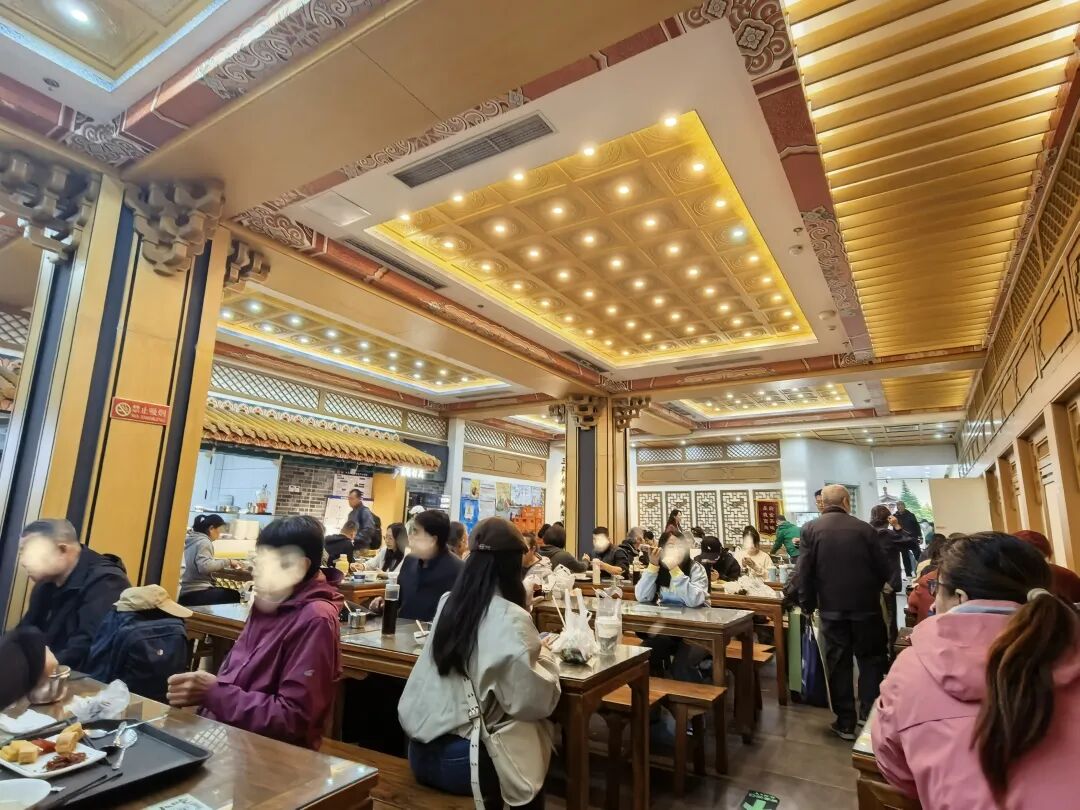
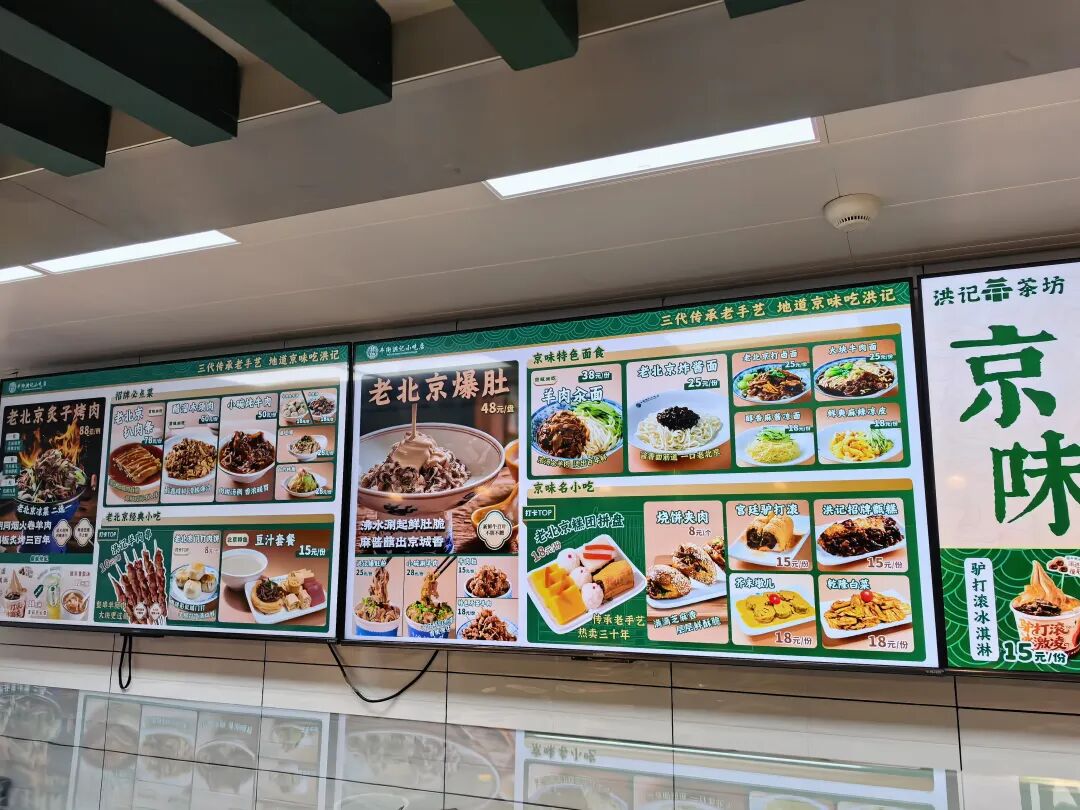
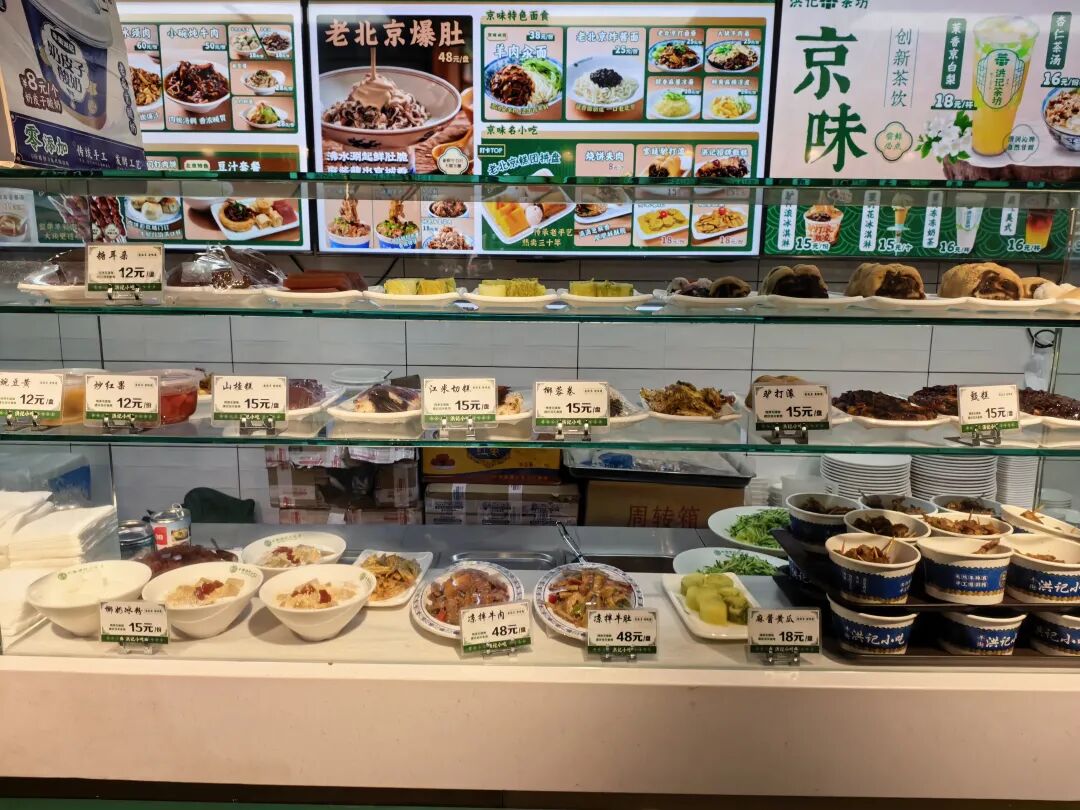
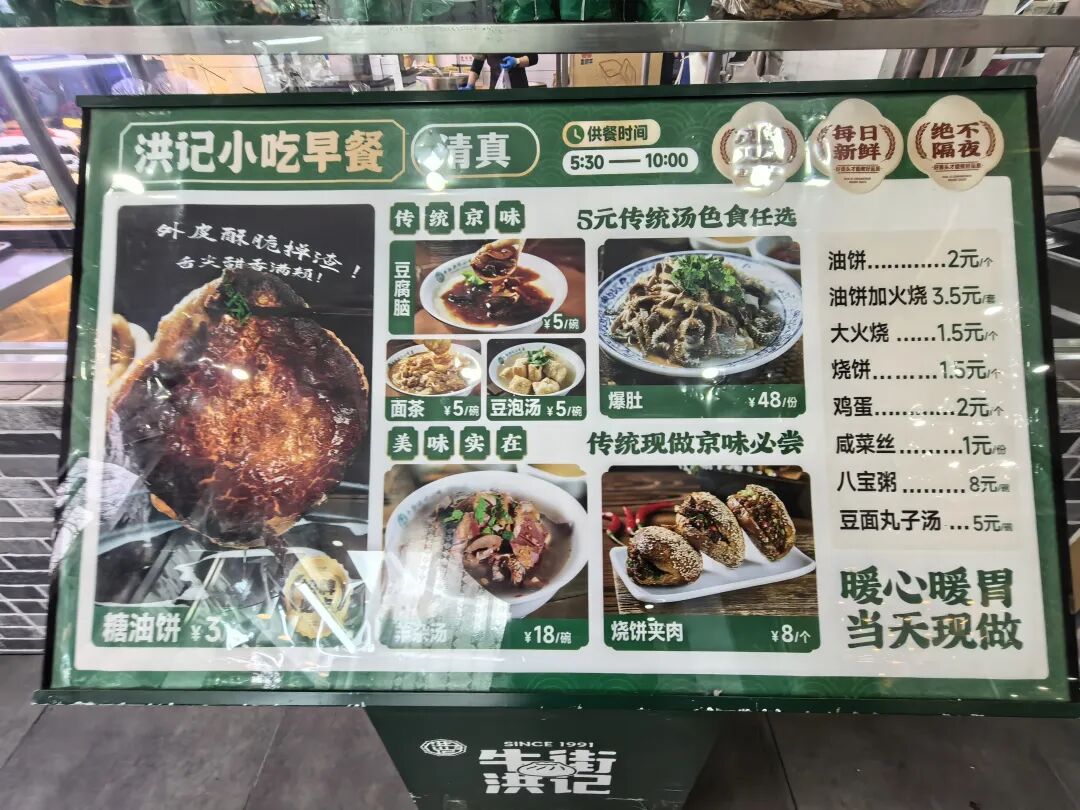
Hongji Snack Shop: Their beef/lamb and green onion baozi (steamed buns) are the star of the show at about 2.5 yuan each—they’ve got super thin skin, tons of filling, and are incredibly juicy. They also serve dozens of other snacks like zhagao (deep-fried cakes) and yaqianrou (meat on toothpicks).
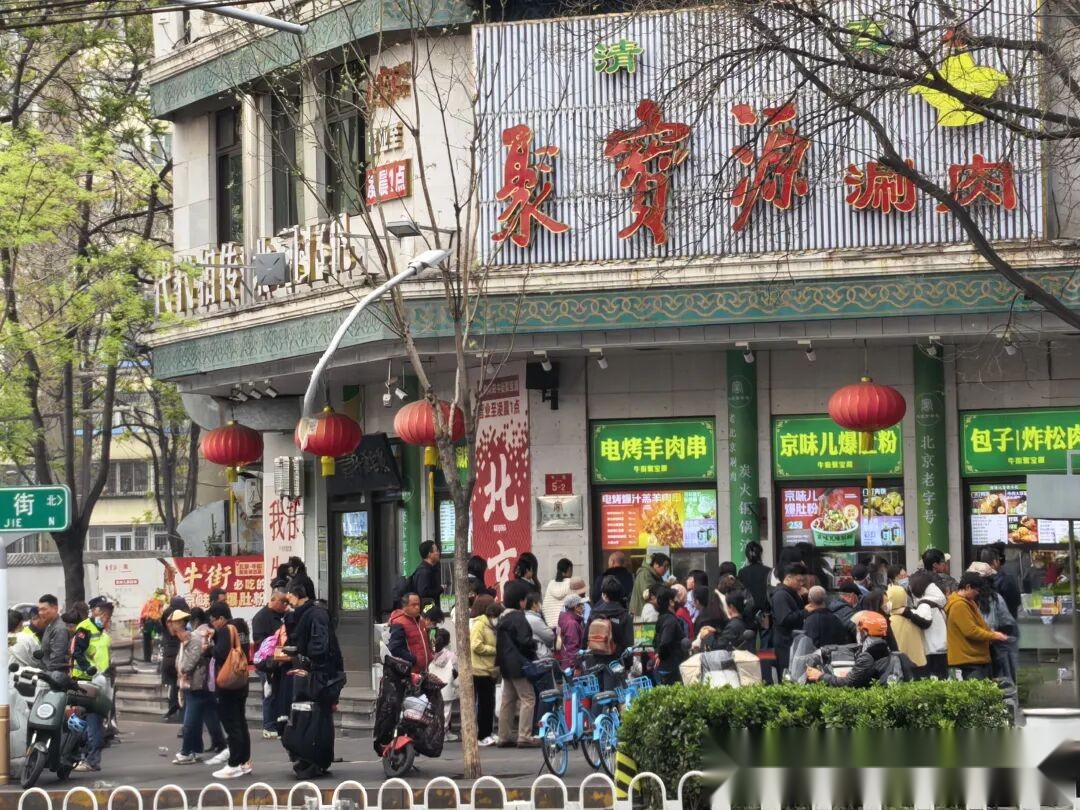
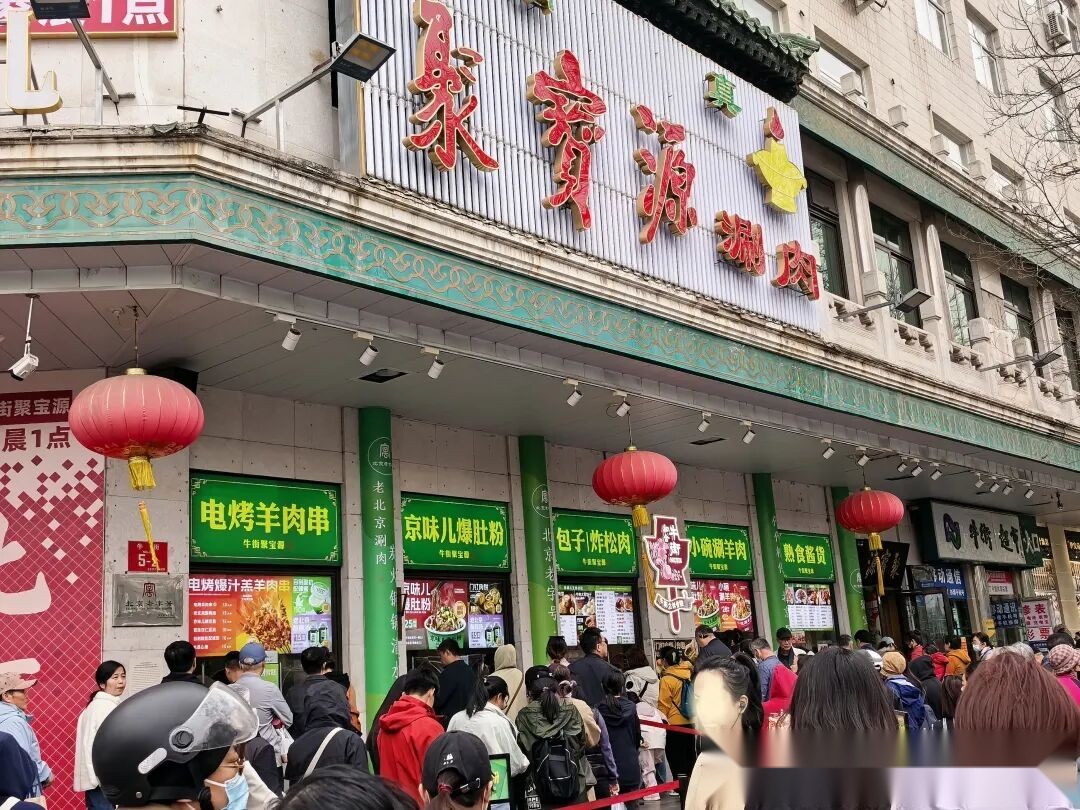
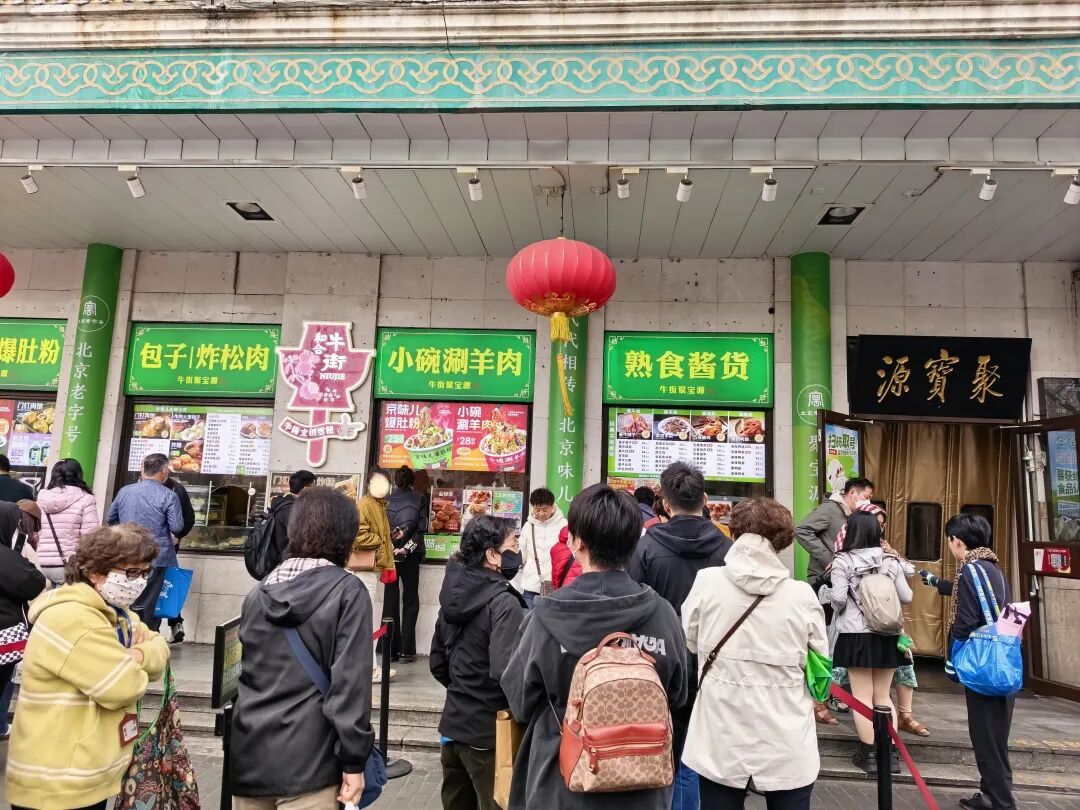
Jubaoyuan: Famous for their charcoal copper-pot hot pot. The hand-sliced lamb stays tender no matter how long you boil it, and their sesame paste shao bing (baked flatbread) is a total game-changer. During meal times, expect lines for their beef baozi, baodu fun (tripe with vermicelli), and grilled lamb skewers.
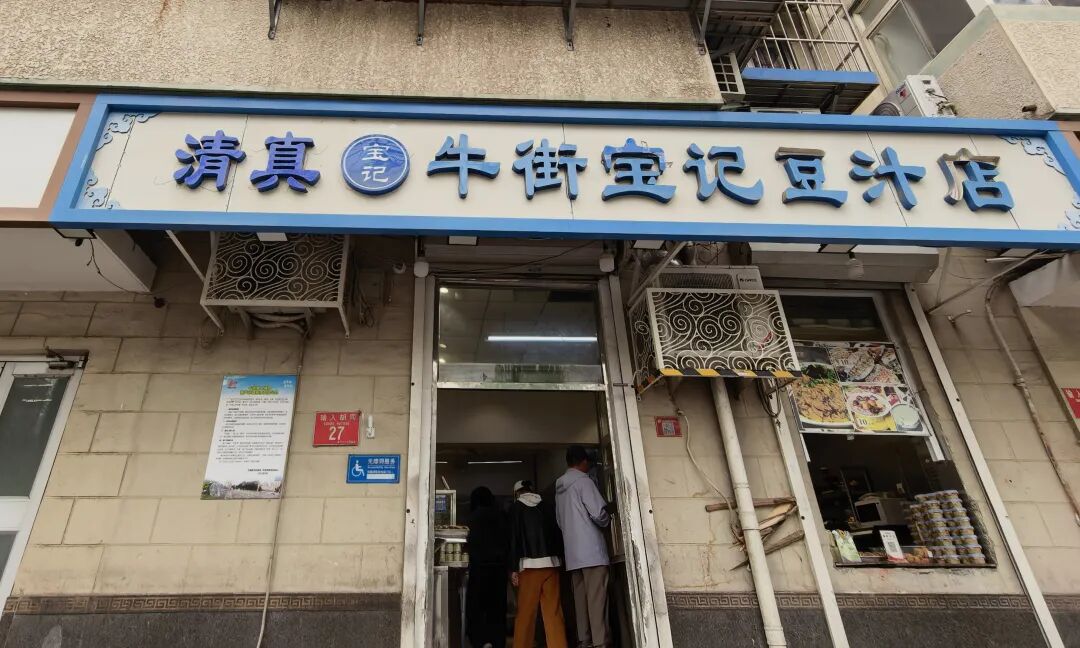
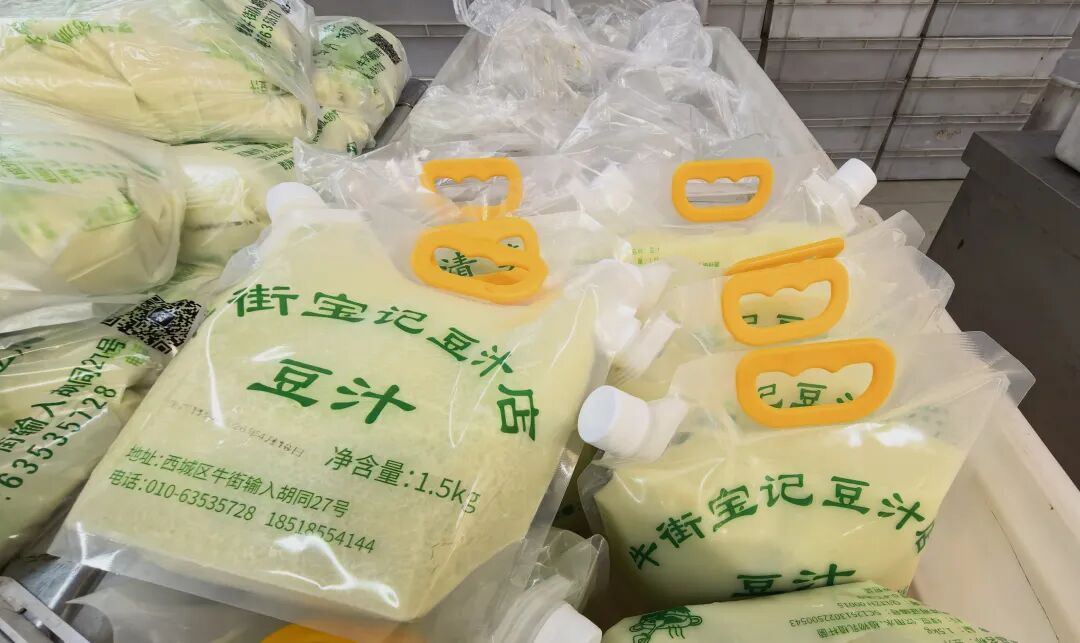
Baoji Douzhier: A classic spot for authentic Beijing douzhier (fermented mung bean milk). Known for its sharp, tangy, and thick profile, it’s best enjoyed with jiaoquan (fried dough rings) and shredded pickled vegetables. It’s a go-to experience for anyone wanting to taste real traditional Beijing snack culture.
Baiji Niangao: They specialize in ludagun (glutinous rice rolls coated in soybean flour), wandouhuang (pea flour cakes), and all kinds of niangao (sticky rice cakes). Everything is soft, chewy, and sweet, with generous bean paste fillings that hit the spot without being too sugary.
Yibao Heyezenggao: Their zenggao (steamed rice cake) is made with red dates, honey beans, and sticky rice. It’s got a rich, aromatic date flavor and is best eaten warm while soft and chewy.
Other recommendations: Laochengyi’s yangxiezi (lamb spine hot pot), Xiangyunxuan’s men ding rou bing (nail-head shaped meat pies with thin skin and juicy filling), and Manji’s beef shao bing (baked flatbread) and fried chicken are all totally worth checking out.
Best time to go: Try to head over on a weekday or early in the morning to dodge the weekend crowds. Just make sure you save plenty of room in your stomach—one trip to Niu Jie is never enough to try everything.
Getting there: You can take Subway Line 19 to Niu Jie Station; the street is right outside the exit. If you’re driving, just plug 'Niu Jie' into your GPS, but be prepared—parking is tight.
A quick reminder: Please be respectful of Hui Muslim customs and don’t bring any non-Halal food into the area.
If you’re a tourist and you find douzhier a bit much at first, you can grab a douzhier combo set at Hongji Snack Shop or pick up canned versions at Baoji Douzhier to try on your own time.
Once you can handle the taste of douzhier, you’re basically a 'true Beijinger'!
The real charm of Niu Jie isn’t just in the food—it’s in the bustling, down-to-earth atmosphere and the genuine energy of the people living here.
(All photos above were taken with a Huawei phone.) view all
[Internet Repost]
This 18-photo guide breaks down the thousand-year history of Beijing's Niu Jie in Xicheng District, from the construction of the Niu Jie Mosque in 996 AD and its transformation from 'Liu Jie' (Pomegranate Street) into a major Hui Muslim hub, to a deep dive into iconic Halal eats like douzhier (fermented mung bean milk) with jiaoquan (fried dough rings), ludagun (rolling donkey/glutinous rice rolls), aiwowo (steamed rice cakes), baodu (quick-boiled tripe), and beef and lamb shaomai (steamed dumplings).
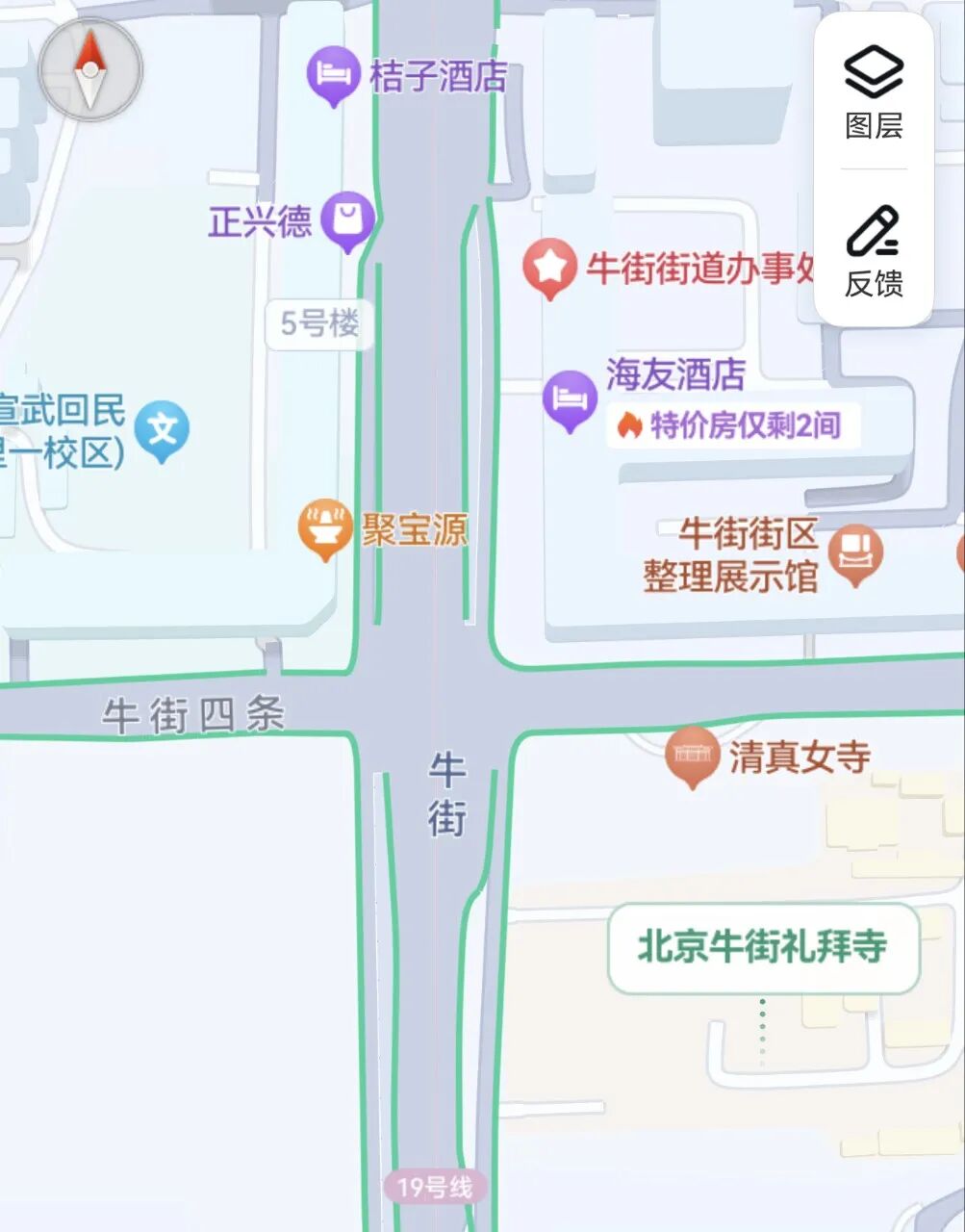
Niu Jie in Beijing's Xicheng District is the city's most famous Hui Muslim neighborhood and a legendary street for Halal food, where deep historical roots meet a vibrant, everyday local vibe.
From 'Liu Jie' to 'Niu Jie'
Niu Jie is the oldest Hui Muslim enclave in Beijing, taking shape during the Song and Yuan dynasties. Its heart, the Niu Jie Mosque, dates all the way back to 996 AD, marking a thousand years of history.
It was originally called 'Liu Jie' (Pomegranate Street) because of the pomegranate orchards that used to grow there. Over time, the name shifted due to similar pronunciation and the fact that many local Hui Muslims worked in the butchery trade, leading to the name 'Niu Jie' (Ox/Beef Street).
Must-Try Snacks and Heritage Shops
This area is packed with top-tier Halal food, so definitely show up on an empty stomach.
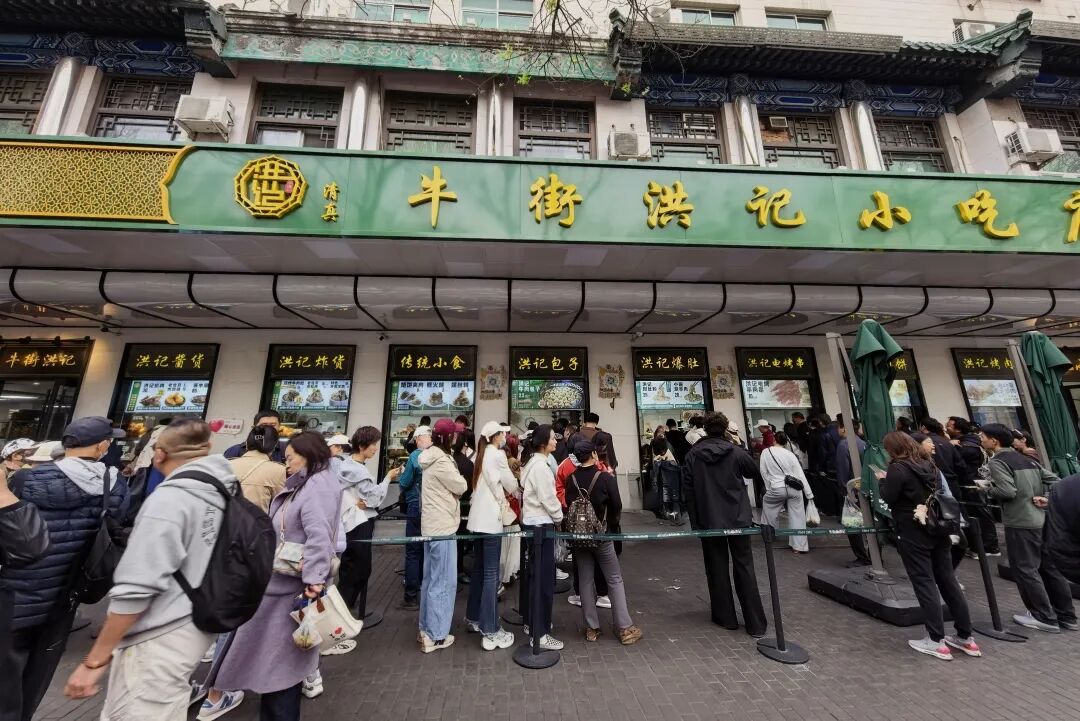
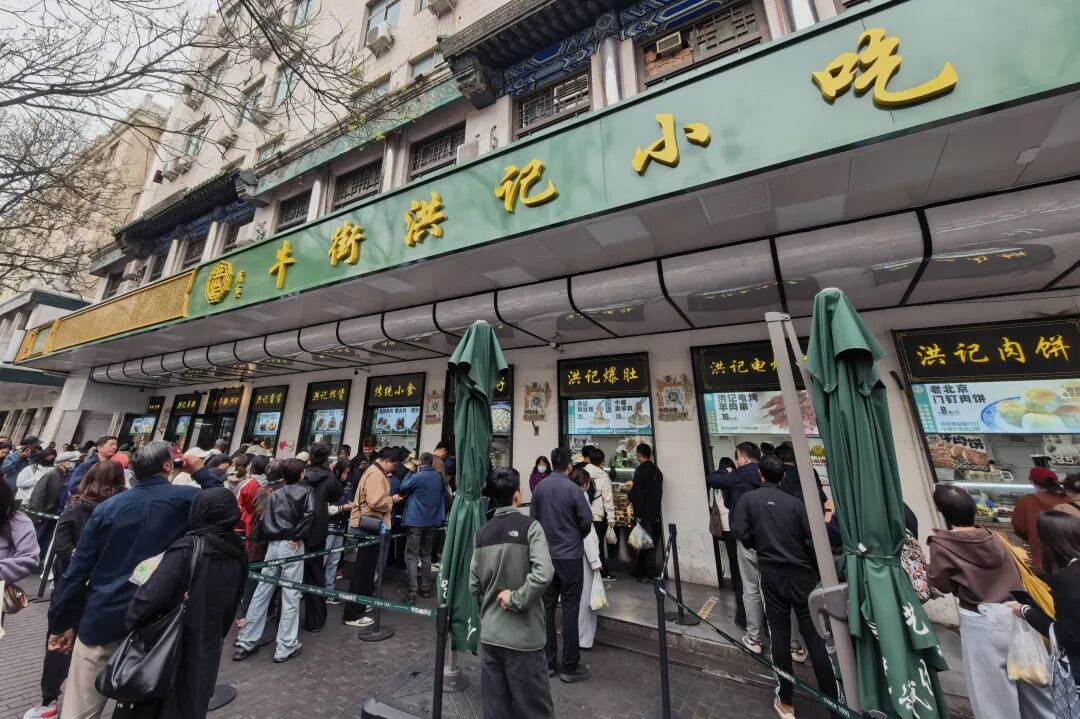
Hongji Snack Shop: Their beef/lamb and green onion baozi (steamed buns) are the star of the show at about 2.5 yuan each—they’ve got super thin skin, tons of filling, and are incredibly juicy. They also serve dozens of other snacks like zhagao (deep-fried cakes) and yaqianrou (meat on toothpicks).
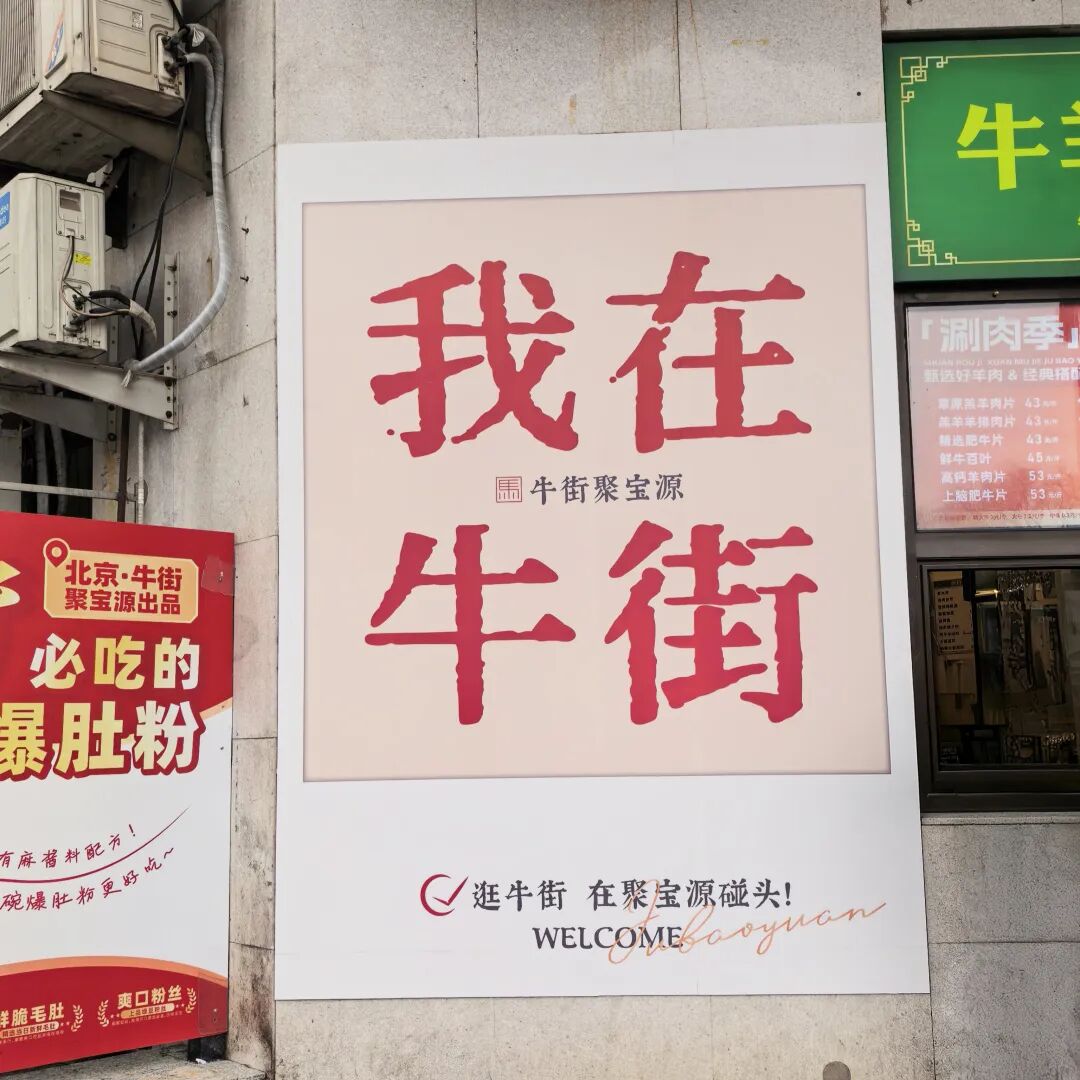
Jubaoyuan: Famous for their charcoal copper-pot hot pot. The hand-sliced lamb stays tender no matter how long you boil it, and their sesame paste shao bing (baked flatbread) is a total game-changer. During meal times, expect lines for their beef baozi, baodu fun (tripe with vermicelli), and grilled lamb skewers.
Baoji Douzhier: A classic spot for authentic Beijing douzhier (fermented mung bean milk). Known for its sharp, tangy, and thick profile, it’s best enjoyed with jiaoquan (fried dough rings) and shredded pickled vegetables. It’s a go-to experience for anyone wanting to taste real traditional Beijing snack culture.
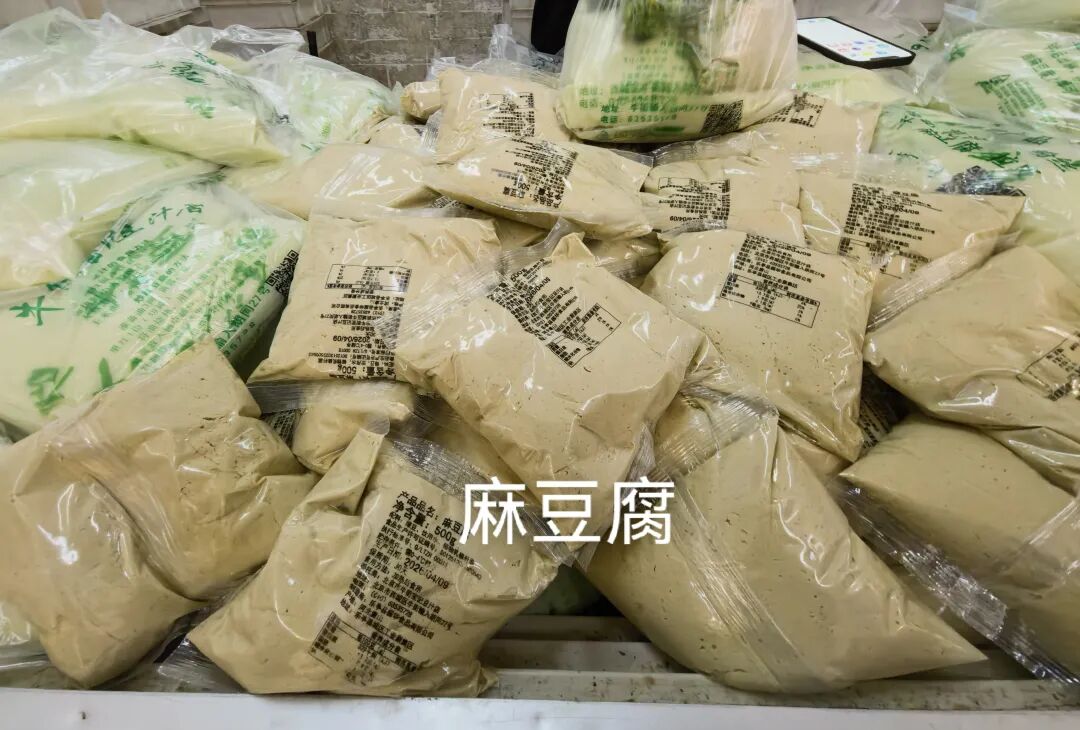
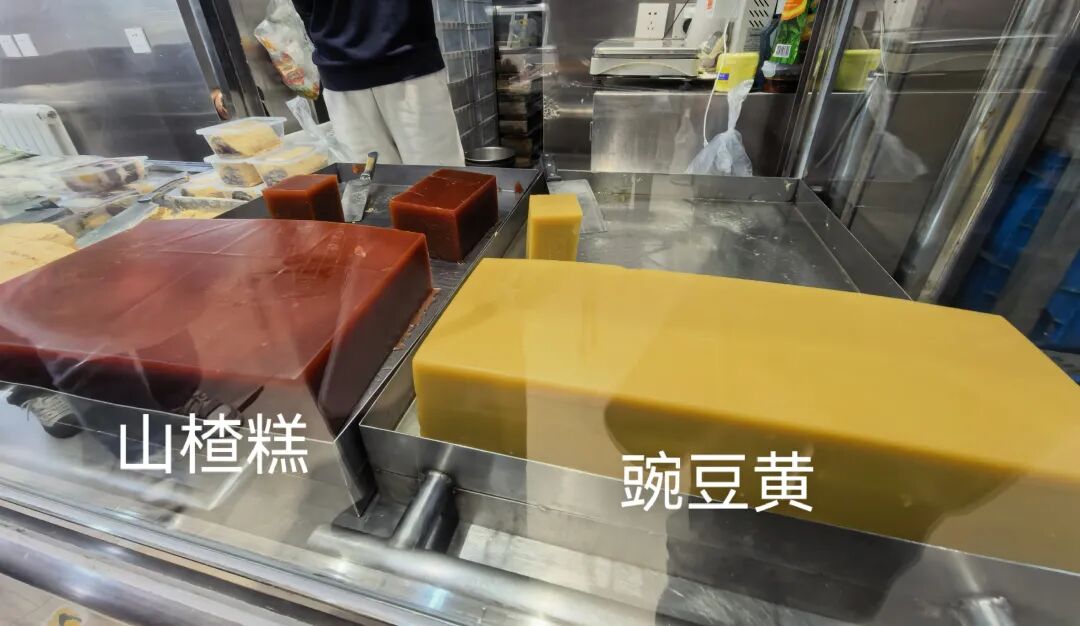
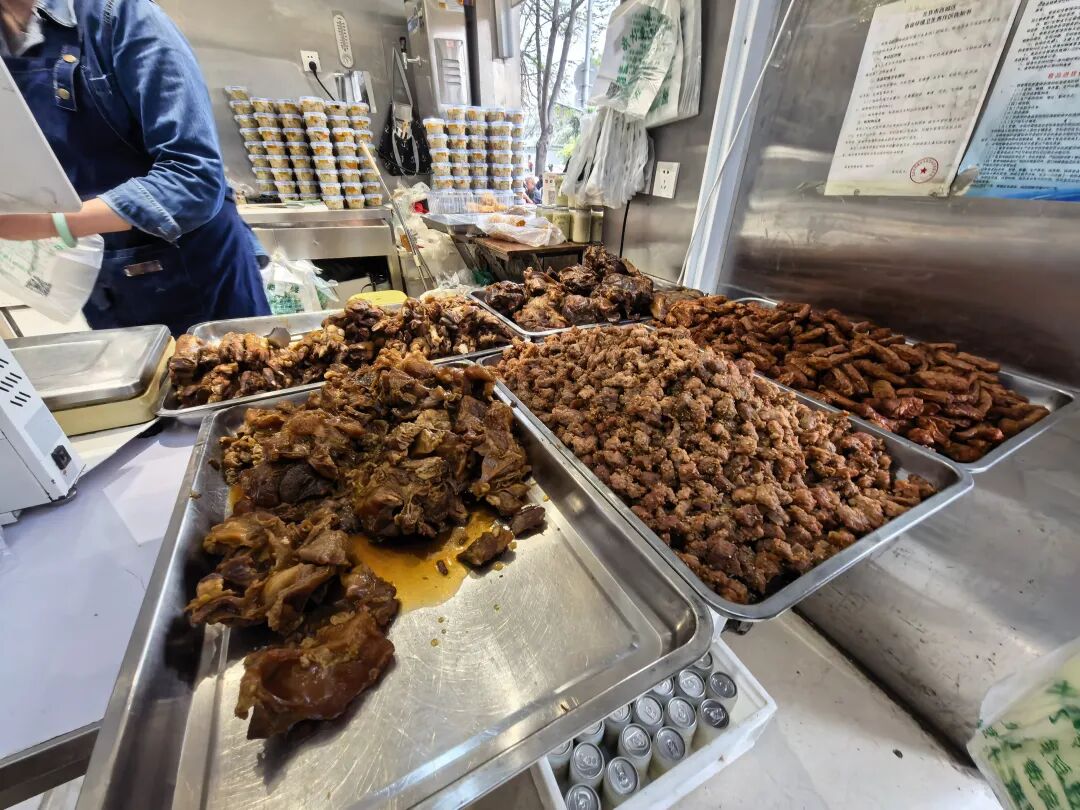
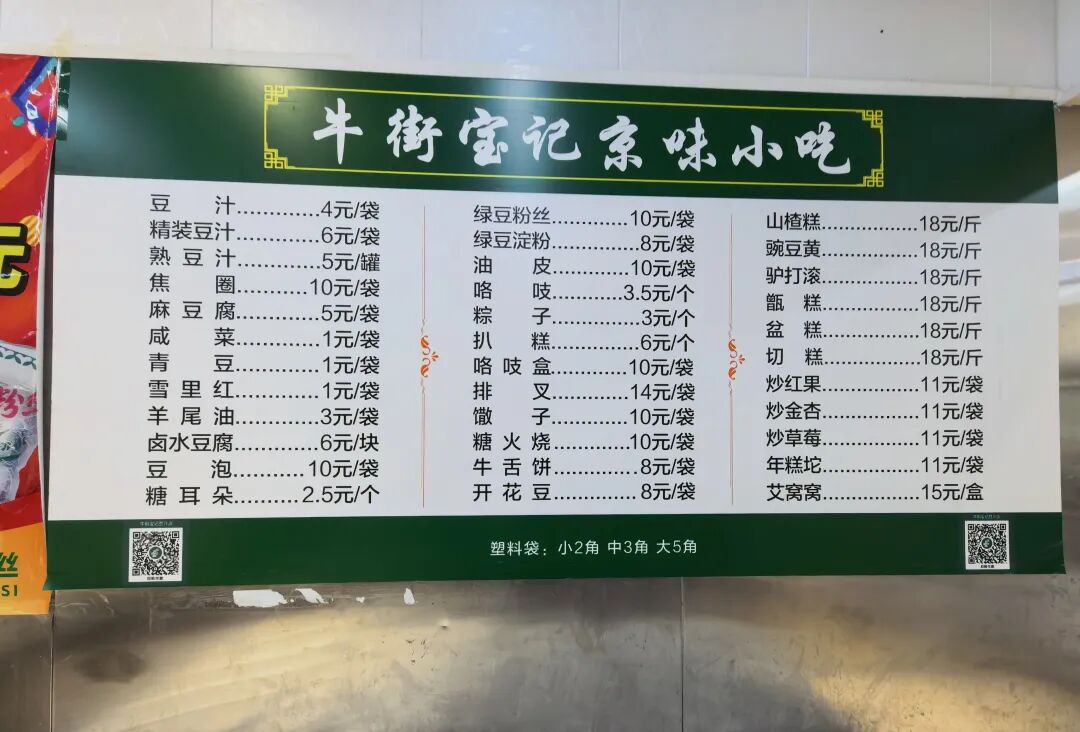
Baiji Niangao: They specialize in ludagun (glutinous rice rolls coated in soybean flour), wandouhuang (pea flour cakes), and all kinds of niangao (sticky rice cakes). Everything is soft, chewy, and sweet, with generous bean paste fillings that hit the spot without being too sugary.
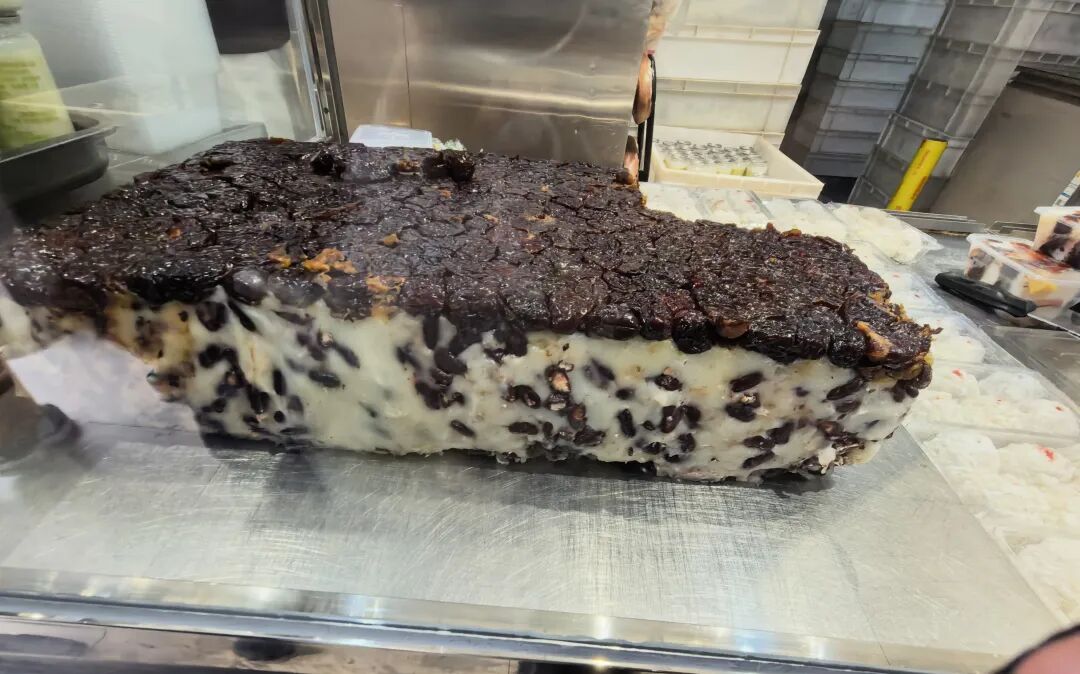
Yibao Heyezenggao: Their zenggao (steamed rice cake) is made with red dates, honey beans, and sticky rice. It’s got a rich, aromatic date flavor and is best eaten warm while soft and chewy.
Other recommendations: Laochengyi’s yangxiezi (lamb spine hot pot), Xiangyunxuan’s men ding rou bing (nail-head shaped meat pies with thin skin and juicy filling), and Manji’s beef shao bing (baked flatbread) and fried chicken are all totally worth checking out.
Best time to go: Try to head over on a weekday or early in the morning to dodge the weekend crowds. Just make sure you save plenty of room in your stomach—one trip to Niu Jie is never enough to try everything.
Getting there: You can take Subway Line 19 to Niu Jie Station; the street is right outside the exit. If you’re driving, just plug 'Niu Jie' into your GPS, but be prepared—parking is tight.
A quick reminder: Please be respectful of Hui Muslim customs and don’t bring any non-Halal food into the area.
If you’re a tourist and you find douzhier a bit much at first, you can grab a douzhier combo set at Hongji Snack Shop or pick up canned versions at Baoji Douzhier to try on your own time.
Once you can handle the taste of douzhier, you’re basically a 'true Beijinger'!
The real charm of Niu Jie isn’t just in the food—it’s in the bustling, down-to-earth atmosphere and the genuine energy of the people living here.
(All photos above were taken with a Huawei phone.)
This 18-photo guide breaks down the thousand-year history of Beijing's Niu Jie in Xicheng District, from the construction of the Niu Jie Mosque in 996 AD and its transformation from 'Liu Jie' (Pomegranate Street) into a major Hui Muslim hub, to a deep dive into iconic Halal eats like douzhier (fermented mung bean milk) with jiaoquan (fried dough rings), ludagun (rolling donkey/glutinous rice rolls), aiwowo (steamed rice cakes), baodu (quick-boiled tripe), and beef and lamb shaomai (steamed dumplings).
Niu Jie in Beijing's Xicheng District is the city's most famous Hui Muslim neighborhood and a legendary street for Halal food, where deep historical roots meet a vibrant, everyday local vibe.
From 'Liu Jie' to 'Niu Jie'
Niu Jie is the oldest Hui Muslim enclave in Beijing, taking shape during the Song and Yuan dynasties. Its heart, the Niu Jie Mosque, dates all the way back to 996 AD, marking a thousand years of history.
It was originally called 'Liu Jie' (Pomegranate Street) because of the pomegranate orchards that used to grow there. Over time, the name shifted due to similar pronunciation and the fact that many local Hui Muslims worked in the butchery trade, leading to the name 'Niu Jie' (Ox/Beef Street).
Must-Try Snacks and Heritage Shops
This area is packed with top-tier Halal food, so definitely show up on an empty stomach.
Hongji Snack Shop: Their beef/lamb and green onion baozi (steamed buns) are the star of the show at about 2.5 yuan each—they’ve got super thin skin, tons of filling, and are incredibly juicy. They also serve dozens of other snacks like zhagao (deep-fried cakes) and yaqianrou (meat on toothpicks).
Jubaoyuan: Famous for their charcoal copper-pot hot pot. The hand-sliced lamb stays tender no matter how long you boil it, and their sesame paste shao bing (baked flatbread) is a total game-changer. During meal times, expect lines for their beef baozi, baodu fun (tripe with vermicelli), and grilled lamb skewers.
Baoji Douzhier: A classic spot for authentic Beijing douzhier (fermented mung bean milk). Known for its sharp, tangy, and thick profile, it’s best enjoyed with jiaoquan (fried dough rings) and shredded pickled vegetables. It’s a go-to experience for anyone wanting to taste real traditional Beijing snack culture.
Baiji Niangao: They specialize in ludagun (glutinous rice rolls coated in soybean flour), wandouhuang (pea flour cakes), and all kinds of niangao (sticky rice cakes). Everything is soft, chewy, and sweet, with generous bean paste fillings that hit the spot without being too sugary.
Yibao Heyezenggao: Their zenggao (steamed rice cake) is made with red dates, honey beans, and sticky rice. It’s got a rich, aromatic date flavor and is best eaten warm while soft and chewy.
Other recommendations: Laochengyi’s yangxiezi (lamb spine hot pot), Xiangyunxuan’s men ding rou bing (nail-head shaped meat pies with thin skin and juicy filling), and Manji’s beef shao bing (baked flatbread) and fried chicken are all totally worth checking out.
Best time to go: Try to head over on a weekday or early in the morning to dodge the weekend crowds. Just make sure you save plenty of room in your stomach—one trip to Niu Jie is never enough to try everything.
Getting there: You can take Subway Line 19 to Niu Jie Station; the street is right outside the exit. If you’re driving, just plug 'Niu Jie' into your GPS, but be prepared—parking is tight.
A quick reminder: Please be respectful of Hui Muslim customs and don’t bring any non-Halal food into the area.
If you’re a tourist and you find douzhier a bit much at first, you can grab a douzhier combo set at Hongji Snack Shop or pick up canned versions at Baoji Douzhier to try on your own time.
Once you can handle the taste of douzhier, you’re basically a 'true Beijinger'!
The real charm of Niu Jie isn’t just in the food—it’s in the bustling, down-to-earth atmosphere and the genuine energy of the people living here.
(All photos above were taken with a Huawei phone.)
Best Halal Food in Beijing: Niu Jie’s Century-Old Muslim Eateries, Traditional Beef, and Authentic Street Snacks
Articles • Hasan09 posted the article • 0 comments • 8 views • 19 hours ago
[Internet Repost]
These 9 photos capture the century-old halal food scene in Beijing’s Niu Jie, the heart of the Hui Muslim community, showcasing generations of traditional beef and lamb deli meats, handmade pastries, and authentic local street snacks.
I’ve done a deep dive into these legendary century-old Muslim food spots in Niu Jie—honestly, they are packed with history and endless flavor (though my stomach definitely couldn't keep up with all of it!).
Photo Showcase view all
[Internet Repost]
These 9 photos capture the century-old halal food scene in Beijing’s Niu Jie, the heart of the Hui Muslim community, showcasing generations of traditional beef and lamb deli meats, handmade pastries, and authentic local street snacks.
I’ve done a deep dive into these legendary century-old Muslim food spots in Niu Jie—honestly, they are packed with history and endless flavor (though my stomach definitely couldn't keep up with all of it!).
Photo Showcase
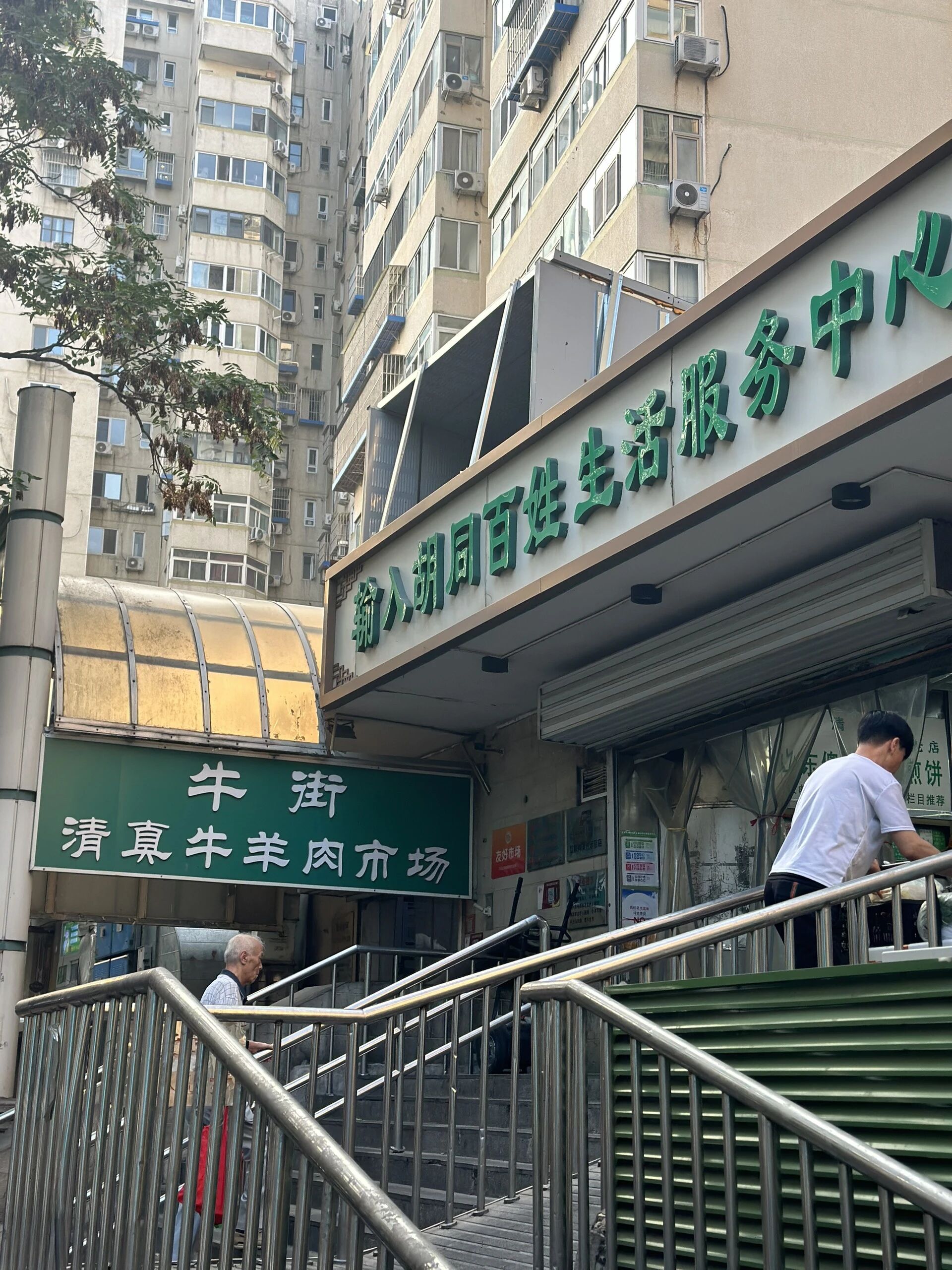
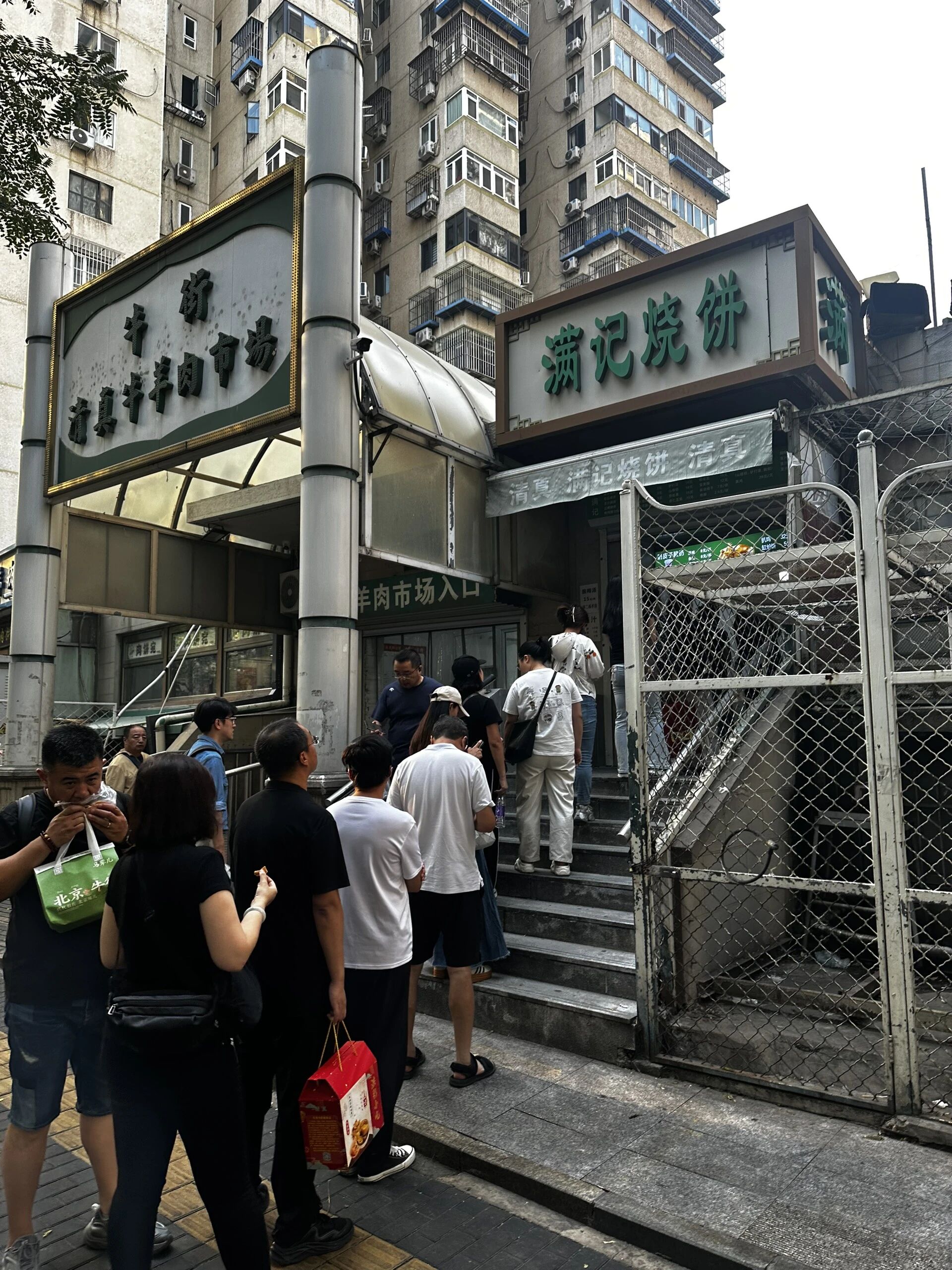
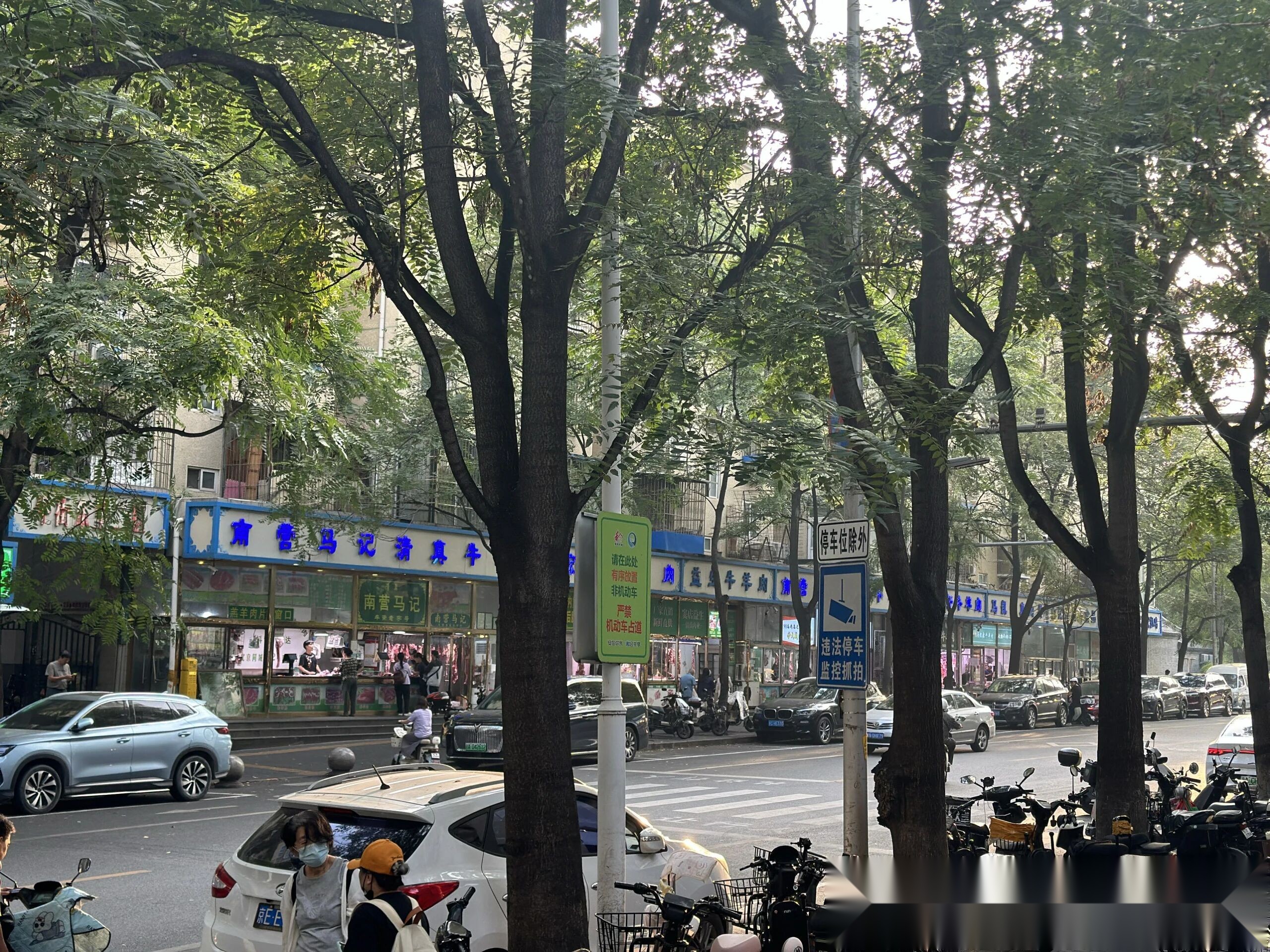
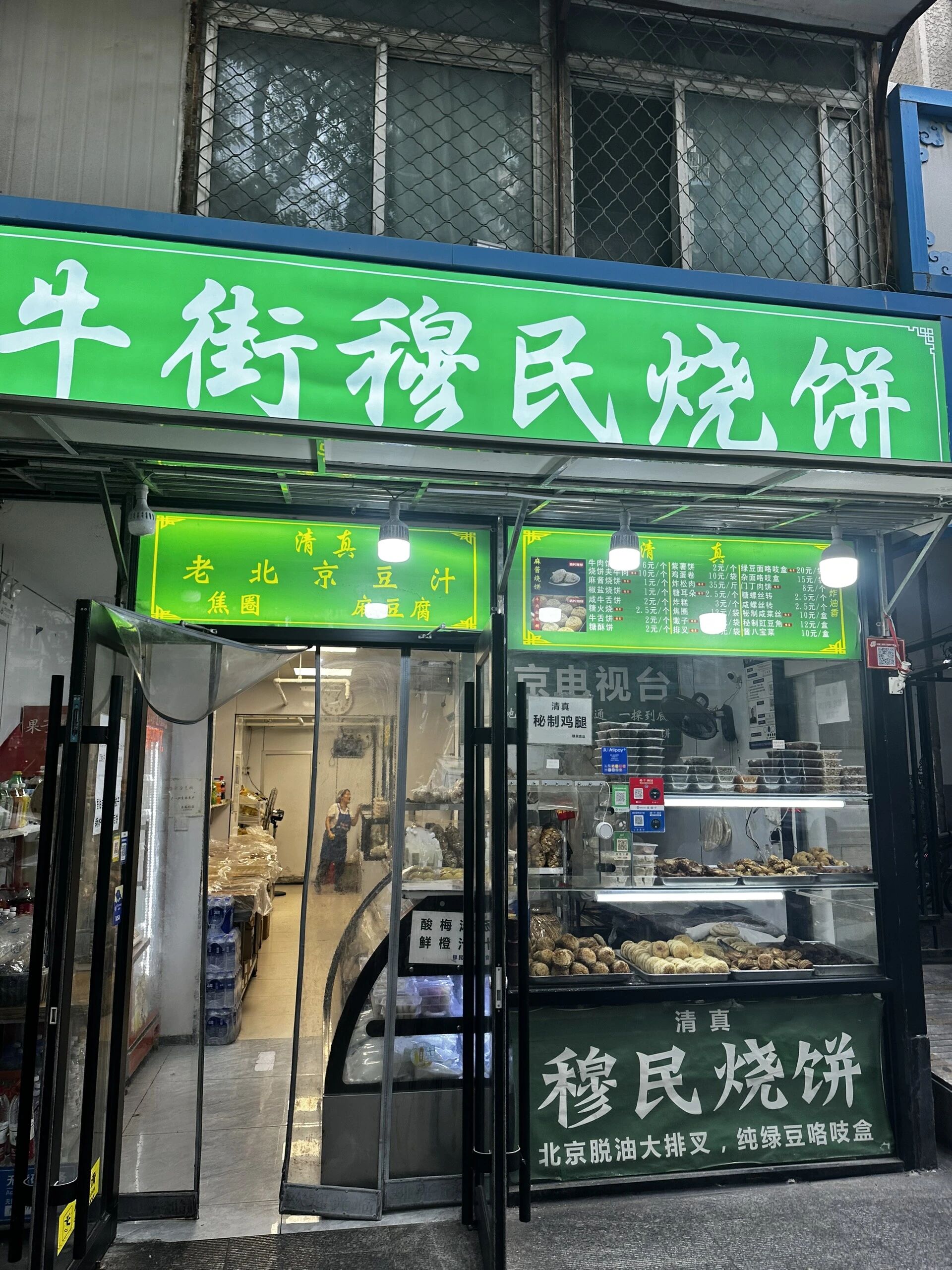
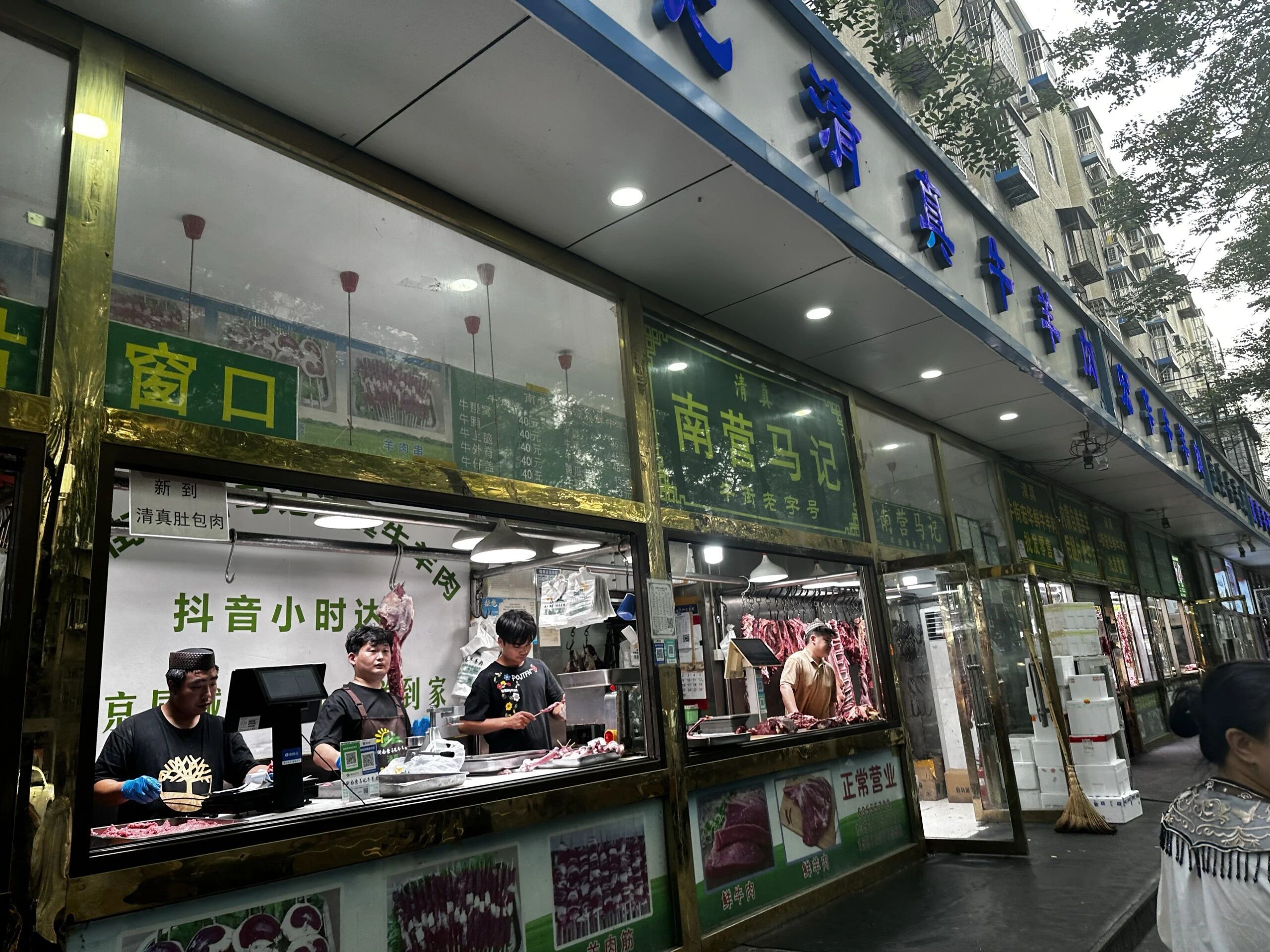
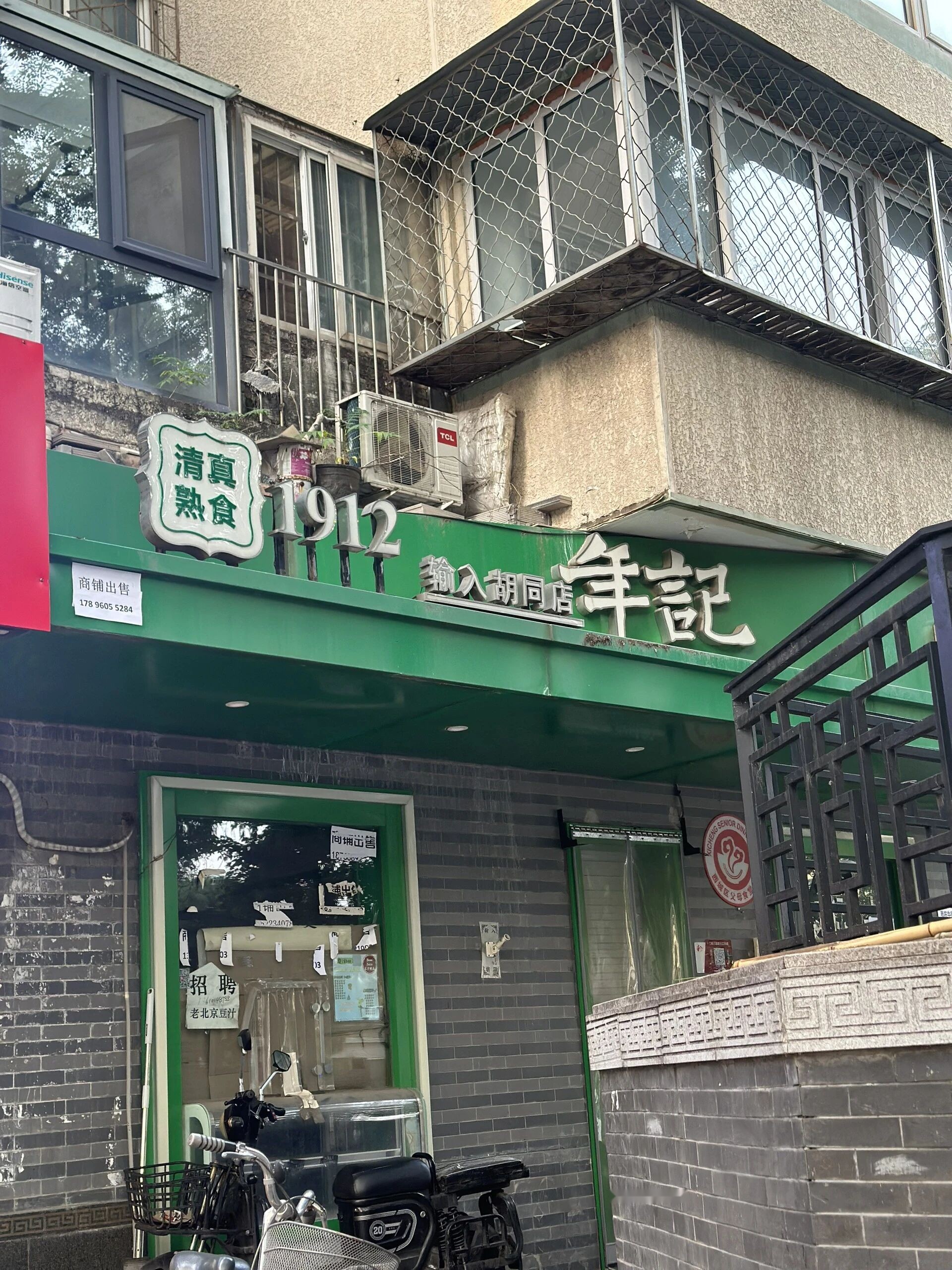
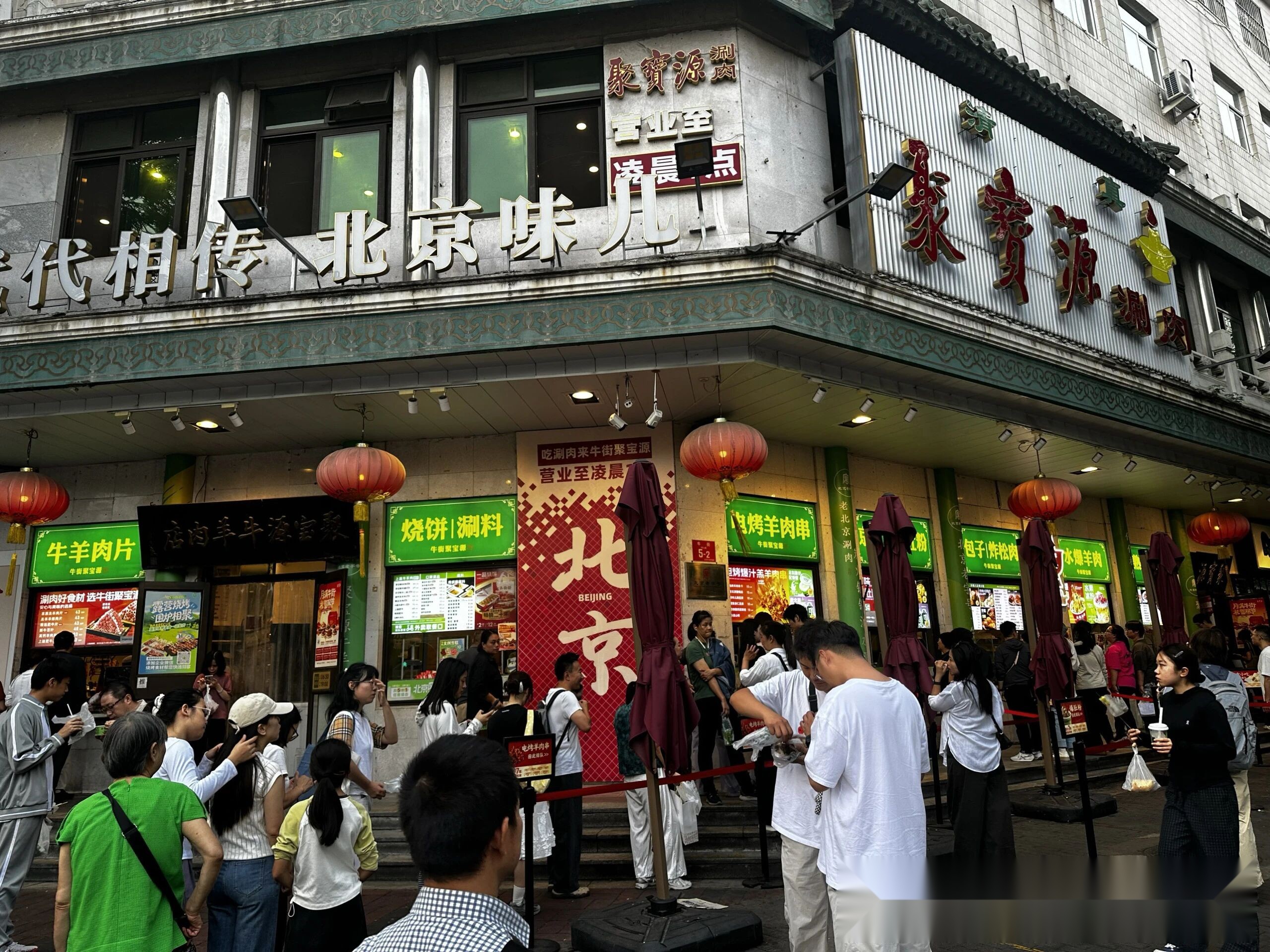
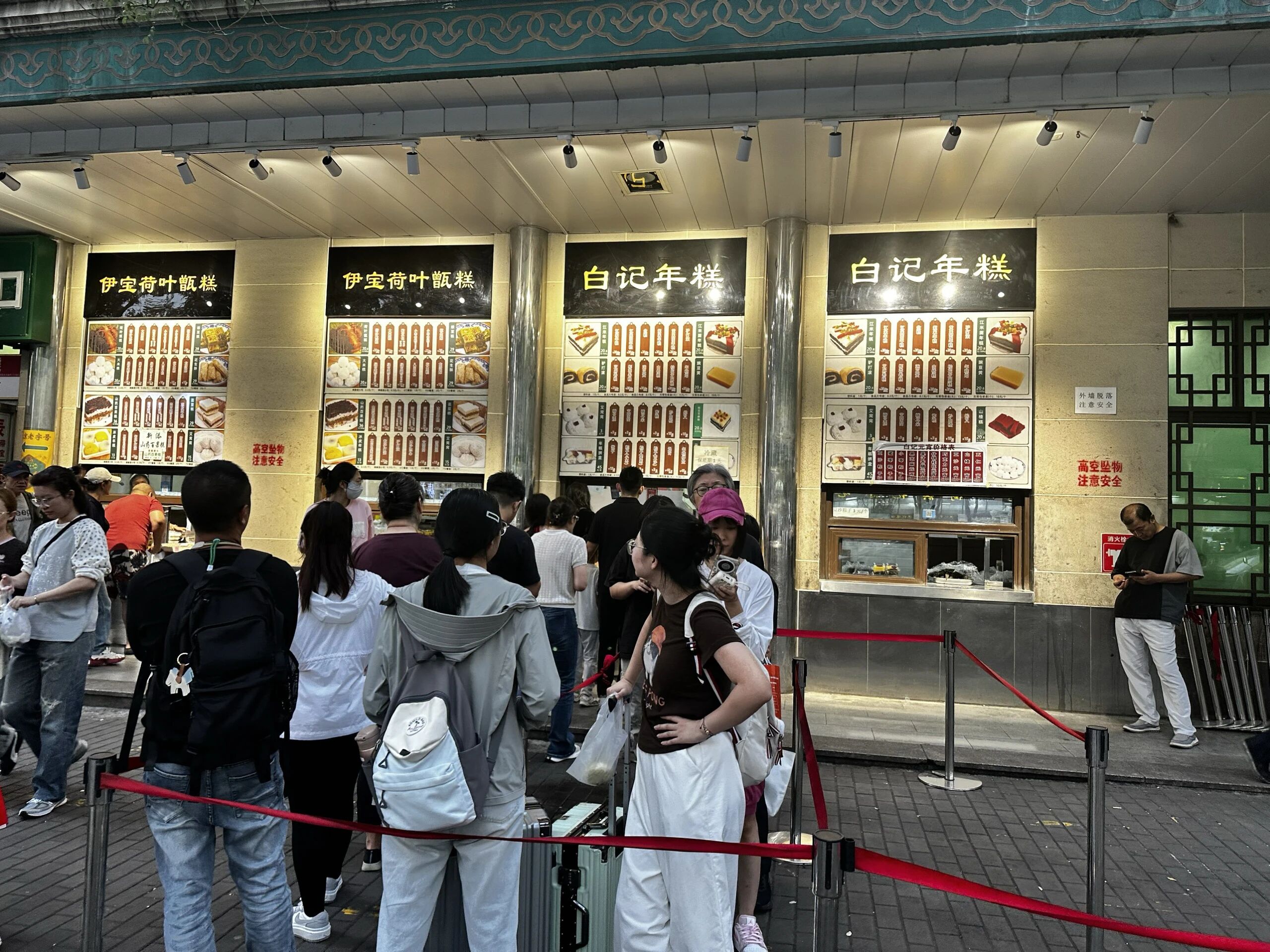
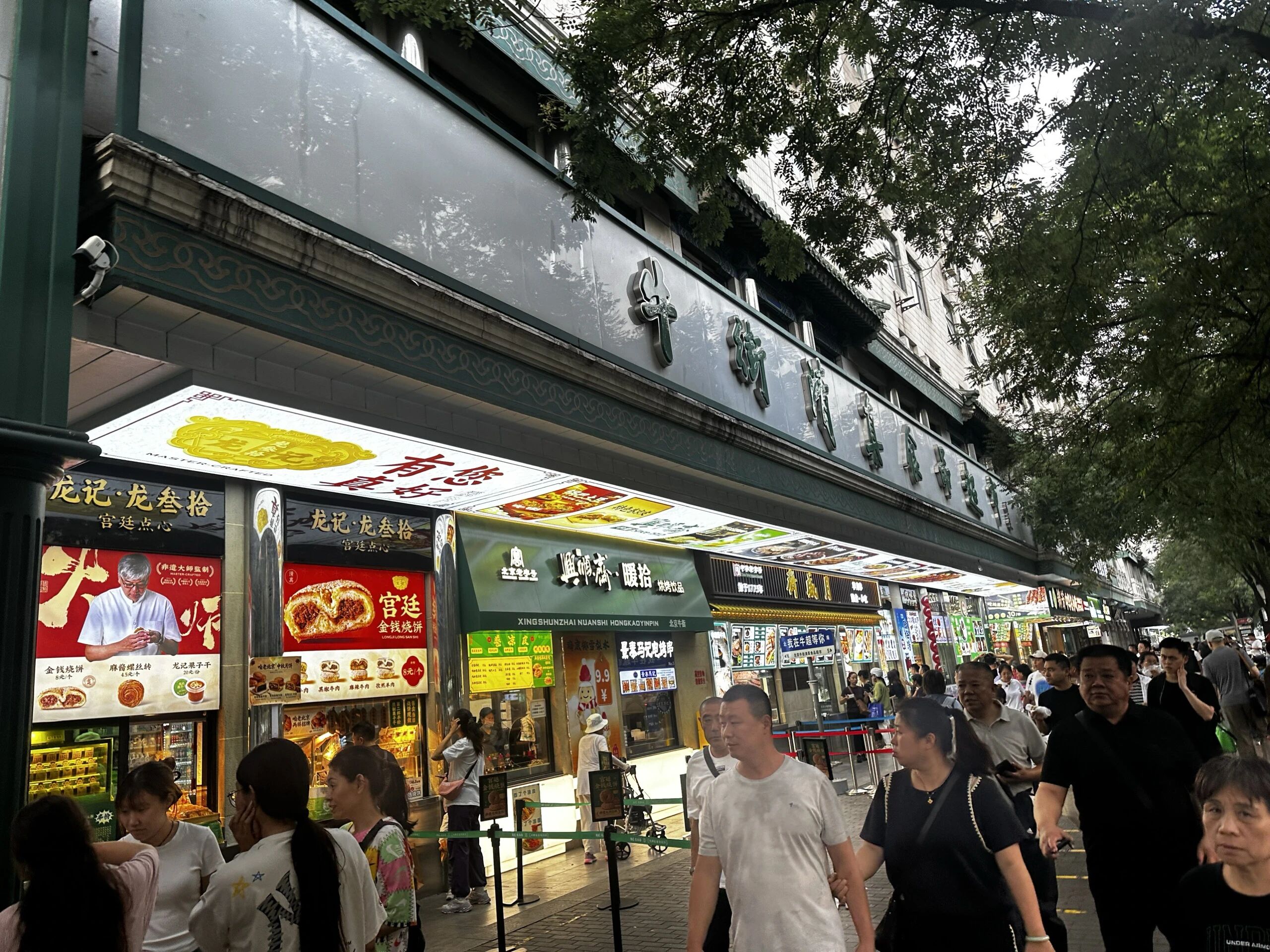
These 9 photos capture the century-old halal food scene in Beijing’s Niu Jie, the heart of the Hui Muslim community, showcasing generations of traditional beef and lamb deli meats, handmade pastries, and authentic local street snacks.
I’ve done a deep dive into these legendary century-old Muslim food spots in Niu Jie—honestly, they are packed with history and endless flavor (though my stomach definitely couldn't keep up with all of it!).
Photo Showcase
Beijing Niu Jie Guide: Authentic Halal Food, Historic Mosque and Traditional Hui Muslim Snacks
Articles • Hasan09 posted the article • 0 comments • 17 views • 19 hours ago
[Internet Repost]
This 18-photo guide breaks down the thousand-year history of Beijing's Niu Jie in Xicheng District, from the construction of the Niu Jie Mosque in 996 AD and its transformation from 'Liu Jie' (Pomegranate Street) into a major Hui Muslim hub, to a deep dive into iconic Halal eats like douzhier (fermented mung bean milk) with jiaoquan (fried dough rings), ludagun (rolling donkey/glutinous rice rolls), aiwowo (steamed rice cakes), baodu (quick-boiled tripe), and beef and lamb shaomai (steamed dumplings).
Niu Jie in Beijing's Xicheng District is the city's most famous Hui Muslim neighborhood and a legendary street for Halal food, where deep historical roots meet a vibrant, everyday local vibe.
From 'Liu Jie' to 'Niu Jie'
Niu Jie is the oldest Hui Muslim enclave in Beijing, taking shape during the Song and Yuan dynasties. Its heart, the Niu Jie Mosque, dates all the way back to 996 AD, marking a thousand years of history.
It was originally called 'Liu Jie' (Pomegranate Street) because of the pomegranate orchards that used to grow there. Over time, the name shifted due to similar pronunciation and the fact that many local Hui Muslims worked in the butchery trade, leading to the name 'Niu Jie' (Ox/Beef Street).
Must-Try Snacks and Heritage Shops
This area is packed with top-tier Halal food, so definitely show up on an empty stomach.
Hongji Snack Shop: Their beef/lamb and green onion baozi (steamed buns) are the star of the show at about 2.5 yuan each—they’ve got super thin skin, tons of filling, and are incredibly juicy. They also serve dozens of other snacks like zhagao (deep-fried cakes) and yaqianrou (meat on toothpicks).
Jubaoyuan: Famous for their charcoal copper-pot hot pot. The hand-sliced lamb stays tender no matter how long you boil it, and their sesame paste shao bing (baked flatbread) is a total game-changer. During meal times, expect lines for their beef baozi, baodu fun (tripe with vermicelli), and grilled lamb skewers.
Baoji Douzhier: A classic spot for authentic Beijing douzhier (fermented mung bean milk). Known for its sharp, tangy, and thick profile, it’s best enjoyed with jiaoquan (fried dough rings) and shredded pickled vegetables. It’s a go-to experience for anyone wanting to taste real traditional Beijing snack culture.
Baiji Niangao: They specialize in ludagun (glutinous rice rolls coated in soybean flour), wandouhuang (pea flour cakes), and all kinds of niangao (sticky rice cakes). Everything is soft, chewy, and sweet, with generous bean paste fillings that hit the spot without being too sugary.
Yibao Heyezenggao: Their zenggao (steamed rice cake) is made with red dates, honey beans, and sticky rice. It’s got a rich, aromatic date flavor and is best eaten warm while soft and chewy.
Other recommendations: Laochengyi’s yangxiezi (lamb spine hot pot), Xiangyunxuan’s men ding rou bing (nail-head shaped meat pies with thin skin and juicy filling), and Manji’s beef shao bing (baked flatbread) and fried chicken are all totally worth checking out.
Best time to go: Try to head over on a weekday or early in the morning to dodge the weekend crowds. Just make sure you save plenty of room in your stomach—one trip to Niu Jie is never enough to try everything.
Getting there: You can take Subway Line 19 to Niu Jie Station; the street is right outside the exit. If you’re driving, just plug 'Niu Jie' into your GPS, but be prepared—parking is tight.
A quick reminder: Please be respectful of Hui Muslim customs and don’t bring any non-Halal food into the area.
If you’re a tourist and you find douzhier a bit much at first, you can grab a douzhier combo set at Hongji Snack Shop or pick up canned versions at Baoji Douzhier to try on your own time.
Once you can handle the taste of douzhier, you’re basically a 'true Beijinger'!
The real charm of Niu Jie isn’t just in the food—it’s in the bustling, down-to-earth atmosphere and the genuine energy of the people living here.
(All photos above were taken with a Huawei phone.) view all
This 18-photo guide breaks down the thousand-year history of Beijing's Niu Jie in Xicheng District, from the construction of the Niu Jie Mosque in 996 AD and its transformation from 'Liu Jie' (Pomegranate Street) into a major Hui Muslim hub, to a deep dive into iconic Halal eats like douzhier (fermented mung bean milk) with jiaoquan (fried dough rings), ludagun (rolling donkey/glutinous rice rolls), aiwowo (steamed rice cakes), baodu (quick-boiled tripe), and beef and lamb shaomai (steamed dumplings).
Niu Jie in Beijing's Xicheng District is the city's most famous Hui Muslim neighborhood and a legendary street for Halal food, where deep historical roots meet a vibrant, everyday local vibe.
From 'Liu Jie' to 'Niu Jie'
Niu Jie is the oldest Hui Muslim enclave in Beijing, taking shape during the Song and Yuan dynasties. Its heart, the Niu Jie Mosque, dates all the way back to 996 AD, marking a thousand years of history.
It was originally called 'Liu Jie' (Pomegranate Street) because of the pomegranate orchards that used to grow there. Over time, the name shifted due to similar pronunciation and the fact that many local Hui Muslims worked in the butchery trade, leading to the name 'Niu Jie' (Ox/Beef Street).
Must-Try Snacks and Heritage Shops
This area is packed with top-tier Halal food, so definitely show up on an empty stomach.
Hongji Snack Shop: Their beef/lamb and green onion baozi (steamed buns) are the star of the show at about 2.5 yuan each—they’ve got super thin skin, tons of filling, and are incredibly juicy. They also serve dozens of other snacks like zhagao (deep-fried cakes) and yaqianrou (meat on toothpicks).
Jubaoyuan: Famous for their charcoal copper-pot hot pot. The hand-sliced lamb stays tender no matter how long you boil it, and their sesame paste shao bing (baked flatbread) is a total game-changer. During meal times, expect lines for their beef baozi, baodu fun (tripe with vermicelli), and grilled lamb skewers.
Baoji Douzhier: A classic spot for authentic Beijing douzhier (fermented mung bean milk). Known for its sharp, tangy, and thick profile, it’s best enjoyed with jiaoquan (fried dough rings) and shredded pickled vegetables. It’s a go-to experience for anyone wanting to taste real traditional Beijing snack culture.
Baiji Niangao: They specialize in ludagun (glutinous rice rolls coated in soybean flour), wandouhuang (pea flour cakes), and all kinds of niangao (sticky rice cakes). Everything is soft, chewy, and sweet, with generous bean paste fillings that hit the spot without being too sugary.
Yibao Heyezenggao: Their zenggao (steamed rice cake) is made with red dates, honey beans, and sticky rice. It’s got a rich, aromatic date flavor and is best eaten warm while soft and chewy.
Other recommendations: Laochengyi’s yangxiezi (lamb spine hot pot), Xiangyunxuan’s men ding rou bing (nail-head shaped meat pies with thin skin and juicy filling), and Manji’s beef shao bing (baked flatbread) and fried chicken are all totally worth checking out.
Best time to go: Try to head over on a weekday or early in the morning to dodge the weekend crowds. Just make sure you save plenty of room in your stomach—one trip to Niu Jie is never enough to try everything.
Getting there: You can take Subway Line 19 to Niu Jie Station; the street is right outside the exit. If you’re driving, just plug 'Niu Jie' into your GPS, but be prepared—parking is tight.
A quick reminder: Please be respectful of Hui Muslim customs and don’t bring any non-Halal food into the area.
If you’re a tourist and you find douzhier a bit much at first, you can grab a douzhier combo set at Hongji Snack Shop or pick up canned versions at Baoji Douzhier to try on your own time.
Once you can handle the taste of douzhier, you’re basically a 'true Beijinger'!
The real charm of Niu Jie isn’t just in the food—it’s in the bustling, down-to-earth atmosphere and the genuine energy of the people living here.
(All photos above were taken with a Huawei phone.) view all
[Internet Repost]
This 18-photo guide breaks down the thousand-year history of Beijing's Niu Jie in Xicheng District, from the construction of the Niu Jie Mosque in 996 AD and its transformation from 'Liu Jie' (Pomegranate Street) into a major Hui Muslim hub, to a deep dive into iconic Halal eats like douzhier (fermented mung bean milk) with jiaoquan (fried dough rings), ludagun (rolling donkey/glutinous rice rolls), aiwowo (steamed rice cakes), baodu (quick-boiled tripe), and beef and lamb shaomai (steamed dumplings).
Niu Jie in Beijing's Xicheng District is the city's most famous Hui Muslim neighborhood and a legendary street for Halal food, where deep historical roots meet a vibrant, everyday local vibe.
From 'Liu Jie' to 'Niu Jie'
Niu Jie is the oldest Hui Muslim enclave in Beijing, taking shape during the Song and Yuan dynasties. Its heart, the Niu Jie Mosque, dates all the way back to 996 AD, marking a thousand years of history.
It was originally called 'Liu Jie' (Pomegranate Street) because of the pomegranate orchards that used to grow there. Over time, the name shifted due to similar pronunciation and the fact that many local Hui Muslims worked in the butchery trade, leading to the name 'Niu Jie' (Ox/Beef Street).
Must-Try Snacks and Heritage Shops
This area is packed with top-tier Halal food, so definitely show up on an empty stomach.
Hongji Snack Shop: Their beef/lamb and green onion baozi (steamed buns) are the star of the show at about 2.5 yuan each—they’ve got super thin skin, tons of filling, and are incredibly juicy. They also serve dozens of other snacks like zhagao (deep-fried cakes) and yaqianrou (meat on toothpicks).
Jubaoyuan: Famous for their charcoal copper-pot hot pot. The hand-sliced lamb stays tender no matter how long you boil it, and their sesame paste shao bing (baked flatbread) is a total game-changer. During meal times, expect lines for their beef baozi, baodu fun (tripe with vermicelli), and grilled lamb skewers.
Baoji Douzhier: A classic spot for authentic Beijing douzhier (fermented mung bean milk). Known for its sharp, tangy, and thick profile, it’s best enjoyed with jiaoquan (fried dough rings) and shredded pickled vegetables. It’s a go-to experience for anyone wanting to taste real traditional Beijing snack culture.
Baiji Niangao: They specialize in ludagun (glutinous rice rolls coated in soybean flour), wandouhuang (pea flour cakes), and all kinds of niangao (sticky rice cakes). Everything is soft, chewy, and sweet, with generous bean paste fillings that hit the spot without being too sugary.
Yibao Heyezenggao: Their zenggao (steamed rice cake) is made with red dates, honey beans, and sticky rice. It’s got a rich, aromatic date flavor and is best eaten warm while soft and chewy.
Other recommendations: Laochengyi’s yangxiezi (lamb spine hot pot), Xiangyunxuan’s men ding rou bing (nail-head shaped meat pies with thin skin and juicy filling), and Manji’s beef shao bing (baked flatbread) and fried chicken are all totally worth checking out.
Best time to go: Try to head over on a weekday or early in the morning to dodge the weekend crowds. Just make sure you save plenty of room in your stomach—one trip to Niu Jie is never enough to try everything.
Getting there: You can take Subway Line 19 to Niu Jie Station; the street is right outside the exit. If you’re driving, just plug 'Niu Jie' into your GPS, but be prepared—parking is tight.
A quick reminder: Please be respectful of Hui Muslim customs and don’t bring any non-Halal food into the area.
If you’re a tourist and you find douzhier a bit much at first, you can grab a douzhier combo set at Hongji Snack Shop or pick up canned versions at Baoji Douzhier to try on your own time.
Once you can handle the taste of douzhier, you’re basically a 'true Beijinger'!
The real charm of Niu Jie isn’t just in the food—it’s in the bustling, down-to-earth atmosphere and the genuine energy of the people living here.
(All photos above were taken with a Huawei phone.)
Best Halal Food in Beijing: Niu Jie’s Century-Old Muslim Eateries, Traditional Beef, and Authentic Street Snacks
Articles • Hasan09 posted the article • 0 comments • 8 views • 19 hours ago
[Internet Repost]
These 9 photos capture the century-old halal food scene in Beijing’s Niu Jie, the heart of the Hui Muslim community, showcasing generations of traditional beef and lamb deli meats, handmade pastries, and authentic local street snacks.
I’ve done a deep dive into these legendary century-old Muslim food spots in Niu Jie—honestly, they are packed with history and endless flavor (though my stomach definitely couldn't keep up with all of it!).
Photo Showcase view all
These 9 photos capture the century-old halal food scene in Beijing’s Niu Jie, the heart of the Hui Muslim community, showcasing generations of traditional beef and lamb deli meats, handmade pastries, and authentic local street snacks.
I’ve done a deep dive into these legendary century-old Muslim food spots in Niu Jie—honestly, they are packed with history and endless flavor (though my stomach definitely couldn't keep up with all of it!).
Photo Showcase view all
[Internet Repost]
These 9 photos capture the century-old halal food scene in Beijing’s Niu Jie, the heart of the Hui Muslim community, showcasing generations of traditional beef and lamb deli meats, handmade pastries, and authentic local street snacks.
I’ve done a deep dive into these legendary century-old Muslim food spots in Niu Jie—honestly, they are packed with history and endless flavor (though my stomach definitely couldn't keep up with all of it!).
Photo Showcase