

Northwest China Travel
Northwest China's Hui Muslim Market: Halal Street Food, Sanzi & Local Delights in Yinchuan
Articles • Hasan09 posted the article • 0 comments • 16 views • 1 days ago
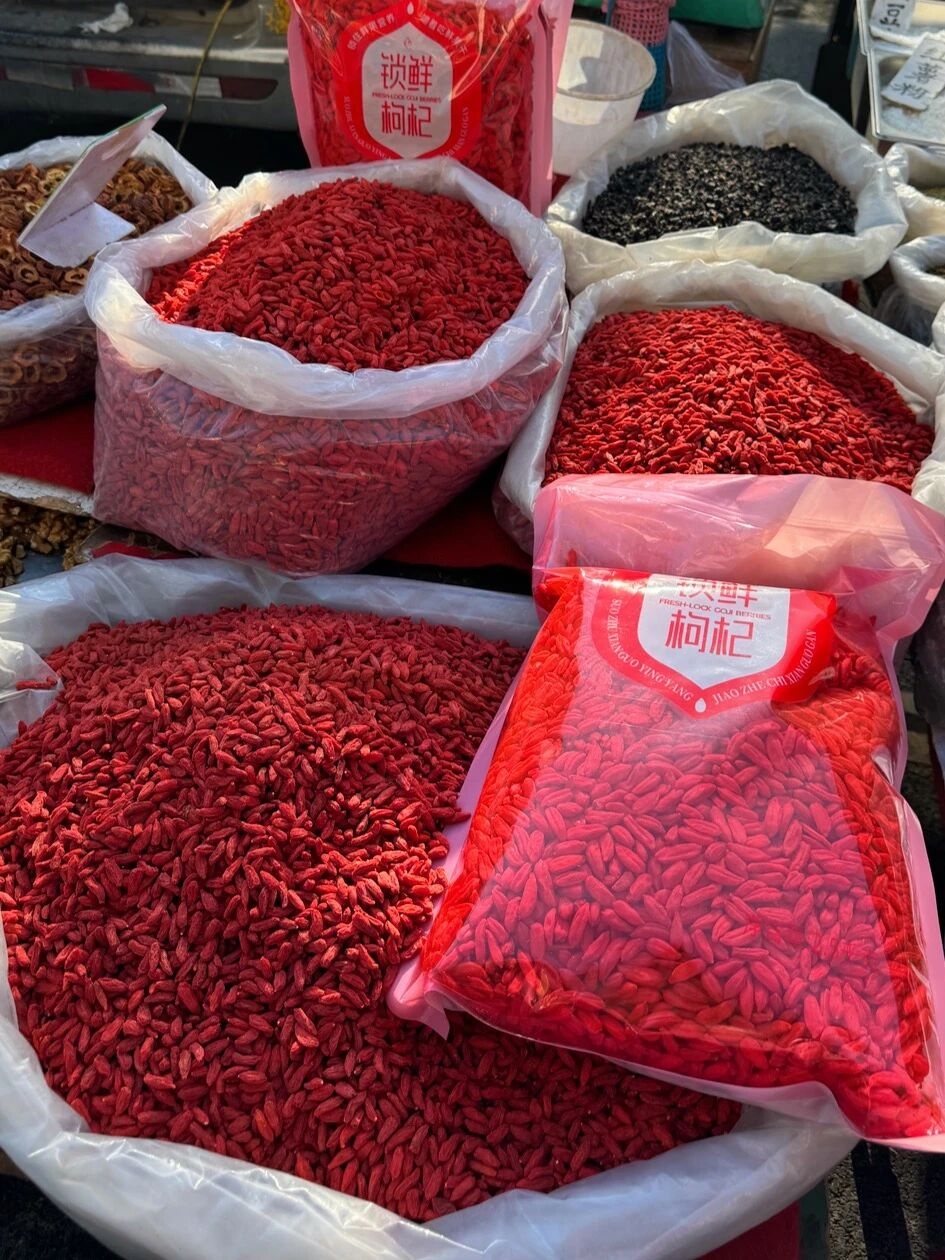
Come on a visual journey with 20 high-res photos to explore a traditional Hui Muslim market in Northwest China! We're talking golden, crispy handmade sanzi (fried dough twists), super fragrant jiang niurou (braised beef), freshly stewed yangza (lamb offal stew), plus all sorts of authentic halal pastries, dried fruits, and grains. Get ready to experience the raw, heartwarming local vibe and rich halal flavors that just hit you at a Northwest Hui Muslim grand market.
Whenever I'm checking out a new city,
I *have* to start at its morning market!
That's where you find all the unique, local vibes
and meet folks who are just genuinely themselves!
So, on my very first day in Northwest China,
I headed straight to the Baohai Morning Market.
Apparently, it's the most authentic open-air morning market in Yinchuan,
packed with Hui Muslim vendors, giving it a really unique, exotic feel.
It was 8 AM, bright and sunny,
and as soon as I stepped into the bustling market,
the shouts of vendors just hit you from all directions!
It was like they were singing duets back and forth!
Compared to markets in other parts of China,
what really stands out here is
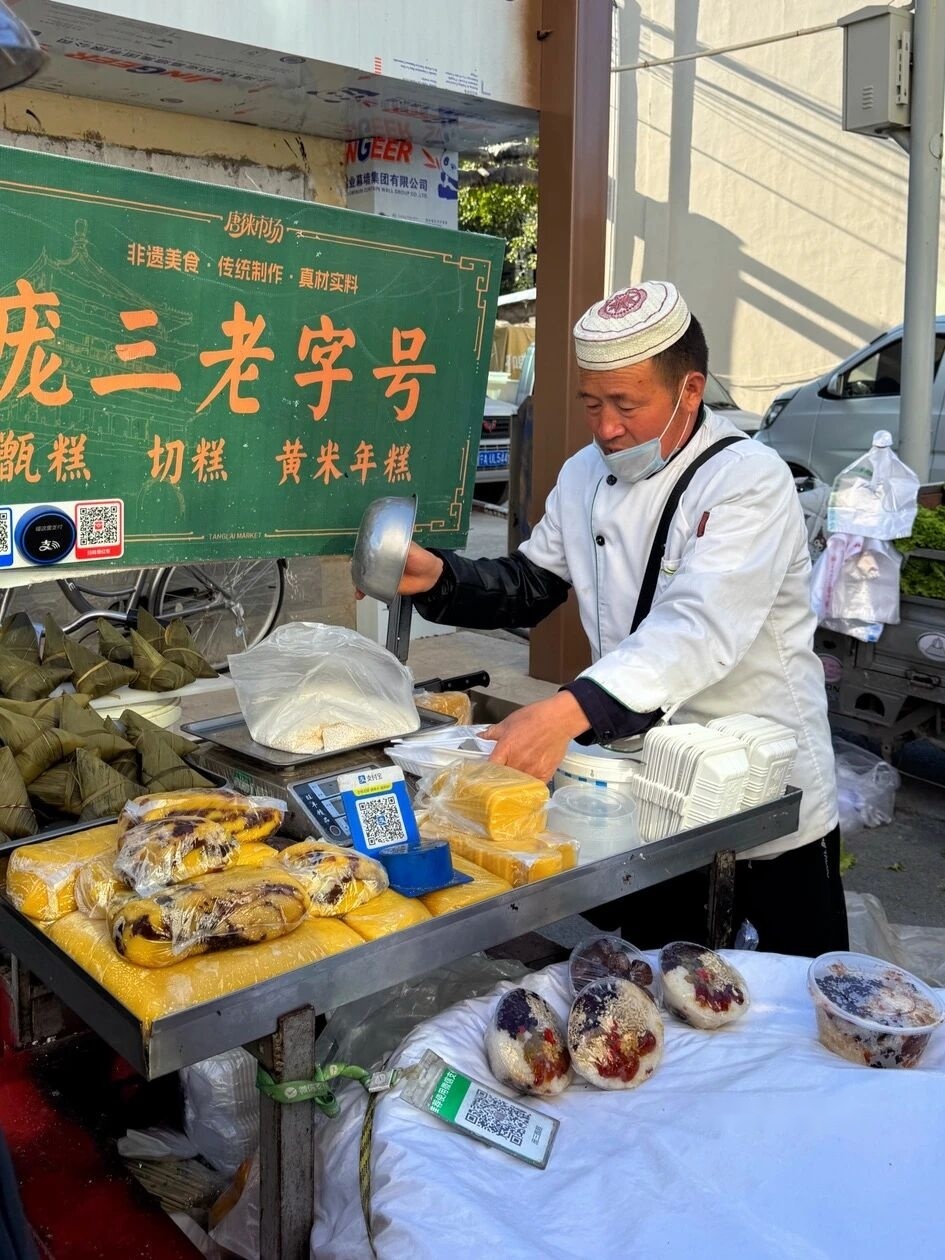
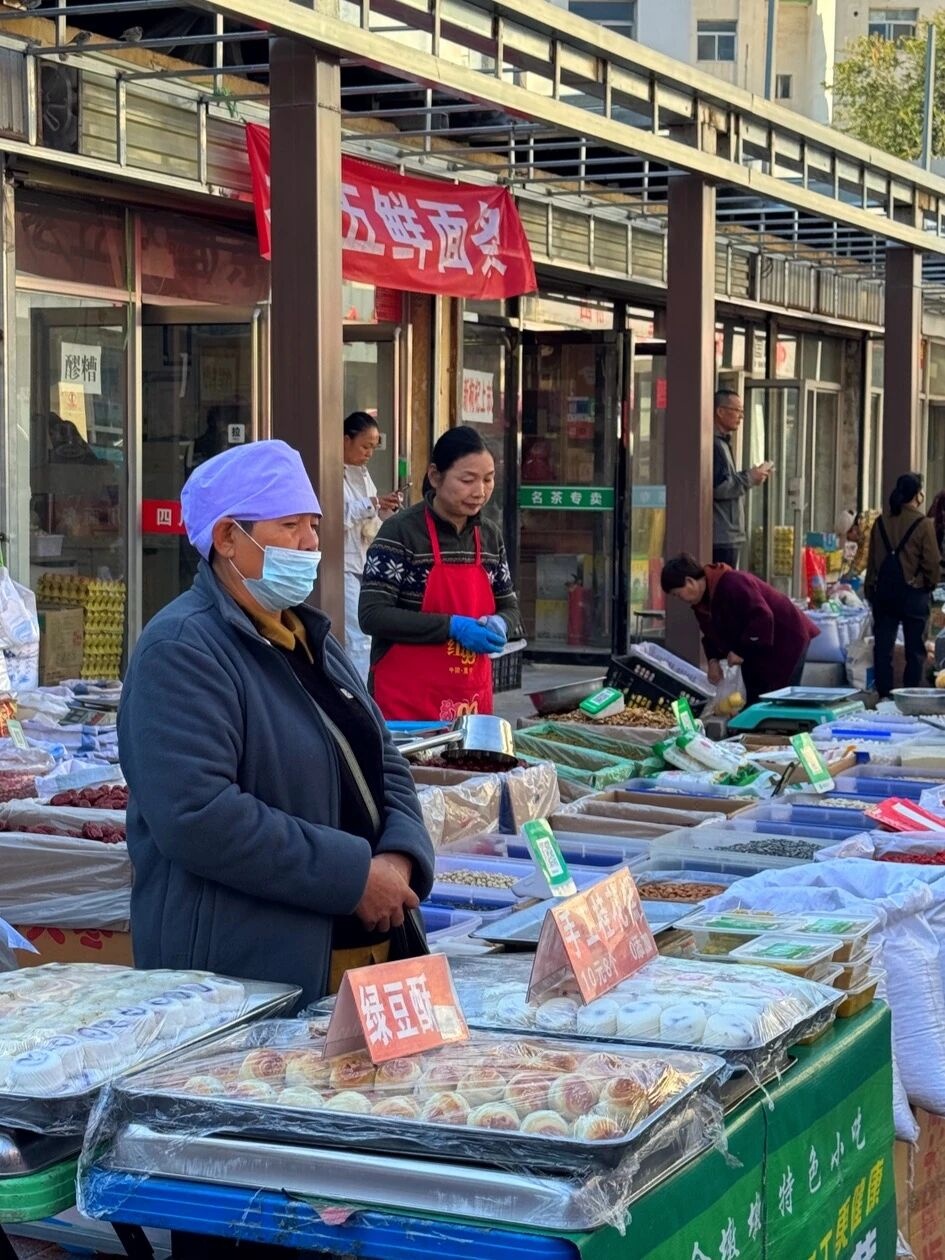
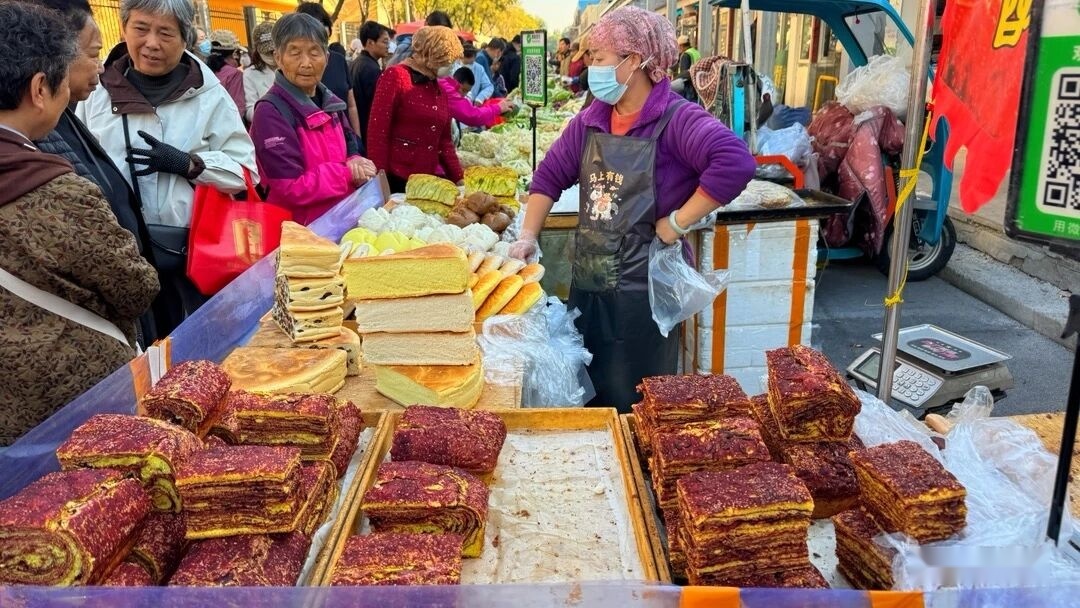
the incredible variety of handmade Hui Muslim pastries.
You've got meigui qiancengsu (rose thousand-layer pastry), tangsubing (sweet crispy cake), zaonibing (jujube paste cake),
youxiangbing (fried flatbread), zenggao (steamed glutinous rice cake), sanzi (fried dough twists), and so much more—it's seriously a carb-lover's paradise!
Hui Muslims are known for being very clean,
and they consider pork to be impure, so they don't eat it.
Instead, they prefer herbivores like beef and lamb,
which means you'll hardly find any pork stalls here.
Instead, it's all about the beef and lamb vendors.
And get this, the prices totally blew me away:
tomatoes were 5 mao a jin, apples were 1 yuan a jin, and beef was just over 20 yuan a jin...
It's a market full of so much local charm and life,
totally bringing back memories of going to local fairs as a kid! view all
Come on a visual journey with 20 high-res photos to explore a traditional Hui Muslim market in Northwest China! We're talking golden, crispy handmade sanzi (fried dough twists), super fragrant jiang niurou (braised beef), freshly stewed yangza (lamb offal stew), plus all sorts of authentic halal pastries, dried fruits, and grains. Get ready to experience the raw, heartwarming local vibe and rich halal flavors that just hit you at a Northwest Hui Muslim grand market.
Whenever I'm checking out a new city,
I *have* to start at its morning market!
That's where you find all the unique, local vibes
and meet folks who are just genuinely themselves!
So, on my very first day in Northwest China,
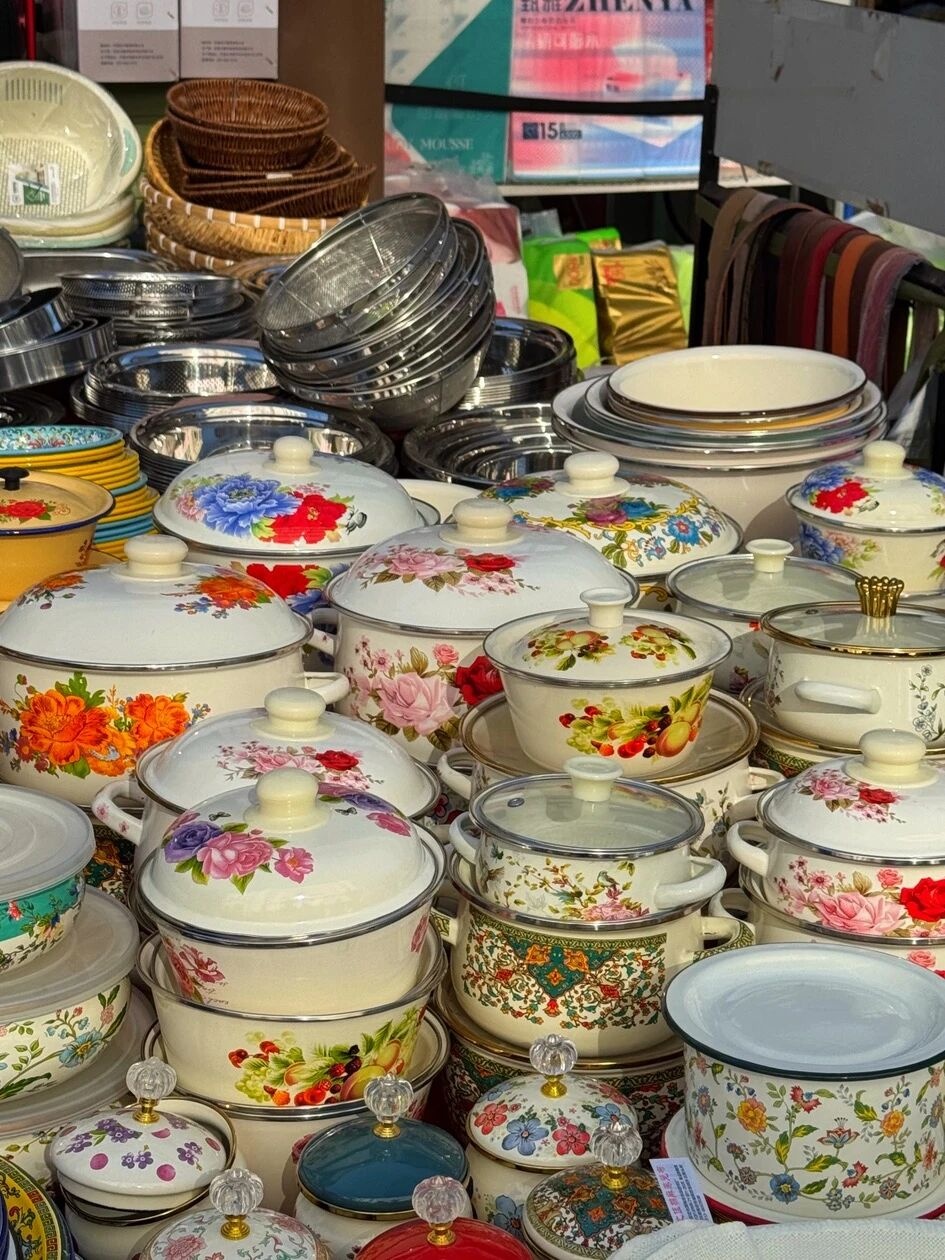
I headed straight to the Baohai Morning Market.
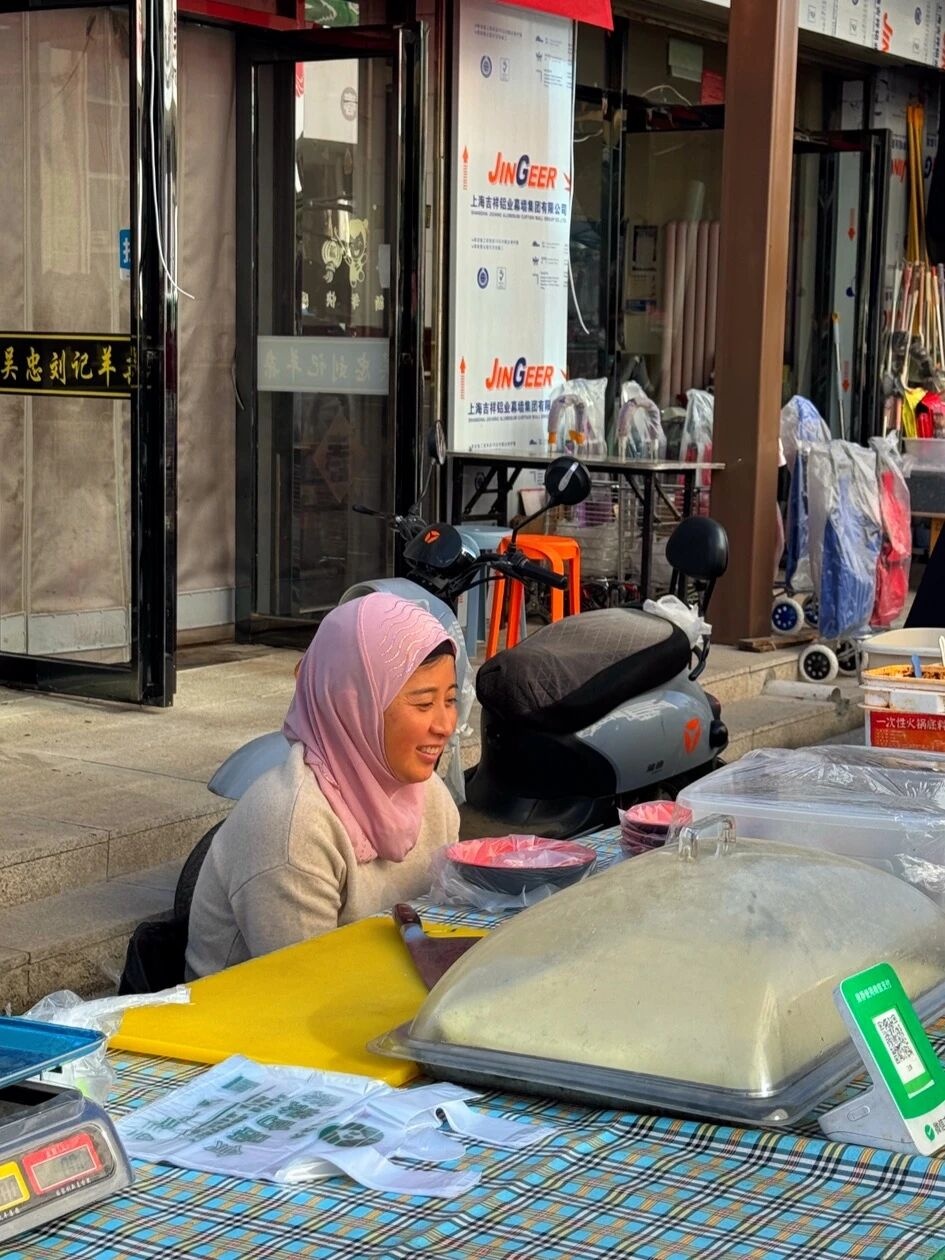
Apparently, it's the most authentic open-air morning market in Yinchuan,
packed with Hui Muslim vendors, giving it a really unique, exotic feel.
It was 8 AM, bright and sunny,

and as soon as I stepped into the bustling market,

the shouts of vendors just hit you from all directions!

It was like they were singing duets back and forth!
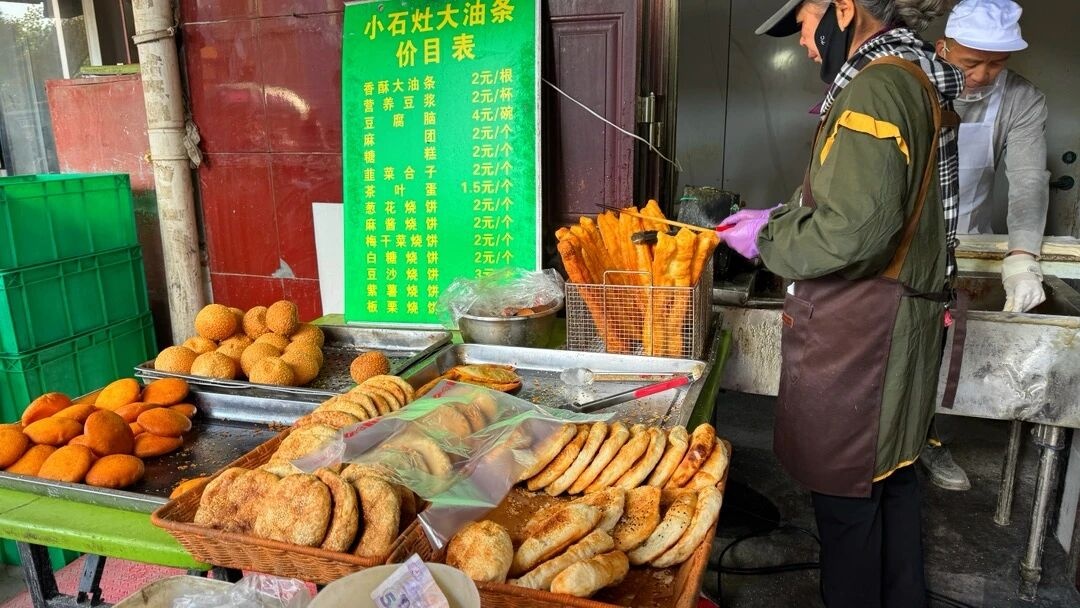
Compared to markets in other parts of China,
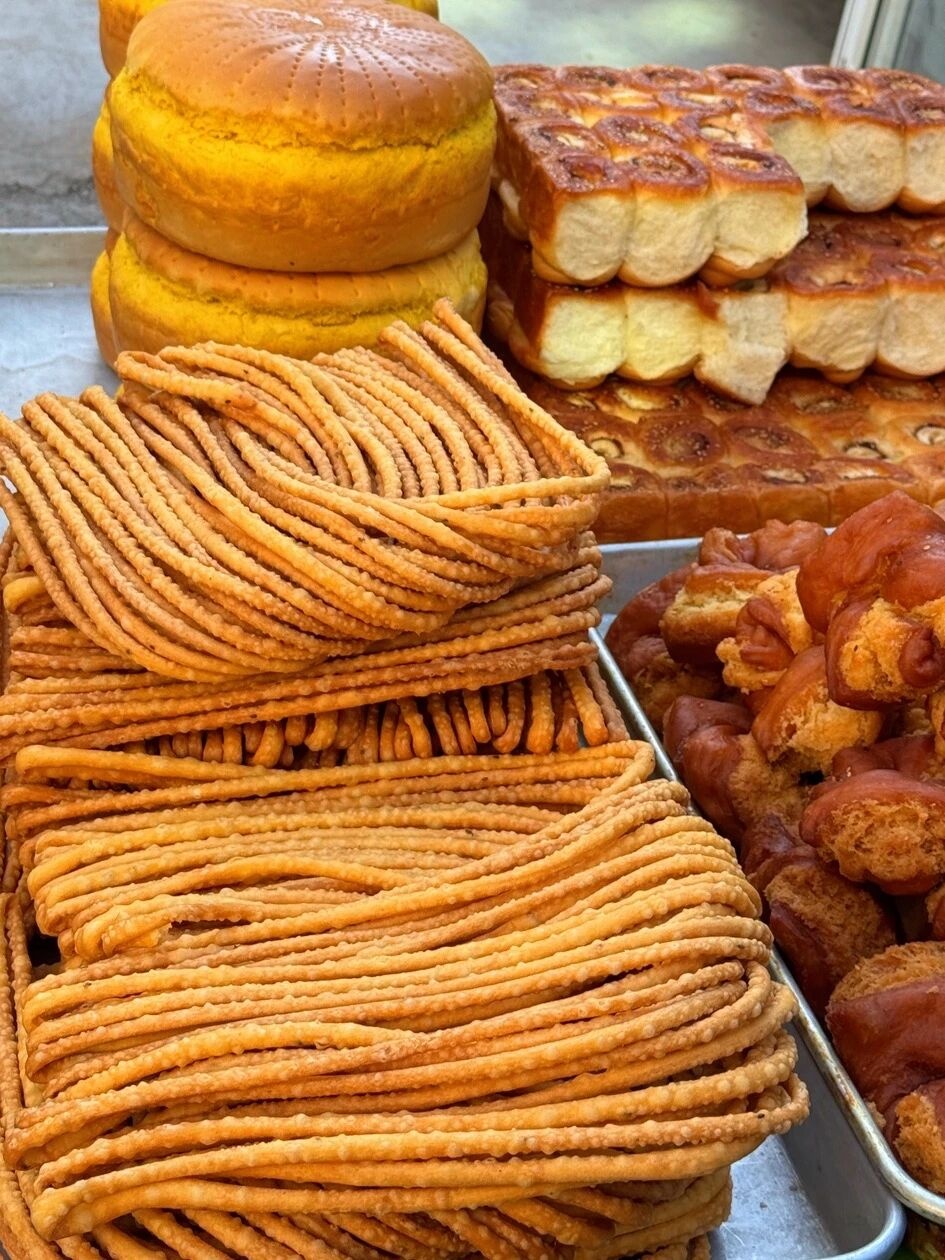
what really stands out here is
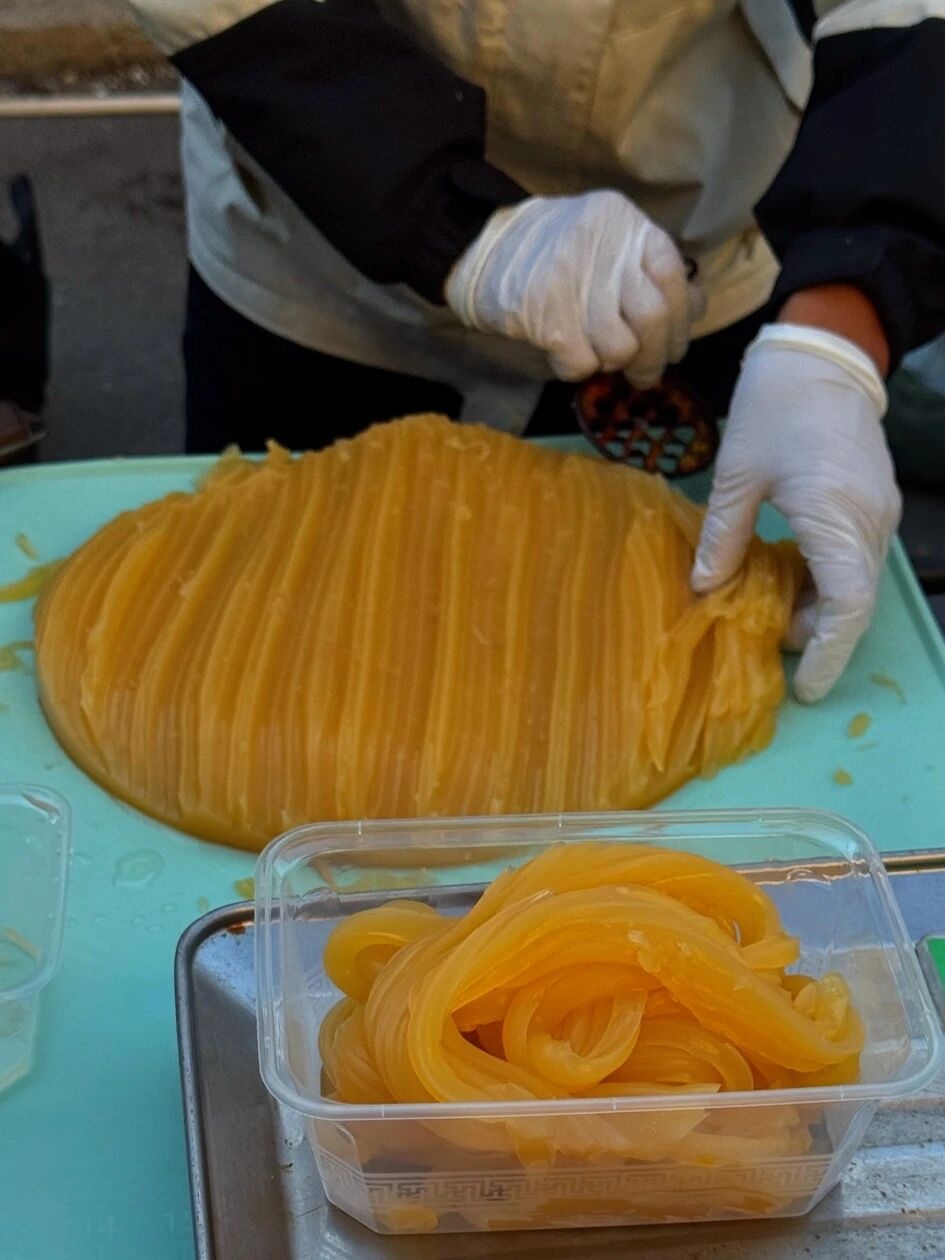
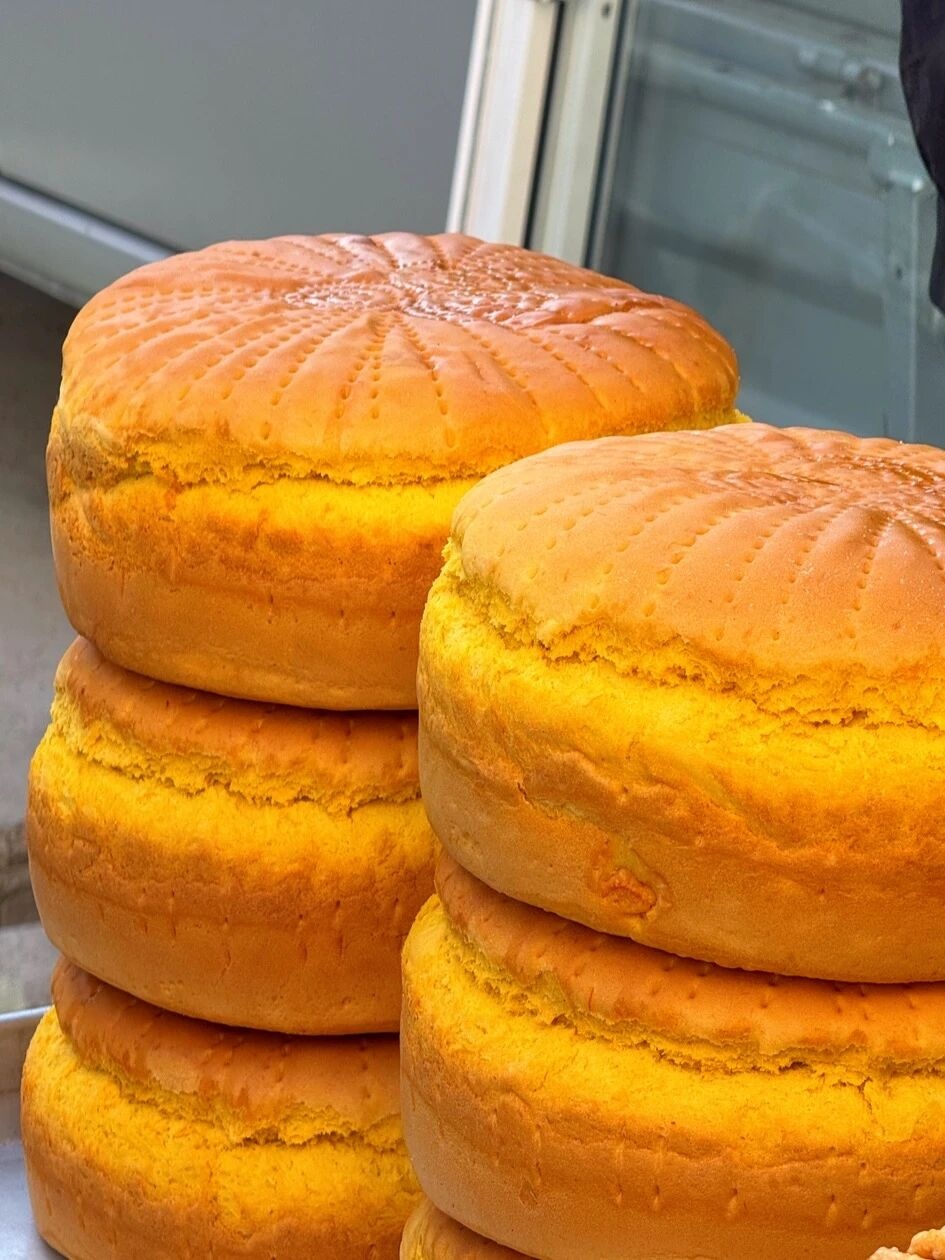
the incredible variety of handmade Hui Muslim pastries.
You've got meigui qiancengsu (rose thousand-layer pastry), tangsubing (sweet crispy cake), zaonibing (jujube paste cake),
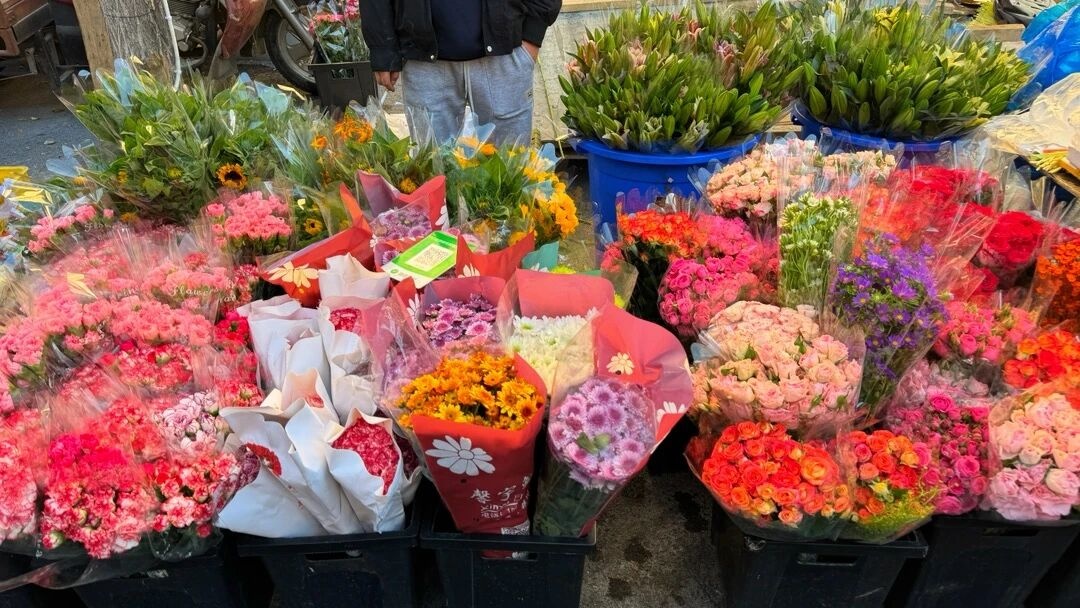
youxiangbing (fried flatbread), zenggao (steamed glutinous rice cake), sanzi (fried dough twists), and so much more—it's seriously a carb-lover's paradise!
Hui Muslims are known for being very clean,
and they consider pork to be impure, so they don't eat it.

Instead, they prefer herbivores like beef and lamb,

which means you'll hardly find any pork stalls here.
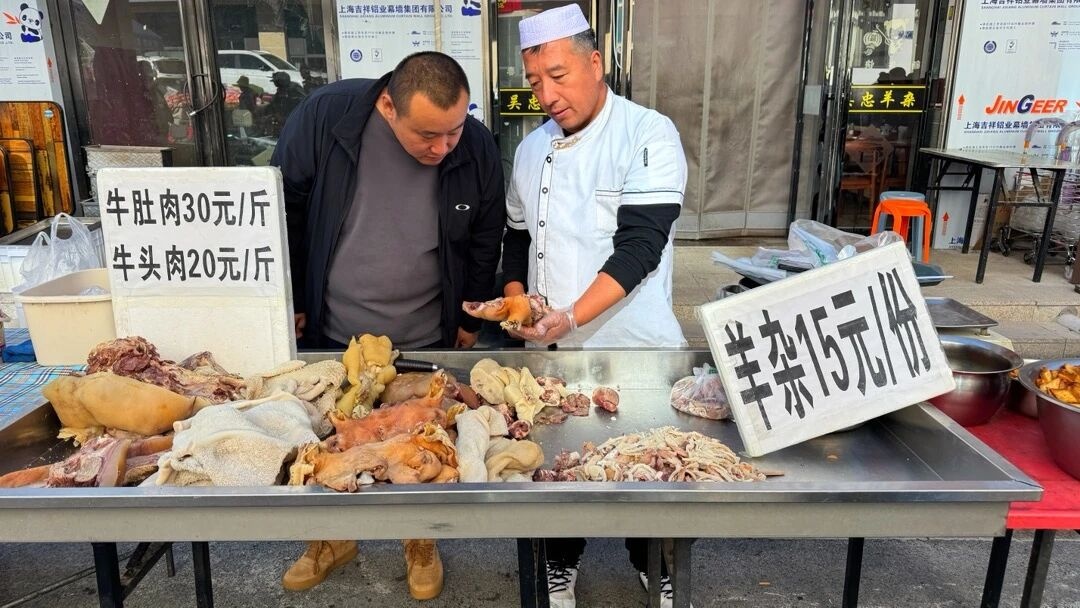
Instead, it's all about the beef and lamb vendors.
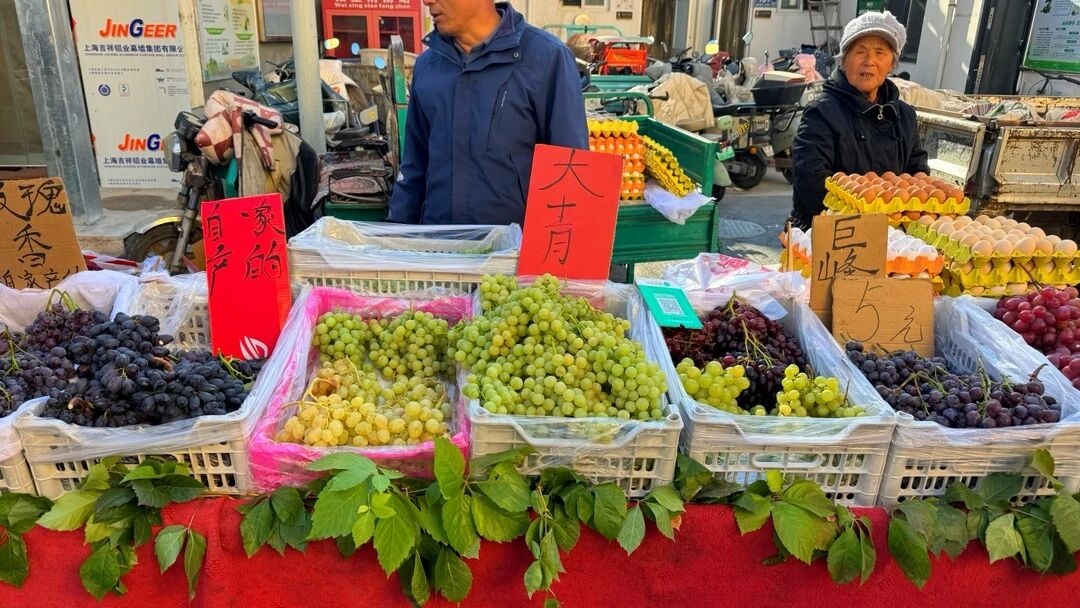
And get this, the prices totally blew me away:
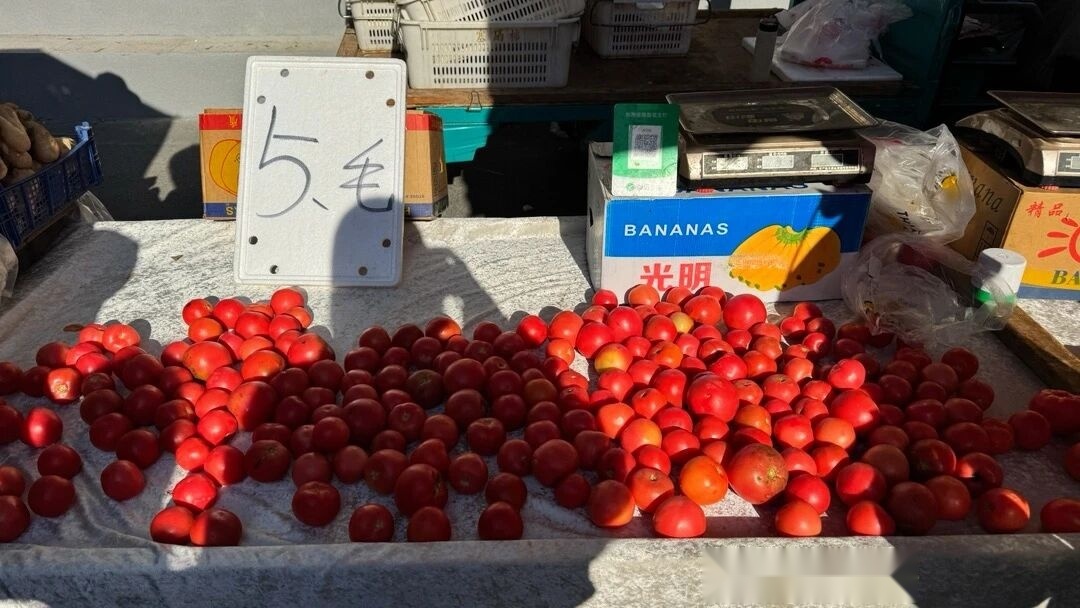
tomatoes were 5 mao a jin, apples were 1 yuan a jin, and beef was just over 20 yuan a jin...
It's a market full of so much local charm and life,
totally bringing back memories of going to local fairs as a kid!
Whenever I'm checking out a new city,
I *have* to start at its morning market!
That's where you find all the unique, local vibes
and meet folks who are just genuinely themselves!
So, on my very first day in Northwest China,
I headed straight to the Baohai Morning Market.
Apparently, it's the most authentic open-air morning market in Yinchuan,
packed with Hui Muslim vendors, giving it a really unique, exotic feel.
It was 8 AM, bright and sunny,
and as soon as I stepped into the bustling market,
the shouts of vendors just hit you from all directions!
It was like they were singing duets back and forth!
Compared to markets in other parts of China,
what really stands out here is
the incredible variety of handmade Hui Muslim pastries.
You've got meigui qiancengsu (rose thousand-layer pastry), tangsubing (sweet crispy cake), zaonibing (jujube paste cake),
youxiangbing (fried flatbread), zenggao (steamed glutinous rice cake), sanzi (fried dough twists), and so much more—it's seriously a carb-lover's paradise!
Hui Muslims are known for being very clean,
and they consider pork to be impure, so they don't eat it.
Instead, they prefer herbivores like beef and lamb,
which means you'll hardly find any pork stalls here.
Instead, it's all about the beef and lamb vendors.
And get this, the prices totally blew me away:
tomatoes were 5 mao a jin, apples were 1 yuan a jin, and beef was just over 20 yuan a jin...
It's a market full of so much local charm and life,
totally bringing back memories of going to local fairs as a kid!
Northwest China's Hui Muslim Market: Halal Street Food, Sanzi & Local Delights in Yinchuan
Articles • Hasan09 posted the article • 0 comments • 16 views • 1 days ago
Come on a visual journey with 20 high-res photos to explore a traditional Hui Muslim market in Northwest China! We're talking golden, crispy handmade sanzi (fried dough twists), super fragrant jiang niurou (braised beef), freshly stewed yangza (lamb offal stew), plus all sorts of authentic halal pastries, dried fruits, and grains. Get ready to experience the raw, heartwarming local vibe and rich halal flavors that just hit you at a Northwest Hui Muslim grand market.
Whenever I'm checking out a new city,
I *have* to start at its morning market!
That's where you find all the unique, local vibes
and meet folks who are just genuinely themselves!
So, on my very first day in Northwest China,
I headed straight to the Baohai Morning Market.
Apparently, it's the most authentic open-air morning market in Yinchuan,
packed with Hui Muslim vendors, giving it a really unique, exotic feel.
It was 8 AM, bright and sunny,
and as soon as I stepped into the bustling market,
the shouts of vendors just hit you from all directions!
It was like they were singing duets back and forth!
Compared to markets in other parts of China,
what really stands out here is
the incredible variety of handmade Hui Muslim pastries.
You've got meigui qiancengsu (rose thousand-layer pastry), tangsubing (sweet crispy cake), zaonibing (jujube paste cake),
youxiangbing (fried flatbread), zenggao (steamed glutinous rice cake), sanzi (fried dough twists), and so much more—it's seriously a carb-lover's paradise!
Hui Muslims are known for being very clean,
and they consider pork to be impure, so they don't eat it.
Instead, they prefer herbivores like beef and lamb,
which means you'll hardly find any pork stalls here.
Instead, it's all about the beef and lamb vendors.
And get this, the prices totally blew me away:
tomatoes were 5 mao a jin, apples were 1 yuan a jin, and beef was just over 20 yuan a jin...
It's a market full of so much local charm and life,
totally bringing back memories of going to local fairs as a kid! view all
Whenever I'm checking out a new city,
I *have* to start at its morning market!
That's where you find all the unique, local vibes
and meet folks who are just genuinely themselves!
So, on my very first day in Northwest China,
I headed straight to the Baohai Morning Market.
Apparently, it's the most authentic open-air morning market in Yinchuan,
packed with Hui Muslim vendors, giving it a really unique, exotic feel.
It was 8 AM, bright and sunny,
and as soon as I stepped into the bustling market,
the shouts of vendors just hit you from all directions!
It was like they were singing duets back and forth!
Compared to markets in other parts of China,
what really stands out here is
the incredible variety of handmade Hui Muslim pastries.
You've got meigui qiancengsu (rose thousand-layer pastry), tangsubing (sweet crispy cake), zaonibing (jujube paste cake),
youxiangbing (fried flatbread), zenggao (steamed glutinous rice cake), sanzi (fried dough twists), and so much more—it's seriously a carb-lover's paradise!
Hui Muslims are known for being very clean,
and they consider pork to be impure, so they don't eat it.
Instead, they prefer herbivores like beef and lamb,
which means you'll hardly find any pork stalls here.
Instead, it's all about the beef and lamb vendors.
And get this, the prices totally blew me away:
tomatoes were 5 mao a jin, apples were 1 yuan a jin, and beef was just over 20 yuan a jin...
It's a market full of so much local charm and life,
totally bringing back memories of going to local fairs as a kid! view all
Come on a visual journey with 20 high-res photos to explore a traditional Hui Muslim market in Northwest China! We're talking golden, crispy handmade sanzi (fried dough twists), super fragrant jiang niurou (braised beef), freshly stewed yangza (lamb offal stew), plus all sorts of authentic halal pastries, dried fruits, and grains. Get ready to experience the raw, heartwarming local vibe and rich halal flavors that just hit you at a Northwest Hui Muslim grand market.
Whenever I'm checking out a new city,
I *have* to start at its morning market!
That's where you find all the unique, local vibes
and meet folks who are just genuinely themselves!
So, on my very first day in Northwest China,
I headed straight to the Baohai Morning Market.
Apparently, it's the most authentic open-air morning market in Yinchuan,
packed with Hui Muslim vendors, giving it a really unique, exotic feel.
It was 8 AM, bright and sunny,
and as soon as I stepped into the bustling market,
the shouts of vendors just hit you from all directions!
It was like they were singing duets back and forth!
Compared to markets in other parts of China,
what really stands out here is
the incredible variety of handmade Hui Muslim pastries.
You've got meigui qiancengsu (rose thousand-layer pastry), tangsubing (sweet crispy cake), zaonibing (jujube paste cake),
youxiangbing (fried flatbread), zenggao (steamed glutinous rice cake), sanzi (fried dough twists), and so much more—it's seriously a carb-lover's paradise!
Hui Muslims are known for being very clean,
and they consider pork to be impure, so they don't eat it.
Instead, they prefer herbivores like beef and lamb,
which means you'll hardly find any pork stalls here.
Instead, it's all about the beef and lamb vendors.
And get this, the prices totally blew me away:
tomatoes were 5 mao a jin, apples were 1 yuan a jin, and beef was just over 20 yuan a jin...
It's a market full of so much local charm and life,
totally bringing back memories of going to local fairs as a kid!