

Pakistani Food
Best Halal Food at Beijing Music Festival: Turkish Sultan and Pakistani Haleem
Articles • ali2007fr posted the article • 0 comments • 169 views • 2026-05-21 06:21
Reposted from the web
Summary: The International Cultural Life Expo at Langyuan Station on January 31 and February 1 brought Turkish, Pakistani, Ghanaian, Indian, and Kyrgyz food stalls together in Beijing. This short report keeps the source's restaurant names, dishes, festival setting, family notes, and photographs.
This weekend, January 31 and February 1, Langyuan Station is hosting an International Cultural Life Expo. There will be performances by international school bands, Indian dancing, and many foreign restaurants setting up stalls. The indoor temperature is quite comfortable. The indoor area is an old factory site with a roof built over the train tracks, making it a great place to take kids to burn off some energy.
The best places to eat here are the Turkish restaurant Sultan, the Pakistani restaurant Culture, the Ghanaian restaurant Tribe Bar, and the Indian restaurant Dastan. It was a shame that the Kyrgyz restaurant Navat, which I was most looking forward to, was just a stall selling lamb skewers.
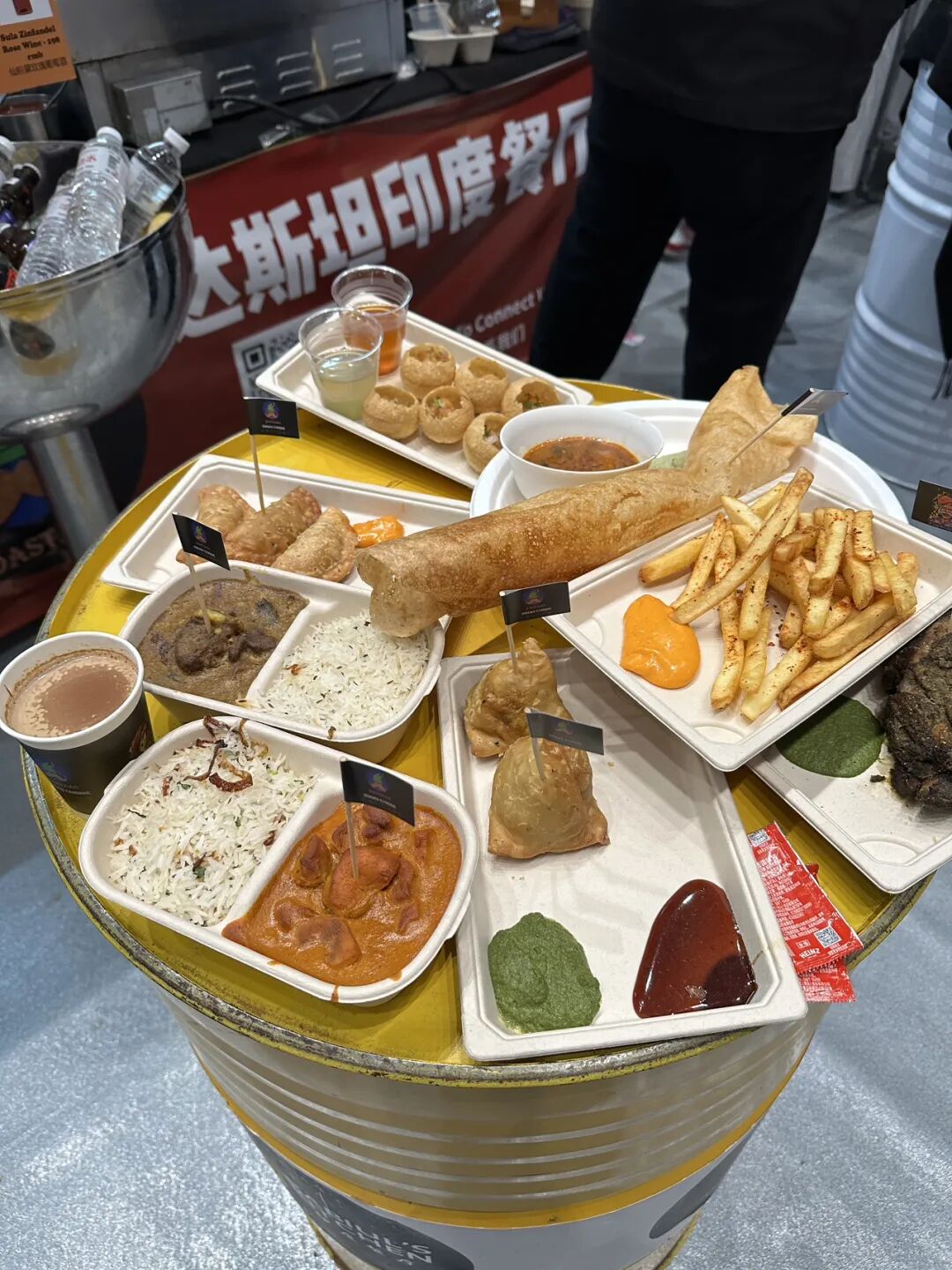
We bought a beef wrap at Sultan. It was super long and very filling, and since it didn't have garlic sauce, the kids could eat it too. Plus, they gave us a lot of the extra-long beef. We also bought Turkish stuffed meatballs (İçli Köfte). This is a specialty from the Kurdish region in southeastern Turkey. The outer shell is made of cracked wheat (burgur), and the filling is minced meat, nuts, and spices. The kids liked this one too.
At Culture, we bought chicken haleem porridge (Chicken Haleem) and beef patties (beef shami kabab). Both of these are spicy, so the kids couldn't eat them.
Pakistani chicken porridge is similar to the meat porridge eaten by Hui Muslims; both are often cooked during festivals and religious gatherings (mevlid). The chicken is cooked for a long time until it completely breaks down. Once it is ready, you add lemon, fried onions, and cilantro. Served with naan, it is a classic South Asian iftar meal.
The beef patties are also a South Asian Muslim specialty. Beef, chickpeas, and spices are ground into a paste, pan-fried, and served with mint sauce.
We also had the goat meat fried spring rolls from Tribe Bar and the curry puffs (samosa) from Dastan restaurant. The fried plantains at Tribe Bar are also worth a try. view all
Summary: The International Cultural Life Expo at Langyuan Station on January 31 and February 1 brought Turkish, Pakistani, Ghanaian, Indian, and Kyrgyz food stalls together in Beijing. This short report keeps the source's restaurant names, dishes, festival setting, family notes, and photographs.
This weekend, January 31 and February 1, Langyuan Station is hosting an International Cultural Life Expo. There will be performances by international school bands, Indian dancing, and many foreign restaurants setting up stalls. The indoor temperature is quite comfortable. The indoor area is an old factory site with a roof built over the train tracks, making it a great place to take kids to burn off some energy.
The best places to eat here are the Turkish restaurant Sultan, the Pakistani restaurant Culture, the Ghanaian restaurant Tribe Bar, and the Indian restaurant Dastan. It was a shame that the Kyrgyz restaurant Navat, which I was most looking forward to, was just a stall selling lamb skewers.
We bought a beef wrap at Sultan. It was super long and very filling, and since it didn't have garlic sauce, the kids could eat it too. Plus, they gave us a lot of the extra-long beef. We also bought Turkish stuffed meatballs (İçli Köfte). This is a specialty from the Kurdish region in southeastern Turkey. The outer shell is made of cracked wheat (burgur), and the filling is minced meat, nuts, and spices. The kids liked this one too.
At Culture, we bought chicken haleem porridge (Chicken Haleem) and beef patties (beef shami kabab). Both of these are spicy, so the kids couldn't eat them.
Pakistani chicken porridge is similar to the meat porridge eaten by Hui Muslims; both are often cooked during festivals and religious gatherings (mevlid). The chicken is cooked for a long time until it completely breaks down. Once it is ready, you add lemon, fried onions, and cilantro. Served with naan, it is a classic South Asian iftar meal.
The beef patties are also a South Asian Muslim specialty. Beef, chickpeas, and spices are ground into a paste, pan-fried, and served with mint sauce.
We also had the goat meat fried spring rolls from Tribe Bar and the curry puffs (samosa) from Dastan restaurant. The fried plantains at Tribe Bar are also worth a try. view all
Reposted from the web
Summary: The International Cultural Life Expo at Langyuan Station on January 31 and February 1 brought Turkish, Pakistani, Ghanaian, Indian, and Kyrgyz food stalls together in Beijing. This short report keeps the source's restaurant names, dishes, festival setting, family notes, and photographs.
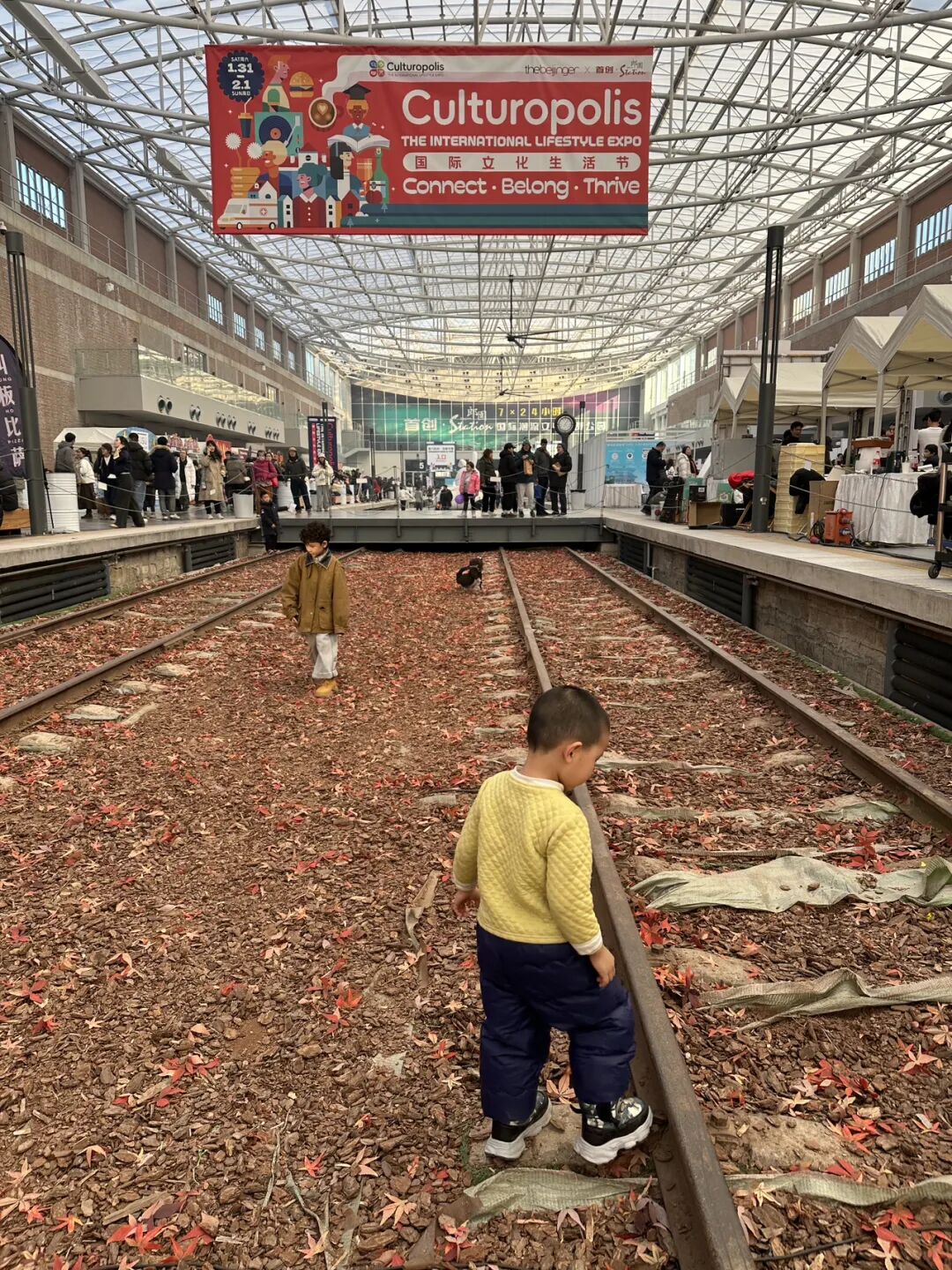
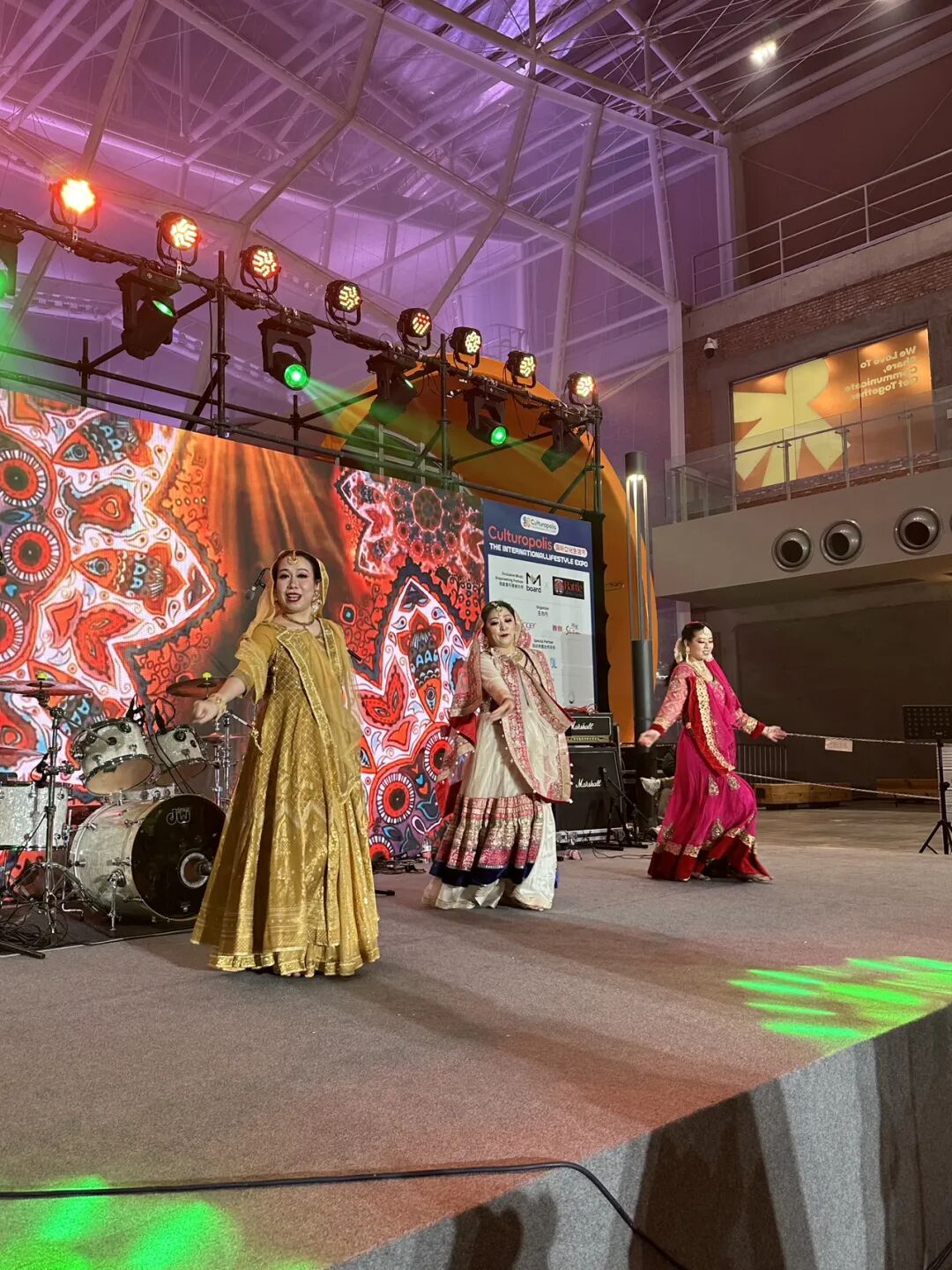
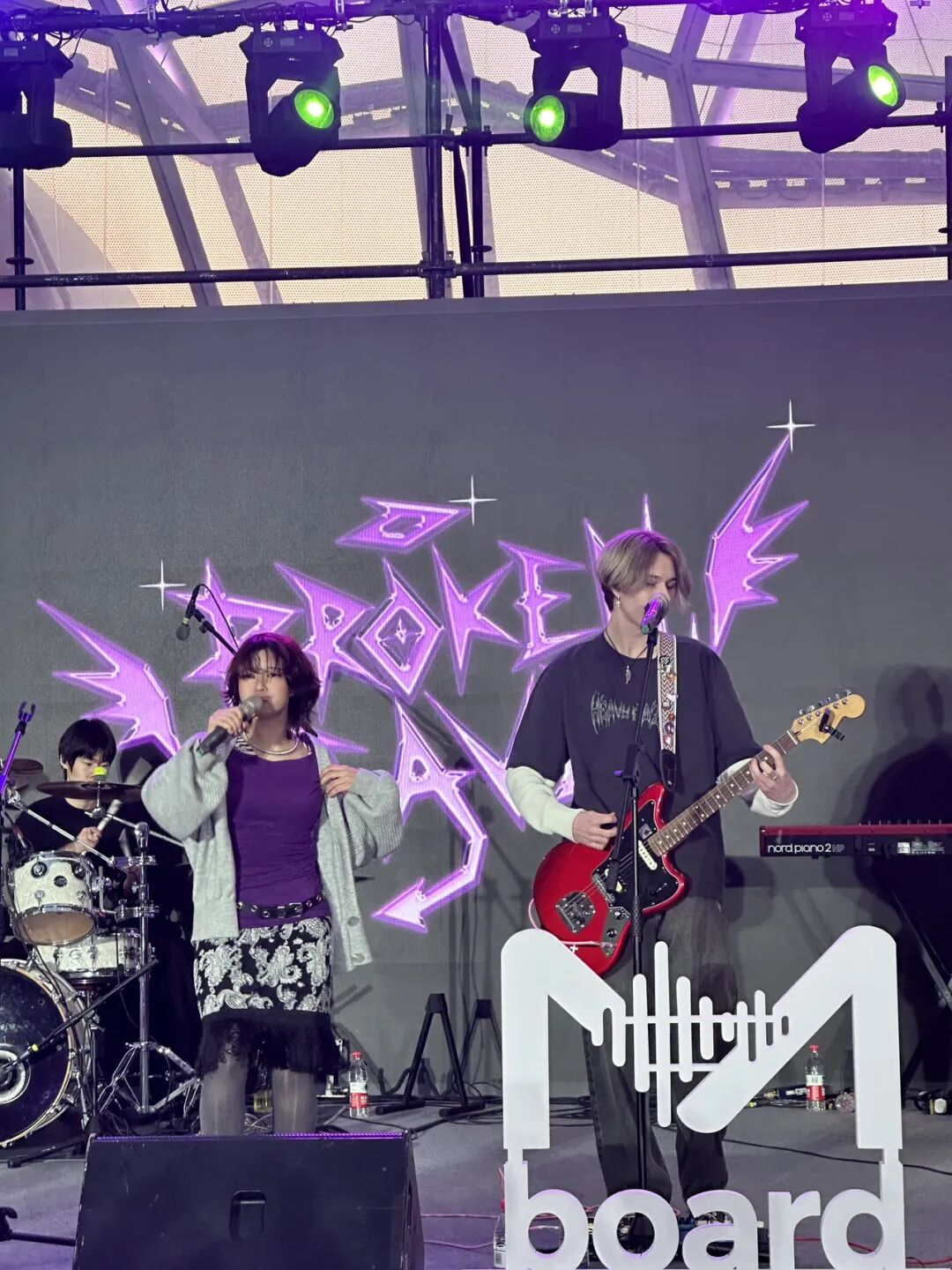
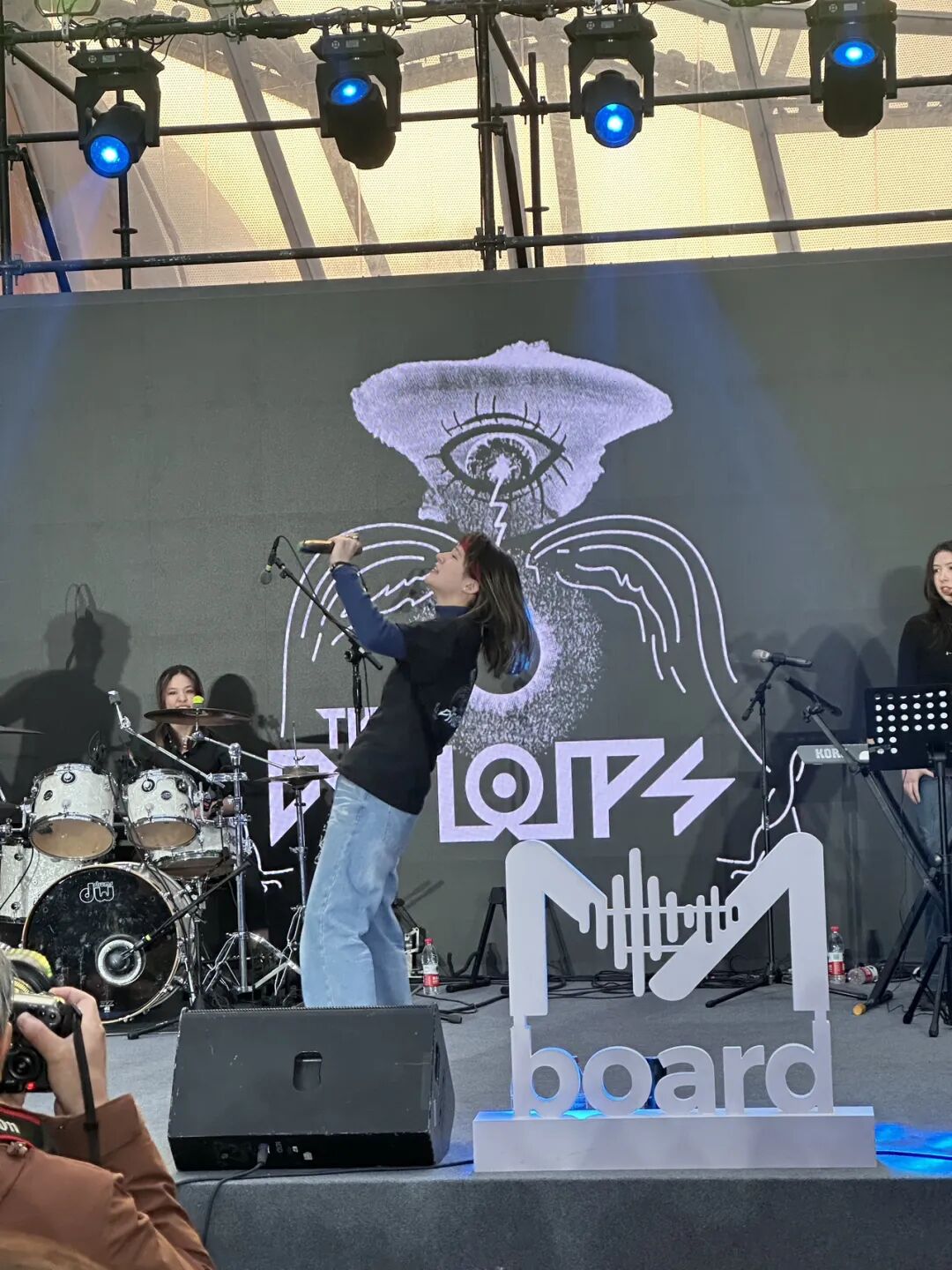
This weekend, January 31 and February 1, Langyuan Station is hosting an International Cultural Life Expo. There will be performances by international school bands, Indian dancing, and many foreign restaurants setting up stalls. The indoor temperature is quite comfortable. The indoor area is an old factory site with a roof built over the train tracks, making it a great place to take kids to burn off some energy.
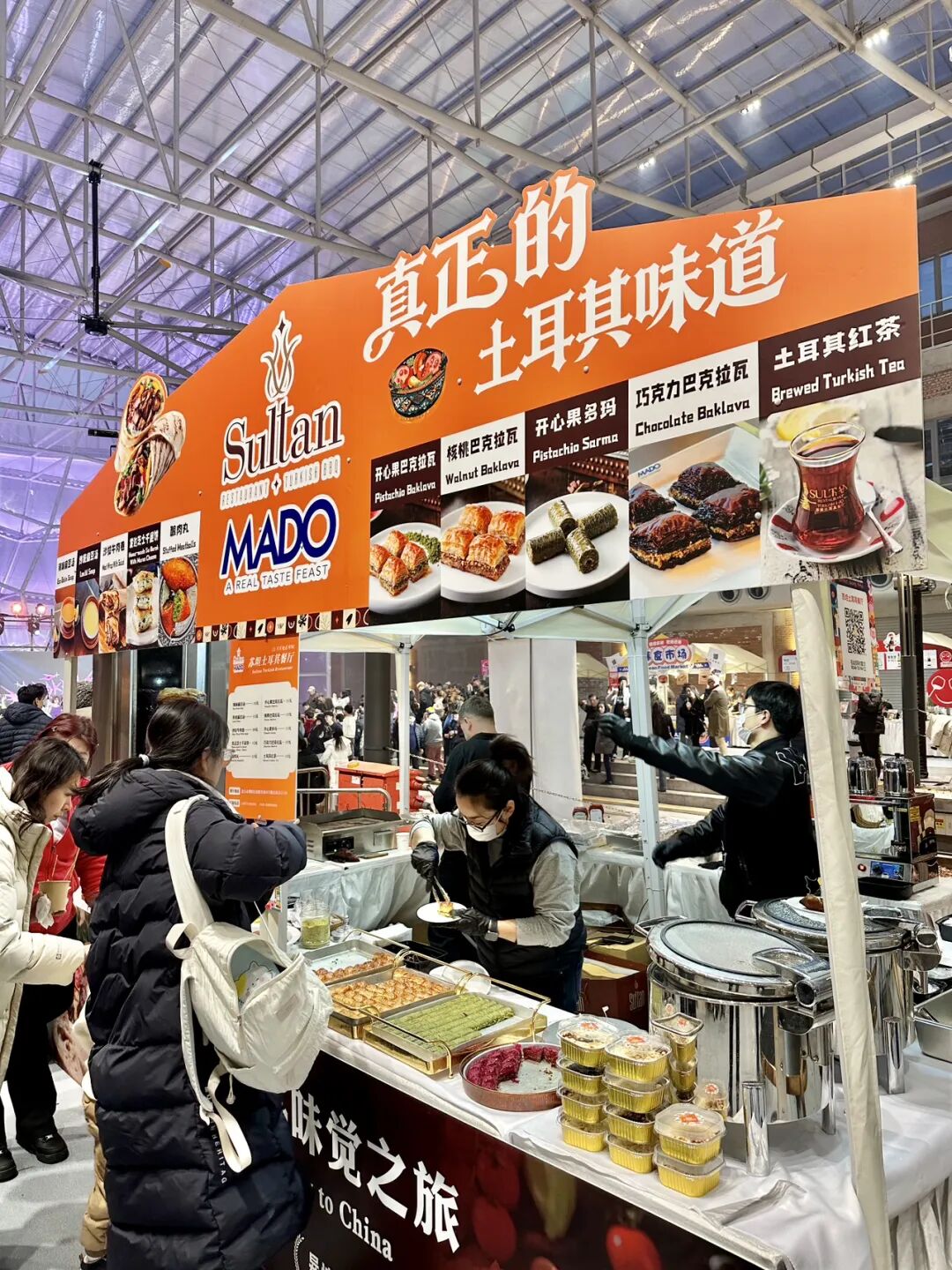
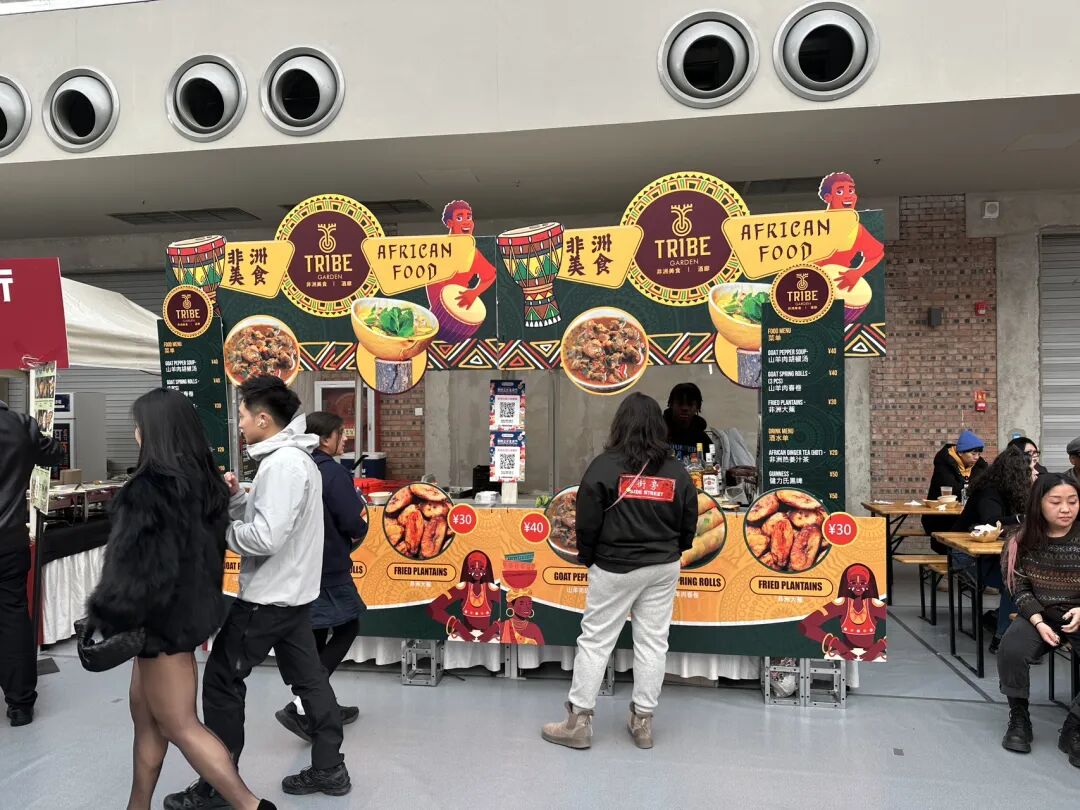
The best places to eat here are the Turkish restaurant Sultan, the Pakistani restaurant Culture, the Ghanaian restaurant Tribe Bar, and the Indian restaurant Dastan. It was a shame that the Kyrgyz restaurant Navat, which I was most looking forward to, was just a stall selling lamb skewers.
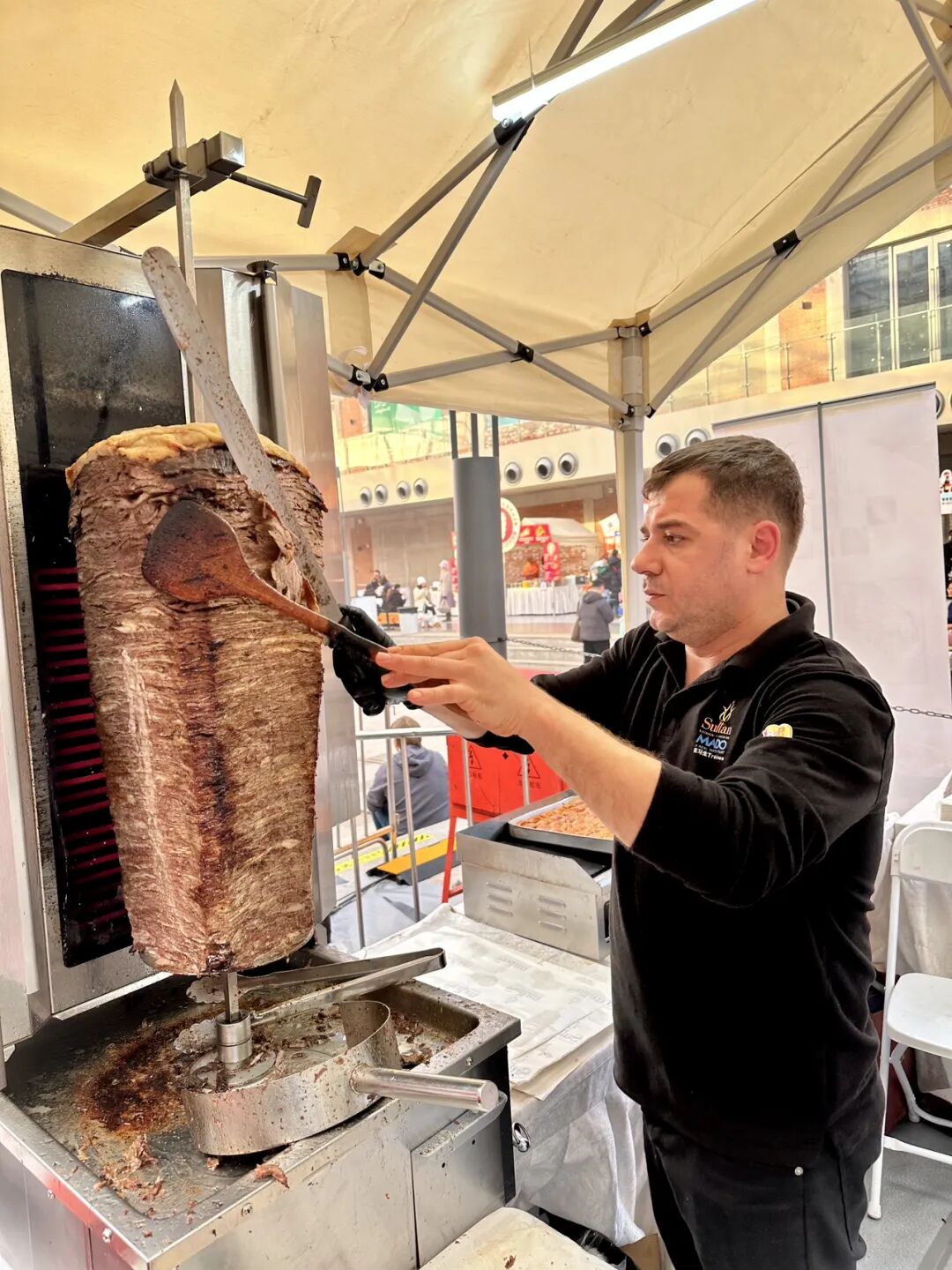
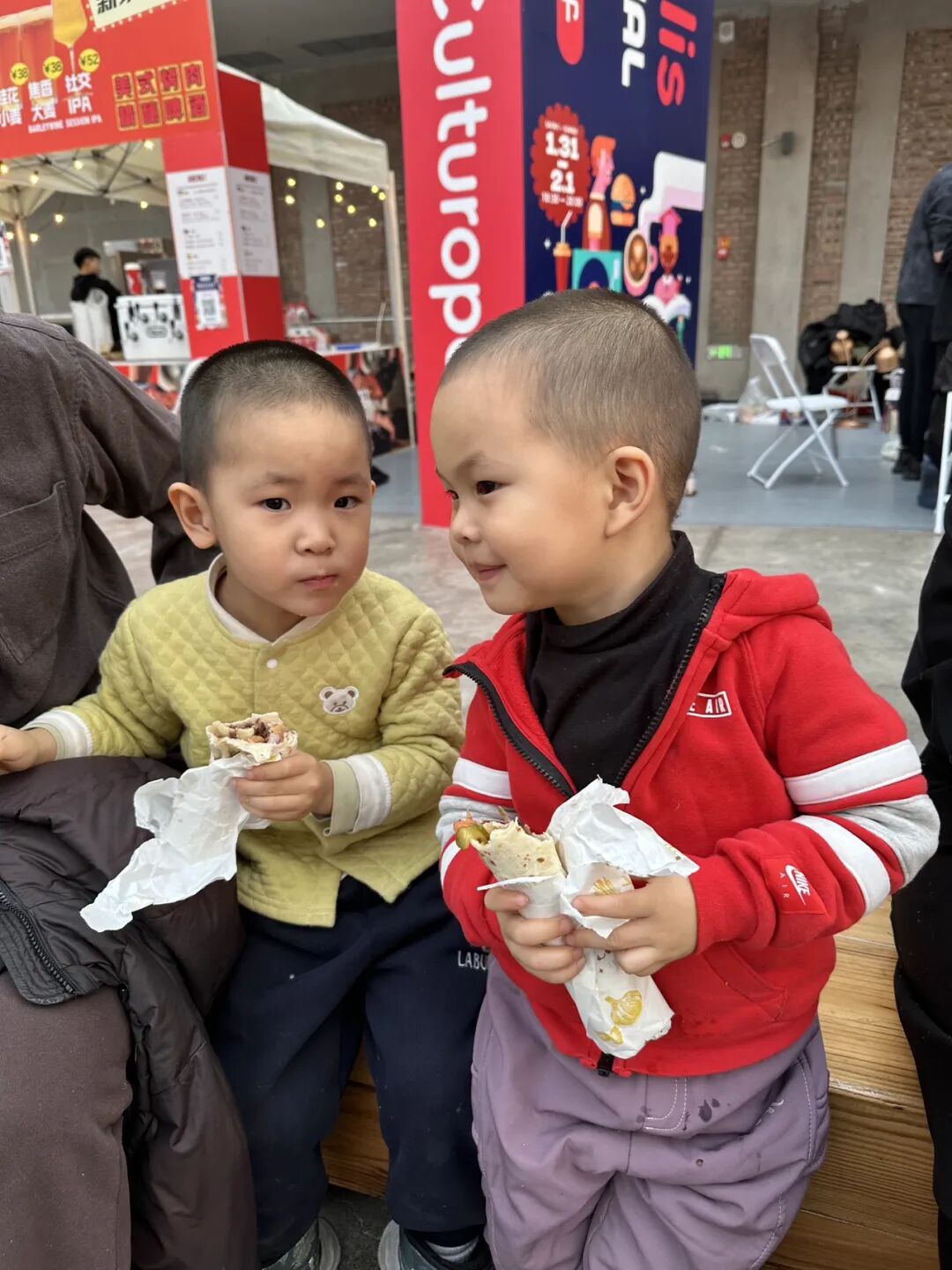
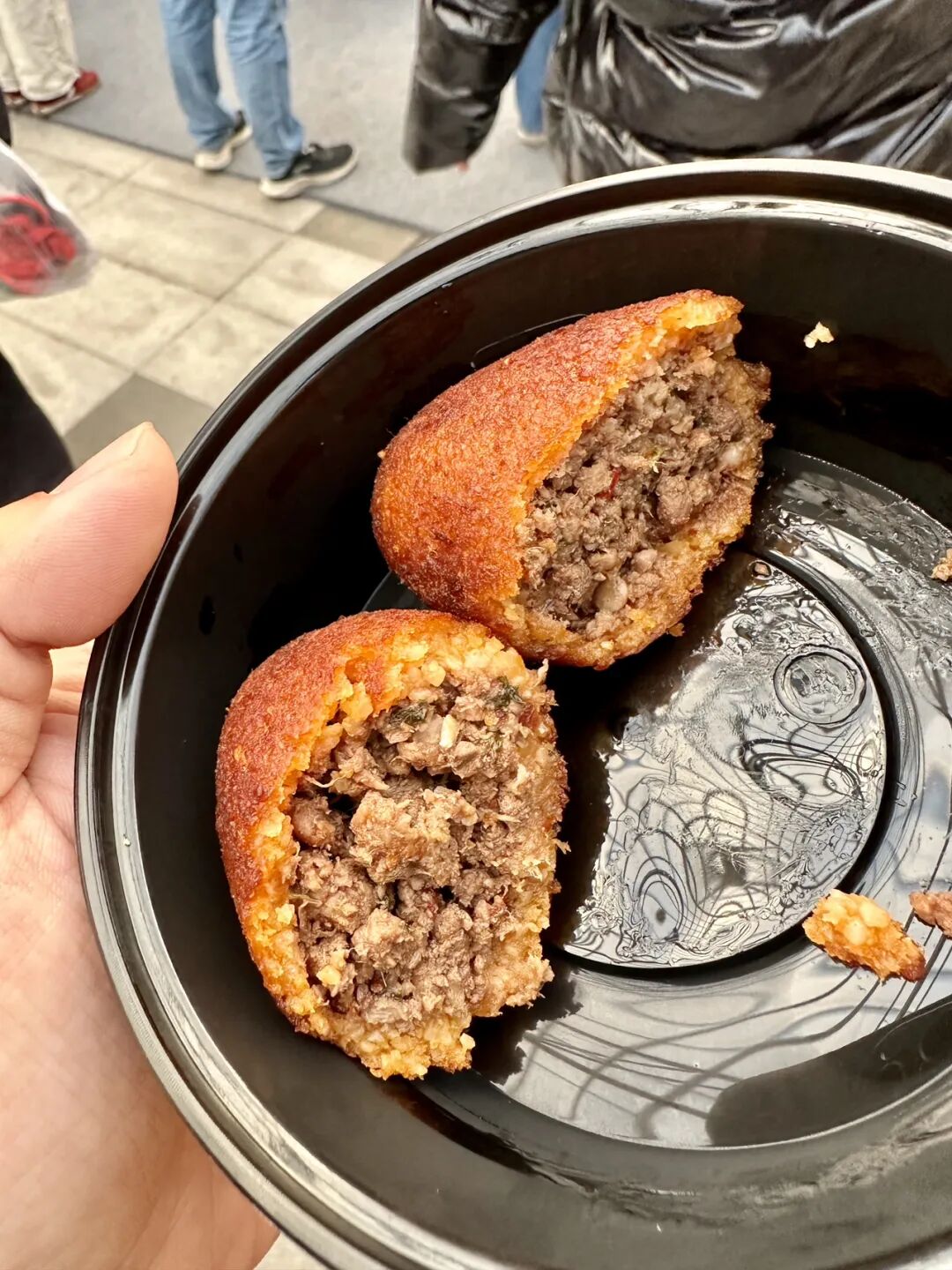
We bought a beef wrap at Sultan. It was super long and very filling, and since it didn't have garlic sauce, the kids could eat it too. Plus, they gave us a lot of the extra-long beef. We also bought Turkish stuffed meatballs (İçli Köfte). This is a specialty from the Kurdish region in southeastern Turkey. The outer shell is made of cracked wheat (burgur), and the filling is minced meat, nuts, and spices. The kids liked this one too.
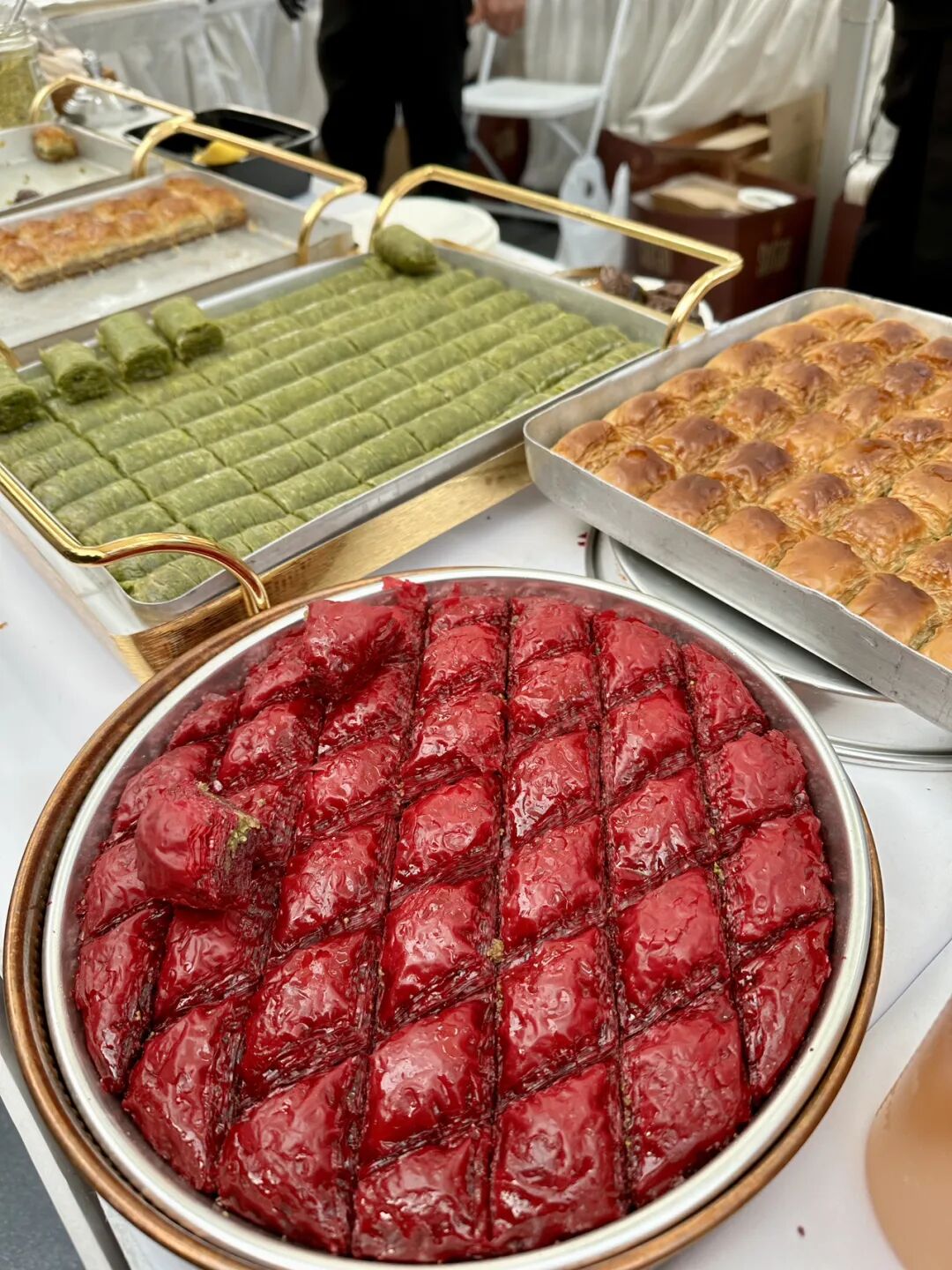
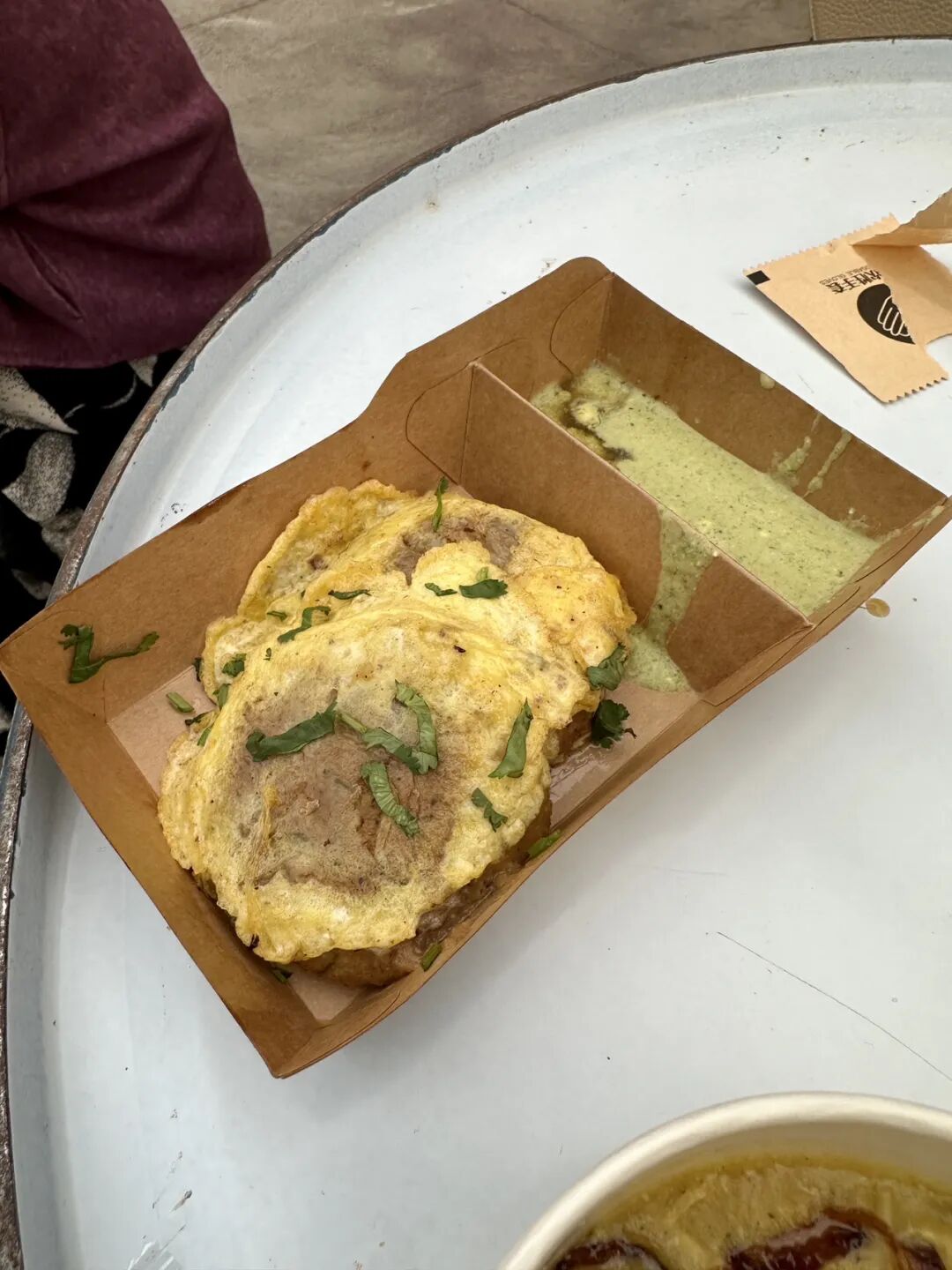
At Culture, we bought chicken haleem porridge (Chicken Haleem) and beef patties (beef shami kabab). Both of these are spicy, so the kids couldn't eat them.
Pakistani chicken porridge is similar to the meat porridge eaten by Hui Muslims; both are often cooked during festivals and religious gatherings (mevlid). The chicken is cooked for a long time until it completely breaks down. Once it is ready, you add lemon, fried onions, and cilantro. Served with naan, it is a classic South Asian iftar meal.
The beef patties are also a South Asian Muslim specialty. Beef, chickpeas, and spices are ground into a paste, pan-fried, and served with mint sauce.
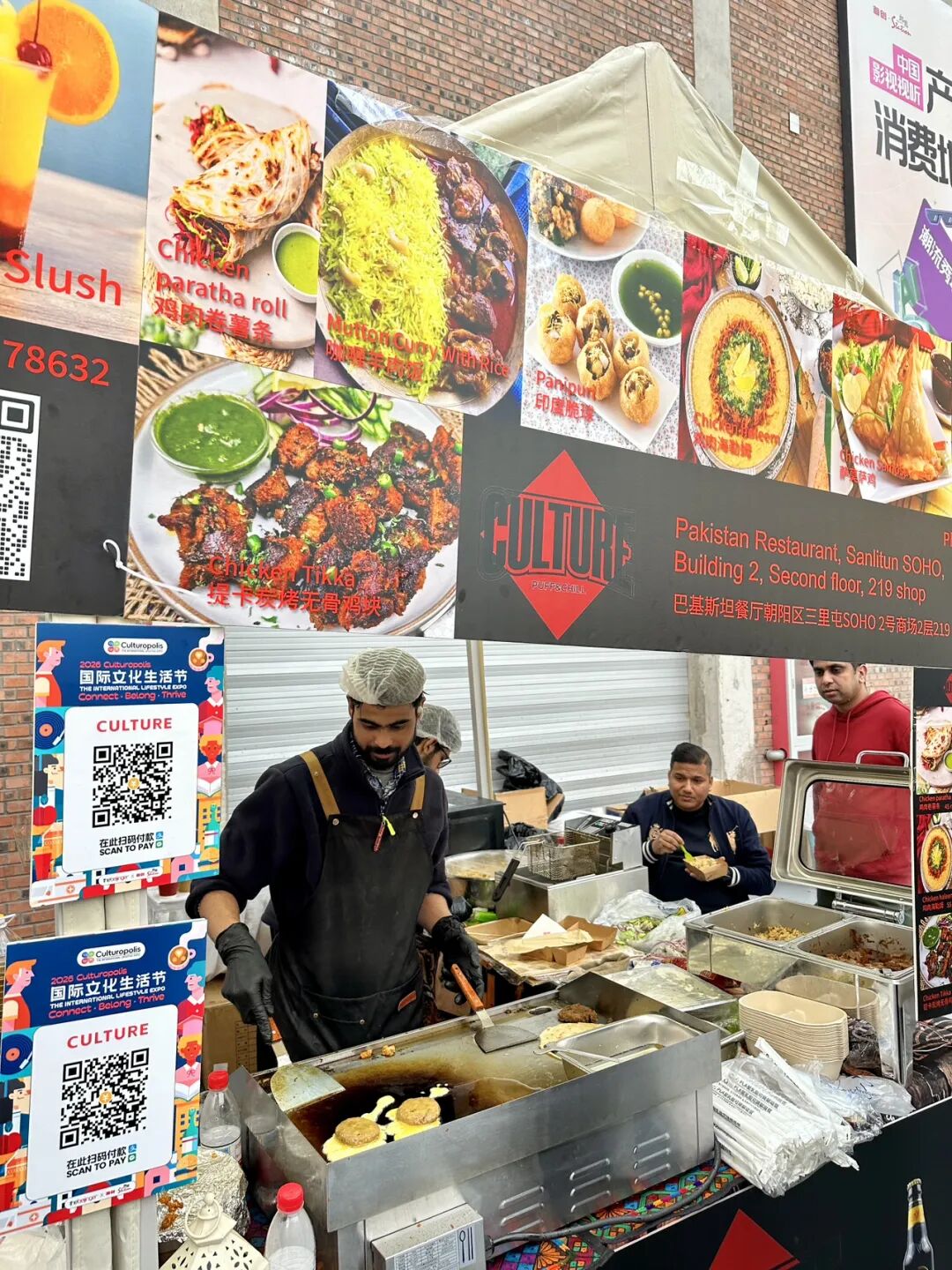
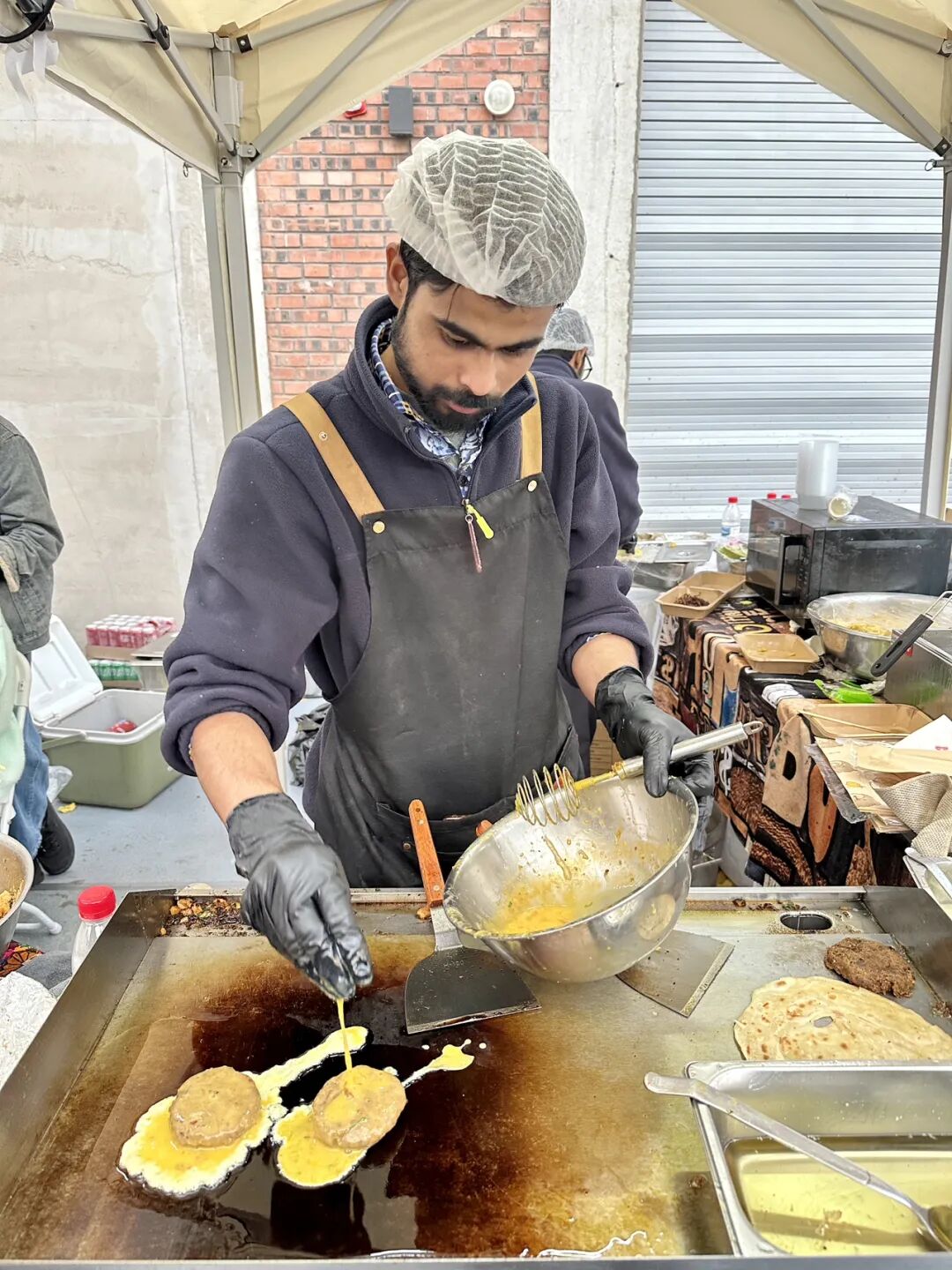
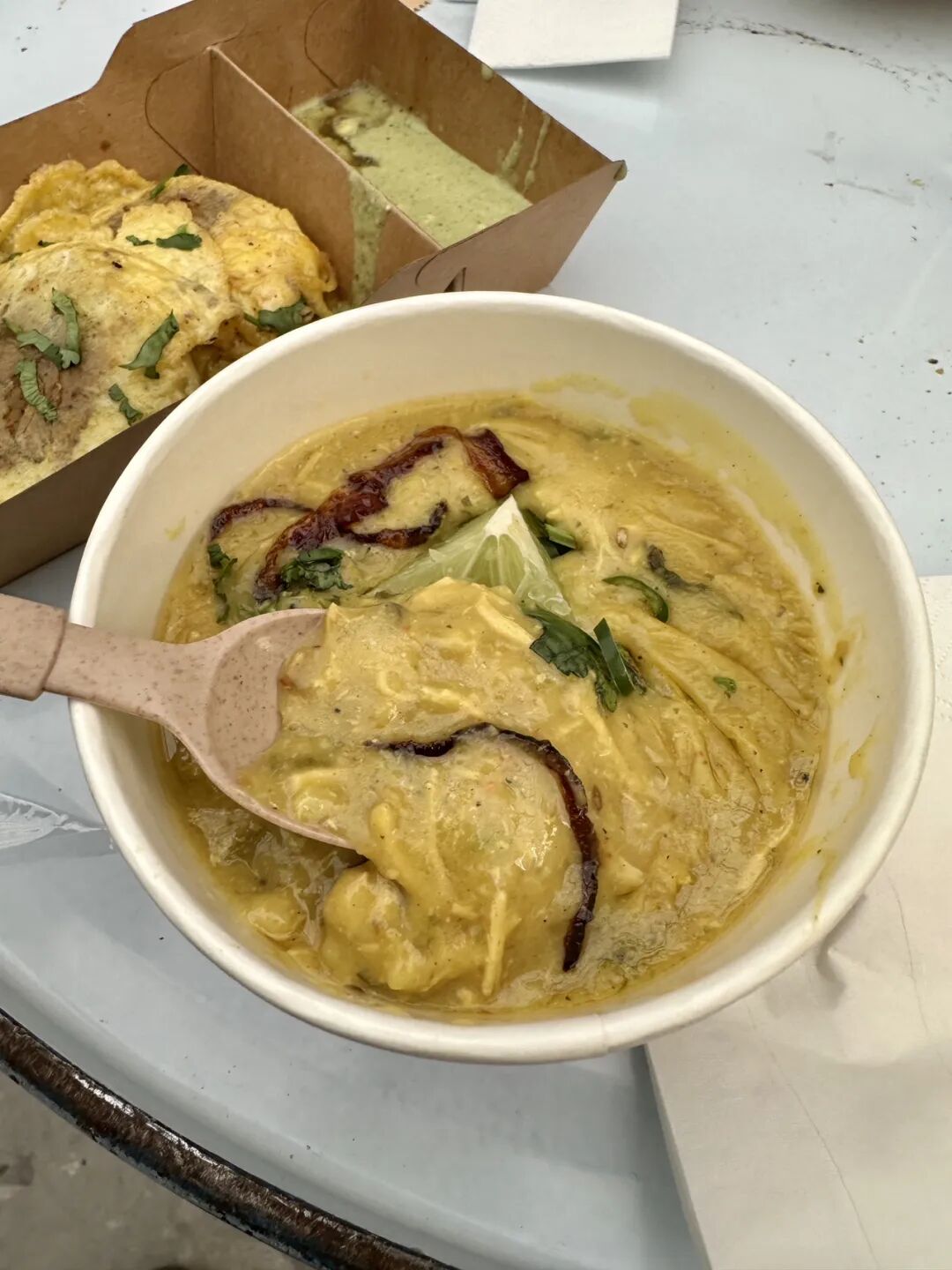
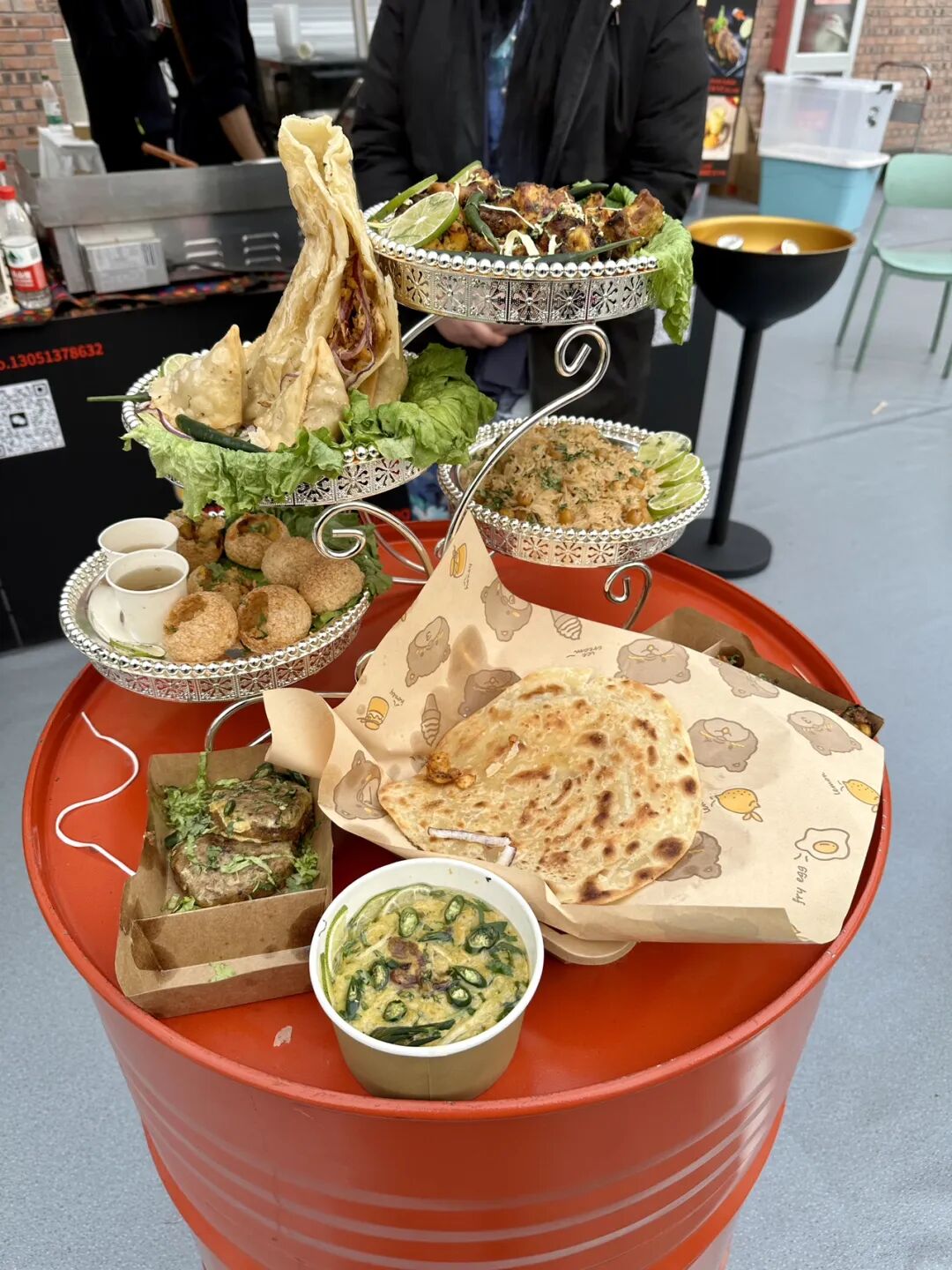
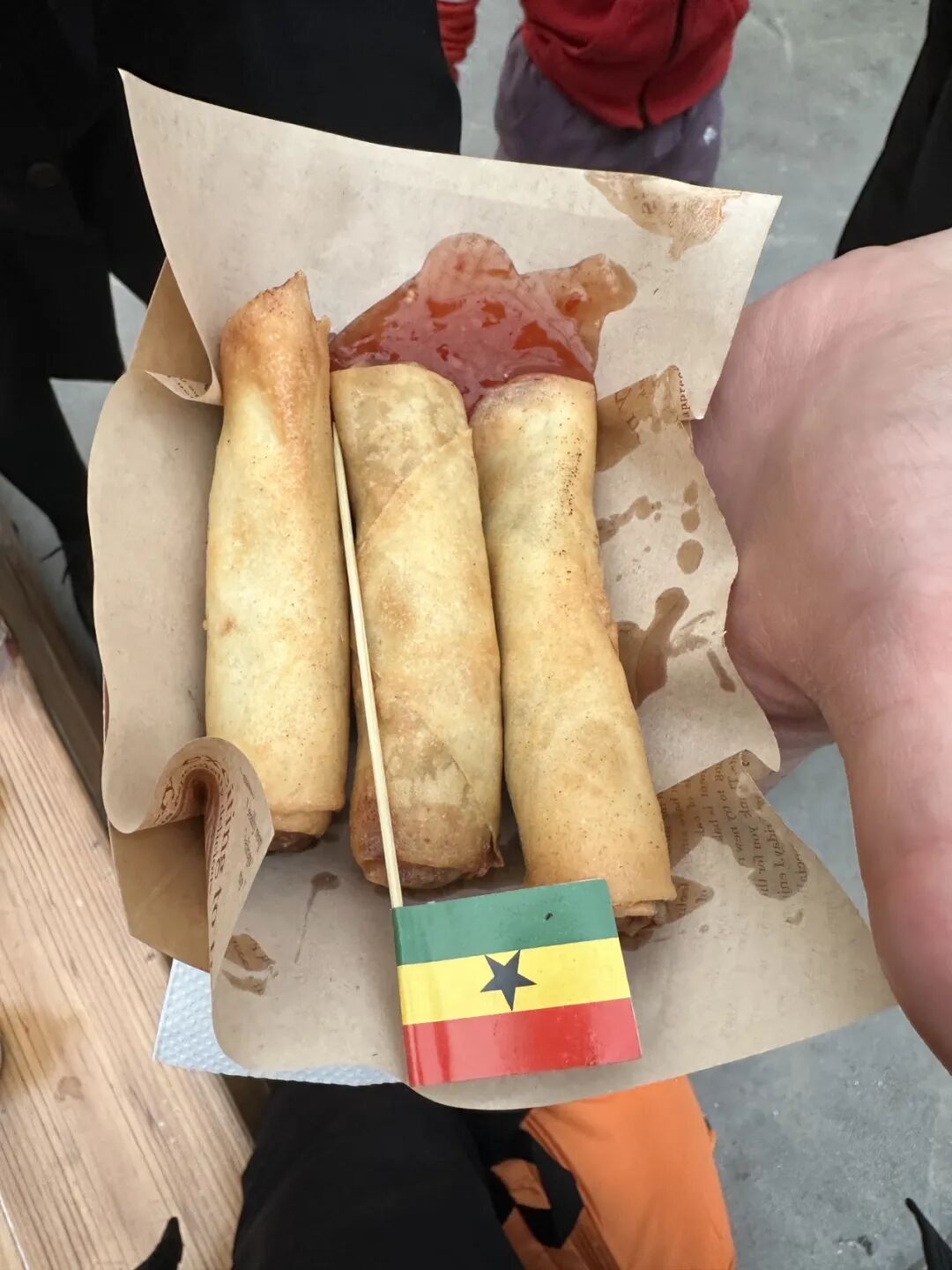
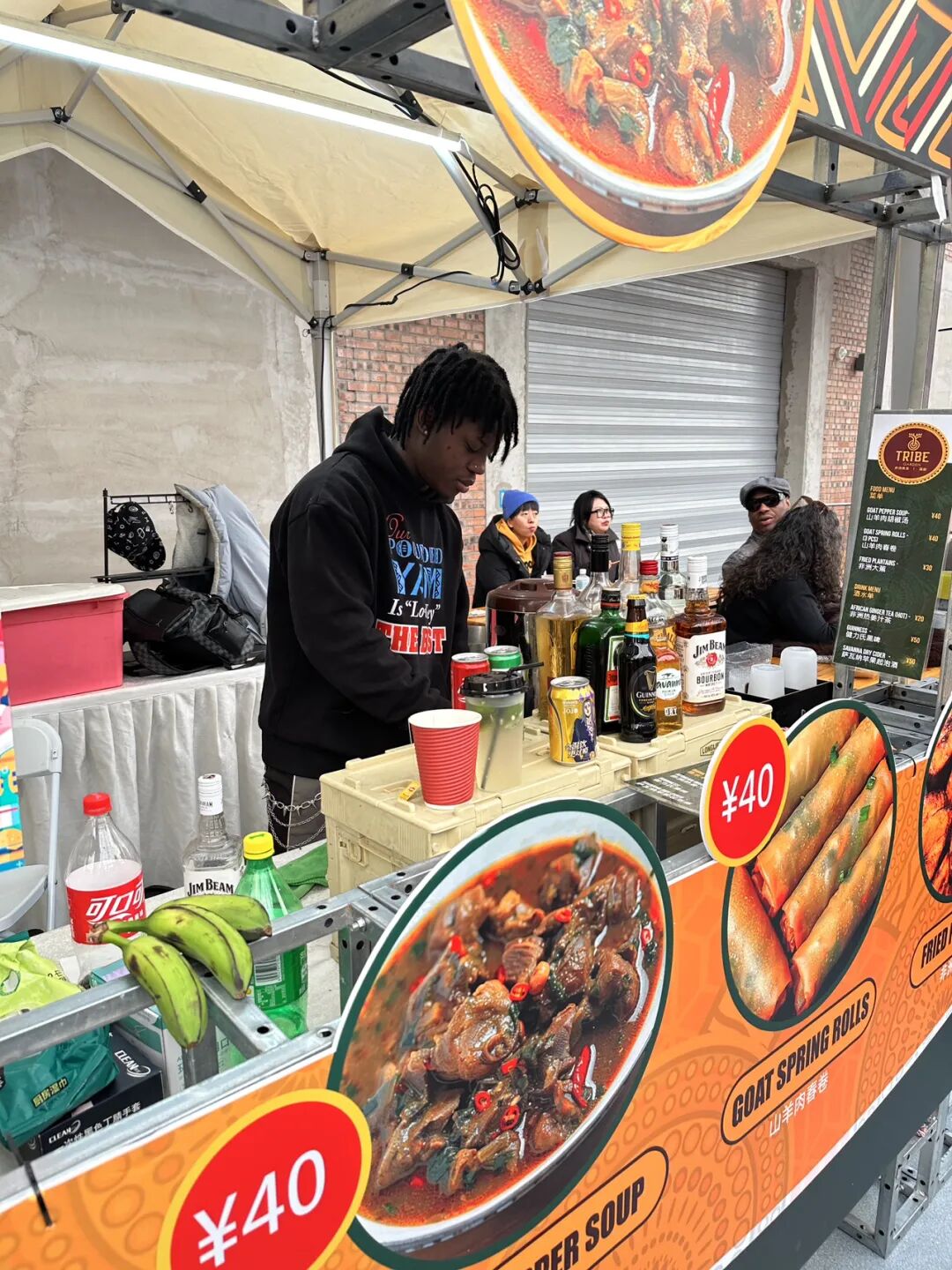
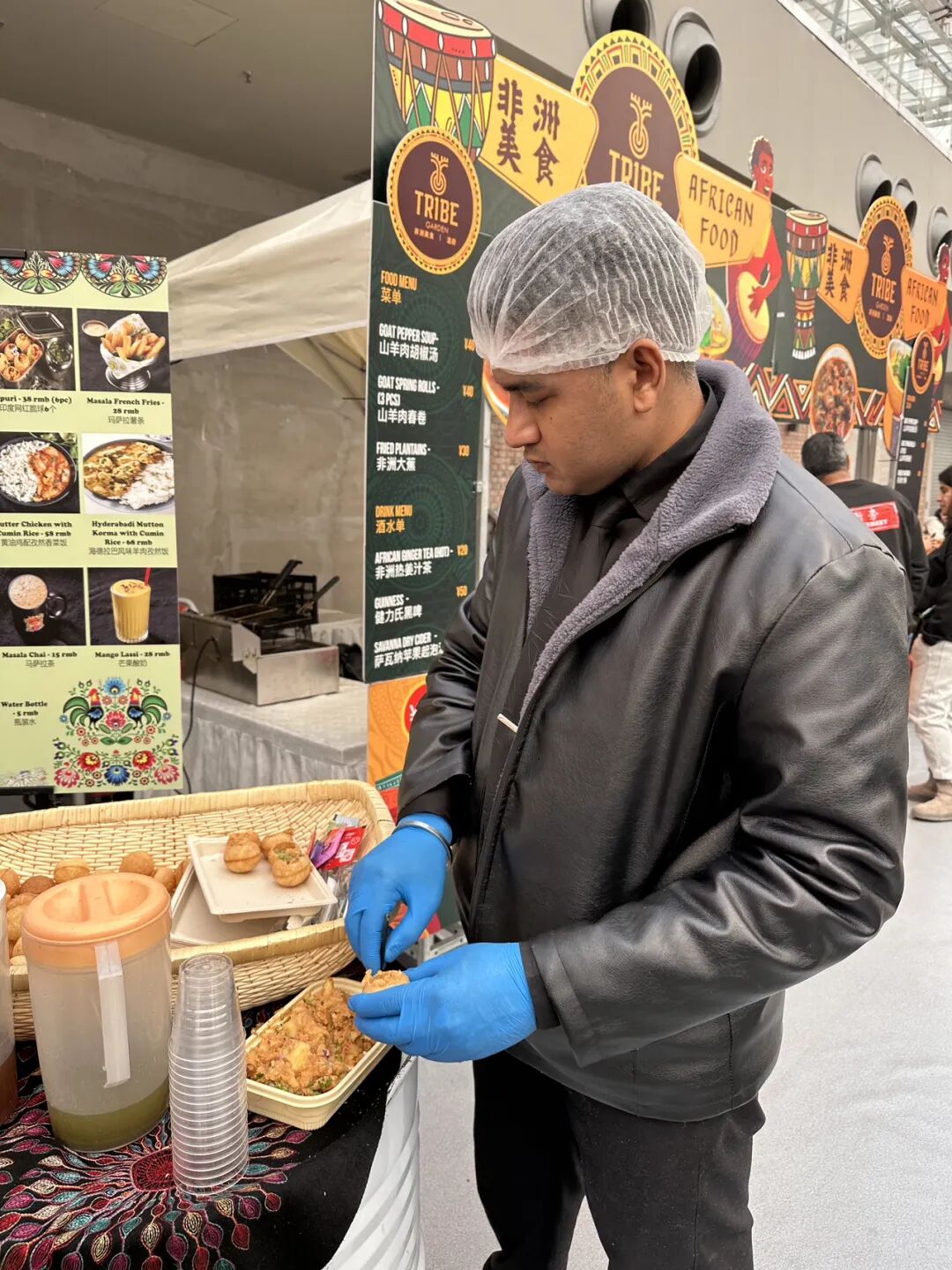
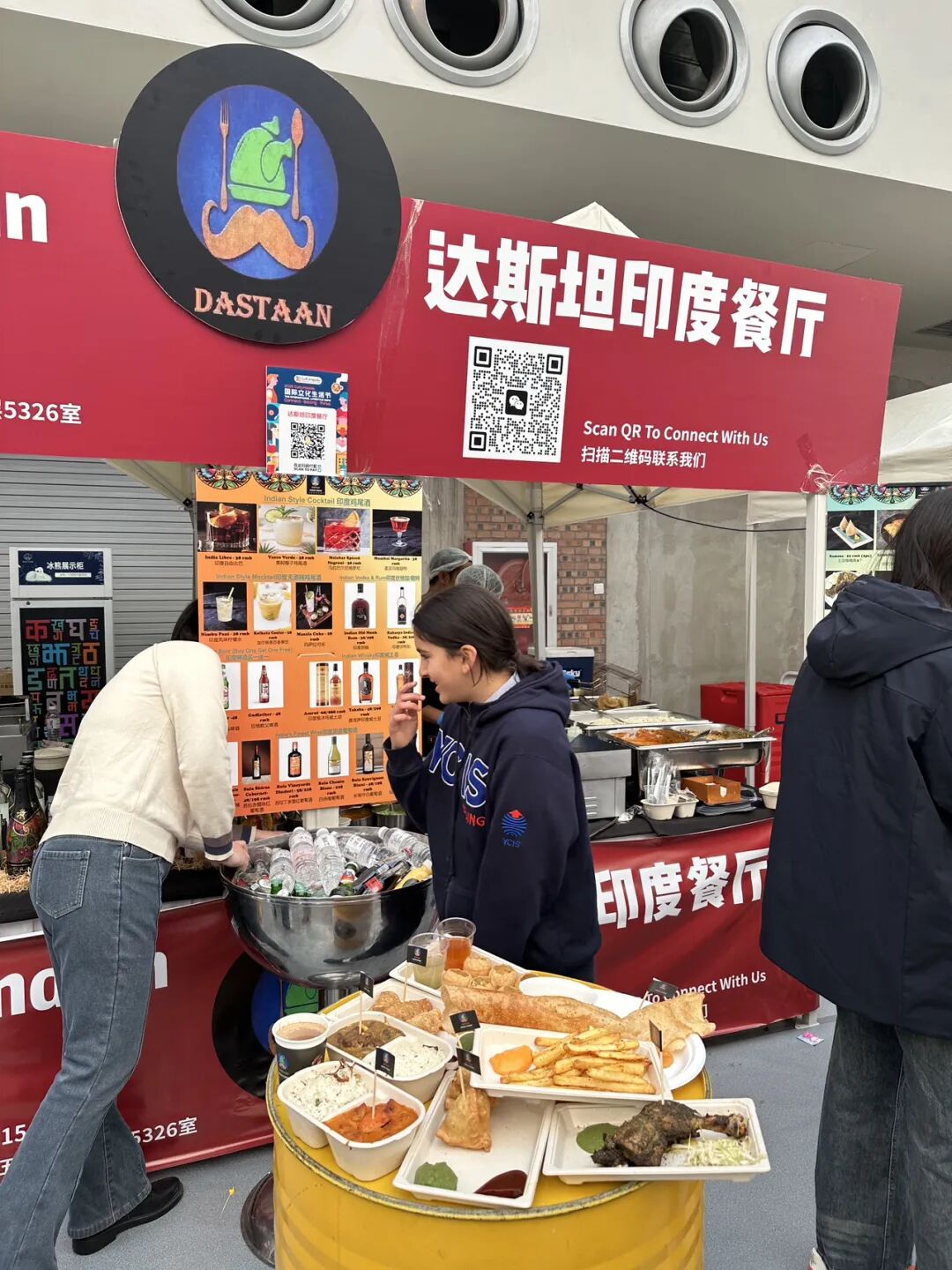
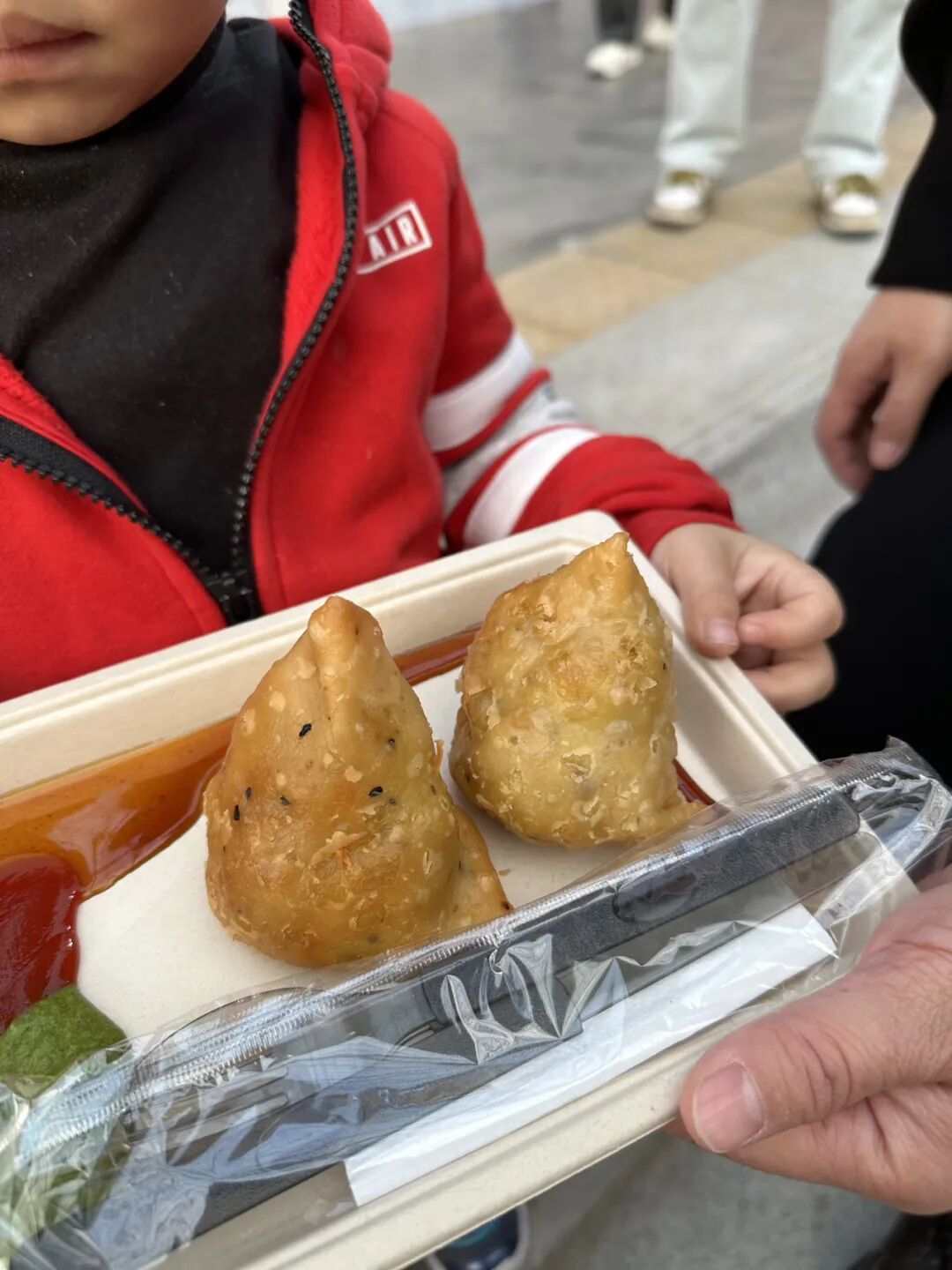
We also had the goat meat fried spring rolls from Tribe Bar and the curry puffs (samosa) from Dastan restaurant. The fried plantains at Tribe Bar are also worth a try.
Summary: The International Cultural Life Expo at Langyuan Station on January 31 and February 1 brought Turkish, Pakistani, Ghanaian, Indian, and Kyrgyz food stalls together in Beijing. This short report keeps the source's restaurant names, dishes, festival setting, family notes, and photographs.
This weekend, January 31 and February 1, Langyuan Station is hosting an International Cultural Life Expo. There will be performances by international school bands, Indian dancing, and many foreign restaurants setting up stalls. The indoor temperature is quite comfortable. The indoor area is an old factory site with a roof built over the train tracks, making it a great place to take kids to burn off some energy.
The best places to eat here are the Turkish restaurant Sultan, the Pakistani restaurant Culture, the Ghanaian restaurant Tribe Bar, and the Indian restaurant Dastan. It was a shame that the Kyrgyz restaurant Navat, which I was most looking forward to, was just a stall selling lamb skewers.
We bought a beef wrap at Sultan. It was super long and very filling, and since it didn't have garlic sauce, the kids could eat it too. Plus, they gave us a lot of the extra-long beef. We also bought Turkish stuffed meatballs (İçli Köfte). This is a specialty from the Kurdish region in southeastern Turkey. The outer shell is made of cracked wheat (burgur), and the filling is minced meat, nuts, and spices. The kids liked this one too.
At Culture, we bought chicken haleem porridge (Chicken Haleem) and beef patties (beef shami kabab). Both of these are spicy, so the kids couldn't eat them.
Pakistani chicken porridge is similar to the meat porridge eaten by Hui Muslims; both are often cooked during festivals and religious gatherings (mevlid). The chicken is cooked for a long time until it completely breaks down. Once it is ready, you add lemon, fried onions, and cilantro. Served with naan, it is a classic South Asian iftar meal.
The beef patties are also a South Asian Muslim specialty. Beef, chickpeas, and spices are ground into a paste, pan-fried, and served with mint sauce.
We also had the goat meat fried spring rolls from Tribe Bar and the curry puffs (samosa) from Dastan restaurant. The fried plantains at Tribe Bar are also worth a try.
Halal Food Guide: Beijing Samosa China-Pakistan Friendship Restaurant Anniversary
Articles • ali2007fr posted the article • 0 comments • 240 views • 2026-05-19 10:24
Reposted from the web
Summary: Beijing Samosa China-Pakistan Friendship Restaurant Anniversary is presented as a clear English travel account for readers interested in Muslim life, halal food, mosques, and local history. The article keeps the original place names, food details, photographs, and cultural context while focusing on Beijing Halal Food, Pakistani Food, Samosa.
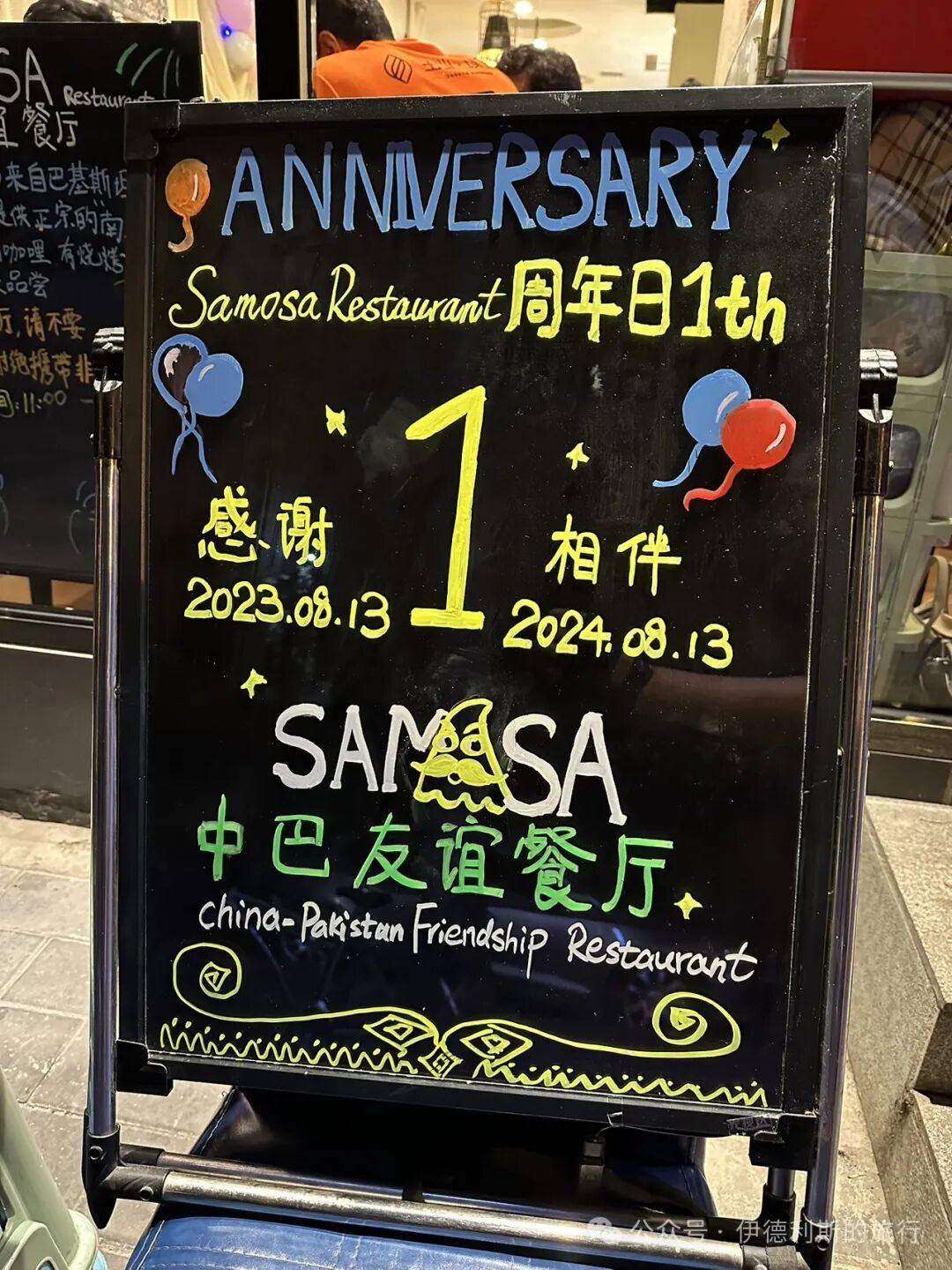
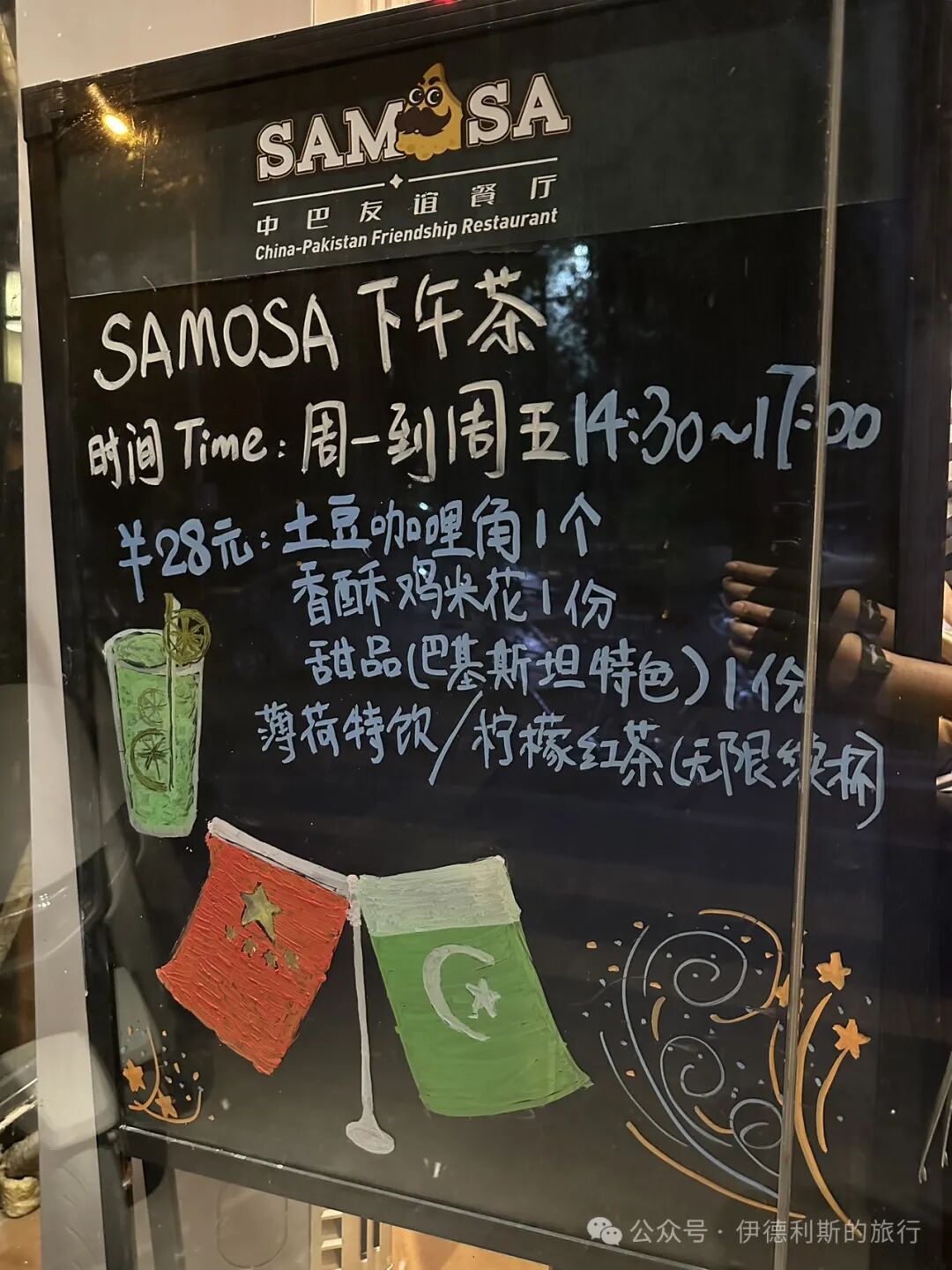
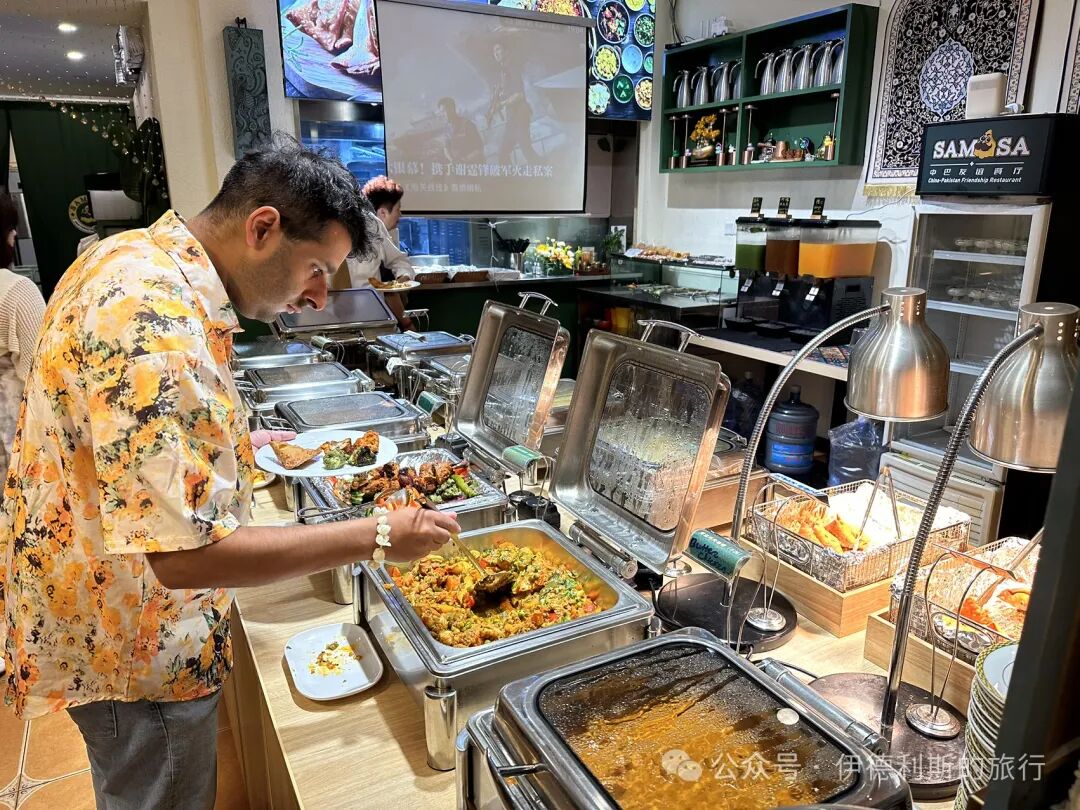
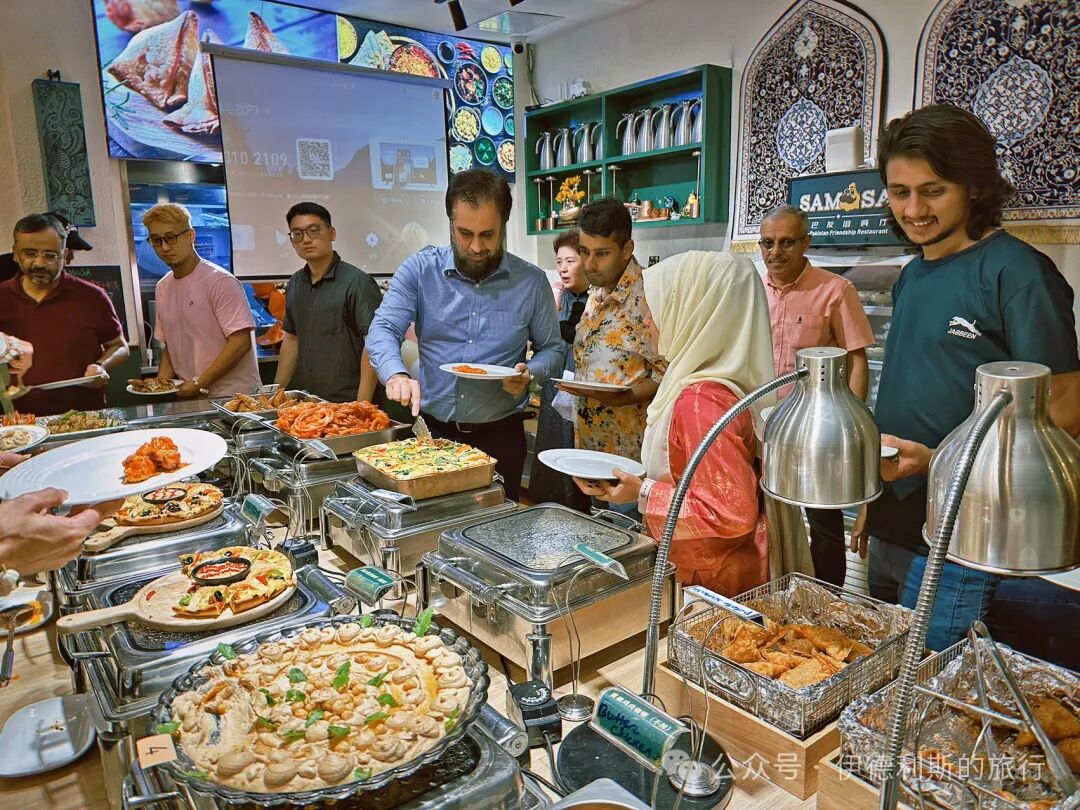
Yesterday, August 13, I went to Xibahe in Beijing to attend the one-year anniversary celebration of the Samosa China-Pakistan Friendship Restaurant. The buffet that night added two new flavors of samosa, potato and minced lamb, and the crust was crispy and delicious. There were also various traditional Pakistani desserts and snacks, but they looked like they had too much sugar, so I didn't dare eat too many. They now offer an afternoon tea set, and you can drink as much mint special drink as you want! I love their mint special drink so much that I can't get enough of it.
After the buffet, there were speeches from various guests, and the commercial counselor from the Pakistani Embassy also came. Then there was a music performance, and the staff members are all very talented!
A Pakistani staff member performed a rubab solo.
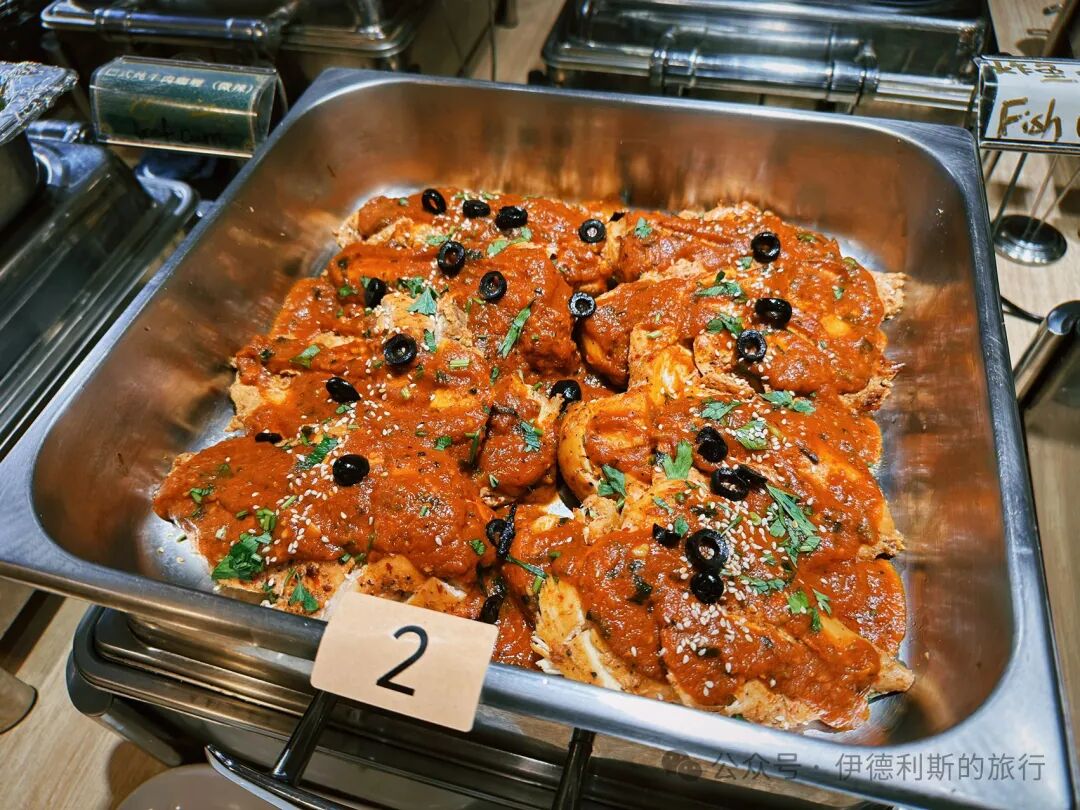
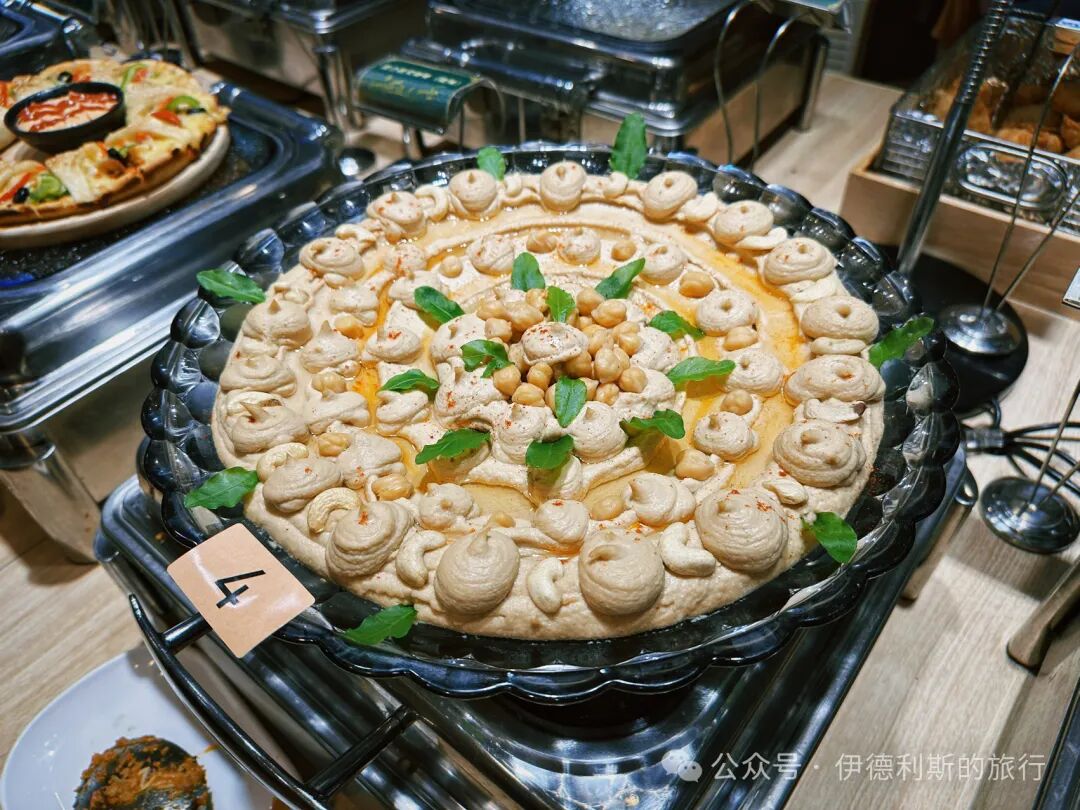
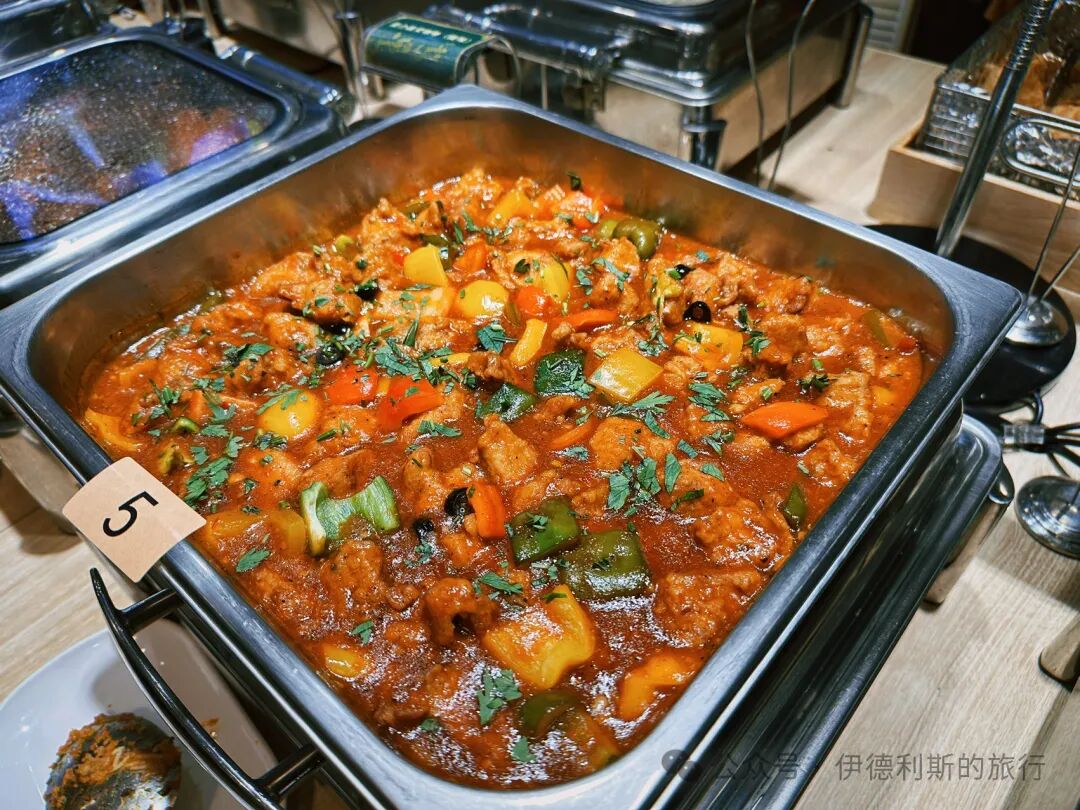
Then the shop held a tasting contest for new dishes. Eight chefs each prepared a new dish, numbered them, and let everyone taste them to pick their favorites. Zainab and Suleiman both liked the chickpea dip (hummus), and I really liked the black pepper roasted chicken pieces. Finally, they chose first, second, and third place winners and gave the chefs cash prizes. I think this kind of event is very meaningful because it lets customers try new food and encourages chefs to improve their skills. view all
Summary: Beijing Samosa China-Pakistan Friendship Restaurant Anniversary is presented as a clear English travel account for readers interested in Muslim life, halal food, mosques, and local history. The article keeps the original place names, food details, photographs, and cultural context while focusing on Beijing Halal Food, Pakistani Food, Samosa.
Yesterday, August 13, I went to Xibahe in Beijing to attend the one-year anniversary celebration of the Samosa China-Pakistan Friendship Restaurant. The buffet that night added two new flavors of samosa, potato and minced lamb, and the crust was crispy and delicious. There were also various traditional Pakistani desserts and snacks, but they looked like they had too much sugar, so I didn't dare eat too many. They now offer an afternoon tea set, and you can drink as much mint special drink as you want! I love their mint special drink so much that I can't get enough of it.
After the buffet, there were speeches from various guests, and the commercial counselor from the Pakistani Embassy also came. Then there was a music performance, and the staff members are all very talented!
A Pakistani staff member performed a rubab solo.
Then the shop held a tasting contest for new dishes. Eight chefs each prepared a new dish, numbered them, and let everyone taste them to pick their favorites. Zainab and Suleiman both liked the chickpea dip (hummus), and I really liked the black pepper roasted chicken pieces. Finally, they chose first, second, and third place winners and gave the chefs cash prizes. I think this kind of event is very meaningful because it lets customers try new food and encourages chefs to improve their skills. view all
Reposted from the web
Summary: Beijing Samosa China-Pakistan Friendship Restaurant Anniversary is presented as a clear English travel account for readers interested in Muslim life, halal food, mosques, and local history. The article keeps the original place names, food details, photographs, and cultural context while focusing on Beijing Halal Food, Pakistani Food, Samosa.
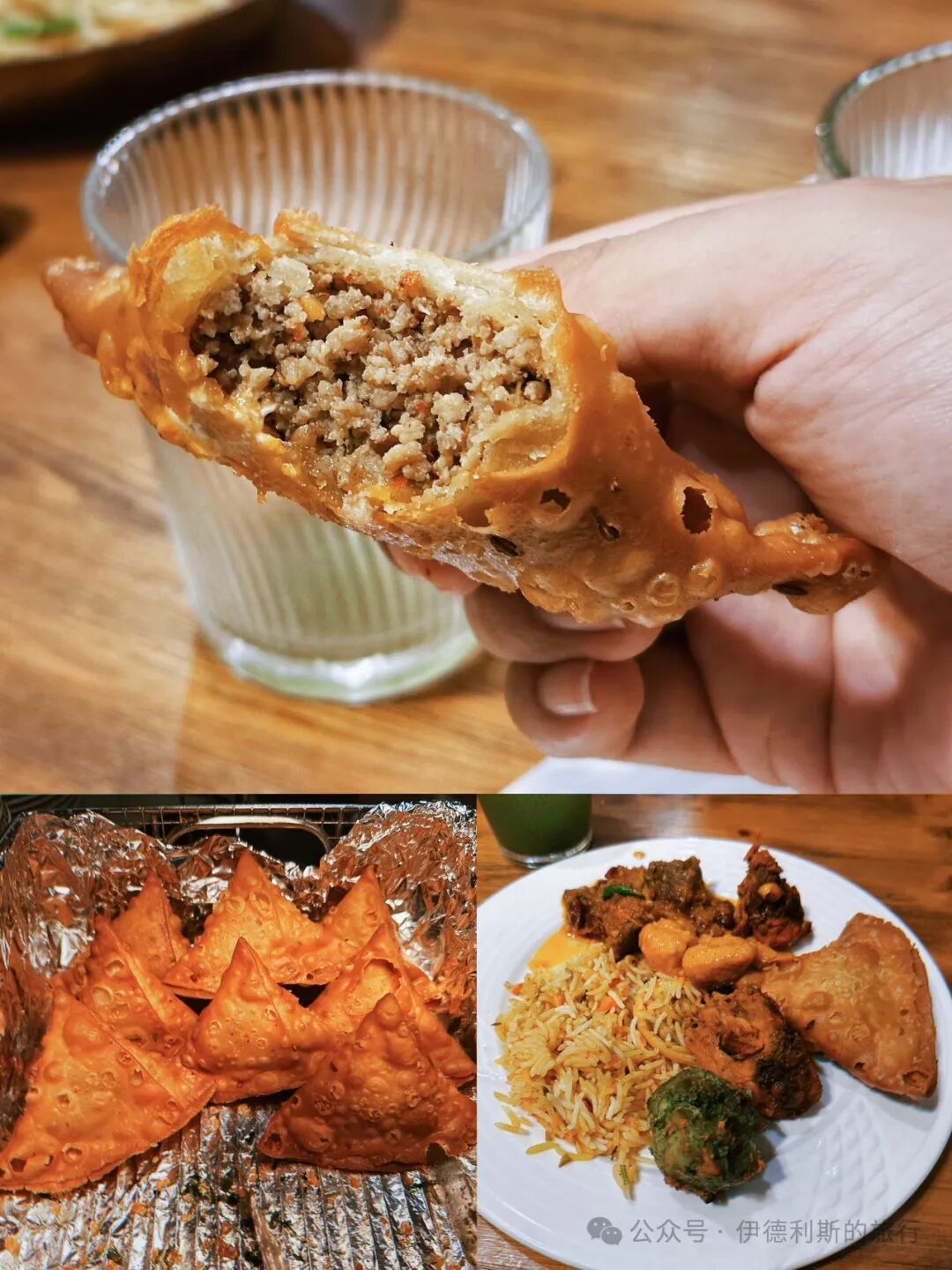
Yesterday, August 13, I went to Xibahe in Beijing to attend the one-year anniversary celebration of the Samosa China-Pakistan Friendship Restaurant. The buffet that night added two new flavors of samosa, potato and minced lamb, and the crust was crispy and delicious. There were also various traditional Pakistani desserts and snacks, but they looked like they had too much sugar, so I didn't dare eat too many. They now offer an afternoon tea set, and you can drink as much mint special drink as you want! I love their mint special drink so much that I can't get enough of it.
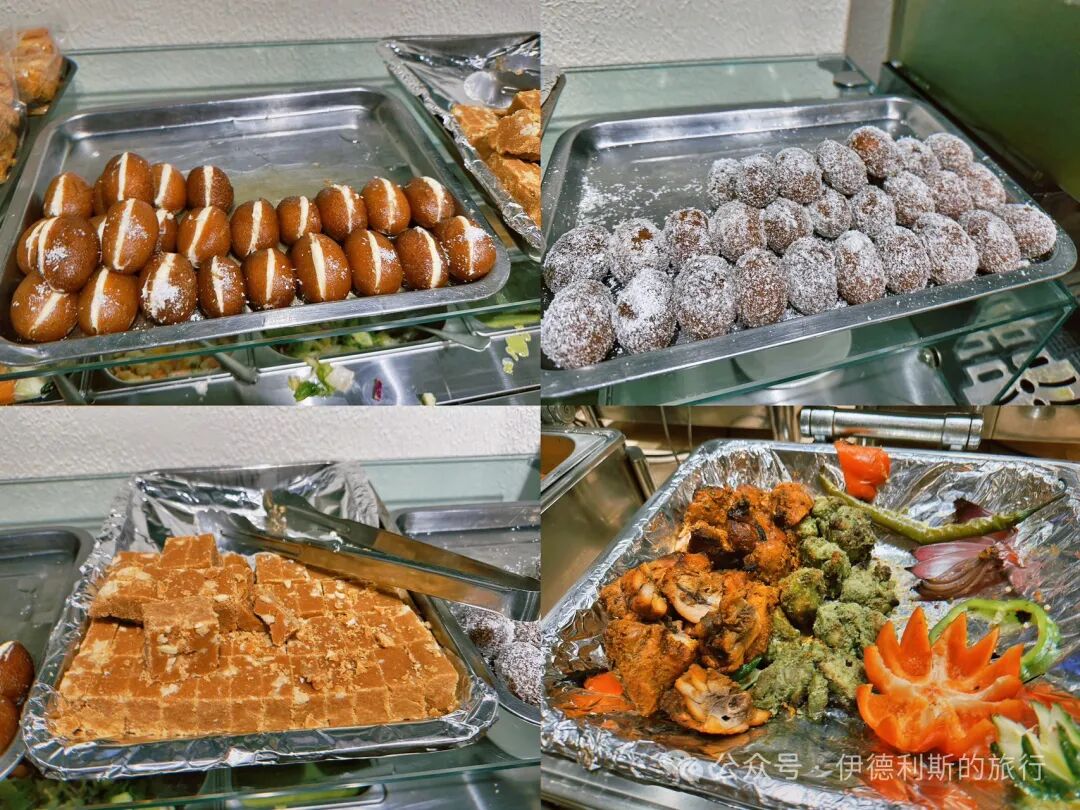
After the buffet, there were speeches from various guests, and the commercial counselor from the Pakistani Embassy also came. Then there was a music performance, and the staff members are all very talented!
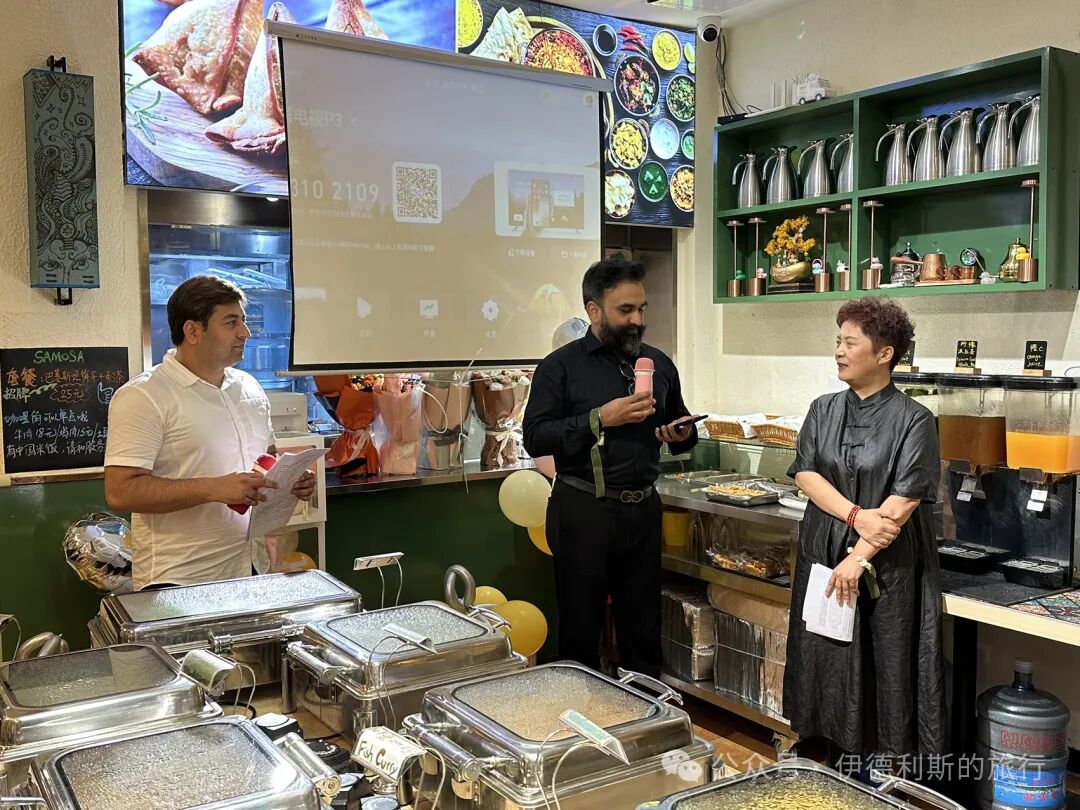
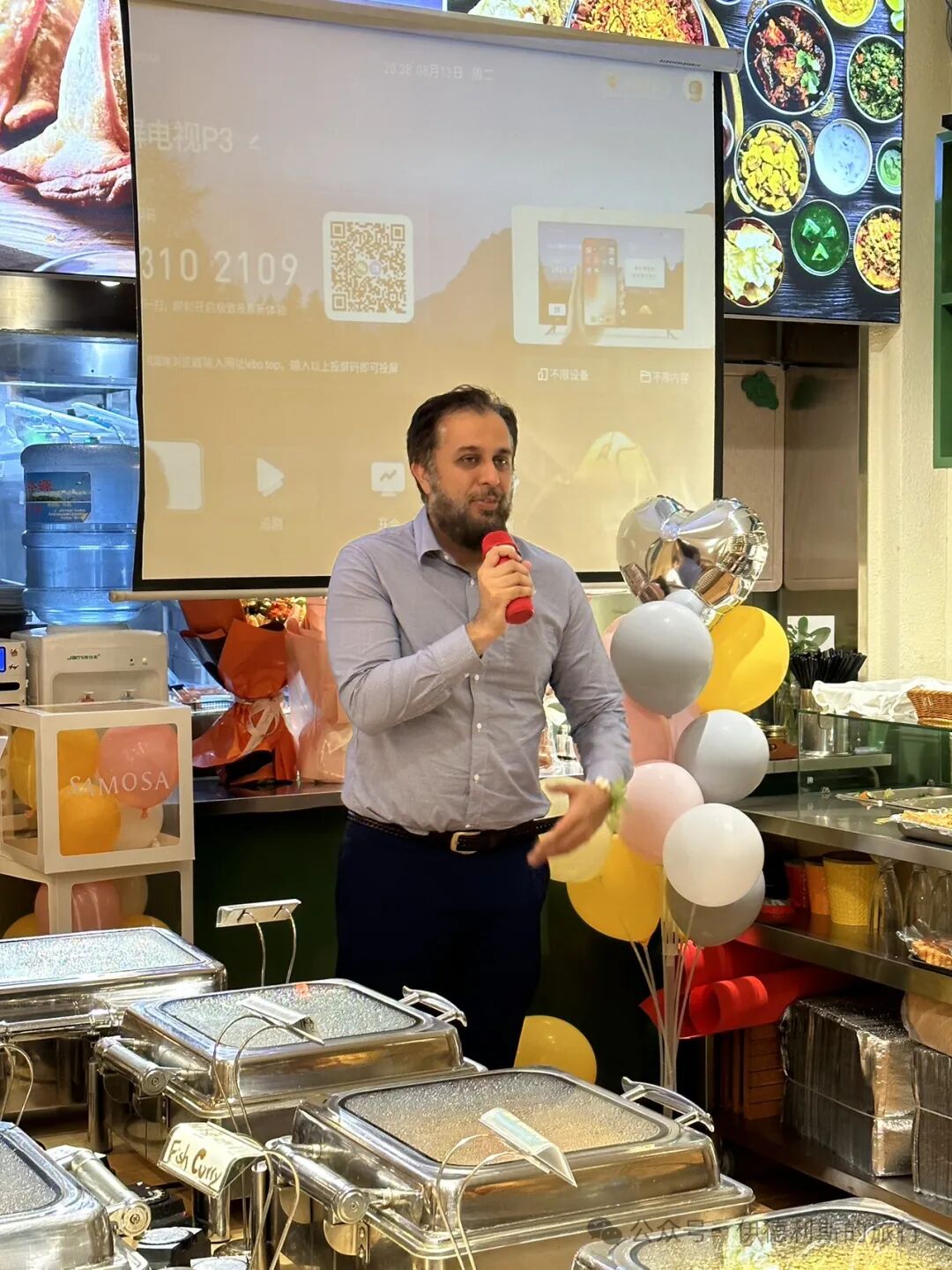
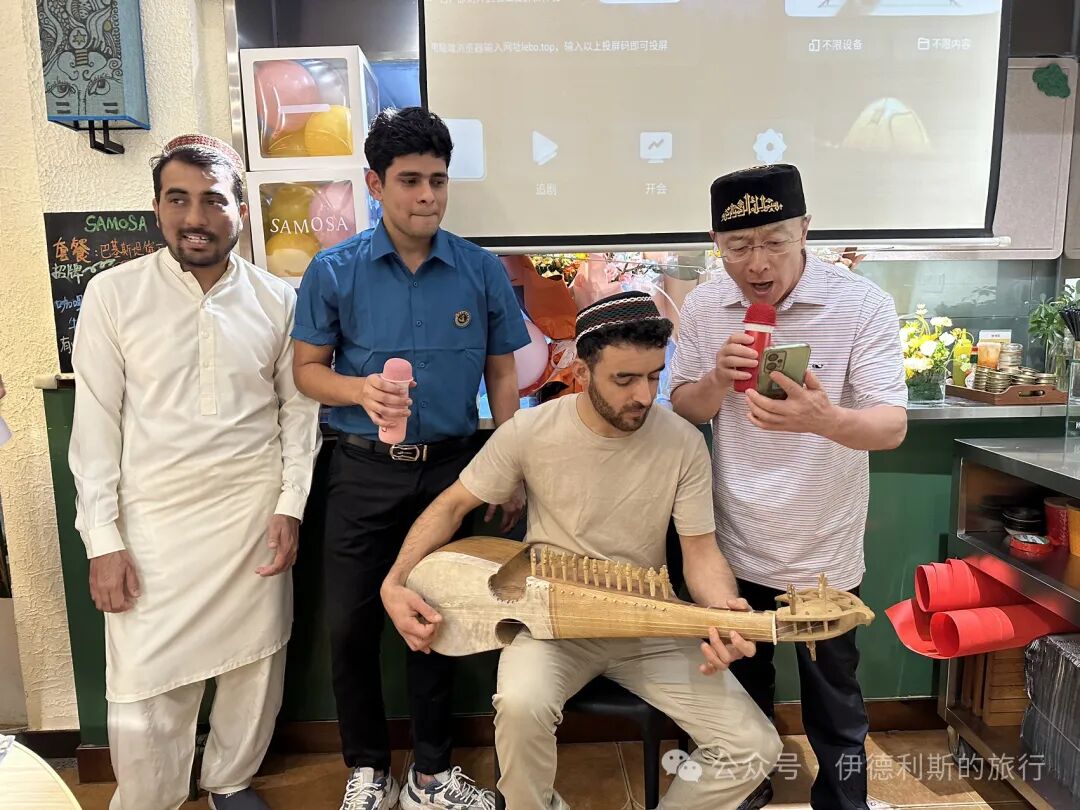
A Pakistani staff member performed a rubab solo.
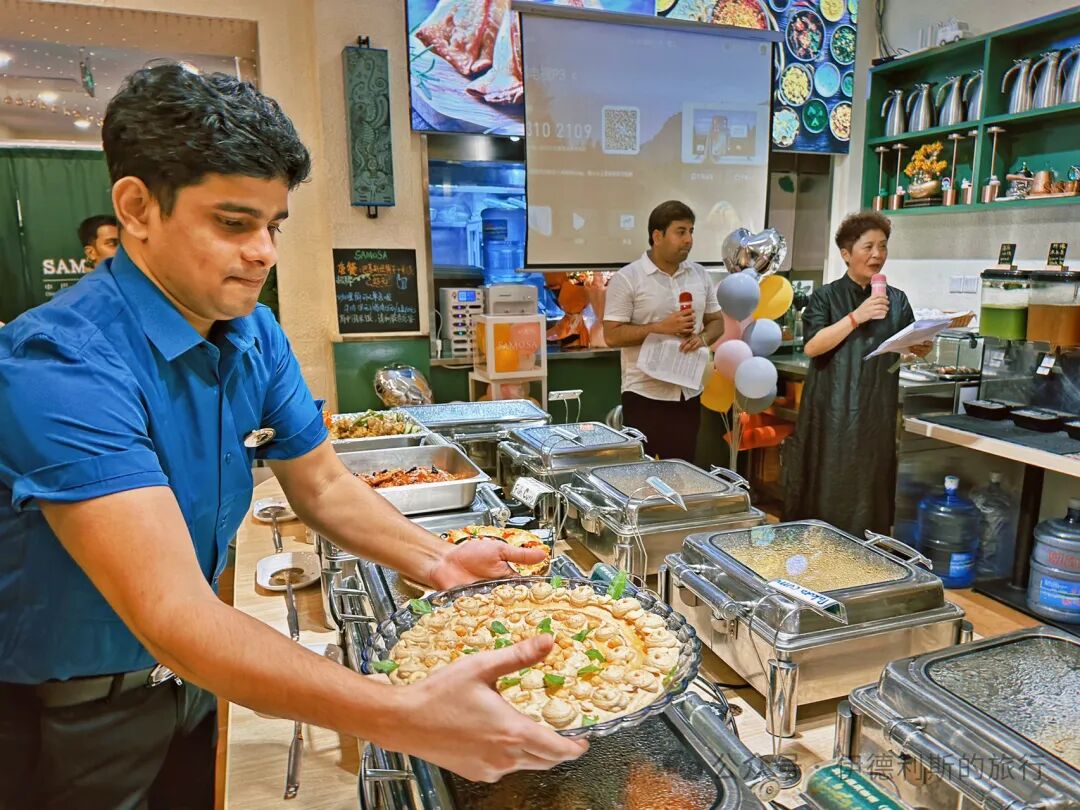
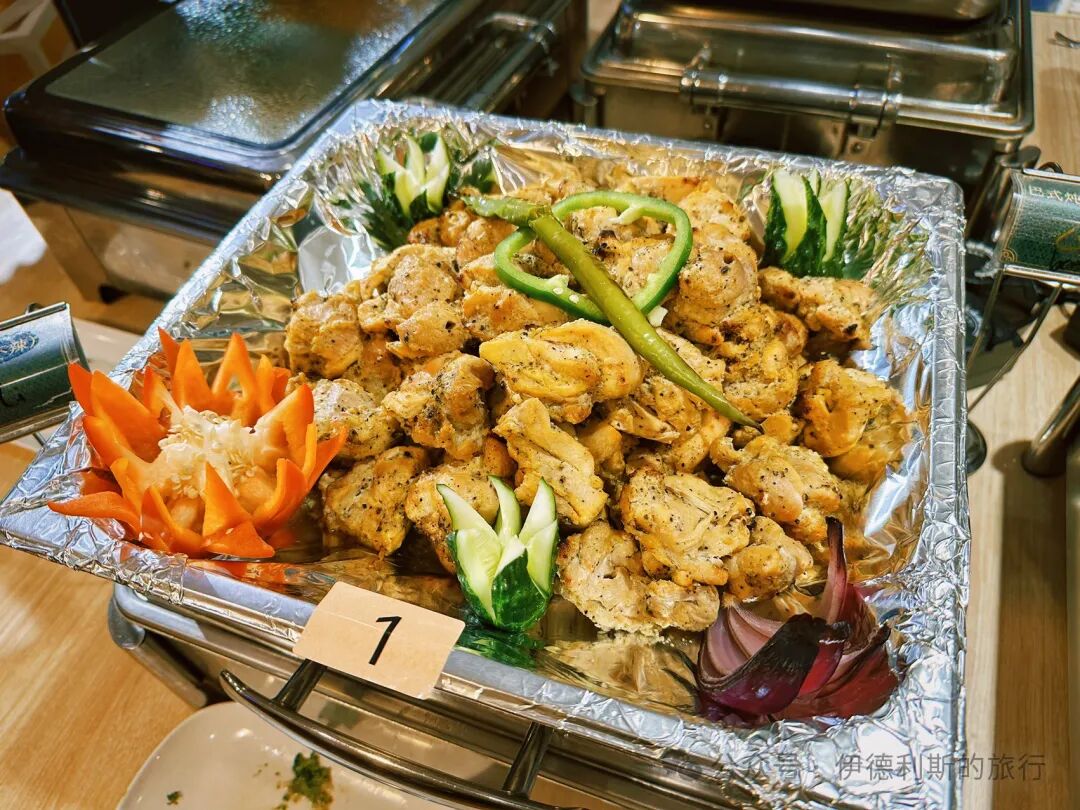
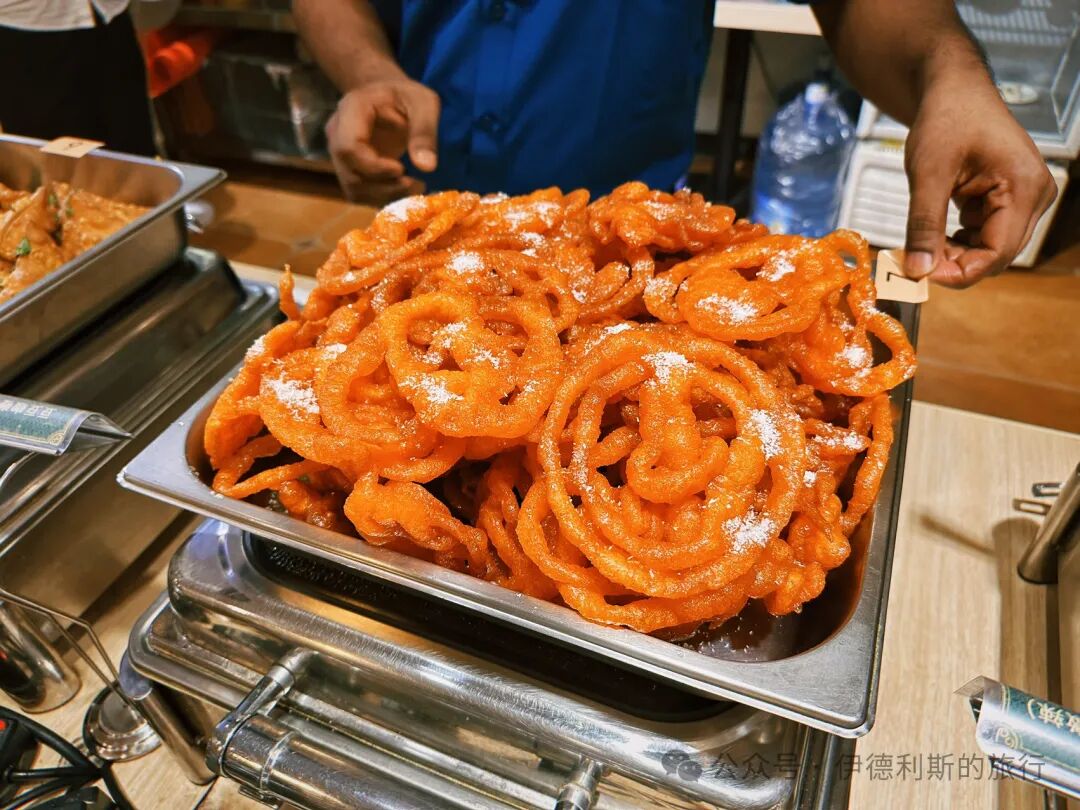
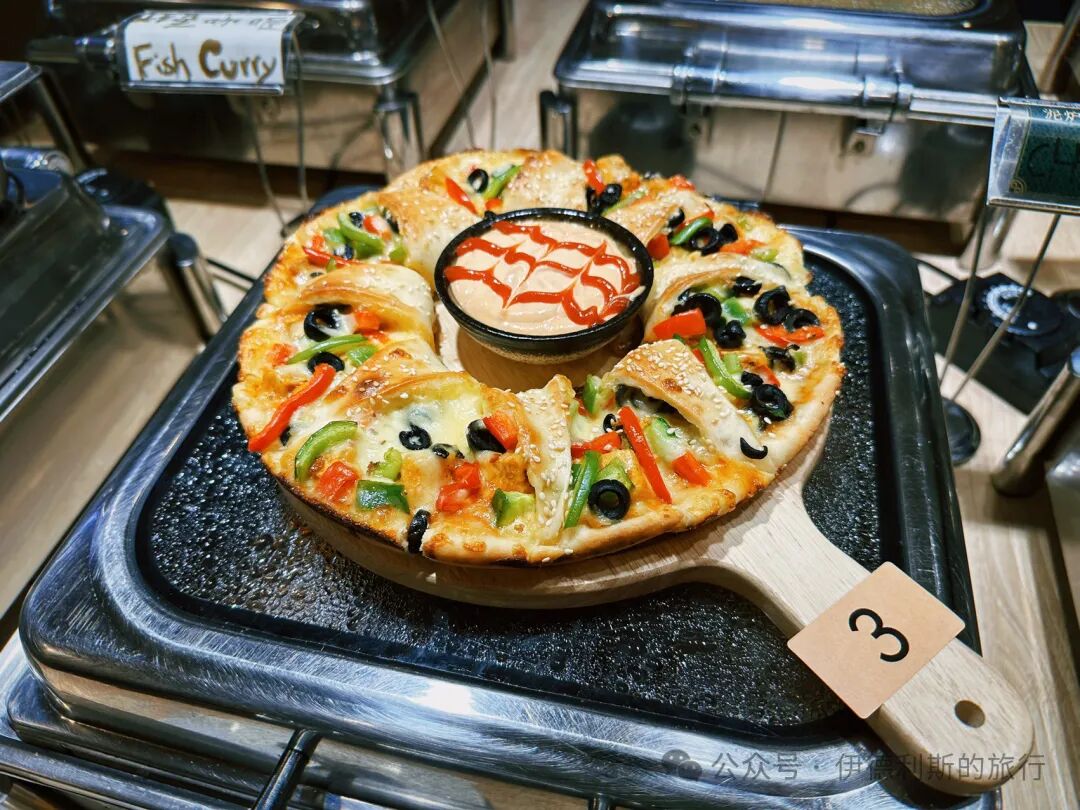
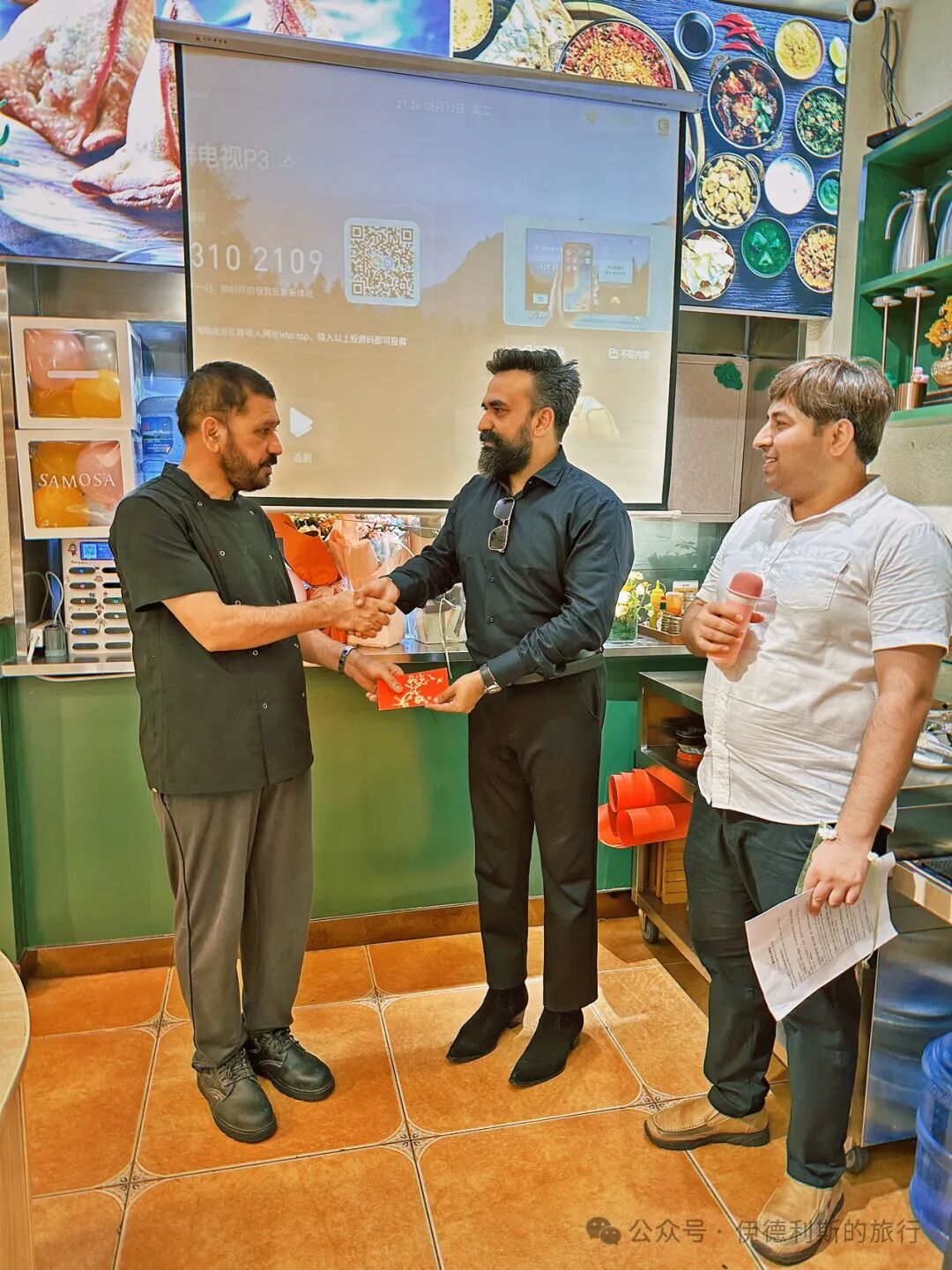
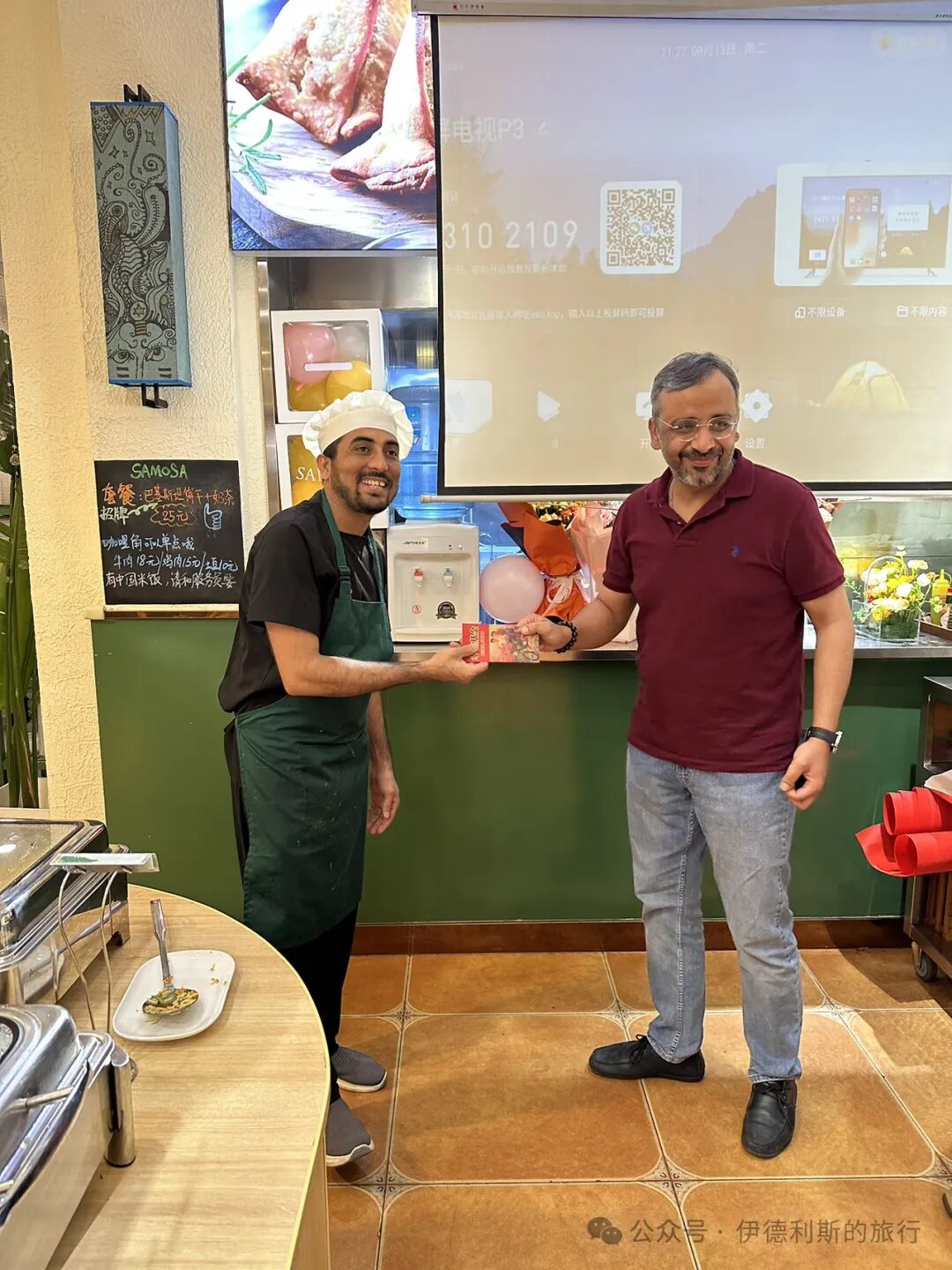
Then the shop held a tasting contest for new dishes. Eight chefs each prepared a new dish, numbered them, and let everyone taste them to pick their favorites. Zainab and Suleiman both liked the chickpea dip (hummus), and I really liked the black pepper roasted chicken pieces. Finally, they chose first, second, and third place winners and gave the chefs cash prizes. I think this kind of event is very meaningful because it lets customers try new food and encourages chefs to improve their skills.
Summary: Beijing Samosa China-Pakistan Friendship Restaurant Anniversary is presented as a clear English travel account for readers interested in Muslim life, halal food, mosques, and local history. The article keeps the original place names, food details, photographs, and cultural context while focusing on Beijing Halal Food, Pakistani Food, Samosa.
Yesterday, August 13, I went to Xibahe in Beijing to attend the one-year anniversary celebration of the Samosa China-Pakistan Friendship Restaurant. The buffet that night added two new flavors of samosa, potato and minced lamb, and the crust was crispy and delicious. There were also various traditional Pakistani desserts and snacks, but they looked like they had too much sugar, so I didn't dare eat too many. They now offer an afternoon tea set, and you can drink as much mint special drink as you want! I love their mint special drink so much that I can't get enough of it.
After the buffet, there were speeches from various guests, and the commercial counselor from the Pakistani Embassy also came. Then there was a music performance, and the staff members are all very talented!
A Pakistani staff member performed a rubab solo.
Then the shop held a tasting contest for new dishes. Eight chefs each prepared a new dish, numbered them, and let everyone taste them to pick their favorites. Zainab and Suleiman both liked the chickpea dip (hummus), and I really liked the black pepper roasted chicken pieces. Finally, they chose first, second, and third place winners and gave the chefs cash prizes. I think this kind of event is very meaningful because it lets customers try new food and encourages chefs to improve their skills.
Best Halal Food at Beijing Music Festival: Turkish Sultan and Pakistani Haleem
Articles • ali2007fr posted the article • 0 comments • 169 views • 2026-05-21 06:21
Reposted from the web
Summary: The International Cultural Life Expo at Langyuan Station on January 31 and February 1 brought Turkish, Pakistani, Ghanaian, Indian, and Kyrgyz food stalls together in Beijing. This short report keeps the source's restaurant names, dishes, festival setting, family notes, and photographs.
This weekend, January 31 and February 1, Langyuan Station is hosting an International Cultural Life Expo. There will be performances by international school bands, Indian dancing, and many foreign restaurants setting up stalls. The indoor temperature is quite comfortable. The indoor area is an old factory site with a roof built over the train tracks, making it a great place to take kids to burn off some energy.
The best places to eat here are the Turkish restaurant Sultan, the Pakistani restaurant Culture, the Ghanaian restaurant Tribe Bar, and the Indian restaurant Dastan. It was a shame that the Kyrgyz restaurant Navat, which I was most looking forward to, was just a stall selling lamb skewers.
We bought a beef wrap at Sultan. It was super long and very filling, and since it didn't have garlic sauce, the kids could eat it too. Plus, they gave us a lot of the extra-long beef. We also bought Turkish stuffed meatballs (İçli Köfte). This is a specialty from the Kurdish region in southeastern Turkey. The outer shell is made of cracked wheat (burgur), and the filling is minced meat, nuts, and spices. The kids liked this one too.
At Culture, we bought chicken haleem porridge (Chicken Haleem) and beef patties (beef shami kabab). Both of these are spicy, so the kids couldn't eat them.
Pakistani chicken porridge is similar to the meat porridge eaten by Hui Muslims; both are often cooked during festivals and religious gatherings (mevlid). The chicken is cooked for a long time until it completely breaks down. Once it is ready, you add lemon, fried onions, and cilantro. Served with naan, it is a classic South Asian iftar meal.
The beef patties are also a South Asian Muslim specialty. Beef, chickpeas, and spices are ground into a paste, pan-fried, and served with mint sauce.
We also had the goat meat fried spring rolls from Tribe Bar and the curry puffs (samosa) from Dastan restaurant. The fried plantains at Tribe Bar are also worth a try. view all
Summary: The International Cultural Life Expo at Langyuan Station on January 31 and February 1 brought Turkish, Pakistani, Ghanaian, Indian, and Kyrgyz food stalls together in Beijing. This short report keeps the source's restaurant names, dishes, festival setting, family notes, and photographs.
This weekend, January 31 and February 1, Langyuan Station is hosting an International Cultural Life Expo. There will be performances by international school bands, Indian dancing, and many foreign restaurants setting up stalls. The indoor temperature is quite comfortable. The indoor area is an old factory site with a roof built over the train tracks, making it a great place to take kids to burn off some energy.
The best places to eat here are the Turkish restaurant Sultan, the Pakistani restaurant Culture, the Ghanaian restaurant Tribe Bar, and the Indian restaurant Dastan. It was a shame that the Kyrgyz restaurant Navat, which I was most looking forward to, was just a stall selling lamb skewers.
We bought a beef wrap at Sultan. It was super long and very filling, and since it didn't have garlic sauce, the kids could eat it too. Plus, they gave us a lot of the extra-long beef. We also bought Turkish stuffed meatballs (İçli Köfte). This is a specialty from the Kurdish region in southeastern Turkey. The outer shell is made of cracked wheat (burgur), and the filling is minced meat, nuts, and spices. The kids liked this one too.
At Culture, we bought chicken haleem porridge (Chicken Haleem) and beef patties (beef shami kabab). Both of these are spicy, so the kids couldn't eat them.
Pakistani chicken porridge is similar to the meat porridge eaten by Hui Muslims; both are often cooked during festivals and religious gatherings (mevlid). The chicken is cooked for a long time until it completely breaks down. Once it is ready, you add lemon, fried onions, and cilantro. Served with naan, it is a classic South Asian iftar meal.
The beef patties are also a South Asian Muslim specialty. Beef, chickpeas, and spices are ground into a paste, pan-fried, and served with mint sauce.
We also had the goat meat fried spring rolls from Tribe Bar and the curry puffs (samosa) from Dastan restaurant. The fried plantains at Tribe Bar are also worth a try. view all
Reposted from the web
Summary: The International Cultural Life Expo at Langyuan Station on January 31 and February 1 brought Turkish, Pakistani, Ghanaian, Indian, and Kyrgyz food stalls together in Beijing. This short report keeps the source's restaurant names, dishes, festival setting, family notes, and photographs.
This weekend, January 31 and February 1, Langyuan Station is hosting an International Cultural Life Expo. There will be performances by international school bands, Indian dancing, and many foreign restaurants setting up stalls. The indoor temperature is quite comfortable. The indoor area is an old factory site with a roof built over the train tracks, making it a great place to take kids to burn off some energy.
The best places to eat here are the Turkish restaurant Sultan, the Pakistani restaurant Culture, the Ghanaian restaurant Tribe Bar, and the Indian restaurant Dastan. It was a shame that the Kyrgyz restaurant Navat, which I was most looking forward to, was just a stall selling lamb skewers.
We bought a beef wrap at Sultan. It was super long and very filling, and since it didn't have garlic sauce, the kids could eat it too. Plus, they gave us a lot of the extra-long beef. We also bought Turkish stuffed meatballs (İçli Köfte). This is a specialty from the Kurdish region in southeastern Turkey. The outer shell is made of cracked wheat (burgur), and the filling is minced meat, nuts, and spices. The kids liked this one too.
At Culture, we bought chicken haleem porridge (Chicken Haleem) and beef patties (beef shami kabab). Both of these are spicy, so the kids couldn't eat them.
Pakistani chicken porridge is similar to the meat porridge eaten by Hui Muslims; both are often cooked during festivals and religious gatherings (mevlid). The chicken is cooked for a long time until it completely breaks down. Once it is ready, you add lemon, fried onions, and cilantro. Served with naan, it is a classic South Asian iftar meal.
The beef patties are also a South Asian Muslim specialty. Beef, chickpeas, and spices are ground into a paste, pan-fried, and served with mint sauce.
We also had the goat meat fried spring rolls from Tribe Bar and the curry puffs (samosa) from Dastan restaurant. The fried plantains at Tribe Bar are also worth a try.
Summary: The International Cultural Life Expo at Langyuan Station on January 31 and February 1 brought Turkish, Pakistani, Ghanaian, Indian, and Kyrgyz food stalls together in Beijing. This short report keeps the source's restaurant names, dishes, festival setting, family notes, and photographs.
This weekend, January 31 and February 1, Langyuan Station is hosting an International Cultural Life Expo. There will be performances by international school bands, Indian dancing, and many foreign restaurants setting up stalls. The indoor temperature is quite comfortable. The indoor area is an old factory site with a roof built over the train tracks, making it a great place to take kids to burn off some energy.
The best places to eat here are the Turkish restaurant Sultan, the Pakistani restaurant Culture, the Ghanaian restaurant Tribe Bar, and the Indian restaurant Dastan. It was a shame that the Kyrgyz restaurant Navat, which I was most looking forward to, was just a stall selling lamb skewers.
We bought a beef wrap at Sultan. It was super long and very filling, and since it didn't have garlic sauce, the kids could eat it too. Plus, they gave us a lot of the extra-long beef. We also bought Turkish stuffed meatballs (İçli Köfte). This is a specialty from the Kurdish region in southeastern Turkey. The outer shell is made of cracked wheat (burgur), and the filling is minced meat, nuts, and spices. The kids liked this one too.
At Culture, we bought chicken haleem porridge (Chicken Haleem) and beef patties (beef shami kabab). Both of these are spicy, so the kids couldn't eat them.
Pakistani chicken porridge is similar to the meat porridge eaten by Hui Muslims; both are often cooked during festivals and religious gatherings (mevlid). The chicken is cooked for a long time until it completely breaks down. Once it is ready, you add lemon, fried onions, and cilantro. Served with naan, it is a classic South Asian iftar meal.
The beef patties are also a South Asian Muslim specialty. Beef, chickpeas, and spices are ground into a paste, pan-fried, and served with mint sauce.
We also had the goat meat fried spring rolls from Tribe Bar and the curry puffs (samosa) from Dastan restaurant. The fried plantains at Tribe Bar are also worth a try.
Halal Food Guide: Beijing Samosa China-Pakistan Friendship Restaurant Anniversary
Articles • ali2007fr posted the article • 0 comments • 240 views • 2026-05-19 10:24
Reposted from the web
Summary: Beijing Samosa China-Pakistan Friendship Restaurant Anniversary is presented as a clear English travel account for readers interested in Muslim life, halal food, mosques, and local history. The article keeps the original place names, food details, photographs, and cultural context while focusing on Beijing Halal Food, Pakistani Food, Samosa.
Yesterday, August 13, I went to Xibahe in Beijing to attend the one-year anniversary celebration of the Samosa China-Pakistan Friendship Restaurant. The buffet that night added two new flavors of samosa, potato and minced lamb, and the crust was crispy and delicious. There were also various traditional Pakistani desserts and snacks, but they looked like they had too much sugar, so I didn't dare eat too many. They now offer an afternoon tea set, and you can drink as much mint special drink as you want! I love their mint special drink so much that I can't get enough of it.
After the buffet, there were speeches from various guests, and the commercial counselor from the Pakistani Embassy also came. Then there was a music performance, and the staff members are all very talented!
A Pakistani staff member performed a rubab solo.
Then the shop held a tasting contest for new dishes. Eight chefs each prepared a new dish, numbered them, and let everyone taste them to pick their favorites. Zainab and Suleiman both liked the chickpea dip (hummus), and I really liked the black pepper roasted chicken pieces. Finally, they chose first, second, and third place winners and gave the chefs cash prizes. I think this kind of event is very meaningful because it lets customers try new food and encourages chefs to improve their skills. view all
Summary: Beijing Samosa China-Pakistan Friendship Restaurant Anniversary is presented as a clear English travel account for readers interested in Muslim life, halal food, mosques, and local history. The article keeps the original place names, food details, photographs, and cultural context while focusing on Beijing Halal Food, Pakistani Food, Samosa.
Yesterday, August 13, I went to Xibahe in Beijing to attend the one-year anniversary celebration of the Samosa China-Pakistan Friendship Restaurant. The buffet that night added two new flavors of samosa, potato and minced lamb, and the crust was crispy and delicious. There were also various traditional Pakistani desserts and snacks, but they looked like they had too much sugar, so I didn't dare eat too many. They now offer an afternoon tea set, and you can drink as much mint special drink as you want! I love their mint special drink so much that I can't get enough of it.
After the buffet, there were speeches from various guests, and the commercial counselor from the Pakistani Embassy also came. Then there was a music performance, and the staff members are all very talented!
A Pakistani staff member performed a rubab solo.
Then the shop held a tasting contest for new dishes. Eight chefs each prepared a new dish, numbered them, and let everyone taste them to pick their favorites. Zainab and Suleiman both liked the chickpea dip (hummus), and I really liked the black pepper roasted chicken pieces. Finally, they chose first, second, and third place winners and gave the chefs cash prizes. I think this kind of event is very meaningful because it lets customers try new food and encourages chefs to improve their skills. view all
Reposted from the web
Summary: Beijing Samosa China-Pakistan Friendship Restaurant Anniversary is presented as a clear English travel account for readers interested in Muslim life, halal food, mosques, and local history. The article keeps the original place names, food details, photographs, and cultural context while focusing on Beijing Halal Food, Pakistani Food, Samosa.
Yesterday, August 13, I went to Xibahe in Beijing to attend the one-year anniversary celebration of the Samosa China-Pakistan Friendship Restaurant. The buffet that night added two new flavors of samosa, potato and minced lamb, and the crust was crispy and delicious. There were also various traditional Pakistani desserts and snacks, but they looked like they had too much sugar, so I didn't dare eat too many. They now offer an afternoon tea set, and you can drink as much mint special drink as you want! I love their mint special drink so much that I can't get enough of it.
After the buffet, there were speeches from various guests, and the commercial counselor from the Pakistani Embassy also came. Then there was a music performance, and the staff members are all very talented!
A Pakistani staff member performed a rubab solo.
Then the shop held a tasting contest for new dishes. Eight chefs each prepared a new dish, numbered them, and let everyone taste them to pick their favorites. Zainab and Suleiman both liked the chickpea dip (hummus), and I really liked the black pepper roasted chicken pieces. Finally, they chose first, second, and third place winners and gave the chefs cash prizes. I think this kind of event is very meaningful because it lets customers try new food and encourages chefs to improve their skills.
Summary: Beijing Samosa China-Pakistan Friendship Restaurant Anniversary is presented as a clear English travel account for readers interested in Muslim life, halal food, mosques, and local history. The article keeps the original place names, food details, photographs, and cultural context while focusing on Beijing Halal Food, Pakistani Food, Samosa.
Yesterday, August 13, I went to Xibahe in Beijing to attend the one-year anniversary celebration of the Samosa China-Pakistan Friendship Restaurant. The buffet that night added two new flavors of samosa, potato and minced lamb, and the crust was crispy and delicious. There were also various traditional Pakistani desserts and snacks, but they looked like they had too much sugar, so I didn't dare eat too many. They now offer an afternoon tea set, and you can drink as much mint special drink as you want! I love their mint special drink so much that I can't get enough of it.
After the buffet, there were speeches from various guests, and the commercial counselor from the Pakistani Embassy also came. Then there was a music performance, and the staff members are all very talented!
A Pakistani staff member performed a rubab solo.
Then the shop held a tasting contest for new dishes. Eight chefs each prepared a new dish, numbered them, and let everyone taste them to pick their favorites. Zainab and Suleiman both liked the chickpea dip (hummus), and I really liked the black pepper roasted chicken pieces. Finally, they chose first, second, and third place winners and gave the chefs cash prizes. I think this kind of event is very meaningful because it lets customers try new food and encourages chefs to improve their skills.