

Pakistani Restaurant
Halal Food Guide Beijing Huairou: Pakistani Restaurants, Hui Trout Dishes and Mountain Villages
Articles • yusuf908 posted the article • 0 comments • 178 views • 2026-05-23 23:06
Reposted from the web
Summary: Halal Food Guide Beijing Huairou: Pakistani Restaurants, Hui Trout Dishes and Mountain Villages is presented here as a clear Muslim travel account, beginning with this scene: In mid-August, the muggy heat in Beijing eased up, so we drove to Huairou for a halal getaway. The account keeps its focus on Huairou Halal Food, Beijing Muslim Travel, Pakistani Restaurant while preserving the names, places, food, and historical details from the Chinese source.
In mid-August, the muggy heat in Beijing eased up, so we drove to Huairou for a halal getaway.
We arrived at Sanduhe Village in Huairou in the evening and started at a Pakistani restaurant called Sultan. We had butter flatbread (naan), spicy yogurt dip (raita), rice dish (biryani), clay oven roasted chicken legs (tandoori), beef curry (kadhi), grilled shrimp, milk tea, and mint lemonade. To be fair, their portions are a bit small and the prices are on the high side, but the food is truly delicious! It beats some of the Pakistani restaurants in the city. Their butter naan is especially good; it comes out of the oven fluffy and smells amazing. The chicken legs and beef were both excellent. My father-in-law and Zainab especially liked the milk tea, which had a very rich milk and tea flavor. The only downside was the shrimp, which seemed to have been sitting out too long and had a mushy texture.
The spicy yogurt dip (raita) made with fresh chili peppers is rare to find. It has a strong spicy kick and tastes very unique. Raita is a Hindi word formed by combining the Sanskrit words 'rajika' and 'tiktaka,' which originally meant 'black mustard seeds' and 'pungent.' This is because making raita involves frying black mustard seeds and cumin, mixing them with chopped vegetables, and then adding them to yogurt.
Playing in the restaurant at night.
Gourd vines in the restaurant.
The night view of Sanduhe Village.
The small guesthouse courtyard where we stayed.
Staying in the village means you can enjoy the beautiful, empty scenery early in the morning.
In the morning, we picked peaches, plums, and grapes along Huaihuang Road. They were so delicious; I have never bought any this sweet at the supermarket before.
The Summer Black grapes we picked are as sweet as honey.
In the morning, we ate at Xingyuanzhai Ethnic Restaurant in Sanduhe Village. We had grilled golden trout, cornmeal pancake (hubing), scrambled free-range eggs with green onions, seasonal wild amaranth (yugu cai), and fried fresh river shrimp. The restaurant is run by Hui Muslims from the Hui camp in Shunyi. They specialize in golden trout and rainbow trout. The meat is tender like garlic cloves, and the other dishes are very flavorful. Zainab especially praised the small river shrimp. If you are visiting the mountains in Huairou, like Mutianyu or Xiangshui Lake, I recommend eating here.
After eating, we went to climb the Mutianyu Great Wall.
Then we went to visit the Huairou Classic Car Museum.
In the afternoon, we ate at Masala Pakistani Restaurant in downtown Huairou. We had a beef burger, cheese pizza, chickpea curry, and watermelon shaved ice. The restaurant is owned by the same person as Sultan up in the mountains, and the menu is quite similar. Their cheese pizza is super delicious and also very fluffy; I suspect they use the same dough as the butter naan. The chickpea curry and watermelon shaved ice (baobing) were pretty good. It is a shame the burger was not great; the bun lacked texture and the beef was too tough, making it uncomfortable to eat. view all
Summary: Halal Food Guide Beijing Huairou: Pakistani Restaurants, Hui Trout Dishes and Mountain Villages is presented here as a clear Muslim travel account, beginning with this scene: In mid-August, the muggy heat in Beijing eased up, so we drove to Huairou for a halal getaway. The account keeps its focus on Huairou Halal Food, Beijing Muslim Travel, Pakistani Restaurant while preserving the names, places, food, and historical details from the Chinese source.
In mid-August, the muggy heat in Beijing eased up, so we drove to Huairou for a halal getaway.
We arrived at Sanduhe Village in Huairou in the evening and started at a Pakistani restaurant called Sultan. We had butter flatbread (naan), spicy yogurt dip (raita), rice dish (biryani), clay oven roasted chicken legs (tandoori), beef curry (kadhi), grilled shrimp, milk tea, and mint lemonade. To be fair, their portions are a bit small and the prices are on the high side, but the food is truly delicious! It beats some of the Pakistani restaurants in the city. Their butter naan is especially good; it comes out of the oven fluffy and smells amazing. The chicken legs and beef were both excellent. My father-in-law and Zainab especially liked the milk tea, which had a very rich milk and tea flavor. The only downside was the shrimp, which seemed to have been sitting out too long and had a mushy texture.
The spicy yogurt dip (raita) made with fresh chili peppers is rare to find. It has a strong spicy kick and tastes very unique. Raita is a Hindi word formed by combining the Sanskrit words 'rajika' and 'tiktaka,' which originally meant 'black mustard seeds' and 'pungent.' This is because making raita involves frying black mustard seeds and cumin, mixing them with chopped vegetables, and then adding them to yogurt.
Playing in the restaurant at night.
Gourd vines in the restaurant.
The night view of Sanduhe Village.
The small guesthouse courtyard where we stayed.
Staying in the village means you can enjoy the beautiful, empty scenery early in the morning.
In the morning, we picked peaches, plums, and grapes along Huaihuang Road. They were so delicious; I have never bought any this sweet at the supermarket before.
The Summer Black grapes we picked are as sweet as honey.
In the morning, we ate at Xingyuanzhai Ethnic Restaurant in Sanduhe Village. We had grilled golden trout, cornmeal pancake (hubing), scrambled free-range eggs with green onions, seasonal wild amaranth (yugu cai), and fried fresh river shrimp. The restaurant is run by Hui Muslims from the Hui camp in Shunyi. They specialize in golden trout and rainbow trout. The meat is tender like garlic cloves, and the other dishes are very flavorful. Zainab especially praised the small river shrimp. If you are visiting the mountains in Huairou, like Mutianyu or Xiangshui Lake, I recommend eating here.
After eating, we went to climb the Mutianyu Great Wall.
Then we went to visit the Huairou Classic Car Museum.
In the afternoon, we ate at Masala Pakistani Restaurant in downtown Huairou. We had a beef burger, cheese pizza, chickpea curry, and watermelon shaved ice. The restaurant is owned by the same person as Sultan up in the mountains, and the menu is quite similar. Their cheese pizza is super delicious and also very fluffy; I suspect they use the same dough as the butter naan. The chickpea curry and watermelon shaved ice (baobing) were pretty good. It is a shame the burger was not great; the bun lacked texture and the beef was too tough, making it uncomfortable to eat. view all
Reposted from the web
Summary: Halal Food Guide Beijing Huairou: Pakistani Restaurants, Hui Trout Dishes and Mountain Villages is presented here as a clear Muslim travel account, beginning with this scene: In mid-August, the muggy heat in Beijing eased up, so we drove to Huairou for a halal getaway. The account keeps its focus on Huairou Halal Food, Beijing Muslim Travel, Pakistani Restaurant while preserving the names, places, food, and historical details from the Chinese source.
In mid-August, the muggy heat in Beijing eased up, so we drove to Huairou for a halal getaway.
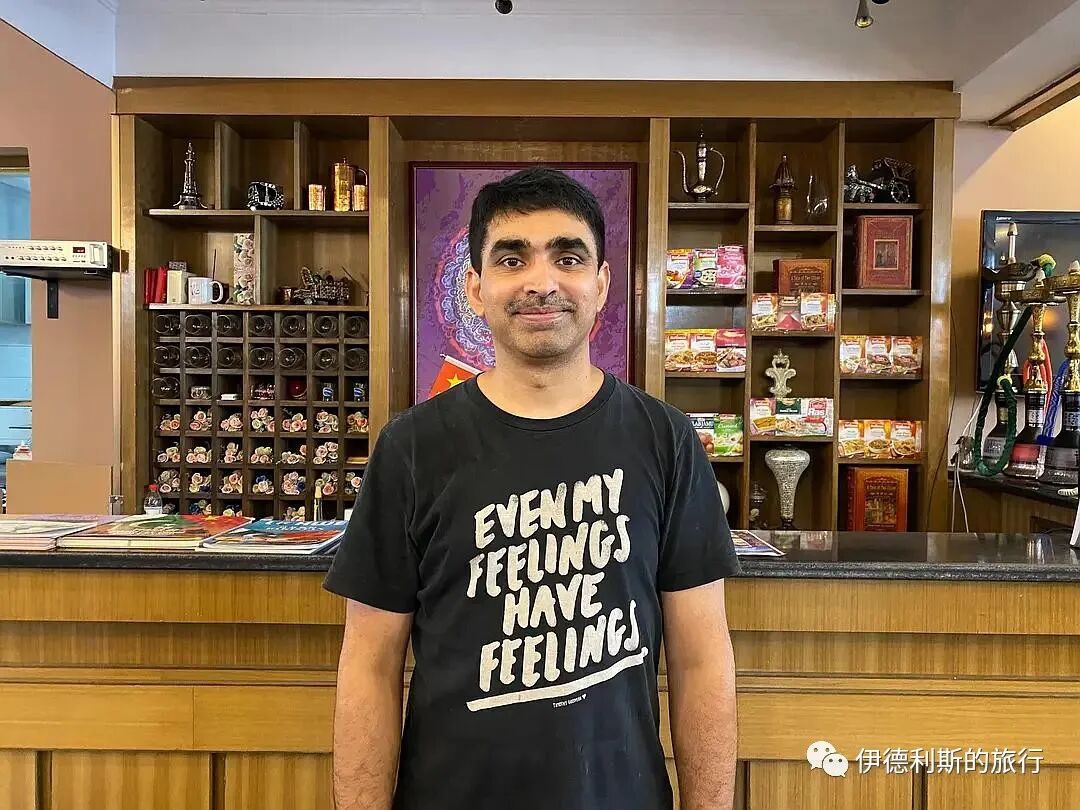
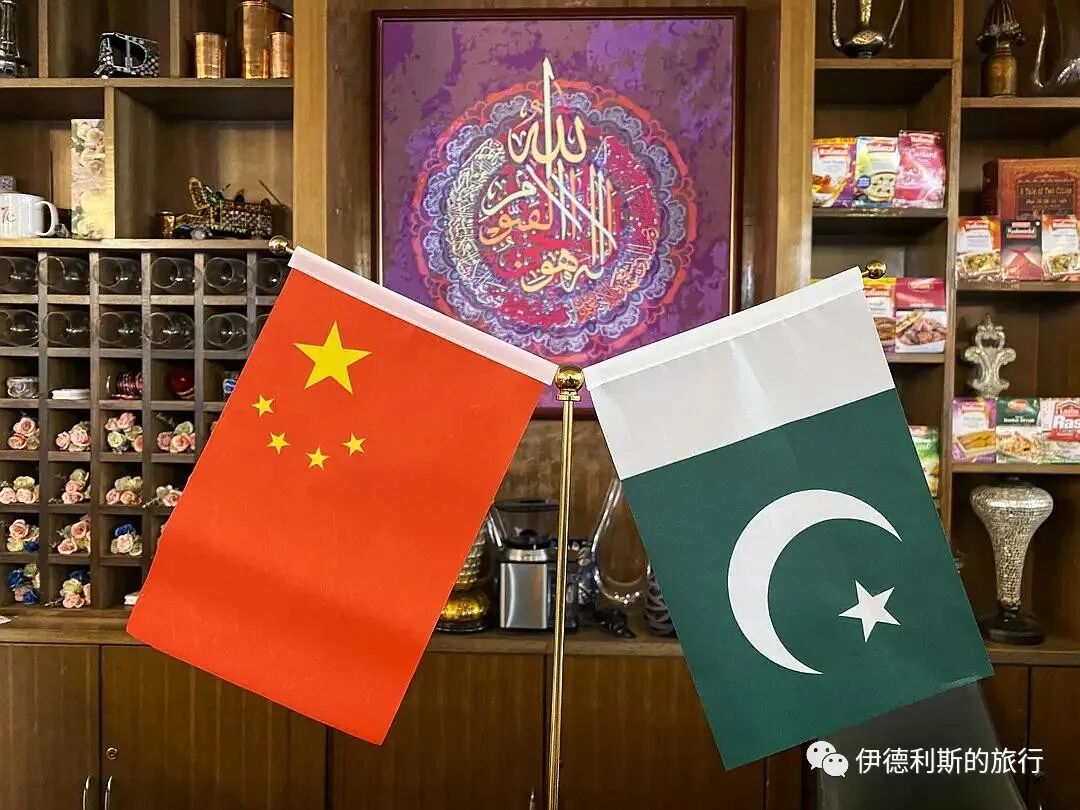
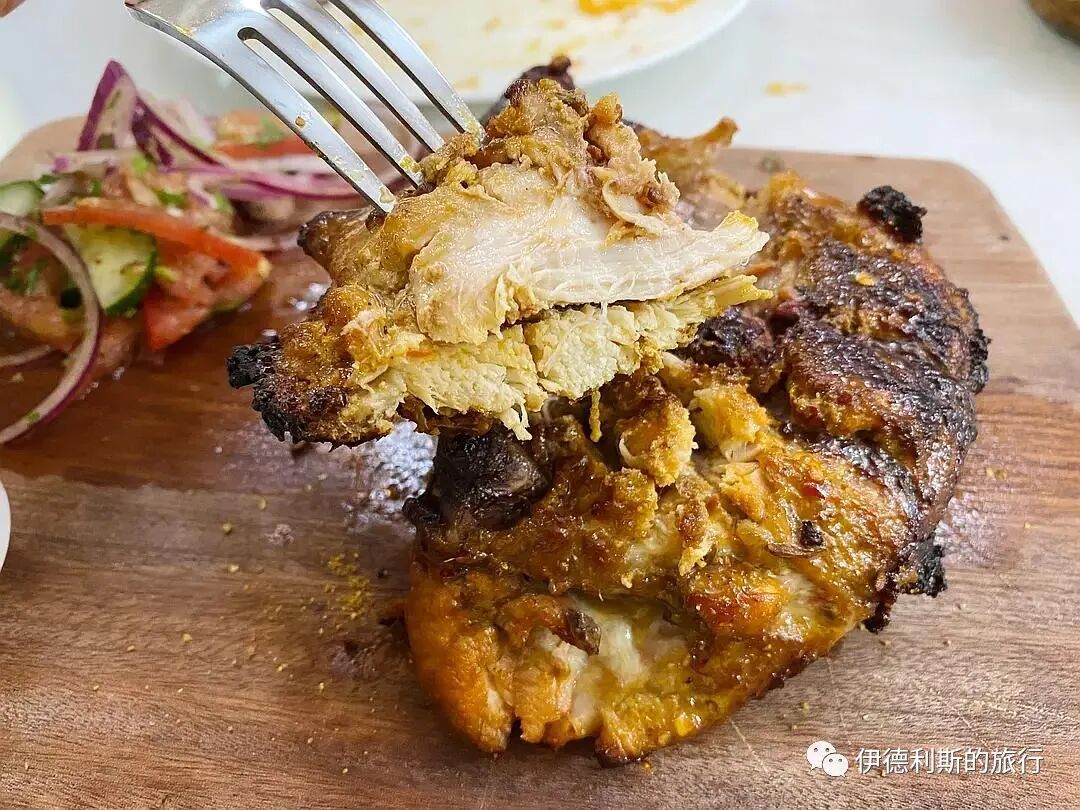
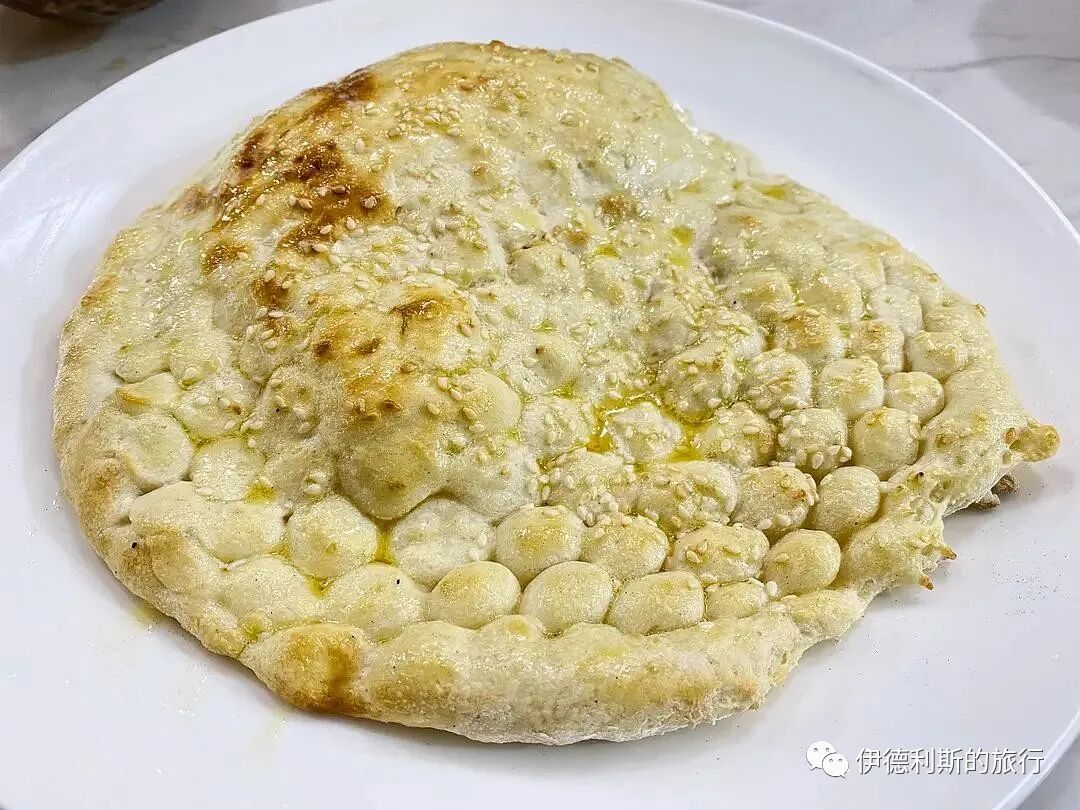
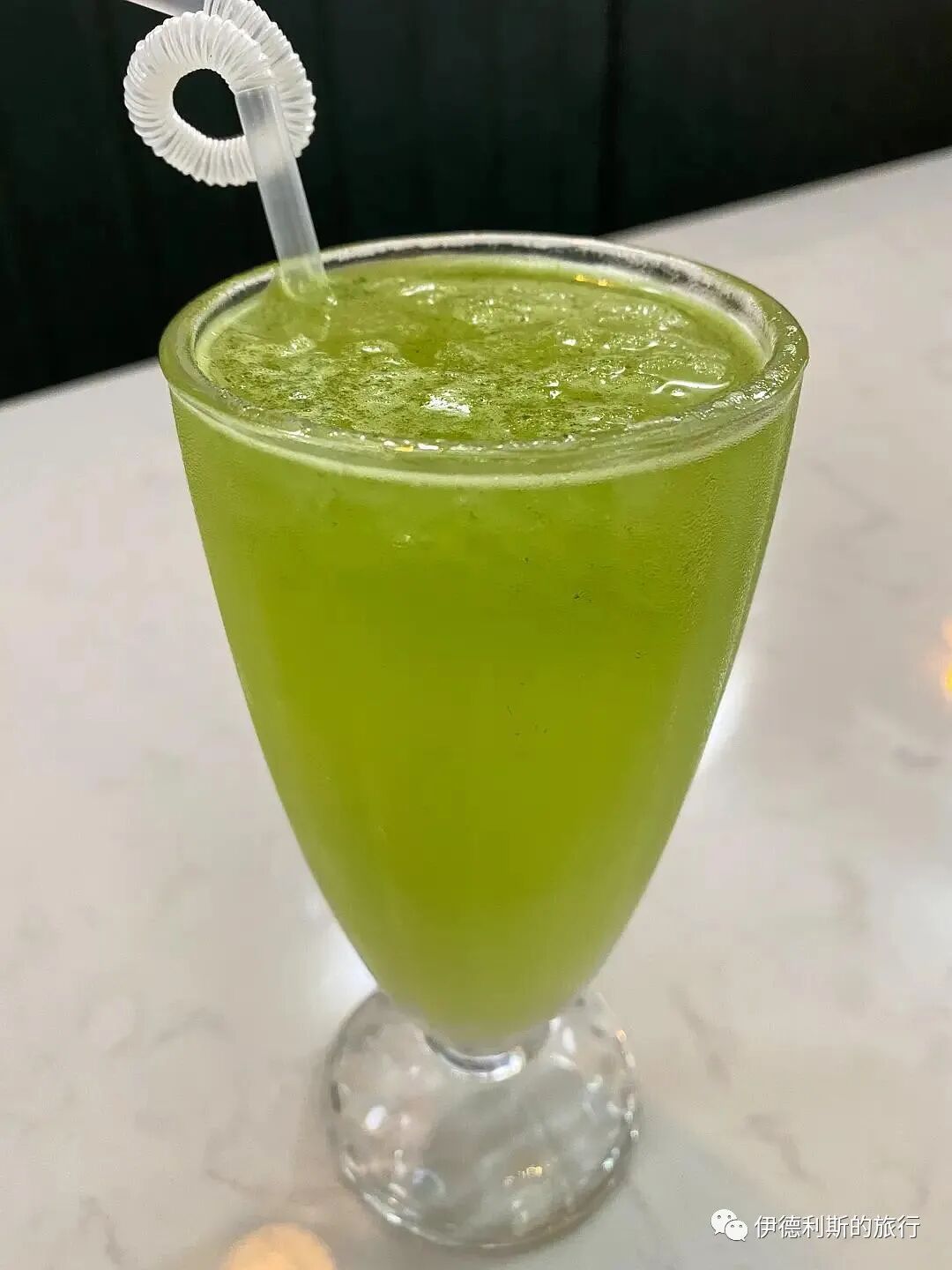
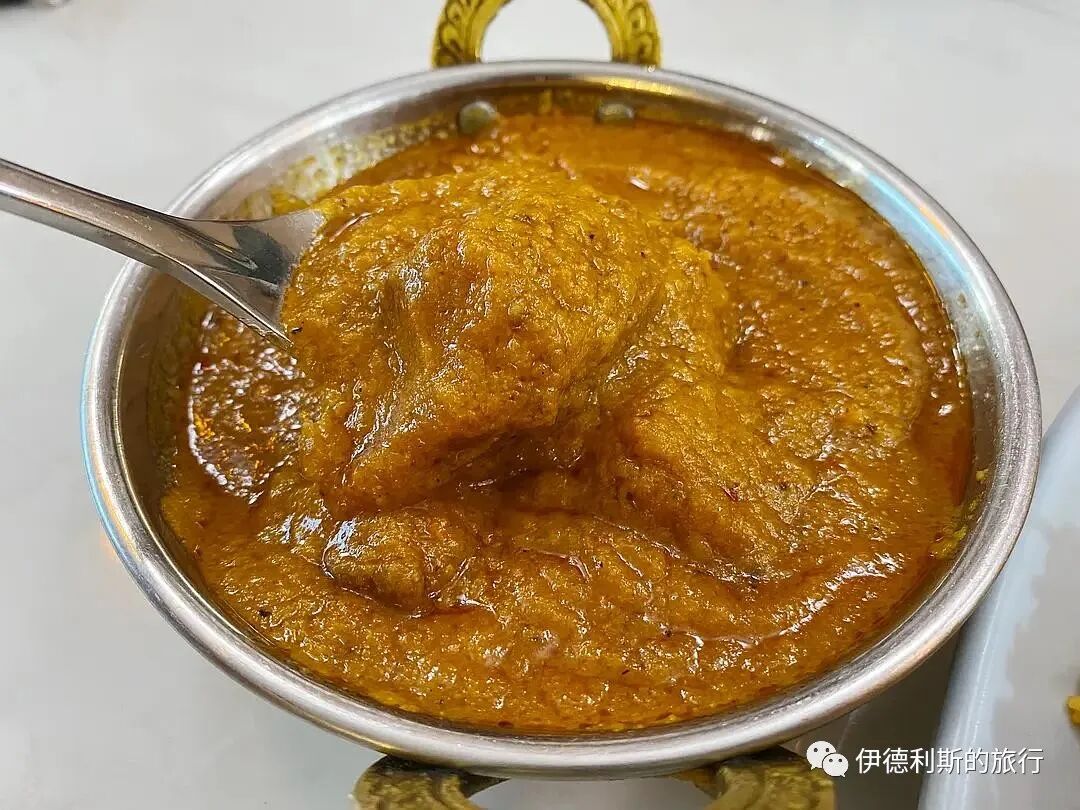
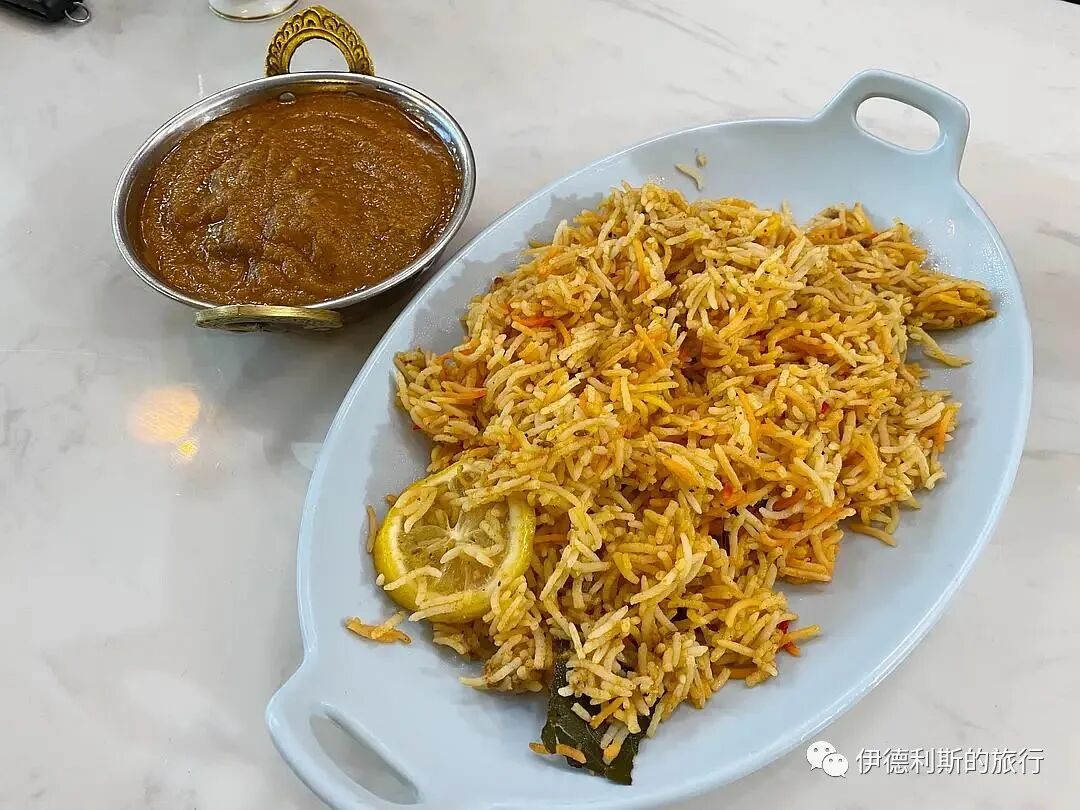
We arrived at Sanduhe Village in Huairou in the evening and started at a Pakistani restaurant called Sultan. We had butter flatbread (naan), spicy yogurt dip (raita), rice dish (biryani), clay oven roasted chicken legs (tandoori), beef curry (kadhi), grilled shrimp, milk tea, and mint lemonade. To be fair, their portions are a bit small and the prices are on the high side, but the food is truly delicious! It beats some of the Pakistani restaurants in the city. Their butter naan is especially good; it comes out of the oven fluffy and smells amazing. The chicken legs and beef were both excellent. My father-in-law and Zainab especially liked the milk tea, which had a very rich milk and tea flavor. The only downside was the shrimp, which seemed to have been sitting out too long and had a mushy texture.
The spicy yogurt dip (raita) made with fresh chili peppers is rare to find. It has a strong spicy kick and tastes very unique. Raita is a Hindi word formed by combining the Sanskrit words 'rajika' and 'tiktaka,' which originally meant 'black mustard seeds' and 'pungent.' This is because making raita involves frying black mustard seeds and cumin, mixing them with chopped vegetables, and then adding them to yogurt.
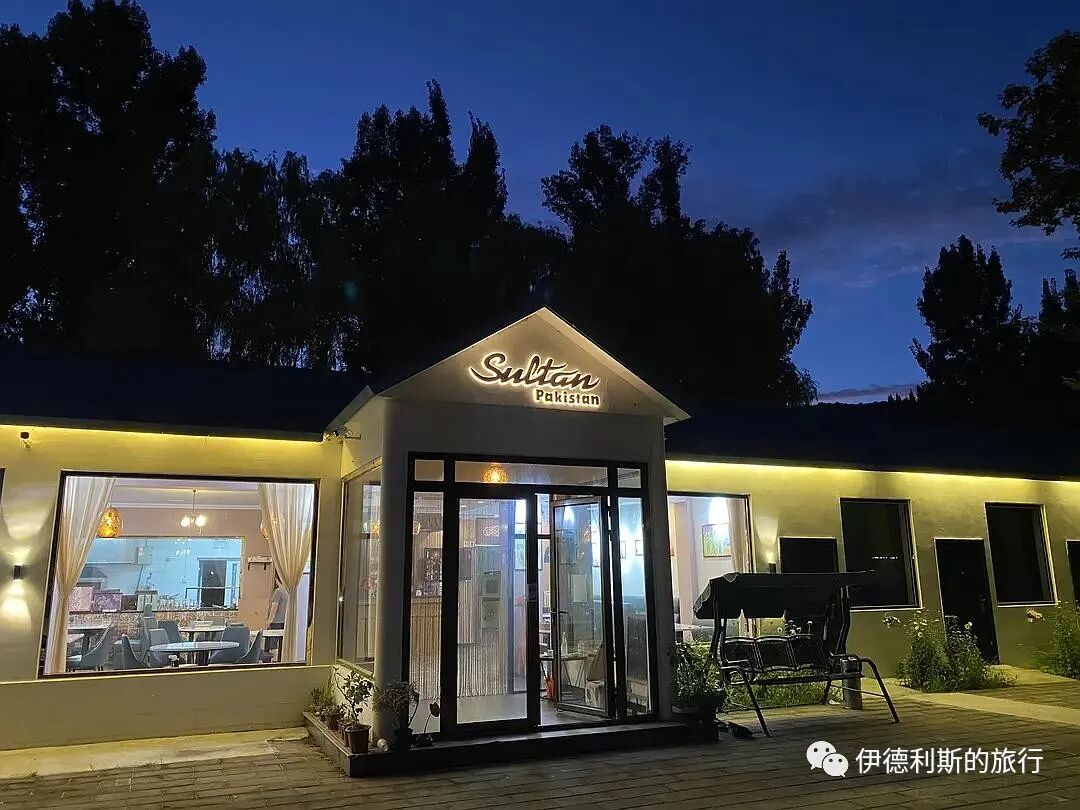
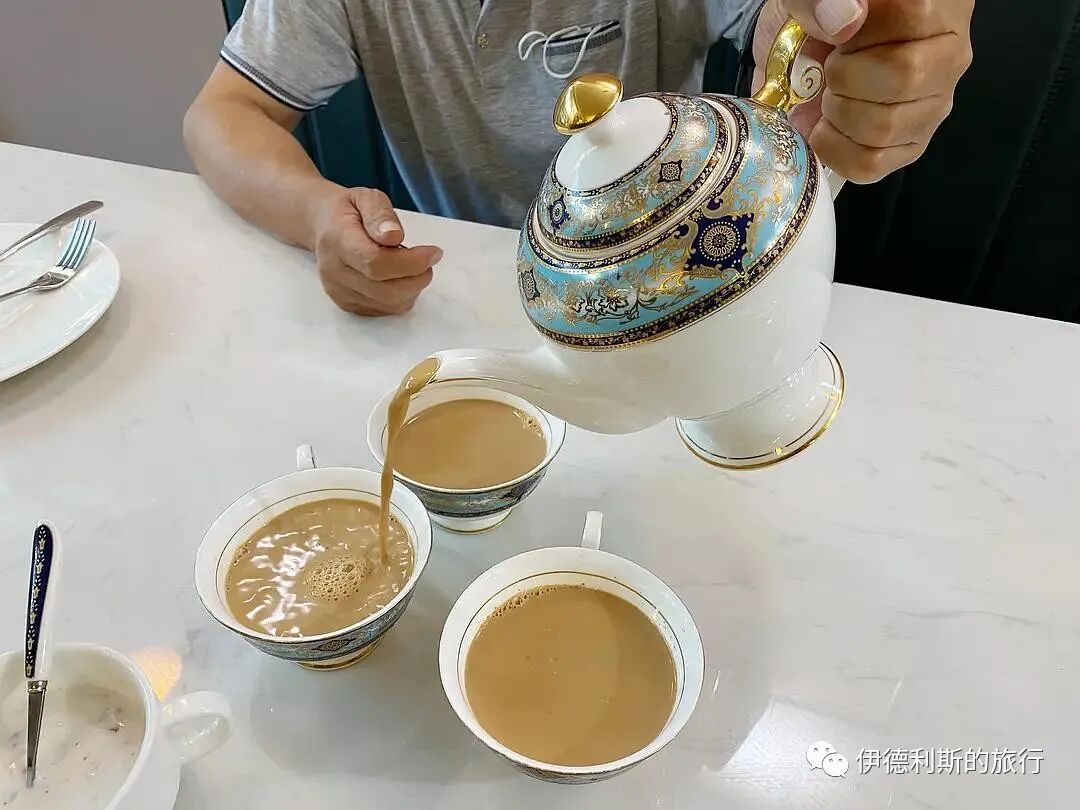
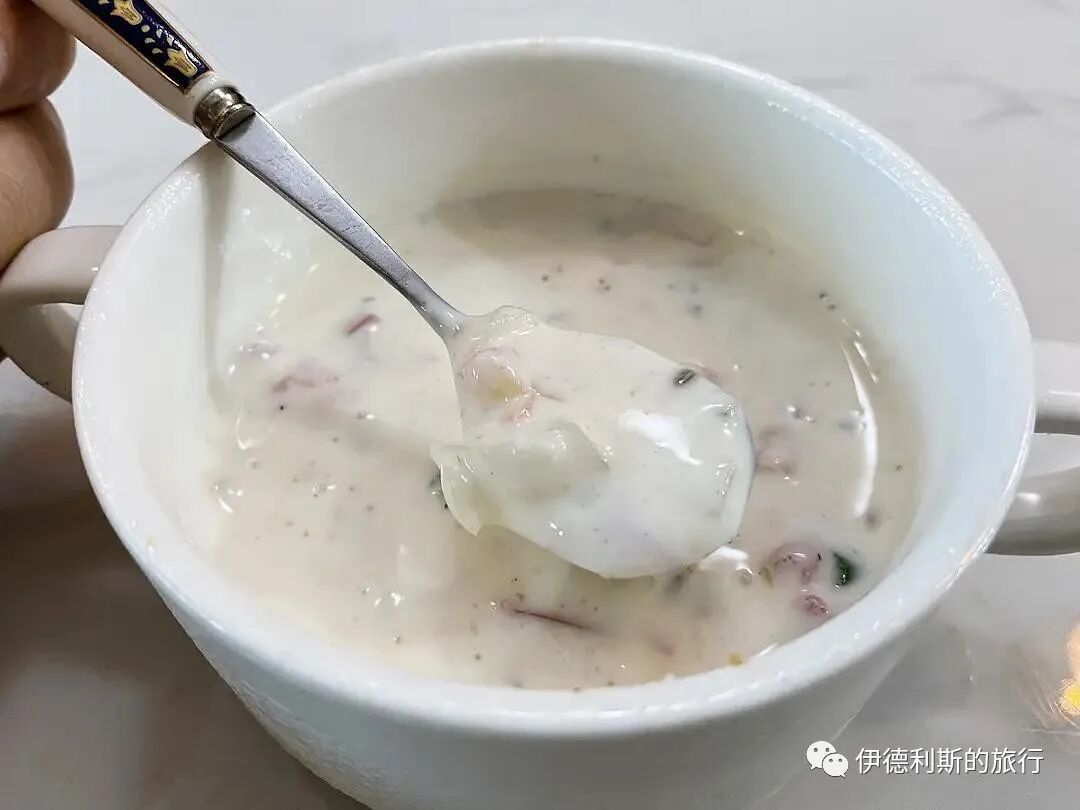
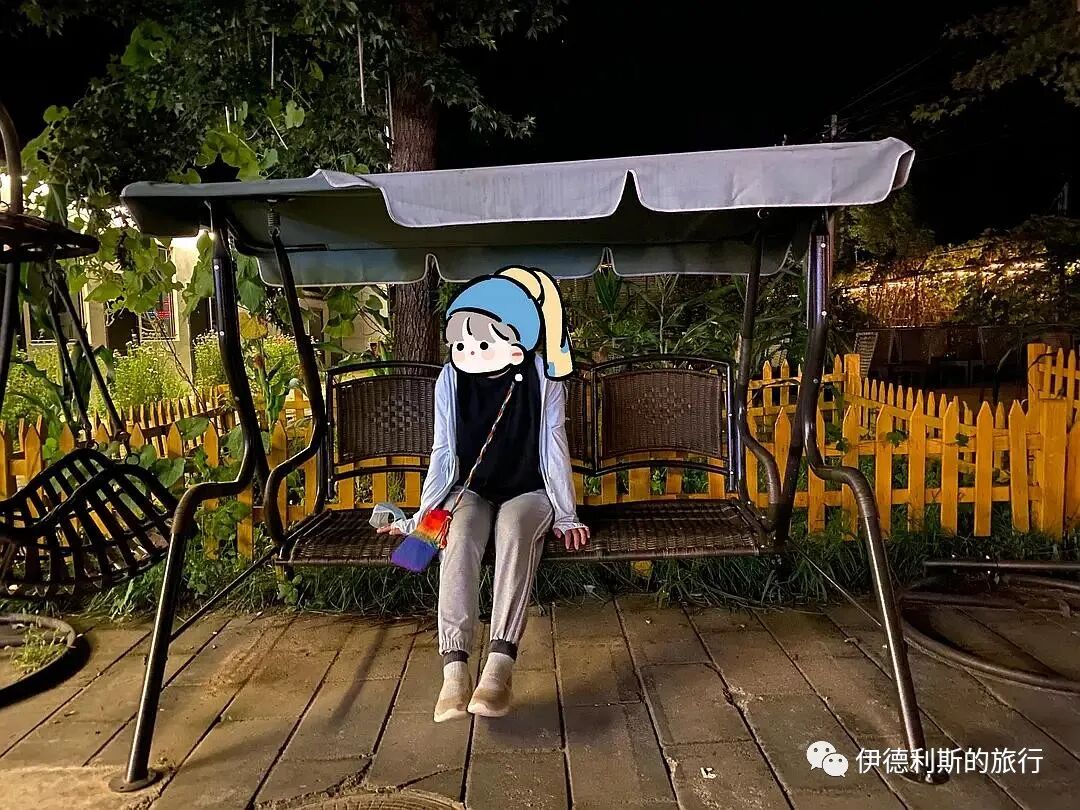
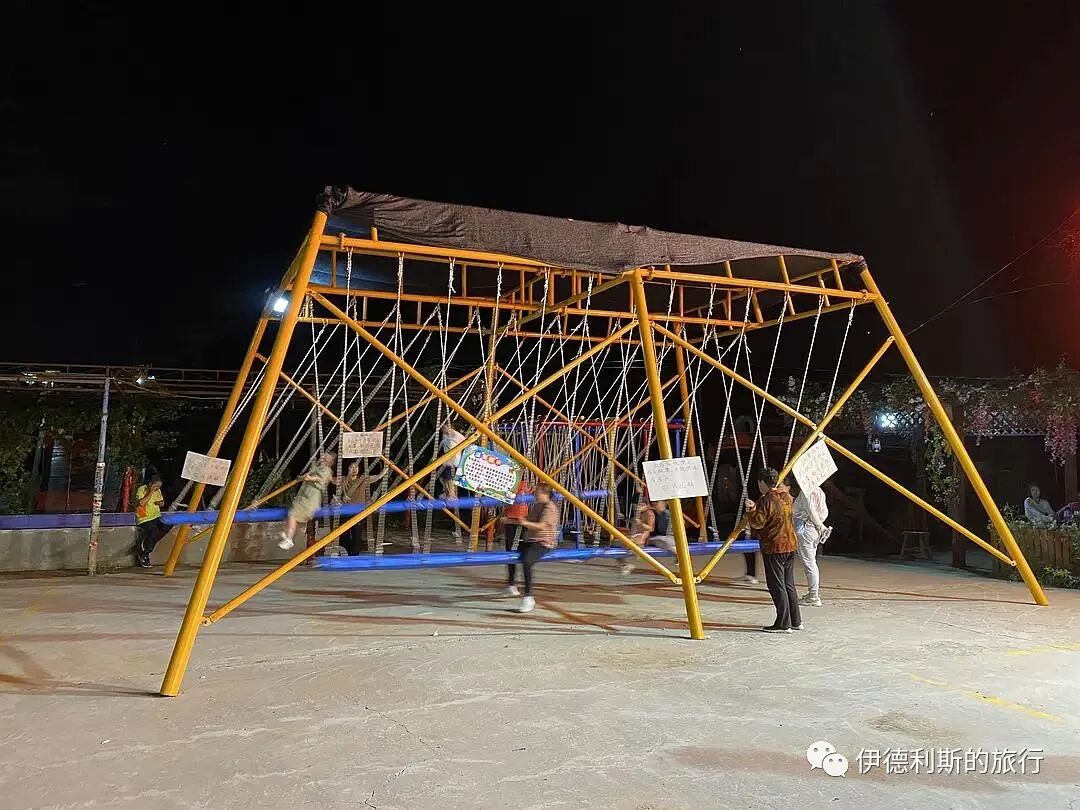
Playing in the restaurant at night.
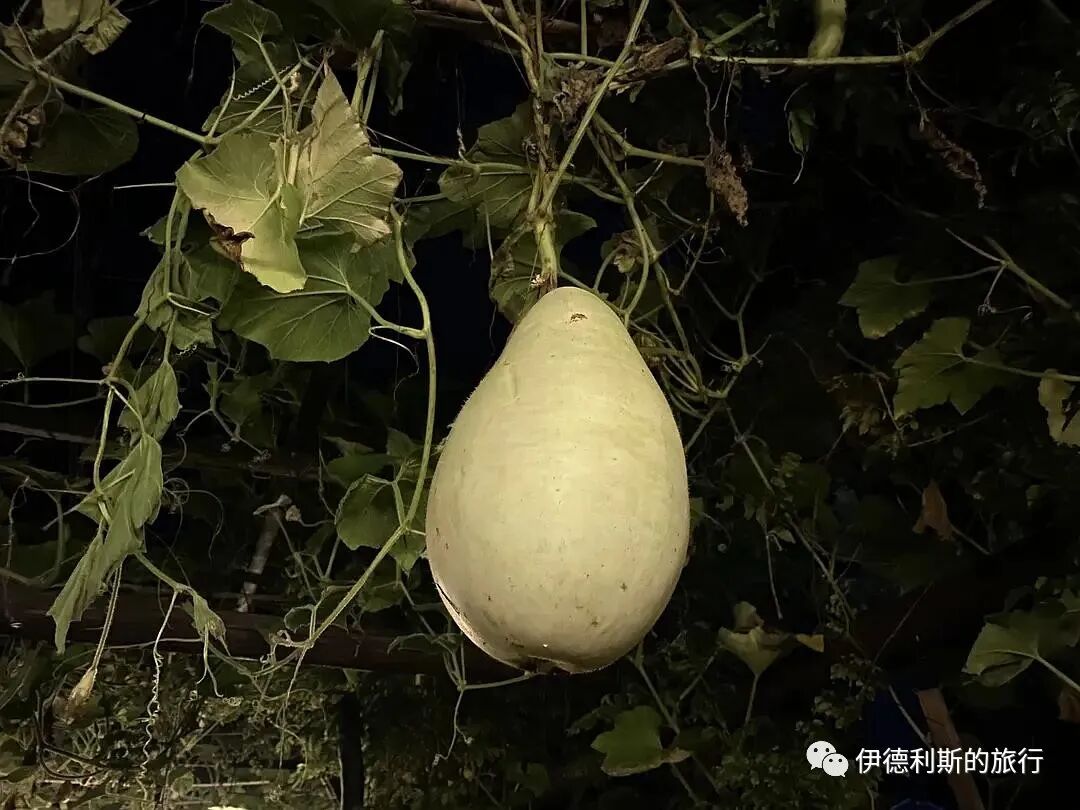
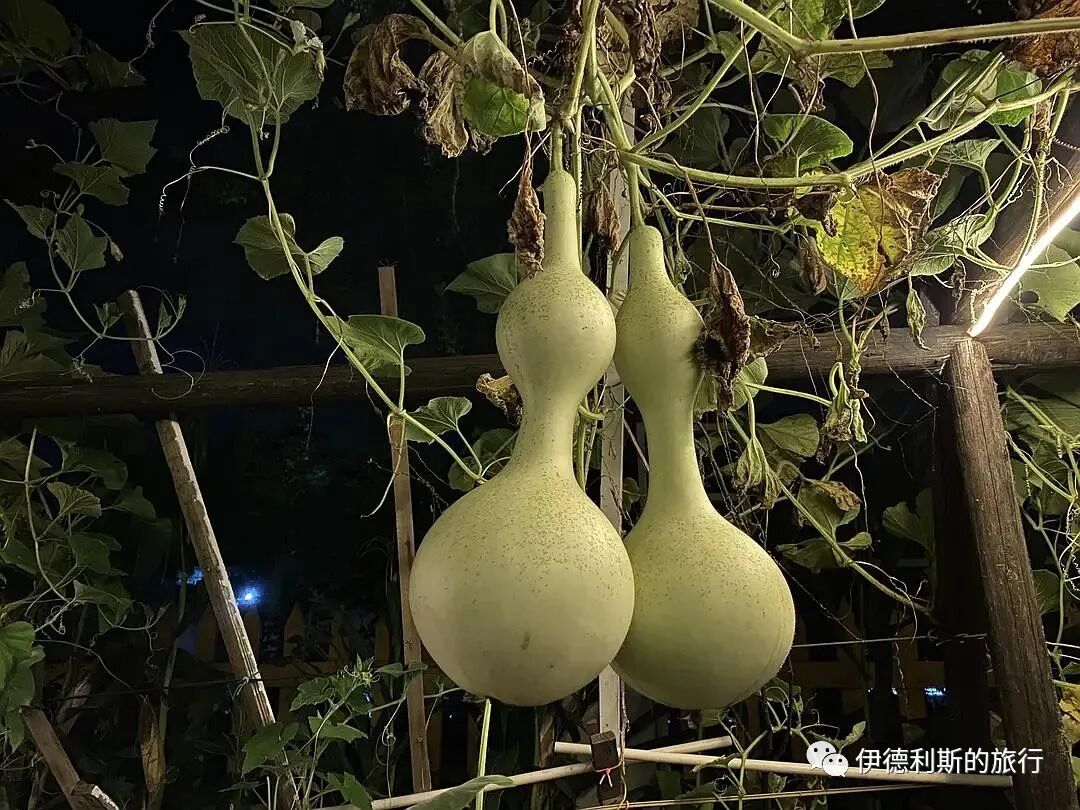
Gourd vines in the restaurant.
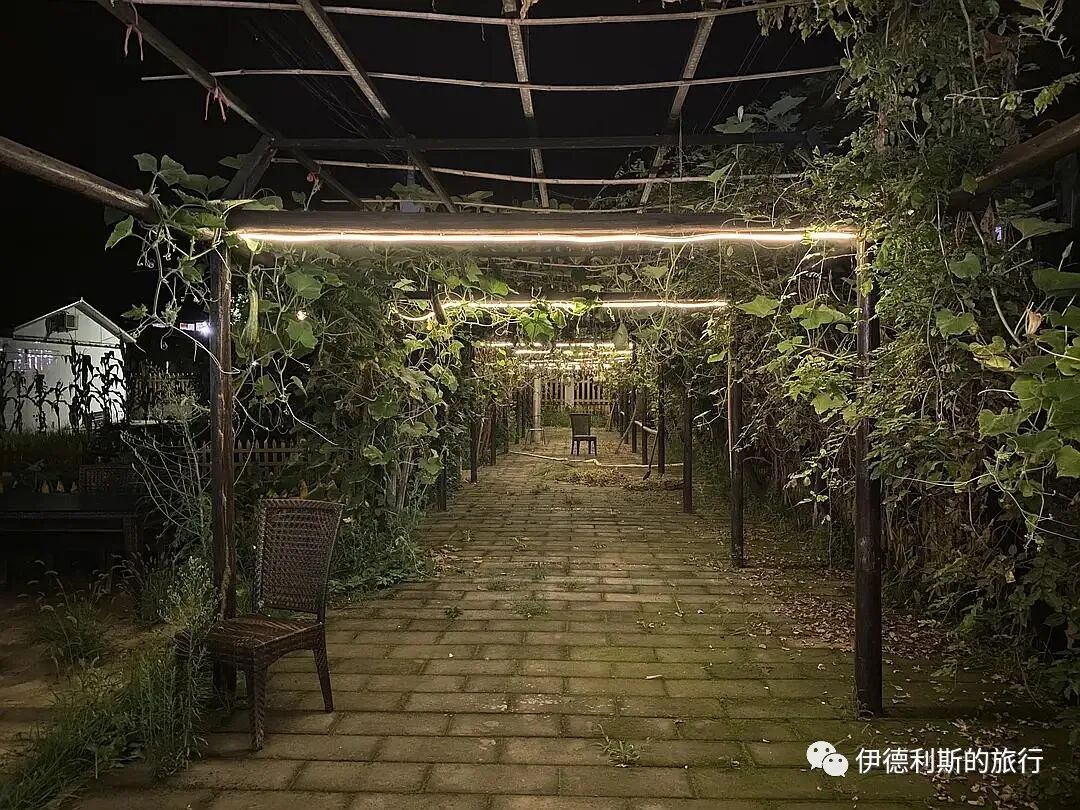
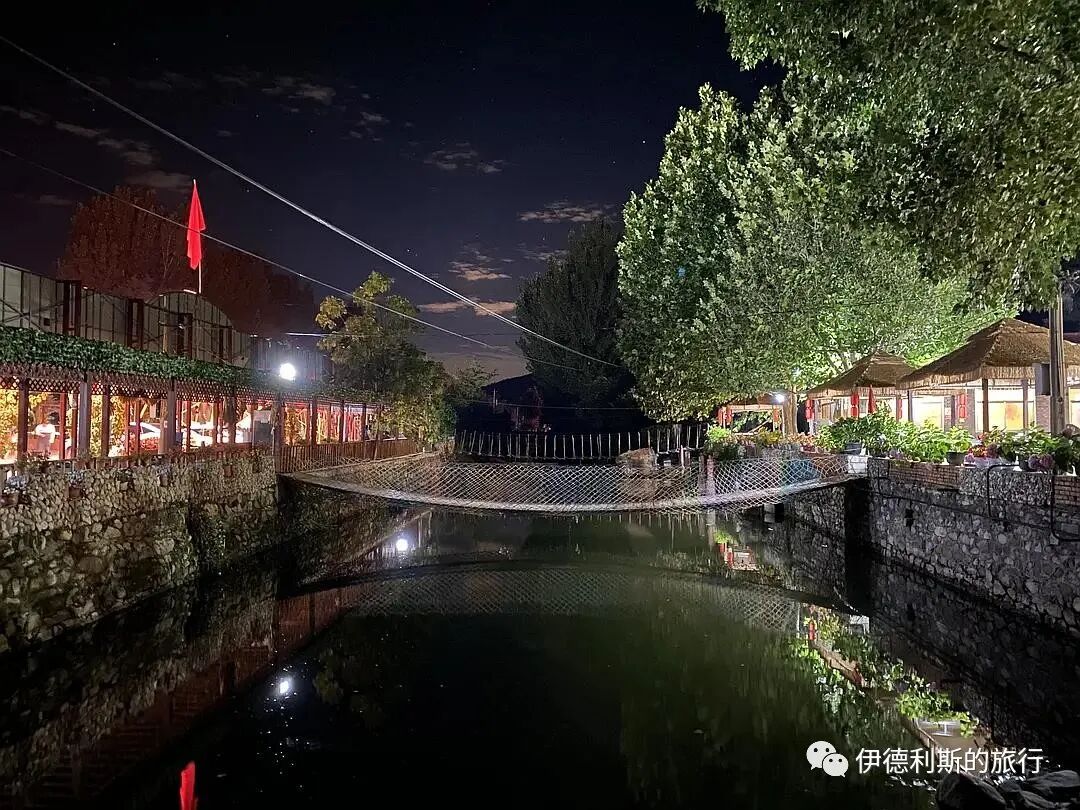
The night view of Sanduhe Village.
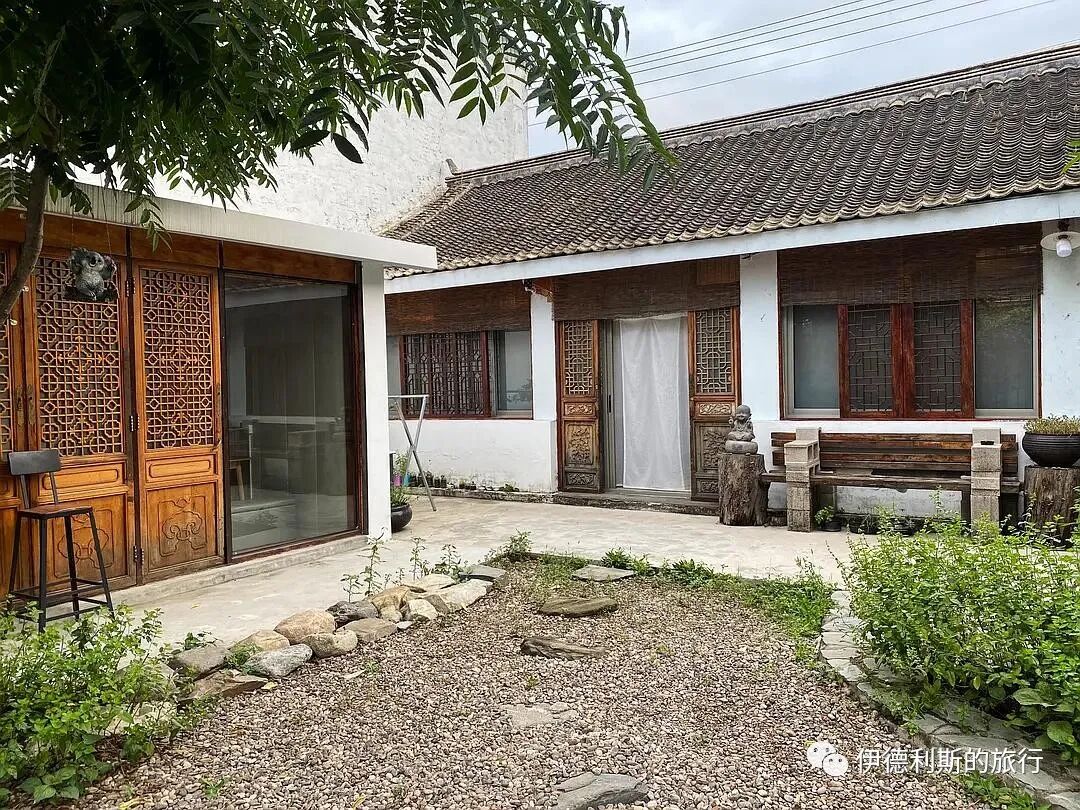
The small guesthouse courtyard where we stayed.
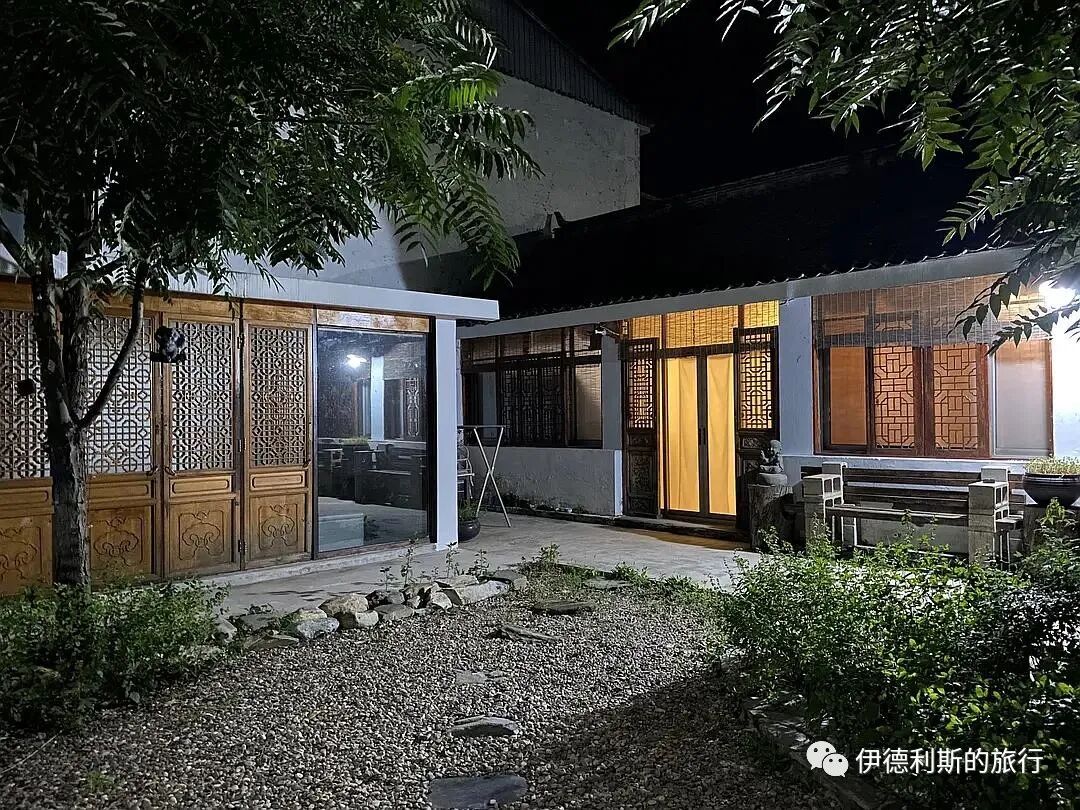
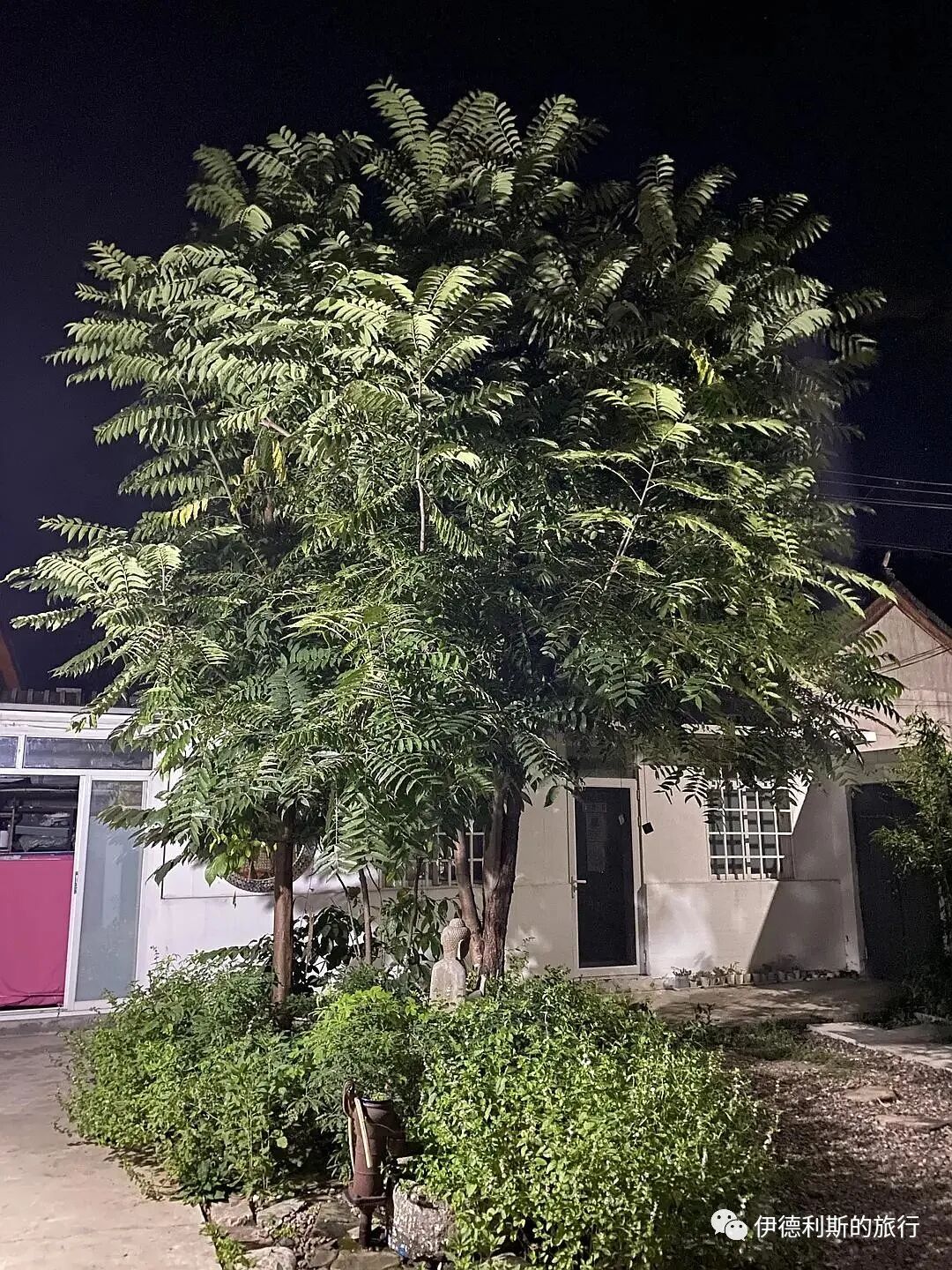
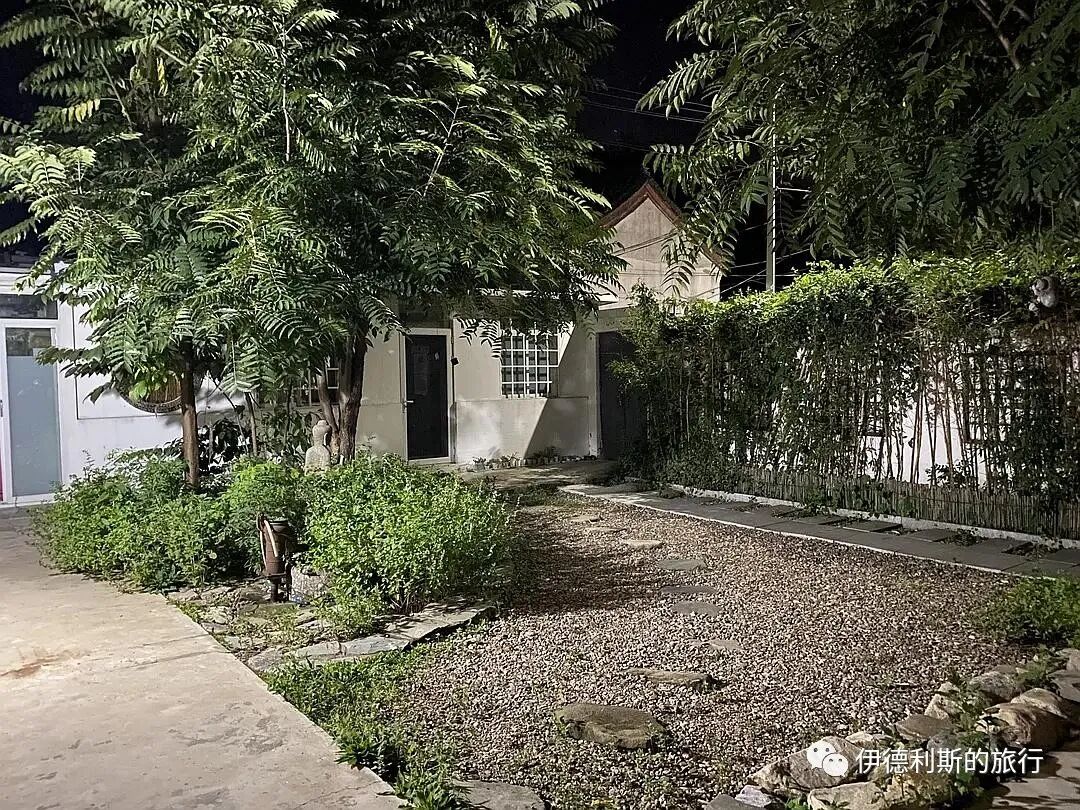
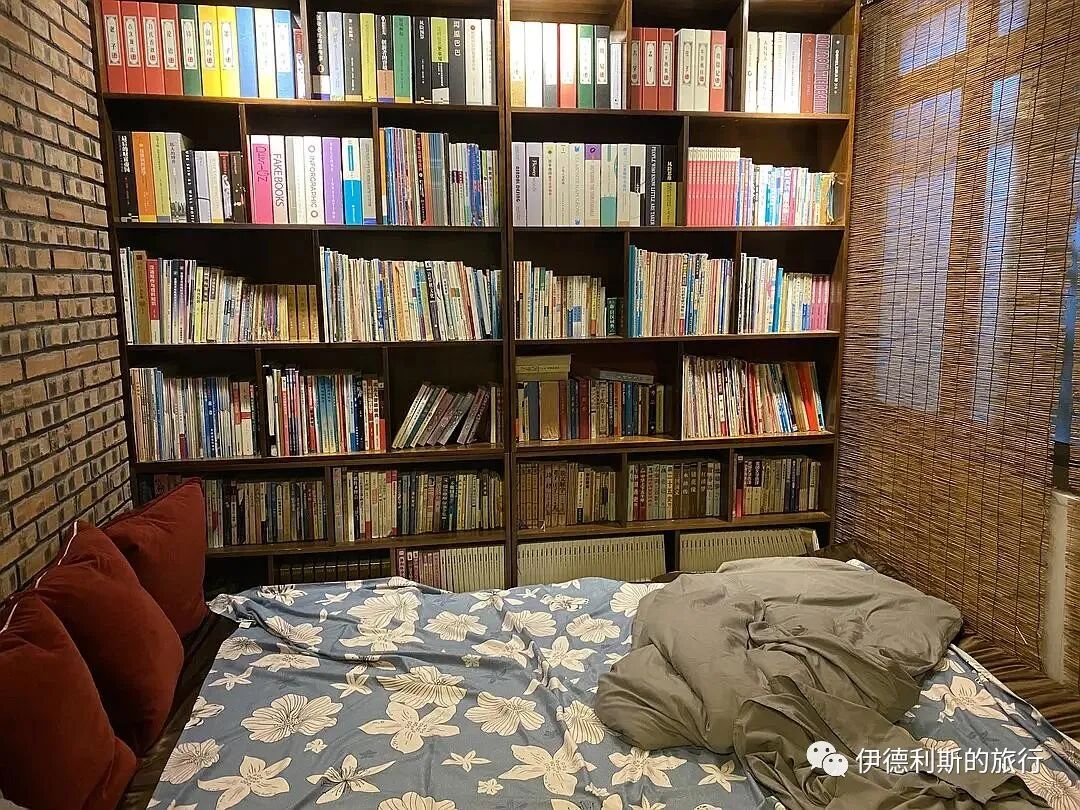
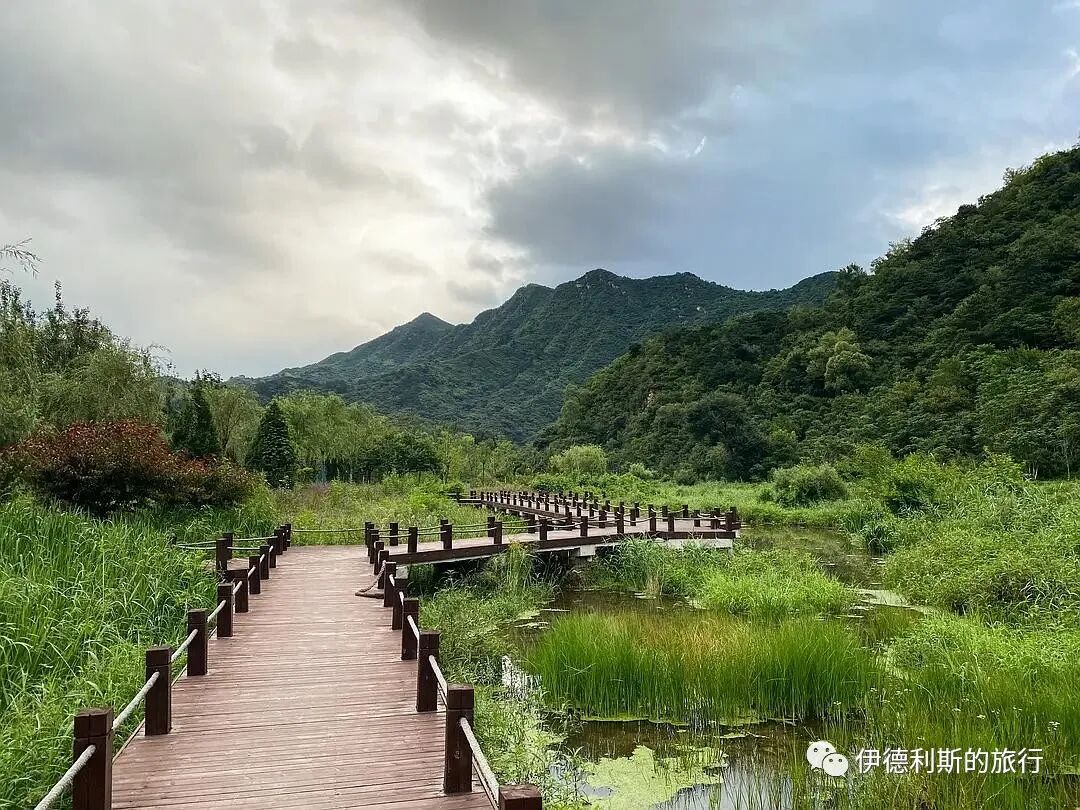
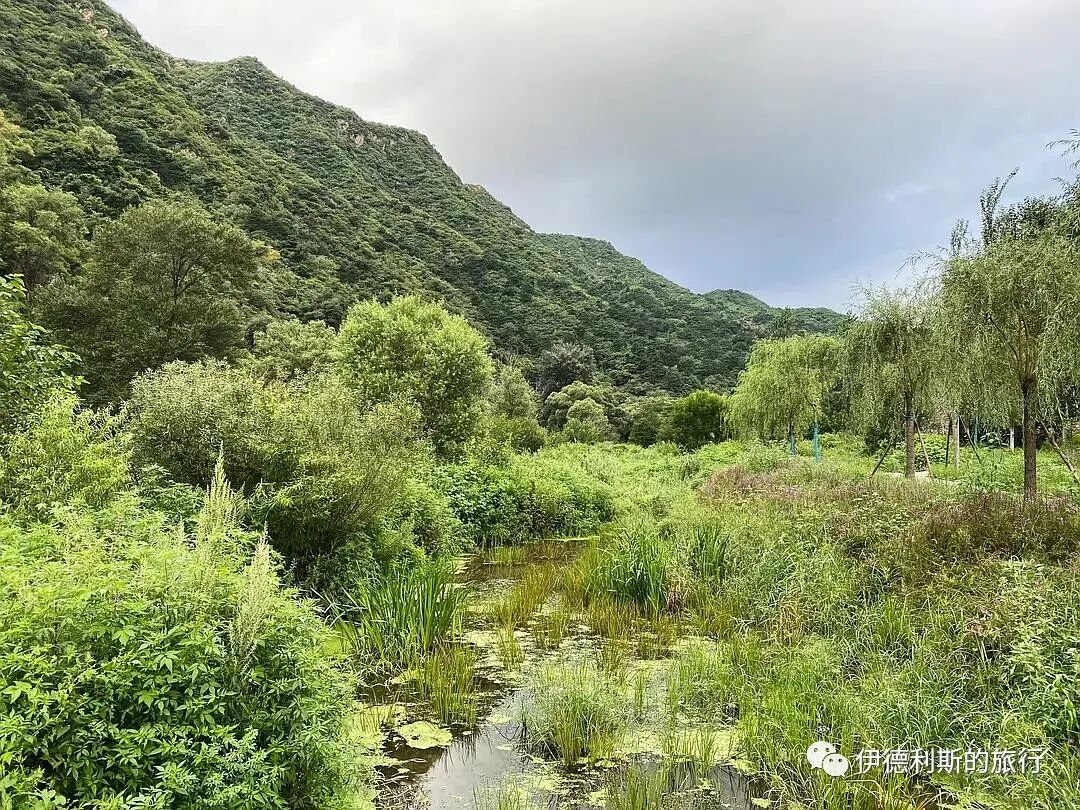
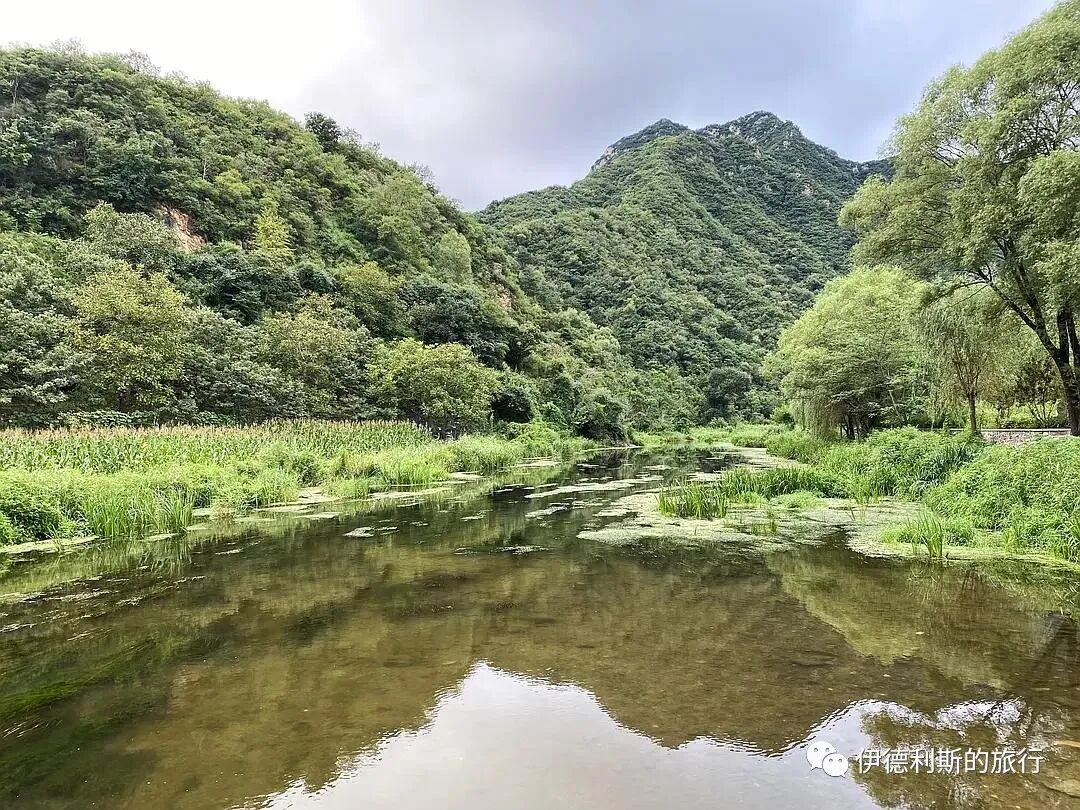
Staying in the village means you can enjoy the beautiful, empty scenery early in the morning.
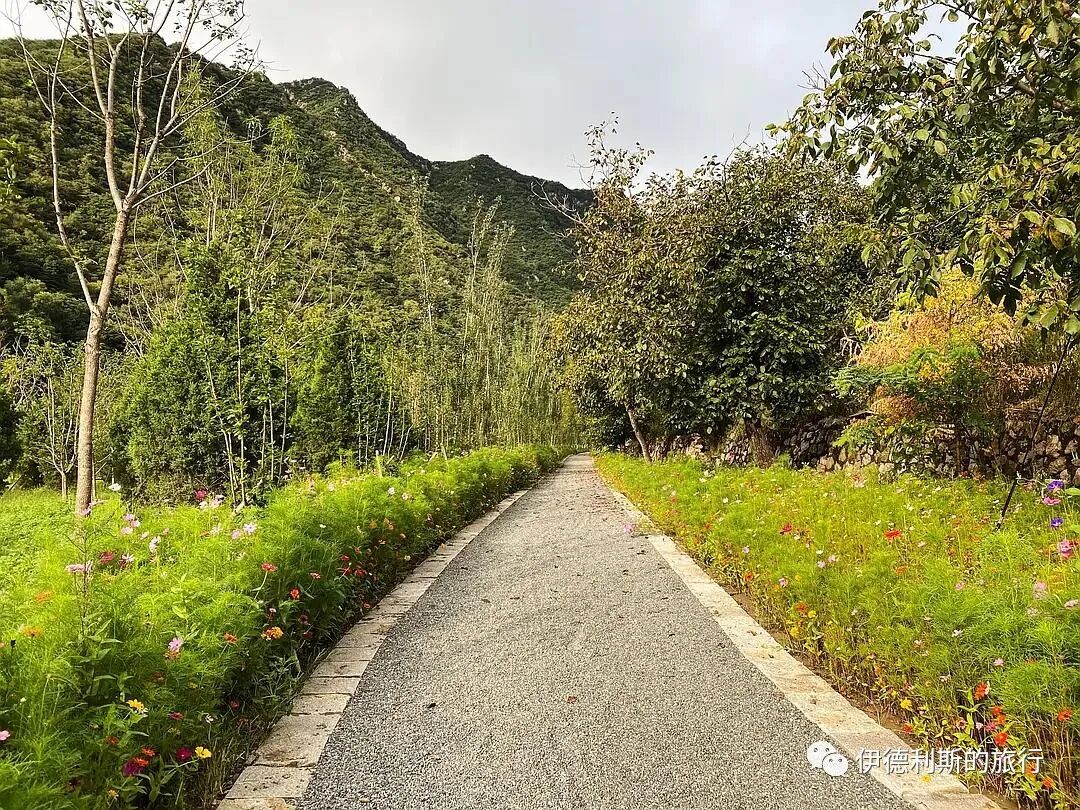
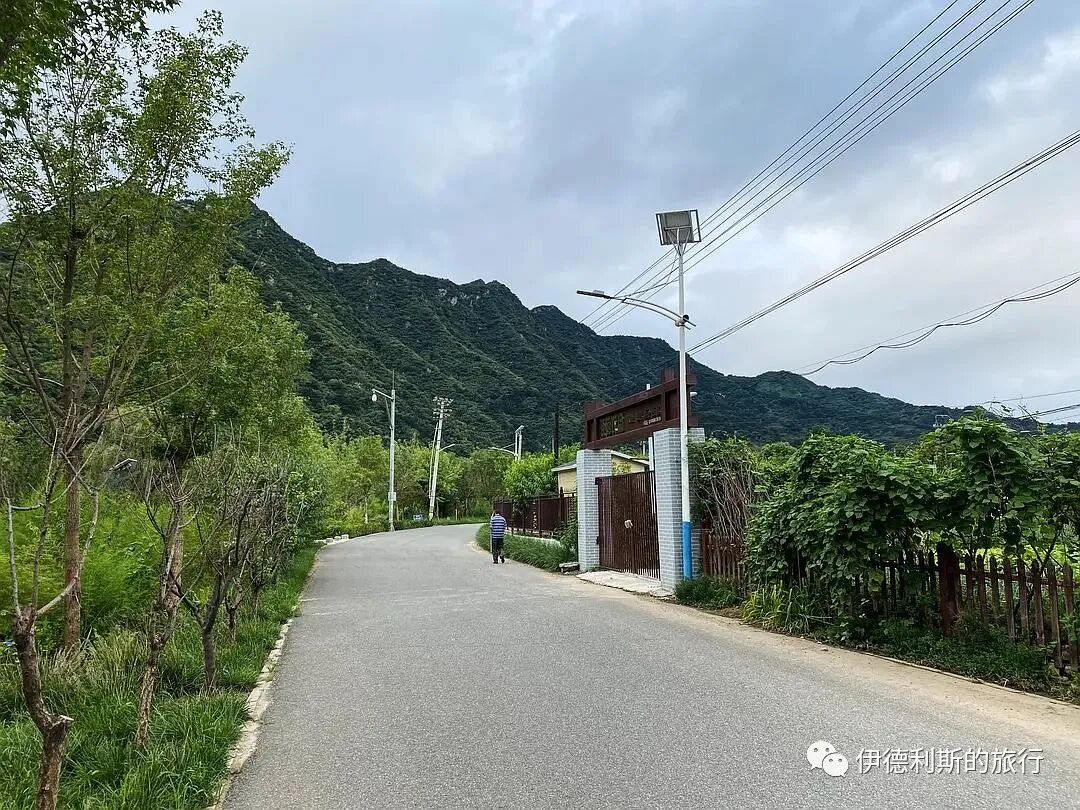
In the morning, we picked peaches, plums, and grapes along Huaihuang Road. They were so delicious; I have never bought any this sweet at the supermarket before.
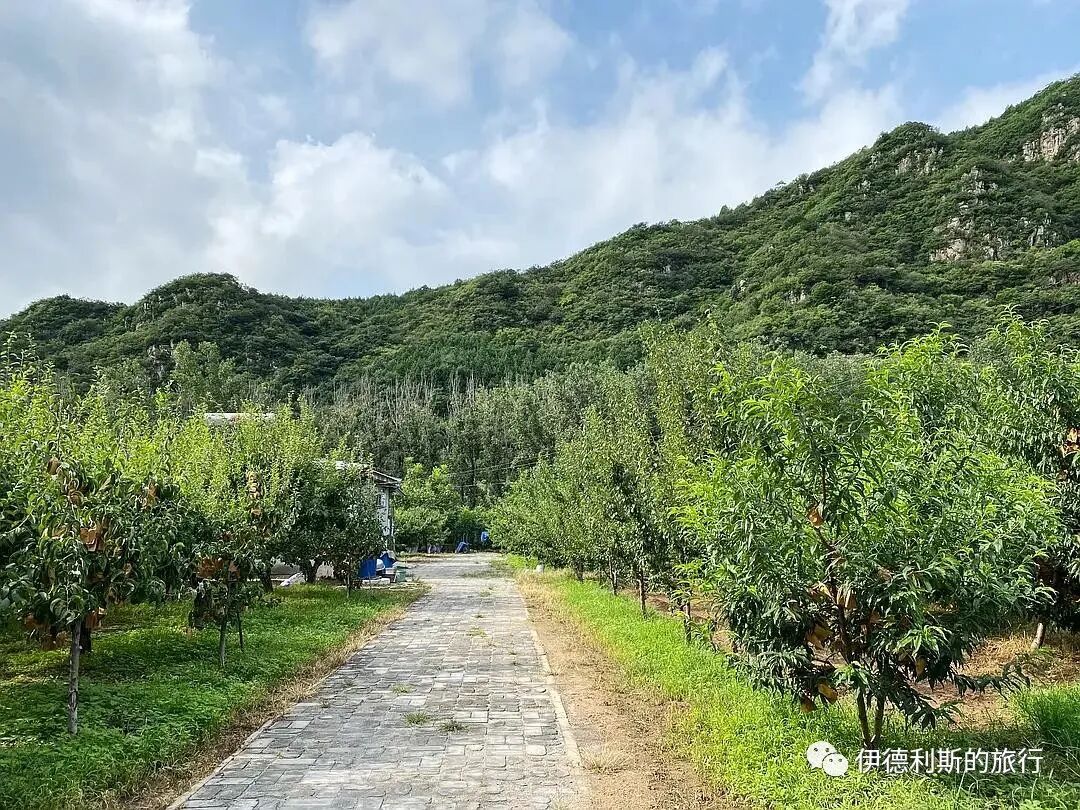
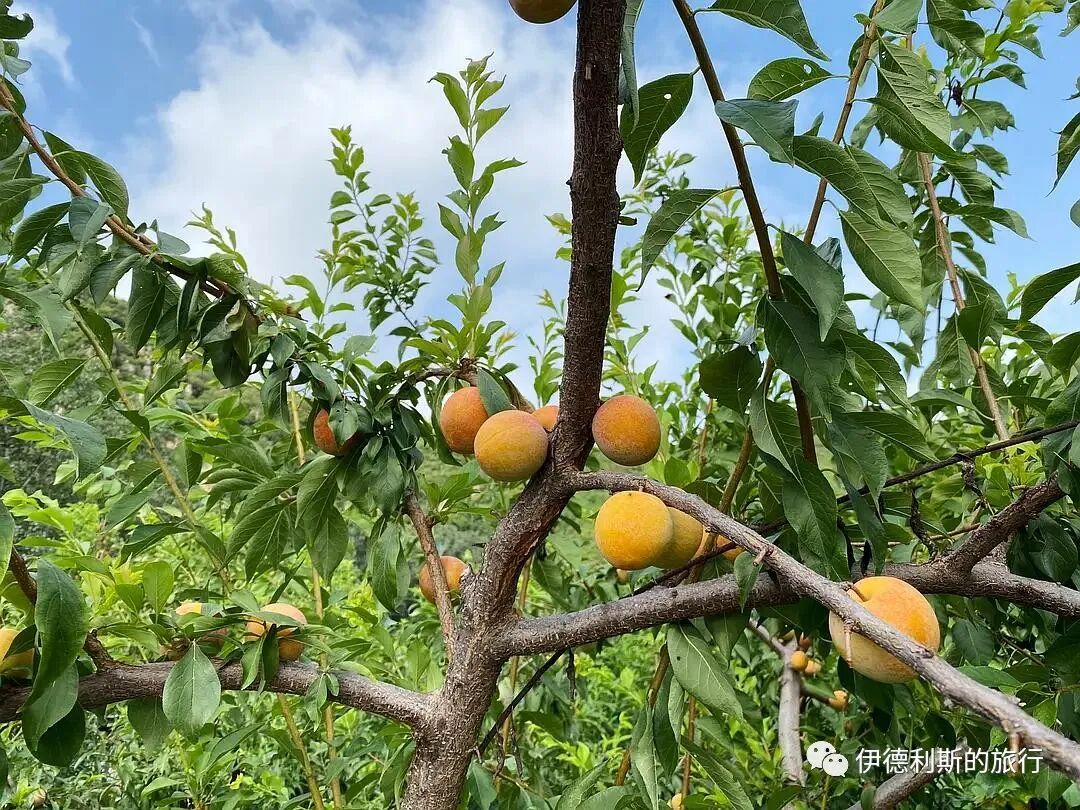
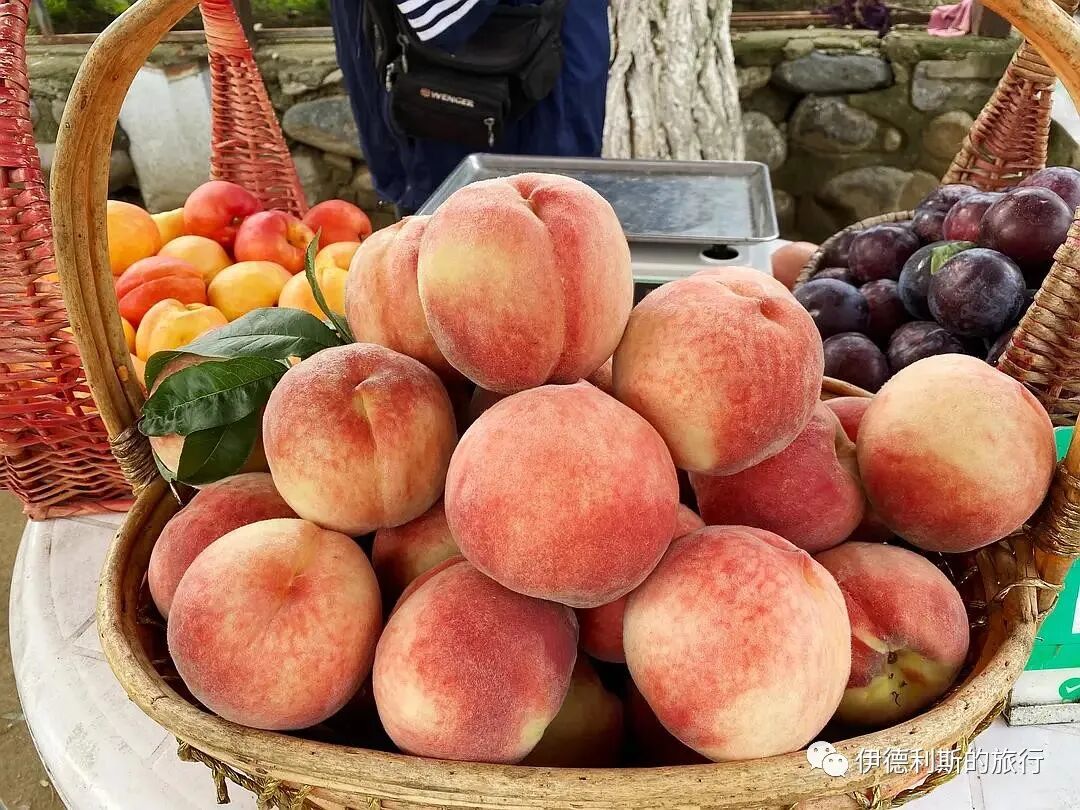
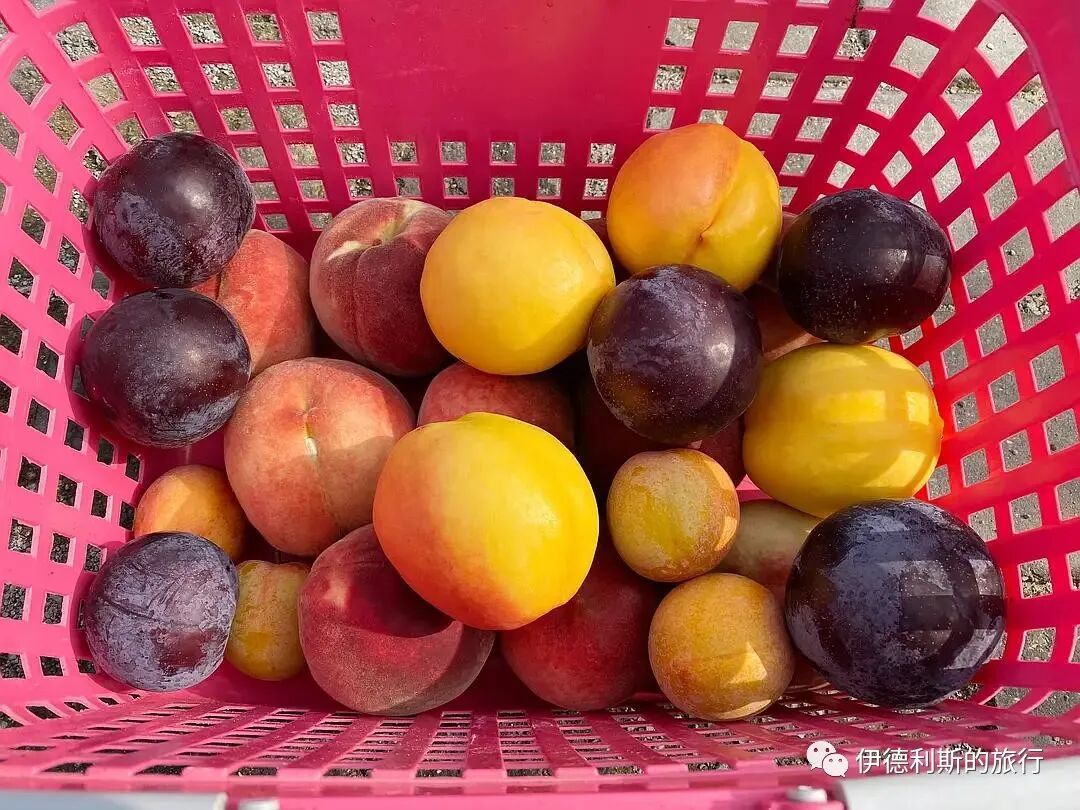
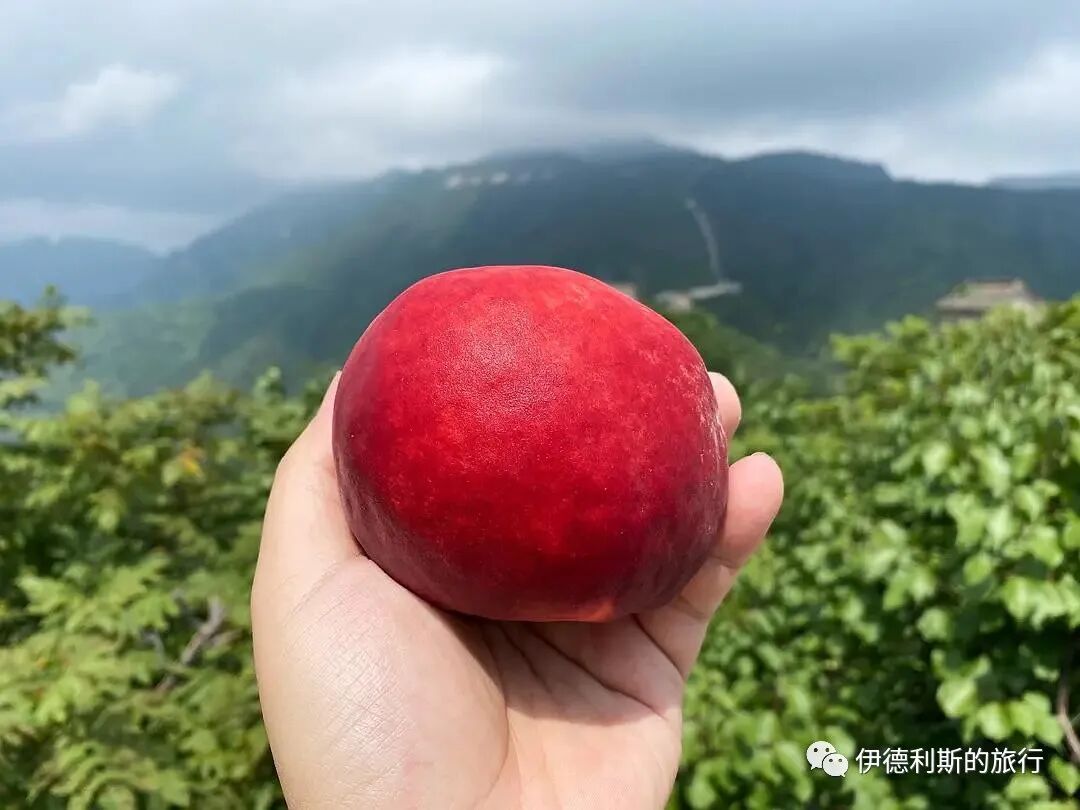
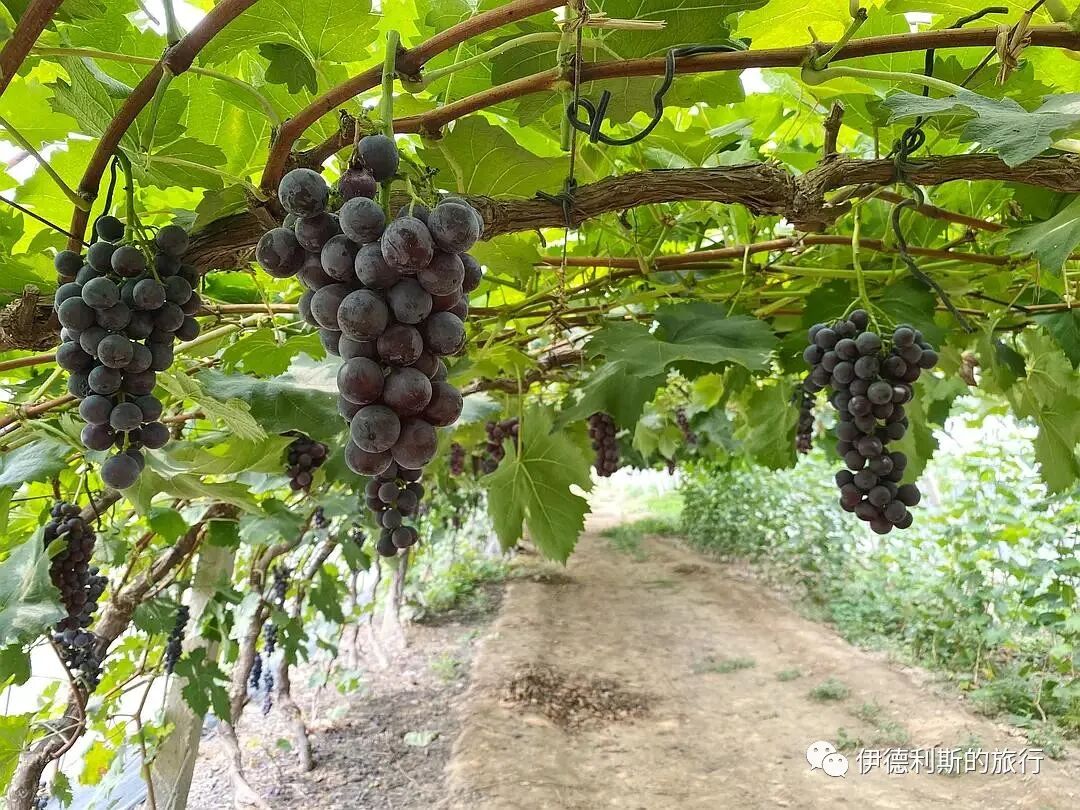
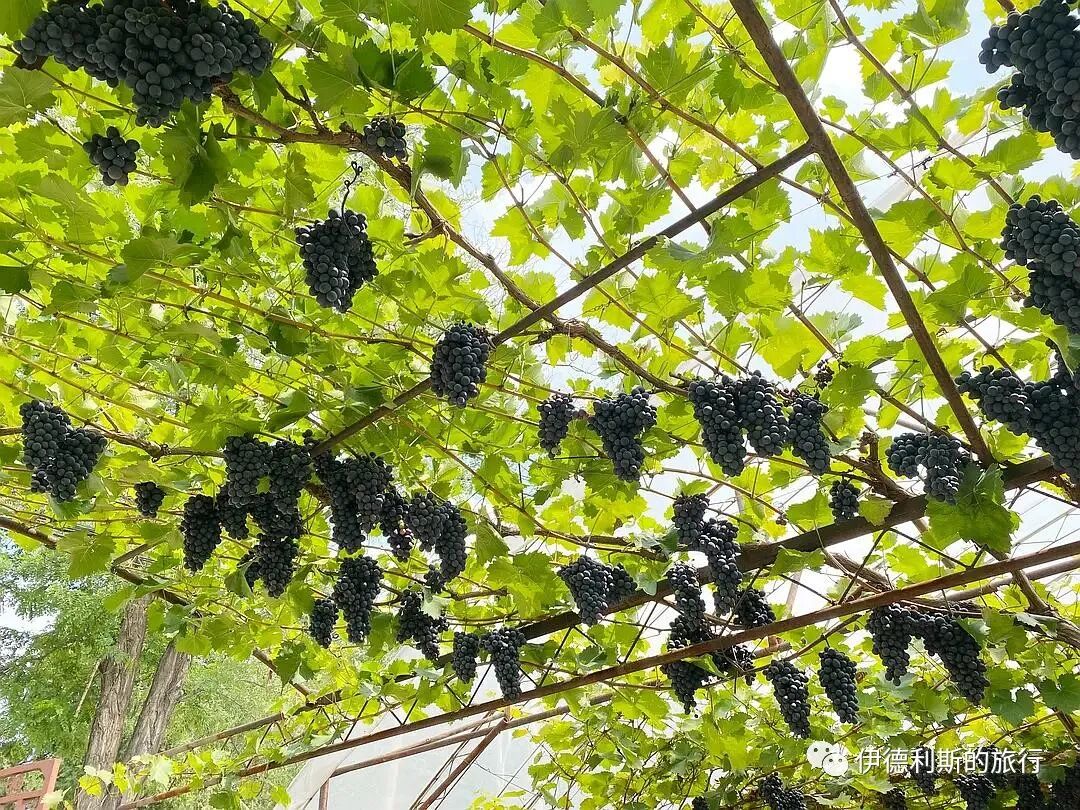
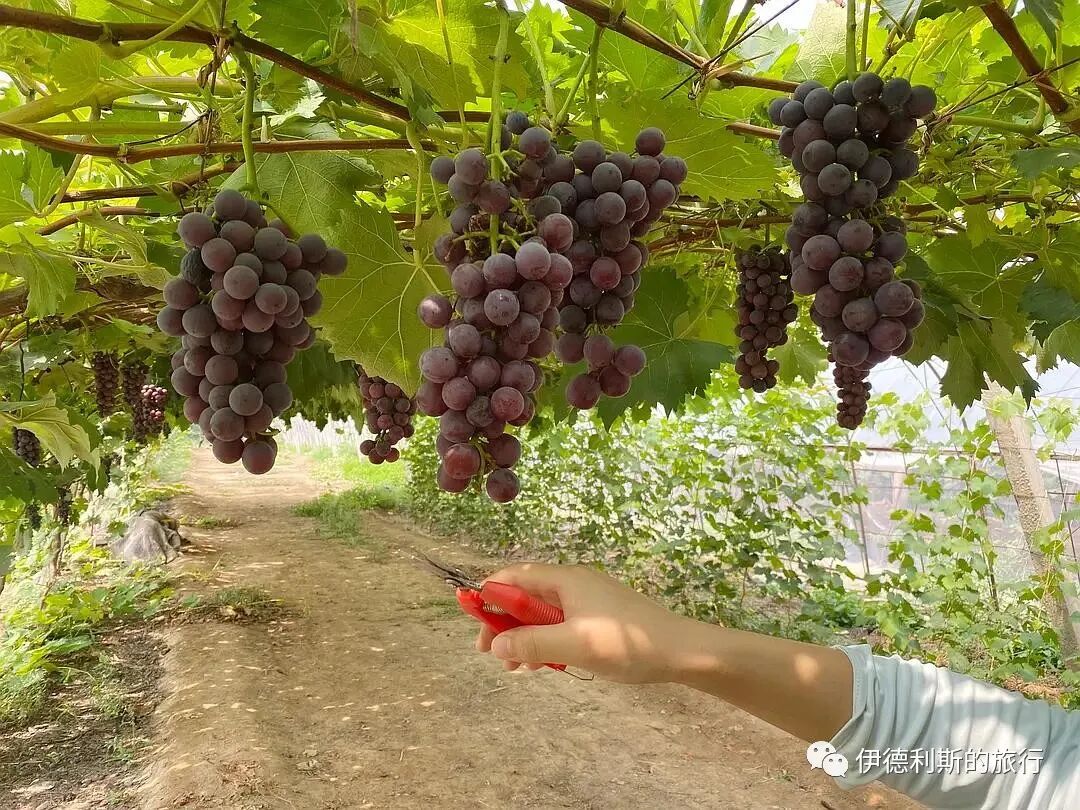
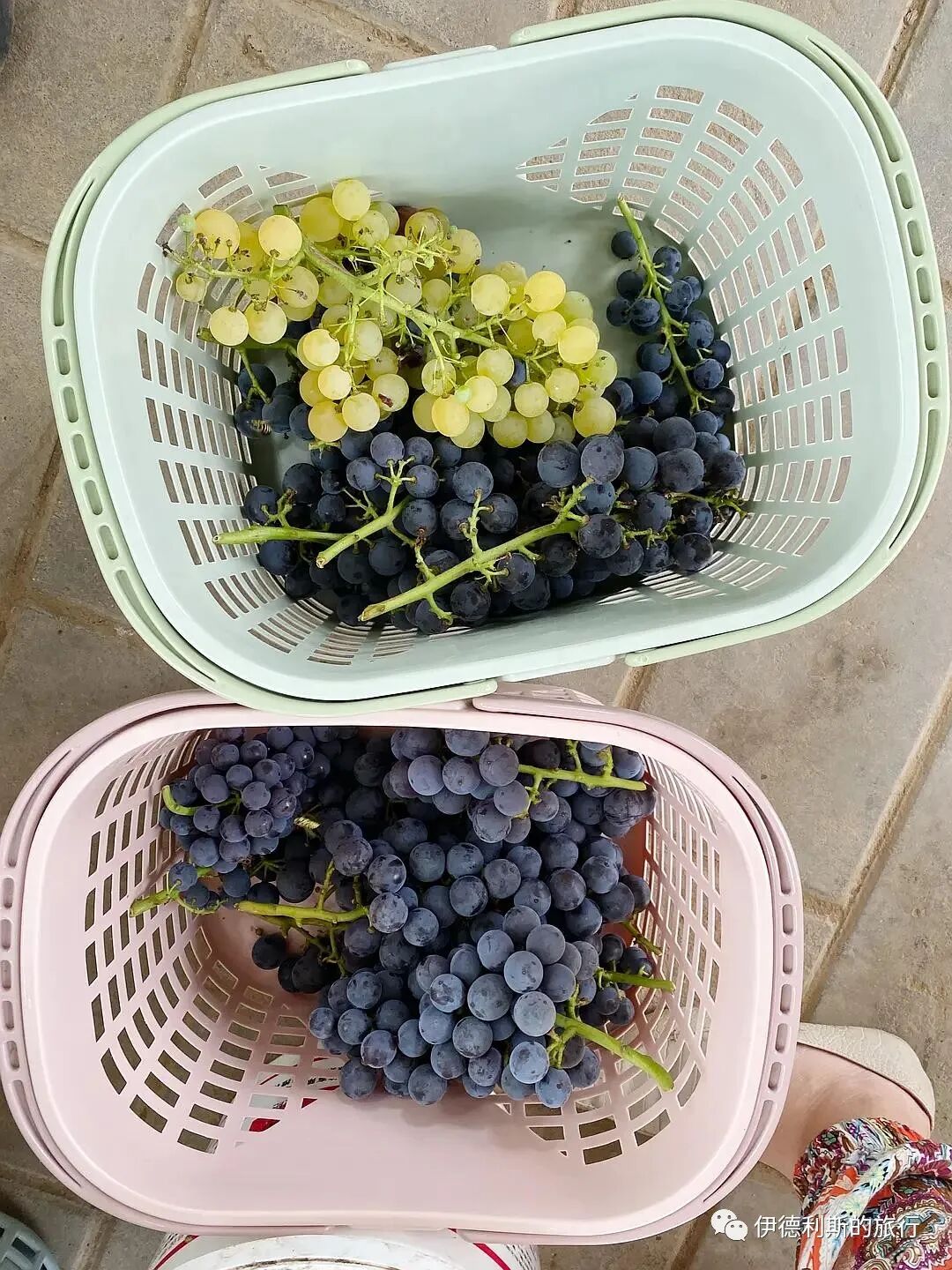
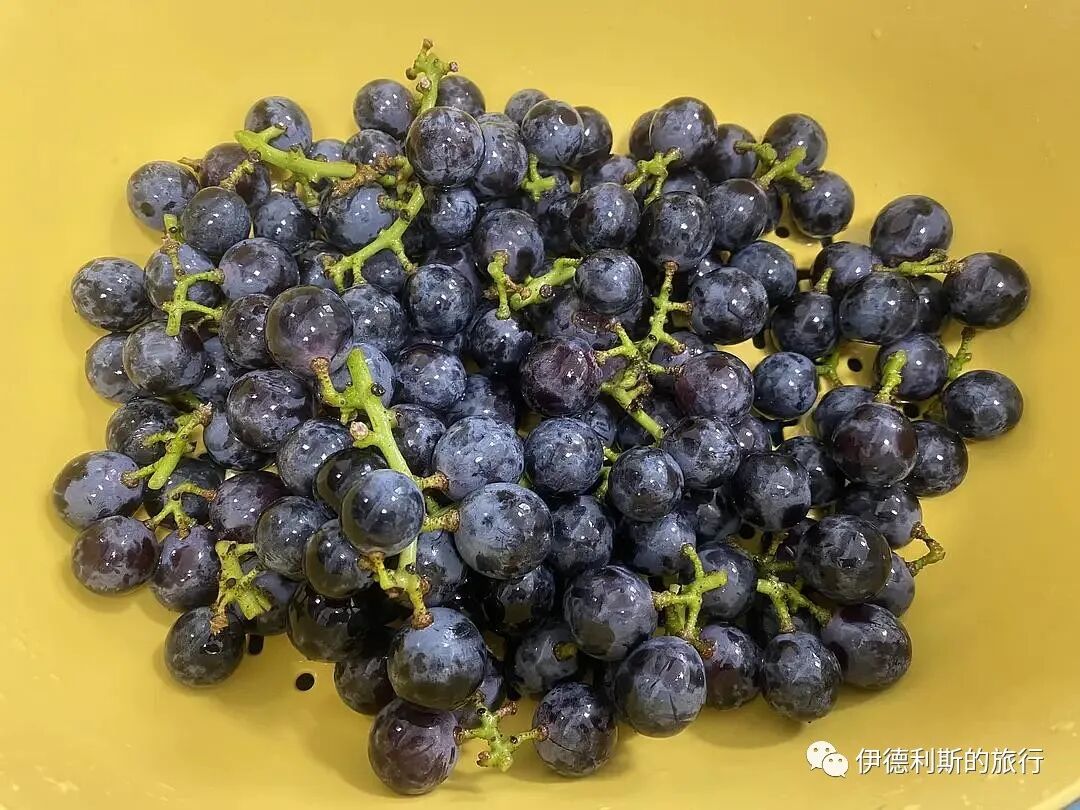
The Summer Black grapes we picked are as sweet as honey.
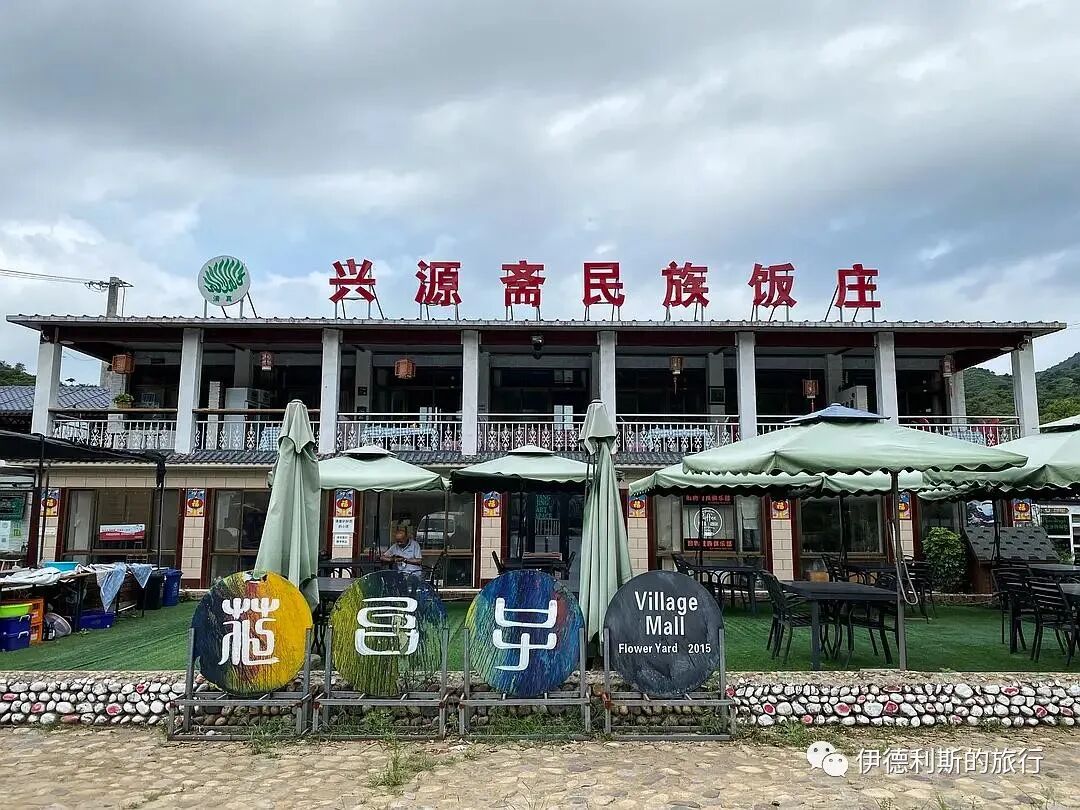
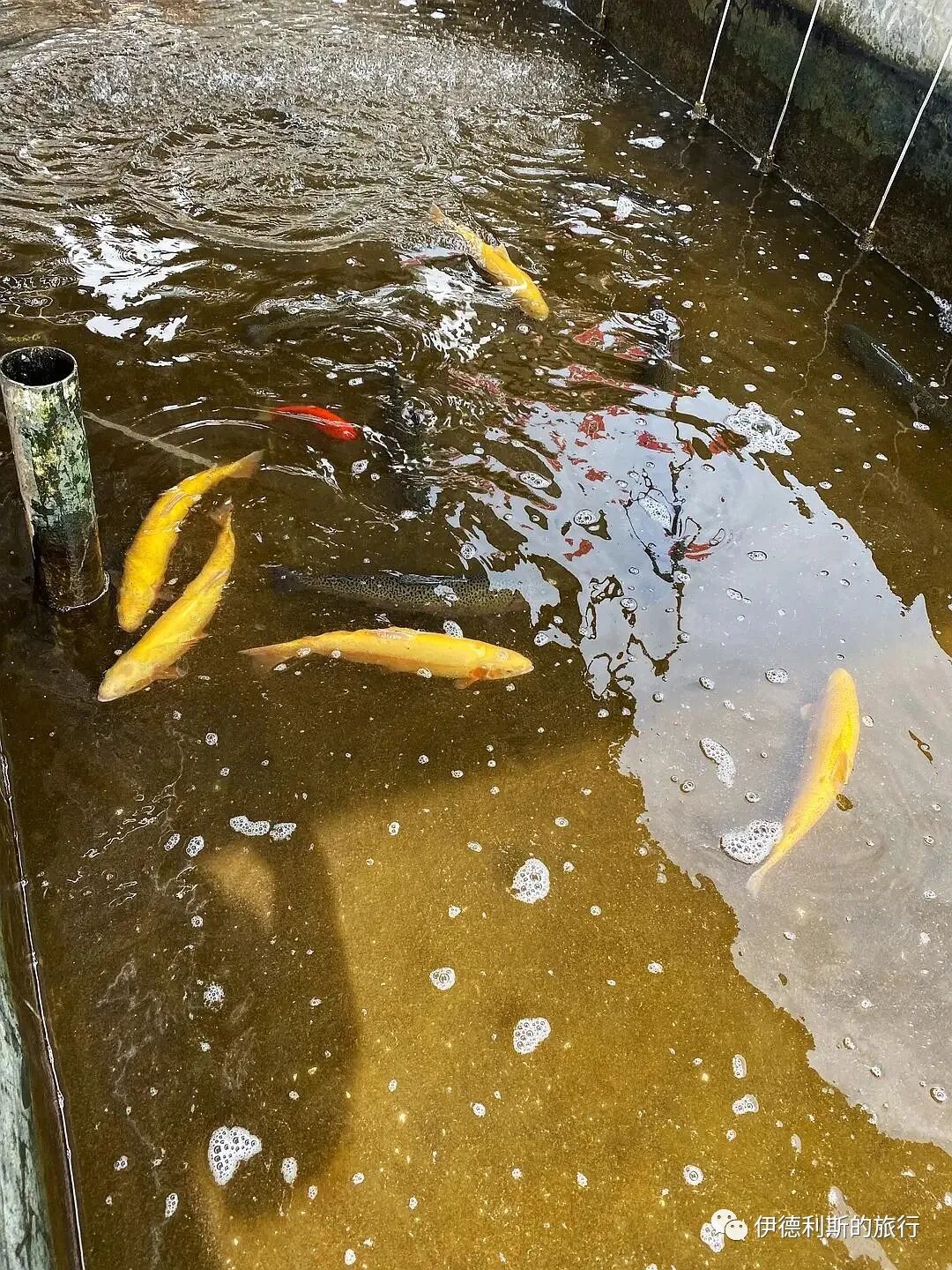
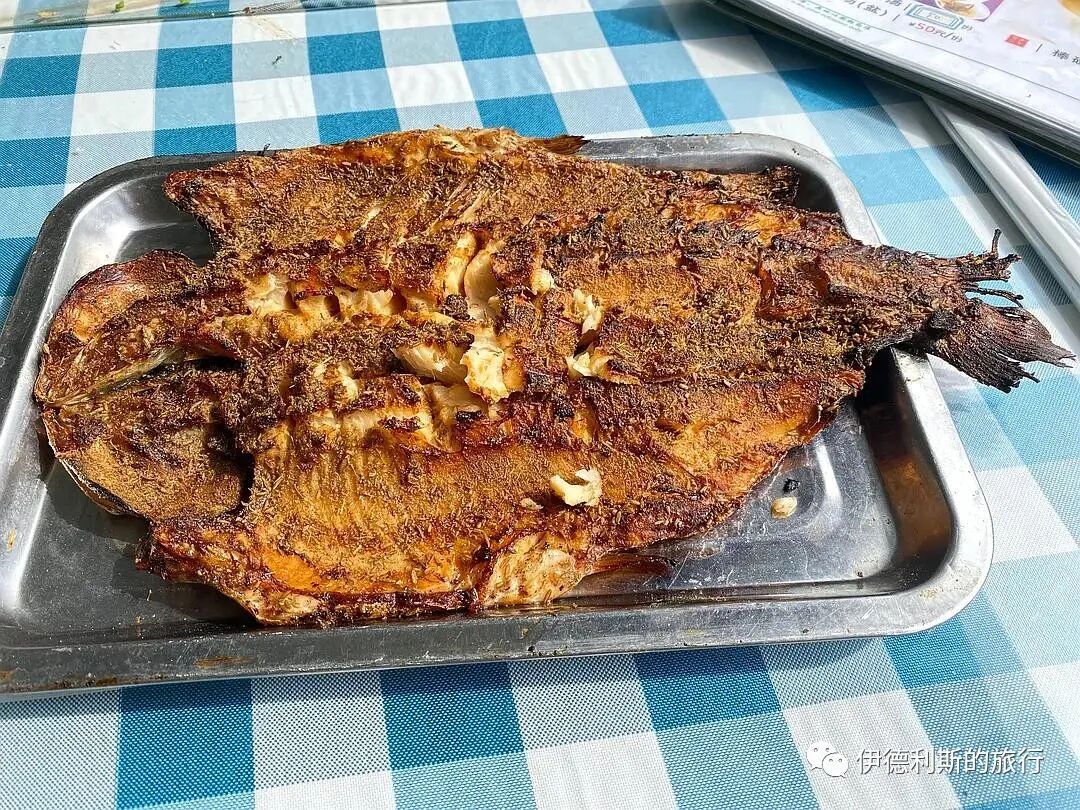
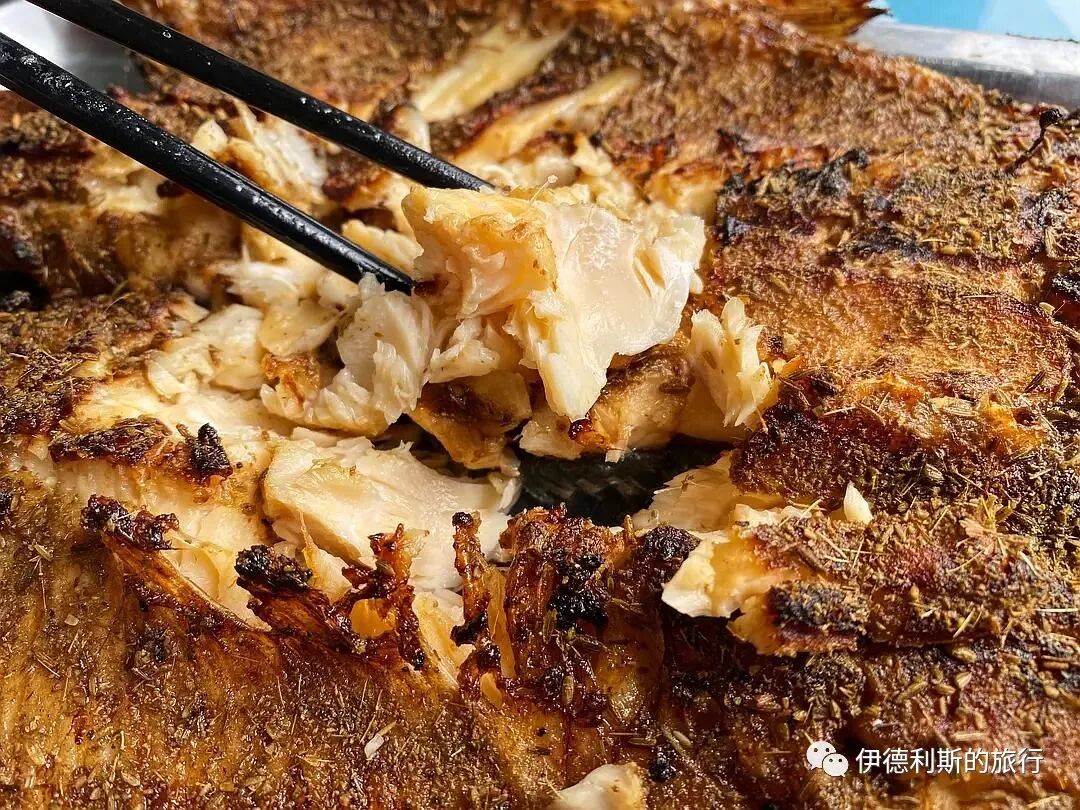
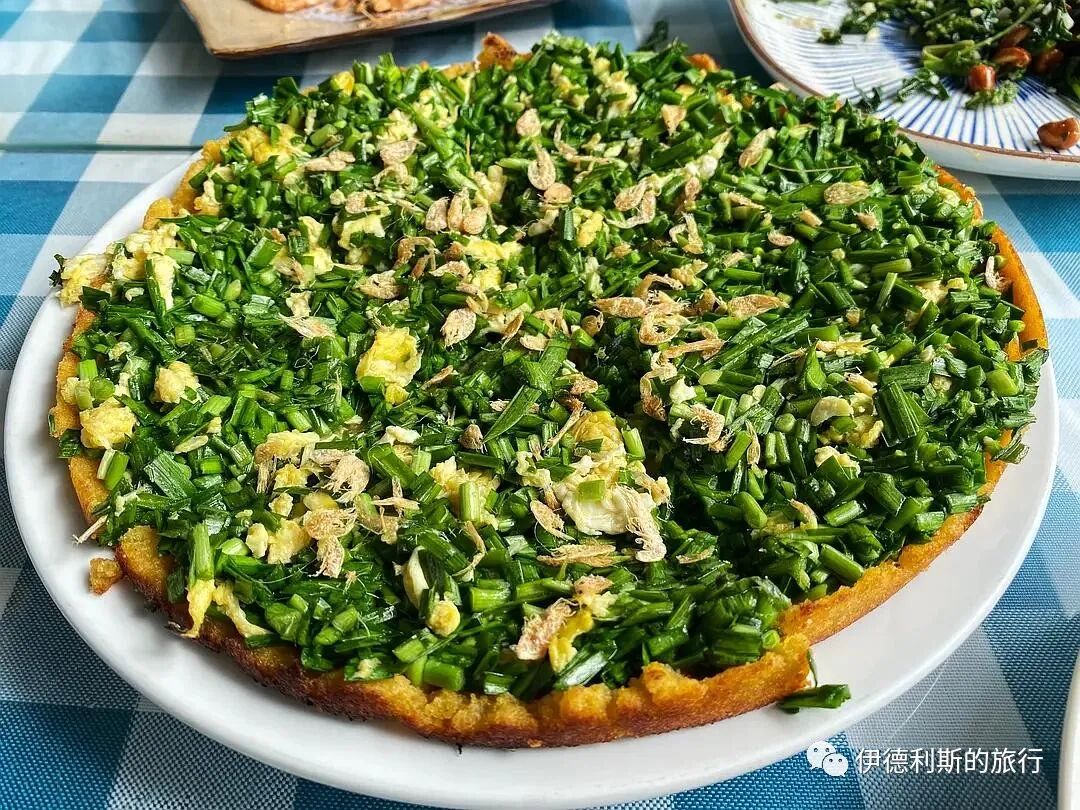
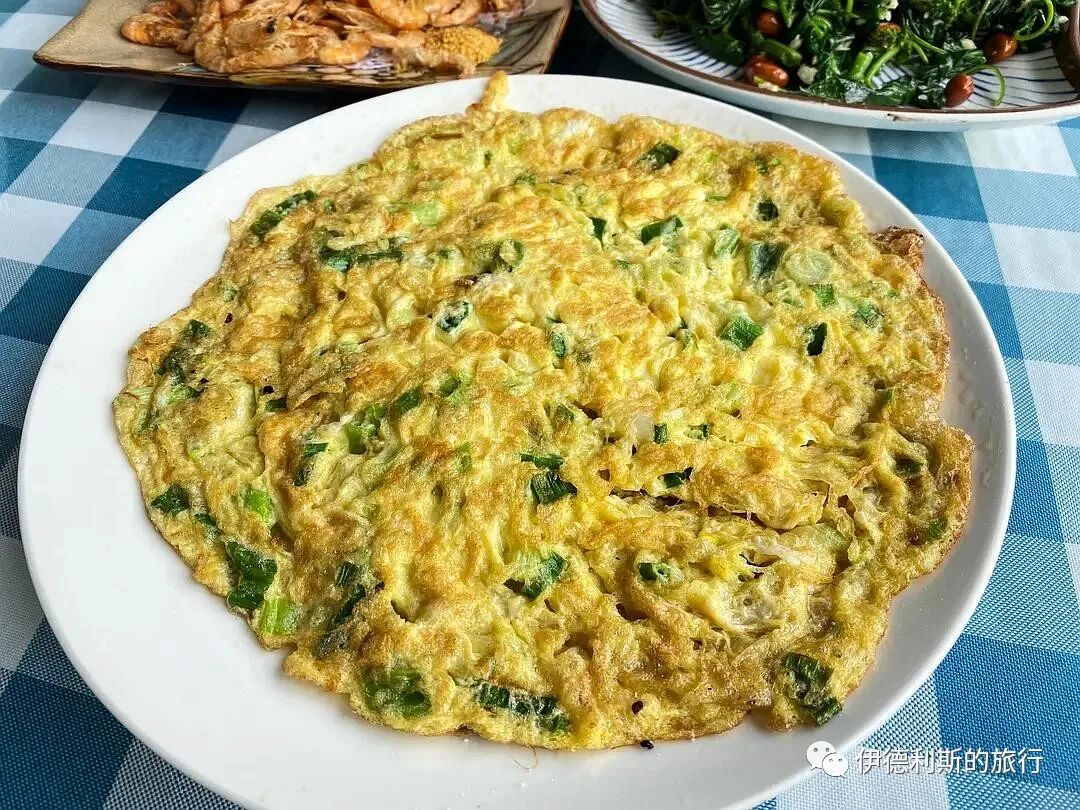
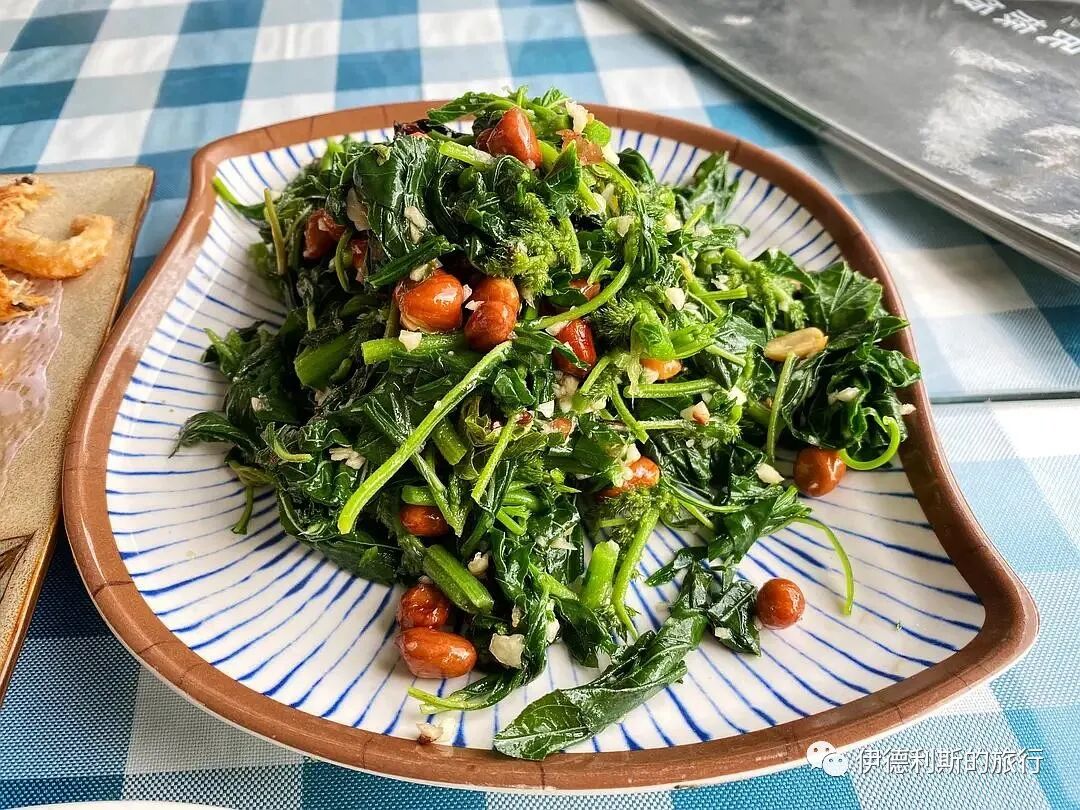
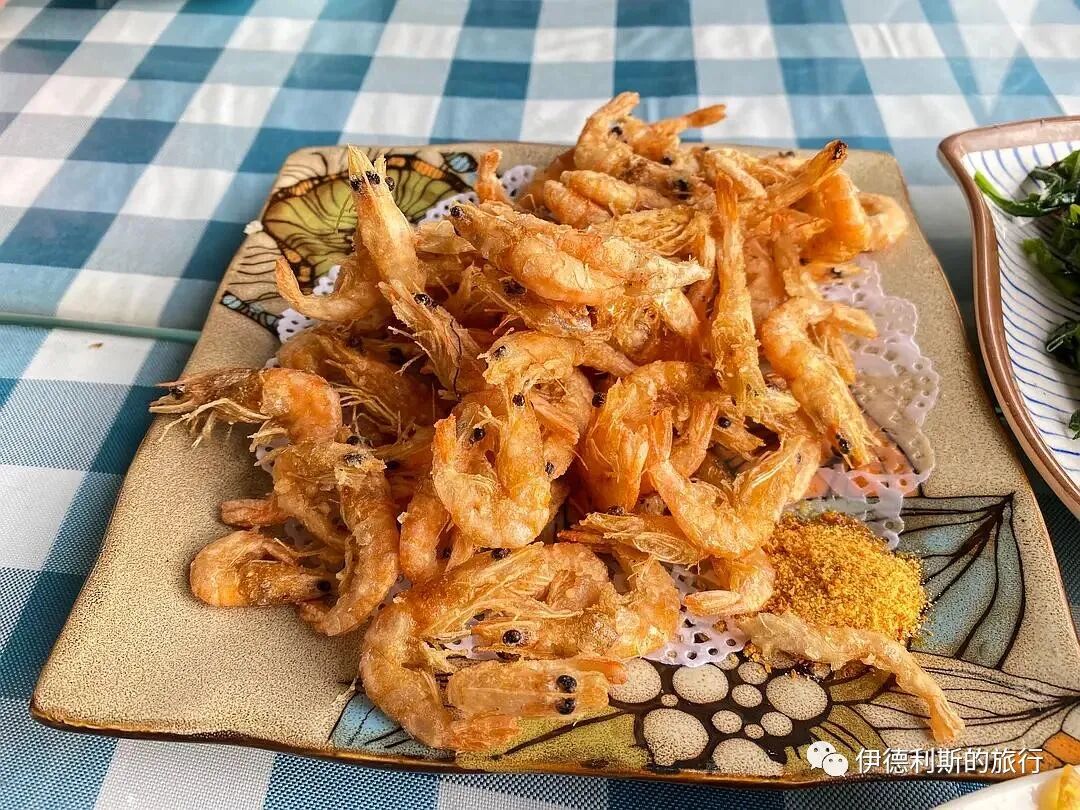
In the morning, we ate at Xingyuanzhai Ethnic Restaurant in Sanduhe Village. We had grilled golden trout, cornmeal pancake (hubing), scrambled free-range eggs with green onions, seasonal wild amaranth (yugu cai), and fried fresh river shrimp. The restaurant is run by Hui Muslims from the Hui camp in Shunyi. They specialize in golden trout and rainbow trout. The meat is tender like garlic cloves, and the other dishes are very flavorful. Zainab especially praised the small river shrimp. If you are visiting the mountains in Huairou, like Mutianyu or Xiangshui Lake, I recommend eating here.
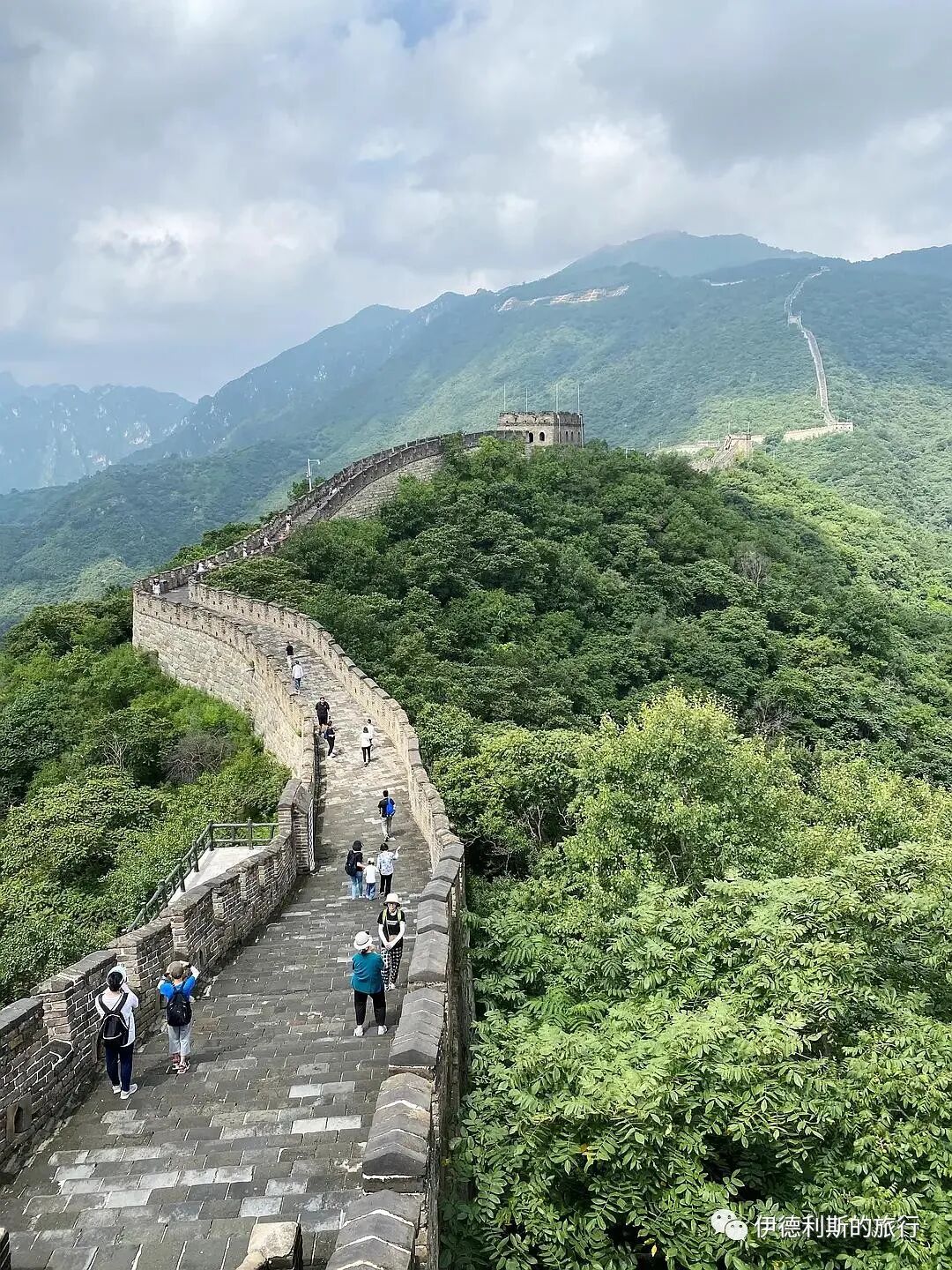
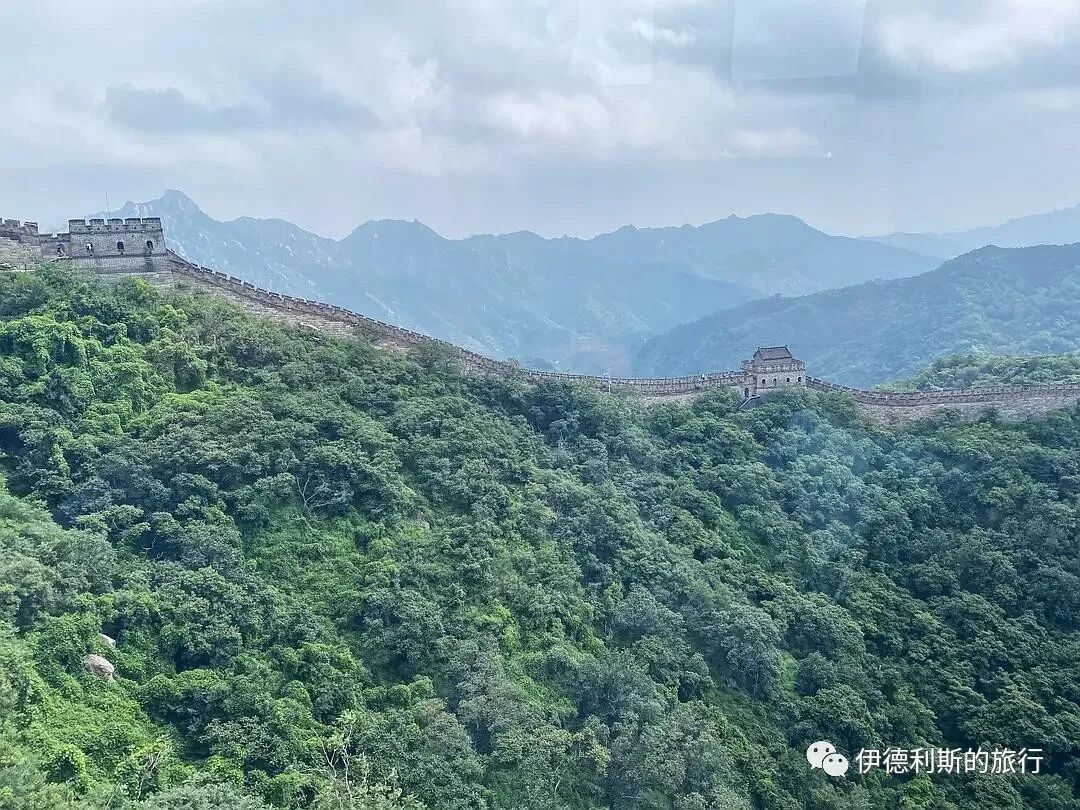
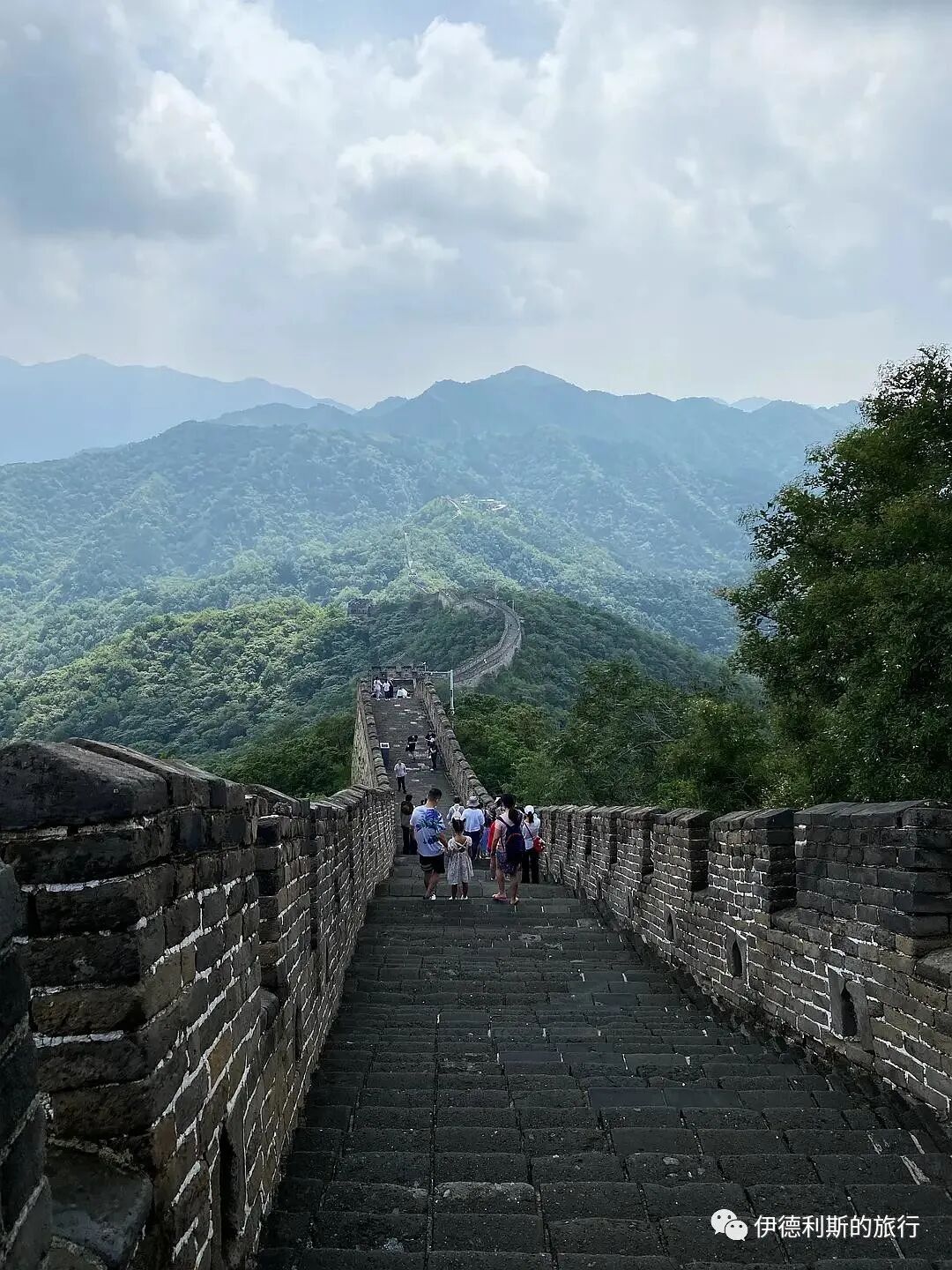
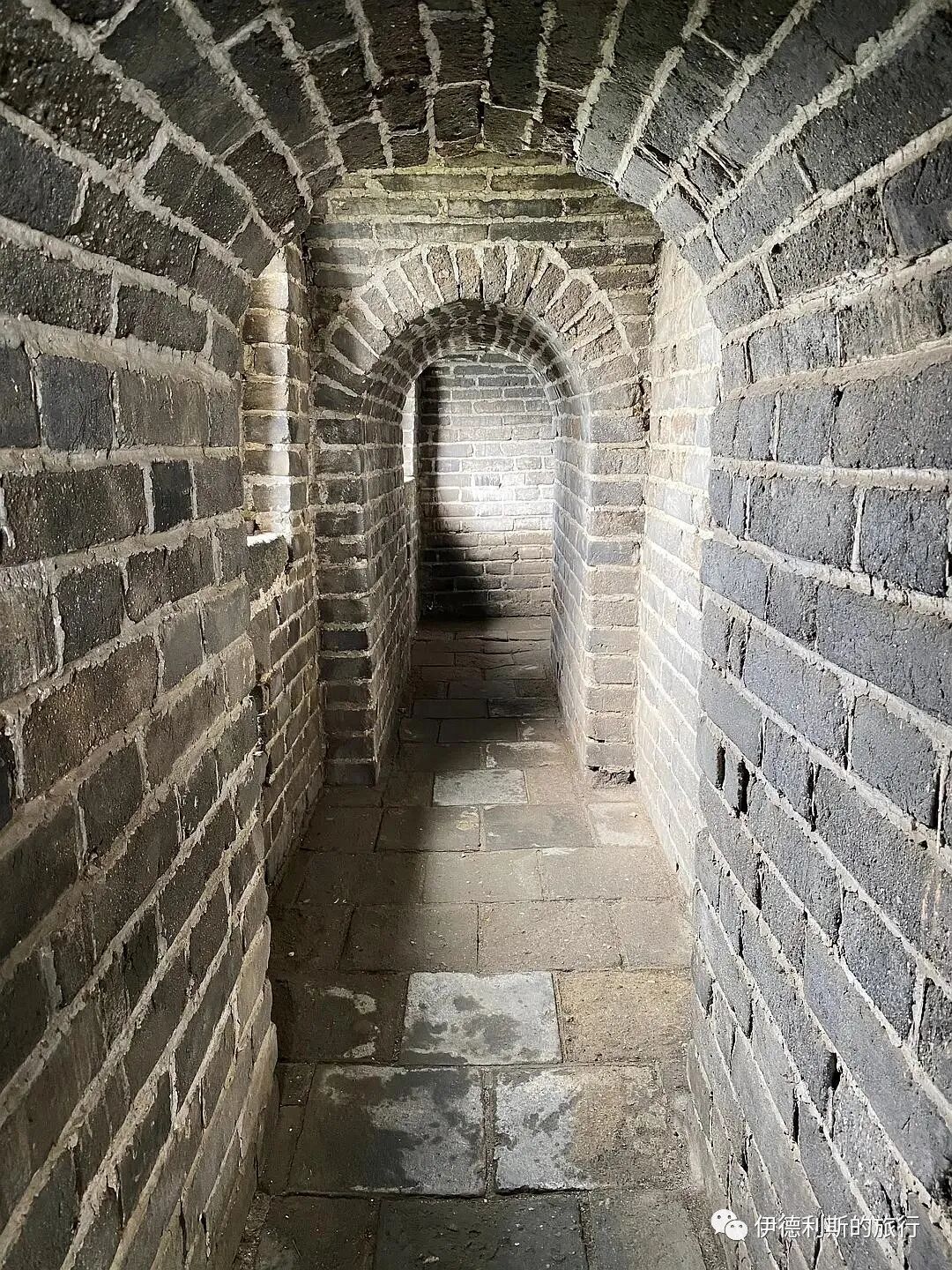
After eating, we went to climb the Mutianyu Great Wall.
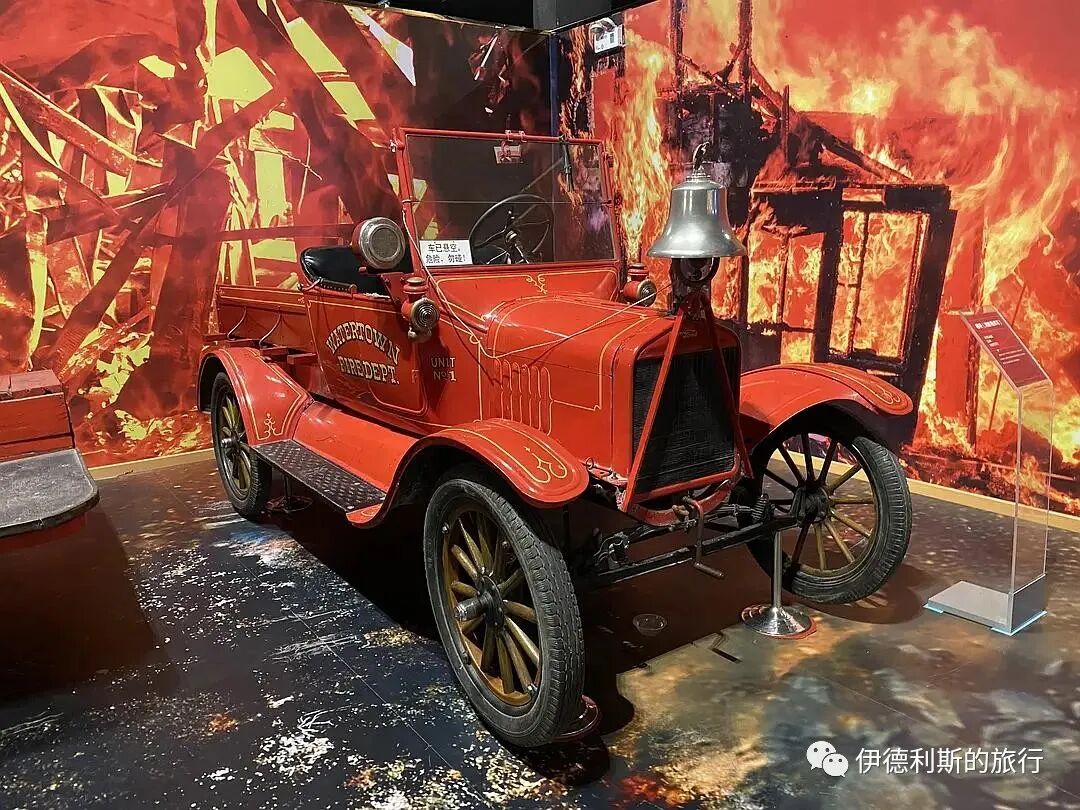
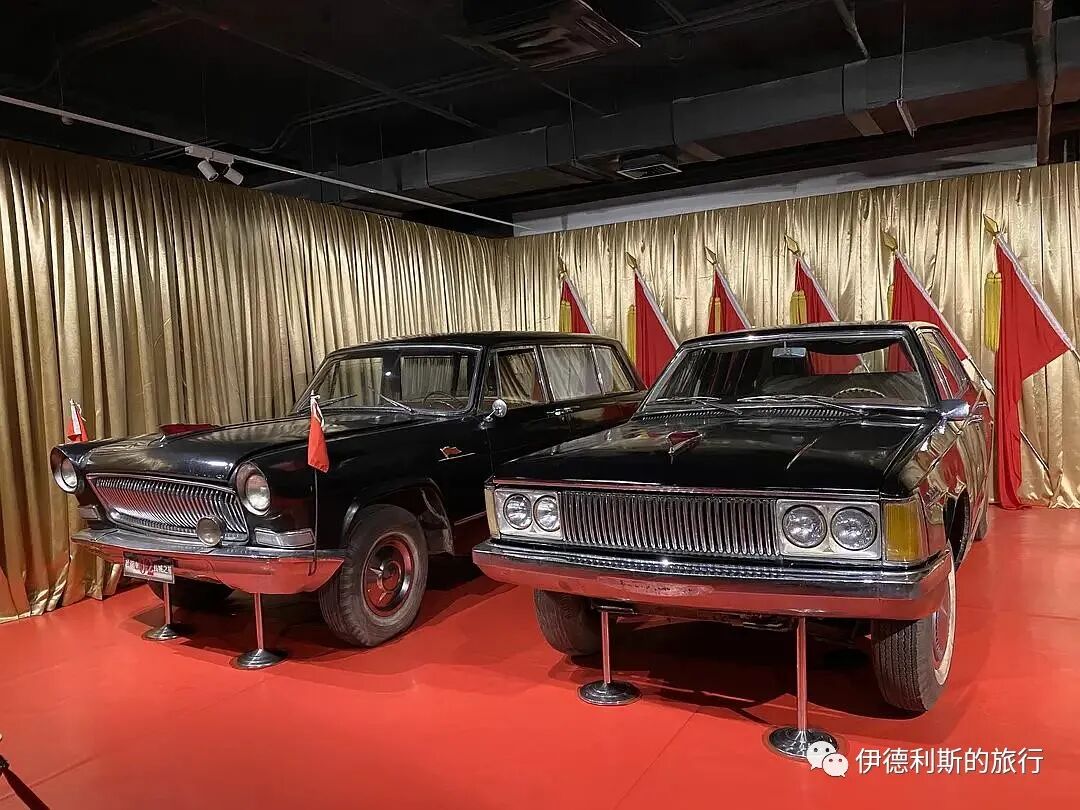
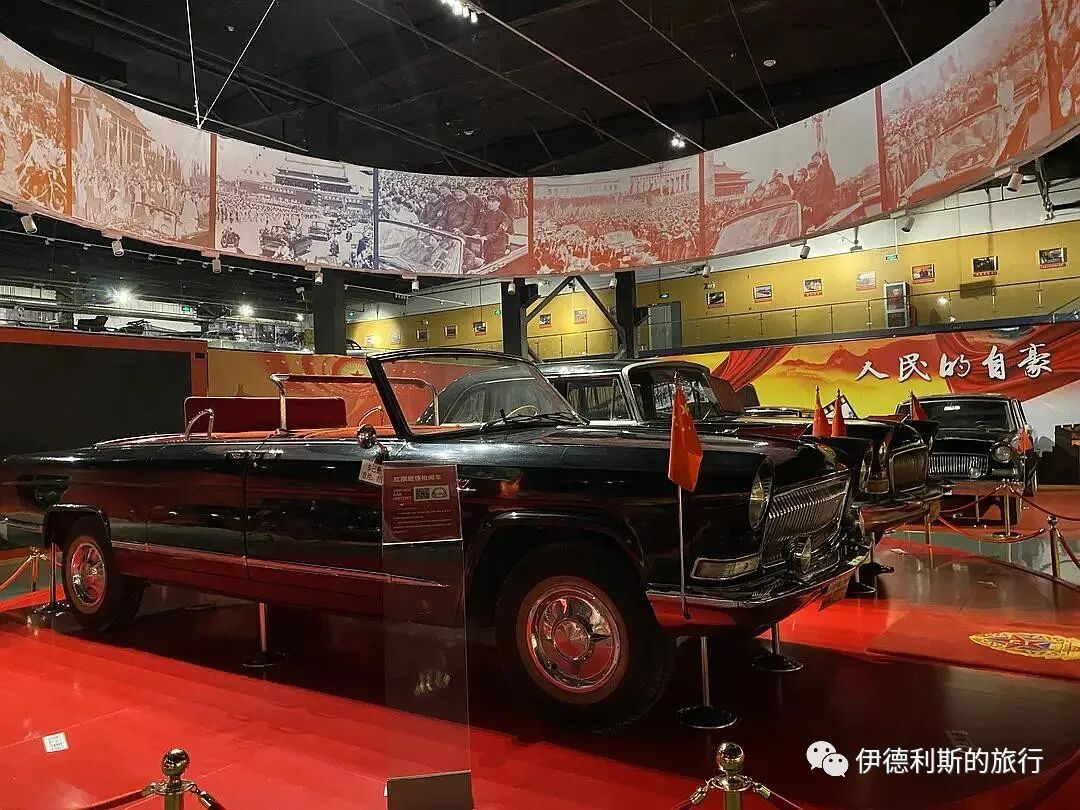
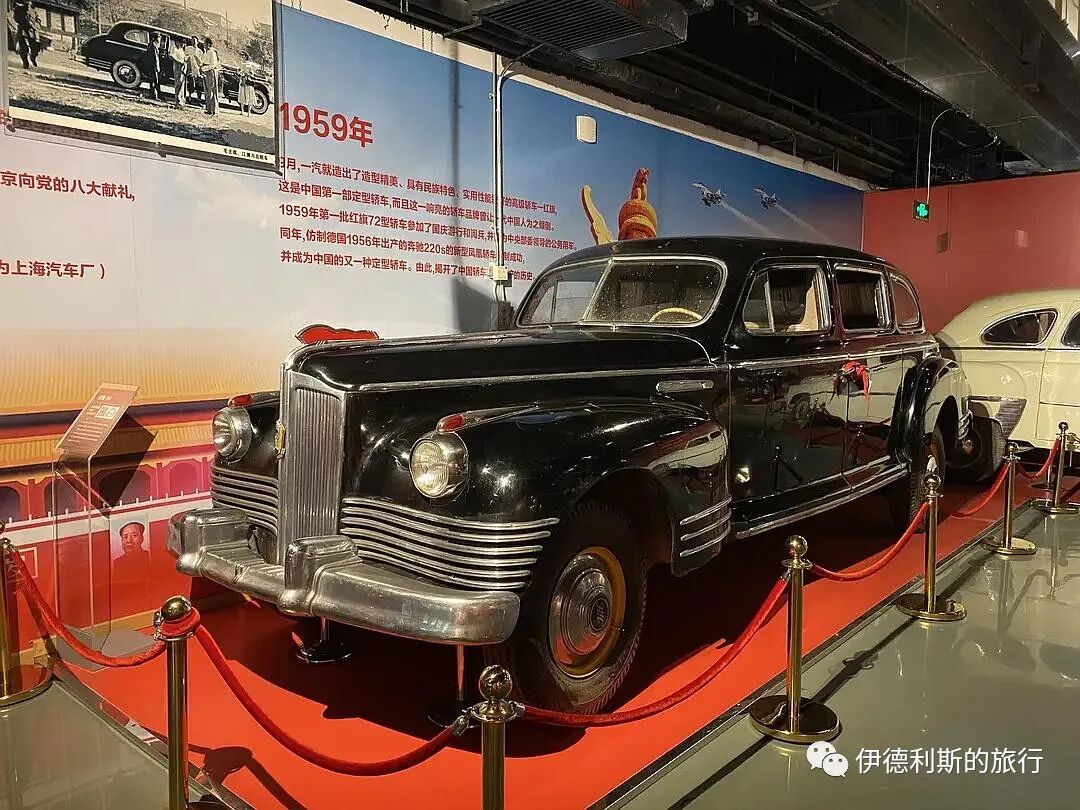
Then we went to visit the Huairou Classic Car Museum.


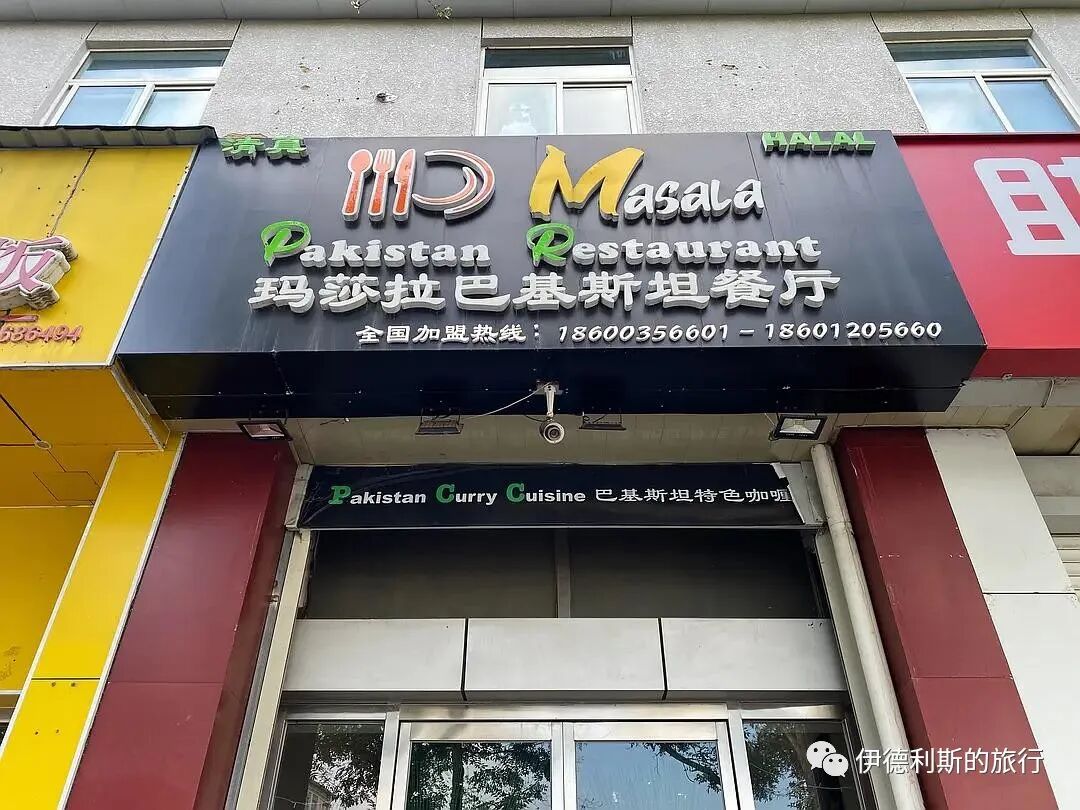
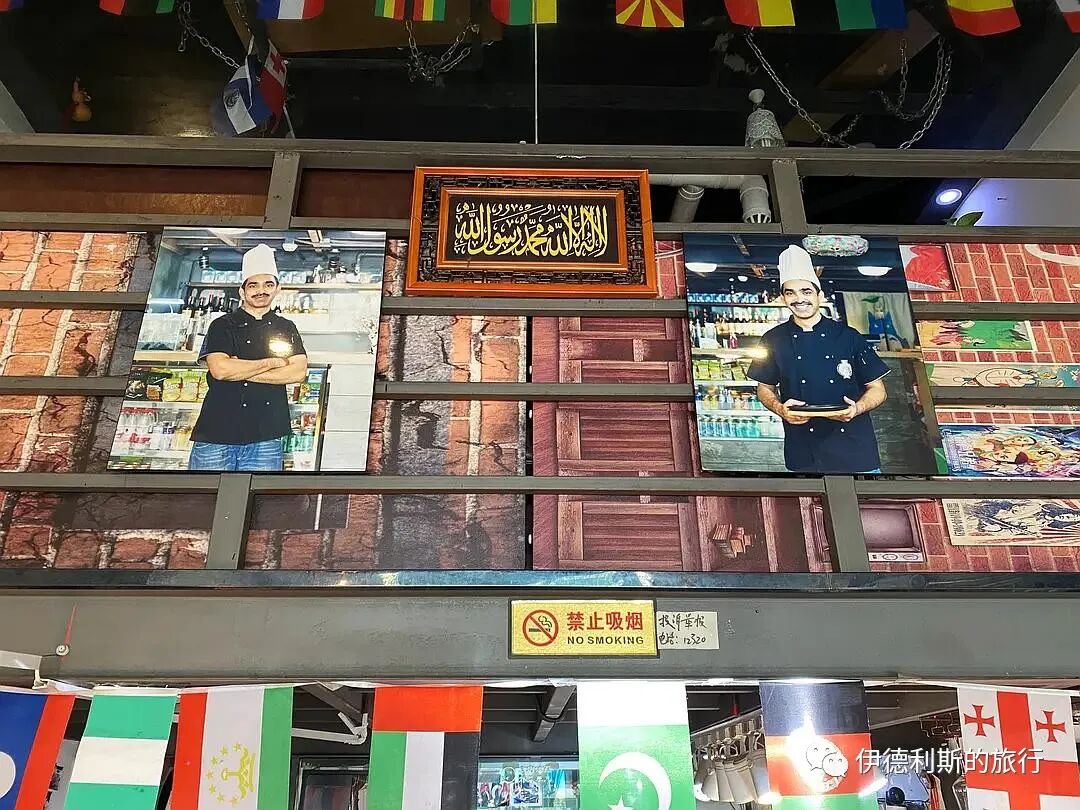
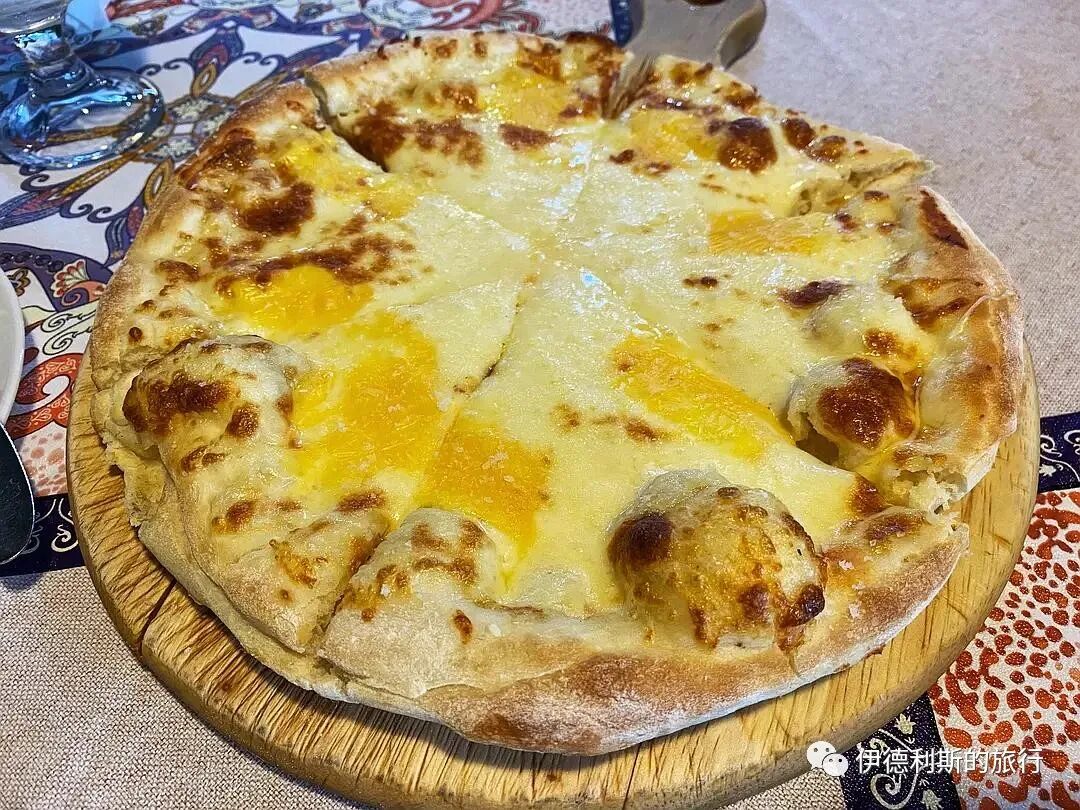
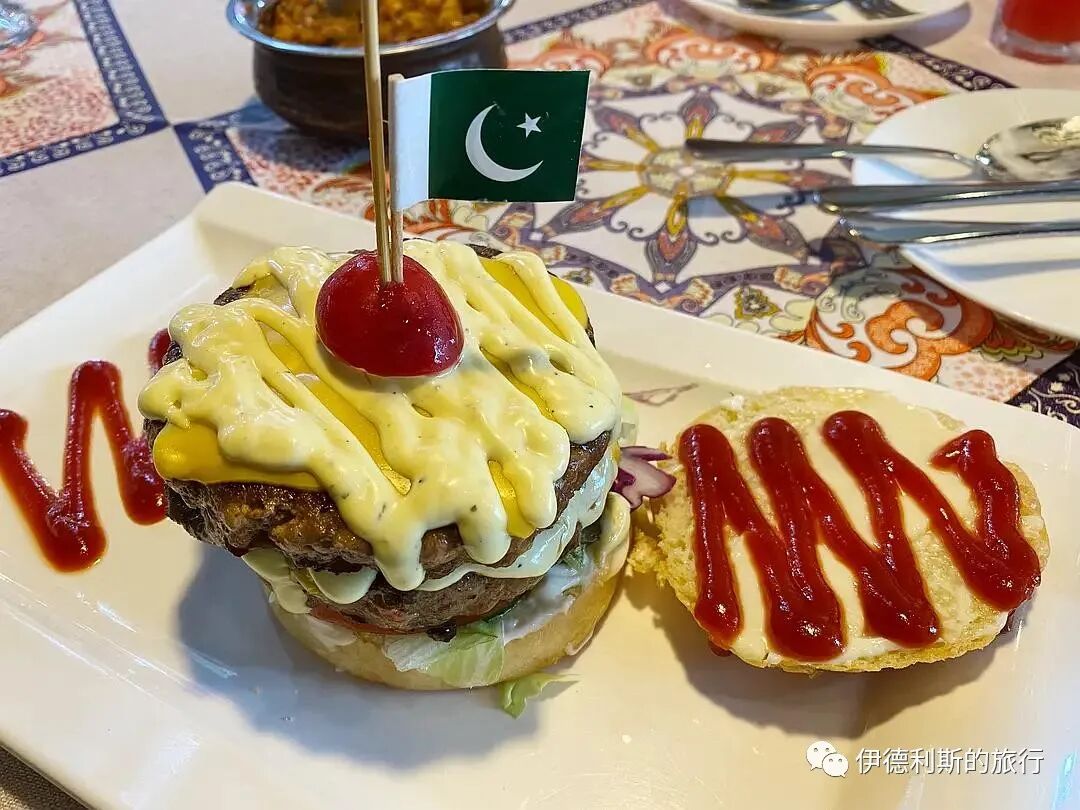
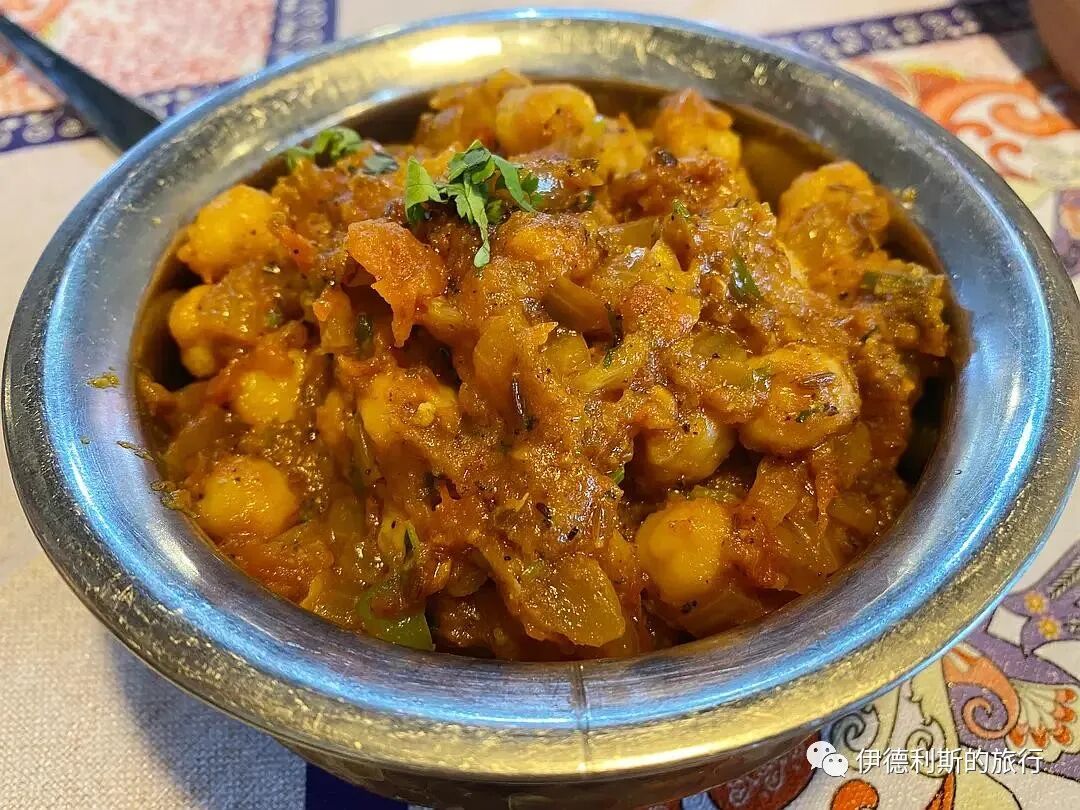
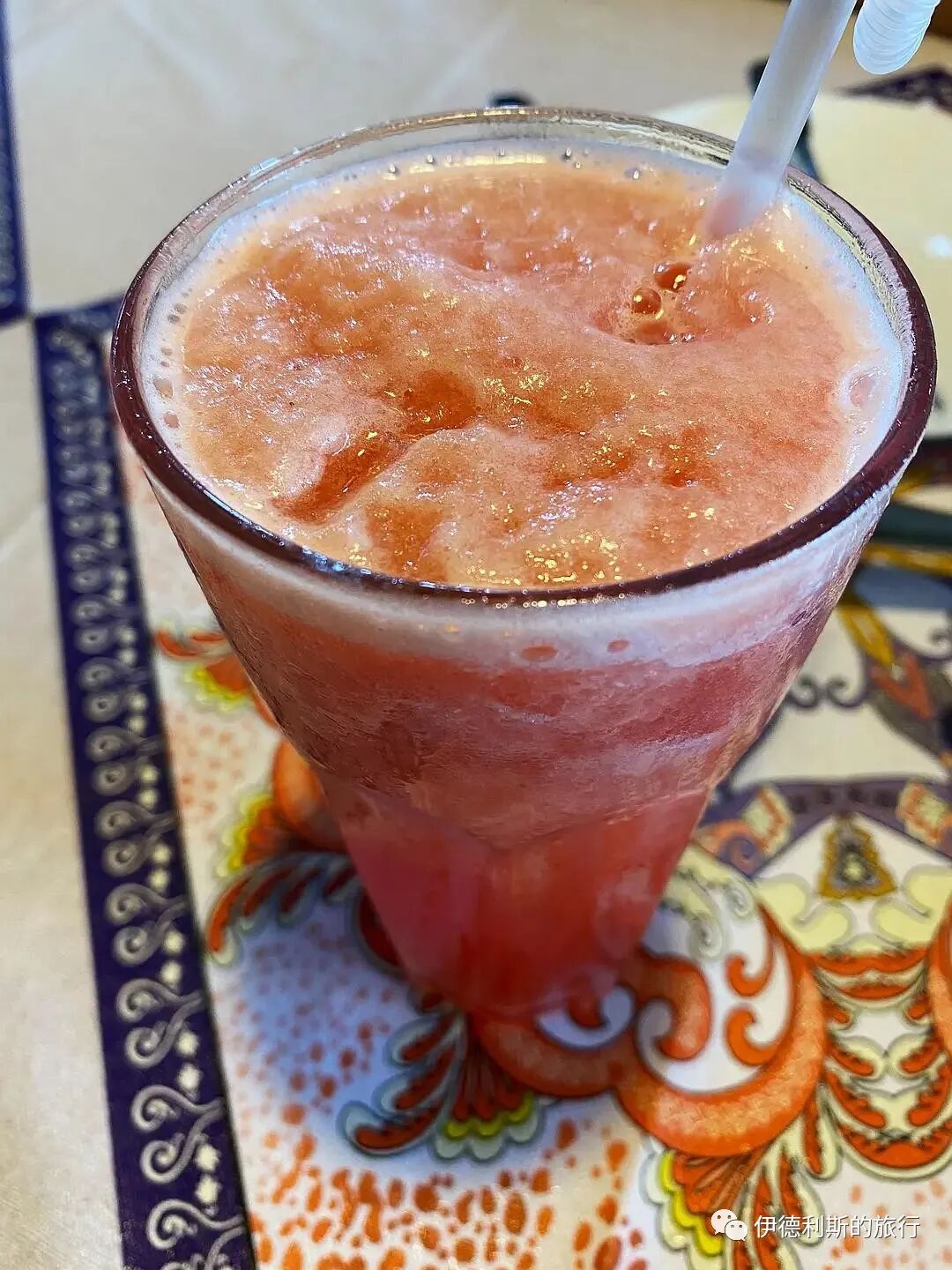
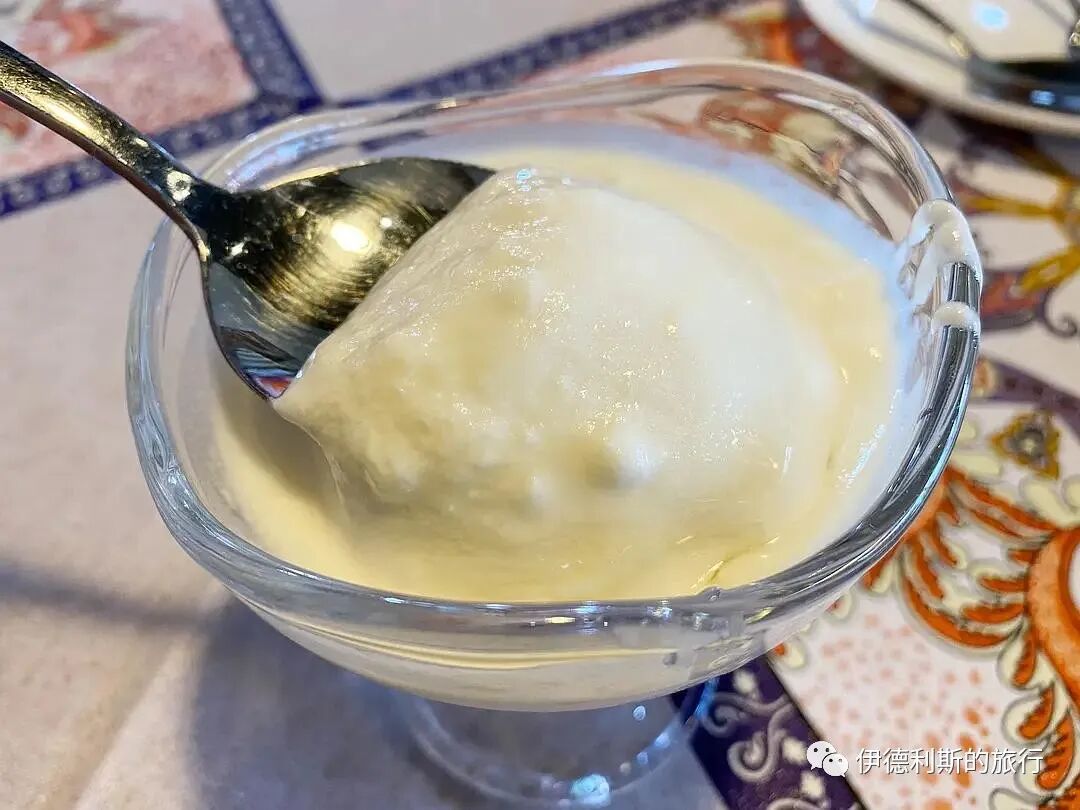
In the afternoon, we ate at Masala Pakistani Restaurant in downtown Huairou. We had a beef burger, cheese pizza, chickpea curry, and watermelon shaved ice. The restaurant is owned by the same person as Sultan up in the mountains, and the menu is quite similar. Their cheese pizza is super delicious and also very fluffy; I suspect they use the same dough as the butter naan. The chickpea curry and watermelon shaved ice (baobing) were pretty good. It is a shame the burger was not great; the bun lacked texture and the beef was too tough, making it uncomfortable to eat.
Summary: Halal Food Guide Beijing Huairou: Pakistani Restaurants, Hui Trout Dishes and Mountain Villages is presented here as a clear Muslim travel account, beginning with this scene: In mid-August, the muggy heat in Beijing eased up, so we drove to Huairou for a halal getaway. The account keeps its focus on Huairou Halal Food, Beijing Muslim Travel, Pakistani Restaurant while preserving the names, places, food, and historical details from the Chinese source.
In mid-August, the muggy heat in Beijing eased up, so we drove to Huairou for a halal getaway.
We arrived at Sanduhe Village in Huairou in the evening and started at a Pakistani restaurant called Sultan. We had butter flatbread (naan), spicy yogurt dip (raita), rice dish (biryani), clay oven roasted chicken legs (tandoori), beef curry (kadhi), grilled shrimp, milk tea, and mint lemonade. To be fair, their portions are a bit small and the prices are on the high side, but the food is truly delicious! It beats some of the Pakistani restaurants in the city. Their butter naan is especially good; it comes out of the oven fluffy and smells amazing. The chicken legs and beef were both excellent. My father-in-law and Zainab especially liked the milk tea, which had a very rich milk and tea flavor. The only downside was the shrimp, which seemed to have been sitting out too long and had a mushy texture.
The spicy yogurt dip (raita) made with fresh chili peppers is rare to find. It has a strong spicy kick and tastes very unique. Raita is a Hindi word formed by combining the Sanskrit words 'rajika' and 'tiktaka,' which originally meant 'black mustard seeds' and 'pungent.' This is because making raita involves frying black mustard seeds and cumin, mixing them with chopped vegetables, and then adding them to yogurt.
Playing in the restaurant at night.
Gourd vines in the restaurant.
The night view of Sanduhe Village.
The small guesthouse courtyard where we stayed.
Staying in the village means you can enjoy the beautiful, empty scenery early in the morning.
In the morning, we picked peaches, plums, and grapes along Huaihuang Road. They were so delicious; I have never bought any this sweet at the supermarket before.
The Summer Black grapes we picked are as sweet as honey.
In the morning, we ate at Xingyuanzhai Ethnic Restaurant in Sanduhe Village. We had grilled golden trout, cornmeal pancake (hubing), scrambled free-range eggs with green onions, seasonal wild amaranth (yugu cai), and fried fresh river shrimp. The restaurant is run by Hui Muslims from the Hui camp in Shunyi. They specialize in golden trout and rainbow trout. The meat is tender like garlic cloves, and the other dishes are very flavorful. Zainab especially praised the small river shrimp. If you are visiting the mountains in Huairou, like Mutianyu or Xiangshui Lake, I recommend eating here.
After eating, we went to climb the Mutianyu Great Wall.
Then we went to visit the Huairou Classic Car Museum.
In the afternoon, we ate at Masala Pakistani Restaurant in downtown Huairou. We had a beef burger, cheese pizza, chickpea curry, and watermelon shaved ice. The restaurant is owned by the same person as Sultan up in the mountains, and the menu is quite similar. Their cheese pizza is super delicious and also very fluffy; I suspect they use the same dough as the butter naan. The chickpea curry and watermelon shaved ice (baobing) were pretty good. It is a shame the burger was not great; the bun lacked texture and the beef was too tough, making it uncomfortable to eat.
Halal Food Guide Beijing Huairou: Pakistani Restaurants, Hui Trout Dishes and Mountain Villages
Articles • yusuf908 posted the article • 0 comments • 178 views • 2026-05-23 23:06
Reposted from the web
Summary: Halal Food Guide Beijing Huairou: Pakistani Restaurants, Hui Trout Dishes and Mountain Villages is presented here as a clear Muslim travel account, beginning with this scene: In mid-August, the muggy heat in Beijing eased up, so we drove to Huairou for a halal getaway. The account keeps its focus on Huairou Halal Food, Beijing Muslim Travel, Pakistani Restaurant while preserving the names, places, food, and historical details from the Chinese source.
In mid-August, the muggy heat in Beijing eased up, so we drove to Huairou for a halal getaway.
We arrived at Sanduhe Village in Huairou in the evening and started at a Pakistani restaurant called Sultan. We had butter flatbread (naan), spicy yogurt dip (raita), rice dish (biryani), clay oven roasted chicken legs (tandoori), beef curry (kadhi), grilled shrimp, milk tea, and mint lemonade. To be fair, their portions are a bit small and the prices are on the high side, but the food is truly delicious! It beats some of the Pakistani restaurants in the city. Their butter naan is especially good; it comes out of the oven fluffy and smells amazing. The chicken legs and beef were both excellent. My father-in-law and Zainab especially liked the milk tea, which had a very rich milk and tea flavor. The only downside was the shrimp, which seemed to have been sitting out too long and had a mushy texture.
The spicy yogurt dip (raita) made with fresh chili peppers is rare to find. It has a strong spicy kick and tastes very unique. Raita is a Hindi word formed by combining the Sanskrit words 'rajika' and 'tiktaka,' which originally meant 'black mustard seeds' and 'pungent.' This is because making raita involves frying black mustard seeds and cumin, mixing them with chopped vegetables, and then adding them to yogurt.
Playing in the restaurant at night.
Gourd vines in the restaurant.
The night view of Sanduhe Village.
The small guesthouse courtyard where we stayed.
Staying in the village means you can enjoy the beautiful, empty scenery early in the morning.
In the morning, we picked peaches, plums, and grapes along Huaihuang Road. They were so delicious; I have never bought any this sweet at the supermarket before.
The Summer Black grapes we picked are as sweet as honey.
In the morning, we ate at Xingyuanzhai Ethnic Restaurant in Sanduhe Village. We had grilled golden trout, cornmeal pancake (hubing), scrambled free-range eggs with green onions, seasonal wild amaranth (yugu cai), and fried fresh river shrimp. The restaurant is run by Hui Muslims from the Hui camp in Shunyi. They specialize in golden trout and rainbow trout. The meat is tender like garlic cloves, and the other dishes are very flavorful. Zainab especially praised the small river shrimp. If you are visiting the mountains in Huairou, like Mutianyu or Xiangshui Lake, I recommend eating here.
After eating, we went to climb the Mutianyu Great Wall.
Then we went to visit the Huairou Classic Car Museum.
In the afternoon, we ate at Masala Pakistani Restaurant in downtown Huairou. We had a beef burger, cheese pizza, chickpea curry, and watermelon shaved ice. The restaurant is owned by the same person as Sultan up in the mountains, and the menu is quite similar. Their cheese pizza is super delicious and also very fluffy; I suspect they use the same dough as the butter naan. The chickpea curry and watermelon shaved ice (baobing) were pretty good. It is a shame the burger was not great; the bun lacked texture and the beef was too tough, making it uncomfortable to eat. view all
Summary: Halal Food Guide Beijing Huairou: Pakistani Restaurants, Hui Trout Dishes and Mountain Villages is presented here as a clear Muslim travel account, beginning with this scene: In mid-August, the muggy heat in Beijing eased up, so we drove to Huairou for a halal getaway. The account keeps its focus on Huairou Halal Food, Beijing Muslim Travel, Pakistani Restaurant while preserving the names, places, food, and historical details from the Chinese source.
In mid-August, the muggy heat in Beijing eased up, so we drove to Huairou for a halal getaway.
We arrived at Sanduhe Village in Huairou in the evening and started at a Pakistani restaurant called Sultan. We had butter flatbread (naan), spicy yogurt dip (raita), rice dish (biryani), clay oven roasted chicken legs (tandoori), beef curry (kadhi), grilled shrimp, milk tea, and mint lemonade. To be fair, their portions are a bit small and the prices are on the high side, but the food is truly delicious! It beats some of the Pakistani restaurants in the city. Their butter naan is especially good; it comes out of the oven fluffy and smells amazing. The chicken legs and beef were both excellent. My father-in-law and Zainab especially liked the milk tea, which had a very rich milk and tea flavor. The only downside was the shrimp, which seemed to have been sitting out too long and had a mushy texture.
The spicy yogurt dip (raita) made with fresh chili peppers is rare to find. It has a strong spicy kick and tastes very unique. Raita is a Hindi word formed by combining the Sanskrit words 'rajika' and 'tiktaka,' which originally meant 'black mustard seeds' and 'pungent.' This is because making raita involves frying black mustard seeds and cumin, mixing them with chopped vegetables, and then adding them to yogurt.
Playing in the restaurant at night.
Gourd vines in the restaurant.
The night view of Sanduhe Village.
The small guesthouse courtyard where we stayed.
Staying in the village means you can enjoy the beautiful, empty scenery early in the morning.
In the morning, we picked peaches, plums, and grapes along Huaihuang Road. They were so delicious; I have never bought any this sweet at the supermarket before.
The Summer Black grapes we picked are as sweet as honey.
In the morning, we ate at Xingyuanzhai Ethnic Restaurant in Sanduhe Village. We had grilled golden trout, cornmeal pancake (hubing), scrambled free-range eggs with green onions, seasonal wild amaranth (yugu cai), and fried fresh river shrimp. The restaurant is run by Hui Muslims from the Hui camp in Shunyi. They specialize in golden trout and rainbow trout. The meat is tender like garlic cloves, and the other dishes are very flavorful. Zainab especially praised the small river shrimp. If you are visiting the mountains in Huairou, like Mutianyu or Xiangshui Lake, I recommend eating here.
After eating, we went to climb the Mutianyu Great Wall.
Then we went to visit the Huairou Classic Car Museum.
In the afternoon, we ate at Masala Pakistani Restaurant in downtown Huairou. We had a beef burger, cheese pizza, chickpea curry, and watermelon shaved ice. The restaurant is owned by the same person as Sultan up in the mountains, and the menu is quite similar. Their cheese pizza is super delicious and also very fluffy; I suspect they use the same dough as the butter naan. The chickpea curry and watermelon shaved ice (baobing) were pretty good. It is a shame the burger was not great; the bun lacked texture and the beef was too tough, making it uncomfortable to eat. view all
Reposted from the web
Summary: Halal Food Guide Beijing Huairou: Pakistani Restaurants, Hui Trout Dishes and Mountain Villages is presented here as a clear Muslim travel account, beginning with this scene: In mid-August, the muggy heat in Beijing eased up, so we drove to Huairou for a halal getaway. The account keeps its focus on Huairou Halal Food, Beijing Muslim Travel, Pakistani Restaurant while preserving the names, places, food, and historical details from the Chinese source.
In mid-August, the muggy heat in Beijing eased up, so we drove to Huairou for a halal getaway.
We arrived at Sanduhe Village in Huairou in the evening and started at a Pakistani restaurant called Sultan. We had butter flatbread (naan), spicy yogurt dip (raita), rice dish (biryani), clay oven roasted chicken legs (tandoori), beef curry (kadhi), grilled shrimp, milk tea, and mint lemonade. To be fair, their portions are a bit small and the prices are on the high side, but the food is truly delicious! It beats some of the Pakistani restaurants in the city. Their butter naan is especially good; it comes out of the oven fluffy and smells amazing. The chicken legs and beef were both excellent. My father-in-law and Zainab especially liked the milk tea, which had a very rich milk and tea flavor. The only downside was the shrimp, which seemed to have been sitting out too long and had a mushy texture.
The spicy yogurt dip (raita) made with fresh chili peppers is rare to find. It has a strong spicy kick and tastes very unique. Raita is a Hindi word formed by combining the Sanskrit words 'rajika' and 'tiktaka,' which originally meant 'black mustard seeds' and 'pungent.' This is because making raita involves frying black mustard seeds and cumin, mixing them with chopped vegetables, and then adding them to yogurt.
Playing in the restaurant at night.
Gourd vines in the restaurant.
The night view of Sanduhe Village.
The small guesthouse courtyard where we stayed.
Staying in the village means you can enjoy the beautiful, empty scenery early in the morning.
In the morning, we picked peaches, plums, and grapes along Huaihuang Road. They were so delicious; I have never bought any this sweet at the supermarket before.
The Summer Black grapes we picked are as sweet as honey.
In the morning, we ate at Xingyuanzhai Ethnic Restaurant in Sanduhe Village. We had grilled golden trout, cornmeal pancake (hubing), scrambled free-range eggs with green onions, seasonal wild amaranth (yugu cai), and fried fresh river shrimp. The restaurant is run by Hui Muslims from the Hui camp in Shunyi. They specialize in golden trout and rainbow trout. The meat is tender like garlic cloves, and the other dishes are very flavorful. Zainab especially praised the small river shrimp. If you are visiting the mountains in Huairou, like Mutianyu or Xiangshui Lake, I recommend eating here.
After eating, we went to climb the Mutianyu Great Wall.
Then we went to visit the Huairou Classic Car Museum.
In the afternoon, we ate at Masala Pakistani Restaurant in downtown Huairou. We had a beef burger, cheese pizza, chickpea curry, and watermelon shaved ice. The restaurant is owned by the same person as Sultan up in the mountains, and the menu is quite similar. Their cheese pizza is super delicious and also very fluffy; I suspect they use the same dough as the butter naan. The chickpea curry and watermelon shaved ice (baobing) were pretty good. It is a shame the burger was not great; the bun lacked texture and the beef was too tough, making it uncomfortable to eat.
Summary: Halal Food Guide Beijing Huairou: Pakistani Restaurants, Hui Trout Dishes and Mountain Villages is presented here as a clear Muslim travel account, beginning with this scene: In mid-August, the muggy heat in Beijing eased up, so we drove to Huairou for a halal getaway. The account keeps its focus on Huairou Halal Food, Beijing Muslim Travel, Pakistani Restaurant while preserving the names, places, food, and historical details from the Chinese source.
In mid-August, the muggy heat in Beijing eased up, so we drove to Huairou for a halal getaway.
We arrived at Sanduhe Village in Huairou in the evening and started at a Pakistani restaurant called Sultan. We had butter flatbread (naan), spicy yogurt dip (raita), rice dish (biryani), clay oven roasted chicken legs (tandoori), beef curry (kadhi), grilled shrimp, milk tea, and mint lemonade. To be fair, their portions are a bit small and the prices are on the high side, but the food is truly delicious! It beats some of the Pakistani restaurants in the city. Their butter naan is especially good; it comes out of the oven fluffy and smells amazing. The chicken legs and beef were both excellent. My father-in-law and Zainab especially liked the milk tea, which had a very rich milk and tea flavor. The only downside was the shrimp, which seemed to have been sitting out too long and had a mushy texture.
The spicy yogurt dip (raita) made with fresh chili peppers is rare to find. It has a strong spicy kick and tastes very unique. Raita is a Hindi word formed by combining the Sanskrit words 'rajika' and 'tiktaka,' which originally meant 'black mustard seeds' and 'pungent.' This is because making raita involves frying black mustard seeds and cumin, mixing them with chopped vegetables, and then adding them to yogurt.
Playing in the restaurant at night.
Gourd vines in the restaurant.
The night view of Sanduhe Village.
The small guesthouse courtyard where we stayed.
Staying in the village means you can enjoy the beautiful, empty scenery early in the morning.
In the morning, we picked peaches, plums, and grapes along Huaihuang Road. They were so delicious; I have never bought any this sweet at the supermarket before.
The Summer Black grapes we picked are as sweet as honey.
In the morning, we ate at Xingyuanzhai Ethnic Restaurant in Sanduhe Village. We had grilled golden trout, cornmeal pancake (hubing), scrambled free-range eggs with green onions, seasonal wild amaranth (yugu cai), and fried fresh river shrimp. The restaurant is run by Hui Muslims from the Hui camp in Shunyi. They specialize in golden trout and rainbow trout. The meat is tender like garlic cloves, and the other dishes are very flavorful. Zainab especially praised the small river shrimp. If you are visiting the mountains in Huairou, like Mutianyu or Xiangshui Lake, I recommend eating here.
After eating, we went to climb the Mutianyu Great Wall.
Then we went to visit the Huairou Classic Car Museum.
In the afternoon, we ate at Masala Pakistani Restaurant in downtown Huairou. We had a beef burger, cheese pizza, chickpea curry, and watermelon shaved ice. The restaurant is owned by the same person as Sultan up in the mountains, and the menu is quite similar. Their cheese pizza is super delicious and also very fluffy; I suspect they use the same dough as the butter naan. The chickpea curry and watermelon shaved ice (baobing) were pretty good. It is a shame the burger was not great; the bun lacked texture and the beef was too tough, making it uncomfortable to eat.