

Palestinian Food
Halal Food Guide: Beijing - Palestinian Desserts and Kazakh Milk Tea
Articles • ali2007fr posted the article • 0 comments • 206 views • 2026-05-20 23:51
Reposted from the web
Summary: This Beijing food note follows an afternoon at the International Silk Road Food Festival, with Palestinian sweets, Kazakh milk tea, and familiar halal stalls in the Jintaixizhao area. It keeps the source's restaurant names, dishes, and street-food details while presenting the account in clear English.
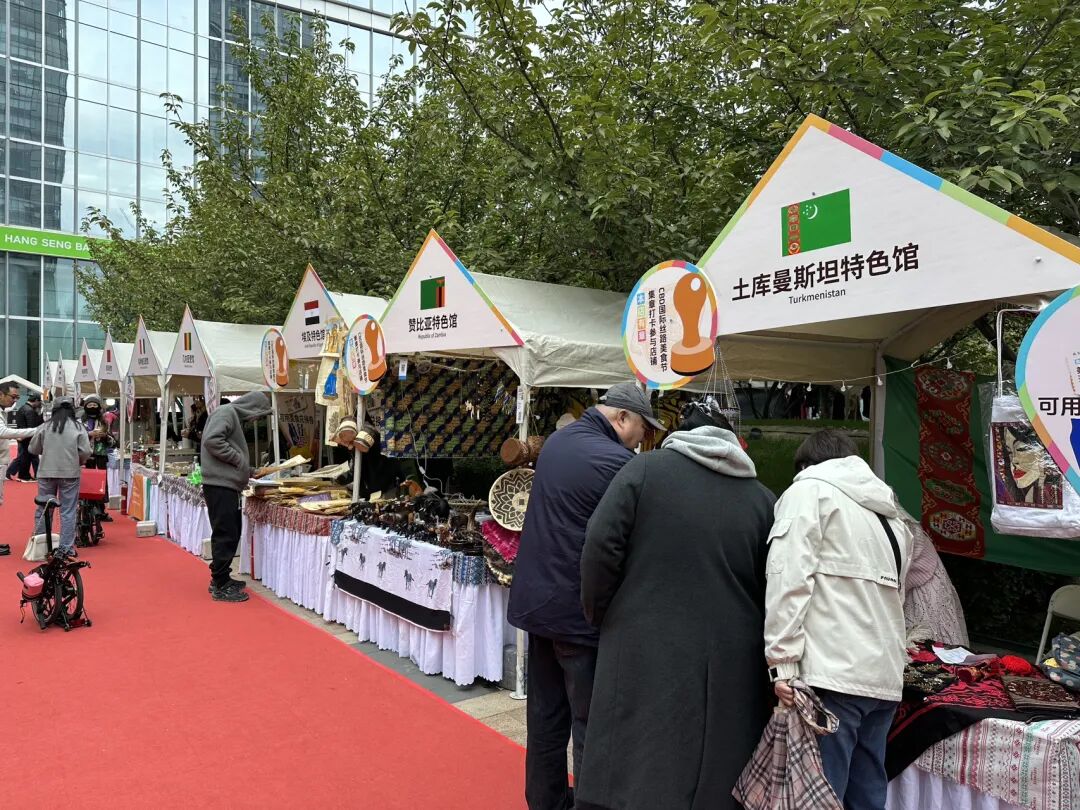
The International Silk Road Food Festival was held at the Fortune Center in Jintaixizhao this weekend. The Bengali stall Benjibi and the Egyptian stall Cleopatra, both regulars at food festivals, were there.
We got hungry at the Palestinian booth and ate the Palestinian national dish, chicken rolls (Musakhan), and the traditional Middle Eastern dessert, Umm Ali. A child also gave us some Palestinian coffee to drink.
Musakhan is known as the national dish of Palestine and is especially popular among Palestinians and Jordanians. Palestinians heat up freshly made flatbread (Taboon), then roll it with roasted chicken, onions, sumac powder, allspice, saffron, and fried pine nuts, all brushed with olive oil.
Umm Ali is made from puff pastry, milk, cinnamon, and pistachios. It is a classic dessert served at holiday gatherings in places like Palestine and Egypt. The name Umm Ali sounds strange, but it actually refers to the mother of Sultan Mansur Ali (who reigned from 1257 to 1259) of the Mamluk Sultanate. This story involves the change of dynasties between the Ayyubid Sultanate and the Mamluk Sultanate 700 years ago. In 1250, the last queen of the Ayyubid Sultanate, Shajar al-Durr, remarried the Mamluk Sultan Izz al-Din Aybak. In 1257, Shajar al-Durr assassinated Sultan Izz al-Din Aybak. The mother of the new Sultan, Mansur Ali, had Shajar al-Durr arrested and killed. To celebrate the death of Shajar al-Durr, Umm Ali made this dessert and handed it out to everyone. People say each serving contained a gold coin. Everyone who received the dessert shouted 'Umm Ali,' and that is how the dish got its name.
We drank Moroccan tea provided by the Moroccan Embassy at their booth, and at the Kazakh dessert shop Bazaar Sweetheart, we had milk tea with butter and roasted rice, along with baklava filled with plenty of walnuts.
Bazaar Sweetheart is located in 798 and is the first Ili Kazakh dessert shop in Beijing. Their milk tea is delicious and has a very rich milky flavor.
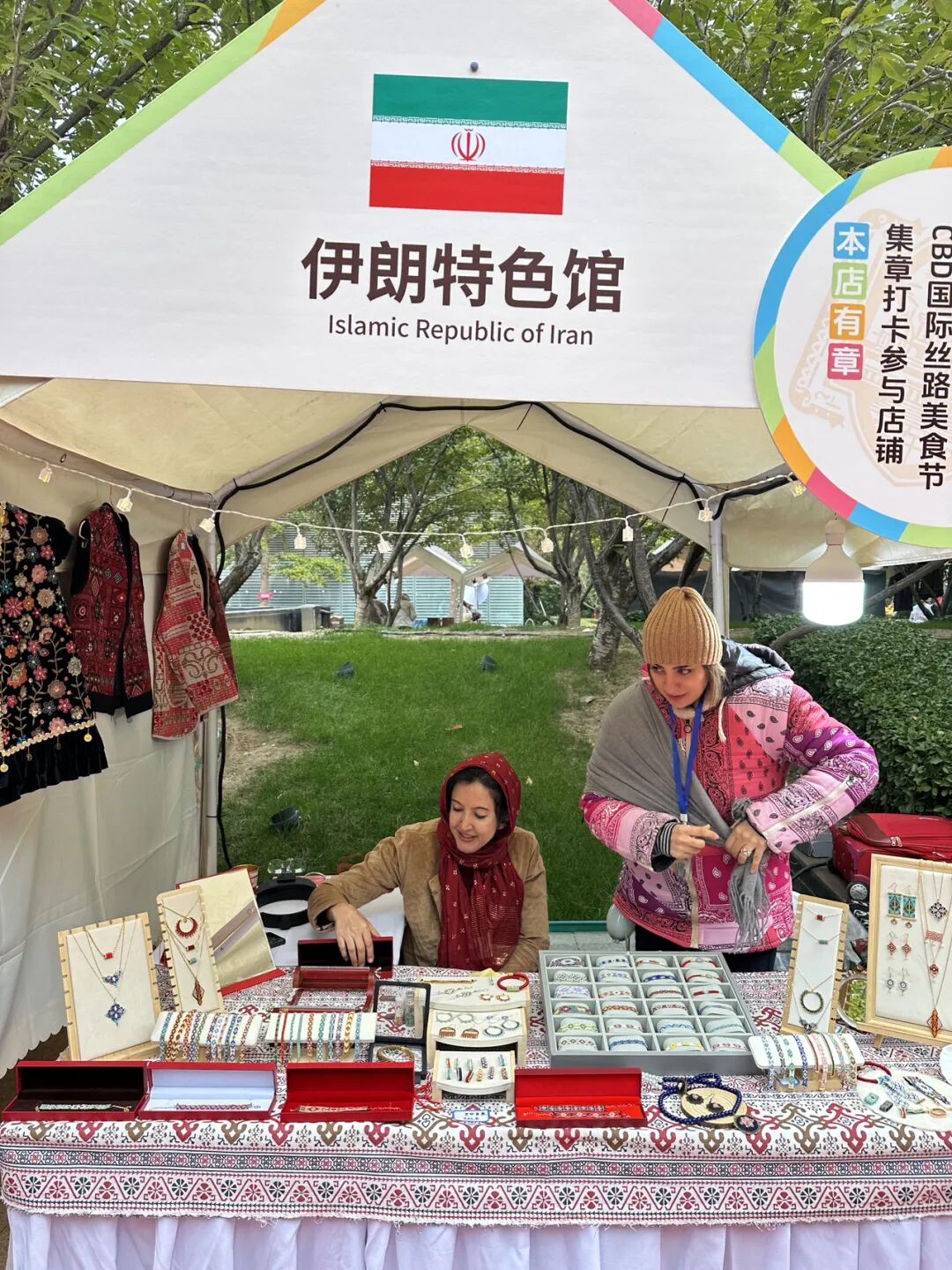
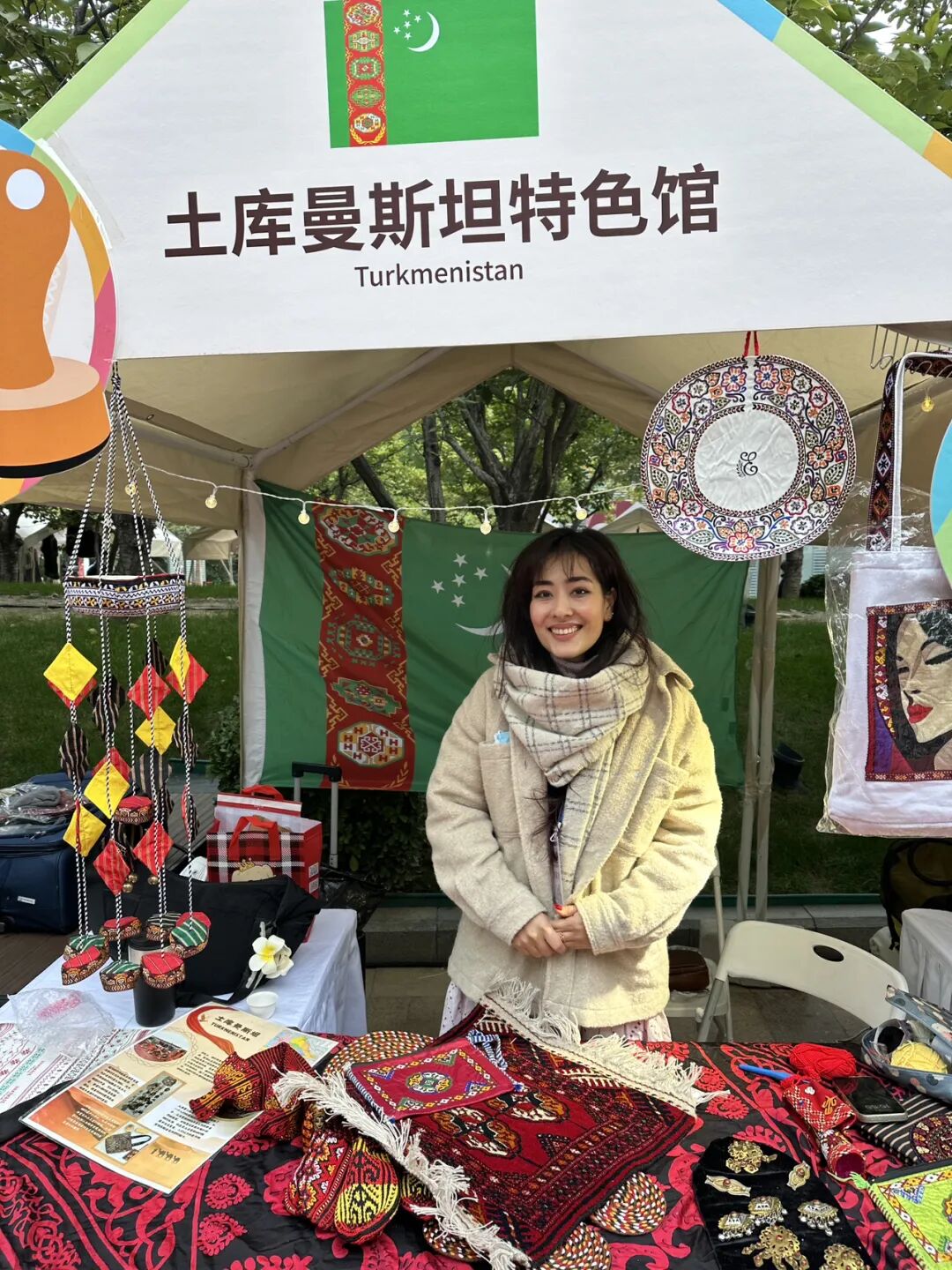
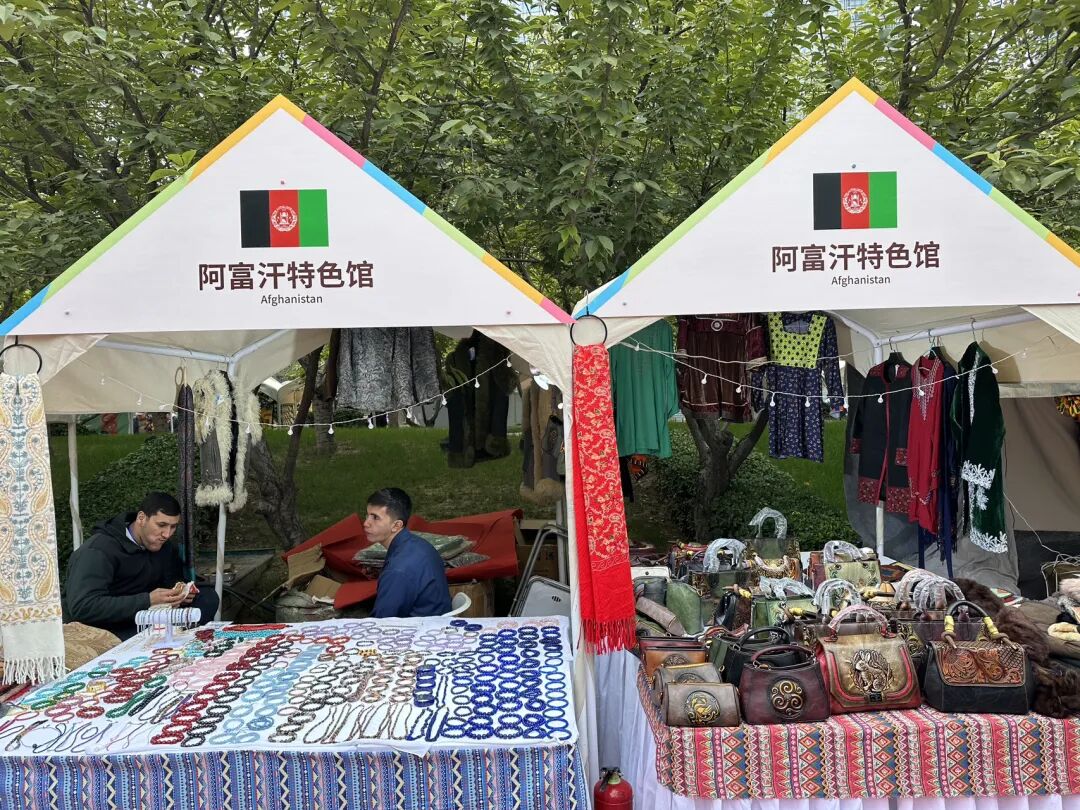
There were also goods from Iran, Turkmenistan, and Afghanistan for sale at this food festival. If you have time, you can go check it out tomorrow. view all
Summary: This Beijing food note follows an afternoon at the International Silk Road Food Festival, with Palestinian sweets, Kazakh milk tea, and familiar halal stalls in the Jintaixizhao area. It keeps the source's restaurant names, dishes, and street-food details while presenting the account in clear English.
The International Silk Road Food Festival was held at the Fortune Center in Jintaixizhao this weekend. The Bengali stall Benjibi and the Egyptian stall Cleopatra, both regulars at food festivals, were there.
We got hungry at the Palestinian booth and ate the Palestinian national dish, chicken rolls (Musakhan), and the traditional Middle Eastern dessert, Umm Ali. A child also gave us some Palestinian coffee to drink.
Musakhan is known as the national dish of Palestine and is especially popular among Palestinians and Jordanians. Palestinians heat up freshly made flatbread (Taboon), then roll it with roasted chicken, onions, sumac powder, allspice, saffron, and fried pine nuts, all brushed with olive oil.
Umm Ali is made from puff pastry, milk, cinnamon, and pistachios. It is a classic dessert served at holiday gatherings in places like Palestine and Egypt. The name Umm Ali sounds strange, but it actually refers to the mother of Sultan Mansur Ali (who reigned from 1257 to 1259) of the Mamluk Sultanate. This story involves the change of dynasties between the Ayyubid Sultanate and the Mamluk Sultanate 700 years ago. In 1250, the last queen of the Ayyubid Sultanate, Shajar al-Durr, remarried the Mamluk Sultan Izz al-Din Aybak. In 1257, Shajar al-Durr assassinated Sultan Izz al-Din Aybak. The mother of the new Sultan, Mansur Ali, had Shajar al-Durr arrested and killed. To celebrate the death of Shajar al-Durr, Umm Ali made this dessert and handed it out to everyone. People say each serving contained a gold coin. Everyone who received the dessert shouted 'Umm Ali,' and that is how the dish got its name.
We drank Moroccan tea provided by the Moroccan Embassy at their booth, and at the Kazakh dessert shop Bazaar Sweetheart, we had milk tea with butter and roasted rice, along with baklava filled with plenty of walnuts.
Bazaar Sweetheart is located in 798 and is the first Ili Kazakh dessert shop in Beijing. Their milk tea is delicious and has a very rich milky flavor.
There were also goods from Iran, Turkmenistan, and Afghanistan for sale at this food festival. If you have time, you can go check it out tomorrow. view all
Reposted from the web
Summary: This Beijing food note follows an afternoon at the International Silk Road Food Festival, with Palestinian sweets, Kazakh milk tea, and familiar halal stalls in the Jintaixizhao area. It keeps the source's restaurant names, dishes, and street-food details while presenting the account in clear English.
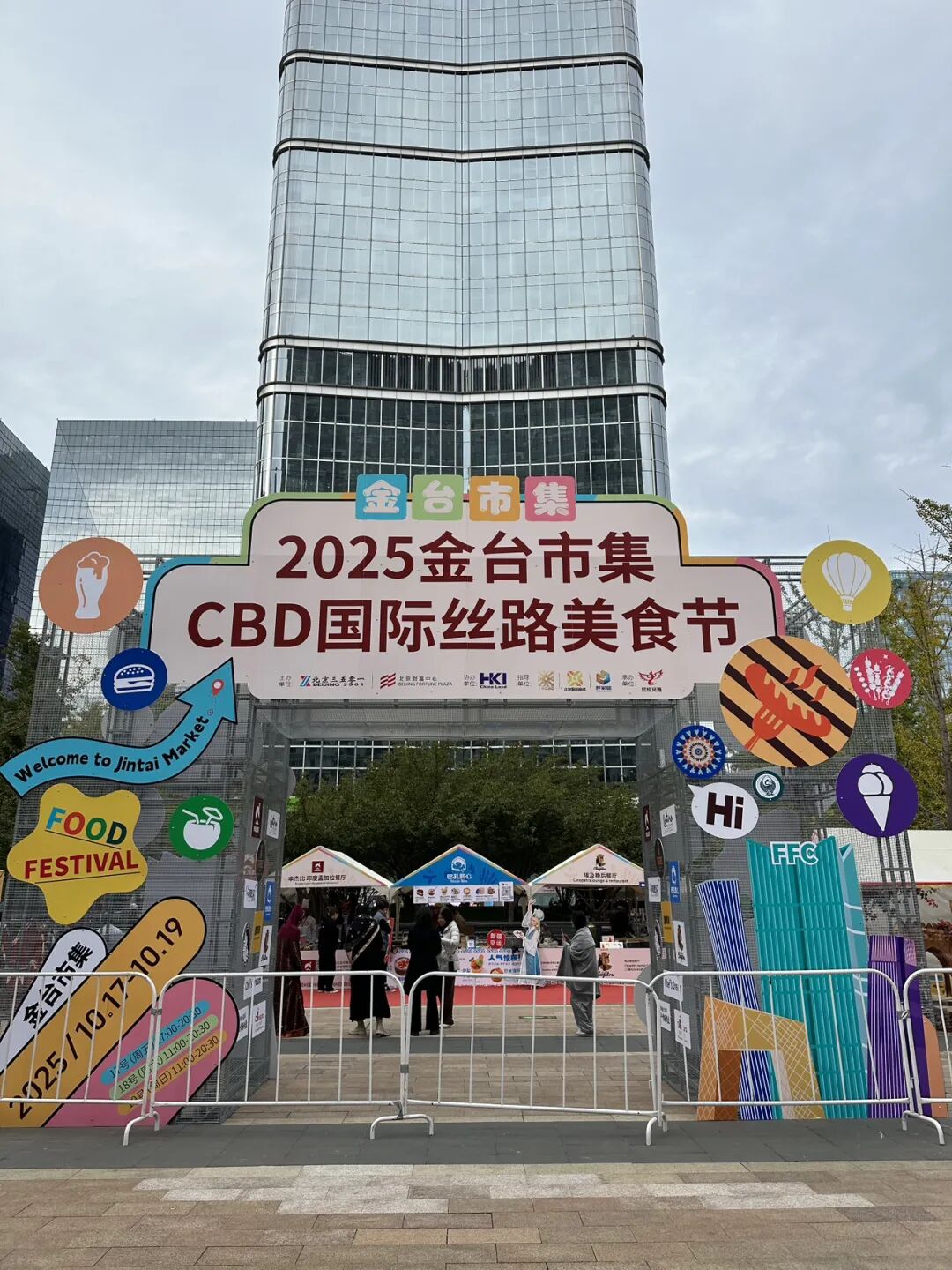
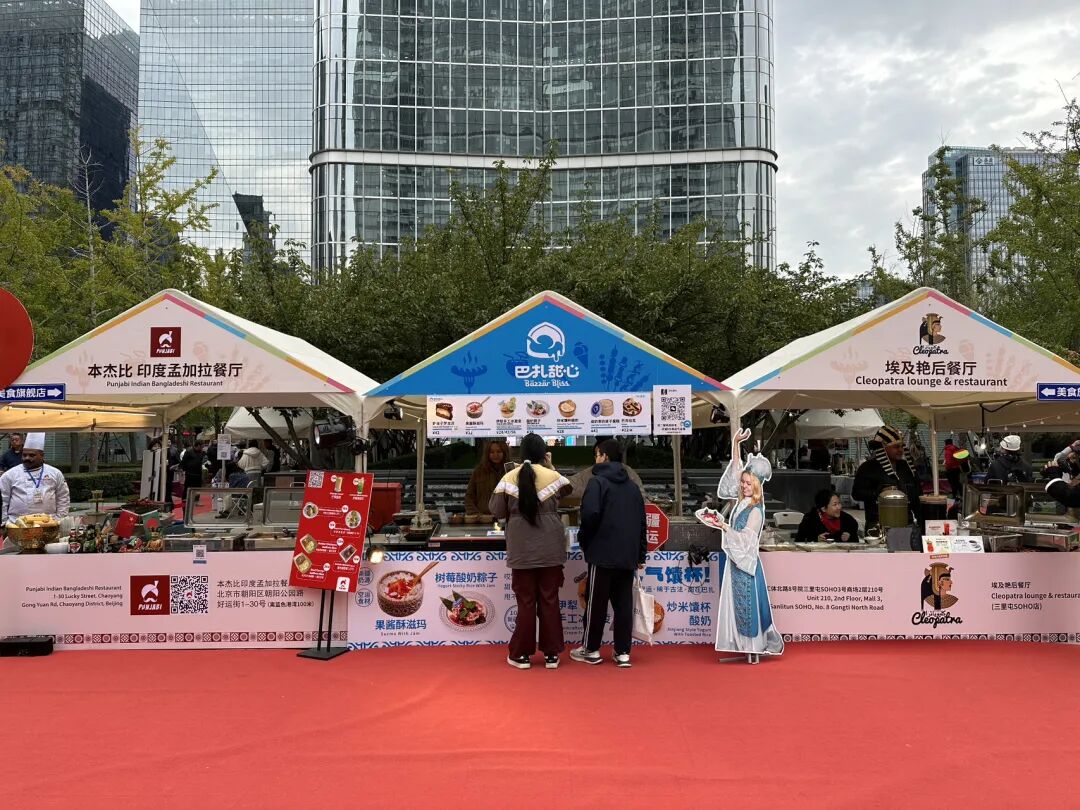
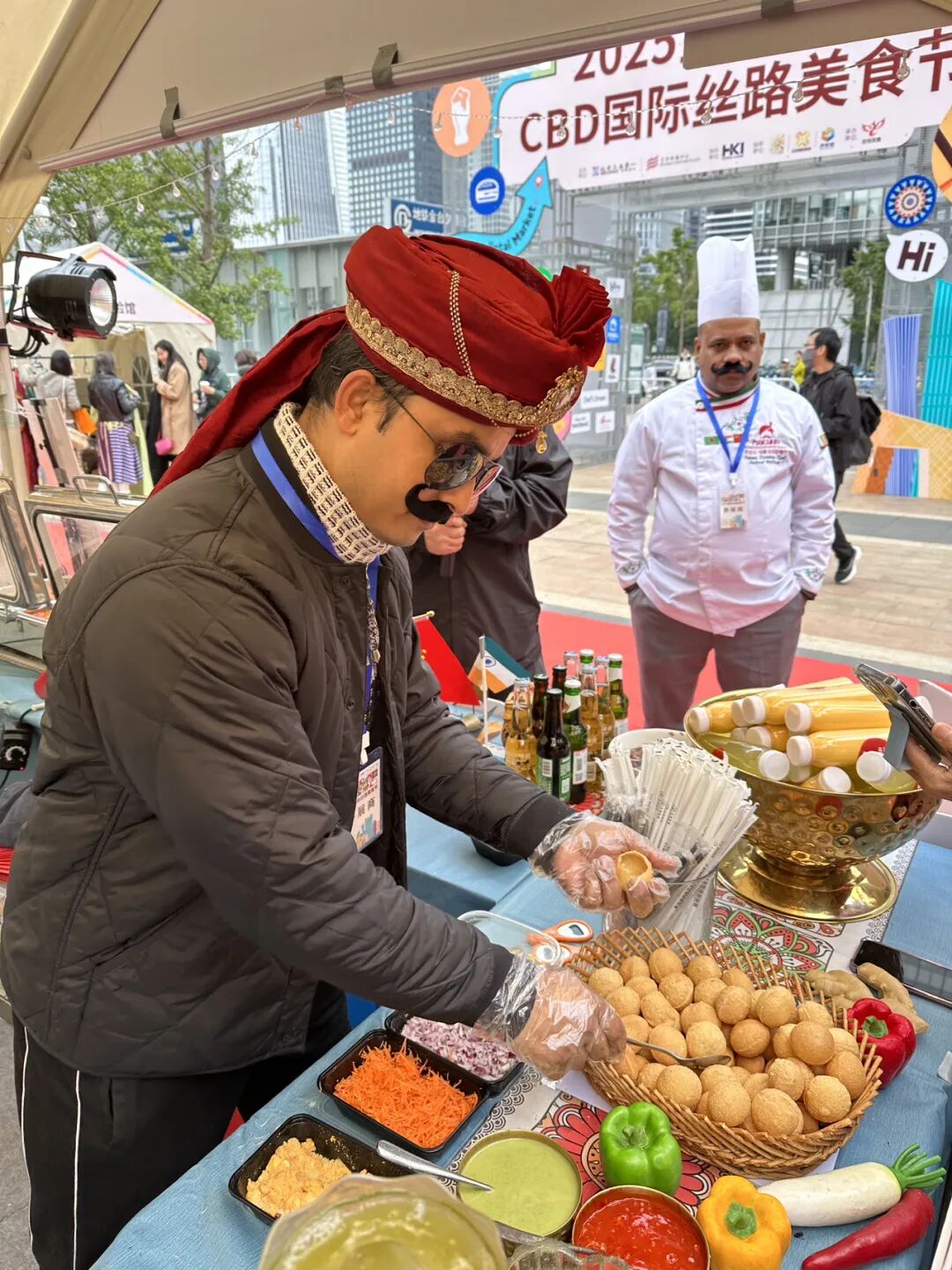
The International Silk Road Food Festival was held at the Fortune Center in Jintaixizhao this weekend. The Bengali stall Benjibi and the Egyptian stall Cleopatra, both regulars at food festivals, were there.
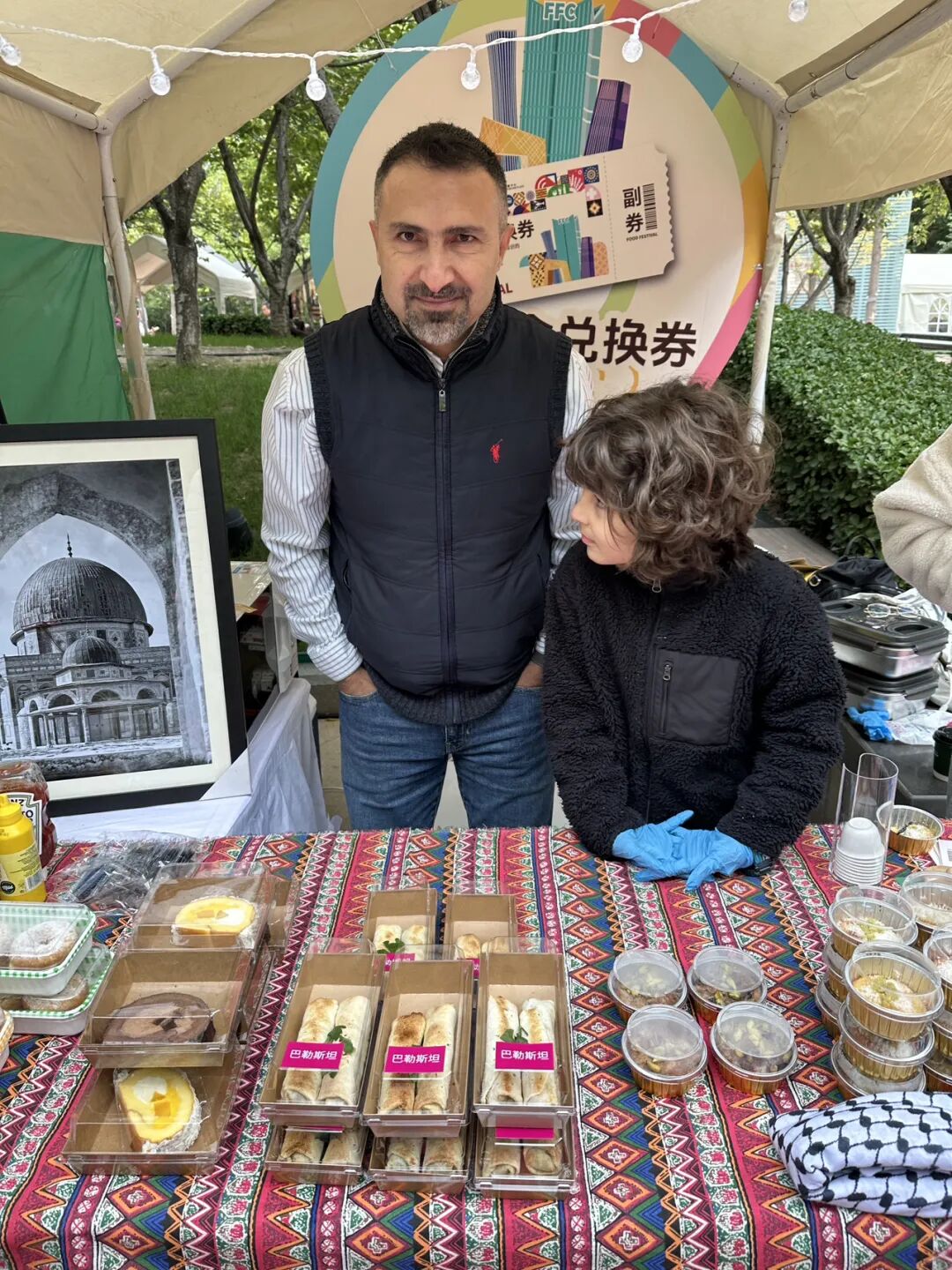
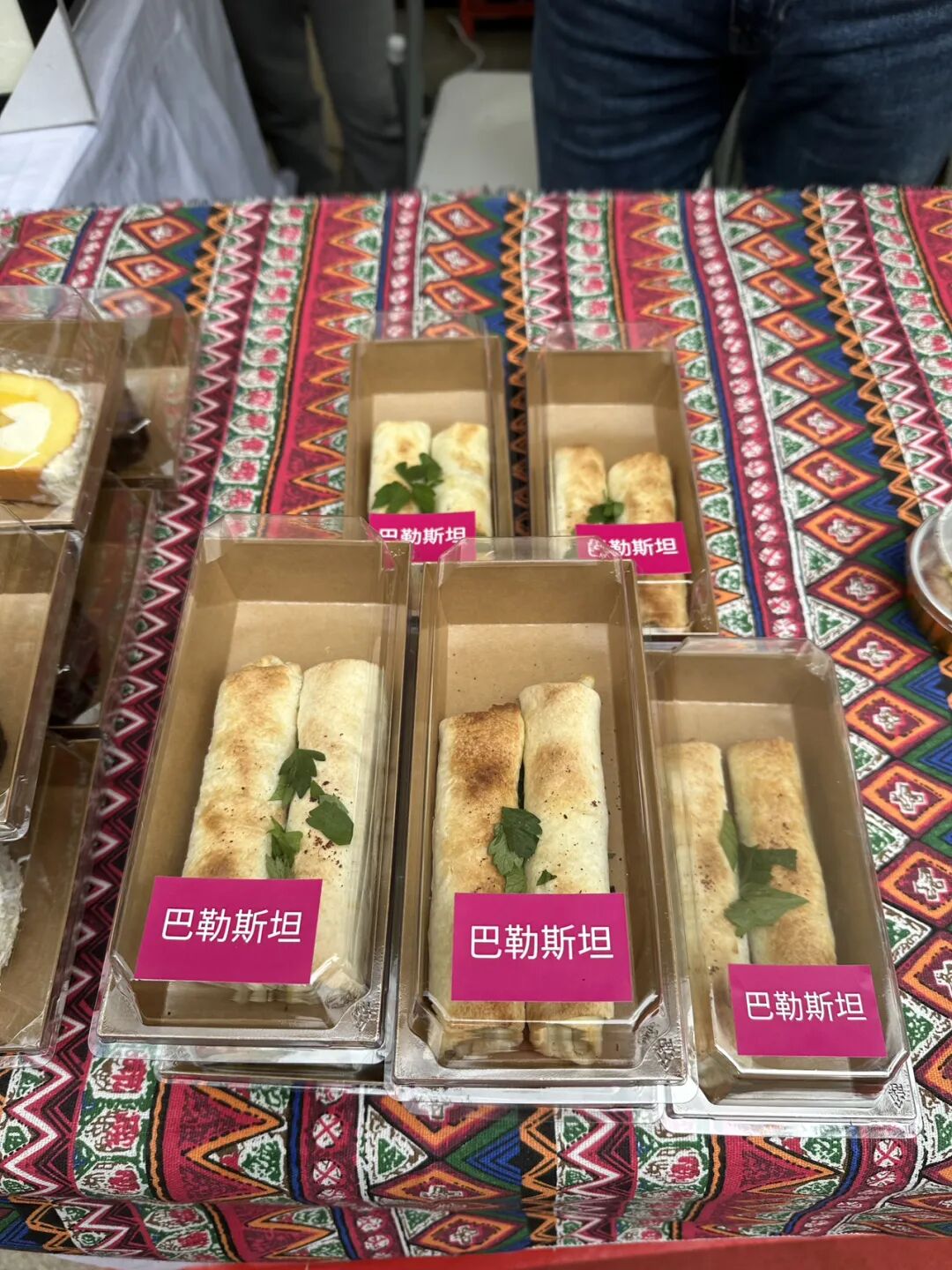
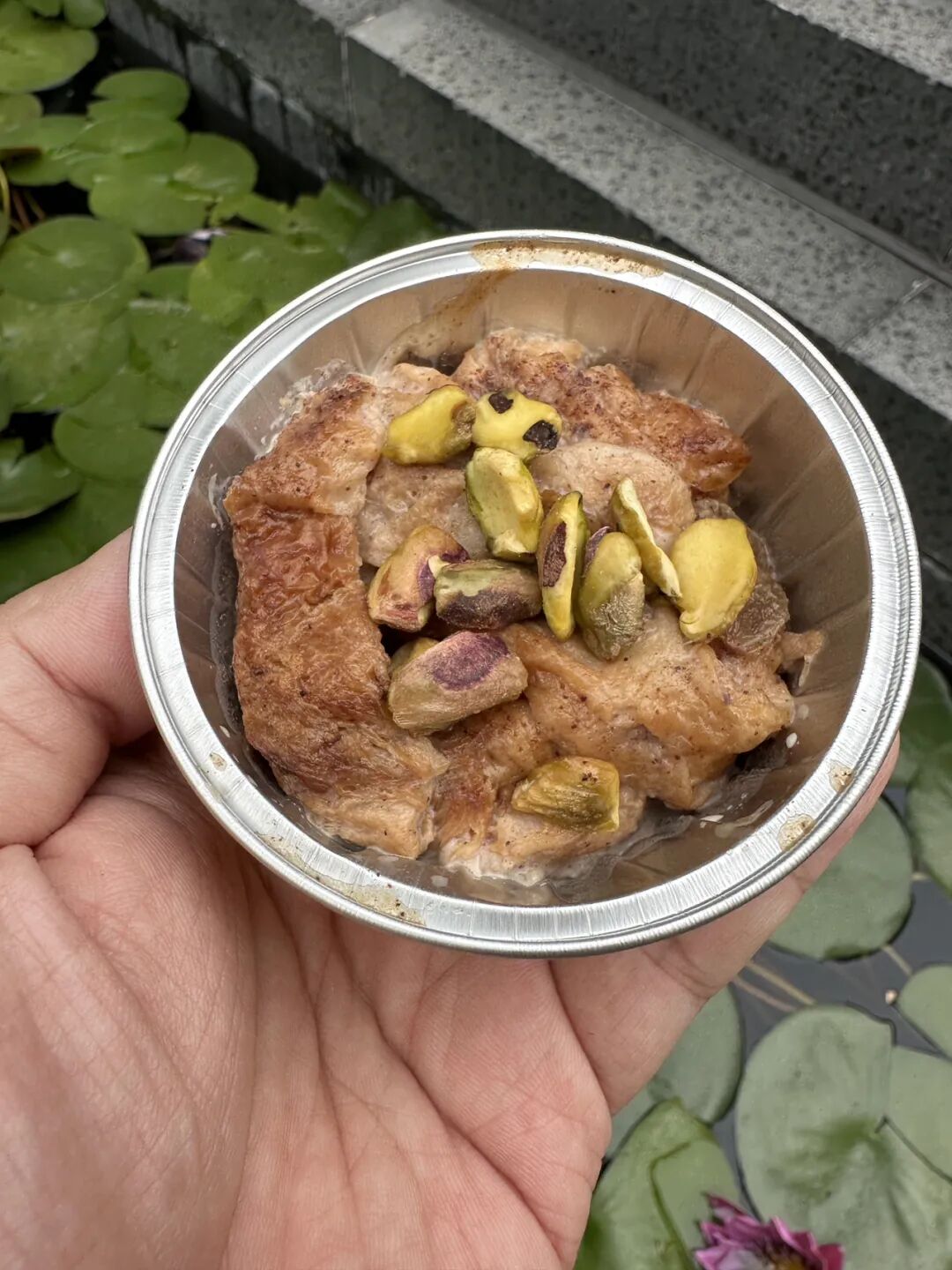
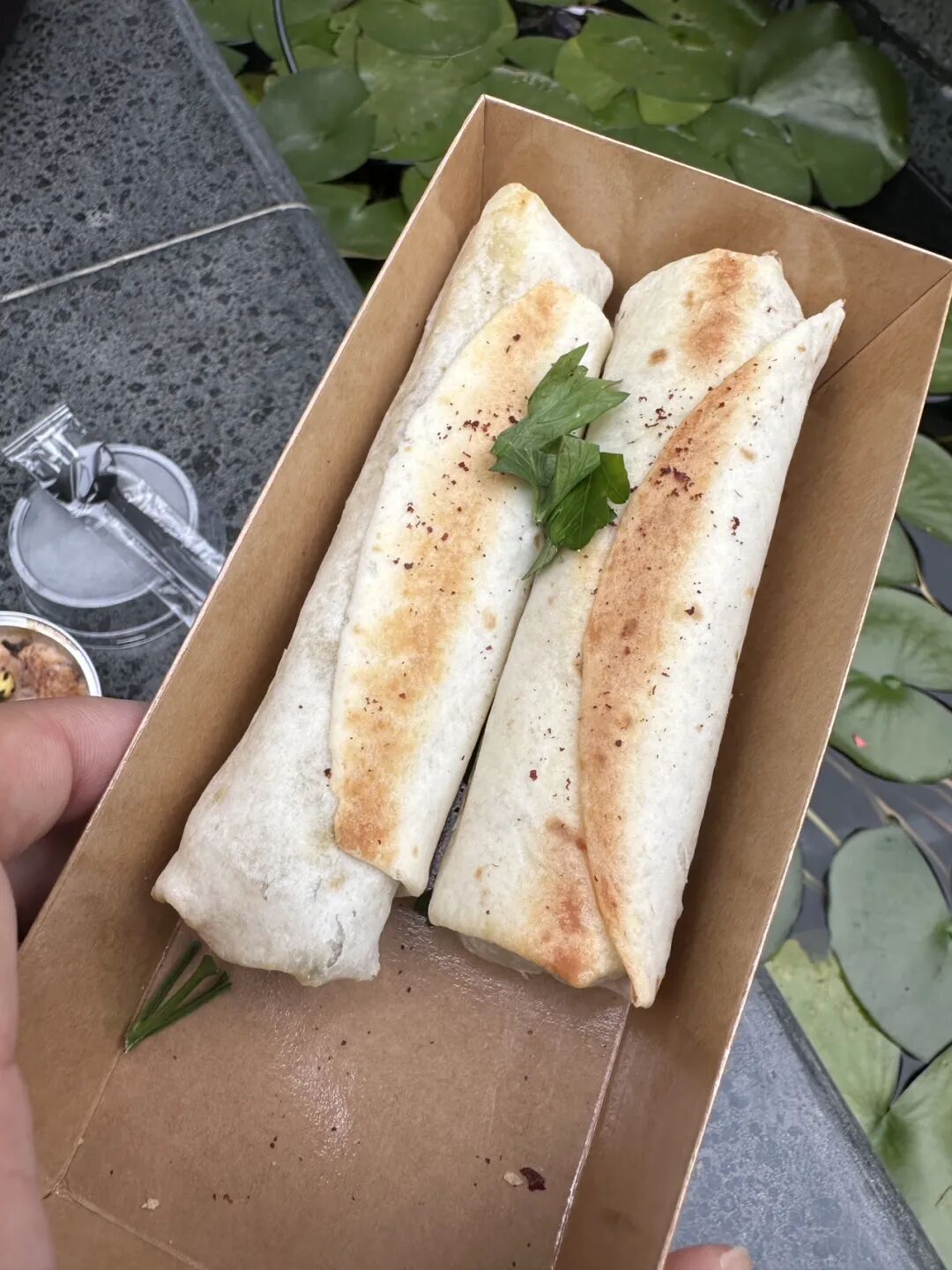
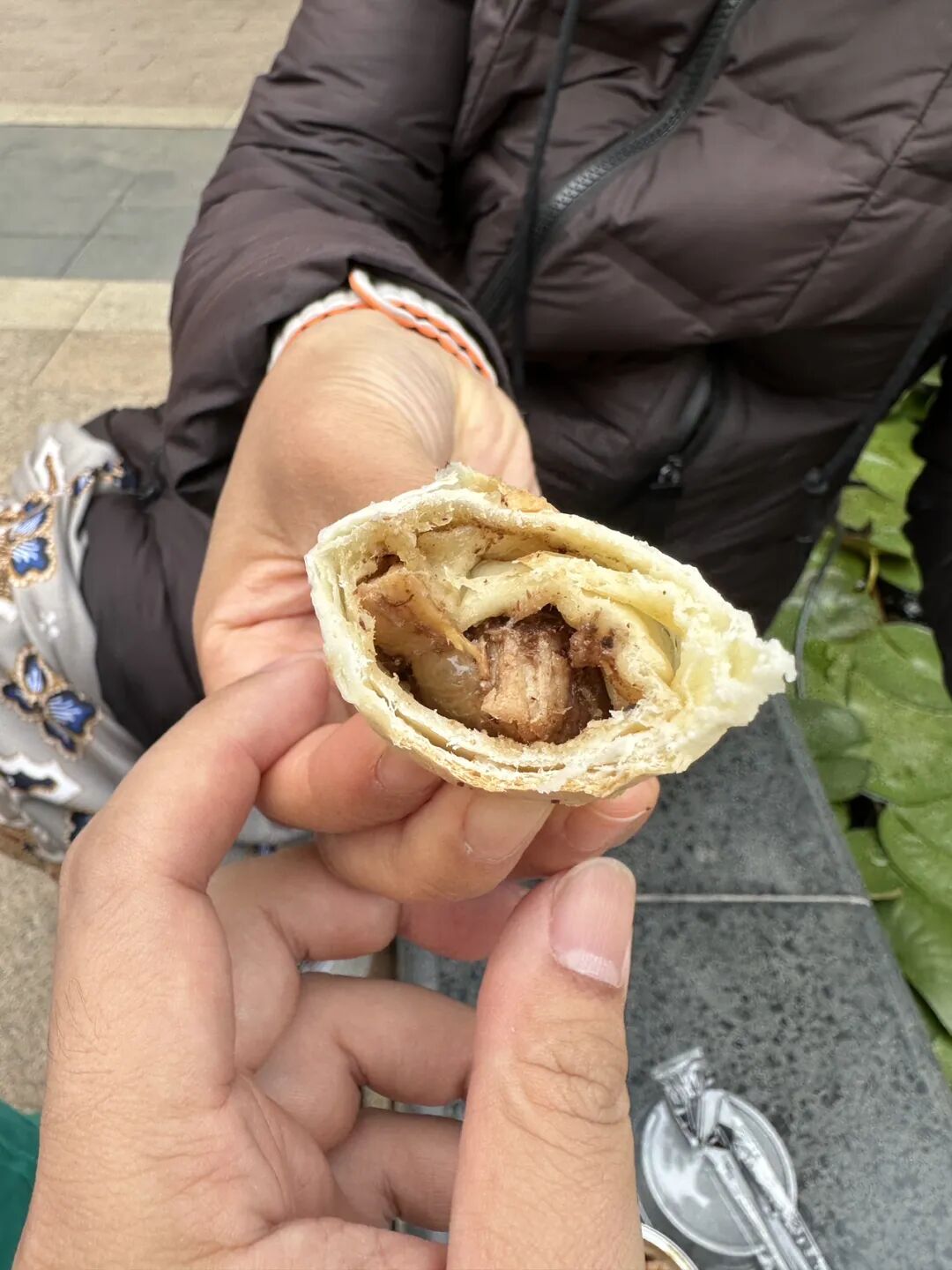
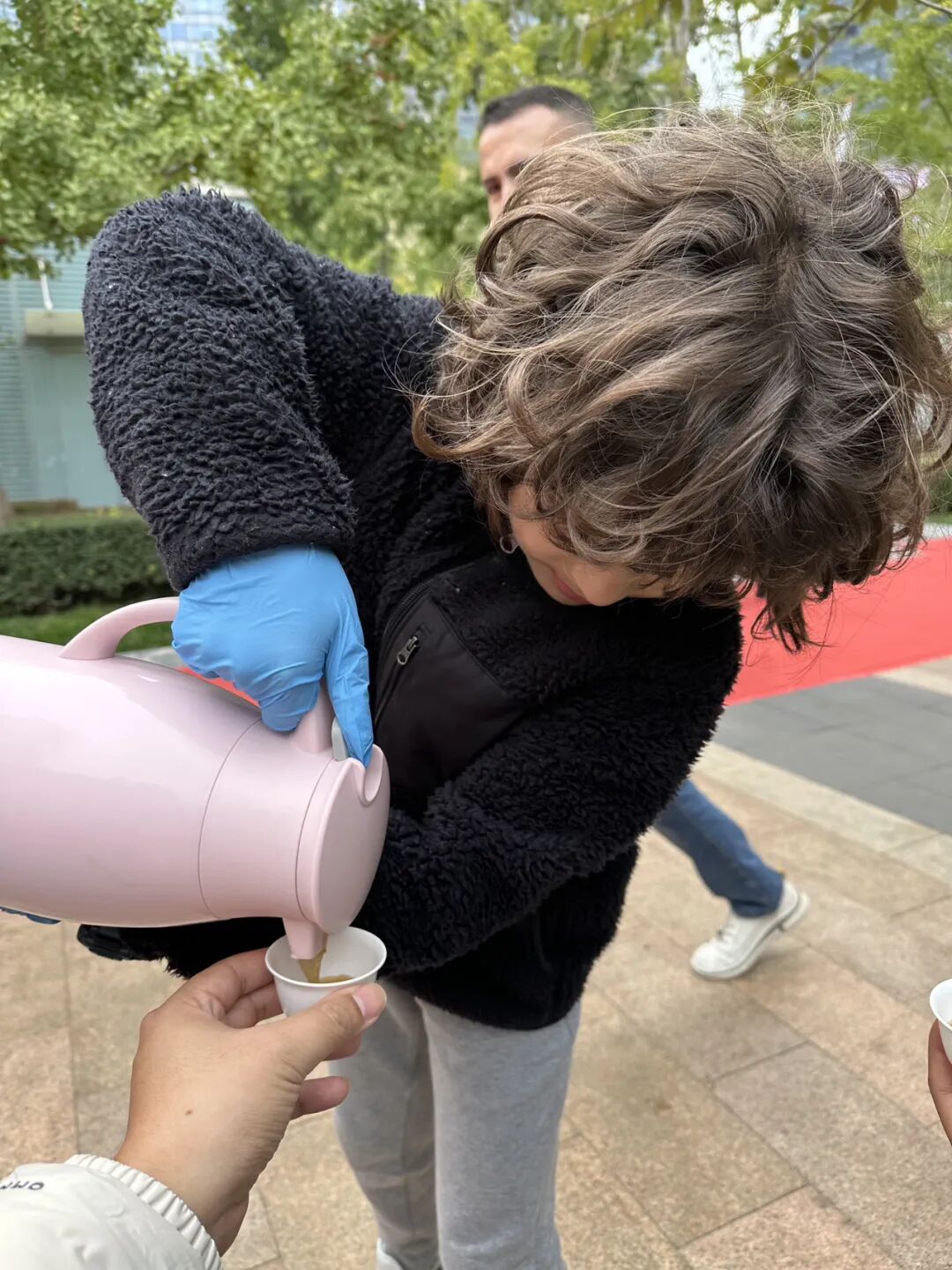
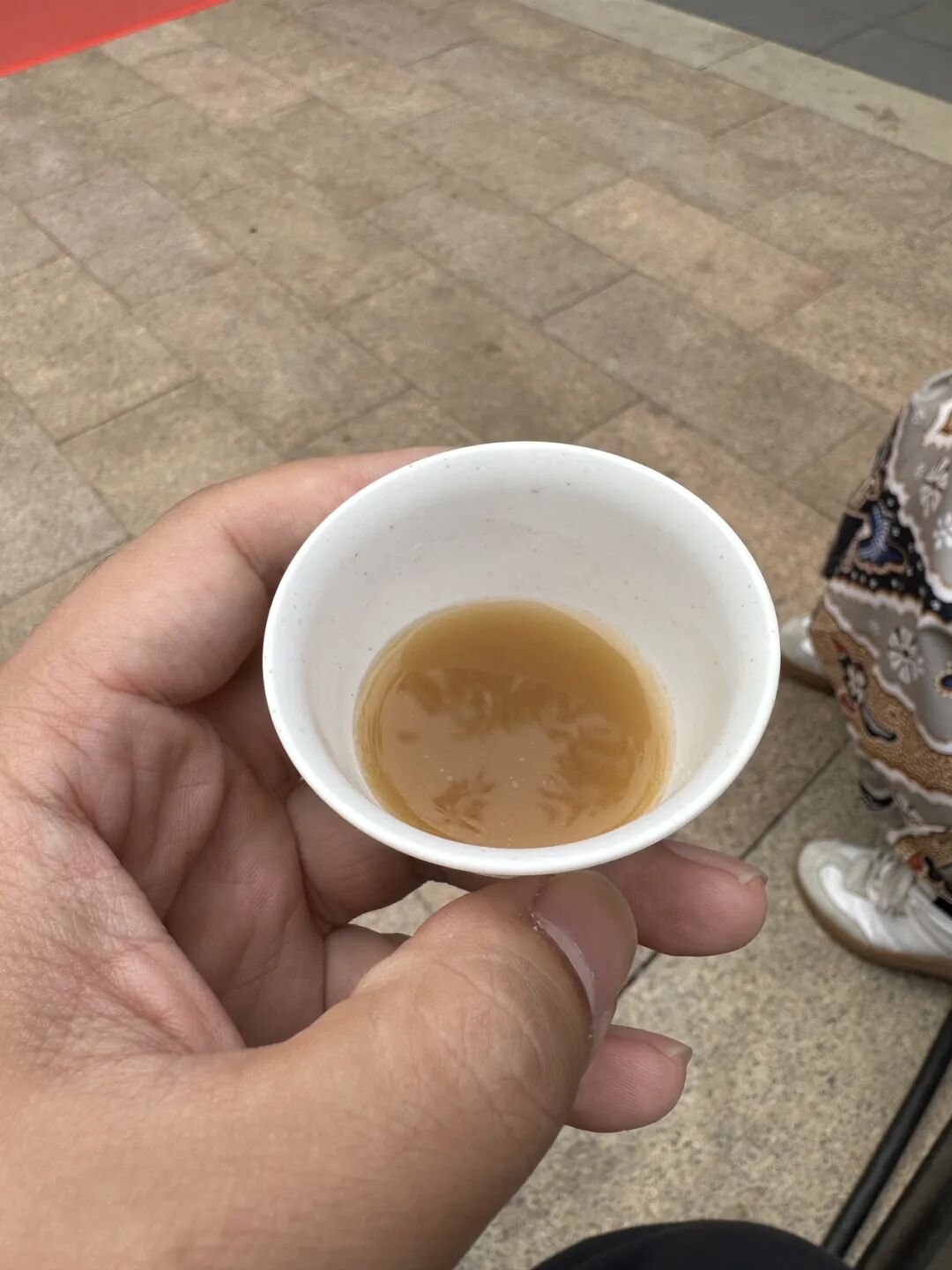
We got hungry at the Palestinian booth and ate the Palestinian national dish, chicken rolls (Musakhan), and the traditional Middle Eastern dessert, Umm Ali. A child also gave us some Palestinian coffee to drink.
Musakhan is known as the national dish of Palestine and is especially popular among Palestinians and Jordanians. Palestinians heat up freshly made flatbread (Taboon), then roll it with roasted chicken, onions, sumac powder, allspice, saffron, and fried pine nuts, all brushed with olive oil.
Umm Ali is made from puff pastry, milk, cinnamon, and pistachios. It is a classic dessert served at holiday gatherings in places like Palestine and Egypt. The name Umm Ali sounds strange, but it actually refers to the mother of Sultan Mansur Ali (who reigned from 1257 to 1259) of the Mamluk Sultanate. This story involves the change of dynasties between the Ayyubid Sultanate and the Mamluk Sultanate 700 years ago. In 1250, the last queen of the Ayyubid Sultanate, Shajar al-Durr, remarried the Mamluk Sultan Izz al-Din Aybak. In 1257, Shajar al-Durr assassinated Sultan Izz al-Din Aybak. The mother of the new Sultan, Mansur Ali, had Shajar al-Durr arrested and killed. To celebrate the death of Shajar al-Durr, Umm Ali made this dessert and handed it out to everyone. People say each serving contained a gold coin. Everyone who received the dessert shouted 'Umm Ali,' and that is how the dish got its name.
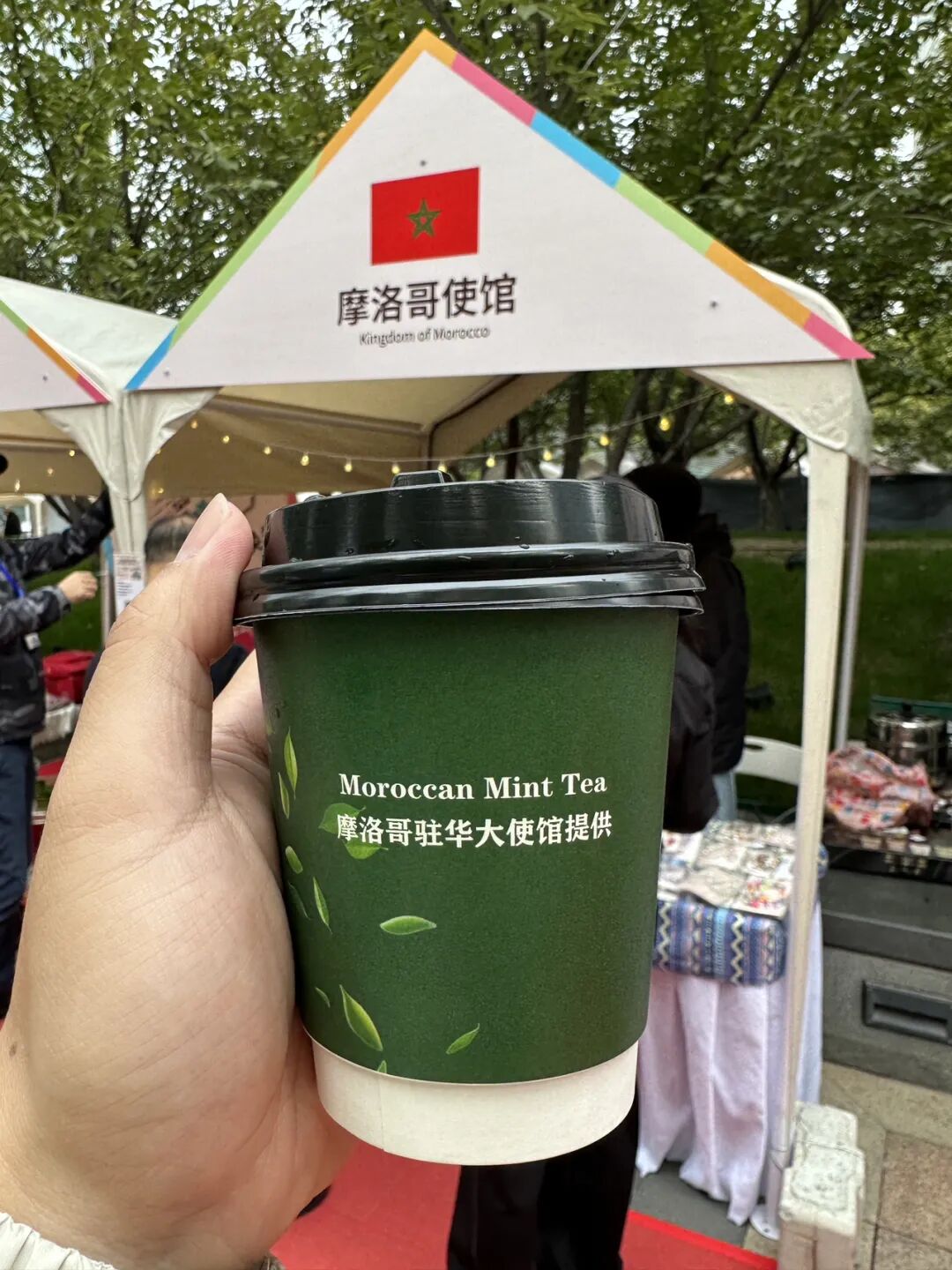
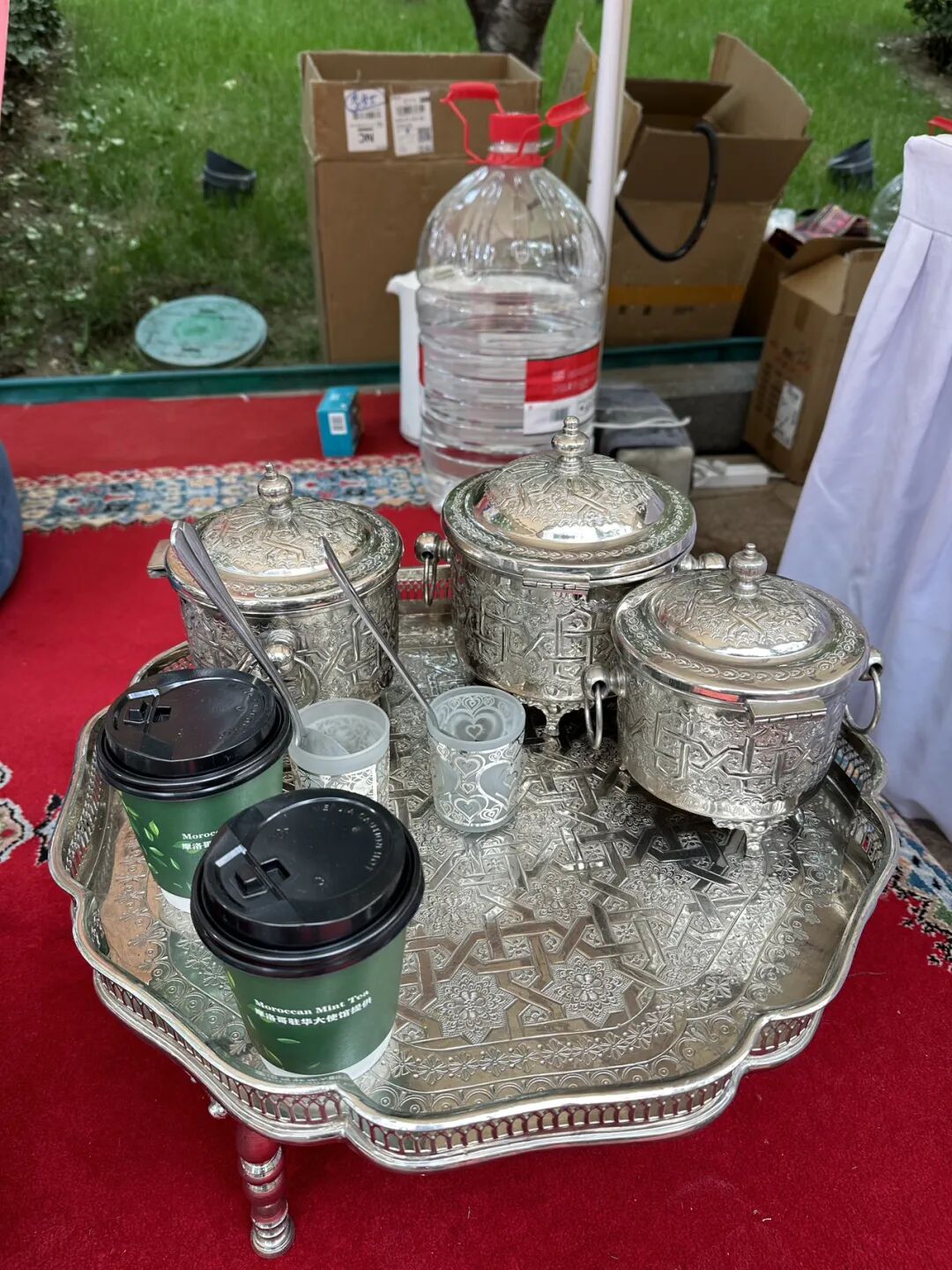
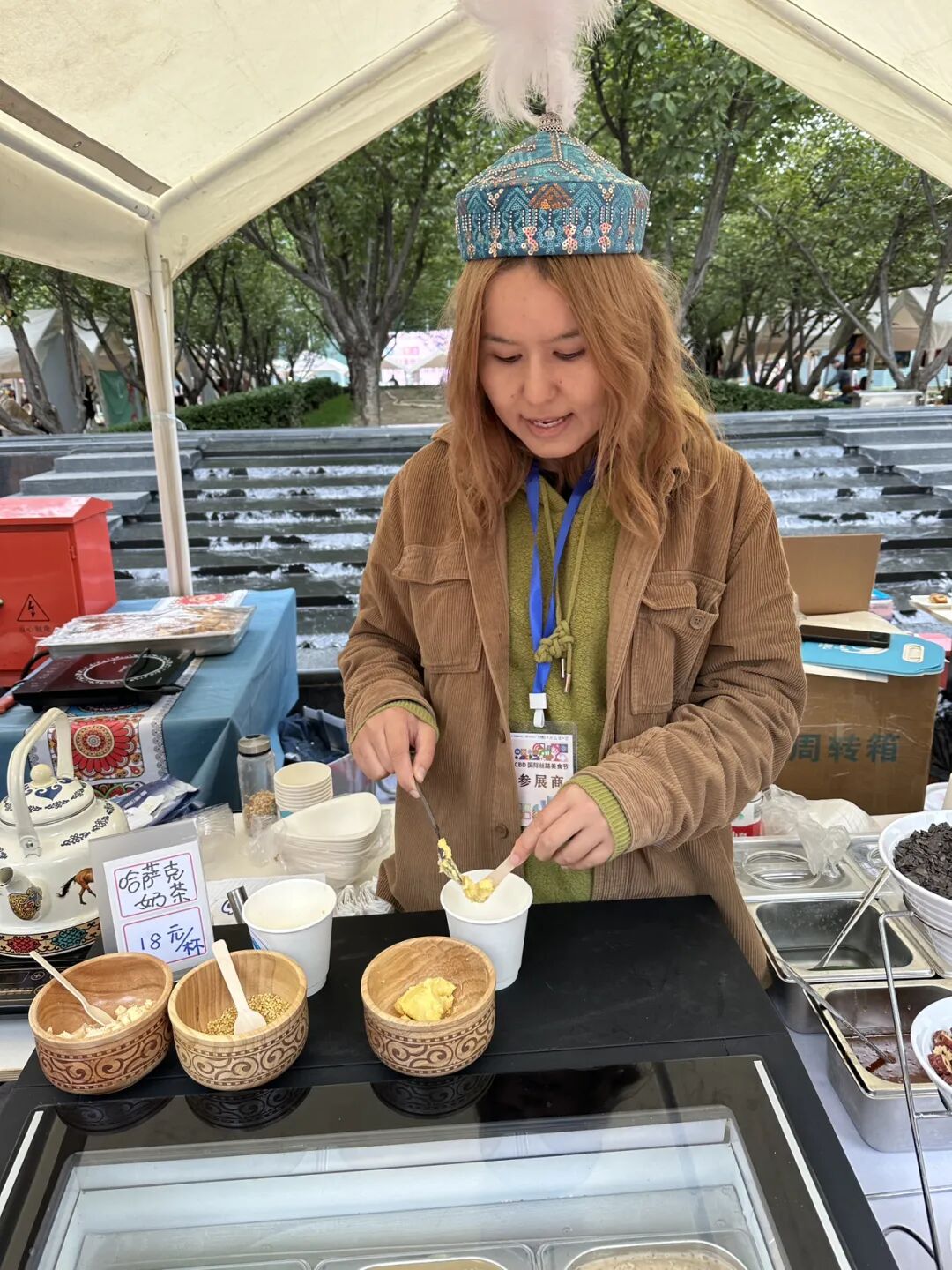
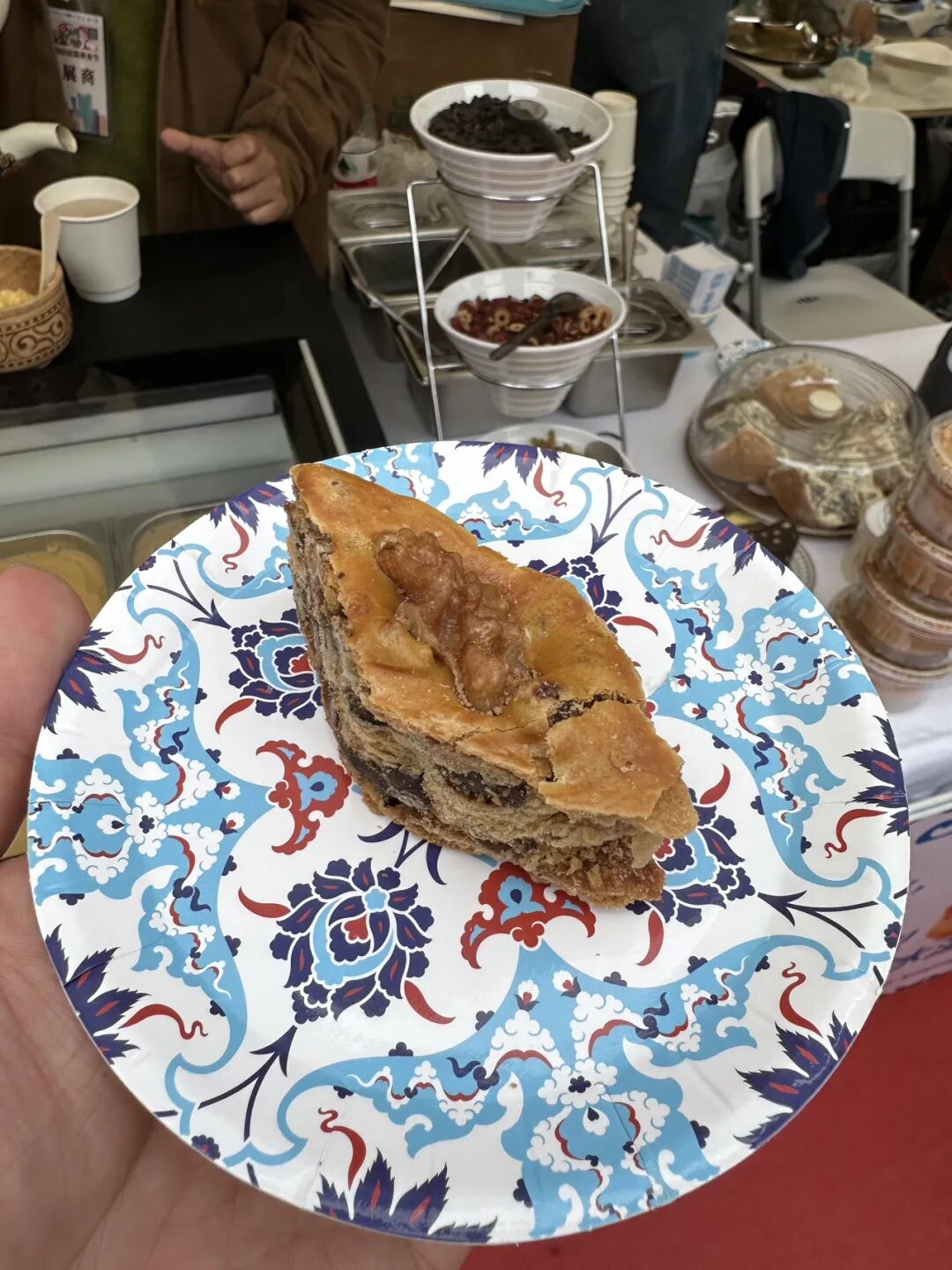
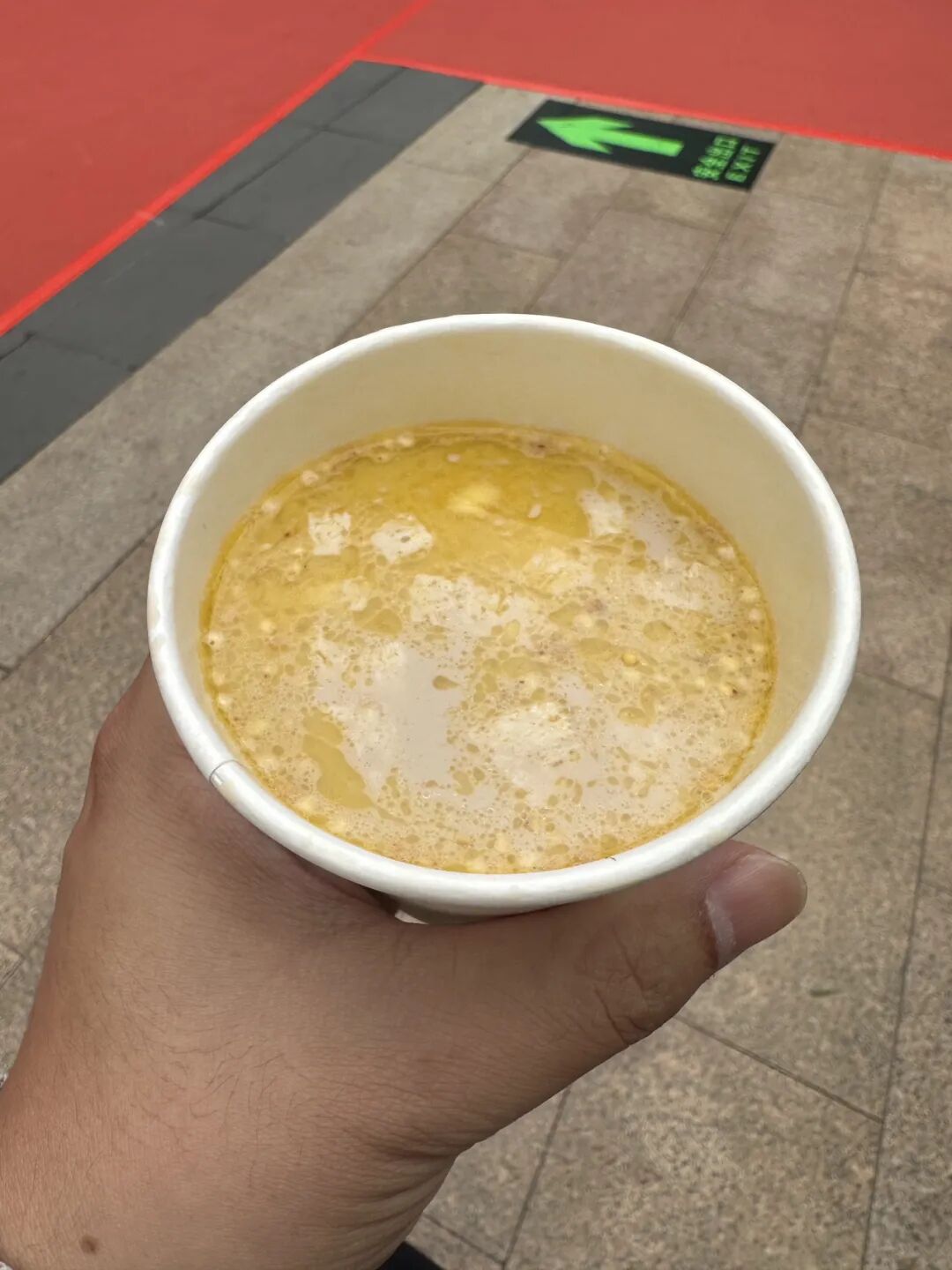
We drank Moroccan tea provided by the Moroccan Embassy at their booth, and at the Kazakh dessert shop Bazaar Sweetheart, we had milk tea with butter and roasted rice, along with baklava filled with plenty of walnuts.
Bazaar Sweetheart is located in 798 and is the first Ili Kazakh dessert shop in Beijing. Their milk tea is delicious and has a very rich milky flavor.
There were also goods from Iran, Turkmenistan, and Afghanistan for sale at this food festival. If you have time, you can go check it out tomorrow.
Summary: This Beijing food note follows an afternoon at the International Silk Road Food Festival, with Palestinian sweets, Kazakh milk tea, and familiar halal stalls in the Jintaixizhao area. It keeps the source's restaurant names, dishes, and street-food details while presenting the account in clear English.
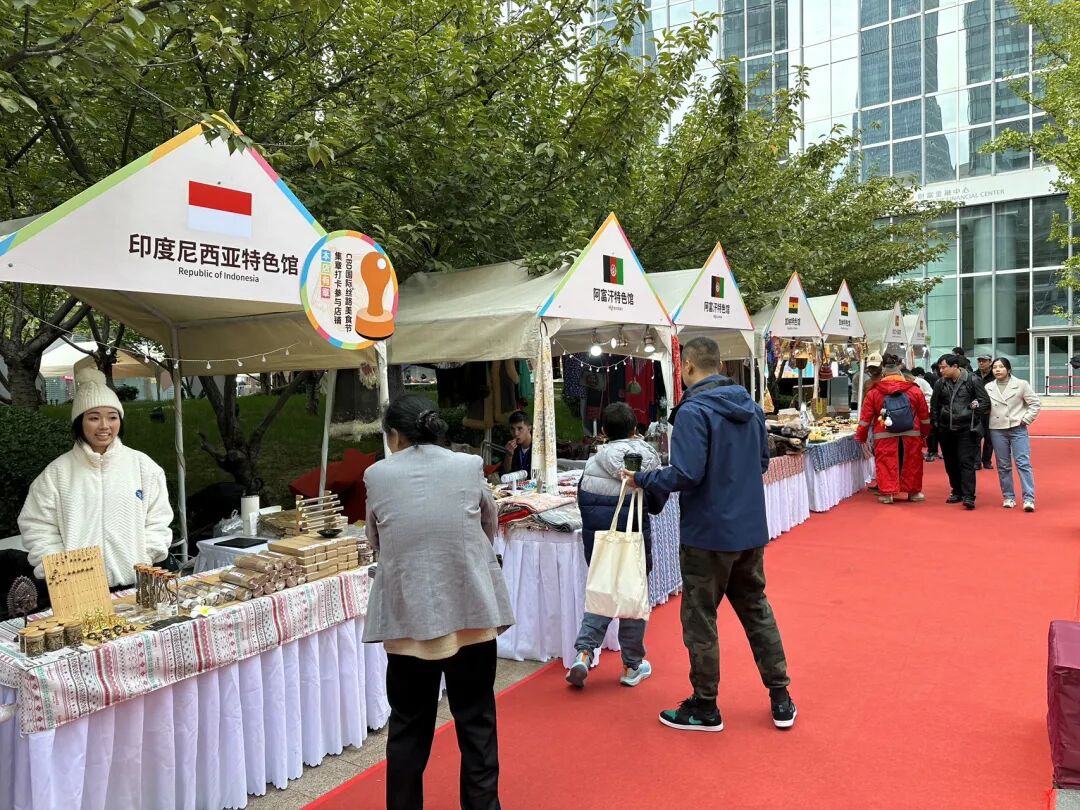
The International Silk Road Food Festival was held at the Fortune Center in Jintaixizhao this weekend. The Bengali stall Benjibi and the Egyptian stall Cleopatra, both regulars at food festivals, were there.
We got hungry at the Palestinian booth and ate the Palestinian national dish, chicken rolls (Musakhan), and the traditional Middle Eastern dessert, Umm Ali. A child also gave us some Palestinian coffee to drink.
Musakhan is known as the national dish of Palestine and is especially popular among Palestinians and Jordanians. Palestinians heat up freshly made flatbread (Taboon), then roll it with roasted chicken, onions, sumac powder, allspice, saffron, and fried pine nuts, all brushed with olive oil.
Umm Ali is made from puff pastry, milk, cinnamon, and pistachios. It is a classic dessert served at holiday gatherings in places like Palestine and Egypt. The name Umm Ali sounds strange, but it actually refers to the mother of Sultan Mansur Ali (who reigned from 1257 to 1259) of the Mamluk Sultanate. This story involves the change of dynasties between the Ayyubid Sultanate and the Mamluk Sultanate 700 years ago. In 1250, the last queen of the Ayyubid Sultanate, Shajar al-Durr, remarried the Mamluk Sultan Izz al-Din Aybak. In 1257, Shajar al-Durr assassinated Sultan Izz al-Din Aybak. The mother of the new Sultan, Mansur Ali, had Shajar al-Durr arrested and killed. To celebrate the death of Shajar al-Durr, Umm Ali made this dessert and handed it out to everyone. People say each serving contained a gold coin. Everyone who received the dessert shouted 'Umm Ali,' and that is how the dish got its name.
We drank Moroccan tea provided by the Moroccan Embassy at their booth, and at the Kazakh dessert shop Bazaar Sweetheart, we had milk tea with butter and roasted rice, along with baklava filled with plenty of walnuts.
Bazaar Sweetheart is located in 798 and is the first Ili Kazakh dessert shop in Beijing. Their milk tea is delicious and has a very rich milky flavor.
There were also goods from Iran, Turkmenistan, and Afghanistan for sale at this food festival. If you have time, you can go check it out tomorrow.
Halal Food Guide: Beijing - Mediterranean Festival, Musakhan and Karkadeh
Articles • ali2007fr posted the article • 0 comments • 249 views • 2026-05-20 09:38
Reposted from the web
Summary: This Beijing Mediterranean Food Festival visit covers Palestinian musakhan, Egyptian karkadeh, Caucasian venison stew, Bangladeshi curry, and other halal food stalls near Jianguomen. The article keeps the restaurant names, dish details, and cultural background of Jaffa, roselle tea, and Ramadan drinks.
On Sunday, I went to the Mediterranean Food Festival outside the Scitech Plaza at Jianguomen. Since the start of summer, Beijing has hosted several specialty food festivals every month, which is a great way to take an evening stroll and satisfy a craving. This time, the food festival at Scitech featured stalls from Xiting Xiuse (Azerbaijan), Cleopatra (Egypt), Benjiebi (Bangladesh), and Jaffa (Palestine).
We first bought Palestinian-style Musakhan chicken rolls and hummus (hummus) at Jaffa, and the Palestinian brother even gave Suleiman a donut.
Musakhan is known as the national dish of Palestine and is especially popular among Palestinians and Jordanians. Palestinians heat up freshly made Taboon bread (taboon), then roll it with roasted chicken, onions, sumac powder, allspice powder, saffron, and fried pine nuts, all brushed with olive oil.
Jaffa is an ancient Palestinian city that was once primarily Arab during the Ottoman period, and in the 19th century, it was famous for its vast orchards and Jaffa oranges. In the early 20th century, Jaffa was also a news hub for Palestine, with many newspaper offices located there. After 1948, most of the Arab population was expelled from or fled Jaffa.
Then we bought Caucasian venison stew at Xiting Xiuse. They use traditional Caucasian mountain cooking techniques to slow-cook the venison until it is soft and tender. The rich soup is also very flavorful when dipped with bread.
We ate chicken rice and milk pudding with hibiscus water at the Cleopatra restaurant. Their shop is located in Sanlitun SOHO, and they also set up a stall every year at the International Neighborhood Festival at the Jianguomen Diplomatic Residence Compound. The rice was mixed with cashews, raisins, and fried noodles, and it tasted great with the shredded chicken. I especially liked the hibiscus water and drank two cups.
Hibiscus water is actually roselle tea. Roselle is native to Africa and is often used in Egypt and Sudan to make hibiscus water called Karkadeh, which has a history of over 6,000 years and is also known as Pharaoh's tea. Hibiscus water can be found at various celebrations in Egypt, especially during the iftar meal in Ramadan. Egyptians make hibiscus water in both cold and hot ways. You can soak the dried petals in cold water overnight, then filter and add sugar before refrigerating, or boil them for 5 to 10 minutes, filter, add sugar, and refrigerate after cooling.
At the Bangladeshi stall Benjiebi, I ordered masala beef curry with saffron rice, and also ordered grilled lamb chops with mint chili sauce; their lamb was very tender. Their shop is on Haoyun Street, diagonally across from Solana, and we often go there to eat after walking around Solana. Their weekday lunch curry set is also very affordable. view all
Summary: This Beijing Mediterranean Food Festival visit covers Palestinian musakhan, Egyptian karkadeh, Caucasian venison stew, Bangladeshi curry, and other halal food stalls near Jianguomen. The article keeps the restaurant names, dish details, and cultural background of Jaffa, roselle tea, and Ramadan drinks.
On Sunday, I went to the Mediterranean Food Festival outside the Scitech Plaza at Jianguomen. Since the start of summer, Beijing has hosted several specialty food festivals every month, which is a great way to take an evening stroll and satisfy a craving. This time, the food festival at Scitech featured stalls from Xiting Xiuse (Azerbaijan), Cleopatra (Egypt), Benjiebi (Bangladesh), and Jaffa (Palestine).
We first bought Palestinian-style Musakhan chicken rolls and hummus (hummus) at Jaffa, and the Palestinian brother even gave Suleiman a donut.
Musakhan is known as the national dish of Palestine and is especially popular among Palestinians and Jordanians. Palestinians heat up freshly made Taboon bread (taboon), then roll it with roasted chicken, onions, sumac powder, allspice powder, saffron, and fried pine nuts, all brushed with olive oil.
Jaffa is an ancient Palestinian city that was once primarily Arab during the Ottoman period, and in the 19th century, it was famous for its vast orchards and Jaffa oranges. In the early 20th century, Jaffa was also a news hub for Palestine, with many newspaper offices located there. After 1948, most of the Arab population was expelled from or fled Jaffa.
Then we bought Caucasian venison stew at Xiting Xiuse. They use traditional Caucasian mountain cooking techniques to slow-cook the venison until it is soft and tender. The rich soup is also very flavorful when dipped with bread.
We ate chicken rice and milk pudding with hibiscus water at the Cleopatra restaurant. Their shop is located in Sanlitun SOHO, and they also set up a stall every year at the International Neighborhood Festival at the Jianguomen Diplomatic Residence Compound. The rice was mixed with cashews, raisins, and fried noodles, and it tasted great with the shredded chicken. I especially liked the hibiscus water and drank two cups.
Hibiscus water is actually roselle tea. Roselle is native to Africa and is often used in Egypt and Sudan to make hibiscus water called Karkadeh, which has a history of over 6,000 years and is also known as Pharaoh's tea. Hibiscus water can be found at various celebrations in Egypt, especially during the iftar meal in Ramadan. Egyptians make hibiscus water in both cold and hot ways. You can soak the dried petals in cold water overnight, then filter and add sugar before refrigerating, or boil them for 5 to 10 minutes, filter, add sugar, and refrigerate after cooling.
At the Bangladeshi stall Benjiebi, I ordered masala beef curry with saffron rice, and also ordered grilled lamb chops with mint chili sauce; their lamb was very tender. Their shop is on Haoyun Street, diagonally across from Solana, and we often go there to eat after walking around Solana. Their weekday lunch curry set is also very affordable. view all
Reposted from the web
Summary: This Beijing Mediterranean Food Festival visit covers Palestinian musakhan, Egyptian karkadeh, Caucasian venison stew, Bangladeshi curry, and other halal food stalls near Jianguomen. The article keeps the restaurant names, dish details, and cultural background of Jaffa, roselle tea, and Ramadan drinks.
On Sunday, I went to the Mediterranean Food Festival outside the Scitech Plaza at Jianguomen. Since the start of summer, Beijing has hosted several specialty food festivals every month, which is a great way to take an evening stroll and satisfy a craving. This time, the food festival at Scitech featured stalls from Xiting Xiuse (Azerbaijan), Cleopatra (Egypt), Benjiebi (Bangladesh), and Jaffa (Palestine).
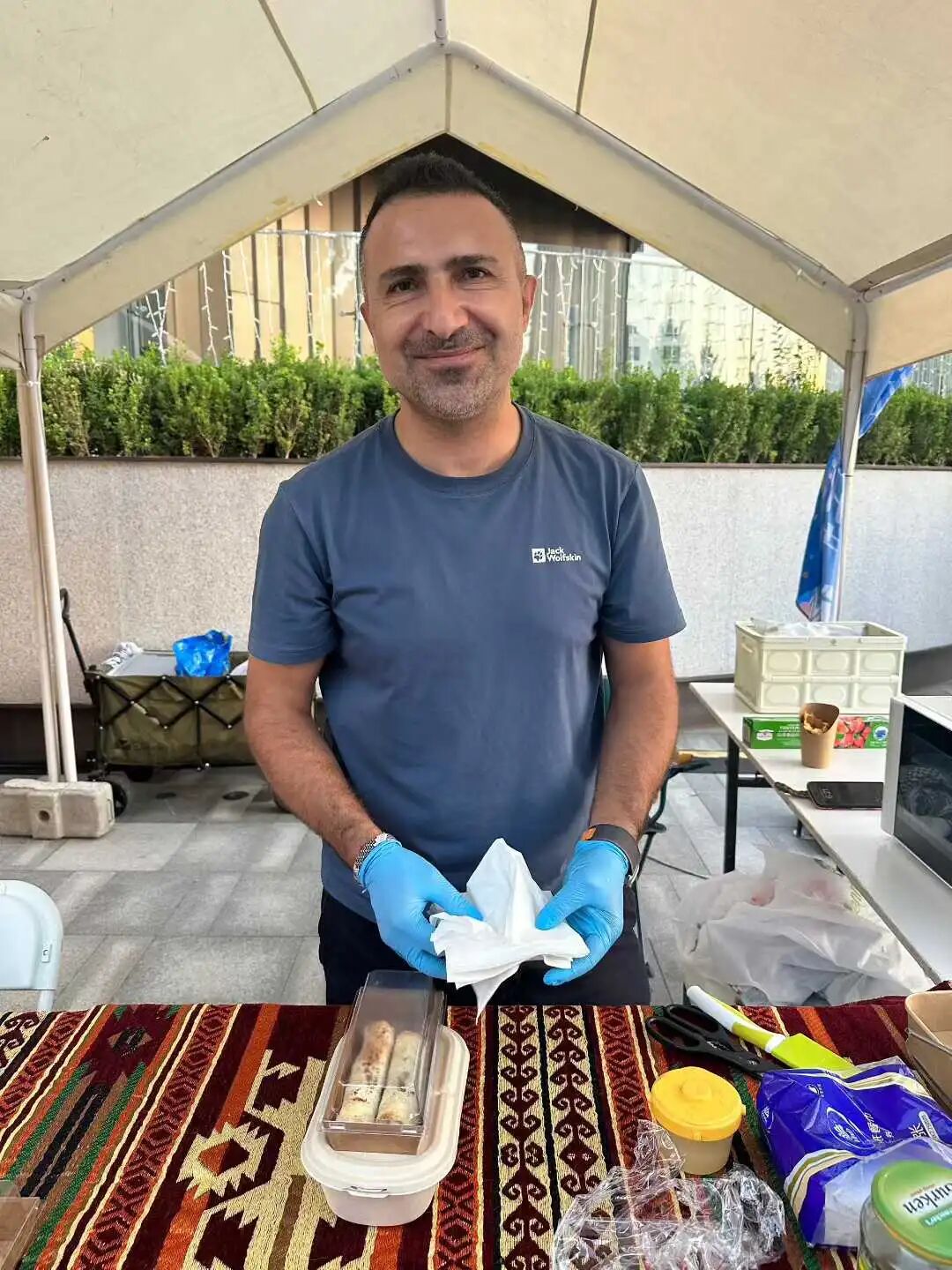
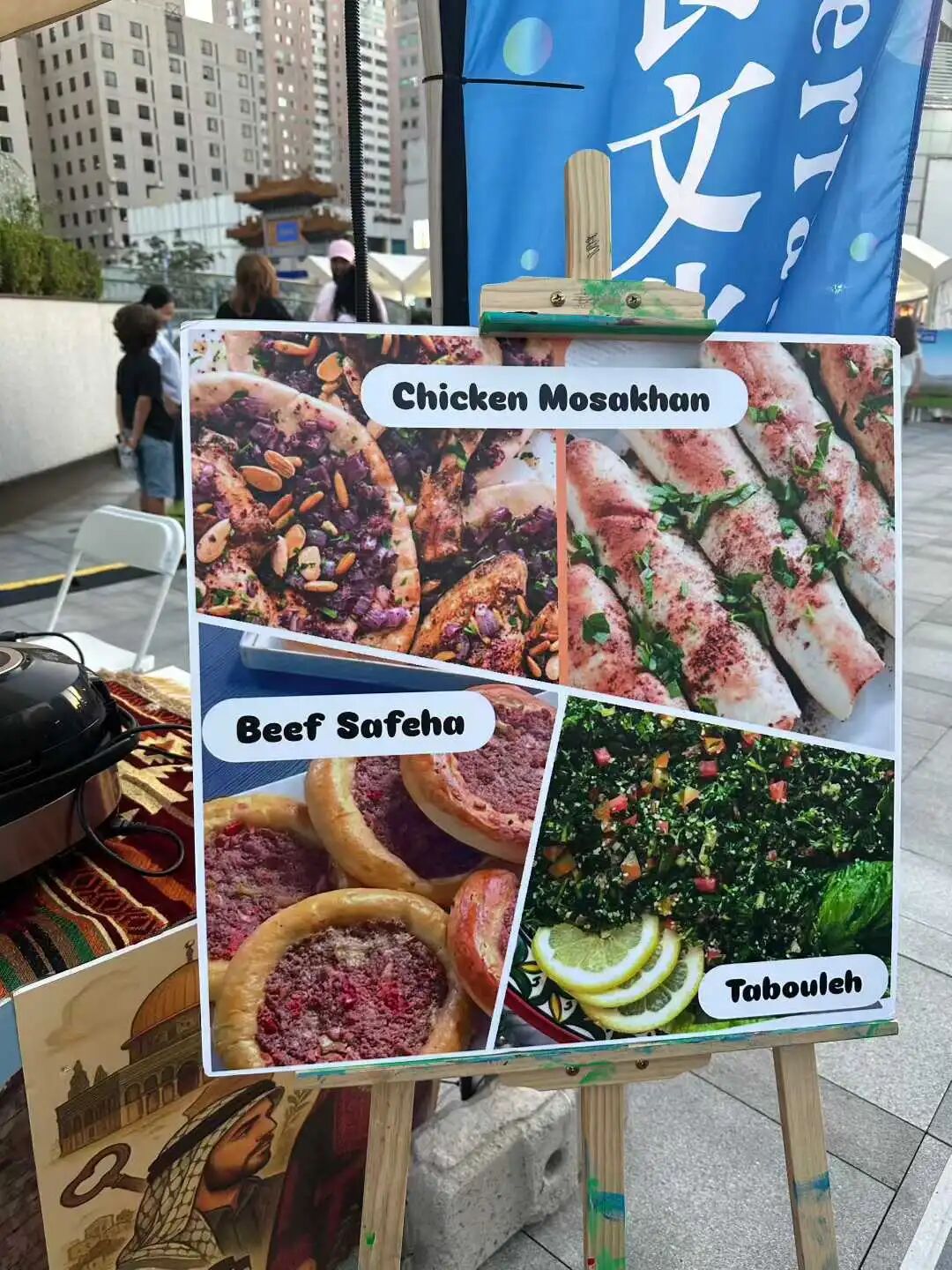
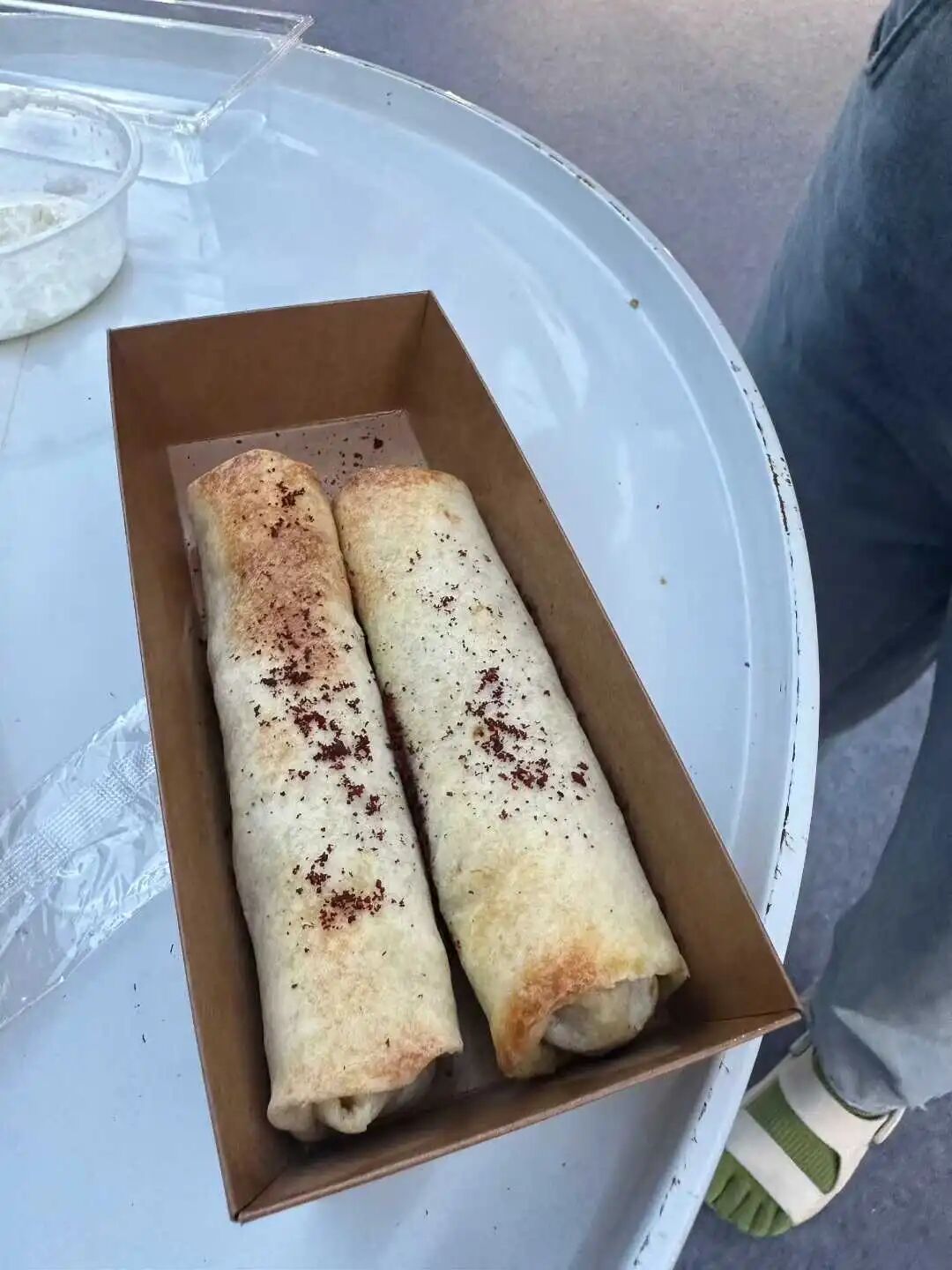
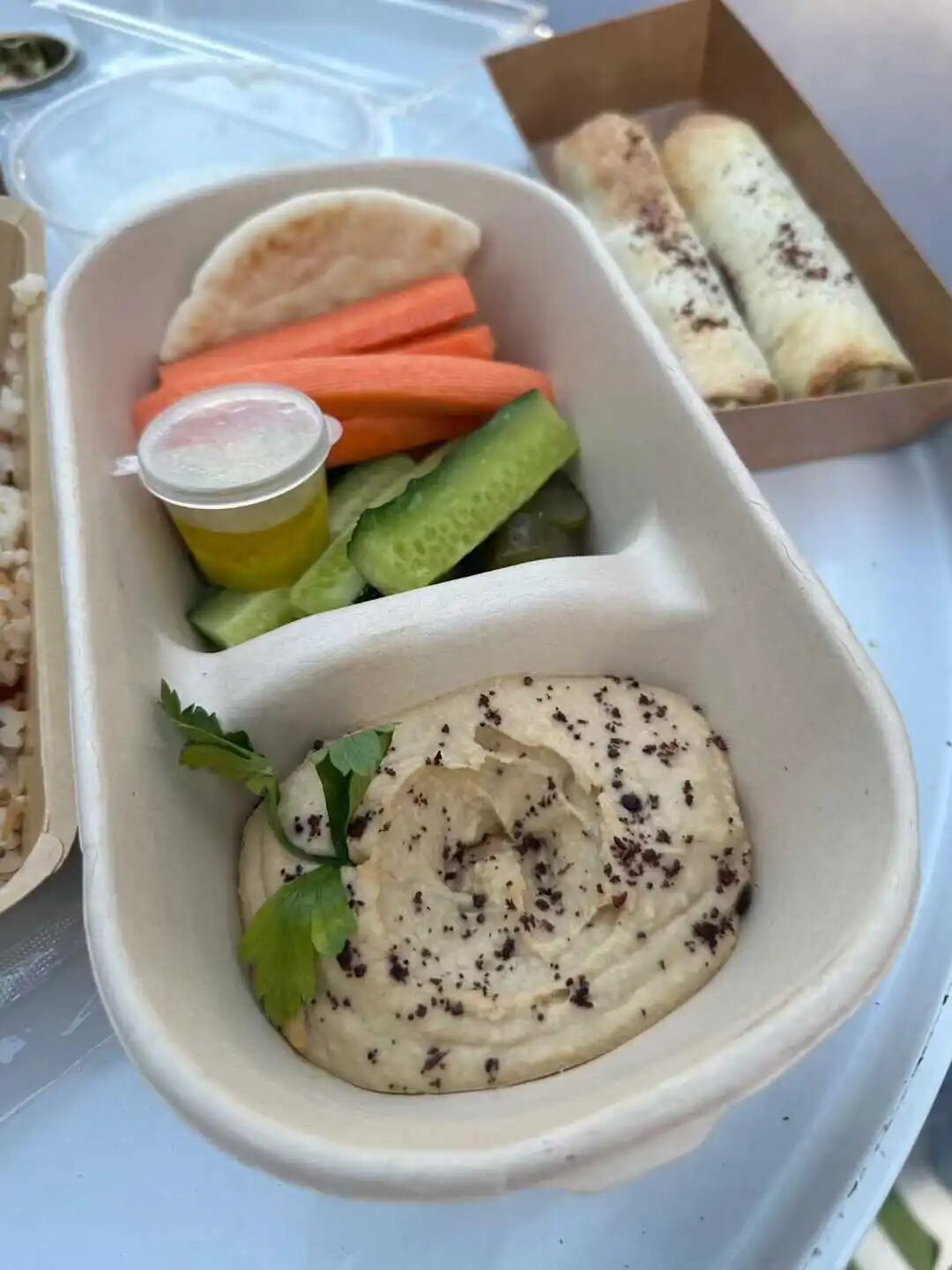
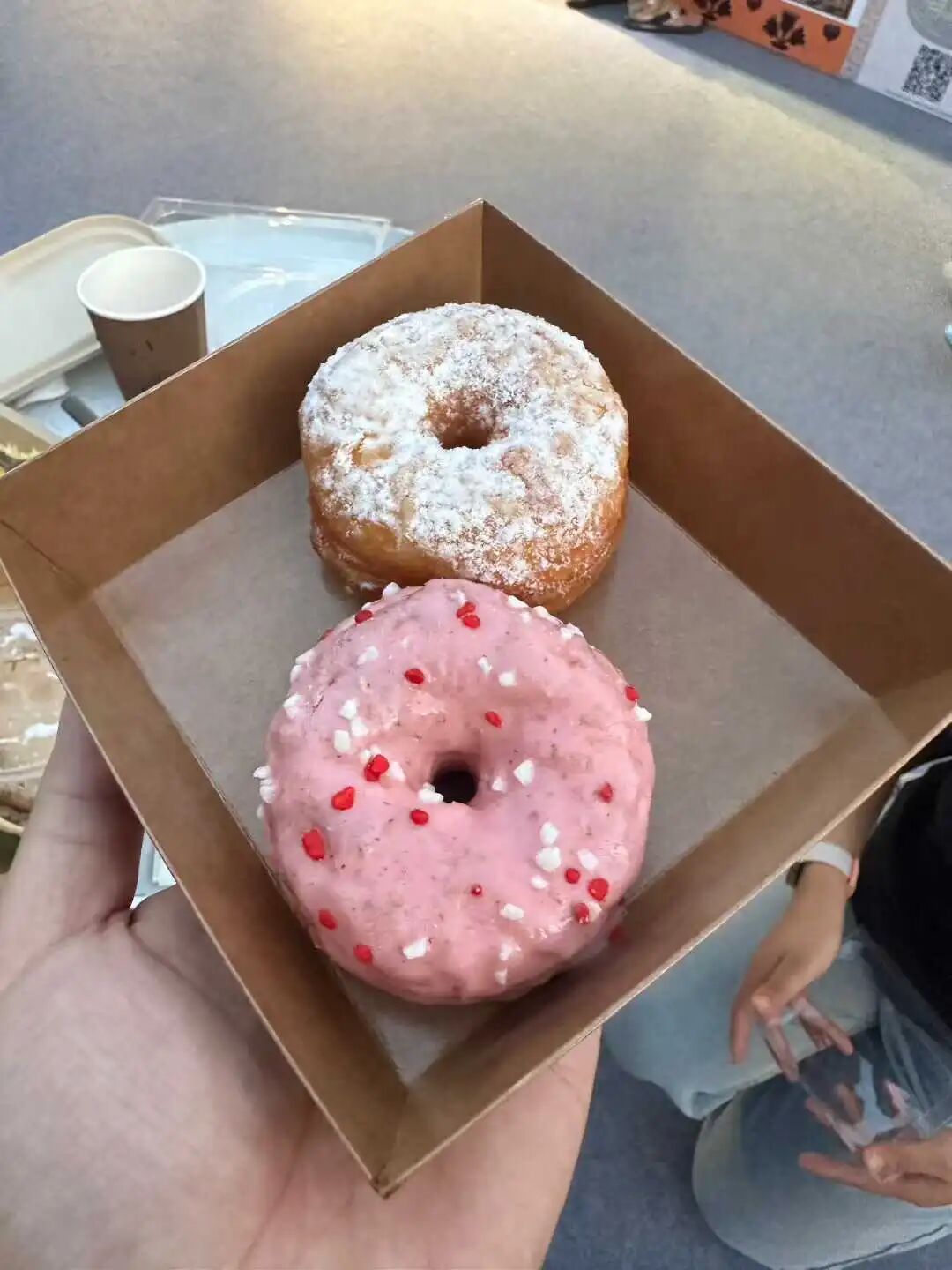
We first bought Palestinian-style Musakhan chicken rolls and hummus (hummus) at Jaffa, and the Palestinian brother even gave Suleiman a donut.
Musakhan is known as the national dish of Palestine and is especially popular among Palestinians and Jordanians. Palestinians heat up freshly made Taboon bread (taboon), then roll it with roasted chicken, onions, sumac powder, allspice powder, saffron, and fried pine nuts, all brushed with olive oil.
Jaffa is an ancient Palestinian city that was once primarily Arab during the Ottoman period, and in the 19th century, it was famous for its vast orchards and Jaffa oranges. In the early 20th century, Jaffa was also a news hub for Palestine, with many newspaper offices located there. After 1948, most of the Arab population was expelled from or fled Jaffa.
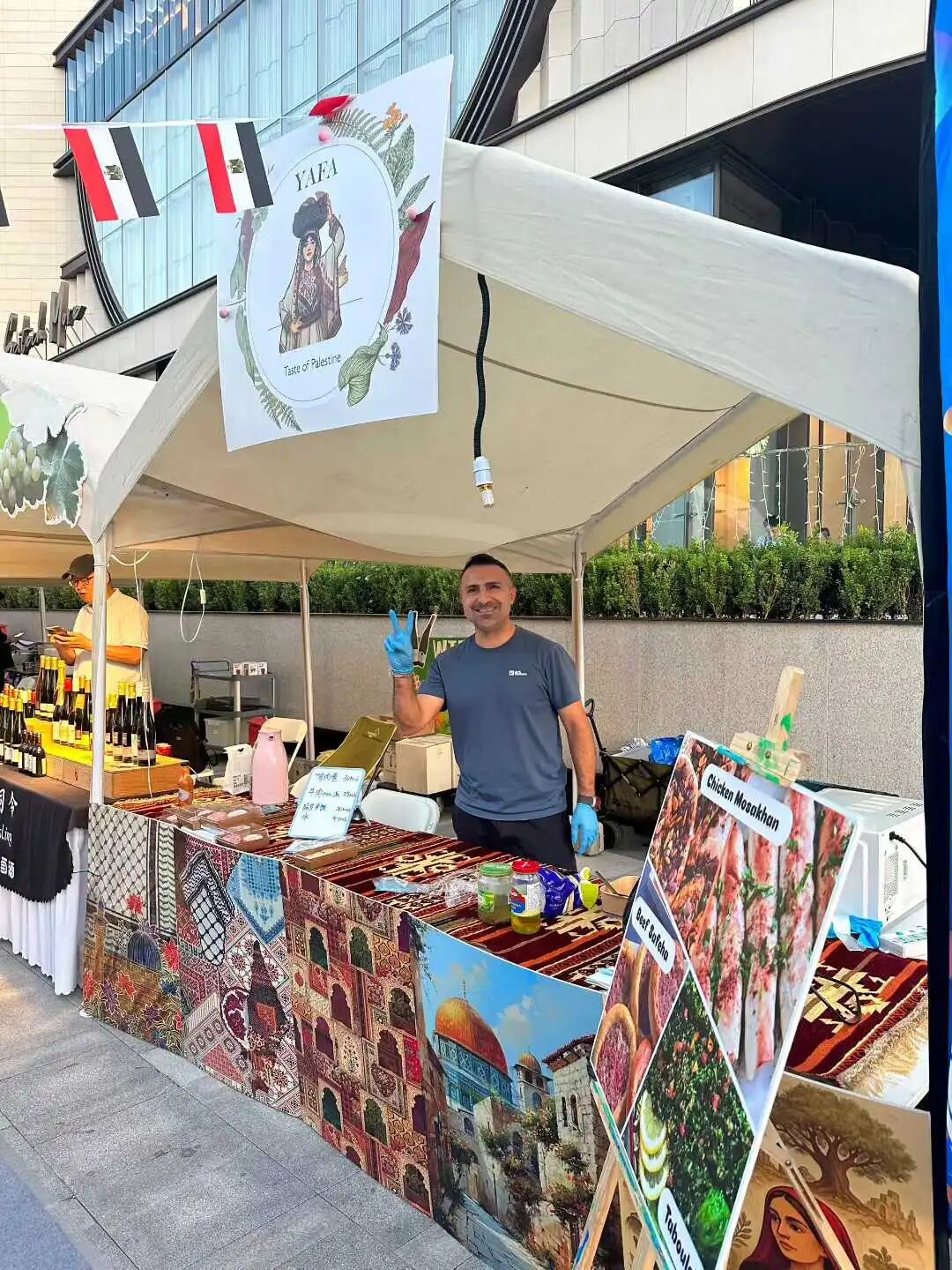
Then we bought Caucasian venison stew at Xiting Xiuse. They use traditional Caucasian mountain cooking techniques to slow-cook the venison until it is soft and tender. The rich soup is also very flavorful when dipped with bread.
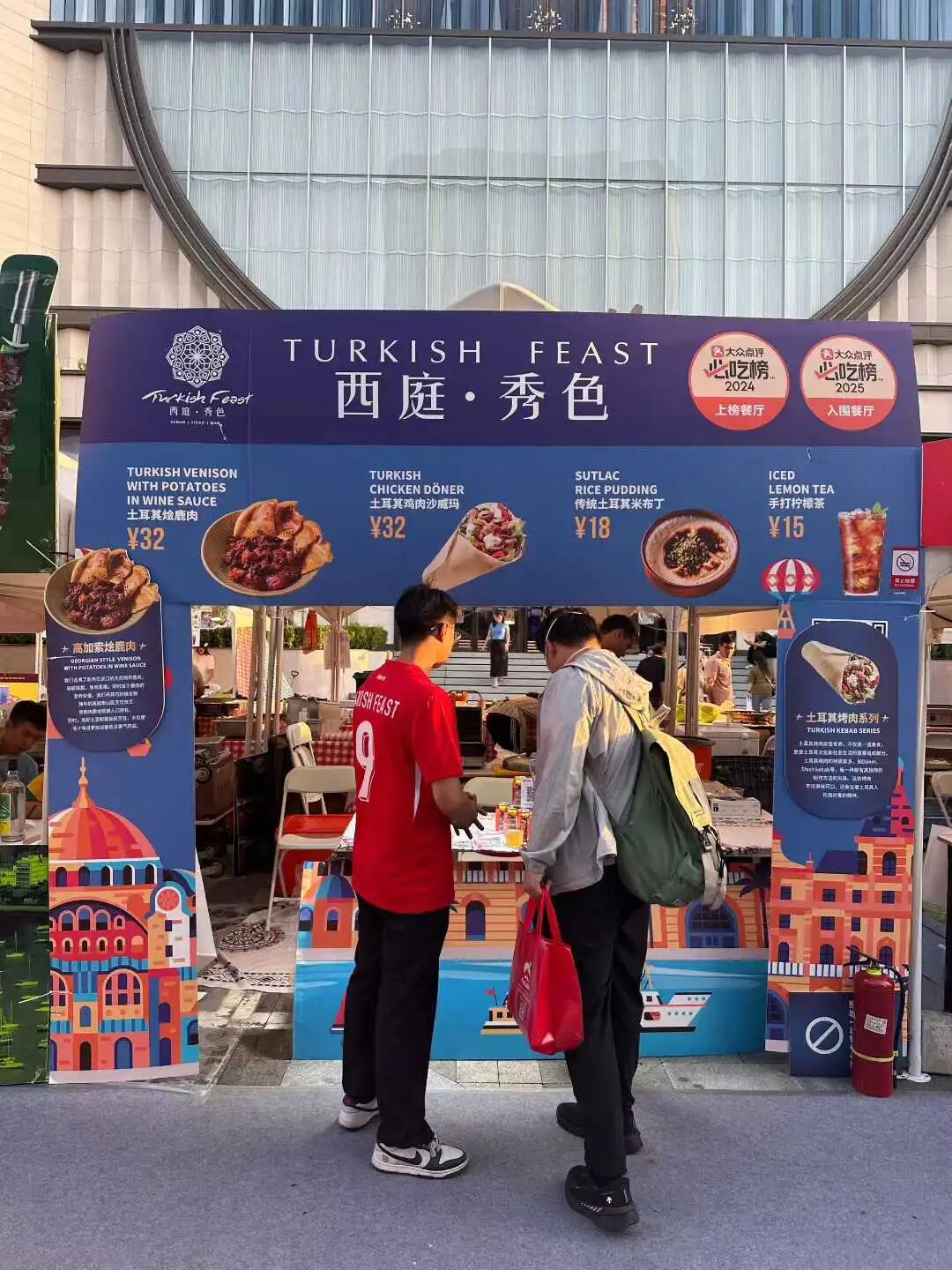
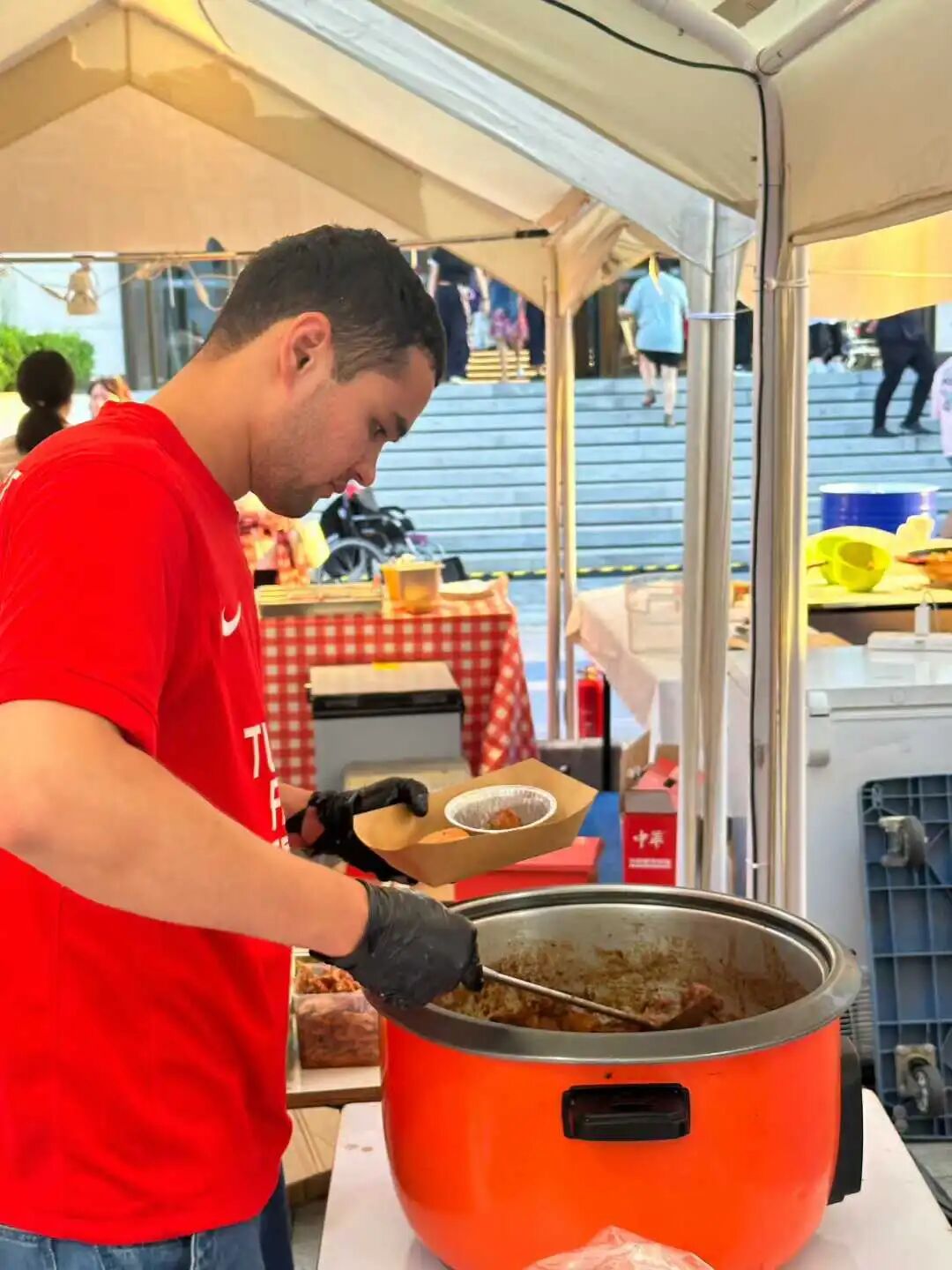
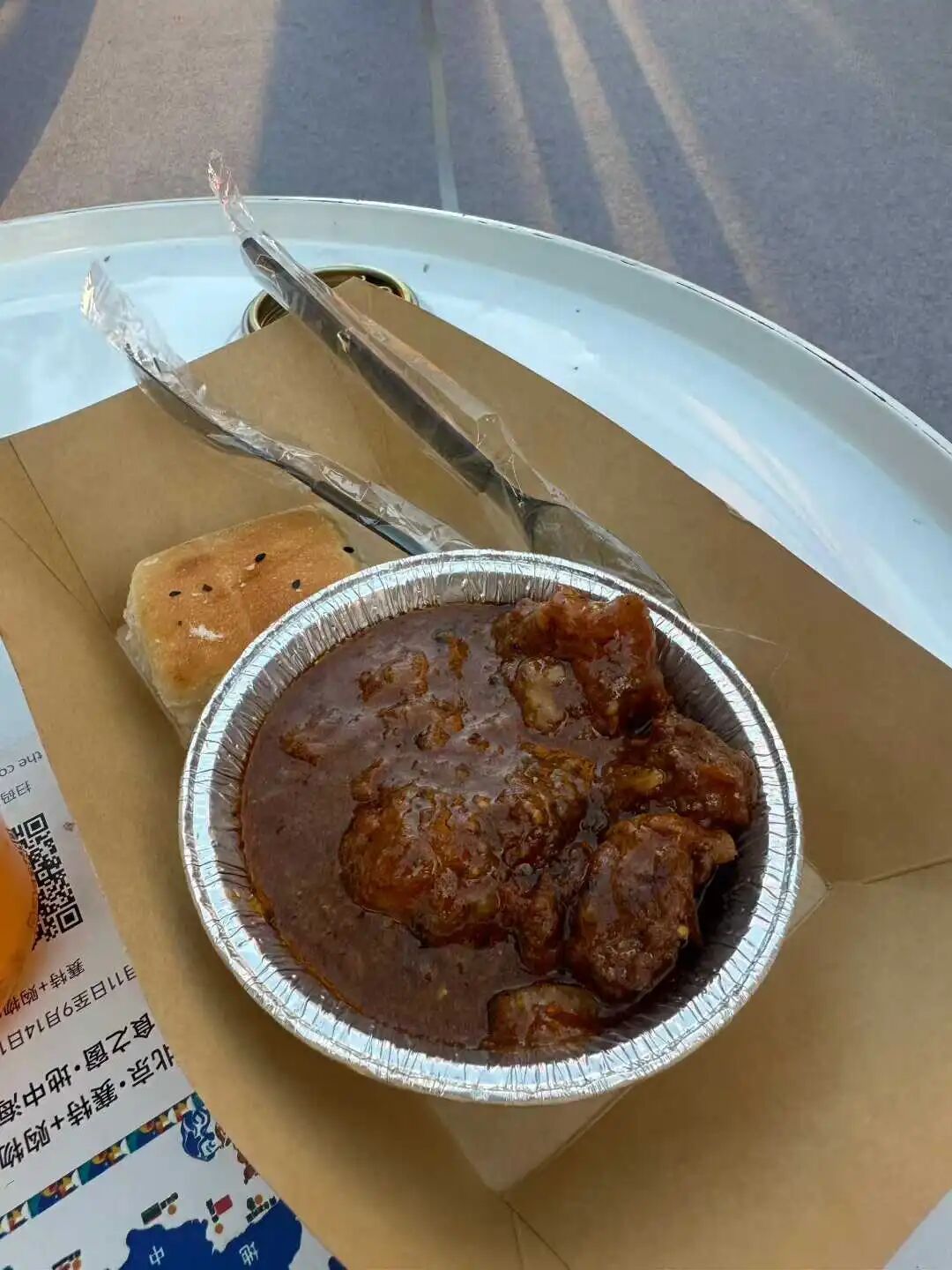
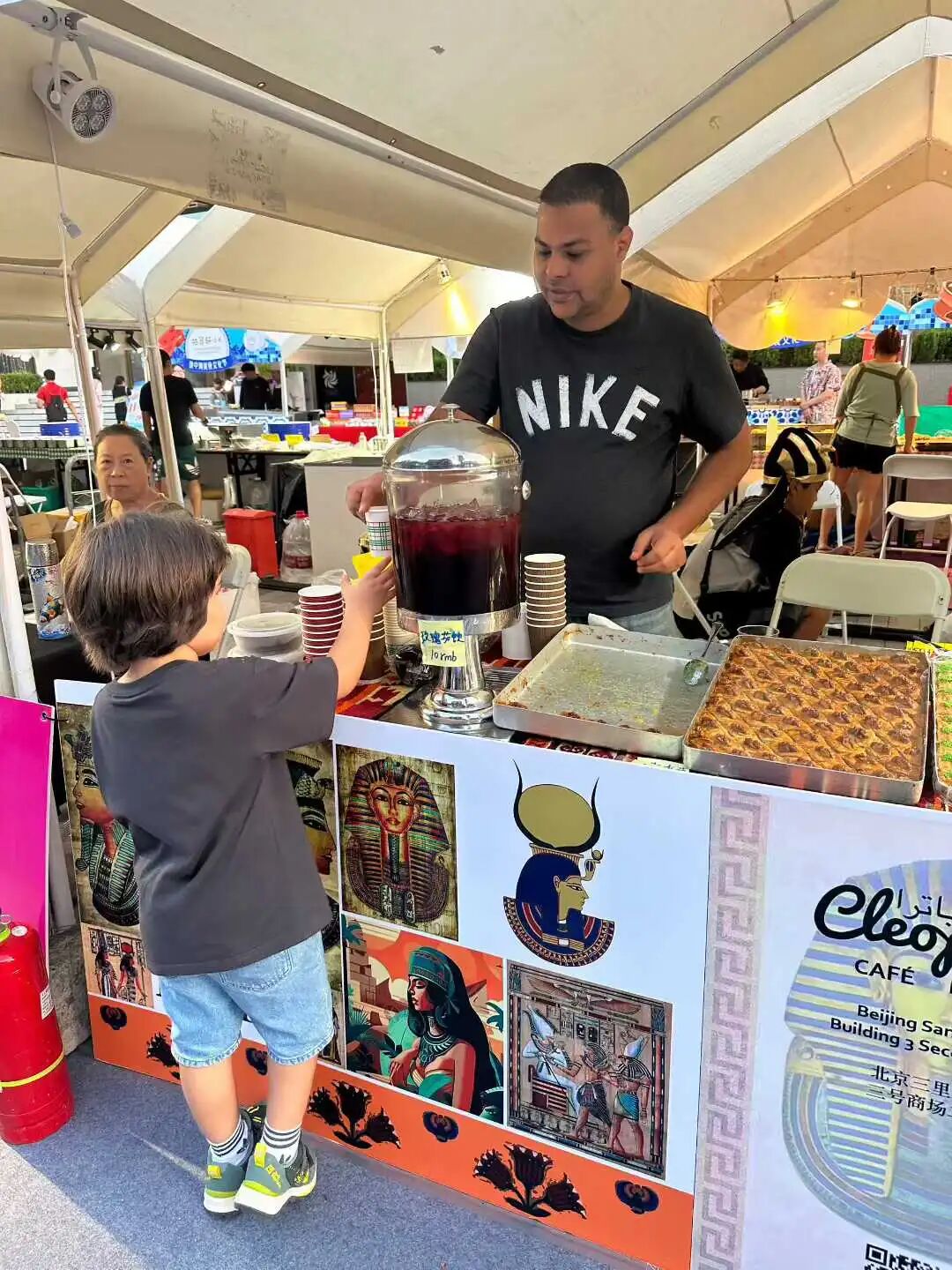
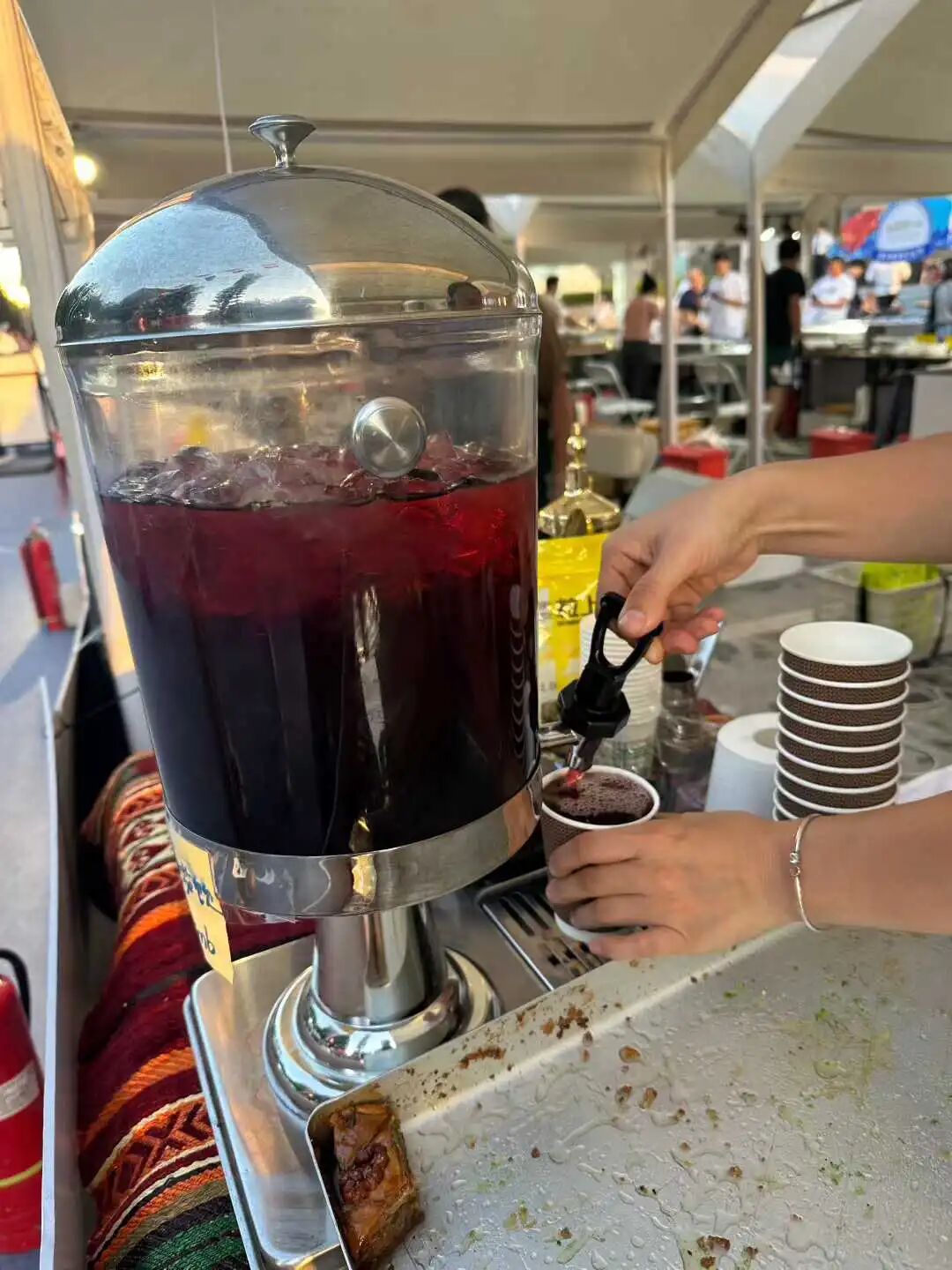
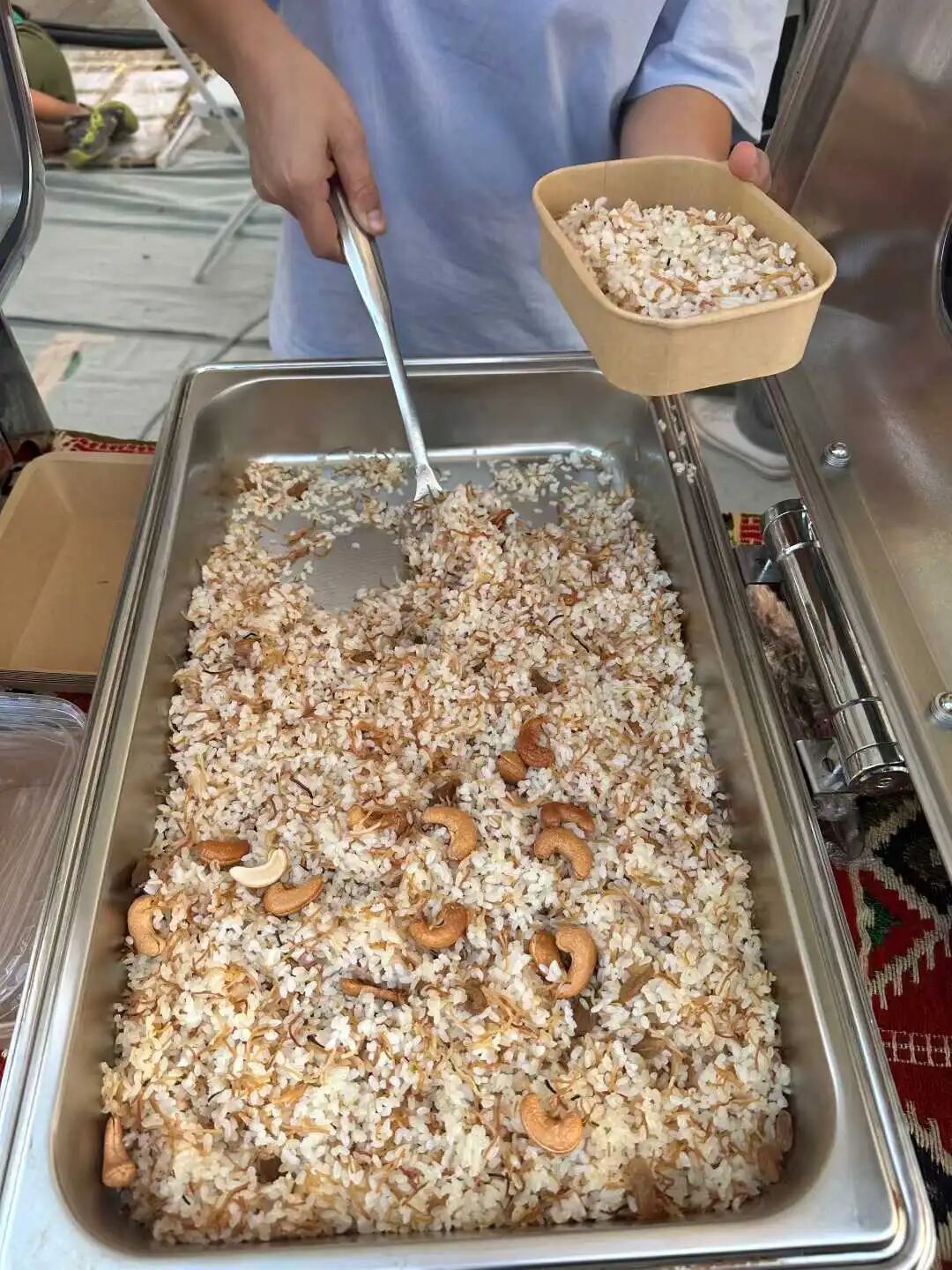
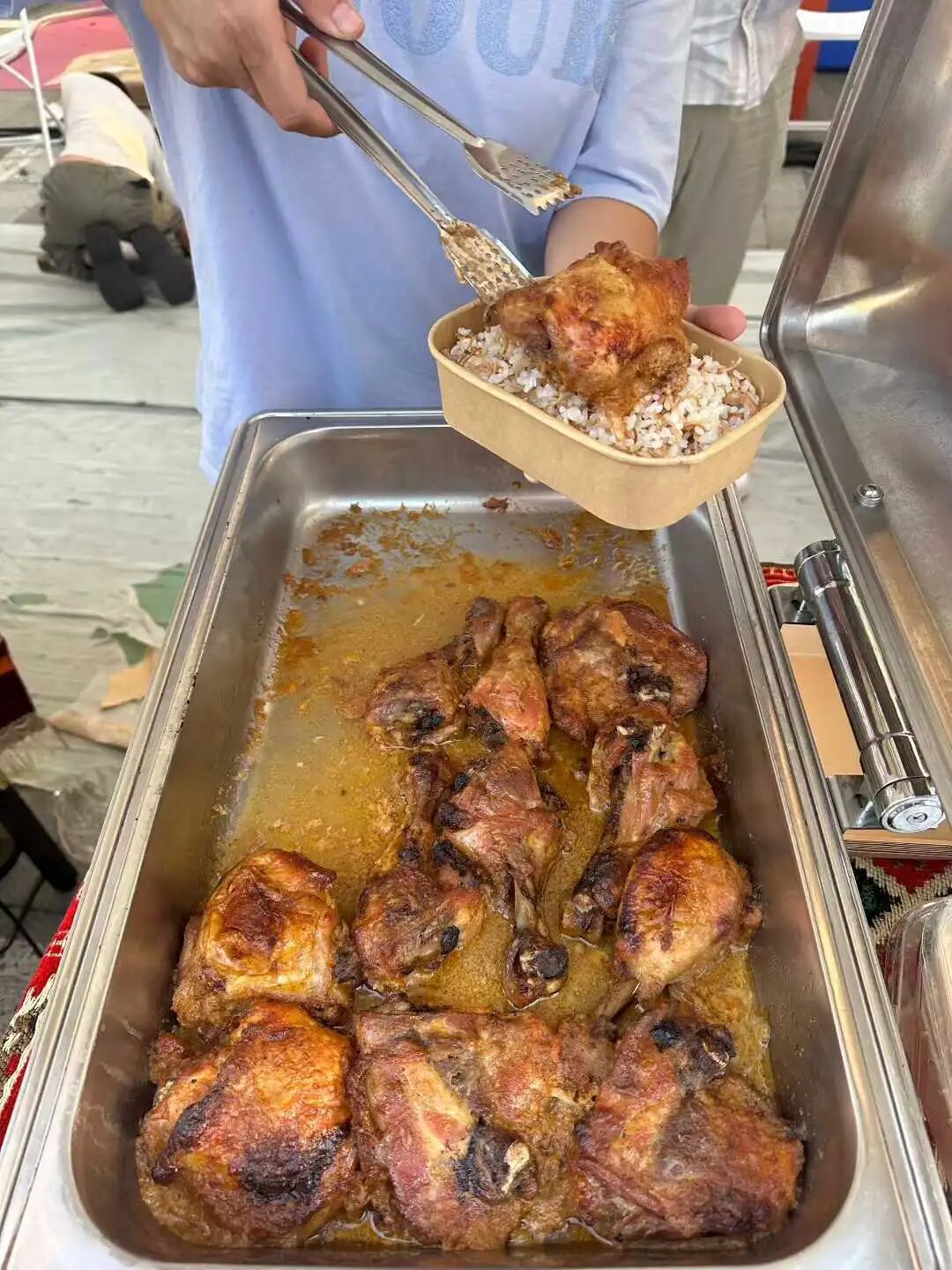
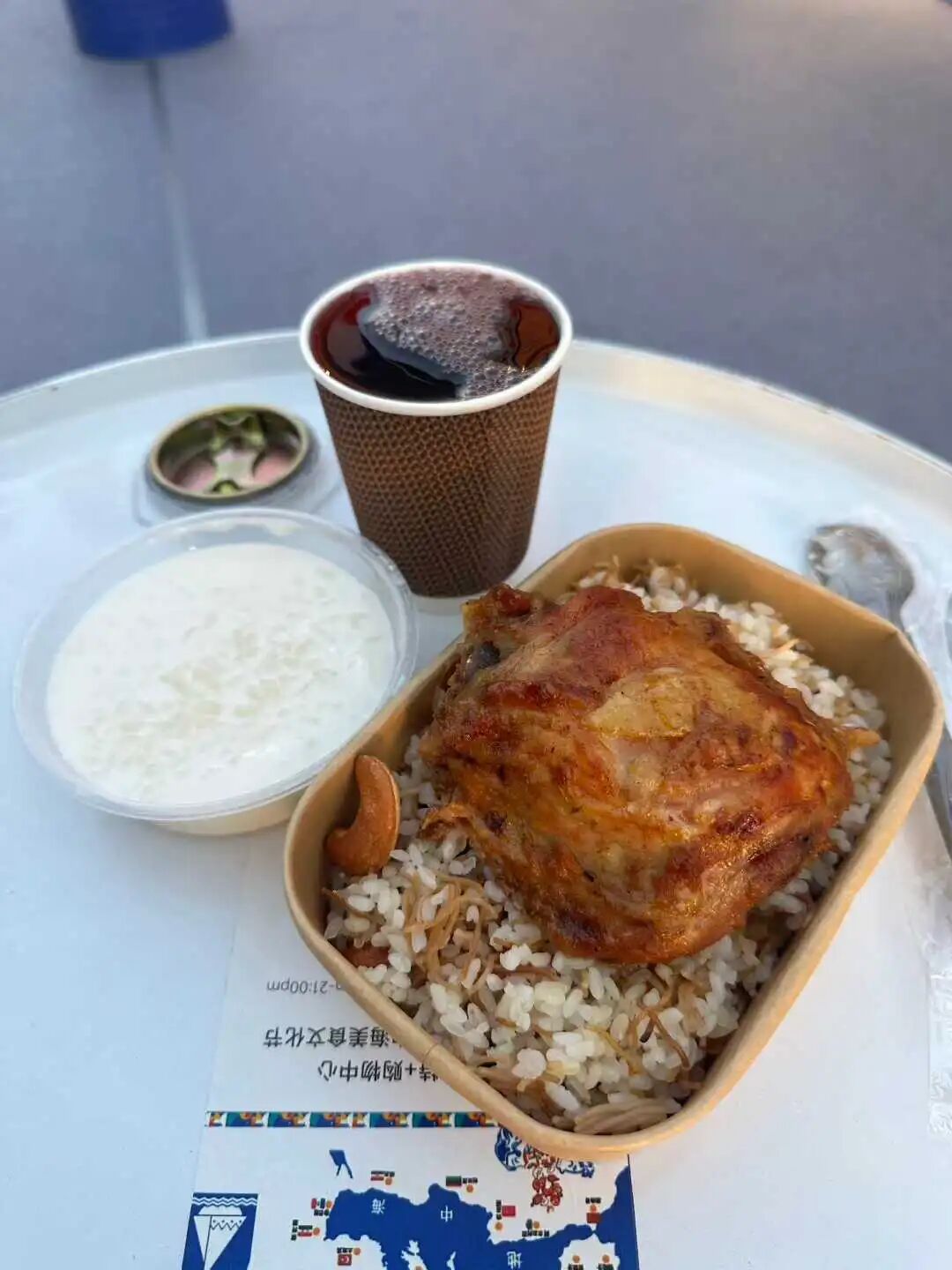
We ate chicken rice and milk pudding with hibiscus water at the Cleopatra restaurant. Their shop is located in Sanlitun SOHO, and they also set up a stall every year at the International Neighborhood Festival at the Jianguomen Diplomatic Residence Compound. The rice was mixed with cashews, raisins, and fried noodles, and it tasted great with the shredded chicken. I especially liked the hibiscus water and drank two cups.
Hibiscus water is actually roselle tea. Roselle is native to Africa and is often used in Egypt and Sudan to make hibiscus water called Karkadeh, which has a history of over 6,000 years and is also known as Pharaoh's tea. Hibiscus water can be found at various celebrations in Egypt, especially during the iftar meal in Ramadan. Egyptians make hibiscus water in both cold and hot ways. You can soak the dried petals in cold water overnight, then filter and add sugar before refrigerating, or boil them for 5 to 10 minutes, filter, add sugar, and refrigerate after cooling.
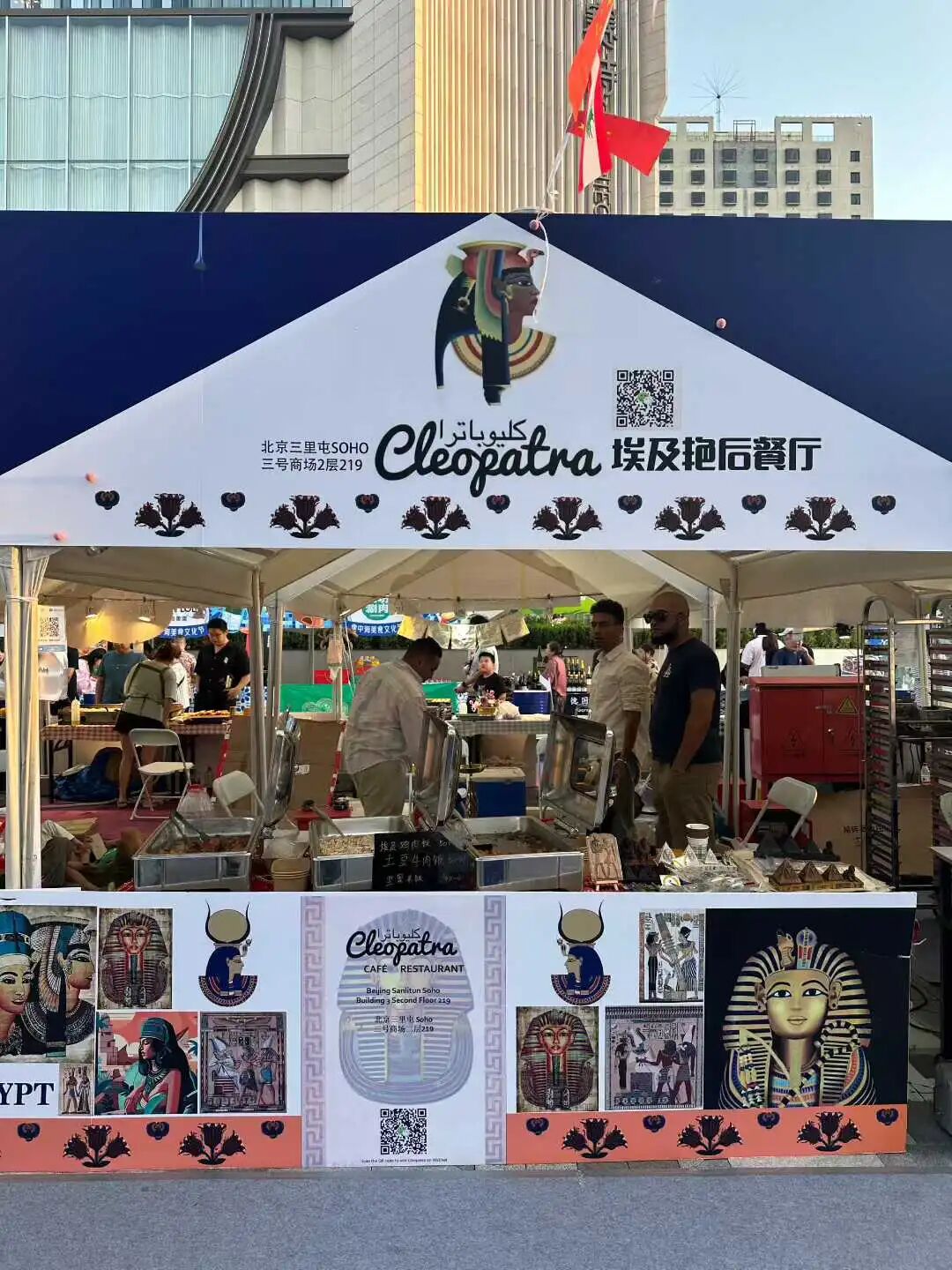
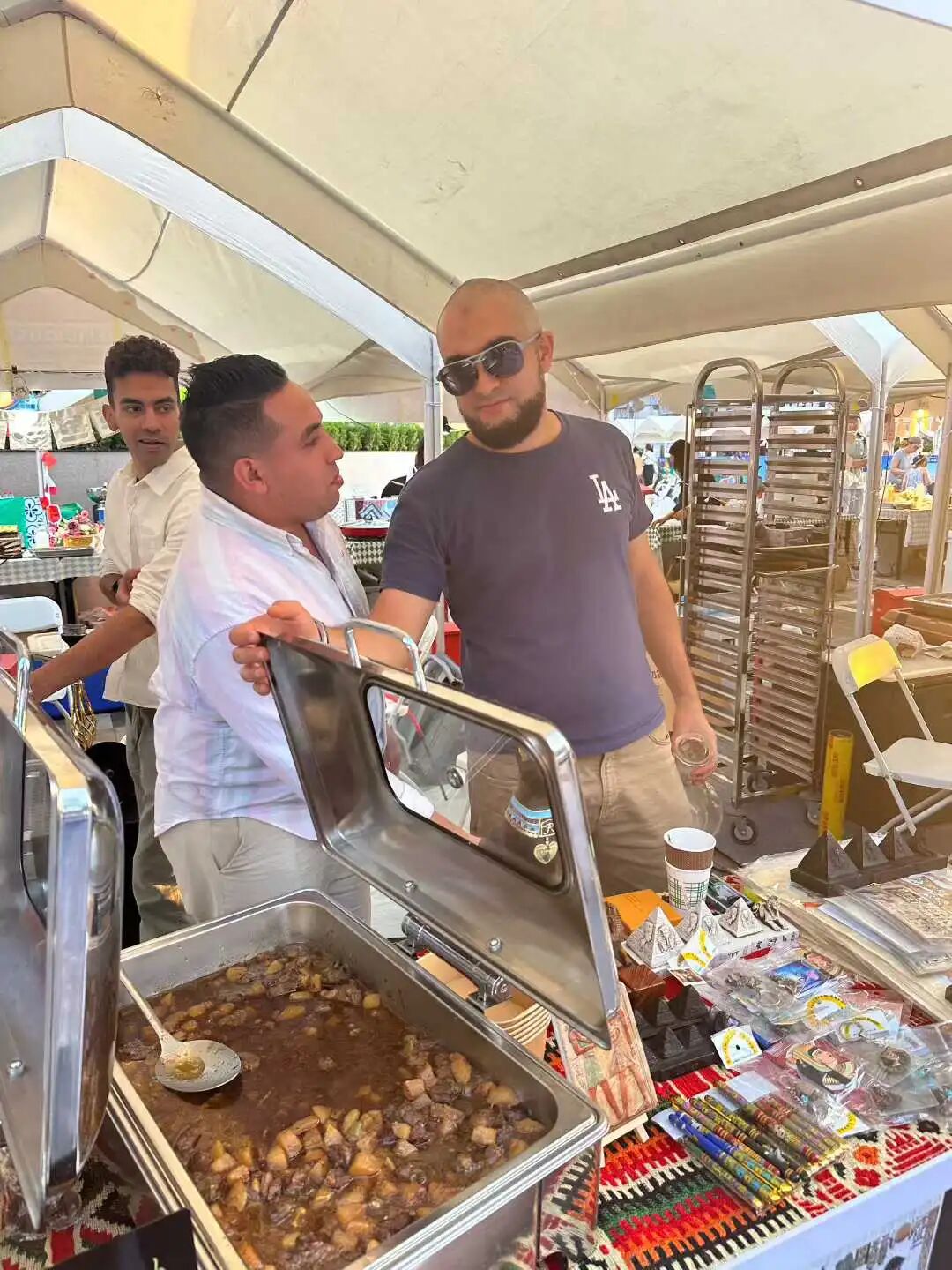
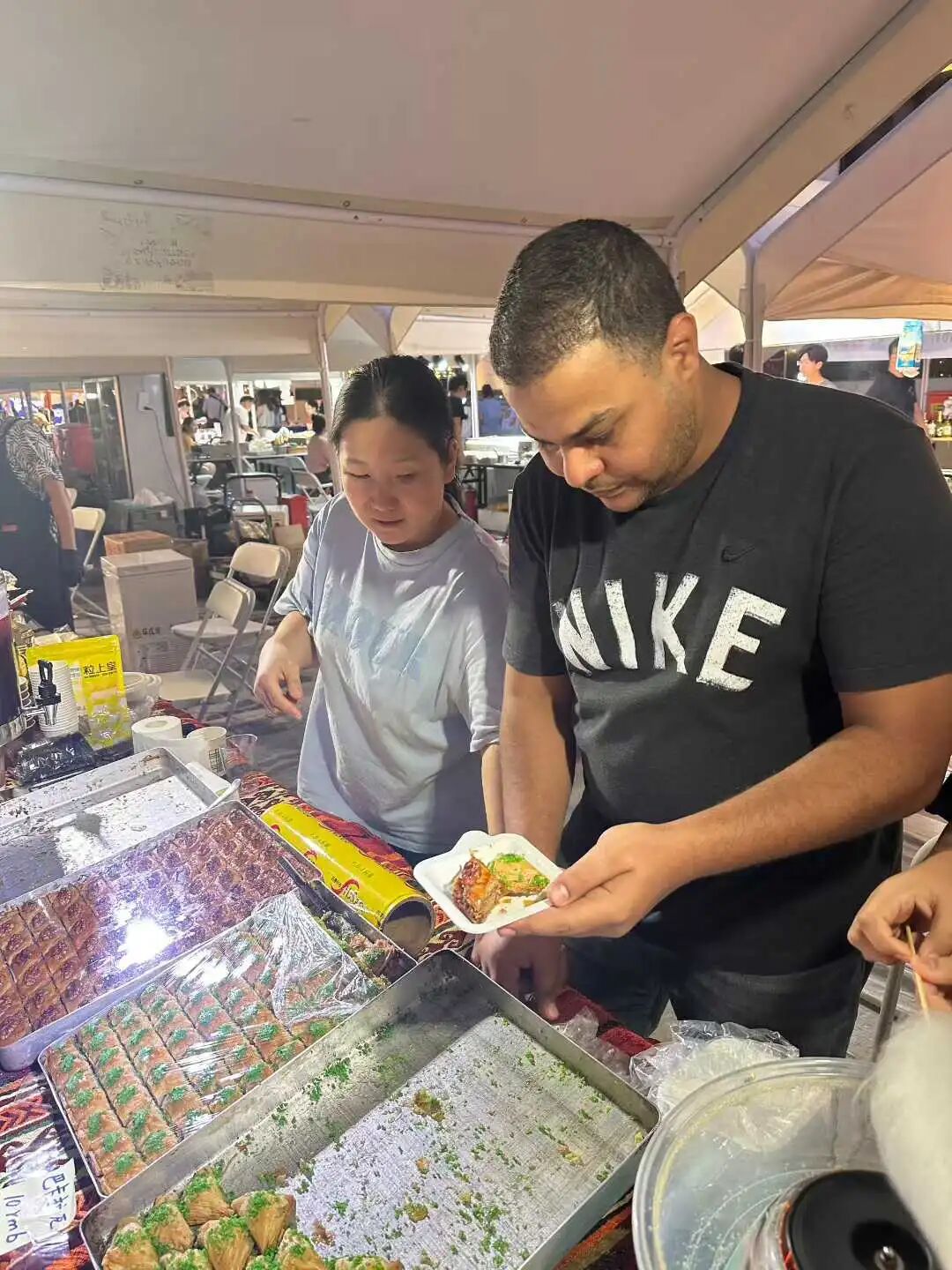
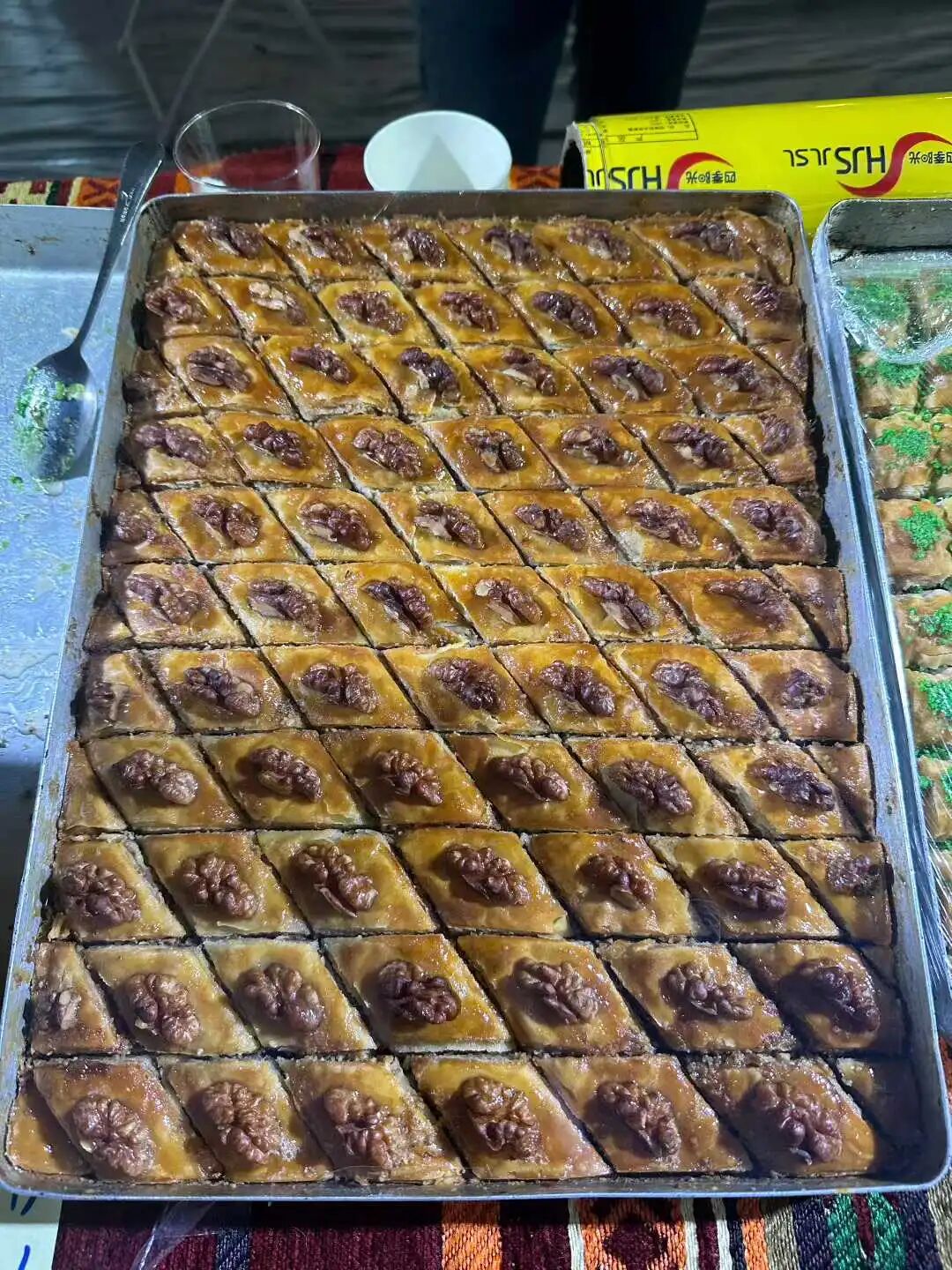
At the Bangladeshi stall Benjiebi, I ordered masala beef curry with saffron rice, and also ordered grilled lamb chops with mint chili sauce; their lamb was very tender. Their shop is on Haoyun Street, diagonally across from Solana, and we often go there to eat after walking around Solana. Their weekday lunch curry set is also very affordable.
Summary: This Beijing Mediterranean Food Festival visit covers Palestinian musakhan, Egyptian karkadeh, Caucasian venison stew, Bangladeshi curry, and other halal food stalls near Jianguomen. The article keeps the restaurant names, dish details, and cultural background of Jaffa, roselle tea, and Ramadan drinks.
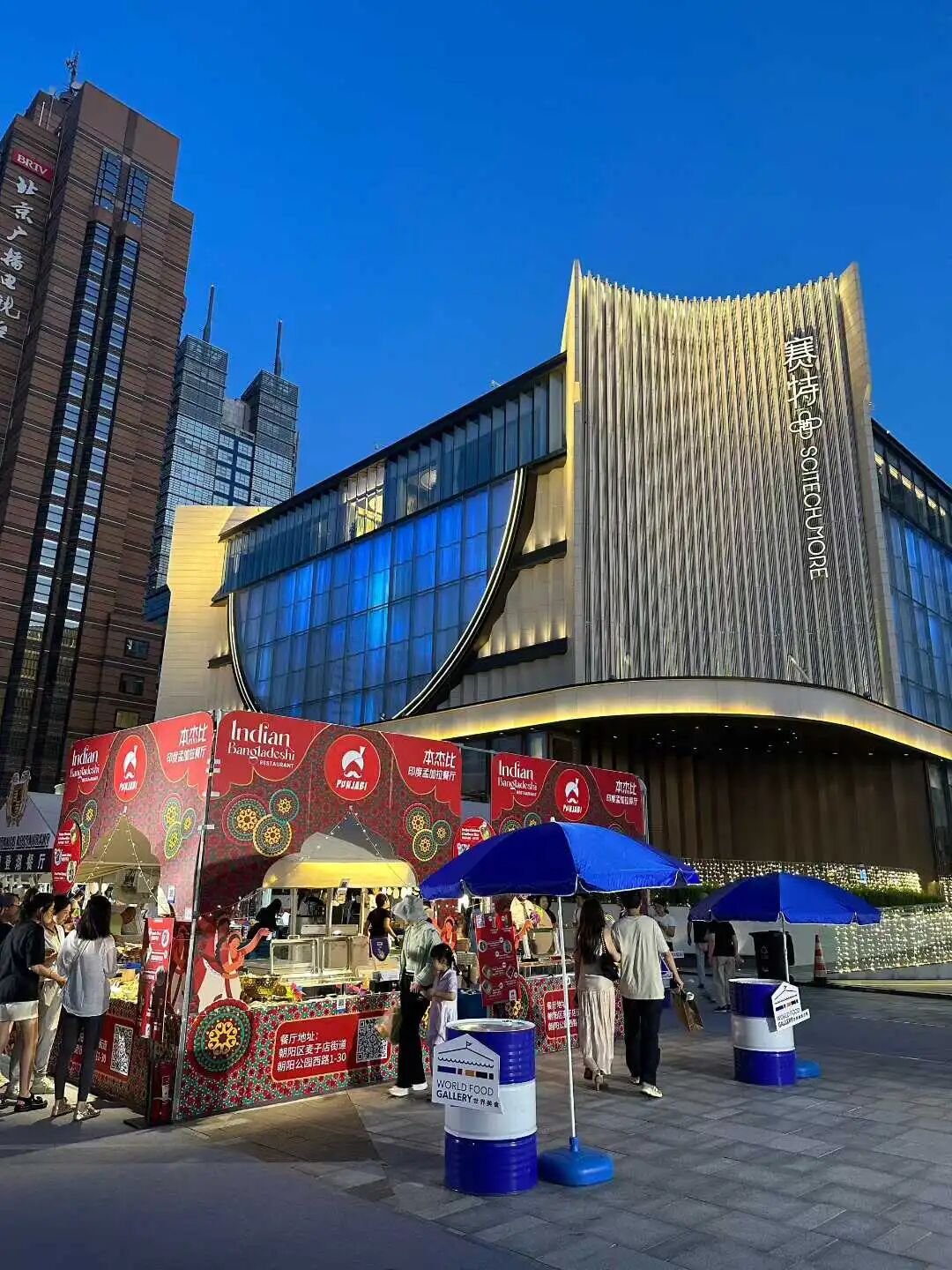
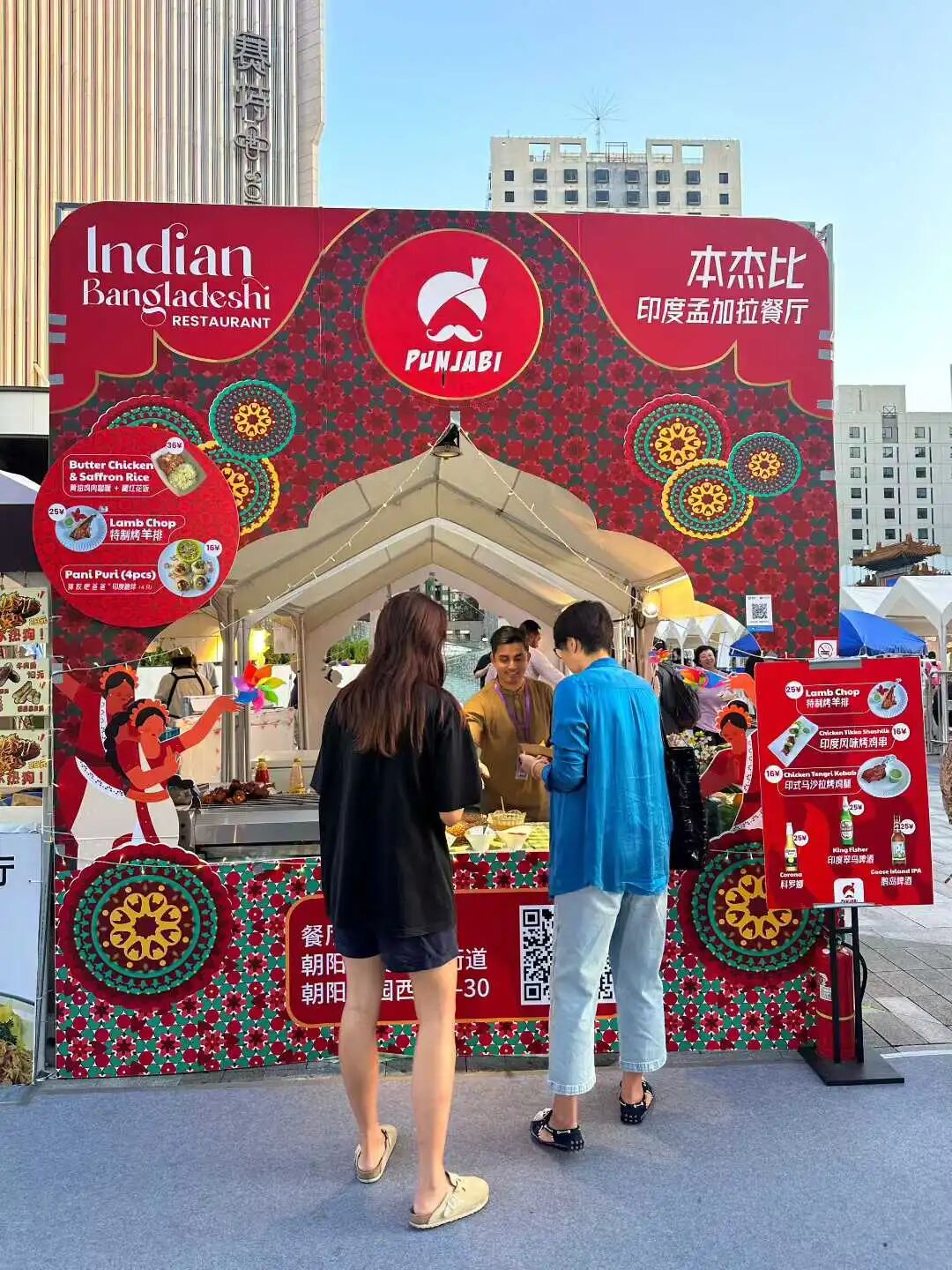
On Sunday, I went to the Mediterranean Food Festival outside the Scitech Plaza at Jianguomen. Since the start of summer, Beijing has hosted several specialty food festivals every month, which is a great way to take an evening stroll and satisfy a craving. This time, the food festival at Scitech featured stalls from Xiting Xiuse (Azerbaijan), Cleopatra (Egypt), Benjiebi (Bangladesh), and Jaffa (Palestine).
We first bought Palestinian-style Musakhan chicken rolls and hummus (hummus) at Jaffa, and the Palestinian brother even gave Suleiman a donut.
Musakhan is known as the national dish of Palestine and is especially popular among Palestinians and Jordanians. Palestinians heat up freshly made Taboon bread (taboon), then roll it with roasted chicken, onions, sumac powder, allspice powder, saffron, and fried pine nuts, all brushed with olive oil.
Jaffa is an ancient Palestinian city that was once primarily Arab during the Ottoman period, and in the 19th century, it was famous for its vast orchards and Jaffa oranges. In the early 20th century, Jaffa was also a news hub for Palestine, with many newspaper offices located there. After 1948, most of the Arab population was expelled from or fled Jaffa.
Then we bought Caucasian venison stew at Xiting Xiuse. They use traditional Caucasian mountain cooking techniques to slow-cook the venison until it is soft and tender. The rich soup is also very flavorful when dipped with bread.
We ate chicken rice and milk pudding with hibiscus water at the Cleopatra restaurant. Their shop is located in Sanlitun SOHO, and they also set up a stall every year at the International Neighborhood Festival at the Jianguomen Diplomatic Residence Compound. The rice was mixed with cashews, raisins, and fried noodles, and it tasted great with the shredded chicken. I especially liked the hibiscus water and drank two cups.
Hibiscus water is actually roselle tea. Roselle is native to Africa and is often used in Egypt and Sudan to make hibiscus water called Karkadeh, which has a history of over 6,000 years and is also known as Pharaoh's tea. Hibiscus water can be found at various celebrations in Egypt, especially during the iftar meal in Ramadan. Egyptians make hibiscus water in both cold and hot ways. You can soak the dried petals in cold water overnight, then filter and add sugar before refrigerating, or boil them for 5 to 10 minutes, filter, add sugar, and refrigerate after cooling.
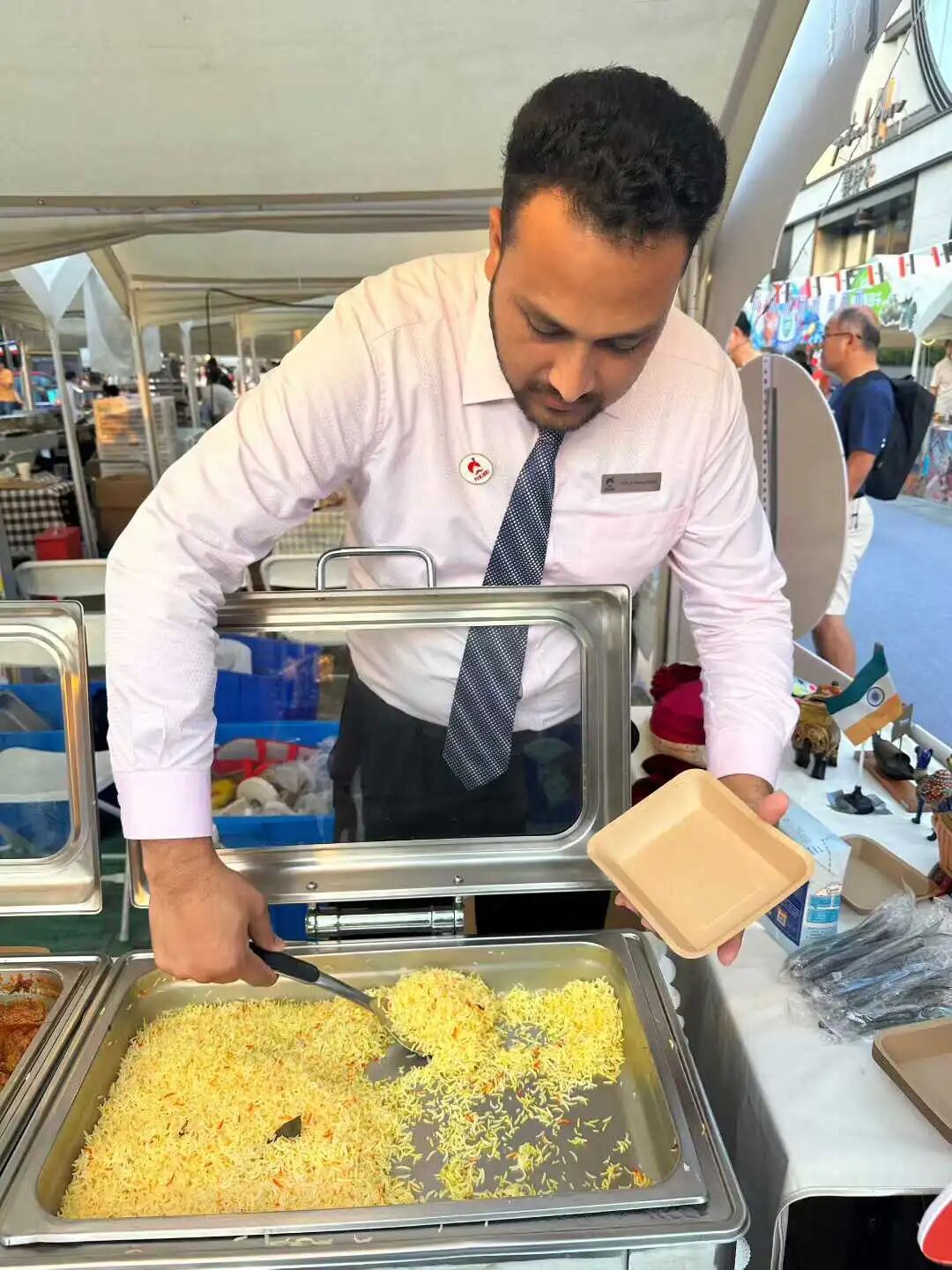
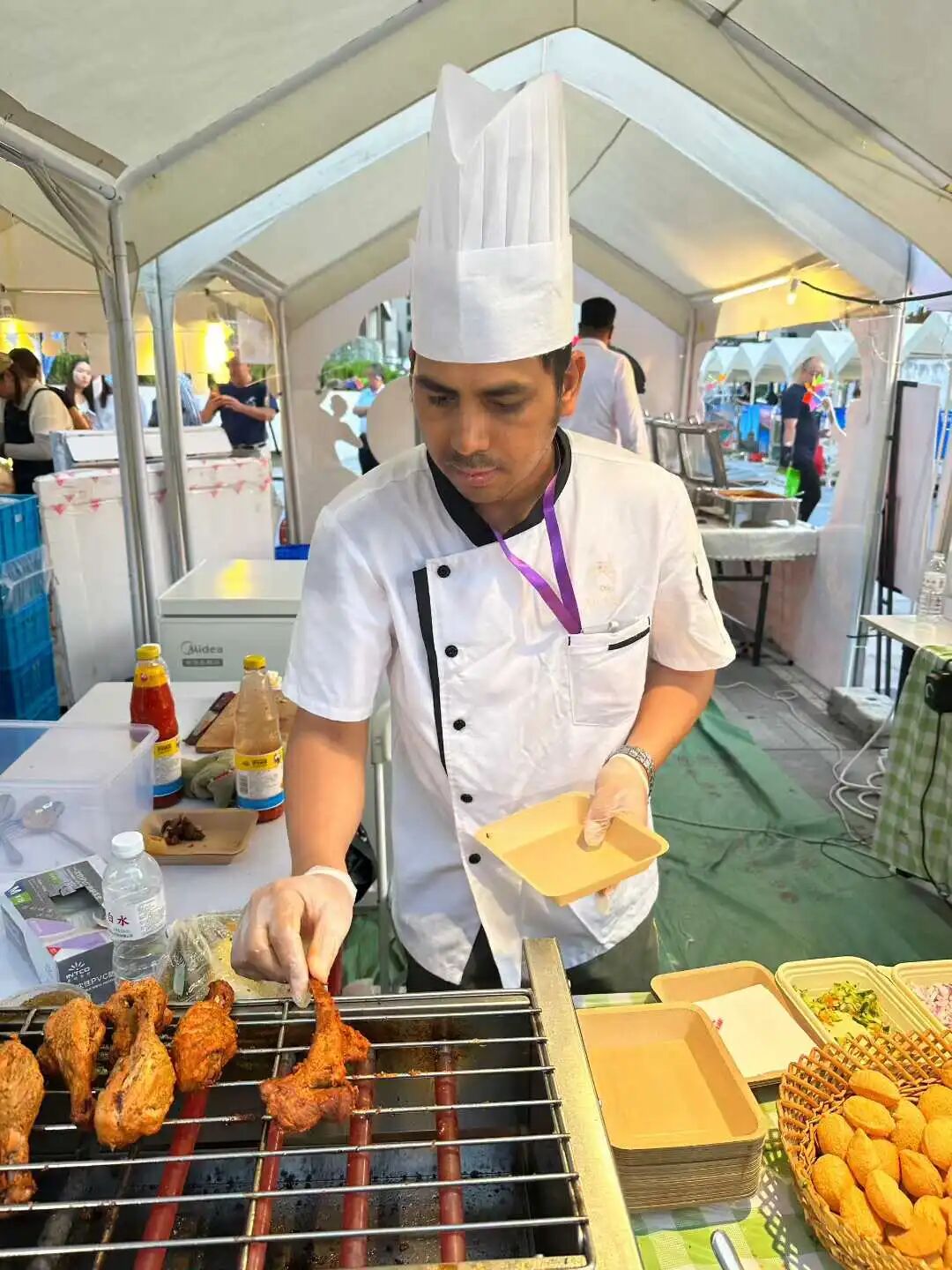
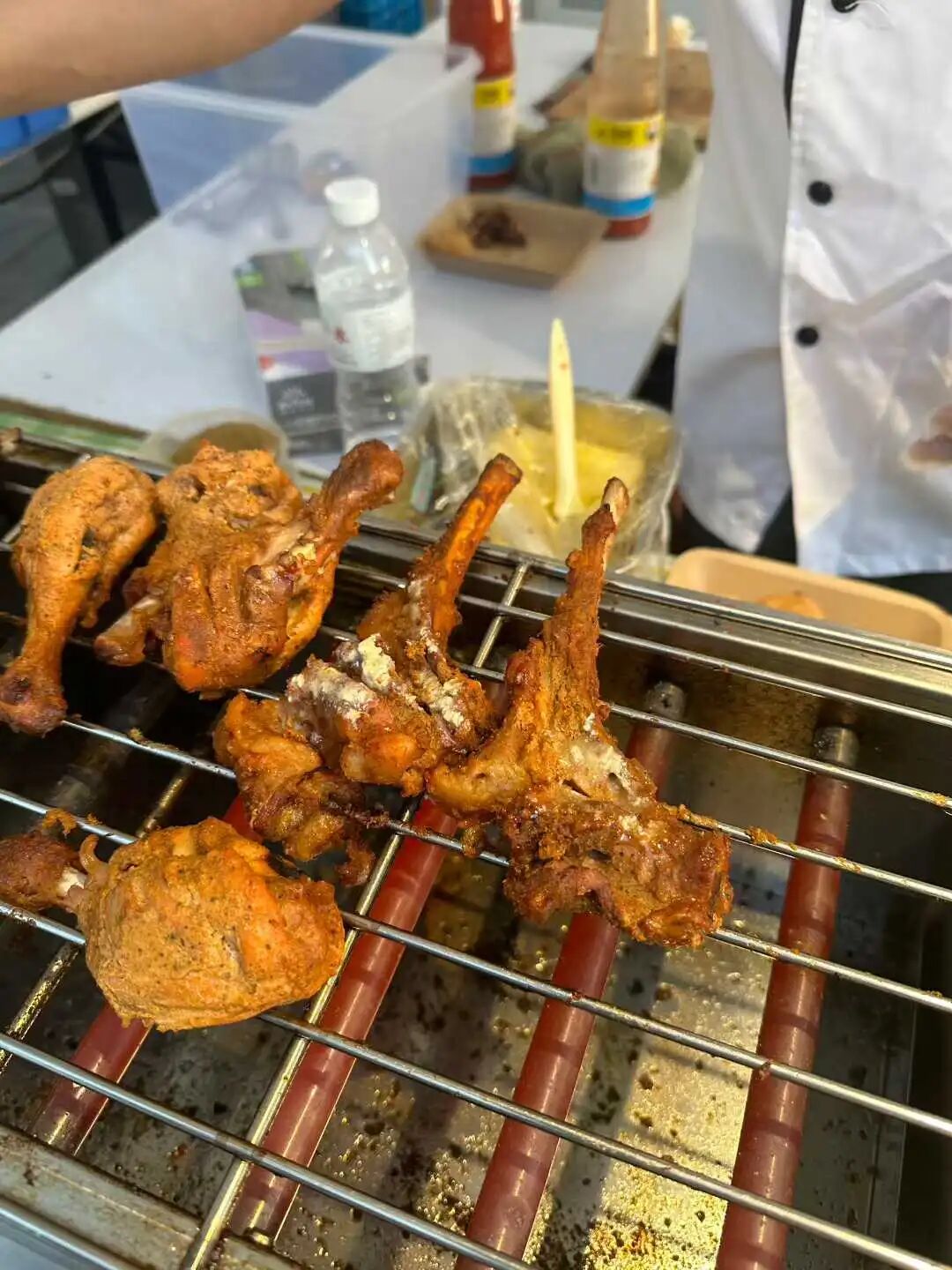
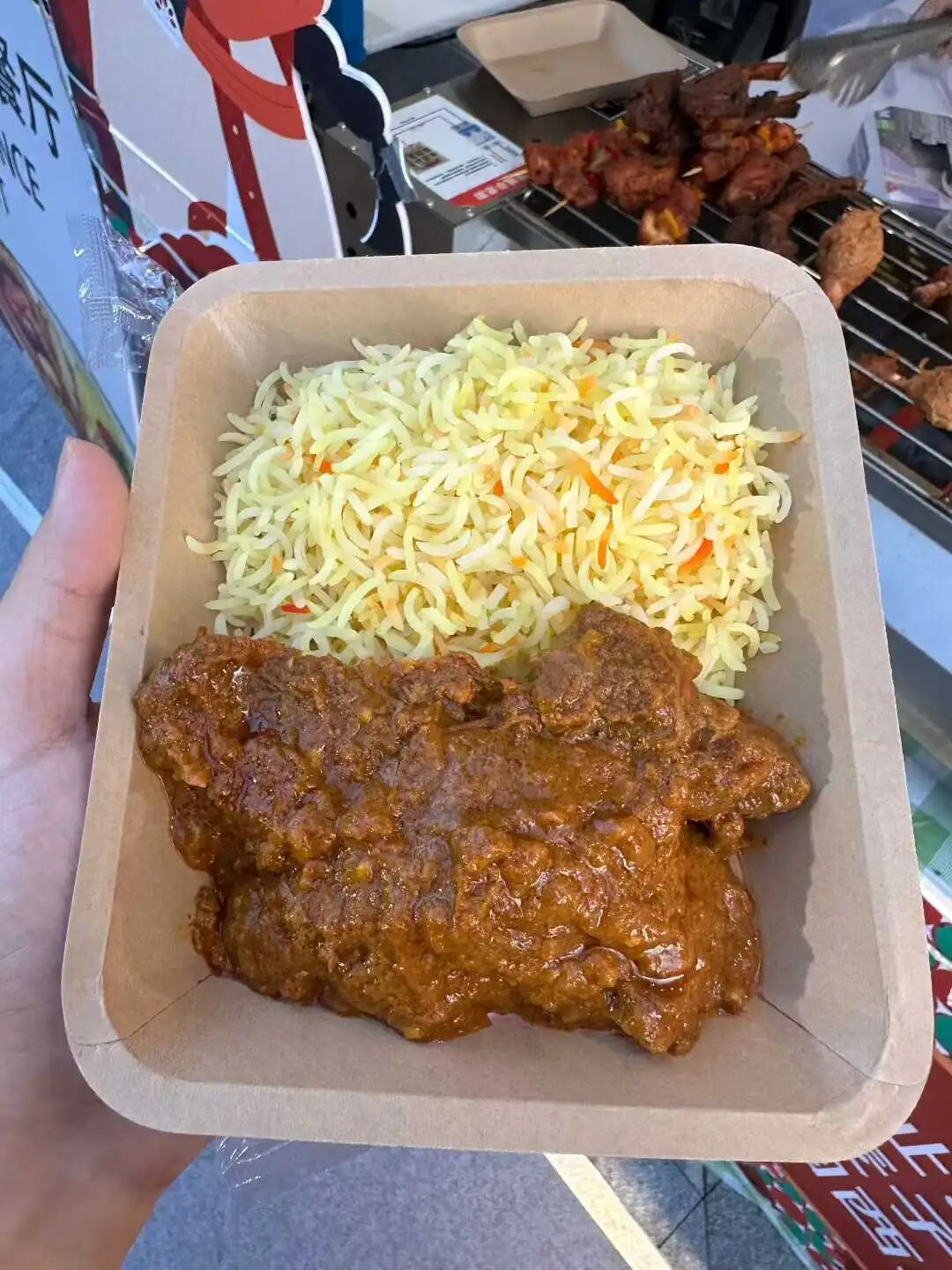
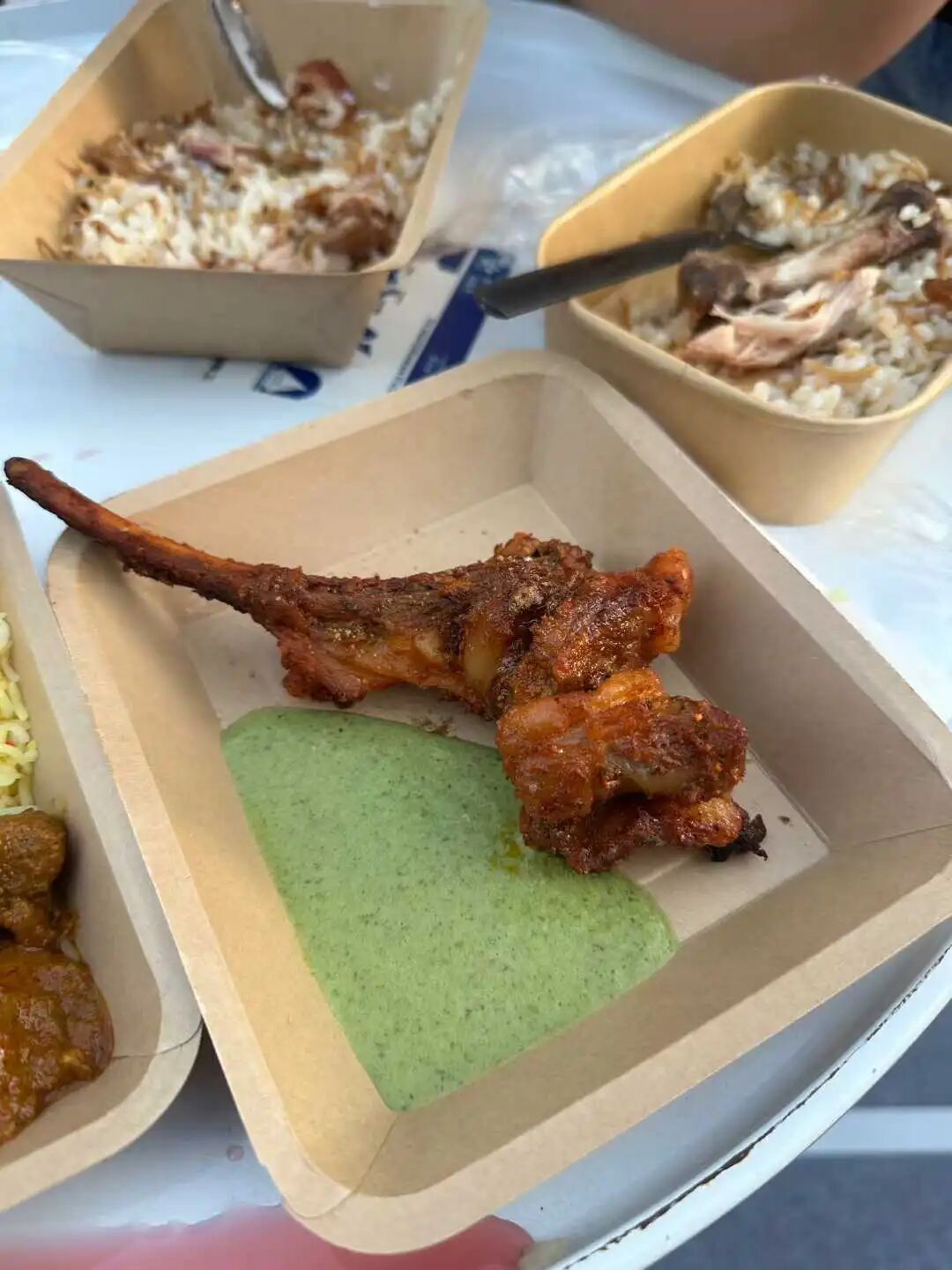
At the Bangladeshi stall Benjiebi, I ordered masala beef curry with saffron rice, and also ordered grilled lamb chops with mint chili sauce; their lamb was very tender. Their shop is on Haoyun Street, diagonally across from Solana, and we often go there to eat after walking around Solana. Their weekday lunch curry set is also very affordable.
Halal Food Guide: Beijing - Palestinian Desserts and Kazakh Milk Tea
Articles • ali2007fr posted the article • 0 comments • 206 views • 2026-05-20 23:51
Reposted from the web
Summary: This Beijing food note follows an afternoon at the International Silk Road Food Festival, with Palestinian sweets, Kazakh milk tea, and familiar halal stalls in the Jintaixizhao area. It keeps the source's restaurant names, dishes, and street-food details while presenting the account in clear English.
The International Silk Road Food Festival was held at the Fortune Center in Jintaixizhao this weekend. The Bengali stall Benjibi and the Egyptian stall Cleopatra, both regulars at food festivals, were there.
We got hungry at the Palestinian booth and ate the Palestinian national dish, chicken rolls (Musakhan), and the traditional Middle Eastern dessert, Umm Ali. A child also gave us some Palestinian coffee to drink.
Musakhan is known as the national dish of Palestine and is especially popular among Palestinians and Jordanians. Palestinians heat up freshly made flatbread (Taboon), then roll it with roasted chicken, onions, sumac powder, allspice, saffron, and fried pine nuts, all brushed with olive oil.
Umm Ali is made from puff pastry, milk, cinnamon, and pistachios. It is a classic dessert served at holiday gatherings in places like Palestine and Egypt. The name Umm Ali sounds strange, but it actually refers to the mother of Sultan Mansur Ali (who reigned from 1257 to 1259) of the Mamluk Sultanate. This story involves the change of dynasties between the Ayyubid Sultanate and the Mamluk Sultanate 700 years ago. In 1250, the last queen of the Ayyubid Sultanate, Shajar al-Durr, remarried the Mamluk Sultan Izz al-Din Aybak. In 1257, Shajar al-Durr assassinated Sultan Izz al-Din Aybak. The mother of the new Sultan, Mansur Ali, had Shajar al-Durr arrested and killed. To celebrate the death of Shajar al-Durr, Umm Ali made this dessert and handed it out to everyone. People say each serving contained a gold coin. Everyone who received the dessert shouted 'Umm Ali,' and that is how the dish got its name.
We drank Moroccan tea provided by the Moroccan Embassy at their booth, and at the Kazakh dessert shop Bazaar Sweetheart, we had milk tea with butter and roasted rice, along with baklava filled with plenty of walnuts.
Bazaar Sweetheart is located in 798 and is the first Ili Kazakh dessert shop in Beijing. Their milk tea is delicious and has a very rich milky flavor.
There were also goods from Iran, Turkmenistan, and Afghanistan for sale at this food festival. If you have time, you can go check it out tomorrow. view all
Summary: This Beijing food note follows an afternoon at the International Silk Road Food Festival, with Palestinian sweets, Kazakh milk tea, and familiar halal stalls in the Jintaixizhao area. It keeps the source's restaurant names, dishes, and street-food details while presenting the account in clear English.
The International Silk Road Food Festival was held at the Fortune Center in Jintaixizhao this weekend. The Bengali stall Benjibi and the Egyptian stall Cleopatra, both regulars at food festivals, were there.
We got hungry at the Palestinian booth and ate the Palestinian national dish, chicken rolls (Musakhan), and the traditional Middle Eastern dessert, Umm Ali. A child also gave us some Palestinian coffee to drink.
Musakhan is known as the national dish of Palestine and is especially popular among Palestinians and Jordanians. Palestinians heat up freshly made flatbread (Taboon), then roll it with roasted chicken, onions, sumac powder, allspice, saffron, and fried pine nuts, all brushed with olive oil.
Umm Ali is made from puff pastry, milk, cinnamon, and pistachios. It is a classic dessert served at holiday gatherings in places like Palestine and Egypt. The name Umm Ali sounds strange, but it actually refers to the mother of Sultan Mansur Ali (who reigned from 1257 to 1259) of the Mamluk Sultanate. This story involves the change of dynasties between the Ayyubid Sultanate and the Mamluk Sultanate 700 years ago. In 1250, the last queen of the Ayyubid Sultanate, Shajar al-Durr, remarried the Mamluk Sultan Izz al-Din Aybak. In 1257, Shajar al-Durr assassinated Sultan Izz al-Din Aybak. The mother of the new Sultan, Mansur Ali, had Shajar al-Durr arrested and killed. To celebrate the death of Shajar al-Durr, Umm Ali made this dessert and handed it out to everyone. People say each serving contained a gold coin. Everyone who received the dessert shouted 'Umm Ali,' and that is how the dish got its name.
We drank Moroccan tea provided by the Moroccan Embassy at their booth, and at the Kazakh dessert shop Bazaar Sweetheart, we had milk tea with butter and roasted rice, along with baklava filled with plenty of walnuts.
Bazaar Sweetheart is located in 798 and is the first Ili Kazakh dessert shop in Beijing. Their milk tea is delicious and has a very rich milky flavor.
There were also goods from Iran, Turkmenistan, and Afghanistan for sale at this food festival. If you have time, you can go check it out tomorrow. view all
Reposted from the web
Summary: This Beijing food note follows an afternoon at the International Silk Road Food Festival, with Palestinian sweets, Kazakh milk tea, and familiar halal stalls in the Jintaixizhao area. It keeps the source's restaurant names, dishes, and street-food details while presenting the account in clear English.
The International Silk Road Food Festival was held at the Fortune Center in Jintaixizhao this weekend. The Bengali stall Benjibi and the Egyptian stall Cleopatra, both regulars at food festivals, were there.
We got hungry at the Palestinian booth and ate the Palestinian national dish, chicken rolls (Musakhan), and the traditional Middle Eastern dessert, Umm Ali. A child also gave us some Palestinian coffee to drink.
Musakhan is known as the national dish of Palestine and is especially popular among Palestinians and Jordanians. Palestinians heat up freshly made flatbread (Taboon), then roll it with roasted chicken, onions, sumac powder, allspice, saffron, and fried pine nuts, all brushed with olive oil.
Umm Ali is made from puff pastry, milk, cinnamon, and pistachios. It is a classic dessert served at holiday gatherings in places like Palestine and Egypt. The name Umm Ali sounds strange, but it actually refers to the mother of Sultan Mansur Ali (who reigned from 1257 to 1259) of the Mamluk Sultanate. This story involves the change of dynasties between the Ayyubid Sultanate and the Mamluk Sultanate 700 years ago. In 1250, the last queen of the Ayyubid Sultanate, Shajar al-Durr, remarried the Mamluk Sultan Izz al-Din Aybak. In 1257, Shajar al-Durr assassinated Sultan Izz al-Din Aybak. The mother of the new Sultan, Mansur Ali, had Shajar al-Durr arrested and killed. To celebrate the death of Shajar al-Durr, Umm Ali made this dessert and handed it out to everyone. People say each serving contained a gold coin. Everyone who received the dessert shouted 'Umm Ali,' and that is how the dish got its name.
We drank Moroccan tea provided by the Moroccan Embassy at their booth, and at the Kazakh dessert shop Bazaar Sweetheart, we had milk tea with butter and roasted rice, along with baklava filled with plenty of walnuts.
Bazaar Sweetheart is located in 798 and is the first Ili Kazakh dessert shop in Beijing. Their milk tea is delicious and has a very rich milky flavor.
There were also goods from Iran, Turkmenistan, and Afghanistan for sale at this food festival. If you have time, you can go check it out tomorrow.
Summary: This Beijing food note follows an afternoon at the International Silk Road Food Festival, with Palestinian sweets, Kazakh milk tea, and familiar halal stalls in the Jintaixizhao area. It keeps the source's restaurant names, dishes, and street-food details while presenting the account in clear English.
The International Silk Road Food Festival was held at the Fortune Center in Jintaixizhao this weekend. The Bengali stall Benjibi and the Egyptian stall Cleopatra, both regulars at food festivals, were there.
We got hungry at the Palestinian booth and ate the Palestinian national dish, chicken rolls (Musakhan), and the traditional Middle Eastern dessert, Umm Ali. A child also gave us some Palestinian coffee to drink.
Musakhan is known as the national dish of Palestine and is especially popular among Palestinians and Jordanians. Palestinians heat up freshly made flatbread (Taboon), then roll it with roasted chicken, onions, sumac powder, allspice, saffron, and fried pine nuts, all brushed with olive oil.
Umm Ali is made from puff pastry, milk, cinnamon, and pistachios. It is a classic dessert served at holiday gatherings in places like Palestine and Egypt. The name Umm Ali sounds strange, but it actually refers to the mother of Sultan Mansur Ali (who reigned from 1257 to 1259) of the Mamluk Sultanate. This story involves the change of dynasties between the Ayyubid Sultanate and the Mamluk Sultanate 700 years ago. In 1250, the last queen of the Ayyubid Sultanate, Shajar al-Durr, remarried the Mamluk Sultan Izz al-Din Aybak. In 1257, Shajar al-Durr assassinated Sultan Izz al-Din Aybak. The mother of the new Sultan, Mansur Ali, had Shajar al-Durr arrested and killed. To celebrate the death of Shajar al-Durr, Umm Ali made this dessert and handed it out to everyone. People say each serving contained a gold coin. Everyone who received the dessert shouted 'Umm Ali,' and that is how the dish got its name.
We drank Moroccan tea provided by the Moroccan Embassy at their booth, and at the Kazakh dessert shop Bazaar Sweetheart, we had milk tea with butter and roasted rice, along with baklava filled with plenty of walnuts.
Bazaar Sweetheart is located in 798 and is the first Ili Kazakh dessert shop in Beijing. Their milk tea is delicious and has a very rich milky flavor.
There were also goods from Iran, Turkmenistan, and Afghanistan for sale at this food festival. If you have time, you can go check it out tomorrow.
Halal Food Guide: Beijing - Mediterranean Festival, Musakhan and Karkadeh
Articles • ali2007fr posted the article • 0 comments • 249 views • 2026-05-20 09:38
Reposted from the web
Summary: This Beijing Mediterranean Food Festival visit covers Palestinian musakhan, Egyptian karkadeh, Caucasian venison stew, Bangladeshi curry, and other halal food stalls near Jianguomen. The article keeps the restaurant names, dish details, and cultural background of Jaffa, roselle tea, and Ramadan drinks.
On Sunday, I went to the Mediterranean Food Festival outside the Scitech Plaza at Jianguomen. Since the start of summer, Beijing has hosted several specialty food festivals every month, which is a great way to take an evening stroll and satisfy a craving. This time, the food festival at Scitech featured stalls from Xiting Xiuse (Azerbaijan), Cleopatra (Egypt), Benjiebi (Bangladesh), and Jaffa (Palestine).
We first bought Palestinian-style Musakhan chicken rolls and hummus (hummus) at Jaffa, and the Palestinian brother even gave Suleiman a donut.
Musakhan is known as the national dish of Palestine and is especially popular among Palestinians and Jordanians. Palestinians heat up freshly made Taboon bread (taboon), then roll it with roasted chicken, onions, sumac powder, allspice powder, saffron, and fried pine nuts, all brushed with olive oil.
Jaffa is an ancient Palestinian city that was once primarily Arab during the Ottoman period, and in the 19th century, it was famous for its vast orchards and Jaffa oranges. In the early 20th century, Jaffa was also a news hub for Palestine, with many newspaper offices located there. After 1948, most of the Arab population was expelled from or fled Jaffa.
Then we bought Caucasian venison stew at Xiting Xiuse. They use traditional Caucasian mountain cooking techniques to slow-cook the venison until it is soft and tender. The rich soup is also very flavorful when dipped with bread.
We ate chicken rice and milk pudding with hibiscus water at the Cleopatra restaurant. Their shop is located in Sanlitun SOHO, and they also set up a stall every year at the International Neighborhood Festival at the Jianguomen Diplomatic Residence Compound. The rice was mixed with cashews, raisins, and fried noodles, and it tasted great with the shredded chicken. I especially liked the hibiscus water and drank two cups.
Hibiscus water is actually roselle tea. Roselle is native to Africa and is often used in Egypt and Sudan to make hibiscus water called Karkadeh, which has a history of over 6,000 years and is also known as Pharaoh's tea. Hibiscus water can be found at various celebrations in Egypt, especially during the iftar meal in Ramadan. Egyptians make hibiscus water in both cold and hot ways. You can soak the dried petals in cold water overnight, then filter and add sugar before refrigerating, or boil them for 5 to 10 minutes, filter, add sugar, and refrigerate after cooling.
At the Bangladeshi stall Benjiebi, I ordered masala beef curry with saffron rice, and also ordered grilled lamb chops with mint chili sauce; their lamb was very tender. Their shop is on Haoyun Street, diagonally across from Solana, and we often go there to eat after walking around Solana. Their weekday lunch curry set is also very affordable. view all
Summary: This Beijing Mediterranean Food Festival visit covers Palestinian musakhan, Egyptian karkadeh, Caucasian venison stew, Bangladeshi curry, and other halal food stalls near Jianguomen. The article keeps the restaurant names, dish details, and cultural background of Jaffa, roselle tea, and Ramadan drinks.
On Sunday, I went to the Mediterranean Food Festival outside the Scitech Plaza at Jianguomen. Since the start of summer, Beijing has hosted several specialty food festivals every month, which is a great way to take an evening stroll and satisfy a craving. This time, the food festival at Scitech featured stalls from Xiting Xiuse (Azerbaijan), Cleopatra (Egypt), Benjiebi (Bangladesh), and Jaffa (Palestine).
We first bought Palestinian-style Musakhan chicken rolls and hummus (hummus) at Jaffa, and the Palestinian brother even gave Suleiman a donut.
Musakhan is known as the national dish of Palestine and is especially popular among Palestinians and Jordanians. Palestinians heat up freshly made Taboon bread (taboon), then roll it with roasted chicken, onions, sumac powder, allspice powder, saffron, and fried pine nuts, all brushed with olive oil.
Jaffa is an ancient Palestinian city that was once primarily Arab during the Ottoman period, and in the 19th century, it was famous for its vast orchards and Jaffa oranges. In the early 20th century, Jaffa was also a news hub for Palestine, with many newspaper offices located there. After 1948, most of the Arab population was expelled from or fled Jaffa.
Then we bought Caucasian venison stew at Xiting Xiuse. They use traditional Caucasian mountain cooking techniques to slow-cook the venison until it is soft and tender. The rich soup is also very flavorful when dipped with bread.
We ate chicken rice and milk pudding with hibiscus water at the Cleopatra restaurant. Their shop is located in Sanlitun SOHO, and they also set up a stall every year at the International Neighborhood Festival at the Jianguomen Diplomatic Residence Compound. The rice was mixed with cashews, raisins, and fried noodles, and it tasted great with the shredded chicken. I especially liked the hibiscus water and drank two cups.
Hibiscus water is actually roselle tea. Roselle is native to Africa and is often used in Egypt and Sudan to make hibiscus water called Karkadeh, which has a history of over 6,000 years and is also known as Pharaoh's tea. Hibiscus water can be found at various celebrations in Egypt, especially during the iftar meal in Ramadan. Egyptians make hibiscus water in both cold and hot ways. You can soak the dried petals in cold water overnight, then filter and add sugar before refrigerating, or boil them for 5 to 10 minutes, filter, add sugar, and refrigerate after cooling.
At the Bangladeshi stall Benjiebi, I ordered masala beef curry with saffron rice, and also ordered grilled lamb chops with mint chili sauce; their lamb was very tender. Their shop is on Haoyun Street, diagonally across from Solana, and we often go there to eat after walking around Solana. Their weekday lunch curry set is also very affordable. view all
Reposted from the web
Summary: This Beijing Mediterranean Food Festival visit covers Palestinian musakhan, Egyptian karkadeh, Caucasian venison stew, Bangladeshi curry, and other halal food stalls near Jianguomen. The article keeps the restaurant names, dish details, and cultural background of Jaffa, roselle tea, and Ramadan drinks.
On Sunday, I went to the Mediterranean Food Festival outside the Scitech Plaza at Jianguomen. Since the start of summer, Beijing has hosted several specialty food festivals every month, which is a great way to take an evening stroll and satisfy a craving. This time, the food festival at Scitech featured stalls from Xiting Xiuse (Azerbaijan), Cleopatra (Egypt), Benjiebi (Bangladesh), and Jaffa (Palestine).
We first bought Palestinian-style Musakhan chicken rolls and hummus (hummus) at Jaffa, and the Palestinian brother even gave Suleiman a donut.
Musakhan is known as the national dish of Palestine and is especially popular among Palestinians and Jordanians. Palestinians heat up freshly made Taboon bread (taboon), then roll it with roasted chicken, onions, sumac powder, allspice powder, saffron, and fried pine nuts, all brushed with olive oil.
Jaffa is an ancient Palestinian city that was once primarily Arab during the Ottoman period, and in the 19th century, it was famous for its vast orchards and Jaffa oranges. In the early 20th century, Jaffa was also a news hub for Palestine, with many newspaper offices located there. After 1948, most of the Arab population was expelled from or fled Jaffa.
Then we bought Caucasian venison stew at Xiting Xiuse. They use traditional Caucasian mountain cooking techniques to slow-cook the venison until it is soft and tender. The rich soup is also very flavorful when dipped with bread.
We ate chicken rice and milk pudding with hibiscus water at the Cleopatra restaurant. Their shop is located in Sanlitun SOHO, and they also set up a stall every year at the International Neighborhood Festival at the Jianguomen Diplomatic Residence Compound. The rice was mixed with cashews, raisins, and fried noodles, and it tasted great with the shredded chicken. I especially liked the hibiscus water and drank two cups.
Hibiscus water is actually roselle tea. Roselle is native to Africa and is often used in Egypt and Sudan to make hibiscus water called Karkadeh, which has a history of over 6,000 years and is also known as Pharaoh's tea. Hibiscus water can be found at various celebrations in Egypt, especially during the iftar meal in Ramadan. Egyptians make hibiscus water in both cold and hot ways. You can soak the dried petals in cold water overnight, then filter and add sugar before refrigerating, or boil them for 5 to 10 minutes, filter, add sugar, and refrigerate after cooling.
At the Bangladeshi stall Benjiebi, I ordered masala beef curry with saffron rice, and also ordered grilled lamb chops with mint chili sauce; their lamb was very tender. Their shop is on Haoyun Street, diagonally across from Solana, and we often go there to eat after walking around Solana. Their weekday lunch curry set is also very affordable.
Summary: This Beijing Mediterranean Food Festival visit covers Palestinian musakhan, Egyptian karkadeh, Caucasian venison stew, Bangladeshi curry, and other halal food stalls near Jianguomen. The article keeps the restaurant names, dish details, and cultural background of Jaffa, roselle tea, and Ramadan drinks.
On Sunday, I went to the Mediterranean Food Festival outside the Scitech Plaza at Jianguomen. Since the start of summer, Beijing has hosted several specialty food festivals every month, which is a great way to take an evening stroll and satisfy a craving. This time, the food festival at Scitech featured stalls from Xiting Xiuse (Azerbaijan), Cleopatra (Egypt), Benjiebi (Bangladesh), and Jaffa (Palestine).
We first bought Palestinian-style Musakhan chicken rolls and hummus (hummus) at Jaffa, and the Palestinian brother even gave Suleiman a donut.
Musakhan is known as the national dish of Palestine and is especially popular among Palestinians and Jordanians. Palestinians heat up freshly made Taboon bread (taboon), then roll it with roasted chicken, onions, sumac powder, allspice powder, saffron, and fried pine nuts, all brushed with olive oil.
Jaffa is an ancient Palestinian city that was once primarily Arab during the Ottoman period, and in the 19th century, it was famous for its vast orchards and Jaffa oranges. In the early 20th century, Jaffa was also a news hub for Palestine, with many newspaper offices located there. After 1948, most of the Arab population was expelled from or fled Jaffa.
Then we bought Caucasian venison stew at Xiting Xiuse. They use traditional Caucasian mountain cooking techniques to slow-cook the venison until it is soft and tender. The rich soup is also very flavorful when dipped with bread.
We ate chicken rice and milk pudding with hibiscus water at the Cleopatra restaurant. Their shop is located in Sanlitun SOHO, and they also set up a stall every year at the International Neighborhood Festival at the Jianguomen Diplomatic Residence Compound. The rice was mixed with cashews, raisins, and fried noodles, and it tasted great with the shredded chicken. I especially liked the hibiscus water and drank two cups.
Hibiscus water is actually roselle tea. Roselle is native to Africa and is often used in Egypt and Sudan to make hibiscus water called Karkadeh, which has a history of over 6,000 years and is also known as Pharaoh's tea. Hibiscus water can be found at various celebrations in Egypt, especially during the iftar meal in Ramadan. Egyptians make hibiscus water in both cold and hot ways. You can soak the dried petals in cold water overnight, then filter and add sugar before refrigerating, or boil them for 5 to 10 minutes, filter, add sugar, and refrigerate after cooling.
At the Bangladeshi stall Benjiebi, I ordered masala beef curry with saffron rice, and also ordered grilled lamb chops with mint chili sauce; their lamb was very tender. Their shop is on Haoyun Street, diagonally across from Solana, and we often go there to eat after walking around Solana. Their weekday lunch curry set is also very affordable.