

Prayer Halls
Halal Travel Guide: Beijing - Embassy Prayer Halls of Iran, Sudan and Pakistan
Articles • ali2007fr posted the article • 0 comments • 245 views • 2026-05-20 09:38
Reposted from the web
Summary: This Beijing embassy district account visits the prayer halls of the Iranian Embassy, Sudanese Embassy, and Pakistan Embassy College. It records diplomatic history, Shia turbah practice, Sudanese Taraweeh traditions, Maliki prayer customs, Pakistani community schooling, and mosque spaces inside the embassy area.
Embassy of Iran in China
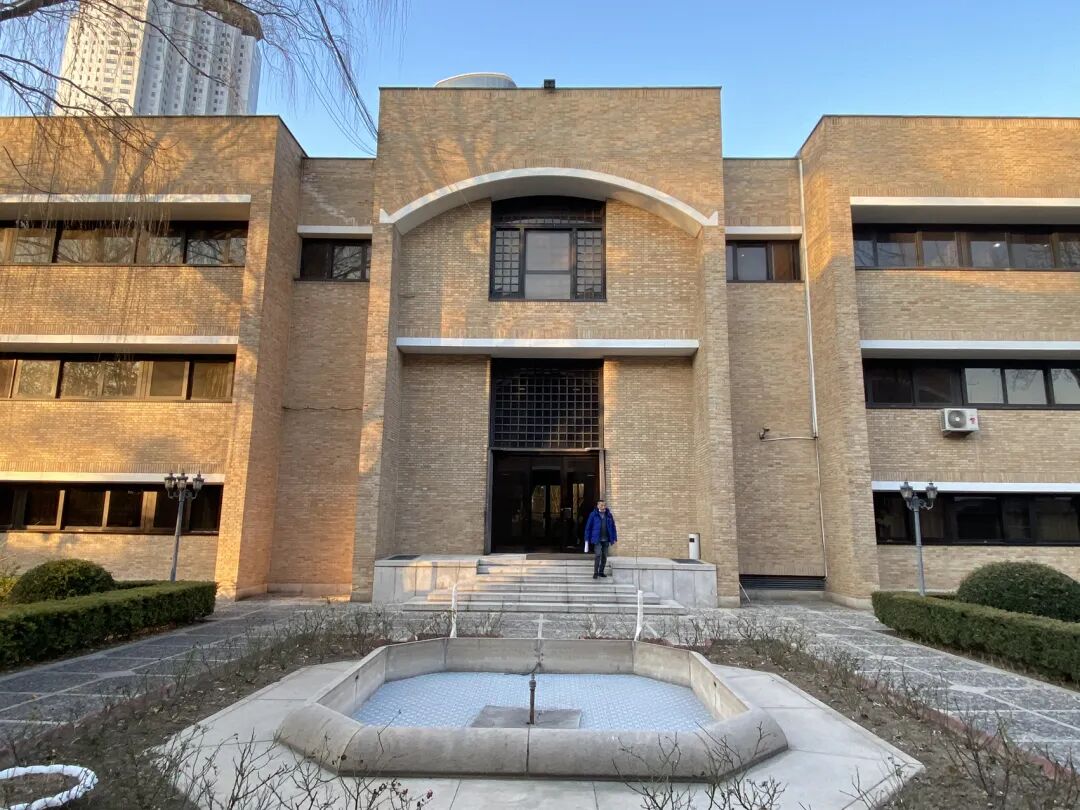
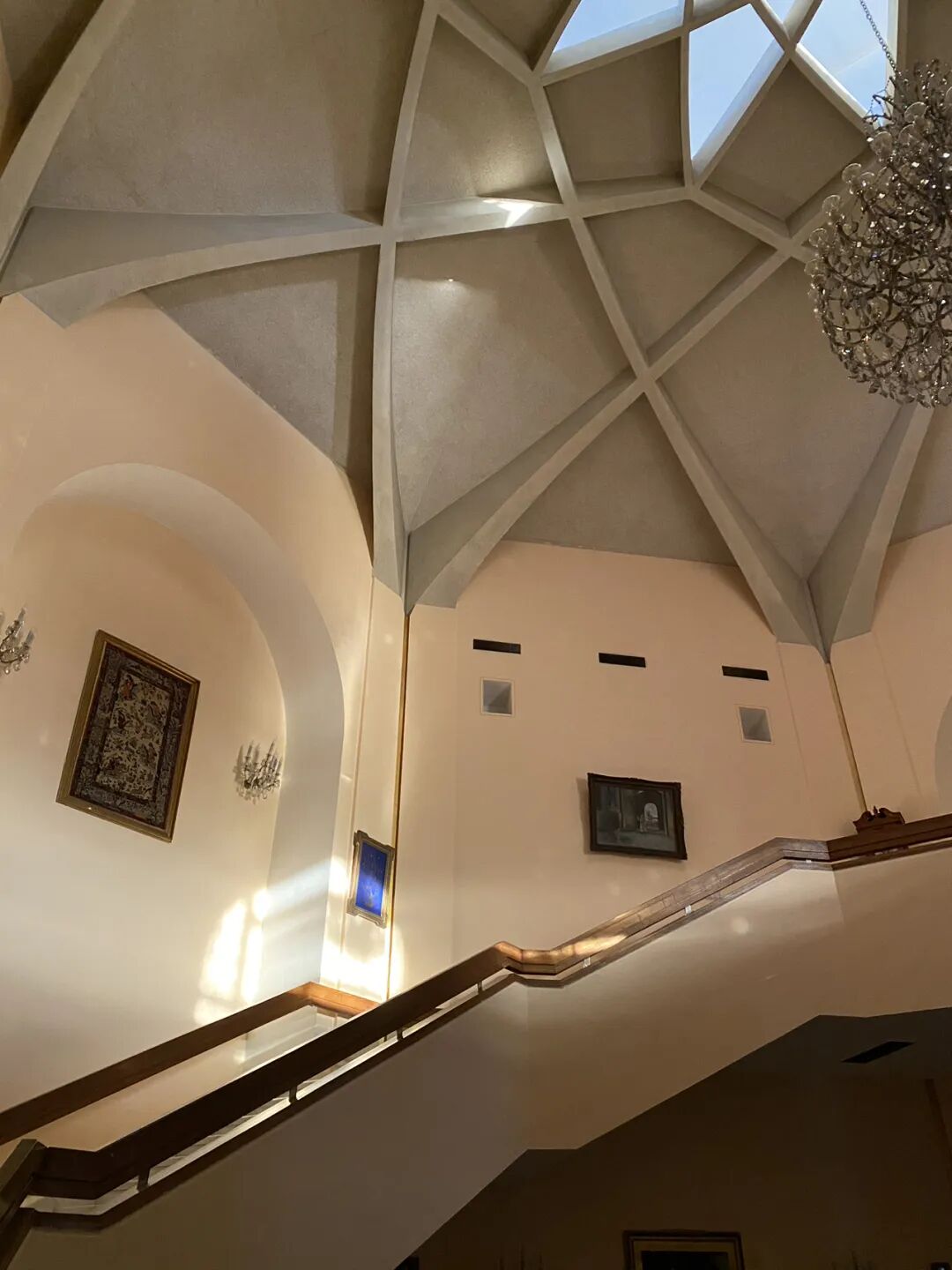
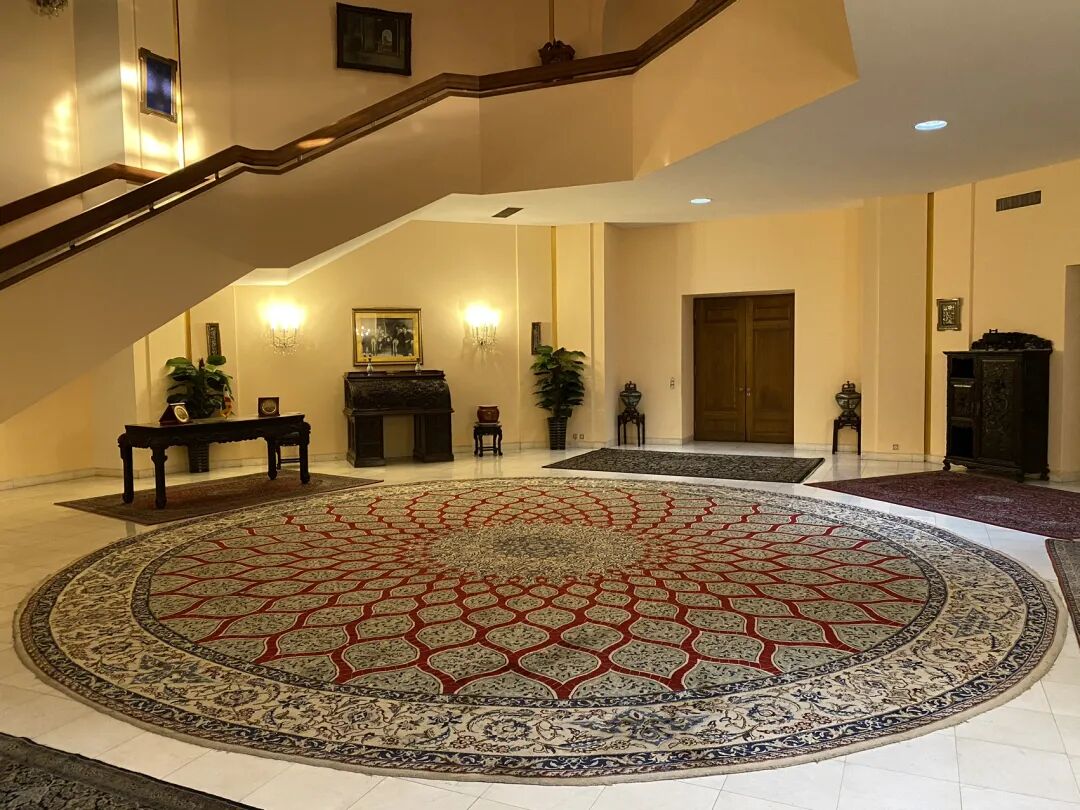
The Embassy of Iran in China is located on East 6th Street in Sanlitun, Beijing, and was built in 1972. In 1971, Princess Ashraf and Princess Fatemeh of the Pahlavi dynasty of Iran visited China. The two countries officially established diplomatic relations on August 16 of that year, and the Iranian embassy was completed in 1972.
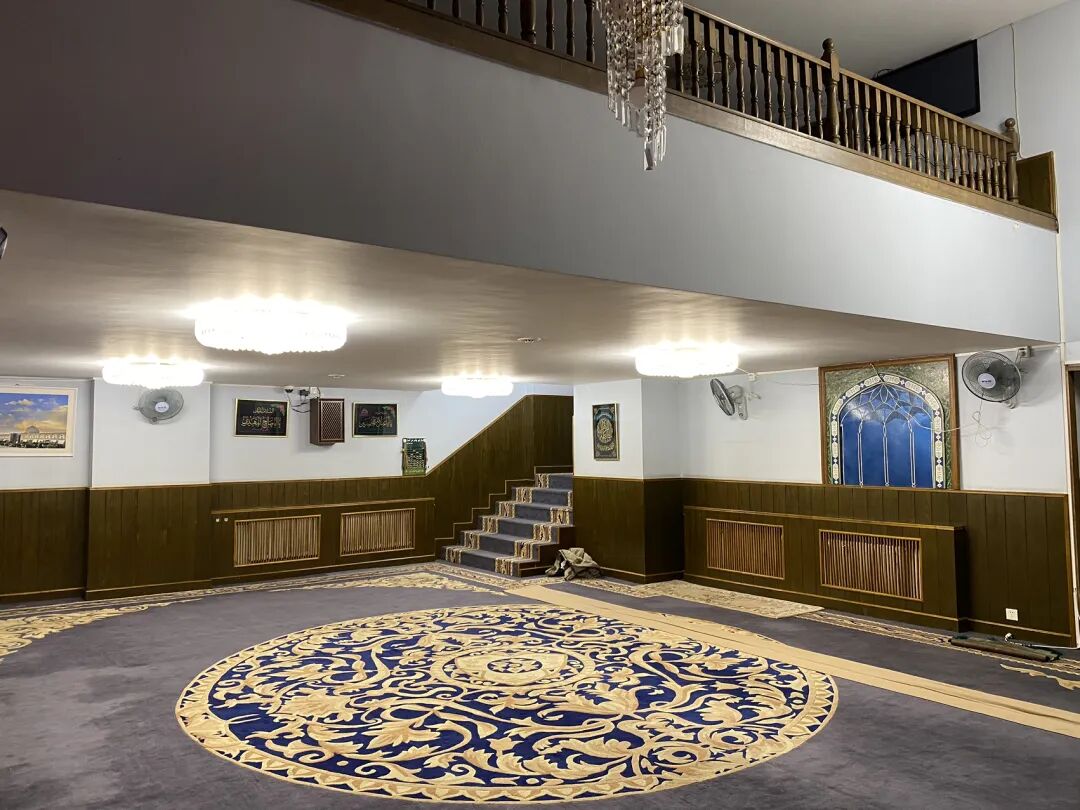
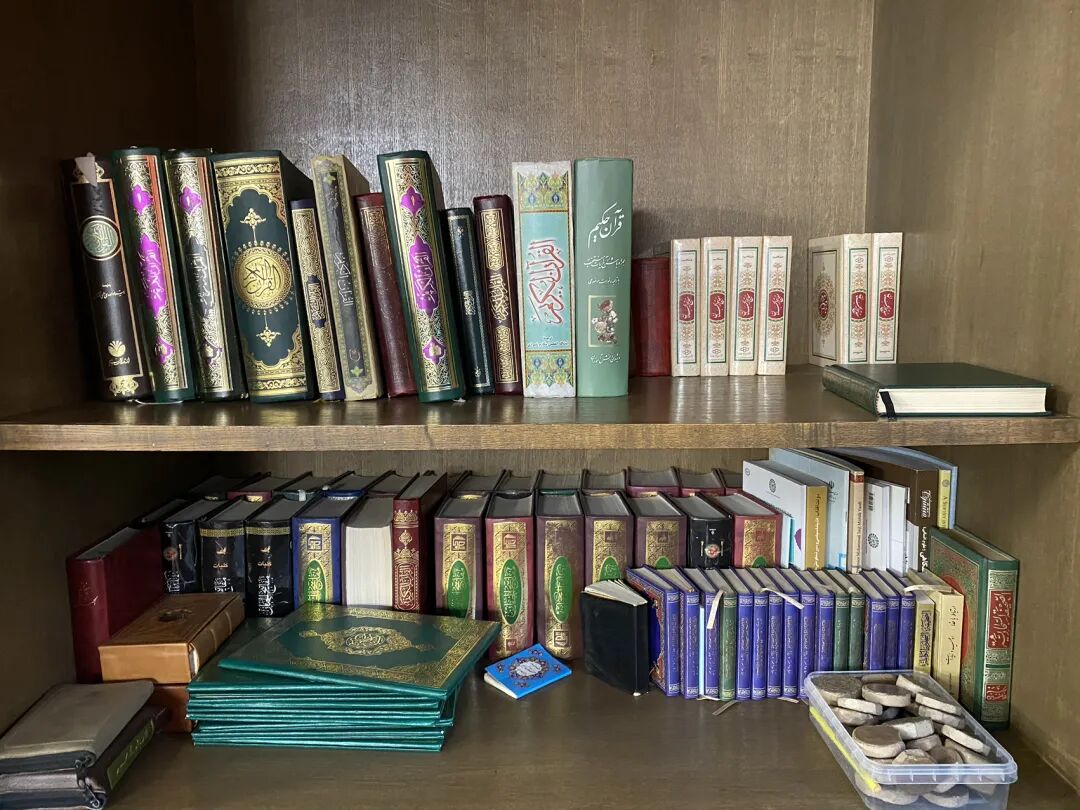
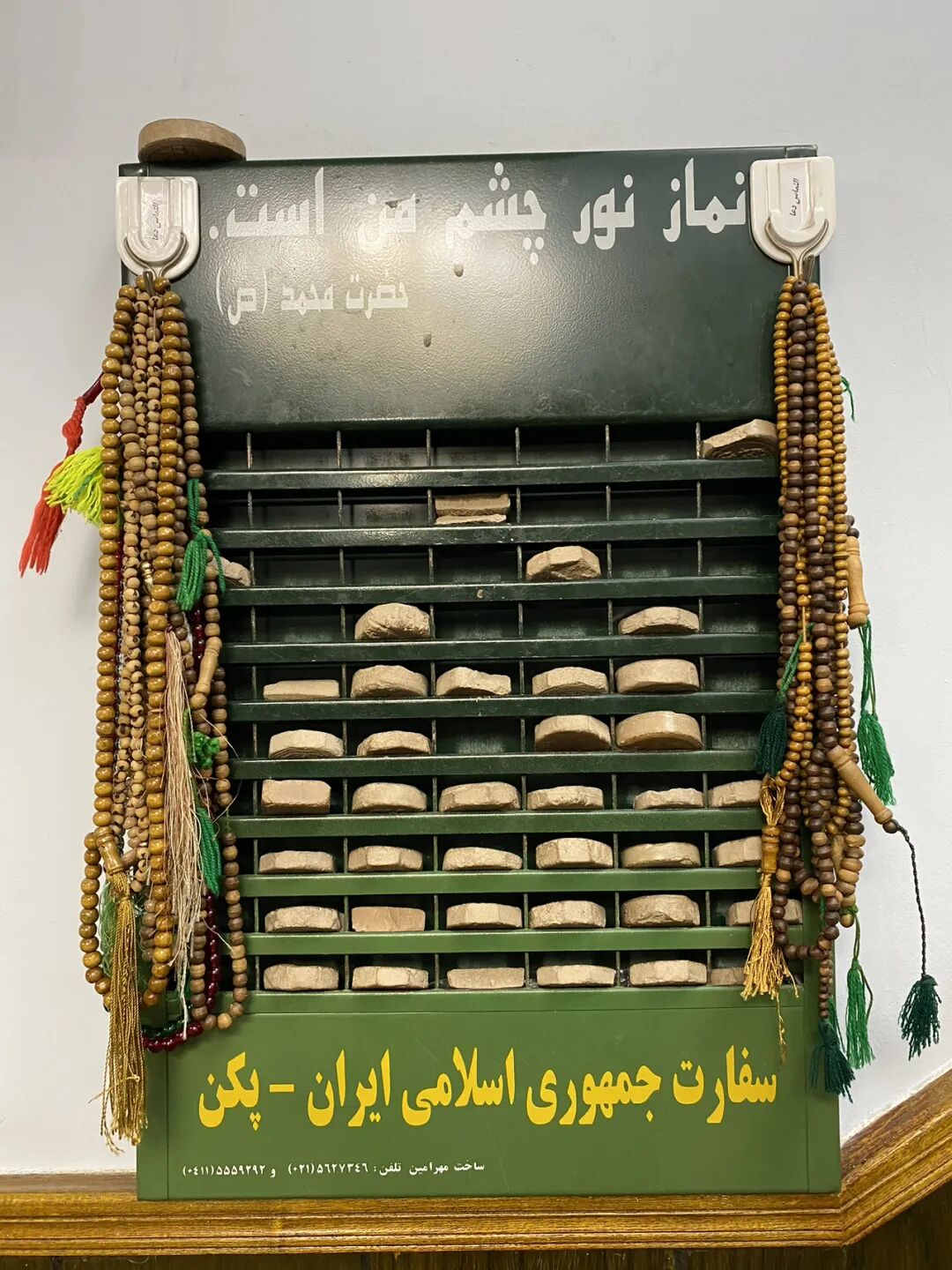
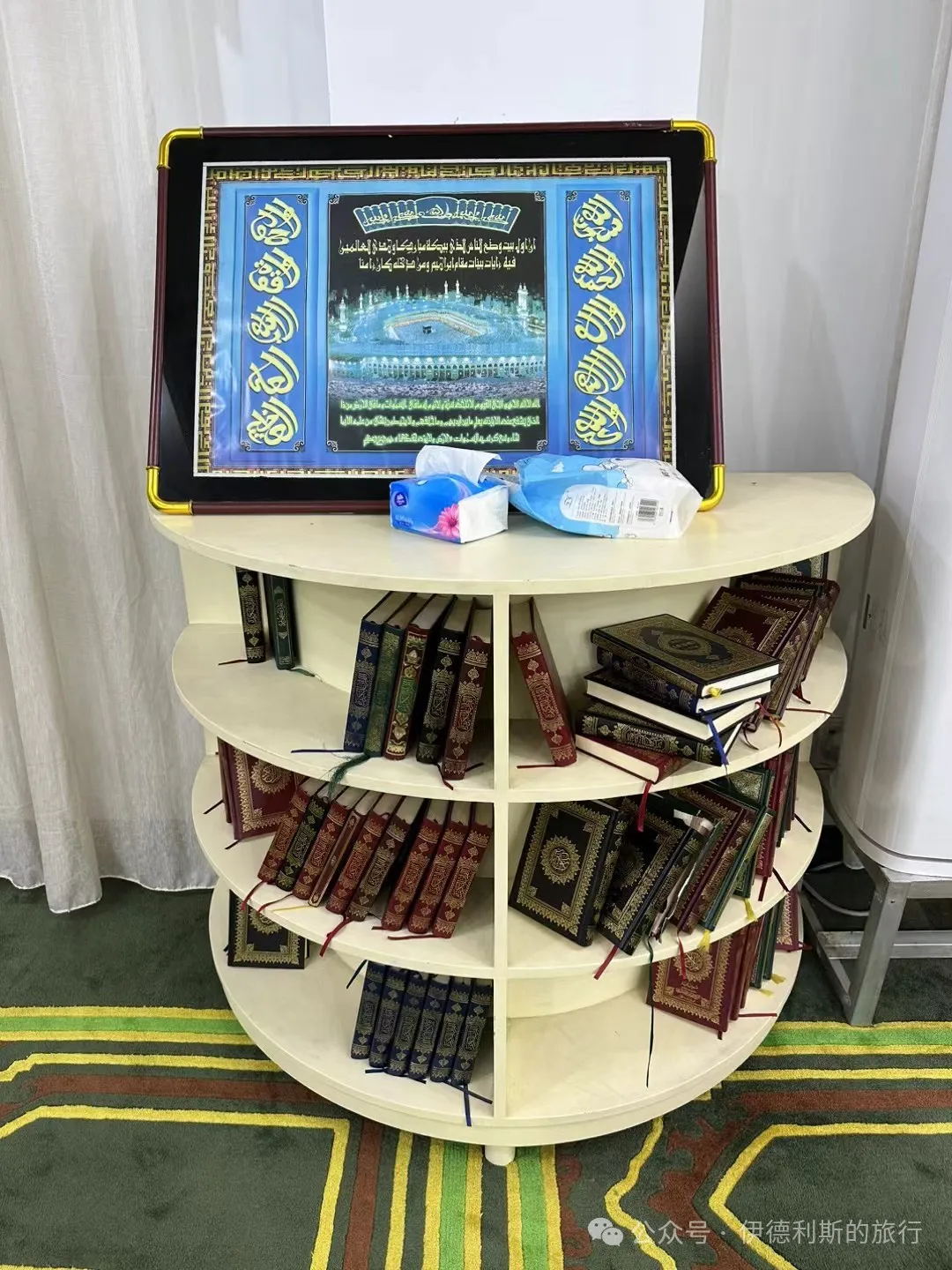
In the prayer hall of the Iranian embassy, you can see the clay tablets (turbah) that are characteristic of the Shia tradition. The turbah is also called a mohr. Because Shia jurisprudence requires prostration to be performed on soil or natural materials, a turbah is usually used indoors. The most revered turbah is made from the soil of Karbala.
Embassy of Sudan in China
The Embassy of Sudan in China is located on East 2nd Street in Sanlitun, Beijing. Sudan and China established diplomatic relations in 1959. The embassy was built in 1971 and rebuilt into its current structure in 2006.
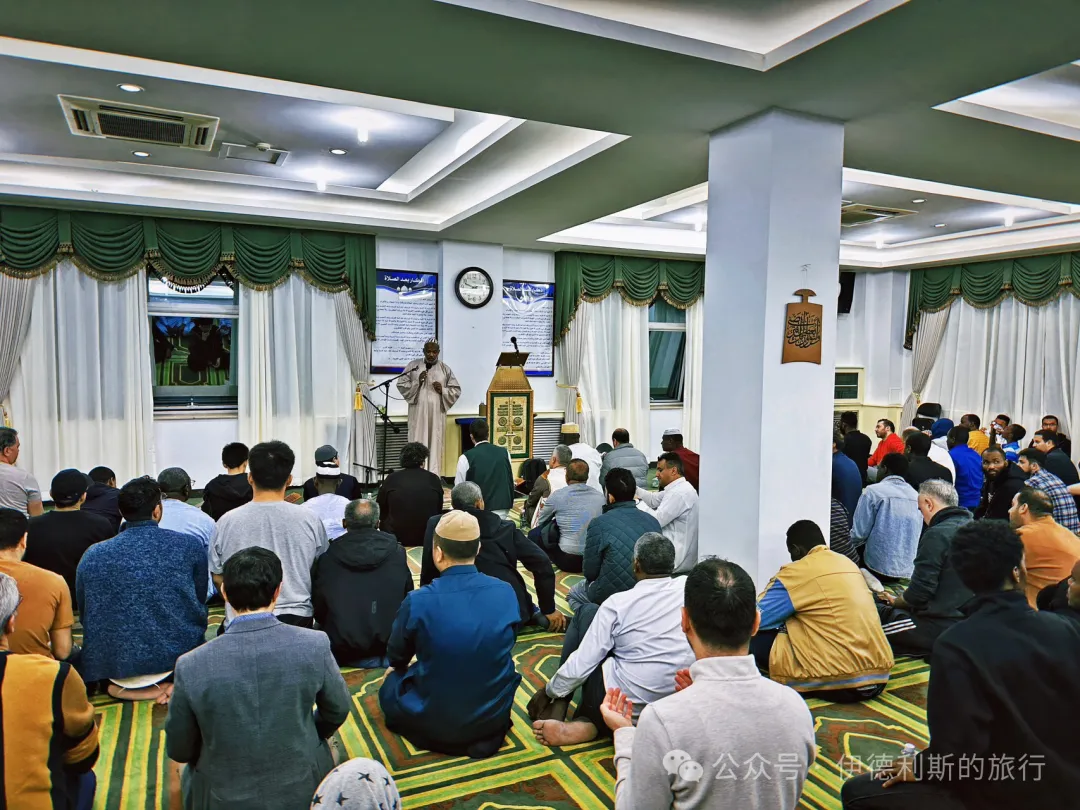
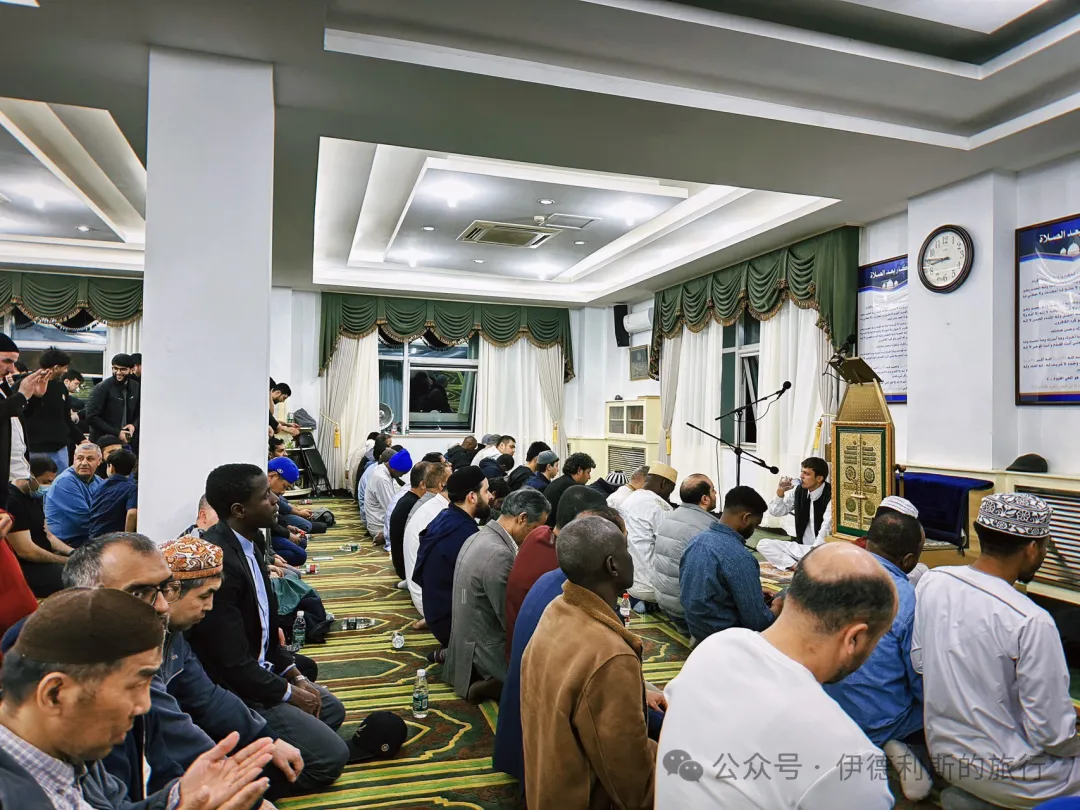
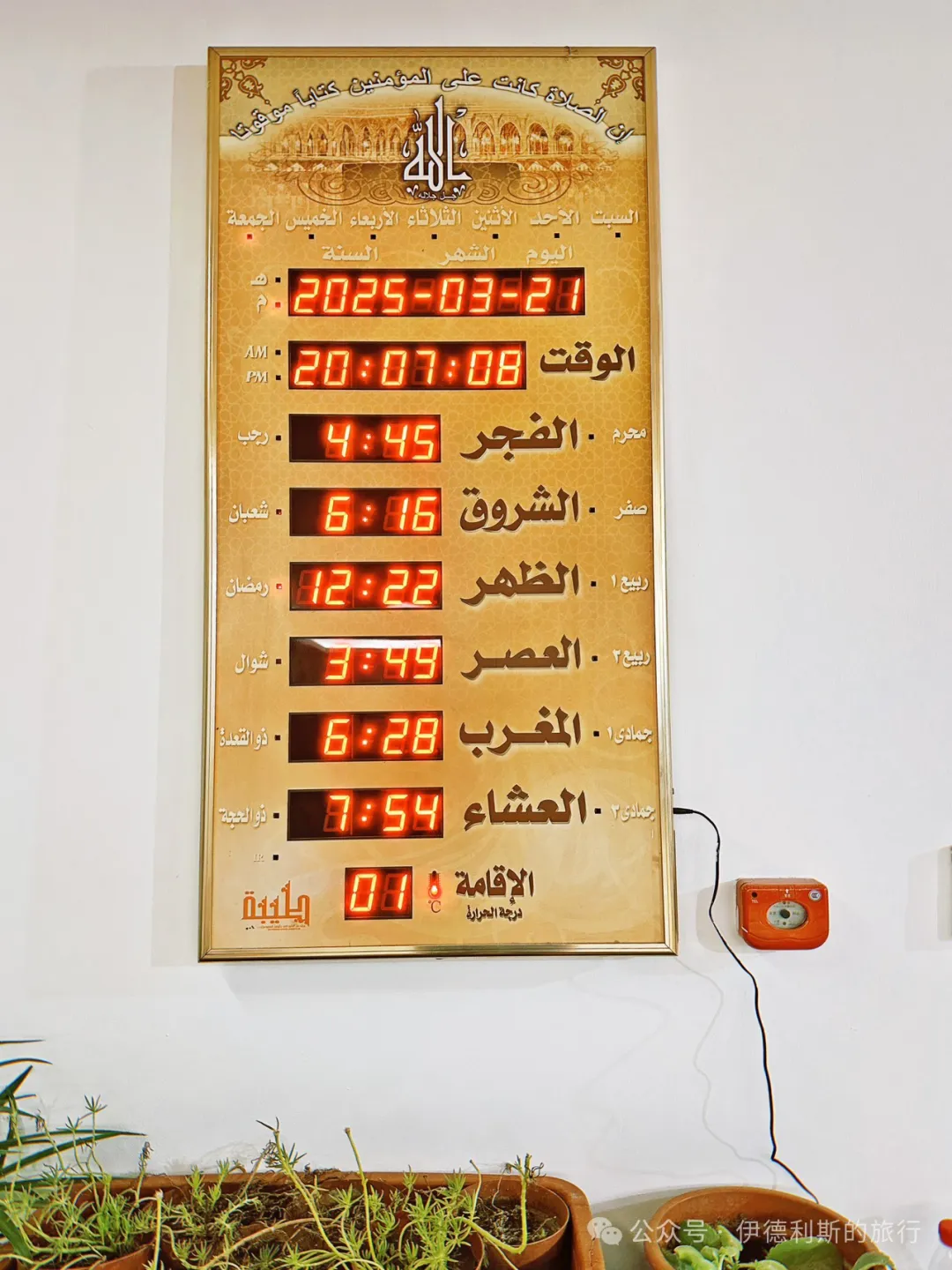
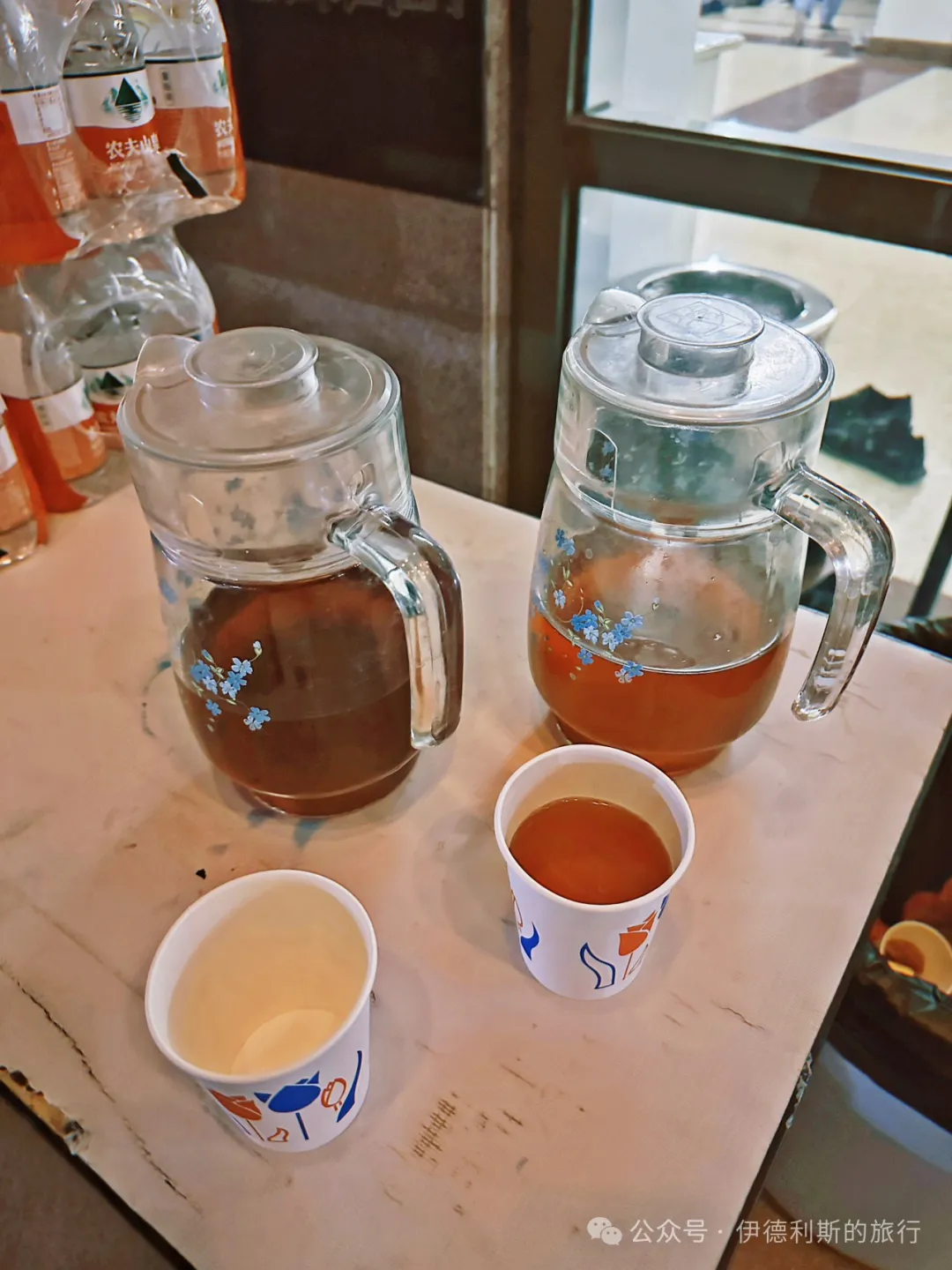
Every Ramadan, the prayer hall of the Sudanese embassy opens for foreign friends (dost) to perform Taraweeh prayers. I went in both 2024 and 2025.
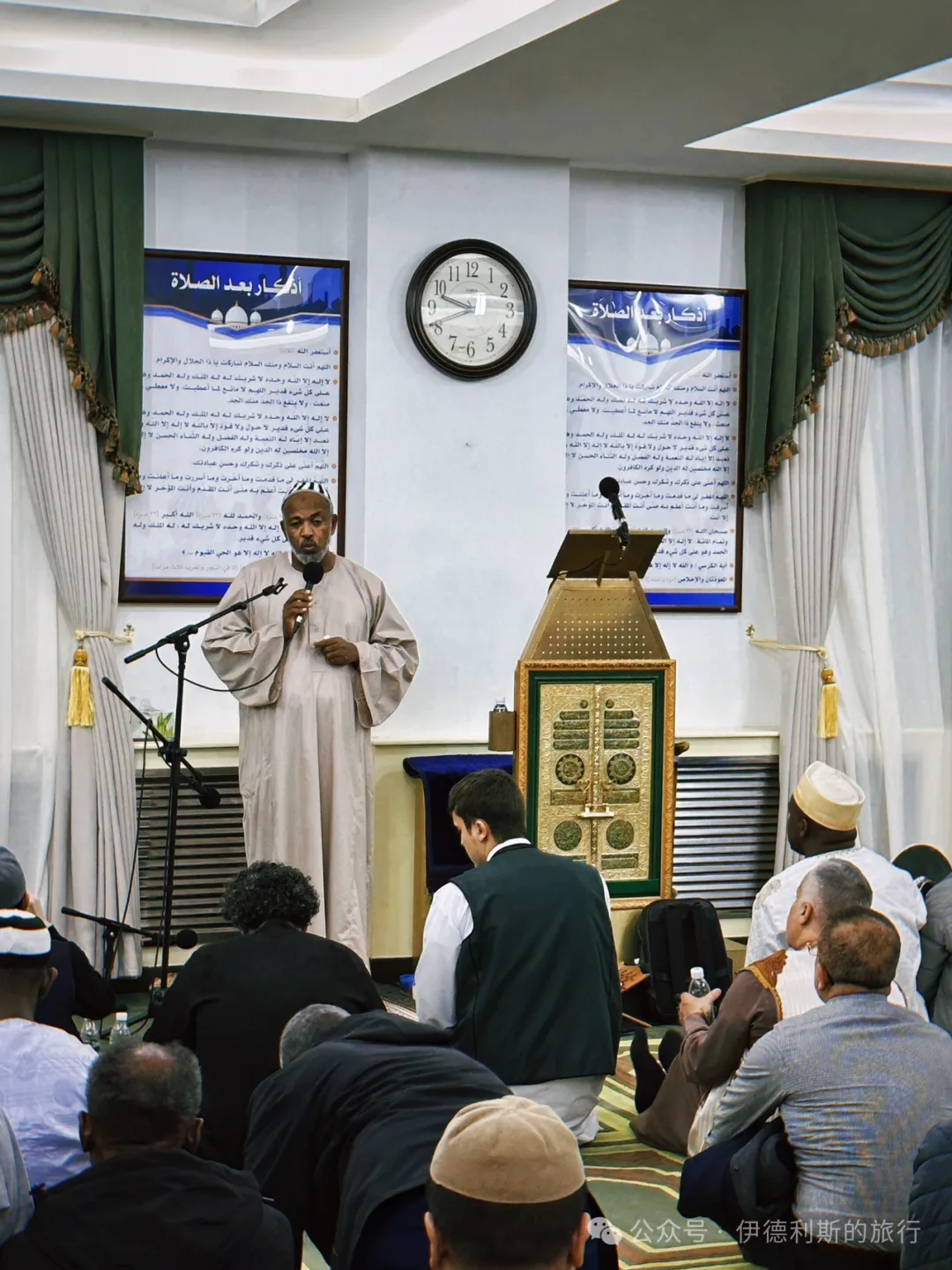
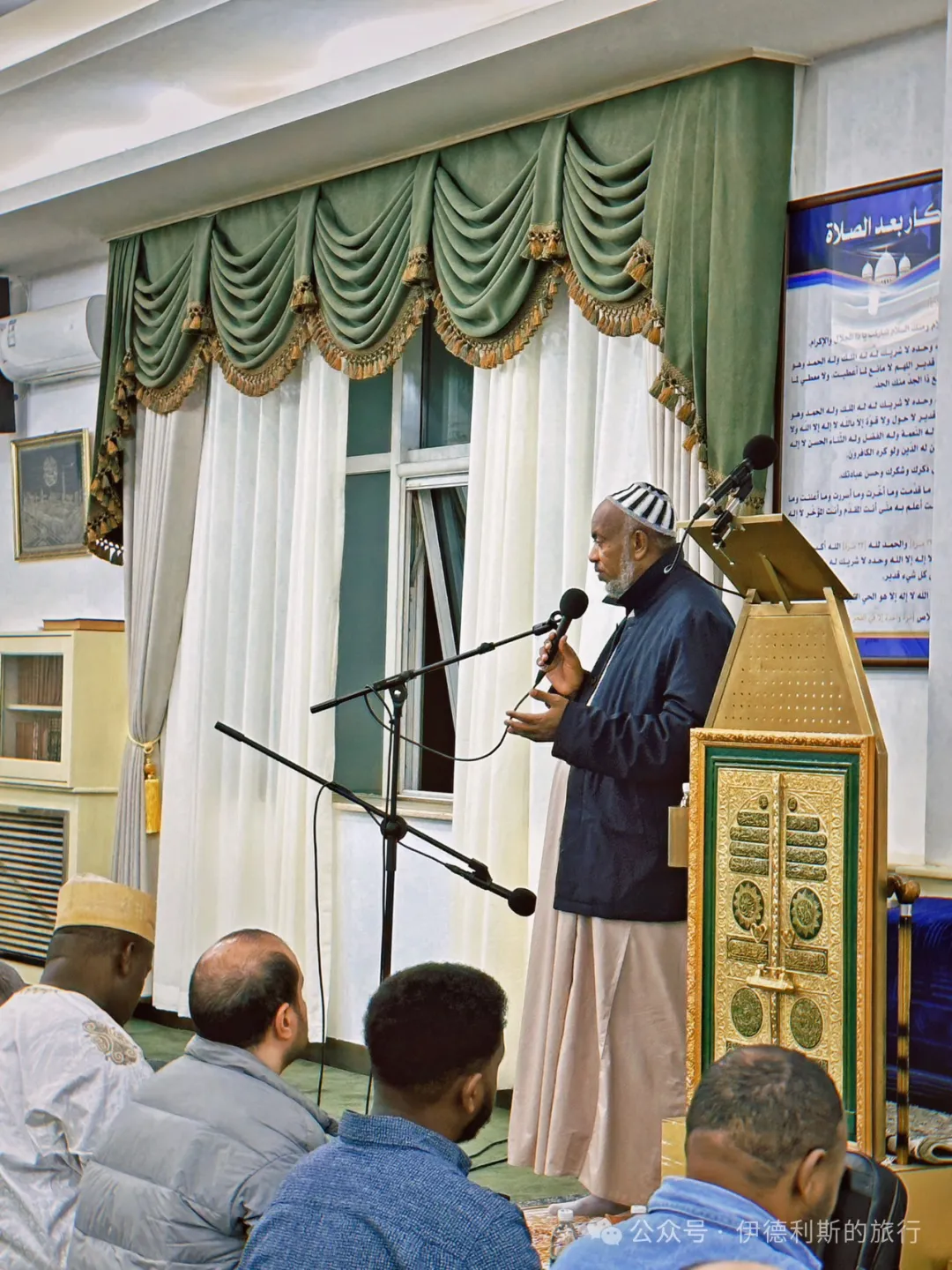
Sudan follows the Maliki school of thought, which is common across most of North and West Africa. It has many differences from the Hanafi school followed by Hui Muslims in China. The Taraweeh prayer at the Sudanese embassy consists of eight rak'ahs. A young Libyan hafiz specifically hired by the embassy leads the first four rak'ahs, followed by a sermon (wa'z) from the Sudanese imam, and then the Sudanese imam leads the final four rak'ahs. During the third rak'ah of the Witr dua, people raise their hands to recite a long dua, and there is another sermon (wa'z) after the dua. I think it is a rare opportunity to come here every year to experience a different religious and cultural atmosphere.
In the 15th and 16th centuries, Sufi sages began spreading the faith along the upper reaches of the Nile River toward the Sudan region. In the early 16th century, the Funj Sultanate, which ruled Sudan, had nominally converted to the faith but still retained traditions of witchcraft and sacrifice. In 1718, the Funj Sultanate underwent a change of dynasty, which led to a pursuit of more orthodox religious practices and the beginning of Arabization. By the 19th century, Sudan had become a region that practiced orthodox Sunni Islam and began using Arabic as a common language. Today, the vast majority of Sudanese people follow the Sunni Maliki school and are deeply influenced by Sufism.
Pakistan Embassy College Beijing
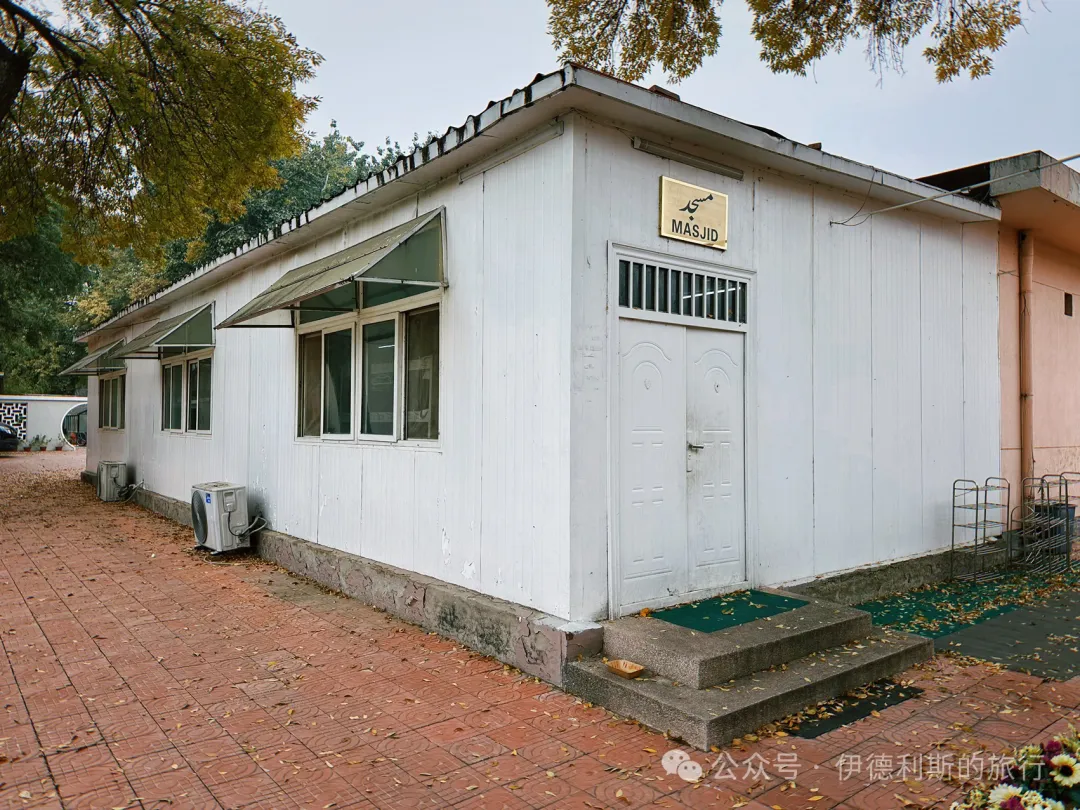
The Embassy of Pakistan in China is located on Dongzhimen Outer Street in Beijing and was built in 1951. The founder of the Pakistani embassy in China was the famous Pakistani writer and scholar Ahmed Ali, who gained international fame for his masterpiece, Twilight in Delhi. This book uses rich symbolic imagery to describe the changes in the Indian Muslim community under British colonial rule in the early 20th century.
Pakistan Embassy College Beijing is located inside the Pakistani embassy. It was opened in 1969 by Premier Zhou Enlai at the request of Pakistani Prime Minister Ayub Khan and was the first international school in Beijing. The college offers a full curriculum from kindergarten to high school. to the children of Pakistani expatriates and diplomats, the college enrolls international students from over 60 different countries and holds an International Cultural Day event every year.
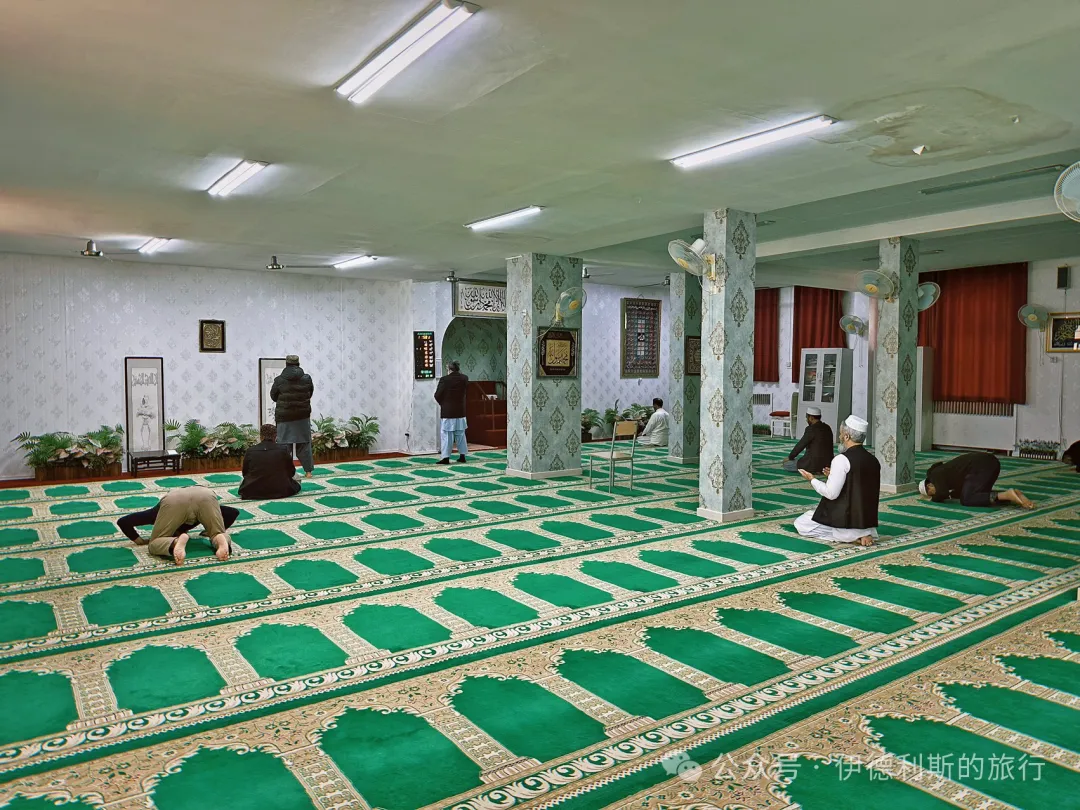
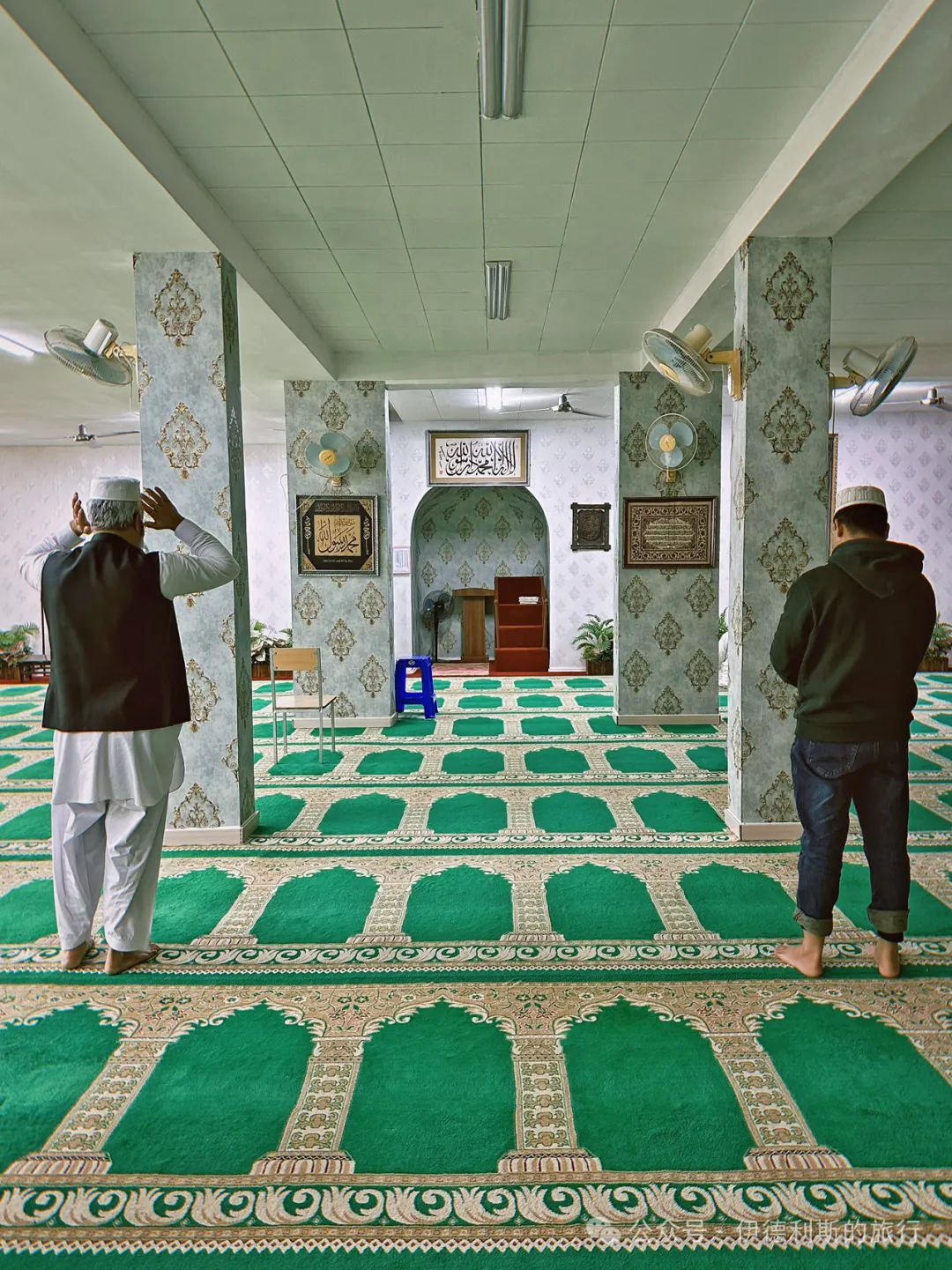
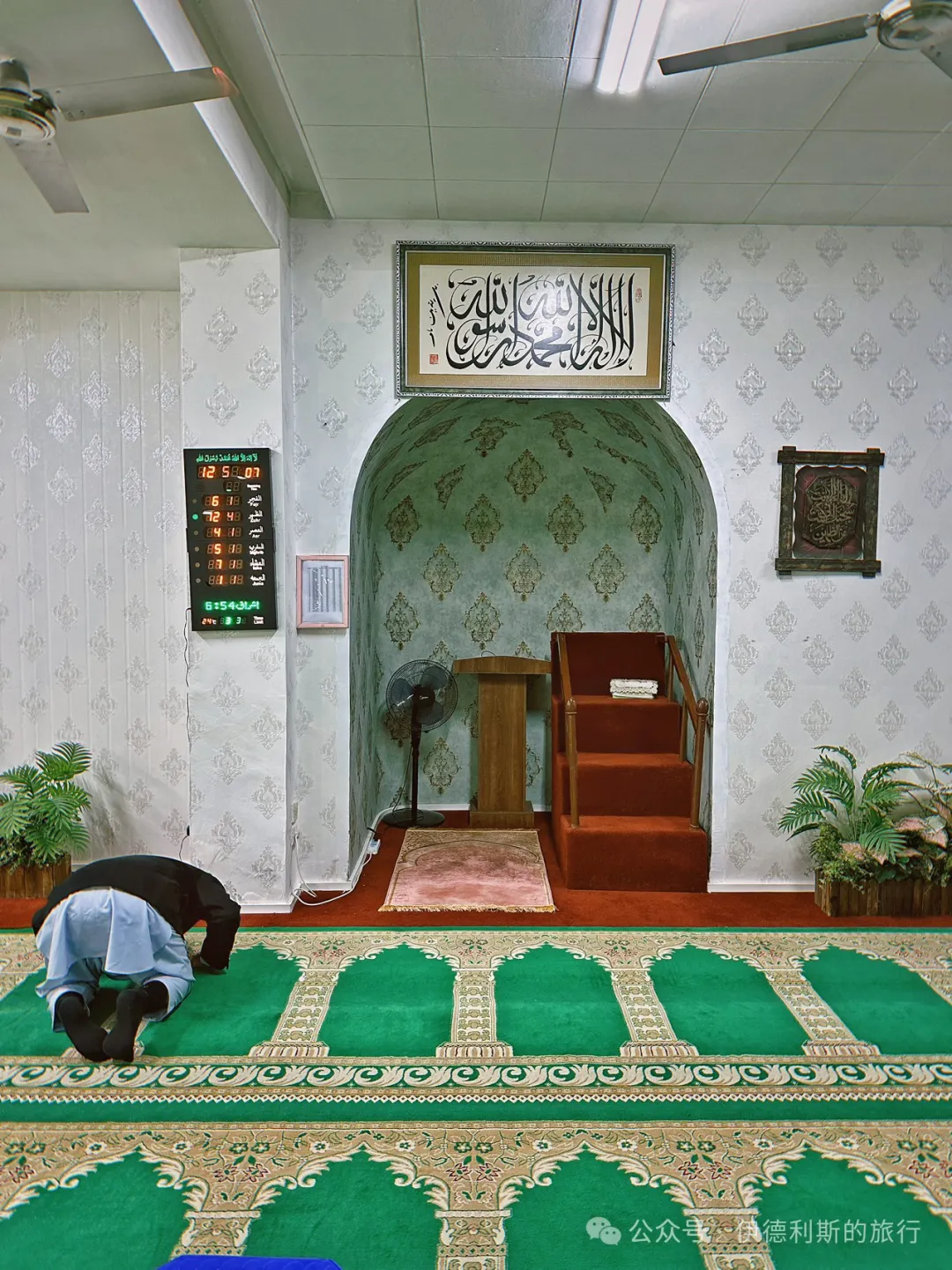
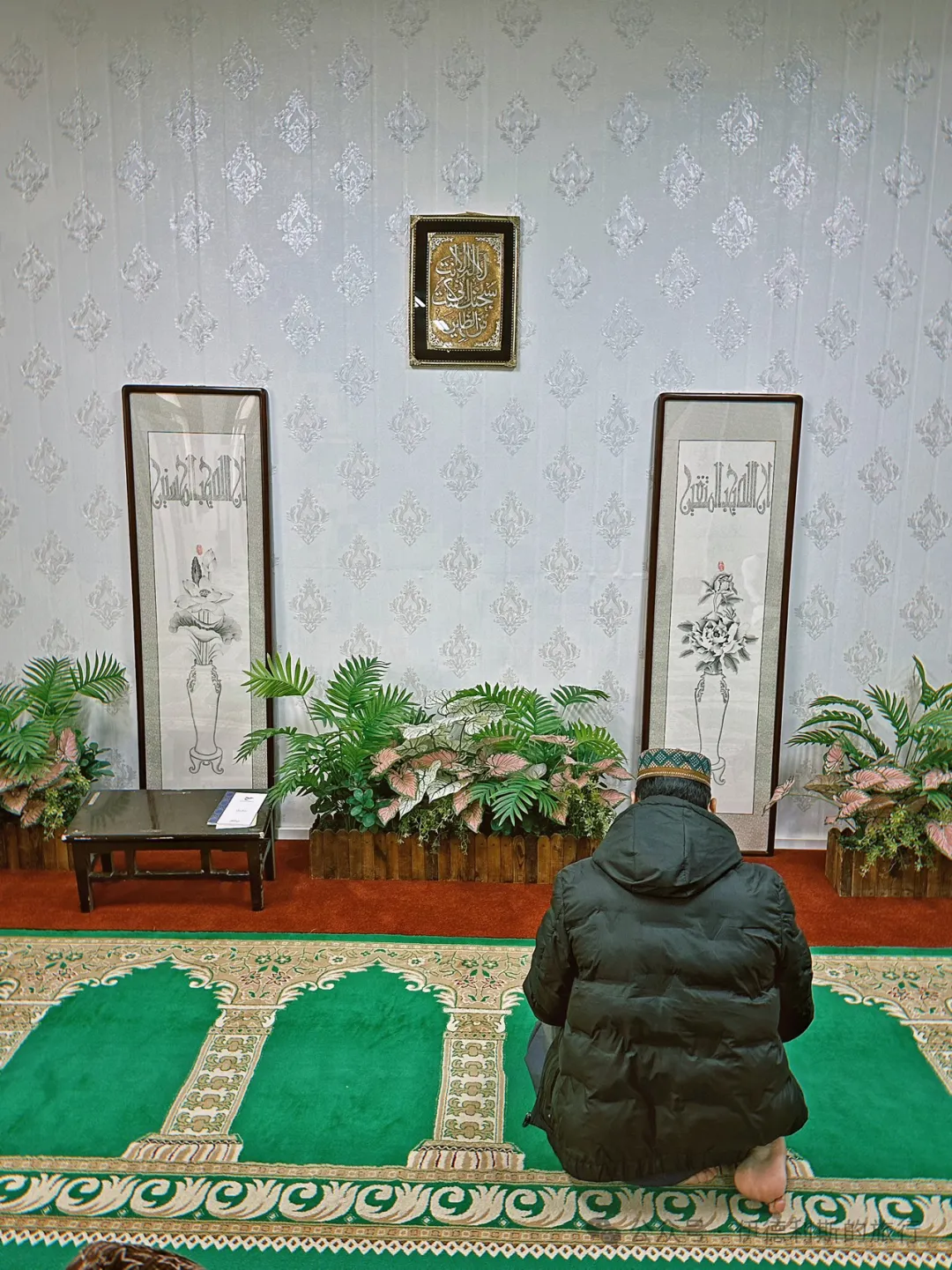
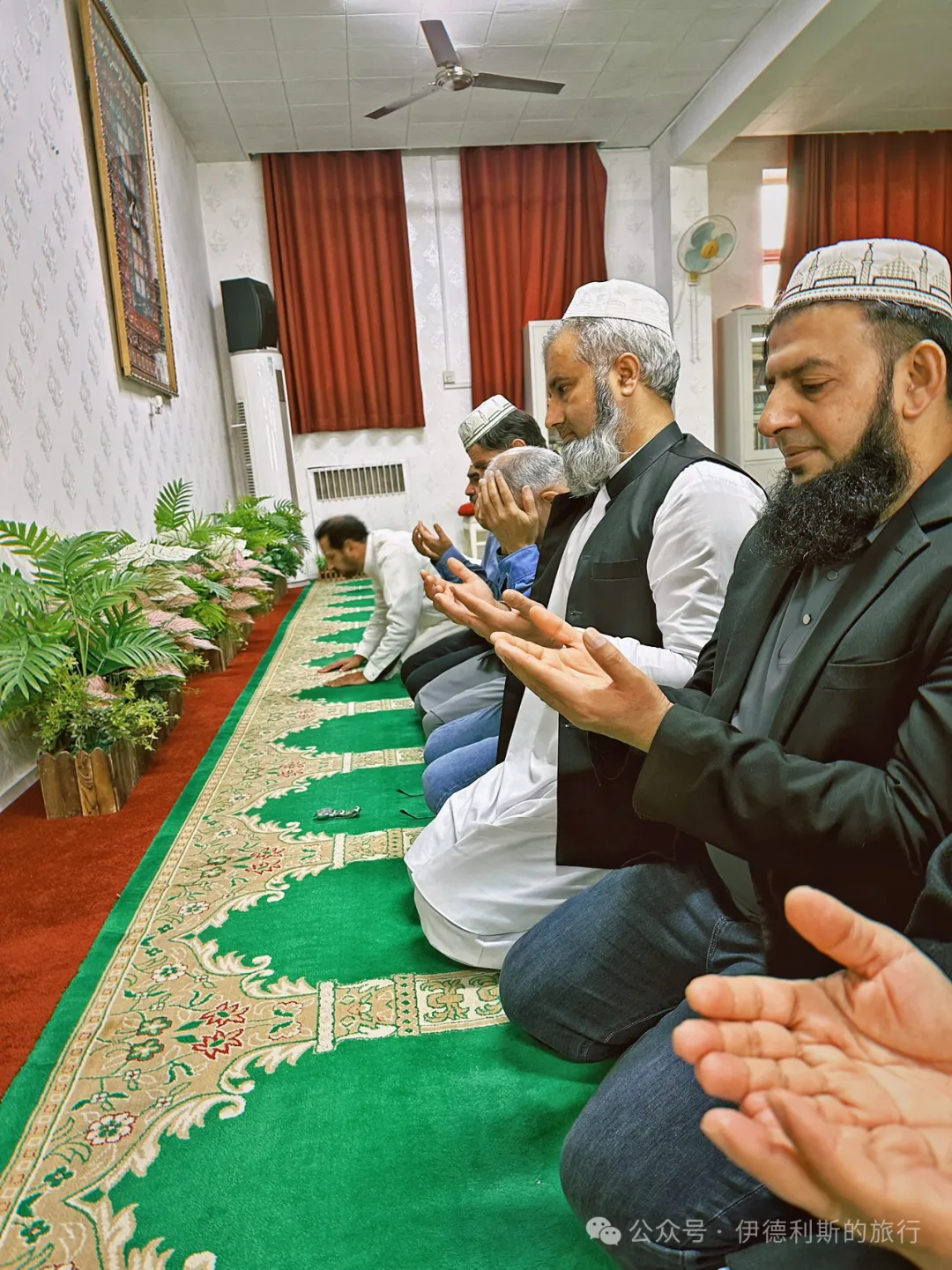
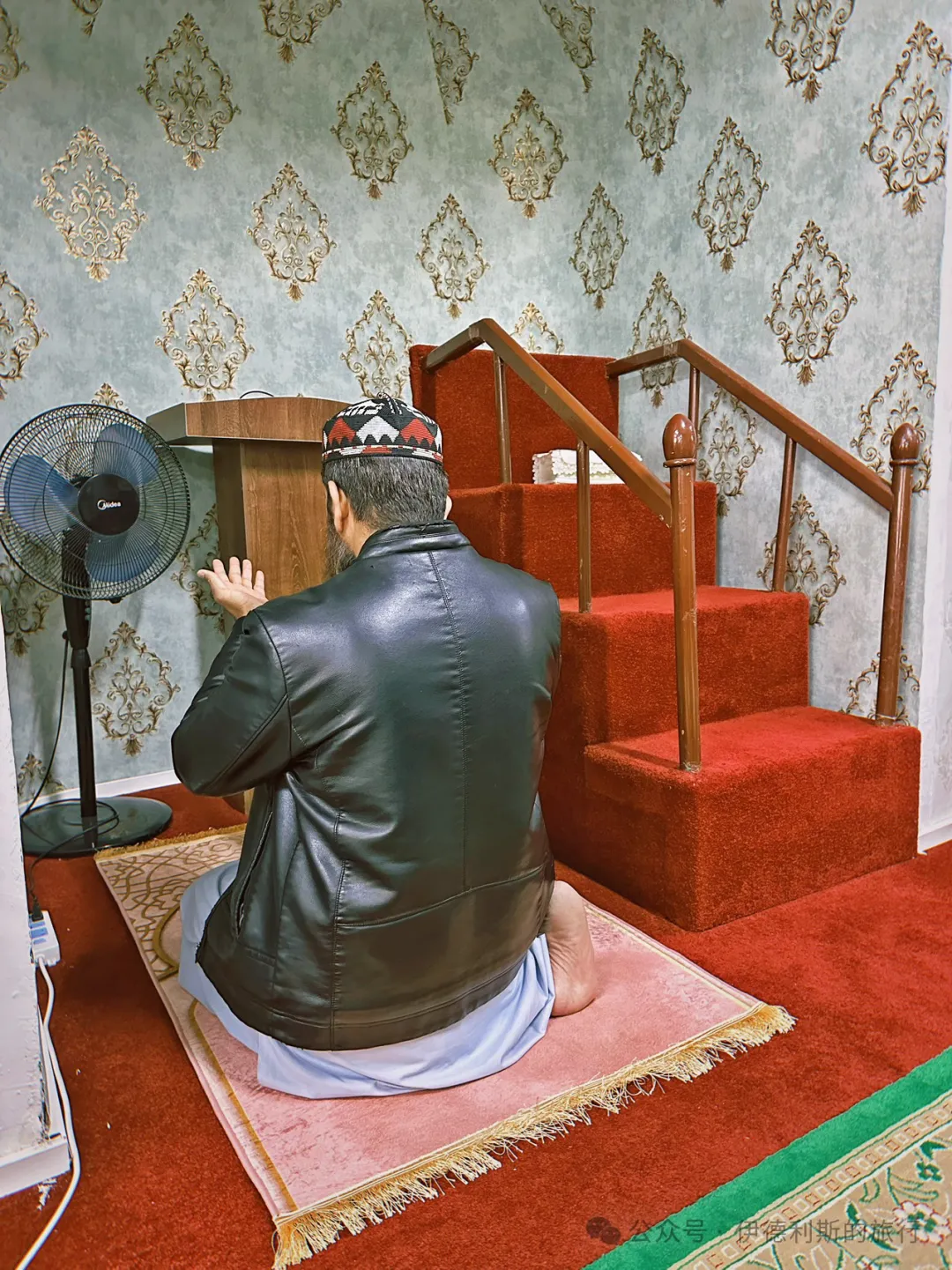
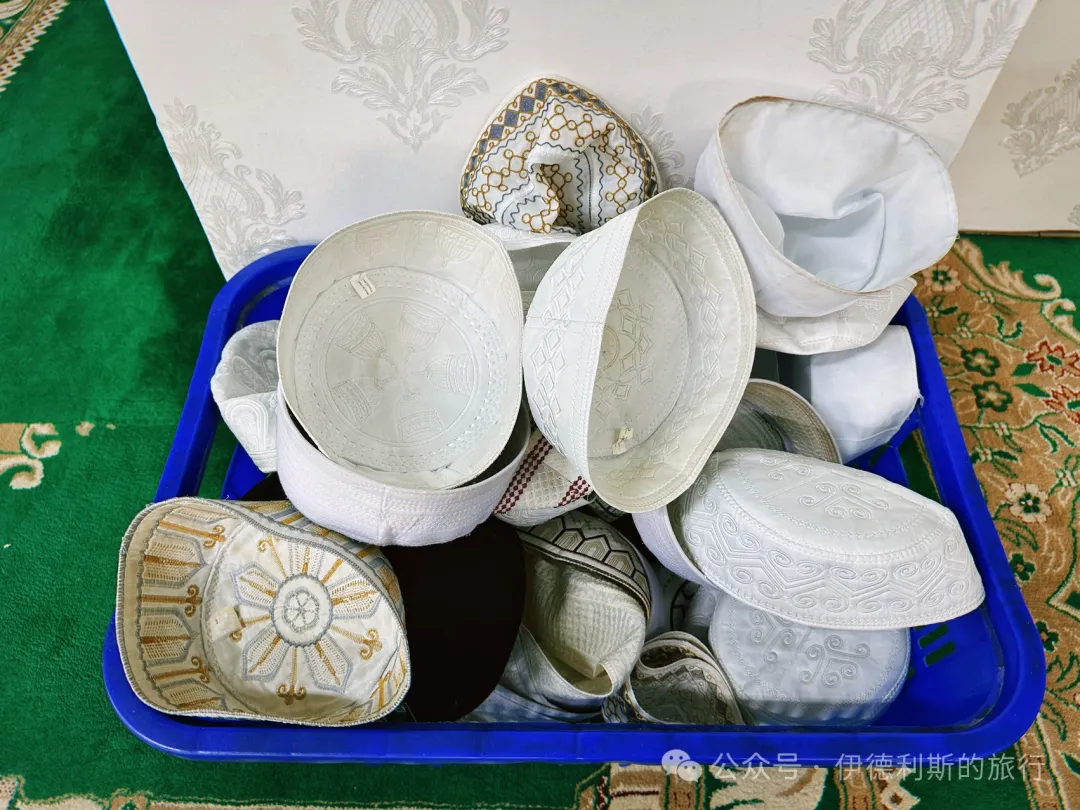
In 2024, I attended the International Culture Day at the Pakistan Embassy College and performed namaz in the school's prayer hall. Pakistanis also mostly follow the Hanafi school of thought, so their movements are basically the same as ours. There was even a basket of prayer caps at the door, which matches our custom of wearing caps, unlike the Arabs or Iranians who do not have this practice. view all
Summary: This Beijing embassy district account visits the prayer halls of the Iranian Embassy, Sudanese Embassy, and Pakistan Embassy College. It records diplomatic history, Shia turbah practice, Sudanese Taraweeh traditions, Maliki prayer customs, Pakistani community schooling, and mosque spaces inside the embassy area.
Embassy of Iran in China
The Embassy of Iran in China is located on East 6th Street in Sanlitun, Beijing, and was built in 1972. In 1971, Princess Ashraf and Princess Fatemeh of the Pahlavi dynasty of Iran visited China. The two countries officially established diplomatic relations on August 16 of that year, and the Iranian embassy was completed in 1972.
In the prayer hall of the Iranian embassy, you can see the clay tablets (turbah) that are characteristic of the Shia tradition. The turbah is also called a mohr. Because Shia jurisprudence requires prostration to be performed on soil or natural materials, a turbah is usually used indoors. The most revered turbah is made from the soil of Karbala.
Embassy of Sudan in China
The Embassy of Sudan in China is located on East 2nd Street in Sanlitun, Beijing. Sudan and China established diplomatic relations in 1959. The embassy was built in 1971 and rebuilt into its current structure in 2006.
Every Ramadan, the prayer hall of the Sudanese embassy opens for foreign friends (dost) to perform Taraweeh prayers. I went in both 2024 and 2025.
Sudan follows the Maliki school of thought, which is common across most of North and West Africa. It has many differences from the Hanafi school followed by Hui Muslims in China. The Taraweeh prayer at the Sudanese embassy consists of eight rak'ahs. A young Libyan hafiz specifically hired by the embassy leads the first four rak'ahs, followed by a sermon (wa'z) from the Sudanese imam, and then the Sudanese imam leads the final four rak'ahs. During the third rak'ah of the Witr dua, people raise their hands to recite a long dua, and there is another sermon (wa'z) after the dua. I think it is a rare opportunity to come here every year to experience a different religious and cultural atmosphere.
In the 15th and 16th centuries, Sufi sages began spreading the faith along the upper reaches of the Nile River toward the Sudan region. In the early 16th century, the Funj Sultanate, which ruled Sudan, had nominally converted to the faith but still retained traditions of witchcraft and sacrifice. In 1718, the Funj Sultanate underwent a change of dynasty, which led to a pursuit of more orthodox religious practices and the beginning of Arabization. By the 19th century, Sudan had become a region that practiced orthodox Sunni Islam and began using Arabic as a common language. Today, the vast majority of Sudanese people follow the Sunni Maliki school and are deeply influenced by Sufism.
Pakistan Embassy College Beijing
The Embassy of Pakistan in China is located on Dongzhimen Outer Street in Beijing and was built in 1951. The founder of the Pakistani embassy in China was the famous Pakistani writer and scholar Ahmed Ali, who gained international fame for his masterpiece, Twilight in Delhi. This book uses rich symbolic imagery to describe the changes in the Indian Muslim community under British colonial rule in the early 20th century.
Pakistan Embassy College Beijing is located inside the Pakistani embassy. It was opened in 1969 by Premier Zhou Enlai at the request of Pakistani Prime Minister Ayub Khan and was the first international school in Beijing. The college offers a full curriculum from kindergarten to high school. to the children of Pakistani expatriates and diplomats, the college enrolls international students from over 60 different countries and holds an International Cultural Day event every year.
In 2024, I attended the International Culture Day at the Pakistan Embassy College and performed namaz in the school's prayer hall. Pakistanis also mostly follow the Hanafi school of thought, so their movements are basically the same as ours. There was even a basket of prayer caps at the door, which matches our custom of wearing caps, unlike the Arabs or Iranians who do not have this practice. view all
Reposted from the web
Summary: This Beijing embassy district account visits the prayer halls of the Iranian Embassy, Sudanese Embassy, and Pakistan Embassy College. It records diplomatic history, Shia turbah practice, Sudanese Taraweeh traditions, Maliki prayer customs, Pakistani community schooling, and mosque spaces inside the embassy area.
Embassy of Iran in China
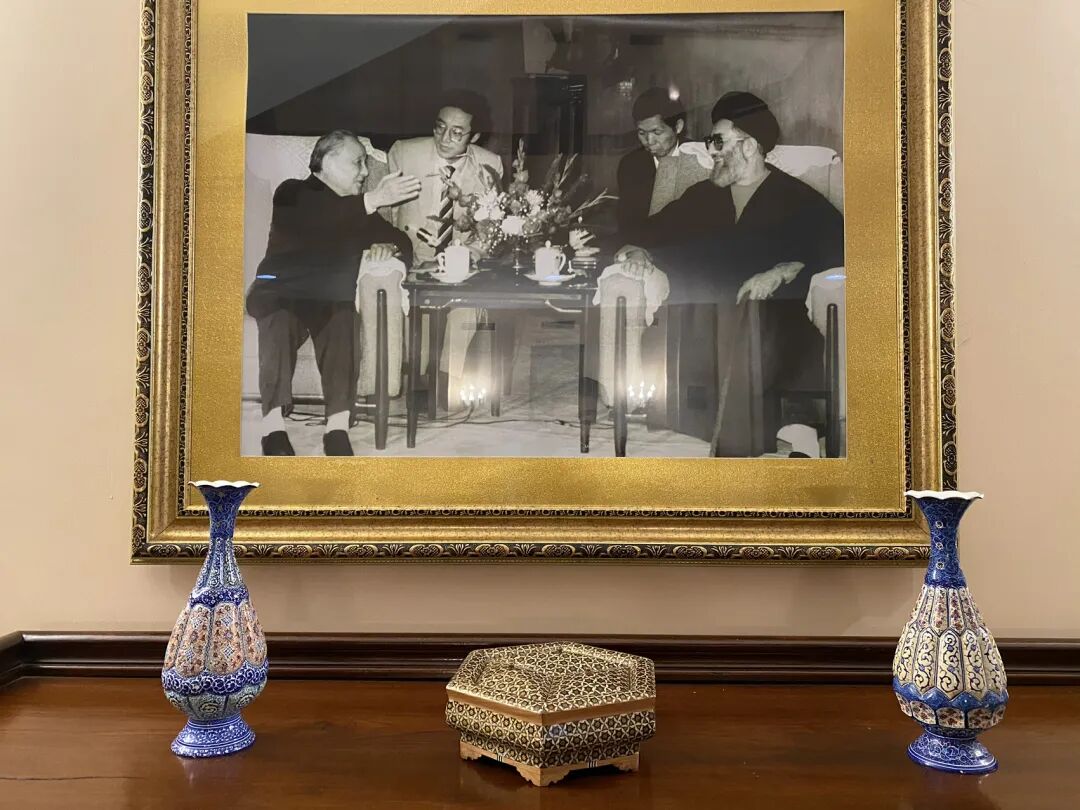
The Embassy of Iran in China is located on East 6th Street in Sanlitun, Beijing, and was built in 1972. In 1971, Princess Ashraf and Princess Fatemeh of the Pahlavi dynasty of Iran visited China. The two countries officially established diplomatic relations on August 16 of that year, and the Iranian embassy was completed in 1972.
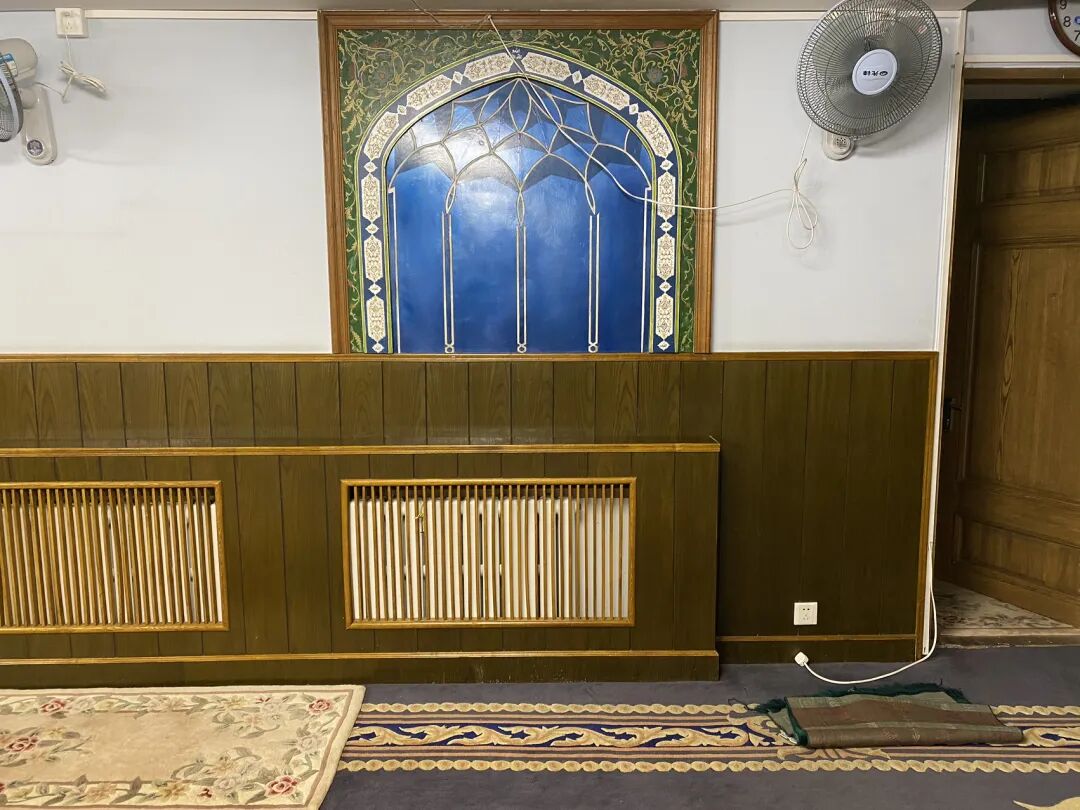
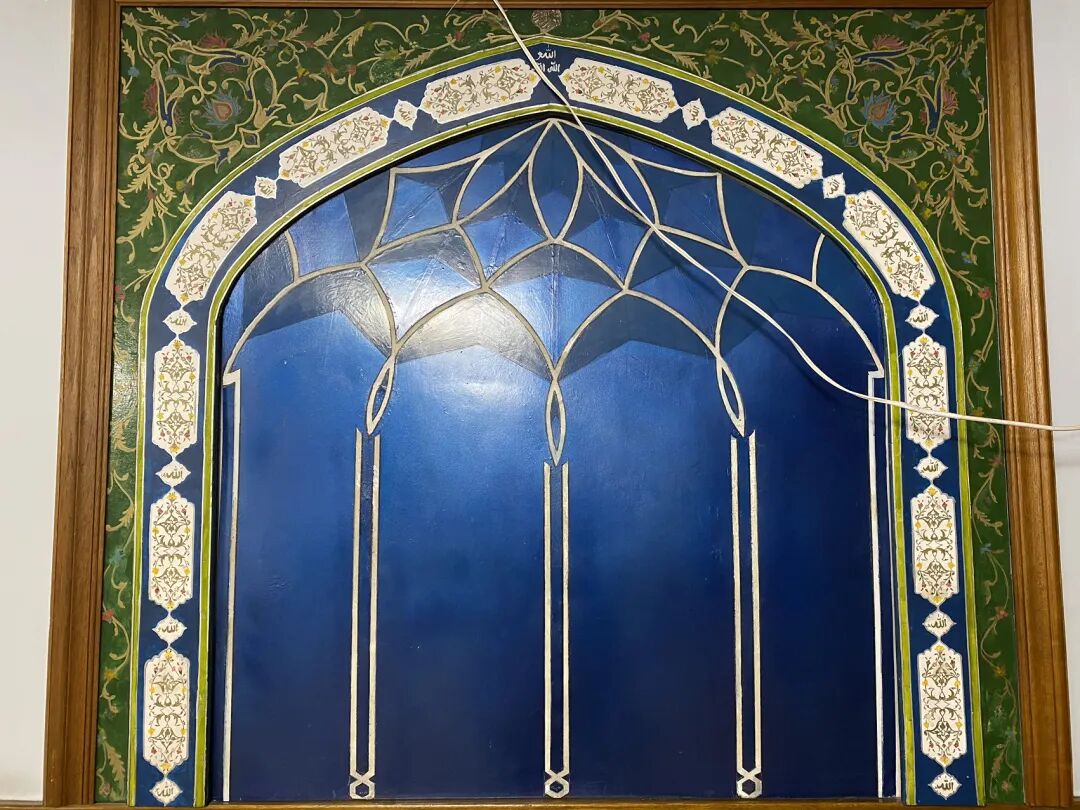
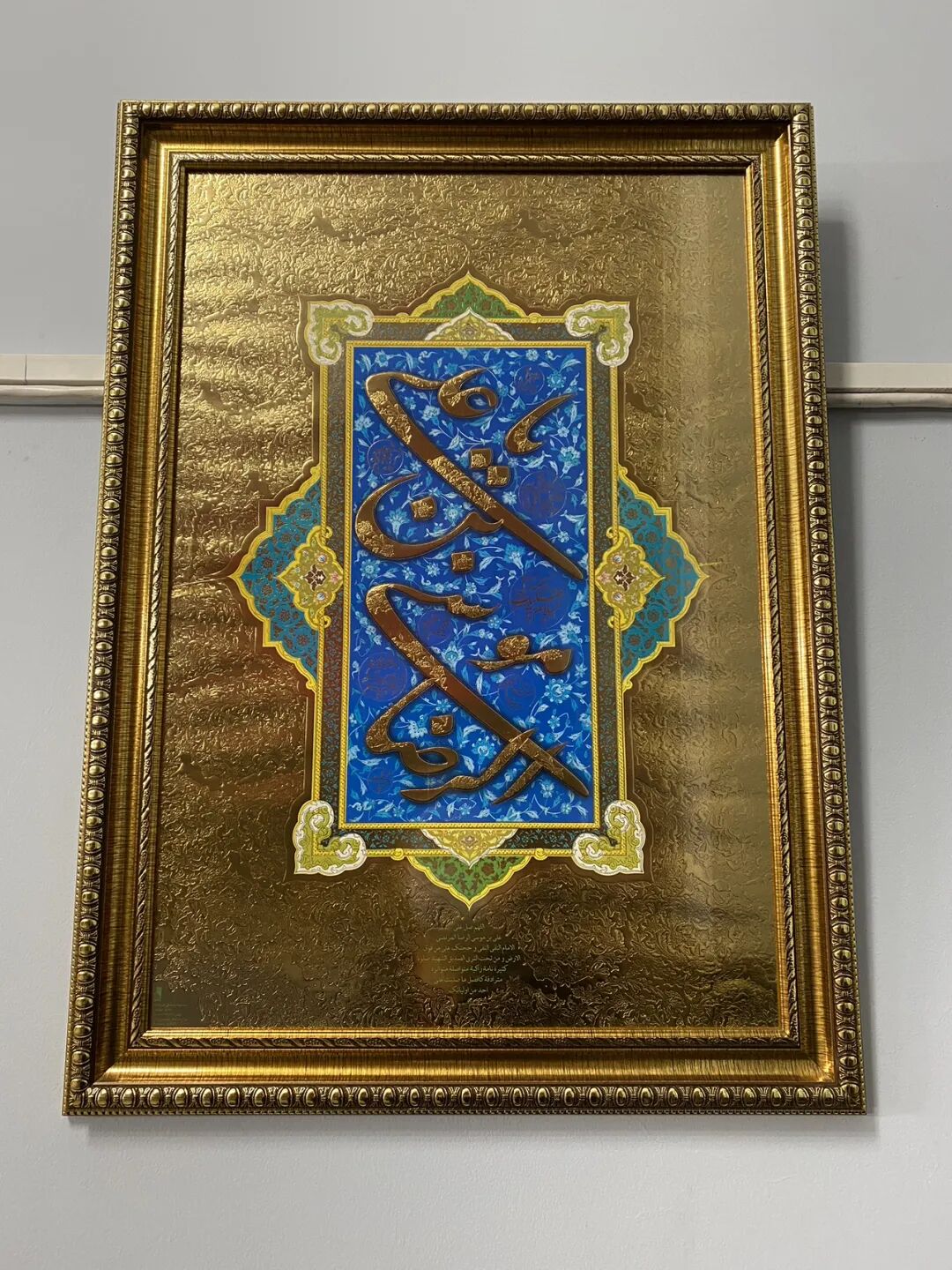
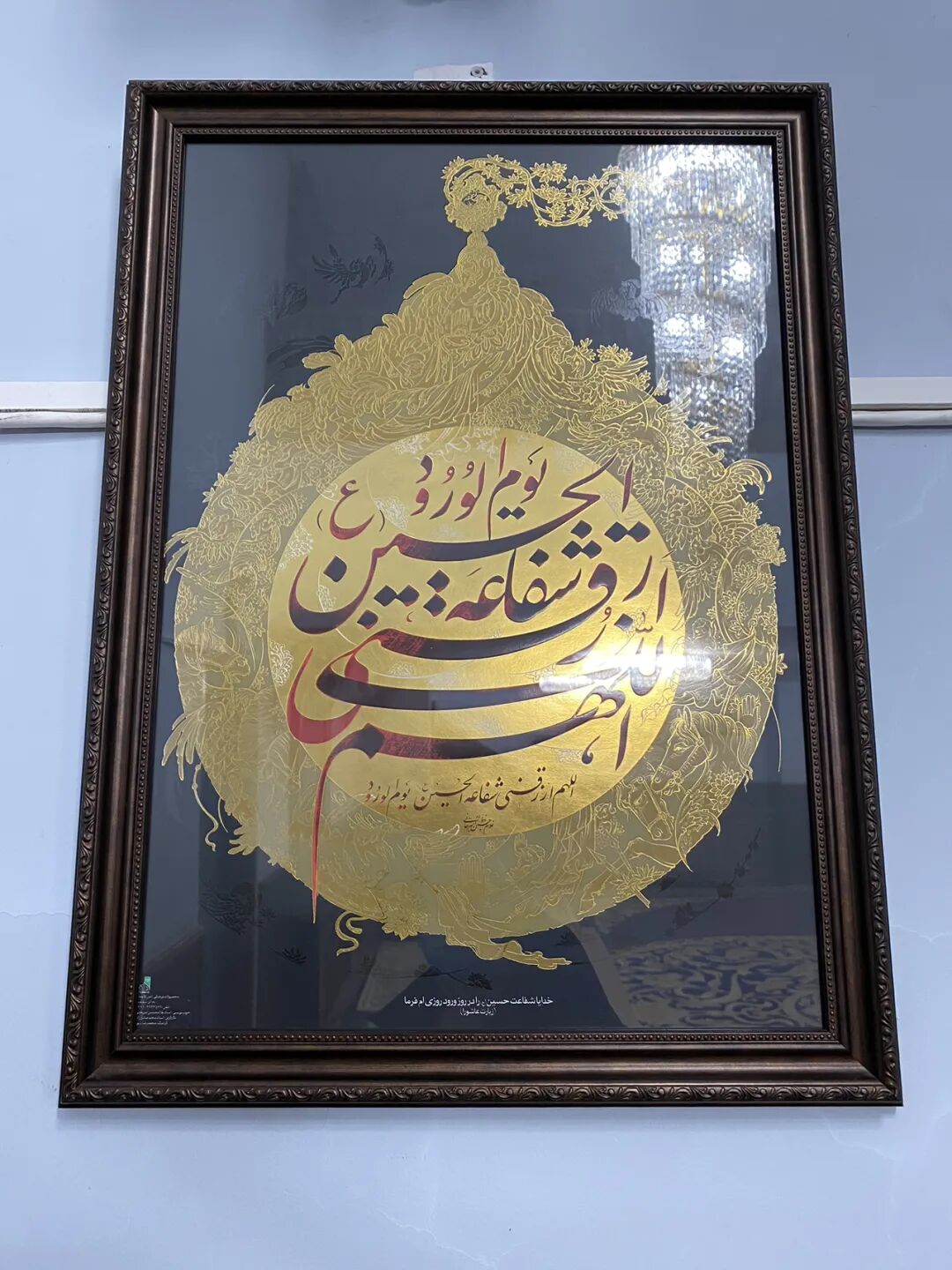
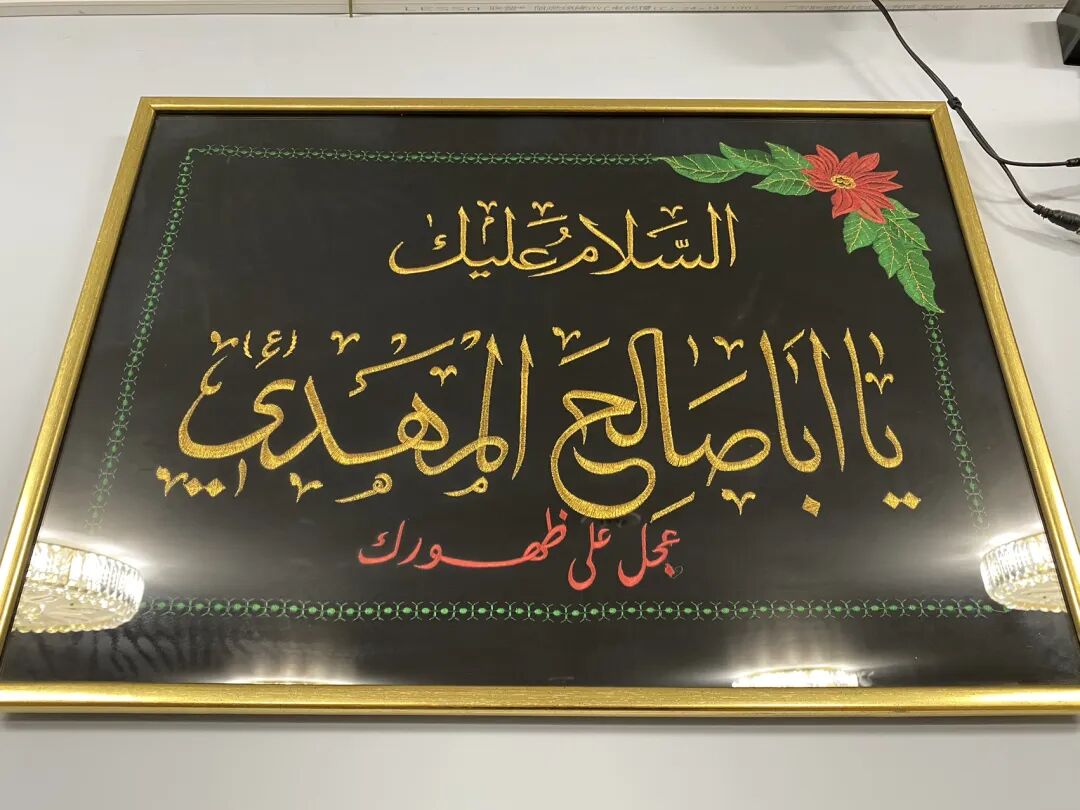
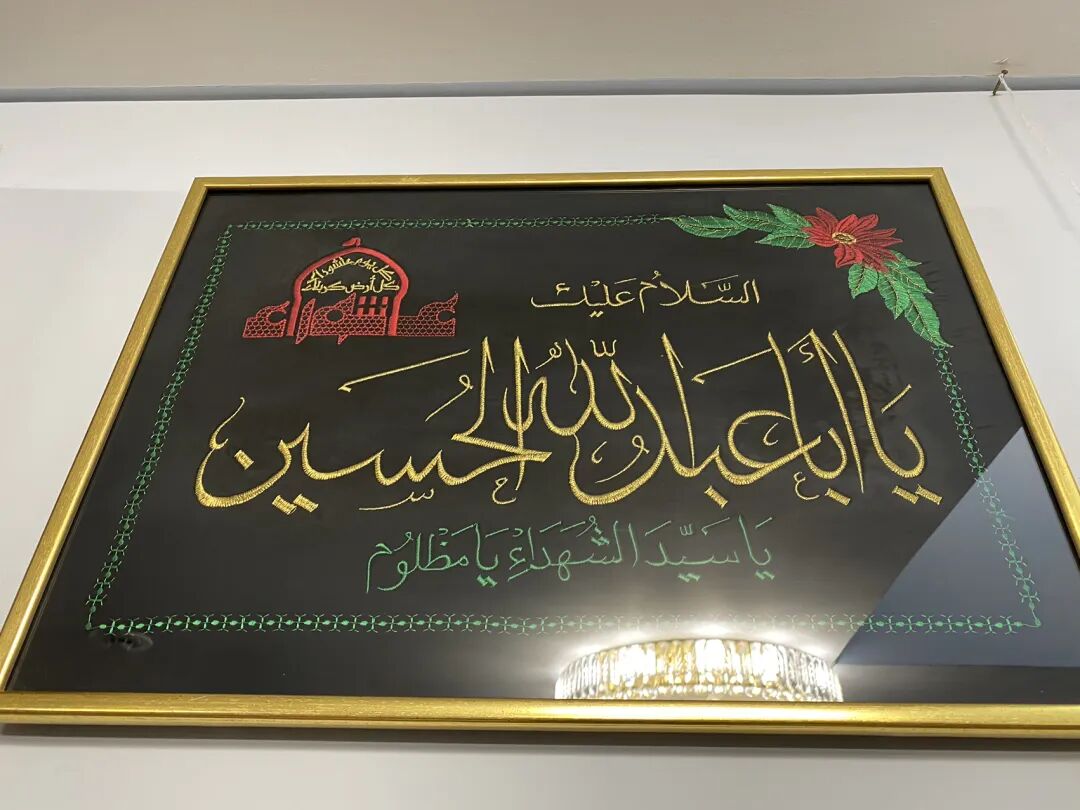
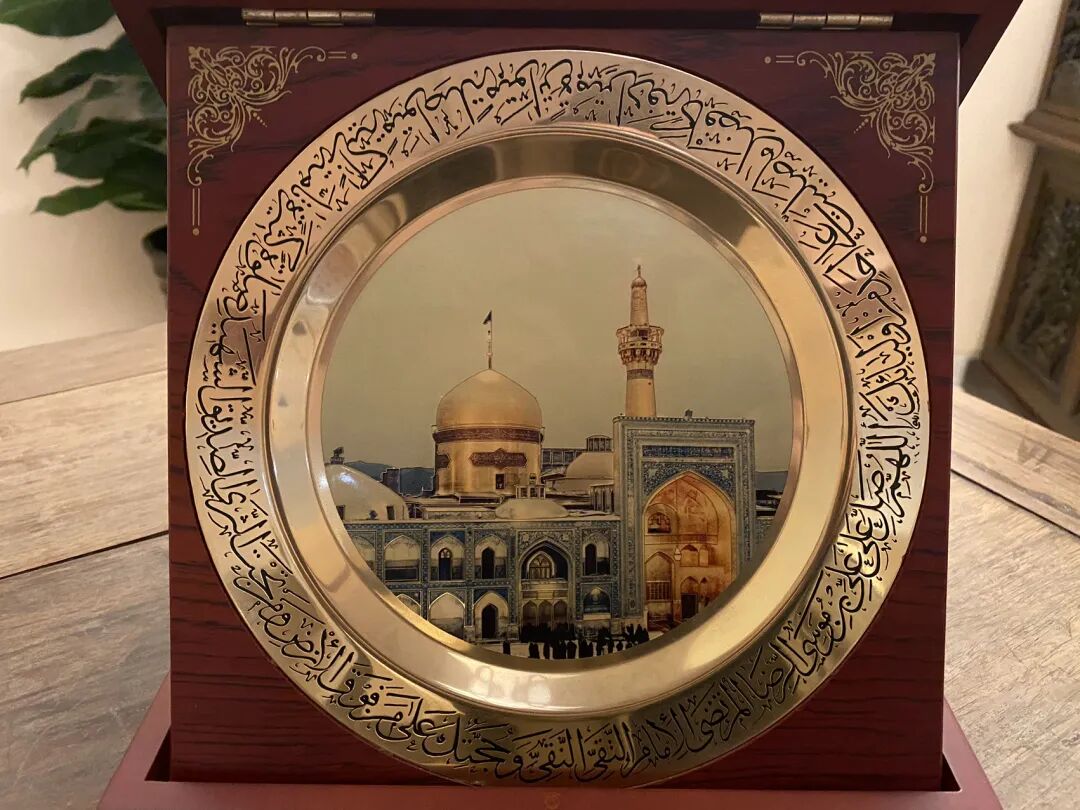
In the prayer hall of the Iranian embassy, you can see the clay tablets (turbah) that are characteristic of the Shia tradition. The turbah is also called a mohr. Because Shia jurisprudence requires prostration to be performed on soil or natural materials, a turbah is usually used indoors. The most revered turbah is made from the soil of Karbala.
Embassy of Sudan in China
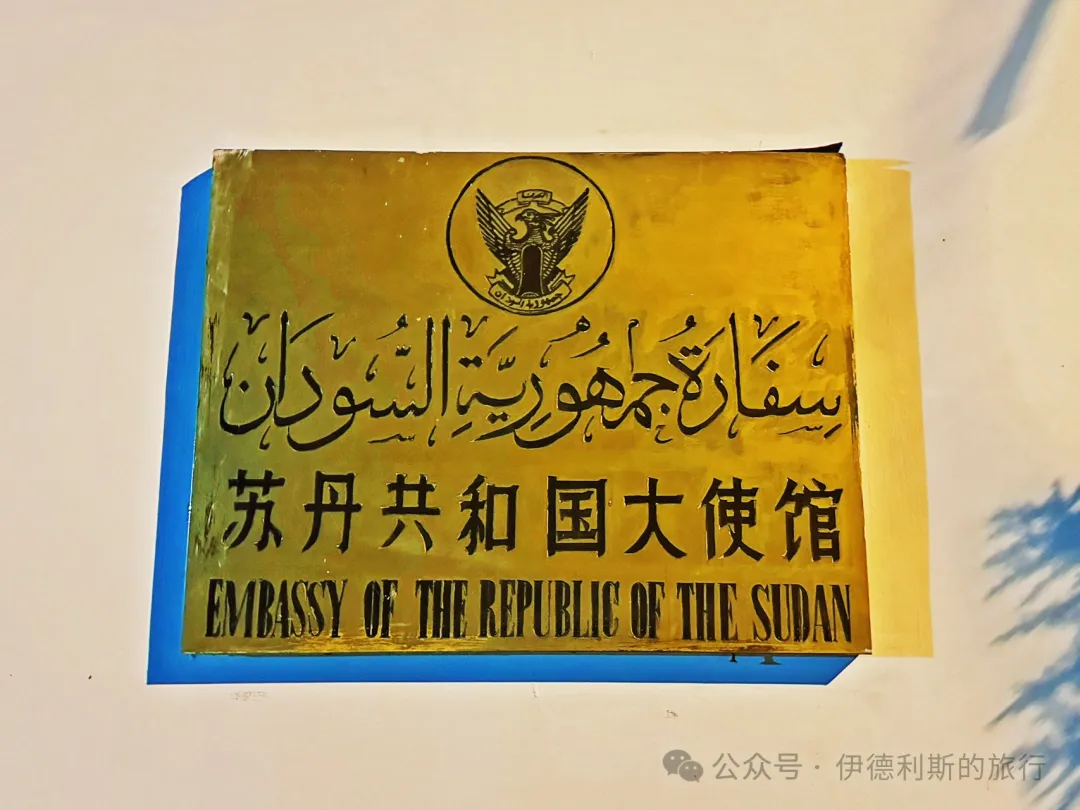
The Embassy of Sudan in China is located on East 2nd Street in Sanlitun, Beijing. Sudan and China established diplomatic relations in 1959. The embassy was built in 1971 and rebuilt into its current structure in 2006.
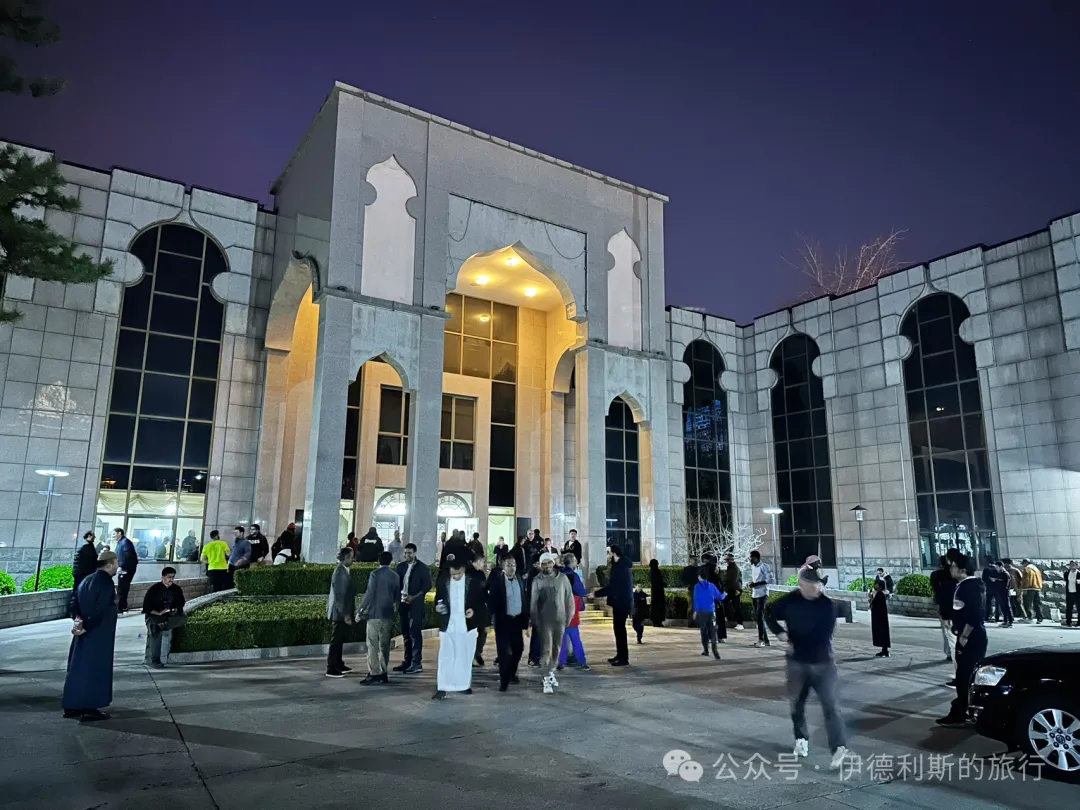
Every Ramadan, the prayer hall of the Sudanese embassy opens for foreign friends (dost) to perform Taraweeh prayers. I went in both 2024 and 2025.
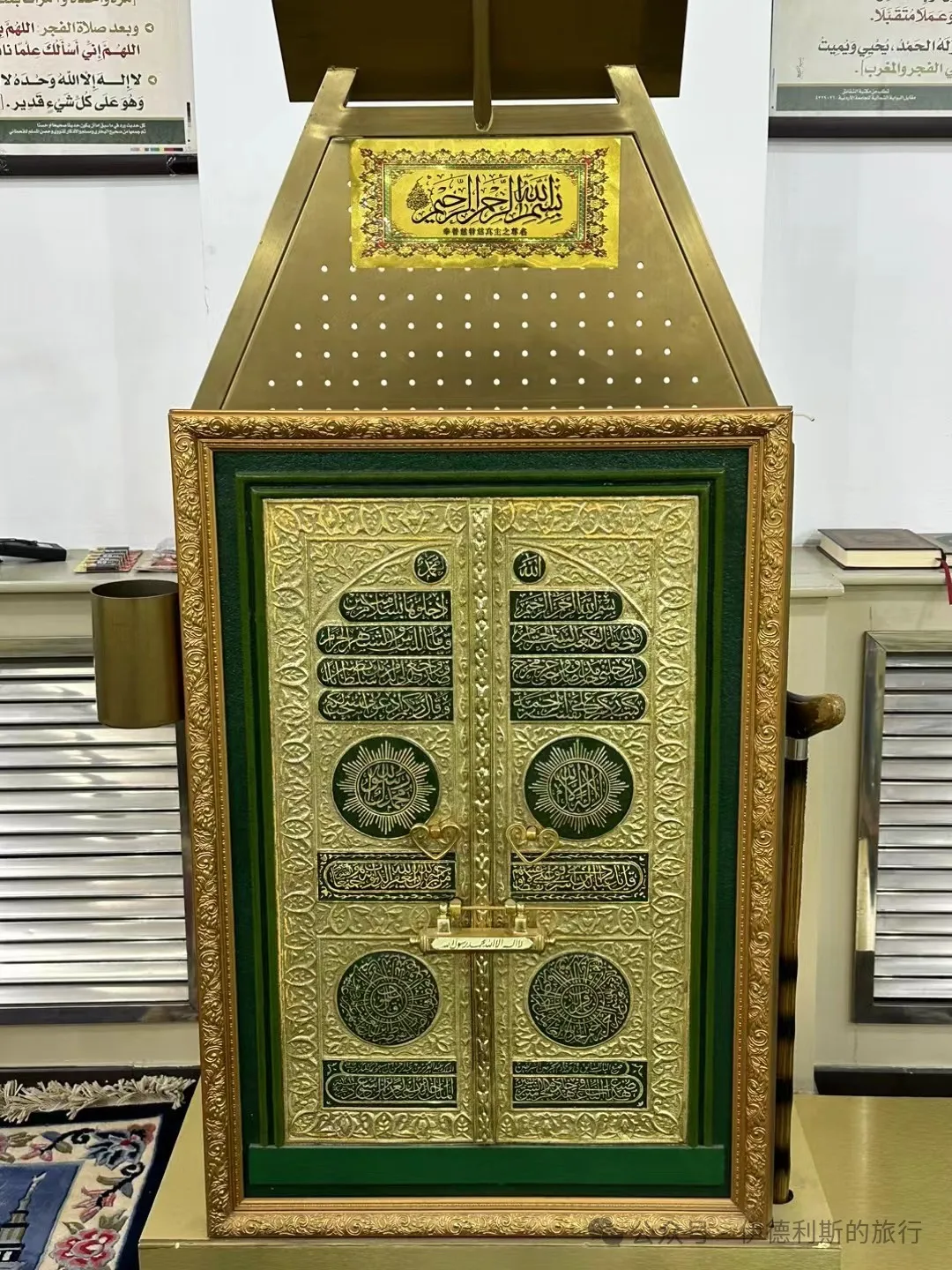
Sudan follows the Maliki school of thought, which is common across most of North and West Africa. It has many differences from the Hanafi school followed by Hui Muslims in China. The Taraweeh prayer at the Sudanese embassy consists of eight rak'ahs. A young Libyan hafiz specifically hired by the embassy leads the first four rak'ahs, followed by a sermon (wa'z) from the Sudanese imam, and then the Sudanese imam leads the final four rak'ahs. During the third rak'ah of the Witr dua, people raise their hands to recite a long dua, and there is another sermon (wa'z) after the dua. I think it is a rare opportunity to come here every year to experience a different religious and cultural atmosphere.
In the 15th and 16th centuries, Sufi sages began spreading the faith along the upper reaches of the Nile River toward the Sudan region. In the early 16th century, the Funj Sultanate, which ruled Sudan, had nominally converted to the faith but still retained traditions of witchcraft and sacrifice. In 1718, the Funj Sultanate underwent a change of dynasty, which led to a pursuit of more orthodox religious practices and the beginning of Arabization. By the 19th century, Sudan had become a region that practiced orthodox Sunni Islam and began using Arabic as a common language. Today, the vast majority of Sudanese people follow the Sunni Maliki school and are deeply influenced by Sufism.
Pakistan Embassy College Beijing
The Embassy of Pakistan in China is located on Dongzhimen Outer Street in Beijing and was built in 1951. The founder of the Pakistani embassy in China was the famous Pakistani writer and scholar Ahmed Ali, who gained international fame for his masterpiece, Twilight in Delhi. This book uses rich symbolic imagery to describe the changes in the Indian Muslim community under British colonial rule in the early 20th century.
Pakistan Embassy College Beijing is located inside the Pakistani embassy. It was opened in 1969 by Premier Zhou Enlai at the request of Pakistani Prime Minister Ayub Khan and was the first international school in Beijing. The college offers a full curriculum from kindergarten to high school. to the children of Pakistani expatriates and diplomats, the college enrolls international students from over 60 different countries and holds an International Cultural Day event every year.
In 2024, I attended the International Culture Day at the Pakistan Embassy College and performed namaz in the school's prayer hall. Pakistanis also mostly follow the Hanafi school of thought, so their movements are basically the same as ours. There was even a basket of prayer caps at the door, which matches our custom of wearing caps, unlike the Arabs or Iranians who do not have this practice.
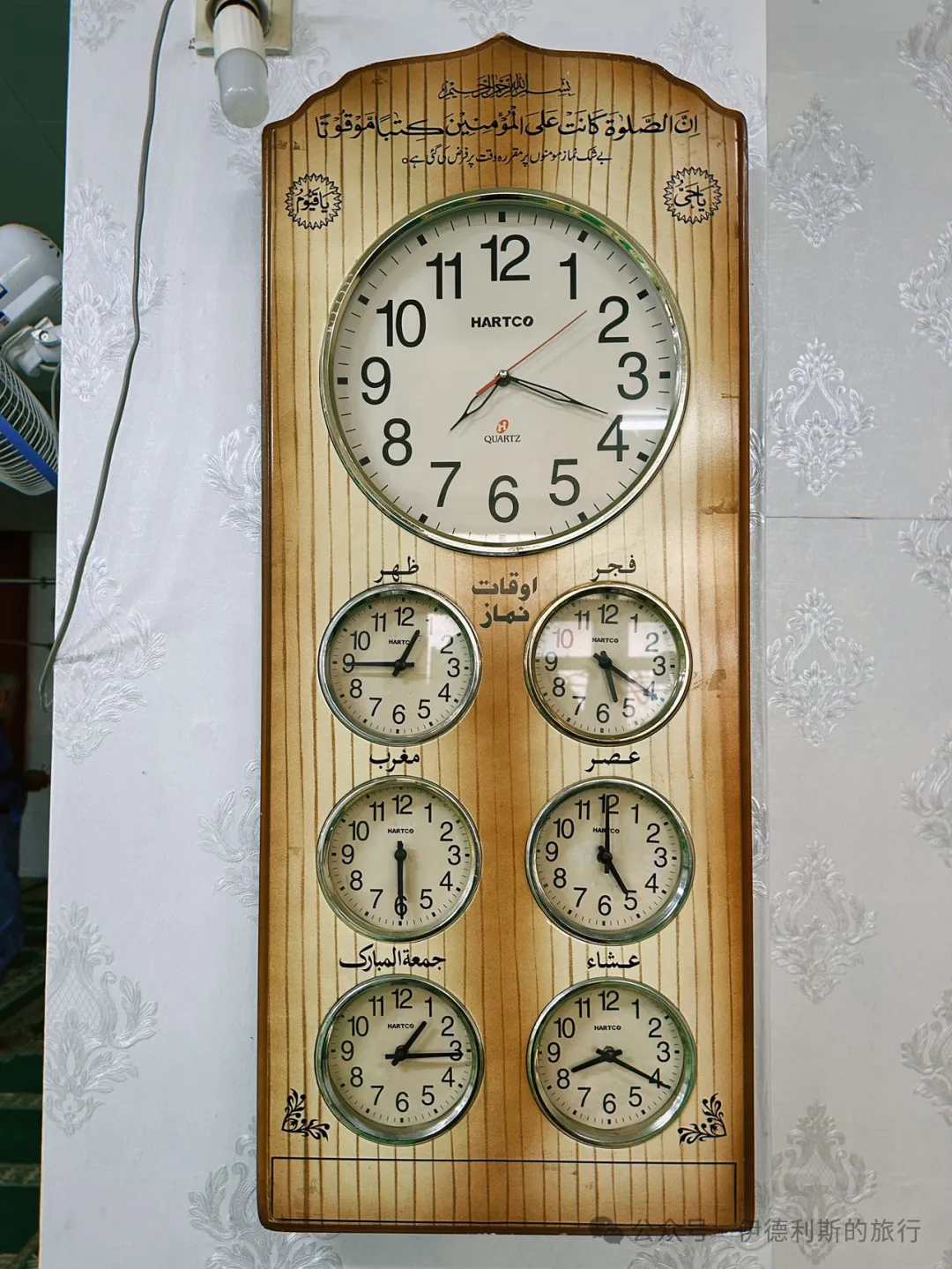
Summary: This Beijing embassy district account visits the prayer halls of the Iranian Embassy, Sudanese Embassy, and Pakistan Embassy College. It records diplomatic history, Shia turbah practice, Sudanese Taraweeh traditions, Maliki prayer customs, Pakistani community schooling, and mosque spaces inside the embassy area.
Embassy of Iran in China
The Embassy of Iran in China is located on East 6th Street in Sanlitun, Beijing, and was built in 1972. In 1971, Princess Ashraf and Princess Fatemeh of the Pahlavi dynasty of Iran visited China. The two countries officially established diplomatic relations on August 16 of that year, and the Iranian embassy was completed in 1972.
In the prayer hall of the Iranian embassy, you can see the clay tablets (turbah) that are characteristic of the Shia tradition. The turbah is also called a mohr. Because Shia jurisprudence requires prostration to be performed on soil or natural materials, a turbah is usually used indoors. The most revered turbah is made from the soil of Karbala.
Embassy of Sudan in China
The Embassy of Sudan in China is located on East 2nd Street in Sanlitun, Beijing. Sudan and China established diplomatic relations in 1959. The embassy was built in 1971 and rebuilt into its current structure in 2006.
Every Ramadan, the prayer hall of the Sudanese embassy opens for foreign friends (dost) to perform Taraweeh prayers. I went in both 2024 and 2025.
Sudan follows the Maliki school of thought, which is common across most of North and West Africa. It has many differences from the Hanafi school followed by Hui Muslims in China. The Taraweeh prayer at the Sudanese embassy consists of eight rak'ahs. A young Libyan hafiz specifically hired by the embassy leads the first four rak'ahs, followed by a sermon (wa'z) from the Sudanese imam, and then the Sudanese imam leads the final four rak'ahs. During the third rak'ah of the Witr dua, people raise their hands to recite a long dua, and there is another sermon (wa'z) after the dua. I think it is a rare opportunity to come here every year to experience a different religious and cultural atmosphere.
In the 15th and 16th centuries, Sufi sages began spreading the faith along the upper reaches of the Nile River toward the Sudan region. In the early 16th century, the Funj Sultanate, which ruled Sudan, had nominally converted to the faith but still retained traditions of witchcraft and sacrifice. In 1718, the Funj Sultanate underwent a change of dynasty, which led to a pursuit of more orthodox religious practices and the beginning of Arabization. By the 19th century, Sudan had become a region that practiced orthodox Sunni Islam and began using Arabic as a common language. Today, the vast majority of Sudanese people follow the Sunni Maliki school and are deeply influenced by Sufism.
Pakistan Embassy College Beijing
The Embassy of Pakistan in China is located on Dongzhimen Outer Street in Beijing and was built in 1951. The founder of the Pakistani embassy in China was the famous Pakistani writer and scholar Ahmed Ali, who gained international fame for his masterpiece, Twilight in Delhi. This book uses rich symbolic imagery to describe the changes in the Indian Muslim community under British colonial rule in the early 20th century.
Pakistan Embassy College Beijing is located inside the Pakistani embassy. It was opened in 1969 by Premier Zhou Enlai at the request of Pakistani Prime Minister Ayub Khan and was the first international school in Beijing. The college offers a full curriculum from kindergarten to high school. to the children of Pakistani expatriates and diplomats, the college enrolls international students from over 60 different countries and holds an International Cultural Day event every year.
In 2024, I attended the International Culture Day at the Pakistan Embassy College and performed namaz in the school's prayer hall. Pakistanis also mostly follow the Hanafi school of thought, so their movements are basically the same as ours. There was even a basket of prayer caps at the door, which matches our custom of wearing caps, unlike the Arabs or Iranians who do not have this practice.
Halal Travel Guide: Beijing - Embassy Prayer Halls of Iran, Sudan and Pakistan
Articles • ali2007fr posted the article • 0 comments • 245 views • 2026-05-20 09:38
Reposted from the web
Summary: This Beijing embassy district account visits the prayer halls of the Iranian Embassy, Sudanese Embassy, and Pakistan Embassy College. It records diplomatic history, Shia turbah practice, Sudanese Taraweeh traditions, Maliki prayer customs, Pakistani community schooling, and mosque spaces inside the embassy area.
Embassy of Iran in China
The Embassy of Iran in China is located on East 6th Street in Sanlitun, Beijing, and was built in 1972. In 1971, Princess Ashraf and Princess Fatemeh of the Pahlavi dynasty of Iran visited China. The two countries officially established diplomatic relations on August 16 of that year, and the Iranian embassy was completed in 1972.
In the prayer hall of the Iranian embassy, you can see the clay tablets (turbah) that are characteristic of the Shia tradition. The turbah is also called a mohr. Because Shia jurisprudence requires prostration to be performed on soil or natural materials, a turbah is usually used indoors. The most revered turbah is made from the soil of Karbala.
Embassy of Sudan in China
The Embassy of Sudan in China is located on East 2nd Street in Sanlitun, Beijing. Sudan and China established diplomatic relations in 1959. The embassy was built in 1971 and rebuilt into its current structure in 2006.
Every Ramadan, the prayer hall of the Sudanese embassy opens for foreign friends (dost) to perform Taraweeh prayers. I went in both 2024 and 2025.
Sudan follows the Maliki school of thought, which is common across most of North and West Africa. It has many differences from the Hanafi school followed by Hui Muslims in China. The Taraweeh prayer at the Sudanese embassy consists of eight rak'ahs. A young Libyan hafiz specifically hired by the embassy leads the first four rak'ahs, followed by a sermon (wa'z) from the Sudanese imam, and then the Sudanese imam leads the final four rak'ahs. During the third rak'ah of the Witr dua, people raise their hands to recite a long dua, and there is another sermon (wa'z) after the dua. I think it is a rare opportunity to come here every year to experience a different religious and cultural atmosphere.
In the 15th and 16th centuries, Sufi sages began spreading the faith along the upper reaches of the Nile River toward the Sudan region. In the early 16th century, the Funj Sultanate, which ruled Sudan, had nominally converted to the faith but still retained traditions of witchcraft and sacrifice. In 1718, the Funj Sultanate underwent a change of dynasty, which led to a pursuit of more orthodox religious practices and the beginning of Arabization. By the 19th century, Sudan had become a region that practiced orthodox Sunni Islam and began using Arabic as a common language. Today, the vast majority of Sudanese people follow the Sunni Maliki school and are deeply influenced by Sufism.
Pakistan Embassy College Beijing
The Embassy of Pakistan in China is located on Dongzhimen Outer Street in Beijing and was built in 1951. The founder of the Pakistani embassy in China was the famous Pakistani writer and scholar Ahmed Ali, who gained international fame for his masterpiece, Twilight in Delhi. This book uses rich symbolic imagery to describe the changes in the Indian Muslim community under British colonial rule in the early 20th century.
Pakistan Embassy College Beijing is located inside the Pakistani embassy. It was opened in 1969 by Premier Zhou Enlai at the request of Pakistani Prime Minister Ayub Khan and was the first international school in Beijing. The college offers a full curriculum from kindergarten to high school. to the children of Pakistani expatriates and diplomats, the college enrolls international students from over 60 different countries and holds an International Cultural Day event every year.
In 2024, I attended the International Culture Day at the Pakistan Embassy College and performed namaz in the school's prayer hall. Pakistanis also mostly follow the Hanafi school of thought, so their movements are basically the same as ours. There was even a basket of prayer caps at the door, which matches our custom of wearing caps, unlike the Arabs or Iranians who do not have this practice. view all
Summary: This Beijing embassy district account visits the prayer halls of the Iranian Embassy, Sudanese Embassy, and Pakistan Embassy College. It records diplomatic history, Shia turbah practice, Sudanese Taraweeh traditions, Maliki prayer customs, Pakistani community schooling, and mosque spaces inside the embassy area.
Embassy of Iran in China
The Embassy of Iran in China is located on East 6th Street in Sanlitun, Beijing, and was built in 1972. In 1971, Princess Ashraf and Princess Fatemeh of the Pahlavi dynasty of Iran visited China. The two countries officially established diplomatic relations on August 16 of that year, and the Iranian embassy was completed in 1972.
In the prayer hall of the Iranian embassy, you can see the clay tablets (turbah) that are characteristic of the Shia tradition. The turbah is also called a mohr. Because Shia jurisprudence requires prostration to be performed on soil or natural materials, a turbah is usually used indoors. The most revered turbah is made from the soil of Karbala.
Embassy of Sudan in China
The Embassy of Sudan in China is located on East 2nd Street in Sanlitun, Beijing. Sudan and China established diplomatic relations in 1959. The embassy was built in 1971 and rebuilt into its current structure in 2006.
Every Ramadan, the prayer hall of the Sudanese embassy opens for foreign friends (dost) to perform Taraweeh prayers. I went in both 2024 and 2025.
Sudan follows the Maliki school of thought, which is common across most of North and West Africa. It has many differences from the Hanafi school followed by Hui Muslims in China. The Taraweeh prayer at the Sudanese embassy consists of eight rak'ahs. A young Libyan hafiz specifically hired by the embassy leads the first four rak'ahs, followed by a sermon (wa'z) from the Sudanese imam, and then the Sudanese imam leads the final four rak'ahs. During the third rak'ah of the Witr dua, people raise their hands to recite a long dua, and there is another sermon (wa'z) after the dua. I think it is a rare opportunity to come here every year to experience a different religious and cultural atmosphere.
In the 15th and 16th centuries, Sufi sages began spreading the faith along the upper reaches of the Nile River toward the Sudan region. In the early 16th century, the Funj Sultanate, which ruled Sudan, had nominally converted to the faith but still retained traditions of witchcraft and sacrifice. In 1718, the Funj Sultanate underwent a change of dynasty, which led to a pursuit of more orthodox religious practices and the beginning of Arabization. By the 19th century, Sudan had become a region that practiced orthodox Sunni Islam and began using Arabic as a common language. Today, the vast majority of Sudanese people follow the Sunni Maliki school and are deeply influenced by Sufism.
Pakistan Embassy College Beijing
The Embassy of Pakistan in China is located on Dongzhimen Outer Street in Beijing and was built in 1951. The founder of the Pakistani embassy in China was the famous Pakistani writer and scholar Ahmed Ali, who gained international fame for his masterpiece, Twilight in Delhi. This book uses rich symbolic imagery to describe the changes in the Indian Muslim community under British colonial rule in the early 20th century.
Pakistan Embassy College Beijing is located inside the Pakistani embassy. It was opened in 1969 by Premier Zhou Enlai at the request of Pakistani Prime Minister Ayub Khan and was the first international school in Beijing. The college offers a full curriculum from kindergarten to high school. to the children of Pakistani expatriates and diplomats, the college enrolls international students from over 60 different countries and holds an International Cultural Day event every year.
In 2024, I attended the International Culture Day at the Pakistan Embassy College and performed namaz in the school's prayer hall. Pakistanis also mostly follow the Hanafi school of thought, so their movements are basically the same as ours. There was even a basket of prayer caps at the door, which matches our custom of wearing caps, unlike the Arabs or Iranians who do not have this practice. view all
Reposted from the web
Summary: This Beijing embassy district account visits the prayer halls of the Iranian Embassy, Sudanese Embassy, and Pakistan Embassy College. It records diplomatic history, Shia turbah practice, Sudanese Taraweeh traditions, Maliki prayer customs, Pakistani community schooling, and mosque spaces inside the embassy area.
Embassy of Iran in China
The Embassy of Iran in China is located on East 6th Street in Sanlitun, Beijing, and was built in 1972. In 1971, Princess Ashraf and Princess Fatemeh of the Pahlavi dynasty of Iran visited China. The two countries officially established diplomatic relations on August 16 of that year, and the Iranian embassy was completed in 1972.
In the prayer hall of the Iranian embassy, you can see the clay tablets (turbah) that are characteristic of the Shia tradition. The turbah is also called a mohr. Because Shia jurisprudence requires prostration to be performed on soil or natural materials, a turbah is usually used indoors. The most revered turbah is made from the soil of Karbala.
Embassy of Sudan in China
The Embassy of Sudan in China is located on East 2nd Street in Sanlitun, Beijing. Sudan and China established diplomatic relations in 1959. The embassy was built in 1971 and rebuilt into its current structure in 2006.
Every Ramadan, the prayer hall of the Sudanese embassy opens for foreign friends (dost) to perform Taraweeh prayers. I went in both 2024 and 2025.
Sudan follows the Maliki school of thought, which is common across most of North and West Africa. It has many differences from the Hanafi school followed by Hui Muslims in China. The Taraweeh prayer at the Sudanese embassy consists of eight rak'ahs. A young Libyan hafiz specifically hired by the embassy leads the first four rak'ahs, followed by a sermon (wa'z) from the Sudanese imam, and then the Sudanese imam leads the final four rak'ahs. During the third rak'ah of the Witr dua, people raise their hands to recite a long dua, and there is another sermon (wa'z) after the dua. I think it is a rare opportunity to come here every year to experience a different religious and cultural atmosphere.
In the 15th and 16th centuries, Sufi sages began spreading the faith along the upper reaches of the Nile River toward the Sudan region. In the early 16th century, the Funj Sultanate, which ruled Sudan, had nominally converted to the faith but still retained traditions of witchcraft and sacrifice. In 1718, the Funj Sultanate underwent a change of dynasty, which led to a pursuit of more orthodox religious practices and the beginning of Arabization. By the 19th century, Sudan had become a region that practiced orthodox Sunni Islam and began using Arabic as a common language. Today, the vast majority of Sudanese people follow the Sunni Maliki school and are deeply influenced by Sufism.
Pakistan Embassy College Beijing
The Embassy of Pakistan in China is located on Dongzhimen Outer Street in Beijing and was built in 1951. The founder of the Pakistani embassy in China was the famous Pakistani writer and scholar Ahmed Ali, who gained international fame for his masterpiece, Twilight in Delhi. This book uses rich symbolic imagery to describe the changes in the Indian Muslim community under British colonial rule in the early 20th century.
Pakistan Embassy College Beijing is located inside the Pakistani embassy. It was opened in 1969 by Premier Zhou Enlai at the request of Pakistani Prime Minister Ayub Khan and was the first international school in Beijing. The college offers a full curriculum from kindergarten to high school. to the children of Pakistani expatriates and diplomats, the college enrolls international students from over 60 different countries and holds an International Cultural Day event every year.
In 2024, I attended the International Culture Day at the Pakistan Embassy College and performed namaz in the school's prayer hall. Pakistanis also mostly follow the Hanafi school of thought, so their movements are basically the same as ours. There was even a basket of prayer caps at the door, which matches our custom of wearing caps, unlike the Arabs or Iranians who do not have this practice.
Summary: This Beijing embassy district account visits the prayer halls of the Iranian Embassy, Sudanese Embassy, and Pakistan Embassy College. It records diplomatic history, Shia turbah practice, Sudanese Taraweeh traditions, Maliki prayer customs, Pakistani community schooling, and mosque spaces inside the embassy area.
Embassy of Iran in China
The Embassy of Iran in China is located on East 6th Street in Sanlitun, Beijing, and was built in 1972. In 1971, Princess Ashraf and Princess Fatemeh of the Pahlavi dynasty of Iran visited China. The two countries officially established diplomatic relations on August 16 of that year, and the Iranian embassy was completed in 1972.
In the prayer hall of the Iranian embassy, you can see the clay tablets (turbah) that are characteristic of the Shia tradition. The turbah is also called a mohr. Because Shia jurisprudence requires prostration to be performed on soil or natural materials, a turbah is usually used indoors. The most revered turbah is made from the soil of Karbala.
Embassy of Sudan in China
The Embassy of Sudan in China is located on East 2nd Street in Sanlitun, Beijing. Sudan and China established diplomatic relations in 1959. The embassy was built in 1971 and rebuilt into its current structure in 2006.
Every Ramadan, the prayer hall of the Sudanese embassy opens for foreign friends (dost) to perform Taraweeh prayers. I went in both 2024 and 2025.
Sudan follows the Maliki school of thought, which is common across most of North and West Africa. It has many differences from the Hanafi school followed by Hui Muslims in China. The Taraweeh prayer at the Sudanese embassy consists of eight rak'ahs. A young Libyan hafiz specifically hired by the embassy leads the first four rak'ahs, followed by a sermon (wa'z) from the Sudanese imam, and then the Sudanese imam leads the final four rak'ahs. During the third rak'ah of the Witr dua, people raise their hands to recite a long dua, and there is another sermon (wa'z) after the dua. I think it is a rare opportunity to come here every year to experience a different religious and cultural atmosphere.
In the 15th and 16th centuries, Sufi sages began spreading the faith along the upper reaches of the Nile River toward the Sudan region. In the early 16th century, the Funj Sultanate, which ruled Sudan, had nominally converted to the faith but still retained traditions of witchcraft and sacrifice. In 1718, the Funj Sultanate underwent a change of dynasty, which led to a pursuit of more orthodox religious practices and the beginning of Arabization. By the 19th century, Sudan had become a region that practiced orthodox Sunni Islam and began using Arabic as a common language. Today, the vast majority of Sudanese people follow the Sunni Maliki school and are deeply influenced by Sufism.
Pakistan Embassy College Beijing
The Embassy of Pakistan in China is located on Dongzhimen Outer Street in Beijing and was built in 1951. The founder of the Pakistani embassy in China was the famous Pakistani writer and scholar Ahmed Ali, who gained international fame for his masterpiece, Twilight in Delhi. This book uses rich symbolic imagery to describe the changes in the Indian Muslim community under British colonial rule in the early 20th century.
Pakistan Embassy College Beijing is located inside the Pakistani embassy. It was opened in 1969 by Premier Zhou Enlai at the request of Pakistani Prime Minister Ayub Khan and was the first international school in Beijing. The college offers a full curriculum from kindergarten to high school. to the children of Pakistani expatriates and diplomats, the college enrolls international students from over 60 different countries and holds an International Cultural Day event every year.
In 2024, I attended the International Culture Day at the Pakistan Embassy College and performed namaz in the school's prayer hall. Pakistanis also mostly follow the Hanafi school of thought, so their movements are basically the same as ours. There was even a basket of prayer caps at the door, which matches our custom of wearing caps, unlike the Arabs or Iranians who do not have this practice.