

Rabat Cemetery
Exploring the Massive Muslim Cemetery in Rabat, Morocco: Islamic Funeral Traditions & Life Philosophy by the Atlantic Ocean
Articles • Hasan09 posted the article • 0 comments • 6 views • 54 minutes ago
Dive into 17 stunning photos exploring the colossal 150,000-square-meter Muslim cemetery situated right on the Atlantic coast of Rabat, Morocco's capital. This firsthand account documents the solemn rows of tombstones, all uniformly facing the sacred Kaaba in Mecca, and offers a deep dive into traditional Islamic funeral customs—from washing and anointing the deceased to wrapping them in white cloth and adhering to principles of simple, swift burial—and the profound philosophy of life and death behind them.
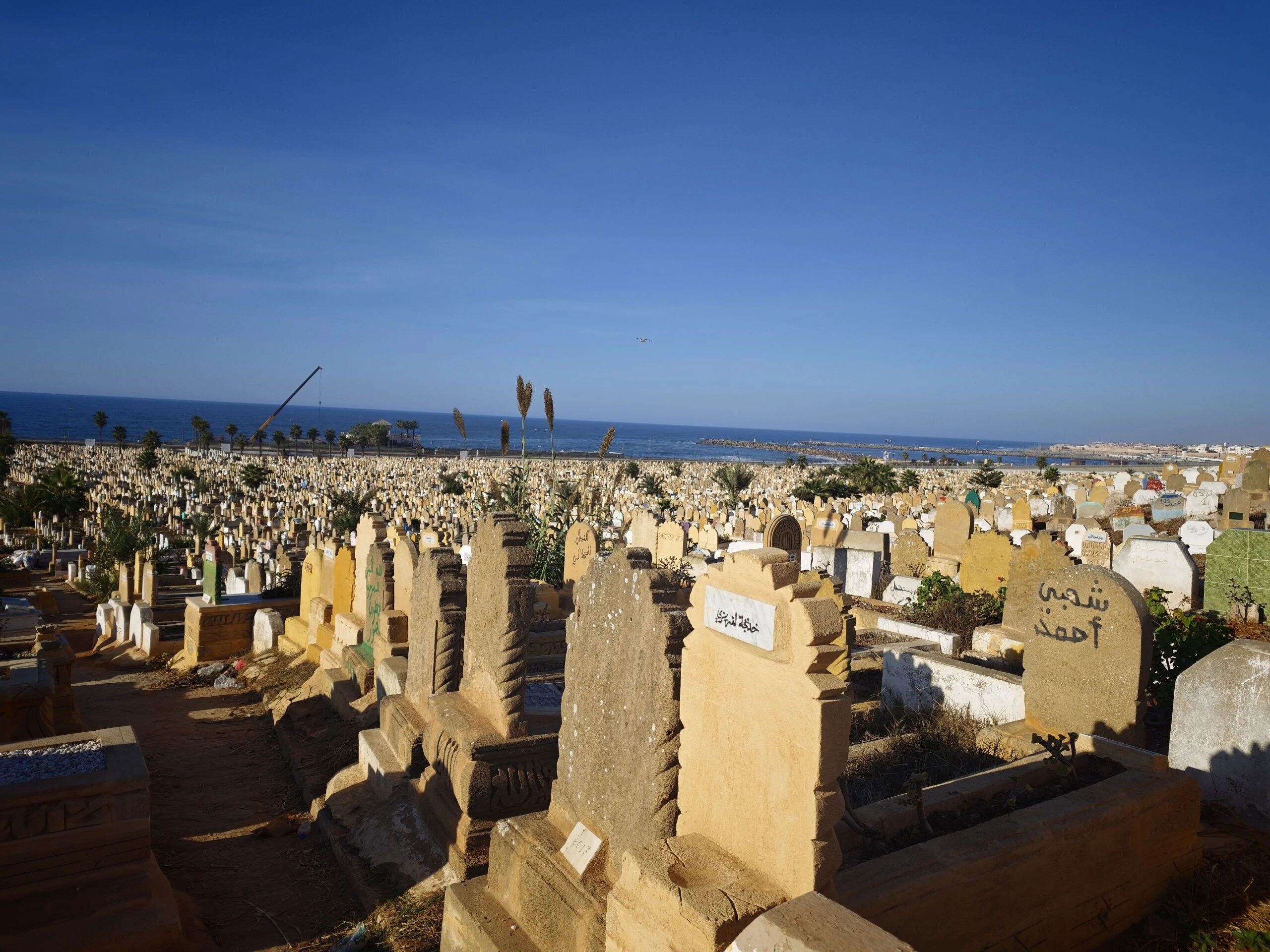
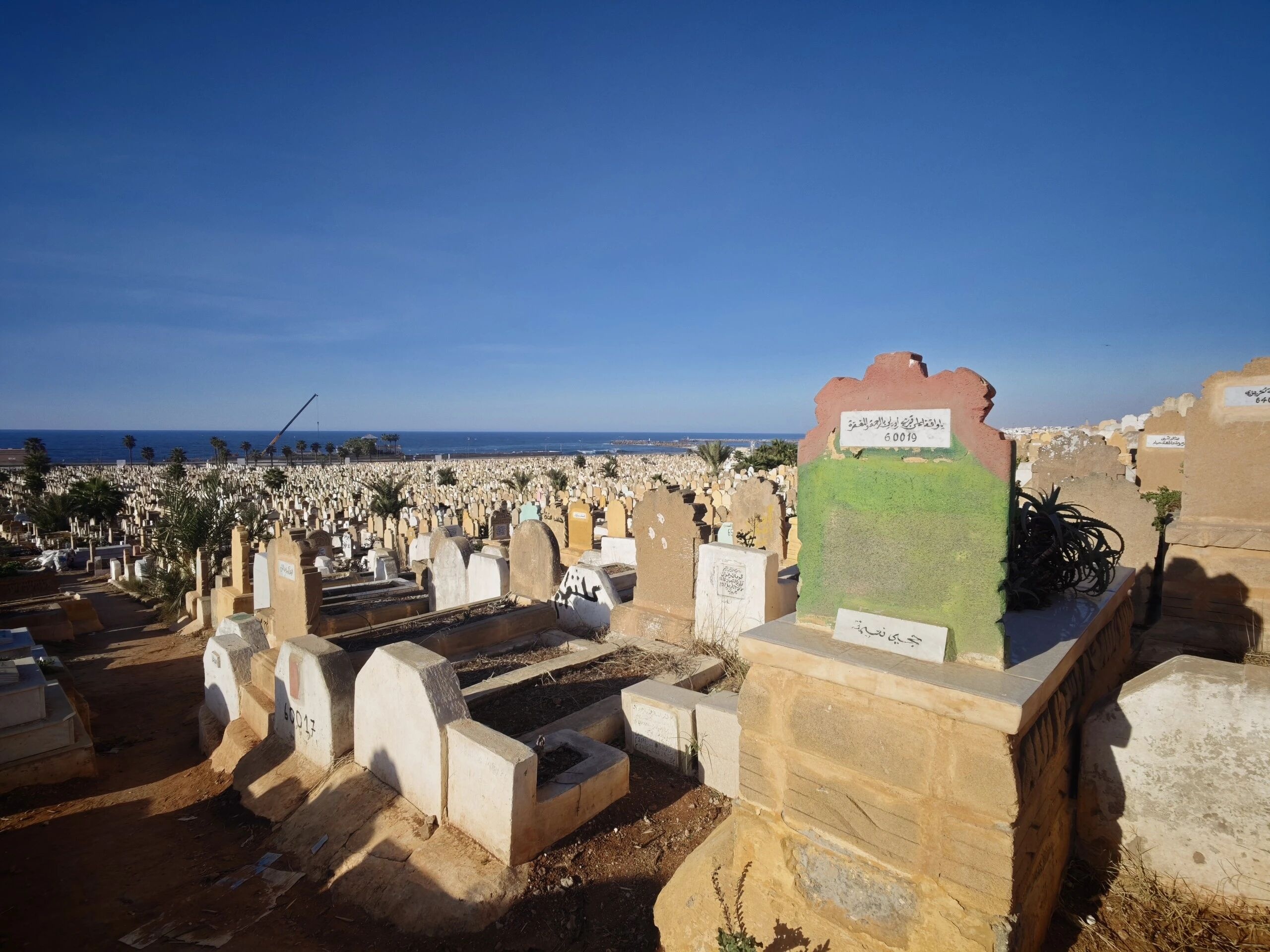
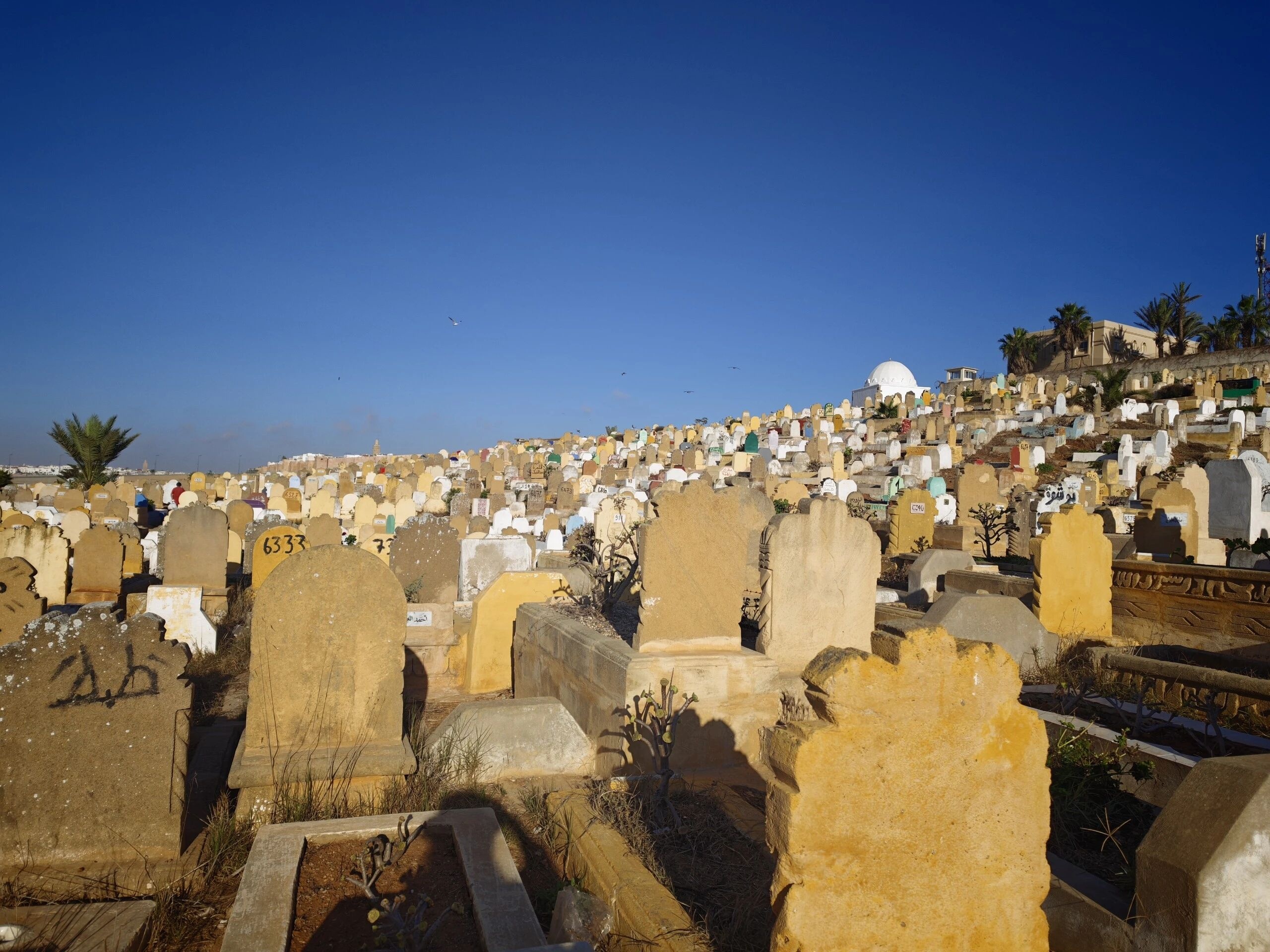
In Rabat, Morocco's capital, I saw the biggest Muslim cemetery I'd ever seen in my life. This cemetery is right by the Atlantic Ocean and spans 150,000 square meters—that's roughly the size of 21 soccer fields. Just guessing from the tombstone numbers, I'd say tens of thousands of people are laid to rest here.
Almost all the tombstones face the exact same direction. When Muslims are buried, the body is usually laid on its side, with the face pointing towards the Kaaba in Mecca, not facing upwards. So, the overall layout of a cemetery often shows you the local direction of prayer.
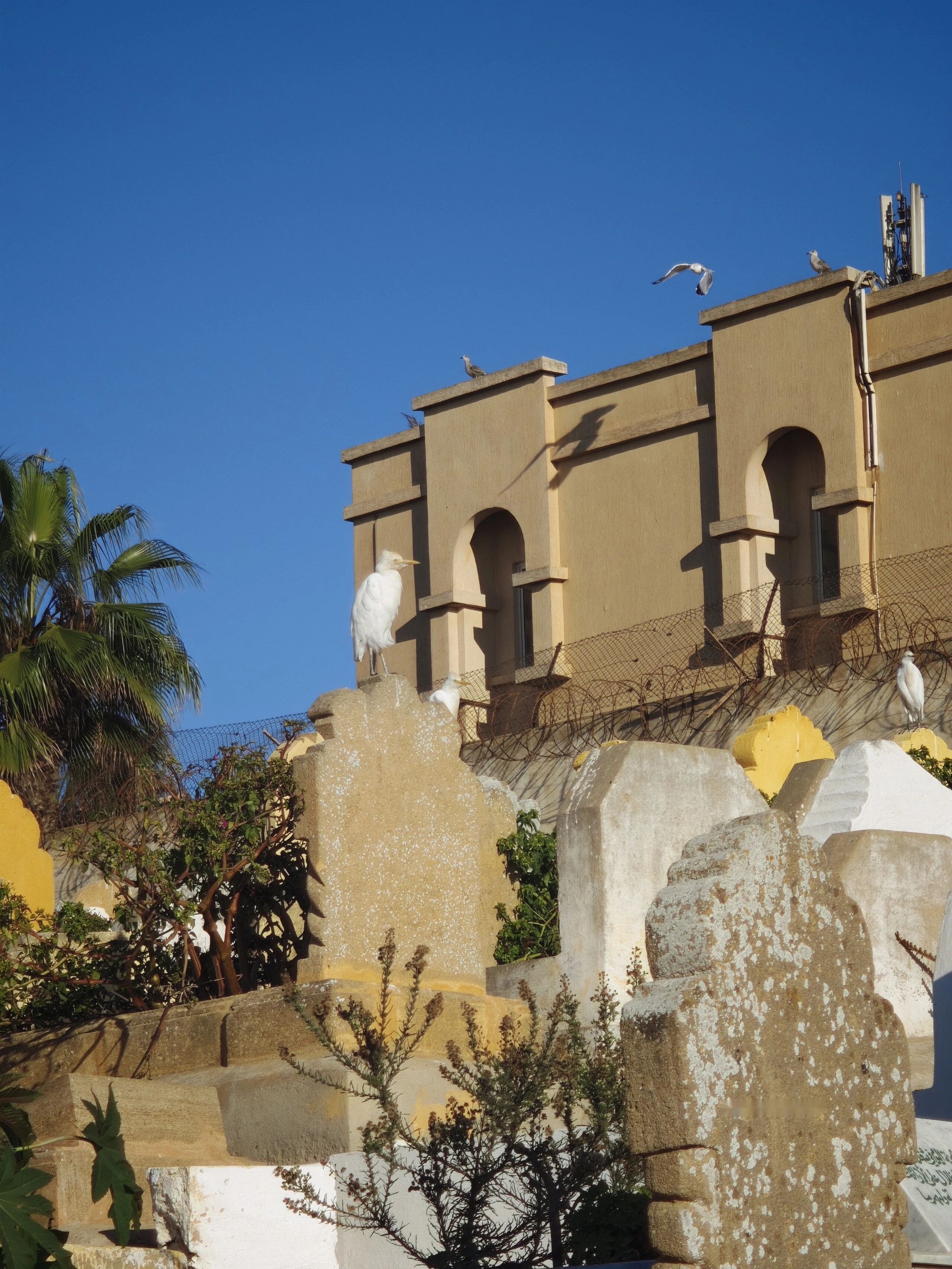
I walked through the densely packed cemetery under the scorching sun, and in this place full of birds, I met a devout Muslim wearing a black robe. He told me that when a Muslim passes away, people wash their body, anoint it with perfumes, and then wrap it in white cloth. They're usually laid on their right side, facing Mecca. Death isn't the end of life; it's a journey from this world to the afterlife.
I've traveled through over 100 countries, crossed Eurasia on a motorcycle, and published books titled 'Dear, This Isn't Just a Trip' and 'Love is a Story-Filled Journey'.
I hope to share all the sights and stories from my travels with everyone who loves exploring new places.
Follow 'Love is a Story-Filled Journey,' and let's discover those places around the world that are worth taking your time with and truly pondering. view all
Dive into 17 stunning photos exploring the colossal 150,000-square-meter Muslim cemetery situated right on the Atlantic coast of Rabat, Morocco's capital. This firsthand account documents the solemn rows of tombstones, all uniformly facing the sacred Kaaba in Mecca, and offers a deep dive into traditional Islamic funeral customs—from washing and anointing the deceased to wrapping them in white cloth and adhering to principles of simple, swift burial—and the profound philosophy of life and death behind them.
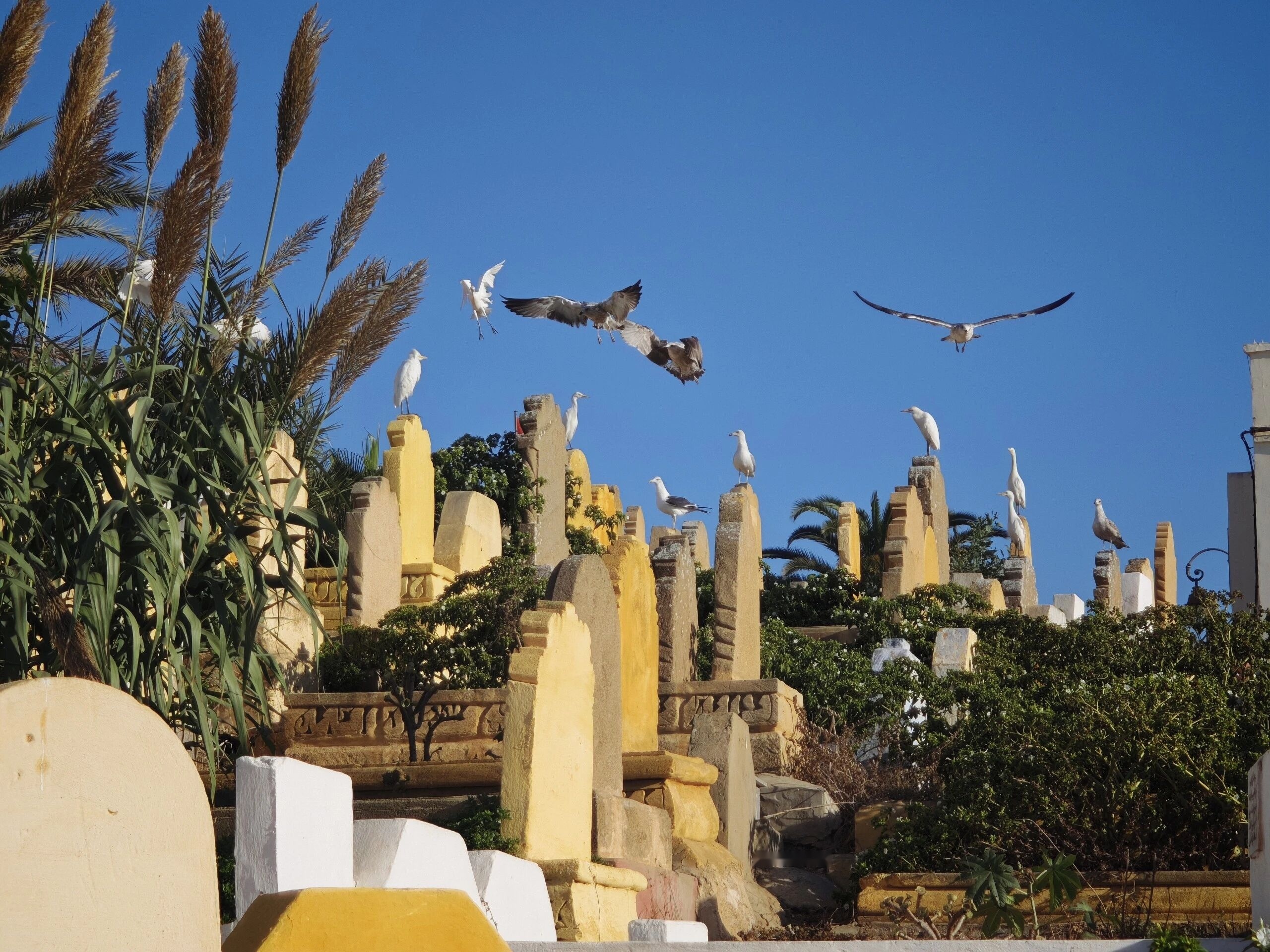
In Rabat, Morocco's capital, I saw the biggest Muslim cemetery I'd ever seen in my life. This cemetery is right by the Atlantic Ocean and spans 150,000 square meters—that's roughly the size of 21 soccer fields. Just guessing from the tombstone numbers, I'd say tens of thousands of people are laid to rest here.
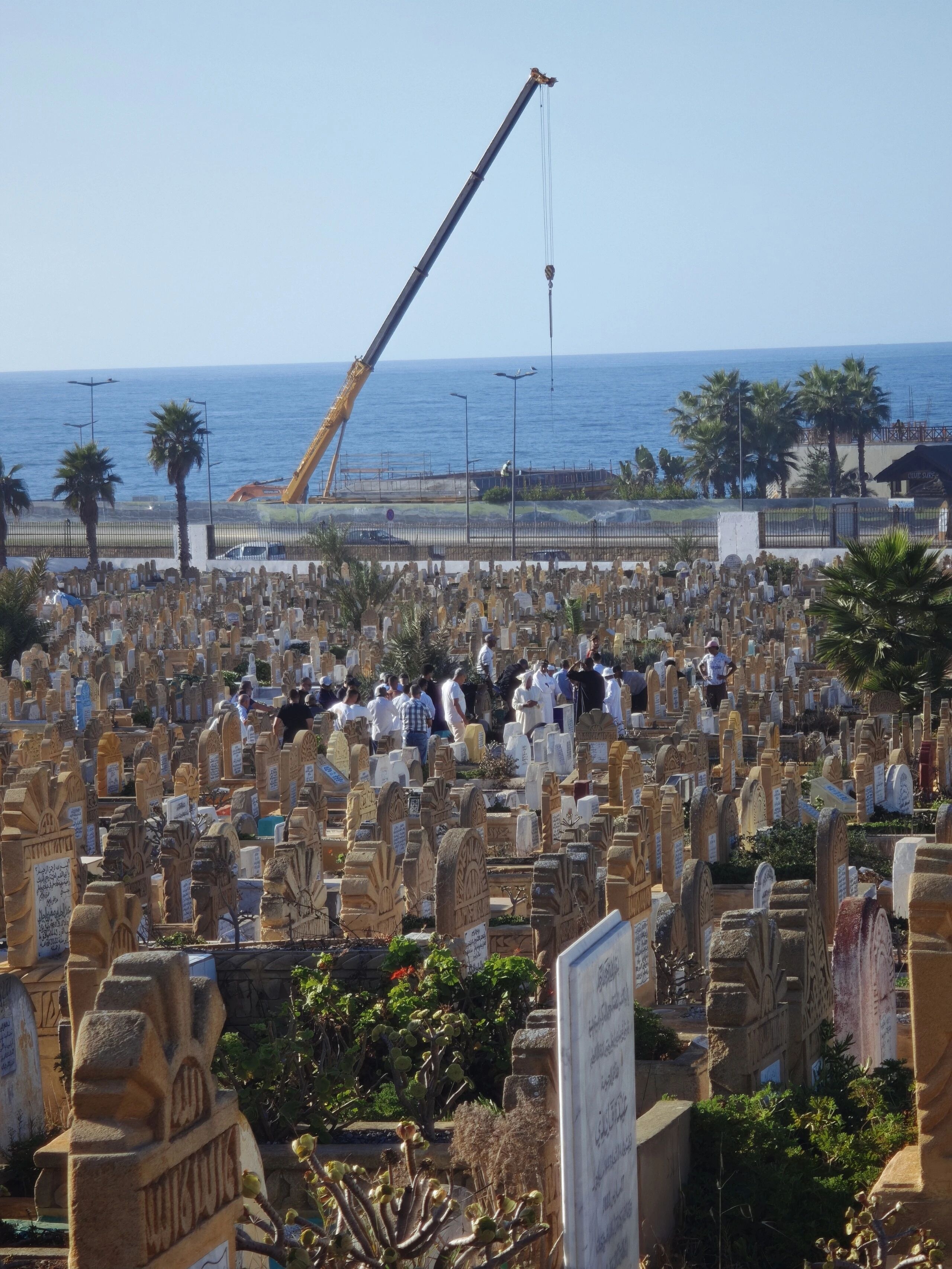
Almost all the tombstones face the exact same direction. When Muslims are buried, the body is usually laid on its side, with the face pointing towards the Kaaba in Mecca, not facing upwards. So, the overall layout of a cemetery often shows you the local direction of prayer.
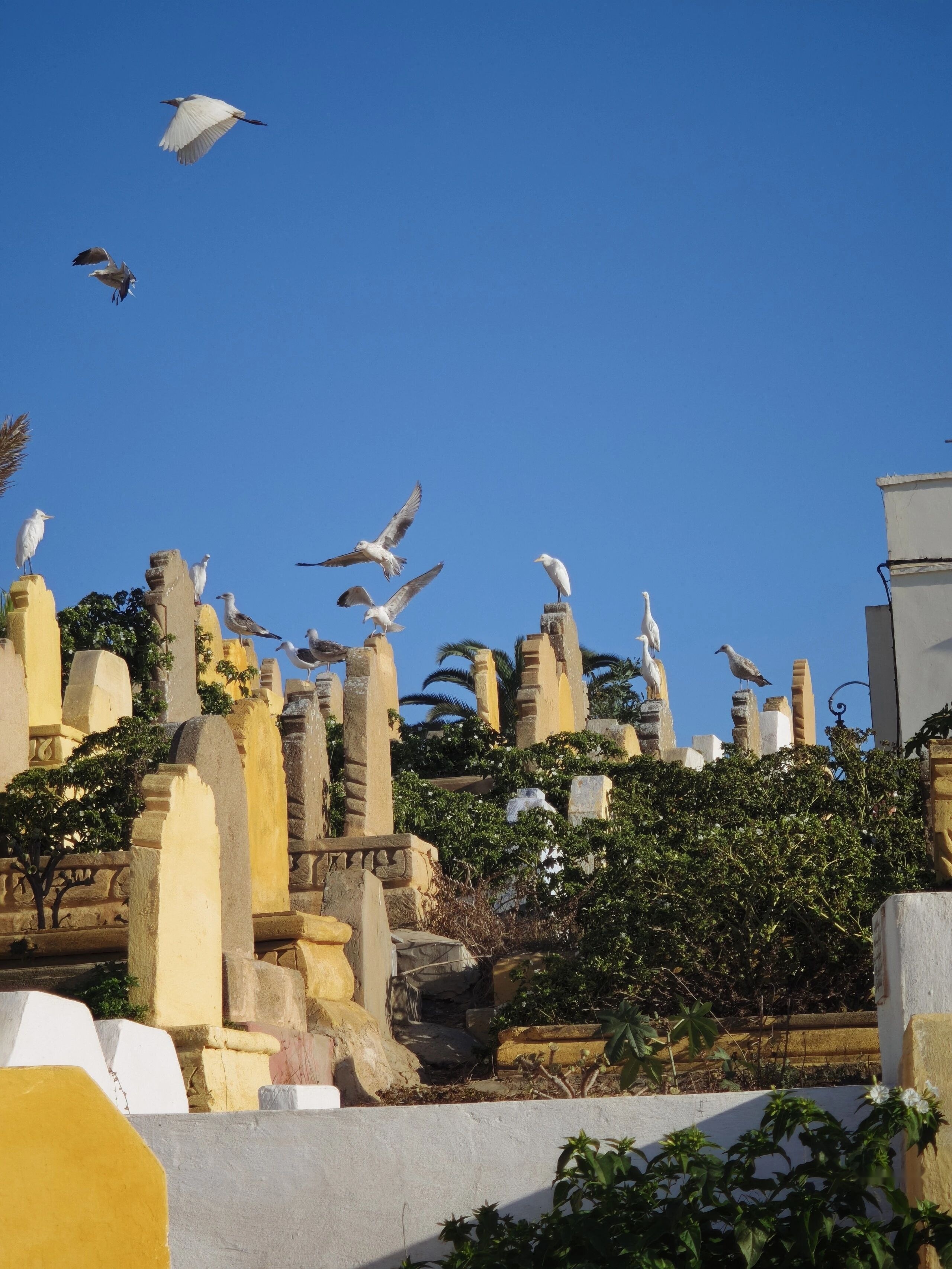
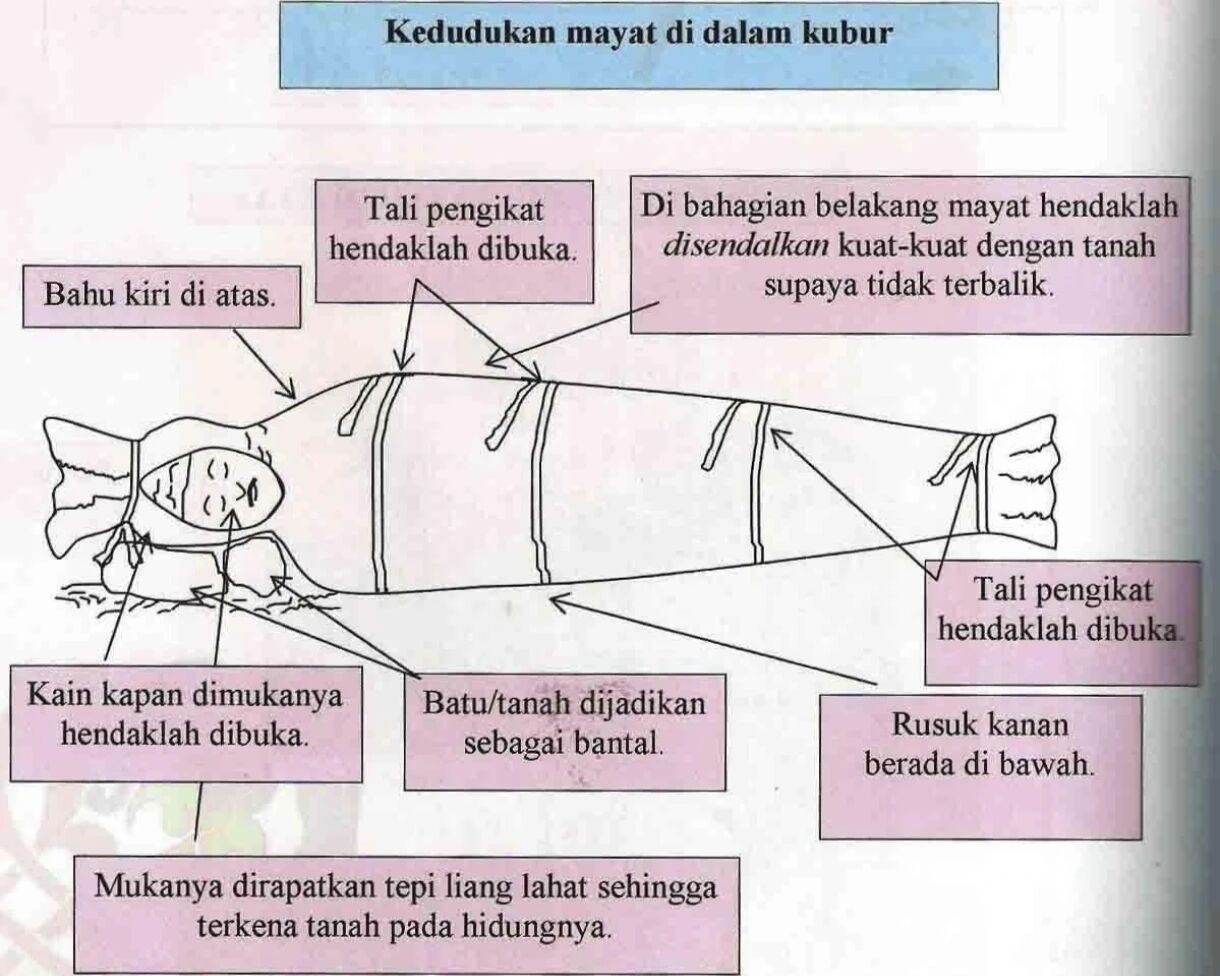
I walked through the densely packed cemetery under the scorching sun, and in this place full of birds, I met a devout Muslim wearing a black robe. He told me that when a Muslim passes away, people wash their body, anoint it with perfumes, and then wrap it in white cloth. They're usually laid on their right side, facing Mecca. Death isn't the end of life; it's a journey from this world to the afterlife.
I've traveled through over 100 countries, crossed Eurasia on a motorcycle, and published books titled 'Dear, This Isn't Just a Trip' and 'Love is a Story-Filled Journey'.
I hope to share all the sights and stories from my travels with everyone who loves exploring new places.
Follow 'Love is a Story-Filled Journey,' and let's discover those places around the world that are worth taking your time with and truly pondering.
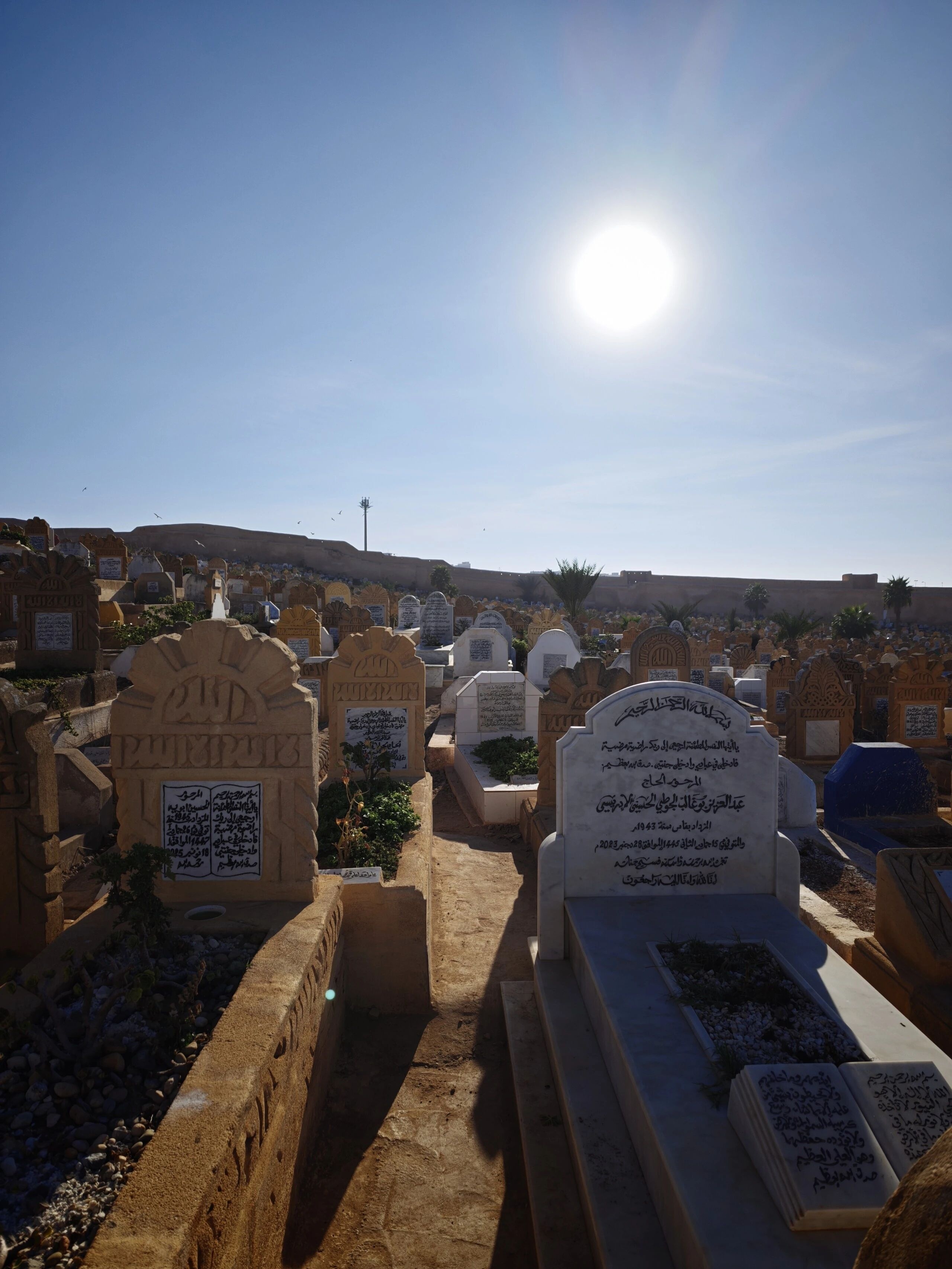
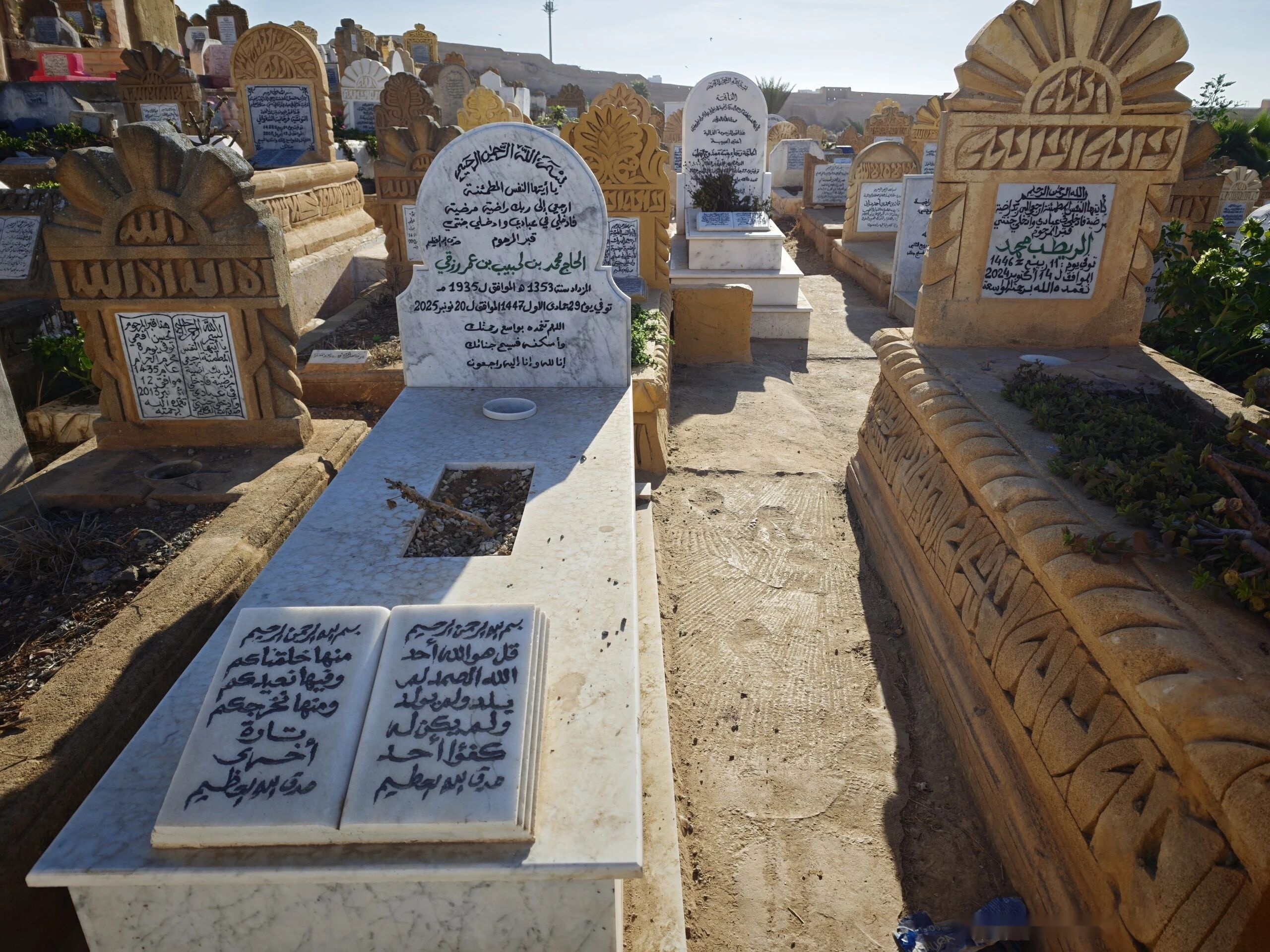
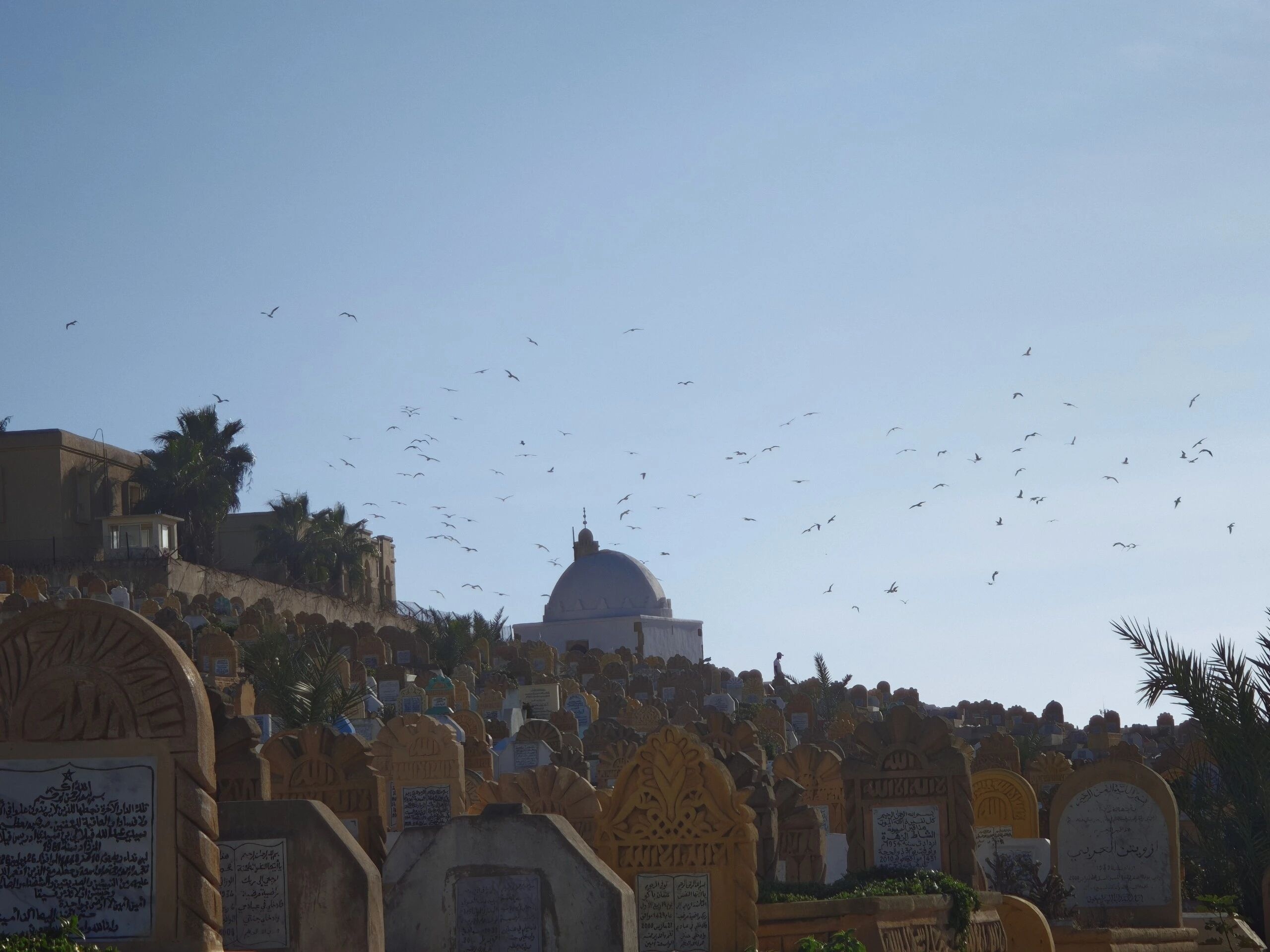
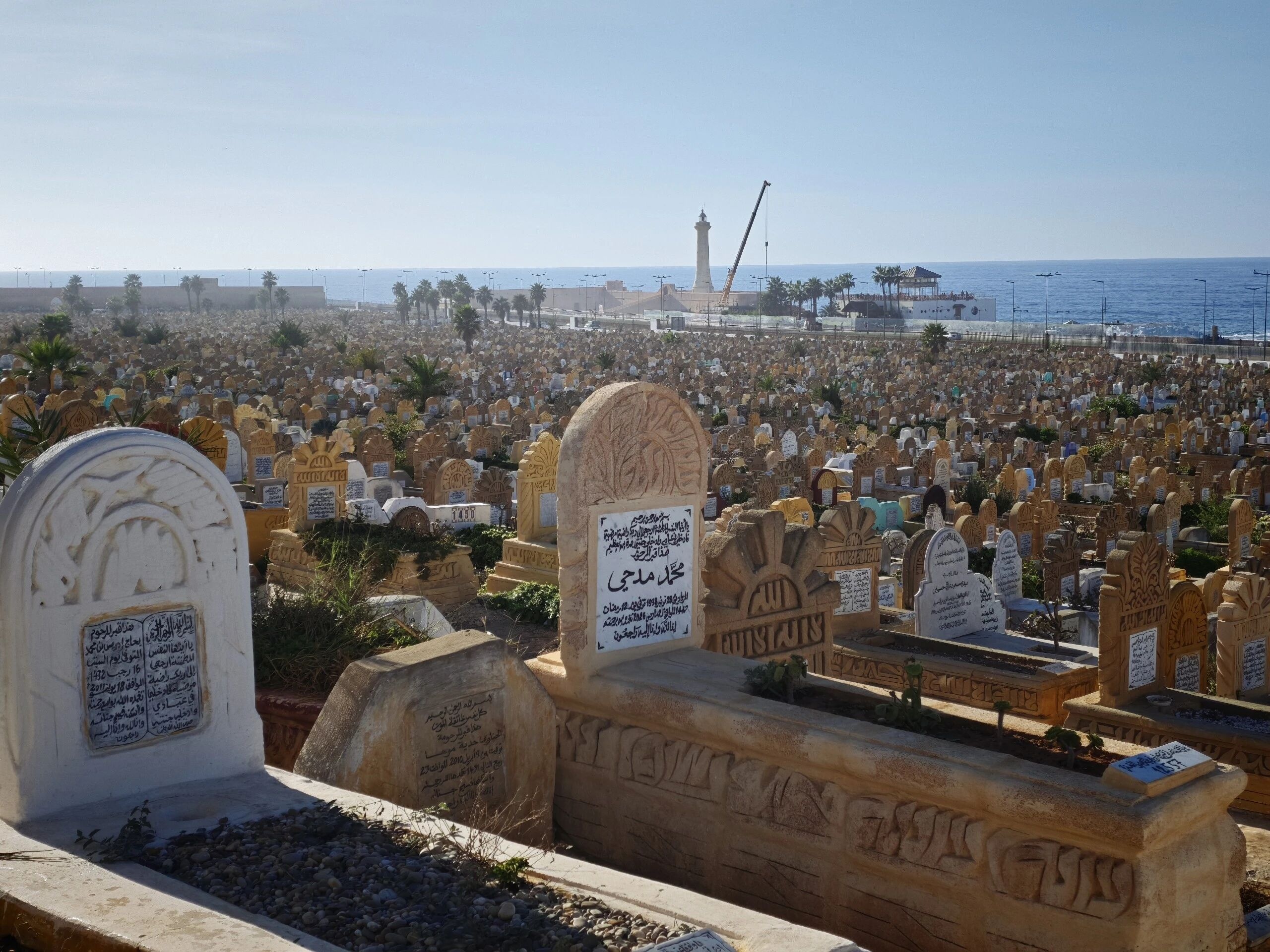
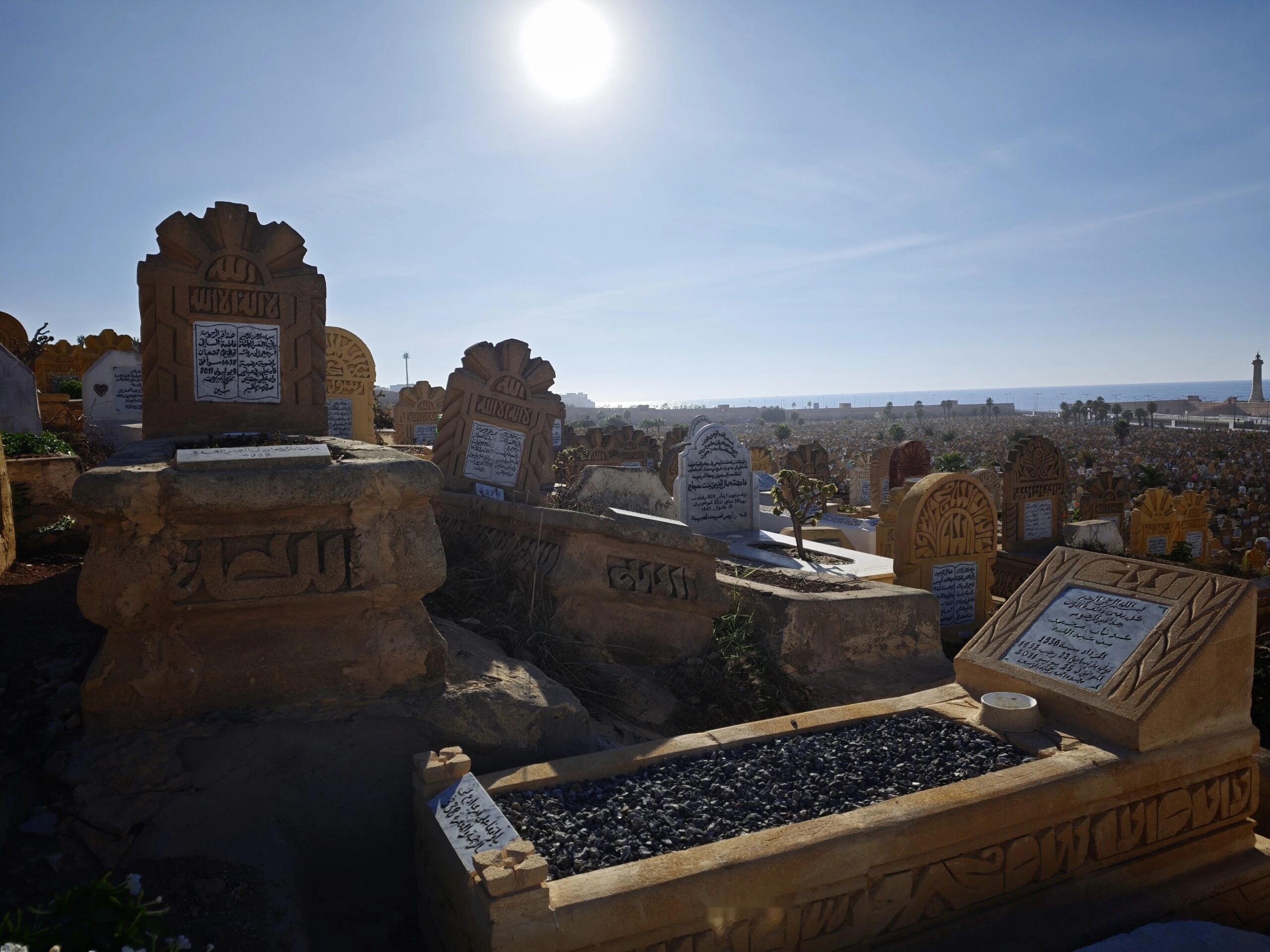
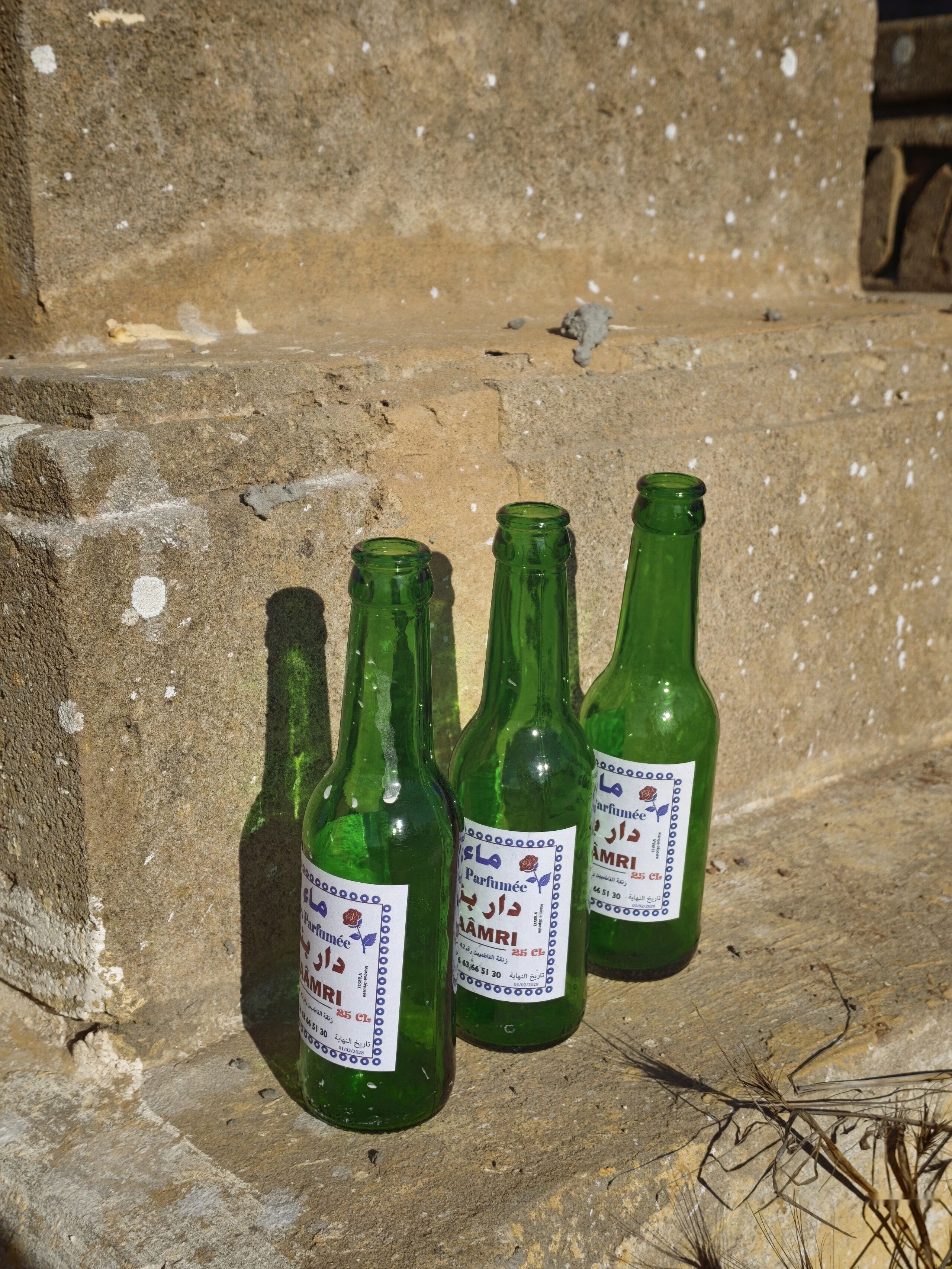
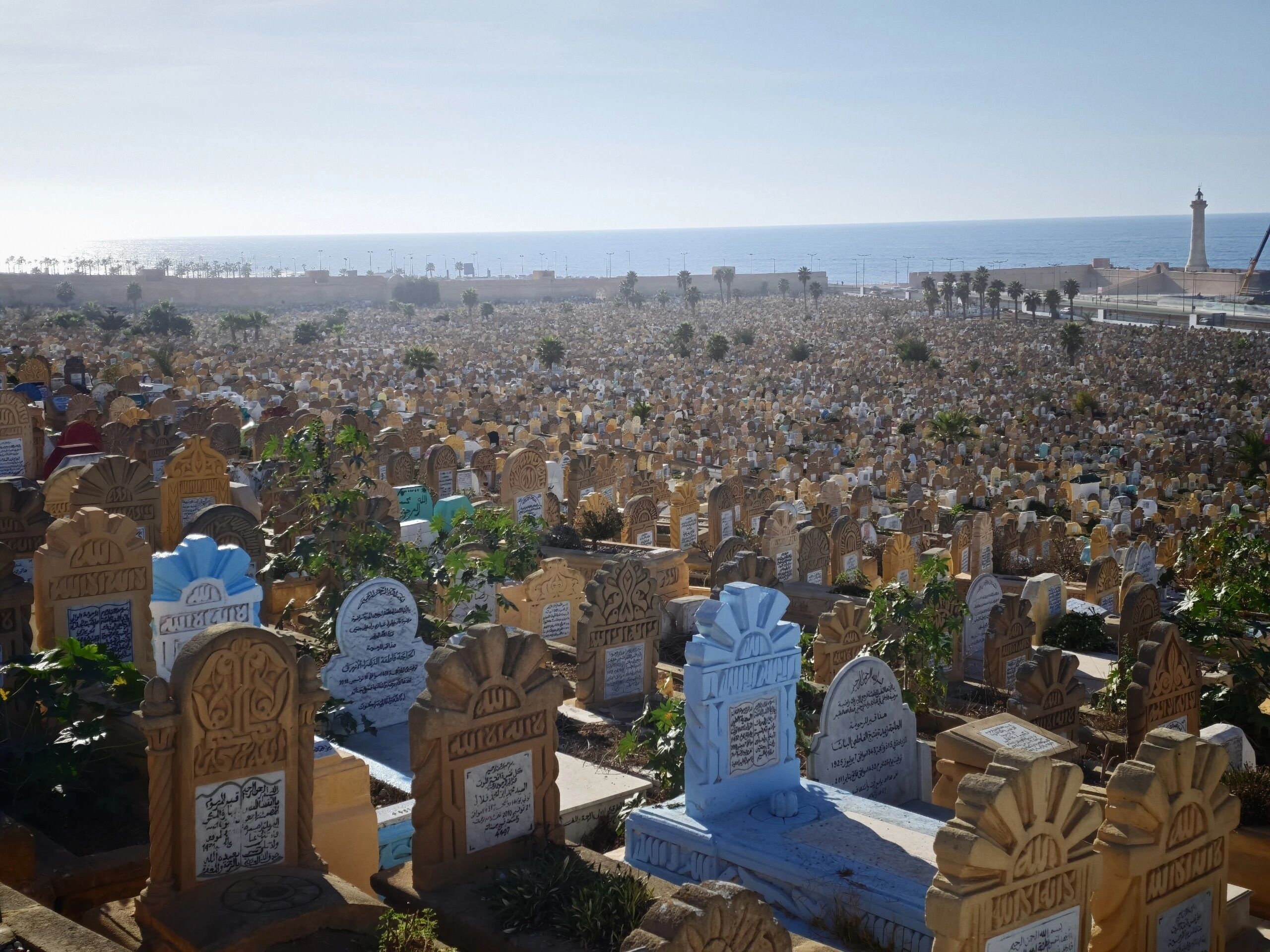
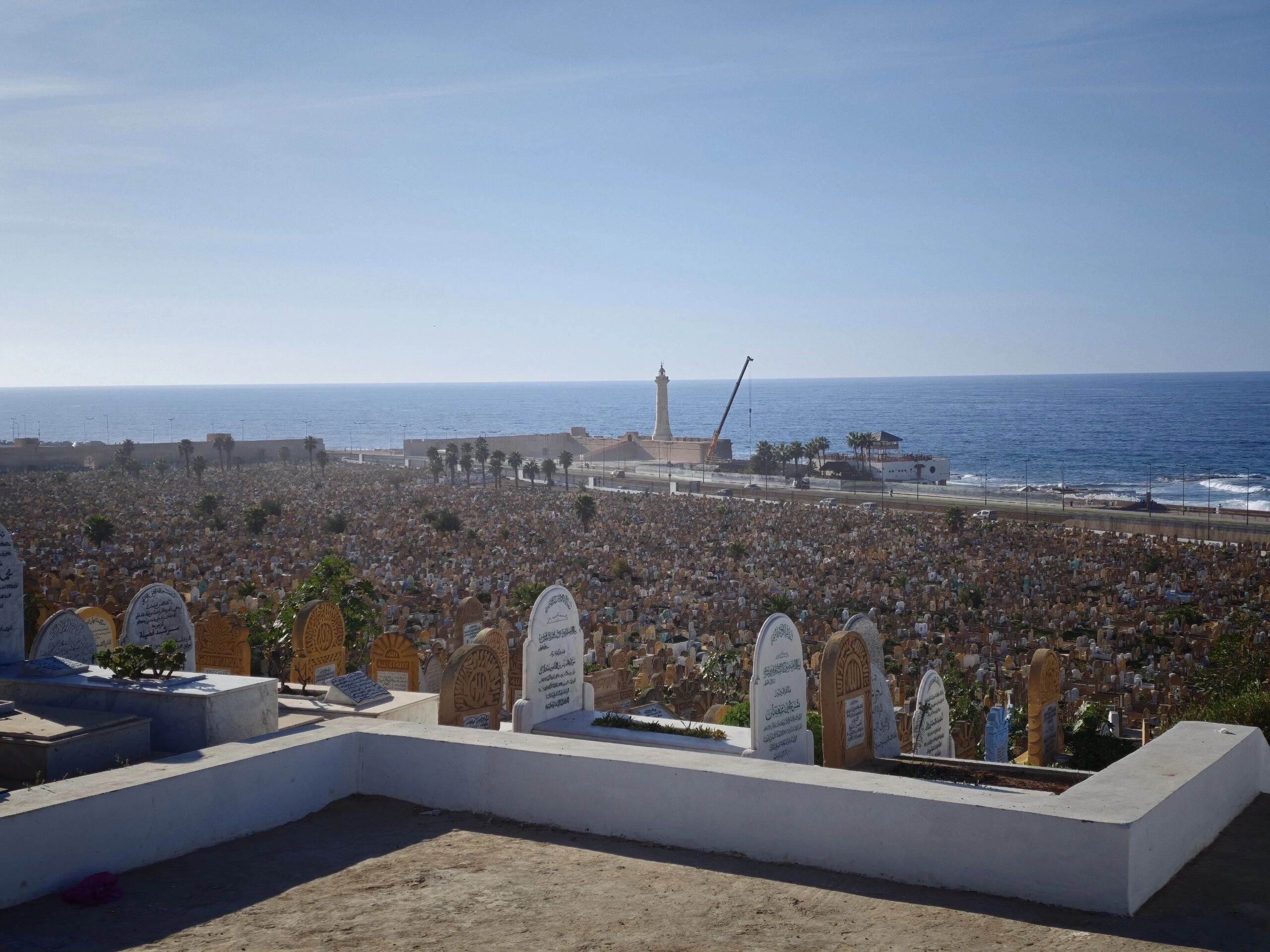
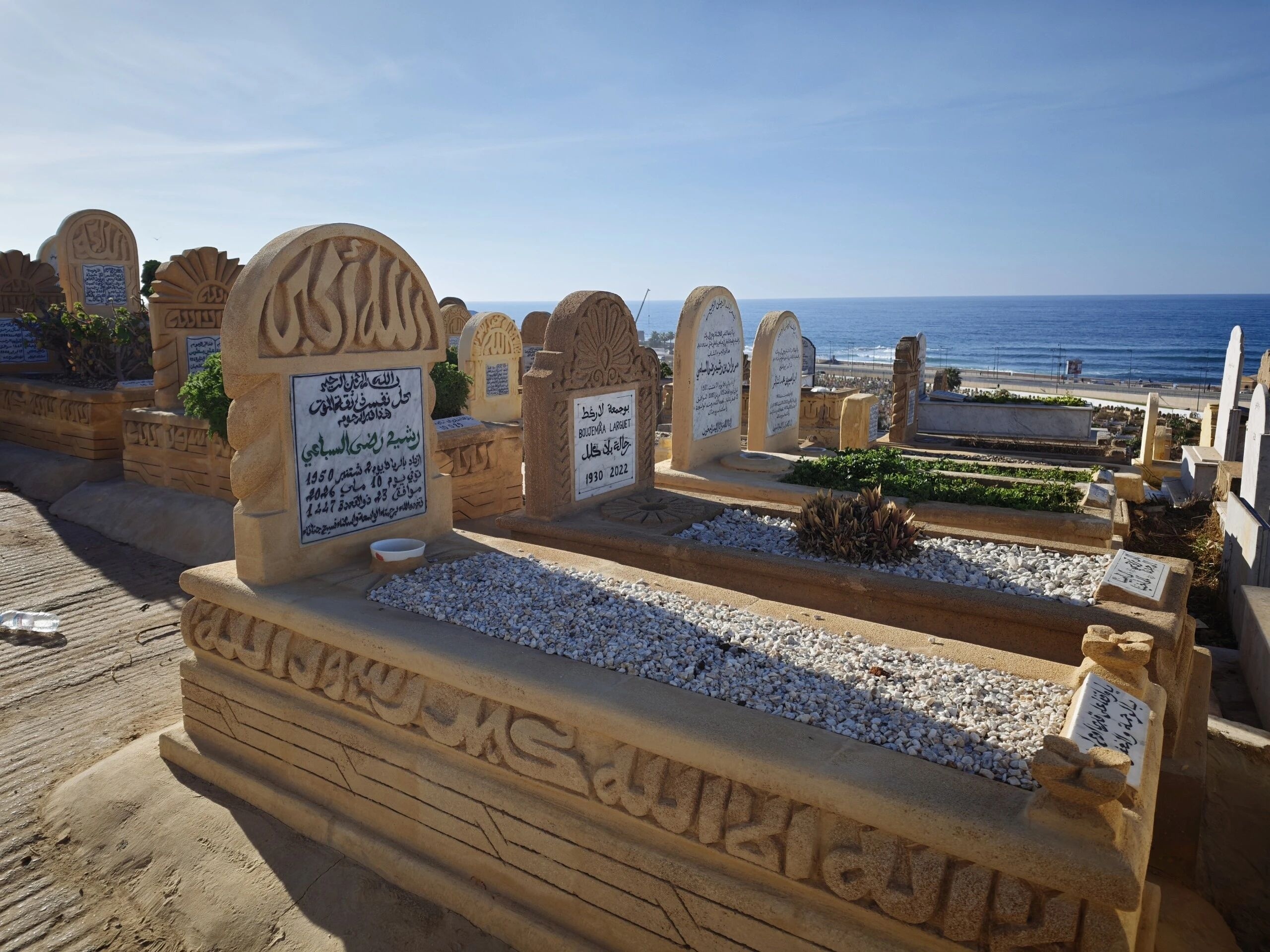
In Rabat, Morocco's capital, I saw the biggest Muslim cemetery I'd ever seen in my life. This cemetery is right by the Atlantic Ocean and spans 150,000 square meters—that's roughly the size of 21 soccer fields. Just guessing from the tombstone numbers, I'd say tens of thousands of people are laid to rest here.
Almost all the tombstones face the exact same direction. When Muslims are buried, the body is usually laid on its side, with the face pointing towards the Kaaba in Mecca, not facing upwards. So, the overall layout of a cemetery often shows you the local direction of prayer.
I walked through the densely packed cemetery under the scorching sun, and in this place full of birds, I met a devout Muslim wearing a black robe. He told me that when a Muslim passes away, people wash their body, anoint it with perfumes, and then wrap it in white cloth. They're usually laid on their right side, facing Mecca. Death isn't the end of life; it's a journey from this world to the afterlife.
I've traveled through over 100 countries, crossed Eurasia on a motorcycle, and published books titled 'Dear, This Isn't Just a Trip' and 'Love is a Story-Filled Journey'.
I hope to share all the sights and stories from my travels with everyone who loves exploring new places.
Follow 'Love is a Story-Filled Journey,' and let's discover those places around the world that are worth taking your time with and truly pondering.
Exploring the Massive Muslim Cemetery in Rabat, Morocco: Islamic Funeral Traditions & Life Philosophy by the Atlantic Ocean
Articles • Hasan09 posted the article • 0 comments • 6 views • 54 minutes ago
Dive into 17 stunning photos exploring the colossal 150,000-square-meter Muslim cemetery situated right on the Atlantic coast of Rabat, Morocco's capital. This firsthand account documents the solemn rows of tombstones, all uniformly facing the sacred Kaaba in Mecca, and offers a deep dive into traditional Islamic funeral customs—from washing and anointing the deceased to wrapping them in white cloth and adhering to principles of simple, swift burial—and the profound philosophy of life and death behind them.
In Rabat, Morocco's capital, I saw the biggest Muslim cemetery I'd ever seen in my life. This cemetery is right by the Atlantic Ocean and spans 150,000 square meters—that's roughly the size of 21 soccer fields. Just guessing from the tombstone numbers, I'd say tens of thousands of people are laid to rest here.
Almost all the tombstones face the exact same direction. When Muslims are buried, the body is usually laid on its side, with the face pointing towards the Kaaba in Mecca, not facing upwards. So, the overall layout of a cemetery often shows you the local direction of prayer.
I walked through the densely packed cemetery under the scorching sun, and in this place full of birds, I met a devout Muslim wearing a black robe. He told me that when a Muslim passes away, people wash their body, anoint it with perfumes, and then wrap it in white cloth. They're usually laid on their right side, facing Mecca. Death isn't the end of life; it's a journey from this world to the afterlife.
I've traveled through over 100 countries, crossed Eurasia on a motorcycle, and published books titled 'Dear, This Isn't Just a Trip' and 'Love is a Story-Filled Journey'.
I hope to share all the sights and stories from my travels with everyone who loves exploring new places.
Follow 'Love is a Story-Filled Journey,' and let's discover those places around the world that are worth taking your time with and truly pondering. view all
In Rabat, Morocco's capital, I saw the biggest Muslim cemetery I'd ever seen in my life. This cemetery is right by the Atlantic Ocean and spans 150,000 square meters—that's roughly the size of 21 soccer fields. Just guessing from the tombstone numbers, I'd say tens of thousands of people are laid to rest here.
Almost all the tombstones face the exact same direction. When Muslims are buried, the body is usually laid on its side, with the face pointing towards the Kaaba in Mecca, not facing upwards. So, the overall layout of a cemetery often shows you the local direction of prayer.
I walked through the densely packed cemetery under the scorching sun, and in this place full of birds, I met a devout Muslim wearing a black robe. He told me that when a Muslim passes away, people wash their body, anoint it with perfumes, and then wrap it in white cloth. They're usually laid on their right side, facing Mecca. Death isn't the end of life; it's a journey from this world to the afterlife.
I've traveled through over 100 countries, crossed Eurasia on a motorcycle, and published books titled 'Dear, This Isn't Just a Trip' and 'Love is a Story-Filled Journey'.
I hope to share all the sights and stories from my travels with everyone who loves exploring new places.
Follow 'Love is a Story-Filled Journey,' and let's discover those places around the world that are worth taking your time with and truly pondering. view all
Dive into 17 stunning photos exploring the colossal 150,000-square-meter Muslim cemetery situated right on the Atlantic coast of Rabat, Morocco's capital. This firsthand account documents the solemn rows of tombstones, all uniformly facing the sacred Kaaba in Mecca, and offers a deep dive into traditional Islamic funeral customs—from washing and anointing the deceased to wrapping them in white cloth and adhering to principles of simple, swift burial—and the profound philosophy of life and death behind them.
In Rabat, Morocco's capital, I saw the biggest Muslim cemetery I'd ever seen in my life. This cemetery is right by the Atlantic Ocean and spans 150,000 square meters—that's roughly the size of 21 soccer fields. Just guessing from the tombstone numbers, I'd say tens of thousands of people are laid to rest here.
Almost all the tombstones face the exact same direction. When Muslims are buried, the body is usually laid on its side, with the face pointing towards the Kaaba in Mecca, not facing upwards. So, the overall layout of a cemetery often shows you the local direction of prayer.
I walked through the densely packed cemetery under the scorching sun, and in this place full of birds, I met a devout Muslim wearing a black robe. He told me that when a Muslim passes away, people wash their body, anoint it with perfumes, and then wrap it in white cloth. They're usually laid on their right side, facing Mecca. Death isn't the end of life; it's a journey from this world to the afterlife.
I've traveled through over 100 countries, crossed Eurasia on a motorcycle, and published books titled 'Dear, This Isn't Just a Trip' and 'Love is a Story-Filled Journey'.
I hope to share all the sights and stories from my travels with everyone who loves exploring new places.
Follow 'Love is a Story-Filled Journey,' and let's discover those places around the world that are worth taking your time with and truly pondering.