

Ramadan in China
Ramadan in China 2026: Iftar at Niujie Mosque, Muslim Work Life and Beijing Faith Reflections
Articles • yusuf908 posted the article • 0 comments • 155 views • 2026-05-22 20:52
Reposted from the web
Summary: This Ramadan in China 2026 article reflects on fasting while working in Beijing, iftar at Niujie Mosque and Nanxiapo Mosque, online work at Mingya, Muslim daily routines, and the balance between faith and career.
The Fourth Ramadan I Have Spent in Minya is presented here as a firsthand travel account in clear English, beginning with this scene: I remember my first Ramadan after starting work was in the heat of August. It was the hottest time of year in Beijing, and the days were at their longest. The account keeps its focus on Mosque Travel, Islamic Heritage, Beijing while preserving the names, places, food, and historical details from the Chinese source.
I remember my first Ramadan after starting work was in the heat of August. It was the hottest time of year in Beijing, and the days were at their longest. I had to finish my pre-dawn meal (suhoor) before 3:00 a.m. and could not break my fast until nearly 8:00 p.m., a span of 17 hours. I was young and energetic then, so it did not feel too hard. My daily work was in an office with air conditioning, which helped. I only felt parched when I occasionally had to go out and stand in the scorching sun.
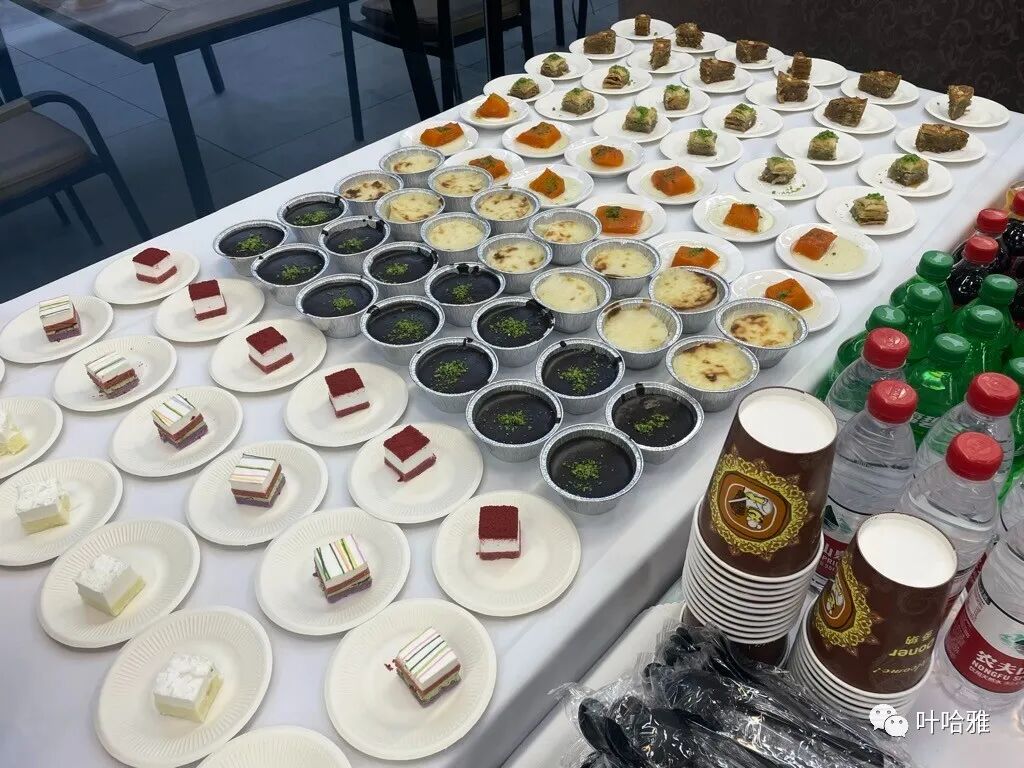
Iftar snacks at Niujie Mosque.
Every day at lunch, colleagues would walk past me in groups. I had to explain over and over why I was not eating. To avoid the awkwardness, I started finding a quiet place to stay during lunch hours to limit talking and save my energy. After those few years of Ramadan, I would always lose a few pounds, usually dropping below 70kg. My colleagues could tell by my face. Some who wanted to lose weight would join me in fasting, but they only did it for the intention of losing weight and usually could not last more than a few days. I have fasted every year for over a decade since I started working, except for one year when I was traveling and missed a few days.
Before coming to Mingya, even though I got through every Ramadan and the full 30 days, I would still feel anxious as the month approached. I never knew what my work schedule would be or if I would be able to fast in peace. The control was never in my hands.
This is my fourth year at Mingya and my fourth Ramadan here. I was surprised to find that my weight has not changed at all over these four years. I eat the same as before because I usually break my fast at the mosque and do not overeat. The only explanation for my stable weight is that my activity level during Ramadan at Mingya is lower than before, so I burn fewer calories.
The three years of the pandemic made us used to working from home and doing business online. All our operations are now digital, which is very friendly for someone with my specific lifestyle. The light entrepreneurship business model also makes us our own bosses. We do not need to answer to superiors, and everyone arranges their work according to their own pace. The control is in our own hands.
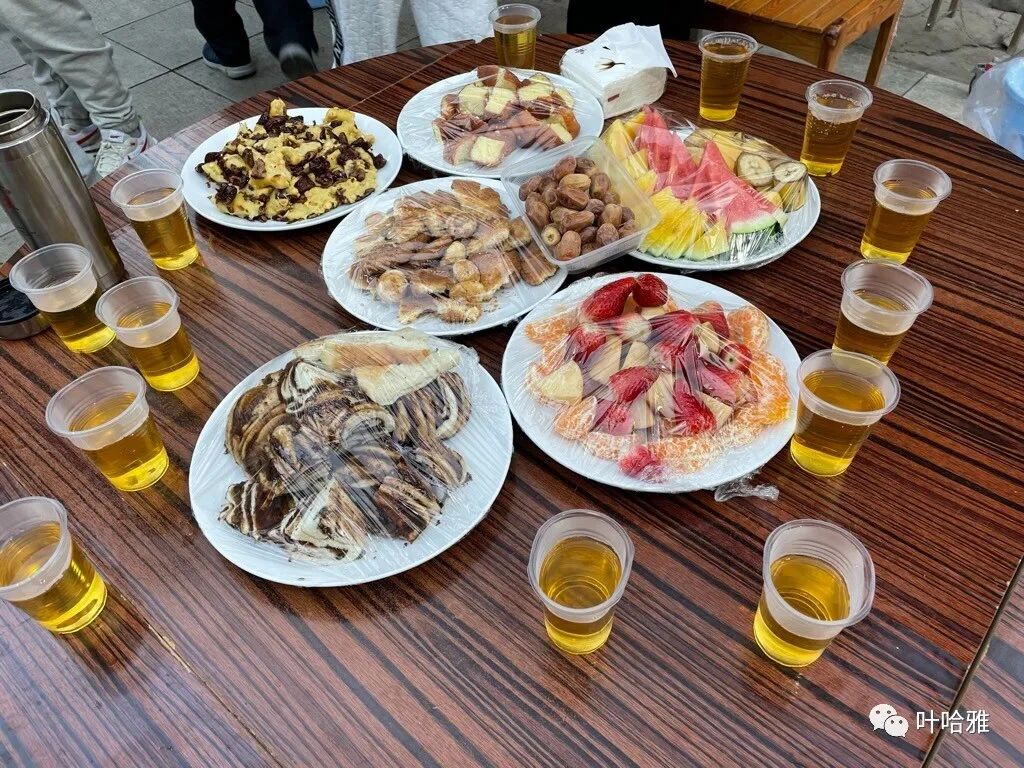
Iftar snacks at Nanxiapo Mosque.
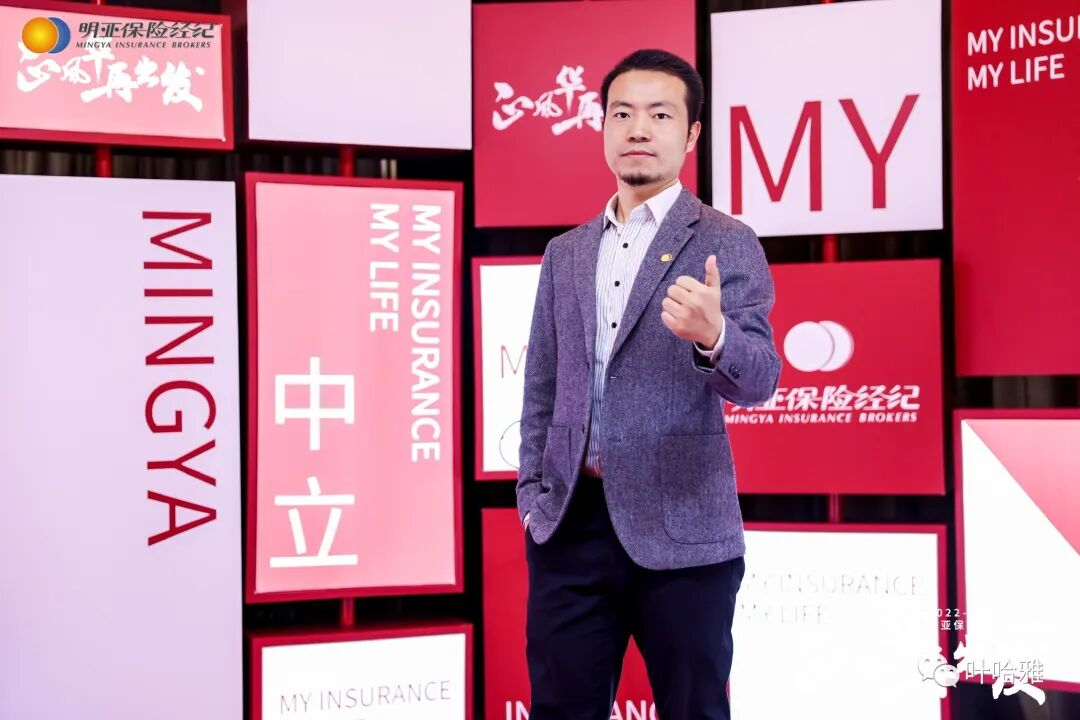
I remember when I first came to Mingya, friends advised me not to go into insurance. They said I would have fewer friends. I disagreed because I knew that being an insurance broker is fundamentally different from being a traditional insurance agent. It turns out that after becoming a Mingya insurance broker, I have far more friends than before. My WeChat contact list has grown nearly tenfold, and one-tenth of those friends have become my clients. The team I manage has reached nearly 50 people, making it the fastest-growing team in our department. Many partners joined us because of our reputation, and I even won the Annual Top Ten Talent Scout Award.
Our team is highly educated, professional, and earns a high income. We are a breath of fresh air in the insurance industry. A bachelor's degree is our minimum requirement, nearly 30% of us hold master's degrees, and our average income is more than 10 times that of traditional insurance agents. We set such high standards because of our job requirements. We are authorized to sell most insurance products on the market, including complex dividend-paying insurance and investment-linked insurance. To qualify to sell these, we must pass the China Banking and Insurance Regulatory Commission exams, which require at least a bachelor's degree to register.
Average monthly income of all brokers announced at the 2022 annual meeting (the average data for the Beijing area is higher than the national average).
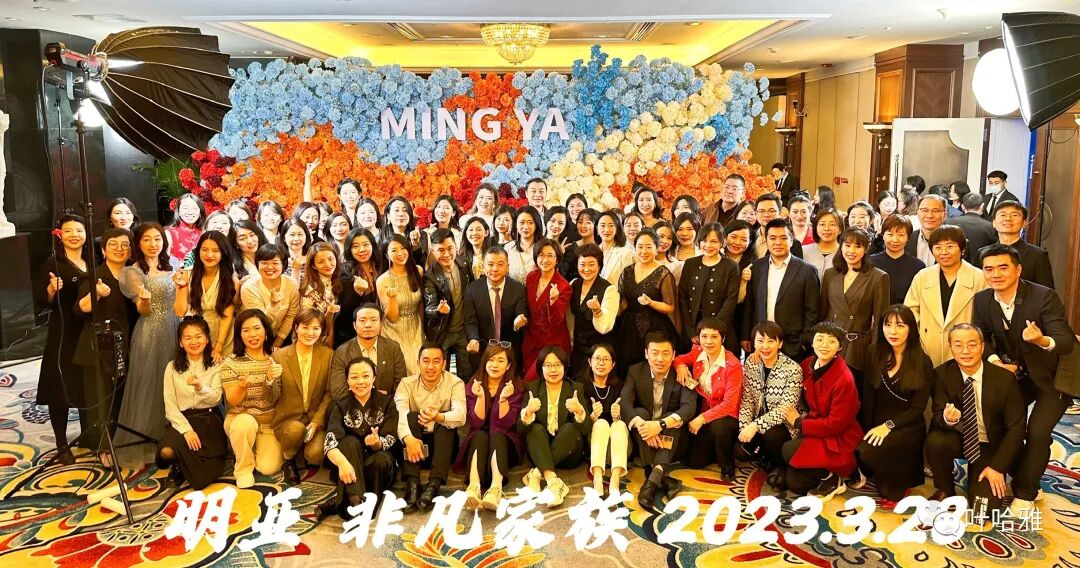
This year's annual meeting happened to fall during Ramadan. We hold our meetings later than most companies because our fiscal year ends on January 25th. By the time official evaluations finish, it is almost March. The meetings are split into department, branch, and headquarters levels, and some small teams hold their own, too. It takes until April to finish everything.
Since most of our team members are fasting, we can skip the company's celebration dinners. Instead, I take the award-winning team members out for a nice iftar meal.
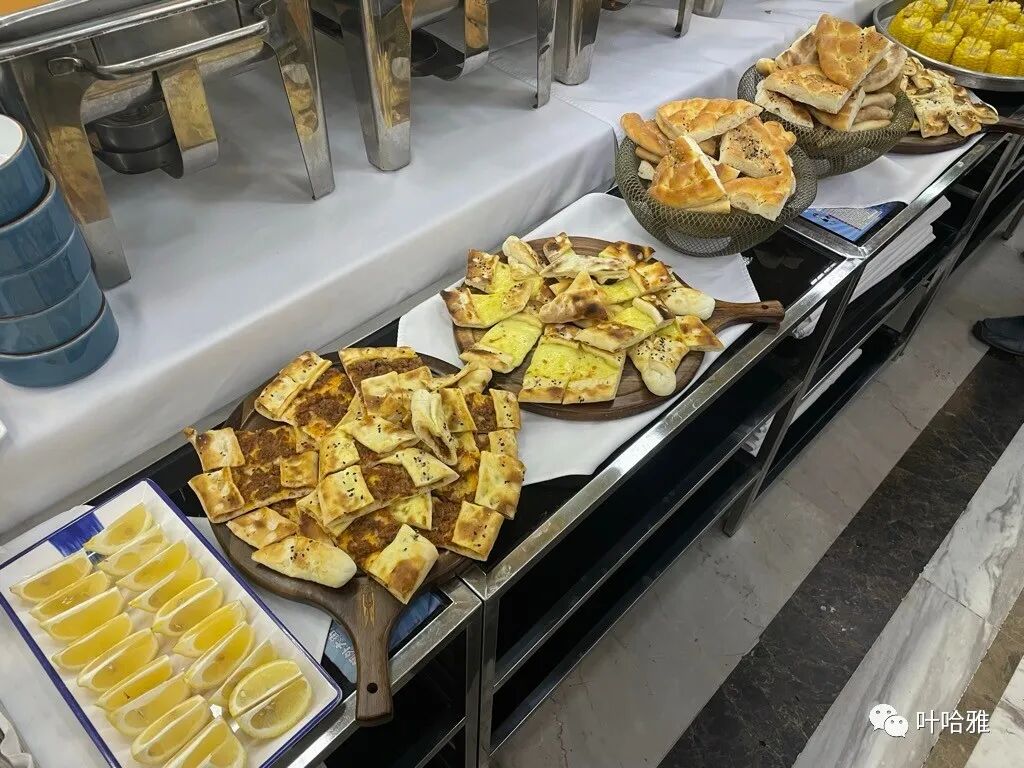
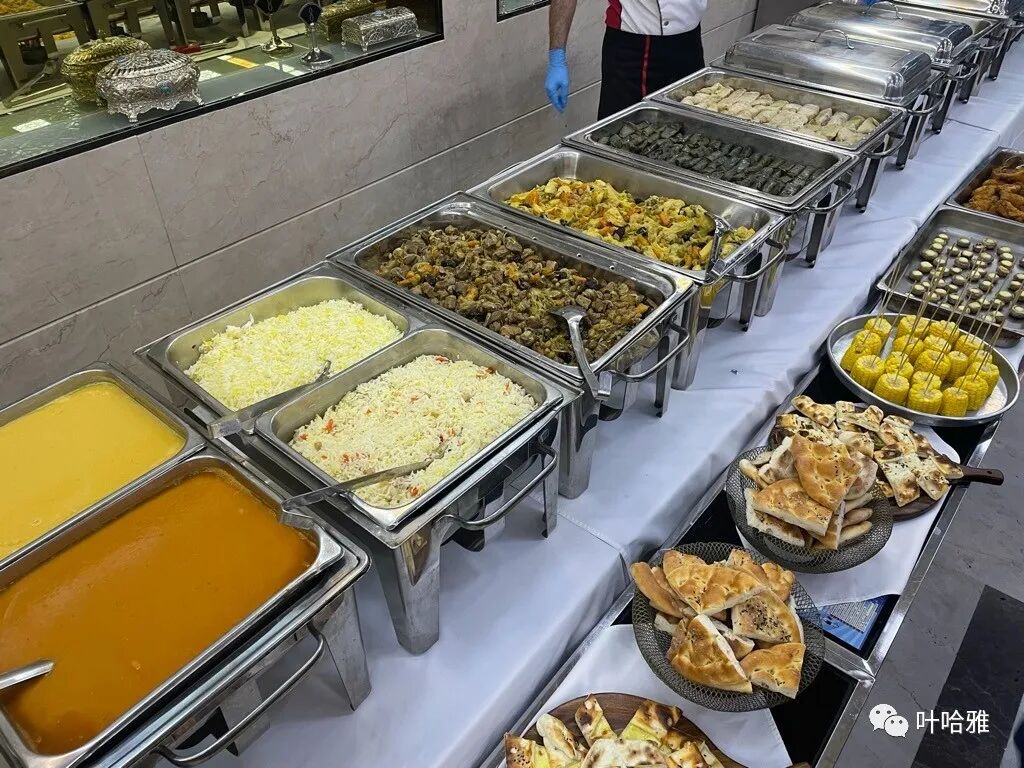
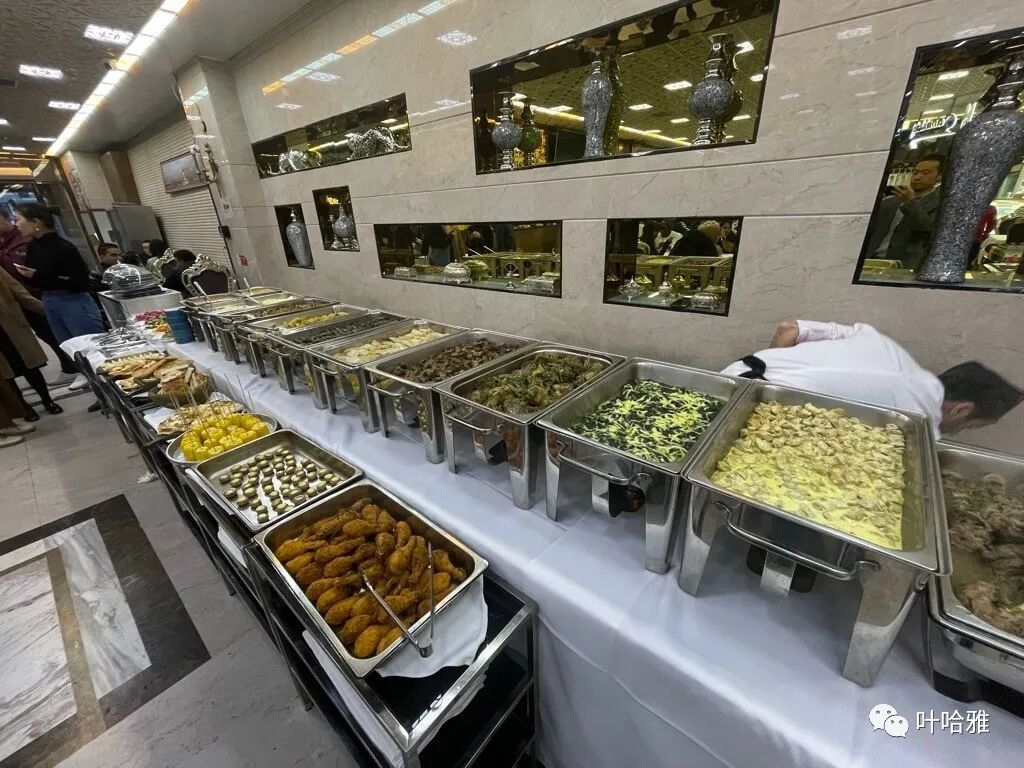
This year, we chose Dadanier for our iftar buffet celebration. It is an alcohol-free restaurant and costs 188 yuan per person. You must book in advance because it is very crowded. Dadanier does not let you take food until the exact time of iftar, and you have to line up to get your food.
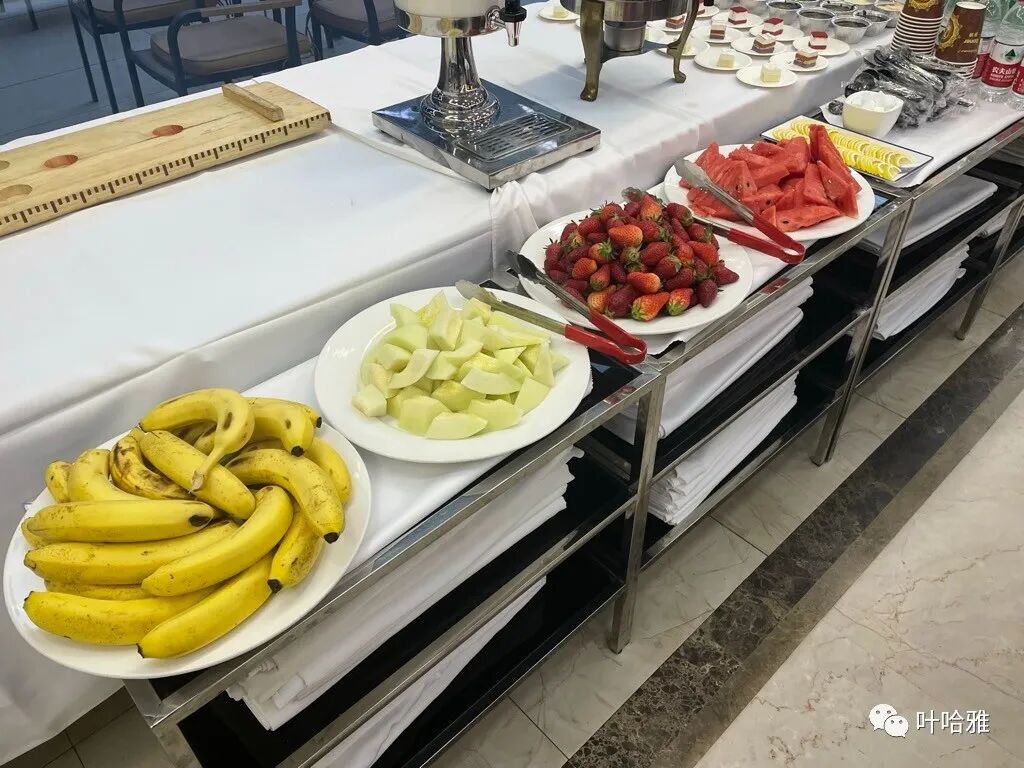
This buffet is only available during Ramadan. For 188 yuan, you can eat unlimited Turkish dishes, including grilled meat (kaorou), pita bread (pita), yogurt (suannai), fruit, desserts, and milk tea. It is a great deal for those with a big appetite.
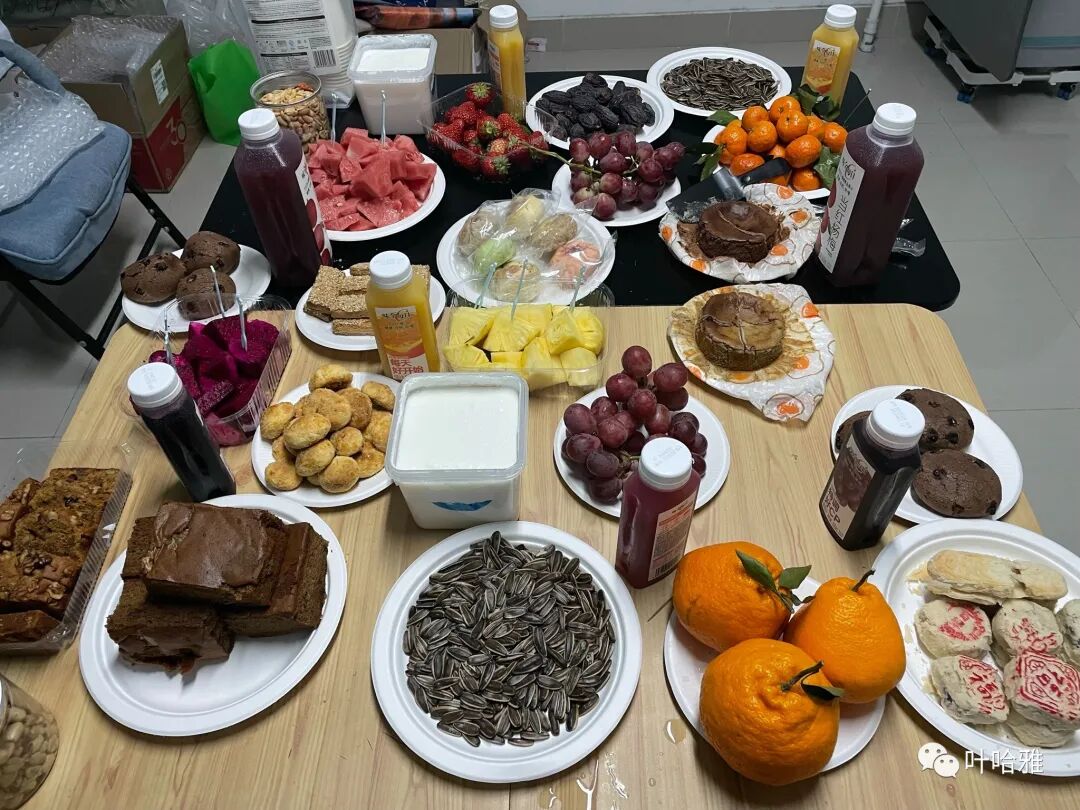
Evenings are the busiest time during Ramadan. I receive iftar invitations from friends days in advance. People compete to host these meals because feeding someone who is fasting earns the same reward as the person fasting, so everyone wants to host. This year, no mosques in Beijing are preparing full iftar meals, only tea and snacks. The Niujie Mosque occasionally has boxed meals or snacks provided by elders as charity (dasuan). I hope the tradition of preparing and eating iftar meals at the mosque returns next year.
Last week, a friend (dosti) invited me to have iftar at the China Islamic Institute. The institute is on Niujie Street. Even though I am from Niujie and my home is here, this was my first time ever stepping inside the institute.
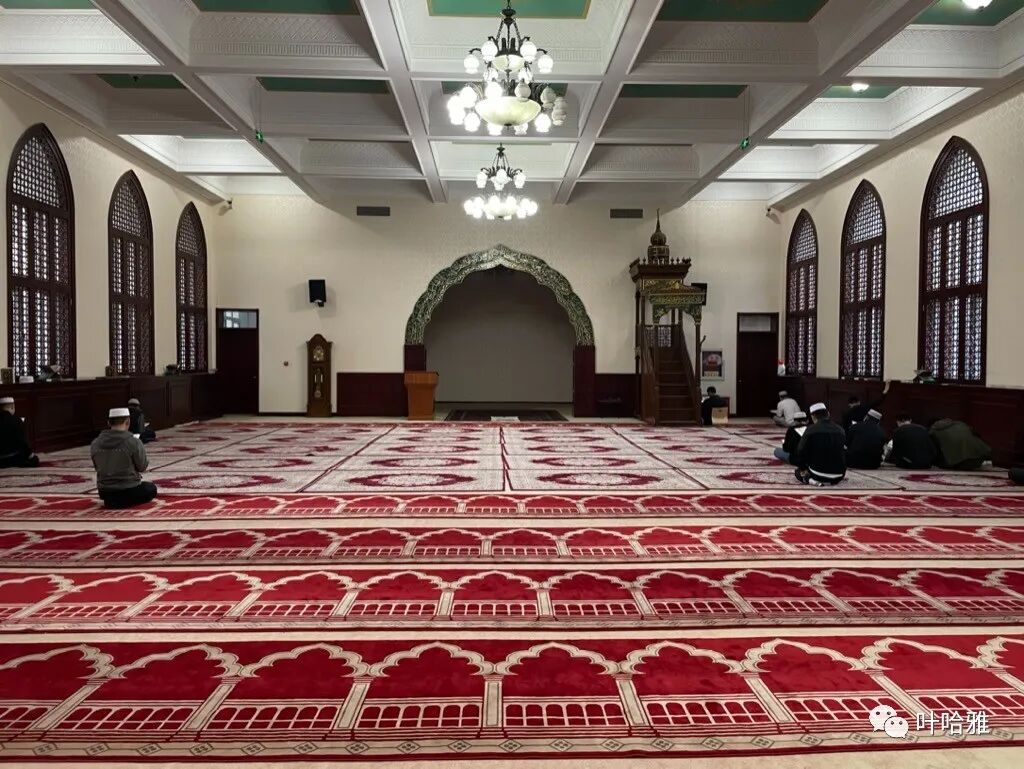
The prayer hall of the Islamic Institute.
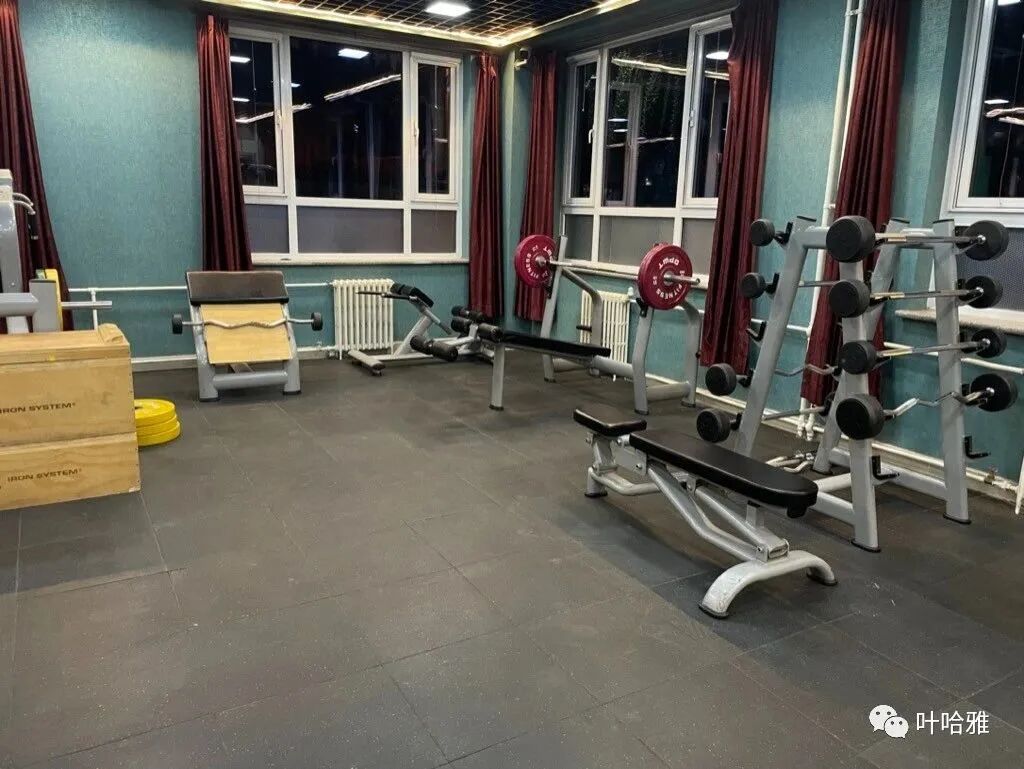
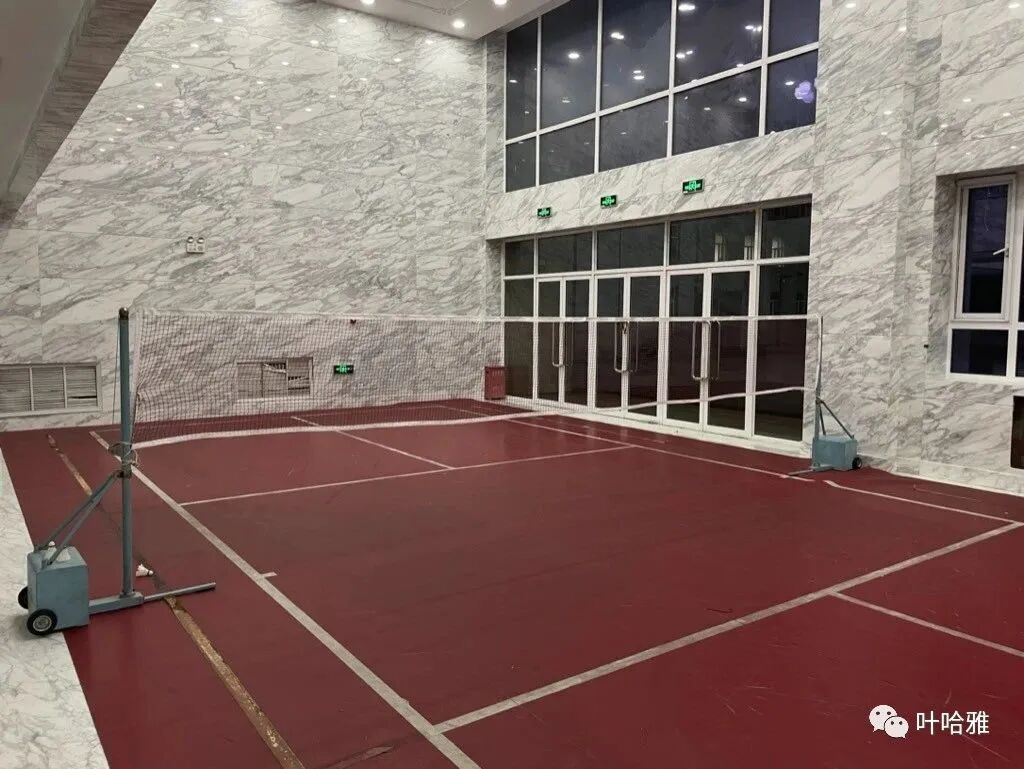
The institute has over 160 students, including undergraduates and postgraduates. There are no female students, only female teachers. The facilities are much better than I imagined. They have various sports halls and even two gyms.
Gym
Badminton court
Table tennis room
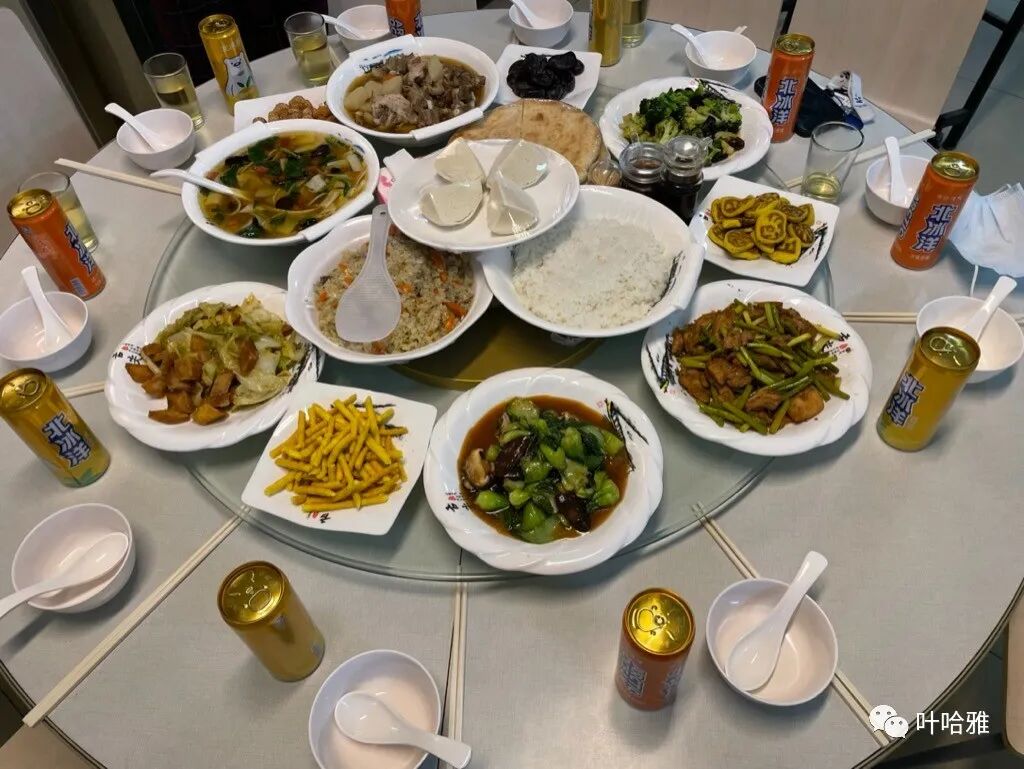
The person in charge of the Islamic seminary canteen is a friend I have known online for years. This iftar meal was prepared for our group, and it came from the same big pots used to feed the students.
Islamic seminary canteen
The seminary follows the Hanafi tradition for Taraweeh prayers, which also consists of 20 rakats. Different students take turns leading the prayers each day. These students are well-trained and generally have excellent recitation skills. That night, we caught an imam from Yunnan leading the prayers. By coincidence, this imam is also an online friend of mine who once studied at the Shadian Grand Mosque. His voice was loud and clear when he recited.
After prayers, we went back to the dorms to drink tea and chat with the undergraduate and graduate students. This scene reminded me of my own college days. Back then, I had time but no money, so I could not go many places. After I started working, I had money but no time, and I still felt restricted. It was not until I joined Mingya that this conflict was truly resolved.
Since the Islamic calendar is a few days shorter than the Gregorian calendar, Ramadan rotates through every season. Over the next few years, Ramadan will gradually move into the winter. Shorter fasting hours will make it easier for us to fast. The pandemic is over, and it is easier to hold in-person events again. Our work is getting back on track, and I believe we will achieve even better results next year. view all
Summary: This Ramadan in China 2026 article reflects on fasting while working in Beijing, iftar at Niujie Mosque and Nanxiapo Mosque, online work at Mingya, Muslim daily routines, and the balance between faith and career.
The Fourth Ramadan I Have Spent in Minya is presented here as a firsthand travel account in clear English, beginning with this scene: I remember my first Ramadan after starting work was in the heat of August. It was the hottest time of year in Beijing, and the days were at their longest. The account keeps its focus on Mosque Travel, Islamic Heritage, Beijing while preserving the names, places, food, and historical details from the Chinese source.
I remember my first Ramadan after starting work was in the heat of August. It was the hottest time of year in Beijing, and the days were at their longest. I had to finish my pre-dawn meal (suhoor) before 3:00 a.m. and could not break my fast until nearly 8:00 p.m., a span of 17 hours. I was young and energetic then, so it did not feel too hard. My daily work was in an office with air conditioning, which helped. I only felt parched when I occasionally had to go out and stand in the scorching sun.
Iftar snacks at Niujie Mosque.
Every day at lunch, colleagues would walk past me in groups. I had to explain over and over why I was not eating. To avoid the awkwardness, I started finding a quiet place to stay during lunch hours to limit talking and save my energy. After those few years of Ramadan, I would always lose a few pounds, usually dropping below 70kg. My colleagues could tell by my face. Some who wanted to lose weight would join me in fasting, but they only did it for the intention of losing weight and usually could not last more than a few days. I have fasted every year for over a decade since I started working, except for one year when I was traveling and missed a few days.
Before coming to Mingya, even though I got through every Ramadan and the full 30 days, I would still feel anxious as the month approached. I never knew what my work schedule would be or if I would be able to fast in peace. The control was never in my hands.
This is my fourth year at Mingya and my fourth Ramadan here. I was surprised to find that my weight has not changed at all over these four years. I eat the same as before because I usually break my fast at the mosque and do not overeat. The only explanation for my stable weight is that my activity level during Ramadan at Mingya is lower than before, so I burn fewer calories.
The three years of the pandemic made us used to working from home and doing business online. All our operations are now digital, which is very friendly for someone with my specific lifestyle. The light entrepreneurship business model also makes us our own bosses. We do not need to answer to superiors, and everyone arranges their work according to their own pace. The control is in our own hands.
Iftar snacks at Nanxiapo Mosque.
I remember when I first came to Mingya, friends advised me not to go into insurance. They said I would have fewer friends. I disagreed because I knew that being an insurance broker is fundamentally different from being a traditional insurance agent. It turns out that after becoming a Mingya insurance broker, I have far more friends than before. My WeChat contact list has grown nearly tenfold, and one-tenth of those friends have become my clients. The team I manage has reached nearly 50 people, making it the fastest-growing team in our department. Many partners joined us because of our reputation, and I even won the Annual Top Ten Talent Scout Award.
Our team is highly educated, professional, and earns a high income. We are a breath of fresh air in the insurance industry. A bachelor's degree is our minimum requirement, nearly 30% of us hold master's degrees, and our average income is more than 10 times that of traditional insurance agents. We set such high standards because of our job requirements. We are authorized to sell most insurance products on the market, including complex dividend-paying insurance and investment-linked insurance. To qualify to sell these, we must pass the China Banking and Insurance Regulatory Commission exams, which require at least a bachelor's degree to register.
Average monthly income of all brokers announced at the 2022 annual meeting (the average data for the Beijing area is higher than the national average).
This year's annual meeting happened to fall during Ramadan. We hold our meetings later than most companies because our fiscal year ends on January 25th. By the time official evaluations finish, it is almost March. The meetings are split into department, branch, and headquarters levels, and some small teams hold their own, too. It takes until April to finish everything.
Since most of our team members are fasting, we can skip the company's celebration dinners. Instead, I take the award-winning team members out for a nice iftar meal.
This year, we chose Dadanier for our iftar buffet celebration. It is an alcohol-free restaurant and costs 188 yuan per person. You must book in advance because it is very crowded. Dadanier does not let you take food until the exact time of iftar, and you have to line up to get your food.
This buffet is only available during Ramadan. For 188 yuan, you can eat unlimited Turkish dishes, including grilled meat (kaorou), pita bread (pita), yogurt (suannai), fruit, desserts, and milk tea. It is a great deal for those with a big appetite.
Evenings are the busiest time during Ramadan. I receive iftar invitations from friends days in advance. People compete to host these meals because feeding someone who is fasting earns the same reward as the person fasting, so everyone wants to host. This year, no mosques in Beijing are preparing full iftar meals, only tea and snacks. The Niujie Mosque occasionally has boxed meals or snacks provided by elders as charity (dasuan). I hope the tradition of preparing and eating iftar meals at the mosque returns next year.
Last week, a friend (dosti) invited me to have iftar at the China Islamic Institute. The institute is on Niujie Street. Even though I am from Niujie and my home is here, this was my first time ever stepping inside the institute.
The prayer hall of the Islamic Institute.
The institute has over 160 students, including undergraduates and postgraduates. There are no female students, only female teachers. The facilities are much better than I imagined. They have various sports halls and even two gyms.
Gym
Badminton court
Table tennis room
The person in charge of the Islamic seminary canteen is a friend I have known online for years. This iftar meal was prepared for our group, and it came from the same big pots used to feed the students.
Islamic seminary canteen
The seminary follows the Hanafi tradition for Taraweeh prayers, which also consists of 20 rakats. Different students take turns leading the prayers each day. These students are well-trained and generally have excellent recitation skills. That night, we caught an imam from Yunnan leading the prayers. By coincidence, this imam is also an online friend of mine who once studied at the Shadian Grand Mosque. His voice was loud and clear when he recited.
After prayers, we went back to the dorms to drink tea and chat with the undergraduate and graduate students. This scene reminded me of my own college days. Back then, I had time but no money, so I could not go many places. After I started working, I had money but no time, and I still felt restricted. It was not until I joined Mingya that this conflict was truly resolved.
Since the Islamic calendar is a few days shorter than the Gregorian calendar, Ramadan rotates through every season. Over the next few years, Ramadan will gradually move into the winter. Shorter fasting hours will make it easier for us to fast. The pandemic is over, and it is easier to hold in-person events again. Our work is getting back on track, and I believe we will achieve even better results next year. view all
Reposted from the web
Summary: This Ramadan in China 2026 article reflects on fasting while working in Beijing, iftar at Niujie Mosque and Nanxiapo Mosque, online work at Mingya, Muslim daily routines, and the balance between faith and career.
The Fourth Ramadan I Have Spent in Minya is presented here as a firsthand travel account in clear English, beginning with this scene: I remember my first Ramadan after starting work was in the heat of August. It was the hottest time of year in Beijing, and the days were at their longest. The account keeps its focus on Mosque Travel, Islamic Heritage, Beijing while preserving the names, places, food, and historical details from the Chinese source.
I remember my first Ramadan after starting work was in the heat of August. It was the hottest time of year in Beijing, and the days were at their longest. I had to finish my pre-dawn meal (suhoor) before 3:00 a.m. and could not break my fast until nearly 8:00 p.m., a span of 17 hours. I was young and energetic then, so it did not feel too hard. My daily work was in an office with air conditioning, which helped. I only felt parched when I occasionally had to go out and stand in the scorching sun.
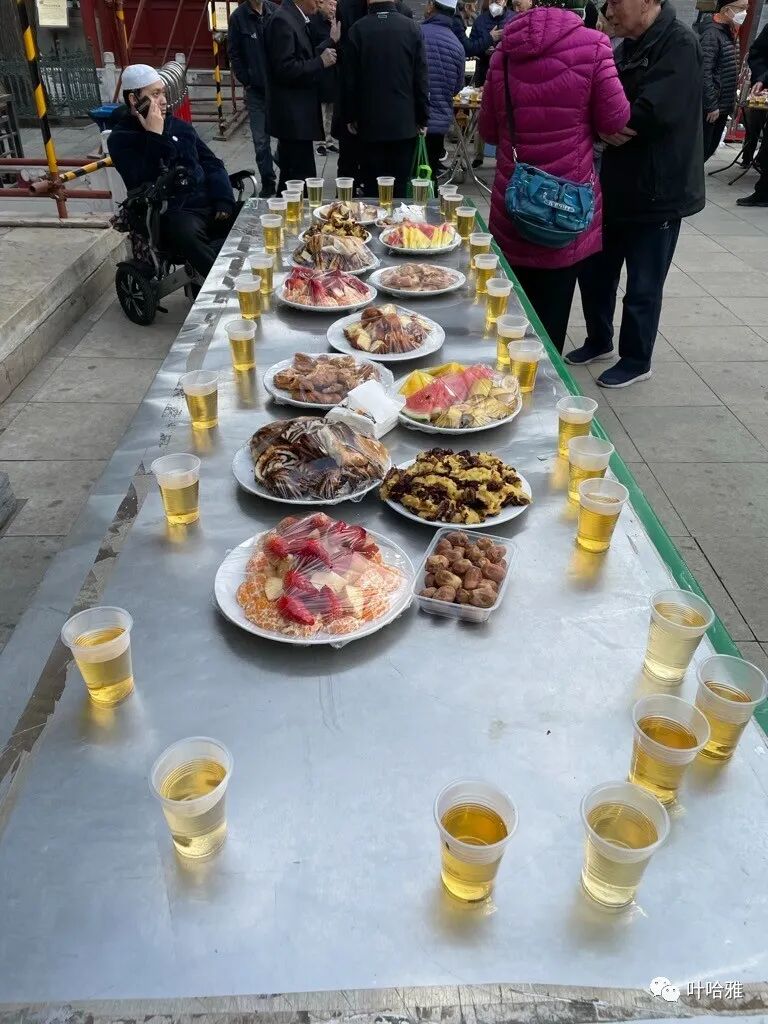
Iftar snacks at Niujie Mosque.
Every day at lunch, colleagues would walk past me in groups. I had to explain over and over why I was not eating. To avoid the awkwardness, I started finding a quiet place to stay during lunch hours to limit talking and save my energy. After those few years of Ramadan, I would always lose a few pounds, usually dropping below 70kg. My colleagues could tell by my face. Some who wanted to lose weight would join me in fasting, but they only did it for the intention of losing weight and usually could not last more than a few days. I have fasted every year for over a decade since I started working, except for one year when I was traveling and missed a few days.
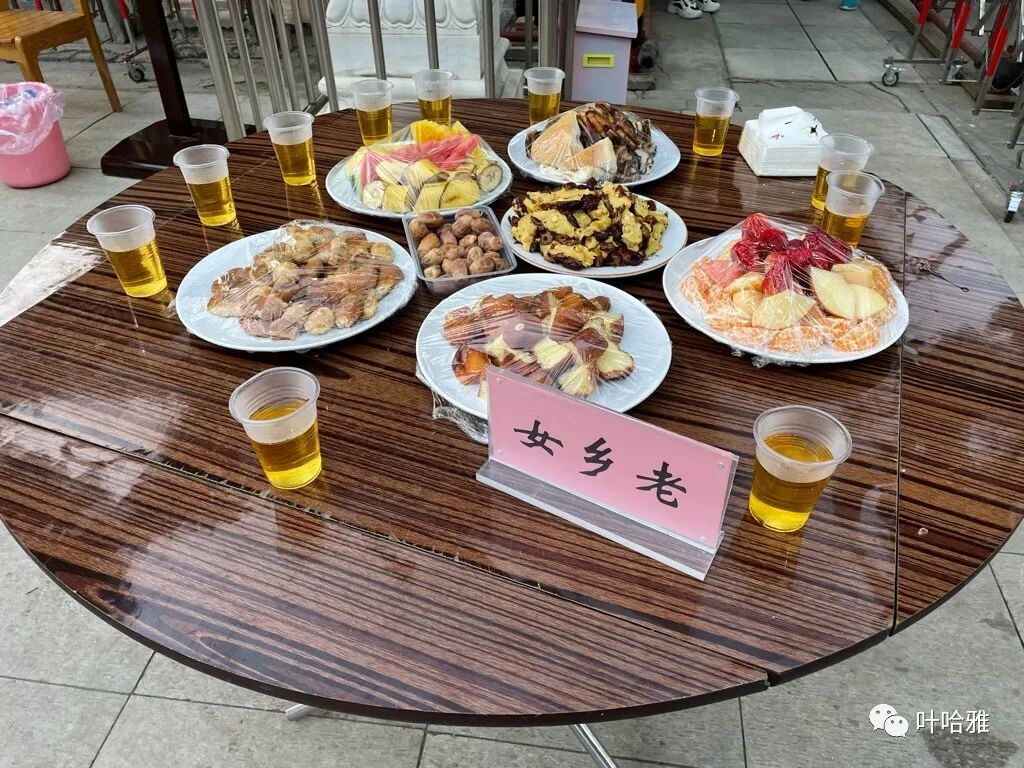
Before coming to Mingya, even though I got through every Ramadan and the full 30 days, I would still feel anxious as the month approached. I never knew what my work schedule would be or if I would be able to fast in peace. The control was never in my hands.
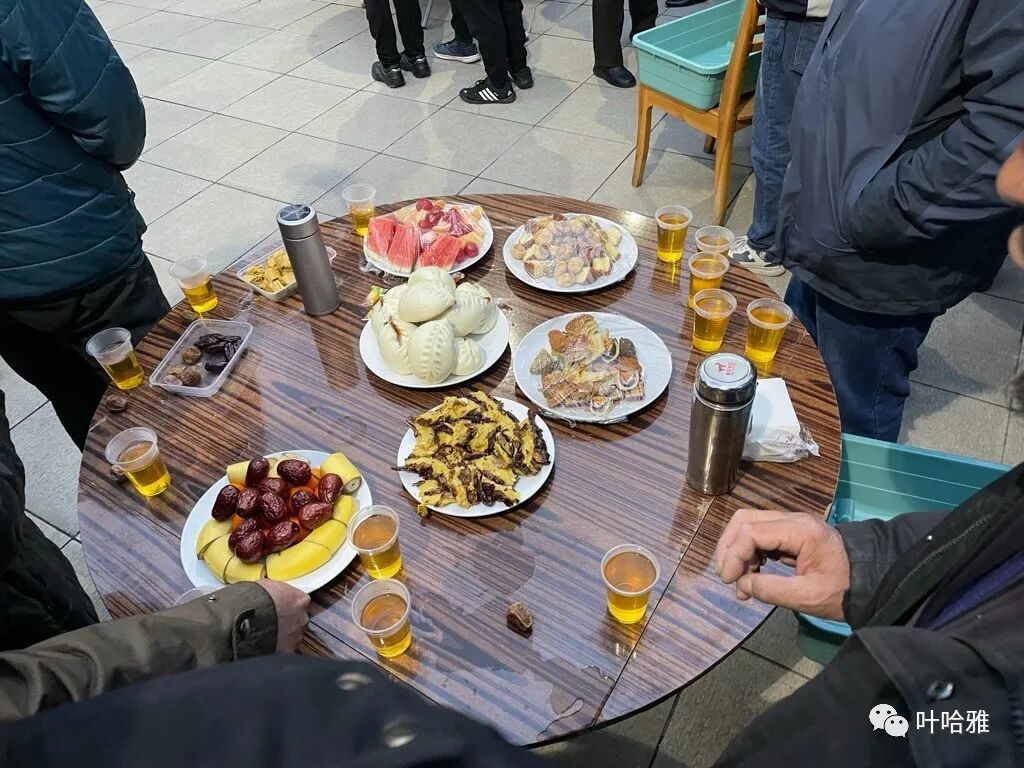
This is my fourth year at Mingya and my fourth Ramadan here. I was surprised to find that my weight has not changed at all over these four years. I eat the same as before because I usually break my fast at the mosque and do not overeat. The only explanation for my stable weight is that my activity level during Ramadan at Mingya is lower than before, so I burn fewer calories.
The three years of the pandemic made us used to working from home and doing business online. All our operations are now digital, which is very friendly for someone with my specific lifestyle. The light entrepreneurship business model also makes us our own bosses. We do not need to answer to superiors, and everyone arranges their work according to their own pace. The control is in our own hands.
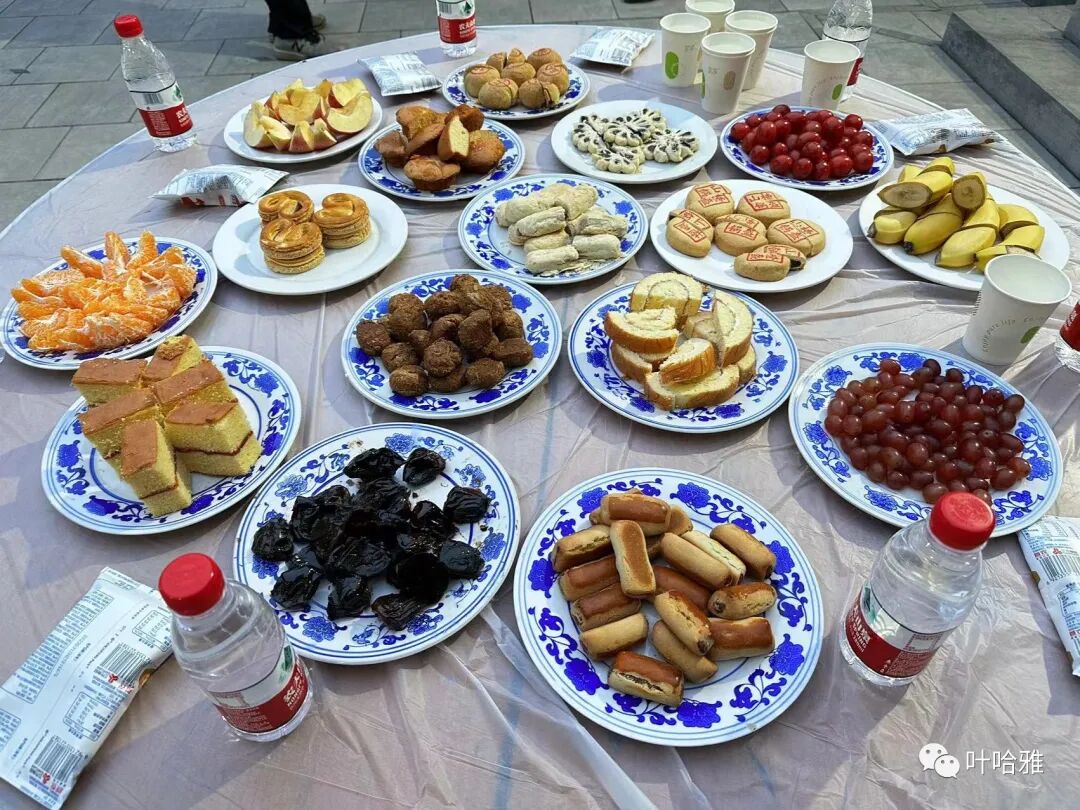
Iftar snacks at Nanxiapo Mosque.
I remember when I first came to Mingya, friends advised me not to go into insurance. They said I would have fewer friends. I disagreed because I knew that being an insurance broker is fundamentally different from being a traditional insurance agent. It turns out that after becoming a Mingya insurance broker, I have far more friends than before. My WeChat contact list has grown nearly tenfold, and one-tenth of those friends have become my clients. The team I manage has reached nearly 50 people, making it the fastest-growing team in our department. Many partners joined us because of our reputation, and I even won the Annual Top Ten Talent Scout Award.
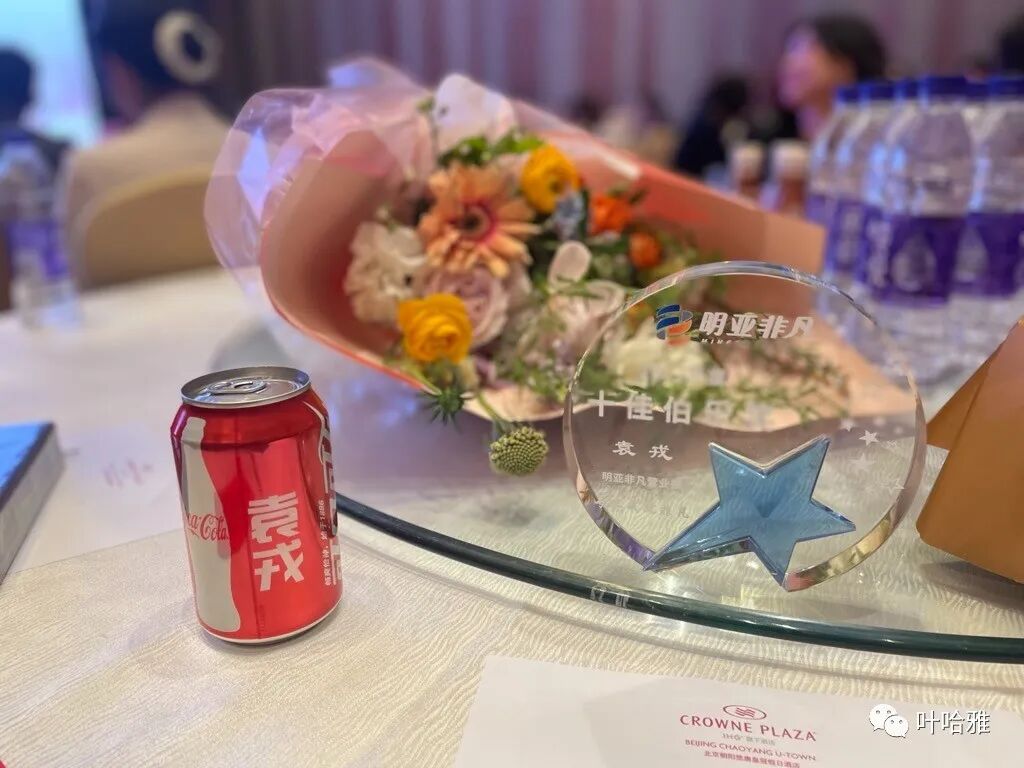
Our team is highly educated, professional, and earns a high income. We are a breath of fresh air in the insurance industry. A bachelor's degree is our minimum requirement, nearly 30% of us hold master's degrees, and our average income is more than 10 times that of traditional insurance agents. We set such high standards because of our job requirements. We are authorized to sell most insurance products on the market, including complex dividend-paying insurance and investment-linked insurance. To qualify to sell these, we must pass the China Banking and Insurance Regulatory Commission exams, which require at least a bachelor's degree to register.
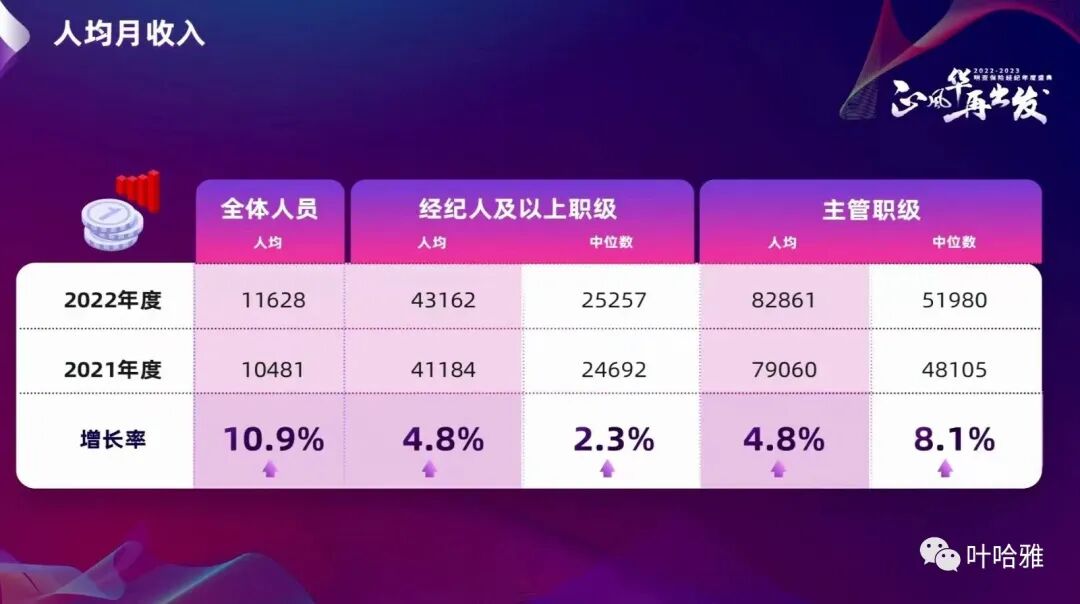
Average monthly income of all brokers announced at the 2022 annual meeting (the average data for the Beijing area is higher than the national average).
This year's annual meeting happened to fall during Ramadan. We hold our meetings later than most companies because our fiscal year ends on January 25th. By the time official evaluations finish, it is almost March. The meetings are split into department, branch, and headquarters levels, and some small teams hold their own, too. It takes until April to finish everything.

Since most of our team members are fasting, we can skip the company's celebration dinners. Instead, I take the award-winning team members out for a nice iftar meal.
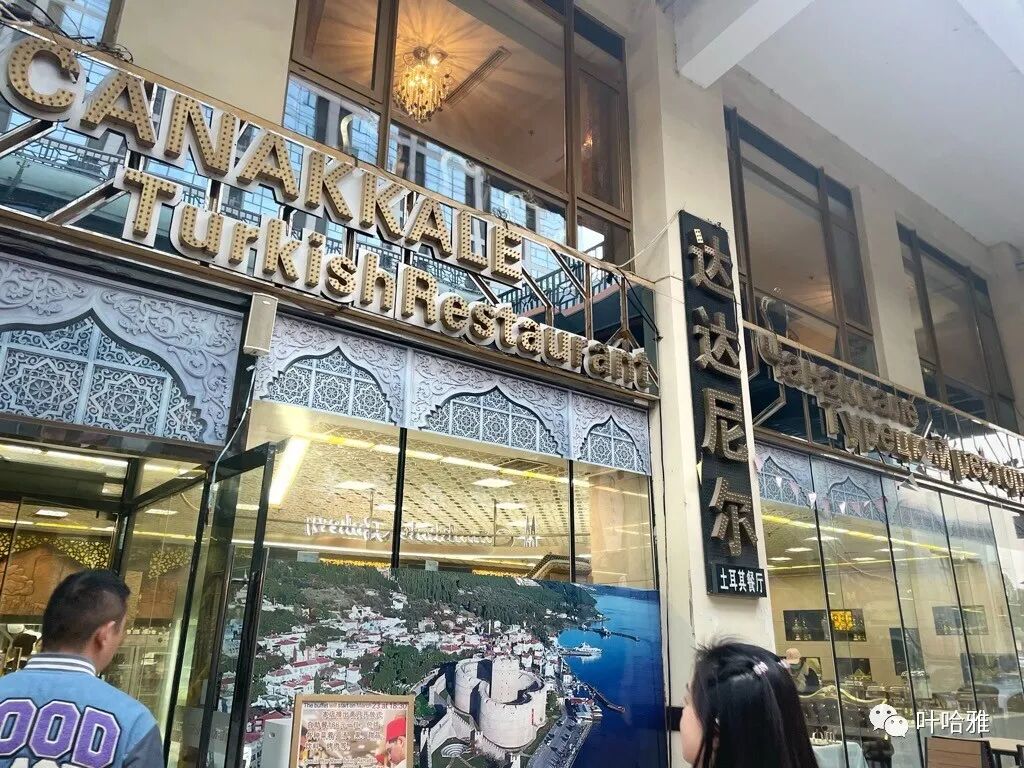
This year, we chose Dadanier for our iftar buffet celebration. It is an alcohol-free restaurant and costs 188 yuan per person. You must book in advance because it is very crowded. Dadanier does not let you take food until the exact time of iftar, and you have to line up to get your food.
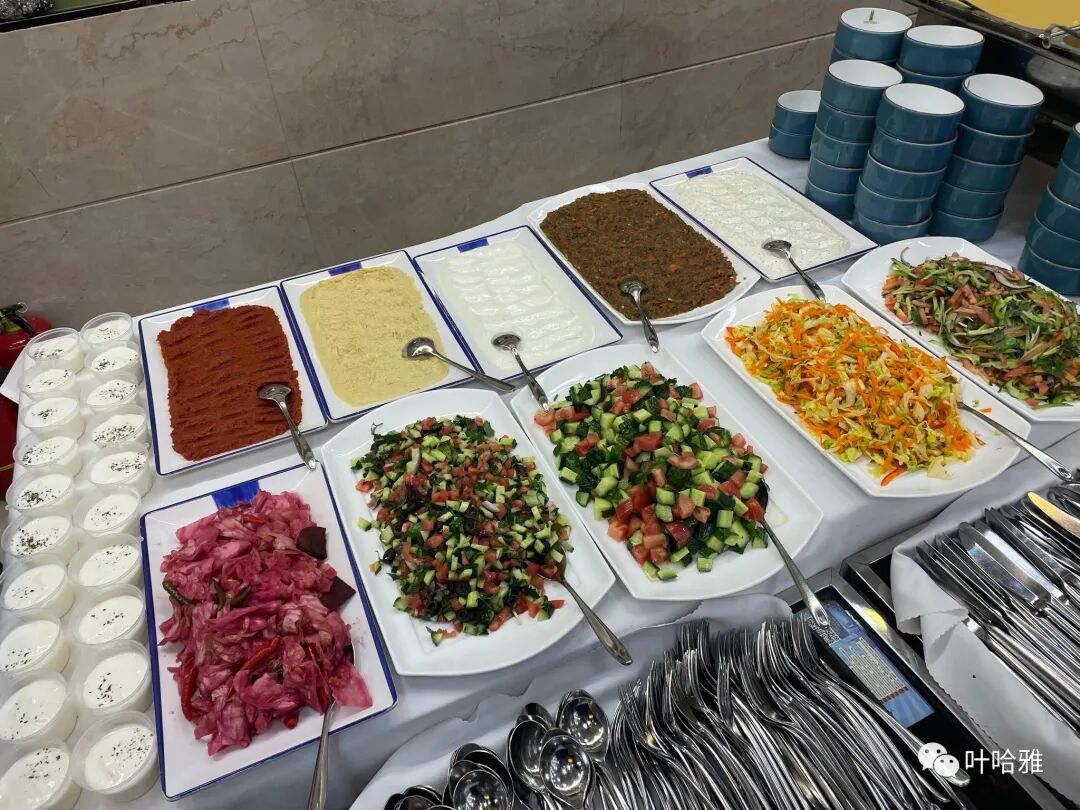
This buffet is only available during Ramadan. For 188 yuan, you can eat unlimited Turkish dishes, including grilled meat (kaorou), pita bread (pita), yogurt (suannai), fruit, desserts, and milk tea. It is a great deal for those with a big appetite.
Evenings are the busiest time during Ramadan. I receive iftar invitations from friends days in advance. People compete to host these meals because feeding someone who is fasting earns the same reward as the person fasting, so everyone wants to host. This year, no mosques in Beijing are preparing full iftar meals, only tea and snacks. The Niujie Mosque occasionally has boxed meals or snacks provided by elders as charity (dasuan). I hope the tradition of preparing and eating iftar meals at the mosque returns next year.
Last week, a friend (dosti) invited me to have iftar at the China Islamic Institute. The institute is on Niujie Street. Even though I am from Niujie and my home is here, this was my first time ever stepping inside the institute.
The prayer hall of the Islamic Institute.
The institute has over 160 students, including undergraduates and postgraduates. There are no female students, only female teachers. The facilities are much better than I imagined. They have various sports halls and even two gyms.
Gym
Badminton court
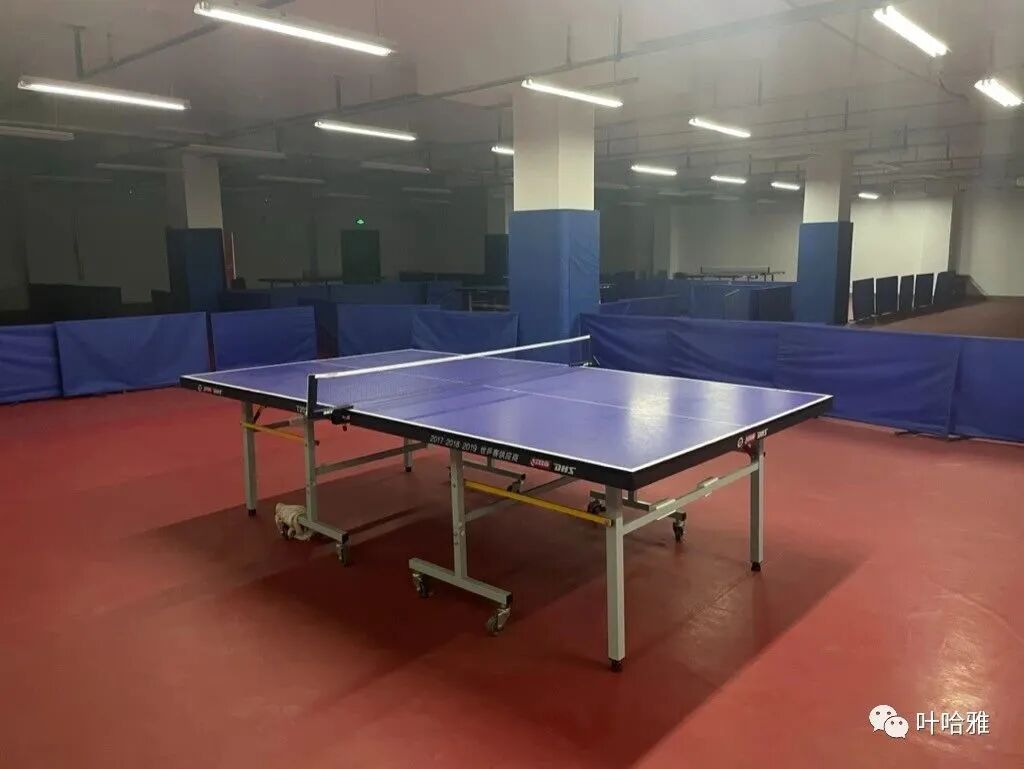
Table tennis room
The person in charge of the Islamic seminary canteen is a friend I have known online for years. This iftar meal was prepared for our group, and it came from the same big pots used to feed the students.
Islamic seminary canteen
The seminary follows the Hanafi tradition for Taraweeh prayers, which also consists of 20 rakats. Different students take turns leading the prayers each day. These students are well-trained and generally have excellent recitation skills. That night, we caught an imam from Yunnan leading the prayers. By coincidence, this imam is also an online friend of mine who once studied at the Shadian Grand Mosque. His voice was loud and clear when he recited.
After prayers, we went back to the dorms to drink tea and chat with the undergraduate and graduate students. This scene reminded me of my own college days. Back then, I had time but no money, so I could not go many places. After I started working, I had money but no time, and I still felt restricted. It was not until I joined Mingya that this conflict was truly resolved.
Since the Islamic calendar is a few days shorter than the Gregorian calendar, Ramadan rotates through every season. Over the next few years, Ramadan will gradually move into the winter. Shorter fasting hours will make it easier for us to fast. The pandemic is over, and it is easier to hold in-person events again. Our work is getting back on track, and I believe we will achieve even better results next year.
Summary: This Ramadan in China 2026 article reflects on fasting while working in Beijing, iftar at Niujie Mosque and Nanxiapo Mosque, online work at Mingya, Muslim daily routines, and the balance between faith and career.
The Fourth Ramadan I Have Spent in Minya is presented here as a firsthand travel account in clear English, beginning with this scene: I remember my first Ramadan after starting work was in the heat of August. It was the hottest time of year in Beijing, and the days were at their longest. The account keeps its focus on Mosque Travel, Islamic Heritage, Beijing while preserving the names, places, food, and historical details from the Chinese source.
I remember my first Ramadan after starting work was in the heat of August. It was the hottest time of year in Beijing, and the days were at their longest. I had to finish my pre-dawn meal (suhoor) before 3:00 a.m. and could not break my fast until nearly 8:00 p.m., a span of 17 hours. I was young and energetic then, so it did not feel too hard. My daily work was in an office with air conditioning, which helped. I only felt parched when I occasionally had to go out and stand in the scorching sun.
Iftar snacks at Niujie Mosque.
Every day at lunch, colleagues would walk past me in groups. I had to explain over and over why I was not eating. To avoid the awkwardness, I started finding a quiet place to stay during lunch hours to limit talking and save my energy. After those few years of Ramadan, I would always lose a few pounds, usually dropping below 70kg. My colleagues could tell by my face. Some who wanted to lose weight would join me in fasting, but they only did it for the intention of losing weight and usually could not last more than a few days. I have fasted every year for over a decade since I started working, except for one year when I was traveling and missed a few days.
Before coming to Mingya, even though I got through every Ramadan and the full 30 days, I would still feel anxious as the month approached. I never knew what my work schedule would be or if I would be able to fast in peace. The control was never in my hands.
This is my fourth year at Mingya and my fourth Ramadan here. I was surprised to find that my weight has not changed at all over these four years. I eat the same as before because I usually break my fast at the mosque and do not overeat. The only explanation for my stable weight is that my activity level during Ramadan at Mingya is lower than before, so I burn fewer calories.
The three years of the pandemic made us used to working from home and doing business online. All our operations are now digital, which is very friendly for someone with my specific lifestyle. The light entrepreneurship business model also makes us our own bosses. We do not need to answer to superiors, and everyone arranges their work according to their own pace. The control is in our own hands.
Iftar snacks at Nanxiapo Mosque.
I remember when I first came to Mingya, friends advised me not to go into insurance. They said I would have fewer friends. I disagreed because I knew that being an insurance broker is fundamentally different from being a traditional insurance agent. It turns out that after becoming a Mingya insurance broker, I have far more friends than before. My WeChat contact list has grown nearly tenfold, and one-tenth of those friends have become my clients. The team I manage has reached nearly 50 people, making it the fastest-growing team in our department. Many partners joined us because of our reputation, and I even won the Annual Top Ten Talent Scout Award.
Our team is highly educated, professional, and earns a high income. We are a breath of fresh air in the insurance industry. A bachelor's degree is our minimum requirement, nearly 30% of us hold master's degrees, and our average income is more than 10 times that of traditional insurance agents. We set such high standards because of our job requirements. We are authorized to sell most insurance products on the market, including complex dividend-paying insurance and investment-linked insurance. To qualify to sell these, we must pass the China Banking and Insurance Regulatory Commission exams, which require at least a bachelor's degree to register.
Average monthly income of all brokers announced at the 2022 annual meeting (the average data for the Beijing area is higher than the national average).
This year's annual meeting happened to fall during Ramadan. We hold our meetings later than most companies because our fiscal year ends on January 25th. By the time official evaluations finish, it is almost March. The meetings are split into department, branch, and headquarters levels, and some small teams hold their own, too. It takes until April to finish everything.
Since most of our team members are fasting, we can skip the company's celebration dinners. Instead, I take the award-winning team members out for a nice iftar meal.
This year, we chose Dadanier for our iftar buffet celebration. It is an alcohol-free restaurant and costs 188 yuan per person. You must book in advance because it is very crowded. Dadanier does not let you take food until the exact time of iftar, and you have to line up to get your food.
This buffet is only available during Ramadan. For 188 yuan, you can eat unlimited Turkish dishes, including grilled meat (kaorou), pita bread (pita), yogurt (suannai), fruit, desserts, and milk tea. It is a great deal for those with a big appetite.
Evenings are the busiest time during Ramadan. I receive iftar invitations from friends days in advance. People compete to host these meals because feeding someone who is fasting earns the same reward as the person fasting, so everyone wants to host. This year, no mosques in Beijing are preparing full iftar meals, only tea and snacks. The Niujie Mosque occasionally has boxed meals or snacks provided by elders as charity (dasuan). I hope the tradition of preparing and eating iftar meals at the mosque returns next year.
Last week, a friend (dosti) invited me to have iftar at the China Islamic Institute. The institute is on Niujie Street. Even though I am from Niujie and my home is here, this was my first time ever stepping inside the institute.
The prayer hall of the Islamic Institute.
The institute has over 160 students, including undergraduates and postgraduates. There are no female students, only female teachers. The facilities are much better than I imagined. They have various sports halls and even two gyms.
Gym
Badminton court
Table tennis room
The person in charge of the Islamic seminary canteen is a friend I have known online for years. This iftar meal was prepared for our group, and it came from the same big pots used to feed the students.
Islamic seminary canteen
The seminary follows the Hanafi tradition for Taraweeh prayers, which also consists of 20 rakats. Different students take turns leading the prayers each day. These students are well-trained and generally have excellent recitation skills. That night, we caught an imam from Yunnan leading the prayers. By coincidence, this imam is also an online friend of mine who once studied at the Shadian Grand Mosque. His voice was loud and clear when he recited.
After prayers, we went back to the dorms to drink tea and chat with the undergraduate and graduate students. This scene reminded me of my own college days. Back then, I had time but no money, so I could not go many places. After I started working, I had money but no time, and I still felt restricted. It was not until I joined Mingya that this conflict was truly resolved.
Since the Islamic calendar is a few days shorter than the Gregorian calendar, Ramadan rotates through every season. Over the next few years, Ramadan will gradually move into the winter. Shorter fasting hours will make it easier for us to fast. The pandemic is over, and it is easier to hold in-person events again. Our work is getting back on track, and I believe we will achieve even better results next year.
Ramadan in China 2026: Iftar at Niujie Mosque, Muslim Work Life and Beijing Faith Reflections
Articles • yusuf908 posted the article • 0 comments • 155 views • 2026-05-22 20:52
Reposted from the web
Summary: This Ramadan in China 2026 article reflects on fasting while working in Beijing, iftar at Niujie Mosque and Nanxiapo Mosque, online work at Mingya, Muslim daily routines, and the balance between faith and career.
The Fourth Ramadan I Have Spent in Minya is presented here as a firsthand travel account in clear English, beginning with this scene: I remember my first Ramadan after starting work was in the heat of August. It was the hottest time of year in Beijing, and the days were at their longest. The account keeps its focus on Mosque Travel, Islamic Heritage, Beijing while preserving the names, places, food, and historical details from the Chinese source.
I remember my first Ramadan after starting work was in the heat of August. It was the hottest time of year in Beijing, and the days were at their longest. I had to finish my pre-dawn meal (suhoor) before 3:00 a.m. and could not break my fast until nearly 8:00 p.m., a span of 17 hours. I was young and energetic then, so it did not feel too hard. My daily work was in an office with air conditioning, which helped. I only felt parched when I occasionally had to go out and stand in the scorching sun.
Iftar snacks at Niujie Mosque.
Every day at lunch, colleagues would walk past me in groups. I had to explain over and over why I was not eating. To avoid the awkwardness, I started finding a quiet place to stay during lunch hours to limit talking and save my energy. After those few years of Ramadan, I would always lose a few pounds, usually dropping below 70kg. My colleagues could tell by my face. Some who wanted to lose weight would join me in fasting, but they only did it for the intention of losing weight and usually could not last more than a few days. I have fasted every year for over a decade since I started working, except for one year when I was traveling and missed a few days.
Before coming to Mingya, even though I got through every Ramadan and the full 30 days, I would still feel anxious as the month approached. I never knew what my work schedule would be or if I would be able to fast in peace. The control was never in my hands.
This is my fourth year at Mingya and my fourth Ramadan here. I was surprised to find that my weight has not changed at all over these four years. I eat the same as before because I usually break my fast at the mosque and do not overeat. The only explanation for my stable weight is that my activity level during Ramadan at Mingya is lower than before, so I burn fewer calories.
The three years of the pandemic made us used to working from home and doing business online. All our operations are now digital, which is very friendly for someone with my specific lifestyle. The light entrepreneurship business model also makes us our own bosses. We do not need to answer to superiors, and everyone arranges their work according to their own pace. The control is in our own hands.
Iftar snacks at Nanxiapo Mosque.
I remember when I first came to Mingya, friends advised me not to go into insurance. They said I would have fewer friends. I disagreed because I knew that being an insurance broker is fundamentally different from being a traditional insurance agent. It turns out that after becoming a Mingya insurance broker, I have far more friends than before. My WeChat contact list has grown nearly tenfold, and one-tenth of those friends have become my clients. The team I manage has reached nearly 50 people, making it the fastest-growing team in our department. Many partners joined us because of our reputation, and I even won the Annual Top Ten Talent Scout Award.
Our team is highly educated, professional, and earns a high income. We are a breath of fresh air in the insurance industry. A bachelor's degree is our minimum requirement, nearly 30% of us hold master's degrees, and our average income is more than 10 times that of traditional insurance agents. We set such high standards because of our job requirements. We are authorized to sell most insurance products on the market, including complex dividend-paying insurance and investment-linked insurance. To qualify to sell these, we must pass the China Banking and Insurance Regulatory Commission exams, which require at least a bachelor's degree to register.
Average monthly income of all brokers announced at the 2022 annual meeting (the average data for the Beijing area is higher than the national average).
This year's annual meeting happened to fall during Ramadan. We hold our meetings later than most companies because our fiscal year ends on January 25th. By the time official evaluations finish, it is almost March. The meetings are split into department, branch, and headquarters levels, and some small teams hold their own, too. It takes until April to finish everything.
Since most of our team members are fasting, we can skip the company's celebration dinners. Instead, I take the award-winning team members out for a nice iftar meal.
This year, we chose Dadanier for our iftar buffet celebration. It is an alcohol-free restaurant and costs 188 yuan per person. You must book in advance because it is very crowded. Dadanier does not let you take food until the exact time of iftar, and you have to line up to get your food.
This buffet is only available during Ramadan. For 188 yuan, you can eat unlimited Turkish dishes, including grilled meat (kaorou), pita bread (pita), yogurt (suannai), fruit, desserts, and milk tea. It is a great deal for those with a big appetite.
Evenings are the busiest time during Ramadan. I receive iftar invitations from friends days in advance. People compete to host these meals because feeding someone who is fasting earns the same reward as the person fasting, so everyone wants to host. This year, no mosques in Beijing are preparing full iftar meals, only tea and snacks. The Niujie Mosque occasionally has boxed meals or snacks provided by elders as charity (dasuan). I hope the tradition of preparing and eating iftar meals at the mosque returns next year.
Last week, a friend (dosti) invited me to have iftar at the China Islamic Institute. The institute is on Niujie Street. Even though I am from Niujie and my home is here, this was my first time ever stepping inside the institute.
The prayer hall of the Islamic Institute.
The institute has over 160 students, including undergraduates and postgraduates. There are no female students, only female teachers. The facilities are much better than I imagined. They have various sports halls and even two gyms.
Gym
Badminton court
Table tennis room
The person in charge of the Islamic seminary canteen is a friend I have known online for years. This iftar meal was prepared for our group, and it came from the same big pots used to feed the students.
Islamic seminary canteen
The seminary follows the Hanafi tradition for Taraweeh prayers, which also consists of 20 rakats. Different students take turns leading the prayers each day. These students are well-trained and generally have excellent recitation skills. That night, we caught an imam from Yunnan leading the prayers. By coincidence, this imam is also an online friend of mine who once studied at the Shadian Grand Mosque. His voice was loud and clear when he recited.
After prayers, we went back to the dorms to drink tea and chat with the undergraduate and graduate students. This scene reminded me of my own college days. Back then, I had time but no money, so I could not go many places. After I started working, I had money but no time, and I still felt restricted. It was not until I joined Mingya that this conflict was truly resolved.
Since the Islamic calendar is a few days shorter than the Gregorian calendar, Ramadan rotates through every season. Over the next few years, Ramadan will gradually move into the winter. Shorter fasting hours will make it easier for us to fast. The pandemic is over, and it is easier to hold in-person events again. Our work is getting back on track, and I believe we will achieve even better results next year. view all
Summary: This Ramadan in China 2026 article reflects on fasting while working in Beijing, iftar at Niujie Mosque and Nanxiapo Mosque, online work at Mingya, Muslim daily routines, and the balance between faith and career.
The Fourth Ramadan I Have Spent in Minya is presented here as a firsthand travel account in clear English, beginning with this scene: I remember my first Ramadan after starting work was in the heat of August. It was the hottest time of year in Beijing, and the days were at their longest. The account keeps its focus on Mosque Travel, Islamic Heritage, Beijing while preserving the names, places, food, and historical details from the Chinese source.
I remember my first Ramadan after starting work was in the heat of August. It was the hottest time of year in Beijing, and the days were at their longest. I had to finish my pre-dawn meal (suhoor) before 3:00 a.m. and could not break my fast until nearly 8:00 p.m., a span of 17 hours. I was young and energetic then, so it did not feel too hard. My daily work was in an office with air conditioning, which helped. I only felt parched when I occasionally had to go out and stand in the scorching sun.
Iftar snacks at Niujie Mosque.
Every day at lunch, colleagues would walk past me in groups. I had to explain over and over why I was not eating. To avoid the awkwardness, I started finding a quiet place to stay during lunch hours to limit talking and save my energy. After those few years of Ramadan, I would always lose a few pounds, usually dropping below 70kg. My colleagues could tell by my face. Some who wanted to lose weight would join me in fasting, but they only did it for the intention of losing weight and usually could not last more than a few days. I have fasted every year for over a decade since I started working, except for one year when I was traveling and missed a few days.
Before coming to Mingya, even though I got through every Ramadan and the full 30 days, I would still feel anxious as the month approached. I never knew what my work schedule would be or if I would be able to fast in peace. The control was never in my hands.
This is my fourth year at Mingya and my fourth Ramadan here. I was surprised to find that my weight has not changed at all over these four years. I eat the same as before because I usually break my fast at the mosque and do not overeat. The only explanation for my stable weight is that my activity level during Ramadan at Mingya is lower than before, so I burn fewer calories.
The three years of the pandemic made us used to working from home and doing business online. All our operations are now digital, which is very friendly for someone with my specific lifestyle. The light entrepreneurship business model also makes us our own bosses. We do not need to answer to superiors, and everyone arranges their work according to their own pace. The control is in our own hands.
Iftar snacks at Nanxiapo Mosque.
I remember when I first came to Mingya, friends advised me not to go into insurance. They said I would have fewer friends. I disagreed because I knew that being an insurance broker is fundamentally different from being a traditional insurance agent. It turns out that after becoming a Mingya insurance broker, I have far more friends than before. My WeChat contact list has grown nearly tenfold, and one-tenth of those friends have become my clients. The team I manage has reached nearly 50 people, making it the fastest-growing team in our department. Many partners joined us because of our reputation, and I even won the Annual Top Ten Talent Scout Award.
Our team is highly educated, professional, and earns a high income. We are a breath of fresh air in the insurance industry. A bachelor's degree is our minimum requirement, nearly 30% of us hold master's degrees, and our average income is more than 10 times that of traditional insurance agents. We set such high standards because of our job requirements. We are authorized to sell most insurance products on the market, including complex dividend-paying insurance and investment-linked insurance. To qualify to sell these, we must pass the China Banking and Insurance Regulatory Commission exams, which require at least a bachelor's degree to register.
Average monthly income of all brokers announced at the 2022 annual meeting (the average data for the Beijing area is higher than the national average).
This year's annual meeting happened to fall during Ramadan. We hold our meetings later than most companies because our fiscal year ends on January 25th. By the time official evaluations finish, it is almost March. The meetings are split into department, branch, and headquarters levels, and some small teams hold their own, too. It takes until April to finish everything.
Since most of our team members are fasting, we can skip the company's celebration dinners. Instead, I take the award-winning team members out for a nice iftar meal.
This year, we chose Dadanier for our iftar buffet celebration. It is an alcohol-free restaurant and costs 188 yuan per person. You must book in advance because it is very crowded. Dadanier does not let you take food until the exact time of iftar, and you have to line up to get your food.
This buffet is only available during Ramadan. For 188 yuan, you can eat unlimited Turkish dishes, including grilled meat (kaorou), pita bread (pita), yogurt (suannai), fruit, desserts, and milk tea. It is a great deal for those with a big appetite.
Evenings are the busiest time during Ramadan. I receive iftar invitations from friends days in advance. People compete to host these meals because feeding someone who is fasting earns the same reward as the person fasting, so everyone wants to host. This year, no mosques in Beijing are preparing full iftar meals, only tea and snacks. The Niujie Mosque occasionally has boxed meals or snacks provided by elders as charity (dasuan). I hope the tradition of preparing and eating iftar meals at the mosque returns next year.
Last week, a friend (dosti) invited me to have iftar at the China Islamic Institute. The institute is on Niujie Street. Even though I am from Niujie and my home is here, this was my first time ever stepping inside the institute.
The prayer hall of the Islamic Institute.
The institute has over 160 students, including undergraduates and postgraduates. There are no female students, only female teachers. The facilities are much better than I imagined. They have various sports halls and even two gyms.
Gym
Badminton court
Table tennis room
The person in charge of the Islamic seminary canteen is a friend I have known online for years. This iftar meal was prepared for our group, and it came from the same big pots used to feed the students.
Islamic seminary canteen
The seminary follows the Hanafi tradition for Taraweeh prayers, which also consists of 20 rakats. Different students take turns leading the prayers each day. These students are well-trained and generally have excellent recitation skills. That night, we caught an imam from Yunnan leading the prayers. By coincidence, this imam is also an online friend of mine who once studied at the Shadian Grand Mosque. His voice was loud and clear when he recited.
After prayers, we went back to the dorms to drink tea and chat with the undergraduate and graduate students. This scene reminded me of my own college days. Back then, I had time but no money, so I could not go many places. After I started working, I had money but no time, and I still felt restricted. It was not until I joined Mingya that this conflict was truly resolved.
Since the Islamic calendar is a few days shorter than the Gregorian calendar, Ramadan rotates through every season. Over the next few years, Ramadan will gradually move into the winter. Shorter fasting hours will make it easier for us to fast. The pandemic is over, and it is easier to hold in-person events again. Our work is getting back on track, and I believe we will achieve even better results next year. view all
Reposted from the web
Summary: This Ramadan in China 2026 article reflects on fasting while working in Beijing, iftar at Niujie Mosque and Nanxiapo Mosque, online work at Mingya, Muslim daily routines, and the balance between faith and career.
The Fourth Ramadan I Have Spent in Minya is presented here as a firsthand travel account in clear English, beginning with this scene: I remember my first Ramadan after starting work was in the heat of August. It was the hottest time of year in Beijing, and the days were at their longest. The account keeps its focus on Mosque Travel, Islamic Heritage, Beijing while preserving the names, places, food, and historical details from the Chinese source.
I remember my first Ramadan after starting work was in the heat of August. It was the hottest time of year in Beijing, and the days were at their longest. I had to finish my pre-dawn meal (suhoor) before 3:00 a.m. and could not break my fast until nearly 8:00 p.m., a span of 17 hours. I was young and energetic then, so it did not feel too hard. My daily work was in an office with air conditioning, which helped. I only felt parched when I occasionally had to go out and stand in the scorching sun.
Iftar snacks at Niujie Mosque.
Every day at lunch, colleagues would walk past me in groups. I had to explain over and over why I was not eating. To avoid the awkwardness, I started finding a quiet place to stay during lunch hours to limit talking and save my energy. After those few years of Ramadan, I would always lose a few pounds, usually dropping below 70kg. My colleagues could tell by my face. Some who wanted to lose weight would join me in fasting, but they only did it for the intention of losing weight and usually could not last more than a few days. I have fasted every year for over a decade since I started working, except for one year when I was traveling and missed a few days.
Before coming to Mingya, even though I got through every Ramadan and the full 30 days, I would still feel anxious as the month approached. I never knew what my work schedule would be or if I would be able to fast in peace. The control was never in my hands.
This is my fourth year at Mingya and my fourth Ramadan here. I was surprised to find that my weight has not changed at all over these four years. I eat the same as before because I usually break my fast at the mosque and do not overeat. The only explanation for my stable weight is that my activity level during Ramadan at Mingya is lower than before, so I burn fewer calories.
The three years of the pandemic made us used to working from home and doing business online. All our operations are now digital, which is very friendly for someone with my specific lifestyle. The light entrepreneurship business model also makes us our own bosses. We do not need to answer to superiors, and everyone arranges their work according to their own pace. The control is in our own hands.
Iftar snacks at Nanxiapo Mosque.
I remember when I first came to Mingya, friends advised me not to go into insurance. They said I would have fewer friends. I disagreed because I knew that being an insurance broker is fundamentally different from being a traditional insurance agent. It turns out that after becoming a Mingya insurance broker, I have far more friends than before. My WeChat contact list has grown nearly tenfold, and one-tenth of those friends have become my clients. The team I manage has reached nearly 50 people, making it the fastest-growing team in our department. Many partners joined us because of our reputation, and I even won the Annual Top Ten Talent Scout Award.
Our team is highly educated, professional, and earns a high income. We are a breath of fresh air in the insurance industry. A bachelor's degree is our minimum requirement, nearly 30% of us hold master's degrees, and our average income is more than 10 times that of traditional insurance agents. We set such high standards because of our job requirements. We are authorized to sell most insurance products on the market, including complex dividend-paying insurance and investment-linked insurance. To qualify to sell these, we must pass the China Banking and Insurance Regulatory Commission exams, which require at least a bachelor's degree to register.
Average monthly income of all brokers announced at the 2022 annual meeting (the average data for the Beijing area is higher than the national average).
This year's annual meeting happened to fall during Ramadan. We hold our meetings later than most companies because our fiscal year ends on January 25th. By the time official evaluations finish, it is almost March. The meetings are split into department, branch, and headquarters levels, and some small teams hold their own, too. It takes until April to finish everything.
Since most of our team members are fasting, we can skip the company's celebration dinners. Instead, I take the award-winning team members out for a nice iftar meal.
This year, we chose Dadanier for our iftar buffet celebration. It is an alcohol-free restaurant and costs 188 yuan per person. You must book in advance because it is very crowded. Dadanier does not let you take food until the exact time of iftar, and you have to line up to get your food.
This buffet is only available during Ramadan. For 188 yuan, you can eat unlimited Turkish dishes, including grilled meat (kaorou), pita bread (pita), yogurt (suannai), fruit, desserts, and milk tea. It is a great deal for those with a big appetite.
Evenings are the busiest time during Ramadan. I receive iftar invitations from friends days in advance. People compete to host these meals because feeding someone who is fasting earns the same reward as the person fasting, so everyone wants to host. This year, no mosques in Beijing are preparing full iftar meals, only tea and snacks. The Niujie Mosque occasionally has boxed meals or snacks provided by elders as charity (dasuan). I hope the tradition of preparing and eating iftar meals at the mosque returns next year.
Last week, a friend (dosti) invited me to have iftar at the China Islamic Institute. The institute is on Niujie Street. Even though I am from Niujie and my home is here, this was my first time ever stepping inside the institute.
The prayer hall of the Islamic Institute.
The institute has over 160 students, including undergraduates and postgraduates. There are no female students, only female teachers. The facilities are much better than I imagined. They have various sports halls and even two gyms.
Gym
Badminton court
Table tennis room
The person in charge of the Islamic seminary canteen is a friend I have known online for years. This iftar meal was prepared for our group, and it came from the same big pots used to feed the students.
Islamic seminary canteen
The seminary follows the Hanafi tradition for Taraweeh prayers, which also consists of 20 rakats. Different students take turns leading the prayers each day. These students are well-trained and generally have excellent recitation skills. That night, we caught an imam from Yunnan leading the prayers. By coincidence, this imam is also an online friend of mine who once studied at the Shadian Grand Mosque. His voice was loud and clear when he recited.
After prayers, we went back to the dorms to drink tea and chat with the undergraduate and graduate students. This scene reminded me of my own college days. Back then, I had time but no money, so I could not go many places. After I started working, I had money but no time, and I still felt restricted. It was not until I joined Mingya that this conflict was truly resolved.
Since the Islamic calendar is a few days shorter than the Gregorian calendar, Ramadan rotates through every season. Over the next few years, Ramadan will gradually move into the winter. Shorter fasting hours will make it easier for us to fast. The pandemic is over, and it is easier to hold in-person events again. Our work is getting back on track, and I believe we will achieve even better results next year.
Summary: This Ramadan in China 2026 article reflects on fasting while working in Beijing, iftar at Niujie Mosque and Nanxiapo Mosque, online work at Mingya, Muslim daily routines, and the balance between faith and career.
The Fourth Ramadan I Have Spent in Minya is presented here as a firsthand travel account in clear English, beginning with this scene: I remember my first Ramadan after starting work was in the heat of August. It was the hottest time of year in Beijing, and the days were at their longest. The account keeps its focus on Mosque Travel, Islamic Heritage, Beijing while preserving the names, places, food, and historical details from the Chinese source.
I remember my first Ramadan after starting work was in the heat of August. It was the hottest time of year in Beijing, and the days were at their longest. I had to finish my pre-dawn meal (suhoor) before 3:00 a.m. and could not break my fast until nearly 8:00 p.m., a span of 17 hours. I was young and energetic then, so it did not feel too hard. My daily work was in an office with air conditioning, which helped. I only felt parched when I occasionally had to go out and stand in the scorching sun.
Iftar snacks at Niujie Mosque.
Every day at lunch, colleagues would walk past me in groups. I had to explain over and over why I was not eating. To avoid the awkwardness, I started finding a quiet place to stay during lunch hours to limit talking and save my energy. After those few years of Ramadan, I would always lose a few pounds, usually dropping below 70kg. My colleagues could tell by my face. Some who wanted to lose weight would join me in fasting, but they only did it for the intention of losing weight and usually could not last more than a few days. I have fasted every year for over a decade since I started working, except for one year when I was traveling and missed a few days.
Before coming to Mingya, even though I got through every Ramadan and the full 30 days, I would still feel anxious as the month approached. I never knew what my work schedule would be or if I would be able to fast in peace. The control was never in my hands.
This is my fourth year at Mingya and my fourth Ramadan here. I was surprised to find that my weight has not changed at all over these four years. I eat the same as before because I usually break my fast at the mosque and do not overeat. The only explanation for my stable weight is that my activity level during Ramadan at Mingya is lower than before, so I burn fewer calories.
The three years of the pandemic made us used to working from home and doing business online. All our operations are now digital, which is very friendly for someone with my specific lifestyle. The light entrepreneurship business model also makes us our own bosses. We do not need to answer to superiors, and everyone arranges their work according to their own pace. The control is in our own hands.
Iftar snacks at Nanxiapo Mosque.
I remember when I first came to Mingya, friends advised me not to go into insurance. They said I would have fewer friends. I disagreed because I knew that being an insurance broker is fundamentally different from being a traditional insurance agent. It turns out that after becoming a Mingya insurance broker, I have far more friends than before. My WeChat contact list has grown nearly tenfold, and one-tenth of those friends have become my clients. The team I manage has reached nearly 50 people, making it the fastest-growing team in our department. Many partners joined us because of our reputation, and I even won the Annual Top Ten Talent Scout Award.
Our team is highly educated, professional, and earns a high income. We are a breath of fresh air in the insurance industry. A bachelor's degree is our minimum requirement, nearly 30% of us hold master's degrees, and our average income is more than 10 times that of traditional insurance agents. We set such high standards because of our job requirements. We are authorized to sell most insurance products on the market, including complex dividend-paying insurance and investment-linked insurance. To qualify to sell these, we must pass the China Banking and Insurance Regulatory Commission exams, which require at least a bachelor's degree to register.
Average monthly income of all brokers announced at the 2022 annual meeting (the average data for the Beijing area is higher than the national average).
This year's annual meeting happened to fall during Ramadan. We hold our meetings later than most companies because our fiscal year ends on January 25th. By the time official evaluations finish, it is almost March. The meetings are split into department, branch, and headquarters levels, and some small teams hold their own, too. It takes until April to finish everything.
Since most of our team members are fasting, we can skip the company's celebration dinners. Instead, I take the award-winning team members out for a nice iftar meal.
This year, we chose Dadanier for our iftar buffet celebration. It is an alcohol-free restaurant and costs 188 yuan per person. You must book in advance because it is very crowded. Dadanier does not let you take food until the exact time of iftar, and you have to line up to get your food.
This buffet is only available during Ramadan. For 188 yuan, you can eat unlimited Turkish dishes, including grilled meat (kaorou), pita bread (pita), yogurt (suannai), fruit, desserts, and milk tea. It is a great deal for those with a big appetite.
Evenings are the busiest time during Ramadan. I receive iftar invitations from friends days in advance. People compete to host these meals because feeding someone who is fasting earns the same reward as the person fasting, so everyone wants to host. This year, no mosques in Beijing are preparing full iftar meals, only tea and snacks. The Niujie Mosque occasionally has boxed meals or snacks provided by elders as charity (dasuan). I hope the tradition of preparing and eating iftar meals at the mosque returns next year.
Last week, a friend (dosti) invited me to have iftar at the China Islamic Institute. The institute is on Niujie Street. Even though I am from Niujie and my home is here, this was my first time ever stepping inside the institute.
The prayer hall of the Islamic Institute.
The institute has over 160 students, including undergraduates and postgraduates. There are no female students, only female teachers. The facilities are much better than I imagined. They have various sports halls and even two gyms.
Gym
Badminton court
Table tennis room
The person in charge of the Islamic seminary canteen is a friend I have known online for years. This iftar meal was prepared for our group, and it came from the same big pots used to feed the students.
Islamic seminary canteen
The seminary follows the Hanafi tradition for Taraweeh prayers, which also consists of 20 rakats. Different students take turns leading the prayers each day. These students are well-trained and generally have excellent recitation skills. That night, we caught an imam from Yunnan leading the prayers. By coincidence, this imam is also an online friend of mine who once studied at the Shadian Grand Mosque. His voice was loud and clear when he recited.
After prayers, we went back to the dorms to drink tea and chat with the undergraduate and graduate students. This scene reminded me of my own college days. Back then, I had time but no money, so I could not go many places. After I started working, I had money but no time, and I still felt restricted. It was not until I joined Mingya that this conflict was truly resolved.
Since the Islamic calendar is a few days shorter than the Gregorian calendar, Ramadan rotates through every season. Over the next few years, Ramadan will gradually move into the winter. Shorter fasting hours will make it easier for us to fast. The pandemic is over, and it is easier to hold in-person events again. Our work is getting back on track, and I believe we will achieve even better results next year.