

Republican China
Chinese Republican-Era Mosque Architecture: Chinese and Western Design Elements
Articles • ali2007fr posted the article • 0 comments • 138 views • 2026-05-18 02:56
Reposted from the web
Summary: Chinese Republican-Era Mosque Architecture: Chinese and Western Design Elements is presented here as a firsthand travel account in clear English, beginning with this scene: During the Republic of China era, the introduction of Western architectural styles meant Chinese mosques were no longer limited to traditional Chinese designs and began to incorporate Western elements. The account keeps its focus on Mosque Architecture, Republican China, Muslim Heritage while preserving the names, places, food, and historical details from the Chinese source.
During the Republic of China era, the introduction of Western architectural styles meant Chinese mosques were no longer limited to traditional Chinese designs and began to incorporate Western elements. I will share 10 mosques I have visited that feature unique Republic-era architectural styles: the 1935 main hall of the Shenyang East Mosque, the 1936 gate of the Datong Mosque, the 1926 arched porch (juanpeng) of the Longshengzhuang Mosque in Fengzhen, Inner Mongolia, the 1923 main hall of the Hohhot Great Mosque, the rear hall of the Daxinzhuang East Mosque in Bo'ai, Henan, the 1935 gate of the Fuyou Road Mosque in Shanghai, the 1925 Xiaotaoyuan Mosque, the 1940 Beiying Mosque in Dezhou, Shandong, the 1920 gate of the Shahe Mosque in Beijing, and the 1920 first courtyard of the Dongsi Mosque.
1. Shenyang East Mosque
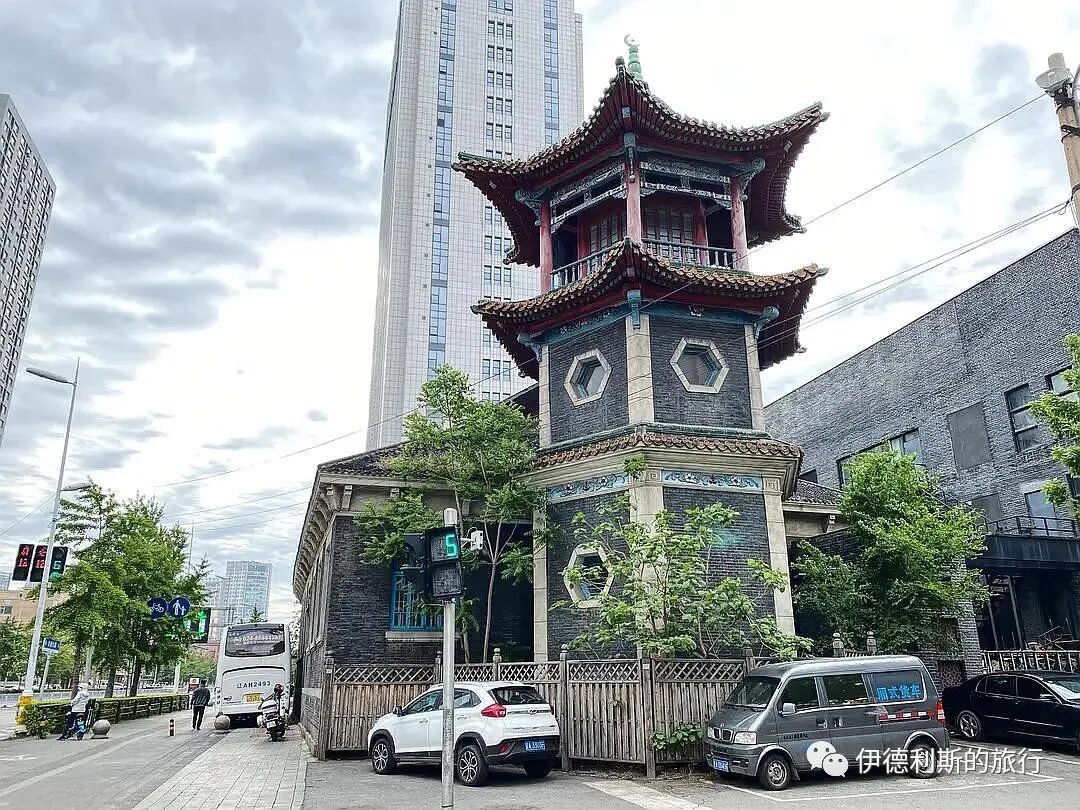
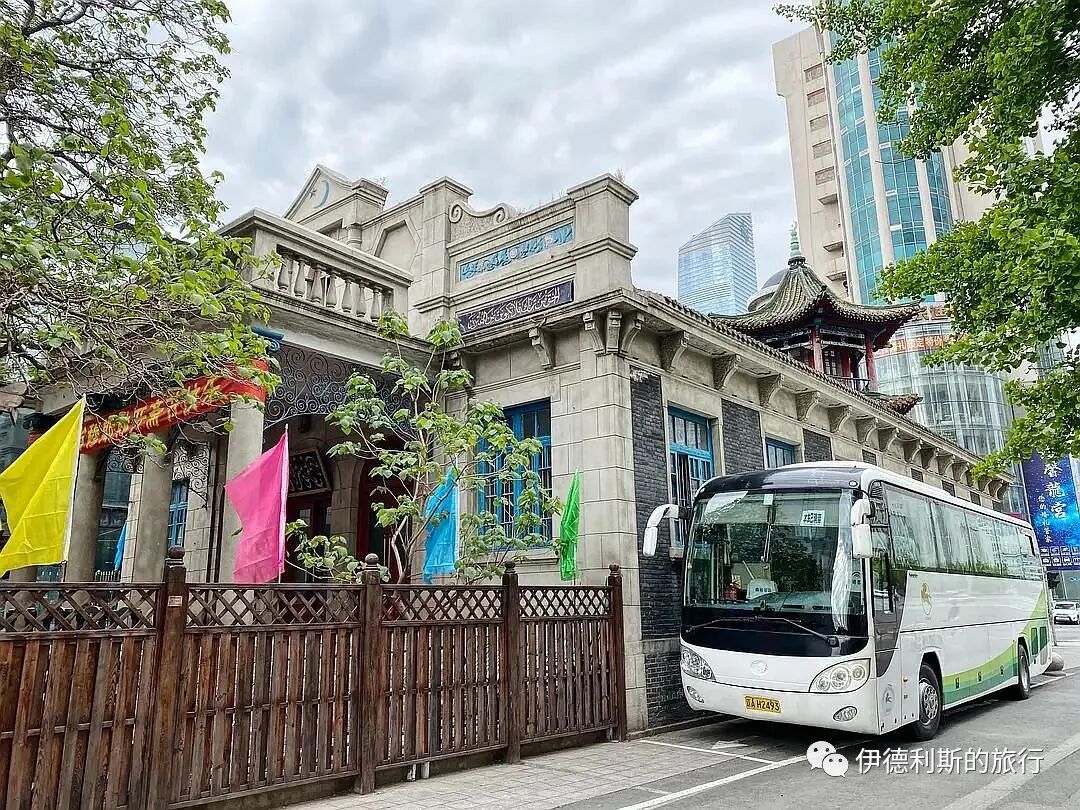
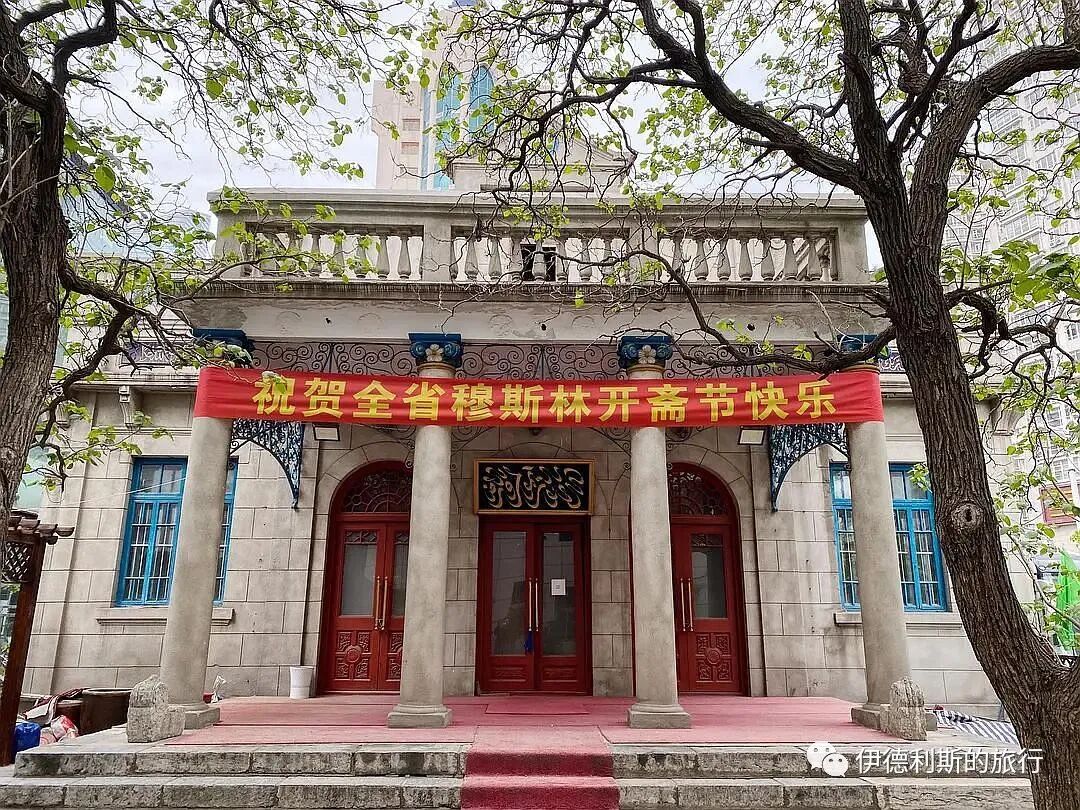
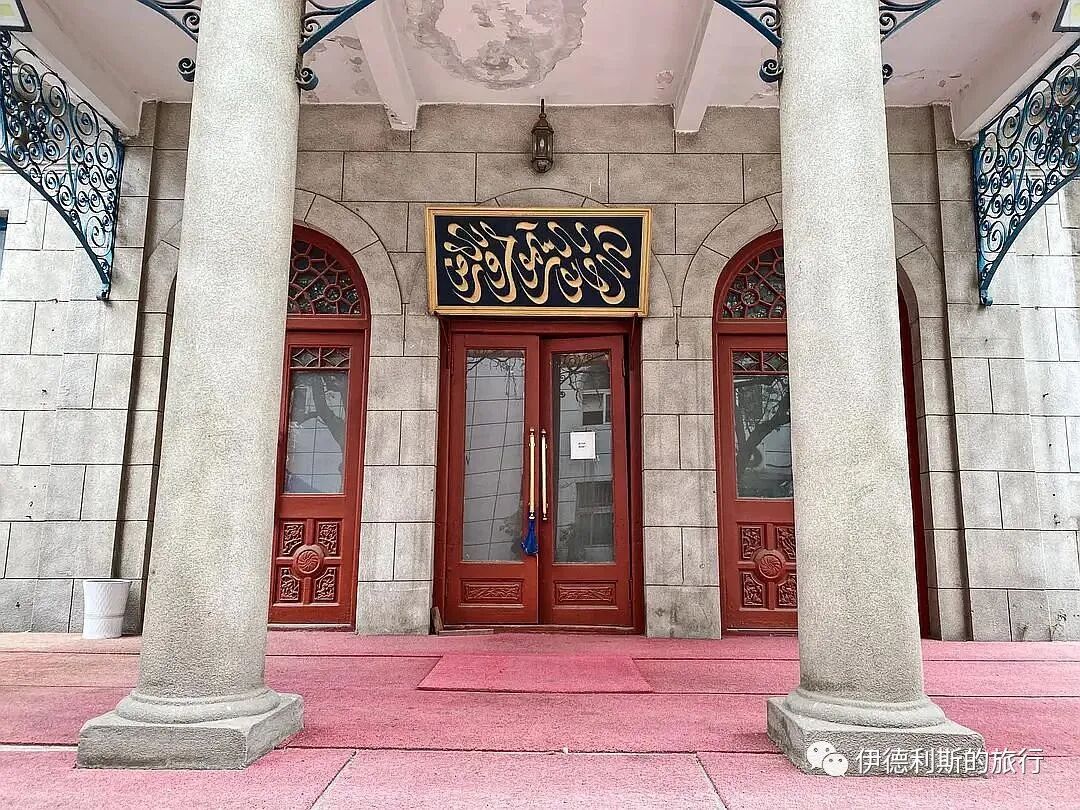
The Shenyang East Mosque was first built in 1803 (the eighth year of the Jiaqing reign). In 1935, the prayer hall was rebuilt in a Western style, while the moon-viewing tower (wangyuelou) kept its original Chinese style.
2. Datong Mosque
The gate of the Datong Mosque was rebuilt in 1936 and features a typical Republic-era style.
3. Longshengzhuang Mosque in Fengzhen, Inner Mongolia
Longshengzhuang in Fengzhen sits on the border of Shanxi and Inner Mongolia. From the Qing Dynasty to the early Republic era, it was at the intersection of trade routes between Hohhot, Datong, and Zhangjiakou, serving as an important market town for Shanxi merchants trading in Mongolia. Longshengzhuang reached its peak in the early Republic era, with over 300 shops and nearly 2 kilometers of storefronts lined up side by side.
The arched porch (juanpeng) of the Longshengzhuang Mosque was expanded in 1926 and features exquisite Republic-era ironwork decorations.
4. Hohhot Great Mosque
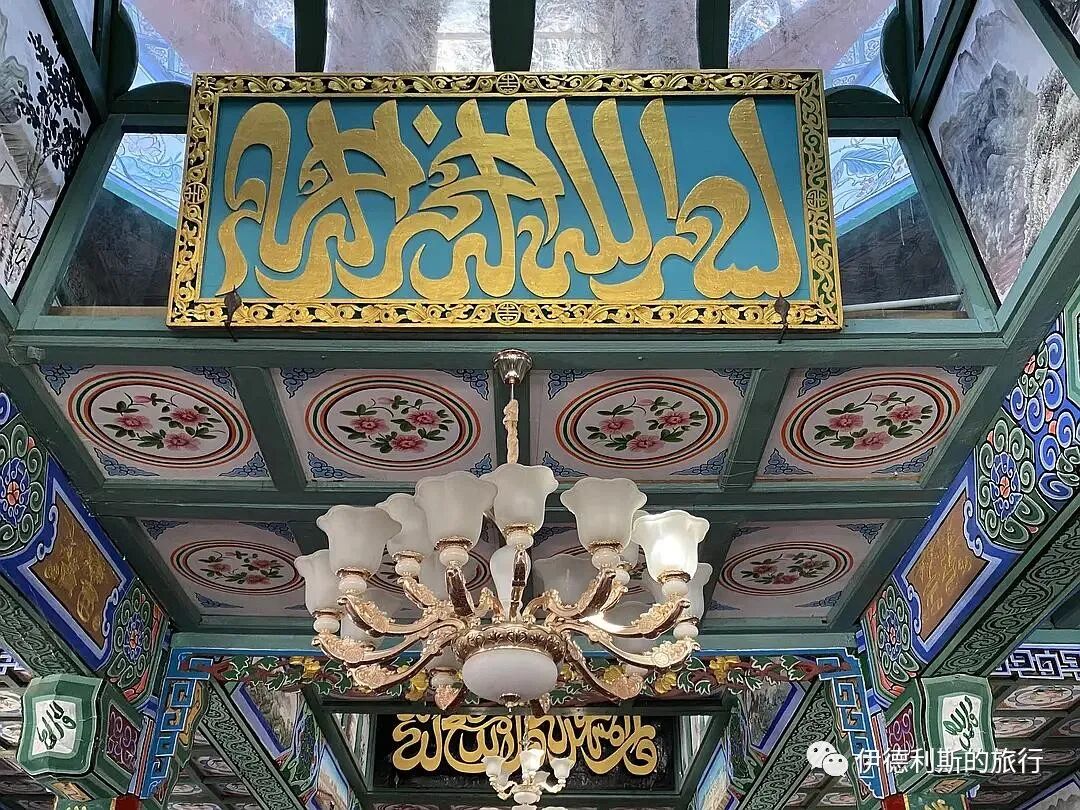
The prayer hall of the Hohhot Great Mosque was expanded in 1923. Its arched porch (juanpeng) blends Chinese and Western styles, featuring arched doors and walls decorated with beautiful Arabic calligraphy plaques, couplets, and floral patterns.
5. East Mosque in Daxinzhuang, Bo'ai, Henan
The East Mosque in Daxinzhuang, Bo'ai, Henan added a rear hall during the Republic of China era. It features five Roman-style arched doorways decorated with exquisite cement carvings from that period.
6. Fuyou Road Mosque, Shanghai
Fuyou Road Mosque is commonly known as the North Mosque. It was first built in 1870 (the ninth year of the Tongzhi reign) and was originally used by Hui Muslims from Nanjing who lived near the Old North Gate of Shanghai. In 1935, a famous Hui merchant named Ha Shaofu led the effort to convert the street-facing stone-gate houses (shikumen) into a three-story reinforced concrete building, with a moon-sighting pavilion built on the rooftop terrace.
7. Xiaotaoyuan Mosque, Shanghai
Xiaotaoyuan Mosque is commonly known as the West Mosque. It was built in 1917 after the famous Hui merchant Jin Ziyun donated the land and funds, and it was rebuilt into its current form in 1925. During the Republic of China era, many Hui Muslims from Northwest and Northern China chose to travel by steamship from Shanghai to perform the Hajj. Starting in 1930, Xiaotaoyuan Mosque became a place for pilgrims to rest and wait before their departure. People used the mosque to process passports and book ship tickets. Doctors from the customs quarantine office would come to the mosque to perform physical exams, administer smallpox vaccinations, and give other shots. Pilgrims also met friends and exchanged information here. On the day of departure, the mosque provided transport to take them to the ship. After returning from the Hajj, the Hajis would rest at the mosque before heading home. This place became an important cultural exchange center for Islam in China during the Republic of China era.
8. Beiying Mosque, Dezhou, Shandong
During the Wanli reign of the Ming Dynasty, the descendants of the Sultan of Sulu built a mosque southwest of the Sultan of Sulu's tomb. A Ming Dynasty imperial decree ordered that one person be chosen from the Wen and An families to serve as the imam, carry on the sect, and manage the Hui Muslims. In 1917, the canal burst its banks, washing away the mosque and the entire Beiying Village, until it was rebuilt in 1940. The newly built gate has a Western style, while the overall structure remains in the traditional North China style.
9. Beijing Shahe Mosque
During the Wanli reign of the Ming Dynasty, the main road north of Beijing leading to Zhangjiakou moved to Shahe, and Hui Muslims who traded cattle and sheep began to settle there. Shahe Mosque was first built during the Ming Dynasty, and the current Western-style gate was added in 1920.
10. Beijing Dongsi Mosque
Dongsi Mosque is one of the four major official mosques of the Ming Dynasty, and its gate and first courtyard were rebuilt in 1920. The gate is a traditional Chinese building with a ridge-style hard mountain roof, while the first courtyard and the second gate feature Western architectural styles. view all
Summary: Chinese Republican-Era Mosque Architecture: Chinese and Western Design Elements is presented here as a firsthand travel account in clear English, beginning with this scene: During the Republic of China era, the introduction of Western architectural styles meant Chinese mosques were no longer limited to traditional Chinese designs and began to incorporate Western elements. The account keeps its focus on Mosque Architecture, Republican China, Muslim Heritage while preserving the names, places, food, and historical details from the Chinese source.
During the Republic of China era, the introduction of Western architectural styles meant Chinese mosques were no longer limited to traditional Chinese designs and began to incorporate Western elements. I will share 10 mosques I have visited that feature unique Republic-era architectural styles: the 1935 main hall of the Shenyang East Mosque, the 1936 gate of the Datong Mosque, the 1926 arched porch (juanpeng) of the Longshengzhuang Mosque in Fengzhen, Inner Mongolia, the 1923 main hall of the Hohhot Great Mosque, the rear hall of the Daxinzhuang East Mosque in Bo'ai, Henan, the 1935 gate of the Fuyou Road Mosque in Shanghai, the 1925 Xiaotaoyuan Mosque, the 1940 Beiying Mosque in Dezhou, Shandong, the 1920 gate of the Shahe Mosque in Beijing, and the 1920 first courtyard of the Dongsi Mosque.
1. Shenyang East Mosque
The Shenyang East Mosque was first built in 1803 (the eighth year of the Jiaqing reign). In 1935, the prayer hall was rebuilt in a Western style, while the moon-viewing tower (wangyuelou) kept its original Chinese style.
2. Datong Mosque
The gate of the Datong Mosque was rebuilt in 1936 and features a typical Republic-era style.
3. Longshengzhuang Mosque in Fengzhen, Inner Mongolia
Longshengzhuang in Fengzhen sits on the border of Shanxi and Inner Mongolia. From the Qing Dynasty to the early Republic era, it was at the intersection of trade routes between Hohhot, Datong, and Zhangjiakou, serving as an important market town for Shanxi merchants trading in Mongolia. Longshengzhuang reached its peak in the early Republic era, with over 300 shops and nearly 2 kilometers of storefronts lined up side by side.
The arched porch (juanpeng) of the Longshengzhuang Mosque was expanded in 1926 and features exquisite Republic-era ironwork decorations.
4. Hohhot Great Mosque
The prayer hall of the Hohhot Great Mosque was expanded in 1923. Its arched porch (juanpeng) blends Chinese and Western styles, featuring arched doors and walls decorated with beautiful Arabic calligraphy plaques, couplets, and floral patterns.
5. East Mosque in Daxinzhuang, Bo'ai, Henan
The East Mosque in Daxinzhuang, Bo'ai, Henan added a rear hall during the Republic of China era. It features five Roman-style arched doorways decorated with exquisite cement carvings from that period.
6. Fuyou Road Mosque, Shanghai
Fuyou Road Mosque is commonly known as the North Mosque. It was first built in 1870 (the ninth year of the Tongzhi reign) and was originally used by Hui Muslims from Nanjing who lived near the Old North Gate of Shanghai. In 1935, a famous Hui merchant named Ha Shaofu led the effort to convert the street-facing stone-gate houses (shikumen) into a three-story reinforced concrete building, with a moon-sighting pavilion built on the rooftop terrace.
7. Xiaotaoyuan Mosque, Shanghai
Xiaotaoyuan Mosque is commonly known as the West Mosque. It was built in 1917 after the famous Hui merchant Jin Ziyun donated the land and funds, and it was rebuilt into its current form in 1925. During the Republic of China era, many Hui Muslims from Northwest and Northern China chose to travel by steamship from Shanghai to perform the Hajj. Starting in 1930, Xiaotaoyuan Mosque became a place for pilgrims to rest and wait before their departure. People used the mosque to process passports and book ship tickets. Doctors from the customs quarantine office would come to the mosque to perform physical exams, administer smallpox vaccinations, and give other shots. Pilgrims also met friends and exchanged information here. On the day of departure, the mosque provided transport to take them to the ship. After returning from the Hajj, the Hajis would rest at the mosque before heading home. This place became an important cultural exchange center for Islam in China during the Republic of China era.
8. Beiying Mosque, Dezhou, Shandong
During the Wanli reign of the Ming Dynasty, the descendants of the Sultan of Sulu built a mosque southwest of the Sultan of Sulu's tomb. A Ming Dynasty imperial decree ordered that one person be chosen from the Wen and An families to serve as the imam, carry on the sect, and manage the Hui Muslims. In 1917, the canal burst its banks, washing away the mosque and the entire Beiying Village, until it was rebuilt in 1940. The newly built gate has a Western style, while the overall structure remains in the traditional North China style.
9. Beijing Shahe Mosque
During the Wanli reign of the Ming Dynasty, the main road north of Beijing leading to Zhangjiakou moved to Shahe, and Hui Muslims who traded cattle and sheep began to settle there. Shahe Mosque was first built during the Ming Dynasty, and the current Western-style gate was added in 1920.
10. Beijing Dongsi Mosque
Dongsi Mosque is one of the four major official mosques of the Ming Dynasty, and its gate and first courtyard were rebuilt in 1920. The gate is a traditional Chinese building with a ridge-style hard mountain roof, while the first courtyard and the second gate feature Western architectural styles. view all
Reposted from the web
Summary: Chinese Republican-Era Mosque Architecture: Chinese and Western Design Elements is presented here as a firsthand travel account in clear English, beginning with this scene: During the Republic of China era, the introduction of Western architectural styles meant Chinese mosques were no longer limited to traditional Chinese designs and began to incorporate Western elements. The account keeps its focus on Mosque Architecture, Republican China, Muslim Heritage while preserving the names, places, food, and historical details from the Chinese source.
During the Republic of China era, the introduction of Western architectural styles meant Chinese mosques were no longer limited to traditional Chinese designs and began to incorporate Western elements. I will share 10 mosques I have visited that feature unique Republic-era architectural styles: the 1935 main hall of the Shenyang East Mosque, the 1936 gate of the Datong Mosque, the 1926 arched porch (juanpeng) of the Longshengzhuang Mosque in Fengzhen, Inner Mongolia, the 1923 main hall of the Hohhot Great Mosque, the rear hall of the Daxinzhuang East Mosque in Bo'ai, Henan, the 1935 gate of the Fuyou Road Mosque in Shanghai, the 1925 Xiaotaoyuan Mosque, the 1940 Beiying Mosque in Dezhou, Shandong, the 1920 gate of the Shahe Mosque in Beijing, and the 1920 first courtyard of the Dongsi Mosque.
1. Shenyang East Mosque
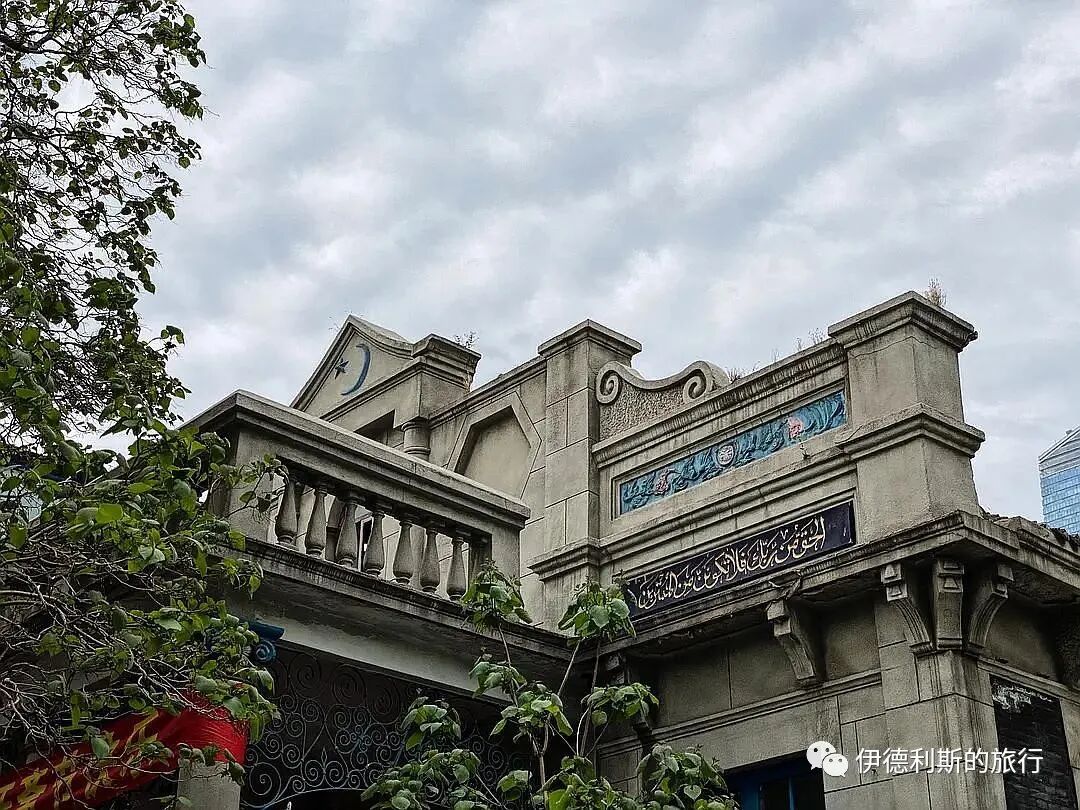
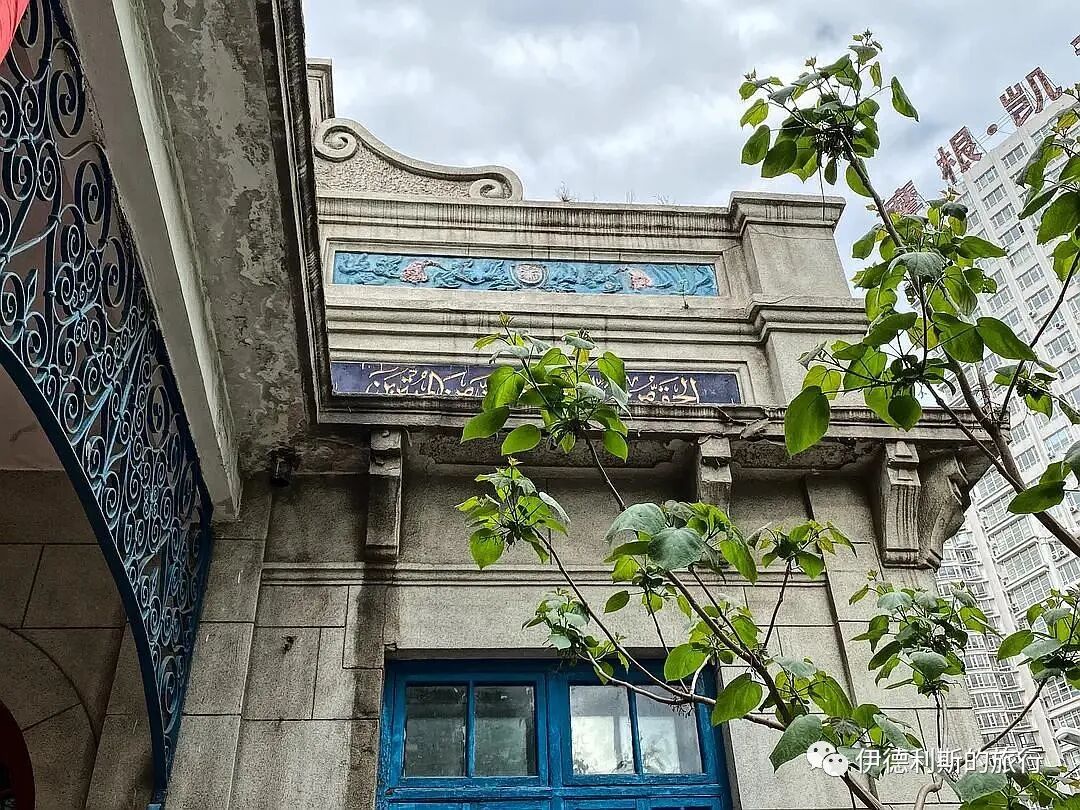
The Shenyang East Mosque was first built in 1803 (the eighth year of the Jiaqing reign). In 1935, the prayer hall was rebuilt in a Western style, while the moon-viewing tower (wangyuelou) kept its original Chinese style.
2. Datong Mosque
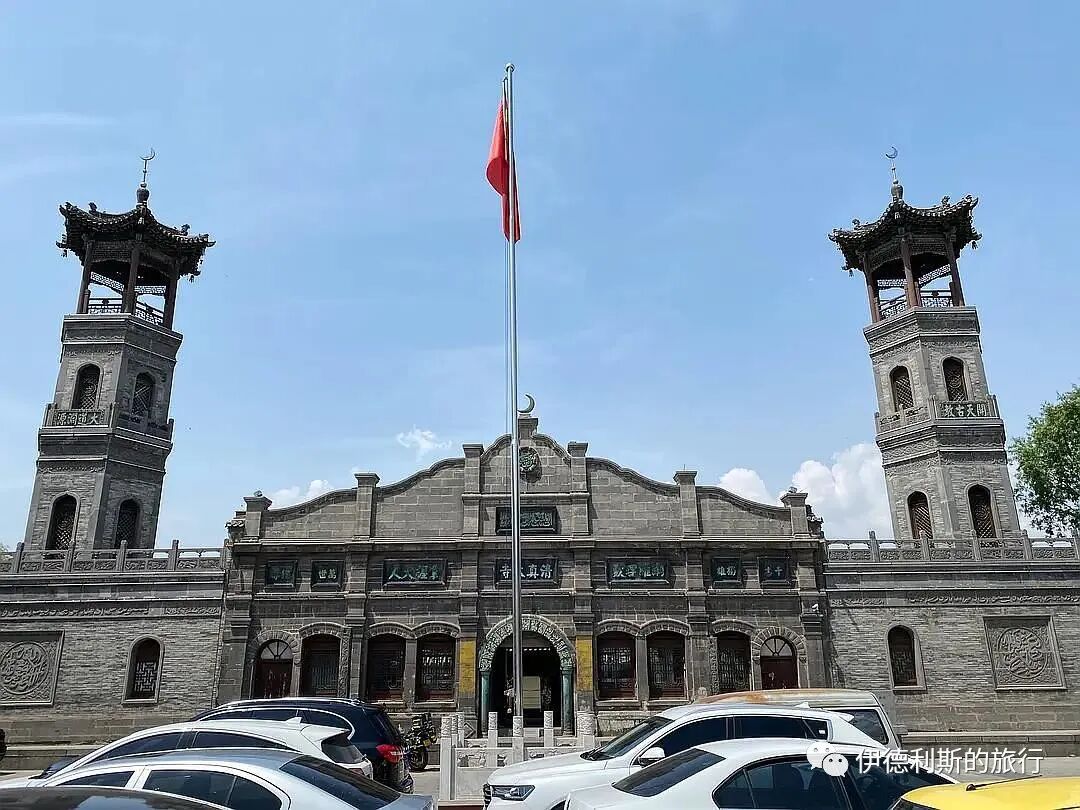
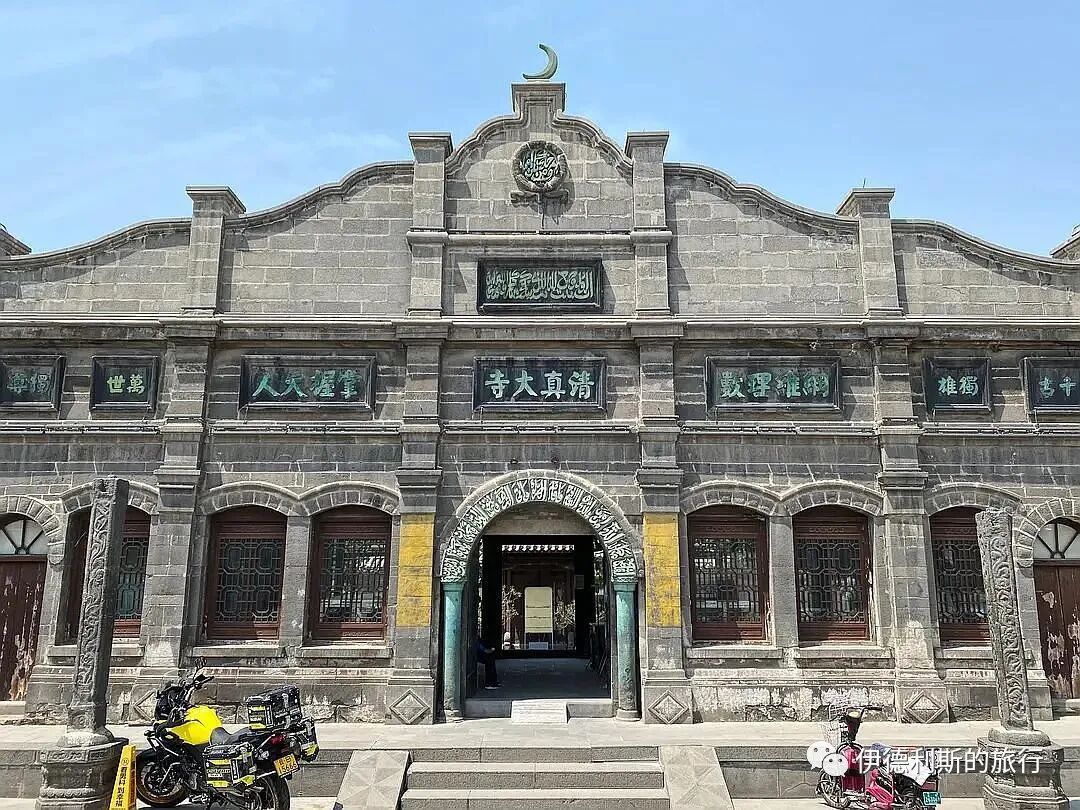
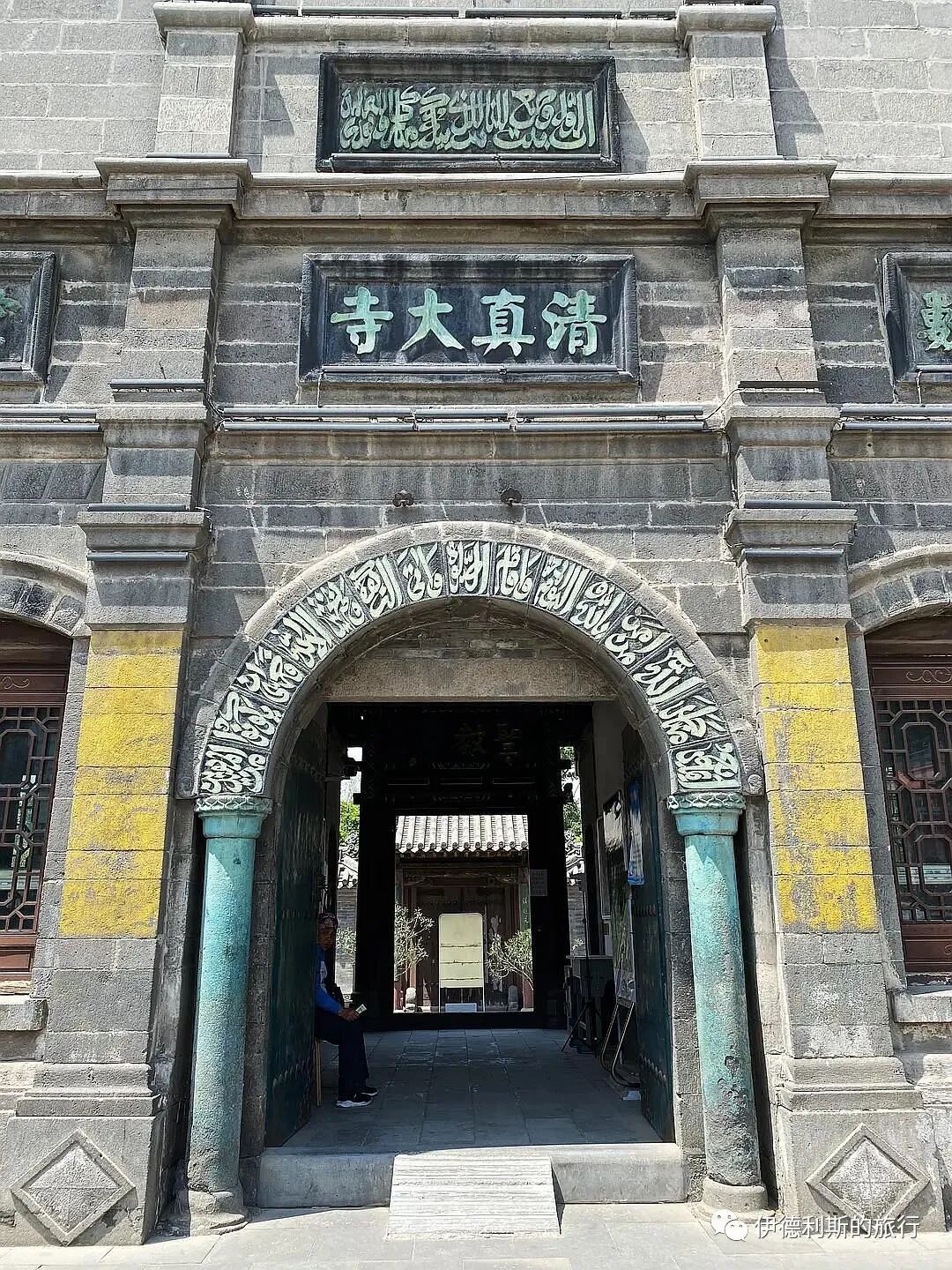
The gate of the Datong Mosque was rebuilt in 1936 and features a typical Republic-era style.
3. Longshengzhuang Mosque in Fengzhen, Inner Mongolia
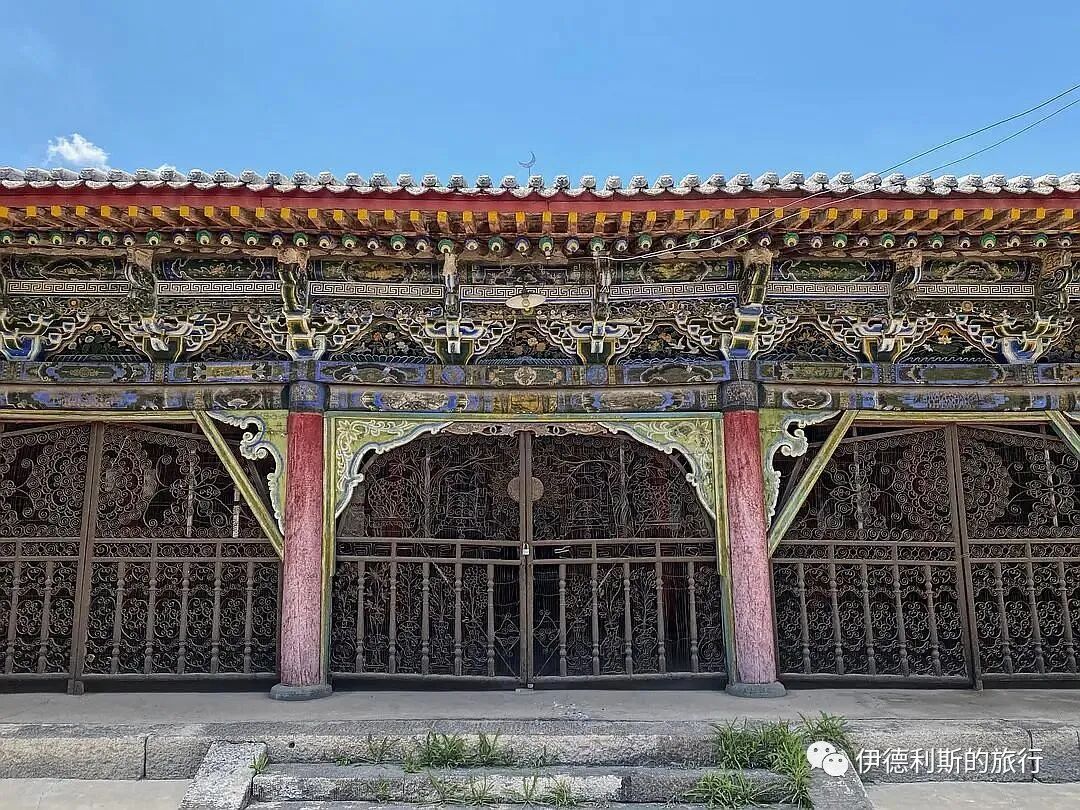
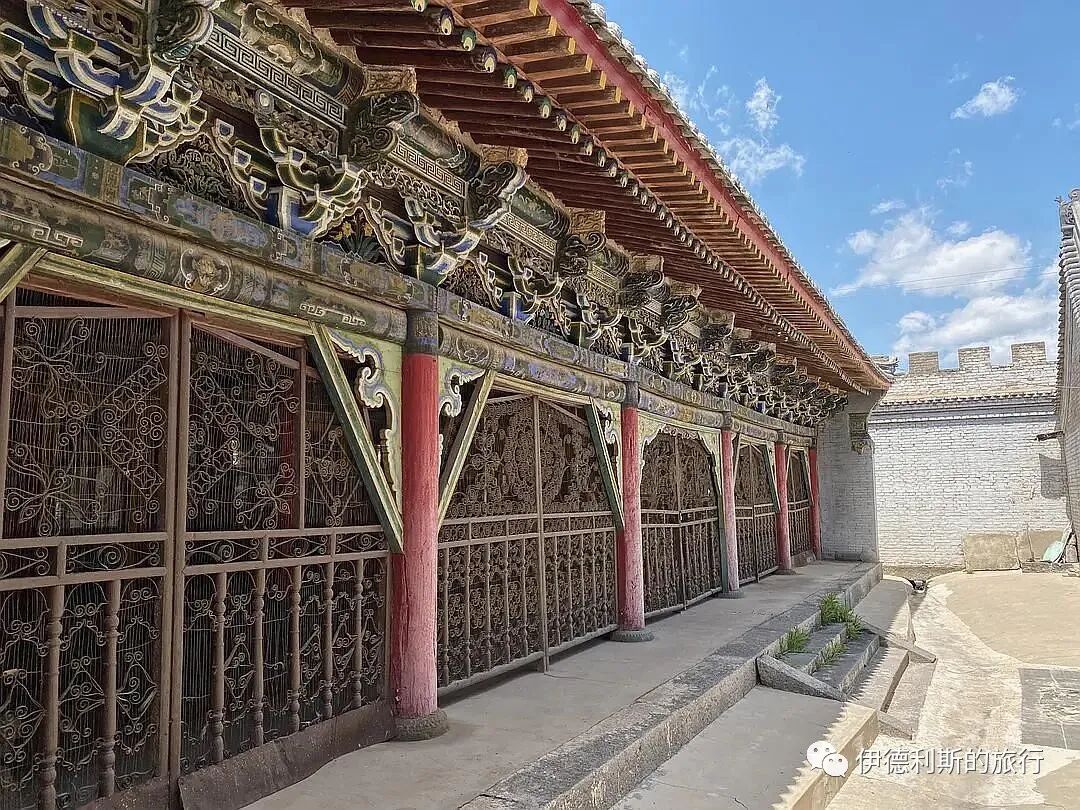
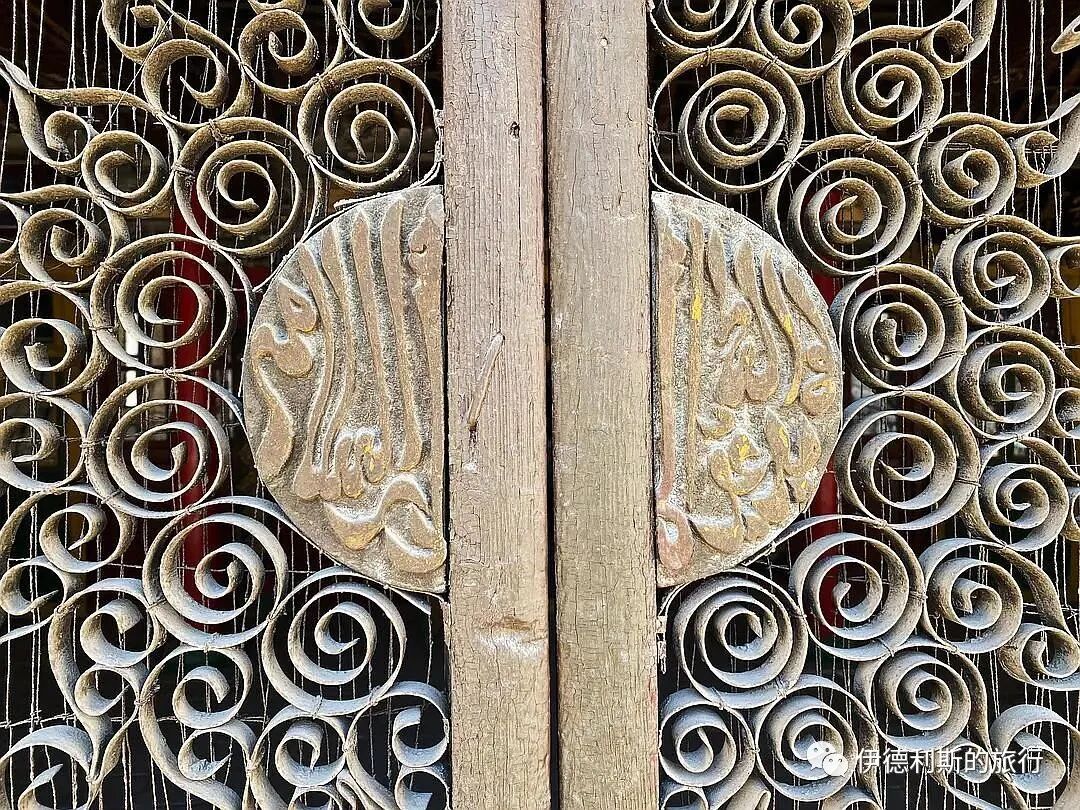
Longshengzhuang in Fengzhen sits on the border of Shanxi and Inner Mongolia. From the Qing Dynasty to the early Republic era, it was at the intersection of trade routes between Hohhot, Datong, and Zhangjiakou, serving as an important market town for Shanxi merchants trading in Mongolia. Longshengzhuang reached its peak in the early Republic era, with over 300 shops and nearly 2 kilometers of storefronts lined up side by side.
The arched porch (juanpeng) of the Longshengzhuang Mosque was expanded in 1926 and features exquisite Republic-era ironwork decorations.
4. Hohhot Great Mosque
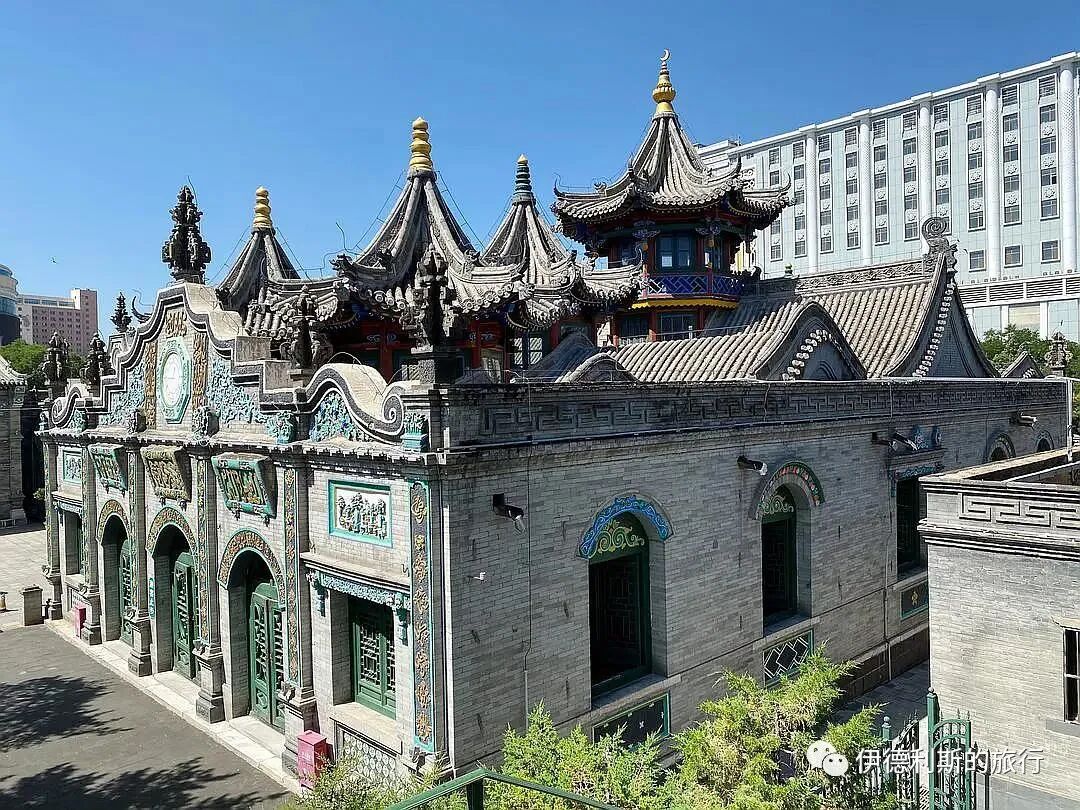
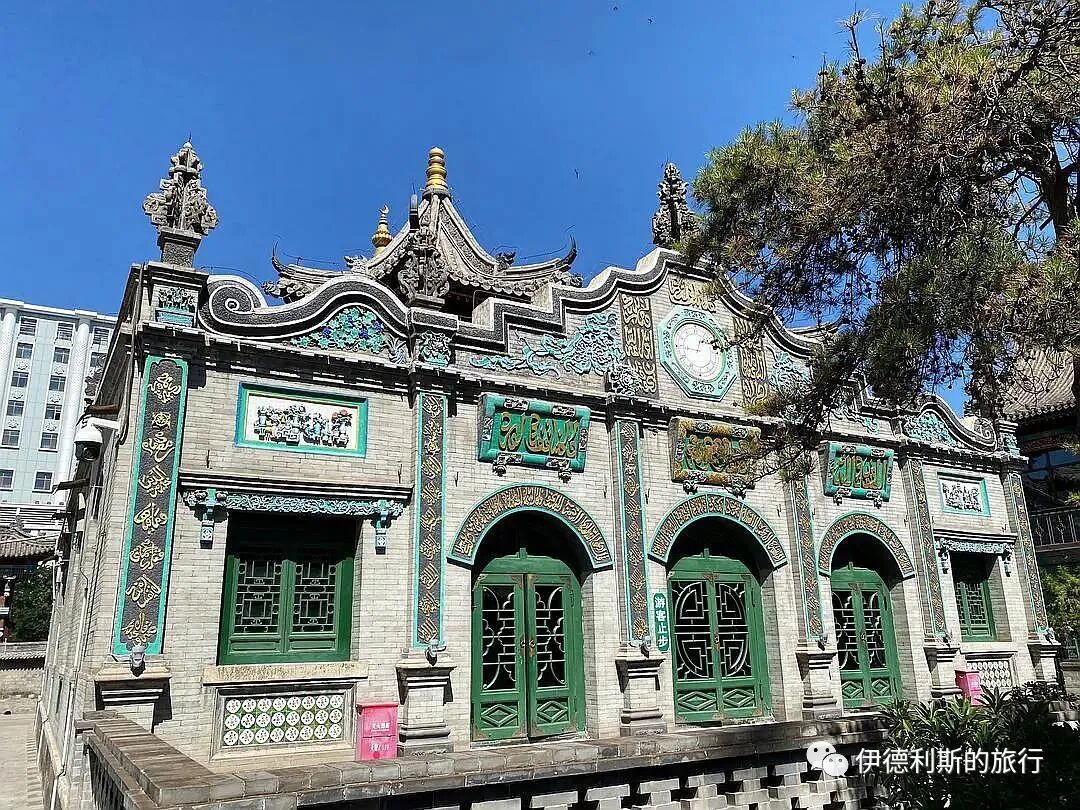
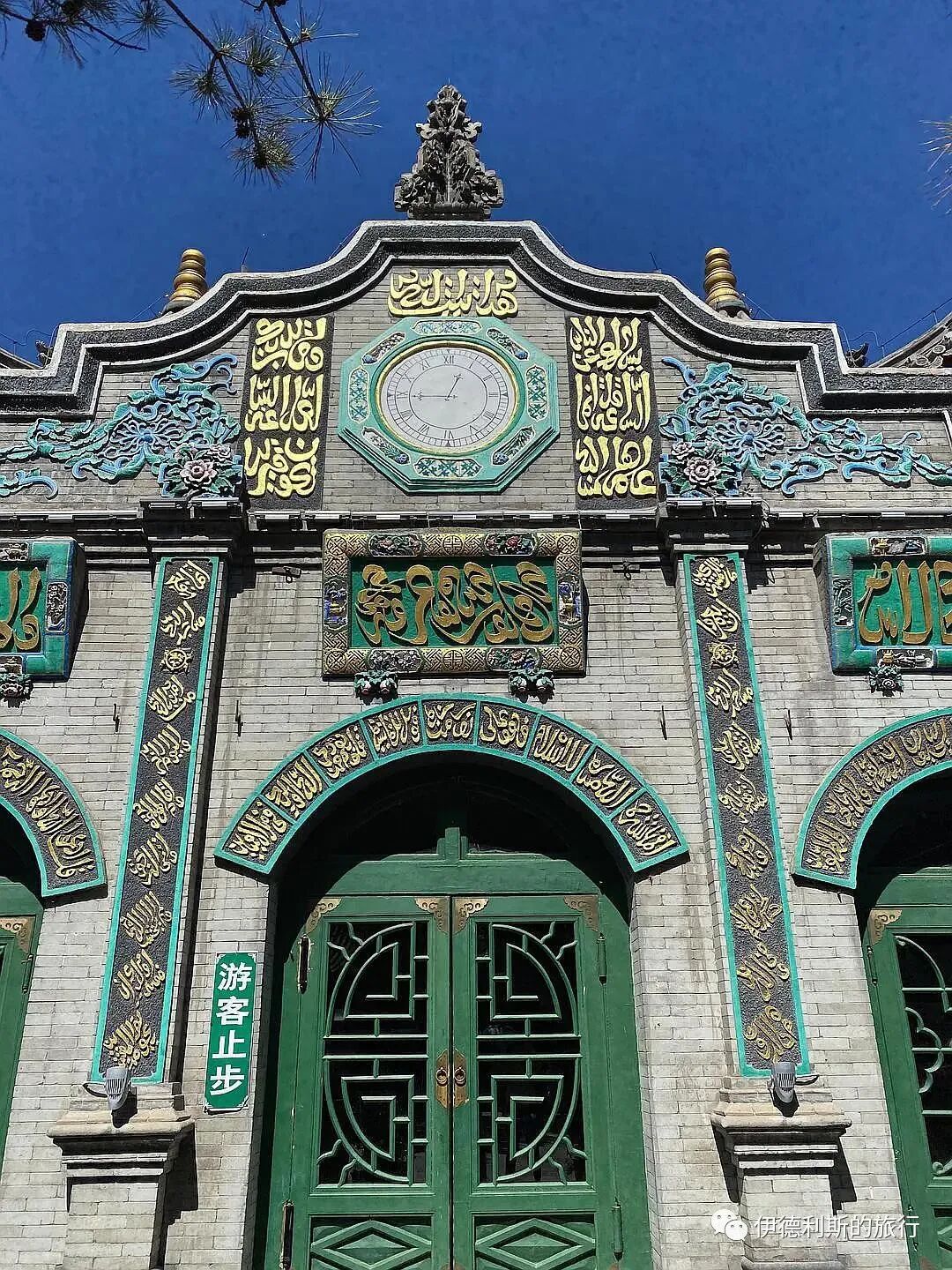
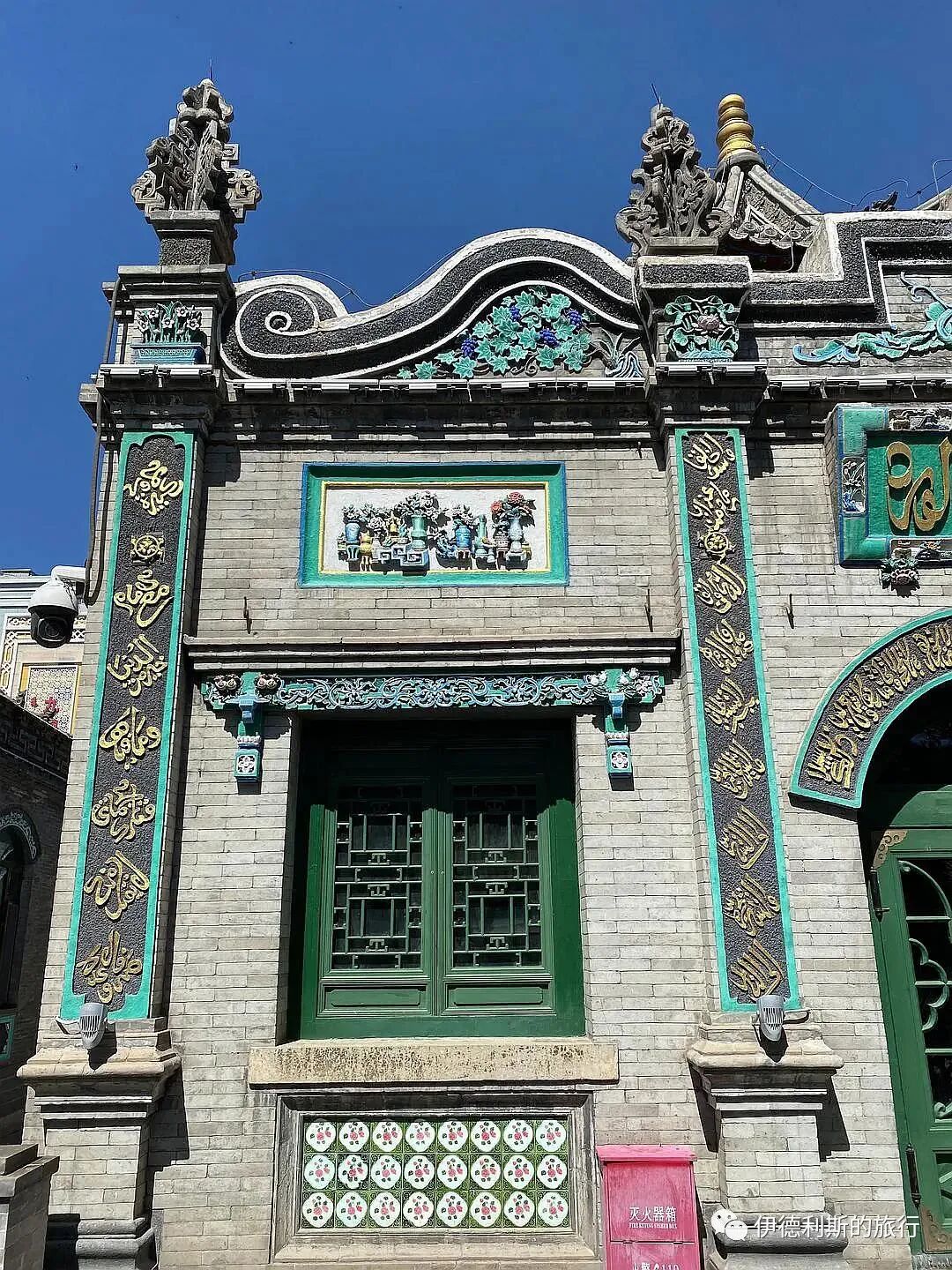
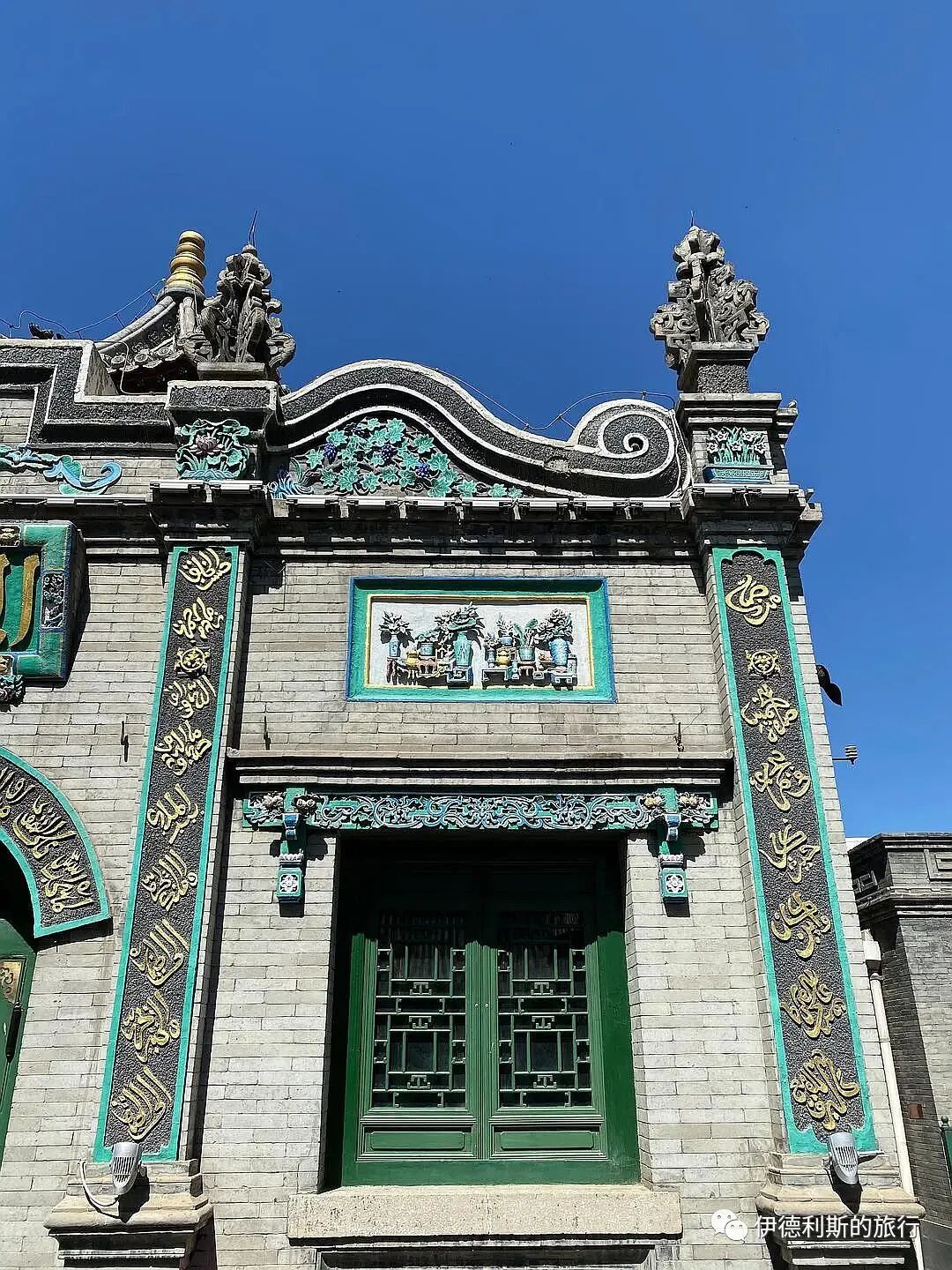
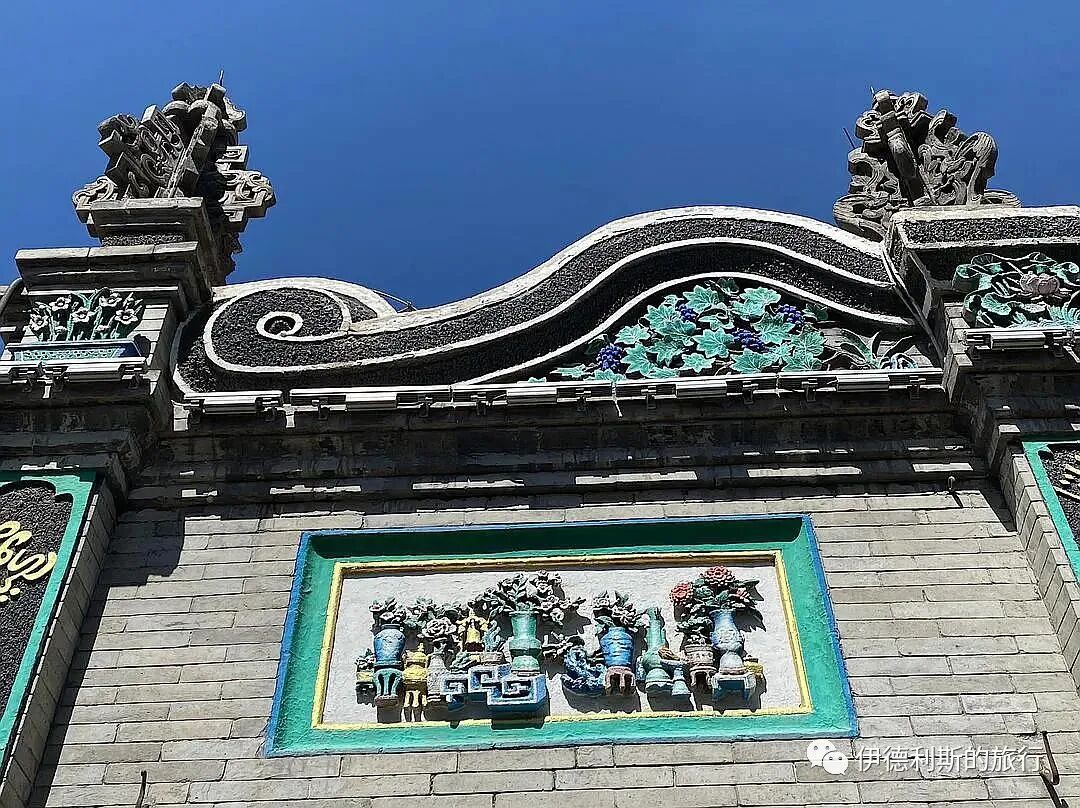
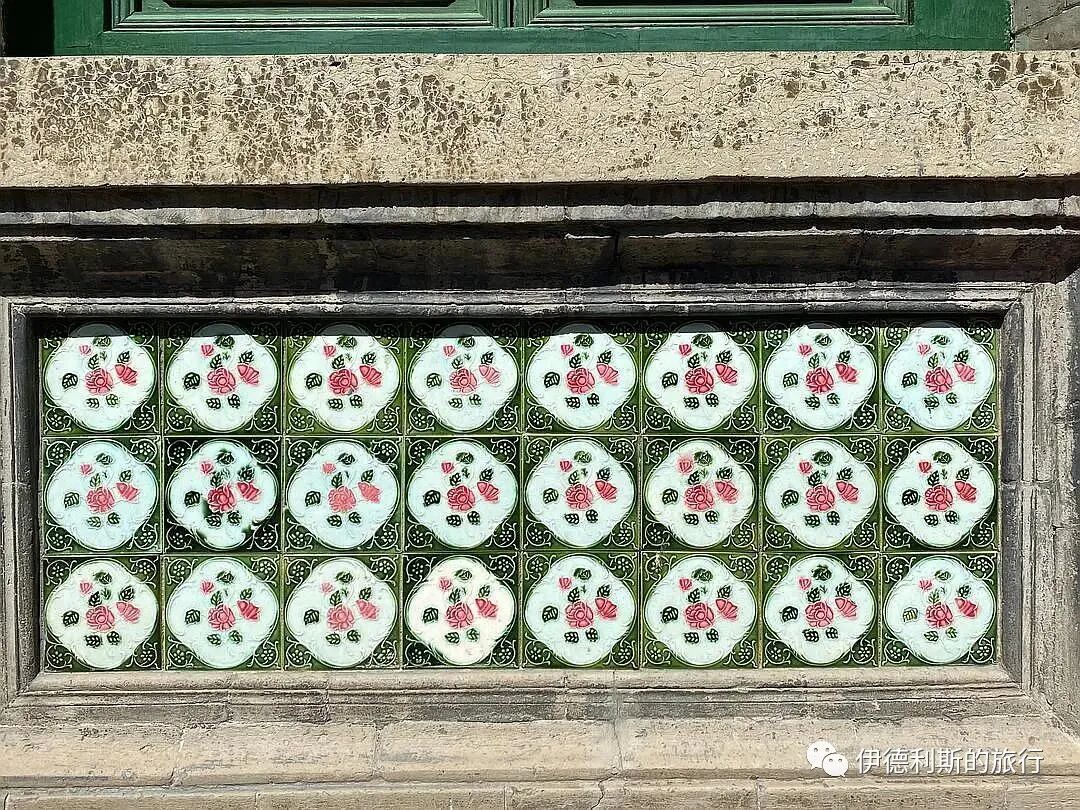
The prayer hall of the Hohhot Great Mosque was expanded in 1923. Its arched porch (juanpeng) blends Chinese and Western styles, featuring arched doors and walls decorated with beautiful Arabic calligraphy plaques, couplets, and floral patterns.
5. East Mosque in Daxinzhuang, Bo'ai, Henan
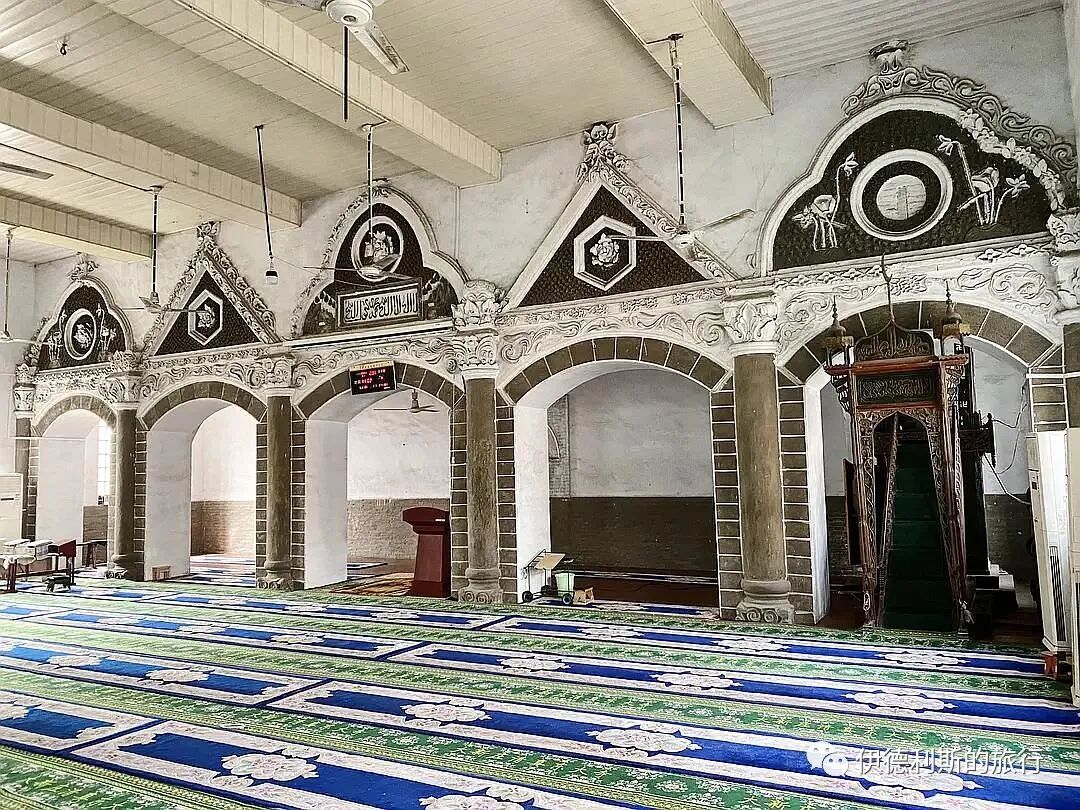
The East Mosque in Daxinzhuang, Bo'ai, Henan added a rear hall during the Republic of China era. It features five Roman-style arched doorways decorated with exquisite cement carvings from that period.
6. Fuyou Road Mosque, Shanghai
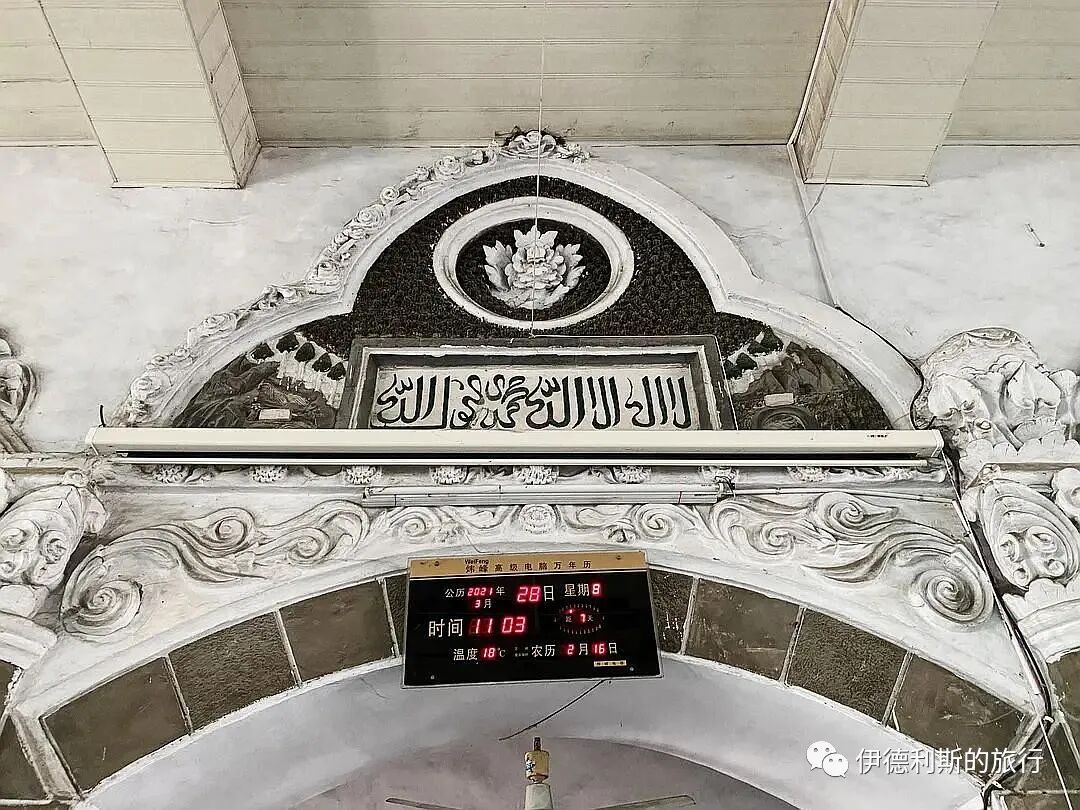
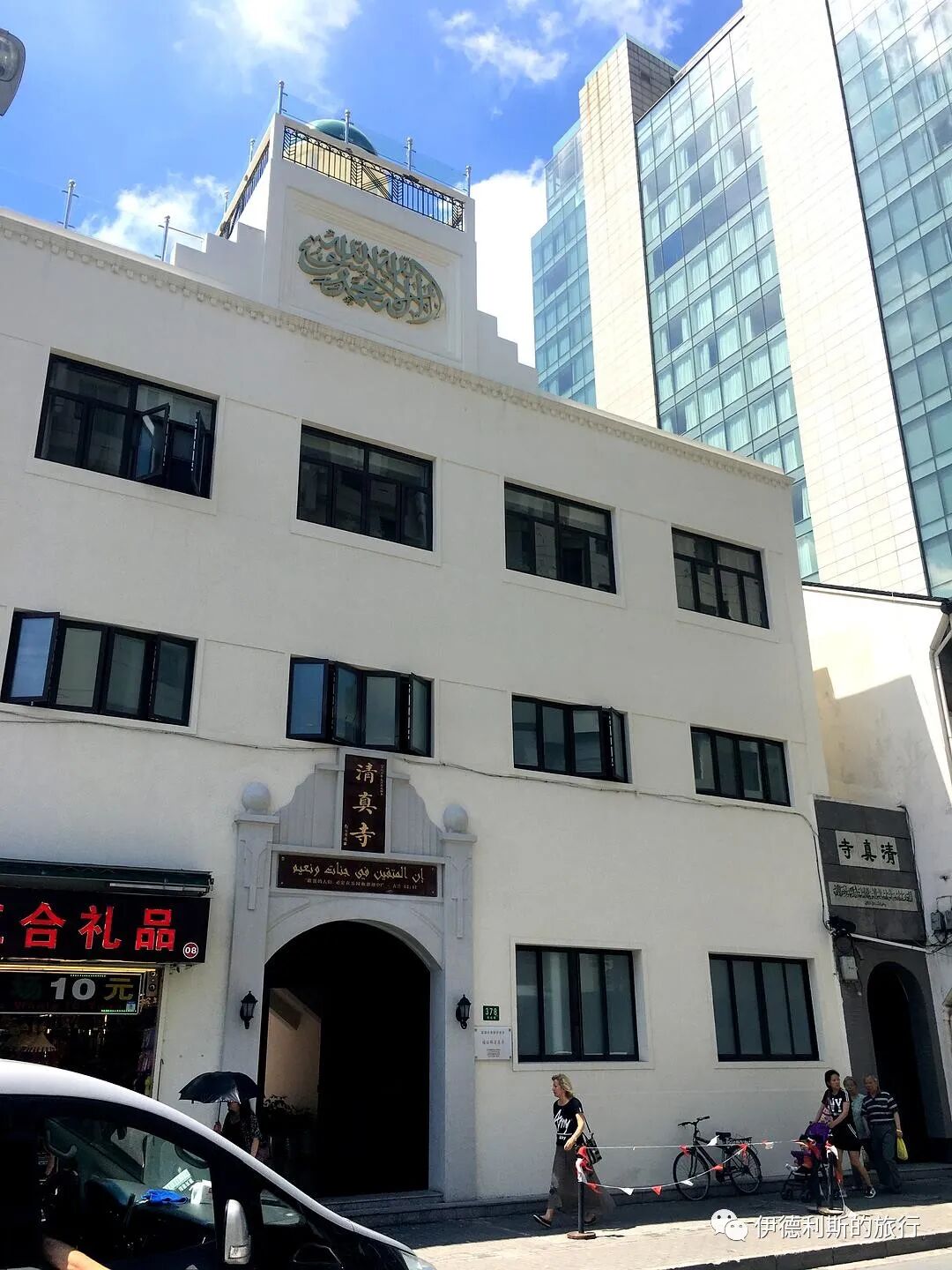
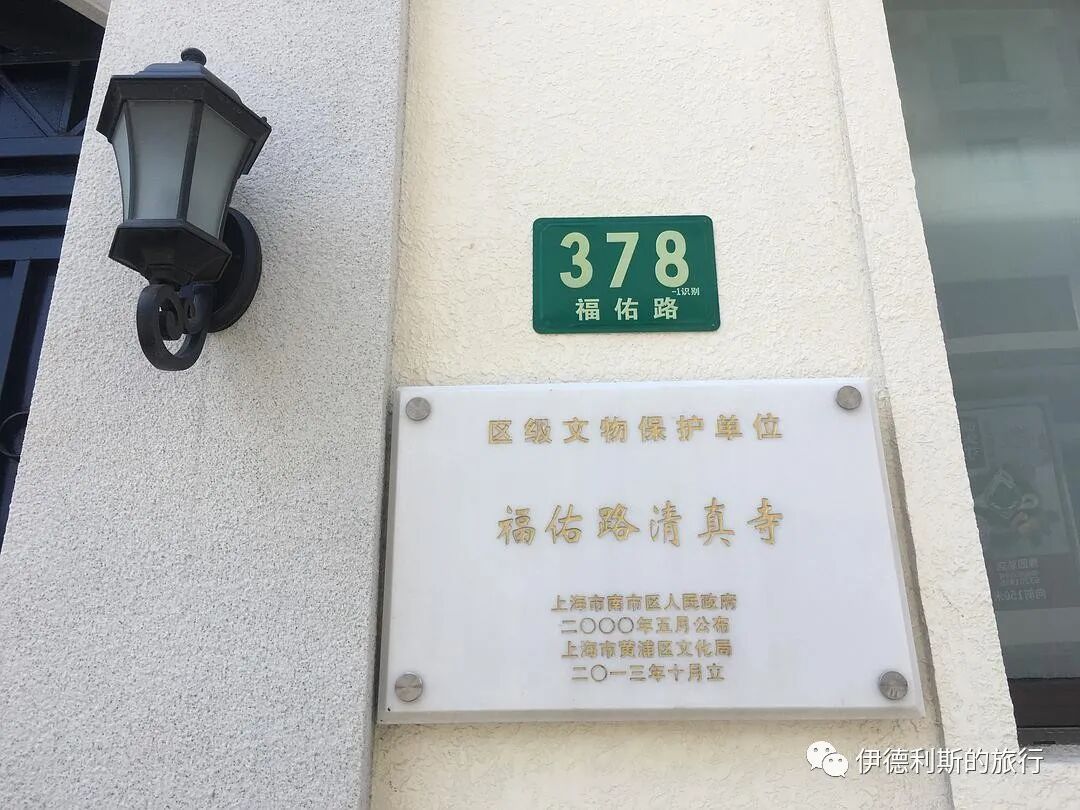
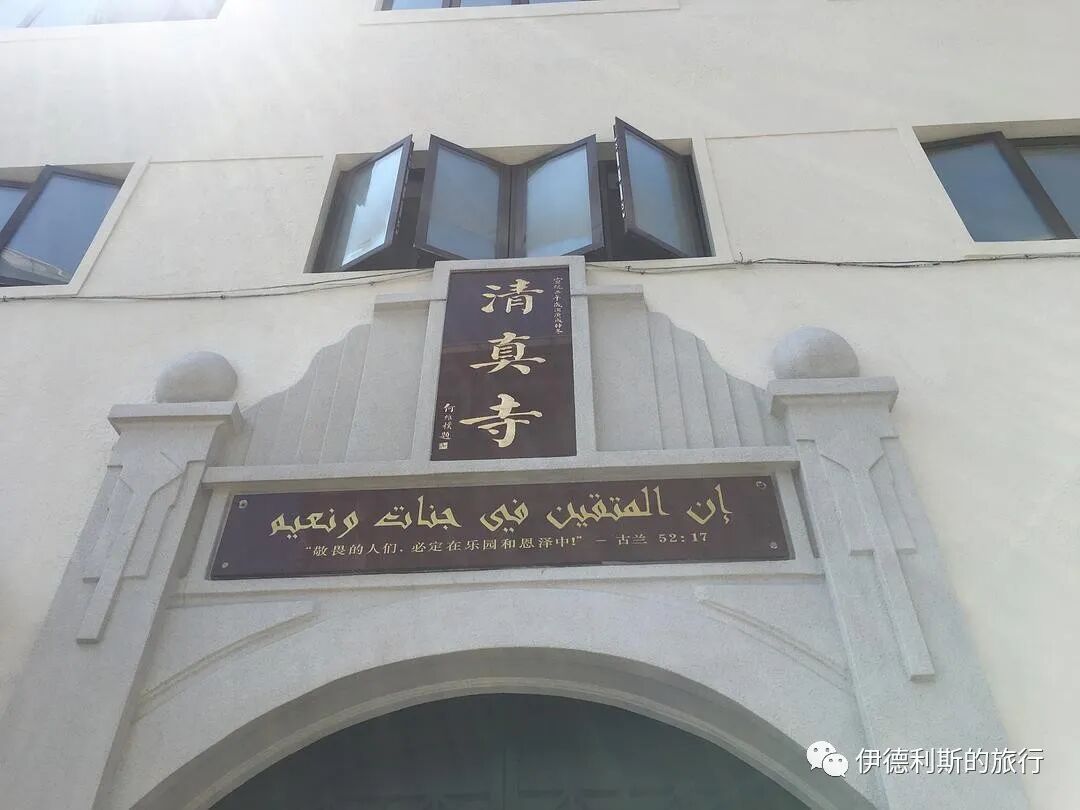
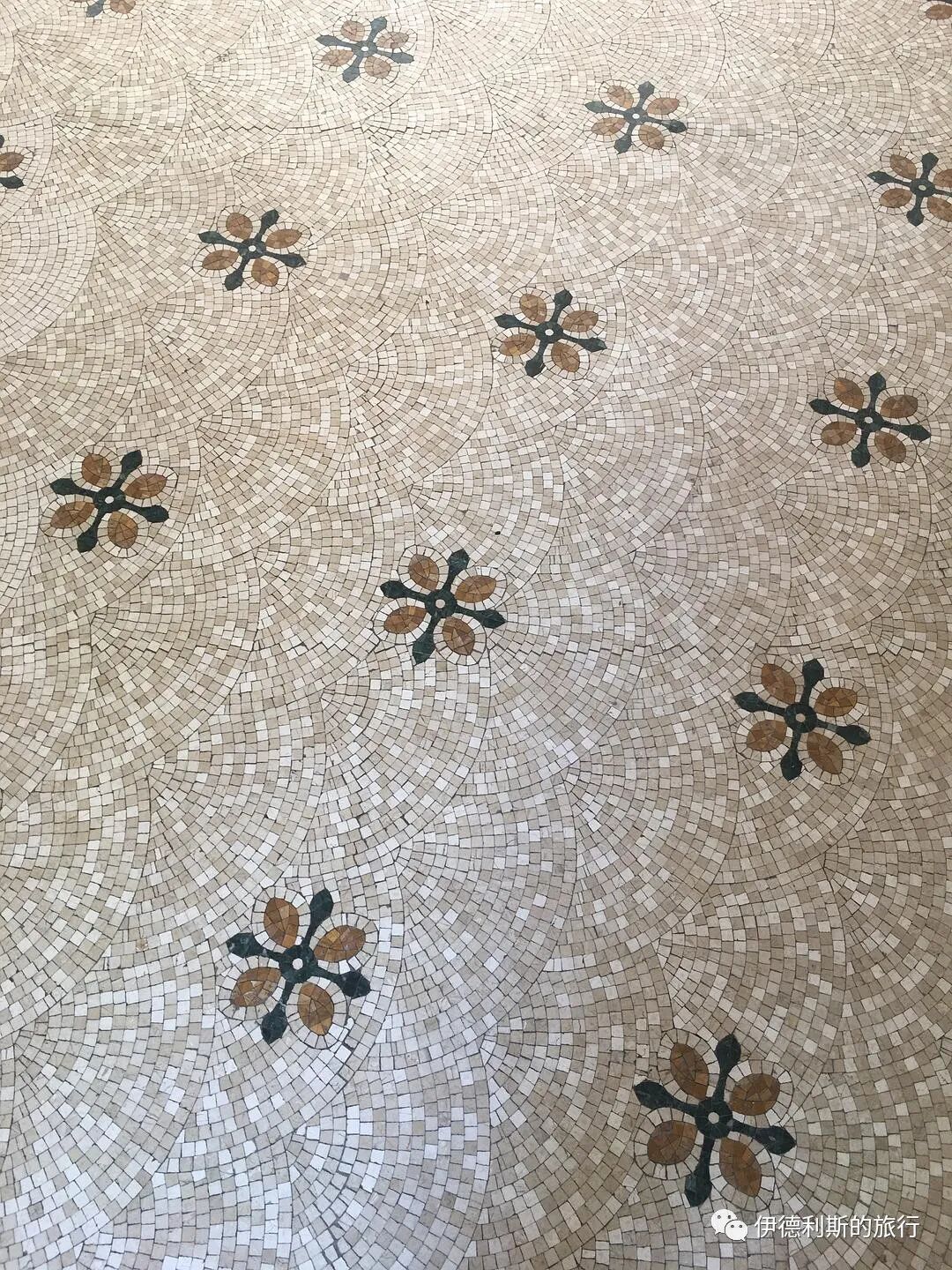
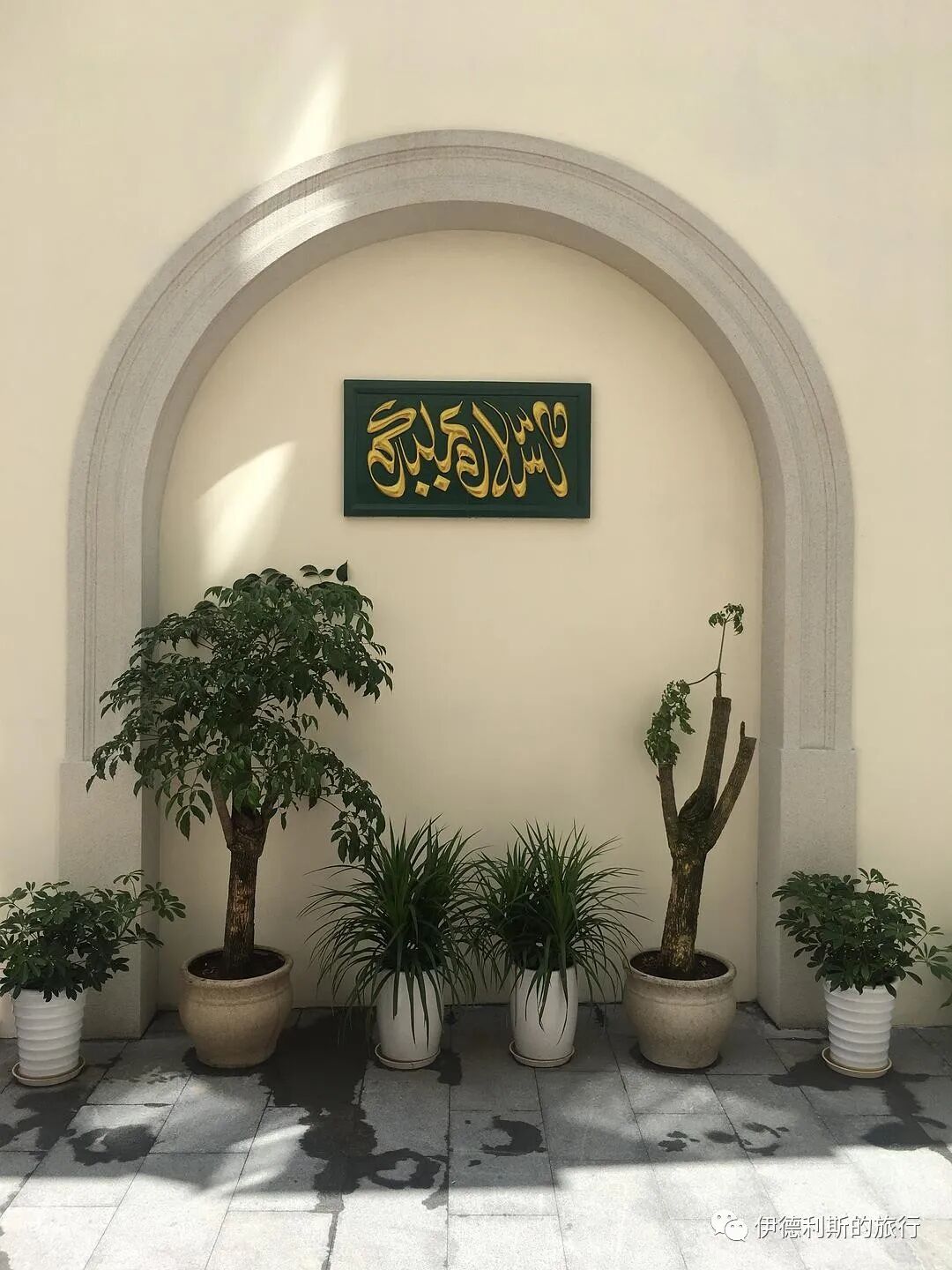
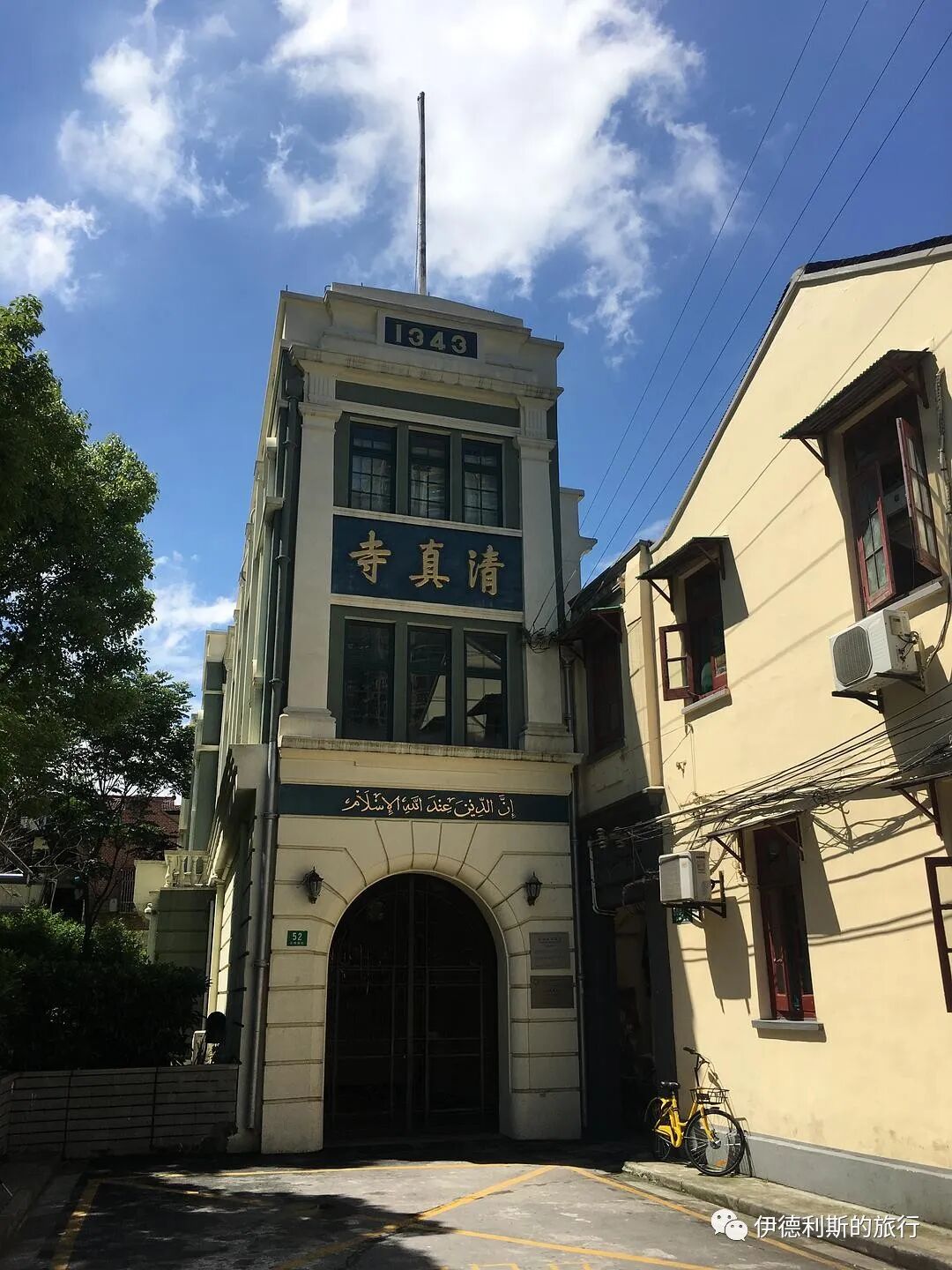
Fuyou Road Mosque is commonly known as the North Mosque. It was first built in 1870 (the ninth year of the Tongzhi reign) and was originally used by Hui Muslims from Nanjing who lived near the Old North Gate of Shanghai. In 1935, a famous Hui merchant named Ha Shaofu led the effort to convert the street-facing stone-gate houses (shikumen) into a three-story reinforced concrete building, with a moon-sighting pavilion built on the rooftop terrace.
7. Xiaotaoyuan Mosque, Shanghai
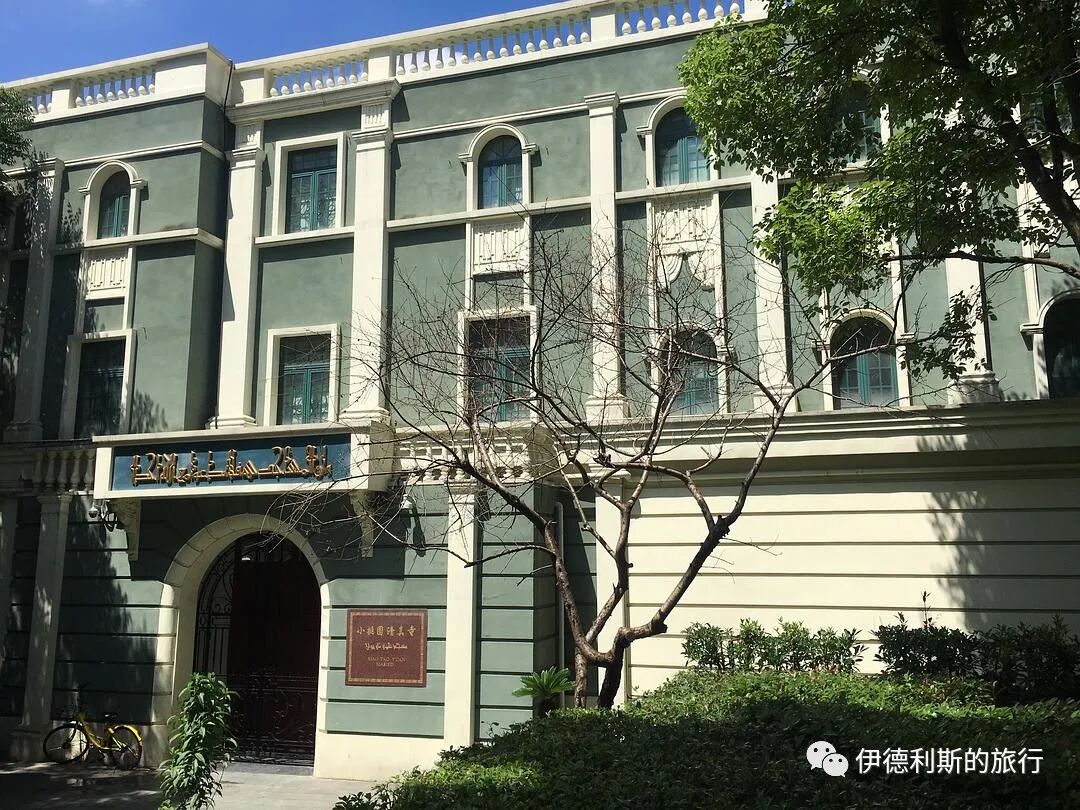
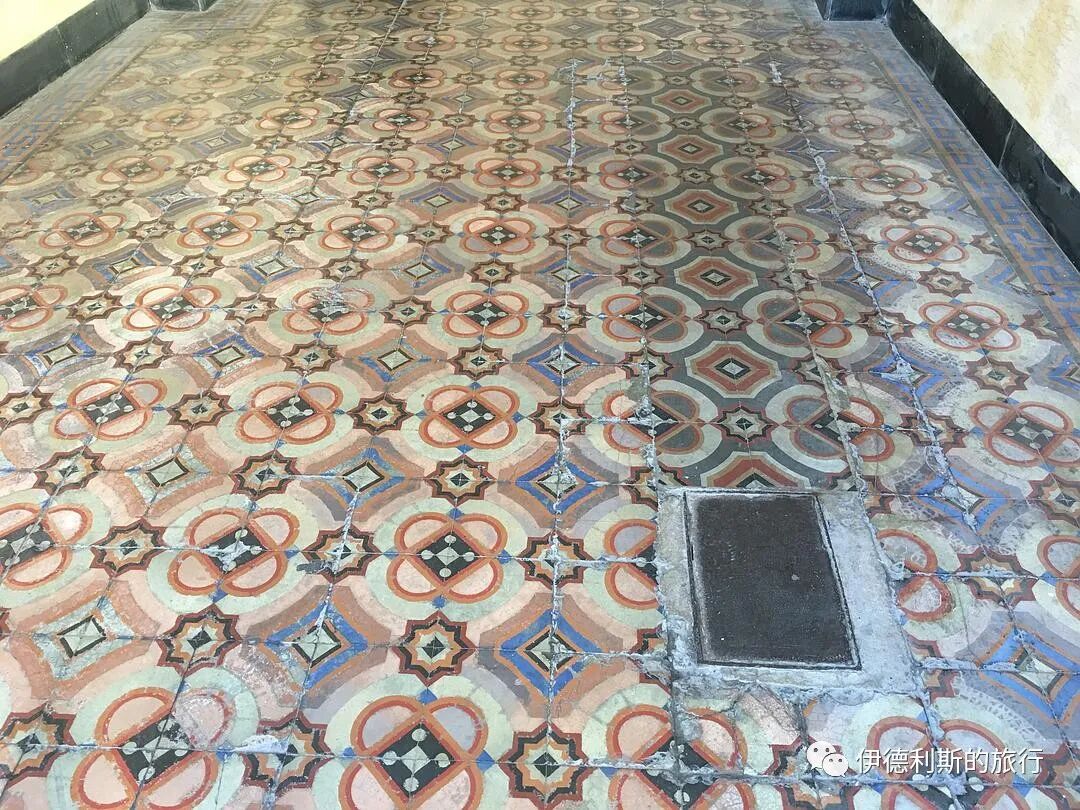
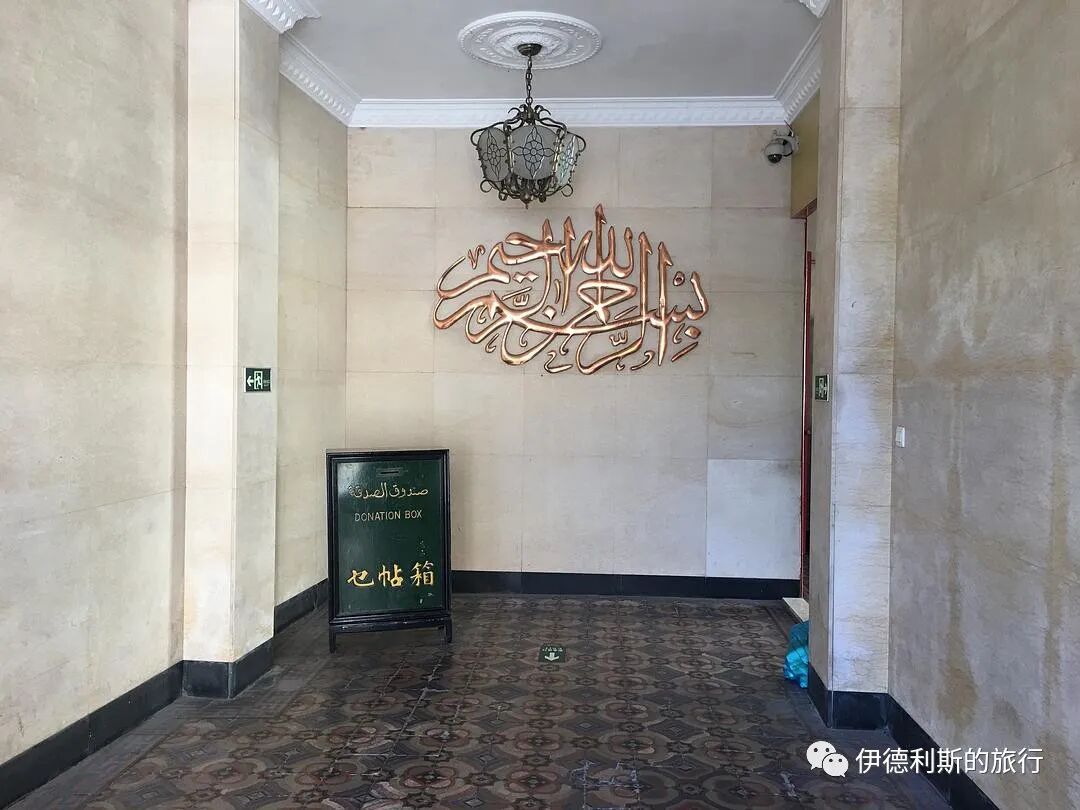
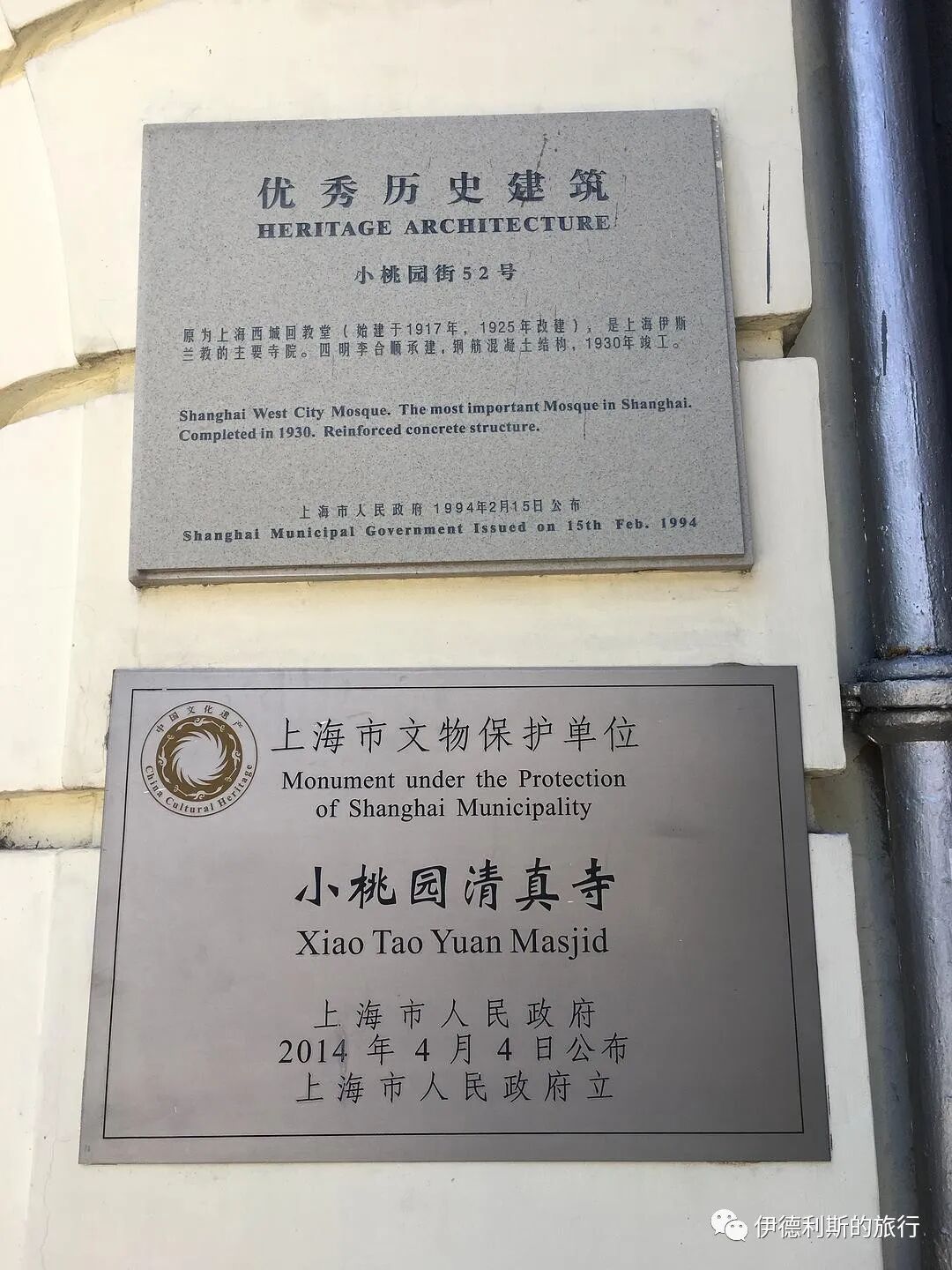
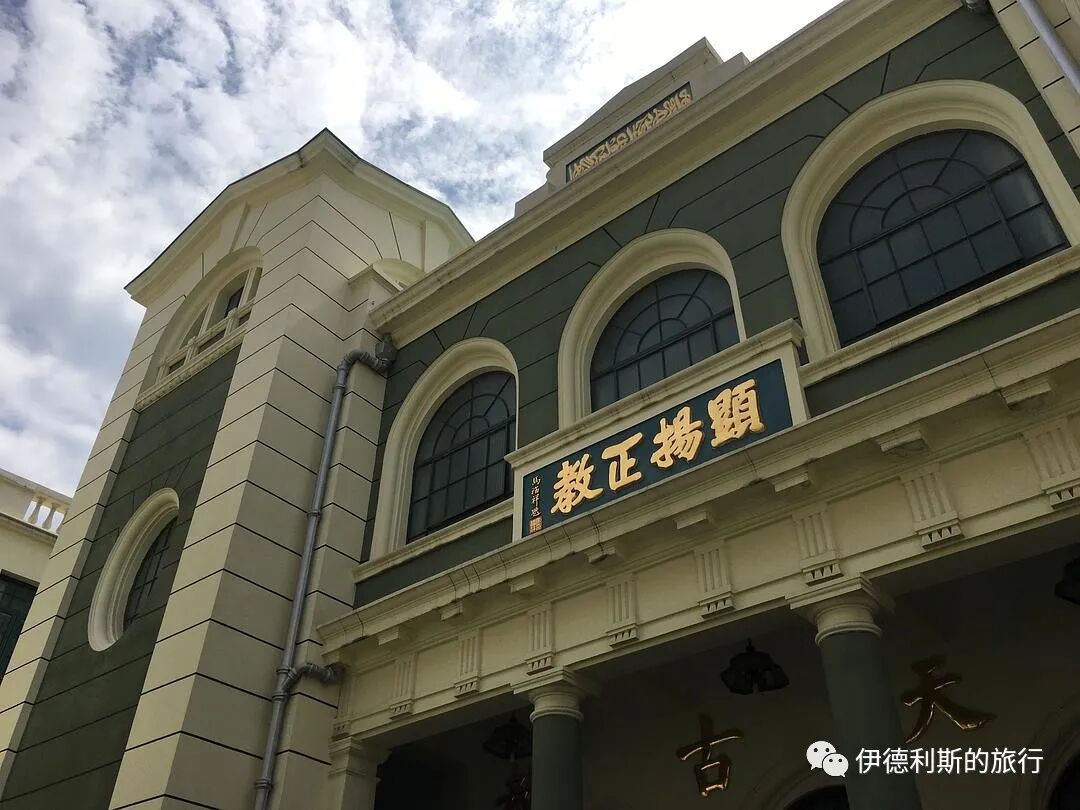
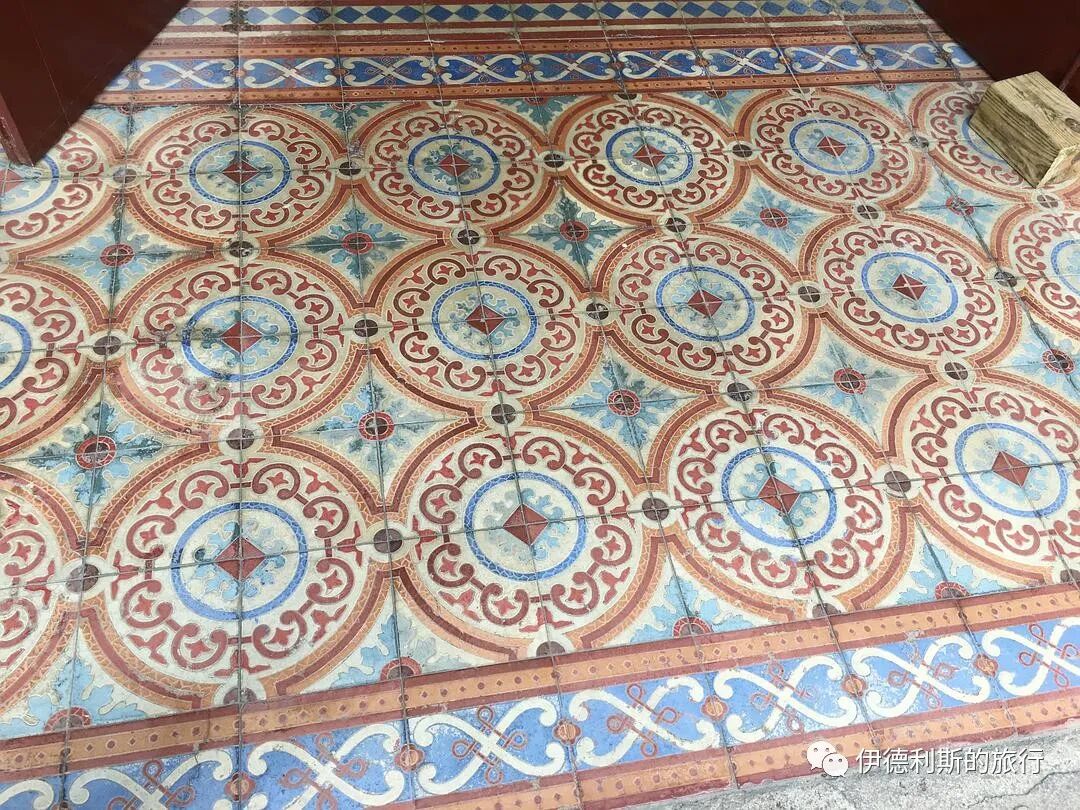
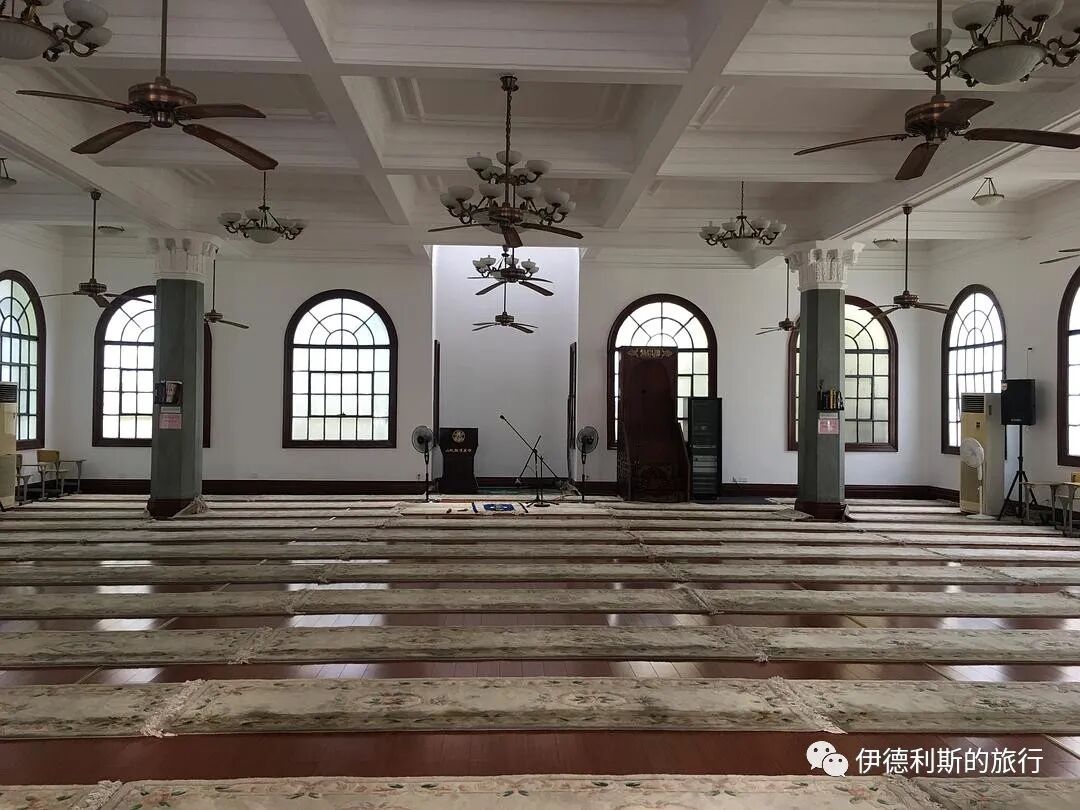
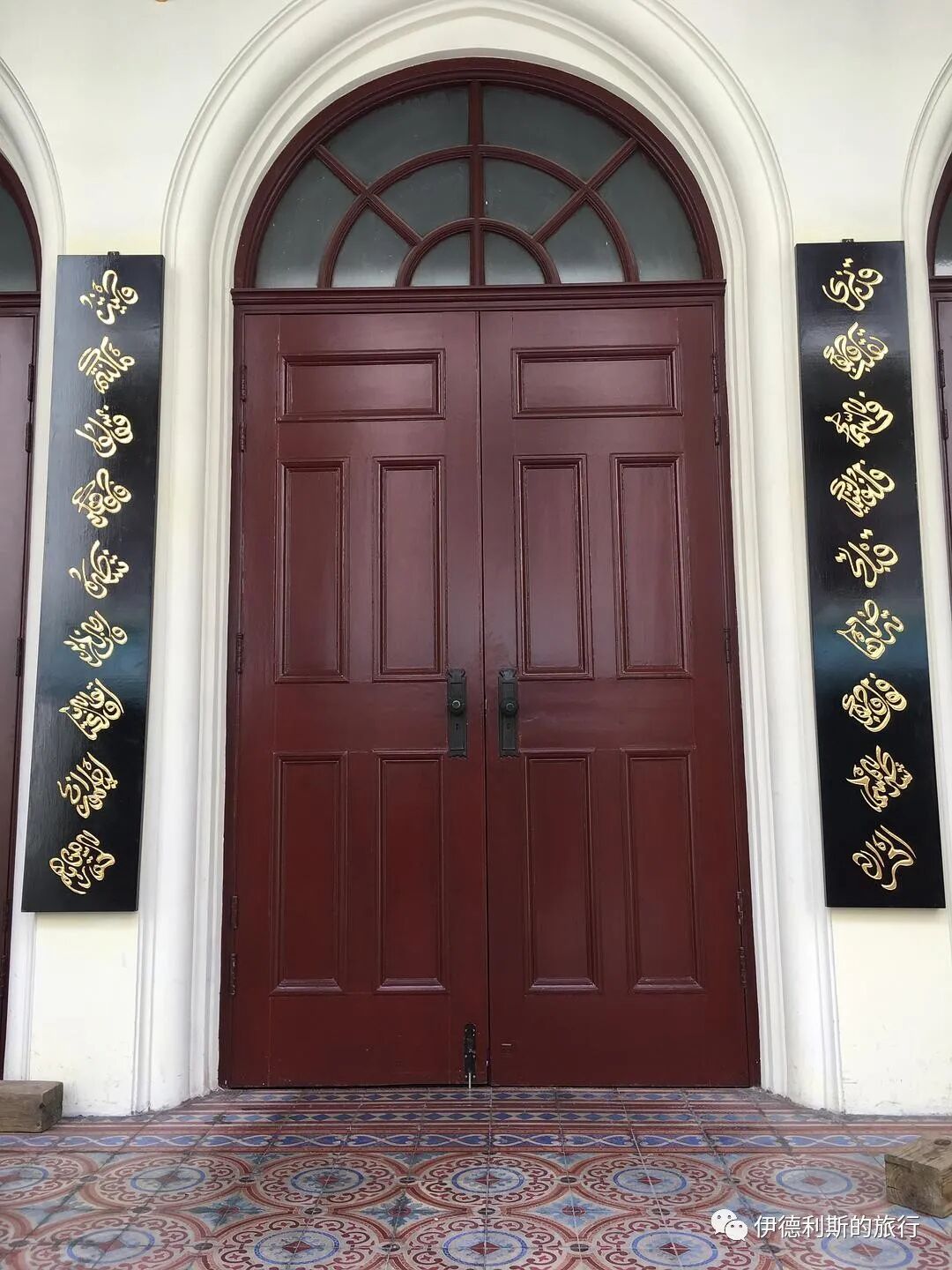
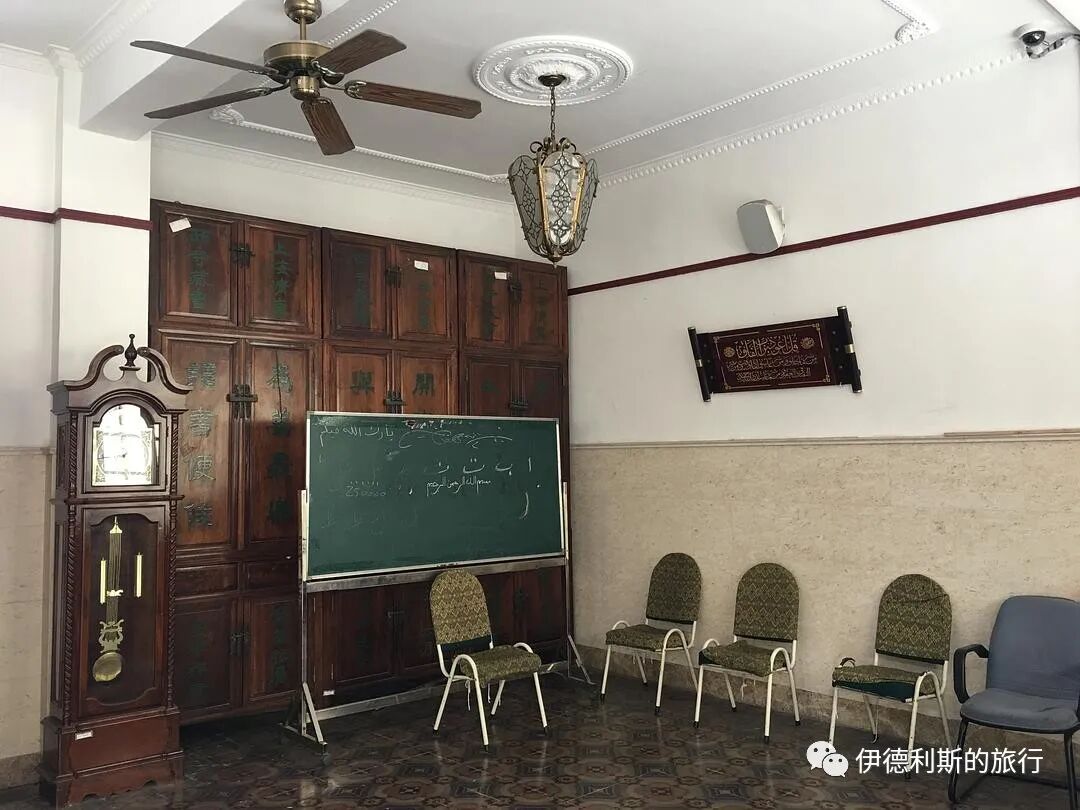
Xiaotaoyuan Mosque is commonly known as the West Mosque. It was built in 1917 after the famous Hui merchant Jin Ziyun donated the land and funds, and it was rebuilt into its current form in 1925. During the Republic of China era, many Hui Muslims from Northwest and Northern China chose to travel by steamship from Shanghai to perform the Hajj. Starting in 1930, Xiaotaoyuan Mosque became a place for pilgrims to rest and wait before their departure. People used the mosque to process passports and book ship tickets. Doctors from the customs quarantine office would come to the mosque to perform physical exams, administer smallpox vaccinations, and give other shots. Pilgrims also met friends and exchanged information here. On the day of departure, the mosque provided transport to take them to the ship. After returning from the Hajj, the Hajis would rest at the mosque before heading home. This place became an important cultural exchange center for Islam in China during the Republic of China era.
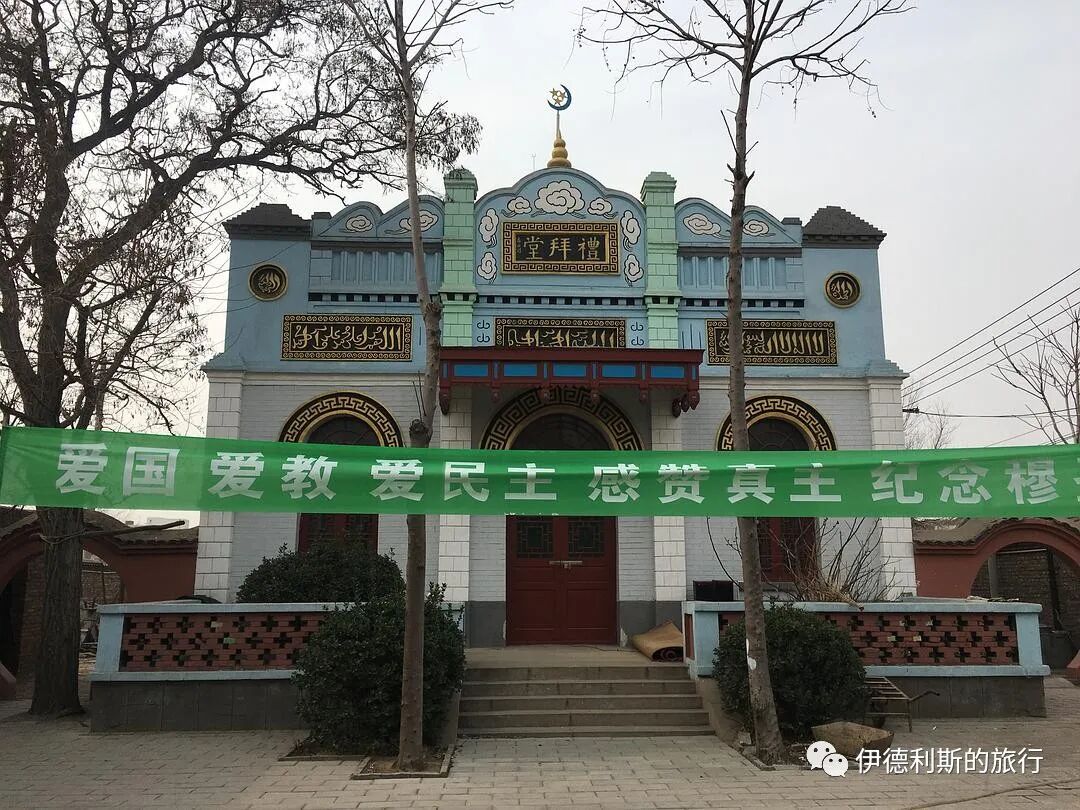
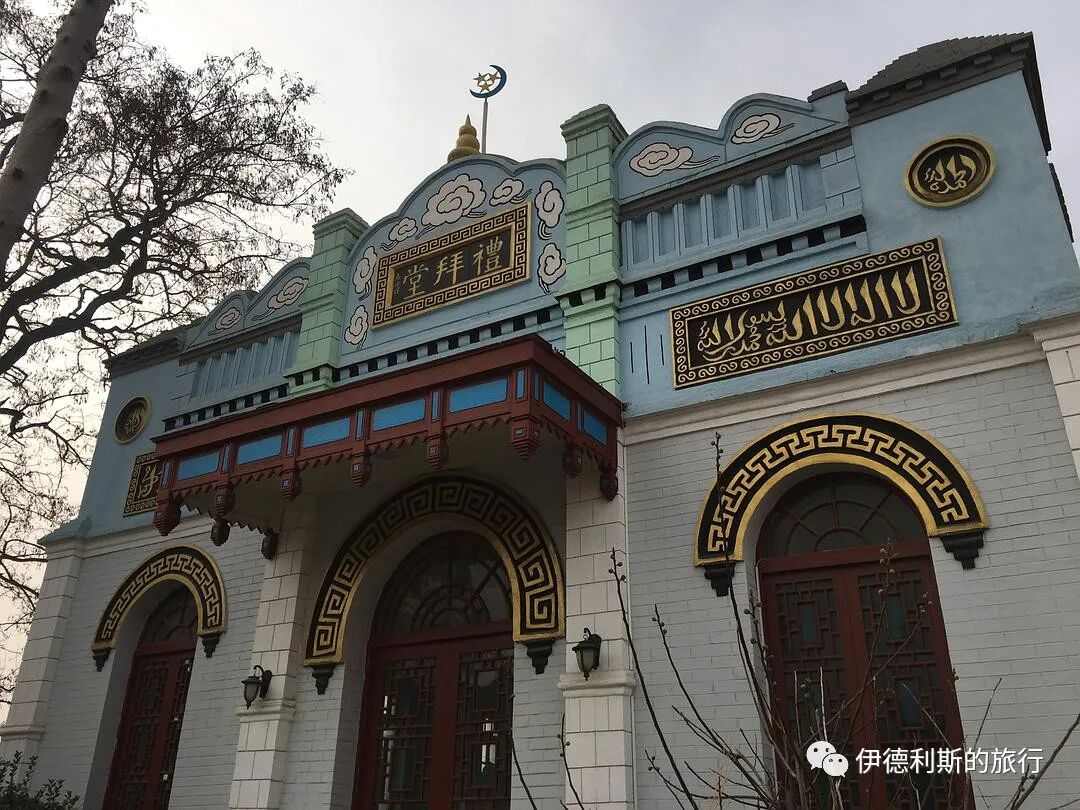
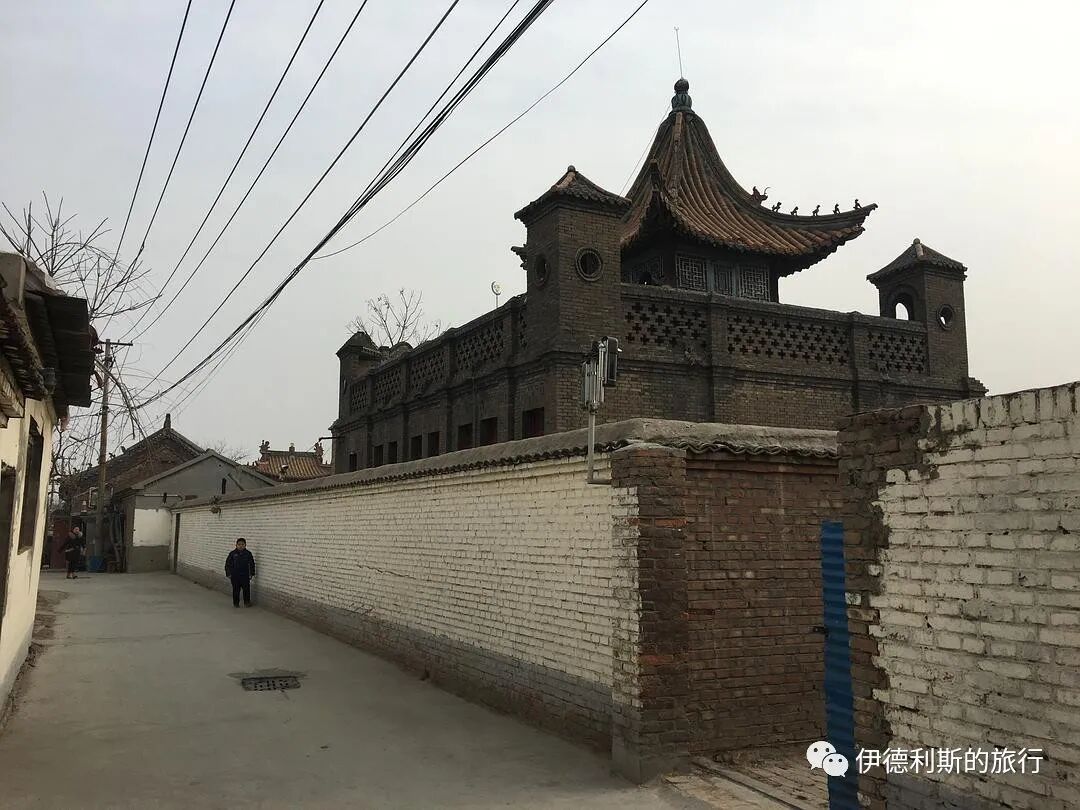
8. Beiying Mosque, Dezhou, Shandong
During the Wanli reign of the Ming Dynasty, the descendants of the Sultan of Sulu built a mosque southwest of the Sultan of Sulu's tomb. A Ming Dynasty imperial decree ordered that one person be chosen from the Wen and An families to serve as the imam, carry on the sect, and manage the Hui Muslims. In 1917, the canal burst its banks, washing away the mosque and the entire Beiying Village, until it was rebuilt in 1940. The newly built gate has a Western style, while the overall structure remains in the traditional North China style.
9. Beijing Shahe Mosque
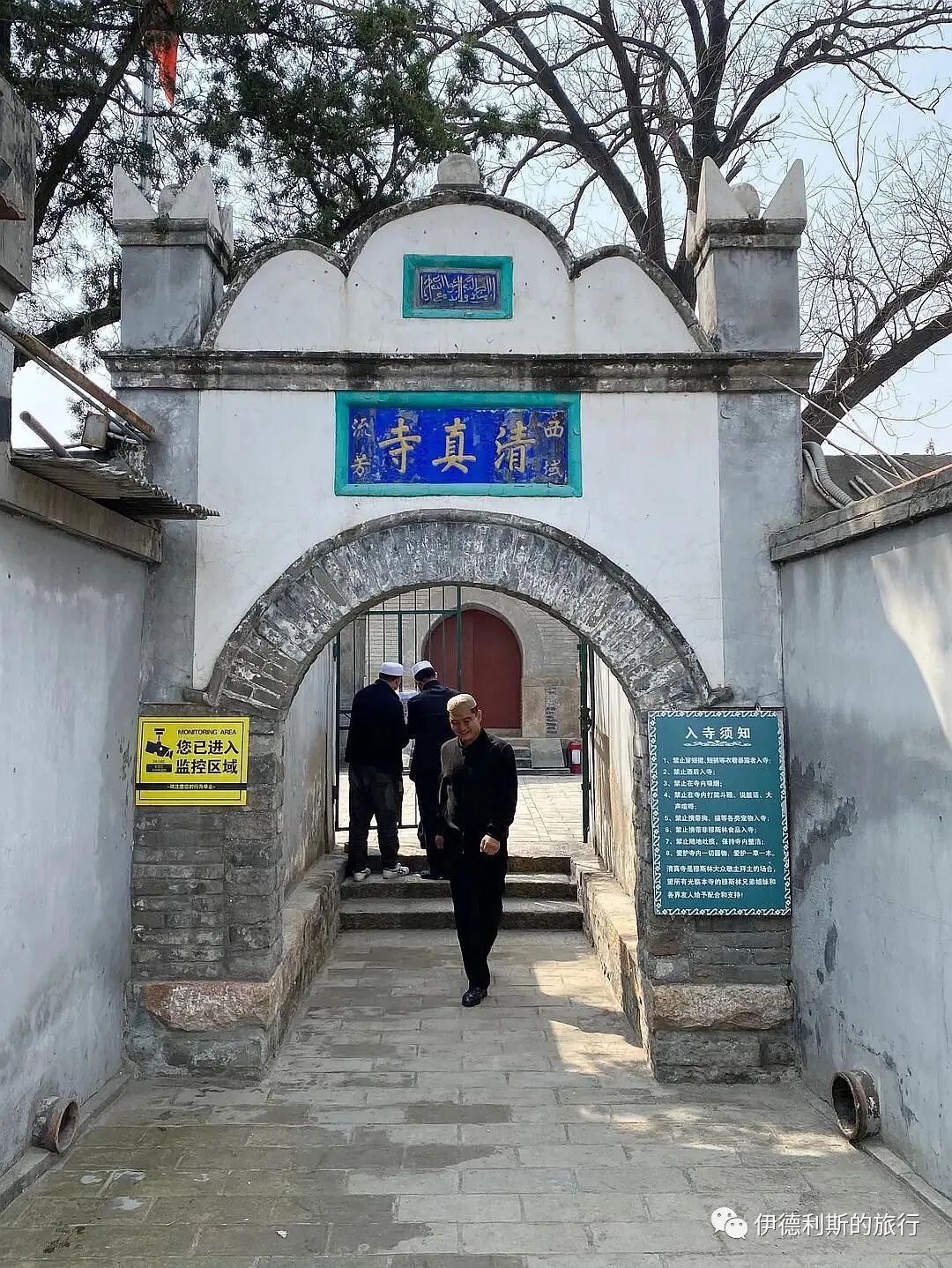
During the Wanli reign of the Ming Dynasty, the main road north of Beijing leading to Zhangjiakou moved to Shahe, and Hui Muslims who traded cattle and sheep began to settle there. Shahe Mosque was first built during the Ming Dynasty, and the current Western-style gate was added in 1920.
10. Beijing Dongsi Mosque
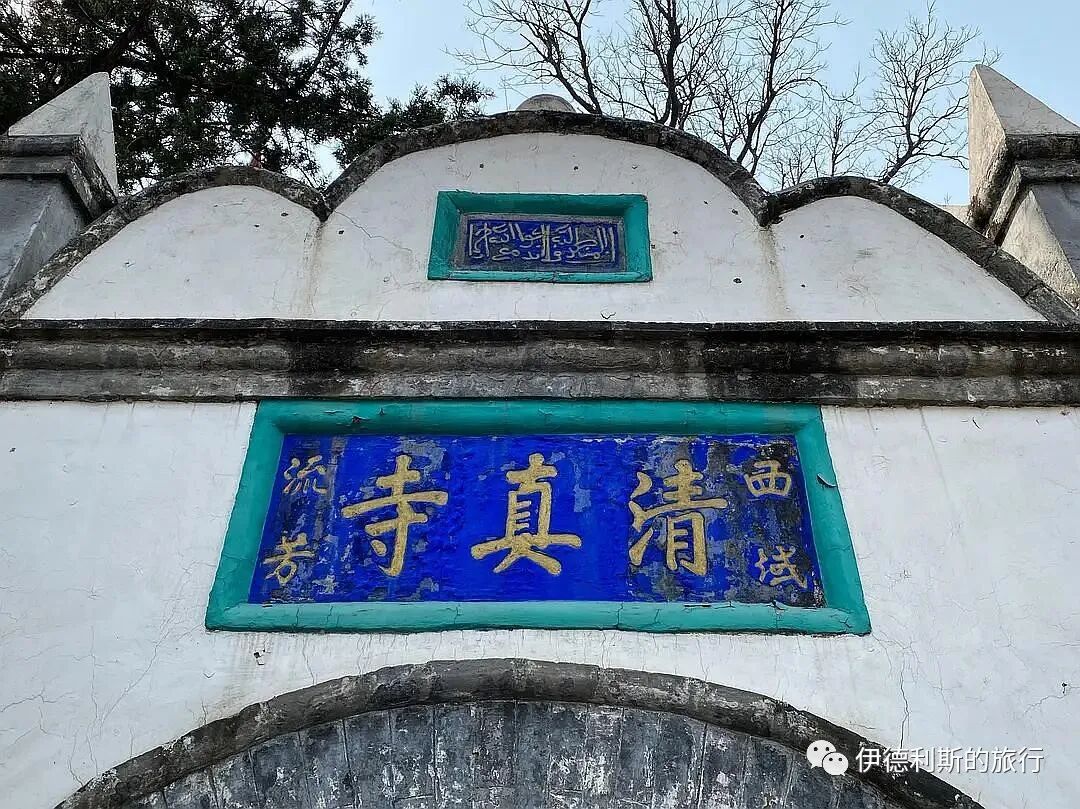
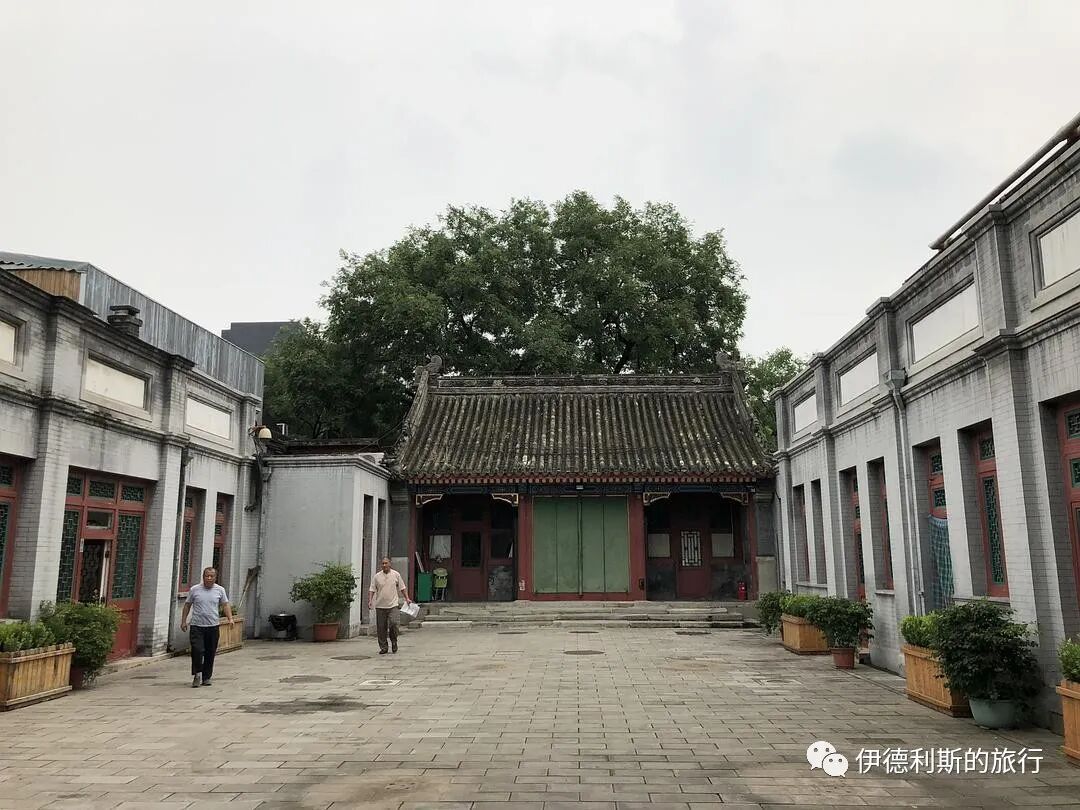
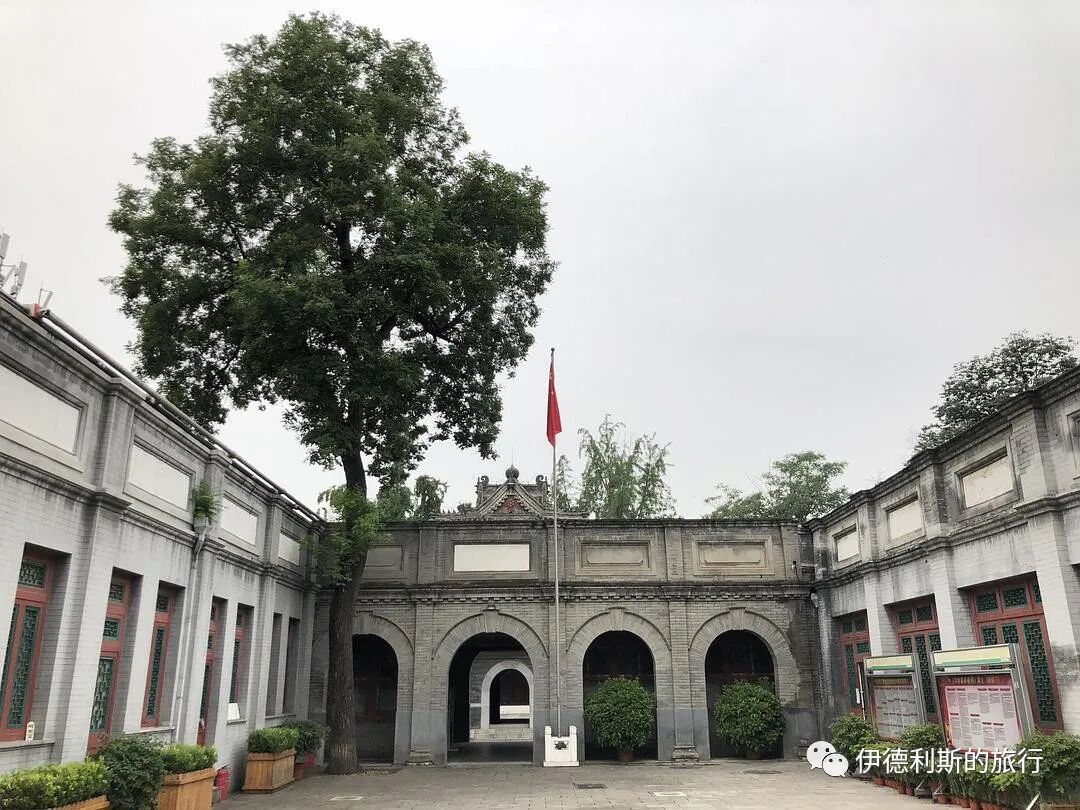
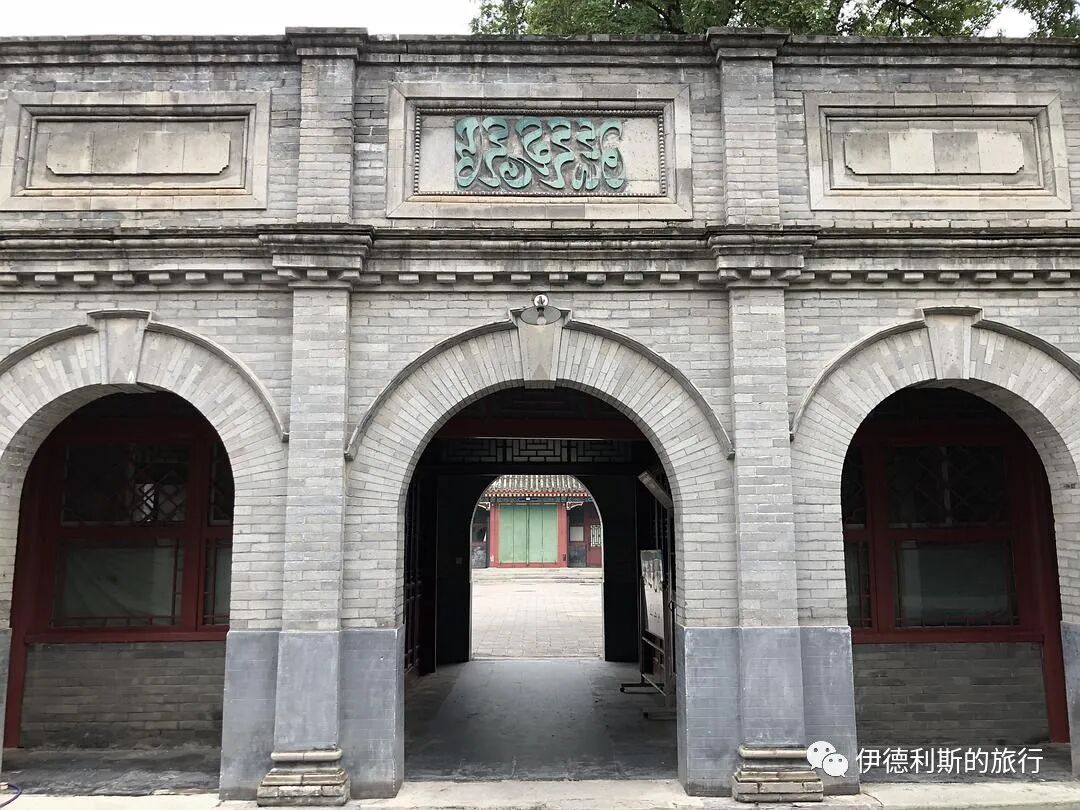
Dongsi Mosque is one of the four major official mosques of the Ming Dynasty, and its gate and first courtyard were rebuilt in 1920. The gate is a traditional Chinese building with a ridge-style hard mountain roof, while the first courtyard and the second gate feature Western architectural styles.
Summary: Chinese Republican-Era Mosque Architecture: Chinese and Western Design Elements is presented here as a firsthand travel account in clear English, beginning with this scene: During the Republic of China era, the introduction of Western architectural styles meant Chinese mosques were no longer limited to traditional Chinese designs and began to incorporate Western elements. The account keeps its focus on Mosque Architecture, Republican China, Muslim Heritage while preserving the names, places, food, and historical details from the Chinese source.
During the Republic of China era, the introduction of Western architectural styles meant Chinese mosques were no longer limited to traditional Chinese designs and began to incorporate Western elements. I will share 10 mosques I have visited that feature unique Republic-era architectural styles: the 1935 main hall of the Shenyang East Mosque, the 1936 gate of the Datong Mosque, the 1926 arched porch (juanpeng) of the Longshengzhuang Mosque in Fengzhen, Inner Mongolia, the 1923 main hall of the Hohhot Great Mosque, the rear hall of the Daxinzhuang East Mosque in Bo'ai, Henan, the 1935 gate of the Fuyou Road Mosque in Shanghai, the 1925 Xiaotaoyuan Mosque, the 1940 Beiying Mosque in Dezhou, Shandong, the 1920 gate of the Shahe Mosque in Beijing, and the 1920 first courtyard of the Dongsi Mosque.
1. Shenyang East Mosque
The Shenyang East Mosque was first built in 1803 (the eighth year of the Jiaqing reign). In 1935, the prayer hall was rebuilt in a Western style, while the moon-viewing tower (wangyuelou) kept its original Chinese style.
2. Datong Mosque
The gate of the Datong Mosque was rebuilt in 1936 and features a typical Republic-era style.
3. Longshengzhuang Mosque in Fengzhen, Inner Mongolia
Longshengzhuang in Fengzhen sits on the border of Shanxi and Inner Mongolia. From the Qing Dynasty to the early Republic era, it was at the intersection of trade routes between Hohhot, Datong, and Zhangjiakou, serving as an important market town for Shanxi merchants trading in Mongolia. Longshengzhuang reached its peak in the early Republic era, with over 300 shops and nearly 2 kilometers of storefronts lined up side by side.
The arched porch (juanpeng) of the Longshengzhuang Mosque was expanded in 1926 and features exquisite Republic-era ironwork decorations.
4. Hohhot Great Mosque
The prayer hall of the Hohhot Great Mosque was expanded in 1923. Its arched porch (juanpeng) blends Chinese and Western styles, featuring arched doors and walls decorated with beautiful Arabic calligraphy plaques, couplets, and floral patterns.
5. East Mosque in Daxinzhuang, Bo'ai, Henan
The East Mosque in Daxinzhuang, Bo'ai, Henan added a rear hall during the Republic of China era. It features five Roman-style arched doorways decorated with exquisite cement carvings from that period.
6. Fuyou Road Mosque, Shanghai
Fuyou Road Mosque is commonly known as the North Mosque. It was first built in 1870 (the ninth year of the Tongzhi reign) and was originally used by Hui Muslims from Nanjing who lived near the Old North Gate of Shanghai. In 1935, a famous Hui merchant named Ha Shaofu led the effort to convert the street-facing stone-gate houses (shikumen) into a three-story reinforced concrete building, with a moon-sighting pavilion built on the rooftop terrace.
7. Xiaotaoyuan Mosque, Shanghai
Xiaotaoyuan Mosque is commonly known as the West Mosque. It was built in 1917 after the famous Hui merchant Jin Ziyun donated the land and funds, and it was rebuilt into its current form in 1925. During the Republic of China era, many Hui Muslims from Northwest and Northern China chose to travel by steamship from Shanghai to perform the Hajj. Starting in 1930, Xiaotaoyuan Mosque became a place for pilgrims to rest and wait before their departure. People used the mosque to process passports and book ship tickets. Doctors from the customs quarantine office would come to the mosque to perform physical exams, administer smallpox vaccinations, and give other shots. Pilgrims also met friends and exchanged information here. On the day of departure, the mosque provided transport to take them to the ship. After returning from the Hajj, the Hajis would rest at the mosque before heading home. This place became an important cultural exchange center for Islam in China during the Republic of China era.
8. Beiying Mosque, Dezhou, Shandong
During the Wanli reign of the Ming Dynasty, the descendants of the Sultan of Sulu built a mosque southwest of the Sultan of Sulu's tomb. A Ming Dynasty imperial decree ordered that one person be chosen from the Wen and An families to serve as the imam, carry on the sect, and manage the Hui Muslims. In 1917, the canal burst its banks, washing away the mosque and the entire Beiying Village, until it was rebuilt in 1940. The newly built gate has a Western style, while the overall structure remains in the traditional North China style.
9. Beijing Shahe Mosque
During the Wanli reign of the Ming Dynasty, the main road north of Beijing leading to Zhangjiakou moved to Shahe, and Hui Muslims who traded cattle and sheep began to settle there. Shahe Mosque was first built during the Ming Dynasty, and the current Western-style gate was added in 1920.
10. Beijing Dongsi Mosque
Dongsi Mosque is one of the four major official mosques of the Ming Dynasty, and its gate and first courtyard were rebuilt in 1920. The gate is a traditional Chinese building with a ridge-style hard mountain roof, while the first courtyard and the second gate feature Western architectural styles.
My Hui and Islamic Collection: Muslim Artifacts from Republican China
Articles • ali2007fr posted the article • 0 comments • 114 views • 2026-05-17 07:58
Reposted from the web
Summary: This travel note introduces My Hui and Islamic Collection: Muslim Artifacts from Republican China. Unable to leave Beijing for over a year, I started hunting for old items related to Hui Muslims online, and now I am sharing them with everyone one by one. I will start by posting a few from the Republic of China era. It is useful for readers interested in Islamic Collectibles, Hui Muslims, Republican China.
Unable to leave Beijing for over a year, I started hunting for old items related to Hui Muslims online, and now I am sharing them with everyone one by one. I will start by posting a few from the Republic of China era.
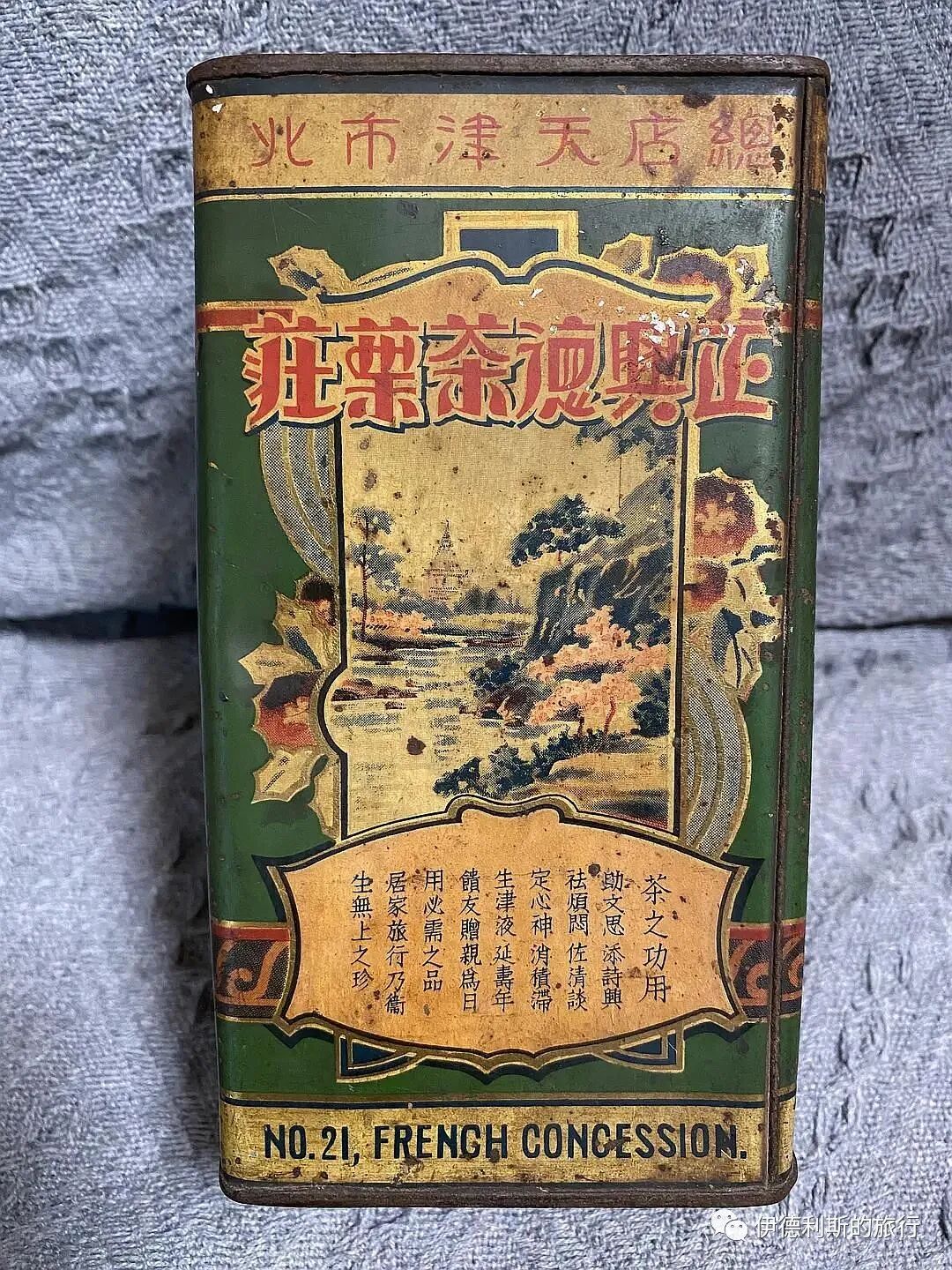
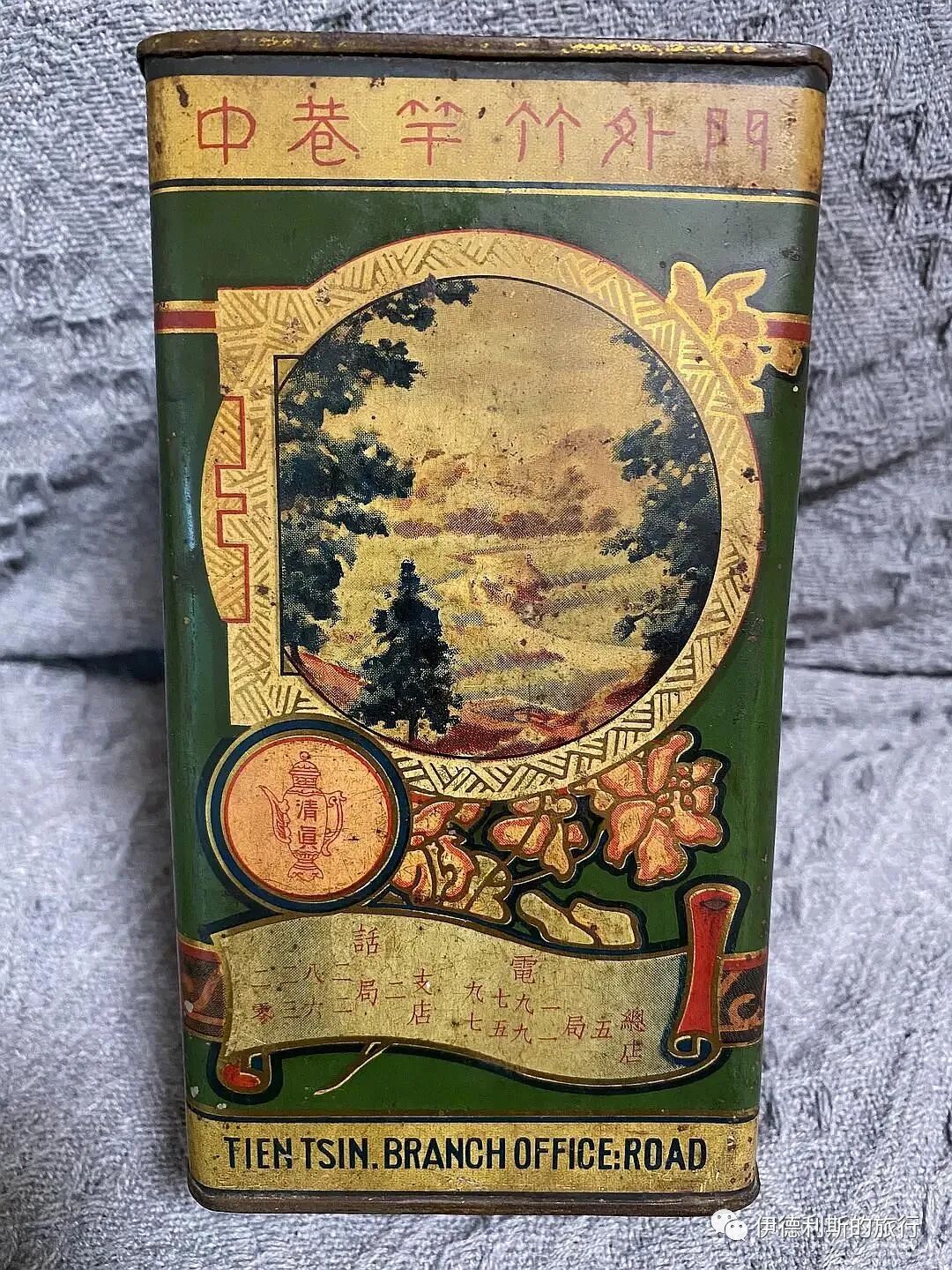
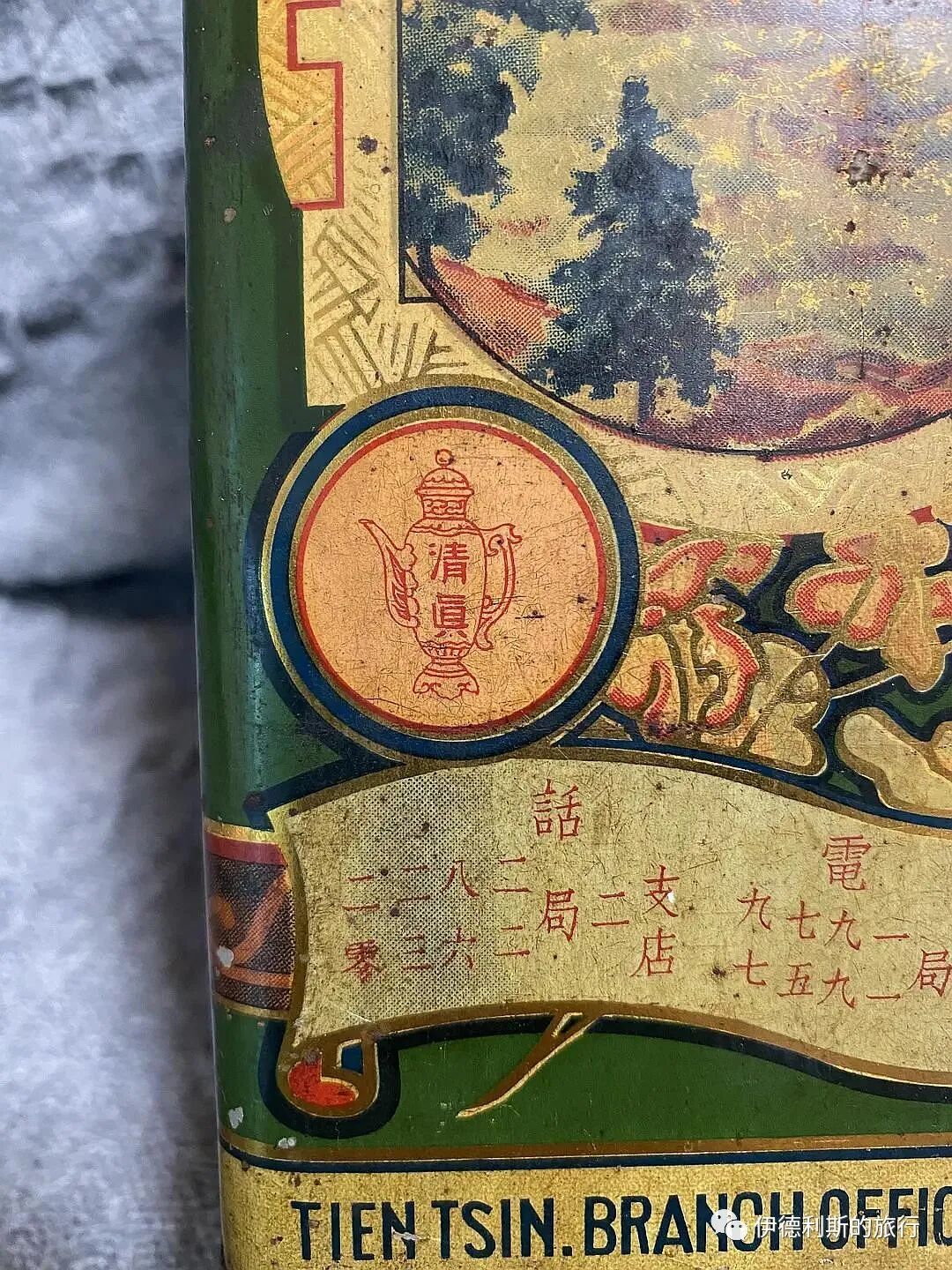
A Zhengxingde tea canister from the Republic of China era; its condition is still decent, and it contains a lot of information. It is written inside that the Zhengxingde headquarters at the time was at Zhugan Lane outside the North Gate of Tianjin, and the branch was on the east side of Lizhan Avenue in the French Concession. At that time, Zhengxingde had branches in Beiping, Baoding, and Cangxian, while its tea-scenting factories were distributed in Fuzhou, Sukou, Hangzhou, Chun'an, Huizhou, Huangshan, Huoshan, and Jieyuan.
It is also written on it that the tea canister was self-made by the Zhengxingde Canister Manufacturing Department and printed by the Zhicheng Flower Iron Printing Paper Factory inside the North Gate of Tianjin.
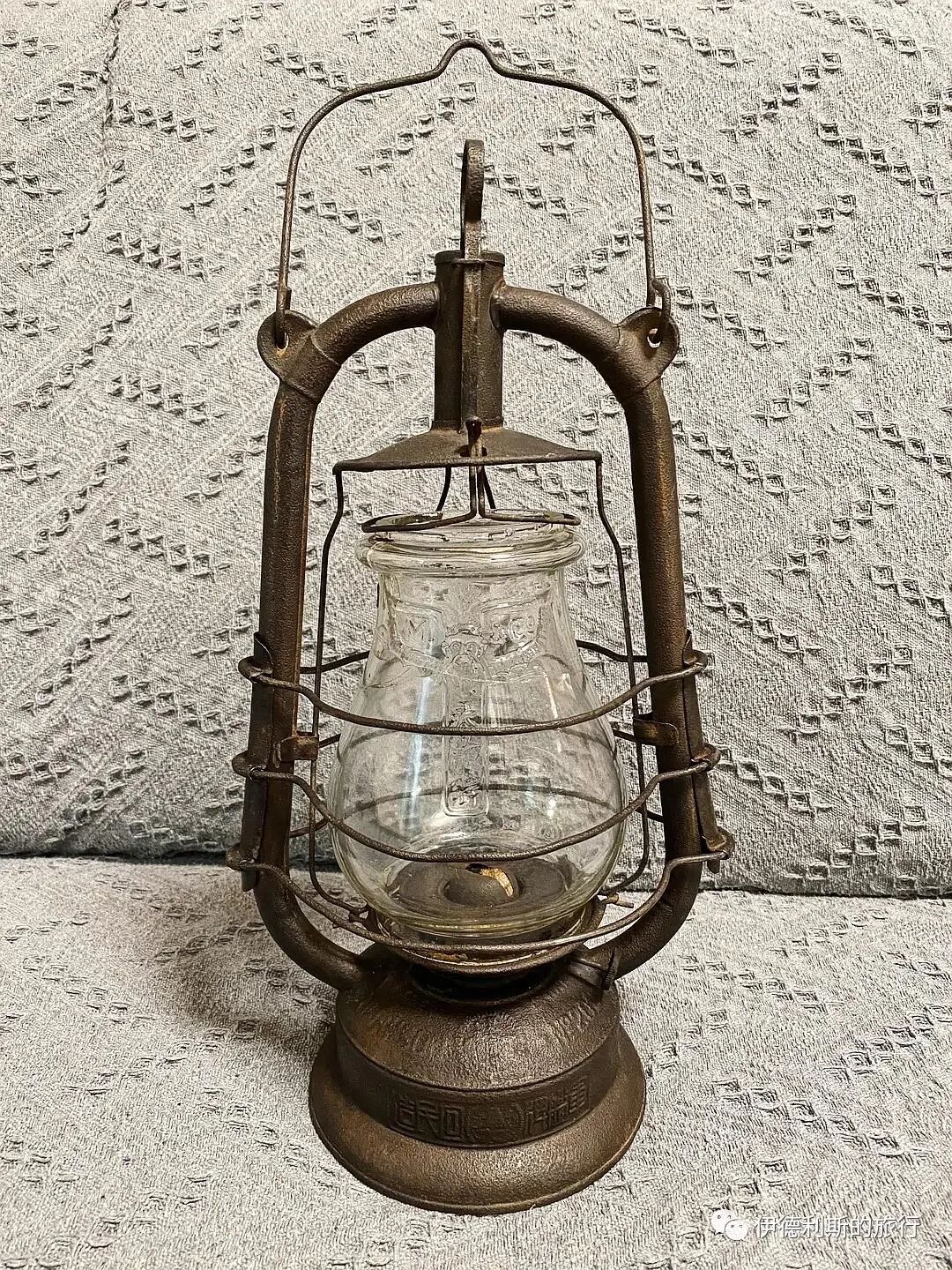
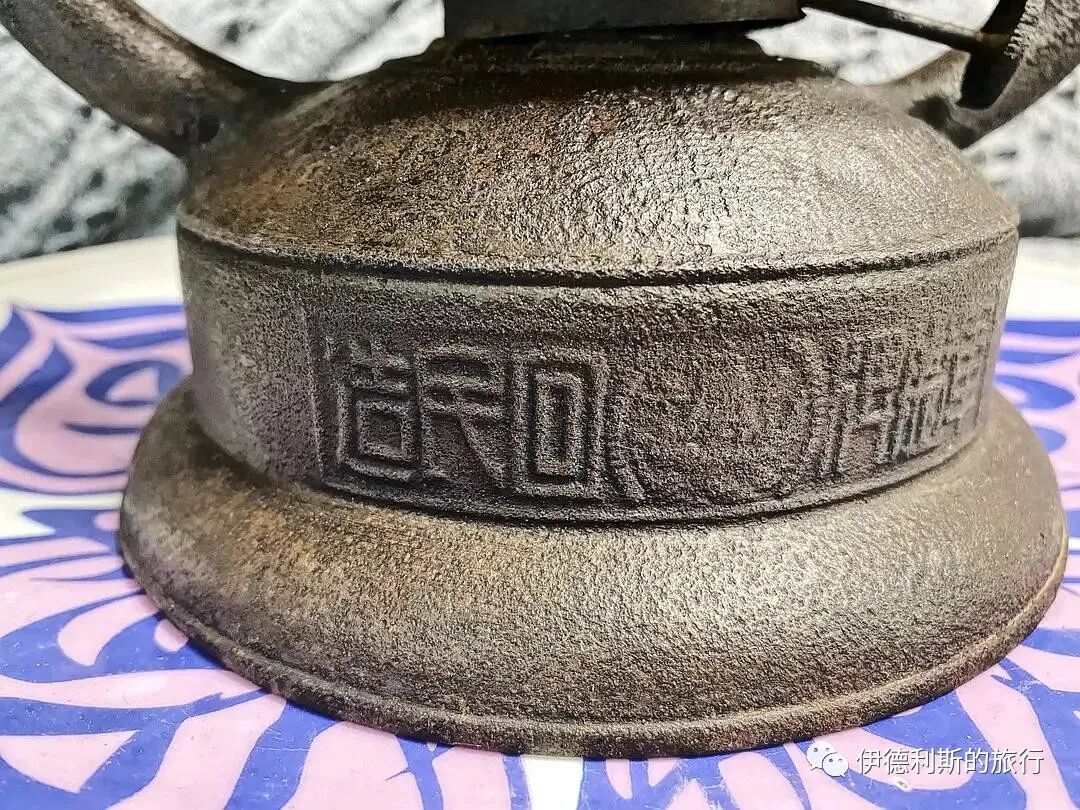
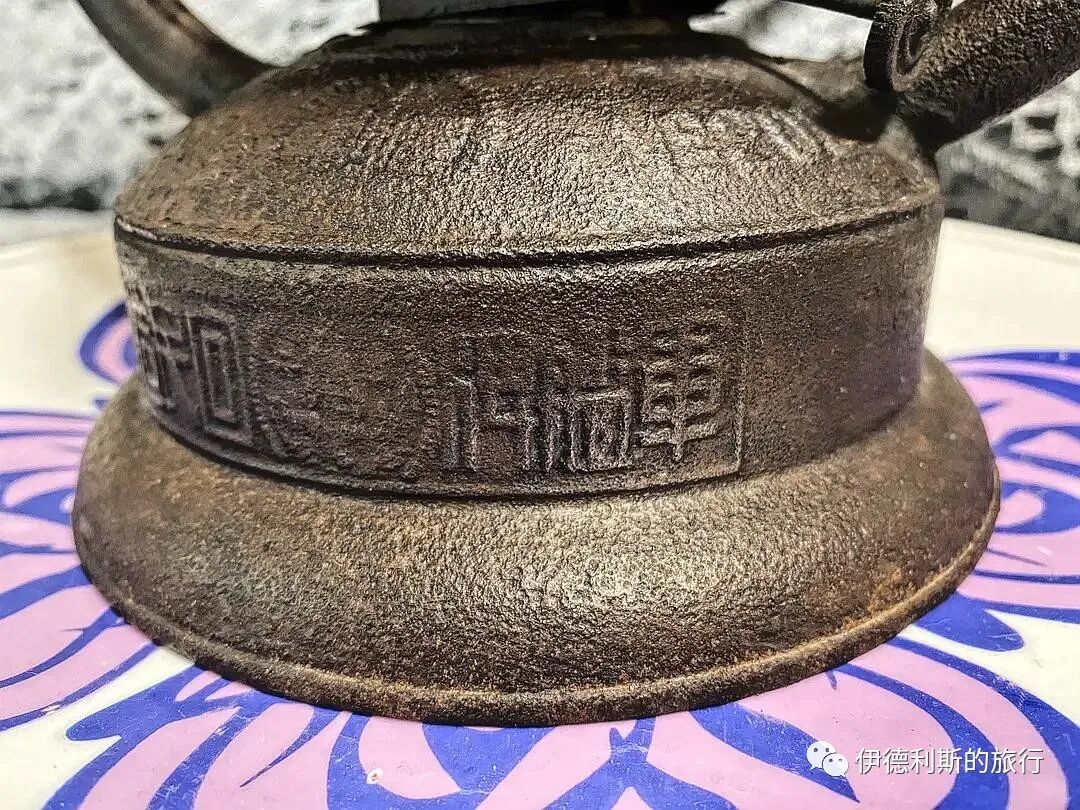
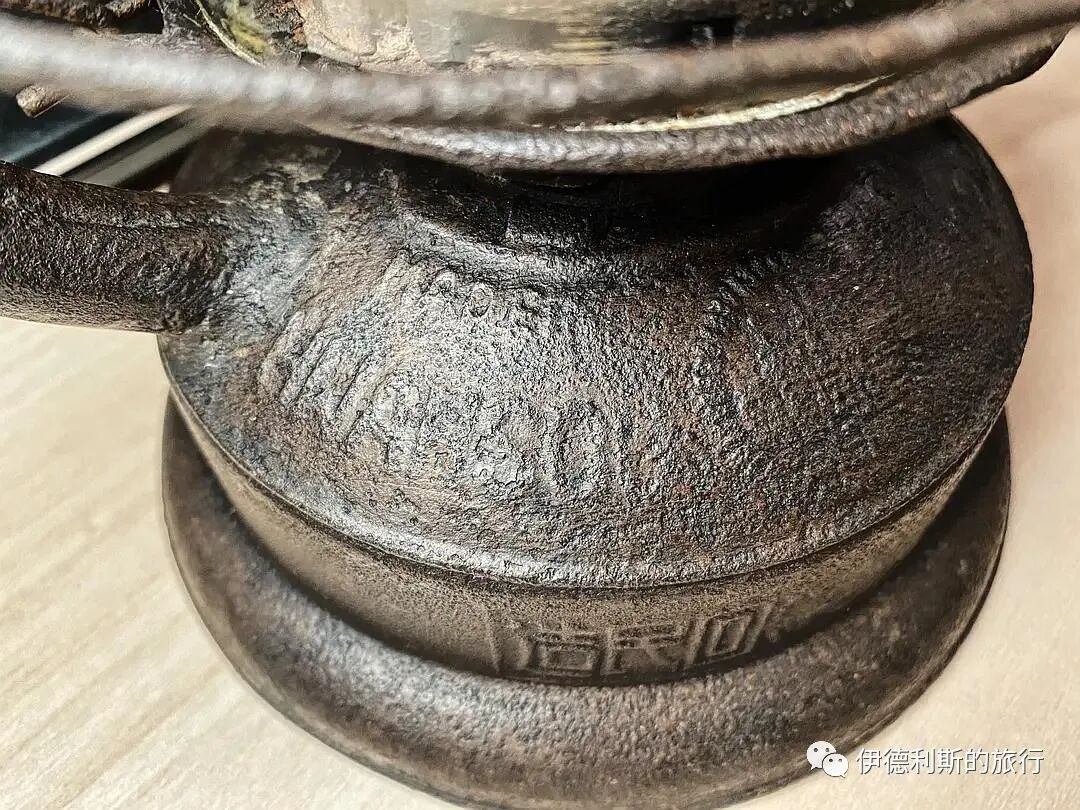
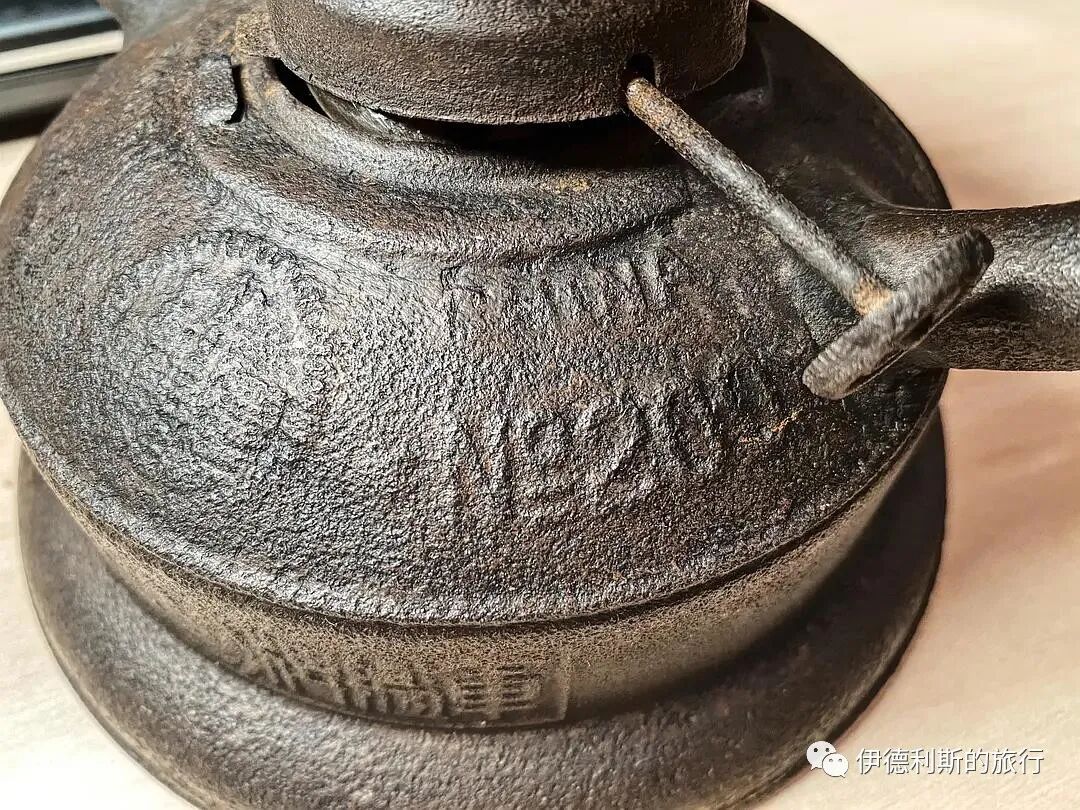
A "Hui Muslim-made" hurricane lamp. Although I haven't found the origin of this hurricane lamp, it is indeed very unique. German-style hurricane lamps were widely equipped in the military during the Republic of China era; not only the Nationalist army but even the Red Army were equipped with them. My hurricane lamp might have been used by the Hui Muslim Detachment at that time and followed them into battle.
First, you can see that "Meizuishi" and the Meizuishi trademark are written on the glass shade of the hurricane lamp. Meizuishi was a famous German trading firm during the late Qing Dynasty and the Republic of China, which distributed a large number of hurricane lamps in China. The hurricane lamp I hunted for is basically the same in shape as the three-hoop Meizuishi hurricane lamp from the same period of the Republic of China, but the characters on the base are completely different.
Generally, the base of a Meizuishi hurricane lamp would have "Meizuishi" or "Meizuishi Made in Germany" written on it, along with the German word "FEUERHAND" and the Firehand trademark. Feuerhand (Firehand) was the world's largest manufacturer of hurricane lamps during the Republic of China era, basically synonymous with hurricane lamps, and on the right, there would be the model of the lamp, generally 201, 252, 270, etc. At the very top, it would say "MADE IN GERMANY" in English, but the one I hunted for is not like this.
The base of the hurricane lamp I hunted for says "Warship Brand, Hui Muslim-made," and the trademark in the middle is unclear; it also seems to be a warship at sea. I searched for a long time but could not find a hurricane lamp brand called "Warship." Further up, it says "HWAHSO," which seems to be a transliteration of the Firehand hurricane lamp, and above that, it says "MADE IN CHINA."
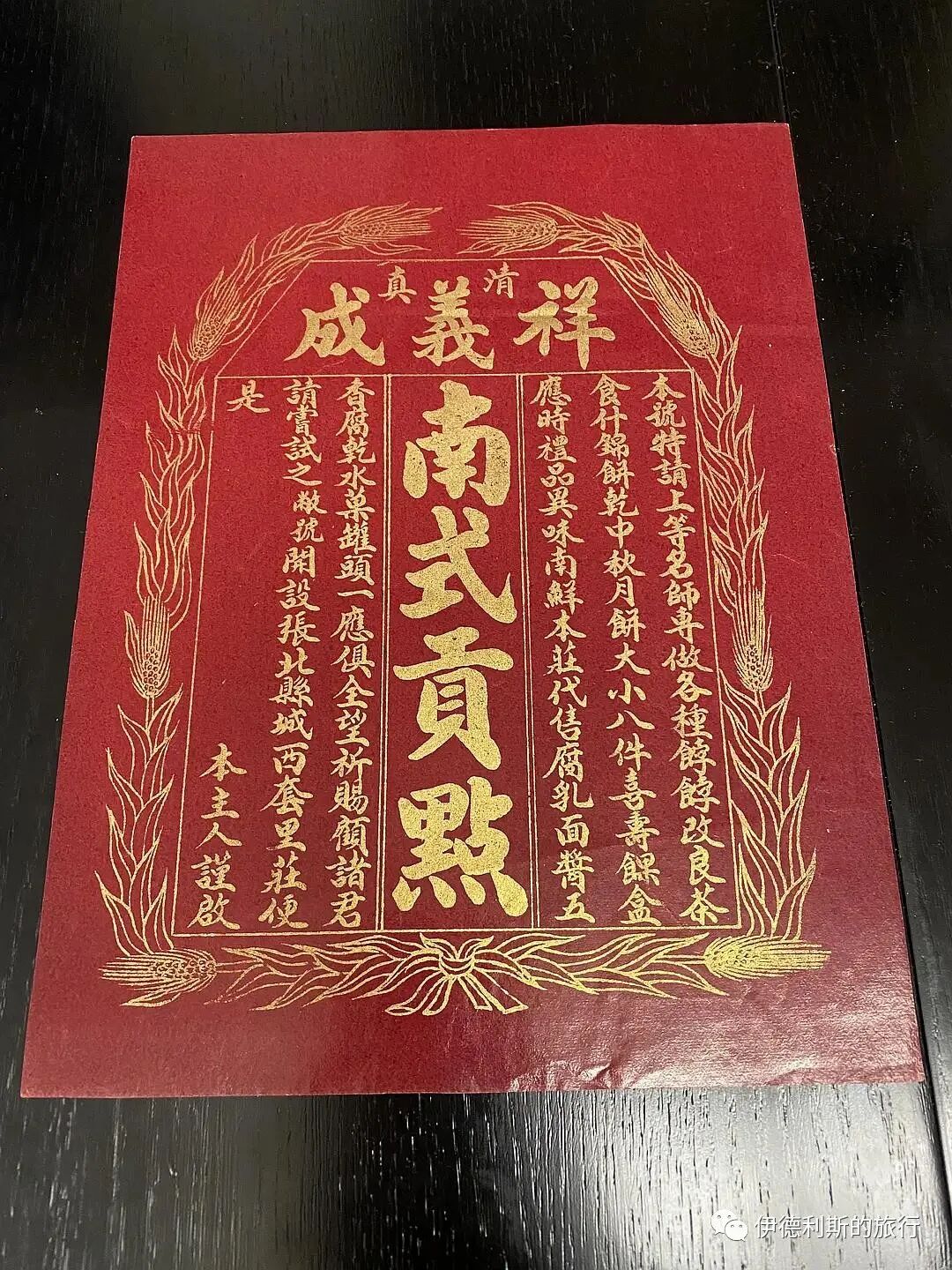
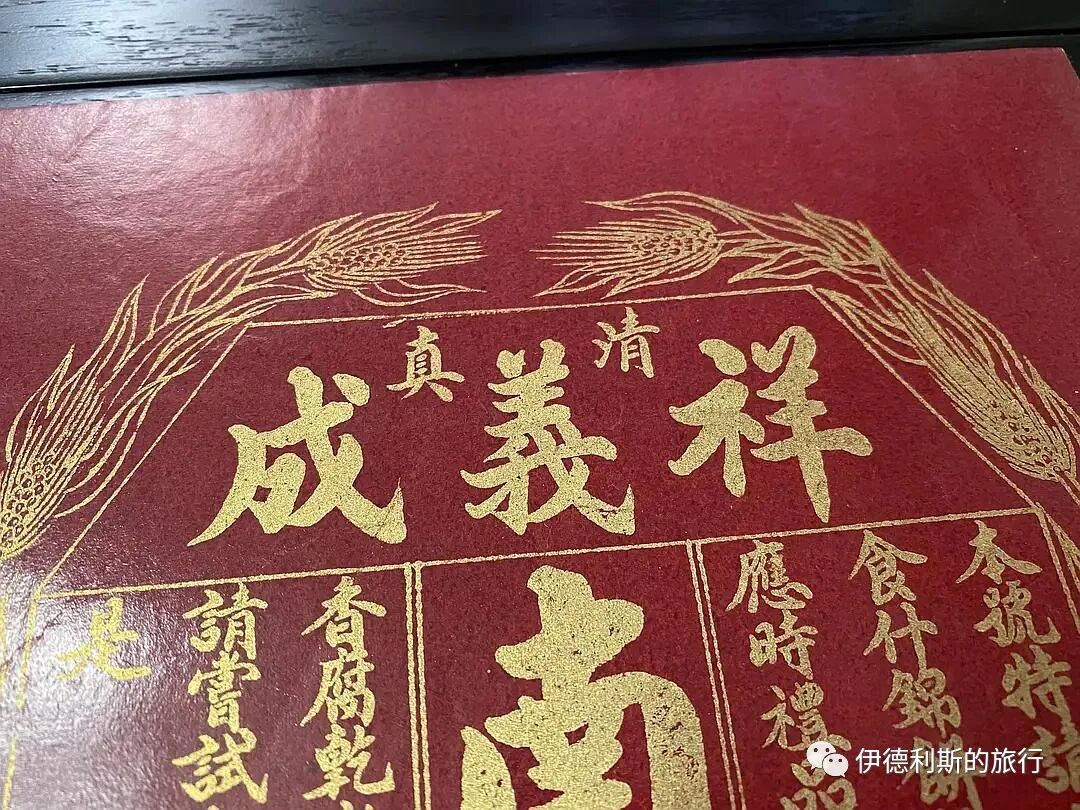
Qingzhen Xiangyicheng Southern-style tribute pastries from "Taolizhuang, West of Zhangbei County Town."
Taolizhuang is located on the Bashang Grassland in Zhangjiakou. It was originally a pasture for the Chahar Mongol tribe. After the Yongzheng reign of the Qing Dynasty, Hui Muslims began to move there to reclaim land. The current ancient mosque in Xichengyao, Taolizhuang, was built during the Yongzheng reign.
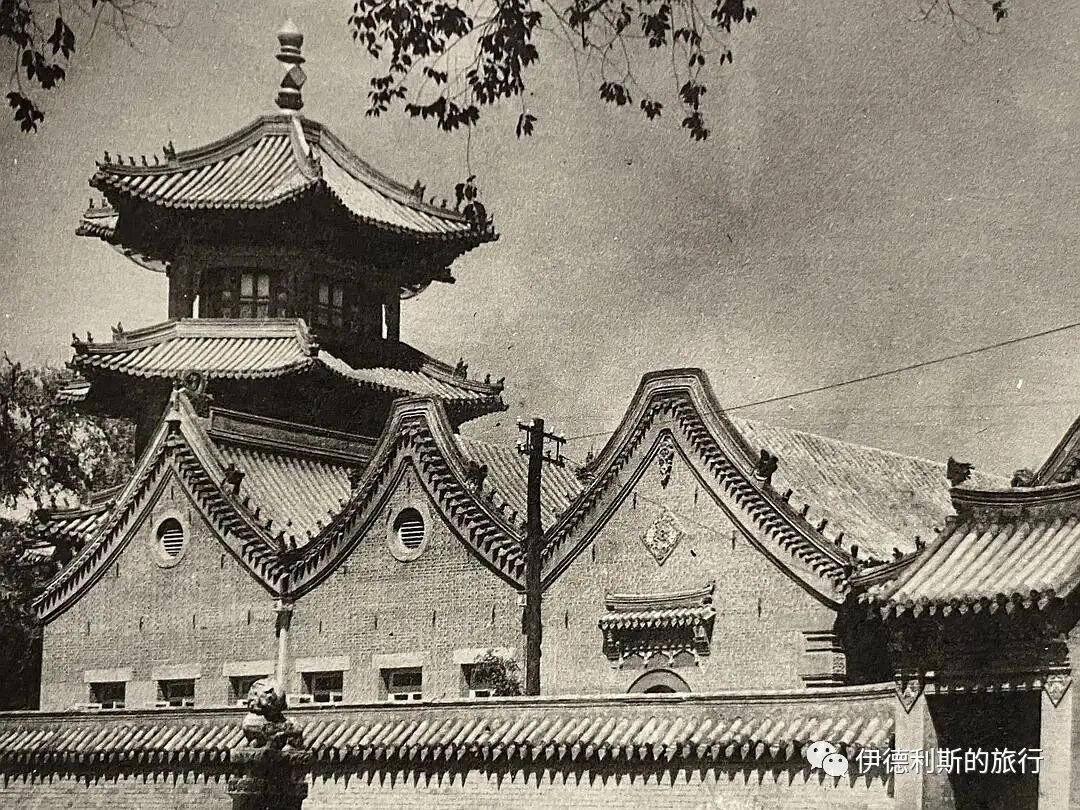
A postcard of the Changtong Road Mosque in Changchun around 1935. Changchun was the capital of the puppet Manchukuo state, Xinjing, at that time, and the Changtong Road Mosque was also the main mosque of Islam in the puppet Manchukuo state.
During the puppet Manchukuo period, Japan issued many postcards of the Changchun Changtong Road Mosque. The one I hunted for is relatively clear; the words on the door, "Manchuria Islamic Association Xinjing Branch," can be seen clearly, and you can also see the electric wires pulled in the mosque and the horse-tethering posts at the entrance. The Manchuria Islamic Association was established in 1934, with Kawamura Kyodo as president, and it had 146 branches at that time. In 1936, it was renamed the Manchuria Muslim Association, increasing to 182 branches. In 1938, it was reorganized by the Japanese Kwantung Army, the presidency was abolished, and Wang Dianzhong, a Hui Muslim and general in the puppet Manchukuo army from Yingkou, was appointed as the director-general. The puppet Manchukuo government's Ministry of Public Security allocated funds, and by 1942, the number of branches increased to 192.
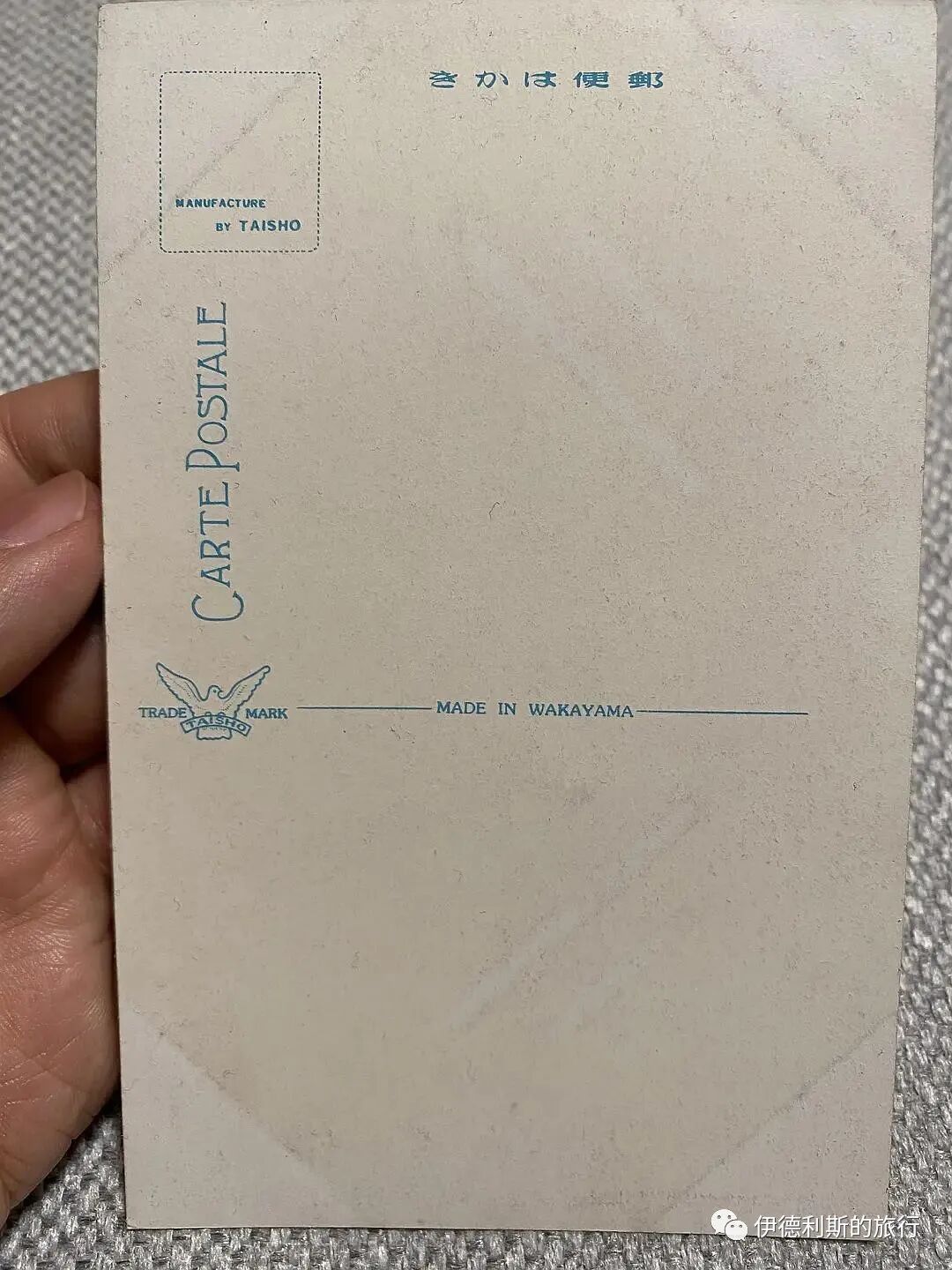
The postcard was produced in Wakayama Prefecture, Japan, and the brand is called "TAISHO." This brand has a pigeon trademark, which is different from the eagle trademark of Taisho Pharmaceutical's "TAISHO," so I haven't found out which brand it actually is.
The Changtong Road Mosque was first built in 1824 and has been expanded many times since; it is a rare Qing Dynasty building in Changchun. The earliest Hui Muslims who moved to Changchun were called the "Shandong Group." The Han and Li families from Hanjiachai, Tai'an, Shandong, were the first to arrive in Changchunpu, where the Changchun government office was located, after 1800 to settle down. After the Changchun government office moved to Kuanchengzi in 1825, the Han and Li families also moved into the city. Since then, Hui Muslims from Shandong and Hebei have continuously moved to Changchun.
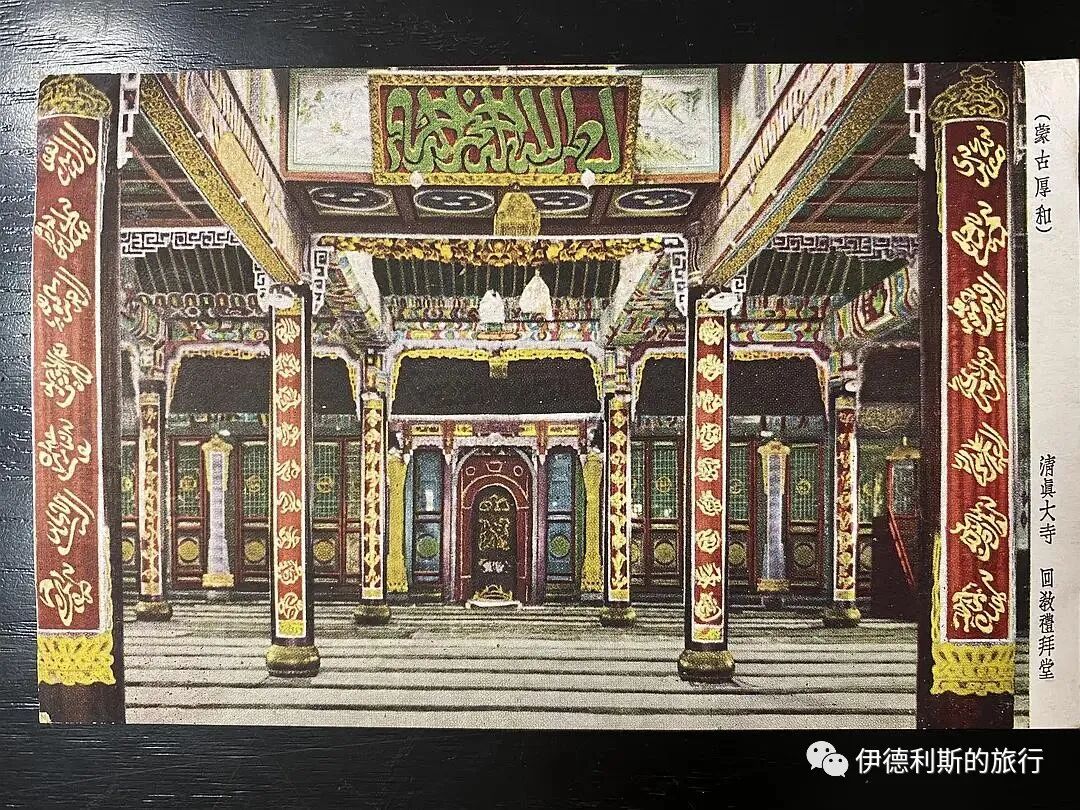
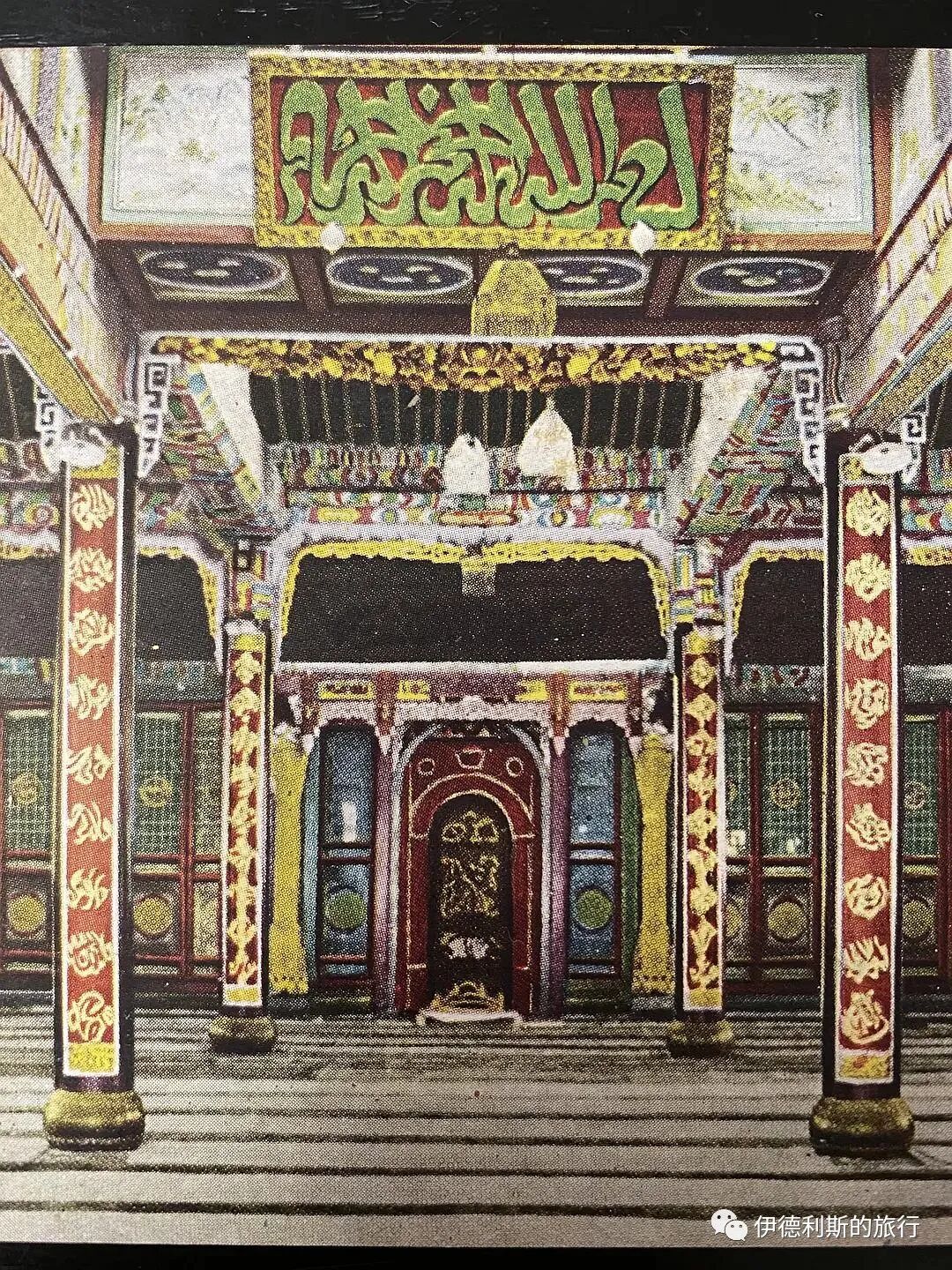
A military postcard used by the invading Japanese army. The front shows the main hall of the Hohhot Great Mosque taken by an embedded reporter, with "(Mongolia Hohhot) mosque Islamic Prayer Hall" written on the right, and "Postcard" and "Military Mail" written on the back. In 1937, Prince De established the Mongol United Autonomous Government in Guisui, renaming Guisui City to Hohhot City, abbreviated as Hohhot, until it was changed back to Guisui City after Japan's defeat in 1945.
In the photo I took of the main hall of the Hohhot Mosque, you can see that the couplets and the Tasmiya (the phrase 'In the name of Allah') plaque inside the main hall have not changed today, but the Mihrab (prayer niche) and the doors on both sides no longer exist.
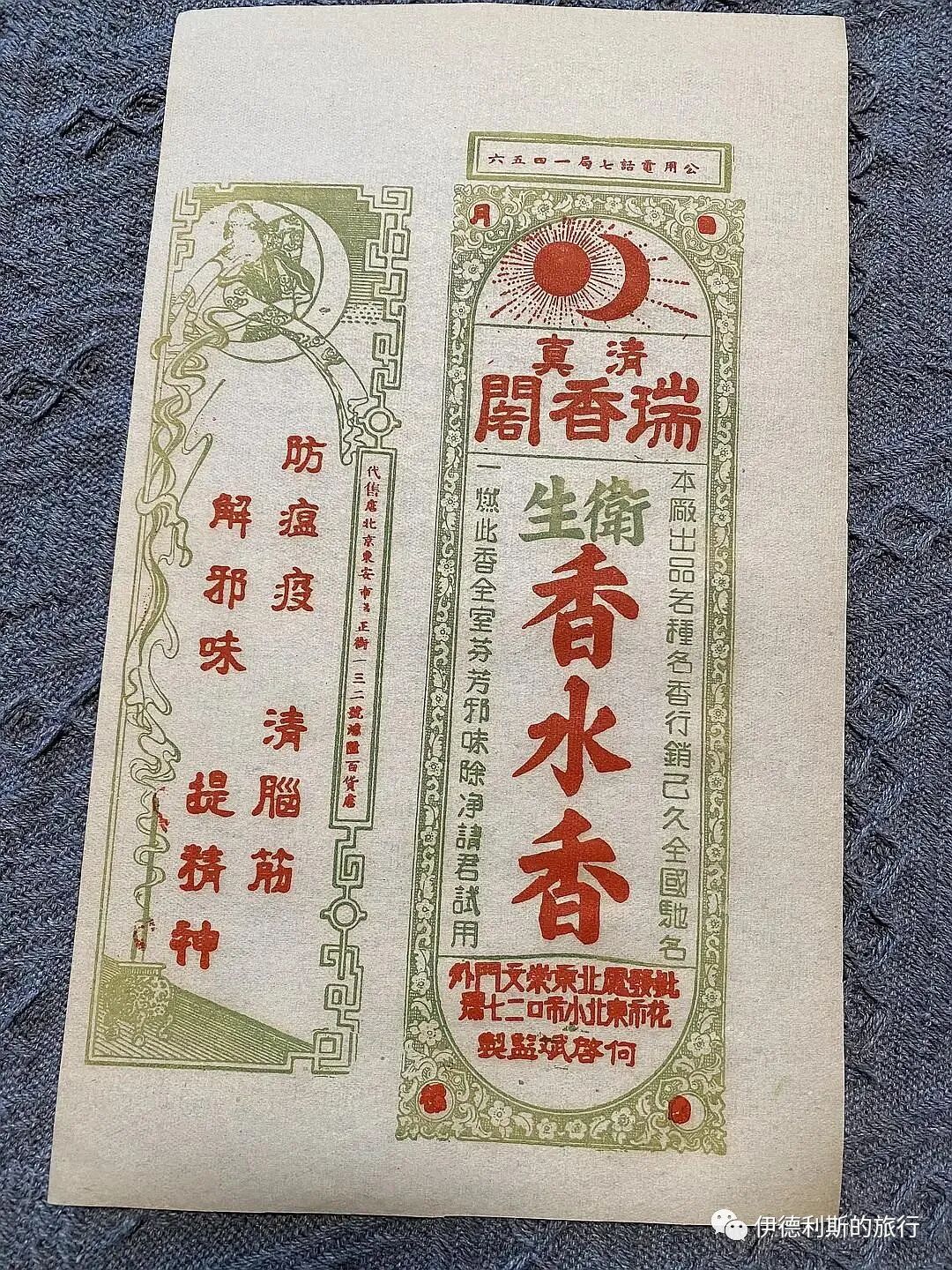
Packaging for Ruixiangge sanitary incense, with the address at No. 27, Xiaoshikou, Northeast of Huashi, outside Chongwenmen, Beijing. view all
Summary: This travel note introduces My Hui and Islamic Collection: Muslim Artifacts from Republican China. Unable to leave Beijing for over a year, I started hunting for old items related to Hui Muslims online, and now I am sharing them with everyone one by one. I will start by posting a few from the Republic of China era. It is useful for readers interested in Islamic Collectibles, Hui Muslims, Republican China.
Unable to leave Beijing for over a year, I started hunting for old items related to Hui Muslims online, and now I am sharing them with everyone one by one. I will start by posting a few from the Republic of China era.
A Zhengxingde tea canister from the Republic of China era; its condition is still decent, and it contains a lot of information. It is written inside that the Zhengxingde headquarters at the time was at Zhugan Lane outside the North Gate of Tianjin, and the branch was on the east side of Lizhan Avenue in the French Concession. At that time, Zhengxingde had branches in Beiping, Baoding, and Cangxian, while its tea-scenting factories were distributed in Fuzhou, Sukou, Hangzhou, Chun'an, Huizhou, Huangshan, Huoshan, and Jieyuan.
It is also written on it that the tea canister was self-made by the Zhengxingde Canister Manufacturing Department and printed by the Zhicheng Flower Iron Printing Paper Factory inside the North Gate of Tianjin.
A "Hui Muslim-made" hurricane lamp. Although I haven't found the origin of this hurricane lamp, it is indeed very unique. German-style hurricane lamps were widely equipped in the military during the Republic of China era; not only the Nationalist army but even the Red Army were equipped with them. My hurricane lamp might have been used by the Hui Muslim Detachment at that time and followed them into battle.
First, you can see that "Meizuishi" and the Meizuishi trademark are written on the glass shade of the hurricane lamp. Meizuishi was a famous German trading firm during the late Qing Dynasty and the Republic of China, which distributed a large number of hurricane lamps in China. The hurricane lamp I hunted for is basically the same in shape as the three-hoop Meizuishi hurricane lamp from the same period of the Republic of China, but the characters on the base are completely different.
Generally, the base of a Meizuishi hurricane lamp would have "Meizuishi" or "Meizuishi Made in Germany" written on it, along with the German word "FEUERHAND" and the Firehand trademark. Feuerhand (Firehand) was the world's largest manufacturer of hurricane lamps during the Republic of China era, basically synonymous with hurricane lamps, and on the right, there would be the model of the lamp, generally 201, 252, 270, etc. At the very top, it would say "MADE IN GERMANY" in English, but the one I hunted for is not like this.
The base of the hurricane lamp I hunted for says "Warship Brand, Hui Muslim-made," and the trademark in the middle is unclear; it also seems to be a warship at sea. I searched for a long time but could not find a hurricane lamp brand called "Warship." Further up, it says "HWAHSO," which seems to be a transliteration of the Firehand hurricane lamp, and above that, it says "MADE IN CHINA."
Qingzhen Xiangyicheng Southern-style tribute pastries from "Taolizhuang, West of Zhangbei County Town."
Taolizhuang is located on the Bashang Grassland in Zhangjiakou. It was originally a pasture for the Chahar Mongol tribe. After the Yongzheng reign of the Qing Dynasty, Hui Muslims began to move there to reclaim land. The current ancient mosque in Xichengyao, Taolizhuang, was built during the Yongzheng reign.
A postcard of the Changtong Road Mosque in Changchun around 1935. Changchun was the capital of the puppet Manchukuo state, Xinjing, at that time, and the Changtong Road Mosque was also the main mosque of Islam in the puppet Manchukuo state.
During the puppet Manchukuo period, Japan issued many postcards of the Changchun Changtong Road Mosque. The one I hunted for is relatively clear; the words on the door, "Manchuria Islamic Association Xinjing Branch," can be seen clearly, and you can also see the electric wires pulled in the mosque and the horse-tethering posts at the entrance. The Manchuria Islamic Association was established in 1934, with Kawamura Kyodo as president, and it had 146 branches at that time. In 1936, it was renamed the Manchuria Muslim Association, increasing to 182 branches. In 1938, it was reorganized by the Japanese Kwantung Army, the presidency was abolished, and Wang Dianzhong, a Hui Muslim and general in the puppet Manchukuo army from Yingkou, was appointed as the director-general. The puppet Manchukuo government's Ministry of Public Security allocated funds, and by 1942, the number of branches increased to 192.
The postcard was produced in Wakayama Prefecture, Japan, and the brand is called "TAISHO." This brand has a pigeon trademark, which is different from the eagle trademark of Taisho Pharmaceutical's "TAISHO," so I haven't found out which brand it actually is.
The Changtong Road Mosque was first built in 1824 and has been expanded many times since; it is a rare Qing Dynasty building in Changchun. The earliest Hui Muslims who moved to Changchun were called the "Shandong Group." The Han and Li families from Hanjiachai, Tai'an, Shandong, were the first to arrive in Changchunpu, where the Changchun government office was located, after 1800 to settle down. After the Changchun government office moved to Kuanchengzi in 1825, the Han and Li families also moved into the city. Since then, Hui Muslims from Shandong and Hebei have continuously moved to Changchun.
A military postcard used by the invading Japanese army. The front shows the main hall of the Hohhot Great Mosque taken by an embedded reporter, with "(Mongolia Hohhot) mosque Islamic Prayer Hall" written on the right, and "Postcard" and "Military Mail" written on the back. In 1937, Prince De established the Mongol United Autonomous Government in Guisui, renaming Guisui City to Hohhot City, abbreviated as Hohhot, until it was changed back to Guisui City after Japan's defeat in 1945.
In the photo I took of the main hall of the Hohhot Mosque, you can see that the couplets and the Tasmiya (the phrase 'In the name of Allah') plaque inside the main hall have not changed today, but the Mihrab (prayer niche) and the doors on both sides no longer exist.
Packaging for Ruixiangge sanitary incense, with the address at No. 27, Xiaoshikou, Northeast of Huashi, outside Chongwenmen, Beijing. view all
Reposted from the web
Summary: This travel note introduces My Hui and Islamic Collection: Muslim Artifacts from Republican China. Unable to leave Beijing for over a year, I started hunting for old items related to Hui Muslims online, and now I am sharing them with everyone one by one. I will start by posting a few from the Republic of China era. It is useful for readers interested in Islamic Collectibles, Hui Muslims, Republican China.
Unable to leave Beijing for over a year, I started hunting for old items related to Hui Muslims online, and now I am sharing them with everyone one by one. I will start by posting a few from the Republic of China era.
A Zhengxingde tea canister from the Republic of China era; its condition is still decent, and it contains a lot of information. It is written inside that the Zhengxingde headquarters at the time was at Zhugan Lane outside the North Gate of Tianjin, and the branch was on the east side of Lizhan Avenue in the French Concession. At that time, Zhengxingde had branches in Beiping, Baoding, and Cangxian, while its tea-scenting factories were distributed in Fuzhou, Sukou, Hangzhou, Chun'an, Huizhou, Huangshan, Huoshan, and Jieyuan.
It is also written on it that the tea canister was self-made by the Zhengxingde Canister Manufacturing Department and printed by the Zhicheng Flower Iron Printing Paper Factory inside the North Gate of Tianjin.
A "Hui Muslim-made" hurricane lamp. Although I haven't found the origin of this hurricane lamp, it is indeed very unique. German-style hurricane lamps were widely equipped in the military during the Republic of China era; not only the Nationalist army but even the Red Army were equipped with them. My hurricane lamp might have been used by the Hui Muslim Detachment at that time and followed them into battle.
First, you can see that "Meizuishi" and the Meizuishi trademark are written on the glass shade of the hurricane lamp. Meizuishi was a famous German trading firm during the late Qing Dynasty and the Republic of China, which distributed a large number of hurricane lamps in China. The hurricane lamp I hunted for is basically the same in shape as the three-hoop Meizuishi hurricane lamp from the same period of the Republic of China, but the characters on the base are completely different.
Generally, the base of a Meizuishi hurricane lamp would have "Meizuishi" or "Meizuishi Made in Germany" written on it, along with the German word "FEUERHAND" and the Firehand trademark. Feuerhand (Firehand) was the world's largest manufacturer of hurricane lamps during the Republic of China era, basically synonymous with hurricane lamps, and on the right, there would be the model of the lamp, generally 201, 252, 270, etc. At the very top, it would say "MADE IN GERMANY" in English, but the one I hunted for is not like this.
The base of the hurricane lamp I hunted for says "Warship Brand, Hui Muslim-made," and the trademark in the middle is unclear; it also seems to be a warship at sea. I searched for a long time but could not find a hurricane lamp brand called "Warship." Further up, it says "HWAHSO," which seems to be a transliteration of the Firehand hurricane lamp, and above that, it says "MADE IN CHINA."
Qingzhen Xiangyicheng Southern-style tribute pastries from "Taolizhuang, West of Zhangbei County Town."
Taolizhuang is located on the Bashang Grassland in Zhangjiakou. It was originally a pasture for the Chahar Mongol tribe. After the Yongzheng reign of the Qing Dynasty, Hui Muslims began to move there to reclaim land. The current ancient mosque in Xichengyao, Taolizhuang, was built during the Yongzheng reign.
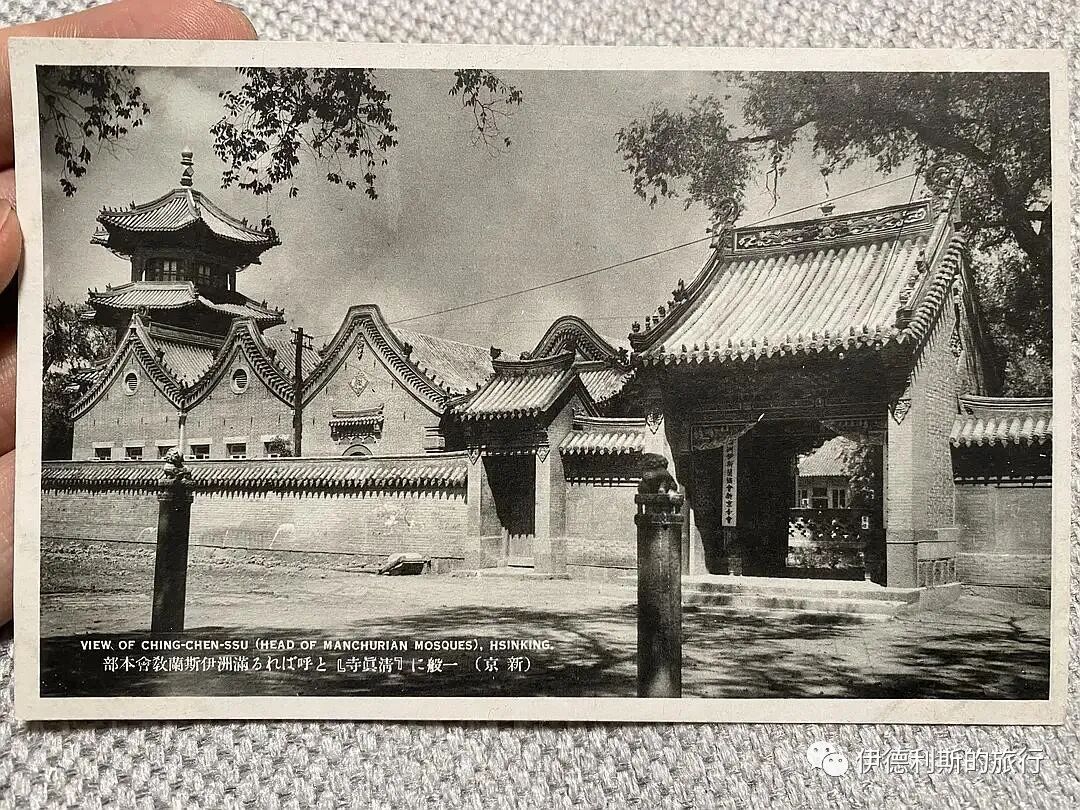
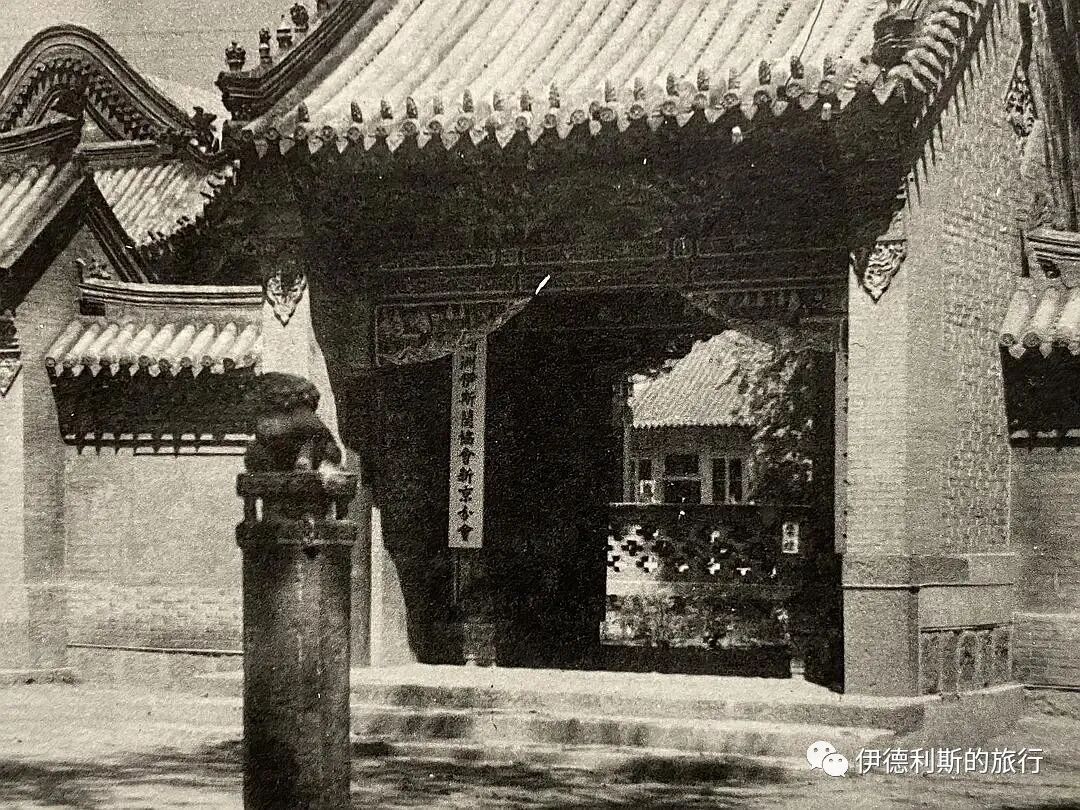
A postcard of the Changtong Road Mosque in Changchun around 1935. Changchun was the capital of the puppet Manchukuo state, Xinjing, at that time, and the Changtong Road Mosque was also the main mosque of Islam in the puppet Manchukuo state.
During the puppet Manchukuo period, Japan issued many postcards of the Changchun Changtong Road Mosque. The one I hunted for is relatively clear; the words on the door, "Manchuria Islamic Association Xinjing Branch," can be seen clearly, and you can also see the electric wires pulled in the mosque and the horse-tethering posts at the entrance. The Manchuria Islamic Association was established in 1934, with Kawamura Kyodo as president, and it had 146 branches at that time. In 1936, it was renamed the Manchuria Muslim Association, increasing to 182 branches. In 1938, it was reorganized by the Japanese Kwantung Army, the presidency was abolished, and Wang Dianzhong, a Hui Muslim and general in the puppet Manchukuo army from Yingkou, was appointed as the director-general. The puppet Manchukuo government's Ministry of Public Security allocated funds, and by 1942, the number of branches increased to 192.
The postcard was produced in Wakayama Prefecture, Japan, and the brand is called "TAISHO." This brand has a pigeon trademark, which is different from the eagle trademark of Taisho Pharmaceutical's "TAISHO," so I haven't found out which brand it actually is.
The Changtong Road Mosque was first built in 1824 and has been expanded many times since; it is a rare Qing Dynasty building in Changchun. The earliest Hui Muslims who moved to Changchun were called the "Shandong Group." The Han and Li families from Hanjiachai, Tai'an, Shandong, were the first to arrive in Changchunpu, where the Changchun government office was located, after 1800 to settle down. After the Changchun government office moved to Kuanchengzi in 1825, the Han and Li families also moved into the city. Since then, Hui Muslims from Shandong and Hebei have continuously moved to Changchun.
A military postcard used by the invading Japanese army. The front shows the main hall of the Hohhot Great Mosque taken by an embedded reporter, with "(Mongolia Hohhot) mosque Islamic Prayer Hall" written on the right, and "Postcard" and "Military Mail" written on the back. In 1937, Prince De established the Mongol United Autonomous Government in Guisui, renaming Guisui City to Hohhot City, abbreviated as Hohhot, until it was changed back to Guisui City after Japan's defeat in 1945.
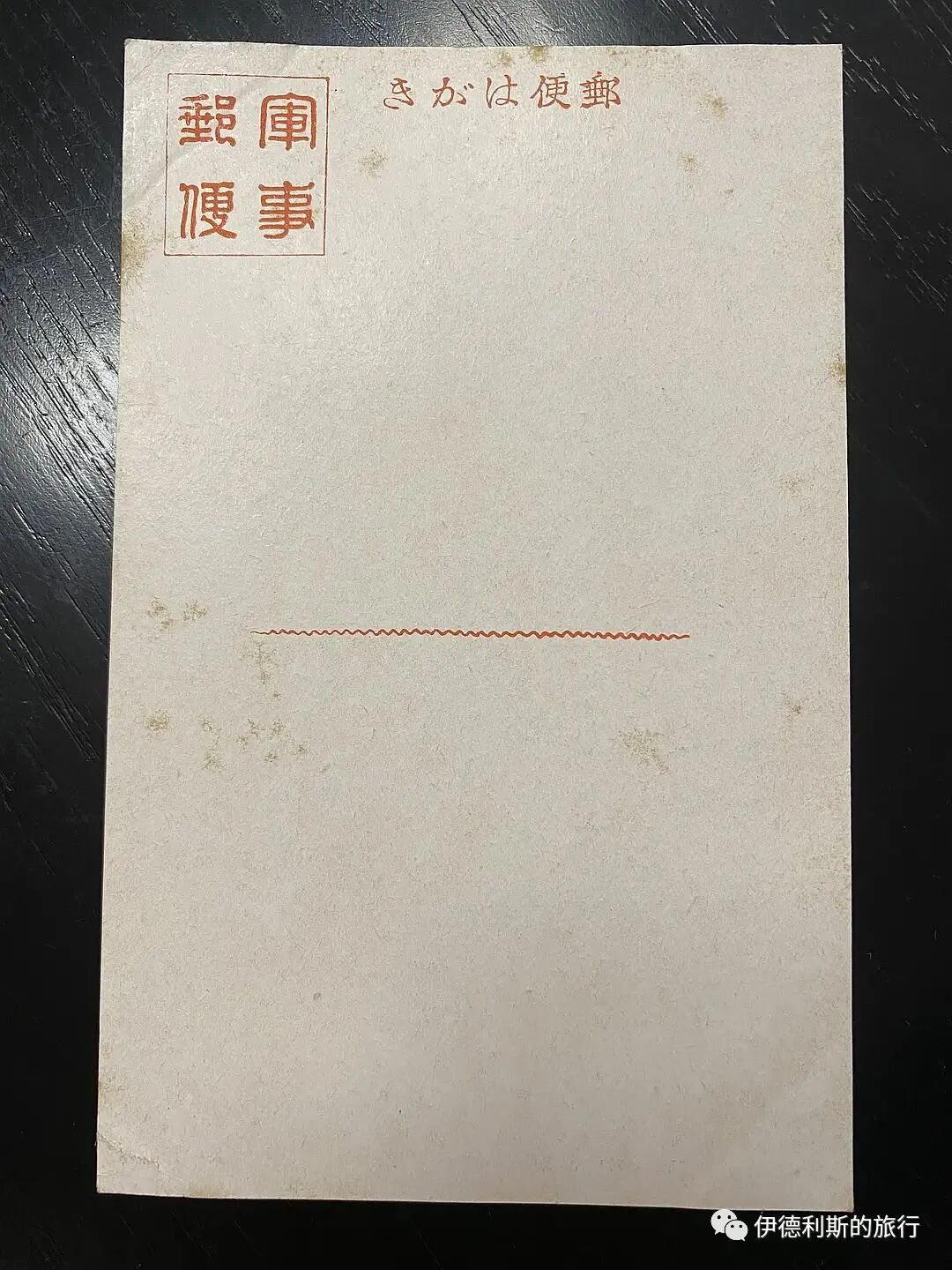
In the photo I took of the main hall of the Hohhot Mosque, you can see that the couplets and the Tasmiya (the phrase 'In the name of Allah') plaque inside the main hall have not changed today, but the Mihrab (prayer niche) and the doors on both sides no longer exist.
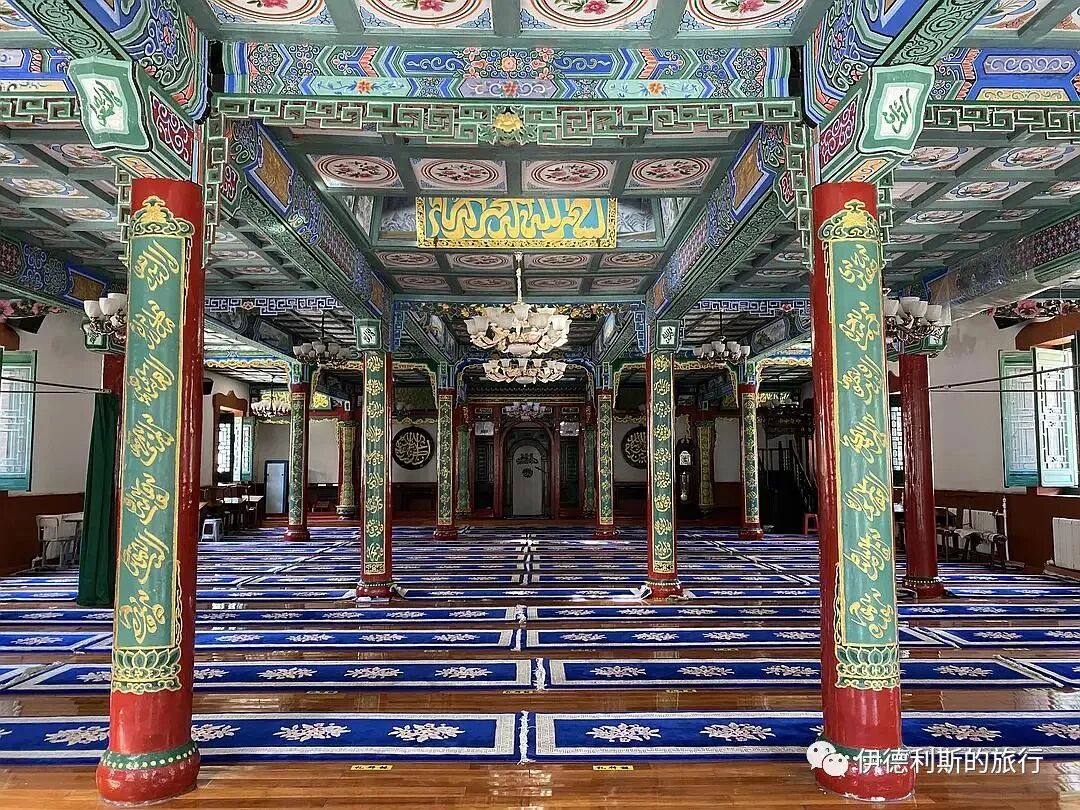
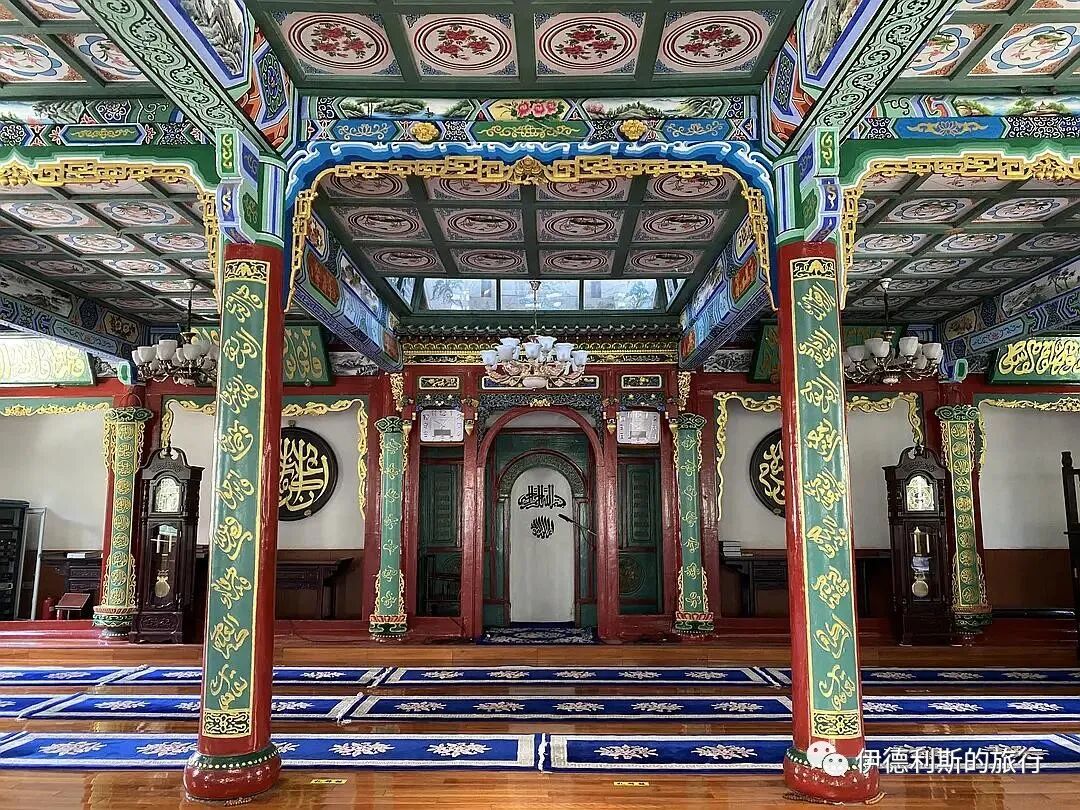
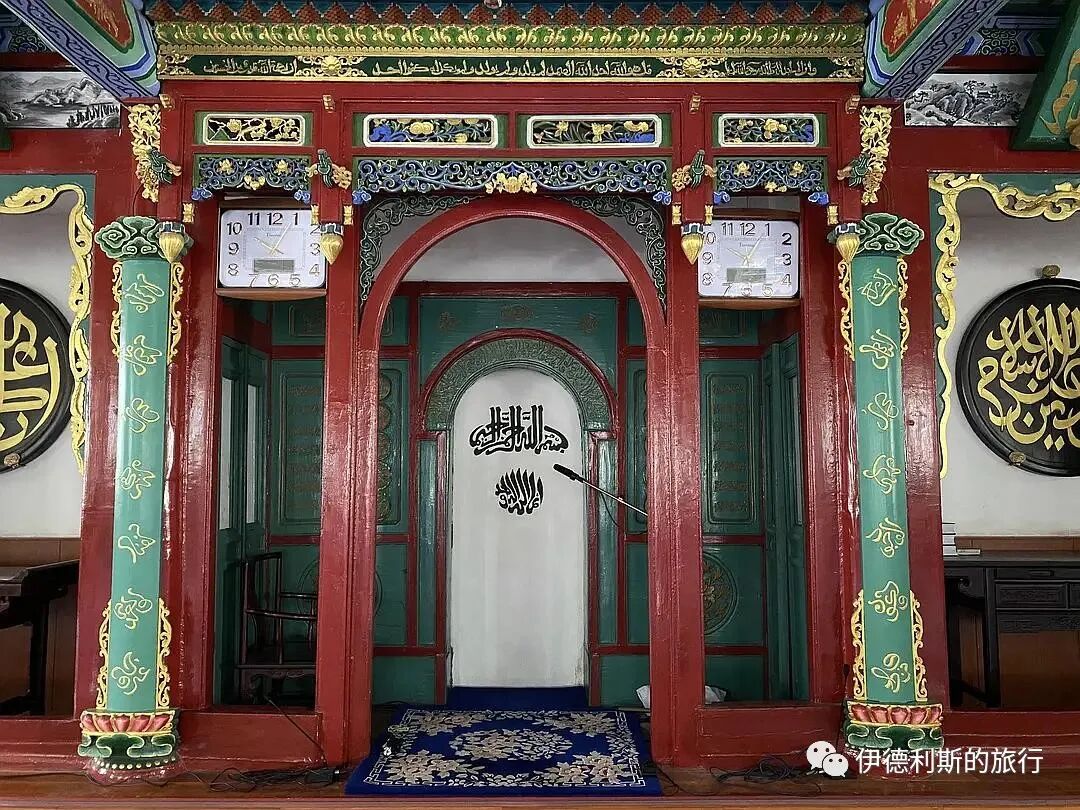
Packaging for Ruixiangge sanitary incense, with the address at No. 27, Xiaoshikou, Northeast of Huashi, outside Chongwenmen, Beijing.
Summary: This travel note introduces My Hui and Islamic Collection: Muslim Artifacts from Republican China. Unable to leave Beijing for over a year, I started hunting for old items related to Hui Muslims online, and now I am sharing them with everyone one by one. I will start by posting a few from the Republic of China era. It is useful for readers interested in Islamic Collectibles, Hui Muslims, Republican China.
Unable to leave Beijing for over a year, I started hunting for old items related to Hui Muslims online, and now I am sharing them with everyone one by one. I will start by posting a few from the Republic of China era.
A Zhengxingde tea canister from the Republic of China era; its condition is still decent, and it contains a lot of information. It is written inside that the Zhengxingde headquarters at the time was at Zhugan Lane outside the North Gate of Tianjin, and the branch was on the east side of Lizhan Avenue in the French Concession. At that time, Zhengxingde had branches in Beiping, Baoding, and Cangxian, while its tea-scenting factories were distributed in Fuzhou, Sukou, Hangzhou, Chun'an, Huizhou, Huangshan, Huoshan, and Jieyuan.
It is also written on it that the tea canister was self-made by the Zhengxingde Canister Manufacturing Department and printed by the Zhicheng Flower Iron Printing Paper Factory inside the North Gate of Tianjin.
A "Hui Muslim-made" hurricane lamp. Although I haven't found the origin of this hurricane lamp, it is indeed very unique. German-style hurricane lamps were widely equipped in the military during the Republic of China era; not only the Nationalist army but even the Red Army were equipped with them. My hurricane lamp might have been used by the Hui Muslim Detachment at that time and followed them into battle.
First, you can see that "Meizuishi" and the Meizuishi trademark are written on the glass shade of the hurricane lamp. Meizuishi was a famous German trading firm during the late Qing Dynasty and the Republic of China, which distributed a large number of hurricane lamps in China. The hurricane lamp I hunted for is basically the same in shape as the three-hoop Meizuishi hurricane lamp from the same period of the Republic of China, but the characters on the base are completely different.
Generally, the base of a Meizuishi hurricane lamp would have "Meizuishi" or "Meizuishi Made in Germany" written on it, along with the German word "FEUERHAND" and the Firehand trademark. Feuerhand (Firehand) was the world's largest manufacturer of hurricane lamps during the Republic of China era, basically synonymous with hurricane lamps, and on the right, there would be the model of the lamp, generally 201, 252, 270, etc. At the very top, it would say "MADE IN GERMANY" in English, but the one I hunted for is not like this.
The base of the hurricane lamp I hunted for says "Warship Brand, Hui Muslim-made," and the trademark in the middle is unclear; it also seems to be a warship at sea. I searched for a long time but could not find a hurricane lamp brand called "Warship." Further up, it says "HWAHSO," which seems to be a transliteration of the Firehand hurricane lamp, and above that, it says "MADE IN CHINA."
Qingzhen Xiangyicheng Southern-style tribute pastries from "Taolizhuang, West of Zhangbei County Town."
Taolizhuang is located on the Bashang Grassland in Zhangjiakou. It was originally a pasture for the Chahar Mongol tribe. After the Yongzheng reign of the Qing Dynasty, Hui Muslims began to move there to reclaim land. The current ancient mosque in Xichengyao, Taolizhuang, was built during the Yongzheng reign.
A postcard of the Changtong Road Mosque in Changchun around 1935. Changchun was the capital of the puppet Manchukuo state, Xinjing, at that time, and the Changtong Road Mosque was also the main mosque of Islam in the puppet Manchukuo state.
During the puppet Manchukuo period, Japan issued many postcards of the Changchun Changtong Road Mosque. The one I hunted for is relatively clear; the words on the door, "Manchuria Islamic Association Xinjing Branch," can be seen clearly, and you can also see the electric wires pulled in the mosque and the horse-tethering posts at the entrance. The Manchuria Islamic Association was established in 1934, with Kawamura Kyodo as president, and it had 146 branches at that time. In 1936, it was renamed the Manchuria Muslim Association, increasing to 182 branches. In 1938, it was reorganized by the Japanese Kwantung Army, the presidency was abolished, and Wang Dianzhong, a Hui Muslim and general in the puppet Manchukuo army from Yingkou, was appointed as the director-general. The puppet Manchukuo government's Ministry of Public Security allocated funds, and by 1942, the number of branches increased to 192.
The postcard was produced in Wakayama Prefecture, Japan, and the brand is called "TAISHO." This brand has a pigeon trademark, which is different from the eagle trademark of Taisho Pharmaceutical's "TAISHO," so I haven't found out which brand it actually is.
The Changtong Road Mosque was first built in 1824 and has been expanded many times since; it is a rare Qing Dynasty building in Changchun. The earliest Hui Muslims who moved to Changchun were called the "Shandong Group." The Han and Li families from Hanjiachai, Tai'an, Shandong, were the first to arrive in Changchunpu, where the Changchun government office was located, after 1800 to settle down. After the Changchun government office moved to Kuanchengzi in 1825, the Han and Li families also moved into the city. Since then, Hui Muslims from Shandong and Hebei have continuously moved to Changchun.
A military postcard used by the invading Japanese army. The front shows the main hall of the Hohhot Great Mosque taken by an embedded reporter, with "(Mongolia Hohhot) mosque Islamic Prayer Hall" written on the right, and "Postcard" and "Military Mail" written on the back. In 1937, Prince De established the Mongol United Autonomous Government in Guisui, renaming Guisui City to Hohhot City, abbreviated as Hohhot, until it was changed back to Guisui City after Japan's defeat in 1945.
In the photo I took of the main hall of the Hohhot Mosque, you can see that the couplets and the Tasmiya (the phrase 'In the name of Allah') plaque inside the main hall have not changed today, but the Mihrab (prayer niche) and the doors on both sides no longer exist.
Packaging for Ruixiangge sanitary incense, with the address at No. 27, Xiaoshikou, Northeast of Huashi, outside Chongwenmen, Beijing.
Chinese Republican-Era Mosque Architecture: Chinese and Western Design Elements
Articles • ali2007fr posted the article • 0 comments • 138 views • 2026-05-18 02:56
Reposted from the web
Summary: Chinese Republican-Era Mosque Architecture: Chinese and Western Design Elements is presented here as a firsthand travel account in clear English, beginning with this scene: During the Republic of China era, the introduction of Western architectural styles meant Chinese mosques were no longer limited to traditional Chinese designs and began to incorporate Western elements. The account keeps its focus on Mosque Architecture, Republican China, Muslim Heritage while preserving the names, places, food, and historical details from the Chinese source.
During the Republic of China era, the introduction of Western architectural styles meant Chinese mosques were no longer limited to traditional Chinese designs and began to incorporate Western elements. I will share 10 mosques I have visited that feature unique Republic-era architectural styles: the 1935 main hall of the Shenyang East Mosque, the 1936 gate of the Datong Mosque, the 1926 arched porch (juanpeng) of the Longshengzhuang Mosque in Fengzhen, Inner Mongolia, the 1923 main hall of the Hohhot Great Mosque, the rear hall of the Daxinzhuang East Mosque in Bo'ai, Henan, the 1935 gate of the Fuyou Road Mosque in Shanghai, the 1925 Xiaotaoyuan Mosque, the 1940 Beiying Mosque in Dezhou, Shandong, the 1920 gate of the Shahe Mosque in Beijing, and the 1920 first courtyard of the Dongsi Mosque.
1. Shenyang East Mosque
The Shenyang East Mosque was first built in 1803 (the eighth year of the Jiaqing reign). In 1935, the prayer hall was rebuilt in a Western style, while the moon-viewing tower (wangyuelou) kept its original Chinese style.
2. Datong Mosque
The gate of the Datong Mosque was rebuilt in 1936 and features a typical Republic-era style.
3. Longshengzhuang Mosque in Fengzhen, Inner Mongolia
Longshengzhuang in Fengzhen sits on the border of Shanxi and Inner Mongolia. From the Qing Dynasty to the early Republic era, it was at the intersection of trade routes between Hohhot, Datong, and Zhangjiakou, serving as an important market town for Shanxi merchants trading in Mongolia. Longshengzhuang reached its peak in the early Republic era, with over 300 shops and nearly 2 kilometers of storefronts lined up side by side.
The arched porch (juanpeng) of the Longshengzhuang Mosque was expanded in 1926 and features exquisite Republic-era ironwork decorations.
4. Hohhot Great Mosque
The prayer hall of the Hohhot Great Mosque was expanded in 1923. Its arched porch (juanpeng) blends Chinese and Western styles, featuring arched doors and walls decorated with beautiful Arabic calligraphy plaques, couplets, and floral patterns.
5. East Mosque in Daxinzhuang, Bo'ai, Henan
The East Mosque in Daxinzhuang, Bo'ai, Henan added a rear hall during the Republic of China era. It features five Roman-style arched doorways decorated with exquisite cement carvings from that period.
6. Fuyou Road Mosque, Shanghai
Fuyou Road Mosque is commonly known as the North Mosque. It was first built in 1870 (the ninth year of the Tongzhi reign) and was originally used by Hui Muslims from Nanjing who lived near the Old North Gate of Shanghai. In 1935, a famous Hui merchant named Ha Shaofu led the effort to convert the street-facing stone-gate houses (shikumen) into a three-story reinforced concrete building, with a moon-sighting pavilion built on the rooftop terrace.
7. Xiaotaoyuan Mosque, Shanghai
Xiaotaoyuan Mosque is commonly known as the West Mosque. It was built in 1917 after the famous Hui merchant Jin Ziyun donated the land and funds, and it was rebuilt into its current form in 1925. During the Republic of China era, many Hui Muslims from Northwest and Northern China chose to travel by steamship from Shanghai to perform the Hajj. Starting in 1930, Xiaotaoyuan Mosque became a place for pilgrims to rest and wait before their departure. People used the mosque to process passports and book ship tickets. Doctors from the customs quarantine office would come to the mosque to perform physical exams, administer smallpox vaccinations, and give other shots. Pilgrims also met friends and exchanged information here. On the day of departure, the mosque provided transport to take them to the ship. After returning from the Hajj, the Hajis would rest at the mosque before heading home. This place became an important cultural exchange center for Islam in China during the Republic of China era.
8. Beiying Mosque, Dezhou, Shandong
During the Wanli reign of the Ming Dynasty, the descendants of the Sultan of Sulu built a mosque southwest of the Sultan of Sulu's tomb. A Ming Dynasty imperial decree ordered that one person be chosen from the Wen and An families to serve as the imam, carry on the sect, and manage the Hui Muslims. In 1917, the canal burst its banks, washing away the mosque and the entire Beiying Village, until it was rebuilt in 1940. The newly built gate has a Western style, while the overall structure remains in the traditional North China style.
9. Beijing Shahe Mosque
During the Wanli reign of the Ming Dynasty, the main road north of Beijing leading to Zhangjiakou moved to Shahe, and Hui Muslims who traded cattle and sheep began to settle there. Shahe Mosque was first built during the Ming Dynasty, and the current Western-style gate was added in 1920.
10. Beijing Dongsi Mosque
Dongsi Mosque is one of the four major official mosques of the Ming Dynasty, and its gate and first courtyard were rebuilt in 1920. The gate is a traditional Chinese building with a ridge-style hard mountain roof, while the first courtyard and the second gate feature Western architectural styles. view all
Summary: Chinese Republican-Era Mosque Architecture: Chinese and Western Design Elements is presented here as a firsthand travel account in clear English, beginning with this scene: During the Republic of China era, the introduction of Western architectural styles meant Chinese mosques were no longer limited to traditional Chinese designs and began to incorporate Western elements. The account keeps its focus on Mosque Architecture, Republican China, Muslim Heritage while preserving the names, places, food, and historical details from the Chinese source.
During the Republic of China era, the introduction of Western architectural styles meant Chinese mosques were no longer limited to traditional Chinese designs and began to incorporate Western elements. I will share 10 mosques I have visited that feature unique Republic-era architectural styles: the 1935 main hall of the Shenyang East Mosque, the 1936 gate of the Datong Mosque, the 1926 arched porch (juanpeng) of the Longshengzhuang Mosque in Fengzhen, Inner Mongolia, the 1923 main hall of the Hohhot Great Mosque, the rear hall of the Daxinzhuang East Mosque in Bo'ai, Henan, the 1935 gate of the Fuyou Road Mosque in Shanghai, the 1925 Xiaotaoyuan Mosque, the 1940 Beiying Mosque in Dezhou, Shandong, the 1920 gate of the Shahe Mosque in Beijing, and the 1920 first courtyard of the Dongsi Mosque.
1. Shenyang East Mosque
The Shenyang East Mosque was first built in 1803 (the eighth year of the Jiaqing reign). In 1935, the prayer hall was rebuilt in a Western style, while the moon-viewing tower (wangyuelou) kept its original Chinese style.
2. Datong Mosque
The gate of the Datong Mosque was rebuilt in 1936 and features a typical Republic-era style.
3. Longshengzhuang Mosque in Fengzhen, Inner Mongolia
Longshengzhuang in Fengzhen sits on the border of Shanxi and Inner Mongolia. From the Qing Dynasty to the early Republic era, it was at the intersection of trade routes between Hohhot, Datong, and Zhangjiakou, serving as an important market town for Shanxi merchants trading in Mongolia. Longshengzhuang reached its peak in the early Republic era, with over 300 shops and nearly 2 kilometers of storefronts lined up side by side.
The arched porch (juanpeng) of the Longshengzhuang Mosque was expanded in 1926 and features exquisite Republic-era ironwork decorations.
4. Hohhot Great Mosque
The prayer hall of the Hohhot Great Mosque was expanded in 1923. Its arched porch (juanpeng) blends Chinese and Western styles, featuring arched doors and walls decorated with beautiful Arabic calligraphy plaques, couplets, and floral patterns.
5. East Mosque in Daxinzhuang, Bo'ai, Henan
The East Mosque in Daxinzhuang, Bo'ai, Henan added a rear hall during the Republic of China era. It features five Roman-style arched doorways decorated with exquisite cement carvings from that period.
6. Fuyou Road Mosque, Shanghai
Fuyou Road Mosque is commonly known as the North Mosque. It was first built in 1870 (the ninth year of the Tongzhi reign) and was originally used by Hui Muslims from Nanjing who lived near the Old North Gate of Shanghai. In 1935, a famous Hui merchant named Ha Shaofu led the effort to convert the street-facing stone-gate houses (shikumen) into a three-story reinforced concrete building, with a moon-sighting pavilion built on the rooftop terrace.
7. Xiaotaoyuan Mosque, Shanghai
Xiaotaoyuan Mosque is commonly known as the West Mosque. It was built in 1917 after the famous Hui merchant Jin Ziyun donated the land and funds, and it was rebuilt into its current form in 1925. During the Republic of China era, many Hui Muslims from Northwest and Northern China chose to travel by steamship from Shanghai to perform the Hajj. Starting in 1930, Xiaotaoyuan Mosque became a place for pilgrims to rest and wait before their departure. People used the mosque to process passports and book ship tickets. Doctors from the customs quarantine office would come to the mosque to perform physical exams, administer smallpox vaccinations, and give other shots. Pilgrims also met friends and exchanged information here. On the day of departure, the mosque provided transport to take them to the ship. After returning from the Hajj, the Hajis would rest at the mosque before heading home. This place became an important cultural exchange center for Islam in China during the Republic of China era.
8. Beiying Mosque, Dezhou, Shandong
During the Wanli reign of the Ming Dynasty, the descendants of the Sultan of Sulu built a mosque southwest of the Sultan of Sulu's tomb. A Ming Dynasty imperial decree ordered that one person be chosen from the Wen and An families to serve as the imam, carry on the sect, and manage the Hui Muslims. In 1917, the canal burst its banks, washing away the mosque and the entire Beiying Village, until it was rebuilt in 1940. The newly built gate has a Western style, while the overall structure remains in the traditional North China style.
9. Beijing Shahe Mosque
During the Wanli reign of the Ming Dynasty, the main road north of Beijing leading to Zhangjiakou moved to Shahe, and Hui Muslims who traded cattle and sheep began to settle there. Shahe Mosque was first built during the Ming Dynasty, and the current Western-style gate was added in 1920.
10. Beijing Dongsi Mosque
Dongsi Mosque is one of the four major official mosques of the Ming Dynasty, and its gate and first courtyard were rebuilt in 1920. The gate is a traditional Chinese building with a ridge-style hard mountain roof, while the first courtyard and the second gate feature Western architectural styles. view all
Reposted from the web
Summary: Chinese Republican-Era Mosque Architecture: Chinese and Western Design Elements is presented here as a firsthand travel account in clear English, beginning with this scene: During the Republic of China era, the introduction of Western architectural styles meant Chinese mosques were no longer limited to traditional Chinese designs and began to incorporate Western elements. The account keeps its focus on Mosque Architecture, Republican China, Muslim Heritage while preserving the names, places, food, and historical details from the Chinese source.
During the Republic of China era, the introduction of Western architectural styles meant Chinese mosques were no longer limited to traditional Chinese designs and began to incorporate Western elements. I will share 10 mosques I have visited that feature unique Republic-era architectural styles: the 1935 main hall of the Shenyang East Mosque, the 1936 gate of the Datong Mosque, the 1926 arched porch (juanpeng) of the Longshengzhuang Mosque in Fengzhen, Inner Mongolia, the 1923 main hall of the Hohhot Great Mosque, the rear hall of the Daxinzhuang East Mosque in Bo'ai, Henan, the 1935 gate of the Fuyou Road Mosque in Shanghai, the 1925 Xiaotaoyuan Mosque, the 1940 Beiying Mosque in Dezhou, Shandong, the 1920 gate of the Shahe Mosque in Beijing, and the 1920 first courtyard of the Dongsi Mosque.
1. Shenyang East Mosque
The Shenyang East Mosque was first built in 1803 (the eighth year of the Jiaqing reign). In 1935, the prayer hall was rebuilt in a Western style, while the moon-viewing tower (wangyuelou) kept its original Chinese style.
2. Datong Mosque
The gate of the Datong Mosque was rebuilt in 1936 and features a typical Republic-era style.
3. Longshengzhuang Mosque in Fengzhen, Inner Mongolia
Longshengzhuang in Fengzhen sits on the border of Shanxi and Inner Mongolia. From the Qing Dynasty to the early Republic era, it was at the intersection of trade routes between Hohhot, Datong, and Zhangjiakou, serving as an important market town for Shanxi merchants trading in Mongolia. Longshengzhuang reached its peak in the early Republic era, with over 300 shops and nearly 2 kilometers of storefronts lined up side by side.
The arched porch (juanpeng) of the Longshengzhuang Mosque was expanded in 1926 and features exquisite Republic-era ironwork decorations.
4. Hohhot Great Mosque
The prayer hall of the Hohhot Great Mosque was expanded in 1923. Its arched porch (juanpeng) blends Chinese and Western styles, featuring arched doors and walls decorated with beautiful Arabic calligraphy plaques, couplets, and floral patterns.
5. East Mosque in Daxinzhuang, Bo'ai, Henan
The East Mosque in Daxinzhuang, Bo'ai, Henan added a rear hall during the Republic of China era. It features five Roman-style arched doorways decorated with exquisite cement carvings from that period.
6. Fuyou Road Mosque, Shanghai
Fuyou Road Mosque is commonly known as the North Mosque. It was first built in 1870 (the ninth year of the Tongzhi reign) and was originally used by Hui Muslims from Nanjing who lived near the Old North Gate of Shanghai. In 1935, a famous Hui merchant named Ha Shaofu led the effort to convert the street-facing stone-gate houses (shikumen) into a three-story reinforced concrete building, with a moon-sighting pavilion built on the rooftop terrace.
7. Xiaotaoyuan Mosque, Shanghai
Xiaotaoyuan Mosque is commonly known as the West Mosque. It was built in 1917 after the famous Hui merchant Jin Ziyun donated the land and funds, and it was rebuilt into its current form in 1925. During the Republic of China era, many Hui Muslims from Northwest and Northern China chose to travel by steamship from Shanghai to perform the Hajj. Starting in 1930, Xiaotaoyuan Mosque became a place for pilgrims to rest and wait before their departure. People used the mosque to process passports and book ship tickets. Doctors from the customs quarantine office would come to the mosque to perform physical exams, administer smallpox vaccinations, and give other shots. Pilgrims also met friends and exchanged information here. On the day of departure, the mosque provided transport to take them to the ship. After returning from the Hajj, the Hajis would rest at the mosque before heading home. This place became an important cultural exchange center for Islam in China during the Republic of China era.
8. Beiying Mosque, Dezhou, Shandong
During the Wanli reign of the Ming Dynasty, the descendants of the Sultan of Sulu built a mosque southwest of the Sultan of Sulu's tomb. A Ming Dynasty imperial decree ordered that one person be chosen from the Wen and An families to serve as the imam, carry on the sect, and manage the Hui Muslims. In 1917, the canal burst its banks, washing away the mosque and the entire Beiying Village, until it was rebuilt in 1940. The newly built gate has a Western style, while the overall structure remains in the traditional North China style.
9. Beijing Shahe Mosque
During the Wanli reign of the Ming Dynasty, the main road north of Beijing leading to Zhangjiakou moved to Shahe, and Hui Muslims who traded cattle and sheep began to settle there. Shahe Mosque was first built during the Ming Dynasty, and the current Western-style gate was added in 1920.
10. Beijing Dongsi Mosque
Dongsi Mosque is one of the four major official mosques of the Ming Dynasty, and its gate and first courtyard were rebuilt in 1920. The gate is a traditional Chinese building with a ridge-style hard mountain roof, while the first courtyard and the second gate feature Western architectural styles.
Summary: Chinese Republican-Era Mosque Architecture: Chinese and Western Design Elements is presented here as a firsthand travel account in clear English, beginning with this scene: During the Republic of China era, the introduction of Western architectural styles meant Chinese mosques were no longer limited to traditional Chinese designs and began to incorporate Western elements. The account keeps its focus on Mosque Architecture, Republican China, Muslim Heritage while preserving the names, places, food, and historical details from the Chinese source.
During the Republic of China era, the introduction of Western architectural styles meant Chinese mosques were no longer limited to traditional Chinese designs and began to incorporate Western elements. I will share 10 mosques I have visited that feature unique Republic-era architectural styles: the 1935 main hall of the Shenyang East Mosque, the 1936 gate of the Datong Mosque, the 1926 arched porch (juanpeng) of the Longshengzhuang Mosque in Fengzhen, Inner Mongolia, the 1923 main hall of the Hohhot Great Mosque, the rear hall of the Daxinzhuang East Mosque in Bo'ai, Henan, the 1935 gate of the Fuyou Road Mosque in Shanghai, the 1925 Xiaotaoyuan Mosque, the 1940 Beiying Mosque in Dezhou, Shandong, the 1920 gate of the Shahe Mosque in Beijing, and the 1920 first courtyard of the Dongsi Mosque.
1. Shenyang East Mosque
The Shenyang East Mosque was first built in 1803 (the eighth year of the Jiaqing reign). In 1935, the prayer hall was rebuilt in a Western style, while the moon-viewing tower (wangyuelou) kept its original Chinese style.
2. Datong Mosque
The gate of the Datong Mosque was rebuilt in 1936 and features a typical Republic-era style.
3. Longshengzhuang Mosque in Fengzhen, Inner Mongolia
Longshengzhuang in Fengzhen sits on the border of Shanxi and Inner Mongolia. From the Qing Dynasty to the early Republic era, it was at the intersection of trade routes between Hohhot, Datong, and Zhangjiakou, serving as an important market town for Shanxi merchants trading in Mongolia. Longshengzhuang reached its peak in the early Republic era, with over 300 shops and nearly 2 kilometers of storefronts lined up side by side.
The arched porch (juanpeng) of the Longshengzhuang Mosque was expanded in 1926 and features exquisite Republic-era ironwork decorations.
4. Hohhot Great Mosque
The prayer hall of the Hohhot Great Mosque was expanded in 1923. Its arched porch (juanpeng) blends Chinese and Western styles, featuring arched doors and walls decorated with beautiful Arabic calligraphy plaques, couplets, and floral patterns.
5. East Mosque in Daxinzhuang, Bo'ai, Henan
The East Mosque in Daxinzhuang, Bo'ai, Henan added a rear hall during the Republic of China era. It features five Roman-style arched doorways decorated with exquisite cement carvings from that period.
6. Fuyou Road Mosque, Shanghai
Fuyou Road Mosque is commonly known as the North Mosque. It was first built in 1870 (the ninth year of the Tongzhi reign) and was originally used by Hui Muslims from Nanjing who lived near the Old North Gate of Shanghai. In 1935, a famous Hui merchant named Ha Shaofu led the effort to convert the street-facing stone-gate houses (shikumen) into a three-story reinforced concrete building, with a moon-sighting pavilion built on the rooftop terrace.
7. Xiaotaoyuan Mosque, Shanghai
Xiaotaoyuan Mosque is commonly known as the West Mosque. It was built in 1917 after the famous Hui merchant Jin Ziyun donated the land and funds, and it was rebuilt into its current form in 1925. During the Republic of China era, many Hui Muslims from Northwest and Northern China chose to travel by steamship from Shanghai to perform the Hajj. Starting in 1930, Xiaotaoyuan Mosque became a place for pilgrims to rest and wait before their departure. People used the mosque to process passports and book ship tickets. Doctors from the customs quarantine office would come to the mosque to perform physical exams, administer smallpox vaccinations, and give other shots. Pilgrims also met friends and exchanged information here. On the day of departure, the mosque provided transport to take them to the ship. After returning from the Hajj, the Hajis would rest at the mosque before heading home. This place became an important cultural exchange center for Islam in China during the Republic of China era.
8. Beiying Mosque, Dezhou, Shandong
During the Wanli reign of the Ming Dynasty, the descendants of the Sultan of Sulu built a mosque southwest of the Sultan of Sulu's tomb. A Ming Dynasty imperial decree ordered that one person be chosen from the Wen and An families to serve as the imam, carry on the sect, and manage the Hui Muslims. In 1917, the canal burst its banks, washing away the mosque and the entire Beiying Village, until it was rebuilt in 1940. The newly built gate has a Western style, while the overall structure remains in the traditional North China style.
9. Beijing Shahe Mosque
During the Wanli reign of the Ming Dynasty, the main road north of Beijing leading to Zhangjiakou moved to Shahe, and Hui Muslims who traded cattle and sheep began to settle there. Shahe Mosque was first built during the Ming Dynasty, and the current Western-style gate was added in 1920.
10. Beijing Dongsi Mosque
Dongsi Mosque is one of the four major official mosques of the Ming Dynasty, and its gate and first courtyard were rebuilt in 1920. The gate is a traditional Chinese building with a ridge-style hard mountain roof, while the first courtyard and the second gate feature Western architectural styles.
My Hui and Islamic Collection: Muslim Artifacts from Republican China
Articles • ali2007fr posted the article • 0 comments • 114 views • 2026-05-17 07:58
Reposted from the web
Summary: This travel note introduces My Hui and Islamic Collection: Muslim Artifacts from Republican China. Unable to leave Beijing for over a year, I started hunting for old items related to Hui Muslims online, and now I am sharing them with everyone one by one. I will start by posting a few from the Republic of China era. It is useful for readers interested in Islamic Collectibles, Hui Muslims, Republican China.
Unable to leave Beijing for over a year, I started hunting for old items related to Hui Muslims online, and now I am sharing them with everyone one by one. I will start by posting a few from the Republic of China era.
A Zhengxingde tea canister from the Republic of China era; its condition is still decent, and it contains a lot of information. It is written inside that the Zhengxingde headquarters at the time was at Zhugan Lane outside the North Gate of Tianjin, and the branch was on the east side of Lizhan Avenue in the French Concession. At that time, Zhengxingde had branches in Beiping, Baoding, and Cangxian, while its tea-scenting factories were distributed in Fuzhou, Sukou, Hangzhou, Chun'an, Huizhou, Huangshan, Huoshan, and Jieyuan.
It is also written on it that the tea canister was self-made by the Zhengxingde Canister Manufacturing Department and printed by the Zhicheng Flower Iron Printing Paper Factory inside the North Gate of Tianjin.
A "Hui Muslim-made" hurricane lamp. Although I haven't found the origin of this hurricane lamp, it is indeed very unique. German-style hurricane lamps were widely equipped in the military during the Republic of China era; not only the Nationalist army but even the Red Army were equipped with them. My hurricane lamp might have been used by the Hui Muslim Detachment at that time and followed them into battle.
First, you can see that "Meizuishi" and the Meizuishi trademark are written on the glass shade of the hurricane lamp. Meizuishi was a famous German trading firm during the late Qing Dynasty and the Republic of China, which distributed a large number of hurricane lamps in China. The hurricane lamp I hunted for is basically the same in shape as the three-hoop Meizuishi hurricane lamp from the same period of the Republic of China, but the characters on the base are completely different.
Generally, the base of a Meizuishi hurricane lamp would have "Meizuishi" or "Meizuishi Made in Germany" written on it, along with the German word "FEUERHAND" and the Firehand trademark. Feuerhand (Firehand) was the world's largest manufacturer of hurricane lamps during the Republic of China era, basically synonymous with hurricane lamps, and on the right, there would be the model of the lamp, generally 201, 252, 270, etc. At the very top, it would say "MADE IN GERMANY" in English, but the one I hunted for is not like this.
The base of the hurricane lamp I hunted for says "Warship Brand, Hui Muslim-made," and the trademark in the middle is unclear; it also seems to be a warship at sea. I searched for a long time but could not find a hurricane lamp brand called "Warship." Further up, it says "HWAHSO," which seems to be a transliteration of the Firehand hurricane lamp, and above that, it says "MADE IN CHINA."
Qingzhen Xiangyicheng Southern-style tribute pastries from "Taolizhuang, West of Zhangbei County Town."
Taolizhuang is located on the Bashang Grassland in Zhangjiakou. It was originally a pasture for the Chahar Mongol tribe. After the Yongzheng reign of the Qing Dynasty, Hui Muslims began to move there to reclaim land. The current ancient mosque in Xichengyao, Taolizhuang, was built during the Yongzheng reign.
A postcard of the Changtong Road Mosque in Changchun around 1935. Changchun was the capital of the puppet Manchukuo state, Xinjing, at that time, and the Changtong Road Mosque was also the main mosque of Islam in the puppet Manchukuo state.
During the puppet Manchukuo period, Japan issued many postcards of the Changchun Changtong Road Mosque. The one I hunted for is relatively clear; the words on the door, "Manchuria Islamic Association Xinjing Branch," can be seen clearly, and you can also see the electric wires pulled in the mosque and the horse-tethering posts at the entrance. The Manchuria Islamic Association was established in 1934, with Kawamura Kyodo as president, and it had 146 branches at that time. In 1936, it was renamed the Manchuria Muslim Association, increasing to 182 branches. In 1938, it was reorganized by the Japanese Kwantung Army, the presidency was abolished, and Wang Dianzhong, a Hui Muslim and general in the puppet Manchukuo army from Yingkou, was appointed as the director-general. The puppet Manchukuo government's Ministry of Public Security allocated funds, and by 1942, the number of branches increased to 192.
The postcard was produced in Wakayama Prefecture, Japan, and the brand is called "TAISHO." This brand has a pigeon trademark, which is different from the eagle trademark of Taisho Pharmaceutical's "TAISHO," so I haven't found out which brand it actually is.
The Changtong Road Mosque was first built in 1824 and has been expanded many times since; it is a rare Qing Dynasty building in Changchun. The earliest Hui Muslims who moved to Changchun were called the "Shandong Group." The Han and Li families from Hanjiachai, Tai'an, Shandong, were the first to arrive in Changchunpu, where the Changchun government office was located, after 1800 to settle down. After the Changchun government office moved to Kuanchengzi in 1825, the Han and Li families also moved into the city. Since then, Hui Muslims from Shandong and Hebei have continuously moved to Changchun.
A military postcard used by the invading Japanese army. The front shows the main hall of the Hohhot Great Mosque taken by an embedded reporter, with "(Mongolia Hohhot) mosque Islamic Prayer Hall" written on the right, and "Postcard" and "Military Mail" written on the back. In 1937, Prince De established the Mongol United Autonomous Government in Guisui, renaming Guisui City to Hohhot City, abbreviated as Hohhot, until it was changed back to Guisui City after Japan's defeat in 1945.
In the photo I took of the main hall of the Hohhot Mosque, you can see that the couplets and the Tasmiya (the phrase 'In the name of Allah') plaque inside the main hall have not changed today, but the Mihrab (prayer niche) and the doors on both sides no longer exist.
Packaging for Ruixiangge sanitary incense, with the address at No. 27, Xiaoshikou, Northeast of Huashi, outside Chongwenmen, Beijing. view all
Summary: This travel note introduces My Hui and Islamic Collection: Muslim Artifacts from Republican China. Unable to leave Beijing for over a year, I started hunting for old items related to Hui Muslims online, and now I am sharing them with everyone one by one. I will start by posting a few from the Republic of China era. It is useful for readers interested in Islamic Collectibles, Hui Muslims, Republican China.
Unable to leave Beijing for over a year, I started hunting for old items related to Hui Muslims online, and now I am sharing them with everyone one by one. I will start by posting a few from the Republic of China era.
A Zhengxingde tea canister from the Republic of China era; its condition is still decent, and it contains a lot of information. It is written inside that the Zhengxingde headquarters at the time was at Zhugan Lane outside the North Gate of Tianjin, and the branch was on the east side of Lizhan Avenue in the French Concession. At that time, Zhengxingde had branches in Beiping, Baoding, and Cangxian, while its tea-scenting factories were distributed in Fuzhou, Sukou, Hangzhou, Chun'an, Huizhou, Huangshan, Huoshan, and Jieyuan.
It is also written on it that the tea canister was self-made by the Zhengxingde Canister Manufacturing Department and printed by the Zhicheng Flower Iron Printing Paper Factory inside the North Gate of Tianjin.
A "Hui Muslim-made" hurricane lamp. Although I haven't found the origin of this hurricane lamp, it is indeed very unique. German-style hurricane lamps were widely equipped in the military during the Republic of China era; not only the Nationalist army but even the Red Army were equipped with them. My hurricane lamp might have been used by the Hui Muslim Detachment at that time and followed them into battle.
First, you can see that "Meizuishi" and the Meizuishi trademark are written on the glass shade of the hurricane lamp. Meizuishi was a famous German trading firm during the late Qing Dynasty and the Republic of China, which distributed a large number of hurricane lamps in China. The hurricane lamp I hunted for is basically the same in shape as the three-hoop Meizuishi hurricane lamp from the same period of the Republic of China, but the characters on the base are completely different.
Generally, the base of a Meizuishi hurricane lamp would have "Meizuishi" or "Meizuishi Made in Germany" written on it, along with the German word "FEUERHAND" and the Firehand trademark. Feuerhand (Firehand) was the world's largest manufacturer of hurricane lamps during the Republic of China era, basically synonymous with hurricane lamps, and on the right, there would be the model of the lamp, generally 201, 252, 270, etc. At the very top, it would say "MADE IN GERMANY" in English, but the one I hunted for is not like this.
The base of the hurricane lamp I hunted for says "Warship Brand, Hui Muslim-made," and the trademark in the middle is unclear; it also seems to be a warship at sea. I searched for a long time but could not find a hurricane lamp brand called "Warship." Further up, it says "HWAHSO," which seems to be a transliteration of the Firehand hurricane lamp, and above that, it says "MADE IN CHINA."
Qingzhen Xiangyicheng Southern-style tribute pastries from "Taolizhuang, West of Zhangbei County Town."
Taolizhuang is located on the Bashang Grassland in Zhangjiakou. It was originally a pasture for the Chahar Mongol tribe. After the Yongzheng reign of the Qing Dynasty, Hui Muslims began to move there to reclaim land. The current ancient mosque in Xichengyao, Taolizhuang, was built during the Yongzheng reign.
A postcard of the Changtong Road Mosque in Changchun around 1935. Changchun was the capital of the puppet Manchukuo state, Xinjing, at that time, and the Changtong Road Mosque was also the main mosque of Islam in the puppet Manchukuo state.
During the puppet Manchukuo period, Japan issued many postcards of the Changchun Changtong Road Mosque. The one I hunted for is relatively clear; the words on the door, "Manchuria Islamic Association Xinjing Branch," can be seen clearly, and you can also see the electric wires pulled in the mosque and the horse-tethering posts at the entrance. The Manchuria Islamic Association was established in 1934, with Kawamura Kyodo as president, and it had 146 branches at that time. In 1936, it was renamed the Manchuria Muslim Association, increasing to 182 branches. In 1938, it was reorganized by the Japanese Kwantung Army, the presidency was abolished, and Wang Dianzhong, a Hui Muslim and general in the puppet Manchukuo army from Yingkou, was appointed as the director-general. The puppet Manchukuo government's Ministry of Public Security allocated funds, and by 1942, the number of branches increased to 192.
The postcard was produced in Wakayama Prefecture, Japan, and the brand is called "TAISHO." This brand has a pigeon trademark, which is different from the eagle trademark of Taisho Pharmaceutical's "TAISHO," so I haven't found out which brand it actually is.
The Changtong Road Mosque was first built in 1824 and has been expanded many times since; it is a rare Qing Dynasty building in Changchun. The earliest Hui Muslims who moved to Changchun were called the "Shandong Group." The Han and Li families from Hanjiachai, Tai'an, Shandong, were the first to arrive in Changchunpu, where the Changchun government office was located, after 1800 to settle down. After the Changchun government office moved to Kuanchengzi in 1825, the Han and Li families also moved into the city. Since then, Hui Muslims from Shandong and Hebei have continuously moved to Changchun.
A military postcard used by the invading Japanese army. The front shows the main hall of the Hohhot Great Mosque taken by an embedded reporter, with "(Mongolia Hohhot) mosque Islamic Prayer Hall" written on the right, and "Postcard" and "Military Mail" written on the back. In 1937, Prince De established the Mongol United Autonomous Government in Guisui, renaming Guisui City to Hohhot City, abbreviated as Hohhot, until it was changed back to Guisui City after Japan's defeat in 1945.
In the photo I took of the main hall of the Hohhot Mosque, you can see that the couplets and the Tasmiya (the phrase 'In the name of Allah') plaque inside the main hall have not changed today, but the Mihrab (prayer niche) and the doors on both sides no longer exist.
Packaging for Ruixiangge sanitary incense, with the address at No. 27, Xiaoshikou, Northeast of Huashi, outside Chongwenmen, Beijing. view all
Reposted from the web
Summary: This travel note introduces My Hui and Islamic Collection: Muslim Artifacts from Republican China. Unable to leave Beijing for over a year, I started hunting for old items related to Hui Muslims online, and now I am sharing them with everyone one by one. I will start by posting a few from the Republic of China era. It is useful for readers interested in Islamic Collectibles, Hui Muslims, Republican China.
Unable to leave Beijing for over a year, I started hunting for old items related to Hui Muslims online, and now I am sharing them with everyone one by one. I will start by posting a few from the Republic of China era.
A Zhengxingde tea canister from the Republic of China era; its condition is still decent, and it contains a lot of information. It is written inside that the Zhengxingde headquarters at the time was at Zhugan Lane outside the North Gate of Tianjin, and the branch was on the east side of Lizhan Avenue in the French Concession. At that time, Zhengxingde had branches in Beiping, Baoding, and Cangxian, while its tea-scenting factories were distributed in Fuzhou, Sukou, Hangzhou, Chun'an, Huizhou, Huangshan, Huoshan, and Jieyuan.
It is also written on it that the tea canister was self-made by the Zhengxingde Canister Manufacturing Department and printed by the Zhicheng Flower Iron Printing Paper Factory inside the North Gate of Tianjin.
A "Hui Muslim-made" hurricane lamp. Although I haven't found the origin of this hurricane lamp, it is indeed very unique. German-style hurricane lamps were widely equipped in the military during the Republic of China era; not only the Nationalist army but even the Red Army were equipped with them. My hurricane lamp might have been used by the Hui Muslim Detachment at that time and followed them into battle.
First, you can see that "Meizuishi" and the Meizuishi trademark are written on the glass shade of the hurricane lamp. Meizuishi was a famous German trading firm during the late Qing Dynasty and the Republic of China, which distributed a large number of hurricane lamps in China. The hurricane lamp I hunted for is basically the same in shape as the three-hoop Meizuishi hurricane lamp from the same period of the Republic of China, but the characters on the base are completely different.
Generally, the base of a Meizuishi hurricane lamp would have "Meizuishi" or "Meizuishi Made in Germany" written on it, along with the German word "FEUERHAND" and the Firehand trademark. Feuerhand (Firehand) was the world's largest manufacturer of hurricane lamps during the Republic of China era, basically synonymous with hurricane lamps, and on the right, there would be the model of the lamp, generally 201, 252, 270, etc. At the very top, it would say "MADE IN GERMANY" in English, but the one I hunted for is not like this.
The base of the hurricane lamp I hunted for says "Warship Brand, Hui Muslim-made," and the trademark in the middle is unclear; it also seems to be a warship at sea. I searched for a long time but could not find a hurricane lamp brand called "Warship." Further up, it says "HWAHSO," which seems to be a transliteration of the Firehand hurricane lamp, and above that, it says "MADE IN CHINA."
Qingzhen Xiangyicheng Southern-style tribute pastries from "Taolizhuang, West of Zhangbei County Town."
Taolizhuang is located on the Bashang Grassland in Zhangjiakou. It was originally a pasture for the Chahar Mongol tribe. After the Yongzheng reign of the Qing Dynasty, Hui Muslims began to move there to reclaim land. The current ancient mosque in Xichengyao, Taolizhuang, was built during the Yongzheng reign.
A postcard of the Changtong Road Mosque in Changchun around 1935. Changchun was the capital of the puppet Manchukuo state, Xinjing, at that time, and the Changtong Road Mosque was also the main mosque of Islam in the puppet Manchukuo state.
During the puppet Manchukuo period, Japan issued many postcards of the Changchun Changtong Road Mosque. The one I hunted for is relatively clear; the words on the door, "Manchuria Islamic Association Xinjing Branch," can be seen clearly, and you can also see the electric wires pulled in the mosque and the horse-tethering posts at the entrance. The Manchuria Islamic Association was established in 1934, with Kawamura Kyodo as president, and it had 146 branches at that time. In 1936, it was renamed the Manchuria Muslim Association, increasing to 182 branches. In 1938, it was reorganized by the Japanese Kwantung Army, the presidency was abolished, and Wang Dianzhong, a Hui Muslim and general in the puppet Manchukuo army from Yingkou, was appointed as the director-general. The puppet Manchukuo government's Ministry of Public Security allocated funds, and by 1942, the number of branches increased to 192.
The postcard was produced in Wakayama Prefecture, Japan, and the brand is called "TAISHO." This brand has a pigeon trademark, which is different from the eagle trademark of Taisho Pharmaceutical's "TAISHO," so I haven't found out which brand it actually is.
The Changtong Road Mosque was first built in 1824 and has been expanded many times since; it is a rare Qing Dynasty building in Changchun. The earliest Hui Muslims who moved to Changchun were called the "Shandong Group." The Han and Li families from Hanjiachai, Tai'an, Shandong, were the first to arrive in Changchunpu, where the Changchun government office was located, after 1800 to settle down. After the Changchun government office moved to Kuanchengzi in 1825, the Han and Li families also moved into the city. Since then, Hui Muslims from Shandong and Hebei have continuously moved to Changchun.
A military postcard used by the invading Japanese army. The front shows the main hall of the Hohhot Great Mosque taken by an embedded reporter, with "(Mongolia Hohhot) mosque Islamic Prayer Hall" written on the right, and "Postcard" and "Military Mail" written on the back. In 1937, Prince De established the Mongol United Autonomous Government in Guisui, renaming Guisui City to Hohhot City, abbreviated as Hohhot, until it was changed back to Guisui City after Japan's defeat in 1945.
In the photo I took of the main hall of the Hohhot Mosque, you can see that the couplets and the Tasmiya (the phrase 'In the name of Allah') plaque inside the main hall have not changed today, but the Mihrab (prayer niche) and the doors on both sides no longer exist.
Packaging for Ruixiangge sanitary incense, with the address at No. 27, Xiaoshikou, Northeast of Huashi, outside Chongwenmen, Beijing.
Summary: This travel note introduces My Hui and Islamic Collection: Muslim Artifacts from Republican China. Unable to leave Beijing for over a year, I started hunting for old items related to Hui Muslims online, and now I am sharing them with everyone one by one. I will start by posting a few from the Republic of China era. It is useful for readers interested in Islamic Collectibles, Hui Muslims, Republican China.
Unable to leave Beijing for over a year, I started hunting for old items related to Hui Muslims online, and now I am sharing them with everyone one by one. I will start by posting a few from the Republic of China era.
A Zhengxingde tea canister from the Republic of China era; its condition is still decent, and it contains a lot of information. It is written inside that the Zhengxingde headquarters at the time was at Zhugan Lane outside the North Gate of Tianjin, and the branch was on the east side of Lizhan Avenue in the French Concession. At that time, Zhengxingde had branches in Beiping, Baoding, and Cangxian, while its tea-scenting factories were distributed in Fuzhou, Sukou, Hangzhou, Chun'an, Huizhou, Huangshan, Huoshan, and Jieyuan.
It is also written on it that the tea canister was self-made by the Zhengxingde Canister Manufacturing Department and printed by the Zhicheng Flower Iron Printing Paper Factory inside the North Gate of Tianjin.
A "Hui Muslim-made" hurricane lamp. Although I haven't found the origin of this hurricane lamp, it is indeed very unique. German-style hurricane lamps were widely equipped in the military during the Republic of China era; not only the Nationalist army but even the Red Army were equipped with them. My hurricane lamp might have been used by the Hui Muslim Detachment at that time and followed them into battle.
First, you can see that "Meizuishi" and the Meizuishi trademark are written on the glass shade of the hurricane lamp. Meizuishi was a famous German trading firm during the late Qing Dynasty and the Republic of China, which distributed a large number of hurricane lamps in China. The hurricane lamp I hunted for is basically the same in shape as the three-hoop Meizuishi hurricane lamp from the same period of the Republic of China, but the characters on the base are completely different.
Generally, the base of a Meizuishi hurricane lamp would have "Meizuishi" or "Meizuishi Made in Germany" written on it, along with the German word "FEUERHAND" and the Firehand trademark. Feuerhand (Firehand) was the world's largest manufacturer of hurricane lamps during the Republic of China era, basically synonymous with hurricane lamps, and on the right, there would be the model of the lamp, generally 201, 252, 270, etc. At the very top, it would say "MADE IN GERMANY" in English, but the one I hunted for is not like this.
The base of the hurricane lamp I hunted for says "Warship Brand, Hui Muslim-made," and the trademark in the middle is unclear; it also seems to be a warship at sea. I searched for a long time but could not find a hurricane lamp brand called "Warship." Further up, it says "HWAHSO," which seems to be a transliteration of the Firehand hurricane lamp, and above that, it says "MADE IN CHINA."
Qingzhen Xiangyicheng Southern-style tribute pastries from "Taolizhuang, West of Zhangbei County Town."
Taolizhuang is located on the Bashang Grassland in Zhangjiakou. It was originally a pasture for the Chahar Mongol tribe. After the Yongzheng reign of the Qing Dynasty, Hui Muslims began to move there to reclaim land. The current ancient mosque in Xichengyao, Taolizhuang, was built during the Yongzheng reign.
A postcard of the Changtong Road Mosque in Changchun around 1935. Changchun was the capital of the puppet Manchukuo state, Xinjing, at that time, and the Changtong Road Mosque was also the main mosque of Islam in the puppet Manchukuo state.
During the puppet Manchukuo period, Japan issued many postcards of the Changchun Changtong Road Mosque. The one I hunted for is relatively clear; the words on the door, "Manchuria Islamic Association Xinjing Branch," can be seen clearly, and you can also see the electric wires pulled in the mosque and the horse-tethering posts at the entrance. The Manchuria Islamic Association was established in 1934, with Kawamura Kyodo as president, and it had 146 branches at that time. In 1936, it was renamed the Manchuria Muslim Association, increasing to 182 branches. In 1938, it was reorganized by the Japanese Kwantung Army, the presidency was abolished, and Wang Dianzhong, a Hui Muslim and general in the puppet Manchukuo army from Yingkou, was appointed as the director-general. The puppet Manchukuo government's Ministry of Public Security allocated funds, and by 1942, the number of branches increased to 192.
The postcard was produced in Wakayama Prefecture, Japan, and the brand is called "TAISHO." This brand has a pigeon trademark, which is different from the eagle trademark of Taisho Pharmaceutical's "TAISHO," so I haven't found out which brand it actually is.
The Changtong Road Mosque was first built in 1824 and has been expanded many times since; it is a rare Qing Dynasty building in Changchun. The earliest Hui Muslims who moved to Changchun were called the "Shandong Group." The Han and Li families from Hanjiachai, Tai'an, Shandong, were the first to arrive in Changchunpu, where the Changchun government office was located, after 1800 to settle down. After the Changchun government office moved to Kuanchengzi in 1825, the Han and Li families also moved into the city. Since then, Hui Muslims from Shandong and Hebei have continuously moved to Changchun.
A military postcard used by the invading Japanese army. The front shows the main hall of the Hohhot Great Mosque taken by an embedded reporter, with "(Mongolia Hohhot) mosque Islamic Prayer Hall" written on the right, and "Postcard" and "Military Mail" written on the back. In 1937, Prince De established the Mongol United Autonomous Government in Guisui, renaming Guisui City to Hohhot City, abbreviated as Hohhot, until it was changed back to Guisui City after Japan's defeat in 1945.
In the photo I took of the main hall of the Hohhot Mosque, you can see that the couplets and the Tasmiya (the phrase 'In the name of Allah') plaque inside the main hall have not changed today, but the Mihrab (prayer niche) and the doors on both sides no longer exist.
Packaging for Ruixiangge sanitary incense, with the address at No. 27, Xiaoshikou, Northeast of Huashi, outside Chongwenmen, Beijing.