

Sabah Travel
Halal Travel Guide: Kota Kinabalu — Filipino Market, Hainanese Food & Sabah History
Articles • ali2007fr posted the article • 0 comments • 252 views • 2026-05-19 23:56
Reposted from the web
Summary: Kota Kinabalu, the capital of Sabah, Malaysia, has a rebuilt old town centered on Gaya Street, with Chinese shops, war history, markets, and coastal city life. This travel account follows the Filipino Market, Hainanese food spots, local landmarks, and the streets around old Kota Kinabalu while keeping the original photos and historical details.
Kota Kinabalu is the capital of Sabah, Malaysia. The old town was founded in 1899 by the British North Borneo Chartered Company. In 1945, the Allied forces launched the Borneo campaign against Japan. They bombed Kota Kinabalu day and night for six months, leaving the old town almost completely leveled. After the war, the Chartered Company could not afford to rebuild, so they handed Kota Kinabalu over to the British Crown. It later became the capital of British North Borneo.
The heart of Kota Kinabalu's old town is Gaya Street, which is lined with Chinese shops. Gaya Street was once called 'Central Street.' After it was built in 1902, it became the main commercial area of Kota Kinabalu. Local farmers, fishermen, and merchants from China, the Philippines, and Indonesia all came here to buy goods. After the Allied bombing in 1945, the British replanned the old town near Gaya Street. A series of reconstruction projects helped Gaya Street regain its vitality after the 1950s.
One of Kota Kinabalu's landmarks is The Jesselton Hotel, built in 1954. The Jesselton Hotel was funded by a Hong Kong Chinese business consortium and was the first hotel built in Kota Kinabalu after the war. The consortium hired architects and workers from Hong Kong, so the style is very similar to buildings in Hong Kong from the 1940s. In 1971, the hotel was sold to a Sandakan timber investment group and later leased to Datuk Wong Tze Fatt. Wong Tze Fatt bought the hotel in 1978 and renovated the facade into its current British style in 1989.
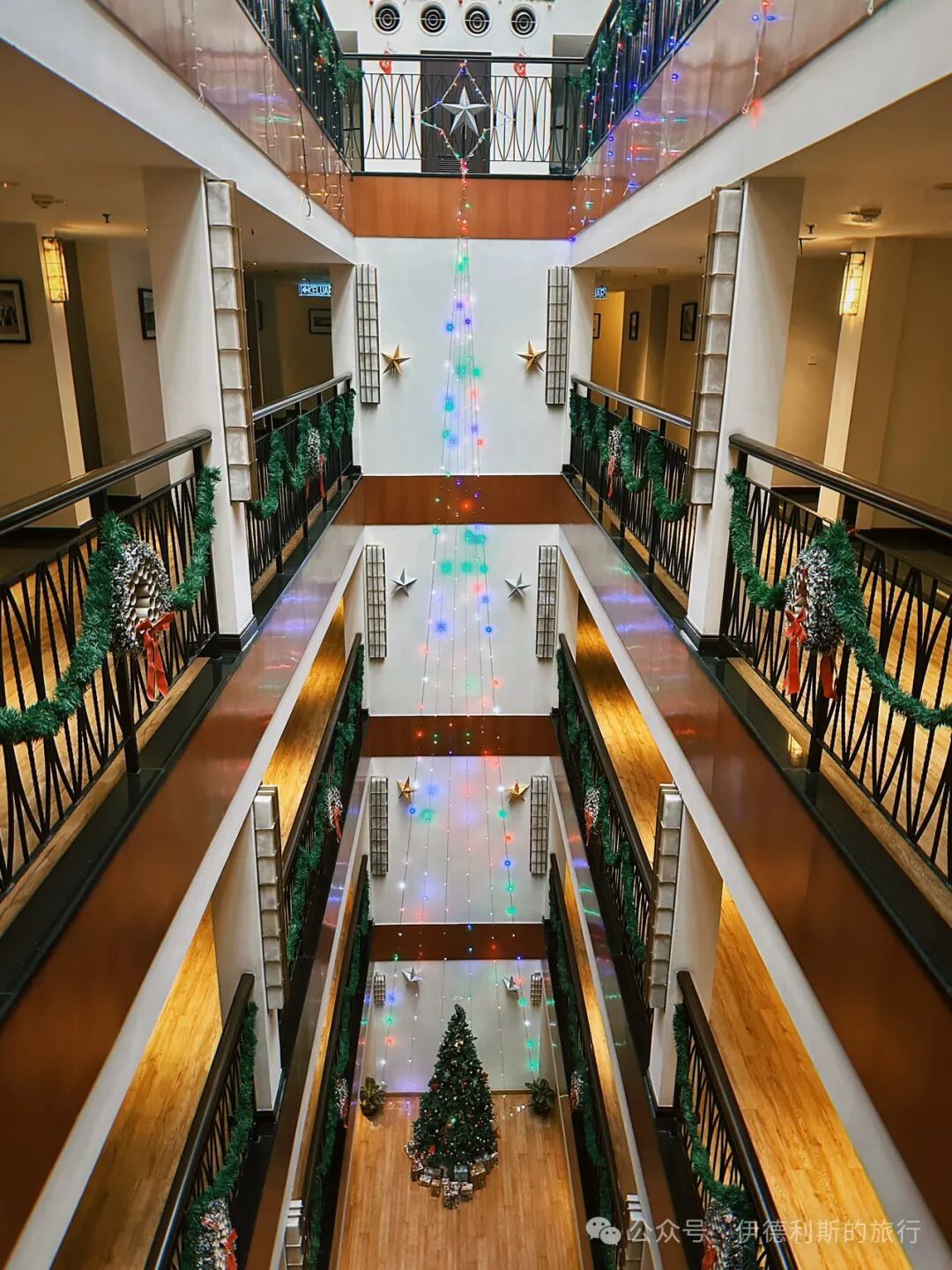
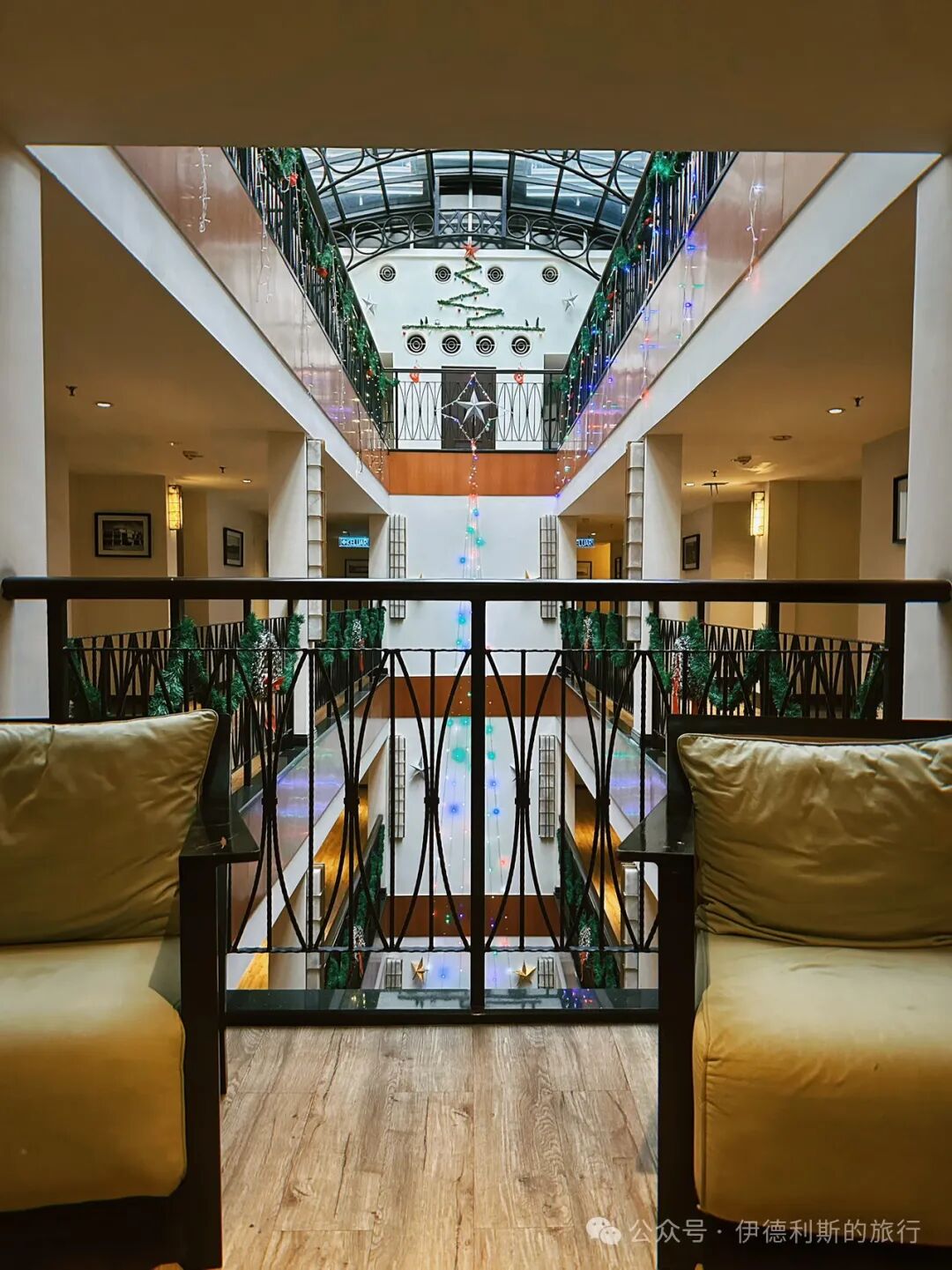
We stayed at another hotel built in the 1960s called Hotel Sixty3. In 1965, this was the first location of the Sabah Museum, and it still keeps its 1960s style today.
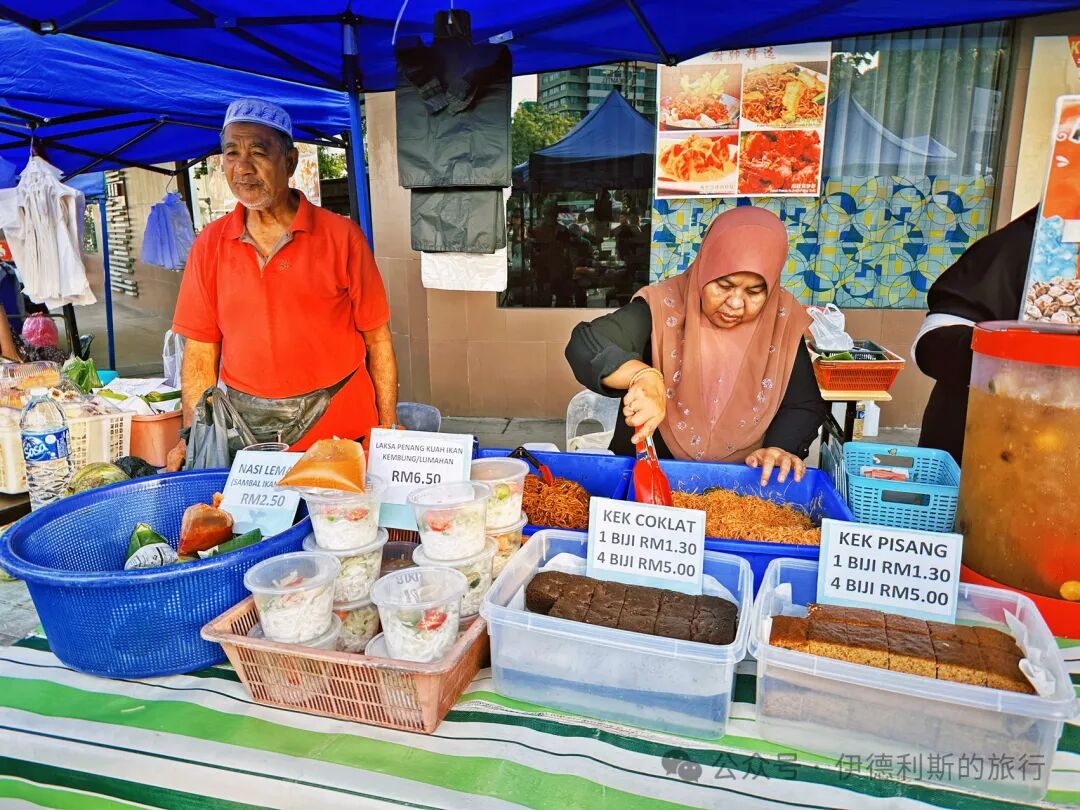
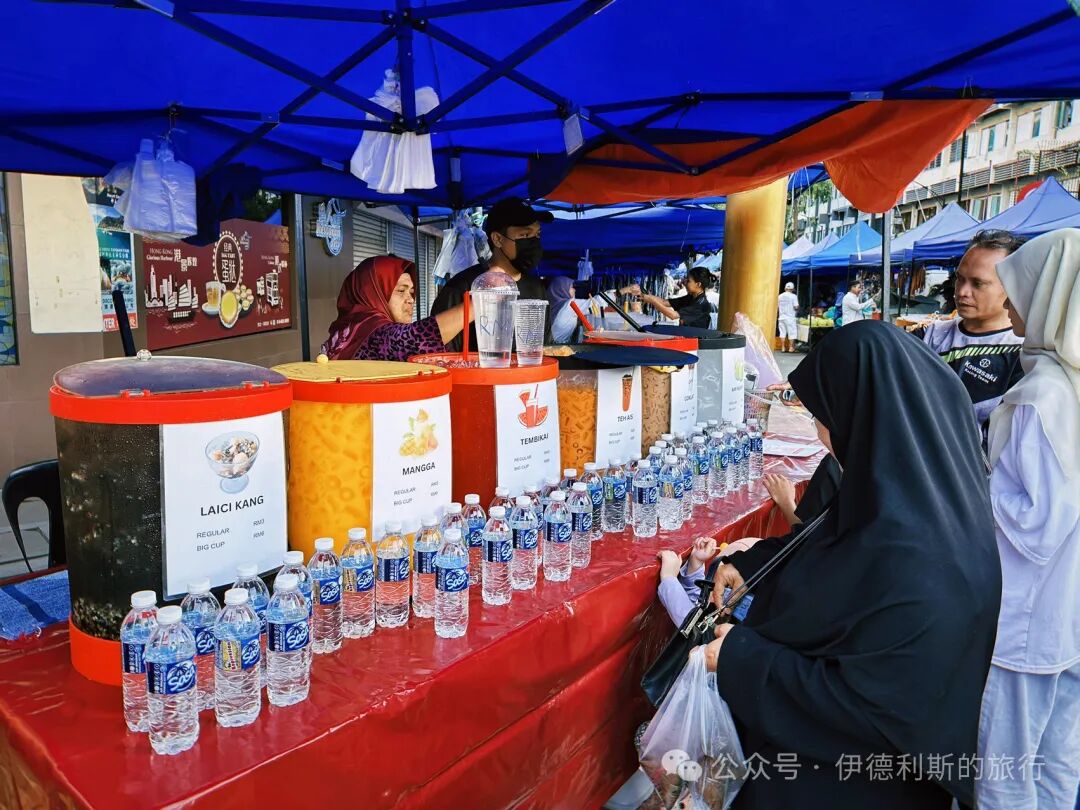
The Sunday morning market on Gaya Street in Kota Kinabalu is a great place to experience local life. It has a rich variety of local fruits and vegetables, plus coconut rice (nasi lemak), noodle soup (laksa), and various pastries and drinks. Kota Kinabalu has a diverse population. Besides the Chinese, there are mainly Bruneian Malays, Bajau, Kadazan, Dusun, Murut, and Lun Bawang people, along with many non-Malaysian citizens from the southern Philippines and the Sulu Archipelago.
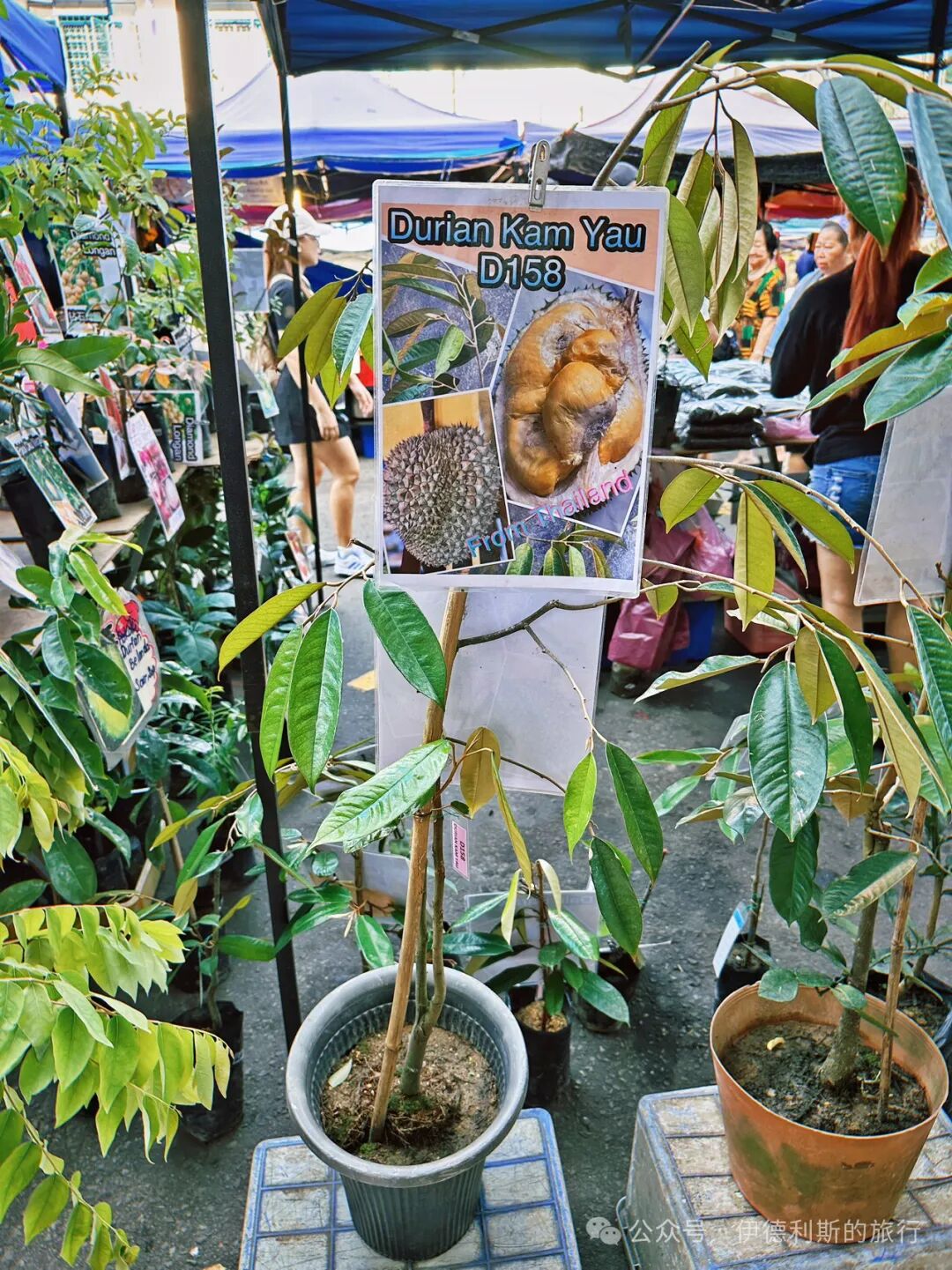
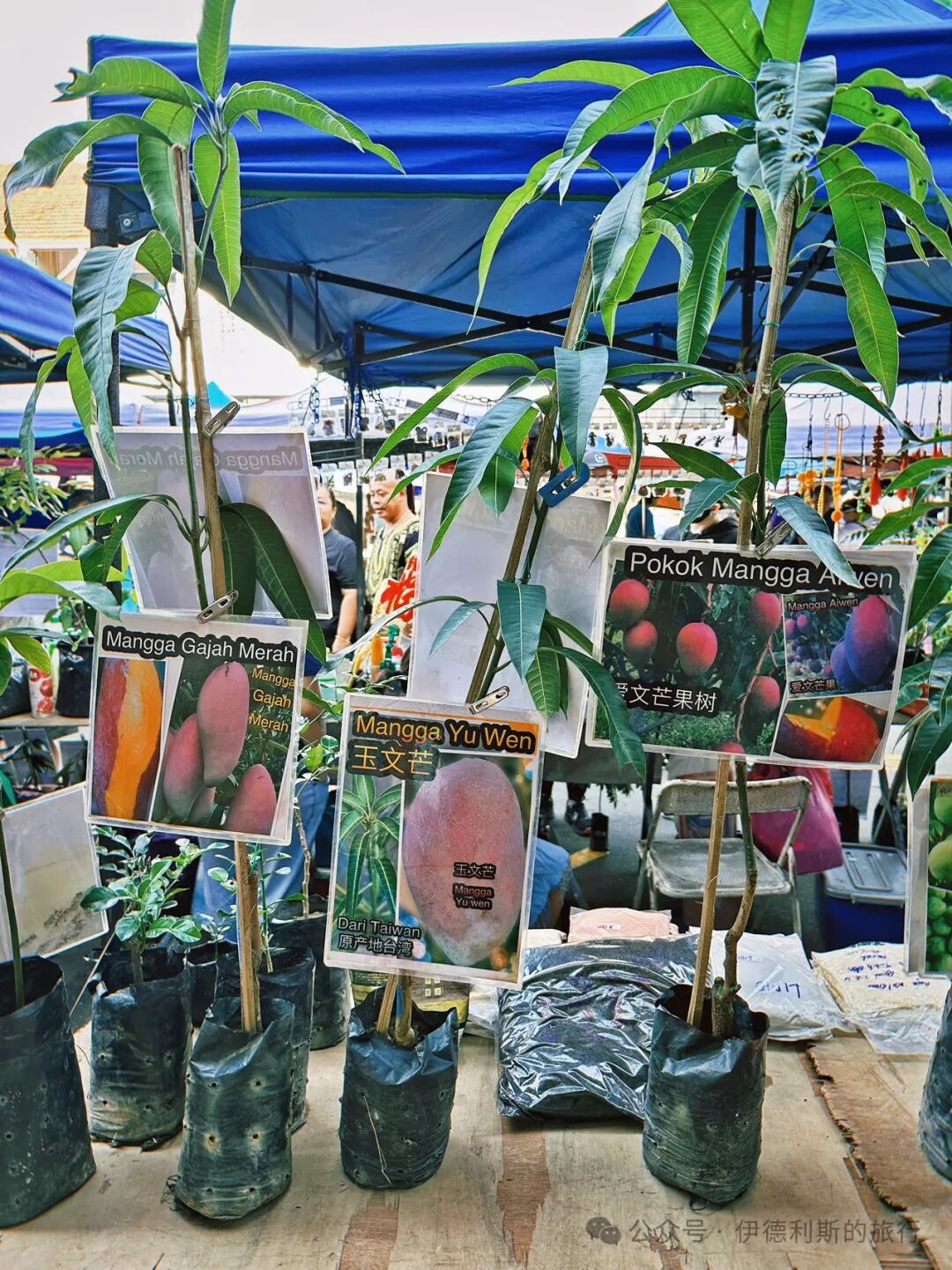
You can see saplings for various tropical crops, including durian and mango, which is quite interesting.
Although there are many Hakka and Fujian people on Gaya Street in Kota Kinabalu, most of the restaurants are still run by Hainanese people. I started my morning with breakfast at Fook Yuen Cafe. It is very popular and crowded with tourists. Ordering is semi-self-service. They have Cantonese-style congee and dim sum, Malay coconut rice (nasi lemak), and Western-style bread and coffee, meeting the needs of all groups in Malaysia. I had a serving of Hainanese chicken rice and two steamed dumplings (shaomai), and I drank a glass of iced milk tea. They improved their chicken rice by adding dried small fish to the rice. This way of eating it is likely more popular with the Malay people.
Yee Fung Tea House, which opened in 1896, is the oldest Hainanese restaurant in Kota Kinabalu, even older than the city itself. The restaurant was originally located at the British North Borneo Chartered Company headquarters on Gaya Island. After the settlement on the island was destroyed in 1898 by an anti-British uprising led by the indigenous leader Mat Salleh, the restaurant moved to its current location on Gaya Street. You could say Yee Fung Tea House has witnessed all the changes in Kota Kinabalu. They have old photos hanging on the wall, including one of the Yuechang Tea House from the 1960s, which is in the exact same spot as it is today.
The shop is split into two parts, with the Hainanese owner personally making coffee and toasted bread (tuosi). The owner is very warm, provides excellent service, and speaks great Korean, which helps him attract Korean customers. Another stall hires Muslim sisters to make Hainanese beef offal noodles and various Malay dishes, which is a major feature of traditional Hainanese coffee shops. To attract customers from all ethnic groups, they must serve food that suits everyone's taste, which is why many long-standing Hainanese restaurants in Malaysia have been open for decades or even a century.
We ordered coffee with fresh milk, three-layer coffee, monk fruit herbal tea (luohanguo liangcha), oats, toast, and beef offal noodles. The monk fruit herbal tea and barley water (yimi shui) are perfect for the weather here.
The most popular halal Chinese restaurant on Gaya Street in Kota Kinabalu is Yee Fung Tea House. The owner of Yee Fung Tea House, Zhuang Qiuwang, is from Johor and started selling laksa on Gaya Street in 1984, making it exactly 40 years now. Like many halal Chinese restaurants in Malaysia, they hire Muslim chefs and staff to ensure the ingredients are halal.
Their signature dishes are the "three treasures": laksa, claypot chicken rice, and beef offal. We ordered lettuce with oyster sauce, plain beef offal, plain fish balls, and chicken wonton noodles. Hainanese beef offal mainly includes beef balls, beef tripe, stewed beef, and beef slices; many Hainanese restaurants in Kota Kinabalu serve it, and it is a local specialty. Authentic Hainanese beef offal is made without MSG, relying purely on spices for flavor, so you do not feel thirsty after eating it.
There is a night market on Gaya Street every Friday and Saturday night that stays open until 12:00, mainly featuring stalls run by Muslim Bruneian Malays and Bajau people, along with a few Chinese stalls. I walked around and bought an iced drink to quench my thirst.
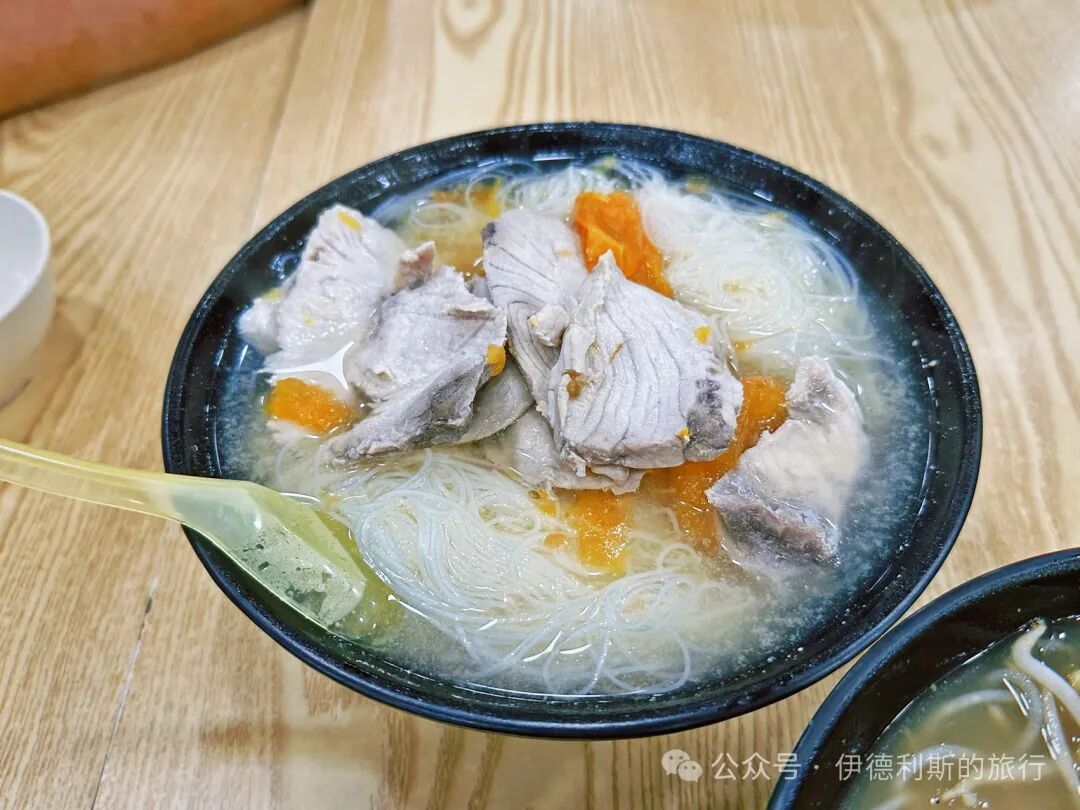
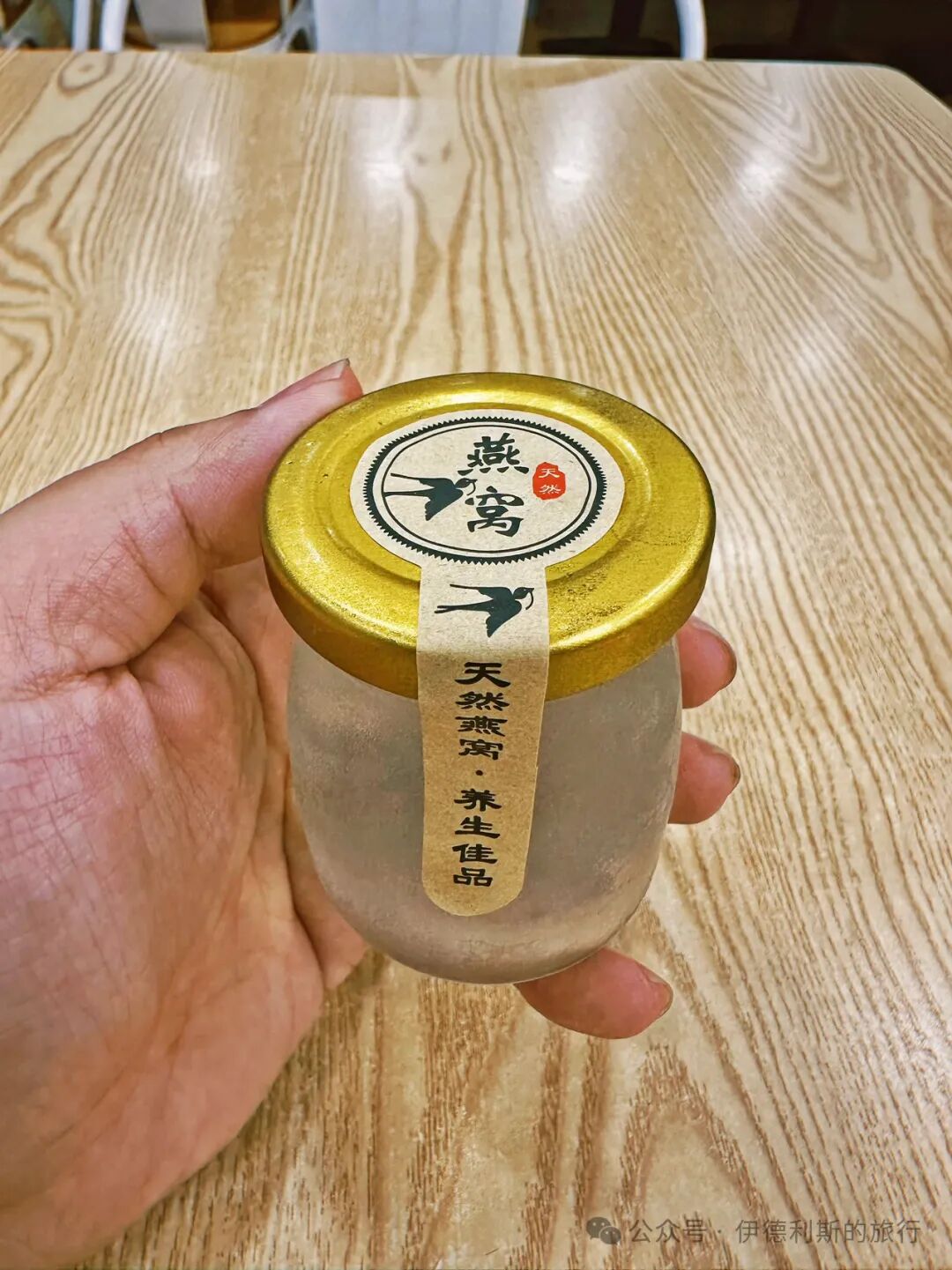
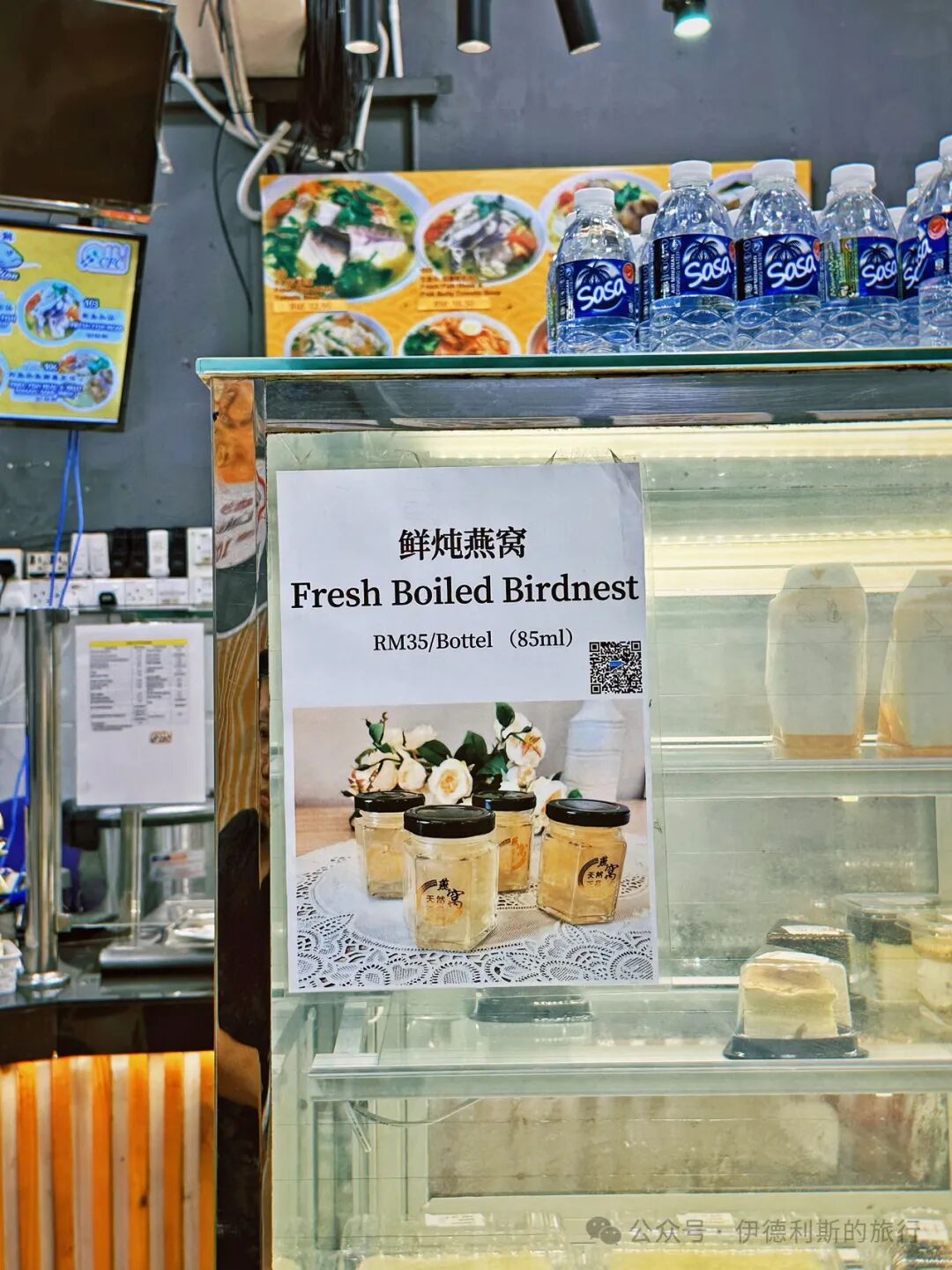
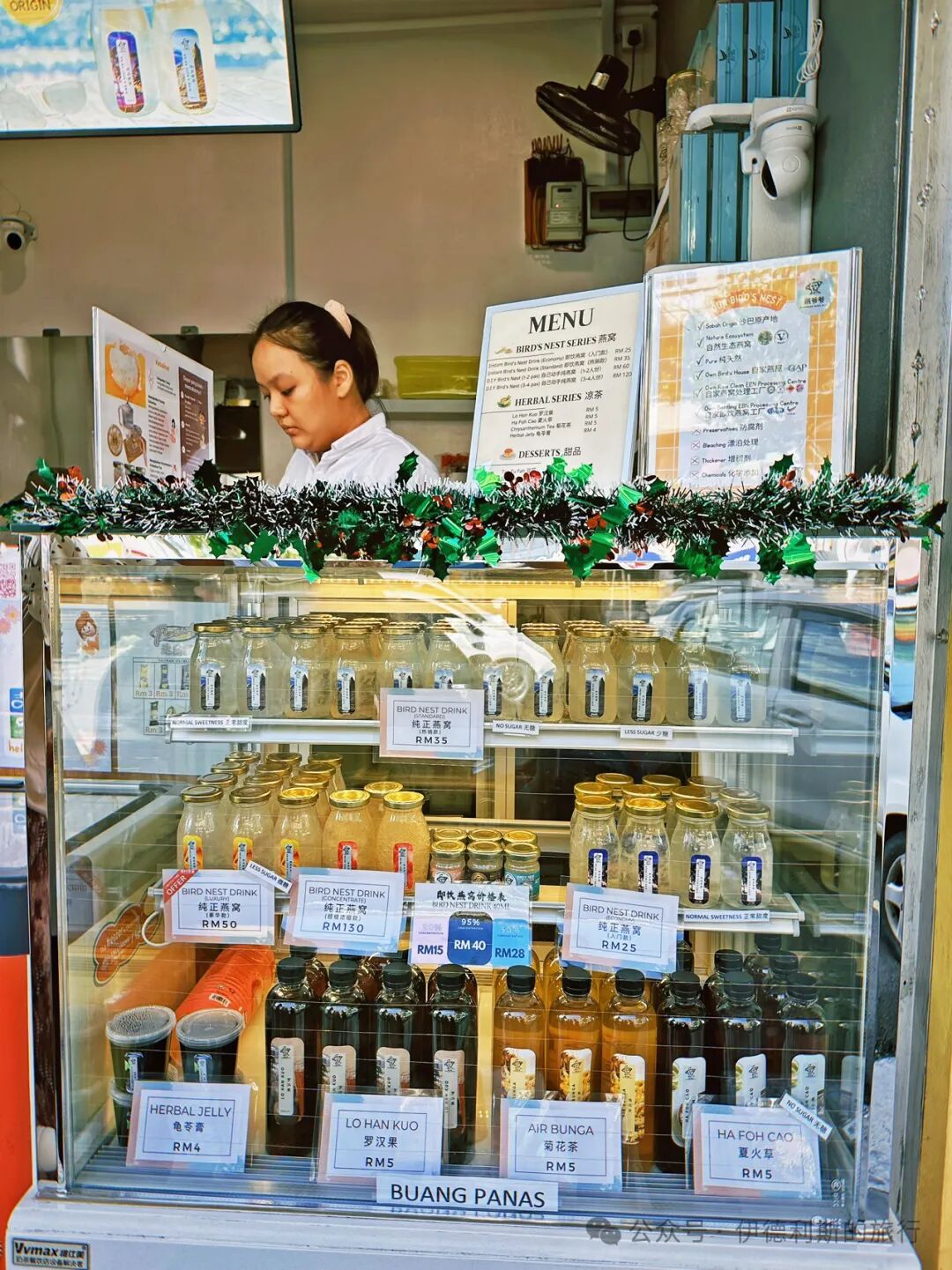
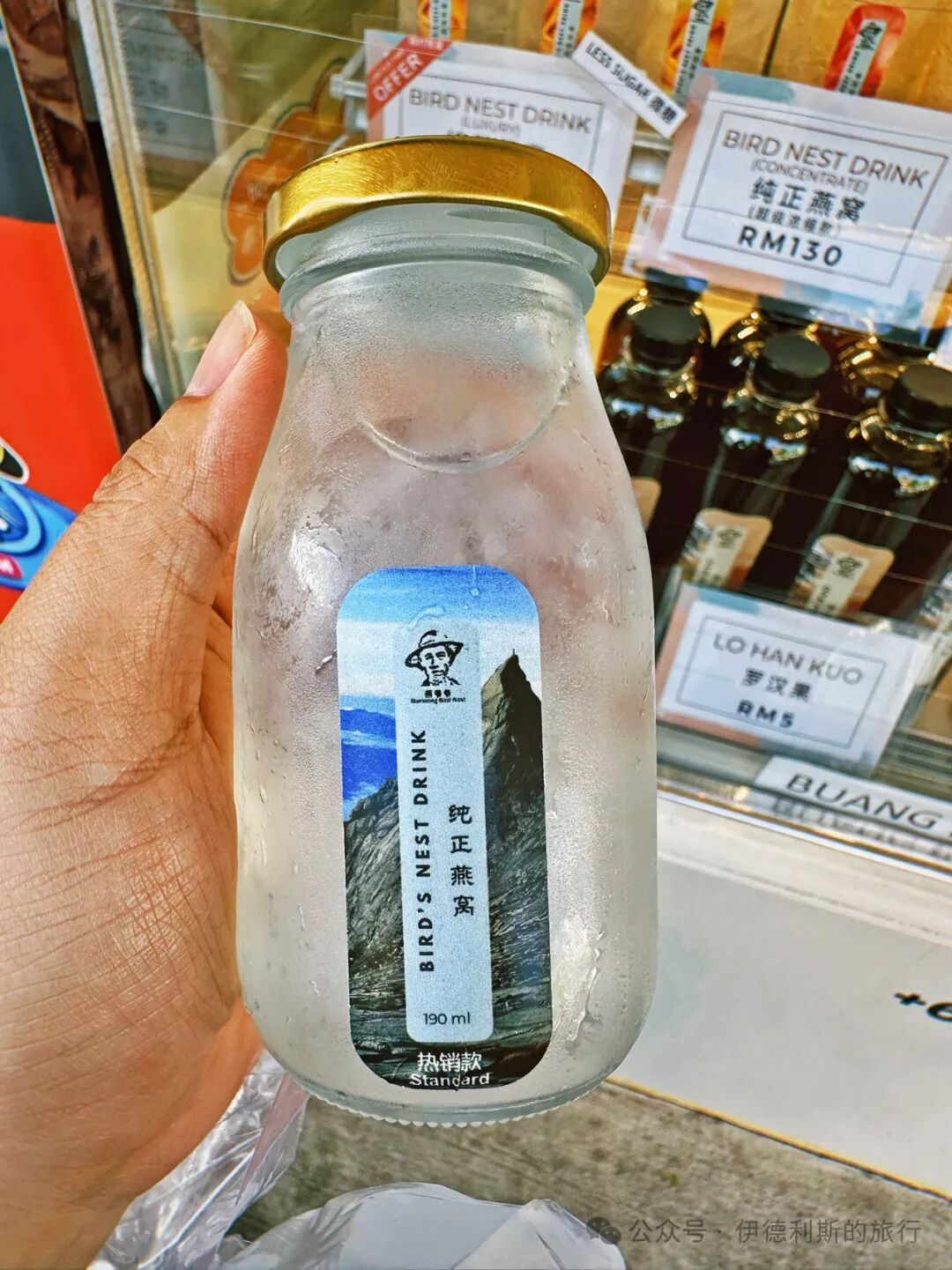
In the evening, we had a late-night snack at Wang Jiao on Gaya Street, where the fish slice noodles and beef offal soup were cooked to order in small pots, and we also drank freshly stewed bird's nest. Beef offal is truly available in every restaurant in Kota Kinabalu. Sabah bird's nest comes from swiftlets deep in the tropical rainforest and is a major local specialty. The price of bird's nest sold in ordinary shops in Kota Kinabalu is reasonable, making it a good choice to try.
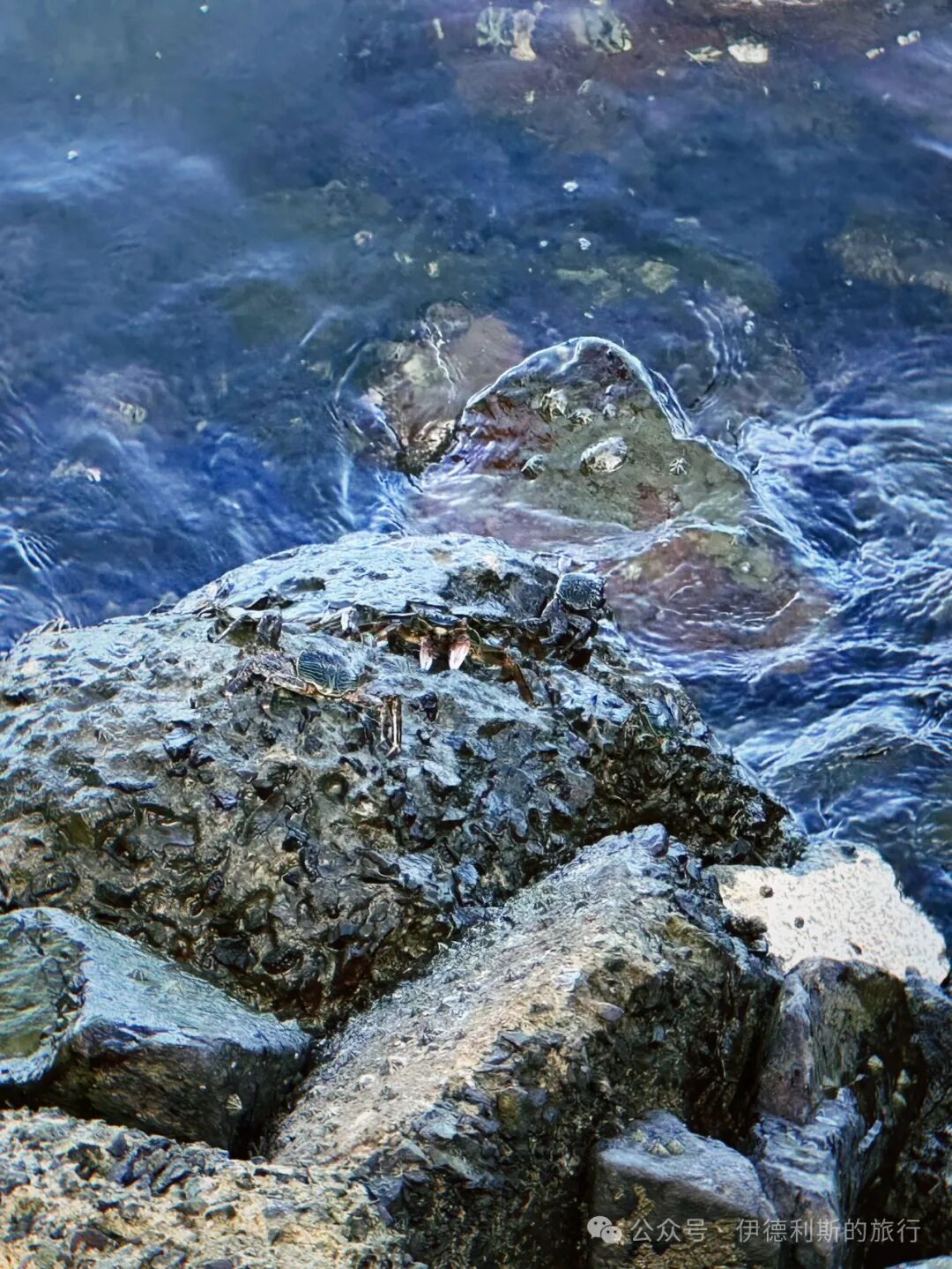
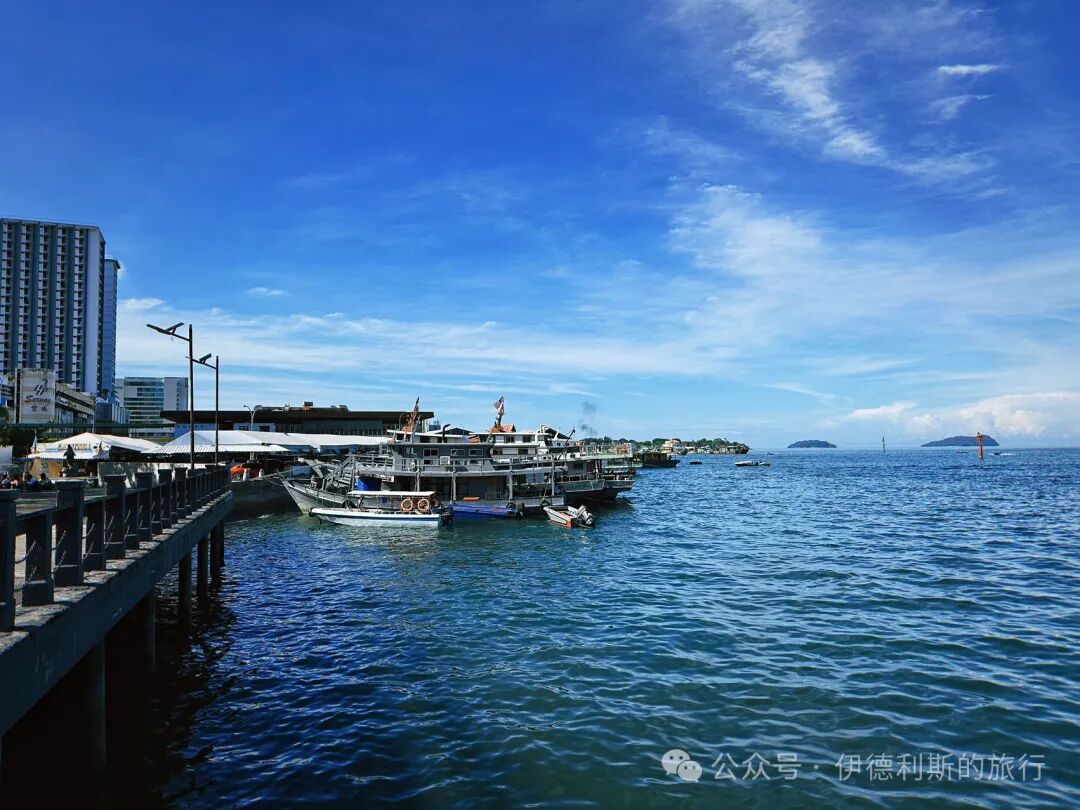
Opposite the old town of Kota Kinabalu is Gaya Island, and the coastline is full of crabs.
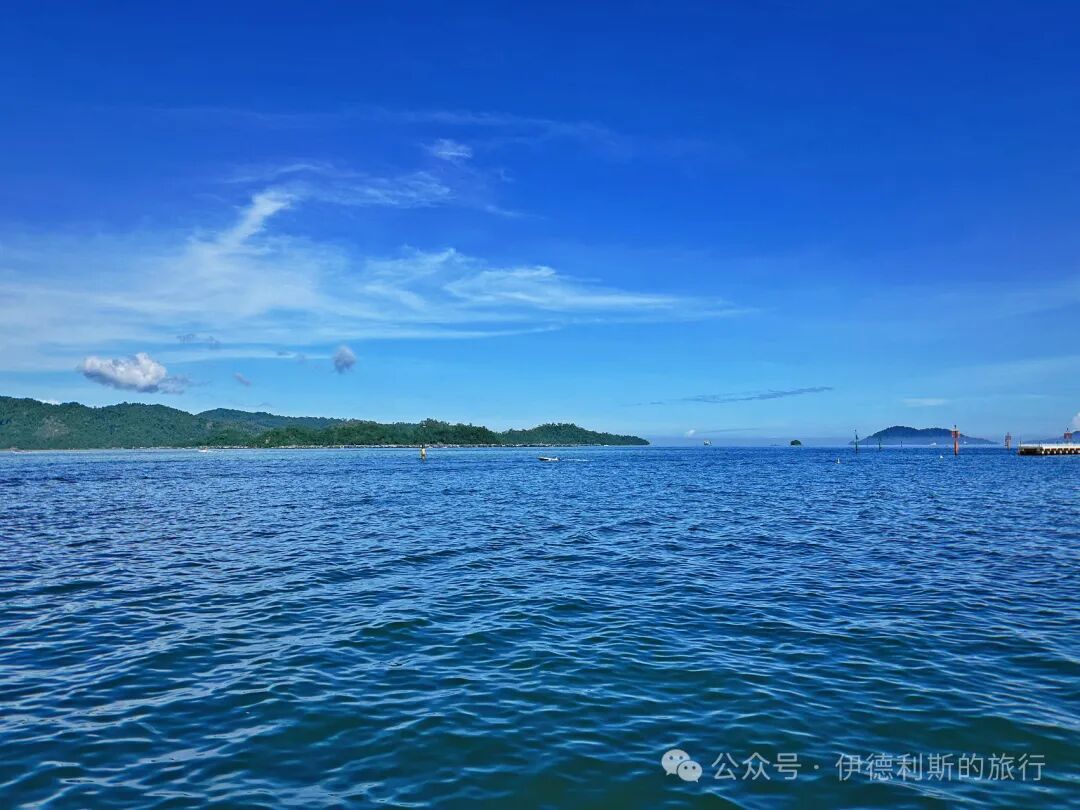
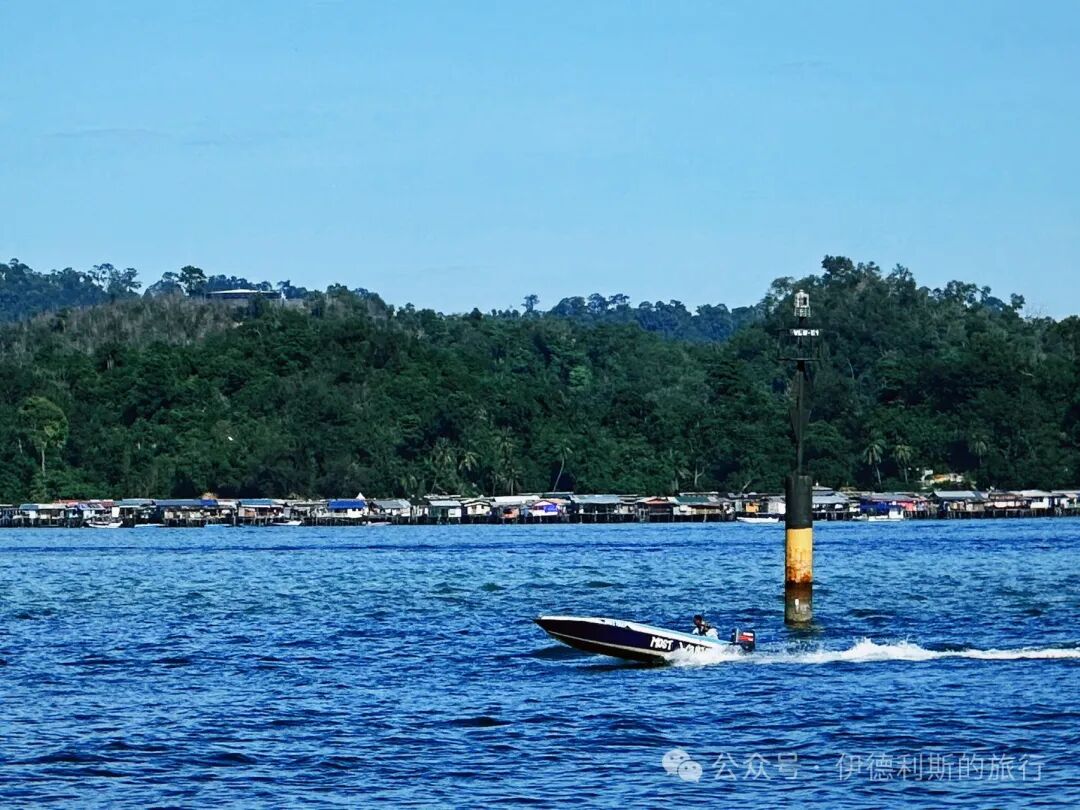
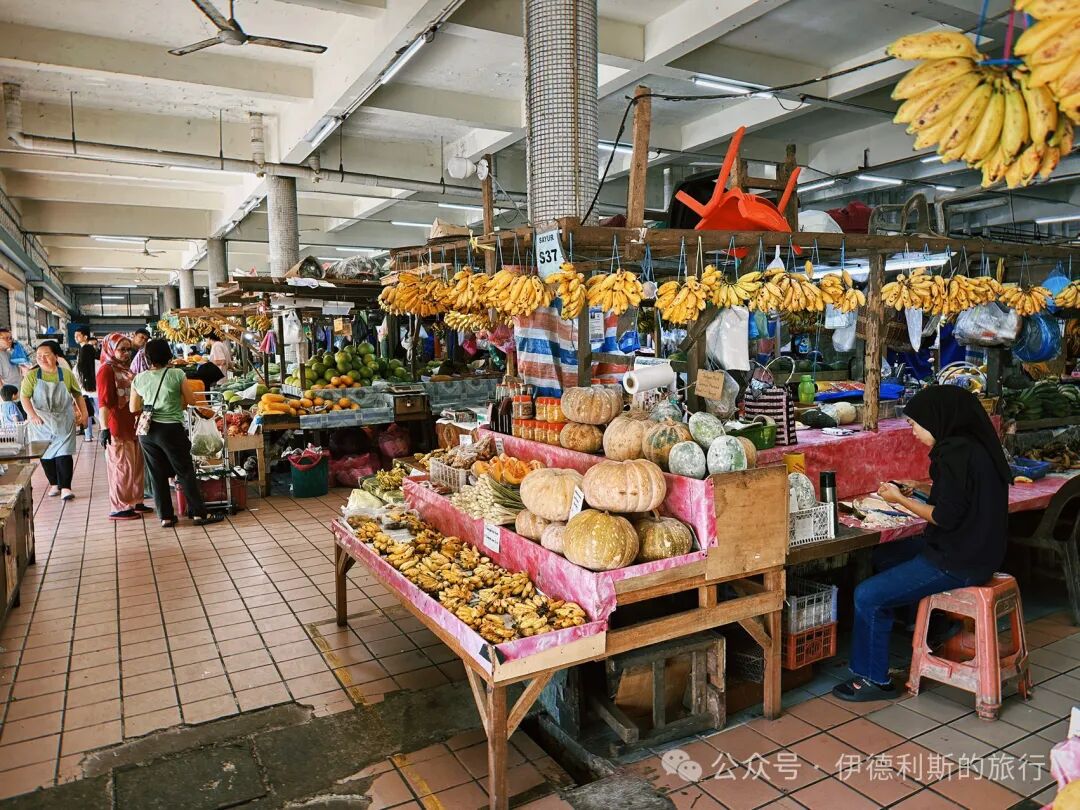
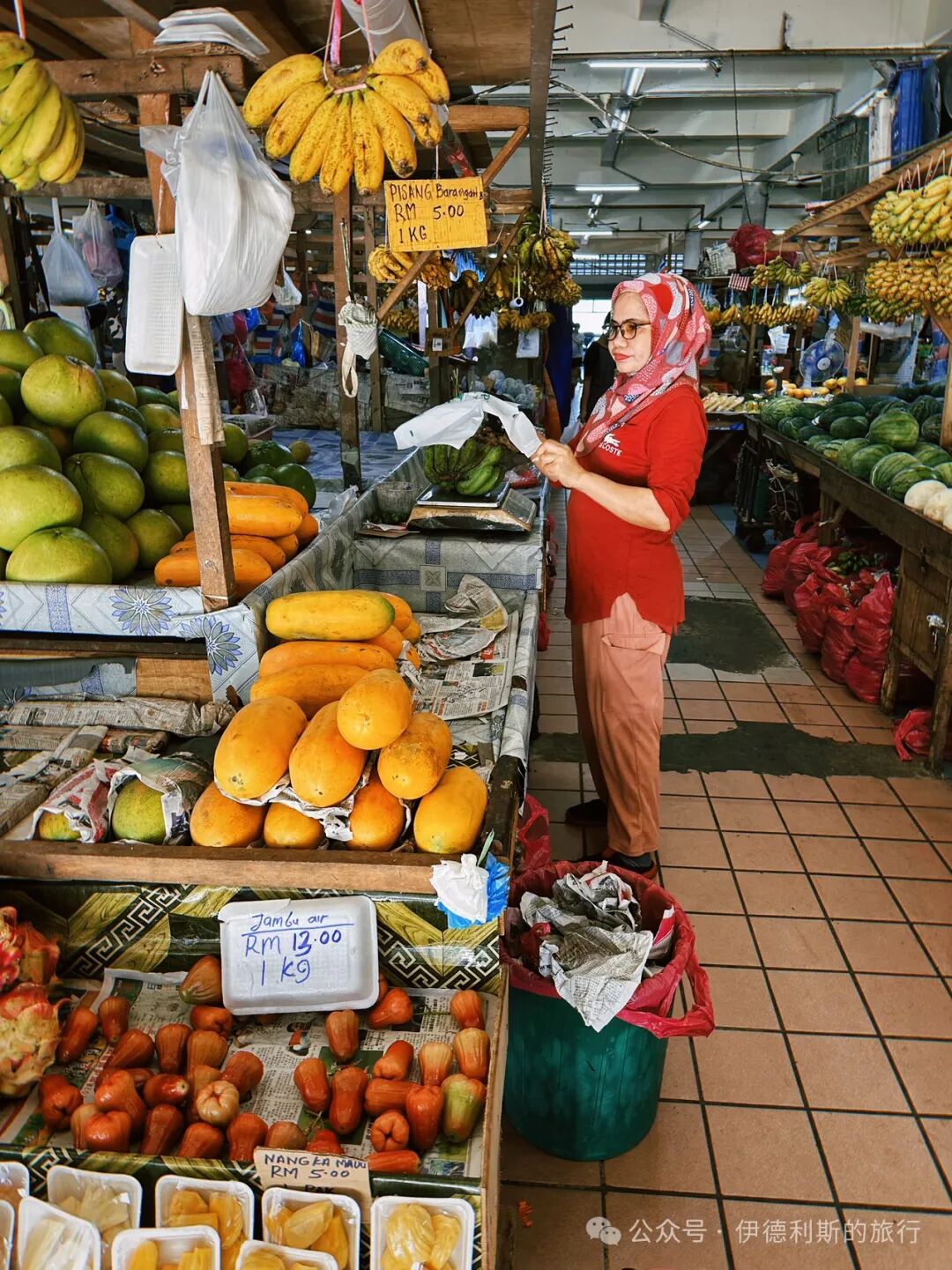
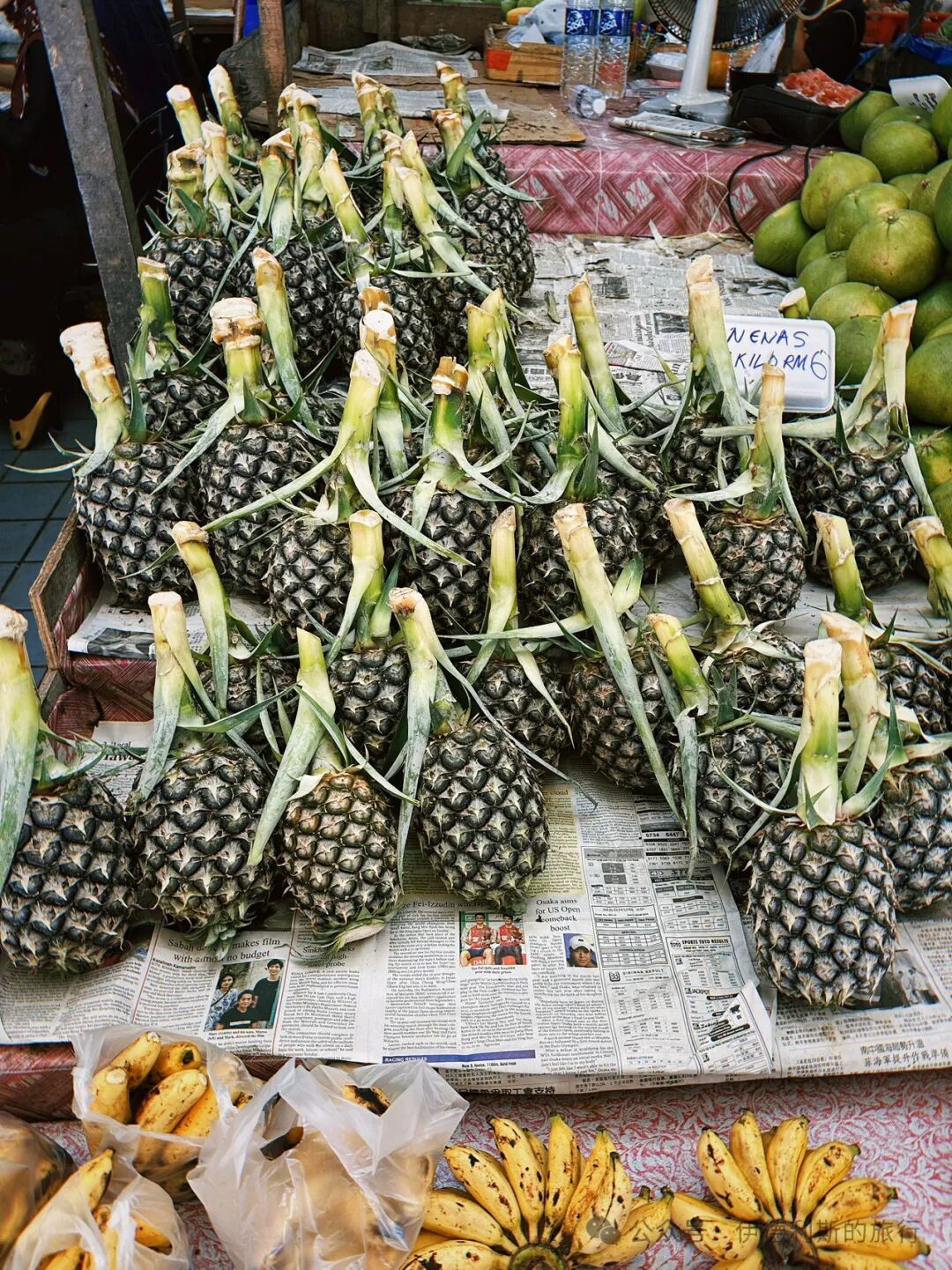
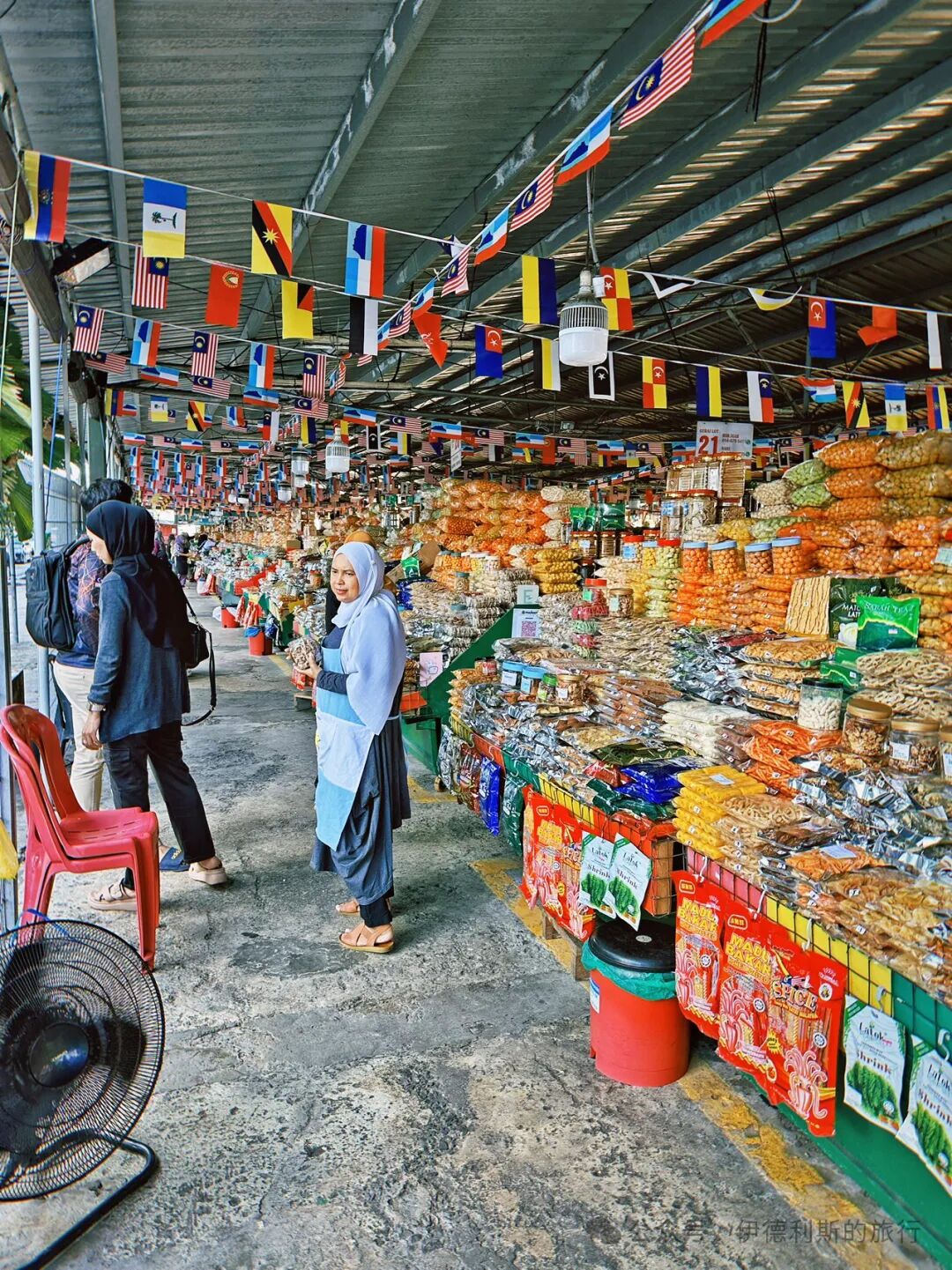
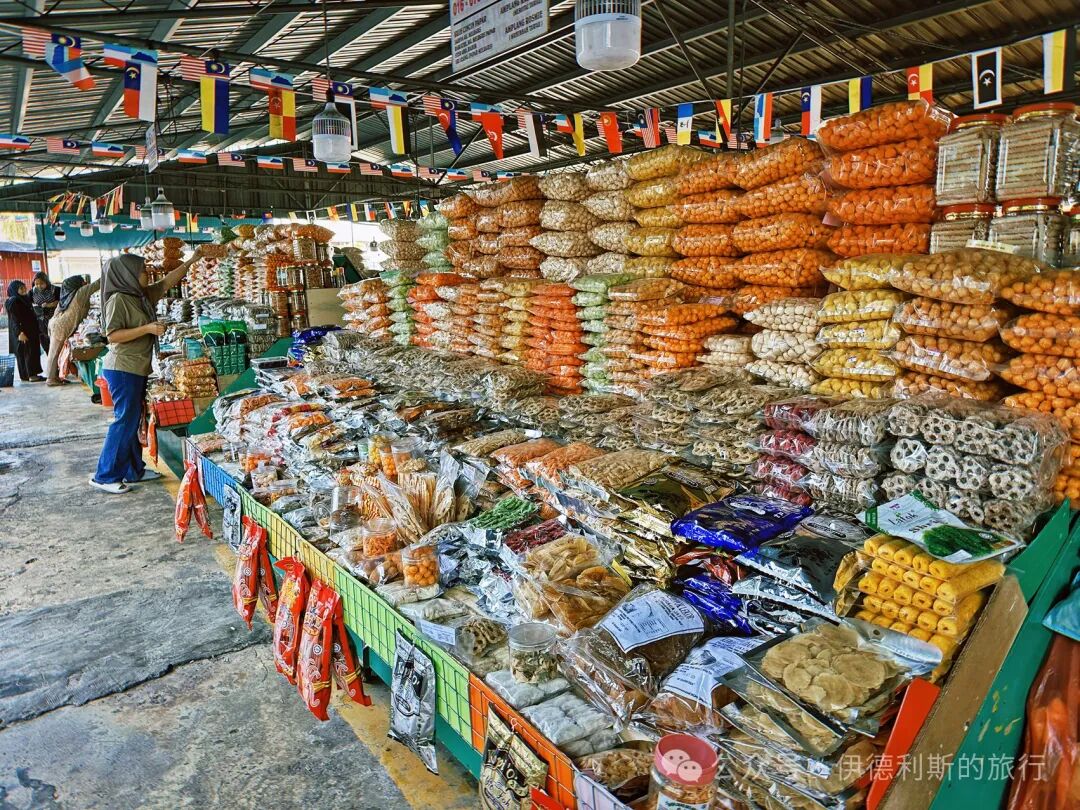
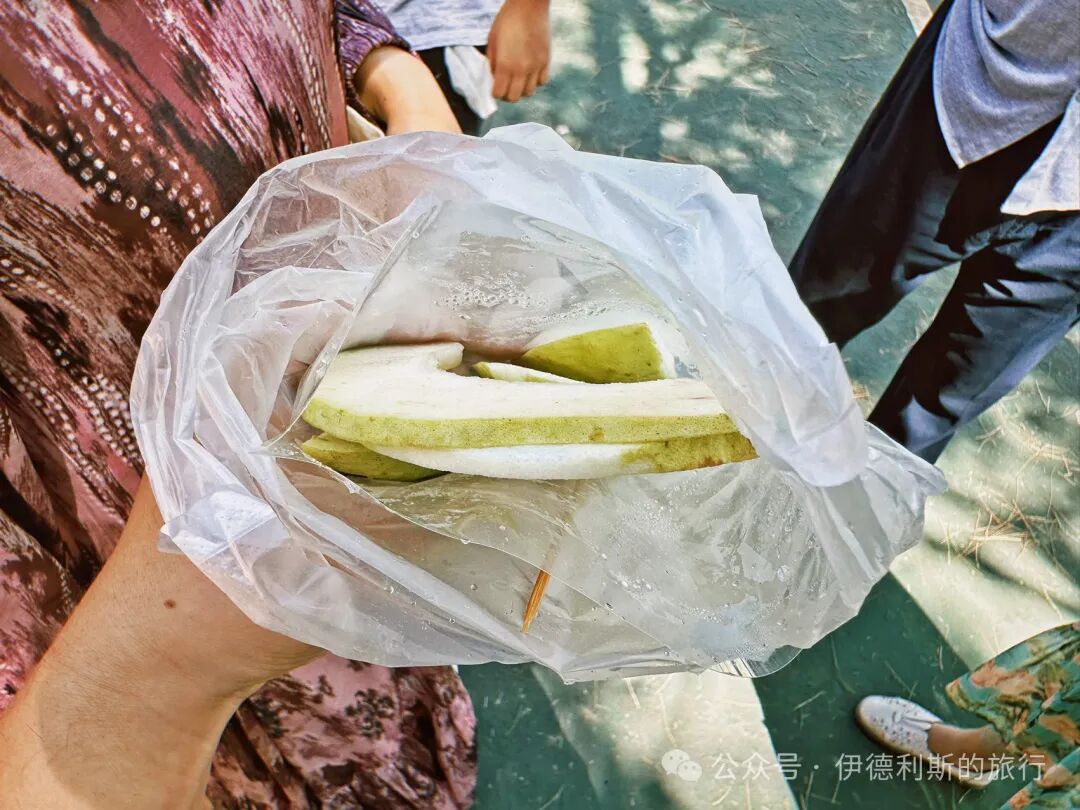
The water village on the shore of Gaya Island is home to Tausug and Bajau Muslim refugees who fled the war in the Sulu Archipelago and Mindanao in the southern Philippines after the 1970s. They travel by speedboat to the Kota Kinabalu Central Market every day to buy daily necessities, which is why this market is also known as the "Filipino Market." The center of the Filipino Market is the fruit and vegetable area, where pineapples and bananas are the main fruits.
Kota Kinabalu now has special tour routes where you can take a boat to visit water villages and watch traditional Bajau dances. We didn't have time for this trip, but I definitely want to try it next time.
After 1968, two major Muslim organizations in the Philippines, the Moro National Liberation Front (MNLF) and the Moro Islamic Liberation Front (MILF), began a 50-year conflict with the Philippine government. This caused tens of thousands of Filipino Muslim refugees to flee to Sabah, Malaysia. Since Malaysia is not a signatory to the UN Refugee Convention, these people are classified as illegal immigrants. In reality, many local businessmen in Sabah still hire these refugees.
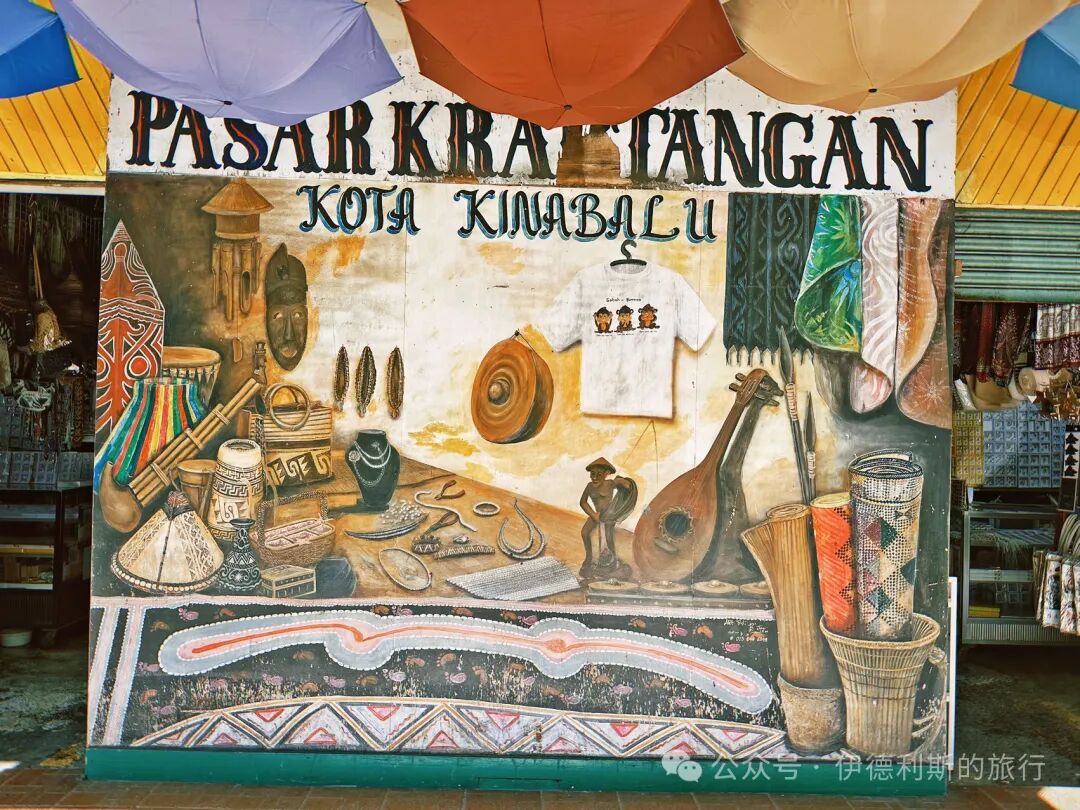
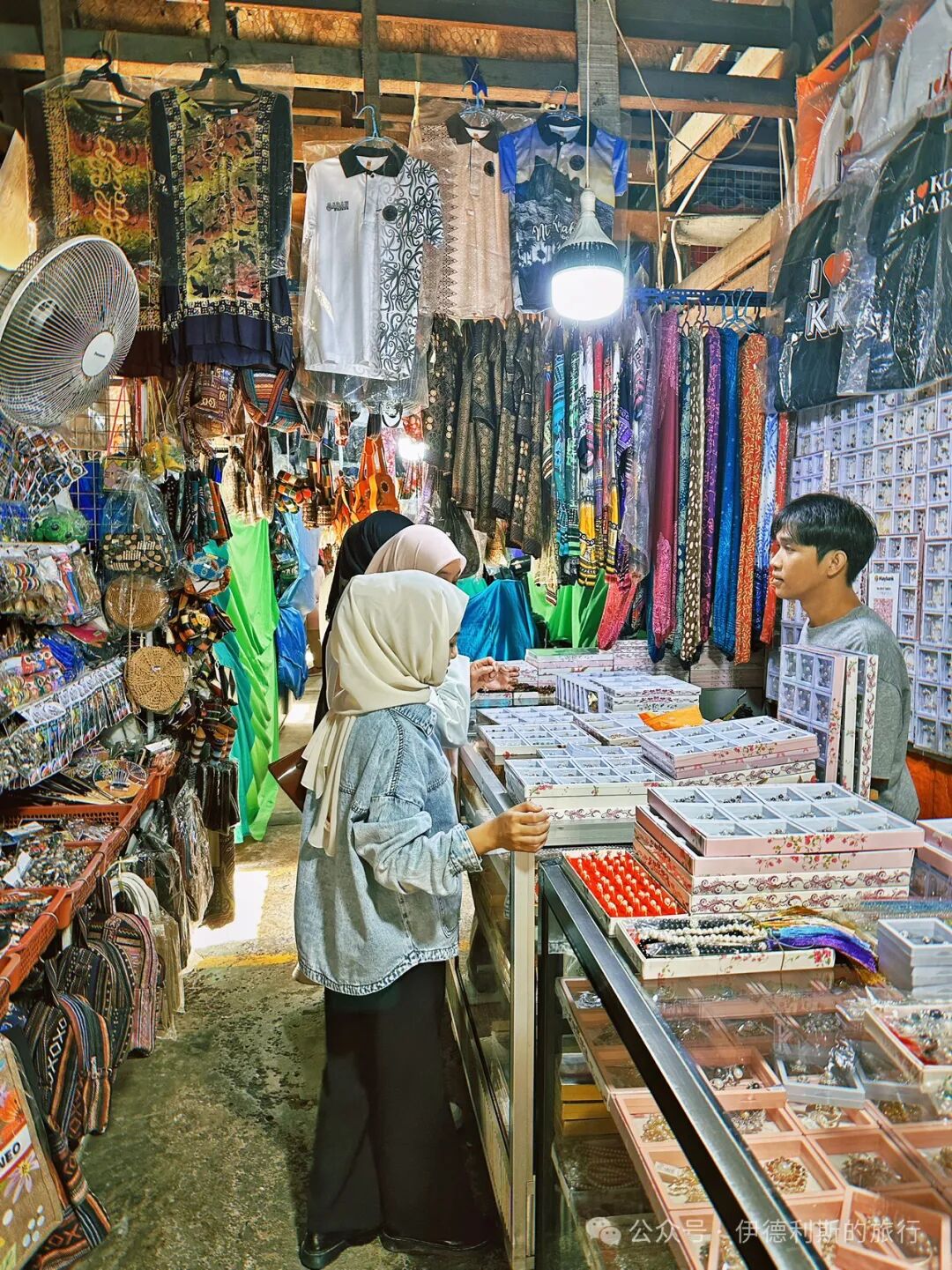
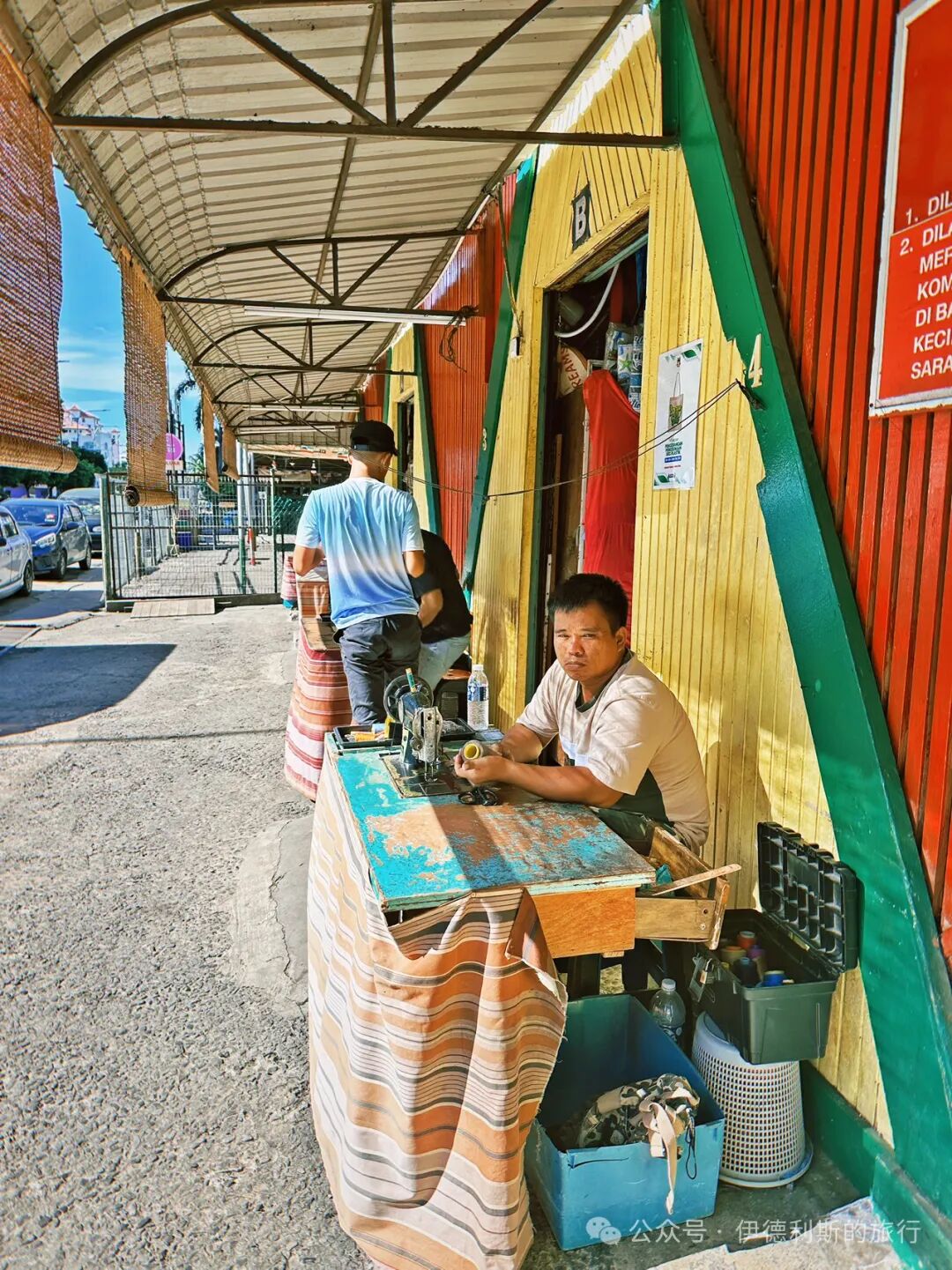
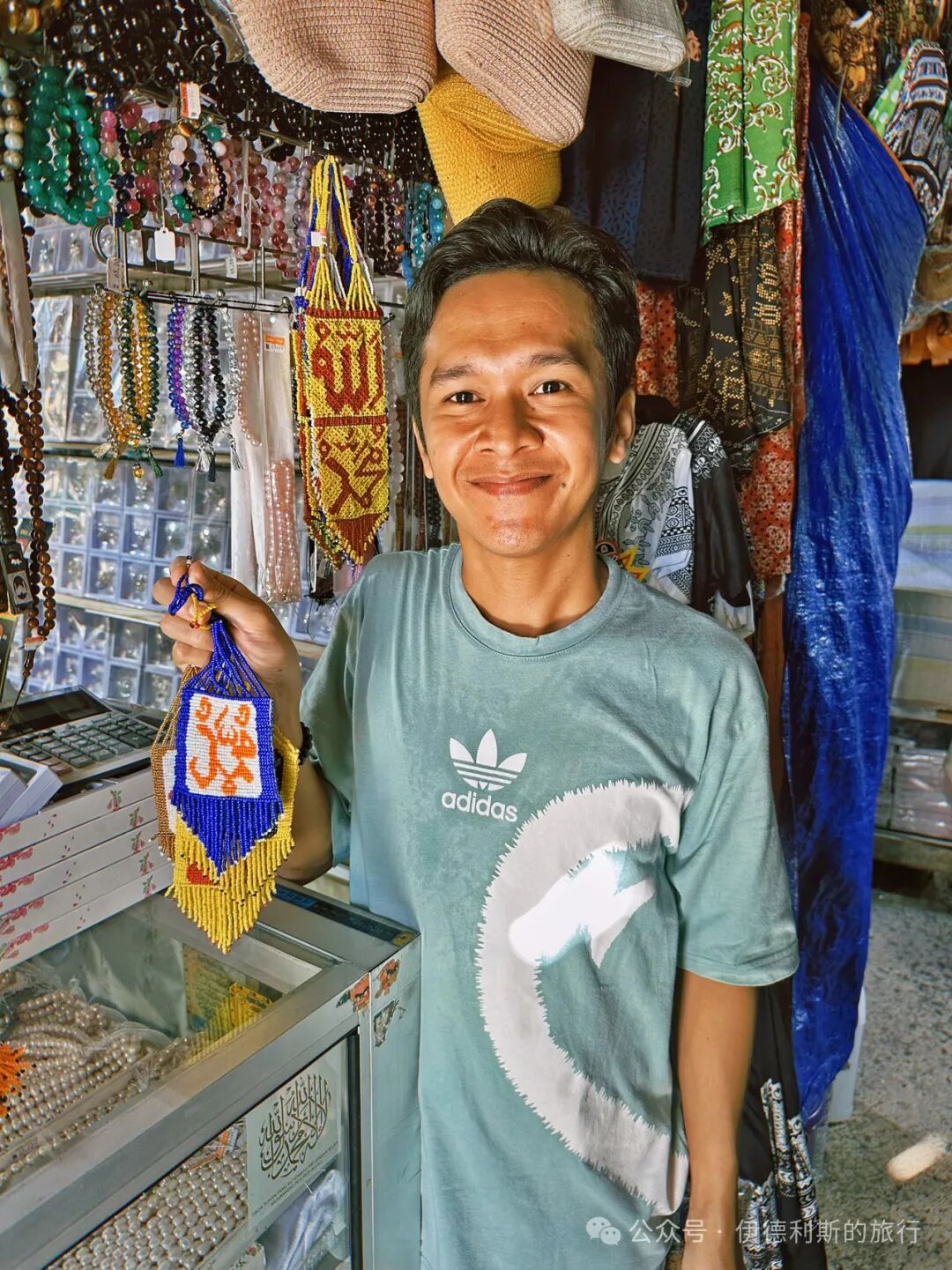
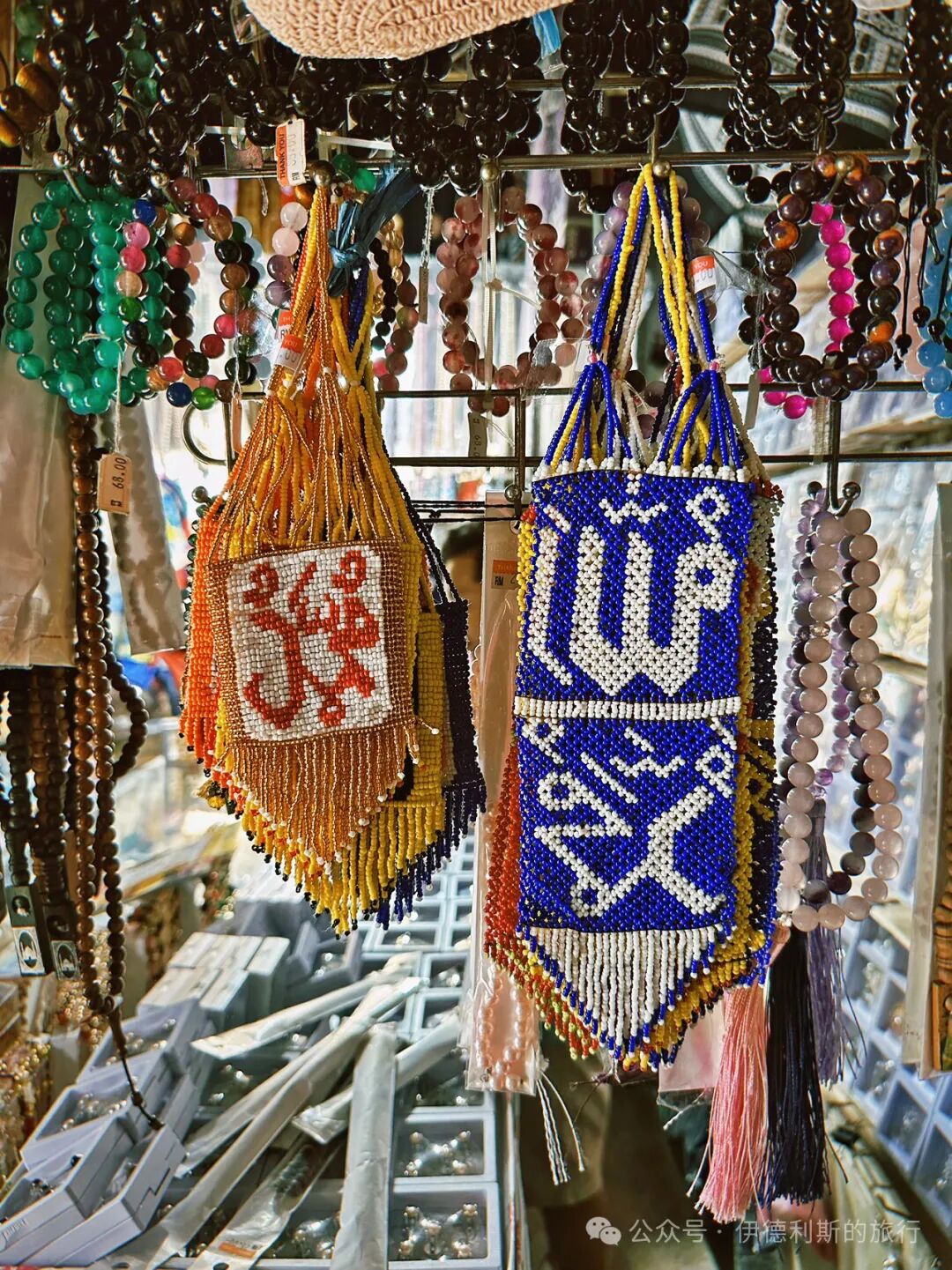
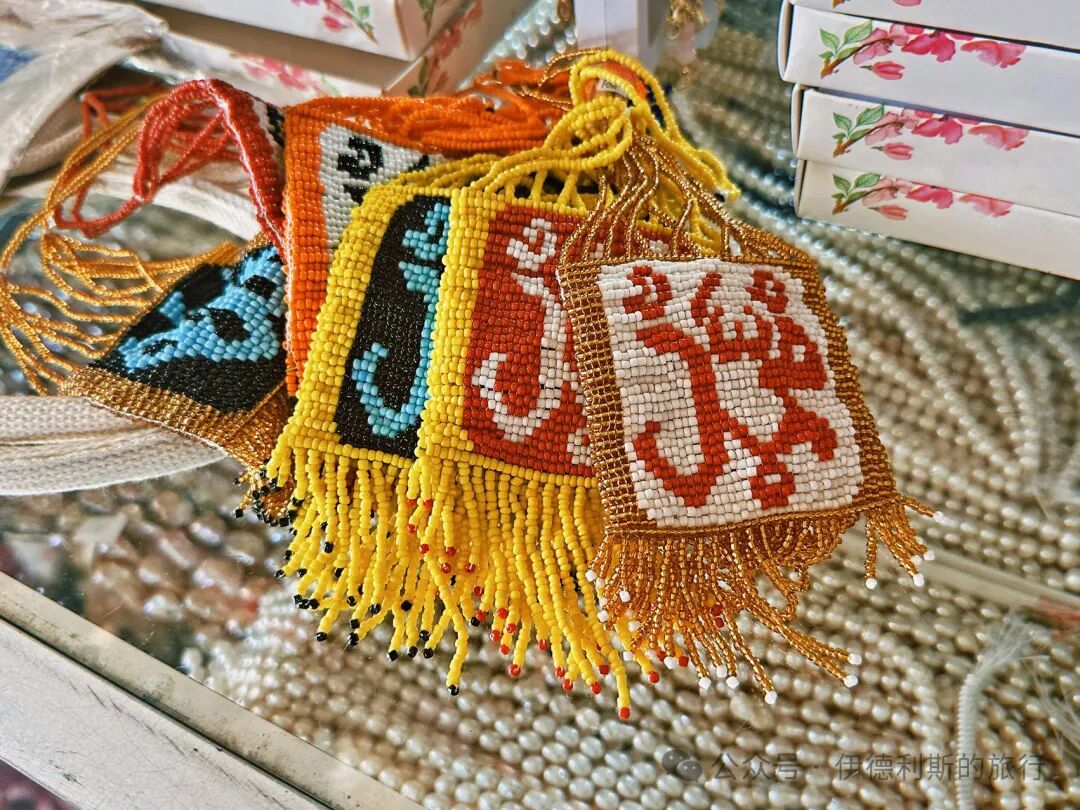
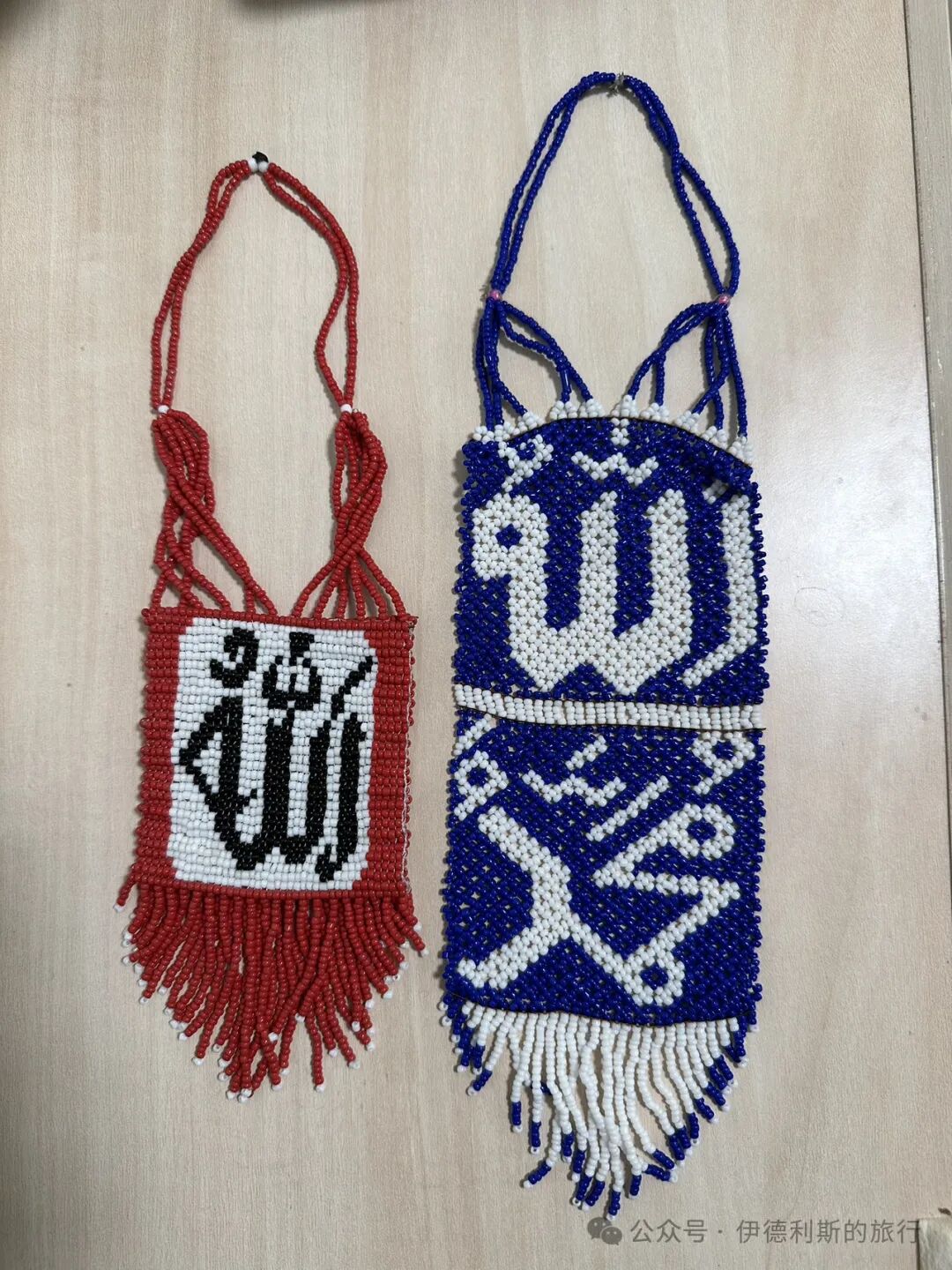
At the handicraft market in Kota Kinabalu, you can buy crafts from various ethnic groups like the Bajau, Brunei Malays, and Tausug people. We bought two religious decorations made of bright beads. They come in single-sided and double-sided versions, and they feel very unique.
The Bajau people call themselves Sama. They are also known as Sea Gypsies or sea nomads and are famous for building villages on the water. The Bajau are widely distributed along the coasts of Borneo, the Sulu Archipelago, the Zamboanga Peninsula, Mindanao, and Sulawesi, spanning four countries: Malaysia, the Philippines, Indonesia, and Brunei.
The Bajau include strict Sunni Muslims, localized Muslims influenced by early Sufi missionaries, and others who combine their faith with early animist beliefs. They have integrated spirits from their pre-Islamic period into the Islamic concept of jinn.
At noon, we performed namaz at the Kota Kinabalu City Mosque. The Kota Kinabalu City Mosque opened in 2000. Its exterior is modeled after the Prophet's Mosque in Medina, and it is surrounded by a lagoon, which is why it is also called the Floating Mosque. The Kota Kinabalu City Mosque is a famous tourist spot. Many people visit every day, and there is a lawn by the lake specifically for taking photos, so the mosque is very common on major social media platforms.
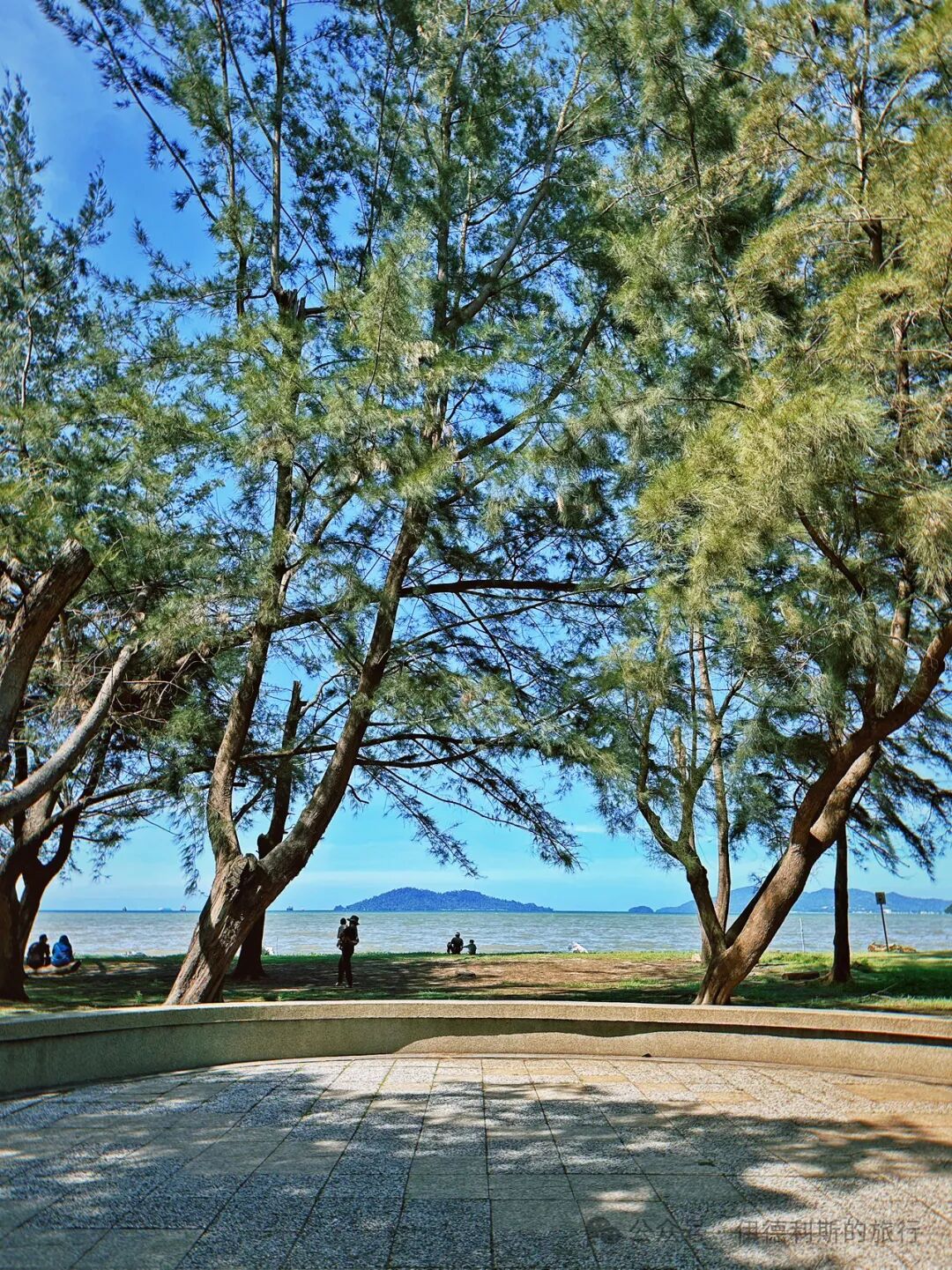
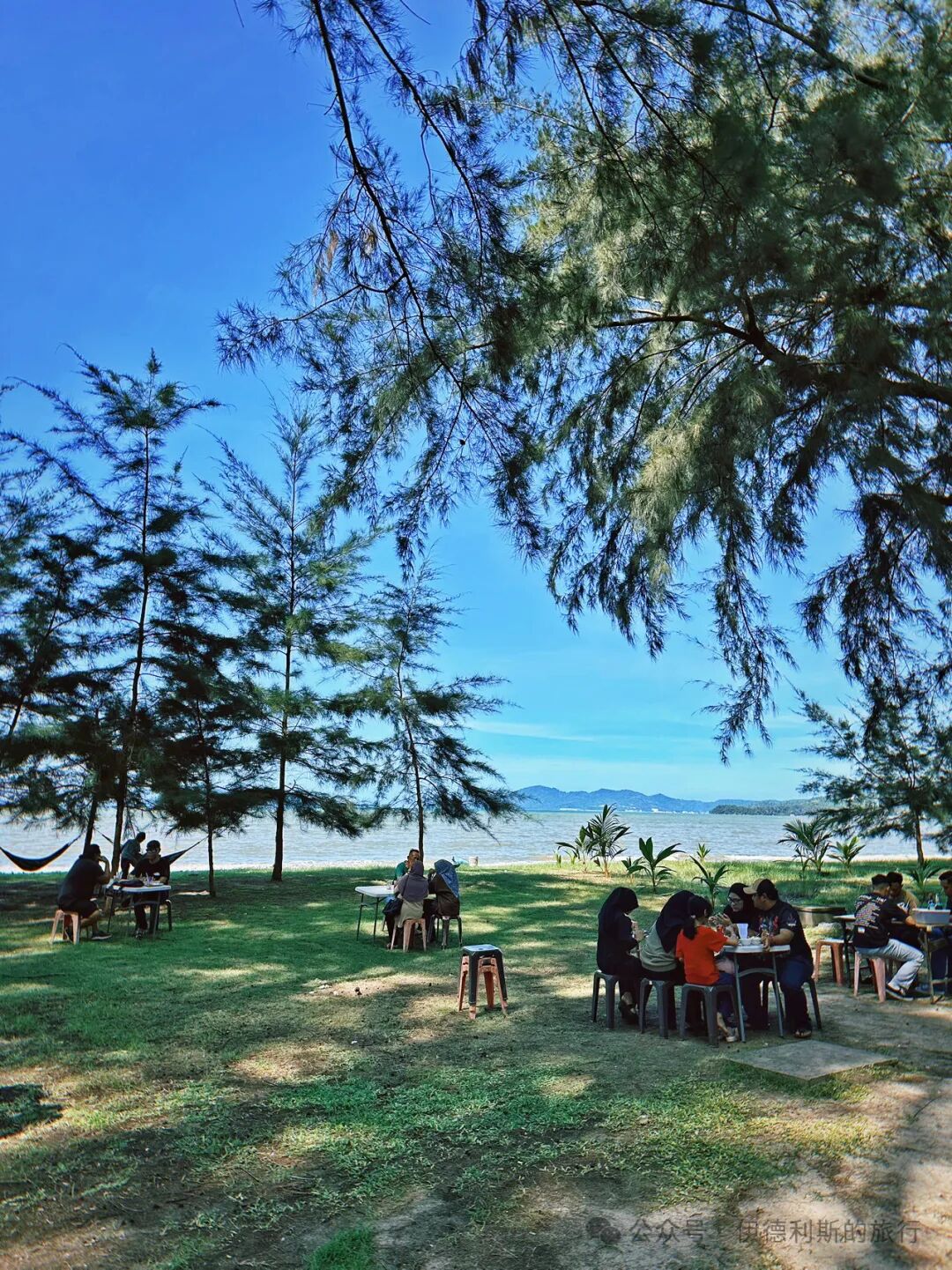
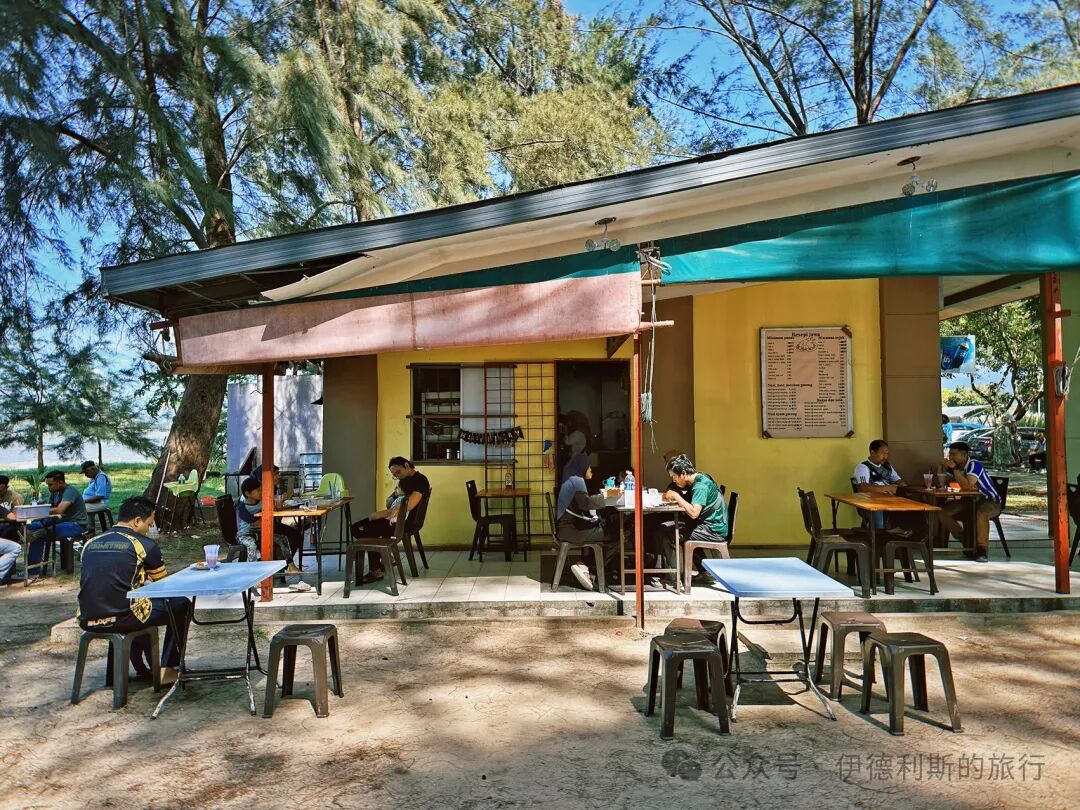
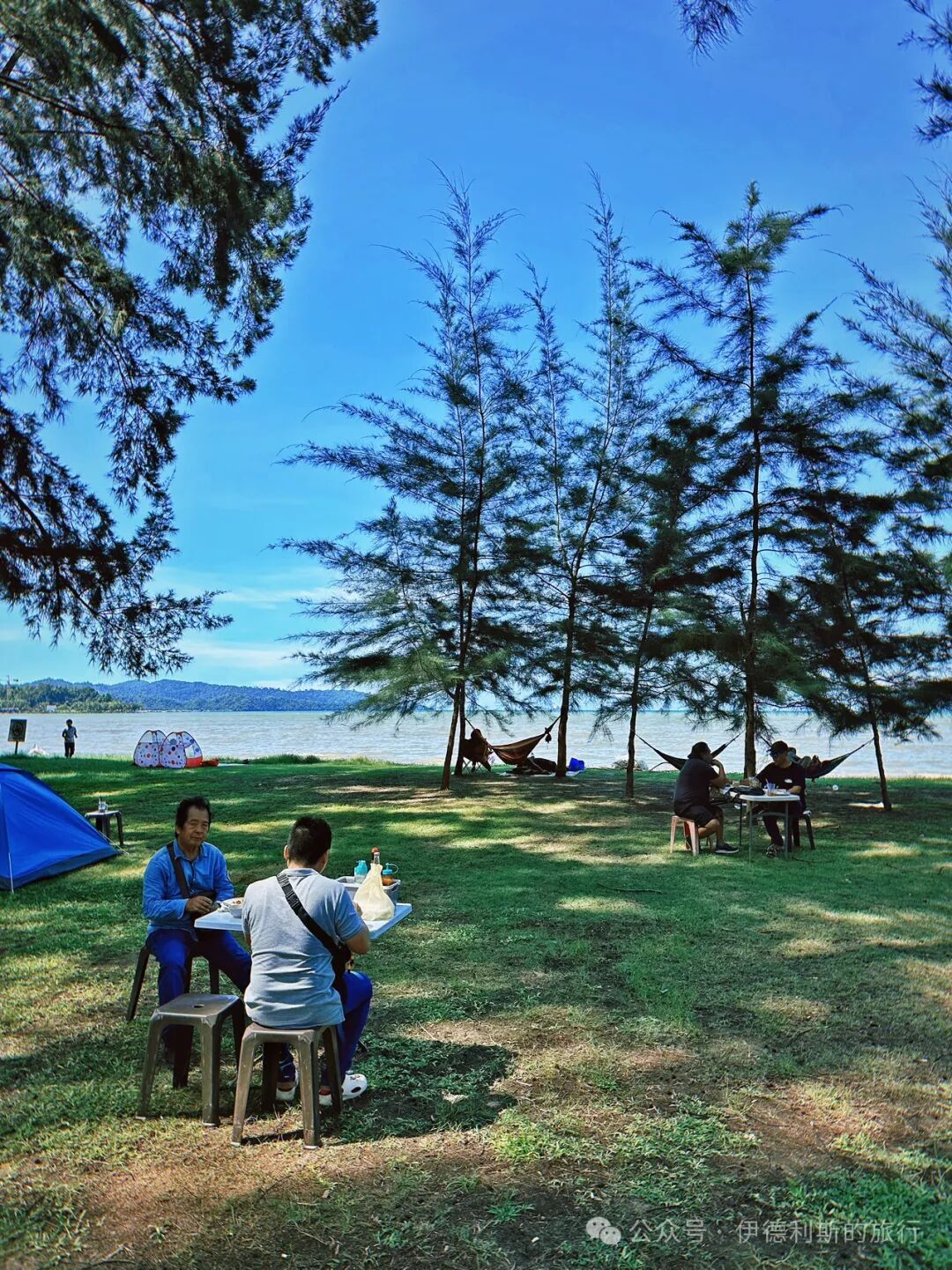
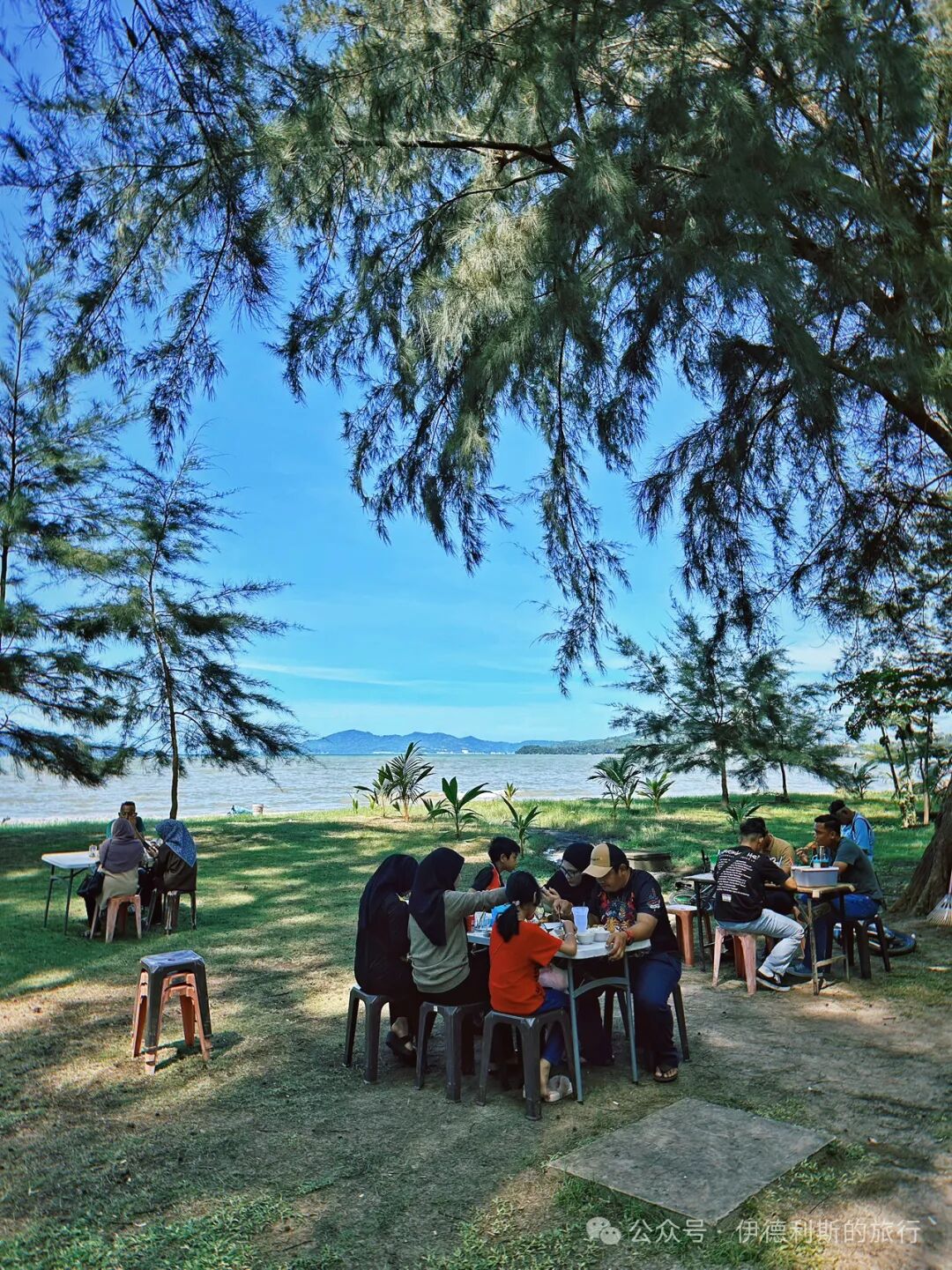
Next to the Kota Kinabalu City Mosque is a beach facing the South China Sea. There are small restaurants here, and it is very relaxing to eat while feeling the sea breeze. Although we went in December during the rainy season, it only rained for a short while each day, and the rest of the time it was quite sunny. view all
Summary: Kota Kinabalu, the capital of Sabah, Malaysia, has a rebuilt old town centered on Gaya Street, with Chinese shops, war history, markets, and coastal city life. This travel account follows the Filipino Market, Hainanese food spots, local landmarks, and the streets around old Kota Kinabalu while keeping the original photos and historical details.
Kota Kinabalu is the capital of Sabah, Malaysia. The old town was founded in 1899 by the British North Borneo Chartered Company. In 1945, the Allied forces launched the Borneo campaign against Japan. They bombed Kota Kinabalu day and night for six months, leaving the old town almost completely leveled. After the war, the Chartered Company could not afford to rebuild, so they handed Kota Kinabalu over to the British Crown. It later became the capital of British North Borneo.
The heart of Kota Kinabalu's old town is Gaya Street, which is lined with Chinese shops. Gaya Street was once called 'Central Street.' After it was built in 1902, it became the main commercial area of Kota Kinabalu. Local farmers, fishermen, and merchants from China, the Philippines, and Indonesia all came here to buy goods. After the Allied bombing in 1945, the British replanned the old town near Gaya Street. A series of reconstruction projects helped Gaya Street regain its vitality after the 1950s.
One of Kota Kinabalu's landmarks is The Jesselton Hotel, built in 1954. The Jesselton Hotel was funded by a Hong Kong Chinese business consortium and was the first hotel built in Kota Kinabalu after the war. The consortium hired architects and workers from Hong Kong, so the style is very similar to buildings in Hong Kong from the 1940s. In 1971, the hotel was sold to a Sandakan timber investment group and later leased to Datuk Wong Tze Fatt. Wong Tze Fatt bought the hotel in 1978 and renovated the facade into its current British style in 1989.
We stayed at another hotel built in the 1960s called Hotel Sixty3. In 1965, this was the first location of the Sabah Museum, and it still keeps its 1960s style today.
The Sunday morning market on Gaya Street in Kota Kinabalu is a great place to experience local life. It has a rich variety of local fruits and vegetables, plus coconut rice (nasi lemak), noodle soup (laksa), and various pastries and drinks. Kota Kinabalu has a diverse population. Besides the Chinese, there are mainly Bruneian Malays, Bajau, Kadazan, Dusun, Murut, and Lun Bawang people, along with many non-Malaysian citizens from the southern Philippines and the Sulu Archipelago.
You can see saplings for various tropical crops, including durian and mango, which is quite interesting.
Although there are many Hakka and Fujian people on Gaya Street in Kota Kinabalu, most of the restaurants are still run by Hainanese people. I started my morning with breakfast at Fook Yuen Cafe. It is very popular and crowded with tourists. Ordering is semi-self-service. They have Cantonese-style congee and dim sum, Malay coconut rice (nasi lemak), and Western-style bread and coffee, meeting the needs of all groups in Malaysia. I had a serving of Hainanese chicken rice and two steamed dumplings (shaomai), and I drank a glass of iced milk tea. They improved their chicken rice by adding dried small fish to the rice. This way of eating it is likely more popular with the Malay people.
Yee Fung Tea House, which opened in 1896, is the oldest Hainanese restaurant in Kota Kinabalu, even older than the city itself. The restaurant was originally located at the British North Borneo Chartered Company headquarters on Gaya Island. After the settlement on the island was destroyed in 1898 by an anti-British uprising led by the indigenous leader Mat Salleh, the restaurant moved to its current location on Gaya Street. You could say Yee Fung Tea House has witnessed all the changes in Kota Kinabalu. They have old photos hanging on the wall, including one of the Yuechang Tea House from the 1960s, which is in the exact same spot as it is today.
The shop is split into two parts, with the Hainanese owner personally making coffee and toasted bread (tuosi). The owner is very warm, provides excellent service, and speaks great Korean, which helps him attract Korean customers. Another stall hires Muslim sisters to make Hainanese beef offal noodles and various Malay dishes, which is a major feature of traditional Hainanese coffee shops. To attract customers from all ethnic groups, they must serve food that suits everyone's taste, which is why many long-standing Hainanese restaurants in Malaysia have been open for decades or even a century.
We ordered coffee with fresh milk, three-layer coffee, monk fruit herbal tea (luohanguo liangcha), oats, toast, and beef offal noodles. The monk fruit herbal tea and barley water (yimi shui) are perfect for the weather here.
The most popular halal Chinese restaurant on Gaya Street in Kota Kinabalu is Yee Fung Tea House. The owner of Yee Fung Tea House, Zhuang Qiuwang, is from Johor and started selling laksa on Gaya Street in 1984, making it exactly 40 years now. Like many halal Chinese restaurants in Malaysia, they hire Muslim chefs and staff to ensure the ingredients are halal.
Their signature dishes are the "three treasures": laksa, claypot chicken rice, and beef offal. We ordered lettuce with oyster sauce, plain beef offal, plain fish balls, and chicken wonton noodles. Hainanese beef offal mainly includes beef balls, beef tripe, stewed beef, and beef slices; many Hainanese restaurants in Kota Kinabalu serve it, and it is a local specialty. Authentic Hainanese beef offal is made without MSG, relying purely on spices for flavor, so you do not feel thirsty after eating it.
There is a night market on Gaya Street every Friday and Saturday night that stays open until 12:00, mainly featuring stalls run by Muslim Bruneian Malays and Bajau people, along with a few Chinese stalls. I walked around and bought an iced drink to quench my thirst.
In the evening, we had a late-night snack at Wang Jiao on Gaya Street, where the fish slice noodles and beef offal soup were cooked to order in small pots, and we also drank freshly stewed bird's nest. Beef offal is truly available in every restaurant in Kota Kinabalu. Sabah bird's nest comes from swiftlets deep in the tropical rainforest and is a major local specialty. The price of bird's nest sold in ordinary shops in Kota Kinabalu is reasonable, making it a good choice to try.
Opposite the old town of Kota Kinabalu is Gaya Island, and the coastline is full of crabs.
The water village on the shore of Gaya Island is home to Tausug and Bajau Muslim refugees who fled the war in the Sulu Archipelago and Mindanao in the southern Philippines after the 1970s. They travel by speedboat to the Kota Kinabalu Central Market every day to buy daily necessities, which is why this market is also known as the "Filipino Market." The center of the Filipino Market is the fruit and vegetable area, where pineapples and bananas are the main fruits.
Kota Kinabalu now has special tour routes where you can take a boat to visit water villages and watch traditional Bajau dances. We didn't have time for this trip, but I definitely want to try it next time.
After 1968, two major Muslim organizations in the Philippines, the Moro National Liberation Front (MNLF) and the Moro Islamic Liberation Front (MILF), began a 50-year conflict with the Philippine government. This caused tens of thousands of Filipino Muslim refugees to flee to Sabah, Malaysia. Since Malaysia is not a signatory to the UN Refugee Convention, these people are classified as illegal immigrants. In reality, many local businessmen in Sabah still hire these refugees.
At the handicraft market in Kota Kinabalu, you can buy crafts from various ethnic groups like the Bajau, Brunei Malays, and Tausug people. We bought two religious decorations made of bright beads. They come in single-sided and double-sided versions, and they feel very unique.
The Bajau people call themselves Sama. They are also known as Sea Gypsies or sea nomads and are famous for building villages on the water. The Bajau are widely distributed along the coasts of Borneo, the Sulu Archipelago, the Zamboanga Peninsula, Mindanao, and Sulawesi, spanning four countries: Malaysia, the Philippines, Indonesia, and Brunei.
The Bajau include strict Sunni Muslims, localized Muslims influenced by early Sufi missionaries, and others who combine their faith with early animist beliefs. They have integrated spirits from their pre-Islamic period into the Islamic concept of jinn.
At noon, we performed namaz at the Kota Kinabalu City Mosque. The Kota Kinabalu City Mosque opened in 2000. Its exterior is modeled after the Prophet's Mosque in Medina, and it is surrounded by a lagoon, which is why it is also called the Floating Mosque. The Kota Kinabalu City Mosque is a famous tourist spot. Many people visit every day, and there is a lawn by the lake specifically for taking photos, so the mosque is very common on major social media platforms.
Next to the Kota Kinabalu City Mosque is a beach facing the South China Sea. There are small restaurants here, and it is very relaxing to eat while feeling the sea breeze. Although we went in December during the rainy season, it only rained for a short while each day, and the rest of the time it was quite sunny. view all
Reposted from the web
Summary: Kota Kinabalu, the capital of Sabah, Malaysia, has a rebuilt old town centered on Gaya Street, with Chinese shops, war history, markets, and coastal city life. This travel account follows the Filipino Market, Hainanese food spots, local landmarks, and the streets around old Kota Kinabalu while keeping the original photos and historical details.
Kota Kinabalu is the capital of Sabah, Malaysia. The old town was founded in 1899 by the British North Borneo Chartered Company. In 1945, the Allied forces launched the Borneo campaign against Japan. They bombed Kota Kinabalu day and night for six months, leaving the old town almost completely leveled. After the war, the Chartered Company could not afford to rebuild, so they handed Kota Kinabalu over to the British Crown. It later became the capital of British North Borneo.
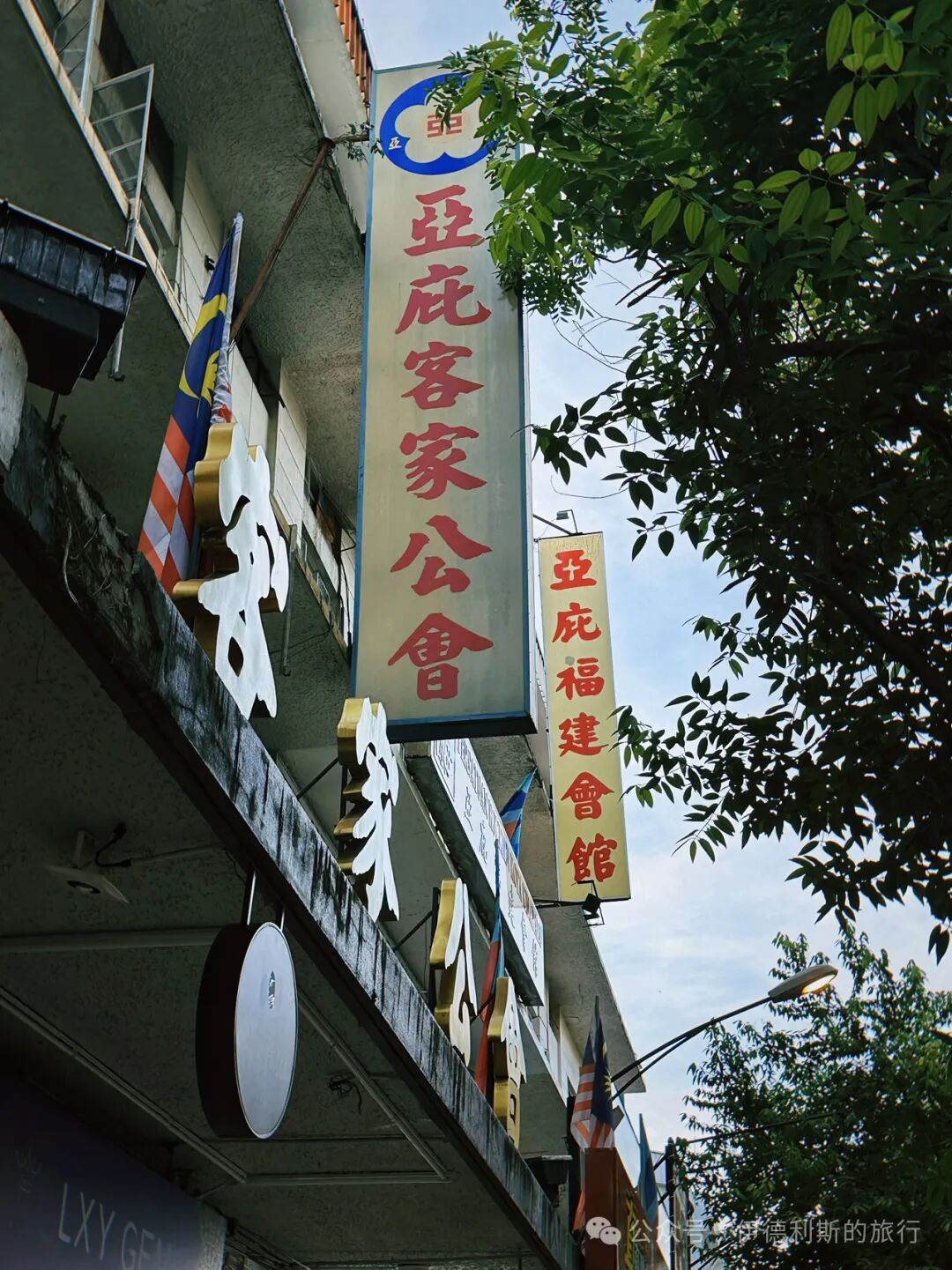
The heart of Kota Kinabalu's old town is Gaya Street, which is lined with Chinese shops. Gaya Street was once called 'Central Street.' After it was built in 1902, it became the main commercial area of Kota Kinabalu. Local farmers, fishermen, and merchants from China, the Philippines, and Indonesia all came here to buy goods. After the Allied bombing in 1945, the British replanned the old town near Gaya Street. A series of reconstruction projects helped Gaya Street regain its vitality after the 1950s.
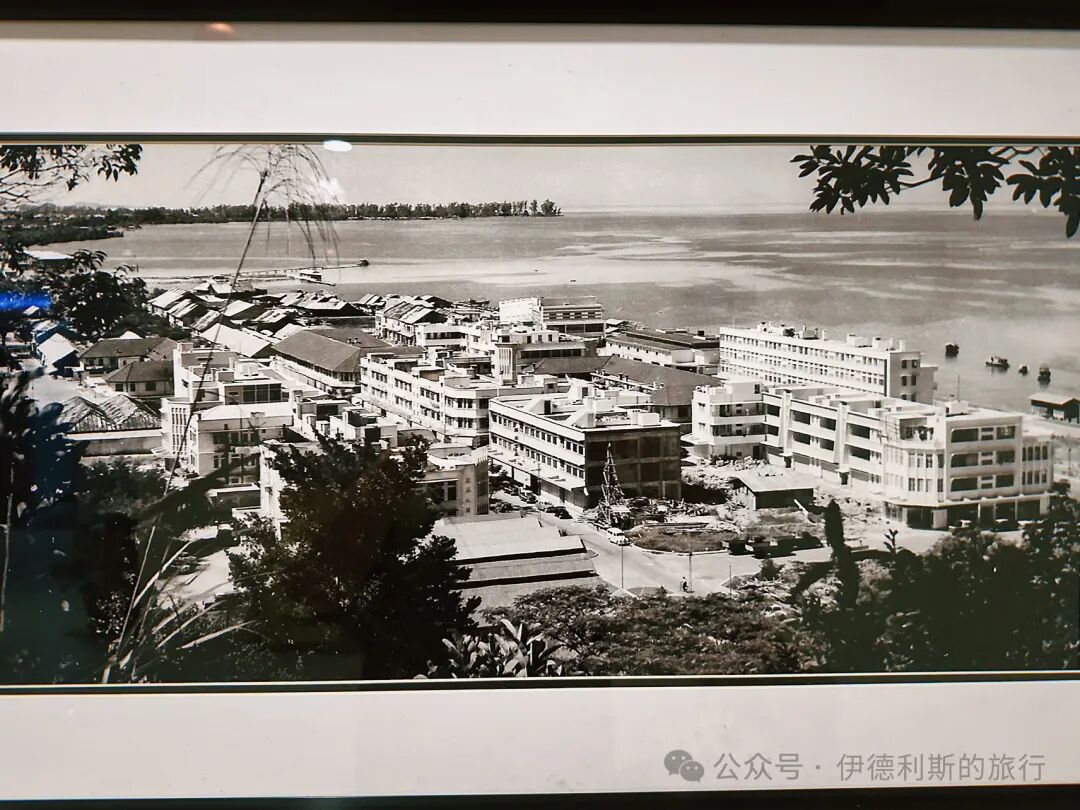
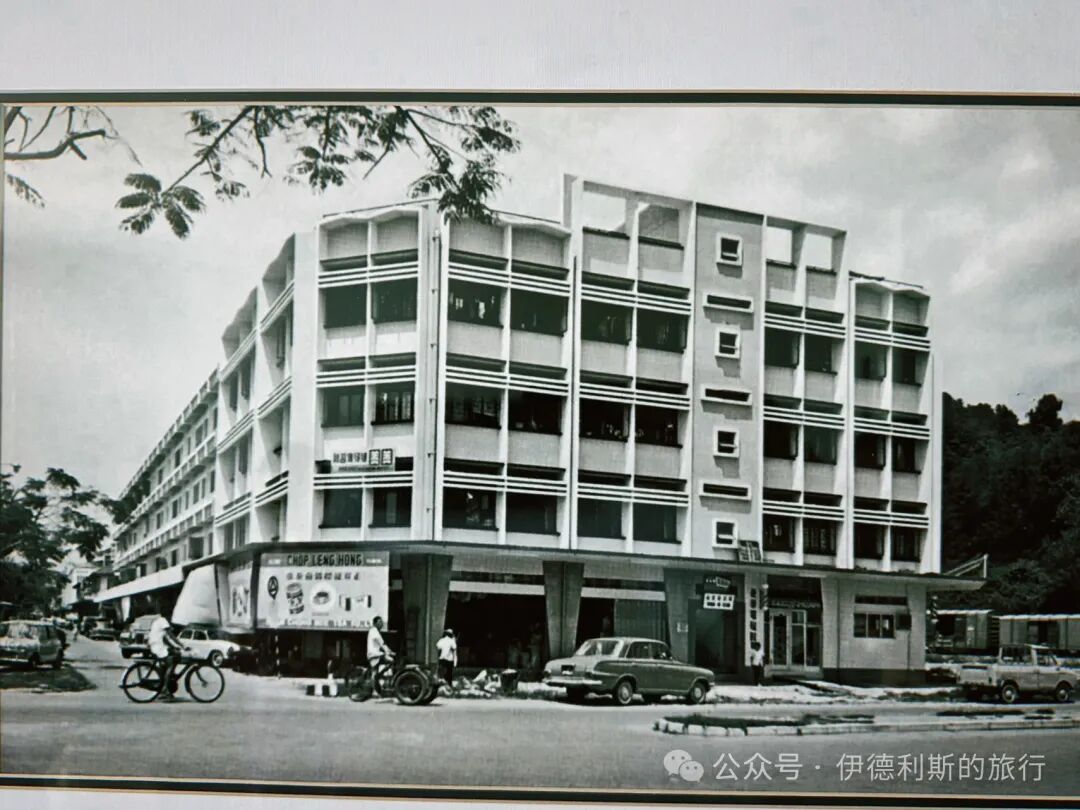
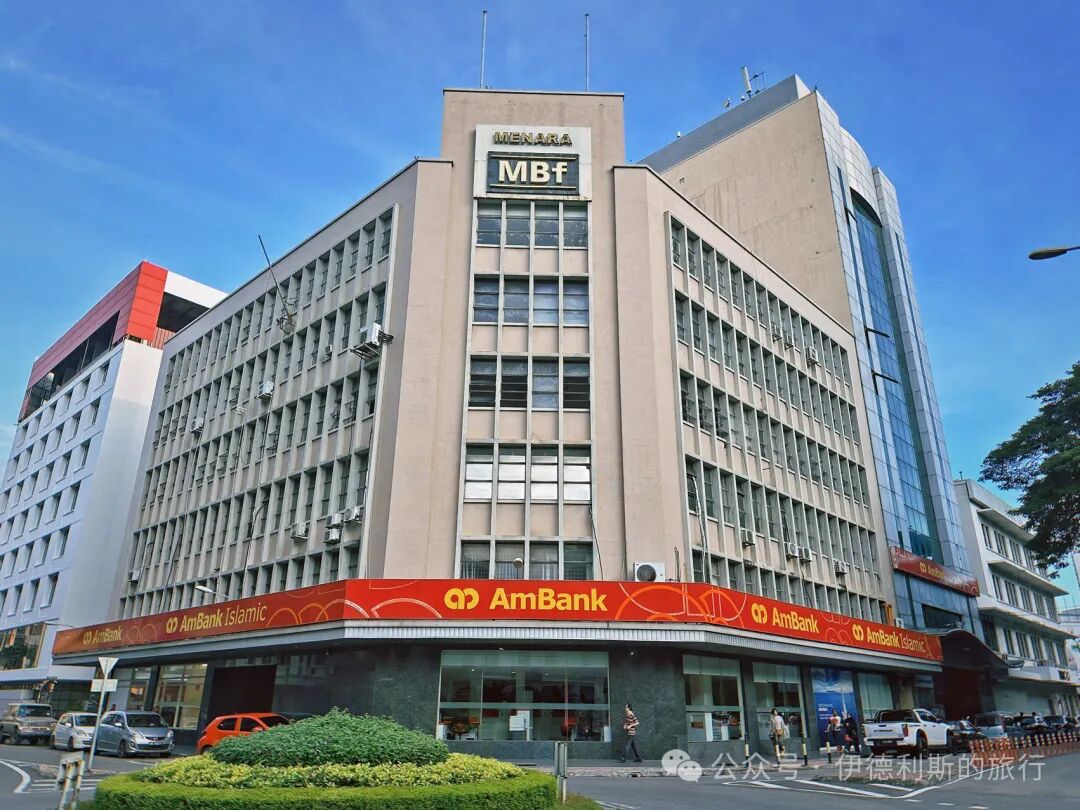
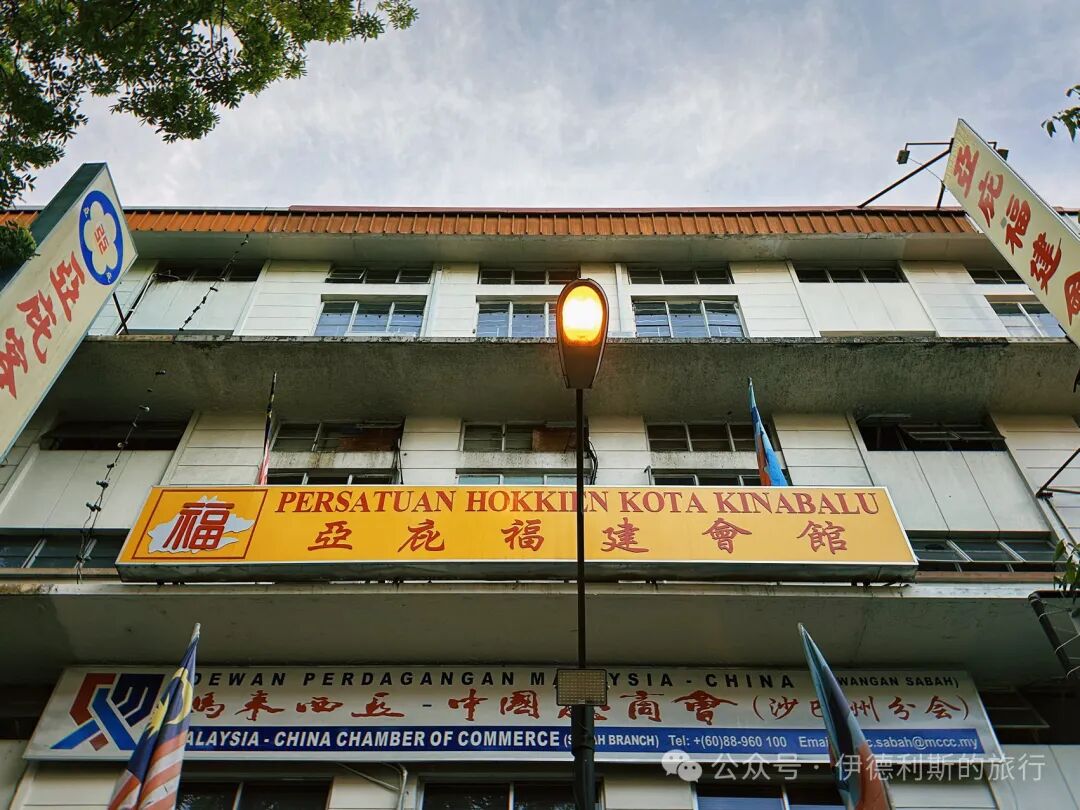
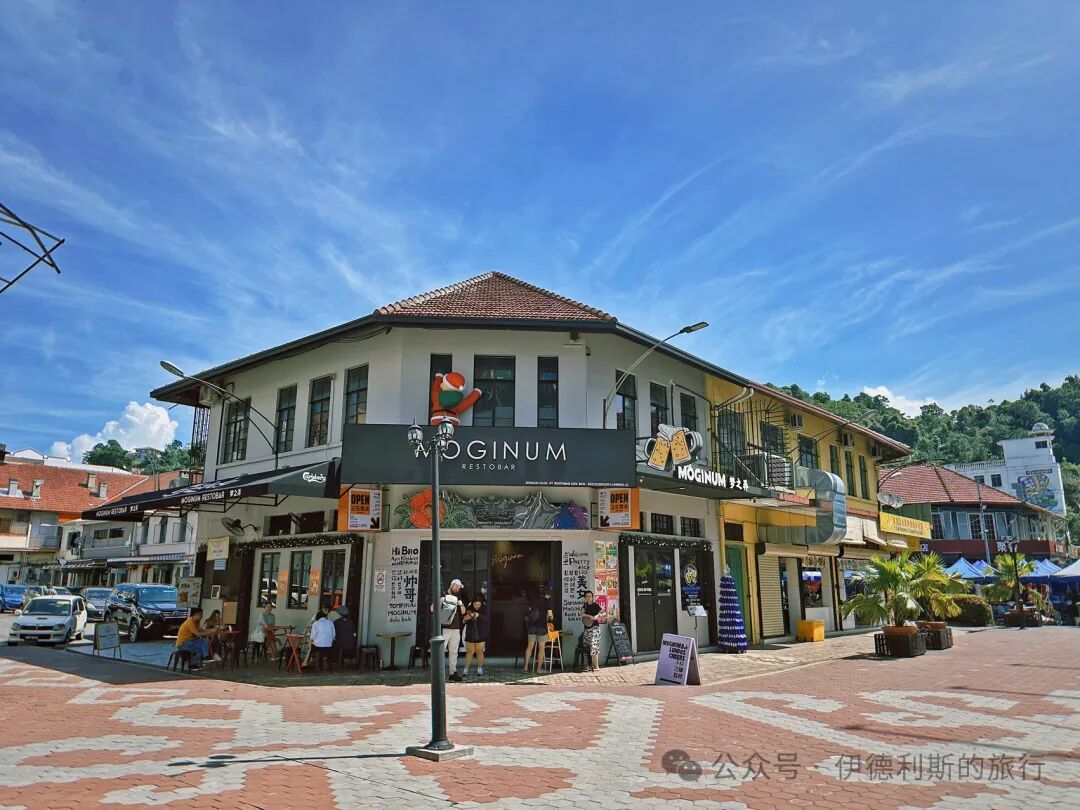
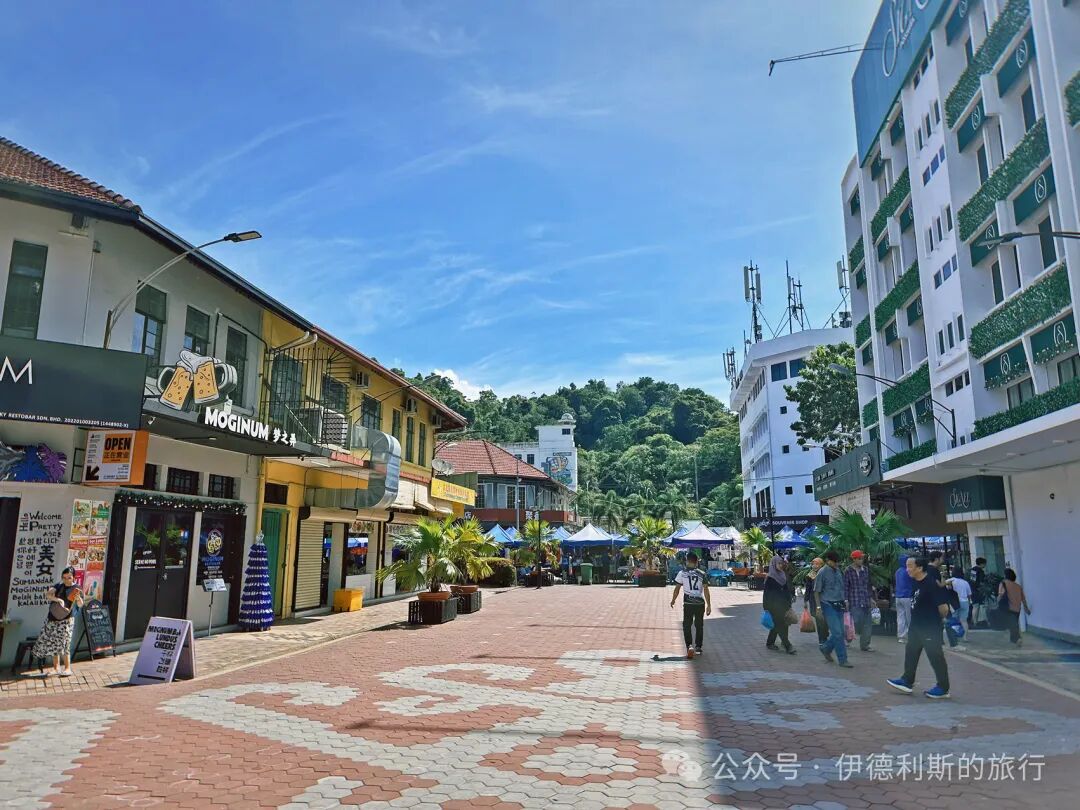
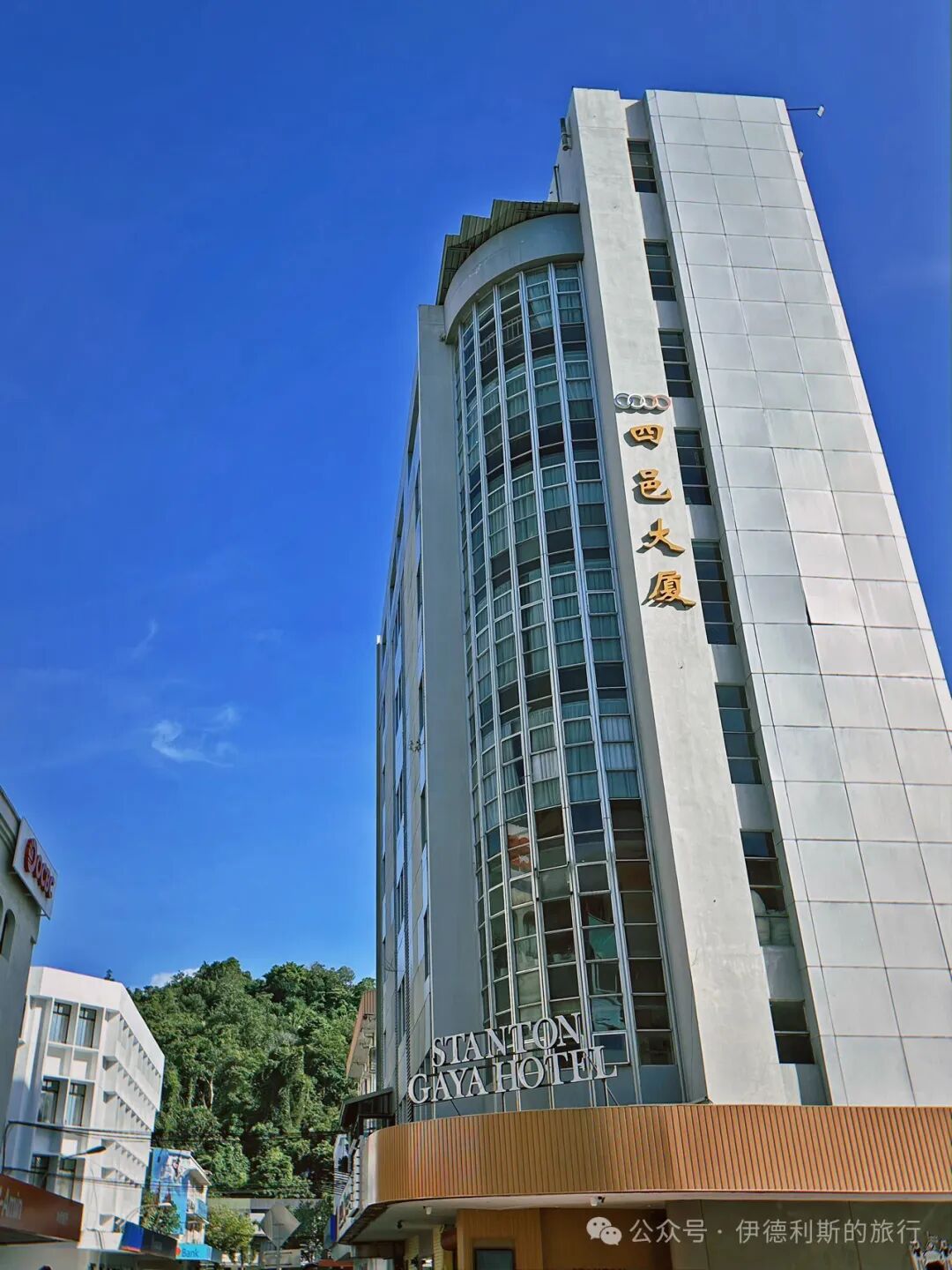
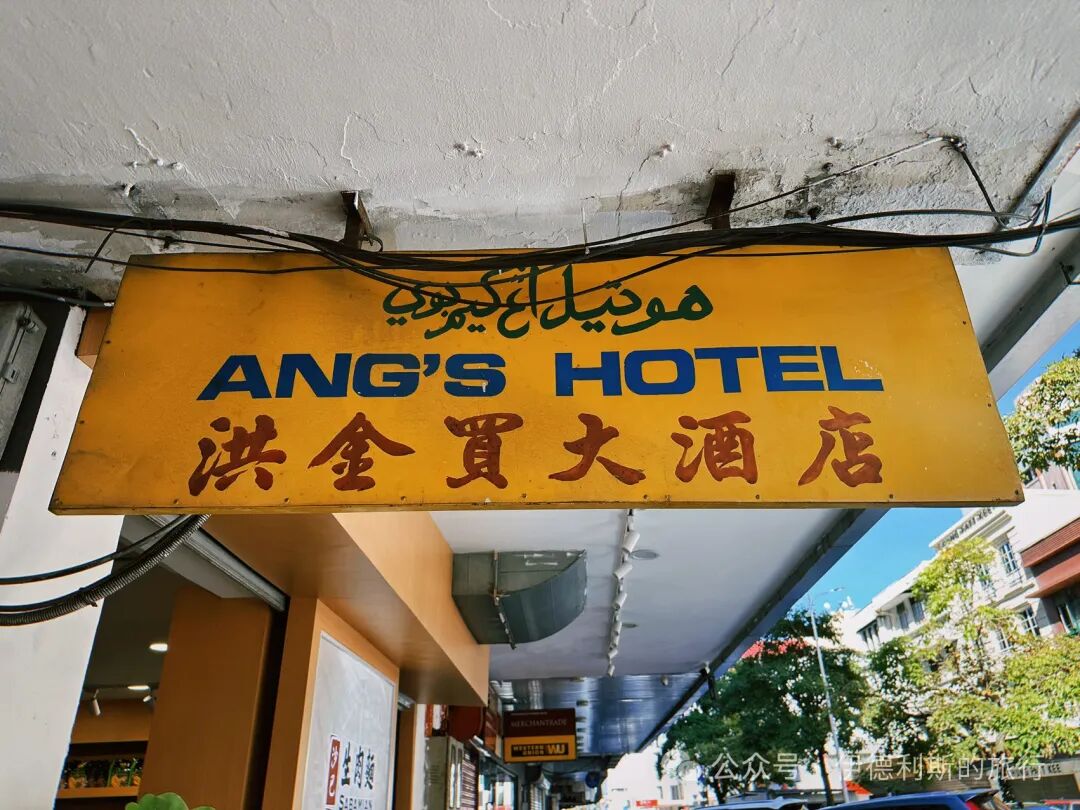
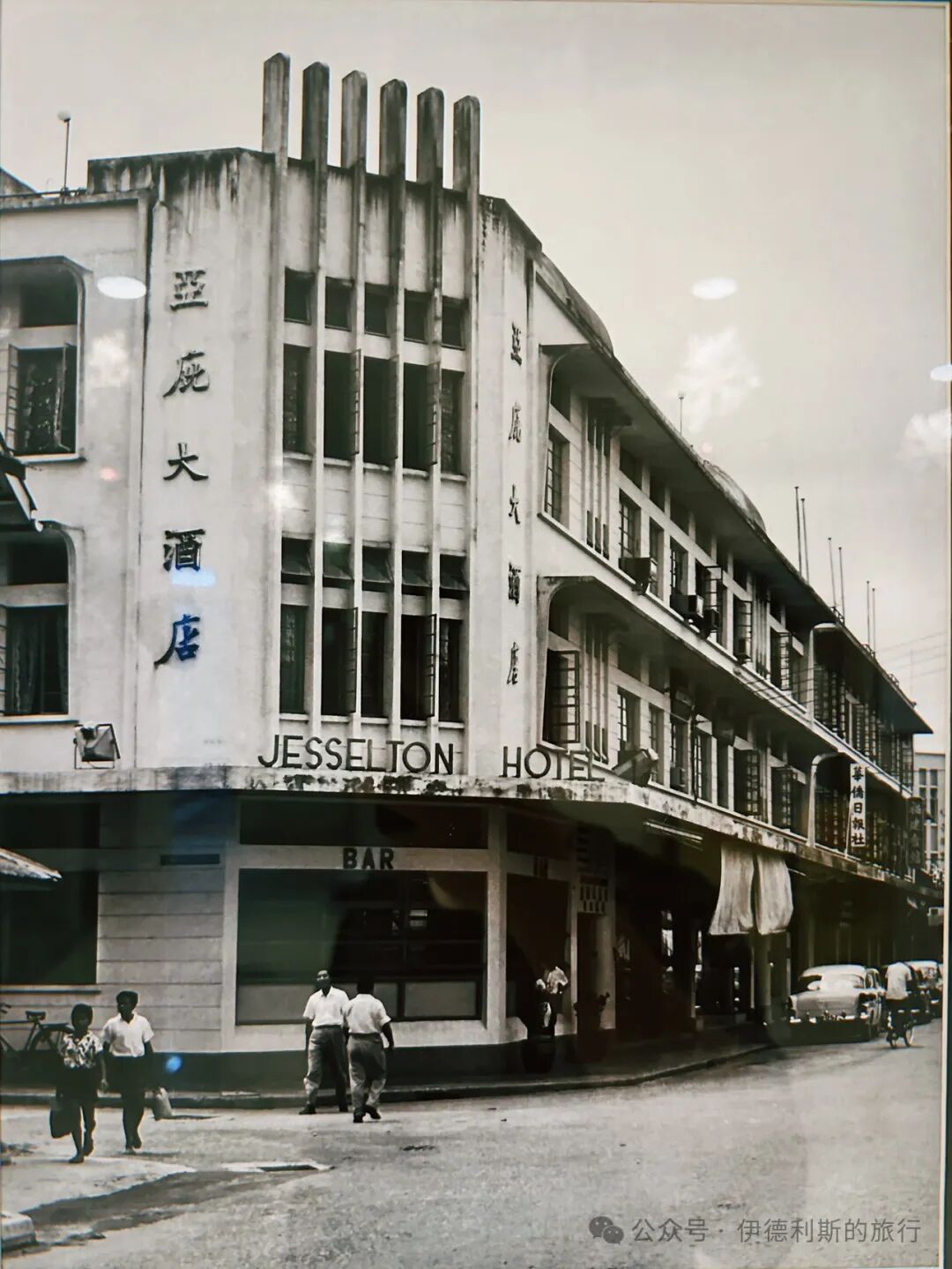
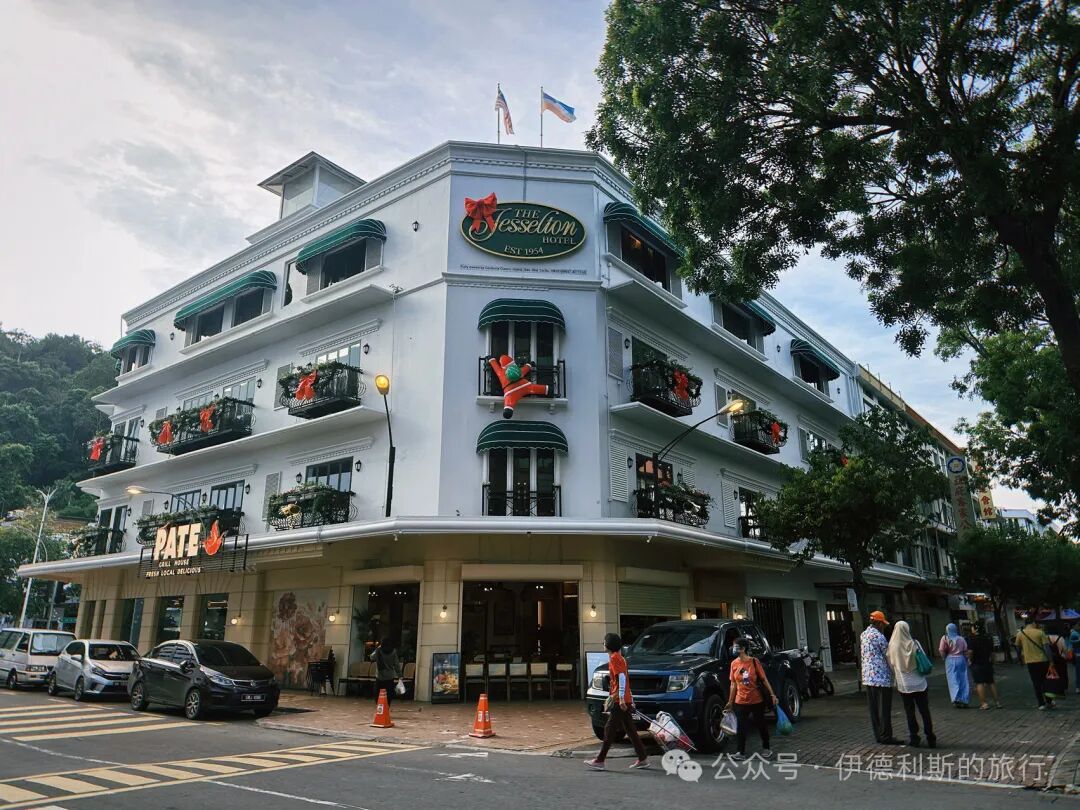
One of Kota Kinabalu's landmarks is The Jesselton Hotel, built in 1954. The Jesselton Hotel was funded by a Hong Kong Chinese business consortium and was the first hotel built in Kota Kinabalu after the war. The consortium hired architects and workers from Hong Kong, so the style is very similar to buildings in Hong Kong from the 1940s. In 1971, the hotel was sold to a Sandakan timber investment group and later leased to Datuk Wong Tze Fatt. Wong Tze Fatt bought the hotel in 1978 and renovated the facade into its current British style in 1989.
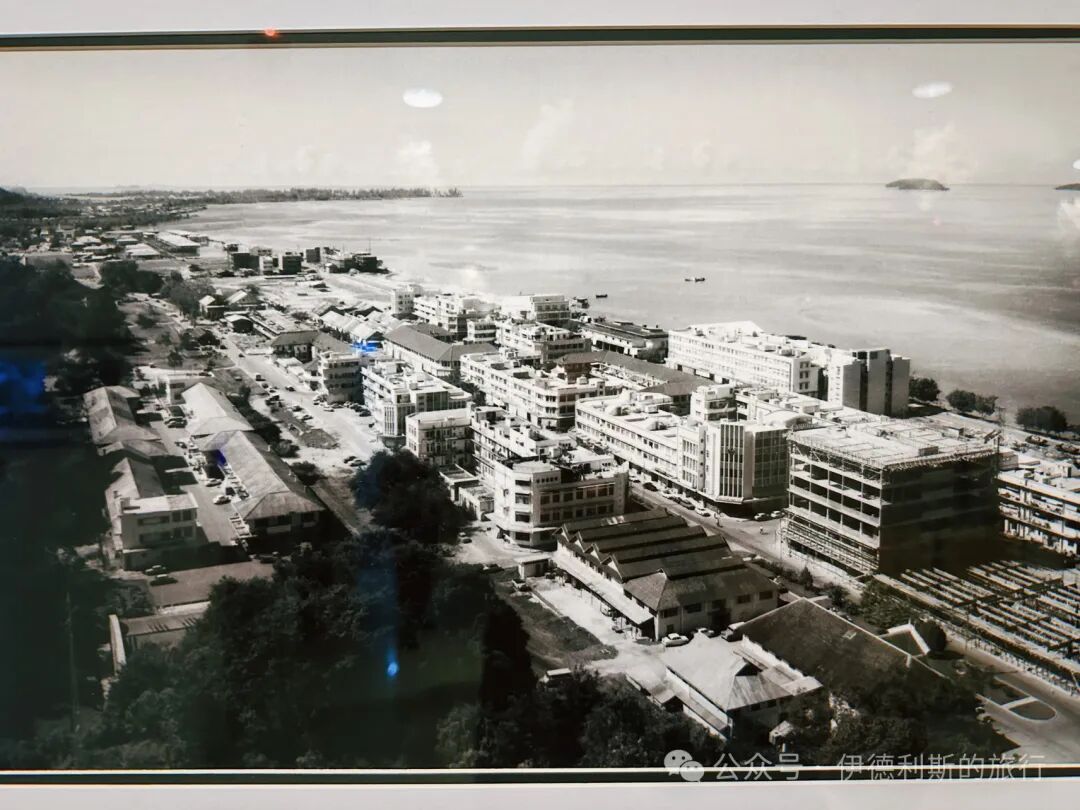
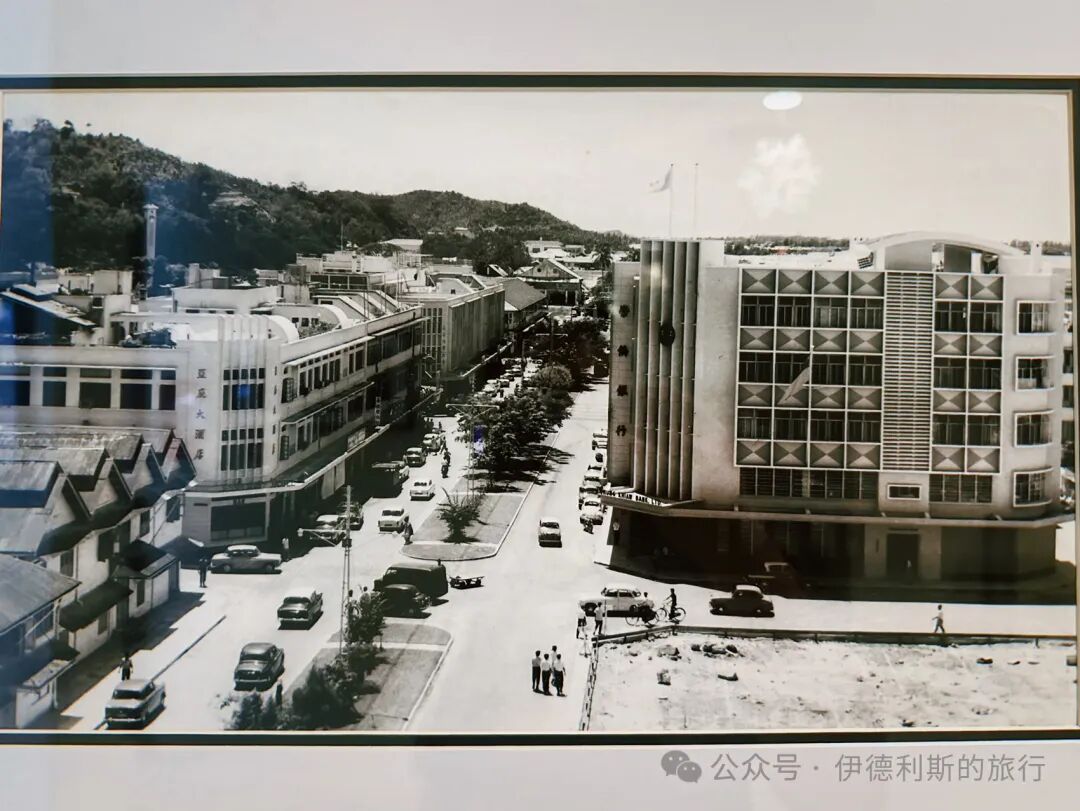
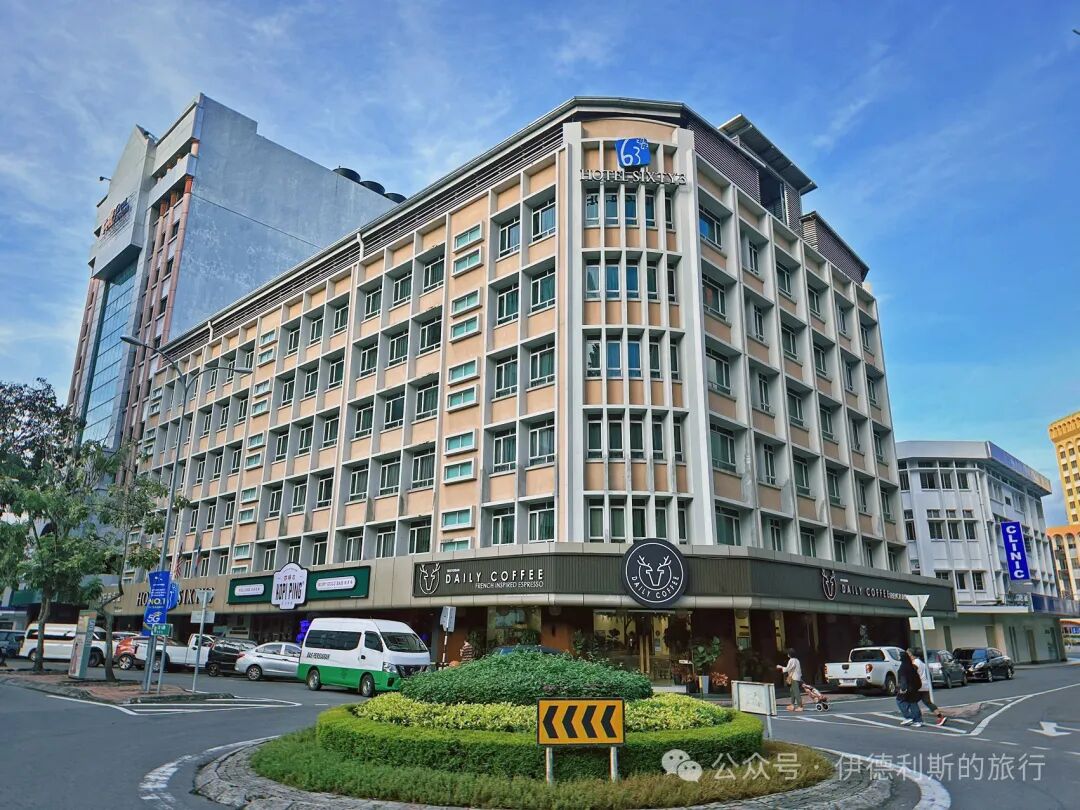
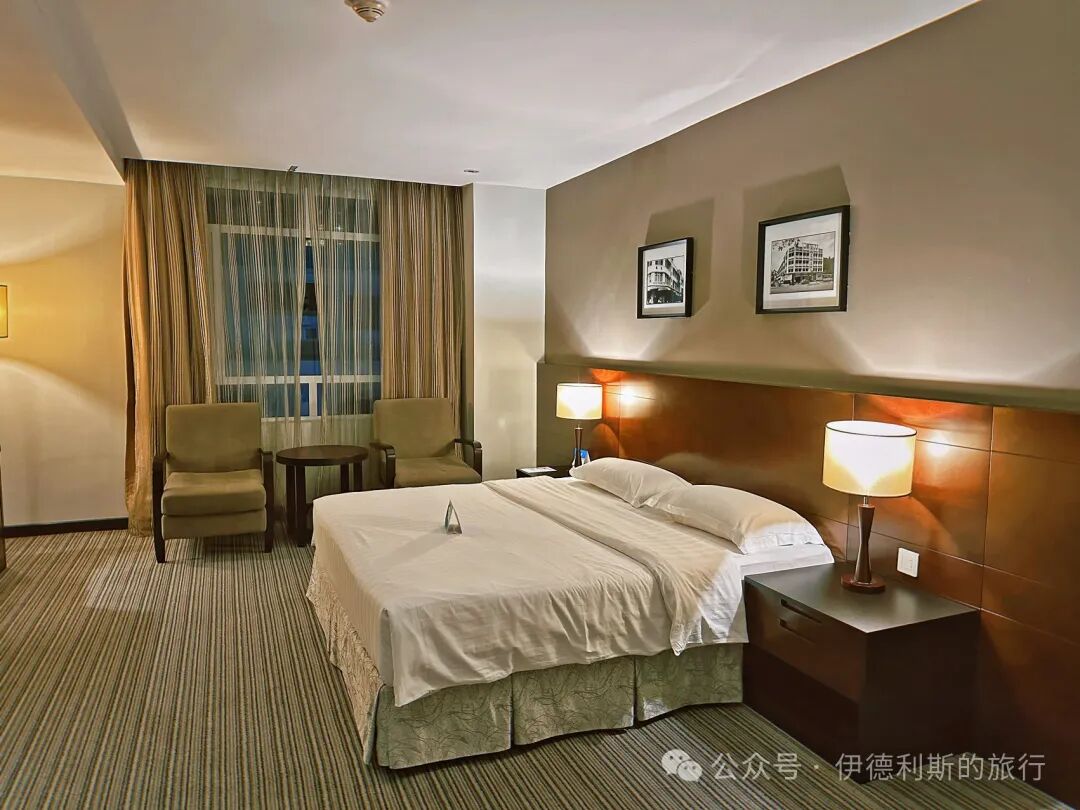
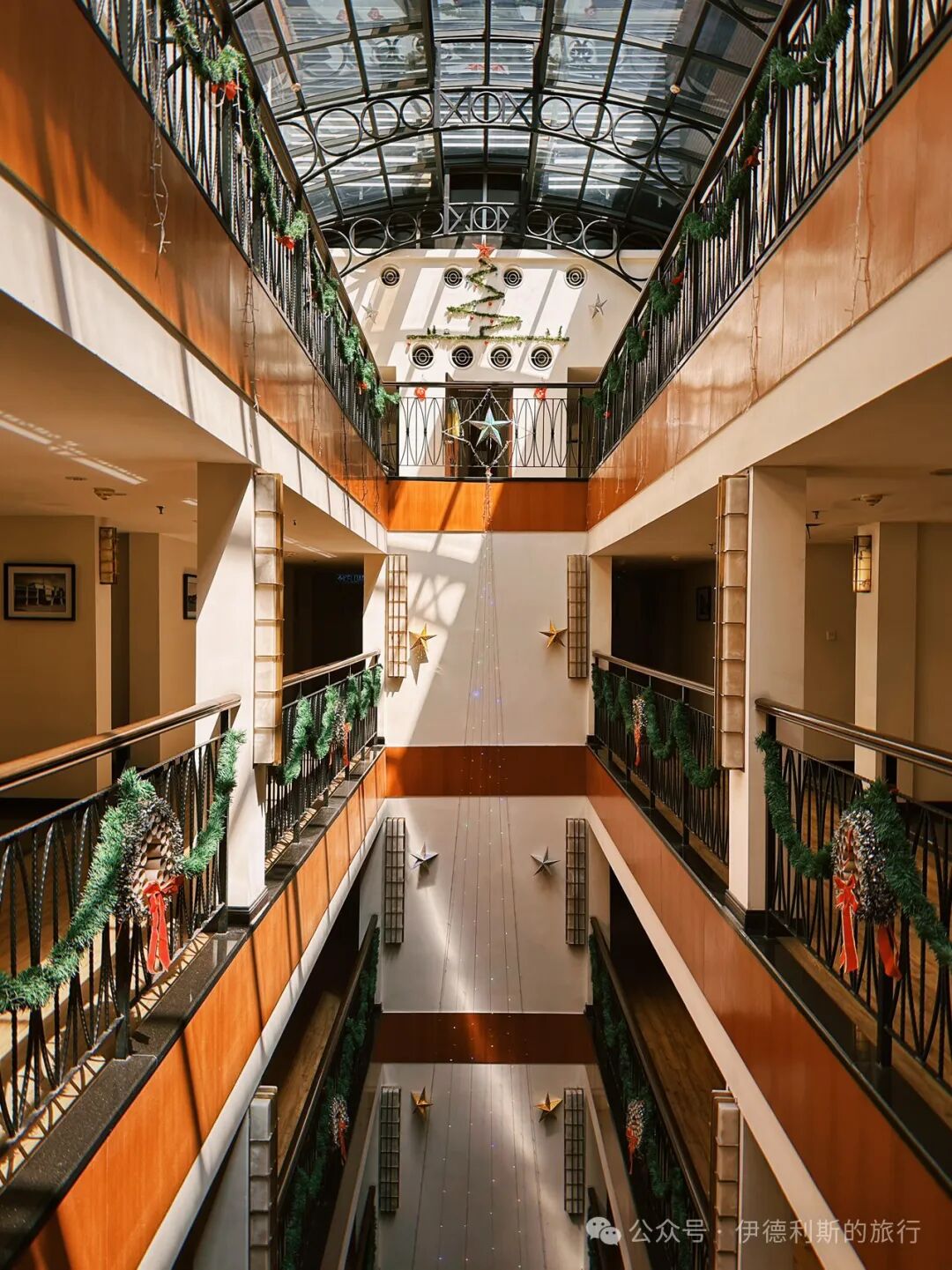
We stayed at another hotel built in the 1960s called Hotel Sixty3. In 1965, this was the first location of the Sabah Museum, and it still keeps its 1960s style today.
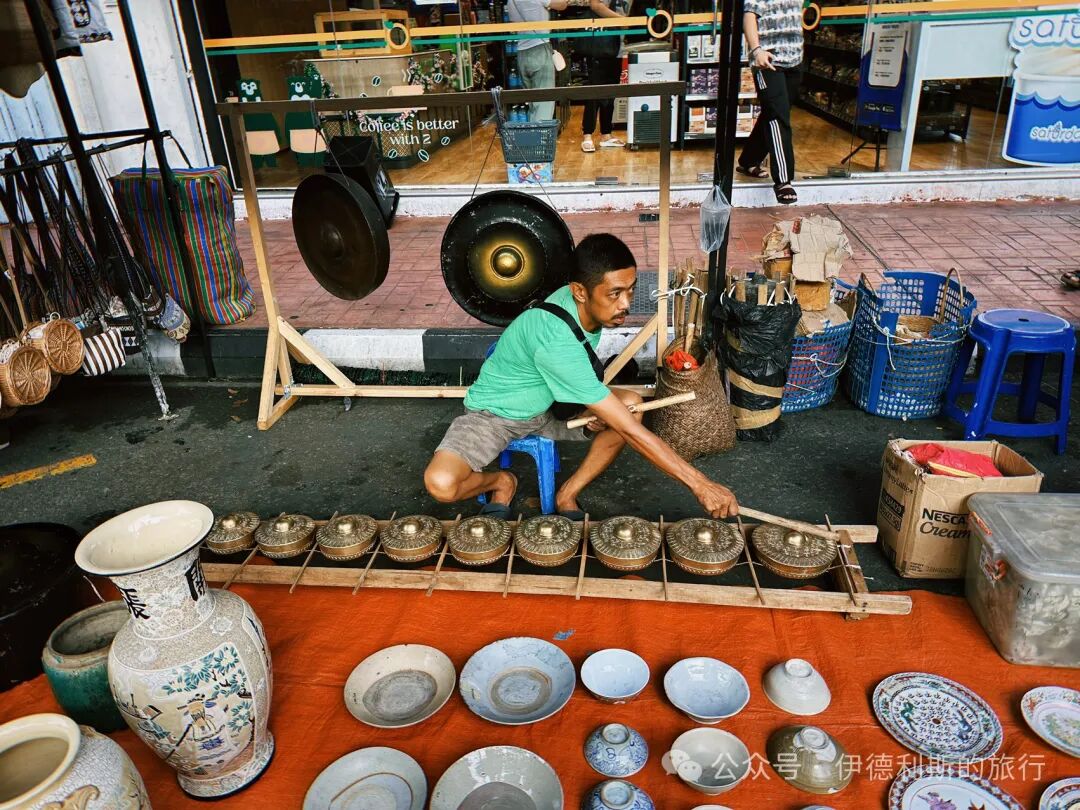
The Sunday morning market on Gaya Street in Kota Kinabalu is a great place to experience local life. It has a rich variety of local fruits and vegetables, plus coconut rice (nasi lemak), noodle soup (laksa), and various pastries and drinks. Kota Kinabalu has a diverse population. Besides the Chinese, there are mainly Bruneian Malays, Bajau, Kadazan, Dusun, Murut, and Lun Bawang people, along with many non-Malaysian citizens from the southern Philippines and the Sulu Archipelago.
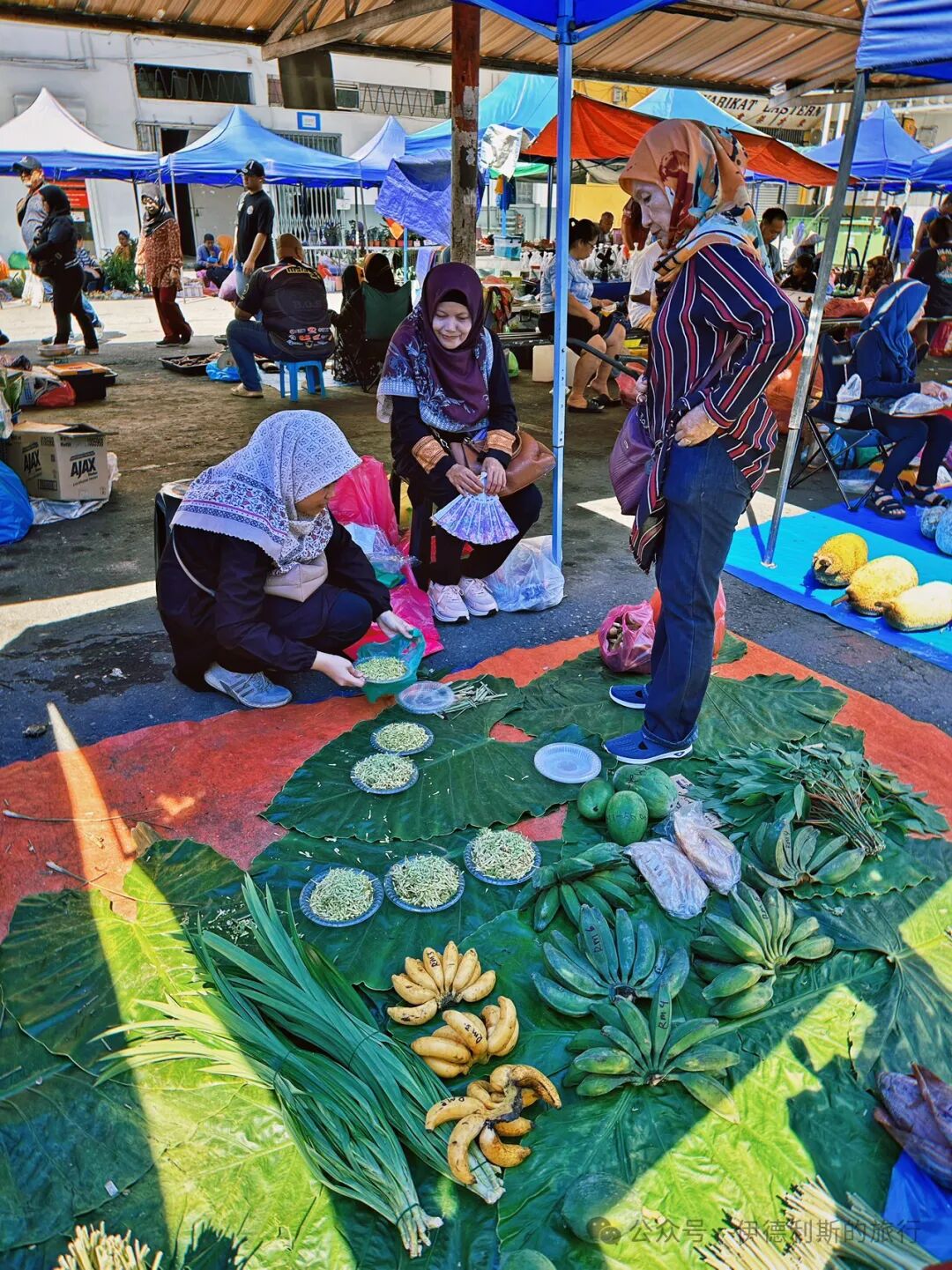
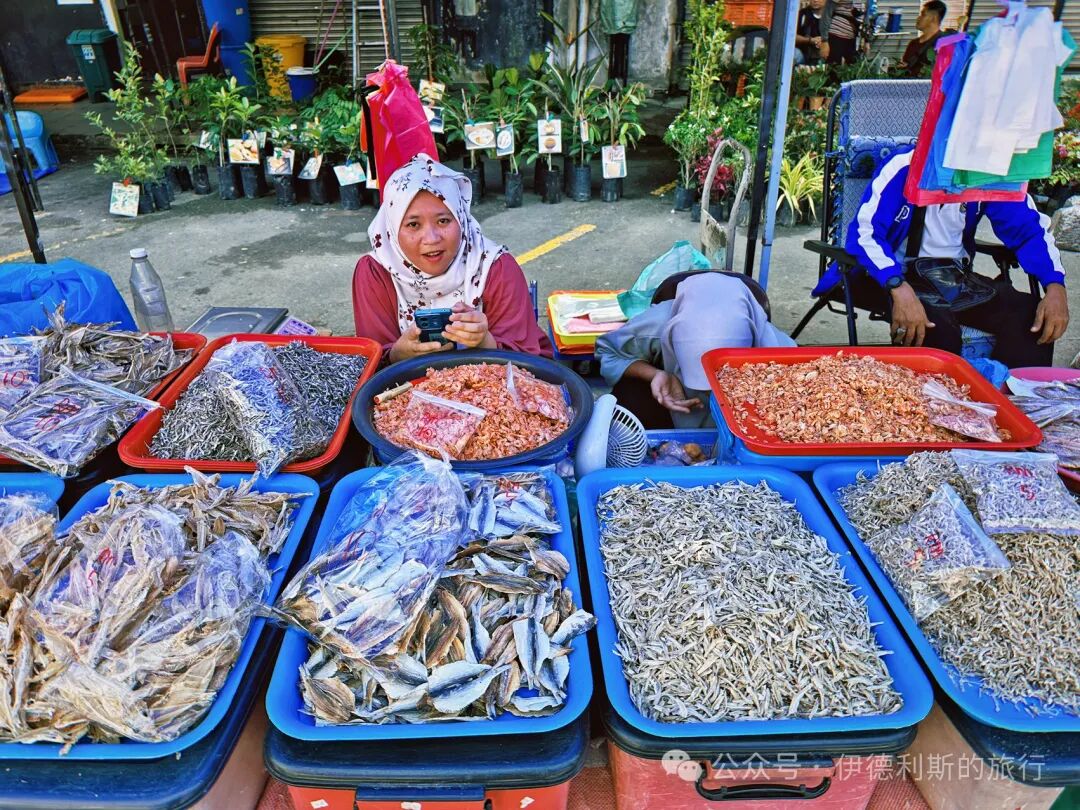
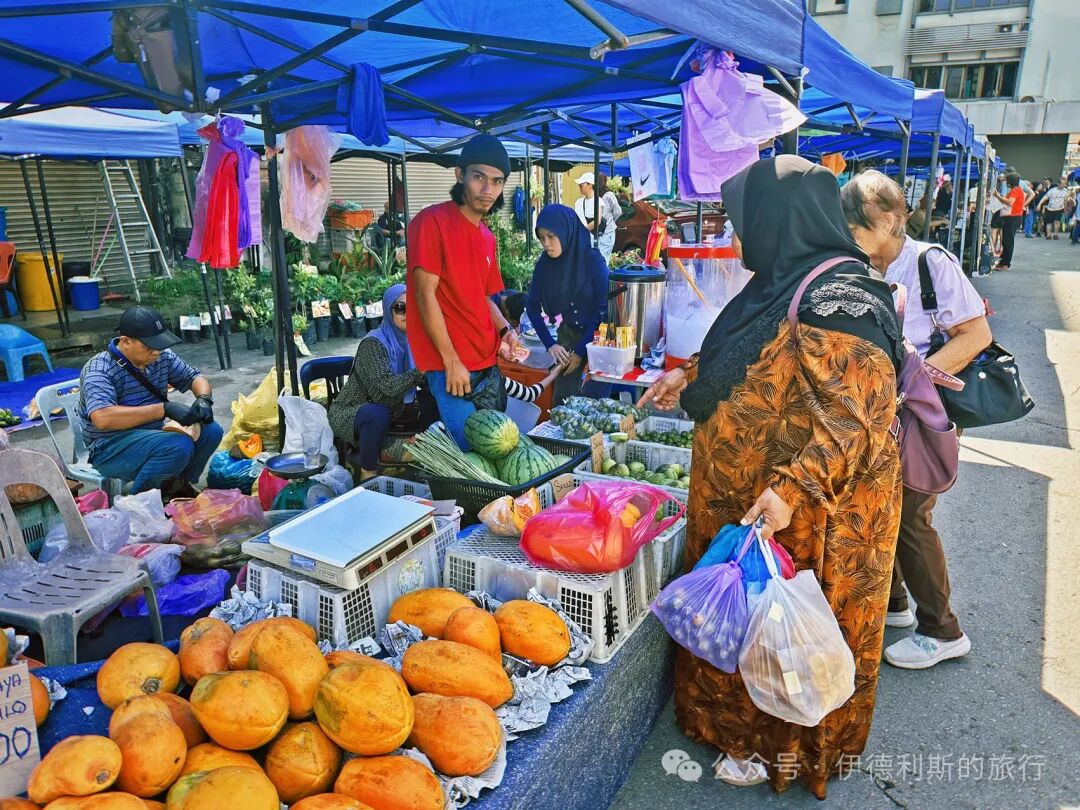
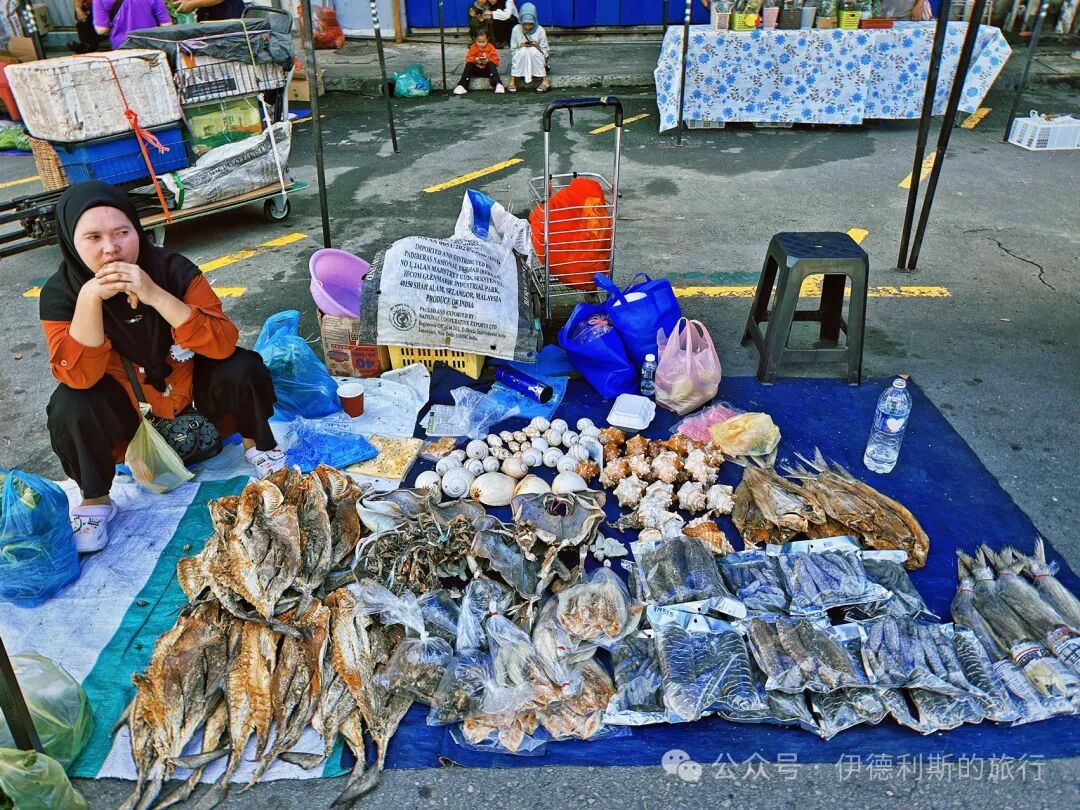
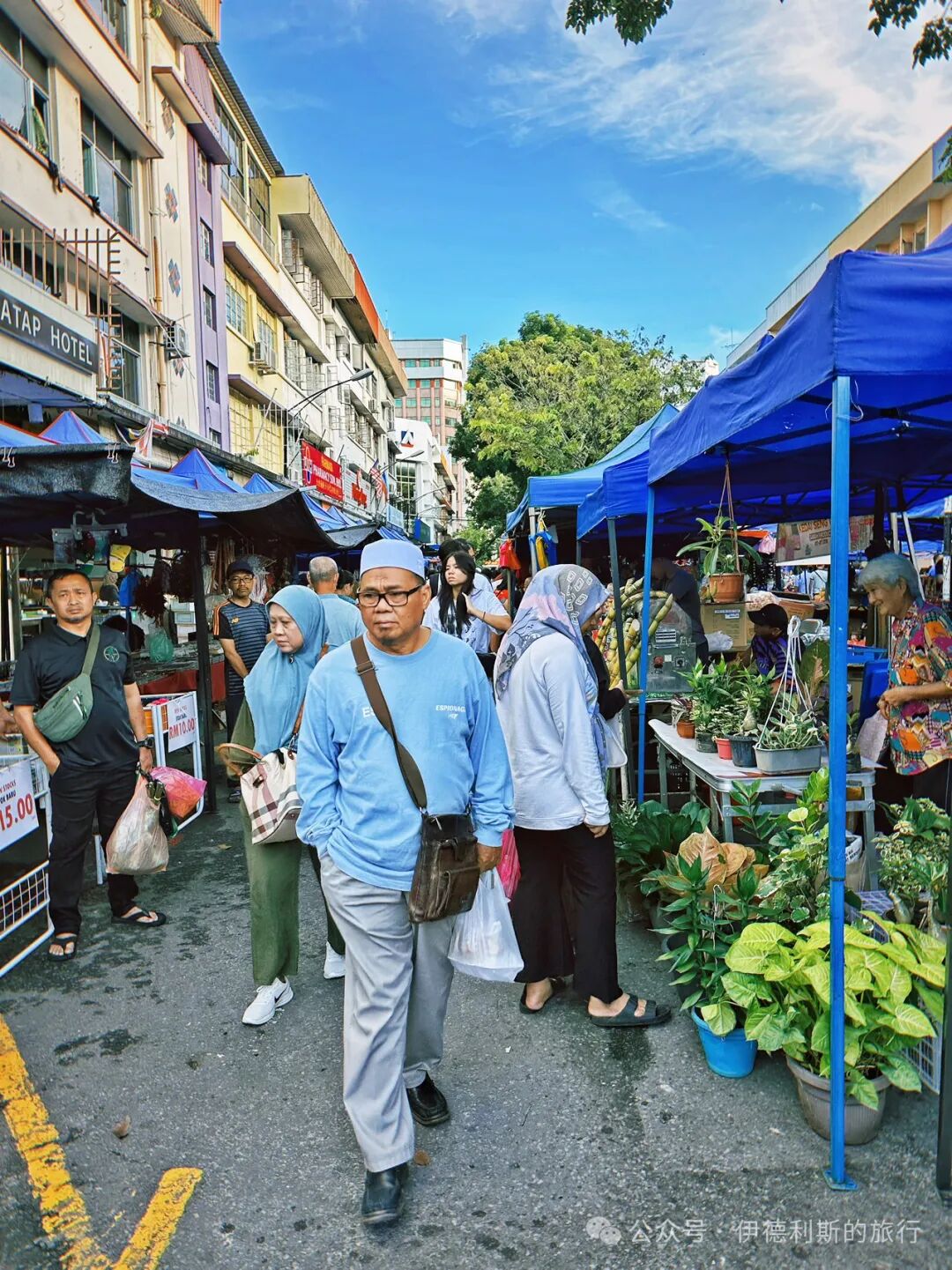
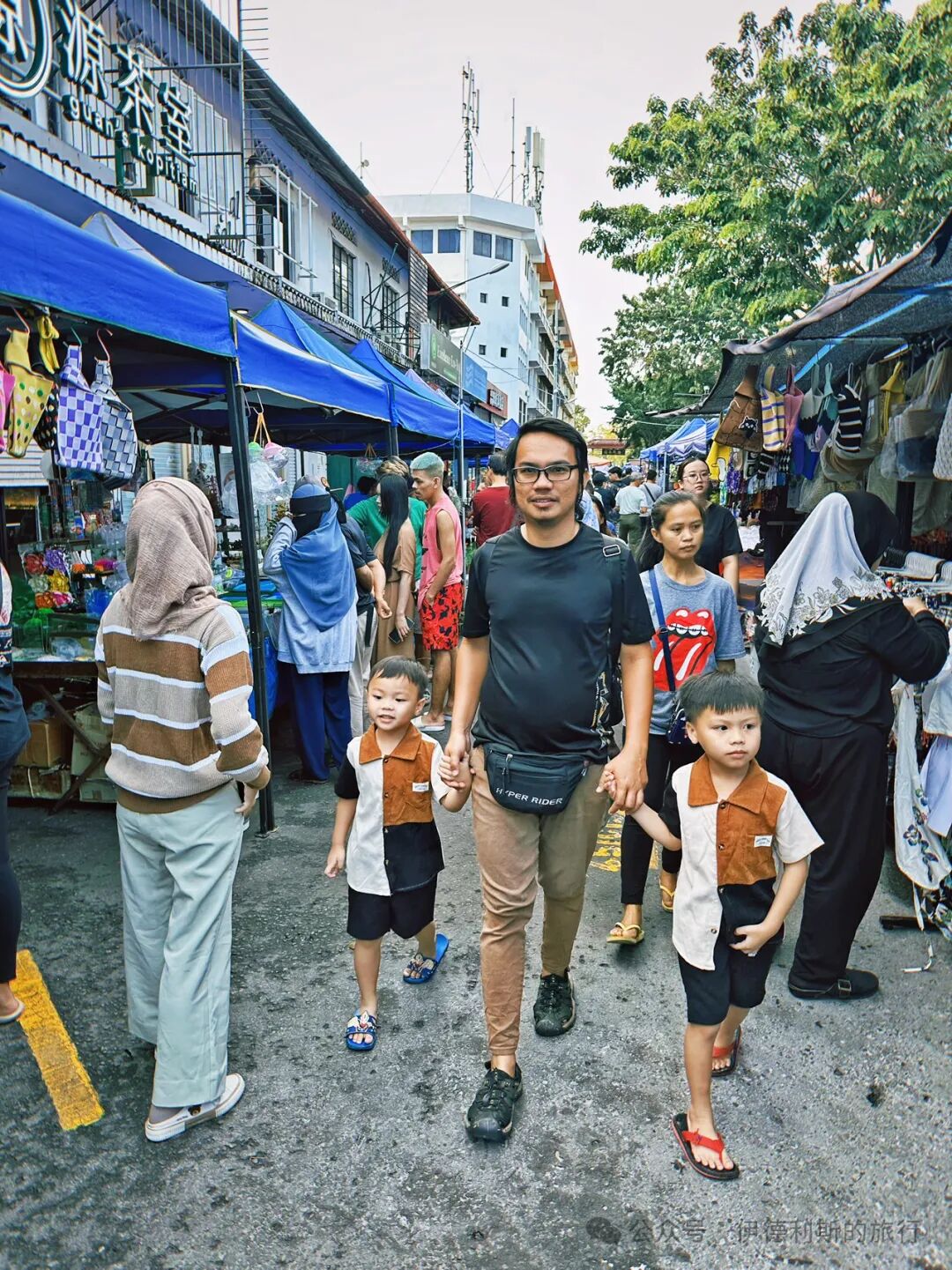
You can see saplings for various tropical crops, including durian and mango, which is quite interesting.
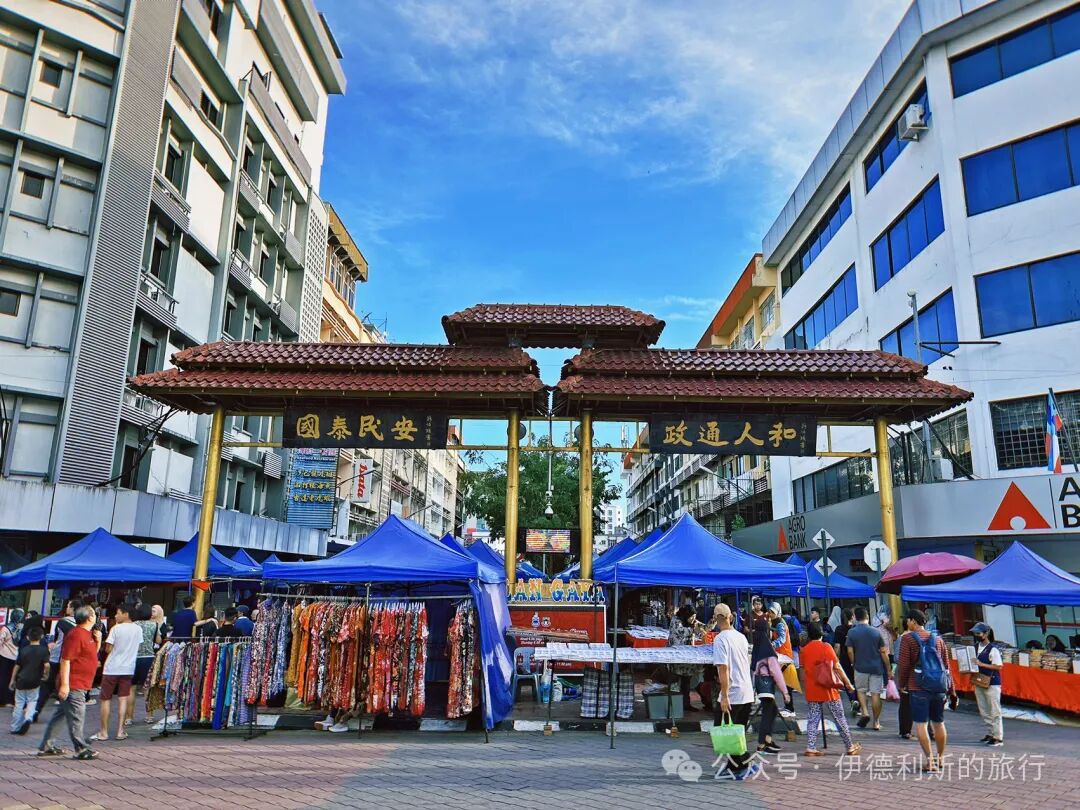
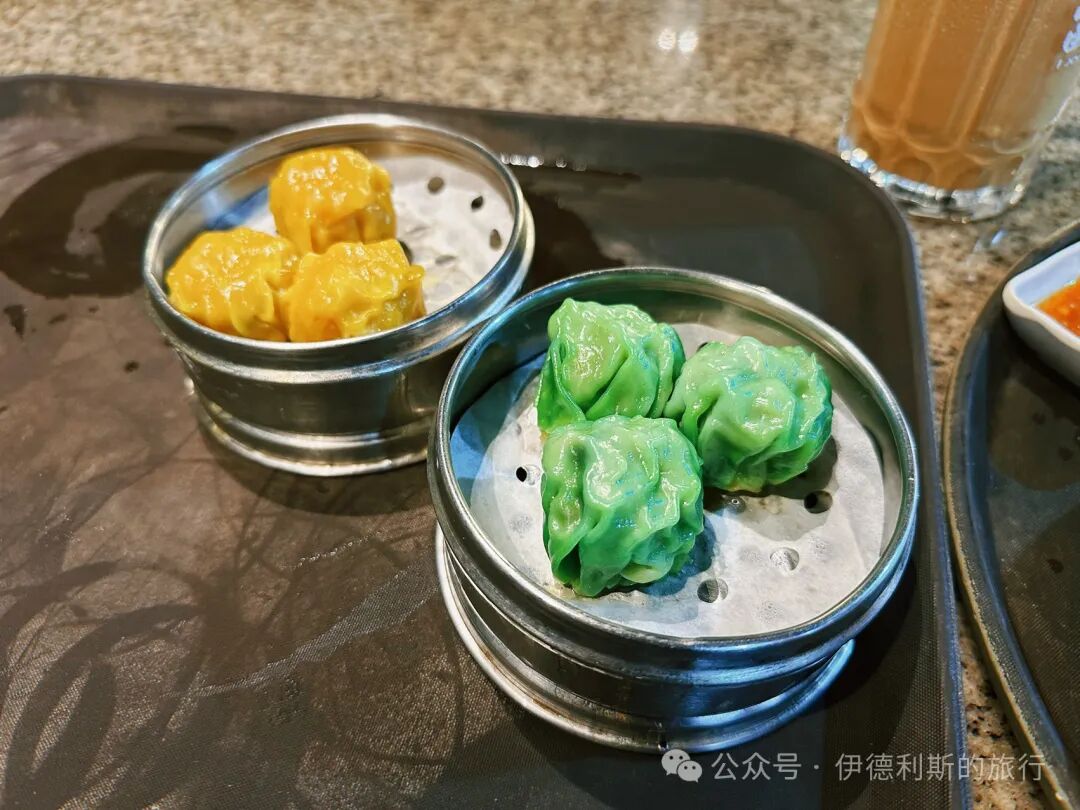
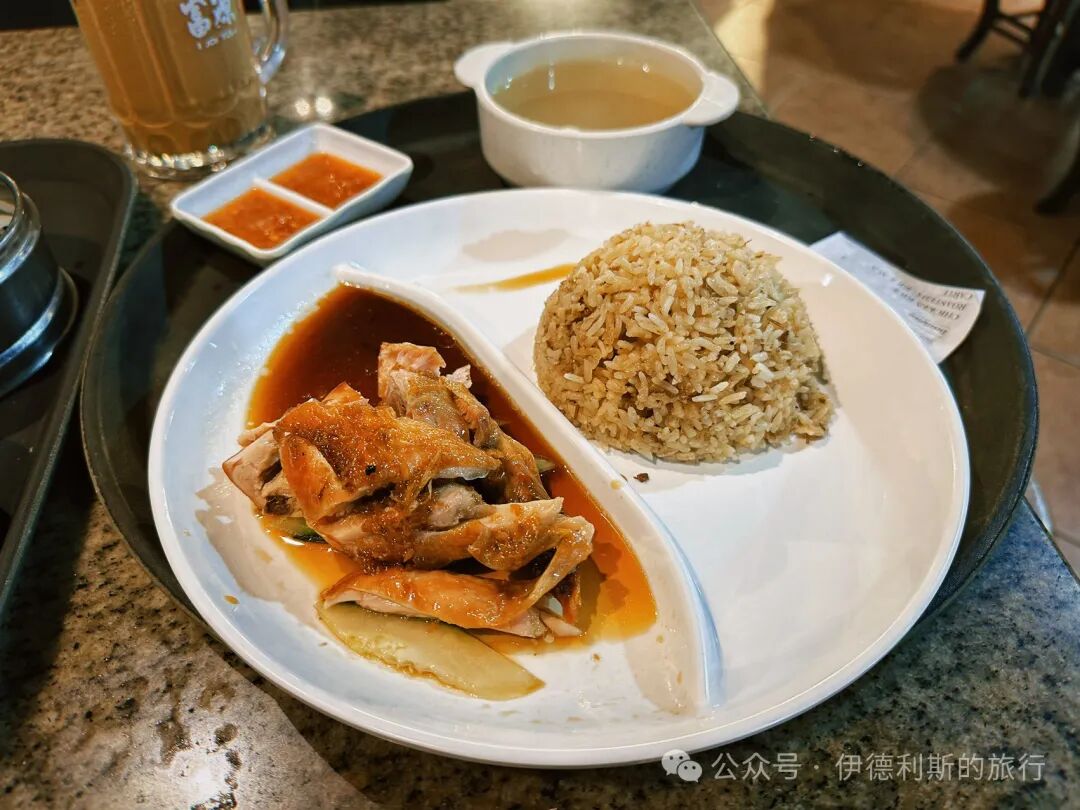
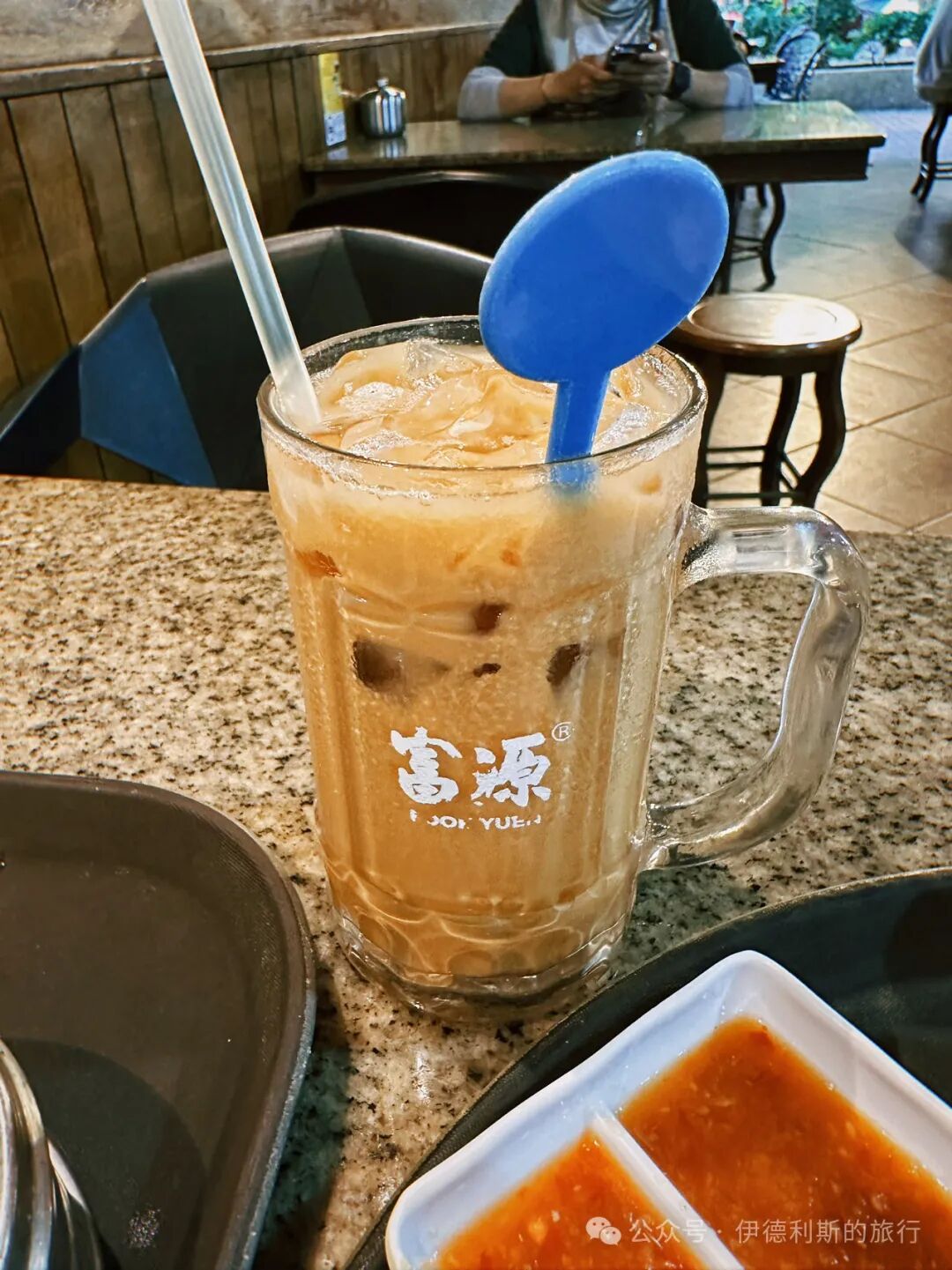
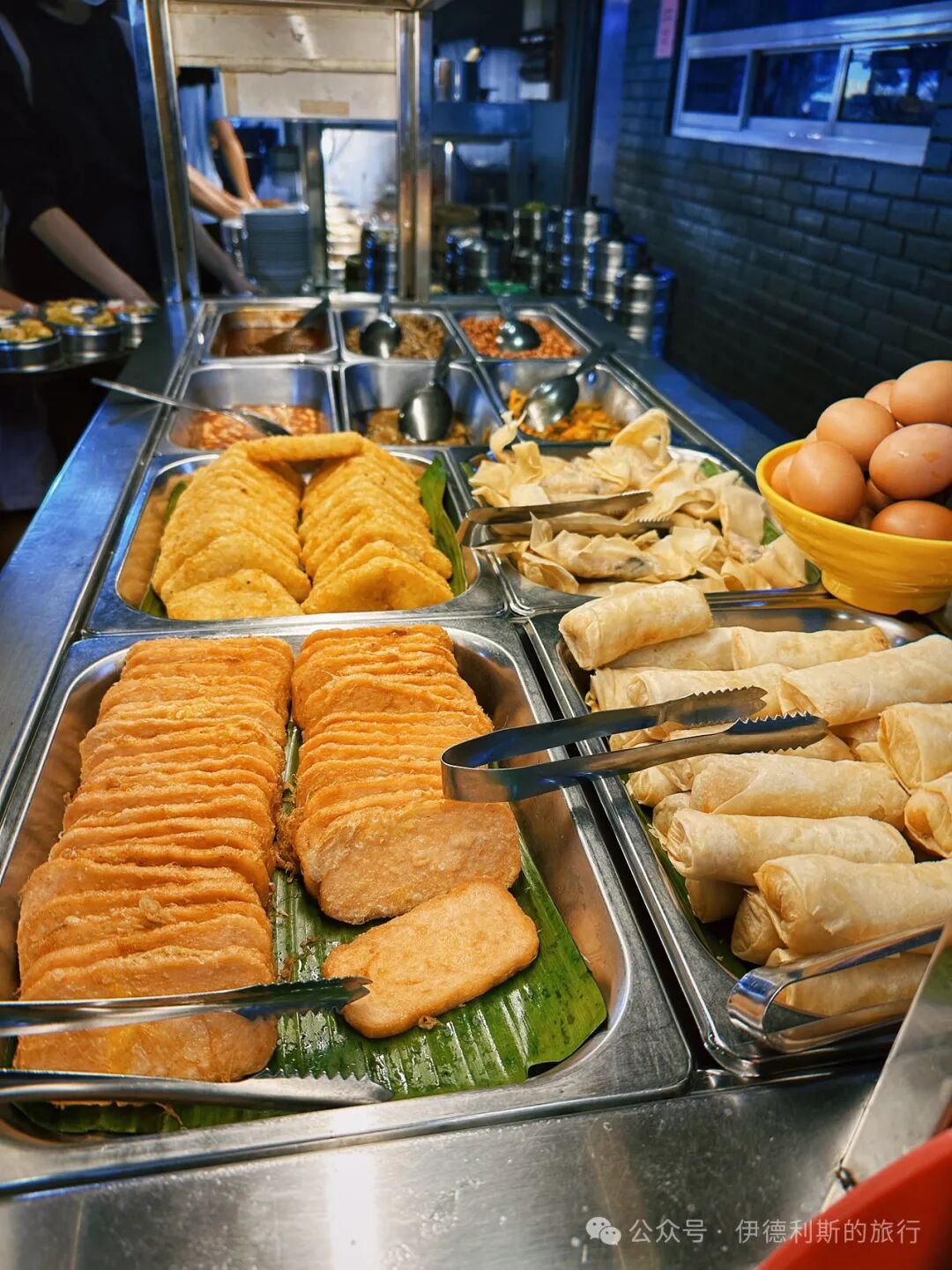
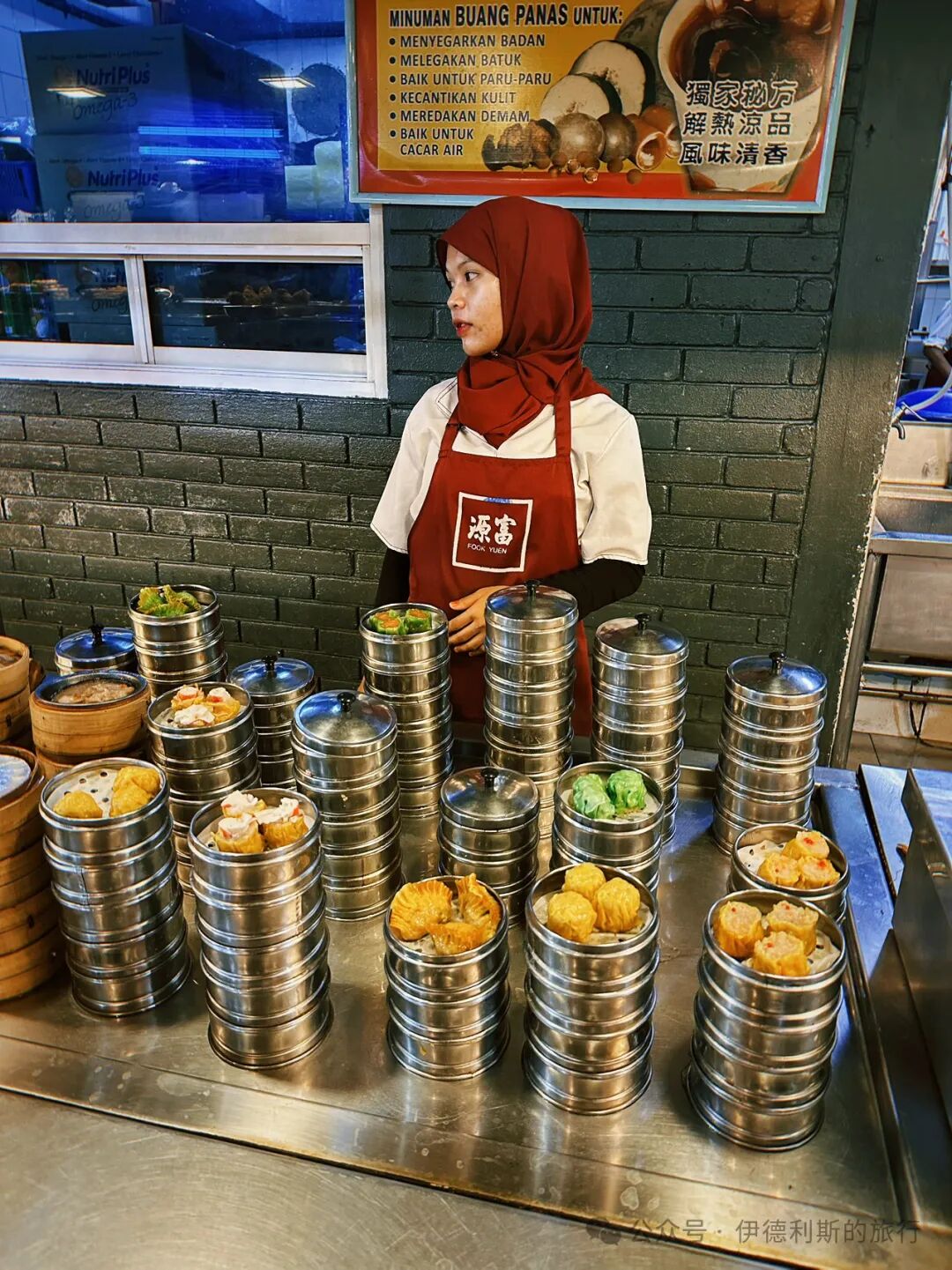
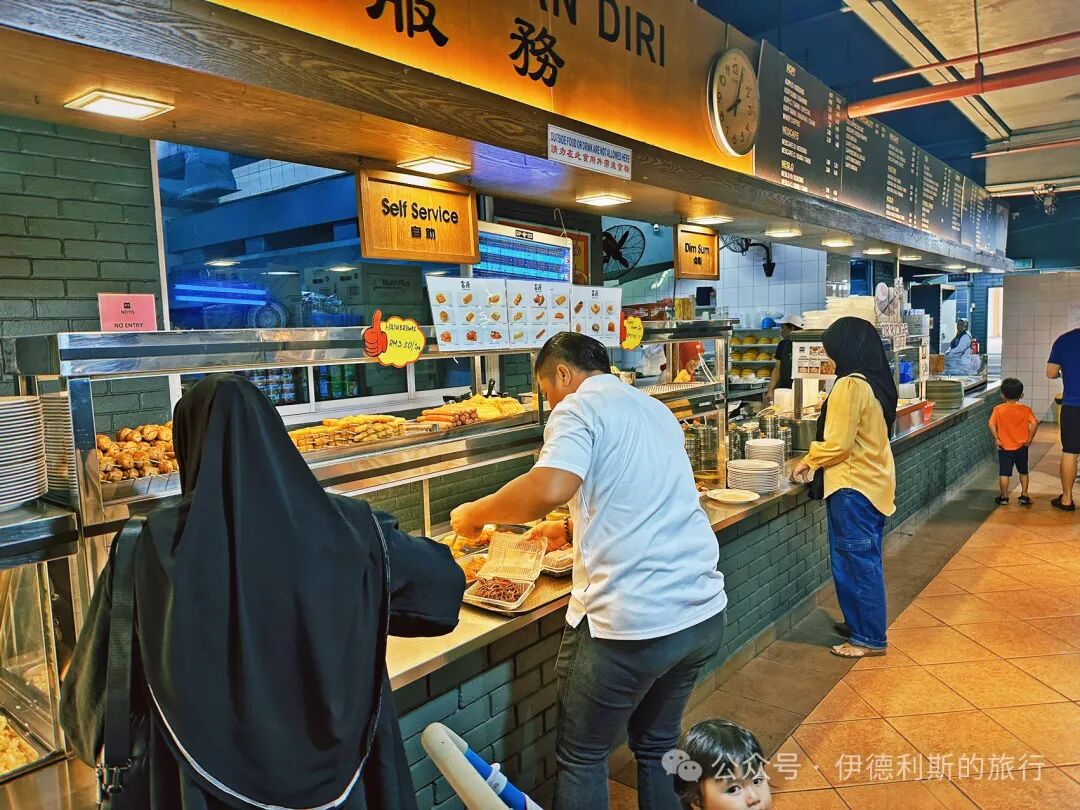
Although there are many Hakka and Fujian people on Gaya Street in Kota Kinabalu, most of the restaurants are still run by Hainanese people. I started my morning with breakfast at Fook Yuen Cafe. It is very popular and crowded with tourists. Ordering is semi-self-service. They have Cantonese-style congee and dim sum, Malay coconut rice (nasi lemak), and Western-style bread and coffee, meeting the needs of all groups in Malaysia. I had a serving of Hainanese chicken rice and two steamed dumplings (shaomai), and I drank a glass of iced milk tea. They improved their chicken rice by adding dried small fish to the rice. This way of eating it is likely more popular with the Malay people.
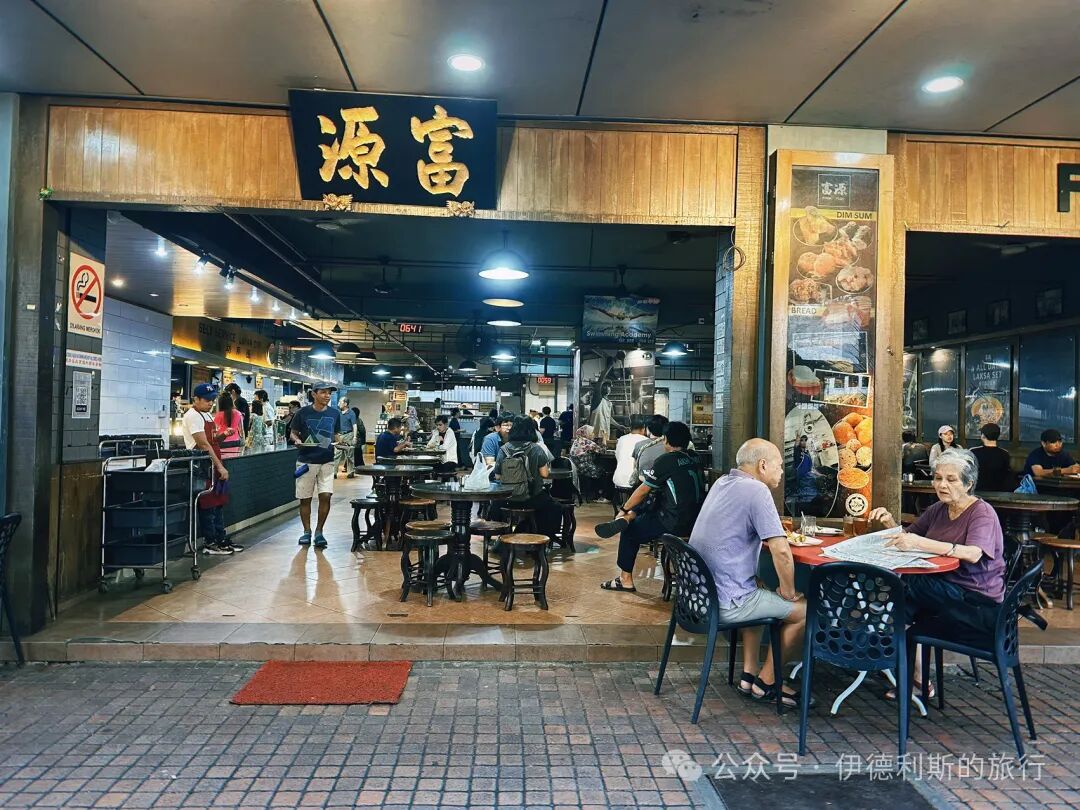
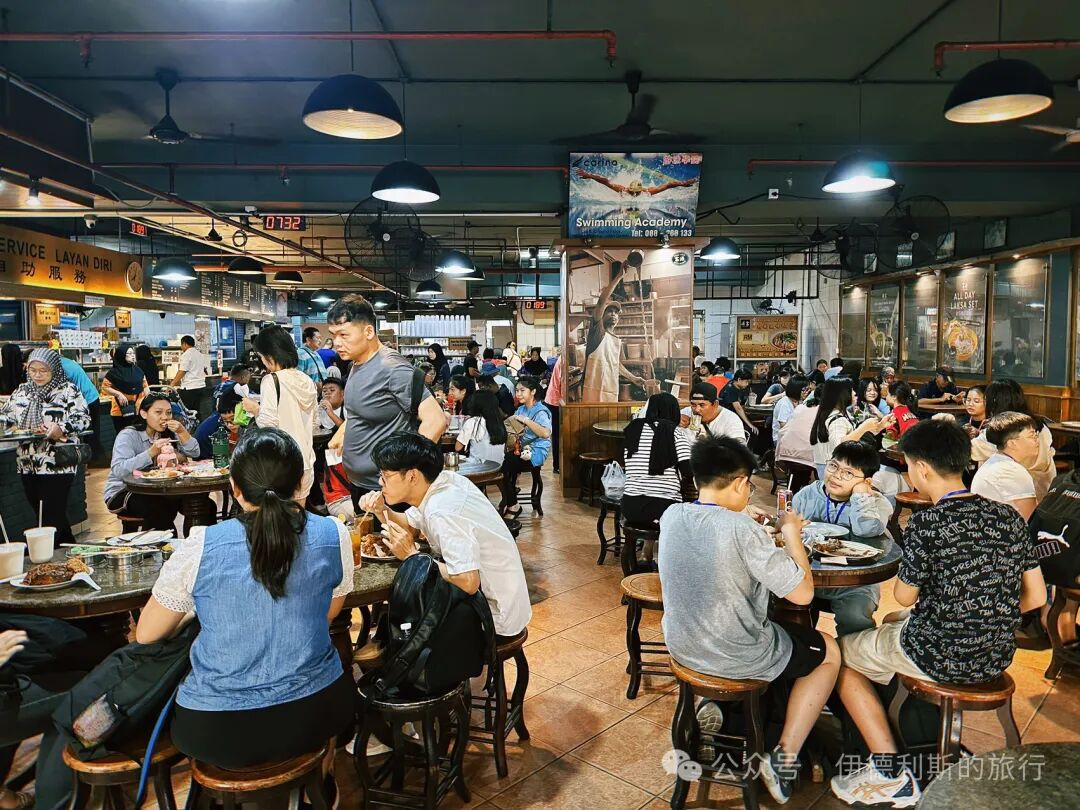
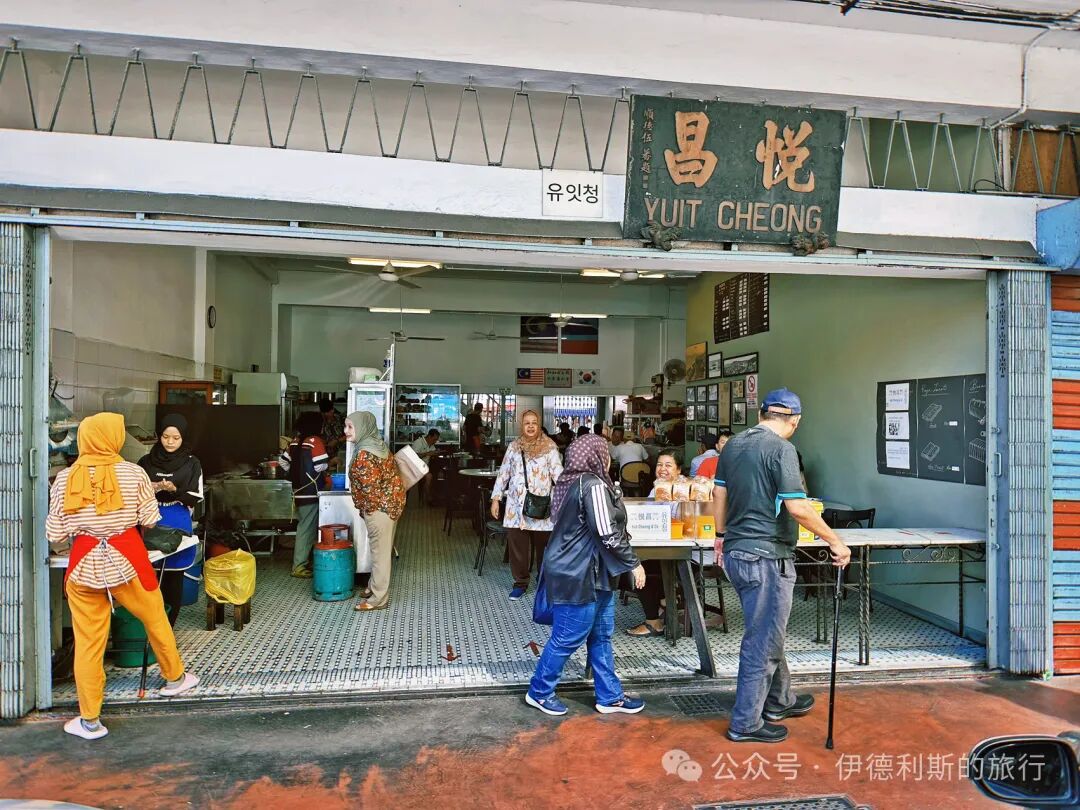
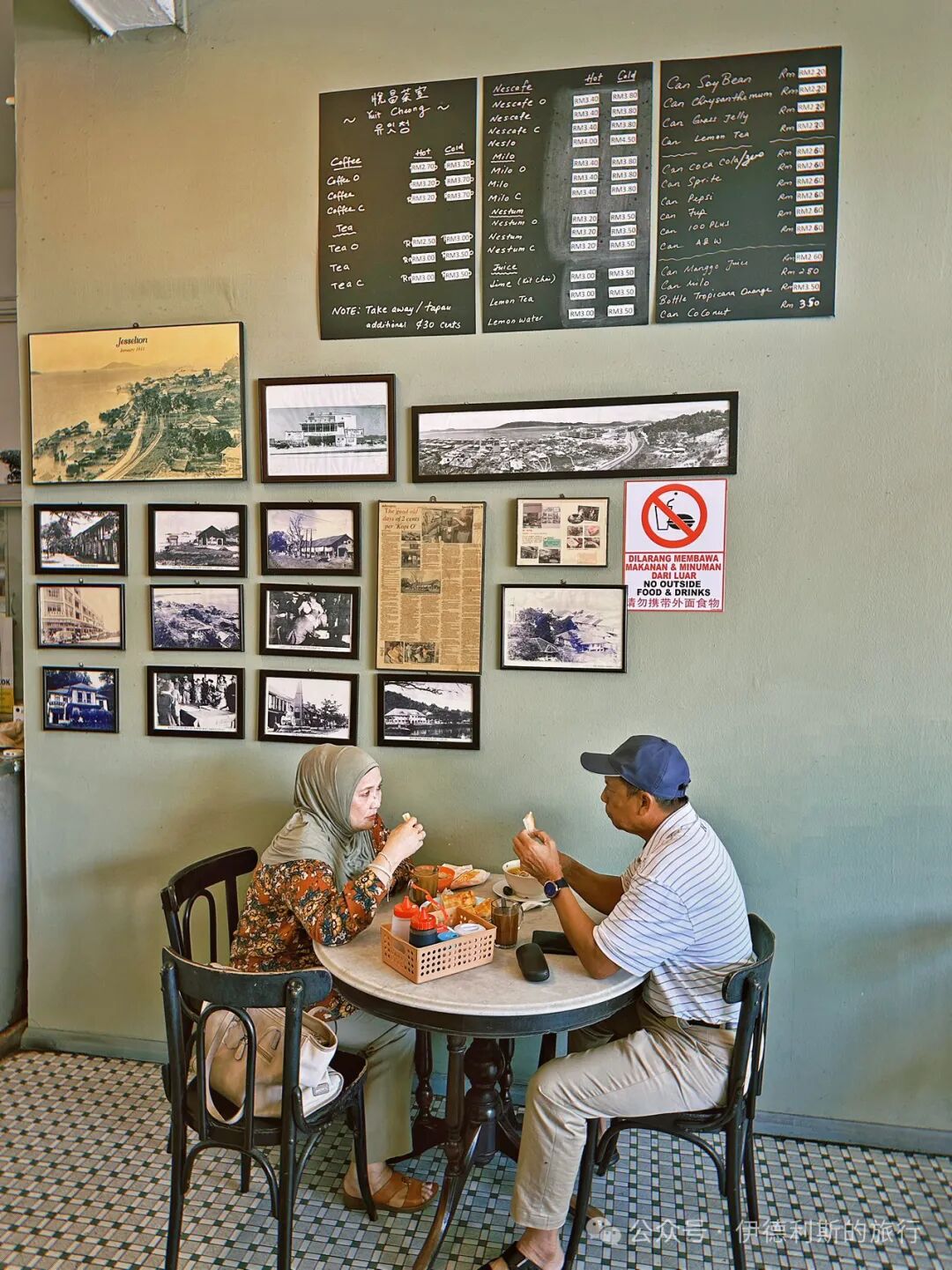
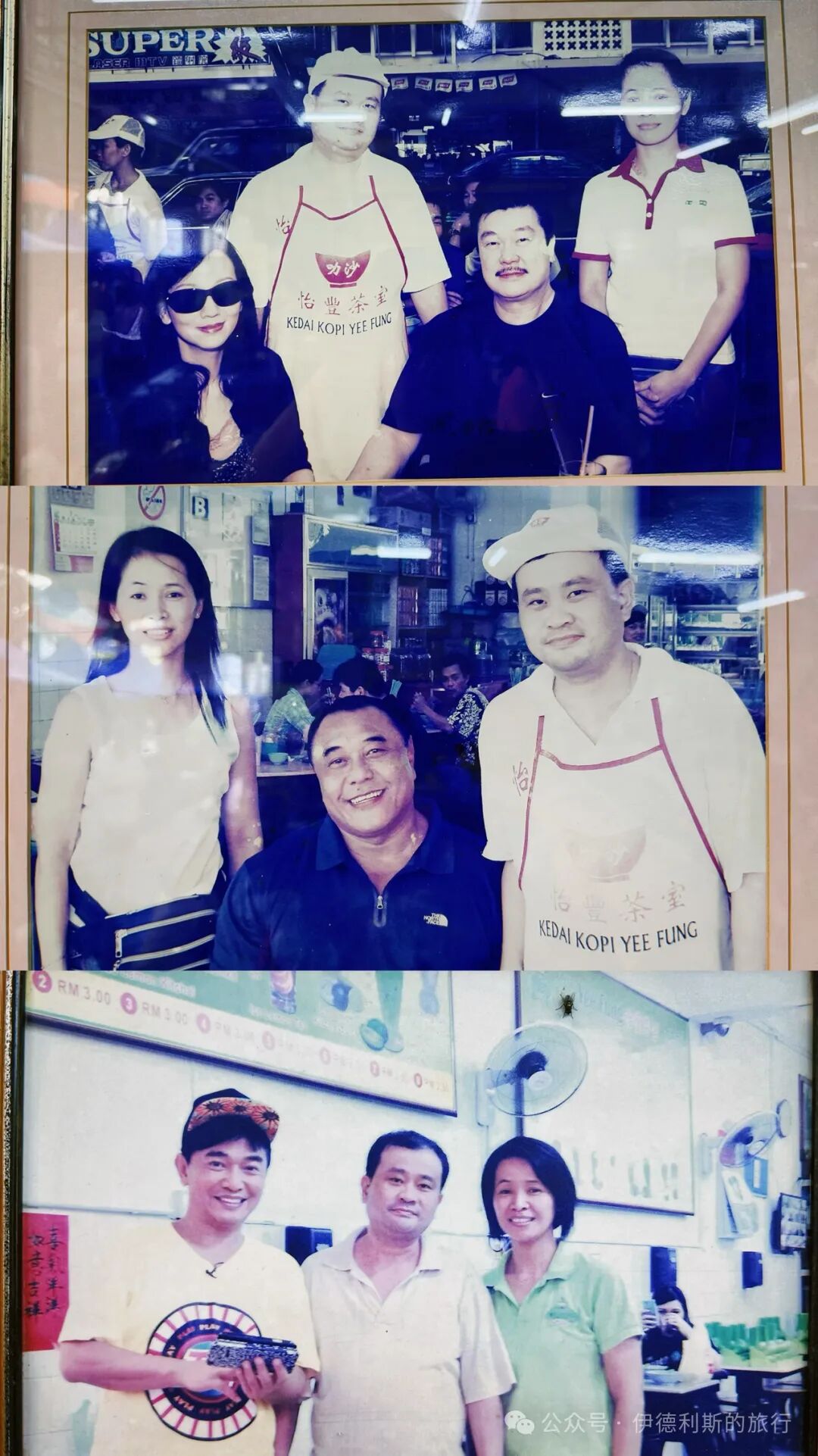
Yee Fung Tea House, which opened in 1896, is the oldest Hainanese restaurant in Kota Kinabalu, even older than the city itself. The restaurant was originally located at the British North Borneo Chartered Company headquarters on Gaya Island. After the settlement on the island was destroyed in 1898 by an anti-British uprising led by the indigenous leader Mat Salleh, the restaurant moved to its current location on Gaya Street. You could say Yee Fung Tea House has witnessed all the changes in Kota Kinabalu. They have old photos hanging on the wall, including one of the Yuechang Tea House from the 1960s, which is in the exact same spot as it is today.
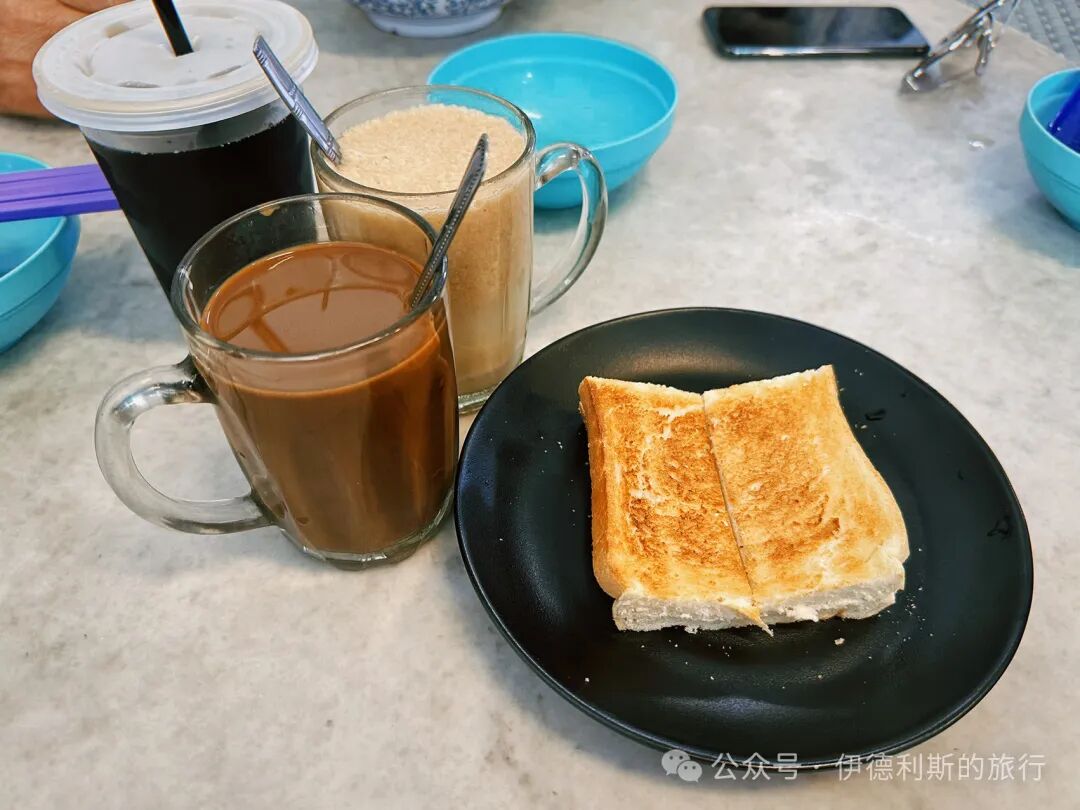
The shop is split into two parts, with the Hainanese owner personally making coffee and toasted bread (tuosi). The owner is very warm, provides excellent service, and speaks great Korean, which helps him attract Korean customers. Another stall hires Muslim sisters to make Hainanese beef offal noodles and various Malay dishes, which is a major feature of traditional Hainanese coffee shops. To attract customers from all ethnic groups, they must serve food that suits everyone's taste, which is why many long-standing Hainanese restaurants in Malaysia have been open for decades or even a century.
We ordered coffee with fresh milk, three-layer coffee, monk fruit herbal tea (luohanguo liangcha), oats, toast, and beef offal noodles. The monk fruit herbal tea and barley water (yimi shui) are perfect for the weather here.
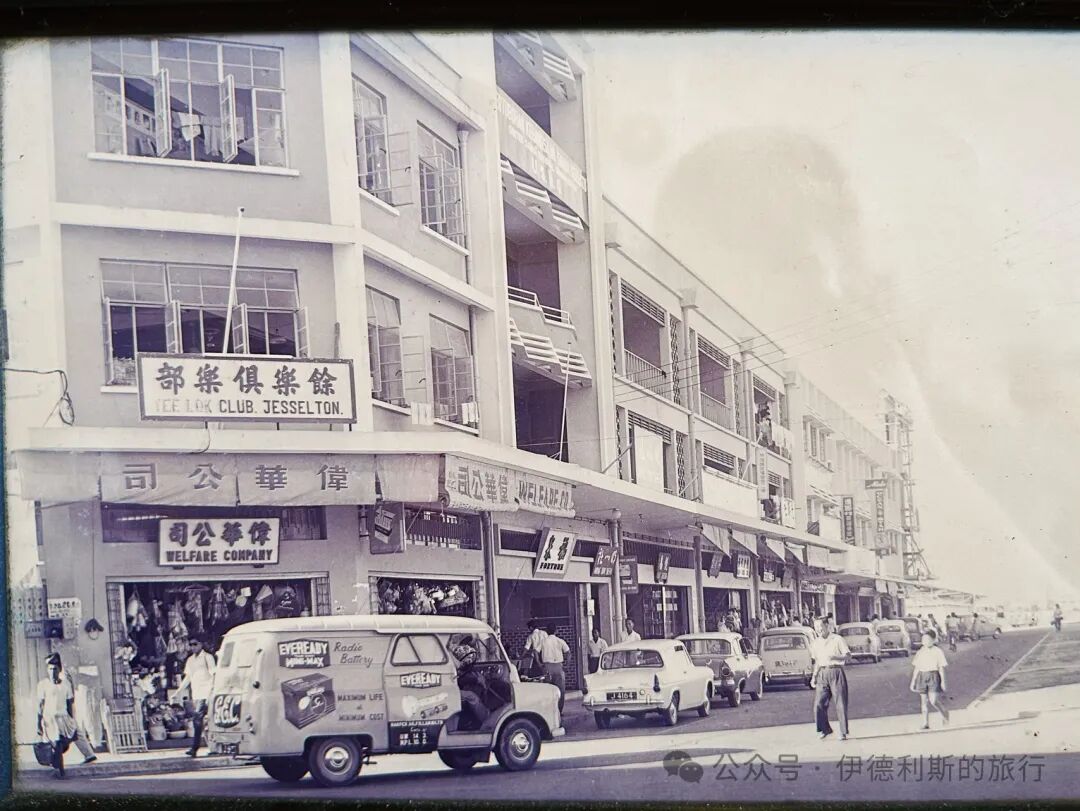
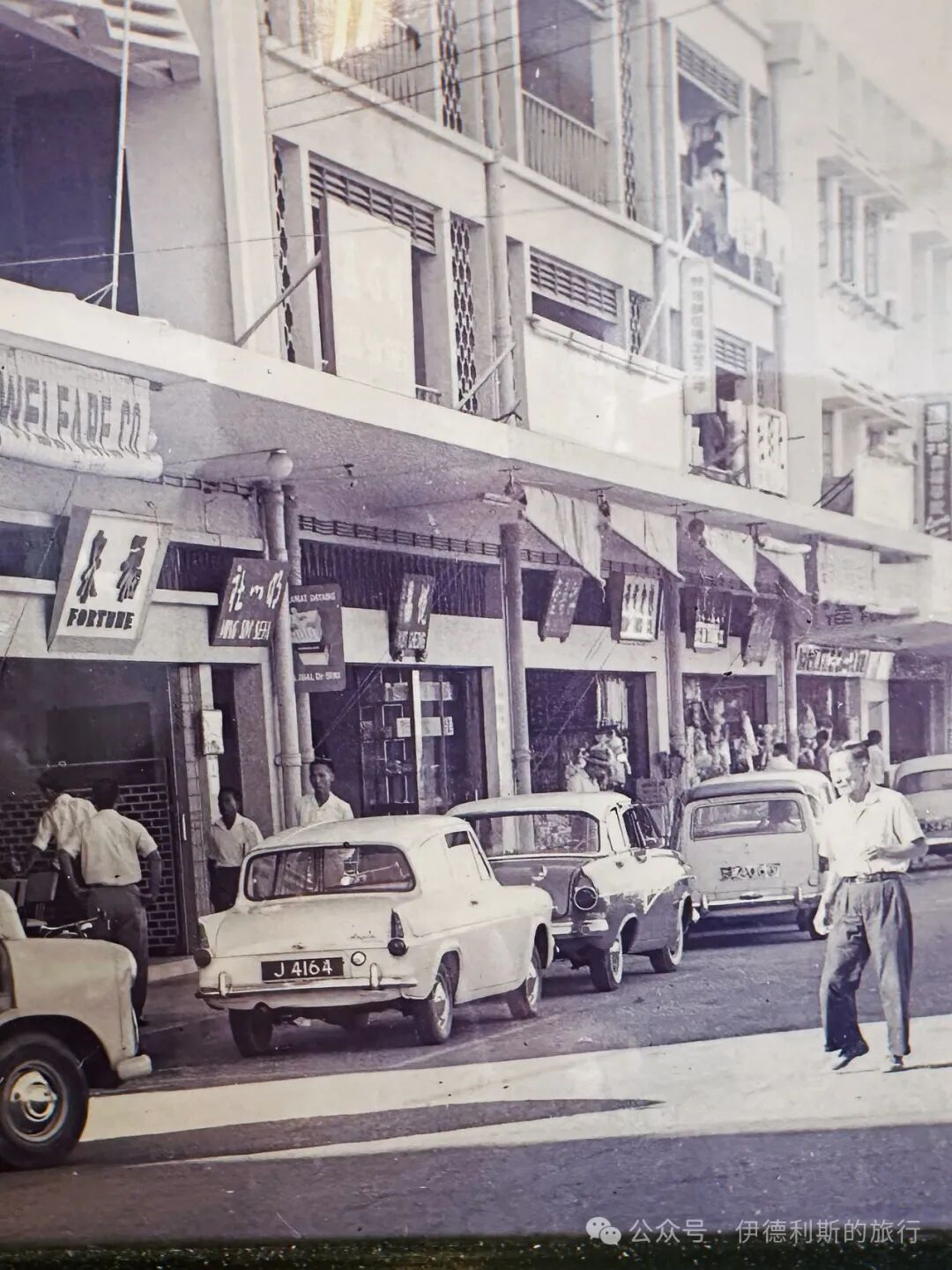
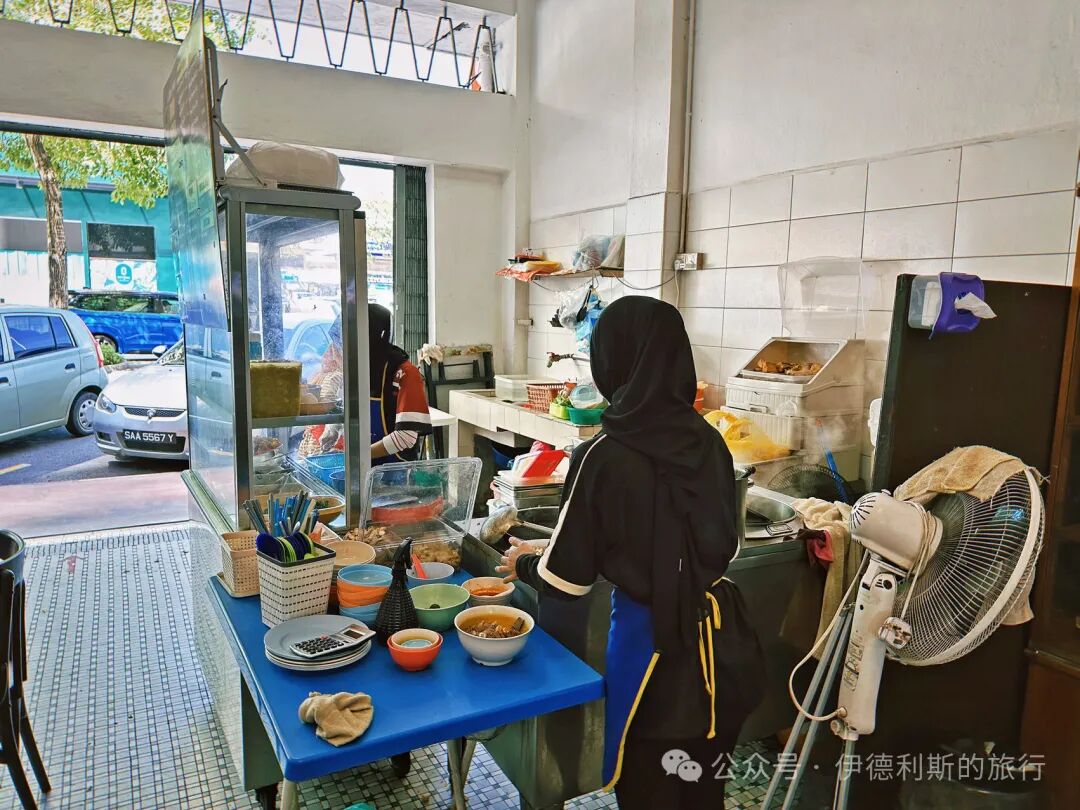
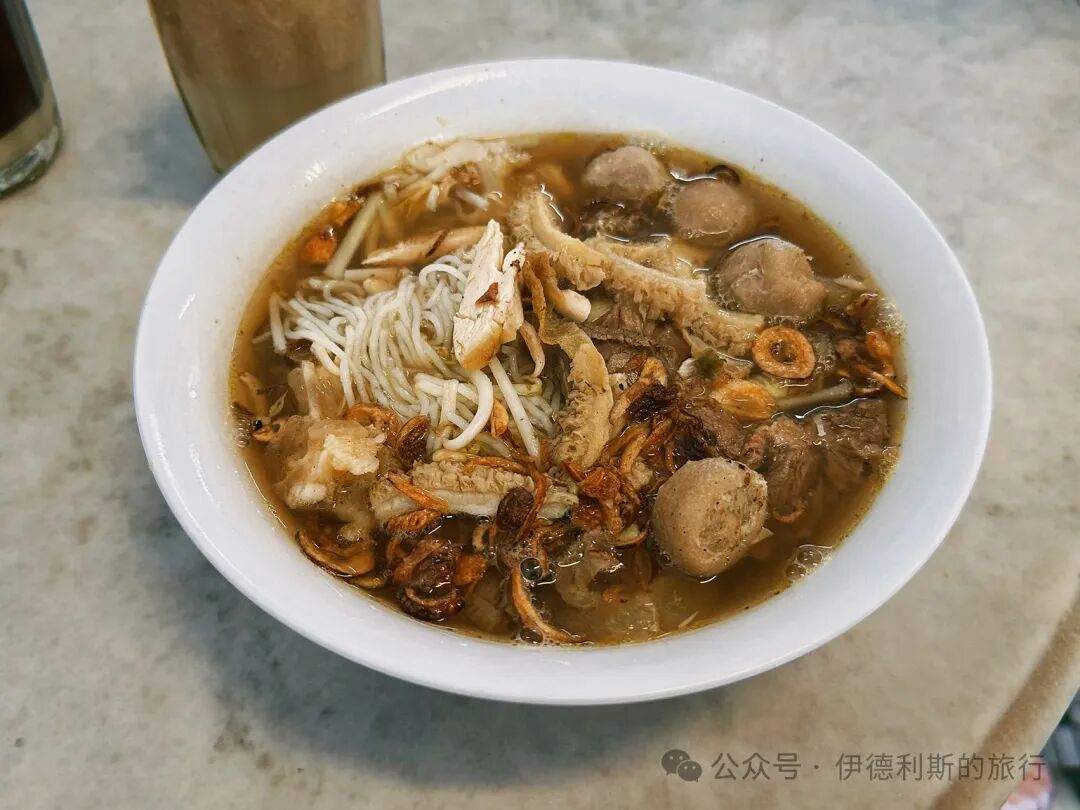
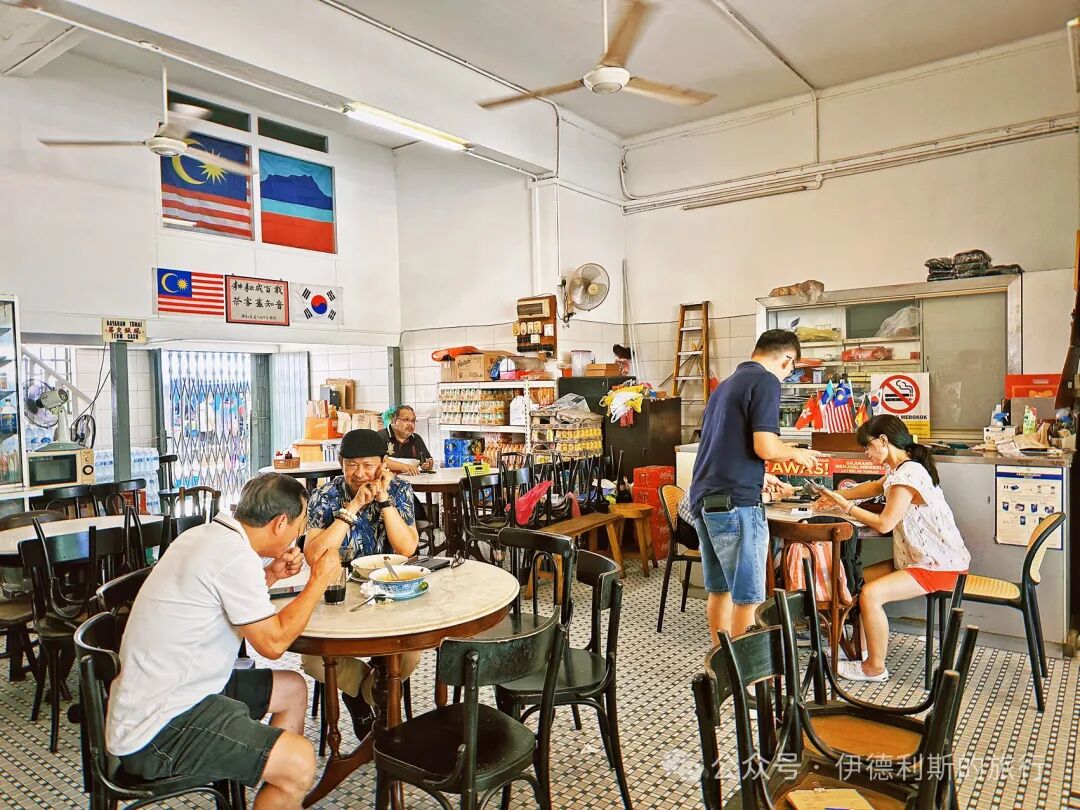
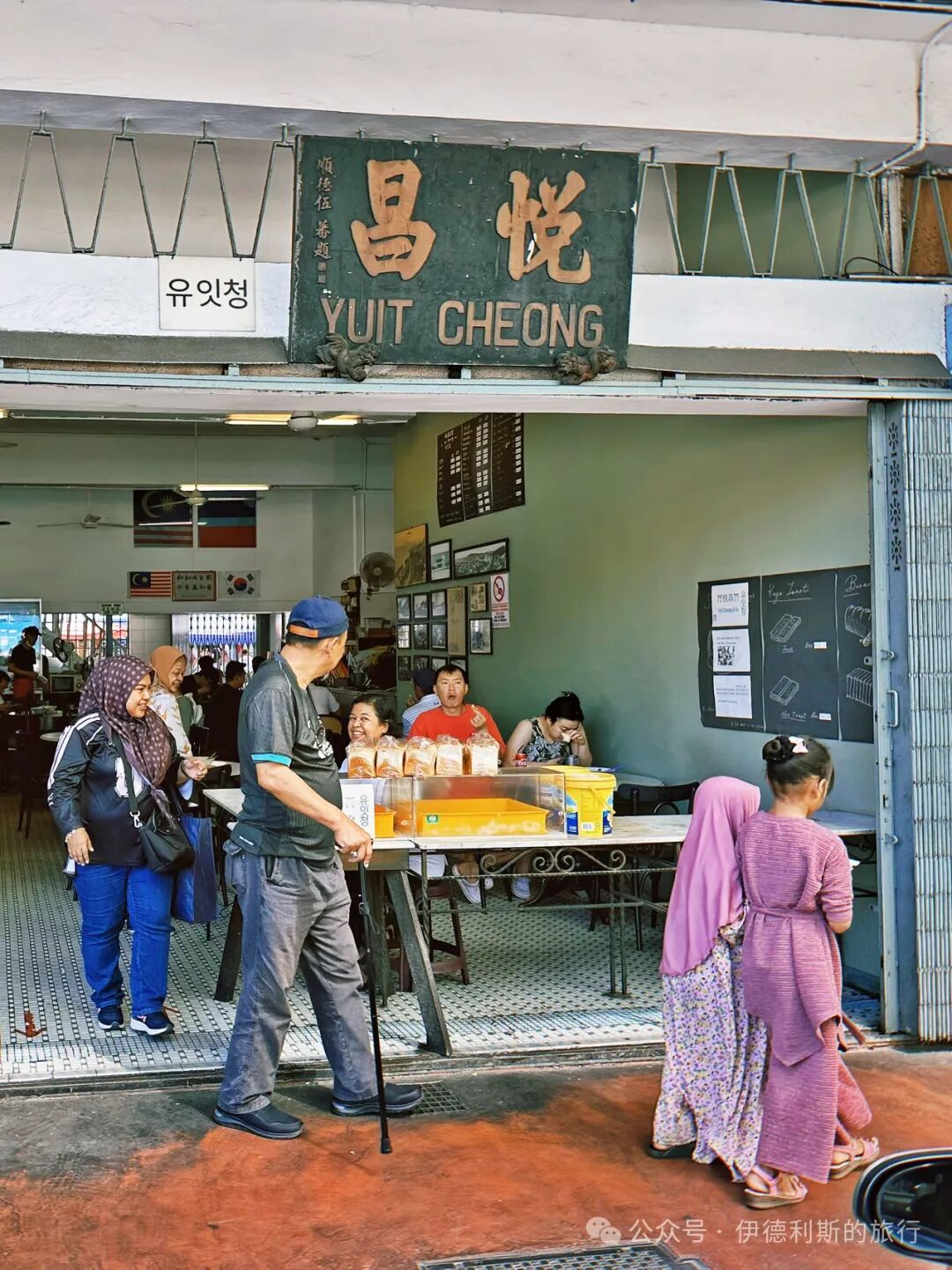
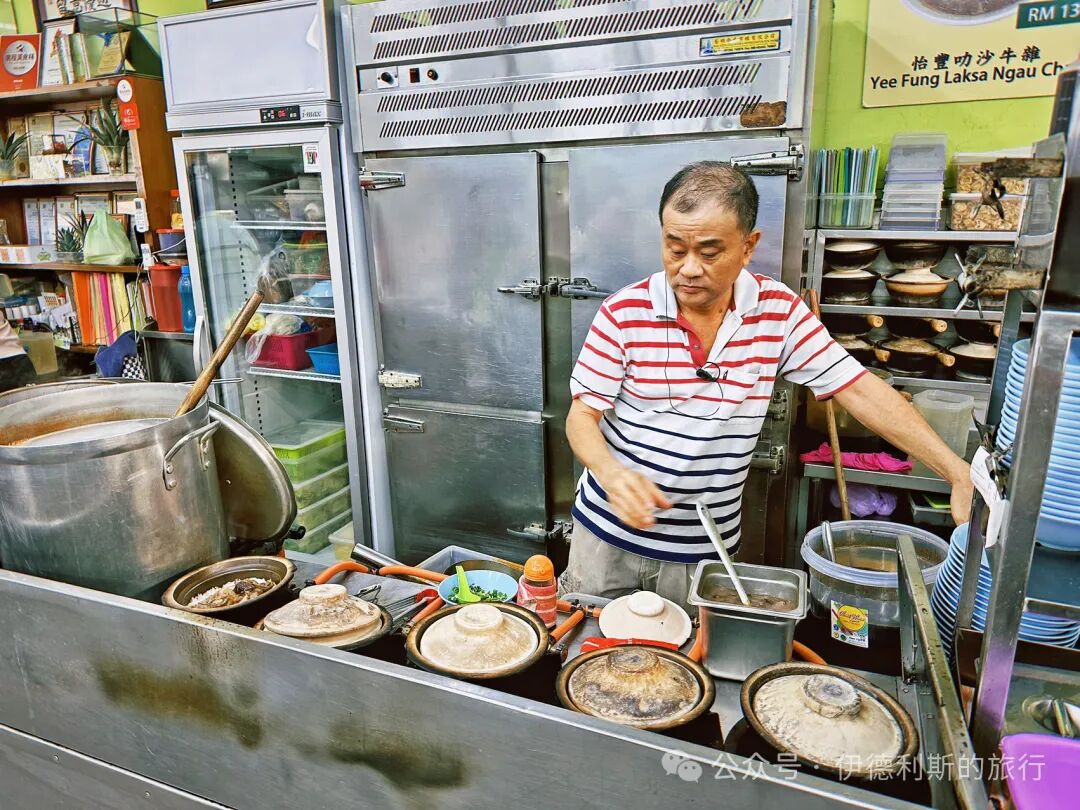
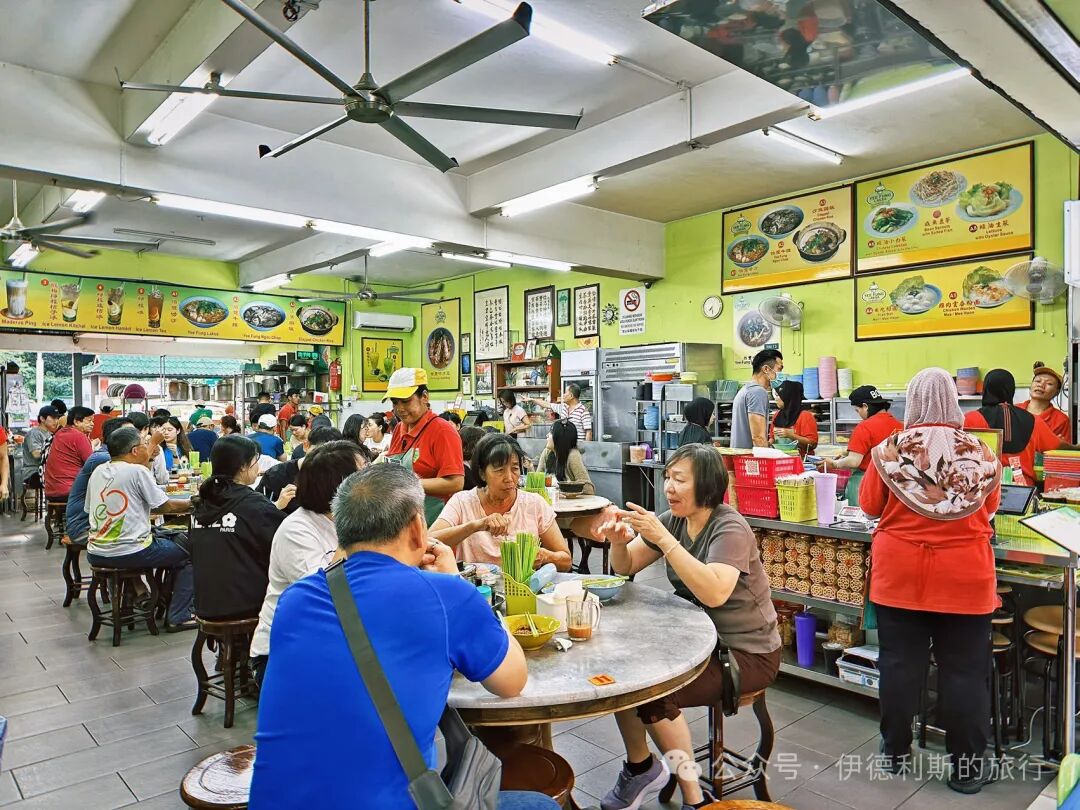
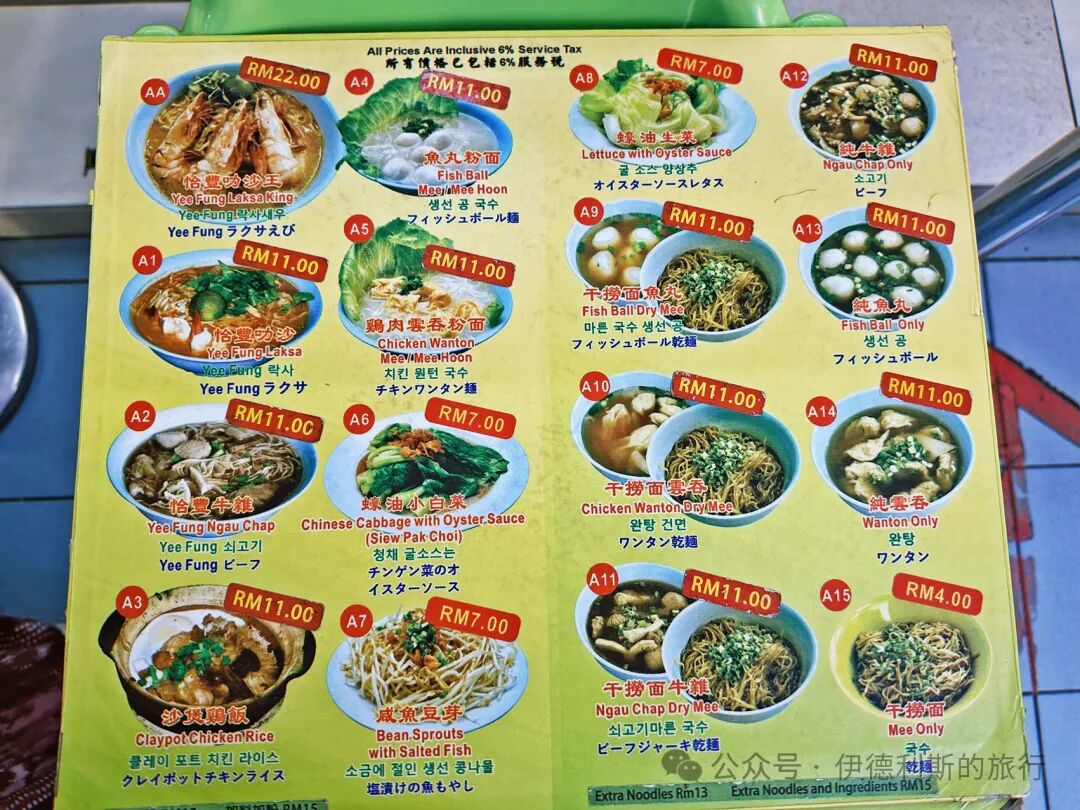
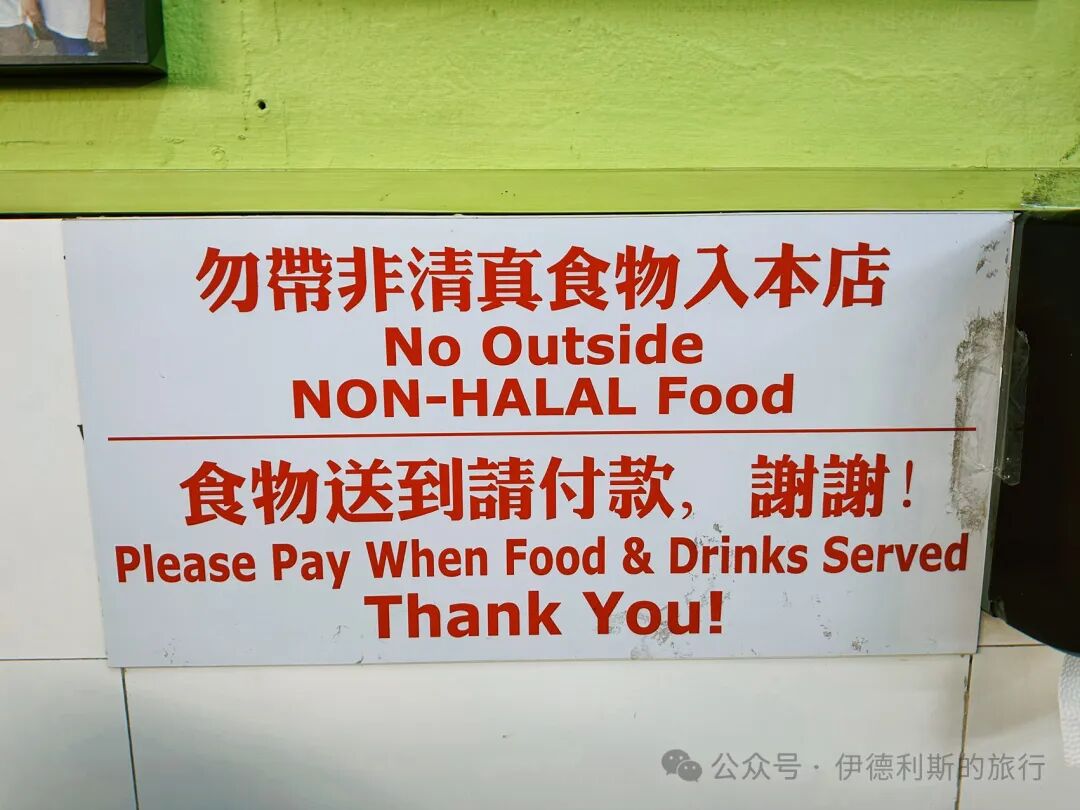
The most popular halal Chinese restaurant on Gaya Street in Kota Kinabalu is Yee Fung Tea House. The owner of Yee Fung Tea House, Zhuang Qiuwang, is from Johor and started selling laksa on Gaya Street in 1984, making it exactly 40 years now. Like many halal Chinese restaurants in Malaysia, they hire Muslim chefs and staff to ensure the ingredients are halal.
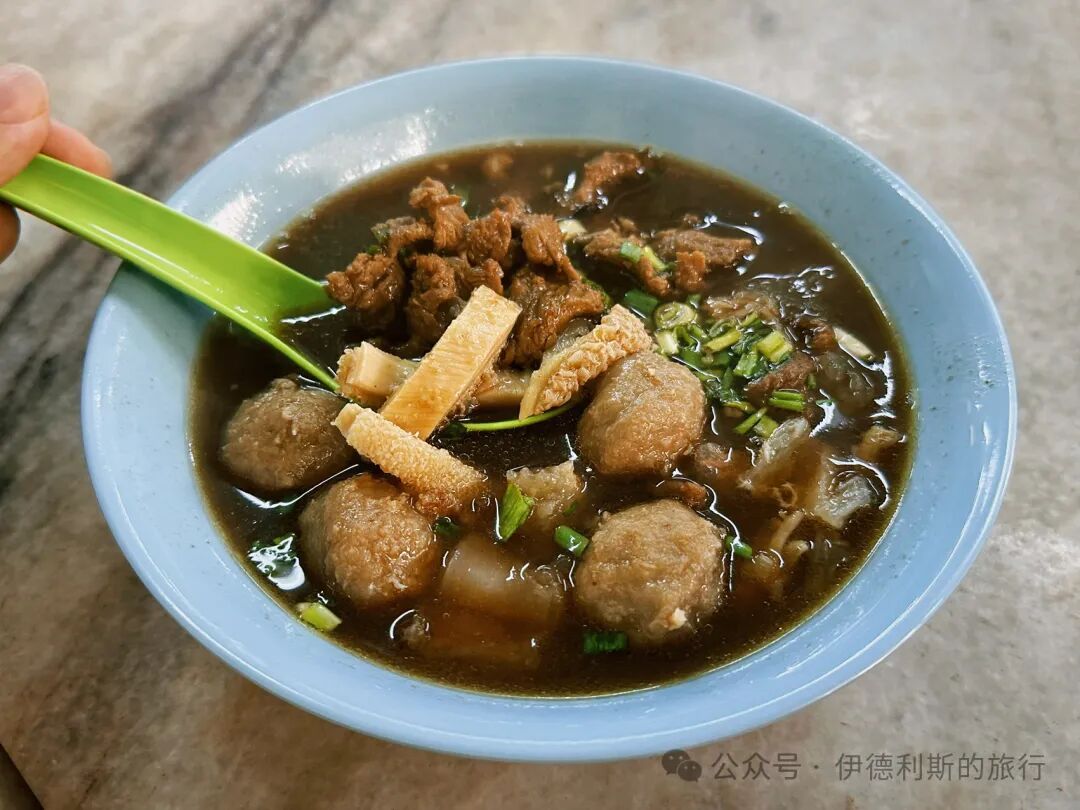
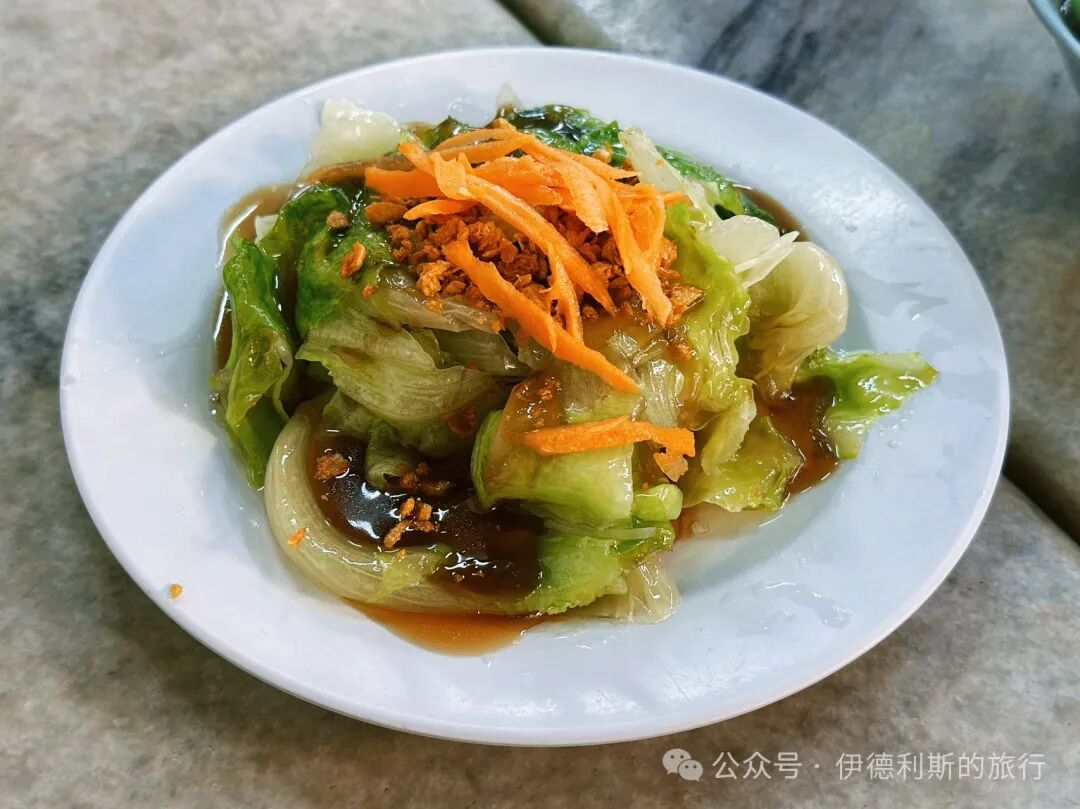
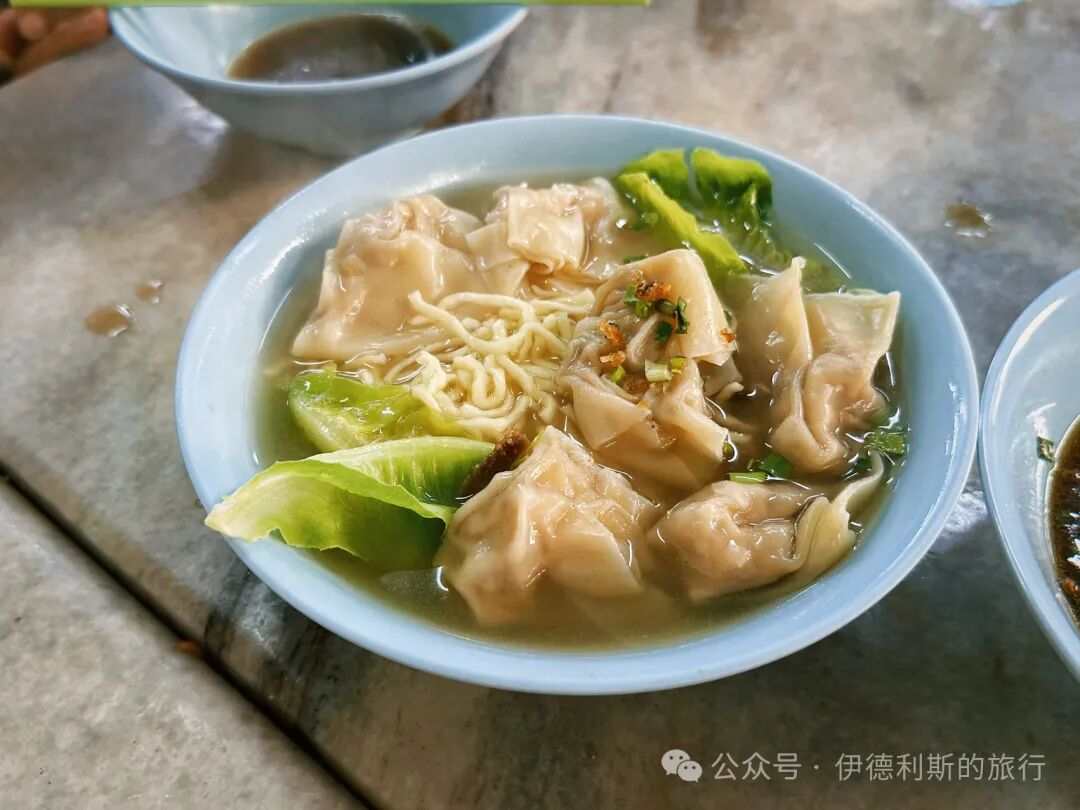
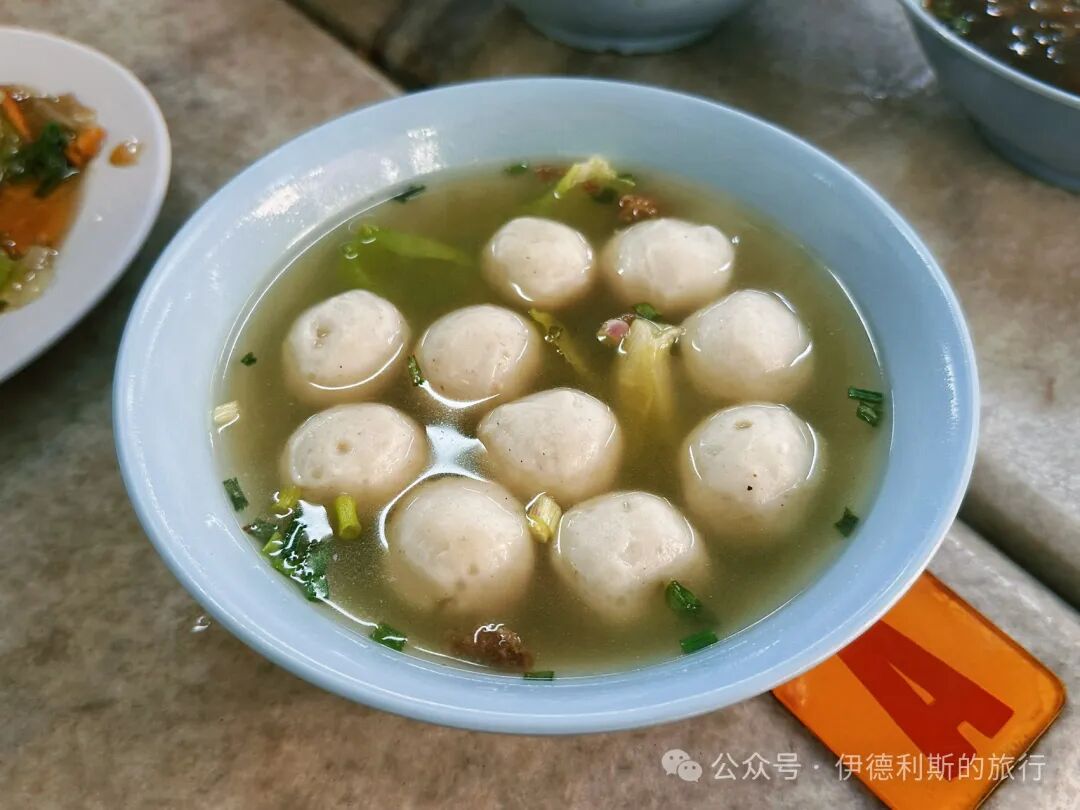
Their signature dishes are the "three treasures": laksa, claypot chicken rice, and beef offal. We ordered lettuce with oyster sauce, plain beef offal, plain fish balls, and chicken wonton noodles. Hainanese beef offal mainly includes beef balls, beef tripe, stewed beef, and beef slices; many Hainanese restaurants in Kota Kinabalu serve it, and it is a local specialty. Authentic Hainanese beef offal is made without MSG, relying purely on spices for flavor, so you do not feel thirsty after eating it.
There is a night market on Gaya Street every Friday and Saturday night that stays open until 12:00, mainly featuring stalls run by Muslim Bruneian Malays and Bajau people, along with a few Chinese stalls. I walked around and bought an iced drink to quench my thirst.
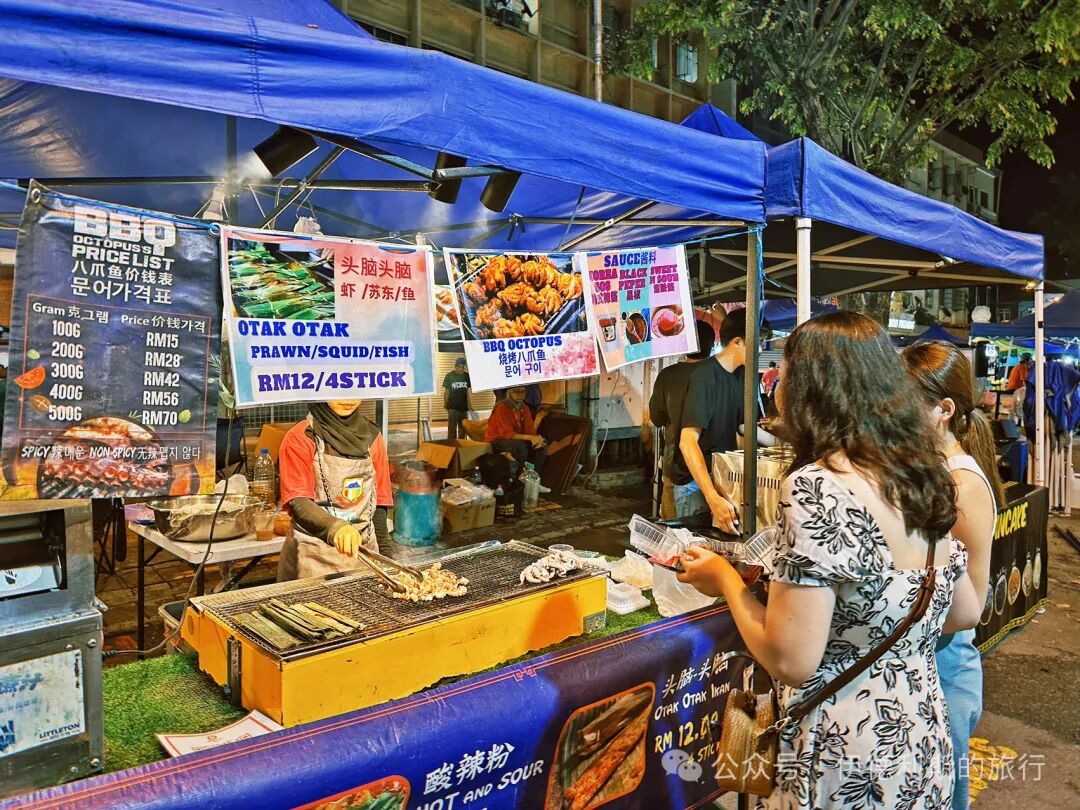
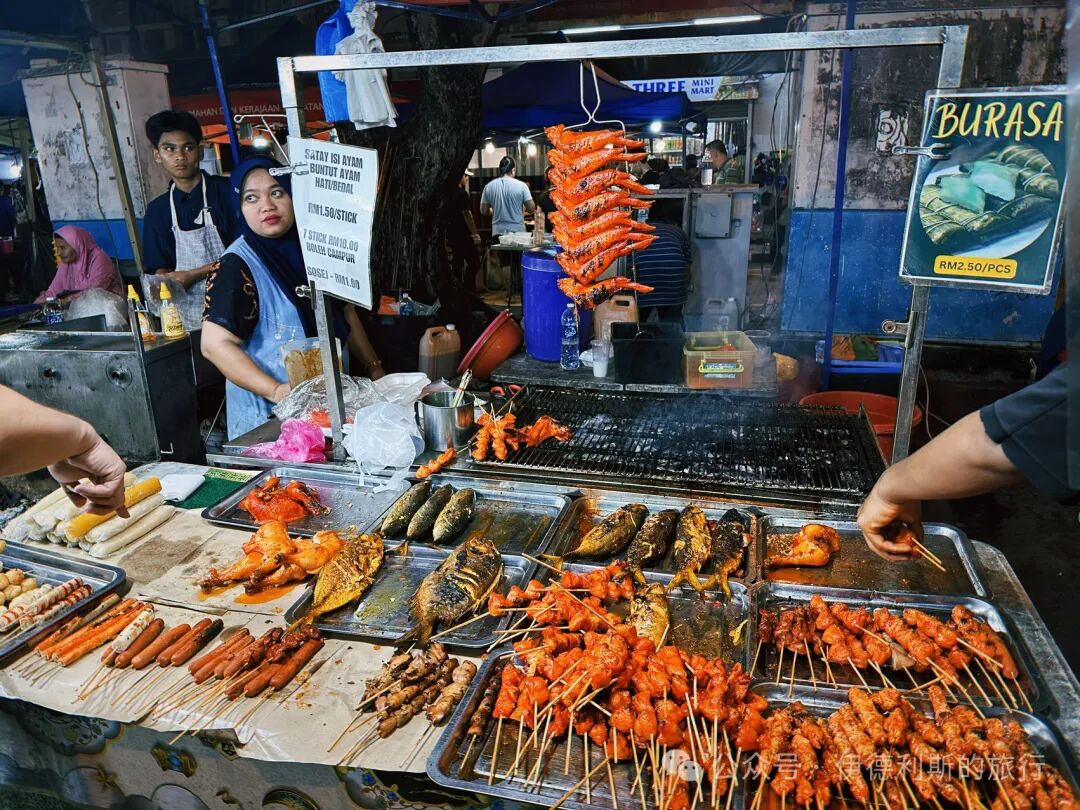
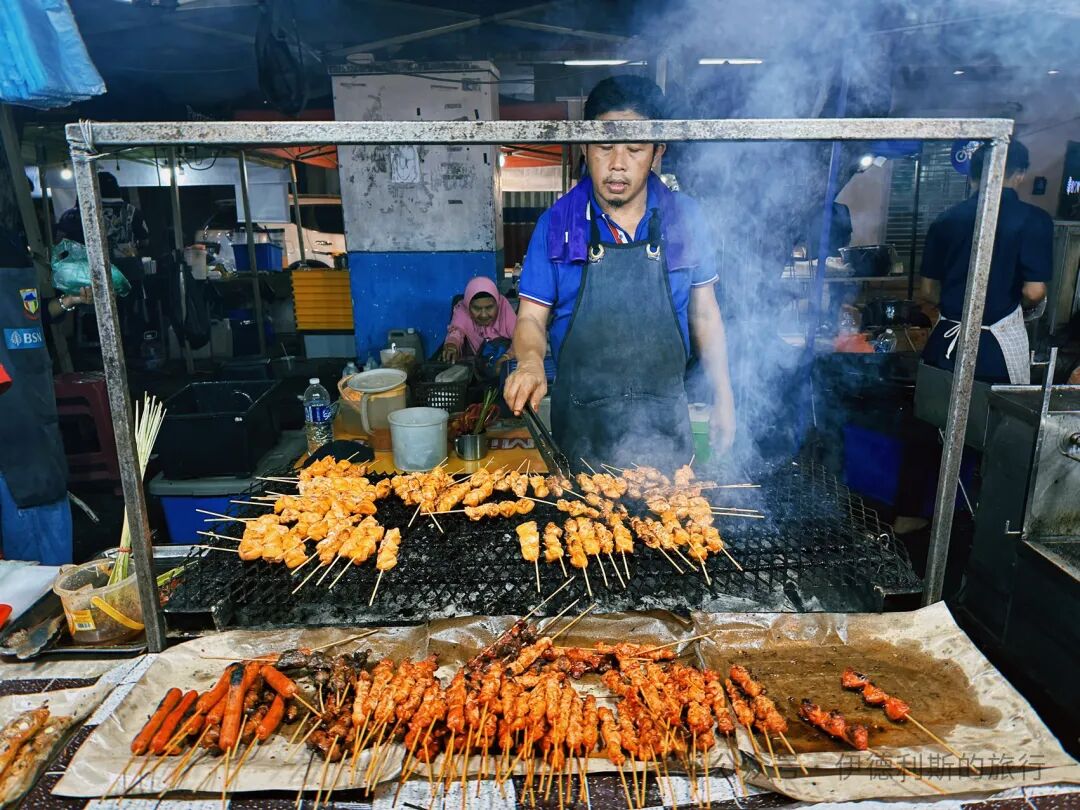
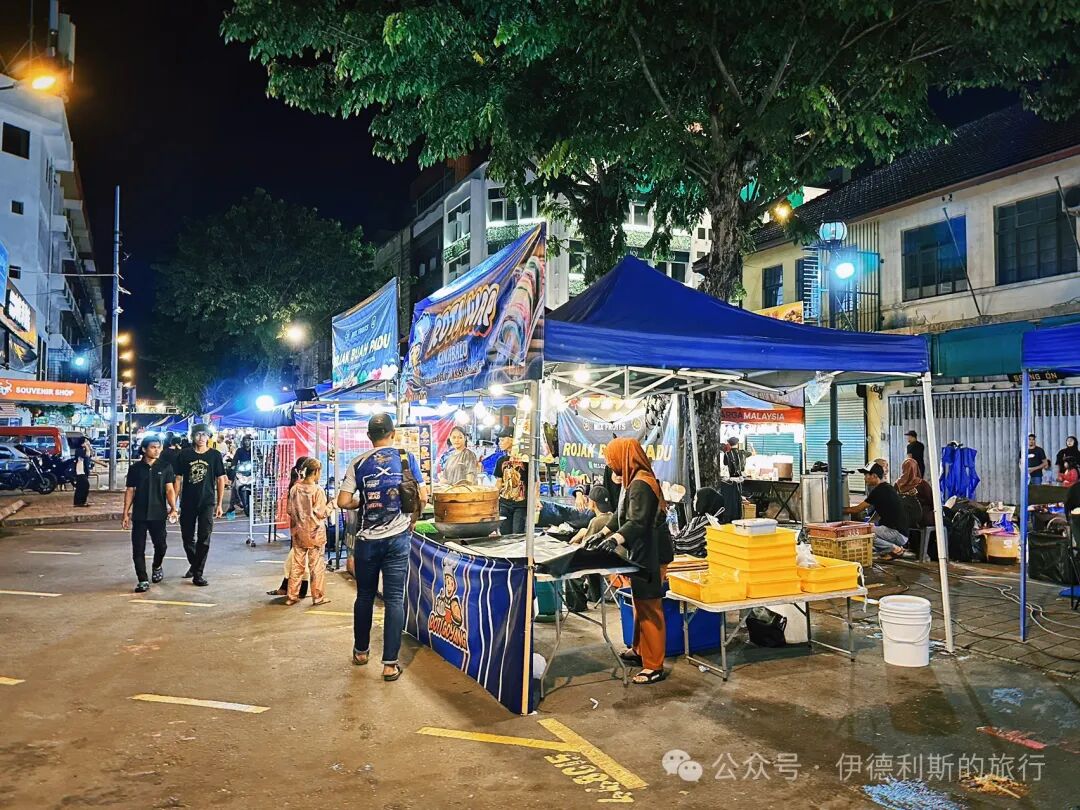
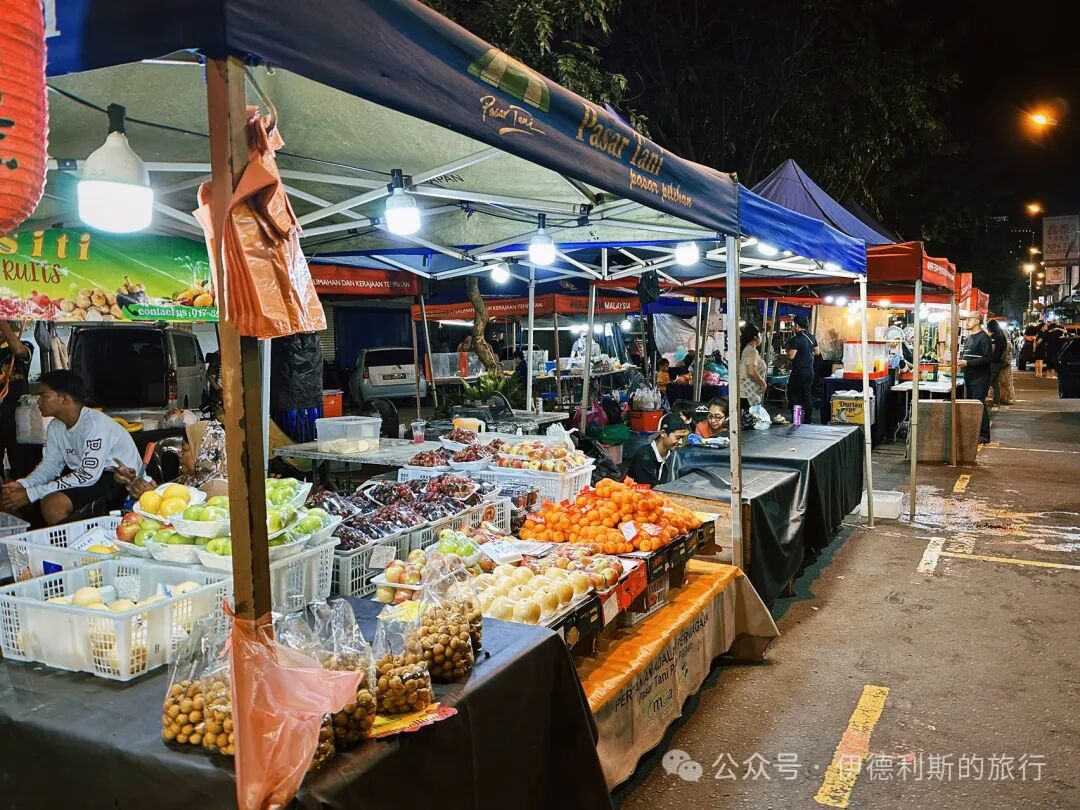
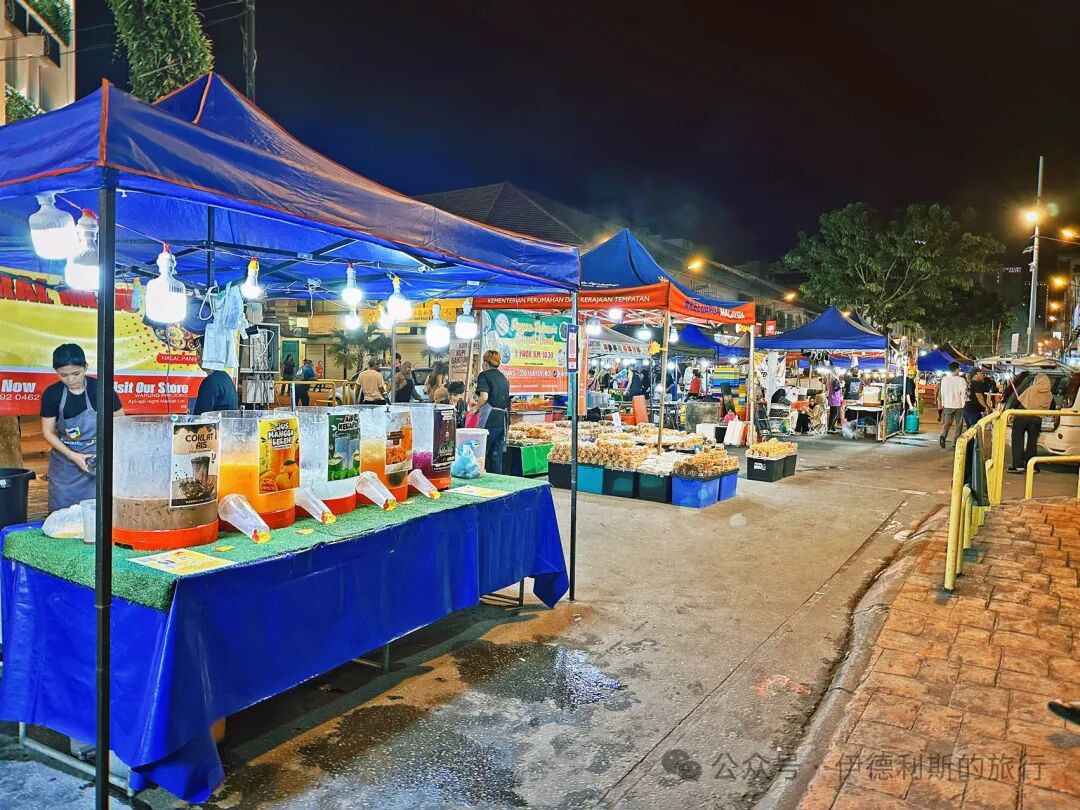
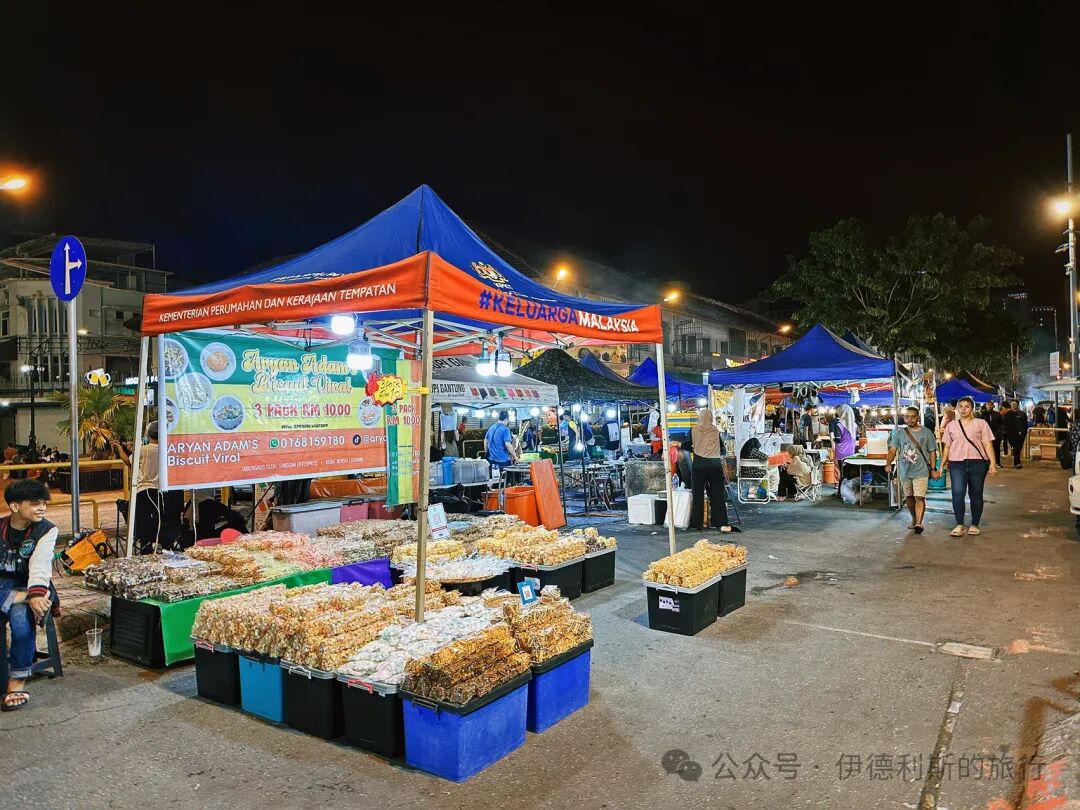
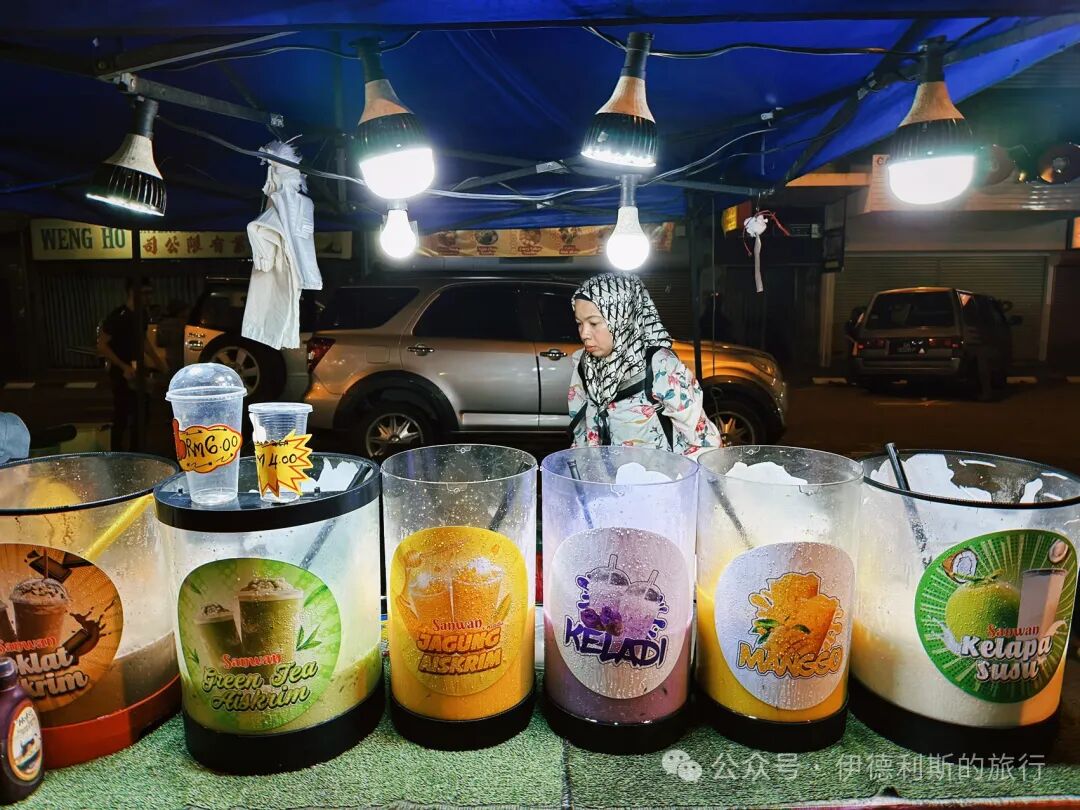
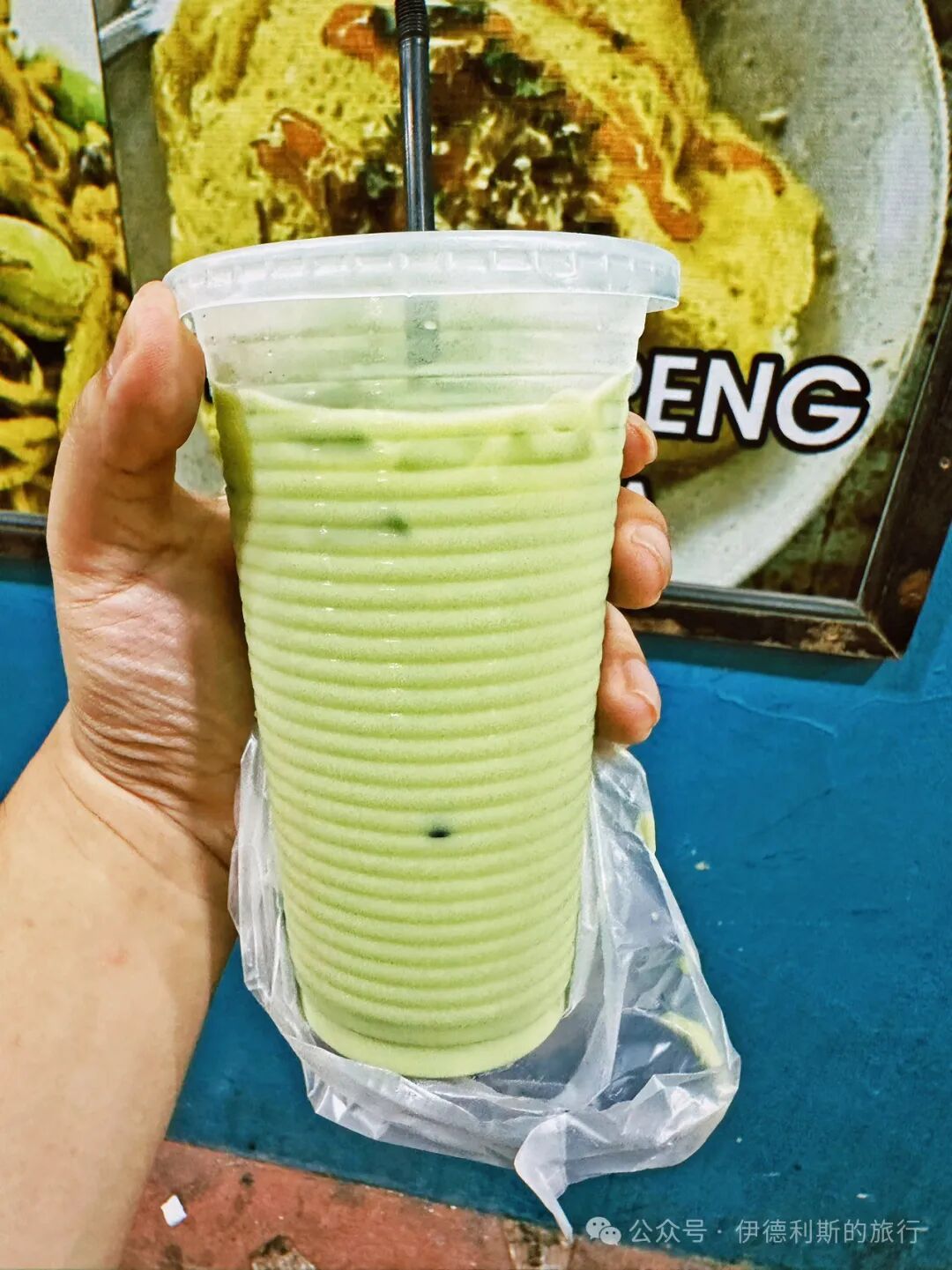
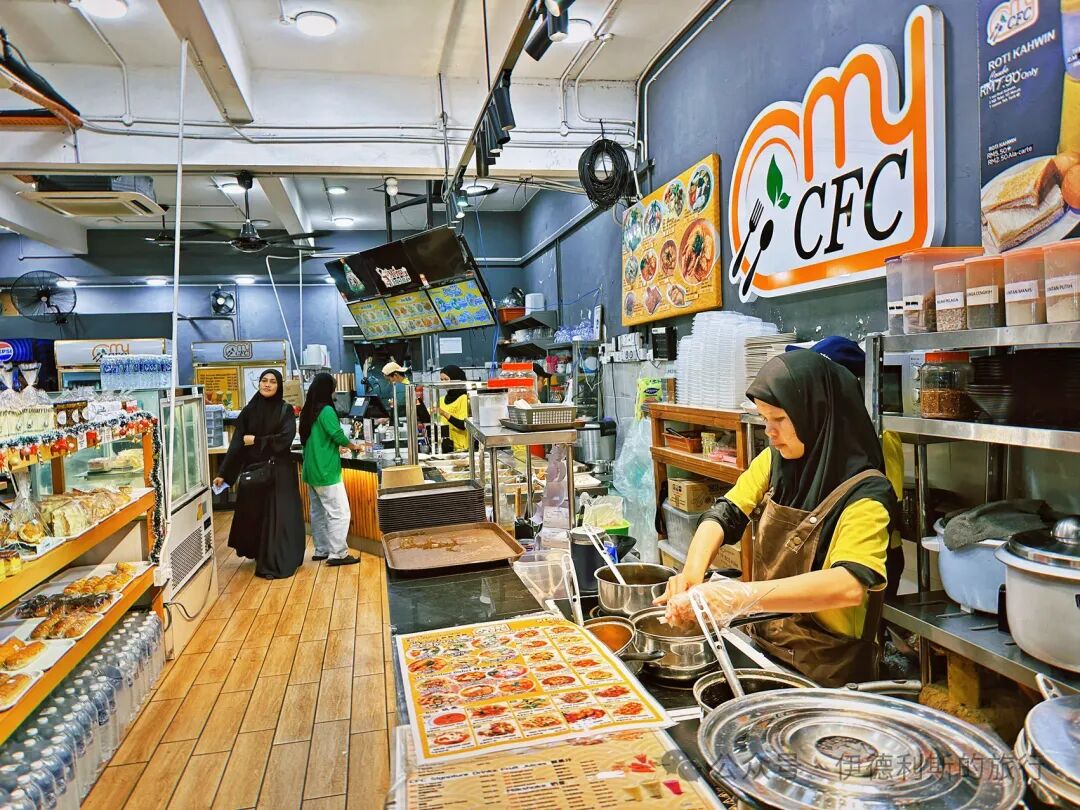
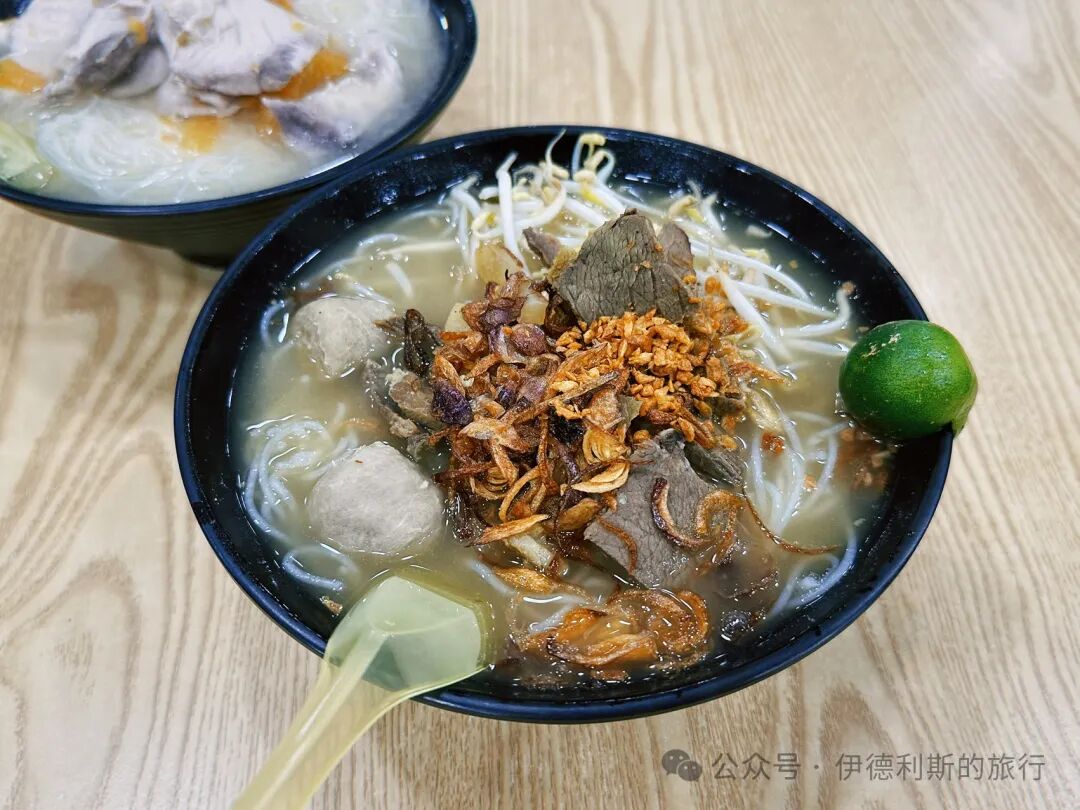
In the evening, we had a late-night snack at Wang Jiao on Gaya Street, where the fish slice noodles and beef offal soup were cooked to order in small pots, and we also drank freshly stewed bird's nest. Beef offal is truly available in every restaurant in Kota Kinabalu. Sabah bird's nest comes from swiftlets deep in the tropical rainforest and is a major local specialty. The price of bird's nest sold in ordinary shops in Kota Kinabalu is reasonable, making it a good choice to try.
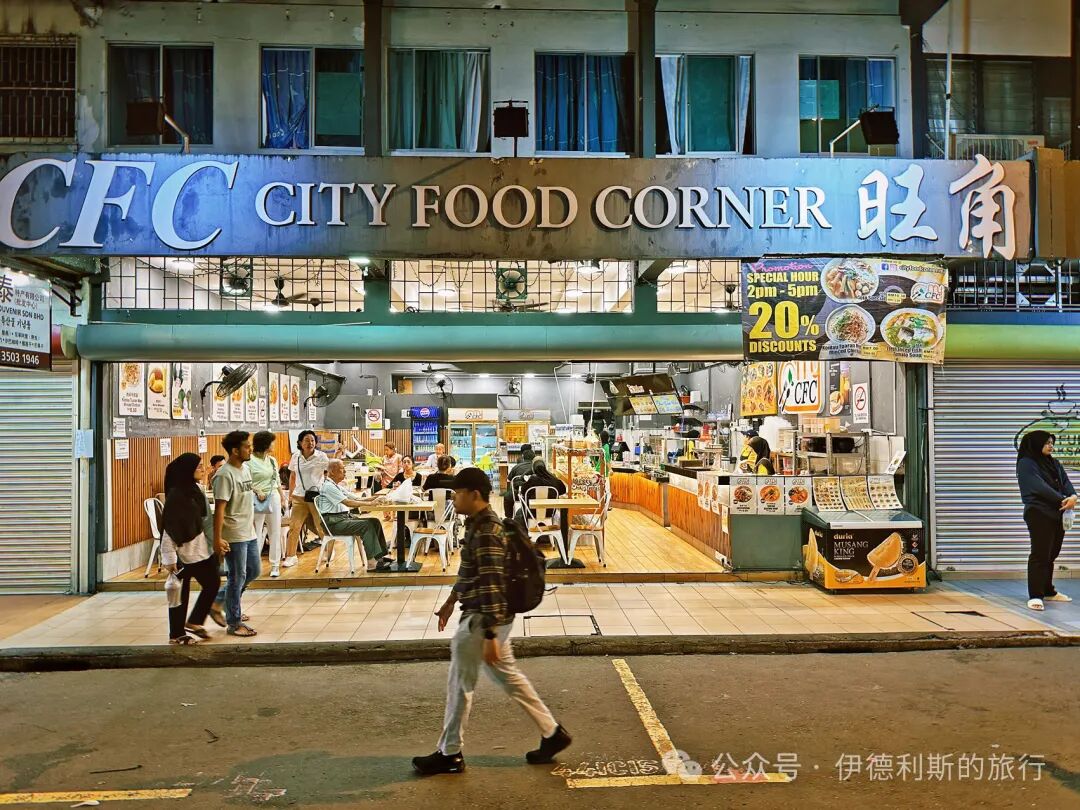
Opposite the old town of Kota Kinabalu is Gaya Island, and the coastline is full of crabs.
The water village on the shore of Gaya Island is home to Tausug and Bajau Muslim refugees who fled the war in the Sulu Archipelago and Mindanao in the southern Philippines after the 1970s. They travel by speedboat to the Kota Kinabalu Central Market every day to buy daily necessities, which is why this market is also known as the "Filipino Market." The center of the Filipino Market is the fruit and vegetable area, where pineapples and bananas are the main fruits.
Kota Kinabalu now has special tour routes where you can take a boat to visit water villages and watch traditional Bajau dances. We didn't have time for this trip, but I definitely want to try it next time.
After 1968, two major Muslim organizations in the Philippines, the Moro National Liberation Front (MNLF) and the Moro Islamic Liberation Front (MILF), began a 50-year conflict with the Philippine government. This caused tens of thousands of Filipino Muslim refugees to flee to Sabah, Malaysia. Since Malaysia is not a signatory to the UN Refugee Convention, these people are classified as illegal immigrants. In reality, many local businessmen in Sabah still hire these refugees.
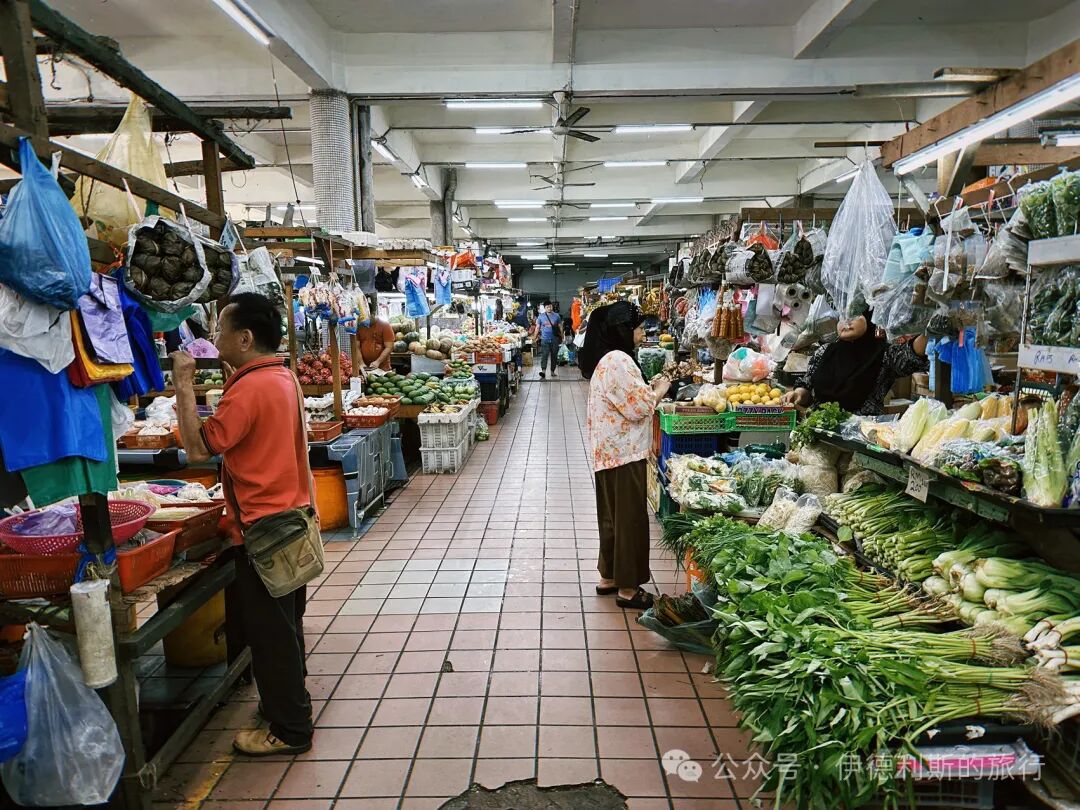
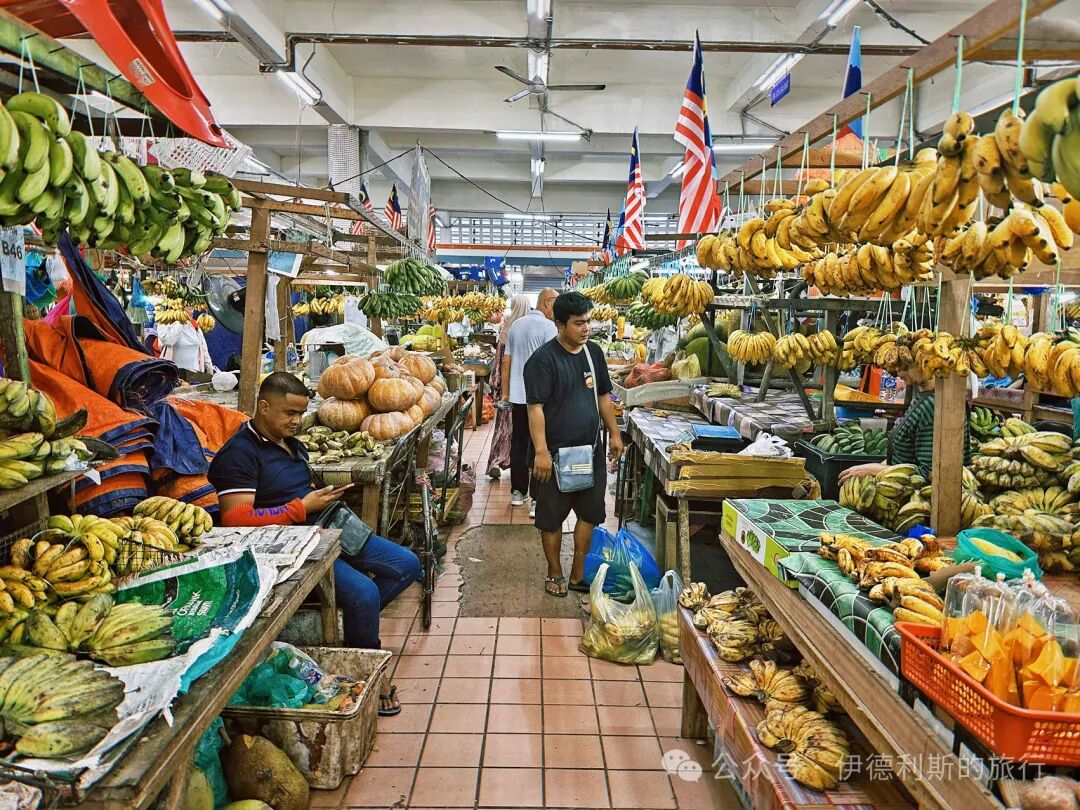
At the handicraft market in Kota Kinabalu, you can buy crafts from various ethnic groups like the Bajau, Brunei Malays, and Tausug people. We bought two religious decorations made of bright beads. They come in single-sided and double-sided versions, and they feel very unique.
The Bajau people call themselves Sama. They are also known as Sea Gypsies or sea nomads and are famous for building villages on the water. The Bajau are widely distributed along the coasts of Borneo, the Sulu Archipelago, the Zamboanga Peninsula, Mindanao, and Sulawesi, spanning four countries: Malaysia, the Philippines, Indonesia, and Brunei.
The Bajau include strict Sunni Muslims, localized Muslims influenced by early Sufi missionaries, and others who combine their faith with early animist beliefs. They have integrated spirits from their pre-Islamic period into the Islamic concept of jinn.
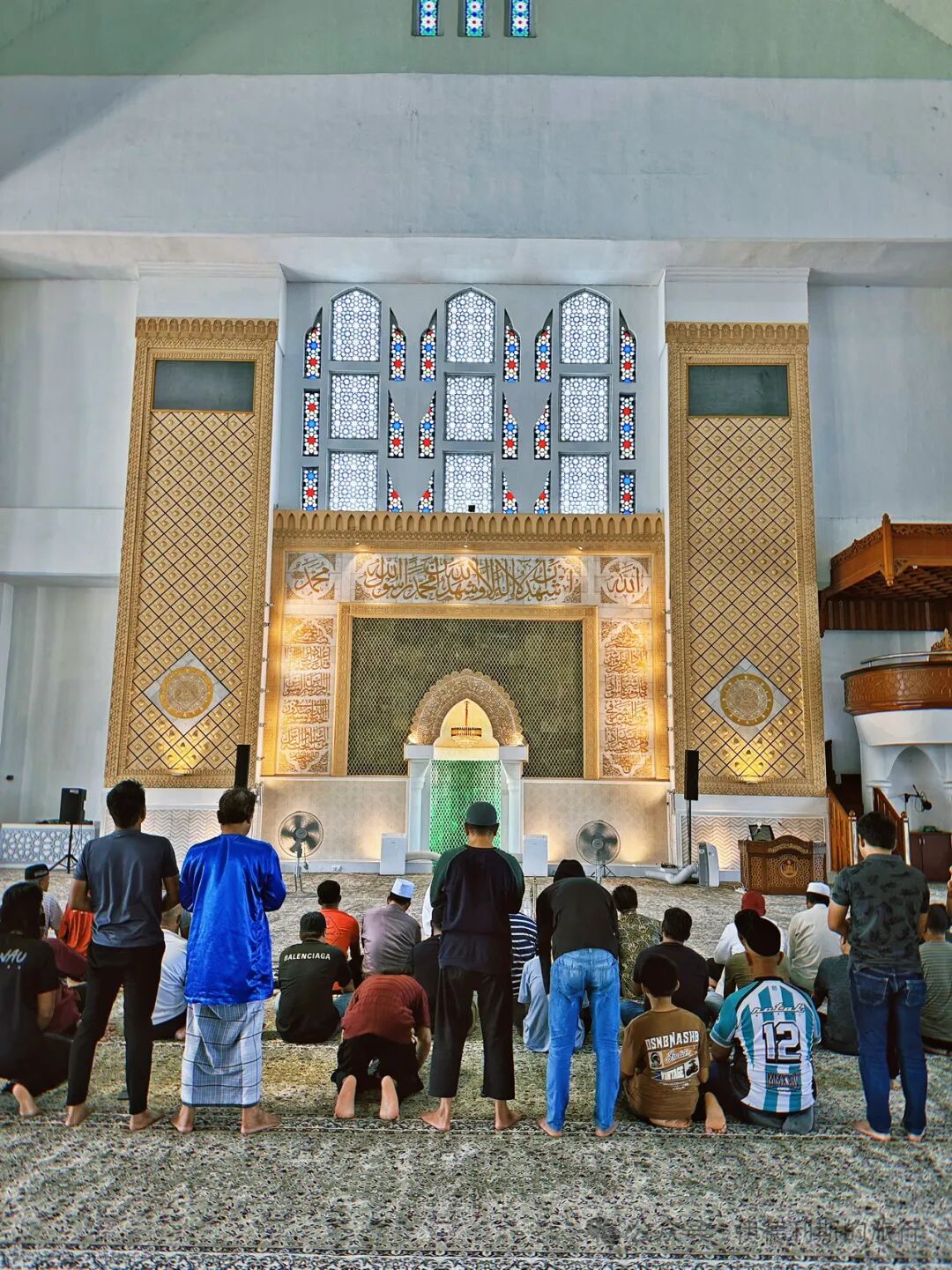
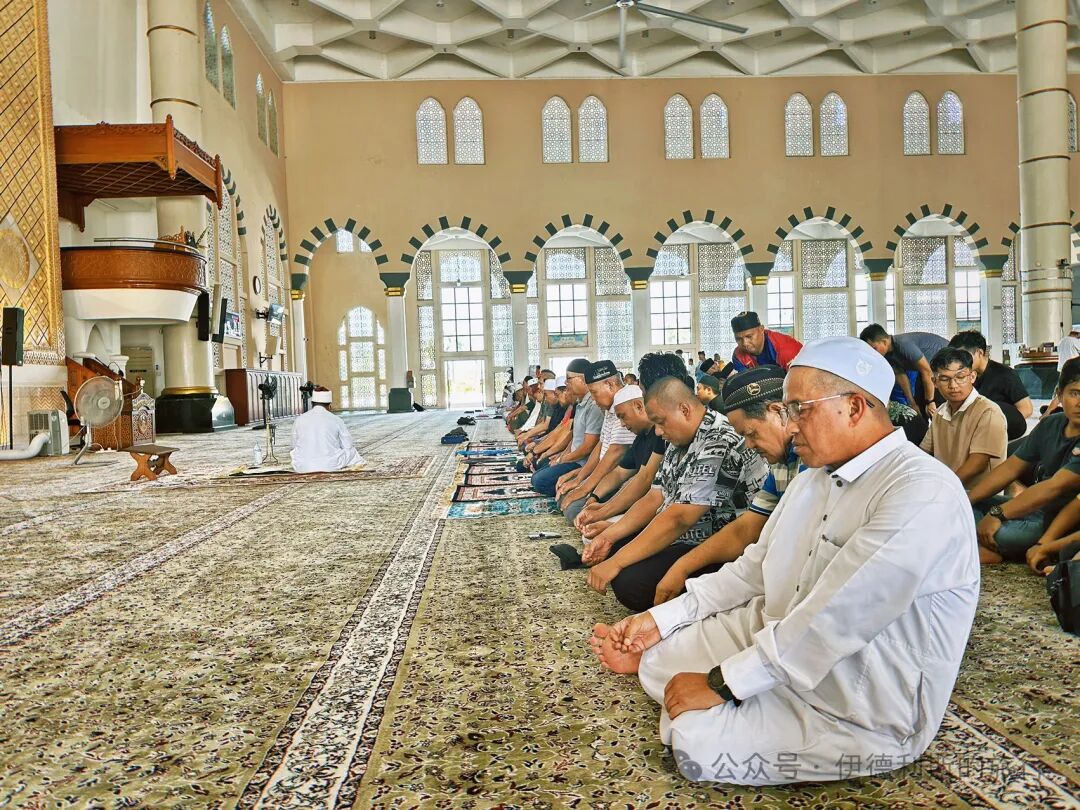
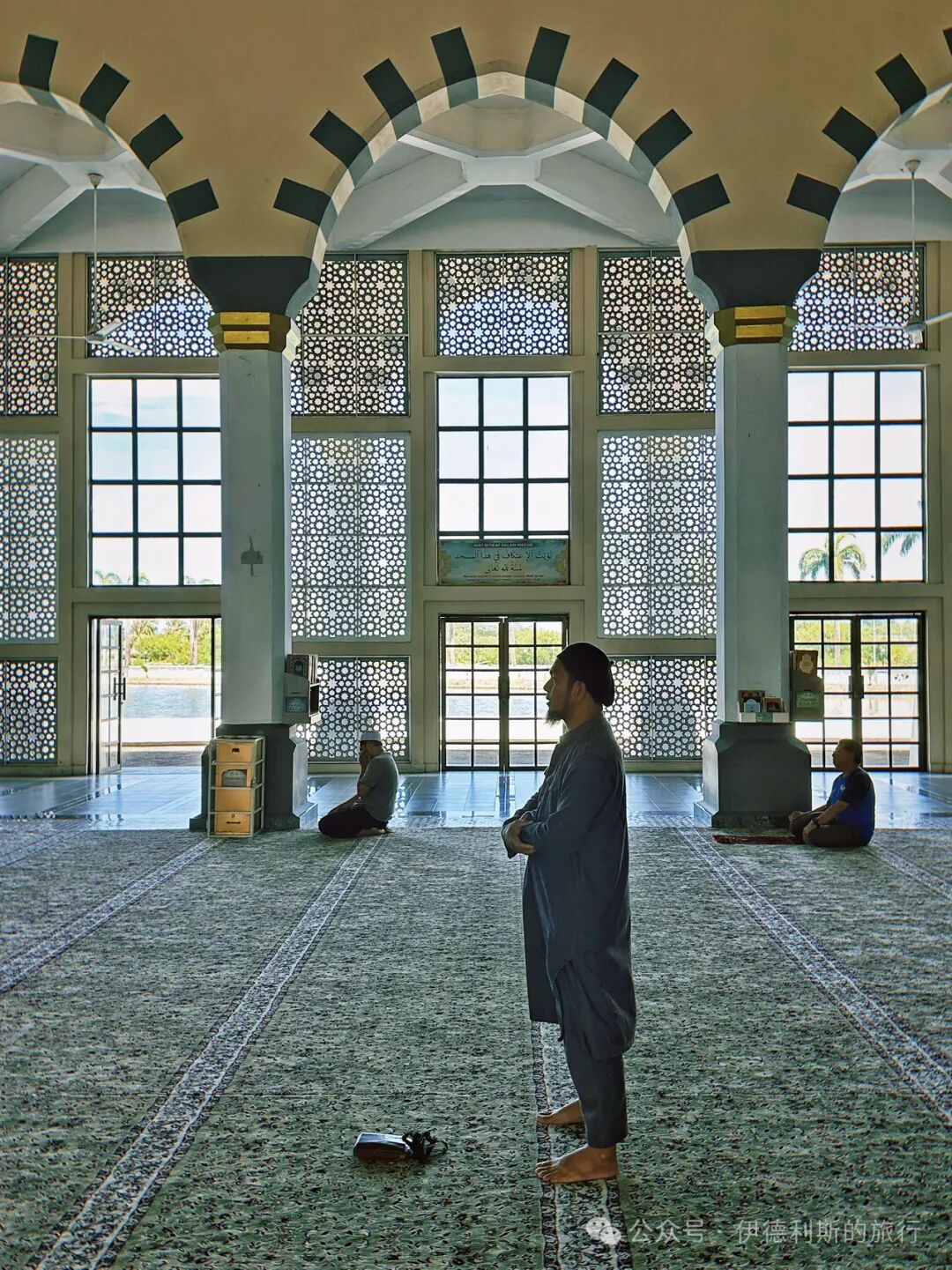
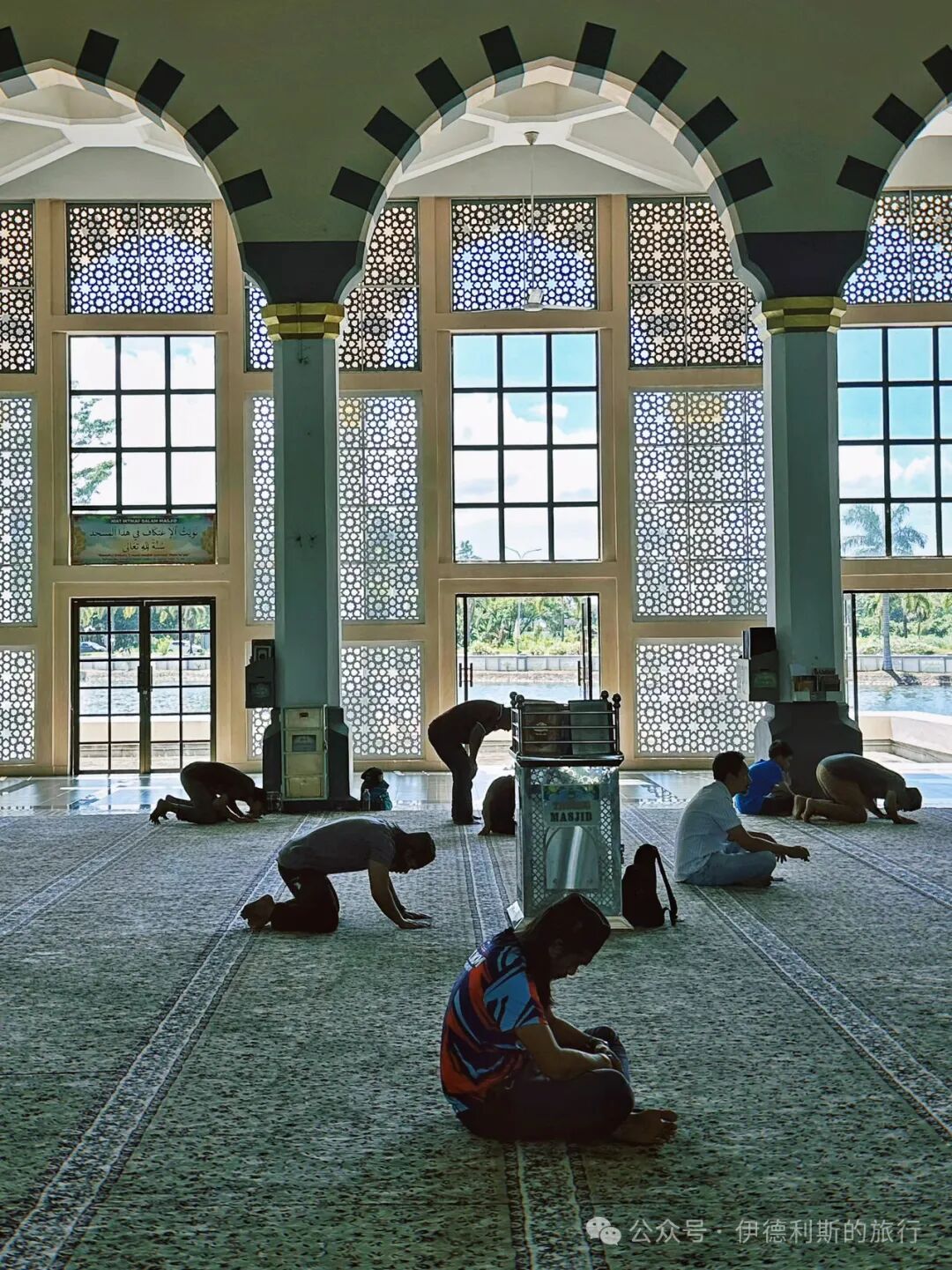
At noon, we performed namaz at the Kota Kinabalu City Mosque. The Kota Kinabalu City Mosque opened in 2000. Its exterior is modeled after the Prophet's Mosque in Medina, and it is surrounded by a lagoon, which is why it is also called the Floating Mosque. The Kota Kinabalu City Mosque is a famous tourist spot. Many people visit every day, and there is a lawn by the lake specifically for taking photos, so the mosque is very common on major social media platforms.
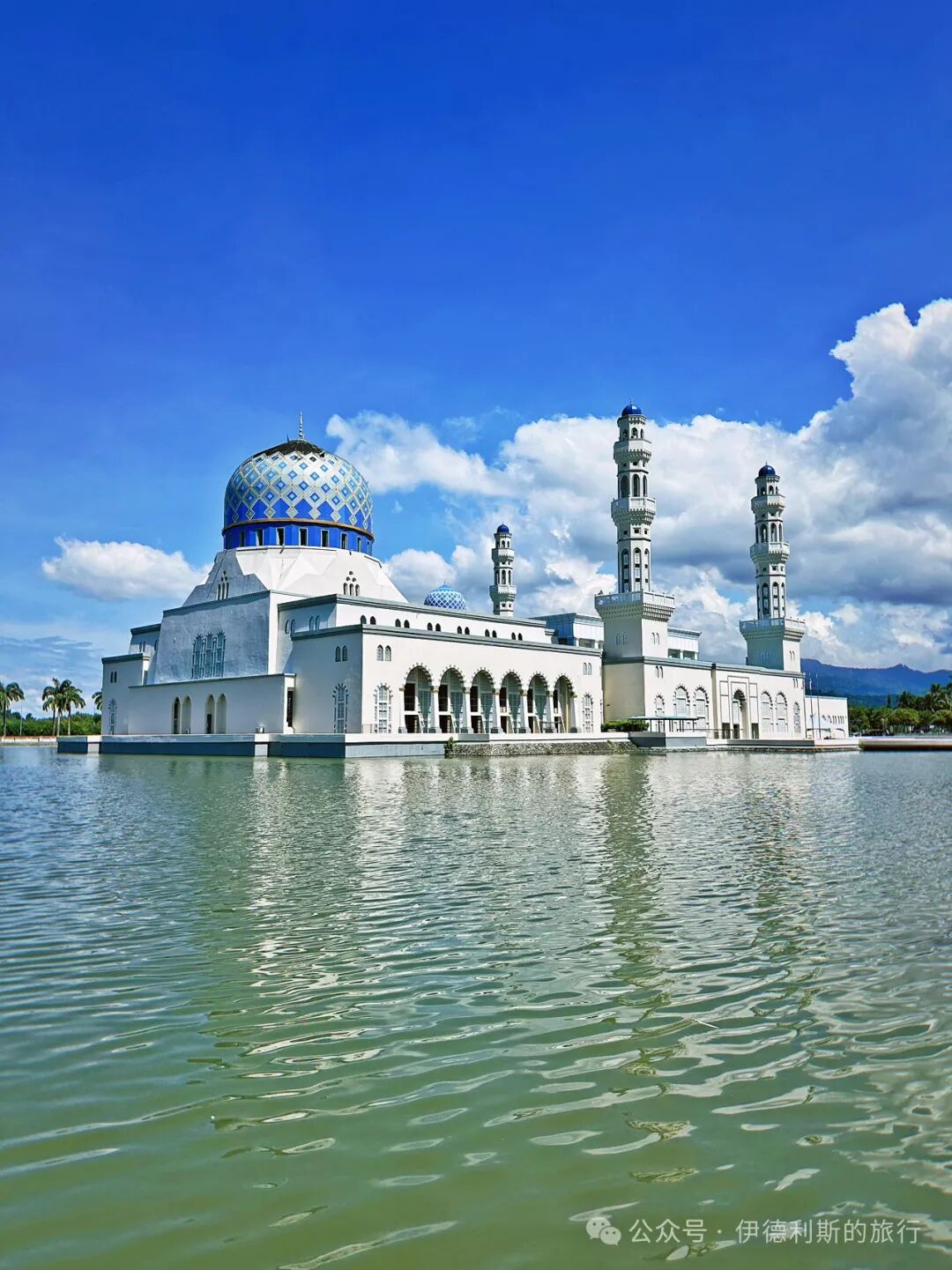
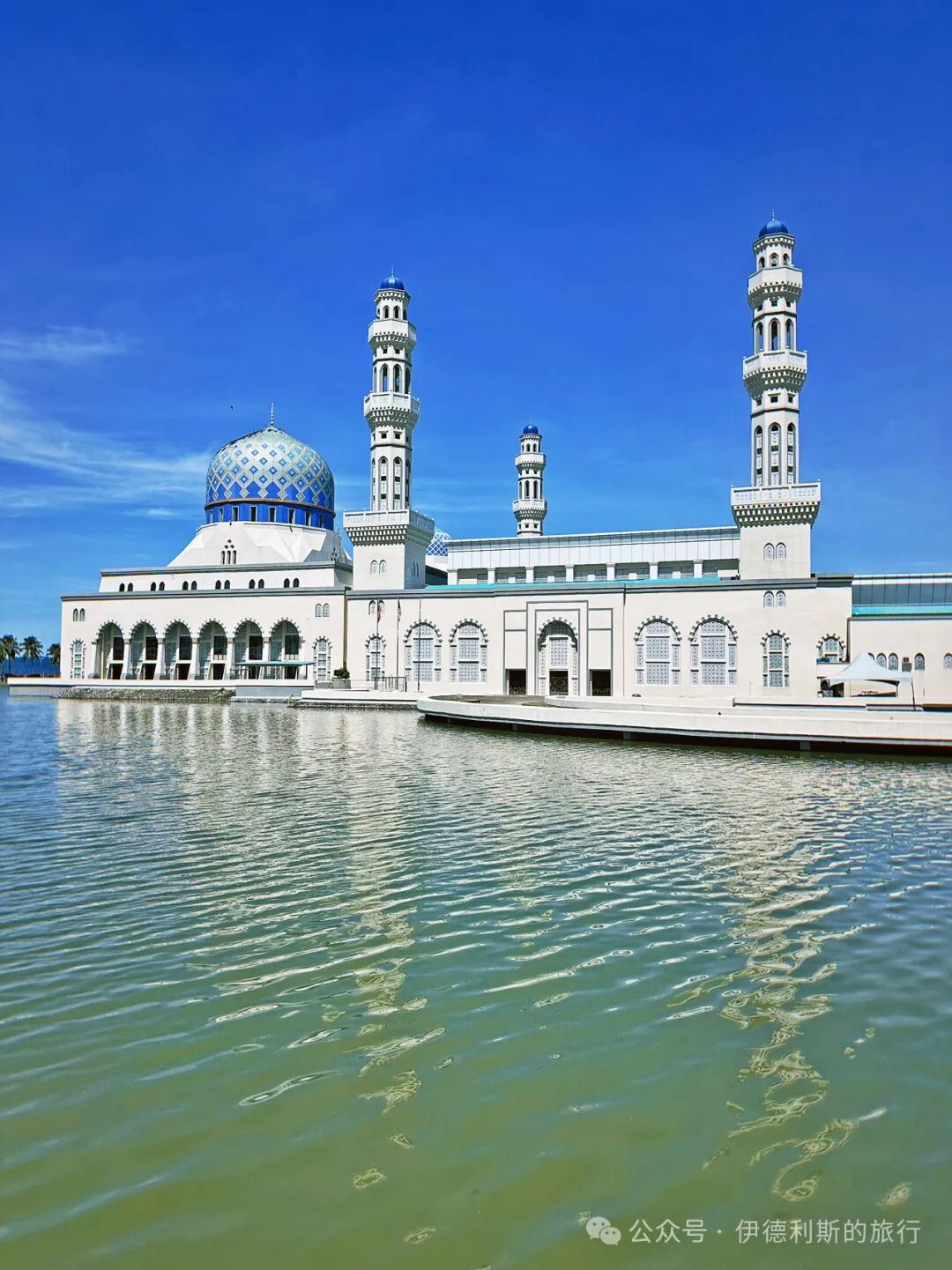
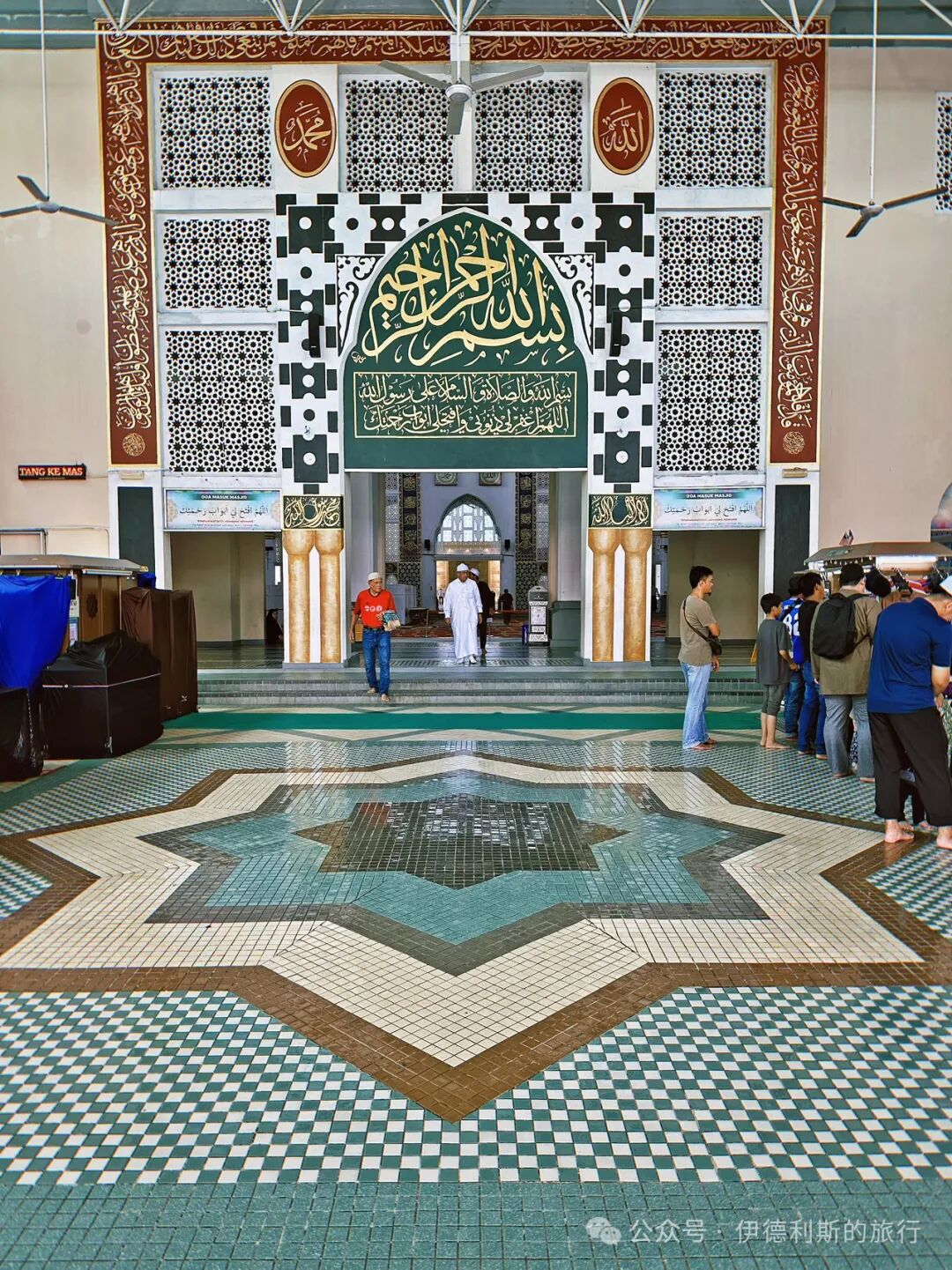
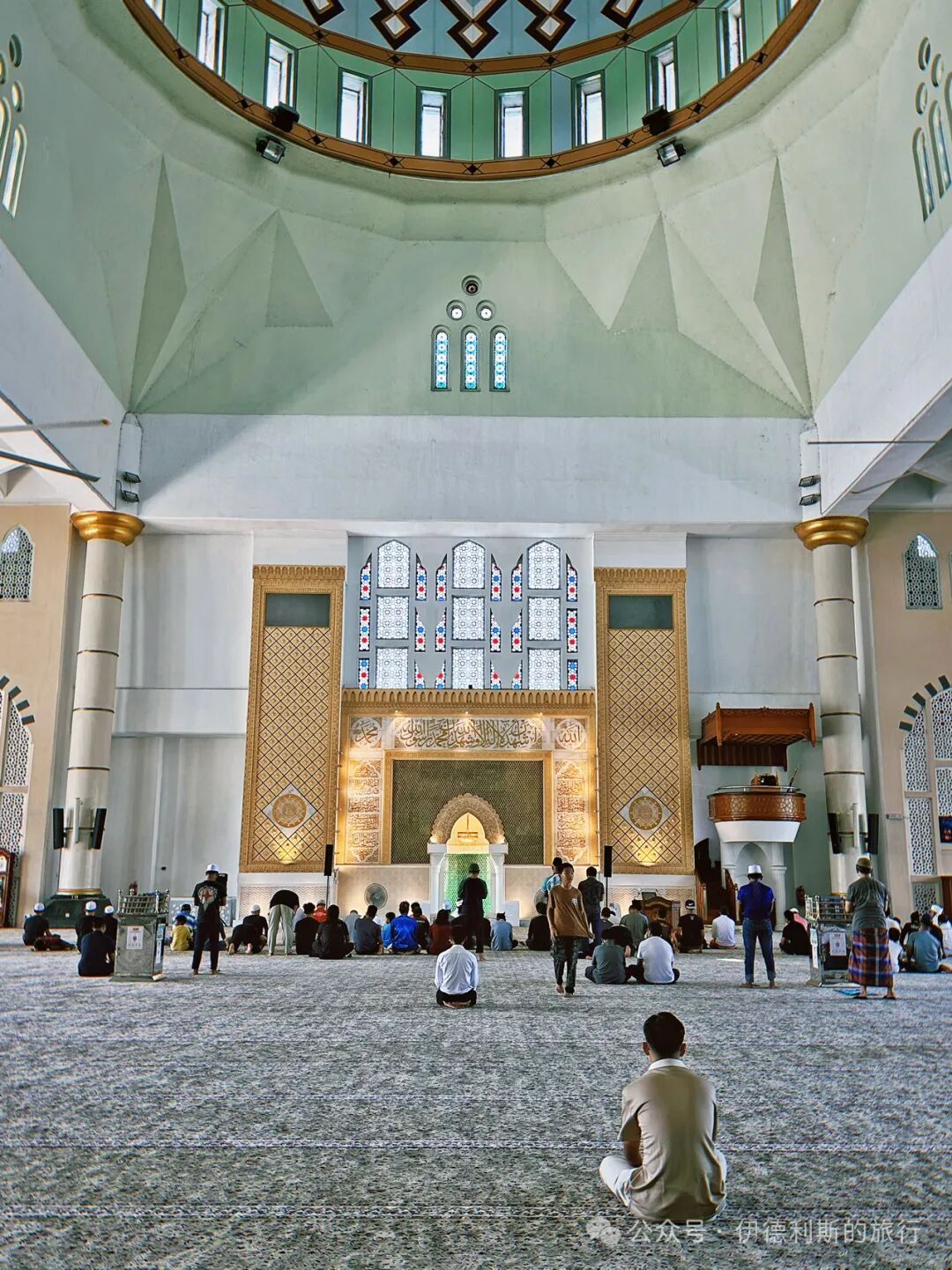
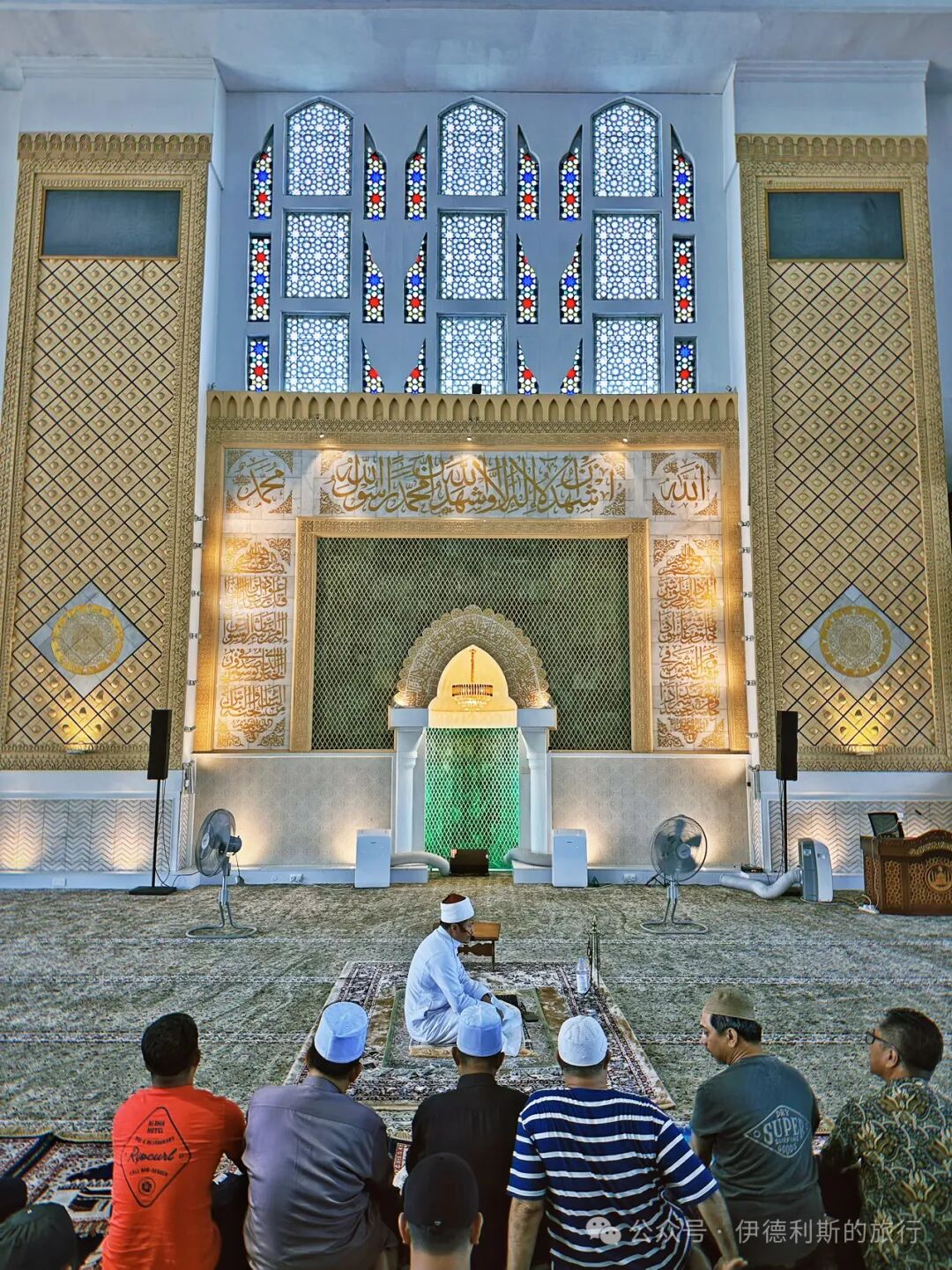
Next to the Kota Kinabalu City Mosque is a beach facing the South China Sea. There are small restaurants here, and it is very relaxing to eat while feeling the sea breeze. Although we went in December during the rainy season, it only rained for a short while each day, and the rest of the time it was quite sunny.
Summary: Kota Kinabalu, the capital of Sabah, Malaysia, has a rebuilt old town centered on Gaya Street, with Chinese shops, war history, markets, and coastal city life. This travel account follows the Filipino Market, Hainanese food spots, local landmarks, and the streets around old Kota Kinabalu while keeping the original photos and historical details.
Kota Kinabalu is the capital of Sabah, Malaysia. The old town was founded in 1899 by the British North Borneo Chartered Company. In 1945, the Allied forces launched the Borneo campaign against Japan. They bombed Kota Kinabalu day and night for six months, leaving the old town almost completely leveled. After the war, the Chartered Company could not afford to rebuild, so they handed Kota Kinabalu over to the British Crown. It later became the capital of British North Borneo.
The heart of Kota Kinabalu's old town is Gaya Street, which is lined with Chinese shops. Gaya Street was once called 'Central Street.' After it was built in 1902, it became the main commercial area of Kota Kinabalu. Local farmers, fishermen, and merchants from China, the Philippines, and Indonesia all came here to buy goods. After the Allied bombing in 1945, the British replanned the old town near Gaya Street. A series of reconstruction projects helped Gaya Street regain its vitality after the 1950s.
One of Kota Kinabalu's landmarks is The Jesselton Hotel, built in 1954. The Jesselton Hotel was funded by a Hong Kong Chinese business consortium and was the first hotel built in Kota Kinabalu after the war. The consortium hired architects and workers from Hong Kong, so the style is very similar to buildings in Hong Kong from the 1940s. In 1971, the hotel was sold to a Sandakan timber investment group and later leased to Datuk Wong Tze Fatt. Wong Tze Fatt bought the hotel in 1978 and renovated the facade into its current British style in 1989.
We stayed at another hotel built in the 1960s called Hotel Sixty3. In 1965, this was the first location of the Sabah Museum, and it still keeps its 1960s style today.
The Sunday morning market on Gaya Street in Kota Kinabalu is a great place to experience local life. It has a rich variety of local fruits and vegetables, plus coconut rice (nasi lemak), noodle soup (laksa), and various pastries and drinks. Kota Kinabalu has a diverse population. Besides the Chinese, there are mainly Bruneian Malays, Bajau, Kadazan, Dusun, Murut, and Lun Bawang people, along with many non-Malaysian citizens from the southern Philippines and the Sulu Archipelago.
You can see saplings for various tropical crops, including durian and mango, which is quite interesting.
Although there are many Hakka and Fujian people on Gaya Street in Kota Kinabalu, most of the restaurants are still run by Hainanese people. I started my morning with breakfast at Fook Yuen Cafe. It is very popular and crowded with tourists. Ordering is semi-self-service. They have Cantonese-style congee and dim sum, Malay coconut rice (nasi lemak), and Western-style bread and coffee, meeting the needs of all groups in Malaysia. I had a serving of Hainanese chicken rice and two steamed dumplings (shaomai), and I drank a glass of iced milk tea. They improved their chicken rice by adding dried small fish to the rice. This way of eating it is likely more popular with the Malay people.
Yee Fung Tea House, which opened in 1896, is the oldest Hainanese restaurant in Kota Kinabalu, even older than the city itself. The restaurant was originally located at the British North Borneo Chartered Company headquarters on Gaya Island. After the settlement on the island was destroyed in 1898 by an anti-British uprising led by the indigenous leader Mat Salleh, the restaurant moved to its current location on Gaya Street. You could say Yee Fung Tea House has witnessed all the changes in Kota Kinabalu. They have old photos hanging on the wall, including one of the Yuechang Tea House from the 1960s, which is in the exact same spot as it is today.
The shop is split into two parts, with the Hainanese owner personally making coffee and toasted bread (tuosi). The owner is very warm, provides excellent service, and speaks great Korean, which helps him attract Korean customers. Another stall hires Muslim sisters to make Hainanese beef offal noodles and various Malay dishes, which is a major feature of traditional Hainanese coffee shops. To attract customers from all ethnic groups, they must serve food that suits everyone's taste, which is why many long-standing Hainanese restaurants in Malaysia have been open for decades or even a century.
We ordered coffee with fresh milk, three-layer coffee, monk fruit herbal tea (luohanguo liangcha), oats, toast, and beef offal noodles. The monk fruit herbal tea and barley water (yimi shui) are perfect for the weather here.
The most popular halal Chinese restaurant on Gaya Street in Kota Kinabalu is Yee Fung Tea House. The owner of Yee Fung Tea House, Zhuang Qiuwang, is from Johor and started selling laksa on Gaya Street in 1984, making it exactly 40 years now. Like many halal Chinese restaurants in Malaysia, they hire Muslim chefs and staff to ensure the ingredients are halal.
Their signature dishes are the "three treasures": laksa, claypot chicken rice, and beef offal. We ordered lettuce with oyster sauce, plain beef offal, plain fish balls, and chicken wonton noodles. Hainanese beef offal mainly includes beef balls, beef tripe, stewed beef, and beef slices; many Hainanese restaurants in Kota Kinabalu serve it, and it is a local specialty. Authentic Hainanese beef offal is made without MSG, relying purely on spices for flavor, so you do not feel thirsty after eating it.
There is a night market on Gaya Street every Friday and Saturday night that stays open until 12:00, mainly featuring stalls run by Muslim Bruneian Malays and Bajau people, along with a few Chinese stalls. I walked around and bought an iced drink to quench my thirst.
In the evening, we had a late-night snack at Wang Jiao on Gaya Street, where the fish slice noodles and beef offal soup were cooked to order in small pots, and we also drank freshly stewed bird's nest. Beef offal is truly available in every restaurant in Kota Kinabalu. Sabah bird's nest comes from swiftlets deep in the tropical rainforest and is a major local specialty. The price of bird's nest sold in ordinary shops in Kota Kinabalu is reasonable, making it a good choice to try.
Opposite the old town of Kota Kinabalu is Gaya Island, and the coastline is full of crabs.
The water village on the shore of Gaya Island is home to Tausug and Bajau Muslim refugees who fled the war in the Sulu Archipelago and Mindanao in the southern Philippines after the 1970s. They travel by speedboat to the Kota Kinabalu Central Market every day to buy daily necessities, which is why this market is also known as the "Filipino Market." The center of the Filipino Market is the fruit and vegetable area, where pineapples and bananas are the main fruits.
Kota Kinabalu now has special tour routes where you can take a boat to visit water villages and watch traditional Bajau dances. We didn't have time for this trip, but I definitely want to try it next time.
After 1968, two major Muslim organizations in the Philippines, the Moro National Liberation Front (MNLF) and the Moro Islamic Liberation Front (MILF), began a 50-year conflict with the Philippine government. This caused tens of thousands of Filipino Muslim refugees to flee to Sabah, Malaysia. Since Malaysia is not a signatory to the UN Refugee Convention, these people are classified as illegal immigrants. In reality, many local businessmen in Sabah still hire these refugees.
At the handicraft market in Kota Kinabalu, you can buy crafts from various ethnic groups like the Bajau, Brunei Malays, and Tausug people. We bought two religious decorations made of bright beads. They come in single-sided and double-sided versions, and they feel very unique.
The Bajau people call themselves Sama. They are also known as Sea Gypsies or sea nomads and are famous for building villages on the water. The Bajau are widely distributed along the coasts of Borneo, the Sulu Archipelago, the Zamboanga Peninsula, Mindanao, and Sulawesi, spanning four countries: Malaysia, the Philippines, Indonesia, and Brunei.
The Bajau include strict Sunni Muslims, localized Muslims influenced by early Sufi missionaries, and others who combine their faith with early animist beliefs. They have integrated spirits from their pre-Islamic period into the Islamic concept of jinn.
At noon, we performed namaz at the Kota Kinabalu City Mosque. The Kota Kinabalu City Mosque opened in 2000. Its exterior is modeled after the Prophet's Mosque in Medina, and it is surrounded by a lagoon, which is why it is also called the Floating Mosque. The Kota Kinabalu City Mosque is a famous tourist spot. Many people visit every day, and there is a lawn by the lake specifically for taking photos, so the mosque is very common on major social media platforms.
Next to the Kota Kinabalu City Mosque is a beach facing the South China Sea. There are small restaurants here, and it is very relaxing to eat while feeling the sea breeze. Although we went in December during the rainy season, it only rained for a short while each day, and the rest of the time it was quite sunny.
Halal Travel Guide: Kota Kinabalu — Filipino Market, Hainanese Food & Sabah History
Articles • ali2007fr posted the article • 0 comments • 252 views • 2026-05-19 23:56
Reposted from the web
Summary: Kota Kinabalu, the capital of Sabah, Malaysia, has a rebuilt old town centered on Gaya Street, with Chinese shops, war history, markets, and coastal city life. This travel account follows the Filipino Market, Hainanese food spots, local landmarks, and the streets around old Kota Kinabalu while keeping the original photos and historical details.
Kota Kinabalu is the capital of Sabah, Malaysia. The old town was founded in 1899 by the British North Borneo Chartered Company. In 1945, the Allied forces launched the Borneo campaign against Japan. They bombed Kota Kinabalu day and night for six months, leaving the old town almost completely leveled. After the war, the Chartered Company could not afford to rebuild, so they handed Kota Kinabalu over to the British Crown. It later became the capital of British North Borneo.
The heart of Kota Kinabalu's old town is Gaya Street, which is lined with Chinese shops. Gaya Street was once called 'Central Street.' After it was built in 1902, it became the main commercial area of Kota Kinabalu. Local farmers, fishermen, and merchants from China, the Philippines, and Indonesia all came here to buy goods. After the Allied bombing in 1945, the British replanned the old town near Gaya Street. A series of reconstruction projects helped Gaya Street regain its vitality after the 1950s.
One of Kota Kinabalu's landmarks is The Jesselton Hotel, built in 1954. The Jesselton Hotel was funded by a Hong Kong Chinese business consortium and was the first hotel built in Kota Kinabalu after the war. The consortium hired architects and workers from Hong Kong, so the style is very similar to buildings in Hong Kong from the 1940s. In 1971, the hotel was sold to a Sandakan timber investment group and later leased to Datuk Wong Tze Fatt. Wong Tze Fatt bought the hotel in 1978 and renovated the facade into its current British style in 1989.
We stayed at another hotel built in the 1960s called Hotel Sixty3. In 1965, this was the first location of the Sabah Museum, and it still keeps its 1960s style today.
The Sunday morning market on Gaya Street in Kota Kinabalu is a great place to experience local life. It has a rich variety of local fruits and vegetables, plus coconut rice (nasi lemak), noodle soup (laksa), and various pastries and drinks. Kota Kinabalu has a diverse population. Besides the Chinese, there are mainly Bruneian Malays, Bajau, Kadazan, Dusun, Murut, and Lun Bawang people, along with many non-Malaysian citizens from the southern Philippines and the Sulu Archipelago.
You can see saplings for various tropical crops, including durian and mango, which is quite interesting.
Although there are many Hakka and Fujian people on Gaya Street in Kota Kinabalu, most of the restaurants are still run by Hainanese people. I started my morning with breakfast at Fook Yuen Cafe. It is very popular and crowded with tourists. Ordering is semi-self-service. They have Cantonese-style congee and dim sum, Malay coconut rice (nasi lemak), and Western-style bread and coffee, meeting the needs of all groups in Malaysia. I had a serving of Hainanese chicken rice and two steamed dumplings (shaomai), and I drank a glass of iced milk tea. They improved their chicken rice by adding dried small fish to the rice. This way of eating it is likely more popular with the Malay people.
Yee Fung Tea House, which opened in 1896, is the oldest Hainanese restaurant in Kota Kinabalu, even older than the city itself. The restaurant was originally located at the British North Borneo Chartered Company headquarters on Gaya Island. After the settlement on the island was destroyed in 1898 by an anti-British uprising led by the indigenous leader Mat Salleh, the restaurant moved to its current location on Gaya Street. You could say Yee Fung Tea House has witnessed all the changes in Kota Kinabalu. They have old photos hanging on the wall, including one of the Yuechang Tea House from the 1960s, which is in the exact same spot as it is today.
The shop is split into two parts, with the Hainanese owner personally making coffee and toasted bread (tuosi). The owner is very warm, provides excellent service, and speaks great Korean, which helps him attract Korean customers. Another stall hires Muslim sisters to make Hainanese beef offal noodles and various Malay dishes, which is a major feature of traditional Hainanese coffee shops. To attract customers from all ethnic groups, they must serve food that suits everyone's taste, which is why many long-standing Hainanese restaurants in Malaysia have been open for decades or even a century.
We ordered coffee with fresh milk, three-layer coffee, monk fruit herbal tea (luohanguo liangcha), oats, toast, and beef offal noodles. The monk fruit herbal tea and barley water (yimi shui) are perfect for the weather here.
The most popular halal Chinese restaurant on Gaya Street in Kota Kinabalu is Yee Fung Tea House. The owner of Yee Fung Tea House, Zhuang Qiuwang, is from Johor and started selling laksa on Gaya Street in 1984, making it exactly 40 years now. Like many halal Chinese restaurants in Malaysia, they hire Muslim chefs and staff to ensure the ingredients are halal.
Their signature dishes are the "three treasures": laksa, claypot chicken rice, and beef offal. We ordered lettuce with oyster sauce, plain beef offal, plain fish balls, and chicken wonton noodles. Hainanese beef offal mainly includes beef balls, beef tripe, stewed beef, and beef slices; many Hainanese restaurants in Kota Kinabalu serve it, and it is a local specialty. Authentic Hainanese beef offal is made without MSG, relying purely on spices for flavor, so you do not feel thirsty after eating it.
There is a night market on Gaya Street every Friday and Saturday night that stays open until 12:00, mainly featuring stalls run by Muslim Bruneian Malays and Bajau people, along with a few Chinese stalls. I walked around and bought an iced drink to quench my thirst.
In the evening, we had a late-night snack at Wang Jiao on Gaya Street, where the fish slice noodles and beef offal soup were cooked to order in small pots, and we also drank freshly stewed bird's nest. Beef offal is truly available in every restaurant in Kota Kinabalu. Sabah bird's nest comes from swiftlets deep in the tropical rainforest and is a major local specialty. The price of bird's nest sold in ordinary shops in Kota Kinabalu is reasonable, making it a good choice to try.
Opposite the old town of Kota Kinabalu is Gaya Island, and the coastline is full of crabs.
The water village on the shore of Gaya Island is home to Tausug and Bajau Muslim refugees who fled the war in the Sulu Archipelago and Mindanao in the southern Philippines after the 1970s. They travel by speedboat to the Kota Kinabalu Central Market every day to buy daily necessities, which is why this market is also known as the "Filipino Market." The center of the Filipino Market is the fruit and vegetable area, where pineapples and bananas are the main fruits.
Kota Kinabalu now has special tour routes where you can take a boat to visit water villages and watch traditional Bajau dances. We didn't have time for this trip, but I definitely want to try it next time.
After 1968, two major Muslim organizations in the Philippines, the Moro National Liberation Front (MNLF) and the Moro Islamic Liberation Front (MILF), began a 50-year conflict with the Philippine government. This caused tens of thousands of Filipino Muslim refugees to flee to Sabah, Malaysia. Since Malaysia is not a signatory to the UN Refugee Convention, these people are classified as illegal immigrants. In reality, many local businessmen in Sabah still hire these refugees.
At the handicraft market in Kota Kinabalu, you can buy crafts from various ethnic groups like the Bajau, Brunei Malays, and Tausug people. We bought two religious decorations made of bright beads. They come in single-sided and double-sided versions, and they feel very unique.
The Bajau people call themselves Sama. They are also known as Sea Gypsies or sea nomads and are famous for building villages on the water. The Bajau are widely distributed along the coasts of Borneo, the Sulu Archipelago, the Zamboanga Peninsula, Mindanao, and Sulawesi, spanning four countries: Malaysia, the Philippines, Indonesia, and Brunei.
The Bajau include strict Sunni Muslims, localized Muslims influenced by early Sufi missionaries, and others who combine their faith with early animist beliefs. They have integrated spirits from their pre-Islamic period into the Islamic concept of jinn.
At noon, we performed namaz at the Kota Kinabalu City Mosque. The Kota Kinabalu City Mosque opened in 2000. Its exterior is modeled after the Prophet's Mosque in Medina, and it is surrounded by a lagoon, which is why it is also called the Floating Mosque. The Kota Kinabalu City Mosque is a famous tourist spot. Many people visit every day, and there is a lawn by the lake specifically for taking photos, so the mosque is very common on major social media platforms.
Next to the Kota Kinabalu City Mosque is a beach facing the South China Sea. There are small restaurants here, and it is very relaxing to eat while feeling the sea breeze. Although we went in December during the rainy season, it only rained for a short while each day, and the rest of the time it was quite sunny. view all
Summary: Kota Kinabalu, the capital of Sabah, Malaysia, has a rebuilt old town centered on Gaya Street, with Chinese shops, war history, markets, and coastal city life. This travel account follows the Filipino Market, Hainanese food spots, local landmarks, and the streets around old Kota Kinabalu while keeping the original photos and historical details.
Kota Kinabalu is the capital of Sabah, Malaysia. The old town was founded in 1899 by the British North Borneo Chartered Company. In 1945, the Allied forces launched the Borneo campaign against Japan. They bombed Kota Kinabalu day and night for six months, leaving the old town almost completely leveled. After the war, the Chartered Company could not afford to rebuild, so they handed Kota Kinabalu over to the British Crown. It later became the capital of British North Borneo.
The heart of Kota Kinabalu's old town is Gaya Street, which is lined with Chinese shops. Gaya Street was once called 'Central Street.' After it was built in 1902, it became the main commercial area of Kota Kinabalu. Local farmers, fishermen, and merchants from China, the Philippines, and Indonesia all came here to buy goods. After the Allied bombing in 1945, the British replanned the old town near Gaya Street. A series of reconstruction projects helped Gaya Street regain its vitality after the 1950s.
One of Kota Kinabalu's landmarks is The Jesselton Hotel, built in 1954. The Jesselton Hotel was funded by a Hong Kong Chinese business consortium and was the first hotel built in Kota Kinabalu after the war. The consortium hired architects and workers from Hong Kong, so the style is very similar to buildings in Hong Kong from the 1940s. In 1971, the hotel was sold to a Sandakan timber investment group and later leased to Datuk Wong Tze Fatt. Wong Tze Fatt bought the hotel in 1978 and renovated the facade into its current British style in 1989.
We stayed at another hotel built in the 1960s called Hotel Sixty3. In 1965, this was the first location of the Sabah Museum, and it still keeps its 1960s style today.
The Sunday morning market on Gaya Street in Kota Kinabalu is a great place to experience local life. It has a rich variety of local fruits and vegetables, plus coconut rice (nasi lemak), noodle soup (laksa), and various pastries and drinks. Kota Kinabalu has a diverse population. Besides the Chinese, there are mainly Bruneian Malays, Bajau, Kadazan, Dusun, Murut, and Lun Bawang people, along with many non-Malaysian citizens from the southern Philippines and the Sulu Archipelago.
You can see saplings for various tropical crops, including durian and mango, which is quite interesting.
Although there are many Hakka and Fujian people on Gaya Street in Kota Kinabalu, most of the restaurants are still run by Hainanese people. I started my morning with breakfast at Fook Yuen Cafe. It is very popular and crowded with tourists. Ordering is semi-self-service. They have Cantonese-style congee and dim sum, Malay coconut rice (nasi lemak), and Western-style bread and coffee, meeting the needs of all groups in Malaysia. I had a serving of Hainanese chicken rice and two steamed dumplings (shaomai), and I drank a glass of iced milk tea. They improved their chicken rice by adding dried small fish to the rice. This way of eating it is likely more popular with the Malay people.
Yee Fung Tea House, which opened in 1896, is the oldest Hainanese restaurant in Kota Kinabalu, even older than the city itself. The restaurant was originally located at the British North Borneo Chartered Company headquarters on Gaya Island. After the settlement on the island was destroyed in 1898 by an anti-British uprising led by the indigenous leader Mat Salleh, the restaurant moved to its current location on Gaya Street. You could say Yee Fung Tea House has witnessed all the changes in Kota Kinabalu. They have old photos hanging on the wall, including one of the Yuechang Tea House from the 1960s, which is in the exact same spot as it is today.
The shop is split into two parts, with the Hainanese owner personally making coffee and toasted bread (tuosi). The owner is very warm, provides excellent service, and speaks great Korean, which helps him attract Korean customers. Another stall hires Muslim sisters to make Hainanese beef offal noodles and various Malay dishes, which is a major feature of traditional Hainanese coffee shops. To attract customers from all ethnic groups, they must serve food that suits everyone's taste, which is why many long-standing Hainanese restaurants in Malaysia have been open for decades or even a century.
We ordered coffee with fresh milk, three-layer coffee, monk fruit herbal tea (luohanguo liangcha), oats, toast, and beef offal noodles. The monk fruit herbal tea and barley water (yimi shui) are perfect for the weather here.
The most popular halal Chinese restaurant on Gaya Street in Kota Kinabalu is Yee Fung Tea House. The owner of Yee Fung Tea House, Zhuang Qiuwang, is from Johor and started selling laksa on Gaya Street in 1984, making it exactly 40 years now. Like many halal Chinese restaurants in Malaysia, they hire Muslim chefs and staff to ensure the ingredients are halal.
Their signature dishes are the "three treasures": laksa, claypot chicken rice, and beef offal. We ordered lettuce with oyster sauce, plain beef offal, plain fish balls, and chicken wonton noodles. Hainanese beef offal mainly includes beef balls, beef tripe, stewed beef, and beef slices; many Hainanese restaurants in Kota Kinabalu serve it, and it is a local specialty. Authentic Hainanese beef offal is made without MSG, relying purely on spices for flavor, so you do not feel thirsty after eating it.
There is a night market on Gaya Street every Friday and Saturday night that stays open until 12:00, mainly featuring stalls run by Muslim Bruneian Malays and Bajau people, along with a few Chinese stalls. I walked around and bought an iced drink to quench my thirst.
In the evening, we had a late-night snack at Wang Jiao on Gaya Street, where the fish slice noodles and beef offal soup were cooked to order in small pots, and we also drank freshly stewed bird's nest. Beef offal is truly available in every restaurant in Kota Kinabalu. Sabah bird's nest comes from swiftlets deep in the tropical rainforest and is a major local specialty. The price of bird's nest sold in ordinary shops in Kota Kinabalu is reasonable, making it a good choice to try.
Opposite the old town of Kota Kinabalu is Gaya Island, and the coastline is full of crabs.
The water village on the shore of Gaya Island is home to Tausug and Bajau Muslim refugees who fled the war in the Sulu Archipelago and Mindanao in the southern Philippines after the 1970s. They travel by speedboat to the Kota Kinabalu Central Market every day to buy daily necessities, which is why this market is also known as the "Filipino Market." The center of the Filipino Market is the fruit and vegetable area, where pineapples and bananas are the main fruits.
Kota Kinabalu now has special tour routes where you can take a boat to visit water villages and watch traditional Bajau dances. We didn't have time for this trip, but I definitely want to try it next time.
After 1968, two major Muslim organizations in the Philippines, the Moro National Liberation Front (MNLF) and the Moro Islamic Liberation Front (MILF), began a 50-year conflict with the Philippine government. This caused tens of thousands of Filipino Muslim refugees to flee to Sabah, Malaysia. Since Malaysia is not a signatory to the UN Refugee Convention, these people are classified as illegal immigrants. In reality, many local businessmen in Sabah still hire these refugees.
At the handicraft market in Kota Kinabalu, you can buy crafts from various ethnic groups like the Bajau, Brunei Malays, and Tausug people. We bought two religious decorations made of bright beads. They come in single-sided and double-sided versions, and they feel very unique.
The Bajau people call themselves Sama. They are also known as Sea Gypsies or sea nomads and are famous for building villages on the water. The Bajau are widely distributed along the coasts of Borneo, the Sulu Archipelago, the Zamboanga Peninsula, Mindanao, and Sulawesi, spanning four countries: Malaysia, the Philippines, Indonesia, and Brunei.
The Bajau include strict Sunni Muslims, localized Muslims influenced by early Sufi missionaries, and others who combine their faith with early animist beliefs. They have integrated spirits from their pre-Islamic period into the Islamic concept of jinn.
At noon, we performed namaz at the Kota Kinabalu City Mosque. The Kota Kinabalu City Mosque opened in 2000. Its exterior is modeled after the Prophet's Mosque in Medina, and it is surrounded by a lagoon, which is why it is also called the Floating Mosque. The Kota Kinabalu City Mosque is a famous tourist spot. Many people visit every day, and there is a lawn by the lake specifically for taking photos, so the mosque is very common on major social media platforms.
Next to the Kota Kinabalu City Mosque is a beach facing the South China Sea. There are small restaurants here, and it is very relaxing to eat while feeling the sea breeze. Although we went in December during the rainy season, it only rained for a short while each day, and the rest of the time it was quite sunny. view all
Reposted from the web
Summary: Kota Kinabalu, the capital of Sabah, Malaysia, has a rebuilt old town centered on Gaya Street, with Chinese shops, war history, markets, and coastal city life. This travel account follows the Filipino Market, Hainanese food spots, local landmarks, and the streets around old Kota Kinabalu while keeping the original photos and historical details.
Kota Kinabalu is the capital of Sabah, Malaysia. The old town was founded in 1899 by the British North Borneo Chartered Company. In 1945, the Allied forces launched the Borneo campaign against Japan. They bombed Kota Kinabalu day and night for six months, leaving the old town almost completely leveled. After the war, the Chartered Company could not afford to rebuild, so they handed Kota Kinabalu over to the British Crown. It later became the capital of British North Borneo.
The heart of Kota Kinabalu's old town is Gaya Street, which is lined with Chinese shops. Gaya Street was once called 'Central Street.' After it was built in 1902, it became the main commercial area of Kota Kinabalu. Local farmers, fishermen, and merchants from China, the Philippines, and Indonesia all came here to buy goods. After the Allied bombing in 1945, the British replanned the old town near Gaya Street. A series of reconstruction projects helped Gaya Street regain its vitality after the 1950s.
One of Kota Kinabalu's landmarks is The Jesselton Hotel, built in 1954. The Jesselton Hotel was funded by a Hong Kong Chinese business consortium and was the first hotel built in Kota Kinabalu after the war. The consortium hired architects and workers from Hong Kong, so the style is very similar to buildings in Hong Kong from the 1940s. In 1971, the hotel was sold to a Sandakan timber investment group and later leased to Datuk Wong Tze Fatt. Wong Tze Fatt bought the hotel in 1978 and renovated the facade into its current British style in 1989.
We stayed at another hotel built in the 1960s called Hotel Sixty3. In 1965, this was the first location of the Sabah Museum, and it still keeps its 1960s style today.
The Sunday morning market on Gaya Street in Kota Kinabalu is a great place to experience local life. It has a rich variety of local fruits and vegetables, plus coconut rice (nasi lemak), noodle soup (laksa), and various pastries and drinks. Kota Kinabalu has a diverse population. Besides the Chinese, there are mainly Bruneian Malays, Bajau, Kadazan, Dusun, Murut, and Lun Bawang people, along with many non-Malaysian citizens from the southern Philippines and the Sulu Archipelago.
You can see saplings for various tropical crops, including durian and mango, which is quite interesting.
Although there are many Hakka and Fujian people on Gaya Street in Kota Kinabalu, most of the restaurants are still run by Hainanese people. I started my morning with breakfast at Fook Yuen Cafe. It is very popular and crowded with tourists. Ordering is semi-self-service. They have Cantonese-style congee and dim sum, Malay coconut rice (nasi lemak), and Western-style bread and coffee, meeting the needs of all groups in Malaysia. I had a serving of Hainanese chicken rice and two steamed dumplings (shaomai), and I drank a glass of iced milk tea. They improved their chicken rice by adding dried small fish to the rice. This way of eating it is likely more popular with the Malay people.
Yee Fung Tea House, which opened in 1896, is the oldest Hainanese restaurant in Kota Kinabalu, even older than the city itself. The restaurant was originally located at the British North Borneo Chartered Company headquarters on Gaya Island. After the settlement on the island was destroyed in 1898 by an anti-British uprising led by the indigenous leader Mat Salleh, the restaurant moved to its current location on Gaya Street. You could say Yee Fung Tea House has witnessed all the changes in Kota Kinabalu. They have old photos hanging on the wall, including one of the Yuechang Tea House from the 1960s, which is in the exact same spot as it is today.
The shop is split into two parts, with the Hainanese owner personally making coffee and toasted bread (tuosi). The owner is very warm, provides excellent service, and speaks great Korean, which helps him attract Korean customers. Another stall hires Muslim sisters to make Hainanese beef offal noodles and various Malay dishes, which is a major feature of traditional Hainanese coffee shops. To attract customers from all ethnic groups, they must serve food that suits everyone's taste, which is why many long-standing Hainanese restaurants in Malaysia have been open for decades or even a century.
We ordered coffee with fresh milk, three-layer coffee, monk fruit herbal tea (luohanguo liangcha), oats, toast, and beef offal noodles. The monk fruit herbal tea and barley water (yimi shui) are perfect for the weather here.
The most popular halal Chinese restaurant on Gaya Street in Kota Kinabalu is Yee Fung Tea House. The owner of Yee Fung Tea House, Zhuang Qiuwang, is from Johor and started selling laksa on Gaya Street in 1984, making it exactly 40 years now. Like many halal Chinese restaurants in Malaysia, they hire Muslim chefs and staff to ensure the ingredients are halal.
Their signature dishes are the "three treasures": laksa, claypot chicken rice, and beef offal. We ordered lettuce with oyster sauce, plain beef offal, plain fish balls, and chicken wonton noodles. Hainanese beef offal mainly includes beef balls, beef tripe, stewed beef, and beef slices; many Hainanese restaurants in Kota Kinabalu serve it, and it is a local specialty. Authentic Hainanese beef offal is made without MSG, relying purely on spices for flavor, so you do not feel thirsty after eating it.
There is a night market on Gaya Street every Friday and Saturday night that stays open until 12:00, mainly featuring stalls run by Muslim Bruneian Malays and Bajau people, along with a few Chinese stalls. I walked around and bought an iced drink to quench my thirst.
In the evening, we had a late-night snack at Wang Jiao on Gaya Street, where the fish slice noodles and beef offal soup were cooked to order in small pots, and we also drank freshly stewed bird's nest. Beef offal is truly available in every restaurant in Kota Kinabalu. Sabah bird's nest comes from swiftlets deep in the tropical rainforest and is a major local specialty. The price of bird's nest sold in ordinary shops in Kota Kinabalu is reasonable, making it a good choice to try.
Opposite the old town of Kota Kinabalu is Gaya Island, and the coastline is full of crabs.
The water village on the shore of Gaya Island is home to Tausug and Bajau Muslim refugees who fled the war in the Sulu Archipelago and Mindanao in the southern Philippines after the 1970s. They travel by speedboat to the Kota Kinabalu Central Market every day to buy daily necessities, which is why this market is also known as the "Filipino Market." The center of the Filipino Market is the fruit and vegetable area, where pineapples and bananas are the main fruits.
Kota Kinabalu now has special tour routes where you can take a boat to visit water villages and watch traditional Bajau dances. We didn't have time for this trip, but I definitely want to try it next time.
After 1968, two major Muslim organizations in the Philippines, the Moro National Liberation Front (MNLF) and the Moro Islamic Liberation Front (MILF), began a 50-year conflict with the Philippine government. This caused tens of thousands of Filipino Muslim refugees to flee to Sabah, Malaysia. Since Malaysia is not a signatory to the UN Refugee Convention, these people are classified as illegal immigrants. In reality, many local businessmen in Sabah still hire these refugees.
At the handicraft market in Kota Kinabalu, you can buy crafts from various ethnic groups like the Bajau, Brunei Malays, and Tausug people. We bought two religious decorations made of bright beads. They come in single-sided and double-sided versions, and they feel very unique.
The Bajau people call themselves Sama. They are also known as Sea Gypsies or sea nomads and are famous for building villages on the water. The Bajau are widely distributed along the coasts of Borneo, the Sulu Archipelago, the Zamboanga Peninsula, Mindanao, and Sulawesi, spanning four countries: Malaysia, the Philippines, Indonesia, and Brunei.
The Bajau include strict Sunni Muslims, localized Muslims influenced by early Sufi missionaries, and others who combine their faith with early animist beliefs. They have integrated spirits from their pre-Islamic period into the Islamic concept of jinn.
At noon, we performed namaz at the Kota Kinabalu City Mosque. The Kota Kinabalu City Mosque opened in 2000. Its exterior is modeled after the Prophet's Mosque in Medina, and it is surrounded by a lagoon, which is why it is also called the Floating Mosque. The Kota Kinabalu City Mosque is a famous tourist spot. Many people visit every day, and there is a lawn by the lake specifically for taking photos, so the mosque is very common on major social media platforms.
Next to the Kota Kinabalu City Mosque is a beach facing the South China Sea. There are small restaurants here, and it is very relaxing to eat while feeling the sea breeze. Although we went in December during the rainy season, it only rained for a short while each day, and the rest of the time it was quite sunny.
Summary: Kota Kinabalu, the capital of Sabah, Malaysia, has a rebuilt old town centered on Gaya Street, with Chinese shops, war history, markets, and coastal city life. This travel account follows the Filipino Market, Hainanese food spots, local landmarks, and the streets around old Kota Kinabalu while keeping the original photos and historical details.
Kota Kinabalu is the capital of Sabah, Malaysia. The old town was founded in 1899 by the British North Borneo Chartered Company. In 1945, the Allied forces launched the Borneo campaign against Japan. They bombed Kota Kinabalu day and night for six months, leaving the old town almost completely leveled. After the war, the Chartered Company could not afford to rebuild, so they handed Kota Kinabalu over to the British Crown. It later became the capital of British North Borneo.
The heart of Kota Kinabalu's old town is Gaya Street, which is lined with Chinese shops. Gaya Street was once called 'Central Street.' After it was built in 1902, it became the main commercial area of Kota Kinabalu. Local farmers, fishermen, and merchants from China, the Philippines, and Indonesia all came here to buy goods. After the Allied bombing in 1945, the British replanned the old town near Gaya Street. A series of reconstruction projects helped Gaya Street regain its vitality after the 1950s.
One of Kota Kinabalu's landmarks is The Jesselton Hotel, built in 1954. The Jesselton Hotel was funded by a Hong Kong Chinese business consortium and was the first hotel built in Kota Kinabalu after the war. The consortium hired architects and workers from Hong Kong, so the style is very similar to buildings in Hong Kong from the 1940s. In 1971, the hotel was sold to a Sandakan timber investment group and later leased to Datuk Wong Tze Fatt. Wong Tze Fatt bought the hotel in 1978 and renovated the facade into its current British style in 1989.
We stayed at another hotel built in the 1960s called Hotel Sixty3. In 1965, this was the first location of the Sabah Museum, and it still keeps its 1960s style today.
The Sunday morning market on Gaya Street in Kota Kinabalu is a great place to experience local life. It has a rich variety of local fruits and vegetables, plus coconut rice (nasi lemak), noodle soup (laksa), and various pastries and drinks. Kota Kinabalu has a diverse population. Besides the Chinese, there are mainly Bruneian Malays, Bajau, Kadazan, Dusun, Murut, and Lun Bawang people, along with many non-Malaysian citizens from the southern Philippines and the Sulu Archipelago.
You can see saplings for various tropical crops, including durian and mango, which is quite interesting.
Although there are many Hakka and Fujian people on Gaya Street in Kota Kinabalu, most of the restaurants are still run by Hainanese people. I started my morning with breakfast at Fook Yuen Cafe. It is very popular and crowded with tourists. Ordering is semi-self-service. They have Cantonese-style congee and dim sum, Malay coconut rice (nasi lemak), and Western-style bread and coffee, meeting the needs of all groups in Malaysia. I had a serving of Hainanese chicken rice and two steamed dumplings (shaomai), and I drank a glass of iced milk tea. They improved their chicken rice by adding dried small fish to the rice. This way of eating it is likely more popular with the Malay people.
Yee Fung Tea House, which opened in 1896, is the oldest Hainanese restaurant in Kota Kinabalu, even older than the city itself. The restaurant was originally located at the British North Borneo Chartered Company headquarters on Gaya Island. After the settlement on the island was destroyed in 1898 by an anti-British uprising led by the indigenous leader Mat Salleh, the restaurant moved to its current location on Gaya Street. You could say Yee Fung Tea House has witnessed all the changes in Kota Kinabalu. They have old photos hanging on the wall, including one of the Yuechang Tea House from the 1960s, which is in the exact same spot as it is today.
The shop is split into two parts, with the Hainanese owner personally making coffee and toasted bread (tuosi). The owner is very warm, provides excellent service, and speaks great Korean, which helps him attract Korean customers. Another stall hires Muslim sisters to make Hainanese beef offal noodles and various Malay dishes, which is a major feature of traditional Hainanese coffee shops. To attract customers from all ethnic groups, they must serve food that suits everyone's taste, which is why many long-standing Hainanese restaurants in Malaysia have been open for decades or even a century.
We ordered coffee with fresh milk, three-layer coffee, monk fruit herbal tea (luohanguo liangcha), oats, toast, and beef offal noodles. The monk fruit herbal tea and barley water (yimi shui) are perfect for the weather here.
The most popular halal Chinese restaurant on Gaya Street in Kota Kinabalu is Yee Fung Tea House. The owner of Yee Fung Tea House, Zhuang Qiuwang, is from Johor and started selling laksa on Gaya Street in 1984, making it exactly 40 years now. Like many halal Chinese restaurants in Malaysia, they hire Muslim chefs and staff to ensure the ingredients are halal.
Their signature dishes are the "three treasures": laksa, claypot chicken rice, and beef offal. We ordered lettuce with oyster sauce, plain beef offal, plain fish balls, and chicken wonton noodles. Hainanese beef offal mainly includes beef balls, beef tripe, stewed beef, and beef slices; many Hainanese restaurants in Kota Kinabalu serve it, and it is a local specialty. Authentic Hainanese beef offal is made without MSG, relying purely on spices for flavor, so you do not feel thirsty after eating it.
There is a night market on Gaya Street every Friday and Saturday night that stays open until 12:00, mainly featuring stalls run by Muslim Bruneian Malays and Bajau people, along with a few Chinese stalls. I walked around and bought an iced drink to quench my thirst.
In the evening, we had a late-night snack at Wang Jiao on Gaya Street, where the fish slice noodles and beef offal soup were cooked to order in small pots, and we also drank freshly stewed bird's nest. Beef offal is truly available in every restaurant in Kota Kinabalu. Sabah bird's nest comes from swiftlets deep in the tropical rainforest and is a major local specialty. The price of bird's nest sold in ordinary shops in Kota Kinabalu is reasonable, making it a good choice to try.
Opposite the old town of Kota Kinabalu is Gaya Island, and the coastline is full of crabs.
The water village on the shore of Gaya Island is home to Tausug and Bajau Muslim refugees who fled the war in the Sulu Archipelago and Mindanao in the southern Philippines after the 1970s. They travel by speedboat to the Kota Kinabalu Central Market every day to buy daily necessities, which is why this market is also known as the "Filipino Market." The center of the Filipino Market is the fruit and vegetable area, where pineapples and bananas are the main fruits.
Kota Kinabalu now has special tour routes where you can take a boat to visit water villages and watch traditional Bajau dances. We didn't have time for this trip, but I definitely want to try it next time.
After 1968, two major Muslim organizations in the Philippines, the Moro National Liberation Front (MNLF) and the Moro Islamic Liberation Front (MILF), began a 50-year conflict with the Philippine government. This caused tens of thousands of Filipino Muslim refugees to flee to Sabah, Malaysia. Since Malaysia is not a signatory to the UN Refugee Convention, these people are classified as illegal immigrants. In reality, many local businessmen in Sabah still hire these refugees.
At the handicraft market in Kota Kinabalu, you can buy crafts from various ethnic groups like the Bajau, Brunei Malays, and Tausug people. We bought two religious decorations made of bright beads. They come in single-sided and double-sided versions, and they feel very unique.
The Bajau people call themselves Sama. They are also known as Sea Gypsies or sea nomads and are famous for building villages on the water. The Bajau are widely distributed along the coasts of Borneo, the Sulu Archipelago, the Zamboanga Peninsula, Mindanao, and Sulawesi, spanning four countries: Malaysia, the Philippines, Indonesia, and Brunei.
The Bajau include strict Sunni Muslims, localized Muslims influenced by early Sufi missionaries, and others who combine their faith with early animist beliefs. They have integrated spirits from their pre-Islamic period into the Islamic concept of jinn.
At noon, we performed namaz at the Kota Kinabalu City Mosque. The Kota Kinabalu City Mosque opened in 2000. Its exterior is modeled after the Prophet's Mosque in Medina, and it is surrounded by a lagoon, which is why it is also called the Floating Mosque. The Kota Kinabalu City Mosque is a famous tourist spot. Many people visit every day, and there is a lawn by the lake specifically for taking photos, so the mosque is very common on major social media platforms.
Next to the Kota Kinabalu City Mosque is a beach facing the South China Sea. There are small restaurants here, and it is very relaxing to eat while feeling the sea breeze. Although we went in December during the rainy season, it only rained for a short while each day, and the rest of the time it was quite sunny.