

Samarkand Travel
Halal Travel Guide: Samarkand — Old City Food, Mosques and Timurid Heritage
Articles • ali2007fr posted the article • 0 comments • 158 views • 2026-05-18 06:54
Reposted from the web
Summary: Samarkand — Old City Food, Mosques and Timurid Heritage is presented here as a firsthand travel account in clear English, beginning with this scene: I traveled to Uzbekistan and Tajikistan during the 2019 Spring Festival holiday. This post shares what I ate in Samarkand. The account keeps its focus on Samarkand Travel, Uzbek Food, Muslim Heritage while preserving the names, places, food, and historical details from the Chinese source.
I traveled to Uzbekistan and Tajikistan during the 2019 Spring Festival holiday. This post shares what I ate in Samarkand.
Grand Bazaar
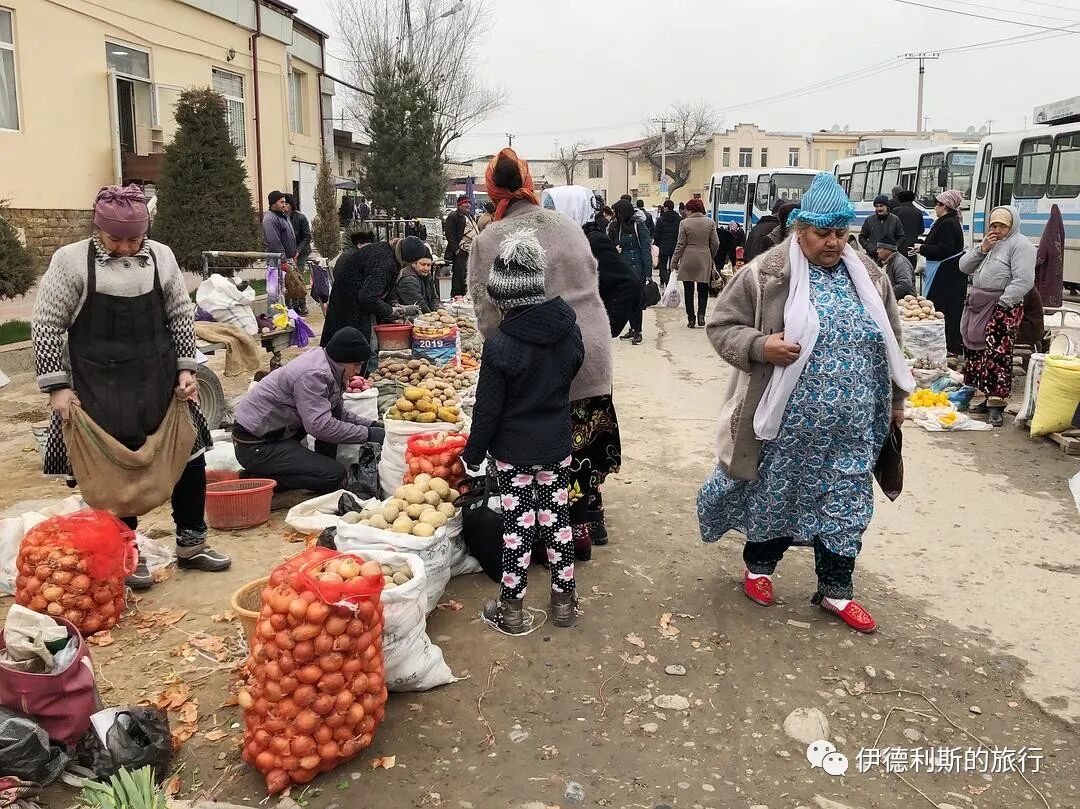
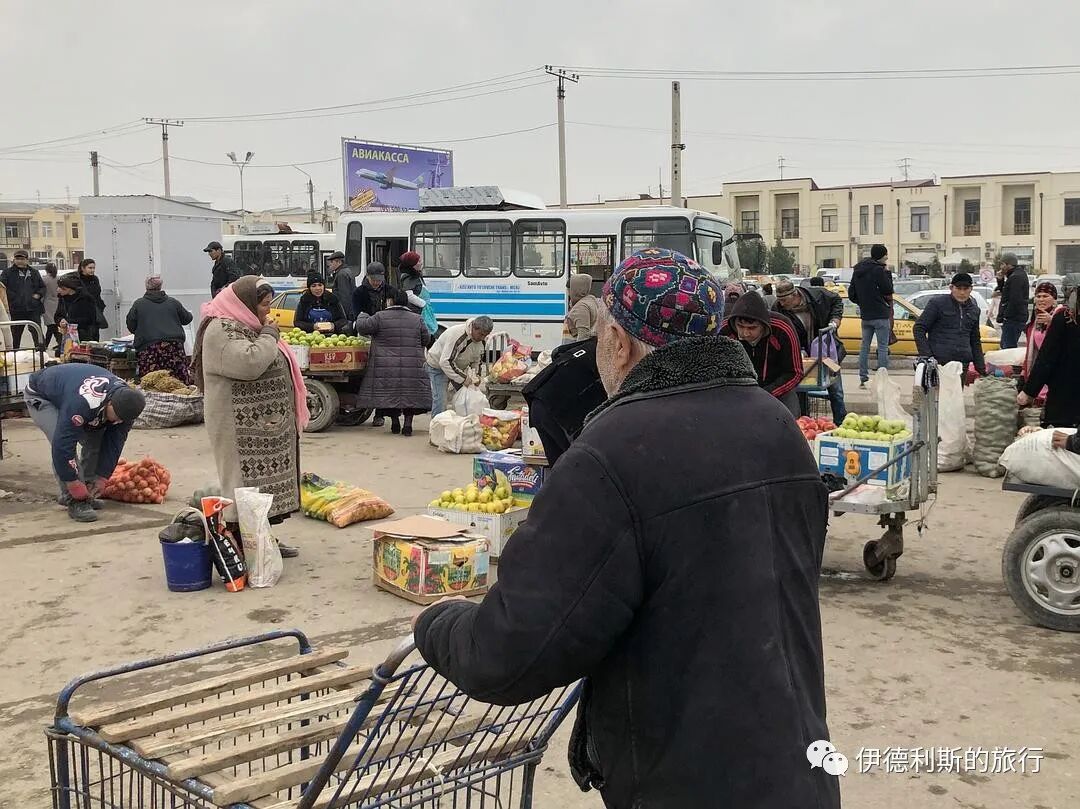
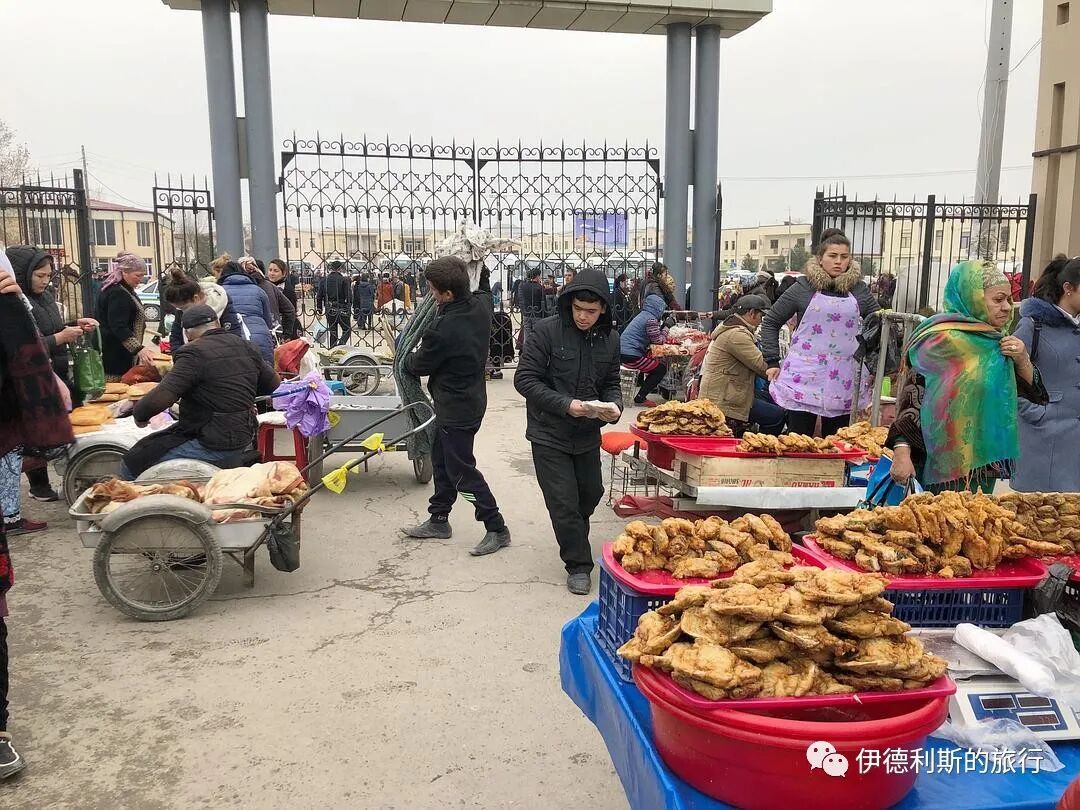
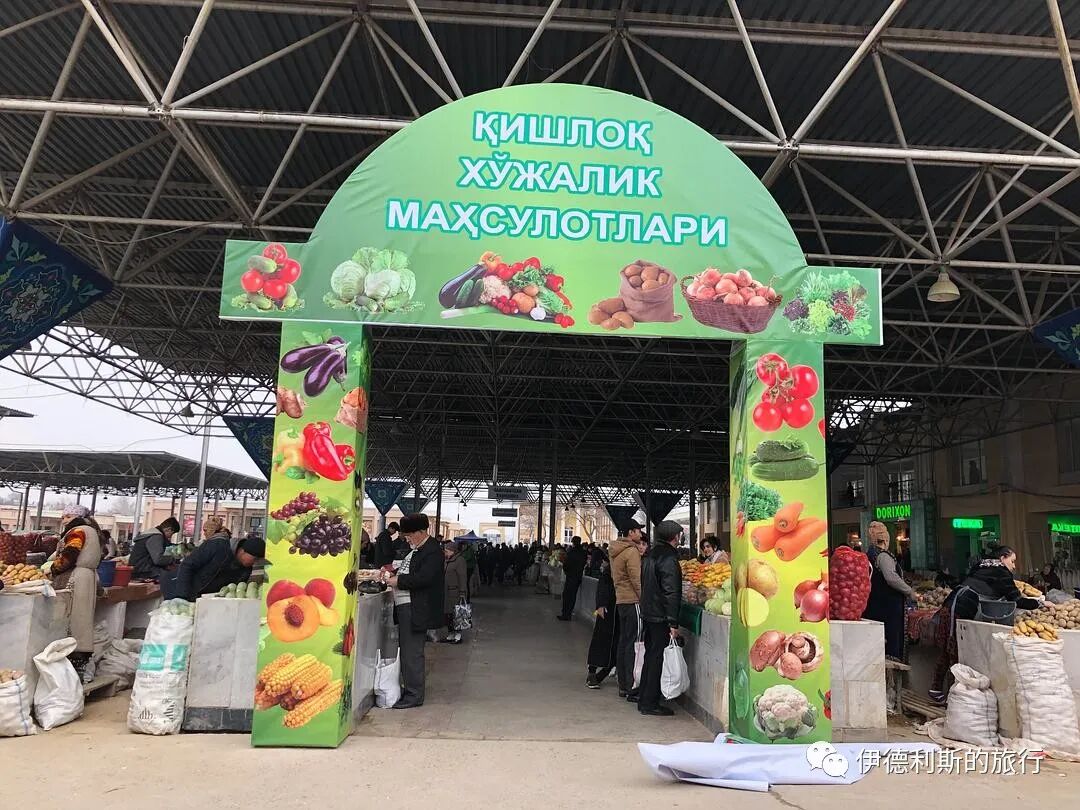
The grand bazaar in the old city of Samarkand is called Siab Bazaar, located just north of the Bibi-Khanym Mosque.
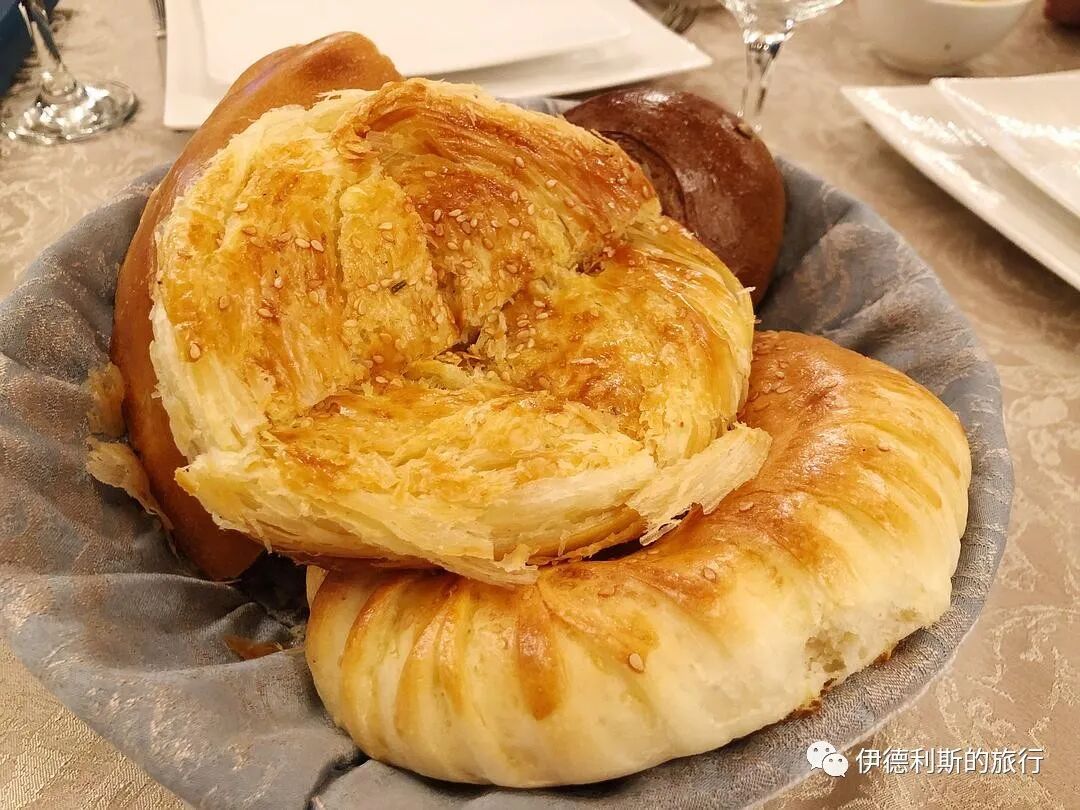
The most common snack at the bazaar is the baked bun (samsa). Samarkand's baked buns have flaky crusts, which makes them different from the ones in Xinjiang.
There are far fewer fruits and melons in winter than in summer, but you can still drink pomegranate juice.
A Central Asian fast food specialty is shaurma, which is rotisserie meat served with yogurt.
Restaurants
I ate pilaf (zhua fan) and wheat porridge (halisa) at a restaurant next to the Bibi-Khanym Mosque. Halisa is made by simmering cracked wheat and meat for a long time, and it is often eaten during Eid al-Adha. Halisa is very popular across the Middle East, Central Asia, and South Asia, where it goes by different names like Keshkek, Hareesa, Halim, and Khichra.
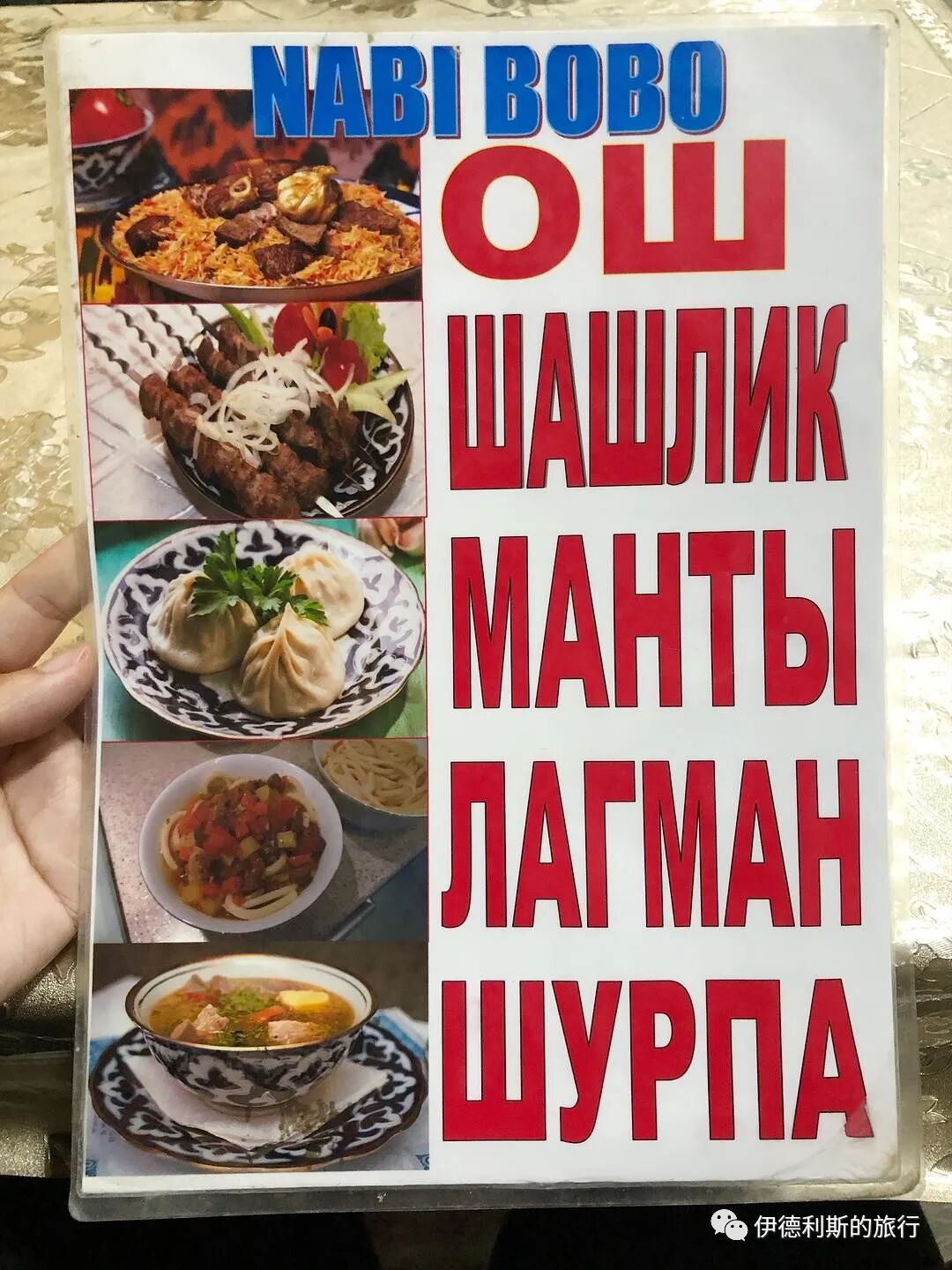
I had pilaf and steamed meat dumplings (baozi) at a restaurant near Registan Square; after a few days of traveling, I can now read the menu perfectly.
Samarkand Restaurant is a classic banquet hall in Samarkand. We ate lamb shoulder, horse meat, mushroom soup, and various types of flatbread (nang), and we even caught the banquet where the groom's family welcomed the bride after a lively wedding.
Sheepskin calligraphy.
There are traditional music performances inside Registan in the summer, but unfortunately, there were none when we visited in the winter. However, we met a retired teacher writing calligraphy on parchment. I asked him to write my name and Allah is Kind (Yinshan Allah) for me.
Buying a hat
The street between Registan Square and Bibi-Khanym Mosque is full of souvenir shops. I bought a hat with a pomegranate pattern at one shop, and the sisters there even invited me to eat rice pilaf (zhua fan). view all
Summary: Samarkand — Old City Food, Mosques and Timurid Heritage is presented here as a firsthand travel account in clear English, beginning with this scene: I traveled to Uzbekistan and Tajikistan during the 2019 Spring Festival holiday. This post shares what I ate in Samarkand. The account keeps its focus on Samarkand Travel, Uzbek Food, Muslim Heritage while preserving the names, places, food, and historical details from the Chinese source.
I traveled to Uzbekistan and Tajikistan during the 2019 Spring Festival holiday. This post shares what I ate in Samarkand.
Grand Bazaar
The grand bazaar in the old city of Samarkand is called Siab Bazaar, located just north of the Bibi-Khanym Mosque.
The most common snack at the bazaar is the baked bun (samsa). Samarkand's baked buns have flaky crusts, which makes them different from the ones in Xinjiang.
There are far fewer fruits and melons in winter than in summer, but you can still drink pomegranate juice.
A Central Asian fast food specialty is shaurma, which is rotisserie meat served with yogurt.
Restaurants
I ate pilaf (zhua fan) and wheat porridge (halisa) at a restaurant next to the Bibi-Khanym Mosque. Halisa is made by simmering cracked wheat and meat for a long time, and it is often eaten during Eid al-Adha. Halisa is very popular across the Middle East, Central Asia, and South Asia, where it goes by different names like Keshkek, Hareesa, Halim, and Khichra.
I had pilaf and steamed meat dumplings (baozi) at a restaurant near Registan Square; after a few days of traveling, I can now read the menu perfectly.
Samarkand Restaurant is a classic banquet hall in Samarkand. We ate lamb shoulder, horse meat, mushroom soup, and various types of flatbread (nang), and we even caught the banquet where the groom's family welcomed the bride after a lively wedding.
Sheepskin calligraphy.
There are traditional music performances inside Registan in the summer, but unfortunately, there were none when we visited in the winter. However, we met a retired teacher writing calligraphy on parchment. I asked him to write my name and Allah is Kind (Yinshan Allah) for me.
Buying a hat
The street between Registan Square and Bibi-Khanym Mosque is full of souvenir shops. I bought a hat with a pomegranate pattern at one shop, and the sisters there even invited me to eat rice pilaf (zhua fan). view all
Reposted from the web
Summary: Samarkand — Old City Food, Mosques and Timurid Heritage is presented here as a firsthand travel account in clear English, beginning with this scene: I traveled to Uzbekistan and Tajikistan during the 2019 Spring Festival holiday. This post shares what I ate in Samarkand. The account keeps its focus on Samarkand Travel, Uzbek Food, Muslim Heritage while preserving the names, places, food, and historical details from the Chinese source.
I traveled to Uzbekistan and Tajikistan during the 2019 Spring Festival holiday. This post shares what I ate in Samarkand.
Grand Bazaar
The grand bazaar in the old city of Samarkand is called Siab Bazaar, located just north of the Bibi-Khanym Mosque.
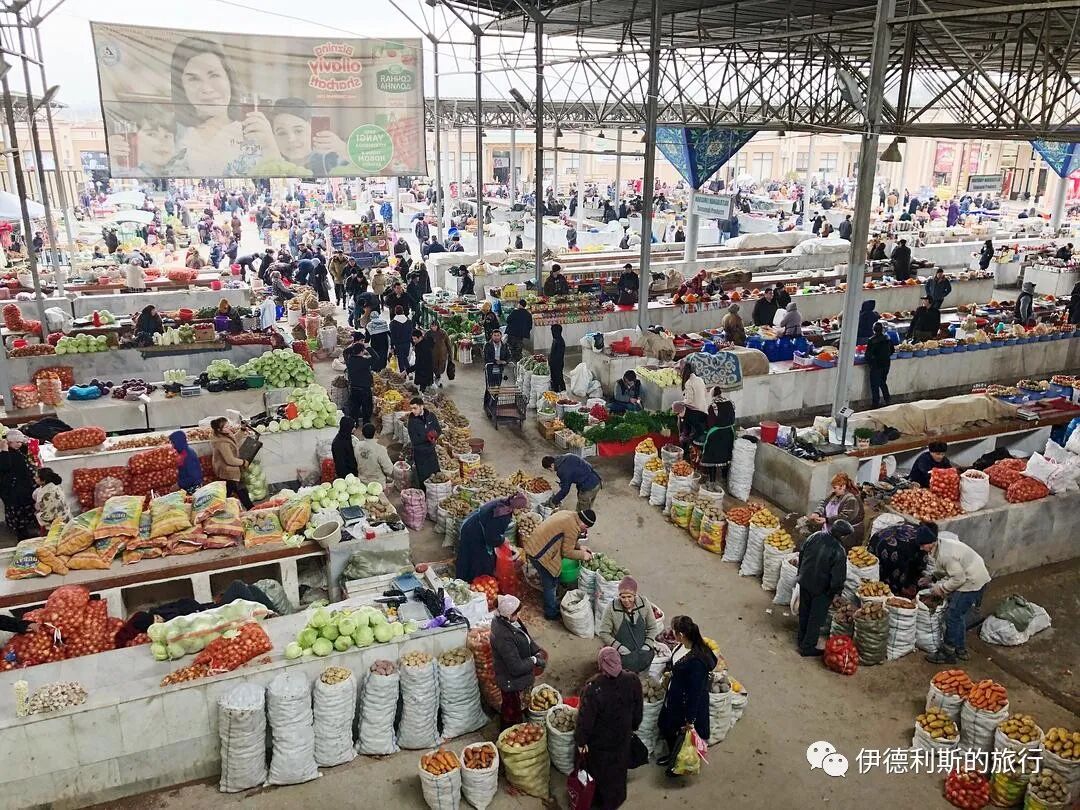
The most common snack at the bazaar is the baked bun (samsa). Samarkand's baked buns have flaky crusts, which makes them different from the ones in Xinjiang.
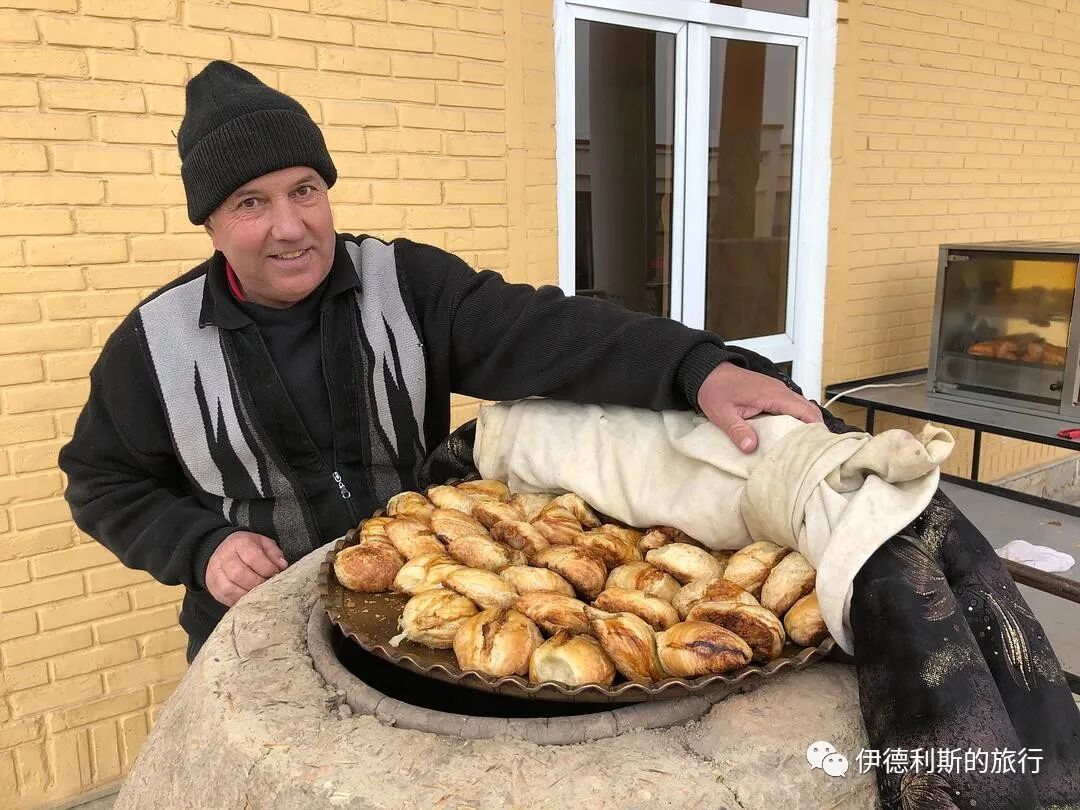
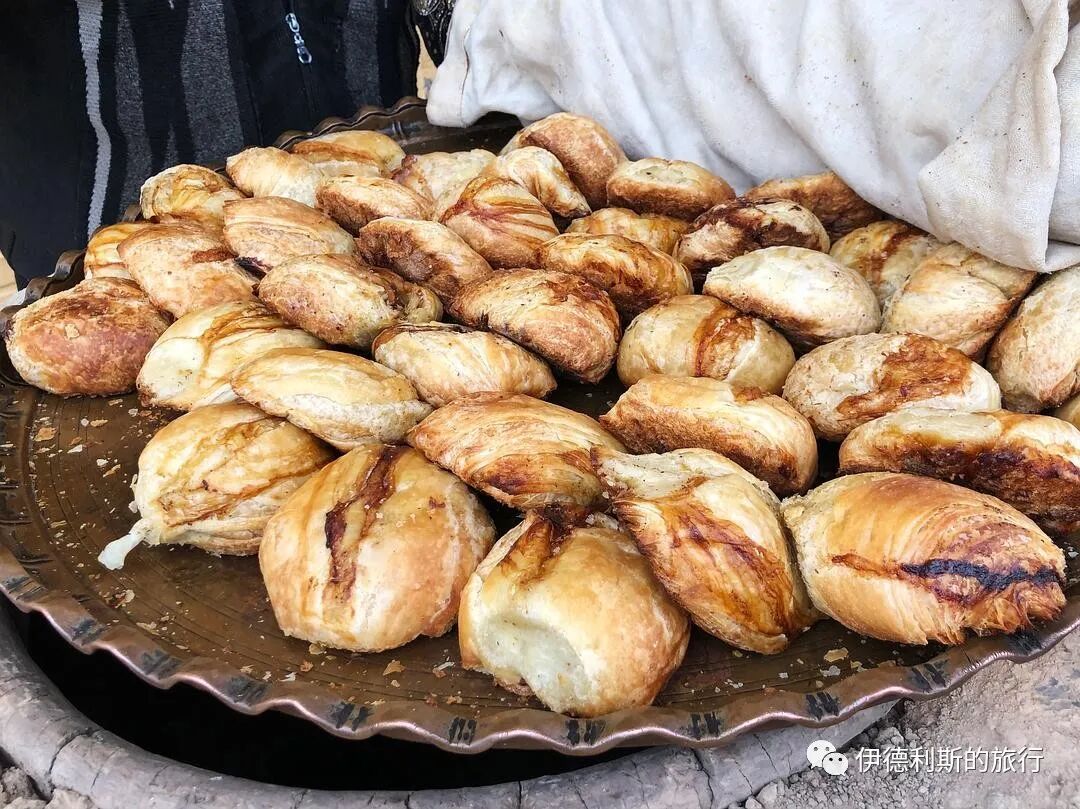
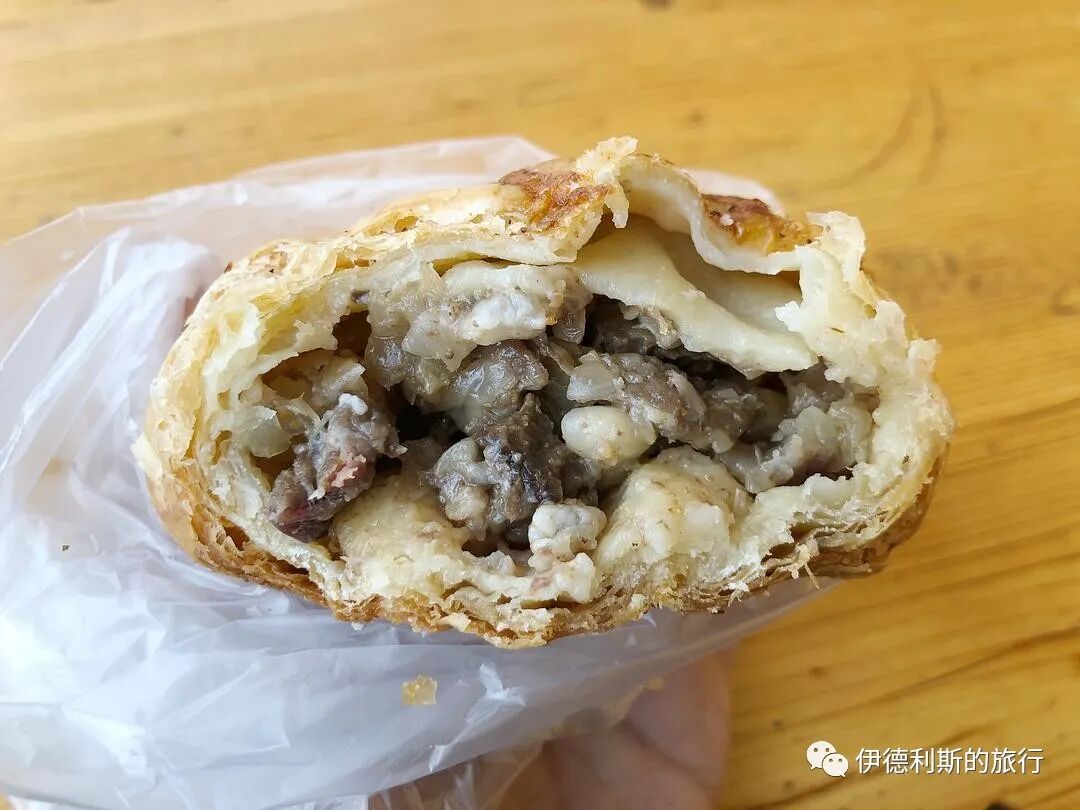
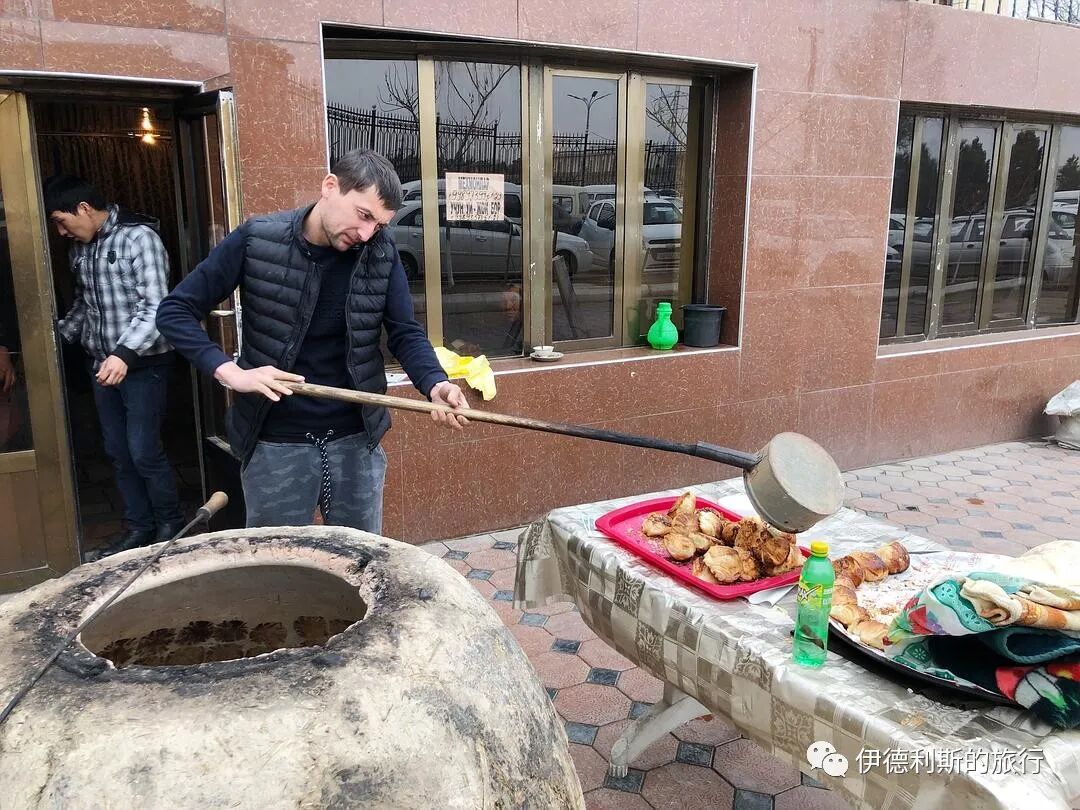
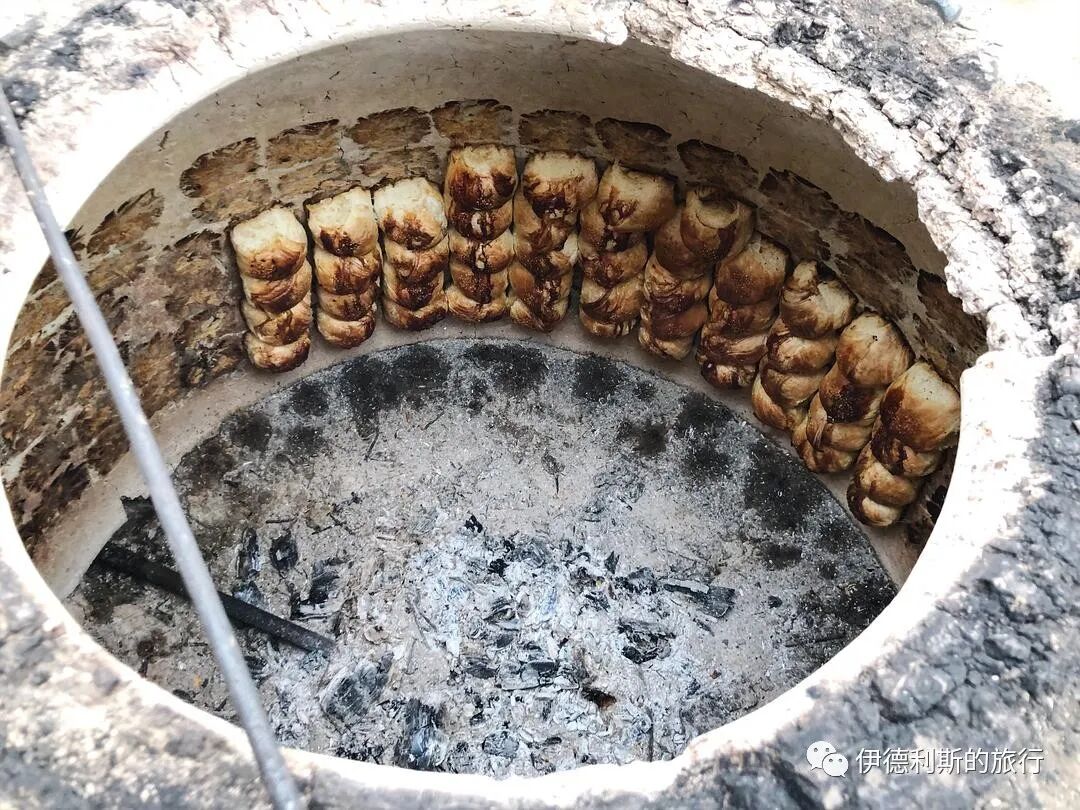
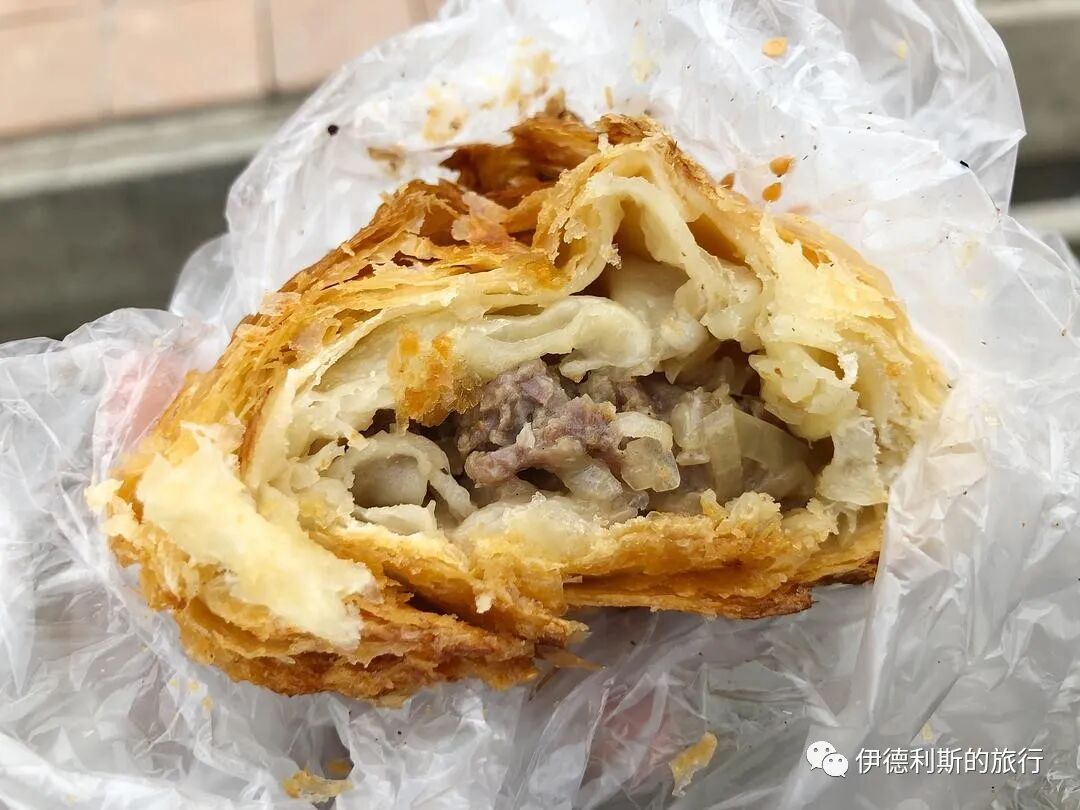
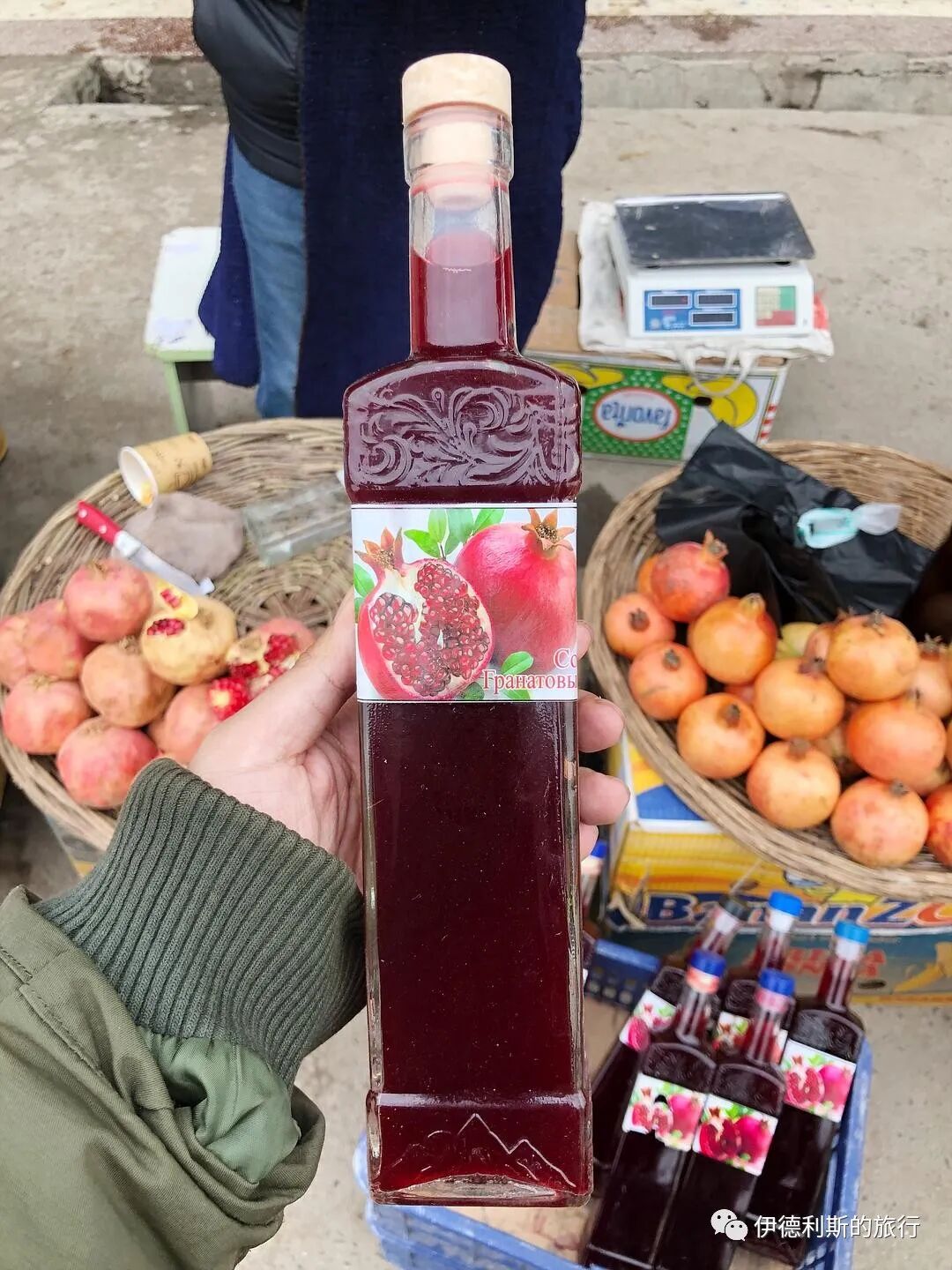
There are far fewer fruits and melons in winter than in summer, but you can still drink pomegranate juice.
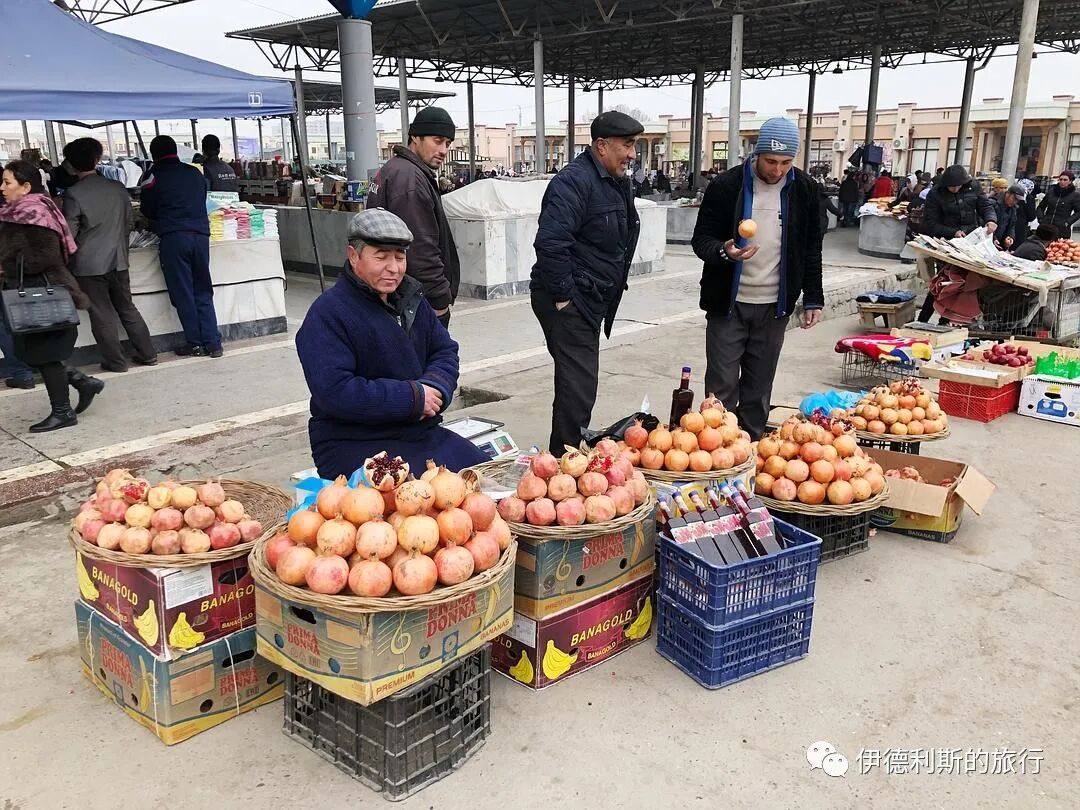
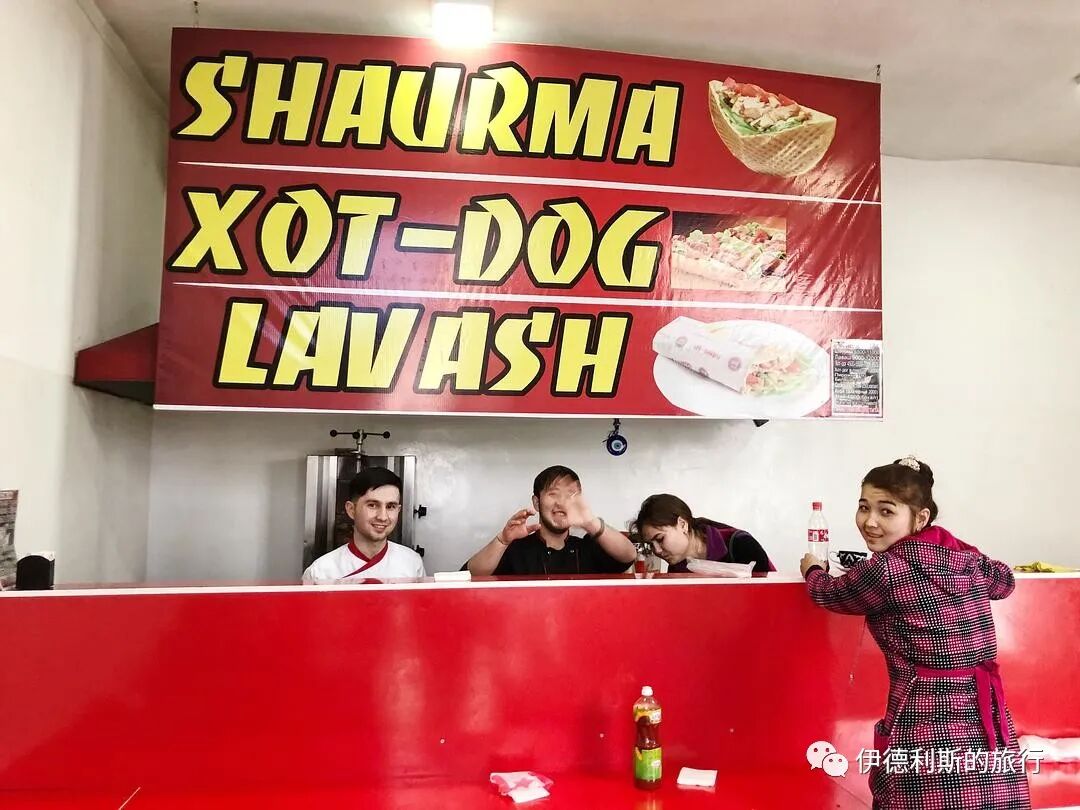
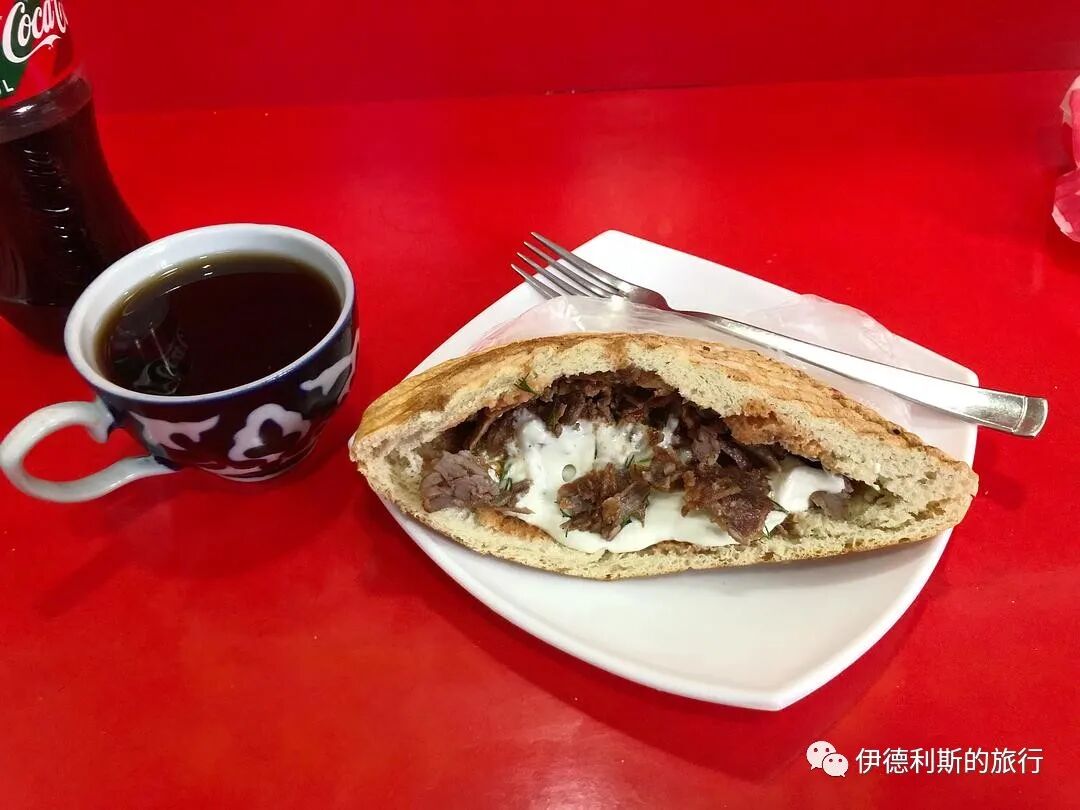
A Central Asian fast food specialty is shaurma, which is rotisserie meat served with yogurt.
Restaurants
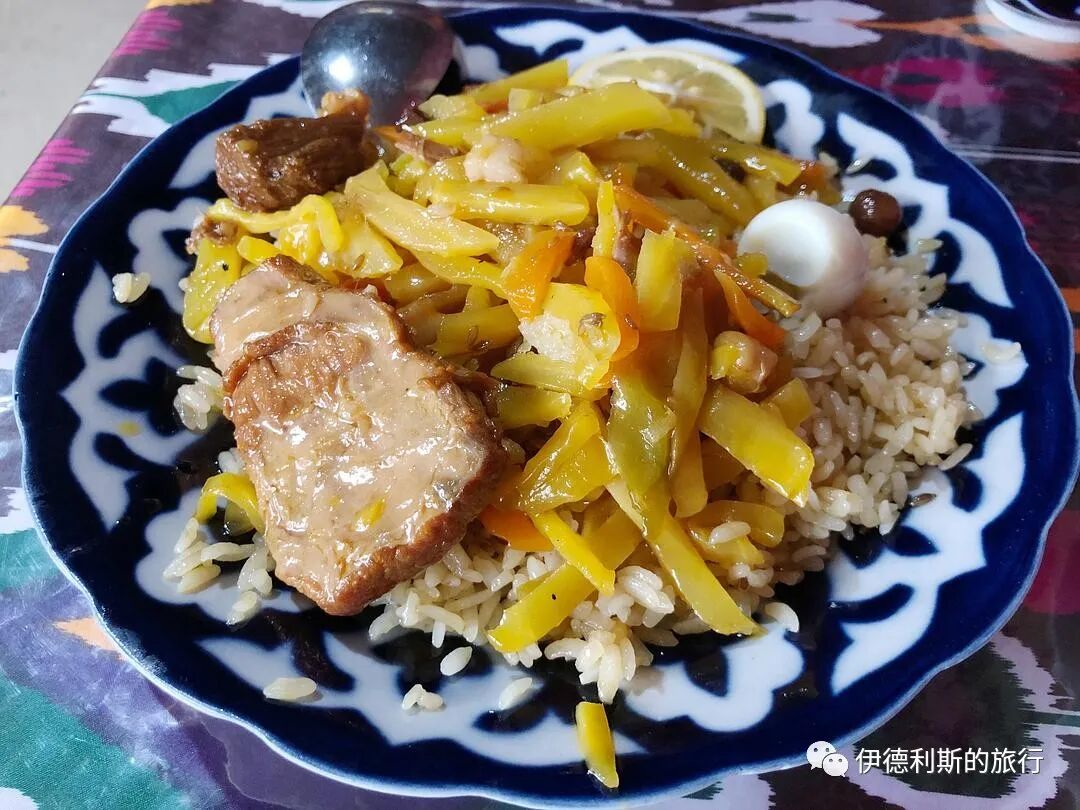
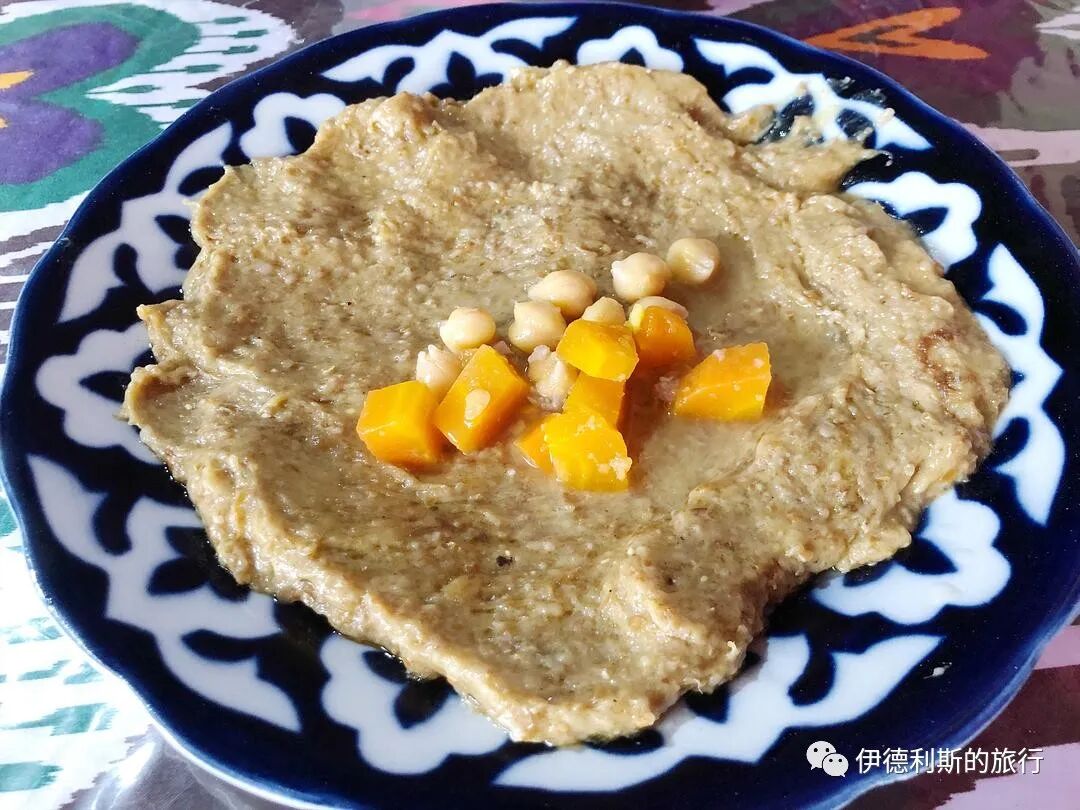
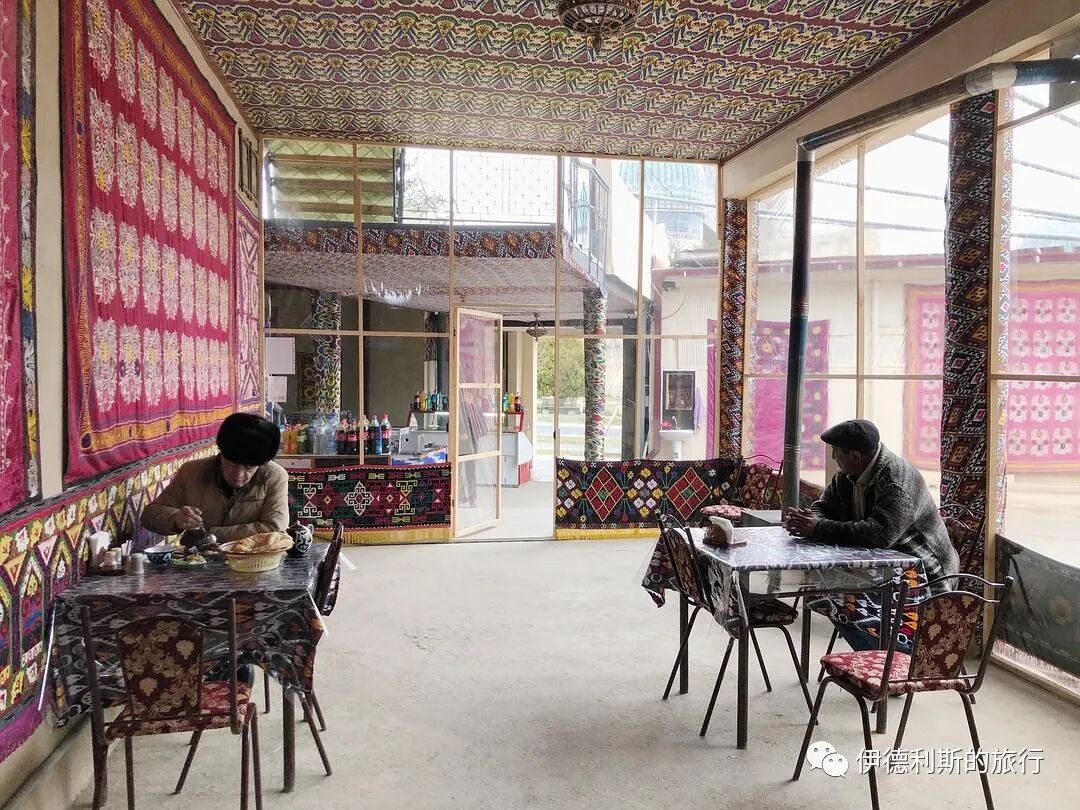
I ate pilaf (zhua fan) and wheat porridge (halisa) at a restaurant next to the Bibi-Khanym Mosque. Halisa is made by simmering cracked wheat and meat for a long time, and it is often eaten during Eid al-Adha. Halisa is very popular across the Middle East, Central Asia, and South Asia, where it goes by different names like Keshkek, Hareesa, Halim, and Khichra.
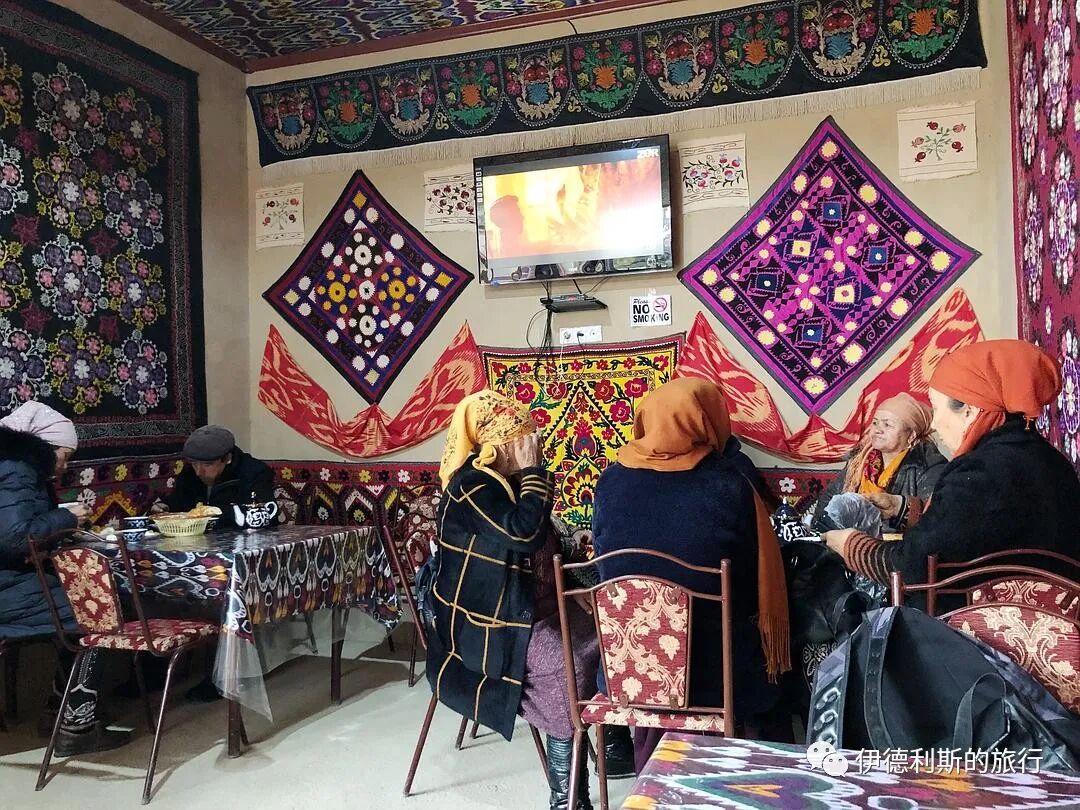
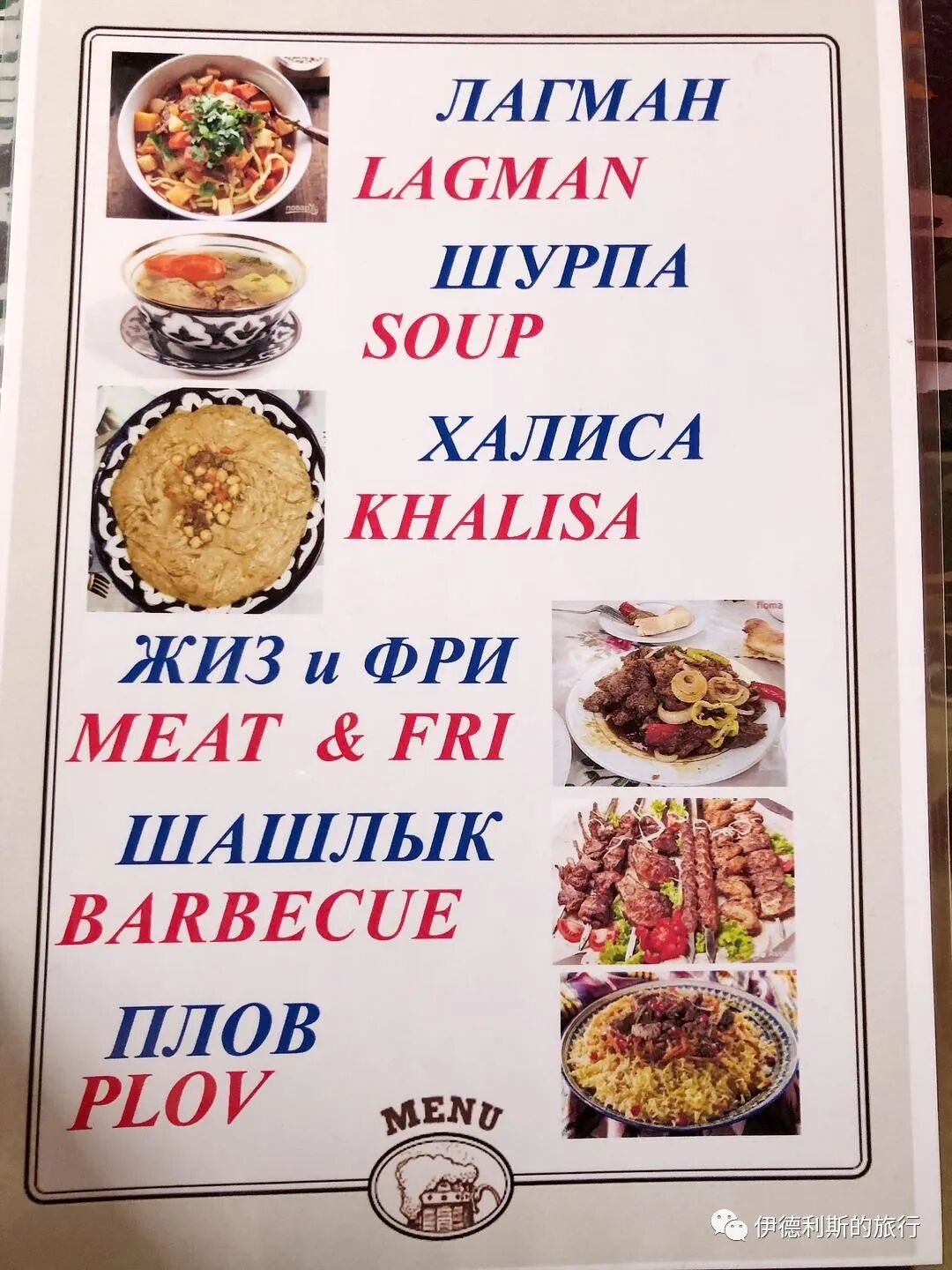
I had pilaf and steamed meat dumplings (baozi) at a restaurant near Registan Square; after a few days of traveling, I can now read the menu perfectly.
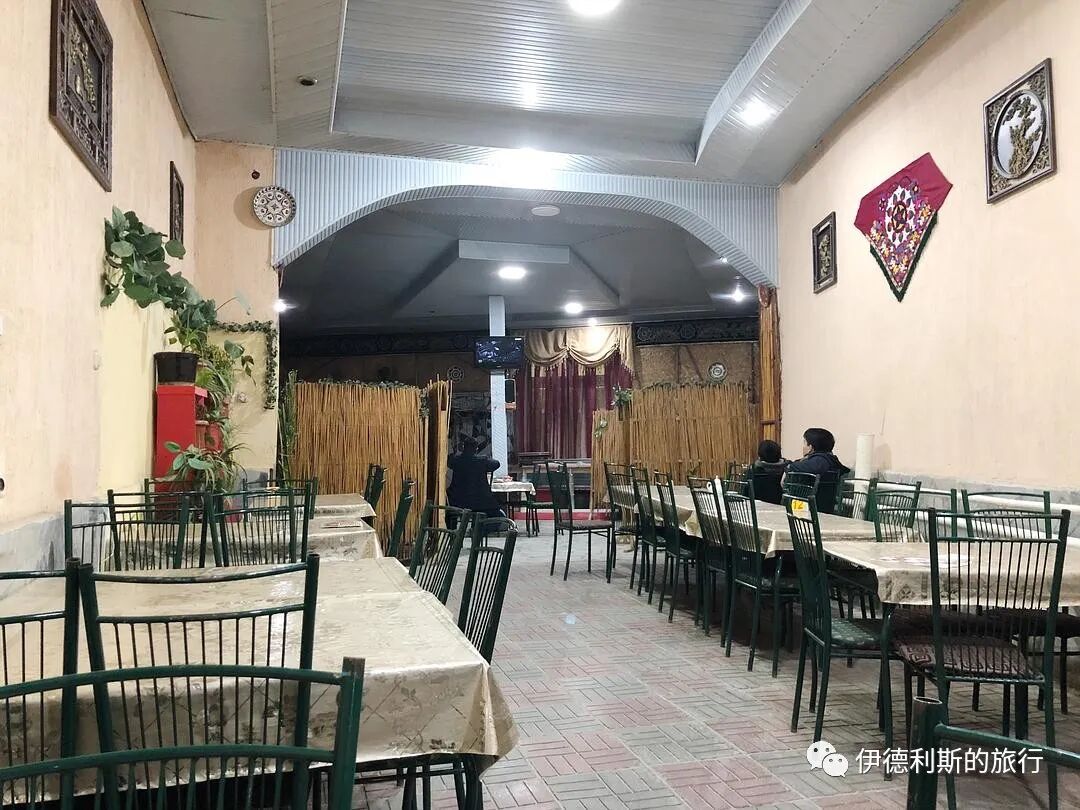
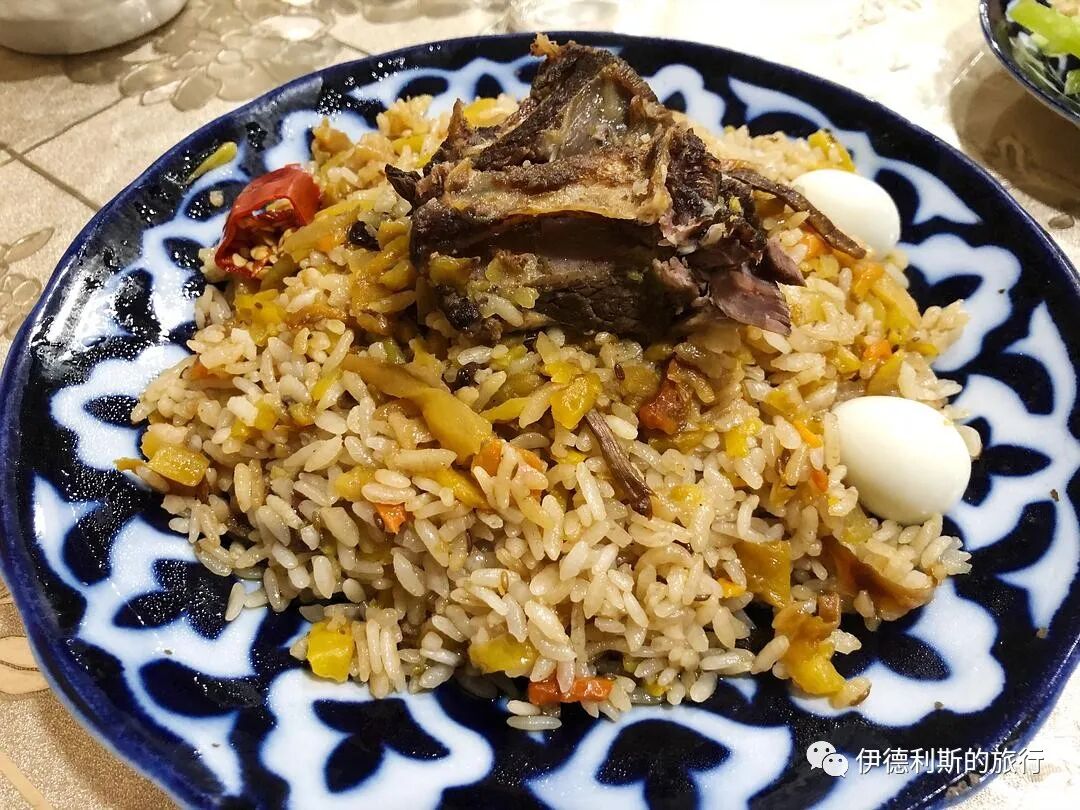
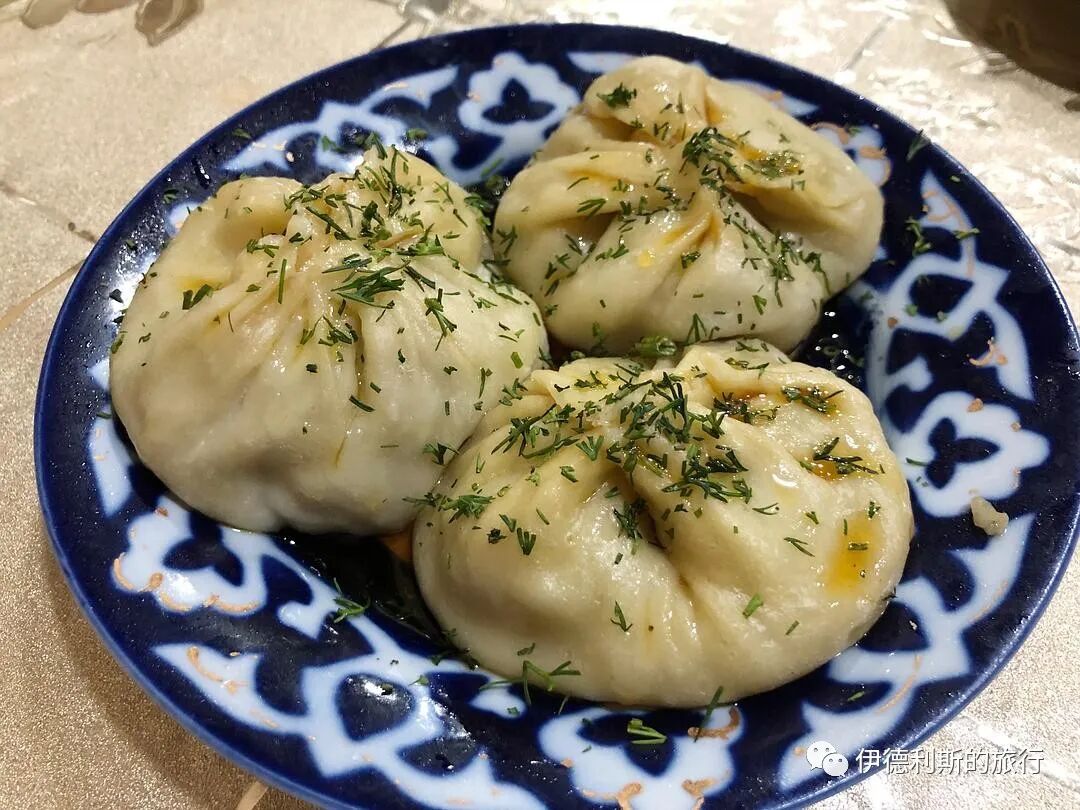
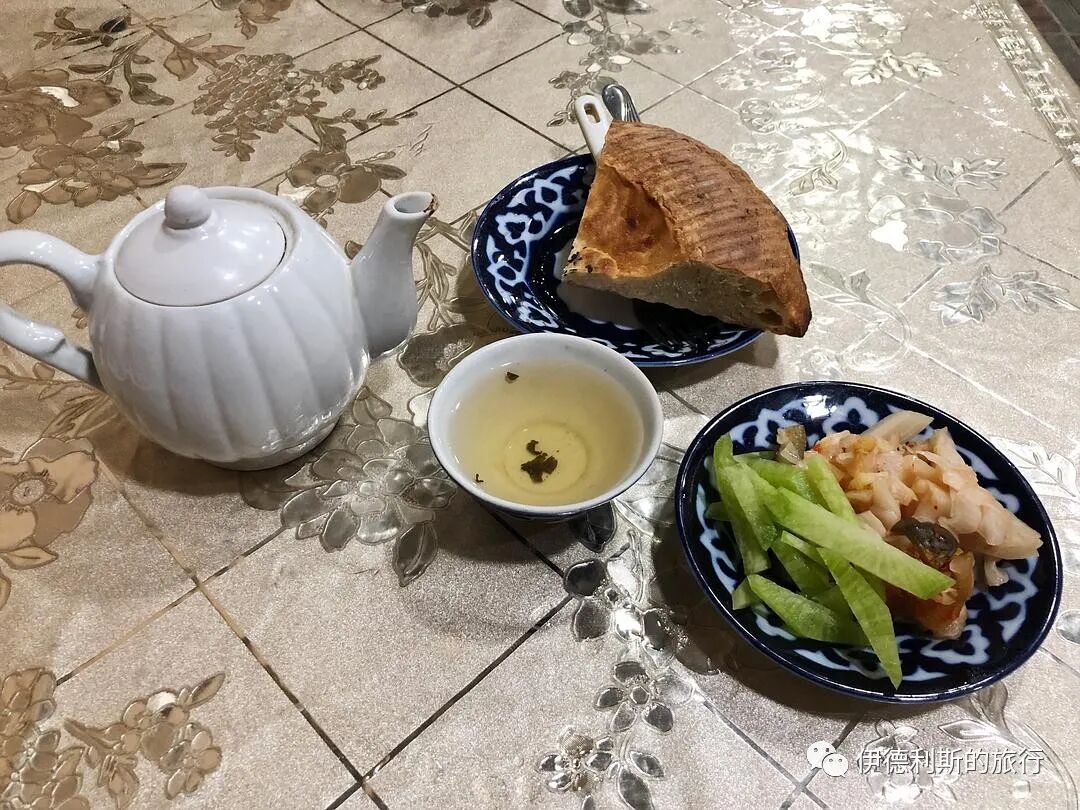
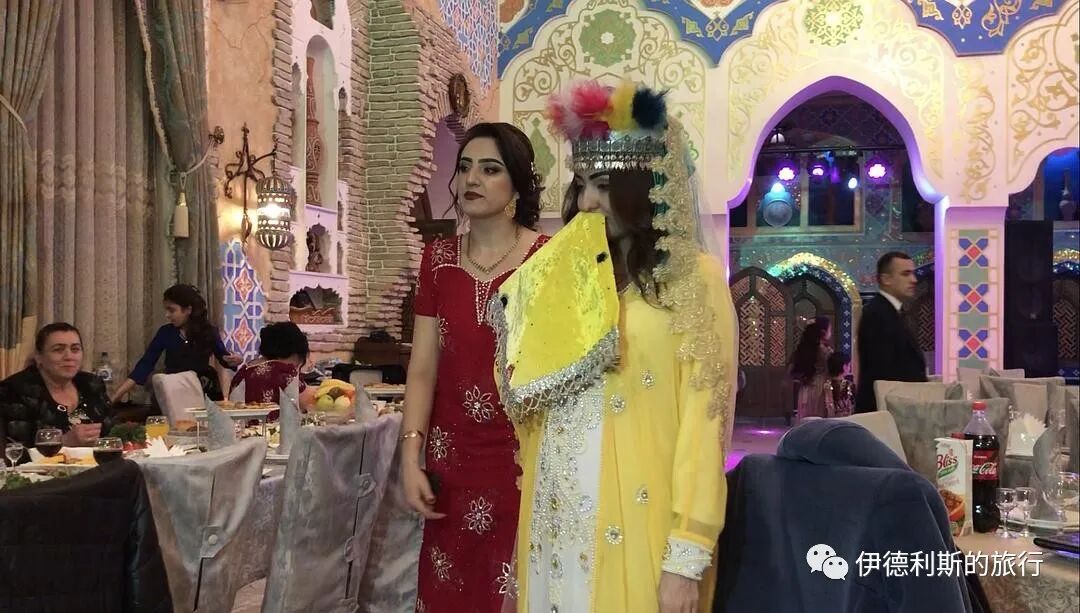
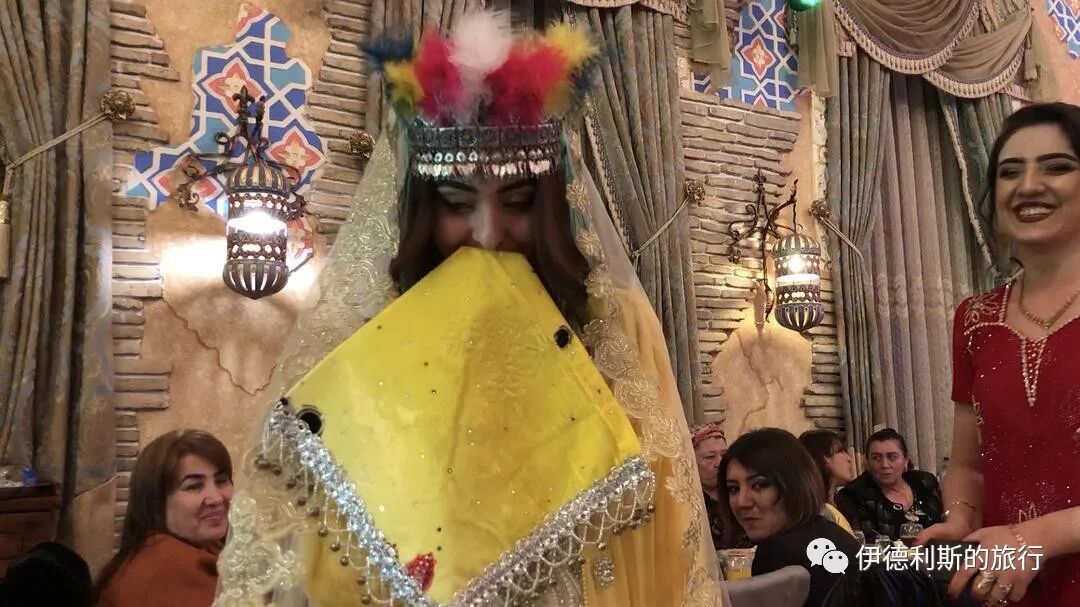
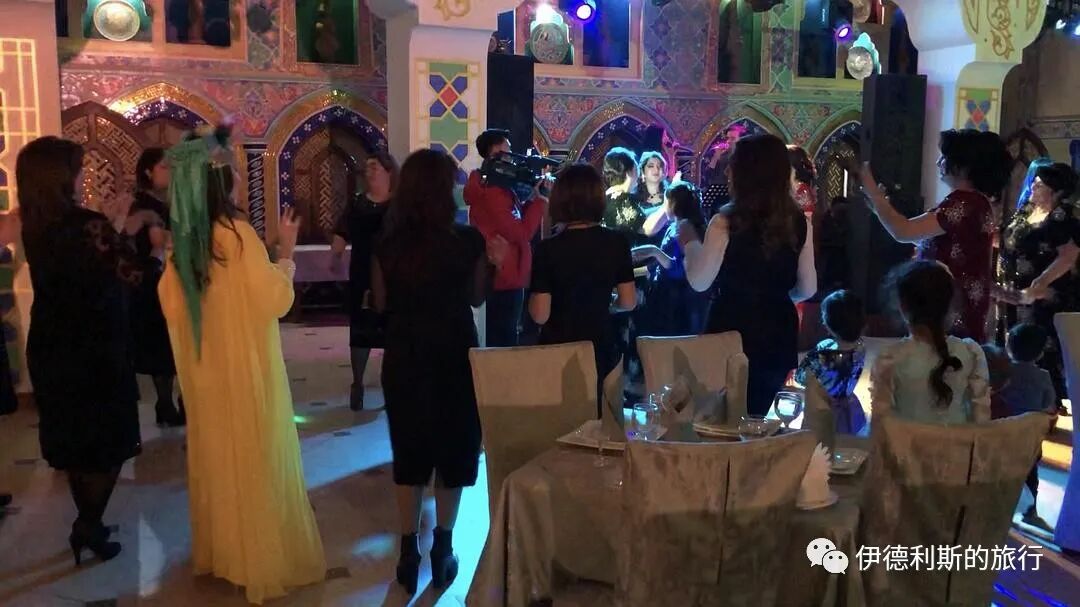
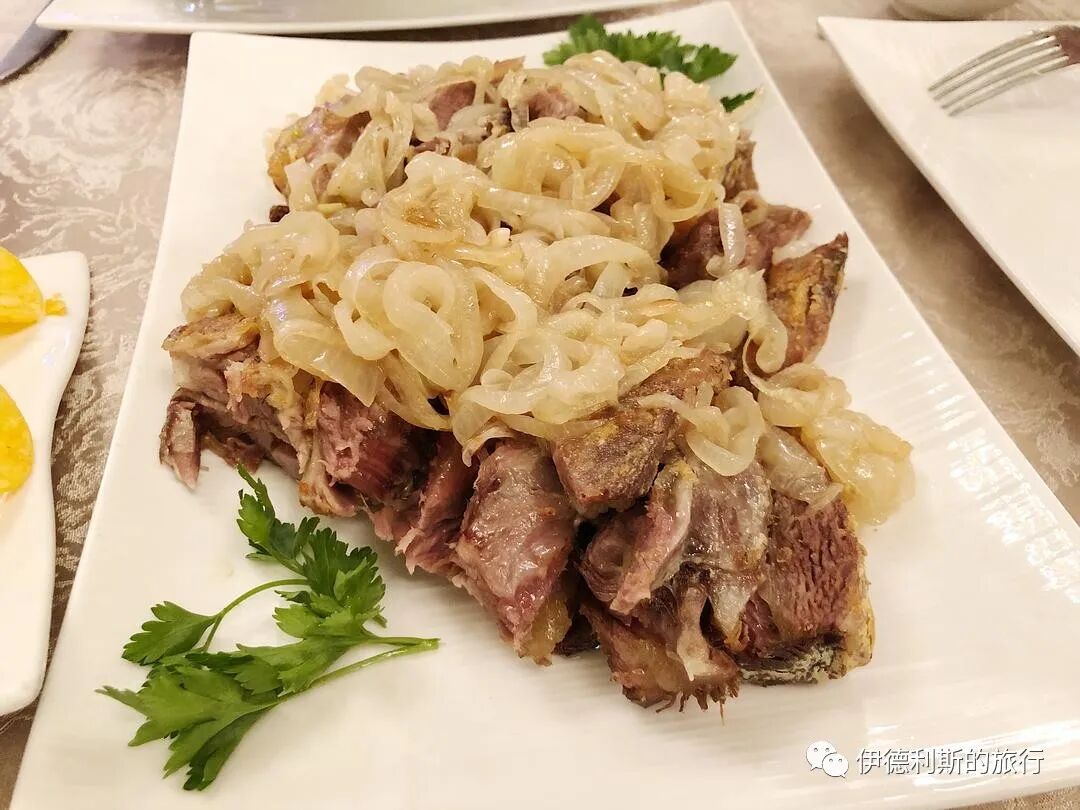
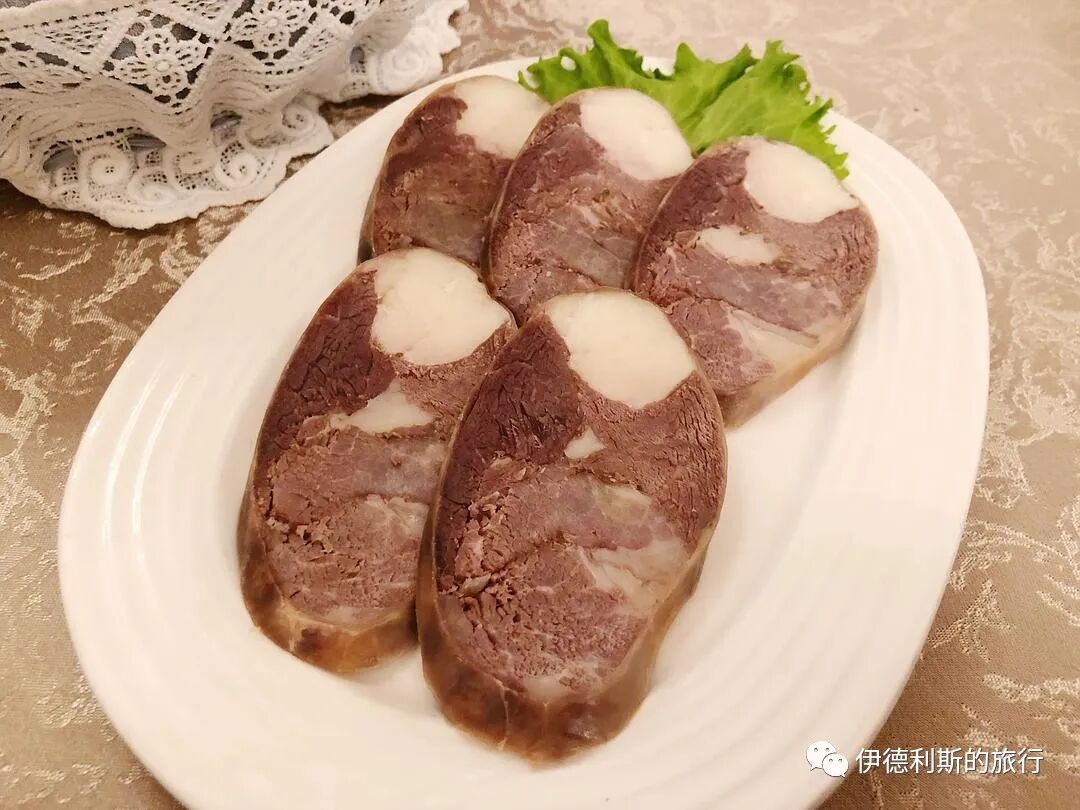
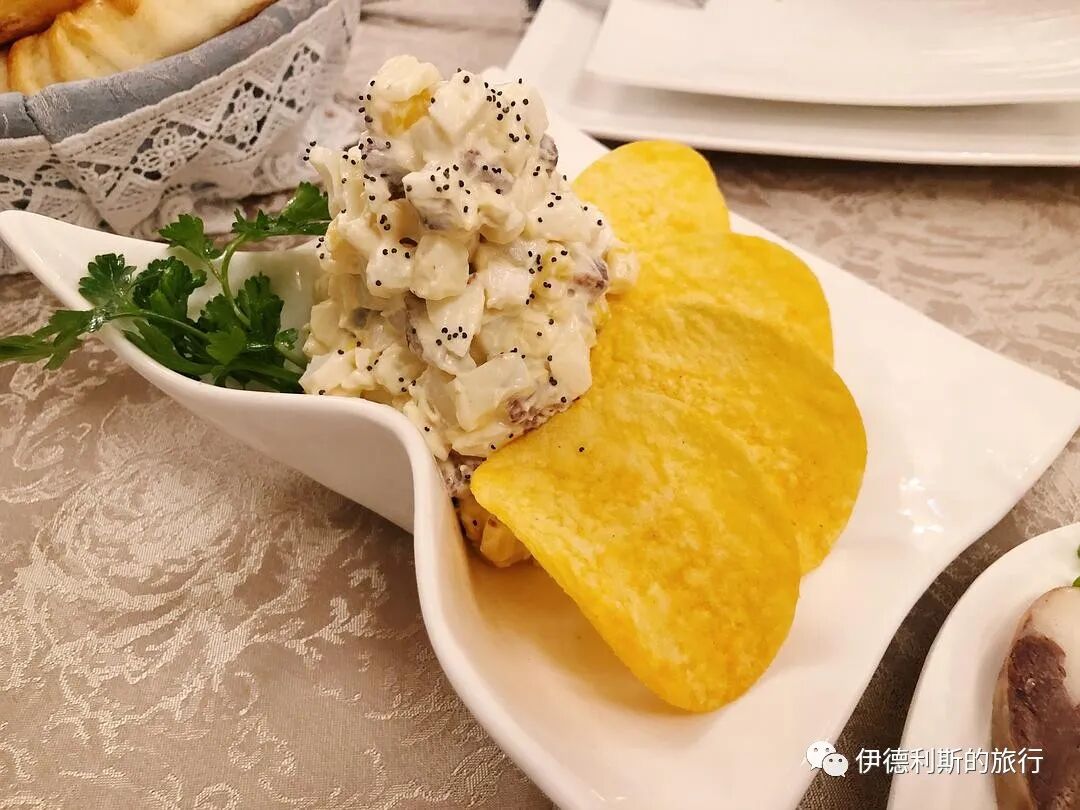
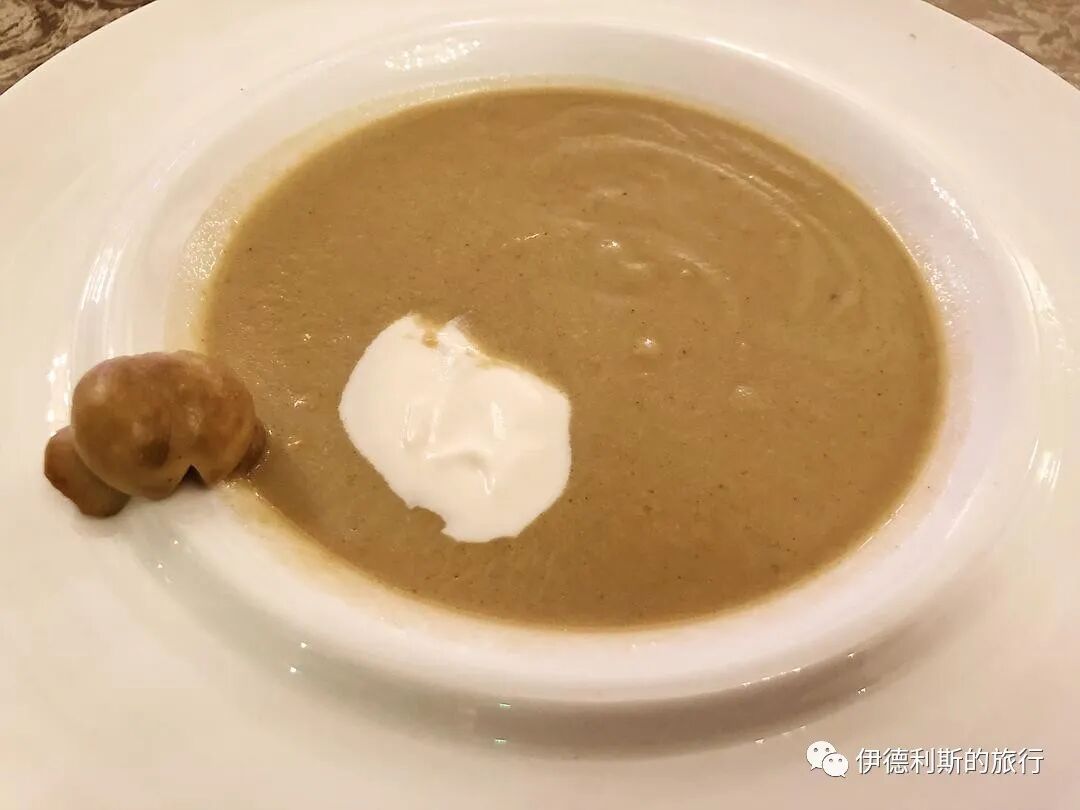
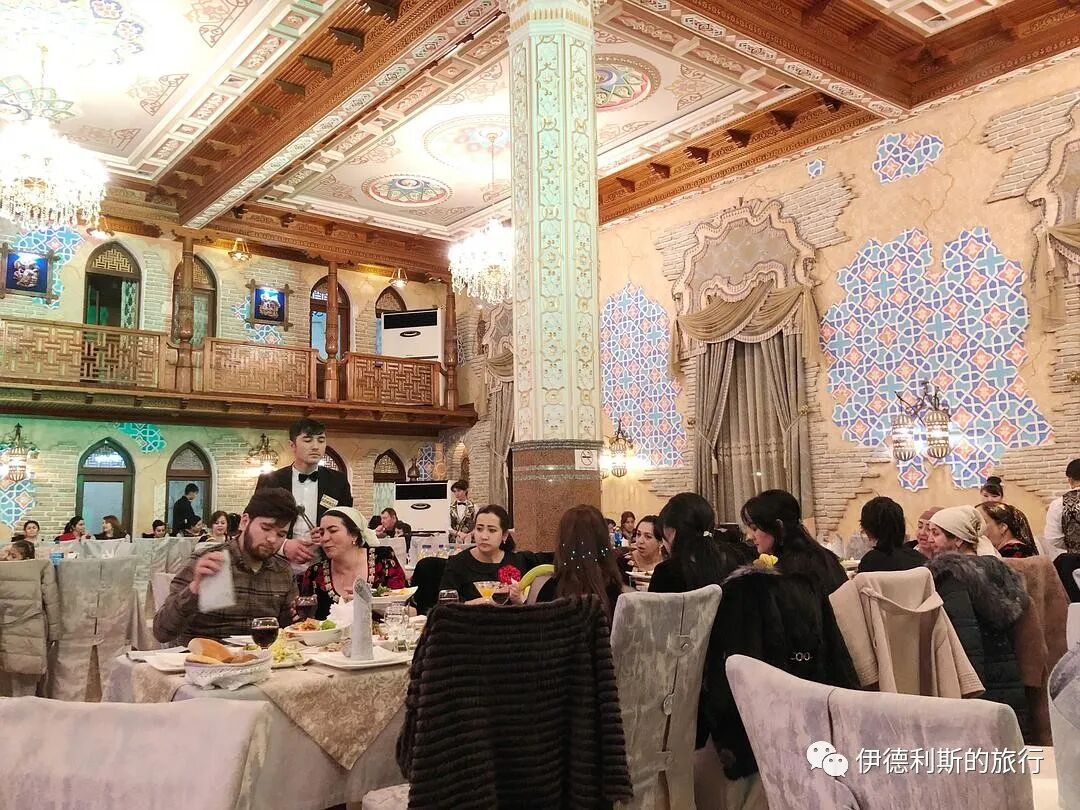
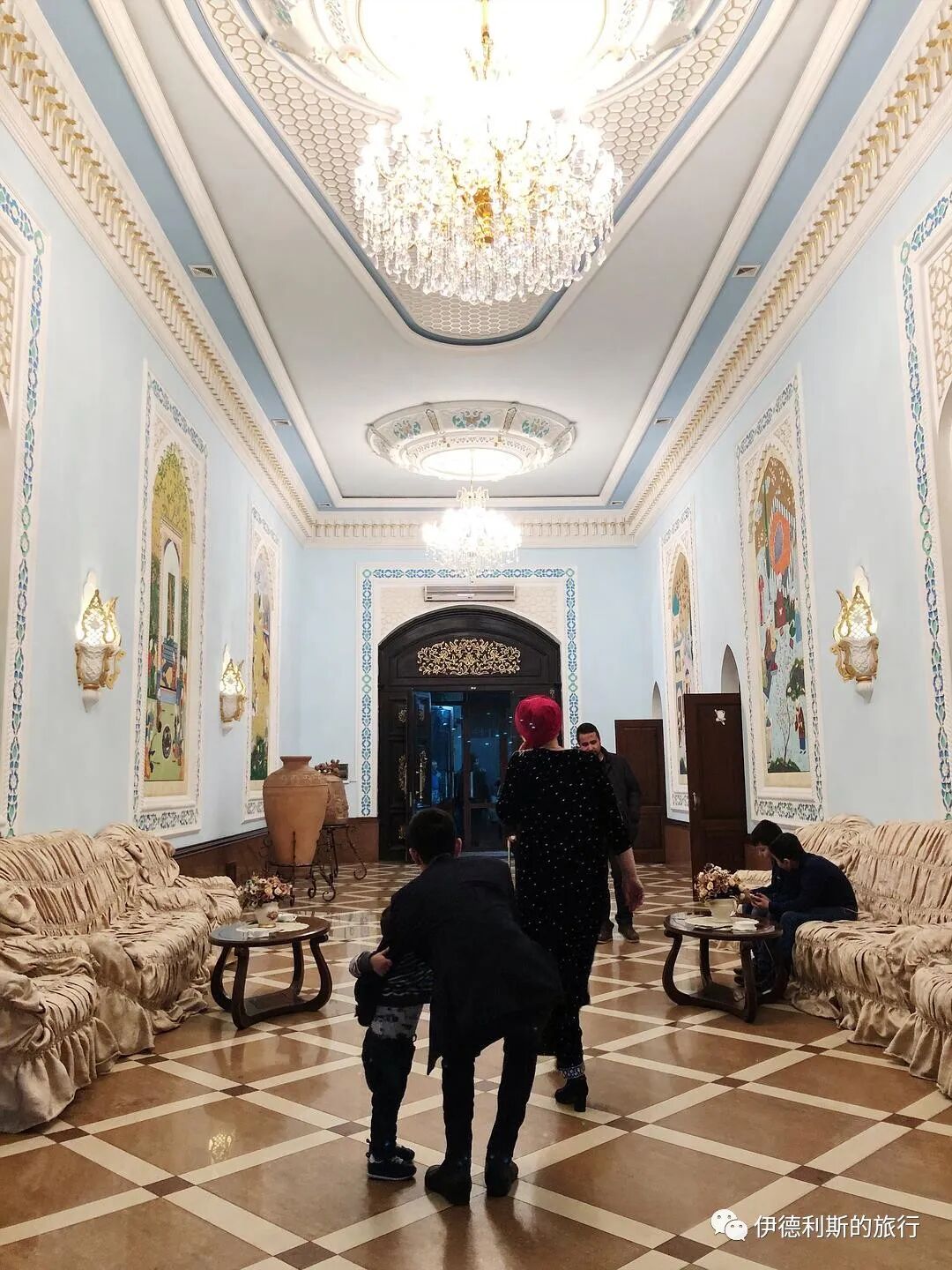
Samarkand Restaurant is a classic banquet hall in Samarkand. We ate lamb shoulder, horse meat, mushroom soup, and various types of flatbread (nang), and we even caught the banquet where the groom's family welcomed the bride after a lively wedding.
Sheepskin calligraphy.
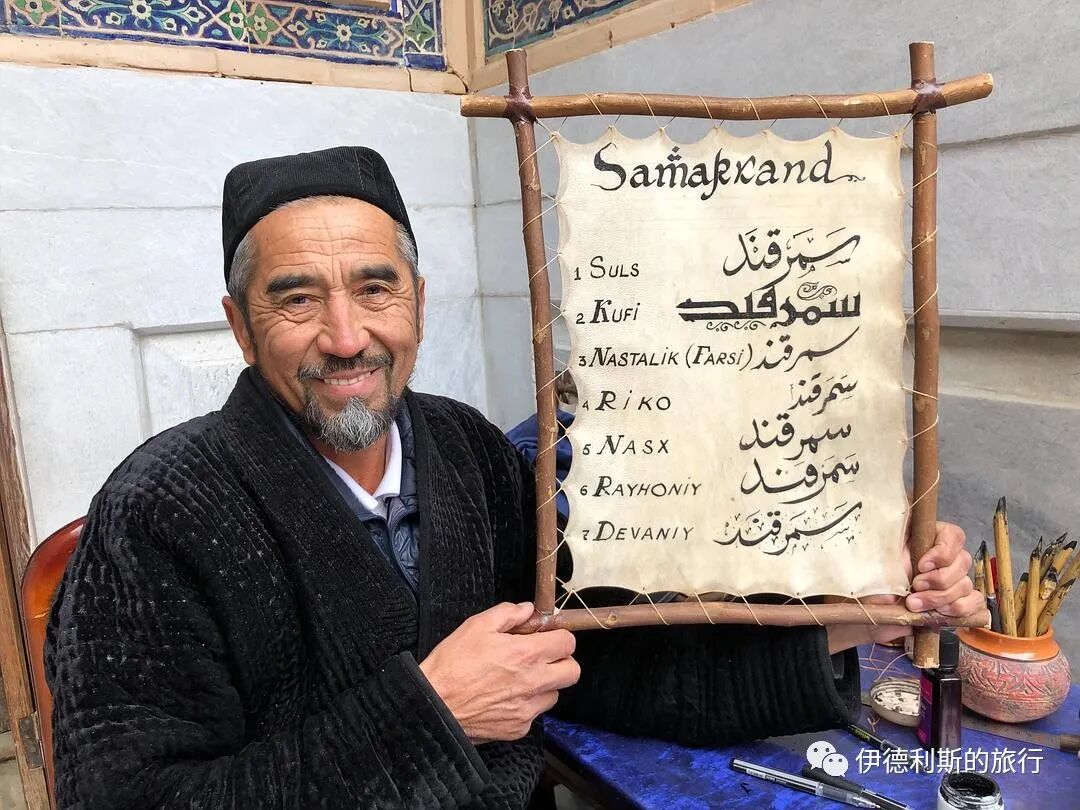
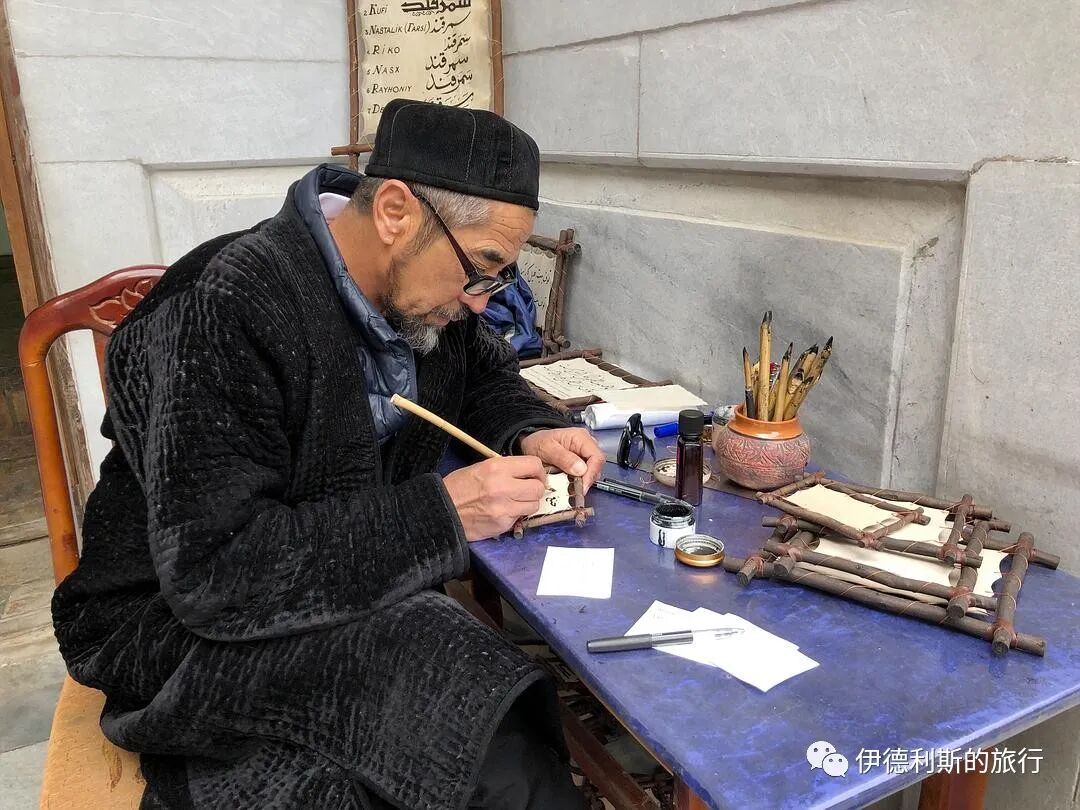
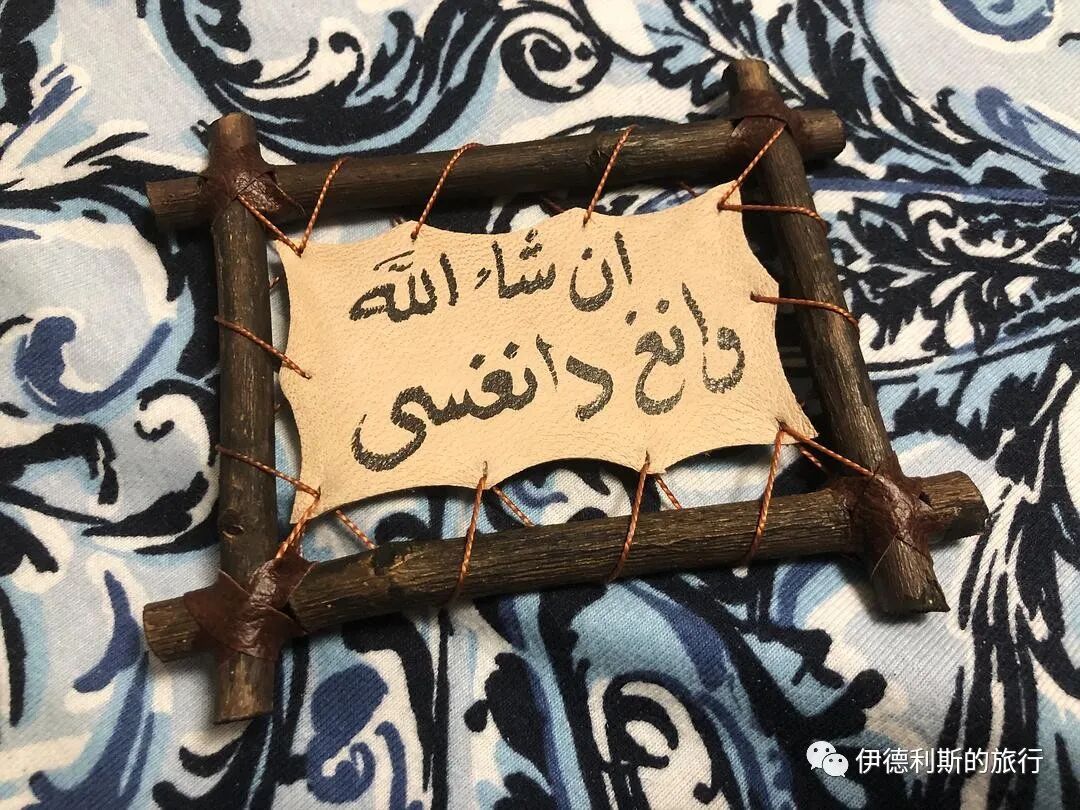
There are traditional music performances inside Registan in the summer, but unfortunately, there were none when we visited in the winter. However, we met a retired teacher writing calligraphy on parchment. I asked him to write my name and Allah is Kind (Yinshan Allah) for me.
Buying a hat
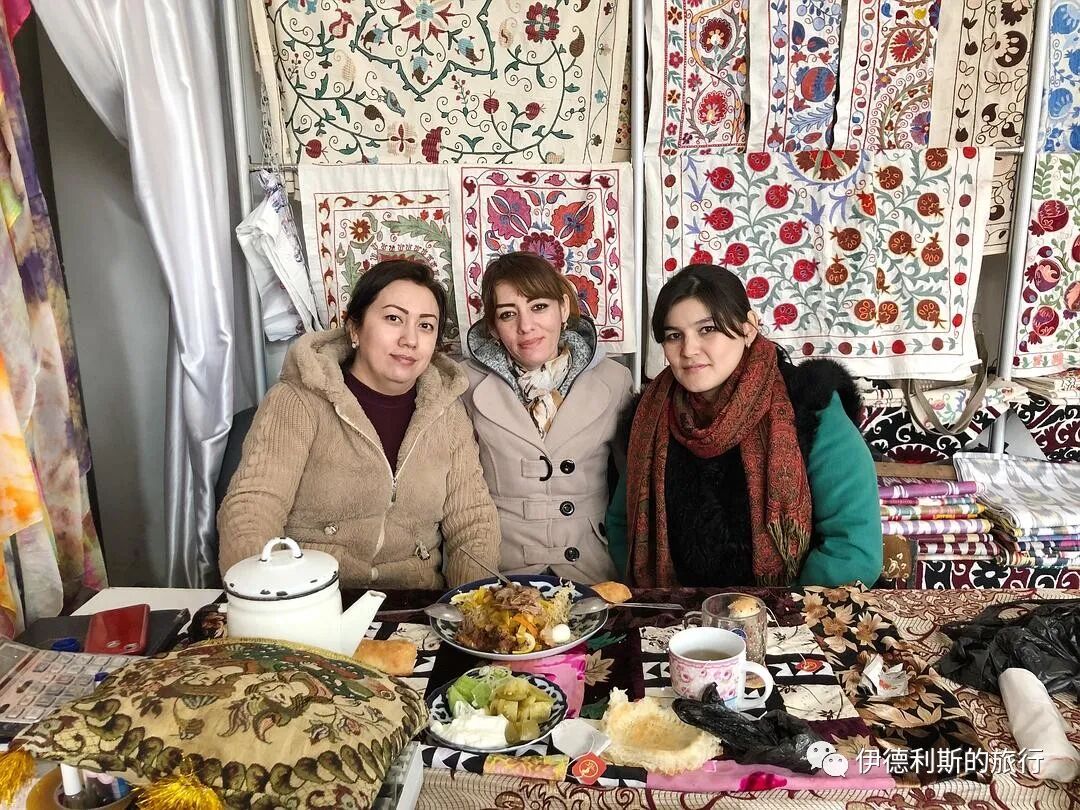
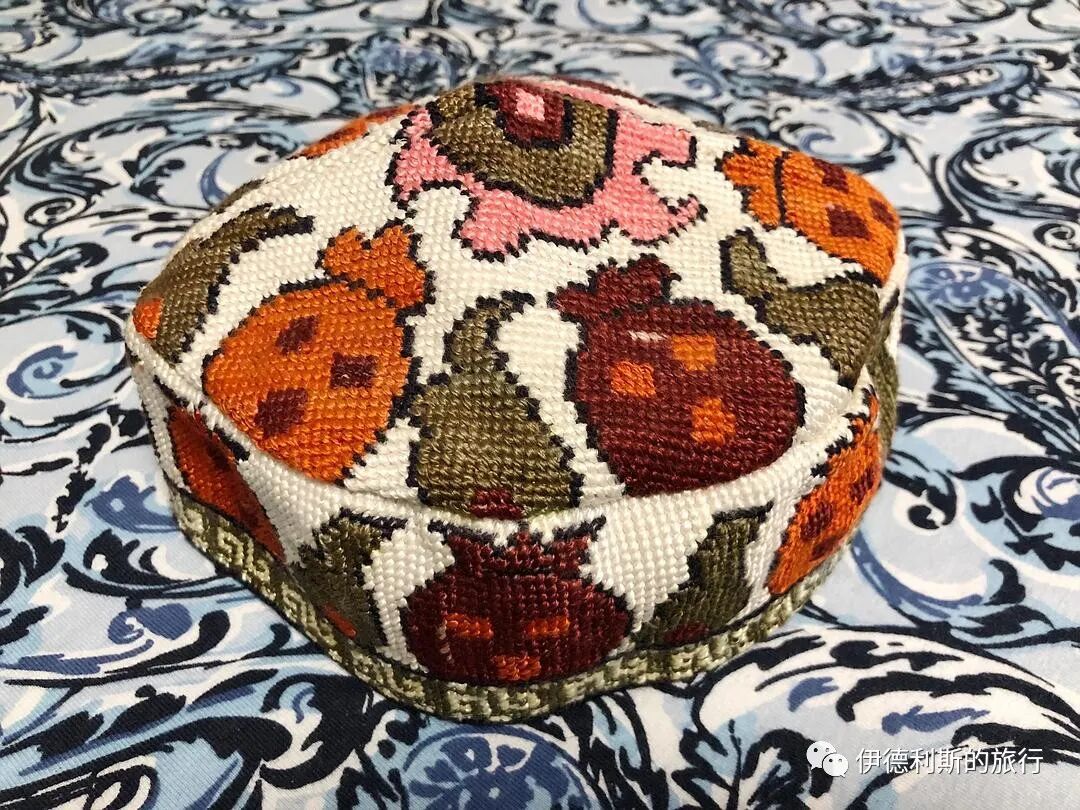
The street between Registan Square and Bibi-Khanym Mosque is full of souvenir shops. I bought a hat with a pomegranate pattern at one shop, and the sisters there even invited me to eat rice pilaf (zhua fan).
Summary: Samarkand — Old City Food, Mosques and Timurid Heritage is presented here as a firsthand travel account in clear English, beginning with this scene: I traveled to Uzbekistan and Tajikistan during the 2019 Spring Festival holiday. This post shares what I ate in Samarkand. The account keeps its focus on Samarkand Travel, Uzbek Food, Muslim Heritage while preserving the names, places, food, and historical details from the Chinese source.
I traveled to Uzbekistan and Tajikistan during the 2019 Spring Festival holiday. This post shares what I ate in Samarkand.
Grand Bazaar
The grand bazaar in the old city of Samarkand is called Siab Bazaar, located just north of the Bibi-Khanym Mosque.
The most common snack at the bazaar is the baked bun (samsa). Samarkand's baked buns have flaky crusts, which makes them different from the ones in Xinjiang.
There are far fewer fruits and melons in winter than in summer, but you can still drink pomegranate juice.
A Central Asian fast food specialty is shaurma, which is rotisserie meat served with yogurt.
Restaurants
I ate pilaf (zhua fan) and wheat porridge (halisa) at a restaurant next to the Bibi-Khanym Mosque. Halisa is made by simmering cracked wheat and meat for a long time, and it is often eaten during Eid al-Adha. Halisa is very popular across the Middle East, Central Asia, and South Asia, where it goes by different names like Keshkek, Hareesa, Halim, and Khichra.
I had pilaf and steamed meat dumplings (baozi) at a restaurant near Registan Square; after a few days of traveling, I can now read the menu perfectly.
Samarkand Restaurant is a classic banquet hall in Samarkand. We ate lamb shoulder, horse meat, mushroom soup, and various types of flatbread (nang), and we even caught the banquet where the groom's family welcomed the bride after a lively wedding.
Sheepskin calligraphy.
There are traditional music performances inside Registan in the summer, but unfortunately, there were none when we visited in the winter. However, we met a retired teacher writing calligraphy on parchment. I asked him to write my name and Allah is Kind (Yinshan Allah) for me.
Buying a hat
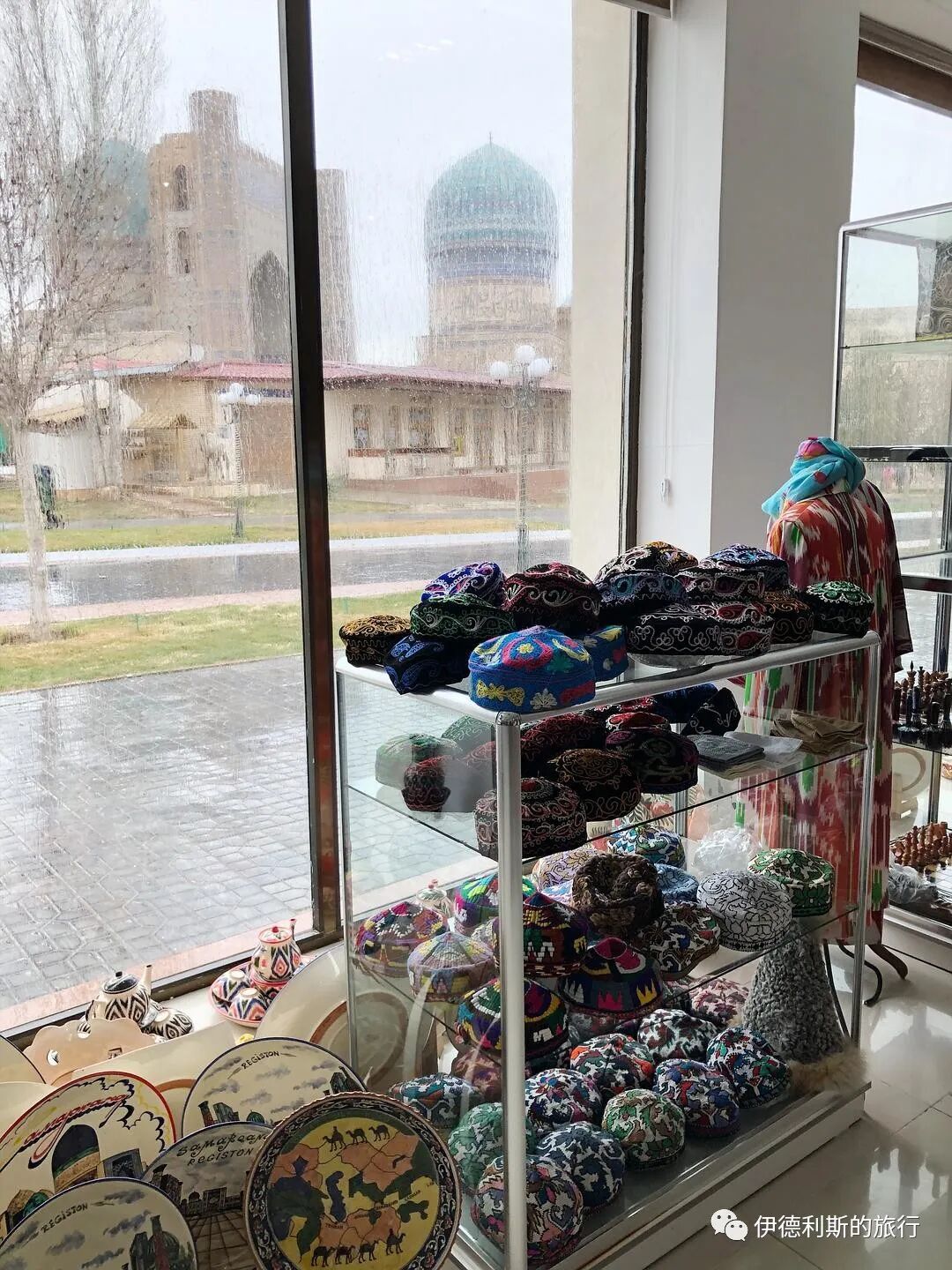
The street between Registan Square and Bibi-Khanym Mosque is full of souvenir shops. I bought a hat with a pomegranate pattern at one shop, and the sisters there even invited me to eat rice pilaf (zhua fan).
Halal Travel Guide: Samarkand — Old City Food, Mosques and Timurid Heritage
Articles • ali2007fr posted the article • 0 comments • 158 views • 2026-05-18 06:54
Reposted from the web
Summary: Samarkand — Old City Food, Mosques and Timurid Heritage is presented here as a firsthand travel account in clear English, beginning with this scene: I traveled to Uzbekistan and Tajikistan during the 2019 Spring Festival holiday. This post shares what I ate in Samarkand. The account keeps its focus on Samarkand Travel, Uzbek Food, Muslim Heritage while preserving the names, places, food, and historical details from the Chinese source.
I traveled to Uzbekistan and Tajikistan during the 2019 Spring Festival holiday. This post shares what I ate in Samarkand.
Grand Bazaar
The grand bazaar in the old city of Samarkand is called Siab Bazaar, located just north of the Bibi-Khanym Mosque.
The most common snack at the bazaar is the baked bun (samsa). Samarkand's baked buns have flaky crusts, which makes them different from the ones in Xinjiang.
There are far fewer fruits and melons in winter than in summer, but you can still drink pomegranate juice.
A Central Asian fast food specialty is shaurma, which is rotisserie meat served with yogurt.
Restaurants
I ate pilaf (zhua fan) and wheat porridge (halisa) at a restaurant next to the Bibi-Khanym Mosque. Halisa is made by simmering cracked wheat and meat for a long time, and it is often eaten during Eid al-Adha. Halisa is very popular across the Middle East, Central Asia, and South Asia, where it goes by different names like Keshkek, Hareesa, Halim, and Khichra.
I had pilaf and steamed meat dumplings (baozi) at a restaurant near Registan Square; after a few days of traveling, I can now read the menu perfectly.
Samarkand Restaurant is a classic banquet hall in Samarkand. We ate lamb shoulder, horse meat, mushroom soup, and various types of flatbread (nang), and we even caught the banquet where the groom's family welcomed the bride after a lively wedding.
Sheepskin calligraphy.
There are traditional music performances inside Registan in the summer, but unfortunately, there were none when we visited in the winter. However, we met a retired teacher writing calligraphy on parchment. I asked him to write my name and Allah is Kind (Yinshan Allah) for me.
Buying a hat
The street between Registan Square and Bibi-Khanym Mosque is full of souvenir shops. I bought a hat with a pomegranate pattern at one shop, and the sisters there even invited me to eat rice pilaf (zhua fan). view all
Summary: Samarkand — Old City Food, Mosques and Timurid Heritage is presented here as a firsthand travel account in clear English, beginning with this scene: I traveled to Uzbekistan and Tajikistan during the 2019 Spring Festival holiday. This post shares what I ate in Samarkand. The account keeps its focus on Samarkand Travel, Uzbek Food, Muslim Heritage while preserving the names, places, food, and historical details from the Chinese source.
I traveled to Uzbekistan and Tajikistan during the 2019 Spring Festival holiday. This post shares what I ate in Samarkand.
Grand Bazaar
The grand bazaar in the old city of Samarkand is called Siab Bazaar, located just north of the Bibi-Khanym Mosque.
The most common snack at the bazaar is the baked bun (samsa). Samarkand's baked buns have flaky crusts, which makes them different from the ones in Xinjiang.
There are far fewer fruits and melons in winter than in summer, but you can still drink pomegranate juice.
A Central Asian fast food specialty is shaurma, which is rotisserie meat served with yogurt.
Restaurants
I ate pilaf (zhua fan) and wheat porridge (halisa) at a restaurant next to the Bibi-Khanym Mosque. Halisa is made by simmering cracked wheat and meat for a long time, and it is often eaten during Eid al-Adha. Halisa is very popular across the Middle East, Central Asia, and South Asia, where it goes by different names like Keshkek, Hareesa, Halim, and Khichra.
I had pilaf and steamed meat dumplings (baozi) at a restaurant near Registan Square; after a few days of traveling, I can now read the menu perfectly.
Samarkand Restaurant is a classic banquet hall in Samarkand. We ate lamb shoulder, horse meat, mushroom soup, and various types of flatbread (nang), and we even caught the banquet where the groom's family welcomed the bride after a lively wedding.
Sheepskin calligraphy.
There are traditional music performances inside Registan in the summer, but unfortunately, there were none when we visited in the winter. However, we met a retired teacher writing calligraphy on parchment. I asked him to write my name and Allah is Kind (Yinshan Allah) for me.
Buying a hat
The street between Registan Square and Bibi-Khanym Mosque is full of souvenir shops. I bought a hat with a pomegranate pattern at one shop, and the sisters there even invited me to eat rice pilaf (zhua fan). view all
Reposted from the web
Summary: Samarkand — Old City Food, Mosques and Timurid Heritage is presented here as a firsthand travel account in clear English, beginning with this scene: I traveled to Uzbekistan and Tajikistan during the 2019 Spring Festival holiday. This post shares what I ate in Samarkand. The account keeps its focus on Samarkand Travel, Uzbek Food, Muslim Heritage while preserving the names, places, food, and historical details from the Chinese source.
I traveled to Uzbekistan and Tajikistan during the 2019 Spring Festival holiday. This post shares what I ate in Samarkand.
Grand Bazaar
The grand bazaar in the old city of Samarkand is called Siab Bazaar, located just north of the Bibi-Khanym Mosque.
The most common snack at the bazaar is the baked bun (samsa). Samarkand's baked buns have flaky crusts, which makes them different from the ones in Xinjiang.
There are far fewer fruits and melons in winter than in summer, but you can still drink pomegranate juice.
A Central Asian fast food specialty is shaurma, which is rotisserie meat served with yogurt.
Restaurants
I ate pilaf (zhua fan) and wheat porridge (halisa) at a restaurant next to the Bibi-Khanym Mosque. Halisa is made by simmering cracked wheat and meat for a long time, and it is often eaten during Eid al-Adha. Halisa is very popular across the Middle East, Central Asia, and South Asia, where it goes by different names like Keshkek, Hareesa, Halim, and Khichra.
I had pilaf and steamed meat dumplings (baozi) at a restaurant near Registan Square; after a few days of traveling, I can now read the menu perfectly.
Samarkand Restaurant is a classic banquet hall in Samarkand. We ate lamb shoulder, horse meat, mushroom soup, and various types of flatbread (nang), and we even caught the banquet where the groom's family welcomed the bride after a lively wedding.
Sheepskin calligraphy.
There are traditional music performances inside Registan in the summer, but unfortunately, there were none when we visited in the winter. However, we met a retired teacher writing calligraphy on parchment. I asked him to write my name and Allah is Kind (Yinshan Allah) for me.
Buying a hat
The street between Registan Square and Bibi-Khanym Mosque is full of souvenir shops. I bought a hat with a pomegranate pattern at one shop, and the sisters there even invited me to eat rice pilaf (zhua fan).
Summary: Samarkand — Old City Food, Mosques and Timurid Heritage is presented here as a firsthand travel account in clear English, beginning with this scene: I traveled to Uzbekistan and Tajikistan during the 2019 Spring Festival holiday. This post shares what I ate in Samarkand. The account keeps its focus on Samarkand Travel, Uzbek Food, Muslim Heritage while preserving the names, places, food, and historical details from the Chinese source.
I traveled to Uzbekistan and Tajikistan during the 2019 Spring Festival holiday. This post shares what I ate in Samarkand.
Grand Bazaar
The grand bazaar in the old city of Samarkand is called Siab Bazaar, located just north of the Bibi-Khanym Mosque.
The most common snack at the bazaar is the baked bun (samsa). Samarkand's baked buns have flaky crusts, which makes them different from the ones in Xinjiang.
There are far fewer fruits and melons in winter than in summer, but you can still drink pomegranate juice.
A Central Asian fast food specialty is shaurma, which is rotisserie meat served with yogurt.
Restaurants
I ate pilaf (zhua fan) and wheat porridge (halisa) at a restaurant next to the Bibi-Khanym Mosque. Halisa is made by simmering cracked wheat and meat for a long time, and it is often eaten during Eid al-Adha. Halisa is very popular across the Middle East, Central Asia, and South Asia, where it goes by different names like Keshkek, Hareesa, Halim, and Khichra.
I had pilaf and steamed meat dumplings (baozi) at a restaurant near Registan Square; after a few days of traveling, I can now read the menu perfectly.
Samarkand Restaurant is a classic banquet hall in Samarkand. We ate lamb shoulder, horse meat, mushroom soup, and various types of flatbread (nang), and we even caught the banquet where the groom's family welcomed the bride after a lively wedding.
Sheepskin calligraphy.
There are traditional music performances inside Registan in the summer, but unfortunately, there were none when we visited in the winter. However, we met a retired teacher writing calligraphy on parchment. I asked him to write my name and Allah is Kind (Yinshan Allah) for me.
Buying a hat
The street between Registan Square and Bibi-Khanym Mosque is full of souvenir shops. I bought a hat with a pomegranate pattern at one shop, and the sisters there even invited me to eat rice pilaf (zhua fan).