

Sanya Muslim Heritage
Tracing Sanya & Hainan's Muslim Heritage: History, Mosques, and Halal Culture
Articles • Hasan09 posted the article • 0 comments • 5 views • 5 hours ago
[Internet Repost]
A Historical Investigation into the Ancient Place Names 'Huihuidun' and 'Huideng': Tracing the Historical Footprints of Muslim Ancestors Landing on the Shores of Yazhou Bay
Abstract:
This paper investigates the historical and geographical evolution of the place names 'Huihuidun' (Huihuidun Muslim settlement) and 'Huideng' (Huideng Muslim settlement) in Sanya, Hainan. Combining historical records from successive editions of Yazhou gazetteers with unearthed ancient Islamic stone inscriptions, it analyzes the key historical nodes during the Song and Yuan dynasties when Muslim merchant vessels took shelter and landed to settle on Hainan Island.
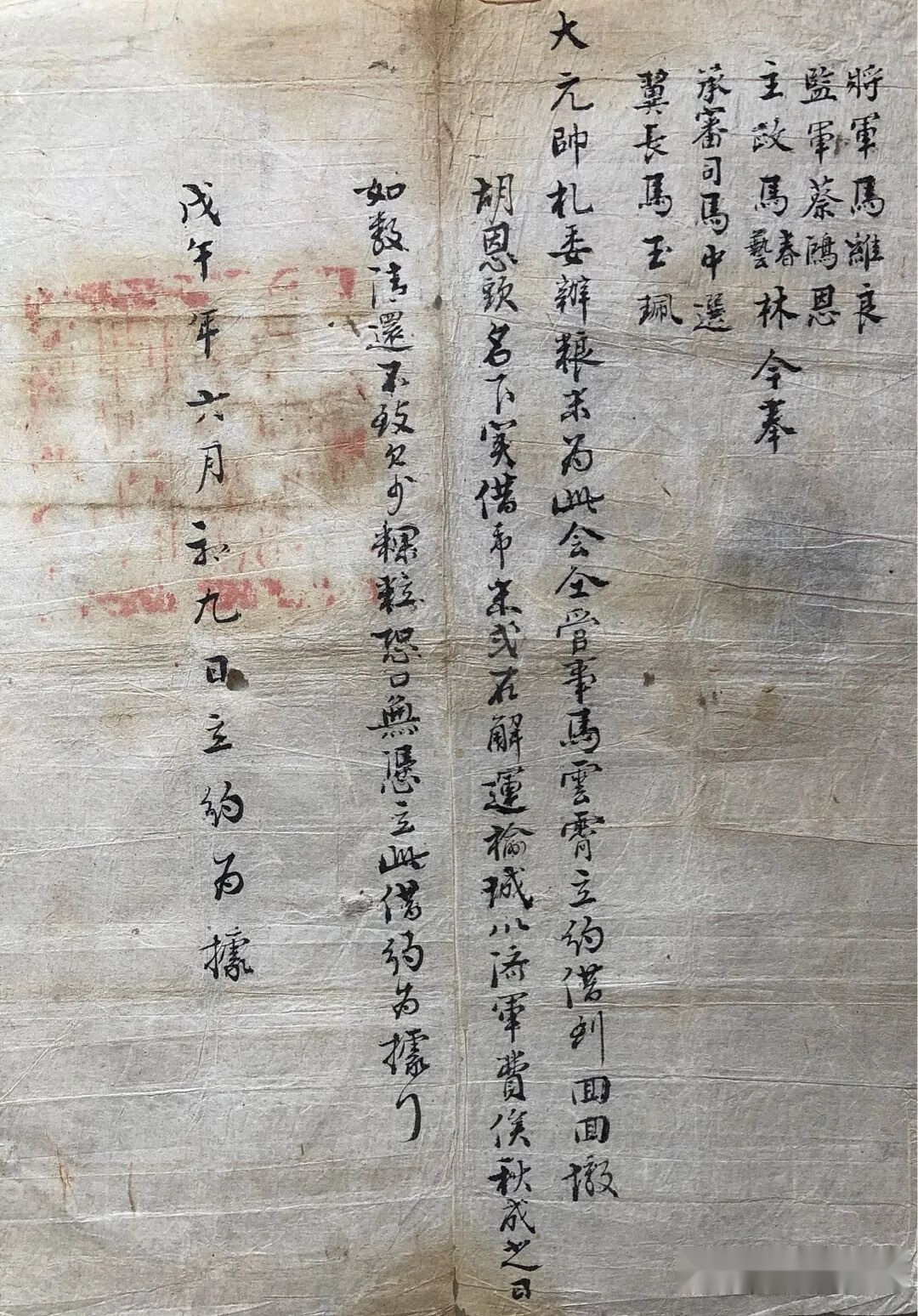
Pictured above is a military grain receipt dated the 9th day of the sixth lunar month in the Wuwu year (the eighth year of Xianfeng, 1858). It records General Ma Weiliang, Military Supervisor Cai Hongen, Administrator Ma Chunlin, Ma Yilin, Adjudication Officer Ma Zhongxuan, and Wing Commander Ma Yupeining borrowing military grain from Hu Enhxian of Huihuidun (Huihuidun Muslim settlement).
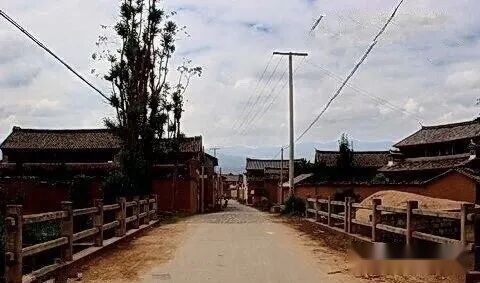
The Huihuidun mentioned in the receipt is located at the northwestern tip of Weishan Yi and Hui Autonomous County in Yunnan. It is a famous, large Hui Muslim village in Yunnan, and its current name is 'Huideng' (Huideng Muslim settlement).
The history of Huideng dates back more than 700 years. At that time, Mongke Khan sent his younger brother Kublai Khan to conquer Yunnan. A large number of Muslims crossed the leather raft bridges into Yunnan along with the Yuan army and settled down. Over time, they became an important part of Yunnan's multi-ethnic family. Huideng was one of the earliest places where they settled in Yunnan. Because they were referred to as 'Huihui' (Hui Muslims), the place came to be named Huihuidun.
Legend has it that by the Hongwu reign of the Ming dynasty, a precious lantern appeared on the large tree in front of the Huihuidun Mosque. Whenever night fell, it shone brightly, guiding travelers in the dark, which is why Huihuidun later acquired the alternative name 'Huihuideng' (Huihuideng Mosque area / lantern settlement). Meanwhile, because the Bai language of Dali frequently uses 'deng' as a suffix for place names, some people also referred to Huideng at the time as 'Huideng' (Huihui deng).
During the Daoguang reign of the Qing dynasty, due to a corrupt and incompetent government, ethnic conflicts in Yunnan intensified, eventually triggering the eighteen-year Panthay Rebellion during the Xianfeng and Tongzhi eras. Before Du Wenxiu officially launched his uprising against the Qing, he used Menghua (the former name of Weishan) Huihuidun and the Greater and Lesser Weiqu areas as a base to gather and build his strength, eventually expanding and growing. After Du Wenxiu established his headquarters in Dali, Huihuidun also became an important military stronghold in Menghua.
In the eleventh year of Tongzhi (1871), after the failure of Du Wenxiu's uprising, Qing imperial forces launched a massive massacre of innocent Hui Muslims in Dali, Weishan, and other places. Huihuidun escaped the catastrophe of a village massacre only because figures like Mi Fuquan surrendered and pledged allegiance to the Qing court.
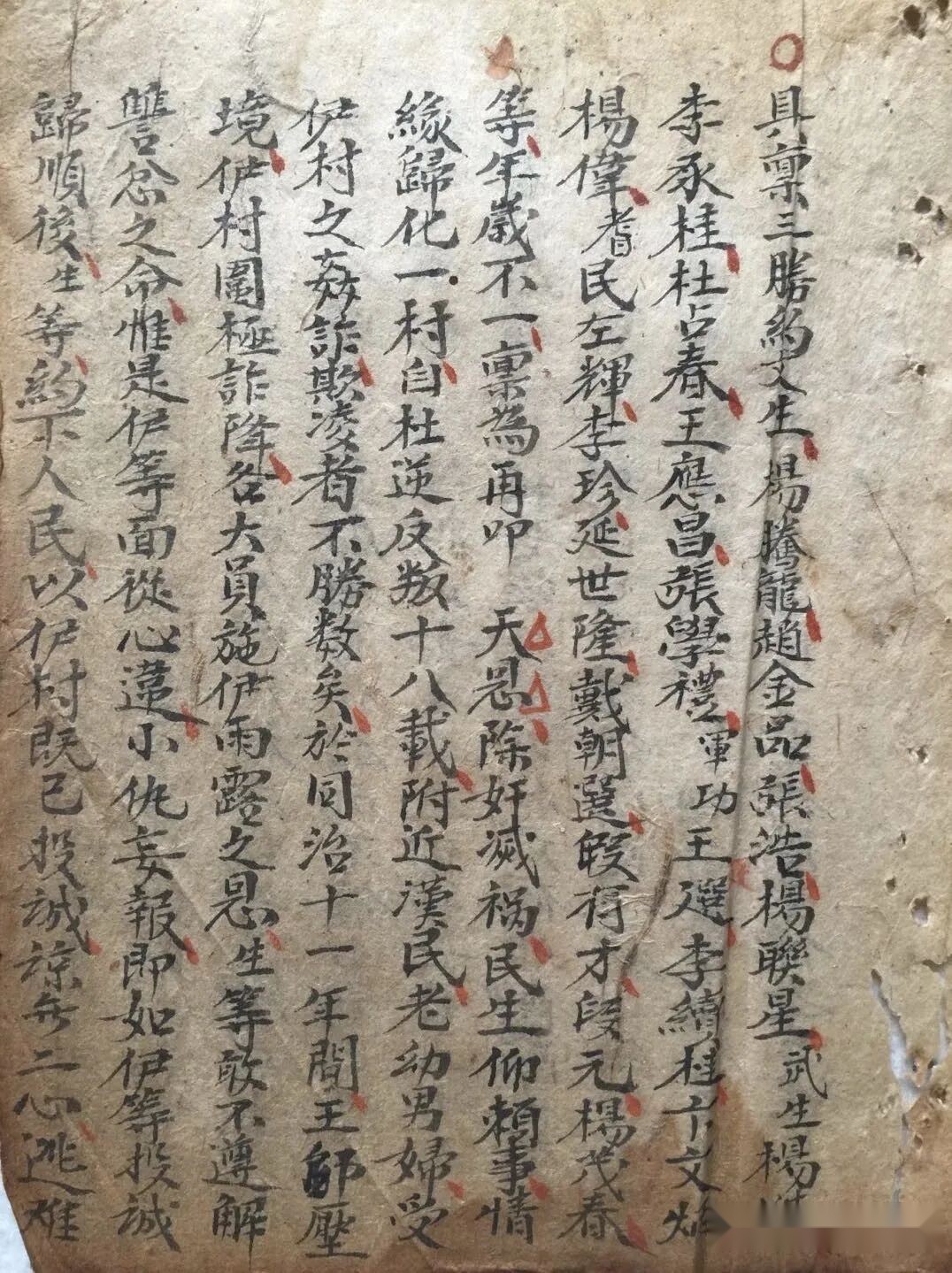
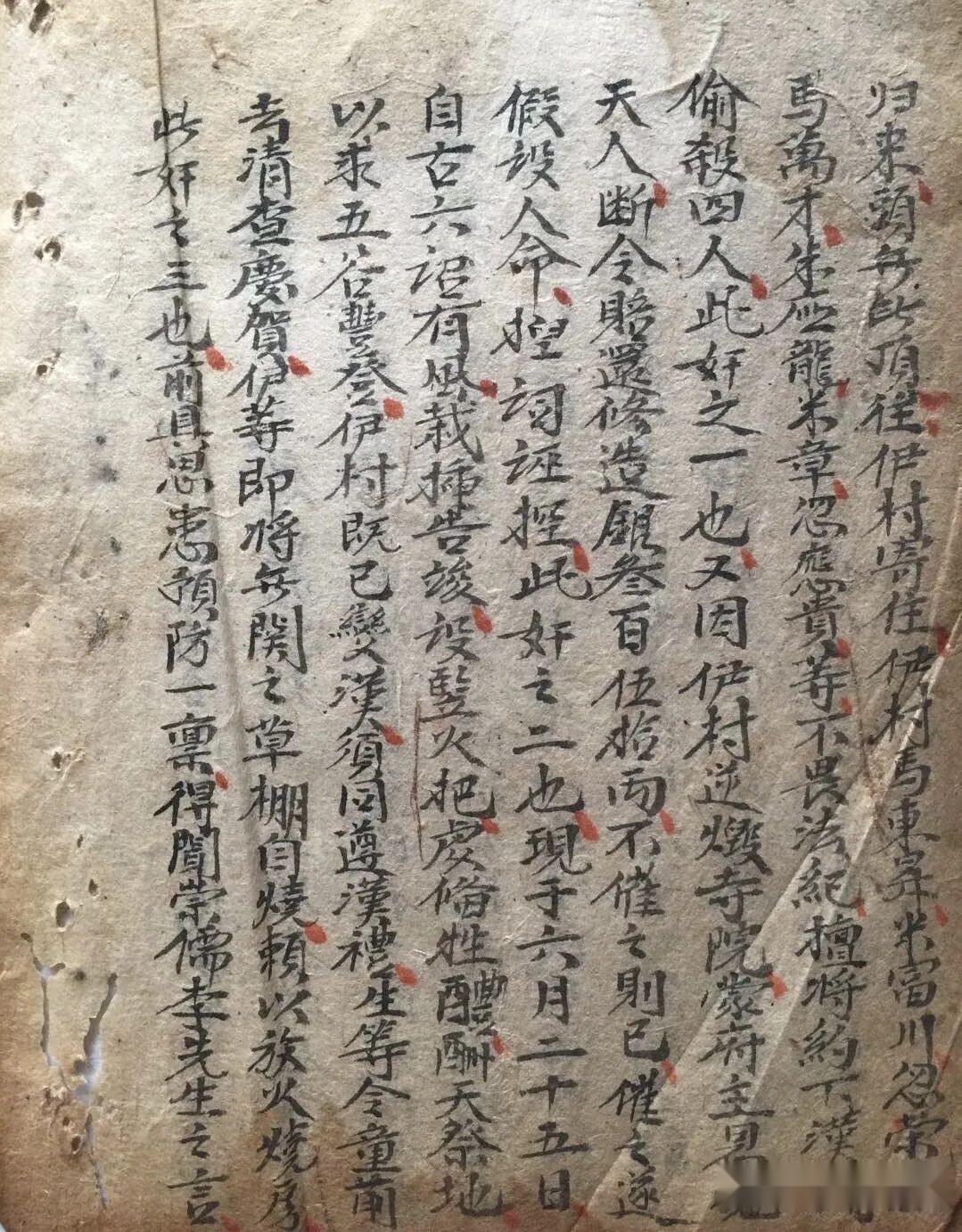
Although the Qing court did not carry out a massacre in Huihuidun, it went to extremes to humiliate the locals. First, they forcibly renamed Huihuidun to 'Huihuideng' (meaning 'Huihui repent of their ascent', also mockingly called 'leedaocai' or 'liuyicun', meaning 'leftover vegetable scraps' or 'the village left behind'). Second, they coerced village Hui Muslims led by gentry figures like Mi Fuquan to 'huihan' (abandon their Islamic faith), meaning they had to give up their original beliefs and show repentance and submission to the imperial court by drinking alcohol and eating pork. Finally, the authorities ordered the local gentry and militia of Sansheng District where the village was located to closely monitor the village's Hui Muslims. Anyone caught engaging in so-called 'unlawful acts' such as refusing pork, not drinking alcohol, or secretly performing a dua (personal prayer) was to be sent to the officials for severe investigation and punishment. The document pictured below is an official denunciation submitted in the first year of Guangxu by various gentry members of Sansheng District, accusing Mi Fuquan and others of 'insincerely converting to Han ways and plotting rebellion':
Under this policy of ethnic discrimination, local Hui Muslims endured humiliation and bore heavy burdens to survive the darkest forty years of their history.
Following the founding of the Republic of China, under the influence of the guiding principle of the 'Republic of Five Nationalities,' Huihuidun finally ushered in a new dawn. Aside from restoring their faith, through the unremitting efforts of the villagers, Huihuidun regained its vibrant luster in economic, cultural, and other fields. Ultimately, it was honorably renamed back to 'Huideng'.
After the founding of the People's Republic of China, guided by relevant ethnic policies, Huideng achieved further development, and the people's lives became even happier.
(Huideng Mosque) view all
A Historical Investigation into the Ancient Place Names 'Huihuidun' and 'Huideng': Tracing the Historical Footprints of Muslim Ancestors Landing on the Shores of Yazhou Bay
Abstract:
This paper investigates the historical and geographical evolution of the place names 'Huihuidun' (Huihuidun Muslim settlement) and 'Huideng' (Huideng Muslim settlement) in Sanya, Hainan. Combining historical records from successive editions of Yazhou gazetteers with unearthed ancient Islamic stone inscriptions, it analyzes the key historical nodes during the Song and Yuan dynasties when Muslim merchant vessels took shelter and landed to settle on Hainan Island.
Pictured above is a military grain receipt dated the 9th day of the sixth lunar month in the Wuwu year (the eighth year of Xianfeng, 1858). It records General Ma Weiliang, Military Supervisor Cai Hongen, Administrator Ma Chunlin, Ma Yilin, Adjudication Officer Ma Zhongxuan, and Wing Commander Ma Yupeining borrowing military grain from Hu Enhxian of Huihuidun (Huihuidun Muslim settlement).
The Huihuidun mentioned in the receipt is located at the northwestern tip of Weishan Yi and Hui Autonomous County in Yunnan. It is a famous, large Hui Muslim village in Yunnan, and its current name is 'Huideng' (Huideng Muslim settlement).
The history of Huideng dates back more than 700 years. At that time, Mongke Khan sent his younger brother Kublai Khan to conquer Yunnan. A large number of Muslims crossed the leather raft bridges into Yunnan along with the Yuan army and settled down. Over time, they became an important part of Yunnan's multi-ethnic family. Huideng was one of the earliest places where they settled in Yunnan. Because they were referred to as 'Huihui' (Hui Muslims), the place came to be named Huihuidun.
Legend has it that by the Hongwu reign of the Ming dynasty, a precious lantern appeared on the large tree in front of the Huihuidun Mosque. Whenever night fell, it shone brightly, guiding travelers in the dark, which is why Huihuidun later acquired the alternative name 'Huihuideng' (Huihuideng Mosque area / lantern settlement). Meanwhile, because the Bai language of Dali frequently uses 'deng' as a suffix for place names, some people also referred to Huideng at the time as 'Huideng' (Huihui deng).
During the Daoguang reign of the Qing dynasty, due to a corrupt and incompetent government, ethnic conflicts in Yunnan intensified, eventually triggering the eighteen-year Panthay Rebellion during the Xianfeng and Tongzhi eras. Before Du Wenxiu officially launched his uprising against the Qing, he used Menghua (the former name of Weishan) Huihuidun and the Greater and Lesser Weiqu areas as a base to gather and build his strength, eventually expanding and growing. After Du Wenxiu established his headquarters in Dali, Huihuidun also became an important military stronghold in Menghua.
In the eleventh year of Tongzhi (1871), after the failure of Du Wenxiu's uprising, Qing imperial forces launched a massive massacre of innocent Hui Muslims in Dali, Weishan, and other places. Huihuidun escaped the catastrophe of a village massacre only because figures like Mi Fuquan surrendered and pledged allegiance to the Qing court.
Although the Qing court did not carry out a massacre in Huihuidun, it went to extremes to humiliate the locals. First, they forcibly renamed Huihuidun to 'Huihuideng' (meaning 'Huihui repent of their ascent', also mockingly called 'leedaocai' or 'liuyicun', meaning 'leftover vegetable scraps' or 'the village left behind'). Second, they coerced village Hui Muslims led by gentry figures like Mi Fuquan to 'huihan' (abandon their Islamic faith), meaning they had to give up their original beliefs and show repentance and submission to the imperial court by drinking alcohol and eating pork. Finally, the authorities ordered the local gentry and militia of Sansheng District where the village was located to closely monitor the village's Hui Muslims. Anyone caught engaging in so-called 'unlawful acts' such as refusing pork, not drinking alcohol, or secretly performing a dua (personal prayer) was to be sent to the officials for severe investigation and punishment. The document pictured below is an official denunciation submitted in the first year of Guangxu by various gentry members of Sansheng District, accusing Mi Fuquan and others of 'insincerely converting to Han ways and plotting rebellion':
Under this policy of ethnic discrimination, local Hui Muslims endured humiliation and bore heavy burdens to survive the darkest forty years of their history.
Following the founding of the Republic of China, under the influence of the guiding principle of the 'Republic of Five Nationalities,' Huihuidun finally ushered in a new dawn. Aside from restoring their faith, through the unremitting efforts of the villagers, Huihuidun regained its vibrant luster in economic, cultural, and other fields. Ultimately, it was honorably renamed back to 'Huideng'.
After the founding of the People's Republic of China, guided by relevant ethnic policies, Huideng achieved further development, and the people's lives became even happier.
(Huideng Mosque) view all
[Internet Repost]
A Historical Investigation into the Ancient Place Names 'Huihuidun' and 'Huideng': Tracing the Historical Footprints of Muslim Ancestors Landing on the Shores of Yazhou Bay
Abstract:
This paper investigates the historical and geographical evolution of the place names 'Huihuidun' (Huihuidun Muslim settlement) and 'Huideng' (Huideng Muslim settlement) in Sanya, Hainan. Combining historical records from successive editions of Yazhou gazetteers with unearthed ancient Islamic stone inscriptions, it analyzes the key historical nodes during the Song and Yuan dynasties when Muslim merchant vessels took shelter and landed to settle on Hainan Island.
Pictured above is a military grain receipt dated the 9th day of the sixth lunar month in the Wuwu year (the eighth year of Xianfeng, 1858). It records General Ma Weiliang, Military Supervisor Cai Hongen, Administrator Ma Chunlin, Ma Yilin, Adjudication Officer Ma Zhongxuan, and Wing Commander Ma Yupeining borrowing military grain from Hu Enhxian of Huihuidun (Huihuidun Muslim settlement).
The Huihuidun mentioned in the receipt is located at the northwestern tip of Weishan Yi and Hui Autonomous County in Yunnan. It is a famous, large Hui Muslim village in Yunnan, and its current name is 'Huideng' (Huideng Muslim settlement).
The history of Huideng dates back more than 700 years. At that time, Mongke Khan sent his younger brother Kublai Khan to conquer Yunnan. A large number of Muslims crossed the leather raft bridges into Yunnan along with the Yuan army and settled down. Over time, they became an important part of Yunnan's multi-ethnic family. Huideng was one of the earliest places where they settled in Yunnan. Because they were referred to as 'Huihui' (Hui Muslims), the place came to be named Huihuidun.
Legend has it that by the Hongwu reign of the Ming dynasty, a precious lantern appeared on the large tree in front of the Huihuidun Mosque. Whenever night fell, it shone brightly, guiding travelers in the dark, which is why Huihuidun later acquired the alternative name 'Huihuideng' (Huihuideng Mosque area / lantern settlement). Meanwhile, because the Bai language of Dali frequently uses 'deng' as a suffix for place names, some people also referred to Huideng at the time as 'Huideng' (Huihui deng).

During the Daoguang reign of the Qing dynasty, due to a corrupt and incompetent government, ethnic conflicts in Yunnan intensified, eventually triggering the eighteen-year Panthay Rebellion during the Xianfeng and Tongzhi eras. Before Du Wenxiu officially launched his uprising against the Qing, he used Menghua (the former name of Weishan) Huihuidun and the Greater and Lesser Weiqu areas as a base to gather and build his strength, eventually expanding and growing. After Du Wenxiu established his headquarters in Dali, Huihuidun also became an important military stronghold in Menghua.
In the eleventh year of Tongzhi (1871), after the failure of Du Wenxiu's uprising, Qing imperial forces launched a massive massacre of innocent Hui Muslims in Dali, Weishan, and other places. Huihuidun escaped the catastrophe of a village massacre only because figures like Mi Fuquan surrendered and pledged allegiance to the Qing court.
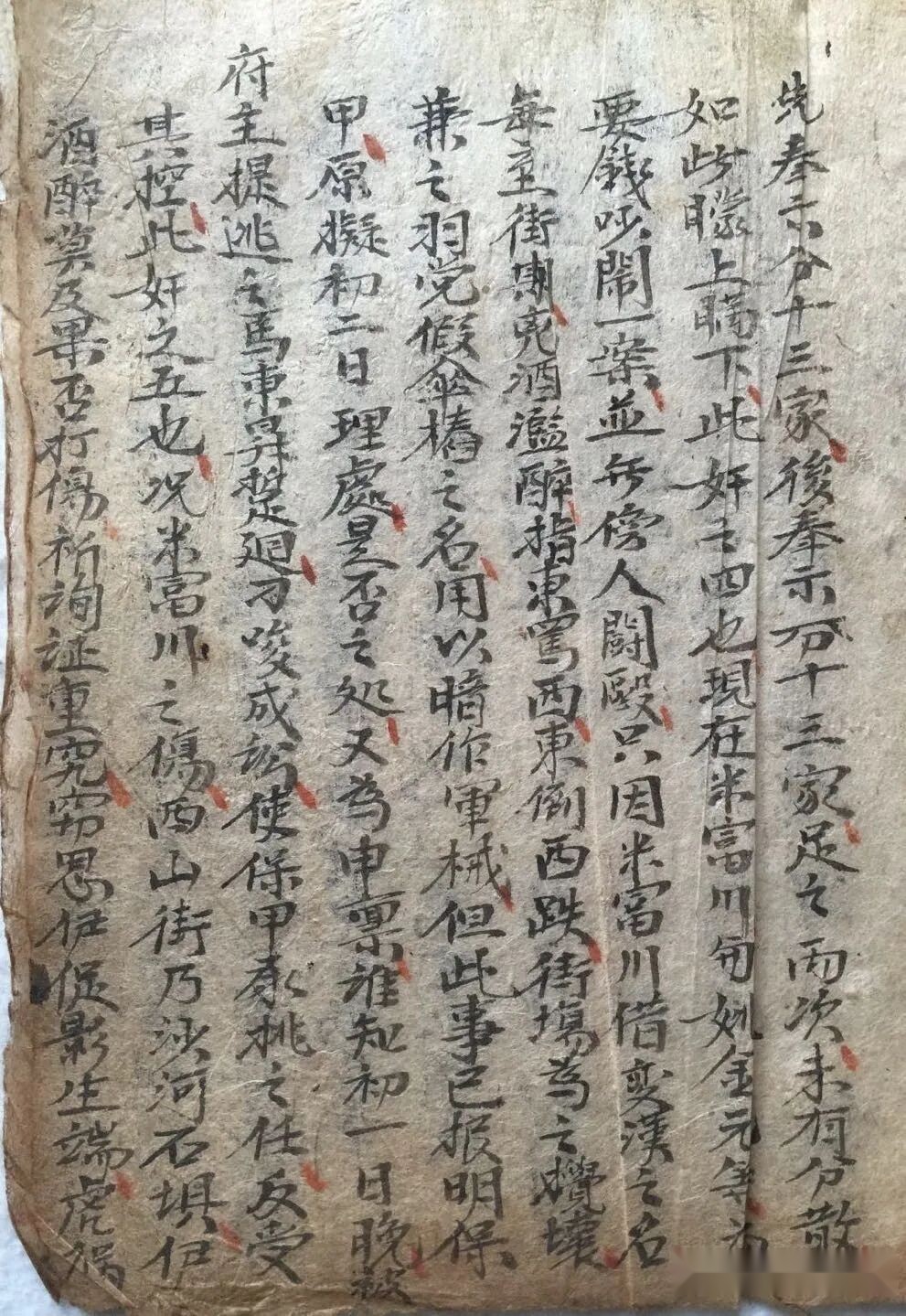
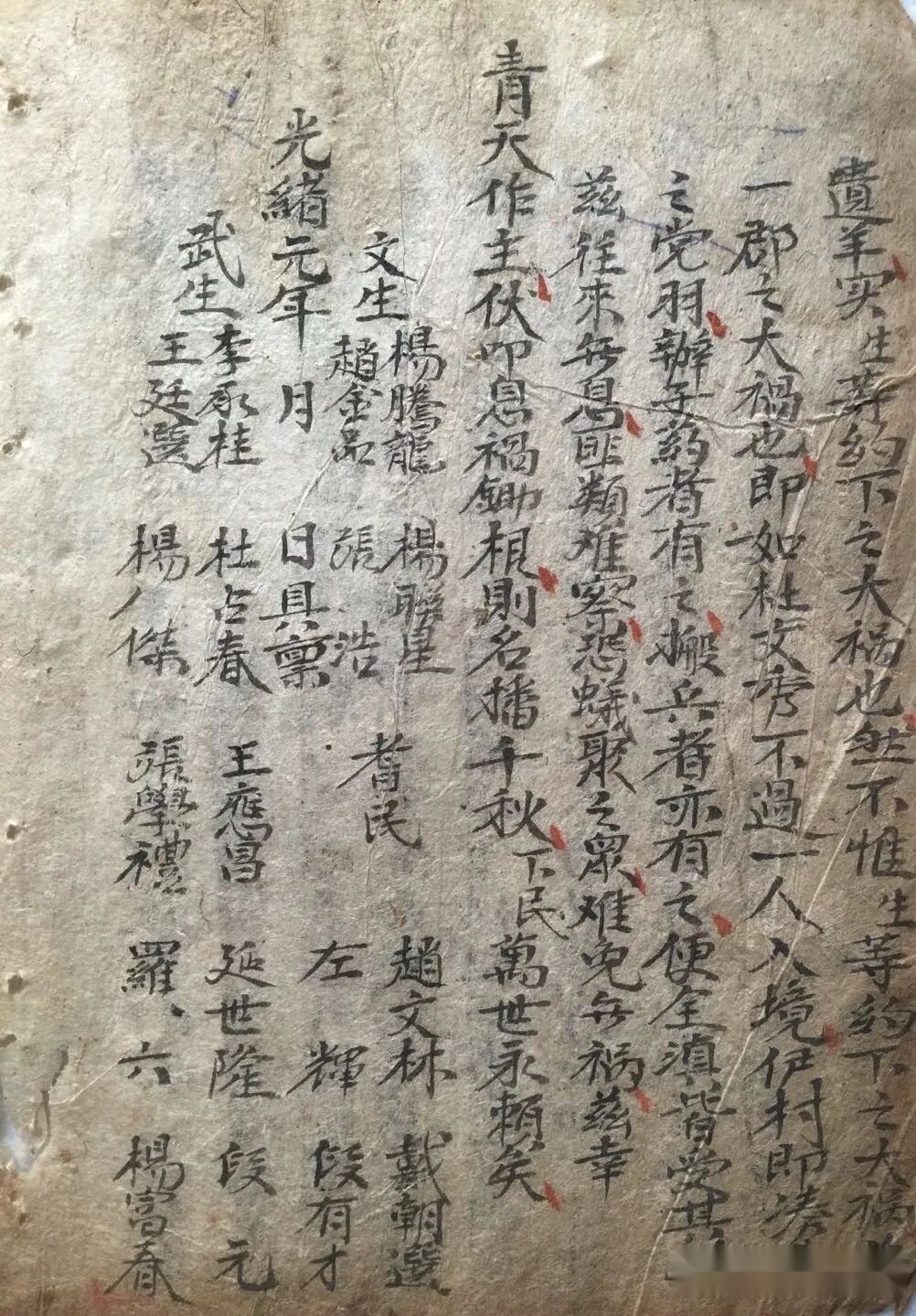
Although the Qing court did not carry out a massacre in Huihuidun, it went to extremes to humiliate the locals. First, they forcibly renamed Huihuidun to 'Huihuideng' (meaning 'Huihui repent of their ascent', also mockingly called 'leedaocai' or 'liuyicun', meaning 'leftover vegetable scraps' or 'the village left behind'). Second, they coerced village Hui Muslims led by gentry figures like Mi Fuquan to 'huihan' (abandon their Islamic faith), meaning they had to give up their original beliefs and show repentance and submission to the imperial court by drinking alcohol and eating pork. Finally, the authorities ordered the local gentry and militia of Sansheng District where the village was located to closely monitor the village's Hui Muslims. Anyone caught engaging in so-called 'unlawful acts' such as refusing pork, not drinking alcohol, or secretly performing a dua (personal prayer) was to be sent to the officials for severe investigation and punishment. The document pictured below is an official denunciation submitted in the first year of Guangxu by various gentry members of Sansheng District, accusing Mi Fuquan and others of 'insincerely converting to Han ways and plotting rebellion':
Under this policy of ethnic discrimination, local Hui Muslims endured humiliation and bore heavy burdens to survive the darkest forty years of their history.
Following the founding of the Republic of China, under the influence of the guiding principle of the 'Republic of Five Nationalities,' Huihuidun finally ushered in a new dawn. Aside from restoring their faith, through the unremitting efforts of the villagers, Huihuidun regained its vibrant luster in economic, cultural, and other fields. Ultimately, it was honorably renamed back to 'Huideng'.
After the founding of the People's Republic of China, guided by relevant ethnic policies, Huideng achieved further development, and the people's lives became even happier.
(Huideng Mosque)
A Historical Investigation into the Ancient Place Names 'Huihuidun' and 'Huideng': Tracing the Historical Footprints of Muslim Ancestors Landing on the Shores of Yazhou Bay
Abstract:
This paper investigates the historical and geographical evolution of the place names 'Huihuidun' (Huihuidun Muslim settlement) and 'Huideng' (Huideng Muslim settlement) in Sanya, Hainan. Combining historical records from successive editions of Yazhou gazetteers with unearthed ancient Islamic stone inscriptions, it analyzes the key historical nodes during the Song and Yuan dynasties when Muslim merchant vessels took shelter and landed to settle on Hainan Island.
Pictured above is a military grain receipt dated the 9th day of the sixth lunar month in the Wuwu year (the eighth year of Xianfeng, 1858). It records General Ma Weiliang, Military Supervisor Cai Hongen, Administrator Ma Chunlin, Ma Yilin, Adjudication Officer Ma Zhongxuan, and Wing Commander Ma Yupeining borrowing military grain from Hu Enhxian of Huihuidun (Huihuidun Muslim settlement).
The Huihuidun mentioned in the receipt is located at the northwestern tip of Weishan Yi and Hui Autonomous County in Yunnan. It is a famous, large Hui Muslim village in Yunnan, and its current name is 'Huideng' (Huideng Muslim settlement).
The history of Huideng dates back more than 700 years. At that time, Mongke Khan sent his younger brother Kublai Khan to conquer Yunnan. A large number of Muslims crossed the leather raft bridges into Yunnan along with the Yuan army and settled down. Over time, they became an important part of Yunnan's multi-ethnic family. Huideng was one of the earliest places where they settled in Yunnan. Because they were referred to as 'Huihui' (Hui Muslims), the place came to be named Huihuidun.
Legend has it that by the Hongwu reign of the Ming dynasty, a precious lantern appeared on the large tree in front of the Huihuidun Mosque. Whenever night fell, it shone brightly, guiding travelers in the dark, which is why Huihuidun later acquired the alternative name 'Huihuideng' (Huihuideng Mosque area / lantern settlement). Meanwhile, because the Bai language of Dali frequently uses 'deng' as a suffix for place names, some people also referred to Huideng at the time as 'Huideng' (Huihui deng).
During the Daoguang reign of the Qing dynasty, due to a corrupt and incompetent government, ethnic conflicts in Yunnan intensified, eventually triggering the eighteen-year Panthay Rebellion during the Xianfeng and Tongzhi eras. Before Du Wenxiu officially launched his uprising against the Qing, he used Menghua (the former name of Weishan) Huihuidun and the Greater and Lesser Weiqu areas as a base to gather and build his strength, eventually expanding and growing. After Du Wenxiu established his headquarters in Dali, Huihuidun also became an important military stronghold in Menghua.
In the eleventh year of Tongzhi (1871), after the failure of Du Wenxiu's uprising, Qing imperial forces launched a massive massacre of innocent Hui Muslims in Dali, Weishan, and other places. Huihuidun escaped the catastrophe of a village massacre only because figures like Mi Fuquan surrendered and pledged allegiance to the Qing court.
Although the Qing court did not carry out a massacre in Huihuidun, it went to extremes to humiliate the locals. First, they forcibly renamed Huihuidun to 'Huihuideng' (meaning 'Huihui repent of their ascent', also mockingly called 'leedaocai' or 'liuyicun', meaning 'leftover vegetable scraps' or 'the village left behind'). Second, they coerced village Hui Muslims led by gentry figures like Mi Fuquan to 'huihan' (abandon their Islamic faith), meaning they had to give up their original beliefs and show repentance and submission to the imperial court by drinking alcohol and eating pork. Finally, the authorities ordered the local gentry and militia of Sansheng District where the village was located to closely monitor the village's Hui Muslims. Anyone caught engaging in so-called 'unlawful acts' such as refusing pork, not drinking alcohol, or secretly performing a dua (personal prayer) was to be sent to the officials for severe investigation and punishment. The document pictured below is an official denunciation submitted in the first year of Guangxu by various gentry members of Sansheng District, accusing Mi Fuquan and others of 'insincerely converting to Han ways and plotting rebellion':
Under this policy of ethnic discrimination, local Hui Muslims endured humiliation and bore heavy burdens to survive the darkest forty years of their history.
Following the founding of the Republic of China, under the influence of the guiding principle of the 'Republic of Five Nationalities,' Huihuidun finally ushered in a new dawn. Aside from restoring their faith, through the unremitting efforts of the villagers, Huihuidun regained its vibrant luster in economic, cultural, and other fields. Ultimately, it was honorably renamed back to 'Huideng'.
After the founding of the People's Republic of China, guided by relevant ethnic policies, Huideng achieved further development, and the people's lives became even happier.
(Huideng Mosque)
Tracing Sanya & Hainan's Muslim Heritage: History, Mosques, and Halal Culture
Articles • Hasan09 posted the article • 0 comments • 5 views • 5 hours ago
[Internet Repost]
A Historical Investigation into the Ancient Place Names 'Huihuidun' and 'Huideng': Tracing the Historical Footprints of Muslim Ancestors Landing on the Shores of Yazhou Bay
Abstract:
This paper investigates the historical and geographical evolution of the place names 'Huihuidun' (Huihuidun Muslim settlement) and 'Huideng' (Huideng Muslim settlement) in Sanya, Hainan. Combining historical records from successive editions of Yazhou gazetteers with unearthed ancient Islamic stone inscriptions, it analyzes the key historical nodes during the Song and Yuan dynasties when Muslim merchant vessels took shelter and landed to settle on Hainan Island.
Pictured above is a military grain receipt dated the 9th day of the sixth lunar month in the Wuwu year (the eighth year of Xianfeng, 1858). It records General Ma Weiliang, Military Supervisor Cai Hongen, Administrator Ma Chunlin, Ma Yilin, Adjudication Officer Ma Zhongxuan, and Wing Commander Ma Yupeining borrowing military grain from Hu Enhxian of Huihuidun (Huihuidun Muslim settlement).
The Huihuidun mentioned in the receipt is located at the northwestern tip of Weishan Yi and Hui Autonomous County in Yunnan. It is a famous, large Hui Muslim village in Yunnan, and its current name is 'Huideng' (Huideng Muslim settlement).
The history of Huideng dates back more than 700 years. At that time, Mongke Khan sent his younger brother Kublai Khan to conquer Yunnan. A large number of Muslims crossed the leather raft bridges into Yunnan along with the Yuan army and settled down. Over time, they became an important part of Yunnan's multi-ethnic family. Huideng was one of the earliest places where they settled in Yunnan. Because they were referred to as 'Huihui' (Hui Muslims), the place came to be named Huihuidun.
Legend has it that by the Hongwu reign of the Ming dynasty, a precious lantern appeared on the large tree in front of the Huihuidun Mosque. Whenever night fell, it shone brightly, guiding travelers in the dark, which is why Huihuidun later acquired the alternative name 'Huihuideng' (Huihuideng Mosque area / lantern settlement). Meanwhile, because the Bai language of Dali frequently uses 'deng' as a suffix for place names, some people also referred to Huideng at the time as 'Huideng' (Huihui deng).
During the Daoguang reign of the Qing dynasty, due to a corrupt and incompetent government, ethnic conflicts in Yunnan intensified, eventually triggering the eighteen-year Panthay Rebellion during the Xianfeng and Tongzhi eras. Before Du Wenxiu officially launched his uprising against the Qing, he used Menghua (the former name of Weishan) Huihuidun and the Greater and Lesser Weiqu areas as a base to gather and build his strength, eventually expanding and growing. After Du Wenxiu established his headquarters in Dali, Huihuidun also became an important military stronghold in Menghua.
In the eleventh year of Tongzhi (1871), after the failure of Du Wenxiu's uprising, Qing imperial forces launched a massive massacre of innocent Hui Muslims in Dali, Weishan, and other places. Huihuidun escaped the catastrophe of a village massacre only because figures like Mi Fuquan surrendered and pledged allegiance to the Qing court.
Although the Qing court did not carry out a massacre in Huihuidun, it went to extremes to humiliate the locals. First, they forcibly renamed Huihuidun to 'Huihuideng' (meaning 'Huihui repent of their ascent', also mockingly called 'leedaocai' or 'liuyicun', meaning 'leftover vegetable scraps' or 'the village left behind'). Second, they coerced village Hui Muslims led by gentry figures like Mi Fuquan to 'huihan' (abandon their Islamic faith), meaning they had to give up their original beliefs and show repentance and submission to the imperial court by drinking alcohol and eating pork. Finally, the authorities ordered the local gentry and militia of Sansheng District where the village was located to closely monitor the village's Hui Muslims. Anyone caught engaging in so-called 'unlawful acts' such as refusing pork, not drinking alcohol, or secretly performing a dua (personal prayer) was to be sent to the officials for severe investigation and punishment. The document pictured below is an official denunciation submitted in the first year of Guangxu by various gentry members of Sansheng District, accusing Mi Fuquan and others of 'insincerely converting to Han ways and plotting rebellion':
Under this policy of ethnic discrimination, local Hui Muslims endured humiliation and bore heavy burdens to survive the darkest forty years of their history.
Following the founding of the Republic of China, under the influence of the guiding principle of the 'Republic of Five Nationalities,' Huihuidun finally ushered in a new dawn. Aside from restoring their faith, through the unremitting efforts of the villagers, Huihuidun regained its vibrant luster in economic, cultural, and other fields. Ultimately, it was honorably renamed back to 'Huideng'.
After the founding of the People's Republic of China, guided by relevant ethnic policies, Huideng achieved further development, and the people's lives became even happier.
(Huideng Mosque) view all
A Historical Investigation into the Ancient Place Names 'Huihuidun' and 'Huideng': Tracing the Historical Footprints of Muslim Ancestors Landing on the Shores of Yazhou Bay
Abstract:
This paper investigates the historical and geographical evolution of the place names 'Huihuidun' (Huihuidun Muslim settlement) and 'Huideng' (Huideng Muslim settlement) in Sanya, Hainan. Combining historical records from successive editions of Yazhou gazetteers with unearthed ancient Islamic stone inscriptions, it analyzes the key historical nodes during the Song and Yuan dynasties when Muslim merchant vessels took shelter and landed to settle on Hainan Island.
Pictured above is a military grain receipt dated the 9th day of the sixth lunar month in the Wuwu year (the eighth year of Xianfeng, 1858). It records General Ma Weiliang, Military Supervisor Cai Hongen, Administrator Ma Chunlin, Ma Yilin, Adjudication Officer Ma Zhongxuan, and Wing Commander Ma Yupeining borrowing military grain from Hu Enhxian of Huihuidun (Huihuidun Muslim settlement).
The Huihuidun mentioned in the receipt is located at the northwestern tip of Weishan Yi and Hui Autonomous County in Yunnan. It is a famous, large Hui Muslim village in Yunnan, and its current name is 'Huideng' (Huideng Muslim settlement).
The history of Huideng dates back more than 700 years. At that time, Mongke Khan sent his younger brother Kublai Khan to conquer Yunnan. A large number of Muslims crossed the leather raft bridges into Yunnan along with the Yuan army and settled down. Over time, they became an important part of Yunnan's multi-ethnic family. Huideng was one of the earliest places where they settled in Yunnan. Because they were referred to as 'Huihui' (Hui Muslims), the place came to be named Huihuidun.
Legend has it that by the Hongwu reign of the Ming dynasty, a precious lantern appeared on the large tree in front of the Huihuidun Mosque. Whenever night fell, it shone brightly, guiding travelers in the dark, which is why Huihuidun later acquired the alternative name 'Huihuideng' (Huihuideng Mosque area / lantern settlement). Meanwhile, because the Bai language of Dali frequently uses 'deng' as a suffix for place names, some people also referred to Huideng at the time as 'Huideng' (Huihui deng).
During the Daoguang reign of the Qing dynasty, due to a corrupt and incompetent government, ethnic conflicts in Yunnan intensified, eventually triggering the eighteen-year Panthay Rebellion during the Xianfeng and Tongzhi eras. Before Du Wenxiu officially launched his uprising against the Qing, he used Menghua (the former name of Weishan) Huihuidun and the Greater and Lesser Weiqu areas as a base to gather and build his strength, eventually expanding and growing. After Du Wenxiu established his headquarters in Dali, Huihuidun also became an important military stronghold in Menghua.
In the eleventh year of Tongzhi (1871), after the failure of Du Wenxiu's uprising, Qing imperial forces launched a massive massacre of innocent Hui Muslims in Dali, Weishan, and other places. Huihuidun escaped the catastrophe of a village massacre only because figures like Mi Fuquan surrendered and pledged allegiance to the Qing court.
Although the Qing court did not carry out a massacre in Huihuidun, it went to extremes to humiliate the locals. First, they forcibly renamed Huihuidun to 'Huihuideng' (meaning 'Huihui repent of their ascent', also mockingly called 'leedaocai' or 'liuyicun', meaning 'leftover vegetable scraps' or 'the village left behind'). Second, they coerced village Hui Muslims led by gentry figures like Mi Fuquan to 'huihan' (abandon their Islamic faith), meaning they had to give up their original beliefs and show repentance and submission to the imperial court by drinking alcohol and eating pork. Finally, the authorities ordered the local gentry and militia of Sansheng District where the village was located to closely monitor the village's Hui Muslims. Anyone caught engaging in so-called 'unlawful acts' such as refusing pork, not drinking alcohol, or secretly performing a dua (personal prayer) was to be sent to the officials for severe investigation and punishment. The document pictured below is an official denunciation submitted in the first year of Guangxu by various gentry members of Sansheng District, accusing Mi Fuquan and others of 'insincerely converting to Han ways and plotting rebellion':
Under this policy of ethnic discrimination, local Hui Muslims endured humiliation and bore heavy burdens to survive the darkest forty years of their history.
Following the founding of the Republic of China, under the influence of the guiding principle of the 'Republic of Five Nationalities,' Huihuidun finally ushered in a new dawn. Aside from restoring their faith, through the unremitting efforts of the villagers, Huihuidun regained its vibrant luster in economic, cultural, and other fields. Ultimately, it was honorably renamed back to 'Huideng'.
After the founding of the People's Republic of China, guided by relevant ethnic policies, Huideng achieved further development, and the people's lives became even happier.
(Huideng Mosque) view all
[Internet Repost]
A Historical Investigation into the Ancient Place Names 'Huihuidun' and 'Huideng': Tracing the Historical Footprints of Muslim Ancestors Landing on the Shores of Yazhou Bay
Abstract:
This paper investigates the historical and geographical evolution of the place names 'Huihuidun' (Huihuidun Muslim settlement) and 'Huideng' (Huideng Muslim settlement) in Sanya, Hainan. Combining historical records from successive editions of Yazhou gazetteers with unearthed ancient Islamic stone inscriptions, it analyzes the key historical nodes during the Song and Yuan dynasties when Muslim merchant vessels took shelter and landed to settle on Hainan Island.
Pictured above is a military grain receipt dated the 9th day of the sixth lunar month in the Wuwu year (the eighth year of Xianfeng, 1858). It records General Ma Weiliang, Military Supervisor Cai Hongen, Administrator Ma Chunlin, Ma Yilin, Adjudication Officer Ma Zhongxuan, and Wing Commander Ma Yupeining borrowing military grain from Hu Enhxian of Huihuidun (Huihuidun Muslim settlement).
The Huihuidun mentioned in the receipt is located at the northwestern tip of Weishan Yi and Hui Autonomous County in Yunnan. It is a famous, large Hui Muslim village in Yunnan, and its current name is 'Huideng' (Huideng Muslim settlement).
The history of Huideng dates back more than 700 years. At that time, Mongke Khan sent his younger brother Kublai Khan to conquer Yunnan. A large number of Muslims crossed the leather raft bridges into Yunnan along with the Yuan army and settled down. Over time, they became an important part of Yunnan's multi-ethnic family. Huideng was one of the earliest places where they settled in Yunnan. Because they were referred to as 'Huihui' (Hui Muslims), the place came to be named Huihuidun.
Legend has it that by the Hongwu reign of the Ming dynasty, a precious lantern appeared on the large tree in front of the Huihuidun Mosque. Whenever night fell, it shone brightly, guiding travelers in the dark, which is why Huihuidun later acquired the alternative name 'Huihuideng' (Huihuideng Mosque area / lantern settlement). Meanwhile, because the Bai language of Dali frequently uses 'deng' as a suffix for place names, some people also referred to Huideng at the time as 'Huideng' (Huihui deng).
During the Daoguang reign of the Qing dynasty, due to a corrupt and incompetent government, ethnic conflicts in Yunnan intensified, eventually triggering the eighteen-year Panthay Rebellion during the Xianfeng and Tongzhi eras. Before Du Wenxiu officially launched his uprising against the Qing, he used Menghua (the former name of Weishan) Huihuidun and the Greater and Lesser Weiqu areas as a base to gather and build his strength, eventually expanding and growing. After Du Wenxiu established his headquarters in Dali, Huihuidun also became an important military stronghold in Menghua.
In the eleventh year of Tongzhi (1871), after the failure of Du Wenxiu's uprising, Qing imperial forces launched a massive massacre of innocent Hui Muslims in Dali, Weishan, and other places. Huihuidun escaped the catastrophe of a village massacre only because figures like Mi Fuquan surrendered and pledged allegiance to the Qing court.
Although the Qing court did not carry out a massacre in Huihuidun, it went to extremes to humiliate the locals. First, they forcibly renamed Huihuidun to 'Huihuideng' (meaning 'Huihui repent of their ascent', also mockingly called 'leedaocai' or 'liuyicun', meaning 'leftover vegetable scraps' or 'the village left behind'). Second, they coerced village Hui Muslims led by gentry figures like Mi Fuquan to 'huihan' (abandon their Islamic faith), meaning they had to give up their original beliefs and show repentance and submission to the imperial court by drinking alcohol and eating pork. Finally, the authorities ordered the local gentry and militia of Sansheng District where the village was located to closely monitor the village's Hui Muslims. Anyone caught engaging in so-called 'unlawful acts' such as refusing pork, not drinking alcohol, or secretly performing a dua (personal prayer) was to be sent to the officials for severe investigation and punishment. The document pictured below is an official denunciation submitted in the first year of Guangxu by various gentry members of Sansheng District, accusing Mi Fuquan and others of 'insincerely converting to Han ways and plotting rebellion':
Under this policy of ethnic discrimination, local Hui Muslims endured humiliation and bore heavy burdens to survive the darkest forty years of their history.
Following the founding of the Republic of China, under the influence of the guiding principle of the 'Republic of Five Nationalities,' Huihuidun finally ushered in a new dawn. Aside from restoring their faith, through the unremitting efforts of the villagers, Huihuidun regained its vibrant luster in economic, cultural, and other fields. Ultimately, it was honorably renamed back to 'Huideng'.
After the founding of the People's Republic of China, guided by relevant ethnic policies, Huideng achieved further development, and the people's lives became even happier.
(Huideng Mosque)
A Historical Investigation into the Ancient Place Names 'Huihuidun' and 'Huideng': Tracing the Historical Footprints of Muslim Ancestors Landing on the Shores of Yazhou Bay
Abstract:
This paper investigates the historical and geographical evolution of the place names 'Huihuidun' (Huihuidun Muslim settlement) and 'Huideng' (Huideng Muslim settlement) in Sanya, Hainan. Combining historical records from successive editions of Yazhou gazetteers with unearthed ancient Islamic stone inscriptions, it analyzes the key historical nodes during the Song and Yuan dynasties when Muslim merchant vessels took shelter and landed to settle on Hainan Island.
Pictured above is a military grain receipt dated the 9th day of the sixth lunar month in the Wuwu year (the eighth year of Xianfeng, 1858). It records General Ma Weiliang, Military Supervisor Cai Hongen, Administrator Ma Chunlin, Ma Yilin, Adjudication Officer Ma Zhongxuan, and Wing Commander Ma Yupeining borrowing military grain from Hu Enhxian of Huihuidun (Huihuidun Muslim settlement).
The Huihuidun mentioned in the receipt is located at the northwestern tip of Weishan Yi and Hui Autonomous County in Yunnan. It is a famous, large Hui Muslim village in Yunnan, and its current name is 'Huideng' (Huideng Muslim settlement).
The history of Huideng dates back more than 700 years. At that time, Mongke Khan sent his younger brother Kublai Khan to conquer Yunnan. A large number of Muslims crossed the leather raft bridges into Yunnan along with the Yuan army and settled down. Over time, they became an important part of Yunnan's multi-ethnic family. Huideng was one of the earliest places where they settled in Yunnan. Because they were referred to as 'Huihui' (Hui Muslims), the place came to be named Huihuidun.
Legend has it that by the Hongwu reign of the Ming dynasty, a precious lantern appeared on the large tree in front of the Huihuidun Mosque. Whenever night fell, it shone brightly, guiding travelers in the dark, which is why Huihuidun later acquired the alternative name 'Huihuideng' (Huihuideng Mosque area / lantern settlement). Meanwhile, because the Bai language of Dali frequently uses 'deng' as a suffix for place names, some people also referred to Huideng at the time as 'Huideng' (Huihui deng).
During the Daoguang reign of the Qing dynasty, due to a corrupt and incompetent government, ethnic conflicts in Yunnan intensified, eventually triggering the eighteen-year Panthay Rebellion during the Xianfeng and Tongzhi eras. Before Du Wenxiu officially launched his uprising against the Qing, he used Menghua (the former name of Weishan) Huihuidun and the Greater and Lesser Weiqu areas as a base to gather and build his strength, eventually expanding and growing. After Du Wenxiu established his headquarters in Dali, Huihuidun also became an important military stronghold in Menghua.
In the eleventh year of Tongzhi (1871), after the failure of Du Wenxiu's uprising, Qing imperial forces launched a massive massacre of innocent Hui Muslims in Dali, Weishan, and other places. Huihuidun escaped the catastrophe of a village massacre only because figures like Mi Fuquan surrendered and pledged allegiance to the Qing court.
Although the Qing court did not carry out a massacre in Huihuidun, it went to extremes to humiliate the locals. First, they forcibly renamed Huihuidun to 'Huihuideng' (meaning 'Huihui repent of their ascent', also mockingly called 'leedaocai' or 'liuyicun', meaning 'leftover vegetable scraps' or 'the village left behind'). Second, they coerced village Hui Muslims led by gentry figures like Mi Fuquan to 'huihan' (abandon their Islamic faith), meaning they had to give up their original beliefs and show repentance and submission to the imperial court by drinking alcohol and eating pork. Finally, the authorities ordered the local gentry and militia of Sansheng District where the village was located to closely monitor the village's Hui Muslims. Anyone caught engaging in so-called 'unlawful acts' such as refusing pork, not drinking alcohol, or secretly performing a dua (personal prayer) was to be sent to the officials for severe investigation and punishment. The document pictured below is an official denunciation submitted in the first year of Guangxu by various gentry members of Sansheng District, accusing Mi Fuquan and others of 'insincerely converting to Han ways and plotting rebellion':
Under this policy of ethnic discrimination, local Hui Muslims endured humiliation and bore heavy burdens to survive the darkest forty years of their history.
Following the founding of the Republic of China, under the influence of the guiding principle of the 'Republic of Five Nationalities,' Huihuidun finally ushered in a new dawn. Aside from restoring their faith, through the unremitting efforts of the villagers, Huihuidun regained its vibrant luster in economic, cultural, and other fields. Ultimately, it was honorably renamed back to 'Huideng'.
After the founding of the People's Republic of China, guided by relevant ethnic policies, Huideng achieved further development, and the people's lives became even happier.
(Huideng Mosque)