

Sarawak Architecture
Kuching Travel Guide: Exploring Sarawak's Iconic Pink Mosque and Diverse Religious Architecture
Articles • Hasan09 posted the article • 0 comments • 15 views • 6 hours ago
Take a stroll through the old town of Kuching, the capital city of Sarawak, Malaysia. These 14 photos document the unique pink mosque along the Sarawak River and the diverse architectural landscape, breaking down the inclusive spirit and Islamic design charm that define this 'City of Cats,' where Chinese, Malay, and local indigenous communities live in harmony.
Visiting Sarawak feels like the second place I’ve ever been to, outside of China, where ethnic groups get along so incredibly well. Whether it’s the Chinese, Malay, Indian, or local indigenous communities, everyone just coexists peacefully on this land. Because of this, you’ll see all kinds of religious buildings throughout Kuching—from Chinese temples and Islamic mosques to Hindu pagodas and Christian churches.
Walking along the Sarawak River, you’ll quickly spot a blue mosque perched right on the water. It’s known as the Indian Mosque because it serves the local Indian Muslim community. The mosque features a blue dome, crisp white walls, and towering minarets, blending traditional Islamic elements with a modern design. It’s built along the riverbank, so if you look at it from the riverfront promenade, it literally looks like it’s floating. At dusk, the reflection of the blue dome on the water creates one of the most iconic sights in Kuching’s old town.
If you keep heading forward, you’ll reach another landmark: the Kuching Mosque, also known as the Old State Mosque. This one is centered around a massive golden, onion-shaped dome and uses a design heavily influenced by Mughal architecture, surrounded by smaller domes and minarets. Its palette of pink, white, and gold makes it a vibrant and unmistakable part of the Kuching old town skyline.
The area around the mosque even preserves a historic Muslim cemetery with some really unique gravestones. Some of them look quite aged, but even though it’s a graveyard, I didn’t feel any sense of fear or eeriness—maybe that’s just the peaceful, sacred influence of the mosque at work.
The Kuching Mosque reflects the history of the Malay Muslim community in Sarawak, while the floating mosque tells the story of how South Indian Muslim traders migrated and settled in Borneo. When you add in places like the Kuching Tua Pek Kong Temple, the Feng San Si Temple, and the various churches in the old town, you really get a clear picture of how different immigrant groups carved out their own religious spaces, showcasing the multi-ethnic and multi-religious cultural fusion that defines the city of Sarawak. view all
Take a stroll through the old town of Kuching, the capital city of Sarawak, Malaysia. These 14 photos document the unique pink mosque along the Sarawak River and the diverse architectural landscape, breaking down the inclusive spirit and Islamic design charm that define this 'City of Cats,' where Chinese, Malay, and local indigenous communities live in harmony.
Visiting Sarawak feels like the second place I’ve ever been to, outside of China, where ethnic groups get along so incredibly well. Whether it’s the Chinese, Malay, Indian, or local indigenous communities, everyone just coexists peacefully on this land. Because of this, you’ll see all kinds of religious buildings throughout Kuching—from Chinese temples and Islamic mosques to Hindu pagodas and Christian churches.
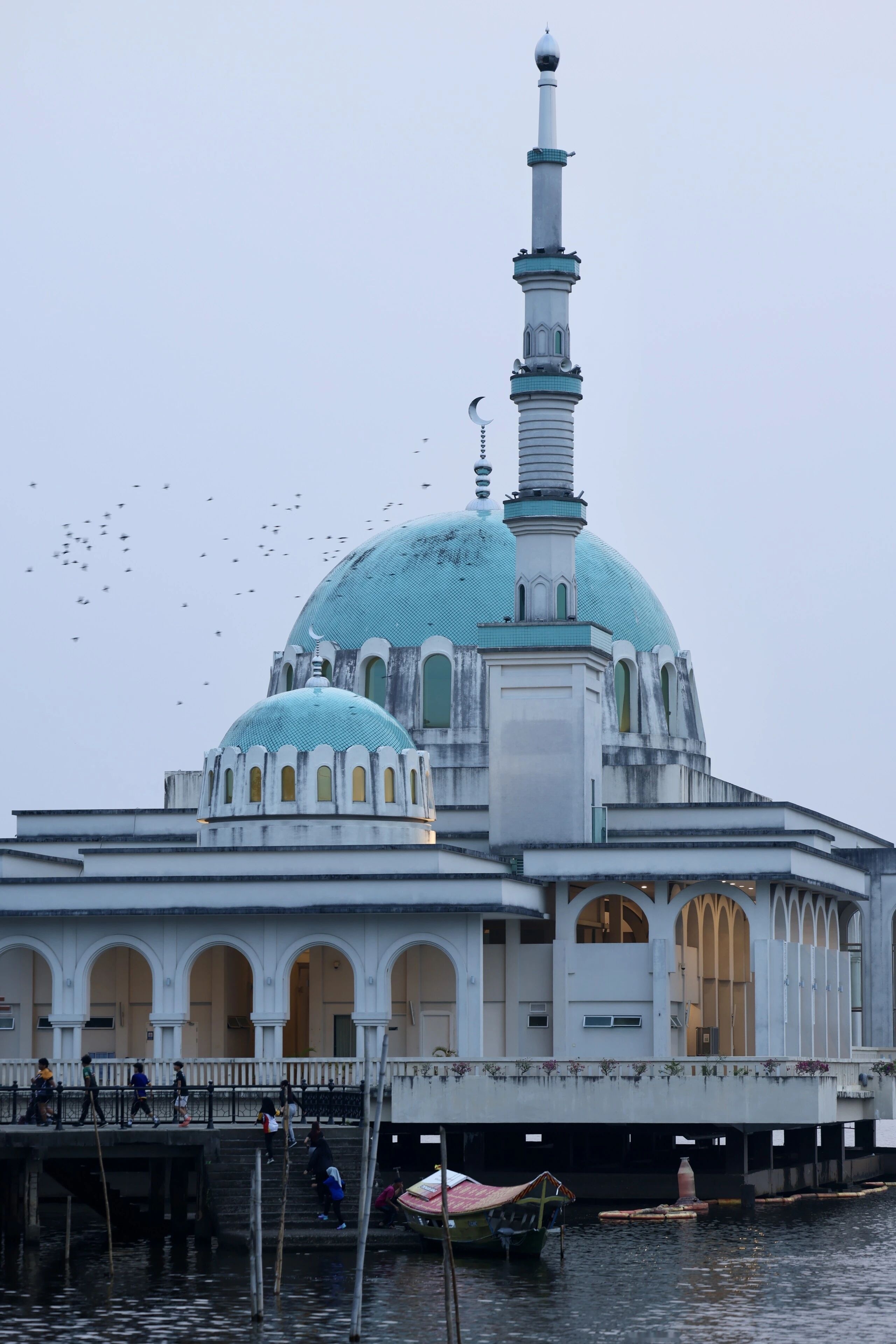
Walking along the Sarawak River, you’ll quickly spot a blue mosque perched right on the water. It’s known as the Indian Mosque because it serves the local Indian Muslim community. The mosque features a blue dome, crisp white walls, and towering minarets, blending traditional Islamic elements with a modern design. It’s built along the riverbank, so if you look at it from the riverfront promenade, it literally looks like it’s floating. At dusk, the reflection of the blue dome on the water creates one of the most iconic sights in Kuching’s old town.
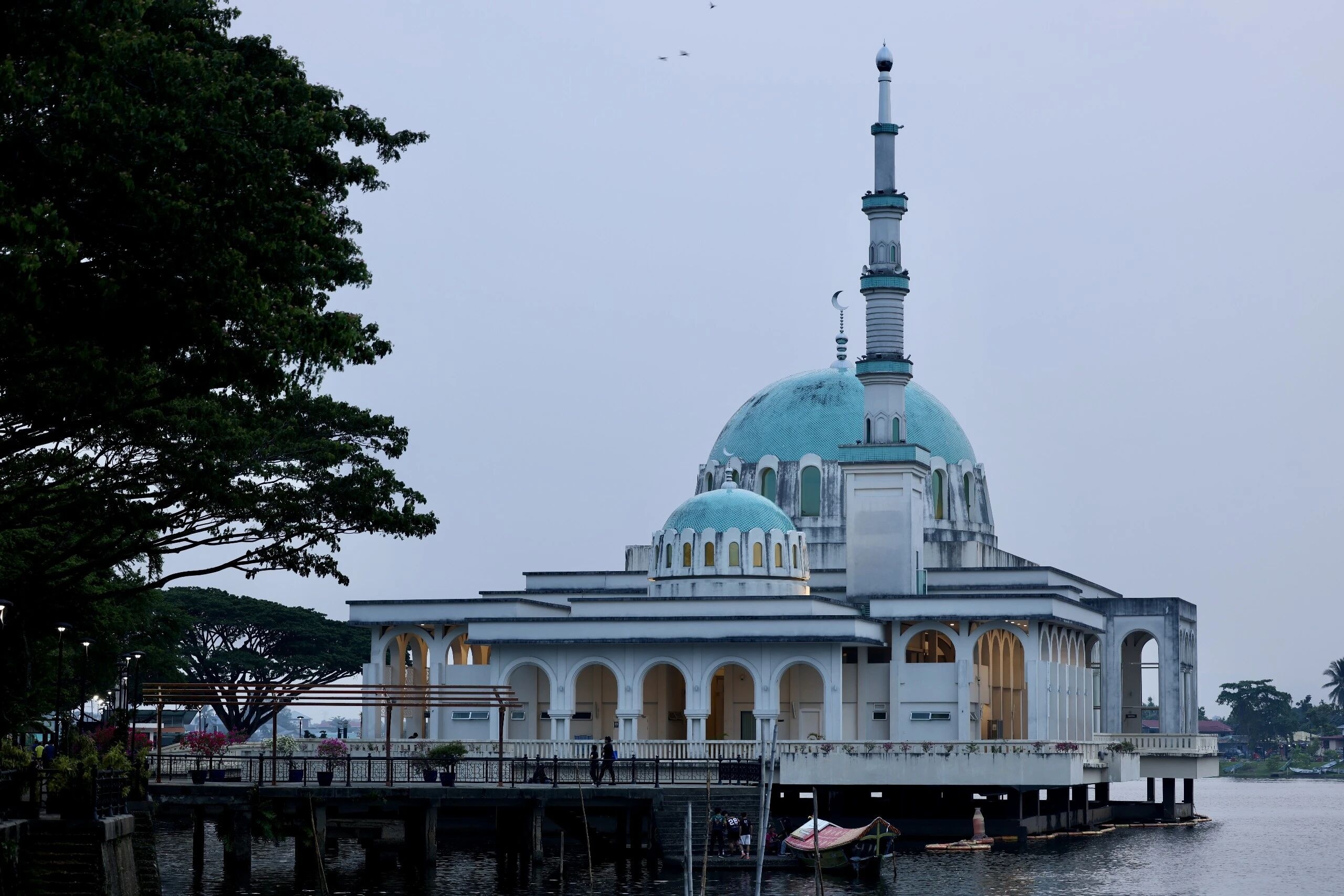
If you keep heading forward, you’ll reach another landmark: the Kuching Mosque, also known as the Old State Mosque. This one is centered around a massive golden, onion-shaped dome and uses a design heavily influenced by Mughal architecture, surrounded by smaller domes and minarets. Its palette of pink, white, and gold makes it a vibrant and unmistakable part of the Kuching old town skyline.
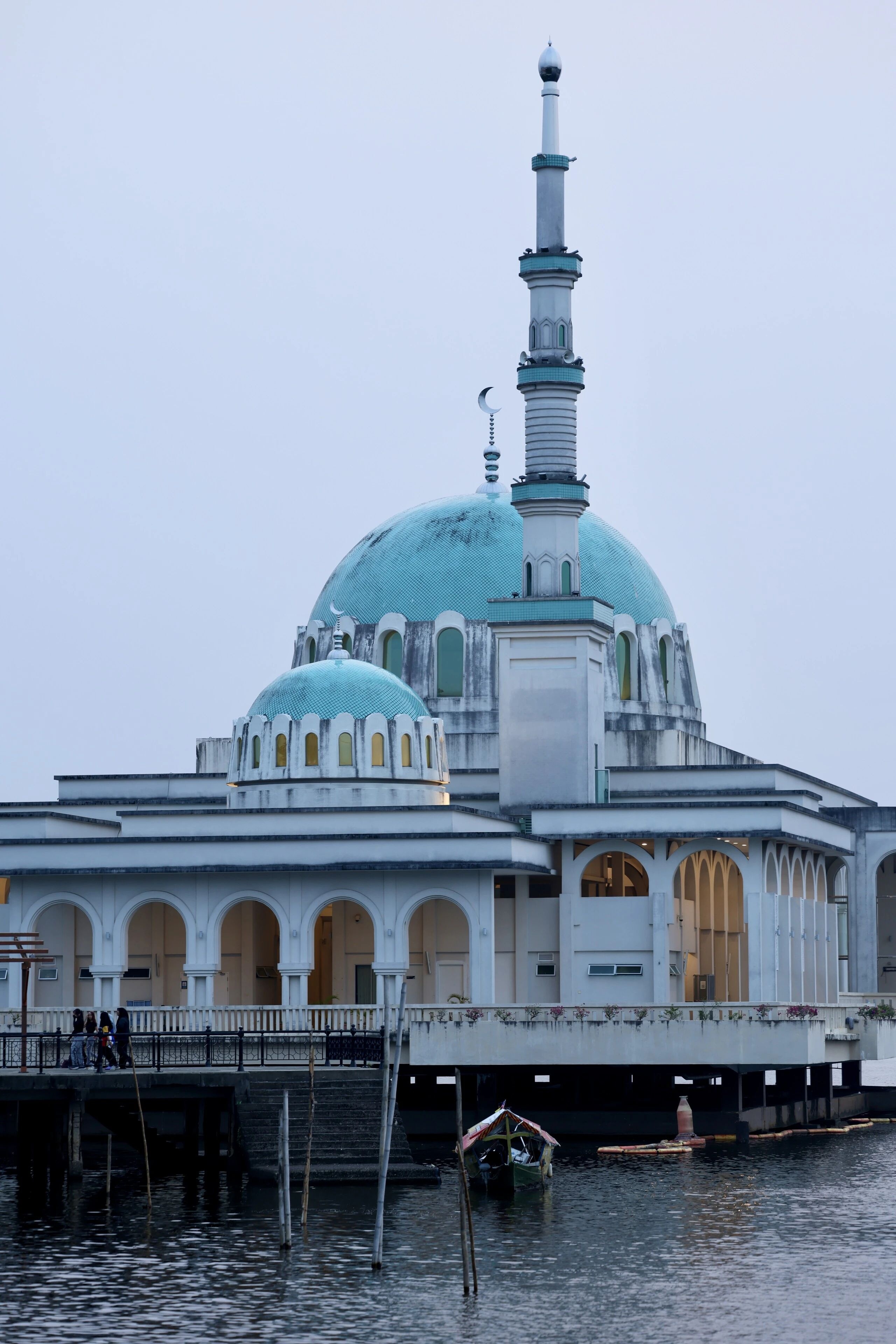
The area around the mosque even preserves a historic Muslim cemetery with some really unique gravestones. Some of them look quite aged, but even though it’s a graveyard, I didn’t feel any sense of fear or eeriness—maybe that’s just the peaceful, sacred influence of the mosque at work.
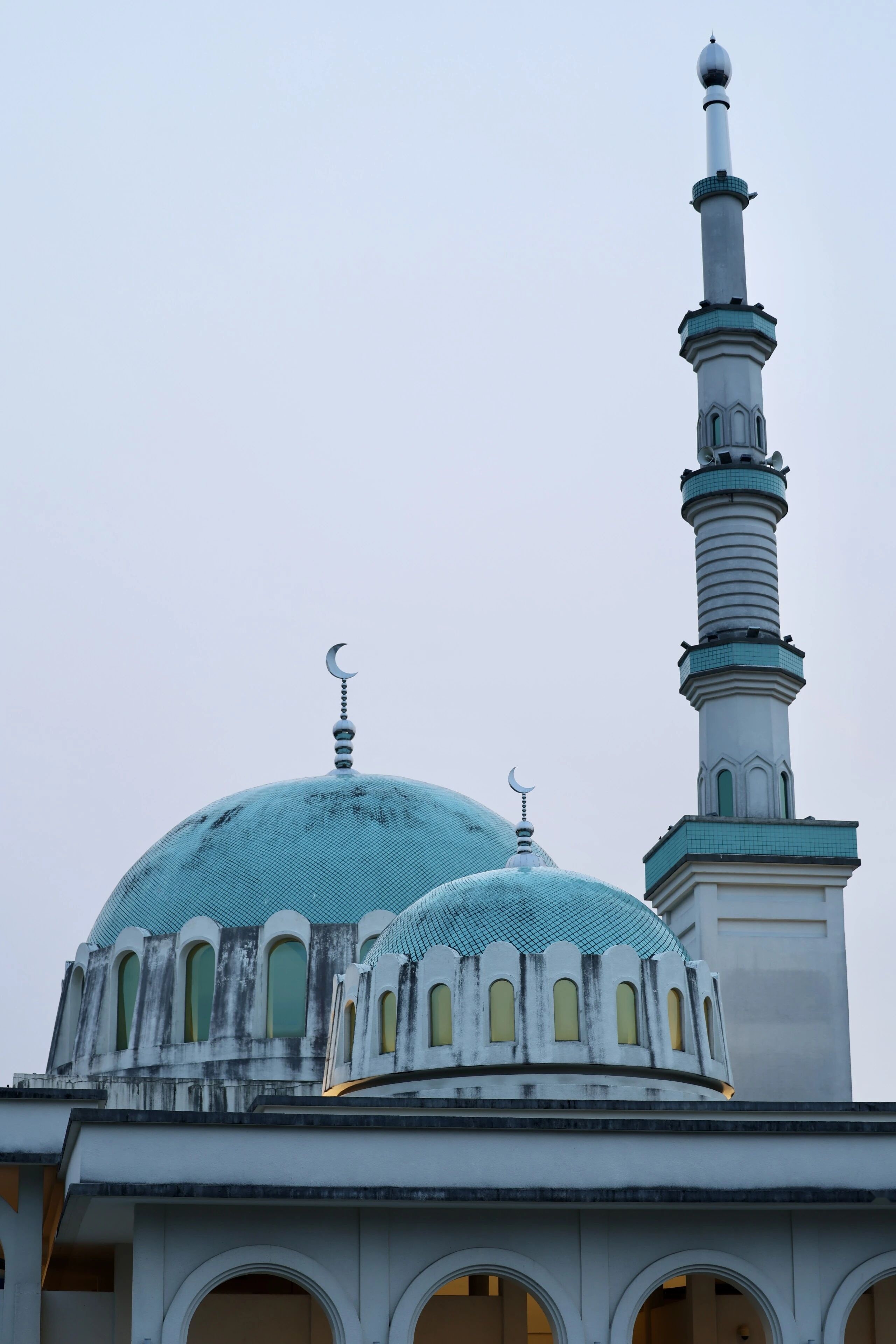
The Kuching Mosque reflects the history of the Malay Muslim community in Sarawak, while the floating mosque tells the story of how South Indian Muslim traders migrated and settled in Borneo. When you add in places like the Kuching Tua Pek Kong Temple, the Feng San Si Temple, and the various churches in the old town, you really get a clear picture of how different immigrant groups carved out their own religious spaces, showcasing the multi-ethnic and multi-religious cultural fusion that defines the city of Sarawak.
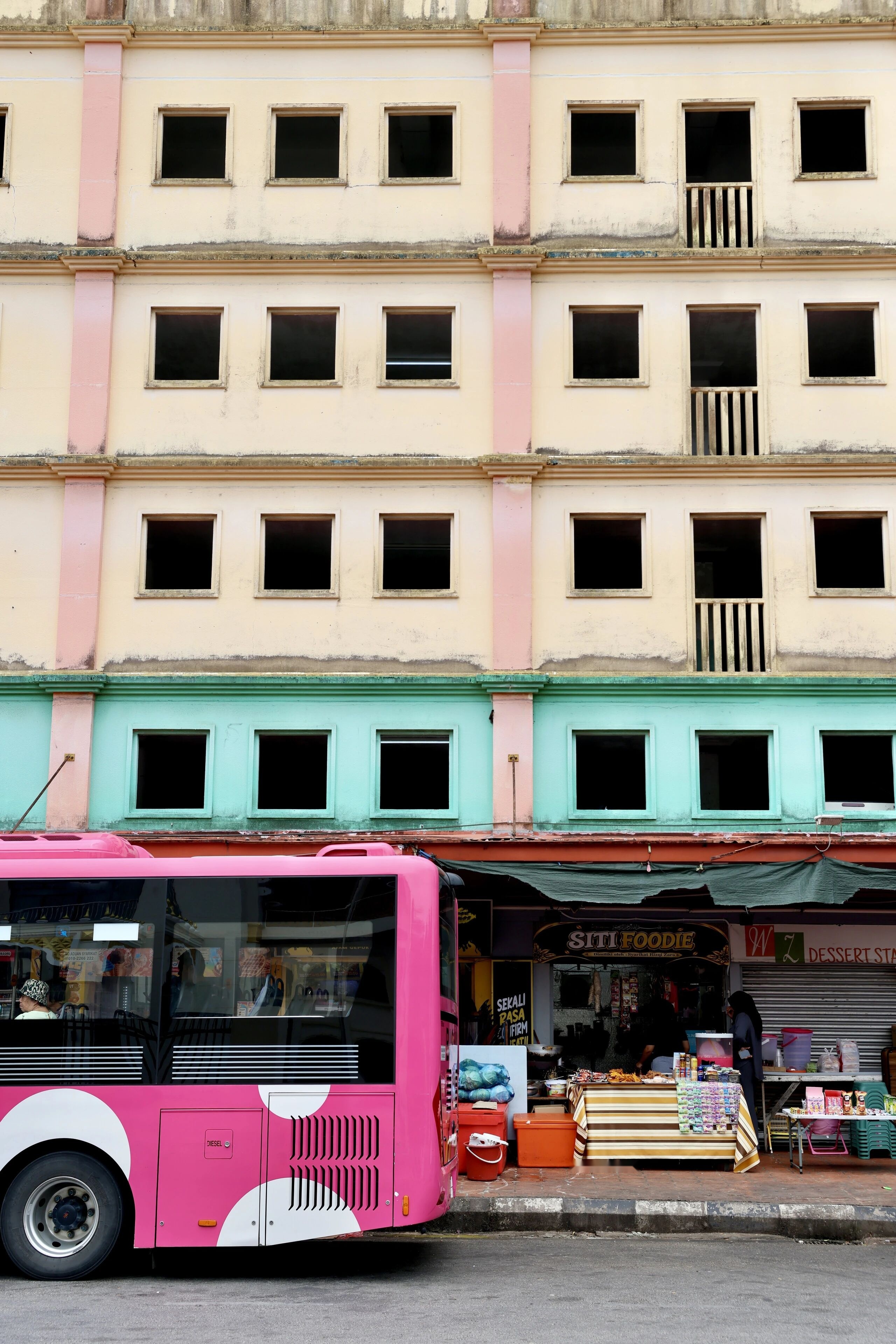
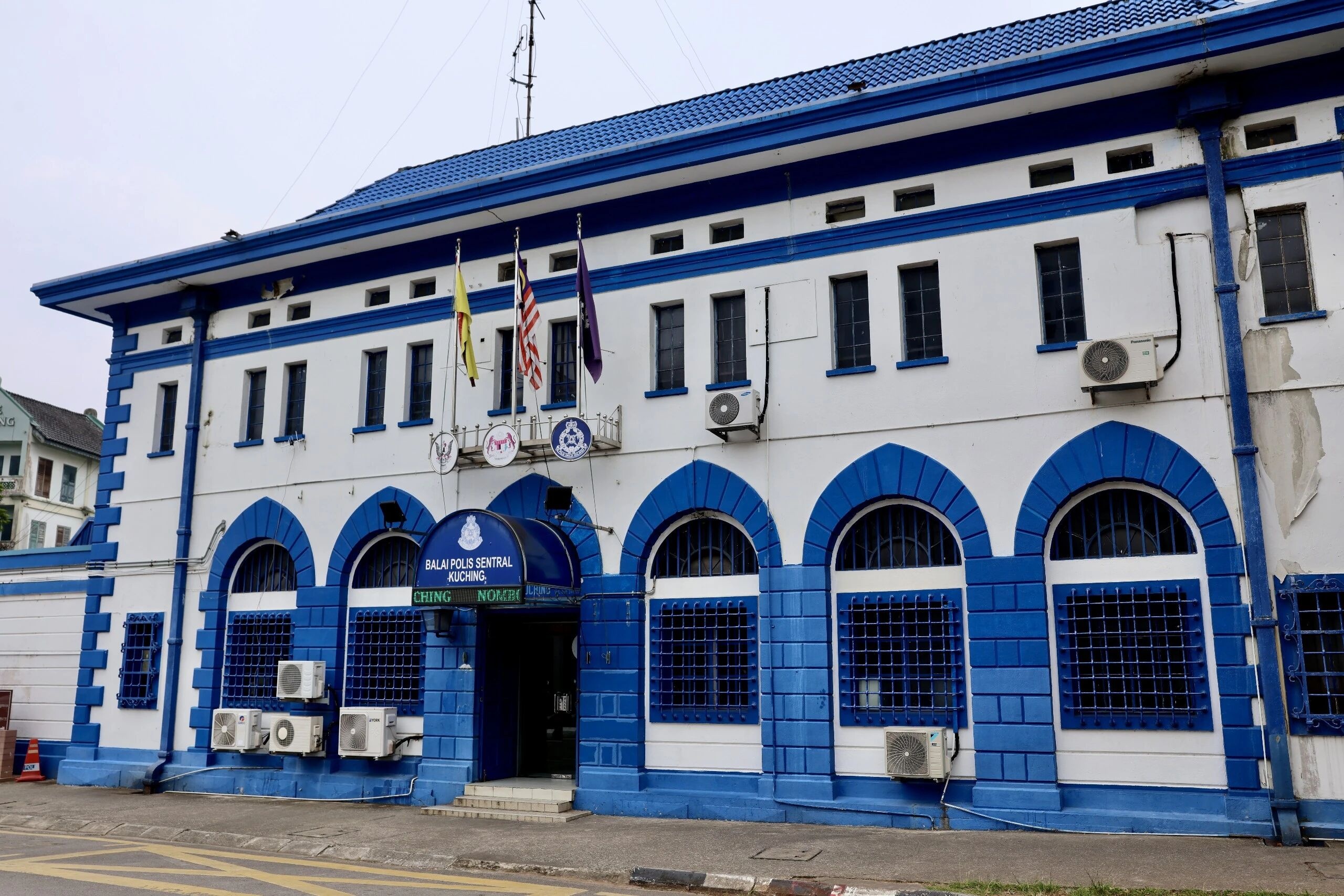
Visiting Sarawak feels like the second place I’ve ever been to, outside of China, where ethnic groups get along so incredibly well. Whether it’s the Chinese, Malay, Indian, or local indigenous communities, everyone just coexists peacefully on this land. Because of this, you’ll see all kinds of religious buildings throughout Kuching—from Chinese temples and Islamic mosques to Hindu pagodas and Christian churches.
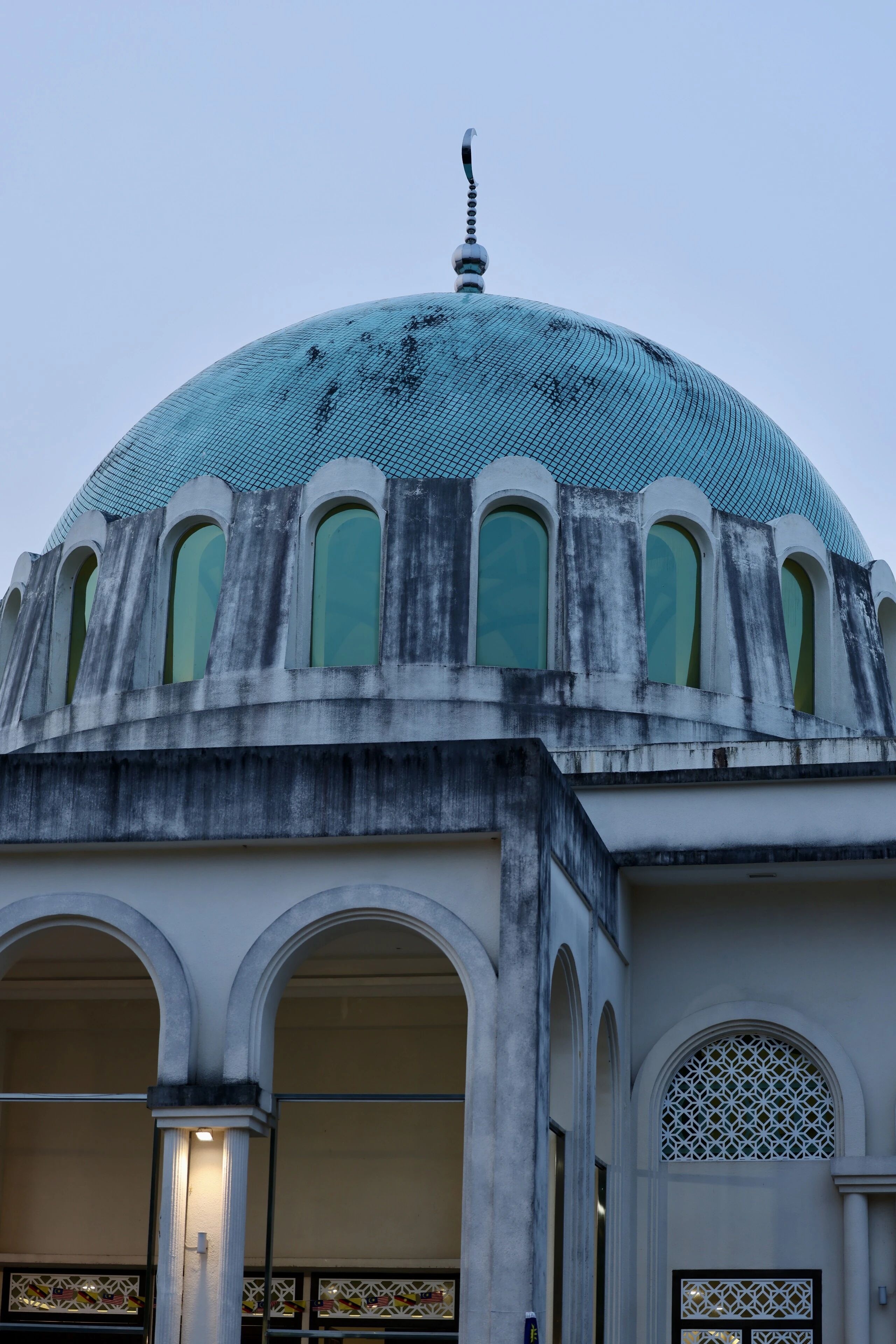
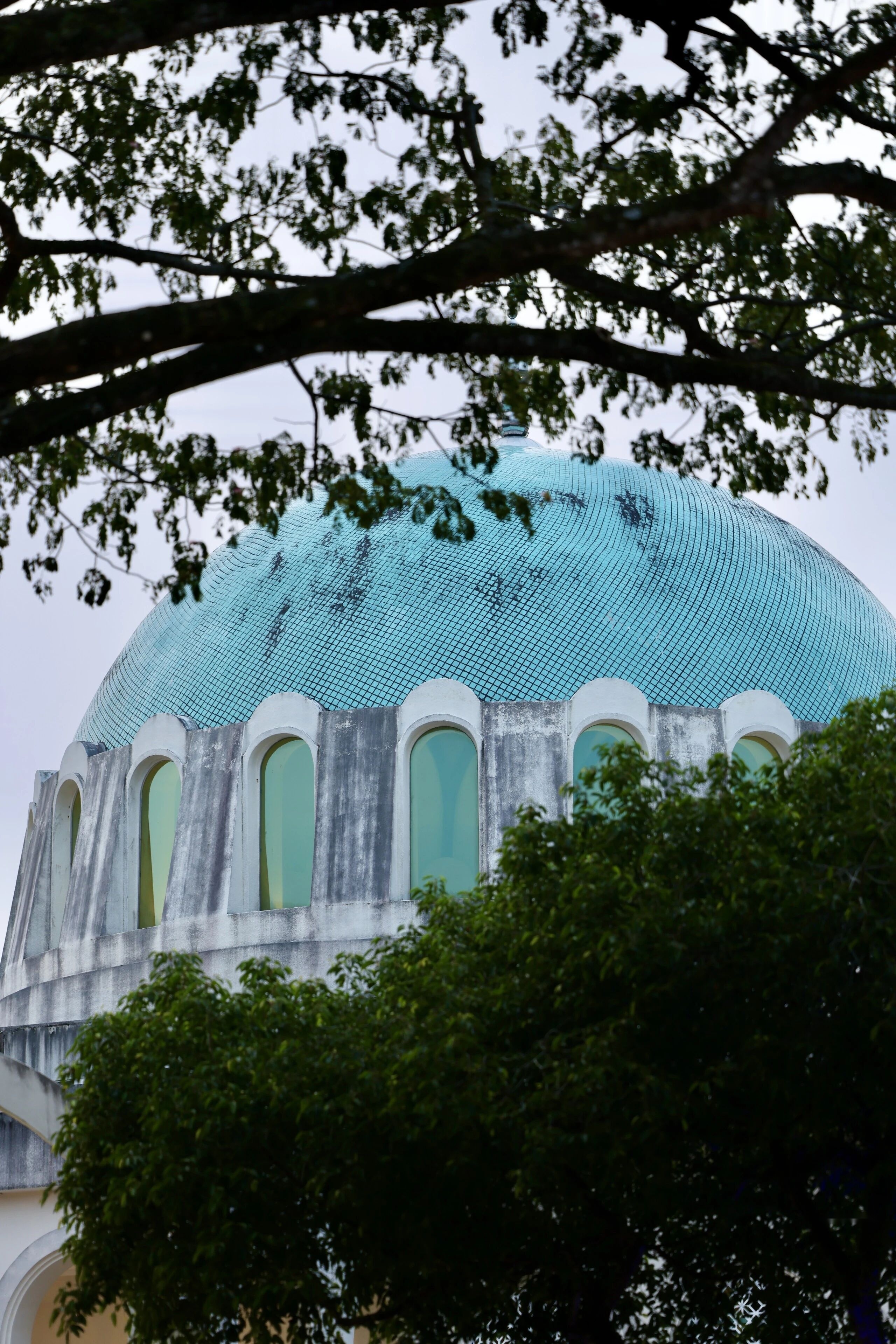
Walking along the Sarawak River, you’ll quickly spot a blue mosque perched right on the water. It’s known as the Indian Mosque because it serves the local Indian Muslim community. The mosque features a blue dome, crisp white walls, and towering minarets, blending traditional Islamic elements with a modern design. It’s built along the riverbank, so if you look at it from the riverfront promenade, it literally looks like it’s floating. At dusk, the reflection of the blue dome on the water creates one of the most iconic sights in Kuching’s old town.
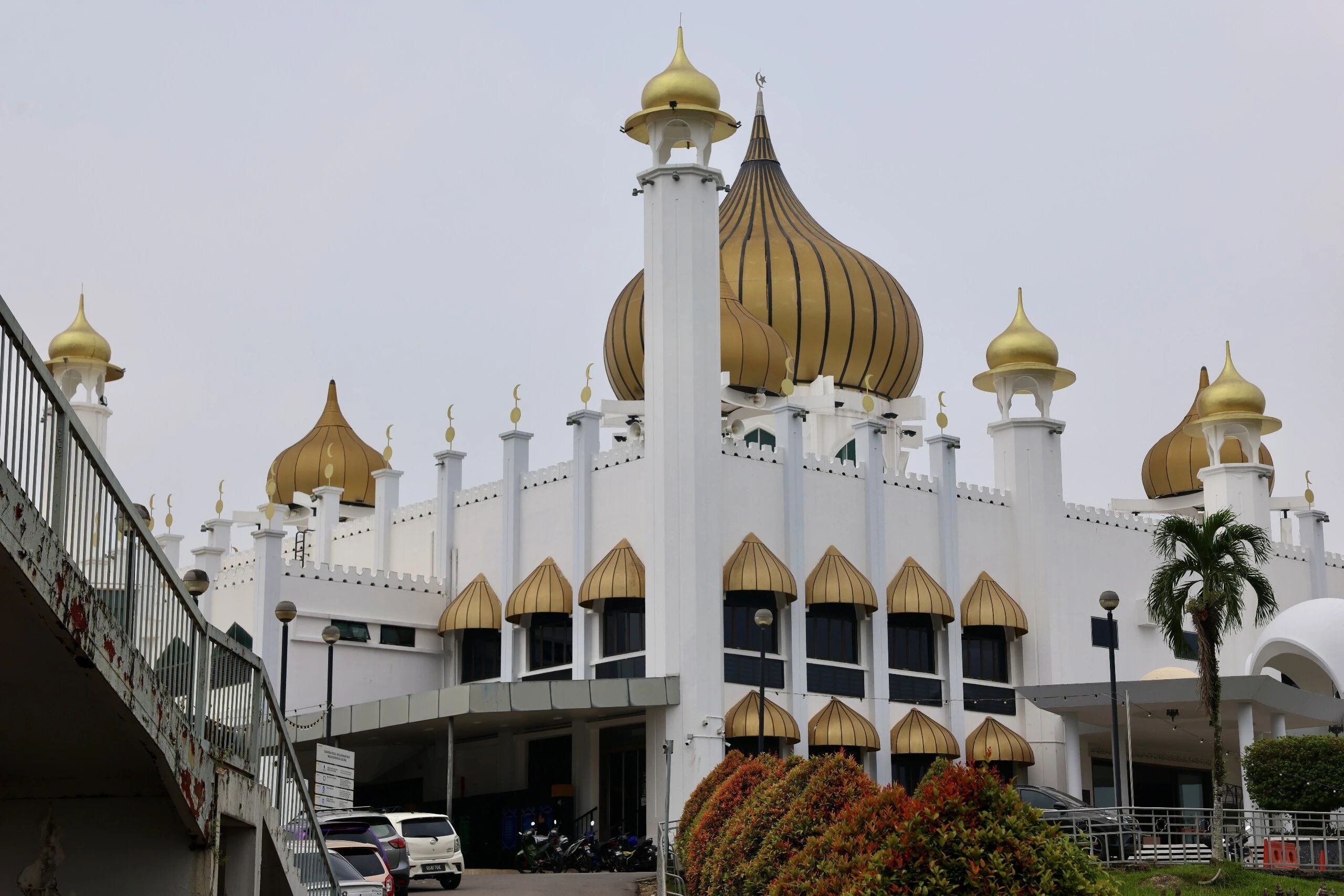
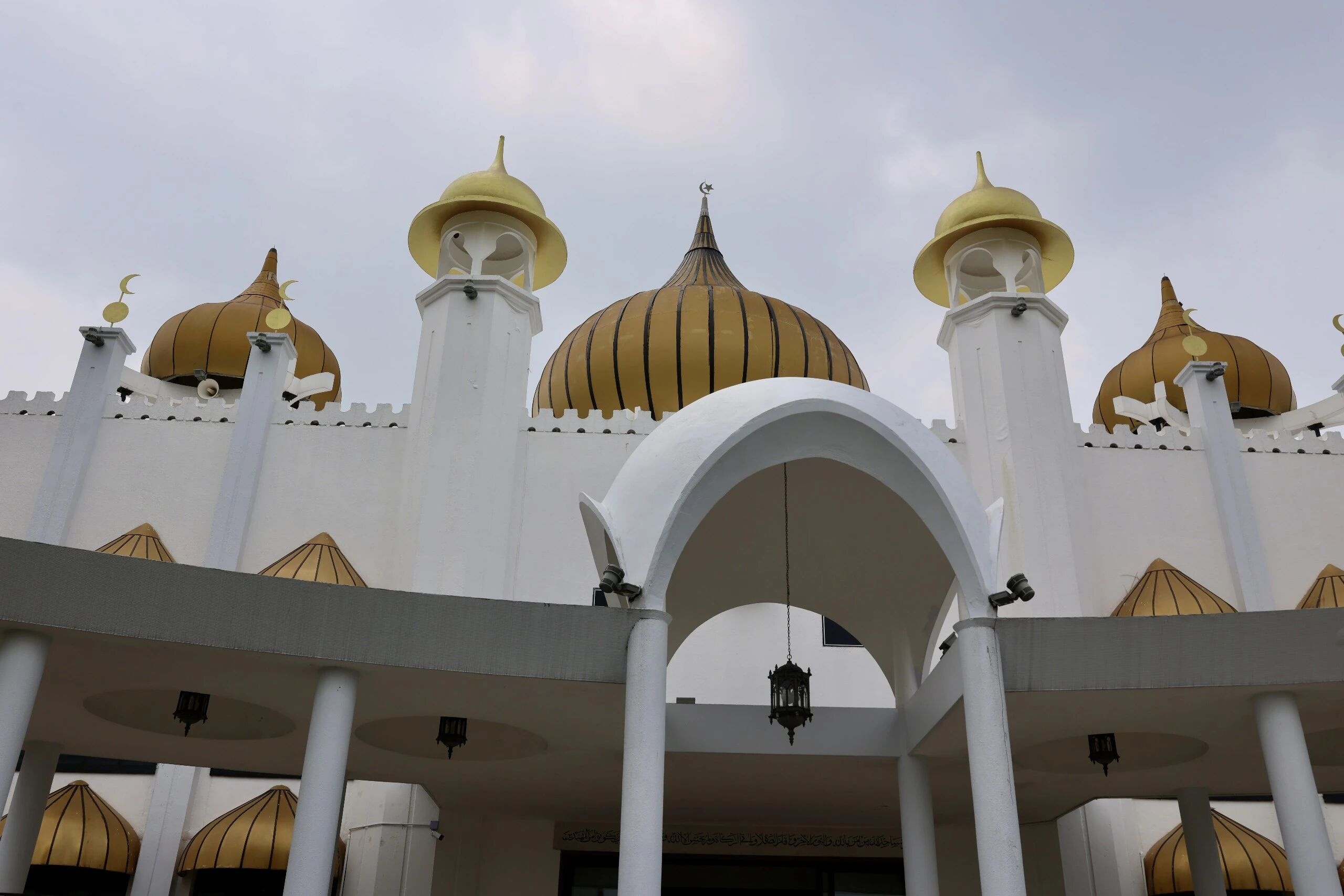
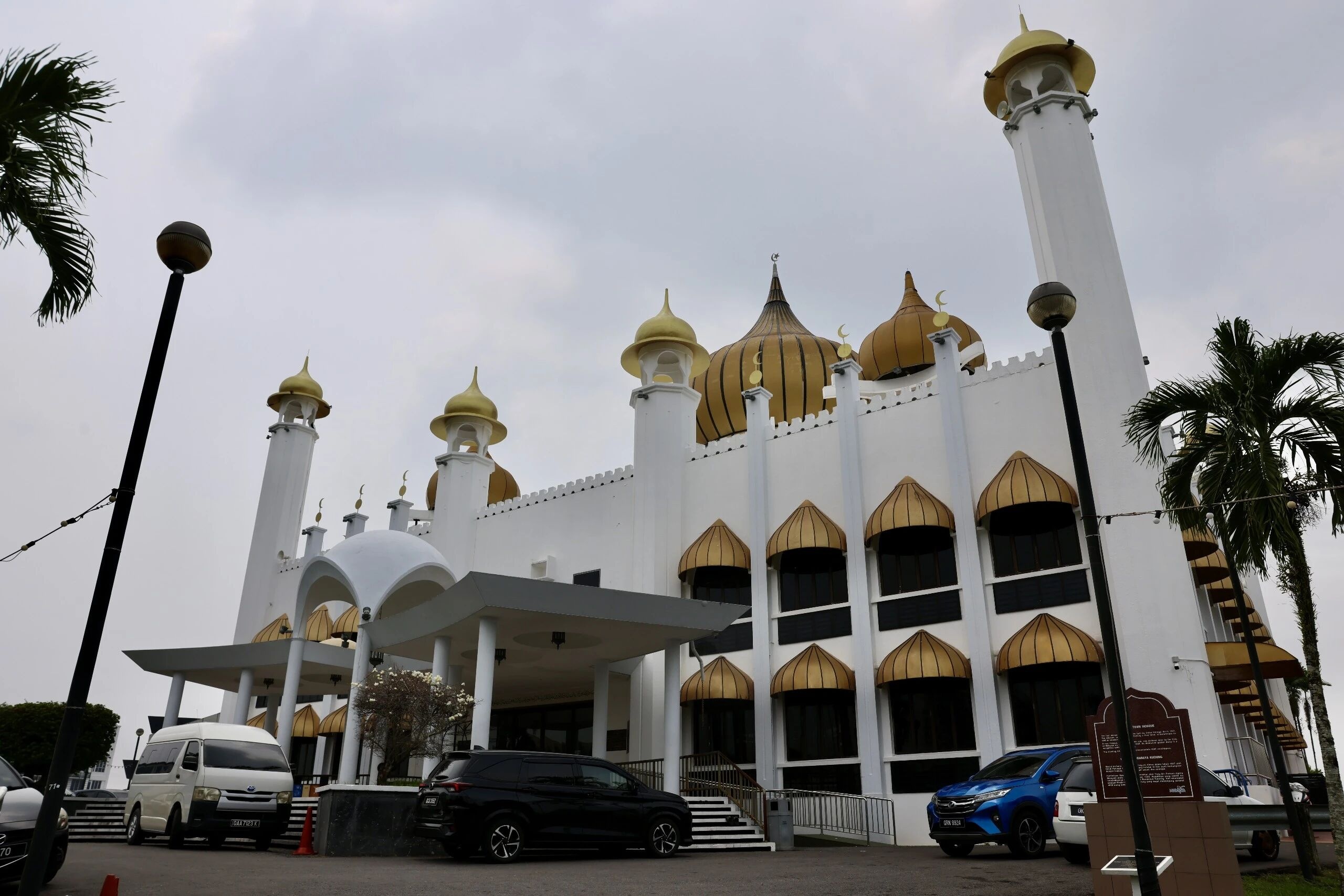
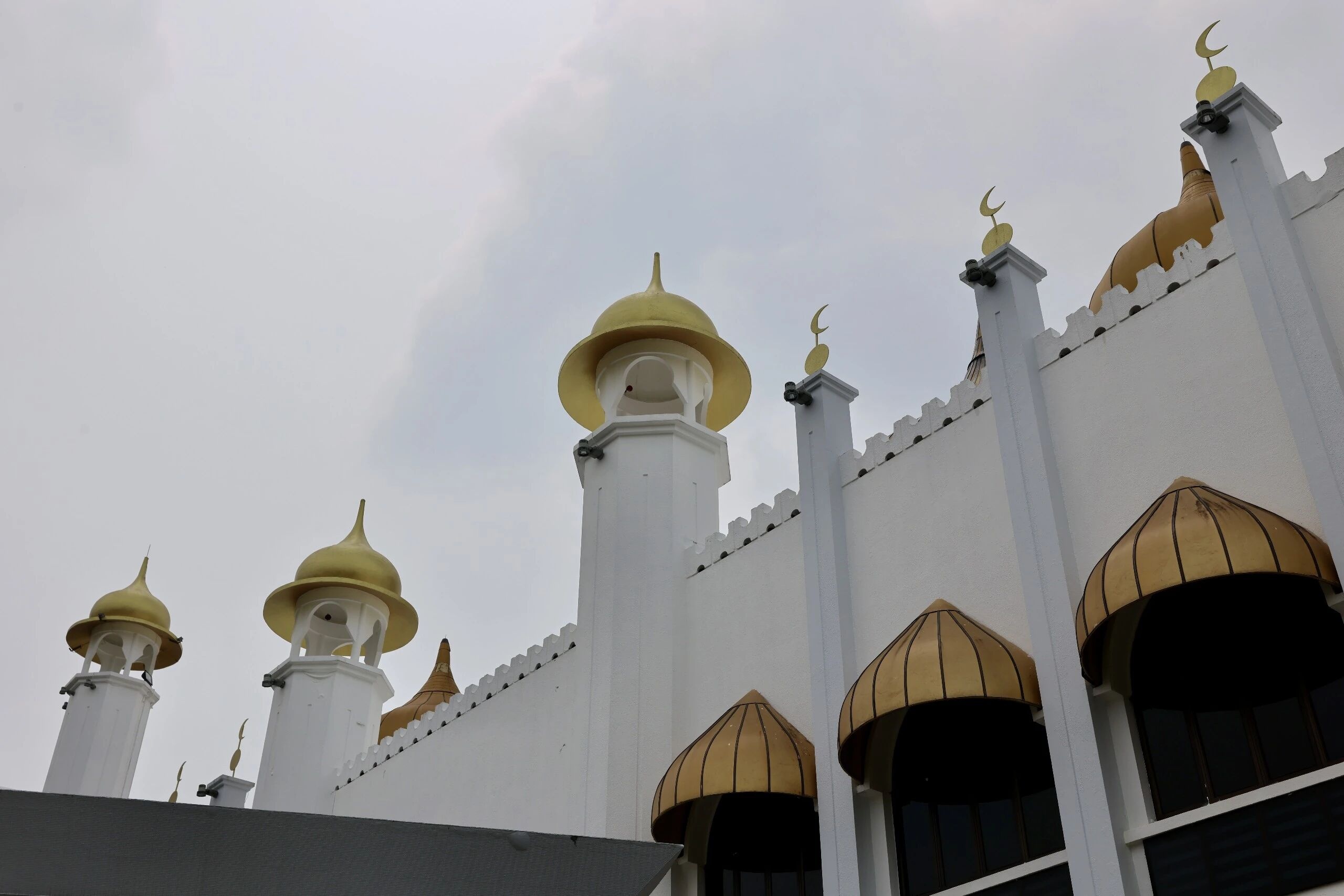
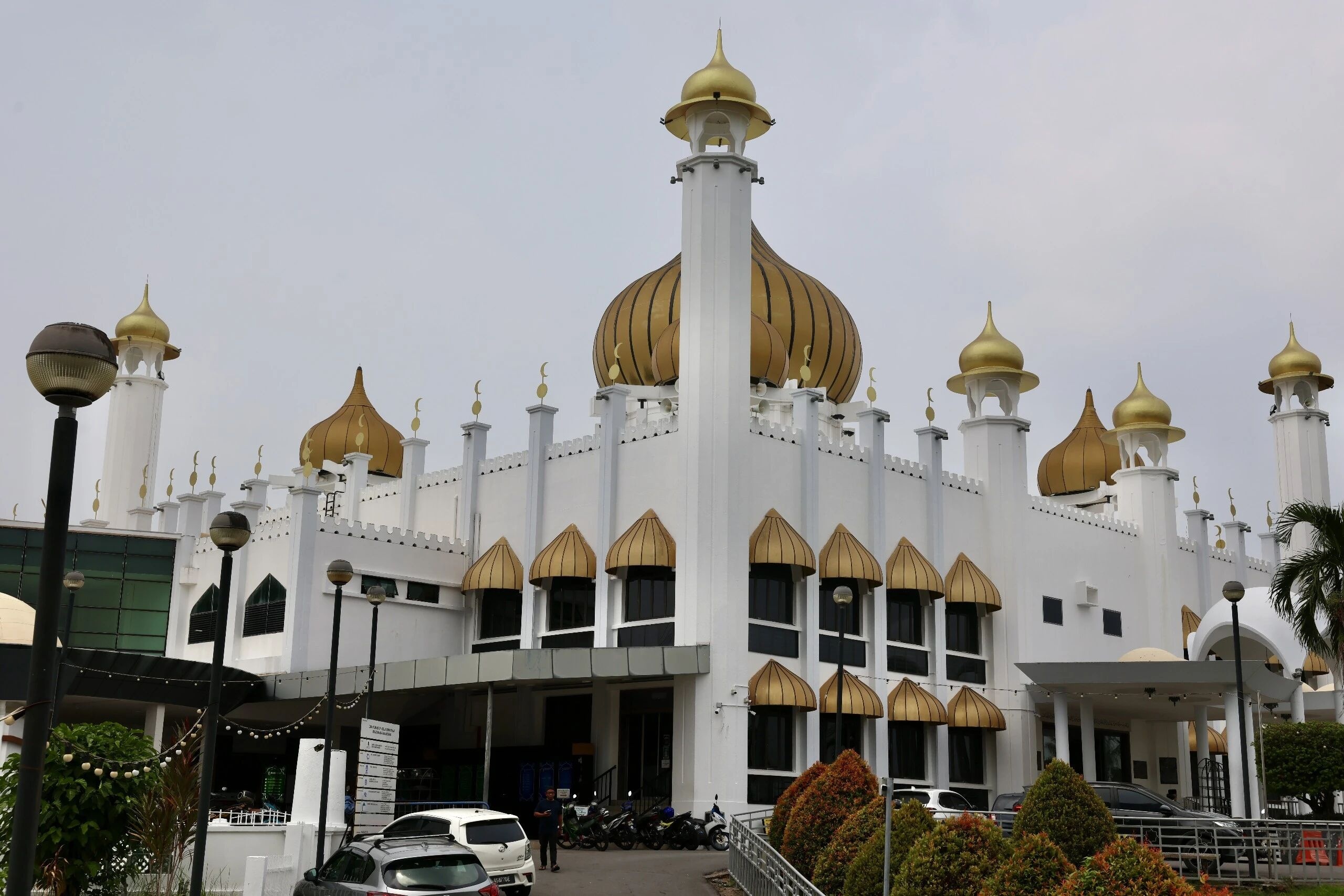
If you keep heading forward, you’ll reach another landmark: the Kuching Mosque, also known as the Old State Mosque. This one is centered around a massive golden, onion-shaped dome and uses a design heavily influenced by Mughal architecture, surrounded by smaller domes and minarets. Its palette of pink, white, and gold makes it a vibrant and unmistakable part of the Kuching old town skyline.
The area around the mosque even preserves a historic Muslim cemetery with some really unique gravestones. Some of them look quite aged, but even though it’s a graveyard, I didn’t feel any sense of fear or eeriness—maybe that’s just the peaceful, sacred influence of the mosque at work.
The Kuching Mosque reflects the history of the Malay Muslim community in Sarawak, while the floating mosque tells the story of how South Indian Muslim traders migrated and settled in Borneo. When you add in places like the Kuching Tua Pek Kong Temple, the Feng San Si Temple, and the various churches in the old town, you really get a clear picture of how different immigrant groups carved out their own religious spaces, showcasing the multi-ethnic and multi-religious cultural fusion that defines the city of Sarawak.
Kuching Travel Guide: Exploring Sarawak's Iconic Pink Mosque and Diverse Religious Architecture
Articles • Hasan09 posted the article • 0 comments • 15 views • 6 hours ago
Take a stroll through the old town of Kuching, the capital city of Sarawak, Malaysia. These 14 photos document the unique pink mosque along the Sarawak River and the diverse architectural landscape, breaking down the inclusive spirit and Islamic design charm that define this 'City of Cats,' where Chinese, Malay, and local indigenous communities live in harmony.
Visiting Sarawak feels like the second place I’ve ever been to, outside of China, where ethnic groups get along so incredibly well. Whether it’s the Chinese, Malay, Indian, or local indigenous communities, everyone just coexists peacefully on this land. Because of this, you’ll see all kinds of religious buildings throughout Kuching—from Chinese temples and Islamic mosques to Hindu pagodas and Christian churches.
Walking along the Sarawak River, you’ll quickly spot a blue mosque perched right on the water. It’s known as the Indian Mosque because it serves the local Indian Muslim community. The mosque features a blue dome, crisp white walls, and towering minarets, blending traditional Islamic elements with a modern design. It’s built along the riverbank, so if you look at it from the riverfront promenade, it literally looks like it’s floating. At dusk, the reflection of the blue dome on the water creates one of the most iconic sights in Kuching’s old town.
If you keep heading forward, you’ll reach another landmark: the Kuching Mosque, also known as the Old State Mosque. This one is centered around a massive golden, onion-shaped dome and uses a design heavily influenced by Mughal architecture, surrounded by smaller domes and minarets. Its palette of pink, white, and gold makes it a vibrant and unmistakable part of the Kuching old town skyline.
The area around the mosque even preserves a historic Muslim cemetery with some really unique gravestones. Some of them look quite aged, but even though it’s a graveyard, I didn’t feel any sense of fear or eeriness—maybe that’s just the peaceful, sacred influence of the mosque at work.
The Kuching Mosque reflects the history of the Malay Muslim community in Sarawak, while the floating mosque tells the story of how South Indian Muslim traders migrated and settled in Borneo. When you add in places like the Kuching Tua Pek Kong Temple, the Feng San Si Temple, and the various churches in the old town, you really get a clear picture of how different immigrant groups carved out their own religious spaces, showcasing the multi-ethnic and multi-religious cultural fusion that defines the city of Sarawak. view all
Visiting Sarawak feels like the second place I’ve ever been to, outside of China, where ethnic groups get along so incredibly well. Whether it’s the Chinese, Malay, Indian, or local indigenous communities, everyone just coexists peacefully on this land. Because of this, you’ll see all kinds of religious buildings throughout Kuching—from Chinese temples and Islamic mosques to Hindu pagodas and Christian churches.
Walking along the Sarawak River, you’ll quickly spot a blue mosque perched right on the water. It’s known as the Indian Mosque because it serves the local Indian Muslim community. The mosque features a blue dome, crisp white walls, and towering minarets, blending traditional Islamic elements with a modern design. It’s built along the riverbank, so if you look at it from the riverfront promenade, it literally looks like it’s floating. At dusk, the reflection of the blue dome on the water creates one of the most iconic sights in Kuching’s old town.
If you keep heading forward, you’ll reach another landmark: the Kuching Mosque, also known as the Old State Mosque. This one is centered around a massive golden, onion-shaped dome and uses a design heavily influenced by Mughal architecture, surrounded by smaller domes and minarets. Its palette of pink, white, and gold makes it a vibrant and unmistakable part of the Kuching old town skyline.
The area around the mosque even preserves a historic Muslim cemetery with some really unique gravestones. Some of them look quite aged, but even though it’s a graveyard, I didn’t feel any sense of fear or eeriness—maybe that’s just the peaceful, sacred influence of the mosque at work.
The Kuching Mosque reflects the history of the Malay Muslim community in Sarawak, while the floating mosque tells the story of how South Indian Muslim traders migrated and settled in Borneo. When you add in places like the Kuching Tua Pek Kong Temple, the Feng San Si Temple, and the various churches in the old town, you really get a clear picture of how different immigrant groups carved out their own religious spaces, showcasing the multi-ethnic and multi-religious cultural fusion that defines the city of Sarawak. view all
Take a stroll through the old town of Kuching, the capital city of Sarawak, Malaysia. These 14 photos document the unique pink mosque along the Sarawak River and the diverse architectural landscape, breaking down the inclusive spirit and Islamic design charm that define this 'City of Cats,' where Chinese, Malay, and local indigenous communities live in harmony.
Visiting Sarawak feels like the second place I’ve ever been to, outside of China, where ethnic groups get along so incredibly well. Whether it’s the Chinese, Malay, Indian, or local indigenous communities, everyone just coexists peacefully on this land. Because of this, you’ll see all kinds of religious buildings throughout Kuching—from Chinese temples and Islamic mosques to Hindu pagodas and Christian churches.
Walking along the Sarawak River, you’ll quickly spot a blue mosque perched right on the water. It’s known as the Indian Mosque because it serves the local Indian Muslim community. The mosque features a blue dome, crisp white walls, and towering minarets, blending traditional Islamic elements with a modern design. It’s built along the riverbank, so if you look at it from the riverfront promenade, it literally looks like it’s floating. At dusk, the reflection of the blue dome on the water creates one of the most iconic sights in Kuching’s old town.
If you keep heading forward, you’ll reach another landmark: the Kuching Mosque, also known as the Old State Mosque. This one is centered around a massive golden, onion-shaped dome and uses a design heavily influenced by Mughal architecture, surrounded by smaller domes and minarets. Its palette of pink, white, and gold makes it a vibrant and unmistakable part of the Kuching old town skyline.
The area around the mosque even preserves a historic Muslim cemetery with some really unique gravestones. Some of them look quite aged, but even though it’s a graveyard, I didn’t feel any sense of fear or eeriness—maybe that’s just the peaceful, sacred influence of the mosque at work.
The Kuching Mosque reflects the history of the Malay Muslim community in Sarawak, while the floating mosque tells the story of how South Indian Muslim traders migrated and settled in Borneo. When you add in places like the Kuching Tua Pek Kong Temple, the Feng San Si Temple, and the various churches in the old town, you really get a clear picture of how different immigrant groups carved out their own religious spaces, showcasing the multi-ethnic and multi-religious cultural fusion that defines the city of Sarawak.