

Selangor
Halal Travel Guide: Selangor - Jugra, Klang and Royal Muslim Heritage
Articles • ali2007fr posted the article • 0 comments • 147 views • 2026-05-19 09:30
Reposted from the web
Summary: Halal Travel Guide: Selangor - Jugra, Klang and Royal Muslim Heritage is presented here as a firsthand travel account in clear, natural English. The account focuses on Selangor, Klang, Muslim Heritage while preserving the names, places, food, photos, and historical details from the Chinese source.
Selangor is on the west coast of the Malay Peninsula and surrounds Kuala Lumpur. After the Dutch took over Malacca in 1641, they brought Bugis people from Sulawesi to Selangor to work as mercenaries, and these Bugis later grew very powerful. In 1743, the Bugis warrior Raja Lumu was named Raja of Selangor for helping the Sultan of Perak take the throne. In 1766, Raja Lumu married the niece of the Sultan of Perak and was officially named the Sultan of Selangor.
The royal capital of the Selangor Sultanate was first at Kuala Selangor, near the mouth of the Selangor River, but it was destroyed during the Klang War between 1867 and 1874. In 1875, Sultan Abdul Samad moved the royal capital to the foot of Jugra Hill, inside the mouth of the Selangor River, where the historical Alaeddin Palace and Alaeddin Mosque still stand today.
Alaeddin Palace, also called the Old Jugra Palace, was built between 1899 and 1905 by order of Sultan Alaeddin Sulaiman Shah of Selangor. Sultan Salahuddin Abdul Aziz Shah of Selangor was born here in 1926, and he later became the eleventh King of Malaysia. The palace stopped being used after Sultan Alaeddin died in 1938, and it was emptied after Malaysia became a country in 1957. It was later used as a craft center and a state religious department until it was handed over to a cultural heritage company in 2008, and it is now open as a tourist attraction.
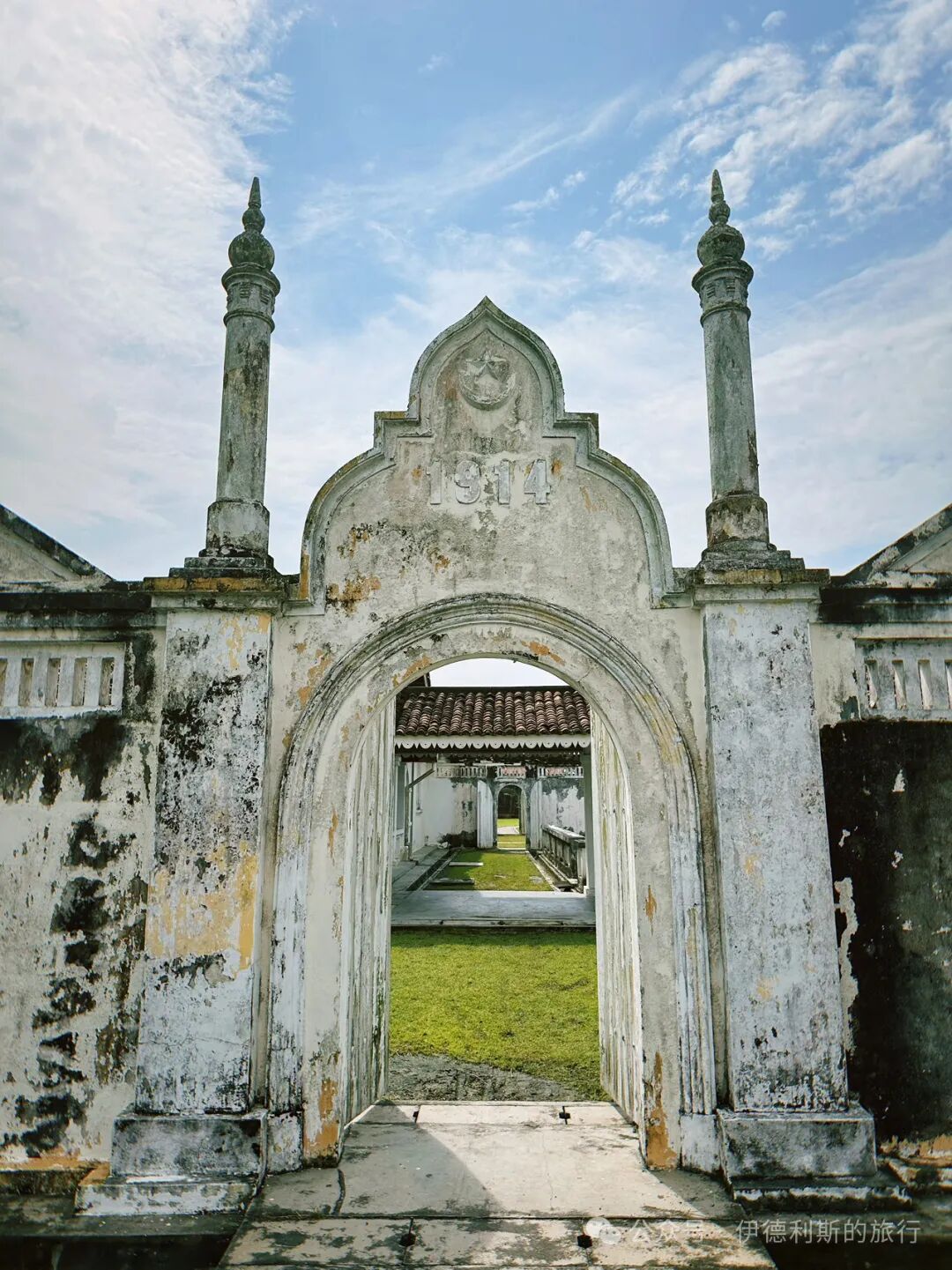
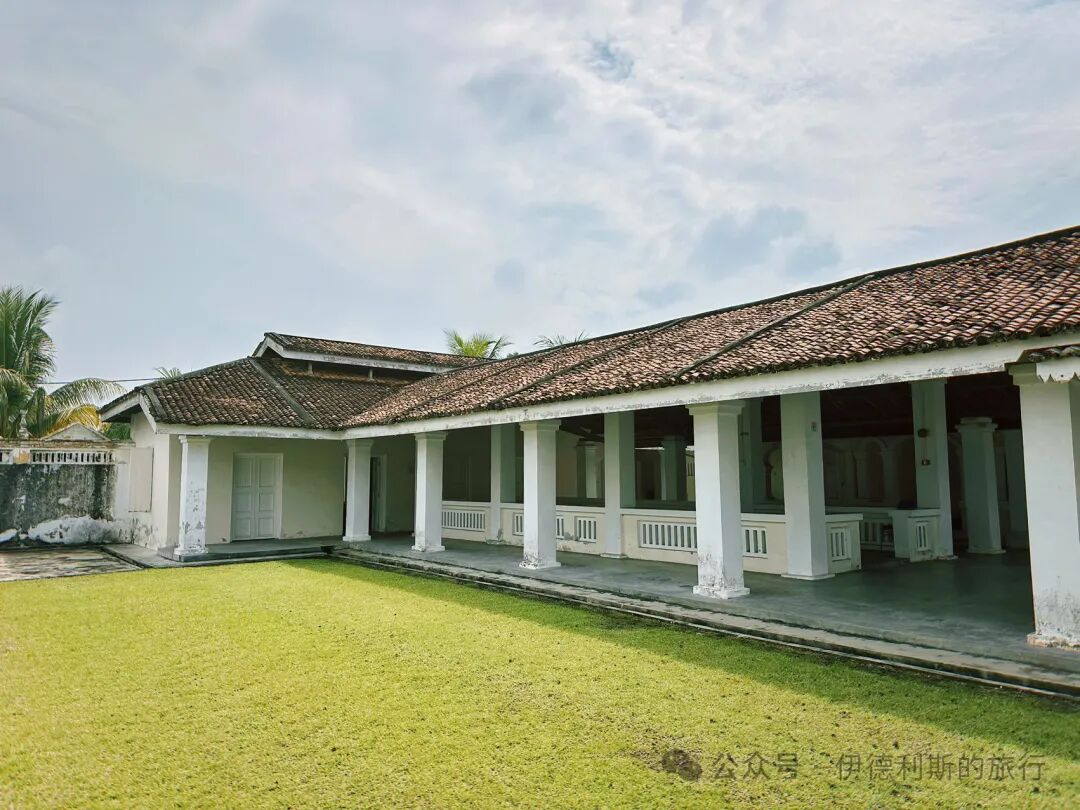
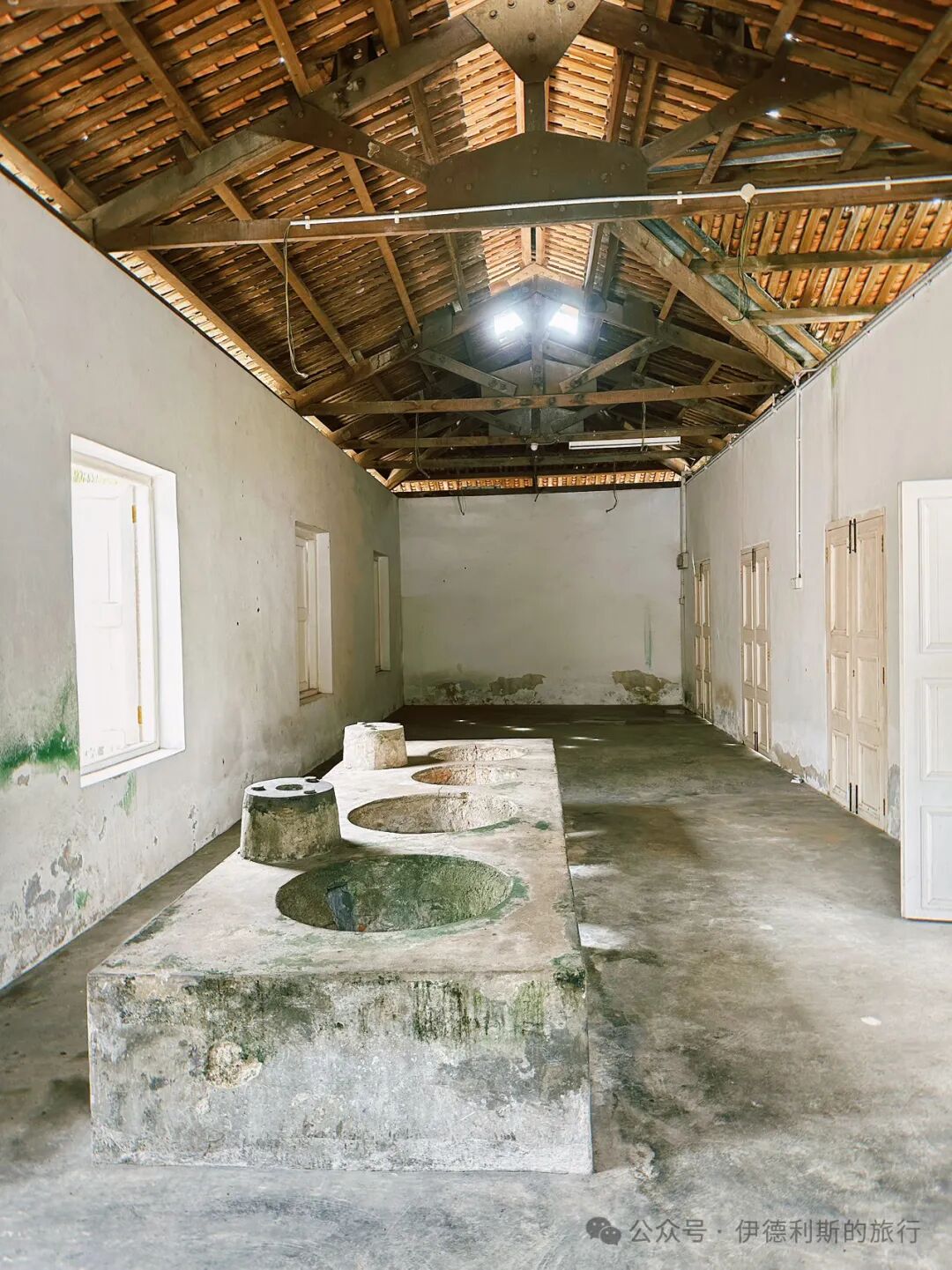
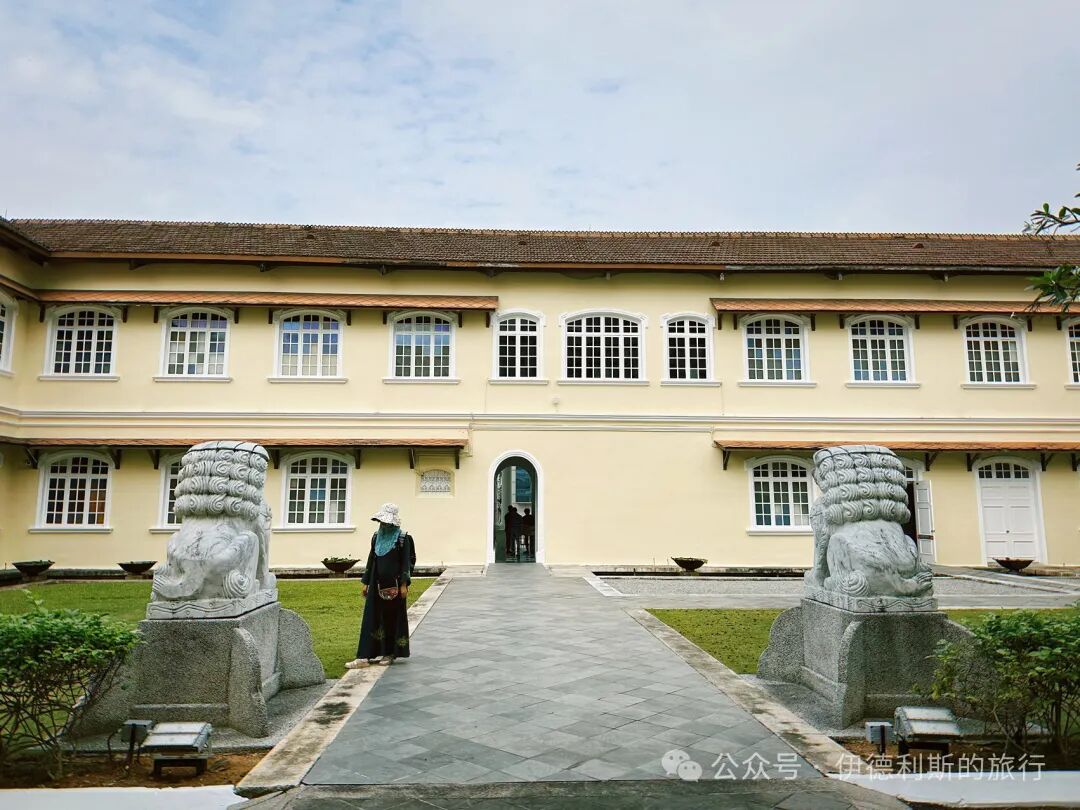
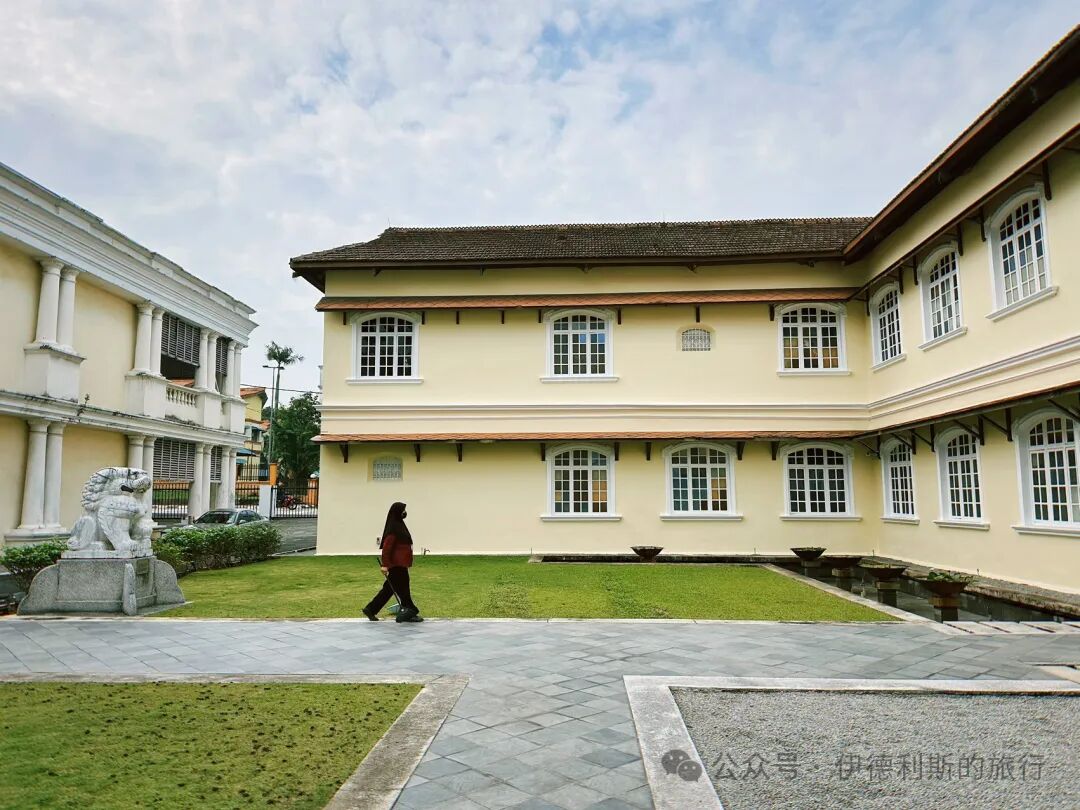
The Alaeddin Palace was built in two stages, with the main building finished in 1899 and the southern courtyard and veranda added in 1914. The main structure is made of brick and lime mortar, while the doors and windows use high-quality Cengal wood. The inside of the palace has over forty rooms, including bathrooms, a throne room, a banquet hall, bedrooms, parlors, balconies, and a kitchen. The palace is surrounded by beautiful gardens, and there is a pool in front of the building.
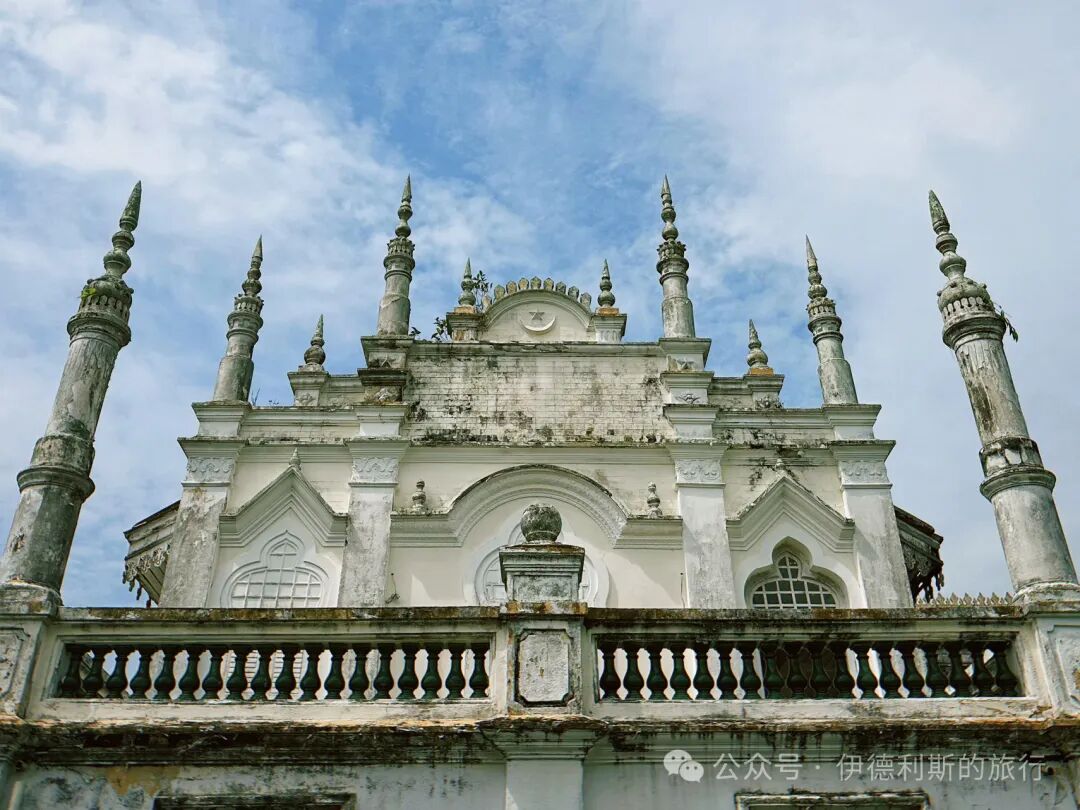
The main part of the Alaeddin Palace is Western-style, but it keeps the traditional Malay pyramid-shaped roof (Limas), features Indian Moorish-style decorations, and shows the work of Chinese craftsmen on the doors, windows, and pillars. Because you can see Malay, Indian, Chinese, and European architectural elements all at once, it stands as a witness to Malaysia being a meeting point for different cultures at that time.
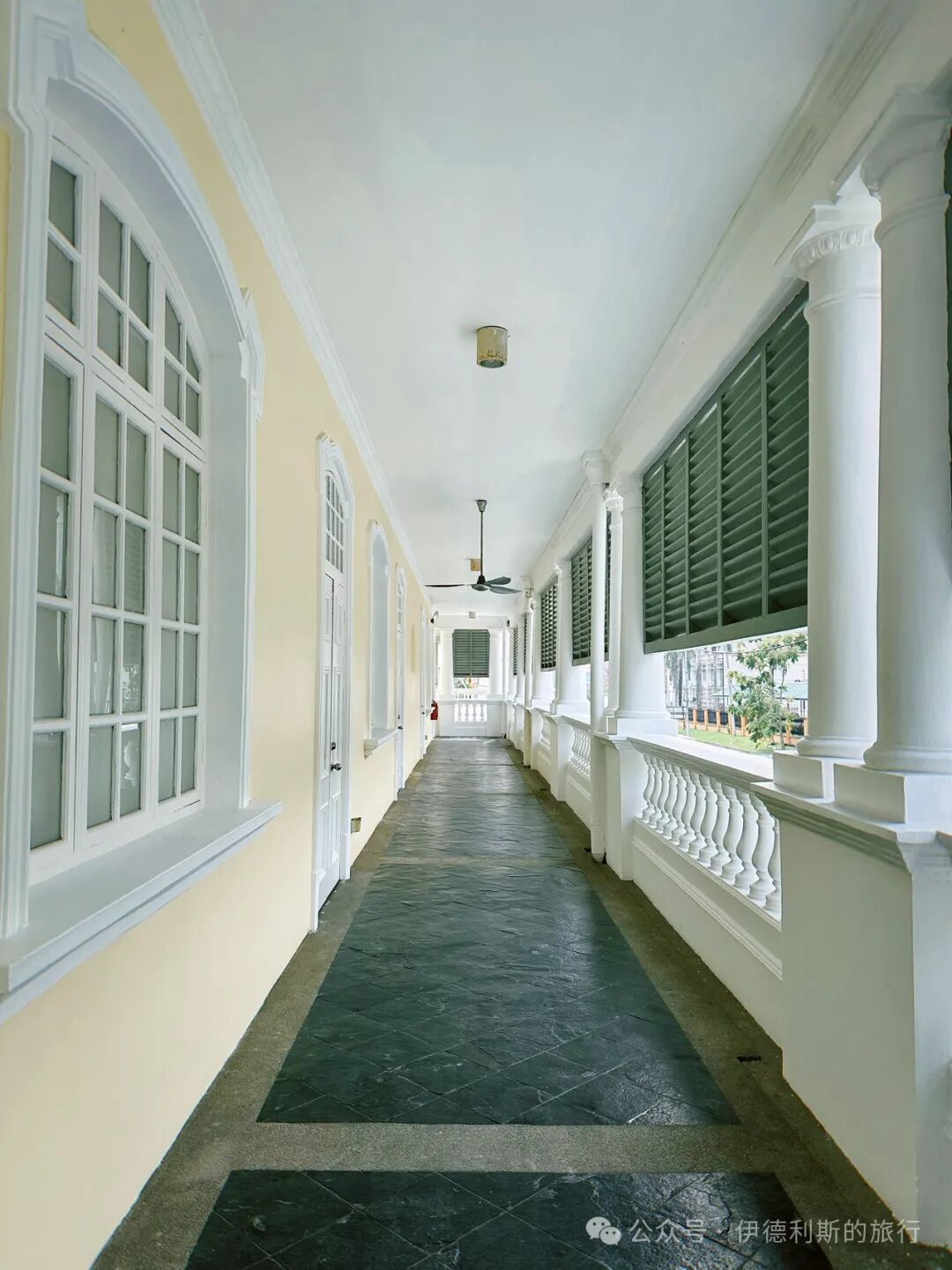
The veranda at Aladdin Palace was built in 1914 and connects living areas like the kitchen and bathroom to the main hall.
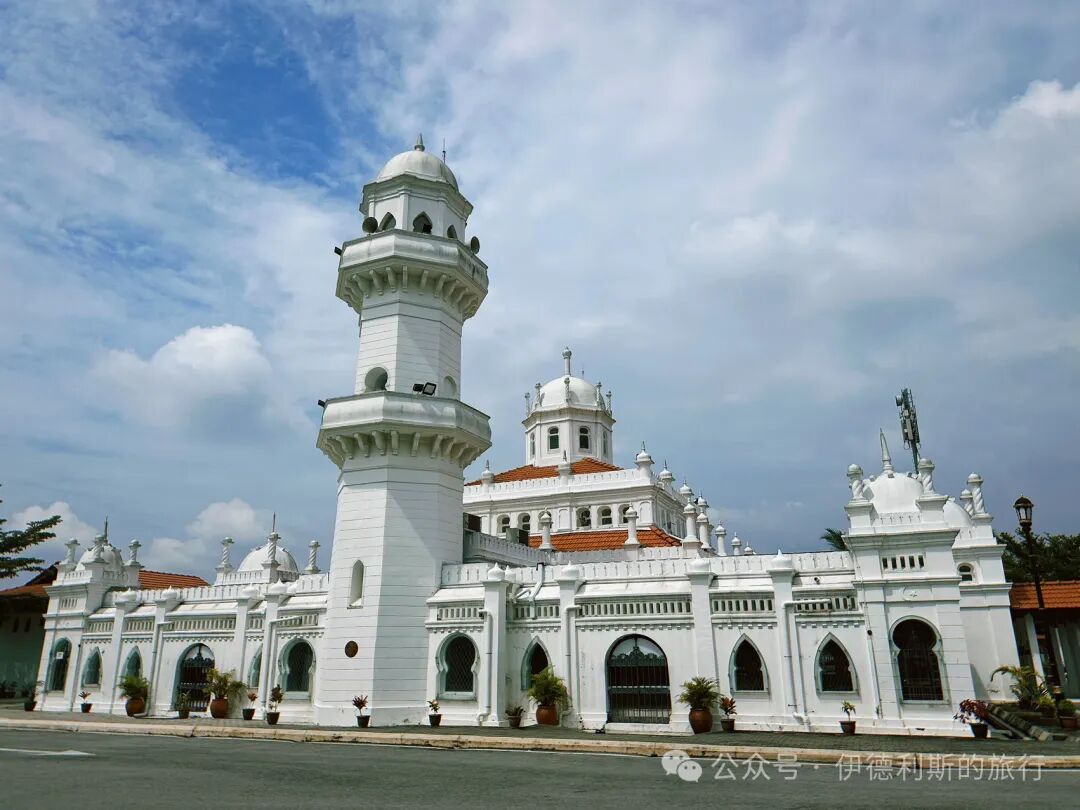
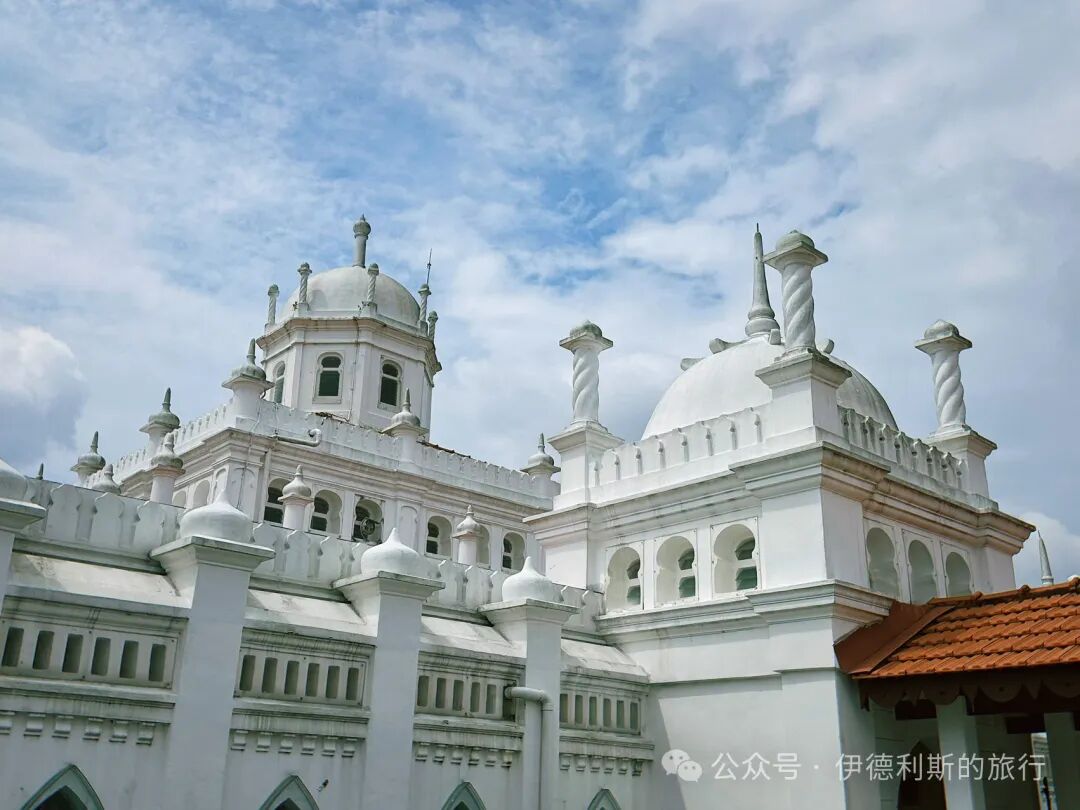
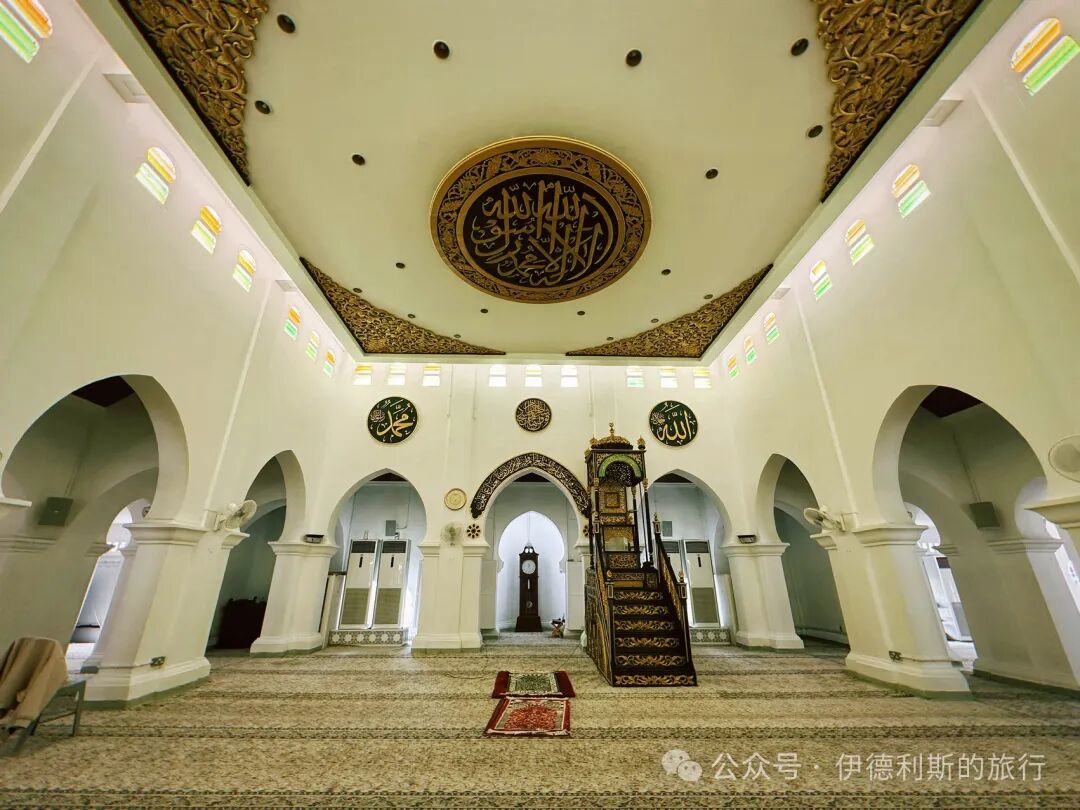
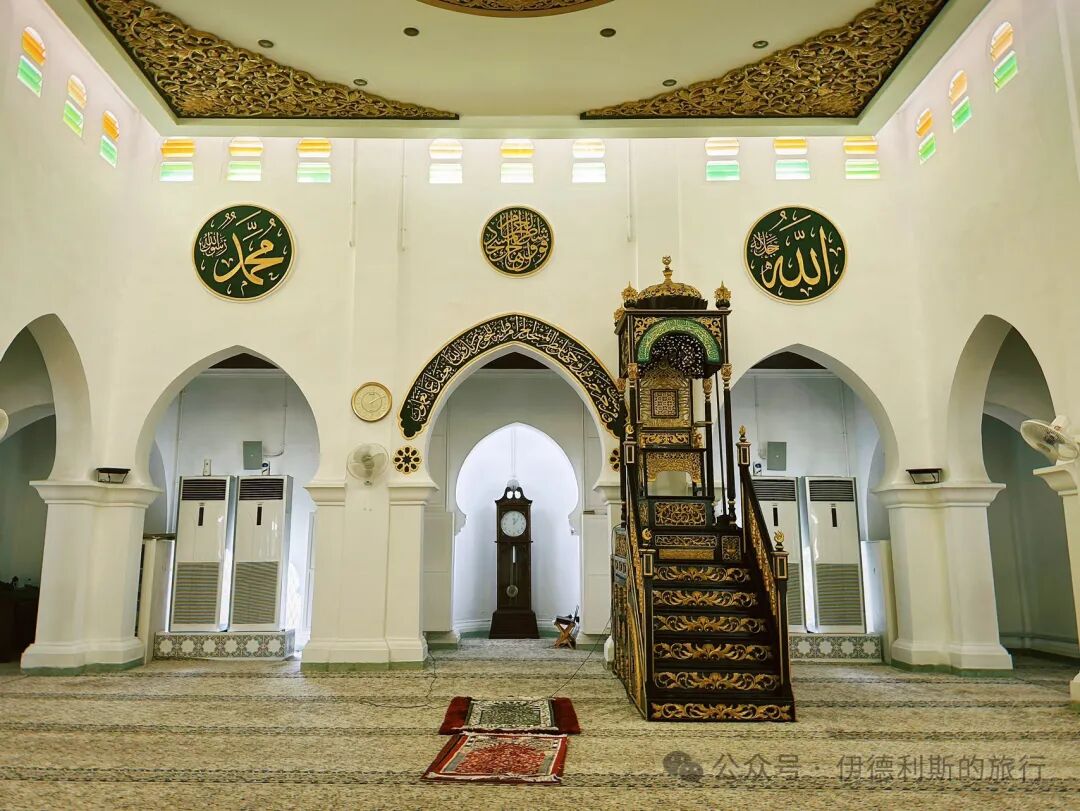
Aladdin Mosque is not far north of Aladdin Palace and was also built in 1905 by order of Sultan Aladdin Sulaiman Shah of Selangor. The mosque's dome and arches feature a classic Mughal Revival style, while other design elements come from the Sultanate of Deli on Sumatra island. The pulpit (minbar) inside the mosque is very beautiful, especially the unique Arabic calligraphy wood carvings at the top.
During the reign of Sultan Aladdin Sulaiman Shah of Selangor, the Sultan built Alam Shah Palace in Klang to Aladdin Palace in Jugra. After that, Klang became the royal city of Selangor, and various Selangor royal ceremonies were held there.
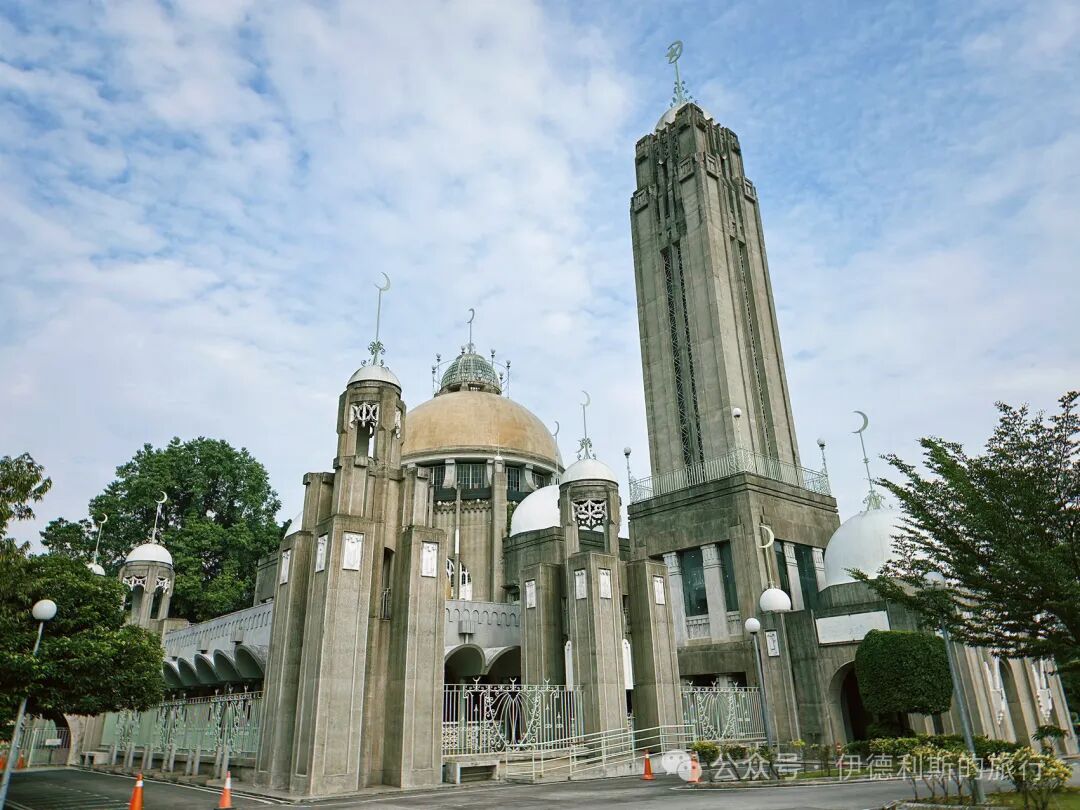
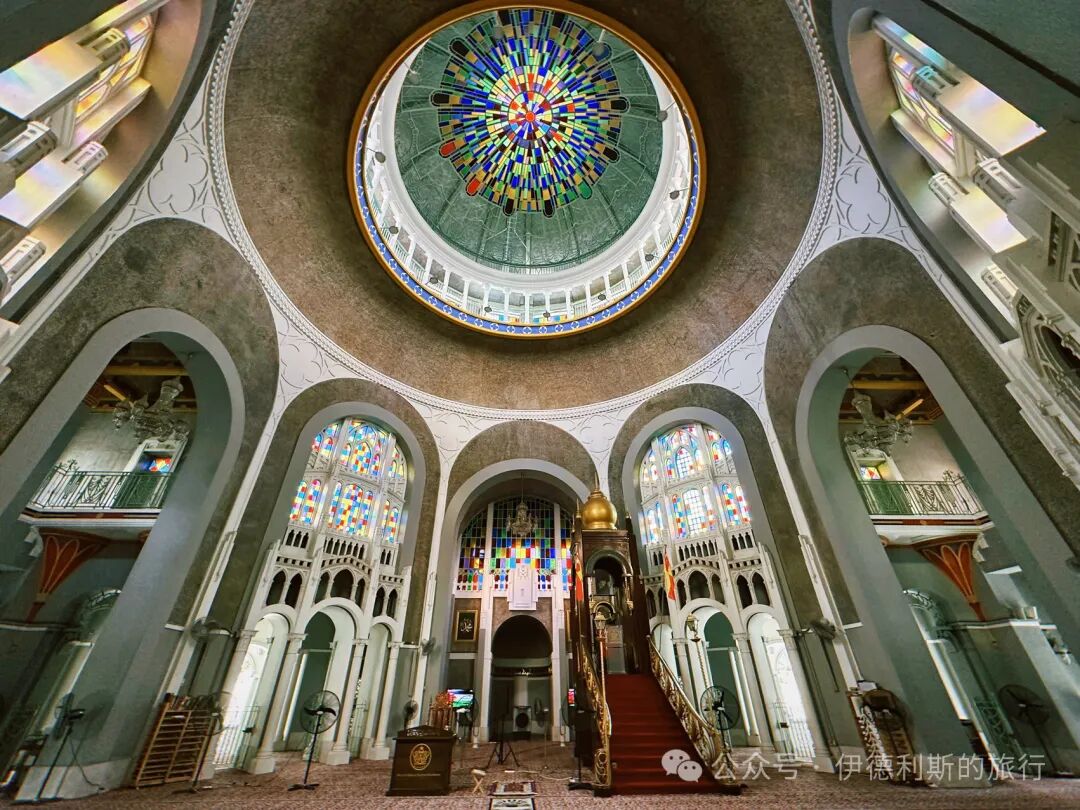
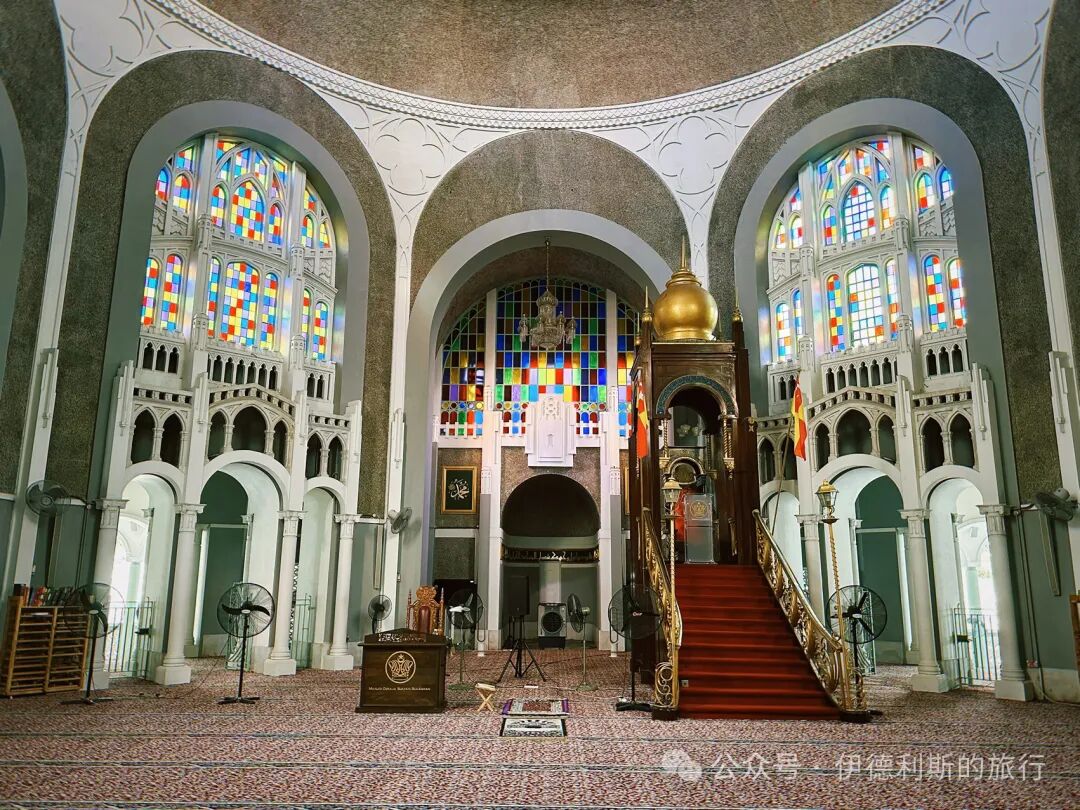
Although Alam Shah Palace is not open to the public, the Sultan Sulaiman Royal Mosque right next to it is definitely worth a visit. The Sultan Sulaiman Royal Mosque was a gift from the British to Sultan Sulaiman at the time to replace the Pengkalan Batu Mosque, which was demolished to build the Klang train station. The mosque was built between 1932 and 1933. Once finished, it was the largest mosque in the Federated Malay States at the time, and it has remained the royal mosque for the Sultan of Selangor ever since.
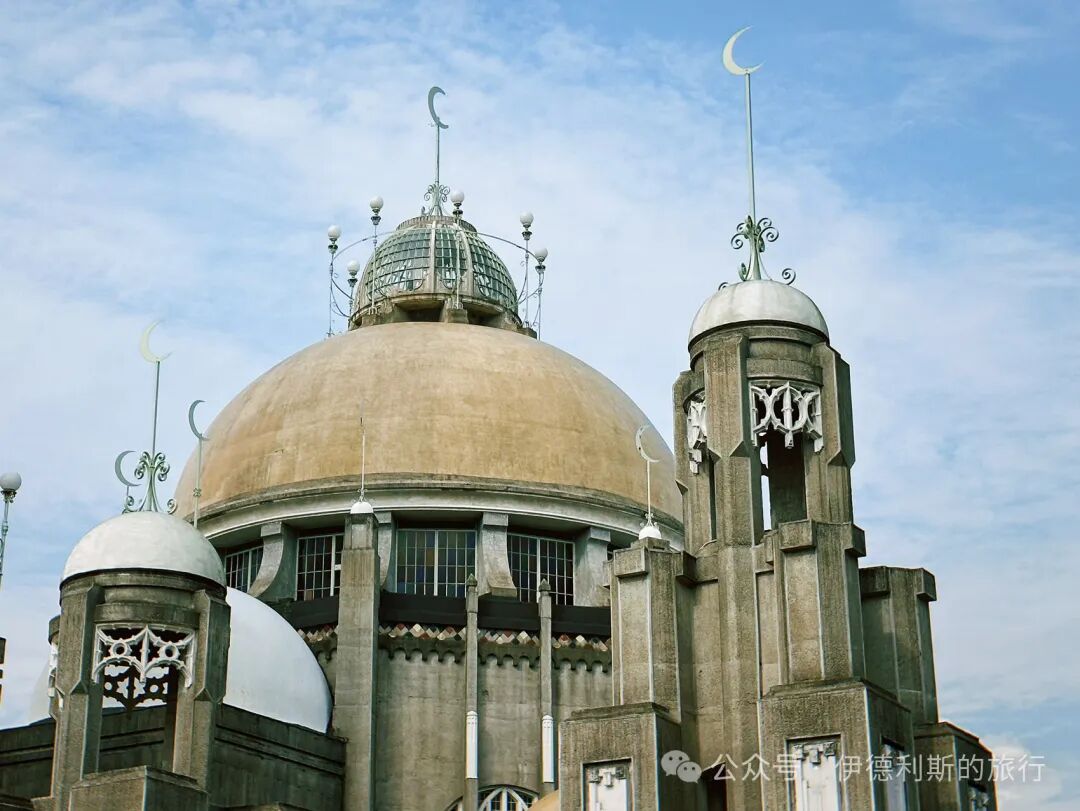
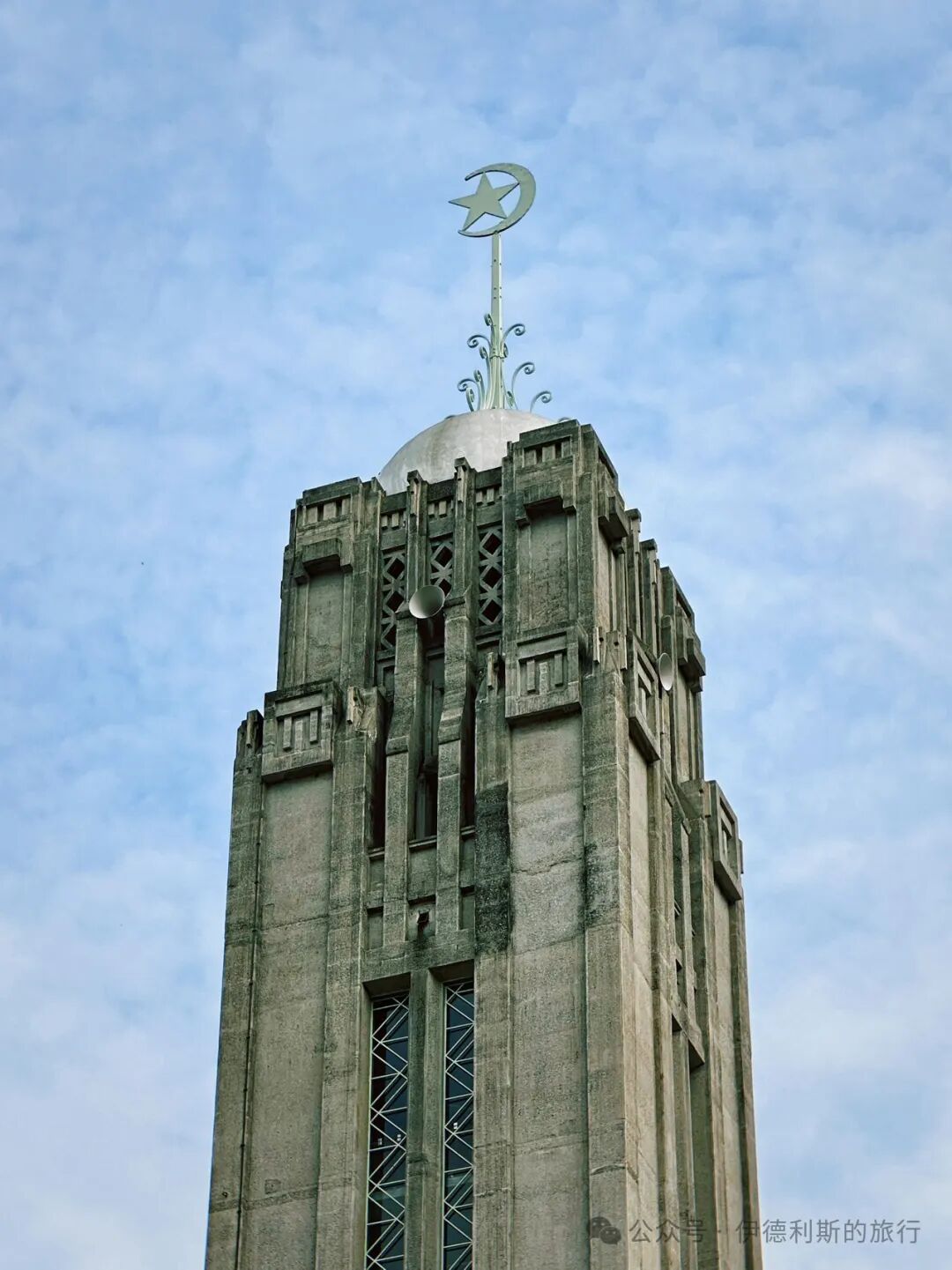
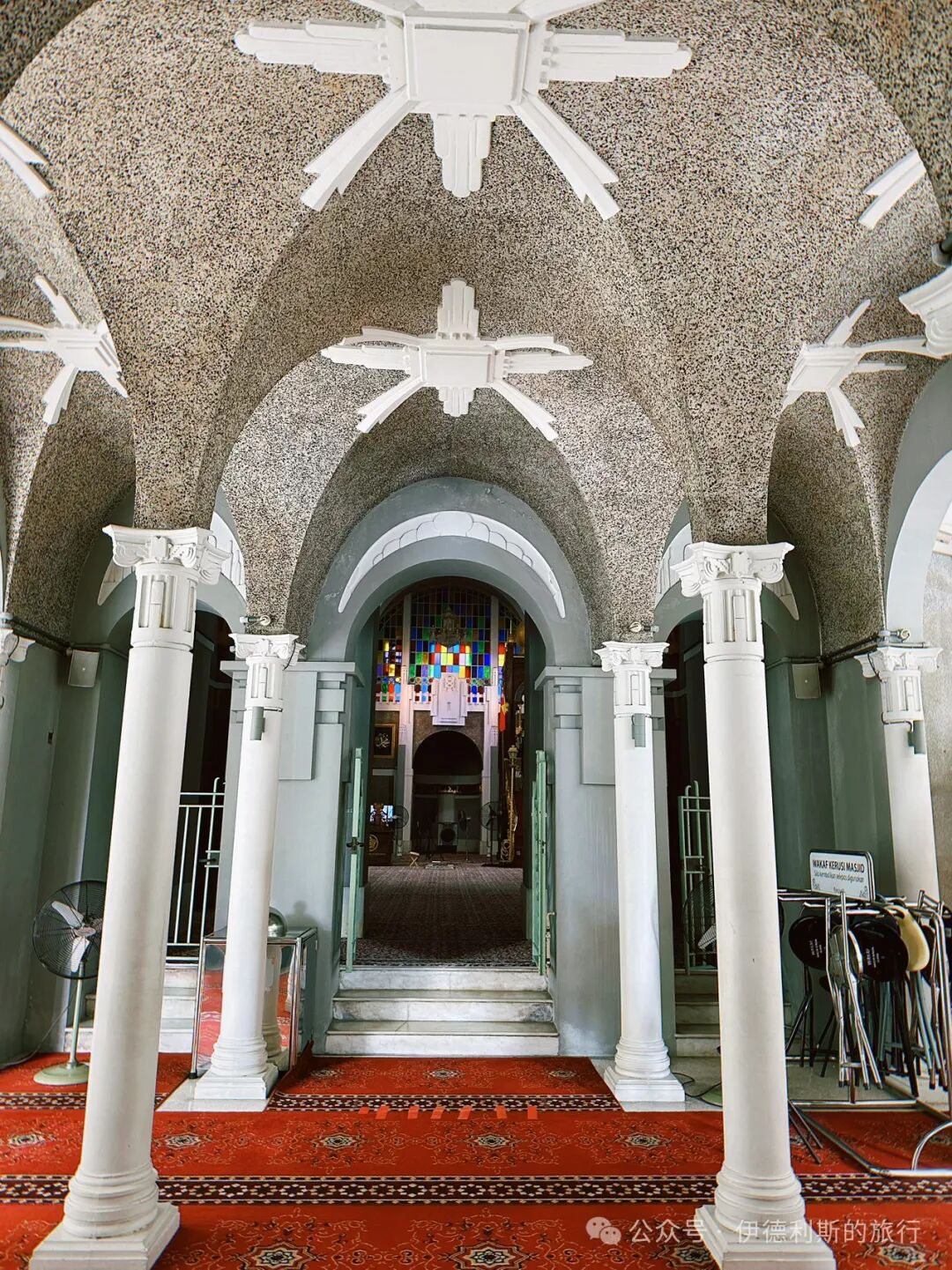
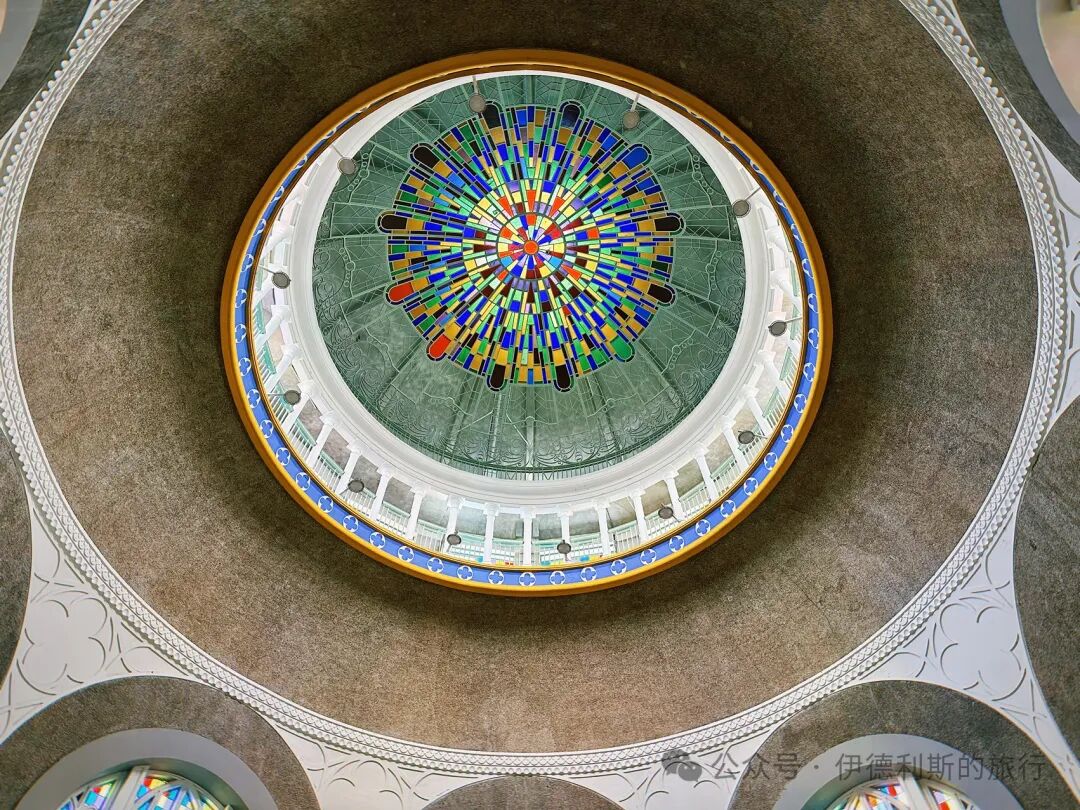
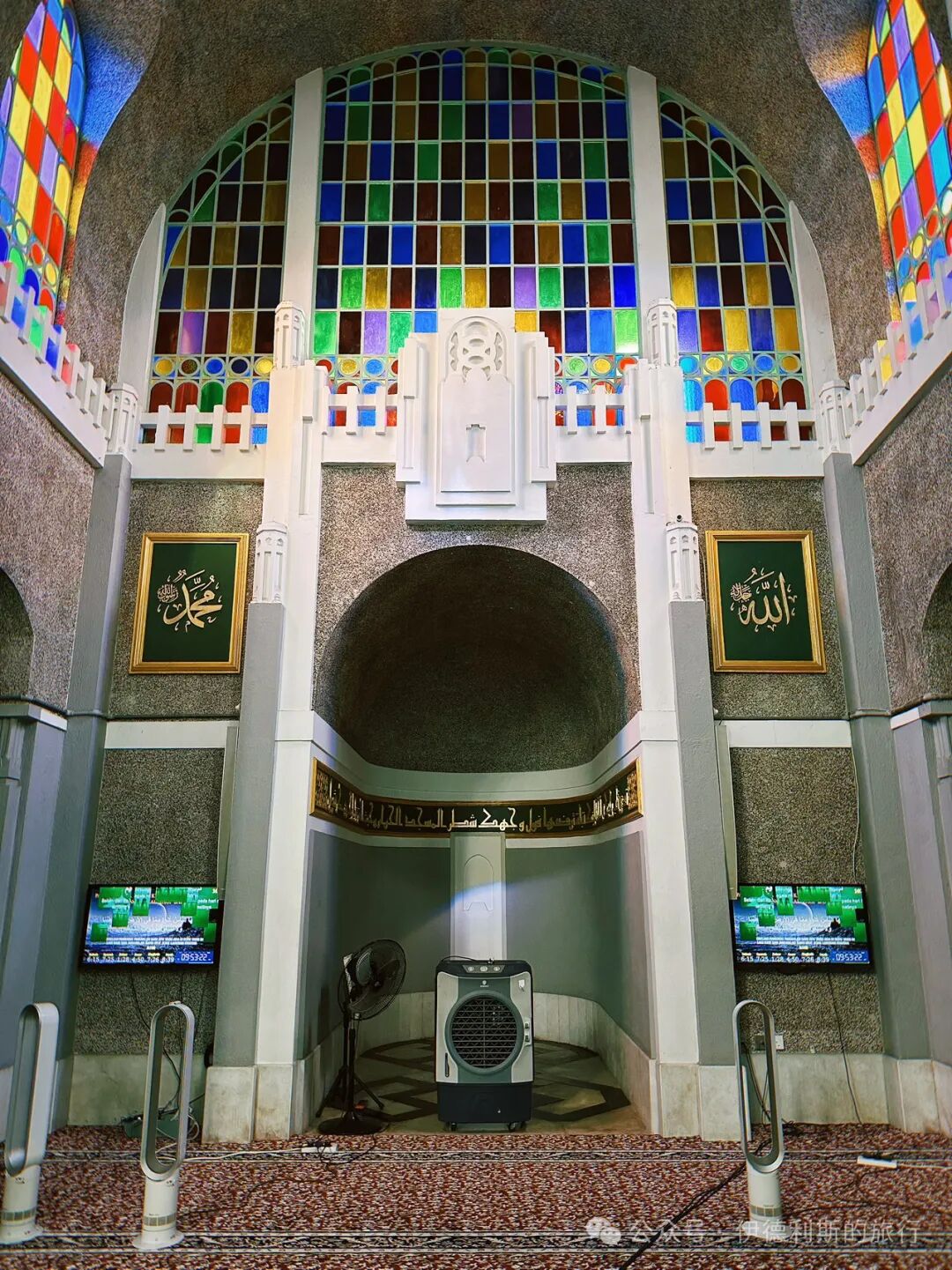
Unlike the Moorish Revival style common in Malaysia during the early 20th century, the Sultan Sulaiman Royal Mosque uses the Art Deco style. The mosque was designed by Leofric Kesteven from the UK, who served as the president of the Institute of Architects Malaya from 1931 to 1933. Reinforced concrete expert John Thomas Chester and Singapore-based Italian sculptor Rodolfo Nolli also helped with the construction. The Art Deco style was popular in Europe and America during the 1920s and 1930s. This style is known for using reinforced concrete and features clean, simple lines that make it unique.
Behind the Sultan Sulaiman Royal Mosque is the Selangor Royal Mausoleum. It holds the graves of Sultan Alaeddin Sulaiman Shah (reigned 1896-1938), Sultan Hisamuddin Shah (reigned 1938-42, 1945-60), Sultan Musa (reigned 1942-45), and Sultan Salahuddin Abdul Aziz Shah (reigned 1960-2001), covering the entire history of the Sultans of Selangor in the 20th century.
The Sultan Abdul Aziz Royal Gallery is in the center of old Klang. It was originally the Sultan Sulaiman Building, which Sultan Alaeddin Sulaiman Shah ordered to be built in 1909. It was designed by the famous architect Arthur Benison Hubback, who also designed the Kuala Lumpur Railway Station, Jamek Mosque, and the National Textile Museum. The building was once used as a land and administration office by the British, and it served as a Japanese military headquarters during World War II. In 2001, it became a royal gallery to honor Sultan Salahuddin Abdul Aziz Shah.
Sultan Salahuddin Abdul Aziz Shah reigned from 1960 to 2001. In 1974, he signed an agreement with the Malaysian federal government to separate Kuala Lumpur from Selangor and establish the Federal Territory of Kuala Lumpur. In 1978, the Sultan officially ordered the capital of Selangor to move to Shah Alam. The name Shah Alam honors his father, Sultan Hisamuddin Alam Shah.
The Sultan Abdul Aziz Royal Gallery has detailed information about the Sultans of Selangor and many items from the Sultan's collection.
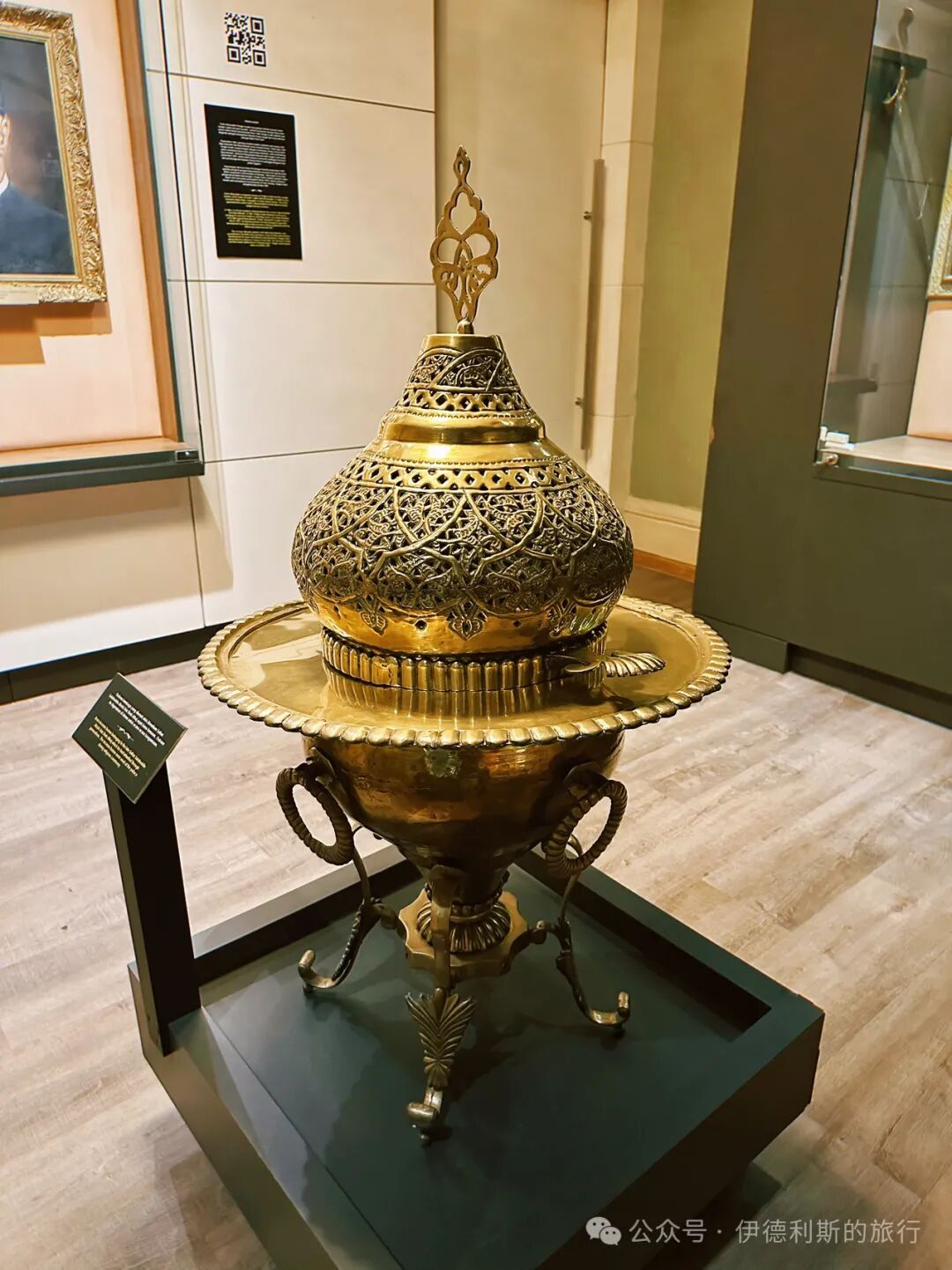
The incense burner passed down through generations of the Selangor Sultan's family is used for various important occasions.
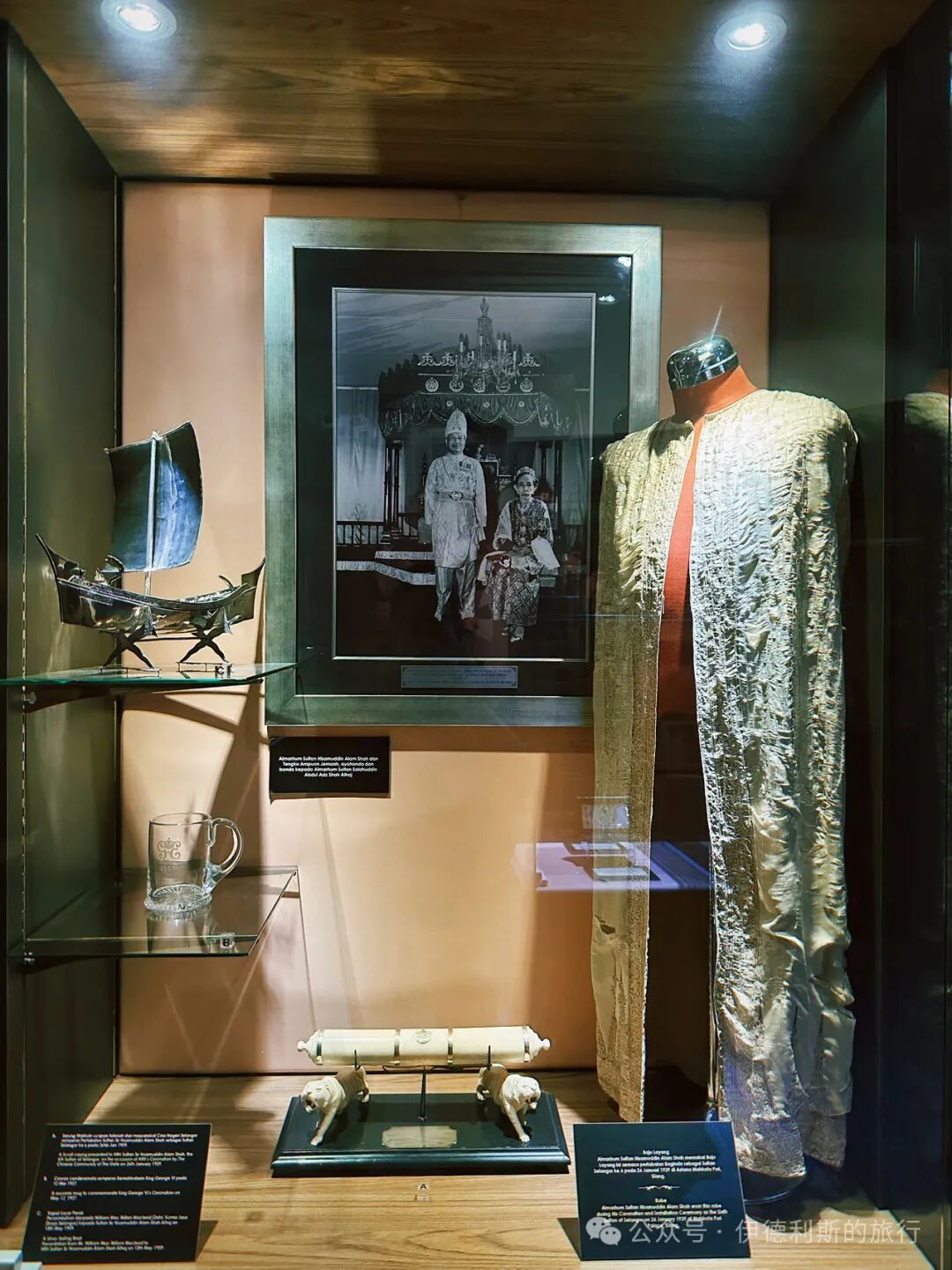
The ceremonial robe worn by Sultan Hisamuddin Alam Shah at his 1939 coronation.
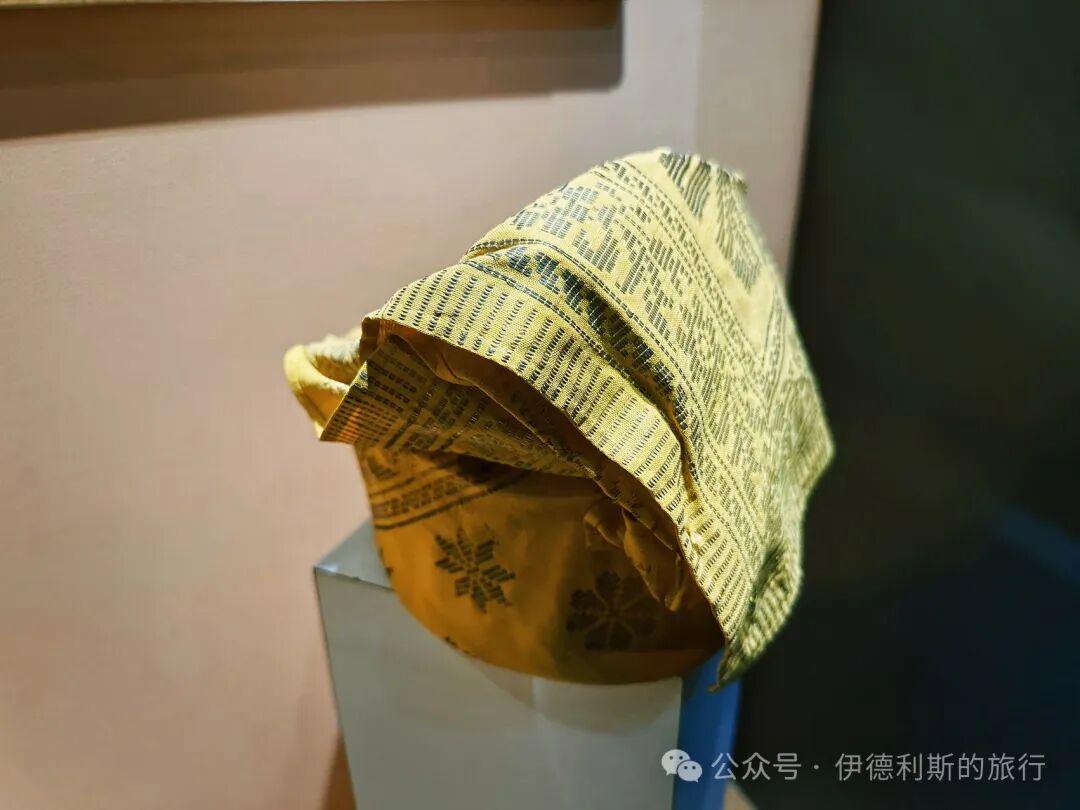
The hat worn by Sultan Hisamuddin in the 1950s.
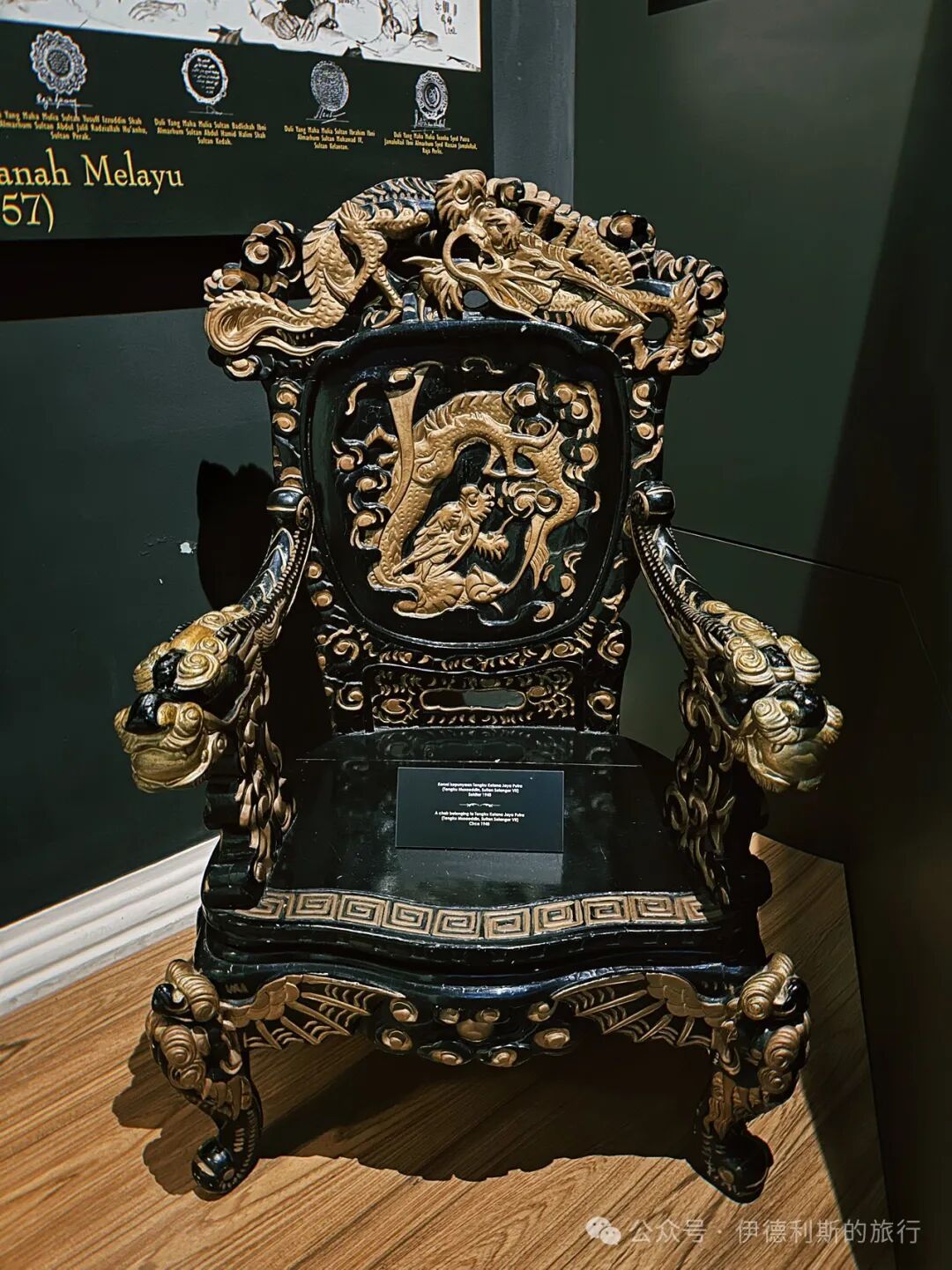
The chair used by Sultan Musa around 1940.
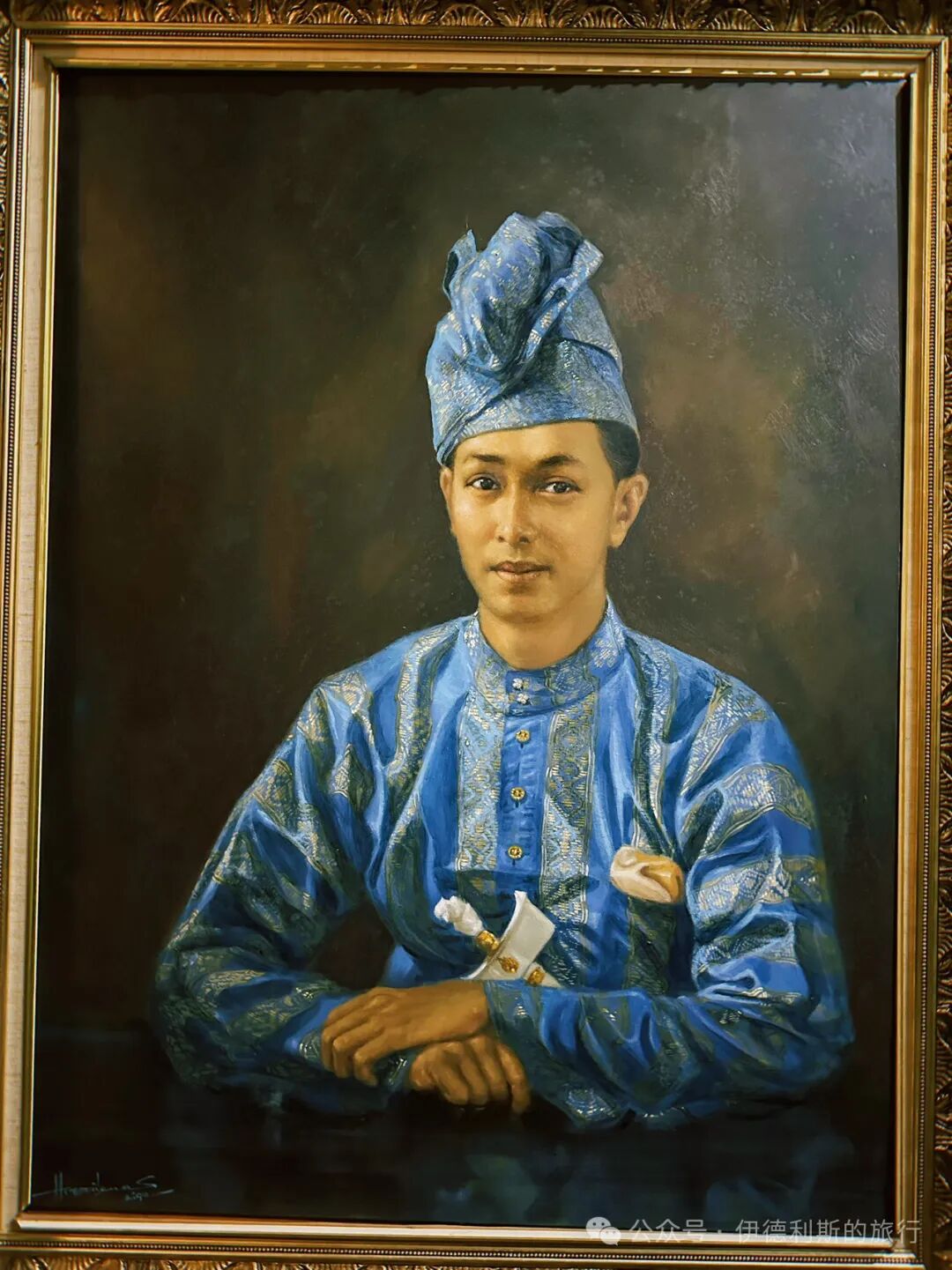
Crown Prince Abdul Aziz wearing traditional Malay clothing while studying in the United Kingdom in 1951.
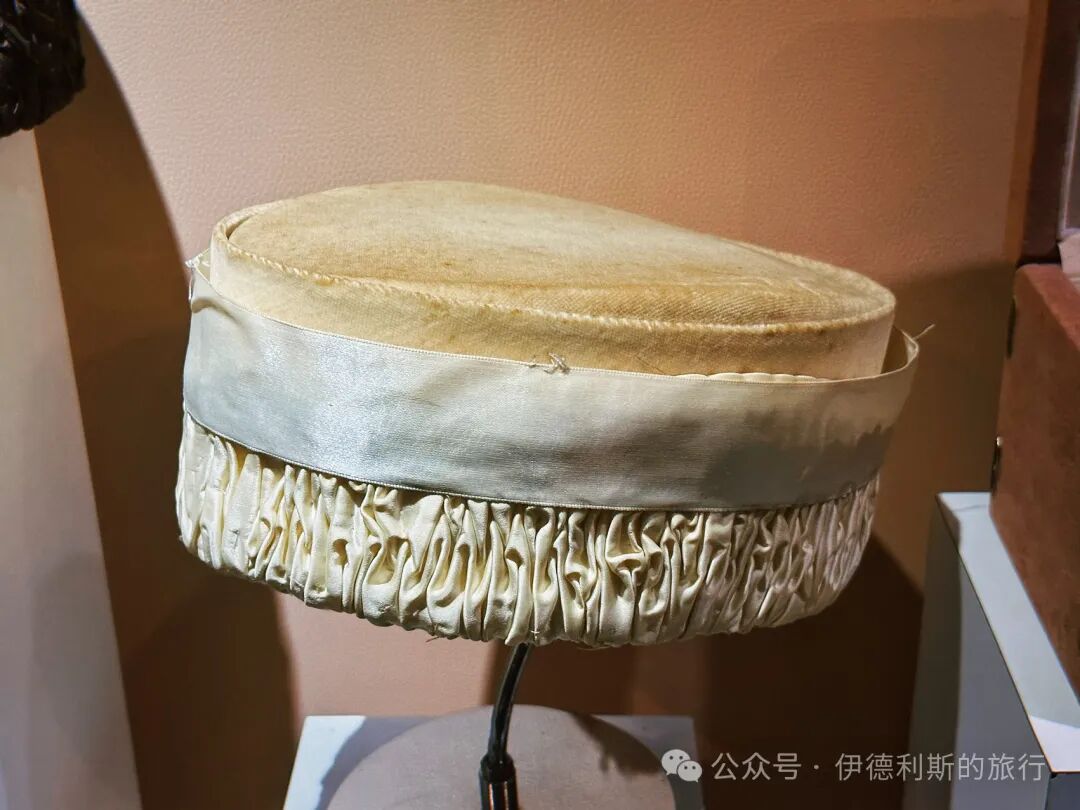
The songkok caps worn by Sultan Abdul Aziz during different periods.
In the 19th century, the demand for tin from the West grew, causing the tin mining industry in Selangor to expand rapidly. This led to the quick rise of Klang's status. The railway connecting Kuala Lumpur and Klang officially opened in 1890. Port Klang was completed in 1901. Many Chinese and Indian people came to Klang to make a living, and the old town of Klang began to take shape.
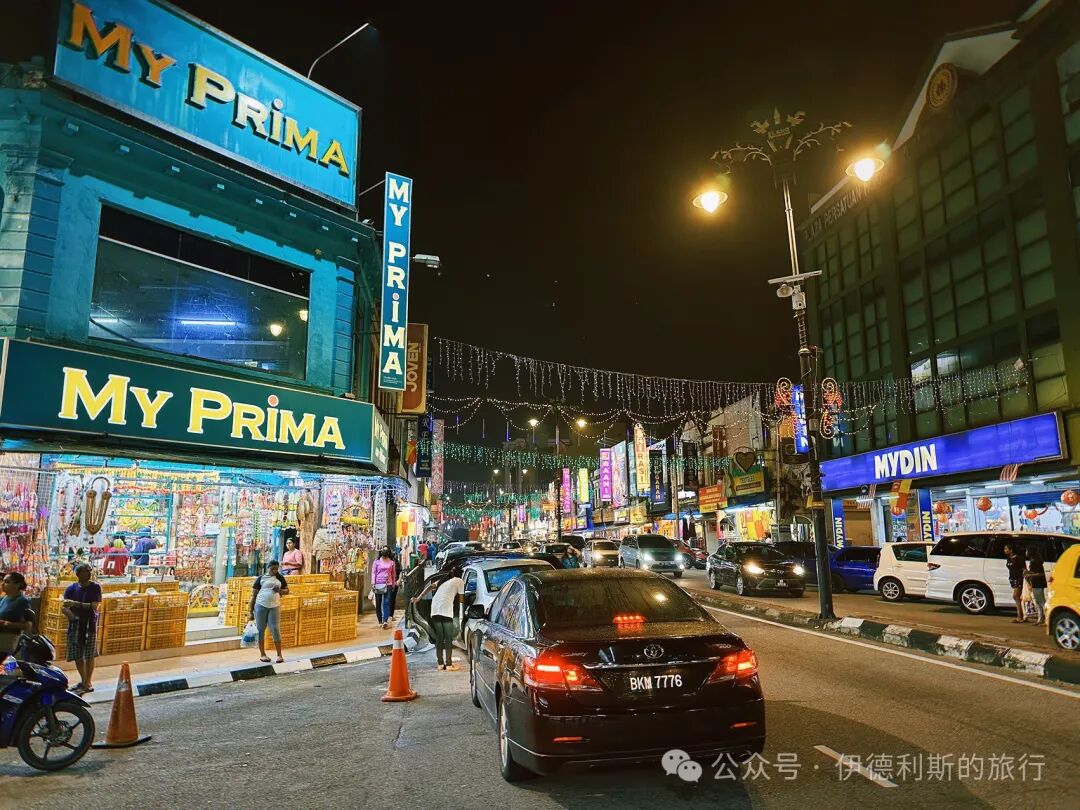
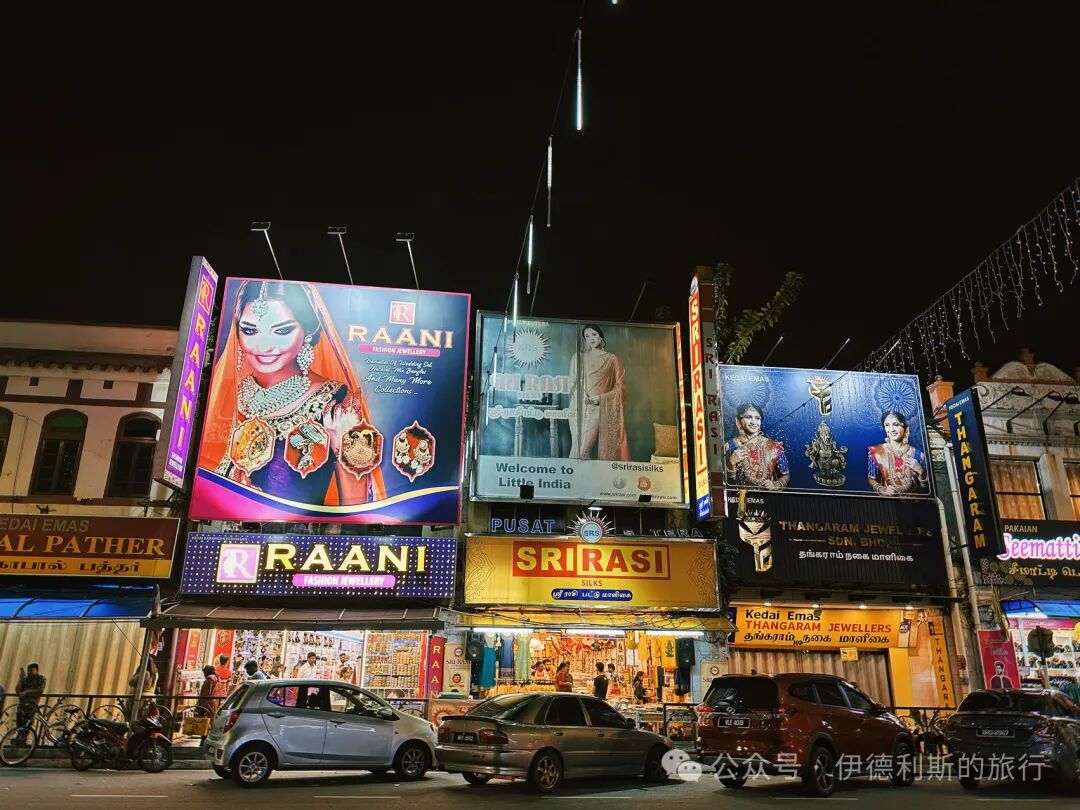
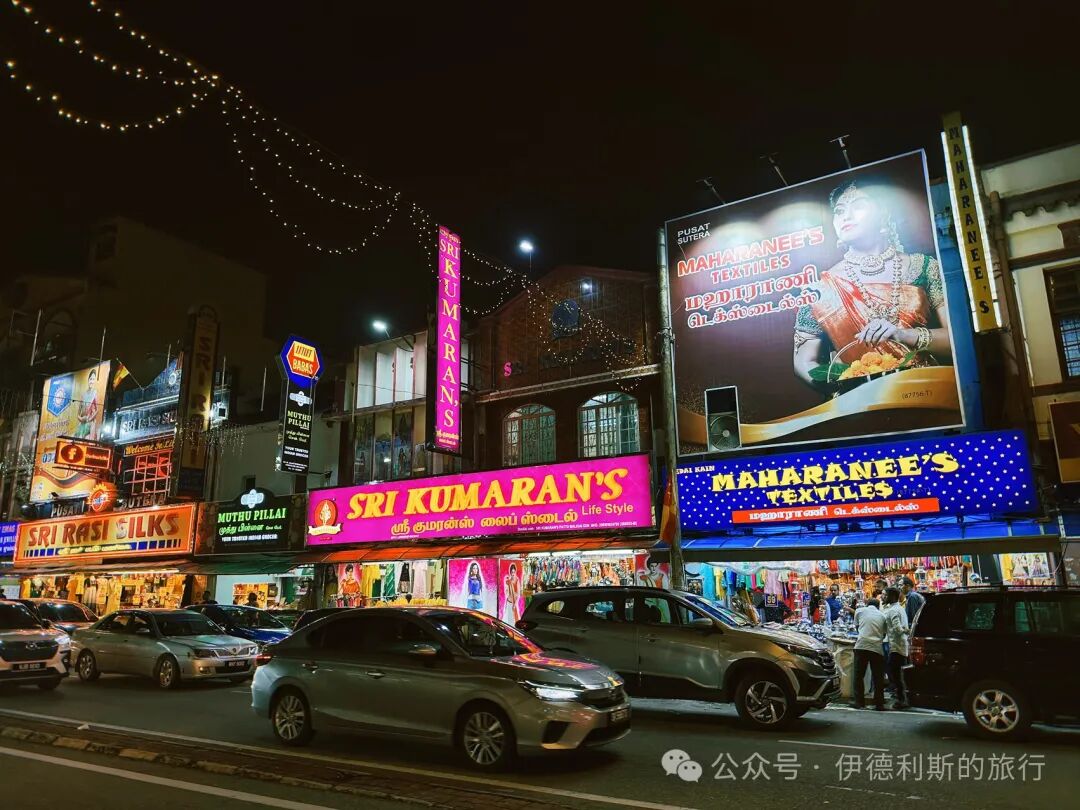
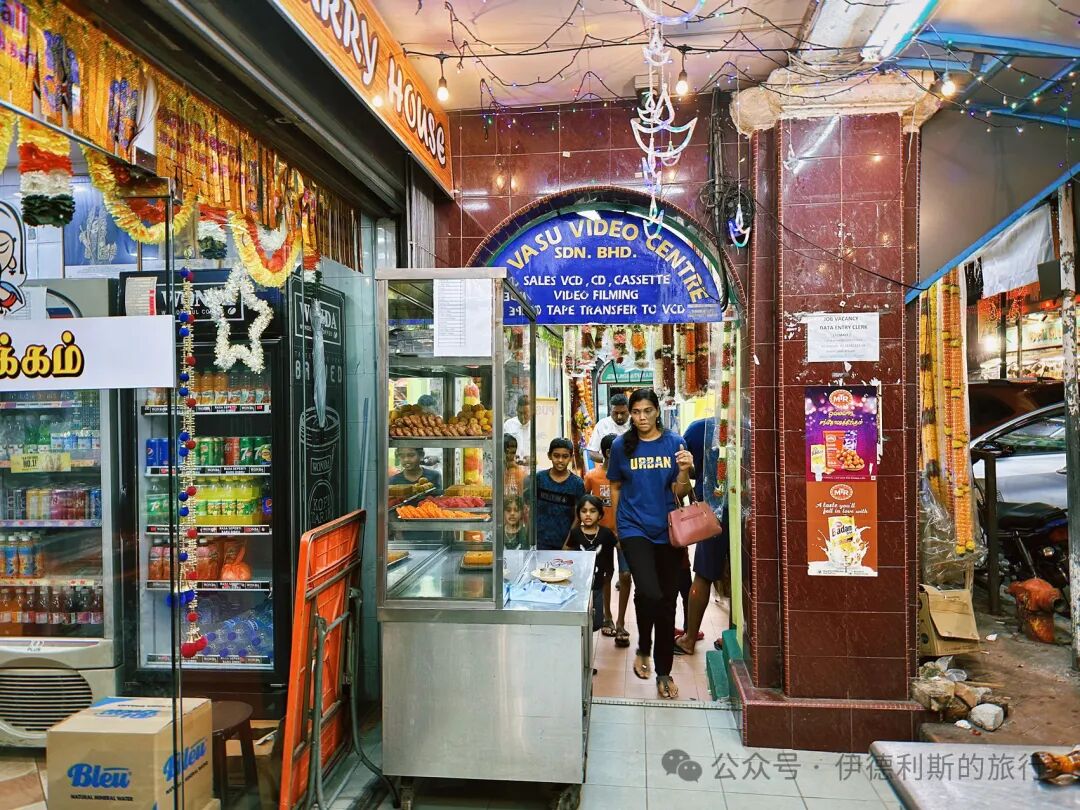
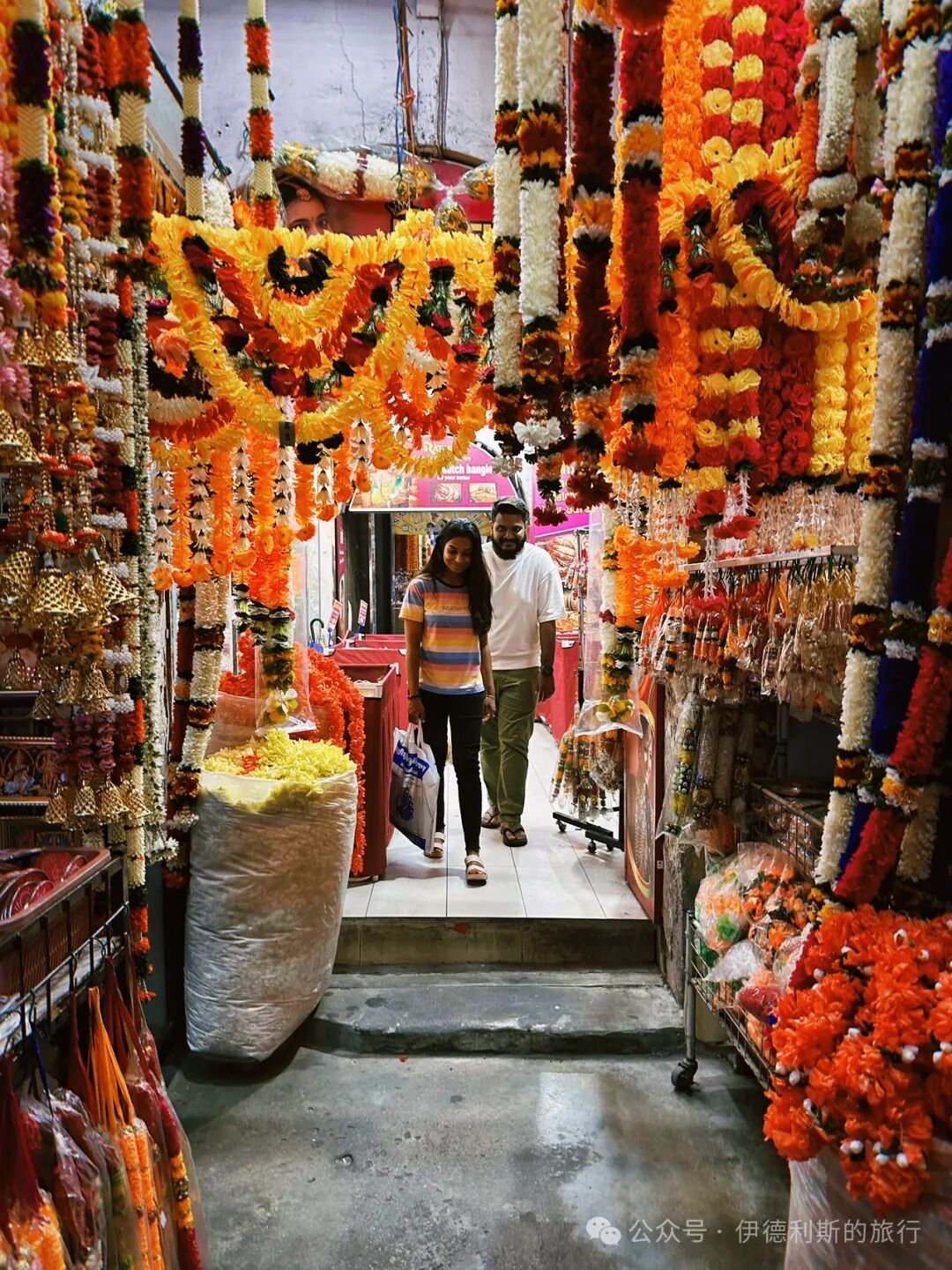
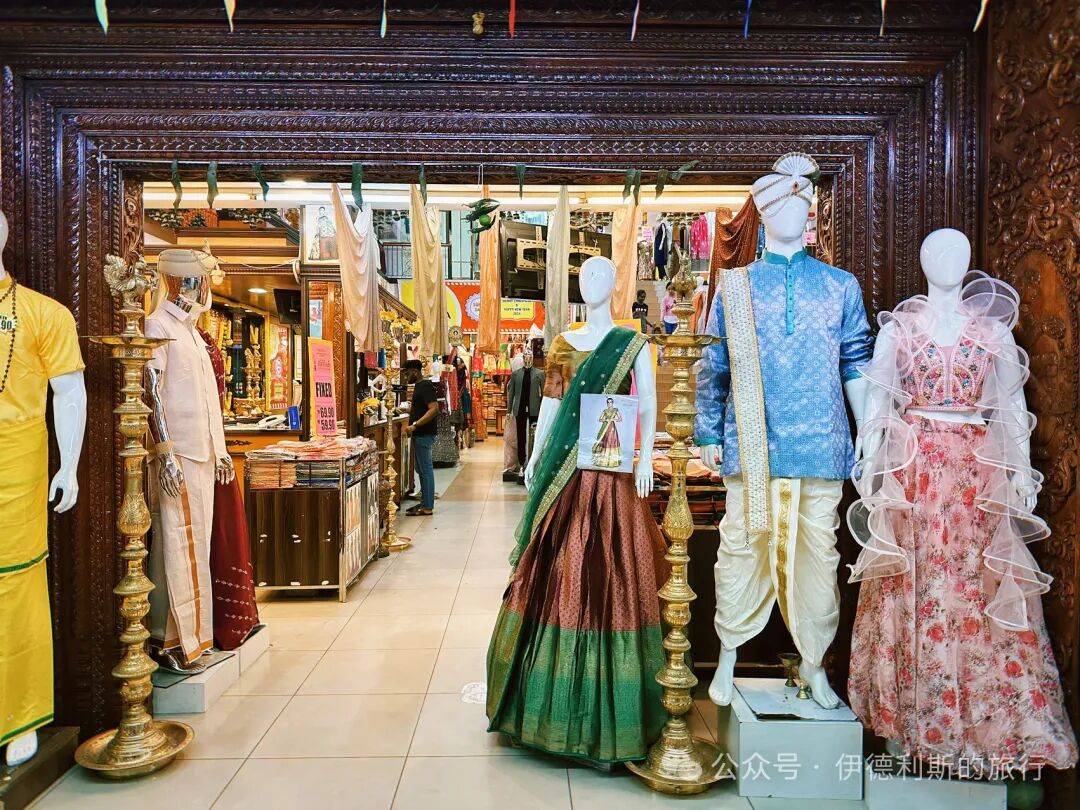
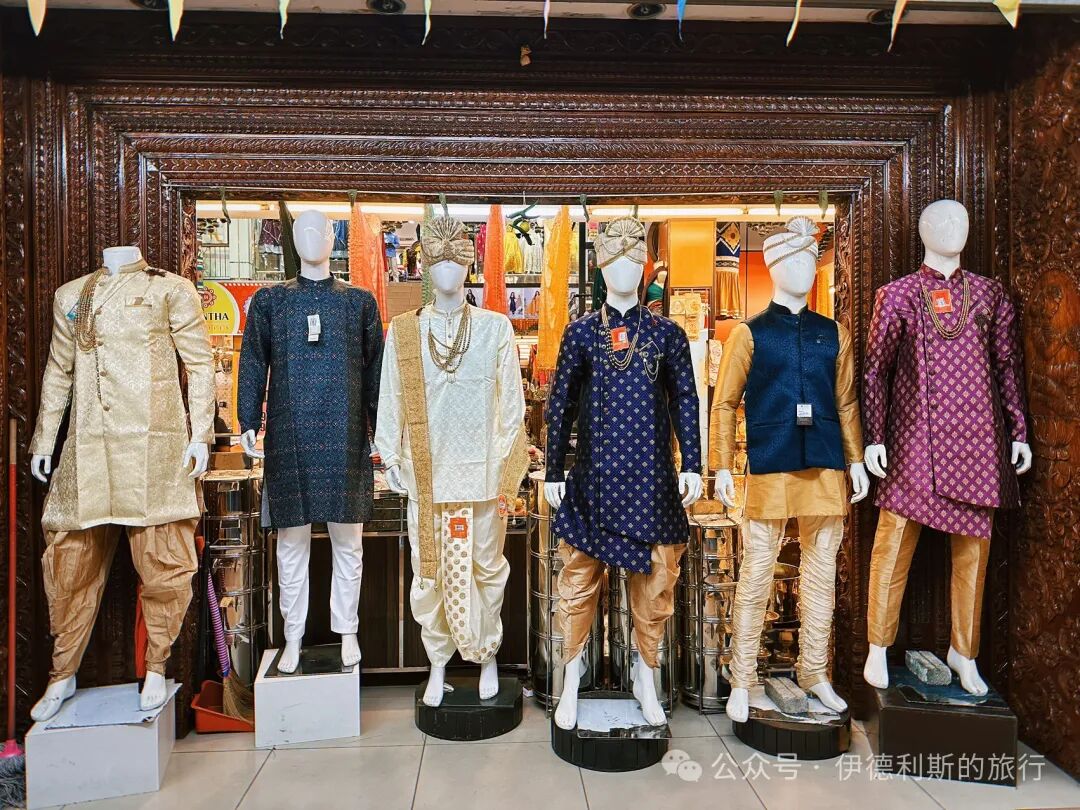
Today, the shophouse area of Klang's old town has a lively Little India district. The street is lined with shops selling Indian clothing, jewelry, and flowers. Most owners have been in business for three generations. Their ancestors were mostly Tamils from South India, along with some Telugus and Punjabis.
A night view of Little India in Klang.
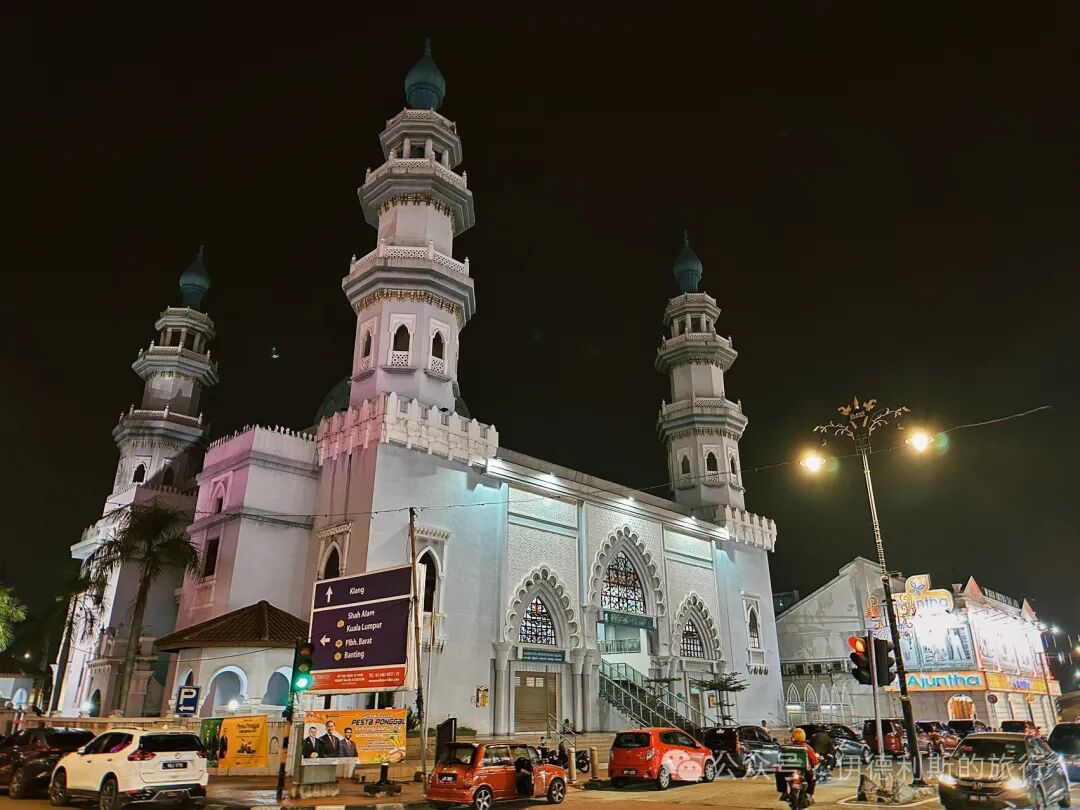
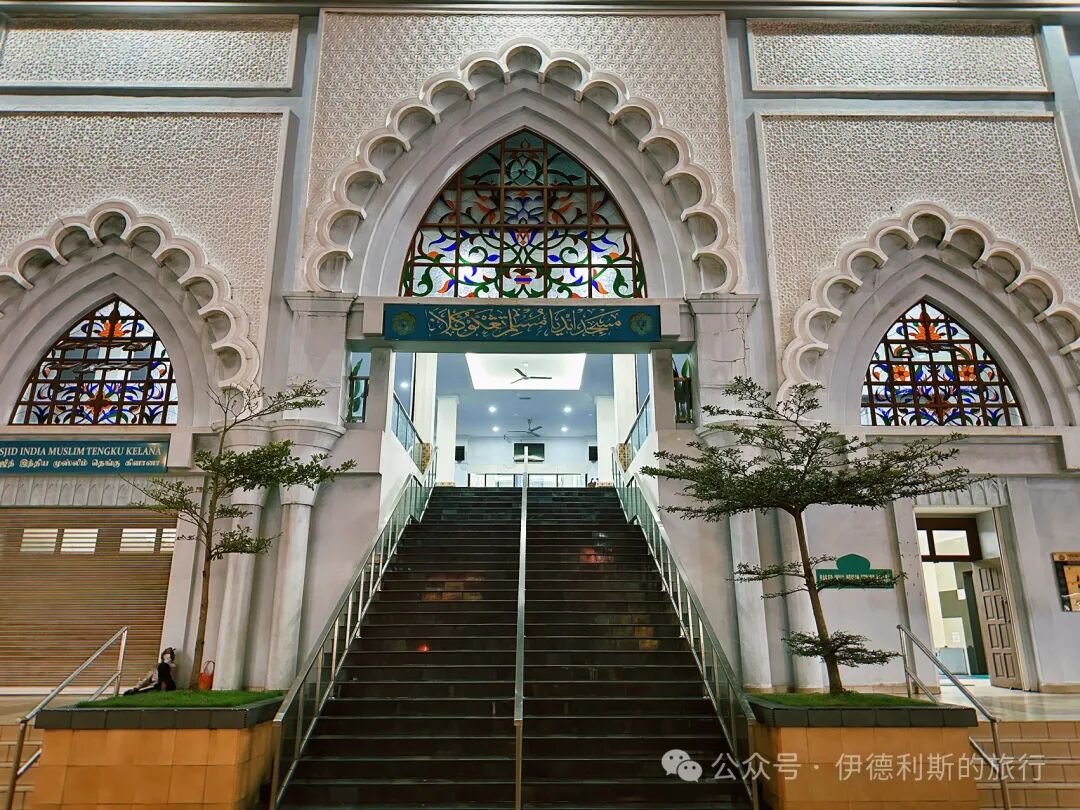
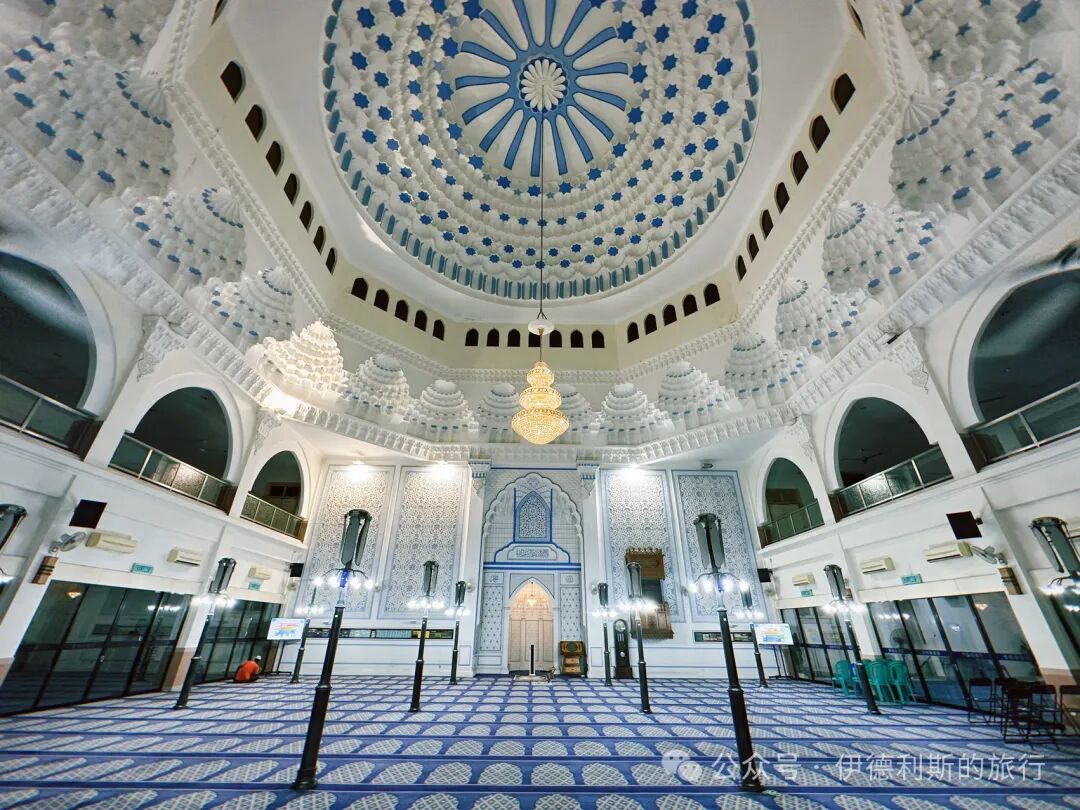
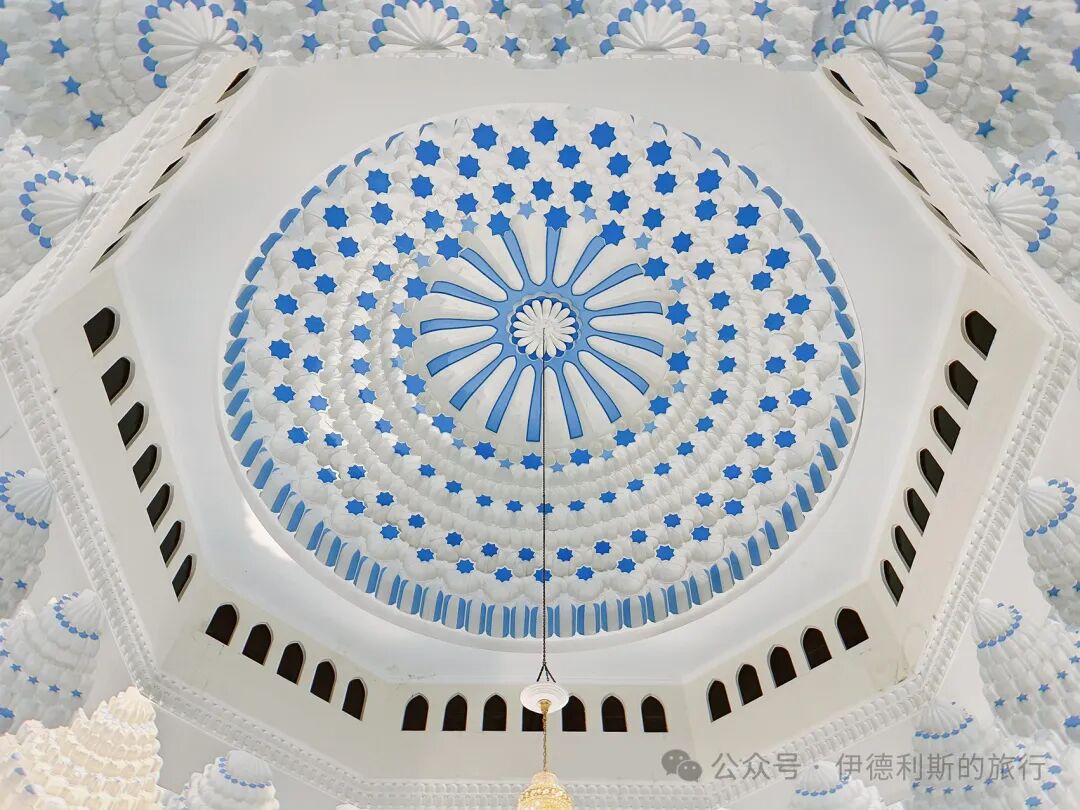
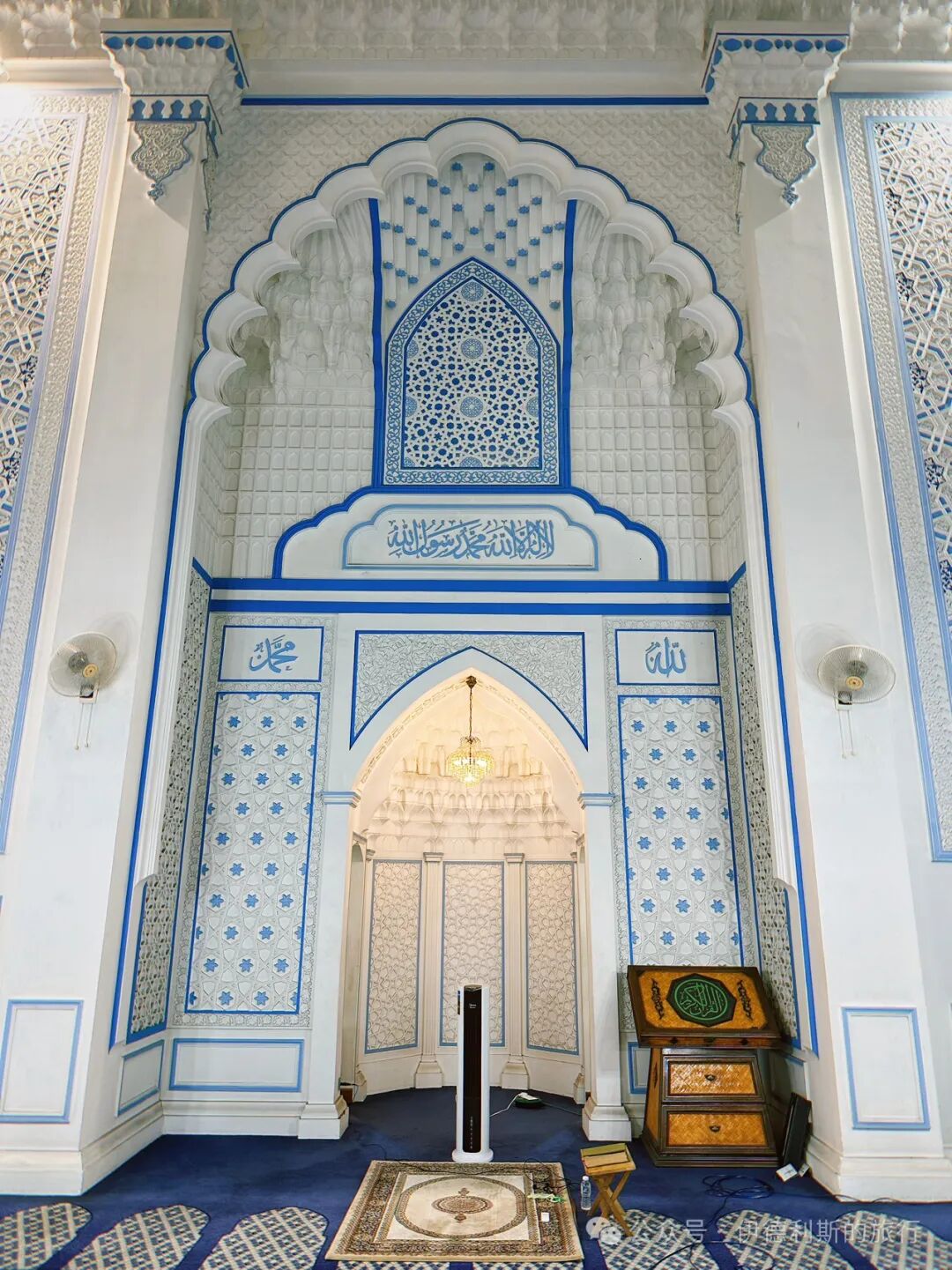
South Indian Tamil Muslims established a place of worship in Klang as early as 1890. In 1904, Tamil Muslim merchants raised funds to build the Klang Indian Mosque (Klang Indian Mosque). The mosque was rebuilt twice, in 1974 and 2007, and it has now become a landmark in Klang's Little India.
I caught the Tamil Pongal festival celebration in Klang's Little India, where a stage was set up behind the mosque for various dance performances. Pongal is the harvest festival for Tamil people. It falls on the first day of the tenth month of the Tamil solar calendar, marking the end of the winter solstice as the sun begins its move north.
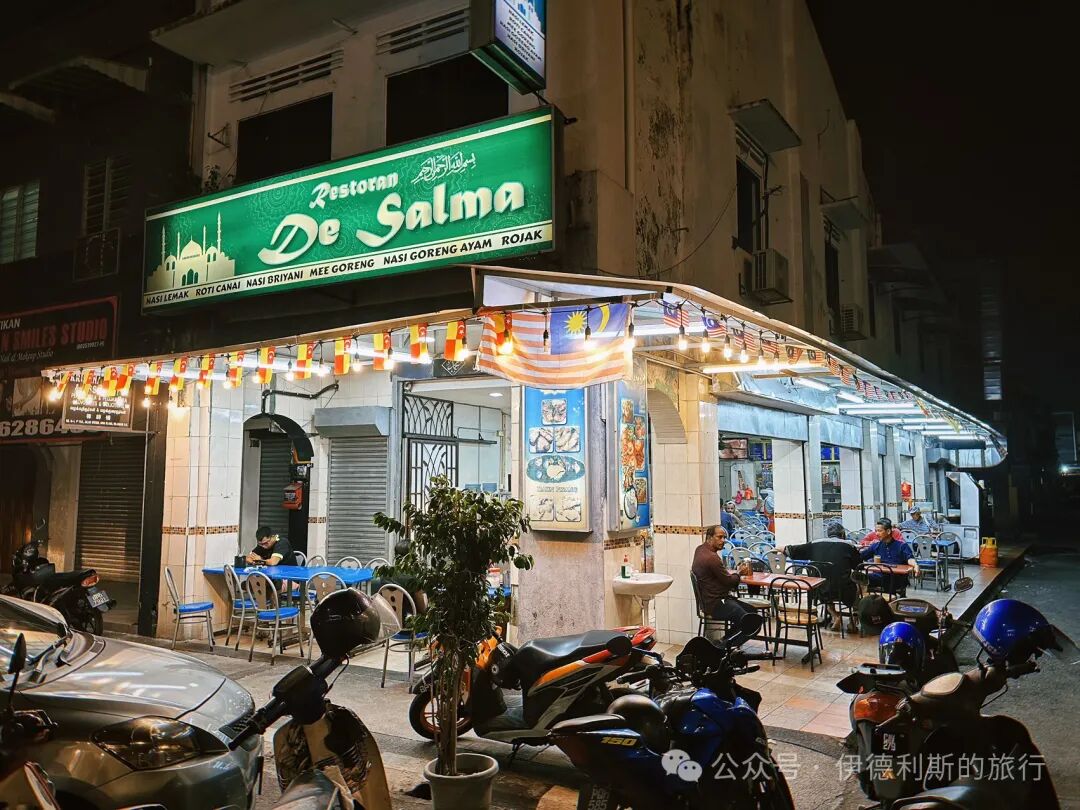
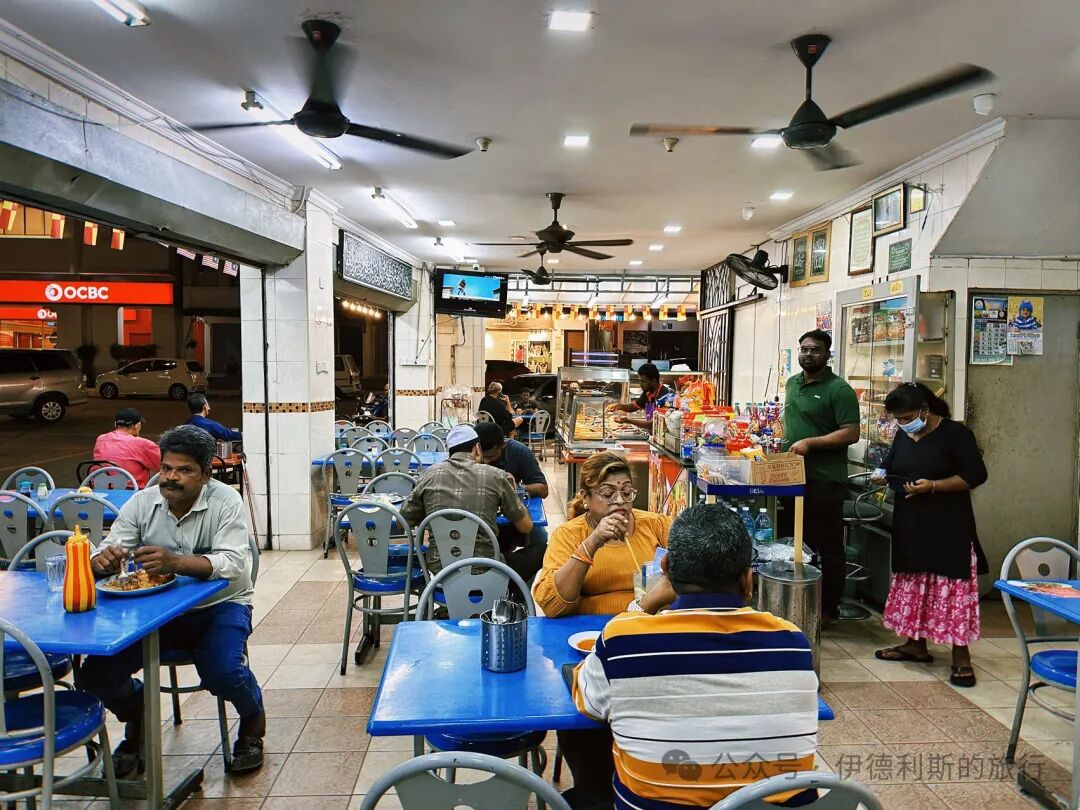
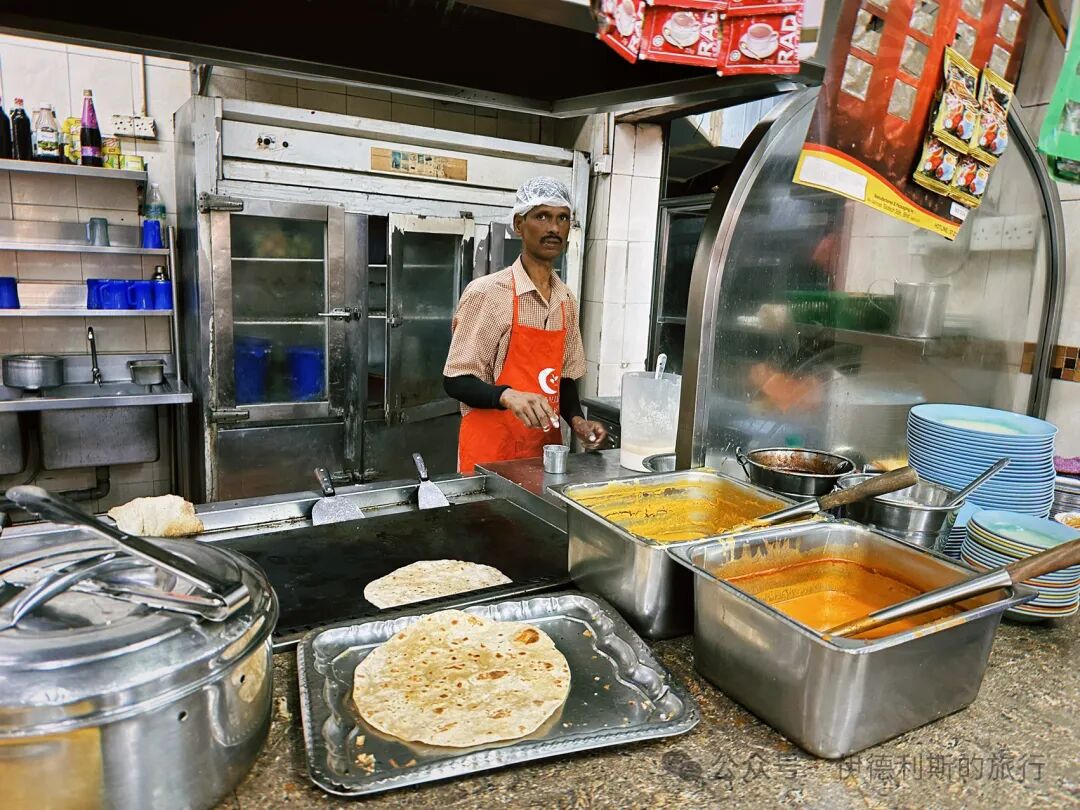
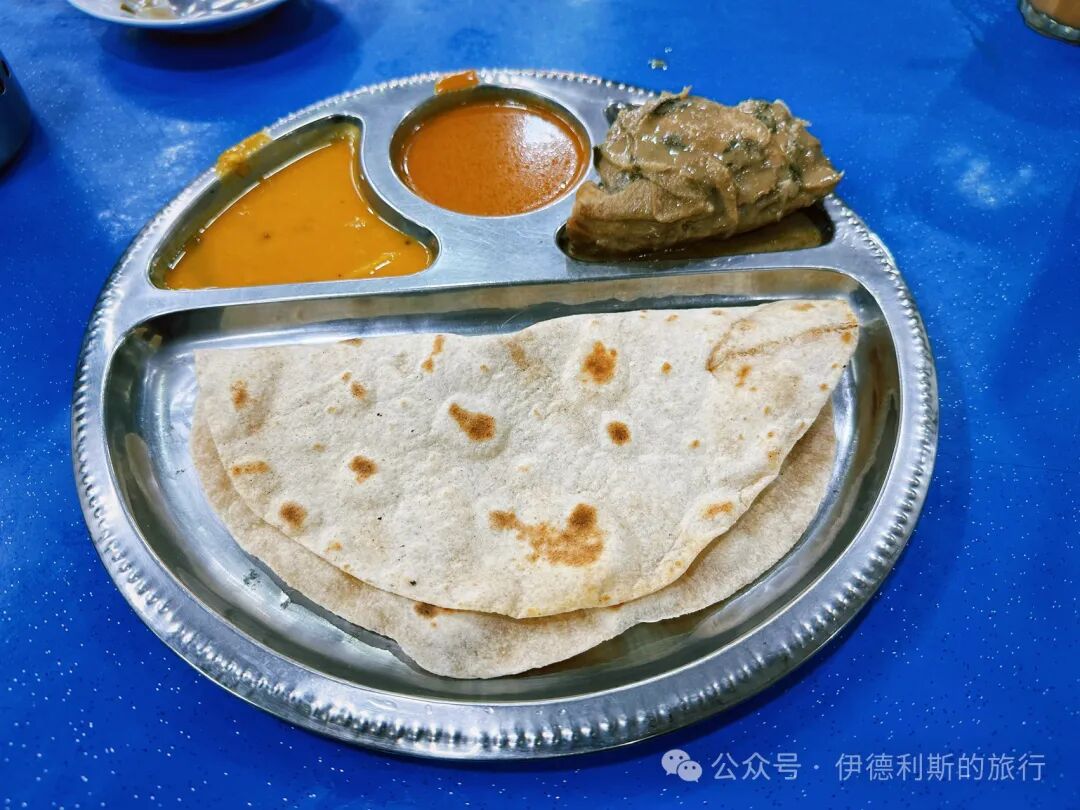
After walking through Little India in Klang, I had a late-night snack at a Tamil mamak stall. Dipping flatbread into curry is simple and comforting. Walking through old towns in Malaysia, you often see 24-hour Tamil mamak stalls. They are very convenient for travelers.
Starting in the 18th century, Tamil people from southeastern India and northern Sri Lanka migrated along the Indian Ocean to the Malay Peninsula. In Malaysia, Tamil people are called Mamak, which comes from the Tamil word for uncle (maa-ma). That is why Tamil restaurant stalls are also known as mamak stalls. view all
Summary: Halal Travel Guide: Selangor - Jugra, Klang and Royal Muslim Heritage is presented here as a firsthand travel account in clear, natural English. The account focuses on Selangor, Klang, Muslim Heritage while preserving the names, places, food, photos, and historical details from the Chinese source.
Selangor is on the west coast of the Malay Peninsula and surrounds Kuala Lumpur. After the Dutch took over Malacca in 1641, they brought Bugis people from Sulawesi to Selangor to work as mercenaries, and these Bugis later grew very powerful. In 1743, the Bugis warrior Raja Lumu was named Raja of Selangor for helping the Sultan of Perak take the throne. In 1766, Raja Lumu married the niece of the Sultan of Perak and was officially named the Sultan of Selangor.
The royal capital of the Selangor Sultanate was first at Kuala Selangor, near the mouth of the Selangor River, but it was destroyed during the Klang War between 1867 and 1874. In 1875, Sultan Abdul Samad moved the royal capital to the foot of Jugra Hill, inside the mouth of the Selangor River, where the historical Alaeddin Palace and Alaeddin Mosque still stand today.
Alaeddin Palace, also called the Old Jugra Palace, was built between 1899 and 1905 by order of Sultan Alaeddin Sulaiman Shah of Selangor. Sultan Salahuddin Abdul Aziz Shah of Selangor was born here in 1926, and he later became the eleventh King of Malaysia. The palace stopped being used after Sultan Alaeddin died in 1938, and it was emptied after Malaysia became a country in 1957. It was later used as a craft center and a state religious department until it was handed over to a cultural heritage company in 2008, and it is now open as a tourist attraction.
The Alaeddin Palace was built in two stages, with the main building finished in 1899 and the southern courtyard and veranda added in 1914. The main structure is made of brick and lime mortar, while the doors and windows use high-quality Cengal wood. The inside of the palace has over forty rooms, including bathrooms, a throne room, a banquet hall, bedrooms, parlors, balconies, and a kitchen. The palace is surrounded by beautiful gardens, and there is a pool in front of the building.
The main part of the Alaeddin Palace is Western-style, but it keeps the traditional Malay pyramid-shaped roof (Limas), features Indian Moorish-style decorations, and shows the work of Chinese craftsmen on the doors, windows, and pillars. Because you can see Malay, Indian, Chinese, and European architectural elements all at once, it stands as a witness to Malaysia being a meeting point for different cultures at that time.
The veranda at Aladdin Palace was built in 1914 and connects living areas like the kitchen and bathroom to the main hall.
Aladdin Mosque is not far north of Aladdin Palace and was also built in 1905 by order of Sultan Aladdin Sulaiman Shah of Selangor. The mosque's dome and arches feature a classic Mughal Revival style, while other design elements come from the Sultanate of Deli on Sumatra island. The pulpit (minbar) inside the mosque is very beautiful, especially the unique Arabic calligraphy wood carvings at the top.
During the reign of Sultan Aladdin Sulaiman Shah of Selangor, the Sultan built Alam Shah Palace in Klang to Aladdin Palace in Jugra. After that, Klang became the royal city of Selangor, and various Selangor royal ceremonies were held there.
Although Alam Shah Palace is not open to the public, the Sultan Sulaiman Royal Mosque right next to it is definitely worth a visit. The Sultan Sulaiman Royal Mosque was a gift from the British to Sultan Sulaiman at the time to replace the Pengkalan Batu Mosque, which was demolished to build the Klang train station. The mosque was built between 1932 and 1933. Once finished, it was the largest mosque in the Federated Malay States at the time, and it has remained the royal mosque for the Sultan of Selangor ever since.
Unlike the Moorish Revival style common in Malaysia during the early 20th century, the Sultan Sulaiman Royal Mosque uses the Art Deco style. The mosque was designed by Leofric Kesteven from the UK, who served as the president of the Institute of Architects Malaya from 1931 to 1933. Reinforced concrete expert John Thomas Chester and Singapore-based Italian sculptor Rodolfo Nolli also helped with the construction. The Art Deco style was popular in Europe and America during the 1920s and 1930s. This style is known for using reinforced concrete and features clean, simple lines that make it unique.
Behind the Sultan Sulaiman Royal Mosque is the Selangor Royal Mausoleum. It holds the graves of Sultan Alaeddin Sulaiman Shah (reigned 1896-1938), Sultan Hisamuddin Shah (reigned 1938-42, 1945-60), Sultan Musa (reigned 1942-45), and Sultan Salahuddin Abdul Aziz Shah (reigned 1960-2001), covering the entire history of the Sultans of Selangor in the 20th century.
The Sultan Abdul Aziz Royal Gallery is in the center of old Klang. It was originally the Sultan Sulaiman Building, which Sultan Alaeddin Sulaiman Shah ordered to be built in 1909. It was designed by the famous architect Arthur Benison Hubback, who also designed the Kuala Lumpur Railway Station, Jamek Mosque, and the National Textile Museum. The building was once used as a land and administration office by the British, and it served as a Japanese military headquarters during World War II. In 2001, it became a royal gallery to honor Sultan Salahuddin Abdul Aziz Shah.
Sultan Salahuddin Abdul Aziz Shah reigned from 1960 to 2001. In 1974, he signed an agreement with the Malaysian federal government to separate Kuala Lumpur from Selangor and establish the Federal Territory of Kuala Lumpur. In 1978, the Sultan officially ordered the capital of Selangor to move to Shah Alam. The name Shah Alam honors his father, Sultan Hisamuddin Alam Shah.
The Sultan Abdul Aziz Royal Gallery has detailed information about the Sultans of Selangor and many items from the Sultan's collection.
The incense burner passed down through generations of the Selangor Sultan's family is used for various important occasions.
The ceremonial robe worn by Sultan Hisamuddin Alam Shah at his 1939 coronation.
The hat worn by Sultan Hisamuddin in the 1950s.
The chair used by Sultan Musa around 1940.
Crown Prince Abdul Aziz wearing traditional Malay clothing while studying in the United Kingdom in 1951.
The songkok caps worn by Sultan Abdul Aziz during different periods.
In the 19th century, the demand for tin from the West grew, causing the tin mining industry in Selangor to expand rapidly. This led to the quick rise of Klang's status. The railway connecting Kuala Lumpur and Klang officially opened in 1890. Port Klang was completed in 1901. Many Chinese and Indian people came to Klang to make a living, and the old town of Klang began to take shape.
Today, the shophouse area of Klang's old town has a lively Little India district. The street is lined with shops selling Indian clothing, jewelry, and flowers. Most owners have been in business for three generations. Their ancestors were mostly Tamils from South India, along with some Telugus and Punjabis.
A night view of Little India in Klang.
South Indian Tamil Muslims established a place of worship in Klang as early as 1890. In 1904, Tamil Muslim merchants raised funds to build the Klang Indian Mosque (Klang Indian Mosque). The mosque was rebuilt twice, in 1974 and 2007, and it has now become a landmark in Klang's Little India.
I caught the Tamil Pongal festival celebration in Klang's Little India, where a stage was set up behind the mosque for various dance performances. Pongal is the harvest festival for Tamil people. It falls on the first day of the tenth month of the Tamil solar calendar, marking the end of the winter solstice as the sun begins its move north.
After walking through Little India in Klang, I had a late-night snack at a Tamil mamak stall. Dipping flatbread into curry is simple and comforting. Walking through old towns in Malaysia, you often see 24-hour Tamil mamak stalls. They are very convenient for travelers.
Starting in the 18th century, Tamil people from southeastern India and northern Sri Lanka migrated along the Indian Ocean to the Malay Peninsula. In Malaysia, Tamil people are called Mamak, which comes from the Tamil word for uncle (maa-ma). That is why Tamil restaurant stalls are also known as mamak stalls. view all
Reposted from the web
Summary: Halal Travel Guide: Selangor - Jugra, Klang and Royal Muslim Heritage is presented here as a firsthand travel account in clear, natural English. The account focuses on Selangor, Klang, Muslim Heritage while preserving the names, places, food, photos, and historical details from the Chinese source.
Selangor is on the west coast of the Malay Peninsula and surrounds Kuala Lumpur. After the Dutch took over Malacca in 1641, they brought Bugis people from Sulawesi to Selangor to work as mercenaries, and these Bugis later grew very powerful. In 1743, the Bugis warrior Raja Lumu was named Raja of Selangor for helping the Sultan of Perak take the throne. In 1766, Raja Lumu married the niece of the Sultan of Perak and was officially named the Sultan of Selangor.
The royal capital of the Selangor Sultanate was first at Kuala Selangor, near the mouth of the Selangor River, but it was destroyed during the Klang War between 1867 and 1874. In 1875, Sultan Abdul Samad moved the royal capital to the foot of Jugra Hill, inside the mouth of the Selangor River, where the historical Alaeddin Palace and Alaeddin Mosque still stand today.
Alaeddin Palace, also called the Old Jugra Palace, was built between 1899 and 1905 by order of Sultan Alaeddin Sulaiman Shah of Selangor. Sultan Salahuddin Abdul Aziz Shah of Selangor was born here in 1926, and he later became the eleventh King of Malaysia. The palace stopped being used after Sultan Alaeddin died in 1938, and it was emptied after Malaysia became a country in 1957. It was later used as a craft center and a state religious department until it was handed over to a cultural heritage company in 2008, and it is now open as a tourist attraction.
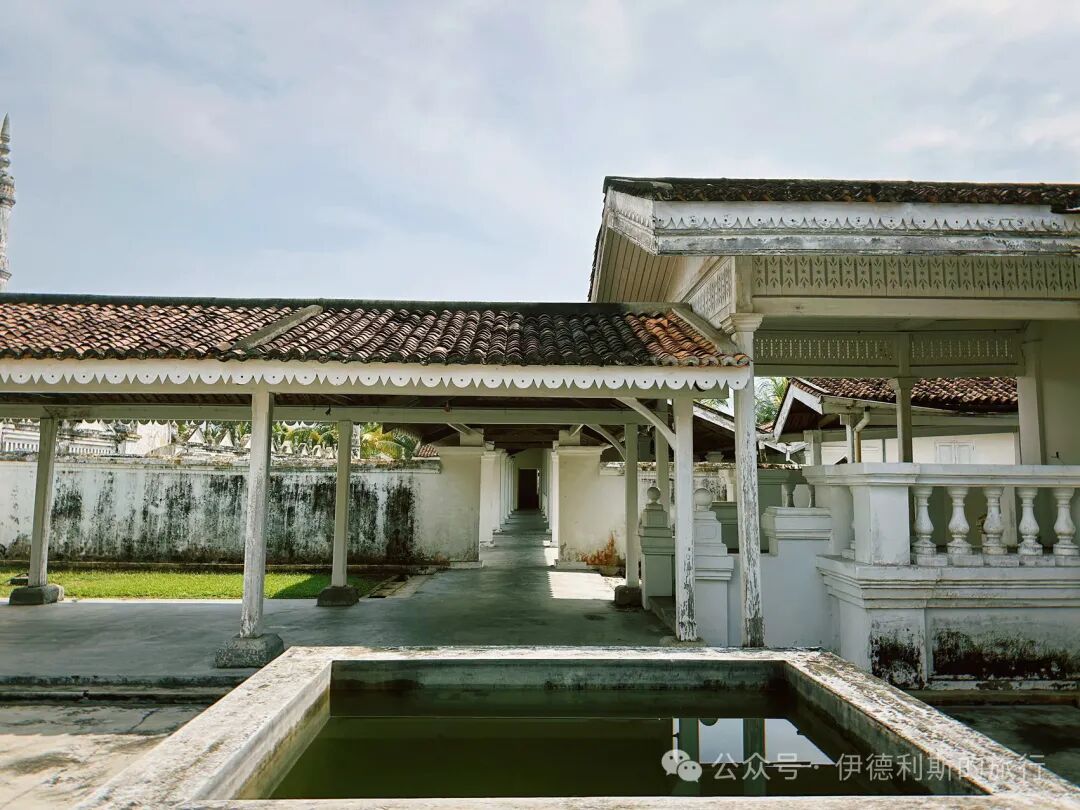
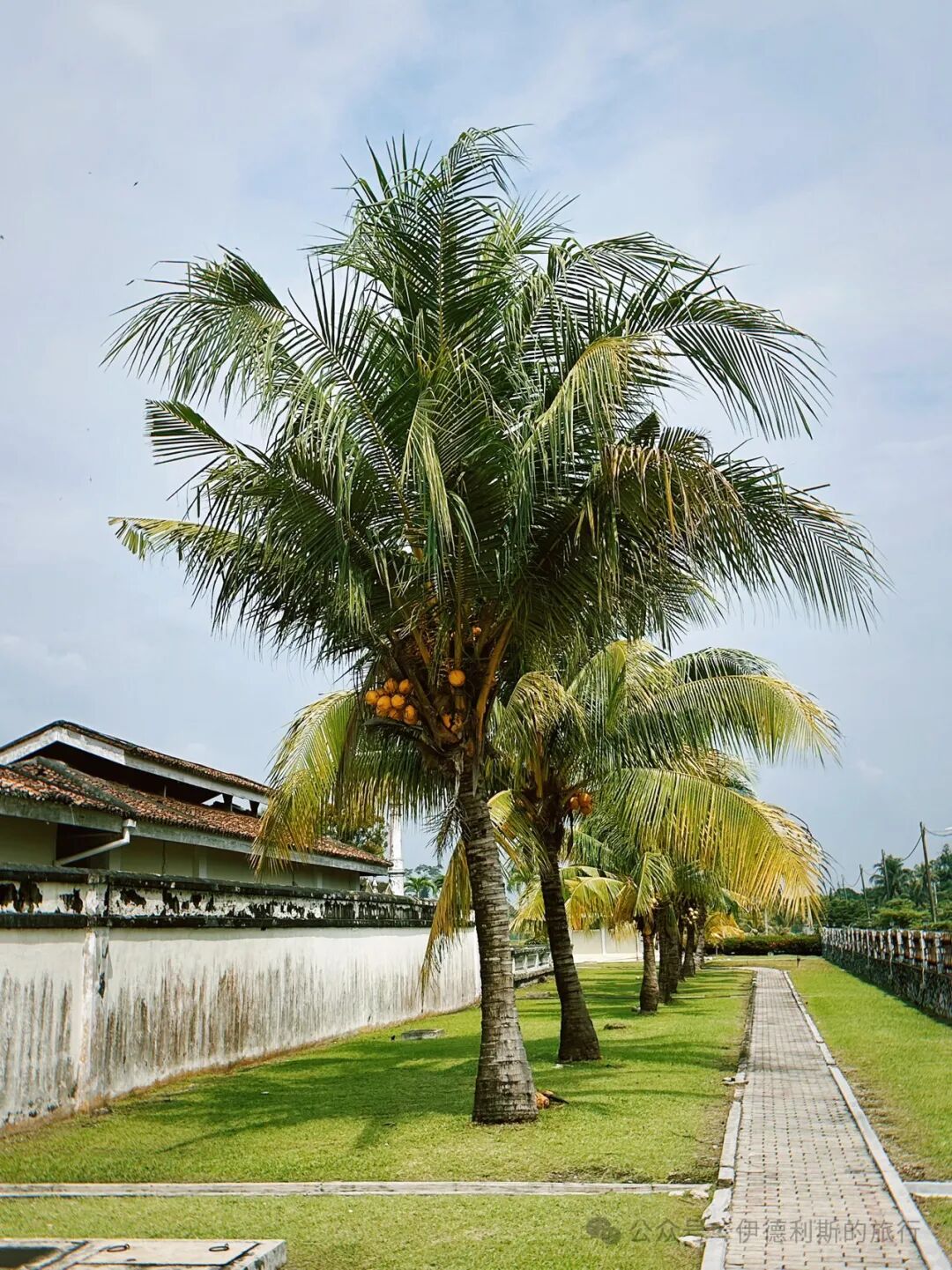
The Alaeddin Palace was built in two stages, with the main building finished in 1899 and the southern courtyard and veranda added in 1914. The main structure is made of brick and lime mortar, while the doors and windows use high-quality Cengal wood. The inside of the palace has over forty rooms, including bathrooms, a throne room, a banquet hall, bedrooms, parlors, balconies, and a kitchen. The palace is surrounded by beautiful gardens, and there is a pool in front of the building.
The main part of the Alaeddin Palace is Western-style, but it keeps the traditional Malay pyramid-shaped roof (Limas), features Indian Moorish-style decorations, and shows the work of Chinese craftsmen on the doors, windows, and pillars. Because you can see Malay, Indian, Chinese, and European architectural elements all at once, it stands as a witness to Malaysia being a meeting point for different cultures at that time.
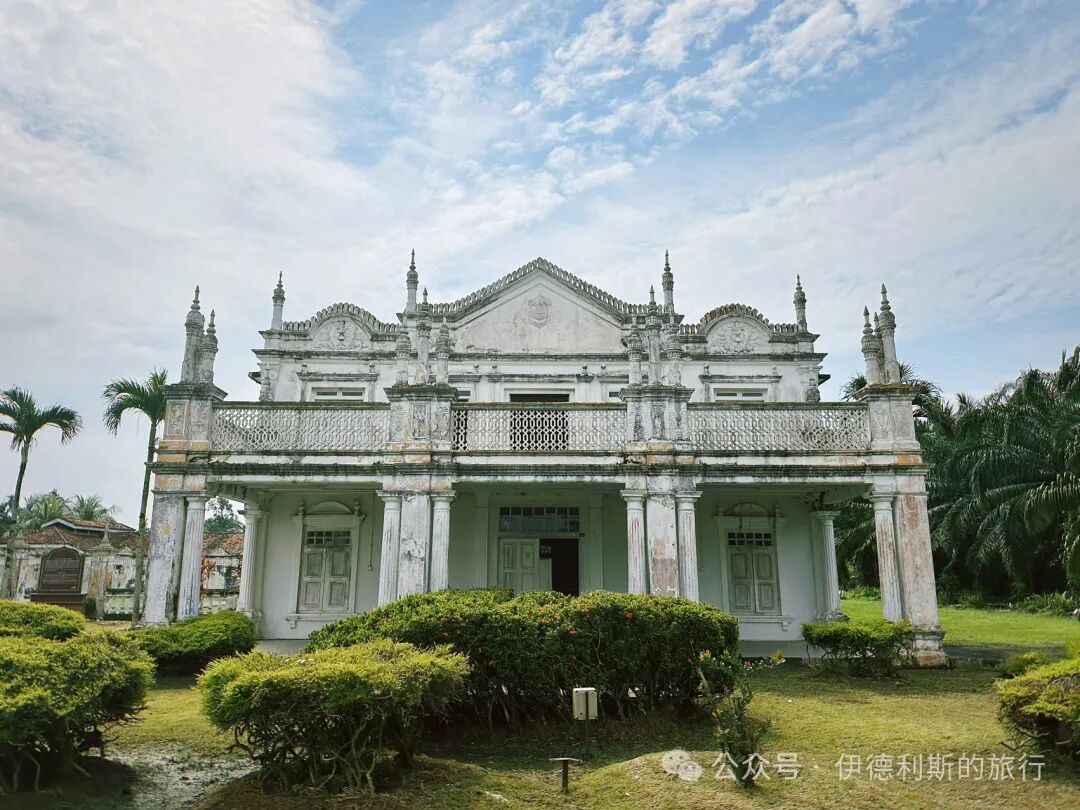
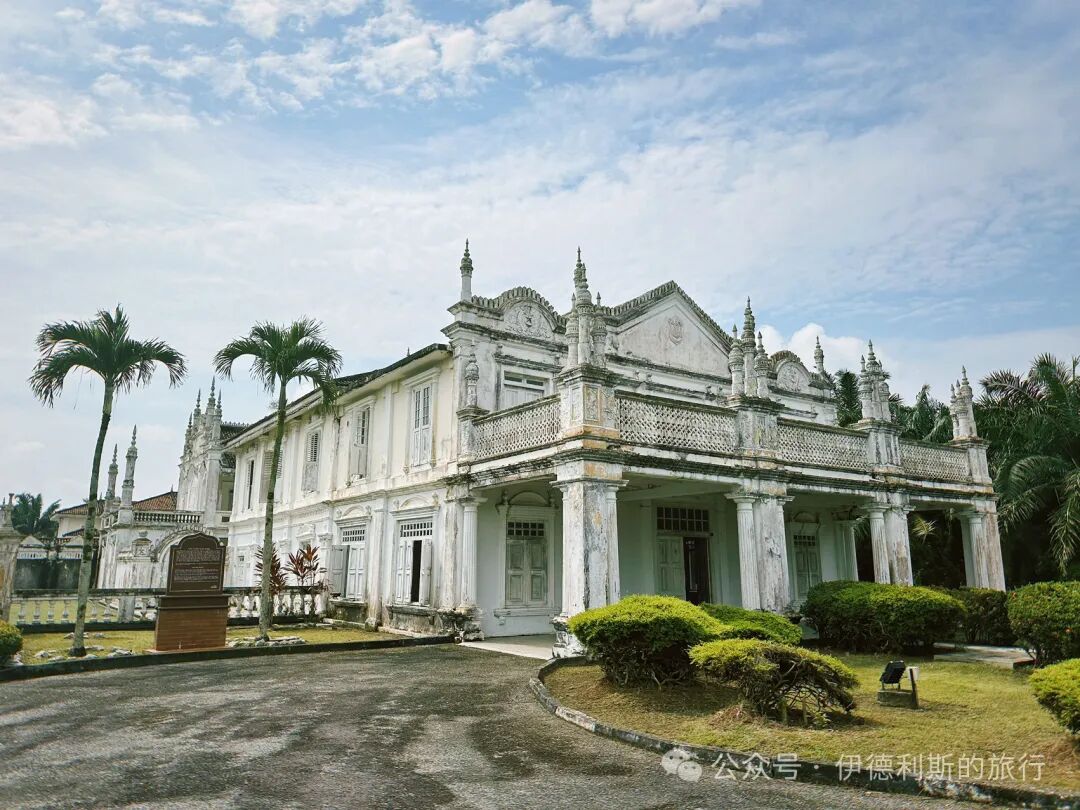
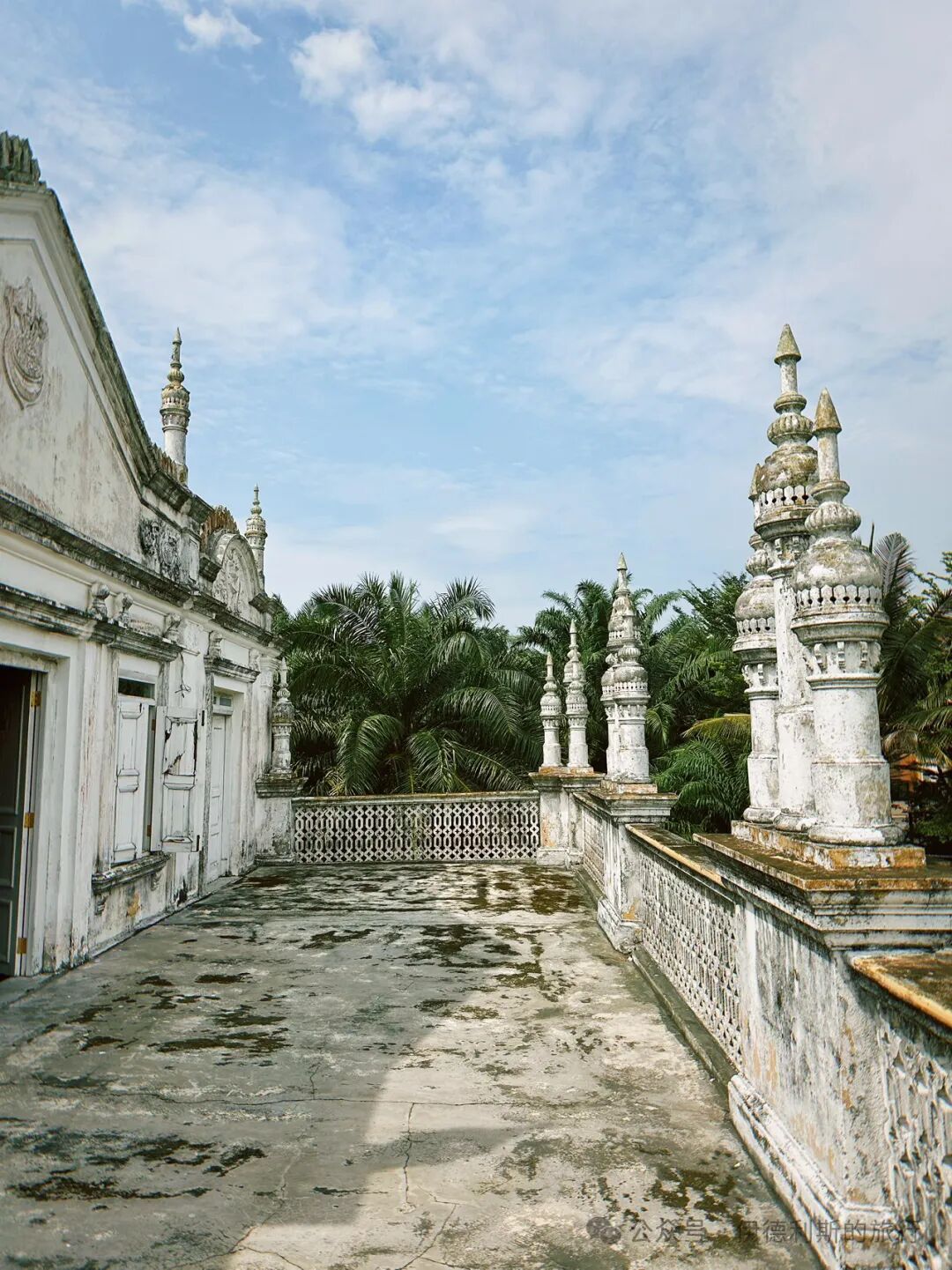
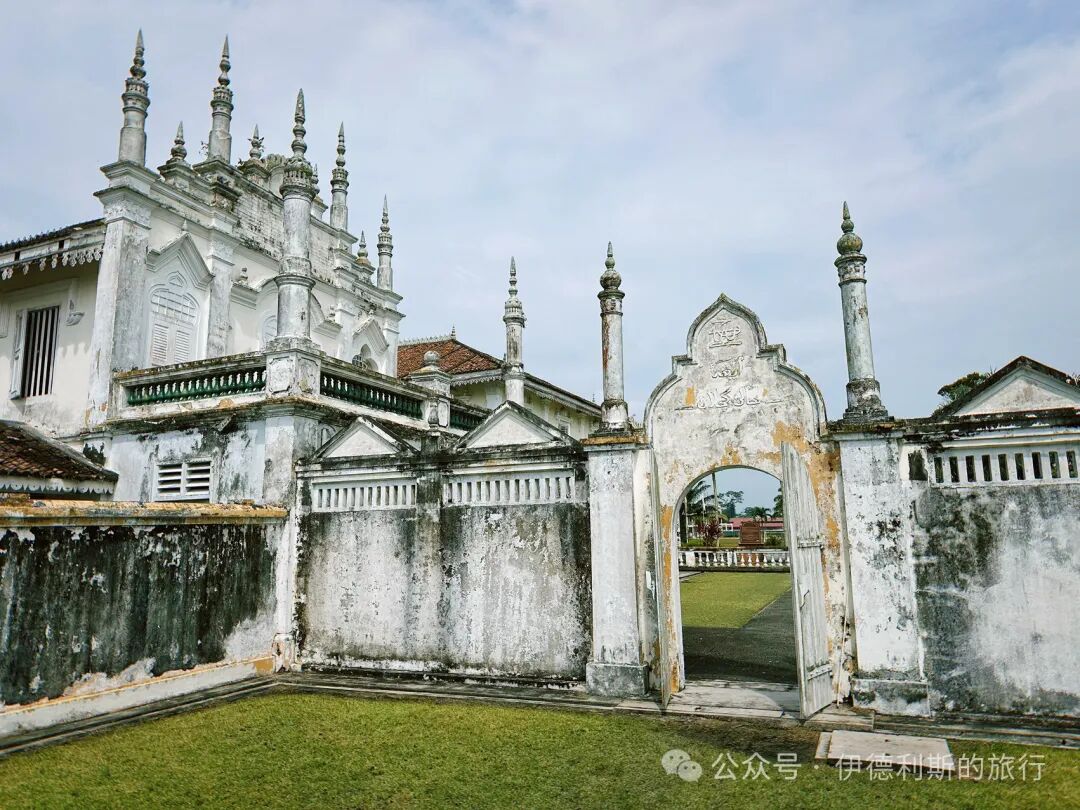
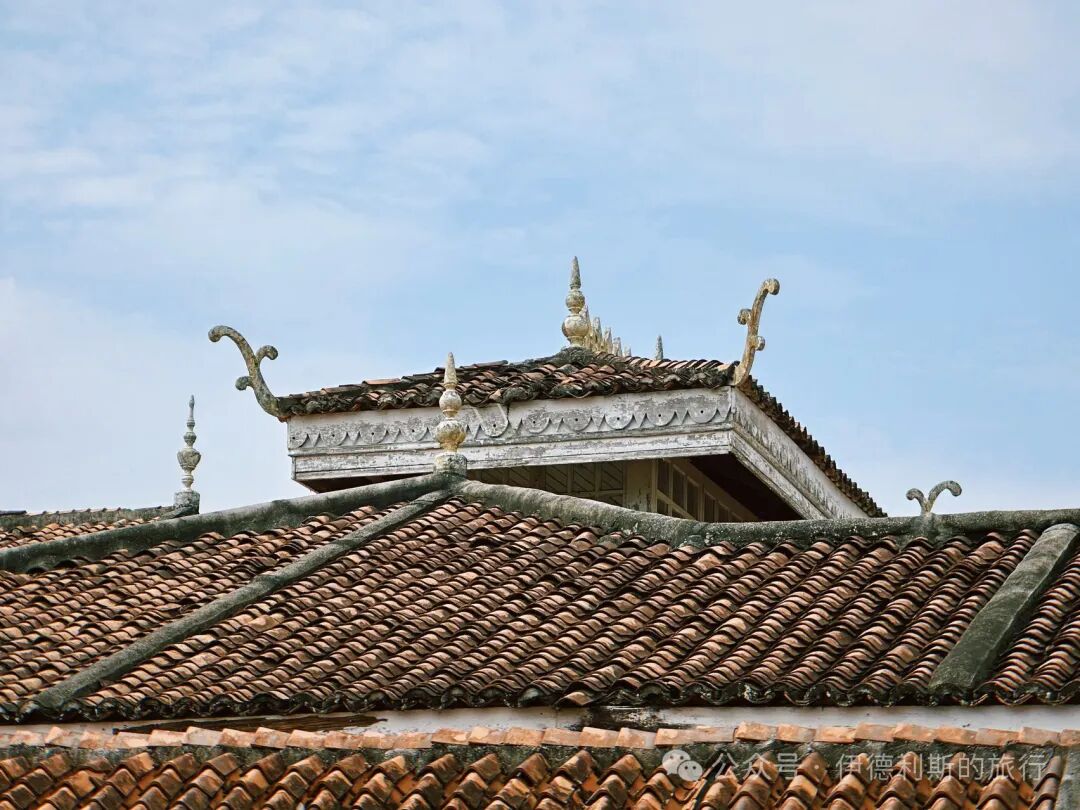
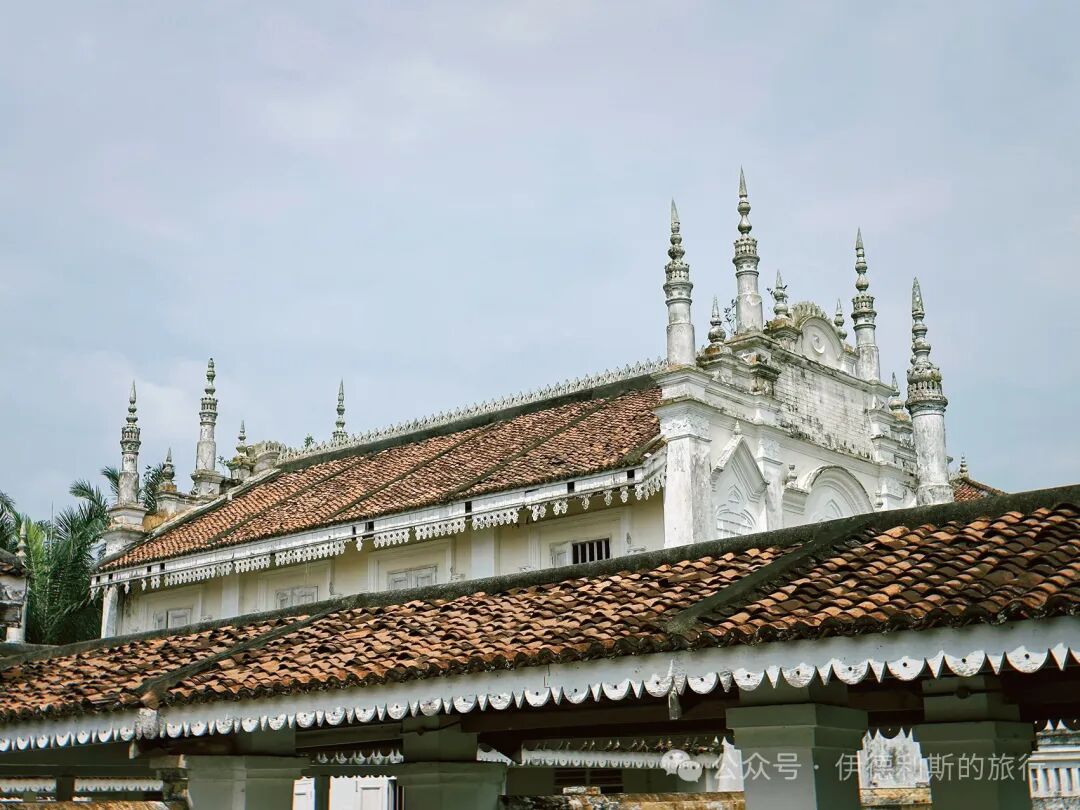
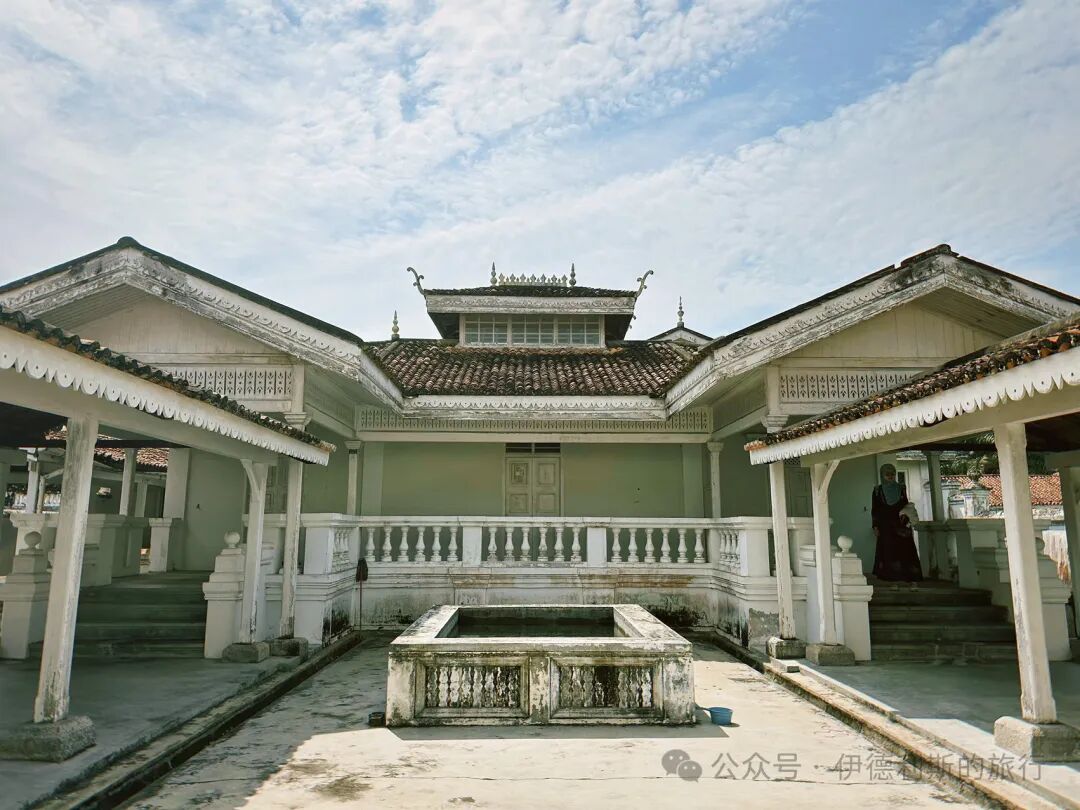
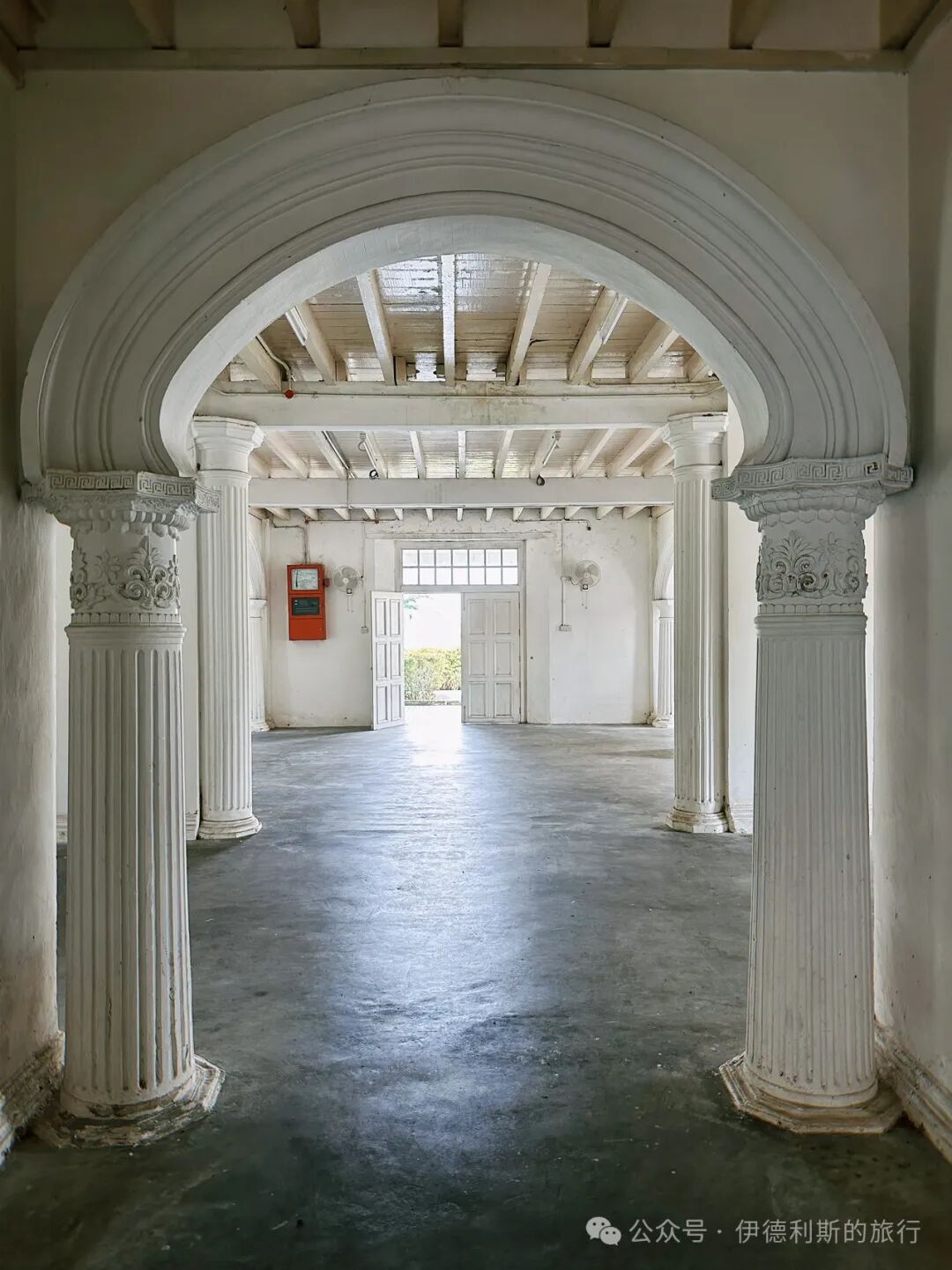
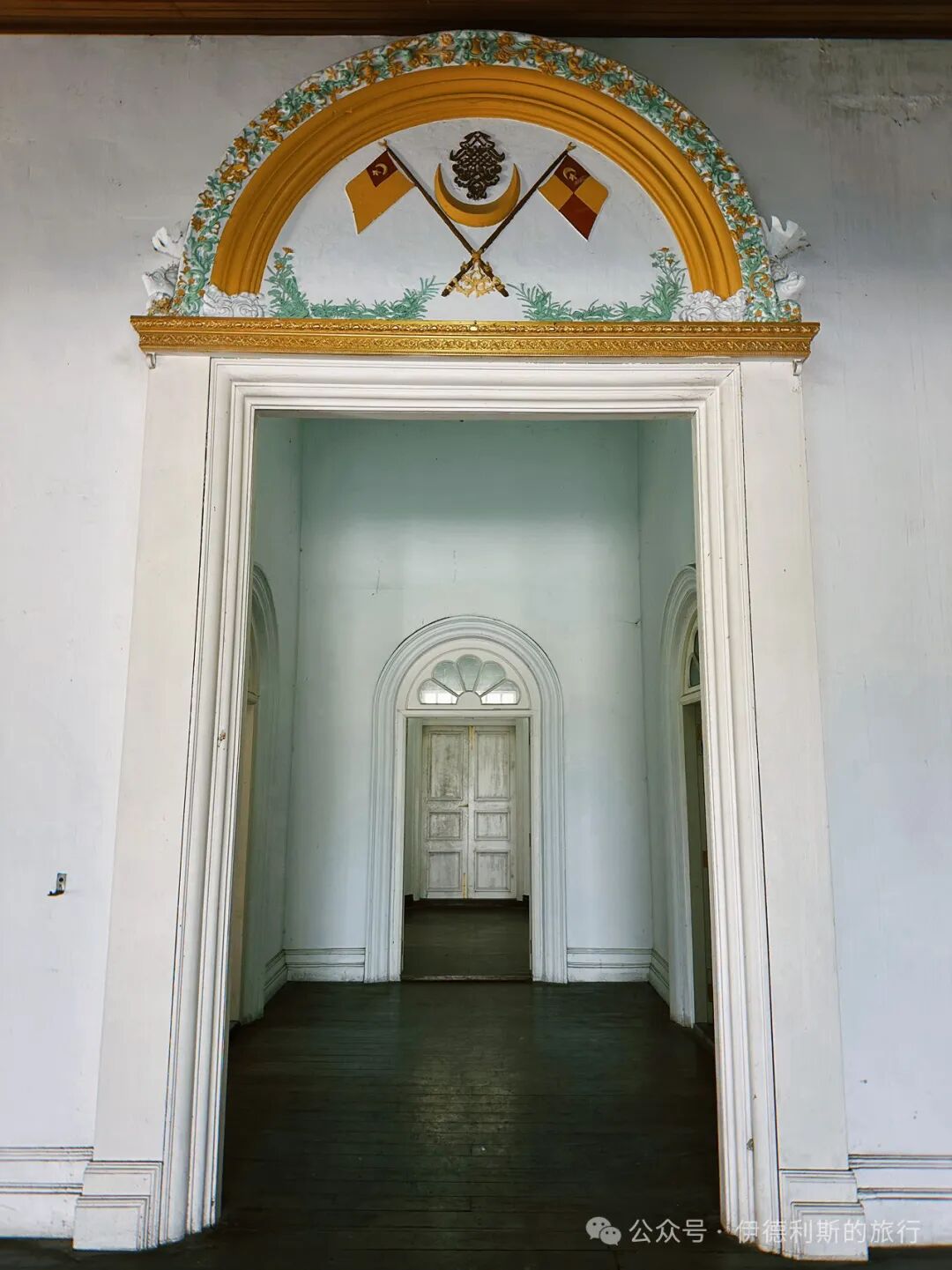
The veranda at Aladdin Palace was built in 1914 and connects living areas like the kitchen and bathroom to the main hall.
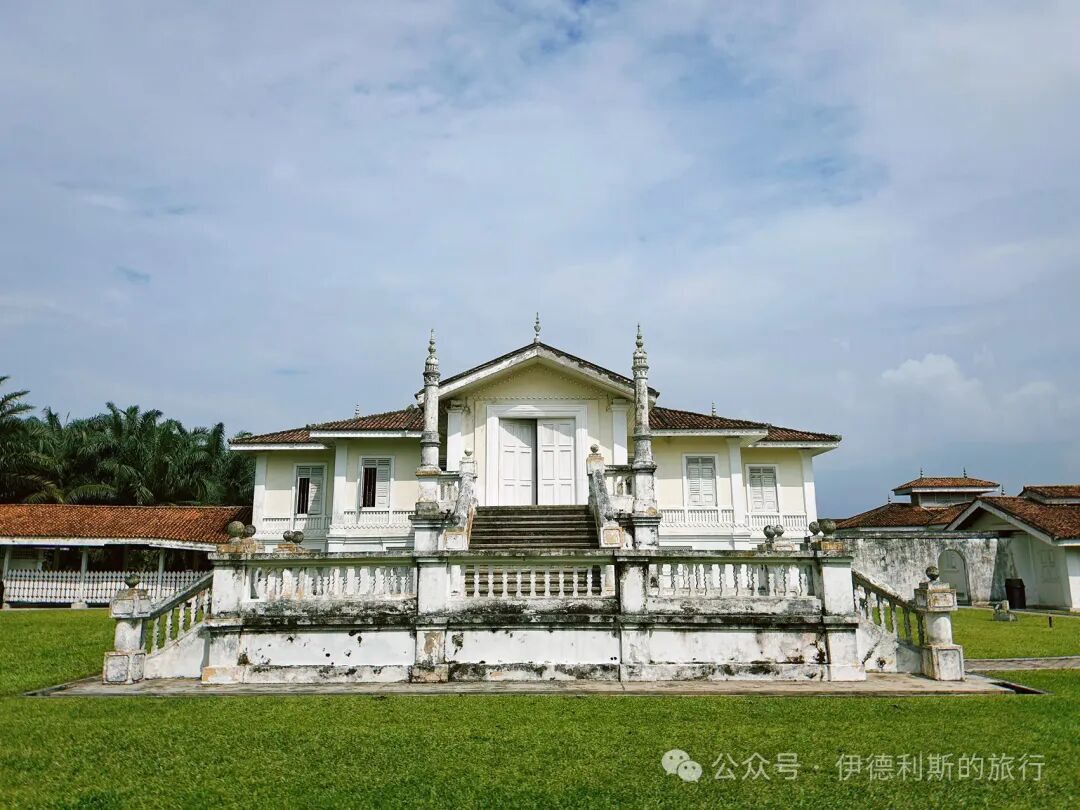
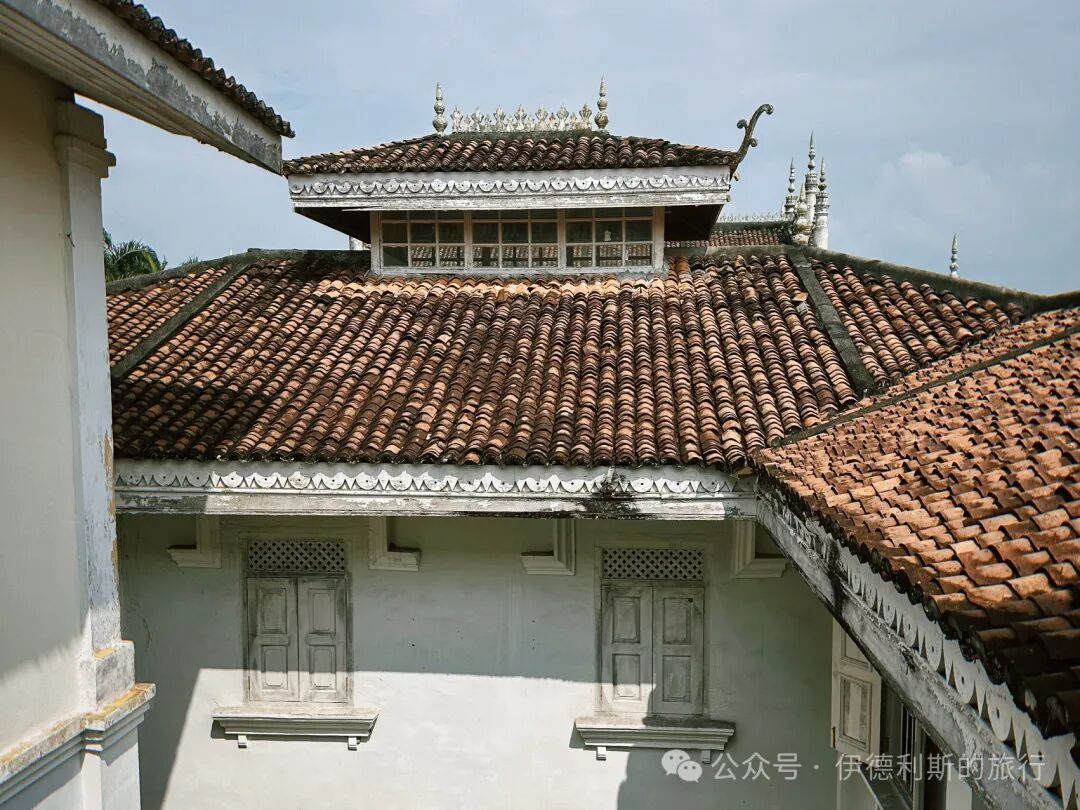
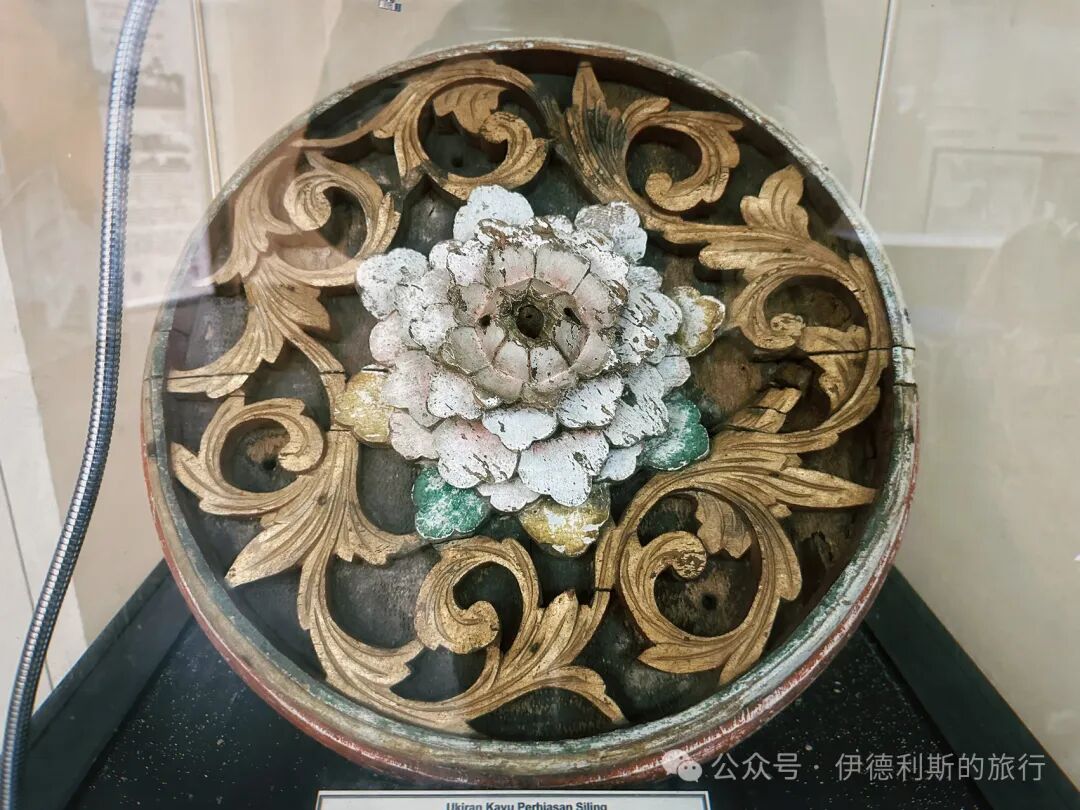
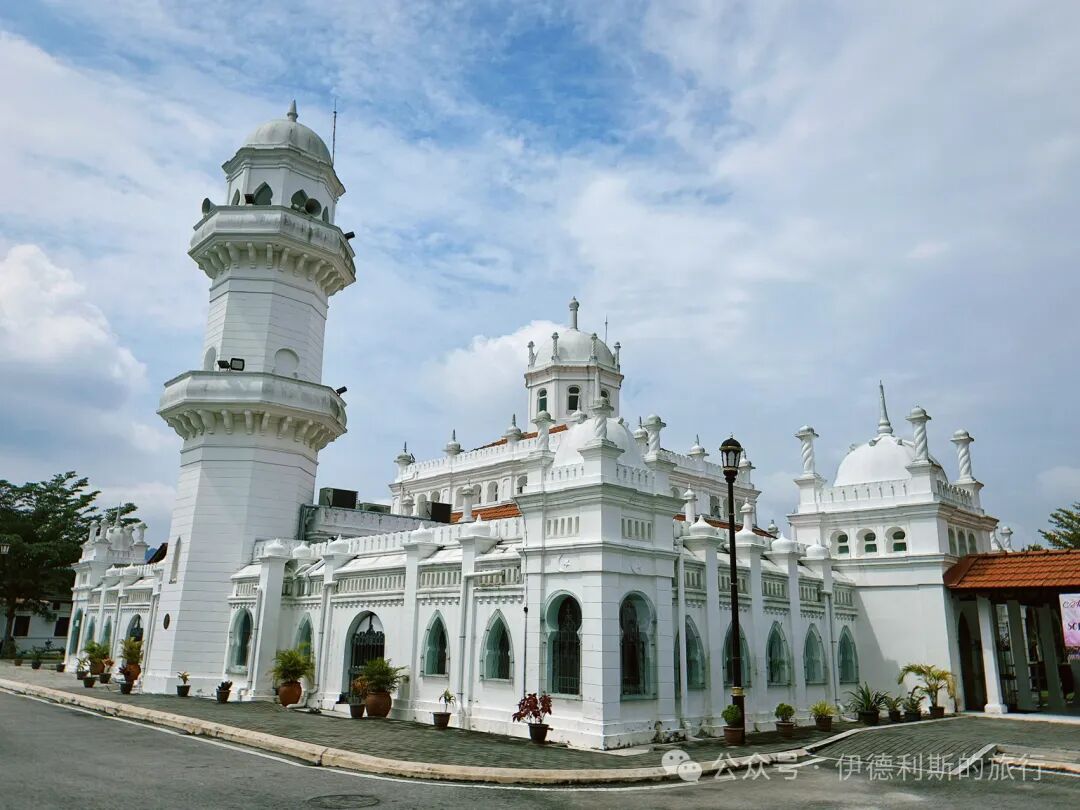
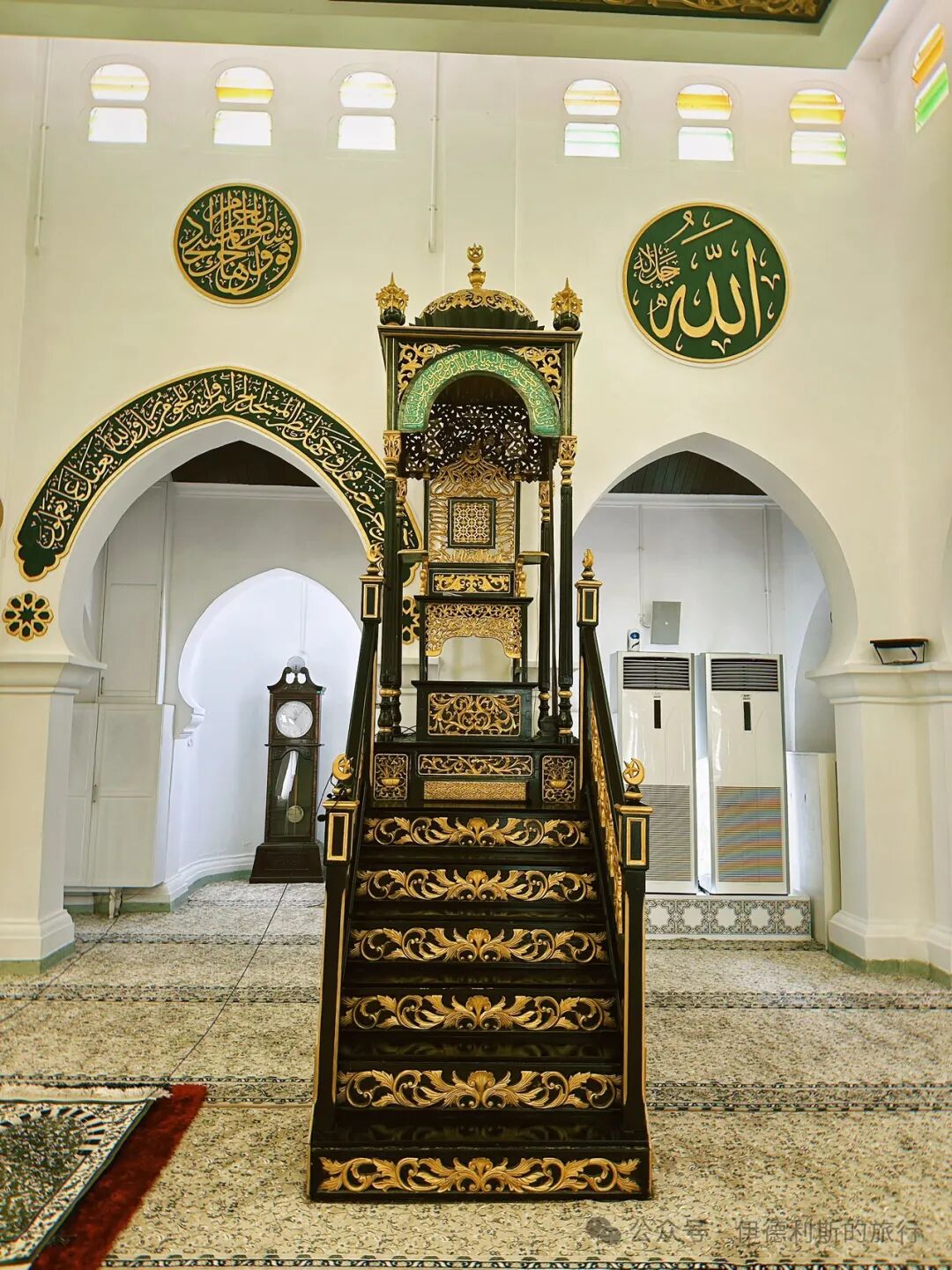
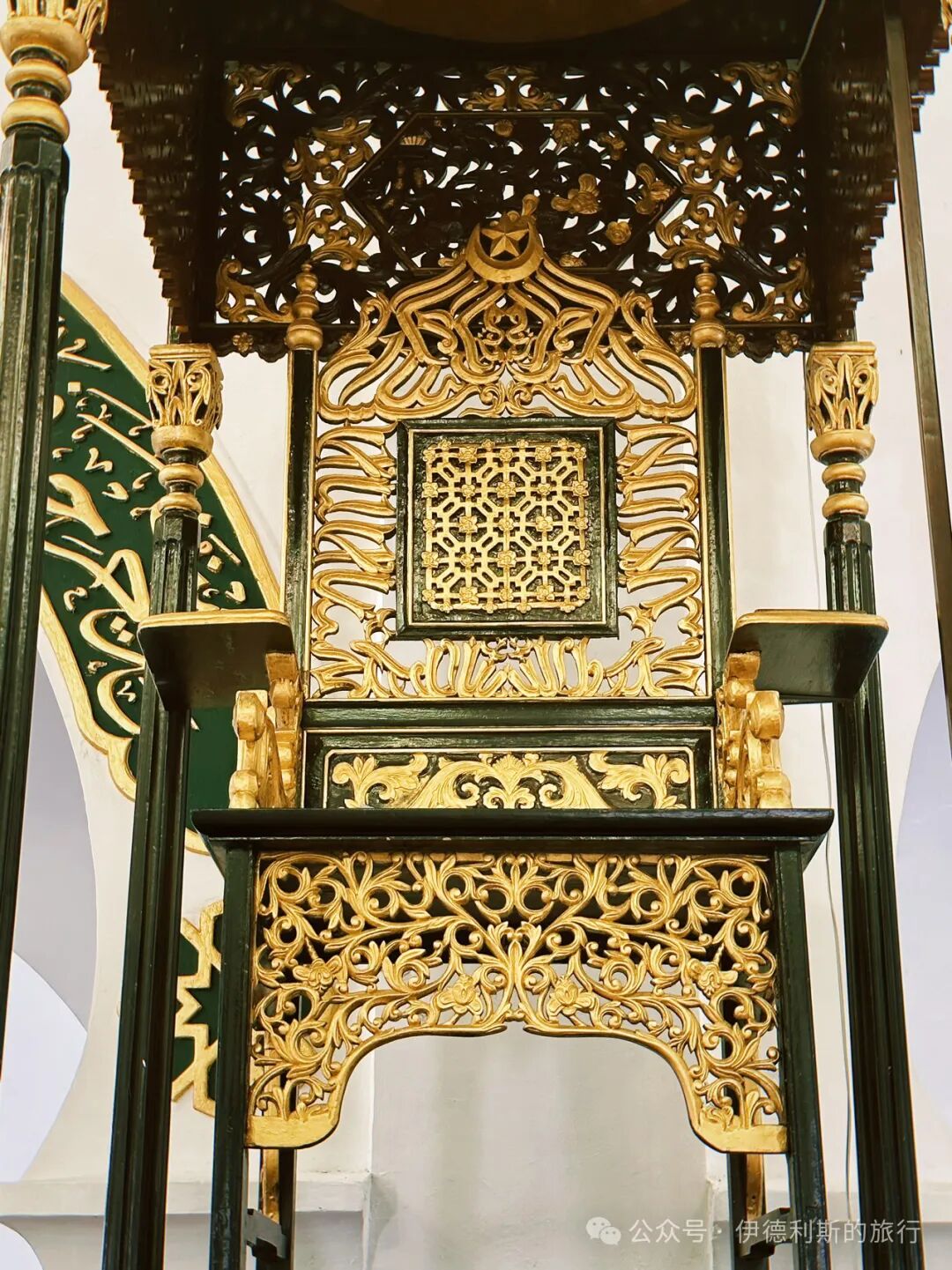
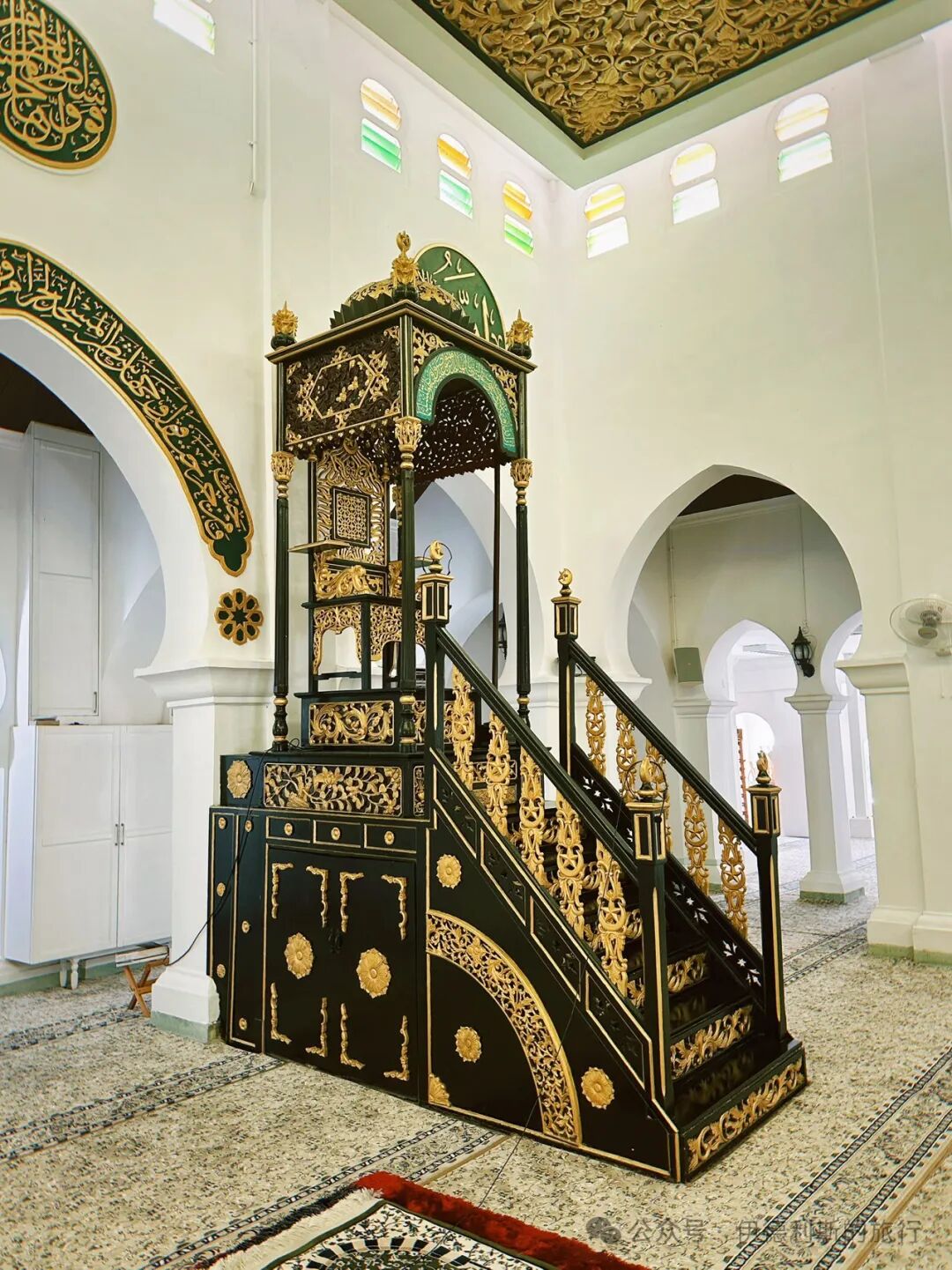
Aladdin Mosque is not far north of Aladdin Palace and was also built in 1905 by order of Sultan Aladdin Sulaiman Shah of Selangor. The mosque's dome and arches feature a classic Mughal Revival style, while other design elements come from the Sultanate of Deli on Sumatra island. The pulpit (minbar) inside the mosque is very beautiful, especially the unique Arabic calligraphy wood carvings at the top.
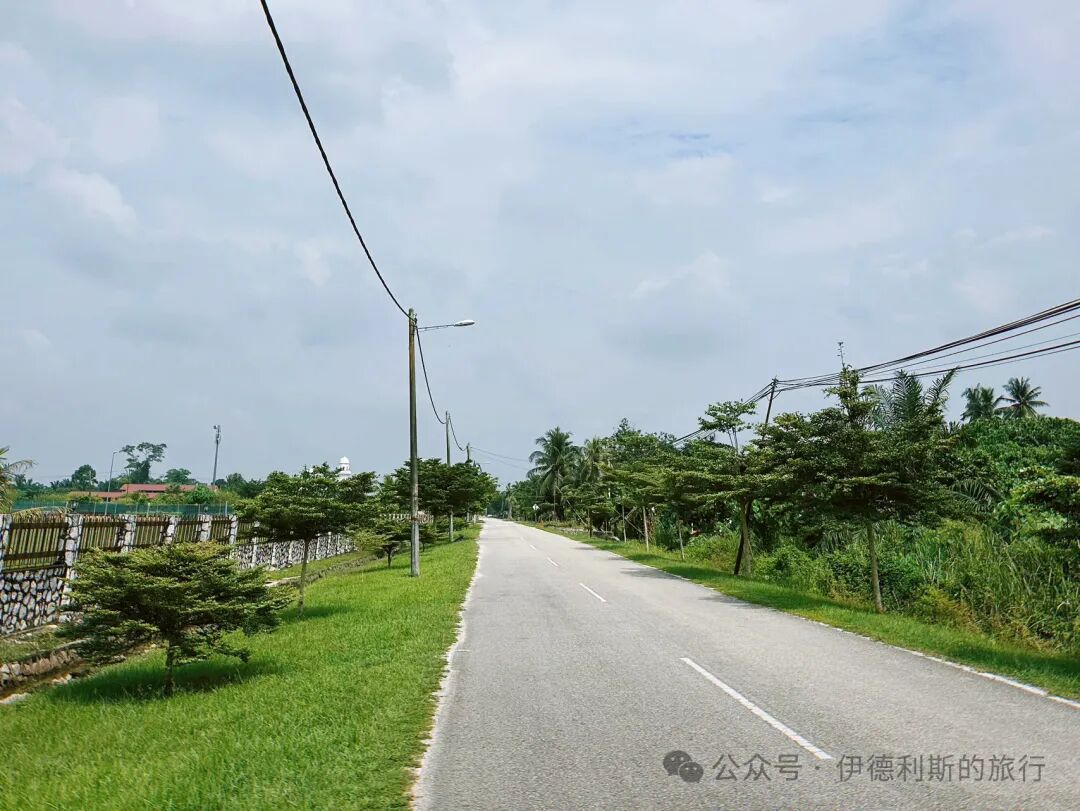
During the reign of Sultan Aladdin Sulaiman Shah of Selangor, the Sultan built Alam Shah Palace in Klang to Aladdin Palace in Jugra. After that, Klang became the royal city of Selangor, and various Selangor royal ceremonies were held there.
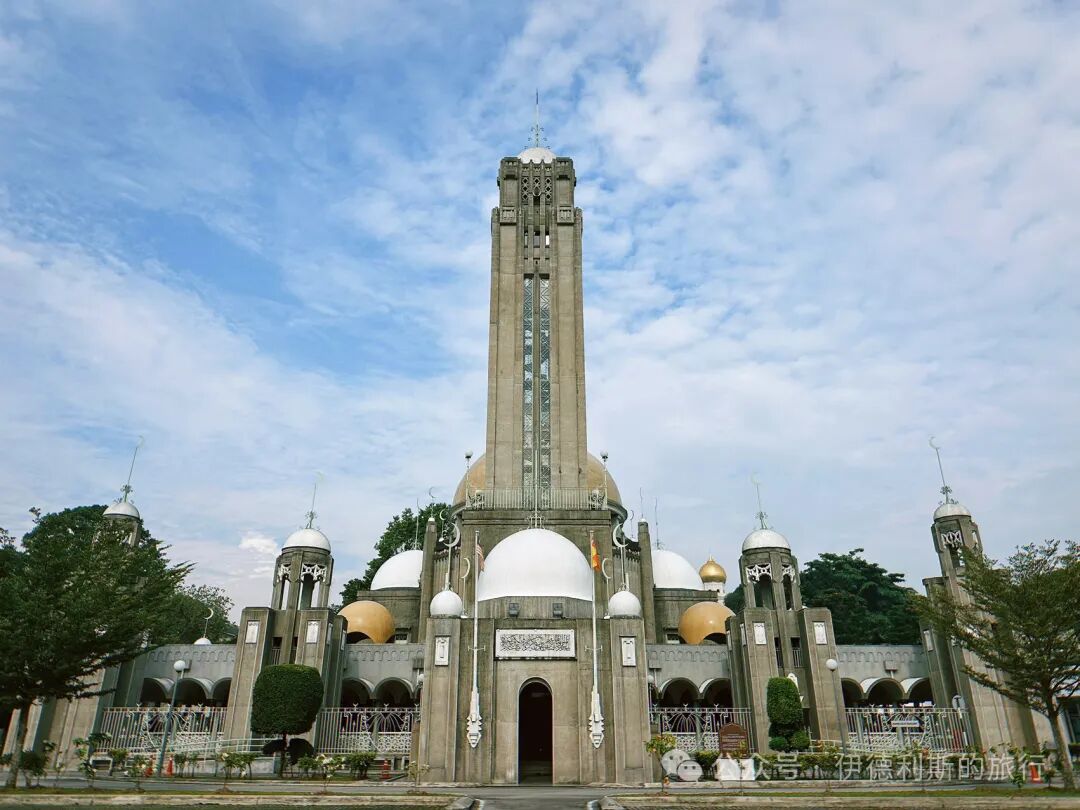
Although Alam Shah Palace is not open to the public, the Sultan Sulaiman Royal Mosque right next to it is definitely worth a visit. The Sultan Sulaiman Royal Mosque was a gift from the British to Sultan Sulaiman at the time to replace the Pengkalan Batu Mosque, which was demolished to build the Klang train station. The mosque was built between 1932 and 1933. Once finished, it was the largest mosque in the Federated Malay States at the time, and it has remained the royal mosque for the Sultan of Selangor ever since.
Unlike the Moorish Revival style common in Malaysia during the early 20th century, the Sultan Sulaiman Royal Mosque uses the Art Deco style. The mosque was designed by Leofric Kesteven from the UK, who served as the president of the Institute of Architects Malaya from 1931 to 1933. Reinforced concrete expert John Thomas Chester and Singapore-based Italian sculptor Rodolfo Nolli also helped with the construction. The Art Deco style was popular in Europe and America during the 1920s and 1930s. This style is known for using reinforced concrete and features clean, simple lines that make it unique.
Behind the Sultan Sulaiman Royal Mosque is the Selangor Royal Mausoleum. It holds the graves of Sultan Alaeddin Sulaiman Shah (reigned 1896-1938), Sultan Hisamuddin Shah (reigned 1938-42, 1945-60), Sultan Musa (reigned 1942-45), and Sultan Salahuddin Abdul Aziz Shah (reigned 1960-2001), covering the entire history of the Sultans of Selangor in the 20th century.
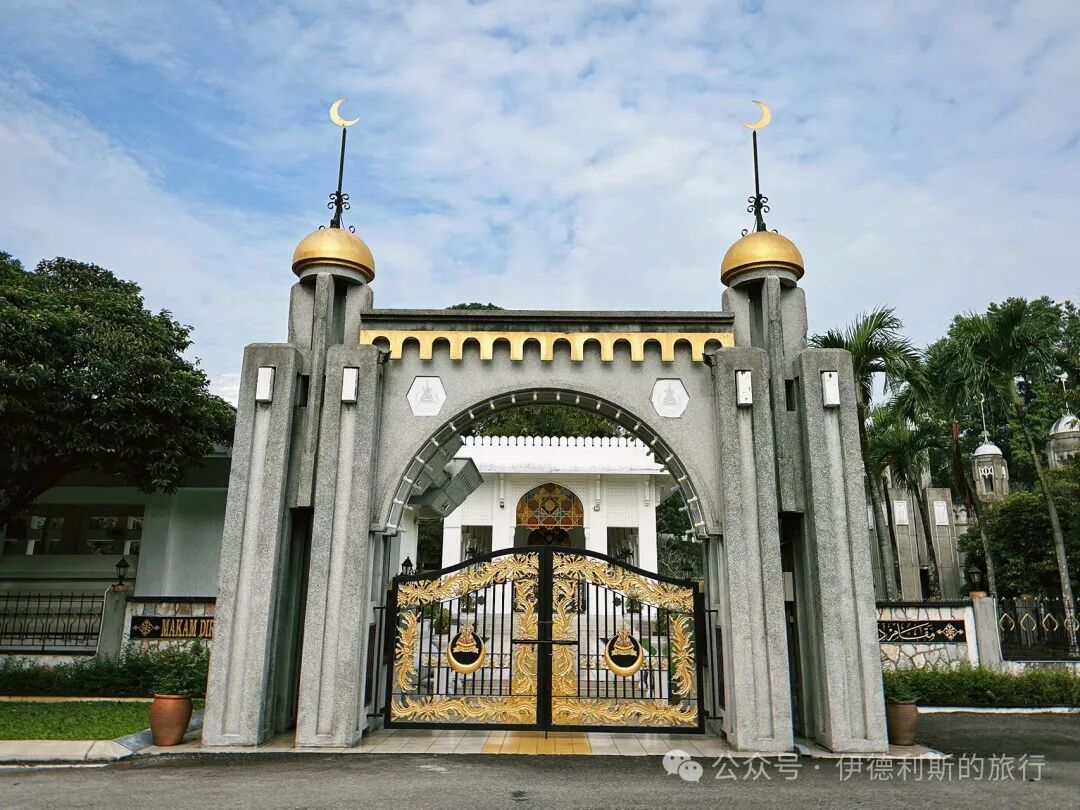
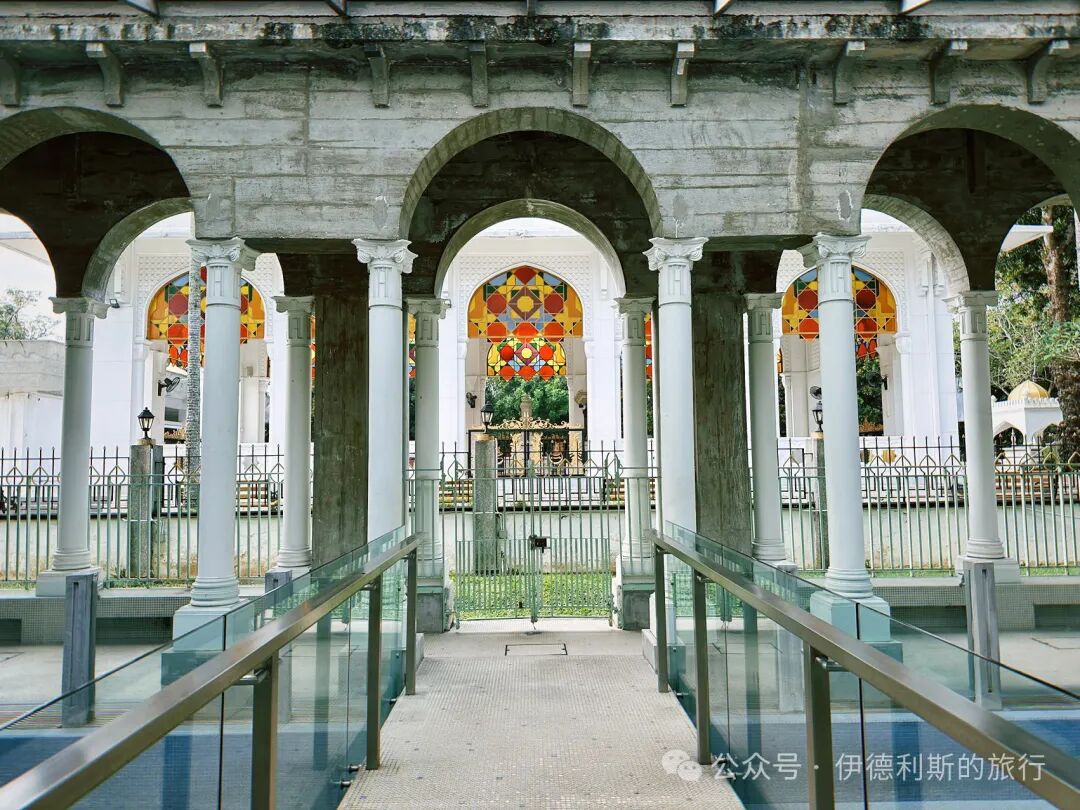
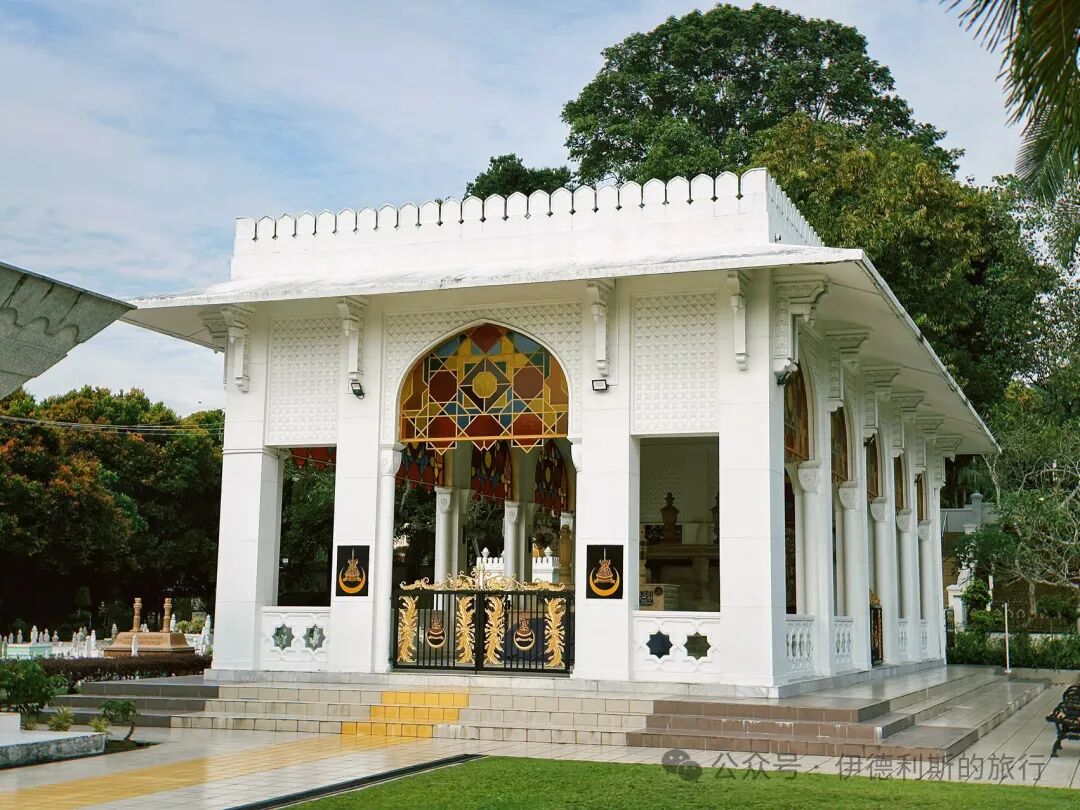
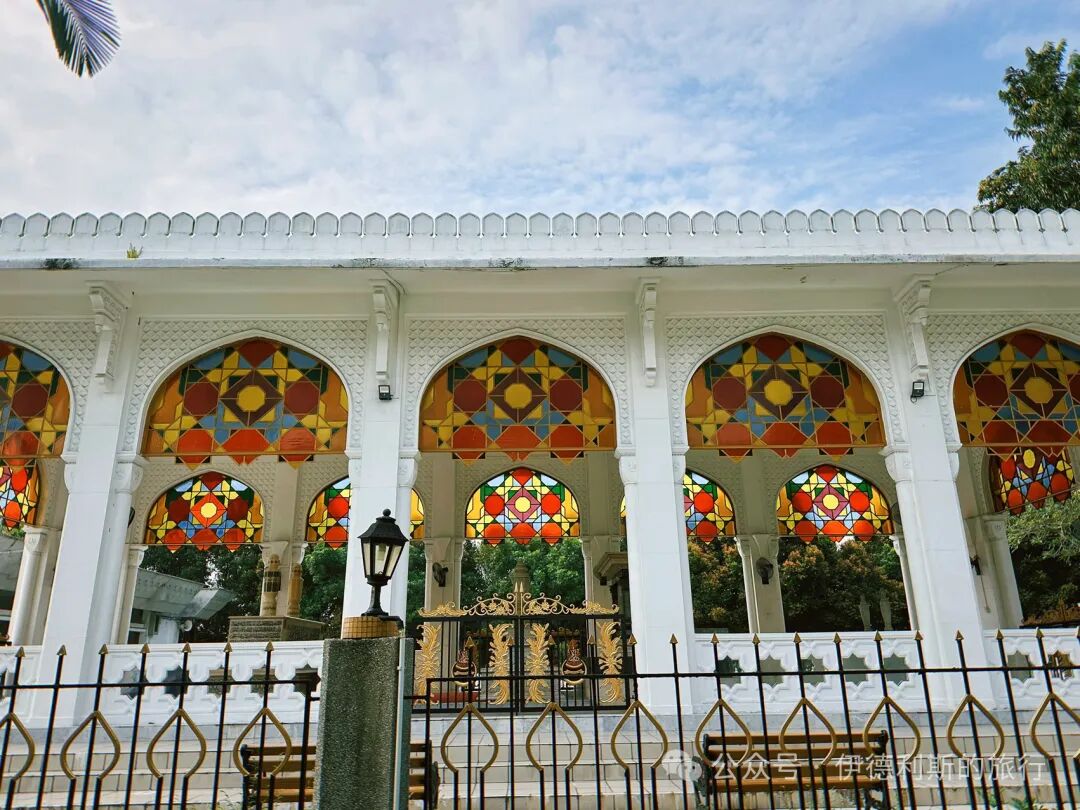
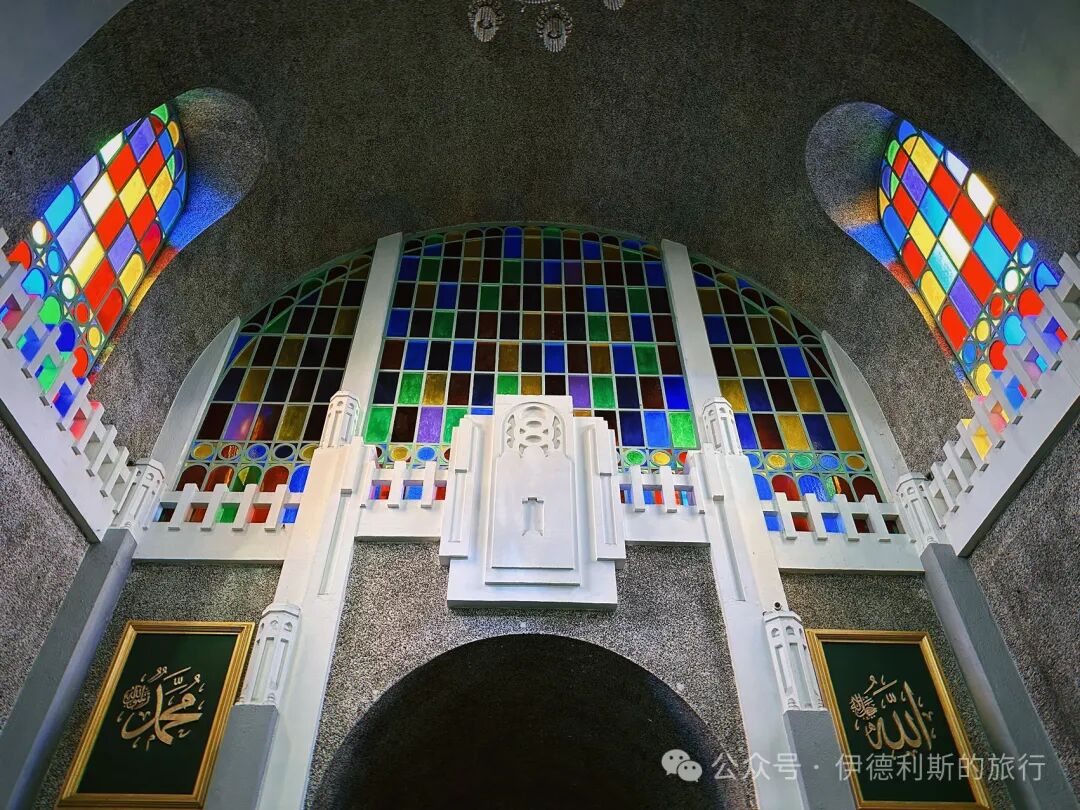
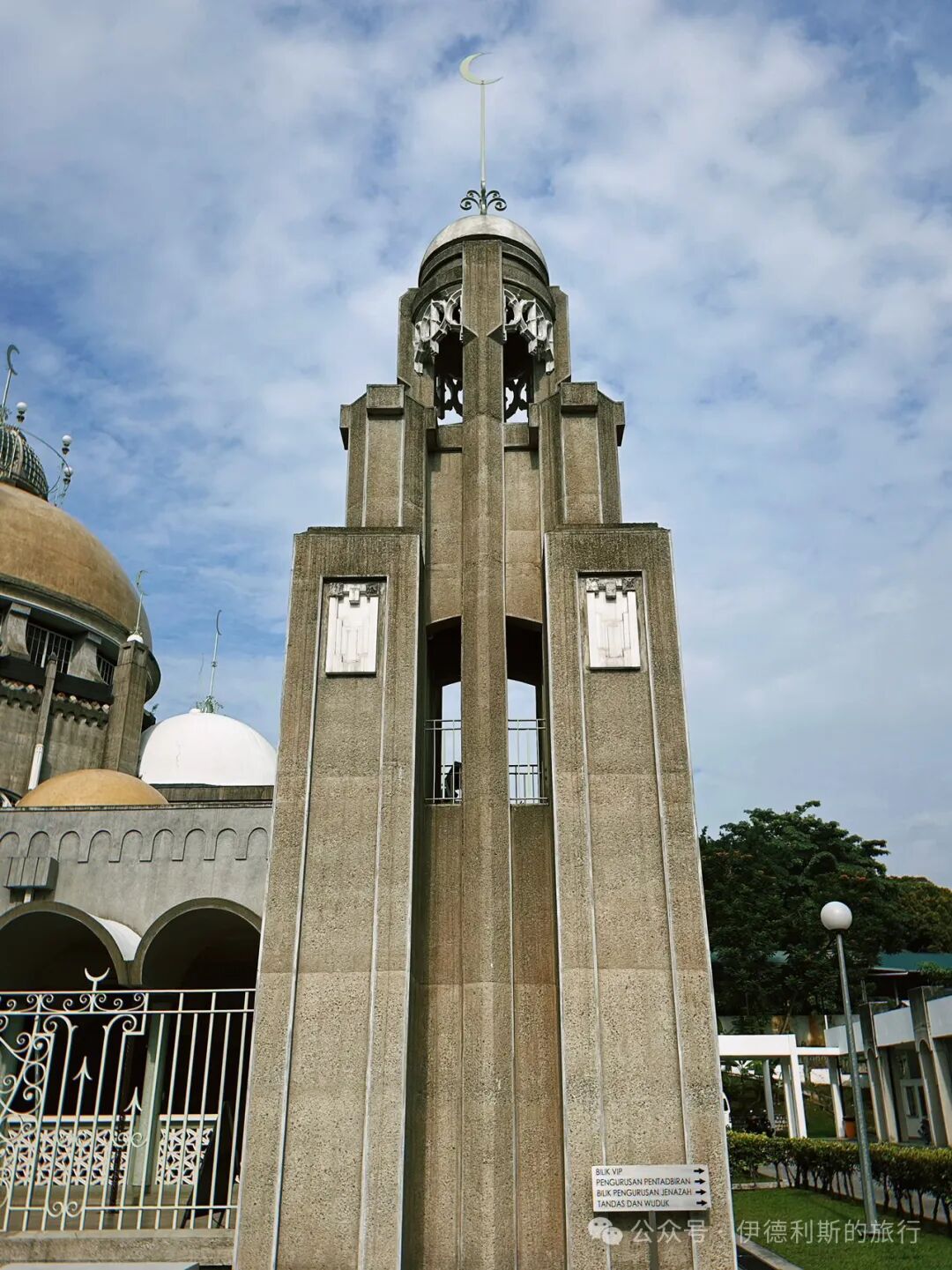
The Sultan Abdul Aziz Royal Gallery is in the center of old Klang. It was originally the Sultan Sulaiman Building, which Sultan Alaeddin Sulaiman Shah ordered to be built in 1909. It was designed by the famous architect Arthur Benison Hubback, who also designed the Kuala Lumpur Railway Station, Jamek Mosque, and the National Textile Museum. The building was once used as a land and administration office by the British, and it served as a Japanese military headquarters during World War II. In 2001, it became a royal gallery to honor Sultan Salahuddin Abdul Aziz Shah.
Sultan Salahuddin Abdul Aziz Shah reigned from 1960 to 2001. In 1974, he signed an agreement with the Malaysian federal government to separate Kuala Lumpur from Selangor and establish the Federal Territory of Kuala Lumpur. In 1978, the Sultan officially ordered the capital of Selangor to move to Shah Alam. The name Shah Alam honors his father, Sultan Hisamuddin Alam Shah.
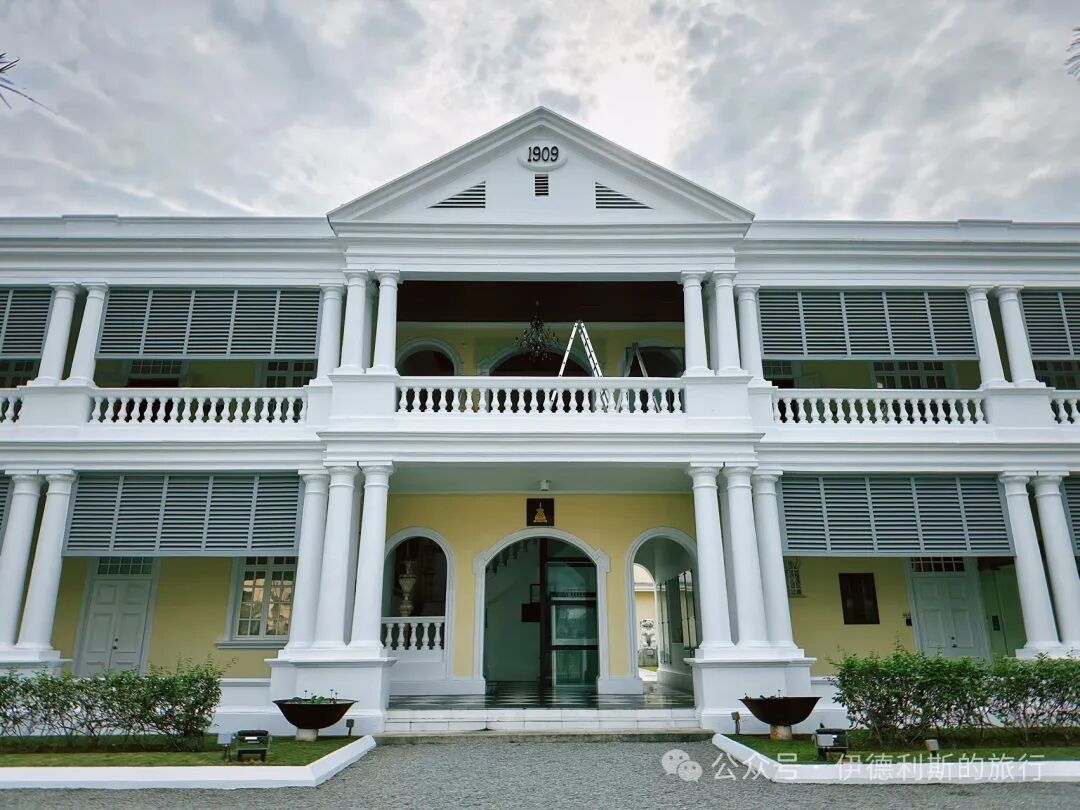
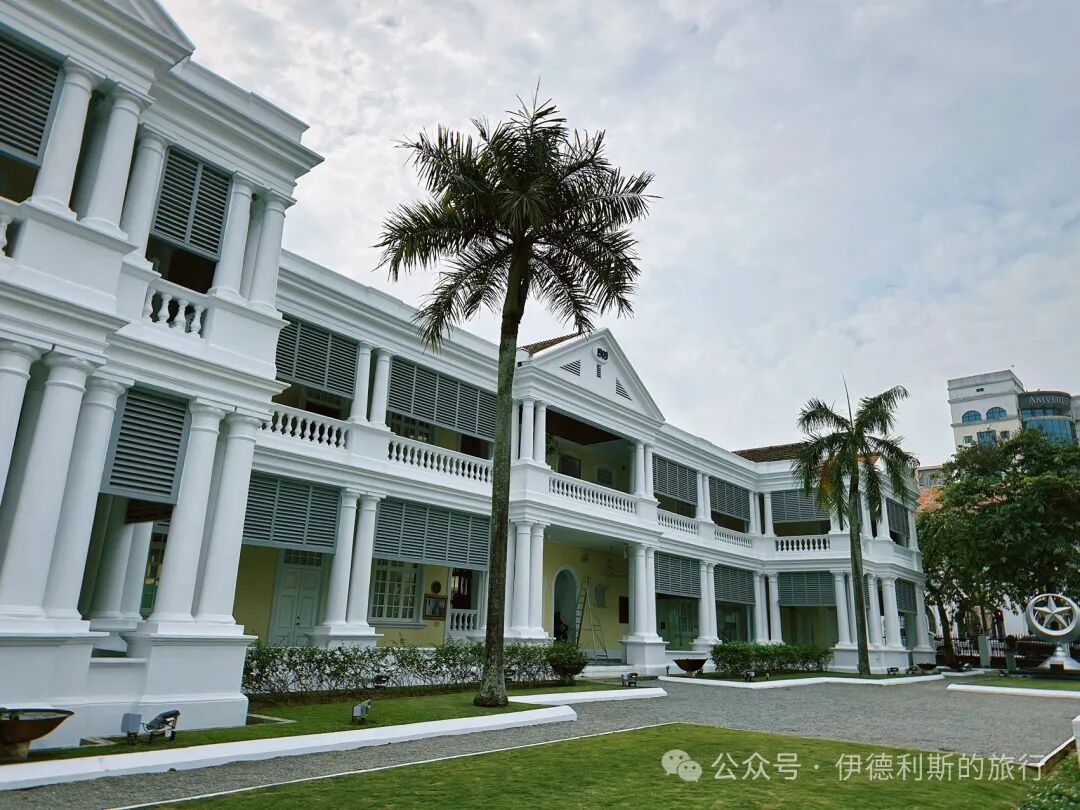
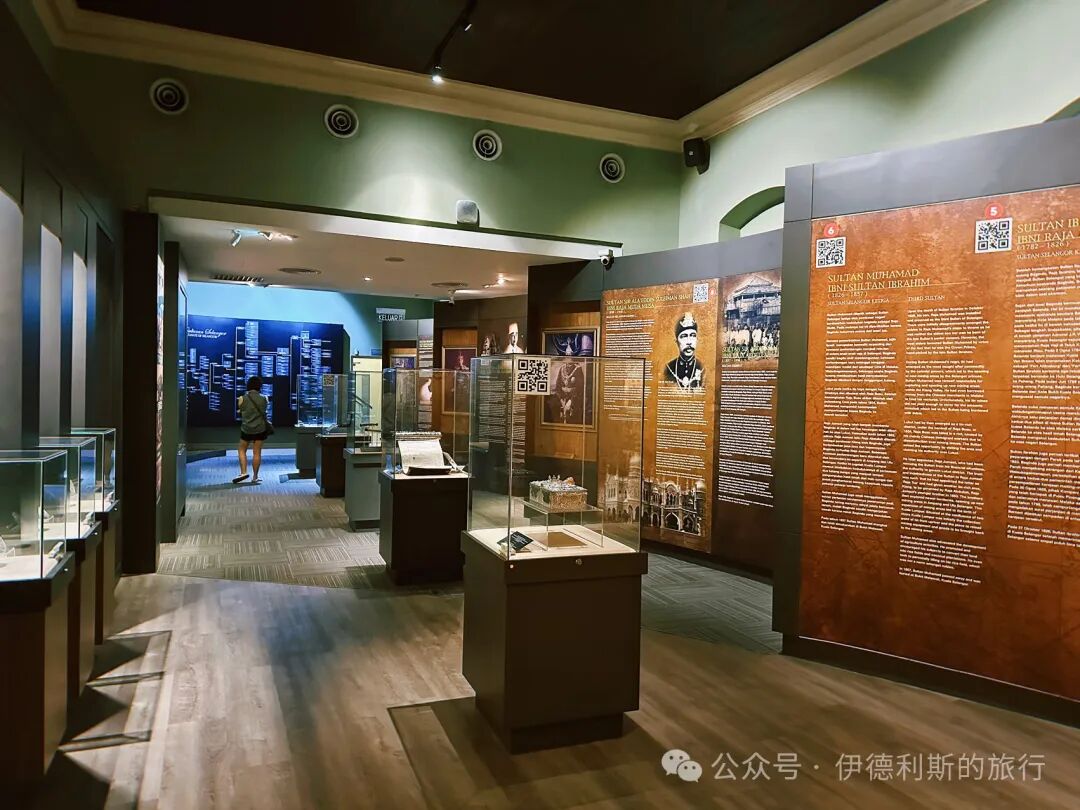
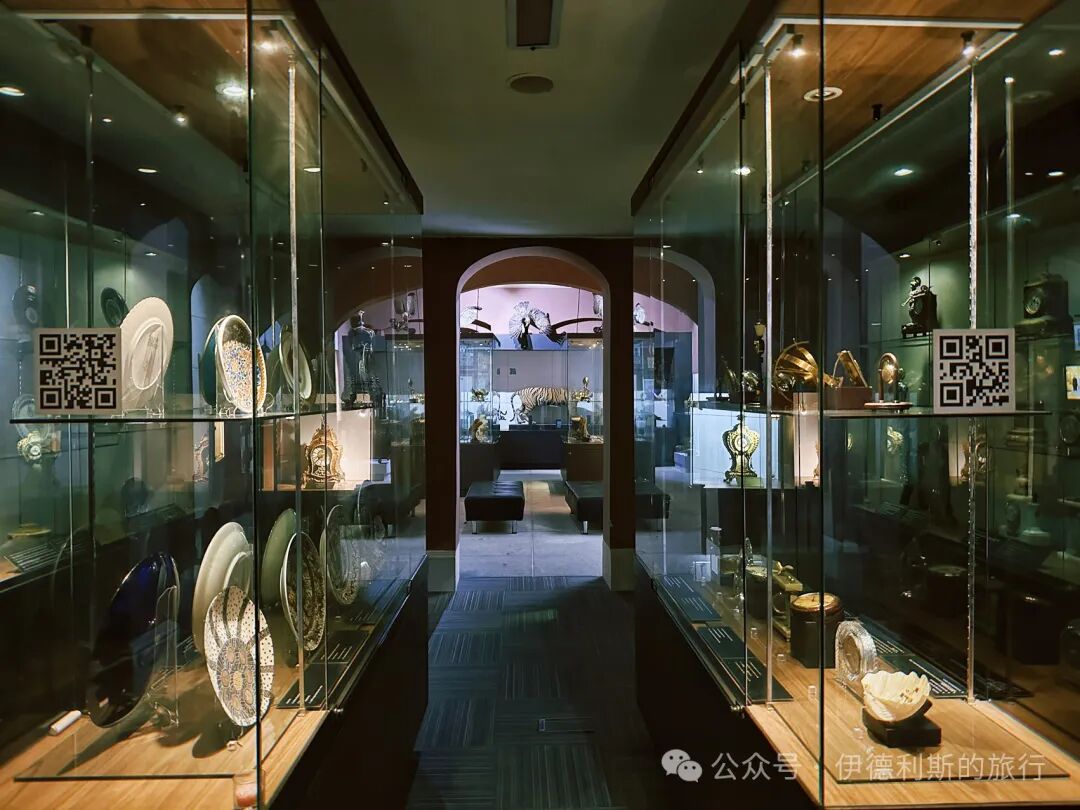
The Sultan Abdul Aziz Royal Gallery has detailed information about the Sultans of Selangor and many items from the Sultan's collection.
The incense burner passed down through generations of the Selangor Sultan's family is used for various important occasions.
The ceremonial robe worn by Sultan Hisamuddin Alam Shah at his 1939 coronation.
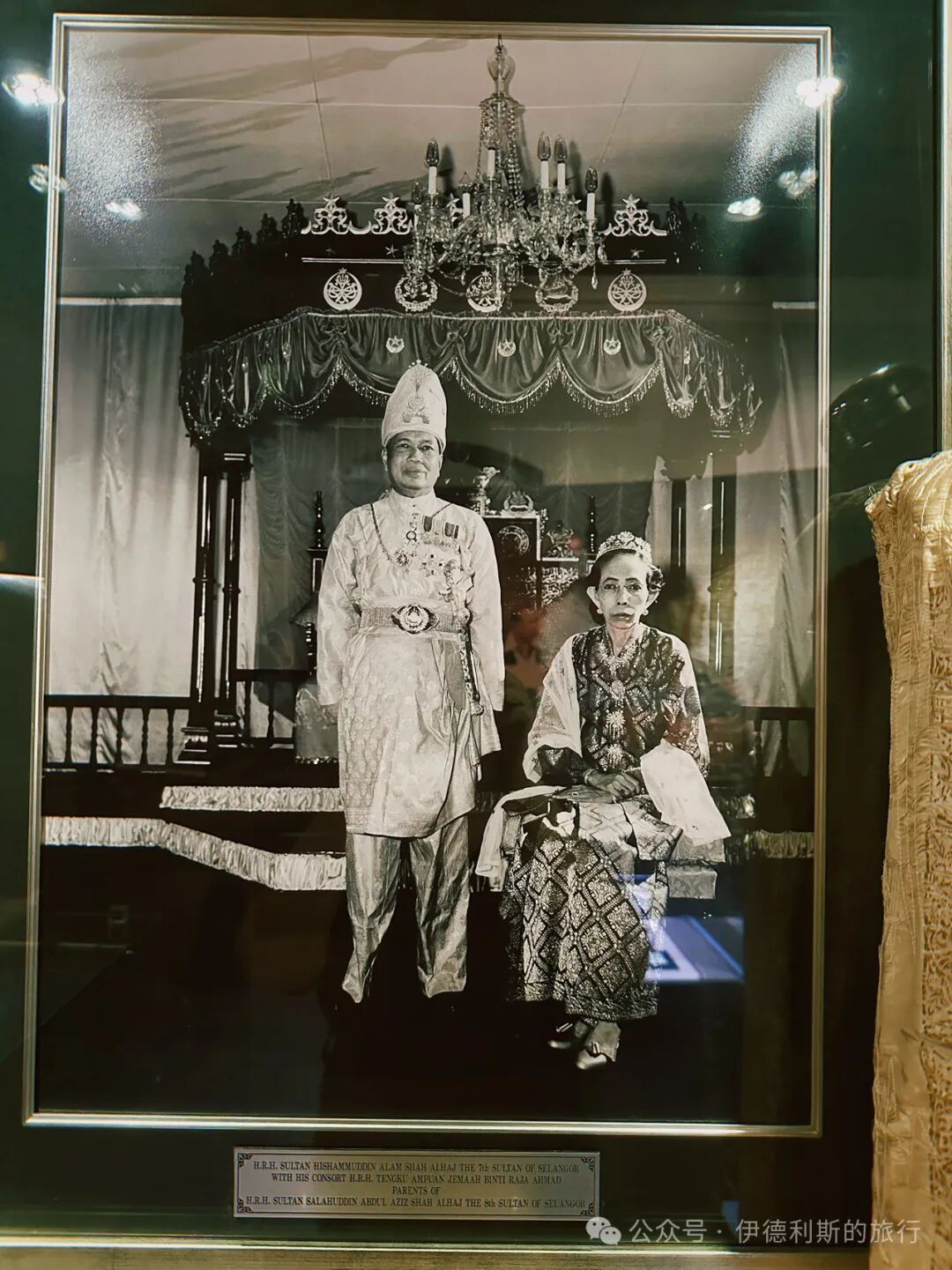
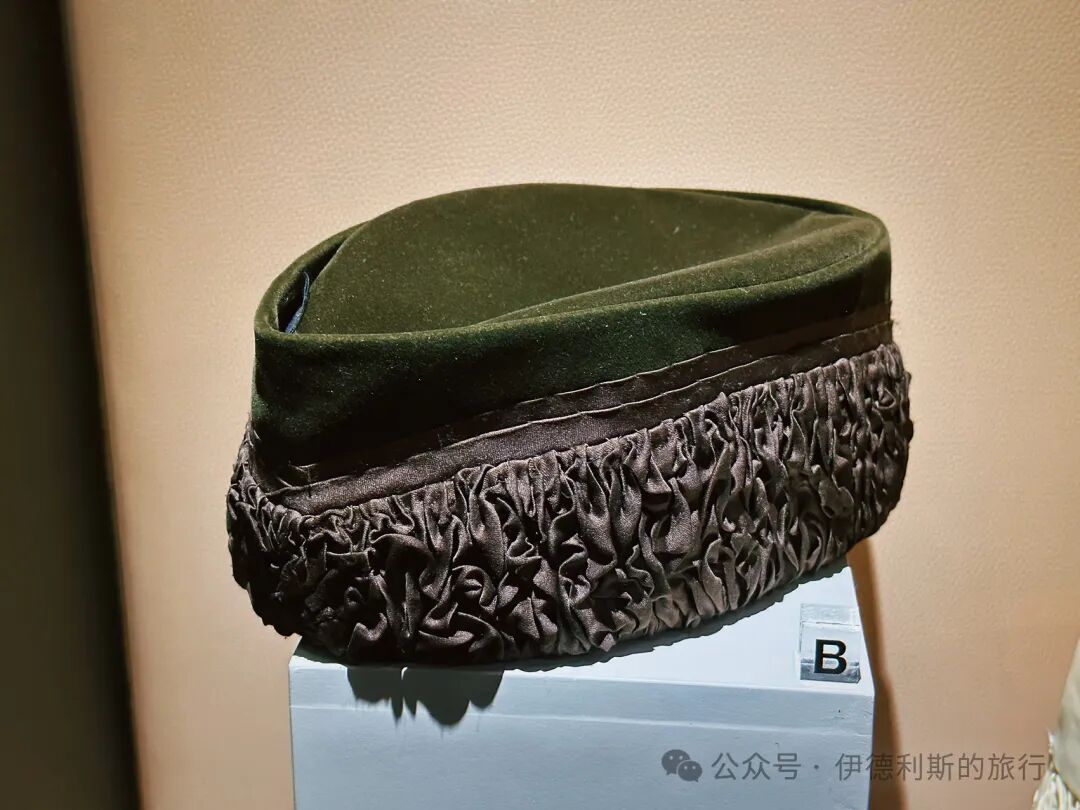
The hat worn by Sultan Hisamuddin in the 1950s.
The chair used by Sultan Musa around 1940.
Crown Prince Abdul Aziz wearing traditional Malay clothing while studying in the United Kingdom in 1951.
The songkok caps worn by Sultan Abdul Aziz during different periods.
In the 19th century, the demand for tin from the West grew, causing the tin mining industry in Selangor to expand rapidly. This led to the quick rise of Klang's status. The railway connecting Kuala Lumpur and Klang officially opened in 1890. Port Klang was completed in 1901. Many Chinese and Indian people came to Klang to make a living, and the old town of Klang began to take shape.
Today, the shophouse area of Klang's old town has a lively Little India district. The street is lined with shops selling Indian clothing, jewelry, and flowers. Most owners have been in business for three generations. Their ancestors were mostly Tamils from South India, along with some Telugus and Punjabis.
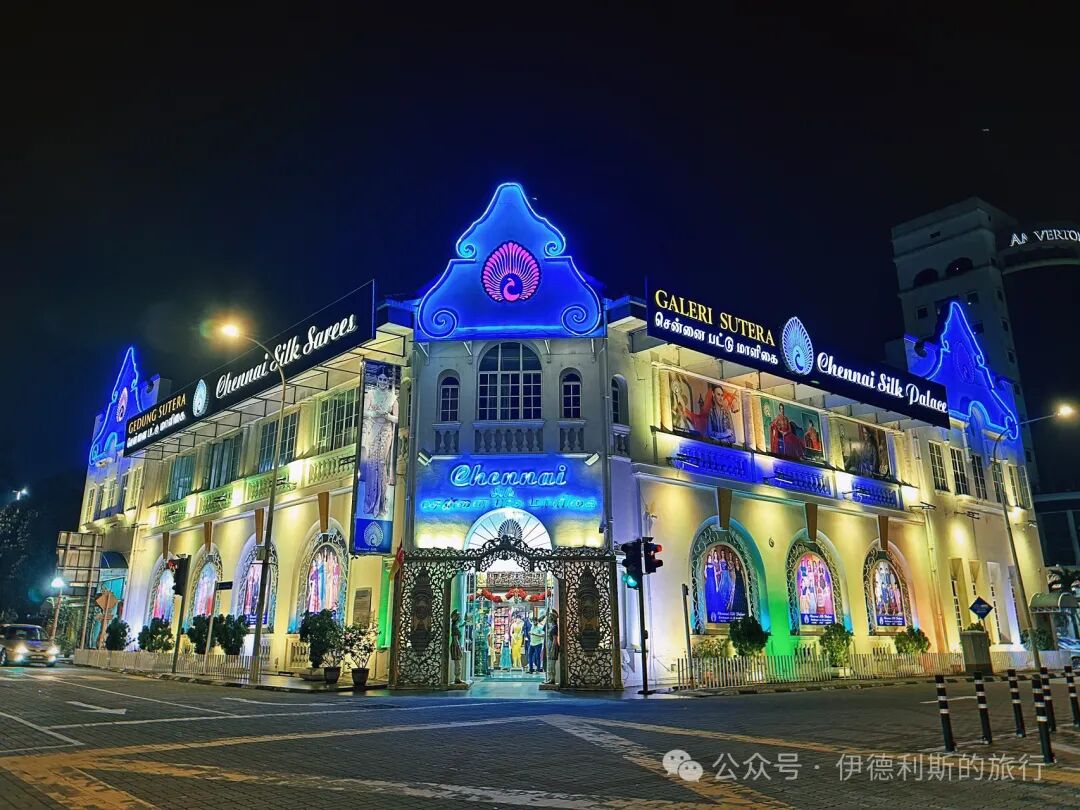
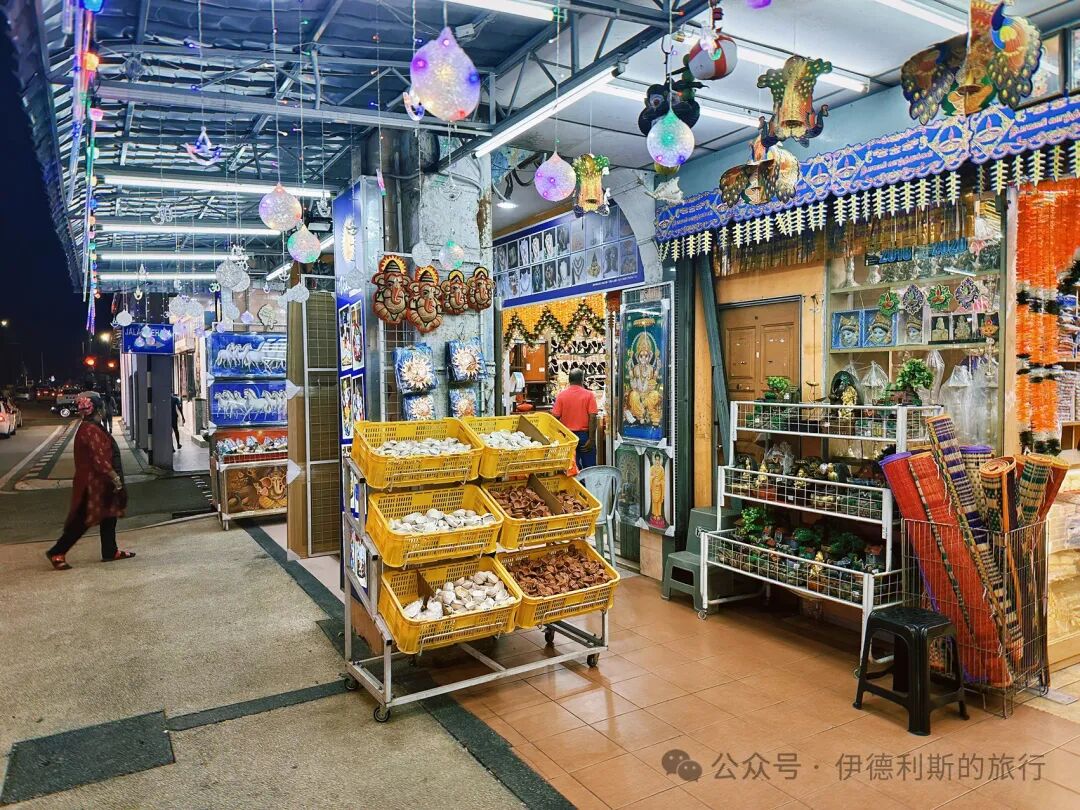
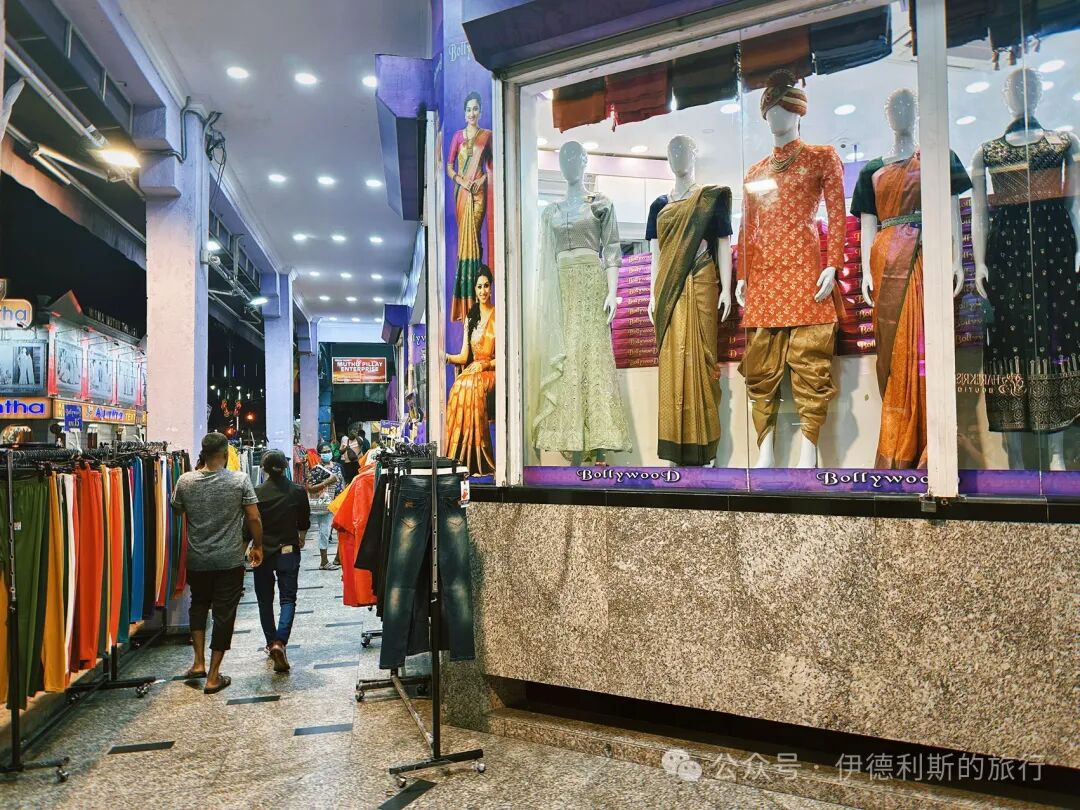
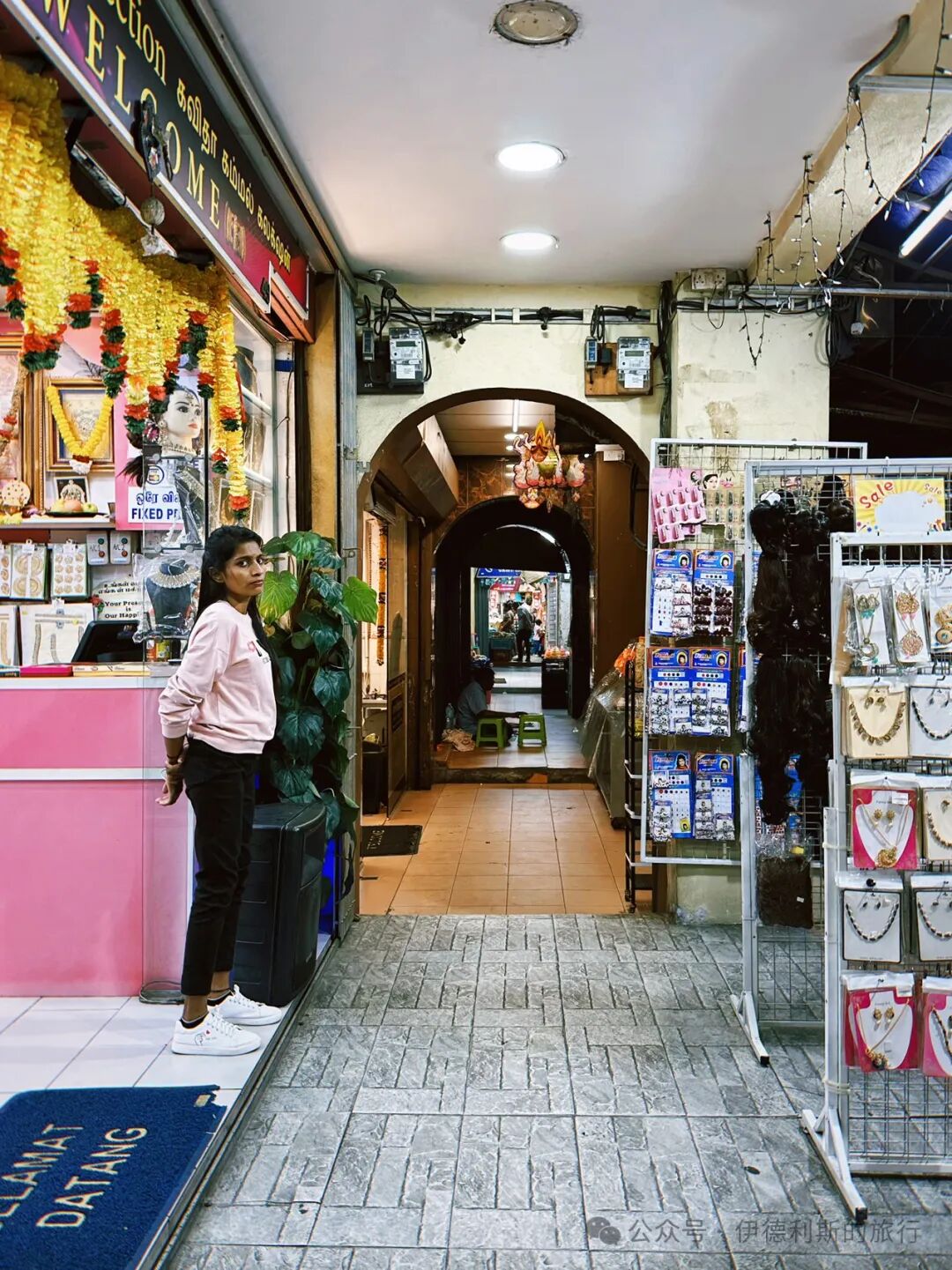
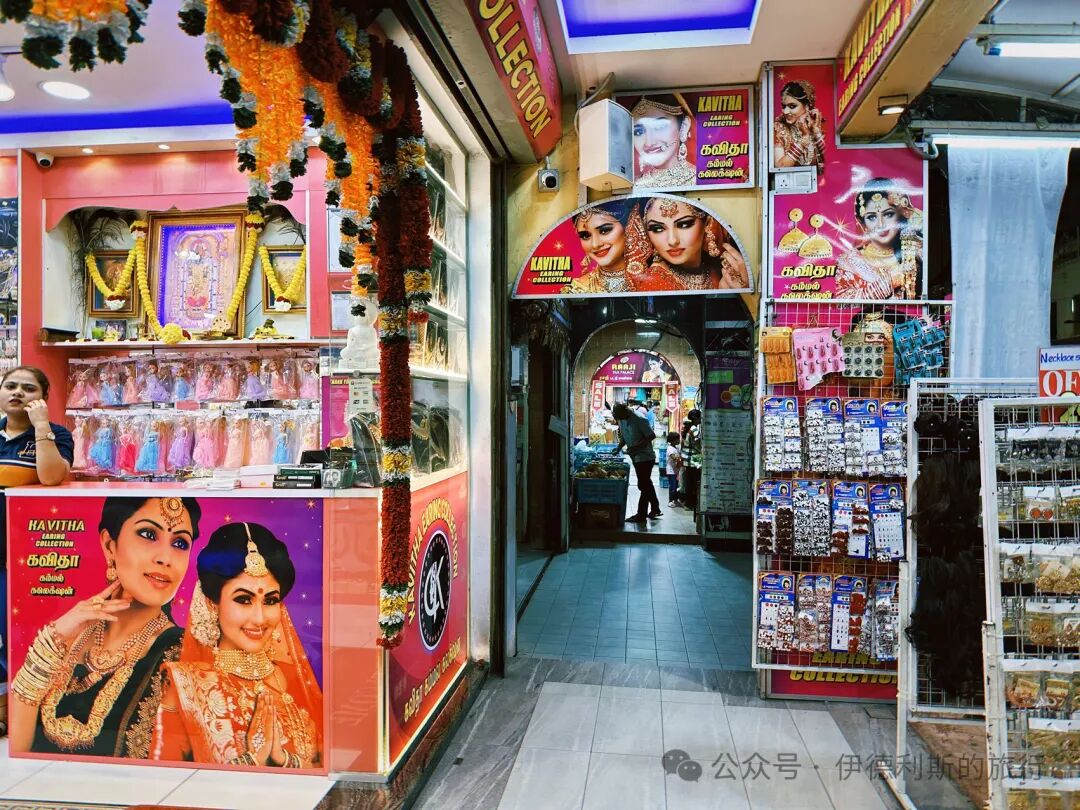
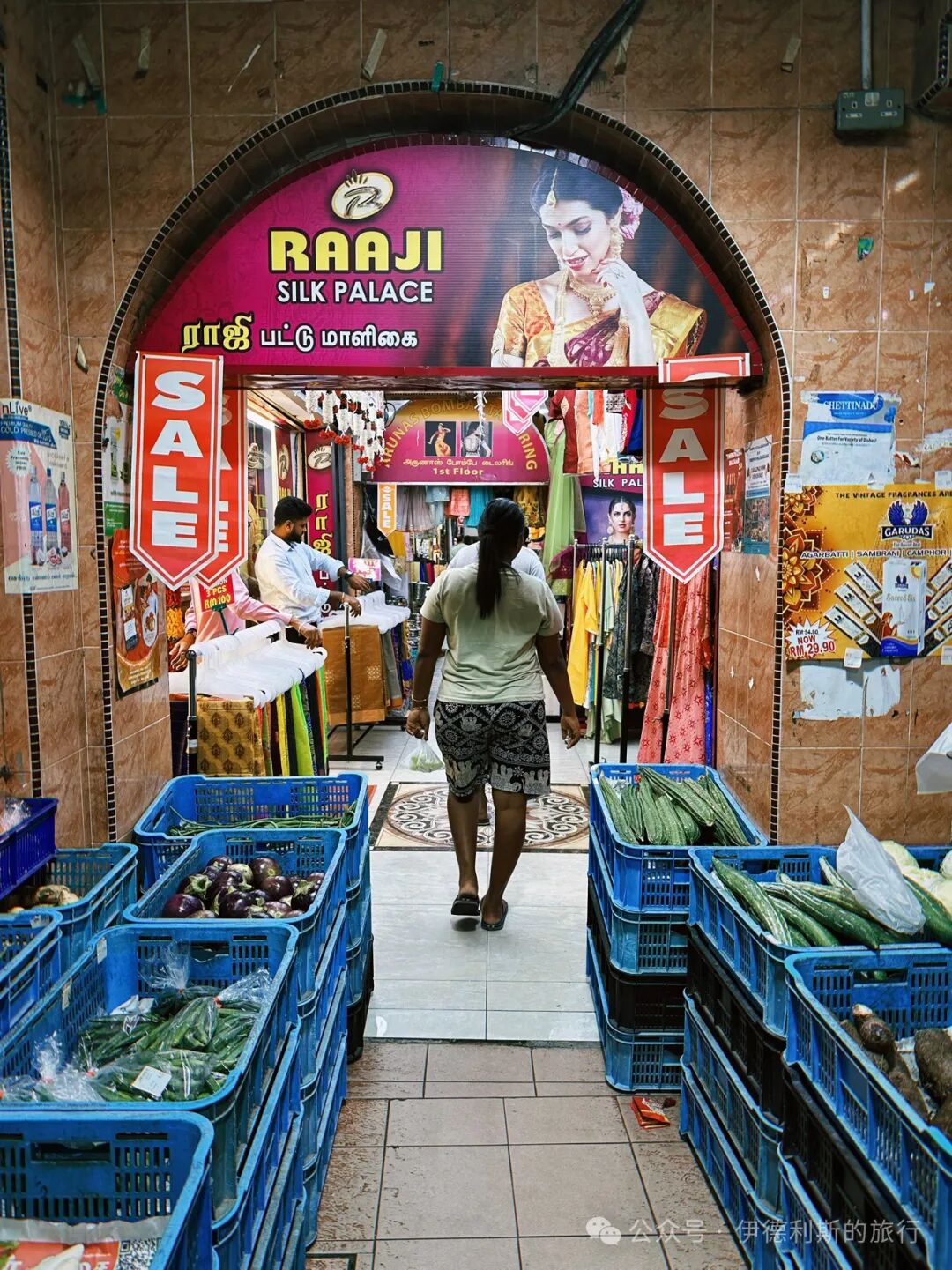
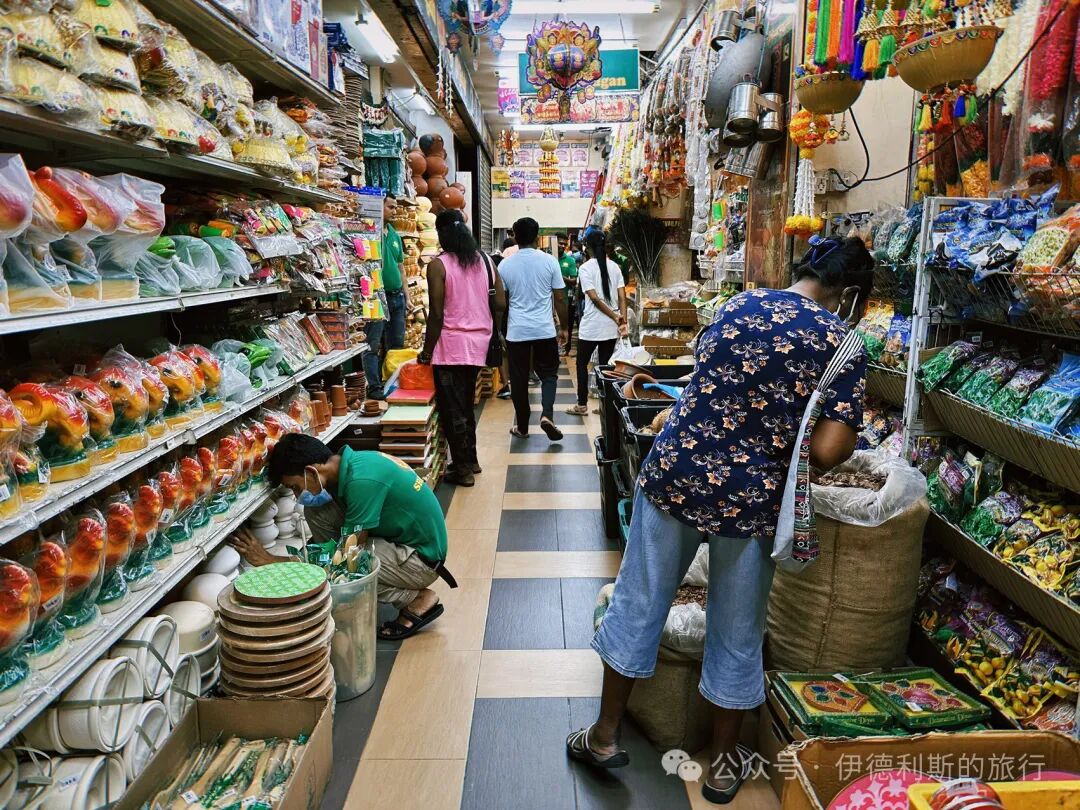
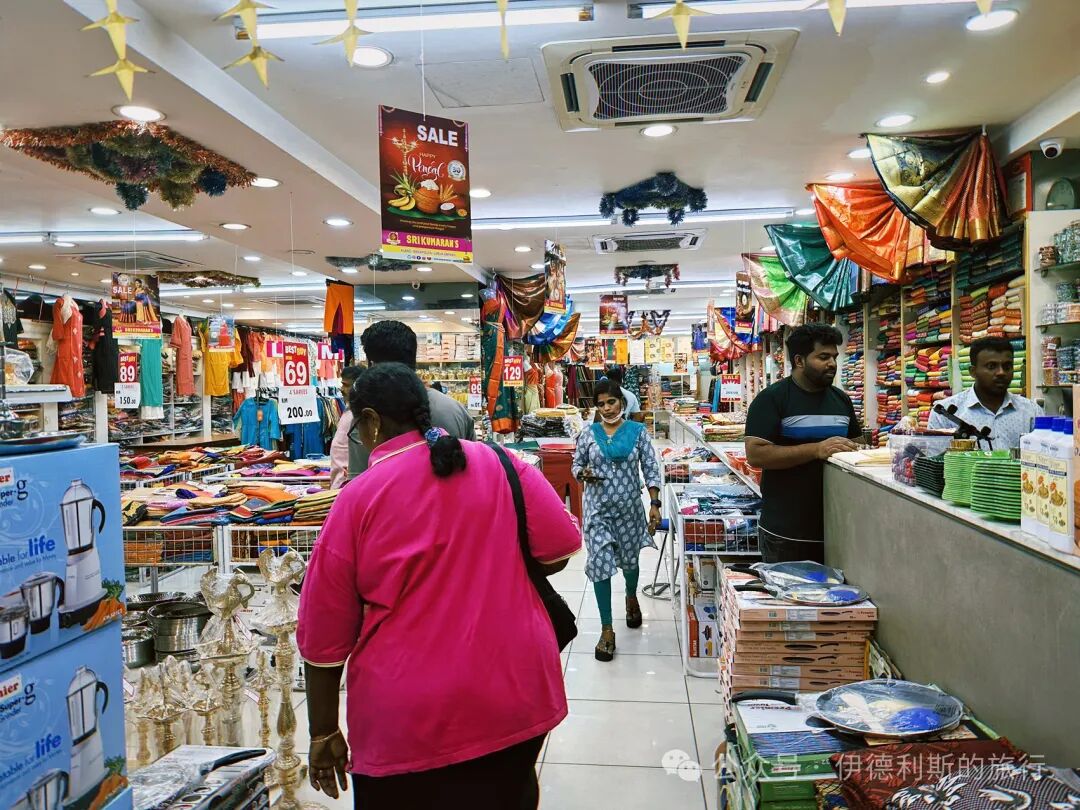
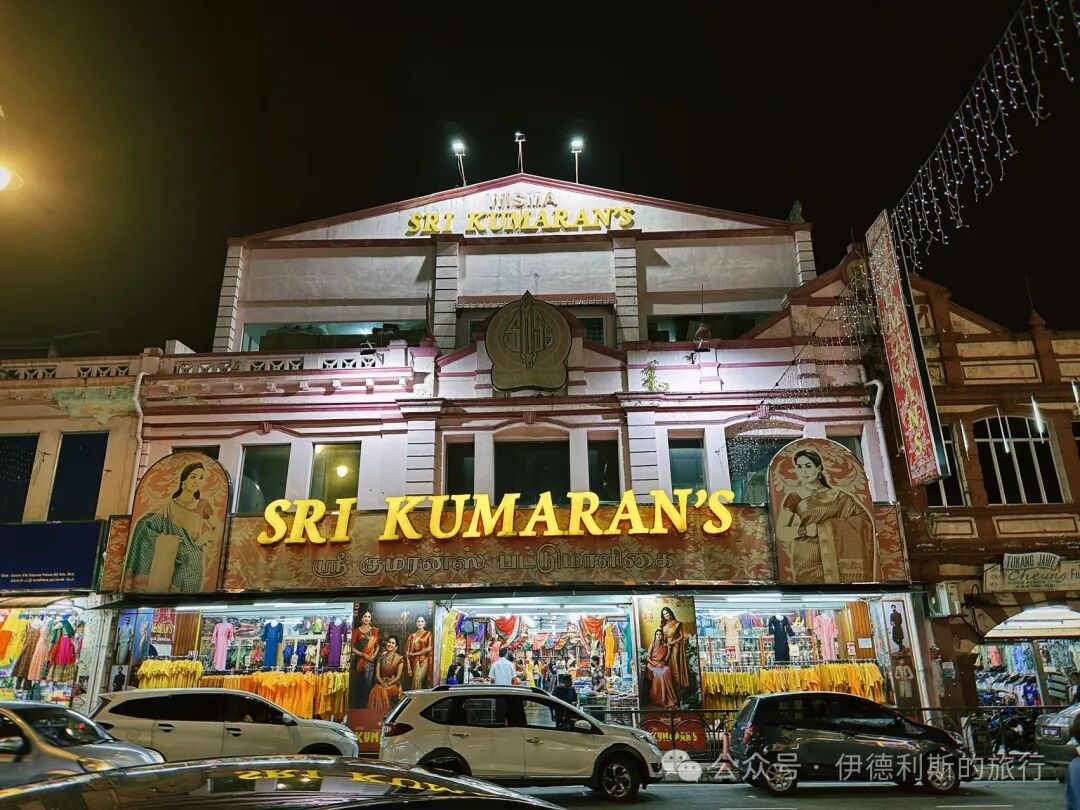
A night view of Little India in Klang.
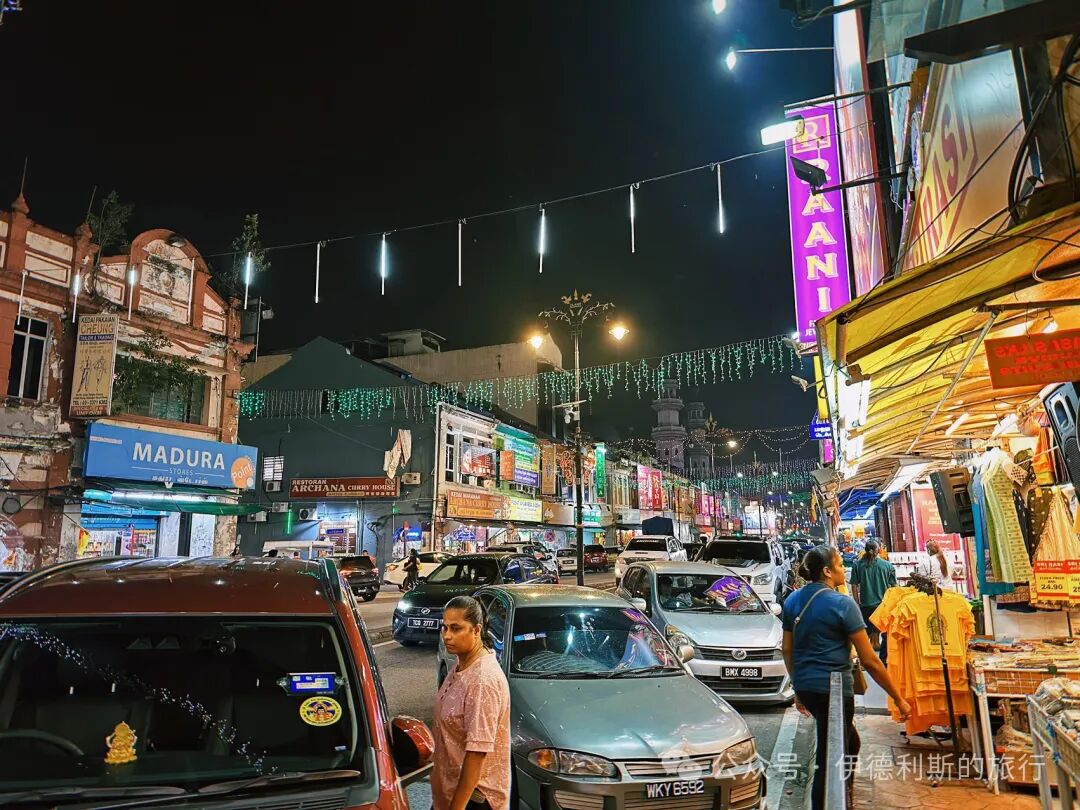
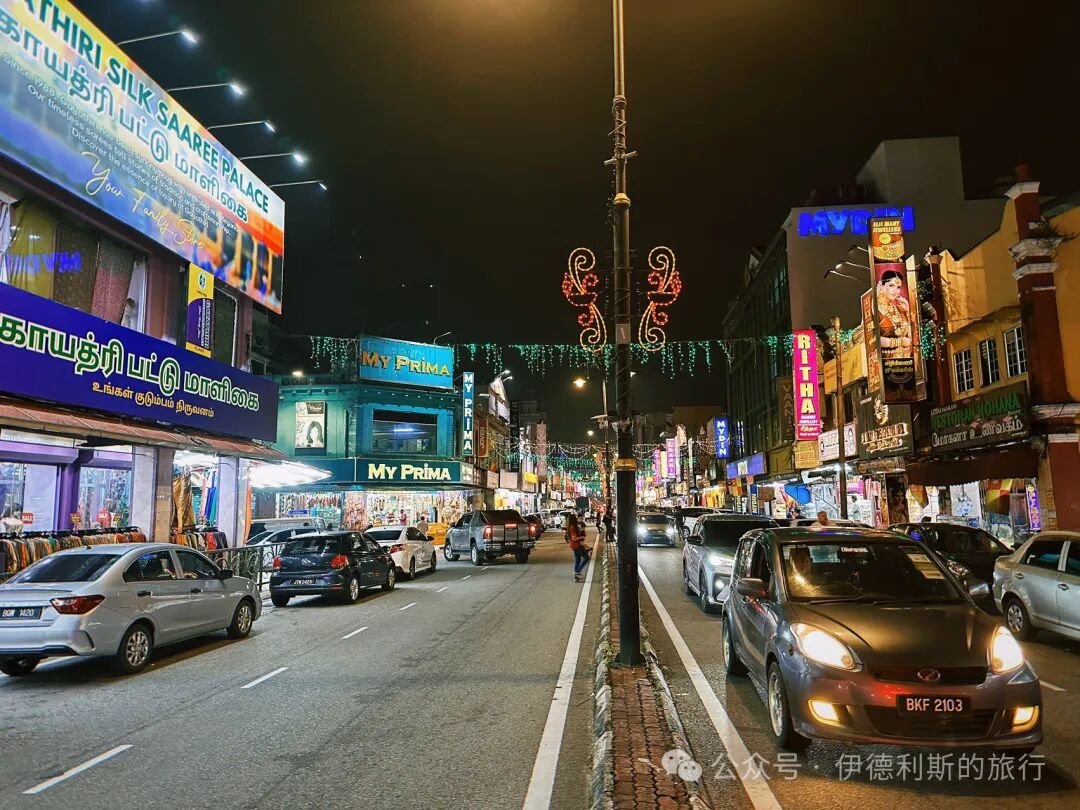
South Indian Tamil Muslims established a place of worship in Klang as early as 1890. In 1904, Tamil Muslim merchants raised funds to build the Klang Indian Mosque (Klang Indian Mosque). The mosque was rebuilt twice, in 1974 and 2007, and it has now become a landmark in Klang's Little India.
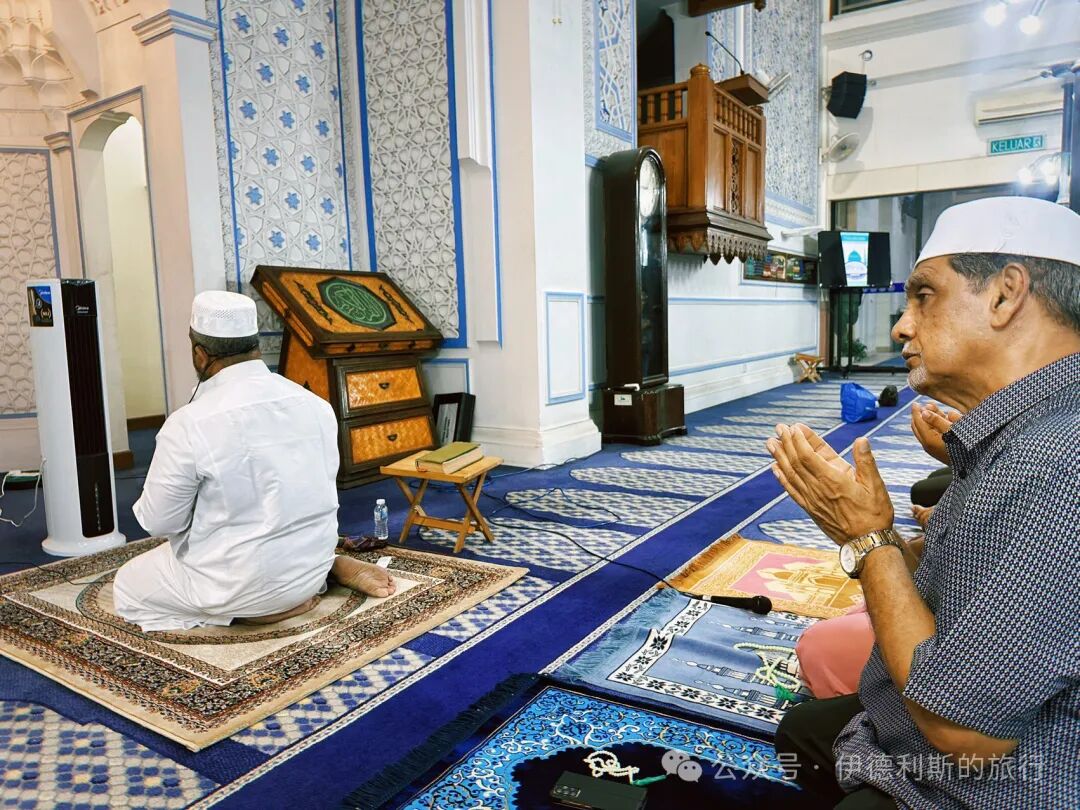
I caught the Tamil Pongal festival celebration in Klang's Little India, where a stage was set up behind the mosque for various dance performances. Pongal is the harvest festival for Tamil people. It falls on the first day of the tenth month of the Tamil solar calendar, marking the end of the winter solstice as the sun begins its move north.
After walking through Little India in Klang, I had a late-night snack at a Tamil mamak stall. Dipping flatbread into curry is simple and comforting. Walking through old towns in Malaysia, you often see 24-hour Tamil mamak stalls. They are very convenient for travelers.
Starting in the 18th century, Tamil people from southeastern India and northern Sri Lanka migrated along the Indian Ocean to the Malay Peninsula. In Malaysia, Tamil people are called Mamak, which comes from the Tamil word for uncle (maa-ma). That is why Tamil restaurant stalls are also known as mamak stalls.
Summary: Halal Travel Guide: Selangor - Jugra, Klang and Royal Muslim Heritage is presented here as a firsthand travel account in clear, natural English. The account focuses on Selangor, Klang, Muslim Heritage while preserving the names, places, food, photos, and historical details from the Chinese source.
Selangor is on the west coast of the Malay Peninsula and surrounds Kuala Lumpur. After the Dutch took over Malacca in 1641, they brought Bugis people from Sulawesi to Selangor to work as mercenaries, and these Bugis later grew very powerful. In 1743, the Bugis warrior Raja Lumu was named Raja of Selangor for helping the Sultan of Perak take the throne. In 1766, Raja Lumu married the niece of the Sultan of Perak and was officially named the Sultan of Selangor.
The royal capital of the Selangor Sultanate was first at Kuala Selangor, near the mouth of the Selangor River, but it was destroyed during the Klang War between 1867 and 1874. In 1875, Sultan Abdul Samad moved the royal capital to the foot of Jugra Hill, inside the mouth of the Selangor River, where the historical Alaeddin Palace and Alaeddin Mosque still stand today.
Alaeddin Palace, also called the Old Jugra Palace, was built between 1899 and 1905 by order of Sultan Alaeddin Sulaiman Shah of Selangor. Sultan Salahuddin Abdul Aziz Shah of Selangor was born here in 1926, and he later became the eleventh King of Malaysia. The palace stopped being used after Sultan Alaeddin died in 1938, and it was emptied after Malaysia became a country in 1957. It was later used as a craft center and a state religious department until it was handed over to a cultural heritage company in 2008, and it is now open as a tourist attraction.
The Alaeddin Palace was built in two stages, with the main building finished in 1899 and the southern courtyard and veranda added in 1914. The main structure is made of brick and lime mortar, while the doors and windows use high-quality Cengal wood. The inside of the palace has over forty rooms, including bathrooms, a throne room, a banquet hall, bedrooms, parlors, balconies, and a kitchen. The palace is surrounded by beautiful gardens, and there is a pool in front of the building.
The main part of the Alaeddin Palace is Western-style, but it keeps the traditional Malay pyramid-shaped roof (Limas), features Indian Moorish-style decorations, and shows the work of Chinese craftsmen on the doors, windows, and pillars. Because you can see Malay, Indian, Chinese, and European architectural elements all at once, it stands as a witness to Malaysia being a meeting point for different cultures at that time.
The veranda at Aladdin Palace was built in 1914 and connects living areas like the kitchen and bathroom to the main hall.
Aladdin Mosque is not far north of Aladdin Palace and was also built in 1905 by order of Sultan Aladdin Sulaiman Shah of Selangor. The mosque's dome and arches feature a classic Mughal Revival style, while other design elements come from the Sultanate of Deli on Sumatra island. The pulpit (minbar) inside the mosque is very beautiful, especially the unique Arabic calligraphy wood carvings at the top.
During the reign of Sultan Aladdin Sulaiman Shah of Selangor, the Sultan built Alam Shah Palace in Klang to Aladdin Palace in Jugra. After that, Klang became the royal city of Selangor, and various Selangor royal ceremonies were held there.
Although Alam Shah Palace is not open to the public, the Sultan Sulaiman Royal Mosque right next to it is definitely worth a visit. The Sultan Sulaiman Royal Mosque was a gift from the British to Sultan Sulaiman at the time to replace the Pengkalan Batu Mosque, which was demolished to build the Klang train station. The mosque was built between 1932 and 1933. Once finished, it was the largest mosque in the Federated Malay States at the time, and it has remained the royal mosque for the Sultan of Selangor ever since.
Unlike the Moorish Revival style common in Malaysia during the early 20th century, the Sultan Sulaiman Royal Mosque uses the Art Deco style. The mosque was designed by Leofric Kesteven from the UK, who served as the president of the Institute of Architects Malaya from 1931 to 1933. Reinforced concrete expert John Thomas Chester and Singapore-based Italian sculptor Rodolfo Nolli also helped with the construction. The Art Deco style was popular in Europe and America during the 1920s and 1930s. This style is known for using reinforced concrete and features clean, simple lines that make it unique.
Behind the Sultan Sulaiman Royal Mosque is the Selangor Royal Mausoleum. It holds the graves of Sultan Alaeddin Sulaiman Shah (reigned 1896-1938), Sultan Hisamuddin Shah (reigned 1938-42, 1945-60), Sultan Musa (reigned 1942-45), and Sultan Salahuddin Abdul Aziz Shah (reigned 1960-2001), covering the entire history of the Sultans of Selangor in the 20th century.
The Sultan Abdul Aziz Royal Gallery is in the center of old Klang. It was originally the Sultan Sulaiman Building, which Sultan Alaeddin Sulaiman Shah ordered to be built in 1909. It was designed by the famous architect Arthur Benison Hubback, who also designed the Kuala Lumpur Railway Station, Jamek Mosque, and the National Textile Museum. The building was once used as a land and administration office by the British, and it served as a Japanese military headquarters during World War II. In 2001, it became a royal gallery to honor Sultan Salahuddin Abdul Aziz Shah.
Sultan Salahuddin Abdul Aziz Shah reigned from 1960 to 2001. In 1974, he signed an agreement with the Malaysian federal government to separate Kuala Lumpur from Selangor and establish the Federal Territory of Kuala Lumpur. In 1978, the Sultan officially ordered the capital of Selangor to move to Shah Alam. The name Shah Alam honors his father, Sultan Hisamuddin Alam Shah.
The Sultan Abdul Aziz Royal Gallery has detailed information about the Sultans of Selangor and many items from the Sultan's collection.
The incense burner passed down through generations of the Selangor Sultan's family is used for various important occasions.
The ceremonial robe worn by Sultan Hisamuddin Alam Shah at his 1939 coronation.
The hat worn by Sultan Hisamuddin in the 1950s.
The chair used by Sultan Musa around 1940.
Crown Prince Abdul Aziz wearing traditional Malay clothing while studying in the United Kingdom in 1951.
The songkok caps worn by Sultan Abdul Aziz during different periods.
In the 19th century, the demand for tin from the West grew, causing the tin mining industry in Selangor to expand rapidly. This led to the quick rise of Klang's status. The railway connecting Kuala Lumpur and Klang officially opened in 1890. Port Klang was completed in 1901. Many Chinese and Indian people came to Klang to make a living, and the old town of Klang began to take shape.
Today, the shophouse area of Klang's old town has a lively Little India district. The street is lined with shops selling Indian clothing, jewelry, and flowers. Most owners have been in business for three generations. Their ancestors were mostly Tamils from South India, along with some Telugus and Punjabis.
A night view of Little India in Klang.
South Indian Tamil Muslims established a place of worship in Klang as early as 1890. In 1904, Tamil Muslim merchants raised funds to build the Klang Indian Mosque (Klang Indian Mosque). The mosque was rebuilt twice, in 1974 and 2007, and it has now become a landmark in Klang's Little India.
I caught the Tamil Pongal festival celebration in Klang's Little India, where a stage was set up behind the mosque for various dance performances. Pongal is the harvest festival for Tamil people. It falls on the first day of the tenth month of the Tamil solar calendar, marking the end of the winter solstice as the sun begins its move north.
After walking through Little India in Klang, I had a late-night snack at a Tamil mamak stall. Dipping flatbread into curry is simple and comforting. Walking through old towns in Malaysia, you often see 24-hour Tamil mamak stalls. They are very convenient for travelers.
Starting in the 18th century, Tamil people from southeastern India and northern Sri Lanka migrated along the Indian Ocean to the Malay Peninsula. In Malaysia, Tamil people are called Mamak, which comes from the Tamil word for uncle (maa-ma). That is why Tamil restaurant stalls are also known as mamak stalls.
Halal Travel Guide: Selangor - Jugra, Klang and Royal Muslim Heritage
Articles • ali2007fr posted the article • 0 comments • 147 views • 2026-05-19 09:30
Reposted from the web
Summary: Halal Travel Guide: Selangor - Jugra, Klang and Royal Muslim Heritage is presented here as a firsthand travel account in clear, natural English. The account focuses on Selangor, Klang, Muslim Heritage while preserving the names, places, food, photos, and historical details from the Chinese source.
Selangor is on the west coast of the Malay Peninsula and surrounds Kuala Lumpur. After the Dutch took over Malacca in 1641, they brought Bugis people from Sulawesi to Selangor to work as mercenaries, and these Bugis later grew very powerful. In 1743, the Bugis warrior Raja Lumu was named Raja of Selangor for helping the Sultan of Perak take the throne. In 1766, Raja Lumu married the niece of the Sultan of Perak and was officially named the Sultan of Selangor.
The royal capital of the Selangor Sultanate was first at Kuala Selangor, near the mouth of the Selangor River, but it was destroyed during the Klang War between 1867 and 1874. In 1875, Sultan Abdul Samad moved the royal capital to the foot of Jugra Hill, inside the mouth of the Selangor River, where the historical Alaeddin Palace and Alaeddin Mosque still stand today.
Alaeddin Palace, also called the Old Jugra Palace, was built between 1899 and 1905 by order of Sultan Alaeddin Sulaiman Shah of Selangor. Sultan Salahuddin Abdul Aziz Shah of Selangor was born here in 1926, and he later became the eleventh King of Malaysia. The palace stopped being used after Sultan Alaeddin died in 1938, and it was emptied after Malaysia became a country in 1957. It was later used as a craft center and a state religious department until it was handed over to a cultural heritage company in 2008, and it is now open as a tourist attraction.
The Alaeddin Palace was built in two stages, with the main building finished in 1899 and the southern courtyard and veranda added in 1914. The main structure is made of brick and lime mortar, while the doors and windows use high-quality Cengal wood. The inside of the palace has over forty rooms, including bathrooms, a throne room, a banquet hall, bedrooms, parlors, balconies, and a kitchen. The palace is surrounded by beautiful gardens, and there is a pool in front of the building.
The main part of the Alaeddin Palace is Western-style, but it keeps the traditional Malay pyramid-shaped roof (Limas), features Indian Moorish-style decorations, and shows the work of Chinese craftsmen on the doors, windows, and pillars. Because you can see Malay, Indian, Chinese, and European architectural elements all at once, it stands as a witness to Malaysia being a meeting point for different cultures at that time.
The veranda at Aladdin Palace was built in 1914 and connects living areas like the kitchen and bathroom to the main hall.
Aladdin Mosque is not far north of Aladdin Palace and was also built in 1905 by order of Sultan Aladdin Sulaiman Shah of Selangor. The mosque's dome and arches feature a classic Mughal Revival style, while other design elements come from the Sultanate of Deli on Sumatra island. The pulpit (minbar) inside the mosque is very beautiful, especially the unique Arabic calligraphy wood carvings at the top.
During the reign of Sultan Aladdin Sulaiman Shah of Selangor, the Sultan built Alam Shah Palace in Klang to Aladdin Palace in Jugra. After that, Klang became the royal city of Selangor, and various Selangor royal ceremonies were held there.
Although Alam Shah Palace is not open to the public, the Sultan Sulaiman Royal Mosque right next to it is definitely worth a visit. The Sultan Sulaiman Royal Mosque was a gift from the British to Sultan Sulaiman at the time to replace the Pengkalan Batu Mosque, which was demolished to build the Klang train station. The mosque was built between 1932 and 1933. Once finished, it was the largest mosque in the Federated Malay States at the time, and it has remained the royal mosque for the Sultan of Selangor ever since.
Unlike the Moorish Revival style common in Malaysia during the early 20th century, the Sultan Sulaiman Royal Mosque uses the Art Deco style. The mosque was designed by Leofric Kesteven from the UK, who served as the president of the Institute of Architects Malaya from 1931 to 1933. Reinforced concrete expert John Thomas Chester and Singapore-based Italian sculptor Rodolfo Nolli also helped with the construction. The Art Deco style was popular in Europe and America during the 1920s and 1930s. This style is known for using reinforced concrete and features clean, simple lines that make it unique.
Behind the Sultan Sulaiman Royal Mosque is the Selangor Royal Mausoleum. It holds the graves of Sultan Alaeddin Sulaiman Shah (reigned 1896-1938), Sultan Hisamuddin Shah (reigned 1938-42, 1945-60), Sultan Musa (reigned 1942-45), and Sultan Salahuddin Abdul Aziz Shah (reigned 1960-2001), covering the entire history of the Sultans of Selangor in the 20th century.
The Sultan Abdul Aziz Royal Gallery is in the center of old Klang. It was originally the Sultan Sulaiman Building, which Sultan Alaeddin Sulaiman Shah ordered to be built in 1909. It was designed by the famous architect Arthur Benison Hubback, who also designed the Kuala Lumpur Railway Station, Jamek Mosque, and the National Textile Museum. The building was once used as a land and administration office by the British, and it served as a Japanese military headquarters during World War II. In 2001, it became a royal gallery to honor Sultan Salahuddin Abdul Aziz Shah.
Sultan Salahuddin Abdul Aziz Shah reigned from 1960 to 2001. In 1974, he signed an agreement with the Malaysian federal government to separate Kuala Lumpur from Selangor and establish the Federal Territory of Kuala Lumpur. In 1978, the Sultan officially ordered the capital of Selangor to move to Shah Alam. The name Shah Alam honors his father, Sultan Hisamuddin Alam Shah.
The Sultan Abdul Aziz Royal Gallery has detailed information about the Sultans of Selangor and many items from the Sultan's collection.
The incense burner passed down through generations of the Selangor Sultan's family is used for various important occasions.
The ceremonial robe worn by Sultan Hisamuddin Alam Shah at his 1939 coronation.
The hat worn by Sultan Hisamuddin in the 1950s.
The chair used by Sultan Musa around 1940.
Crown Prince Abdul Aziz wearing traditional Malay clothing while studying in the United Kingdom in 1951.
The songkok caps worn by Sultan Abdul Aziz during different periods.
In the 19th century, the demand for tin from the West grew, causing the tin mining industry in Selangor to expand rapidly. This led to the quick rise of Klang's status. The railway connecting Kuala Lumpur and Klang officially opened in 1890. Port Klang was completed in 1901. Many Chinese and Indian people came to Klang to make a living, and the old town of Klang began to take shape.
Today, the shophouse area of Klang's old town has a lively Little India district. The street is lined with shops selling Indian clothing, jewelry, and flowers. Most owners have been in business for three generations. Their ancestors were mostly Tamils from South India, along with some Telugus and Punjabis.
A night view of Little India in Klang.
South Indian Tamil Muslims established a place of worship in Klang as early as 1890. In 1904, Tamil Muslim merchants raised funds to build the Klang Indian Mosque (Klang Indian Mosque). The mosque was rebuilt twice, in 1974 and 2007, and it has now become a landmark in Klang's Little India.
I caught the Tamil Pongal festival celebration in Klang's Little India, where a stage was set up behind the mosque for various dance performances. Pongal is the harvest festival for Tamil people. It falls on the first day of the tenth month of the Tamil solar calendar, marking the end of the winter solstice as the sun begins its move north.
After walking through Little India in Klang, I had a late-night snack at a Tamil mamak stall. Dipping flatbread into curry is simple and comforting. Walking through old towns in Malaysia, you often see 24-hour Tamil mamak stalls. They are very convenient for travelers.
Starting in the 18th century, Tamil people from southeastern India and northern Sri Lanka migrated along the Indian Ocean to the Malay Peninsula. In Malaysia, Tamil people are called Mamak, which comes from the Tamil word for uncle (maa-ma). That is why Tamil restaurant stalls are also known as mamak stalls. view all
Summary: Halal Travel Guide: Selangor - Jugra, Klang and Royal Muslim Heritage is presented here as a firsthand travel account in clear, natural English. The account focuses on Selangor, Klang, Muslim Heritage while preserving the names, places, food, photos, and historical details from the Chinese source.
Selangor is on the west coast of the Malay Peninsula and surrounds Kuala Lumpur. After the Dutch took over Malacca in 1641, they brought Bugis people from Sulawesi to Selangor to work as mercenaries, and these Bugis later grew very powerful. In 1743, the Bugis warrior Raja Lumu was named Raja of Selangor for helping the Sultan of Perak take the throne. In 1766, Raja Lumu married the niece of the Sultan of Perak and was officially named the Sultan of Selangor.
The royal capital of the Selangor Sultanate was first at Kuala Selangor, near the mouth of the Selangor River, but it was destroyed during the Klang War between 1867 and 1874. In 1875, Sultan Abdul Samad moved the royal capital to the foot of Jugra Hill, inside the mouth of the Selangor River, where the historical Alaeddin Palace and Alaeddin Mosque still stand today.
Alaeddin Palace, also called the Old Jugra Palace, was built between 1899 and 1905 by order of Sultan Alaeddin Sulaiman Shah of Selangor. Sultan Salahuddin Abdul Aziz Shah of Selangor was born here in 1926, and he later became the eleventh King of Malaysia. The palace stopped being used after Sultan Alaeddin died in 1938, and it was emptied after Malaysia became a country in 1957. It was later used as a craft center and a state religious department until it was handed over to a cultural heritage company in 2008, and it is now open as a tourist attraction.
The Alaeddin Palace was built in two stages, with the main building finished in 1899 and the southern courtyard and veranda added in 1914. The main structure is made of brick and lime mortar, while the doors and windows use high-quality Cengal wood. The inside of the palace has over forty rooms, including bathrooms, a throne room, a banquet hall, bedrooms, parlors, balconies, and a kitchen. The palace is surrounded by beautiful gardens, and there is a pool in front of the building.
The main part of the Alaeddin Palace is Western-style, but it keeps the traditional Malay pyramid-shaped roof (Limas), features Indian Moorish-style decorations, and shows the work of Chinese craftsmen on the doors, windows, and pillars. Because you can see Malay, Indian, Chinese, and European architectural elements all at once, it stands as a witness to Malaysia being a meeting point for different cultures at that time.
The veranda at Aladdin Palace was built in 1914 and connects living areas like the kitchen and bathroom to the main hall.
Aladdin Mosque is not far north of Aladdin Palace and was also built in 1905 by order of Sultan Aladdin Sulaiman Shah of Selangor. The mosque's dome and arches feature a classic Mughal Revival style, while other design elements come from the Sultanate of Deli on Sumatra island. The pulpit (minbar) inside the mosque is very beautiful, especially the unique Arabic calligraphy wood carvings at the top.
During the reign of Sultan Aladdin Sulaiman Shah of Selangor, the Sultan built Alam Shah Palace in Klang to Aladdin Palace in Jugra. After that, Klang became the royal city of Selangor, and various Selangor royal ceremonies were held there.
Although Alam Shah Palace is not open to the public, the Sultan Sulaiman Royal Mosque right next to it is definitely worth a visit. The Sultan Sulaiman Royal Mosque was a gift from the British to Sultan Sulaiman at the time to replace the Pengkalan Batu Mosque, which was demolished to build the Klang train station. The mosque was built between 1932 and 1933. Once finished, it was the largest mosque in the Federated Malay States at the time, and it has remained the royal mosque for the Sultan of Selangor ever since.
Unlike the Moorish Revival style common in Malaysia during the early 20th century, the Sultan Sulaiman Royal Mosque uses the Art Deco style. The mosque was designed by Leofric Kesteven from the UK, who served as the president of the Institute of Architects Malaya from 1931 to 1933. Reinforced concrete expert John Thomas Chester and Singapore-based Italian sculptor Rodolfo Nolli also helped with the construction. The Art Deco style was popular in Europe and America during the 1920s and 1930s. This style is known for using reinforced concrete and features clean, simple lines that make it unique.
Behind the Sultan Sulaiman Royal Mosque is the Selangor Royal Mausoleum. It holds the graves of Sultan Alaeddin Sulaiman Shah (reigned 1896-1938), Sultan Hisamuddin Shah (reigned 1938-42, 1945-60), Sultan Musa (reigned 1942-45), and Sultan Salahuddin Abdul Aziz Shah (reigned 1960-2001), covering the entire history of the Sultans of Selangor in the 20th century.
The Sultan Abdul Aziz Royal Gallery is in the center of old Klang. It was originally the Sultan Sulaiman Building, which Sultan Alaeddin Sulaiman Shah ordered to be built in 1909. It was designed by the famous architect Arthur Benison Hubback, who also designed the Kuala Lumpur Railway Station, Jamek Mosque, and the National Textile Museum. The building was once used as a land and administration office by the British, and it served as a Japanese military headquarters during World War II. In 2001, it became a royal gallery to honor Sultan Salahuddin Abdul Aziz Shah.
Sultan Salahuddin Abdul Aziz Shah reigned from 1960 to 2001. In 1974, he signed an agreement with the Malaysian federal government to separate Kuala Lumpur from Selangor and establish the Federal Territory of Kuala Lumpur. In 1978, the Sultan officially ordered the capital of Selangor to move to Shah Alam. The name Shah Alam honors his father, Sultan Hisamuddin Alam Shah.
The Sultan Abdul Aziz Royal Gallery has detailed information about the Sultans of Selangor and many items from the Sultan's collection.
The incense burner passed down through generations of the Selangor Sultan's family is used for various important occasions.
The ceremonial robe worn by Sultan Hisamuddin Alam Shah at his 1939 coronation.
The hat worn by Sultan Hisamuddin in the 1950s.
The chair used by Sultan Musa around 1940.
Crown Prince Abdul Aziz wearing traditional Malay clothing while studying in the United Kingdom in 1951.
The songkok caps worn by Sultan Abdul Aziz during different periods.
In the 19th century, the demand for tin from the West grew, causing the tin mining industry in Selangor to expand rapidly. This led to the quick rise of Klang's status. The railway connecting Kuala Lumpur and Klang officially opened in 1890. Port Klang was completed in 1901. Many Chinese and Indian people came to Klang to make a living, and the old town of Klang began to take shape.
Today, the shophouse area of Klang's old town has a lively Little India district. The street is lined with shops selling Indian clothing, jewelry, and flowers. Most owners have been in business for three generations. Their ancestors were mostly Tamils from South India, along with some Telugus and Punjabis.
A night view of Little India in Klang.
South Indian Tamil Muslims established a place of worship in Klang as early as 1890. In 1904, Tamil Muslim merchants raised funds to build the Klang Indian Mosque (Klang Indian Mosque). The mosque was rebuilt twice, in 1974 and 2007, and it has now become a landmark in Klang's Little India.
I caught the Tamil Pongal festival celebration in Klang's Little India, where a stage was set up behind the mosque for various dance performances. Pongal is the harvest festival for Tamil people. It falls on the first day of the tenth month of the Tamil solar calendar, marking the end of the winter solstice as the sun begins its move north.
After walking through Little India in Klang, I had a late-night snack at a Tamil mamak stall. Dipping flatbread into curry is simple and comforting. Walking through old towns in Malaysia, you often see 24-hour Tamil mamak stalls. They are very convenient for travelers.
Starting in the 18th century, Tamil people from southeastern India and northern Sri Lanka migrated along the Indian Ocean to the Malay Peninsula. In Malaysia, Tamil people are called Mamak, which comes from the Tamil word for uncle (maa-ma). That is why Tamil restaurant stalls are also known as mamak stalls. view all
Reposted from the web
Summary: Halal Travel Guide: Selangor - Jugra, Klang and Royal Muslim Heritage is presented here as a firsthand travel account in clear, natural English. The account focuses on Selangor, Klang, Muslim Heritage while preserving the names, places, food, photos, and historical details from the Chinese source.
Selangor is on the west coast of the Malay Peninsula and surrounds Kuala Lumpur. After the Dutch took over Malacca in 1641, they brought Bugis people from Sulawesi to Selangor to work as mercenaries, and these Bugis later grew very powerful. In 1743, the Bugis warrior Raja Lumu was named Raja of Selangor for helping the Sultan of Perak take the throne. In 1766, Raja Lumu married the niece of the Sultan of Perak and was officially named the Sultan of Selangor.
The royal capital of the Selangor Sultanate was first at Kuala Selangor, near the mouth of the Selangor River, but it was destroyed during the Klang War between 1867 and 1874. In 1875, Sultan Abdul Samad moved the royal capital to the foot of Jugra Hill, inside the mouth of the Selangor River, where the historical Alaeddin Palace and Alaeddin Mosque still stand today.
Alaeddin Palace, also called the Old Jugra Palace, was built between 1899 and 1905 by order of Sultan Alaeddin Sulaiman Shah of Selangor. Sultan Salahuddin Abdul Aziz Shah of Selangor was born here in 1926, and he later became the eleventh King of Malaysia. The palace stopped being used after Sultan Alaeddin died in 1938, and it was emptied after Malaysia became a country in 1957. It was later used as a craft center and a state religious department until it was handed over to a cultural heritage company in 2008, and it is now open as a tourist attraction.
The Alaeddin Palace was built in two stages, with the main building finished in 1899 and the southern courtyard and veranda added in 1914. The main structure is made of brick and lime mortar, while the doors and windows use high-quality Cengal wood. The inside of the palace has over forty rooms, including bathrooms, a throne room, a banquet hall, bedrooms, parlors, balconies, and a kitchen. The palace is surrounded by beautiful gardens, and there is a pool in front of the building.
The main part of the Alaeddin Palace is Western-style, but it keeps the traditional Malay pyramid-shaped roof (Limas), features Indian Moorish-style decorations, and shows the work of Chinese craftsmen on the doors, windows, and pillars. Because you can see Malay, Indian, Chinese, and European architectural elements all at once, it stands as a witness to Malaysia being a meeting point for different cultures at that time.
The veranda at Aladdin Palace was built in 1914 and connects living areas like the kitchen and bathroom to the main hall.
Aladdin Mosque is not far north of Aladdin Palace and was also built in 1905 by order of Sultan Aladdin Sulaiman Shah of Selangor. The mosque's dome and arches feature a classic Mughal Revival style, while other design elements come from the Sultanate of Deli on Sumatra island. The pulpit (minbar) inside the mosque is very beautiful, especially the unique Arabic calligraphy wood carvings at the top.
During the reign of Sultan Aladdin Sulaiman Shah of Selangor, the Sultan built Alam Shah Palace in Klang to Aladdin Palace in Jugra. After that, Klang became the royal city of Selangor, and various Selangor royal ceremonies were held there.
Although Alam Shah Palace is not open to the public, the Sultan Sulaiman Royal Mosque right next to it is definitely worth a visit. The Sultan Sulaiman Royal Mosque was a gift from the British to Sultan Sulaiman at the time to replace the Pengkalan Batu Mosque, which was demolished to build the Klang train station. The mosque was built between 1932 and 1933. Once finished, it was the largest mosque in the Federated Malay States at the time, and it has remained the royal mosque for the Sultan of Selangor ever since.
Unlike the Moorish Revival style common in Malaysia during the early 20th century, the Sultan Sulaiman Royal Mosque uses the Art Deco style. The mosque was designed by Leofric Kesteven from the UK, who served as the president of the Institute of Architects Malaya from 1931 to 1933. Reinforced concrete expert John Thomas Chester and Singapore-based Italian sculptor Rodolfo Nolli also helped with the construction. The Art Deco style was popular in Europe and America during the 1920s and 1930s. This style is known for using reinforced concrete and features clean, simple lines that make it unique.
Behind the Sultan Sulaiman Royal Mosque is the Selangor Royal Mausoleum. It holds the graves of Sultan Alaeddin Sulaiman Shah (reigned 1896-1938), Sultan Hisamuddin Shah (reigned 1938-42, 1945-60), Sultan Musa (reigned 1942-45), and Sultan Salahuddin Abdul Aziz Shah (reigned 1960-2001), covering the entire history of the Sultans of Selangor in the 20th century.
The Sultan Abdul Aziz Royal Gallery is in the center of old Klang. It was originally the Sultan Sulaiman Building, which Sultan Alaeddin Sulaiman Shah ordered to be built in 1909. It was designed by the famous architect Arthur Benison Hubback, who also designed the Kuala Lumpur Railway Station, Jamek Mosque, and the National Textile Museum. The building was once used as a land and administration office by the British, and it served as a Japanese military headquarters during World War II. In 2001, it became a royal gallery to honor Sultan Salahuddin Abdul Aziz Shah.
Sultan Salahuddin Abdul Aziz Shah reigned from 1960 to 2001. In 1974, he signed an agreement with the Malaysian federal government to separate Kuala Lumpur from Selangor and establish the Federal Territory of Kuala Lumpur. In 1978, the Sultan officially ordered the capital of Selangor to move to Shah Alam. The name Shah Alam honors his father, Sultan Hisamuddin Alam Shah.
The Sultan Abdul Aziz Royal Gallery has detailed information about the Sultans of Selangor and many items from the Sultan's collection.
The incense burner passed down through generations of the Selangor Sultan's family is used for various important occasions.
The ceremonial robe worn by Sultan Hisamuddin Alam Shah at his 1939 coronation.
The hat worn by Sultan Hisamuddin in the 1950s.
The chair used by Sultan Musa around 1940.
Crown Prince Abdul Aziz wearing traditional Malay clothing while studying in the United Kingdom in 1951.
The songkok caps worn by Sultan Abdul Aziz during different periods.
In the 19th century, the demand for tin from the West grew, causing the tin mining industry in Selangor to expand rapidly. This led to the quick rise of Klang's status. The railway connecting Kuala Lumpur and Klang officially opened in 1890. Port Klang was completed in 1901. Many Chinese and Indian people came to Klang to make a living, and the old town of Klang began to take shape.
Today, the shophouse area of Klang's old town has a lively Little India district. The street is lined with shops selling Indian clothing, jewelry, and flowers. Most owners have been in business for three generations. Their ancestors were mostly Tamils from South India, along with some Telugus and Punjabis.
A night view of Little India in Klang.
South Indian Tamil Muslims established a place of worship in Klang as early as 1890. In 1904, Tamil Muslim merchants raised funds to build the Klang Indian Mosque (Klang Indian Mosque). The mosque was rebuilt twice, in 1974 and 2007, and it has now become a landmark in Klang's Little India.
I caught the Tamil Pongal festival celebration in Klang's Little India, where a stage was set up behind the mosque for various dance performances. Pongal is the harvest festival for Tamil people. It falls on the first day of the tenth month of the Tamil solar calendar, marking the end of the winter solstice as the sun begins its move north.
After walking through Little India in Klang, I had a late-night snack at a Tamil mamak stall. Dipping flatbread into curry is simple and comforting. Walking through old towns in Malaysia, you often see 24-hour Tamil mamak stalls. They are very convenient for travelers.
Starting in the 18th century, Tamil people from southeastern India and northern Sri Lanka migrated along the Indian Ocean to the Malay Peninsula. In Malaysia, Tamil people are called Mamak, which comes from the Tamil word for uncle (maa-ma). That is why Tamil restaurant stalls are also known as mamak stalls.
Summary: Halal Travel Guide: Selangor - Jugra, Klang and Royal Muslim Heritage is presented here as a firsthand travel account in clear, natural English. The account focuses on Selangor, Klang, Muslim Heritage while preserving the names, places, food, photos, and historical details from the Chinese source.
Selangor is on the west coast of the Malay Peninsula and surrounds Kuala Lumpur. After the Dutch took over Malacca in 1641, they brought Bugis people from Sulawesi to Selangor to work as mercenaries, and these Bugis later grew very powerful. In 1743, the Bugis warrior Raja Lumu was named Raja of Selangor for helping the Sultan of Perak take the throne. In 1766, Raja Lumu married the niece of the Sultan of Perak and was officially named the Sultan of Selangor.
The royal capital of the Selangor Sultanate was first at Kuala Selangor, near the mouth of the Selangor River, but it was destroyed during the Klang War between 1867 and 1874. In 1875, Sultan Abdul Samad moved the royal capital to the foot of Jugra Hill, inside the mouth of the Selangor River, where the historical Alaeddin Palace and Alaeddin Mosque still stand today.
Alaeddin Palace, also called the Old Jugra Palace, was built between 1899 and 1905 by order of Sultan Alaeddin Sulaiman Shah of Selangor. Sultan Salahuddin Abdul Aziz Shah of Selangor was born here in 1926, and he later became the eleventh King of Malaysia. The palace stopped being used after Sultan Alaeddin died in 1938, and it was emptied after Malaysia became a country in 1957. It was later used as a craft center and a state religious department until it was handed over to a cultural heritage company in 2008, and it is now open as a tourist attraction.
The Alaeddin Palace was built in two stages, with the main building finished in 1899 and the southern courtyard and veranda added in 1914. The main structure is made of brick and lime mortar, while the doors and windows use high-quality Cengal wood. The inside of the palace has over forty rooms, including bathrooms, a throne room, a banquet hall, bedrooms, parlors, balconies, and a kitchen. The palace is surrounded by beautiful gardens, and there is a pool in front of the building.
The main part of the Alaeddin Palace is Western-style, but it keeps the traditional Malay pyramid-shaped roof (Limas), features Indian Moorish-style decorations, and shows the work of Chinese craftsmen on the doors, windows, and pillars. Because you can see Malay, Indian, Chinese, and European architectural elements all at once, it stands as a witness to Malaysia being a meeting point for different cultures at that time.
The veranda at Aladdin Palace was built in 1914 and connects living areas like the kitchen and bathroom to the main hall.
Aladdin Mosque is not far north of Aladdin Palace and was also built in 1905 by order of Sultan Aladdin Sulaiman Shah of Selangor. The mosque's dome and arches feature a classic Mughal Revival style, while other design elements come from the Sultanate of Deli on Sumatra island. The pulpit (minbar) inside the mosque is very beautiful, especially the unique Arabic calligraphy wood carvings at the top.
During the reign of Sultan Aladdin Sulaiman Shah of Selangor, the Sultan built Alam Shah Palace in Klang to Aladdin Palace in Jugra. After that, Klang became the royal city of Selangor, and various Selangor royal ceremonies were held there.
Although Alam Shah Palace is not open to the public, the Sultan Sulaiman Royal Mosque right next to it is definitely worth a visit. The Sultan Sulaiman Royal Mosque was a gift from the British to Sultan Sulaiman at the time to replace the Pengkalan Batu Mosque, which was demolished to build the Klang train station. The mosque was built between 1932 and 1933. Once finished, it was the largest mosque in the Federated Malay States at the time, and it has remained the royal mosque for the Sultan of Selangor ever since.
Unlike the Moorish Revival style common in Malaysia during the early 20th century, the Sultan Sulaiman Royal Mosque uses the Art Deco style. The mosque was designed by Leofric Kesteven from the UK, who served as the president of the Institute of Architects Malaya from 1931 to 1933. Reinforced concrete expert John Thomas Chester and Singapore-based Italian sculptor Rodolfo Nolli also helped with the construction. The Art Deco style was popular in Europe and America during the 1920s and 1930s. This style is known for using reinforced concrete and features clean, simple lines that make it unique.
Behind the Sultan Sulaiman Royal Mosque is the Selangor Royal Mausoleum. It holds the graves of Sultan Alaeddin Sulaiman Shah (reigned 1896-1938), Sultan Hisamuddin Shah (reigned 1938-42, 1945-60), Sultan Musa (reigned 1942-45), and Sultan Salahuddin Abdul Aziz Shah (reigned 1960-2001), covering the entire history of the Sultans of Selangor in the 20th century.
The Sultan Abdul Aziz Royal Gallery is in the center of old Klang. It was originally the Sultan Sulaiman Building, which Sultan Alaeddin Sulaiman Shah ordered to be built in 1909. It was designed by the famous architect Arthur Benison Hubback, who also designed the Kuala Lumpur Railway Station, Jamek Mosque, and the National Textile Museum. The building was once used as a land and administration office by the British, and it served as a Japanese military headquarters during World War II. In 2001, it became a royal gallery to honor Sultan Salahuddin Abdul Aziz Shah.
Sultan Salahuddin Abdul Aziz Shah reigned from 1960 to 2001. In 1974, he signed an agreement with the Malaysian federal government to separate Kuala Lumpur from Selangor and establish the Federal Territory of Kuala Lumpur. In 1978, the Sultan officially ordered the capital of Selangor to move to Shah Alam. The name Shah Alam honors his father, Sultan Hisamuddin Alam Shah.
The Sultan Abdul Aziz Royal Gallery has detailed information about the Sultans of Selangor and many items from the Sultan's collection.
The incense burner passed down through generations of the Selangor Sultan's family is used for various important occasions.
The ceremonial robe worn by Sultan Hisamuddin Alam Shah at his 1939 coronation.
The hat worn by Sultan Hisamuddin in the 1950s.
The chair used by Sultan Musa around 1940.
Crown Prince Abdul Aziz wearing traditional Malay clothing while studying in the United Kingdom in 1951.
The songkok caps worn by Sultan Abdul Aziz during different periods.
In the 19th century, the demand for tin from the West grew, causing the tin mining industry in Selangor to expand rapidly. This led to the quick rise of Klang's status. The railway connecting Kuala Lumpur and Klang officially opened in 1890. Port Klang was completed in 1901. Many Chinese and Indian people came to Klang to make a living, and the old town of Klang began to take shape.
Today, the shophouse area of Klang's old town has a lively Little India district. The street is lined with shops selling Indian clothing, jewelry, and flowers. Most owners have been in business for three generations. Their ancestors were mostly Tamils from South India, along with some Telugus and Punjabis.
A night view of Little India in Klang.
South Indian Tamil Muslims established a place of worship in Klang as early as 1890. In 1904, Tamil Muslim merchants raised funds to build the Klang Indian Mosque (Klang Indian Mosque). The mosque was rebuilt twice, in 1974 and 2007, and it has now become a landmark in Klang's Little India.
I caught the Tamil Pongal festival celebration in Klang's Little India, where a stage was set up behind the mosque for various dance performances. Pongal is the harvest festival for Tamil people. It falls on the first day of the tenth month of the Tamil solar calendar, marking the end of the winter solstice as the sun begins its move north.
After walking through Little India in Klang, I had a late-night snack at a Tamil mamak stall. Dipping flatbread into curry is simple and comforting. Walking through old towns in Malaysia, you often see 24-hour Tamil mamak stalls. They are very convenient for travelers.
Starting in the 18th century, Tamil people from southeastern India and northern Sri Lanka migrated along the Indian Ocean to the Malay Peninsula. In Malaysia, Tamil people are called Mamak, which comes from the Tamil word for uncle (maa-ma). That is why Tamil restaurant stalls are also known as mamak stalls.