

Seljuk Architecture
Central Turkey's Sivas: Journey Through Seljuk Islamic Architecture & Millennia of History
Articles • Hasan09 posted the article • 0 comments • 6 views • 3 hours ago
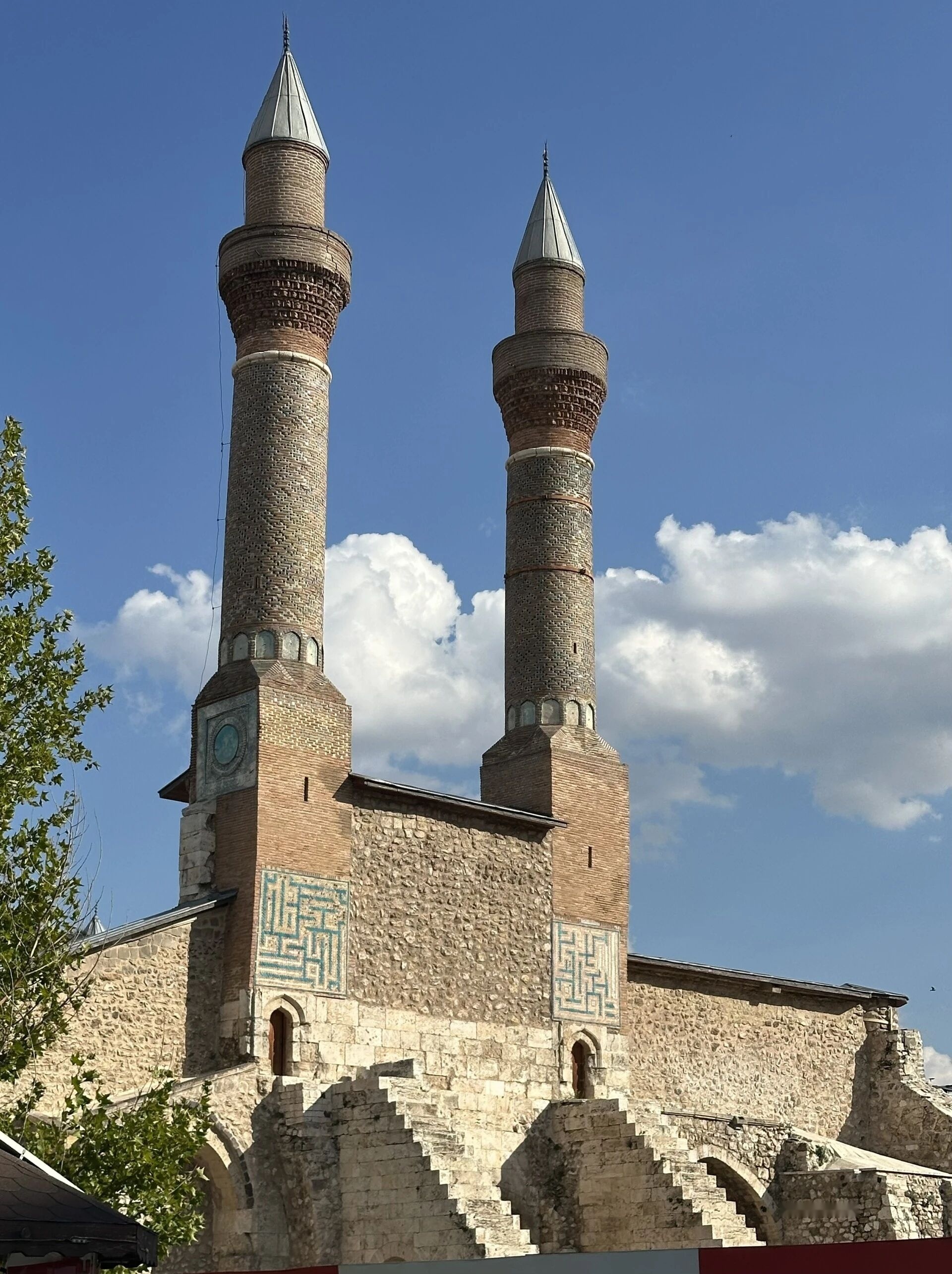
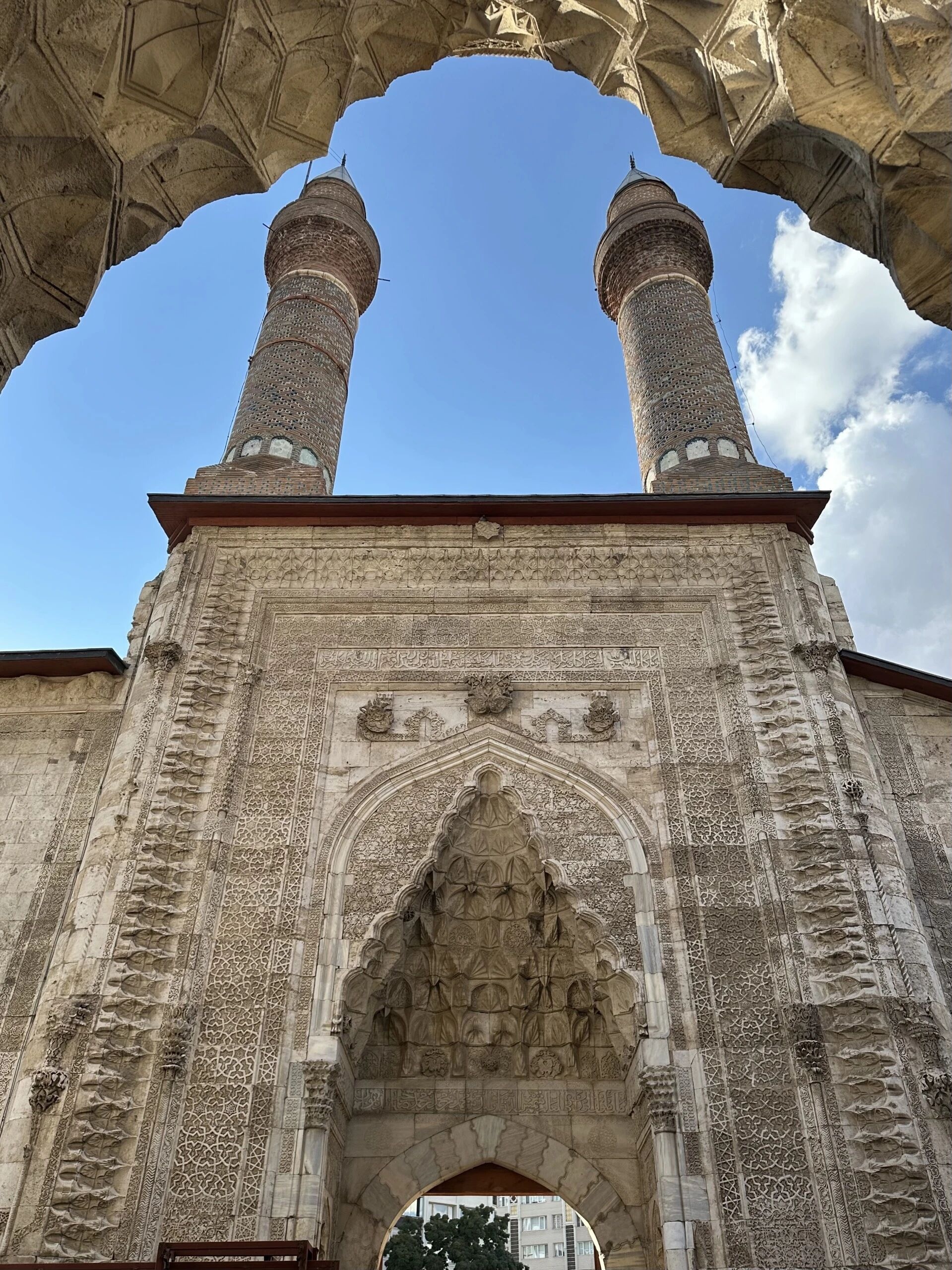
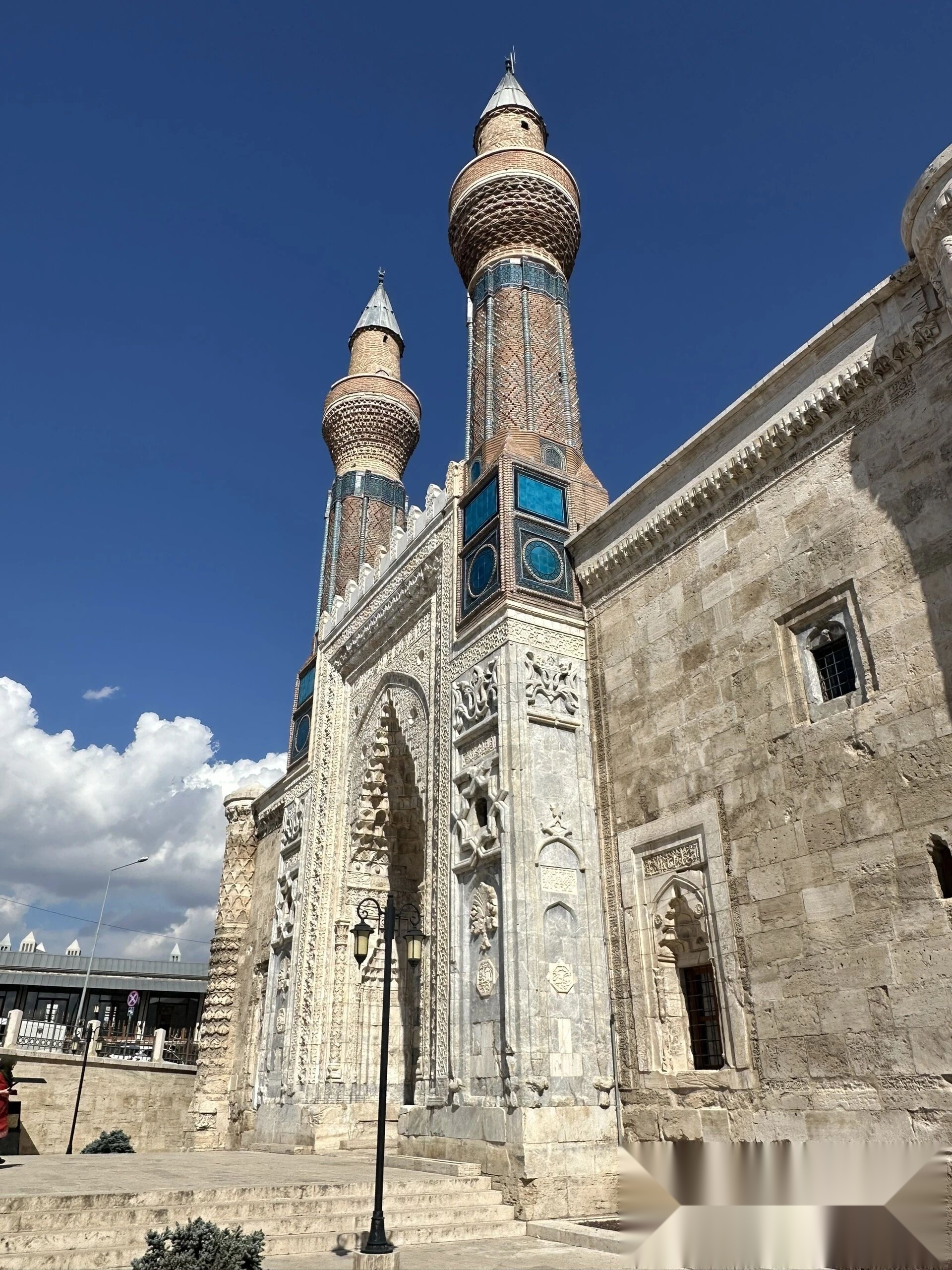
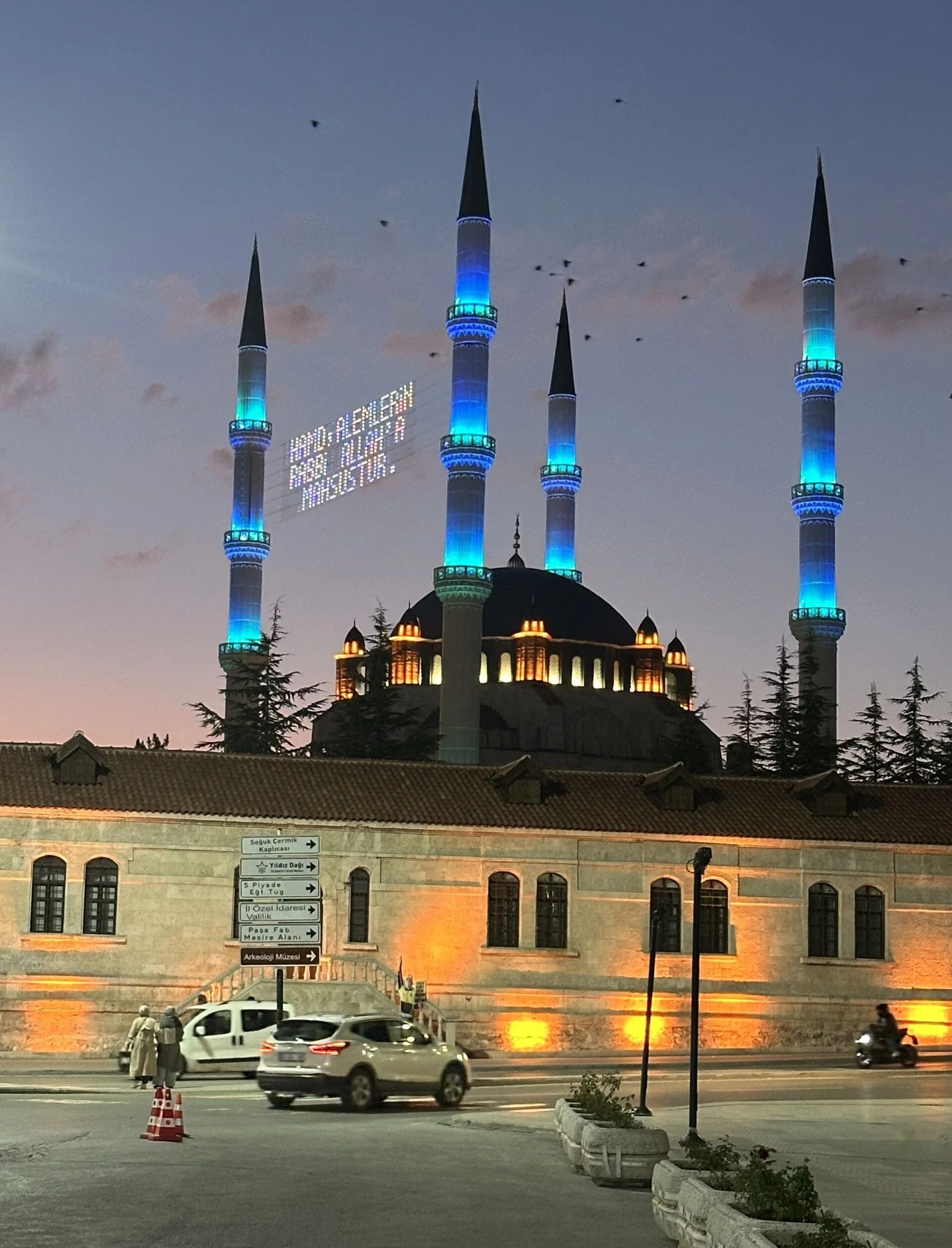
Want to dive deep into history? These 9 real-life photos capture the rich layers of civilization in Sivas, a fascinating historic city in Central Turkey. From the ancient Hittite civilization way back to the Roman-Byzantine, Seljuk Turk, and Ottoman Empires, we explored incredible Seljuk madrasa stone archways and iconic twin minarets of mosques, truly witnessing thousands of years of epic history on Anatolia's Little Asia Plateau.
Sivas is one of those rare cities that perfectly preserves thousands of years of layered civilizations. Its history kicks off with the Hittite civilization around 2600 BCE, then rolls through Roman-Byzantine, Seljuk Turk, Mongol Ilkhanate, and Timurid Empires, eventually landing under Ottoman rule. Later, Sivas became the starting point of the Turkish War of Independence before transforming into the major central Turkish hub it is today. Everywhere you look, you can find tangible physical remains from each era—from Hittite pottery fragments and Seljuk stone carvings to Ottoman domes and its current role as a modern transport center.
My initial plan for this trip to Turkey was just to see what ancient Greek and Roman civilization looked like as it continued under Byzantium, especially when Western Europe was in the Dark Ages. But then I got curious about what changed on this land during the 460+ years the Ottomans ruled after they brought down Byzantium. The land stayed the same, but rulers changed hands so many times – I wondered if the people stayed the same too. view all
Want to dive deep into history? These 9 real-life photos capture the rich layers of civilization in Sivas, a fascinating historic city in Central Turkey. From the ancient Hittite civilization way back to the Roman-Byzantine, Seljuk Turk, and Ottoman Empires, we explored incredible Seljuk madrasa stone archways and iconic twin minarets of mosques, truly witnessing thousands of years of epic history on Anatolia's Little Asia Plateau.
Sivas is one of those rare cities that perfectly preserves thousands of years of layered civilizations. Its history kicks off with the Hittite civilization around 2600 BCE, then rolls through Roman-Byzantine, Seljuk Turk, Mongol Ilkhanate, and Timurid Empires, eventually landing under Ottoman rule. Later, Sivas became the starting point of the Turkish War of Independence before transforming into the major central Turkish hub it is today. Everywhere you look, you can find tangible physical remains from each era—from Hittite pottery fragments and Seljuk stone carvings to Ottoman domes and its current role as a modern transport center.
My initial plan for this trip to Turkey was just to see what ancient Greek and Roman civilization looked like as it continued under Byzantium, especially when Western Europe was in the Dark Ages. But then I got curious about what changed on this land during the 460+ years the Ottomans ruled after they brought down Byzantium. The land stayed the same, but rulers changed hands so many times – I wondered if the people stayed the same too.
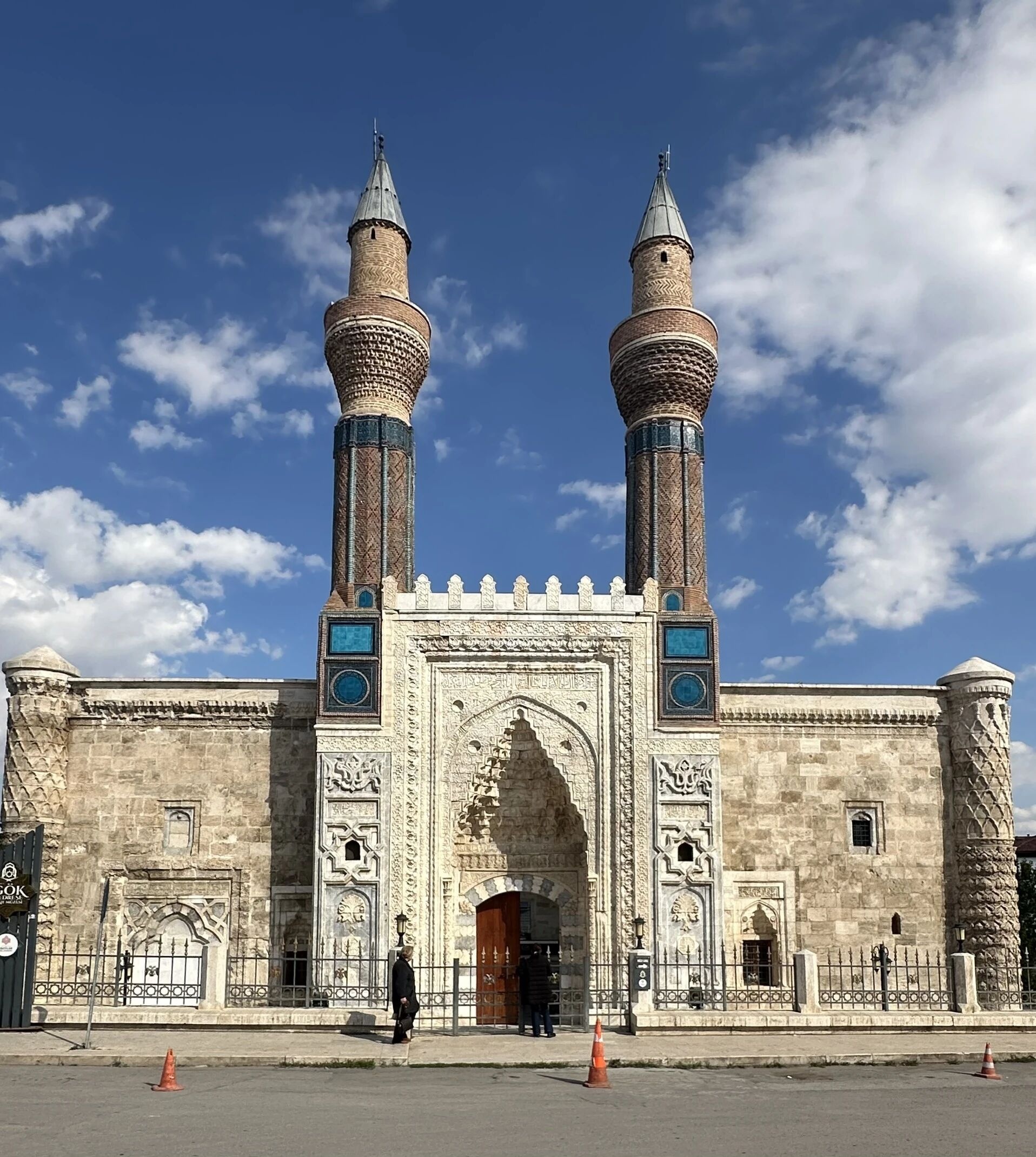
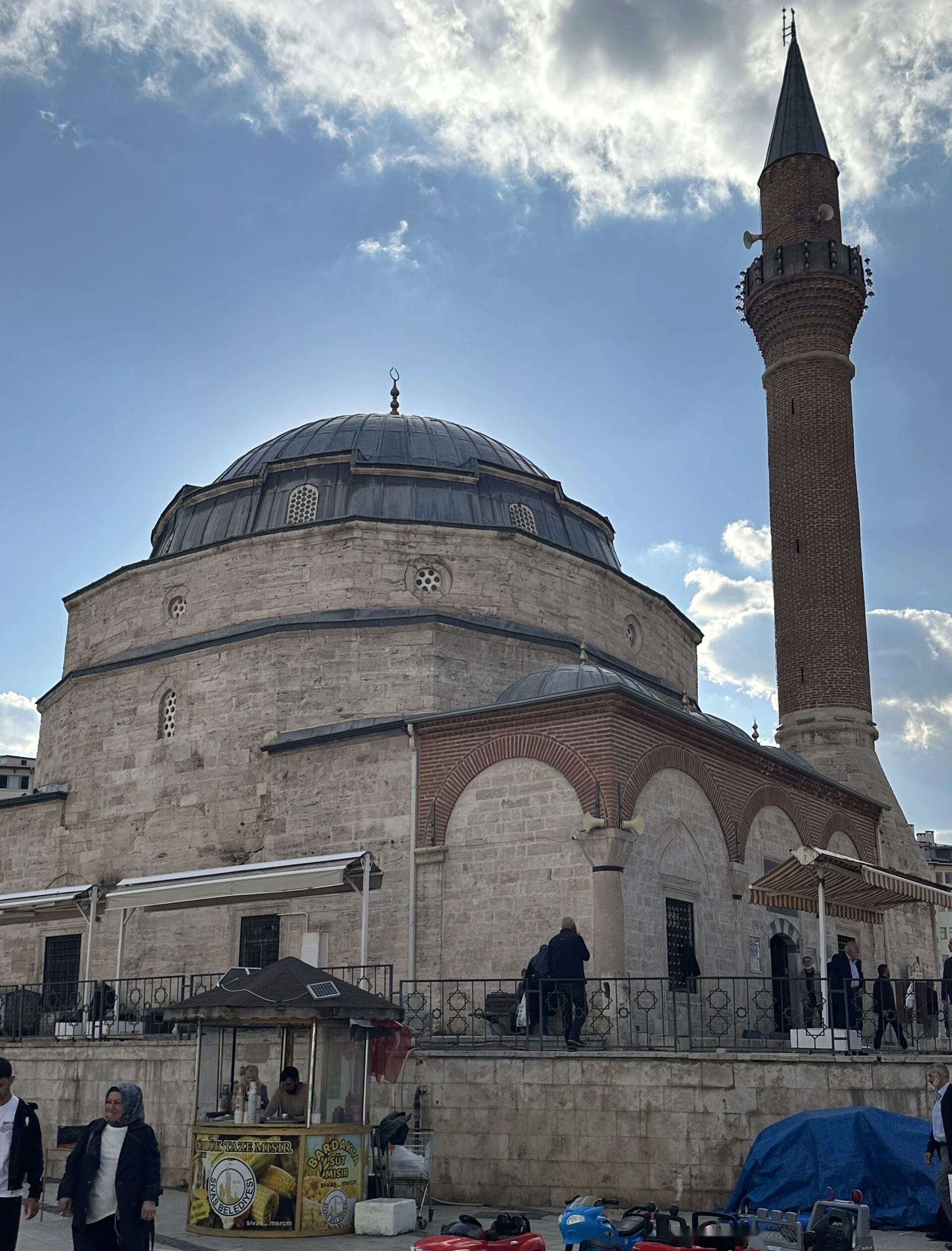
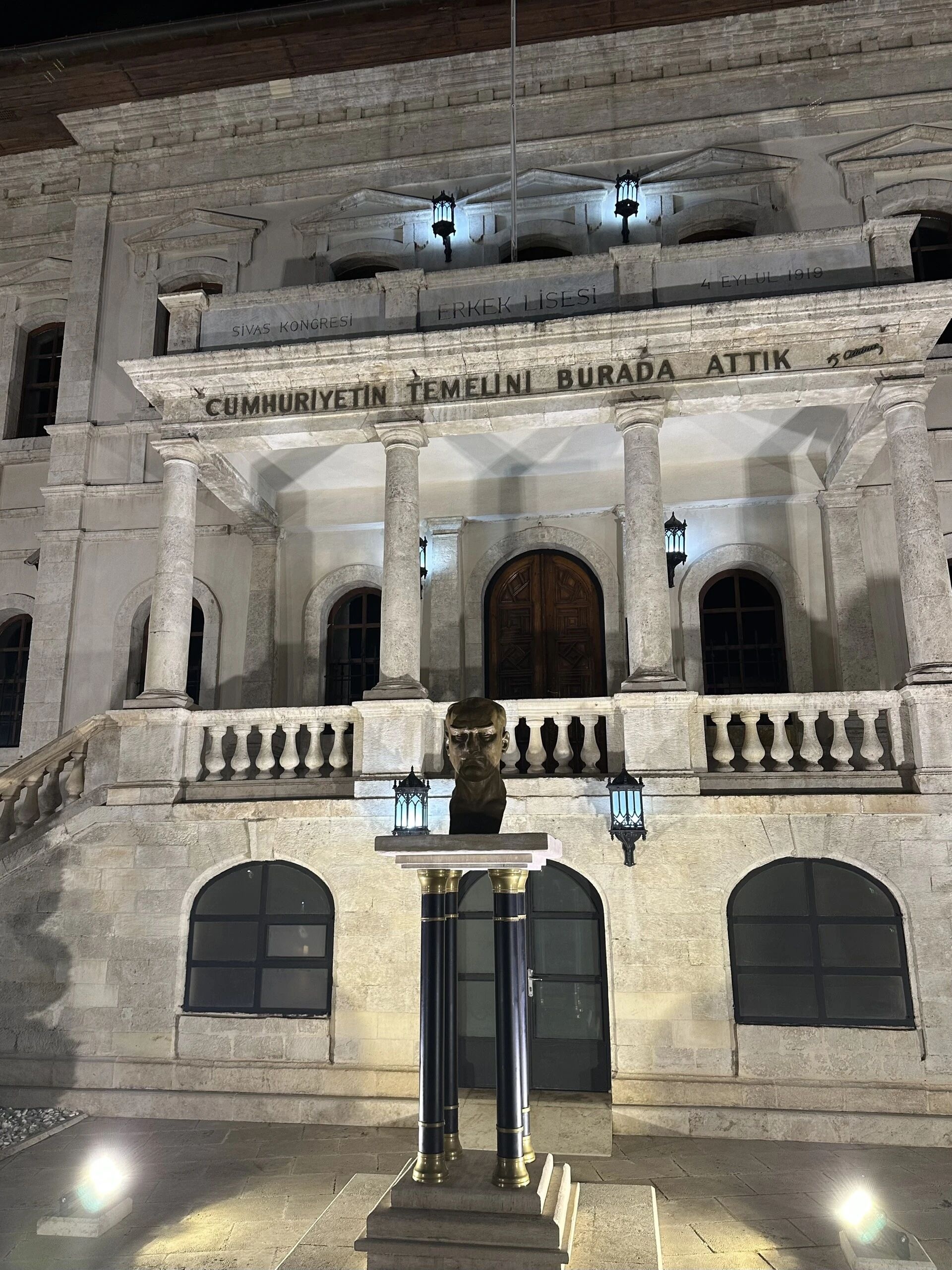
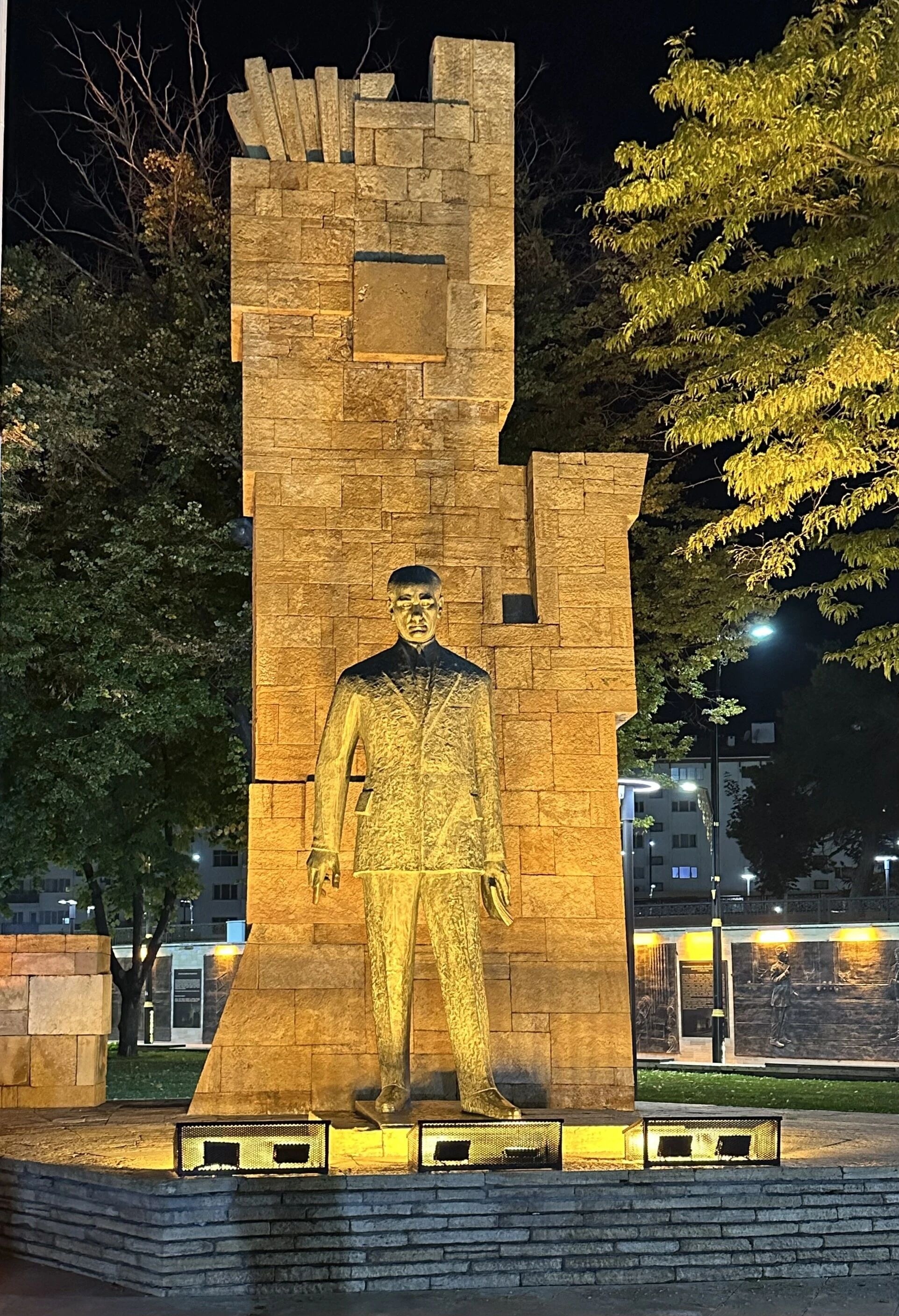
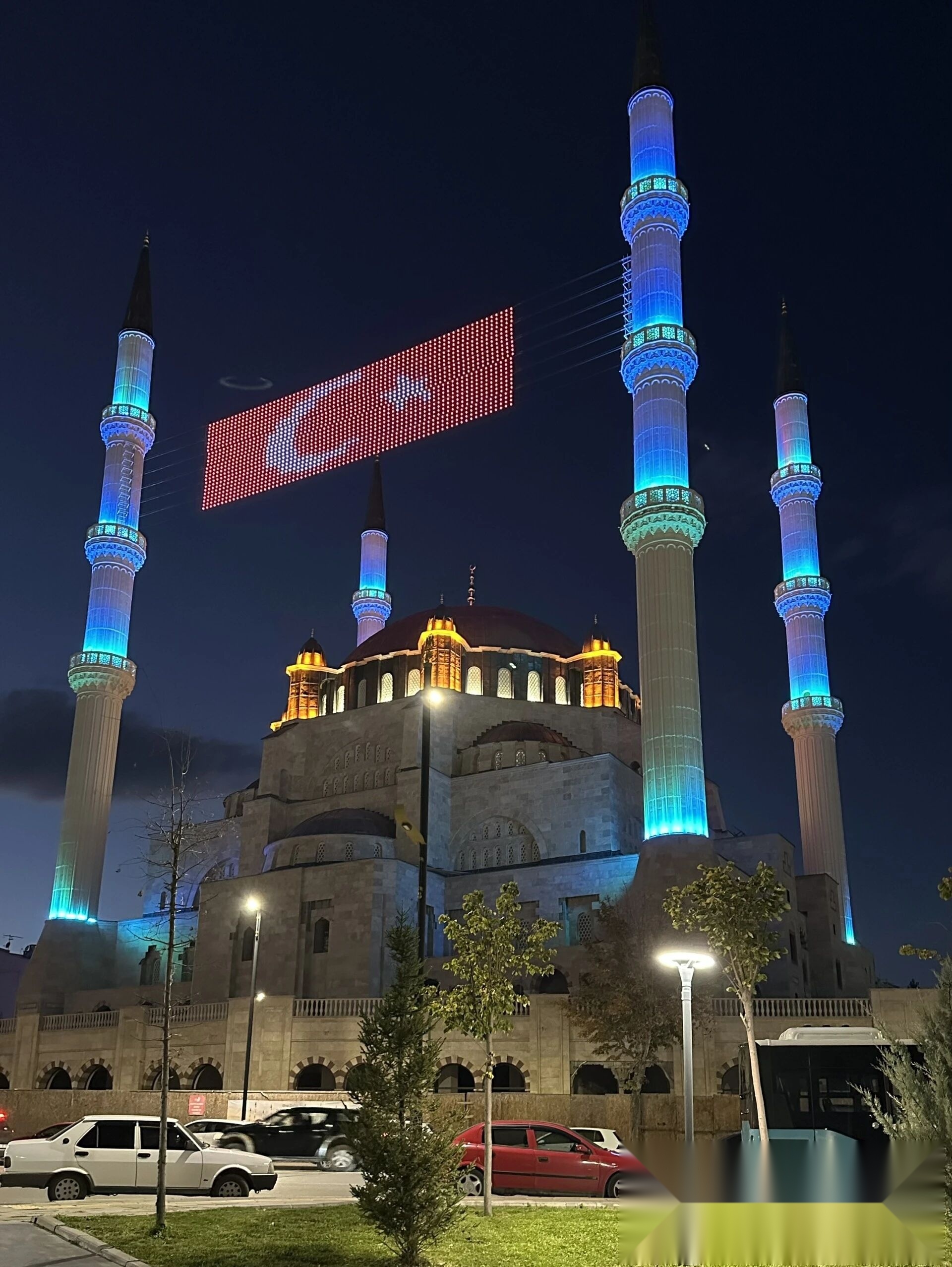
Sivas is one of those rare cities that perfectly preserves thousands of years of layered civilizations. Its history kicks off with the Hittite civilization around 2600 BCE, then rolls through Roman-Byzantine, Seljuk Turk, Mongol Ilkhanate, and Timurid Empires, eventually landing under Ottoman rule. Later, Sivas became the starting point of the Turkish War of Independence before transforming into the major central Turkish hub it is today. Everywhere you look, you can find tangible physical remains from each era—from Hittite pottery fragments and Seljuk stone carvings to Ottoman domes and its current role as a modern transport center.
My initial plan for this trip to Turkey was just to see what ancient Greek and Roman civilization looked like as it continued under Byzantium, especially when Western Europe was in the Dark Ages. But then I got curious about what changed on this land during the 460+ years the Ottomans ruled after they brought down Byzantium. The land stayed the same, but rulers changed hands so many times – I wondered if the people stayed the same too.
Central Turkey's Sivas: Journey Through Seljuk Islamic Architecture & Millennia of History
Articles • Hasan09 posted the article • 0 comments • 6 views • 3 hours ago
Want to dive deep into history? These 9 real-life photos capture the rich layers of civilization in Sivas, a fascinating historic city in Central Turkey. From the ancient Hittite civilization way back to the Roman-Byzantine, Seljuk Turk, and Ottoman Empires, we explored incredible Seljuk madrasa stone archways and iconic twin minarets of mosques, truly witnessing thousands of years of epic history on Anatolia's Little Asia Plateau.
Sivas is one of those rare cities that perfectly preserves thousands of years of layered civilizations. Its history kicks off with the Hittite civilization around 2600 BCE, then rolls through Roman-Byzantine, Seljuk Turk, Mongol Ilkhanate, and Timurid Empires, eventually landing under Ottoman rule. Later, Sivas became the starting point of the Turkish War of Independence before transforming into the major central Turkish hub it is today. Everywhere you look, you can find tangible physical remains from each era—from Hittite pottery fragments and Seljuk stone carvings to Ottoman domes and its current role as a modern transport center.
My initial plan for this trip to Turkey was just to see what ancient Greek and Roman civilization looked like as it continued under Byzantium, especially when Western Europe was in the Dark Ages. But then I got curious about what changed on this land during the 460+ years the Ottomans ruled after they brought down Byzantium. The land stayed the same, but rulers changed hands so many times – I wondered if the people stayed the same too. view all
Sivas is one of those rare cities that perfectly preserves thousands of years of layered civilizations. Its history kicks off with the Hittite civilization around 2600 BCE, then rolls through Roman-Byzantine, Seljuk Turk, Mongol Ilkhanate, and Timurid Empires, eventually landing under Ottoman rule. Later, Sivas became the starting point of the Turkish War of Independence before transforming into the major central Turkish hub it is today. Everywhere you look, you can find tangible physical remains from each era—from Hittite pottery fragments and Seljuk stone carvings to Ottoman domes and its current role as a modern transport center.
My initial plan for this trip to Turkey was just to see what ancient Greek and Roman civilization looked like as it continued under Byzantium, especially when Western Europe was in the Dark Ages. But then I got curious about what changed on this land during the 460+ years the Ottomans ruled after they brought down Byzantium. The land stayed the same, but rulers changed hands so many times – I wondered if the people stayed the same too. view all
Want to dive deep into history? These 9 real-life photos capture the rich layers of civilization in Sivas, a fascinating historic city in Central Turkey. From the ancient Hittite civilization way back to the Roman-Byzantine, Seljuk Turk, and Ottoman Empires, we explored incredible Seljuk madrasa stone archways and iconic twin minarets of mosques, truly witnessing thousands of years of epic history on Anatolia's Little Asia Plateau.
Sivas is one of those rare cities that perfectly preserves thousands of years of layered civilizations. Its history kicks off with the Hittite civilization around 2600 BCE, then rolls through Roman-Byzantine, Seljuk Turk, Mongol Ilkhanate, and Timurid Empires, eventually landing under Ottoman rule. Later, Sivas became the starting point of the Turkish War of Independence before transforming into the major central Turkish hub it is today. Everywhere you look, you can find tangible physical remains from each era—from Hittite pottery fragments and Seljuk stone carvings to Ottoman domes and its current role as a modern transport center.
My initial plan for this trip to Turkey was just to see what ancient Greek and Roman civilization looked like as it continued under Byzantium, especially when Western Europe was in the Dark Ages. But then I got curious about what changed on this land during the 460+ years the Ottomans ruled after they brought down Byzantium. The land stayed the same, but rulers changed hands so many times – I wondered if the people stayed the same too.