

Seoul
Between Two Worlds: Finding Faith and Halal Flavor in the Streets of Seoul
Articles • ahmedla posted the article • 0 comments • 319 views • 2026-01-21 09:52
A look back at my Halal trip to Seoul, South Korea.
The Early Muslims of Korea Persian and Arab merchants traveled to Korea to do business as early as the 9th century during the Silla period. This grew during the Goryeo dynasty (918-1392), where some Muslim traders married local women and started the very first Muslim communities in Korea.
During the Yuan dynasty, many Semu people (Central Asians) settled in Goryeo for trade and built a mosque called Ye-Kung in the capital, Kaesong. There’s even a famous old poem from back then called Sanghwajeom (The Central Asian Bakery) that tells the story of a Korean woman buying dumplings from a Muslim shop.
Once the Joseon dynasty (1392-1910) took over, King Sejong banned the faith in 1427. He forbid the wearing of kufis (prayer hats), closed the Kaesong mosque, and the Muslim community eventually faded away.
The Rise of Modern Korean Muslims It wasn't until the Korean War that Islam returned, when a Turkish brigade arrived with their own military Imam. They did a lot of humanitarian work, helping war orphans in makeshift schools. After the war, the Turkish troops stayed as UN peacekeepers, and Koreans began to embrace Islam. In 1955, the Korea Muslim Society was started, setting up the first prayer space in downtown Seoul. By 1967, this grew into the Korea Muslim Federation (KMF), which looks after the student association and the Islamic Culture Institute.
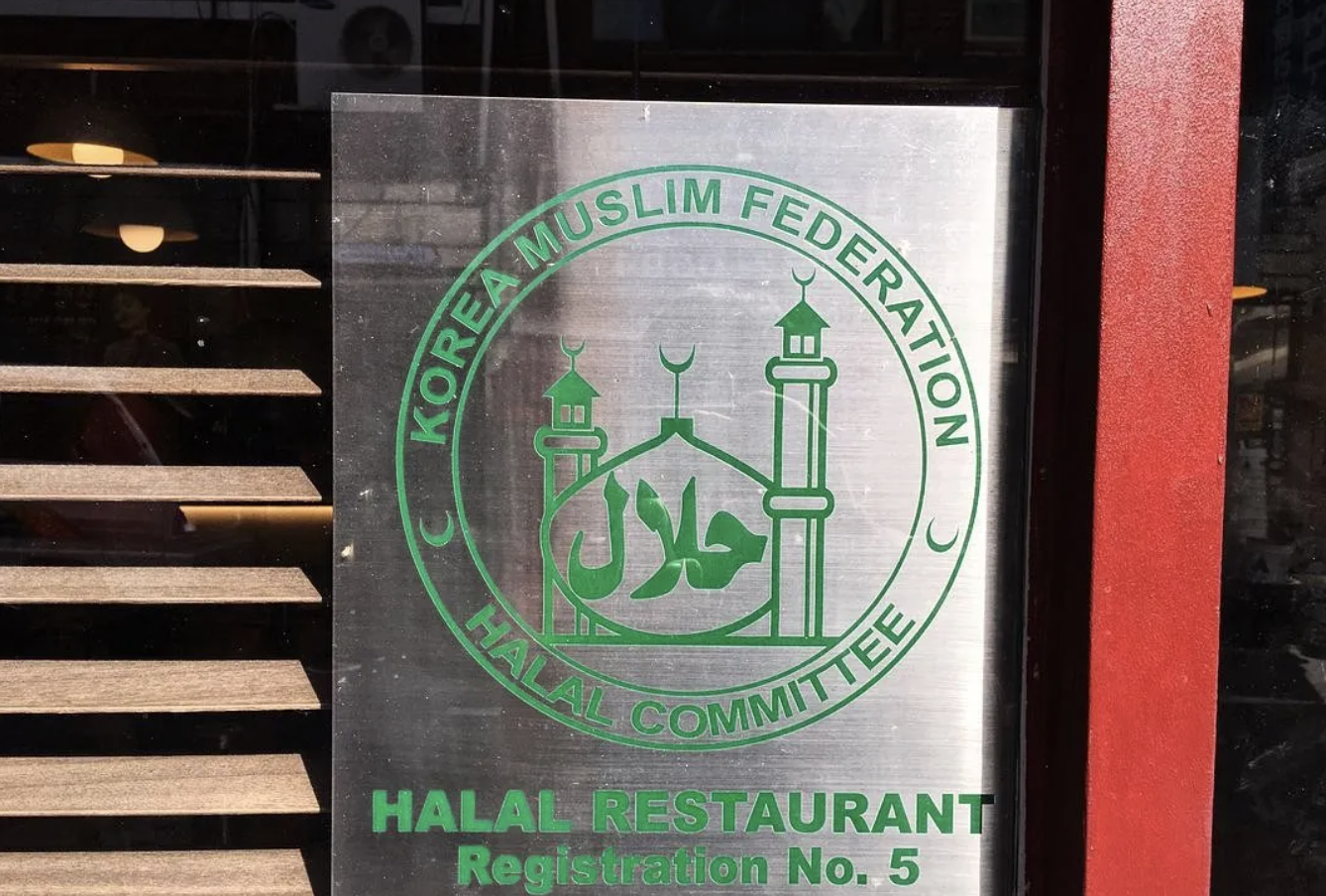
The Halal logo certified by the KMF.
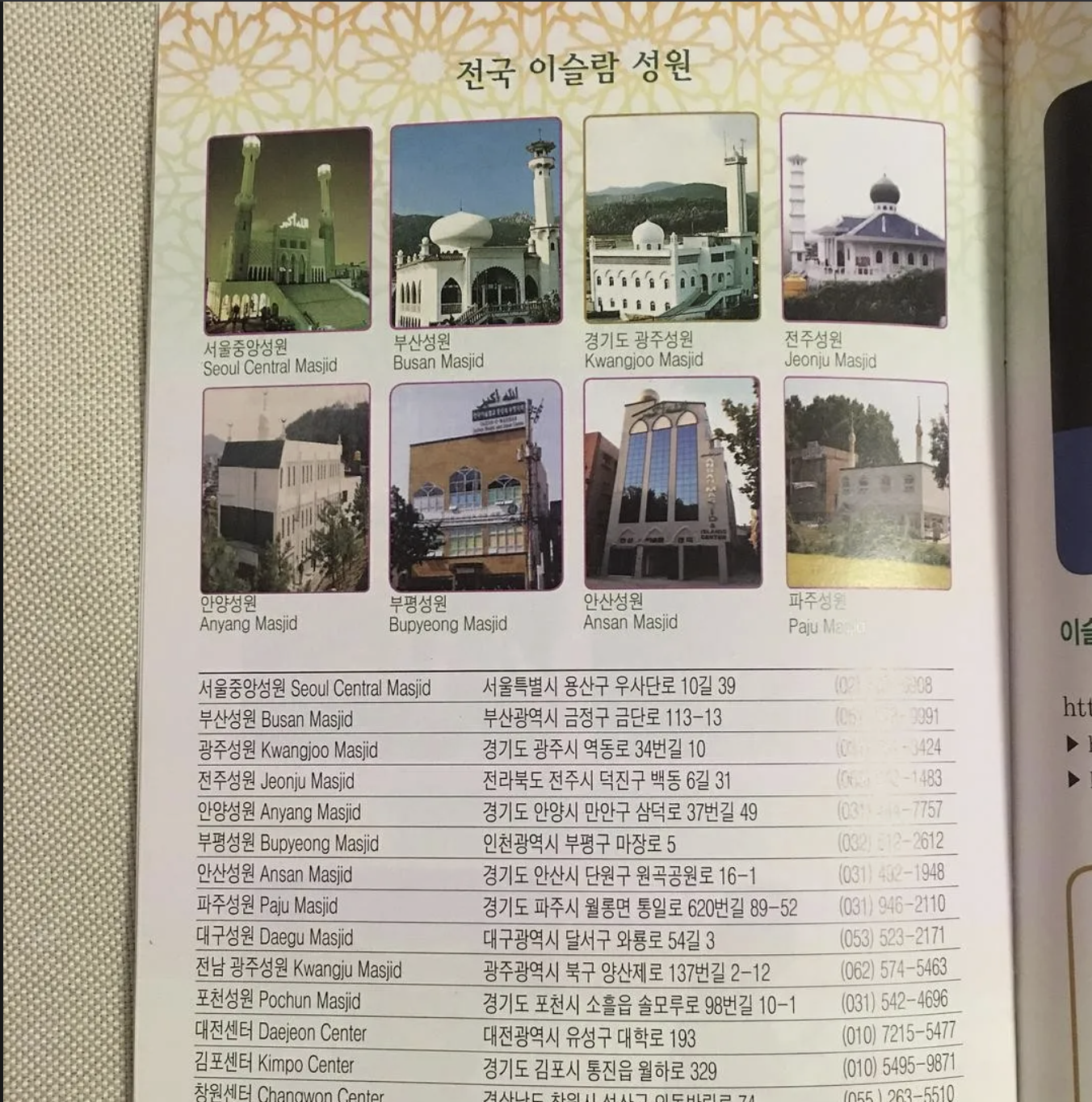
A booklet printed by the KMF with info on mosques all over Korea.
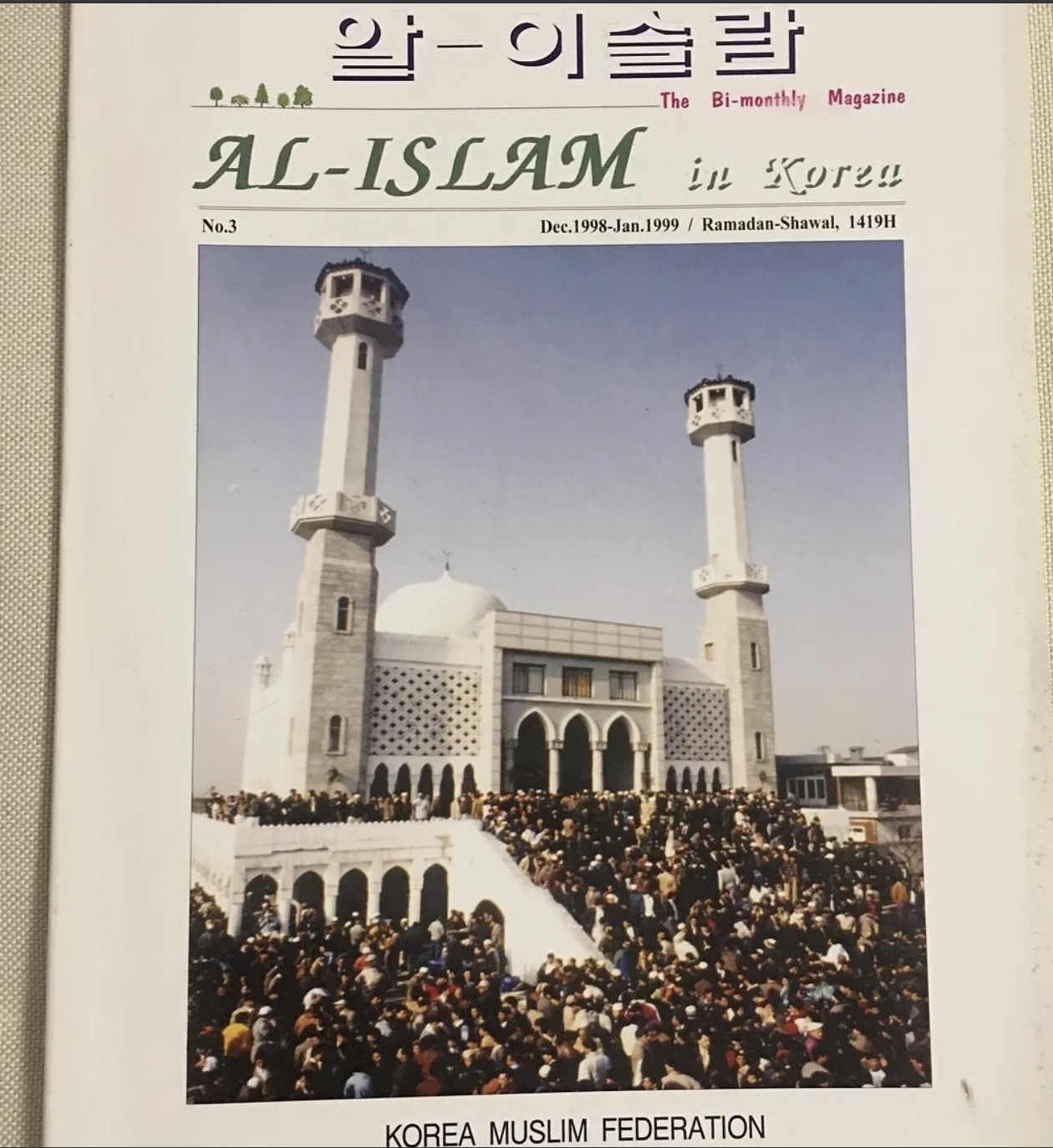
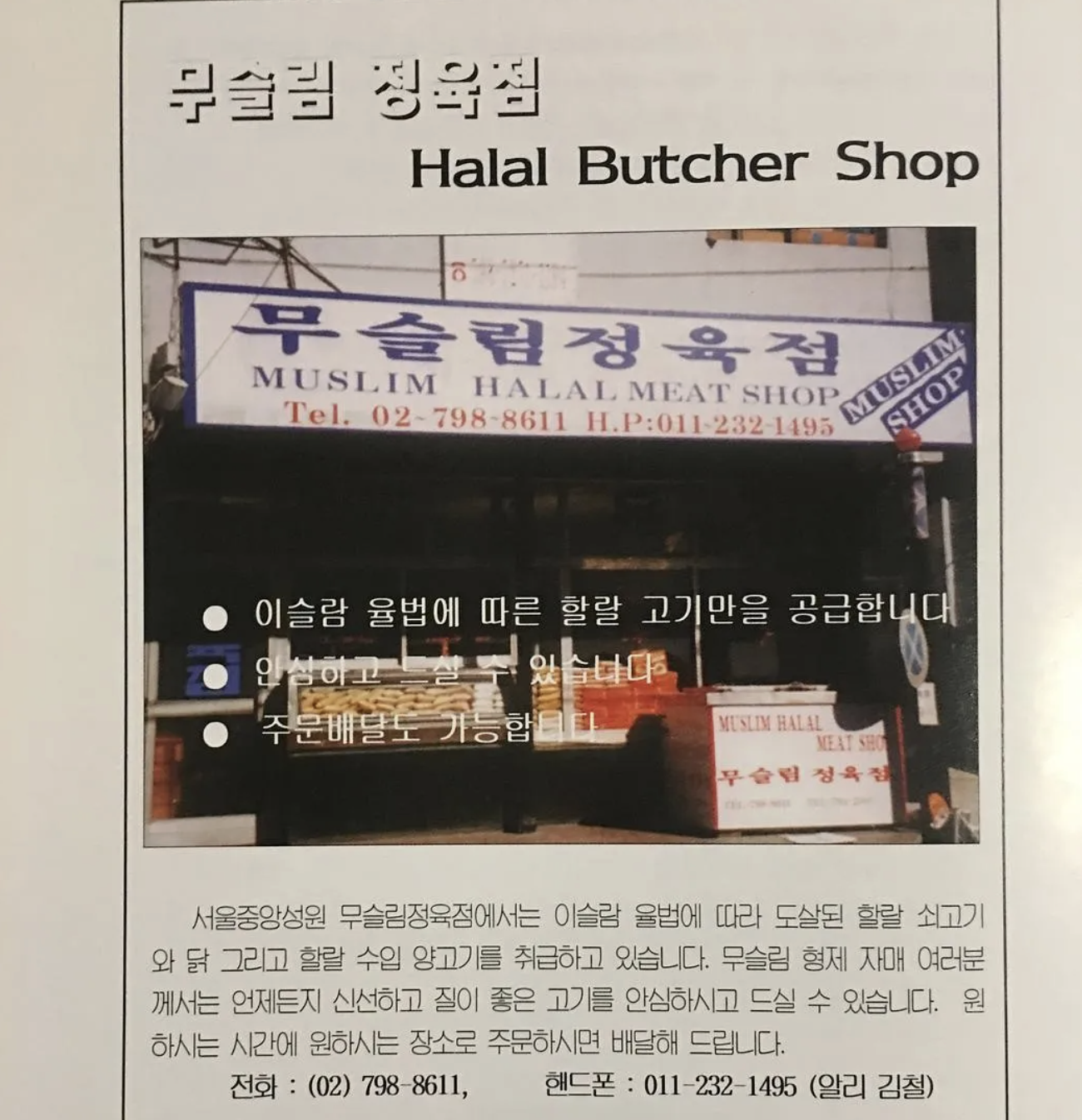
A 1999 magazine from the KMF, featuring a list of new brothers and sisters who converted that year and the Halal butcher shops at the time.
The Itaewon Muslim Community In 1952, the U.S. military moved its headquarters to Yongsan. To serve the many American troops nearby, the Itaewon area—just a short distance east of the base—started filling up with foreign restaurants and bars. Eventually, Muslims started opening Halal spots there too.
In 1976, President Park Chung-hee provided the land to the KMF, and the Seoul Central Masjid was built in Itaewon. That year, the number of Muslims in Korea jumped from under 3,000 to over 15,000, and a Halal business district formed in Itaewon. Since the 90s, with brothers coming from Pakistan, Bangladesh, Indonesia, and Malaysia for work, the population reached 150,000. Today, there are an estimated 100,000 Muslims in Korea, with about 40,000 being local Korean converts.
A map at the Itaewon subway station showing the Middle Eastern street and the Masjid.
Seoul Central Masjid
There is a school inside the complex that offers Arabic classes.
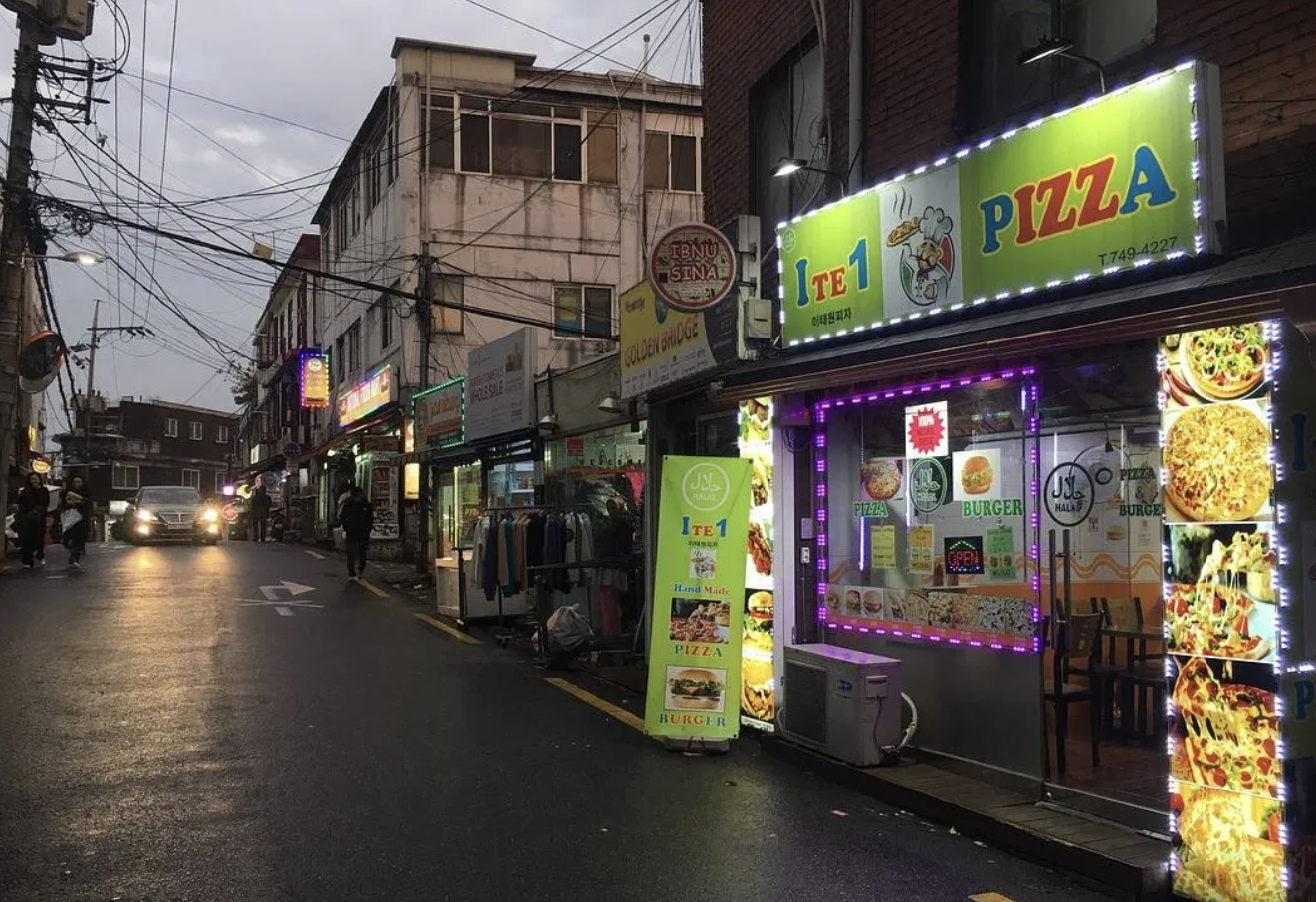
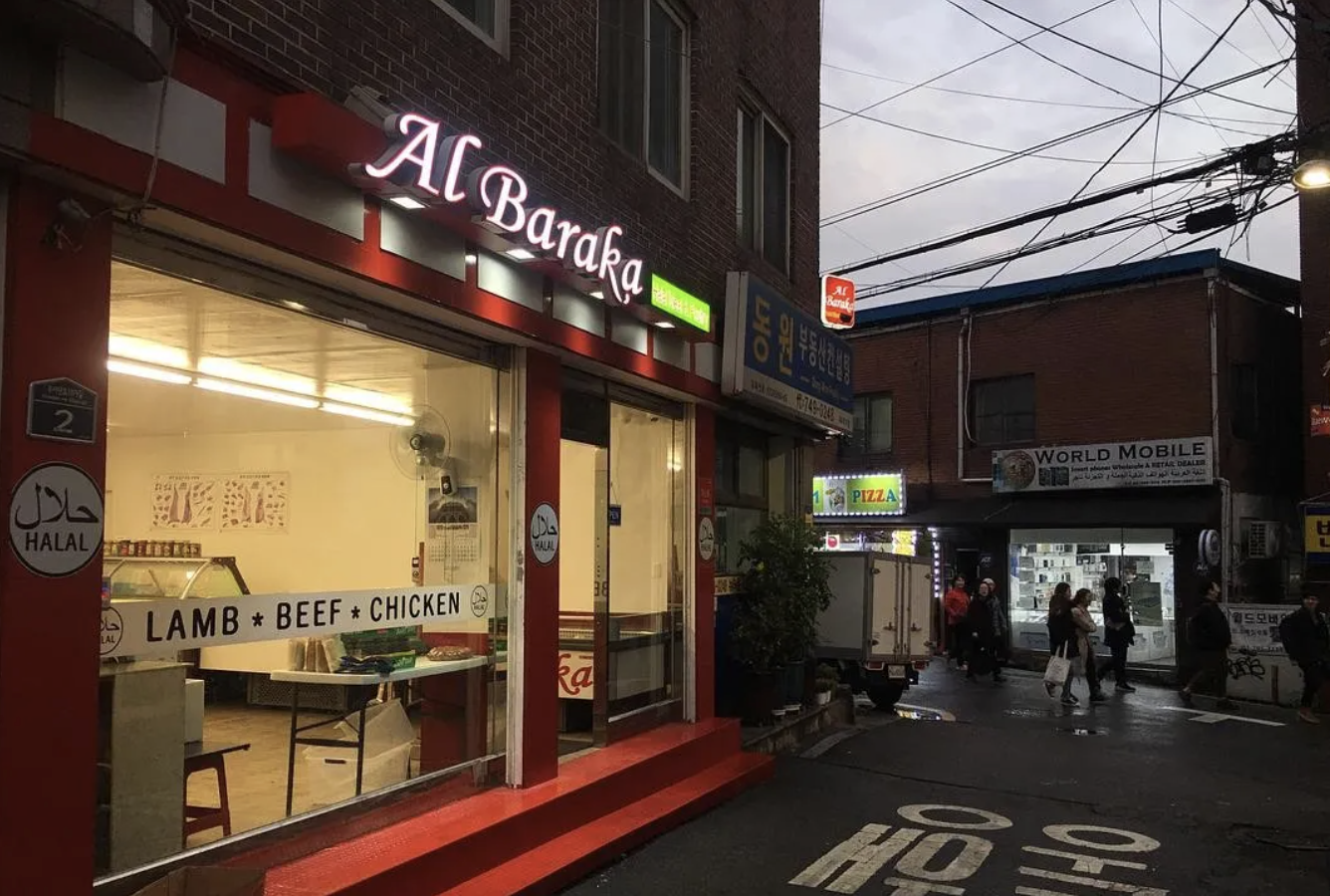
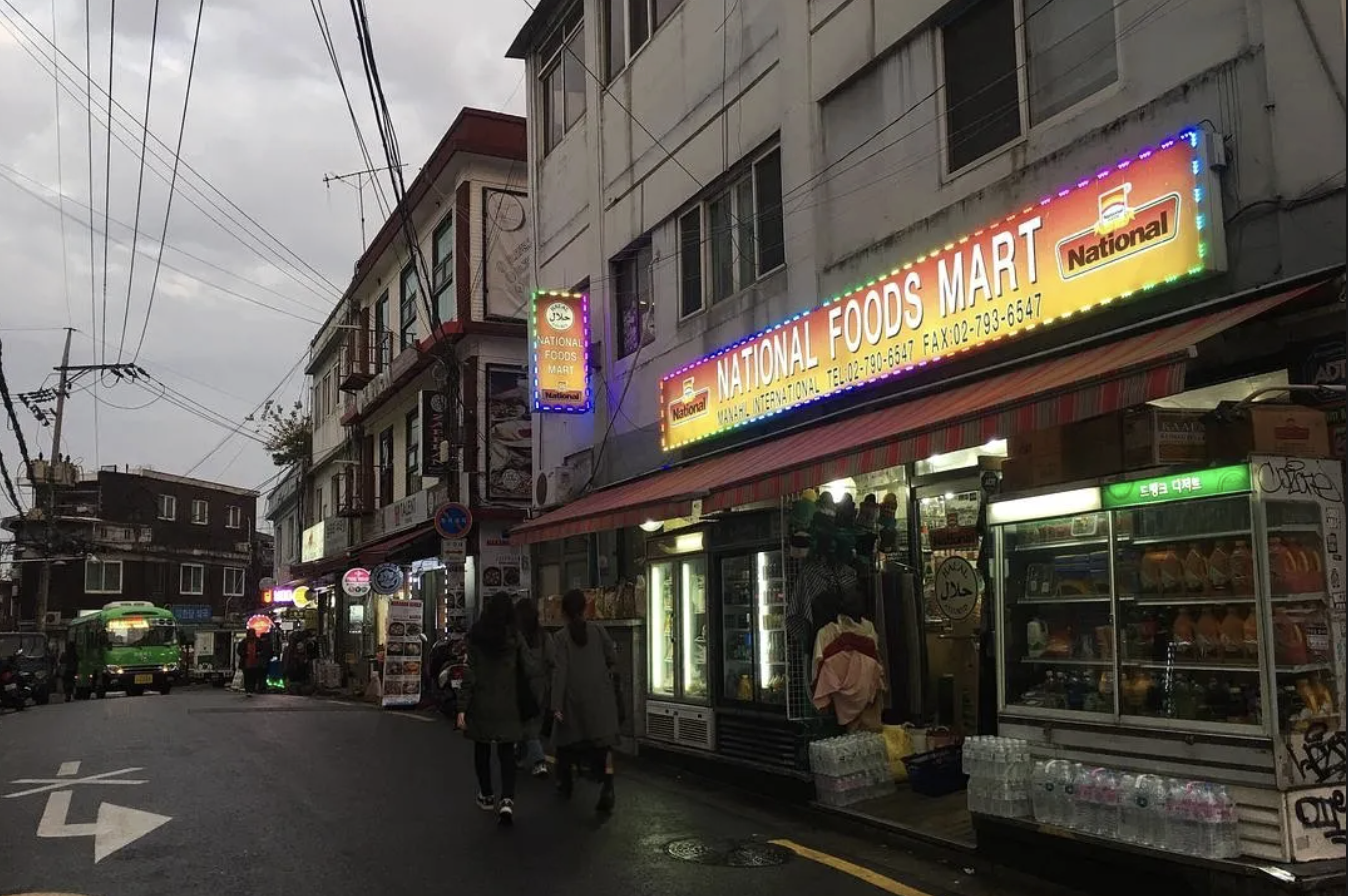
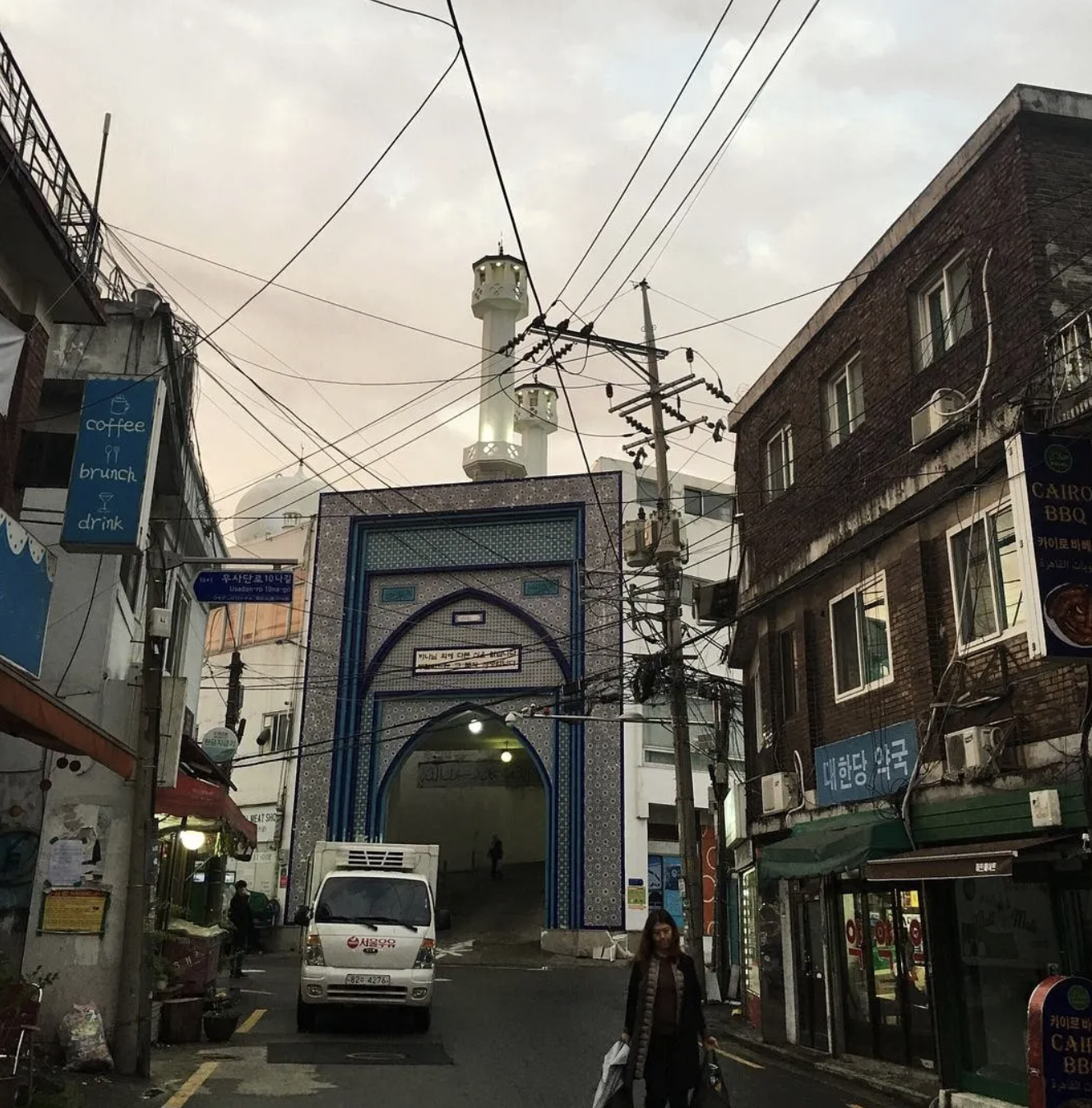
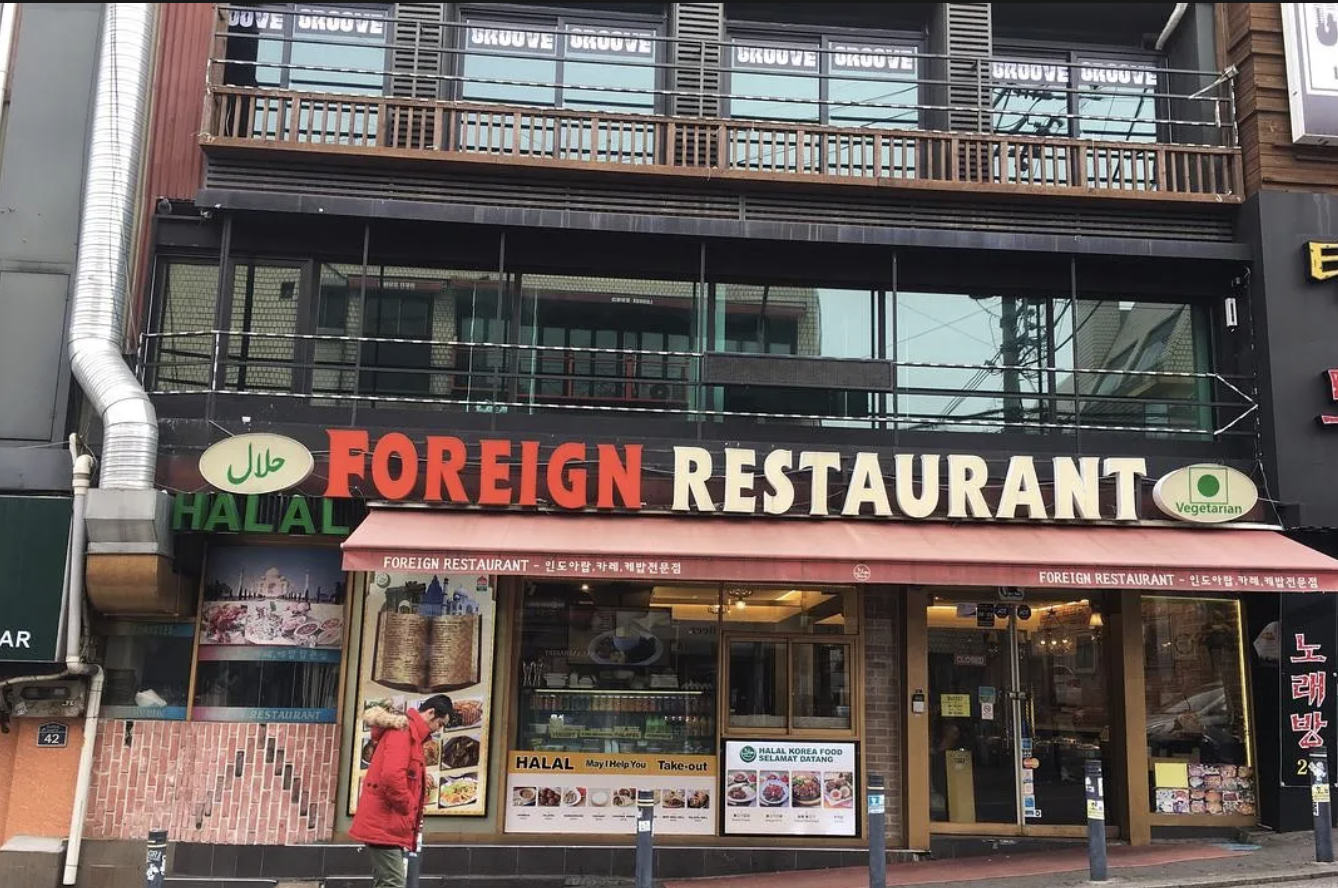
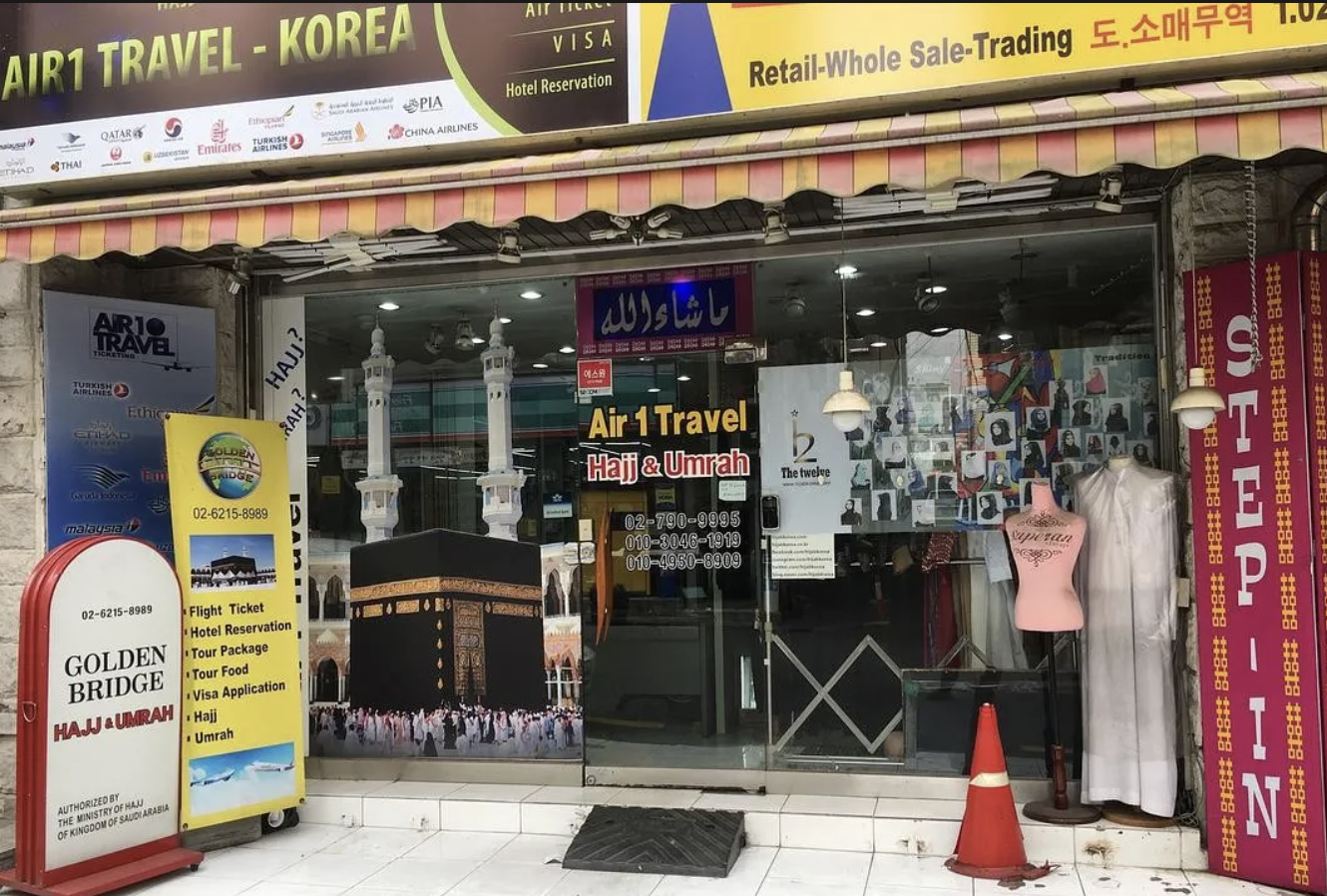
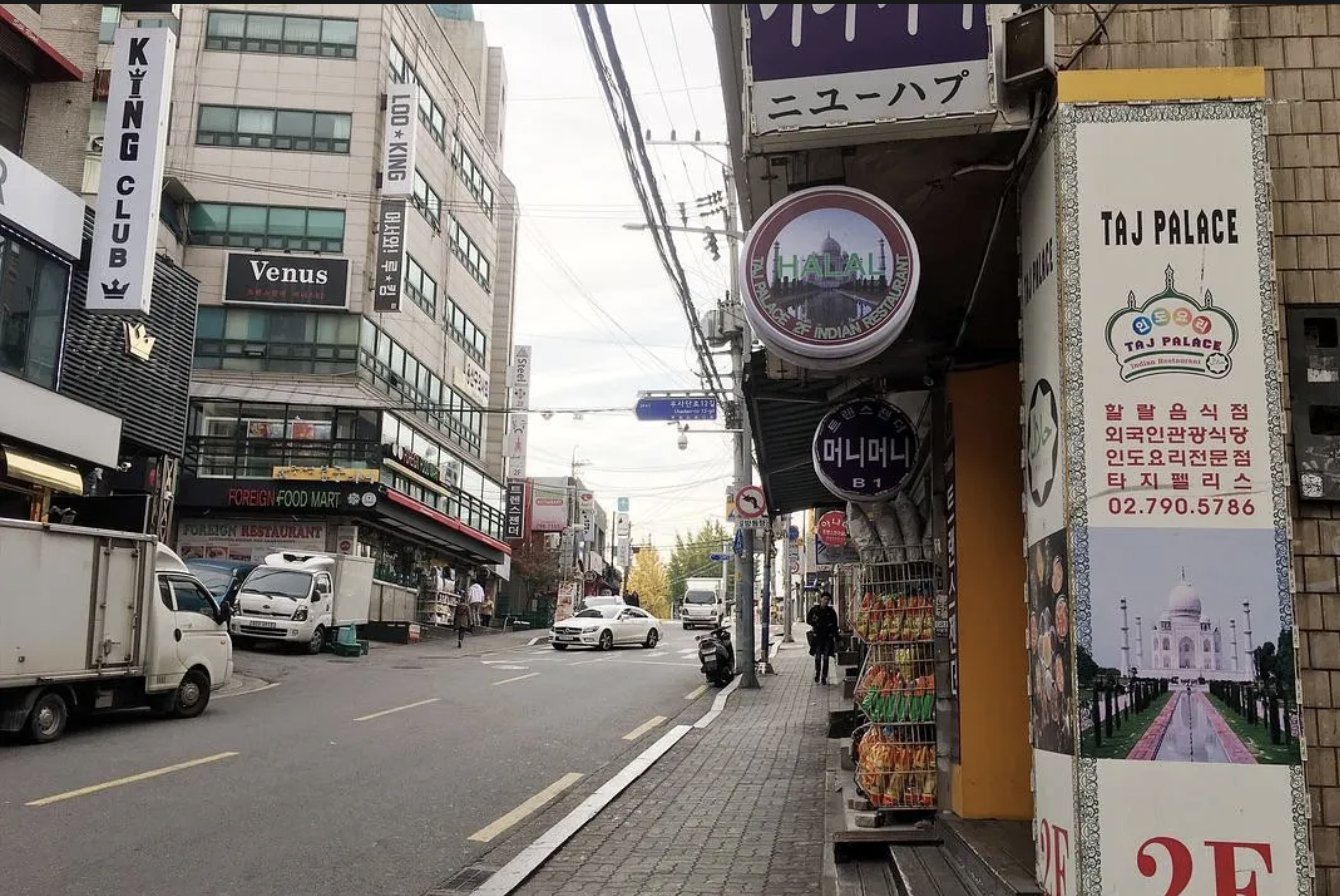
The area around the Masjid is full of Halal restaurants with flavors from Iran, India, and Turkey, along with Halal supermarkets, Islamic bookstores, and Muslim-run travel agencies.
Street views of Itaewon.
You can pick up a "Halal Guide to Itaewon" at Incheon Airport, published by the Ministry of Culture and Tourism. It shows exactly where all the Halal restaurants are.
The Korean government actually categorizes these restaurants into four types:
Halal Certified: Certified by the food safety department; must have at least one Muslim staff member.
Self-Certified: Muslim-owned restaurants that don't serve alcohol.
Muslim Friendly: These serve alcohol but have some or all Halal items on the menu.
Pork-Free: They don't have a specific Halal menu, but they don't use any pork.
Breakfast I stayed at the ITW Hotel in Itaewon. Every morning from 7 to 9 AM, they have a Halal breakfast buffet provided by a nearby Indian restaurant called ZAFFRAN. Other than a 24-hour Turkish spot called MR. KEBAB, most Halal places in Itaewon don't open until later in the morning.
Halal Supermarket ZAFFRAN MART, the biggest Halal grocery store in Itaewon.
Islamic Bookstore
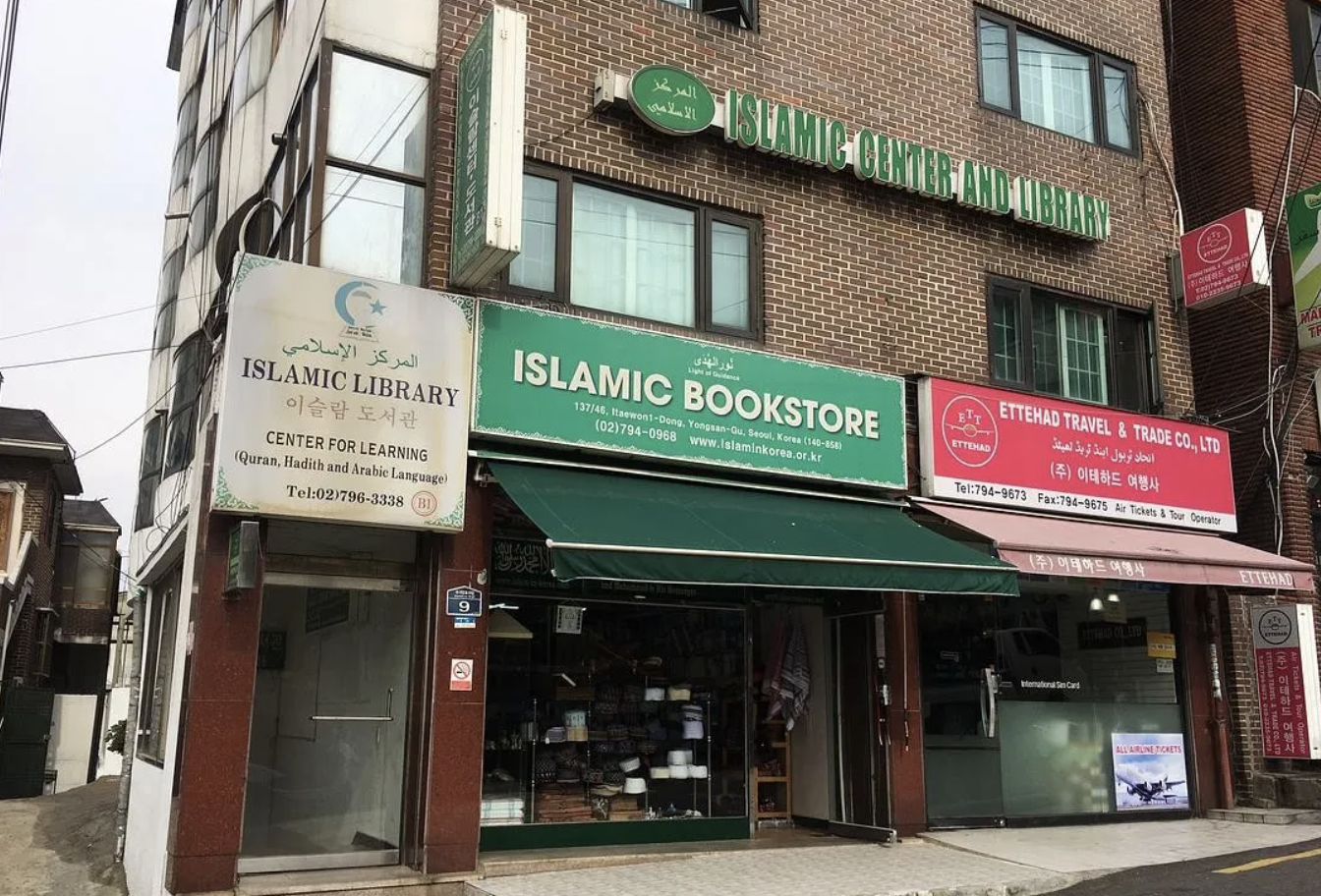
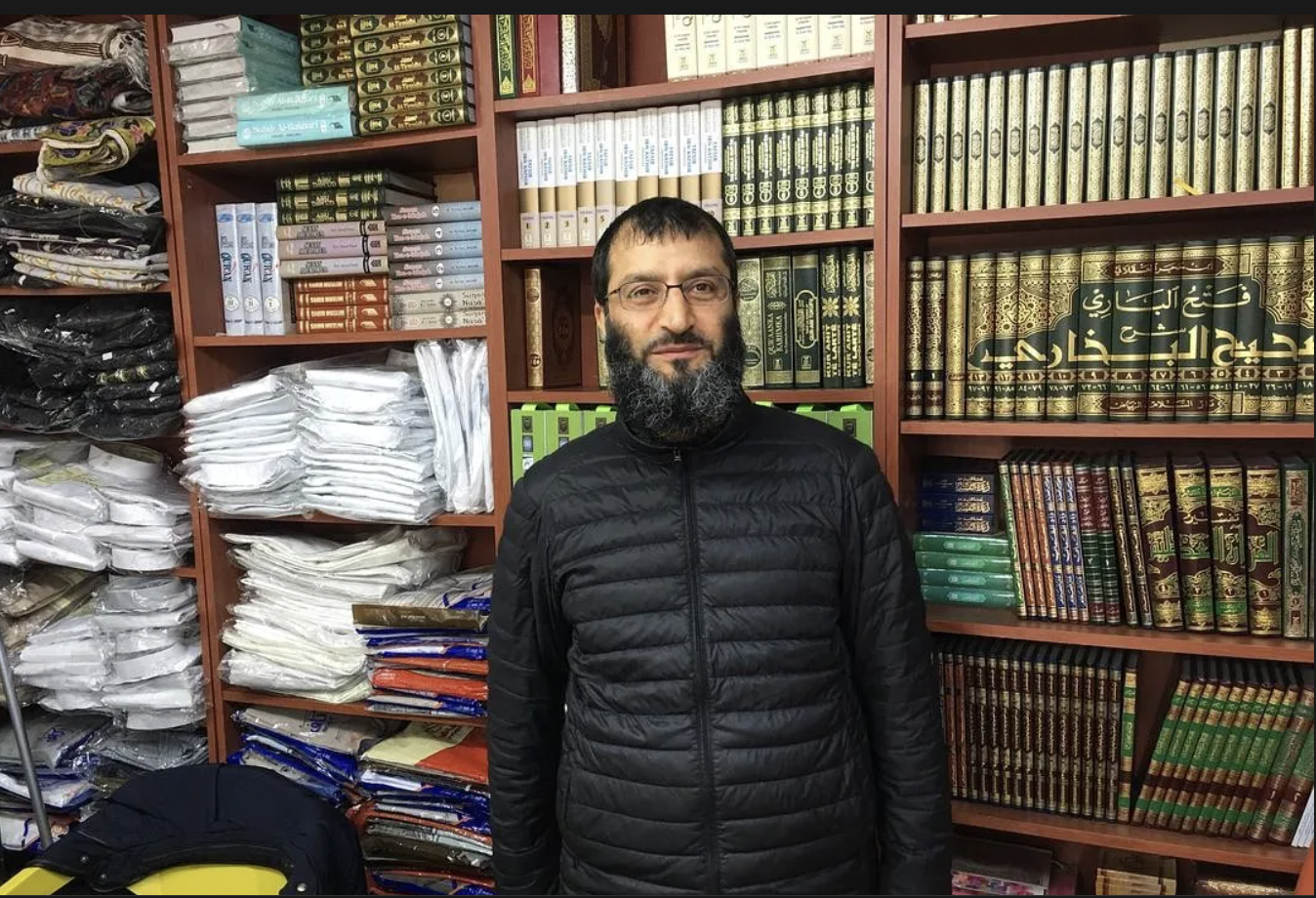
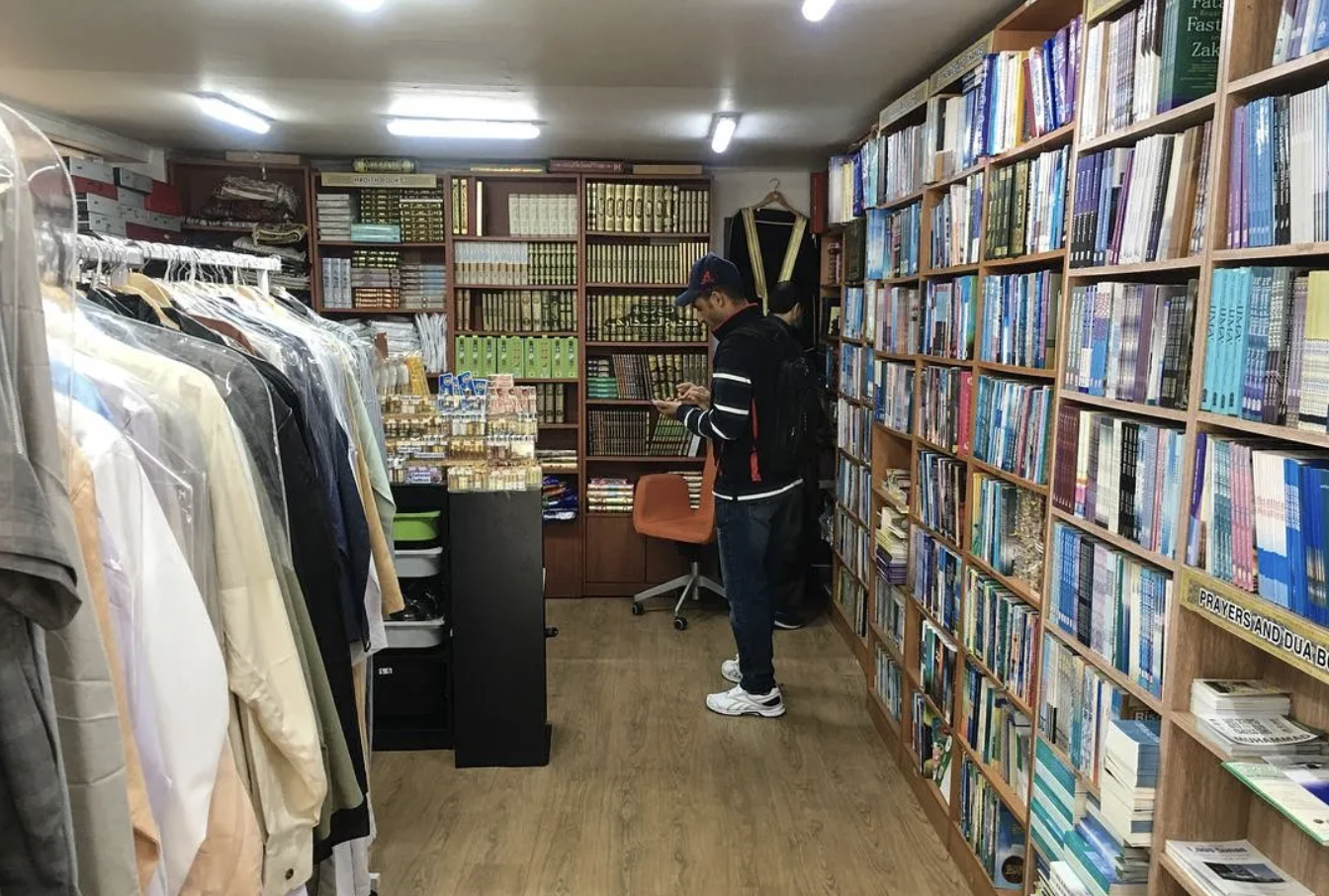
The bookstore in Itaewon is run by a brother from Indian-controlled Kashmir. We really hit it off, and he gave me a very warm greeting when he saw me the next day. They carry kufis from Pakistan, India, Afghanistan, East Africa, and Malaysia. I bought one made in Pakistan and one from India.
A kufi made in India.
A kufi made in Pakistan.
Makan Restaurant Even though there are tons of Middle Eastern and Indian spots, the real highlight is Halal Korean food. Makan is the most famous one.
This sister is the head chef.
They serve six different side dishes.
Grilled fish.
Korean rice is delicious!
Doenjang-jjigae (Soybean paste stew).
Rice mixed into the soup.
Korean Beef Bibimbap—the meat was covered by the egg, so I missed the shot.
Spicy stir-fried squid and rice cakes.
The brother on the right is also a chef.
The menu.
Makan Chicken & Noodle Besides the main spot south of the Masjid, Makan has another place to the west that specializes in Korean Fried Chicken and Jajangmyeon (black bean noodles). It’s run by the same people, and the chef is a very nice uncle.
Korean Jajangmyeon—it tastes different from the Beijing version, and the noodles are a bit like Udon.
The uncle on the right is the chef.
The menu.
Eid
Eid is right up there with Makan as one of the best Halal Korean spots in Seoul. The menu isn't as big as Makan’s, but the food is great.
The chef is this very efficient-looking sister.
Samgyetang (Ginseng chicken soup).
Three types of side dishes.
Braised chicken—the rice cakes inside are amazing.
Hajj
There’s another Halal Korean spot east of the Masjid run by a Korean auntie. She’s very welcoming but has a very thick accent in English. I originally wanted Bibimbap, but she ended up making me spicy dried fish fried rice, so I’m not quite sure how her traditional Korean dishes taste.
Itaewon at sunset.
Yanggood
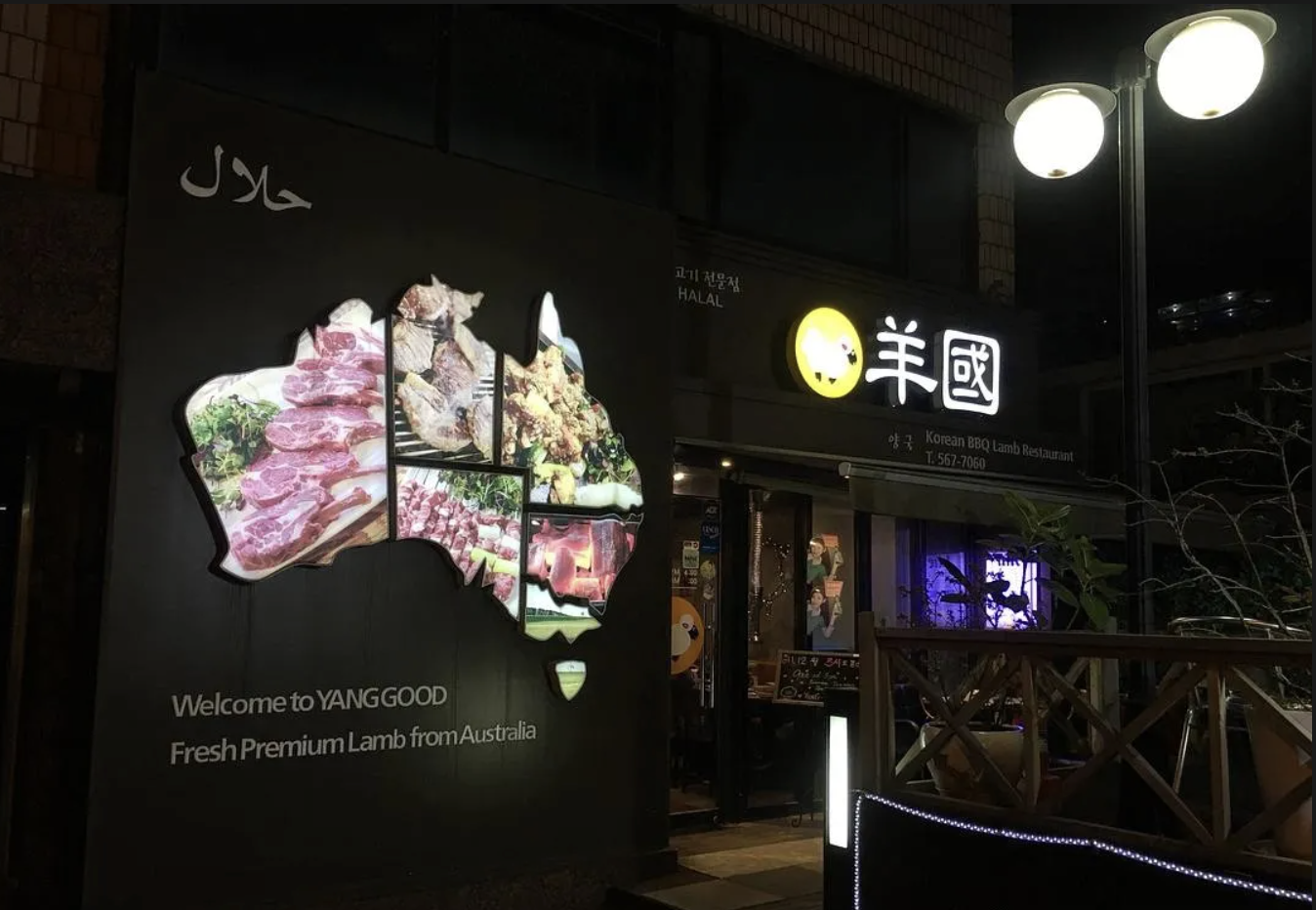
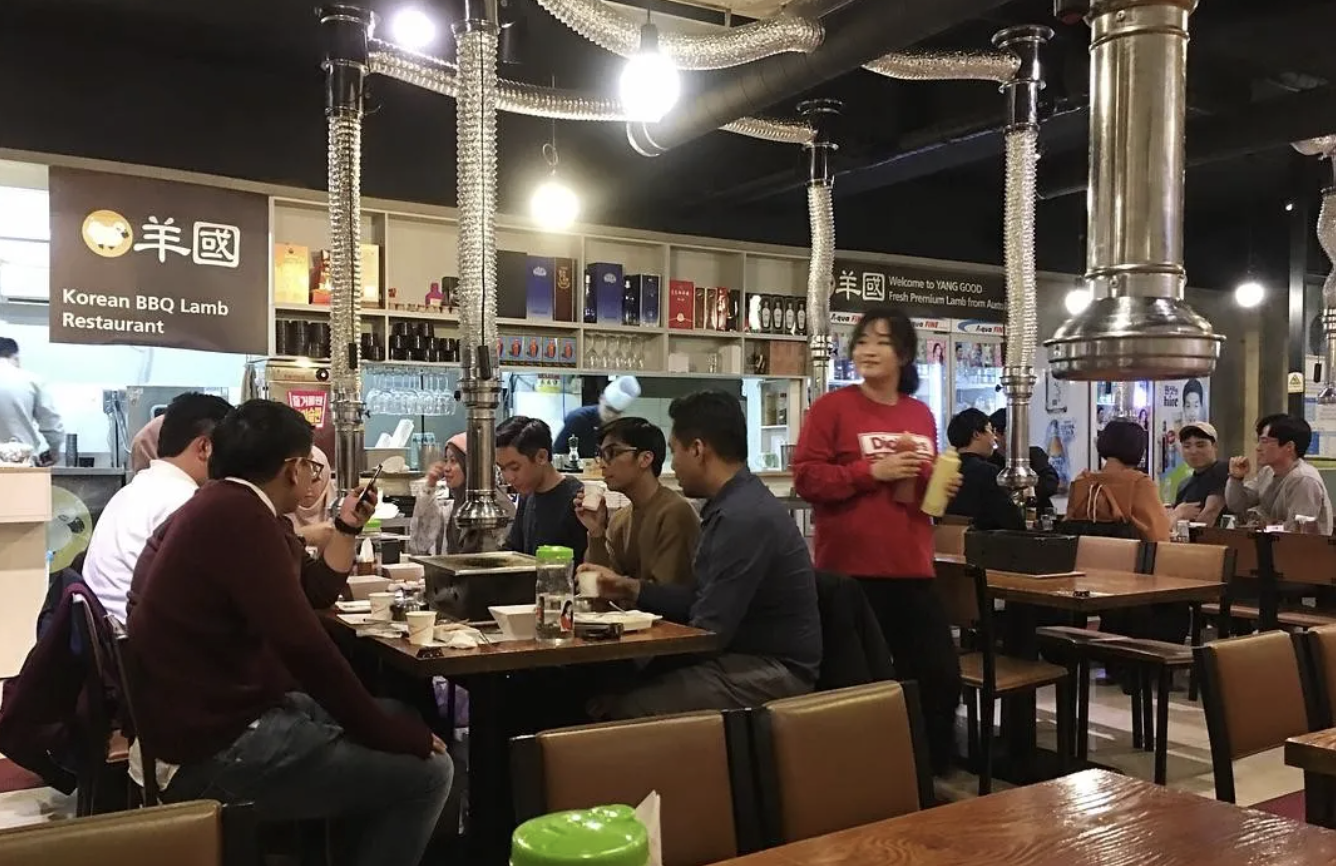
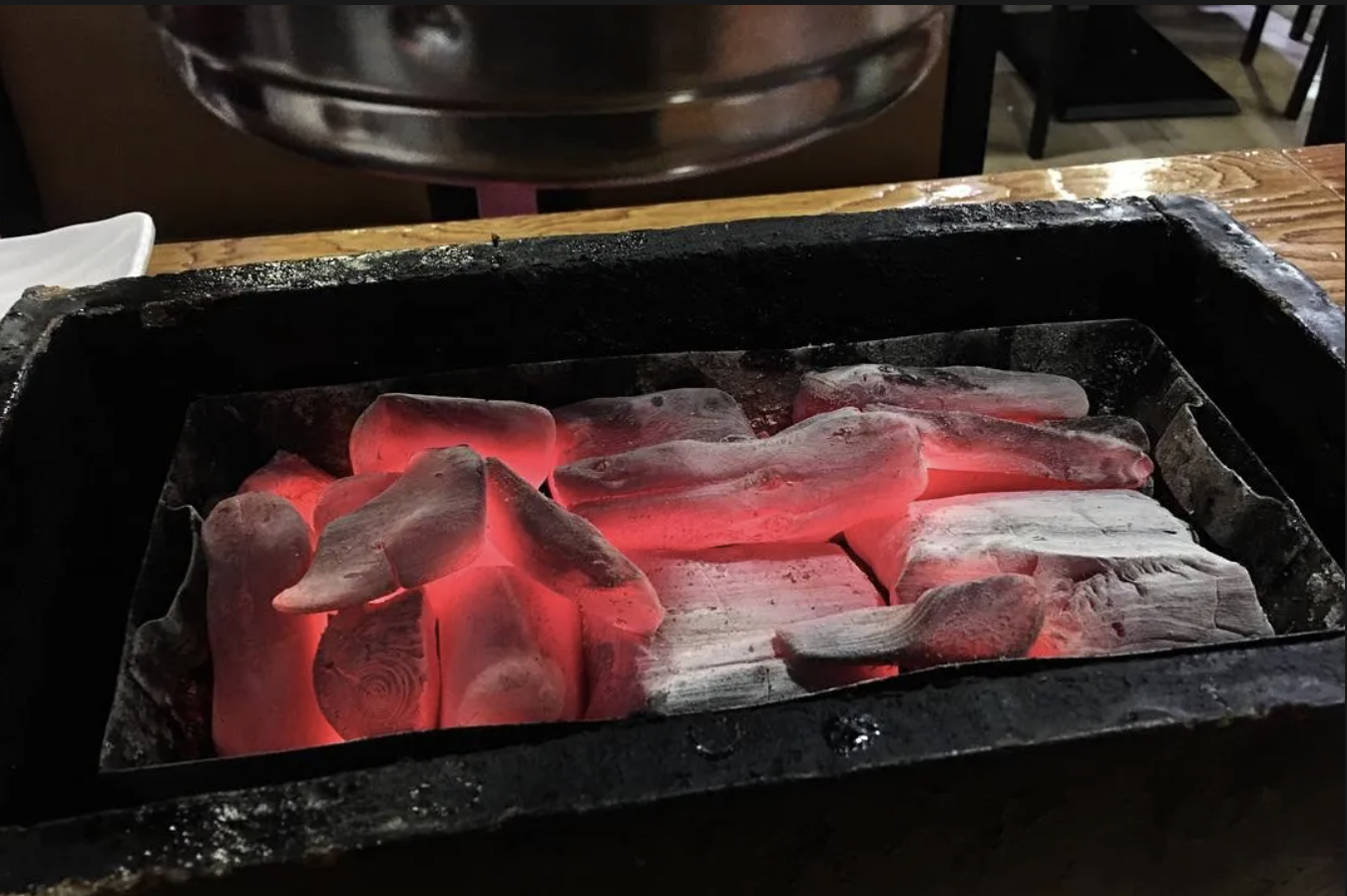
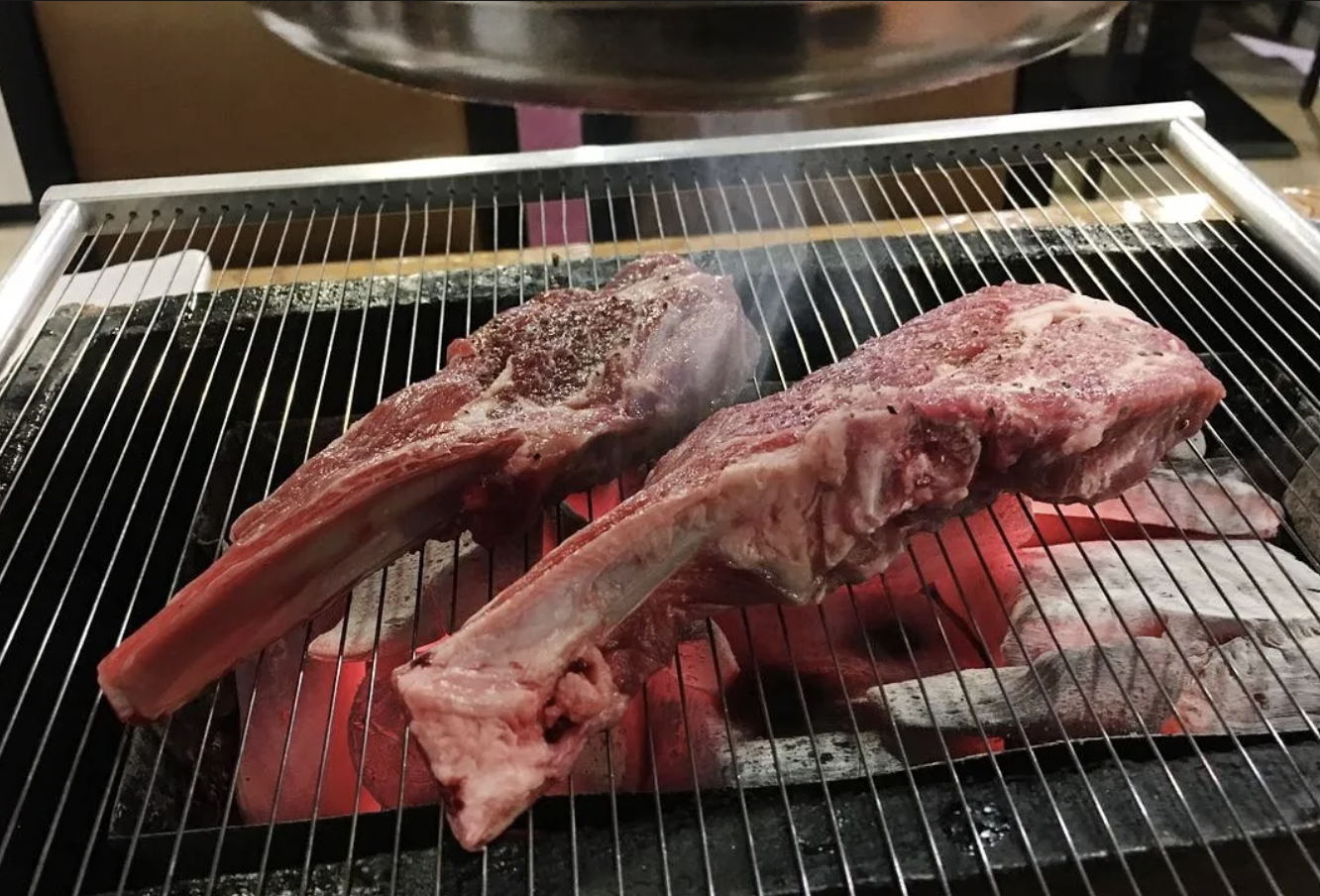
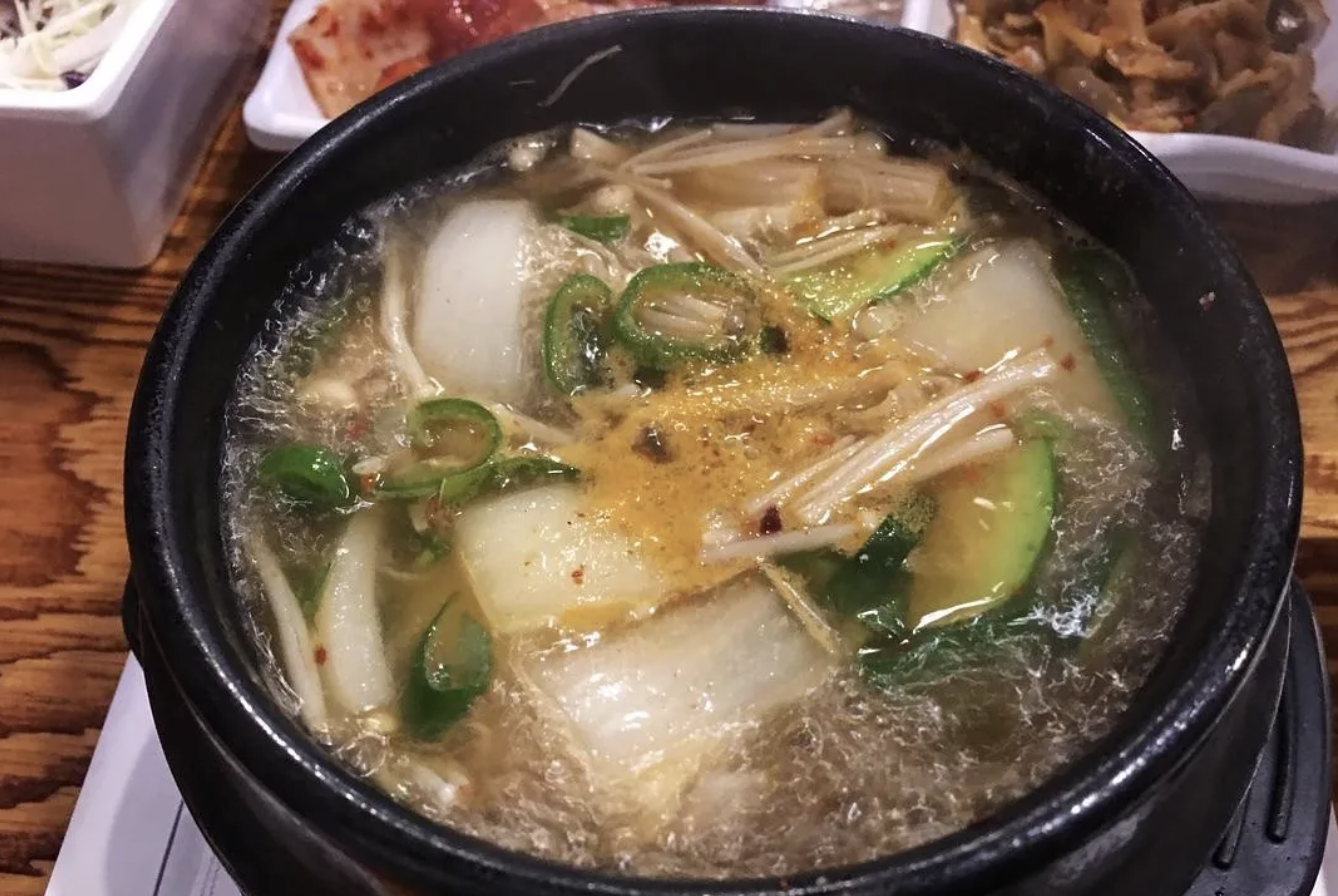
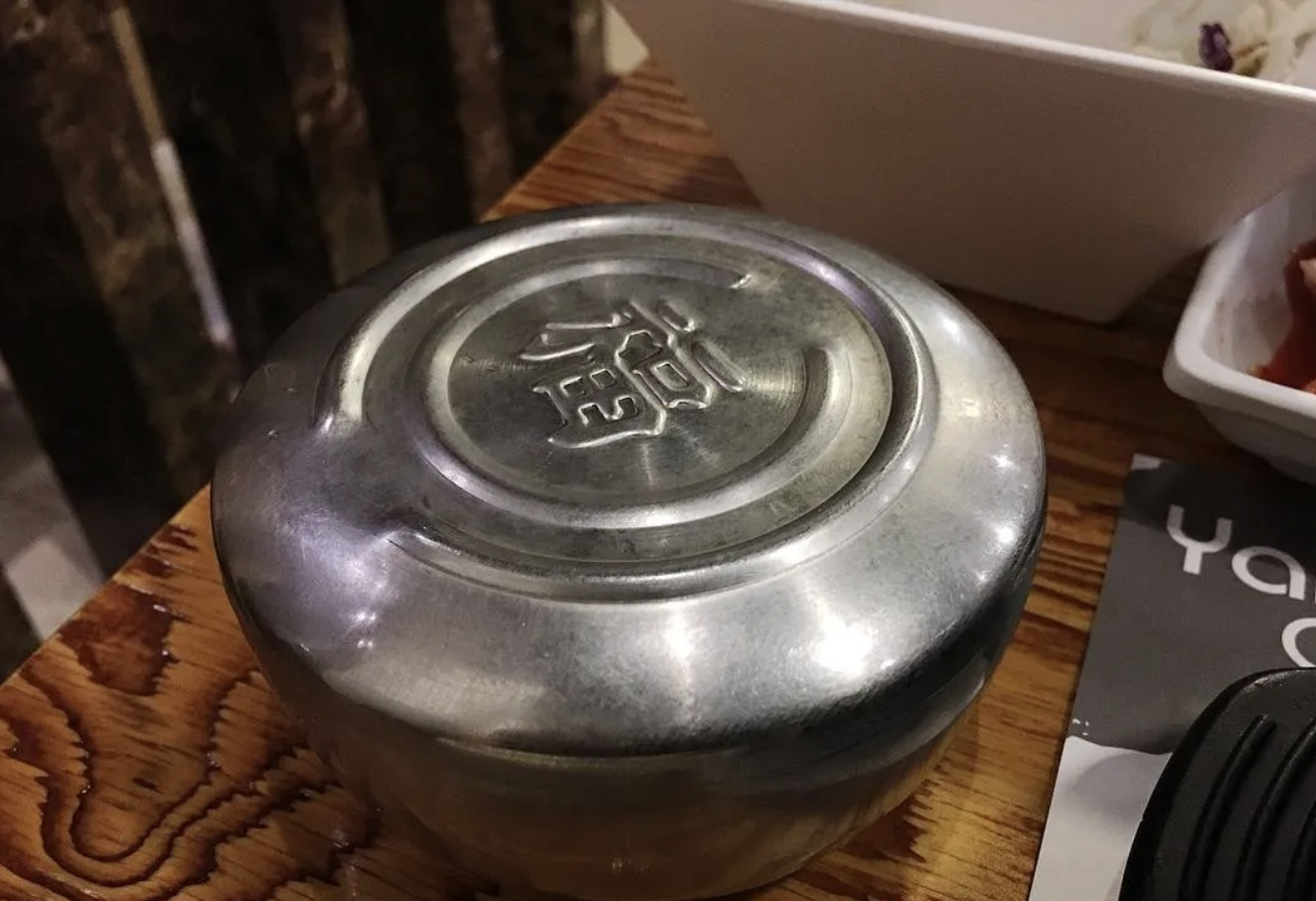
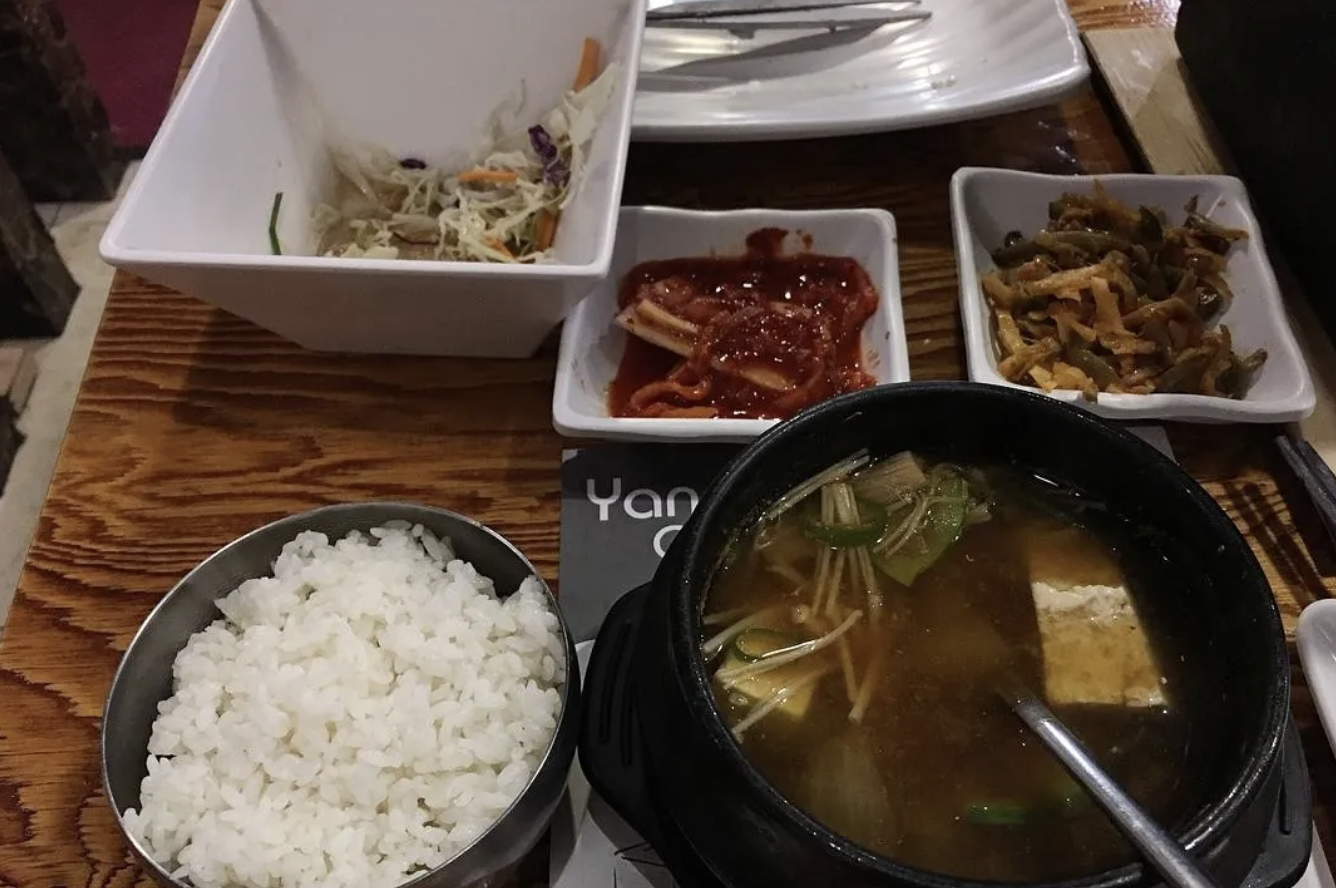
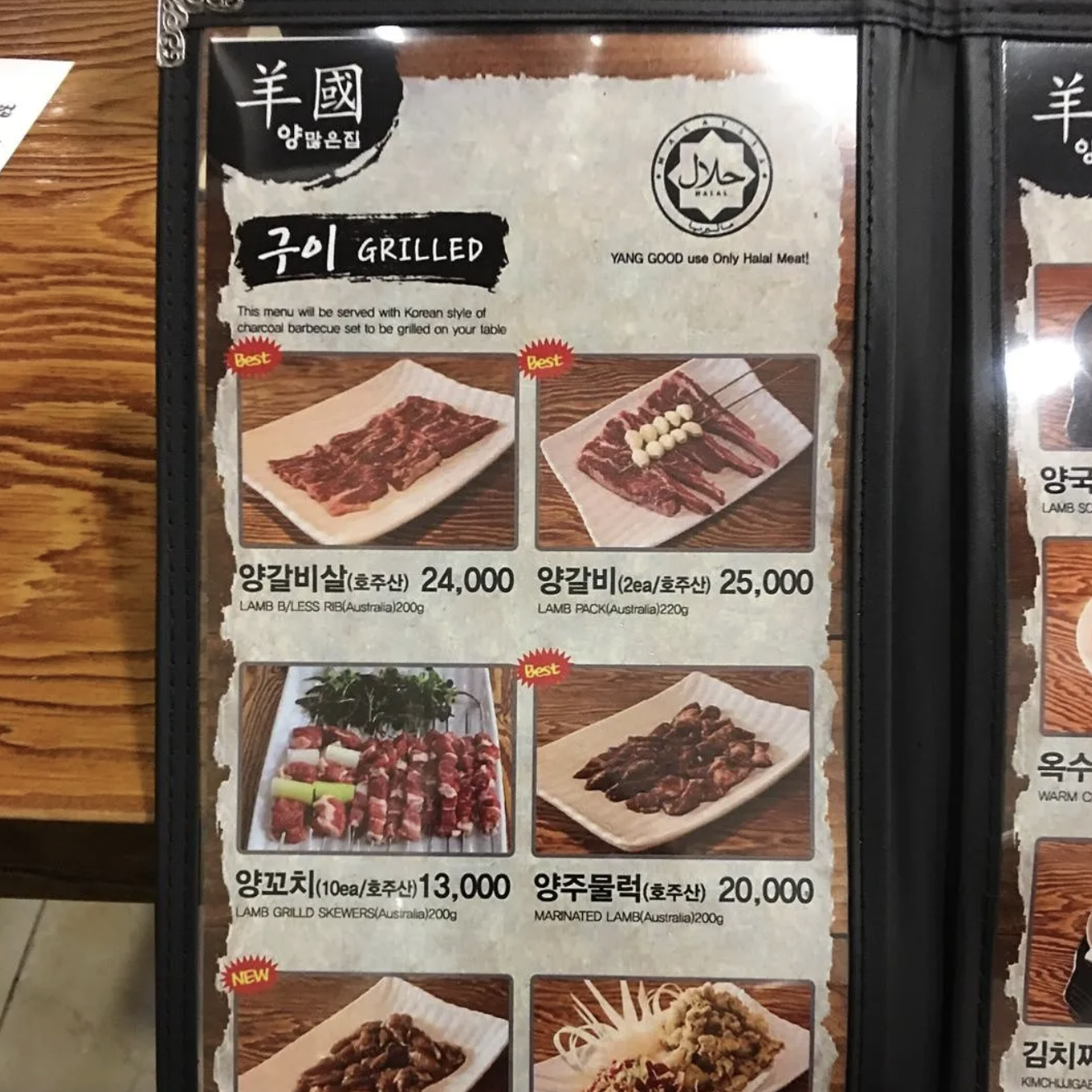
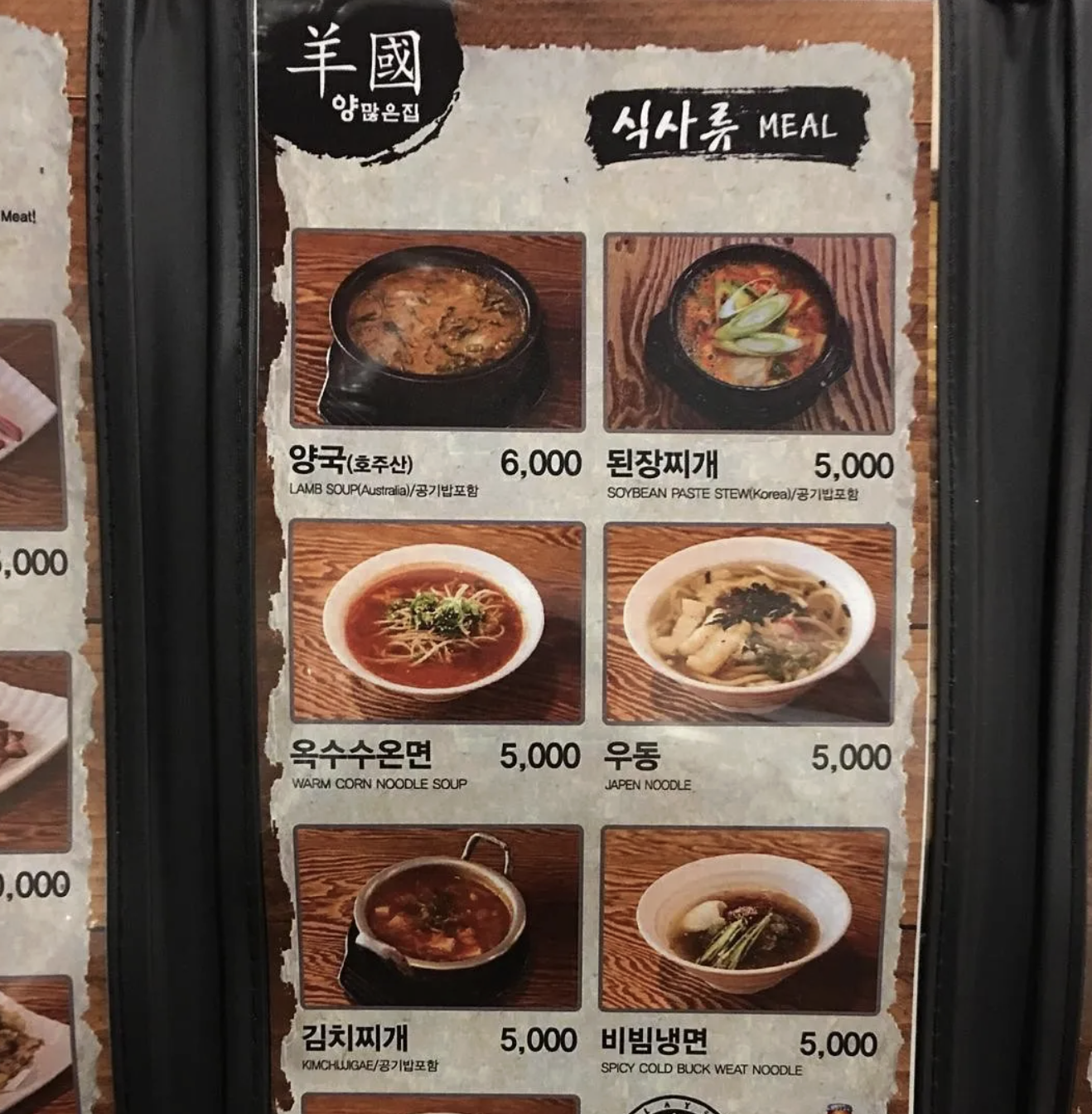
This is the only Halal Korean BBQ spot in Seoul, located in Gangnam. It’s always busy, mostly with Muslims who’ve heard great things about it. I ordered my favorite lamb chops. A sister there grills them for you so you don’t have to do a thing. They’re delicious dipped in the sweet and spicy sauce. Having a bowl of hot soybean stew with rice and some kimchi really warmed me up.
There are many other Middle Eastern Halal spots in Itaewon as well.
Plus, there are a few other cool places in Seoul I didn't discover until later—I'll just have to save those for the next trip, Insha'Allah.
view all
The Early Muslims of Korea Persian and Arab merchants traveled to Korea to do business as early as the 9th century during the Silla period. This grew during the Goryeo dynasty (918-1392), where some Muslim traders married local women and started the very first Muslim communities in Korea.
During the Yuan dynasty, many Semu people (Central Asians) settled in Goryeo for trade and built a mosque called Ye-Kung in the capital, Kaesong. There’s even a famous old poem from back then called Sanghwajeom (The Central Asian Bakery) that tells the story of a Korean woman buying dumplings from a Muslim shop.
Once the Joseon dynasty (1392-1910) took over, King Sejong banned the faith in 1427. He forbid the wearing of kufis (prayer hats), closed the Kaesong mosque, and the Muslim community eventually faded away.
The Rise of Modern Korean Muslims It wasn't until the Korean War that Islam returned, when a Turkish brigade arrived with their own military Imam. They did a lot of humanitarian work, helping war orphans in makeshift schools. After the war, the Turkish troops stayed as UN peacekeepers, and Koreans began to embrace Islam. In 1955, the Korea Muslim Society was started, setting up the first prayer space in downtown Seoul. By 1967, this grew into the Korea Muslim Federation (KMF), which looks after the student association and the Islamic Culture Institute.
The Halal logo certified by the KMF.
A booklet printed by the KMF with info on mosques all over Korea.
A 1999 magazine from the KMF, featuring a list of new brothers and sisters who converted that year and the Halal butcher shops at the time.
The Itaewon Muslim Community In 1952, the U.S. military moved its headquarters to Yongsan. To serve the many American troops nearby, the Itaewon area—just a short distance east of the base—started filling up with foreign restaurants and bars. Eventually, Muslims started opening Halal spots there too.
In 1976, President Park Chung-hee provided the land to the KMF, and the Seoul Central Masjid was built in Itaewon. That year, the number of Muslims in Korea jumped from under 3,000 to over 15,000, and a Halal business district formed in Itaewon. Since the 90s, with brothers coming from Pakistan, Bangladesh, Indonesia, and Malaysia for work, the population reached 150,000. Today, there are an estimated 100,000 Muslims in Korea, with about 40,000 being local Korean converts.
A map at the Itaewon subway station showing the Middle Eastern street and the Masjid.
Seoul Central Masjid
There is a school inside the complex that offers Arabic classes.
The area around the Masjid is full of Halal restaurants with flavors from Iran, India, and Turkey, along with Halal supermarkets, Islamic bookstores, and Muslim-run travel agencies.
Street views of Itaewon.
You can pick up a "Halal Guide to Itaewon" at Incheon Airport, published by the Ministry of Culture and Tourism. It shows exactly where all the Halal restaurants are.
The Korean government actually categorizes these restaurants into four types:
Halal Certified: Certified by the food safety department; must have at least one Muslim staff member.
Self-Certified: Muslim-owned restaurants that don't serve alcohol.
Muslim Friendly: These serve alcohol but have some or all Halal items on the menu.
Pork-Free: They don't have a specific Halal menu, but they don't use any pork.
Breakfast I stayed at the ITW Hotel in Itaewon. Every morning from 7 to 9 AM, they have a Halal breakfast buffet provided by a nearby Indian restaurant called ZAFFRAN. Other than a 24-hour Turkish spot called MR. KEBAB, most Halal places in Itaewon don't open until later in the morning.
Halal Supermarket ZAFFRAN MART, the biggest Halal grocery store in Itaewon.
Islamic Bookstore
The bookstore in Itaewon is run by a brother from Indian-controlled Kashmir. We really hit it off, and he gave me a very warm greeting when he saw me the next day. They carry kufis from Pakistan, India, Afghanistan, East Africa, and Malaysia. I bought one made in Pakistan and one from India.
A kufi made in India.
A kufi made in Pakistan.
Makan Restaurant Even though there are tons of Middle Eastern and Indian spots, the real highlight is Halal Korean food. Makan is the most famous one.
This sister is the head chef.
They serve six different side dishes.
Grilled fish.
Korean rice is delicious!
Doenjang-jjigae (Soybean paste stew).
Rice mixed into the soup.
Korean Beef Bibimbap—the meat was covered by the egg, so I missed the shot.
Spicy stir-fried squid and rice cakes.
The brother on the right is also a chef.
The menu.
Makan Chicken & Noodle Besides the main spot south of the Masjid, Makan has another place to the west that specializes in Korean Fried Chicken and Jajangmyeon (black bean noodles). It’s run by the same people, and the chef is a very nice uncle.
Korean Jajangmyeon—it tastes different from the Beijing version, and the noodles are a bit like Udon.
The uncle on the right is the chef.
The menu.
Eid
Eid is right up there with Makan as one of the best Halal Korean spots in Seoul. The menu isn't as big as Makan’s, but the food is great.
The chef is this very efficient-looking sister.
Samgyetang (Ginseng chicken soup).
Three types of side dishes.
Braised chicken—the rice cakes inside are amazing.
Hajj
There’s another Halal Korean spot east of the Masjid run by a Korean auntie. She’s very welcoming but has a very thick accent in English. I originally wanted Bibimbap, but she ended up making me spicy dried fish fried rice, so I’m not quite sure how her traditional Korean dishes taste.
Itaewon at sunset.
Yanggood
This is the only Halal Korean BBQ spot in Seoul, located in Gangnam. It’s always busy, mostly with Muslims who’ve heard great things about it. I ordered my favorite lamb chops. A sister there grills them for you so you don’t have to do a thing. They’re delicious dipped in the sweet and spicy sauce. Having a bowl of hot soybean stew with rice and some kimchi really warmed me up.
There are many other Middle Eastern Halal spots in Itaewon as well.
Plus, there are a few other cool places in Seoul I didn't discover until later—I'll just have to save those for the next trip, Insha'Allah.
view all
A look back at my Halal trip to Seoul, South Korea.
The Early Muslims of Korea Persian and Arab merchants traveled to Korea to do business as early as the 9th century during the Silla period. This grew during the Goryeo dynasty (918-1392), where some Muslim traders married local women and started the very first Muslim communities in Korea.
During the Yuan dynasty, many Semu people (Central Asians) settled in Goryeo for trade and built a mosque called Ye-Kung in the capital, Kaesong. There’s even a famous old poem from back then called Sanghwajeom (The Central Asian Bakery) that tells the story of a Korean woman buying dumplings from a Muslim shop.
Once the Joseon dynasty (1392-1910) took over, King Sejong banned the faith in 1427. He forbid the wearing of kufis (prayer hats), closed the Kaesong mosque, and the Muslim community eventually faded away.
The Rise of Modern Korean Muslims It wasn't until the Korean War that Islam returned, when a Turkish brigade arrived with their own military Imam. They did a lot of humanitarian work, helping war orphans in makeshift schools. After the war, the Turkish troops stayed as UN peacekeepers, and Koreans began to embrace Islam. In 1955, the Korea Muslim Society was started, setting up the first prayer space in downtown Seoul. By 1967, this grew into the Korea Muslim Federation (KMF), which looks after the student association and the Islamic Culture Institute.
The Halal logo certified by the KMF.
A booklet printed by the KMF with info on mosques all over Korea.
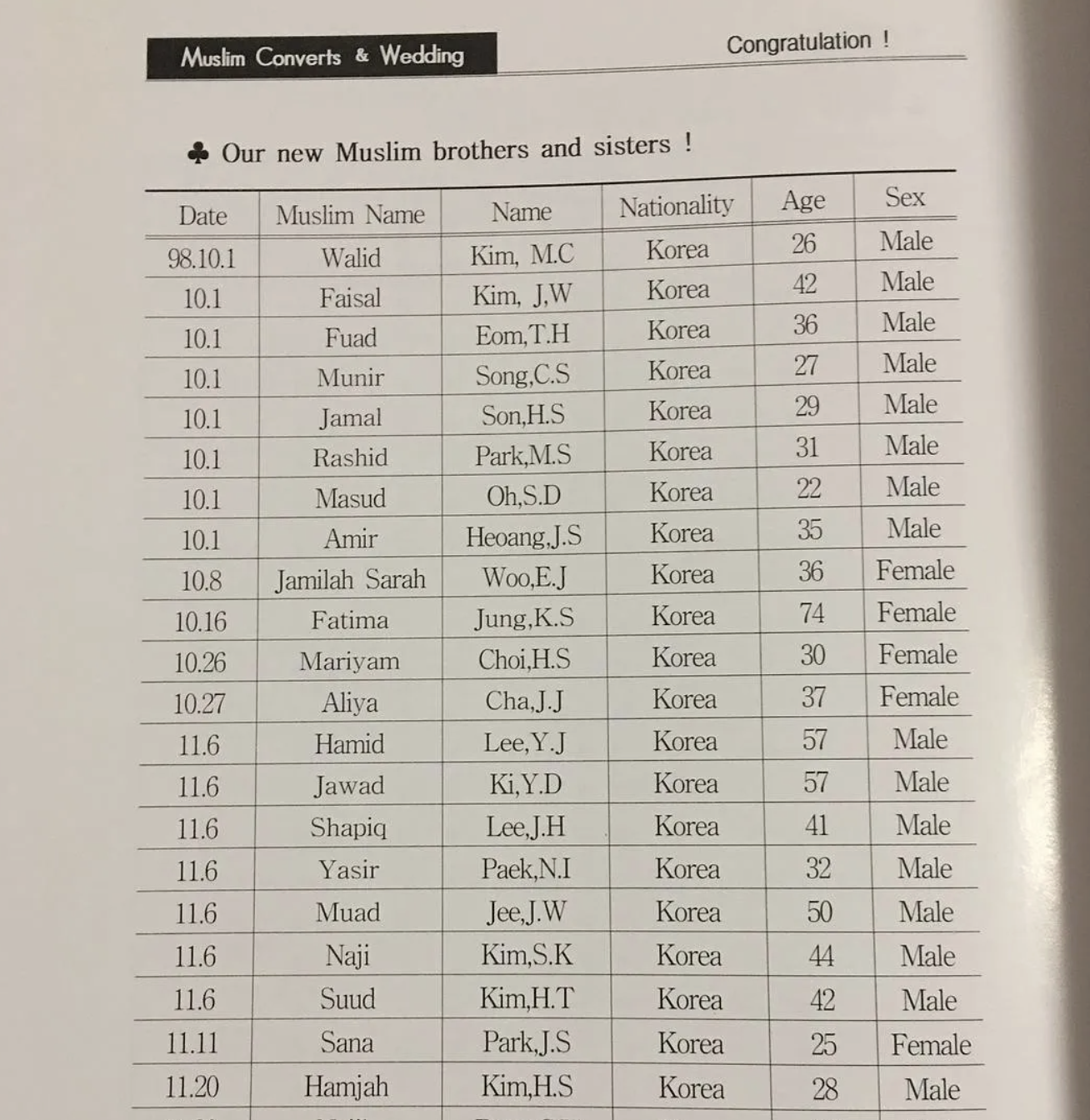
A 1999 magazine from the KMF, featuring a list of new brothers and sisters who converted that year and the Halal butcher shops at the time.
The Itaewon Muslim Community In 1952, the U.S. military moved its headquarters to Yongsan. To serve the many American troops nearby, the Itaewon area—just a short distance east of the base—started filling up with foreign restaurants and bars. Eventually, Muslims started opening Halal spots there too.
In 1976, President Park Chung-hee provided the land to the KMF, and the Seoul Central Masjid was built in Itaewon. That year, the number of Muslims in Korea jumped from under 3,000 to over 15,000, and a Halal business district formed in Itaewon. Since the 90s, with brothers coming from Pakistan, Bangladesh, Indonesia, and Malaysia for work, the population reached 150,000. Today, there are an estimated 100,000 Muslims in Korea, with about 40,000 being local Korean converts.
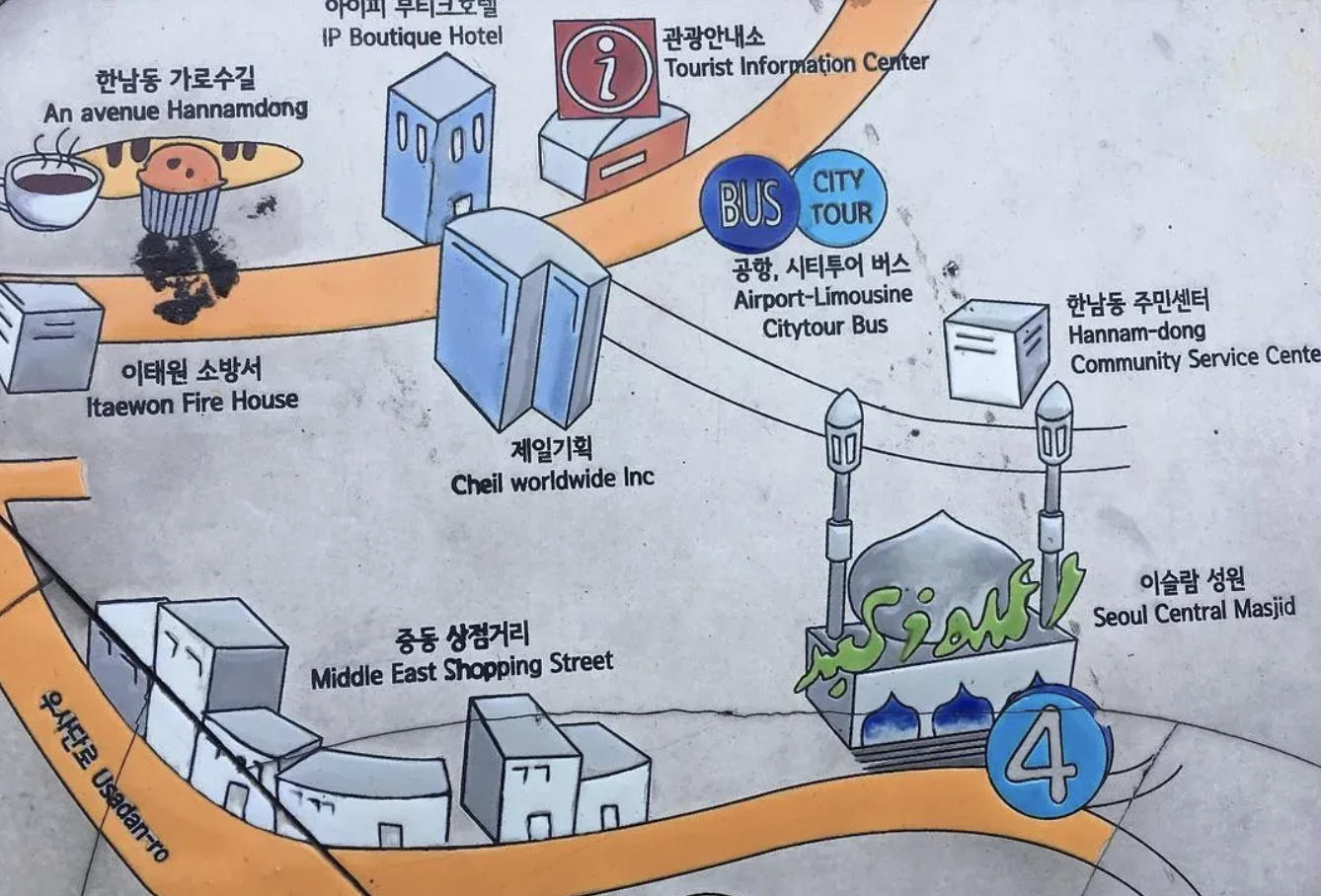
A map at the Itaewon subway station showing the Middle Eastern street and the Masjid.
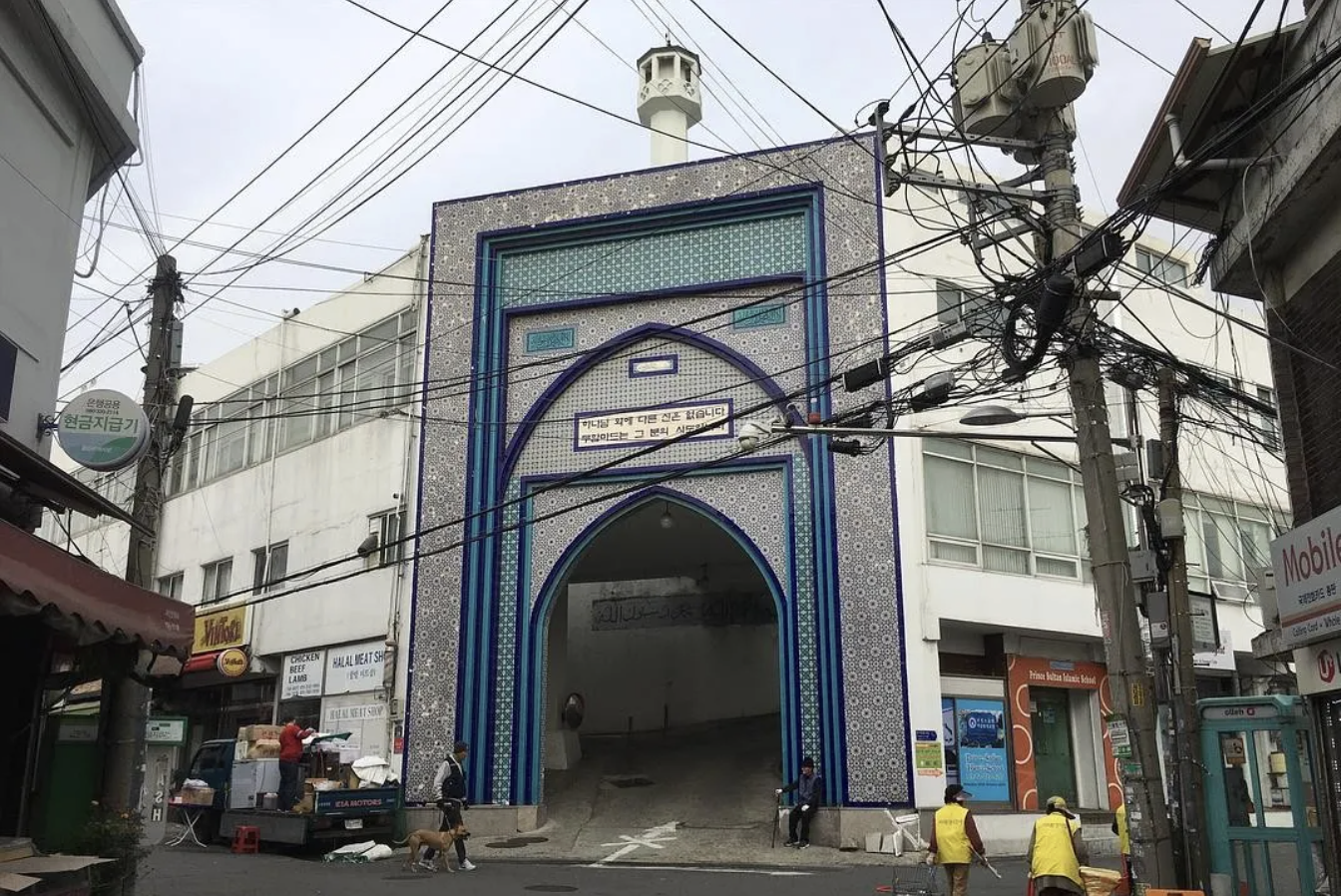
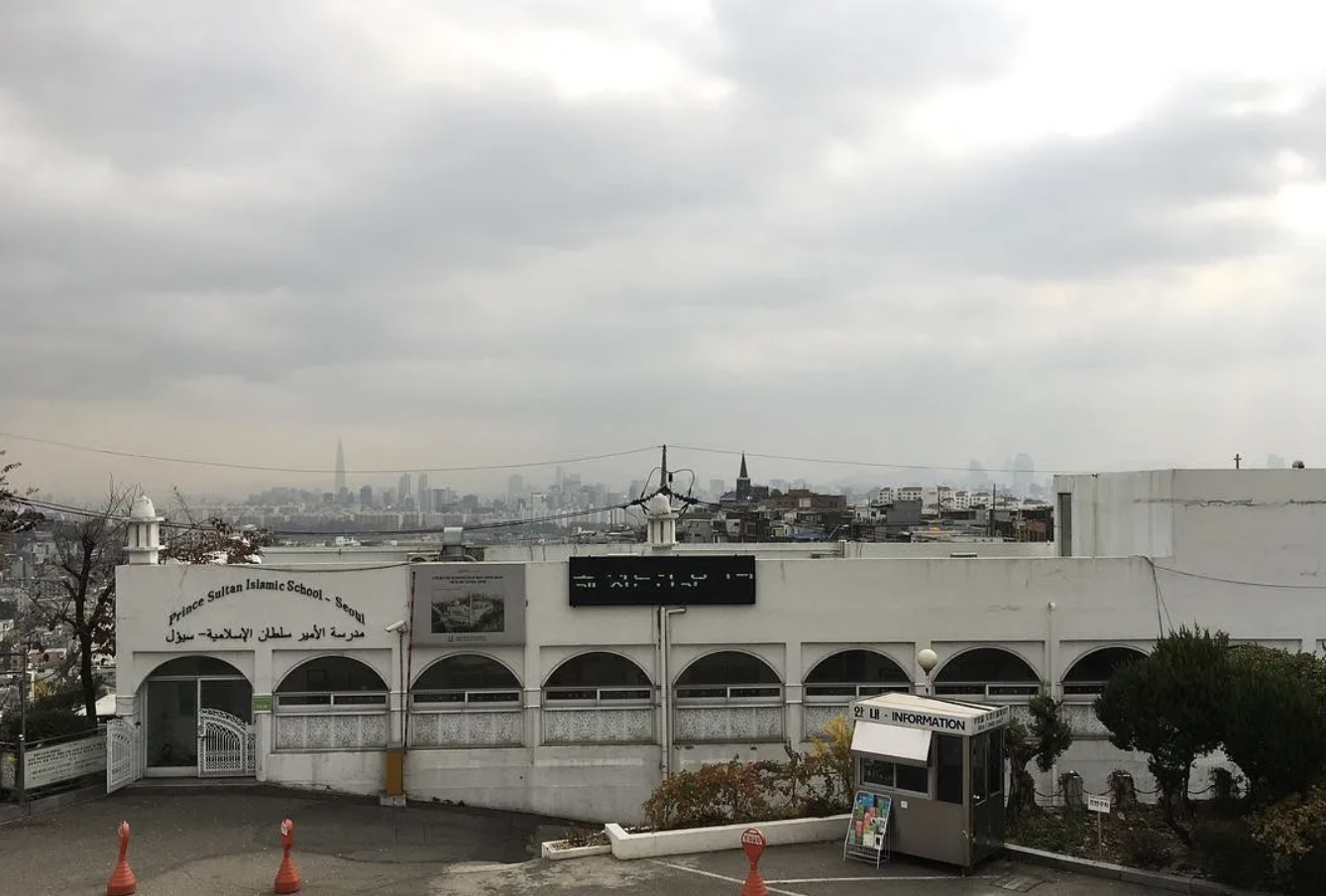
Seoul Central Masjid
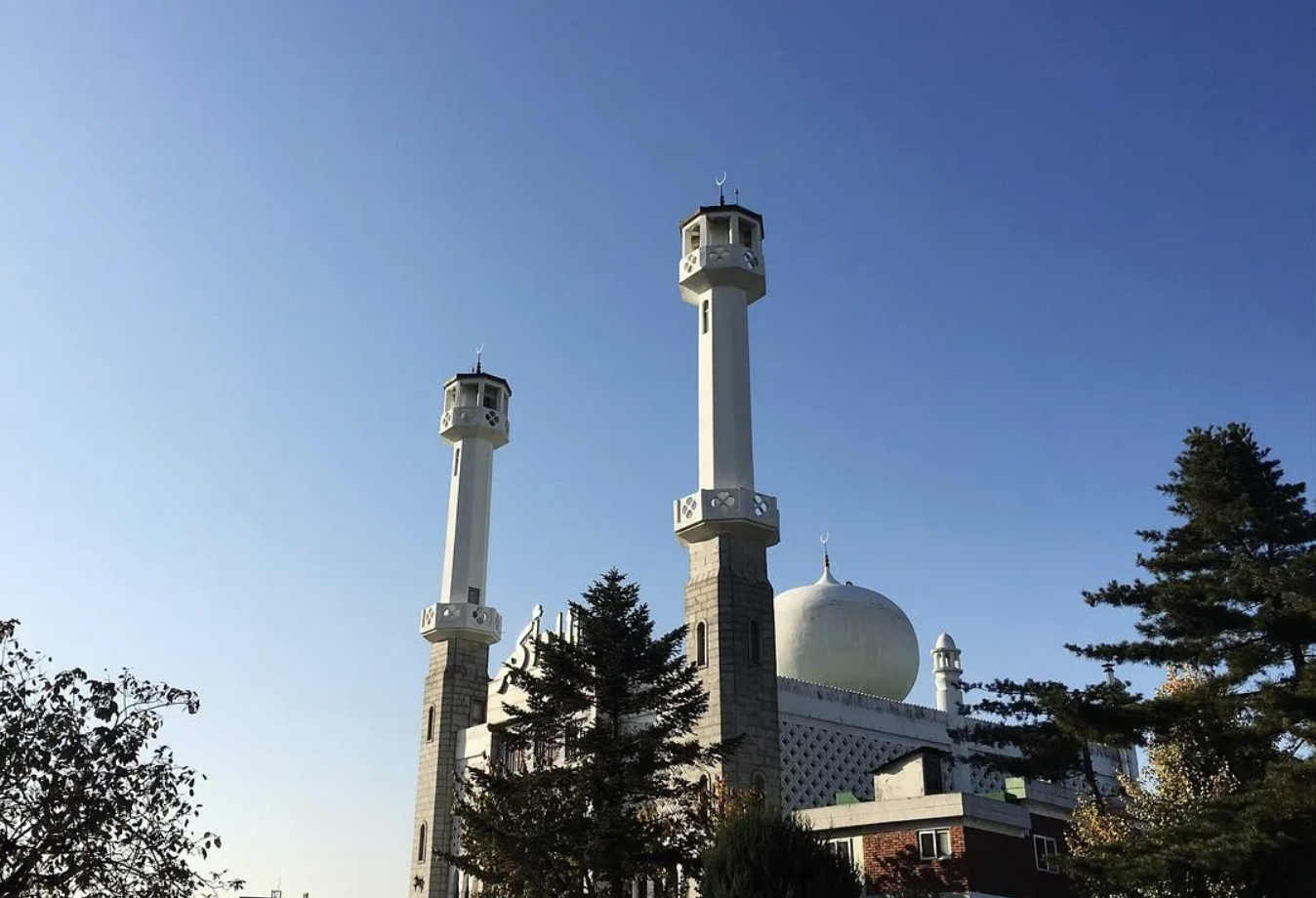
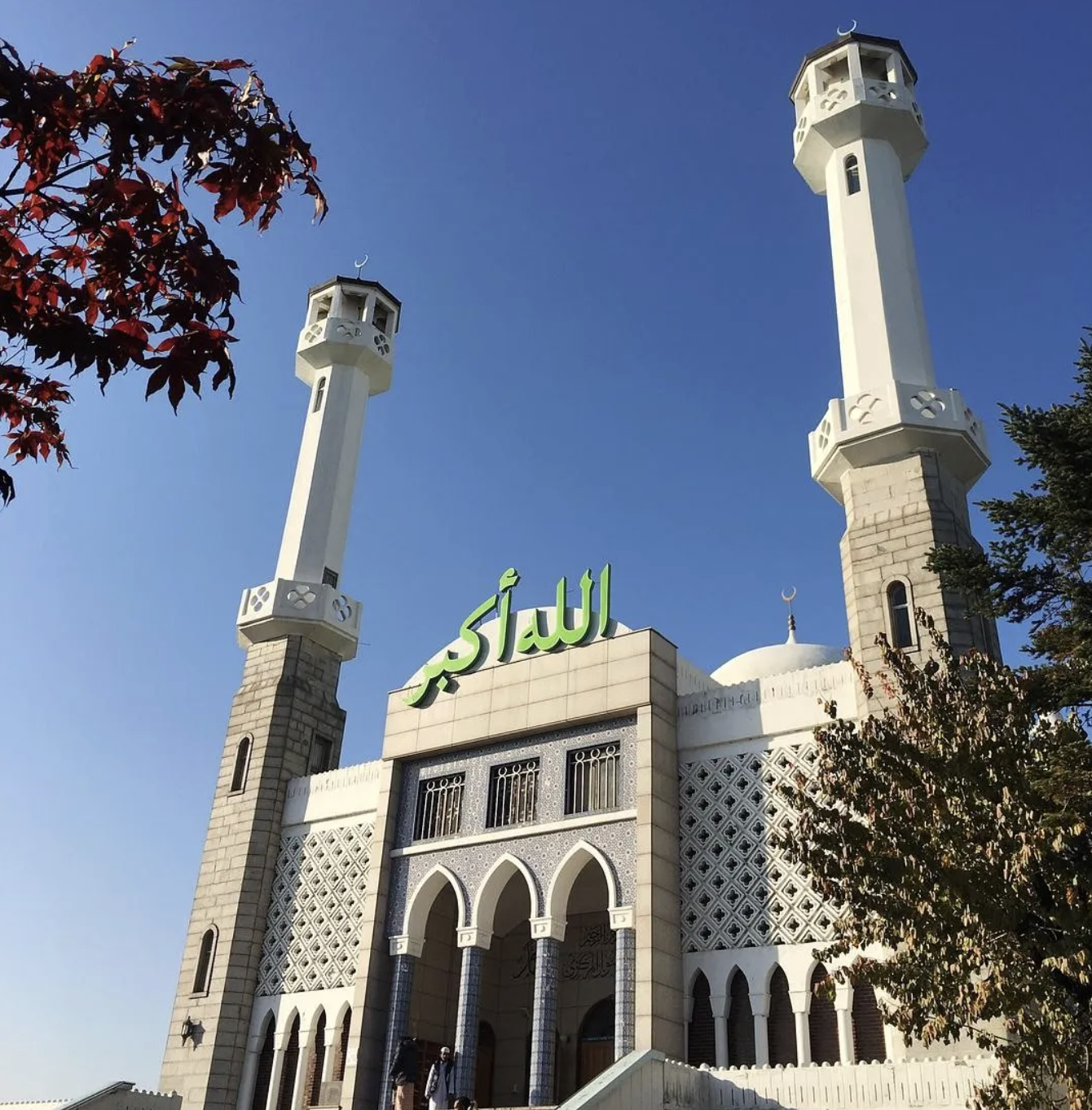
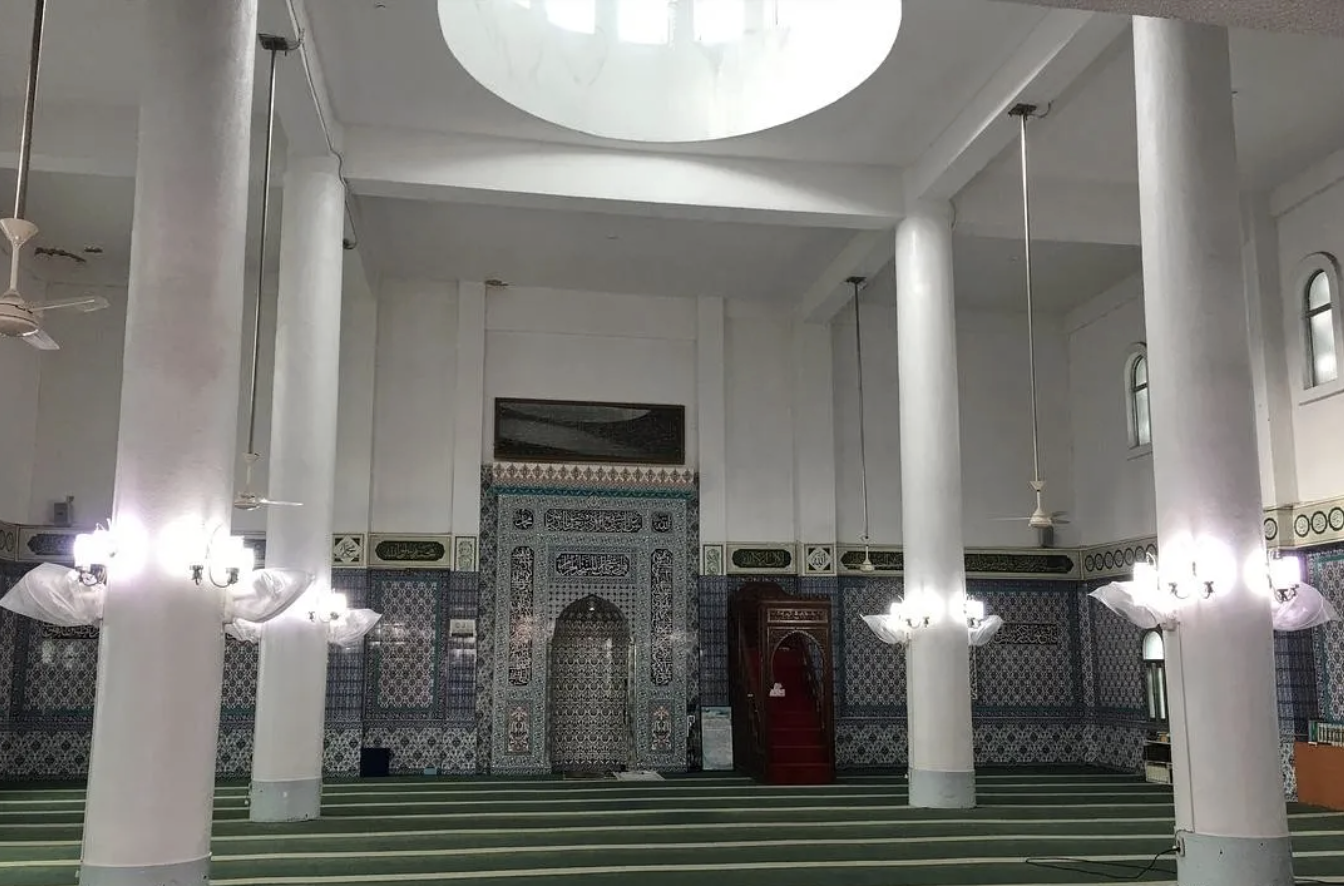
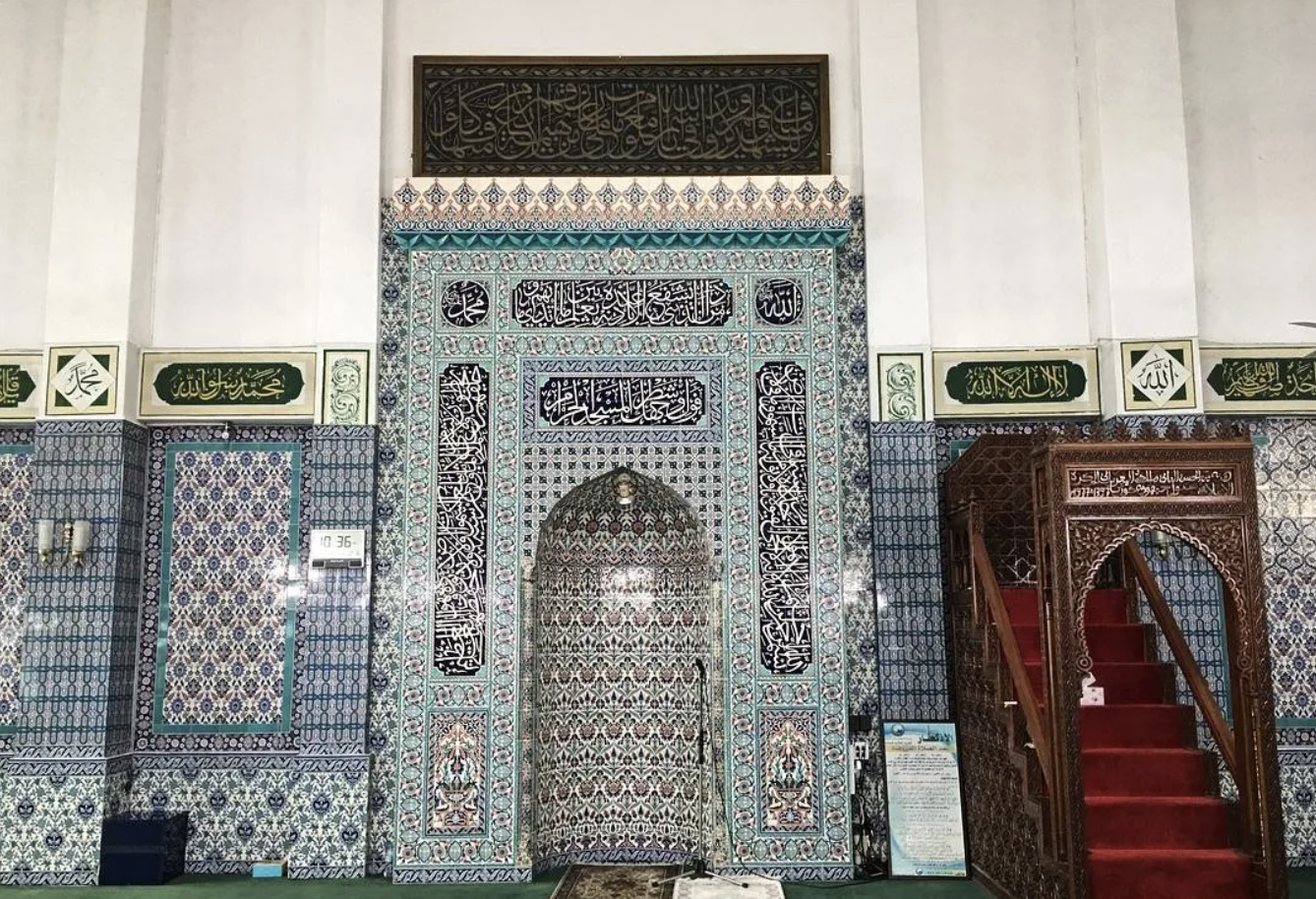
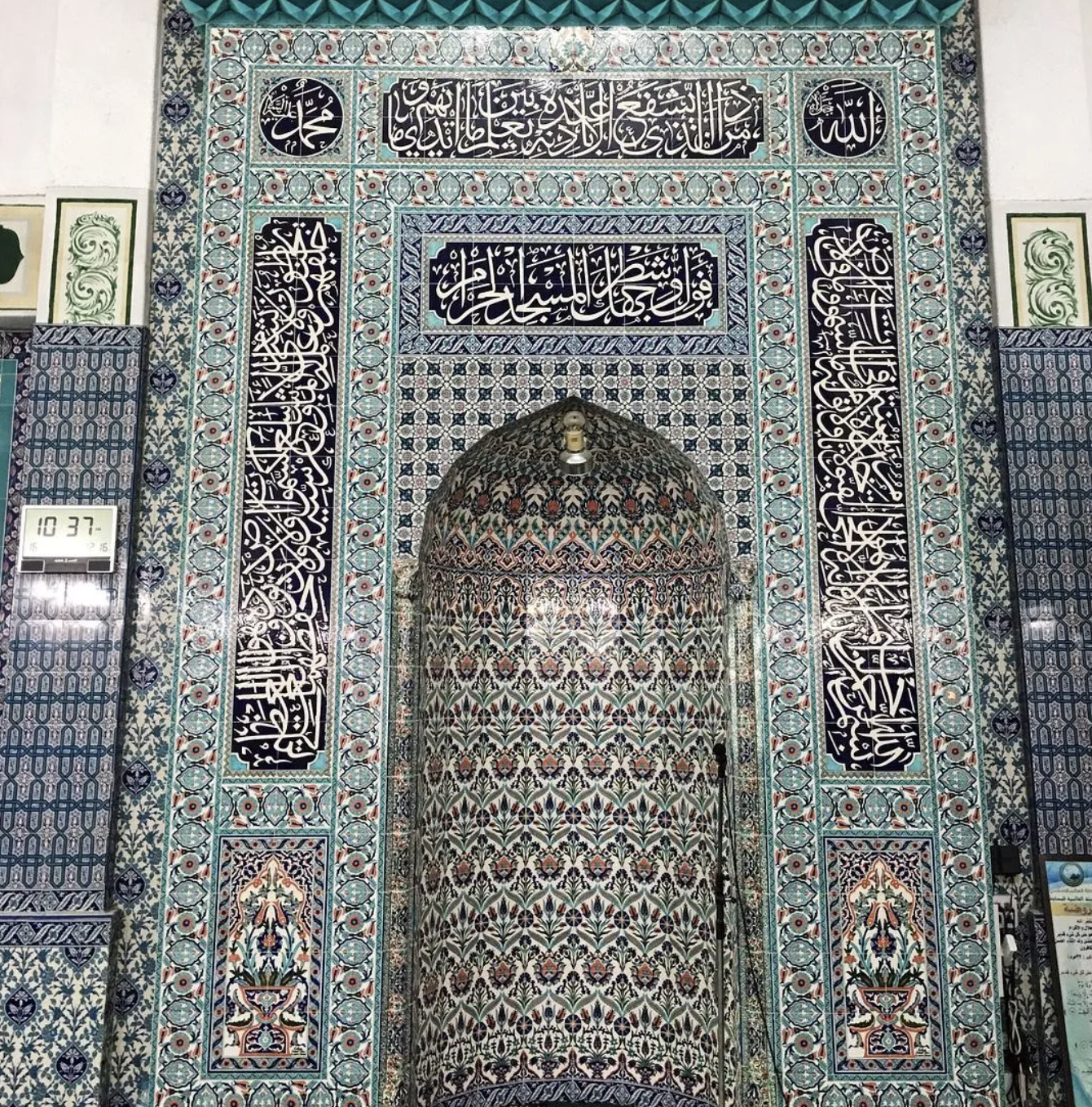
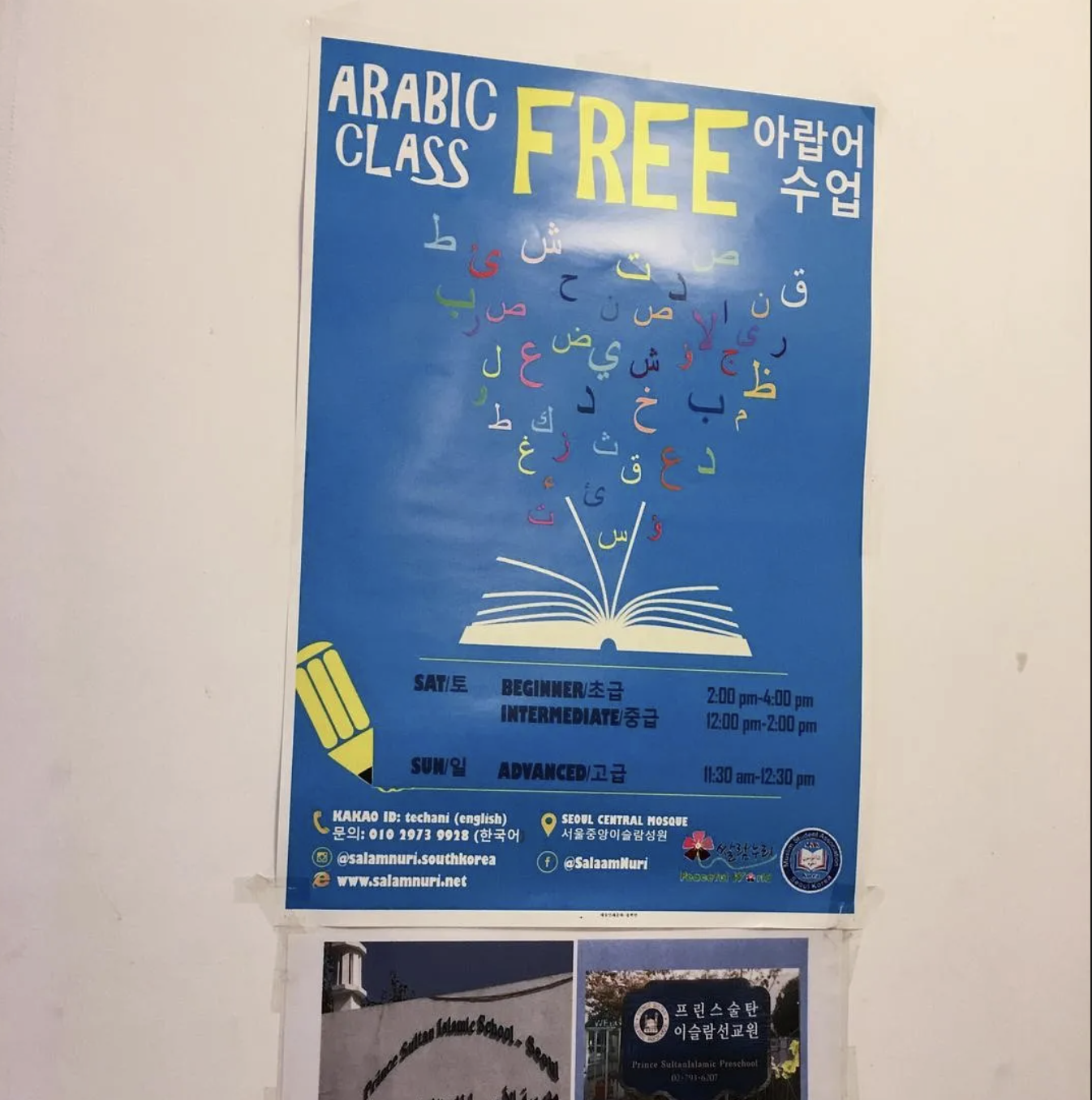
There is a school inside the complex that offers Arabic classes.
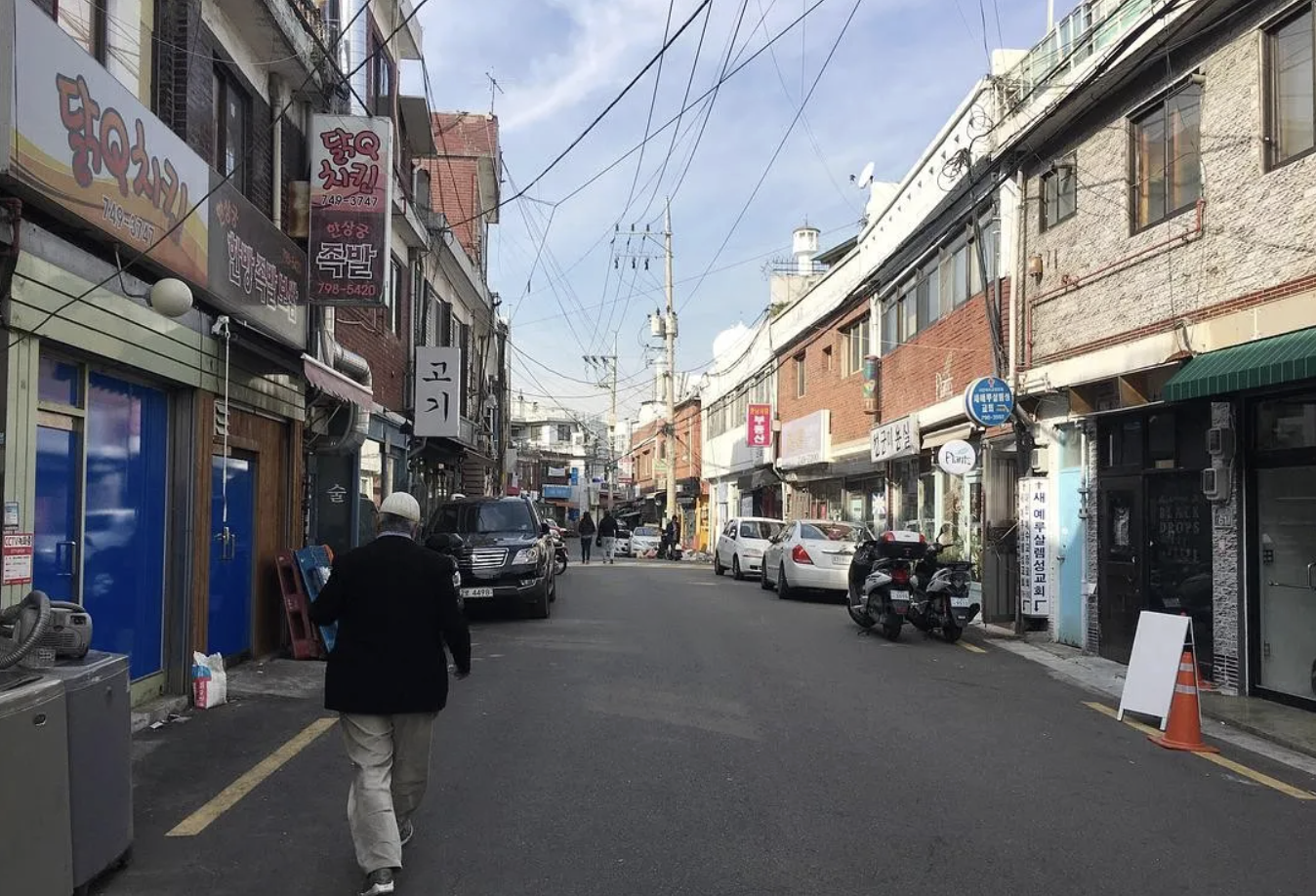
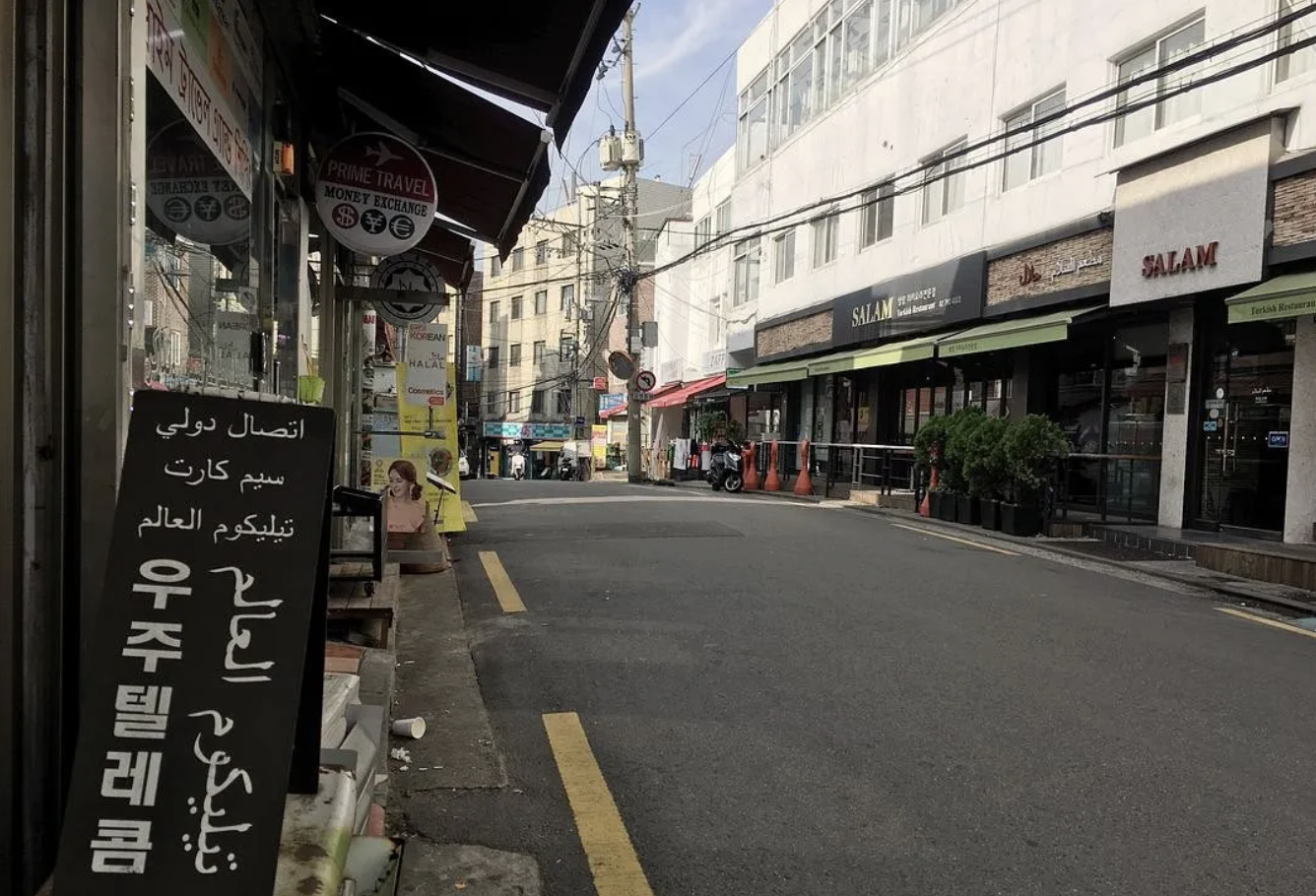
The area around the Masjid is full of Halal restaurants with flavors from Iran, India, and Turkey, along with Halal supermarkets, Islamic bookstores, and Muslim-run travel agencies.
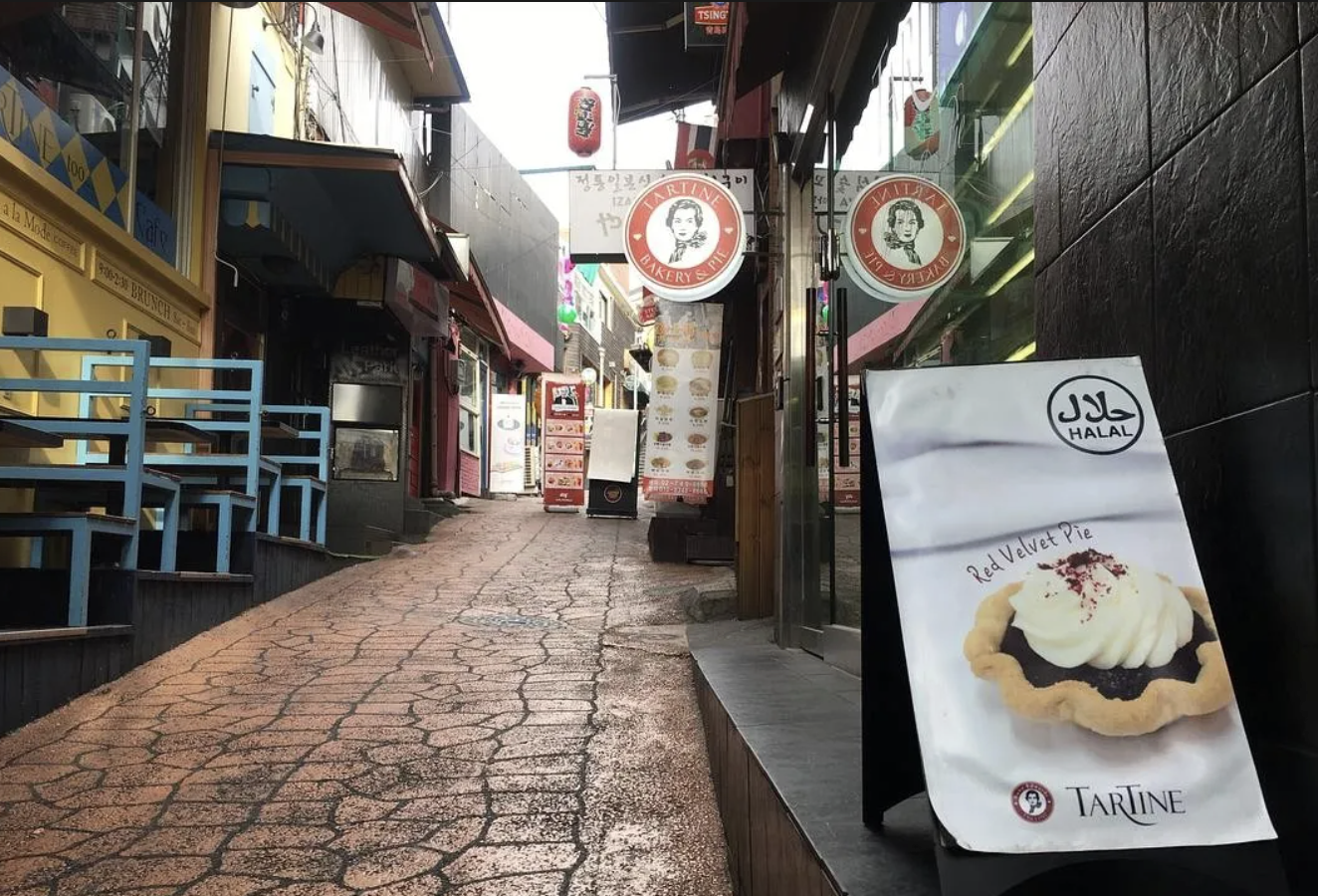
Street views of Itaewon.
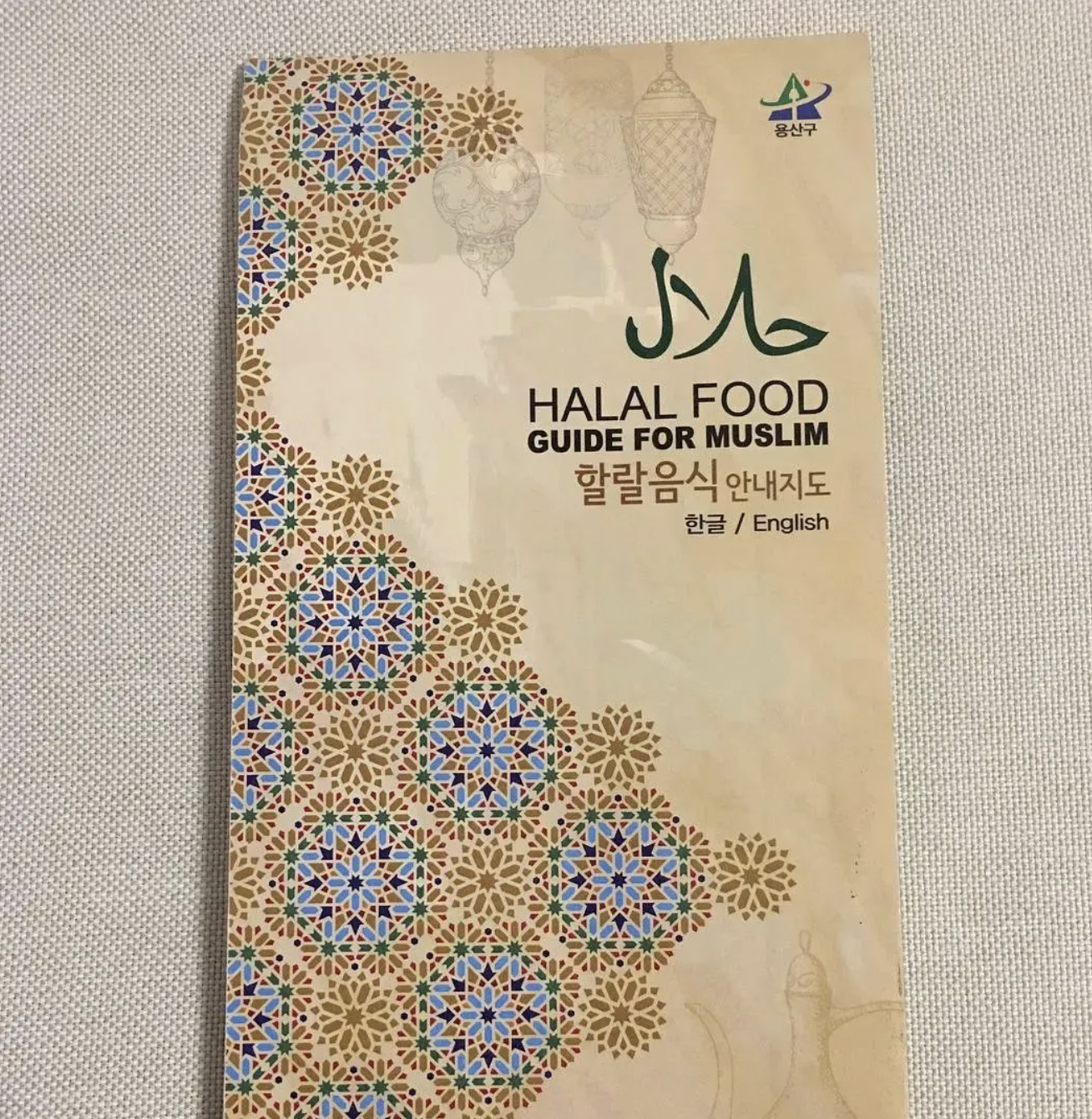
You can pick up a "Halal Guide to Itaewon" at Incheon Airport, published by the Ministry of Culture and Tourism. It shows exactly where all the Halal restaurants are.
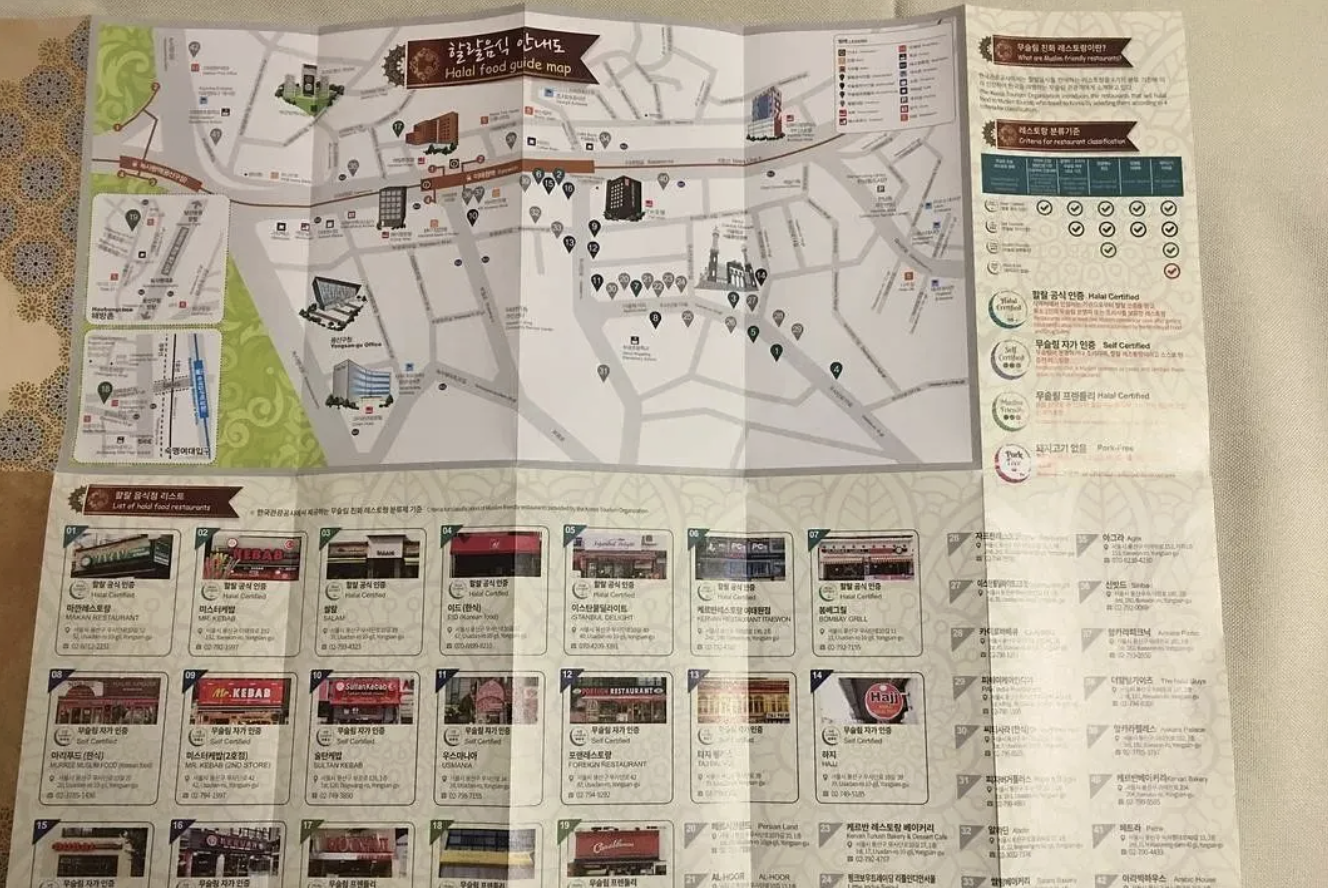
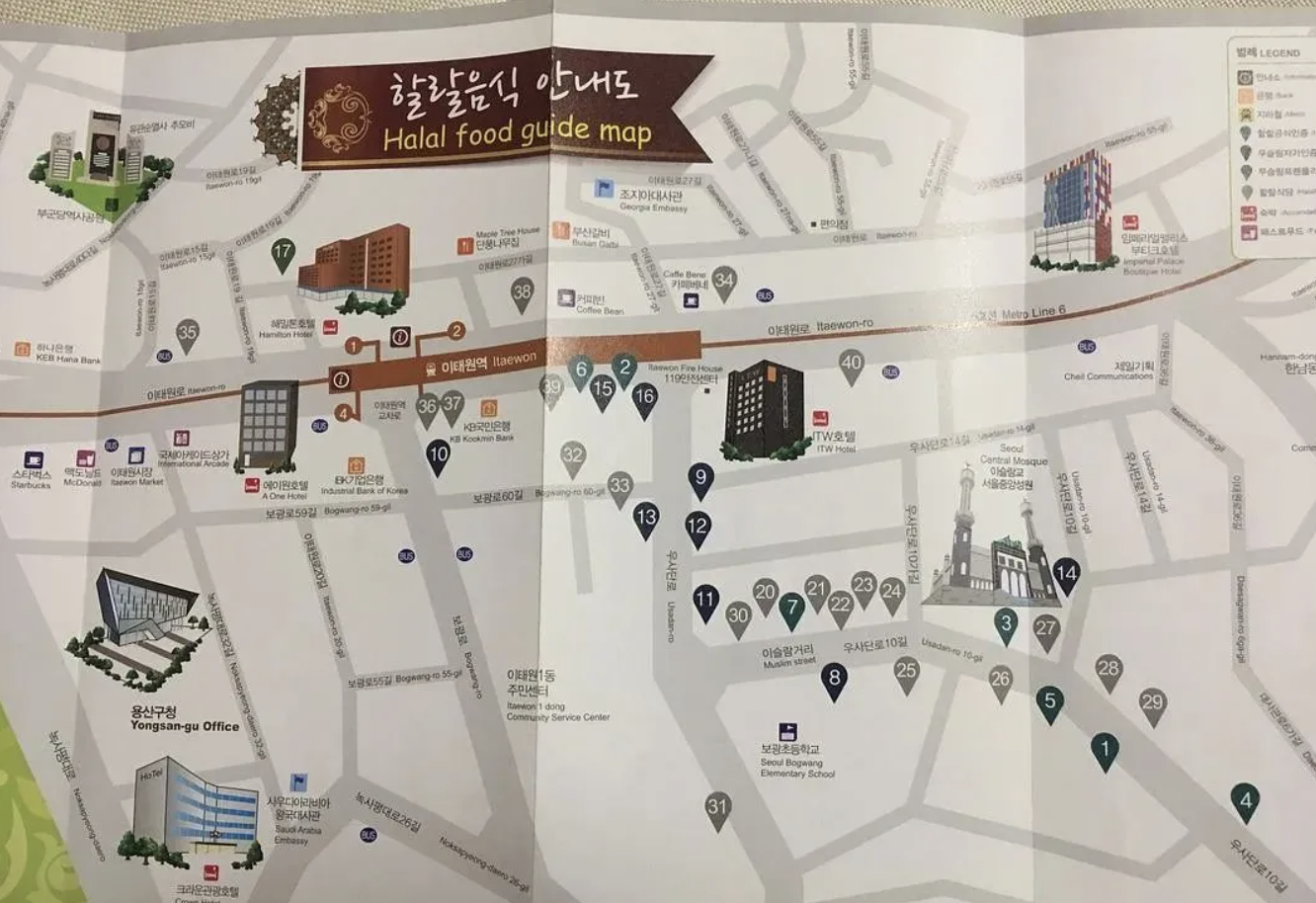
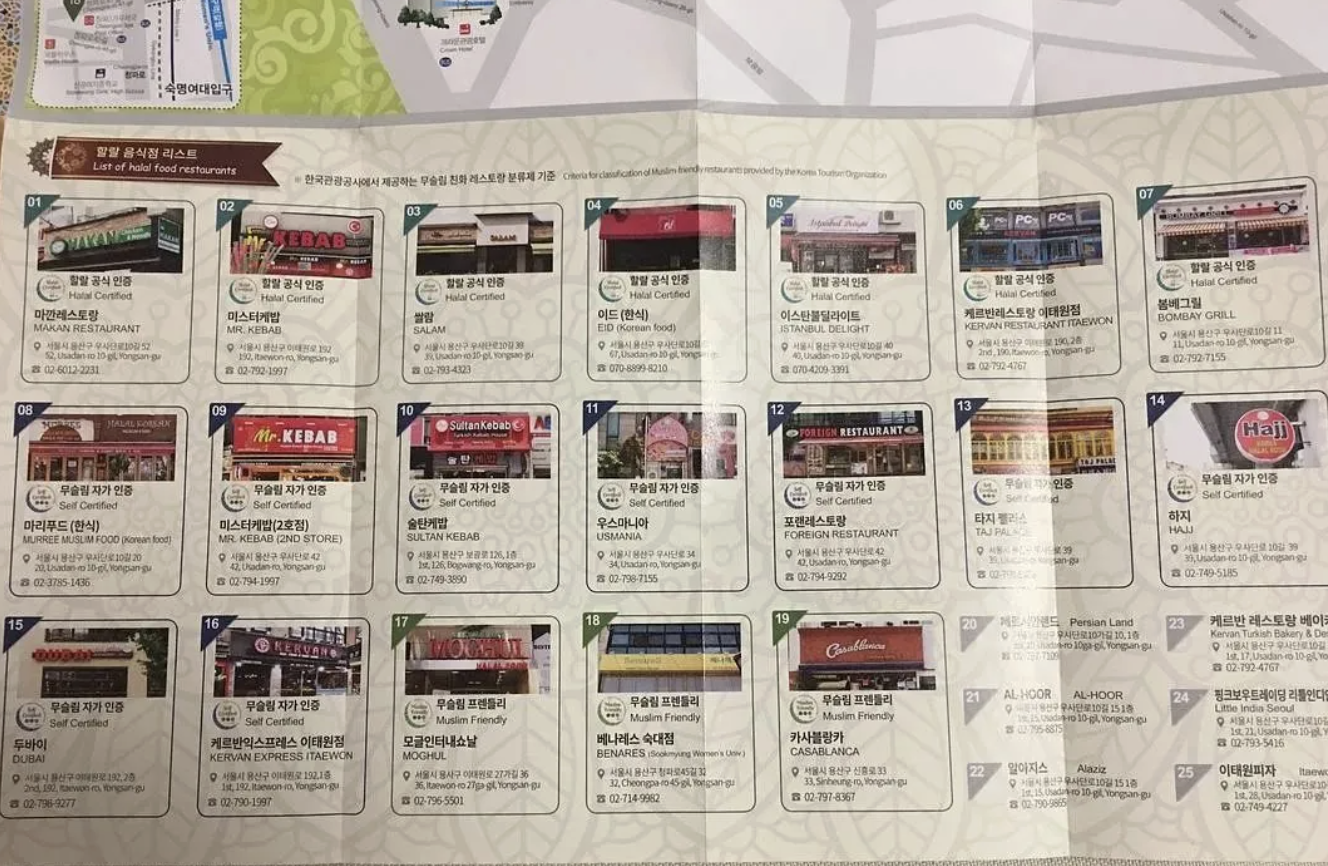
The Korean government actually categorizes these restaurants into four types:
Halal Certified: Certified by the food safety department; must have at least one Muslim staff member.
Self-Certified: Muslim-owned restaurants that don't serve alcohol.
Muslim Friendly: These serve alcohol but have some or all Halal items on the menu.
Pork-Free: They don't have a specific Halal menu, but they don't use any pork.
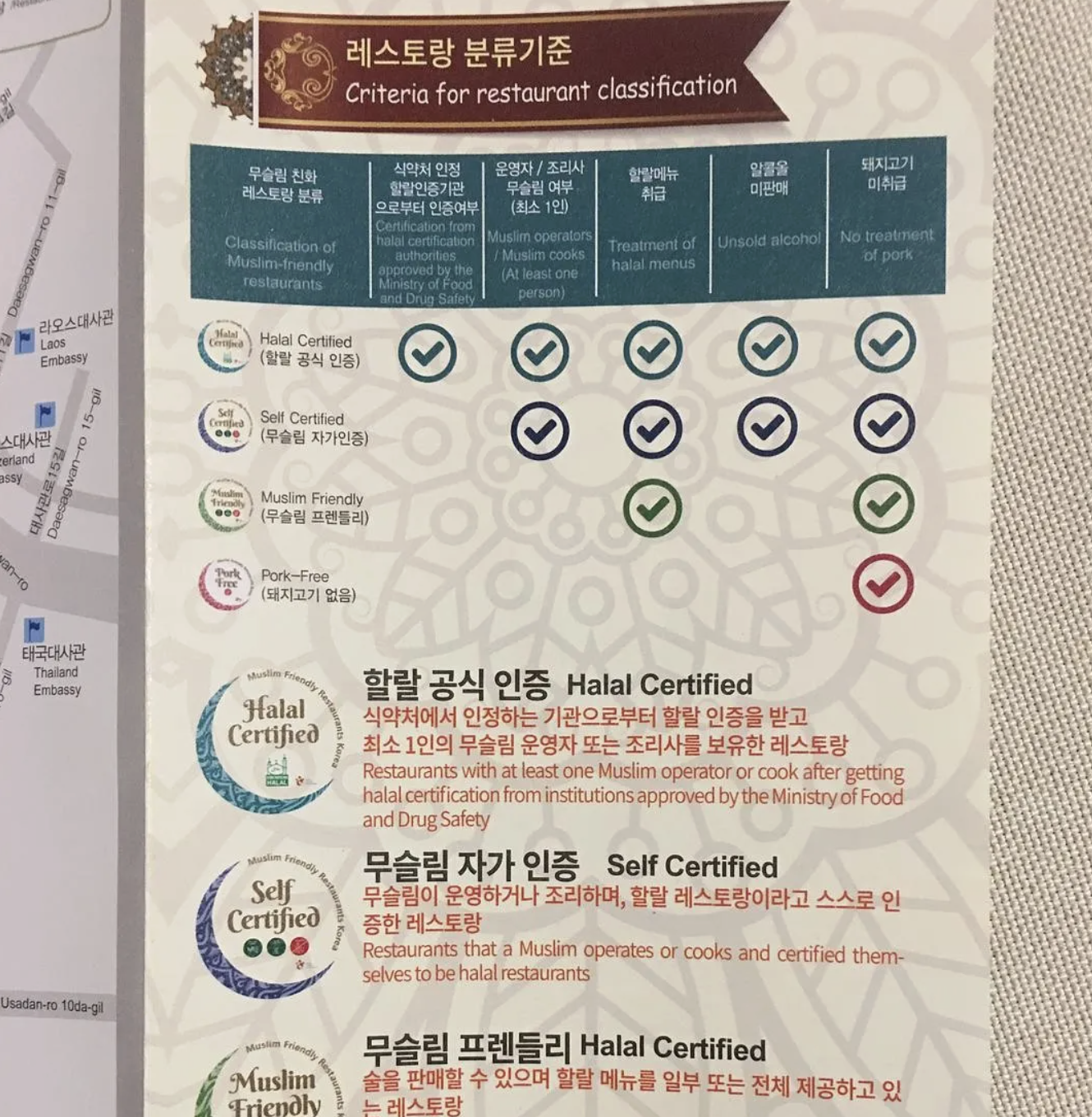
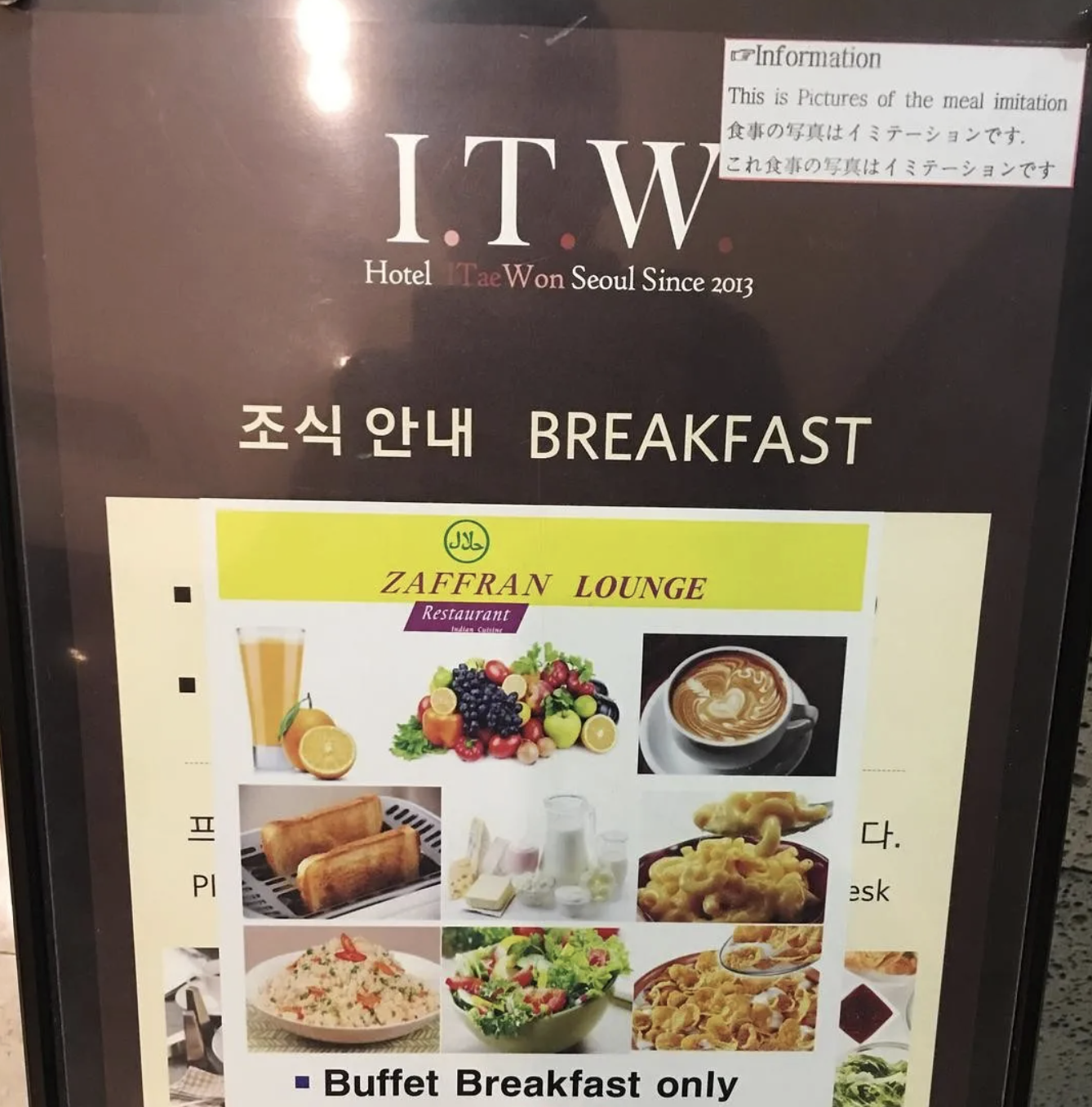
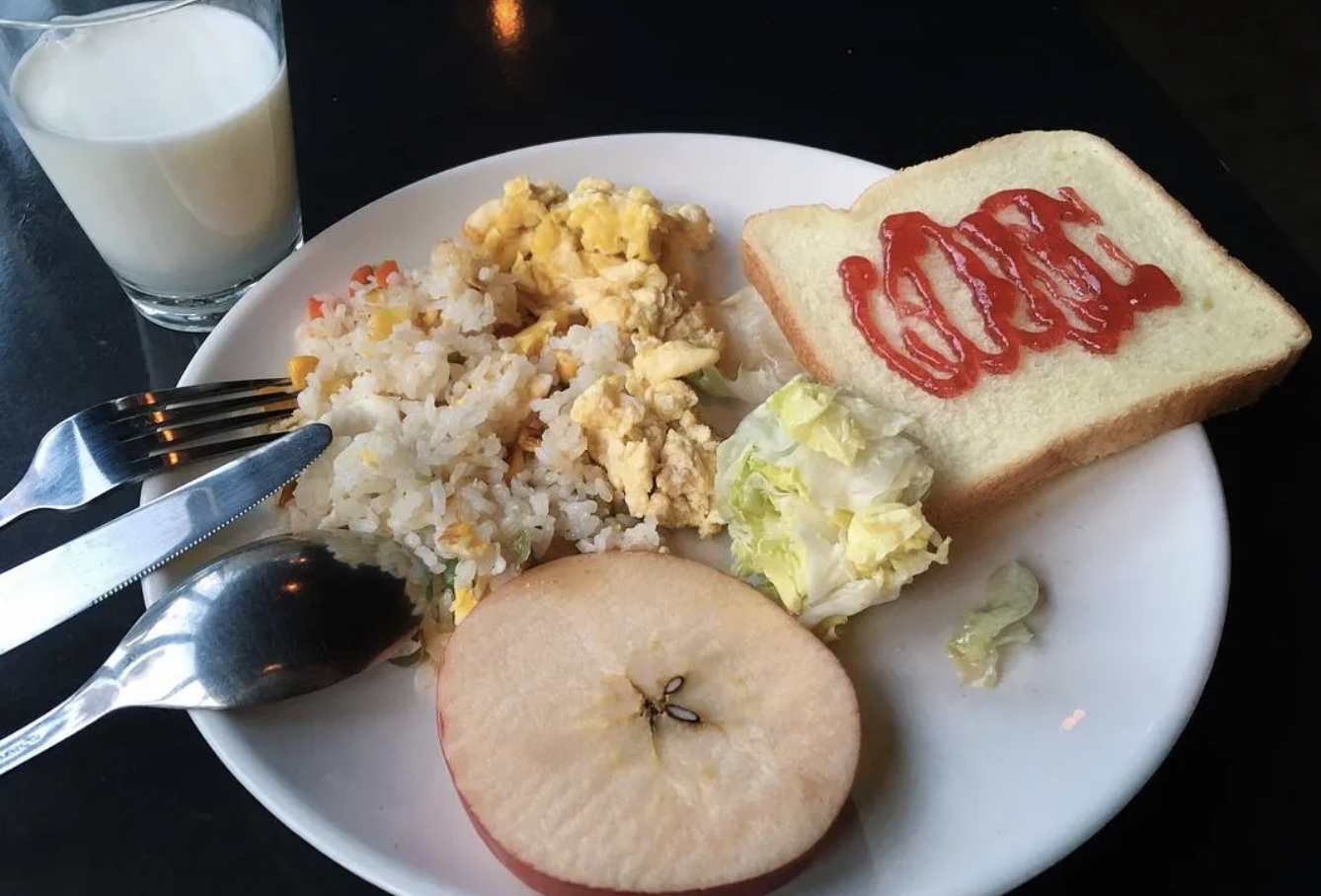
Breakfast I stayed at the ITW Hotel in Itaewon. Every morning from 7 to 9 AM, they have a Halal breakfast buffet provided by a nearby Indian restaurant called ZAFFRAN. Other than a 24-hour Turkish spot called MR. KEBAB, most Halal places in Itaewon don't open until later in the morning.
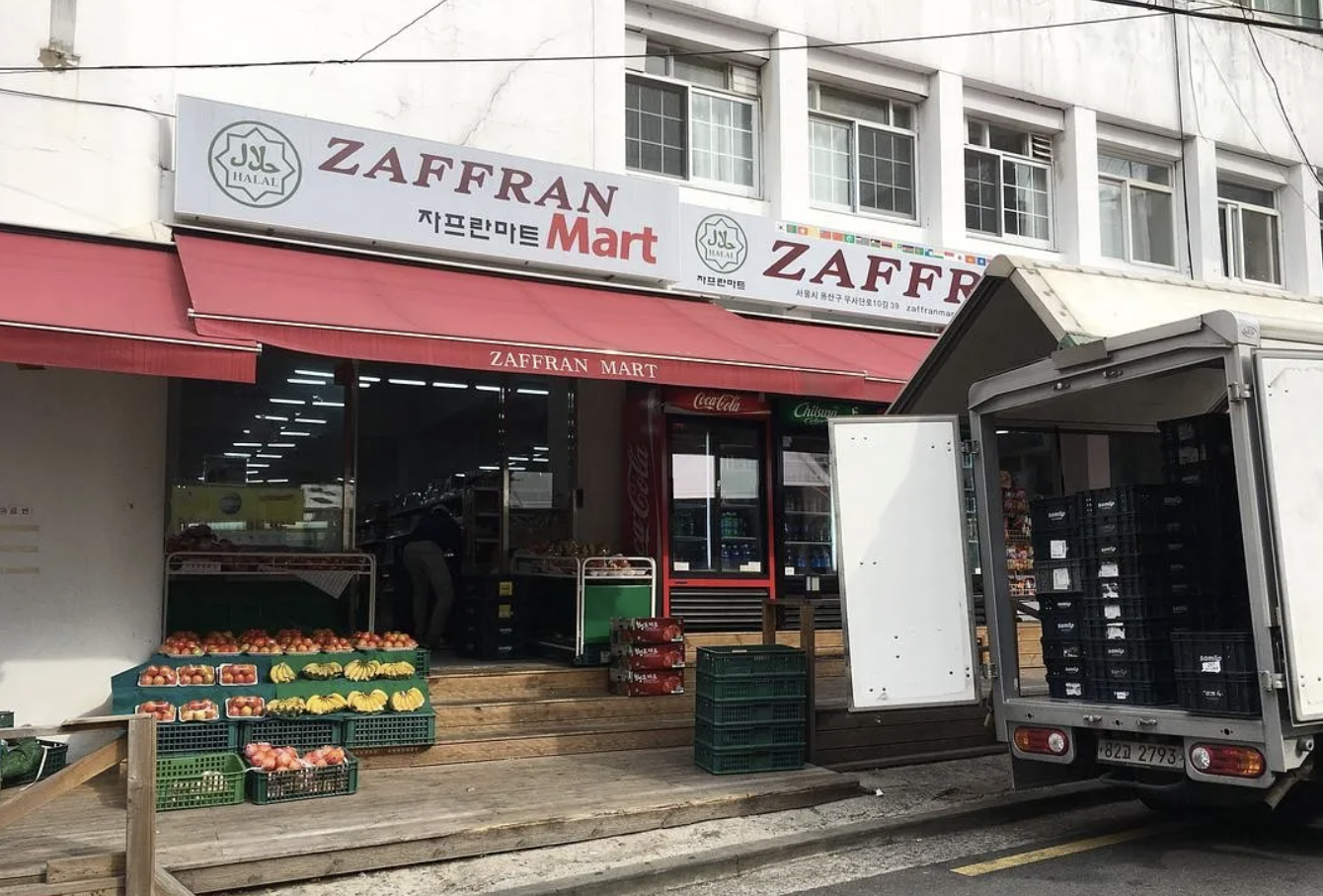
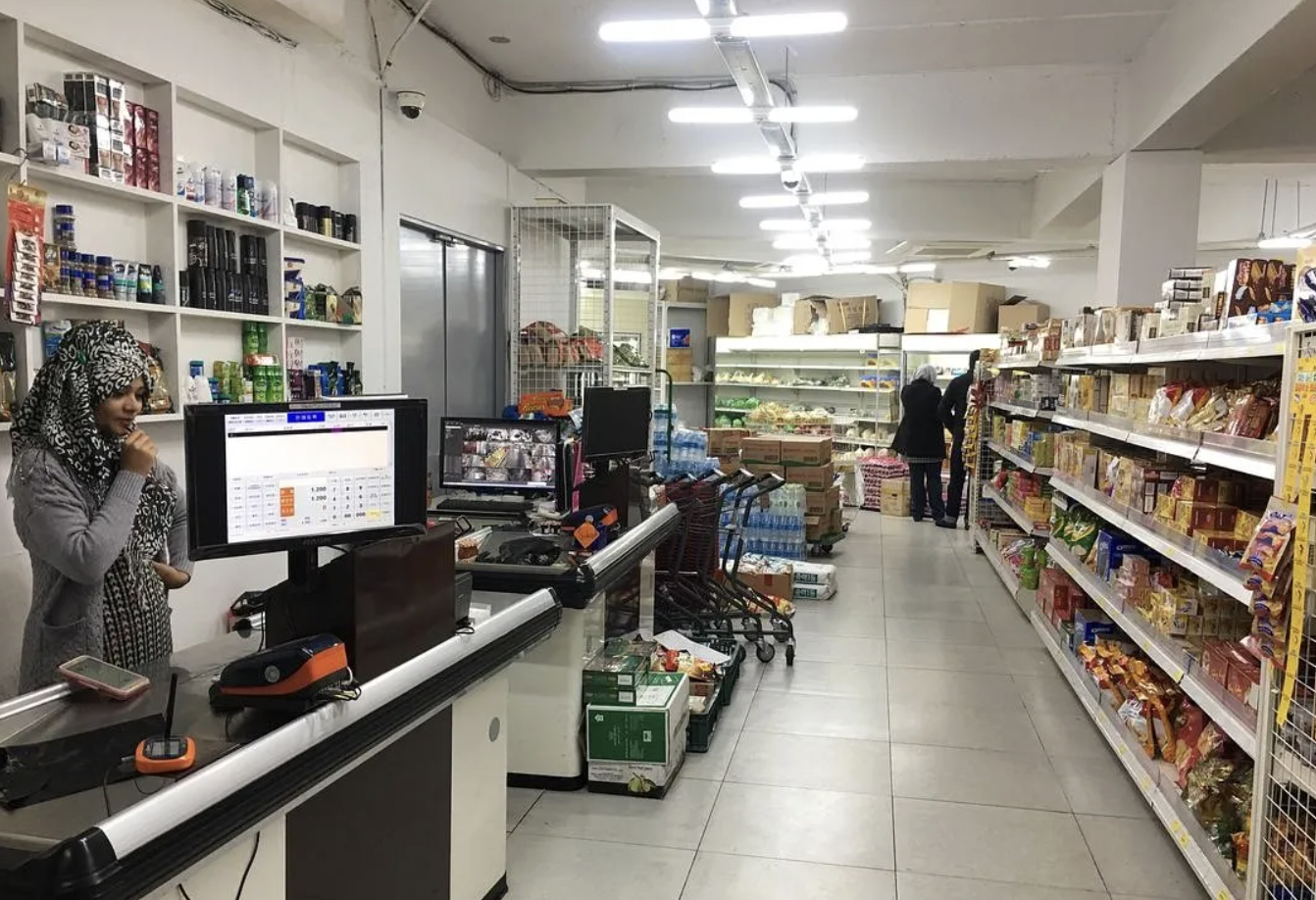
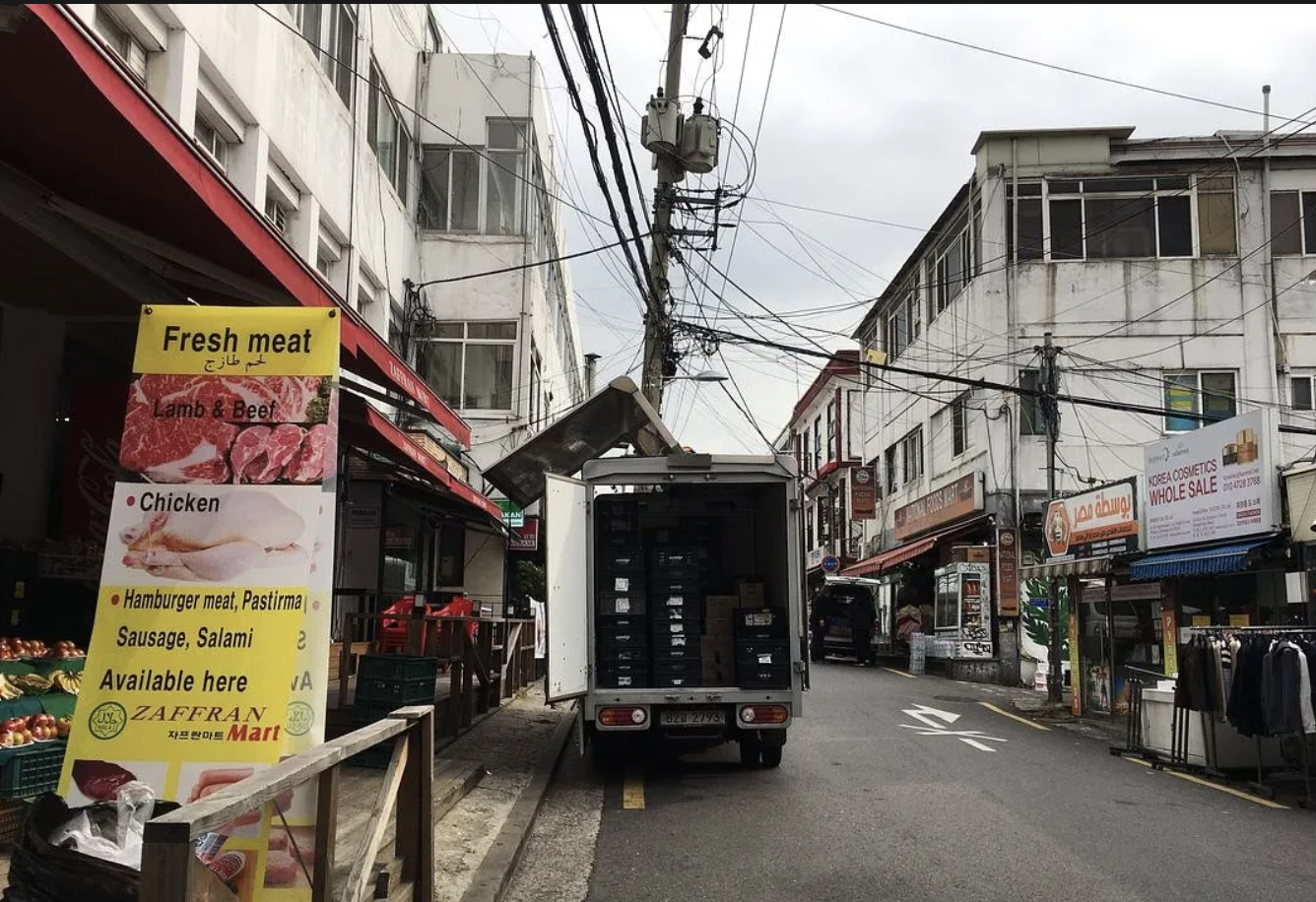
Halal Supermarket ZAFFRAN MART, the biggest Halal grocery store in Itaewon.
Islamic Bookstore
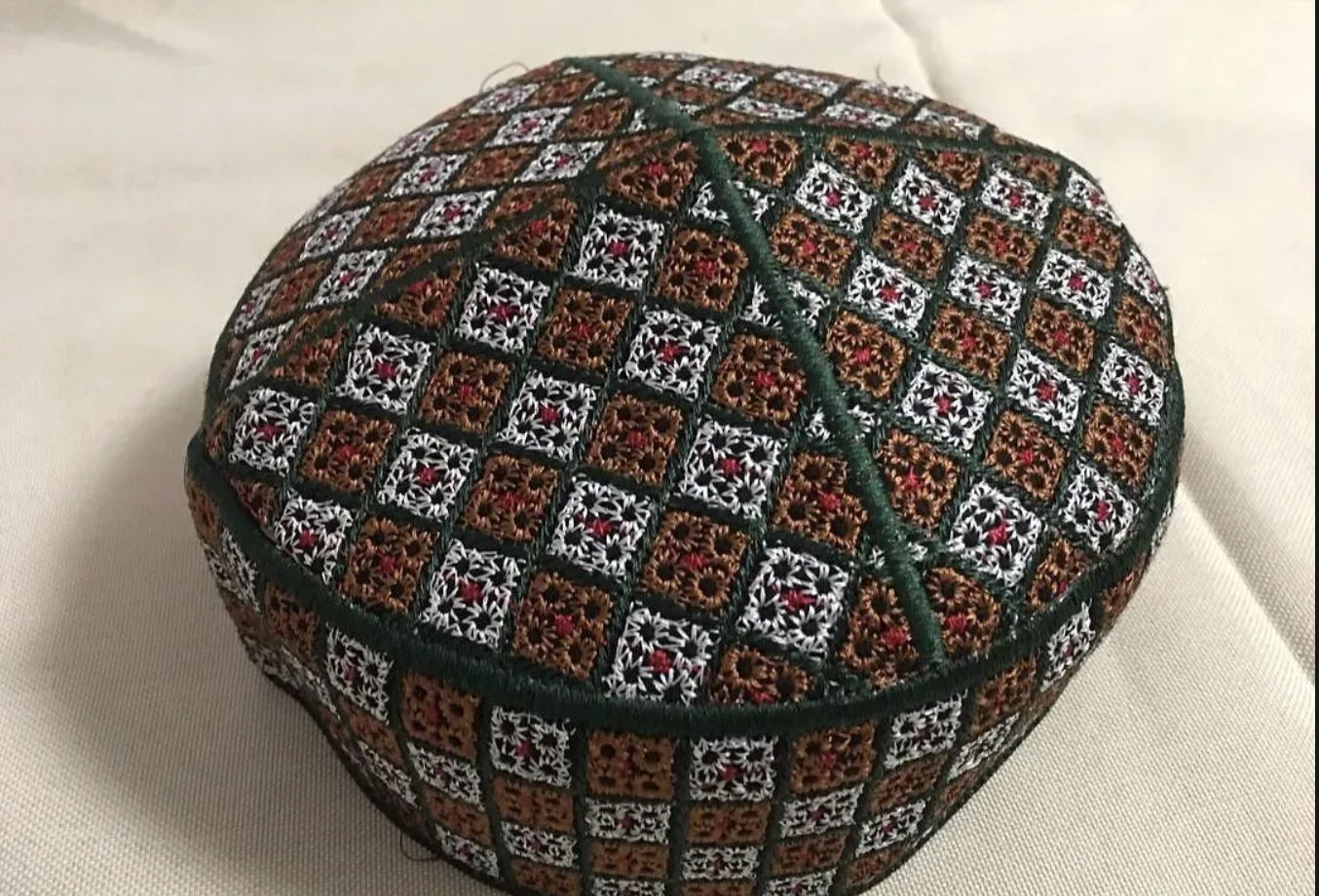
The bookstore in Itaewon is run by a brother from Indian-controlled Kashmir. We really hit it off, and he gave me a very warm greeting when he saw me the next day. They carry kufis from Pakistan, India, Afghanistan, East Africa, and Malaysia. I bought one made in Pakistan and one from India.
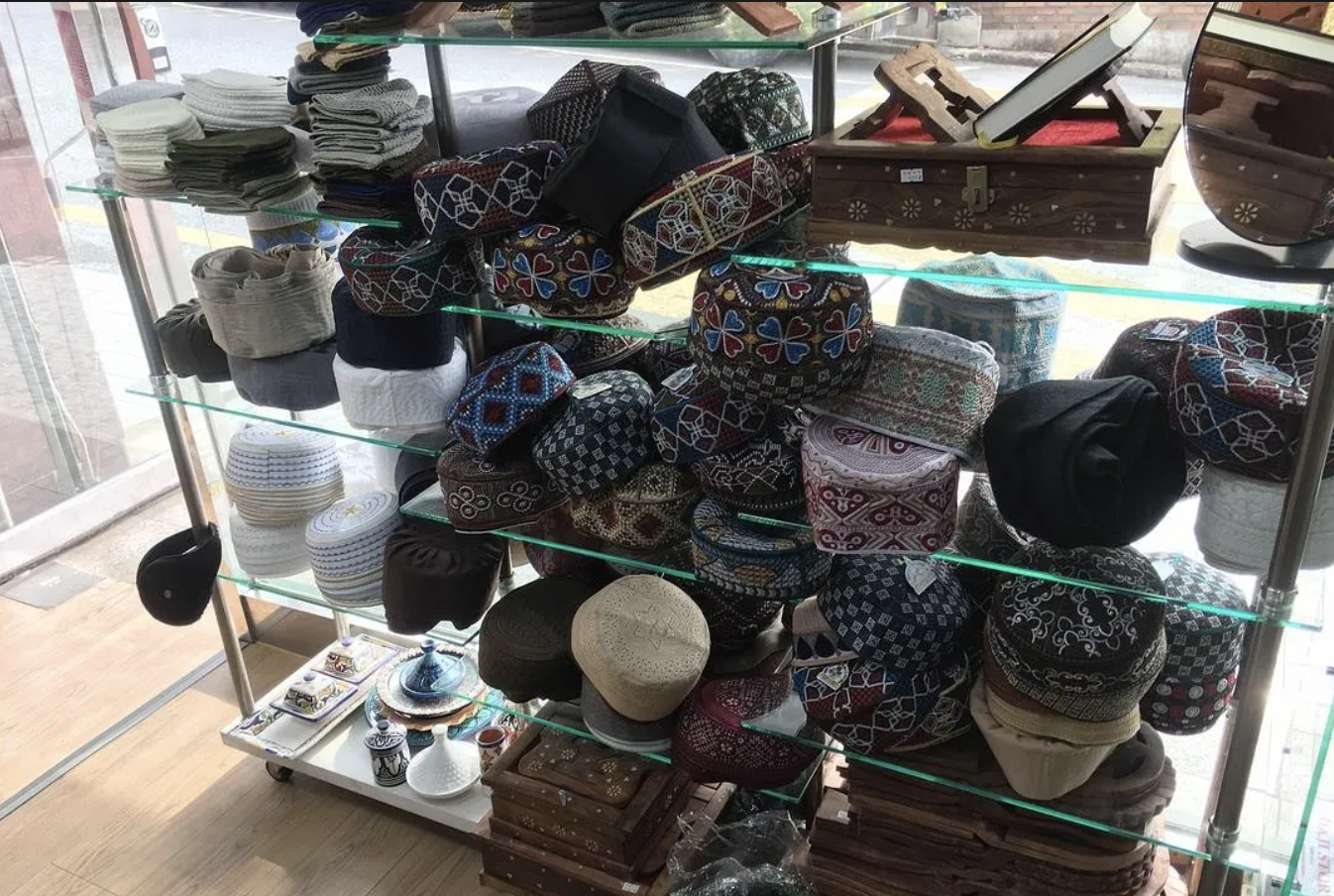
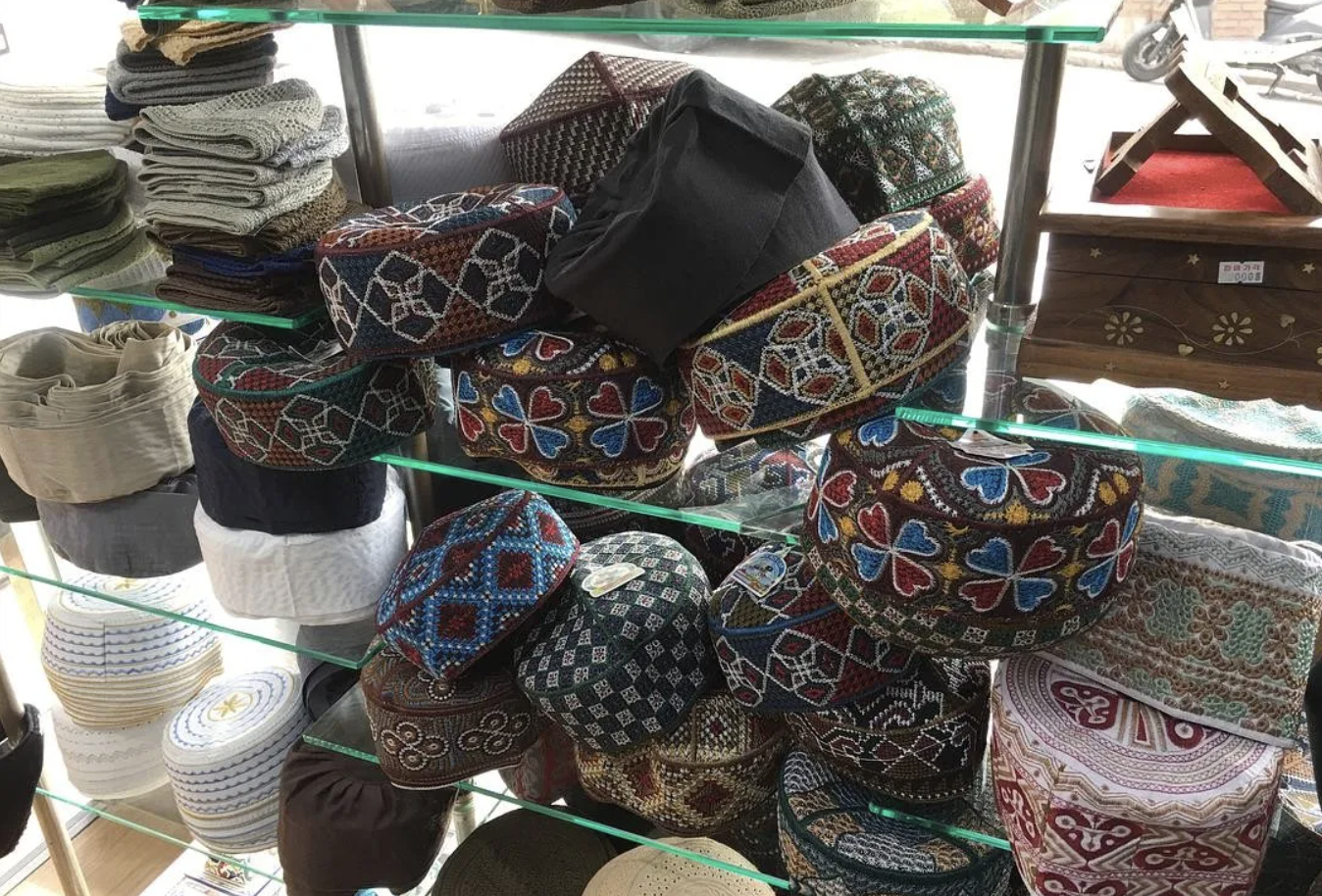
A kufi made in India.
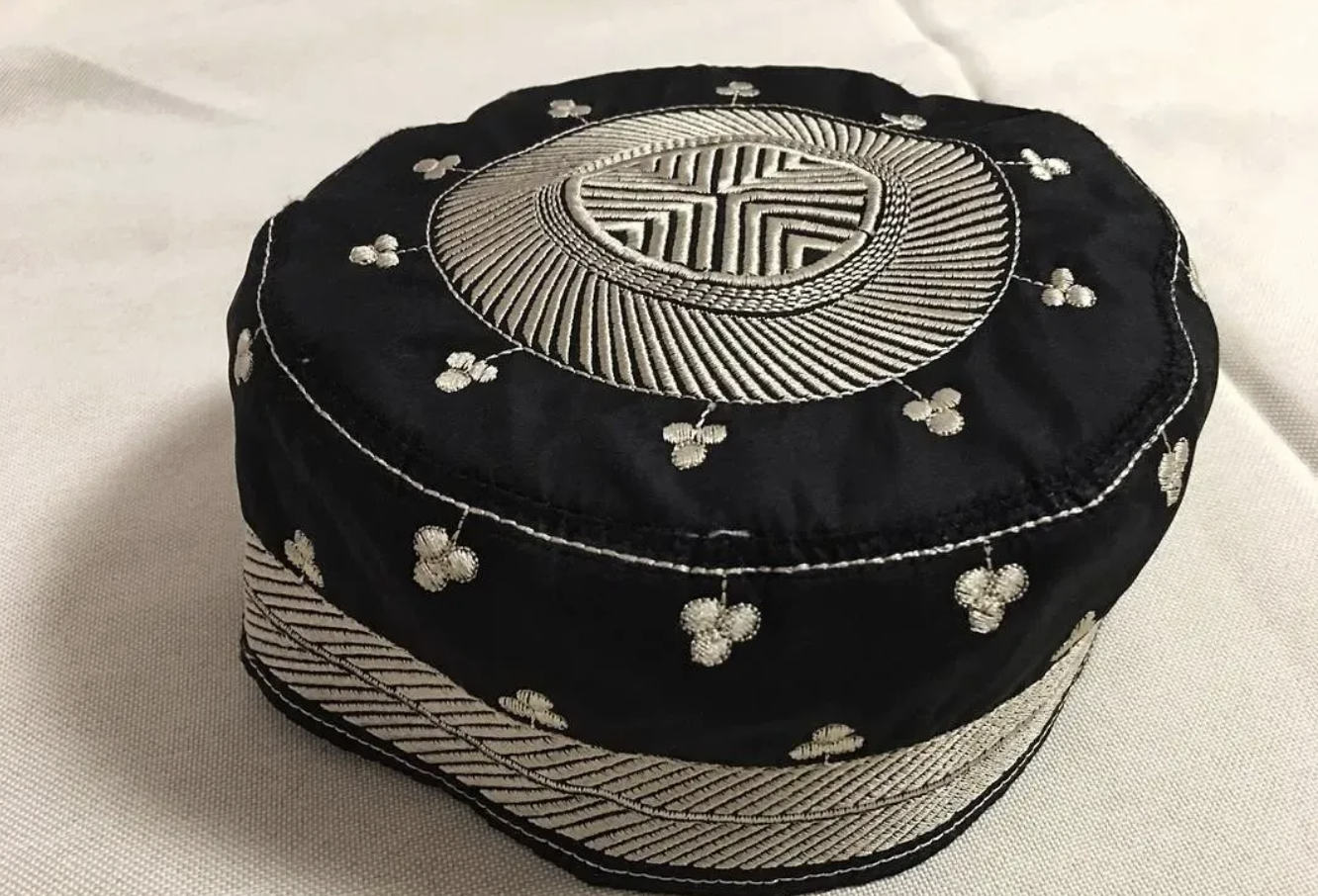
A kufi made in Pakistan.
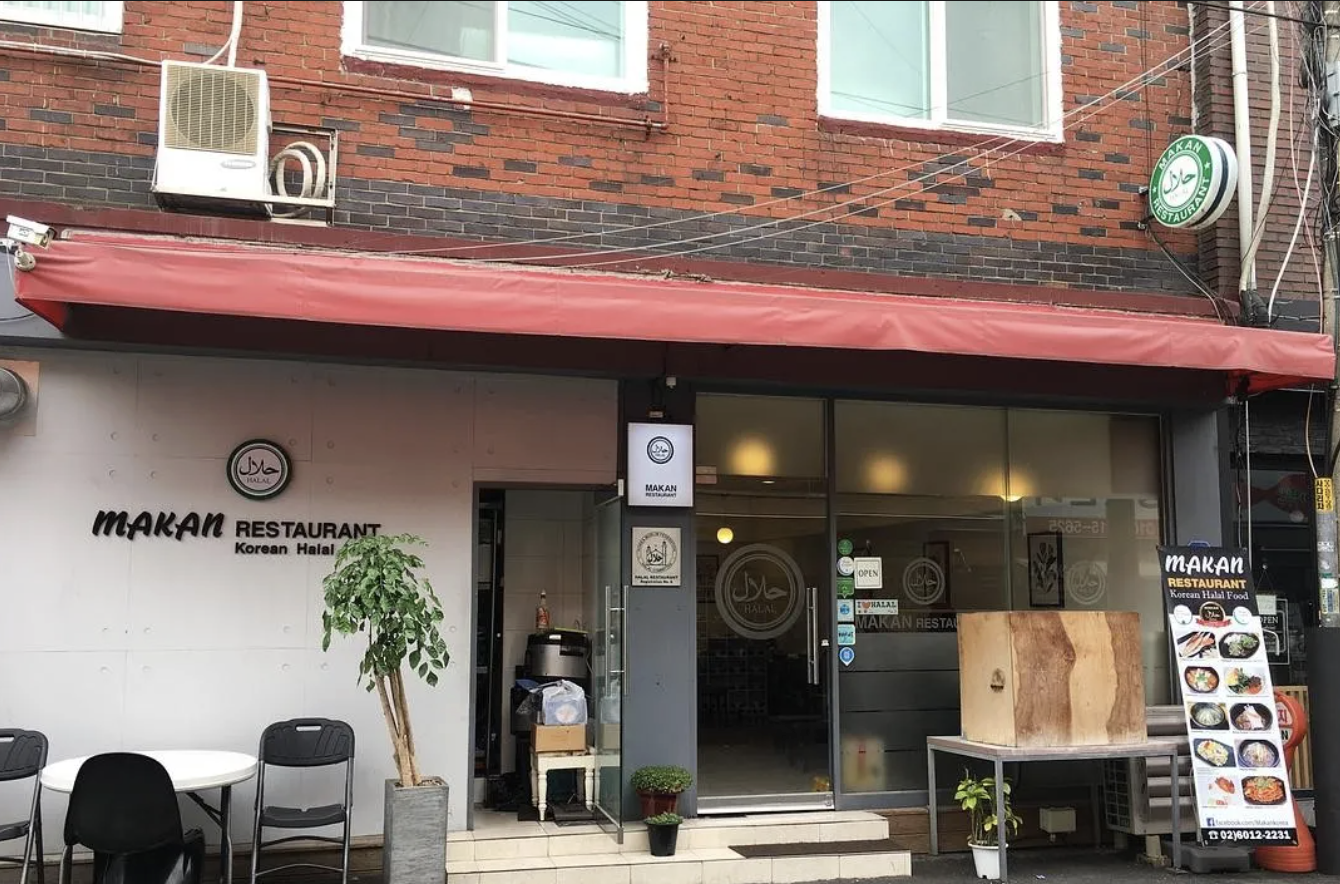
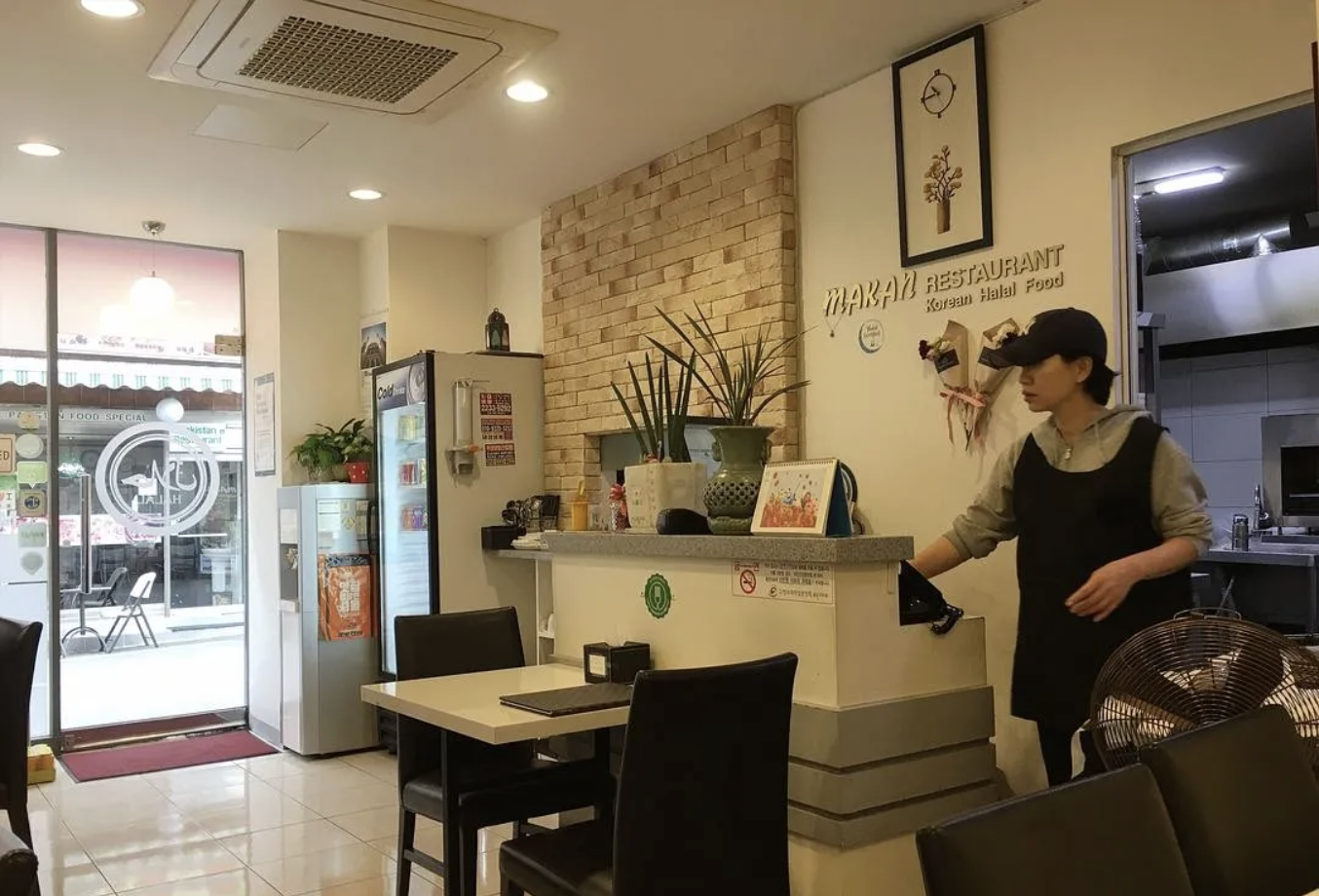
Makan Restaurant Even though there are tons of Middle Eastern and Indian spots, the real highlight is Halal Korean food. Makan is the most famous one.
This sister is the head chef.
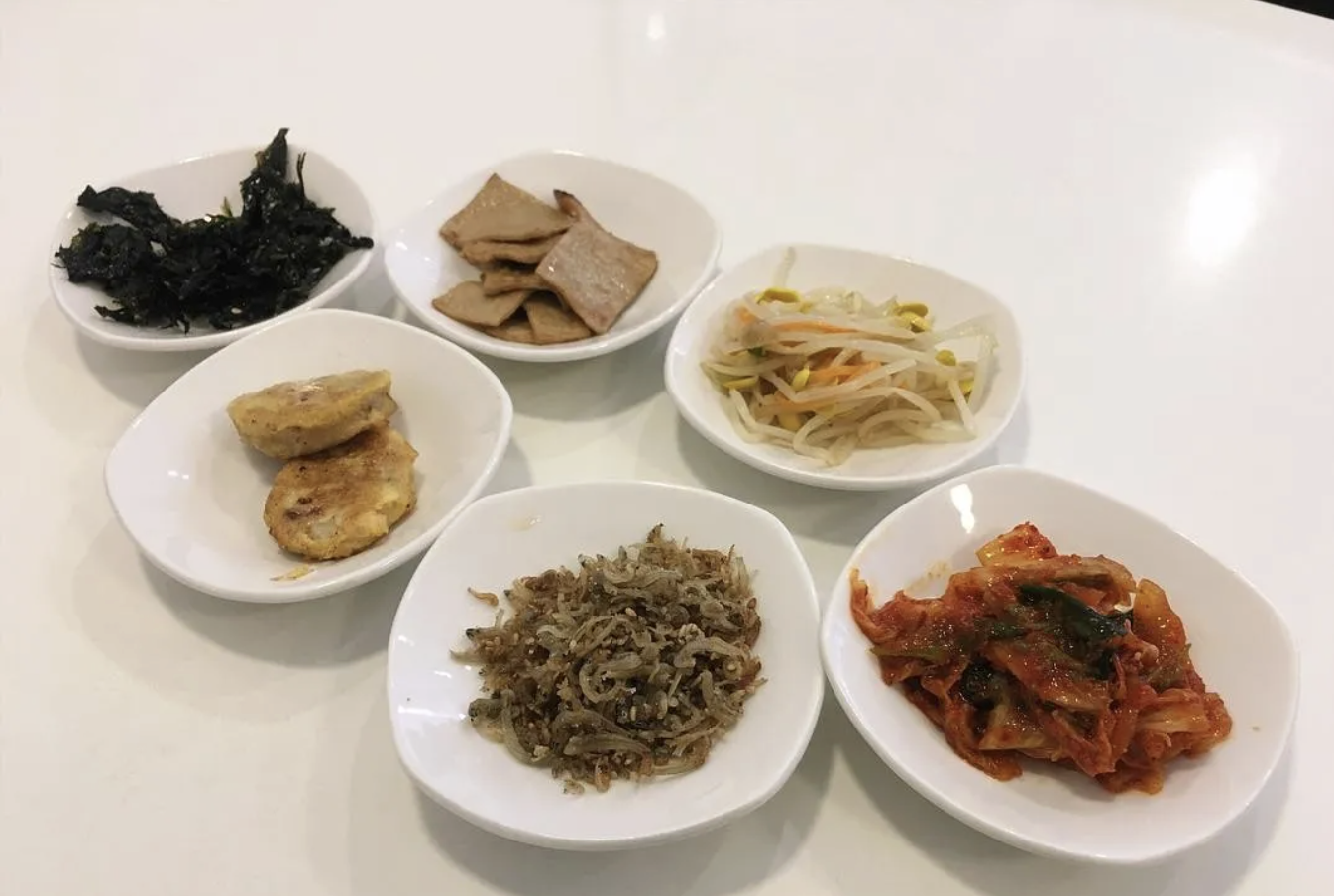
They serve six different side dishes.
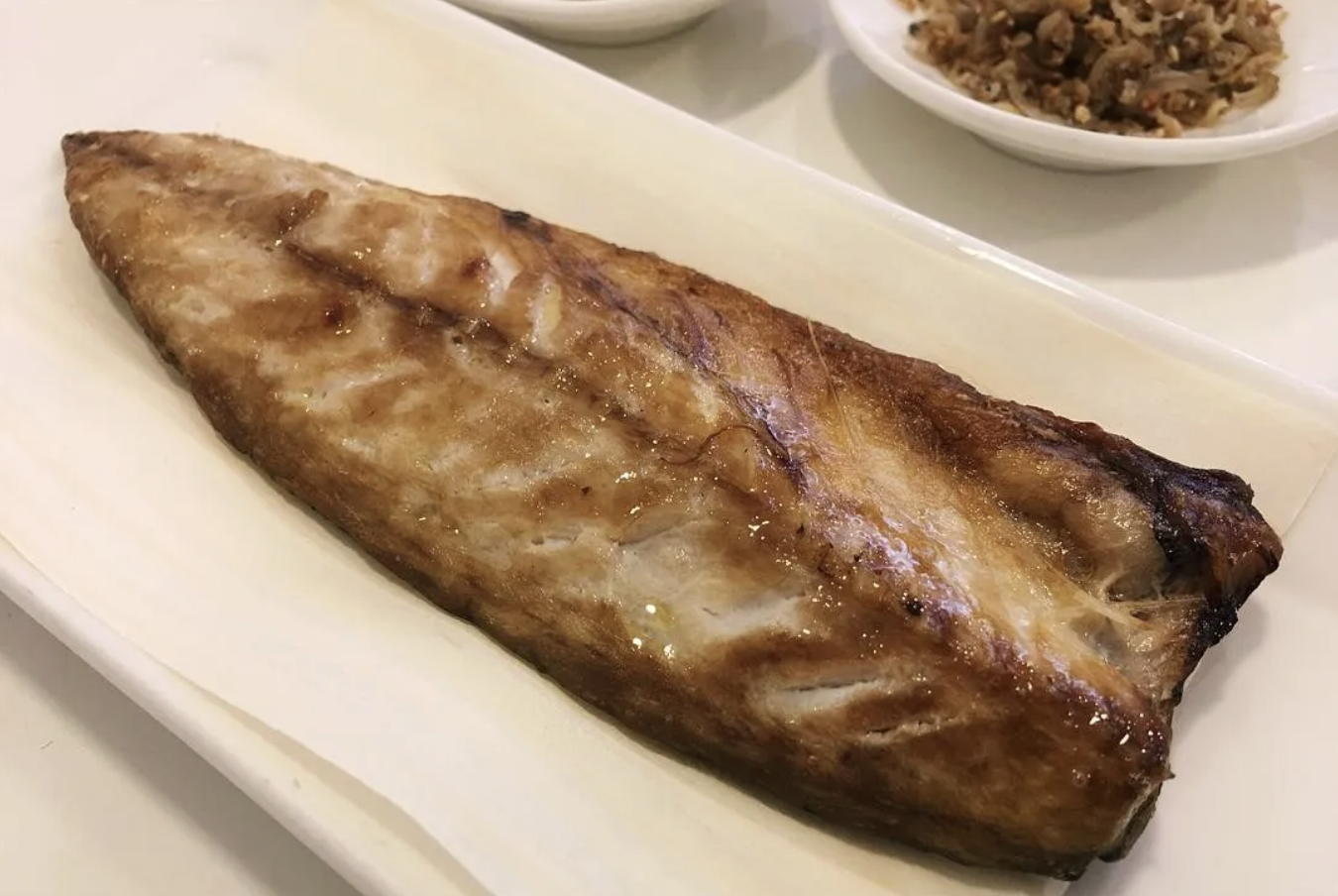
Grilled fish.
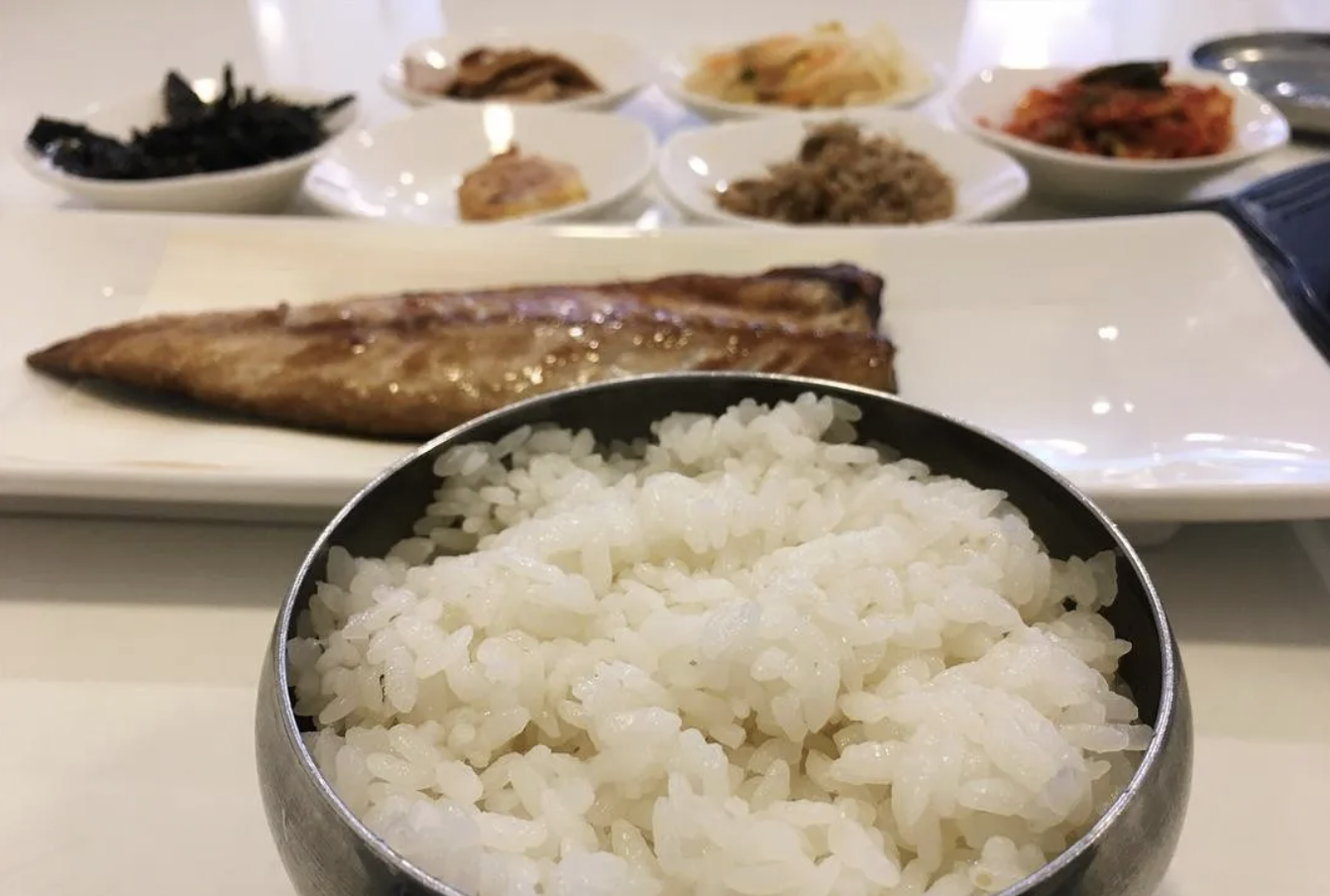
Korean rice is delicious!
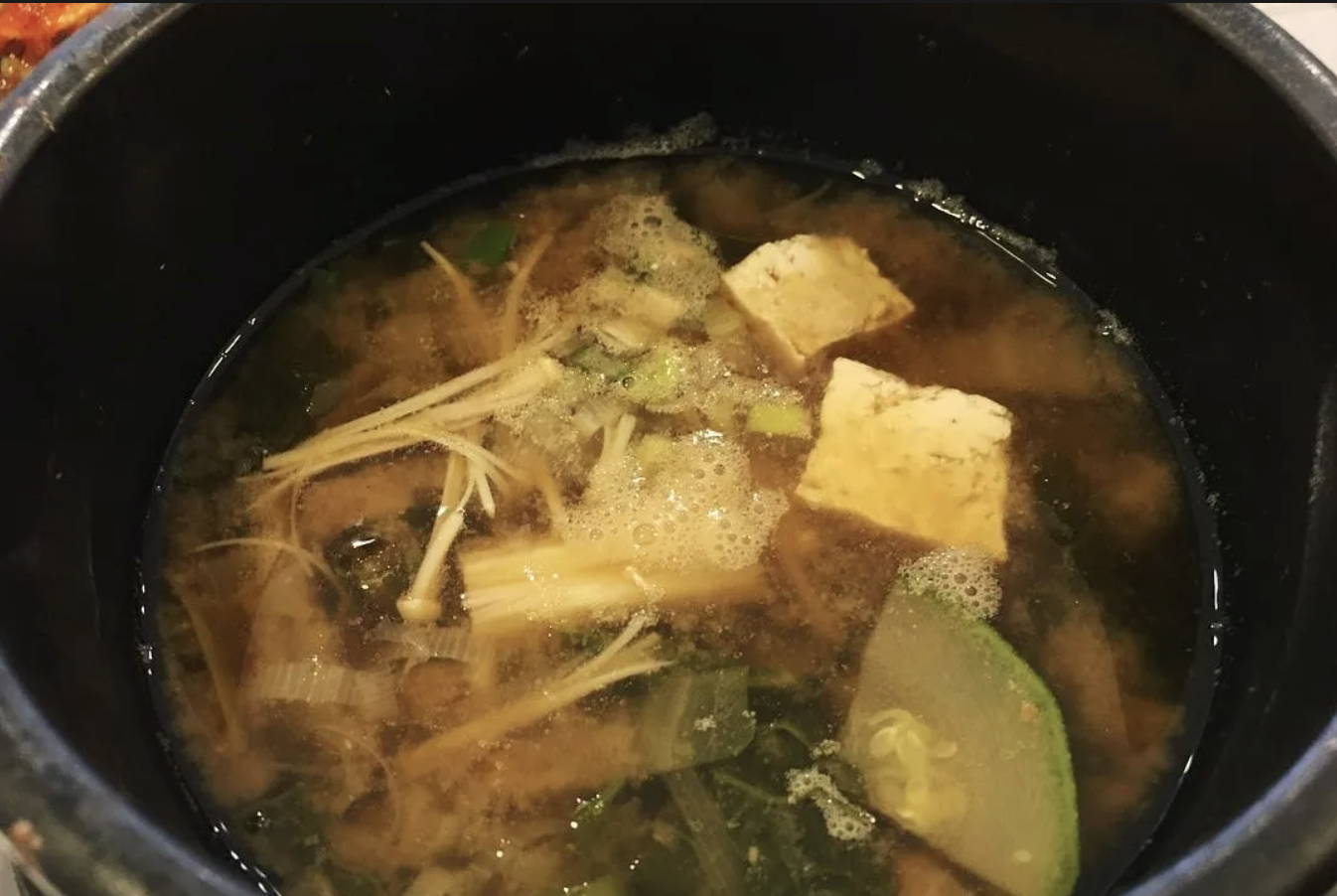
Doenjang-jjigae (Soybean paste stew).
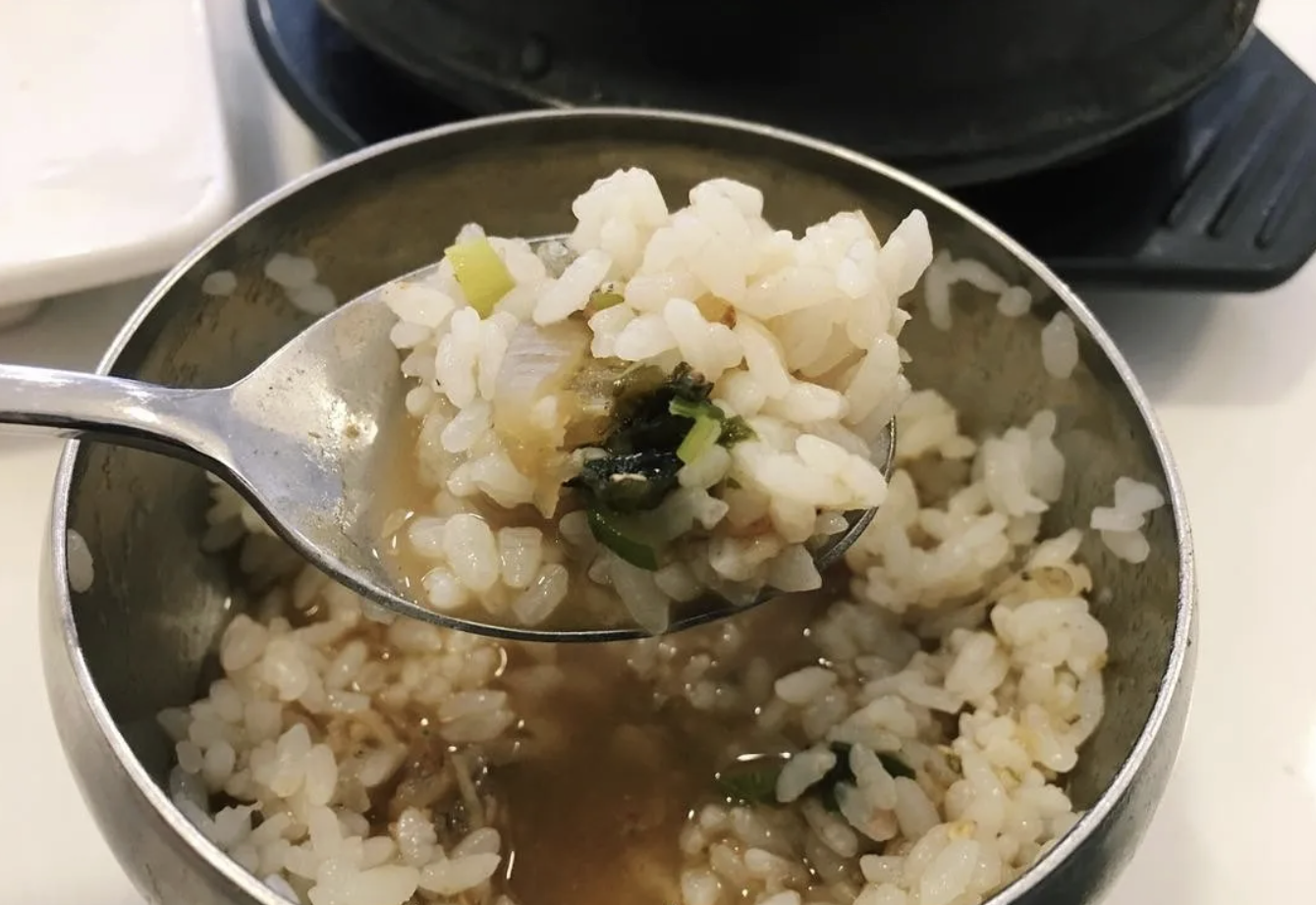
Rice mixed into the soup.
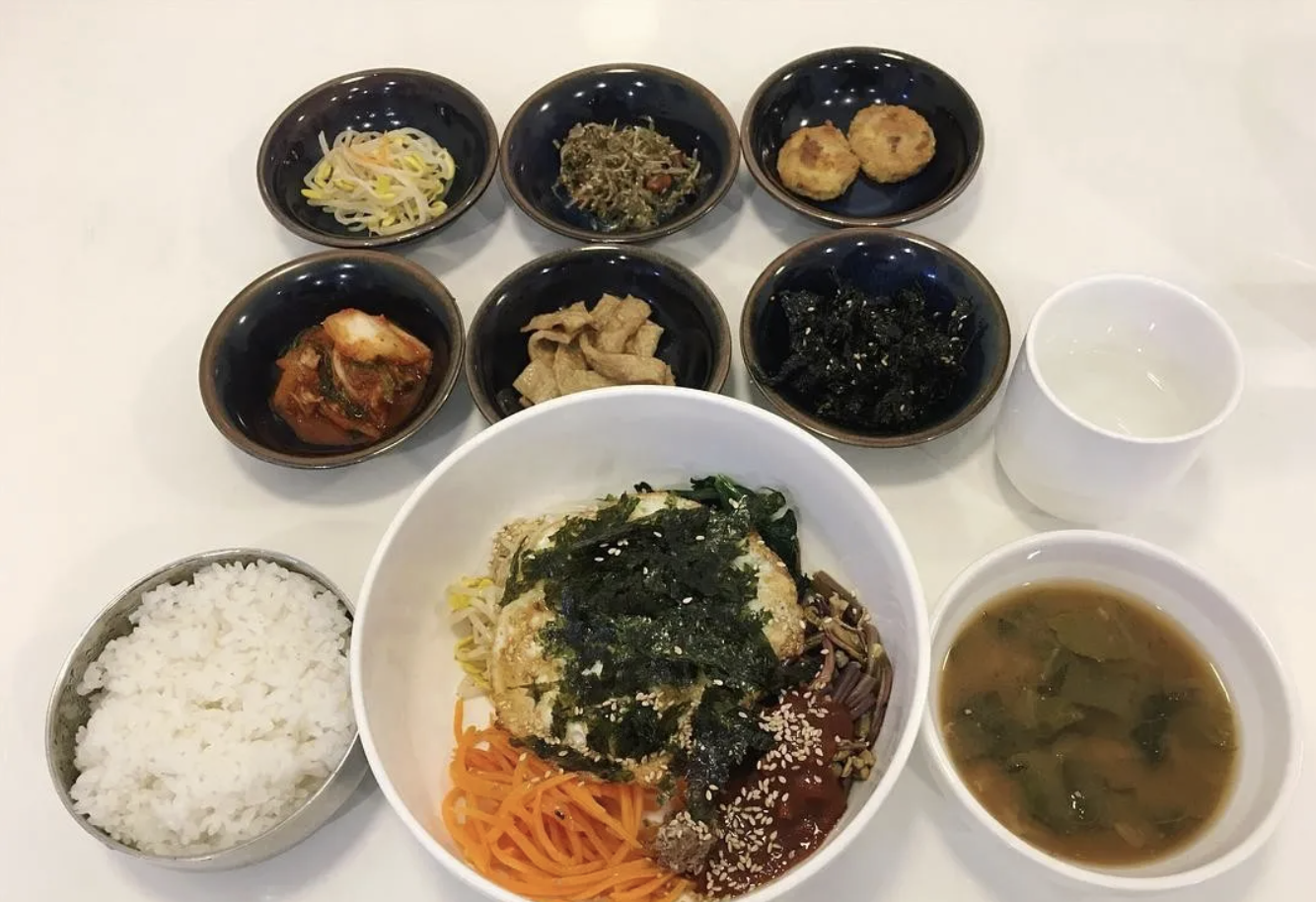
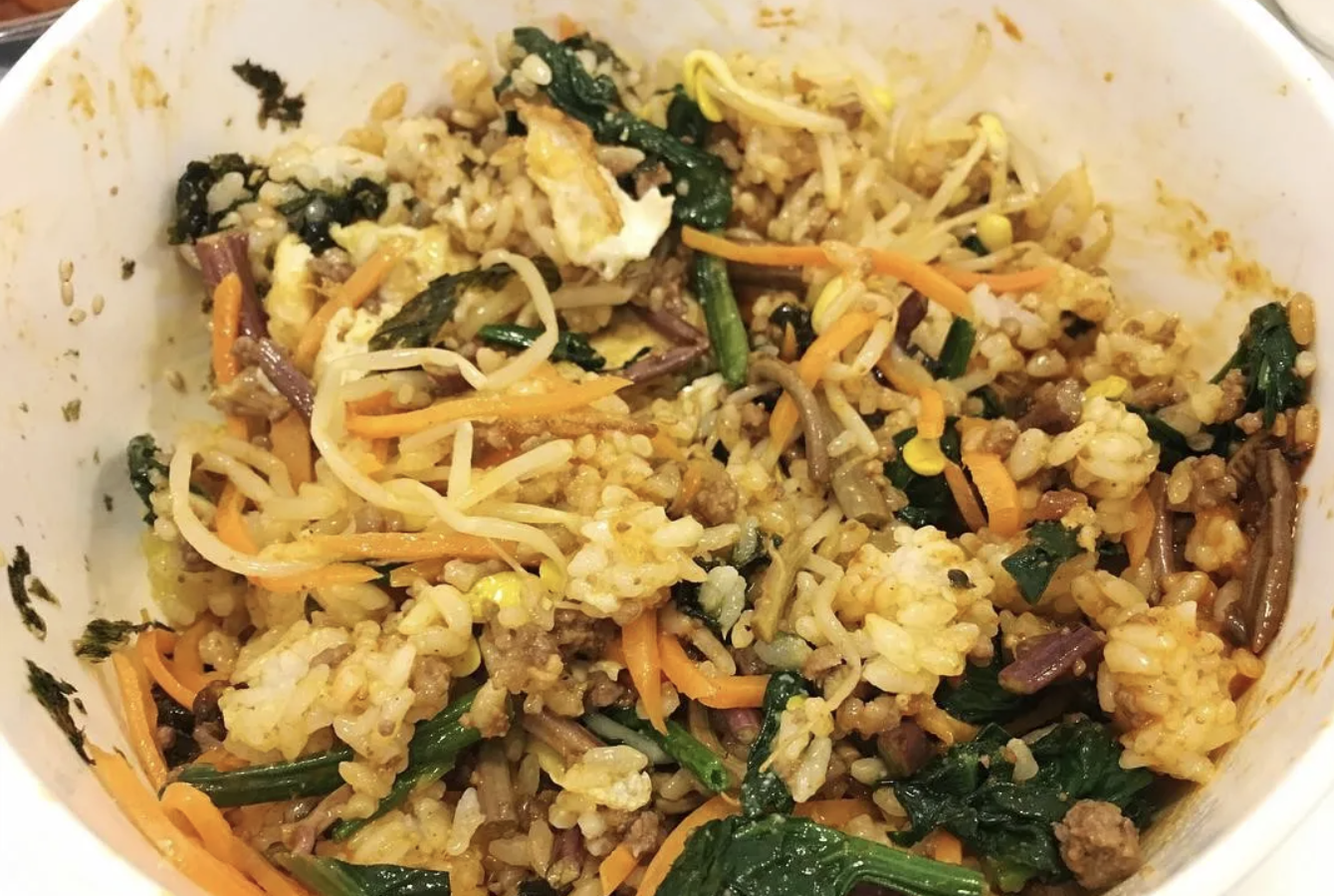
Korean Beef Bibimbap—the meat was covered by the egg, so I missed the shot.
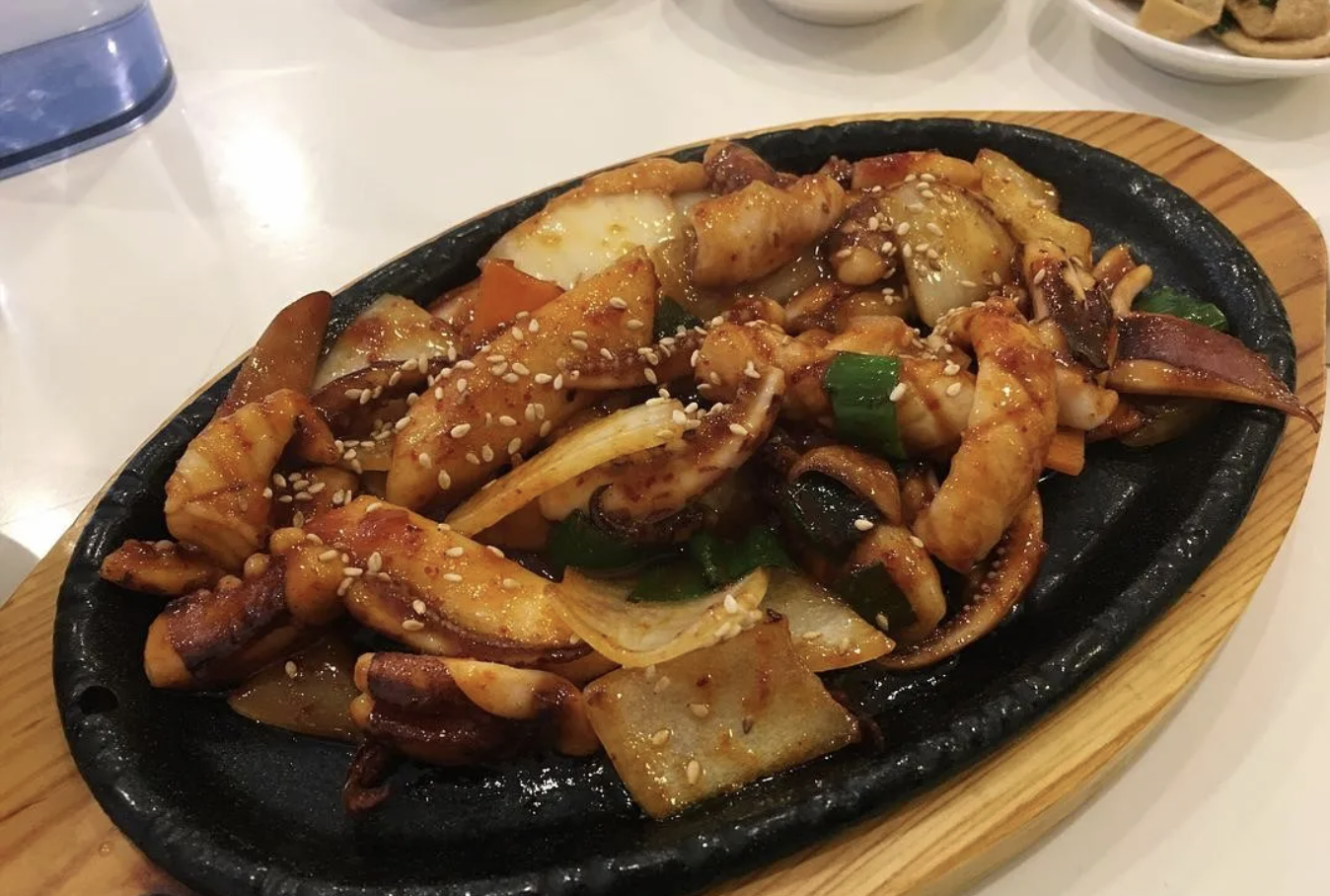
Spicy stir-fried squid and rice cakes.
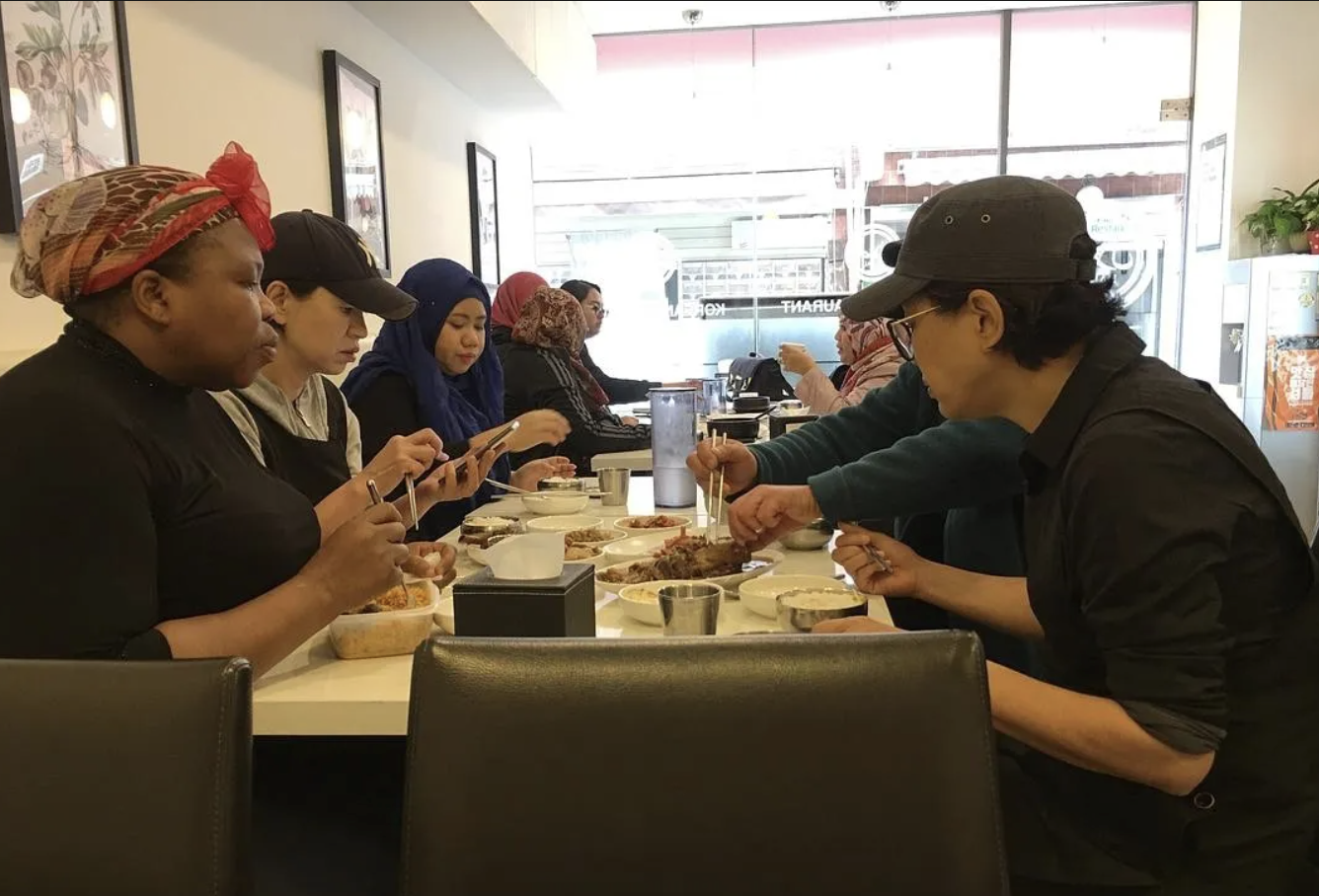
The brother on the right is also a chef.
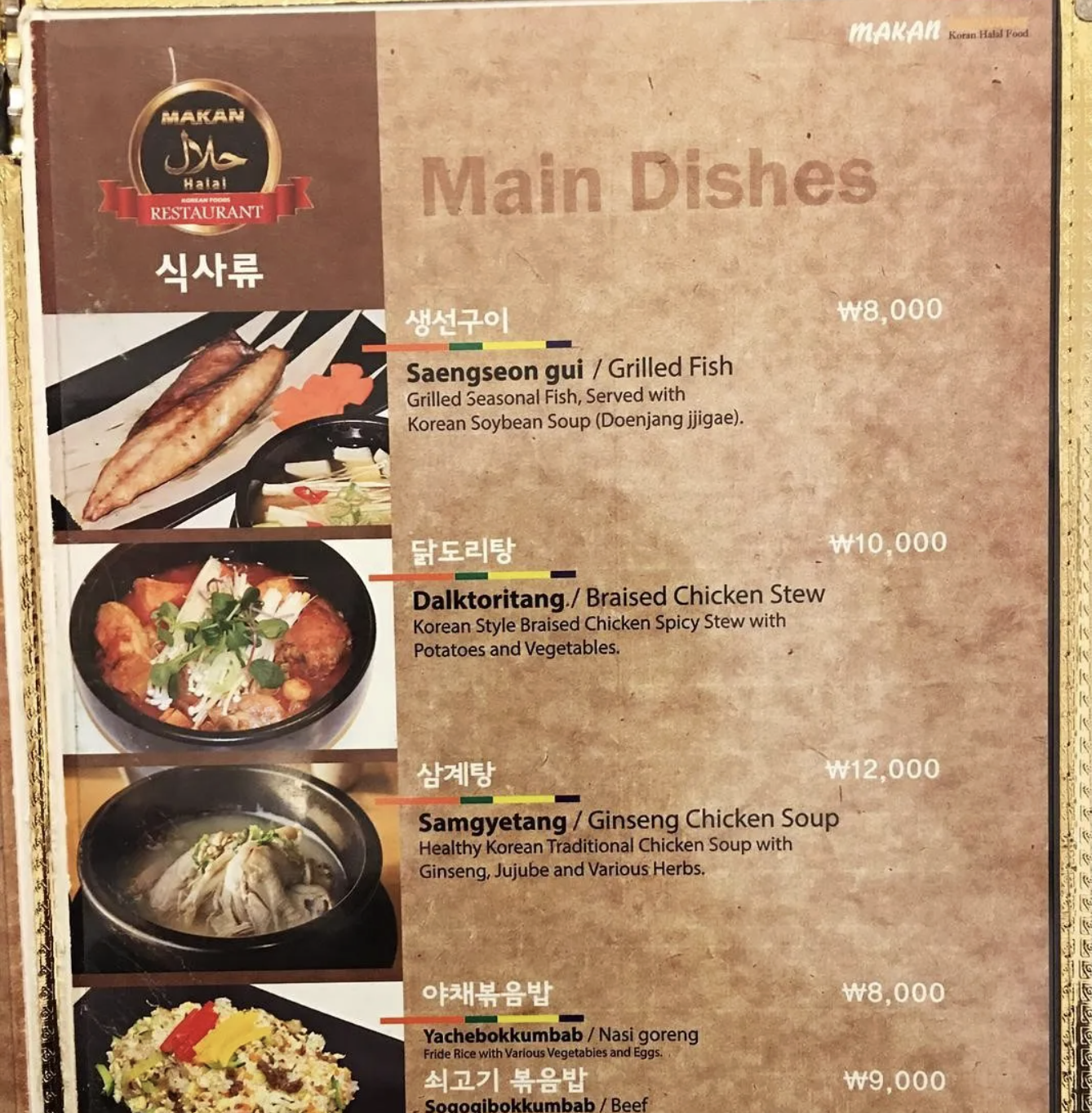
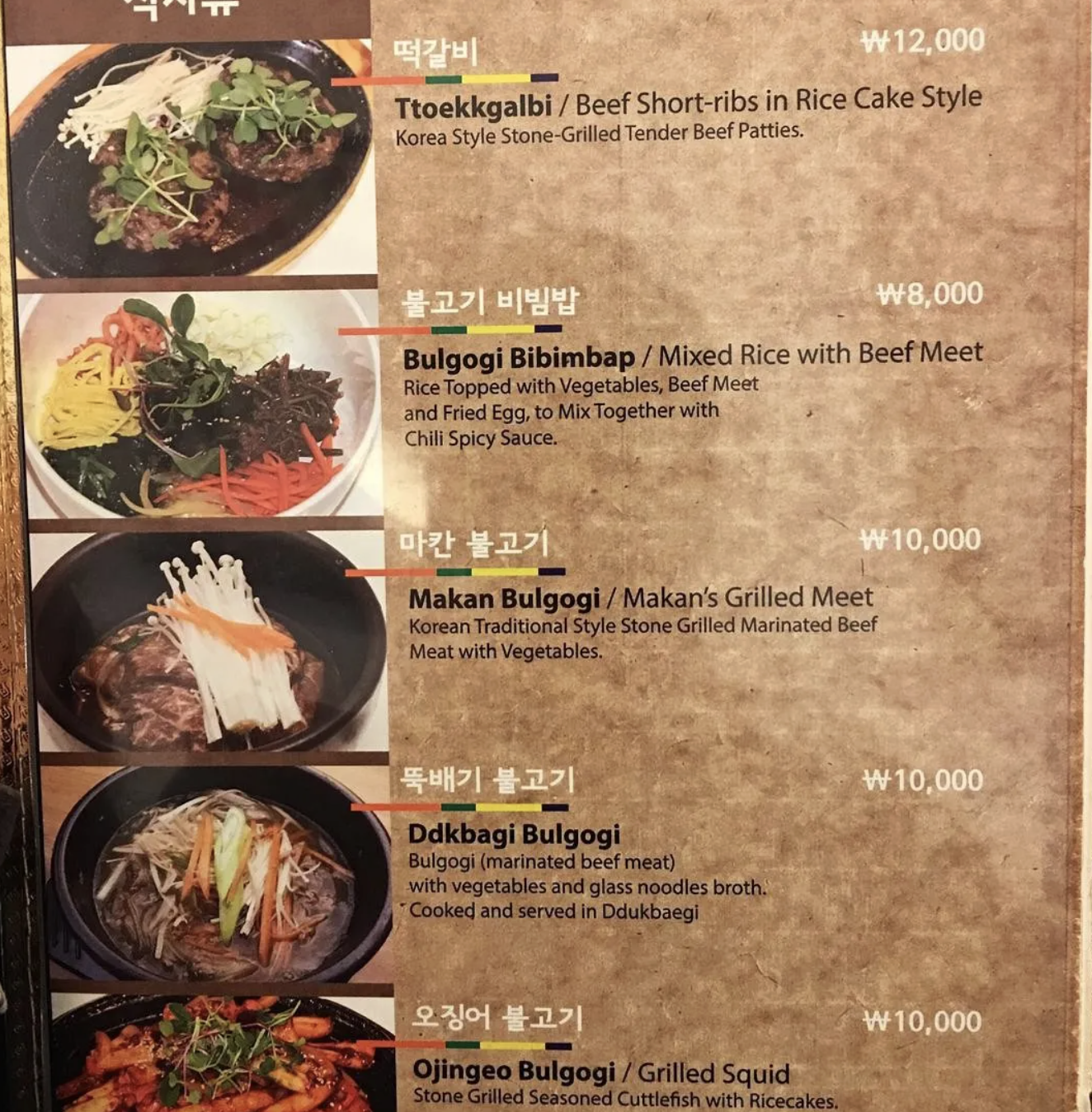
The menu.
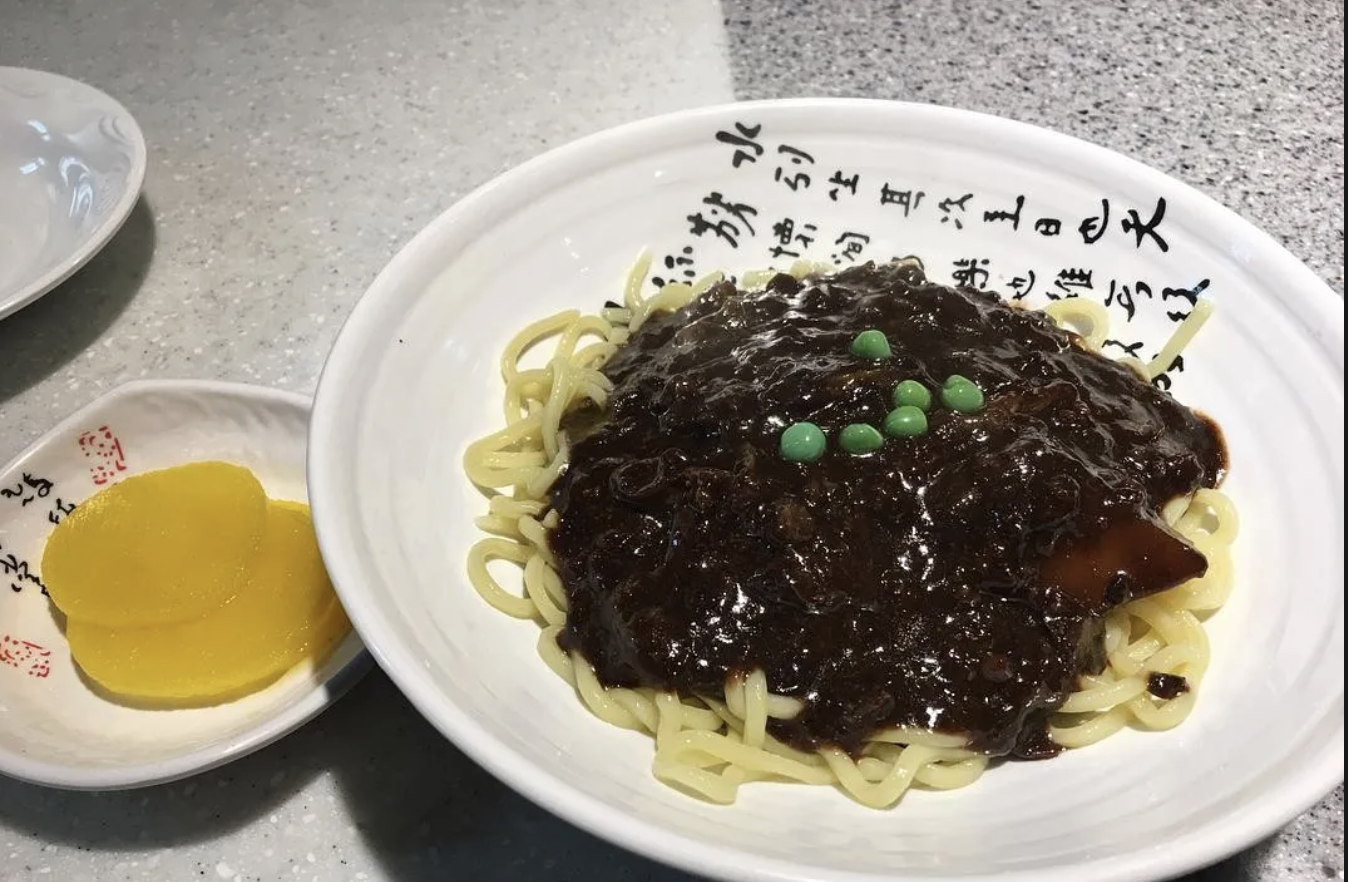
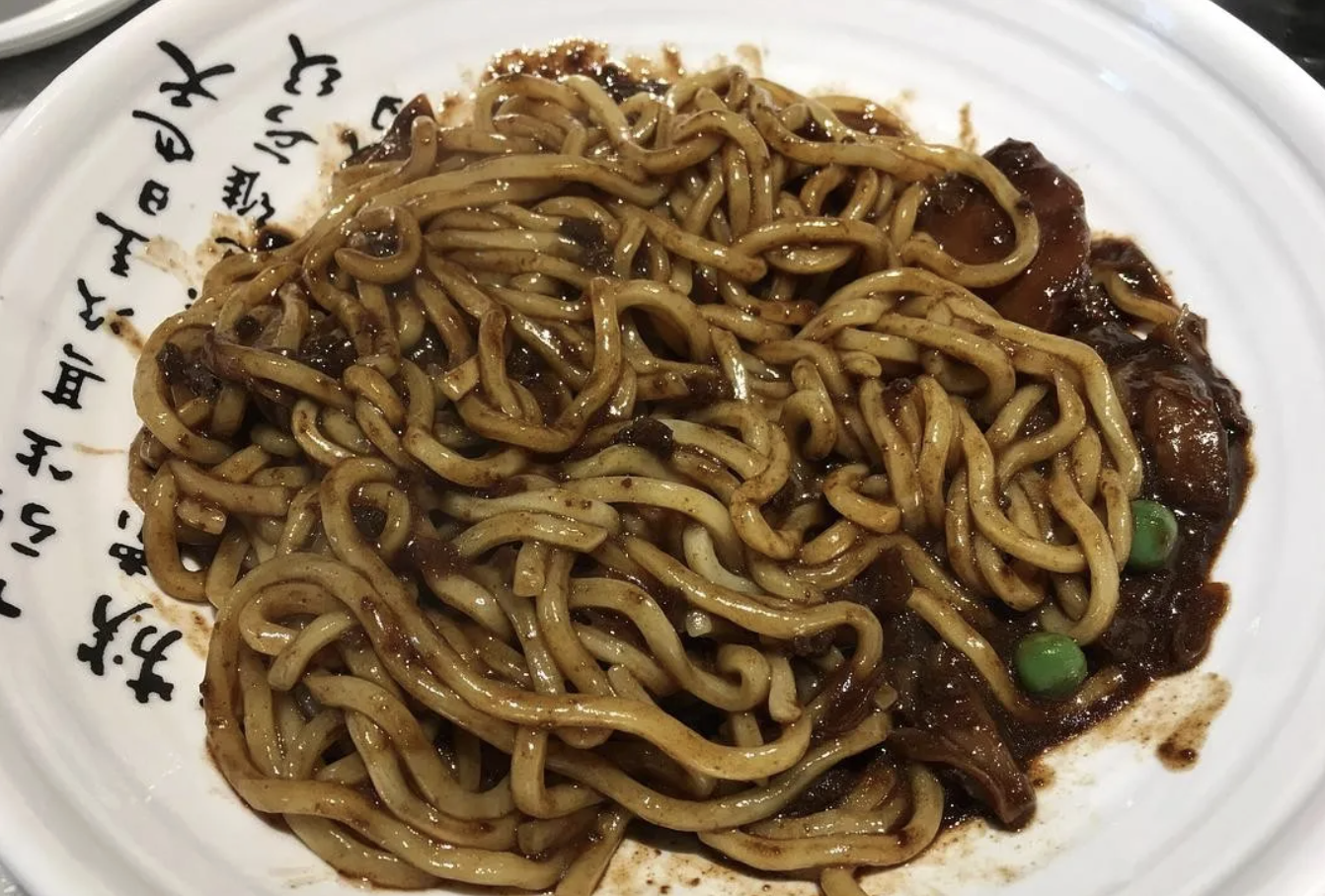
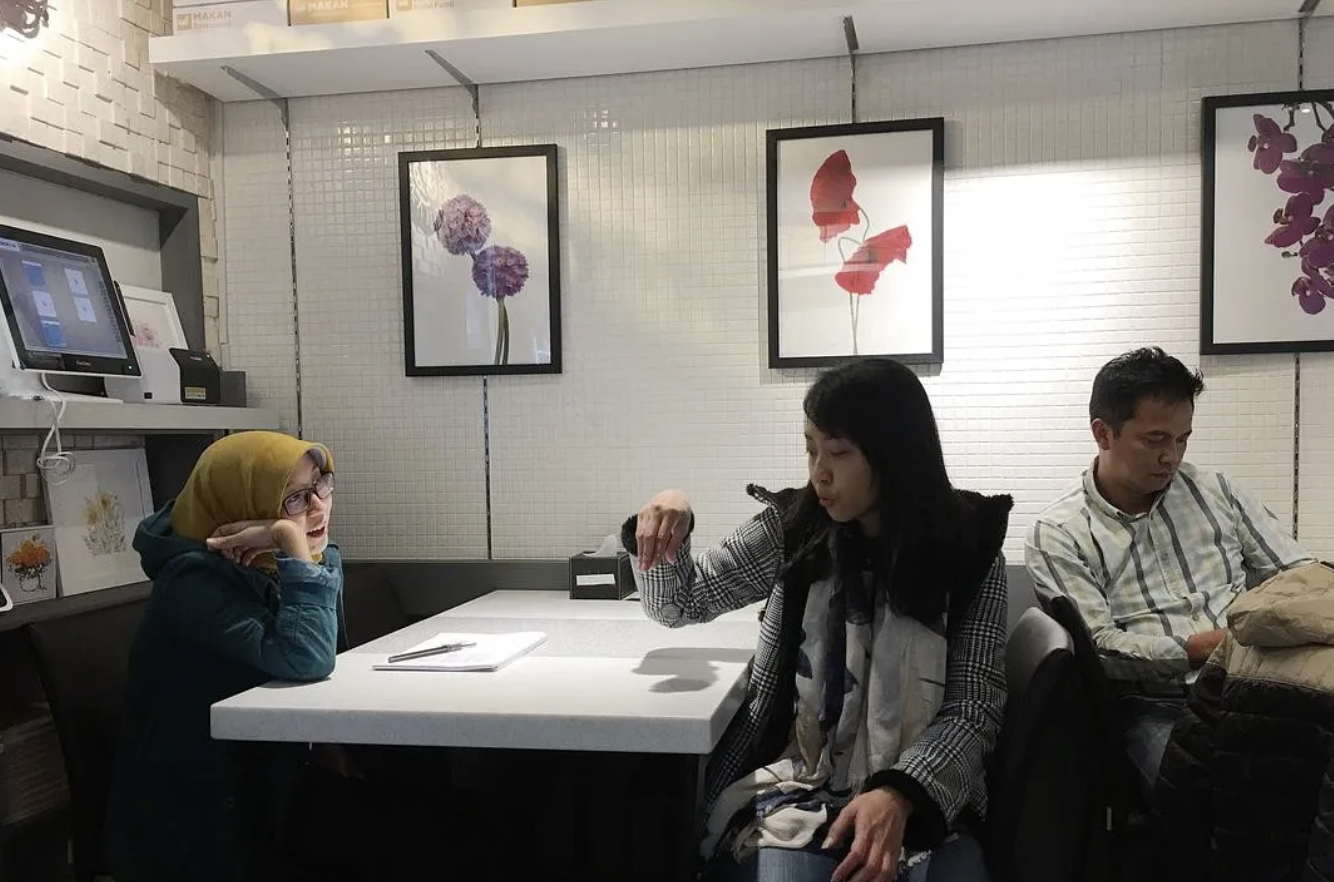
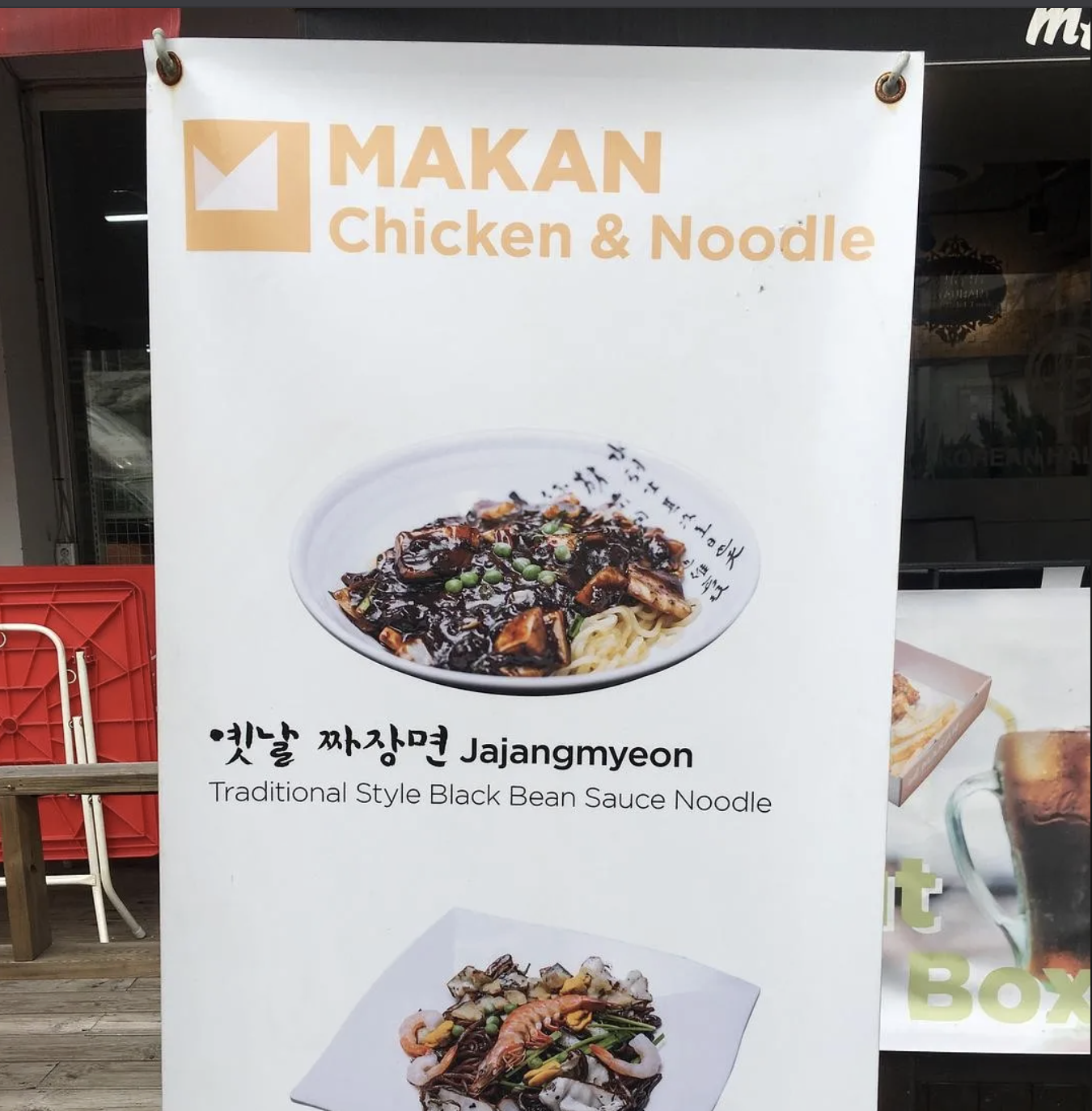
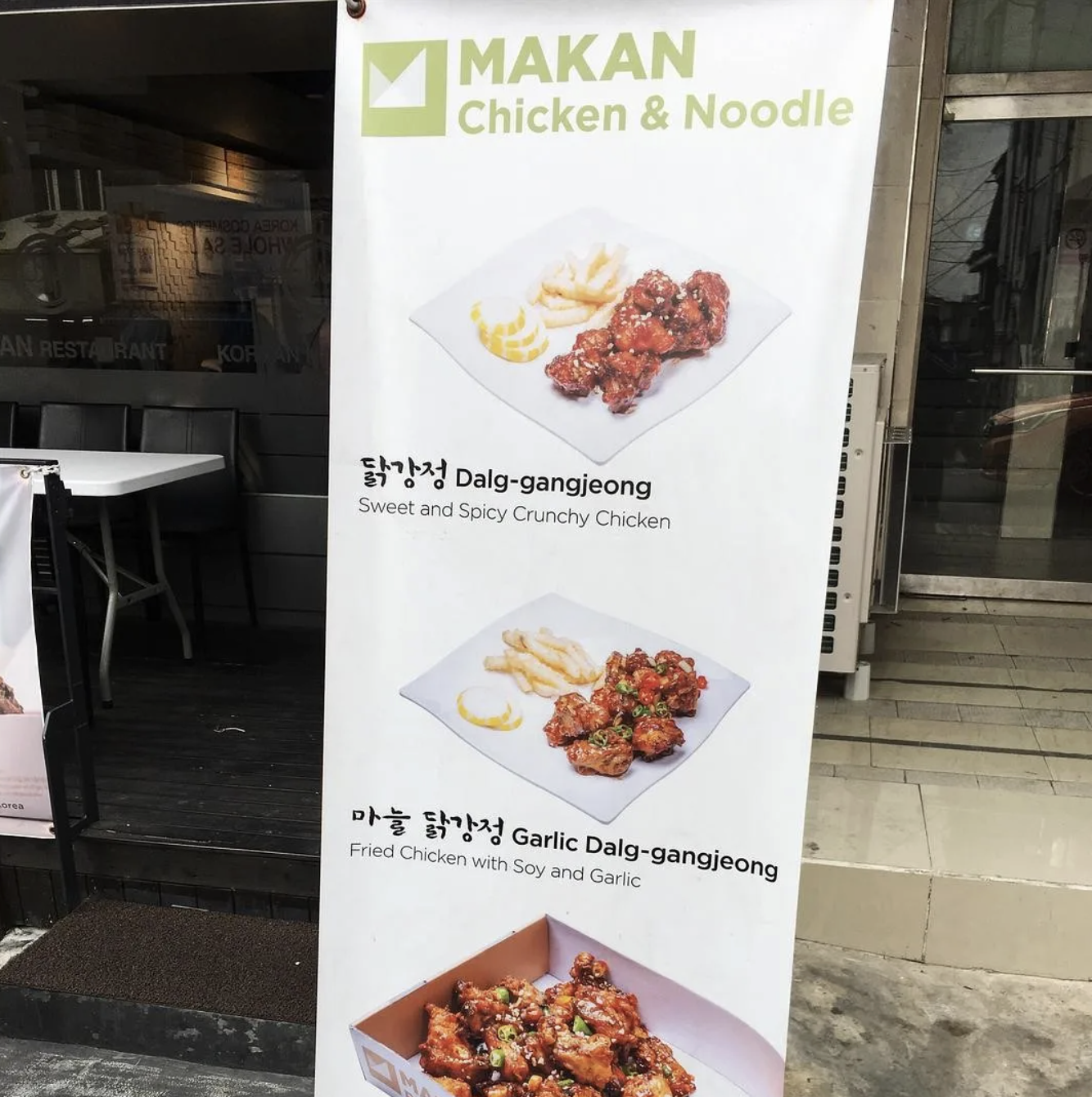
Makan Chicken & Noodle Besides the main spot south of the Masjid, Makan has another place to the west that specializes in Korean Fried Chicken and Jajangmyeon (black bean noodles). It’s run by the same people, and the chef is a very nice uncle.
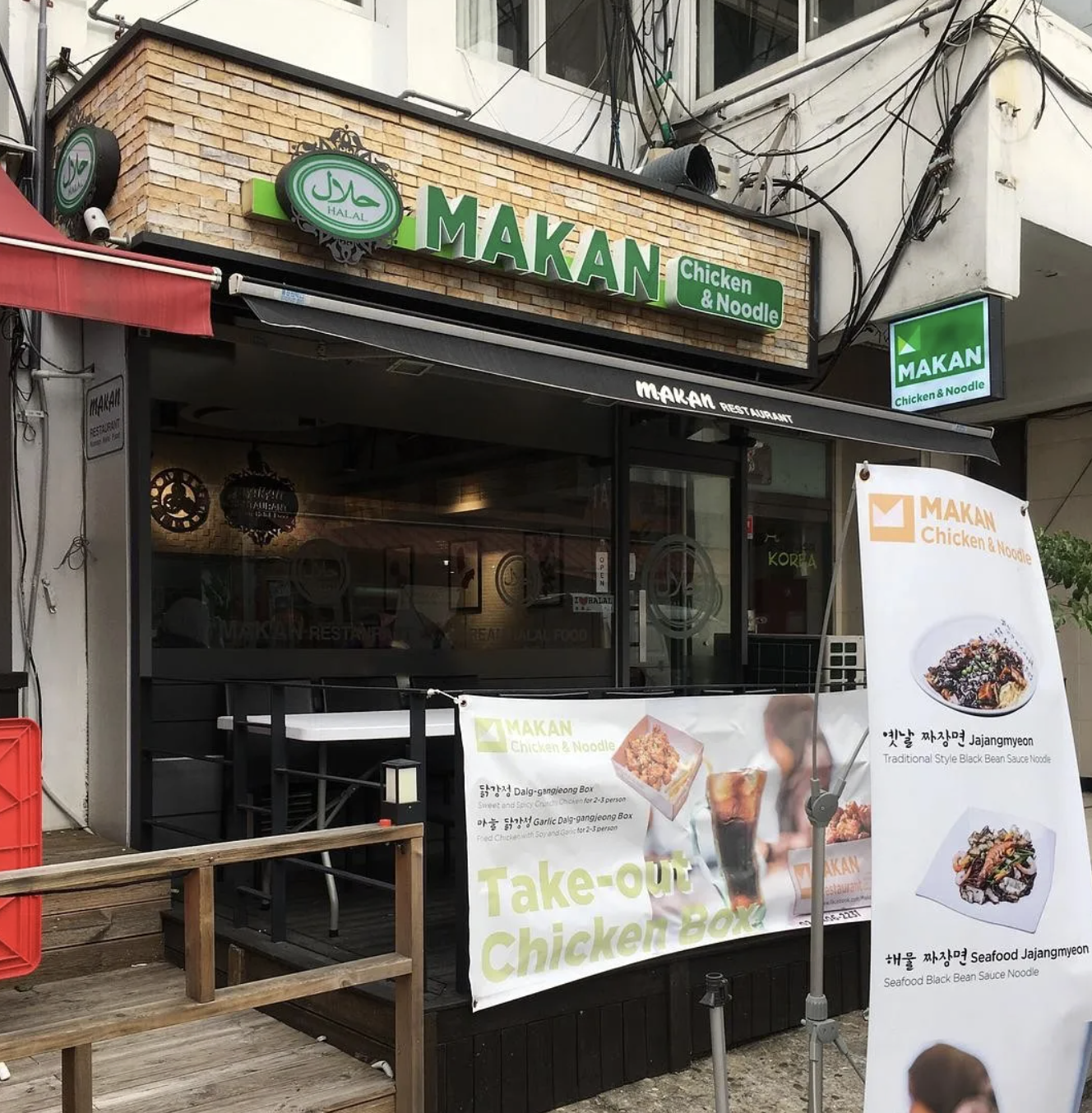
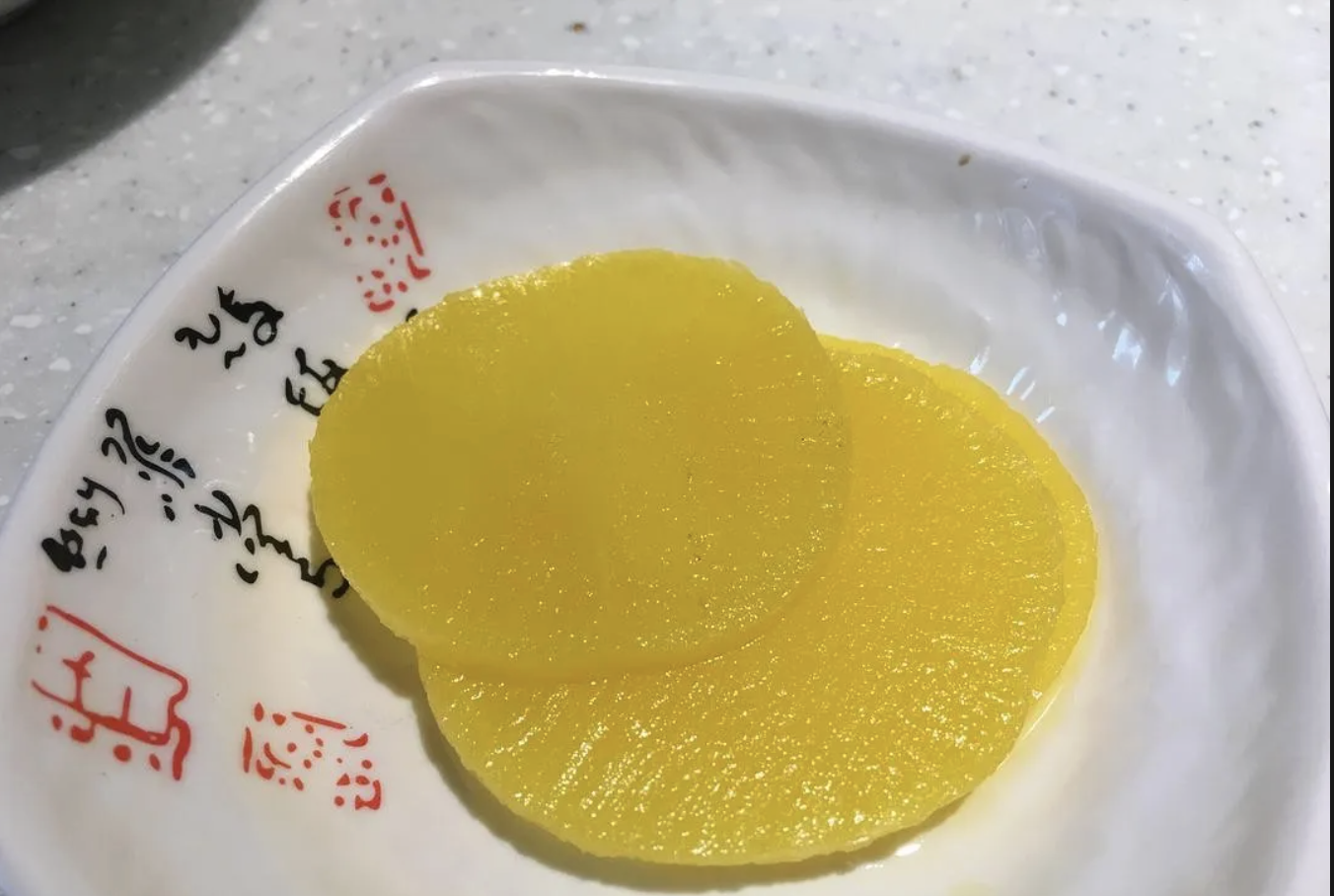
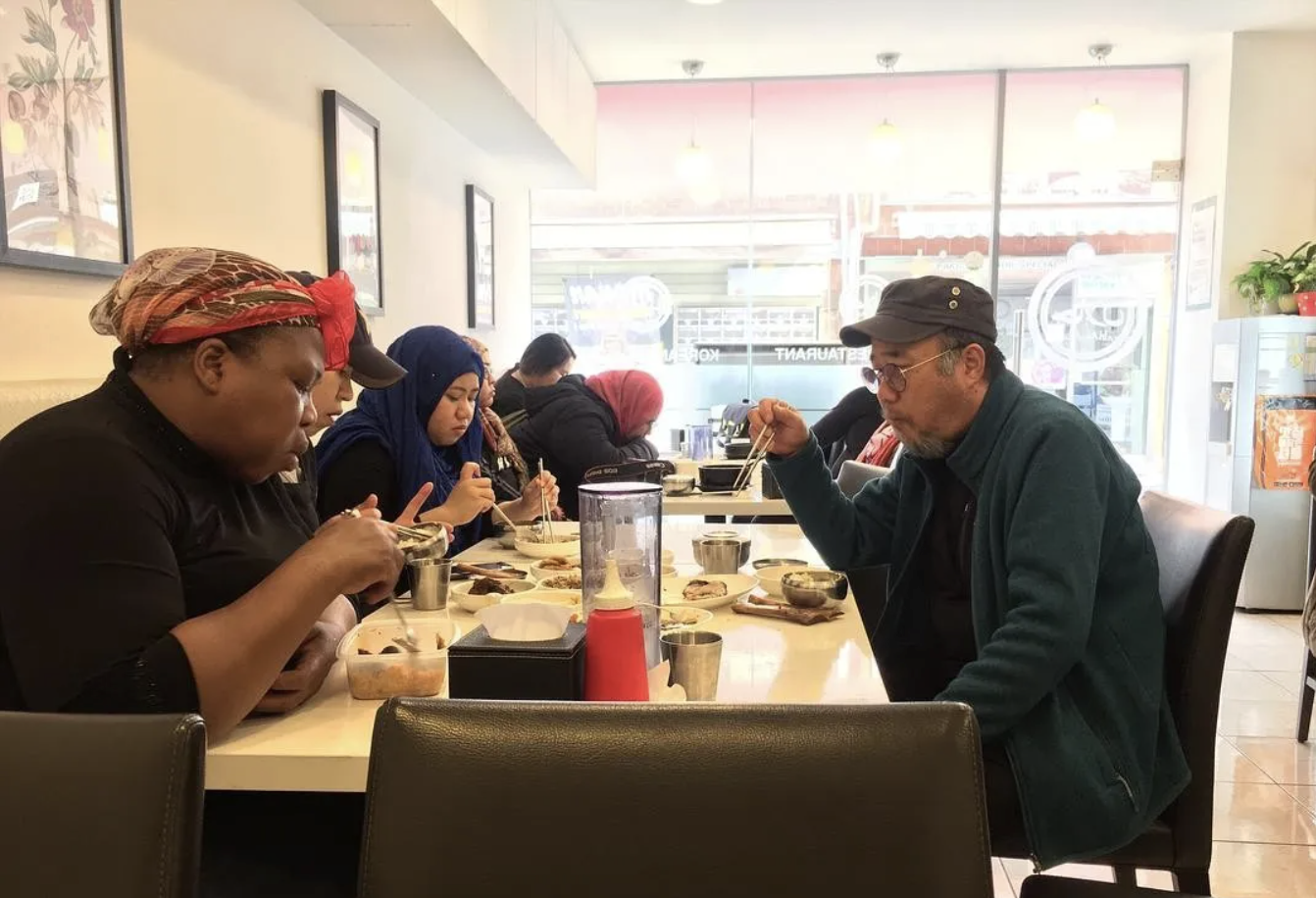
Korean Jajangmyeon—it tastes different from the Beijing version, and the noodles are a bit like Udon.
The uncle on the right is the chef.
The menu.
Eid
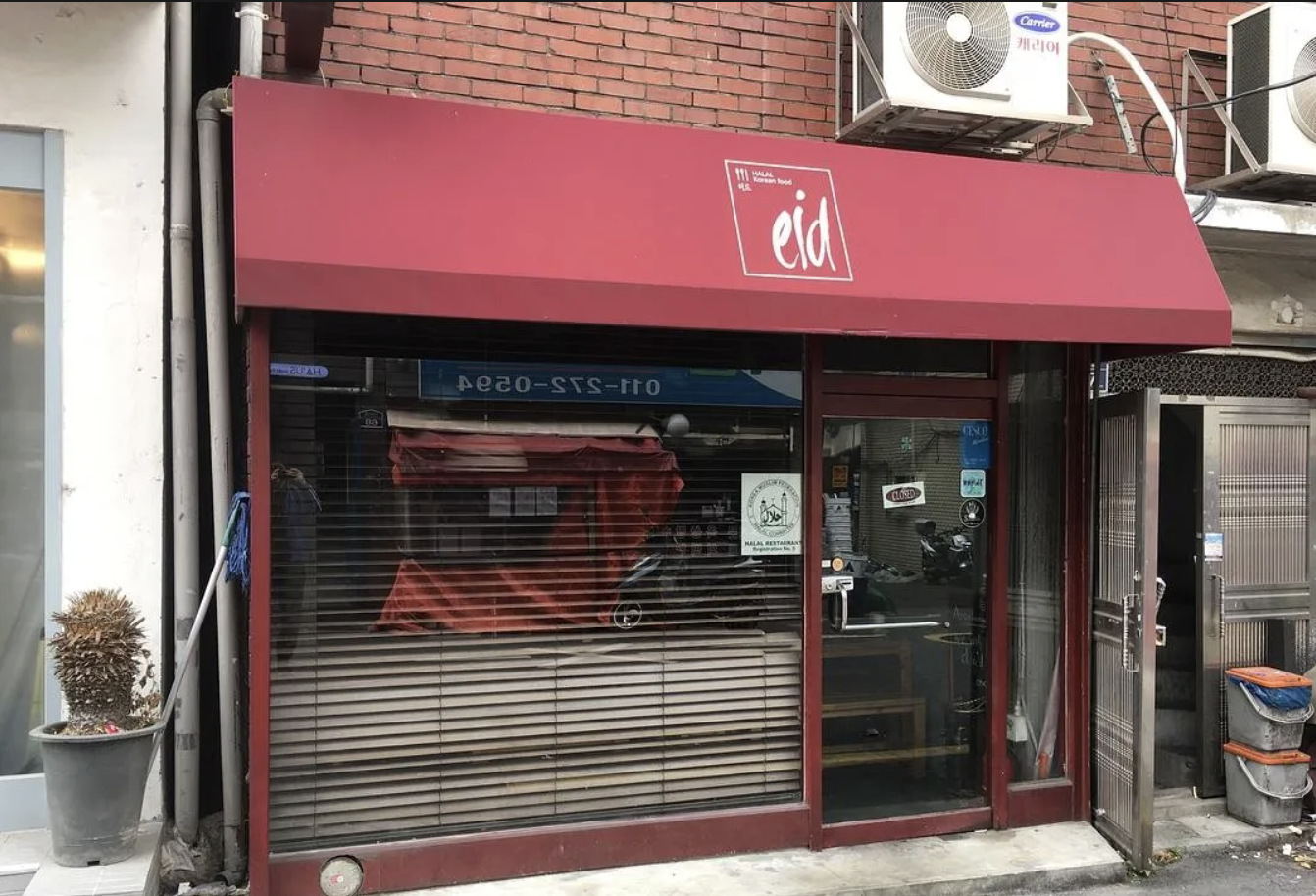
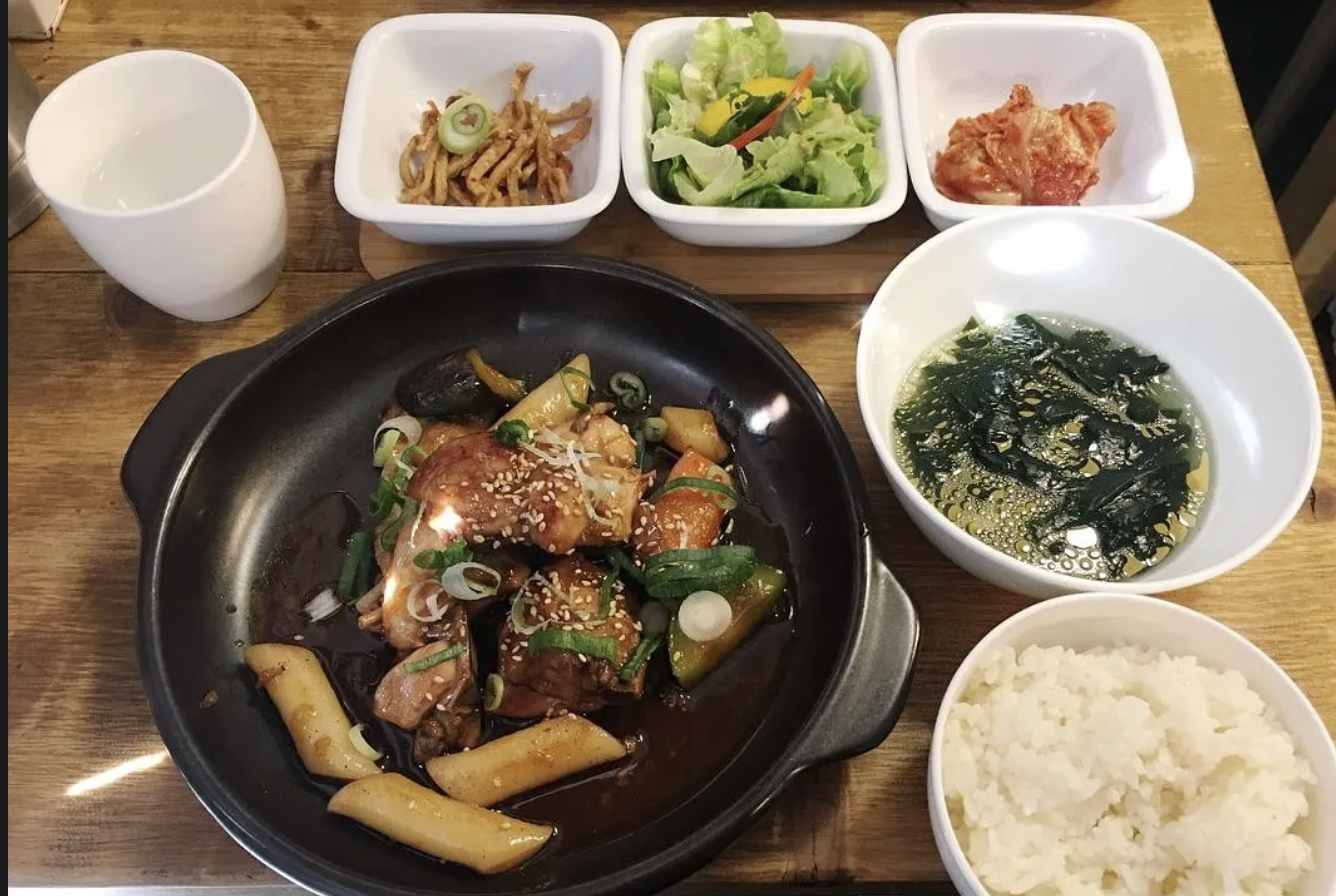
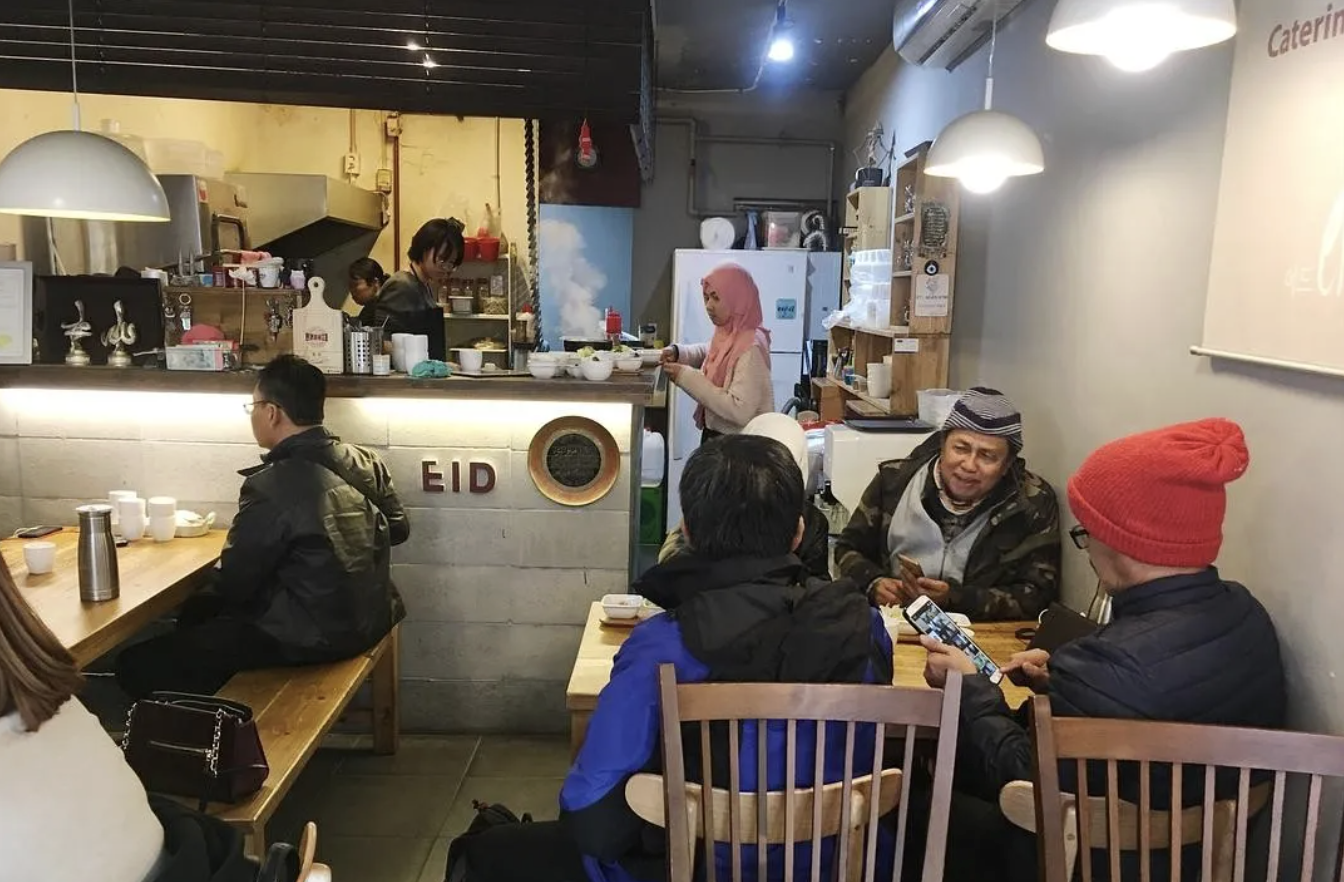
Eid is right up there with Makan as one of the best Halal Korean spots in Seoul. The menu isn't as big as Makan’s, but the food is great.
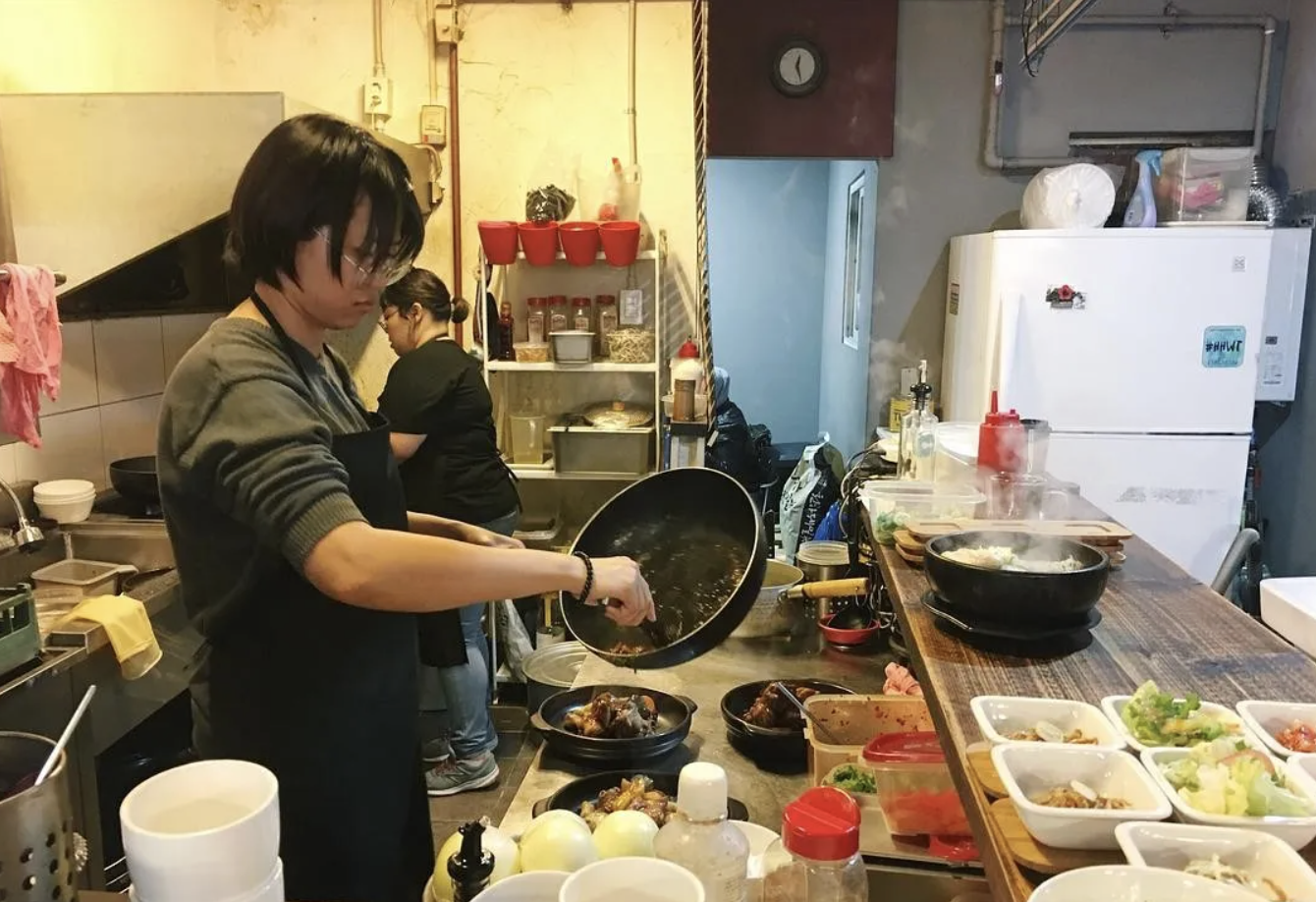
The chef is this very efficient-looking sister.
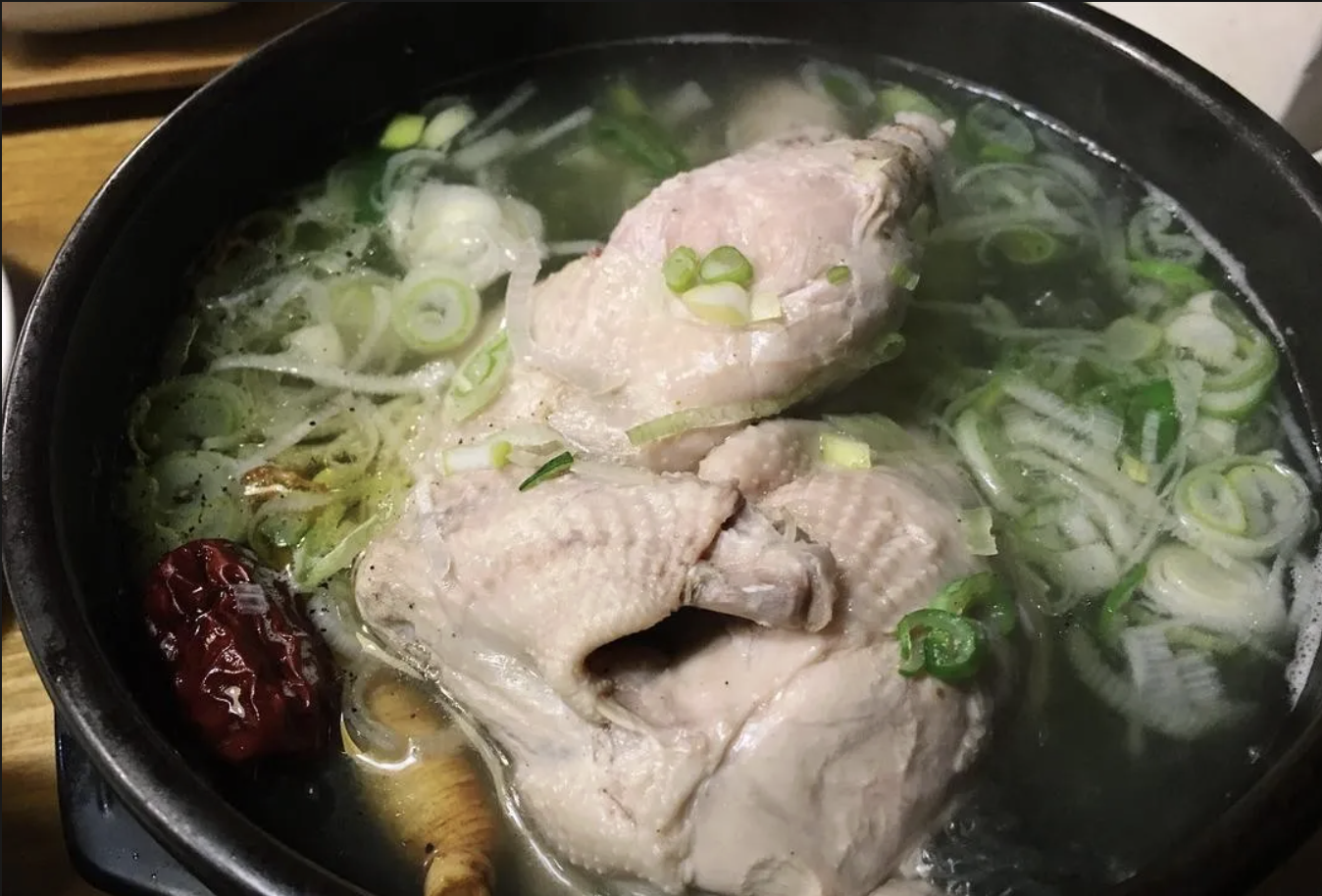
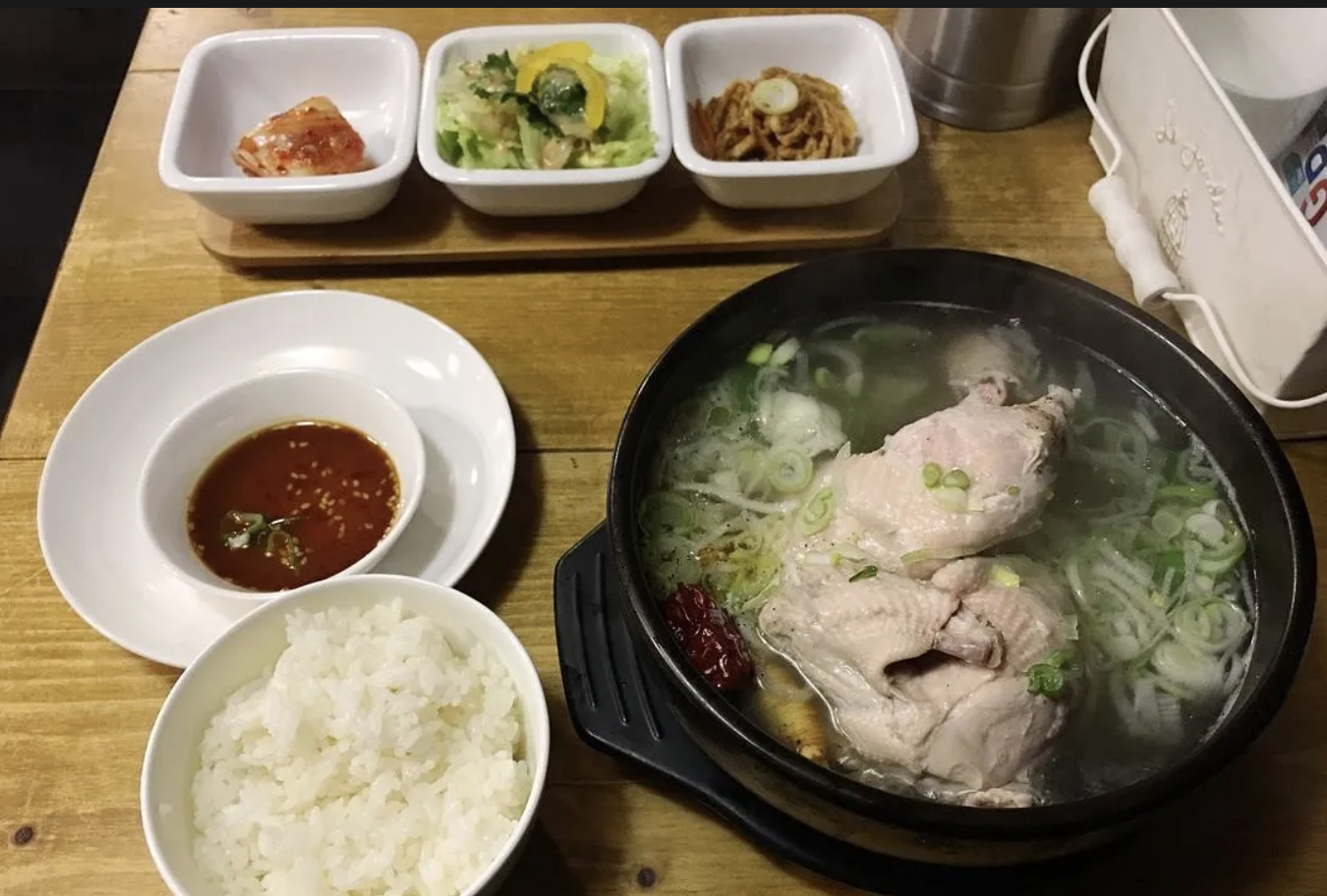
Samgyetang (Ginseng chicken soup).
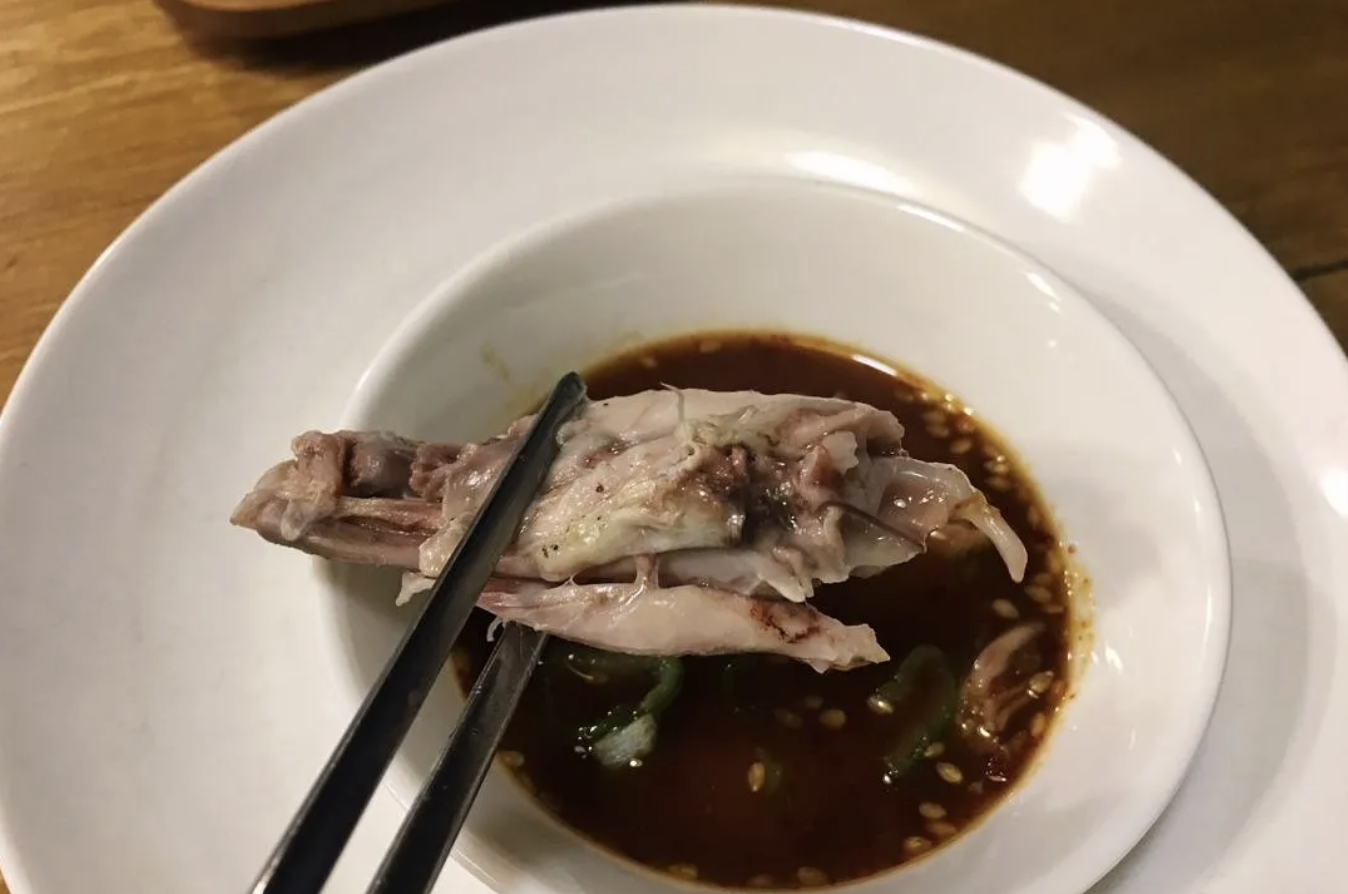
Three types of side dishes.
Braised chicken—the rice cakes inside are amazing.
Hajj
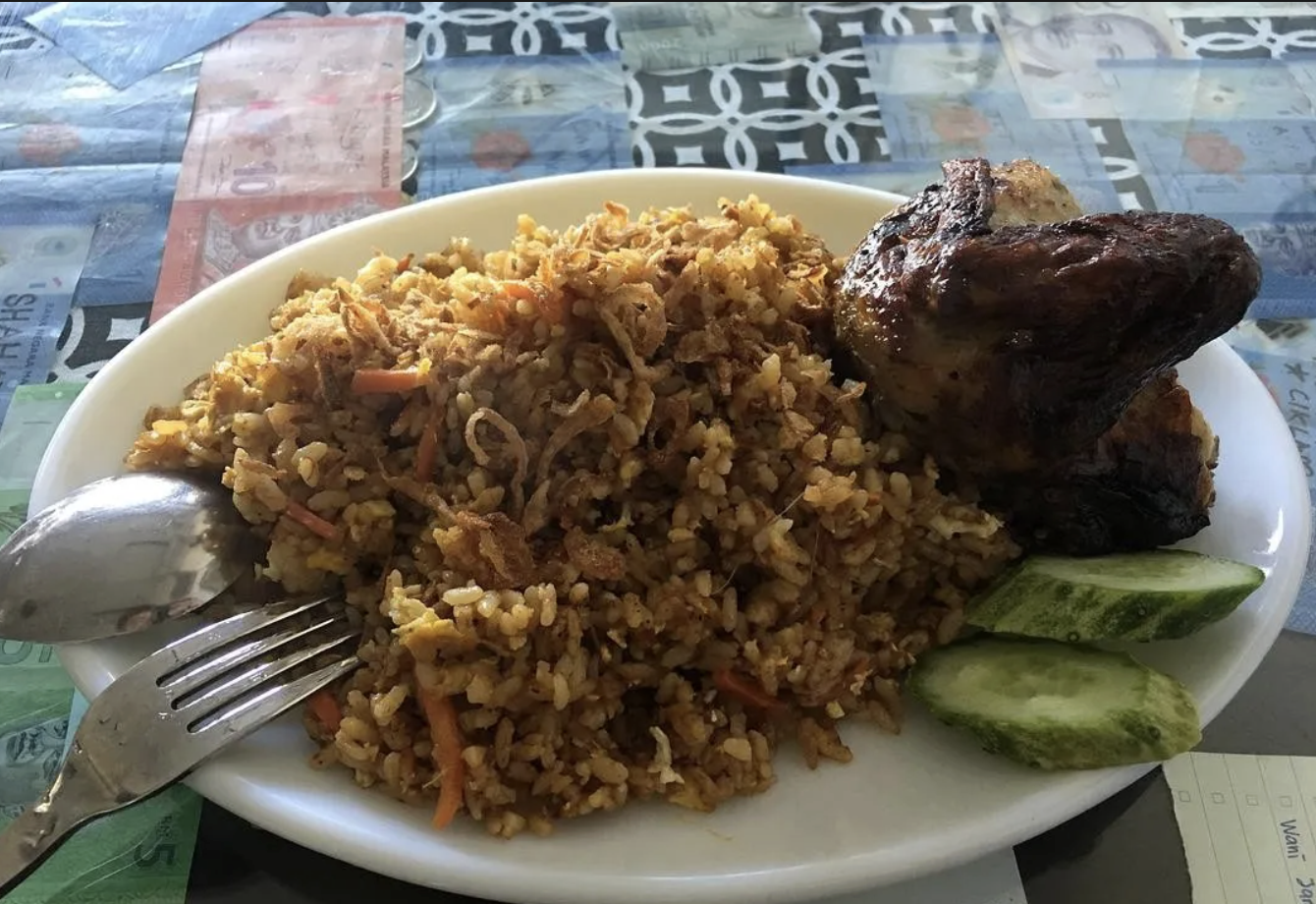
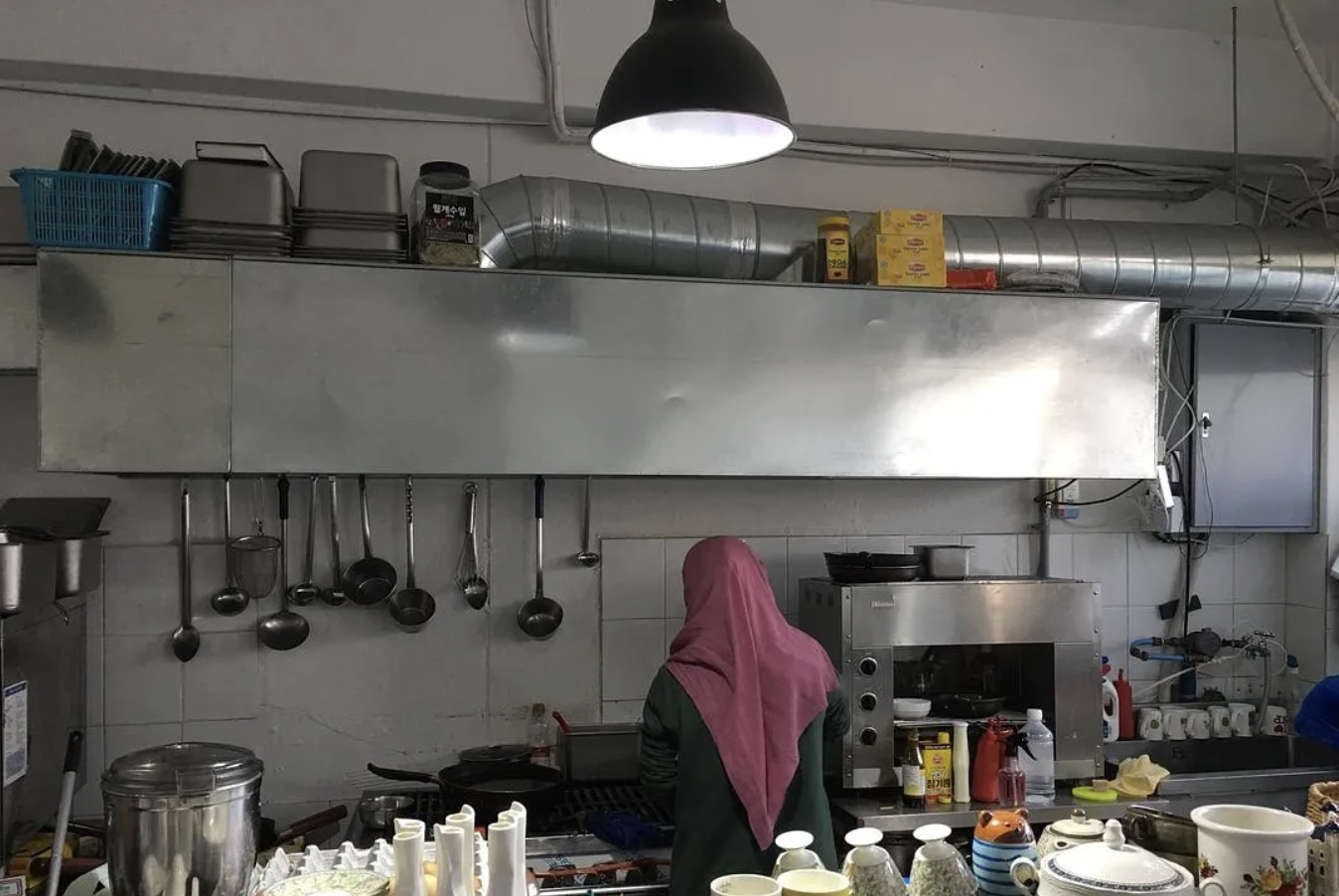
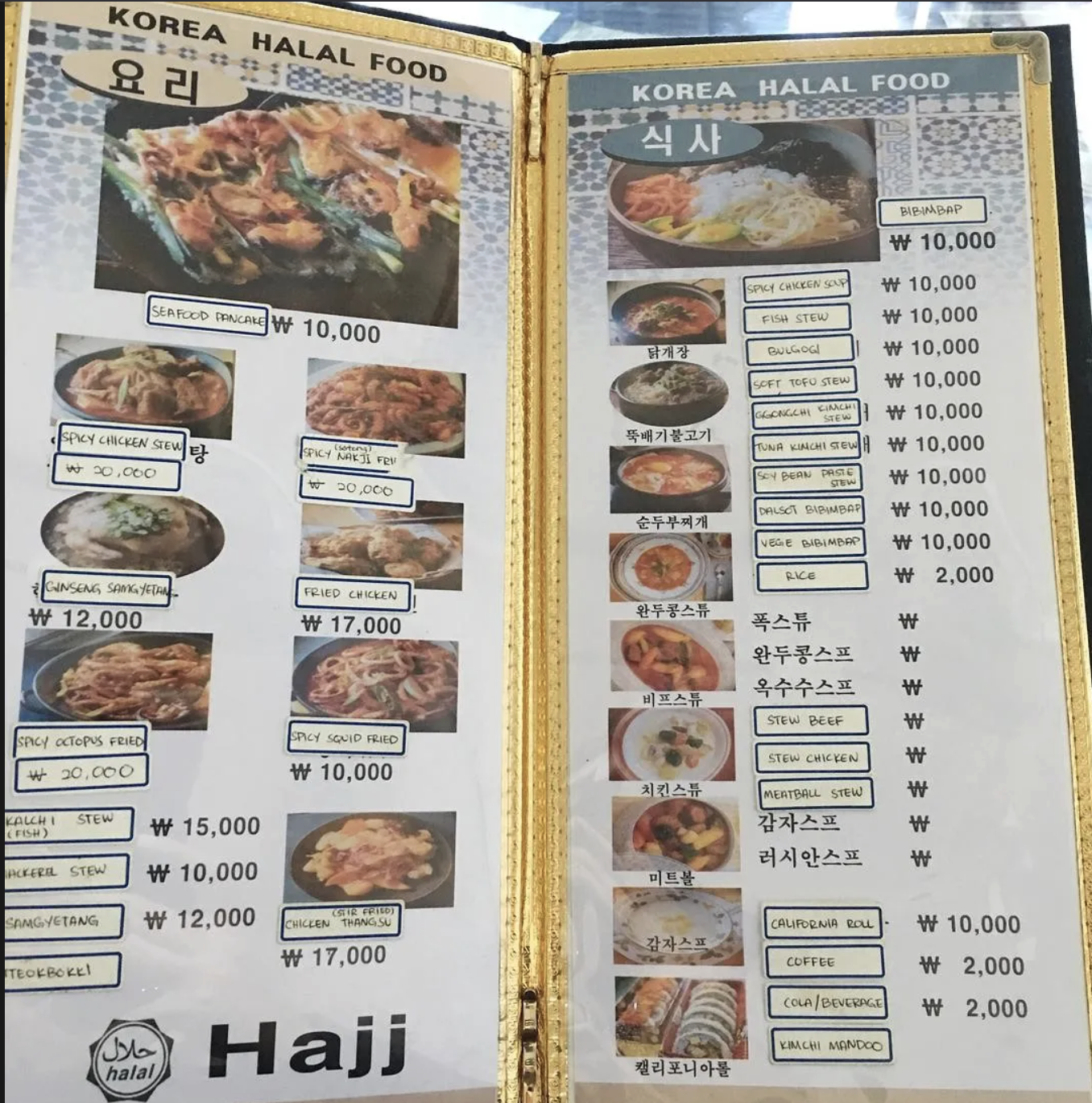
There’s another Halal Korean spot east of the Masjid run by a Korean auntie. She’s very welcoming but has a very thick accent in English. I originally wanted Bibimbap, but she ended up making me spicy dried fish fried rice, so I’m not quite sure how her traditional Korean dishes taste.
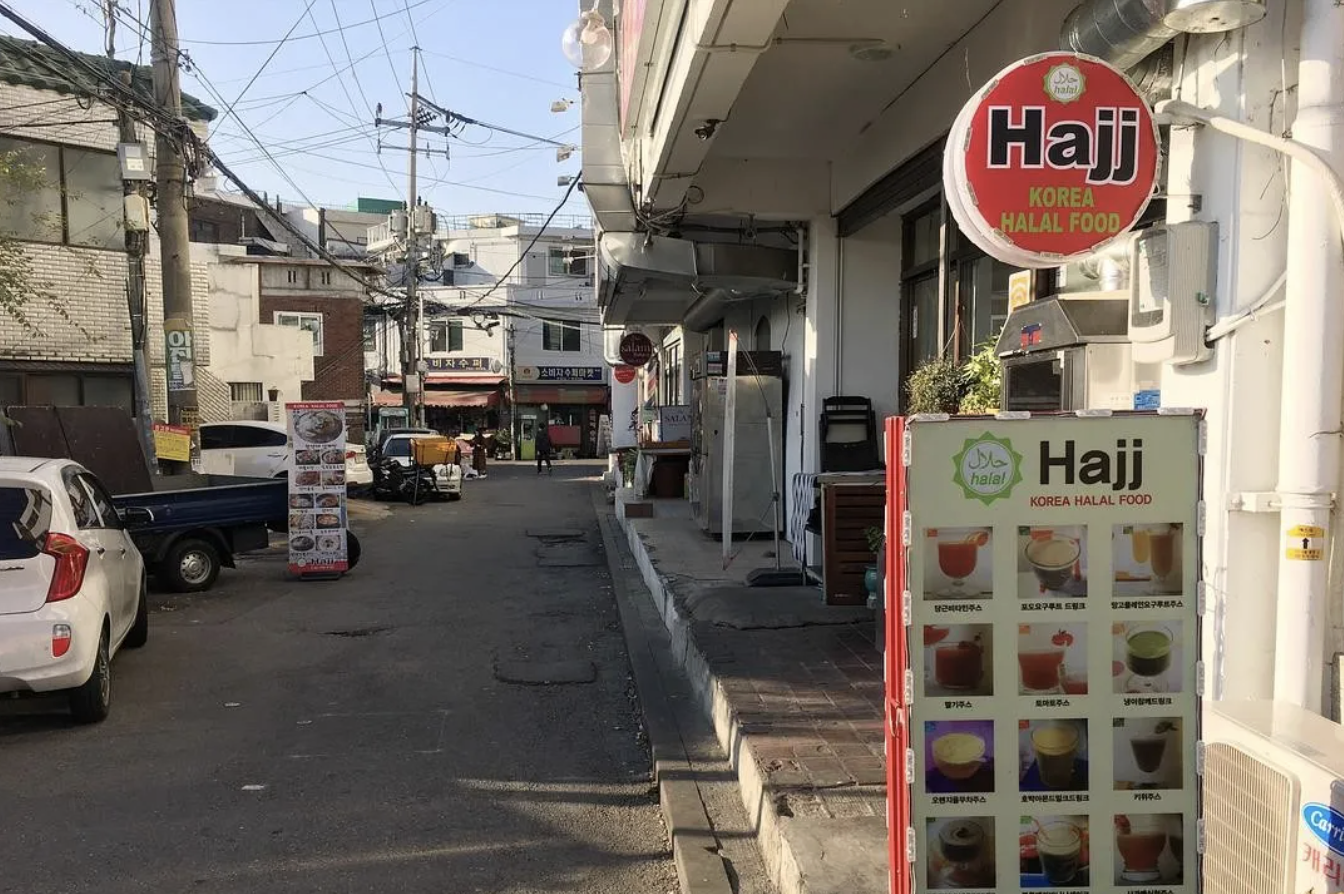
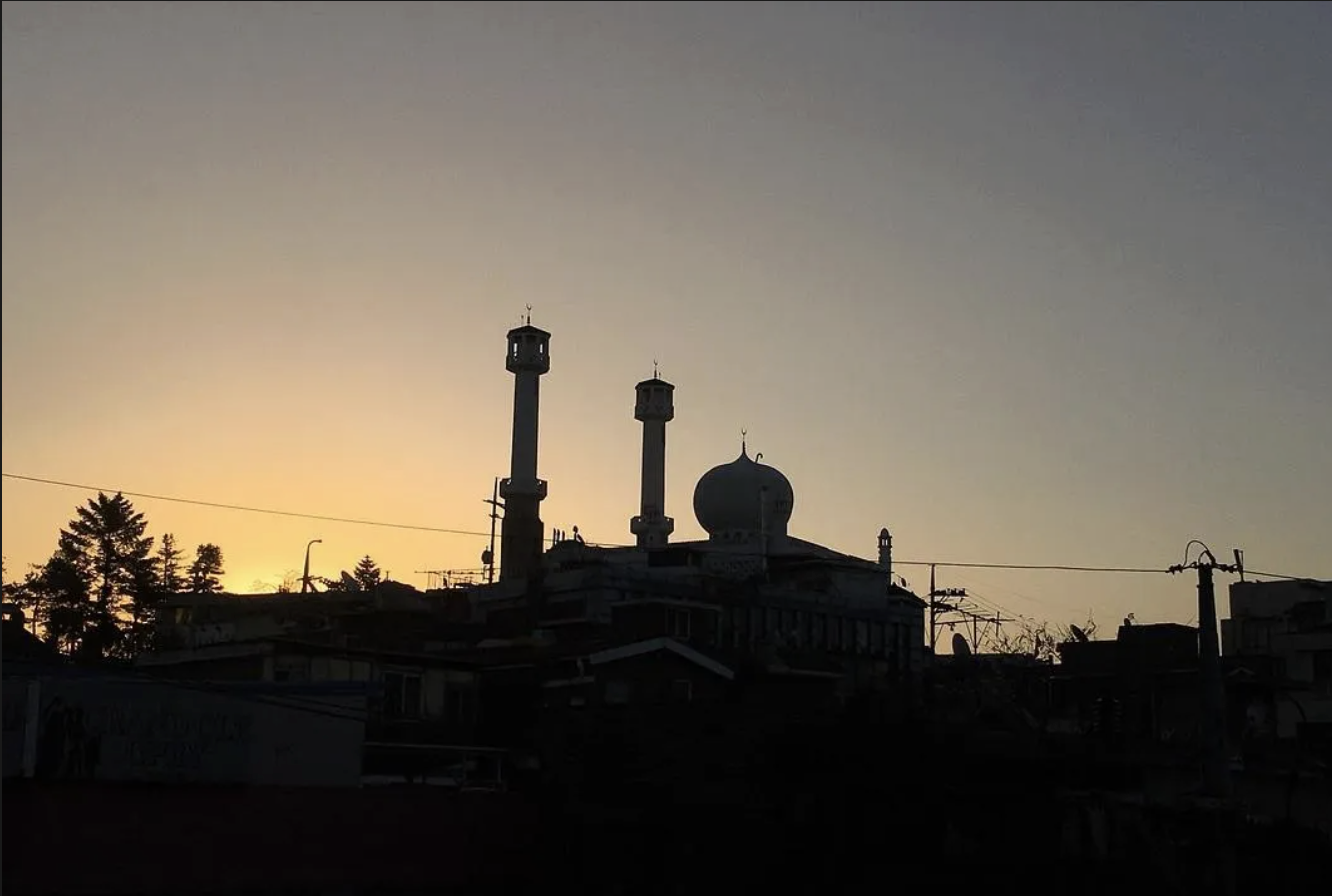
Itaewon at sunset.
Yanggood
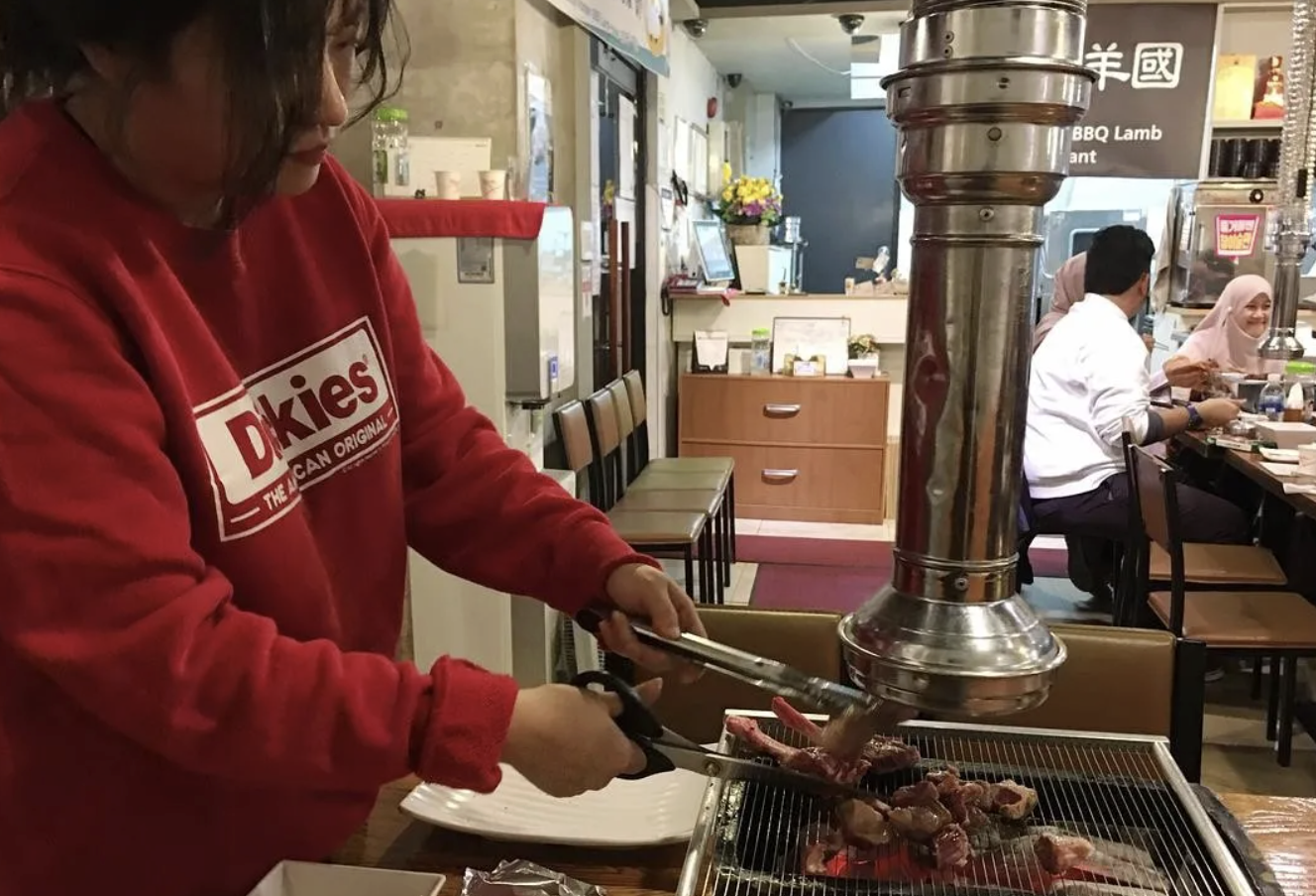
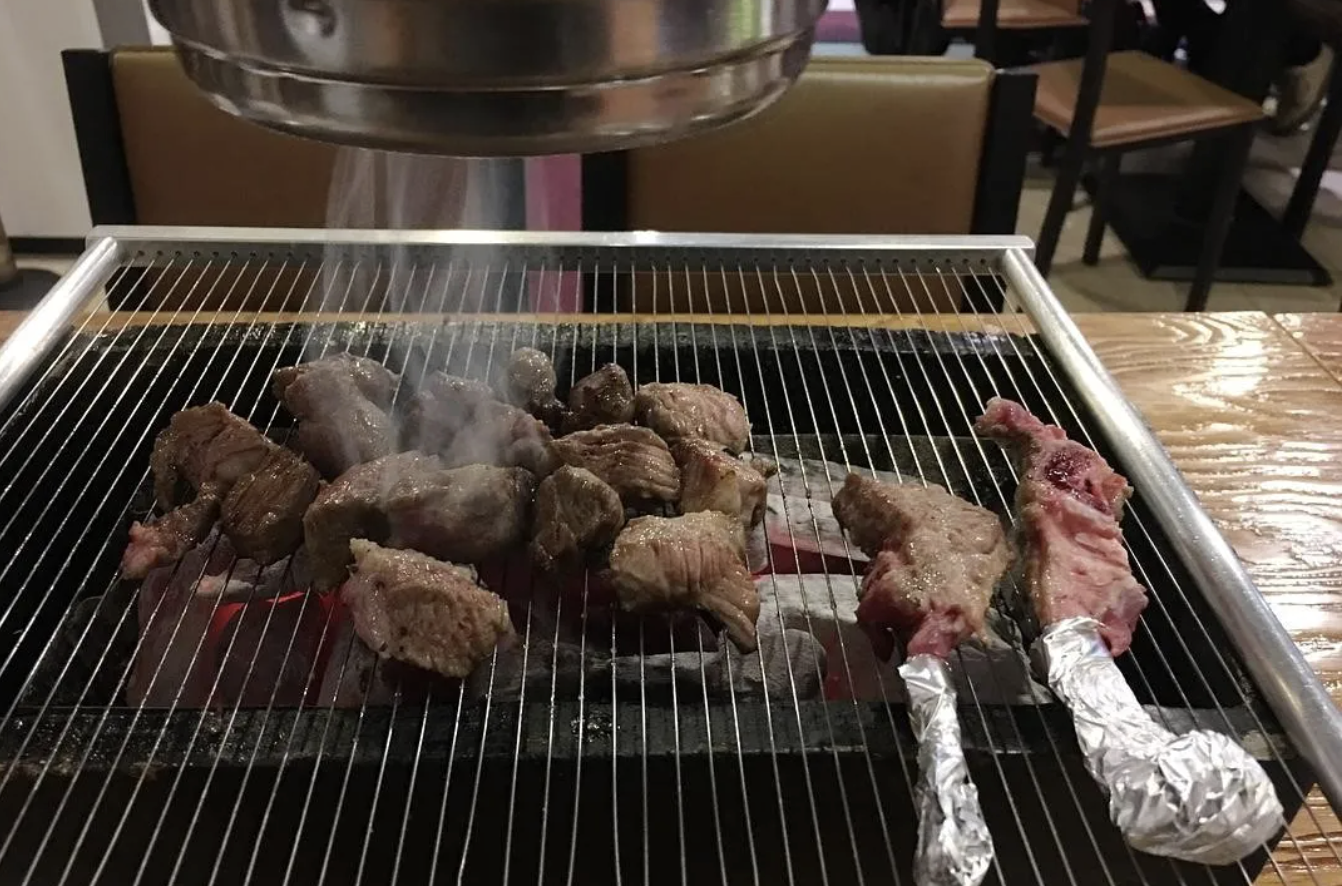
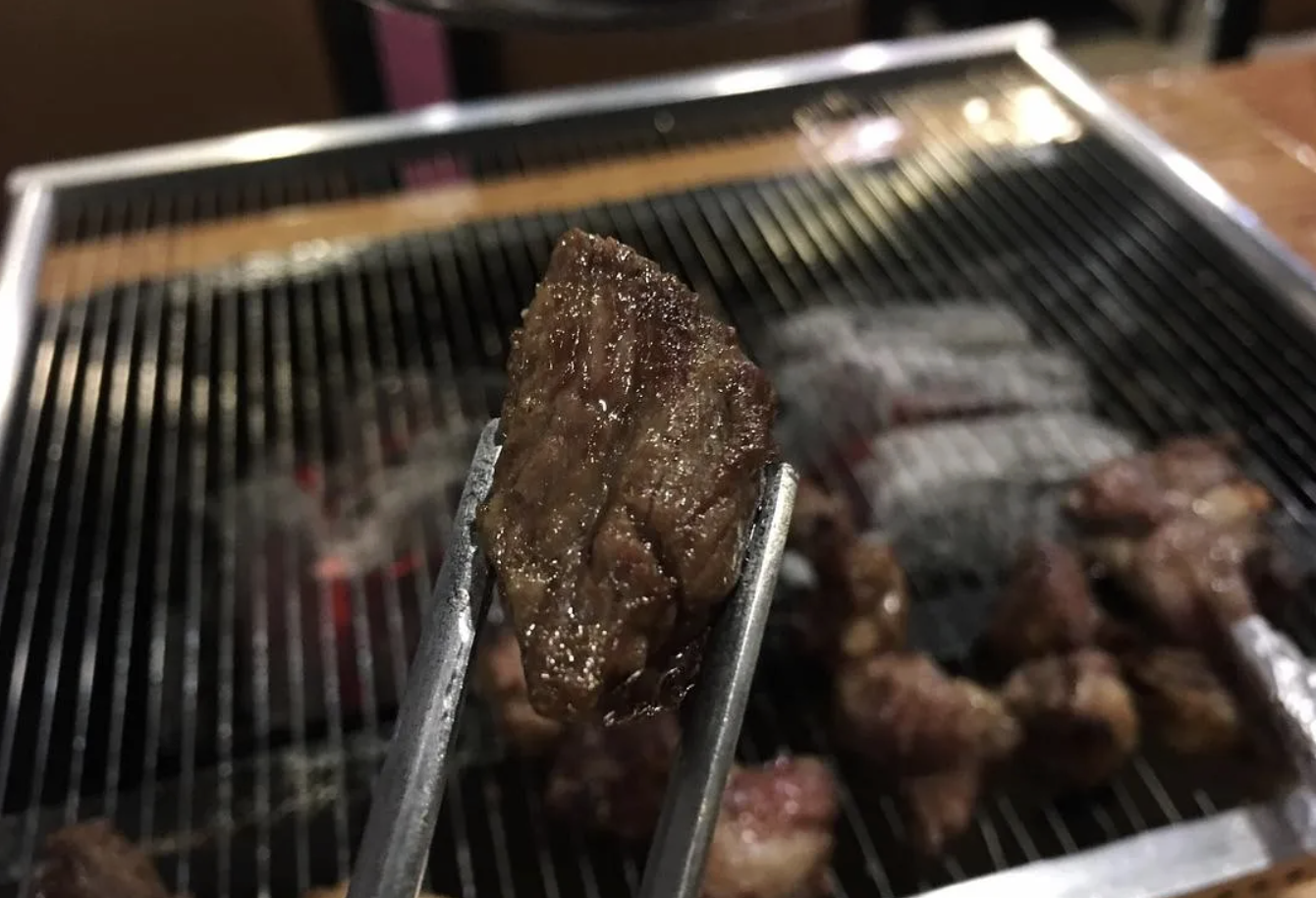
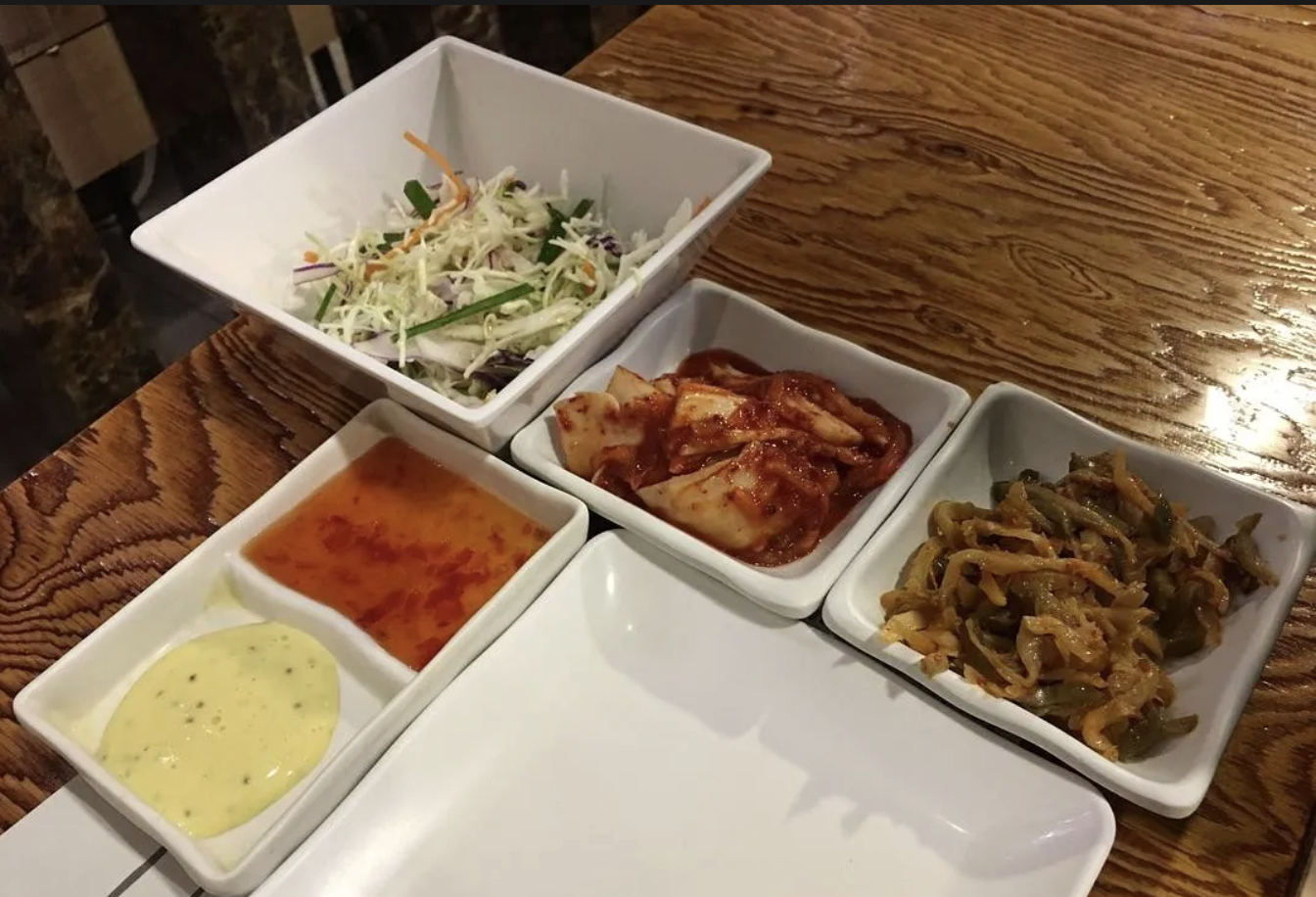
This is the only Halal Korean BBQ spot in Seoul, located in Gangnam. It’s always busy, mostly with Muslims who’ve heard great things about it. I ordered my favorite lamb chops. A sister there grills them for you so you don’t have to do a thing. They’re delicious dipped in the sweet and spicy sauce. Having a bowl of hot soybean stew with rice and some kimchi really warmed me up.
There are many other Middle Eastern Halal spots in Itaewon as well.
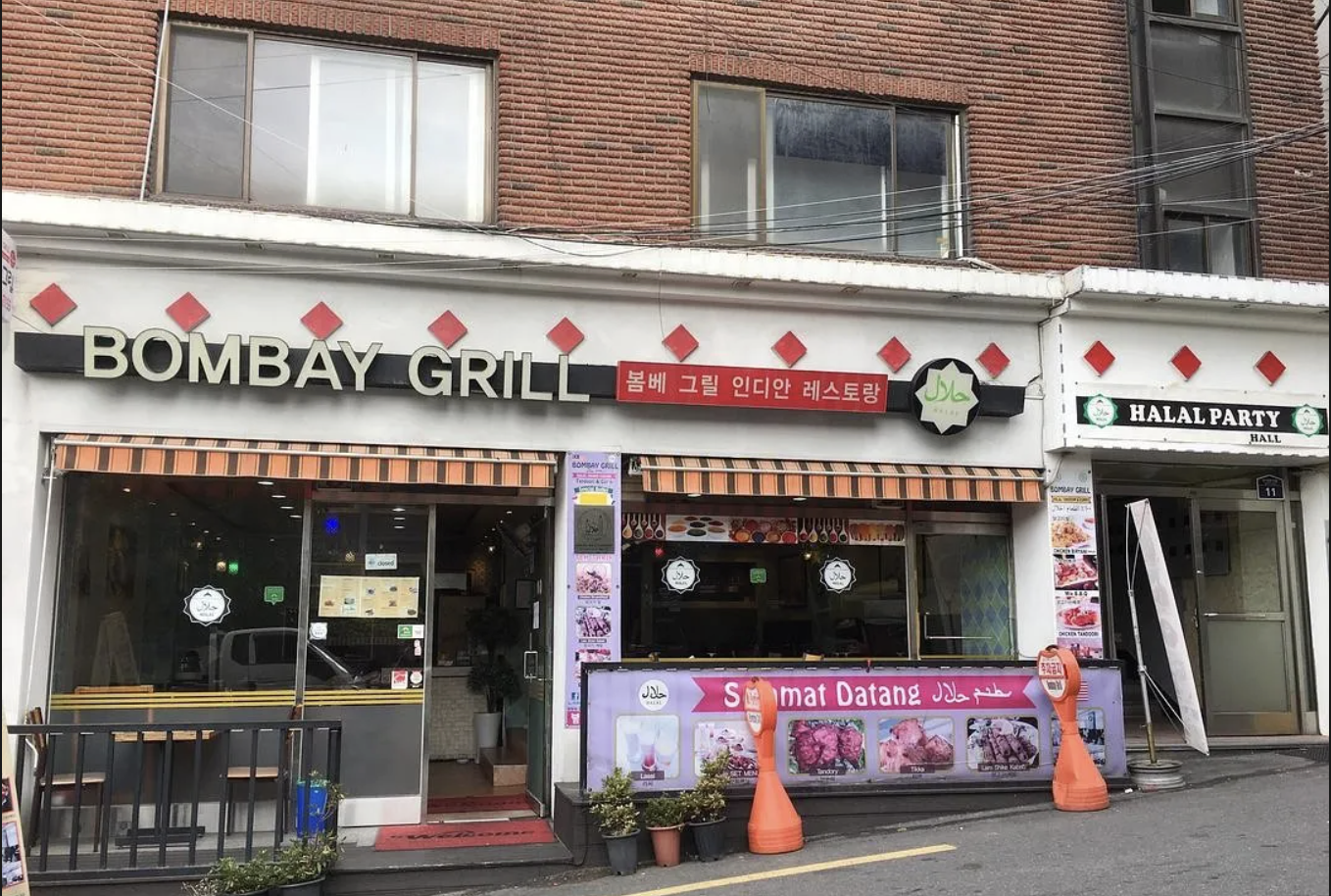
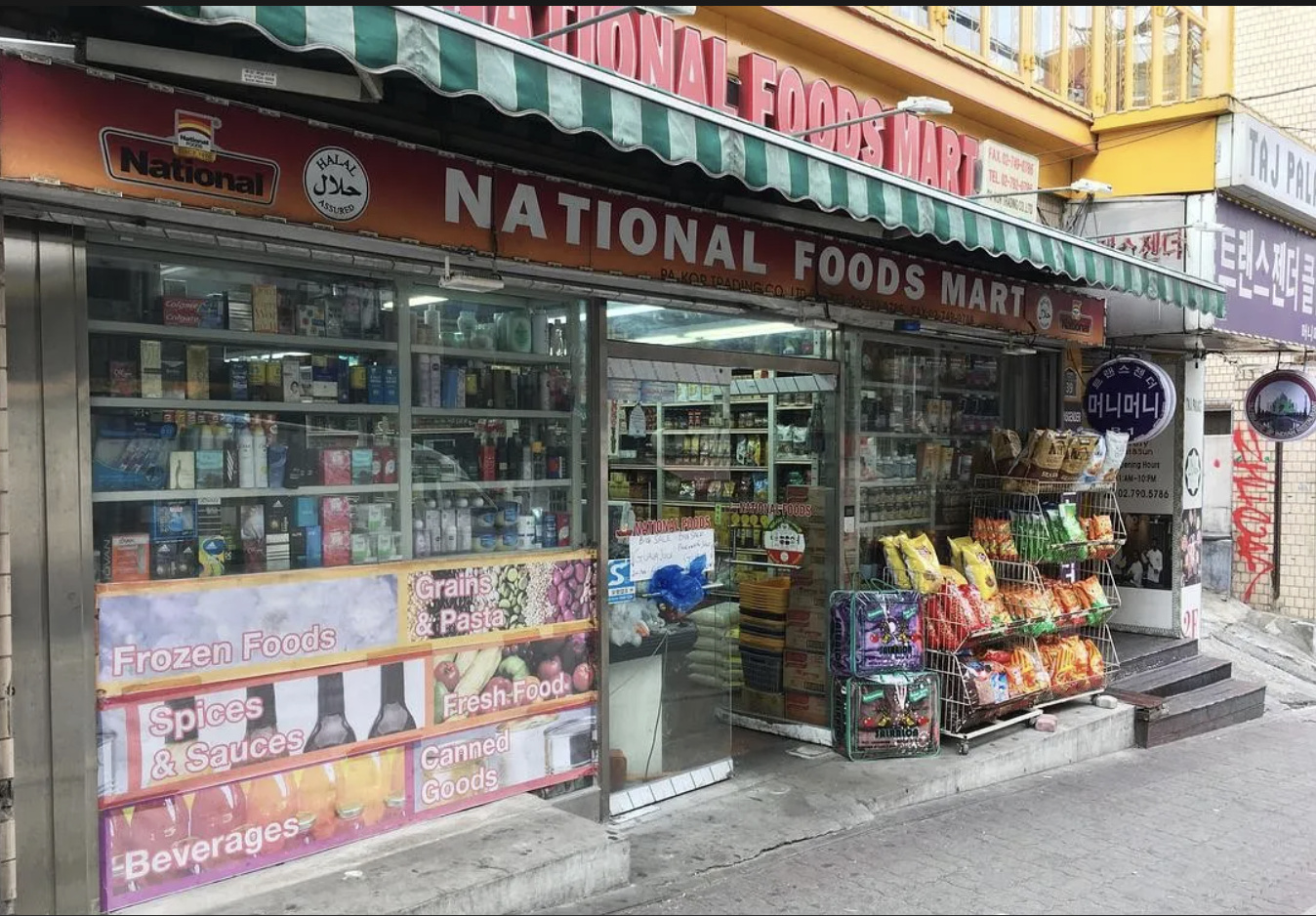
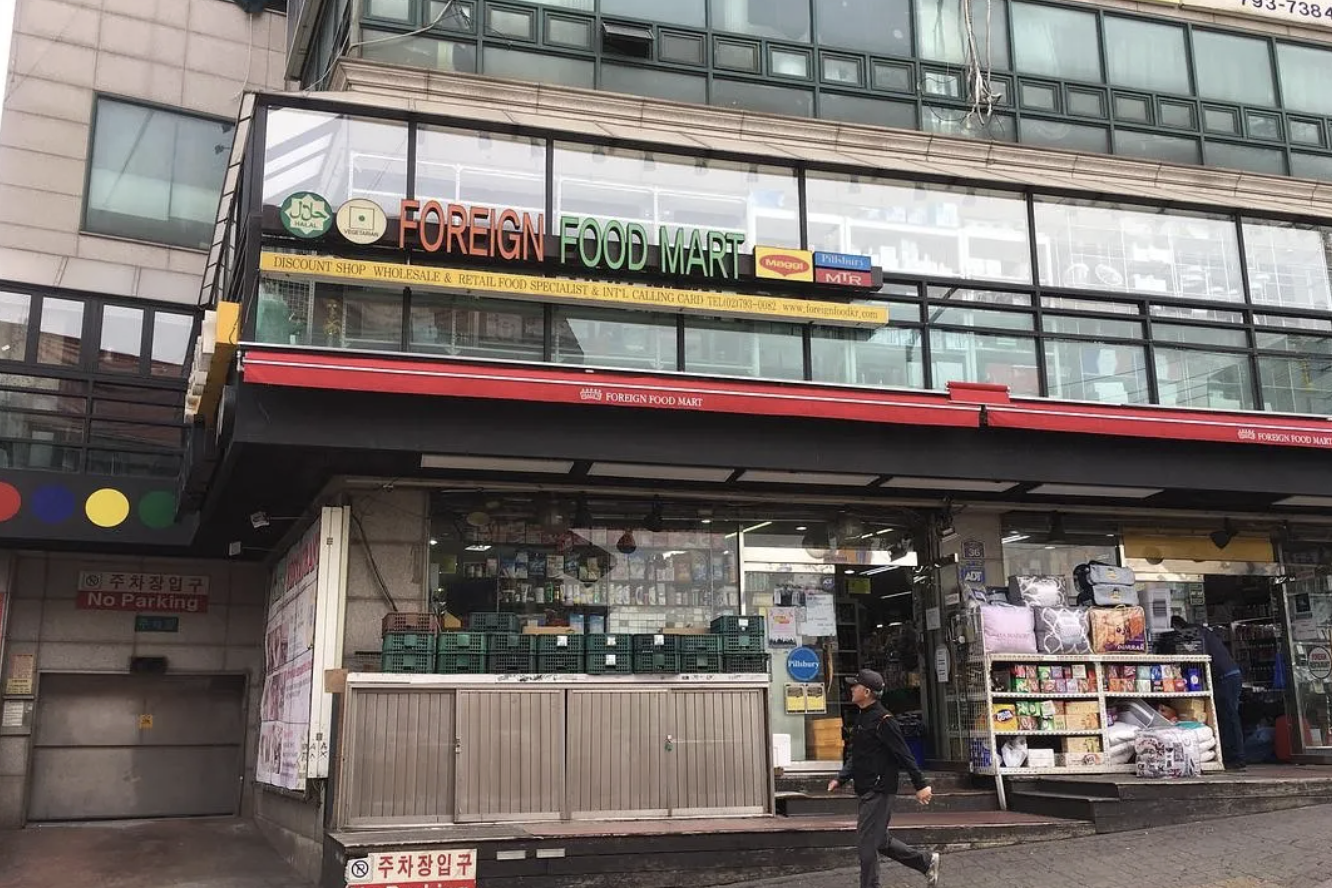
Plus, there are a few other cool places in Seoul I didn't discover until later—I'll just have to save those for the next trip, Insha'Allah.
The Early Muslims of Korea Persian and Arab merchants traveled to Korea to do business as early as the 9th century during the Silla period. This grew during the Goryeo dynasty (918-1392), where some Muslim traders married local women and started the very first Muslim communities in Korea.
During the Yuan dynasty, many Semu people (Central Asians) settled in Goryeo for trade and built a mosque called Ye-Kung in the capital, Kaesong. There’s even a famous old poem from back then called Sanghwajeom (The Central Asian Bakery) that tells the story of a Korean woman buying dumplings from a Muslim shop.
Once the Joseon dynasty (1392-1910) took over, King Sejong banned the faith in 1427. He forbid the wearing of kufis (prayer hats), closed the Kaesong mosque, and the Muslim community eventually faded away.
The Rise of Modern Korean Muslims It wasn't until the Korean War that Islam returned, when a Turkish brigade arrived with their own military Imam. They did a lot of humanitarian work, helping war orphans in makeshift schools. After the war, the Turkish troops stayed as UN peacekeepers, and Koreans began to embrace Islam. In 1955, the Korea Muslim Society was started, setting up the first prayer space in downtown Seoul. By 1967, this grew into the Korea Muslim Federation (KMF), which looks after the student association and the Islamic Culture Institute.
The Halal logo certified by the KMF.
A booklet printed by the KMF with info on mosques all over Korea.
A 1999 magazine from the KMF, featuring a list of new brothers and sisters who converted that year and the Halal butcher shops at the time.
The Itaewon Muslim Community In 1952, the U.S. military moved its headquarters to Yongsan. To serve the many American troops nearby, the Itaewon area—just a short distance east of the base—started filling up with foreign restaurants and bars. Eventually, Muslims started opening Halal spots there too.
In 1976, President Park Chung-hee provided the land to the KMF, and the Seoul Central Masjid was built in Itaewon. That year, the number of Muslims in Korea jumped from under 3,000 to over 15,000, and a Halal business district formed in Itaewon. Since the 90s, with brothers coming from Pakistan, Bangladesh, Indonesia, and Malaysia for work, the population reached 150,000. Today, there are an estimated 100,000 Muslims in Korea, with about 40,000 being local Korean converts.
A map at the Itaewon subway station showing the Middle Eastern street and the Masjid.
Seoul Central Masjid
There is a school inside the complex that offers Arabic classes.
The area around the Masjid is full of Halal restaurants with flavors from Iran, India, and Turkey, along with Halal supermarkets, Islamic bookstores, and Muslim-run travel agencies.
Street views of Itaewon.
You can pick up a "Halal Guide to Itaewon" at Incheon Airport, published by the Ministry of Culture and Tourism. It shows exactly where all the Halal restaurants are.
The Korean government actually categorizes these restaurants into four types:
Halal Certified: Certified by the food safety department; must have at least one Muslim staff member.
Self-Certified: Muslim-owned restaurants that don't serve alcohol.
Muslim Friendly: These serve alcohol but have some or all Halal items on the menu.
Pork-Free: They don't have a specific Halal menu, but they don't use any pork.
Breakfast I stayed at the ITW Hotel in Itaewon. Every morning from 7 to 9 AM, they have a Halal breakfast buffet provided by a nearby Indian restaurant called ZAFFRAN. Other than a 24-hour Turkish spot called MR. KEBAB, most Halal places in Itaewon don't open until later in the morning.
Halal Supermarket ZAFFRAN MART, the biggest Halal grocery store in Itaewon.
Islamic Bookstore
The bookstore in Itaewon is run by a brother from Indian-controlled Kashmir. We really hit it off, and he gave me a very warm greeting when he saw me the next day. They carry kufis from Pakistan, India, Afghanistan, East Africa, and Malaysia. I bought one made in Pakistan and one from India.
A kufi made in India.
A kufi made in Pakistan.
Makan Restaurant Even though there are tons of Middle Eastern and Indian spots, the real highlight is Halal Korean food. Makan is the most famous one.
This sister is the head chef.
They serve six different side dishes.
Grilled fish.
Korean rice is delicious!
Doenjang-jjigae (Soybean paste stew).
Rice mixed into the soup.
Korean Beef Bibimbap—the meat was covered by the egg, so I missed the shot.
Spicy stir-fried squid and rice cakes.
The brother on the right is also a chef.
The menu.
Makan Chicken & Noodle Besides the main spot south of the Masjid, Makan has another place to the west that specializes in Korean Fried Chicken and Jajangmyeon (black bean noodles). It’s run by the same people, and the chef is a very nice uncle.
Korean Jajangmyeon—it tastes different from the Beijing version, and the noodles are a bit like Udon.
The uncle on the right is the chef.
The menu.
Eid
Eid is right up there with Makan as one of the best Halal Korean spots in Seoul. The menu isn't as big as Makan’s, but the food is great.
The chef is this very efficient-looking sister.
Samgyetang (Ginseng chicken soup).
Three types of side dishes.
Braised chicken—the rice cakes inside are amazing.
Hajj
There’s another Halal Korean spot east of the Masjid run by a Korean auntie. She’s very welcoming but has a very thick accent in English. I originally wanted Bibimbap, but she ended up making me spicy dried fish fried rice, so I’m not quite sure how her traditional Korean dishes taste.
Itaewon at sunset.
Yanggood
This is the only Halal Korean BBQ spot in Seoul, located in Gangnam. It’s always busy, mostly with Muslims who’ve heard great things about it. I ordered my favorite lamb chops. A sister there grills them for you so you don’t have to do a thing. They’re delicious dipped in the sweet and spicy sauce. Having a bowl of hot soybean stew with rice and some kimchi really warmed me up.
There are many other Middle Eastern Halal spots in Itaewon as well.
Plus, there are a few other cool places in Seoul I didn't discover until later—I'll just have to save those for the next trip, Insha'Allah.
Between Two Worlds: Finding Faith and Halal Flavor in the Streets of Seoul
Articles • ahmedla posted the article • 0 comments • 319 views • 2026-01-21 09:52
A look back at my Halal trip to Seoul, South Korea.
The Early Muslims of Korea Persian and Arab merchants traveled to Korea to do business as early as the 9th century during the Silla period. This grew during the Goryeo dynasty (918-1392), where some Muslim traders married local women and started the very first Muslim communities in Korea.
During the Yuan dynasty, many Semu people (Central Asians) settled in Goryeo for trade and built a mosque called Ye-Kung in the capital, Kaesong. There’s even a famous old poem from back then called Sanghwajeom (The Central Asian Bakery) that tells the story of a Korean woman buying dumplings from a Muslim shop.
Once the Joseon dynasty (1392-1910) took over, King Sejong banned the faith in 1427. He forbid the wearing of kufis (prayer hats), closed the Kaesong mosque, and the Muslim community eventually faded away.
The Rise of Modern Korean Muslims It wasn't until the Korean War that Islam returned, when a Turkish brigade arrived with their own military Imam. They did a lot of humanitarian work, helping war orphans in makeshift schools. After the war, the Turkish troops stayed as UN peacekeepers, and Koreans began to embrace Islam. In 1955, the Korea Muslim Society was started, setting up the first prayer space in downtown Seoul. By 1967, this grew into the Korea Muslim Federation (KMF), which looks after the student association and the Islamic Culture Institute.
The Halal logo certified by the KMF.
A booklet printed by the KMF with info on mosques all over Korea.
A 1999 magazine from the KMF, featuring a list of new brothers and sisters who converted that year and the Halal butcher shops at the time.
The Itaewon Muslim Community In 1952, the U.S. military moved its headquarters to Yongsan. To serve the many American troops nearby, the Itaewon area—just a short distance east of the base—started filling up with foreign restaurants and bars. Eventually, Muslims started opening Halal spots there too.
In 1976, President Park Chung-hee provided the land to the KMF, and the Seoul Central Masjid was built in Itaewon. That year, the number of Muslims in Korea jumped from under 3,000 to over 15,000, and a Halal business district formed in Itaewon. Since the 90s, with brothers coming from Pakistan, Bangladesh, Indonesia, and Malaysia for work, the population reached 150,000. Today, there are an estimated 100,000 Muslims in Korea, with about 40,000 being local Korean converts.
A map at the Itaewon subway station showing the Middle Eastern street and the Masjid.
Seoul Central Masjid
There is a school inside the complex that offers Arabic classes.
The area around the Masjid is full of Halal restaurants with flavors from Iran, India, and Turkey, along with Halal supermarkets, Islamic bookstores, and Muslim-run travel agencies.
Street views of Itaewon.
You can pick up a "Halal Guide to Itaewon" at Incheon Airport, published by the Ministry of Culture and Tourism. It shows exactly where all the Halal restaurants are.
The Korean government actually categorizes these restaurants into four types:
Halal Certified: Certified by the food safety department; must have at least one Muslim staff member.
Self-Certified: Muslim-owned restaurants that don't serve alcohol.
Muslim Friendly: These serve alcohol but have some or all Halal items on the menu.
Pork-Free: They don't have a specific Halal menu, but they don't use any pork.
Breakfast I stayed at the ITW Hotel in Itaewon. Every morning from 7 to 9 AM, they have a Halal breakfast buffet provided by a nearby Indian restaurant called ZAFFRAN. Other than a 24-hour Turkish spot called MR. KEBAB, most Halal places in Itaewon don't open until later in the morning.
Halal Supermarket ZAFFRAN MART, the biggest Halal grocery store in Itaewon.
Islamic Bookstore
The bookstore in Itaewon is run by a brother from Indian-controlled Kashmir. We really hit it off, and he gave me a very warm greeting when he saw me the next day. They carry kufis from Pakistan, India, Afghanistan, East Africa, and Malaysia. I bought one made in Pakistan and one from India.
A kufi made in India.
A kufi made in Pakistan.
Makan Restaurant Even though there are tons of Middle Eastern and Indian spots, the real highlight is Halal Korean food. Makan is the most famous one.
This sister is the head chef.
They serve six different side dishes.
Grilled fish.
Korean rice is delicious!
Doenjang-jjigae (Soybean paste stew).
Rice mixed into the soup.
Korean Beef Bibimbap—the meat was covered by the egg, so I missed the shot.
Spicy stir-fried squid and rice cakes.
The brother on the right is also a chef.
The menu.
Makan Chicken & Noodle Besides the main spot south of the Masjid, Makan has another place to the west that specializes in Korean Fried Chicken and Jajangmyeon (black bean noodles). It’s run by the same people, and the chef is a very nice uncle.
Korean Jajangmyeon—it tastes different from the Beijing version, and the noodles are a bit like Udon.
The uncle on the right is the chef.
The menu.
Eid
Eid is right up there with Makan as one of the best Halal Korean spots in Seoul. The menu isn't as big as Makan’s, but the food is great.
The chef is this very efficient-looking sister.
Samgyetang (Ginseng chicken soup).
Three types of side dishes.
Braised chicken—the rice cakes inside are amazing.
Hajj
There’s another Halal Korean spot east of the Masjid run by a Korean auntie. She’s very welcoming but has a very thick accent in English. I originally wanted Bibimbap, but she ended up making me spicy dried fish fried rice, so I’m not quite sure how her traditional Korean dishes taste.
Itaewon at sunset.
Yanggood
This is the only Halal Korean BBQ spot in Seoul, located in Gangnam. It’s always busy, mostly with Muslims who’ve heard great things about it. I ordered my favorite lamb chops. A sister there grills them for you so you don’t have to do a thing. They’re delicious dipped in the sweet and spicy sauce. Having a bowl of hot soybean stew with rice and some kimchi really warmed me up.
There are many other Middle Eastern Halal spots in Itaewon as well.
Plus, there are a few other cool places in Seoul I didn't discover until later—I'll just have to save those for the next trip, Insha'Allah.
view all
The Early Muslims of Korea Persian and Arab merchants traveled to Korea to do business as early as the 9th century during the Silla period. This grew during the Goryeo dynasty (918-1392), where some Muslim traders married local women and started the very first Muslim communities in Korea.
During the Yuan dynasty, many Semu people (Central Asians) settled in Goryeo for trade and built a mosque called Ye-Kung in the capital, Kaesong. There’s even a famous old poem from back then called Sanghwajeom (The Central Asian Bakery) that tells the story of a Korean woman buying dumplings from a Muslim shop.
Once the Joseon dynasty (1392-1910) took over, King Sejong banned the faith in 1427. He forbid the wearing of kufis (prayer hats), closed the Kaesong mosque, and the Muslim community eventually faded away.
The Rise of Modern Korean Muslims It wasn't until the Korean War that Islam returned, when a Turkish brigade arrived with their own military Imam. They did a lot of humanitarian work, helping war orphans in makeshift schools. After the war, the Turkish troops stayed as UN peacekeepers, and Koreans began to embrace Islam. In 1955, the Korea Muslim Society was started, setting up the first prayer space in downtown Seoul. By 1967, this grew into the Korea Muslim Federation (KMF), which looks after the student association and the Islamic Culture Institute.
The Halal logo certified by the KMF.
A booklet printed by the KMF with info on mosques all over Korea.
A 1999 magazine from the KMF, featuring a list of new brothers and sisters who converted that year and the Halal butcher shops at the time.
The Itaewon Muslim Community In 1952, the U.S. military moved its headquarters to Yongsan. To serve the many American troops nearby, the Itaewon area—just a short distance east of the base—started filling up with foreign restaurants and bars. Eventually, Muslims started opening Halal spots there too.
In 1976, President Park Chung-hee provided the land to the KMF, and the Seoul Central Masjid was built in Itaewon. That year, the number of Muslims in Korea jumped from under 3,000 to over 15,000, and a Halal business district formed in Itaewon. Since the 90s, with brothers coming from Pakistan, Bangladesh, Indonesia, and Malaysia for work, the population reached 150,000. Today, there are an estimated 100,000 Muslims in Korea, with about 40,000 being local Korean converts.
A map at the Itaewon subway station showing the Middle Eastern street and the Masjid.
Seoul Central Masjid
There is a school inside the complex that offers Arabic classes.
The area around the Masjid is full of Halal restaurants with flavors from Iran, India, and Turkey, along with Halal supermarkets, Islamic bookstores, and Muslim-run travel agencies.
Street views of Itaewon.
You can pick up a "Halal Guide to Itaewon" at Incheon Airport, published by the Ministry of Culture and Tourism. It shows exactly where all the Halal restaurants are.
The Korean government actually categorizes these restaurants into four types:
Halal Certified: Certified by the food safety department; must have at least one Muslim staff member.
Self-Certified: Muslim-owned restaurants that don't serve alcohol.
Muslim Friendly: These serve alcohol but have some or all Halal items on the menu.
Pork-Free: They don't have a specific Halal menu, but they don't use any pork.
Breakfast I stayed at the ITW Hotel in Itaewon. Every morning from 7 to 9 AM, they have a Halal breakfast buffet provided by a nearby Indian restaurant called ZAFFRAN. Other than a 24-hour Turkish spot called MR. KEBAB, most Halal places in Itaewon don't open until later in the morning.
Halal Supermarket ZAFFRAN MART, the biggest Halal grocery store in Itaewon.
Islamic Bookstore
The bookstore in Itaewon is run by a brother from Indian-controlled Kashmir. We really hit it off, and he gave me a very warm greeting when he saw me the next day. They carry kufis from Pakistan, India, Afghanistan, East Africa, and Malaysia. I bought one made in Pakistan and one from India.
A kufi made in India.
A kufi made in Pakistan.
Makan Restaurant Even though there are tons of Middle Eastern and Indian spots, the real highlight is Halal Korean food. Makan is the most famous one.
This sister is the head chef.
They serve six different side dishes.
Grilled fish.
Korean rice is delicious!
Doenjang-jjigae (Soybean paste stew).
Rice mixed into the soup.
Korean Beef Bibimbap—the meat was covered by the egg, so I missed the shot.
Spicy stir-fried squid and rice cakes.
The brother on the right is also a chef.
The menu.
Makan Chicken & Noodle Besides the main spot south of the Masjid, Makan has another place to the west that specializes in Korean Fried Chicken and Jajangmyeon (black bean noodles). It’s run by the same people, and the chef is a very nice uncle.
Korean Jajangmyeon—it tastes different from the Beijing version, and the noodles are a bit like Udon.
The uncle on the right is the chef.
The menu.
Eid
Eid is right up there with Makan as one of the best Halal Korean spots in Seoul. The menu isn't as big as Makan’s, but the food is great.
The chef is this very efficient-looking sister.
Samgyetang (Ginseng chicken soup).
Three types of side dishes.
Braised chicken—the rice cakes inside are amazing.
Hajj
There’s another Halal Korean spot east of the Masjid run by a Korean auntie. She’s very welcoming but has a very thick accent in English. I originally wanted Bibimbap, but she ended up making me spicy dried fish fried rice, so I’m not quite sure how her traditional Korean dishes taste.
Itaewon at sunset.
Yanggood
This is the only Halal Korean BBQ spot in Seoul, located in Gangnam. It’s always busy, mostly with Muslims who’ve heard great things about it. I ordered my favorite lamb chops. A sister there grills them for you so you don’t have to do a thing. They’re delicious dipped in the sweet and spicy sauce. Having a bowl of hot soybean stew with rice and some kimchi really warmed me up.
There are many other Middle Eastern Halal spots in Itaewon as well.
Plus, there are a few other cool places in Seoul I didn't discover until later—I'll just have to save those for the next trip, Insha'Allah.
view all
A look back at my Halal trip to Seoul, South Korea.
The Early Muslims of Korea Persian and Arab merchants traveled to Korea to do business as early as the 9th century during the Silla period. This grew during the Goryeo dynasty (918-1392), where some Muslim traders married local women and started the very first Muslim communities in Korea.
During the Yuan dynasty, many Semu people (Central Asians) settled in Goryeo for trade and built a mosque called Ye-Kung in the capital, Kaesong. There’s even a famous old poem from back then called Sanghwajeom (The Central Asian Bakery) that tells the story of a Korean woman buying dumplings from a Muslim shop.
Once the Joseon dynasty (1392-1910) took over, King Sejong banned the faith in 1427. He forbid the wearing of kufis (prayer hats), closed the Kaesong mosque, and the Muslim community eventually faded away.
The Rise of Modern Korean Muslims It wasn't until the Korean War that Islam returned, when a Turkish brigade arrived with their own military Imam. They did a lot of humanitarian work, helping war orphans in makeshift schools. After the war, the Turkish troops stayed as UN peacekeepers, and Koreans began to embrace Islam. In 1955, the Korea Muslim Society was started, setting up the first prayer space in downtown Seoul. By 1967, this grew into the Korea Muslim Federation (KMF), which looks after the student association and the Islamic Culture Institute.
The Halal logo certified by the KMF.
A booklet printed by the KMF with info on mosques all over Korea.
A 1999 magazine from the KMF, featuring a list of new brothers and sisters who converted that year and the Halal butcher shops at the time.
The Itaewon Muslim Community In 1952, the U.S. military moved its headquarters to Yongsan. To serve the many American troops nearby, the Itaewon area—just a short distance east of the base—started filling up with foreign restaurants and bars. Eventually, Muslims started opening Halal spots there too.
In 1976, President Park Chung-hee provided the land to the KMF, and the Seoul Central Masjid was built in Itaewon. That year, the number of Muslims in Korea jumped from under 3,000 to over 15,000, and a Halal business district formed in Itaewon. Since the 90s, with brothers coming from Pakistan, Bangladesh, Indonesia, and Malaysia for work, the population reached 150,000. Today, there are an estimated 100,000 Muslims in Korea, with about 40,000 being local Korean converts.
A map at the Itaewon subway station showing the Middle Eastern street and the Masjid.
Seoul Central Masjid
There is a school inside the complex that offers Arabic classes.
The area around the Masjid is full of Halal restaurants with flavors from Iran, India, and Turkey, along with Halal supermarkets, Islamic bookstores, and Muslim-run travel agencies.
Street views of Itaewon.
You can pick up a "Halal Guide to Itaewon" at Incheon Airport, published by the Ministry of Culture and Tourism. It shows exactly where all the Halal restaurants are.
The Korean government actually categorizes these restaurants into four types:
Halal Certified: Certified by the food safety department; must have at least one Muslim staff member.
Self-Certified: Muslim-owned restaurants that don't serve alcohol.
Muslim Friendly: These serve alcohol but have some or all Halal items on the menu.
Pork-Free: They don't have a specific Halal menu, but they don't use any pork.
Breakfast I stayed at the ITW Hotel in Itaewon. Every morning from 7 to 9 AM, they have a Halal breakfast buffet provided by a nearby Indian restaurant called ZAFFRAN. Other than a 24-hour Turkish spot called MR. KEBAB, most Halal places in Itaewon don't open until later in the morning.
Halal Supermarket ZAFFRAN MART, the biggest Halal grocery store in Itaewon.
Islamic Bookstore
The bookstore in Itaewon is run by a brother from Indian-controlled Kashmir. We really hit it off, and he gave me a very warm greeting when he saw me the next day. They carry kufis from Pakistan, India, Afghanistan, East Africa, and Malaysia. I bought one made in Pakistan and one from India.
A kufi made in India.
A kufi made in Pakistan.
Makan Restaurant Even though there are tons of Middle Eastern and Indian spots, the real highlight is Halal Korean food. Makan is the most famous one.
This sister is the head chef.
They serve six different side dishes.
Grilled fish.
Korean rice is delicious!
Doenjang-jjigae (Soybean paste stew).
Rice mixed into the soup.
Korean Beef Bibimbap—the meat was covered by the egg, so I missed the shot.
Spicy stir-fried squid and rice cakes.
The brother on the right is also a chef.
The menu.
Makan Chicken & Noodle Besides the main spot south of the Masjid, Makan has another place to the west that specializes in Korean Fried Chicken and Jajangmyeon (black bean noodles). It’s run by the same people, and the chef is a very nice uncle.
Korean Jajangmyeon—it tastes different from the Beijing version, and the noodles are a bit like Udon.
The uncle on the right is the chef.
The menu.
Eid
Eid is right up there with Makan as one of the best Halal Korean spots in Seoul. The menu isn't as big as Makan’s, but the food is great.
The chef is this very efficient-looking sister.
Samgyetang (Ginseng chicken soup).
Three types of side dishes.
Braised chicken—the rice cakes inside are amazing.
Hajj
There’s another Halal Korean spot east of the Masjid run by a Korean auntie. She’s very welcoming but has a very thick accent in English. I originally wanted Bibimbap, but she ended up making me spicy dried fish fried rice, so I’m not quite sure how her traditional Korean dishes taste.
Itaewon at sunset.
Yanggood
This is the only Halal Korean BBQ spot in Seoul, located in Gangnam. It’s always busy, mostly with Muslims who’ve heard great things about it. I ordered my favorite lamb chops. A sister there grills them for you so you don’t have to do a thing. They’re delicious dipped in the sweet and spicy sauce. Having a bowl of hot soybean stew with rice and some kimchi really warmed me up.
There are many other Middle Eastern Halal spots in Itaewon as well.
Plus, there are a few other cool places in Seoul I didn't discover until later—I'll just have to save those for the next trip, Insha'Allah.
The Early Muslims of Korea Persian and Arab merchants traveled to Korea to do business as early as the 9th century during the Silla period. This grew during the Goryeo dynasty (918-1392), where some Muslim traders married local women and started the very first Muslim communities in Korea.
During the Yuan dynasty, many Semu people (Central Asians) settled in Goryeo for trade and built a mosque called Ye-Kung in the capital, Kaesong. There’s even a famous old poem from back then called Sanghwajeom (The Central Asian Bakery) that tells the story of a Korean woman buying dumplings from a Muslim shop.
Once the Joseon dynasty (1392-1910) took over, King Sejong banned the faith in 1427. He forbid the wearing of kufis (prayer hats), closed the Kaesong mosque, and the Muslim community eventually faded away.
The Rise of Modern Korean Muslims It wasn't until the Korean War that Islam returned, when a Turkish brigade arrived with their own military Imam. They did a lot of humanitarian work, helping war orphans in makeshift schools. After the war, the Turkish troops stayed as UN peacekeepers, and Koreans began to embrace Islam. In 1955, the Korea Muslim Society was started, setting up the first prayer space in downtown Seoul. By 1967, this grew into the Korea Muslim Federation (KMF), which looks after the student association and the Islamic Culture Institute.
The Halal logo certified by the KMF.
A booklet printed by the KMF with info on mosques all over Korea.
A 1999 magazine from the KMF, featuring a list of new brothers and sisters who converted that year and the Halal butcher shops at the time.
The Itaewon Muslim Community In 1952, the U.S. military moved its headquarters to Yongsan. To serve the many American troops nearby, the Itaewon area—just a short distance east of the base—started filling up with foreign restaurants and bars. Eventually, Muslims started opening Halal spots there too.
In 1976, President Park Chung-hee provided the land to the KMF, and the Seoul Central Masjid was built in Itaewon. That year, the number of Muslims in Korea jumped from under 3,000 to over 15,000, and a Halal business district formed in Itaewon. Since the 90s, with brothers coming from Pakistan, Bangladesh, Indonesia, and Malaysia for work, the population reached 150,000. Today, there are an estimated 100,000 Muslims in Korea, with about 40,000 being local Korean converts.
A map at the Itaewon subway station showing the Middle Eastern street and the Masjid.
Seoul Central Masjid
There is a school inside the complex that offers Arabic classes.
The area around the Masjid is full of Halal restaurants with flavors from Iran, India, and Turkey, along with Halal supermarkets, Islamic bookstores, and Muslim-run travel agencies.
Street views of Itaewon.
You can pick up a "Halal Guide to Itaewon" at Incheon Airport, published by the Ministry of Culture and Tourism. It shows exactly where all the Halal restaurants are.
The Korean government actually categorizes these restaurants into four types:
Halal Certified: Certified by the food safety department; must have at least one Muslim staff member.
Self-Certified: Muslim-owned restaurants that don't serve alcohol.
Muslim Friendly: These serve alcohol but have some or all Halal items on the menu.
Pork-Free: They don't have a specific Halal menu, but they don't use any pork.
Breakfast I stayed at the ITW Hotel in Itaewon. Every morning from 7 to 9 AM, they have a Halal breakfast buffet provided by a nearby Indian restaurant called ZAFFRAN. Other than a 24-hour Turkish spot called MR. KEBAB, most Halal places in Itaewon don't open until later in the morning.
Halal Supermarket ZAFFRAN MART, the biggest Halal grocery store in Itaewon.
Islamic Bookstore
The bookstore in Itaewon is run by a brother from Indian-controlled Kashmir. We really hit it off, and he gave me a very warm greeting when he saw me the next day. They carry kufis from Pakistan, India, Afghanistan, East Africa, and Malaysia. I bought one made in Pakistan and one from India.
A kufi made in India.
A kufi made in Pakistan.
Makan Restaurant Even though there are tons of Middle Eastern and Indian spots, the real highlight is Halal Korean food. Makan is the most famous one.
This sister is the head chef.
They serve six different side dishes.
Grilled fish.
Korean rice is delicious!
Doenjang-jjigae (Soybean paste stew).
Rice mixed into the soup.
Korean Beef Bibimbap—the meat was covered by the egg, so I missed the shot.
Spicy stir-fried squid and rice cakes.
The brother on the right is also a chef.
The menu.
Makan Chicken & Noodle Besides the main spot south of the Masjid, Makan has another place to the west that specializes in Korean Fried Chicken and Jajangmyeon (black bean noodles). It’s run by the same people, and the chef is a very nice uncle.
Korean Jajangmyeon—it tastes different from the Beijing version, and the noodles are a bit like Udon.
The uncle on the right is the chef.
The menu.
Eid
Eid is right up there with Makan as one of the best Halal Korean spots in Seoul. The menu isn't as big as Makan’s, but the food is great.
The chef is this very efficient-looking sister.
Samgyetang (Ginseng chicken soup).
Three types of side dishes.
Braised chicken—the rice cakes inside are amazing.
Hajj
There’s another Halal Korean spot east of the Masjid run by a Korean auntie. She’s very welcoming but has a very thick accent in English. I originally wanted Bibimbap, but she ended up making me spicy dried fish fried rice, so I’m not quite sure how her traditional Korean dishes taste.
Itaewon at sunset.
Yanggood
This is the only Halal Korean BBQ spot in Seoul, located in Gangnam. It’s always busy, mostly with Muslims who’ve heard great things about it. I ordered my favorite lamb chops. A sister there grills them for you so you don’t have to do a thing. They’re delicious dipped in the sweet and spicy sauce. Having a bowl of hot soybean stew with rice and some kimchi really warmed me up.
There are many other Middle Eastern Halal spots in Itaewon as well.
Plus, there are a few other cool places in Seoul I didn't discover until later—I'll just have to save those for the next trip, Insha'Allah.