

Shaanxi Halal Food
Halal Food Guide Shaanxi: Ankang Hui Muslim Street, Old Mosques and Local Halal Snacks
Articles • yusuf908 posted the article • 0 comments • 216 views • 2026-05-22 22:52
Reposted from the web
Summary: This Shaanxi halal food guide visits Ankang Hui Muslim Street, seven old mosques, West Mosque, North Mosque, Xingwen Mosque, Jingning South Mosque, local shaobing, fried snacks, halal dishes, and the Han River night view.
Ankang Hui Muslim Street Guide: Halal Food and Muslim Heritage in Shaanxi is presented here as a firsthand travel account in clear English, beginning with this scene: Ten of my travelogues were deleted recently, likely due to title violations. I have revised and reposted them. The account keeps its focus on Ankang Muslim Street, Halal Food, Shaanxi Travel while preserving the names, places, food, and historical details from the Chinese source.
Ten of my travelogues were deleted recently, likely due to title violations. I have revised and reposted them.
In Shaanxi, Hui Muslims mostly live in the Xi'an Muslim Quarter, but there are also small groups in Hanzhong and Ankang to the south. During my road trip through the southwest, I passed through Ankang and visited four mosques located within two kilometers of each other in the city.
Ankang has seven mosques: Xingwen Mosque, North Mosque, South Mosque, Inner City Mosque, Middle Mosque, West Mosque, and East Mosque. Over ten thousand Hui Muslims live around these mosques in the East and West Gates. The West Gate has been torn down, but the East Gate is the oldest part of Ankang. The East Gate stretches over half a kilometer from south to north and has three streets filled with halal snacks.
Ankang West Mosque
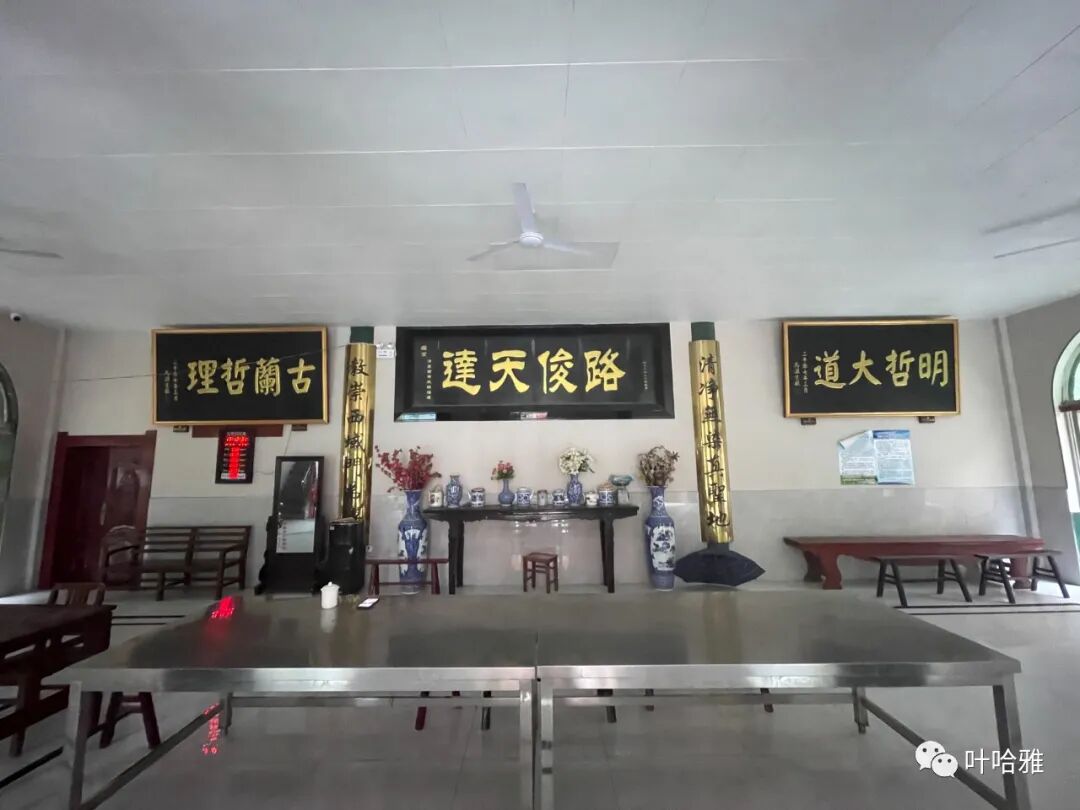
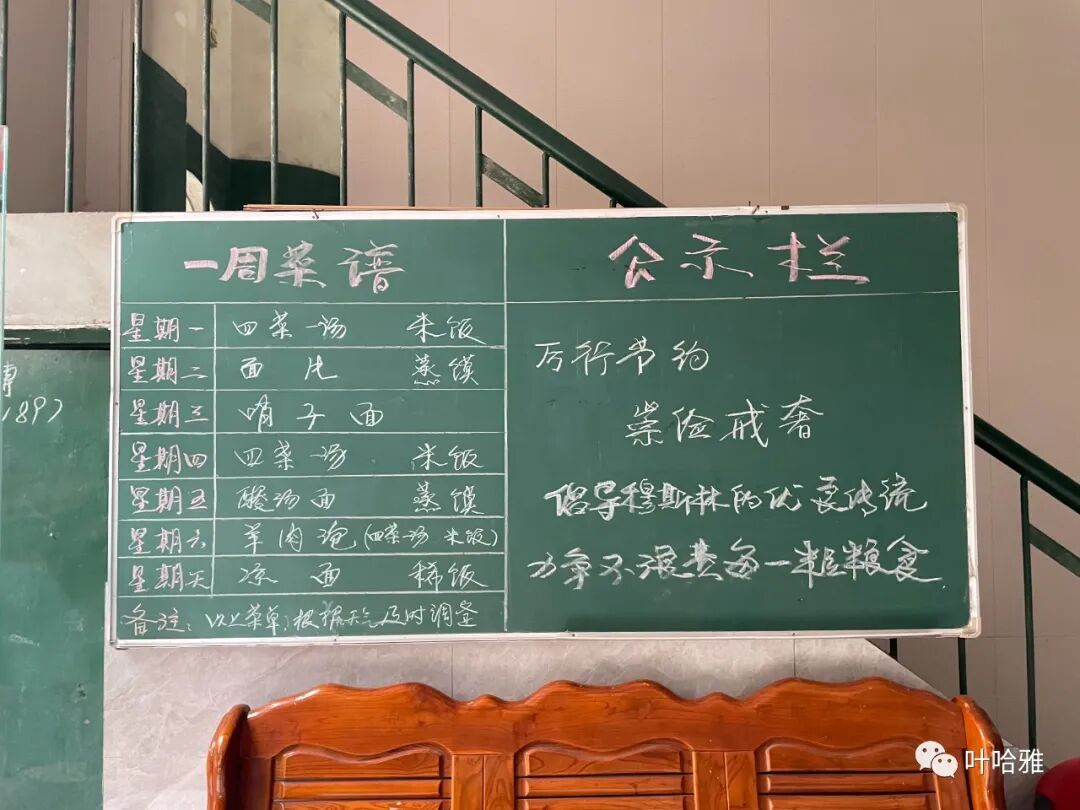
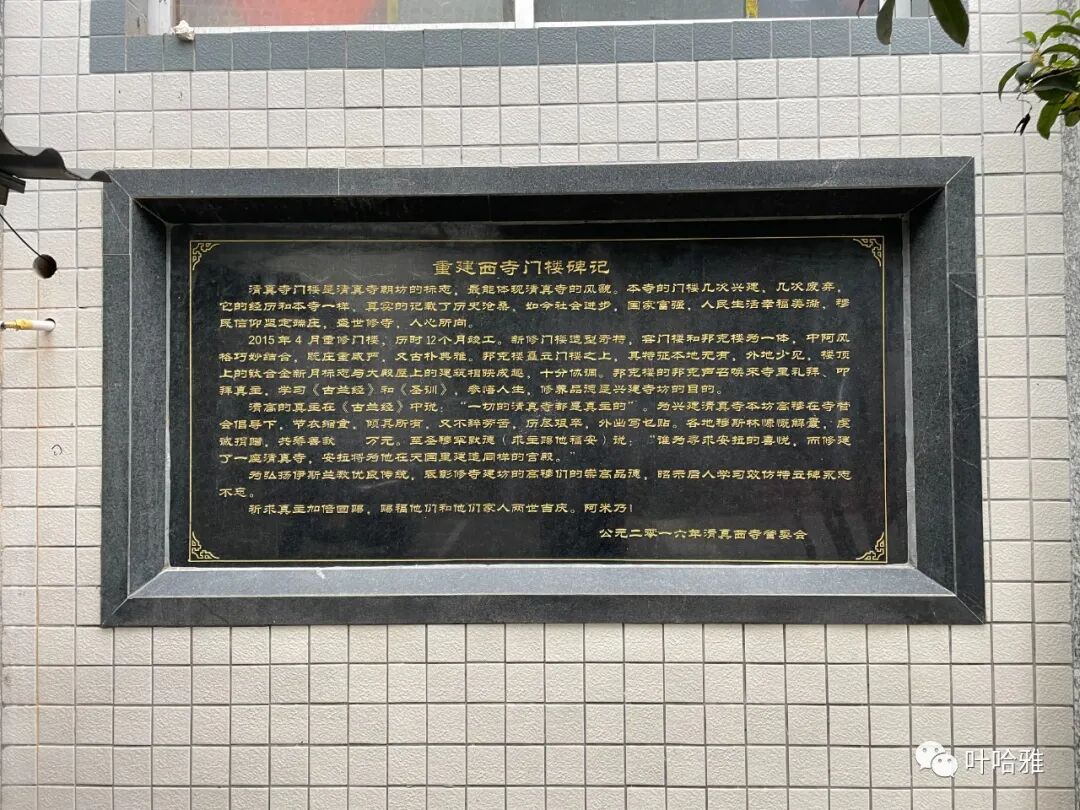
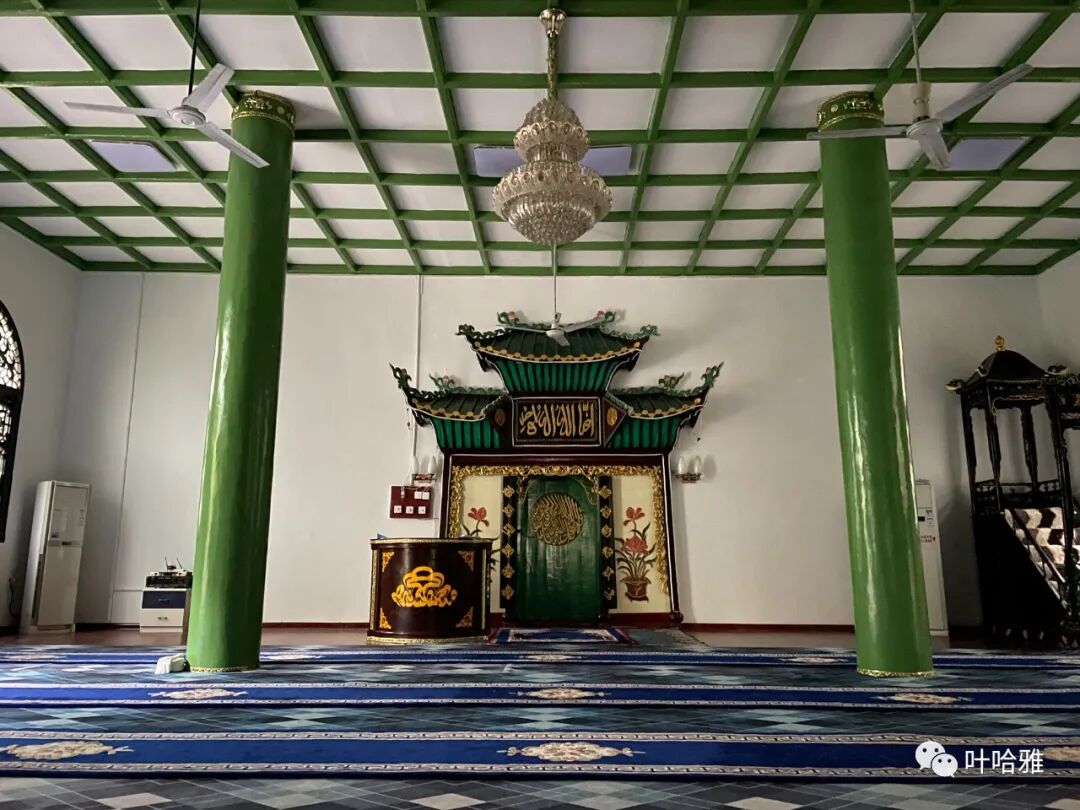
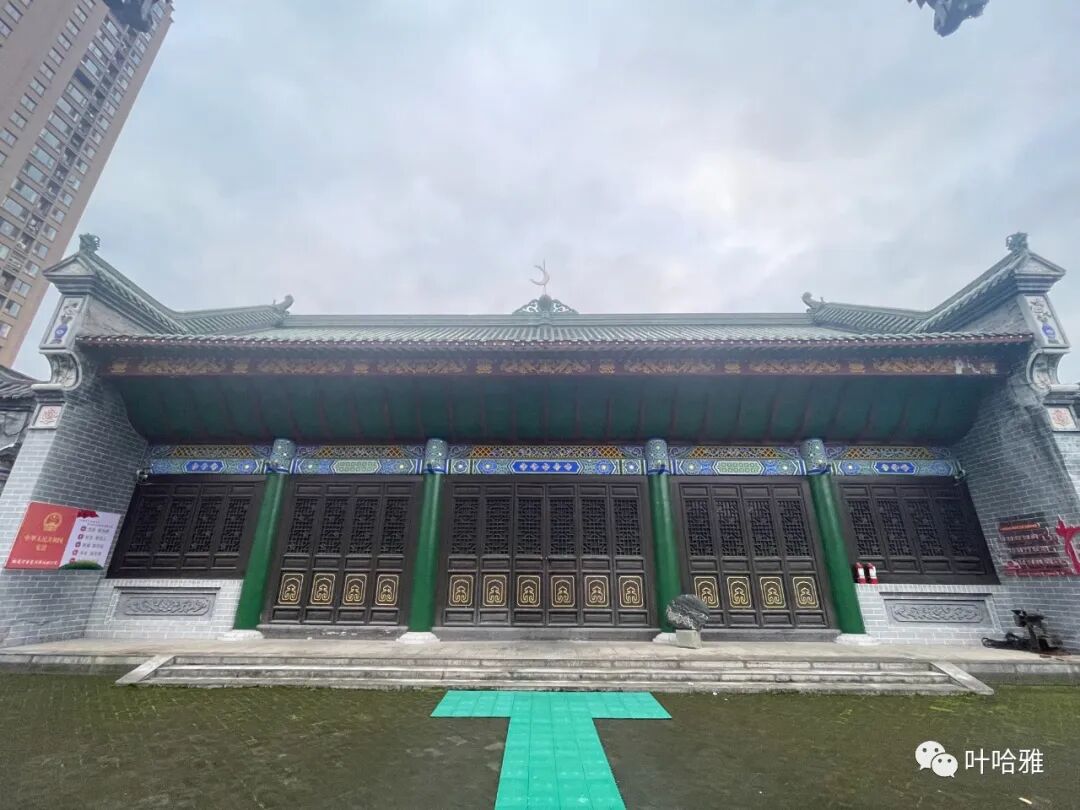
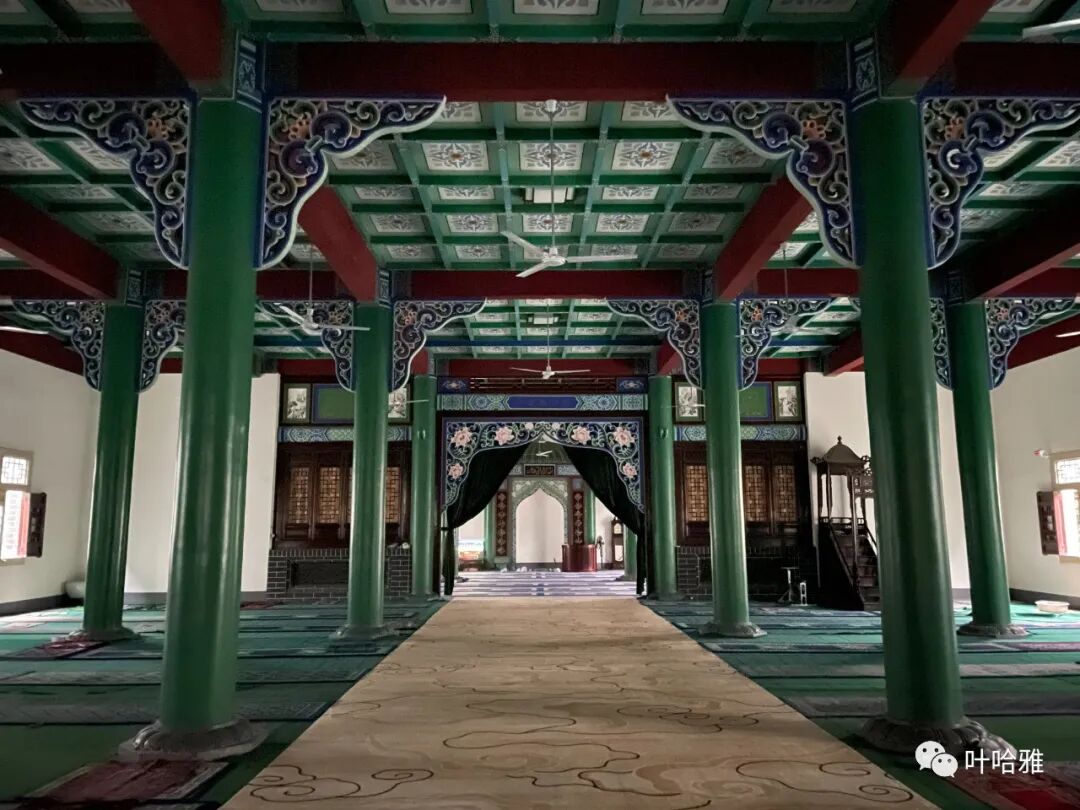
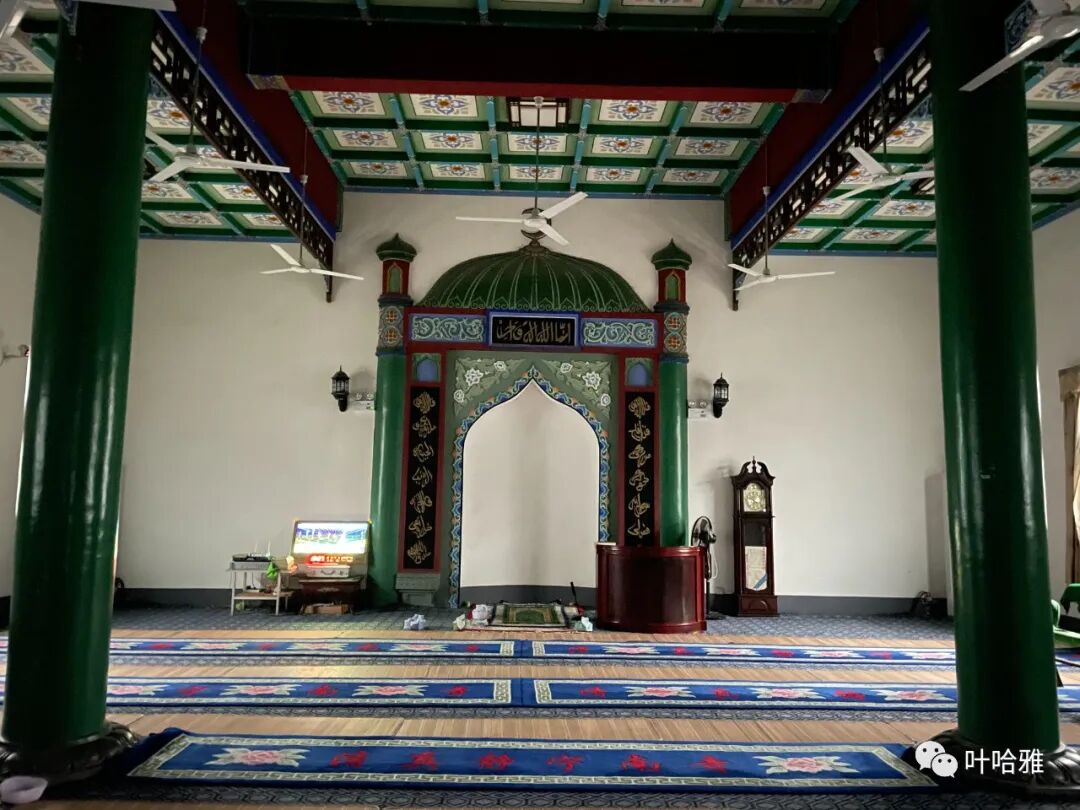
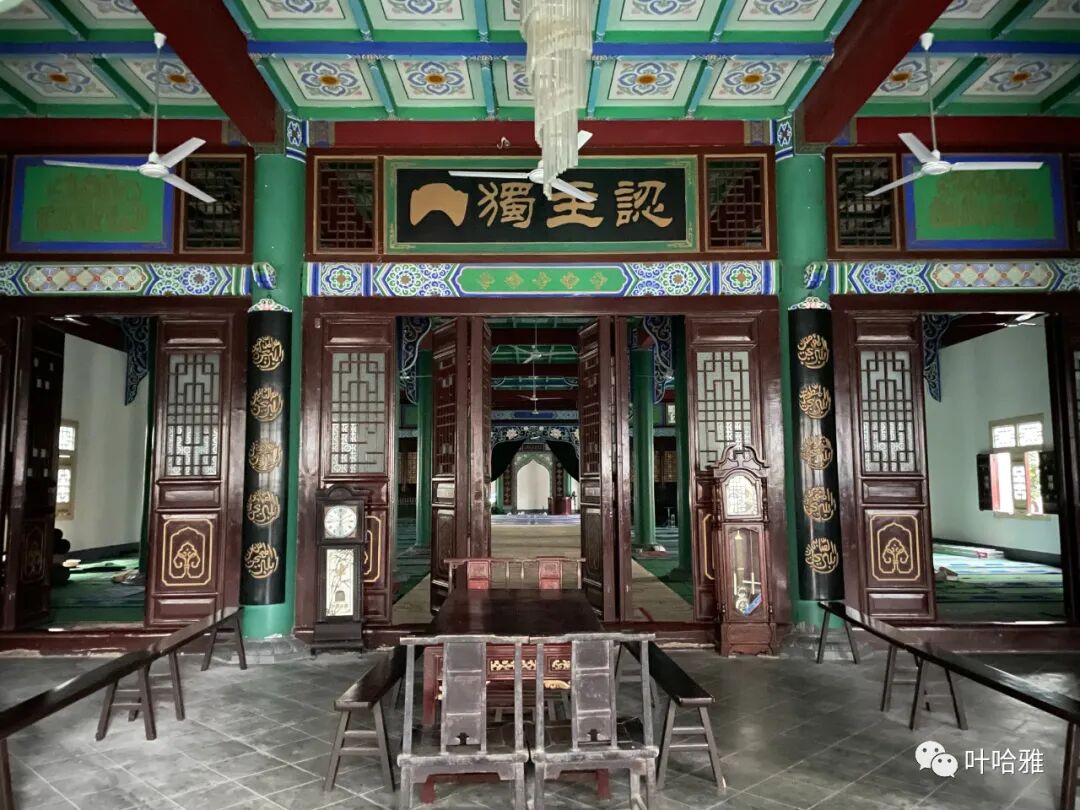
Ankang West Mosque was built in the first year of the Xianfeng reign of the Qing Dynasty and has separate prayer halls for men and women.
Ankang North Mosque
Ankang North Mosque was first built in the 15th year of the Hongzhi reign of the Ming Dynasty (1502). The North Mosque's
The minaret of the North Mosque is 46.4 meters tall.
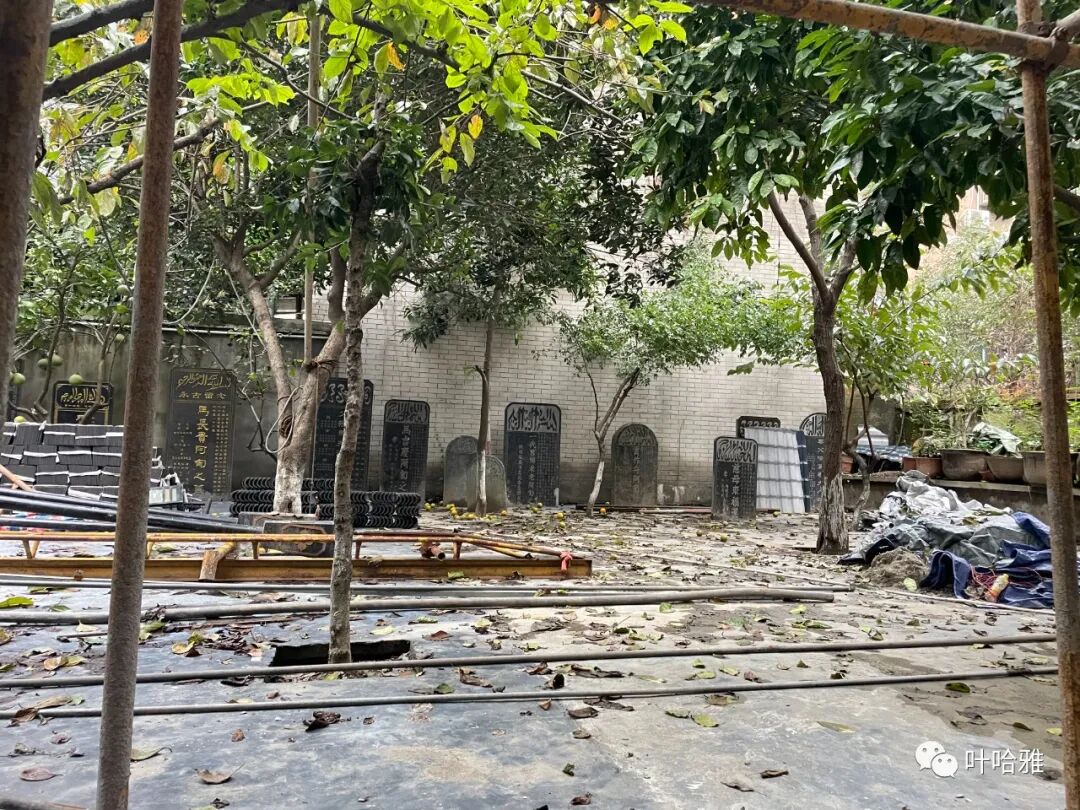
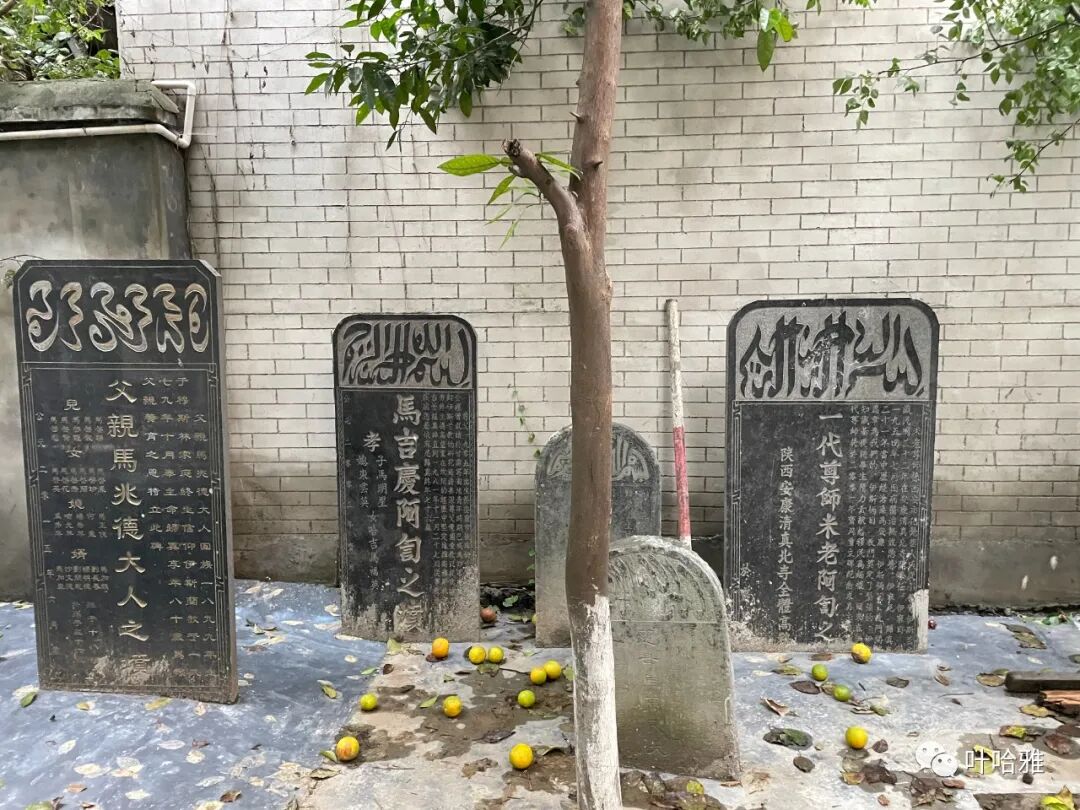
The graveyard for imams inside the North Mosque.
Ankang Xingwen Mosque
Xingwen Mosque was built during the Daoguang reign of the Qing Dynasty. It was named for its focus on education and historically ran schools like the Hui Muslim Charity School and the Northwest Ankang Primary School.
Jingning South Mosque
Rumor has it that Jingning South Mosque in Ankang was built during the Tang Dynasty. A stone tablet inside says the Tang government built Xingwen Mosque after asking the Arabs for military help to stop the An Lushan Rebellion, but there is no proof of this. The oldest reliable records show it was built at least by the Ming Dynasty.
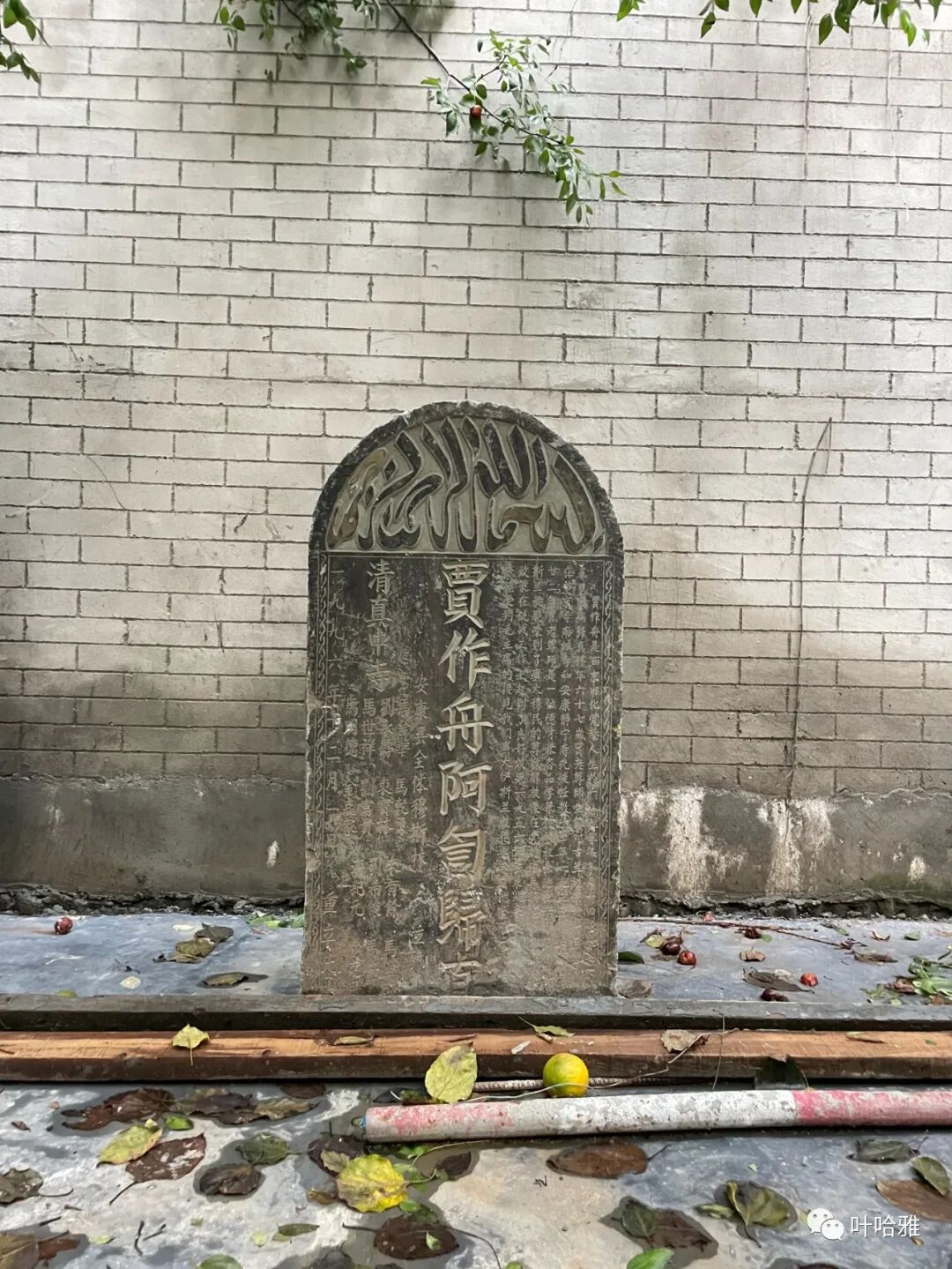
The stone tablet lists the names of the imams who have taught at the mosque throughout Ankang's history.
There are many halal snack shops in the old town of Hanbin District, but most were closed when I arrived.
The small shops around Dongguan are mostly run by local Hui Muslims. They mostly sell fried foods, steamed buns (baozi), and noodles. The hanging-griddle flatbread (diao'ao shaobing) is unique.
We ate stir-fried dishes at Yong'an Kangjia, which is a local restaurant that has been open for many years.
Because Ankang is close to Sichuan, the stir-fried dishes here taste very similar to Sichuan food.
The pickled vegetables and sour radishes on the menu are local specialties.
I ordered the twice-cooked winter melon (huiguo donggua). I thought it was twice-cooked pork, but it turned out to be winter melon cooked in the same style instead of meat.
The steamed beef with alfalfa (muxu zhengrou) is made with beef, a cooking style just like in Sichuan cuisine.
The Han River flows through the city. We took a walk by the river at night to enjoy the night view.
If not for the Hui Muslim uprisings in the late Qing Dynasty, there would be many more Hui Muslims in Shaanxi today, and they would likely be living better lives. My regret in Ankang is that I did not get to eat many local halal snacks. Maybe I came at the wrong time. Hui Muslim snacks in Ankang are completely different from those in the Xi'an Muslim Quarter. They have distinct features and are worth another visit. We only stayed in Ankang for one night and left for Sichuan early the next morning. view all
Summary: This Shaanxi halal food guide visits Ankang Hui Muslim Street, seven old mosques, West Mosque, North Mosque, Xingwen Mosque, Jingning South Mosque, local shaobing, fried snacks, halal dishes, and the Han River night view.
Ankang Hui Muslim Street Guide: Halal Food and Muslim Heritage in Shaanxi is presented here as a firsthand travel account in clear English, beginning with this scene: Ten of my travelogues were deleted recently, likely due to title violations. I have revised and reposted them. The account keeps its focus on Ankang Muslim Street, Halal Food, Shaanxi Travel while preserving the names, places, food, and historical details from the Chinese source.
Ten of my travelogues were deleted recently, likely due to title violations. I have revised and reposted them.
In Shaanxi, Hui Muslims mostly live in the Xi'an Muslim Quarter, but there are also small groups in Hanzhong and Ankang to the south. During my road trip through the southwest, I passed through Ankang and visited four mosques located within two kilometers of each other in the city.
Ankang has seven mosques: Xingwen Mosque, North Mosque, South Mosque, Inner City Mosque, Middle Mosque, West Mosque, and East Mosque. Over ten thousand Hui Muslims live around these mosques in the East and West Gates. The West Gate has been torn down, but the East Gate is the oldest part of Ankang. The East Gate stretches over half a kilometer from south to north and has three streets filled with halal snacks.
Ankang West Mosque
Ankang West Mosque was built in the first year of the Xianfeng reign of the Qing Dynasty and has separate prayer halls for men and women.
Ankang North Mosque
Ankang North Mosque was first built in the 15th year of the Hongzhi reign of the Ming Dynasty (1502). The North Mosque's
The minaret of the North Mosque is 46.4 meters tall.
The graveyard for imams inside the North Mosque.
Ankang Xingwen Mosque
Xingwen Mosque was built during the Daoguang reign of the Qing Dynasty. It was named for its focus on education and historically ran schools like the Hui Muslim Charity School and the Northwest Ankang Primary School.
Jingning South Mosque
Rumor has it that Jingning South Mosque in Ankang was built during the Tang Dynasty. A stone tablet inside says the Tang government built Xingwen Mosque after asking the Arabs for military help to stop the An Lushan Rebellion, but there is no proof of this. The oldest reliable records show it was built at least by the Ming Dynasty.
The stone tablet lists the names of the imams who have taught at the mosque throughout Ankang's history.
There are many halal snack shops in the old town of Hanbin District, but most were closed when I arrived.
The small shops around Dongguan are mostly run by local Hui Muslims. They mostly sell fried foods, steamed buns (baozi), and noodles. The hanging-griddle flatbread (diao'ao shaobing) is unique.
We ate stir-fried dishes at Yong'an Kangjia, which is a local restaurant that has been open for many years.
Because Ankang is close to Sichuan, the stir-fried dishes here taste very similar to Sichuan food.
The pickled vegetables and sour radishes on the menu are local specialties.
I ordered the twice-cooked winter melon (huiguo donggua). I thought it was twice-cooked pork, but it turned out to be winter melon cooked in the same style instead of meat.
The steamed beef with alfalfa (muxu zhengrou) is made with beef, a cooking style just like in Sichuan cuisine.
The Han River flows through the city. We took a walk by the river at night to enjoy the night view.
If not for the Hui Muslim uprisings in the late Qing Dynasty, there would be many more Hui Muslims in Shaanxi today, and they would likely be living better lives. My regret in Ankang is that I did not get to eat many local halal snacks. Maybe I came at the wrong time. Hui Muslim snacks in Ankang are completely different from those in the Xi'an Muslim Quarter. They have distinct features and are worth another visit. We only stayed in Ankang for one night and left for Sichuan early the next morning. view all
Reposted from the web
Summary: This Shaanxi halal food guide visits Ankang Hui Muslim Street, seven old mosques, West Mosque, North Mosque, Xingwen Mosque, Jingning South Mosque, local shaobing, fried snacks, halal dishes, and the Han River night view.
Ankang Hui Muslim Street Guide: Halal Food and Muslim Heritage in Shaanxi is presented here as a firsthand travel account in clear English, beginning with this scene: Ten of my travelogues were deleted recently, likely due to title violations. I have revised and reposted them. The account keeps its focus on Ankang Muslim Street, Halal Food, Shaanxi Travel while preserving the names, places, food, and historical details from the Chinese source.
Ten of my travelogues were deleted recently, likely due to title violations. I have revised and reposted them.
In Shaanxi, Hui Muslims mostly live in the Xi'an Muslim Quarter, but there are also small groups in Hanzhong and Ankang to the south. During my road trip through the southwest, I passed through Ankang and visited four mosques located within two kilometers of each other in the city.
Ankang has seven mosques: Xingwen Mosque, North Mosque, South Mosque, Inner City Mosque, Middle Mosque, West Mosque, and East Mosque. Over ten thousand Hui Muslims live around these mosques in the East and West Gates. The West Gate has been torn down, but the East Gate is the oldest part of Ankang. The East Gate stretches over half a kilometer from south to north and has three streets filled with halal snacks.
Ankang West Mosque
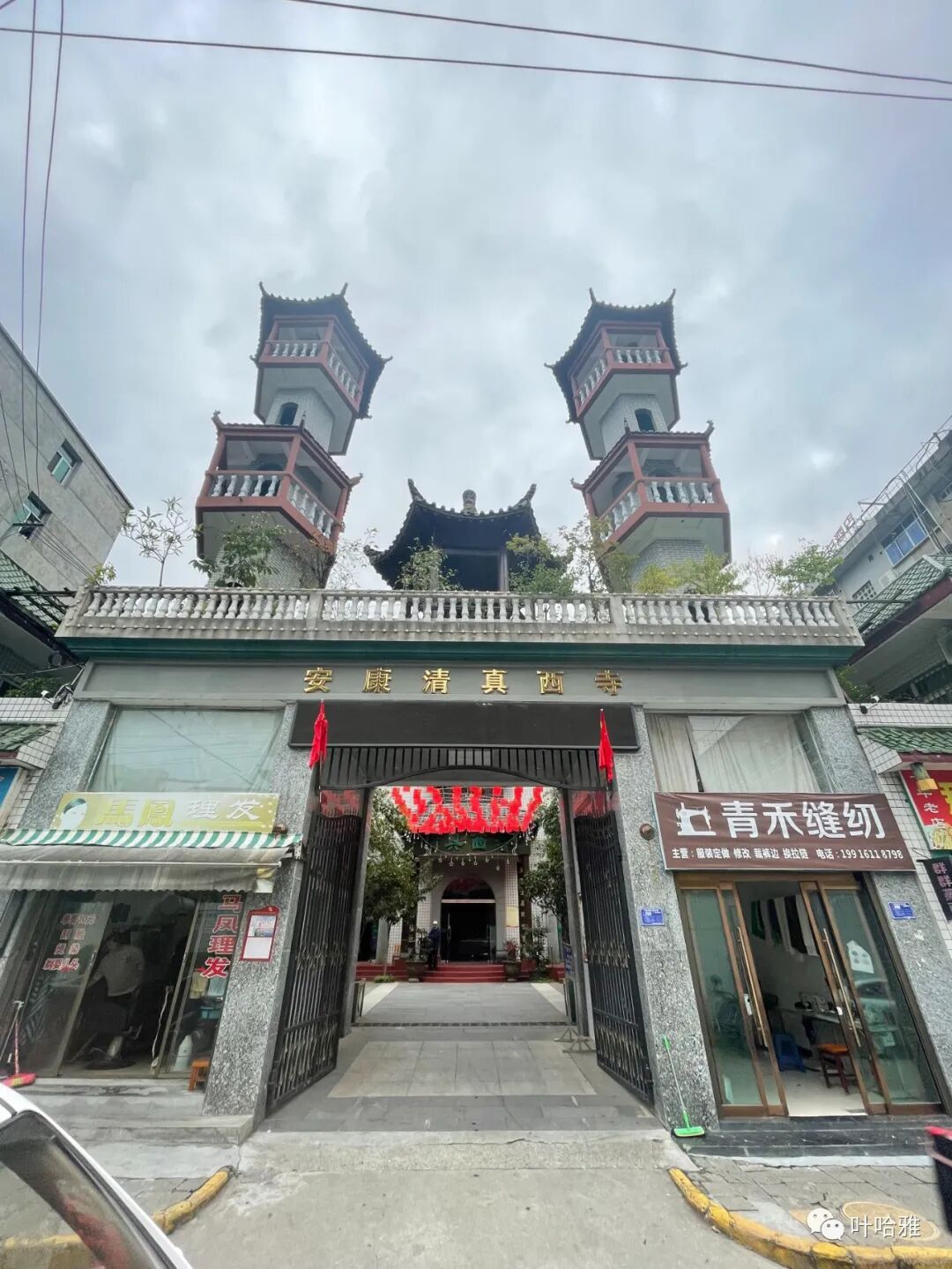
Ankang West Mosque was built in the first year of the Xianfeng reign of the Qing Dynasty and has separate prayer halls for men and women.
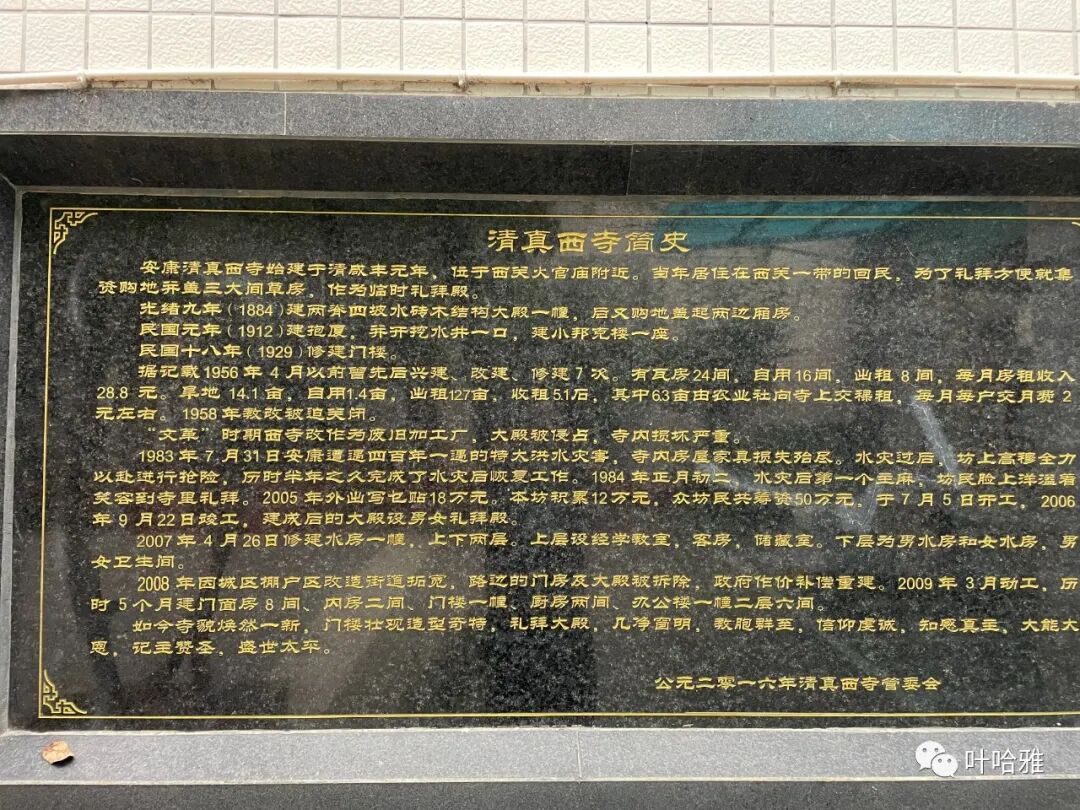
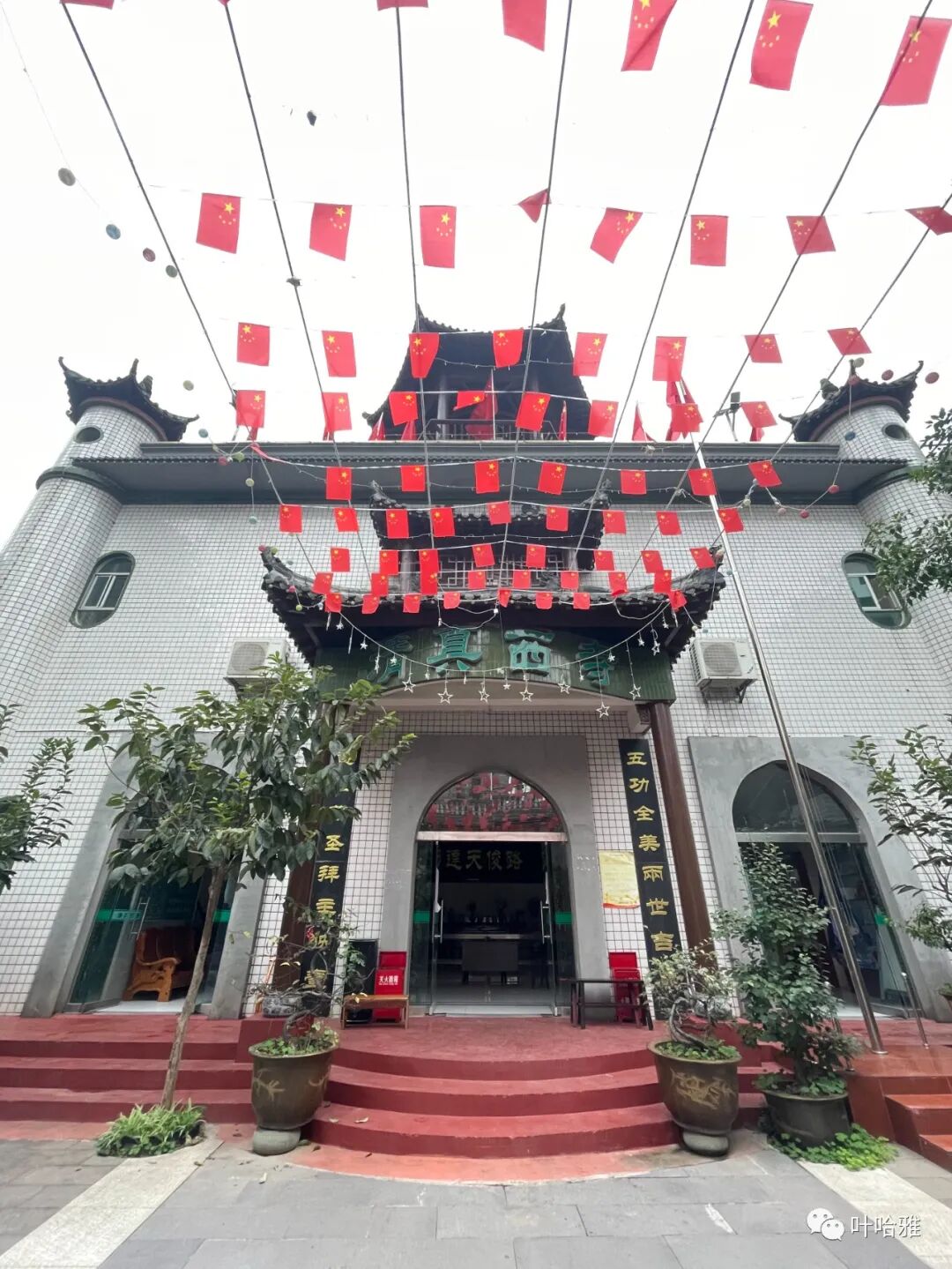
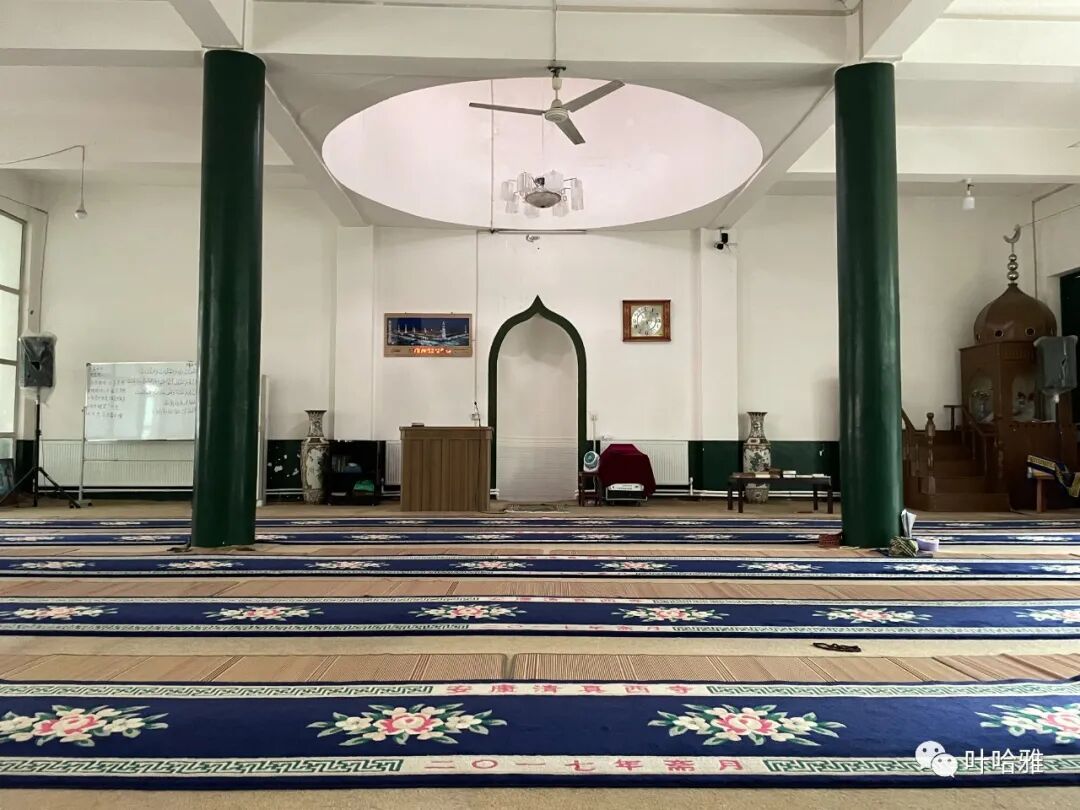
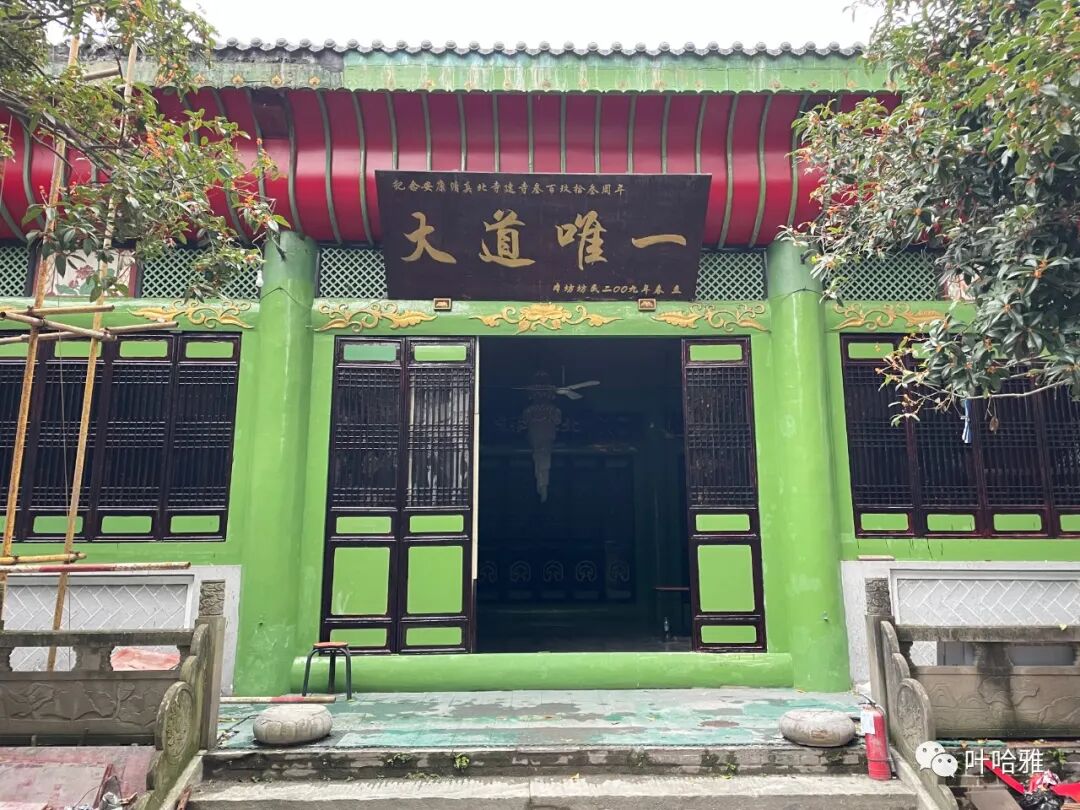
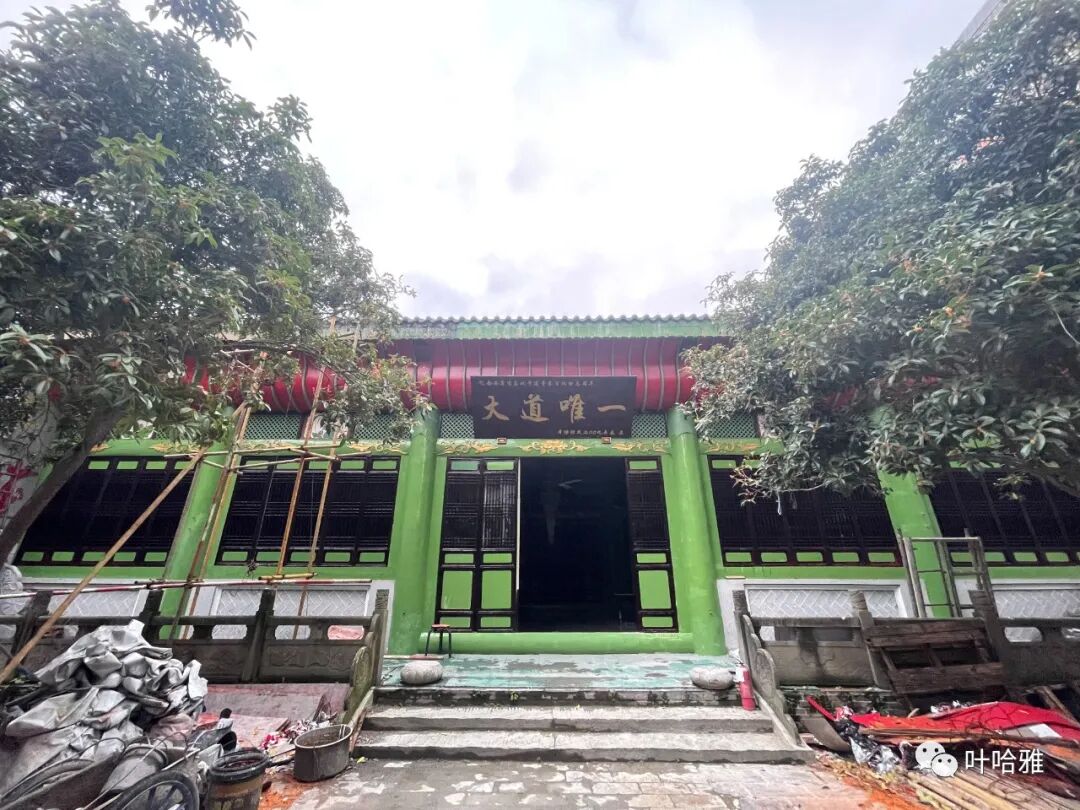
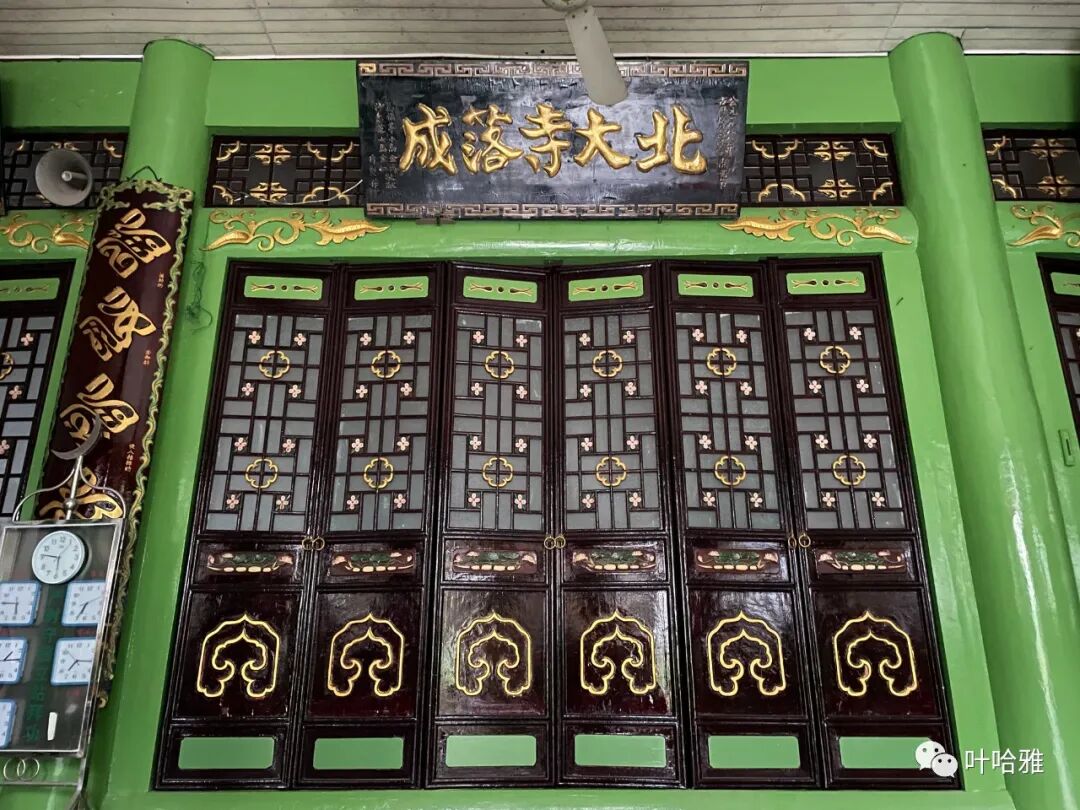
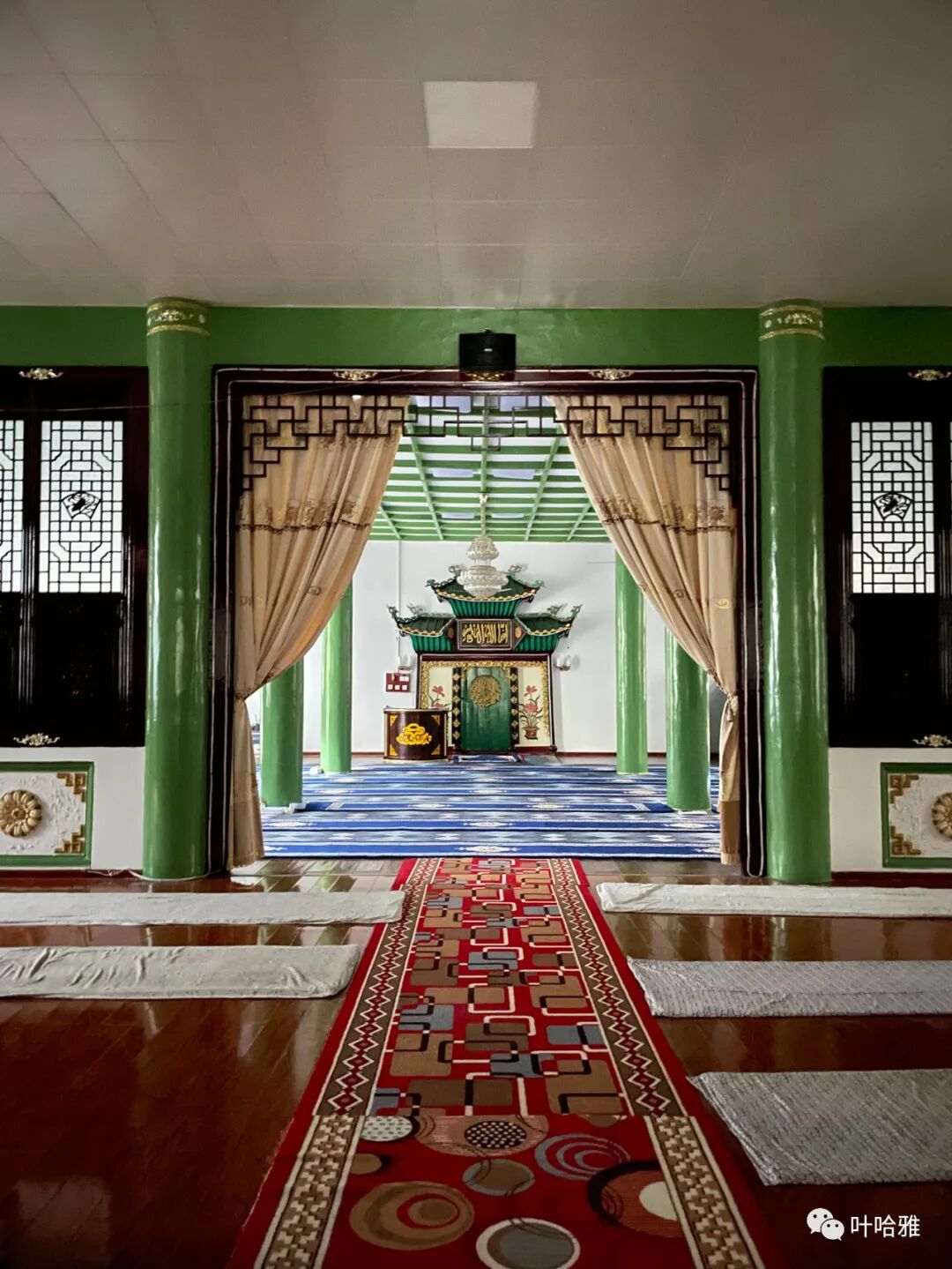
Ankang North Mosque
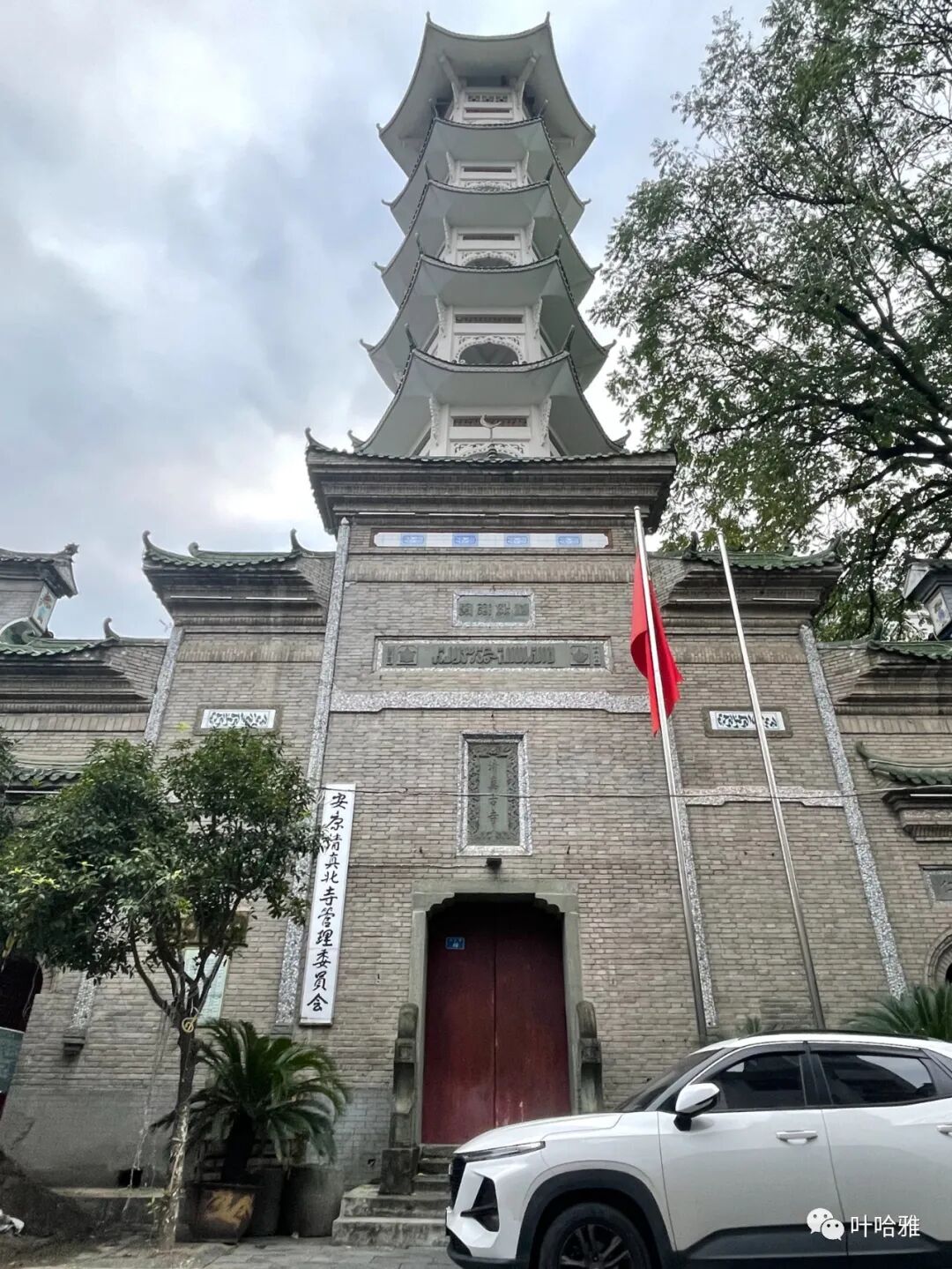
Ankang North Mosque was first built in the 15th year of the Hongzhi reign of the Ming Dynasty (1502). The North Mosque's
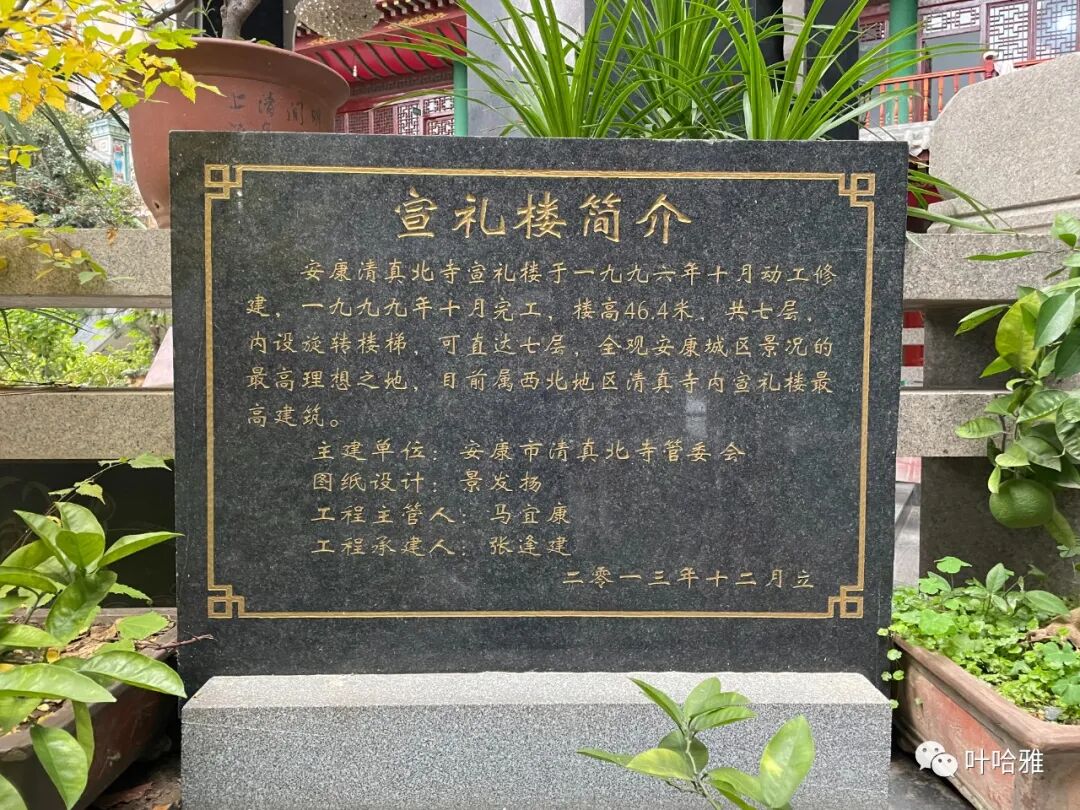
The minaret of the North Mosque is 46.4 meters tall.
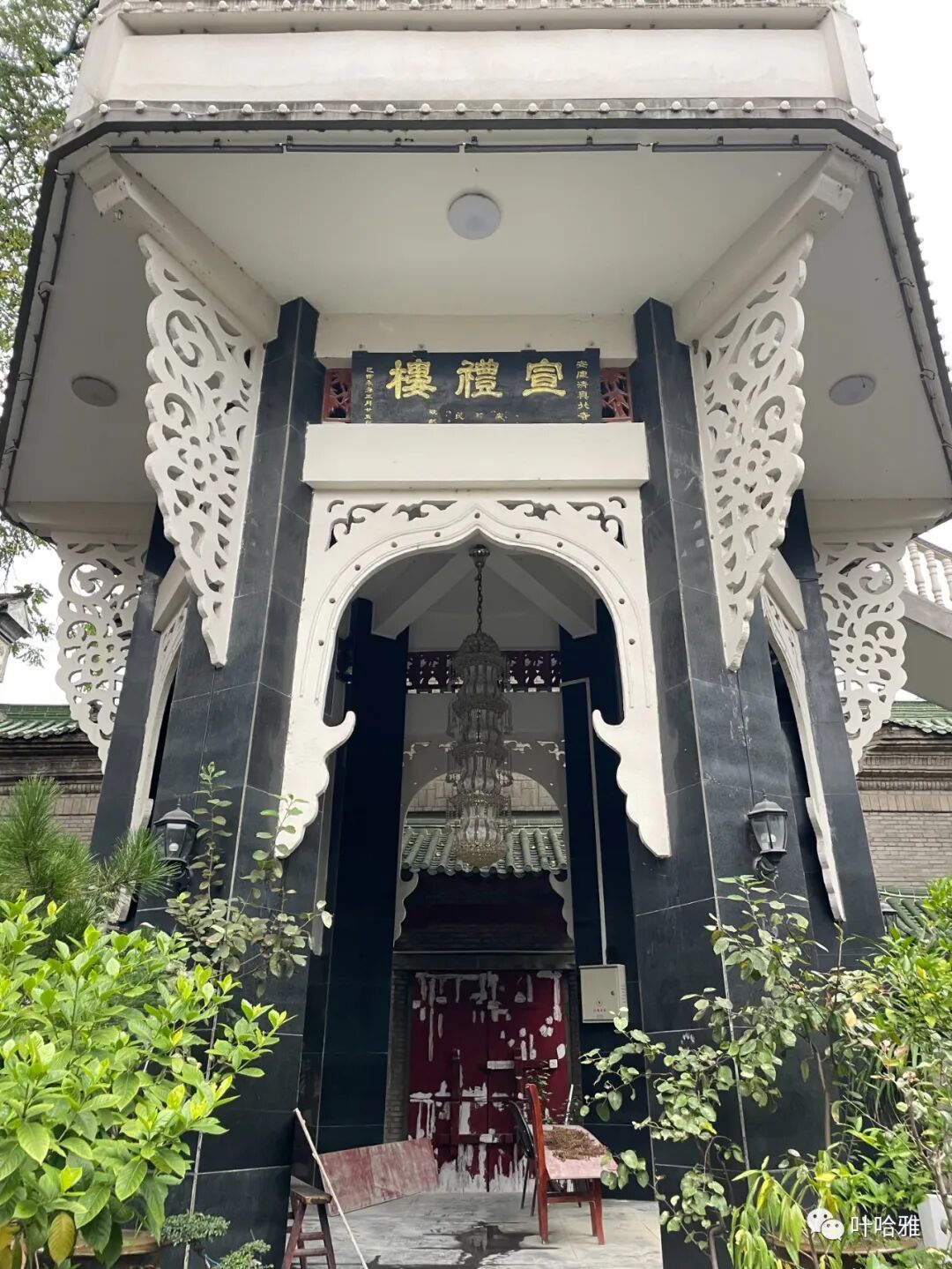
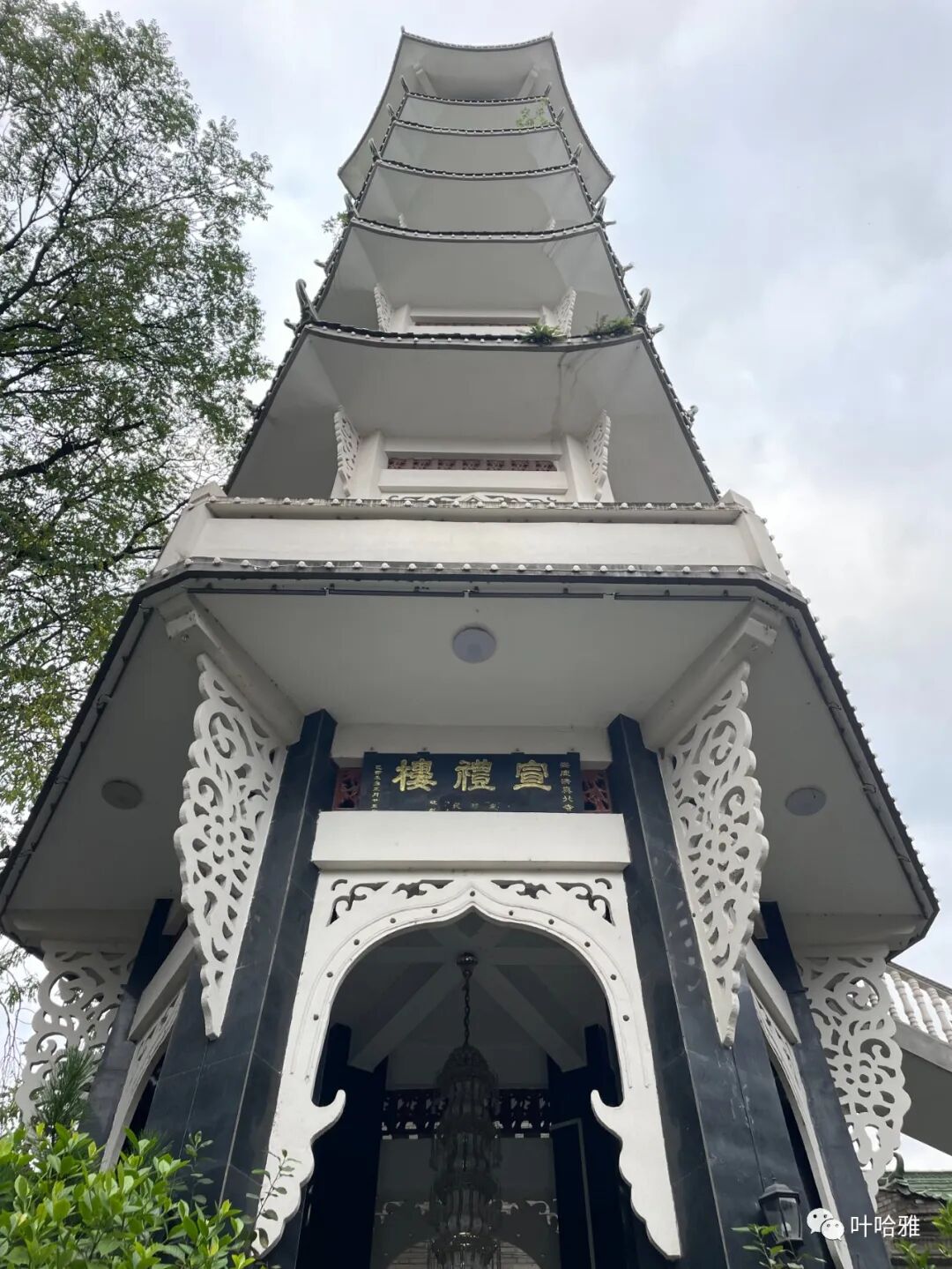
The graveyard for imams inside the North Mosque.
Ankang Xingwen Mosque
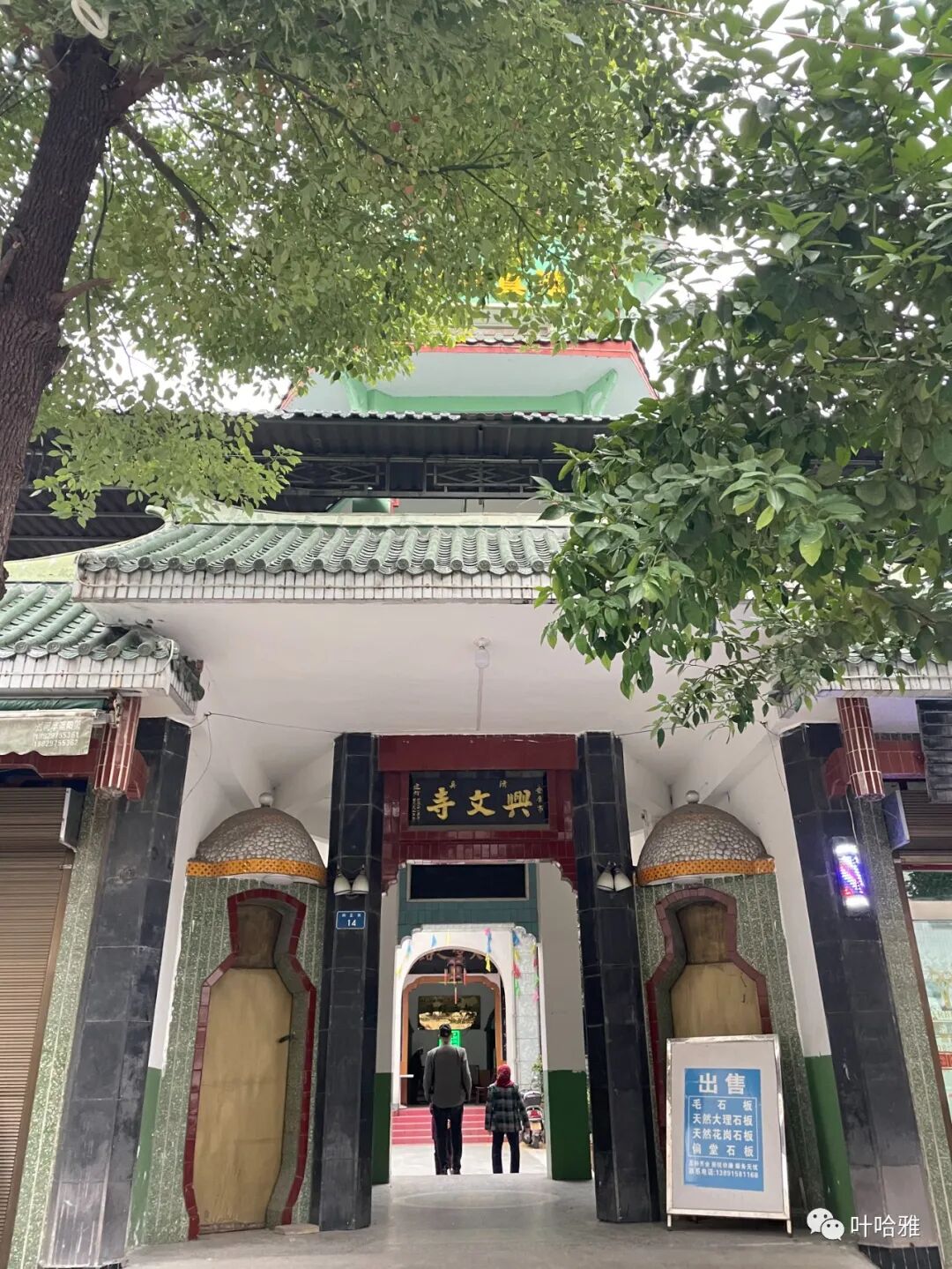
Xingwen Mosque was built during the Daoguang reign of the Qing Dynasty. It was named for its focus on education and historically ran schools like the Hui Muslim Charity School and the Northwest Ankang Primary School.
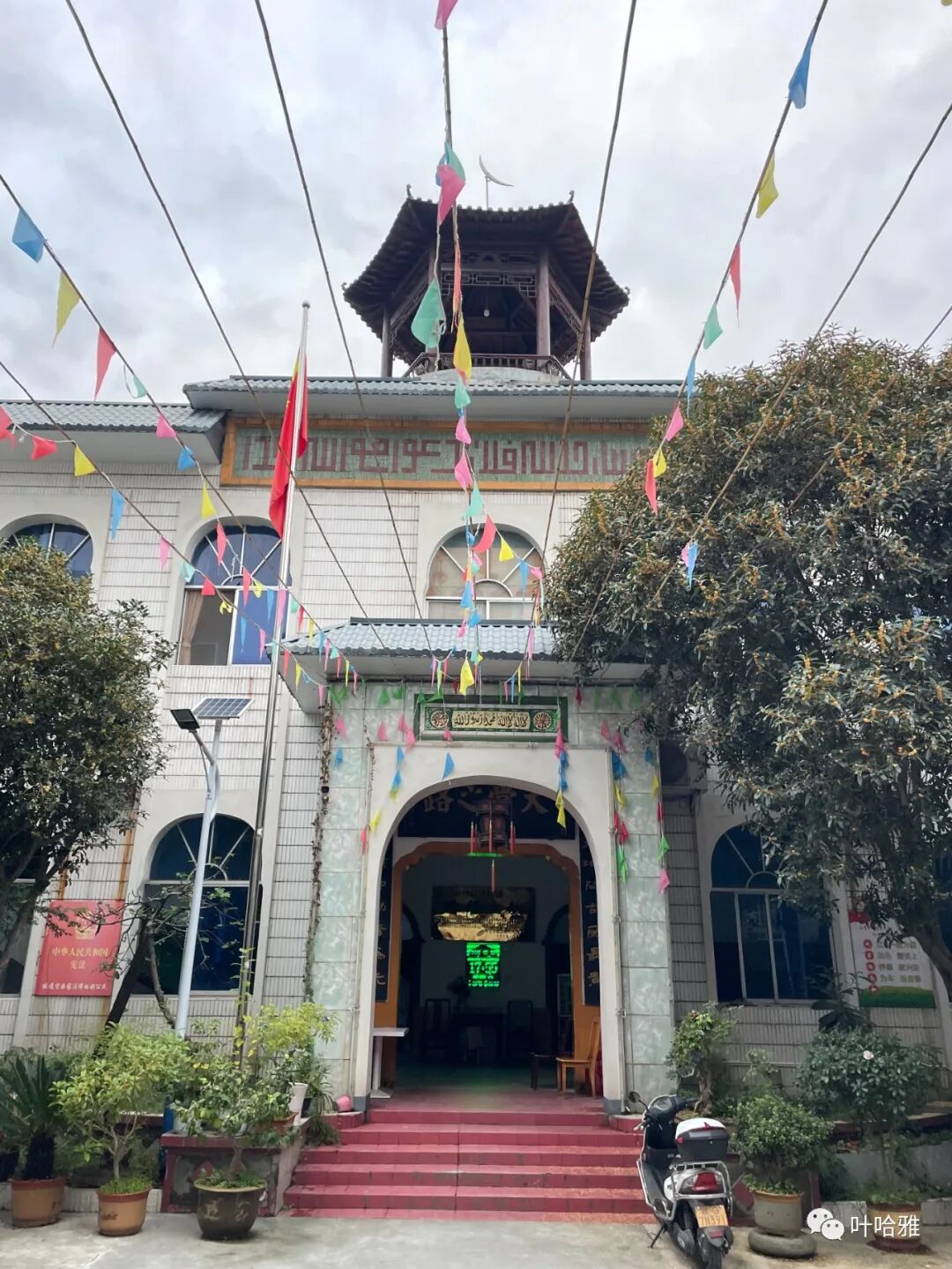
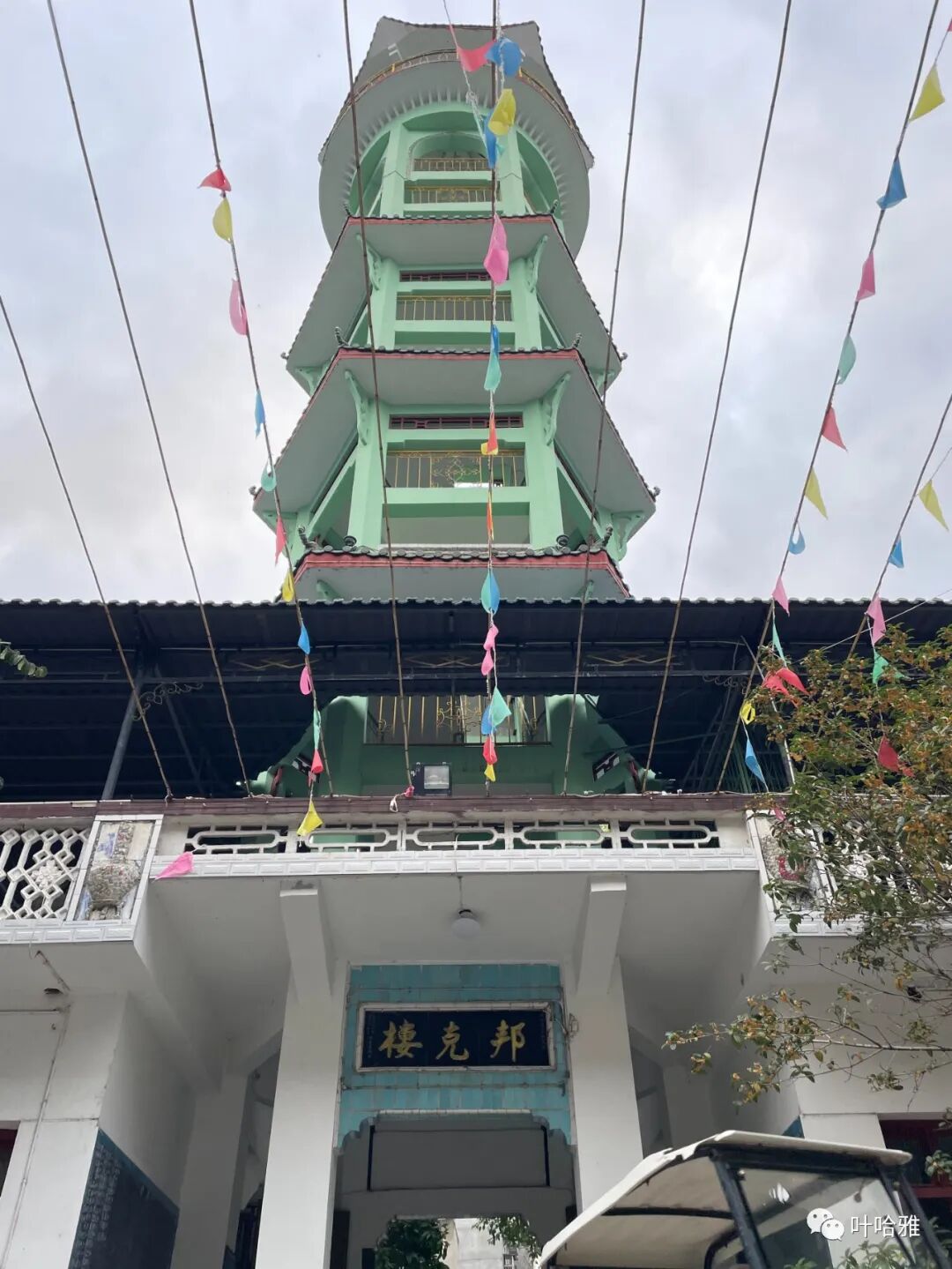
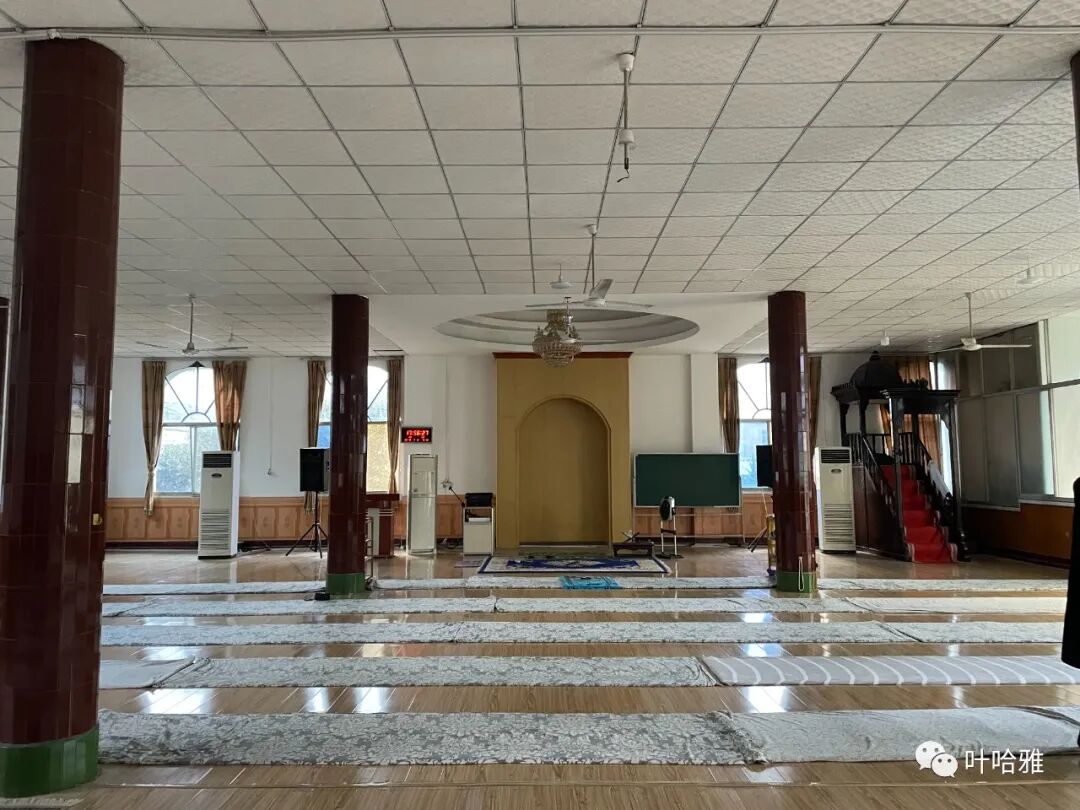
Jingning South Mosque
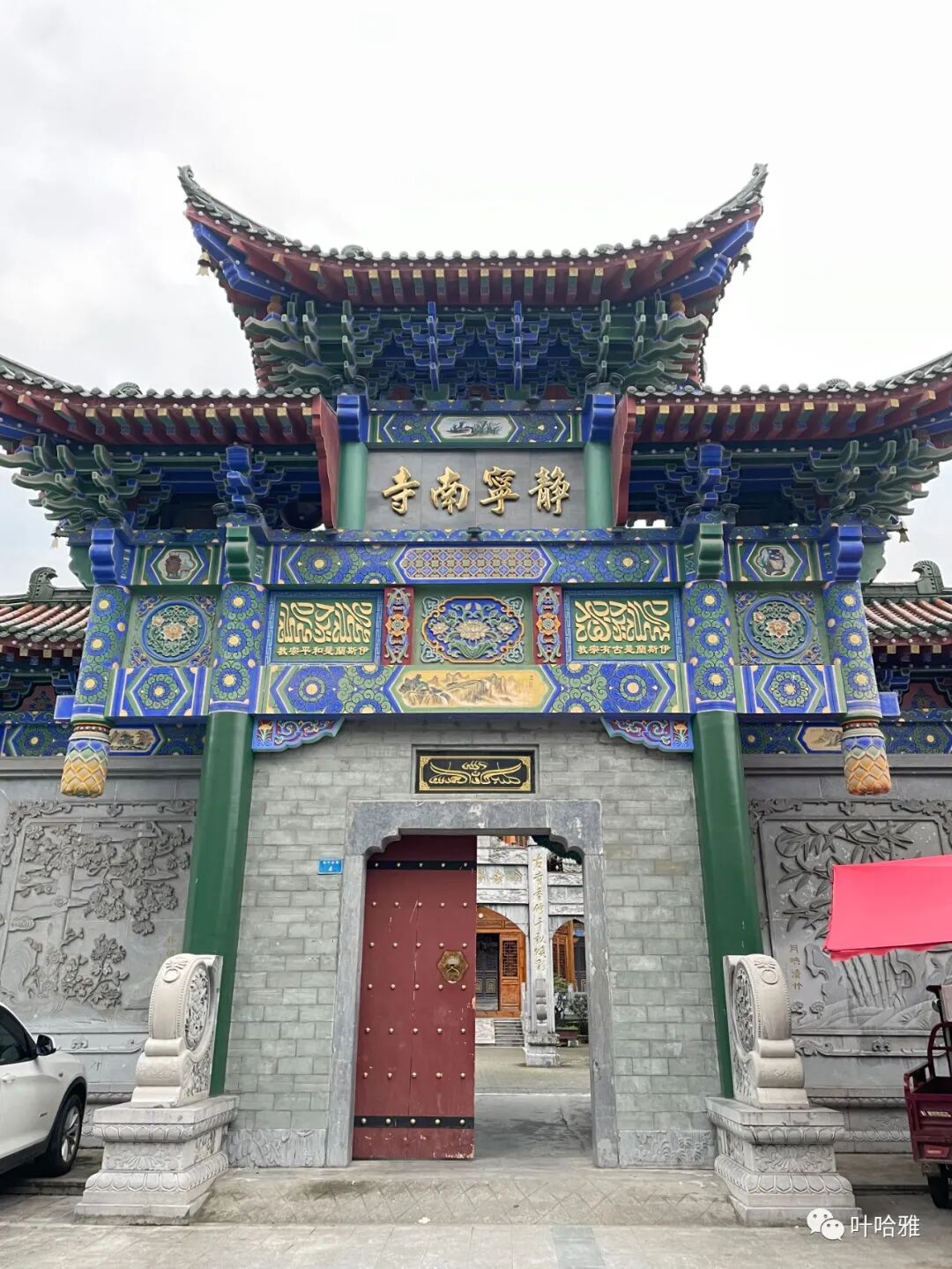
Rumor has it that Jingning South Mosque in Ankang was built during the Tang Dynasty. A stone tablet inside says the Tang government built Xingwen Mosque after asking the Arabs for military help to stop the An Lushan Rebellion, but there is no proof of this. The oldest reliable records show it was built at least by the Ming Dynasty.
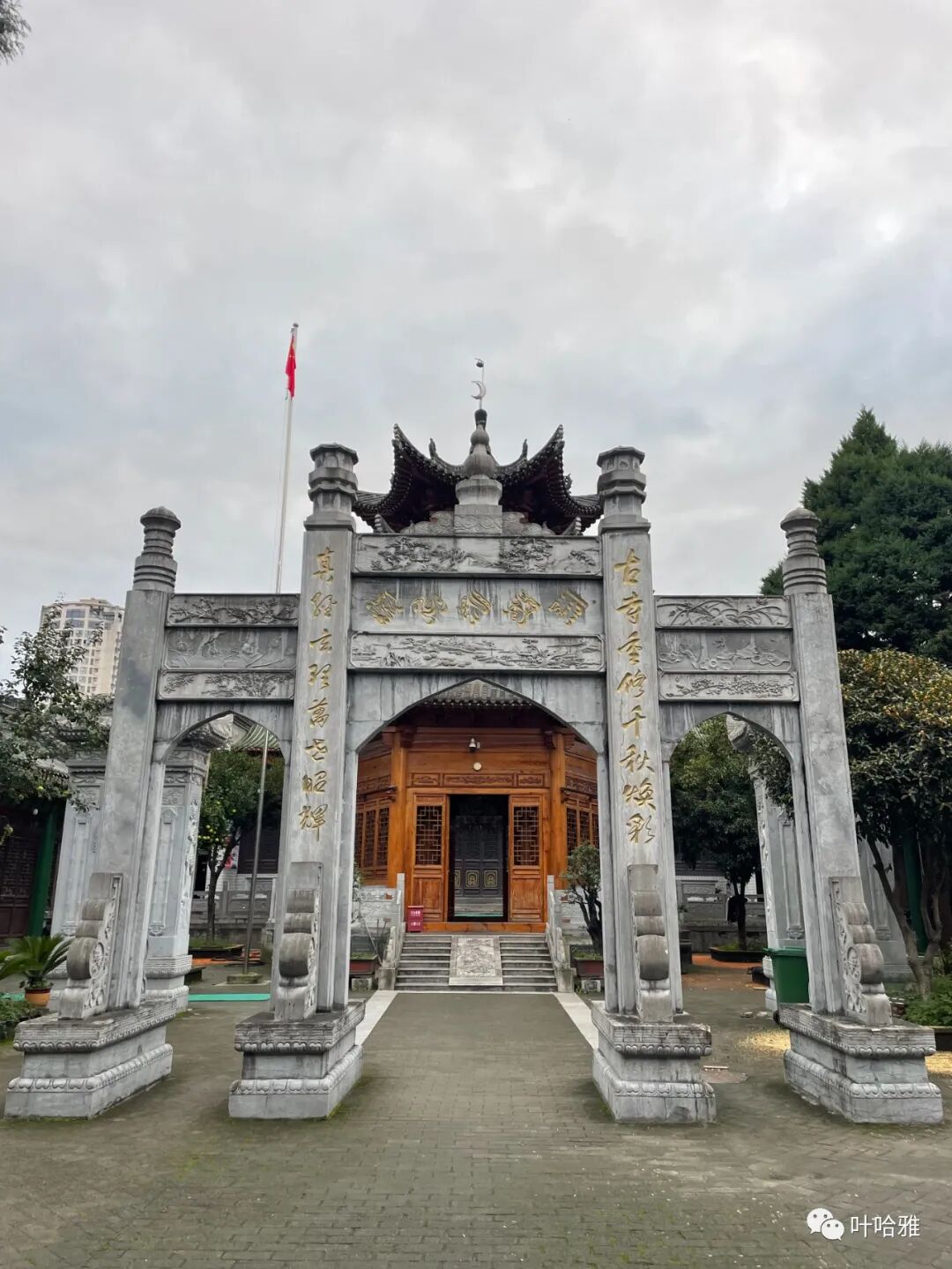
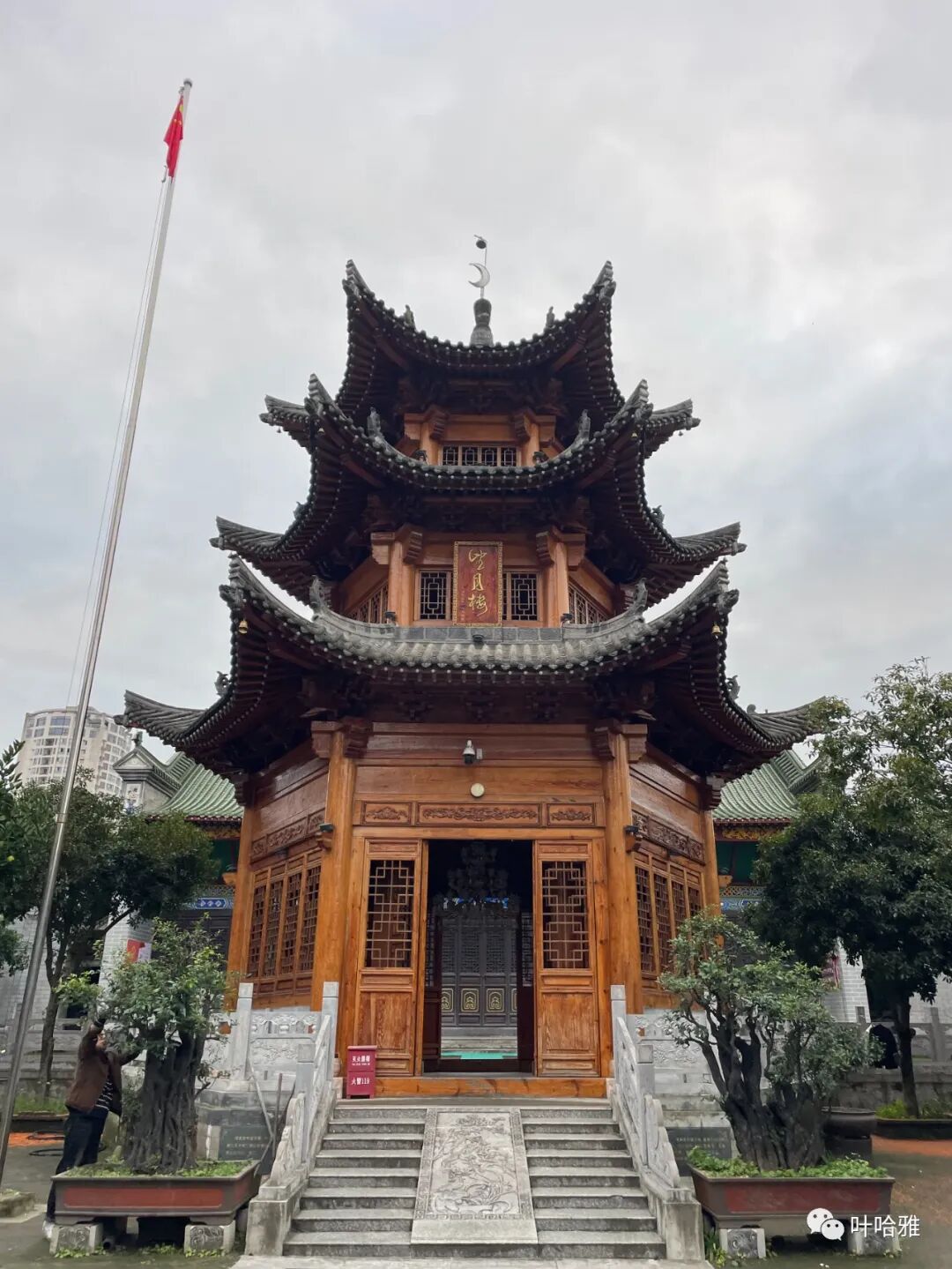
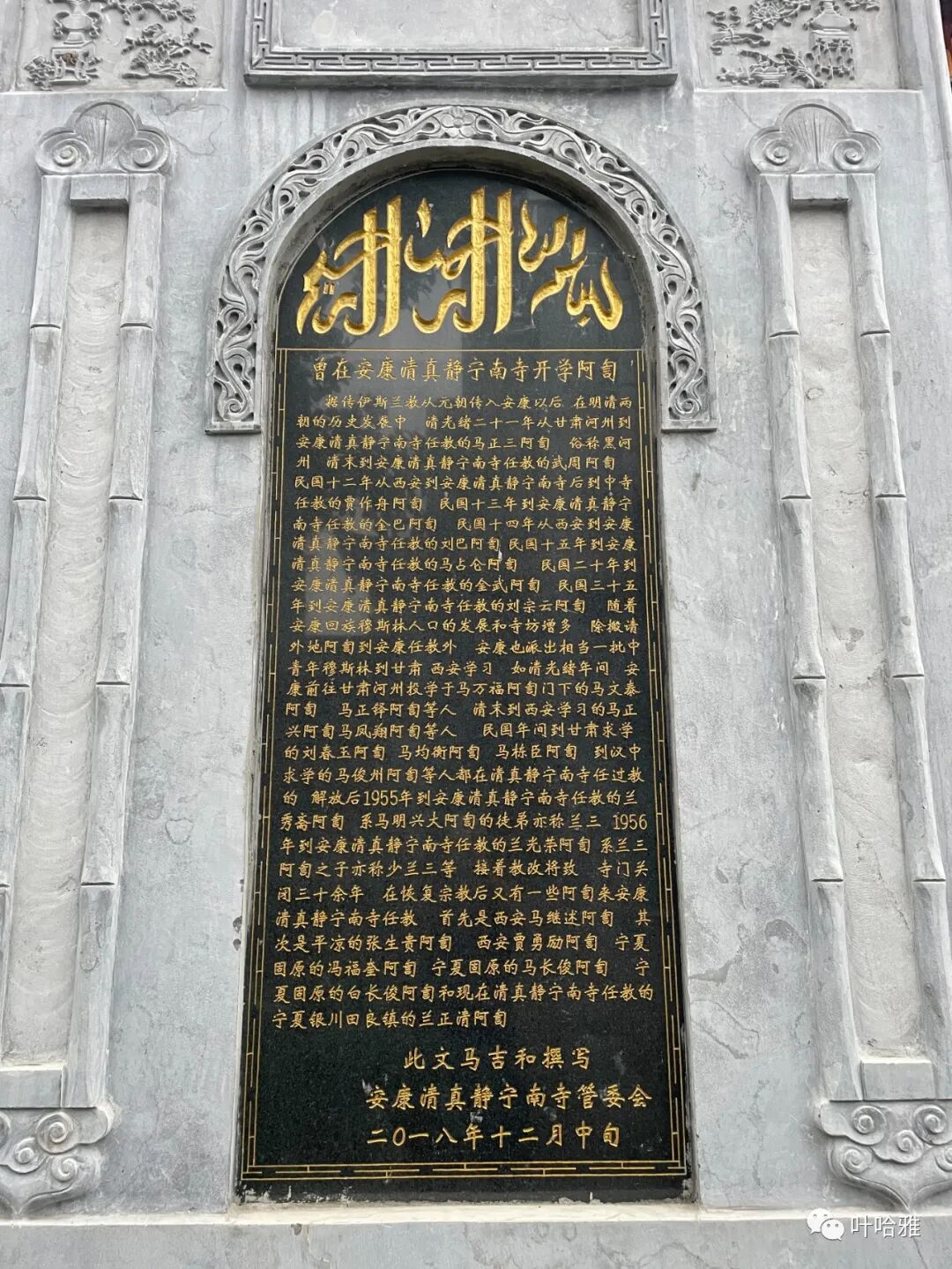
The stone tablet lists the names of the imams who have taught at the mosque throughout Ankang's history.
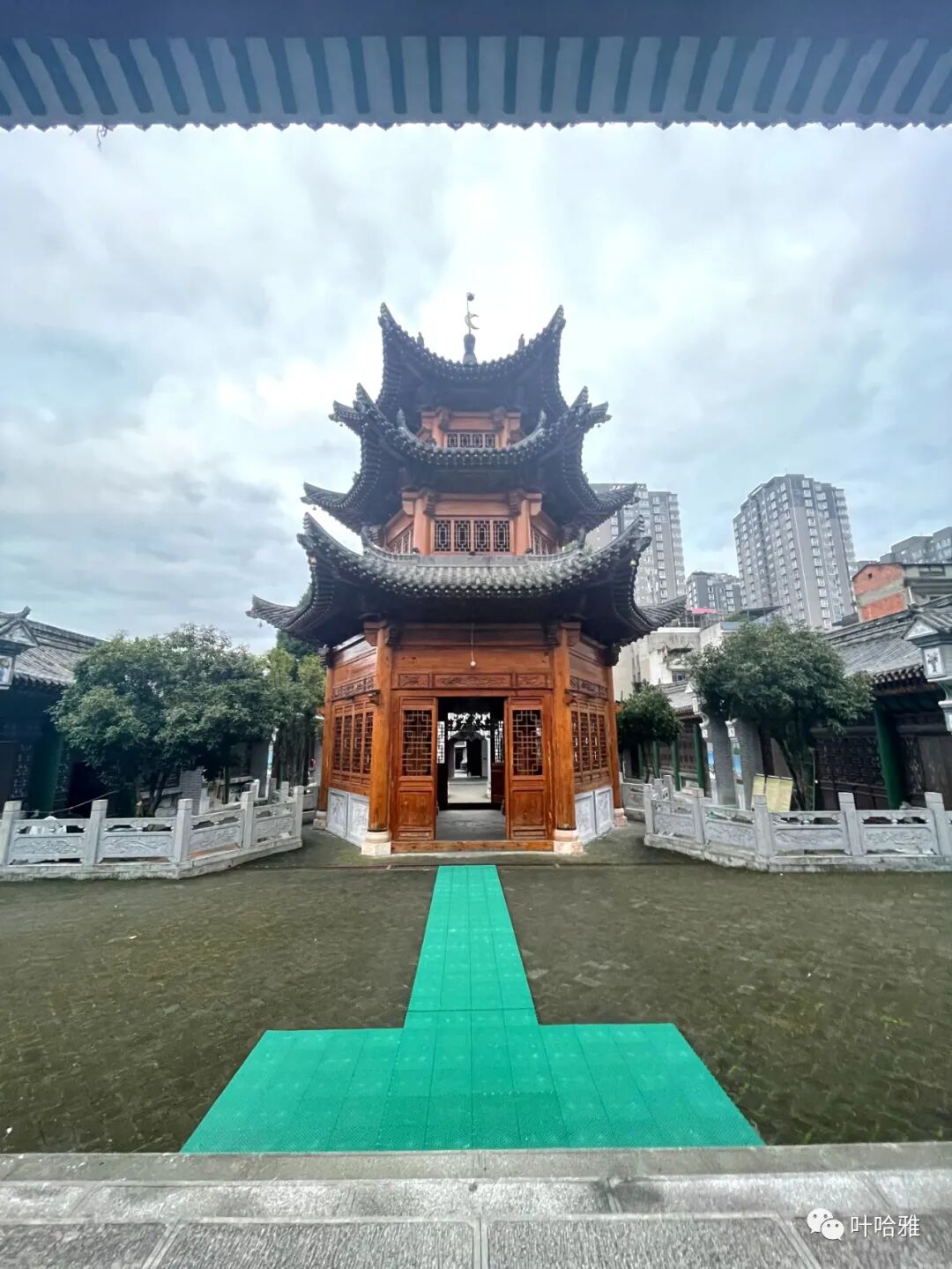
There are many halal snack shops in the old town of Hanbin District, but most were closed when I arrived.
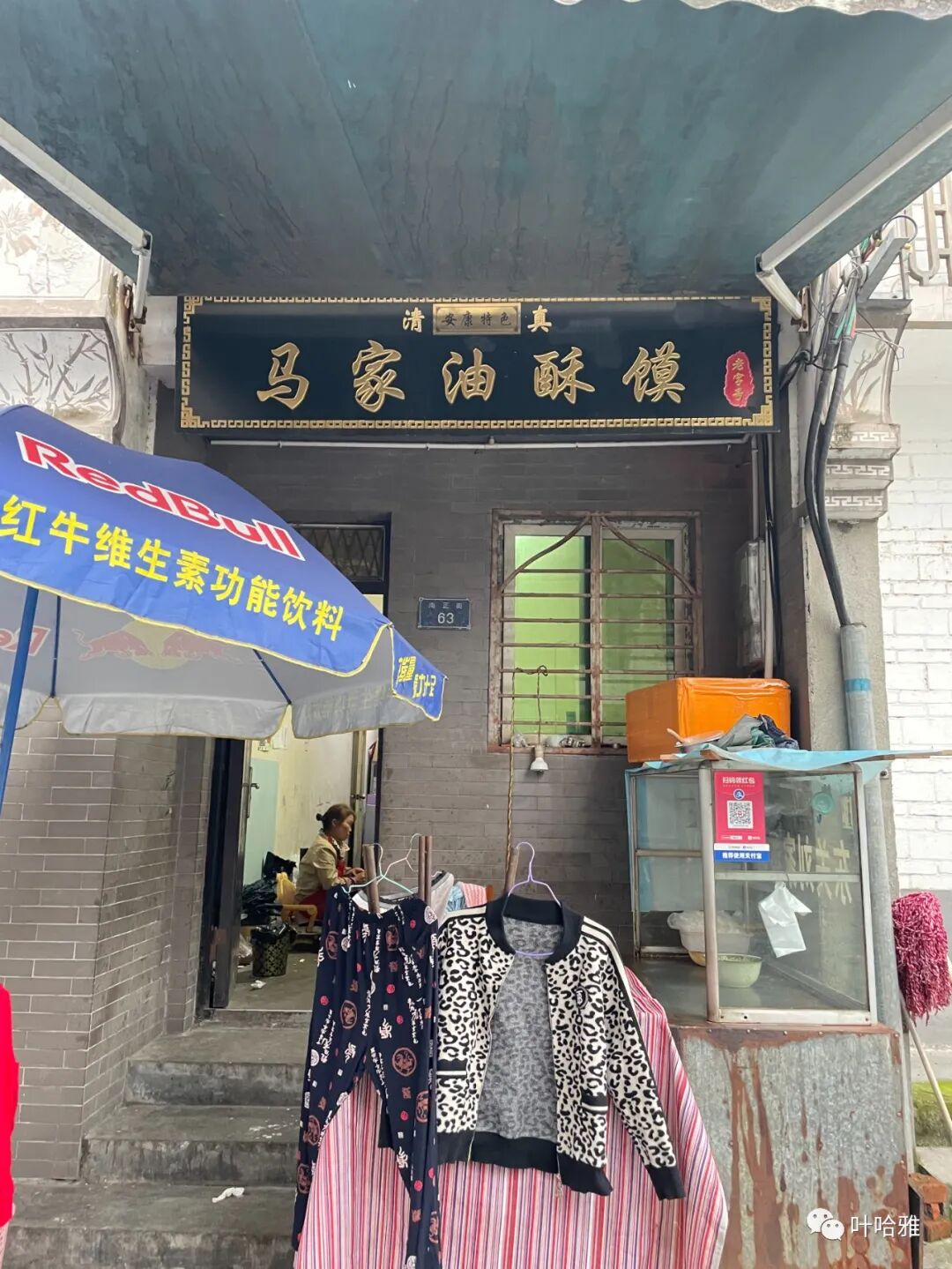
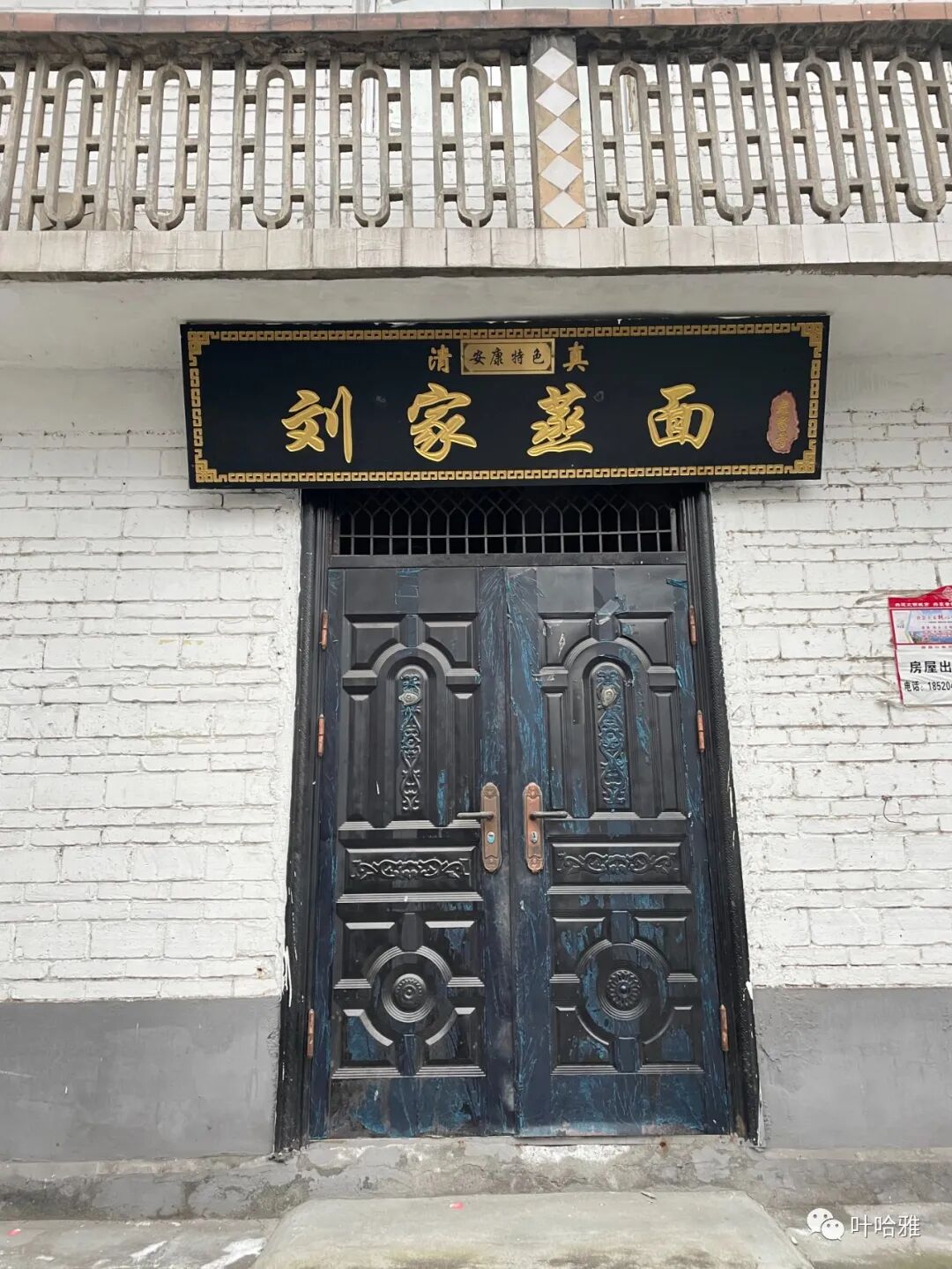
The small shops around Dongguan are mostly run by local Hui Muslims. They mostly sell fried foods, steamed buns (baozi), and noodles. The hanging-griddle flatbread (diao'ao shaobing) is unique.
We ate stir-fried dishes at Yong'an Kangjia, which is a local restaurant that has been open for many years.
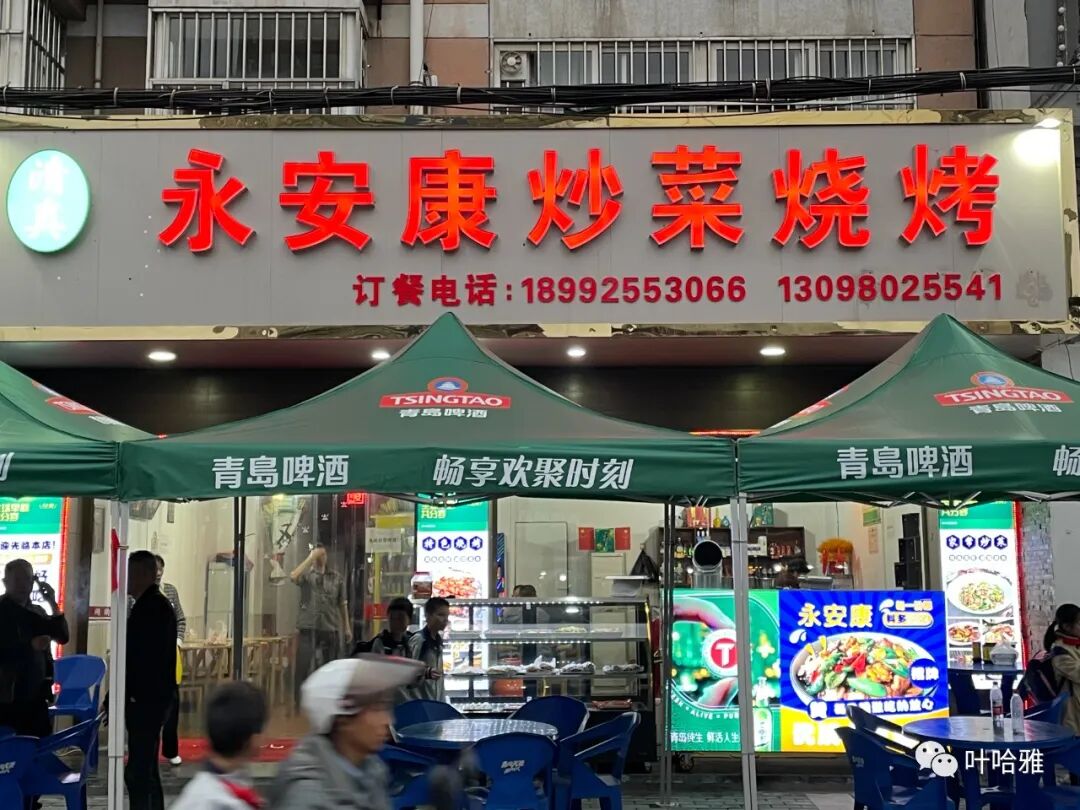
Because Ankang is close to Sichuan, the stir-fried dishes here taste very similar to Sichuan food.
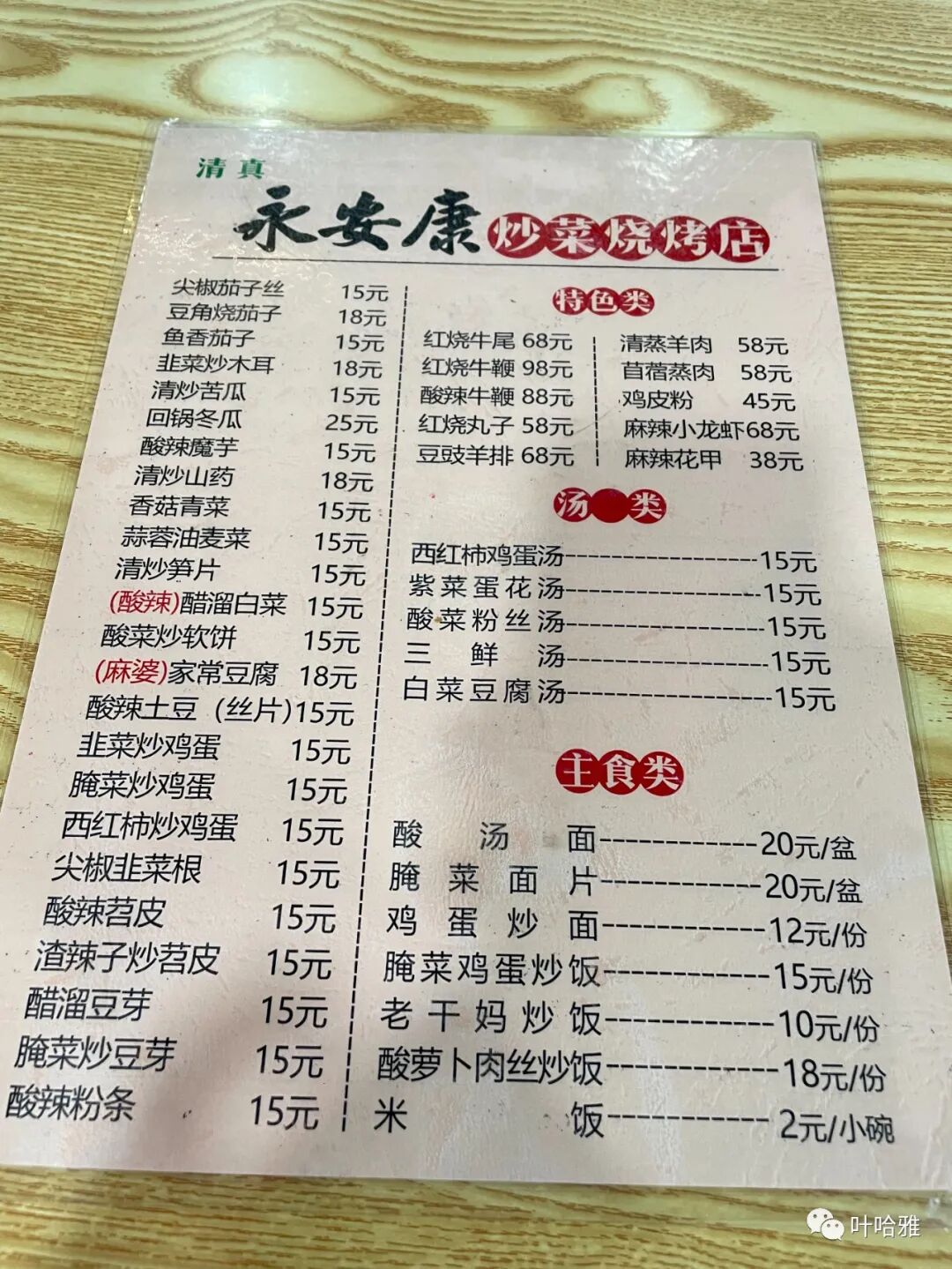
The pickled vegetables and sour radishes on the menu are local specialties.
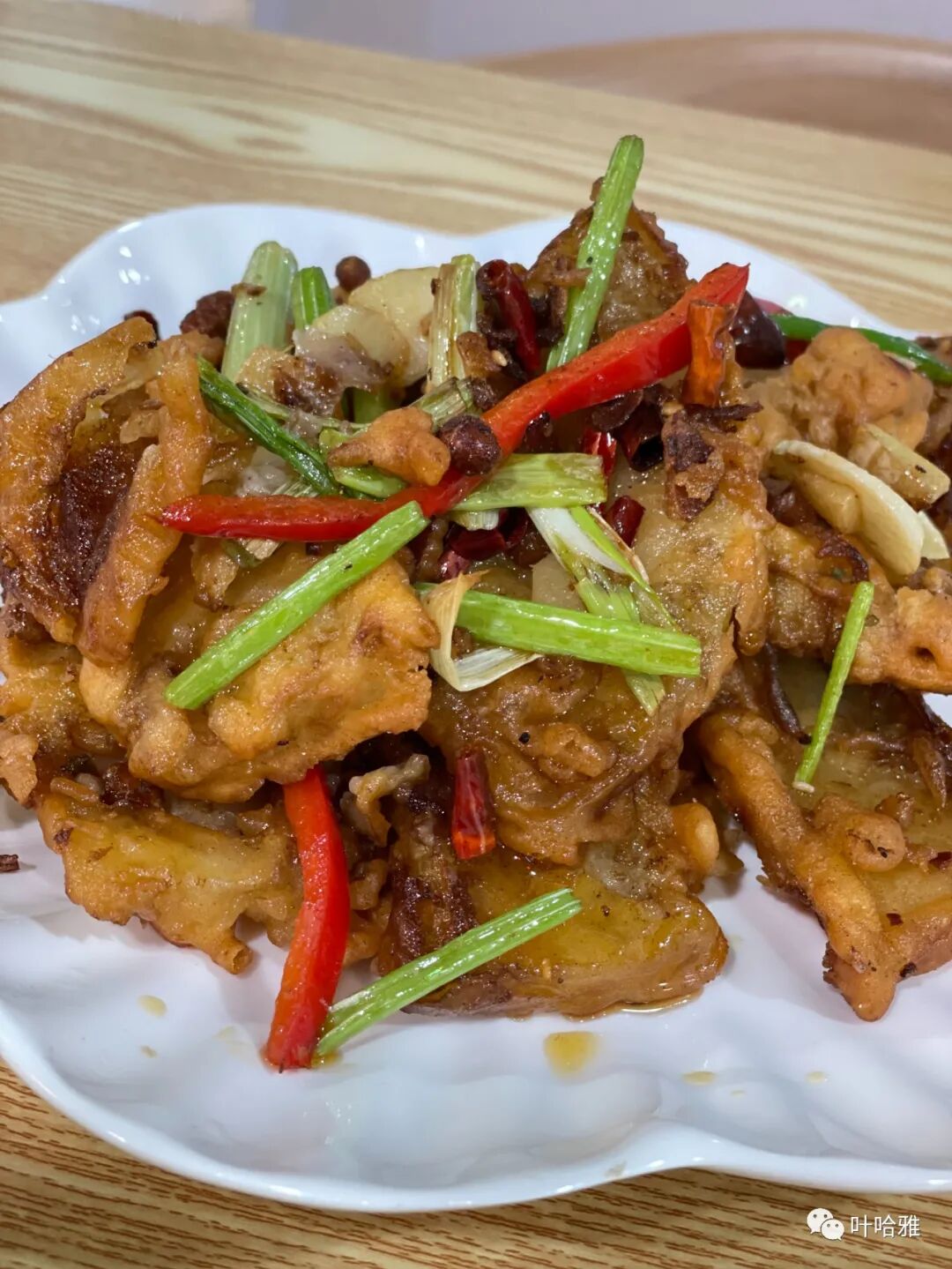
I ordered the twice-cooked winter melon (huiguo donggua). I thought it was twice-cooked pork, but it turned out to be winter melon cooked in the same style instead of meat.
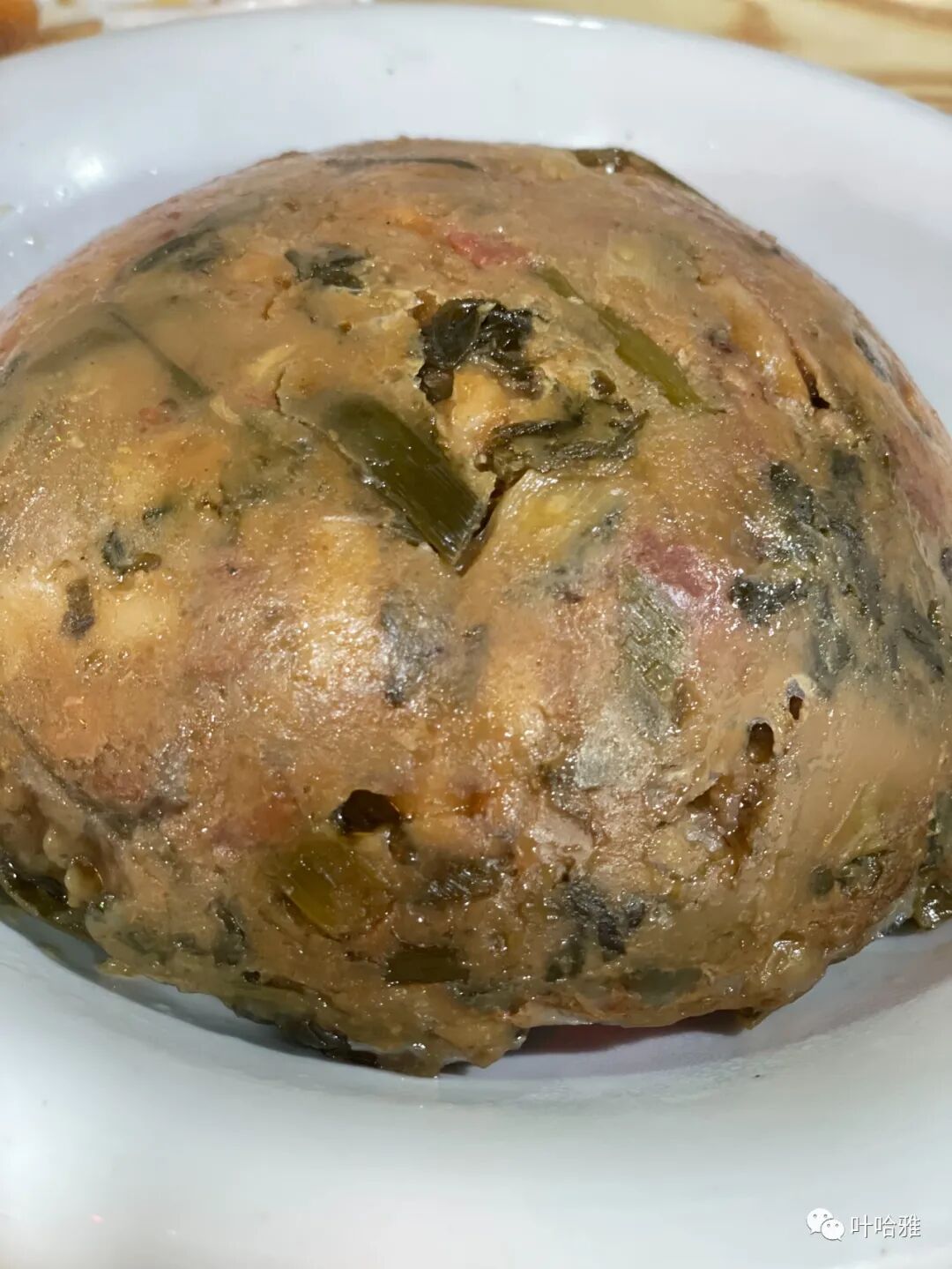
The steamed beef with alfalfa (muxu zhengrou) is made with beef, a cooking style just like in Sichuan cuisine.
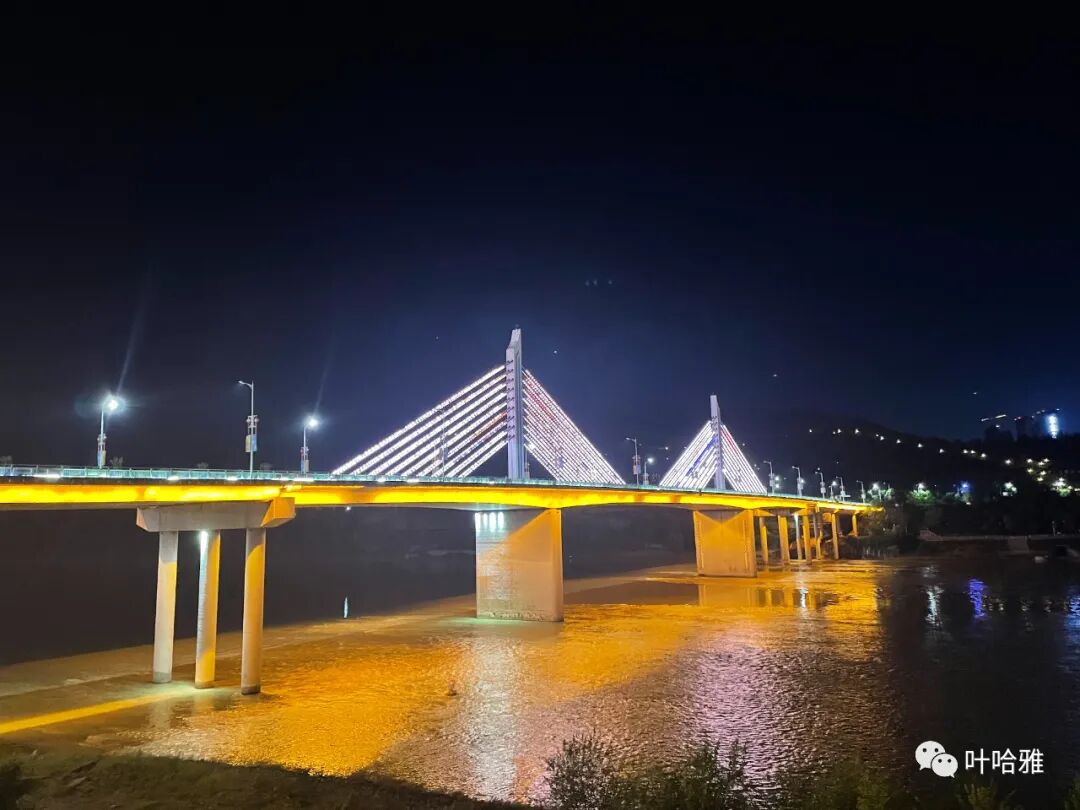
The Han River flows through the city. We took a walk by the river at night to enjoy the night view.
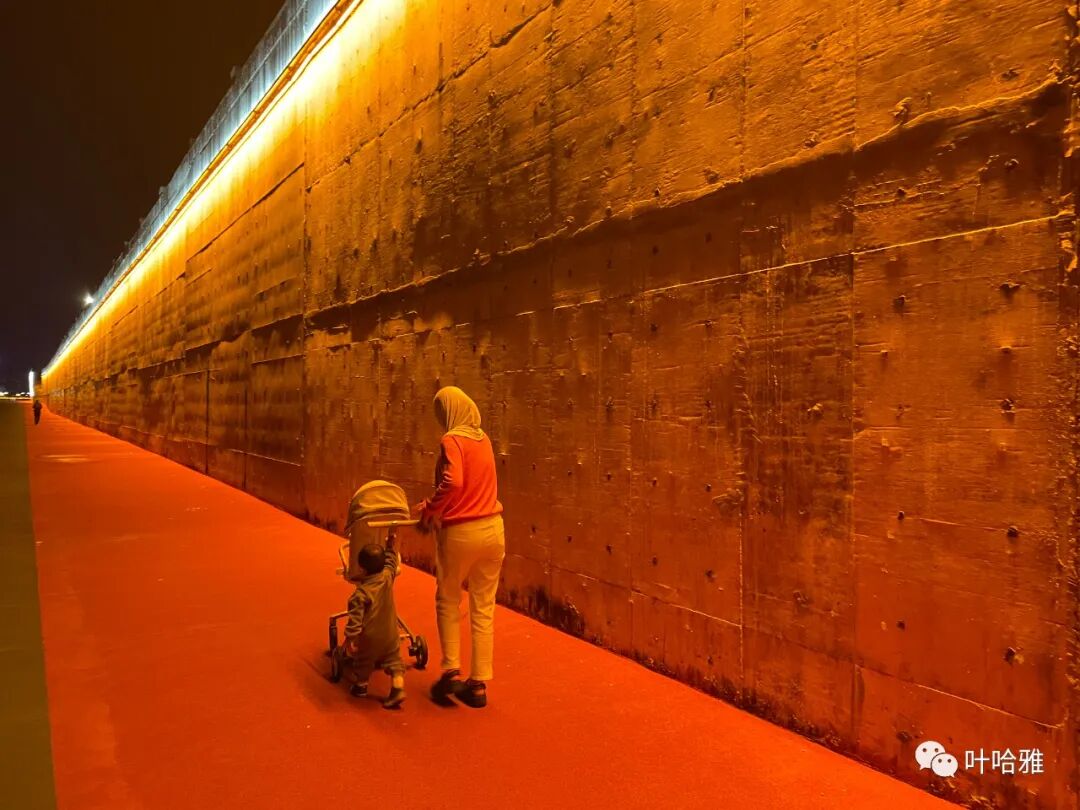
If not for the Hui Muslim uprisings in the late Qing Dynasty, there would be many more Hui Muslims in Shaanxi today, and they would likely be living better lives. My regret in Ankang is that I did not get to eat many local halal snacks. Maybe I came at the wrong time. Hui Muslim snacks in Ankang are completely different from those in the Xi'an Muslim Quarter. They have distinct features and are worth another visit. We only stayed in Ankang for one night and left for Sichuan early the next morning.
Summary: This Shaanxi halal food guide visits Ankang Hui Muslim Street, seven old mosques, West Mosque, North Mosque, Xingwen Mosque, Jingning South Mosque, local shaobing, fried snacks, halal dishes, and the Han River night view.
Ankang Hui Muslim Street Guide: Halal Food and Muslim Heritage in Shaanxi is presented here as a firsthand travel account in clear English, beginning with this scene: Ten of my travelogues were deleted recently, likely due to title violations. I have revised and reposted them. The account keeps its focus on Ankang Muslim Street, Halal Food, Shaanxi Travel while preserving the names, places, food, and historical details from the Chinese source.
Ten of my travelogues were deleted recently, likely due to title violations. I have revised and reposted them.
In Shaanxi, Hui Muslims mostly live in the Xi'an Muslim Quarter, but there are also small groups in Hanzhong and Ankang to the south. During my road trip through the southwest, I passed through Ankang and visited four mosques located within two kilometers of each other in the city.
Ankang has seven mosques: Xingwen Mosque, North Mosque, South Mosque, Inner City Mosque, Middle Mosque, West Mosque, and East Mosque. Over ten thousand Hui Muslims live around these mosques in the East and West Gates. The West Gate has been torn down, but the East Gate is the oldest part of Ankang. The East Gate stretches over half a kilometer from south to north and has three streets filled with halal snacks.
Ankang West Mosque
Ankang West Mosque was built in the first year of the Xianfeng reign of the Qing Dynasty and has separate prayer halls for men and women.
Ankang North Mosque
Ankang North Mosque was first built in the 15th year of the Hongzhi reign of the Ming Dynasty (1502). The North Mosque's
The minaret of the North Mosque is 46.4 meters tall.
The graveyard for imams inside the North Mosque.
Ankang Xingwen Mosque
Xingwen Mosque was built during the Daoguang reign of the Qing Dynasty. It was named for its focus on education and historically ran schools like the Hui Muslim Charity School and the Northwest Ankang Primary School.
Jingning South Mosque
Rumor has it that Jingning South Mosque in Ankang was built during the Tang Dynasty. A stone tablet inside says the Tang government built Xingwen Mosque after asking the Arabs for military help to stop the An Lushan Rebellion, but there is no proof of this. The oldest reliable records show it was built at least by the Ming Dynasty.
The stone tablet lists the names of the imams who have taught at the mosque throughout Ankang's history.
There are many halal snack shops in the old town of Hanbin District, but most were closed when I arrived.
The small shops around Dongguan are mostly run by local Hui Muslims. They mostly sell fried foods, steamed buns (baozi), and noodles. The hanging-griddle flatbread (diao'ao shaobing) is unique.
We ate stir-fried dishes at Yong'an Kangjia, which is a local restaurant that has been open for many years.
Because Ankang is close to Sichuan, the stir-fried dishes here taste very similar to Sichuan food.
The pickled vegetables and sour radishes on the menu are local specialties.
I ordered the twice-cooked winter melon (huiguo donggua). I thought it was twice-cooked pork, but it turned out to be winter melon cooked in the same style instead of meat.
The steamed beef with alfalfa (muxu zhengrou) is made with beef, a cooking style just like in Sichuan cuisine.
The Han River flows through the city. We took a walk by the river at night to enjoy the night view.
If not for the Hui Muslim uprisings in the late Qing Dynasty, there would be many more Hui Muslims in Shaanxi today, and they would likely be living better lives. My regret in Ankang is that I did not get to eat many local halal snacks. Maybe I came at the wrong time. Hui Muslim snacks in Ankang are completely different from those in the Xi'an Muslim Quarter. They have distinct features and are worth another visit. We only stayed in Ankang for one night and left for Sichuan early the next morning.
Halal Food Guide Shaanxi: Ankang Hui Muslim Street, Old Mosques and Local Halal Snacks
Articles • yusuf908 posted the article • 0 comments • 216 views • 2026-05-22 22:52
Reposted from the web
Summary: This Shaanxi halal food guide visits Ankang Hui Muslim Street, seven old mosques, West Mosque, North Mosque, Xingwen Mosque, Jingning South Mosque, local shaobing, fried snacks, halal dishes, and the Han River night view.
Ankang Hui Muslim Street Guide: Halal Food and Muslim Heritage in Shaanxi is presented here as a firsthand travel account in clear English, beginning with this scene: Ten of my travelogues were deleted recently, likely due to title violations. I have revised and reposted them. The account keeps its focus on Ankang Muslim Street, Halal Food, Shaanxi Travel while preserving the names, places, food, and historical details from the Chinese source.
Ten of my travelogues were deleted recently, likely due to title violations. I have revised and reposted them.
In Shaanxi, Hui Muslims mostly live in the Xi'an Muslim Quarter, but there are also small groups in Hanzhong and Ankang to the south. During my road trip through the southwest, I passed through Ankang and visited four mosques located within two kilometers of each other in the city.
Ankang has seven mosques: Xingwen Mosque, North Mosque, South Mosque, Inner City Mosque, Middle Mosque, West Mosque, and East Mosque. Over ten thousand Hui Muslims live around these mosques in the East and West Gates. The West Gate has been torn down, but the East Gate is the oldest part of Ankang. The East Gate stretches over half a kilometer from south to north and has three streets filled with halal snacks.
Ankang West Mosque
Ankang West Mosque was built in the first year of the Xianfeng reign of the Qing Dynasty and has separate prayer halls for men and women.
Ankang North Mosque
Ankang North Mosque was first built in the 15th year of the Hongzhi reign of the Ming Dynasty (1502). The North Mosque's
The minaret of the North Mosque is 46.4 meters tall.
The graveyard for imams inside the North Mosque.
Ankang Xingwen Mosque
Xingwen Mosque was built during the Daoguang reign of the Qing Dynasty. It was named for its focus on education and historically ran schools like the Hui Muslim Charity School and the Northwest Ankang Primary School.
Jingning South Mosque
Rumor has it that Jingning South Mosque in Ankang was built during the Tang Dynasty. A stone tablet inside says the Tang government built Xingwen Mosque after asking the Arabs for military help to stop the An Lushan Rebellion, but there is no proof of this. The oldest reliable records show it was built at least by the Ming Dynasty.
The stone tablet lists the names of the imams who have taught at the mosque throughout Ankang's history.
There are many halal snack shops in the old town of Hanbin District, but most were closed when I arrived.
The small shops around Dongguan are mostly run by local Hui Muslims. They mostly sell fried foods, steamed buns (baozi), and noodles. The hanging-griddle flatbread (diao'ao shaobing) is unique.
We ate stir-fried dishes at Yong'an Kangjia, which is a local restaurant that has been open for many years.
Because Ankang is close to Sichuan, the stir-fried dishes here taste very similar to Sichuan food.
The pickled vegetables and sour radishes on the menu are local specialties.
I ordered the twice-cooked winter melon (huiguo donggua). I thought it was twice-cooked pork, but it turned out to be winter melon cooked in the same style instead of meat.
The steamed beef with alfalfa (muxu zhengrou) is made with beef, a cooking style just like in Sichuan cuisine.
The Han River flows through the city. We took a walk by the river at night to enjoy the night view.
If not for the Hui Muslim uprisings in the late Qing Dynasty, there would be many more Hui Muslims in Shaanxi today, and they would likely be living better lives. My regret in Ankang is that I did not get to eat many local halal snacks. Maybe I came at the wrong time. Hui Muslim snacks in Ankang are completely different from those in the Xi'an Muslim Quarter. They have distinct features and are worth another visit. We only stayed in Ankang for one night and left for Sichuan early the next morning. view all
Summary: This Shaanxi halal food guide visits Ankang Hui Muslim Street, seven old mosques, West Mosque, North Mosque, Xingwen Mosque, Jingning South Mosque, local shaobing, fried snacks, halal dishes, and the Han River night view.
Ankang Hui Muslim Street Guide: Halal Food and Muslim Heritage in Shaanxi is presented here as a firsthand travel account in clear English, beginning with this scene: Ten of my travelogues were deleted recently, likely due to title violations. I have revised and reposted them. The account keeps its focus on Ankang Muslim Street, Halal Food, Shaanxi Travel while preserving the names, places, food, and historical details from the Chinese source.
Ten of my travelogues were deleted recently, likely due to title violations. I have revised and reposted them.
In Shaanxi, Hui Muslims mostly live in the Xi'an Muslim Quarter, but there are also small groups in Hanzhong and Ankang to the south. During my road trip through the southwest, I passed through Ankang and visited four mosques located within two kilometers of each other in the city.
Ankang has seven mosques: Xingwen Mosque, North Mosque, South Mosque, Inner City Mosque, Middle Mosque, West Mosque, and East Mosque. Over ten thousand Hui Muslims live around these mosques in the East and West Gates. The West Gate has been torn down, but the East Gate is the oldest part of Ankang. The East Gate stretches over half a kilometer from south to north and has three streets filled with halal snacks.
Ankang West Mosque
Ankang West Mosque was built in the first year of the Xianfeng reign of the Qing Dynasty and has separate prayer halls for men and women.
Ankang North Mosque
Ankang North Mosque was first built in the 15th year of the Hongzhi reign of the Ming Dynasty (1502). The North Mosque's
The minaret of the North Mosque is 46.4 meters tall.
The graveyard for imams inside the North Mosque.
Ankang Xingwen Mosque
Xingwen Mosque was built during the Daoguang reign of the Qing Dynasty. It was named for its focus on education and historically ran schools like the Hui Muslim Charity School and the Northwest Ankang Primary School.
Jingning South Mosque
Rumor has it that Jingning South Mosque in Ankang was built during the Tang Dynasty. A stone tablet inside says the Tang government built Xingwen Mosque after asking the Arabs for military help to stop the An Lushan Rebellion, but there is no proof of this. The oldest reliable records show it was built at least by the Ming Dynasty.
The stone tablet lists the names of the imams who have taught at the mosque throughout Ankang's history.
There are many halal snack shops in the old town of Hanbin District, but most were closed when I arrived.
The small shops around Dongguan are mostly run by local Hui Muslims. They mostly sell fried foods, steamed buns (baozi), and noodles. The hanging-griddle flatbread (diao'ao shaobing) is unique.
We ate stir-fried dishes at Yong'an Kangjia, which is a local restaurant that has been open for many years.
Because Ankang is close to Sichuan, the stir-fried dishes here taste very similar to Sichuan food.
The pickled vegetables and sour radishes on the menu are local specialties.
I ordered the twice-cooked winter melon (huiguo donggua). I thought it was twice-cooked pork, but it turned out to be winter melon cooked in the same style instead of meat.
The steamed beef with alfalfa (muxu zhengrou) is made with beef, a cooking style just like in Sichuan cuisine.
The Han River flows through the city. We took a walk by the river at night to enjoy the night view.
If not for the Hui Muslim uprisings in the late Qing Dynasty, there would be many more Hui Muslims in Shaanxi today, and they would likely be living better lives. My regret in Ankang is that I did not get to eat many local halal snacks. Maybe I came at the wrong time. Hui Muslim snacks in Ankang are completely different from those in the Xi'an Muslim Quarter. They have distinct features and are worth another visit. We only stayed in Ankang for one night and left for Sichuan early the next morning. view all
Reposted from the web
Summary: This Shaanxi halal food guide visits Ankang Hui Muslim Street, seven old mosques, West Mosque, North Mosque, Xingwen Mosque, Jingning South Mosque, local shaobing, fried snacks, halal dishes, and the Han River night view.
Ankang Hui Muslim Street Guide: Halal Food and Muslim Heritage in Shaanxi is presented here as a firsthand travel account in clear English, beginning with this scene: Ten of my travelogues were deleted recently, likely due to title violations. I have revised and reposted them. The account keeps its focus on Ankang Muslim Street, Halal Food, Shaanxi Travel while preserving the names, places, food, and historical details from the Chinese source.
Ten of my travelogues were deleted recently, likely due to title violations. I have revised and reposted them.
In Shaanxi, Hui Muslims mostly live in the Xi'an Muslim Quarter, but there are also small groups in Hanzhong and Ankang to the south. During my road trip through the southwest, I passed through Ankang and visited four mosques located within two kilometers of each other in the city.
Ankang has seven mosques: Xingwen Mosque, North Mosque, South Mosque, Inner City Mosque, Middle Mosque, West Mosque, and East Mosque. Over ten thousand Hui Muslims live around these mosques in the East and West Gates. The West Gate has been torn down, but the East Gate is the oldest part of Ankang. The East Gate stretches over half a kilometer from south to north and has three streets filled with halal snacks.
Ankang West Mosque
Ankang West Mosque was built in the first year of the Xianfeng reign of the Qing Dynasty and has separate prayer halls for men and women.
Ankang North Mosque
Ankang North Mosque was first built in the 15th year of the Hongzhi reign of the Ming Dynasty (1502). The North Mosque's
The minaret of the North Mosque is 46.4 meters tall.
The graveyard for imams inside the North Mosque.
Ankang Xingwen Mosque
Xingwen Mosque was built during the Daoguang reign of the Qing Dynasty. It was named for its focus on education and historically ran schools like the Hui Muslim Charity School and the Northwest Ankang Primary School.
Jingning South Mosque
Rumor has it that Jingning South Mosque in Ankang was built during the Tang Dynasty. A stone tablet inside says the Tang government built Xingwen Mosque after asking the Arabs for military help to stop the An Lushan Rebellion, but there is no proof of this. The oldest reliable records show it was built at least by the Ming Dynasty.
The stone tablet lists the names of the imams who have taught at the mosque throughout Ankang's history.
There are many halal snack shops in the old town of Hanbin District, but most were closed when I arrived.
The small shops around Dongguan are mostly run by local Hui Muslims. They mostly sell fried foods, steamed buns (baozi), and noodles. The hanging-griddle flatbread (diao'ao shaobing) is unique.
We ate stir-fried dishes at Yong'an Kangjia, which is a local restaurant that has been open for many years.
Because Ankang is close to Sichuan, the stir-fried dishes here taste very similar to Sichuan food.
The pickled vegetables and sour radishes on the menu are local specialties.
I ordered the twice-cooked winter melon (huiguo donggua). I thought it was twice-cooked pork, but it turned out to be winter melon cooked in the same style instead of meat.
The steamed beef with alfalfa (muxu zhengrou) is made with beef, a cooking style just like in Sichuan cuisine.
The Han River flows through the city. We took a walk by the river at night to enjoy the night view.
If not for the Hui Muslim uprisings in the late Qing Dynasty, there would be many more Hui Muslims in Shaanxi today, and they would likely be living better lives. My regret in Ankang is that I did not get to eat many local halal snacks. Maybe I came at the wrong time. Hui Muslim snacks in Ankang are completely different from those in the Xi'an Muslim Quarter. They have distinct features and are worth another visit. We only stayed in Ankang for one night and left for Sichuan early the next morning.
Summary: This Shaanxi halal food guide visits Ankang Hui Muslim Street, seven old mosques, West Mosque, North Mosque, Xingwen Mosque, Jingning South Mosque, local shaobing, fried snacks, halal dishes, and the Han River night view.
Ankang Hui Muslim Street Guide: Halal Food and Muslim Heritage in Shaanxi is presented here as a firsthand travel account in clear English, beginning with this scene: Ten of my travelogues were deleted recently, likely due to title violations. I have revised and reposted them. The account keeps its focus on Ankang Muslim Street, Halal Food, Shaanxi Travel while preserving the names, places, food, and historical details from the Chinese source.
Ten of my travelogues were deleted recently, likely due to title violations. I have revised and reposted them.
In Shaanxi, Hui Muslims mostly live in the Xi'an Muslim Quarter, but there are also small groups in Hanzhong and Ankang to the south. During my road trip through the southwest, I passed through Ankang and visited four mosques located within two kilometers of each other in the city.
Ankang has seven mosques: Xingwen Mosque, North Mosque, South Mosque, Inner City Mosque, Middle Mosque, West Mosque, and East Mosque. Over ten thousand Hui Muslims live around these mosques in the East and West Gates. The West Gate has been torn down, but the East Gate is the oldest part of Ankang. The East Gate stretches over half a kilometer from south to north and has three streets filled with halal snacks.
Ankang West Mosque
Ankang West Mosque was built in the first year of the Xianfeng reign of the Qing Dynasty and has separate prayer halls for men and women.
Ankang North Mosque
Ankang North Mosque was first built in the 15th year of the Hongzhi reign of the Ming Dynasty (1502). The North Mosque's
The minaret of the North Mosque is 46.4 meters tall.
The graveyard for imams inside the North Mosque.
Ankang Xingwen Mosque
Xingwen Mosque was built during the Daoguang reign of the Qing Dynasty. It was named for its focus on education and historically ran schools like the Hui Muslim Charity School and the Northwest Ankang Primary School.
Jingning South Mosque
Rumor has it that Jingning South Mosque in Ankang was built during the Tang Dynasty. A stone tablet inside says the Tang government built Xingwen Mosque after asking the Arabs for military help to stop the An Lushan Rebellion, but there is no proof of this. The oldest reliable records show it was built at least by the Ming Dynasty.
The stone tablet lists the names of the imams who have taught at the mosque throughout Ankang's history.
There are many halal snack shops in the old town of Hanbin District, but most were closed when I arrived.
The small shops around Dongguan are mostly run by local Hui Muslims. They mostly sell fried foods, steamed buns (baozi), and noodles. The hanging-griddle flatbread (diao'ao shaobing) is unique.
We ate stir-fried dishes at Yong'an Kangjia, which is a local restaurant that has been open for many years.
Because Ankang is close to Sichuan, the stir-fried dishes here taste very similar to Sichuan food.
The pickled vegetables and sour radishes on the menu are local specialties.
I ordered the twice-cooked winter melon (huiguo donggua). I thought it was twice-cooked pork, but it turned out to be winter melon cooked in the same style instead of meat.
The steamed beef with alfalfa (muxu zhengrou) is made with beef, a cooking style just like in Sichuan cuisine.
The Han River flows through the city. We took a walk by the river at night to enjoy the night view.
If not for the Hui Muslim uprisings in the late Qing Dynasty, there would be many more Hui Muslims in Shaanxi today, and they would likely be living better lives. My regret in Ankang is that I did not get to eat many local halal snacks. Maybe I came at the wrong time. Hui Muslim snacks in Ankang are completely different from those in the Xi'an Muslim Quarter. They have distinct features and are worth another visit. We only stayed in Ankang for one night and left for Sichuan early the next morning.