

Shadian Travel
Halal Travel Guide: Shadian, Yunnan — Hui Muslims, Mosques and Local History
Articles • ali2007fr posted the article • 0 comments • 213 views • 2026-05-17 12:23
Reposted from the web
Summary: Shadian, Yunnan — Hui Muslims, Mosques and Local History is presented here as a firsthand travel account in clear English, beginning with this scene: Author: Zainab. The account keeps its focus on Shadian Travel, Hui Muslims, Yunnan Mosques while preserving the names, places, food, and historical details from the Chinese source.
Author: Zainab
We traveled from Jianshui Ancient City to Shadian and ate at Shadian Shihui in front of the Great Mosque. We had stir-fried chayote tips (fengshou guajian), five-spice chicken, sweet and sour pork tenderloin, cold tossed cattail shoots with wood ear mushrooms, and steamed lotus root with rice flour (fenzheng ou). The food options here are quite rich! Since a banquet had just finished when we arrived, our food came out very quickly.
The Shadian Great Mosque has a very tropical feel.
Yufeng School
In the mid-Guangxu period of the Qing Dynasty, responding to the imperial decree to stop the imperial examinations and start schools, the famous late Qing general and Yunnan Kaihua Town commander Bai Jinzhu led the Shadian villagers to donate funds and establish their own school in 1892. Because the school was located at the foot of Jinyu Mountain, it was named Yufeng Academy. Bai Jinzhu was a famous anti-French general who led from the front during the 1884 Sino-French War and was awarded the title of Shengyong Baturu.
In 1905, following the Qing Dynasty's order to establish primary schools in every township, Yufeng Academy was renamed Shadian Primary School. It was divided into classes A, B, C, and D, with over 60 students. In 1914, Bai Jinzhu's son, Bai Liangcheng, returned to Shadian after graduating from the Yunnan School of Law and Political Science and was hired as the principal of Yufeng Academy. Bai Liangcheng strongly advocated for modern education and added subjects like Chinese, arithmetic, physical education, and music to the school.
Due to the increasing number of students, Bai Liangcheng and Commander Bai Qicheng led the villagers to rebuild the academy in 1921, and it was completed in 1923. The new academy had four classrooms, an office, and a library. Bai Liangcheng wrote the plaque for Yufeng School and the couplet on the stone pillars on both sides, which reads: 'The elegant spirit of Jinyu Mountain brings prosperity to generations of scholars, the clear stream circling the jade belt sets a model for students for a thousand years.' Afterward, Bai Liangcheng hired Arabic scholar Ma Jian, who had returned home after graduating in Kunming, along with Wang Liangbi, Wang Shupu, Ma Ayuanqing, and others as teachers, and changed the school into a primary and junior high school.
In 1943, Bai Liangcheng also founded Yufeng Middle School. At that time, many professors from the National Southwestern Associated University had a good relationship with Bai Liangcheng. He hired Professor Xia Kangnong, Dean of the School of Science at the university, as the principal of Yufeng Middle School, and invited experts and scholars like Tongji University professor Cao Wuli, philosopher Zheng Xin, and historian Bai Shouyi to teach there until the victory of the War of Resistance in 1945.
After Yufeng Primary School moved to a new campus in 1987, the old site of Yufeng Academy was left vacant. It was renovated in 2012 and opened as the Shadian branch of the Honghe Prefecture Library and the Shadian Village History Museum.
Old houses in Shadian
There is a well at the entrance of Yufeng Academy called Xiying Longtan, which was reportedly built by Bai Shouyou and his followers during the Wanli period of the Ming Dynasty. The well is 20 meters deep, and folklore says there is a dragon inside, which is why it is called Dragon Pool (Longtan).
During the Qianlong period of the Qing Dynasty, Shadian village built walls for defense and constructed seven gatehouses in areas like Xiying, Dongying, and Chuanying. Only the Xiying gatehouse remains today, which is a structure rebuilt during the Xianfeng period of the Qing Dynasty. The gatehouse is a two-story brick and wood building. The first floor is for passage, and the second floor is for guards, featuring exquisite carvings and paintings.
There is a stone arch bridge over the Yudai River in Shadian, which was built with funds donated by Bai Shouyou during the Wanli period of the Ming Dynasty. view all
Summary: Shadian, Yunnan — Hui Muslims, Mosques and Local History is presented here as a firsthand travel account in clear English, beginning with this scene: Author: Zainab. The account keeps its focus on Shadian Travel, Hui Muslims, Yunnan Mosques while preserving the names, places, food, and historical details from the Chinese source.
Author: Zainab
We traveled from Jianshui Ancient City to Shadian and ate at Shadian Shihui in front of the Great Mosque. We had stir-fried chayote tips (fengshou guajian), five-spice chicken, sweet and sour pork tenderloin, cold tossed cattail shoots with wood ear mushrooms, and steamed lotus root with rice flour (fenzheng ou). The food options here are quite rich! Since a banquet had just finished when we arrived, our food came out very quickly.
The Shadian Great Mosque has a very tropical feel.
Yufeng School
In the mid-Guangxu period of the Qing Dynasty, responding to the imperial decree to stop the imperial examinations and start schools, the famous late Qing general and Yunnan Kaihua Town commander Bai Jinzhu led the Shadian villagers to donate funds and establish their own school in 1892. Because the school was located at the foot of Jinyu Mountain, it was named Yufeng Academy. Bai Jinzhu was a famous anti-French general who led from the front during the 1884 Sino-French War and was awarded the title of Shengyong Baturu.
In 1905, following the Qing Dynasty's order to establish primary schools in every township, Yufeng Academy was renamed Shadian Primary School. It was divided into classes A, B, C, and D, with over 60 students. In 1914, Bai Jinzhu's son, Bai Liangcheng, returned to Shadian after graduating from the Yunnan School of Law and Political Science and was hired as the principal of Yufeng Academy. Bai Liangcheng strongly advocated for modern education and added subjects like Chinese, arithmetic, physical education, and music to the school.
Due to the increasing number of students, Bai Liangcheng and Commander Bai Qicheng led the villagers to rebuild the academy in 1921, and it was completed in 1923. The new academy had four classrooms, an office, and a library. Bai Liangcheng wrote the plaque for Yufeng School and the couplet on the stone pillars on both sides, which reads: 'The elegant spirit of Jinyu Mountain brings prosperity to generations of scholars, the clear stream circling the jade belt sets a model for students for a thousand years.' Afterward, Bai Liangcheng hired Arabic scholar Ma Jian, who had returned home after graduating in Kunming, along with Wang Liangbi, Wang Shupu, Ma Ayuanqing, and others as teachers, and changed the school into a primary and junior high school.
In 1943, Bai Liangcheng also founded Yufeng Middle School. At that time, many professors from the National Southwestern Associated University had a good relationship with Bai Liangcheng. He hired Professor Xia Kangnong, Dean of the School of Science at the university, as the principal of Yufeng Middle School, and invited experts and scholars like Tongji University professor Cao Wuli, philosopher Zheng Xin, and historian Bai Shouyi to teach there until the victory of the War of Resistance in 1945.
After Yufeng Primary School moved to a new campus in 1987, the old site of Yufeng Academy was left vacant. It was renovated in 2012 and opened as the Shadian branch of the Honghe Prefecture Library and the Shadian Village History Museum.
Old houses in Shadian
There is a well at the entrance of Yufeng Academy called Xiying Longtan, which was reportedly built by Bai Shouyou and his followers during the Wanli period of the Ming Dynasty. The well is 20 meters deep, and folklore says there is a dragon inside, which is why it is called Dragon Pool (Longtan).
During the Qianlong period of the Qing Dynasty, Shadian village built walls for defense and constructed seven gatehouses in areas like Xiying, Dongying, and Chuanying. Only the Xiying gatehouse remains today, which is a structure rebuilt during the Xianfeng period of the Qing Dynasty. The gatehouse is a two-story brick and wood building. The first floor is for passage, and the second floor is for guards, featuring exquisite carvings and paintings.
There is a stone arch bridge over the Yudai River in Shadian, which was built with funds donated by Bai Shouyou during the Wanli period of the Ming Dynasty. view all
Reposted from the web
Summary: Shadian, Yunnan — Hui Muslims, Mosques and Local History is presented here as a firsthand travel account in clear English, beginning with this scene: Author: Zainab. The account keeps its focus on Shadian Travel, Hui Muslims, Yunnan Mosques while preserving the names, places, food, and historical details from the Chinese source.
Author: Zainab
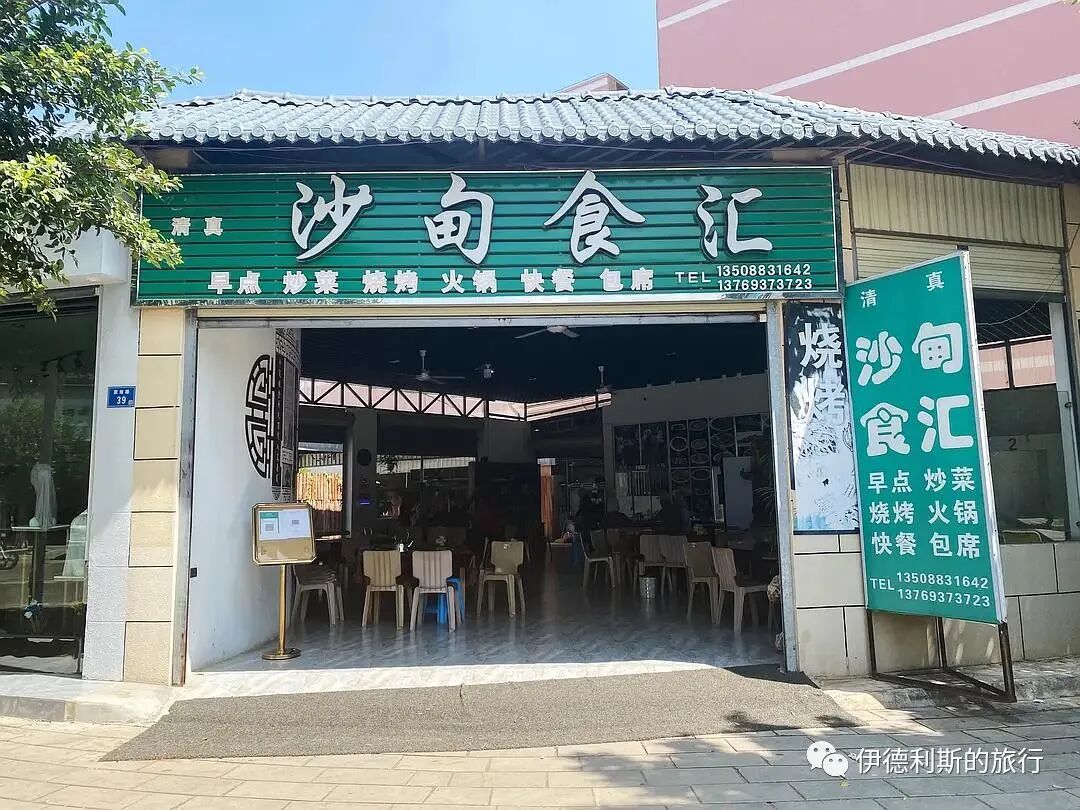
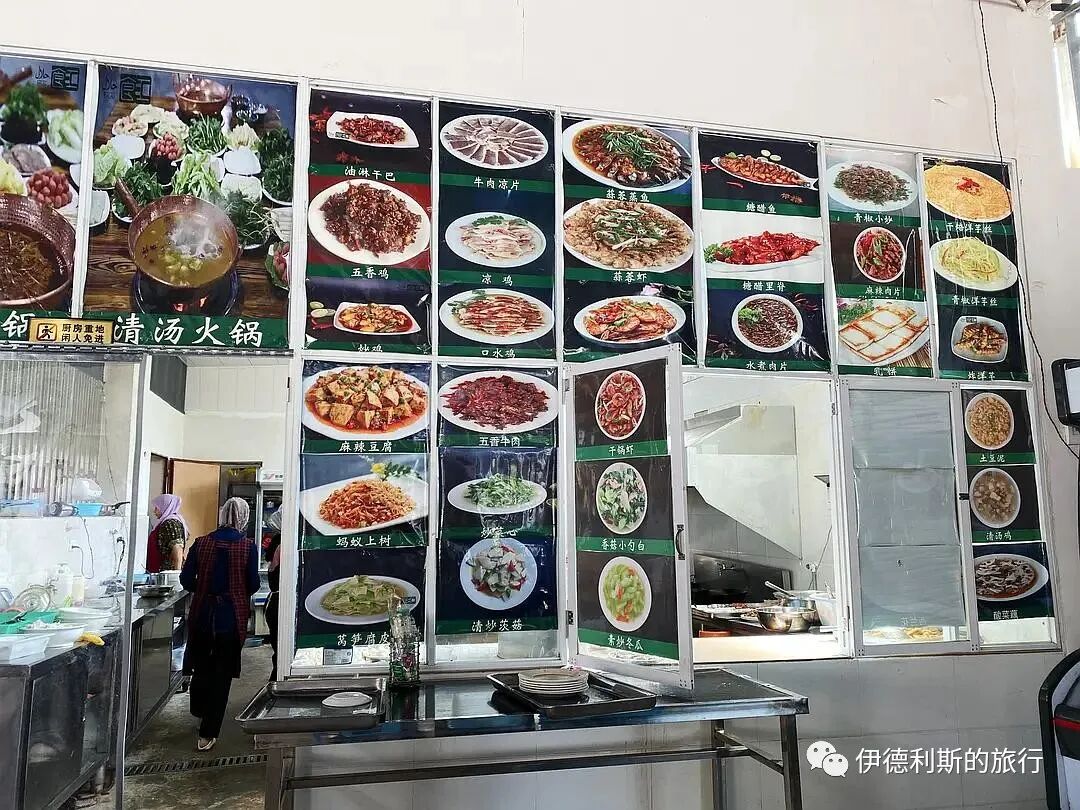
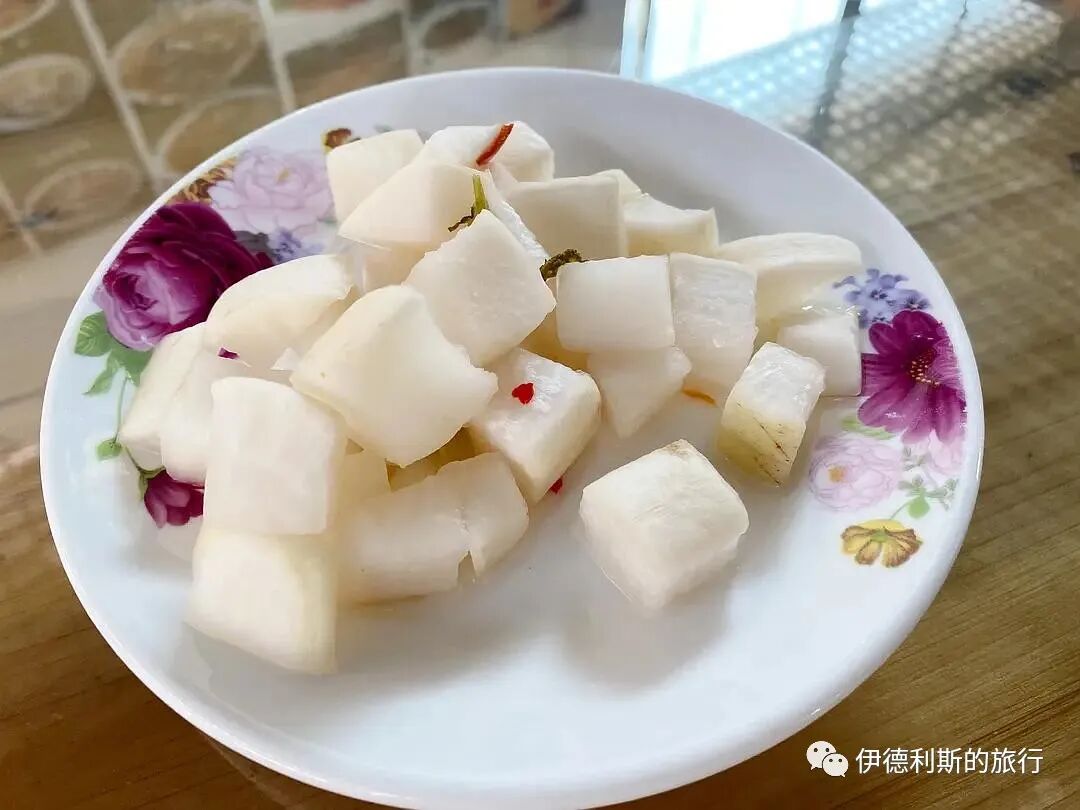
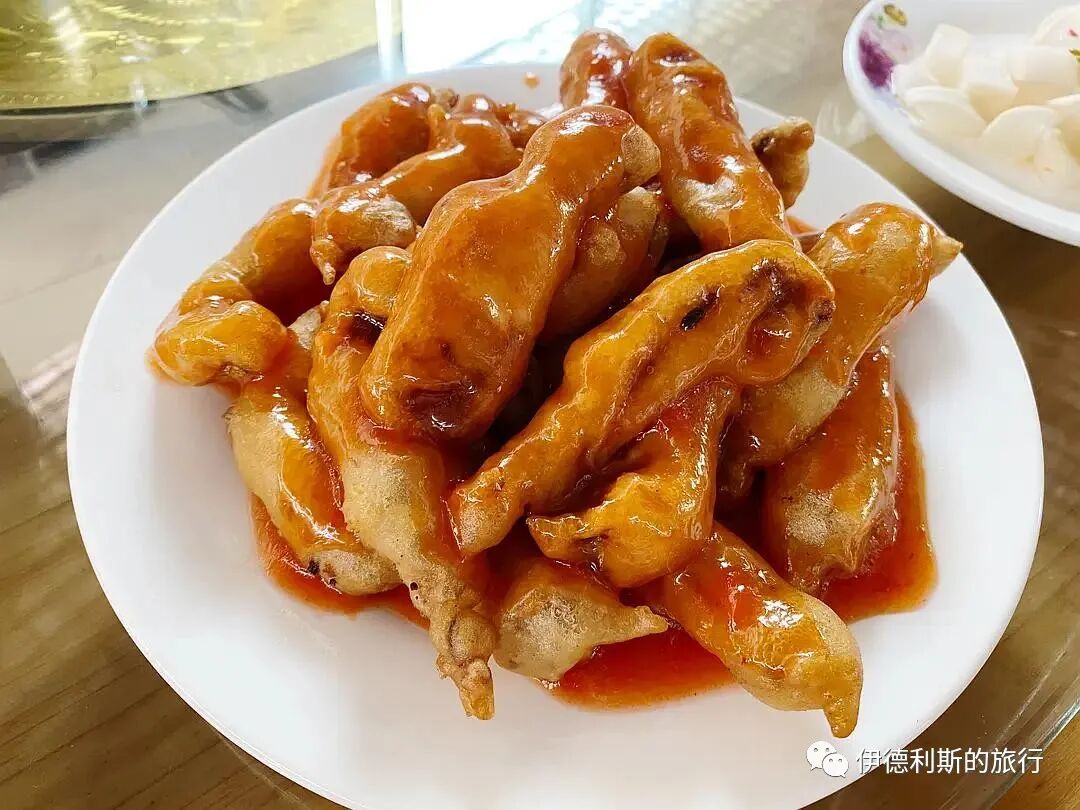
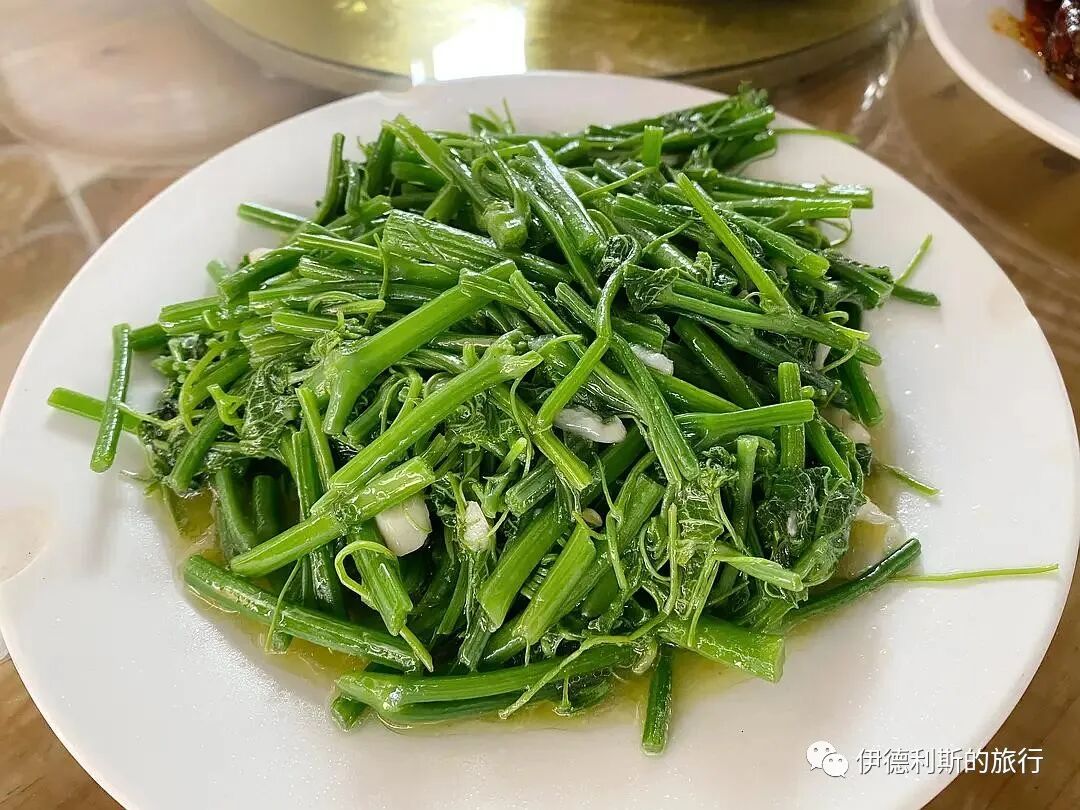
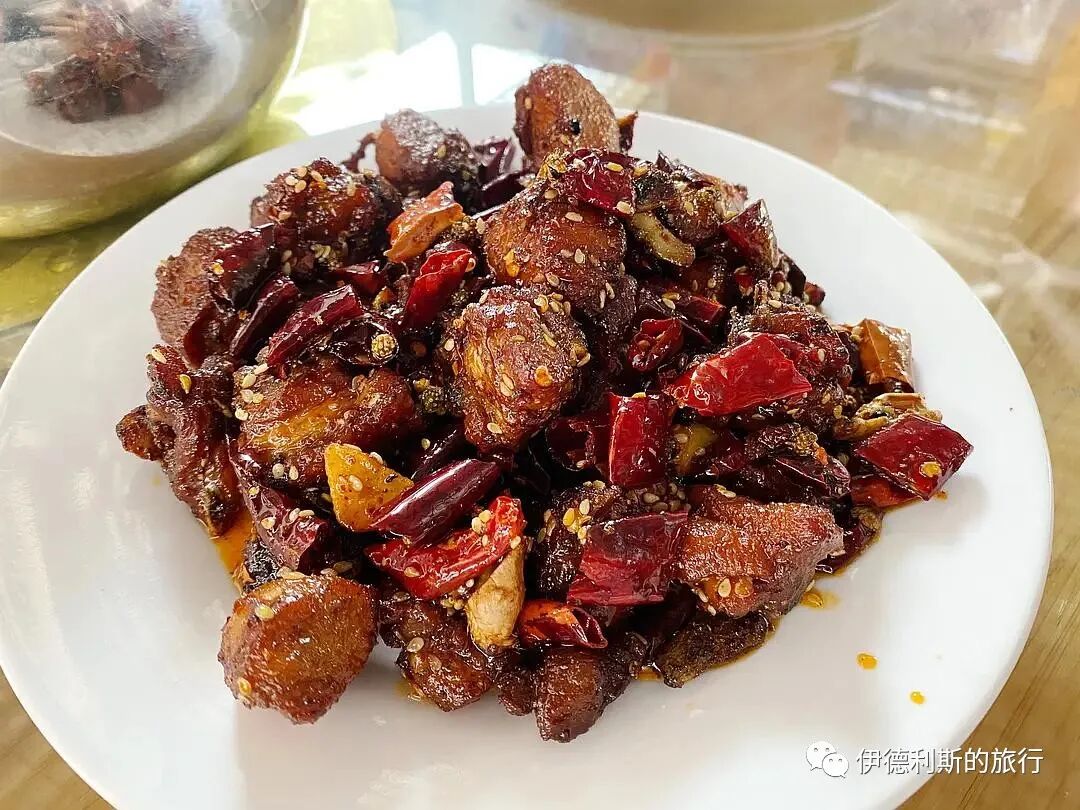
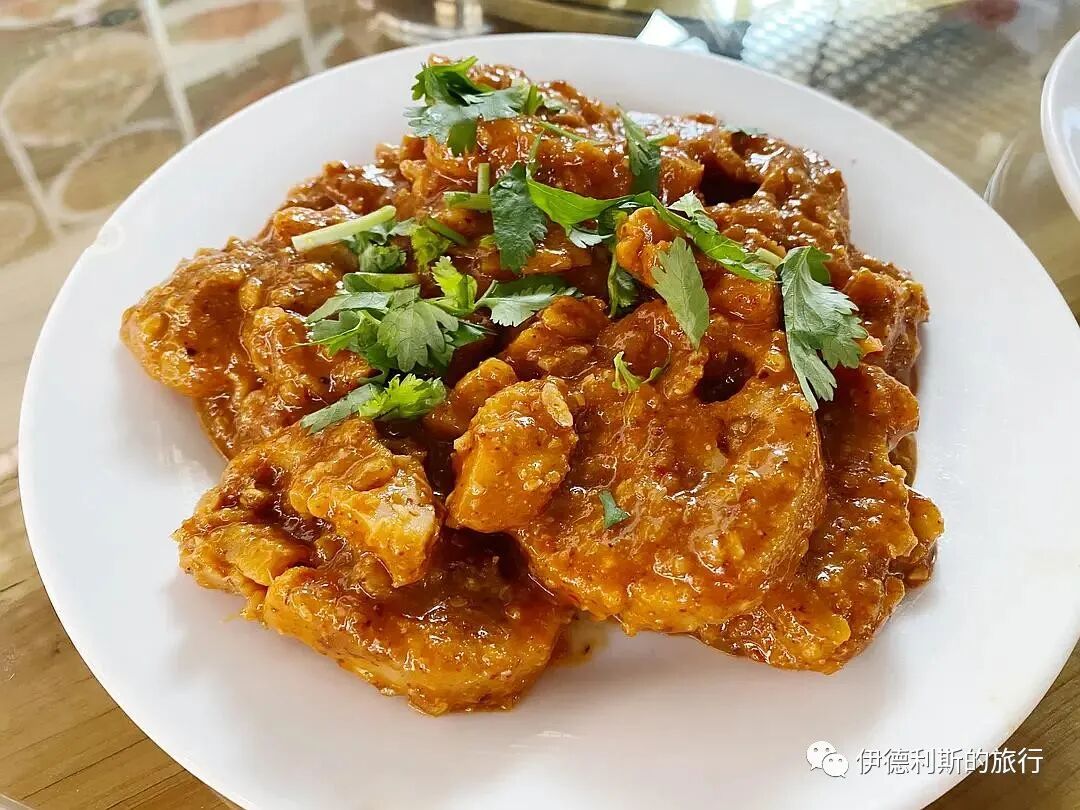
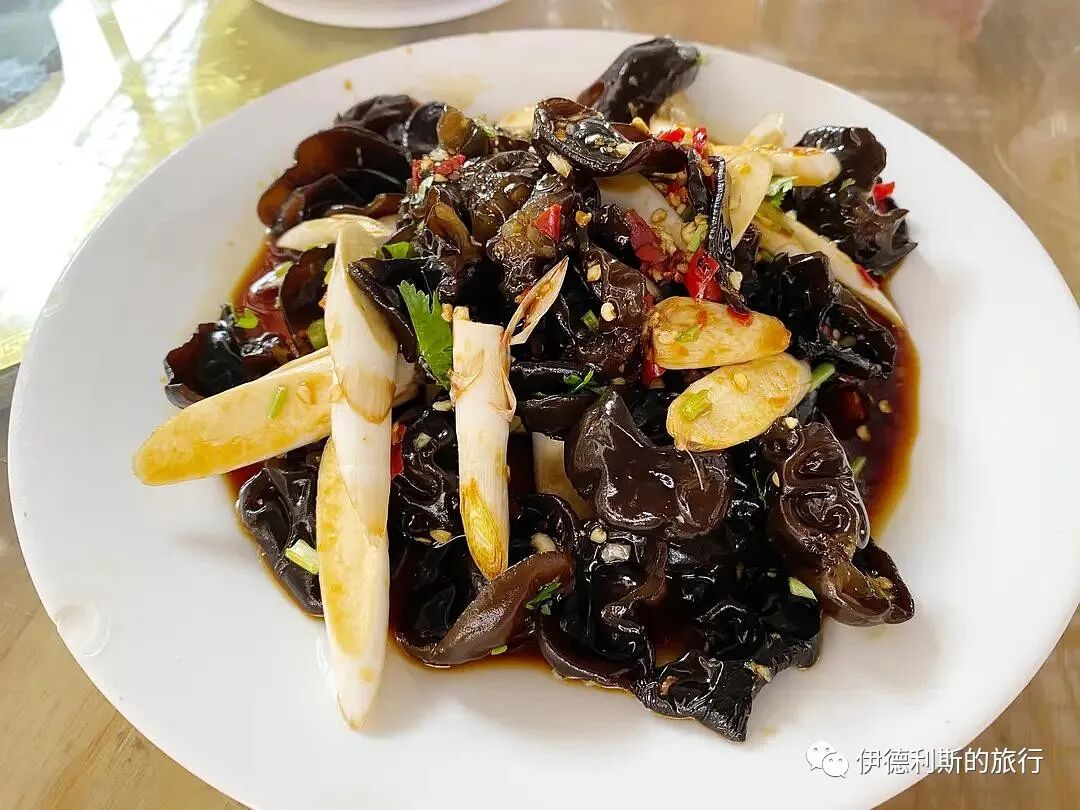
We traveled from Jianshui Ancient City to Shadian and ate at Shadian Shihui in front of the Great Mosque. We had stir-fried chayote tips (fengshou guajian), five-spice chicken, sweet and sour pork tenderloin, cold tossed cattail shoots with wood ear mushrooms, and steamed lotus root with rice flour (fenzheng ou). The food options here are quite rich! Since a banquet had just finished when we arrived, our food came out very quickly.
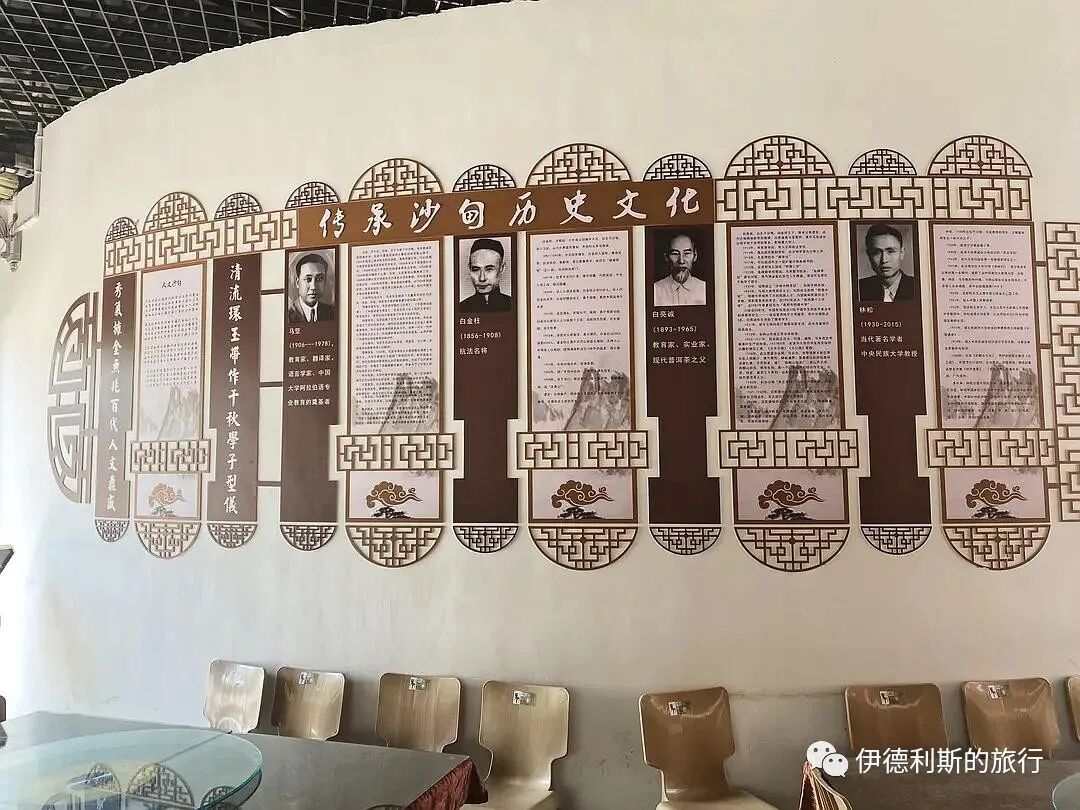
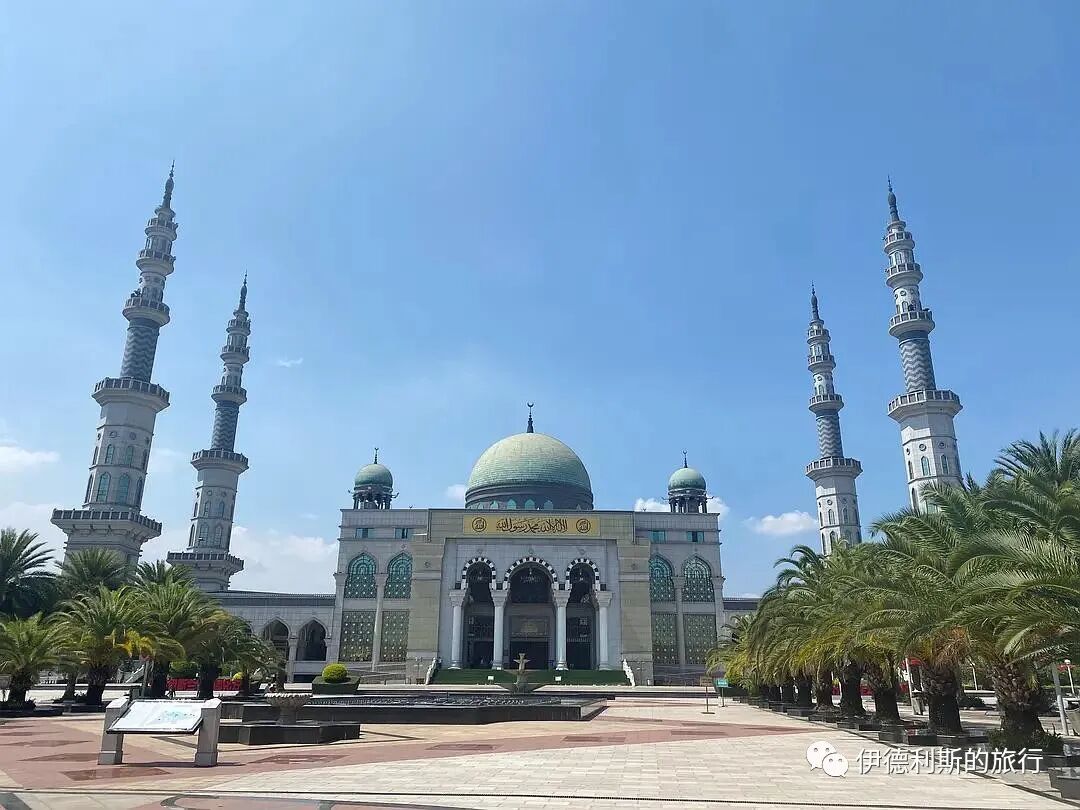
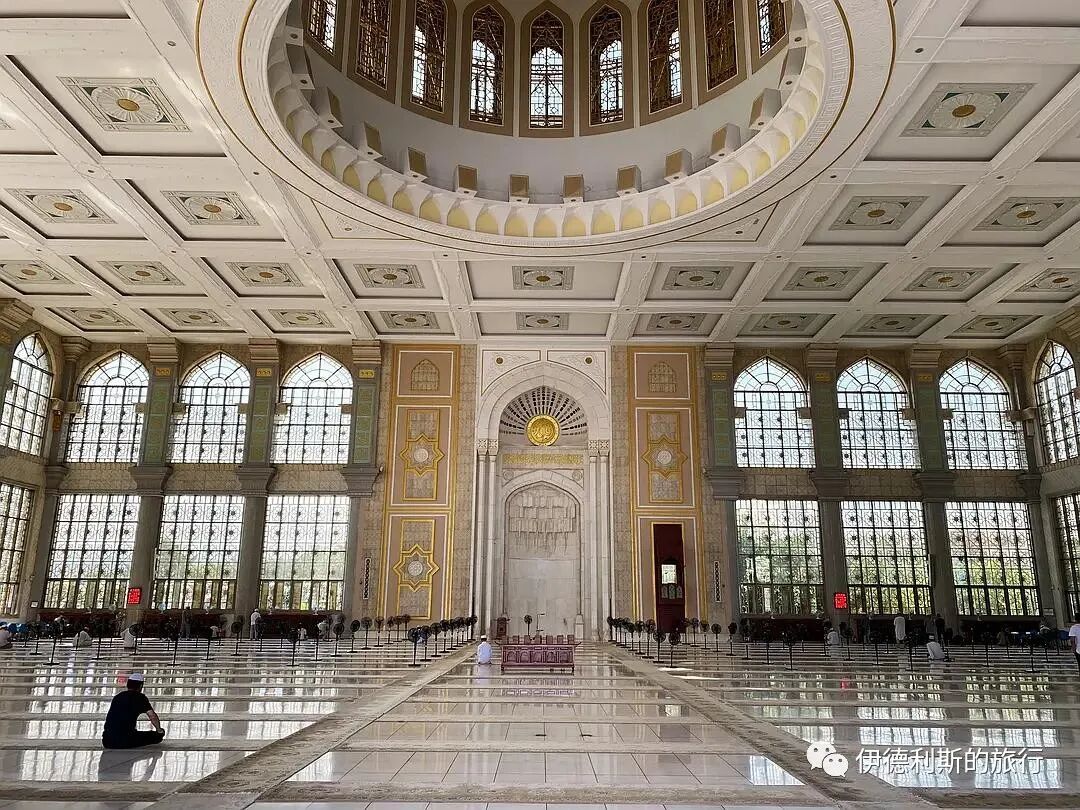
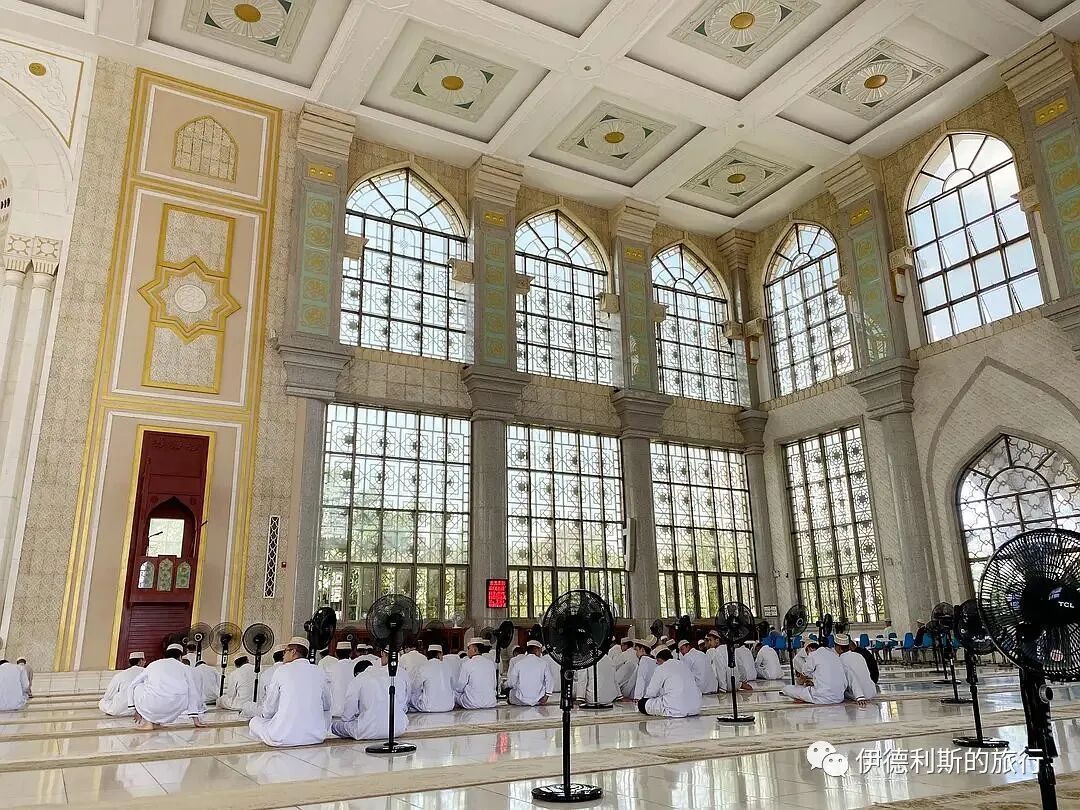
The Shadian Great Mosque has a very tropical feel.
Yufeng School
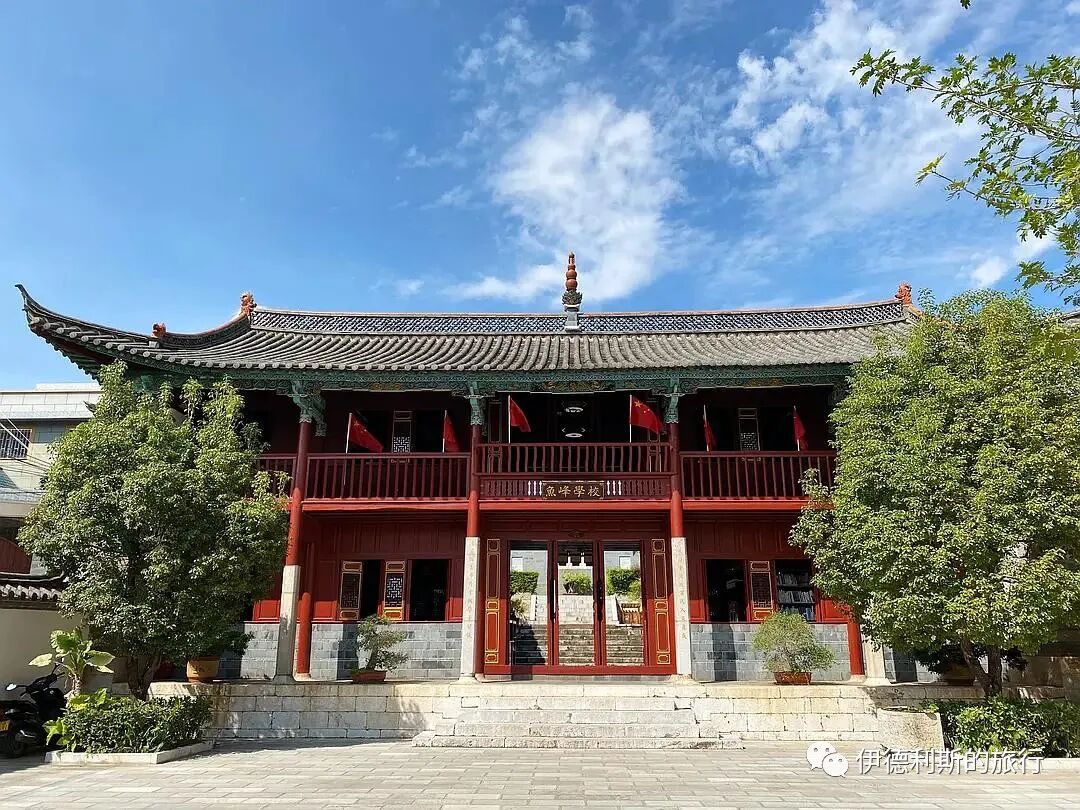
In the mid-Guangxu period of the Qing Dynasty, responding to the imperial decree to stop the imperial examinations and start schools, the famous late Qing general and Yunnan Kaihua Town commander Bai Jinzhu led the Shadian villagers to donate funds and establish their own school in 1892. Because the school was located at the foot of Jinyu Mountain, it was named Yufeng Academy. Bai Jinzhu was a famous anti-French general who led from the front during the 1884 Sino-French War and was awarded the title of Shengyong Baturu.
In 1905, following the Qing Dynasty's order to establish primary schools in every township, Yufeng Academy was renamed Shadian Primary School. It was divided into classes A, B, C, and D, with over 60 students. In 1914, Bai Jinzhu's son, Bai Liangcheng, returned to Shadian after graduating from the Yunnan School of Law and Political Science and was hired as the principal of Yufeng Academy. Bai Liangcheng strongly advocated for modern education and added subjects like Chinese, arithmetic, physical education, and music to the school.
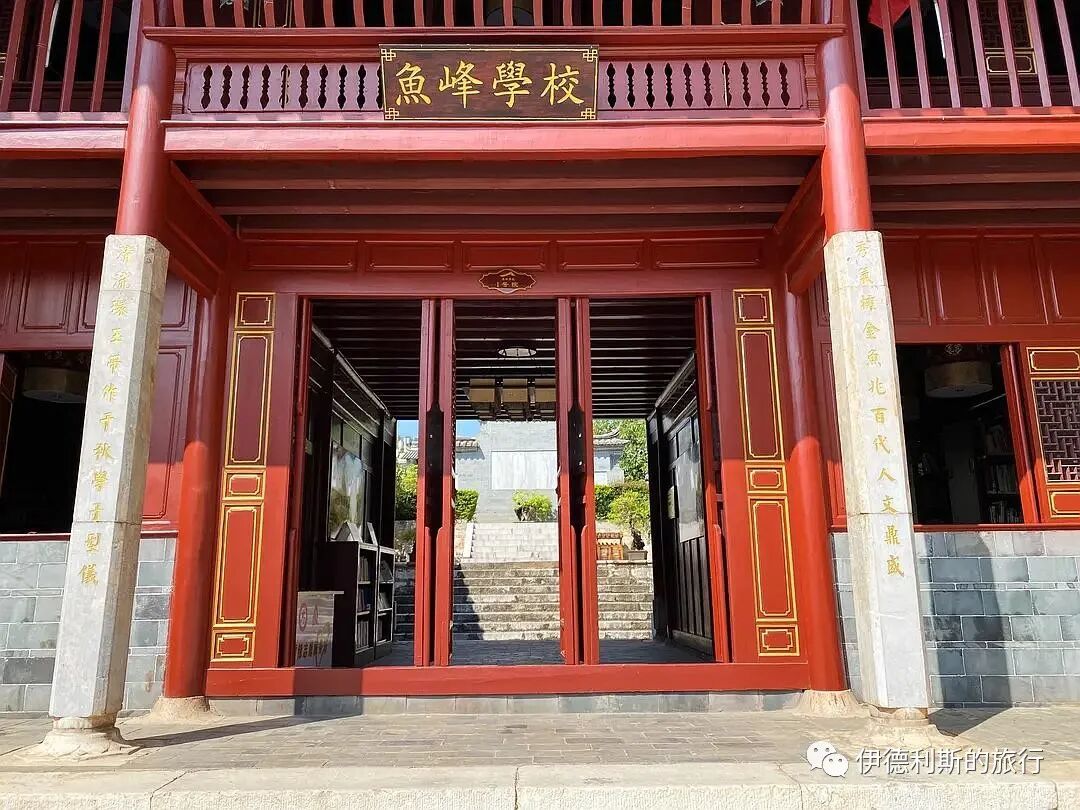
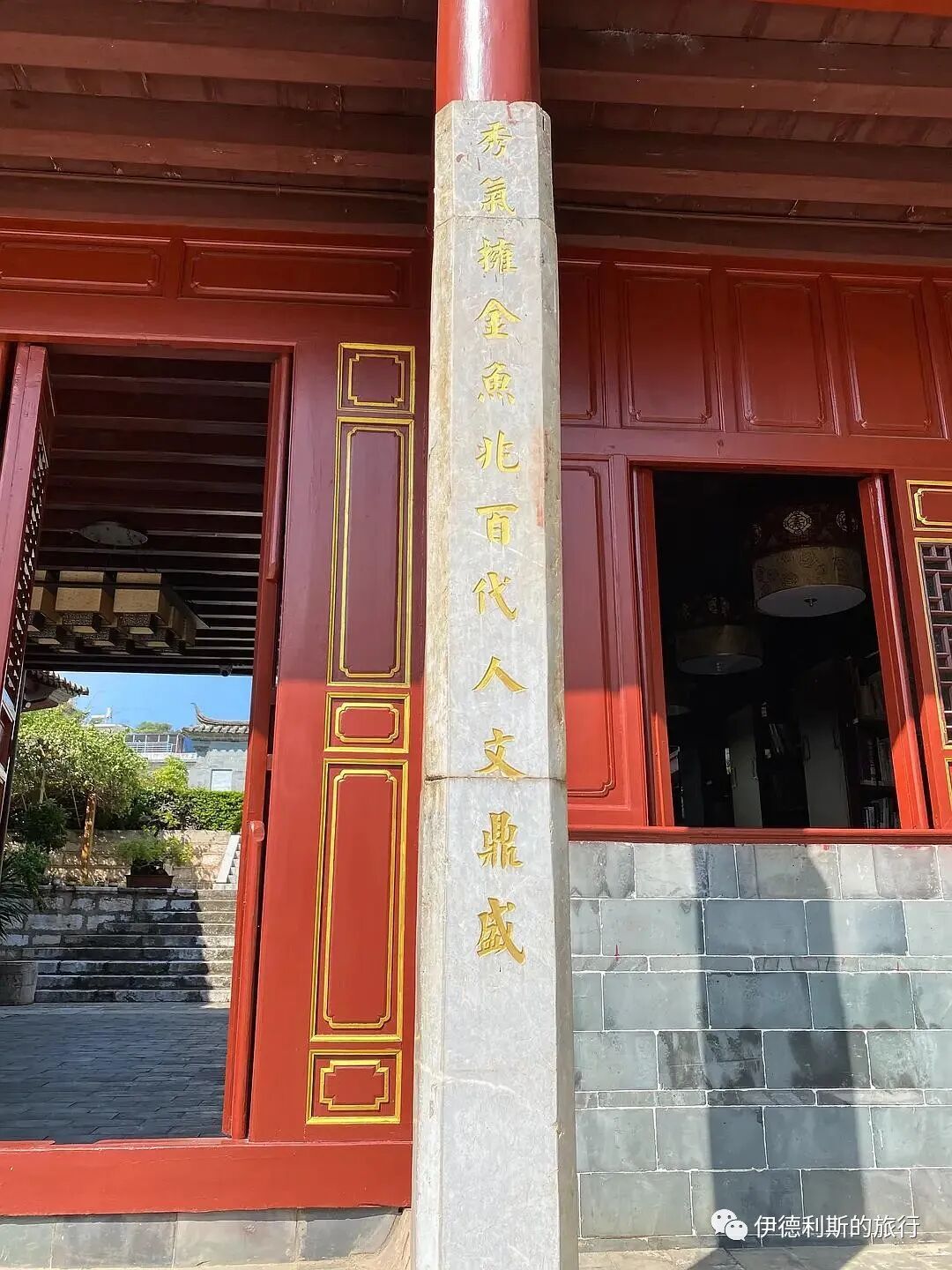
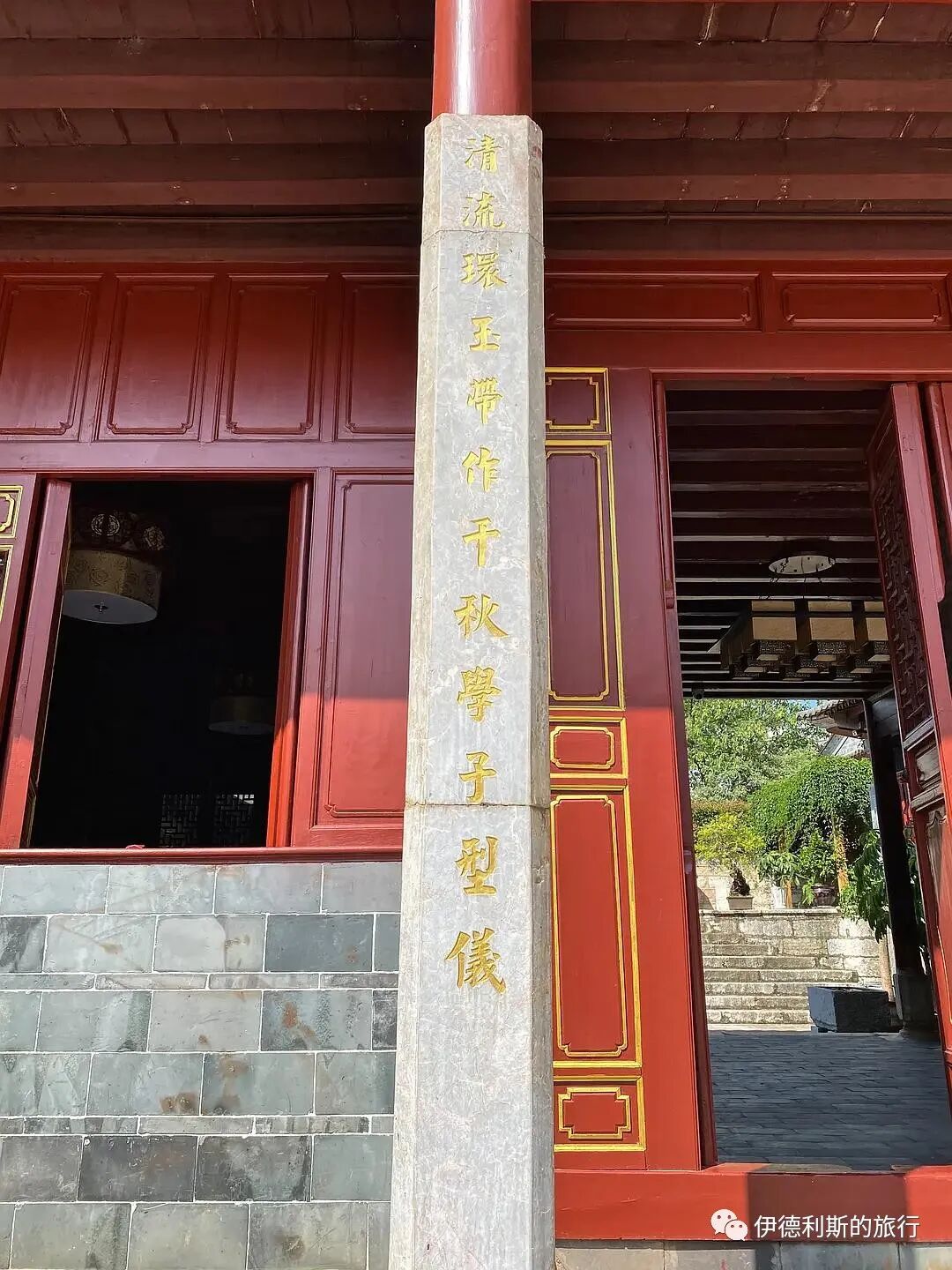
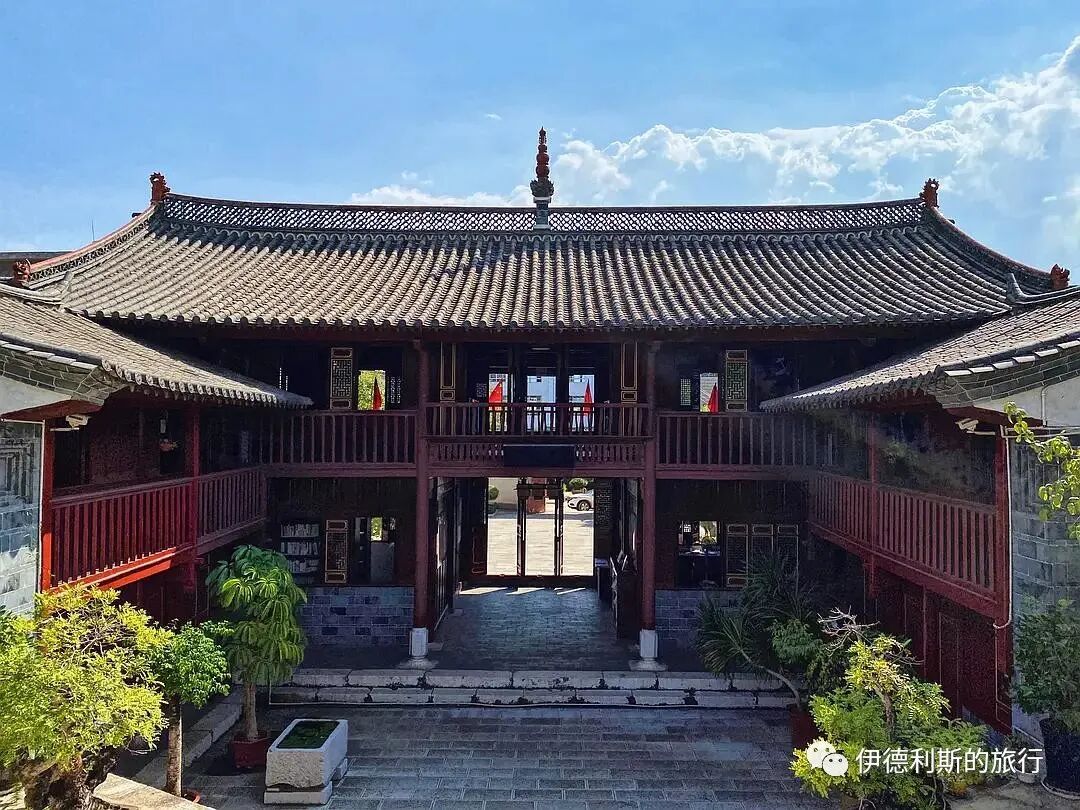
Due to the increasing number of students, Bai Liangcheng and Commander Bai Qicheng led the villagers to rebuild the academy in 1921, and it was completed in 1923. The new academy had four classrooms, an office, and a library. Bai Liangcheng wrote the plaque for Yufeng School and the couplet on the stone pillars on both sides, which reads: 'The elegant spirit of Jinyu Mountain brings prosperity to generations of scholars, the clear stream circling the jade belt sets a model for students for a thousand years.' Afterward, Bai Liangcheng hired Arabic scholar Ma Jian, who had returned home after graduating in Kunming, along with Wang Liangbi, Wang Shupu, Ma Ayuanqing, and others as teachers, and changed the school into a primary and junior high school.
In 1943, Bai Liangcheng also founded Yufeng Middle School. At that time, many professors from the National Southwestern Associated University had a good relationship with Bai Liangcheng. He hired Professor Xia Kangnong, Dean of the School of Science at the university, as the principal of Yufeng Middle School, and invited experts and scholars like Tongji University professor Cao Wuli, philosopher Zheng Xin, and historian Bai Shouyi to teach there until the victory of the War of Resistance in 1945.
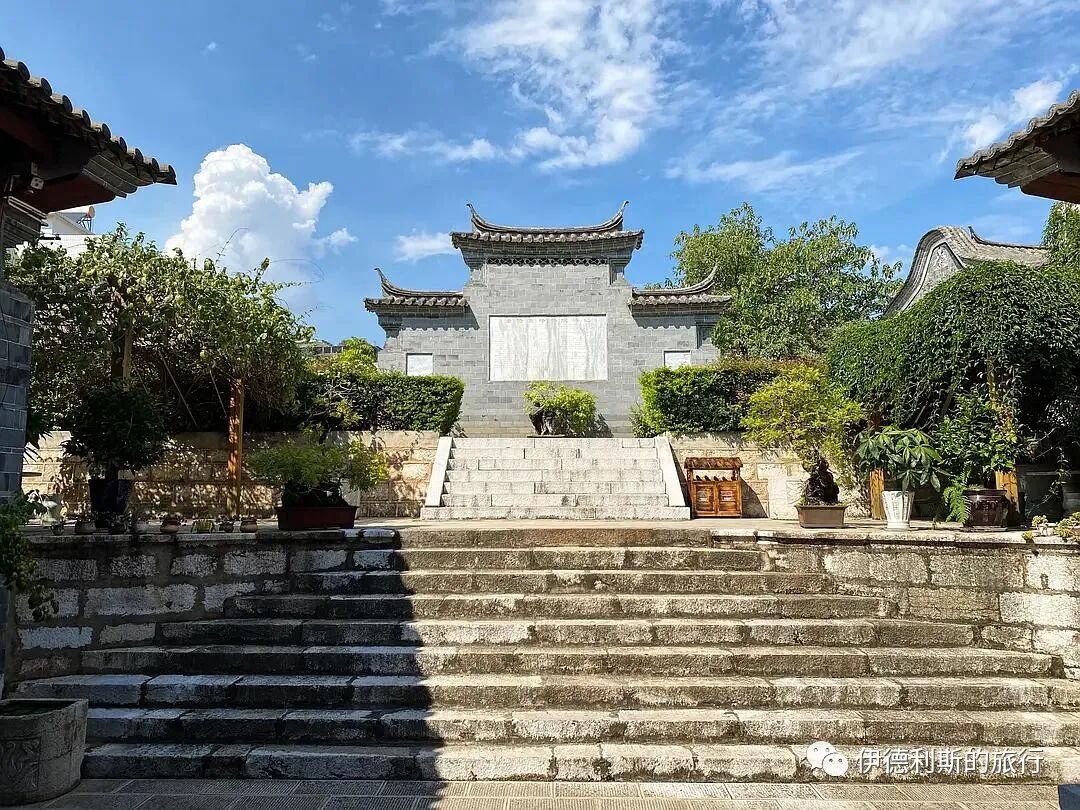
After Yufeng Primary School moved to a new campus in 1987, the old site of Yufeng Academy was left vacant. It was renovated in 2012 and opened as the Shadian branch of the Honghe Prefecture Library and the Shadian Village History Museum.
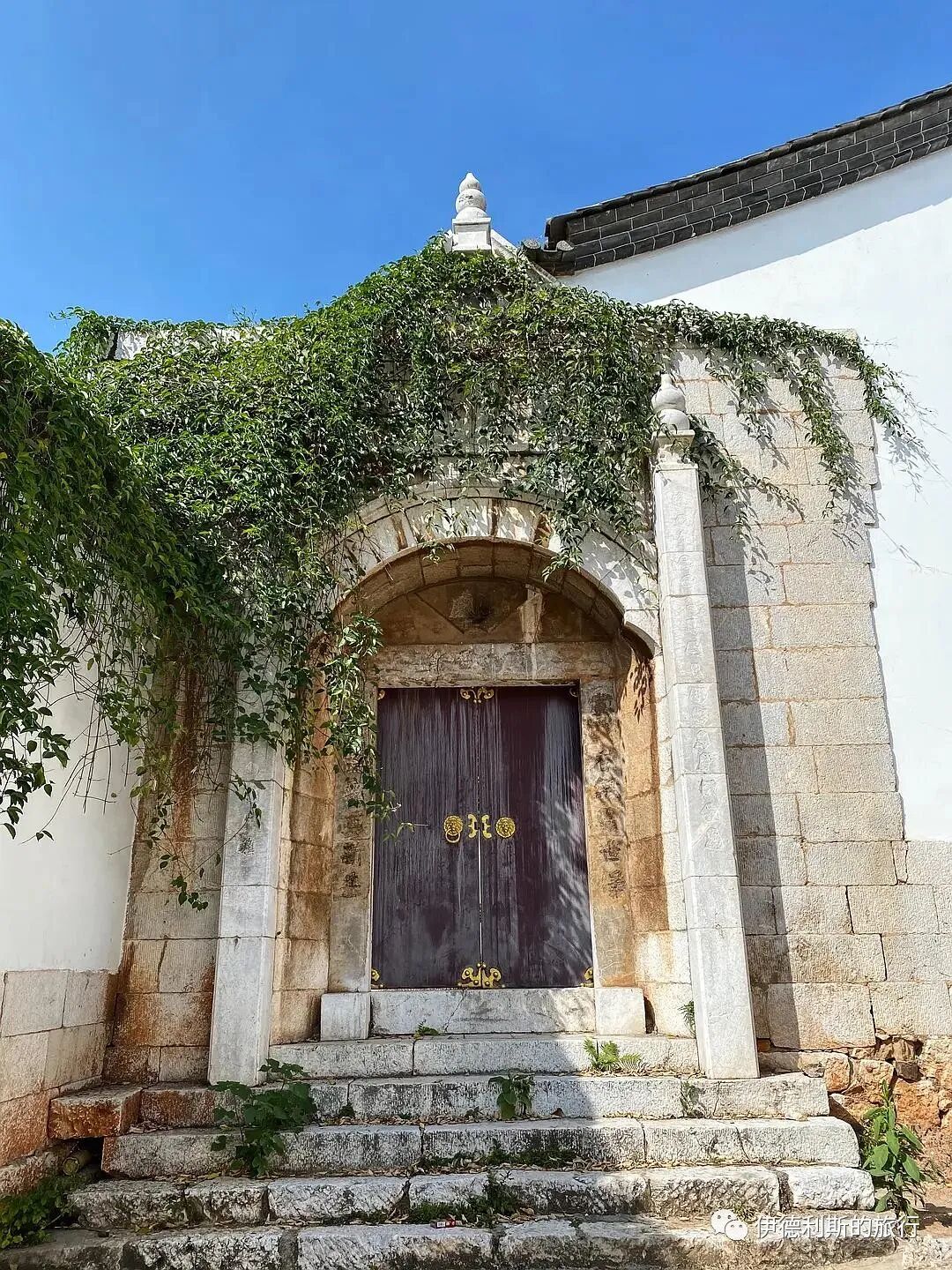
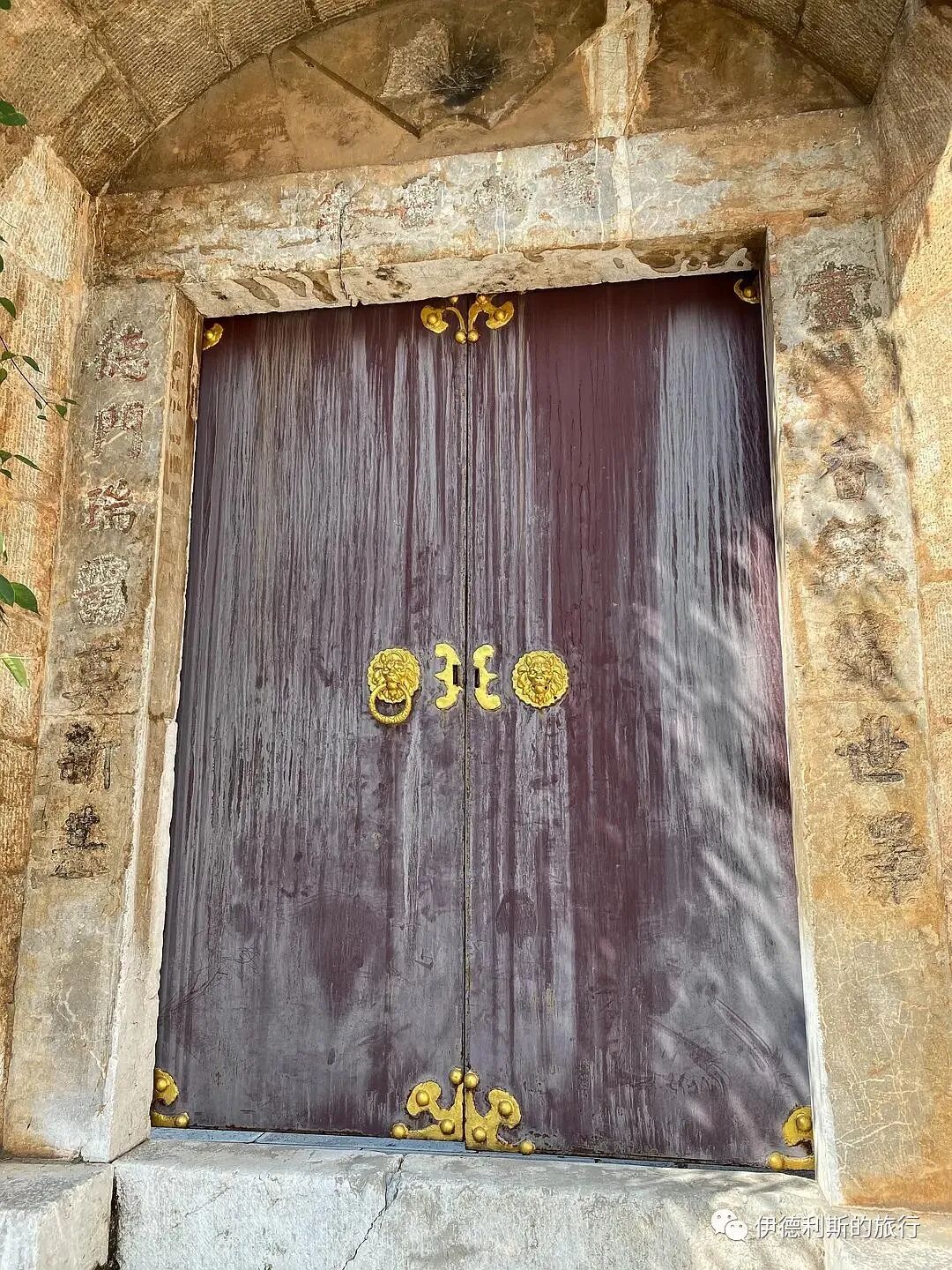
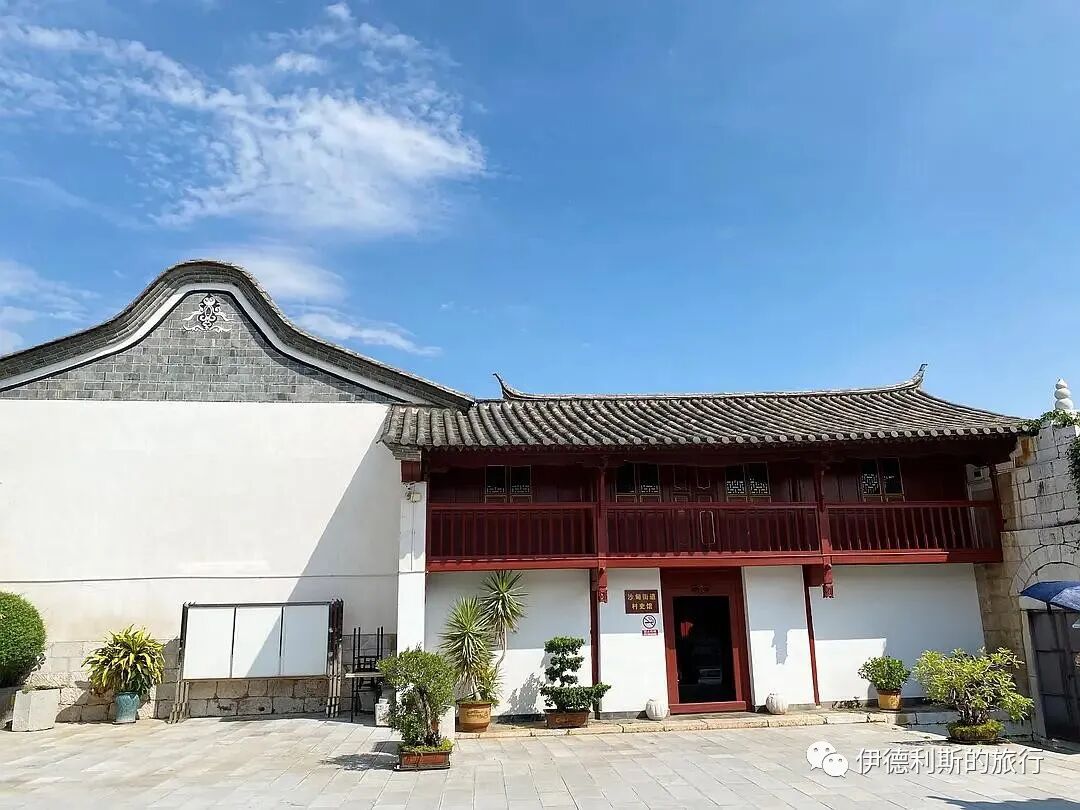
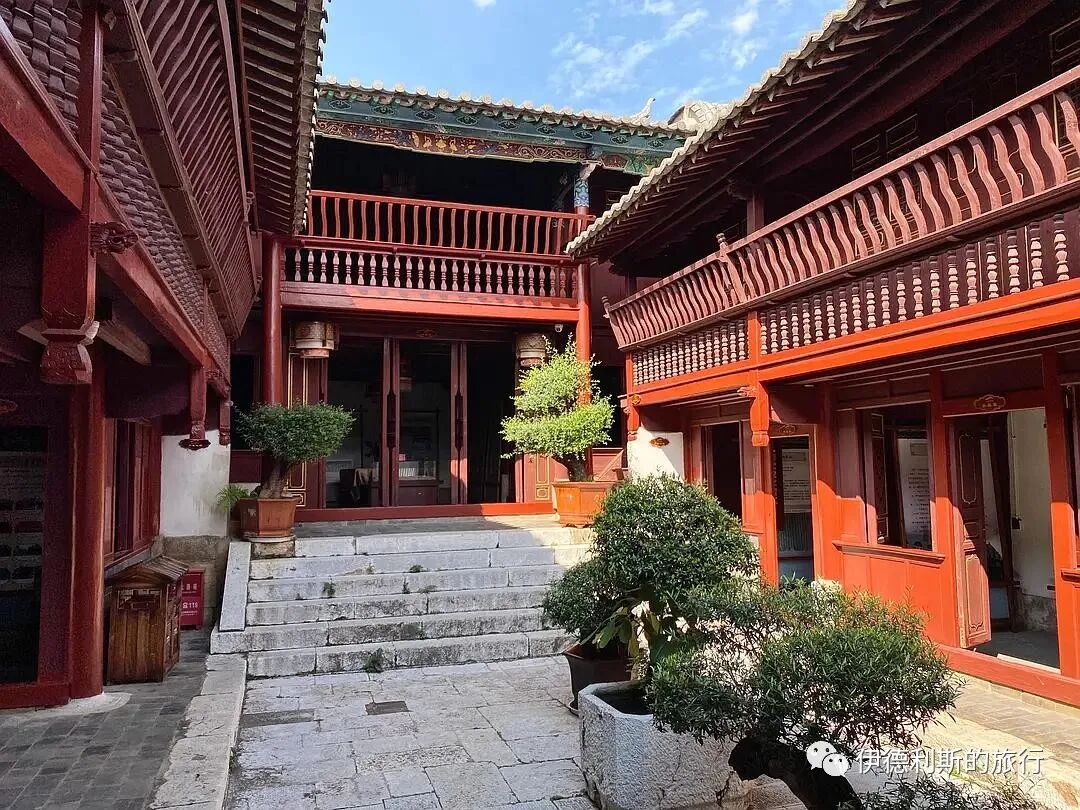
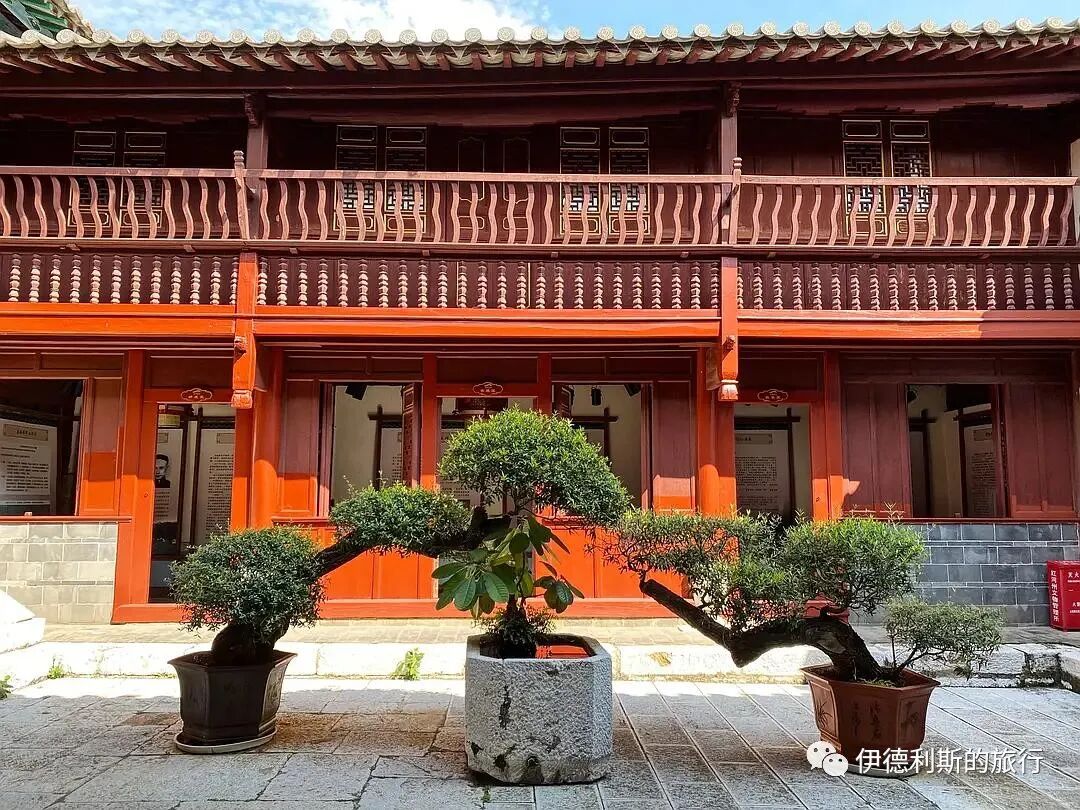
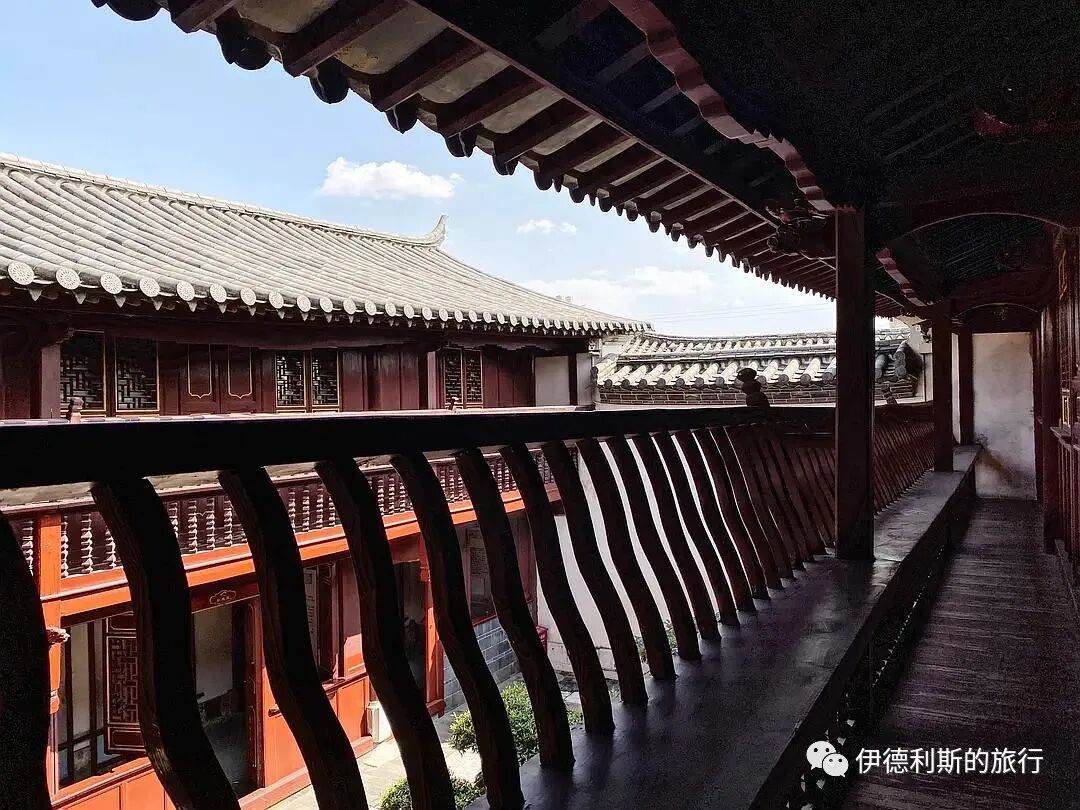
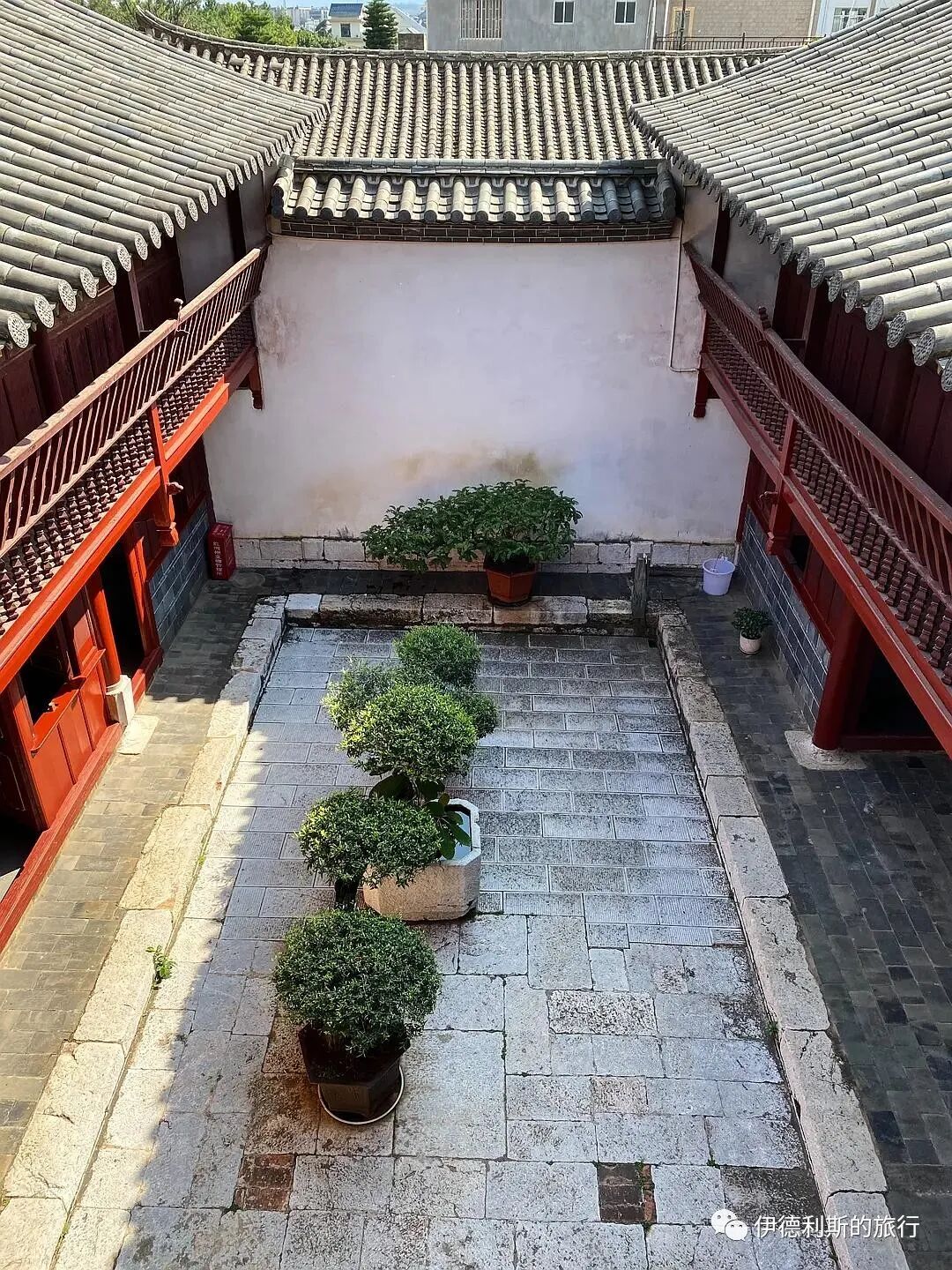
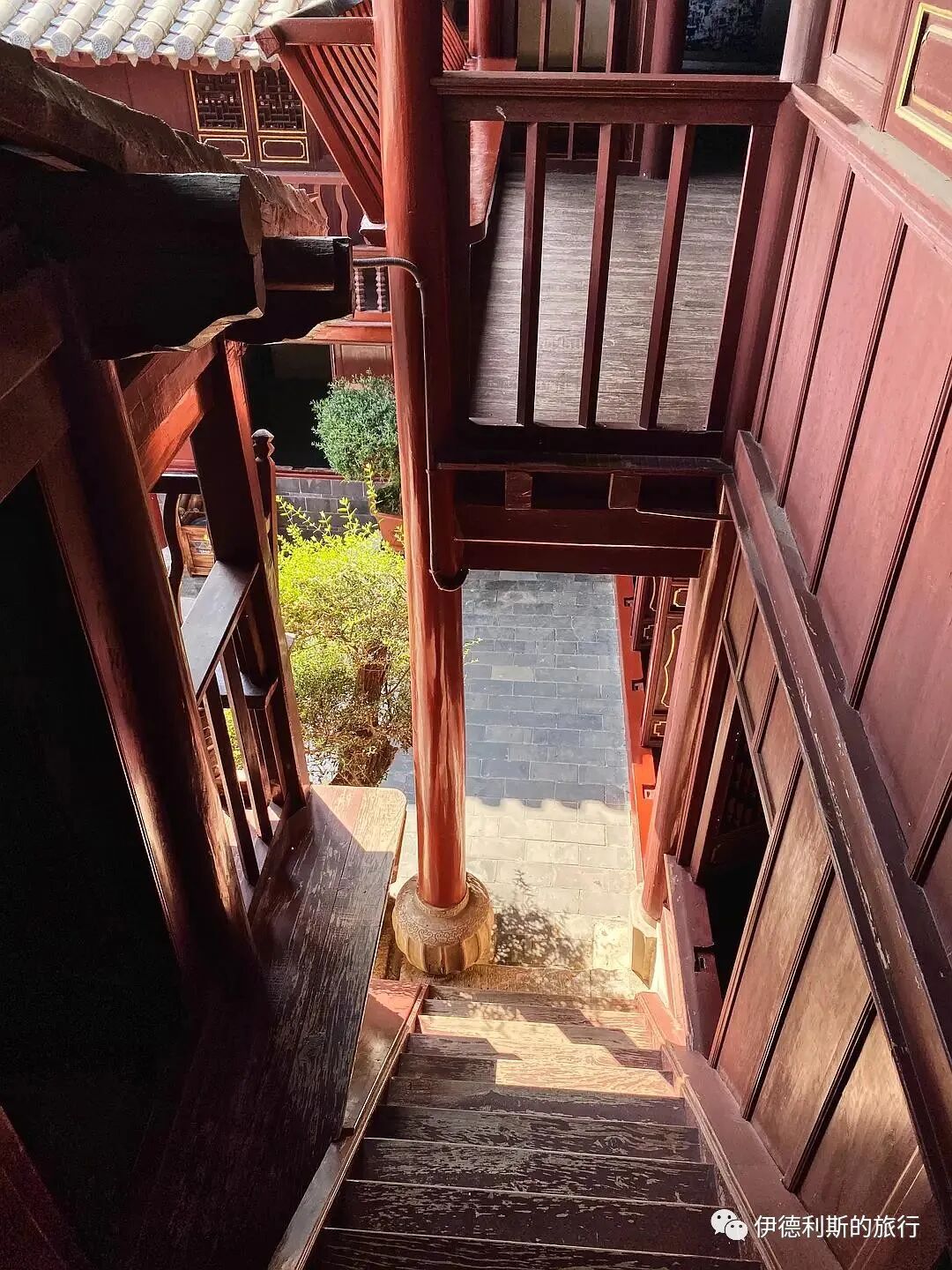
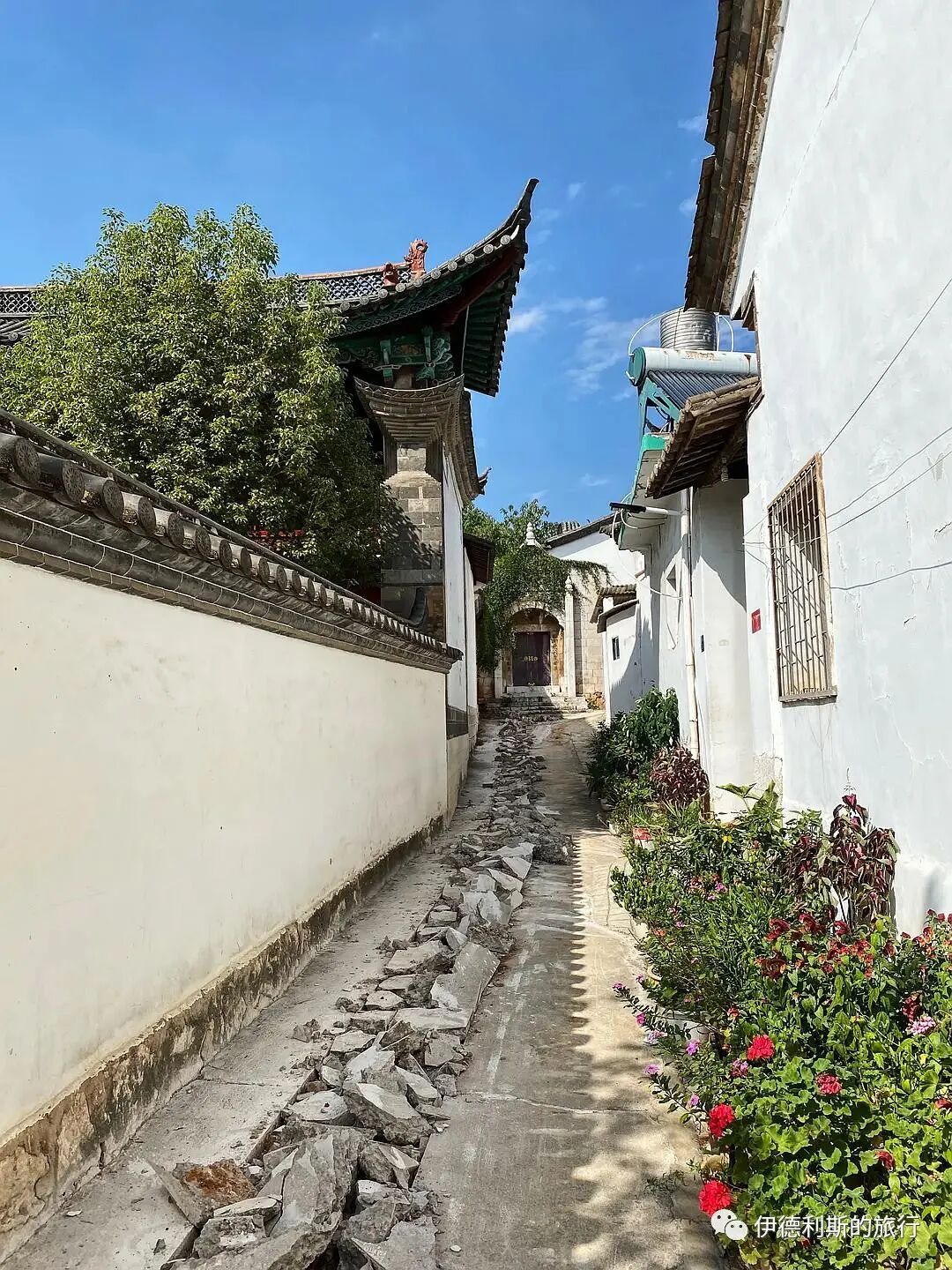
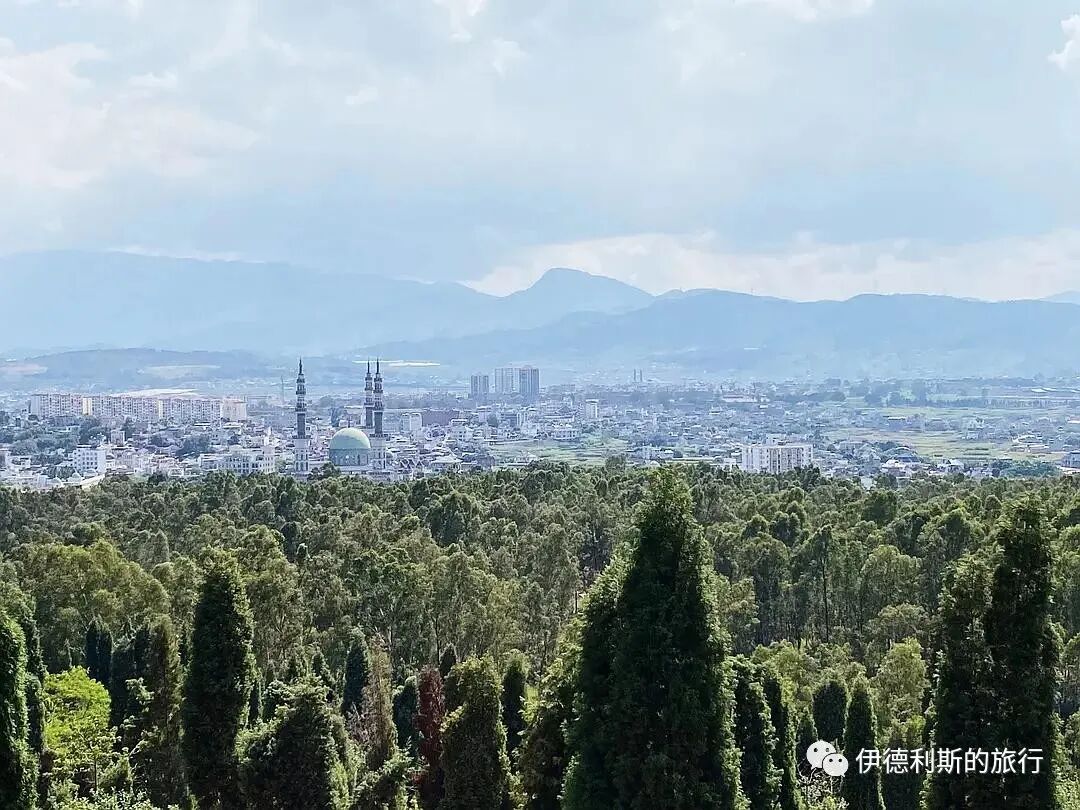
Old houses in Shadian
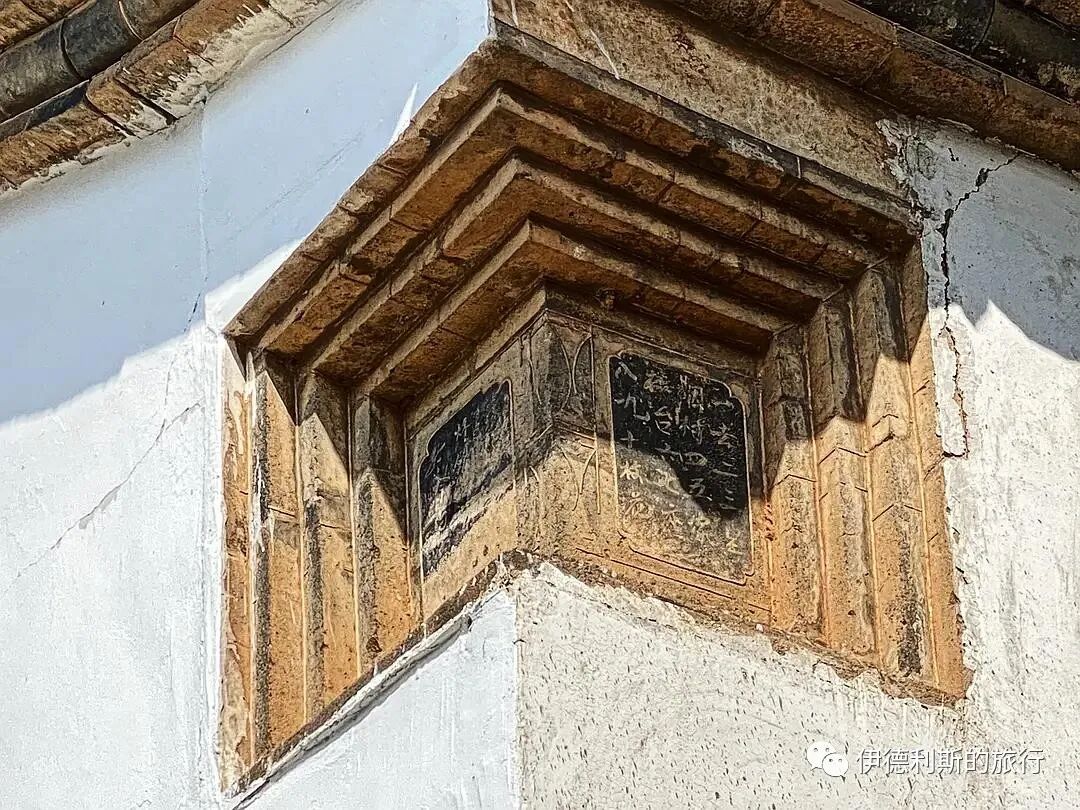
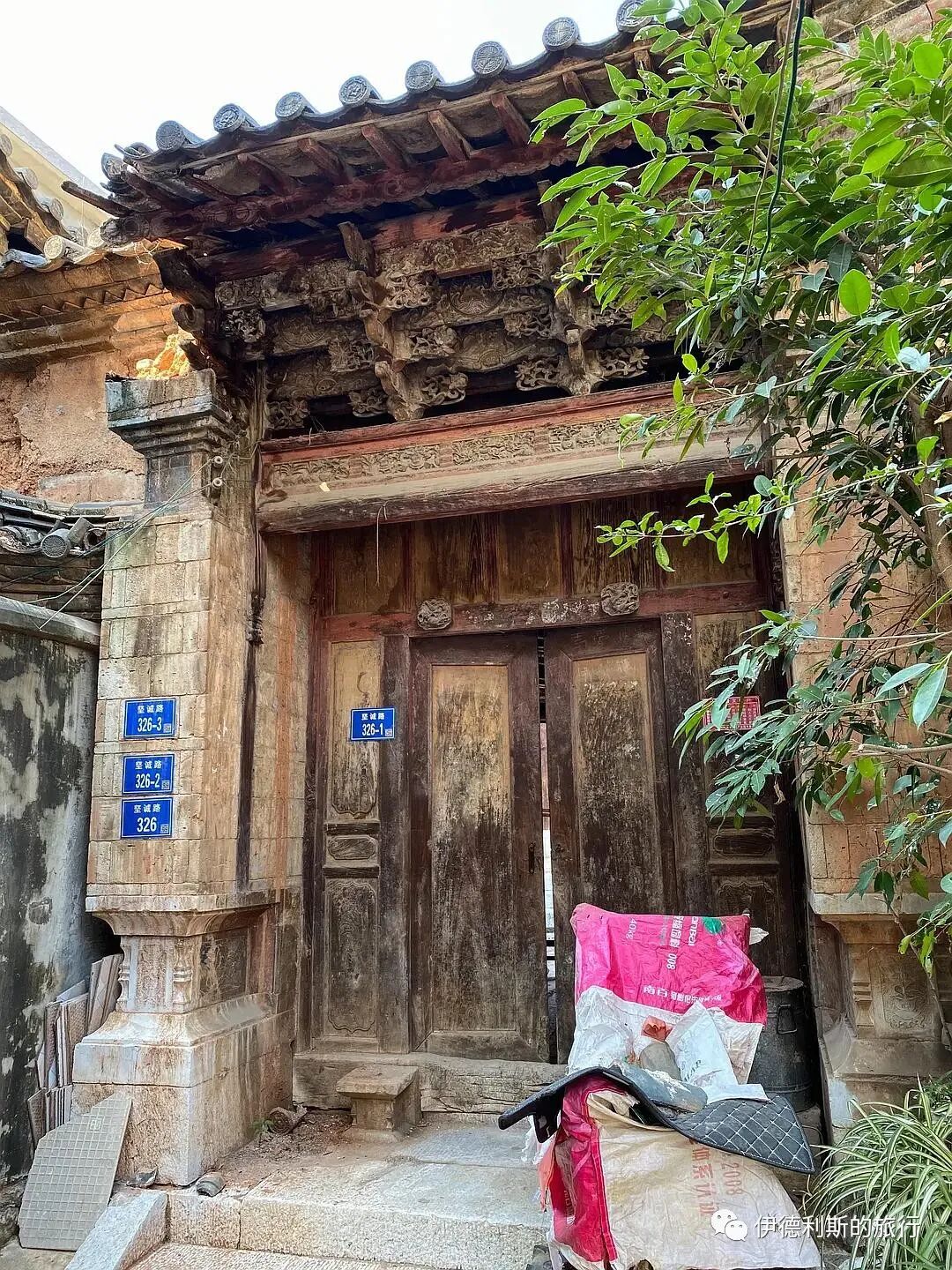
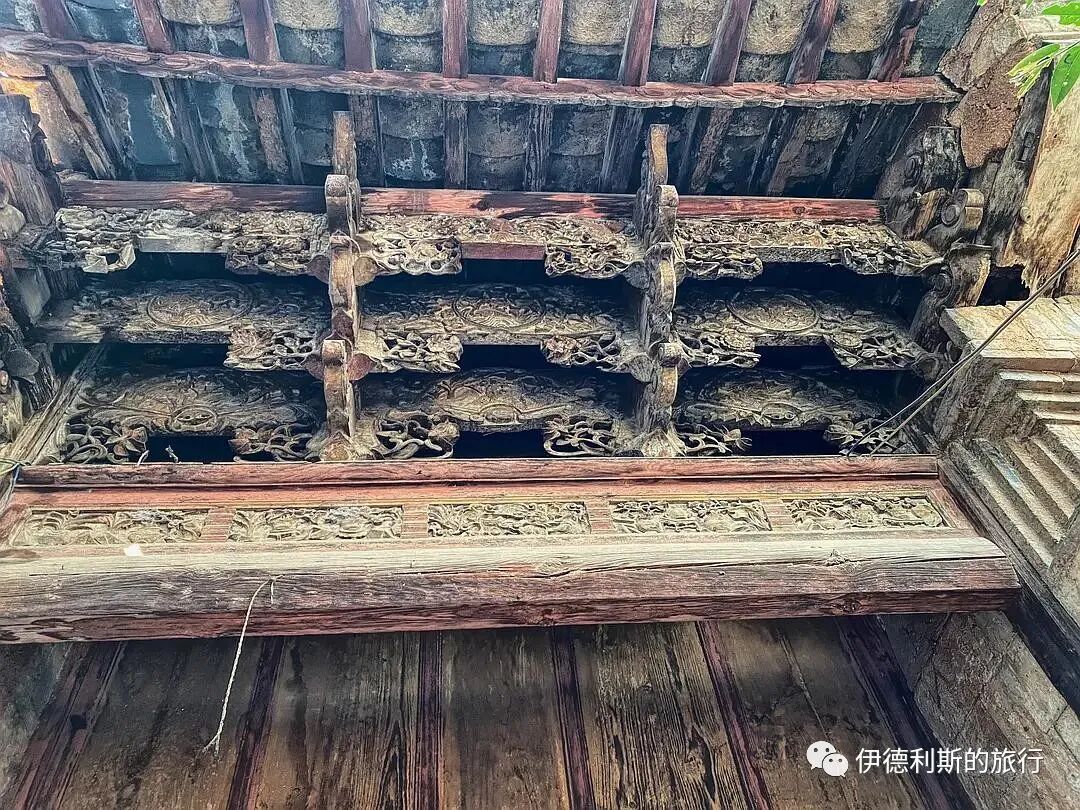
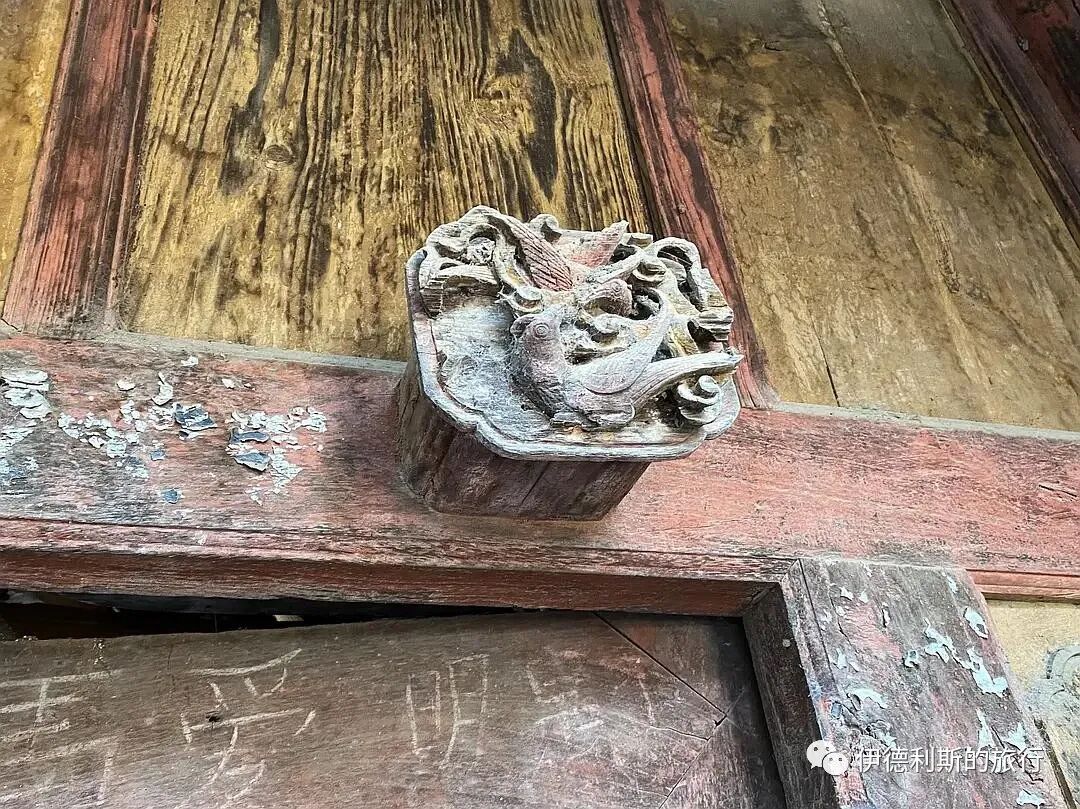
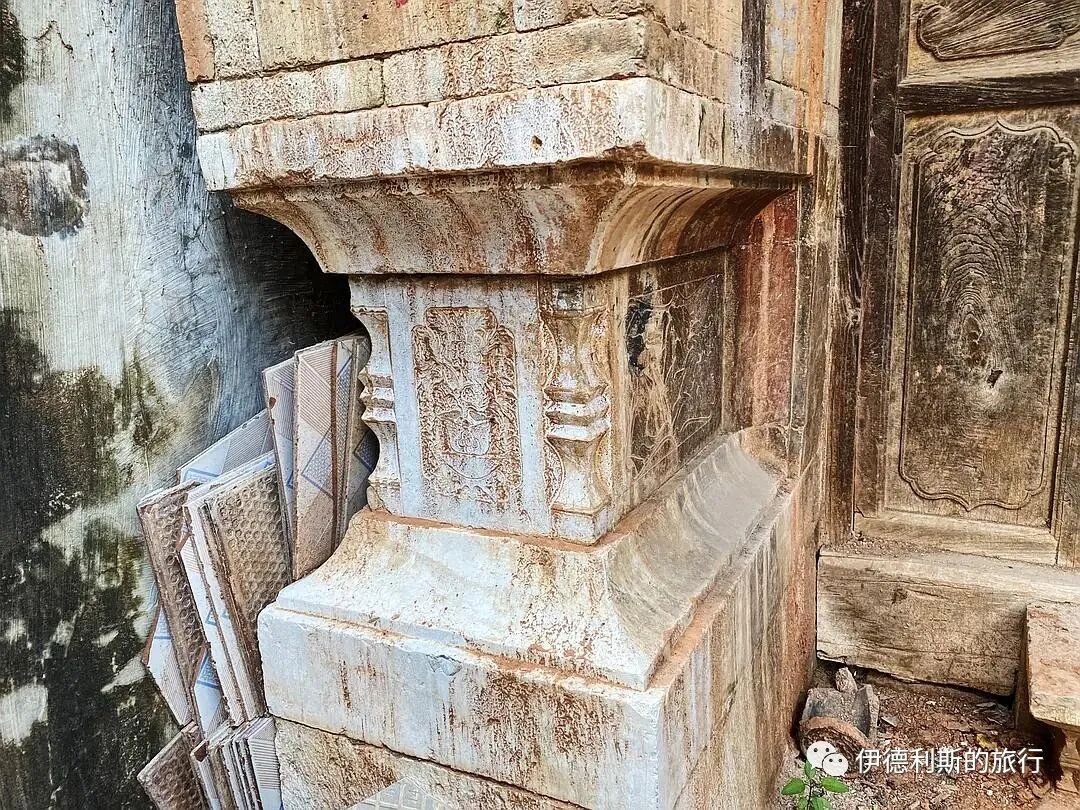
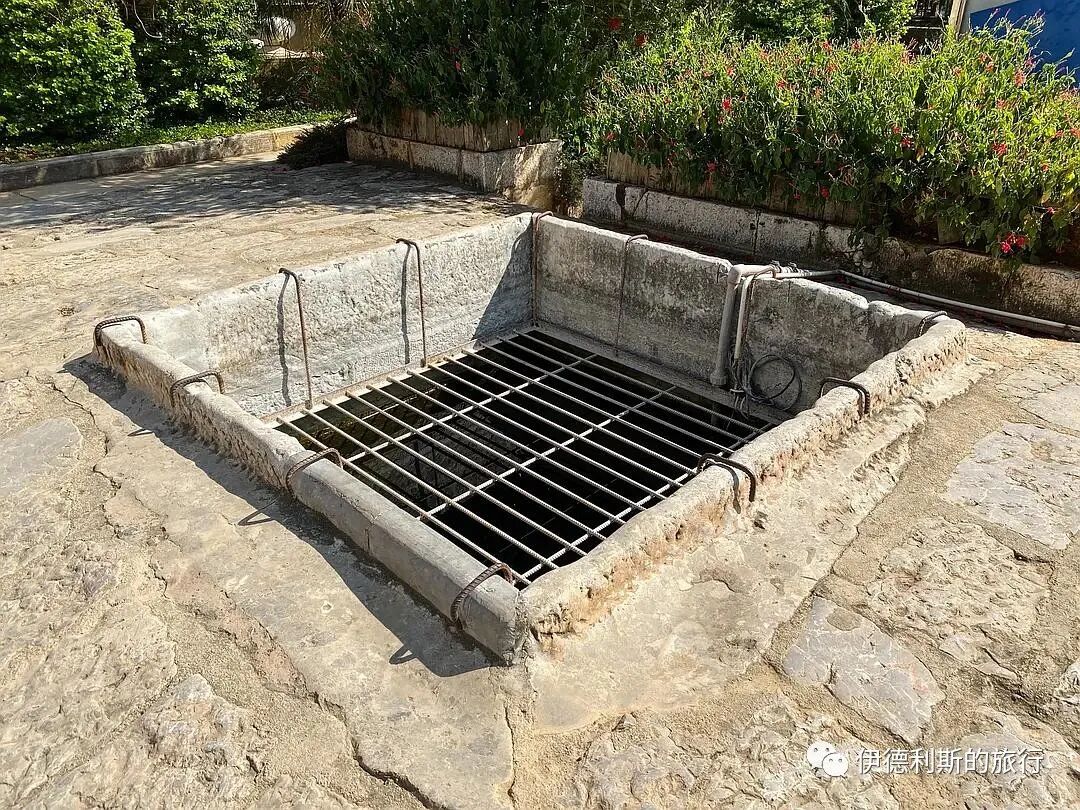
There is a well at the entrance of Yufeng Academy called Xiying Longtan, which was reportedly built by Bai Shouyou and his followers during the Wanli period of the Ming Dynasty. The well is 20 meters deep, and folklore says there is a dragon inside, which is why it is called Dragon Pool (Longtan).
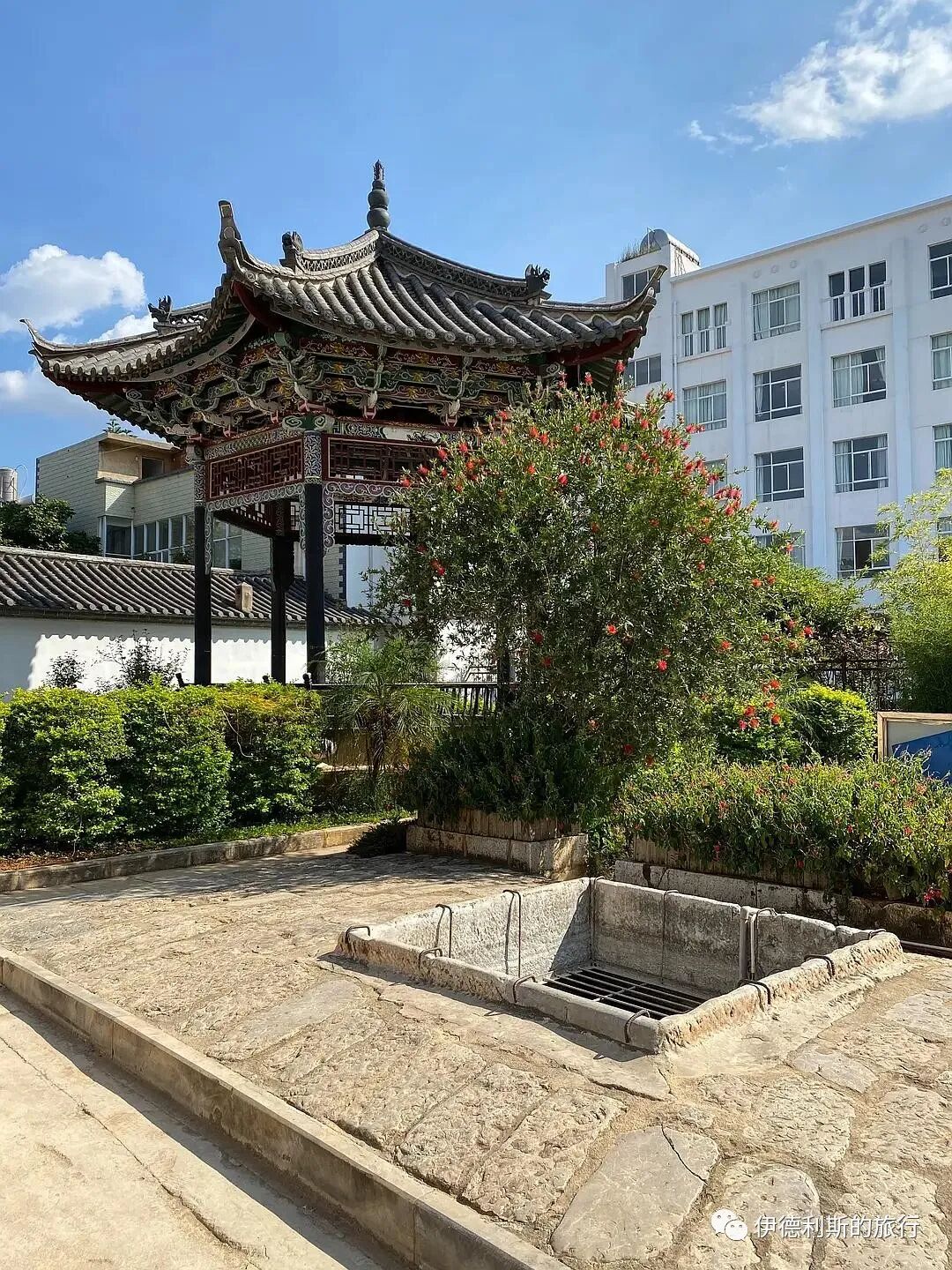
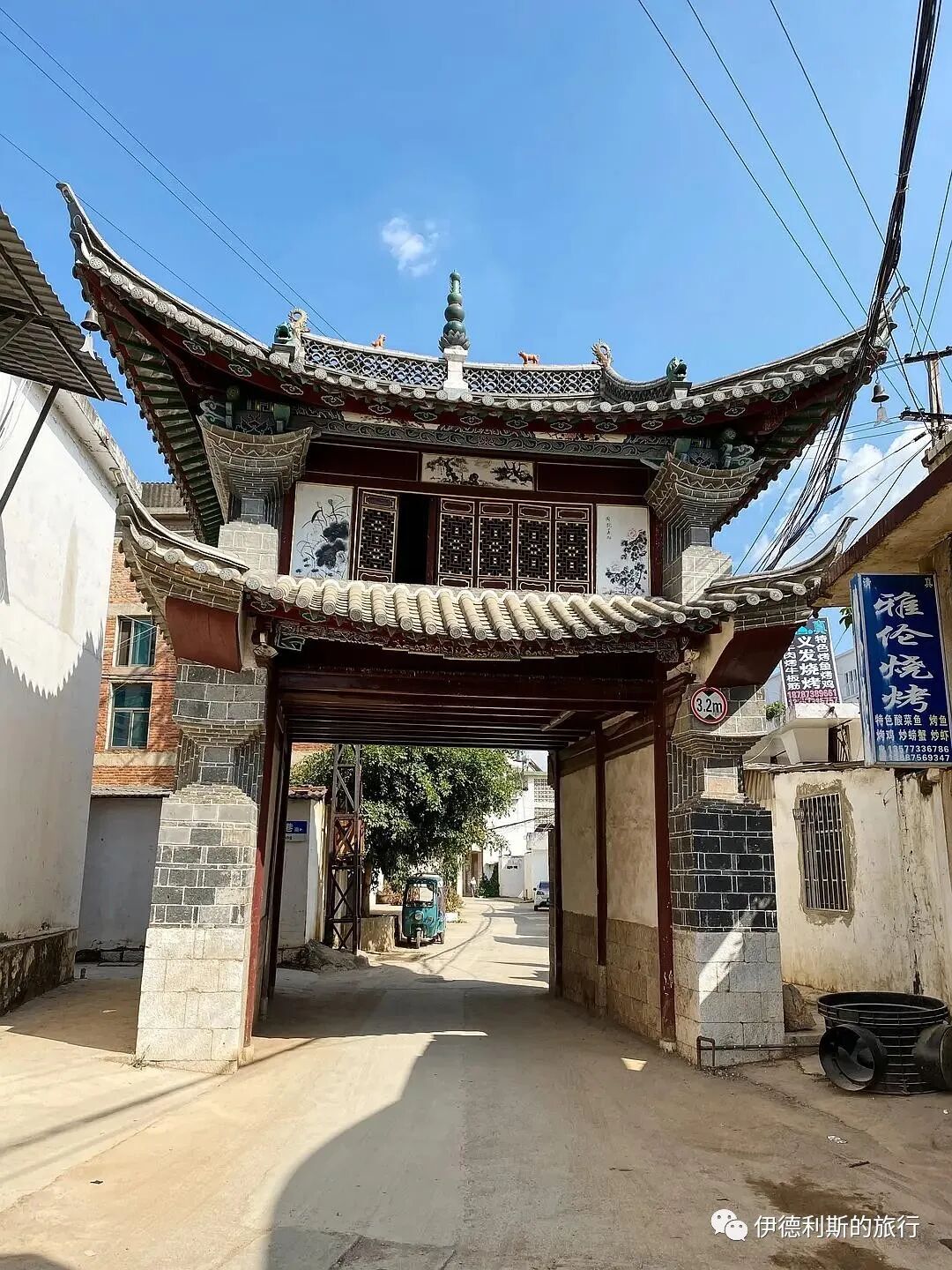
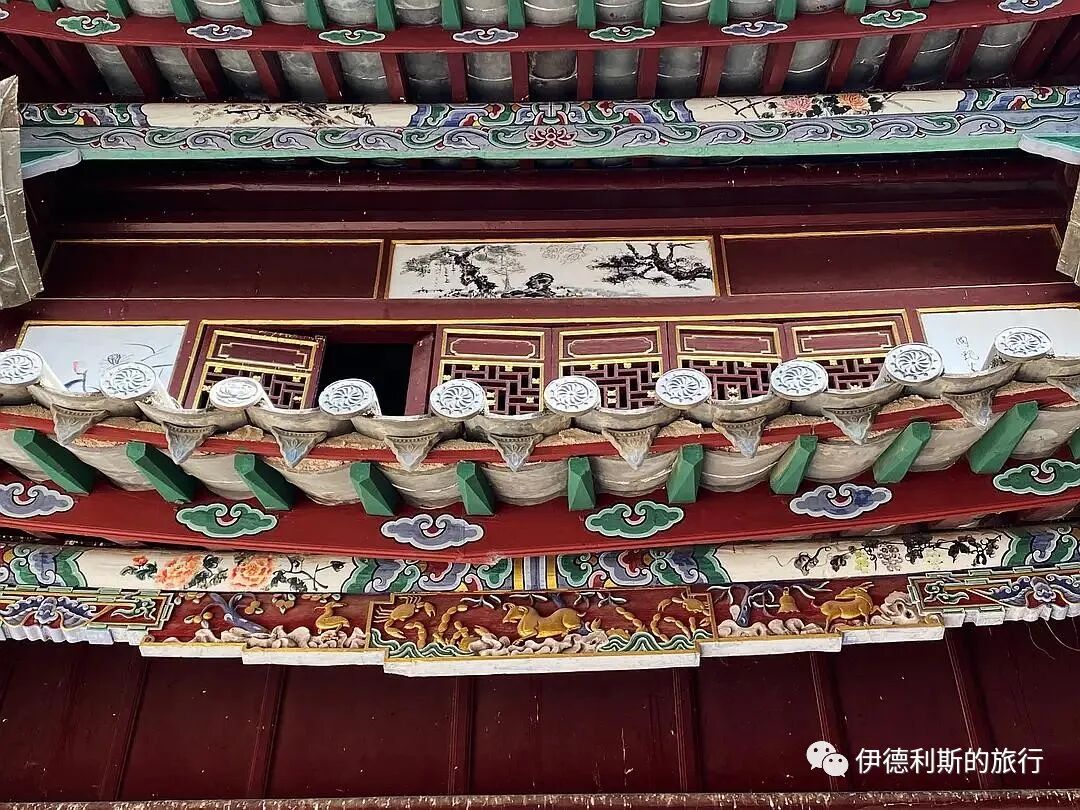
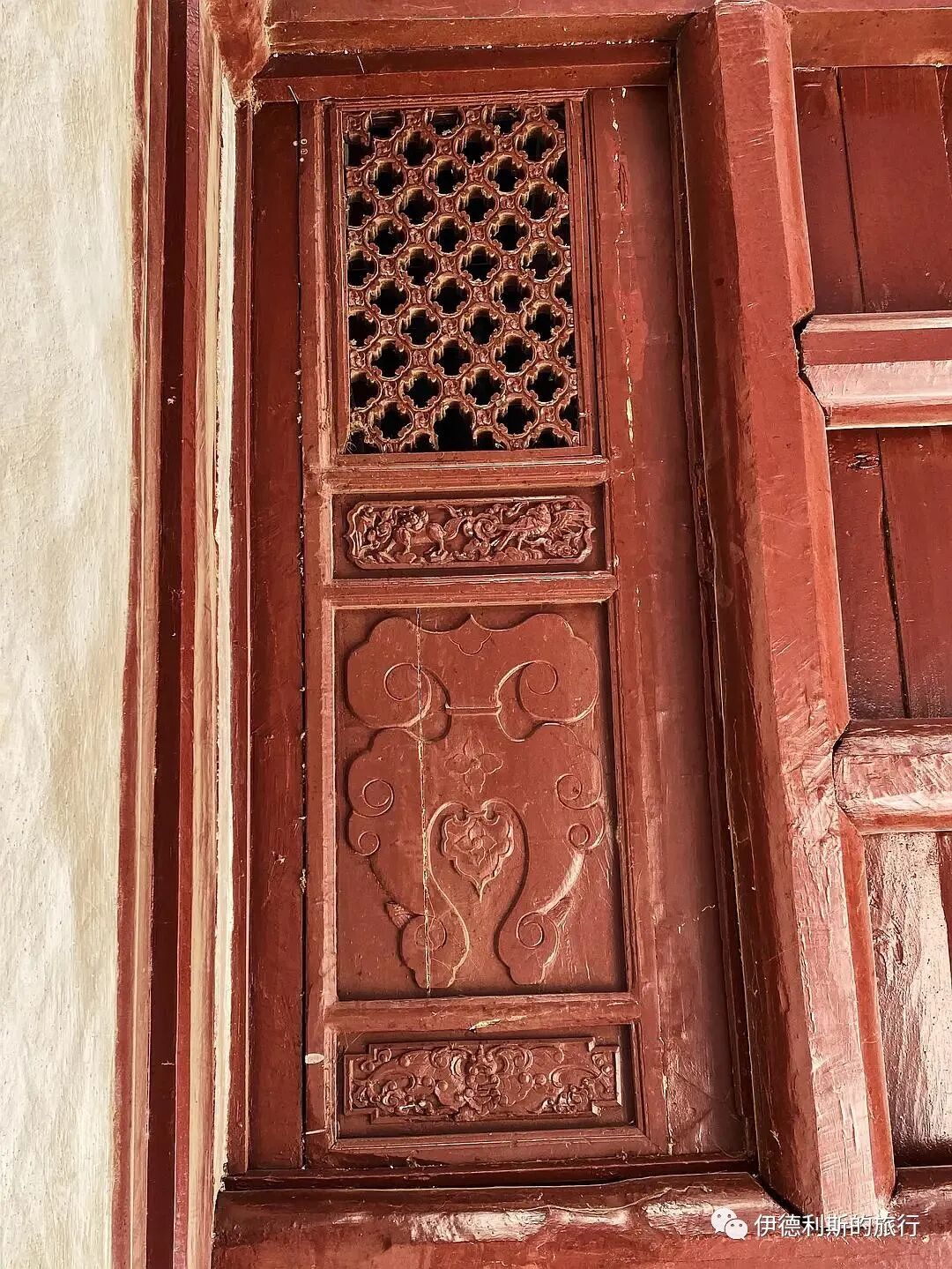
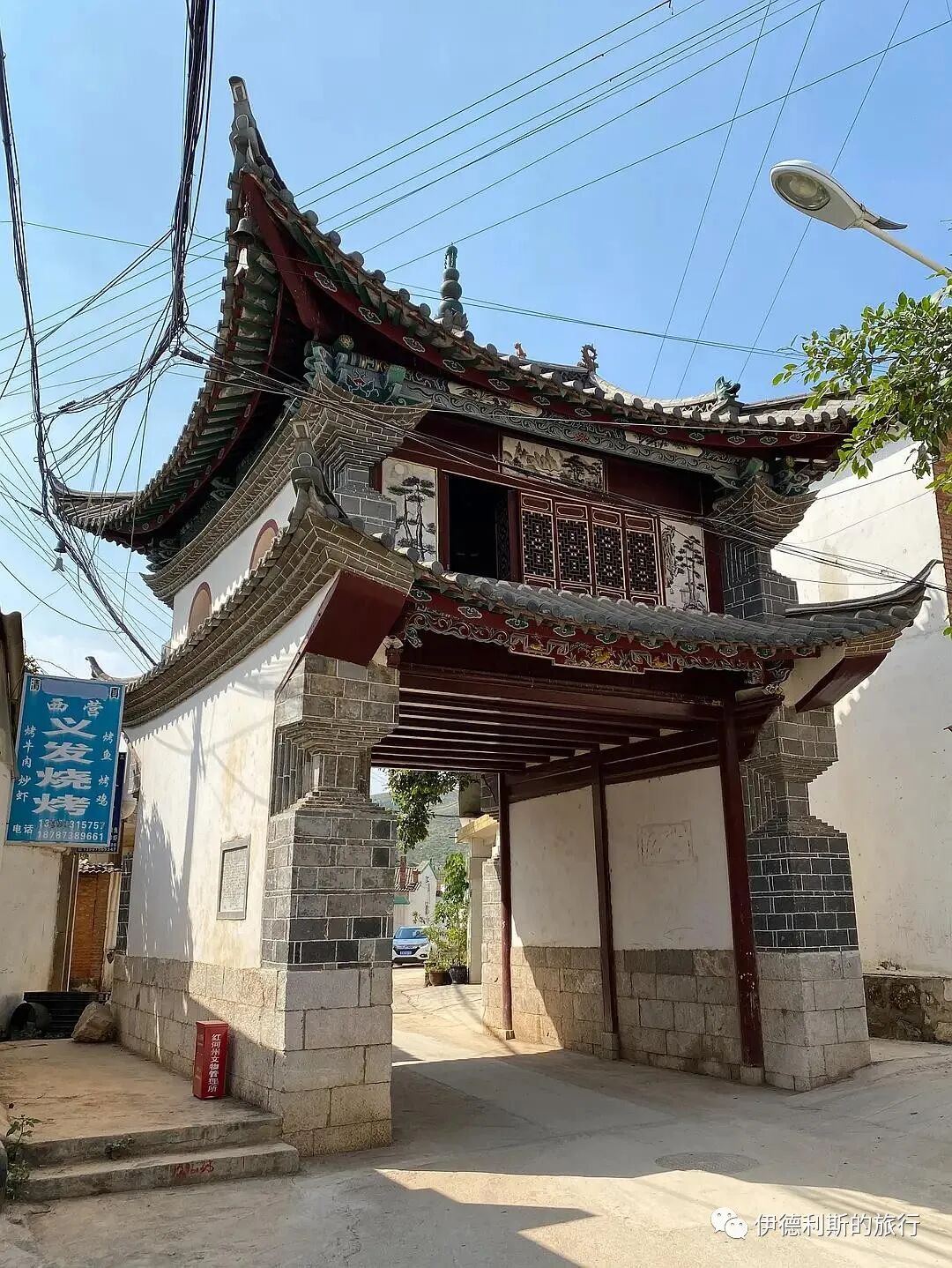
During the Qianlong period of the Qing Dynasty, Shadian village built walls for defense and constructed seven gatehouses in areas like Xiying, Dongying, and Chuanying. Only the Xiying gatehouse remains today, which is a structure rebuilt during the Xianfeng period of the Qing Dynasty. The gatehouse is a two-story brick and wood building. The first floor is for passage, and the second floor is for guards, featuring exquisite carvings and paintings.
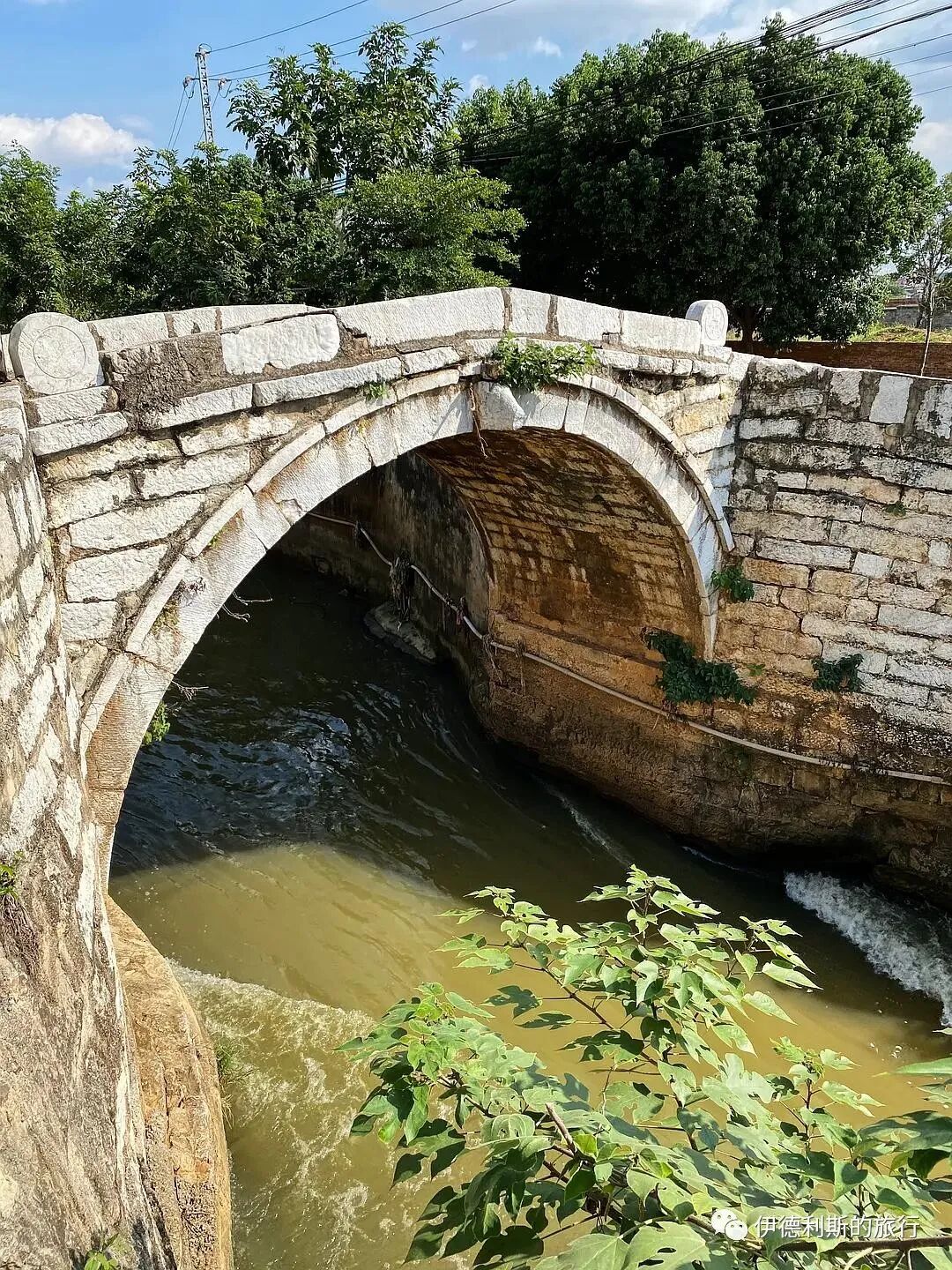
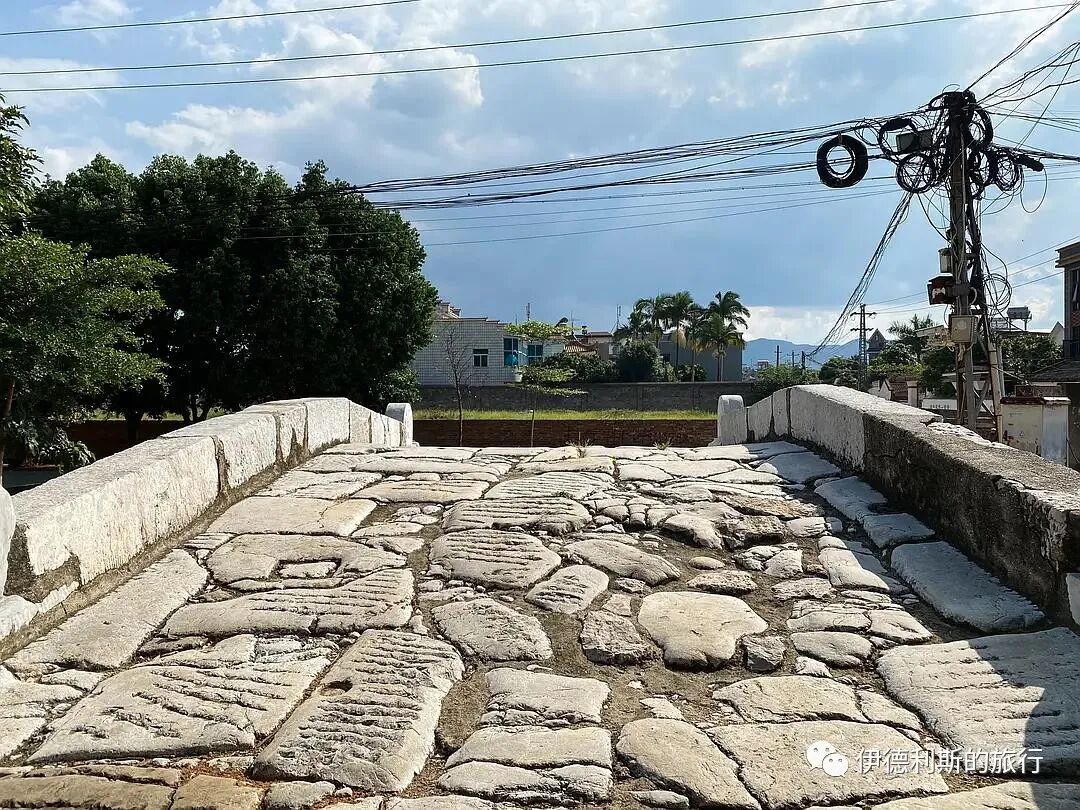
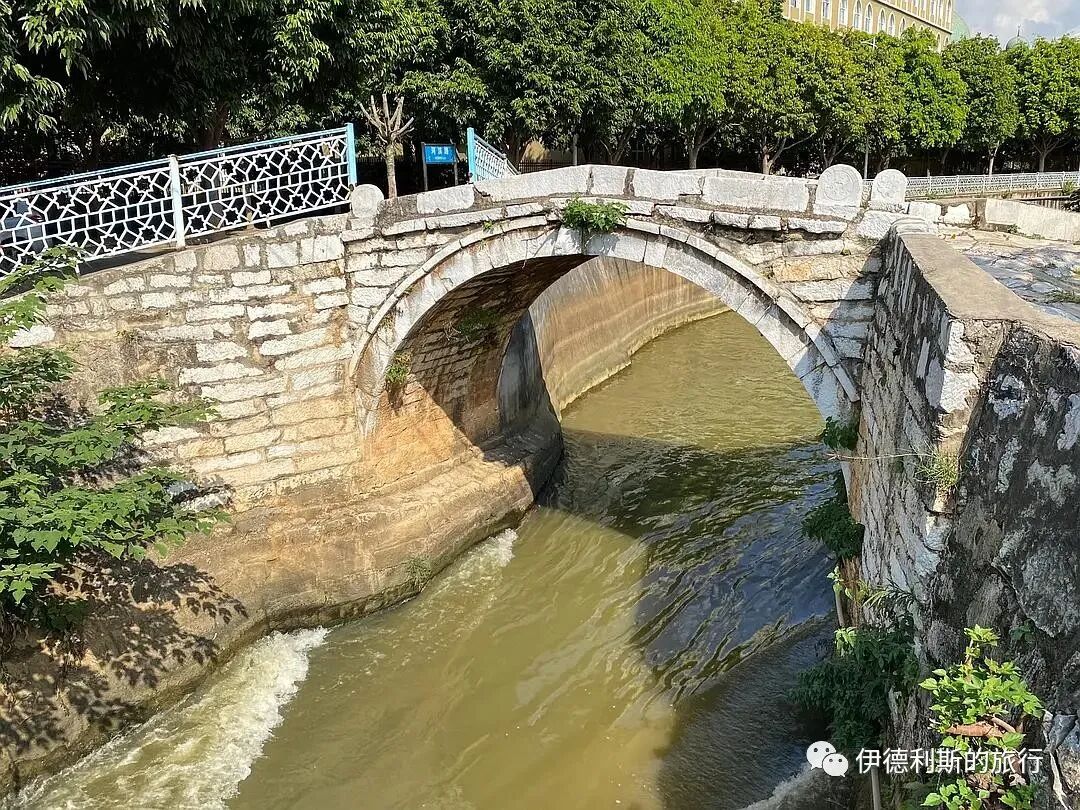
There is a stone arch bridge over the Yudai River in Shadian, which was built with funds donated by Bai Shouyou during the Wanli period of the Ming Dynasty.
Summary: Shadian, Yunnan — Hui Muslims, Mosques and Local History is presented here as a firsthand travel account in clear English, beginning with this scene: Author: Zainab. The account keeps its focus on Shadian Travel, Hui Muslims, Yunnan Mosques while preserving the names, places, food, and historical details from the Chinese source.
Author: Zainab
We traveled from Jianshui Ancient City to Shadian and ate at Shadian Shihui in front of the Great Mosque. We had stir-fried chayote tips (fengshou guajian), five-spice chicken, sweet and sour pork tenderloin, cold tossed cattail shoots with wood ear mushrooms, and steamed lotus root with rice flour (fenzheng ou). The food options here are quite rich! Since a banquet had just finished when we arrived, our food came out very quickly.
The Shadian Great Mosque has a very tropical feel.
Yufeng School
In the mid-Guangxu period of the Qing Dynasty, responding to the imperial decree to stop the imperial examinations and start schools, the famous late Qing general and Yunnan Kaihua Town commander Bai Jinzhu led the Shadian villagers to donate funds and establish their own school in 1892. Because the school was located at the foot of Jinyu Mountain, it was named Yufeng Academy. Bai Jinzhu was a famous anti-French general who led from the front during the 1884 Sino-French War and was awarded the title of Shengyong Baturu.
In 1905, following the Qing Dynasty's order to establish primary schools in every township, Yufeng Academy was renamed Shadian Primary School. It was divided into classes A, B, C, and D, with over 60 students. In 1914, Bai Jinzhu's son, Bai Liangcheng, returned to Shadian after graduating from the Yunnan School of Law and Political Science and was hired as the principal of Yufeng Academy. Bai Liangcheng strongly advocated for modern education and added subjects like Chinese, arithmetic, physical education, and music to the school.
Due to the increasing number of students, Bai Liangcheng and Commander Bai Qicheng led the villagers to rebuild the academy in 1921, and it was completed in 1923. The new academy had four classrooms, an office, and a library. Bai Liangcheng wrote the plaque for Yufeng School and the couplet on the stone pillars on both sides, which reads: 'The elegant spirit of Jinyu Mountain brings prosperity to generations of scholars, the clear stream circling the jade belt sets a model for students for a thousand years.' Afterward, Bai Liangcheng hired Arabic scholar Ma Jian, who had returned home after graduating in Kunming, along with Wang Liangbi, Wang Shupu, Ma Ayuanqing, and others as teachers, and changed the school into a primary and junior high school.
In 1943, Bai Liangcheng also founded Yufeng Middle School. At that time, many professors from the National Southwestern Associated University had a good relationship with Bai Liangcheng. He hired Professor Xia Kangnong, Dean of the School of Science at the university, as the principal of Yufeng Middle School, and invited experts and scholars like Tongji University professor Cao Wuli, philosopher Zheng Xin, and historian Bai Shouyi to teach there until the victory of the War of Resistance in 1945.
After Yufeng Primary School moved to a new campus in 1987, the old site of Yufeng Academy was left vacant. It was renovated in 2012 and opened as the Shadian branch of the Honghe Prefecture Library and the Shadian Village History Museum.
Old houses in Shadian
There is a well at the entrance of Yufeng Academy called Xiying Longtan, which was reportedly built by Bai Shouyou and his followers during the Wanli period of the Ming Dynasty. The well is 20 meters deep, and folklore says there is a dragon inside, which is why it is called Dragon Pool (Longtan).
During the Qianlong period of the Qing Dynasty, Shadian village built walls for defense and constructed seven gatehouses in areas like Xiying, Dongying, and Chuanying. Only the Xiying gatehouse remains today, which is a structure rebuilt during the Xianfeng period of the Qing Dynasty. The gatehouse is a two-story brick and wood building. The first floor is for passage, and the second floor is for guards, featuring exquisite carvings and paintings.
There is a stone arch bridge over the Yudai River in Shadian, which was built with funds donated by Bai Shouyou during the Wanli period of the Ming Dynasty.
Halal Travel Guide: Shadian, Yunnan — Hui Muslims, Mosques and Local History
Articles • ali2007fr posted the article • 0 comments • 213 views • 2026-05-17 12:23
Reposted from the web
Summary: Shadian, Yunnan — Hui Muslims, Mosques and Local History is presented here as a firsthand travel account in clear English, beginning with this scene: Author: Zainab. The account keeps its focus on Shadian Travel, Hui Muslims, Yunnan Mosques while preserving the names, places, food, and historical details from the Chinese source.
Author: Zainab
We traveled from Jianshui Ancient City to Shadian and ate at Shadian Shihui in front of the Great Mosque. We had stir-fried chayote tips (fengshou guajian), five-spice chicken, sweet and sour pork tenderloin, cold tossed cattail shoots with wood ear mushrooms, and steamed lotus root with rice flour (fenzheng ou). The food options here are quite rich! Since a banquet had just finished when we arrived, our food came out very quickly.
The Shadian Great Mosque has a very tropical feel.
Yufeng School
In the mid-Guangxu period of the Qing Dynasty, responding to the imperial decree to stop the imperial examinations and start schools, the famous late Qing general and Yunnan Kaihua Town commander Bai Jinzhu led the Shadian villagers to donate funds and establish their own school in 1892. Because the school was located at the foot of Jinyu Mountain, it was named Yufeng Academy. Bai Jinzhu was a famous anti-French general who led from the front during the 1884 Sino-French War and was awarded the title of Shengyong Baturu.
In 1905, following the Qing Dynasty's order to establish primary schools in every township, Yufeng Academy was renamed Shadian Primary School. It was divided into classes A, B, C, and D, with over 60 students. In 1914, Bai Jinzhu's son, Bai Liangcheng, returned to Shadian after graduating from the Yunnan School of Law and Political Science and was hired as the principal of Yufeng Academy. Bai Liangcheng strongly advocated for modern education and added subjects like Chinese, arithmetic, physical education, and music to the school.
Due to the increasing number of students, Bai Liangcheng and Commander Bai Qicheng led the villagers to rebuild the academy in 1921, and it was completed in 1923. The new academy had four classrooms, an office, and a library. Bai Liangcheng wrote the plaque for Yufeng School and the couplet on the stone pillars on both sides, which reads: 'The elegant spirit of Jinyu Mountain brings prosperity to generations of scholars, the clear stream circling the jade belt sets a model for students for a thousand years.' Afterward, Bai Liangcheng hired Arabic scholar Ma Jian, who had returned home after graduating in Kunming, along with Wang Liangbi, Wang Shupu, Ma Ayuanqing, and others as teachers, and changed the school into a primary and junior high school.
In 1943, Bai Liangcheng also founded Yufeng Middle School. At that time, many professors from the National Southwestern Associated University had a good relationship with Bai Liangcheng. He hired Professor Xia Kangnong, Dean of the School of Science at the university, as the principal of Yufeng Middle School, and invited experts and scholars like Tongji University professor Cao Wuli, philosopher Zheng Xin, and historian Bai Shouyi to teach there until the victory of the War of Resistance in 1945.
After Yufeng Primary School moved to a new campus in 1987, the old site of Yufeng Academy was left vacant. It was renovated in 2012 and opened as the Shadian branch of the Honghe Prefecture Library and the Shadian Village History Museum.
Old houses in Shadian
There is a well at the entrance of Yufeng Academy called Xiying Longtan, which was reportedly built by Bai Shouyou and his followers during the Wanli period of the Ming Dynasty. The well is 20 meters deep, and folklore says there is a dragon inside, which is why it is called Dragon Pool (Longtan).
During the Qianlong period of the Qing Dynasty, Shadian village built walls for defense and constructed seven gatehouses in areas like Xiying, Dongying, and Chuanying. Only the Xiying gatehouse remains today, which is a structure rebuilt during the Xianfeng period of the Qing Dynasty. The gatehouse is a two-story brick and wood building. The first floor is for passage, and the second floor is for guards, featuring exquisite carvings and paintings.
There is a stone arch bridge over the Yudai River in Shadian, which was built with funds donated by Bai Shouyou during the Wanli period of the Ming Dynasty. view all
Summary: Shadian, Yunnan — Hui Muslims, Mosques and Local History is presented here as a firsthand travel account in clear English, beginning with this scene: Author: Zainab. The account keeps its focus on Shadian Travel, Hui Muslims, Yunnan Mosques while preserving the names, places, food, and historical details from the Chinese source.
Author: Zainab
We traveled from Jianshui Ancient City to Shadian and ate at Shadian Shihui in front of the Great Mosque. We had stir-fried chayote tips (fengshou guajian), five-spice chicken, sweet and sour pork tenderloin, cold tossed cattail shoots with wood ear mushrooms, and steamed lotus root with rice flour (fenzheng ou). The food options here are quite rich! Since a banquet had just finished when we arrived, our food came out very quickly.
The Shadian Great Mosque has a very tropical feel.
Yufeng School
In the mid-Guangxu period of the Qing Dynasty, responding to the imperial decree to stop the imperial examinations and start schools, the famous late Qing general and Yunnan Kaihua Town commander Bai Jinzhu led the Shadian villagers to donate funds and establish their own school in 1892. Because the school was located at the foot of Jinyu Mountain, it was named Yufeng Academy. Bai Jinzhu was a famous anti-French general who led from the front during the 1884 Sino-French War and was awarded the title of Shengyong Baturu.
In 1905, following the Qing Dynasty's order to establish primary schools in every township, Yufeng Academy was renamed Shadian Primary School. It was divided into classes A, B, C, and D, with over 60 students. In 1914, Bai Jinzhu's son, Bai Liangcheng, returned to Shadian after graduating from the Yunnan School of Law and Political Science and was hired as the principal of Yufeng Academy. Bai Liangcheng strongly advocated for modern education and added subjects like Chinese, arithmetic, physical education, and music to the school.
Due to the increasing number of students, Bai Liangcheng and Commander Bai Qicheng led the villagers to rebuild the academy in 1921, and it was completed in 1923. The new academy had four classrooms, an office, and a library. Bai Liangcheng wrote the plaque for Yufeng School and the couplet on the stone pillars on both sides, which reads: 'The elegant spirit of Jinyu Mountain brings prosperity to generations of scholars, the clear stream circling the jade belt sets a model for students for a thousand years.' Afterward, Bai Liangcheng hired Arabic scholar Ma Jian, who had returned home after graduating in Kunming, along with Wang Liangbi, Wang Shupu, Ma Ayuanqing, and others as teachers, and changed the school into a primary and junior high school.
In 1943, Bai Liangcheng also founded Yufeng Middle School. At that time, many professors from the National Southwestern Associated University had a good relationship with Bai Liangcheng. He hired Professor Xia Kangnong, Dean of the School of Science at the university, as the principal of Yufeng Middle School, and invited experts and scholars like Tongji University professor Cao Wuli, philosopher Zheng Xin, and historian Bai Shouyi to teach there until the victory of the War of Resistance in 1945.
After Yufeng Primary School moved to a new campus in 1987, the old site of Yufeng Academy was left vacant. It was renovated in 2012 and opened as the Shadian branch of the Honghe Prefecture Library and the Shadian Village History Museum.
Old houses in Shadian
There is a well at the entrance of Yufeng Academy called Xiying Longtan, which was reportedly built by Bai Shouyou and his followers during the Wanli period of the Ming Dynasty. The well is 20 meters deep, and folklore says there is a dragon inside, which is why it is called Dragon Pool (Longtan).
During the Qianlong period of the Qing Dynasty, Shadian village built walls for defense and constructed seven gatehouses in areas like Xiying, Dongying, and Chuanying. Only the Xiying gatehouse remains today, which is a structure rebuilt during the Xianfeng period of the Qing Dynasty. The gatehouse is a two-story brick and wood building. The first floor is for passage, and the second floor is for guards, featuring exquisite carvings and paintings.
There is a stone arch bridge over the Yudai River in Shadian, which was built with funds donated by Bai Shouyou during the Wanli period of the Ming Dynasty. view all
Reposted from the web
Summary: Shadian, Yunnan — Hui Muslims, Mosques and Local History is presented here as a firsthand travel account in clear English, beginning with this scene: Author: Zainab. The account keeps its focus on Shadian Travel, Hui Muslims, Yunnan Mosques while preserving the names, places, food, and historical details from the Chinese source.
Author: Zainab
We traveled from Jianshui Ancient City to Shadian and ate at Shadian Shihui in front of the Great Mosque. We had stir-fried chayote tips (fengshou guajian), five-spice chicken, sweet and sour pork tenderloin, cold tossed cattail shoots with wood ear mushrooms, and steamed lotus root with rice flour (fenzheng ou). The food options here are quite rich! Since a banquet had just finished when we arrived, our food came out very quickly.
The Shadian Great Mosque has a very tropical feel.
Yufeng School
In the mid-Guangxu period of the Qing Dynasty, responding to the imperial decree to stop the imperial examinations and start schools, the famous late Qing general and Yunnan Kaihua Town commander Bai Jinzhu led the Shadian villagers to donate funds and establish their own school in 1892. Because the school was located at the foot of Jinyu Mountain, it was named Yufeng Academy. Bai Jinzhu was a famous anti-French general who led from the front during the 1884 Sino-French War and was awarded the title of Shengyong Baturu.
In 1905, following the Qing Dynasty's order to establish primary schools in every township, Yufeng Academy was renamed Shadian Primary School. It was divided into classes A, B, C, and D, with over 60 students. In 1914, Bai Jinzhu's son, Bai Liangcheng, returned to Shadian after graduating from the Yunnan School of Law and Political Science and was hired as the principal of Yufeng Academy. Bai Liangcheng strongly advocated for modern education and added subjects like Chinese, arithmetic, physical education, and music to the school.
Due to the increasing number of students, Bai Liangcheng and Commander Bai Qicheng led the villagers to rebuild the academy in 1921, and it was completed in 1923. The new academy had four classrooms, an office, and a library. Bai Liangcheng wrote the plaque for Yufeng School and the couplet on the stone pillars on both sides, which reads: 'The elegant spirit of Jinyu Mountain brings prosperity to generations of scholars, the clear stream circling the jade belt sets a model for students for a thousand years.' Afterward, Bai Liangcheng hired Arabic scholar Ma Jian, who had returned home after graduating in Kunming, along with Wang Liangbi, Wang Shupu, Ma Ayuanqing, and others as teachers, and changed the school into a primary and junior high school.
In 1943, Bai Liangcheng also founded Yufeng Middle School. At that time, many professors from the National Southwestern Associated University had a good relationship with Bai Liangcheng. He hired Professor Xia Kangnong, Dean of the School of Science at the university, as the principal of Yufeng Middle School, and invited experts and scholars like Tongji University professor Cao Wuli, philosopher Zheng Xin, and historian Bai Shouyi to teach there until the victory of the War of Resistance in 1945.
After Yufeng Primary School moved to a new campus in 1987, the old site of Yufeng Academy was left vacant. It was renovated in 2012 and opened as the Shadian branch of the Honghe Prefecture Library and the Shadian Village History Museum.
Old houses in Shadian
There is a well at the entrance of Yufeng Academy called Xiying Longtan, which was reportedly built by Bai Shouyou and his followers during the Wanli period of the Ming Dynasty. The well is 20 meters deep, and folklore says there is a dragon inside, which is why it is called Dragon Pool (Longtan).
During the Qianlong period of the Qing Dynasty, Shadian village built walls for defense and constructed seven gatehouses in areas like Xiying, Dongying, and Chuanying. Only the Xiying gatehouse remains today, which is a structure rebuilt during the Xianfeng period of the Qing Dynasty. The gatehouse is a two-story brick and wood building. The first floor is for passage, and the second floor is for guards, featuring exquisite carvings and paintings.
There is a stone arch bridge over the Yudai River in Shadian, which was built with funds donated by Bai Shouyou during the Wanli period of the Ming Dynasty.
Summary: Shadian, Yunnan — Hui Muslims, Mosques and Local History is presented here as a firsthand travel account in clear English, beginning with this scene: Author: Zainab. The account keeps its focus on Shadian Travel, Hui Muslims, Yunnan Mosques while preserving the names, places, food, and historical details from the Chinese source.
Author: Zainab
We traveled from Jianshui Ancient City to Shadian and ate at Shadian Shihui in front of the Great Mosque. We had stir-fried chayote tips (fengshou guajian), five-spice chicken, sweet and sour pork tenderloin, cold tossed cattail shoots with wood ear mushrooms, and steamed lotus root with rice flour (fenzheng ou). The food options here are quite rich! Since a banquet had just finished when we arrived, our food came out very quickly.
The Shadian Great Mosque has a very tropical feel.
Yufeng School
In the mid-Guangxu period of the Qing Dynasty, responding to the imperial decree to stop the imperial examinations and start schools, the famous late Qing general and Yunnan Kaihua Town commander Bai Jinzhu led the Shadian villagers to donate funds and establish their own school in 1892. Because the school was located at the foot of Jinyu Mountain, it was named Yufeng Academy. Bai Jinzhu was a famous anti-French general who led from the front during the 1884 Sino-French War and was awarded the title of Shengyong Baturu.
In 1905, following the Qing Dynasty's order to establish primary schools in every township, Yufeng Academy was renamed Shadian Primary School. It was divided into classes A, B, C, and D, with over 60 students. In 1914, Bai Jinzhu's son, Bai Liangcheng, returned to Shadian after graduating from the Yunnan School of Law and Political Science and was hired as the principal of Yufeng Academy. Bai Liangcheng strongly advocated for modern education and added subjects like Chinese, arithmetic, physical education, and music to the school.
Due to the increasing number of students, Bai Liangcheng and Commander Bai Qicheng led the villagers to rebuild the academy in 1921, and it was completed in 1923. The new academy had four classrooms, an office, and a library. Bai Liangcheng wrote the plaque for Yufeng School and the couplet on the stone pillars on both sides, which reads: 'The elegant spirit of Jinyu Mountain brings prosperity to generations of scholars, the clear stream circling the jade belt sets a model for students for a thousand years.' Afterward, Bai Liangcheng hired Arabic scholar Ma Jian, who had returned home after graduating in Kunming, along with Wang Liangbi, Wang Shupu, Ma Ayuanqing, and others as teachers, and changed the school into a primary and junior high school.
In 1943, Bai Liangcheng also founded Yufeng Middle School. At that time, many professors from the National Southwestern Associated University had a good relationship with Bai Liangcheng. He hired Professor Xia Kangnong, Dean of the School of Science at the university, as the principal of Yufeng Middle School, and invited experts and scholars like Tongji University professor Cao Wuli, philosopher Zheng Xin, and historian Bai Shouyi to teach there until the victory of the War of Resistance in 1945.
After Yufeng Primary School moved to a new campus in 1987, the old site of Yufeng Academy was left vacant. It was renovated in 2012 and opened as the Shadian branch of the Honghe Prefecture Library and the Shadian Village History Museum.
Old houses in Shadian
There is a well at the entrance of Yufeng Academy called Xiying Longtan, which was reportedly built by Bai Shouyou and his followers during the Wanli period of the Ming Dynasty. The well is 20 meters deep, and folklore says there is a dragon inside, which is why it is called Dragon Pool (Longtan).
During the Qianlong period of the Qing Dynasty, Shadian village built walls for defense and constructed seven gatehouses in areas like Xiying, Dongying, and Chuanying. Only the Xiying gatehouse remains today, which is a structure rebuilt during the Xianfeng period of the Qing Dynasty. The gatehouse is a two-story brick and wood building. The first floor is for passage, and the second floor is for guards, featuring exquisite carvings and paintings.
There is a stone arch bridge over the Yudai River in Shadian, which was built with funds donated by Bai Shouyou during the Wanli period of the Ming Dynasty.