

Shanghai Halal Food
Halal Food in China Shanghai: Pork Bun Incident, Halal Restaurant Respect and Muslim Community Rights
Articles • yusuf908 posted the article • 0 comments • 237 views • 2026-05-23 21:55
Reposted from the web
Summary: This article responds to a Shanghai halal restaurant pork bun incident and an influencer's comments, arguing that halal food spaces, Muslim dignity, national symbols, legal boundaries, and ethnic unity should not be turned into tools for provocation.
I haven’t written a book in a long, long time. It’s been so long that I almost forgot that I had registered this account. Actually, it’s not that I’m lazy, it’s mainly because I have too many things to do this year. The rice I grow at home is about to mature, and I’m also building a small shelter to protect myself from the wind and rain, so I haven’t had time to write.
A lot of things have happened on the Internet during this period, such as the renaming of the halal canteens of Tsinghua University and Peking University some time ago, and the incident in the past two days where a certain blogger [Vaccine and Science] ate his own pork buns in a halal restaurant in Xuhui District, Shanghai, made a video and uploaded it to the Internet. These things have caused a great psychological contrast among the Hui Muslim compatriots in China, especially the behavior of this extremely royal V. Typical of this is deliberately provoking trouble, and then if there is any physical conflict with him in the restaurant, he will pretend to be a victim and exaggerate the publicity. When someone pointed out his immoral behavior, he said I can eat whatever I want! What I eat is my freedom!
This certain influencer can be regarded as an extremely royal man who has been famous for a long time. He has repeatedly worn his own clothes with words printed with hostility to halal food in Tiananmen Square and other solemn occasions. He is also suspected of tampering with the national anthem of the People's Republic of China. Any citizen of the People's Republic of China should have an attitude of respect and awe when facing the national anthem, national flag, and national emblem. Playing and playing when the national anthem is played or sung is absolutely not allowed, and our country also has a special corresponding " The laws and regulations of the National Flag Law, National Anthem Law, and National Emblem Law, and once suspected insults to the national flag, national emblem, or suspected tampering of the national anthem are confirmed, the highest level of personnel can be dealt with in accordance with Article 299 of the Criminal Law of the People's Republic of China. The influencer’s deliberate provocation of trouble clearly violated the crime of “picking quarrels and provoking troubles.” Refer to Article 293 of the Criminal Law. Anyone who commits one of the following acts of provoking troubles is punishable by up to five years in prison, criminal detention, or surveillance.
This influencer was originally an angel in white, and it was his job to treat illnesses and save people. For some unknown reason, he embarked on the path of being extremely imperial and extremely hostile to Muslim compatriots. I guess he was stimulated by something, maybe there was something wrong with his brain, and then he set up "imaginary enemies" among the compatriots around him.
The influencer’s highly publicized incident of eating pork buns in a Shanghai halal restaurant revealed the influencer’s distorted humanity and absurd behavior of extreme hatred of the Muslim community and halal food. People like them claim to be "opposing extremism" but at the same time engage in the dirty behavior of extreme Han nationalists, and then they also pretend to be "victims" and make irresponsible remarks from the moral high ground.
The Constitution guarantees citizens' freedom of speech, but no freedom is absolute and must not harm national, social, collective interests or the legitimate freedoms and rights of other citizens. Uploading such provocative videos online with the intention of expanding the negative impact is an abuse of freedom of speech and cyberspace. This kind of behavior destroys social harmony and stability, may trigger antagonism between social groups, and interfere with the country's normal ethnic work order.
Through this incident, we hope that relevant departments or organizations such as the Shanghai Municipal Religious Committee, the Shanghai Islamic Association, and the restaurant concerned will hold the influencer accountable for the corresponding legal responsibilities, and that the behavior of illegal criminals will not be allowed to undermine the country's national policy of "national unity"! Of course, every one of us citizens of the People's Republic of China should abide by the laws and regulations of the country, be able to "know the law", "understand the law" and use the law to protect our legitimate rights and interests, so that we can become a qualified and law-abiding good citizen! If you encounter illegal criminals, you must report and report them to the relevant departments as soon as possible. Let us work together to build a solid Chinese dream and complete the sacred mission of the great rejuvenation of the Chinese nation! view all
Summary: This article responds to a Shanghai halal restaurant pork bun incident and an influencer's comments, arguing that halal food spaces, Muslim dignity, national symbols, legal boundaries, and ethnic unity should not be turned into tools for provocation.
I haven’t written a book in a long, long time. It’s been so long that I almost forgot that I had registered this account. Actually, it’s not that I’m lazy, it’s mainly because I have too many things to do this year. The rice I grow at home is about to mature, and I’m also building a small shelter to protect myself from the wind and rain, so I haven’t had time to write.
A lot of things have happened on the Internet during this period, such as the renaming of the halal canteens of Tsinghua University and Peking University some time ago, and the incident in the past two days where a certain blogger [Vaccine and Science] ate his own pork buns in a halal restaurant in Xuhui District, Shanghai, made a video and uploaded it to the Internet. These things have caused a great psychological contrast among the Hui Muslim compatriots in China, especially the behavior of this extremely royal V. Typical of this is deliberately provoking trouble, and then if there is any physical conflict with him in the restaurant, he will pretend to be a victim and exaggerate the publicity. When someone pointed out his immoral behavior, he said I can eat whatever I want! What I eat is my freedom!
This certain influencer can be regarded as an extremely royal man who has been famous for a long time. He has repeatedly worn his own clothes with words printed with hostility to halal food in Tiananmen Square and other solemn occasions. He is also suspected of tampering with the national anthem of the People's Republic of China. Any citizen of the People's Republic of China should have an attitude of respect and awe when facing the national anthem, national flag, and national emblem. Playing and playing when the national anthem is played or sung is absolutely not allowed, and our country also has a special corresponding " The laws and regulations of the National Flag Law, National Anthem Law, and National Emblem Law, and once suspected insults to the national flag, national emblem, or suspected tampering of the national anthem are confirmed, the highest level of personnel can be dealt with in accordance with Article 299 of the Criminal Law of the People's Republic of China. The influencer’s deliberate provocation of trouble clearly violated the crime of “picking quarrels and provoking troubles.” Refer to Article 293 of the Criminal Law. Anyone who commits one of the following acts of provoking troubles is punishable by up to five years in prison, criminal detention, or surveillance.
This influencer was originally an angel in white, and it was his job to treat illnesses and save people. For some unknown reason, he embarked on the path of being extremely imperial and extremely hostile to Muslim compatriots. I guess he was stimulated by something, maybe there was something wrong with his brain, and then he set up "imaginary enemies" among the compatriots around him.
The influencer’s highly publicized incident of eating pork buns in a Shanghai halal restaurant revealed the influencer’s distorted humanity and absurd behavior of extreme hatred of the Muslim community and halal food. People like them claim to be "opposing extremism" but at the same time engage in the dirty behavior of extreme Han nationalists, and then they also pretend to be "victims" and make irresponsible remarks from the moral high ground.
The Constitution guarantees citizens' freedom of speech, but no freedom is absolute and must not harm national, social, collective interests or the legitimate freedoms and rights of other citizens. Uploading such provocative videos online with the intention of expanding the negative impact is an abuse of freedom of speech and cyberspace. This kind of behavior destroys social harmony and stability, may trigger antagonism between social groups, and interfere with the country's normal ethnic work order.
Through this incident, we hope that relevant departments or organizations such as the Shanghai Municipal Religious Committee, the Shanghai Islamic Association, and the restaurant concerned will hold the influencer accountable for the corresponding legal responsibilities, and that the behavior of illegal criminals will not be allowed to undermine the country's national policy of "national unity"! Of course, every one of us citizens of the People's Republic of China should abide by the laws and regulations of the country, be able to "know the law", "understand the law" and use the law to protect our legitimate rights and interests, so that we can become a qualified and law-abiding good citizen! If you encounter illegal criminals, you must report and report them to the relevant departments as soon as possible. Let us work together to build a solid Chinese dream and complete the sacred mission of the great rejuvenation of the Chinese nation! view all
Reposted from the web
Summary: This article responds to a Shanghai halal restaurant pork bun incident and an influencer's comments, arguing that halal food spaces, Muslim dignity, national symbols, legal boundaries, and ethnic unity should not be turned into tools for provocation.
I haven’t written a book in a long, long time. It’s been so long that I almost forgot that I had registered this account. Actually, it’s not that I’m lazy, it’s mainly because I have too many things to do this year. The rice I grow at home is about to mature, and I’m also building a small shelter to protect myself from the wind and rain, so I haven’t had time to write.
A lot of things have happened on the Internet during this period, such as the renaming of the halal canteens of Tsinghua University and Peking University some time ago, and the incident in the past two days where a certain blogger [Vaccine and Science] ate his own pork buns in a halal restaurant in Xuhui District, Shanghai, made a video and uploaded it to the Internet. These things have caused a great psychological contrast among the Hui Muslim compatriots in China, especially the behavior of this extremely royal V. Typical of this is deliberately provoking trouble, and then if there is any physical conflict with him in the restaurant, he will pretend to be a victim and exaggerate the publicity. When someone pointed out his immoral behavior, he said I can eat whatever I want! What I eat is my freedom!

This certain influencer can be regarded as an extremely royal man who has been famous for a long time. He has repeatedly worn his own clothes with words printed with hostility to halal food in Tiananmen Square and other solemn occasions. He is also suspected of tampering with the national anthem of the People's Republic of China. Any citizen of the People's Republic of China should have an attitude of respect and awe when facing the national anthem, national flag, and national emblem. Playing and playing when the national anthem is played or sung is absolutely not allowed, and our country also has a special corresponding " The laws and regulations of the National Flag Law, National Anthem Law, and National Emblem Law, and once suspected insults to the national flag, national emblem, or suspected tampering of the national anthem are confirmed, the highest level of personnel can be dealt with in accordance with Article 299 of the Criminal Law of the People's Republic of China. The influencer’s deliberate provocation of trouble clearly violated the crime of “picking quarrels and provoking troubles.” Refer to Article 293 of the Criminal Law. Anyone who commits one of the following acts of provoking troubles is punishable by up to five years in prison, criminal detention, or surveillance.


This influencer was originally an angel in white, and it was his job to treat illnesses and save people. For some unknown reason, he embarked on the path of being extremely imperial and extremely hostile to Muslim compatriots. I guess he was stimulated by something, maybe there was something wrong with his brain, and then he set up "imaginary enemies" among the compatriots around him.

The influencer’s highly publicized incident of eating pork buns in a Shanghai halal restaurant revealed the influencer’s distorted humanity and absurd behavior of extreme hatred of the Muslim community and halal food. People like them claim to be "opposing extremism" but at the same time engage in the dirty behavior of extreme Han nationalists, and then they also pretend to be "victims" and make irresponsible remarks from the moral high ground.

The Constitution guarantees citizens' freedom of speech, but no freedom is absolute and must not harm national, social, collective interests or the legitimate freedoms and rights of other citizens. Uploading such provocative videos online with the intention of expanding the negative impact is an abuse of freedom of speech and cyberspace. This kind of behavior destroys social harmony and stability, may trigger antagonism between social groups, and interfere with the country's normal ethnic work order.
Through this incident, we hope that relevant departments or organizations such as the Shanghai Municipal Religious Committee, the Shanghai Islamic Association, and the restaurant concerned will hold the influencer accountable for the corresponding legal responsibilities, and that the behavior of illegal criminals will not be allowed to undermine the country's national policy of "national unity"! Of course, every one of us citizens of the People's Republic of China should abide by the laws and regulations of the country, be able to "know the law", "understand the law" and use the law to protect our legitimate rights and interests, so that we can become a qualified and law-abiding good citizen! If you encounter illegal criminals, you must report and report them to the relevant departments as soon as possible. Let us work together to build a solid Chinese dream and complete the sacred mission of the great rejuvenation of the Chinese nation!

Summary: This article responds to a Shanghai halal restaurant pork bun incident and an influencer's comments, arguing that halal food spaces, Muslim dignity, national symbols, legal boundaries, and ethnic unity should not be turned into tools for provocation.
I haven’t written a book in a long, long time. It’s been so long that I almost forgot that I had registered this account. Actually, it’s not that I’m lazy, it’s mainly because I have too many things to do this year. The rice I grow at home is about to mature, and I’m also building a small shelter to protect myself from the wind and rain, so I haven’t had time to write.
A lot of things have happened on the Internet during this period, such as the renaming of the halal canteens of Tsinghua University and Peking University some time ago, and the incident in the past two days where a certain blogger [Vaccine and Science] ate his own pork buns in a halal restaurant in Xuhui District, Shanghai, made a video and uploaded it to the Internet. These things have caused a great psychological contrast among the Hui Muslim compatriots in China, especially the behavior of this extremely royal V. Typical of this is deliberately provoking trouble, and then if there is any physical conflict with him in the restaurant, he will pretend to be a victim and exaggerate the publicity. When someone pointed out his immoral behavior, he said I can eat whatever I want! What I eat is my freedom!
This certain influencer can be regarded as an extremely royal man who has been famous for a long time. He has repeatedly worn his own clothes with words printed with hostility to halal food in Tiananmen Square and other solemn occasions. He is also suspected of tampering with the national anthem of the People's Republic of China. Any citizen of the People's Republic of China should have an attitude of respect and awe when facing the national anthem, national flag, and national emblem. Playing and playing when the national anthem is played or sung is absolutely not allowed, and our country also has a special corresponding " The laws and regulations of the National Flag Law, National Anthem Law, and National Emblem Law, and once suspected insults to the national flag, national emblem, or suspected tampering of the national anthem are confirmed, the highest level of personnel can be dealt with in accordance with Article 299 of the Criminal Law of the People's Republic of China. The influencer’s deliberate provocation of trouble clearly violated the crime of “picking quarrels and provoking troubles.” Refer to Article 293 of the Criminal Law. Anyone who commits one of the following acts of provoking troubles is punishable by up to five years in prison, criminal detention, or surveillance.
This influencer was originally an angel in white, and it was his job to treat illnesses and save people. For some unknown reason, he embarked on the path of being extremely imperial and extremely hostile to Muslim compatriots. I guess he was stimulated by something, maybe there was something wrong with his brain, and then he set up "imaginary enemies" among the compatriots around him.
The influencer’s highly publicized incident of eating pork buns in a Shanghai halal restaurant revealed the influencer’s distorted humanity and absurd behavior of extreme hatred of the Muslim community and halal food. People like them claim to be "opposing extremism" but at the same time engage in the dirty behavior of extreme Han nationalists, and then they also pretend to be "victims" and make irresponsible remarks from the moral high ground.
The Constitution guarantees citizens' freedom of speech, but no freedom is absolute and must not harm national, social, collective interests or the legitimate freedoms and rights of other citizens. Uploading such provocative videos online with the intention of expanding the negative impact is an abuse of freedom of speech and cyberspace. This kind of behavior destroys social harmony and stability, may trigger antagonism between social groups, and interfere with the country's normal ethnic work order.
Through this incident, we hope that relevant departments or organizations such as the Shanghai Municipal Religious Committee, the Shanghai Islamic Association, and the restaurant concerned will hold the influencer accountable for the corresponding legal responsibilities, and that the behavior of illegal criminals will not be allowed to undermine the country's national policy of "national unity"! Of course, every one of us citizens of the People's Republic of China should abide by the laws and regulations of the country, be able to "know the law", "understand the law" and use the law to protect our legitimate rights and interests, so that we can become a qualified and law-abiding good citizen! If you encounter illegal criminals, you must report and report them to the relevant departments as soon as possible. Let us work together to build a solid Chinese dream and complete the sacred mission of the great rejuvenation of the Chinese nation!
Best Halal Food in Jiangsu, Zhejiang and Shanghai: Hui Muslim Snacks and Local Restaurants
Articles • ali2007fr posted the article • 0 comments • 359 views • 2026-05-21 08:42
Reposted from the web
Summary: This Jiangsu, Zhejiang, and Shanghai halal food map brings together Hui Muslim snacks, local restaurants, noodles, dumplings, and city food stops across the region.
Xuzhou
1. Donglaishun
I know many brothers and sisters (dost) do not choose Donglaishun when eating out, but do not be too picky when you reach the south. In Xuzhou, just be content to find a halal restaurant that is not a hand-pulled noodle shop.
Since Donglaishun became a national chain, it serves not only hot pot meat but also stir-fried dishes.
Address: Diagonally opposite Yintai Apartment, Yunlong District, Xuzhou City
2. Xinjiang Flavor Restaurant
Xinjiang Flavor Restaurant is near the Ginza Mall in Xuzhou. People in Xuzhou eat a lot of lamb, and you can see lamb restaurants everywhere on the street.
The environment is decorated quite elegantly with a strong Western Regions style.
Stir the Xinjiang yogurt before drinking because the sugar is at the bottom, otherwise the sourness will make you cry.
Kazakh-style fries are quite thick and have a very special taste.
Address: Near Ginza Department Store
3. Xuzhou Beef and Mutton Shop
Halal restaurants in Xuzhou basically source their meat from the Xuzhou mosque, so the meat prices here are on the higher side, but you can be sure it is halal.
Address: No. 35, Huanghe West Road, Yunlong District, Xuzhou City
Suzhou
4. Huixianglou
Suzhou is a very beautiful city, but there are really not many halal restaurants here. I have not found any halal restaurants with local flavors yet. At this Huixianglou, you can eat hot pot, and they also make some simple home-style stir-fried dishes and barbecue.
Address: No. 21, Lane 2, Beiju, South Gate of Renmin Shopping Mall (near Pangjie Sauerkraut Fish)
Nanjing
5. Maxiangxing
It is much more comfortable once you reach Nanjing. As the ancient capital of six dynasties, Nanjing has nearly 100,000 local Hui Muslims, so it is easy to find halal restaurants.
This Maxiangxing is a century-old shop in Nanjing. It has not only stir-fried dishes but also halal snacks. My favorite is the potstickers (guotie) at Maxiangxing; you cannot find that taste anywhere else once you leave Nanjing. I suggest friends visiting Nanjing come to Maxiangxing for breakfast. There are many varieties, and the taste is excellent.
Address: No. 32, Yunnan North Road, Gulou District (near Hubei Road)
6. Qifangge
Qifangge Halal Restaurant, located inside the Confucius Temple, is another century-old shop in Nanjing. I highly recommend trying the 25 Qinhuai River snacks here. These 25 items are actually served as one dish, combining various Nanjing snacks on a single table so you can taste a little bit of everything.
Address: 12 Gongyuan West Street (near Confucius Temple)
Shanghai
7. Dadi Black Beef Hot Pot
The busier the city, the easier it is to find halal restaurants. However, most halal restaurants in Shanghai focus on Northwest and Western flavors, which can get tiring after a while. This black beef hot pot is a great way to change things up.
A plate of lamb and a plate of beef.
The black beef is not actually black.
They also serve seafood sashimi and other dishes; I ordered a pair of large shrimp.
Address: Shop B419, Starry Sky Plaza, 1665 Hongqiao Road (Hongqiao Road)
8. Huxi Mosque Jumu'ah Market
On Changde Road near the Huxi Mosque, there is a market every Jumu'ah (Friday prayer day). It is mostly run by Uyghur merchants. In Xinjiang, these markets are called bazaars.
Freshly baked meat buns (kaobaozi).
Thin-skinned buns (baopibaozi) filled with lamb.
They also sell roasted whole lamb, so remember to come on a Friday.
Address: Changde Road, Putuo District, Shanghai.
9. Uyghur Restaurant (Main Branch)
A major feature of restaurants serving Uyghur and other Western Region ethnic cuisines is the dance performance in the evening.
The roasted lamb leg is delicious, and this place is great for group meals.
Address: 280 Yishan Road, Xuhui District (between Nandan Road and Puhuitang Road)
Hangzhou
10. Northwest Family (Xibei Renjia)
Located near West Lake, Northwest Family is not run by local Hangzhou people, but it has been in Hangzhou for 20 years. The menu has adapted to local tastes. This is white-cut chicken (baizhanji).
If you want to eat Hangzhou-style halal food, this is the only restaurant that has it. This is the Huaiyang four-vegetable dish (Huaiyang sishu).
Fruit shrimp (shuiguo xiaren).
They serve West Lake vinegar fish (xihu chuyu) here. I am not sure if it is authentic, but it tastes good.
Enjoying West Lake beef soup (xihu niurou geng) by the side of West Lake.
Address: 1st Floor, Zhejiang Great Wall Asset Building, No. 23 Youdian Road.
Jiaxing
11. Jiaxing Mosque
Jiaxing Mosque was built during the Ming Dynasty. You can buy halal beef and lamb here.
There is a breakfast shop at the entrance of the mosque selling fried dough sticks (youtiao), steamed buns (baozi), and more. About 500 meters to the right of the mosque's main entrance, there is a halal restaurant called Yipin Meishi.
I saw it while passing by in a car. I was in a rush and did not get to try it, but if you have the chance, you should go check it out.
Address: No. 469 Huancheng East Road, Nanhu District, Jiaxing City.
Shaoxing
12. Medina Western Restaurant
I found this place after I had already eaten. There is also an Indian restaurant right next to it.
Address: Diyang Road, Changlong Building, Keqiao District, Shaoxing City (next to Hanting Hotel).
13. JAI HIND Indian Cuisine
It is right next to Medina Restaurant. There are a few other halal restaurants in this area, so I suggest friends visiting Shaoxing stay nearby for easy dining.
Address: Diyang Road, Changlong Building, Keqiao District, Shaoxing City (next to Hanting Hotel).
14. Pamir Restaurant
This is a large Xinjiang restaurant. It has a good local reputation and is very popular.
Freshly grilled meat (kaorou).
Thin-skinned lamb buns (baopi yangrou baozi). They are wrapped and steamed to order, so you have to wait half an hour.
I like to have pomegranate juice with my grilled meat. Guided by the owner, I also found the nearby Pakistan Kuba Mosque. Although it is a temporary place for namaz, it has all the necessary facilities.
Address: Wanshang Road, Shaoxing County, Shaoxing City (near Jinlin Tiandi).
Ningbo
15. Dongyishun
There are many chain locations in Ningbo, mainly selling halal snacks and fast food.
The shop prohibits smoking and alcohol. The owner is very devout and has written many books.
Delicious lamb soup (yangtang).
Lamb potstickers (guotie). The food in the shop is very tasty and seasoned just right.
Address: No. 5 Dingxin Street, Ningbo (chain store).
16. Manboer Revolving Hot Pot
It is a blessing to be able to eat small hot pot in Ningbo.
There is a variety of seafood, meat, fruit, and vegetables to choose from here.
After eating, take your skewers to the front desk to pay.
Each person gets their own pot, with options like clear broth and spicy flavors.
You can also order freshly sliced lamb skewers (chuanr) separately.
Address: First floor, Building 36, Dongdu Road, next to Intime Department Store.
Taizhou
17. Henan Halal Restaurant
Taizhou does not have a permanent mosque, only temporary places for prayer. Because of this, there are no particularly large halal restaurants.
Scrambled eggs (tan jidan).
This flatbread (bing) is delicious and great for dipping in vegetable soup.
Spicy chicken pieces (mala jikuai). In the mild-flavored south, this counts as a heavy-flavored dish.
Address: Huangjiao Road frontage road, Jiaojiang District, Taizhou.
18. Lanzhou Hand-Pulled Noodles (lamian)
This noodle shop is worth mentioning because I was worried about finding food at night, and I discovered this place by the side of the road. It does not show up on maps.
Many noodle shops in the south have started serving boiled dumplings (shuijiao) with lamb or beef fillings.
Address: Luohui Huang Village, Qingfeng Avenue, Huangyan District.
Wenzhou.
19. Lanzhou Hand-Pulled Noodles (Lanzhou lamian).
I am recording this noodle shop because the staff were so kind. I was just passing by to ask for the location of a mosque in Wenzhou, and they specifically asked for the address for me in their Salar noodle shop group chat.
Many Salar people run noodle shops in Wenzhou. The mosque address shown on Baidu Maps is no longer valid. The new location is on Heqing Road, and you really cannot find it without asking someone. Near Heqing Road, you can buy halal beef, lamb, and some packaged foods.
Address: Wuma Pedestrian Street, near Xiaonanmen Station.
20. Xinjiang Abudu Barbecue.
The owner of the beef and lamb shop on Heqing Road told me there are no large halal restaurants in Wenzhou, but this Xinjiang barbecue shop counts as a big one. Several noodle shops are also clustered in the surrounding area.
The cost of living in Wenzhou is high, and the local people are wealthy. People say the standard gift money for a friend's wedding is 2,000 yuan.
Xinjiang mixed noodles (banmian).
Grilled chicken wings and grilled lamb chops.
Address: Next to the gas station at Wenzhou New South Station.
Yiwu.
21. Fatiha Restaurant.
The place with the highest concentration of halal restaurants in Zhejiang Province is Yiwu, a city under the jurisdiction of Jinhua. It takes 15 minutes to get to Yiwu by train from the Jinhua high-speed railway station.
Cream pudding; the desserts at this Turkish restaurant are of a very high standard.
Lentil soup.
Salmon and blueberry salad.
Turkish pizza; it not only looks good but is also very satisfying to eat.
Address: No. 506, Chouzhou North Road.
22. Exotic Cuisine Street.
Chouzhou North Road is Yiwu's street for exotic food, with many halal restaurants. It gets busy after 9:00 PM every night and has leisure spots like bars and cafes. As the wealthiest county-level city in the country, Yiwu has high-end restaurants.
Taj Mahal Restaurant.
Kashgar Xinjiang Restaurant.
Bosi Western Restaurant, though my appetite was too small to try it alone.
Address: Chouzhou North Road, Yiwu.
3. Jiangdong Middle Road Food Street.
This area is also packed with halal food. Unlike the exotic international street, this place focuses on Chinese food, and the restaurants here almost never serve alcohol.
Lehaha Halal Restaurant, which seems to be a hot pot place.
Xinjiang specialty spicy numbing chicken (jiaomaji).
There used to be a Dali Prefecture Halal Restaurant here, but it has moved, and the map address has not been updated yet.
It is rare to find halal braised chicken with rice (huangmenji mifan).
I shared a table here with two strong guys from Palestine.
That covers the halal restaurants in the Jiangsu, Zhejiang, and Shanghai areas. All photos are original, so feel free to repost them without asking for my permission.
Address: Jiangdong Middle Road, Yiwu City. view all
Summary: This Jiangsu, Zhejiang, and Shanghai halal food map brings together Hui Muslim snacks, local restaurants, noodles, dumplings, and city food stops across the region.
Xuzhou
1. Donglaishun
I know many brothers and sisters (dost) do not choose Donglaishun when eating out, but do not be too picky when you reach the south. In Xuzhou, just be content to find a halal restaurant that is not a hand-pulled noodle shop.
Since Donglaishun became a national chain, it serves not only hot pot meat but also stir-fried dishes.
Address: Diagonally opposite Yintai Apartment, Yunlong District, Xuzhou City
2. Xinjiang Flavor Restaurant
Xinjiang Flavor Restaurant is near the Ginza Mall in Xuzhou. People in Xuzhou eat a lot of lamb, and you can see lamb restaurants everywhere on the street.
The environment is decorated quite elegantly with a strong Western Regions style.
Stir the Xinjiang yogurt before drinking because the sugar is at the bottom, otherwise the sourness will make you cry.
Kazakh-style fries are quite thick and have a very special taste.
Address: Near Ginza Department Store
3. Xuzhou Beef and Mutton Shop
Halal restaurants in Xuzhou basically source their meat from the Xuzhou mosque, so the meat prices here are on the higher side, but you can be sure it is halal.
Address: No. 35, Huanghe West Road, Yunlong District, Xuzhou City
Suzhou
4. Huixianglou
Suzhou is a very beautiful city, but there are really not many halal restaurants here. I have not found any halal restaurants with local flavors yet. At this Huixianglou, you can eat hot pot, and they also make some simple home-style stir-fried dishes and barbecue.
Address: No. 21, Lane 2, Beiju, South Gate of Renmin Shopping Mall (near Pangjie Sauerkraut Fish)
Nanjing
5. Maxiangxing
It is much more comfortable once you reach Nanjing. As the ancient capital of six dynasties, Nanjing has nearly 100,000 local Hui Muslims, so it is easy to find halal restaurants.
This Maxiangxing is a century-old shop in Nanjing. It has not only stir-fried dishes but also halal snacks. My favorite is the potstickers (guotie) at Maxiangxing; you cannot find that taste anywhere else once you leave Nanjing. I suggest friends visiting Nanjing come to Maxiangxing for breakfast. There are many varieties, and the taste is excellent.
Address: No. 32, Yunnan North Road, Gulou District (near Hubei Road)
6. Qifangge
Qifangge Halal Restaurant, located inside the Confucius Temple, is another century-old shop in Nanjing. I highly recommend trying the 25 Qinhuai River snacks here. These 25 items are actually served as one dish, combining various Nanjing snacks on a single table so you can taste a little bit of everything.
Address: 12 Gongyuan West Street (near Confucius Temple)
Shanghai
7. Dadi Black Beef Hot Pot
The busier the city, the easier it is to find halal restaurants. However, most halal restaurants in Shanghai focus on Northwest and Western flavors, which can get tiring after a while. This black beef hot pot is a great way to change things up.
A plate of lamb and a plate of beef.
The black beef is not actually black.
They also serve seafood sashimi and other dishes; I ordered a pair of large shrimp.
Address: Shop B419, Starry Sky Plaza, 1665 Hongqiao Road (Hongqiao Road)
8. Huxi Mosque Jumu'ah Market
On Changde Road near the Huxi Mosque, there is a market every Jumu'ah (Friday prayer day). It is mostly run by Uyghur merchants. In Xinjiang, these markets are called bazaars.
Freshly baked meat buns (kaobaozi).
Thin-skinned buns (baopibaozi) filled with lamb.
They also sell roasted whole lamb, so remember to come on a Friday.
Address: Changde Road, Putuo District, Shanghai.
9. Uyghur Restaurant (Main Branch)
A major feature of restaurants serving Uyghur and other Western Region ethnic cuisines is the dance performance in the evening.
The roasted lamb leg is delicious, and this place is great for group meals.
Address: 280 Yishan Road, Xuhui District (between Nandan Road and Puhuitang Road)
Hangzhou
10. Northwest Family (Xibei Renjia)
Located near West Lake, Northwest Family is not run by local Hangzhou people, but it has been in Hangzhou for 20 years. The menu has adapted to local tastes. This is white-cut chicken (baizhanji).
If you want to eat Hangzhou-style halal food, this is the only restaurant that has it. This is the Huaiyang four-vegetable dish (Huaiyang sishu).
Fruit shrimp (shuiguo xiaren).
They serve West Lake vinegar fish (xihu chuyu) here. I am not sure if it is authentic, but it tastes good.
Enjoying West Lake beef soup (xihu niurou geng) by the side of West Lake.
Address: 1st Floor, Zhejiang Great Wall Asset Building, No. 23 Youdian Road.
Jiaxing
11. Jiaxing Mosque
Jiaxing Mosque was built during the Ming Dynasty. You can buy halal beef and lamb here.
There is a breakfast shop at the entrance of the mosque selling fried dough sticks (youtiao), steamed buns (baozi), and more. About 500 meters to the right of the mosque's main entrance, there is a halal restaurant called Yipin Meishi.
I saw it while passing by in a car. I was in a rush and did not get to try it, but if you have the chance, you should go check it out.
Address: No. 469 Huancheng East Road, Nanhu District, Jiaxing City.
Shaoxing
12. Medina Western Restaurant
I found this place after I had already eaten. There is also an Indian restaurant right next to it.
Address: Diyang Road, Changlong Building, Keqiao District, Shaoxing City (next to Hanting Hotel).
13. JAI HIND Indian Cuisine
It is right next to Medina Restaurant. There are a few other halal restaurants in this area, so I suggest friends visiting Shaoxing stay nearby for easy dining.
Address: Diyang Road, Changlong Building, Keqiao District, Shaoxing City (next to Hanting Hotel).
14. Pamir Restaurant
This is a large Xinjiang restaurant. It has a good local reputation and is very popular.
Freshly grilled meat (kaorou).
Thin-skinned lamb buns (baopi yangrou baozi). They are wrapped and steamed to order, so you have to wait half an hour.
I like to have pomegranate juice with my grilled meat. Guided by the owner, I also found the nearby Pakistan Kuba Mosque. Although it is a temporary place for namaz, it has all the necessary facilities.
Address: Wanshang Road, Shaoxing County, Shaoxing City (near Jinlin Tiandi).
Ningbo
15. Dongyishun
There are many chain locations in Ningbo, mainly selling halal snacks and fast food.
The shop prohibits smoking and alcohol. The owner is very devout and has written many books.
Delicious lamb soup (yangtang).
Lamb potstickers (guotie). The food in the shop is very tasty and seasoned just right.
Address: No. 5 Dingxin Street, Ningbo (chain store).
16. Manboer Revolving Hot Pot
It is a blessing to be able to eat small hot pot in Ningbo.
There is a variety of seafood, meat, fruit, and vegetables to choose from here.
After eating, take your skewers to the front desk to pay.
Each person gets their own pot, with options like clear broth and spicy flavors.
You can also order freshly sliced lamb skewers (chuanr) separately.
Address: First floor, Building 36, Dongdu Road, next to Intime Department Store.
Taizhou
17. Henan Halal Restaurant
Taizhou does not have a permanent mosque, only temporary places for prayer. Because of this, there are no particularly large halal restaurants.
Scrambled eggs (tan jidan).
This flatbread (bing) is delicious and great for dipping in vegetable soup.
Spicy chicken pieces (mala jikuai). In the mild-flavored south, this counts as a heavy-flavored dish.
Address: Huangjiao Road frontage road, Jiaojiang District, Taizhou.
18. Lanzhou Hand-Pulled Noodles (lamian)
This noodle shop is worth mentioning because I was worried about finding food at night, and I discovered this place by the side of the road. It does not show up on maps.
Many noodle shops in the south have started serving boiled dumplings (shuijiao) with lamb or beef fillings.
Address: Luohui Huang Village, Qingfeng Avenue, Huangyan District.
Wenzhou.
19. Lanzhou Hand-Pulled Noodles (Lanzhou lamian).
I am recording this noodle shop because the staff were so kind. I was just passing by to ask for the location of a mosque in Wenzhou, and they specifically asked for the address for me in their Salar noodle shop group chat.
Many Salar people run noodle shops in Wenzhou. The mosque address shown on Baidu Maps is no longer valid. The new location is on Heqing Road, and you really cannot find it without asking someone. Near Heqing Road, you can buy halal beef, lamb, and some packaged foods.
Address: Wuma Pedestrian Street, near Xiaonanmen Station.
20. Xinjiang Abudu Barbecue.
The owner of the beef and lamb shop on Heqing Road told me there are no large halal restaurants in Wenzhou, but this Xinjiang barbecue shop counts as a big one. Several noodle shops are also clustered in the surrounding area.
The cost of living in Wenzhou is high, and the local people are wealthy. People say the standard gift money for a friend's wedding is 2,000 yuan.
Xinjiang mixed noodles (banmian).
Grilled chicken wings and grilled lamb chops.
Address: Next to the gas station at Wenzhou New South Station.
Yiwu.
21. Fatiha Restaurant.
The place with the highest concentration of halal restaurants in Zhejiang Province is Yiwu, a city under the jurisdiction of Jinhua. It takes 15 minutes to get to Yiwu by train from the Jinhua high-speed railway station.
Cream pudding; the desserts at this Turkish restaurant are of a very high standard.
Lentil soup.
Salmon and blueberry salad.
Turkish pizza; it not only looks good but is also very satisfying to eat.
Address: No. 506, Chouzhou North Road.
22. Exotic Cuisine Street.
Chouzhou North Road is Yiwu's street for exotic food, with many halal restaurants. It gets busy after 9:00 PM every night and has leisure spots like bars and cafes. As the wealthiest county-level city in the country, Yiwu has high-end restaurants.
Taj Mahal Restaurant.
Kashgar Xinjiang Restaurant.
Bosi Western Restaurant, though my appetite was too small to try it alone.
Address: Chouzhou North Road, Yiwu.
3. Jiangdong Middle Road Food Street.
This area is also packed with halal food. Unlike the exotic international street, this place focuses on Chinese food, and the restaurants here almost never serve alcohol.
Lehaha Halal Restaurant, which seems to be a hot pot place.
Xinjiang specialty spicy numbing chicken (jiaomaji).
There used to be a Dali Prefecture Halal Restaurant here, but it has moved, and the map address has not been updated yet.
It is rare to find halal braised chicken with rice (huangmenji mifan).
I shared a table here with two strong guys from Palestine.
That covers the halal restaurants in the Jiangsu, Zhejiang, and Shanghai areas. All photos are original, so feel free to repost them without asking for my permission.
Address: Jiangdong Middle Road, Yiwu City. view all
Reposted from the web
Summary: This Jiangsu, Zhejiang, and Shanghai halal food map brings together Hui Muslim snacks, local restaurants, noodles, dumplings, and city food stops across the region.
Xuzhou
1. Donglaishun
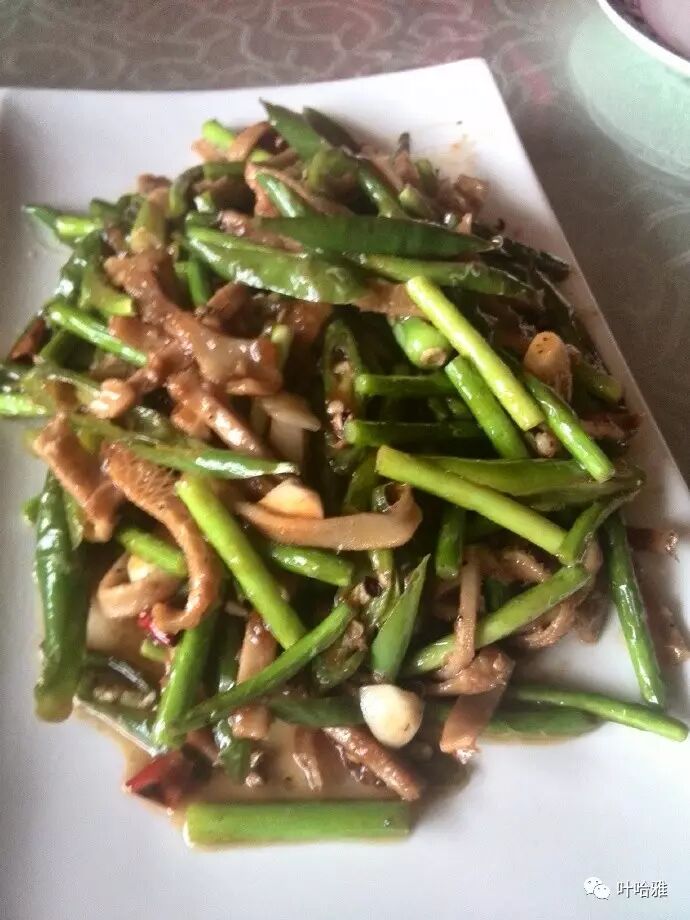
I know many brothers and sisters (dost) do not choose Donglaishun when eating out, but do not be too picky when you reach the south. In Xuzhou, just be content to find a halal restaurant that is not a hand-pulled noodle shop.
Since Donglaishun became a national chain, it serves not only hot pot meat but also stir-fried dishes.
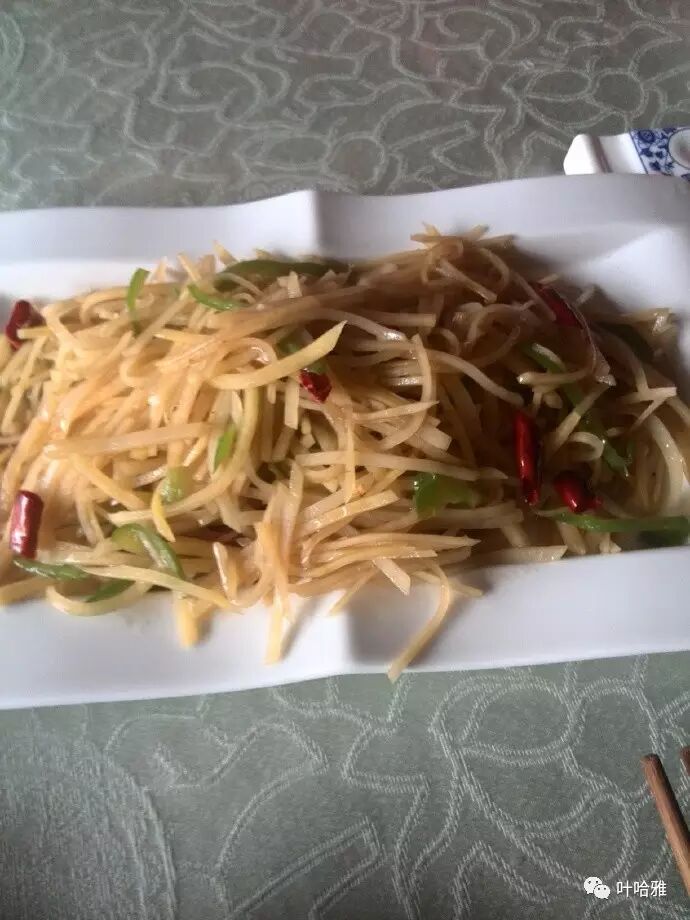
Address: Diagonally opposite Yintai Apartment, Yunlong District, Xuzhou City
2. Xinjiang Flavor Restaurant
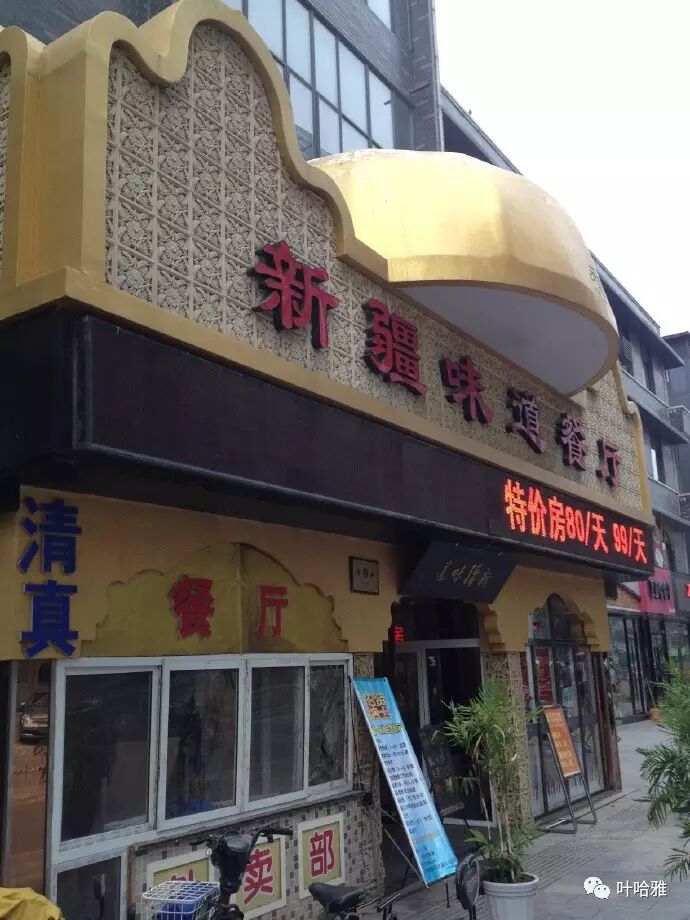
Xinjiang Flavor Restaurant is near the Ginza Mall in Xuzhou. People in Xuzhou eat a lot of lamb, and you can see lamb restaurants everywhere on the street.
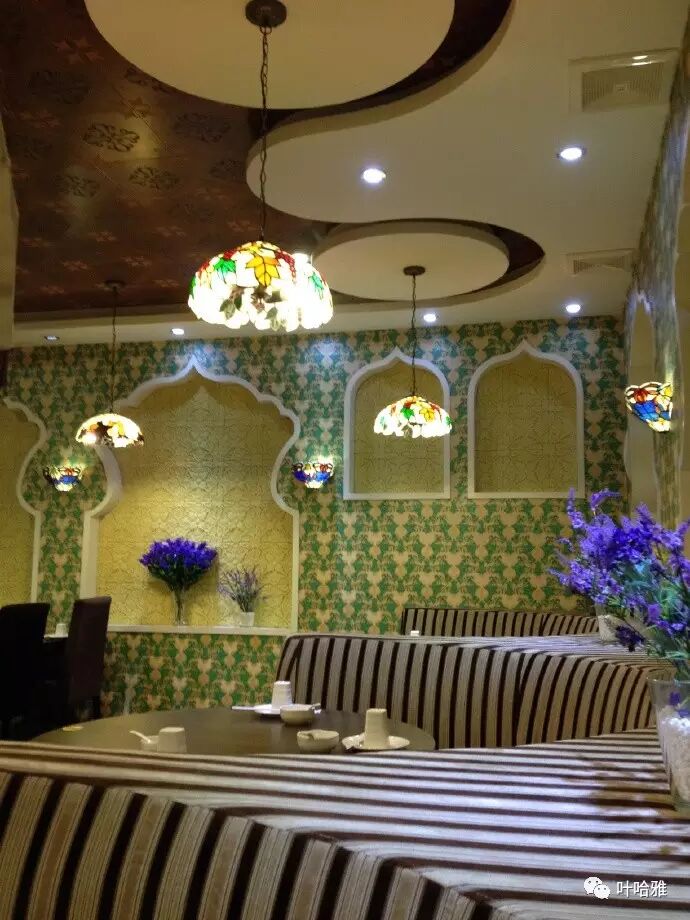
The environment is decorated quite elegantly with a strong Western Regions style.
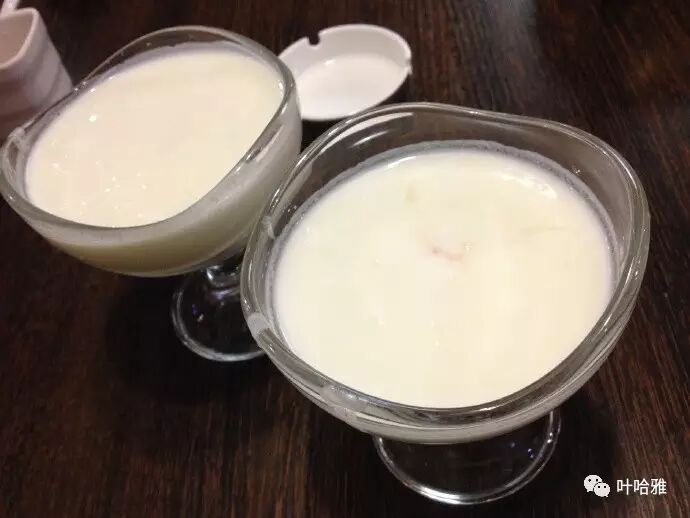
Stir the Xinjiang yogurt before drinking because the sugar is at the bottom, otherwise the sourness will make you cry.
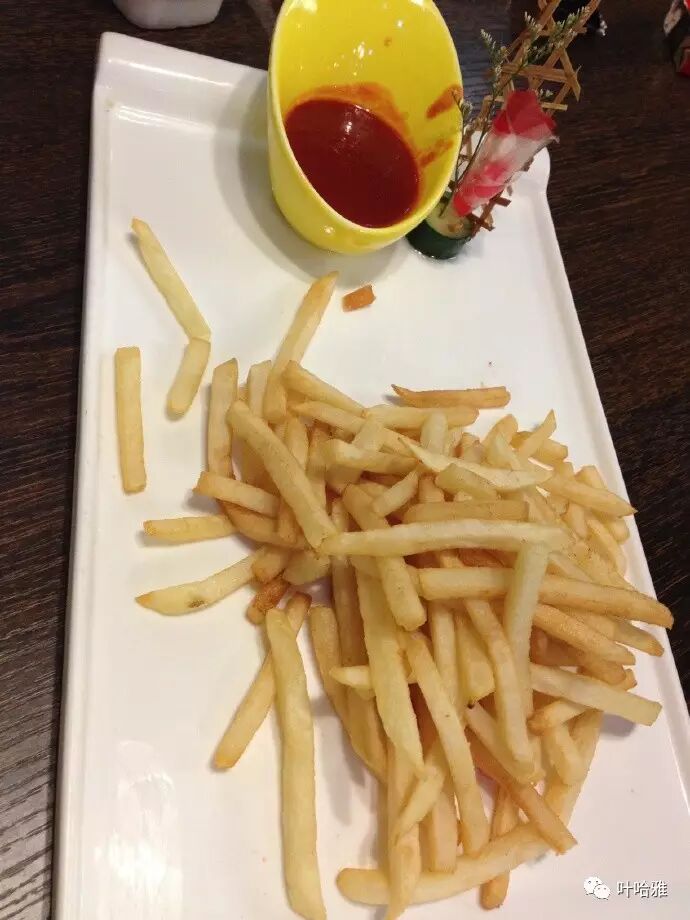
Kazakh-style fries are quite thick and have a very special taste.
Address: Near Ginza Department Store
3. Xuzhou Beef and Mutton Shop
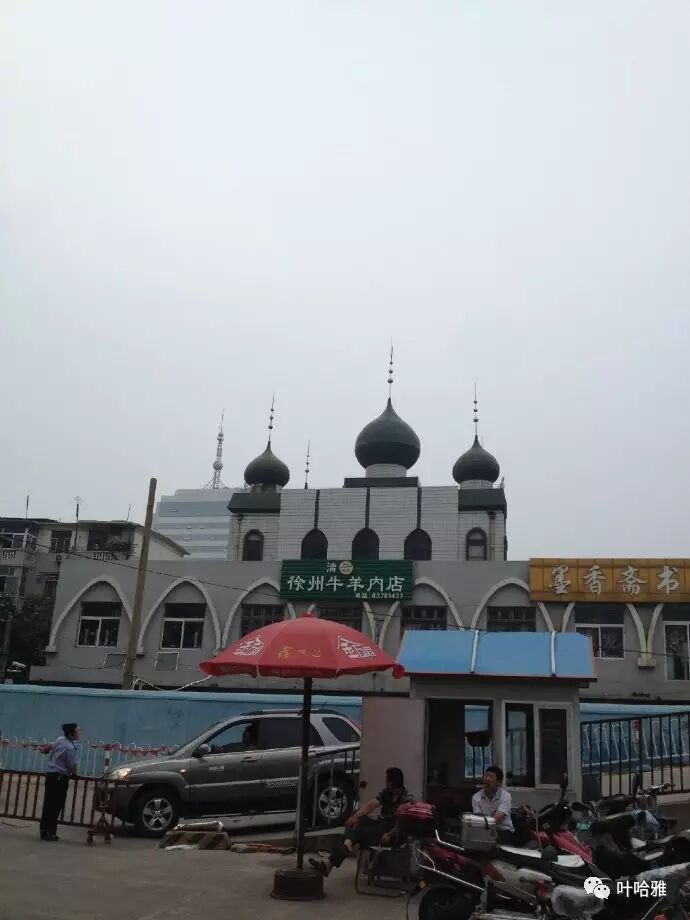
Halal restaurants in Xuzhou basically source their meat from the Xuzhou mosque, so the meat prices here are on the higher side, but you can be sure it is halal.
Address: No. 35, Huanghe West Road, Yunlong District, Xuzhou City
Suzhou
4. Huixianglou
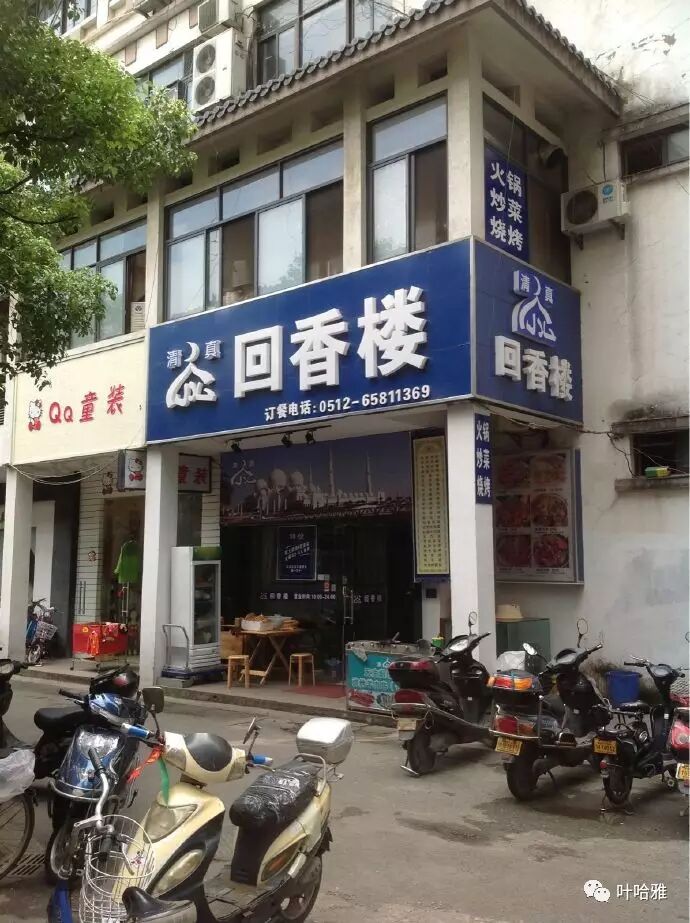
Suzhou is a very beautiful city, but there are really not many halal restaurants here. I have not found any halal restaurants with local flavors yet. At this Huixianglou, you can eat hot pot, and they also make some simple home-style stir-fried dishes and barbecue.
Address: No. 21, Lane 2, Beiju, South Gate of Renmin Shopping Mall (near Pangjie Sauerkraut Fish)
Nanjing
5. Maxiangxing
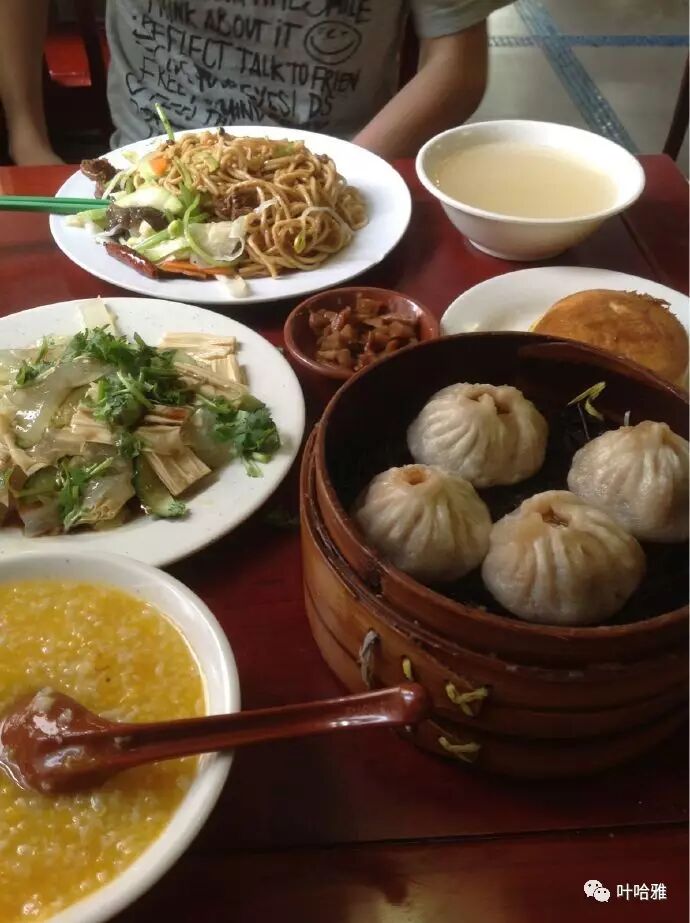
It is much more comfortable once you reach Nanjing. As the ancient capital of six dynasties, Nanjing has nearly 100,000 local Hui Muslims, so it is easy to find halal restaurants.
This Maxiangxing is a century-old shop in Nanjing. It has not only stir-fried dishes but also halal snacks. My favorite is the potstickers (guotie) at Maxiangxing; you cannot find that taste anywhere else once you leave Nanjing. I suggest friends visiting Nanjing come to Maxiangxing for breakfast. There are many varieties, and the taste is excellent.
Address: No. 32, Yunnan North Road, Gulou District (near Hubei Road)
6. Qifangge
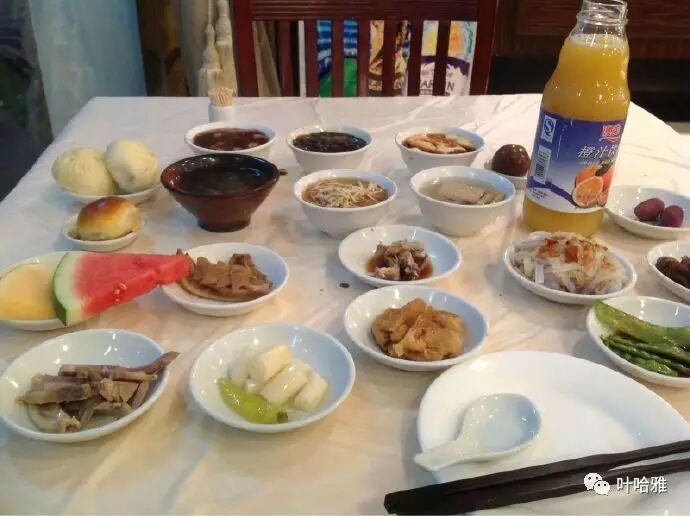
Qifangge Halal Restaurant, located inside the Confucius Temple, is another century-old shop in Nanjing. I highly recommend trying the 25 Qinhuai River snacks here. These 25 items are actually served as one dish, combining various Nanjing snacks on a single table so you can taste a little bit of everything.
Address: 12 Gongyuan West Street (near Confucius Temple)
Shanghai
7. Dadi Black Beef Hot Pot
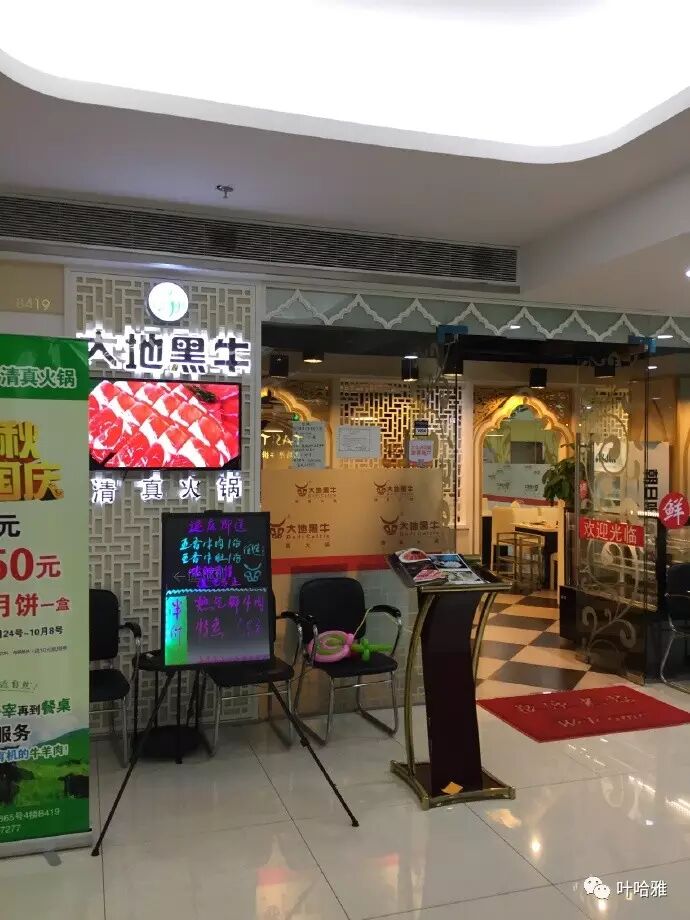
The busier the city, the easier it is to find halal restaurants. However, most halal restaurants in Shanghai focus on Northwest and Western flavors, which can get tiring after a while. This black beef hot pot is a great way to change things up.
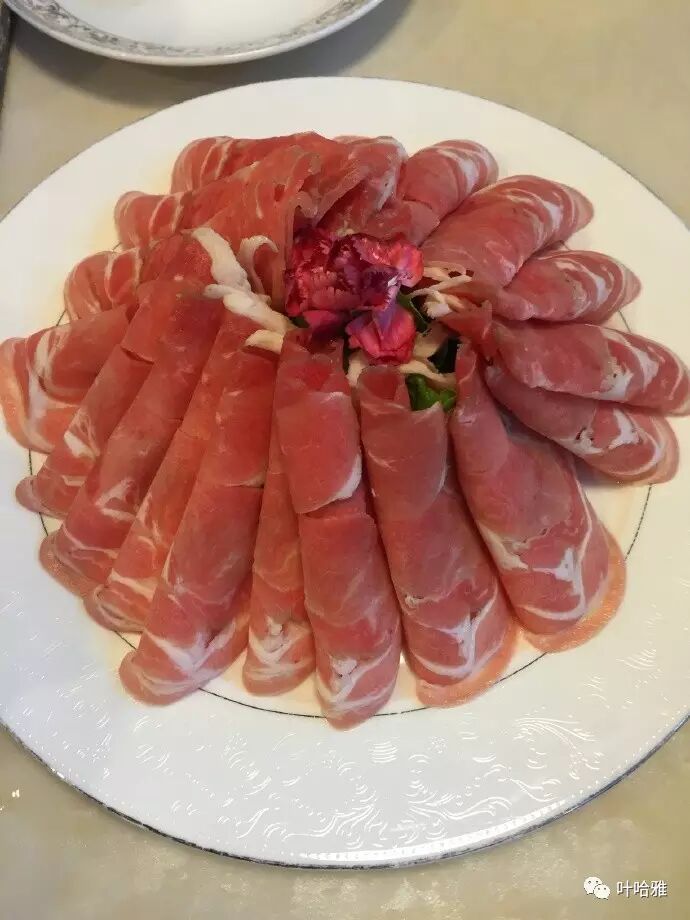
A plate of lamb and a plate of beef.
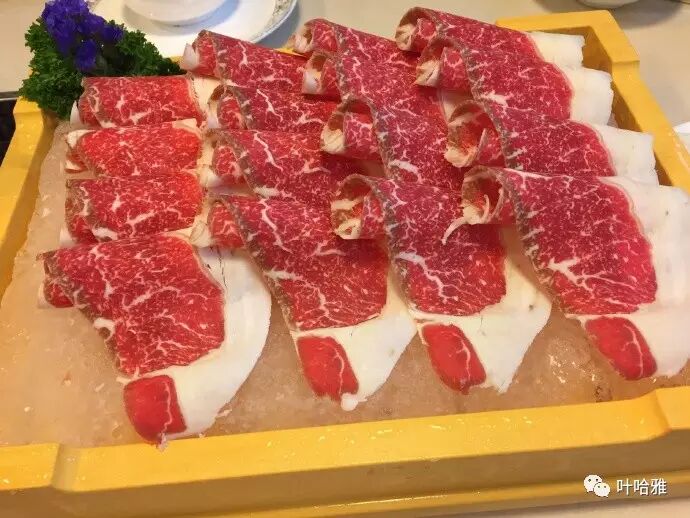
The black beef is not actually black.
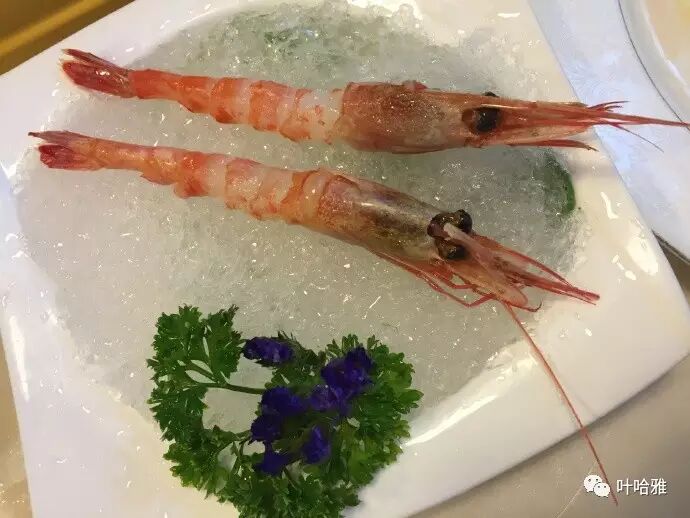
They also serve seafood sashimi and other dishes; I ordered a pair of large shrimp.
Address: Shop B419, Starry Sky Plaza, 1665 Hongqiao Road (Hongqiao Road)
8. Huxi Mosque Jumu'ah Market
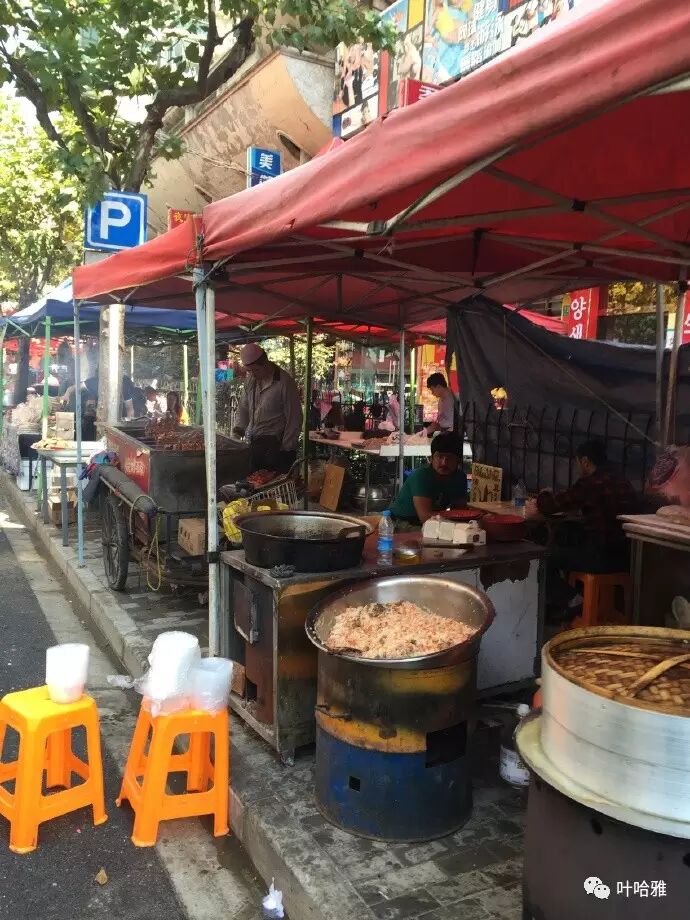
On Changde Road near the Huxi Mosque, there is a market every Jumu'ah (Friday prayer day). It is mostly run by Uyghur merchants. In Xinjiang, these markets are called bazaars.
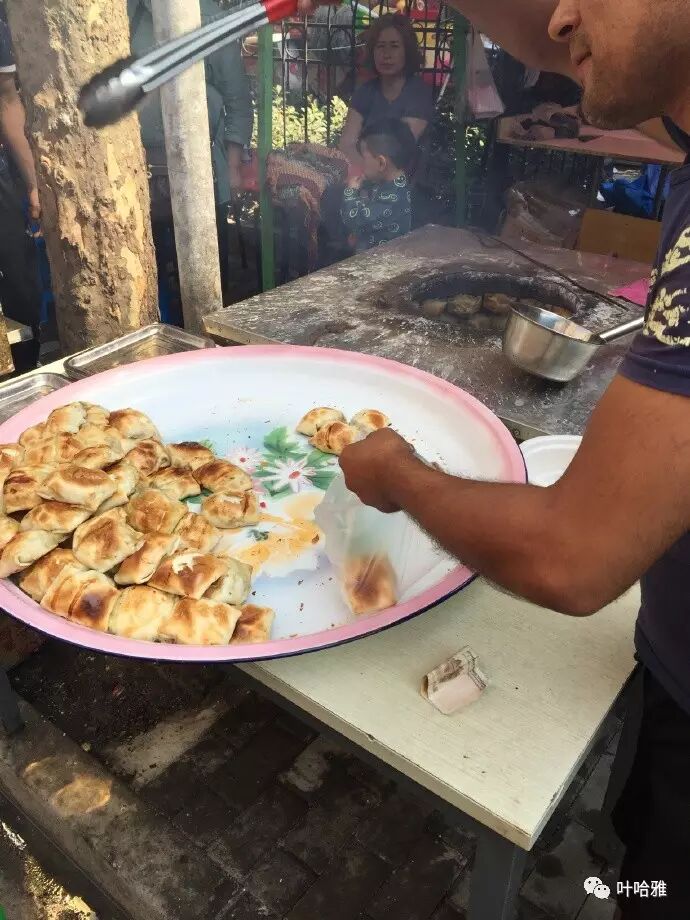
Freshly baked meat buns (kaobaozi).
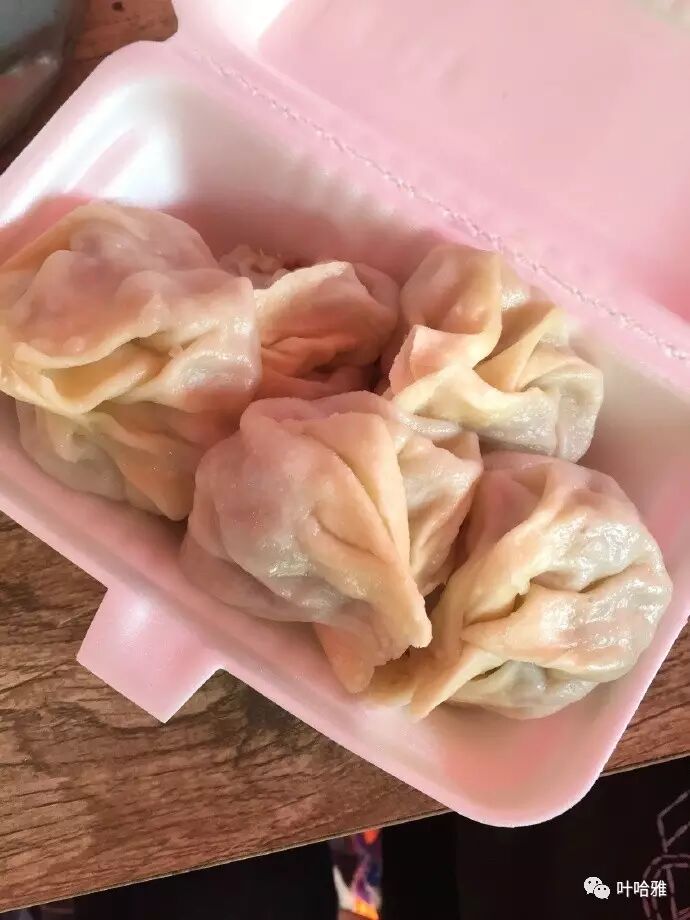
Thin-skinned buns (baopibaozi) filled with lamb.
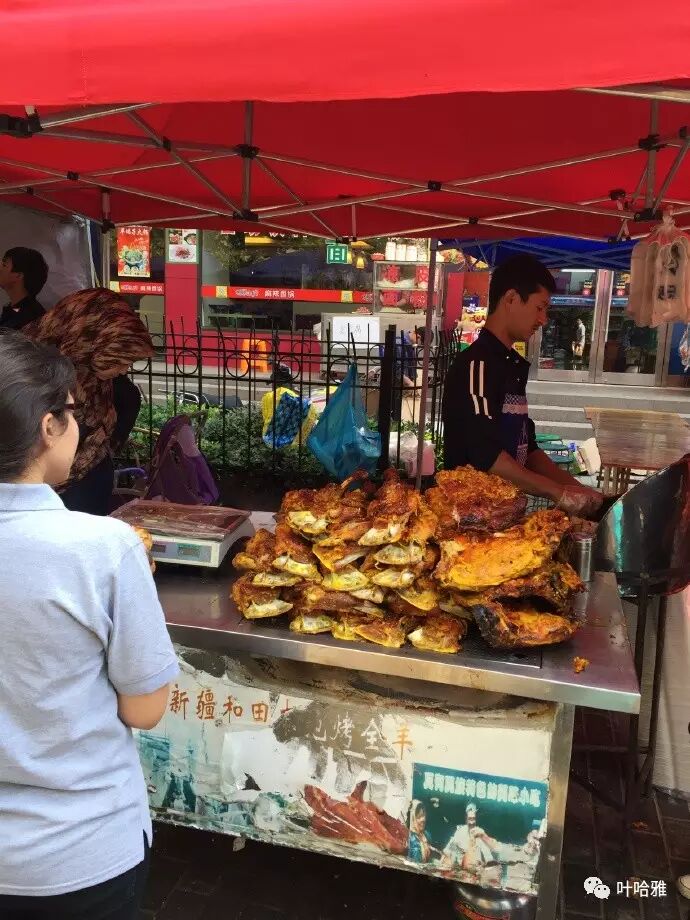
They also sell roasted whole lamb, so remember to come on a Friday.
Address: Changde Road, Putuo District, Shanghai.
9. Uyghur Restaurant (Main Branch)
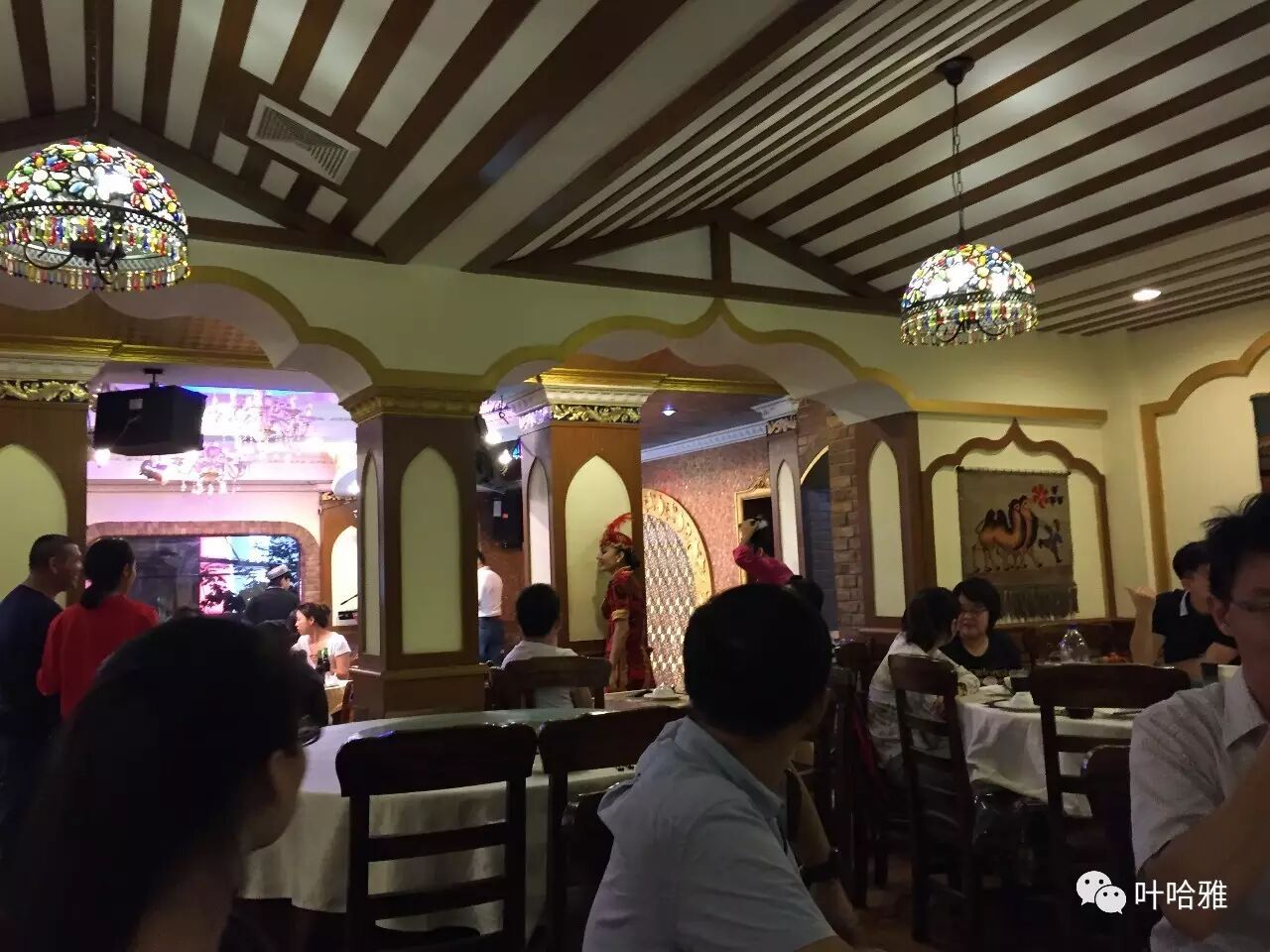
A major feature of restaurants serving Uyghur and other Western Region ethnic cuisines is the dance performance in the evening.
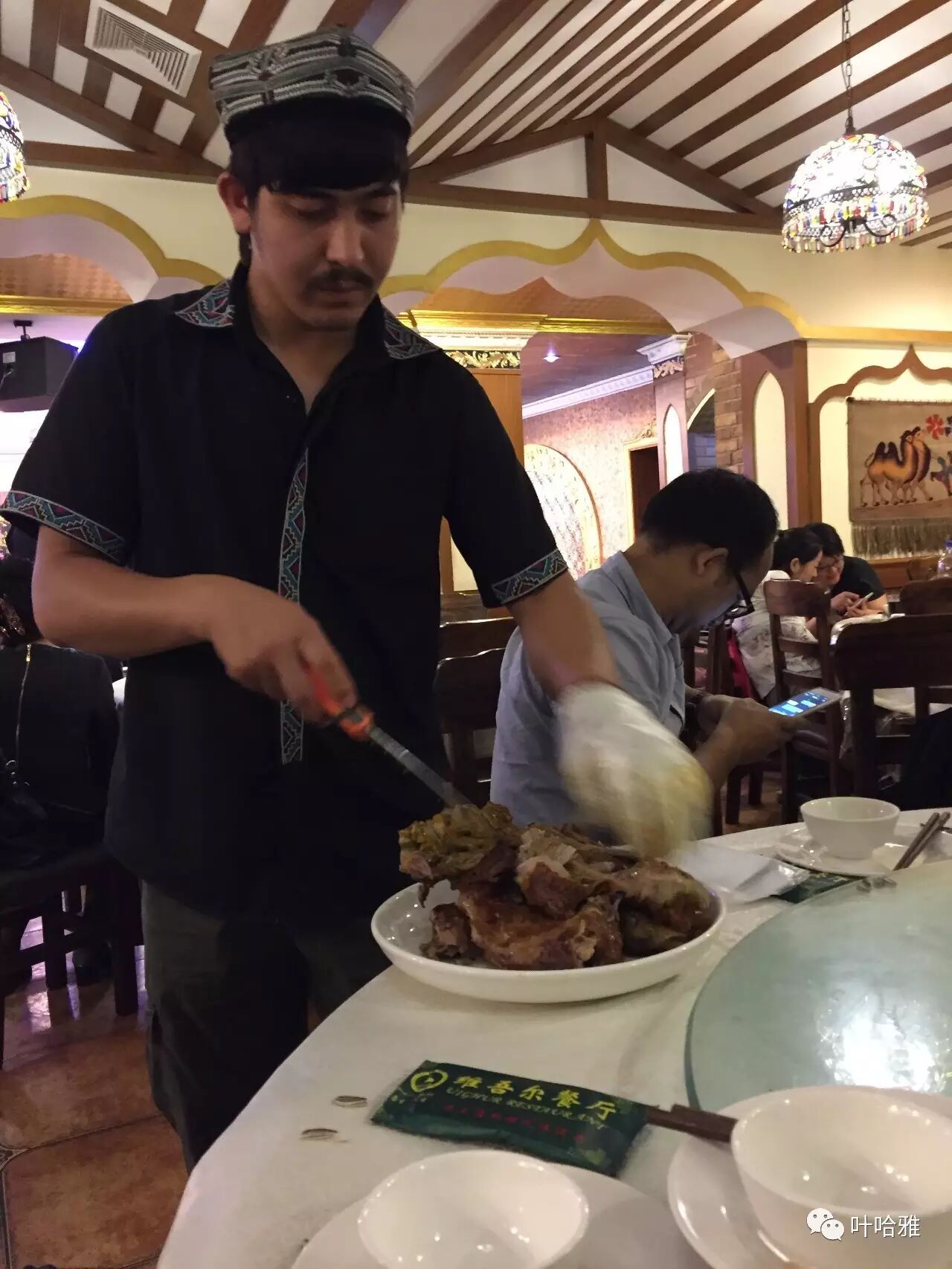
The roasted lamb leg is delicious, and this place is great for group meals.
Address: 280 Yishan Road, Xuhui District (between Nandan Road and Puhuitang Road)
Hangzhou
10. Northwest Family (Xibei Renjia)
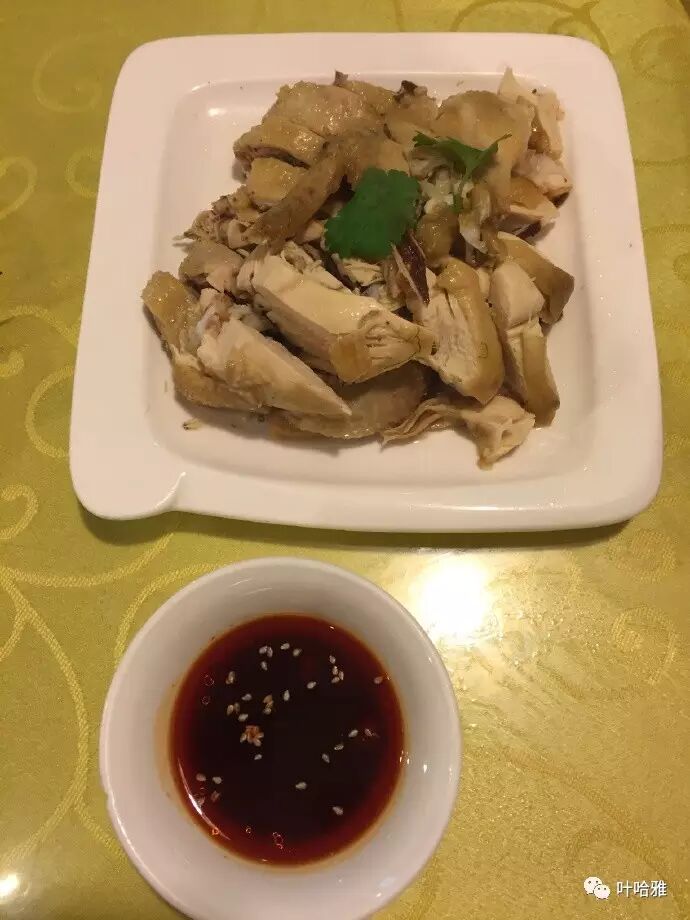
Located near West Lake, Northwest Family is not run by local Hangzhou people, but it has been in Hangzhou for 20 years. The menu has adapted to local tastes. This is white-cut chicken (baizhanji).
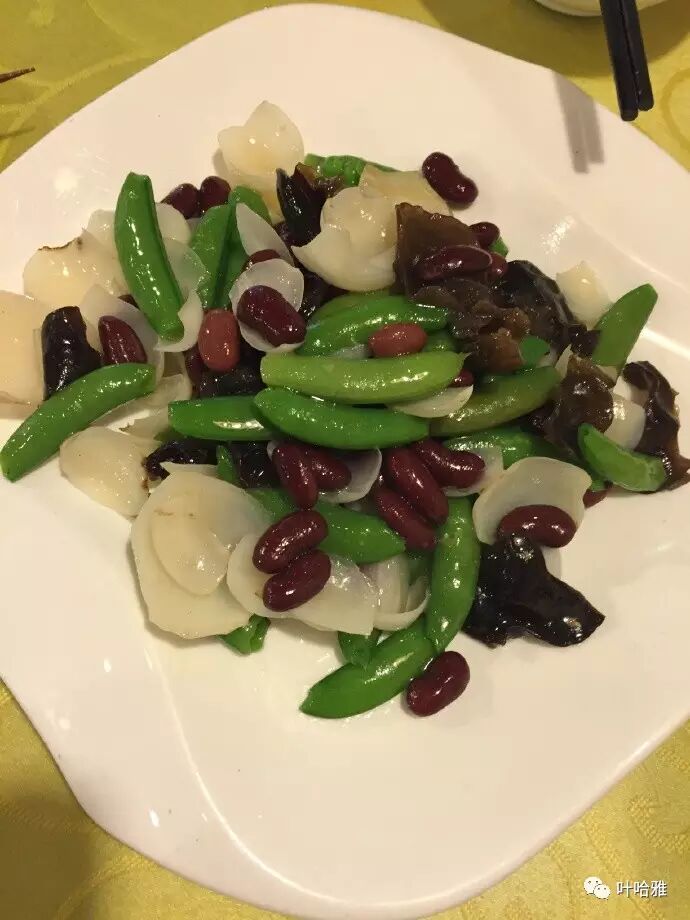
If you want to eat Hangzhou-style halal food, this is the only restaurant that has it. This is the Huaiyang four-vegetable dish (Huaiyang sishu).
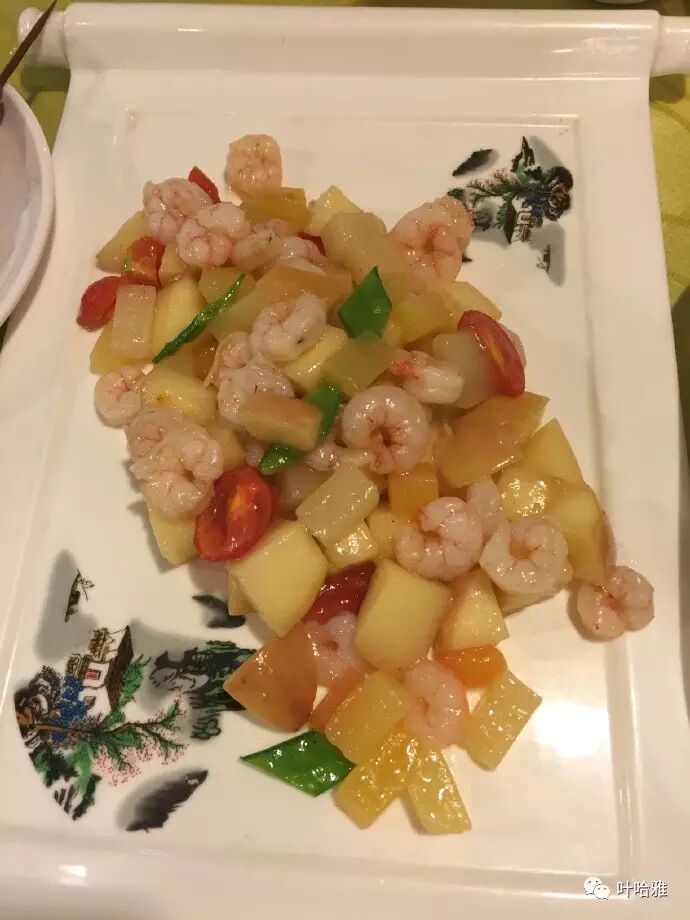
Fruit shrimp (shuiguo xiaren).
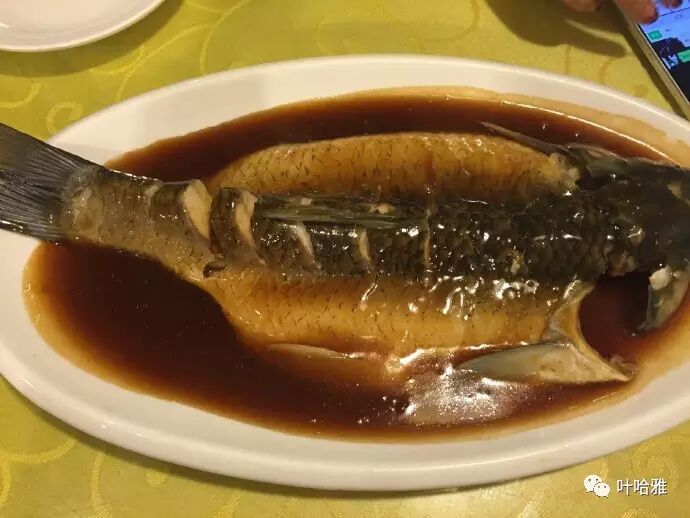
They serve West Lake vinegar fish (xihu chuyu) here. I am not sure if it is authentic, but it tastes good.
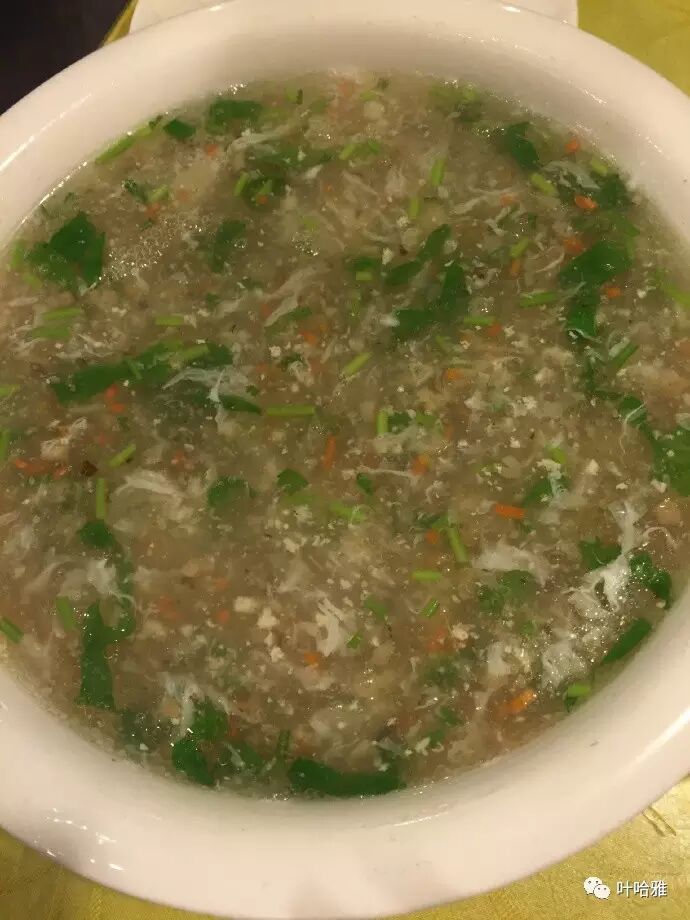
Enjoying West Lake beef soup (xihu niurou geng) by the side of West Lake.
Address: 1st Floor, Zhejiang Great Wall Asset Building, No. 23 Youdian Road.
Jiaxing
11. Jiaxing Mosque
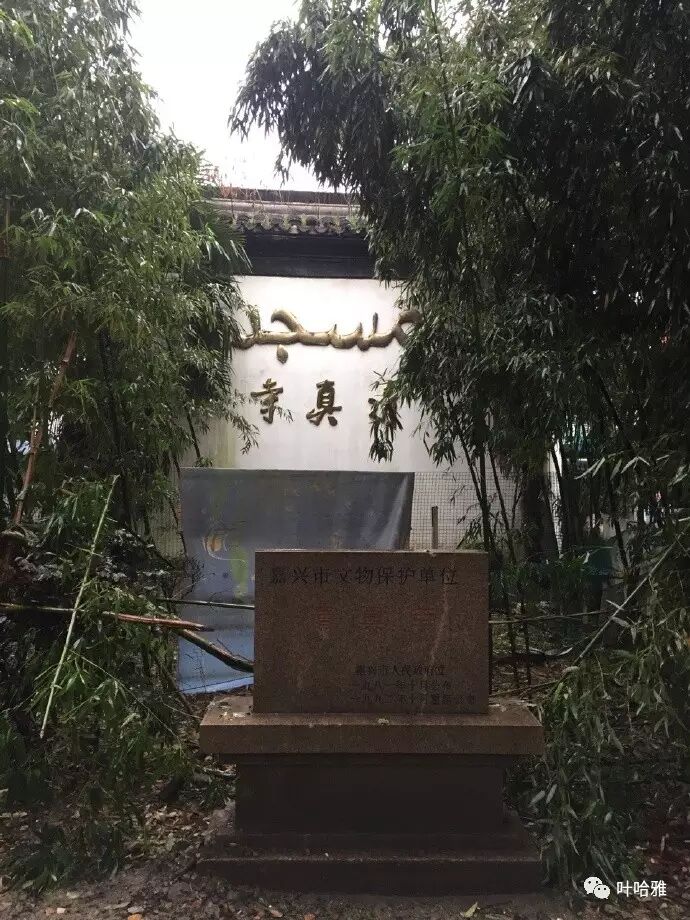
Jiaxing Mosque was built during the Ming Dynasty. You can buy halal beef and lamb here.
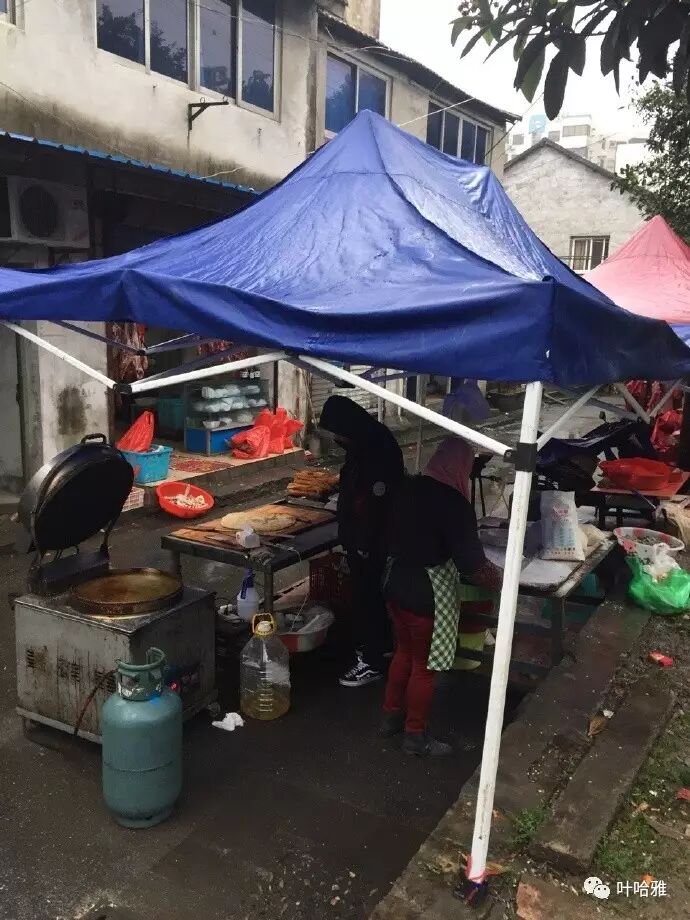
There is a breakfast shop at the entrance of the mosque selling fried dough sticks (youtiao), steamed buns (baozi), and more. About 500 meters to the right of the mosque's main entrance, there is a halal restaurant called Yipin Meishi.
I saw it while passing by in a car. I was in a rush and did not get to try it, but if you have the chance, you should go check it out.
Address: No. 469 Huancheng East Road, Nanhu District, Jiaxing City.
Shaoxing
12. Medina Western Restaurant
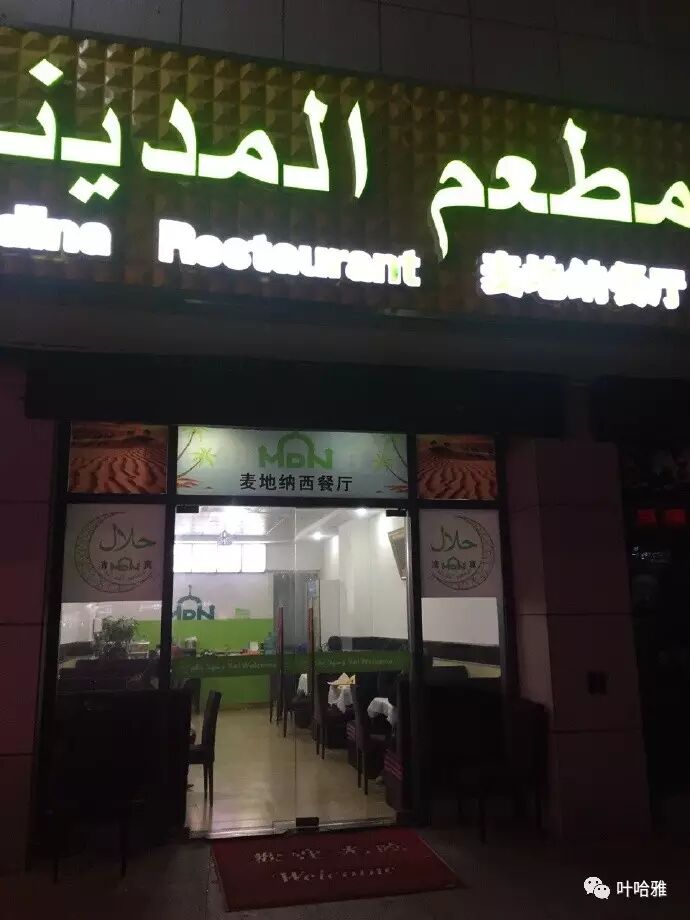
I found this place after I had already eaten. There is also an Indian restaurant right next to it.
Address: Diyang Road, Changlong Building, Keqiao District, Shaoxing City (next to Hanting Hotel).
13. JAI HIND Indian Cuisine
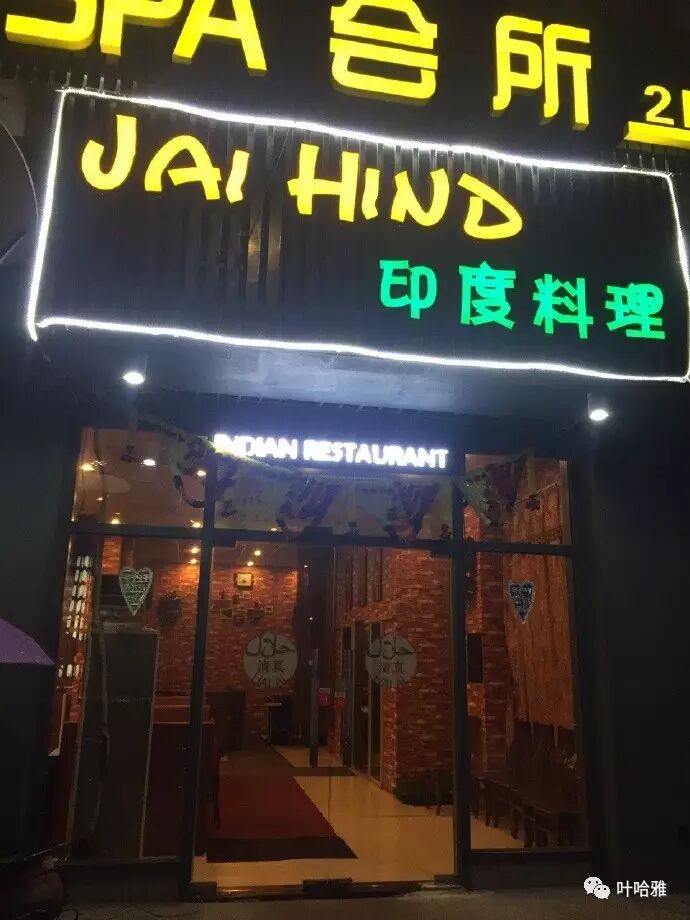
It is right next to Medina Restaurant. There are a few other halal restaurants in this area, so I suggest friends visiting Shaoxing stay nearby for easy dining.
Address: Diyang Road, Changlong Building, Keqiao District, Shaoxing City (next to Hanting Hotel).
14. Pamir Restaurant
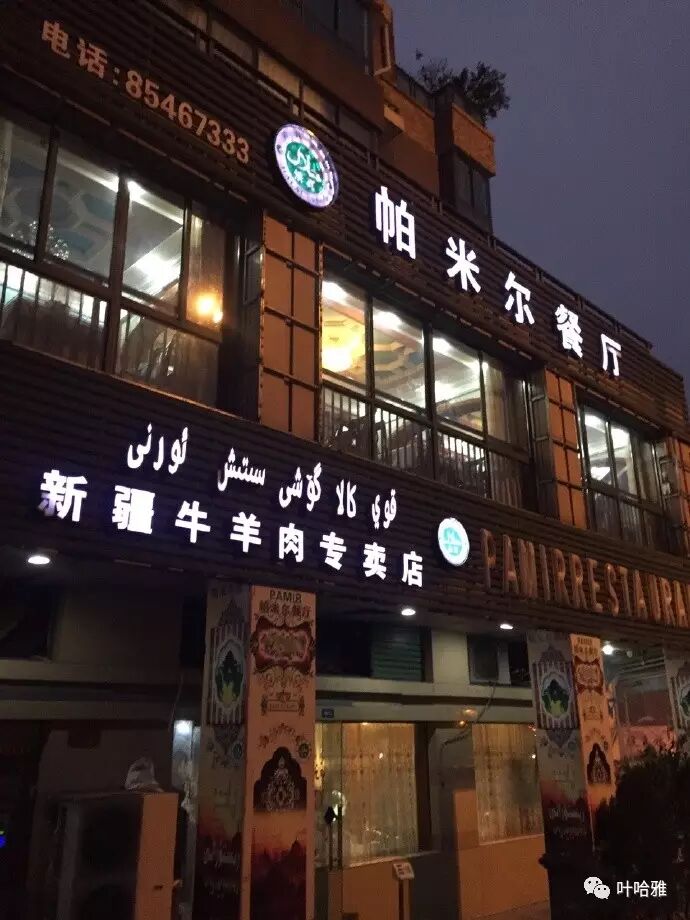
This is a large Xinjiang restaurant. It has a good local reputation and is very popular.
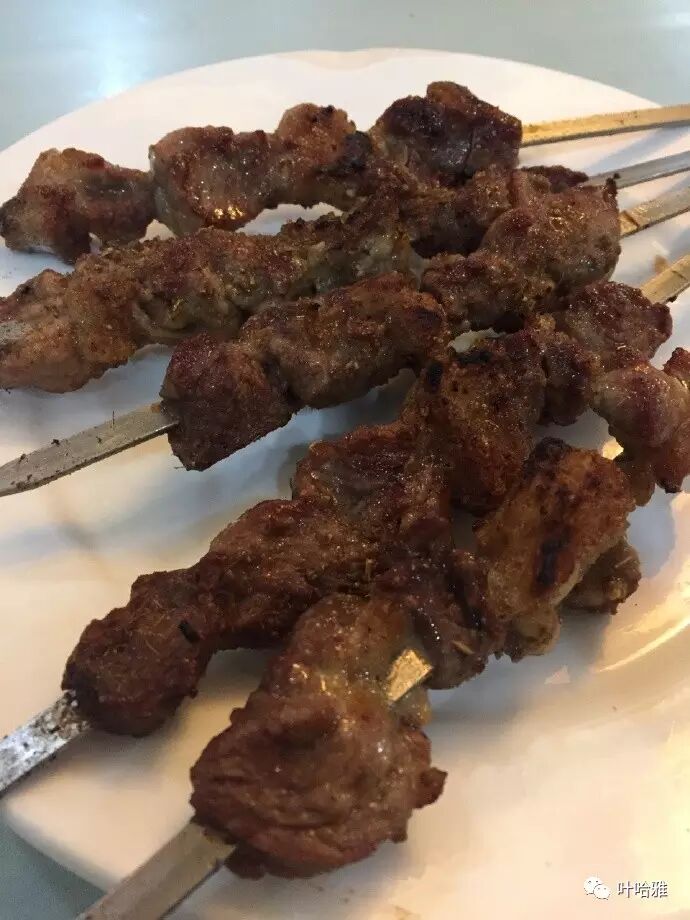
Freshly grilled meat (kaorou).
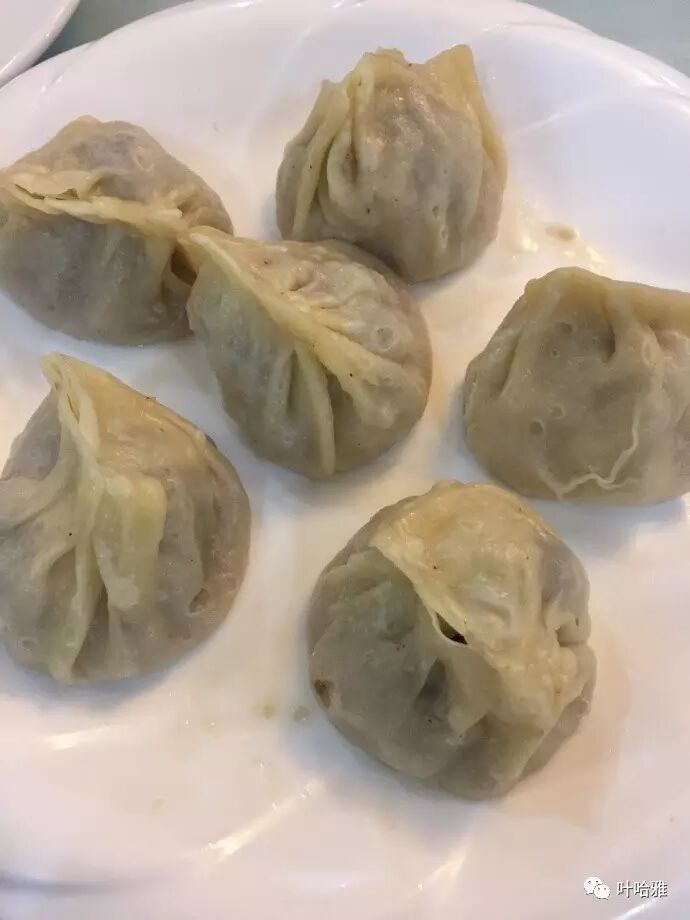
Thin-skinned lamb buns (baopi yangrou baozi). They are wrapped and steamed to order, so you have to wait half an hour.
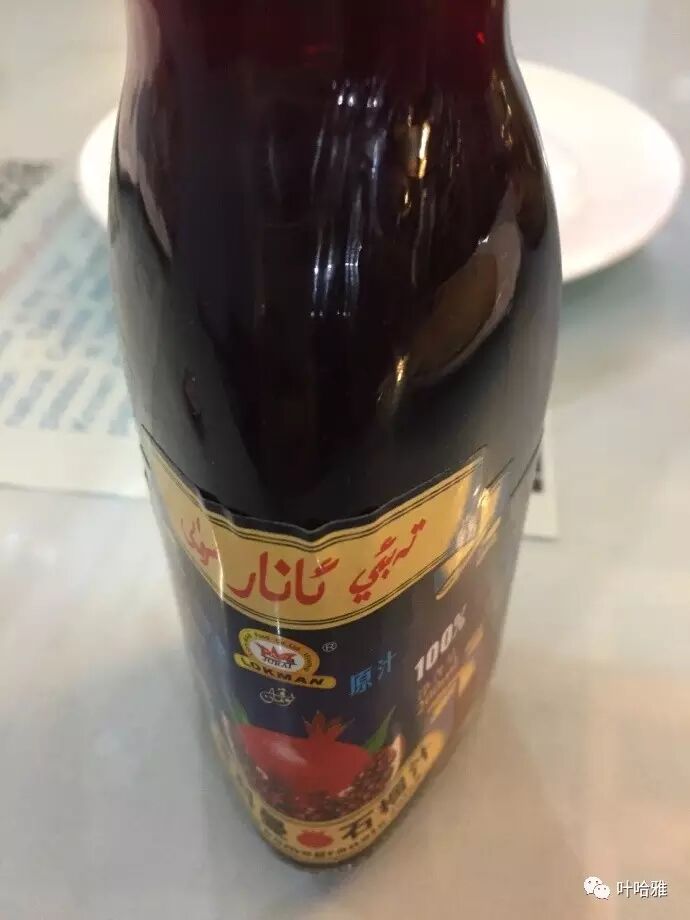
I like to have pomegranate juice with my grilled meat. Guided by the owner, I also found the nearby Pakistan Kuba Mosque. Although it is a temporary place for namaz, it has all the necessary facilities.
Address: Wanshang Road, Shaoxing County, Shaoxing City (near Jinlin Tiandi).
Ningbo
15. Dongyishun
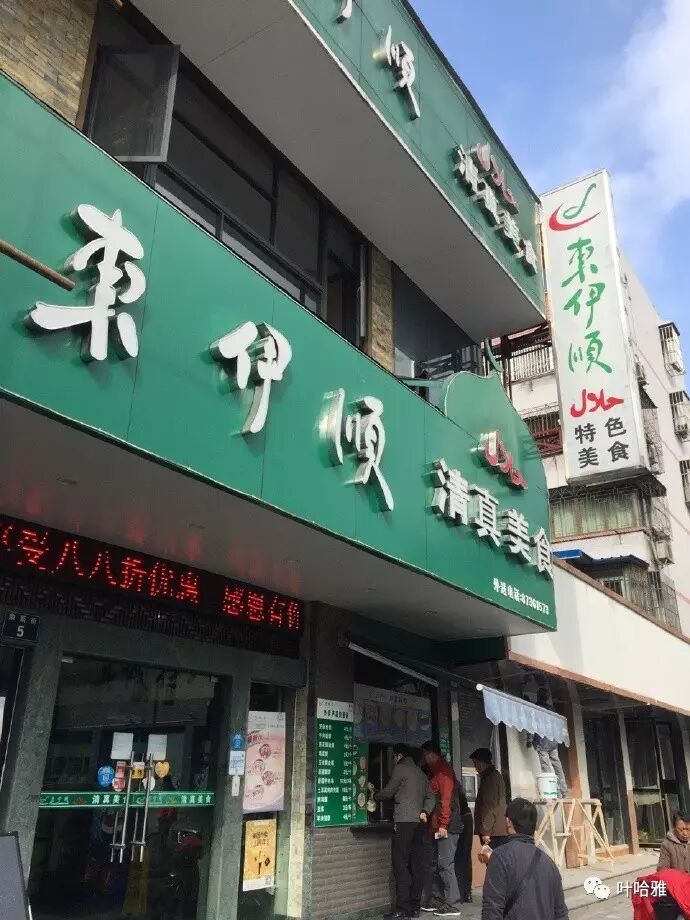
There are many chain locations in Ningbo, mainly selling halal snacks and fast food.
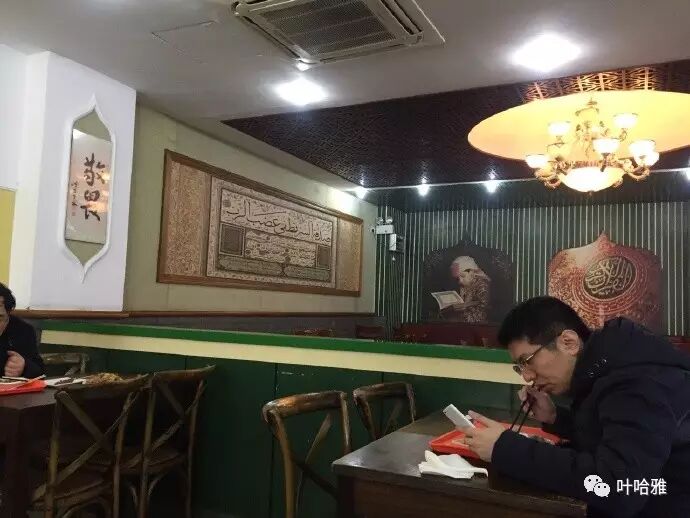
The shop prohibits smoking and alcohol. The owner is very devout and has written many books.
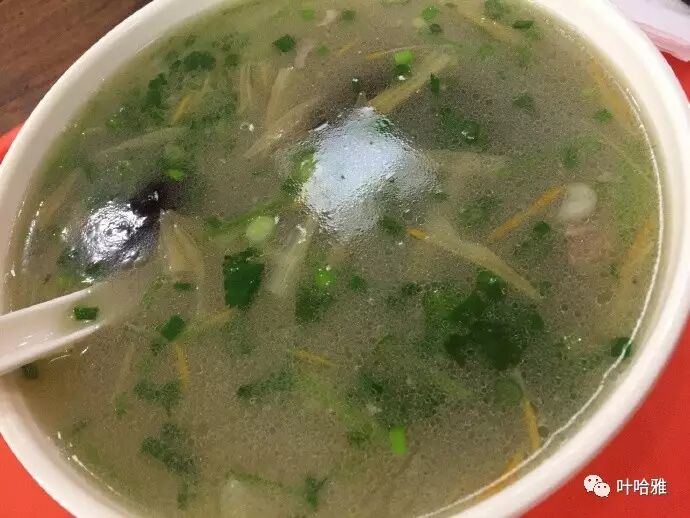
Delicious lamb soup (yangtang).
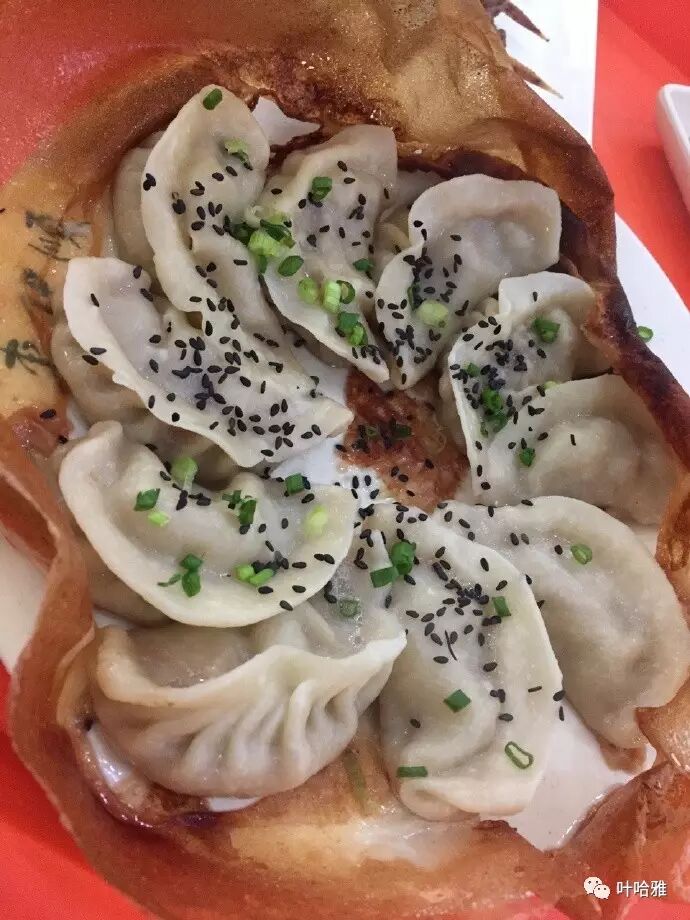
Lamb potstickers (guotie). The food in the shop is very tasty and seasoned just right.
Address: No. 5 Dingxin Street, Ningbo (chain store).
16. Manboer Revolving Hot Pot
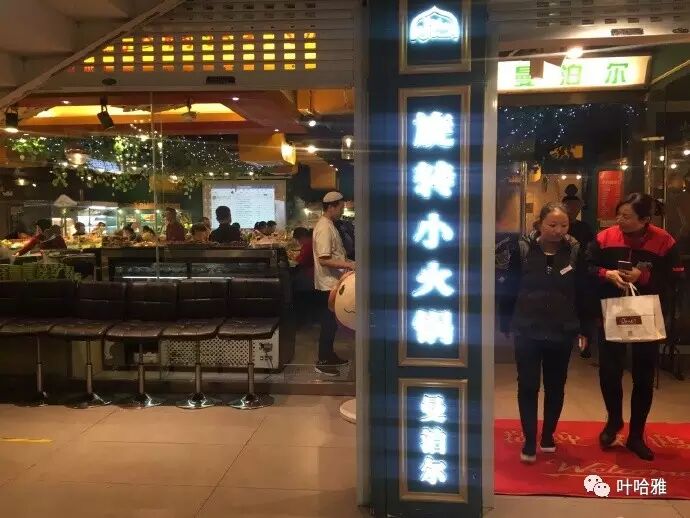
It is a blessing to be able to eat small hot pot in Ningbo.
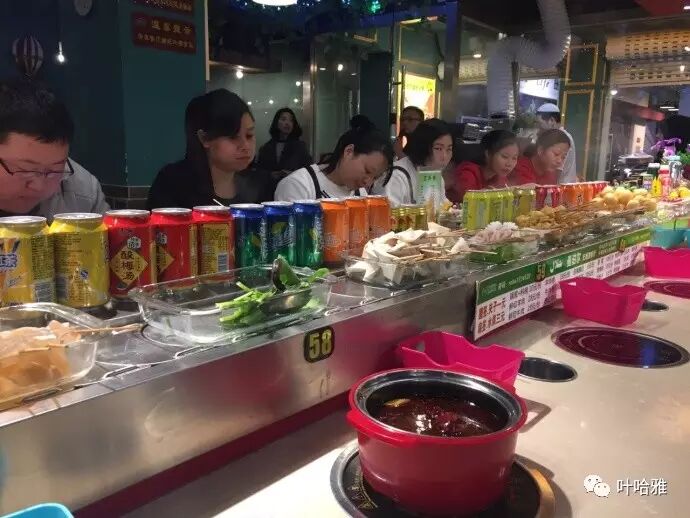
There is a variety of seafood, meat, fruit, and vegetables to choose from here.
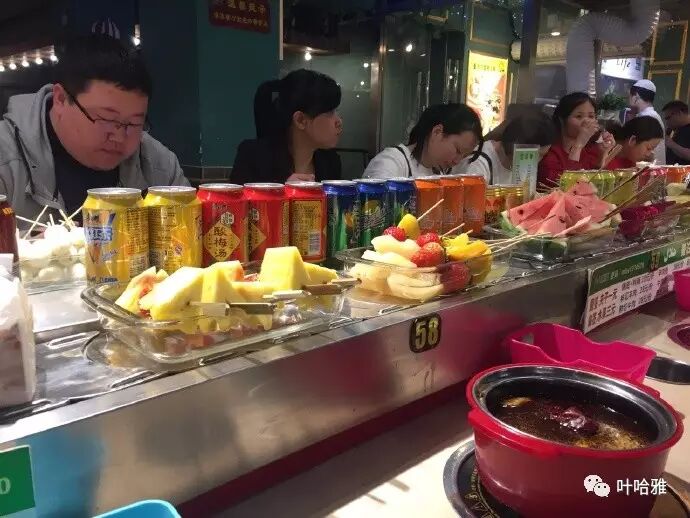
After eating, take your skewers to the front desk to pay.
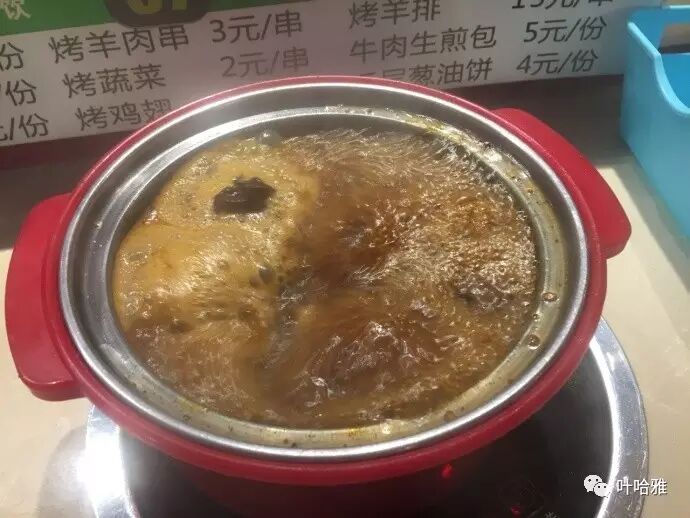
Each person gets their own pot, with options like clear broth and spicy flavors.
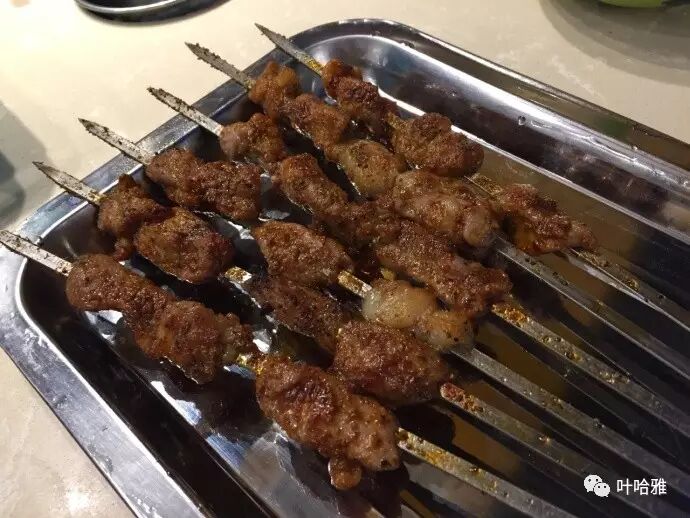
You can also order freshly sliced lamb skewers (chuanr) separately.
Address: First floor, Building 36, Dongdu Road, next to Intime Department Store.
Taizhou
17. Henan Halal Restaurant
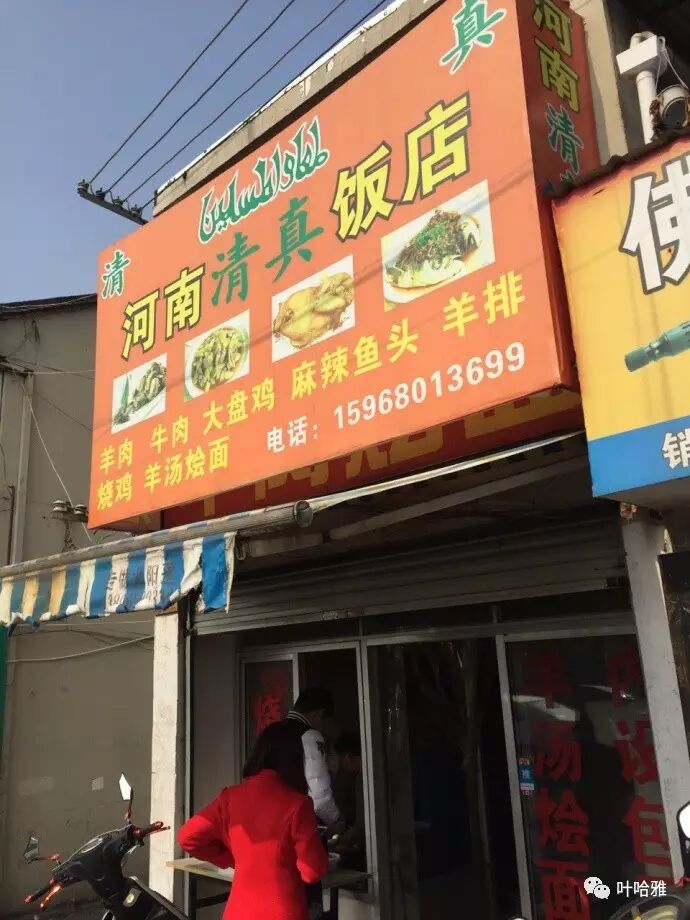
Taizhou does not have a permanent mosque, only temporary places for prayer. Because of this, there are no particularly large halal restaurants.
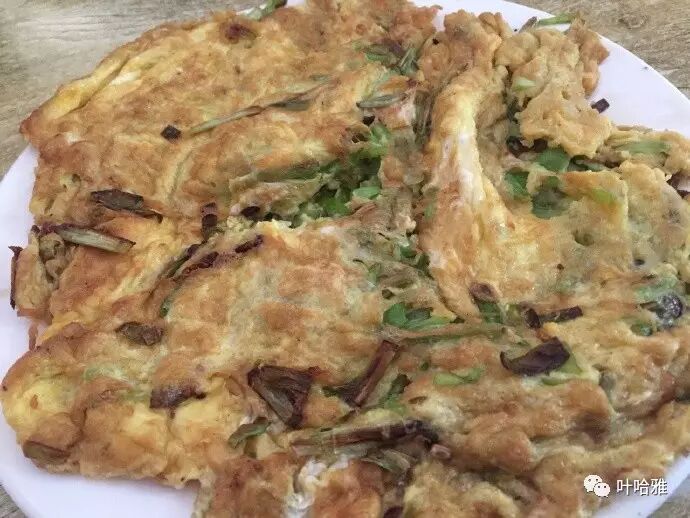
Scrambled eggs (tan jidan).
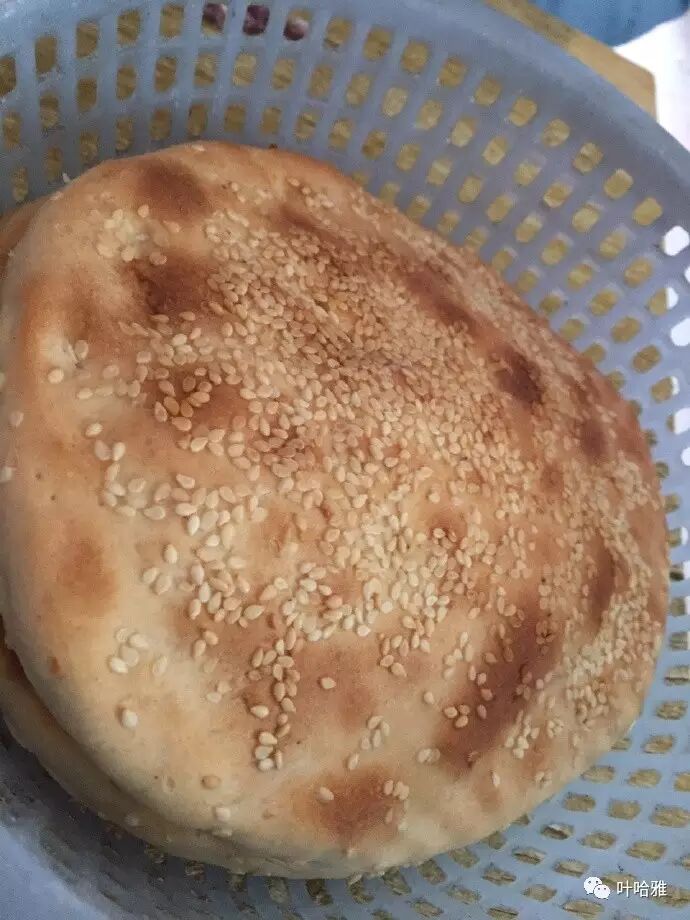
This flatbread (bing) is delicious and great for dipping in vegetable soup.
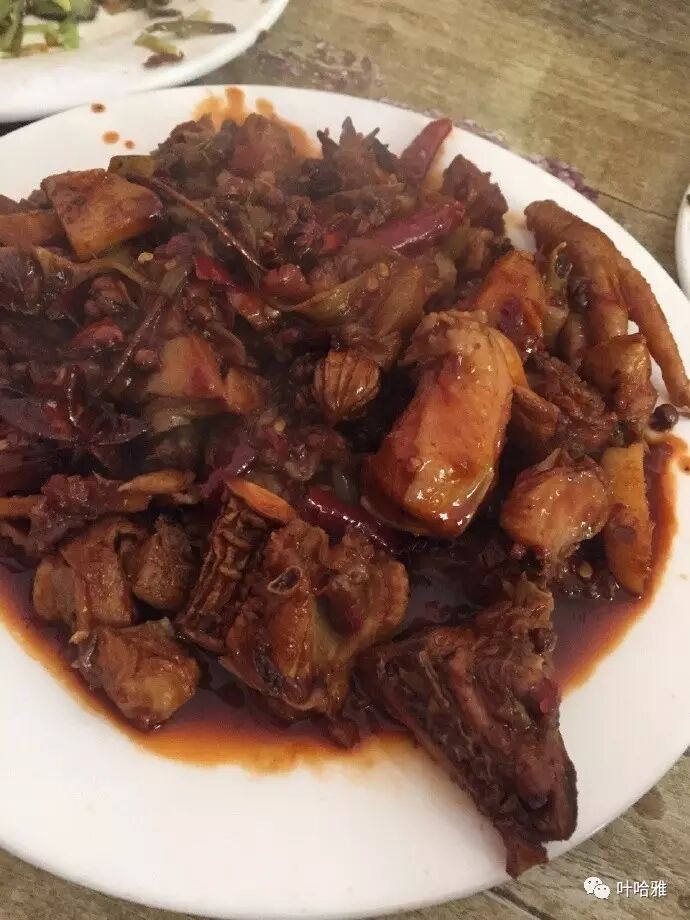
Spicy chicken pieces (mala jikuai). In the mild-flavored south, this counts as a heavy-flavored dish.
Address: Huangjiao Road frontage road, Jiaojiang District, Taizhou.
18. Lanzhou Hand-Pulled Noodles (lamian)
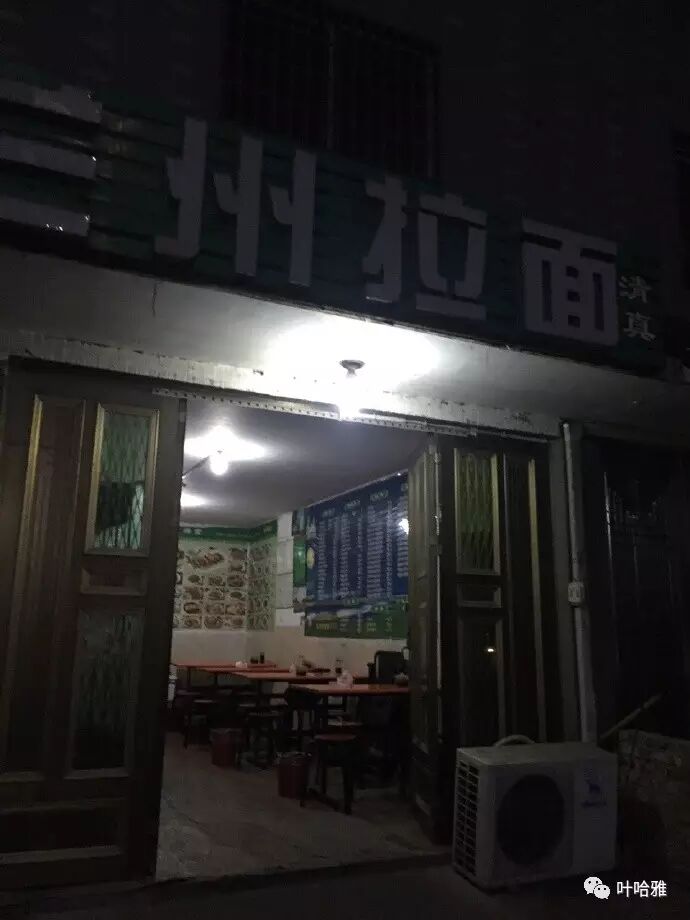
This noodle shop is worth mentioning because I was worried about finding food at night, and I discovered this place by the side of the road. It does not show up on maps.
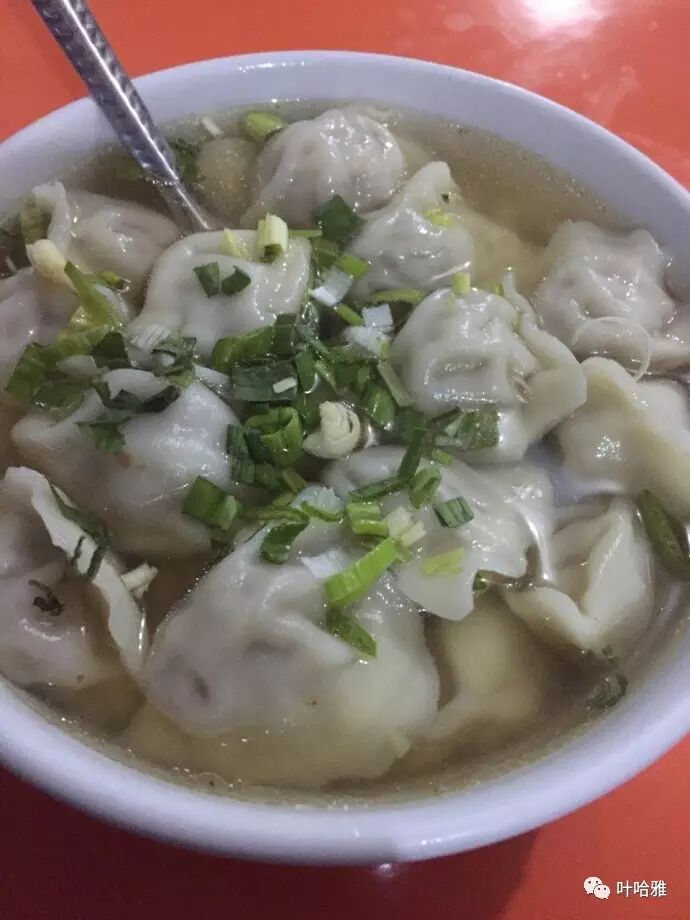
Many noodle shops in the south have started serving boiled dumplings (shuijiao) with lamb or beef fillings.
Address: Luohui Huang Village, Qingfeng Avenue, Huangyan District.
Wenzhou.
19. Lanzhou Hand-Pulled Noodles (Lanzhou lamian).
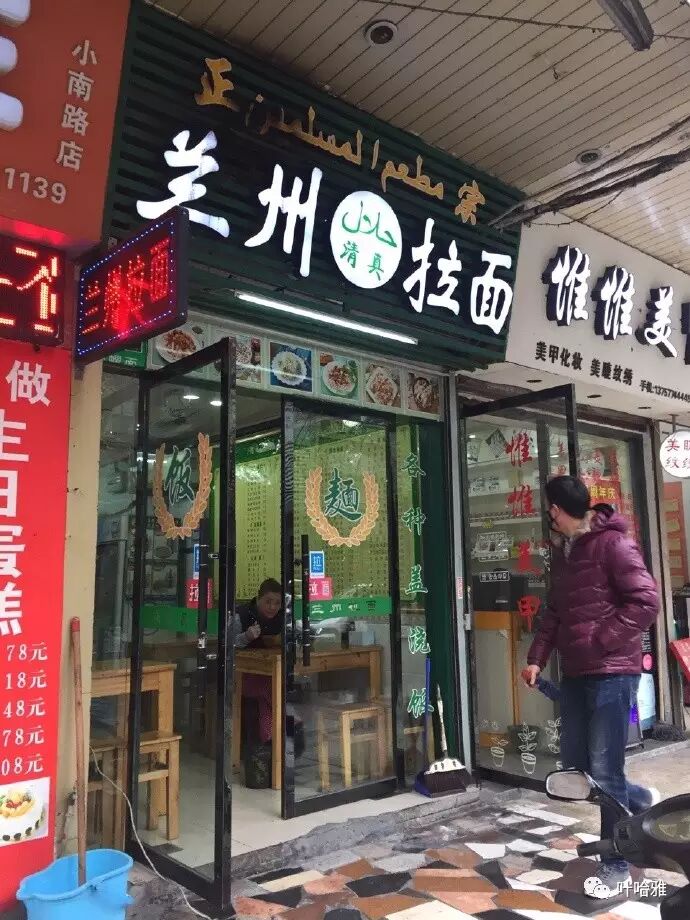
I am recording this noodle shop because the staff were so kind. I was just passing by to ask for the location of a mosque in Wenzhou, and they specifically asked for the address for me in their Salar noodle shop group chat.
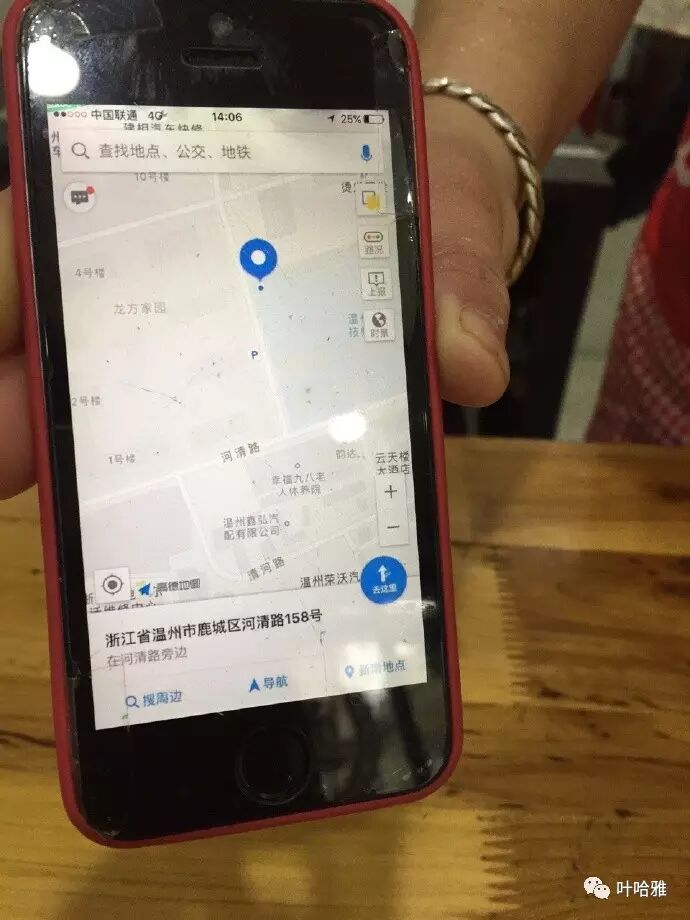
Many Salar people run noodle shops in Wenzhou. The mosque address shown on Baidu Maps is no longer valid. The new location is on Heqing Road, and you really cannot find it without asking someone. Near Heqing Road, you can buy halal beef, lamb, and some packaged foods.
Address: Wuma Pedestrian Street, near Xiaonanmen Station.
20. Xinjiang Abudu Barbecue.
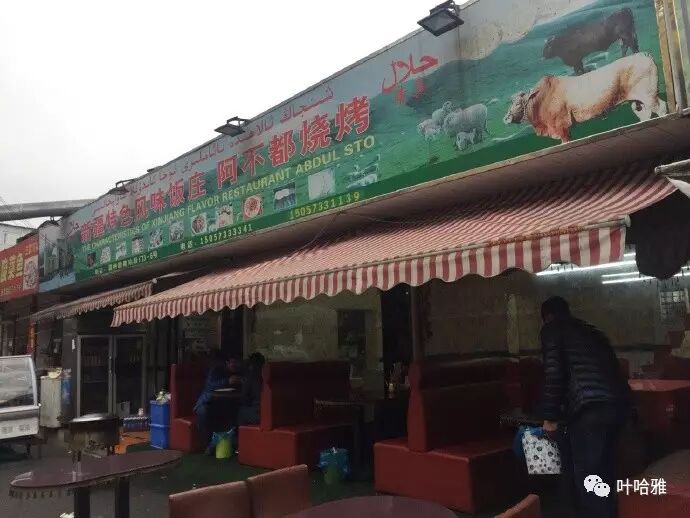
The owner of the beef and lamb shop on Heqing Road told me there are no large halal restaurants in Wenzhou, but this Xinjiang barbecue shop counts as a big one. Several noodle shops are also clustered in the surrounding area.
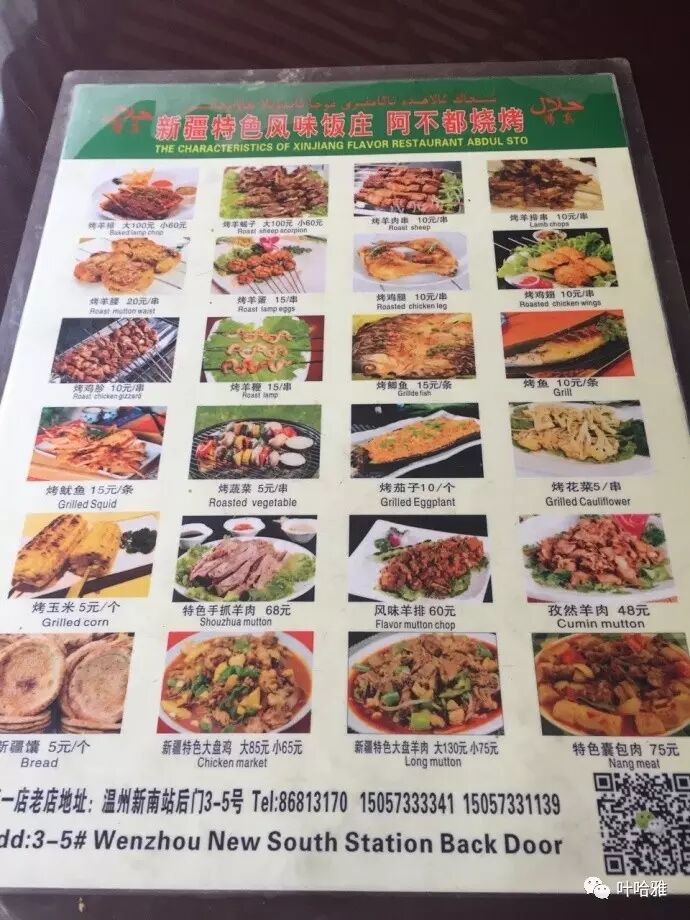
The cost of living in Wenzhou is high, and the local people are wealthy. People say the standard gift money for a friend's wedding is 2,000 yuan.
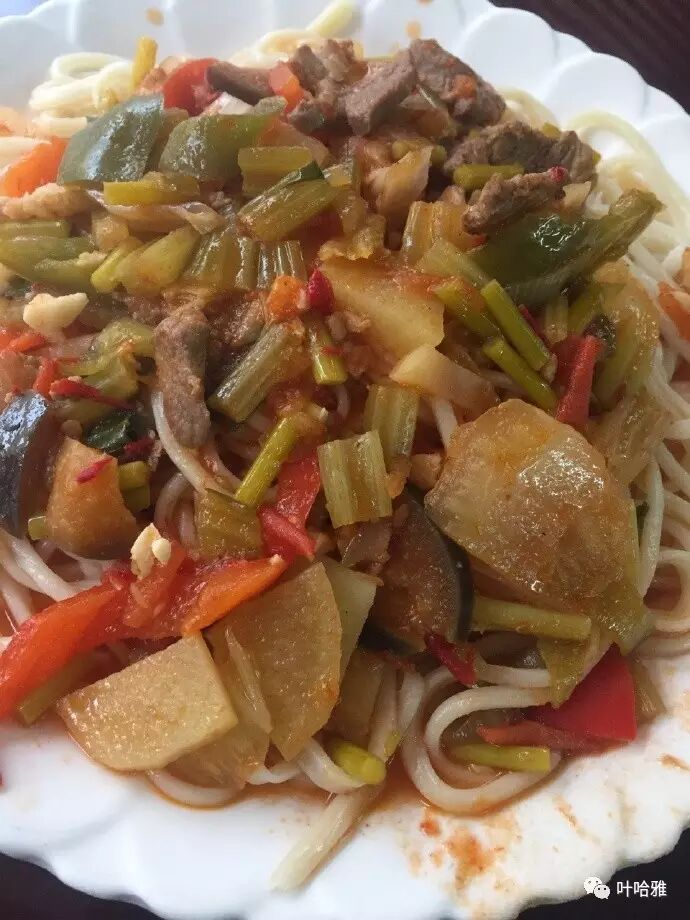
Xinjiang mixed noodles (banmian).
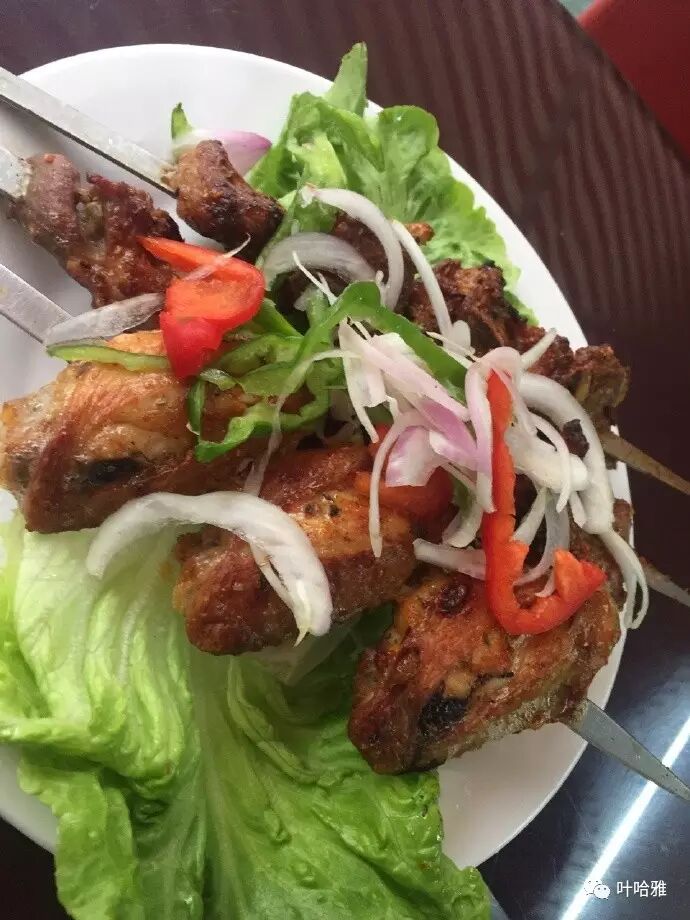
Grilled chicken wings and grilled lamb chops.
Address: Next to the gas station at Wenzhou New South Station.
Yiwu.
21. Fatiha Restaurant.
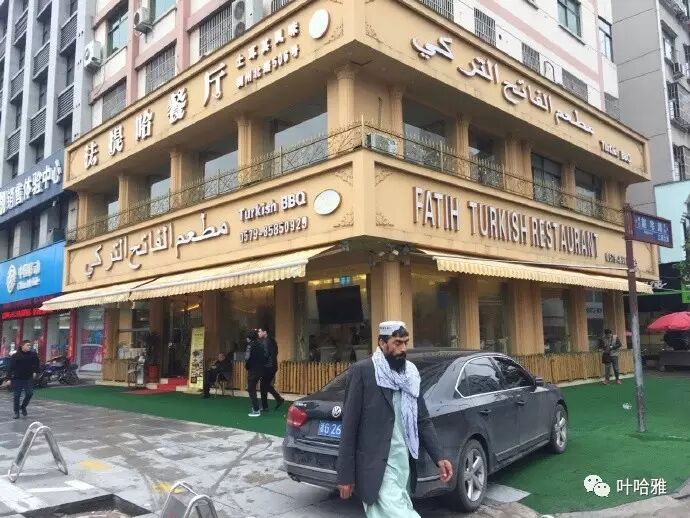
The place with the highest concentration of halal restaurants in Zhejiang Province is Yiwu, a city under the jurisdiction of Jinhua. It takes 15 minutes to get to Yiwu by train from the Jinhua high-speed railway station.
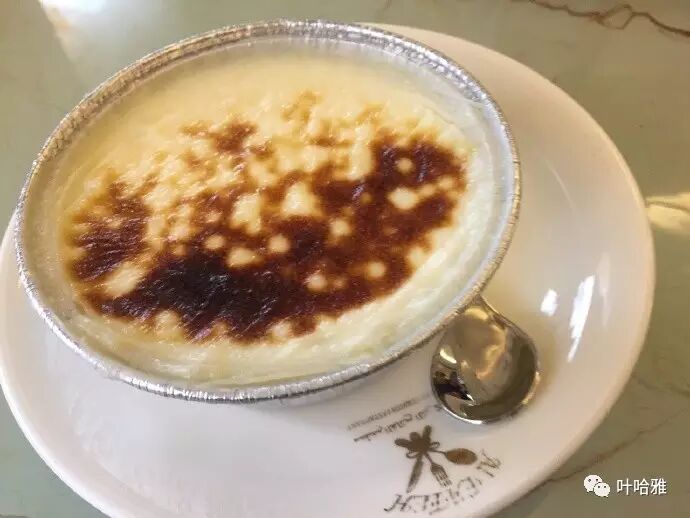
Cream pudding; the desserts at this Turkish restaurant are of a very high standard.
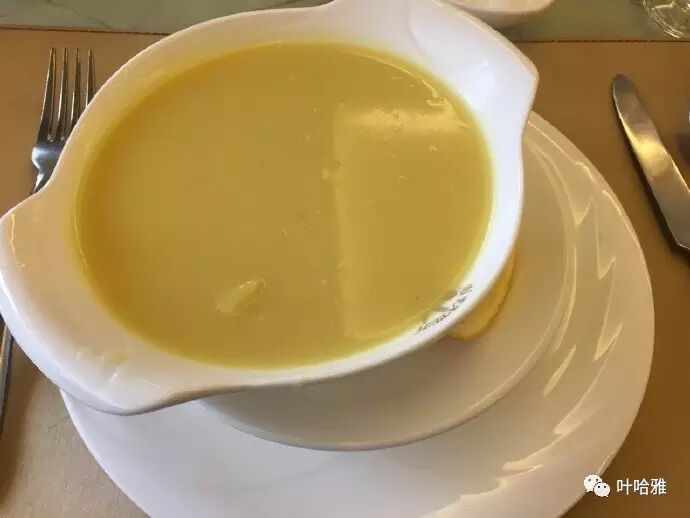
Lentil soup.
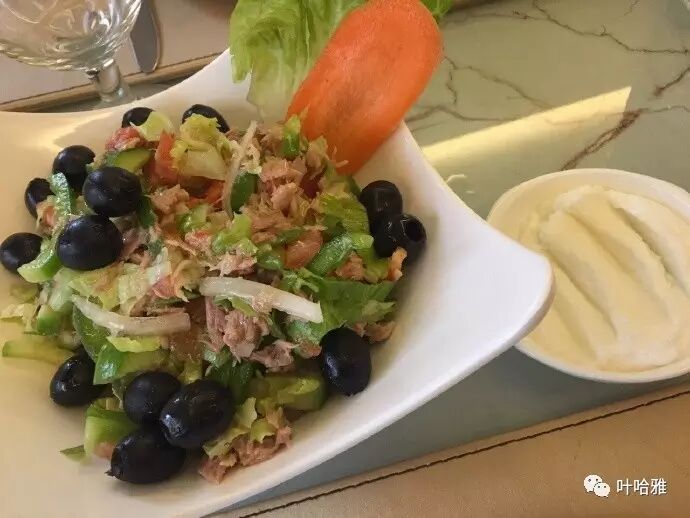
Salmon and blueberry salad.
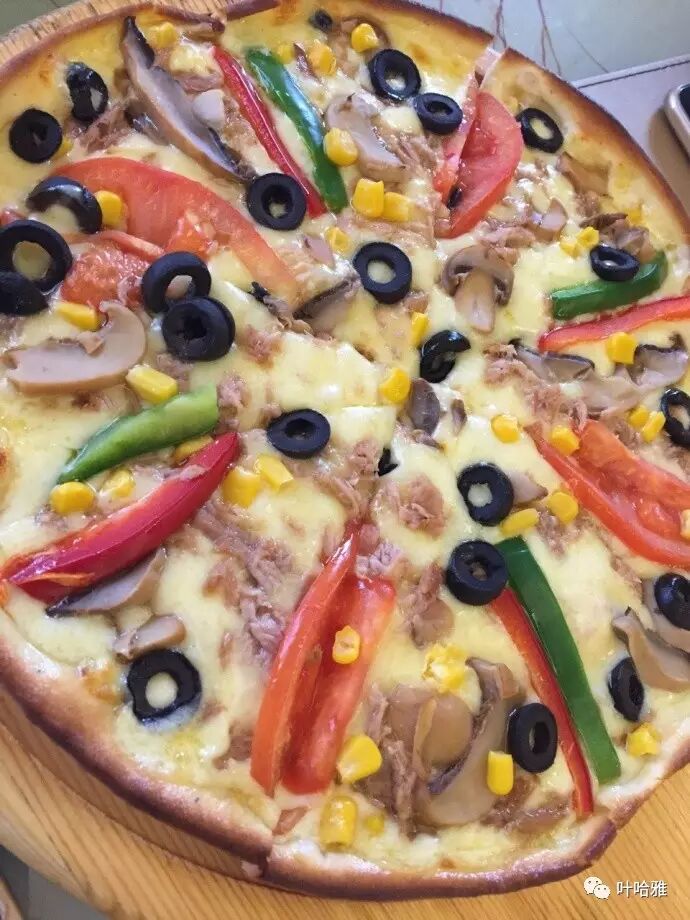
Turkish pizza; it not only looks good but is also very satisfying to eat.
Address: No. 506, Chouzhou North Road.
22. Exotic Cuisine Street.
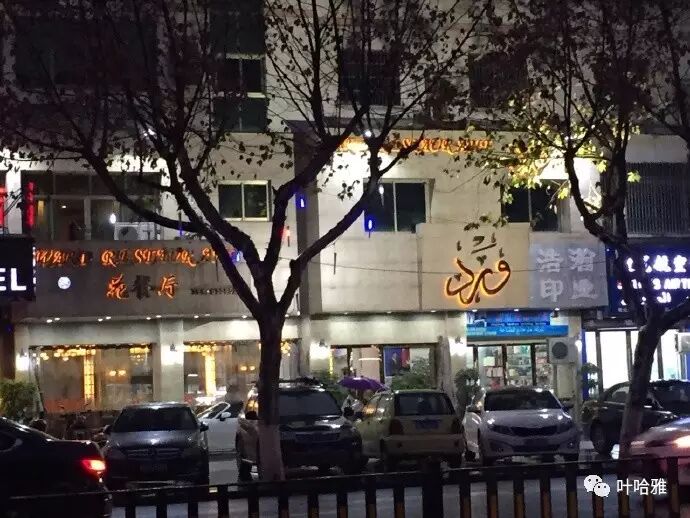
Chouzhou North Road is Yiwu's street for exotic food, with many halal restaurants. It gets busy after 9:00 PM every night and has leisure spots like bars and cafes. As the wealthiest county-level city in the country, Yiwu has high-end restaurants.
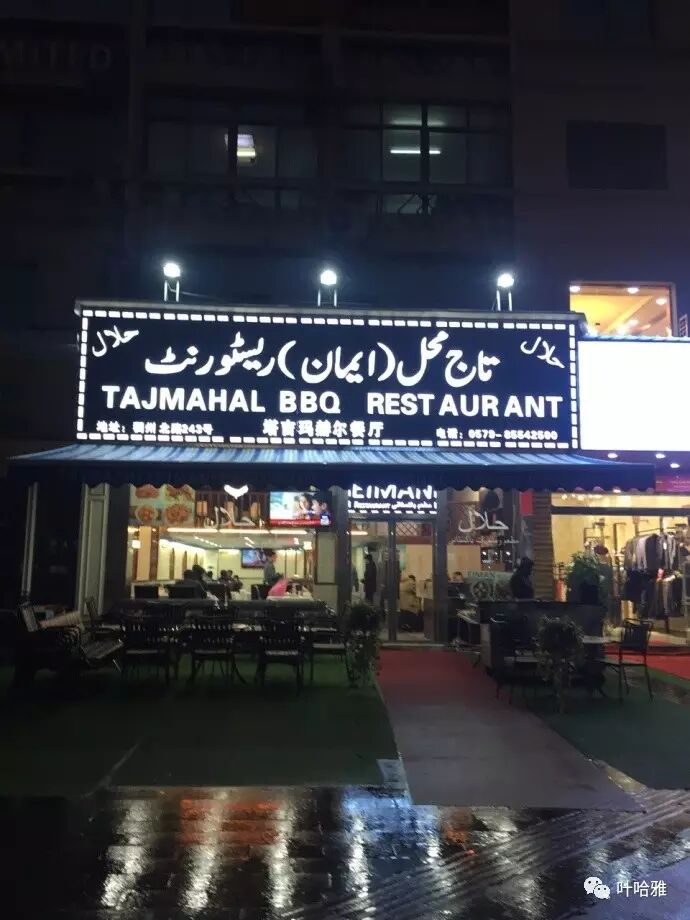
Taj Mahal Restaurant.
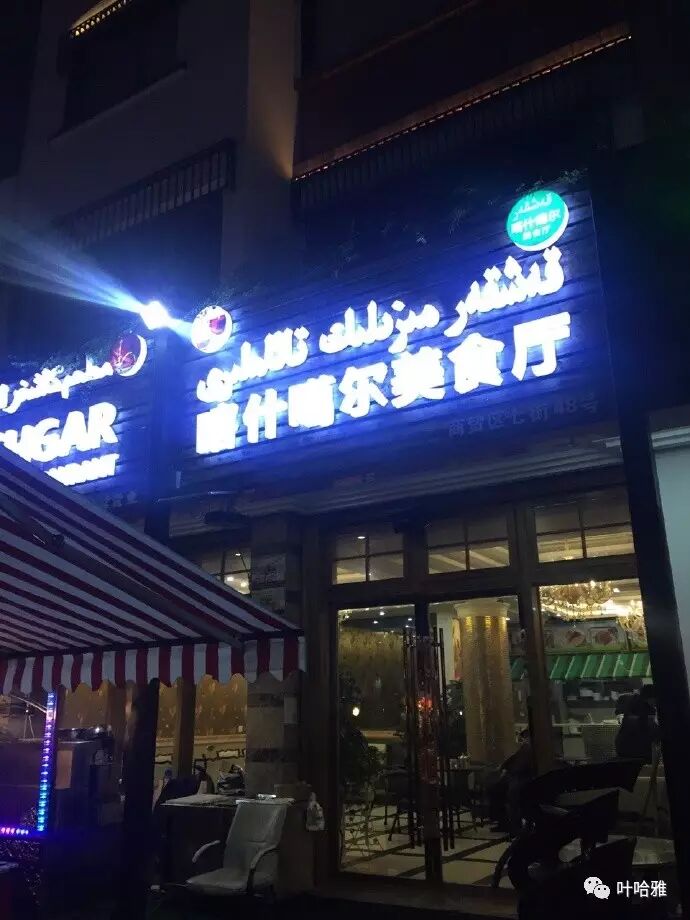
Kashgar Xinjiang Restaurant.
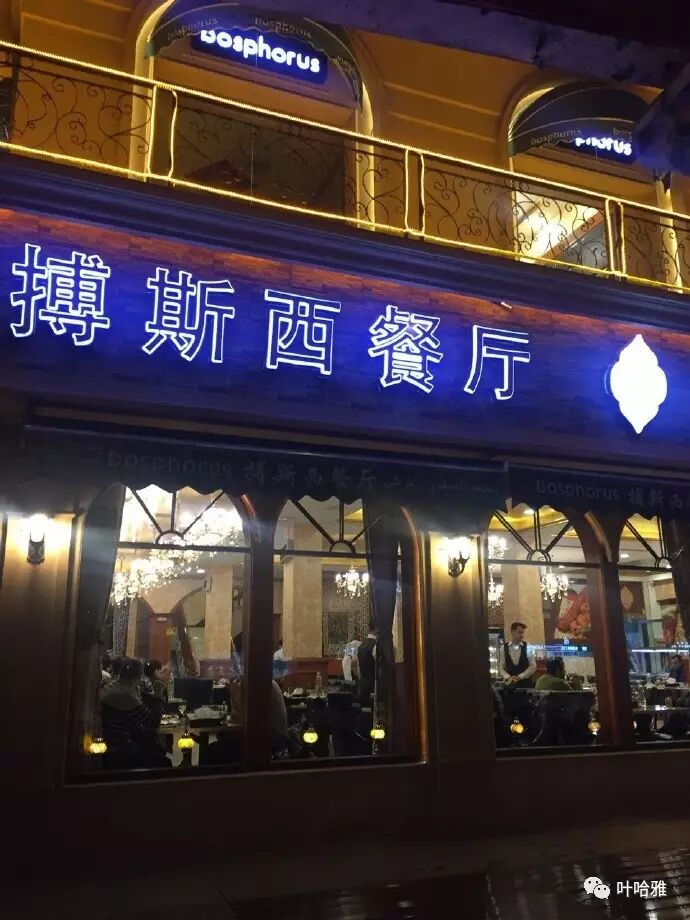
Bosi Western Restaurant, though my appetite was too small to try it alone.
Address: Chouzhou North Road, Yiwu.
3. Jiangdong Middle Road Food Street.
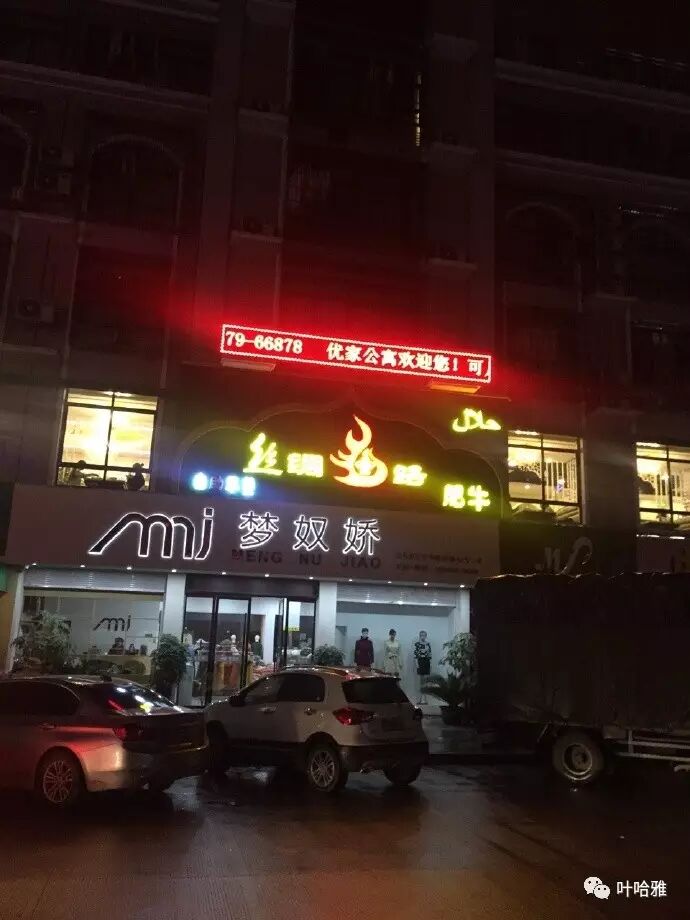
This area is also packed with halal food. Unlike the exotic international street, this place focuses on Chinese food, and the restaurants here almost never serve alcohol.
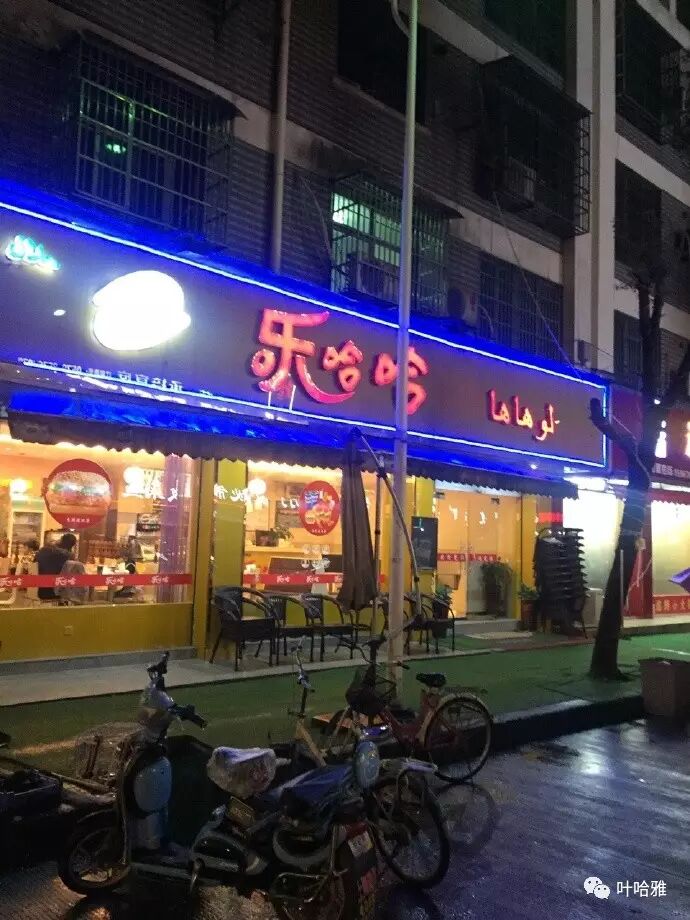
Lehaha Halal Restaurant, which seems to be a hot pot place.
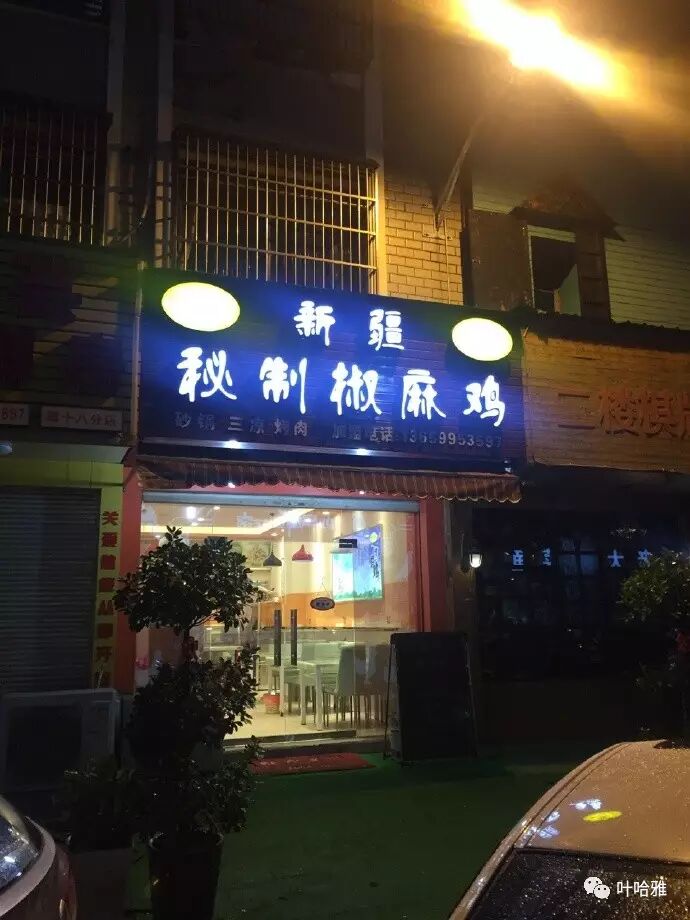
Xinjiang specialty spicy numbing chicken (jiaomaji).
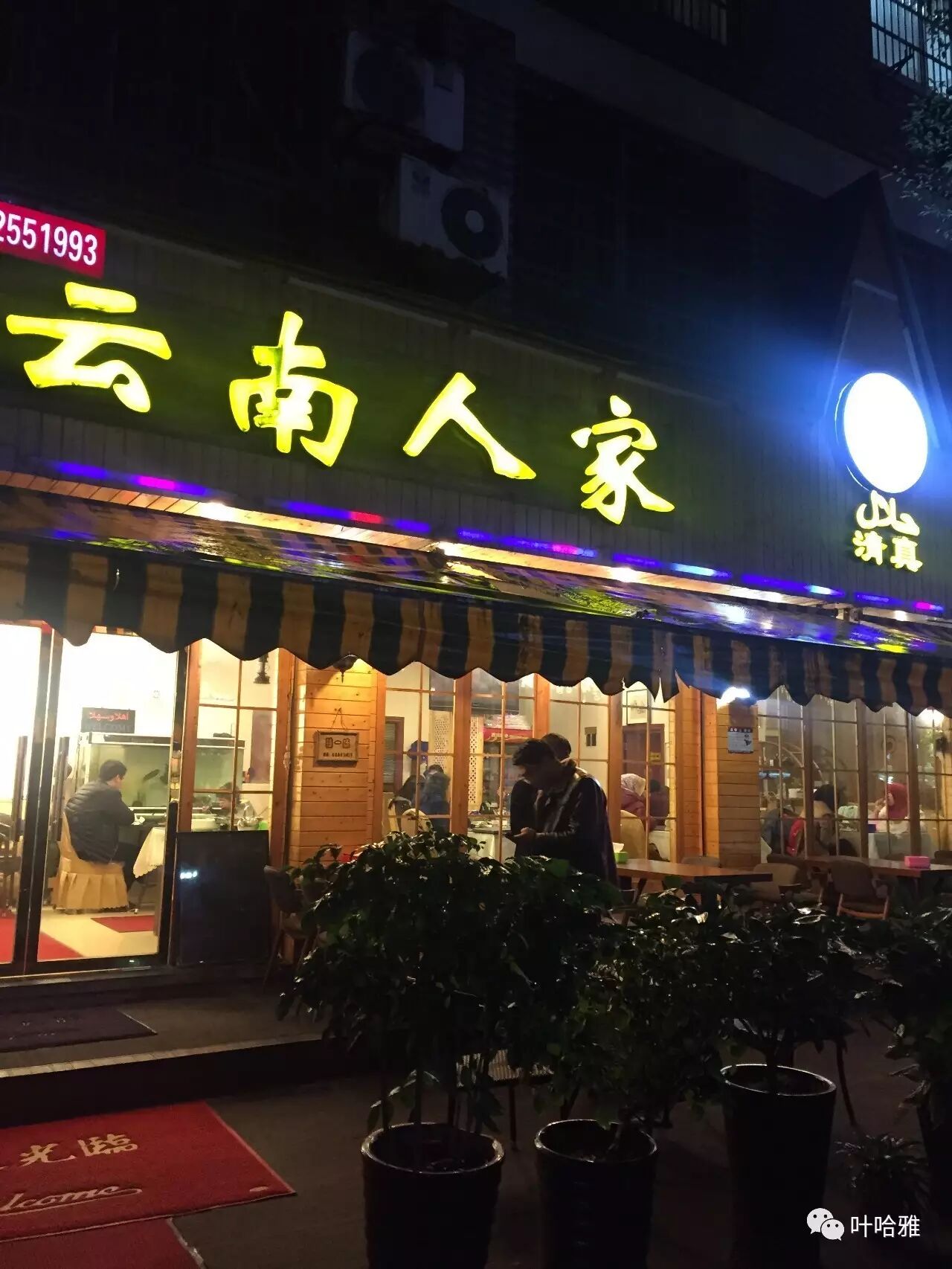
There used to be a Dali Prefecture Halal Restaurant here, but it has moved, and the map address has not been updated yet.
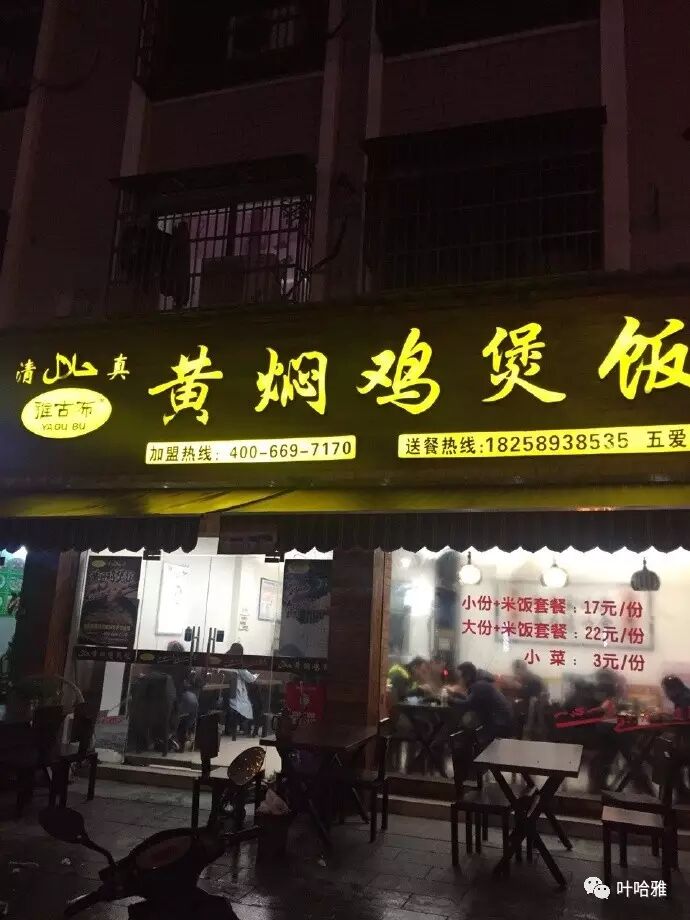
It is rare to find halal braised chicken with rice (huangmenji mifan).
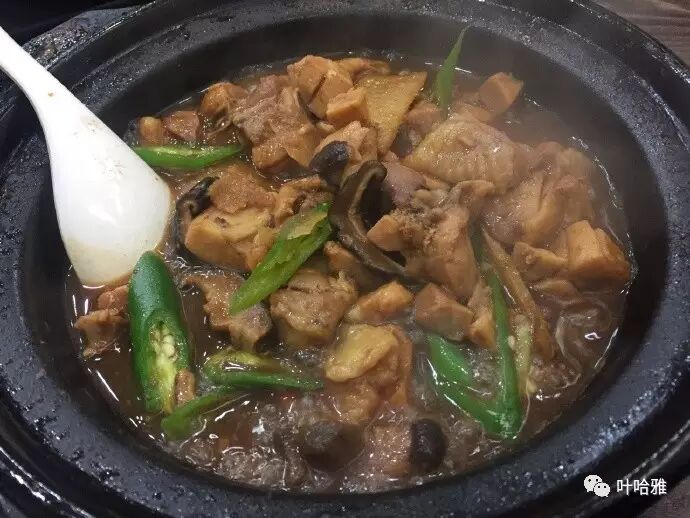
I shared a table here with two strong guys from Palestine.
That covers the halal restaurants in the Jiangsu, Zhejiang, and Shanghai areas. All photos are original, so feel free to repost them without asking for my permission.
Address: Jiangdong Middle Road, Yiwu City.
Summary: This Jiangsu, Zhejiang, and Shanghai halal food map brings together Hui Muslim snacks, local restaurants, noodles, dumplings, and city food stops across the region.
Xuzhou
1. Donglaishun
I know many brothers and sisters (dost) do not choose Donglaishun when eating out, but do not be too picky when you reach the south. In Xuzhou, just be content to find a halal restaurant that is not a hand-pulled noodle shop.
Since Donglaishun became a national chain, it serves not only hot pot meat but also stir-fried dishes.
Address: Diagonally opposite Yintai Apartment, Yunlong District, Xuzhou City
2. Xinjiang Flavor Restaurant
Xinjiang Flavor Restaurant is near the Ginza Mall in Xuzhou. People in Xuzhou eat a lot of lamb, and you can see lamb restaurants everywhere on the street.
The environment is decorated quite elegantly with a strong Western Regions style.
Stir the Xinjiang yogurt before drinking because the sugar is at the bottom, otherwise the sourness will make you cry.
Kazakh-style fries are quite thick and have a very special taste.
Address: Near Ginza Department Store
3. Xuzhou Beef and Mutton Shop
Halal restaurants in Xuzhou basically source their meat from the Xuzhou mosque, so the meat prices here are on the higher side, but you can be sure it is halal.
Address: No. 35, Huanghe West Road, Yunlong District, Xuzhou City
Suzhou
4. Huixianglou
Suzhou is a very beautiful city, but there are really not many halal restaurants here. I have not found any halal restaurants with local flavors yet. At this Huixianglou, you can eat hot pot, and they also make some simple home-style stir-fried dishes and barbecue.
Address: No. 21, Lane 2, Beiju, South Gate of Renmin Shopping Mall (near Pangjie Sauerkraut Fish)
Nanjing
5. Maxiangxing
It is much more comfortable once you reach Nanjing. As the ancient capital of six dynasties, Nanjing has nearly 100,000 local Hui Muslims, so it is easy to find halal restaurants.
This Maxiangxing is a century-old shop in Nanjing. It has not only stir-fried dishes but also halal snacks. My favorite is the potstickers (guotie) at Maxiangxing; you cannot find that taste anywhere else once you leave Nanjing. I suggest friends visiting Nanjing come to Maxiangxing for breakfast. There are many varieties, and the taste is excellent.
Address: No. 32, Yunnan North Road, Gulou District (near Hubei Road)
6. Qifangge
Qifangge Halal Restaurant, located inside the Confucius Temple, is another century-old shop in Nanjing. I highly recommend trying the 25 Qinhuai River snacks here. These 25 items are actually served as one dish, combining various Nanjing snacks on a single table so you can taste a little bit of everything.
Address: 12 Gongyuan West Street (near Confucius Temple)
Shanghai
7. Dadi Black Beef Hot Pot
The busier the city, the easier it is to find halal restaurants. However, most halal restaurants in Shanghai focus on Northwest and Western flavors, which can get tiring after a while. This black beef hot pot is a great way to change things up.
A plate of lamb and a plate of beef.
The black beef is not actually black.
They also serve seafood sashimi and other dishes; I ordered a pair of large shrimp.
Address: Shop B419, Starry Sky Plaza, 1665 Hongqiao Road (Hongqiao Road)
8. Huxi Mosque Jumu'ah Market
On Changde Road near the Huxi Mosque, there is a market every Jumu'ah (Friday prayer day). It is mostly run by Uyghur merchants. In Xinjiang, these markets are called bazaars.
Freshly baked meat buns (kaobaozi).
Thin-skinned buns (baopibaozi) filled with lamb.
They also sell roasted whole lamb, so remember to come on a Friday.
Address: Changde Road, Putuo District, Shanghai.
9. Uyghur Restaurant (Main Branch)
A major feature of restaurants serving Uyghur and other Western Region ethnic cuisines is the dance performance in the evening.
The roasted lamb leg is delicious, and this place is great for group meals.
Address: 280 Yishan Road, Xuhui District (between Nandan Road and Puhuitang Road)
Hangzhou
10. Northwest Family (Xibei Renjia)
Located near West Lake, Northwest Family is not run by local Hangzhou people, but it has been in Hangzhou for 20 years. The menu has adapted to local tastes. This is white-cut chicken (baizhanji).
If you want to eat Hangzhou-style halal food, this is the only restaurant that has it. This is the Huaiyang four-vegetable dish (Huaiyang sishu).
Fruit shrimp (shuiguo xiaren).
They serve West Lake vinegar fish (xihu chuyu) here. I am not sure if it is authentic, but it tastes good.
Enjoying West Lake beef soup (xihu niurou geng) by the side of West Lake.
Address: 1st Floor, Zhejiang Great Wall Asset Building, No. 23 Youdian Road.
Jiaxing
11. Jiaxing Mosque
Jiaxing Mosque was built during the Ming Dynasty. You can buy halal beef and lamb here.
There is a breakfast shop at the entrance of the mosque selling fried dough sticks (youtiao), steamed buns (baozi), and more. About 500 meters to the right of the mosque's main entrance, there is a halal restaurant called Yipin Meishi.
I saw it while passing by in a car. I was in a rush and did not get to try it, but if you have the chance, you should go check it out.
Address: No. 469 Huancheng East Road, Nanhu District, Jiaxing City.
Shaoxing
12. Medina Western Restaurant
I found this place after I had already eaten. There is also an Indian restaurant right next to it.
Address: Diyang Road, Changlong Building, Keqiao District, Shaoxing City (next to Hanting Hotel).
13. JAI HIND Indian Cuisine
It is right next to Medina Restaurant. There are a few other halal restaurants in this area, so I suggest friends visiting Shaoxing stay nearby for easy dining.
Address: Diyang Road, Changlong Building, Keqiao District, Shaoxing City (next to Hanting Hotel).
14. Pamir Restaurant
This is a large Xinjiang restaurant. It has a good local reputation and is very popular.
Freshly grilled meat (kaorou).
Thin-skinned lamb buns (baopi yangrou baozi). They are wrapped and steamed to order, so you have to wait half an hour.
I like to have pomegranate juice with my grilled meat. Guided by the owner, I also found the nearby Pakistan Kuba Mosque. Although it is a temporary place for namaz, it has all the necessary facilities.
Address: Wanshang Road, Shaoxing County, Shaoxing City (near Jinlin Tiandi).
Ningbo
15. Dongyishun
There are many chain locations in Ningbo, mainly selling halal snacks and fast food.
The shop prohibits smoking and alcohol. The owner is very devout and has written many books.
Delicious lamb soup (yangtang).
Lamb potstickers (guotie). The food in the shop is very tasty and seasoned just right.
Address: No. 5 Dingxin Street, Ningbo (chain store).
16. Manboer Revolving Hot Pot
It is a blessing to be able to eat small hot pot in Ningbo.
There is a variety of seafood, meat, fruit, and vegetables to choose from here.
After eating, take your skewers to the front desk to pay.
Each person gets their own pot, with options like clear broth and spicy flavors.
You can also order freshly sliced lamb skewers (chuanr) separately.
Address: First floor, Building 36, Dongdu Road, next to Intime Department Store.
Taizhou
17. Henan Halal Restaurant
Taizhou does not have a permanent mosque, only temporary places for prayer. Because of this, there are no particularly large halal restaurants.
Scrambled eggs (tan jidan).
This flatbread (bing) is delicious and great for dipping in vegetable soup.
Spicy chicken pieces (mala jikuai). In the mild-flavored south, this counts as a heavy-flavored dish.
Address: Huangjiao Road frontage road, Jiaojiang District, Taizhou.
18. Lanzhou Hand-Pulled Noodles (lamian)
This noodle shop is worth mentioning because I was worried about finding food at night, and I discovered this place by the side of the road. It does not show up on maps.
Many noodle shops in the south have started serving boiled dumplings (shuijiao) with lamb or beef fillings.
Address: Luohui Huang Village, Qingfeng Avenue, Huangyan District.
Wenzhou.
19. Lanzhou Hand-Pulled Noodles (Lanzhou lamian).
I am recording this noodle shop because the staff were so kind. I was just passing by to ask for the location of a mosque in Wenzhou, and they specifically asked for the address for me in their Salar noodle shop group chat.
Many Salar people run noodle shops in Wenzhou. The mosque address shown on Baidu Maps is no longer valid. The new location is on Heqing Road, and you really cannot find it without asking someone. Near Heqing Road, you can buy halal beef, lamb, and some packaged foods.
Address: Wuma Pedestrian Street, near Xiaonanmen Station.
20. Xinjiang Abudu Barbecue.
The owner of the beef and lamb shop on Heqing Road told me there are no large halal restaurants in Wenzhou, but this Xinjiang barbecue shop counts as a big one. Several noodle shops are also clustered in the surrounding area.
The cost of living in Wenzhou is high, and the local people are wealthy. People say the standard gift money for a friend's wedding is 2,000 yuan.
Xinjiang mixed noodles (banmian).
Grilled chicken wings and grilled lamb chops.
Address: Next to the gas station at Wenzhou New South Station.
Yiwu.
21. Fatiha Restaurant.
The place with the highest concentration of halal restaurants in Zhejiang Province is Yiwu, a city under the jurisdiction of Jinhua. It takes 15 minutes to get to Yiwu by train from the Jinhua high-speed railway station.
Cream pudding; the desserts at this Turkish restaurant are of a very high standard.
Lentil soup.
Salmon and blueberry salad.
Turkish pizza; it not only looks good but is also very satisfying to eat.
Address: No. 506, Chouzhou North Road.
22. Exotic Cuisine Street.
Chouzhou North Road is Yiwu's street for exotic food, with many halal restaurants. It gets busy after 9:00 PM every night and has leisure spots like bars and cafes. As the wealthiest county-level city in the country, Yiwu has high-end restaurants.
Taj Mahal Restaurant.
Kashgar Xinjiang Restaurant.
Bosi Western Restaurant, though my appetite was too small to try it alone.
Address: Chouzhou North Road, Yiwu.
3. Jiangdong Middle Road Food Street.
This area is also packed with halal food. Unlike the exotic international street, this place focuses on Chinese food, and the restaurants here almost never serve alcohol.
Lehaha Halal Restaurant, which seems to be a hot pot place.
Xinjiang specialty spicy numbing chicken (jiaomaji).
There used to be a Dali Prefecture Halal Restaurant here, but it has moved, and the map address has not been updated yet.
It is rare to find halal braised chicken with rice (huangmenji mifan).
I shared a table here with two strong guys from Palestine.
That covers the halal restaurants in the Jiangsu, Zhejiang, and Shanghai areas. All photos are original, so feel free to repost them without asking for my permission.
Address: Jiangdong Middle Road, Yiwu City.
Halal Food Guide: Shanghai - Hui Muslim Snacks and Beef Pan-Fried Buns
Articles • ali2007fr posted the article • 0 comments • 279 views • 2026-05-21 02:36
Reposted from the web
Summary: This Shanghai one-day halal food tour starts with Xiao Pang Beef Pan-Fried Buns at the Yongji Road farmers' market in Yangpu District. It preserves the source's shop names, Hui Muslim owners, neighborhood context, food descriptions, exhibition stop, and photographs.
I came to Shanghai on New Year's Day to see the Mughal, Persian, and Ottoman art exhibition at the Pudong Art Museum, and I took the chance to go on a one-day food tour of local Muslim eateries.
On the food street at the Yongji Road farmers' market in Yangpu District, Shanghai, there is a shop called Xiao Pang Beef Pan-fried Buns (xiaopang niurou jianbao). The owner is Pang Xinhuai, a Hui Muslim friend (dost) from Henan. He has been running his beef pan-fried bun shop in Shanghai for 31 years, and he is very popular with the locals.
I went to his shop early on New Year's Day for buns. Every batch is sold out immediately by the people waiting in line, so you can almost always get them fresh out of the pan. I didn't see any tourists taking photos when I was there; it was mostly residents from the neighborhood stopping by after grocery shopping.
Their pan-fried buns are very juicy, so be careful not to splash yourself when you take a bite. The buns are very fragrant with a thick skin. I think two are enough for an average person, and one is plenty for someone with a small appetite. I also had their beef vermicelli soup (niurou fensi tang). The flavor is rich and the vermicelli is chewy, which is perfect for winter. They also have flatbread with cumin (qiangbing) and scallion egg pancakes (cong hua jidan bing). Unfortunately, the flatbread was sold out when I arrived. The egg pancake is quite mild, which is good if you prefer lighter flavors.
The snack shops run by Henan Hui Muslims in Shanghai mainly fall into two types. Besides beef pan-fried buns, there are also shops focusing on the classic Shanghai breakfast quartet of flatbread (dabing) and fried dough sticks (youtiao). I visited one on Lingyan South Road in Lingzhao New Village, Pudong, and they are also very popular with local residents.
Their most famous item is the old-fashioned flatbread, which is made fresh in the oven and served piping hot. They serve the flatbread with sweet tofu pudding (douhua) and savory soy milk (xianjiang). Savory soy milk, along with flatbread, fried dough sticks, and sticky rice rolls (cifan), are known as the four pillars of a Shanghai breakfast. It is very different from the soy milk we drink in the north and is not just simple salty soy milk. Savory soy milk is made by adding vinegar to soy milk to create soft curds, then topped with seaweed, pickled mustard greens, and dried shrimp. It is very comforting to eat in the morning with fried dough sticks.
It was my first time having a sticky rice roll. It is made by steaming a mix of glutinous rice and non-glutinous rice, then wrapping it around fried dough sticks and pickled mustard greens. The portion is huge; I didn't expect Shanghai people to have such a filling breakfast!
Besides the rolls, they have sticky rice cakes (cifan gao). These are made by mixing glutinous and non-glutinous rice with salt, pressing them into blocks, and frying them. The outside is crispy, while the inside still has the texture of rice. Their fried radish cakes (youdunzi) are also delicious, filled with shredded white radish.
Shanghai-style Muslim cuisine has a long history. After Shanghai opened as a port in 1843 (the 23rd year of the Daoguang reign), Hui Muslims from Nanjing began selling halal food in the city. Over the next hundred years, this gradually developed into Shanghai-style Muslim cuisine. During the Xianfeng reign, Nanjing Hui Muslims founded the He Wanxing tea shop in the Nanshi district of Shanghai. It was later renamed Huifenglou Restaurant. Huifenglou was famous for its Huifeng beef pot, stir-fried yellow crab with oil and soy sauce, and braised river eel in a rich, dark sauce. They also served thumb-sized beef rice dumplings (zongzi) and silver thread rolls (yinsi juan), making Shanghai-style Muslim cuisine very famous for a time.
Due to historical reasons, Shanghai-style Muslim cuisine gradually declined in the late 20th century and slowly faded from public view. In the 1980s, the most authentic Shanghai-style Muslim food was found at the predecessor to the Guan Guan Ji restaurant, which was a Muslim restaurant. Today, if you want to taste Shanghai-style Muslim cuisine, you can choose the long-established Yixinzhai, which opened in 1958 and is recognized as a Shanghai intangible cultural heritage.
I first visited Yixinzhai when I was researching Muslim communities along the Yangtze River in 2017. Back then, I went to the old shop on Liangzhou Road. That shop is temporarily closed now, but you can find the new temporary location just a little further down the street. I was alone last time and only had the shredded eel cold noodles, three-yellow chicken (sanhuangji), and shaved ice. This time, I brought my whole family so we could try their stir-fried dishes.
We ordered sizzling oil shredded eel (xiangyou shansi), crab roe tofu, crystal shrimp, and Yangzhou fried rice. At first, we wanted to order plain stir-fried shredded eel, but the server said that version is just eel. The sizzling oil version is stir-fried with water bamboo (jiaobai). I thought the version with water bamboo tasted better. The shredded eel was quite oily and had a strong savory sauce. It tasted a lot like stir-fried chicken cubes with bean paste (jiangbao jiding), but the texture of the eel was better. The kids really loved the crystal shrimp and Yangzhou fried rice and ate a lot of both. The shrimp had a great texture and tasted very fresh. I really liked the crab roe tofu. It went perfectly with rice and had a very rich crab flavor.
I want to mention that in some areas, Hui Muslims follow dietary customs like only eating ruminants, avoiding scaleless fish, or not eating rabbit. I have never seen these customs in any Muslim community abroad, and they are not recorded in any religious texts or legal treatises. I later learned about this in an article by Yahya Dosti titled "What are the non-halal foods mentioned in religious texts?" The article explains that these dietary habits actually come from the Jewish scripture, the Book of Leviticus in the Old Testament. He suggests that when the "Blue-capped Hui" (lanmao huihui) Jewish descendants in Kaifeng, Henan, integrated into the Hui Muslim community, they brought some Jewish customs with them, leading to this cultural fusion.
If you are a Hui Muslim who respects tradition, you can choose to follow these customs yourself. However, you have no right to criticize others for eating scaleless fish or rabbit, as these are just folk customs and have nothing to do with faith.
Yixinzhai also sells traditional pastries from the Jiangsu, Zhejiang, and Shanghai regions. We bought a box of victory cakes (dingsheng gao), which are made from glutinous rice, non-glutinous rice, and red rice flour with a red bean paste filling. They were quite hard when we bought them, but after steaming them again at home, the texture returned to normal.
In the evening, we ate at a Malaysian restaurant called Secret Taste (Mizhiwei) in the Qiantan area of Shanghai. Although there are Malaysian restaurants in Beijing, they are usually run by Malaysian Chinese. If you want to taste authentic Malaysian Muslim food, you have to come to Secret Taste. It is clean and alcohol-free.
The restaurant is in the underground food court of Qiantan 31. It is easy to drive directly into the parking garage, and it is right next to Qiantan Taikoo Li, which is great for shopping.
Their head chef, Shah, is from Kuala Lumpur and spent 20 years as an executive chef at five-star hotels. When we arrived, the chef was at the bar making drinks. Most of the diners were Malaysian Muslims, many of whom seemed to be families visiting Shanghai.
We ordered beef rendang rice, three-color milk tea, Hainanese chicken rice, handmade fish cakes, Nyonya yam rolls, and coconut bubur cha cha. Their beef rendang rice is very authentic and definitely feels like being back in Malaysia. The beef was even softer and more tender than what we ate in Malaysia, which suits the Chinese palate. It would be even better if we could choose turmeric rice or pandan rice to go with it.
Beef rendang likely originated from curry brought by Indian merchants who came to trade on Sumatra before the 15th century, which then developed alongside the local diet of the Minangkabau people. The Minangkabau people have always been known for their business skills and are the most mobile ethnic group in Southeast Asia. In the early 14th century, the Minangkabau crossed the Strait of Malacca to reach the Malay Peninsula, where they married local Malays and blended into the Malay population. The main ingredients for beef stew (rendang) are meat, coconut milk, chili, and various spices. To suit the needs of Minangkabau merchants on long voyages, the stew is simmered over low heat until it becomes rich and dry, allowing it to be stored for several weeks.
Their three-layer milk tea (teh tarik) is also very good. Three-layer milk tea is made with palm sugar, milk, and black tea to create three distinct colors, and it has a very rich flavor.
I also really like the fish crackers (keropok lekor) and yam rolls; they are rare and delicious Malay specialties.
Their chicken satay (satay ayam) also tastes good. Satay originated on the island of Java, where Javanese people developed it based on the South Asian grilled skewers (kebab) brought by Indian merchants. The word satay comes from the South Indian Tamil word 'catai,' which literally means 'meat'. After the 19th century, the Javanese brought satay to the Malay Peninsula, and it became a classic Malay snack.
It is a pity that their Hainanese chicken rice is not good. I have eaten delicious Hainanese chicken rice made by Malay friends (dosti) many times in Malaysia. But their chicken is very icy, as if it was just taken out of the refrigerator. The rice cooked in chicken broth actually tastes good, but it does not go well with the cold chicken. view all
Summary: This Shanghai one-day halal food tour starts with Xiao Pang Beef Pan-Fried Buns at the Yongji Road farmers' market in Yangpu District. It preserves the source's shop names, Hui Muslim owners, neighborhood context, food descriptions, exhibition stop, and photographs.
I came to Shanghai on New Year's Day to see the Mughal, Persian, and Ottoman art exhibition at the Pudong Art Museum, and I took the chance to go on a one-day food tour of local Muslim eateries.
On the food street at the Yongji Road farmers' market in Yangpu District, Shanghai, there is a shop called Xiao Pang Beef Pan-fried Buns (xiaopang niurou jianbao). The owner is Pang Xinhuai, a Hui Muslim friend (dost) from Henan. He has been running his beef pan-fried bun shop in Shanghai for 31 years, and he is very popular with the locals.
I went to his shop early on New Year's Day for buns. Every batch is sold out immediately by the people waiting in line, so you can almost always get them fresh out of the pan. I didn't see any tourists taking photos when I was there; it was mostly residents from the neighborhood stopping by after grocery shopping.
Their pan-fried buns are very juicy, so be careful not to splash yourself when you take a bite. The buns are very fragrant with a thick skin. I think two are enough for an average person, and one is plenty for someone with a small appetite. I also had their beef vermicelli soup (niurou fensi tang). The flavor is rich and the vermicelli is chewy, which is perfect for winter. They also have flatbread with cumin (qiangbing) and scallion egg pancakes (cong hua jidan bing). Unfortunately, the flatbread was sold out when I arrived. The egg pancake is quite mild, which is good if you prefer lighter flavors.
The snack shops run by Henan Hui Muslims in Shanghai mainly fall into two types. Besides beef pan-fried buns, there are also shops focusing on the classic Shanghai breakfast quartet of flatbread (dabing) and fried dough sticks (youtiao). I visited one on Lingyan South Road in Lingzhao New Village, Pudong, and they are also very popular with local residents.
Their most famous item is the old-fashioned flatbread, which is made fresh in the oven and served piping hot. They serve the flatbread with sweet tofu pudding (douhua) and savory soy milk (xianjiang). Savory soy milk, along with flatbread, fried dough sticks, and sticky rice rolls (cifan), are known as the four pillars of a Shanghai breakfast. It is very different from the soy milk we drink in the north and is not just simple salty soy milk. Savory soy milk is made by adding vinegar to soy milk to create soft curds, then topped with seaweed, pickled mustard greens, and dried shrimp. It is very comforting to eat in the morning with fried dough sticks.
It was my first time having a sticky rice roll. It is made by steaming a mix of glutinous rice and non-glutinous rice, then wrapping it around fried dough sticks and pickled mustard greens. The portion is huge; I didn't expect Shanghai people to have such a filling breakfast!
Besides the rolls, they have sticky rice cakes (cifan gao). These are made by mixing glutinous and non-glutinous rice with salt, pressing them into blocks, and frying them. The outside is crispy, while the inside still has the texture of rice. Their fried radish cakes (youdunzi) are also delicious, filled with shredded white radish.
Shanghai-style Muslim cuisine has a long history. After Shanghai opened as a port in 1843 (the 23rd year of the Daoguang reign), Hui Muslims from Nanjing began selling halal food in the city. Over the next hundred years, this gradually developed into Shanghai-style Muslim cuisine. During the Xianfeng reign, Nanjing Hui Muslims founded the He Wanxing tea shop in the Nanshi district of Shanghai. It was later renamed Huifenglou Restaurant. Huifenglou was famous for its Huifeng beef pot, stir-fried yellow crab with oil and soy sauce, and braised river eel in a rich, dark sauce. They also served thumb-sized beef rice dumplings (zongzi) and silver thread rolls (yinsi juan), making Shanghai-style Muslim cuisine very famous for a time.
Due to historical reasons, Shanghai-style Muslim cuisine gradually declined in the late 20th century and slowly faded from public view. In the 1980s, the most authentic Shanghai-style Muslim food was found at the predecessor to the Guan Guan Ji restaurant, which was a Muslim restaurant. Today, if you want to taste Shanghai-style Muslim cuisine, you can choose the long-established Yixinzhai, which opened in 1958 and is recognized as a Shanghai intangible cultural heritage.
I first visited Yixinzhai when I was researching Muslim communities along the Yangtze River in 2017. Back then, I went to the old shop on Liangzhou Road. That shop is temporarily closed now, but you can find the new temporary location just a little further down the street. I was alone last time and only had the shredded eel cold noodles, three-yellow chicken (sanhuangji), and shaved ice. This time, I brought my whole family so we could try their stir-fried dishes.
We ordered sizzling oil shredded eel (xiangyou shansi), crab roe tofu, crystal shrimp, and Yangzhou fried rice. At first, we wanted to order plain stir-fried shredded eel, but the server said that version is just eel. The sizzling oil version is stir-fried with water bamboo (jiaobai). I thought the version with water bamboo tasted better. The shredded eel was quite oily and had a strong savory sauce. It tasted a lot like stir-fried chicken cubes with bean paste (jiangbao jiding), but the texture of the eel was better. The kids really loved the crystal shrimp and Yangzhou fried rice and ate a lot of both. The shrimp had a great texture and tasted very fresh. I really liked the crab roe tofu. It went perfectly with rice and had a very rich crab flavor.
I want to mention that in some areas, Hui Muslims follow dietary customs like only eating ruminants, avoiding scaleless fish, or not eating rabbit. I have never seen these customs in any Muslim community abroad, and they are not recorded in any religious texts or legal treatises. I later learned about this in an article by Yahya Dosti titled "What are the non-halal foods mentioned in religious texts?" The article explains that these dietary habits actually come from the Jewish scripture, the Book of Leviticus in the Old Testament. He suggests that when the "Blue-capped Hui" (lanmao huihui) Jewish descendants in Kaifeng, Henan, integrated into the Hui Muslim community, they brought some Jewish customs with them, leading to this cultural fusion.
If you are a Hui Muslim who respects tradition, you can choose to follow these customs yourself. However, you have no right to criticize others for eating scaleless fish or rabbit, as these are just folk customs and have nothing to do with faith.
Yixinzhai also sells traditional pastries from the Jiangsu, Zhejiang, and Shanghai regions. We bought a box of victory cakes (dingsheng gao), which are made from glutinous rice, non-glutinous rice, and red rice flour with a red bean paste filling. They were quite hard when we bought them, but after steaming them again at home, the texture returned to normal.
In the evening, we ate at a Malaysian restaurant called Secret Taste (Mizhiwei) in the Qiantan area of Shanghai. Although there are Malaysian restaurants in Beijing, they are usually run by Malaysian Chinese. If you want to taste authentic Malaysian Muslim food, you have to come to Secret Taste. It is clean and alcohol-free.
The restaurant is in the underground food court of Qiantan 31. It is easy to drive directly into the parking garage, and it is right next to Qiantan Taikoo Li, which is great for shopping.
Their head chef, Shah, is from Kuala Lumpur and spent 20 years as an executive chef at five-star hotels. When we arrived, the chef was at the bar making drinks. Most of the diners were Malaysian Muslims, many of whom seemed to be families visiting Shanghai.
We ordered beef rendang rice, three-color milk tea, Hainanese chicken rice, handmade fish cakes, Nyonya yam rolls, and coconut bubur cha cha. Their beef rendang rice is very authentic and definitely feels like being back in Malaysia. The beef was even softer and more tender than what we ate in Malaysia, which suits the Chinese palate. It would be even better if we could choose turmeric rice or pandan rice to go with it.
Beef rendang likely originated from curry brought by Indian merchants who came to trade on Sumatra before the 15th century, which then developed alongside the local diet of the Minangkabau people. The Minangkabau people have always been known for their business skills and are the most mobile ethnic group in Southeast Asia. In the early 14th century, the Minangkabau crossed the Strait of Malacca to reach the Malay Peninsula, where they married local Malays and blended into the Malay population. The main ingredients for beef stew (rendang) are meat, coconut milk, chili, and various spices. To suit the needs of Minangkabau merchants on long voyages, the stew is simmered over low heat until it becomes rich and dry, allowing it to be stored for several weeks.
Their three-layer milk tea (teh tarik) is also very good. Three-layer milk tea is made with palm sugar, milk, and black tea to create three distinct colors, and it has a very rich flavor.
I also really like the fish crackers (keropok lekor) and yam rolls; they are rare and delicious Malay specialties.
Their chicken satay (satay ayam) also tastes good. Satay originated on the island of Java, where Javanese people developed it based on the South Asian grilled skewers (kebab) brought by Indian merchants. The word satay comes from the South Indian Tamil word 'catai,' which literally means 'meat'. After the 19th century, the Javanese brought satay to the Malay Peninsula, and it became a classic Malay snack.
It is a pity that their Hainanese chicken rice is not good. I have eaten delicious Hainanese chicken rice made by Malay friends (dosti) many times in Malaysia. But their chicken is very icy, as if it was just taken out of the refrigerator. The rice cooked in chicken broth actually tastes good, but it does not go well with the cold chicken. view all
Reposted from the web
Summary: This Shanghai one-day halal food tour starts with Xiao Pang Beef Pan-Fried Buns at the Yongji Road farmers' market in Yangpu District. It preserves the source's shop names, Hui Muslim owners, neighborhood context, food descriptions, exhibition stop, and photographs.
I came to Shanghai on New Year's Day to see the Mughal, Persian, and Ottoman art exhibition at the Pudong Art Museum, and I took the chance to go on a one-day food tour of local Muslim eateries.
On the food street at the Yongji Road farmers' market in Yangpu District, Shanghai, there is a shop called Xiao Pang Beef Pan-fried Buns (xiaopang niurou jianbao). The owner is Pang Xinhuai, a Hui Muslim friend (dost) from Henan. He has been running his beef pan-fried bun shop in Shanghai for 31 years, and he is very popular with the locals.
I went to his shop early on New Year's Day for buns. Every batch is sold out immediately by the people waiting in line, so you can almost always get them fresh out of the pan. I didn't see any tourists taking photos when I was there; it was mostly residents from the neighborhood stopping by after grocery shopping.
Their pan-fried buns are very juicy, so be careful not to splash yourself when you take a bite. The buns are very fragrant with a thick skin. I think two are enough for an average person, and one is plenty for someone with a small appetite. I also had their beef vermicelli soup (niurou fensi tang). The flavor is rich and the vermicelli is chewy, which is perfect for winter. They also have flatbread with cumin (qiangbing) and scallion egg pancakes (cong hua jidan bing). Unfortunately, the flatbread was sold out when I arrived. The egg pancake is quite mild, which is good if you prefer lighter flavors.
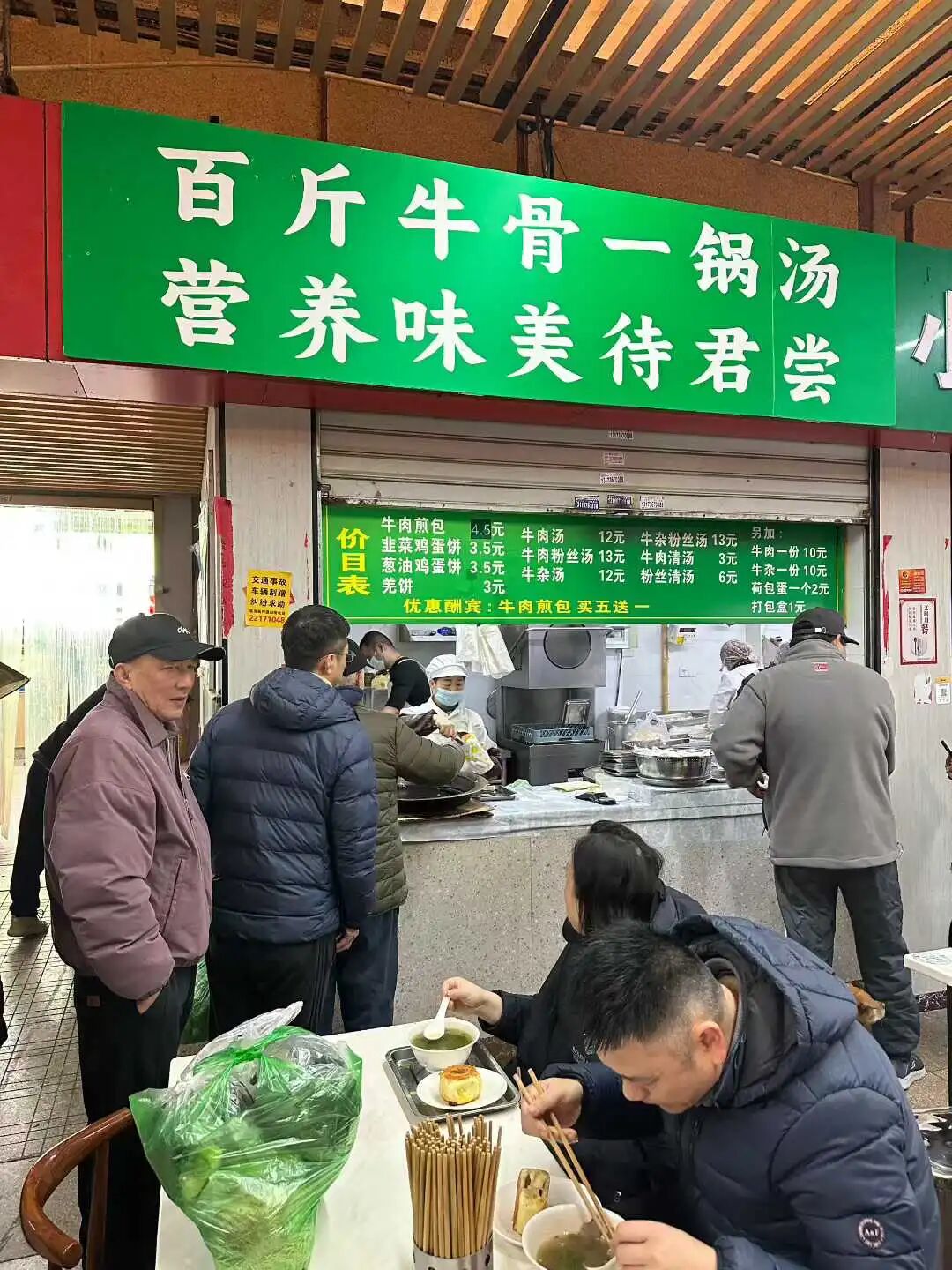
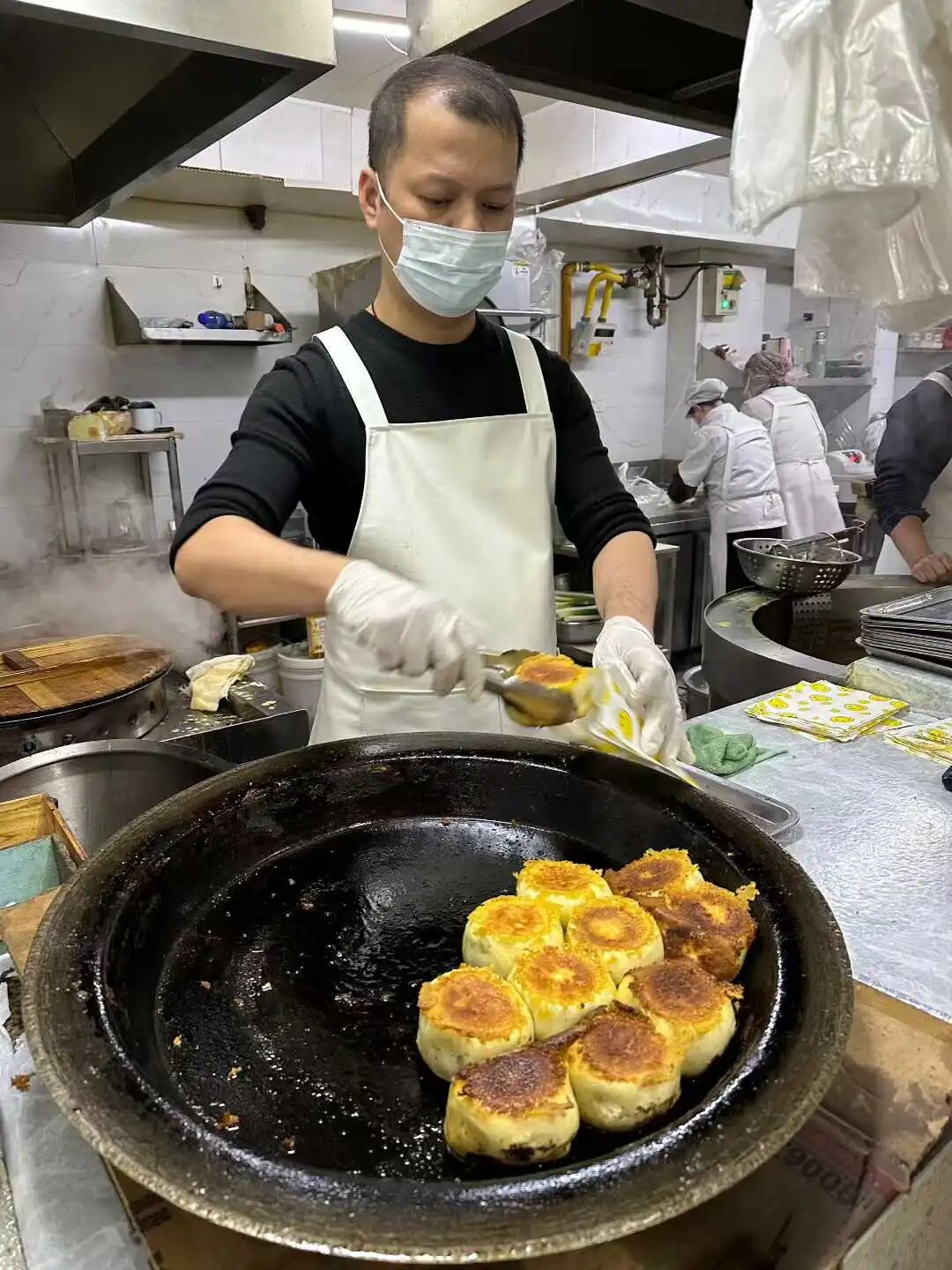
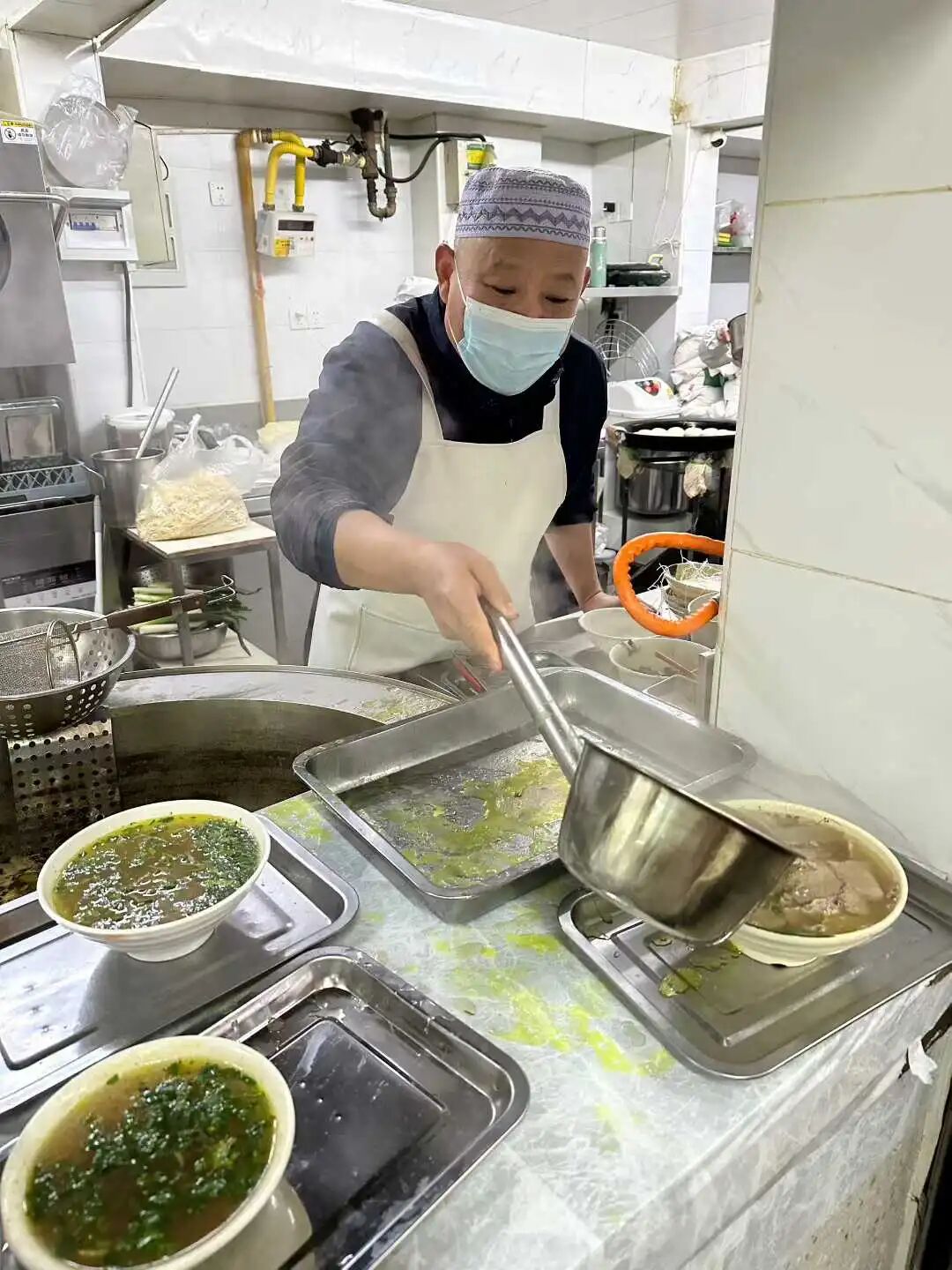
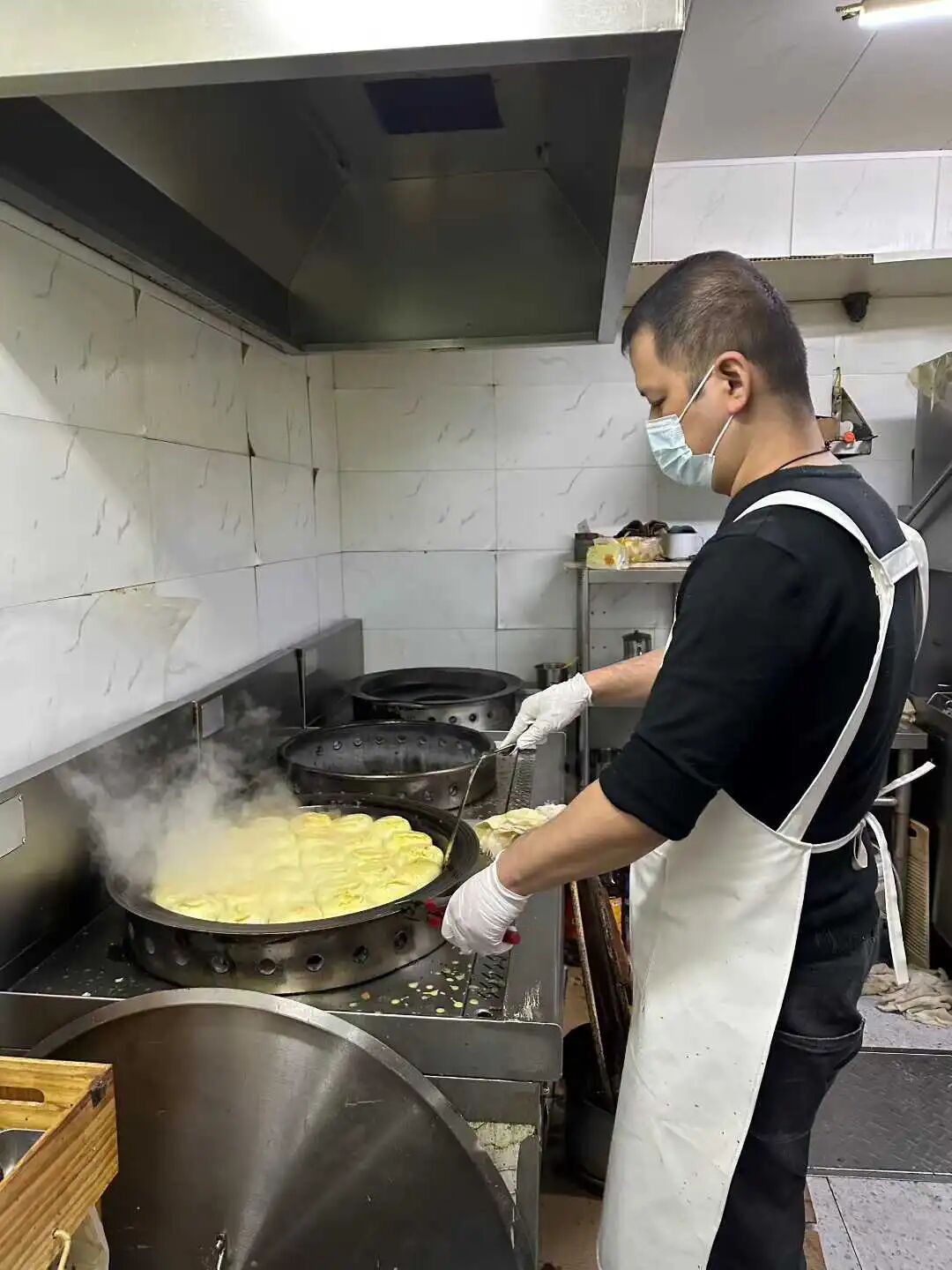
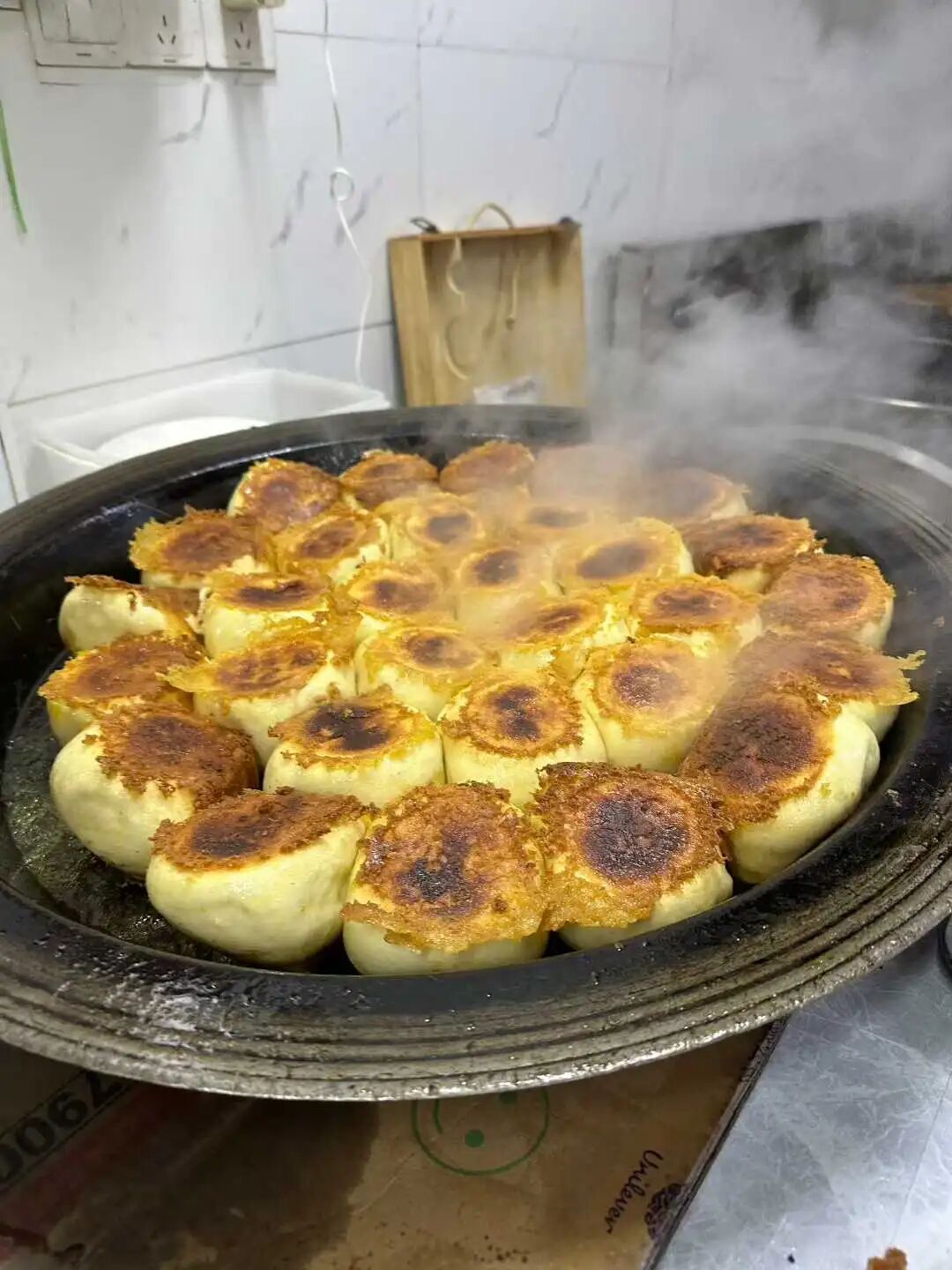
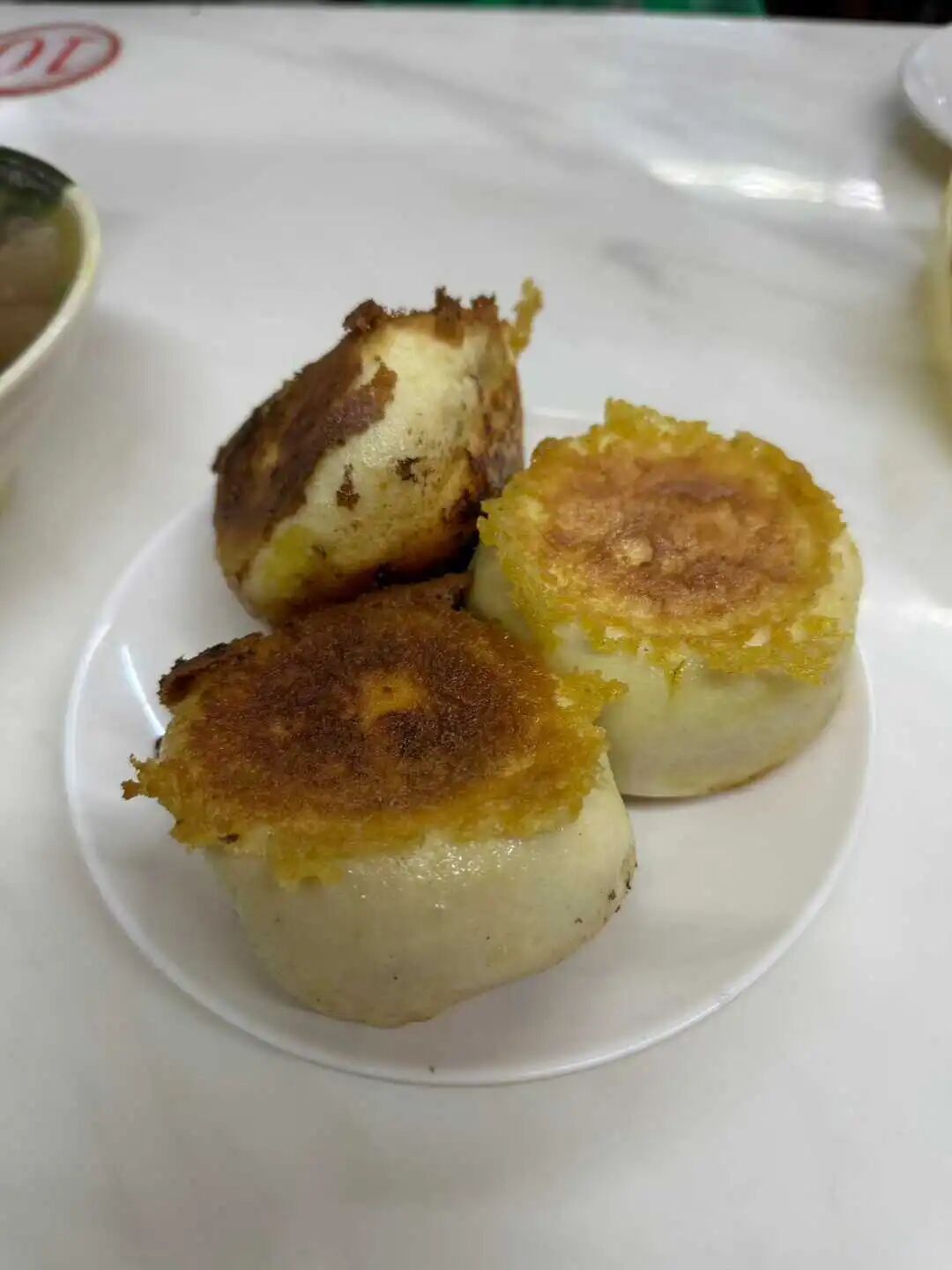
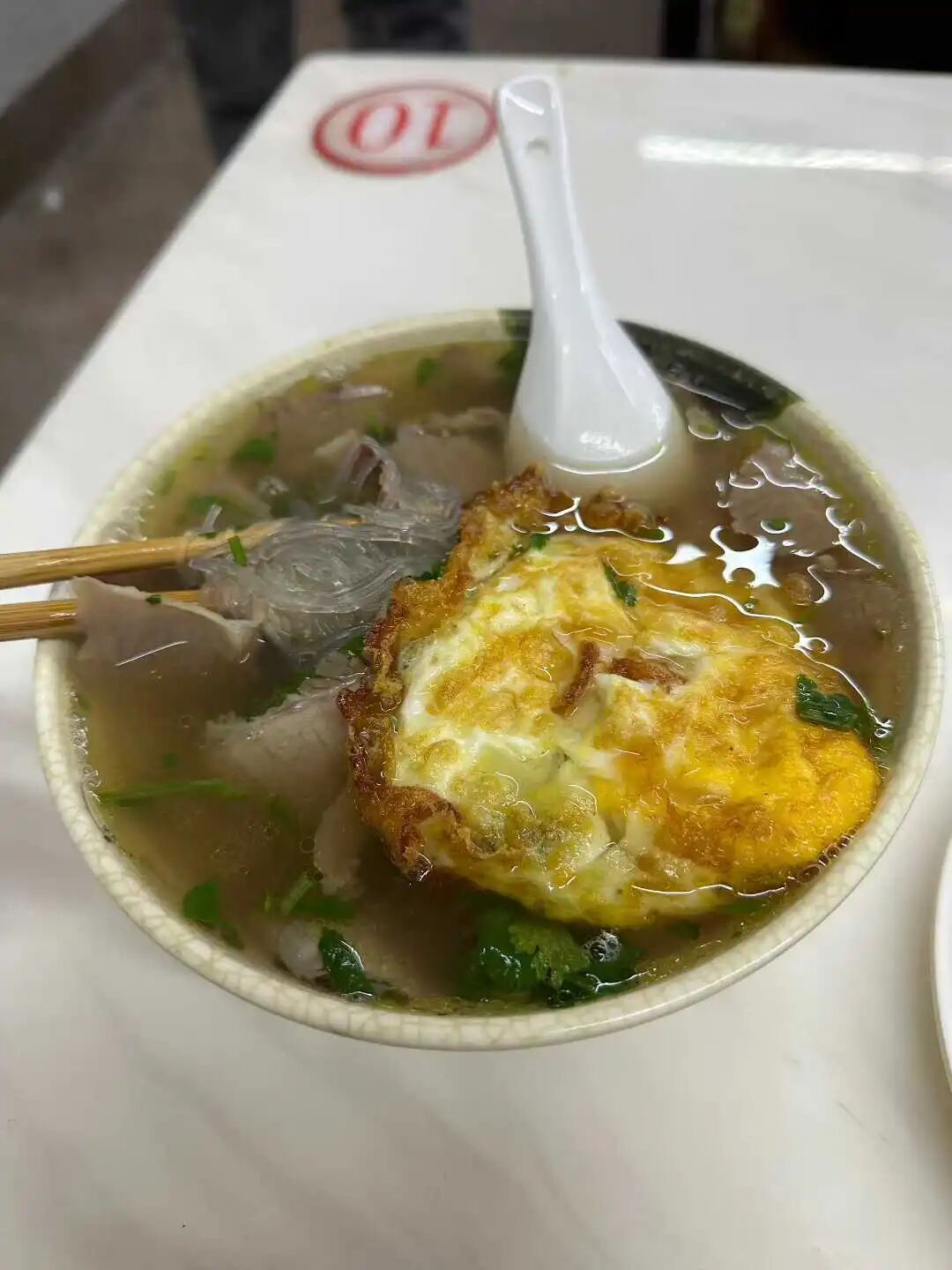
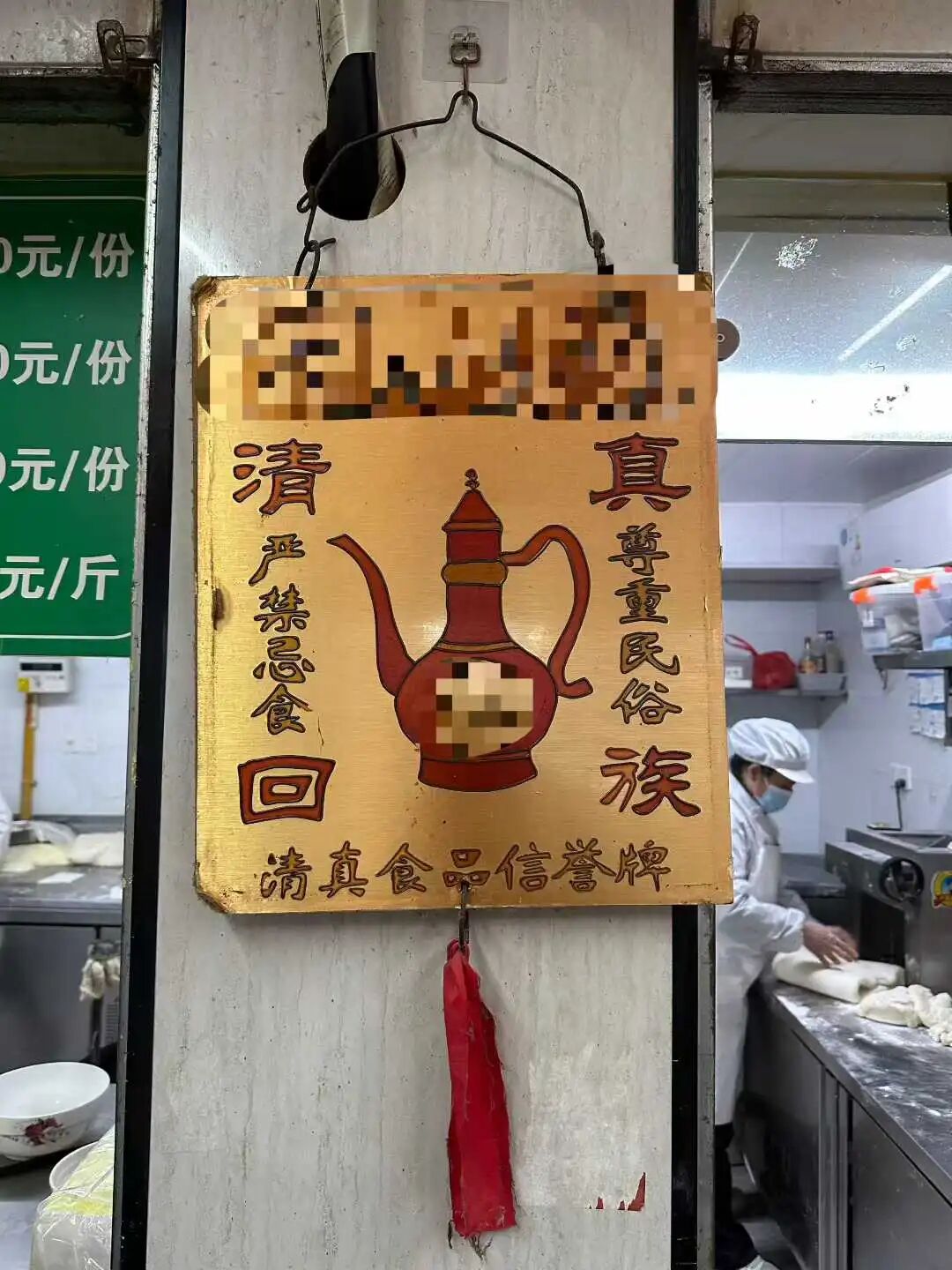
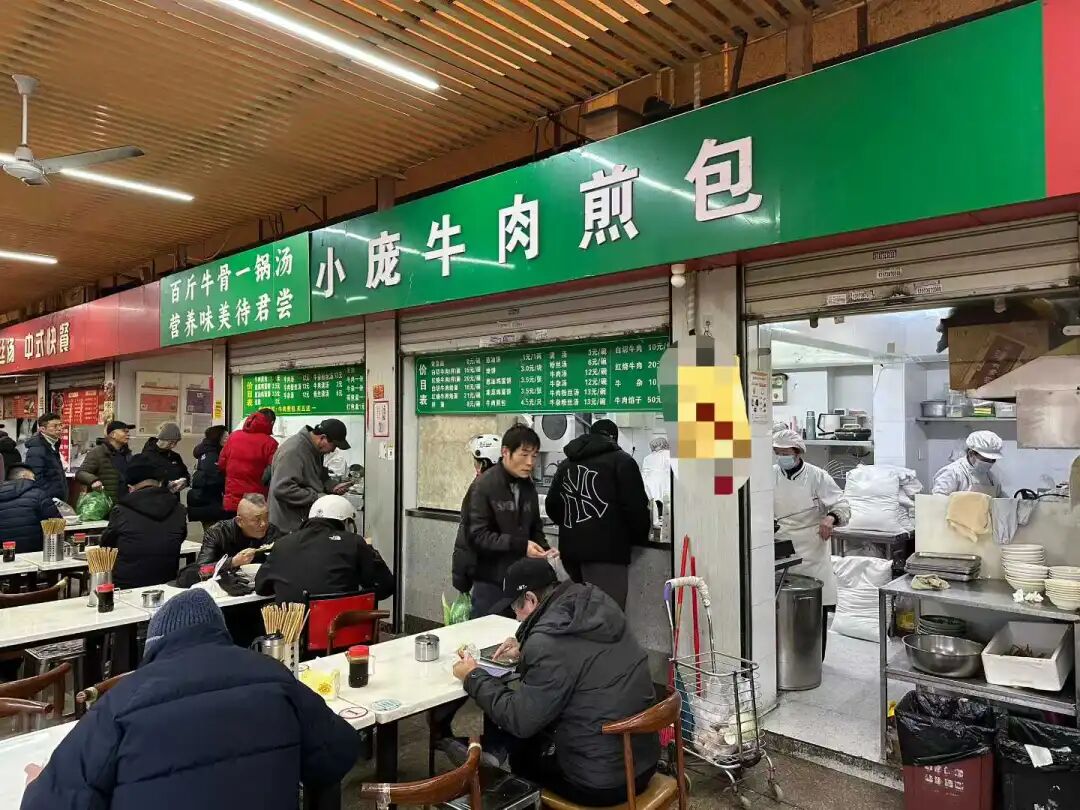
The snack shops run by Henan Hui Muslims in Shanghai mainly fall into two types. Besides beef pan-fried buns, there are also shops focusing on the classic Shanghai breakfast quartet of flatbread (dabing) and fried dough sticks (youtiao). I visited one on Lingyan South Road in Lingzhao New Village, Pudong, and they are also very popular with local residents.
Their most famous item is the old-fashioned flatbread, which is made fresh in the oven and served piping hot. They serve the flatbread with sweet tofu pudding (douhua) and savory soy milk (xianjiang). Savory soy milk, along with flatbread, fried dough sticks, and sticky rice rolls (cifan), are known as the four pillars of a Shanghai breakfast. It is very different from the soy milk we drink in the north and is not just simple salty soy milk. Savory soy milk is made by adding vinegar to soy milk to create soft curds, then topped with seaweed, pickled mustard greens, and dried shrimp. It is very comforting to eat in the morning with fried dough sticks.
It was my first time having a sticky rice roll. It is made by steaming a mix of glutinous rice and non-glutinous rice, then wrapping it around fried dough sticks and pickled mustard greens. The portion is huge; I didn't expect Shanghai people to have such a filling breakfast!
Besides the rolls, they have sticky rice cakes (cifan gao). These are made by mixing glutinous and non-glutinous rice with salt, pressing them into blocks, and frying them. The outside is crispy, while the inside still has the texture of rice. Their fried radish cakes (youdunzi) are also delicious, filled with shredded white radish.
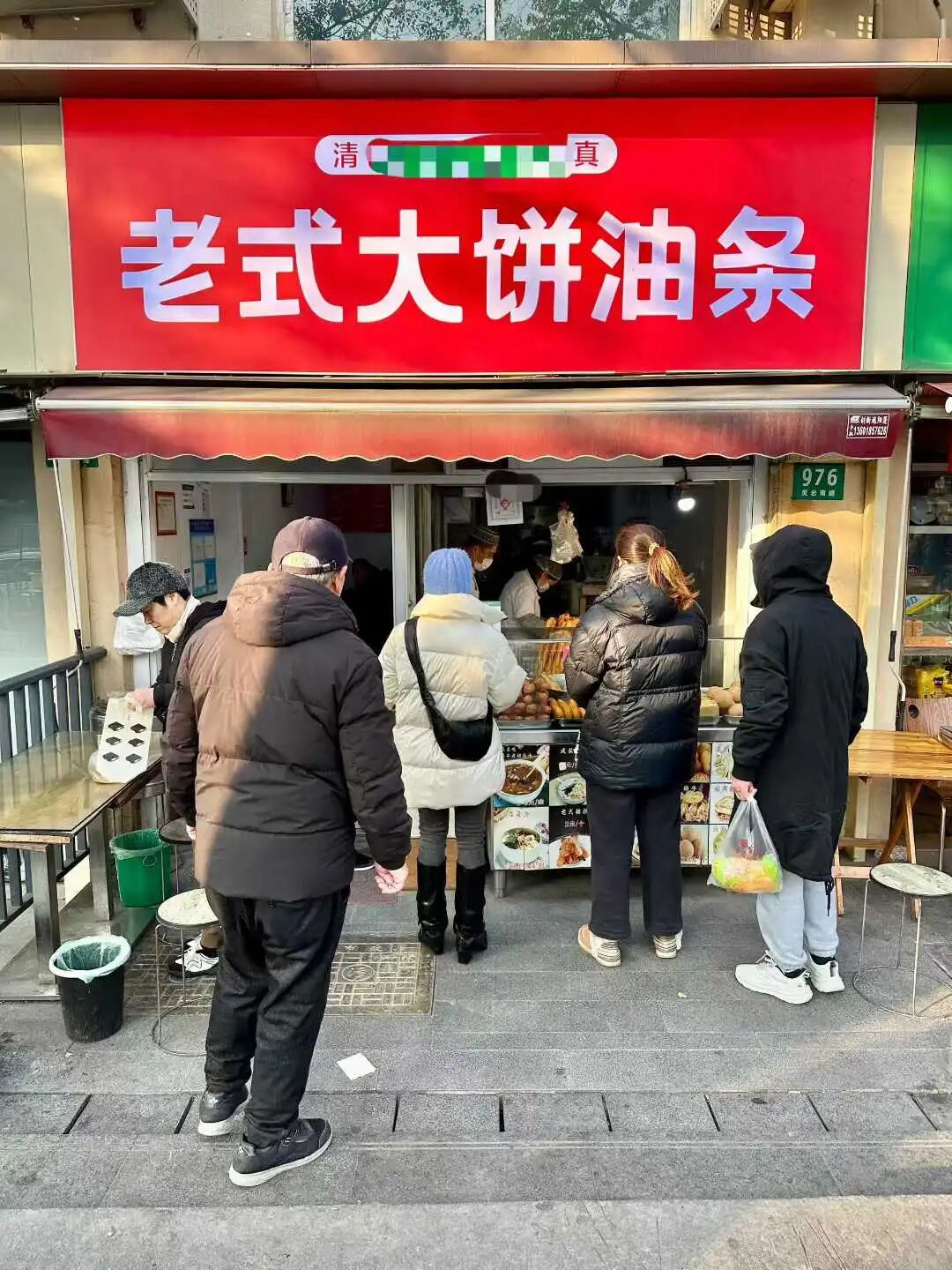
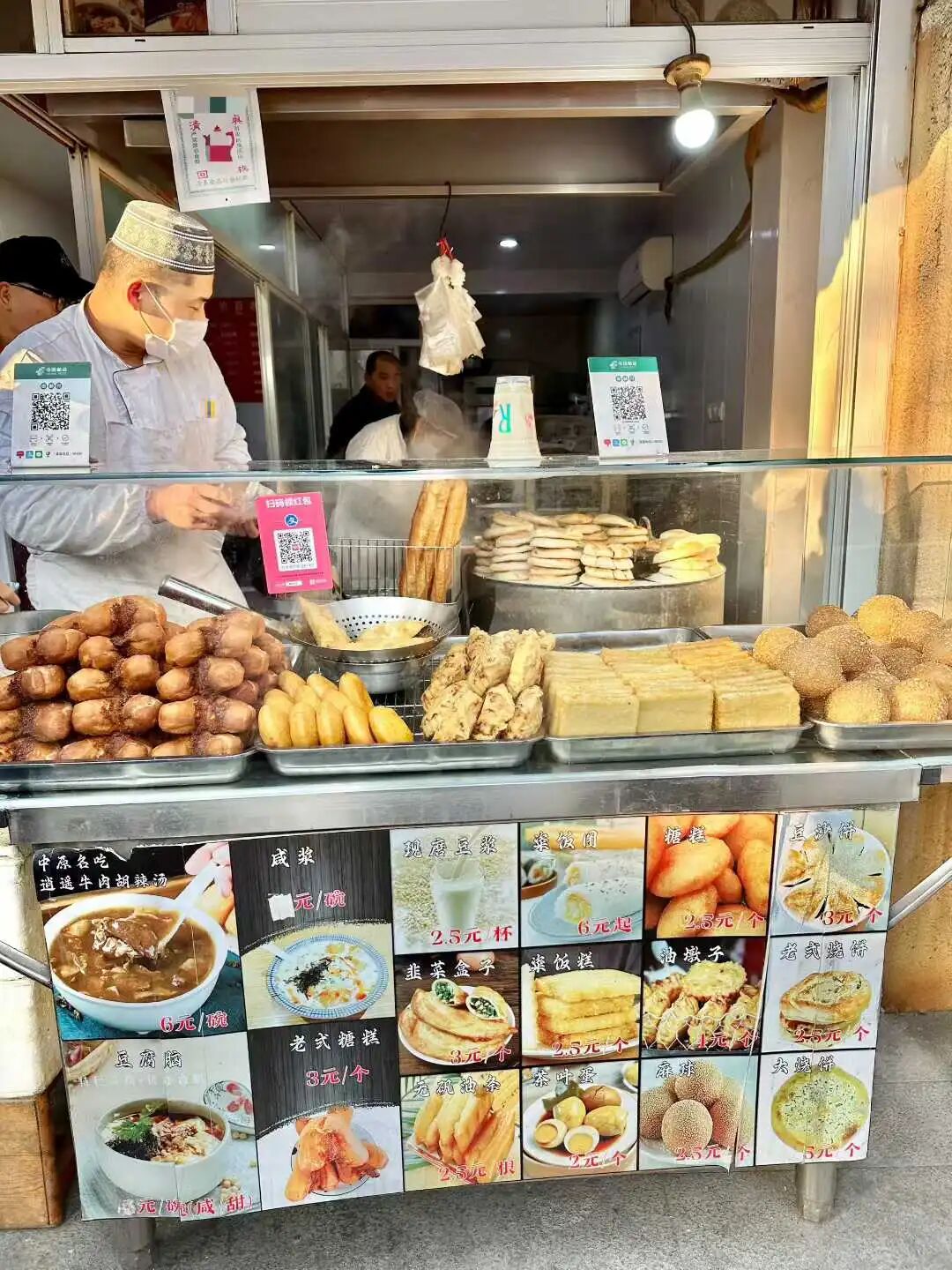
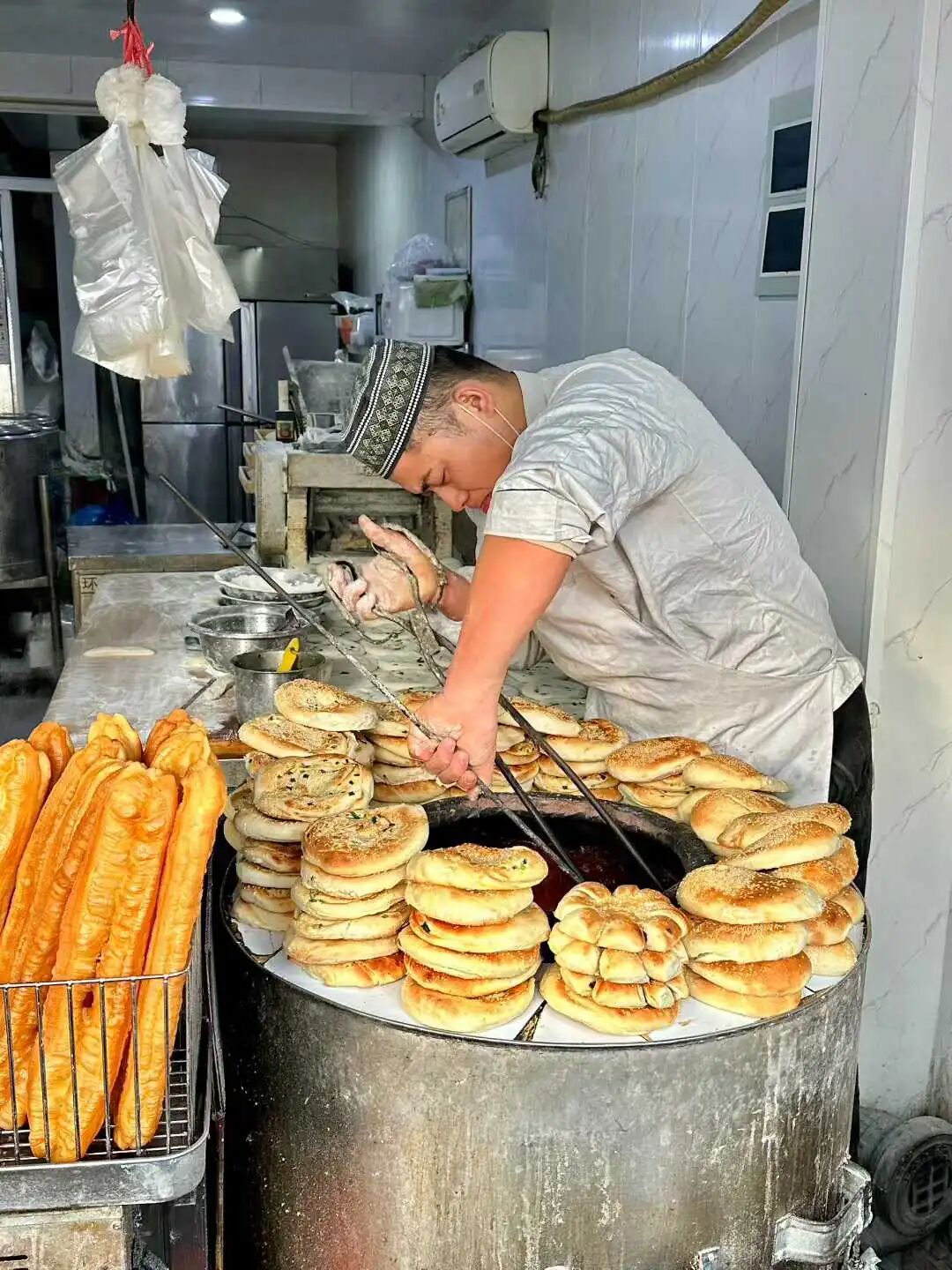
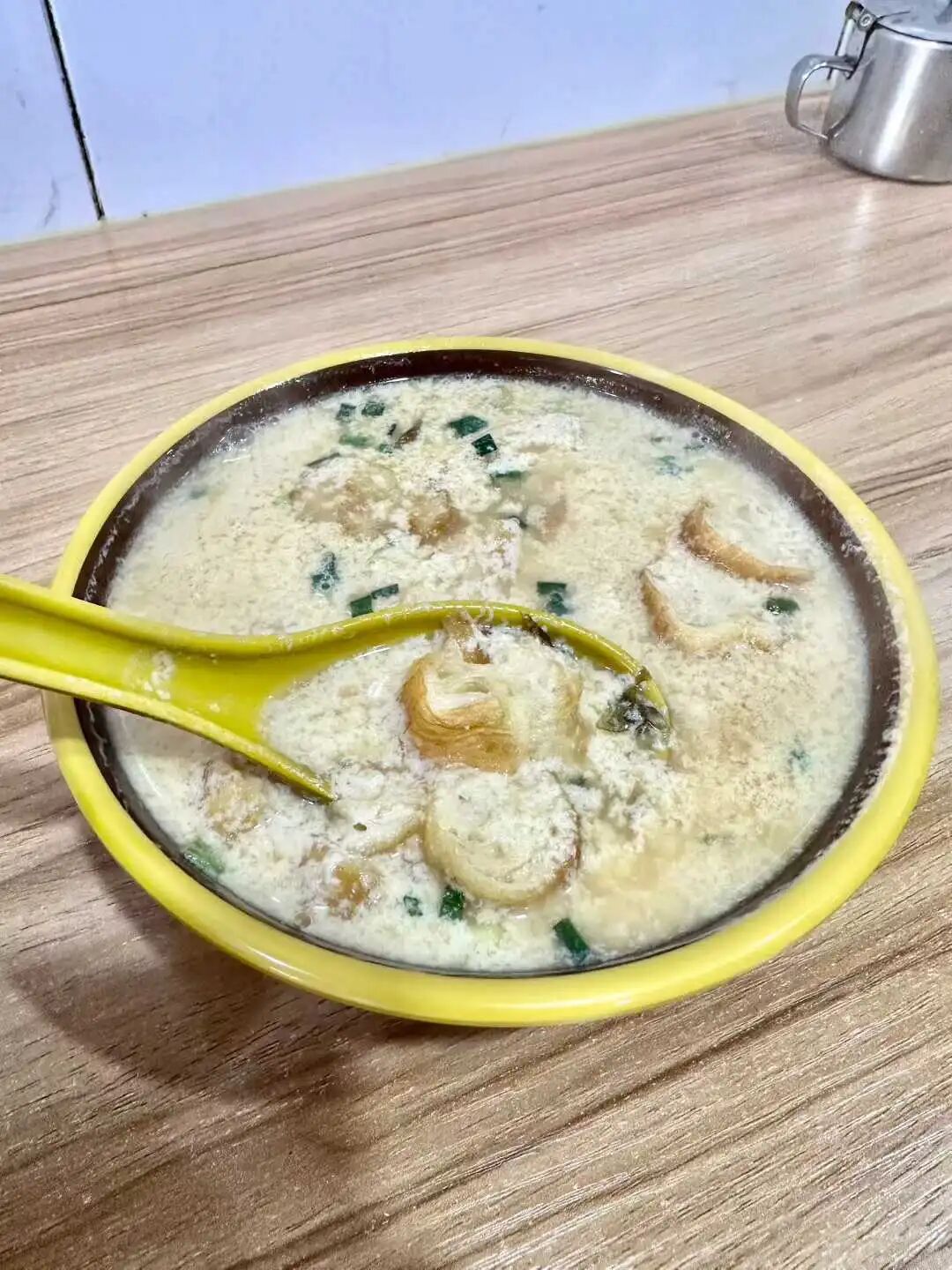
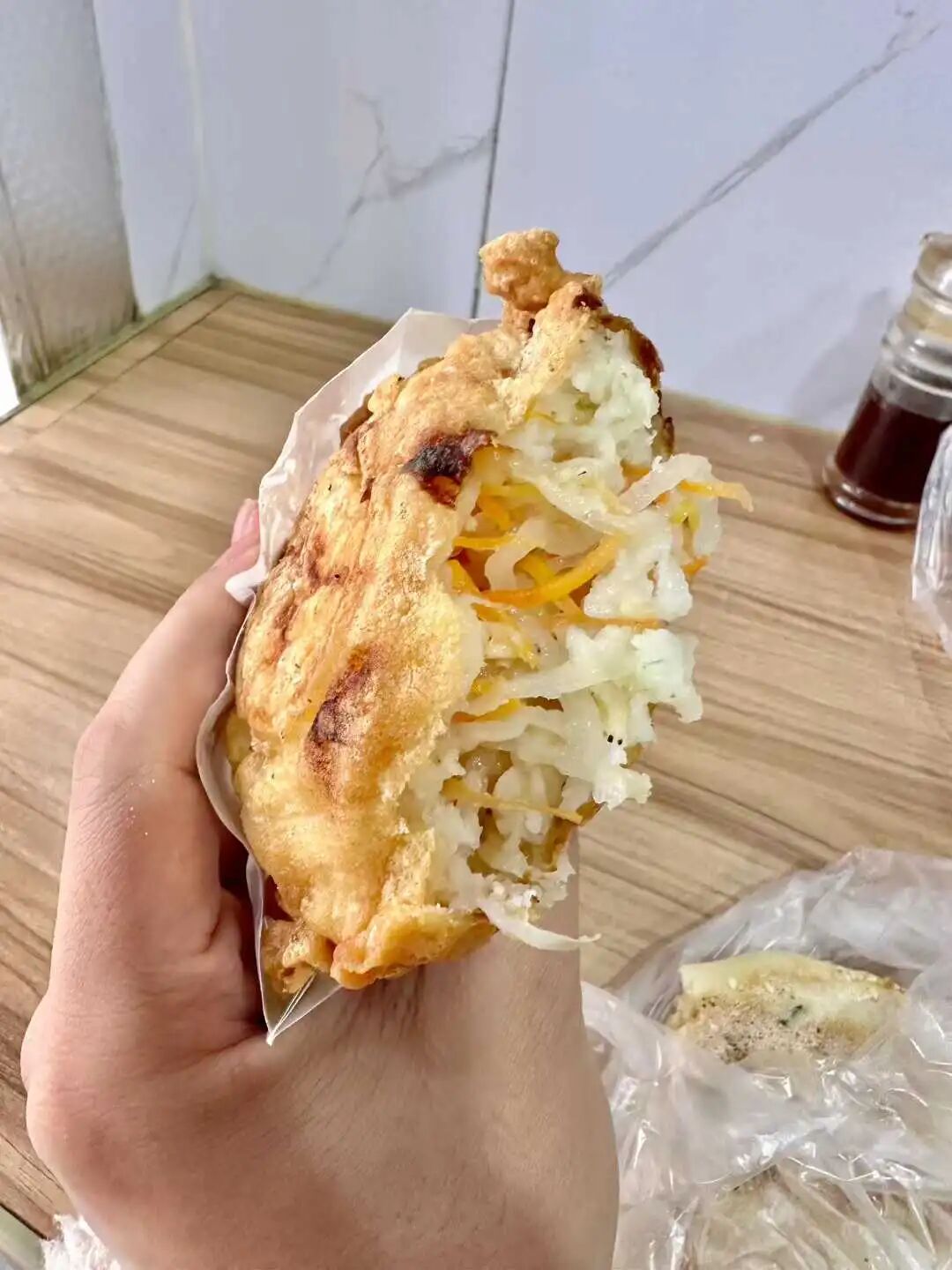
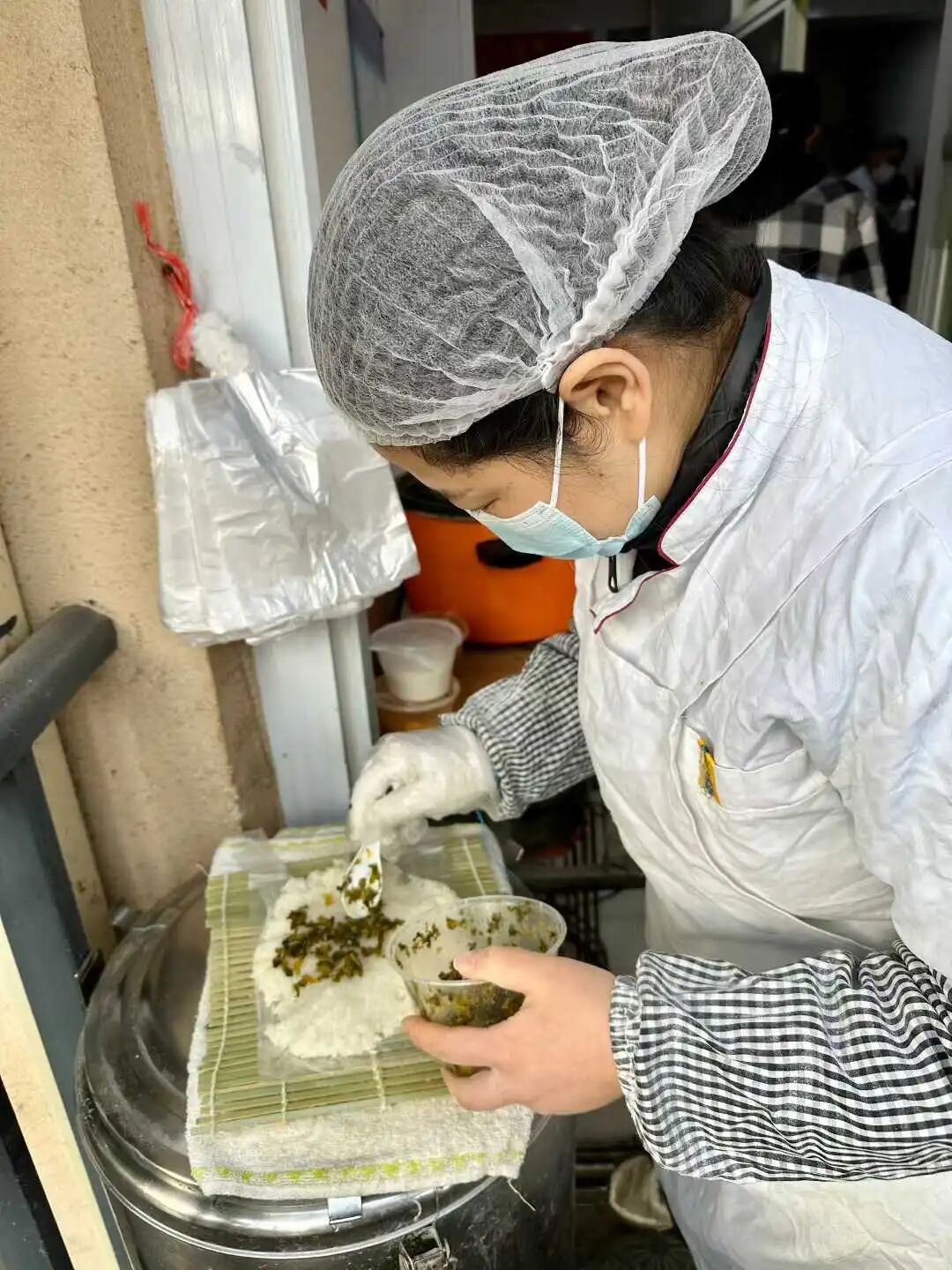
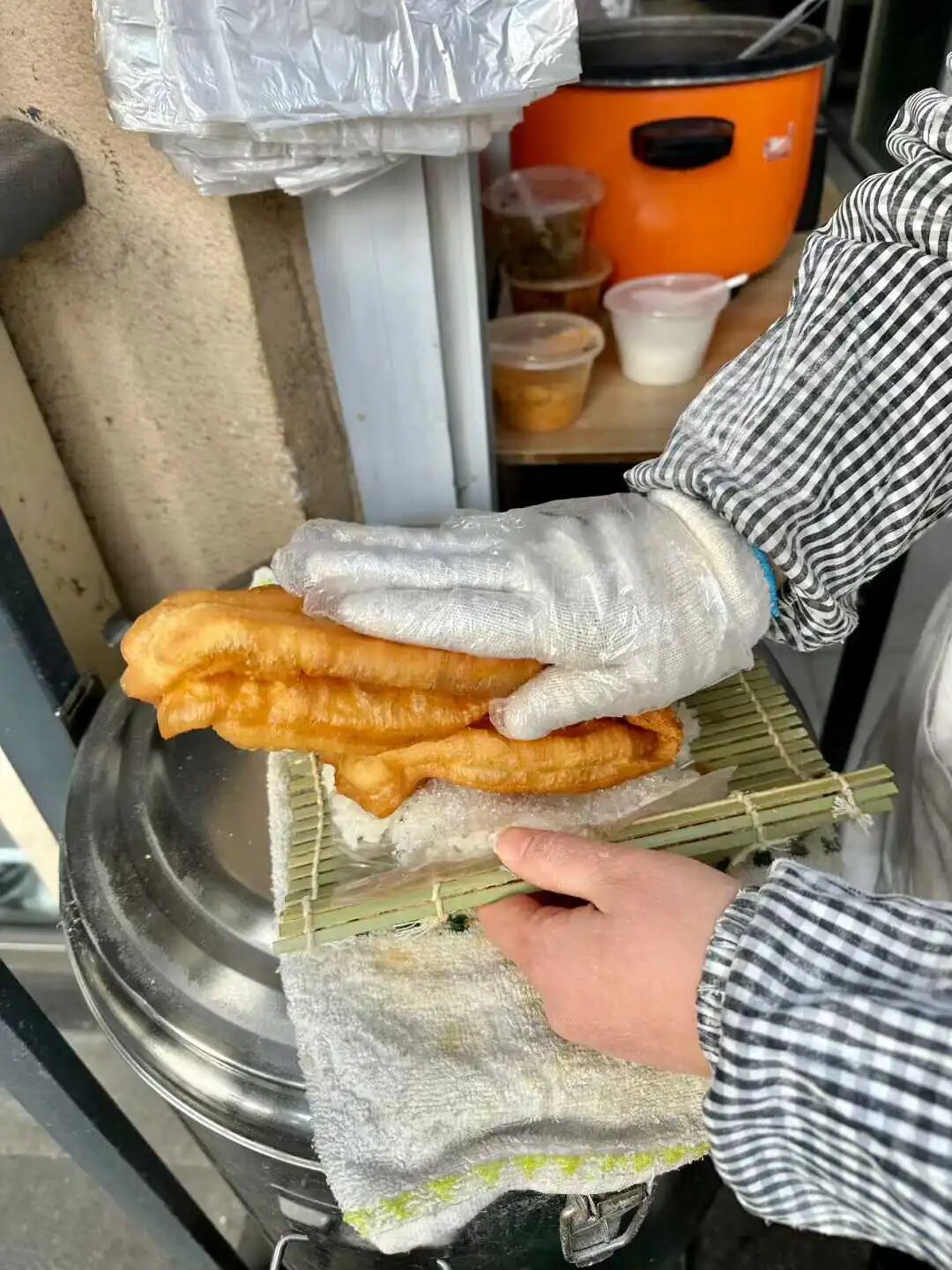
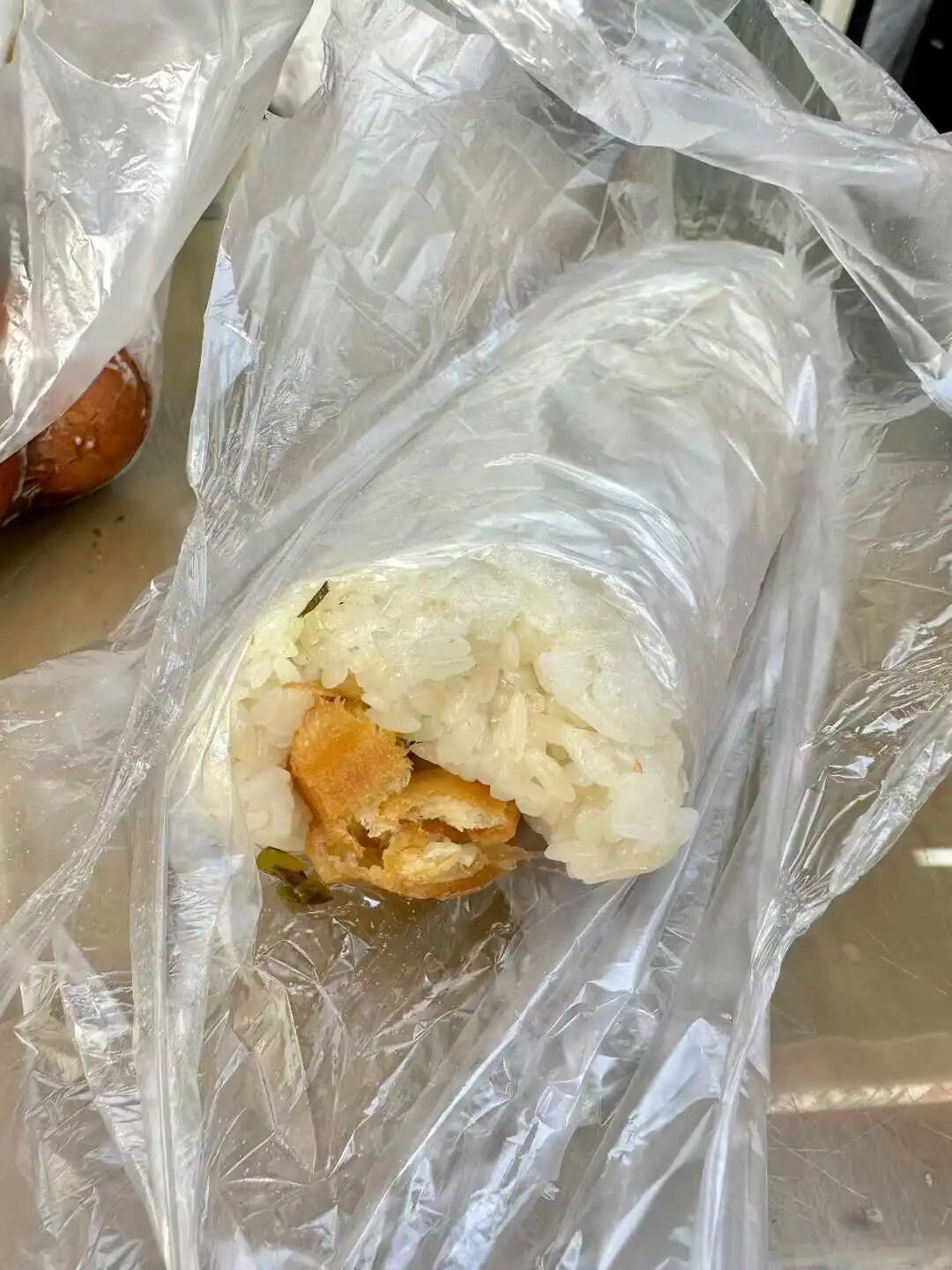
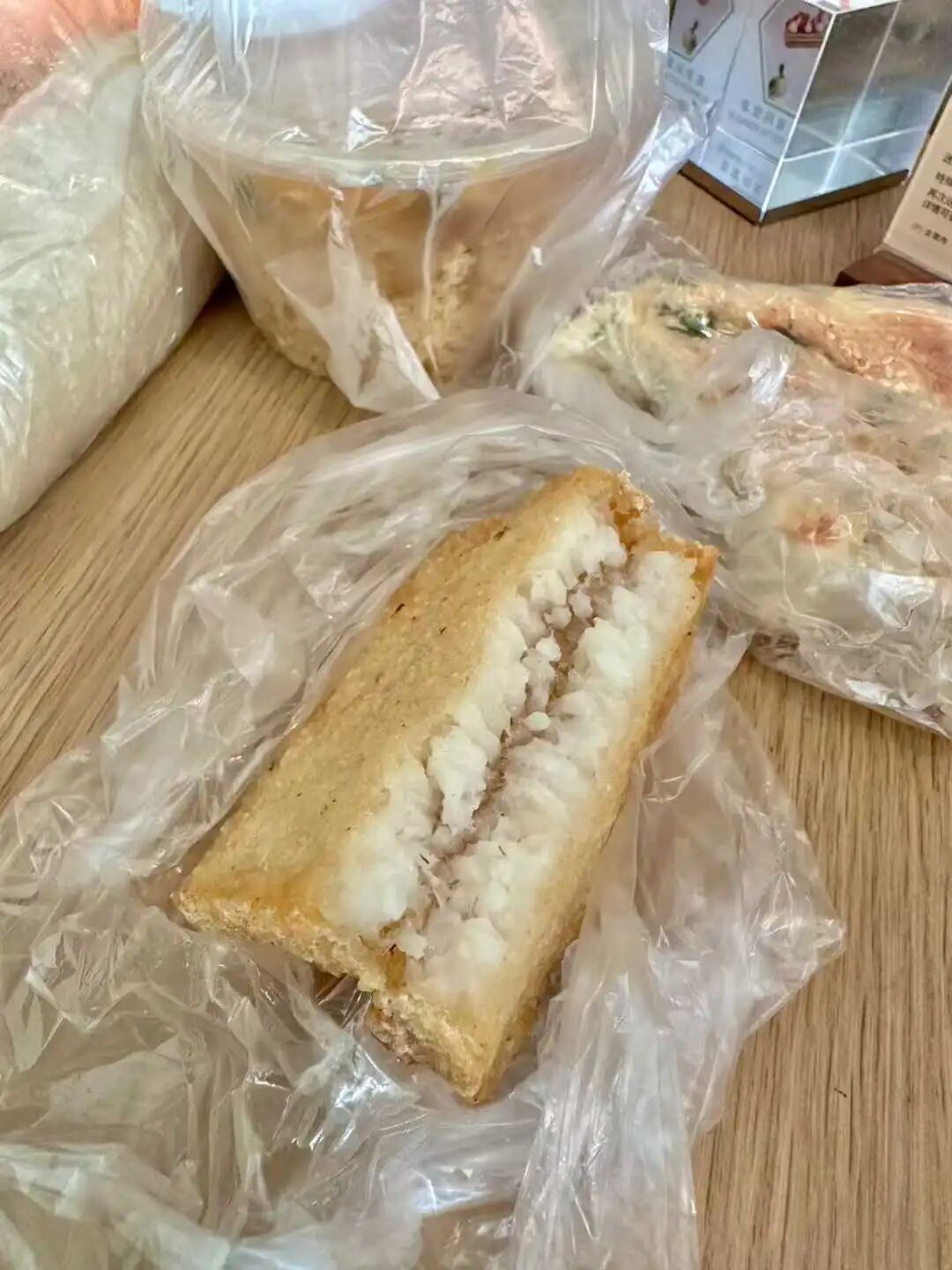
Shanghai-style Muslim cuisine has a long history. After Shanghai opened as a port in 1843 (the 23rd year of the Daoguang reign), Hui Muslims from Nanjing began selling halal food in the city. Over the next hundred years, this gradually developed into Shanghai-style Muslim cuisine. During the Xianfeng reign, Nanjing Hui Muslims founded the He Wanxing tea shop in the Nanshi district of Shanghai. It was later renamed Huifenglou Restaurant. Huifenglou was famous for its Huifeng beef pot, stir-fried yellow crab with oil and soy sauce, and braised river eel in a rich, dark sauce. They also served thumb-sized beef rice dumplings (zongzi) and silver thread rolls (yinsi juan), making Shanghai-style Muslim cuisine very famous for a time.
Due to historical reasons, Shanghai-style Muslim cuisine gradually declined in the late 20th century and slowly faded from public view. In the 1980s, the most authentic Shanghai-style Muslim food was found at the predecessor to the Guan Guan Ji restaurant, which was a Muslim restaurant. Today, if you want to taste Shanghai-style Muslim cuisine, you can choose the long-established Yixinzhai, which opened in 1958 and is recognized as a Shanghai intangible cultural heritage.
I first visited Yixinzhai when I was researching Muslim communities along the Yangtze River in 2017. Back then, I went to the old shop on Liangzhou Road. That shop is temporarily closed now, but you can find the new temporary location just a little further down the street. I was alone last time and only had the shredded eel cold noodles, three-yellow chicken (sanhuangji), and shaved ice. This time, I brought my whole family so we could try their stir-fried dishes.
We ordered sizzling oil shredded eel (xiangyou shansi), crab roe tofu, crystal shrimp, and Yangzhou fried rice. At first, we wanted to order plain stir-fried shredded eel, but the server said that version is just eel. The sizzling oil version is stir-fried with water bamboo (jiaobai). I thought the version with water bamboo tasted better. The shredded eel was quite oily and had a strong savory sauce. It tasted a lot like stir-fried chicken cubes with bean paste (jiangbao jiding), but the texture of the eel was better. The kids really loved the crystal shrimp and Yangzhou fried rice and ate a lot of both. The shrimp had a great texture and tasted very fresh. I really liked the crab roe tofu. It went perfectly with rice and had a very rich crab flavor.
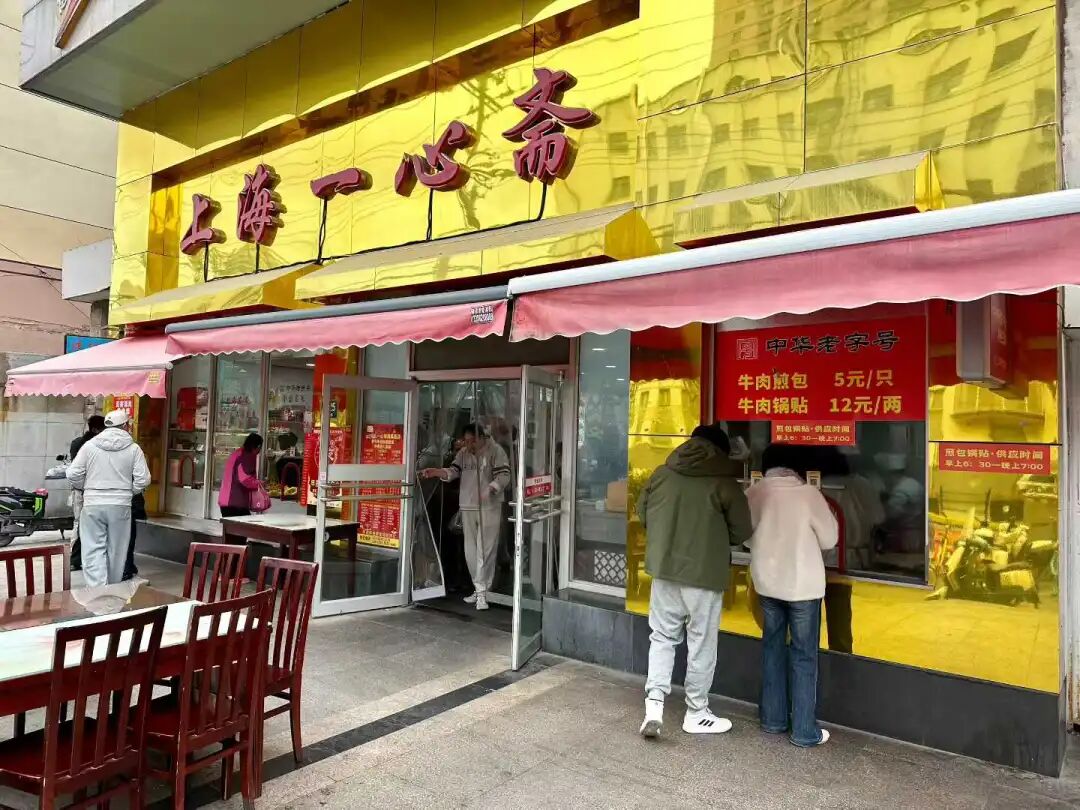
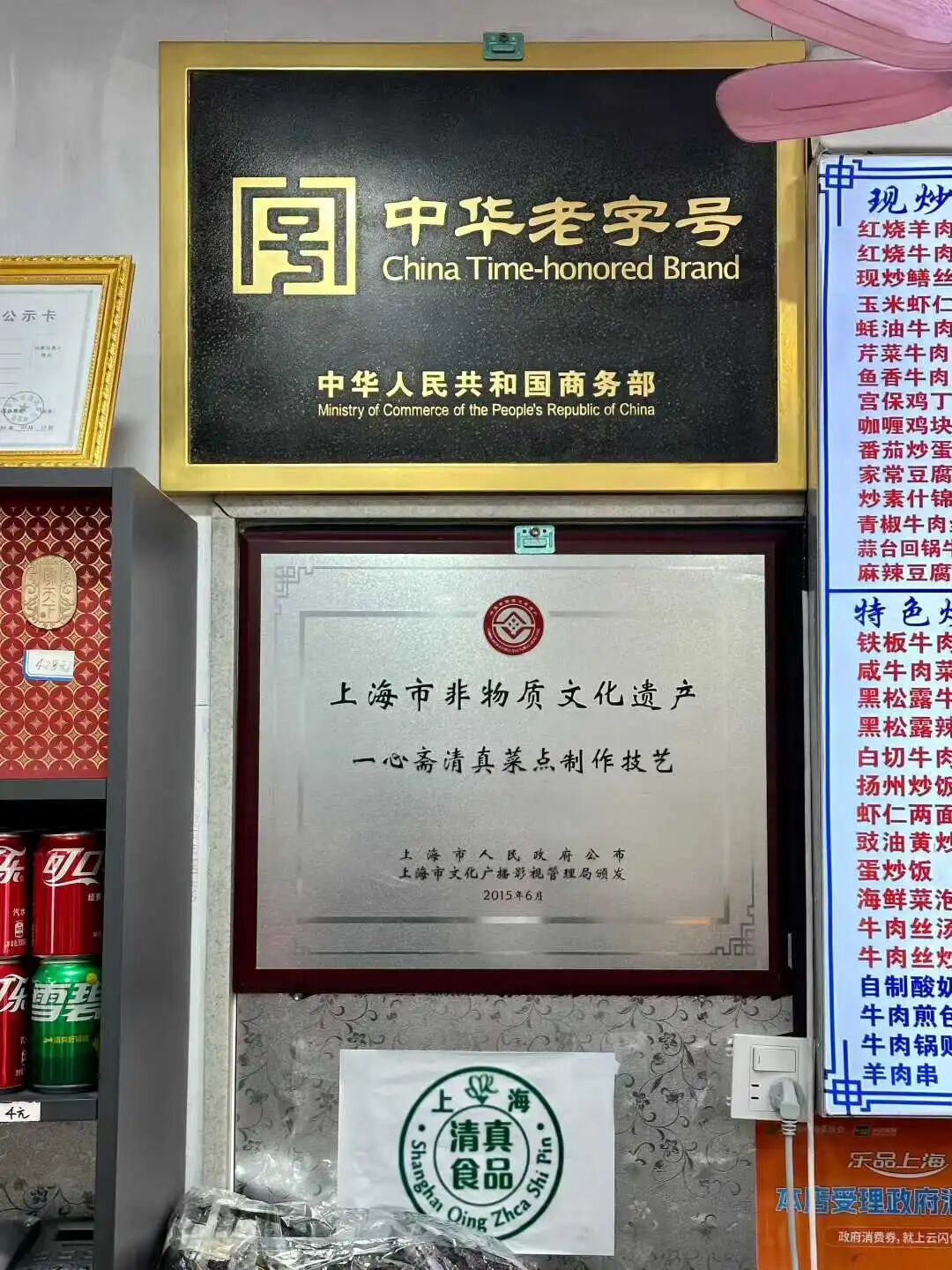
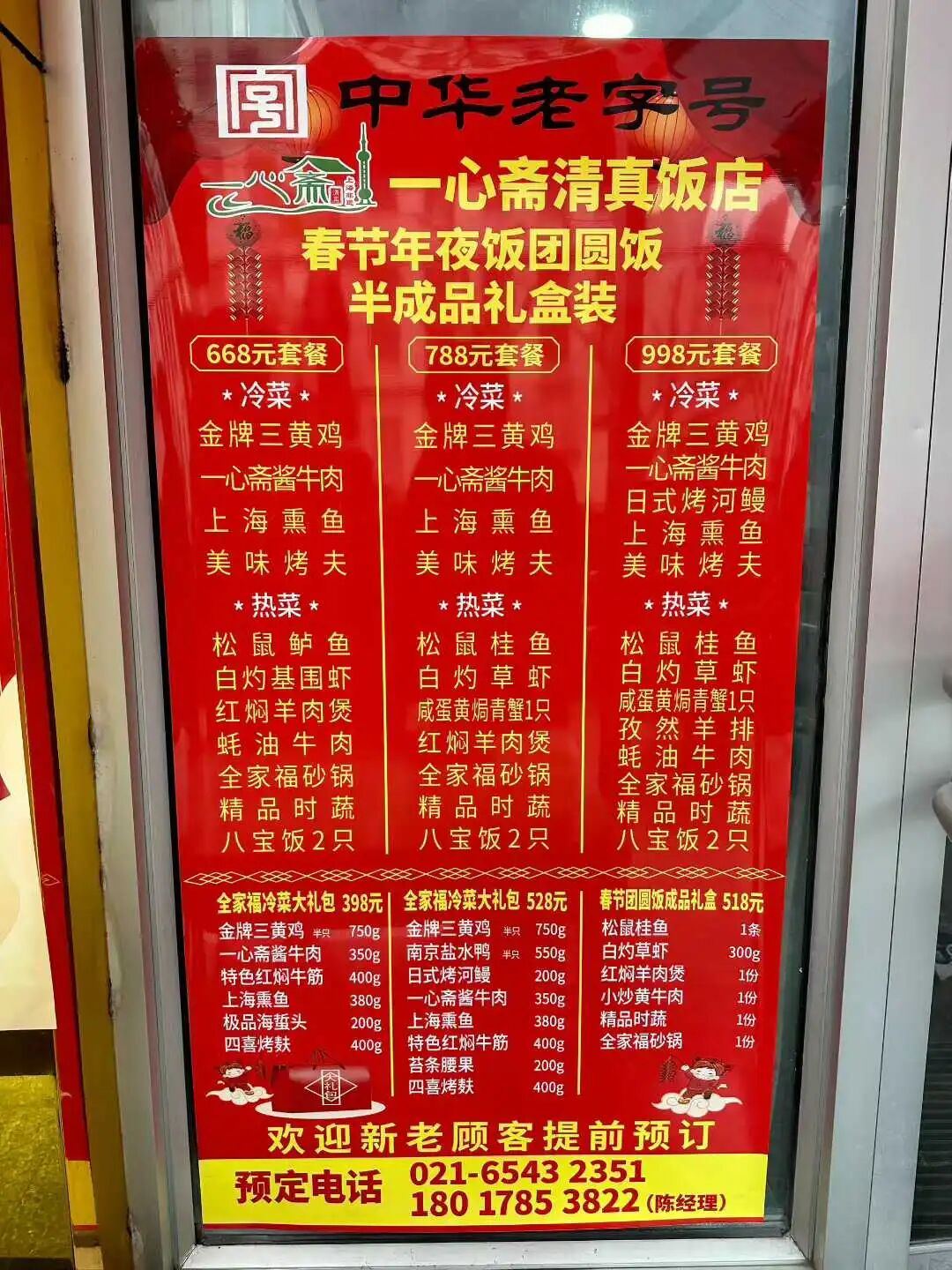
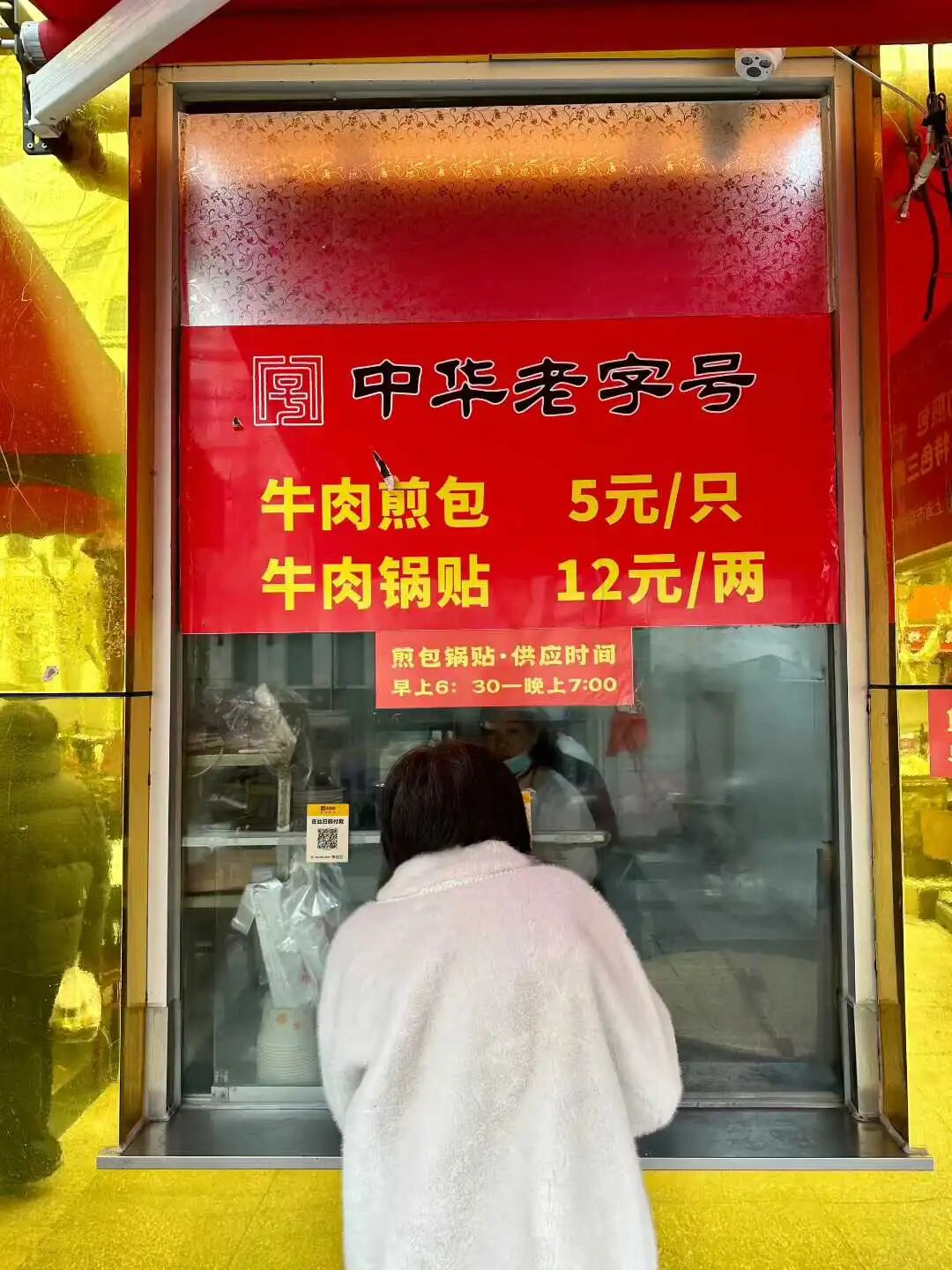
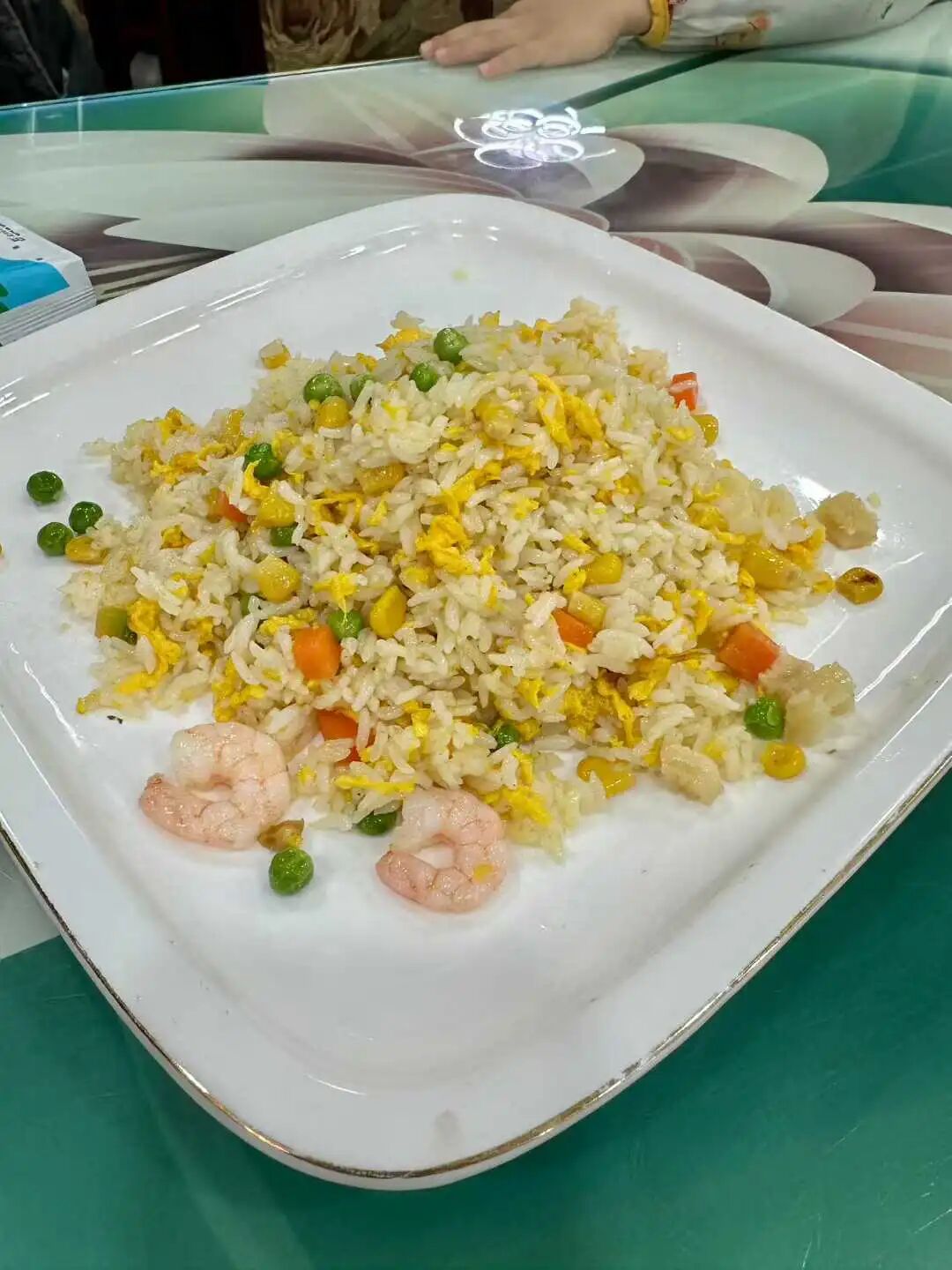
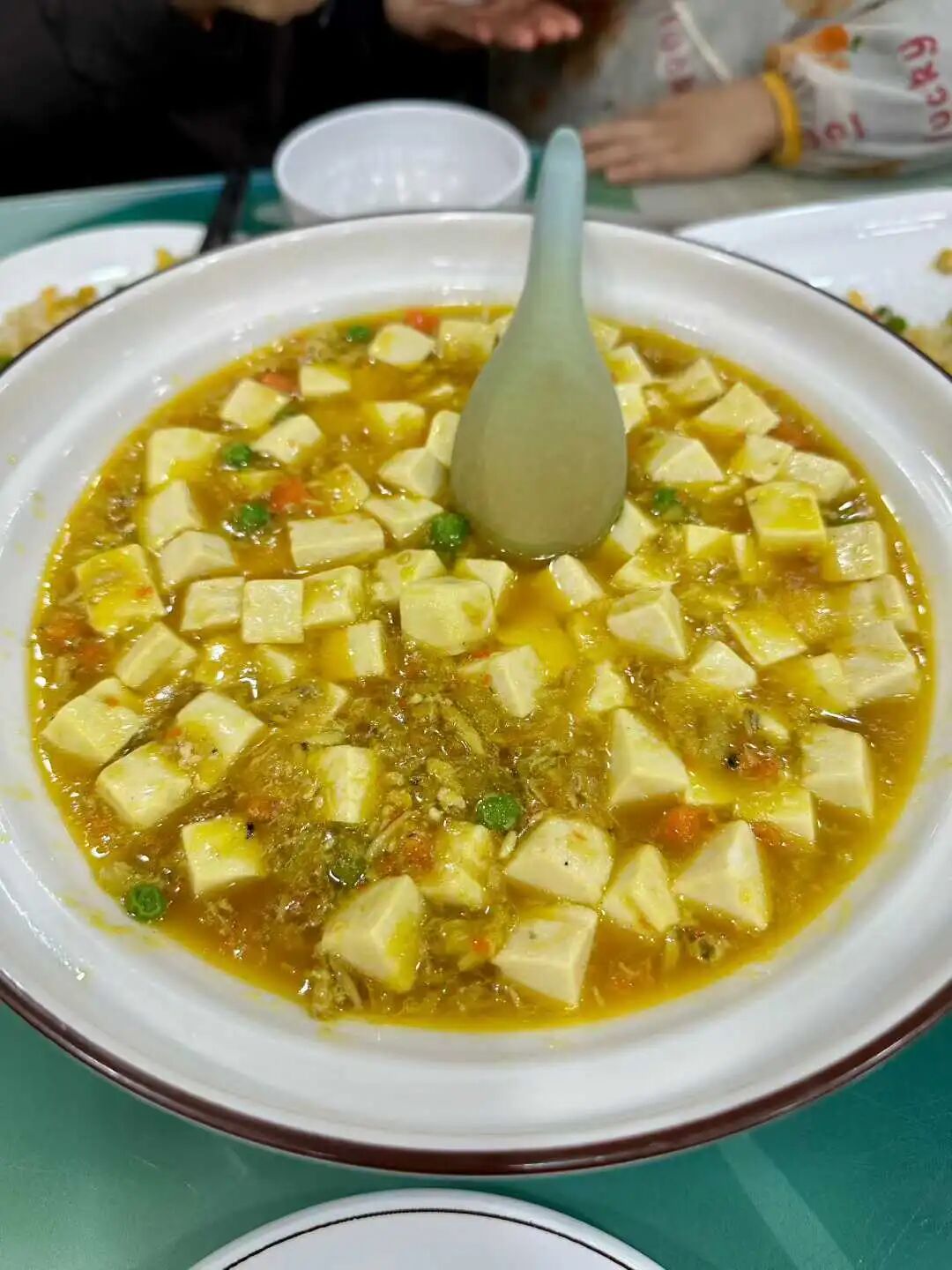
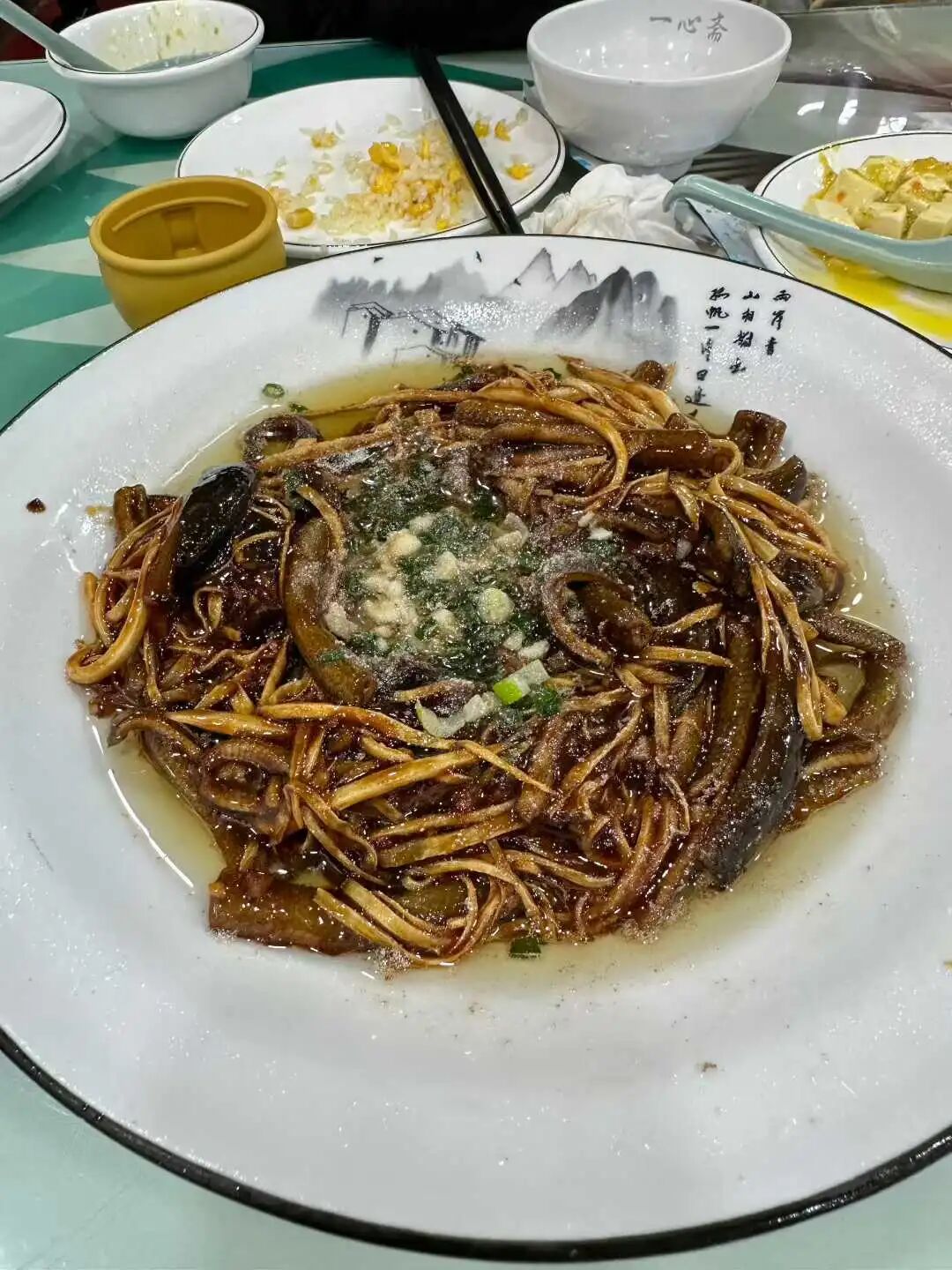
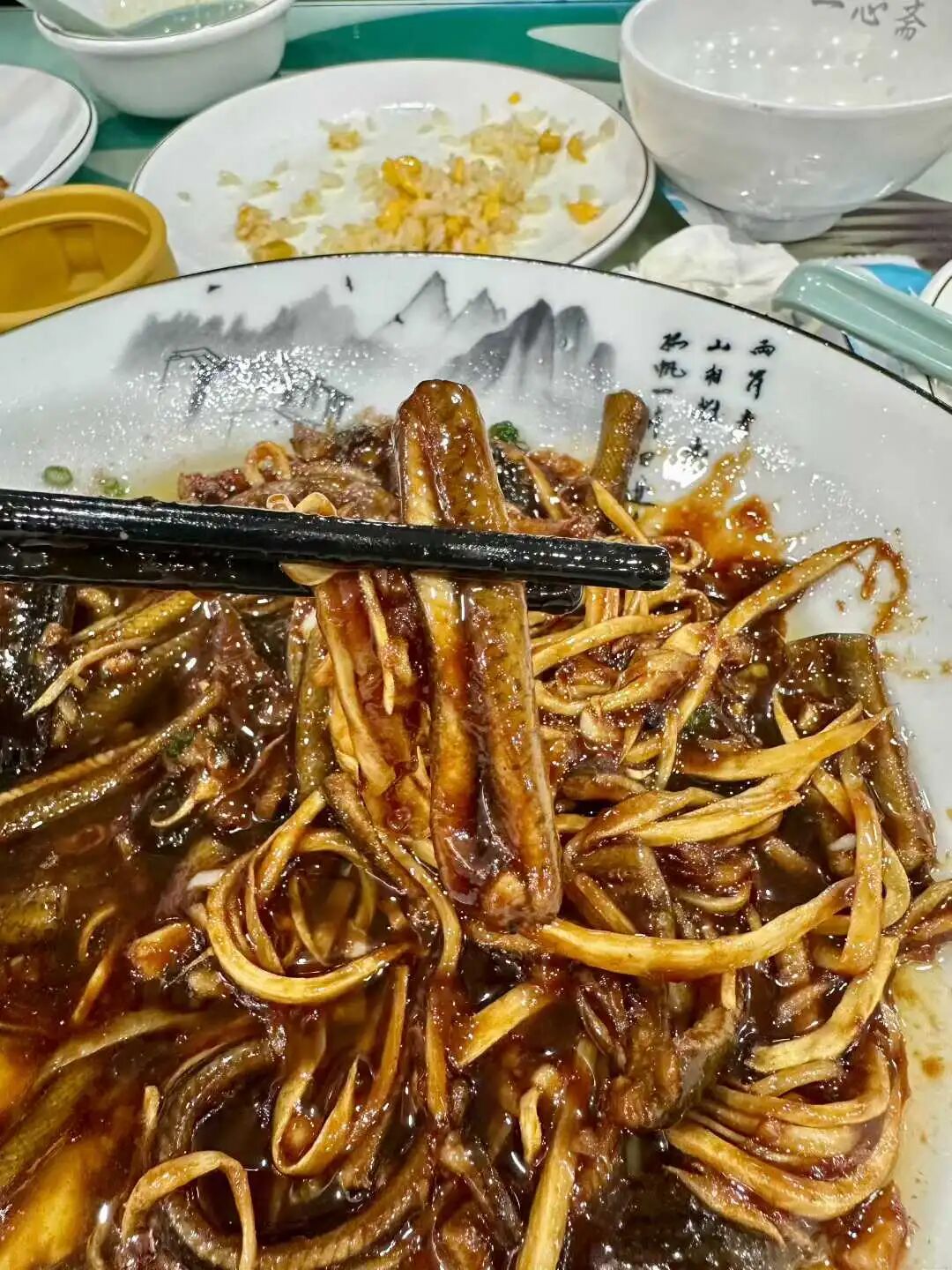
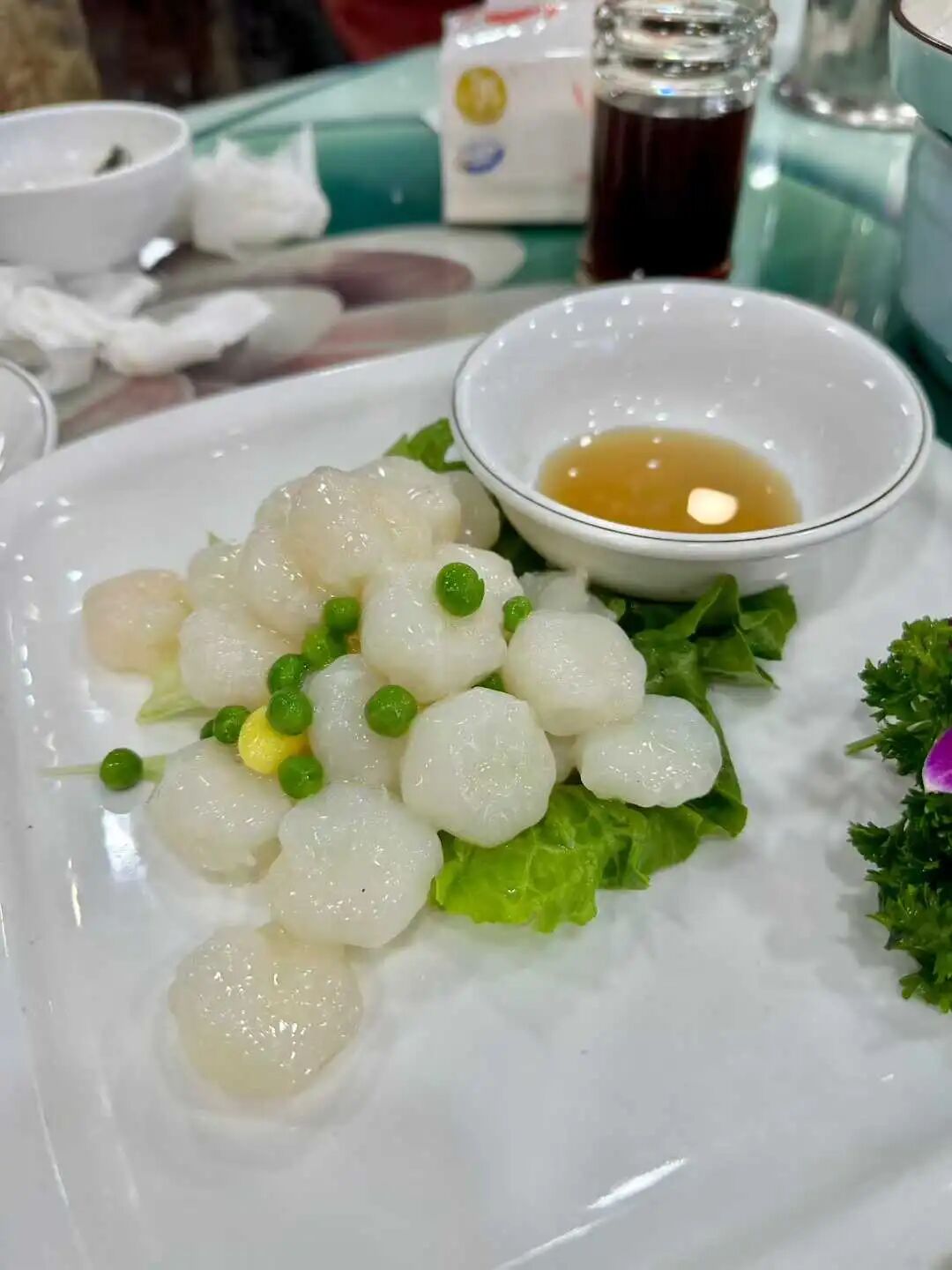
I want to mention that in some areas, Hui Muslims follow dietary customs like only eating ruminants, avoiding scaleless fish, or not eating rabbit. I have never seen these customs in any Muslim community abroad, and they are not recorded in any religious texts or legal treatises. I later learned about this in an article by Yahya Dosti titled "What are the non-halal foods mentioned in religious texts?" The article explains that these dietary habits actually come from the Jewish scripture, the Book of Leviticus in the Old Testament. He suggests that when the "Blue-capped Hui" (lanmao huihui) Jewish descendants in Kaifeng, Henan, integrated into the Hui Muslim community, they brought some Jewish customs with them, leading to this cultural fusion.
If you are a Hui Muslim who respects tradition, you can choose to follow these customs yourself. However, you have no right to criticize others for eating scaleless fish or rabbit, as these are just folk customs and have nothing to do with faith.
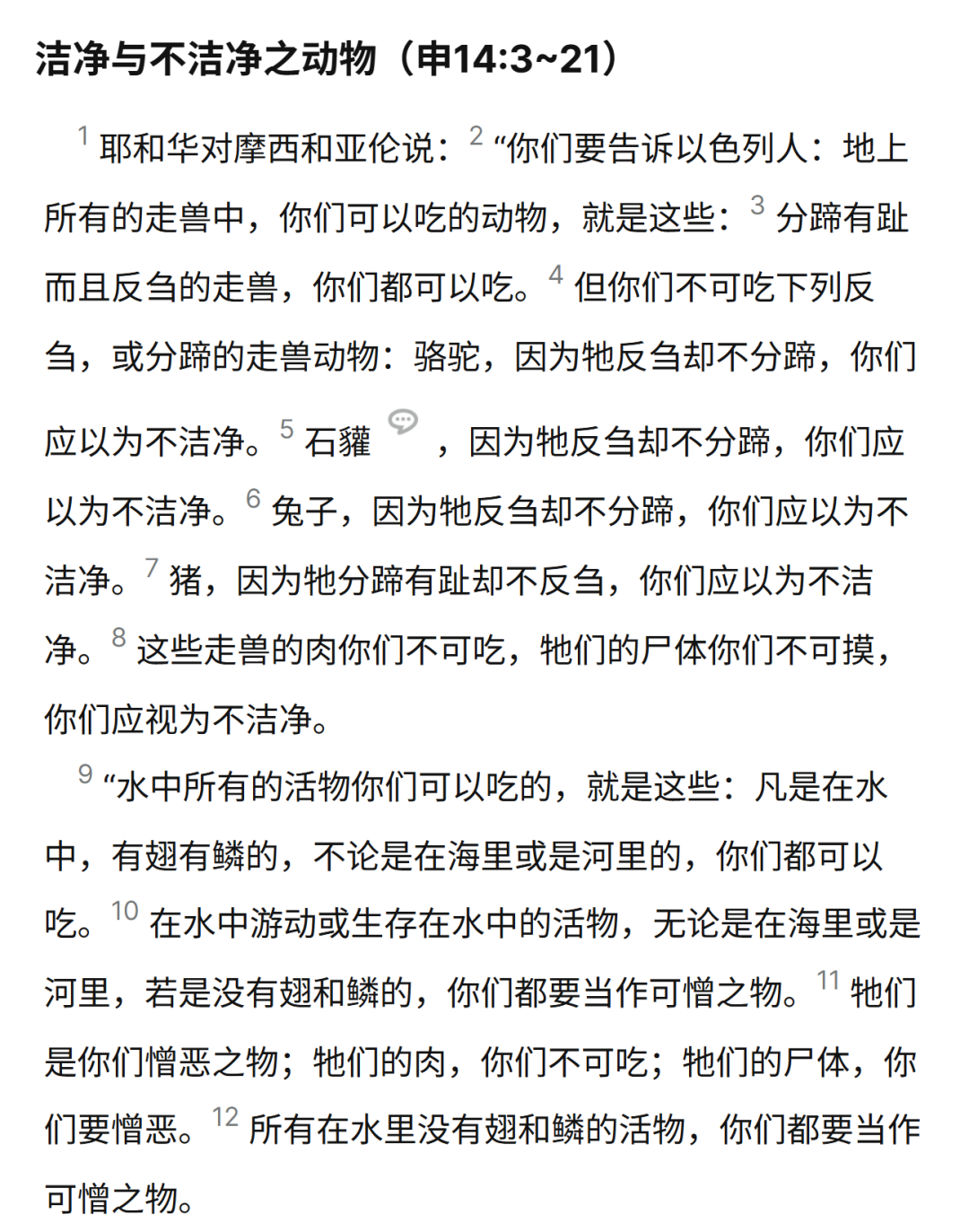
Yixinzhai also sells traditional pastries from the Jiangsu, Zhejiang, and Shanghai regions. We bought a box of victory cakes (dingsheng gao), which are made from glutinous rice, non-glutinous rice, and red rice flour with a red bean paste filling. They were quite hard when we bought them, but after steaming them again at home, the texture returned to normal.
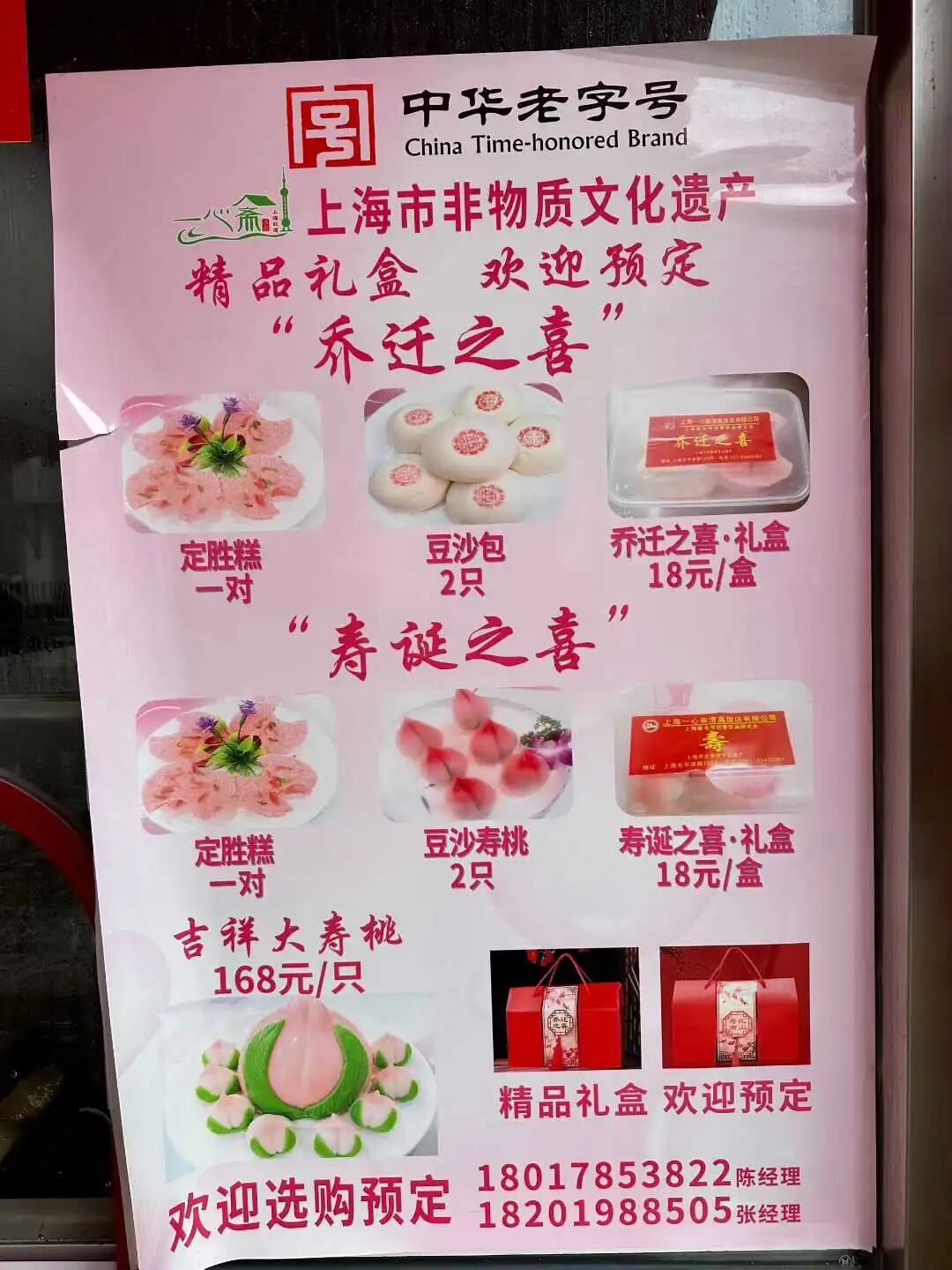
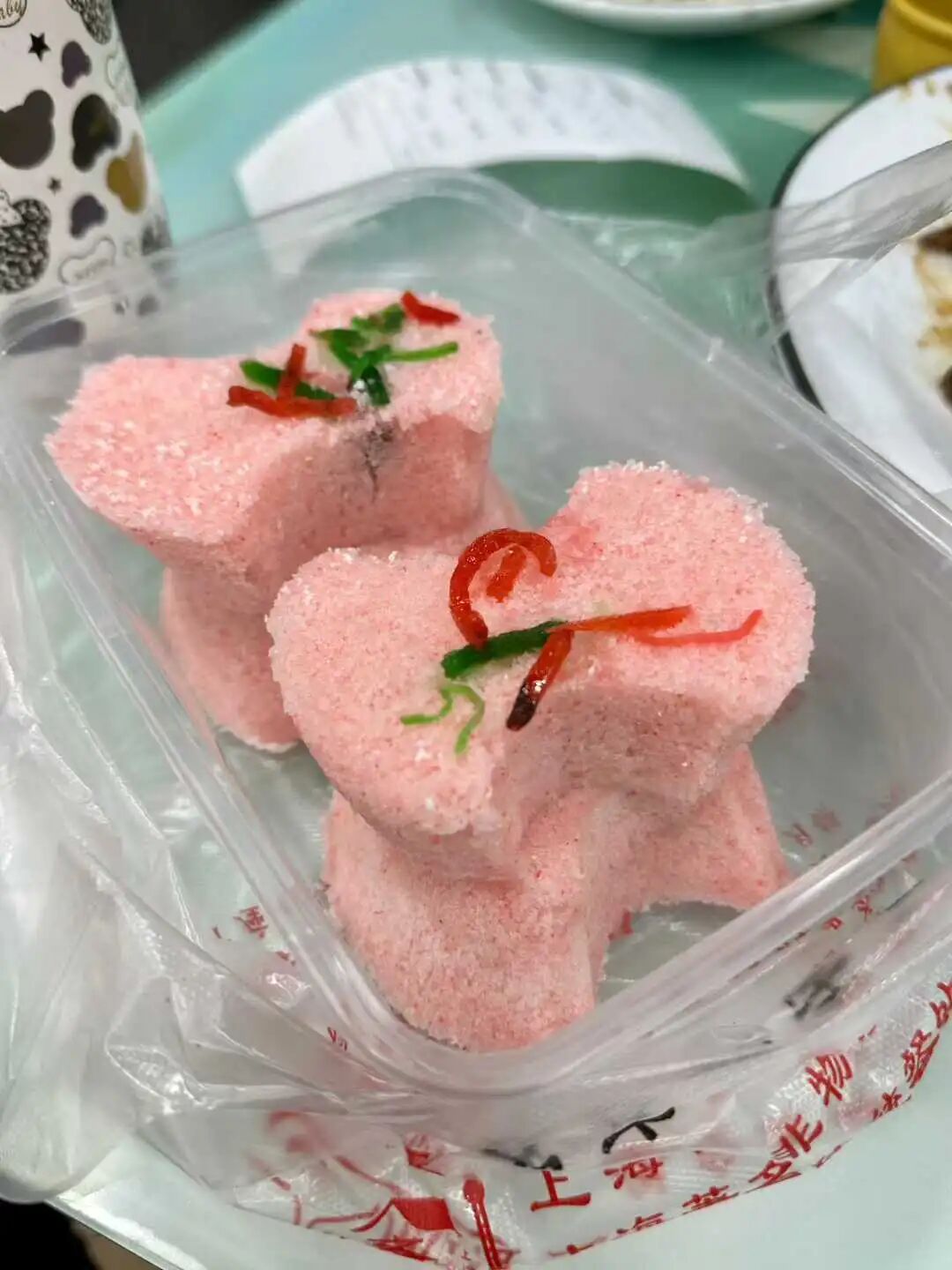
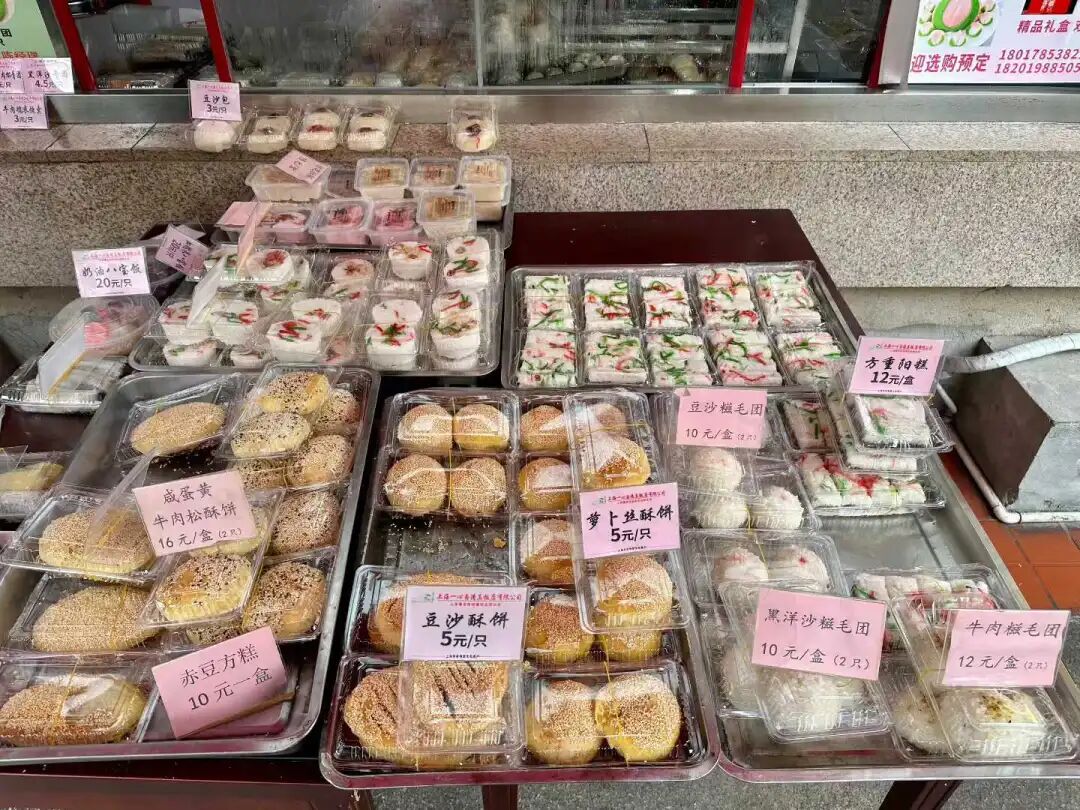
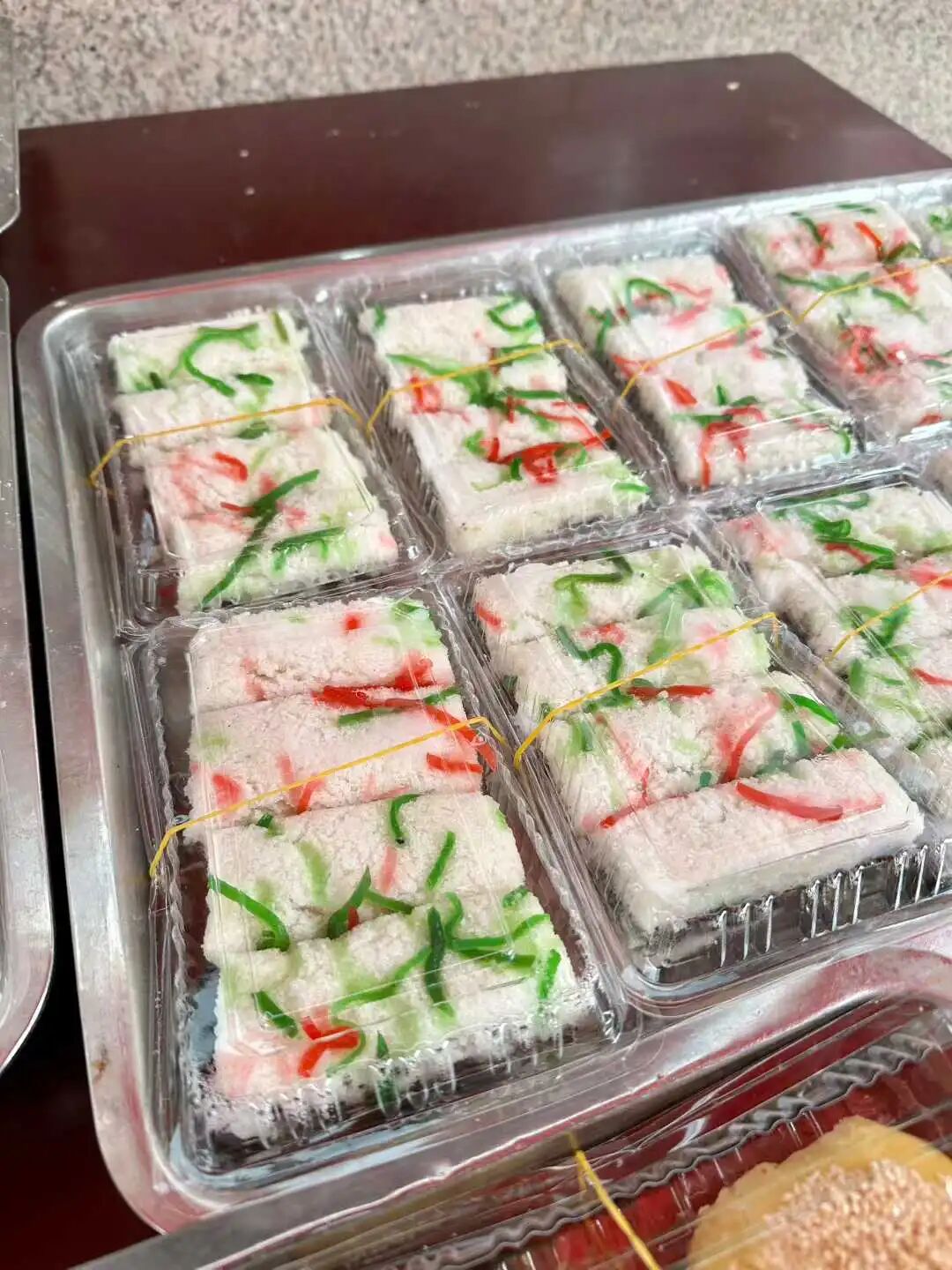
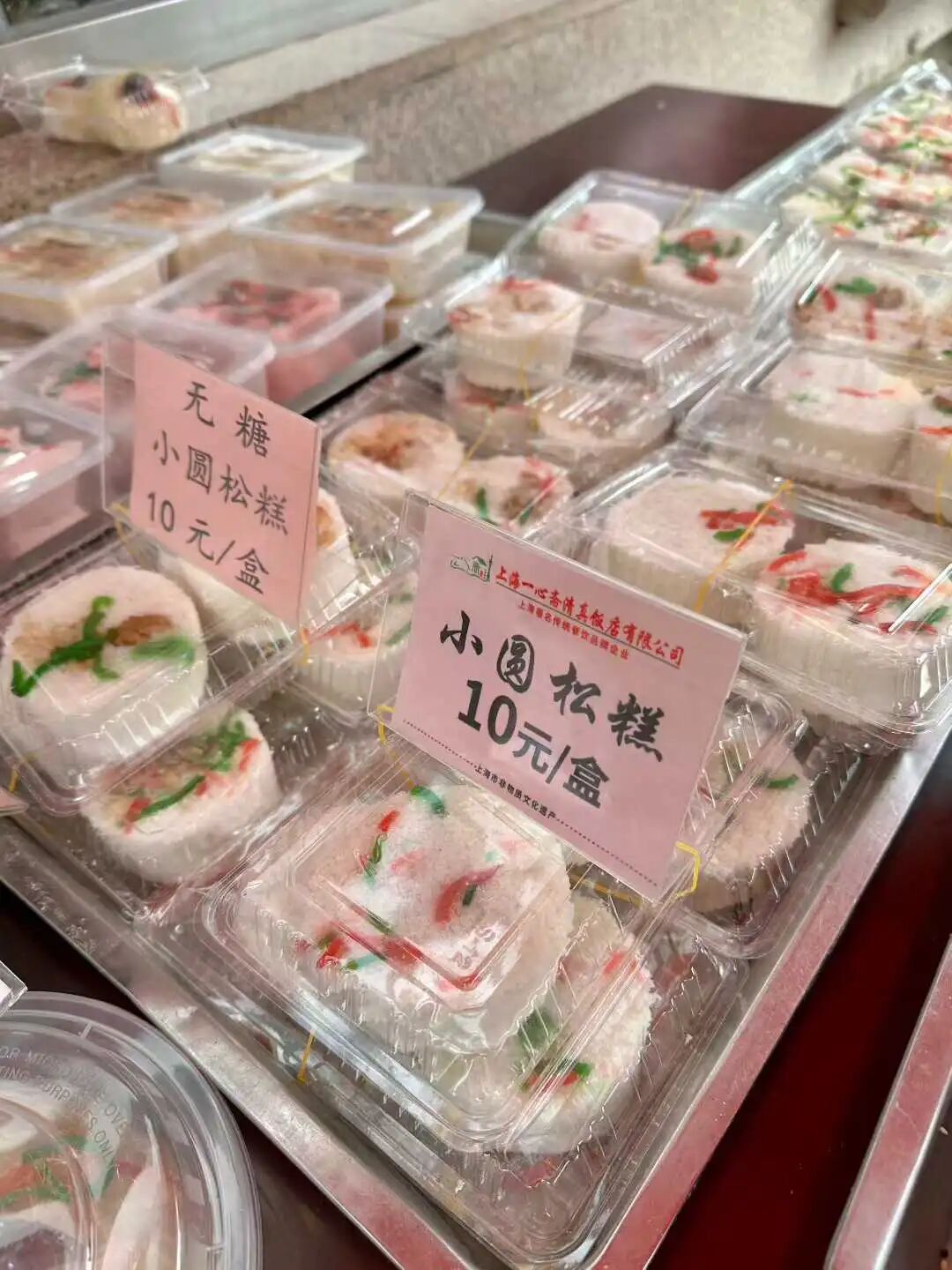
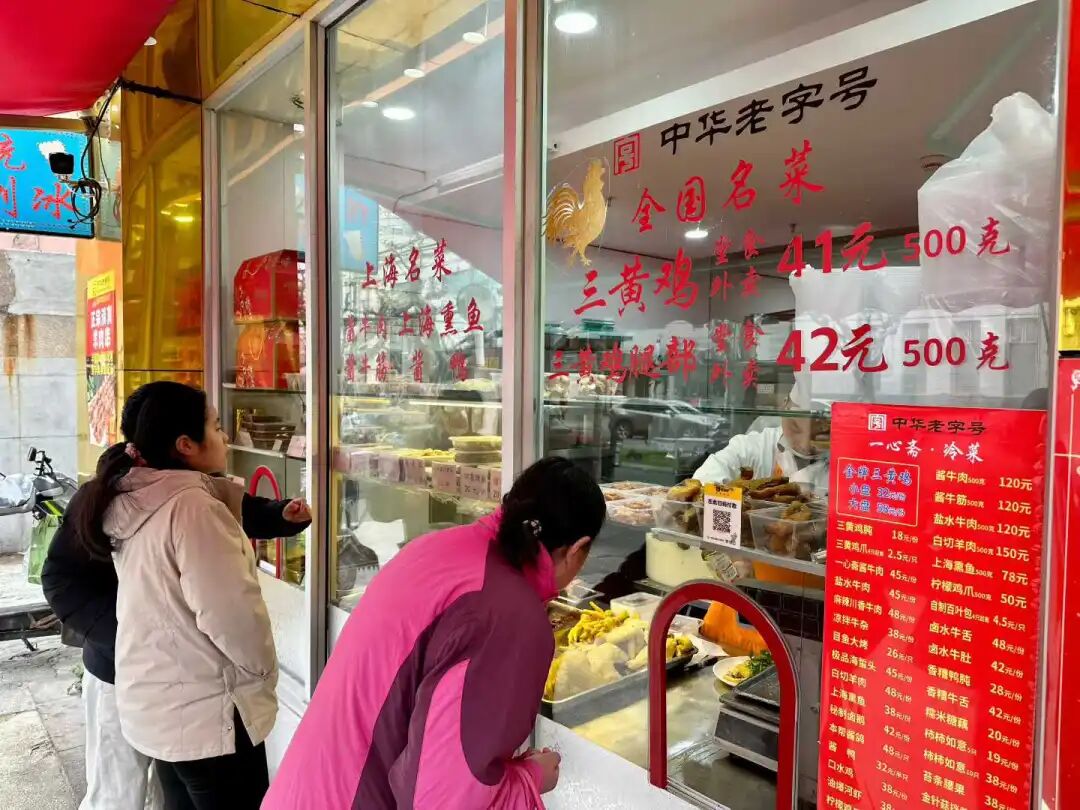
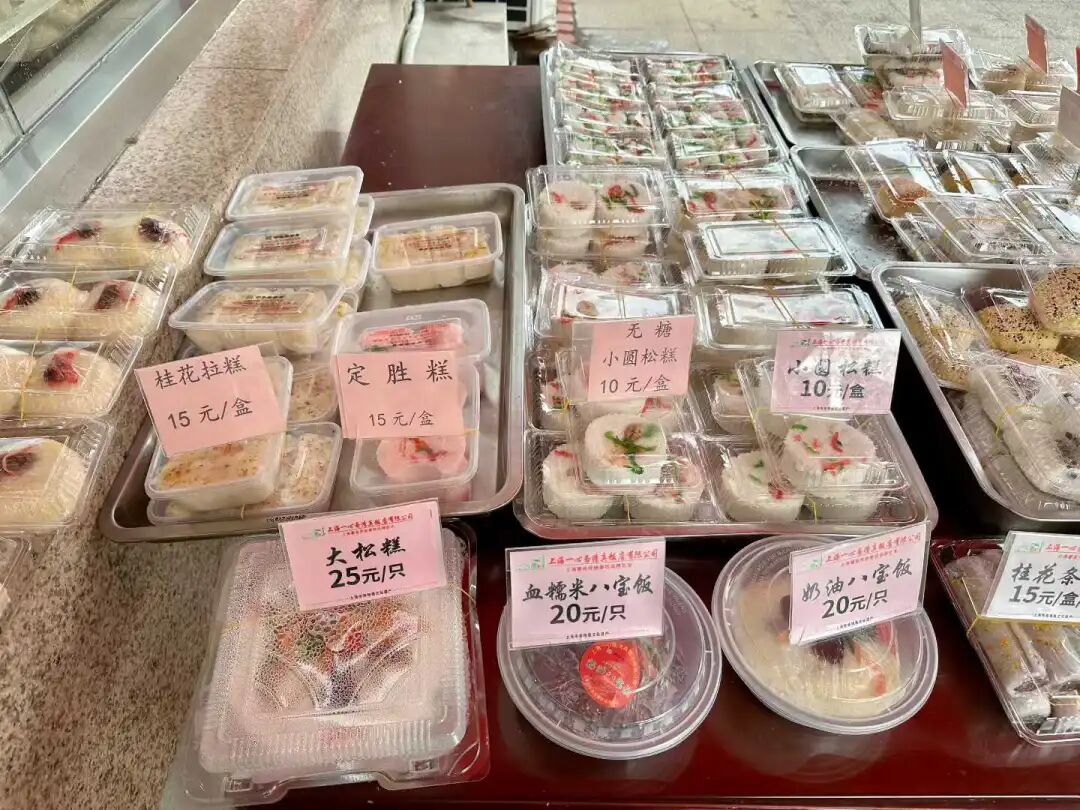
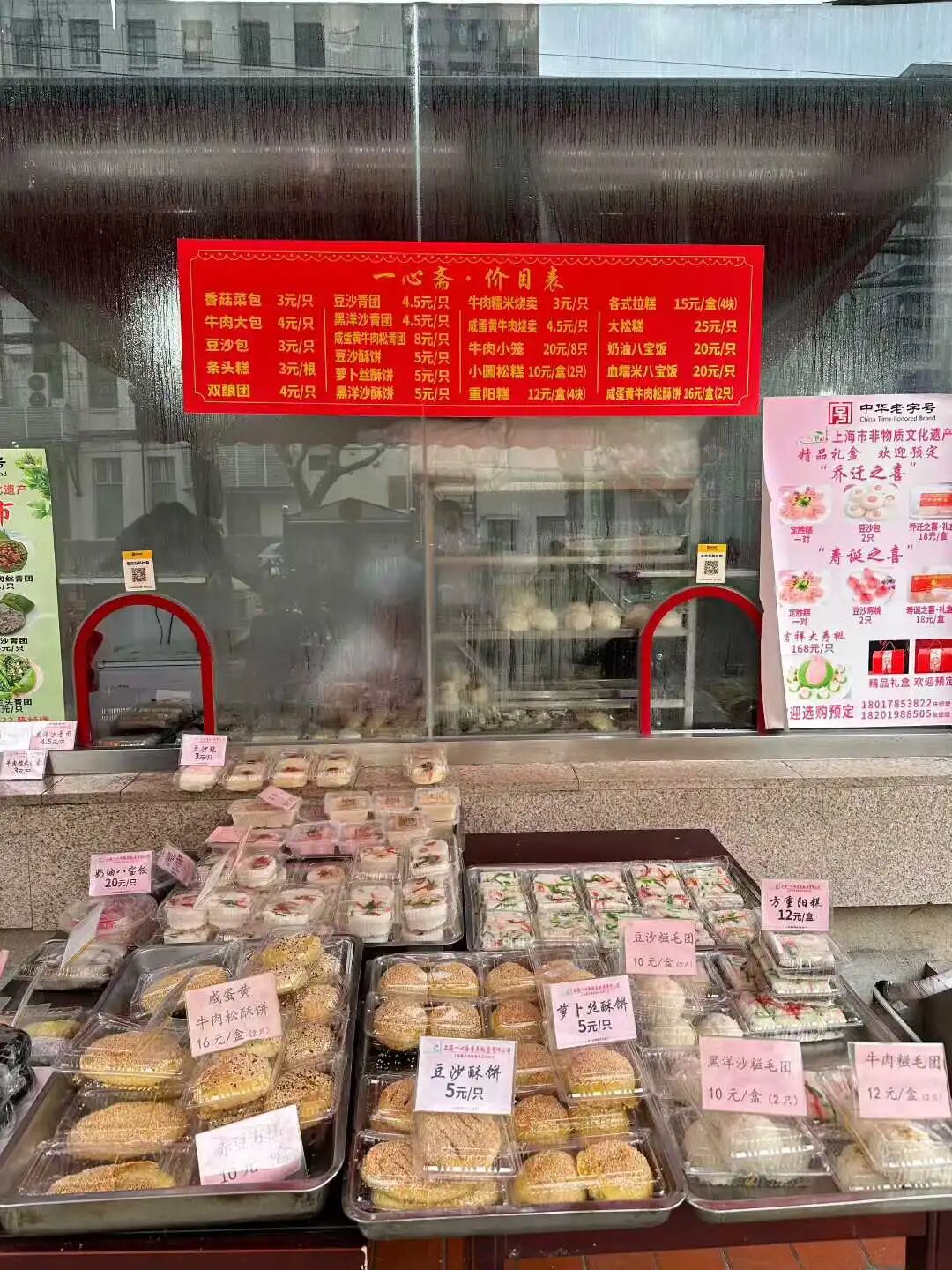
In the evening, we ate at a Malaysian restaurant called Secret Taste (Mizhiwei) in the Qiantan area of Shanghai. Although there are Malaysian restaurants in Beijing, they are usually run by Malaysian Chinese. If you want to taste authentic Malaysian Muslim food, you have to come to Secret Taste. It is clean and alcohol-free.
The restaurant is in the underground food court of Qiantan 31. It is easy to drive directly into the parking garage, and it is right next to Qiantan Taikoo Li, which is great for shopping.
Their head chef, Shah, is from Kuala Lumpur and spent 20 years as an executive chef at five-star hotels. When we arrived, the chef was at the bar making drinks. Most of the diners were Malaysian Muslims, many of whom seemed to be families visiting Shanghai.
We ordered beef rendang rice, three-color milk tea, Hainanese chicken rice, handmade fish cakes, Nyonya yam rolls, and coconut bubur cha cha. Their beef rendang rice is very authentic and definitely feels like being back in Malaysia. The beef was even softer and more tender than what we ate in Malaysia, which suits the Chinese palate. It would be even better if we could choose turmeric rice or pandan rice to go with it.
Beef rendang likely originated from curry brought by Indian merchants who came to trade on Sumatra before the 15th century, which then developed alongside the local diet of the Minangkabau people. The Minangkabau people have always been known for their business skills and are the most mobile ethnic group in Southeast Asia. In the early 14th century, the Minangkabau crossed the Strait of Malacca to reach the Malay Peninsula, where they married local Malays and blended into the Malay population. The main ingredients for beef stew (rendang) are meat, coconut milk, chili, and various spices. To suit the needs of Minangkabau merchants on long voyages, the stew is simmered over low heat until it becomes rich and dry, allowing it to be stored for several weeks.
Their three-layer milk tea (teh tarik) is also very good. Three-layer milk tea is made with palm sugar, milk, and black tea to create three distinct colors, and it has a very rich flavor.
I also really like the fish crackers (keropok lekor) and yam rolls; they are rare and delicious Malay specialties.
Their chicken satay (satay ayam) also tastes good. Satay originated on the island of Java, where Javanese people developed it based on the South Asian grilled skewers (kebab) brought by Indian merchants. The word satay comes from the South Indian Tamil word 'catai,' which literally means 'meat'. After the 19th century, the Javanese brought satay to the Malay Peninsula, and it became a classic Malay snack.
It is a pity that their Hainanese chicken rice is not good. I have eaten delicious Hainanese chicken rice made by Malay friends (dosti) many times in Malaysia. But their chicken is very icy, as if it was just taken out of the refrigerator. The rice cooked in chicken broth actually tastes good, but it does not go well with the cold chicken.
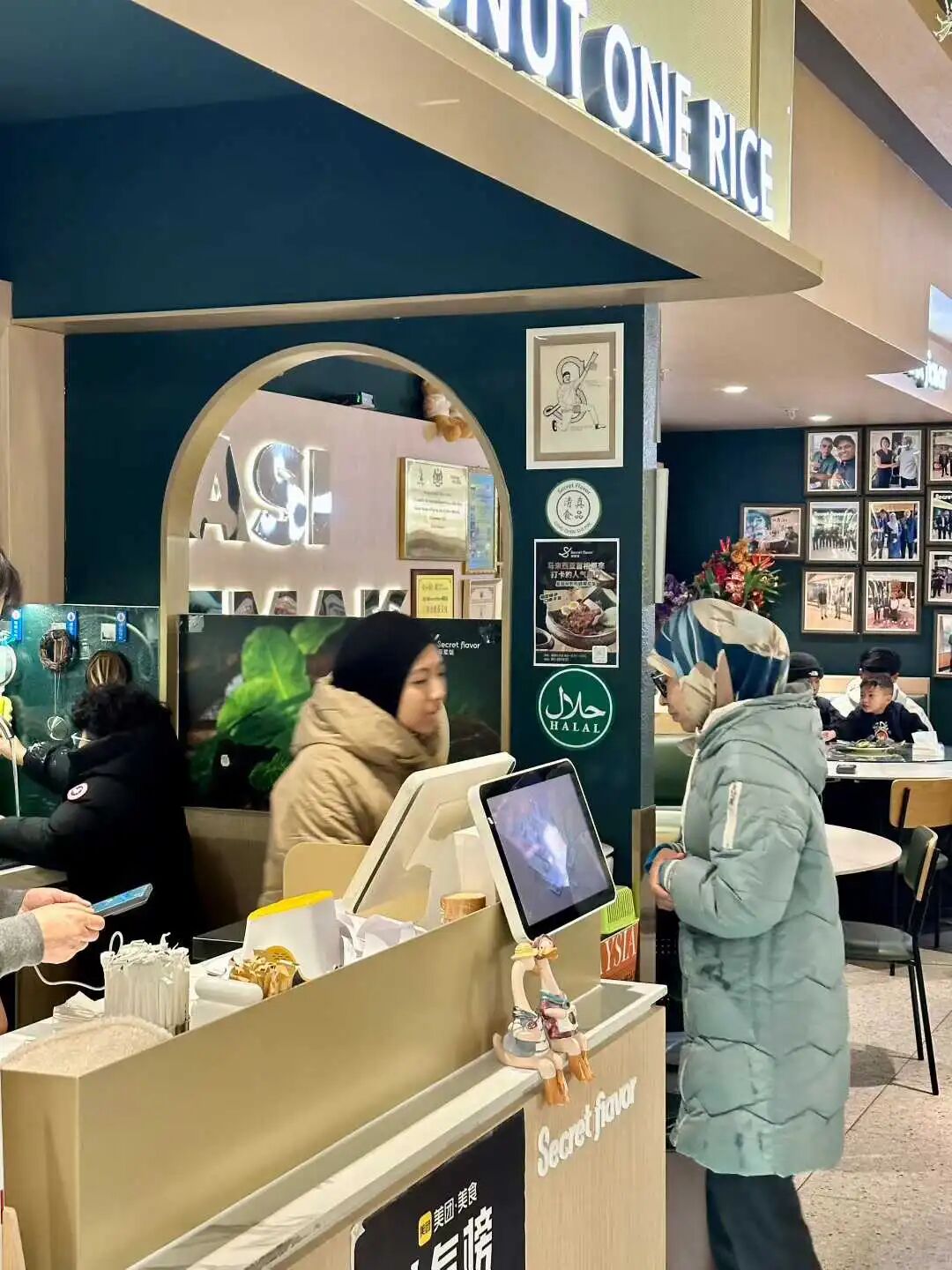
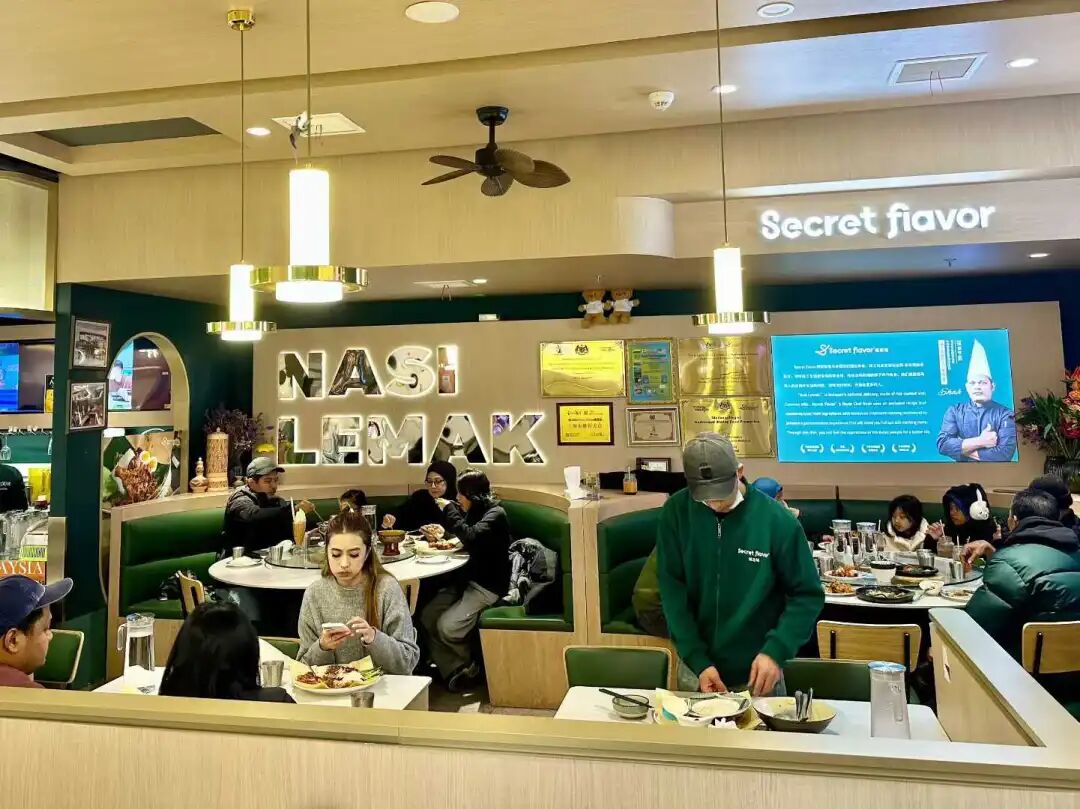
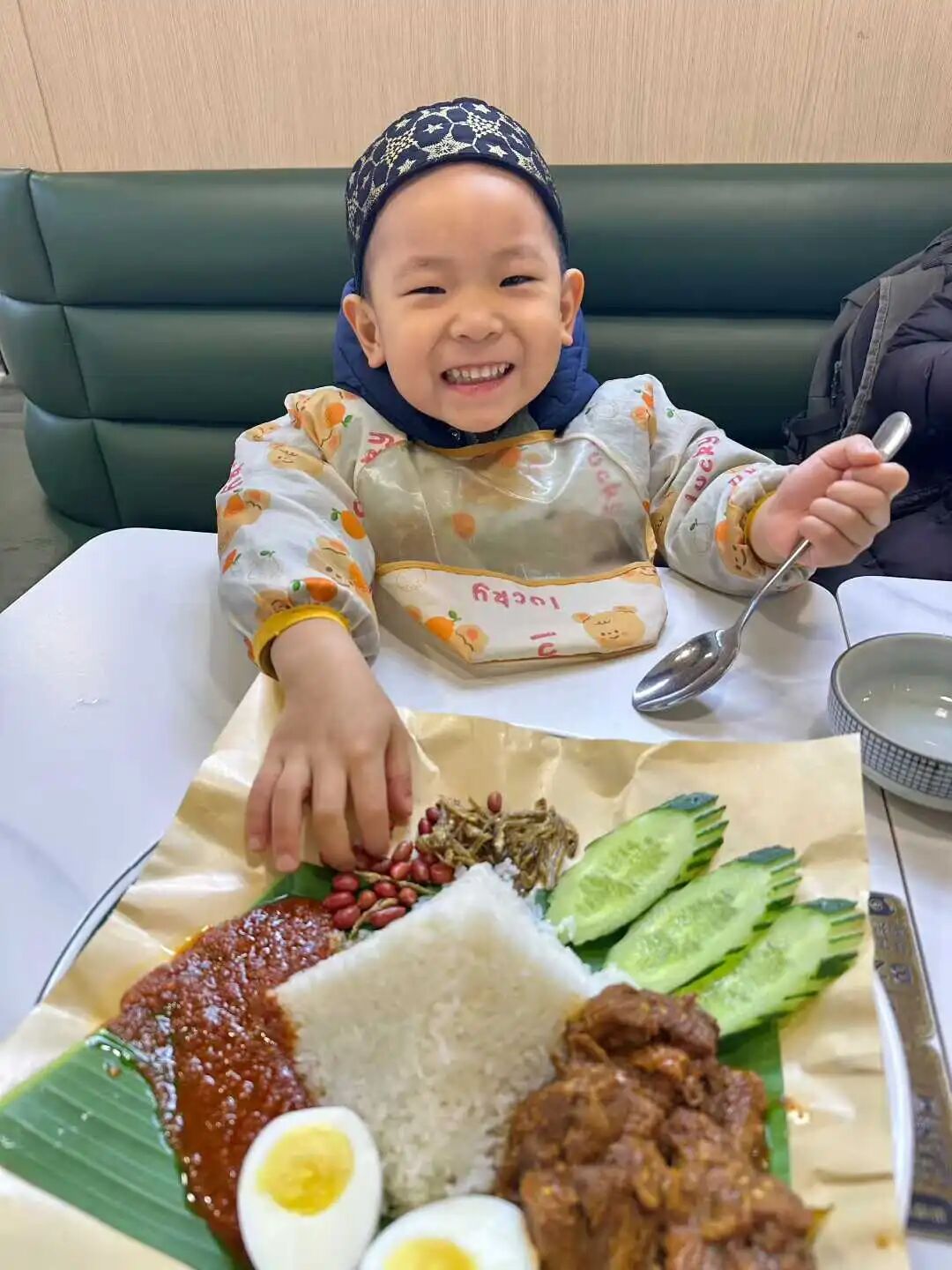
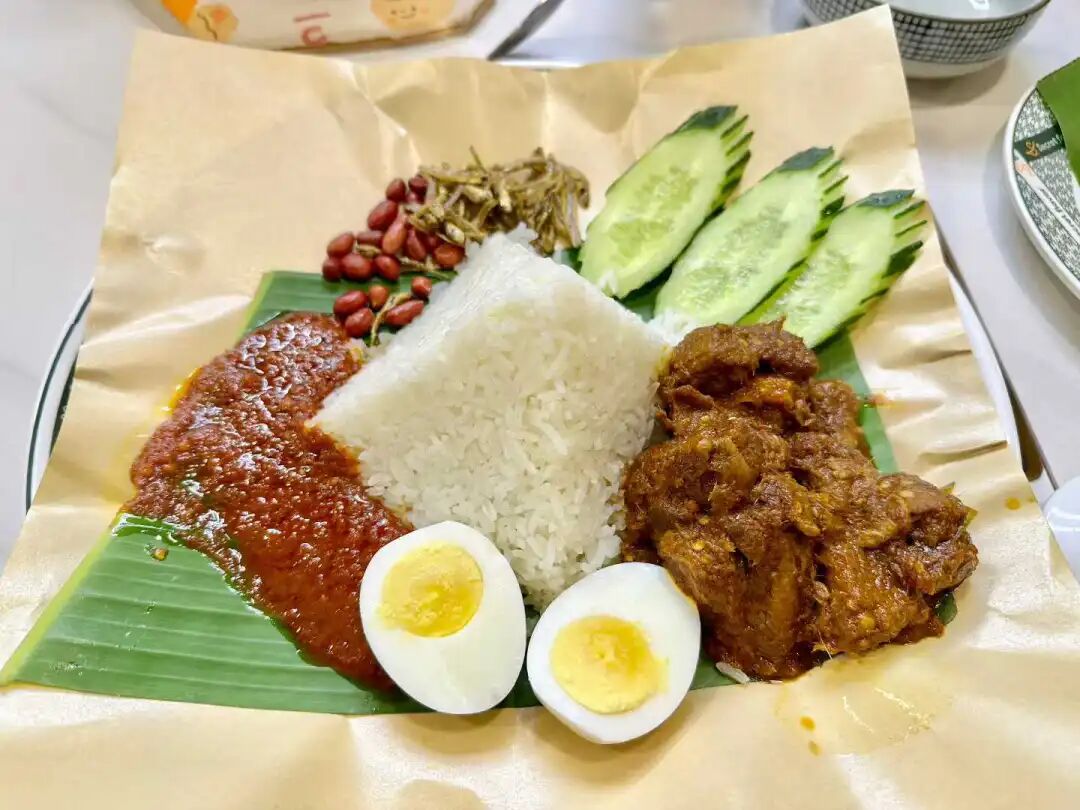
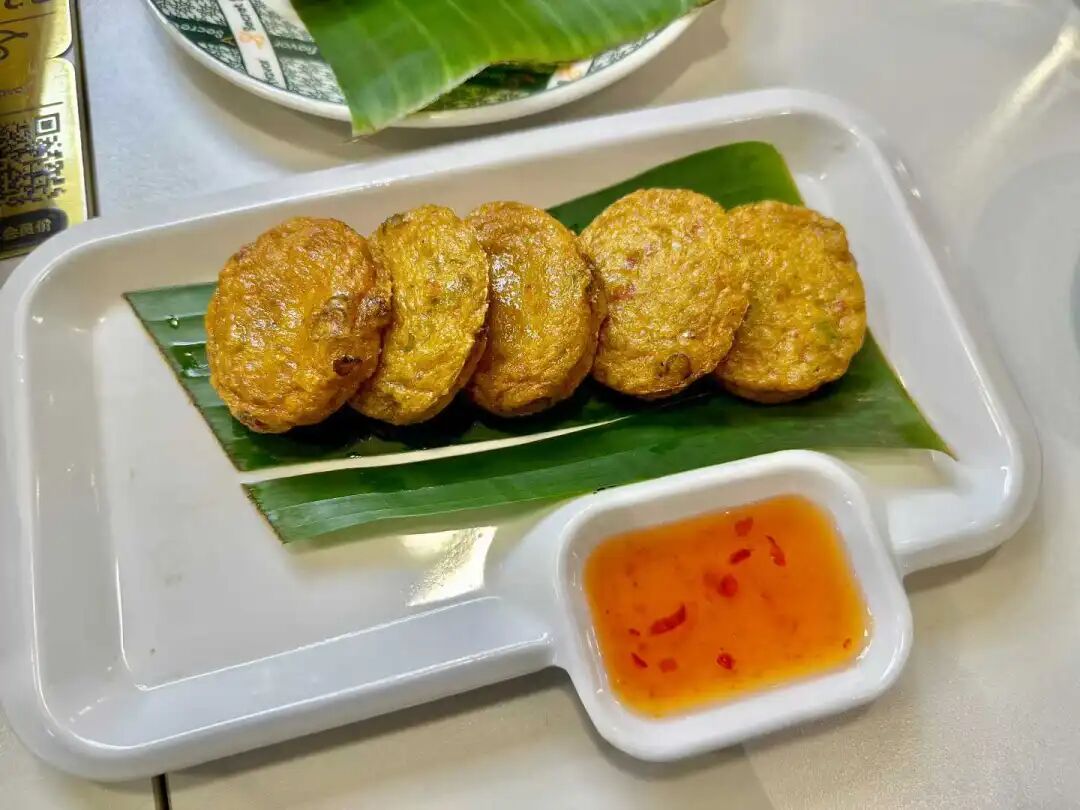
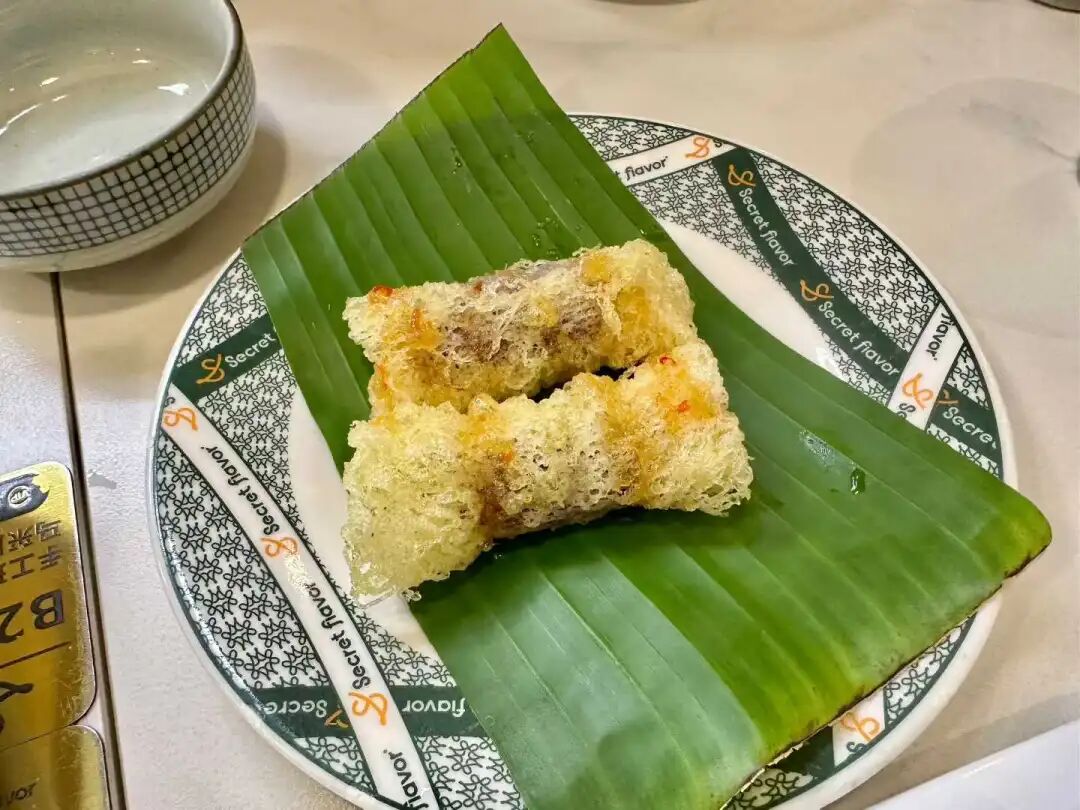
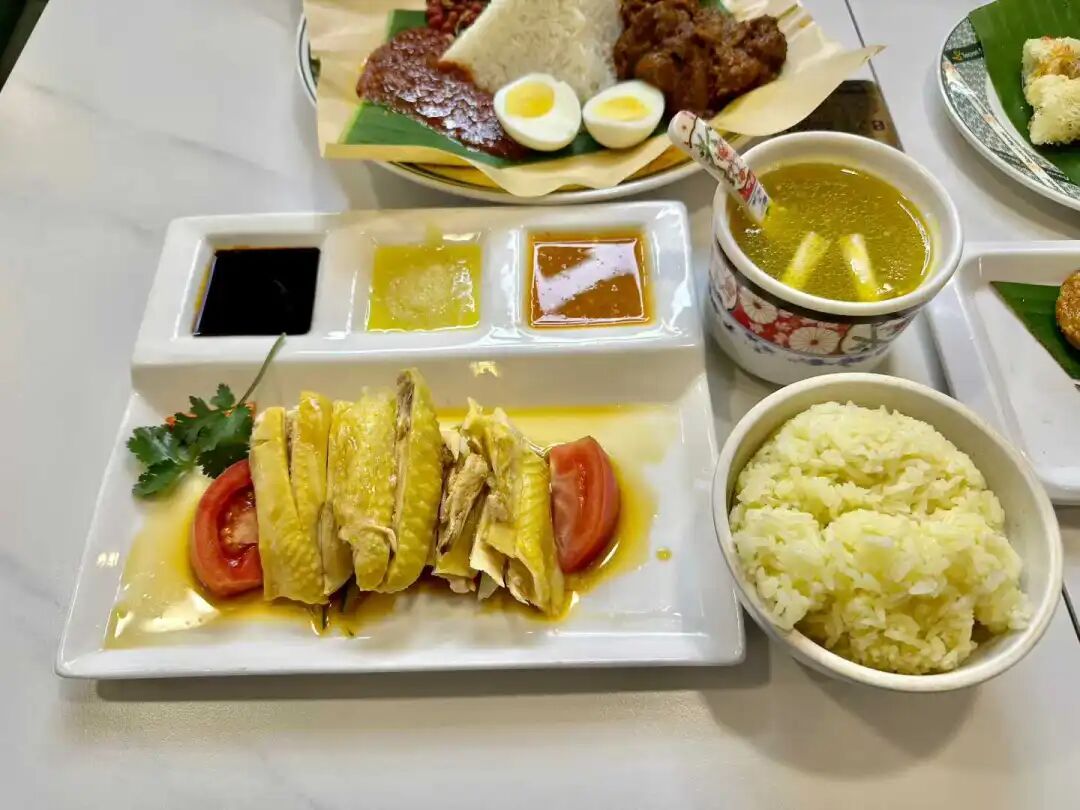
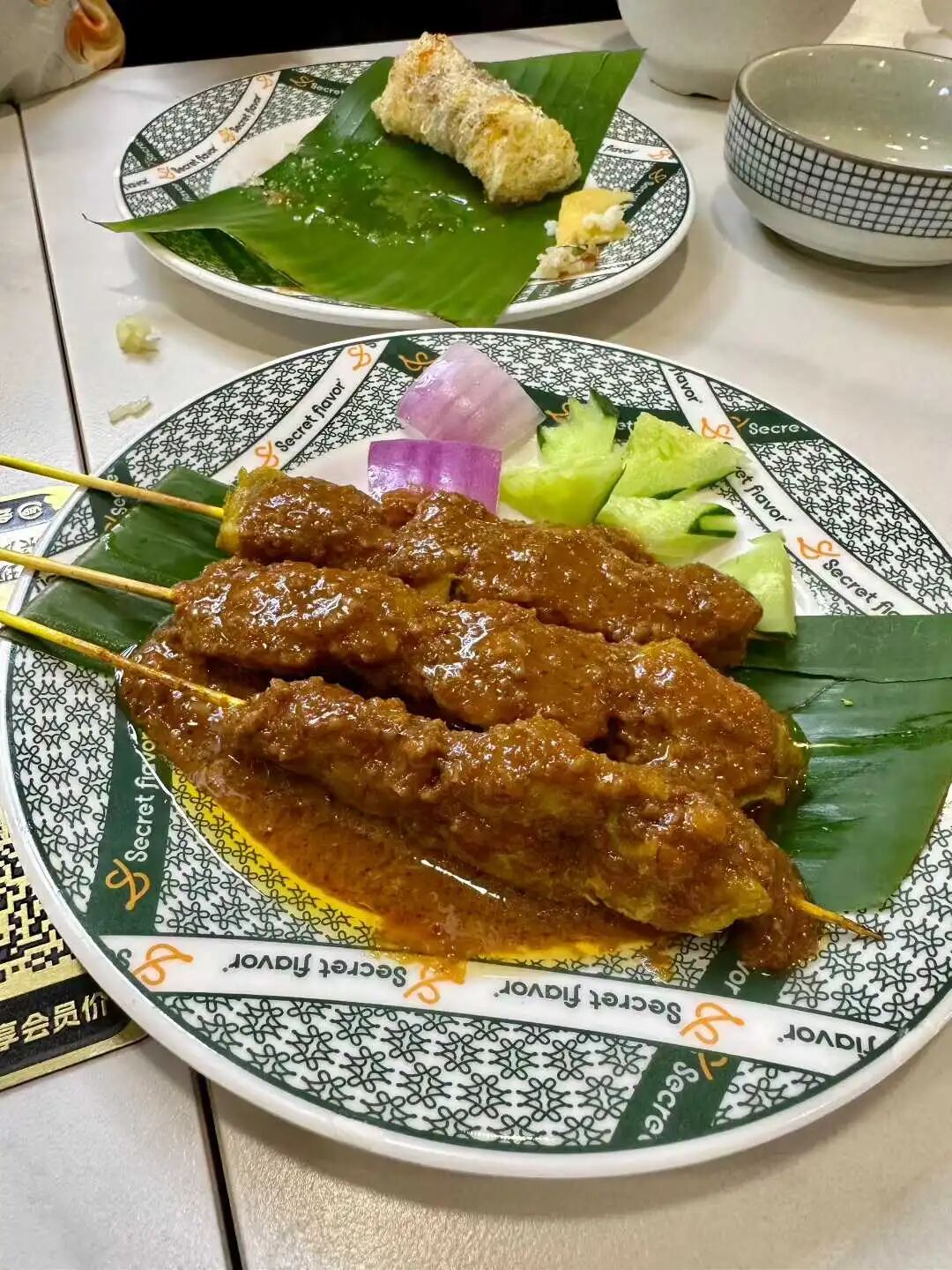
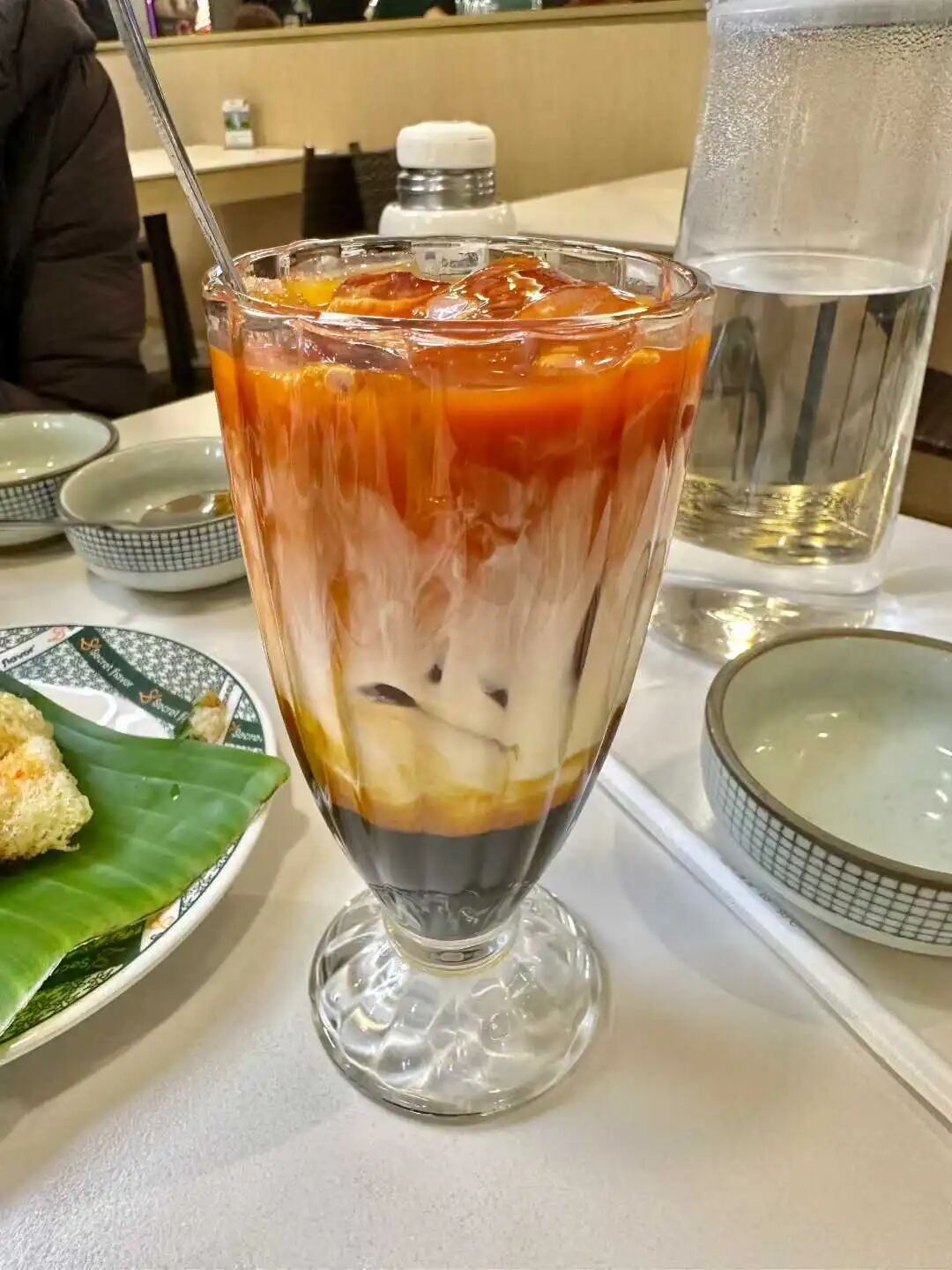
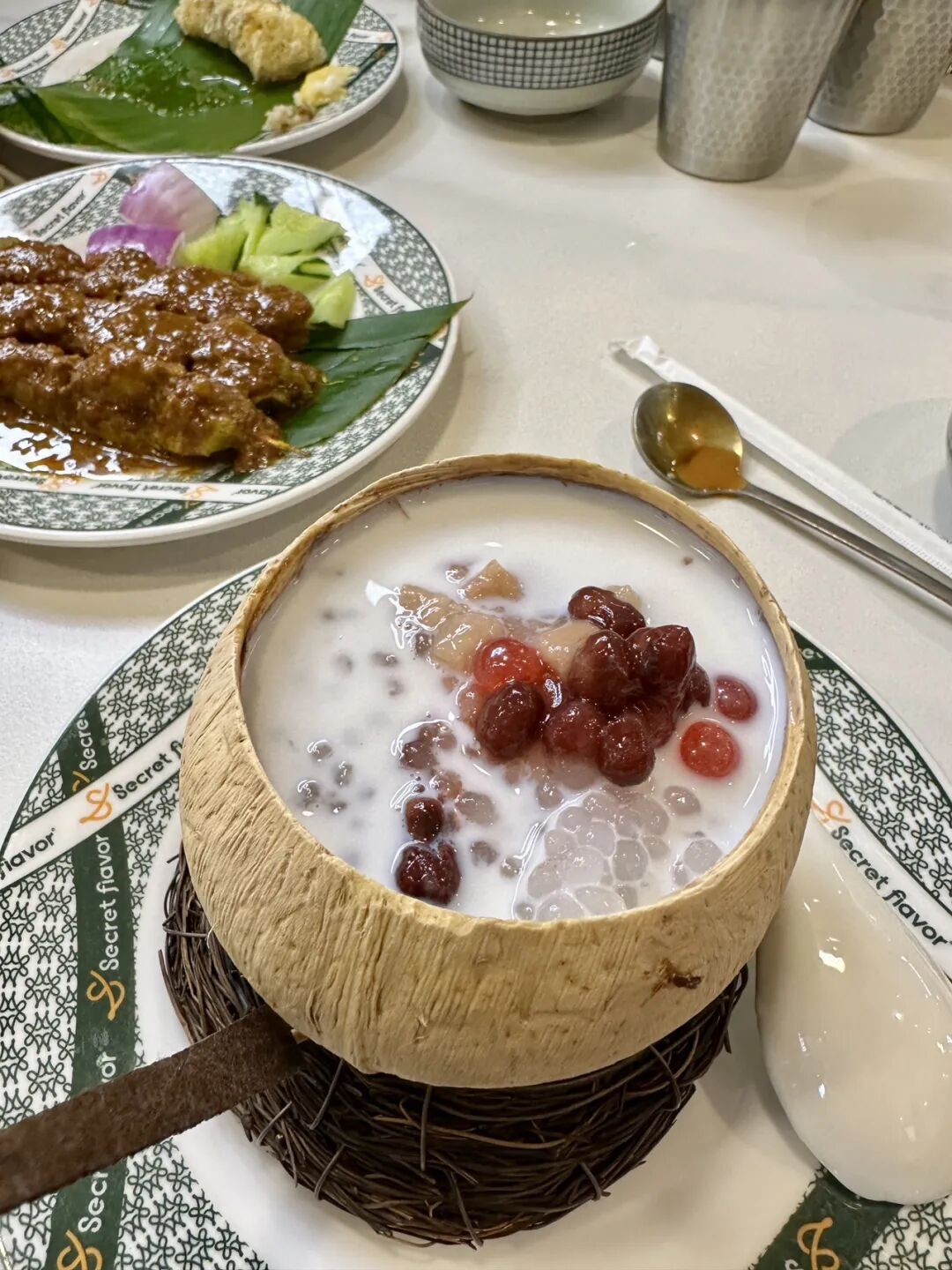
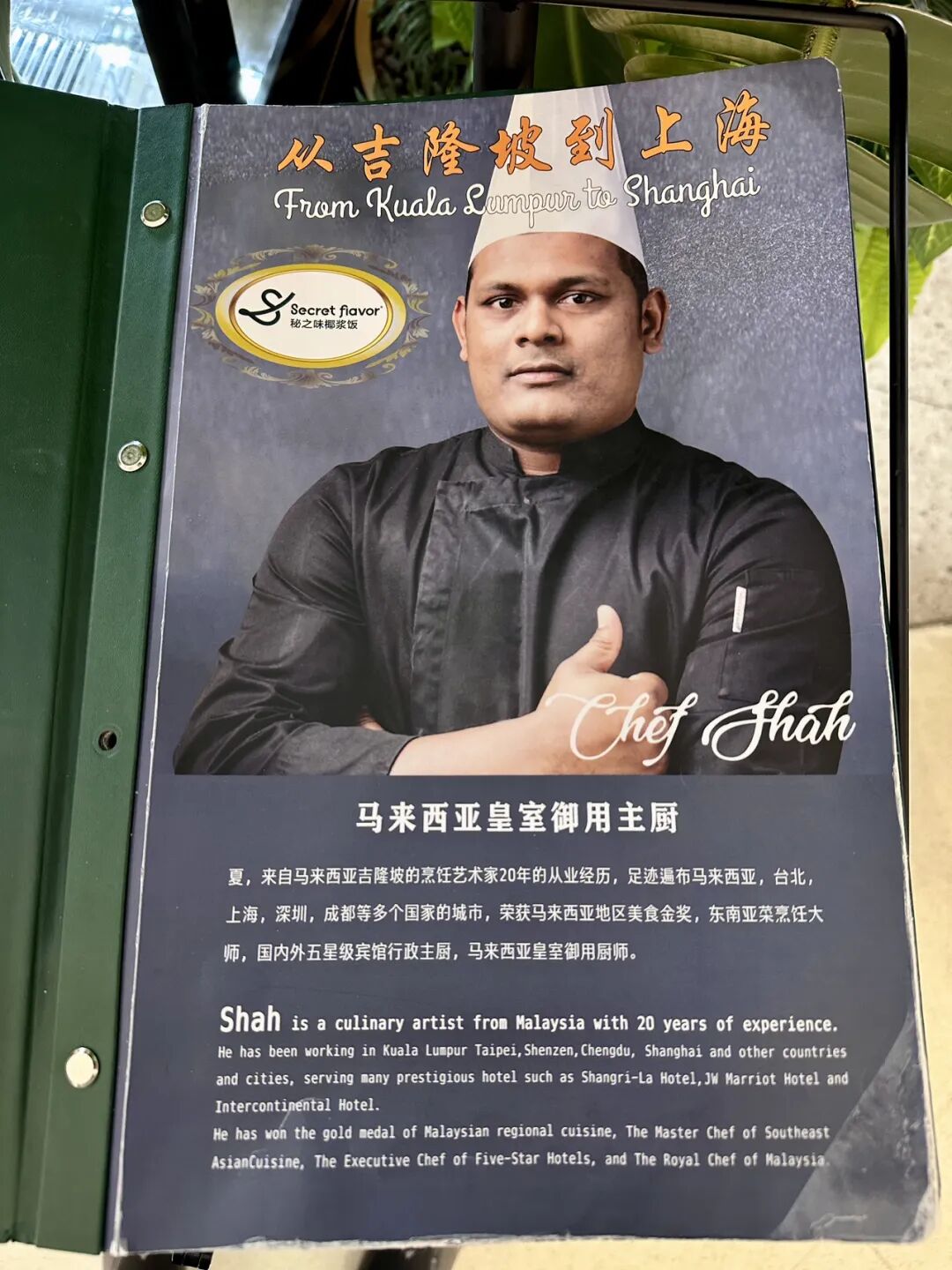
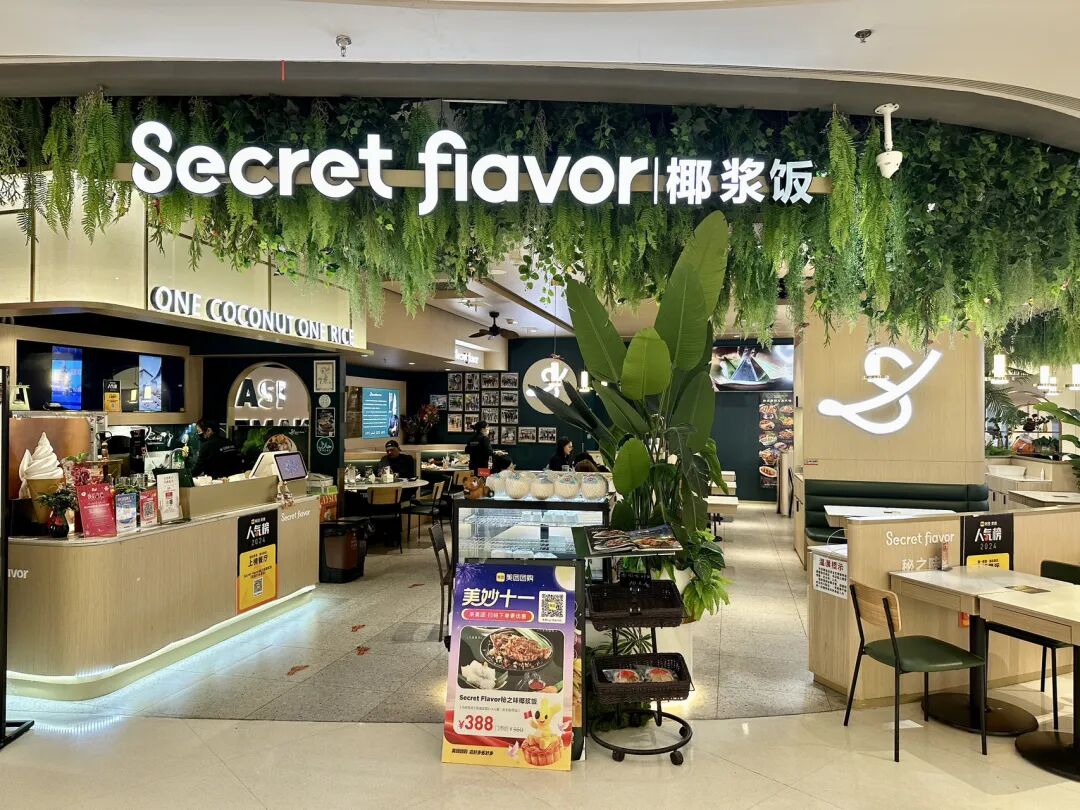
Summary: This Shanghai one-day halal food tour starts with Xiao Pang Beef Pan-Fried Buns at the Yongji Road farmers' market in Yangpu District. It preserves the source's shop names, Hui Muslim owners, neighborhood context, food descriptions, exhibition stop, and photographs.
I came to Shanghai on New Year's Day to see the Mughal, Persian, and Ottoman art exhibition at the Pudong Art Museum, and I took the chance to go on a one-day food tour of local Muslim eateries.
On the food street at the Yongji Road farmers' market in Yangpu District, Shanghai, there is a shop called Xiao Pang Beef Pan-fried Buns (xiaopang niurou jianbao). The owner is Pang Xinhuai, a Hui Muslim friend (dost) from Henan. He has been running his beef pan-fried bun shop in Shanghai for 31 years, and he is very popular with the locals.
I went to his shop early on New Year's Day for buns. Every batch is sold out immediately by the people waiting in line, so you can almost always get them fresh out of the pan. I didn't see any tourists taking photos when I was there; it was mostly residents from the neighborhood stopping by after grocery shopping.
Their pan-fried buns are very juicy, so be careful not to splash yourself when you take a bite. The buns are very fragrant with a thick skin. I think two are enough for an average person, and one is plenty for someone with a small appetite. I also had their beef vermicelli soup (niurou fensi tang). The flavor is rich and the vermicelli is chewy, which is perfect for winter. They also have flatbread with cumin (qiangbing) and scallion egg pancakes (cong hua jidan bing). Unfortunately, the flatbread was sold out when I arrived. The egg pancake is quite mild, which is good if you prefer lighter flavors.
The snack shops run by Henan Hui Muslims in Shanghai mainly fall into two types. Besides beef pan-fried buns, there are also shops focusing on the classic Shanghai breakfast quartet of flatbread (dabing) and fried dough sticks (youtiao). I visited one on Lingyan South Road in Lingzhao New Village, Pudong, and they are also very popular with local residents.
Their most famous item is the old-fashioned flatbread, which is made fresh in the oven and served piping hot. They serve the flatbread with sweet tofu pudding (douhua) and savory soy milk (xianjiang). Savory soy milk, along with flatbread, fried dough sticks, and sticky rice rolls (cifan), are known as the four pillars of a Shanghai breakfast. It is very different from the soy milk we drink in the north and is not just simple salty soy milk. Savory soy milk is made by adding vinegar to soy milk to create soft curds, then topped with seaweed, pickled mustard greens, and dried shrimp. It is very comforting to eat in the morning with fried dough sticks.
It was my first time having a sticky rice roll. It is made by steaming a mix of glutinous rice and non-glutinous rice, then wrapping it around fried dough sticks and pickled mustard greens. The portion is huge; I didn't expect Shanghai people to have such a filling breakfast!
Besides the rolls, they have sticky rice cakes (cifan gao). These are made by mixing glutinous and non-glutinous rice with salt, pressing them into blocks, and frying them. The outside is crispy, while the inside still has the texture of rice. Their fried radish cakes (youdunzi) are also delicious, filled with shredded white radish.
Shanghai-style Muslim cuisine has a long history. After Shanghai opened as a port in 1843 (the 23rd year of the Daoguang reign), Hui Muslims from Nanjing began selling halal food in the city. Over the next hundred years, this gradually developed into Shanghai-style Muslim cuisine. During the Xianfeng reign, Nanjing Hui Muslims founded the He Wanxing tea shop in the Nanshi district of Shanghai. It was later renamed Huifenglou Restaurant. Huifenglou was famous for its Huifeng beef pot, stir-fried yellow crab with oil and soy sauce, and braised river eel in a rich, dark sauce. They also served thumb-sized beef rice dumplings (zongzi) and silver thread rolls (yinsi juan), making Shanghai-style Muslim cuisine very famous for a time.
Due to historical reasons, Shanghai-style Muslim cuisine gradually declined in the late 20th century and slowly faded from public view. In the 1980s, the most authentic Shanghai-style Muslim food was found at the predecessor to the Guan Guan Ji restaurant, which was a Muslim restaurant. Today, if you want to taste Shanghai-style Muslim cuisine, you can choose the long-established Yixinzhai, which opened in 1958 and is recognized as a Shanghai intangible cultural heritage.
I first visited Yixinzhai when I was researching Muslim communities along the Yangtze River in 2017. Back then, I went to the old shop on Liangzhou Road. That shop is temporarily closed now, but you can find the new temporary location just a little further down the street. I was alone last time and only had the shredded eel cold noodles, three-yellow chicken (sanhuangji), and shaved ice. This time, I brought my whole family so we could try their stir-fried dishes.
We ordered sizzling oil shredded eel (xiangyou shansi), crab roe tofu, crystal shrimp, and Yangzhou fried rice. At first, we wanted to order plain stir-fried shredded eel, but the server said that version is just eel. The sizzling oil version is stir-fried with water bamboo (jiaobai). I thought the version with water bamboo tasted better. The shredded eel was quite oily and had a strong savory sauce. It tasted a lot like stir-fried chicken cubes with bean paste (jiangbao jiding), but the texture of the eel was better. The kids really loved the crystal shrimp and Yangzhou fried rice and ate a lot of both. The shrimp had a great texture and tasted very fresh. I really liked the crab roe tofu. It went perfectly with rice and had a very rich crab flavor.
I want to mention that in some areas, Hui Muslims follow dietary customs like only eating ruminants, avoiding scaleless fish, or not eating rabbit. I have never seen these customs in any Muslim community abroad, and they are not recorded in any religious texts or legal treatises. I later learned about this in an article by Yahya Dosti titled "What are the non-halal foods mentioned in religious texts?" The article explains that these dietary habits actually come from the Jewish scripture, the Book of Leviticus in the Old Testament. He suggests that when the "Blue-capped Hui" (lanmao huihui) Jewish descendants in Kaifeng, Henan, integrated into the Hui Muslim community, they brought some Jewish customs with them, leading to this cultural fusion.
If you are a Hui Muslim who respects tradition, you can choose to follow these customs yourself. However, you have no right to criticize others for eating scaleless fish or rabbit, as these are just folk customs and have nothing to do with faith.
Yixinzhai also sells traditional pastries from the Jiangsu, Zhejiang, and Shanghai regions. We bought a box of victory cakes (dingsheng gao), which are made from glutinous rice, non-glutinous rice, and red rice flour with a red bean paste filling. They were quite hard when we bought them, but after steaming them again at home, the texture returned to normal.
In the evening, we ate at a Malaysian restaurant called Secret Taste (Mizhiwei) in the Qiantan area of Shanghai. Although there are Malaysian restaurants in Beijing, they are usually run by Malaysian Chinese. If you want to taste authentic Malaysian Muslim food, you have to come to Secret Taste. It is clean and alcohol-free.
The restaurant is in the underground food court of Qiantan 31. It is easy to drive directly into the parking garage, and it is right next to Qiantan Taikoo Li, which is great for shopping.
Their head chef, Shah, is from Kuala Lumpur and spent 20 years as an executive chef at five-star hotels. When we arrived, the chef was at the bar making drinks. Most of the diners were Malaysian Muslims, many of whom seemed to be families visiting Shanghai.
We ordered beef rendang rice, three-color milk tea, Hainanese chicken rice, handmade fish cakes, Nyonya yam rolls, and coconut bubur cha cha. Their beef rendang rice is very authentic and definitely feels like being back in Malaysia. The beef was even softer and more tender than what we ate in Malaysia, which suits the Chinese palate. It would be even better if we could choose turmeric rice or pandan rice to go with it.
Beef rendang likely originated from curry brought by Indian merchants who came to trade on Sumatra before the 15th century, which then developed alongside the local diet of the Minangkabau people. The Minangkabau people have always been known for their business skills and are the most mobile ethnic group in Southeast Asia. In the early 14th century, the Minangkabau crossed the Strait of Malacca to reach the Malay Peninsula, where they married local Malays and blended into the Malay population. The main ingredients for beef stew (rendang) are meat, coconut milk, chili, and various spices. To suit the needs of Minangkabau merchants on long voyages, the stew is simmered over low heat until it becomes rich and dry, allowing it to be stored for several weeks.
Their three-layer milk tea (teh tarik) is also very good. Three-layer milk tea is made with palm sugar, milk, and black tea to create three distinct colors, and it has a very rich flavor.
I also really like the fish crackers (keropok lekor) and yam rolls; they are rare and delicious Malay specialties.
Their chicken satay (satay ayam) also tastes good. Satay originated on the island of Java, where Javanese people developed it based on the South Asian grilled skewers (kebab) brought by Indian merchants. The word satay comes from the South Indian Tamil word 'catai,' which literally means 'meat'. After the 19th century, the Javanese brought satay to the Malay Peninsula, and it became a classic Malay snack.
It is a pity that their Hainanese chicken rice is not good. I have eaten delicious Hainanese chicken rice made by Malay friends (dosti) many times in Malaysia. But their chicken is very icy, as if it was just taken out of the refrigerator. The rice cooked in chicken broth actually tastes good, but it does not go well with the cold chicken.
Halal Food in China Shanghai: Pork Bun Incident, Halal Restaurant Respect and Muslim Community Rights
Articles • yusuf908 posted the article • 0 comments • 237 views • 2026-05-23 21:55
Reposted from the web
Summary: This article responds to a Shanghai halal restaurant pork bun incident and an influencer's comments, arguing that halal food spaces, Muslim dignity, national symbols, legal boundaries, and ethnic unity should not be turned into tools for provocation.
I haven’t written a book in a long, long time. It’s been so long that I almost forgot that I had registered this account. Actually, it’s not that I’m lazy, it’s mainly because I have too many things to do this year. The rice I grow at home is about to mature, and I’m also building a small shelter to protect myself from the wind and rain, so I haven’t had time to write.
A lot of things have happened on the Internet during this period, such as the renaming of the halal canteens of Tsinghua University and Peking University some time ago, and the incident in the past two days where a certain blogger [Vaccine and Science] ate his own pork buns in a halal restaurant in Xuhui District, Shanghai, made a video and uploaded it to the Internet. These things have caused a great psychological contrast among the Hui Muslim compatriots in China, especially the behavior of this extremely royal V. Typical of this is deliberately provoking trouble, and then if there is any physical conflict with him in the restaurant, he will pretend to be a victim and exaggerate the publicity. When someone pointed out his immoral behavior, he said I can eat whatever I want! What I eat is my freedom!
This certain influencer can be regarded as an extremely royal man who has been famous for a long time. He has repeatedly worn his own clothes with words printed with hostility to halal food in Tiananmen Square and other solemn occasions. He is also suspected of tampering with the national anthem of the People's Republic of China. Any citizen of the People's Republic of China should have an attitude of respect and awe when facing the national anthem, national flag, and national emblem. Playing and playing when the national anthem is played or sung is absolutely not allowed, and our country also has a special corresponding " The laws and regulations of the National Flag Law, National Anthem Law, and National Emblem Law, and once suspected insults to the national flag, national emblem, or suspected tampering of the national anthem are confirmed, the highest level of personnel can be dealt with in accordance with Article 299 of the Criminal Law of the People's Republic of China. The influencer’s deliberate provocation of trouble clearly violated the crime of “picking quarrels and provoking troubles.” Refer to Article 293 of the Criminal Law. Anyone who commits one of the following acts of provoking troubles is punishable by up to five years in prison, criminal detention, or surveillance.
This influencer was originally an angel in white, and it was his job to treat illnesses and save people. For some unknown reason, he embarked on the path of being extremely imperial and extremely hostile to Muslim compatriots. I guess he was stimulated by something, maybe there was something wrong with his brain, and then he set up "imaginary enemies" among the compatriots around him.
The influencer’s highly publicized incident of eating pork buns in a Shanghai halal restaurant revealed the influencer’s distorted humanity and absurd behavior of extreme hatred of the Muslim community and halal food. People like them claim to be "opposing extremism" but at the same time engage in the dirty behavior of extreme Han nationalists, and then they also pretend to be "victims" and make irresponsible remarks from the moral high ground.
The Constitution guarantees citizens' freedom of speech, but no freedom is absolute and must not harm national, social, collective interests or the legitimate freedoms and rights of other citizens. Uploading such provocative videos online with the intention of expanding the negative impact is an abuse of freedom of speech and cyberspace. This kind of behavior destroys social harmony and stability, may trigger antagonism between social groups, and interfere with the country's normal ethnic work order.
Through this incident, we hope that relevant departments or organizations such as the Shanghai Municipal Religious Committee, the Shanghai Islamic Association, and the restaurant concerned will hold the influencer accountable for the corresponding legal responsibilities, and that the behavior of illegal criminals will not be allowed to undermine the country's national policy of "national unity"! Of course, every one of us citizens of the People's Republic of China should abide by the laws and regulations of the country, be able to "know the law", "understand the law" and use the law to protect our legitimate rights and interests, so that we can become a qualified and law-abiding good citizen! If you encounter illegal criminals, you must report and report them to the relevant departments as soon as possible. Let us work together to build a solid Chinese dream and complete the sacred mission of the great rejuvenation of the Chinese nation! view all
Summary: This article responds to a Shanghai halal restaurant pork bun incident and an influencer's comments, arguing that halal food spaces, Muslim dignity, national symbols, legal boundaries, and ethnic unity should not be turned into tools for provocation.
I haven’t written a book in a long, long time. It’s been so long that I almost forgot that I had registered this account. Actually, it’s not that I’m lazy, it’s mainly because I have too many things to do this year. The rice I grow at home is about to mature, and I’m also building a small shelter to protect myself from the wind and rain, so I haven’t had time to write.
A lot of things have happened on the Internet during this period, such as the renaming of the halal canteens of Tsinghua University and Peking University some time ago, and the incident in the past two days where a certain blogger [Vaccine and Science] ate his own pork buns in a halal restaurant in Xuhui District, Shanghai, made a video and uploaded it to the Internet. These things have caused a great psychological contrast among the Hui Muslim compatriots in China, especially the behavior of this extremely royal V. Typical of this is deliberately provoking trouble, and then if there is any physical conflict with him in the restaurant, he will pretend to be a victim and exaggerate the publicity. When someone pointed out his immoral behavior, he said I can eat whatever I want! What I eat is my freedom!
This certain influencer can be regarded as an extremely royal man who has been famous for a long time. He has repeatedly worn his own clothes with words printed with hostility to halal food in Tiananmen Square and other solemn occasions. He is also suspected of tampering with the national anthem of the People's Republic of China. Any citizen of the People's Republic of China should have an attitude of respect and awe when facing the national anthem, national flag, and national emblem. Playing and playing when the national anthem is played or sung is absolutely not allowed, and our country also has a special corresponding " The laws and regulations of the National Flag Law, National Anthem Law, and National Emblem Law, and once suspected insults to the national flag, national emblem, or suspected tampering of the national anthem are confirmed, the highest level of personnel can be dealt with in accordance with Article 299 of the Criminal Law of the People's Republic of China. The influencer’s deliberate provocation of trouble clearly violated the crime of “picking quarrels and provoking troubles.” Refer to Article 293 of the Criminal Law. Anyone who commits one of the following acts of provoking troubles is punishable by up to five years in prison, criminal detention, or surveillance.
This influencer was originally an angel in white, and it was his job to treat illnesses and save people. For some unknown reason, he embarked on the path of being extremely imperial and extremely hostile to Muslim compatriots. I guess he was stimulated by something, maybe there was something wrong with his brain, and then he set up "imaginary enemies" among the compatriots around him.
The influencer’s highly publicized incident of eating pork buns in a Shanghai halal restaurant revealed the influencer’s distorted humanity and absurd behavior of extreme hatred of the Muslim community and halal food. People like them claim to be "opposing extremism" but at the same time engage in the dirty behavior of extreme Han nationalists, and then they also pretend to be "victims" and make irresponsible remarks from the moral high ground.
The Constitution guarantees citizens' freedom of speech, but no freedom is absolute and must not harm national, social, collective interests or the legitimate freedoms and rights of other citizens. Uploading such provocative videos online with the intention of expanding the negative impact is an abuse of freedom of speech and cyberspace. This kind of behavior destroys social harmony and stability, may trigger antagonism between social groups, and interfere with the country's normal ethnic work order.
Through this incident, we hope that relevant departments or organizations such as the Shanghai Municipal Religious Committee, the Shanghai Islamic Association, and the restaurant concerned will hold the influencer accountable for the corresponding legal responsibilities, and that the behavior of illegal criminals will not be allowed to undermine the country's national policy of "national unity"! Of course, every one of us citizens of the People's Republic of China should abide by the laws and regulations of the country, be able to "know the law", "understand the law" and use the law to protect our legitimate rights and interests, so that we can become a qualified and law-abiding good citizen! If you encounter illegal criminals, you must report and report them to the relevant departments as soon as possible. Let us work together to build a solid Chinese dream and complete the sacred mission of the great rejuvenation of the Chinese nation! view all
Reposted from the web
Summary: This article responds to a Shanghai halal restaurant pork bun incident and an influencer's comments, arguing that halal food spaces, Muslim dignity, national symbols, legal boundaries, and ethnic unity should not be turned into tools for provocation.
I haven’t written a book in a long, long time. It’s been so long that I almost forgot that I had registered this account. Actually, it’s not that I’m lazy, it’s mainly because I have too many things to do this year. The rice I grow at home is about to mature, and I’m also building a small shelter to protect myself from the wind and rain, so I haven’t had time to write.
A lot of things have happened on the Internet during this period, such as the renaming of the halal canteens of Tsinghua University and Peking University some time ago, and the incident in the past two days where a certain blogger [Vaccine and Science] ate his own pork buns in a halal restaurant in Xuhui District, Shanghai, made a video and uploaded it to the Internet. These things have caused a great psychological contrast among the Hui Muslim compatriots in China, especially the behavior of this extremely royal V. Typical of this is deliberately provoking trouble, and then if there is any physical conflict with him in the restaurant, he will pretend to be a victim and exaggerate the publicity. When someone pointed out his immoral behavior, he said I can eat whatever I want! What I eat is my freedom!
This certain influencer can be regarded as an extremely royal man who has been famous for a long time. He has repeatedly worn his own clothes with words printed with hostility to halal food in Tiananmen Square and other solemn occasions. He is also suspected of tampering with the national anthem of the People's Republic of China. Any citizen of the People's Republic of China should have an attitude of respect and awe when facing the national anthem, national flag, and national emblem. Playing and playing when the national anthem is played or sung is absolutely not allowed, and our country also has a special corresponding " The laws and regulations of the National Flag Law, National Anthem Law, and National Emblem Law, and once suspected insults to the national flag, national emblem, or suspected tampering of the national anthem are confirmed, the highest level of personnel can be dealt with in accordance with Article 299 of the Criminal Law of the People's Republic of China. The influencer’s deliberate provocation of trouble clearly violated the crime of “picking quarrels and provoking troubles.” Refer to Article 293 of the Criminal Law. Anyone who commits one of the following acts of provoking troubles is punishable by up to five years in prison, criminal detention, or surveillance.
This influencer was originally an angel in white, and it was his job to treat illnesses and save people. For some unknown reason, he embarked on the path of being extremely imperial and extremely hostile to Muslim compatriots. I guess he was stimulated by something, maybe there was something wrong with his brain, and then he set up "imaginary enemies" among the compatriots around him.
The influencer’s highly publicized incident of eating pork buns in a Shanghai halal restaurant revealed the influencer’s distorted humanity and absurd behavior of extreme hatred of the Muslim community and halal food. People like them claim to be "opposing extremism" but at the same time engage in the dirty behavior of extreme Han nationalists, and then they also pretend to be "victims" and make irresponsible remarks from the moral high ground.
The Constitution guarantees citizens' freedom of speech, but no freedom is absolute and must not harm national, social, collective interests or the legitimate freedoms and rights of other citizens. Uploading such provocative videos online with the intention of expanding the negative impact is an abuse of freedom of speech and cyberspace. This kind of behavior destroys social harmony and stability, may trigger antagonism between social groups, and interfere with the country's normal ethnic work order.
Through this incident, we hope that relevant departments or organizations such as the Shanghai Municipal Religious Committee, the Shanghai Islamic Association, and the restaurant concerned will hold the influencer accountable for the corresponding legal responsibilities, and that the behavior of illegal criminals will not be allowed to undermine the country's national policy of "national unity"! Of course, every one of us citizens of the People's Republic of China should abide by the laws and regulations of the country, be able to "know the law", "understand the law" and use the law to protect our legitimate rights and interests, so that we can become a qualified and law-abiding good citizen! If you encounter illegal criminals, you must report and report them to the relevant departments as soon as possible. Let us work together to build a solid Chinese dream and complete the sacred mission of the great rejuvenation of the Chinese nation!
Summary: This article responds to a Shanghai halal restaurant pork bun incident and an influencer's comments, arguing that halal food spaces, Muslim dignity, national symbols, legal boundaries, and ethnic unity should not be turned into tools for provocation.
I haven’t written a book in a long, long time. It’s been so long that I almost forgot that I had registered this account. Actually, it’s not that I’m lazy, it’s mainly because I have too many things to do this year. The rice I grow at home is about to mature, and I’m also building a small shelter to protect myself from the wind and rain, so I haven’t had time to write.
A lot of things have happened on the Internet during this period, such as the renaming of the halal canteens of Tsinghua University and Peking University some time ago, and the incident in the past two days where a certain blogger [Vaccine and Science] ate his own pork buns in a halal restaurant in Xuhui District, Shanghai, made a video and uploaded it to the Internet. These things have caused a great psychological contrast among the Hui Muslim compatriots in China, especially the behavior of this extremely royal V. Typical of this is deliberately provoking trouble, and then if there is any physical conflict with him in the restaurant, he will pretend to be a victim and exaggerate the publicity. When someone pointed out his immoral behavior, he said I can eat whatever I want! What I eat is my freedom!
This certain influencer can be regarded as an extremely royal man who has been famous for a long time. He has repeatedly worn his own clothes with words printed with hostility to halal food in Tiananmen Square and other solemn occasions. He is also suspected of tampering with the national anthem of the People's Republic of China. Any citizen of the People's Republic of China should have an attitude of respect and awe when facing the national anthem, national flag, and national emblem. Playing and playing when the national anthem is played or sung is absolutely not allowed, and our country also has a special corresponding " The laws and regulations of the National Flag Law, National Anthem Law, and National Emblem Law, and once suspected insults to the national flag, national emblem, or suspected tampering of the national anthem are confirmed, the highest level of personnel can be dealt with in accordance with Article 299 of the Criminal Law of the People's Republic of China. The influencer’s deliberate provocation of trouble clearly violated the crime of “picking quarrels and provoking troubles.” Refer to Article 293 of the Criminal Law. Anyone who commits one of the following acts of provoking troubles is punishable by up to five years in prison, criminal detention, or surveillance.
This influencer was originally an angel in white, and it was his job to treat illnesses and save people. For some unknown reason, he embarked on the path of being extremely imperial and extremely hostile to Muslim compatriots. I guess he was stimulated by something, maybe there was something wrong with his brain, and then he set up "imaginary enemies" among the compatriots around him.
The influencer’s highly publicized incident of eating pork buns in a Shanghai halal restaurant revealed the influencer’s distorted humanity and absurd behavior of extreme hatred of the Muslim community and halal food. People like them claim to be "opposing extremism" but at the same time engage in the dirty behavior of extreme Han nationalists, and then they also pretend to be "victims" and make irresponsible remarks from the moral high ground.
The Constitution guarantees citizens' freedom of speech, but no freedom is absolute and must not harm national, social, collective interests or the legitimate freedoms and rights of other citizens. Uploading such provocative videos online with the intention of expanding the negative impact is an abuse of freedom of speech and cyberspace. This kind of behavior destroys social harmony and stability, may trigger antagonism between social groups, and interfere with the country's normal ethnic work order.
Through this incident, we hope that relevant departments or organizations such as the Shanghai Municipal Religious Committee, the Shanghai Islamic Association, and the restaurant concerned will hold the influencer accountable for the corresponding legal responsibilities, and that the behavior of illegal criminals will not be allowed to undermine the country's national policy of "national unity"! Of course, every one of us citizens of the People's Republic of China should abide by the laws and regulations of the country, be able to "know the law", "understand the law" and use the law to protect our legitimate rights and interests, so that we can become a qualified and law-abiding good citizen! If you encounter illegal criminals, you must report and report them to the relevant departments as soon as possible. Let us work together to build a solid Chinese dream and complete the sacred mission of the great rejuvenation of the Chinese nation!
Best Halal Food in Jiangsu, Zhejiang and Shanghai: Hui Muslim Snacks and Local Restaurants
Articles • ali2007fr posted the article • 0 comments • 359 views • 2026-05-21 08:42
Reposted from the web
Summary: This Jiangsu, Zhejiang, and Shanghai halal food map brings together Hui Muslim snacks, local restaurants, noodles, dumplings, and city food stops across the region.
Xuzhou
1. Donglaishun
I know many brothers and sisters (dost) do not choose Donglaishun when eating out, but do not be too picky when you reach the south. In Xuzhou, just be content to find a halal restaurant that is not a hand-pulled noodle shop.
Since Donglaishun became a national chain, it serves not only hot pot meat but also stir-fried dishes.
Address: Diagonally opposite Yintai Apartment, Yunlong District, Xuzhou City
2. Xinjiang Flavor Restaurant
Xinjiang Flavor Restaurant is near the Ginza Mall in Xuzhou. People in Xuzhou eat a lot of lamb, and you can see lamb restaurants everywhere on the street.
The environment is decorated quite elegantly with a strong Western Regions style.
Stir the Xinjiang yogurt before drinking because the sugar is at the bottom, otherwise the sourness will make you cry.
Kazakh-style fries are quite thick and have a very special taste.
Address: Near Ginza Department Store
3. Xuzhou Beef and Mutton Shop
Halal restaurants in Xuzhou basically source their meat from the Xuzhou mosque, so the meat prices here are on the higher side, but you can be sure it is halal.
Address: No. 35, Huanghe West Road, Yunlong District, Xuzhou City
Suzhou
4. Huixianglou
Suzhou is a very beautiful city, but there are really not many halal restaurants here. I have not found any halal restaurants with local flavors yet. At this Huixianglou, you can eat hot pot, and they also make some simple home-style stir-fried dishes and barbecue.
Address: No. 21, Lane 2, Beiju, South Gate of Renmin Shopping Mall (near Pangjie Sauerkraut Fish)
Nanjing
5. Maxiangxing
It is much more comfortable once you reach Nanjing. As the ancient capital of six dynasties, Nanjing has nearly 100,000 local Hui Muslims, so it is easy to find halal restaurants.
This Maxiangxing is a century-old shop in Nanjing. It has not only stir-fried dishes but also halal snacks. My favorite is the potstickers (guotie) at Maxiangxing; you cannot find that taste anywhere else once you leave Nanjing. I suggest friends visiting Nanjing come to Maxiangxing for breakfast. There are many varieties, and the taste is excellent.
Address: No. 32, Yunnan North Road, Gulou District (near Hubei Road)
6. Qifangge
Qifangge Halal Restaurant, located inside the Confucius Temple, is another century-old shop in Nanjing. I highly recommend trying the 25 Qinhuai River snacks here. These 25 items are actually served as one dish, combining various Nanjing snacks on a single table so you can taste a little bit of everything.
Address: 12 Gongyuan West Street (near Confucius Temple)
Shanghai
7. Dadi Black Beef Hot Pot
The busier the city, the easier it is to find halal restaurants. However, most halal restaurants in Shanghai focus on Northwest and Western flavors, which can get tiring after a while. This black beef hot pot is a great way to change things up.
A plate of lamb and a plate of beef.
The black beef is not actually black.
They also serve seafood sashimi and other dishes; I ordered a pair of large shrimp.
Address: Shop B419, Starry Sky Plaza, 1665 Hongqiao Road (Hongqiao Road)
8. Huxi Mosque Jumu'ah Market
On Changde Road near the Huxi Mosque, there is a market every Jumu'ah (Friday prayer day). It is mostly run by Uyghur merchants. In Xinjiang, these markets are called bazaars.
Freshly baked meat buns (kaobaozi).
Thin-skinned buns (baopibaozi) filled with lamb.
They also sell roasted whole lamb, so remember to come on a Friday.
Address: Changde Road, Putuo District, Shanghai.
9. Uyghur Restaurant (Main Branch)
A major feature of restaurants serving Uyghur and other Western Region ethnic cuisines is the dance performance in the evening.
The roasted lamb leg is delicious, and this place is great for group meals.
Address: 280 Yishan Road, Xuhui District (between Nandan Road and Puhuitang Road)
Hangzhou
10. Northwest Family (Xibei Renjia)
Located near West Lake, Northwest Family is not run by local Hangzhou people, but it has been in Hangzhou for 20 years. The menu has adapted to local tastes. This is white-cut chicken (baizhanji).
If you want to eat Hangzhou-style halal food, this is the only restaurant that has it. This is the Huaiyang four-vegetable dish (Huaiyang sishu).
Fruit shrimp (shuiguo xiaren).
They serve West Lake vinegar fish (xihu chuyu) here. I am not sure if it is authentic, but it tastes good.
Enjoying West Lake beef soup (xihu niurou geng) by the side of West Lake.
Address: 1st Floor, Zhejiang Great Wall Asset Building, No. 23 Youdian Road.
Jiaxing
11. Jiaxing Mosque
Jiaxing Mosque was built during the Ming Dynasty. You can buy halal beef and lamb here.
There is a breakfast shop at the entrance of the mosque selling fried dough sticks (youtiao), steamed buns (baozi), and more. About 500 meters to the right of the mosque's main entrance, there is a halal restaurant called Yipin Meishi.
I saw it while passing by in a car. I was in a rush and did not get to try it, but if you have the chance, you should go check it out.
Address: No. 469 Huancheng East Road, Nanhu District, Jiaxing City.
Shaoxing
12. Medina Western Restaurant
I found this place after I had already eaten. There is also an Indian restaurant right next to it.
Address: Diyang Road, Changlong Building, Keqiao District, Shaoxing City (next to Hanting Hotel).
13. JAI HIND Indian Cuisine
It is right next to Medina Restaurant. There are a few other halal restaurants in this area, so I suggest friends visiting Shaoxing stay nearby for easy dining.
Address: Diyang Road, Changlong Building, Keqiao District, Shaoxing City (next to Hanting Hotel).
14. Pamir Restaurant
This is a large Xinjiang restaurant. It has a good local reputation and is very popular.
Freshly grilled meat (kaorou).
Thin-skinned lamb buns (baopi yangrou baozi). They are wrapped and steamed to order, so you have to wait half an hour.
I like to have pomegranate juice with my grilled meat. Guided by the owner, I also found the nearby Pakistan Kuba Mosque. Although it is a temporary place for namaz, it has all the necessary facilities.
Address: Wanshang Road, Shaoxing County, Shaoxing City (near Jinlin Tiandi).
Ningbo
15. Dongyishun
There are many chain locations in Ningbo, mainly selling halal snacks and fast food.
The shop prohibits smoking and alcohol. The owner is very devout and has written many books.
Delicious lamb soup (yangtang).
Lamb potstickers (guotie). The food in the shop is very tasty and seasoned just right.
Address: No. 5 Dingxin Street, Ningbo (chain store).
16. Manboer Revolving Hot Pot
It is a blessing to be able to eat small hot pot in Ningbo.
There is a variety of seafood, meat, fruit, and vegetables to choose from here.
After eating, take your skewers to the front desk to pay.
Each person gets their own pot, with options like clear broth and spicy flavors.
You can also order freshly sliced lamb skewers (chuanr) separately.
Address: First floor, Building 36, Dongdu Road, next to Intime Department Store.
Taizhou
17. Henan Halal Restaurant
Taizhou does not have a permanent mosque, only temporary places for prayer. Because of this, there are no particularly large halal restaurants.
Scrambled eggs (tan jidan).
This flatbread (bing) is delicious and great for dipping in vegetable soup.
Spicy chicken pieces (mala jikuai). In the mild-flavored south, this counts as a heavy-flavored dish.
Address: Huangjiao Road frontage road, Jiaojiang District, Taizhou.
18. Lanzhou Hand-Pulled Noodles (lamian)
This noodle shop is worth mentioning because I was worried about finding food at night, and I discovered this place by the side of the road. It does not show up on maps.
Many noodle shops in the south have started serving boiled dumplings (shuijiao) with lamb or beef fillings.
Address: Luohui Huang Village, Qingfeng Avenue, Huangyan District.
Wenzhou.
19. Lanzhou Hand-Pulled Noodles (Lanzhou lamian).
I am recording this noodle shop because the staff were so kind. I was just passing by to ask for the location of a mosque in Wenzhou, and they specifically asked for the address for me in their Salar noodle shop group chat.
Many Salar people run noodle shops in Wenzhou. The mosque address shown on Baidu Maps is no longer valid. The new location is on Heqing Road, and you really cannot find it without asking someone. Near Heqing Road, you can buy halal beef, lamb, and some packaged foods.
Address: Wuma Pedestrian Street, near Xiaonanmen Station.
20. Xinjiang Abudu Barbecue.
The owner of the beef and lamb shop on Heqing Road told me there are no large halal restaurants in Wenzhou, but this Xinjiang barbecue shop counts as a big one. Several noodle shops are also clustered in the surrounding area.
The cost of living in Wenzhou is high, and the local people are wealthy. People say the standard gift money for a friend's wedding is 2,000 yuan.
Xinjiang mixed noodles (banmian).
Grilled chicken wings and grilled lamb chops.
Address: Next to the gas station at Wenzhou New South Station.
Yiwu.
21. Fatiha Restaurant.
The place with the highest concentration of halal restaurants in Zhejiang Province is Yiwu, a city under the jurisdiction of Jinhua. It takes 15 minutes to get to Yiwu by train from the Jinhua high-speed railway station.
Cream pudding; the desserts at this Turkish restaurant are of a very high standard.
Lentil soup.
Salmon and blueberry salad.
Turkish pizza; it not only looks good but is also very satisfying to eat.
Address: No. 506, Chouzhou North Road.
22. Exotic Cuisine Street.
Chouzhou North Road is Yiwu's street for exotic food, with many halal restaurants. It gets busy after 9:00 PM every night and has leisure spots like bars and cafes. As the wealthiest county-level city in the country, Yiwu has high-end restaurants.
Taj Mahal Restaurant.
Kashgar Xinjiang Restaurant.
Bosi Western Restaurant, though my appetite was too small to try it alone.
Address: Chouzhou North Road, Yiwu.
3. Jiangdong Middle Road Food Street.
This area is also packed with halal food. Unlike the exotic international street, this place focuses on Chinese food, and the restaurants here almost never serve alcohol.
Lehaha Halal Restaurant, which seems to be a hot pot place.
Xinjiang specialty spicy numbing chicken (jiaomaji).
There used to be a Dali Prefecture Halal Restaurant here, but it has moved, and the map address has not been updated yet.
It is rare to find halal braised chicken with rice (huangmenji mifan).
I shared a table here with two strong guys from Palestine.
That covers the halal restaurants in the Jiangsu, Zhejiang, and Shanghai areas. All photos are original, so feel free to repost them without asking for my permission.
Address: Jiangdong Middle Road, Yiwu City. view all
Summary: This Jiangsu, Zhejiang, and Shanghai halal food map brings together Hui Muslim snacks, local restaurants, noodles, dumplings, and city food stops across the region.
Xuzhou
1. Donglaishun
I know many brothers and sisters (dost) do not choose Donglaishun when eating out, but do not be too picky when you reach the south. In Xuzhou, just be content to find a halal restaurant that is not a hand-pulled noodle shop.
Since Donglaishun became a national chain, it serves not only hot pot meat but also stir-fried dishes.
Address: Diagonally opposite Yintai Apartment, Yunlong District, Xuzhou City
2. Xinjiang Flavor Restaurant
Xinjiang Flavor Restaurant is near the Ginza Mall in Xuzhou. People in Xuzhou eat a lot of lamb, and you can see lamb restaurants everywhere on the street.
The environment is decorated quite elegantly with a strong Western Regions style.
Stir the Xinjiang yogurt before drinking because the sugar is at the bottom, otherwise the sourness will make you cry.
Kazakh-style fries are quite thick and have a very special taste.
Address: Near Ginza Department Store
3. Xuzhou Beef and Mutton Shop
Halal restaurants in Xuzhou basically source their meat from the Xuzhou mosque, so the meat prices here are on the higher side, but you can be sure it is halal.
Address: No. 35, Huanghe West Road, Yunlong District, Xuzhou City
Suzhou
4. Huixianglou
Suzhou is a very beautiful city, but there are really not many halal restaurants here. I have not found any halal restaurants with local flavors yet. At this Huixianglou, you can eat hot pot, and they also make some simple home-style stir-fried dishes and barbecue.
Address: No. 21, Lane 2, Beiju, South Gate of Renmin Shopping Mall (near Pangjie Sauerkraut Fish)
Nanjing
5. Maxiangxing
It is much more comfortable once you reach Nanjing. As the ancient capital of six dynasties, Nanjing has nearly 100,000 local Hui Muslims, so it is easy to find halal restaurants.
This Maxiangxing is a century-old shop in Nanjing. It has not only stir-fried dishes but also halal snacks. My favorite is the potstickers (guotie) at Maxiangxing; you cannot find that taste anywhere else once you leave Nanjing. I suggest friends visiting Nanjing come to Maxiangxing for breakfast. There are many varieties, and the taste is excellent.
Address: No. 32, Yunnan North Road, Gulou District (near Hubei Road)
6. Qifangge
Qifangge Halal Restaurant, located inside the Confucius Temple, is another century-old shop in Nanjing. I highly recommend trying the 25 Qinhuai River snacks here. These 25 items are actually served as one dish, combining various Nanjing snacks on a single table so you can taste a little bit of everything.
Address: 12 Gongyuan West Street (near Confucius Temple)
Shanghai
7. Dadi Black Beef Hot Pot
The busier the city, the easier it is to find halal restaurants. However, most halal restaurants in Shanghai focus on Northwest and Western flavors, which can get tiring after a while. This black beef hot pot is a great way to change things up.
A plate of lamb and a plate of beef.
The black beef is not actually black.
They also serve seafood sashimi and other dishes; I ordered a pair of large shrimp.
Address: Shop B419, Starry Sky Plaza, 1665 Hongqiao Road (Hongqiao Road)
8. Huxi Mosque Jumu'ah Market
On Changde Road near the Huxi Mosque, there is a market every Jumu'ah (Friday prayer day). It is mostly run by Uyghur merchants. In Xinjiang, these markets are called bazaars.
Freshly baked meat buns (kaobaozi).
Thin-skinned buns (baopibaozi) filled with lamb.
They also sell roasted whole lamb, so remember to come on a Friday.
Address: Changde Road, Putuo District, Shanghai.
9. Uyghur Restaurant (Main Branch)
A major feature of restaurants serving Uyghur and other Western Region ethnic cuisines is the dance performance in the evening.
The roasted lamb leg is delicious, and this place is great for group meals.
Address: 280 Yishan Road, Xuhui District (between Nandan Road and Puhuitang Road)
Hangzhou
10. Northwest Family (Xibei Renjia)
Located near West Lake, Northwest Family is not run by local Hangzhou people, but it has been in Hangzhou for 20 years. The menu has adapted to local tastes. This is white-cut chicken (baizhanji).
If you want to eat Hangzhou-style halal food, this is the only restaurant that has it. This is the Huaiyang four-vegetable dish (Huaiyang sishu).
Fruit shrimp (shuiguo xiaren).
They serve West Lake vinegar fish (xihu chuyu) here. I am not sure if it is authentic, but it tastes good.
Enjoying West Lake beef soup (xihu niurou geng) by the side of West Lake.
Address: 1st Floor, Zhejiang Great Wall Asset Building, No. 23 Youdian Road.
Jiaxing
11. Jiaxing Mosque
Jiaxing Mosque was built during the Ming Dynasty. You can buy halal beef and lamb here.
There is a breakfast shop at the entrance of the mosque selling fried dough sticks (youtiao), steamed buns (baozi), and more. About 500 meters to the right of the mosque's main entrance, there is a halal restaurant called Yipin Meishi.
I saw it while passing by in a car. I was in a rush and did not get to try it, but if you have the chance, you should go check it out.
Address: No. 469 Huancheng East Road, Nanhu District, Jiaxing City.
Shaoxing
12. Medina Western Restaurant
I found this place after I had already eaten. There is also an Indian restaurant right next to it.
Address: Diyang Road, Changlong Building, Keqiao District, Shaoxing City (next to Hanting Hotel).
13. JAI HIND Indian Cuisine
It is right next to Medina Restaurant. There are a few other halal restaurants in this area, so I suggest friends visiting Shaoxing stay nearby for easy dining.
Address: Diyang Road, Changlong Building, Keqiao District, Shaoxing City (next to Hanting Hotel).
14. Pamir Restaurant
This is a large Xinjiang restaurant. It has a good local reputation and is very popular.
Freshly grilled meat (kaorou).
Thin-skinned lamb buns (baopi yangrou baozi). They are wrapped and steamed to order, so you have to wait half an hour.
I like to have pomegranate juice with my grilled meat. Guided by the owner, I also found the nearby Pakistan Kuba Mosque. Although it is a temporary place for namaz, it has all the necessary facilities.
Address: Wanshang Road, Shaoxing County, Shaoxing City (near Jinlin Tiandi).
Ningbo
15. Dongyishun
There are many chain locations in Ningbo, mainly selling halal snacks and fast food.
The shop prohibits smoking and alcohol. The owner is very devout and has written many books.
Delicious lamb soup (yangtang).
Lamb potstickers (guotie). The food in the shop is very tasty and seasoned just right.
Address: No. 5 Dingxin Street, Ningbo (chain store).
16. Manboer Revolving Hot Pot
It is a blessing to be able to eat small hot pot in Ningbo.
There is a variety of seafood, meat, fruit, and vegetables to choose from here.
After eating, take your skewers to the front desk to pay.
Each person gets their own pot, with options like clear broth and spicy flavors.
You can also order freshly sliced lamb skewers (chuanr) separately.
Address: First floor, Building 36, Dongdu Road, next to Intime Department Store.
Taizhou
17. Henan Halal Restaurant
Taizhou does not have a permanent mosque, only temporary places for prayer. Because of this, there are no particularly large halal restaurants.
Scrambled eggs (tan jidan).
This flatbread (bing) is delicious and great for dipping in vegetable soup.
Spicy chicken pieces (mala jikuai). In the mild-flavored south, this counts as a heavy-flavored dish.
Address: Huangjiao Road frontage road, Jiaojiang District, Taizhou.
18. Lanzhou Hand-Pulled Noodles (lamian)
This noodle shop is worth mentioning because I was worried about finding food at night, and I discovered this place by the side of the road. It does not show up on maps.
Many noodle shops in the south have started serving boiled dumplings (shuijiao) with lamb or beef fillings.
Address: Luohui Huang Village, Qingfeng Avenue, Huangyan District.
Wenzhou.
19. Lanzhou Hand-Pulled Noodles (Lanzhou lamian).
I am recording this noodle shop because the staff were so kind. I was just passing by to ask for the location of a mosque in Wenzhou, and they specifically asked for the address for me in their Salar noodle shop group chat.
Many Salar people run noodle shops in Wenzhou. The mosque address shown on Baidu Maps is no longer valid. The new location is on Heqing Road, and you really cannot find it without asking someone. Near Heqing Road, you can buy halal beef, lamb, and some packaged foods.
Address: Wuma Pedestrian Street, near Xiaonanmen Station.
20. Xinjiang Abudu Barbecue.
The owner of the beef and lamb shop on Heqing Road told me there are no large halal restaurants in Wenzhou, but this Xinjiang barbecue shop counts as a big one. Several noodle shops are also clustered in the surrounding area.
The cost of living in Wenzhou is high, and the local people are wealthy. People say the standard gift money for a friend's wedding is 2,000 yuan.
Xinjiang mixed noodles (banmian).
Grilled chicken wings and grilled lamb chops.
Address: Next to the gas station at Wenzhou New South Station.
Yiwu.
21. Fatiha Restaurant.
The place with the highest concentration of halal restaurants in Zhejiang Province is Yiwu, a city under the jurisdiction of Jinhua. It takes 15 minutes to get to Yiwu by train from the Jinhua high-speed railway station.
Cream pudding; the desserts at this Turkish restaurant are of a very high standard.
Lentil soup.
Salmon and blueberry salad.
Turkish pizza; it not only looks good but is also very satisfying to eat.
Address: No. 506, Chouzhou North Road.
22. Exotic Cuisine Street.
Chouzhou North Road is Yiwu's street for exotic food, with many halal restaurants. It gets busy after 9:00 PM every night and has leisure spots like bars and cafes. As the wealthiest county-level city in the country, Yiwu has high-end restaurants.
Taj Mahal Restaurant.
Kashgar Xinjiang Restaurant.
Bosi Western Restaurant, though my appetite was too small to try it alone.
Address: Chouzhou North Road, Yiwu.
3. Jiangdong Middle Road Food Street.
This area is also packed with halal food. Unlike the exotic international street, this place focuses on Chinese food, and the restaurants here almost never serve alcohol.
Lehaha Halal Restaurant, which seems to be a hot pot place.
Xinjiang specialty spicy numbing chicken (jiaomaji).
There used to be a Dali Prefecture Halal Restaurant here, but it has moved, and the map address has not been updated yet.
It is rare to find halal braised chicken with rice (huangmenji mifan).
I shared a table here with two strong guys from Palestine.
That covers the halal restaurants in the Jiangsu, Zhejiang, and Shanghai areas. All photos are original, so feel free to repost them without asking for my permission.
Address: Jiangdong Middle Road, Yiwu City. view all
Reposted from the web
Summary: This Jiangsu, Zhejiang, and Shanghai halal food map brings together Hui Muslim snacks, local restaurants, noodles, dumplings, and city food stops across the region.
Xuzhou
1. Donglaishun
I know many brothers and sisters (dost) do not choose Donglaishun when eating out, but do not be too picky when you reach the south. In Xuzhou, just be content to find a halal restaurant that is not a hand-pulled noodle shop.
Since Donglaishun became a national chain, it serves not only hot pot meat but also stir-fried dishes.
Address: Diagonally opposite Yintai Apartment, Yunlong District, Xuzhou City
2. Xinjiang Flavor Restaurant
Xinjiang Flavor Restaurant is near the Ginza Mall in Xuzhou. People in Xuzhou eat a lot of lamb, and you can see lamb restaurants everywhere on the street.
The environment is decorated quite elegantly with a strong Western Regions style.
Stir the Xinjiang yogurt before drinking because the sugar is at the bottom, otherwise the sourness will make you cry.
Kazakh-style fries are quite thick and have a very special taste.
Address: Near Ginza Department Store
3. Xuzhou Beef and Mutton Shop
Halal restaurants in Xuzhou basically source their meat from the Xuzhou mosque, so the meat prices here are on the higher side, but you can be sure it is halal.
Address: No. 35, Huanghe West Road, Yunlong District, Xuzhou City
Suzhou
4. Huixianglou
Suzhou is a very beautiful city, but there are really not many halal restaurants here. I have not found any halal restaurants with local flavors yet. At this Huixianglou, you can eat hot pot, and they also make some simple home-style stir-fried dishes and barbecue.
Address: No. 21, Lane 2, Beiju, South Gate of Renmin Shopping Mall (near Pangjie Sauerkraut Fish)
Nanjing
5. Maxiangxing
It is much more comfortable once you reach Nanjing. As the ancient capital of six dynasties, Nanjing has nearly 100,000 local Hui Muslims, so it is easy to find halal restaurants.
This Maxiangxing is a century-old shop in Nanjing. It has not only stir-fried dishes but also halal snacks. My favorite is the potstickers (guotie) at Maxiangxing; you cannot find that taste anywhere else once you leave Nanjing. I suggest friends visiting Nanjing come to Maxiangxing for breakfast. There are many varieties, and the taste is excellent.
Address: No. 32, Yunnan North Road, Gulou District (near Hubei Road)
6. Qifangge
Qifangge Halal Restaurant, located inside the Confucius Temple, is another century-old shop in Nanjing. I highly recommend trying the 25 Qinhuai River snacks here. These 25 items are actually served as one dish, combining various Nanjing snacks on a single table so you can taste a little bit of everything.
Address: 12 Gongyuan West Street (near Confucius Temple)
Shanghai
7. Dadi Black Beef Hot Pot
The busier the city, the easier it is to find halal restaurants. However, most halal restaurants in Shanghai focus on Northwest and Western flavors, which can get tiring after a while. This black beef hot pot is a great way to change things up.
A plate of lamb and a plate of beef.
The black beef is not actually black.
They also serve seafood sashimi and other dishes; I ordered a pair of large shrimp.
Address: Shop B419, Starry Sky Plaza, 1665 Hongqiao Road (Hongqiao Road)
8. Huxi Mosque Jumu'ah Market
On Changde Road near the Huxi Mosque, there is a market every Jumu'ah (Friday prayer day). It is mostly run by Uyghur merchants. In Xinjiang, these markets are called bazaars.
Freshly baked meat buns (kaobaozi).
Thin-skinned buns (baopibaozi) filled with lamb.
They also sell roasted whole lamb, so remember to come on a Friday.
Address: Changde Road, Putuo District, Shanghai.
9. Uyghur Restaurant (Main Branch)
A major feature of restaurants serving Uyghur and other Western Region ethnic cuisines is the dance performance in the evening.
The roasted lamb leg is delicious, and this place is great for group meals.
Address: 280 Yishan Road, Xuhui District (between Nandan Road and Puhuitang Road)
Hangzhou
10. Northwest Family (Xibei Renjia)
Located near West Lake, Northwest Family is not run by local Hangzhou people, but it has been in Hangzhou for 20 years. The menu has adapted to local tastes. This is white-cut chicken (baizhanji).
If you want to eat Hangzhou-style halal food, this is the only restaurant that has it. This is the Huaiyang four-vegetable dish (Huaiyang sishu).
Fruit shrimp (shuiguo xiaren).
They serve West Lake vinegar fish (xihu chuyu) here. I am not sure if it is authentic, but it tastes good.
Enjoying West Lake beef soup (xihu niurou geng) by the side of West Lake.
Address: 1st Floor, Zhejiang Great Wall Asset Building, No. 23 Youdian Road.
Jiaxing
11. Jiaxing Mosque
Jiaxing Mosque was built during the Ming Dynasty. You can buy halal beef and lamb here.
There is a breakfast shop at the entrance of the mosque selling fried dough sticks (youtiao), steamed buns (baozi), and more. About 500 meters to the right of the mosque's main entrance, there is a halal restaurant called Yipin Meishi.
I saw it while passing by in a car. I was in a rush and did not get to try it, but if you have the chance, you should go check it out.
Address: No. 469 Huancheng East Road, Nanhu District, Jiaxing City.
Shaoxing
12. Medina Western Restaurant
I found this place after I had already eaten. There is also an Indian restaurant right next to it.
Address: Diyang Road, Changlong Building, Keqiao District, Shaoxing City (next to Hanting Hotel).
13. JAI HIND Indian Cuisine
It is right next to Medina Restaurant. There are a few other halal restaurants in this area, so I suggest friends visiting Shaoxing stay nearby for easy dining.
Address: Diyang Road, Changlong Building, Keqiao District, Shaoxing City (next to Hanting Hotel).
14. Pamir Restaurant
This is a large Xinjiang restaurant. It has a good local reputation and is very popular.
Freshly grilled meat (kaorou).
Thin-skinned lamb buns (baopi yangrou baozi). They are wrapped and steamed to order, so you have to wait half an hour.
I like to have pomegranate juice with my grilled meat. Guided by the owner, I also found the nearby Pakistan Kuba Mosque. Although it is a temporary place for namaz, it has all the necessary facilities.
Address: Wanshang Road, Shaoxing County, Shaoxing City (near Jinlin Tiandi).
Ningbo
15. Dongyishun
There are many chain locations in Ningbo, mainly selling halal snacks and fast food.
The shop prohibits smoking and alcohol. The owner is very devout and has written many books.
Delicious lamb soup (yangtang).
Lamb potstickers (guotie). The food in the shop is very tasty and seasoned just right.
Address: No. 5 Dingxin Street, Ningbo (chain store).
16. Manboer Revolving Hot Pot
It is a blessing to be able to eat small hot pot in Ningbo.
There is a variety of seafood, meat, fruit, and vegetables to choose from here.
After eating, take your skewers to the front desk to pay.
Each person gets their own pot, with options like clear broth and spicy flavors.
You can also order freshly sliced lamb skewers (chuanr) separately.
Address: First floor, Building 36, Dongdu Road, next to Intime Department Store.
Taizhou
17. Henan Halal Restaurant
Taizhou does not have a permanent mosque, only temporary places for prayer. Because of this, there are no particularly large halal restaurants.
Scrambled eggs (tan jidan).
This flatbread (bing) is delicious and great for dipping in vegetable soup.
Spicy chicken pieces (mala jikuai). In the mild-flavored south, this counts as a heavy-flavored dish.
Address: Huangjiao Road frontage road, Jiaojiang District, Taizhou.
18. Lanzhou Hand-Pulled Noodles (lamian)
This noodle shop is worth mentioning because I was worried about finding food at night, and I discovered this place by the side of the road. It does not show up on maps.
Many noodle shops in the south have started serving boiled dumplings (shuijiao) with lamb or beef fillings.
Address: Luohui Huang Village, Qingfeng Avenue, Huangyan District.
Wenzhou.
19. Lanzhou Hand-Pulled Noodles (Lanzhou lamian).
I am recording this noodle shop because the staff were so kind. I was just passing by to ask for the location of a mosque in Wenzhou, and they specifically asked for the address for me in their Salar noodle shop group chat.
Many Salar people run noodle shops in Wenzhou. The mosque address shown on Baidu Maps is no longer valid. The new location is on Heqing Road, and you really cannot find it without asking someone. Near Heqing Road, you can buy halal beef, lamb, and some packaged foods.
Address: Wuma Pedestrian Street, near Xiaonanmen Station.
20. Xinjiang Abudu Barbecue.
The owner of the beef and lamb shop on Heqing Road told me there are no large halal restaurants in Wenzhou, but this Xinjiang barbecue shop counts as a big one. Several noodle shops are also clustered in the surrounding area.
The cost of living in Wenzhou is high, and the local people are wealthy. People say the standard gift money for a friend's wedding is 2,000 yuan.
Xinjiang mixed noodles (banmian).
Grilled chicken wings and grilled lamb chops.
Address: Next to the gas station at Wenzhou New South Station.
Yiwu.
21. Fatiha Restaurant.
The place with the highest concentration of halal restaurants in Zhejiang Province is Yiwu, a city under the jurisdiction of Jinhua. It takes 15 minutes to get to Yiwu by train from the Jinhua high-speed railway station.
Cream pudding; the desserts at this Turkish restaurant are of a very high standard.
Lentil soup.
Salmon and blueberry salad.
Turkish pizza; it not only looks good but is also very satisfying to eat.
Address: No. 506, Chouzhou North Road.
22. Exotic Cuisine Street.
Chouzhou North Road is Yiwu's street for exotic food, with many halal restaurants. It gets busy after 9:00 PM every night and has leisure spots like bars and cafes. As the wealthiest county-level city in the country, Yiwu has high-end restaurants.
Taj Mahal Restaurant.
Kashgar Xinjiang Restaurant.
Bosi Western Restaurant, though my appetite was too small to try it alone.
Address: Chouzhou North Road, Yiwu.
3. Jiangdong Middle Road Food Street.
This area is also packed with halal food. Unlike the exotic international street, this place focuses on Chinese food, and the restaurants here almost never serve alcohol.
Lehaha Halal Restaurant, which seems to be a hot pot place.
Xinjiang specialty spicy numbing chicken (jiaomaji).
There used to be a Dali Prefecture Halal Restaurant here, but it has moved, and the map address has not been updated yet.
It is rare to find halal braised chicken with rice (huangmenji mifan).
I shared a table here with two strong guys from Palestine.
That covers the halal restaurants in the Jiangsu, Zhejiang, and Shanghai areas. All photos are original, so feel free to repost them without asking for my permission.
Address: Jiangdong Middle Road, Yiwu City.
Summary: This Jiangsu, Zhejiang, and Shanghai halal food map brings together Hui Muslim snacks, local restaurants, noodles, dumplings, and city food stops across the region.
Xuzhou
1. Donglaishun
I know many brothers and sisters (dost) do not choose Donglaishun when eating out, but do not be too picky when you reach the south. In Xuzhou, just be content to find a halal restaurant that is not a hand-pulled noodle shop.
Since Donglaishun became a national chain, it serves not only hot pot meat but also stir-fried dishes.
Address: Diagonally opposite Yintai Apartment, Yunlong District, Xuzhou City
2. Xinjiang Flavor Restaurant
Xinjiang Flavor Restaurant is near the Ginza Mall in Xuzhou. People in Xuzhou eat a lot of lamb, and you can see lamb restaurants everywhere on the street.
The environment is decorated quite elegantly with a strong Western Regions style.
Stir the Xinjiang yogurt before drinking because the sugar is at the bottom, otherwise the sourness will make you cry.
Kazakh-style fries are quite thick and have a very special taste.
Address: Near Ginza Department Store
3. Xuzhou Beef and Mutton Shop
Halal restaurants in Xuzhou basically source their meat from the Xuzhou mosque, so the meat prices here are on the higher side, but you can be sure it is halal.
Address: No. 35, Huanghe West Road, Yunlong District, Xuzhou City
Suzhou
4. Huixianglou
Suzhou is a very beautiful city, but there are really not many halal restaurants here. I have not found any halal restaurants with local flavors yet. At this Huixianglou, you can eat hot pot, and they also make some simple home-style stir-fried dishes and barbecue.
Address: No. 21, Lane 2, Beiju, South Gate of Renmin Shopping Mall (near Pangjie Sauerkraut Fish)
Nanjing
5. Maxiangxing
It is much more comfortable once you reach Nanjing. As the ancient capital of six dynasties, Nanjing has nearly 100,000 local Hui Muslims, so it is easy to find halal restaurants.
This Maxiangxing is a century-old shop in Nanjing. It has not only stir-fried dishes but also halal snacks. My favorite is the potstickers (guotie) at Maxiangxing; you cannot find that taste anywhere else once you leave Nanjing. I suggest friends visiting Nanjing come to Maxiangxing for breakfast. There are many varieties, and the taste is excellent.
Address: No. 32, Yunnan North Road, Gulou District (near Hubei Road)
6. Qifangge
Qifangge Halal Restaurant, located inside the Confucius Temple, is another century-old shop in Nanjing. I highly recommend trying the 25 Qinhuai River snacks here. These 25 items are actually served as one dish, combining various Nanjing snacks on a single table so you can taste a little bit of everything.
Address: 12 Gongyuan West Street (near Confucius Temple)
Shanghai
7. Dadi Black Beef Hot Pot
The busier the city, the easier it is to find halal restaurants. However, most halal restaurants in Shanghai focus on Northwest and Western flavors, which can get tiring after a while. This black beef hot pot is a great way to change things up.
A plate of lamb and a plate of beef.
The black beef is not actually black.
They also serve seafood sashimi and other dishes; I ordered a pair of large shrimp.
Address: Shop B419, Starry Sky Plaza, 1665 Hongqiao Road (Hongqiao Road)
8. Huxi Mosque Jumu'ah Market
On Changde Road near the Huxi Mosque, there is a market every Jumu'ah (Friday prayer day). It is mostly run by Uyghur merchants. In Xinjiang, these markets are called bazaars.
Freshly baked meat buns (kaobaozi).
Thin-skinned buns (baopibaozi) filled with lamb.
They also sell roasted whole lamb, so remember to come on a Friday.
Address: Changde Road, Putuo District, Shanghai.
9. Uyghur Restaurant (Main Branch)
A major feature of restaurants serving Uyghur and other Western Region ethnic cuisines is the dance performance in the evening.
The roasted lamb leg is delicious, and this place is great for group meals.
Address: 280 Yishan Road, Xuhui District (between Nandan Road and Puhuitang Road)
Hangzhou
10. Northwest Family (Xibei Renjia)
Located near West Lake, Northwest Family is not run by local Hangzhou people, but it has been in Hangzhou for 20 years. The menu has adapted to local tastes. This is white-cut chicken (baizhanji).
If you want to eat Hangzhou-style halal food, this is the only restaurant that has it. This is the Huaiyang four-vegetable dish (Huaiyang sishu).
Fruit shrimp (shuiguo xiaren).
They serve West Lake vinegar fish (xihu chuyu) here. I am not sure if it is authentic, but it tastes good.
Enjoying West Lake beef soup (xihu niurou geng) by the side of West Lake.
Address: 1st Floor, Zhejiang Great Wall Asset Building, No. 23 Youdian Road.
Jiaxing
11. Jiaxing Mosque
Jiaxing Mosque was built during the Ming Dynasty. You can buy halal beef and lamb here.
There is a breakfast shop at the entrance of the mosque selling fried dough sticks (youtiao), steamed buns (baozi), and more. About 500 meters to the right of the mosque's main entrance, there is a halal restaurant called Yipin Meishi.
I saw it while passing by in a car. I was in a rush and did not get to try it, but if you have the chance, you should go check it out.
Address: No. 469 Huancheng East Road, Nanhu District, Jiaxing City.
Shaoxing
12. Medina Western Restaurant
I found this place after I had already eaten. There is also an Indian restaurant right next to it.
Address: Diyang Road, Changlong Building, Keqiao District, Shaoxing City (next to Hanting Hotel).
13. JAI HIND Indian Cuisine
It is right next to Medina Restaurant. There are a few other halal restaurants in this area, so I suggest friends visiting Shaoxing stay nearby for easy dining.
Address: Diyang Road, Changlong Building, Keqiao District, Shaoxing City (next to Hanting Hotel).
14. Pamir Restaurant
This is a large Xinjiang restaurant. It has a good local reputation and is very popular.
Freshly grilled meat (kaorou).
Thin-skinned lamb buns (baopi yangrou baozi). They are wrapped and steamed to order, so you have to wait half an hour.
I like to have pomegranate juice with my grilled meat. Guided by the owner, I also found the nearby Pakistan Kuba Mosque. Although it is a temporary place for namaz, it has all the necessary facilities.
Address: Wanshang Road, Shaoxing County, Shaoxing City (near Jinlin Tiandi).
Ningbo
15. Dongyishun
There are many chain locations in Ningbo, mainly selling halal snacks and fast food.
The shop prohibits smoking and alcohol. The owner is very devout and has written many books.
Delicious lamb soup (yangtang).
Lamb potstickers (guotie). The food in the shop is very tasty and seasoned just right.
Address: No. 5 Dingxin Street, Ningbo (chain store).
16. Manboer Revolving Hot Pot
It is a blessing to be able to eat small hot pot in Ningbo.
There is a variety of seafood, meat, fruit, and vegetables to choose from here.
After eating, take your skewers to the front desk to pay.
Each person gets their own pot, with options like clear broth and spicy flavors.
You can also order freshly sliced lamb skewers (chuanr) separately.
Address: First floor, Building 36, Dongdu Road, next to Intime Department Store.
Taizhou
17. Henan Halal Restaurant
Taizhou does not have a permanent mosque, only temporary places for prayer. Because of this, there are no particularly large halal restaurants.
Scrambled eggs (tan jidan).
This flatbread (bing) is delicious and great for dipping in vegetable soup.
Spicy chicken pieces (mala jikuai). In the mild-flavored south, this counts as a heavy-flavored dish.
Address: Huangjiao Road frontage road, Jiaojiang District, Taizhou.
18. Lanzhou Hand-Pulled Noodles (lamian)
This noodle shop is worth mentioning because I was worried about finding food at night, and I discovered this place by the side of the road. It does not show up on maps.
Many noodle shops in the south have started serving boiled dumplings (shuijiao) with lamb or beef fillings.
Address: Luohui Huang Village, Qingfeng Avenue, Huangyan District.
Wenzhou.
19. Lanzhou Hand-Pulled Noodles (Lanzhou lamian).
I am recording this noodle shop because the staff were so kind. I was just passing by to ask for the location of a mosque in Wenzhou, and they specifically asked for the address for me in their Salar noodle shop group chat.
Many Salar people run noodle shops in Wenzhou. The mosque address shown on Baidu Maps is no longer valid. The new location is on Heqing Road, and you really cannot find it without asking someone. Near Heqing Road, you can buy halal beef, lamb, and some packaged foods.
Address: Wuma Pedestrian Street, near Xiaonanmen Station.
20. Xinjiang Abudu Barbecue.
The owner of the beef and lamb shop on Heqing Road told me there are no large halal restaurants in Wenzhou, but this Xinjiang barbecue shop counts as a big one. Several noodle shops are also clustered in the surrounding area.
The cost of living in Wenzhou is high, and the local people are wealthy. People say the standard gift money for a friend's wedding is 2,000 yuan.
Xinjiang mixed noodles (banmian).
Grilled chicken wings and grilled lamb chops.
Address: Next to the gas station at Wenzhou New South Station.
Yiwu.
21. Fatiha Restaurant.
The place with the highest concentration of halal restaurants in Zhejiang Province is Yiwu, a city under the jurisdiction of Jinhua. It takes 15 minutes to get to Yiwu by train from the Jinhua high-speed railway station.
Cream pudding; the desserts at this Turkish restaurant are of a very high standard.
Lentil soup.
Salmon and blueberry salad.
Turkish pizza; it not only looks good but is also very satisfying to eat.
Address: No. 506, Chouzhou North Road.
22. Exotic Cuisine Street.
Chouzhou North Road is Yiwu's street for exotic food, with many halal restaurants. It gets busy after 9:00 PM every night and has leisure spots like bars and cafes. As the wealthiest county-level city in the country, Yiwu has high-end restaurants.
Taj Mahal Restaurant.
Kashgar Xinjiang Restaurant.
Bosi Western Restaurant, though my appetite was too small to try it alone.
Address: Chouzhou North Road, Yiwu.
3. Jiangdong Middle Road Food Street.
This area is also packed with halal food. Unlike the exotic international street, this place focuses on Chinese food, and the restaurants here almost never serve alcohol.
Lehaha Halal Restaurant, which seems to be a hot pot place.
Xinjiang specialty spicy numbing chicken (jiaomaji).
There used to be a Dali Prefecture Halal Restaurant here, but it has moved, and the map address has not been updated yet.
It is rare to find halal braised chicken with rice (huangmenji mifan).
I shared a table here with two strong guys from Palestine.
That covers the halal restaurants in the Jiangsu, Zhejiang, and Shanghai areas. All photos are original, so feel free to repost them without asking for my permission.
Address: Jiangdong Middle Road, Yiwu City.
Halal Food Guide: Shanghai - Hui Muslim Snacks and Beef Pan-Fried Buns
Articles • ali2007fr posted the article • 0 comments • 279 views • 2026-05-21 02:36
Reposted from the web
Summary: This Shanghai one-day halal food tour starts with Xiao Pang Beef Pan-Fried Buns at the Yongji Road farmers' market in Yangpu District. It preserves the source's shop names, Hui Muslim owners, neighborhood context, food descriptions, exhibition stop, and photographs.
I came to Shanghai on New Year's Day to see the Mughal, Persian, and Ottoman art exhibition at the Pudong Art Museum, and I took the chance to go on a one-day food tour of local Muslim eateries.
On the food street at the Yongji Road farmers' market in Yangpu District, Shanghai, there is a shop called Xiao Pang Beef Pan-fried Buns (xiaopang niurou jianbao). The owner is Pang Xinhuai, a Hui Muslim friend (dost) from Henan. He has been running his beef pan-fried bun shop in Shanghai for 31 years, and he is very popular with the locals.
I went to his shop early on New Year's Day for buns. Every batch is sold out immediately by the people waiting in line, so you can almost always get them fresh out of the pan. I didn't see any tourists taking photos when I was there; it was mostly residents from the neighborhood stopping by after grocery shopping.
Their pan-fried buns are very juicy, so be careful not to splash yourself when you take a bite. The buns are very fragrant with a thick skin. I think two are enough for an average person, and one is plenty for someone with a small appetite. I also had their beef vermicelli soup (niurou fensi tang). The flavor is rich and the vermicelli is chewy, which is perfect for winter. They also have flatbread with cumin (qiangbing) and scallion egg pancakes (cong hua jidan bing). Unfortunately, the flatbread was sold out when I arrived. The egg pancake is quite mild, which is good if you prefer lighter flavors.
The snack shops run by Henan Hui Muslims in Shanghai mainly fall into two types. Besides beef pan-fried buns, there are also shops focusing on the classic Shanghai breakfast quartet of flatbread (dabing) and fried dough sticks (youtiao). I visited one on Lingyan South Road in Lingzhao New Village, Pudong, and they are also very popular with local residents.
Their most famous item is the old-fashioned flatbread, which is made fresh in the oven and served piping hot. They serve the flatbread with sweet tofu pudding (douhua) and savory soy milk (xianjiang). Savory soy milk, along with flatbread, fried dough sticks, and sticky rice rolls (cifan), are known as the four pillars of a Shanghai breakfast. It is very different from the soy milk we drink in the north and is not just simple salty soy milk. Savory soy milk is made by adding vinegar to soy milk to create soft curds, then topped with seaweed, pickled mustard greens, and dried shrimp. It is very comforting to eat in the morning with fried dough sticks.
It was my first time having a sticky rice roll. It is made by steaming a mix of glutinous rice and non-glutinous rice, then wrapping it around fried dough sticks and pickled mustard greens. The portion is huge; I didn't expect Shanghai people to have such a filling breakfast!
Besides the rolls, they have sticky rice cakes (cifan gao). These are made by mixing glutinous and non-glutinous rice with salt, pressing them into blocks, and frying them. The outside is crispy, while the inside still has the texture of rice. Their fried radish cakes (youdunzi) are also delicious, filled with shredded white radish.
Shanghai-style Muslim cuisine has a long history. After Shanghai opened as a port in 1843 (the 23rd year of the Daoguang reign), Hui Muslims from Nanjing began selling halal food in the city. Over the next hundred years, this gradually developed into Shanghai-style Muslim cuisine. During the Xianfeng reign, Nanjing Hui Muslims founded the He Wanxing tea shop in the Nanshi district of Shanghai. It was later renamed Huifenglou Restaurant. Huifenglou was famous for its Huifeng beef pot, stir-fried yellow crab with oil and soy sauce, and braised river eel in a rich, dark sauce. They also served thumb-sized beef rice dumplings (zongzi) and silver thread rolls (yinsi juan), making Shanghai-style Muslim cuisine very famous for a time.
Due to historical reasons, Shanghai-style Muslim cuisine gradually declined in the late 20th century and slowly faded from public view. In the 1980s, the most authentic Shanghai-style Muslim food was found at the predecessor to the Guan Guan Ji restaurant, which was a Muslim restaurant. Today, if you want to taste Shanghai-style Muslim cuisine, you can choose the long-established Yixinzhai, which opened in 1958 and is recognized as a Shanghai intangible cultural heritage.
I first visited Yixinzhai when I was researching Muslim communities along the Yangtze River in 2017. Back then, I went to the old shop on Liangzhou Road. That shop is temporarily closed now, but you can find the new temporary location just a little further down the street. I was alone last time and only had the shredded eel cold noodles, three-yellow chicken (sanhuangji), and shaved ice. This time, I brought my whole family so we could try their stir-fried dishes.
We ordered sizzling oil shredded eel (xiangyou shansi), crab roe tofu, crystal shrimp, and Yangzhou fried rice. At first, we wanted to order plain stir-fried shredded eel, but the server said that version is just eel. The sizzling oil version is stir-fried with water bamboo (jiaobai). I thought the version with water bamboo tasted better. The shredded eel was quite oily and had a strong savory sauce. It tasted a lot like stir-fried chicken cubes with bean paste (jiangbao jiding), but the texture of the eel was better. The kids really loved the crystal shrimp and Yangzhou fried rice and ate a lot of both. The shrimp had a great texture and tasted very fresh. I really liked the crab roe tofu. It went perfectly with rice and had a very rich crab flavor.
I want to mention that in some areas, Hui Muslims follow dietary customs like only eating ruminants, avoiding scaleless fish, or not eating rabbit. I have never seen these customs in any Muslim community abroad, and they are not recorded in any religious texts or legal treatises. I later learned about this in an article by Yahya Dosti titled "What are the non-halal foods mentioned in religious texts?" The article explains that these dietary habits actually come from the Jewish scripture, the Book of Leviticus in the Old Testament. He suggests that when the "Blue-capped Hui" (lanmao huihui) Jewish descendants in Kaifeng, Henan, integrated into the Hui Muslim community, they brought some Jewish customs with them, leading to this cultural fusion.
If you are a Hui Muslim who respects tradition, you can choose to follow these customs yourself. However, you have no right to criticize others for eating scaleless fish or rabbit, as these are just folk customs and have nothing to do with faith.
Yixinzhai also sells traditional pastries from the Jiangsu, Zhejiang, and Shanghai regions. We bought a box of victory cakes (dingsheng gao), which are made from glutinous rice, non-glutinous rice, and red rice flour with a red bean paste filling. They were quite hard when we bought them, but after steaming them again at home, the texture returned to normal.
In the evening, we ate at a Malaysian restaurant called Secret Taste (Mizhiwei) in the Qiantan area of Shanghai. Although there are Malaysian restaurants in Beijing, they are usually run by Malaysian Chinese. If you want to taste authentic Malaysian Muslim food, you have to come to Secret Taste. It is clean and alcohol-free.
The restaurant is in the underground food court of Qiantan 31. It is easy to drive directly into the parking garage, and it is right next to Qiantan Taikoo Li, which is great for shopping.
Their head chef, Shah, is from Kuala Lumpur and spent 20 years as an executive chef at five-star hotels. When we arrived, the chef was at the bar making drinks. Most of the diners were Malaysian Muslims, many of whom seemed to be families visiting Shanghai.
We ordered beef rendang rice, three-color milk tea, Hainanese chicken rice, handmade fish cakes, Nyonya yam rolls, and coconut bubur cha cha. Their beef rendang rice is very authentic and definitely feels like being back in Malaysia. The beef was even softer and more tender than what we ate in Malaysia, which suits the Chinese palate. It would be even better if we could choose turmeric rice or pandan rice to go with it.
Beef rendang likely originated from curry brought by Indian merchants who came to trade on Sumatra before the 15th century, which then developed alongside the local diet of the Minangkabau people. The Minangkabau people have always been known for their business skills and are the most mobile ethnic group in Southeast Asia. In the early 14th century, the Minangkabau crossed the Strait of Malacca to reach the Malay Peninsula, where they married local Malays and blended into the Malay population. The main ingredients for beef stew (rendang) are meat, coconut milk, chili, and various spices. To suit the needs of Minangkabau merchants on long voyages, the stew is simmered over low heat until it becomes rich and dry, allowing it to be stored for several weeks.
Their three-layer milk tea (teh tarik) is also very good. Three-layer milk tea is made with palm sugar, milk, and black tea to create three distinct colors, and it has a very rich flavor.
I also really like the fish crackers (keropok lekor) and yam rolls; they are rare and delicious Malay specialties.
Their chicken satay (satay ayam) also tastes good. Satay originated on the island of Java, where Javanese people developed it based on the South Asian grilled skewers (kebab) brought by Indian merchants. The word satay comes from the South Indian Tamil word 'catai,' which literally means 'meat'. After the 19th century, the Javanese brought satay to the Malay Peninsula, and it became a classic Malay snack.
It is a pity that their Hainanese chicken rice is not good. I have eaten delicious Hainanese chicken rice made by Malay friends (dosti) many times in Malaysia. But their chicken is very icy, as if it was just taken out of the refrigerator. The rice cooked in chicken broth actually tastes good, but it does not go well with the cold chicken. view all
Summary: This Shanghai one-day halal food tour starts with Xiao Pang Beef Pan-Fried Buns at the Yongji Road farmers' market in Yangpu District. It preserves the source's shop names, Hui Muslim owners, neighborhood context, food descriptions, exhibition stop, and photographs.
I came to Shanghai on New Year's Day to see the Mughal, Persian, and Ottoman art exhibition at the Pudong Art Museum, and I took the chance to go on a one-day food tour of local Muslim eateries.
On the food street at the Yongji Road farmers' market in Yangpu District, Shanghai, there is a shop called Xiao Pang Beef Pan-fried Buns (xiaopang niurou jianbao). The owner is Pang Xinhuai, a Hui Muslim friend (dost) from Henan. He has been running his beef pan-fried bun shop in Shanghai for 31 years, and he is very popular with the locals.
I went to his shop early on New Year's Day for buns. Every batch is sold out immediately by the people waiting in line, so you can almost always get them fresh out of the pan. I didn't see any tourists taking photos when I was there; it was mostly residents from the neighborhood stopping by after grocery shopping.
Their pan-fried buns are very juicy, so be careful not to splash yourself when you take a bite. The buns are very fragrant with a thick skin. I think two are enough for an average person, and one is plenty for someone with a small appetite. I also had their beef vermicelli soup (niurou fensi tang). The flavor is rich and the vermicelli is chewy, which is perfect for winter. They also have flatbread with cumin (qiangbing) and scallion egg pancakes (cong hua jidan bing). Unfortunately, the flatbread was sold out when I arrived. The egg pancake is quite mild, which is good if you prefer lighter flavors.
The snack shops run by Henan Hui Muslims in Shanghai mainly fall into two types. Besides beef pan-fried buns, there are also shops focusing on the classic Shanghai breakfast quartet of flatbread (dabing) and fried dough sticks (youtiao). I visited one on Lingyan South Road in Lingzhao New Village, Pudong, and they are also very popular with local residents.
Their most famous item is the old-fashioned flatbread, which is made fresh in the oven and served piping hot. They serve the flatbread with sweet tofu pudding (douhua) and savory soy milk (xianjiang). Savory soy milk, along with flatbread, fried dough sticks, and sticky rice rolls (cifan), are known as the four pillars of a Shanghai breakfast. It is very different from the soy milk we drink in the north and is not just simple salty soy milk. Savory soy milk is made by adding vinegar to soy milk to create soft curds, then topped with seaweed, pickled mustard greens, and dried shrimp. It is very comforting to eat in the morning with fried dough sticks.
It was my first time having a sticky rice roll. It is made by steaming a mix of glutinous rice and non-glutinous rice, then wrapping it around fried dough sticks and pickled mustard greens. The portion is huge; I didn't expect Shanghai people to have such a filling breakfast!
Besides the rolls, they have sticky rice cakes (cifan gao). These are made by mixing glutinous and non-glutinous rice with salt, pressing them into blocks, and frying them. The outside is crispy, while the inside still has the texture of rice. Their fried radish cakes (youdunzi) are also delicious, filled with shredded white radish.
Shanghai-style Muslim cuisine has a long history. After Shanghai opened as a port in 1843 (the 23rd year of the Daoguang reign), Hui Muslims from Nanjing began selling halal food in the city. Over the next hundred years, this gradually developed into Shanghai-style Muslim cuisine. During the Xianfeng reign, Nanjing Hui Muslims founded the He Wanxing tea shop in the Nanshi district of Shanghai. It was later renamed Huifenglou Restaurant. Huifenglou was famous for its Huifeng beef pot, stir-fried yellow crab with oil and soy sauce, and braised river eel in a rich, dark sauce. They also served thumb-sized beef rice dumplings (zongzi) and silver thread rolls (yinsi juan), making Shanghai-style Muslim cuisine very famous for a time.
Due to historical reasons, Shanghai-style Muslim cuisine gradually declined in the late 20th century and slowly faded from public view. In the 1980s, the most authentic Shanghai-style Muslim food was found at the predecessor to the Guan Guan Ji restaurant, which was a Muslim restaurant. Today, if you want to taste Shanghai-style Muslim cuisine, you can choose the long-established Yixinzhai, which opened in 1958 and is recognized as a Shanghai intangible cultural heritage.
I first visited Yixinzhai when I was researching Muslim communities along the Yangtze River in 2017. Back then, I went to the old shop on Liangzhou Road. That shop is temporarily closed now, but you can find the new temporary location just a little further down the street. I was alone last time and only had the shredded eel cold noodles, three-yellow chicken (sanhuangji), and shaved ice. This time, I brought my whole family so we could try their stir-fried dishes.
We ordered sizzling oil shredded eel (xiangyou shansi), crab roe tofu, crystal shrimp, and Yangzhou fried rice. At first, we wanted to order plain stir-fried shredded eel, but the server said that version is just eel. The sizzling oil version is stir-fried with water bamboo (jiaobai). I thought the version with water bamboo tasted better. The shredded eel was quite oily and had a strong savory sauce. It tasted a lot like stir-fried chicken cubes with bean paste (jiangbao jiding), but the texture of the eel was better. The kids really loved the crystal shrimp and Yangzhou fried rice and ate a lot of both. The shrimp had a great texture and tasted very fresh. I really liked the crab roe tofu. It went perfectly with rice and had a very rich crab flavor.
I want to mention that in some areas, Hui Muslims follow dietary customs like only eating ruminants, avoiding scaleless fish, or not eating rabbit. I have never seen these customs in any Muslim community abroad, and they are not recorded in any religious texts or legal treatises. I later learned about this in an article by Yahya Dosti titled "What are the non-halal foods mentioned in religious texts?" The article explains that these dietary habits actually come from the Jewish scripture, the Book of Leviticus in the Old Testament. He suggests that when the "Blue-capped Hui" (lanmao huihui) Jewish descendants in Kaifeng, Henan, integrated into the Hui Muslim community, they brought some Jewish customs with them, leading to this cultural fusion.
If you are a Hui Muslim who respects tradition, you can choose to follow these customs yourself. However, you have no right to criticize others for eating scaleless fish or rabbit, as these are just folk customs and have nothing to do with faith.
Yixinzhai also sells traditional pastries from the Jiangsu, Zhejiang, and Shanghai regions. We bought a box of victory cakes (dingsheng gao), which are made from glutinous rice, non-glutinous rice, and red rice flour with a red bean paste filling. They were quite hard when we bought them, but after steaming them again at home, the texture returned to normal.
In the evening, we ate at a Malaysian restaurant called Secret Taste (Mizhiwei) in the Qiantan area of Shanghai. Although there are Malaysian restaurants in Beijing, they are usually run by Malaysian Chinese. If you want to taste authentic Malaysian Muslim food, you have to come to Secret Taste. It is clean and alcohol-free.
The restaurant is in the underground food court of Qiantan 31. It is easy to drive directly into the parking garage, and it is right next to Qiantan Taikoo Li, which is great for shopping.
Their head chef, Shah, is from Kuala Lumpur and spent 20 years as an executive chef at five-star hotels. When we arrived, the chef was at the bar making drinks. Most of the diners were Malaysian Muslims, many of whom seemed to be families visiting Shanghai.
We ordered beef rendang rice, three-color milk tea, Hainanese chicken rice, handmade fish cakes, Nyonya yam rolls, and coconut bubur cha cha. Their beef rendang rice is very authentic and definitely feels like being back in Malaysia. The beef was even softer and more tender than what we ate in Malaysia, which suits the Chinese palate. It would be even better if we could choose turmeric rice or pandan rice to go with it.
Beef rendang likely originated from curry brought by Indian merchants who came to trade on Sumatra before the 15th century, which then developed alongside the local diet of the Minangkabau people. The Minangkabau people have always been known for their business skills and are the most mobile ethnic group in Southeast Asia. In the early 14th century, the Minangkabau crossed the Strait of Malacca to reach the Malay Peninsula, where they married local Malays and blended into the Malay population. The main ingredients for beef stew (rendang) are meat, coconut milk, chili, and various spices. To suit the needs of Minangkabau merchants on long voyages, the stew is simmered over low heat until it becomes rich and dry, allowing it to be stored for several weeks.
Their three-layer milk tea (teh tarik) is also very good. Three-layer milk tea is made with palm sugar, milk, and black tea to create three distinct colors, and it has a very rich flavor.
I also really like the fish crackers (keropok lekor) and yam rolls; they are rare and delicious Malay specialties.
Their chicken satay (satay ayam) also tastes good. Satay originated on the island of Java, where Javanese people developed it based on the South Asian grilled skewers (kebab) brought by Indian merchants. The word satay comes from the South Indian Tamil word 'catai,' which literally means 'meat'. After the 19th century, the Javanese brought satay to the Malay Peninsula, and it became a classic Malay snack.
It is a pity that their Hainanese chicken rice is not good. I have eaten delicious Hainanese chicken rice made by Malay friends (dosti) many times in Malaysia. But their chicken is very icy, as if it was just taken out of the refrigerator. The rice cooked in chicken broth actually tastes good, but it does not go well with the cold chicken. view all
Reposted from the web
Summary: This Shanghai one-day halal food tour starts with Xiao Pang Beef Pan-Fried Buns at the Yongji Road farmers' market in Yangpu District. It preserves the source's shop names, Hui Muslim owners, neighborhood context, food descriptions, exhibition stop, and photographs.
I came to Shanghai on New Year's Day to see the Mughal, Persian, and Ottoman art exhibition at the Pudong Art Museum, and I took the chance to go on a one-day food tour of local Muslim eateries.
On the food street at the Yongji Road farmers' market in Yangpu District, Shanghai, there is a shop called Xiao Pang Beef Pan-fried Buns (xiaopang niurou jianbao). The owner is Pang Xinhuai, a Hui Muslim friend (dost) from Henan. He has been running his beef pan-fried bun shop in Shanghai for 31 years, and he is very popular with the locals.
I went to his shop early on New Year's Day for buns. Every batch is sold out immediately by the people waiting in line, so you can almost always get them fresh out of the pan. I didn't see any tourists taking photos when I was there; it was mostly residents from the neighborhood stopping by after grocery shopping.
Their pan-fried buns are very juicy, so be careful not to splash yourself when you take a bite. The buns are very fragrant with a thick skin. I think two are enough for an average person, and one is plenty for someone with a small appetite. I also had their beef vermicelli soup (niurou fensi tang). The flavor is rich and the vermicelli is chewy, which is perfect for winter. They also have flatbread with cumin (qiangbing) and scallion egg pancakes (cong hua jidan bing). Unfortunately, the flatbread was sold out when I arrived. The egg pancake is quite mild, which is good if you prefer lighter flavors.
The snack shops run by Henan Hui Muslims in Shanghai mainly fall into two types. Besides beef pan-fried buns, there are also shops focusing on the classic Shanghai breakfast quartet of flatbread (dabing) and fried dough sticks (youtiao). I visited one on Lingyan South Road in Lingzhao New Village, Pudong, and they are also very popular with local residents.
Their most famous item is the old-fashioned flatbread, which is made fresh in the oven and served piping hot. They serve the flatbread with sweet tofu pudding (douhua) and savory soy milk (xianjiang). Savory soy milk, along with flatbread, fried dough sticks, and sticky rice rolls (cifan), are known as the four pillars of a Shanghai breakfast. It is very different from the soy milk we drink in the north and is not just simple salty soy milk. Savory soy milk is made by adding vinegar to soy milk to create soft curds, then topped with seaweed, pickled mustard greens, and dried shrimp. It is very comforting to eat in the morning with fried dough sticks.
It was my first time having a sticky rice roll. It is made by steaming a mix of glutinous rice and non-glutinous rice, then wrapping it around fried dough sticks and pickled mustard greens. The portion is huge; I didn't expect Shanghai people to have such a filling breakfast!
Besides the rolls, they have sticky rice cakes (cifan gao). These are made by mixing glutinous and non-glutinous rice with salt, pressing them into blocks, and frying them. The outside is crispy, while the inside still has the texture of rice. Their fried radish cakes (youdunzi) are also delicious, filled with shredded white radish.
Shanghai-style Muslim cuisine has a long history. After Shanghai opened as a port in 1843 (the 23rd year of the Daoguang reign), Hui Muslims from Nanjing began selling halal food in the city. Over the next hundred years, this gradually developed into Shanghai-style Muslim cuisine. During the Xianfeng reign, Nanjing Hui Muslims founded the He Wanxing tea shop in the Nanshi district of Shanghai. It was later renamed Huifenglou Restaurant. Huifenglou was famous for its Huifeng beef pot, stir-fried yellow crab with oil and soy sauce, and braised river eel in a rich, dark sauce. They also served thumb-sized beef rice dumplings (zongzi) and silver thread rolls (yinsi juan), making Shanghai-style Muslim cuisine very famous for a time.
Due to historical reasons, Shanghai-style Muslim cuisine gradually declined in the late 20th century and slowly faded from public view. In the 1980s, the most authentic Shanghai-style Muslim food was found at the predecessor to the Guan Guan Ji restaurant, which was a Muslim restaurant. Today, if you want to taste Shanghai-style Muslim cuisine, you can choose the long-established Yixinzhai, which opened in 1958 and is recognized as a Shanghai intangible cultural heritage.
I first visited Yixinzhai when I was researching Muslim communities along the Yangtze River in 2017. Back then, I went to the old shop on Liangzhou Road. That shop is temporarily closed now, but you can find the new temporary location just a little further down the street. I was alone last time and only had the shredded eel cold noodles, three-yellow chicken (sanhuangji), and shaved ice. This time, I brought my whole family so we could try their stir-fried dishes.
We ordered sizzling oil shredded eel (xiangyou shansi), crab roe tofu, crystal shrimp, and Yangzhou fried rice. At first, we wanted to order plain stir-fried shredded eel, but the server said that version is just eel. The sizzling oil version is stir-fried with water bamboo (jiaobai). I thought the version with water bamboo tasted better. The shredded eel was quite oily and had a strong savory sauce. It tasted a lot like stir-fried chicken cubes with bean paste (jiangbao jiding), but the texture of the eel was better. The kids really loved the crystal shrimp and Yangzhou fried rice and ate a lot of both. The shrimp had a great texture and tasted very fresh. I really liked the crab roe tofu. It went perfectly with rice and had a very rich crab flavor.
I want to mention that in some areas, Hui Muslims follow dietary customs like only eating ruminants, avoiding scaleless fish, or not eating rabbit. I have never seen these customs in any Muslim community abroad, and they are not recorded in any religious texts or legal treatises. I later learned about this in an article by Yahya Dosti titled "What are the non-halal foods mentioned in religious texts?" The article explains that these dietary habits actually come from the Jewish scripture, the Book of Leviticus in the Old Testament. He suggests that when the "Blue-capped Hui" (lanmao huihui) Jewish descendants in Kaifeng, Henan, integrated into the Hui Muslim community, they brought some Jewish customs with them, leading to this cultural fusion.
If you are a Hui Muslim who respects tradition, you can choose to follow these customs yourself. However, you have no right to criticize others for eating scaleless fish or rabbit, as these are just folk customs and have nothing to do with faith.
Yixinzhai also sells traditional pastries from the Jiangsu, Zhejiang, and Shanghai regions. We bought a box of victory cakes (dingsheng gao), which are made from glutinous rice, non-glutinous rice, and red rice flour with a red bean paste filling. They were quite hard when we bought them, but after steaming them again at home, the texture returned to normal.
In the evening, we ate at a Malaysian restaurant called Secret Taste (Mizhiwei) in the Qiantan area of Shanghai. Although there are Malaysian restaurants in Beijing, they are usually run by Malaysian Chinese. If you want to taste authentic Malaysian Muslim food, you have to come to Secret Taste. It is clean and alcohol-free.
The restaurant is in the underground food court of Qiantan 31. It is easy to drive directly into the parking garage, and it is right next to Qiantan Taikoo Li, which is great for shopping.
Their head chef, Shah, is from Kuala Lumpur and spent 20 years as an executive chef at five-star hotels. When we arrived, the chef was at the bar making drinks. Most of the diners were Malaysian Muslims, many of whom seemed to be families visiting Shanghai.
We ordered beef rendang rice, three-color milk tea, Hainanese chicken rice, handmade fish cakes, Nyonya yam rolls, and coconut bubur cha cha. Their beef rendang rice is very authentic and definitely feels like being back in Malaysia. The beef was even softer and more tender than what we ate in Malaysia, which suits the Chinese palate. It would be even better if we could choose turmeric rice or pandan rice to go with it.
Beef rendang likely originated from curry brought by Indian merchants who came to trade on Sumatra before the 15th century, which then developed alongside the local diet of the Minangkabau people. The Minangkabau people have always been known for their business skills and are the most mobile ethnic group in Southeast Asia. In the early 14th century, the Minangkabau crossed the Strait of Malacca to reach the Malay Peninsula, where they married local Malays and blended into the Malay population. The main ingredients for beef stew (rendang) are meat, coconut milk, chili, and various spices. To suit the needs of Minangkabau merchants on long voyages, the stew is simmered over low heat until it becomes rich and dry, allowing it to be stored for several weeks.
Their three-layer milk tea (teh tarik) is also very good. Three-layer milk tea is made with palm sugar, milk, and black tea to create three distinct colors, and it has a very rich flavor.
I also really like the fish crackers (keropok lekor) and yam rolls; they are rare and delicious Malay specialties.
Their chicken satay (satay ayam) also tastes good. Satay originated on the island of Java, where Javanese people developed it based on the South Asian grilled skewers (kebab) brought by Indian merchants. The word satay comes from the South Indian Tamil word 'catai,' which literally means 'meat'. After the 19th century, the Javanese brought satay to the Malay Peninsula, and it became a classic Malay snack.
It is a pity that their Hainanese chicken rice is not good. I have eaten delicious Hainanese chicken rice made by Malay friends (dosti) many times in Malaysia. But their chicken is very icy, as if it was just taken out of the refrigerator. The rice cooked in chicken broth actually tastes good, but it does not go well with the cold chicken.
Summary: This Shanghai one-day halal food tour starts with Xiao Pang Beef Pan-Fried Buns at the Yongji Road farmers' market in Yangpu District. It preserves the source's shop names, Hui Muslim owners, neighborhood context, food descriptions, exhibition stop, and photographs.
I came to Shanghai on New Year's Day to see the Mughal, Persian, and Ottoman art exhibition at the Pudong Art Museum, and I took the chance to go on a one-day food tour of local Muslim eateries.
On the food street at the Yongji Road farmers' market in Yangpu District, Shanghai, there is a shop called Xiao Pang Beef Pan-fried Buns (xiaopang niurou jianbao). The owner is Pang Xinhuai, a Hui Muslim friend (dost) from Henan. He has been running his beef pan-fried bun shop in Shanghai for 31 years, and he is very popular with the locals.
I went to his shop early on New Year's Day for buns. Every batch is sold out immediately by the people waiting in line, so you can almost always get them fresh out of the pan. I didn't see any tourists taking photos when I was there; it was mostly residents from the neighborhood stopping by after grocery shopping.
Their pan-fried buns are very juicy, so be careful not to splash yourself when you take a bite. The buns are very fragrant with a thick skin. I think two are enough for an average person, and one is plenty for someone with a small appetite. I also had their beef vermicelli soup (niurou fensi tang). The flavor is rich and the vermicelli is chewy, which is perfect for winter. They also have flatbread with cumin (qiangbing) and scallion egg pancakes (cong hua jidan bing). Unfortunately, the flatbread was sold out when I arrived. The egg pancake is quite mild, which is good if you prefer lighter flavors.
The snack shops run by Henan Hui Muslims in Shanghai mainly fall into two types. Besides beef pan-fried buns, there are also shops focusing on the classic Shanghai breakfast quartet of flatbread (dabing) and fried dough sticks (youtiao). I visited one on Lingyan South Road in Lingzhao New Village, Pudong, and they are also very popular with local residents.
Their most famous item is the old-fashioned flatbread, which is made fresh in the oven and served piping hot. They serve the flatbread with sweet tofu pudding (douhua) and savory soy milk (xianjiang). Savory soy milk, along with flatbread, fried dough sticks, and sticky rice rolls (cifan), are known as the four pillars of a Shanghai breakfast. It is very different from the soy milk we drink in the north and is not just simple salty soy milk. Savory soy milk is made by adding vinegar to soy milk to create soft curds, then topped with seaweed, pickled mustard greens, and dried shrimp. It is very comforting to eat in the morning with fried dough sticks.
It was my first time having a sticky rice roll. It is made by steaming a mix of glutinous rice and non-glutinous rice, then wrapping it around fried dough sticks and pickled mustard greens. The portion is huge; I didn't expect Shanghai people to have such a filling breakfast!
Besides the rolls, they have sticky rice cakes (cifan gao). These are made by mixing glutinous and non-glutinous rice with salt, pressing them into blocks, and frying them. The outside is crispy, while the inside still has the texture of rice. Their fried radish cakes (youdunzi) are also delicious, filled with shredded white radish.
Shanghai-style Muslim cuisine has a long history. After Shanghai opened as a port in 1843 (the 23rd year of the Daoguang reign), Hui Muslims from Nanjing began selling halal food in the city. Over the next hundred years, this gradually developed into Shanghai-style Muslim cuisine. During the Xianfeng reign, Nanjing Hui Muslims founded the He Wanxing tea shop in the Nanshi district of Shanghai. It was later renamed Huifenglou Restaurant. Huifenglou was famous for its Huifeng beef pot, stir-fried yellow crab with oil and soy sauce, and braised river eel in a rich, dark sauce. They also served thumb-sized beef rice dumplings (zongzi) and silver thread rolls (yinsi juan), making Shanghai-style Muslim cuisine very famous for a time.
Due to historical reasons, Shanghai-style Muslim cuisine gradually declined in the late 20th century and slowly faded from public view. In the 1980s, the most authentic Shanghai-style Muslim food was found at the predecessor to the Guan Guan Ji restaurant, which was a Muslim restaurant. Today, if you want to taste Shanghai-style Muslim cuisine, you can choose the long-established Yixinzhai, which opened in 1958 and is recognized as a Shanghai intangible cultural heritage.
I first visited Yixinzhai when I was researching Muslim communities along the Yangtze River in 2017. Back then, I went to the old shop on Liangzhou Road. That shop is temporarily closed now, but you can find the new temporary location just a little further down the street. I was alone last time and only had the shredded eel cold noodles, three-yellow chicken (sanhuangji), and shaved ice. This time, I brought my whole family so we could try their stir-fried dishes.
We ordered sizzling oil shredded eel (xiangyou shansi), crab roe tofu, crystal shrimp, and Yangzhou fried rice. At first, we wanted to order plain stir-fried shredded eel, but the server said that version is just eel. The sizzling oil version is stir-fried with water bamboo (jiaobai). I thought the version with water bamboo tasted better. The shredded eel was quite oily and had a strong savory sauce. It tasted a lot like stir-fried chicken cubes with bean paste (jiangbao jiding), but the texture of the eel was better. The kids really loved the crystal shrimp and Yangzhou fried rice and ate a lot of both. The shrimp had a great texture and tasted very fresh. I really liked the crab roe tofu. It went perfectly with rice and had a very rich crab flavor.
I want to mention that in some areas, Hui Muslims follow dietary customs like only eating ruminants, avoiding scaleless fish, or not eating rabbit. I have never seen these customs in any Muslim community abroad, and they are not recorded in any religious texts or legal treatises. I later learned about this in an article by Yahya Dosti titled "What are the non-halal foods mentioned in religious texts?" The article explains that these dietary habits actually come from the Jewish scripture, the Book of Leviticus in the Old Testament. He suggests that when the "Blue-capped Hui" (lanmao huihui) Jewish descendants in Kaifeng, Henan, integrated into the Hui Muslim community, they brought some Jewish customs with them, leading to this cultural fusion.
If you are a Hui Muslim who respects tradition, you can choose to follow these customs yourself. However, you have no right to criticize others for eating scaleless fish or rabbit, as these are just folk customs and have nothing to do with faith.
Yixinzhai also sells traditional pastries from the Jiangsu, Zhejiang, and Shanghai regions. We bought a box of victory cakes (dingsheng gao), which are made from glutinous rice, non-glutinous rice, and red rice flour with a red bean paste filling. They were quite hard when we bought them, but after steaming them again at home, the texture returned to normal.
In the evening, we ate at a Malaysian restaurant called Secret Taste (Mizhiwei) in the Qiantan area of Shanghai. Although there are Malaysian restaurants in Beijing, they are usually run by Malaysian Chinese. If you want to taste authentic Malaysian Muslim food, you have to come to Secret Taste. It is clean and alcohol-free.
The restaurant is in the underground food court of Qiantan 31. It is easy to drive directly into the parking garage, and it is right next to Qiantan Taikoo Li, which is great for shopping.
Their head chef, Shah, is from Kuala Lumpur and spent 20 years as an executive chef at five-star hotels. When we arrived, the chef was at the bar making drinks. Most of the diners were Malaysian Muslims, many of whom seemed to be families visiting Shanghai.
We ordered beef rendang rice, three-color milk tea, Hainanese chicken rice, handmade fish cakes, Nyonya yam rolls, and coconut bubur cha cha. Their beef rendang rice is very authentic and definitely feels like being back in Malaysia. The beef was even softer and more tender than what we ate in Malaysia, which suits the Chinese palate. It would be even better if we could choose turmeric rice or pandan rice to go with it.
Beef rendang likely originated from curry brought by Indian merchants who came to trade on Sumatra before the 15th century, which then developed alongside the local diet of the Minangkabau people. The Minangkabau people have always been known for their business skills and are the most mobile ethnic group in Southeast Asia. In the early 14th century, the Minangkabau crossed the Strait of Malacca to reach the Malay Peninsula, where they married local Malays and blended into the Malay population. The main ingredients for beef stew (rendang) are meat, coconut milk, chili, and various spices. To suit the needs of Minangkabau merchants on long voyages, the stew is simmered over low heat until it becomes rich and dry, allowing it to be stored for several weeks.
Their three-layer milk tea (teh tarik) is also very good. Three-layer milk tea is made with palm sugar, milk, and black tea to create three distinct colors, and it has a very rich flavor.
I also really like the fish crackers (keropok lekor) and yam rolls; they are rare and delicious Malay specialties.
Their chicken satay (satay ayam) also tastes good. Satay originated on the island of Java, where Javanese people developed it based on the South Asian grilled skewers (kebab) brought by Indian merchants. The word satay comes from the South Indian Tamil word 'catai,' which literally means 'meat'. After the 19th century, the Javanese brought satay to the Malay Peninsula, and it became a classic Malay snack.
It is a pity that their Hainanese chicken rice is not good. I have eaten delicious Hainanese chicken rice made by Malay friends (dosti) many times in Malaysia. But their chicken is very icy, as if it was just taken out of the refrigerator. The rice cooked in chicken broth actually tastes good, but it does not go well with the cold chicken.