

Shanghai Mosques
Ultimate Guide to Shanghai Mosques & Halal Culture: Xiaotaoyuan, Huxi & More
Articles • Hasan09 posted the article • 0 comments • 19 views • 5 days ago
[Internet Repost]
Panoramic Guide to Shanghai's Major Mosques and Prayer Spaces: Geographical Distribution of Xiaotaoyuan, Huxi, Fuyou Road, and Songjiang Mosques
Abstract:
A detailed compilation of the distribution locations and historical evolution of mosques and Jumu'ah prayer spaces across Shanghai's various districts. Includes religious and cultural landmarks such as Xiaotaoyuan Mosque, Huxi Mosque, Fuyou Road Mosque, Jingxingqiao Mosque, and the ancient Songjiang Mosque, making it easy for Muslims to practice their faith and explore.
Dear brothers and sisters, As-salamu alaykum!
To better serve all Muslim brothers and sisters working and living in Shanghai, this official account has gathered and compiled the locations of mosques and prayer spaces across all districts. We hope this information proves helpful to everyone!
Dear brothers and sisters, As-salamu alaykum!
The Shanghai Muslim community has collected the locations and contact numbers of mosques in different districts. We hope this brings more convenience to you.
According to information from the Shanghai Municipal Ethnic and Religious Affairs Bureau in 2009, Shanghai has a total of eight mosques: Xiaotaoyuan, Huxi, Pudong, Fuyou Road, Songjiang, Jinshan, Jiangwan, and the Women's Mosque.
Shanghai's eight mosques are like eight dazzling pearls inlaid on the canvas of the city, radiating a unique charm.
Songjiang Mosque, a witness to history, is a gem from the Zhizheng era of the Yuan Dynasty, carrying the deep sedimentation of time.
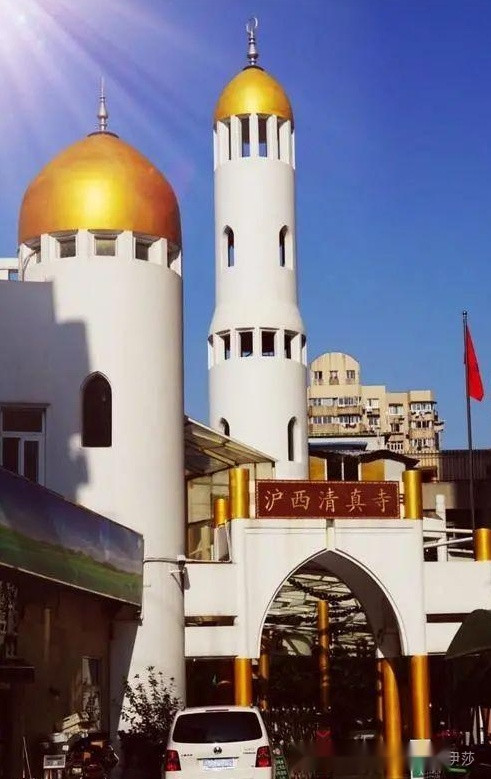
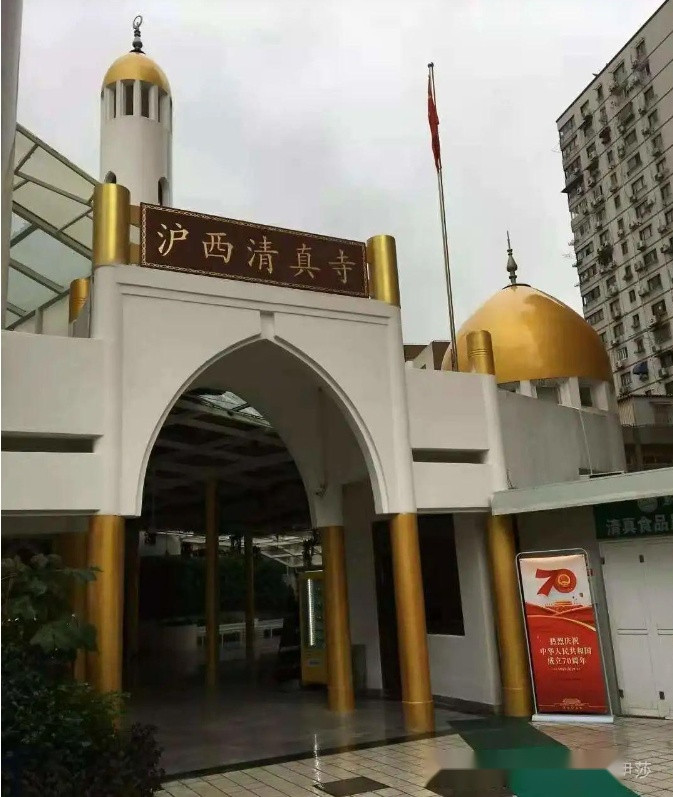
Huxi Mosque, rebuilt after the founding of New China, is a classic example of Arab-Islamic architectural style, solemn and majestic.
Xiaotaoyuan Mosque, formerly known as the Western Mosque, is a flawless blend of tradition and modernity, showcasing a diverse cultural charm.
Fuyou Road Mosque, the successor of the Chuanxin Street Prayer Hall, is where the memories of history flow.
Pudong Mosque stands tall across the Pudong mainland, offering a spiritual sanctuary for believers.
Jiangwan Mosque is a masterpiece of modern style, minimalist yet solemn, serving as a peaceful haven in the city.
The Women's Mosque, established exclusively for Muslim women, is a place where they place their faith and a spiritual home.
These eight mosques are not only religious sites but also cultural symbols of the city. They have witnessed Shanghai's history and development while adding a distinct splash of color to the city. Step into these mosques to experience peace and solemnity, and appreciate the profound wisdom of Islam. Here is a brief introduction to Shanghai's eight mosques:
1. Songjiang Mosque
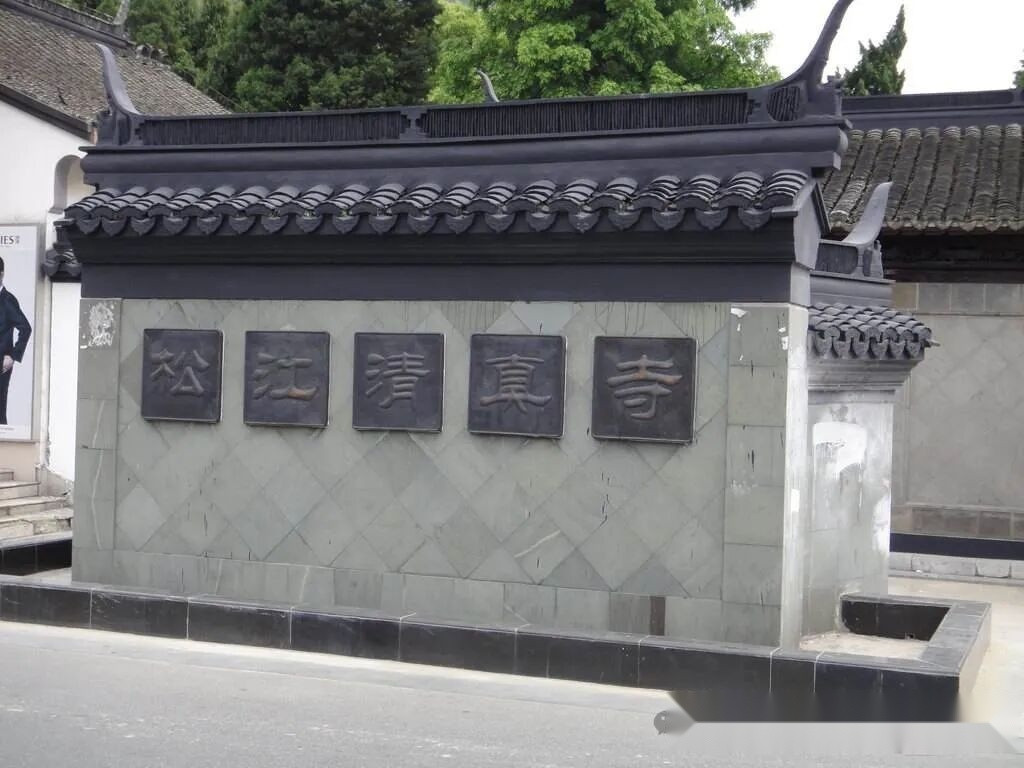
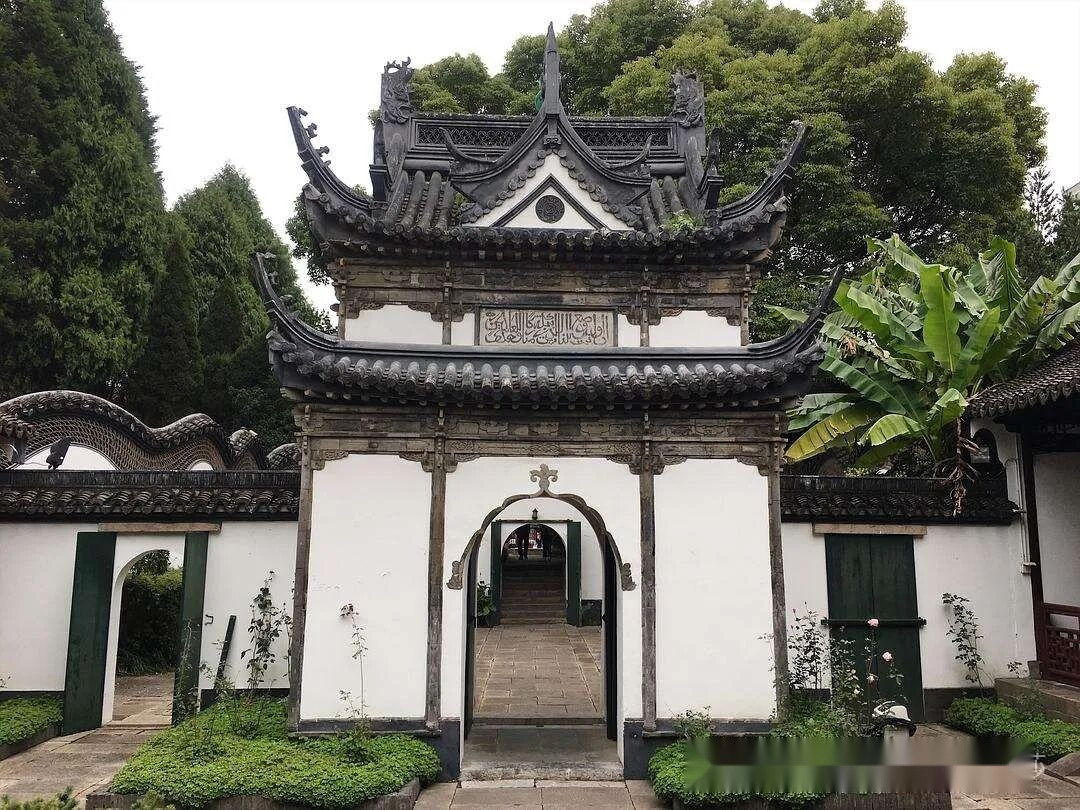
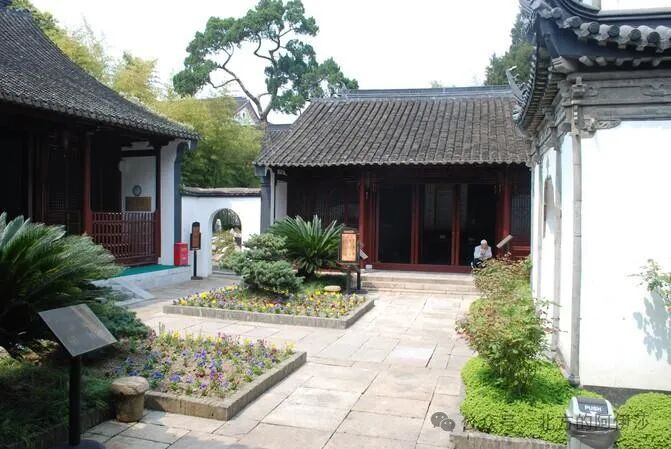
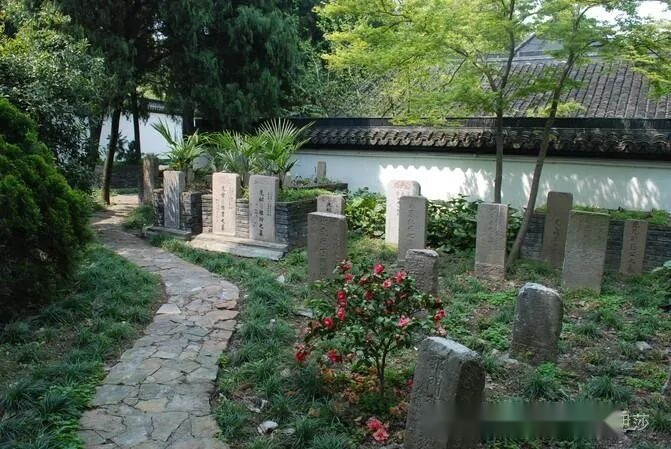
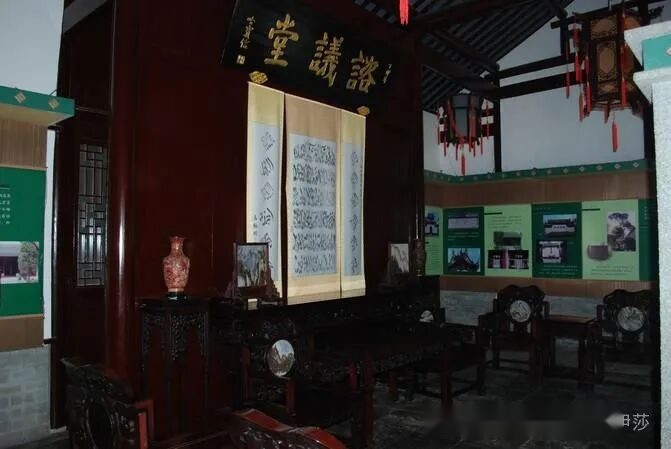
Songjiang Mosque: Also known as Songjiang Zhenjiao Temple, it is the earliest historical mosque in the Shanghai region, originally built during the Zhizheng era of the Yuan Dynasty (1341–1368) and still retaining the architectural style of the Yuan and Ming dynasties. Facing south and north, the temple features a traditional Chinese spirit wall just inside the gate, inscribed with the words "Mosque." Its architectural style combines Arab arched columns with Ming and Qing dynasty Chinese building features. The main structures include the prayer hall, the kiln hall, and connecting corridors, along with north and south lecture halls, a minaret, and a ablution room. Among these, the kiln hall and the minaret are its most distinctive architectural features. The temple also preserves four steles from successive dynasties.
2. Huxi Mosque
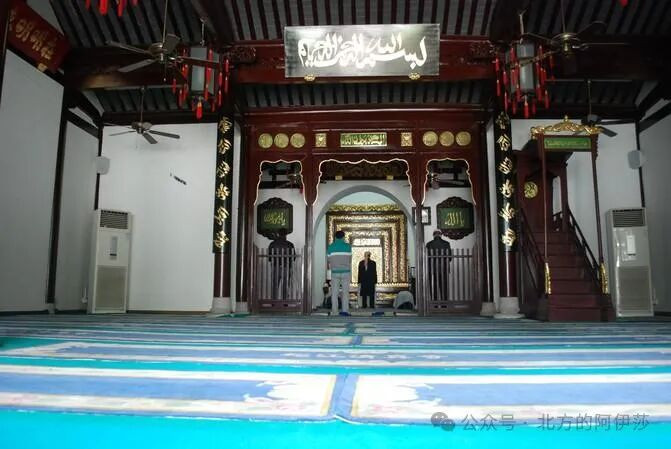
Huxi Mosque: Originally named Yaoshuinong Mosque. In July 1990, during the urban renewal of Yaoshuinong, the original mosque was demolished, and Huxi Mosque was rebuilt on allocated land at Lane 1328, No. 3 Changde Road. In April 1992, it was completed and opened, with the new name Huxi Mosque. This was the first mosque rebuilt in Shanghai after Liberation. Covering an area of 1,650 square meters with a building area of 1,125 square meters, its main structure consists of a two-story prayer hall featuring double-heart arches and fan-shaped dome ceilings. The spacious and bright main prayer hall spans two floors, with the upper level reserved for women's prayers. It is complemented by male and female ablution rooms, scripture-studying halls, imam offices, and reception rooms. The prayer hall connects to two auxiliary corridors, which wind through and link all areas. The 25-meter-high minaret, a 400-square-meter front courtyard, and a delicate inner rear courtyard each feature colorful fountains that complement one another. The roof of the courtyard is decorated with six arched domes, three of which bear crescent moon symbols. The entire architecture is elegant, graceful, staggered, and unique—making it the most novel Islamic temple among the city's six mosques, combining traditional Islamic architecture with modern spatial design.
3. Xiaotaoyuan Mosque
Xiaotaoyuan Mosque: Formerly known as the Western Mosque, it is a perfect blend of tradition and modernity, showcasing the charm of diverse cultures. Located in Huangpu District, Shanghai, the mosque consists of a main prayer hall, a kiln hall, connecting corridors, south and north lecture halls, a minaret, and an ablution room.
4. Fuyou Road Mosque
Fuyou Road Mosque: Located in Huangpu District, Shanghai, it was originally named Chuanxin Street Prayer Hall, later renamed Chuanxin Street Church, and commonly known as the North Temple. The mosque has undergone multiple name changes and reconstructions throughout history and currently serves as the headquarters of the Shanghai Islamic Association.
5. Pudong Mosque
Pudong Mosque: Standing tall on the land of Pudong, it provides a spiritual sanctuary for believers. Located in the Pudong New Area of Shanghai, it is a mosque with a modern architectural style.
6. Jinshan Mosque
Jinshan Mosque: Located at Lane 135, No. 33 Lipu Road, Jinshan District, Shanghai, it is the first permanent Islamic religious site established in Shanghai since the reform and opening up, covering an area of 1,600 square meters. The primary Muslims participating in activities here are ethnic minority merchants and workers who have moved to the Jinshan area from Qinghai, Xinjiang, Gansu, Ningxia, and other regions. In 2009, the Shanghai Islamic Association allocated 540,000 RMB to purchase a disused health product warehouse from the Jinshan Shihua Pharmaceutical Company to serve as a local prayer space for Muslim residents. It was officially completed and opened on January 26, 2010, and registered as a fixed religious activity venue.
7. Women's Mosque
Women's Mosque: Originally named Xiaotaoyuan Women's Mosque, located at No. 24 Xiaotaoyuan Street, Huangpu District. Its history dates back to 1920, originating as the Gaodunjie Women's Mosque in Nanshi. In 1956, it relocated to No. 24 Xiaotaoyuan Street, Huangpu District, and was renamed "Xiaotaoyuan Women's Mosque." After 1958, it merged with the Gaodunjie "Women's Mosque." In 1993, the Shanghai Islamic Association funded its renovation, and it reopened to the public on September 1, 1994.
8. Shanghai Jiangwan Mosque
Jiangwan Mosque: Located at No. 86 Zhengfu Road, Yang浦 District, it was originally named "Jingxing Road Mosque" (formerly located at Lane 302, No. 117 Jingxing Road, Yangpu District) and was established in 1928. Jiangwan Mosque has a total floor area of 2,401.9 square meters, featuring a reinforced concrete frame structure in a modern Arab architectural style. In July 1959, the mosque merged with the Fenzhou Road Mosque and was renamed "Hudong Mosque."
Welcome to follow us! view all
Panoramic Guide to Shanghai's Major Mosques and Prayer Spaces: Geographical Distribution of Xiaotaoyuan, Huxi, Fuyou Road, and Songjiang Mosques
Abstract:
A detailed compilation of the distribution locations and historical evolution of mosques and Jumu'ah prayer spaces across Shanghai's various districts. Includes religious and cultural landmarks such as Xiaotaoyuan Mosque, Huxi Mosque, Fuyou Road Mosque, Jingxingqiao Mosque, and the ancient Songjiang Mosque, making it easy for Muslims to practice their faith and explore.
Dear brothers and sisters, As-salamu alaykum!
To better serve all Muslim brothers and sisters working and living in Shanghai, this official account has gathered and compiled the locations of mosques and prayer spaces across all districts. We hope this information proves helpful to everyone!
Dear brothers and sisters, As-salamu alaykum!
The Shanghai Muslim community has collected the locations and contact numbers of mosques in different districts. We hope this brings more convenience to you.
According to information from the Shanghai Municipal Ethnic and Religious Affairs Bureau in 2009, Shanghai has a total of eight mosques: Xiaotaoyuan, Huxi, Pudong, Fuyou Road, Songjiang, Jinshan, Jiangwan, and the Women's Mosque.
Shanghai's eight mosques are like eight dazzling pearls inlaid on the canvas of the city, radiating a unique charm.
Songjiang Mosque, a witness to history, is a gem from the Zhizheng era of the Yuan Dynasty, carrying the deep sedimentation of time.
Huxi Mosque, rebuilt after the founding of New China, is a classic example of Arab-Islamic architectural style, solemn and majestic.
Xiaotaoyuan Mosque, formerly known as the Western Mosque, is a flawless blend of tradition and modernity, showcasing a diverse cultural charm.
Fuyou Road Mosque, the successor of the Chuanxin Street Prayer Hall, is where the memories of history flow.
Pudong Mosque stands tall across the Pudong mainland, offering a spiritual sanctuary for believers.
Jiangwan Mosque is a masterpiece of modern style, minimalist yet solemn, serving as a peaceful haven in the city.
The Women's Mosque, established exclusively for Muslim women, is a place where they place their faith and a spiritual home.
These eight mosques are not only religious sites but also cultural symbols of the city. They have witnessed Shanghai's history and development while adding a distinct splash of color to the city. Step into these mosques to experience peace and solemnity, and appreciate the profound wisdom of Islam. Here is a brief introduction to Shanghai's eight mosques:
1. Songjiang Mosque
Songjiang Mosque: Also known as Songjiang Zhenjiao Temple, it is the earliest historical mosque in the Shanghai region, originally built during the Zhizheng era of the Yuan Dynasty (1341–1368) and still retaining the architectural style of the Yuan and Ming dynasties. Facing south and north, the temple features a traditional Chinese spirit wall just inside the gate, inscribed with the words "Mosque." Its architectural style combines Arab arched columns with Ming and Qing dynasty Chinese building features. The main structures include the prayer hall, the kiln hall, and connecting corridors, along with north and south lecture halls, a minaret, and a ablution room. Among these, the kiln hall and the minaret are its most distinctive architectural features. The temple also preserves four steles from successive dynasties.
2. Huxi Mosque
Huxi Mosque: Originally named Yaoshuinong Mosque. In July 1990, during the urban renewal of Yaoshuinong, the original mosque was demolished, and Huxi Mosque was rebuilt on allocated land at Lane 1328, No. 3 Changde Road. In April 1992, it was completed and opened, with the new name Huxi Mosque. This was the first mosque rebuilt in Shanghai after Liberation. Covering an area of 1,650 square meters with a building area of 1,125 square meters, its main structure consists of a two-story prayer hall featuring double-heart arches and fan-shaped dome ceilings. The spacious and bright main prayer hall spans two floors, with the upper level reserved for women's prayers. It is complemented by male and female ablution rooms, scripture-studying halls, imam offices, and reception rooms. The prayer hall connects to two auxiliary corridors, which wind through and link all areas. The 25-meter-high minaret, a 400-square-meter front courtyard, and a delicate inner rear courtyard each feature colorful fountains that complement one another. The roof of the courtyard is decorated with six arched domes, three of which bear crescent moon symbols. The entire architecture is elegant, graceful, staggered, and unique—making it the most novel Islamic temple among the city's six mosques, combining traditional Islamic architecture with modern spatial design.
3. Xiaotaoyuan Mosque
Xiaotaoyuan Mosque: Formerly known as the Western Mosque, it is a perfect blend of tradition and modernity, showcasing the charm of diverse cultures. Located in Huangpu District, Shanghai, the mosque consists of a main prayer hall, a kiln hall, connecting corridors, south and north lecture halls, a minaret, and an ablution room.
4. Fuyou Road Mosque
Fuyou Road Mosque: Located in Huangpu District, Shanghai, it was originally named Chuanxin Street Prayer Hall, later renamed Chuanxin Street Church, and commonly known as the North Temple. The mosque has undergone multiple name changes and reconstructions throughout history and currently serves as the headquarters of the Shanghai Islamic Association.
5. Pudong Mosque
Pudong Mosque: Standing tall on the land of Pudong, it provides a spiritual sanctuary for believers. Located in the Pudong New Area of Shanghai, it is a mosque with a modern architectural style.
6. Jinshan Mosque
Jinshan Mosque: Located at Lane 135, No. 33 Lipu Road, Jinshan District, Shanghai, it is the first permanent Islamic religious site established in Shanghai since the reform and opening up, covering an area of 1,600 square meters. The primary Muslims participating in activities here are ethnic minority merchants and workers who have moved to the Jinshan area from Qinghai, Xinjiang, Gansu, Ningxia, and other regions. In 2009, the Shanghai Islamic Association allocated 540,000 RMB to purchase a disused health product warehouse from the Jinshan Shihua Pharmaceutical Company to serve as a local prayer space for Muslim residents. It was officially completed and opened on January 26, 2010, and registered as a fixed religious activity venue.
7. Women's Mosque
Women's Mosque: Originally named Xiaotaoyuan Women's Mosque, located at No. 24 Xiaotaoyuan Street, Huangpu District. Its history dates back to 1920, originating as the Gaodunjie Women's Mosque in Nanshi. In 1956, it relocated to No. 24 Xiaotaoyuan Street, Huangpu District, and was renamed "Xiaotaoyuan Women's Mosque." After 1958, it merged with the Gaodunjie "Women's Mosque." In 1993, the Shanghai Islamic Association funded its renovation, and it reopened to the public on September 1, 1994.
8. Shanghai Jiangwan Mosque
Jiangwan Mosque: Located at No. 86 Zhengfu Road, Yang浦 District, it was originally named "Jingxing Road Mosque" (formerly located at Lane 302, No. 117 Jingxing Road, Yangpu District) and was established in 1928. Jiangwan Mosque has a total floor area of 2,401.9 square meters, featuring a reinforced concrete frame structure in a modern Arab architectural style. In July 1959, the mosque merged with the Fenzhou Road Mosque and was renamed "Hudong Mosque."
Welcome to follow us! view all
[Internet Repost]
Panoramic Guide to Shanghai's Major Mosques and Prayer Spaces: Geographical Distribution of Xiaotaoyuan, Huxi, Fuyou Road, and Songjiang Mosques
Abstract:
A detailed compilation of the distribution locations and historical evolution of mosques and Jumu'ah prayer spaces across Shanghai's various districts. Includes religious and cultural landmarks such as Xiaotaoyuan Mosque, Huxi Mosque, Fuyou Road Mosque, Jingxingqiao Mosque, and the ancient Songjiang Mosque, making it easy for Muslims to practice their faith and explore.
Dear brothers and sisters, As-salamu alaykum!
To better serve all Muslim brothers and sisters working and living in Shanghai, this official account has gathered and compiled the locations of mosques and prayer spaces across all districts. We hope this information proves helpful to everyone!
Dear brothers and sisters, As-salamu alaykum!
The Shanghai Muslim community has collected the locations and contact numbers of mosques in different districts. We hope this brings more convenience to you.
According to information from the Shanghai Municipal Ethnic and Religious Affairs Bureau in 2009, Shanghai has a total of eight mosques: Xiaotaoyuan, Huxi, Pudong, Fuyou Road, Songjiang, Jinshan, Jiangwan, and the Women's Mosque.
Shanghai's eight mosques are like eight dazzling pearls inlaid on the canvas of the city, radiating a unique charm.
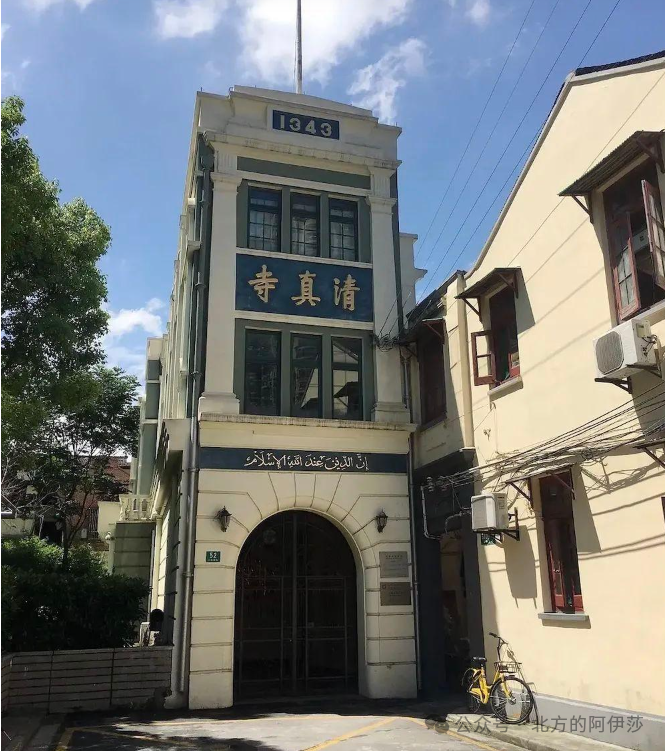
Songjiang Mosque, a witness to history, is a gem from the Zhizheng era of the Yuan Dynasty, carrying the deep sedimentation of time.
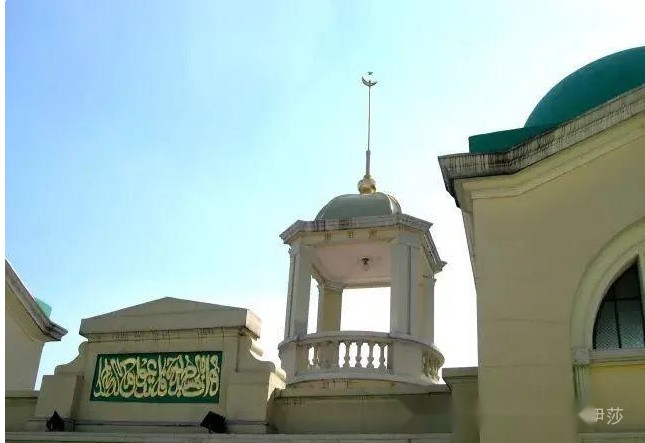
Huxi Mosque, rebuilt after the founding of New China, is a classic example of Arab-Islamic architectural style, solemn and majestic.
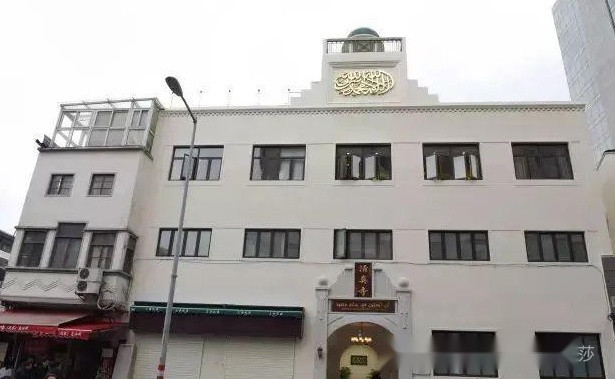
Xiaotaoyuan Mosque, formerly known as the Western Mosque, is a flawless blend of tradition and modernity, showcasing a diverse cultural charm.
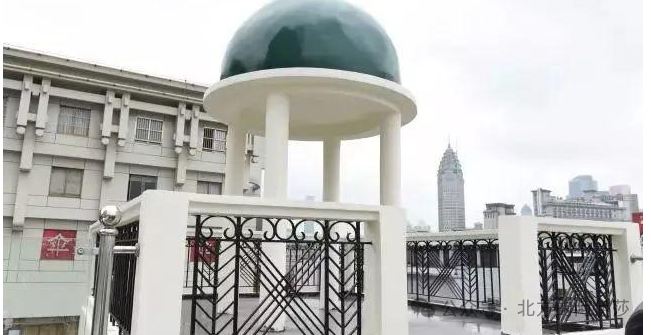
Fuyou Road Mosque, the successor of the Chuanxin Street Prayer Hall, is where the memories of history flow.
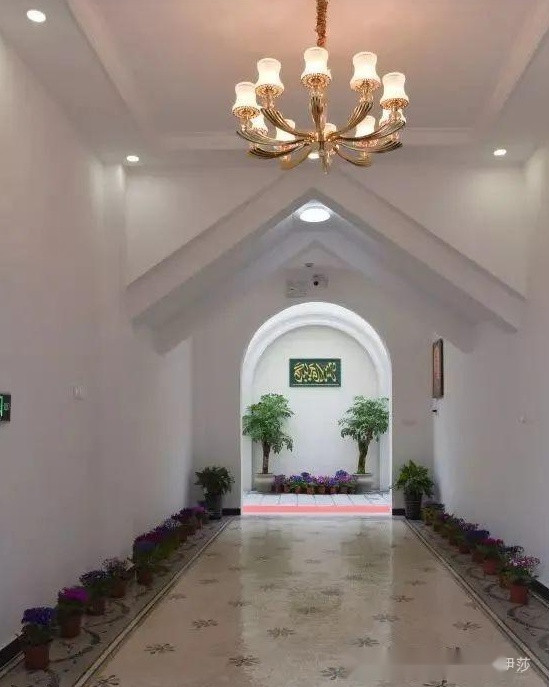
Pudong Mosque stands tall across the Pudong mainland, offering a spiritual sanctuary for believers.
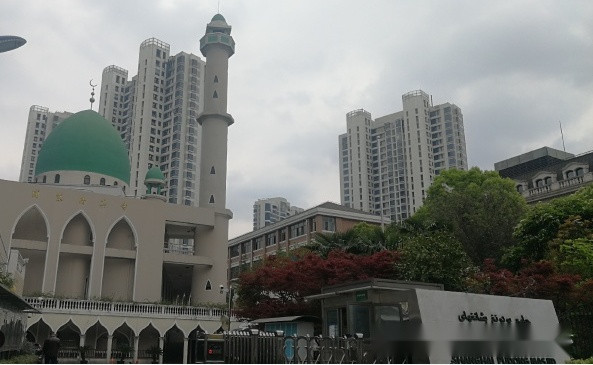
Jiangwan Mosque is a masterpiece of modern style, minimalist yet solemn, serving as a peaceful haven in the city.
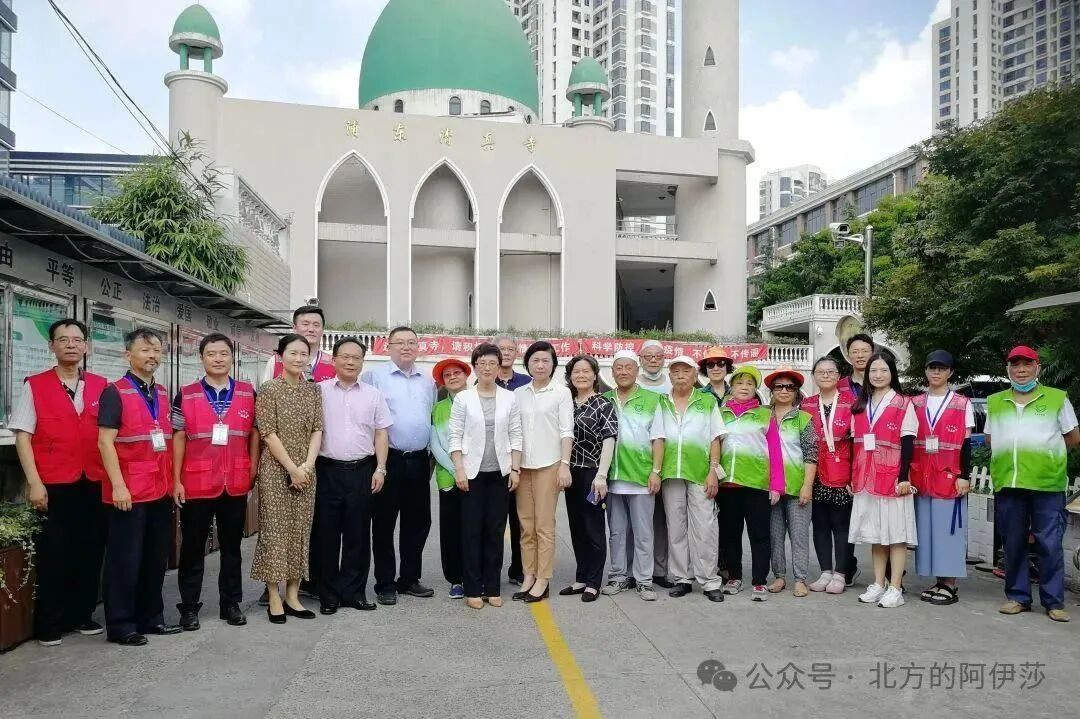
The Women's Mosque, established exclusively for Muslim women, is a place where they place their faith and a spiritual home.
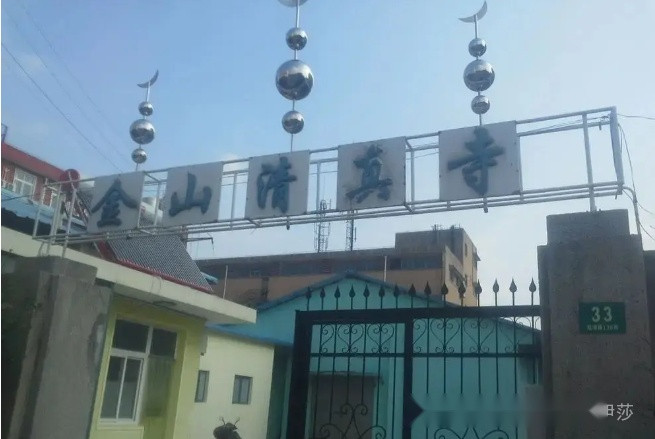
These eight mosques are not only religious sites but also cultural symbols of the city. They have witnessed Shanghai's history and development while adding a distinct splash of color to the city. Step into these mosques to experience peace and solemnity, and appreciate the profound wisdom of Islam. Here is a brief introduction to Shanghai's eight mosques:
1. Songjiang Mosque
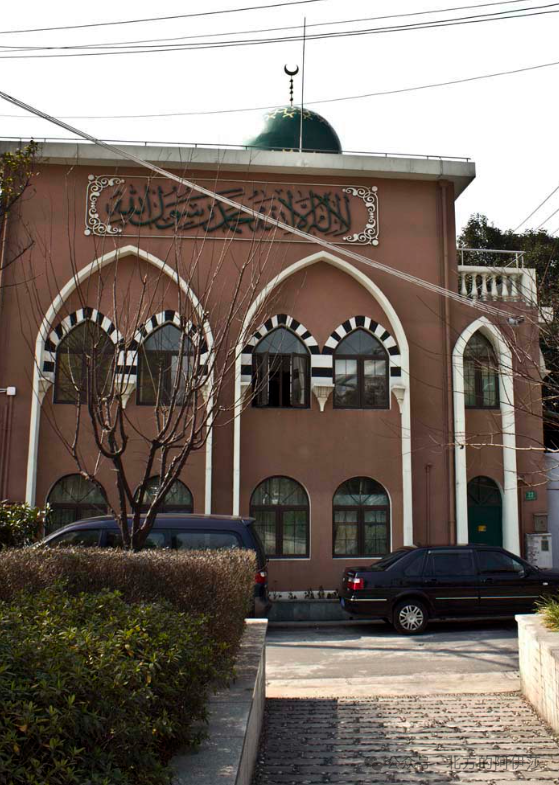
Songjiang Mosque: Also known as Songjiang Zhenjiao Temple, it is the earliest historical mosque in the Shanghai region, originally built during the Zhizheng era of the Yuan Dynasty (1341–1368) and still retaining the architectural style of the Yuan and Ming dynasties. Facing south and north, the temple features a traditional Chinese spirit wall just inside the gate, inscribed with the words "Mosque." Its architectural style combines Arab arched columns with Ming and Qing dynasty Chinese building features. The main structures include the prayer hall, the kiln hall, and connecting corridors, along with north and south lecture halls, a minaret, and a ablution room. Among these, the kiln hall and the minaret are its most distinctive architectural features. The temple also preserves four steles from successive dynasties.
2. Huxi Mosque
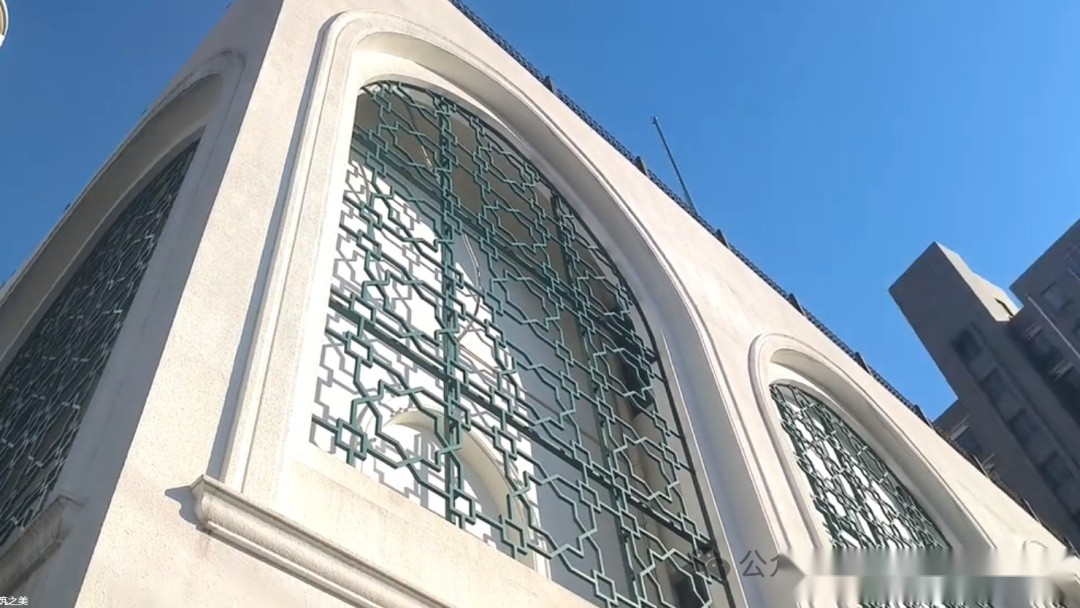
Huxi Mosque: Originally named Yaoshuinong Mosque. In July 1990, during the urban renewal of Yaoshuinong, the original mosque was demolished, and Huxi Mosque was rebuilt on allocated land at Lane 1328, No. 3 Changde Road. In April 1992, it was completed and opened, with the new name Huxi Mosque. This was the first mosque rebuilt in Shanghai after Liberation. Covering an area of 1,650 square meters with a building area of 1,125 square meters, its main structure consists of a two-story prayer hall featuring double-heart arches and fan-shaped dome ceilings. The spacious and bright main prayer hall spans two floors, with the upper level reserved for women's prayers. It is complemented by male and female ablution rooms, scripture-studying halls, imam offices, and reception rooms. The prayer hall connects to two auxiliary corridors, which wind through and link all areas. The 25-meter-high minaret, a 400-square-meter front courtyard, and a delicate inner rear courtyard each feature colorful fountains that complement one another. The roof of the courtyard is decorated with six arched domes, three of which bear crescent moon symbols. The entire architecture is elegant, graceful, staggered, and unique—making it the most novel Islamic temple among the city's six mosques, combining traditional Islamic architecture with modern spatial design.
3. Xiaotaoyuan Mosque
Xiaotaoyuan Mosque: Formerly known as the Western Mosque, it is a perfect blend of tradition and modernity, showcasing the charm of diverse cultures. Located in Huangpu District, Shanghai, the mosque consists of a main prayer hall, a kiln hall, connecting corridors, south and north lecture halls, a minaret, and an ablution room.
4. Fuyou Road Mosque
Fuyou Road Mosque: Located in Huangpu District, Shanghai, it was originally named Chuanxin Street Prayer Hall, later renamed Chuanxin Street Church, and commonly known as the North Temple. The mosque has undergone multiple name changes and reconstructions throughout history and currently serves as the headquarters of the Shanghai Islamic Association.
5. Pudong Mosque
Pudong Mosque: Standing tall on the land of Pudong, it provides a spiritual sanctuary for believers. Located in the Pudong New Area of Shanghai, it is a mosque with a modern architectural style.
6. Jinshan Mosque
Jinshan Mosque: Located at Lane 135, No. 33 Lipu Road, Jinshan District, Shanghai, it is the first permanent Islamic religious site established in Shanghai since the reform and opening up, covering an area of 1,600 square meters. The primary Muslims participating in activities here are ethnic minority merchants and workers who have moved to the Jinshan area from Qinghai, Xinjiang, Gansu, Ningxia, and other regions. In 2009, the Shanghai Islamic Association allocated 540,000 RMB to purchase a disused health product warehouse from the Jinshan Shihua Pharmaceutical Company to serve as a local prayer space for Muslim residents. It was officially completed and opened on January 26, 2010, and registered as a fixed religious activity venue.
7. Women's Mosque
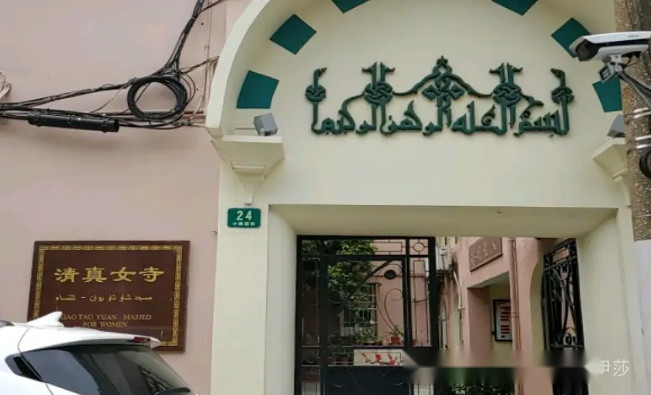
Women's Mosque: Originally named Xiaotaoyuan Women's Mosque, located at No. 24 Xiaotaoyuan Street, Huangpu District. Its history dates back to 1920, originating as the Gaodunjie Women's Mosque in Nanshi. In 1956, it relocated to No. 24 Xiaotaoyuan Street, Huangpu District, and was renamed "Xiaotaoyuan Women's Mosque." After 1958, it merged with the Gaodunjie "Women's Mosque." In 1993, the Shanghai Islamic Association funded its renovation, and it reopened to the public on September 1, 1994.
8. Shanghai Jiangwan Mosque
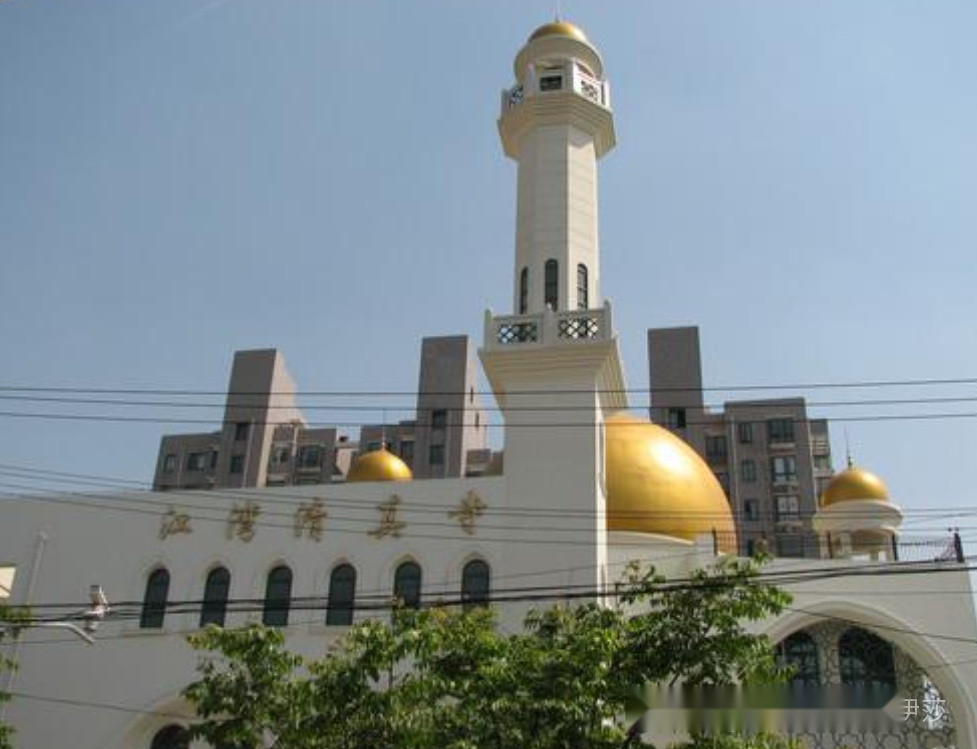
Jiangwan Mosque: Located at No. 86 Zhengfu Road, Yang浦 District, it was originally named "Jingxing Road Mosque" (formerly located at Lane 302, No. 117 Jingxing Road, Yangpu District) and was established in 1928. Jiangwan Mosque has a total floor area of 2,401.9 square meters, featuring a reinforced concrete frame structure in a modern Arab architectural style. In July 1959, the mosque merged with the Fenzhou Road Mosque and was renamed "Hudong Mosque."
Welcome to follow us!
Panoramic Guide to Shanghai's Major Mosques and Prayer Spaces: Geographical Distribution of Xiaotaoyuan, Huxi, Fuyou Road, and Songjiang Mosques
Abstract:
A detailed compilation of the distribution locations and historical evolution of mosques and Jumu'ah prayer spaces across Shanghai's various districts. Includes religious and cultural landmarks such as Xiaotaoyuan Mosque, Huxi Mosque, Fuyou Road Mosque, Jingxingqiao Mosque, and the ancient Songjiang Mosque, making it easy for Muslims to practice their faith and explore.
Dear brothers and sisters, As-salamu alaykum!
To better serve all Muslim brothers and sisters working and living in Shanghai, this official account has gathered and compiled the locations of mosques and prayer spaces across all districts. We hope this information proves helpful to everyone!
Dear brothers and sisters, As-salamu alaykum!
The Shanghai Muslim community has collected the locations and contact numbers of mosques in different districts. We hope this brings more convenience to you.
According to information from the Shanghai Municipal Ethnic and Religious Affairs Bureau in 2009, Shanghai has a total of eight mosques: Xiaotaoyuan, Huxi, Pudong, Fuyou Road, Songjiang, Jinshan, Jiangwan, and the Women's Mosque.
Shanghai's eight mosques are like eight dazzling pearls inlaid on the canvas of the city, radiating a unique charm.
Songjiang Mosque, a witness to history, is a gem from the Zhizheng era of the Yuan Dynasty, carrying the deep sedimentation of time.
Huxi Mosque, rebuilt after the founding of New China, is a classic example of Arab-Islamic architectural style, solemn and majestic.
Xiaotaoyuan Mosque, formerly known as the Western Mosque, is a flawless blend of tradition and modernity, showcasing a diverse cultural charm.
Fuyou Road Mosque, the successor of the Chuanxin Street Prayer Hall, is where the memories of history flow.
Pudong Mosque stands tall across the Pudong mainland, offering a spiritual sanctuary for believers.
Jiangwan Mosque is a masterpiece of modern style, minimalist yet solemn, serving as a peaceful haven in the city.
The Women's Mosque, established exclusively for Muslim women, is a place where they place their faith and a spiritual home.
These eight mosques are not only religious sites but also cultural symbols of the city. They have witnessed Shanghai's history and development while adding a distinct splash of color to the city. Step into these mosques to experience peace and solemnity, and appreciate the profound wisdom of Islam. Here is a brief introduction to Shanghai's eight mosques:
1. Songjiang Mosque
Songjiang Mosque: Also known as Songjiang Zhenjiao Temple, it is the earliest historical mosque in the Shanghai region, originally built during the Zhizheng era of the Yuan Dynasty (1341–1368) and still retaining the architectural style of the Yuan and Ming dynasties. Facing south and north, the temple features a traditional Chinese spirit wall just inside the gate, inscribed with the words "Mosque." Its architectural style combines Arab arched columns with Ming and Qing dynasty Chinese building features. The main structures include the prayer hall, the kiln hall, and connecting corridors, along with north and south lecture halls, a minaret, and a ablution room. Among these, the kiln hall and the minaret are its most distinctive architectural features. The temple also preserves four steles from successive dynasties.
2. Huxi Mosque
Huxi Mosque: Originally named Yaoshuinong Mosque. In July 1990, during the urban renewal of Yaoshuinong, the original mosque was demolished, and Huxi Mosque was rebuilt on allocated land at Lane 1328, No. 3 Changde Road. In April 1992, it was completed and opened, with the new name Huxi Mosque. This was the first mosque rebuilt in Shanghai after Liberation. Covering an area of 1,650 square meters with a building area of 1,125 square meters, its main structure consists of a two-story prayer hall featuring double-heart arches and fan-shaped dome ceilings. The spacious and bright main prayer hall spans two floors, with the upper level reserved for women's prayers. It is complemented by male and female ablution rooms, scripture-studying halls, imam offices, and reception rooms. The prayer hall connects to two auxiliary corridors, which wind through and link all areas. The 25-meter-high minaret, a 400-square-meter front courtyard, and a delicate inner rear courtyard each feature colorful fountains that complement one another. The roof of the courtyard is decorated with six arched domes, three of which bear crescent moon symbols. The entire architecture is elegant, graceful, staggered, and unique—making it the most novel Islamic temple among the city's six mosques, combining traditional Islamic architecture with modern spatial design.
3. Xiaotaoyuan Mosque
Xiaotaoyuan Mosque: Formerly known as the Western Mosque, it is a perfect blend of tradition and modernity, showcasing the charm of diverse cultures. Located in Huangpu District, Shanghai, the mosque consists of a main prayer hall, a kiln hall, connecting corridors, south and north lecture halls, a minaret, and an ablution room.
4. Fuyou Road Mosque
Fuyou Road Mosque: Located in Huangpu District, Shanghai, it was originally named Chuanxin Street Prayer Hall, later renamed Chuanxin Street Church, and commonly known as the North Temple. The mosque has undergone multiple name changes and reconstructions throughout history and currently serves as the headquarters of the Shanghai Islamic Association.
5. Pudong Mosque
Pudong Mosque: Standing tall on the land of Pudong, it provides a spiritual sanctuary for believers. Located in the Pudong New Area of Shanghai, it is a mosque with a modern architectural style.
6. Jinshan Mosque
Jinshan Mosque: Located at Lane 135, No. 33 Lipu Road, Jinshan District, Shanghai, it is the first permanent Islamic religious site established in Shanghai since the reform and opening up, covering an area of 1,600 square meters. The primary Muslims participating in activities here are ethnic minority merchants and workers who have moved to the Jinshan area from Qinghai, Xinjiang, Gansu, Ningxia, and other regions. In 2009, the Shanghai Islamic Association allocated 540,000 RMB to purchase a disused health product warehouse from the Jinshan Shihua Pharmaceutical Company to serve as a local prayer space for Muslim residents. It was officially completed and opened on January 26, 2010, and registered as a fixed religious activity venue.
7. Women's Mosque
Women's Mosque: Originally named Xiaotaoyuan Women's Mosque, located at No. 24 Xiaotaoyuan Street, Huangpu District. Its history dates back to 1920, originating as the Gaodunjie Women's Mosque in Nanshi. In 1956, it relocated to No. 24 Xiaotaoyuan Street, Huangpu District, and was renamed "Xiaotaoyuan Women's Mosque." After 1958, it merged with the Gaodunjie "Women's Mosque." In 1993, the Shanghai Islamic Association funded its renovation, and it reopened to the public on September 1, 1994.
8. Shanghai Jiangwan Mosque
Jiangwan Mosque: Located at No. 86 Zhengfu Road, Yang浦 District, it was originally named "Jingxing Road Mosque" (formerly located at Lane 302, No. 117 Jingxing Road, Yangpu District) and was established in 1928. Jiangwan Mosque has a total floor area of 2,401.9 square meters, featuring a reinforced concrete frame structure in a modern Arab architectural style. In July 1959, the mosque merged with the Fenzhou Road Mosque and was renamed "Hudong Mosque."
Welcome to follow us!
Mosque Near Me in Shanghai: Xiaotaoyuan, Huxi and Authentic Halal Food Map
Articles • yusuf908 posted the article • 0 comments • 184 views • 2026-05-24 00:17
Reposted from the web
Summary: Mosque Near Me in Shanghai: Xiaotaoyuan, Huxi and Authentic Halal Food Map is presented here as a clear English travel account for Muslim readers, beginning with this scene: Shanghai currently has 7+1 mosques, one of which is the Female Mosque in Xiaotaoyuan. Except for the Jinshan Mosque in Jinshan District, which is far away from the city, the other seven mosques are all within. The article keeps the original place names, food details, photographs, and cultural context while focusing on Shanghai Mosques, Halal Food, Muslim Travel.
Shanghai currently has 7+1 mosques, one of which is the Female Mosque in Xiaotaoyuan. Except for the Jinshan Mosque in Jinshan District, which is far away from the city, the other seven mosques are all within a radius of ten kilometers. The transportation is convenient and very easy to find.
As an international metropolis, Shanghai has added more and more types of halal restaurants in recent years. I remember that five years ago when I came to Shanghai, there were not many flavor restaurants to choose from. Now I am spoiled for choice. Japanese, Korean, Southeast Asian, Middle Eastern, Western, local, etc. all have halal versions, and the richness is second only to Beijing.
For Muslims who come to Shanghai for travel and accommodation, I recommend the Pearl Hotel near Jiashan Road, because this is a halal hotel invested by the Ethnic and Religious Affairs Commission. It has halal breakfast and dinner. It has an excellent location. Jiashan Road subway station is just outside the door, and it is very close to bustling areas such as Nanjing Road Pedestrian Street. The price is not expensive.
Table of contents
Part One Catering
1. Pearl Hotel
2. Yelishali
3. Ma Kee beef fried buns
4. MAKAN Dubai Restaurant
5. Yang Tongxing
6. Shunhe Restaurant
7. Yixinzhai
8. Guan Guanji
9. Hong Changxing
10. Lebanese food
11. Efes Turkish Restaurant
12. BALI Indonesian Restaurant
13. Mizutani Japanese Restaurant
Part 2 Mosque
1. Huxi Mosque
2. Xiaotaoyuan Mosque
3. Songjiang Mosque
4. Pudong Mosque
5. Jiangwan Mosque
6. Jinshan Mosque
7. Fuyou Road Mosque
1. Pearl Hotel
Atlantic Restaurant is located on the third floor of the Pearl Hotel. It is a high-end halal restaurant serving Shanghai-style cuisine. The Pearl Hotel is on Muslim Road. In the past, there was a Rihuigang Mosque where the hotel was located, nicknamed "Moslem Villa". Nearby was the Huihui Cemetery. After Shanghai was liberated, it was placed under the management of the Shanghai Islamic Association. Later, the mosque was demolished. Therefore, there was no Muslim on the Muslim Road. The Pearl Hotel was later built with compensation.
The cafeteria on the fourth floor was being renovated when I went there, and breakfast was on the fifth floor.
The room is decorated in the style of an old state-owned hotel, and even the smell is familiar. There is a sign with the direction of Mecca inside, which is rare in China.
The buffet breakfast on the fifth floor costs 50 yuan per person. The variety is less than that of a five-star hotel. After all, this is a three-star hotel.
Both Chinese and Western flavors are available. The dishes are vegetarian and taste pretty good.
Dinner is served at the Atlantic Restaurant on the third floor. You can also order food in the room and ask the waiter to deliver it.
There is a lobby and private rooms. The environment is very good and quiet. Most of the people who come to eat are local Shanghainese.
Shanghai-style cuisine, you can eat all kinds of precious seafood.
The beef in local sauce is tender and the sauce is slightly sweet.
The signature dish is plum lemon shrimp. People say locals like this cold dish very much.
The salt and pepper fish fillet is not spicy at all and is still slightly sweet.
Red dates and peach gum stewed in peach gum. It was the first time I ate peach gum. It was the sticky gelatinous substance that flows from peach trees and tasted like white fungus.
Scallion pancakes are crispy and one of my favorite snacks.
Green onion lamb chops, made in Shanghai style, is still a bit sweet, so you can try it if you haven’t tried it before.
Serve asparagus in soup, the soup is chicken stock. This calculation works out to 180 yuan per capita.
2. Yelishali
Yelishali Xinjiang Restaurant has been open in Shanghai for more than ten years. There are more than ten chain stores. It is the most popular place for dusty dinners in Shanghai. It is comparable to Bayi Master in Beijing.
The decoration style is slightly more Western-style than Mr. Bayi's (although the word "foreign-style" sounds tacky).
Yelishali's dishes are more exquisite and slightly innovative than traditional Xinjiang dishes.
Grilled lamb chops in tin foil, with hot stones underneath.
Burqin pike, Burqin is a place name in Xinjiang, close to Kanas, where eating pike is popular.
The spicy chicken is actually not spicy and tastes very fragrant.
3. Ma Kee beef fried buns
There is a Henan snack window very close to the Huxi Mosque. Just search for Maji Beef Fried Buns on the map. Hu spicy soup and fried buns are only sold in the morning.
At noon, there are only this kind of sesame cakes and tofu cakes. This is a kind of sesame cakes that I like to eat very much. It is best if they are freshly baked. There are two kinds, sweet and salty. I like to eat salty ones, which have chopped green onions in them.
4. MAKAN
MAKAN is an Arabic restaurant in Dubai recommended by the Dubai Tourism Bureau. Shanghai has added many halal foreign food brands in recent years.
The restaurant is located on the 2nd floor of the base office building near Xujiahui Subway Station.
Fatuxu salad, topped with fried crunch similar to Hui snacks.
The name is Royal Dessert, which is probably how it was eaten in the palace. Desserts from the Western Regions are too sweet.
Okra and mutton, the soup is rich in flavor.
Arabic fragrant rice sprinkled with coriander powder.
Charcoal grilled half chicken is half a chicken. You can squeeze lemon juice on the chicken and serve it with French fries.
Cream of Mushroom Soup is one of the famous Arab dishes in the Middle East. According to the Jewish dietary precepts of the Old Testament, milk and mutton cannot be eaten together, but Muslims do not have to do this.
Arabic toast with hummus is my favorite Arabic dish and probably the most popular Arabic food. It is one of the staple dishes that must be ordered in Arabic restaurants.
Hummus drizzled with olive oil and dipped in freshly toasted Arabic bread, I could eat three in one meal. The price of MANKAN is relatively expensive. It should be said that the overall level of catering consumption in Shanghai is higher than that in Beijing. You can buy set meals in groups on Dianping. The per capita consumption is about 160 yuan.
5. Yang Tongxing
Yang Tongxing is a time-honored halal brand in Shanghai. It is located on Shimen 2nd Road near the Natural History Museum. It specializes in various local snacks and hot pots, but I recommend his snacks.
The old store reopened and a well-known designer was hired to decorate it.
Breakfast is available from 7:00, and there are many kinds, including pasta, steamed buns, pot stickers, steamed dumplings, etc.
I tried a bowl of beef wontons, the soup was thicker, the skin was thin and the fillings were big, with the flavor of five-spice powder.
6. Shunhe Restaurant
This is a local noodle restaurant run by a Shanghai Hui couple. It has been open for more than ten years and has a good reputation among nearby residents.
There are several local halal noodle restaurants like this in Shanghai, but some of them have questionable halal issues.
You can choose beef noodle soup ranging from 2 liang to 3 liang, and add toppings. The toppings are the side dishes placed in the noodles. I recommend the orchid dried tofu, which is eaten by the most people.
This noodle soup can be regarded as an improved version of ramen. The recipe is the same as ramen, but the taste is different. The soup of Shanghai noodle soup is sweet. There are all Shanghainese eating in the store. The diners seem to be familiar with the food. The old lady is too busy, and the diners even help to greet the customers.
7. Yixinzhai
If you come to Shanghai and want to eat authentic local snacks, but are afraid of stepping into the trap, I recommend Yi Xin Zhai, which contains halal versions of the main Shanghai snacks.
There are many certificates hanging at the door of the store, especially the beef fried buns that have won many awards.
Basically, Shanghainese eat breakfast in the store. To buy fried buns, you have to queue outside. However, the elderly have the privilege of having the waiter deliver it directly to their seat.
Beef offal soup tastes good and has a light texture.
There are many kinds of steamed buns. These are steamed buns. They are big and you will be full after eating one. In fact, I prefer Xiaolongbao, but the Xiaolongbao at Yixinzhai is only available after 9 o'clock in the morning. If you come early, you can only eat steamed buns and fried buns.
Most of the people queuing up are here for the beef fried dumplings. The fried dumplings are huge and not as small as Henan fried dumplings. If you come to Isshinsai in the summer, you can also eat shaved ice and stir-fry dishes for dinner. There are many chain stores in Isshinsai. You can search the address online.
8. Guan Guanji
Guan Guanji is very famous in Shanghai, specializing in northwest cuisine, but the breakfast is a combination of Cantonese and northwest cuisine, which is also an innovation. This restaurant is non-smoking and alcohol-free, and it tastes very solid.
The waitresses all wear headscarves and look friendly.
There was beef soup and beef noodles for breakfast. I had beef soup.
Beef pot stickers, the cooking method is very southern, and it is an excellent combination with northwest ingredients.
9. Hong Changxing
Hong Changxing is a well-known time-honored restaurant in Shanghai run by Ma Lianliang's relatives. It has a history of 100 years. It was originally Ma's kitchen, specializing in hot pot, as well as cooking and pastries for takeout.
The main store is located in the core area of Nanjing Road Pedestrian Street, and there are also branches.
I came to Hong Changxing specially to buy halal pastries to take back to Beijing. There are many varieties here.
There are also granules such as sesame and walnut powder, which the elderly like.
I bought golden sand cakes, minced beef cakes, coconut tarts, rose cakes, etc. The waiter was an enthusiastic old Shanghai auntie, and she even helped me write out the names of each snack so that I could introduce them when I went back.
After eating them all, I liked the shredded coconut tart the best.
10. Lebanese food
There is a Lebanese restaurant in Beijing called Alameen, which is very good. I didn’t expect that you can also eat extremely delicious Lebanese food in Shanghai. The name of this restaurant is “Lebanese Food” and it is located near People’s Square.
The area is small, but the decoration is exquisite and warm. The waiters are Chinese and the boss is a Lebanese Muslim.
Lebanese cuisine is second to none in the Middle East and is a perfect example of combining East and West.
Halal tips are written on the menu, and the ingredients include no alcohol, no pork, no bacon, no ham, etc.
Barbeque platter, the white one is garlic sauce.
Quinoa Salad
The Arabic flatbread comes with a sauce platter, and you can try four dipping sauces at once.
Chicken pizza, thick cheese is my favorite.
After-dinner ice cream, there are a variety of flavors to choose from. It has a rich milky flavor and can be eaten without ice. The price is not expensive, about 100 yuan per person, and the most important thing is that it tastes good.
11. Efes Turkish Restaurant
A Turkish restaurant one kilometer away from the Pudong Mosque. The environment is really nice and there is a fountain at the door.
Like some unlisted restaurants in Xinjiang, some Turkish restaurants do not have halal certification. It is better to ask before eating. However, this restaurant has a certificate and you can eat with confidence.
Won an award on TripAdvisor, a popular foreign review software.
This time I came alone to eat, and I had to rush to eat. I only ate one pide. The taste was okay, but not amazing. I still miss the Turkish restaurants in Yiwu more.
The bread is given as a gift before the meal. The service in this store is very attentive. Of course, the price is not cheap. The per capita consumption is more than 150 yuan. I am used to the low price level in the imperial capital, but I feel that the price is still high when I come to Shanghai.
12. BALI Indonesian style restaurant
Southeast Asian halal restaurants in Beijing such as Nanyang Festival Walk in Malaysia, Batang Indonesian Cuisine, and Sukhothai Thai Restaurant have all been closed, but they made up for my loss of taste in Shanghai.
BALI is Bali, this is a fast food restaurant, clean and tidy.
There are several tables on the second floor, and the waiter is Indonesian and can speak Chinese.
Indonesian black tea.
Fruit served before meal.
A signature fried rice set includes grilled skewers, satay sauce, vegetable salad, and shrimp crackers. Indonesians like to eat fried things. The taste is okay, and the per capita consumption is about 60 yuan.
13. Mizutani House
You can’t go wrong eating halal Japanese food in Shanghai. Shanghai is influenced by Japanese culture. Walking on the streets of Shanghai feels like walking in Tokyo. eating seafood in Shanghai is convenient and the ingredients can be kept fresh. This is very important for Japanese people who are used to raw food.
The location is on Yuyao Road. When I walked in and asked if it was halal, the waiter immediately looked at me and showed me the certification mark. I felt at ease now. I heard that the owner is from Henan, and when it opened, he went to the Huxi Mosque to ask the imam to help promote it.
The space in the store is very large. You can eat alone at the bar on the first floor, or you can go to a private room on the second floor.
Spicy snail meat, just slightly spicy.
Tuna and Avocado Salad.
Samurai Chicken Nuggets.
Sushi platter.
Octopus sashimi.
Snow Beef Roll, the picture shows raw beef, the waiter will tell you whether it is cooked or cooked.
Nagoya grilled chicken wings.
Seafood steamed egg, mini small portion. The overall evaluation of Mizutani House is very good. The level of Japanese food in Shanghai is still good. The price is not expensive compared to the level in Shanghai. The per capita consumption is 160 yuan, which is not expensive in the Japanese food industry.
1. Huxi Mosque
Huxi Mosque, formerly known as "Yashui Nong Mosque" and commonly known as "Old Mosque", is located at No. 3, Lane 1328, Changde Road. In 1914, it was initiated by the Hubei Hui Muslims to rent a small house in Yaoshui Lane and use it as a temporary place of worship. In the 10th year of the Republic of China, Jin Zhi'an, Ma Yitang, Jiang Xingjie and the Shanghai Muslim Board of Directors decided to donate 2,000 yuan to build the mosque. In 1992, it moved to Changde Road. The current imam is Bai Runsheng.
When the Huxi Mosque was built in 1990, the Putuo District Government required that the new mosque should have Islamic architectural features and comply with modern architectural standards that are consistent with the new district's layout.
Huxi Mosque has a Zhuma Bazaar on Friday, and it is very large. I came here once five years ago. The Zhuma Bazaar was only one street in size, but now it has developed into two streets.
2. Xiaotaoyuan Mosque
Xiaotaoyuan Mosque, commonly known as "Xicheng Mosque", is located at No. 52 Xiaotaoyuan Street, Huangpu District. In 1917, Shanghai Muslim Board of Directors Jin Ziyun invested 12,000 silver dollars, and with the support of Ha Shaofu, Ma Yitang and others, funds were raised from various places and the construction was completed.
The mosque is in a West Asian style, with a verse from the Koran embedded across the door, which translates as "The religion that pleases Allah is indeed Islam."
The Xiaotaoyuan Mosque once housed an Islamic Normal School, a Muslim National Primary School, a Mingcheng Primary School, a Chongben Primary School, and a Shanghai Muslim Orphan Correctional Institution. During the Republic of China, it served as a transit point for pilgrims traveling abroad by sea. Da Pusheng, Hade Cheng and Zong Ditang followed the example of Liu Guan and Zhang Taoyuan and became sworn sworn brothers here. They were called the Xiaotaoyuan Three Brothers.
Next to the Xiaotaoyuan Mosque is the Mosque for Girls. It was founded in 1933 as a Shanghai Muslim Kunning Tongde Girls’ School funded by the Kunning Tongde Association.
3. Songjiang Mosque
Songjiang Mosque was built in the Zhizheng period of the Yuan Dynasty (1341-1368). It is the oldest mosque in Shanghai and the most worth visiting. Songjiang was originally part of Jiangsu Province and was placed under Shanghai City in 1958. There are no traces of Huihui descendants who settled in Songjiang during the Yuan Dynasty. It is known that the first Muslims to settle in Shanghai were after the opening of Shanghai, that is, on November 17, 1843. According to the provisions of the "Treaty of Nanjing" and the "Five-port Trade Charter", Shanghai was officially opened as a port. Since then, Shanghai has transformed from a small county into an international metropolis.
The original mosque was surrounded by Huihui cemeteries. Now the mosque is also a combination of temples and tombs, including the tomb of Daru Huachi, the governor of Yuan County. There are 4 inscriptions from past dynasties preserved in the mosque, including the "Inscription of the Reconstruction of the Zhenjiao Mosque" from the 16th year of Kangxi's reign, written by Yang Caigui, a professor of Songjiang Fuxue and a scholar in Huai'an, and erected by Sai Yinchang, the dean of the mosque.
One of the highlights is the Kiln Hall without Beams, which has both Chinese and Western characteristics.
4. Pudong Mosque
The Pudong Mosque was founded in 1935. Hong Changjin, a Shandong Muslim, rented a house in Lannidu, Pudong as a temporary place of worship. The current Pudong Mosque was built in 1999. There is also a bazaar in front of the main Mari Mosque, and the scale is not small.
The bazaar in front of Pudong Mosque is only open on Fridays and mainly sells Xinjiang specialties and delicacies.
5. Jiangwan Mosque
Jiangwan Mosque in Shanghai, commonly known as Jiangsu Mosque, was named after the construction initiated by Muslims from Northern Jiangsu. It was built in 1928. It was built by Huaiyin and Siyang Muslims in Jiangsu Province in the early days. Imam Dai Yiheng from Jiangyin presided over the teaching affairs. Later, Imam Zhou Shizhao, a Zhehe Renyemen eunuch, presided over the teaching affairs.
6. Jinshan Mosque
Shanghai Jinshan Mosque is actually a fixed place. The Islamic Association purchased and renovated the health products waste warehouse of Jinshan Petrochemical Pharmaceutical Company, and opened it in 2010. This is the first mosque approved to be established in Shanghai since its reform and opening up.
Jinshan Mosque is far away from downtown Shanghai. You need to take a one-hour subway ride from Shanghai South Railway Station. It is very close to the only beach in Shanghai. You can come here to watch the sea in summer.
7. Fuyou Road Mosque
The Fuyou Road Mosque, commonly known as the North Mosque, was built in 1870 and was spearheaded by the Hui Muslims of Nanjing. It was once the location of the first Muslim school in Shanghai, namely Wuben Primary School, and the Shanghai Halal Board of Directors was also established here. Imam Dapu Sheng once served as the imam. view all
Summary: Mosque Near Me in Shanghai: Xiaotaoyuan, Huxi and Authentic Halal Food Map is presented here as a clear English travel account for Muslim readers, beginning with this scene: Shanghai currently has 7+1 mosques, one of which is the Female Mosque in Xiaotaoyuan. Except for the Jinshan Mosque in Jinshan District, which is far away from the city, the other seven mosques are all within. The article keeps the original place names, food details, photographs, and cultural context while focusing on Shanghai Mosques, Halal Food, Muslim Travel.
Shanghai currently has 7+1 mosques, one of which is the Female Mosque in Xiaotaoyuan. Except for the Jinshan Mosque in Jinshan District, which is far away from the city, the other seven mosques are all within a radius of ten kilometers. The transportation is convenient and very easy to find.
As an international metropolis, Shanghai has added more and more types of halal restaurants in recent years. I remember that five years ago when I came to Shanghai, there were not many flavor restaurants to choose from. Now I am spoiled for choice. Japanese, Korean, Southeast Asian, Middle Eastern, Western, local, etc. all have halal versions, and the richness is second only to Beijing.
For Muslims who come to Shanghai for travel and accommodation, I recommend the Pearl Hotel near Jiashan Road, because this is a halal hotel invested by the Ethnic and Religious Affairs Commission. It has halal breakfast and dinner. It has an excellent location. Jiashan Road subway station is just outside the door, and it is very close to bustling areas such as Nanjing Road Pedestrian Street. The price is not expensive.
Table of contents
Part One Catering
1. Pearl Hotel
2. Yelishali
3. Ma Kee beef fried buns
4. MAKAN Dubai Restaurant
5. Yang Tongxing
6. Shunhe Restaurant
7. Yixinzhai
8. Guan Guanji
9. Hong Changxing
10. Lebanese food
11. Efes Turkish Restaurant
12. BALI Indonesian Restaurant
13. Mizutani Japanese Restaurant
Part 2 Mosque
1. Huxi Mosque
2. Xiaotaoyuan Mosque
3. Songjiang Mosque
4. Pudong Mosque
5. Jiangwan Mosque
6. Jinshan Mosque
7. Fuyou Road Mosque
1. Pearl Hotel
Atlantic Restaurant is located on the third floor of the Pearl Hotel. It is a high-end halal restaurant serving Shanghai-style cuisine. The Pearl Hotel is on Muslim Road. In the past, there was a Rihuigang Mosque where the hotel was located, nicknamed "Moslem Villa". Nearby was the Huihui Cemetery. After Shanghai was liberated, it was placed under the management of the Shanghai Islamic Association. Later, the mosque was demolished. Therefore, there was no Muslim on the Muslim Road. The Pearl Hotel was later built with compensation.
The cafeteria on the fourth floor was being renovated when I went there, and breakfast was on the fifth floor.
The room is decorated in the style of an old state-owned hotel, and even the smell is familiar. There is a sign with the direction of Mecca inside, which is rare in China.
The buffet breakfast on the fifth floor costs 50 yuan per person. The variety is less than that of a five-star hotel. After all, this is a three-star hotel.
Both Chinese and Western flavors are available. The dishes are vegetarian and taste pretty good.
Dinner is served at the Atlantic Restaurant on the third floor. You can also order food in the room and ask the waiter to deliver it.
There is a lobby and private rooms. The environment is very good and quiet. Most of the people who come to eat are local Shanghainese.
Shanghai-style cuisine, you can eat all kinds of precious seafood.
The beef in local sauce is tender and the sauce is slightly sweet.
The signature dish is plum lemon shrimp. People say locals like this cold dish very much.
The salt and pepper fish fillet is not spicy at all and is still slightly sweet.
Red dates and peach gum stewed in peach gum. It was the first time I ate peach gum. It was the sticky gelatinous substance that flows from peach trees and tasted like white fungus.
Scallion pancakes are crispy and one of my favorite snacks.
Green onion lamb chops, made in Shanghai style, is still a bit sweet, so you can try it if you haven’t tried it before.
Serve asparagus in soup, the soup is chicken stock. This calculation works out to 180 yuan per capita.
2. Yelishali
Yelishali Xinjiang Restaurant has been open in Shanghai for more than ten years. There are more than ten chain stores. It is the most popular place for dusty dinners in Shanghai. It is comparable to Bayi Master in Beijing.
The decoration style is slightly more Western-style than Mr. Bayi's (although the word "foreign-style" sounds tacky).
Yelishali's dishes are more exquisite and slightly innovative than traditional Xinjiang dishes.
Grilled lamb chops in tin foil, with hot stones underneath.
Burqin pike, Burqin is a place name in Xinjiang, close to Kanas, where eating pike is popular.
The spicy chicken is actually not spicy and tastes very fragrant.
3. Ma Kee beef fried buns
There is a Henan snack window very close to the Huxi Mosque. Just search for Maji Beef Fried Buns on the map. Hu spicy soup and fried buns are only sold in the morning.
At noon, there are only this kind of sesame cakes and tofu cakes. This is a kind of sesame cakes that I like to eat very much. It is best if they are freshly baked. There are two kinds, sweet and salty. I like to eat salty ones, which have chopped green onions in them.
4. MAKAN
MAKAN is an Arabic restaurant in Dubai recommended by the Dubai Tourism Bureau. Shanghai has added many halal foreign food brands in recent years.
The restaurant is located on the 2nd floor of the base office building near Xujiahui Subway Station.
Fatuxu salad, topped with fried crunch similar to Hui snacks.
The name is Royal Dessert, which is probably how it was eaten in the palace. Desserts from the Western Regions are too sweet.
Okra and mutton, the soup is rich in flavor.
Arabic fragrant rice sprinkled with coriander powder.
Charcoal grilled half chicken is half a chicken. You can squeeze lemon juice on the chicken and serve it with French fries.
Cream of Mushroom Soup is one of the famous Arab dishes in the Middle East. According to the Jewish dietary precepts of the Old Testament, milk and mutton cannot be eaten together, but Muslims do not have to do this.
Arabic toast with hummus is my favorite Arabic dish and probably the most popular Arabic food. It is one of the staple dishes that must be ordered in Arabic restaurants.
Hummus drizzled with olive oil and dipped in freshly toasted Arabic bread, I could eat three in one meal. The price of MANKAN is relatively expensive. It should be said that the overall level of catering consumption in Shanghai is higher than that in Beijing. You can buy set meals in groups on Dianping. The per capita consumption is about 160 yuan.
5. Yang Tongxing
Yang Tongxing is a time-honored halal brand in Shanghai. It is located on Shimen 2nd Road near the Natural History Museum. It specializes in various local snacks and hot pots, but I recommend his snacks.
The old store reopened and a well-known designer was hired to decorate it.
Breakfast is available from 7:00, and there are many kinds, including pasta, steamed buns, pot stickers, steamed dumplings, etc.
I tried a bowl of beef wontons, the soup was thicker, the skin was thin and the fillings were big, with the flavor of five-spice powder.
6. Shunhe Restaurant
This is a local noodle restaurant run by a Shanghai Hui couple. It has been open for more than ten years and has a good reputation among nearby residents.
There are several local halal noodle restaurants like this in Shanghai, but some of them have questionable halal issues.
You can choose beef noodle soup ranging from 2 liang to 3 liang, and add toppings. The toppings are the side dishes placed in the noodles. I recommend the orchid dried tofu, which is eaten by the most people.
This noodle soup can be regarded as an improved version of ramen. The recipe is the same as ramen, but the taste is different. The soup of Shanghai noodle soup is sweet. There are all Shanghainese eating in the store. The diners seem to be familiar with the food. The old lady is too busy, and the diners even help to greet the customers.
7. Yixinzhai
If you come to Shanghai and want to eat authentic local snacks, but are afraid of stepping into the trap, I recommend Yi Xin Zhai, which contains halal versions of the main Shanghai snacks.
There are many certificates hanging at the door of the store, especially the beef fried buns that have won many awards.
Basically, Shanghainese eat breakfast in the store. To buy fried buns, you have to queue outside. However, the elderly have the privilege of having the waiter deliver it directly to their seat.
Beef offal soup tastes good and has a light texture.
There are many kinds of steamed buns. These are steamed buns. They are big and you will be full after eating one. In fact, I prefer Xiaolongbao, but the Xiaolongbao at Yixinzhai is only available after 9 o'clock in the morning. If you come early, you can only eat steamed buns and fried buns.
Most of the people queuing up are here for the beef fried dumplings. The fried dumplings are huge and not as small as Henan fried dumplings. If you come to Isshinsai in the summer, you can also eat shaved ice and stir-fry dishes for dinner. There are many chain stores in Isshinsai. You can search the address online.
8. Guan Guanji
Guan Guanji is very famous in Shanghai, specializing in northwest cuisine, but the breakfast is a combination of Cantonese and northwest cuisine, which is also an innovation. This restaurant is non-smoking and alcohol-free, and it tastes very solid.
The waitresses all wear headscarves and look friendly.
There was beef soup and beef noodles for breakfast. I had beef soup.
Beef pot stickers, the cooking method is very southern, and it is an excellent combination with northwest ingredients.
9. Hong Changxing
Hong Changxing is a well-known time-honored restaurant in Shanghai run by Ma Lianliang's relatives. It has a history of 100 years. It was originally Ma's kitchen, specializing in hot pot, as well as cooking and pastries for takeout.
The main store is located in the core area of Nanjing Road Pedestrian Street, and there are also branches.
I came to Hong Changxing specially to buy halal pastries to take back to Beijing. There are many varieties here.
There are also granules such as sesame and walnut powder, which the elderly like.
I bought golden sand cakes, minced beef cakes, coconut tarts, rose cakes, etc. The waiter was an enthusiastic old Shanghai auntie, and she even helped me write out the names of each snack so that I could introduce them when I went back.
After eating them all, I liked the shredded coconut tart the best.
10. Lebanese food
There is a Lebanese restaurant in Beijing called Alameen, which is very good. I didn’t expect that you can also eat extremely delicious Lebanese food in Shanghai. The name of this restaurant is “Lebanese Food” and it is located near People’s Square.
The area is small, but the decoration is exquisite and warm. The waiters are Chinese and the boss is a Lebanese Muslim.
Lebanese cuisine is second to none in the Middle East and is a perfect example of combining East and West.
Halal tips are written on the menu, and the ingredients include no alcohol, no pork, no bacon, no ham, etc.
Barbeque platter, the white one is garlic sauce.
Quinoa Salad
The Arabic flatbread comes with a sauce platter, and you can try four dipping sauces at once.
Chicken pizza, thick cheese is my favorite.
After-dinner ice cream, there are a variety of flavors to choose from. It has a rich milky flavor and can be eaten without ice. The price is not expensive, about 100 yuan per person, and the most important thing is that it tastes good.
11. Efes Turkish Restaurant
A Turkish restaurant one kilometer away from the Pudong Mosque. The environment is really nice and there is a fountain at the door.
Like some unlisted restaurants in Xinjiang, some Turkish restaurants do not have halal certification. It is better to ask before eating. However, this restaurant has a certificate and you can eat with confidence.
Won an award on TripAdvisor, a popular foreign review software.
This time I came alone to eat, and I had to rush to eat. I only ate one pide. The taste was okay, but not amazing. I still miss the Turkish restaurants in Yiwu more.
The bread is given as a gift before the meal. The service in this store is very attentive. Of course, the price is not cheap. The per capita consumption is more than 150 yuan. I am used to the low price level in the imperial capital, but I feel that the price is still high when I come to Shanghai.
12. BALI Indonesian style restaurant
Southeast Asian halal restaurants in Beijing such as Nanyang Festival Walk in Malaysia, Batang Indonesian Cuisine, and Sukhothai Thai Restaurant have all been closed, but they made up for my loss of taste in Shanghai.
BALI is Bali, this is a fast food restaurant, clean and tidy.
There are several tables on the second floor, and the waiter is Indonesian and can speak Chinese.
Indonesian black tea.
Fruit served before meal.
A signature fried rice set includes grilled skewers, satay sauce, vegetable salad, and shrimp crackers. Indonesians like to eat fried things. The taste is okay, and the per capita consumption is about 60 yuan.
13. Mizutani House
You can’t go wrong eating halal Japanese food in Shanghai. Shanghai is influenced by Japanese culture. Walking on the streets of Shanghai feels like walking in Tokyo. eating seafood in Shanghai is convenient and the ingredients can be kept fresh. This is very important for Japanese people who are used to raw food.
The location is on Yuyao Road. When I walked in and asked if it was halal, the waiter immediately looked at me and showed me the certification mark. I felt at ease now. I heard that the owner is from Henan, and when it opened, he went to the Huxi Mosque to ask the imam to help promote it.
The space in the store is very large. You can eat alone at the bar on the first floor, or you can go to a private room on the second floor.
Spicy snail meat, just slightly spicy.
Tuna and Avocado Salad.
Samurai Chicken Nuggets.
Sushi platter.
Octopus sashimi.
Snow Beef Roll, the picture shows raw beef, the waiter will tell you whether it is cooked or cooked.
Nagoya grilled chicken wings.
Seafood steamed egg, mini small portion. The overall evaluation of Mizutani House is very good. The level of Japanese food in Shanghai is still good. The price is not expensive compared to the level in Shanghai. The per capita consumption is 160 yuan, which is not expensive in the Japanese food industry.
1. Huxi Mosque
Huxi Mosque, formerly known as "Yashui Nong Mosque" and commonly known as "Old Mosque", is located at No. 3, Lane 1328, Changde Road. In 1914, it was initiated by the Hubei Hui Muslims to rent a small house in Yaoshui Lane and use it as a temporary place of worship. In the 10th year of the Republic of China, Jin Zhi'an, Ma Yitang, Jiang Xingjie and the Shanghai Muslim Board of Directors decided to donate 2,000 yuan to build the mosque. In 1992, it moved to Changde Road. The current imam is Bai Runsheng.
When the Huxi Mosque was built in 1990, the Putuo District Government required that the new mosque should have Islamic architectural features and comply with modern architectural standards that are consistent with the new district's layout.
Huxi Mosque has a Zhuma Bazaar on Friday, and it is very large. I came here once five years ago. The Zhuma Bazaar was only one street in size, but now it has developed into two streets.
2. Xiaotaoyuan Mosque
Xiaotaoyuan Mosque, commonly known as "Xicheng Mosque", is located at No. 52 Xiaotaoyuan Street, Huangpu District. In 1917, Shanghai Muslim Board of Directors Jin Ziyun invested 12,000 silver dollars, and with the support of Ha Shaofu, Ma Yitang and others, funds were raised from various places and the construction was completed.
The mosque is in a West Asian style, with a verse from the Koran embedded across the door, which translates as "The religion that pleases Allah is indeed Islam."
The Xiaotaoyuan Mosque once housed an Islamic Normal School, a Muslim National Primary School, a Mingcheng Primary School, a Chongben Primary School, and a Shanghai Muslim Orphan Correctional Institution. During the Republic of China, it served as a transit point for pilgrims traveling abroad by sea. Da Pusheng, Hade Cheng and Zong Ditang followed the example of Liu Guan and Zhang Taoyuan and became sworn sworn brothers here. They were called the Xiaotaoyuan Three Brothers.
Next to the Xiaotaoyuan Mosque is the Mosque for Girls. It was founded in 1933 as a Shanghai Muslim Kunning Tongde Girls’ School funded by the Kunning Tongde Association.
3. Songjiang Mosque
Songjiang Mosque was built in the Zhizheng period of the Yuan Dynasty (1341-1368). It is the oldest mosque in Shanghai and the most worth visiting. Songjiang was originally part of Jiangsu Province and was placed under Shanghai City in 1958. There are no traces of Huihui descendants who settled in Songjiang during the Yuan Dynasty. It is known that the first Muslims to settle in Shanghai were after the opening of Shanghai, that is, on November 17, 1843. According to the provisions of the "Treaty of Nanjing" and the "Five-port Trade Charter", Shanghai was officially opened as a port. Since then, Shanghai has transformed from a small county into an international metropolis.
The original mosque was surrounded by Huihui cemeteries. Now the mosque is also a combination of temples and tombs, including the tomb of Daru Huachi, the governor of Yuan County. There are 4 inscriptions from past dynasties preserved in the mosque, including the "Inscription of the Reconstruction of the Zhenjiao Mosque" from the 16th year of Kangxi's reign, written by Yang Caigui, a professor of Songjiang Fuxue and a scholar in Huai'an, and erected by Sai Yinchang, the dean of the mosque.
One of the highlights is the Kiln Hall without Beams, which has both Chinese and Western characteristics.
4. Pudong Mosque
The Pudong Mosque was founded in 1935. Hong Changjin, a Shandong Muslim, rented a house in Lannidu, Pudong as a temporary place of worship. The current Pudong Mosque was built in 1999. There is also a bazaar in front of the main Mari Mosque, and the scale is not small.
The bazaar in front of Pudong Mosque is only open on Fridays and mainly sells Xinjiang specialties and delicacies.
5. Jiangwan Mosque
Jiangwan Mosque in Shanghai, commonly known as Jiangsu Mosque, was named after the construction initiated by Muslims from Northern Jiangsu. It was built in 1928. It was built by Huaiyin and Siyang Muslims in Jiangsu Province in the early days. Imam Dai Yiheng from Jiangyin presided over the teaching affairs. Later, Imam Zhou Shizhao, a Zhehe Renyemen eunuch, presided over the teaching affairs.
6. Jinshan Mosque
Shanghai Jinshan Mosque is actually a fixed place. The Islamic Association purchased and renovated the health products waste warehouse of Jinshan Petrochemical Pharmaceutical Company, and opened it in 2010. This is the first mosque approved to be established in Shanghai since its reform and opening up.
Jinshan Mosque is far away from downtown Shanghai. You need to take a one-hour subway ride from Shanghai South Railway Station. It is very close to the only beach in Shanghai. You can come here to watch the sea in summer.
7. Fuyou Road Mosque
The Fuyou Road Mosque, commonly known as the North Mosque, was built in 1870 and was spearheaded by the Hui Muslims of Nanjing. It was once the location of the first Muslim school in Shanghai, namely Wuben Primary School, and the Shanghai Halal Board of Directors was also established here. Imam Dapu Sheng once served as the imam. view all
Reposted from the web
Summary: Mosque Near Me in Shanghai: Xiaotaoyuan, Huxi and Authentic Halal Food Map is presented here as a clear English travel account for Muslim readers, beginning with this scene: Shanghai currently has 7+1 mosques, one of which is the Female Mosque in Xiaotaoyuan. Except for the Jinshan Mosque in Jinshan District, which is far away from the city, the other seven mosques are all within. The article keeps the original place names, food details, photographs, and cultural context while focusing on Shanghai Mosques, Halal Food, Muslim Travel.
Shanghai currently has 7+1 mosques, one of which is the Female Mosque in Xiaotaoyuan. Except for the Jinshan Mosque in Jinshan District, which is far away from the city, the other seven mosques are all within a radius of ten kilometers. The transportation is convenient and very easy to find.
As an international metropolis, Shanghai has added more and more types of halal restaurants in recent years. I remember that five years ago when I came to Shanghai, there were not many flavor restaurants to choose from. Now I am spoiled for choice. Japanese, Korean, Southeast Asian, Middle Eastern, Western, local, etc. all have halal versions, and the richness is second only to Beijing.
For Muslims who come to Shanghai for travel and accommodation, I recommend the Pearl Hotel near Jiashan Road, because this is a halal hotel invested by the Ethnic and Religious Affairs Commission. It has halal breakfast and dinner. It has an excellent location. Jiashan Road subway station is just outside the door, and it is very close to bustling areas such as Nanjing Road Pedestrian Street. The price is not expensive.
Table of contents
Part One Catering
1. Pearl Hotel
2. Yelishali
3. Ma Kee beef fried buns
4. MAKAN Dubai Restaurant
5. Yang Tongxing
6. Shunhe Restaurant
7. Yixinzhai
8. Guan Guanji
9. Hong Changxing
10. Lebanese food
11. Efes Turkish Restaurant
12. BALI Indonesian Restaurant
13. Mizutani Japanese Restaurant
Part 2 Mosque
1. Huxi Mosque
2. Xiaotaoyuan Mosque
3. Songjiang Mosque
4. Pudong Mosque
5. Jiangwan Mosque
6. Jinshan Mosque
7. Fuyou Road Mosque
1. Pearl Hotel
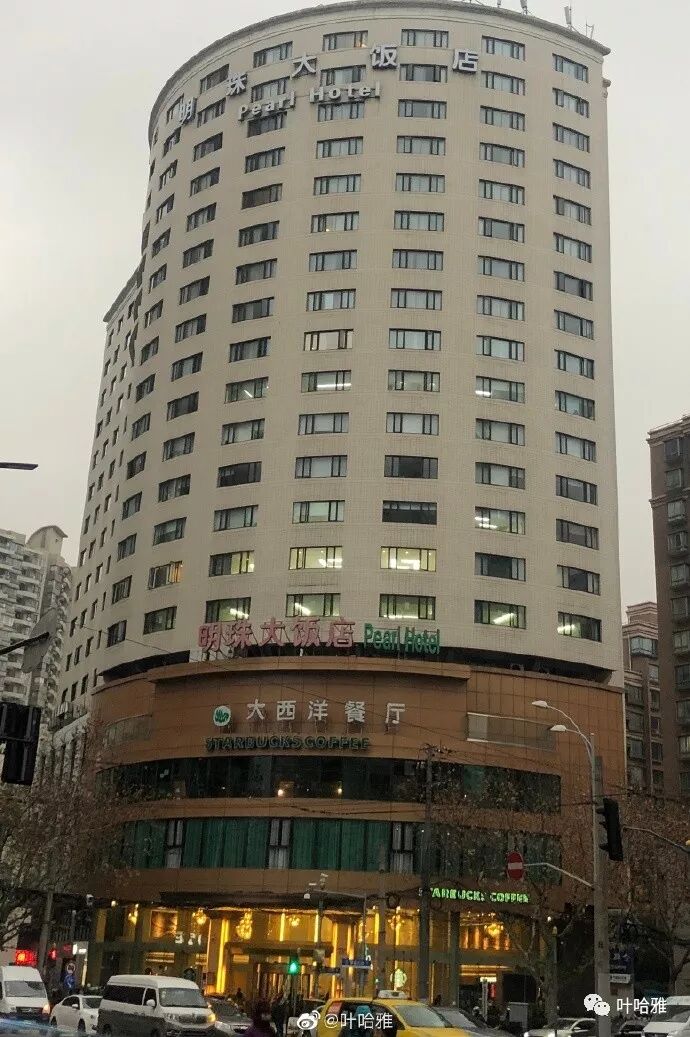
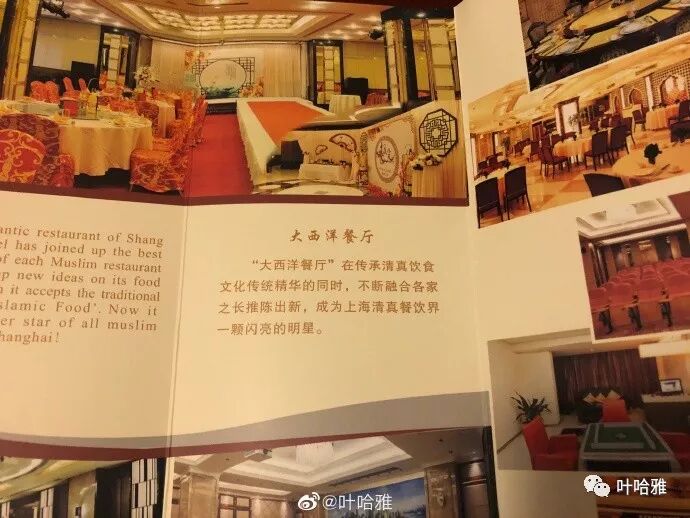
Atlantic Restaurant is located on the third floor of the Pearl Hotel. It is a high-end halal restaurant serving Shanghai-style cuisine. The Pearl Hotel is on Muslim Road. In the past, there was a Rihuigang Mosque where the hotel was located, nicknamed "Moslem Villa". Nearby was the Huihui Cemetery. After Shanghai was liberated, it was placed under the management of the Shanghai Islamic Association. Later, the mosque was demolished. Therefore, there was no Muslim on the Muslim Road. The Pearl Hotel was later built with compensation.
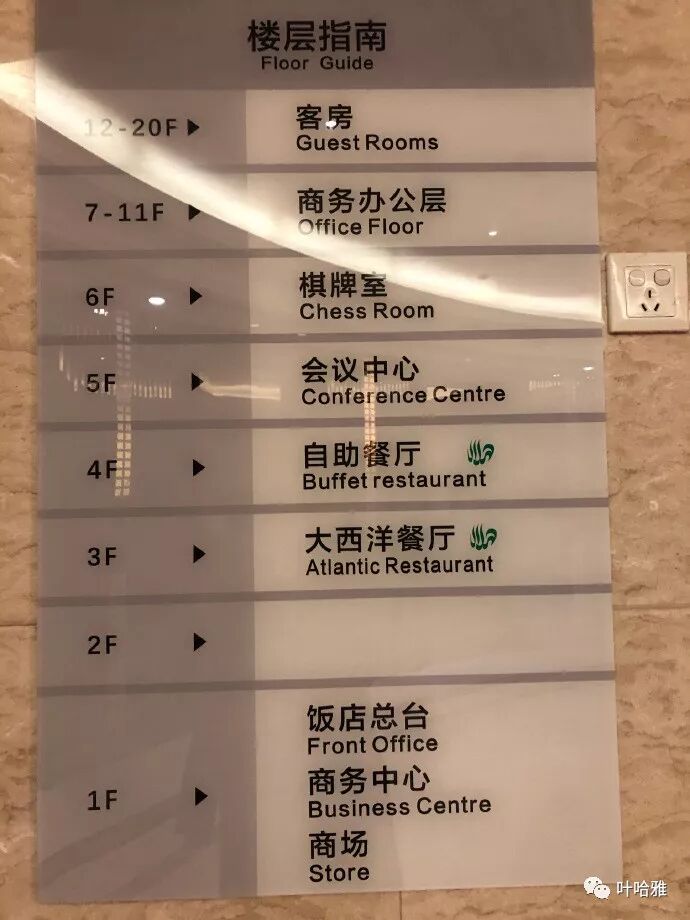
The cafeteria on the fourth floor was being renovated when I went there, and breakfast was on the fifth floor.
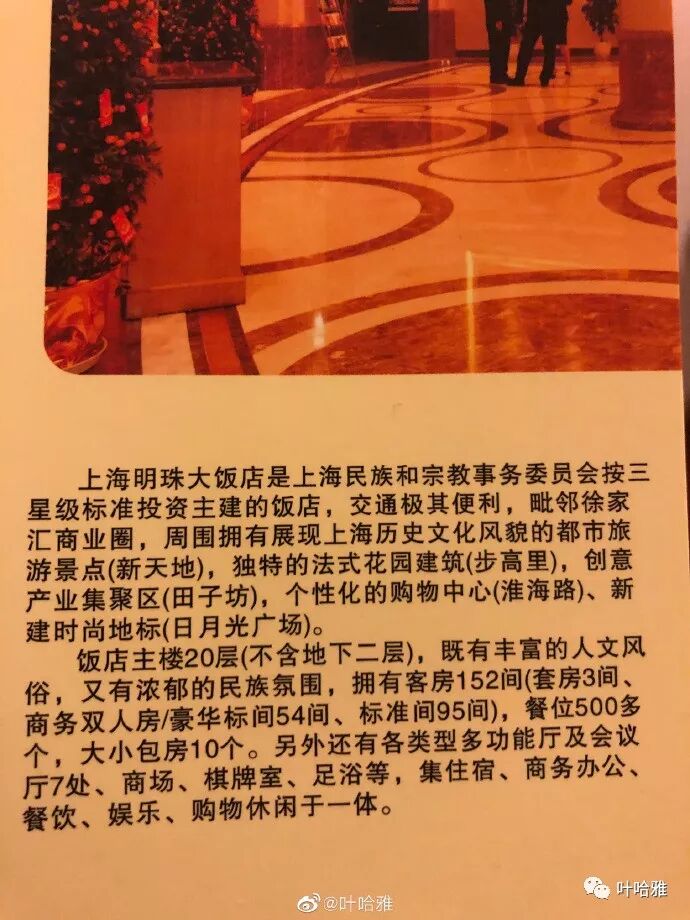
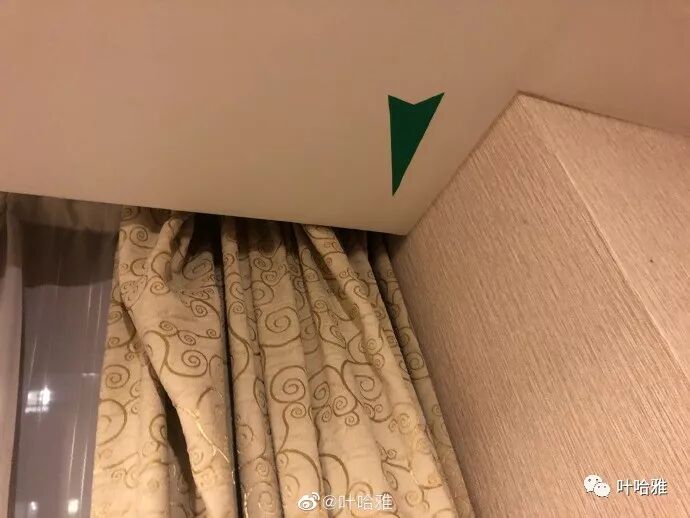
The room is decorated in the style of an old state-owned hotel, and even the smell is familiar. There is a sign with the direction of Mecca inside, which is rare in China.
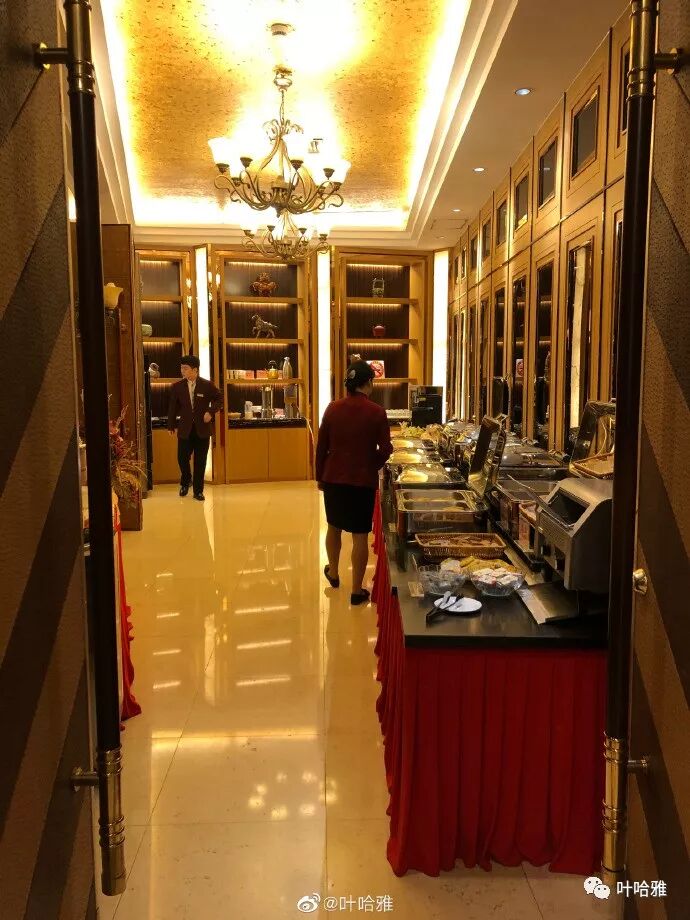
The buffet breakfast on the fifth floor costs 50 yuan per person. The variety is less than that of a five-star hotel. After all, this is a three-star hotel.
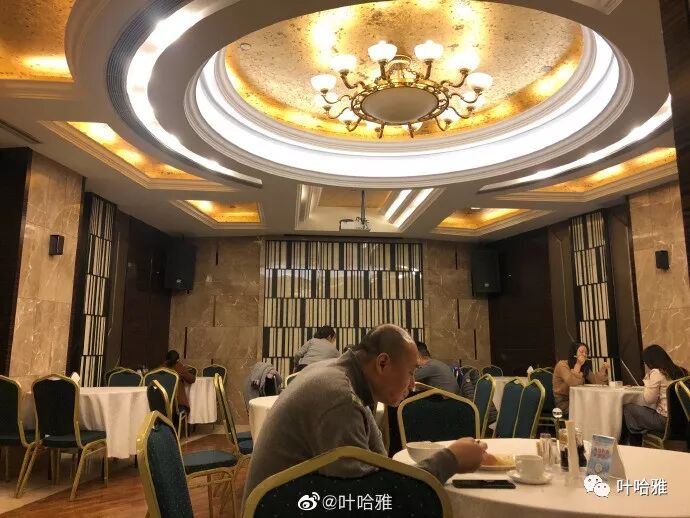
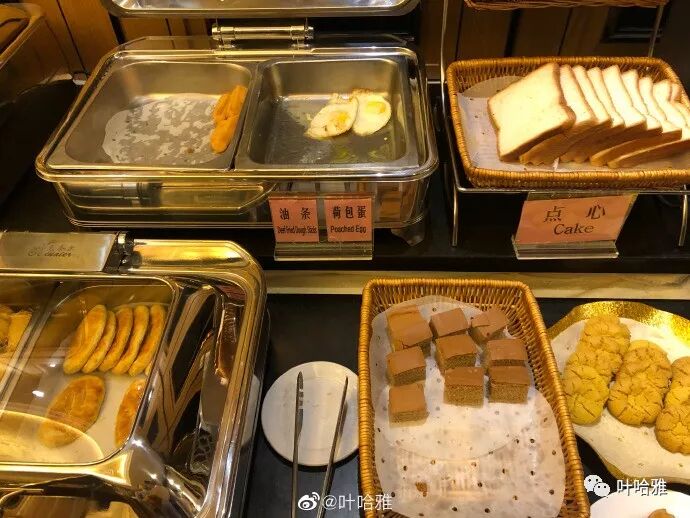
Both Chinese and Western flavors are available. The dishes are vegetarian and taste pretty good.
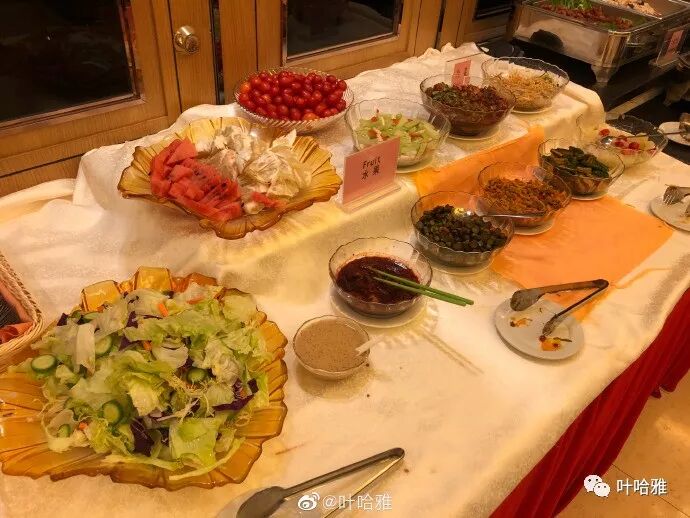
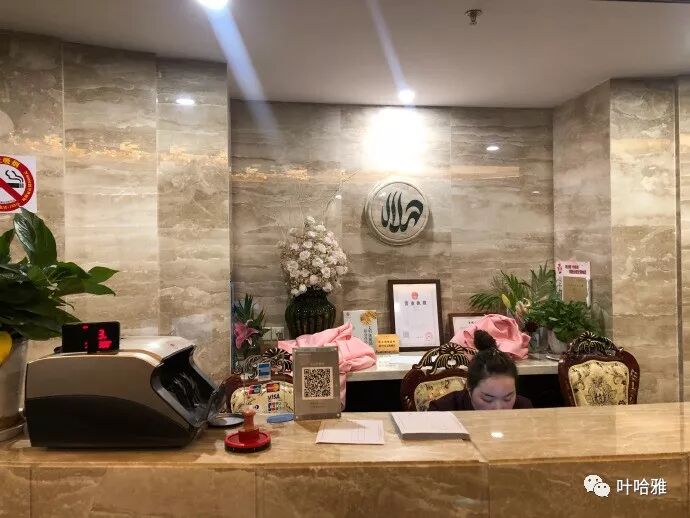
Dinner is served at the Atlantic Restaurant on the third floor. You can also order food in the room and ask the waiter to deliver it.
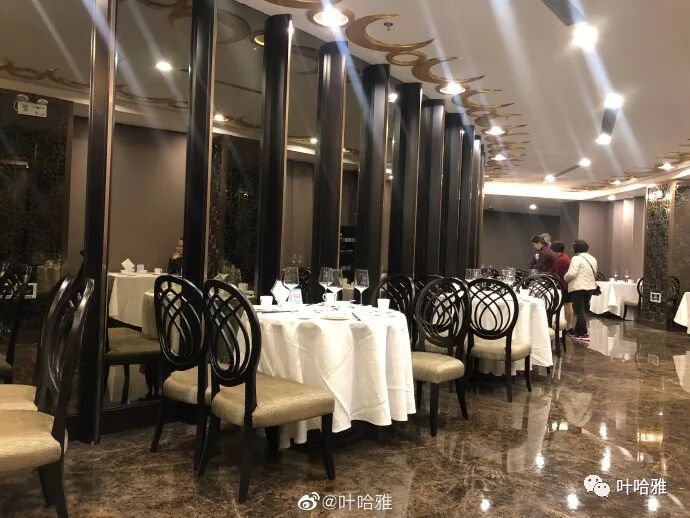
There is a lobby and private rooms. The environment is very good and quiet. Most of the people who come to eat are local Shanghainese.
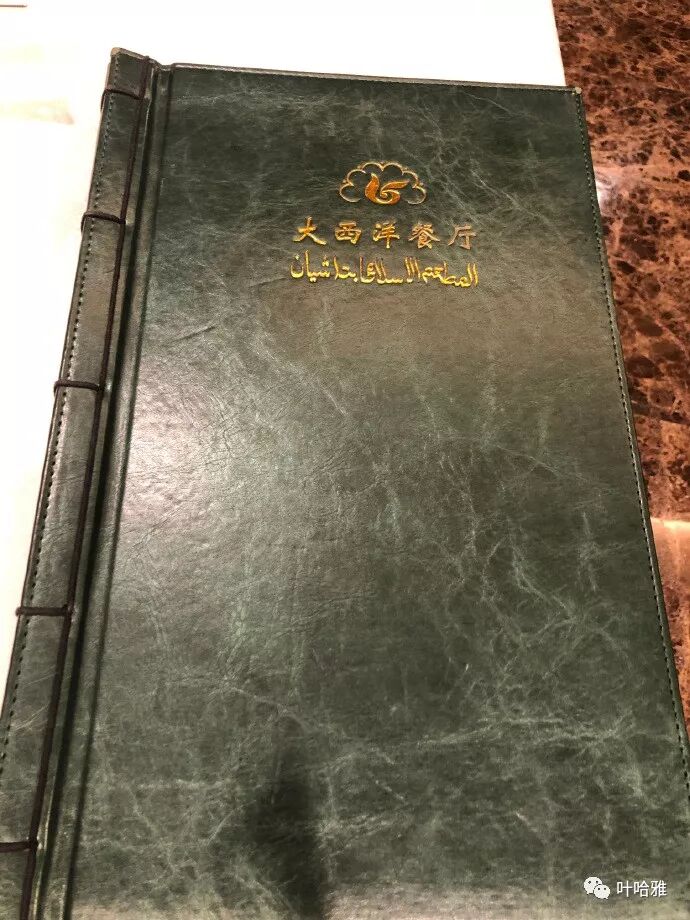
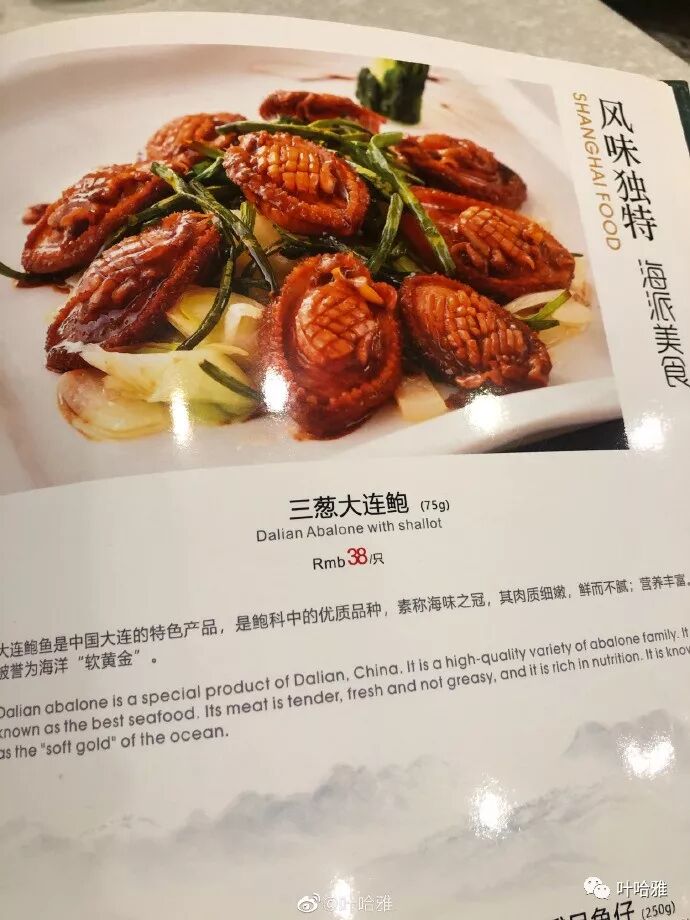
Shanghai-style cuisine, you can eat all kinds of precious seafood.
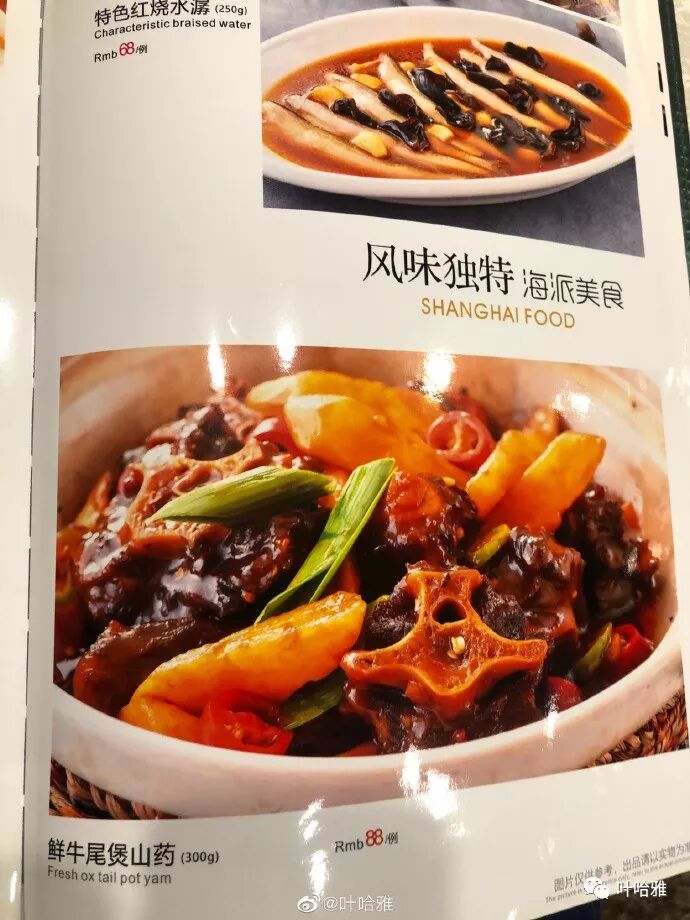
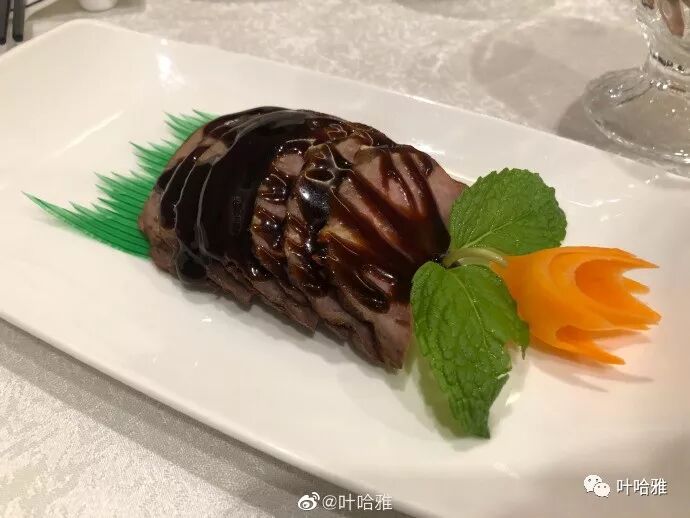
The beef in local sauce is tender and the sauce is slightly sweet.
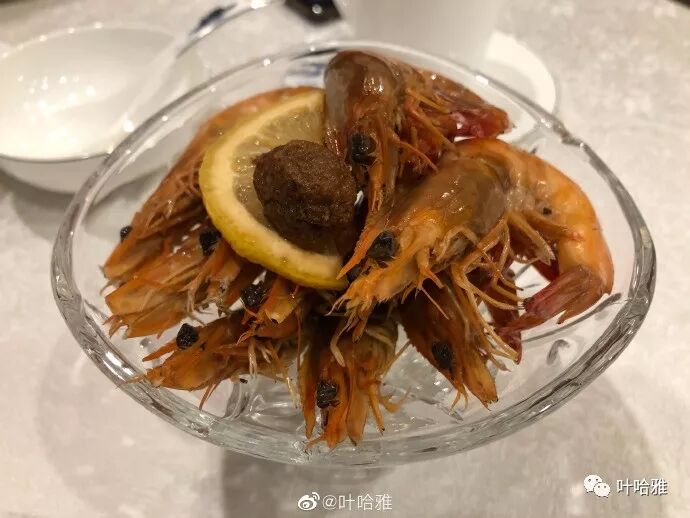
The signature dish is plum lemon shrimp. People say locals like this cold dish very much.
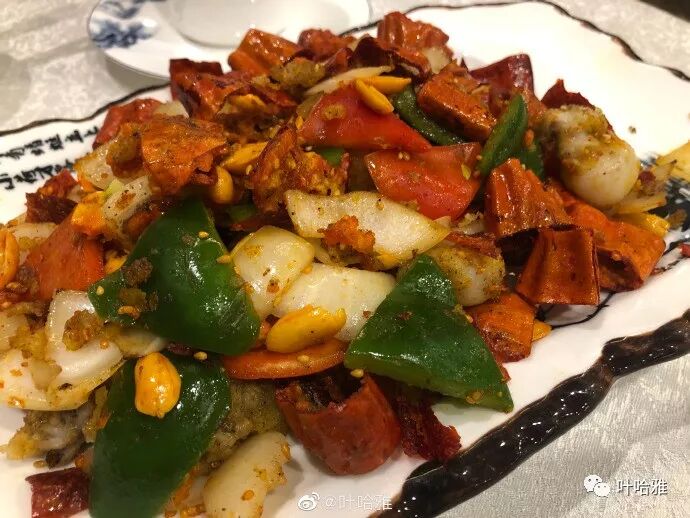
The salt and pepper fish fillet is not spicy at all and is still slightly sweet.
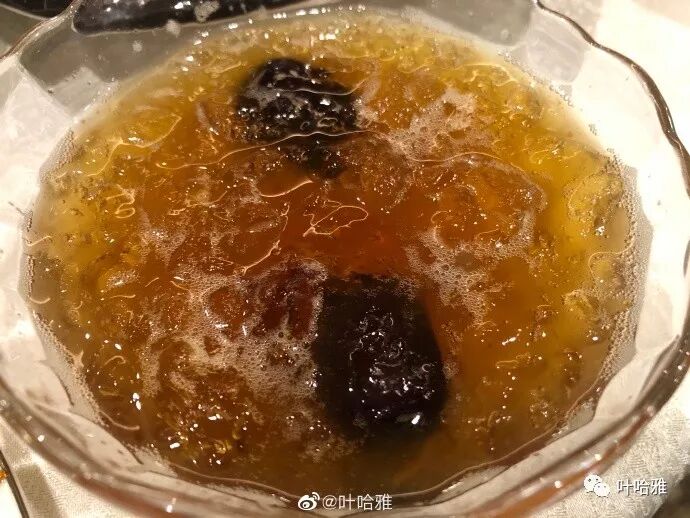
Red dates and peach gum stewed in peach gum. It was the first time I ate peach gum. It was the sticky gelatinous substance that flows from peach trees and tasted like white fungus.
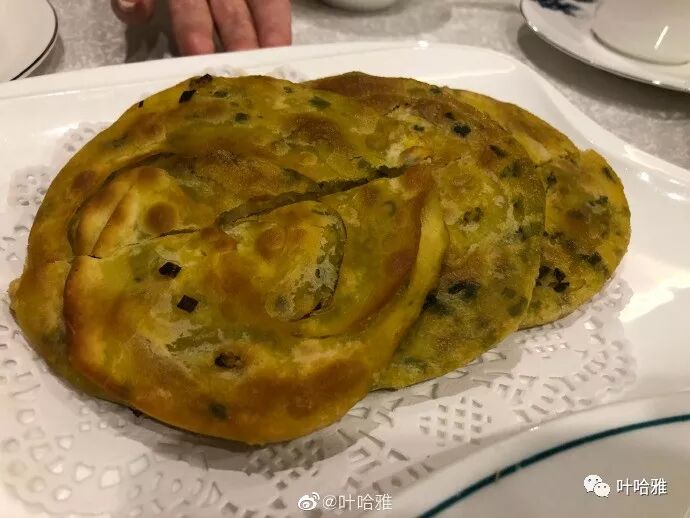
Scallion pancakes are crispy and one of my favorite snacks.
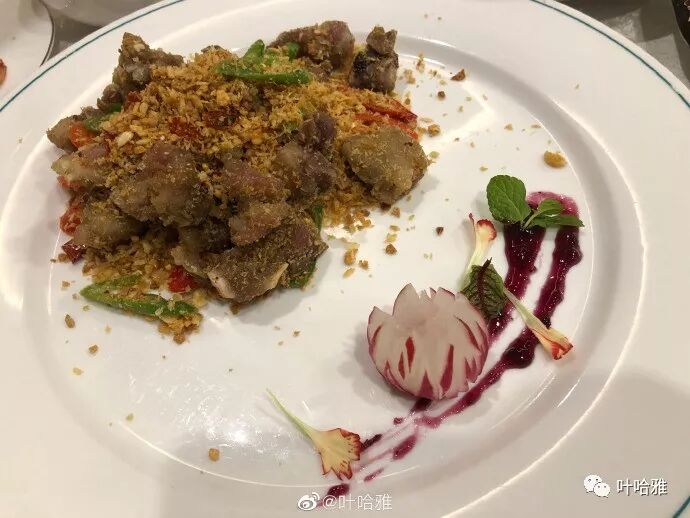
Green onion lamb chops, made in Shanghai style, is still a bit sweet, so you can try it if you haven’t tried it before.
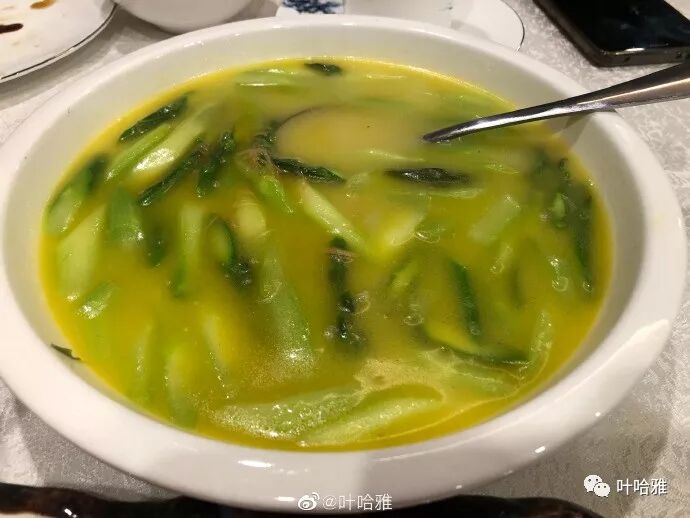
Serve asparagus in soup, the soup is chicken stock. This calculation works out to 180 yuan per capita.
2. Yelishali
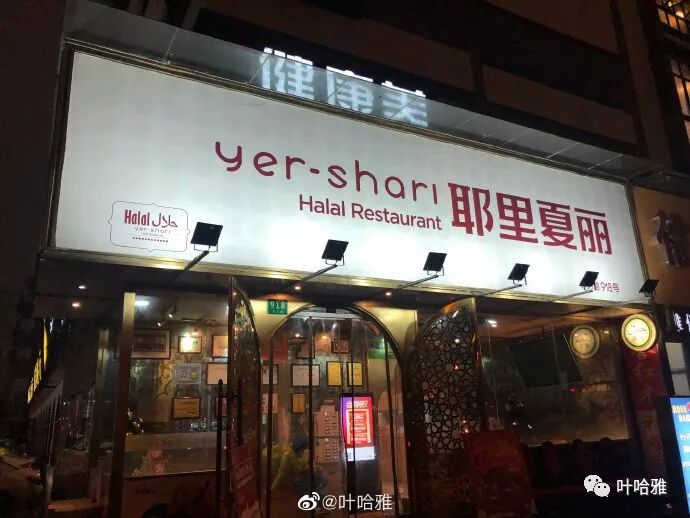
Yelishali Xinjiang Restaurant has been open in Shanghai for more than ten years. There are more than ten chain stores. It is the most popular place for dusty dinners in Shanghai. It is comparable to Bayi Master in Beijing.
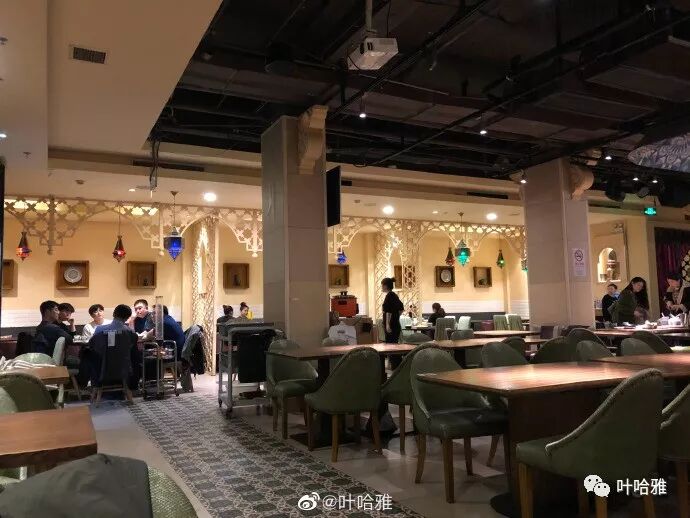
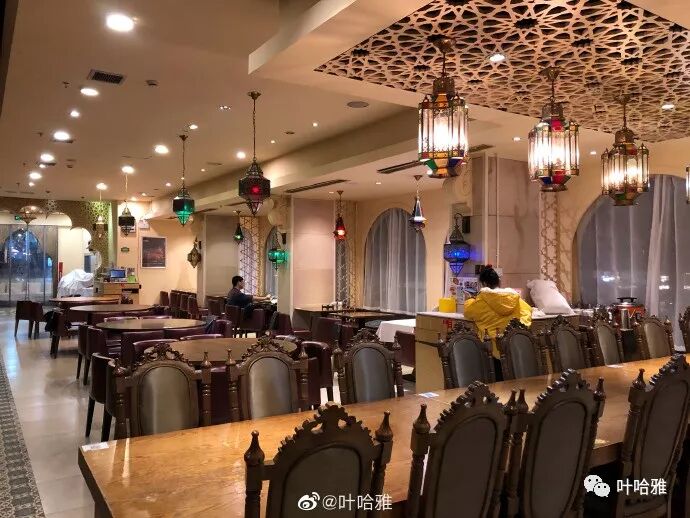
The decoration style is slightly more Western-style than Mr. Bayi's (although the word "foreign-style" sounds tacky).
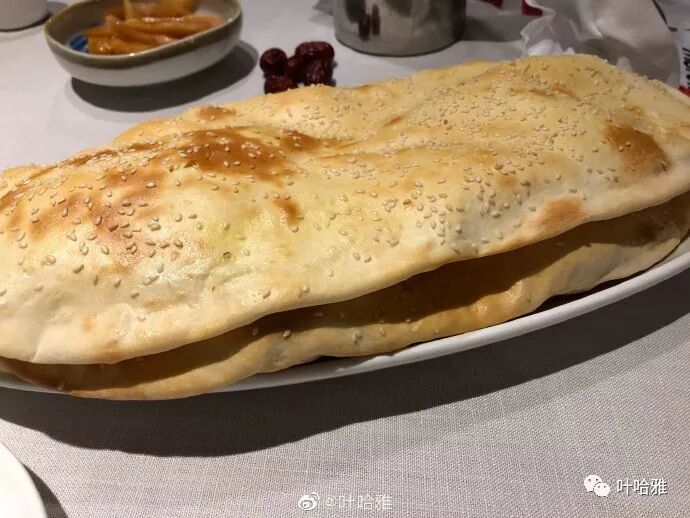
Yelishali's dishes are more exquisite and slightly innovative than traditional Xinjiang dishes.
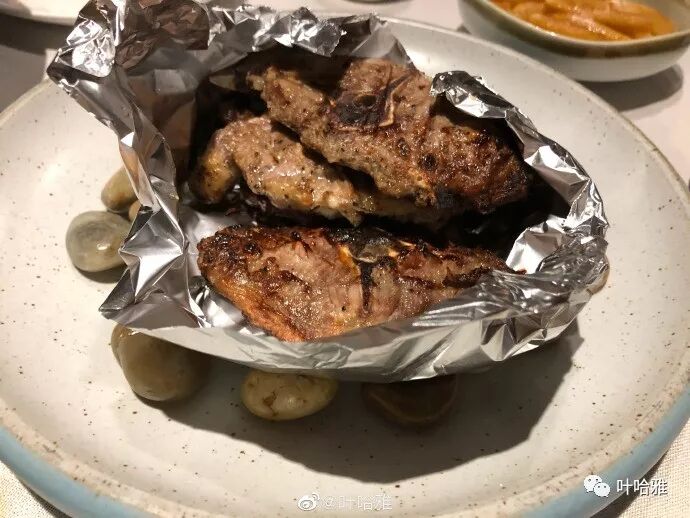
Grilled lamb chops in tin foil, with hot stones underneath.
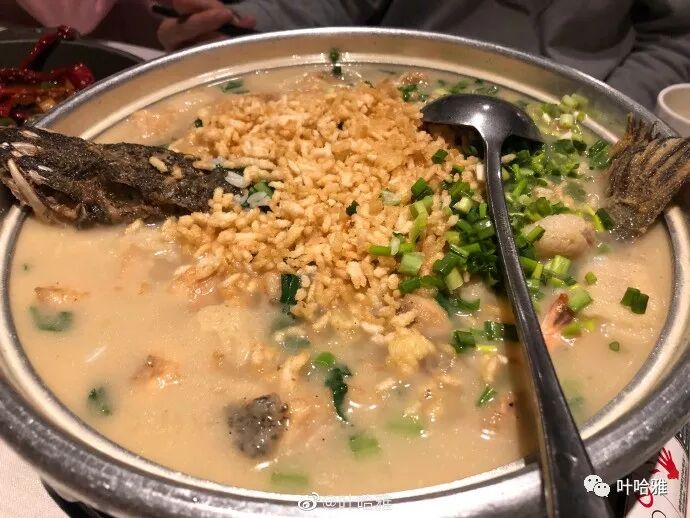
Burqin pike, Burqin is a place name in Xinjiang, close to Kanas, where eating pike is popular.
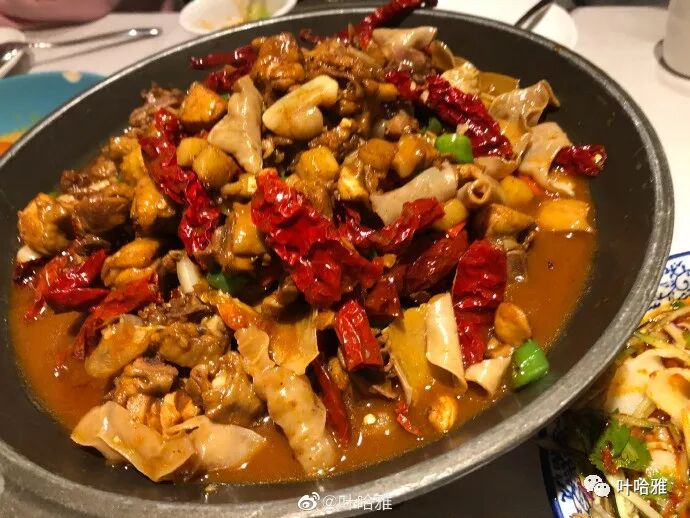
The spicy chicken is actually not spicy and tastes very fragrant.
3. Ma Kee beef fried buns
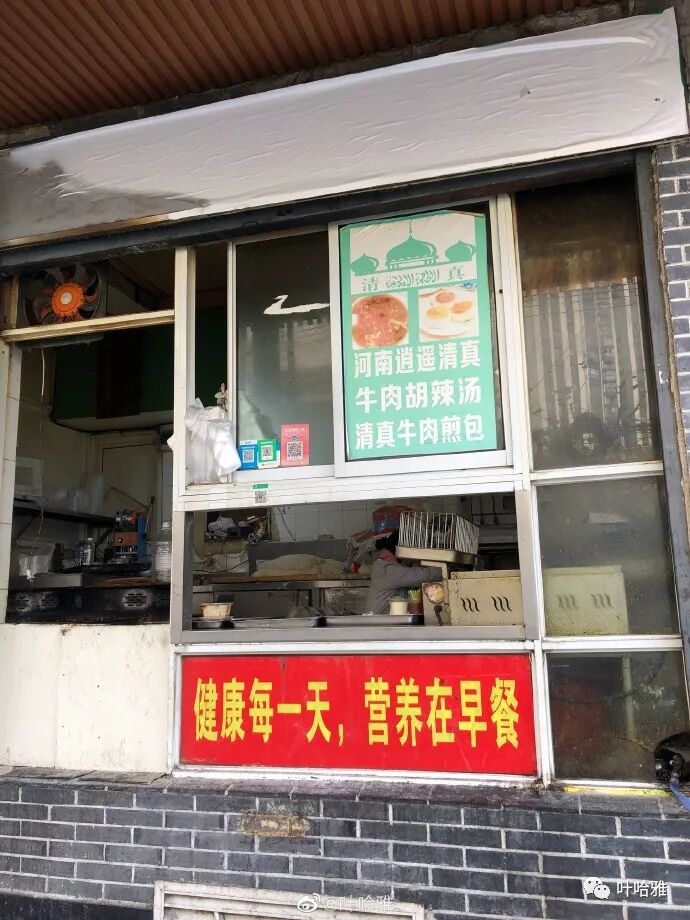
There is a Henan snack window very close to the Huxi Mosque. Just search for Maji Beef Fried Buns on the map. Hu spicy soup and fried buns are only sold in the morning.
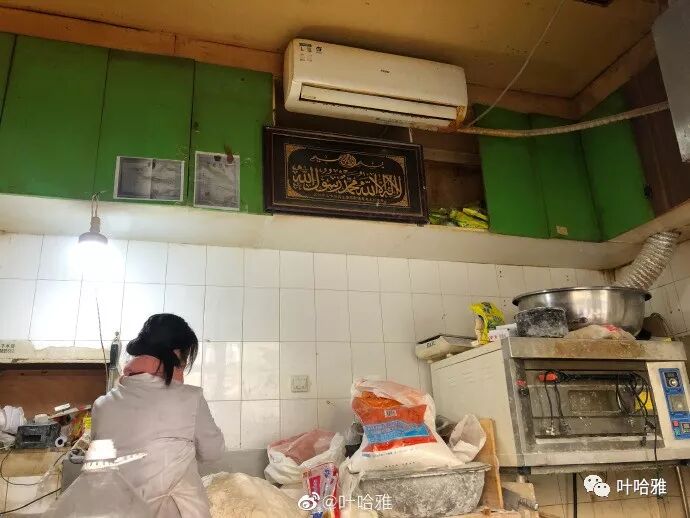
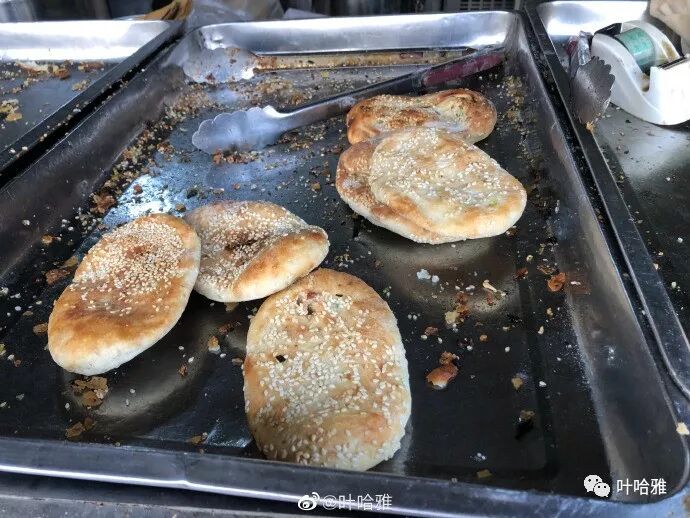
At noon, there are only this kind of sesame cakes and tofu cakes. This is a kind of sesame cakes that I like to eat very much. It is best if they are freshly baked. There are two kinds, sweet and salty. I like to eat salty ones, which have chopped green onions in them.
4. MAKAN
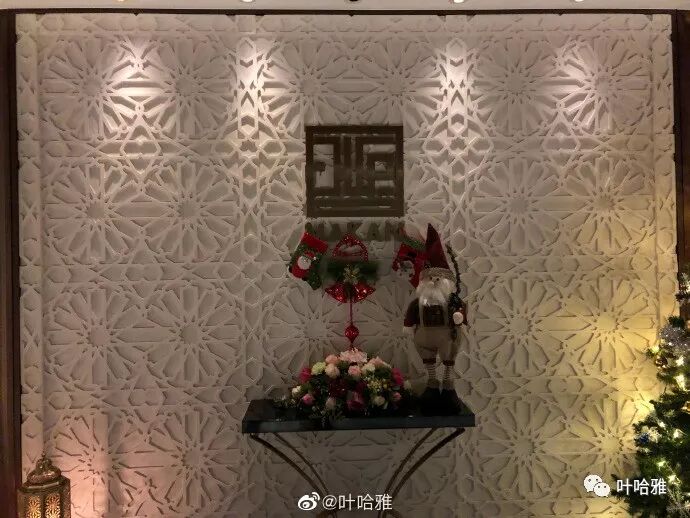
MAKAN is an Arabic restaurant in Dubai recommended by the Dubai Tourism Bureau. Shanghai has added many halal foreign food brands in recent years.
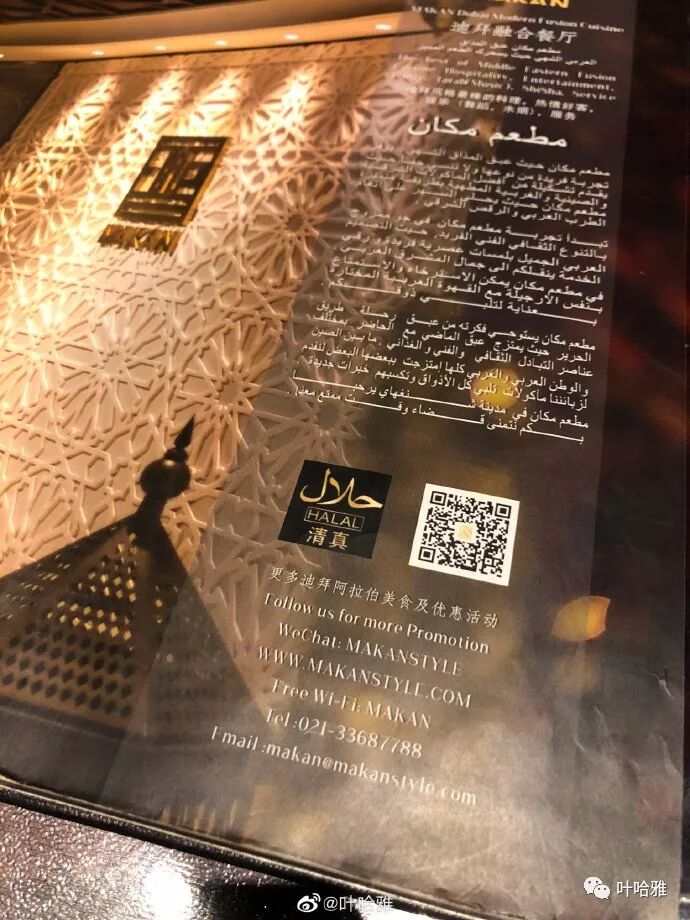
The restaurant is located on the 2nd floor of the base office building near Xujiahui Subway Station.
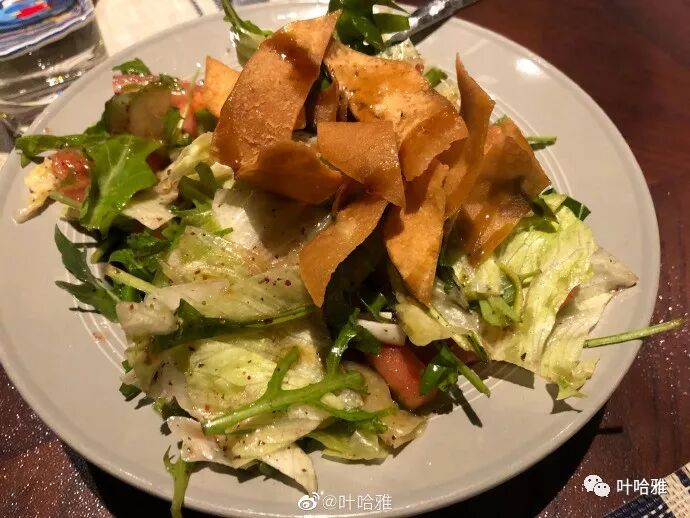
Fatuxu salad, topped with fried crunch similar to Hui snacks.
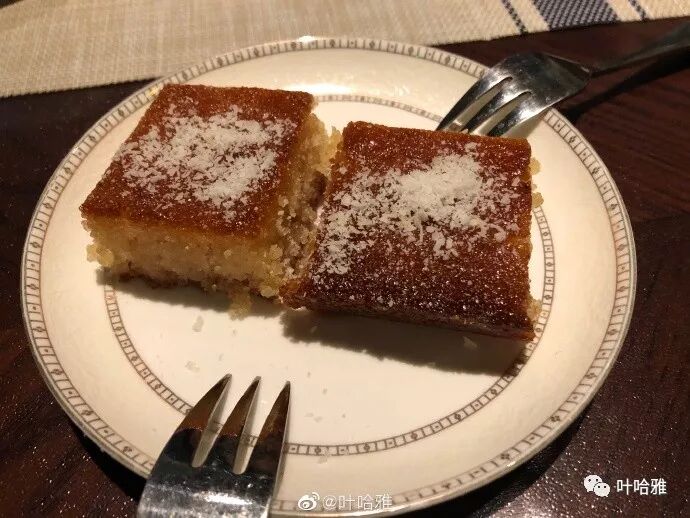
The name is Royal Dessert, which is probably how it was eaten in the palace. Desserts from the Western Regions are too sweet.
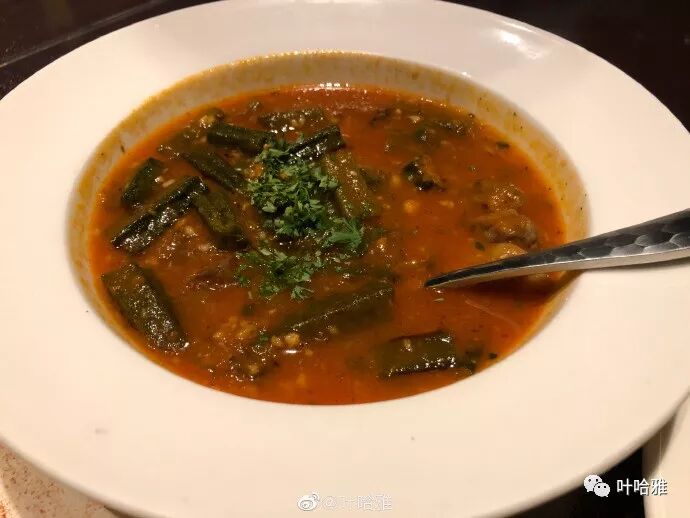
Okra and mutton, the soup is rich in flavor.
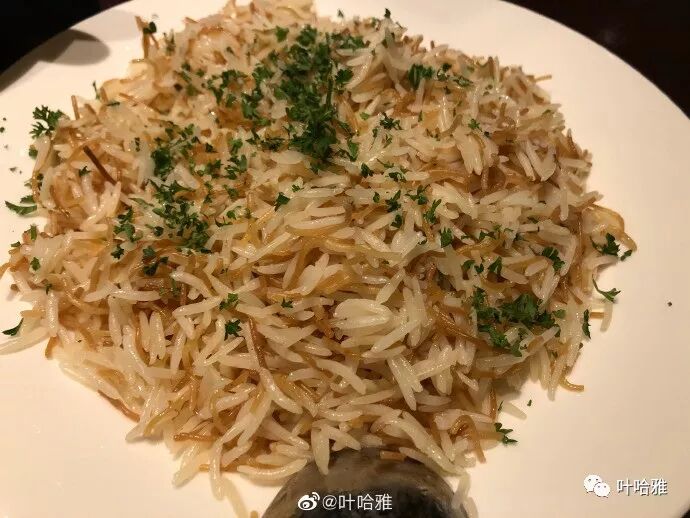
Arabic fragrant rice sprinkled with coriander powder.
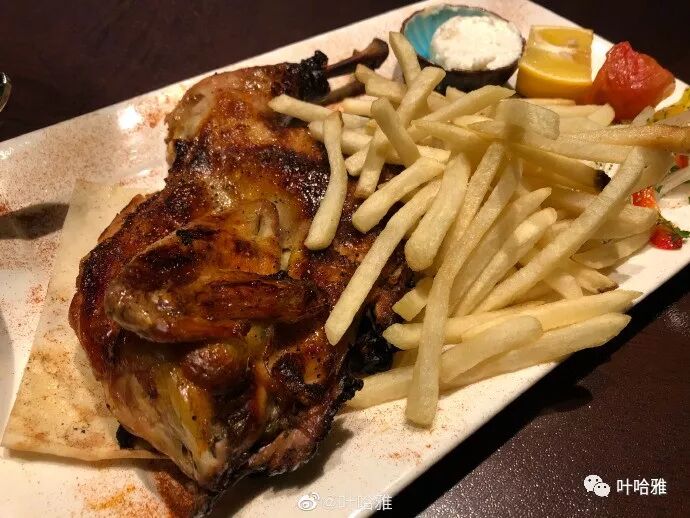
Charcoal grilled half chicken is half a chicken. You can squeeze lemon juice on the chicken and serve it with French fries.
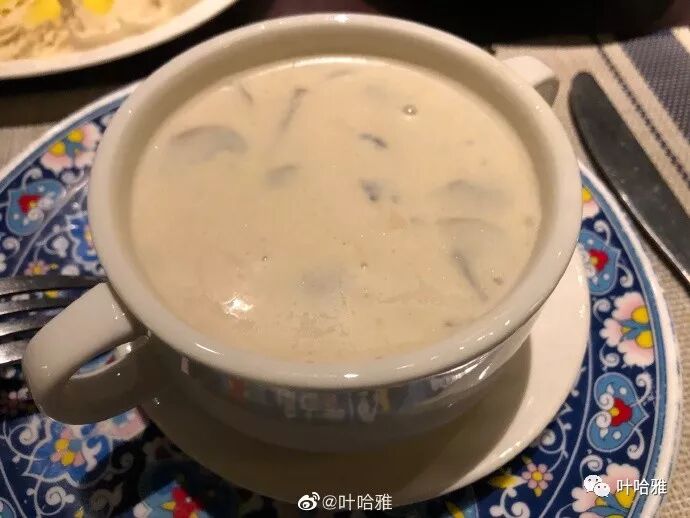
Cream of Mushroom Soup is one of the famous Arab dishes in the Middle East. According to the Jewish dietary precepts of the Old Testament, milk and mutton cannot be eaten together, but Muslims do not have to do this.
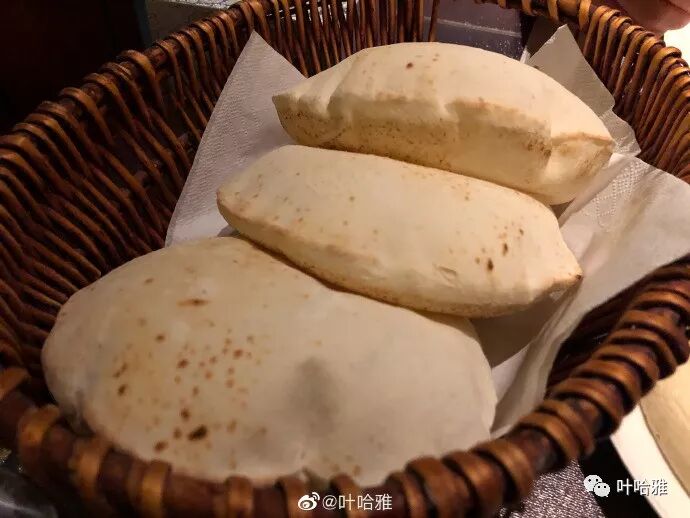
Arabic toast with hummus is my favorite Arabic dish and probably the most popular Arabic food. It is one of the staple dishes that must be ordered in Arabic restaurants.
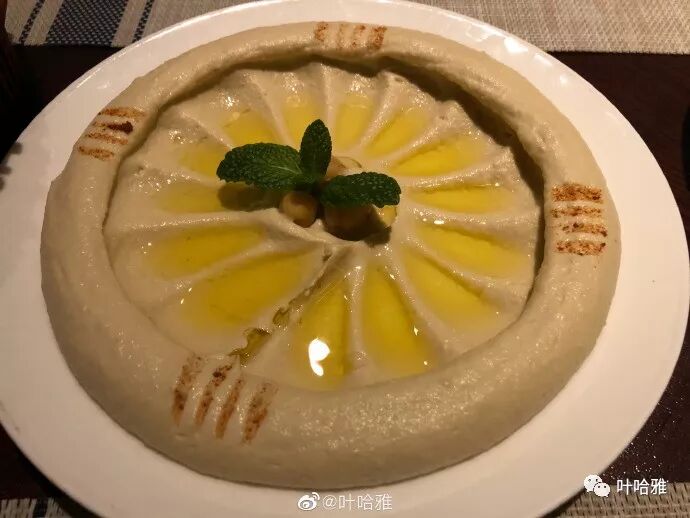
Hummus drizzled with olive oil and dipped in freshly toasted Arabic bread, I could eat three in one meal. The price of MANKAN is relatively expensive. It should be said that the overall level of catering consumption in Shanghai is higher than that in Beijing. You can buy set meals in groups on Dianping. The per capita consumption is about 160 yuan.
5. Yang Tongxing
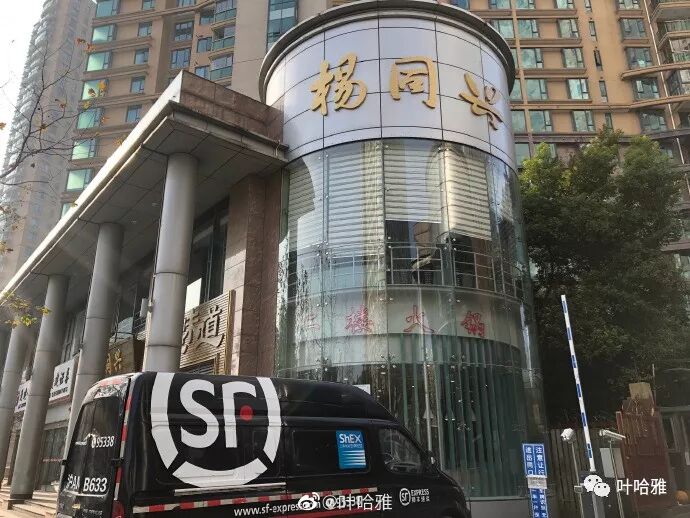
Yang Tongxing is a time-honored halal brand in Shanghai. It is located on Shimen 2nd Road near the Natural History Museum. It specializes in various local snacks and hot pots, but I recommend his snacks.
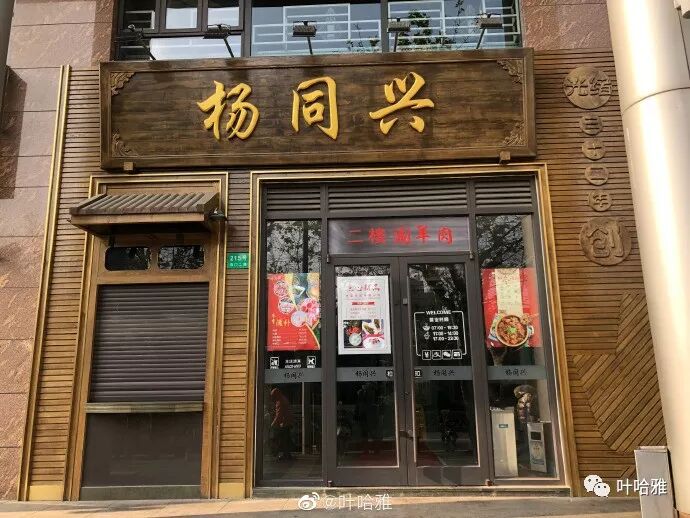
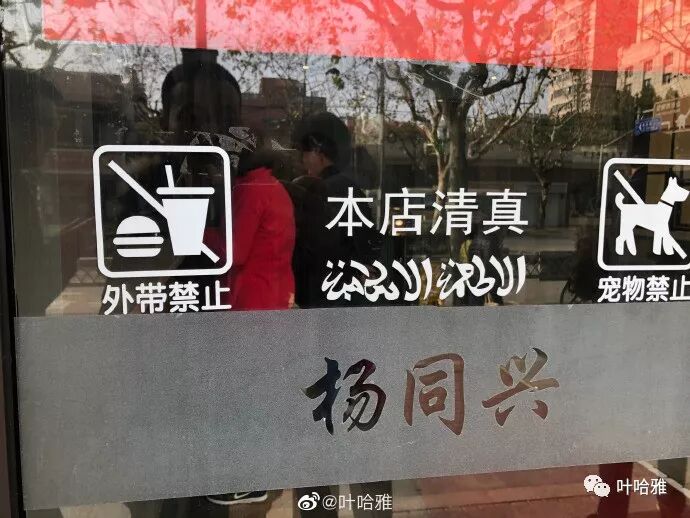
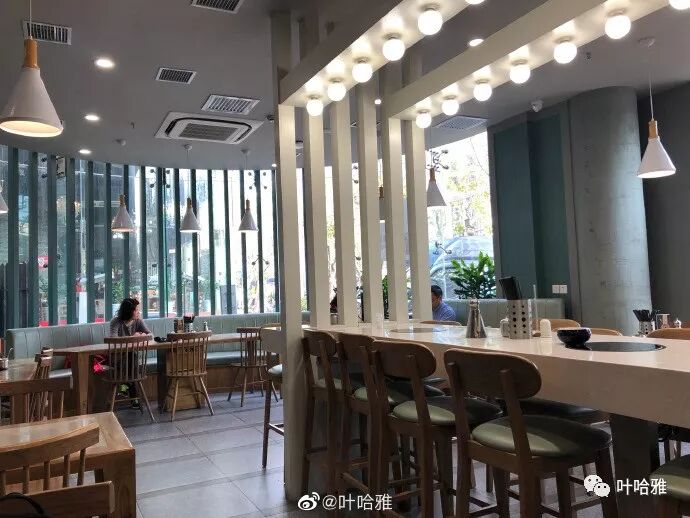
The old store reopened and a well-known designer was hired to decorate it.
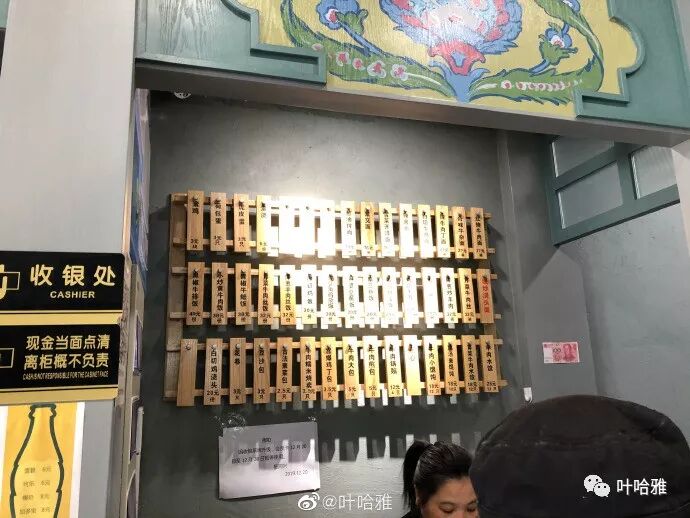
Breakfast is available from 7:00, and there are many kinds, including pasta, steamed buns, pot stickers, steamed dumplings, etc.
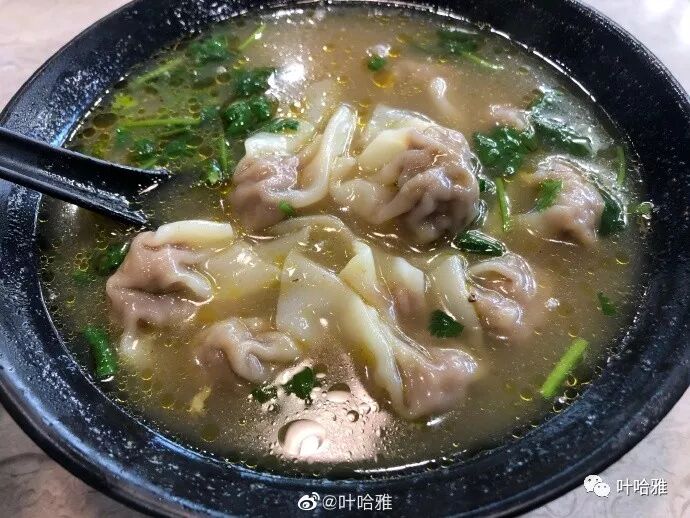
I tried a bowl of beef wontons, the soup was thicker, the skin was thin and the fillings were big, with the flavor of five-spice powder.
6. Shunhe Restaurant
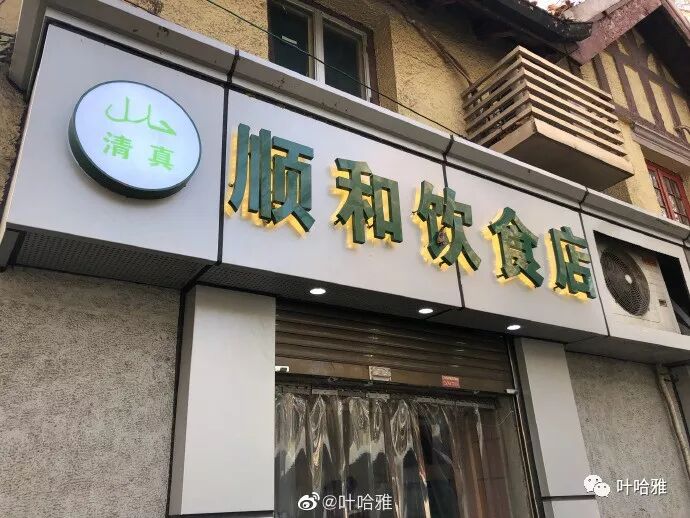
This is a local noodle restaurant run by a Shanghai Hui couple. It has been open for more than ten years and has a good reputation among nearby residents.
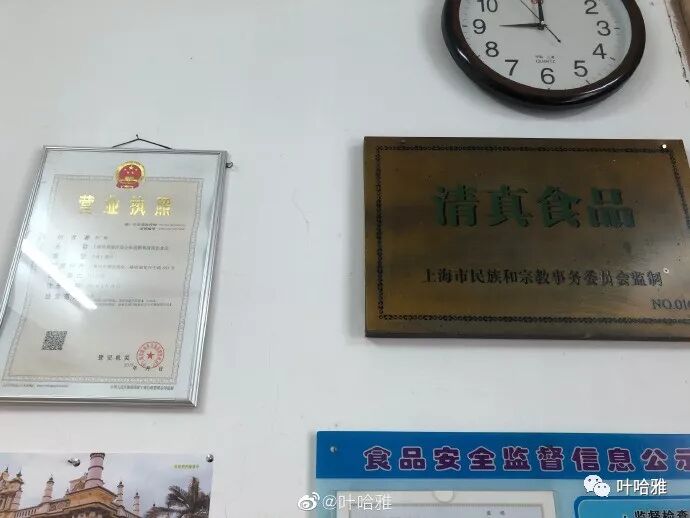
There are several local halal noodle restaurants like this in Shanghai, but some of them have questionable halal issues.
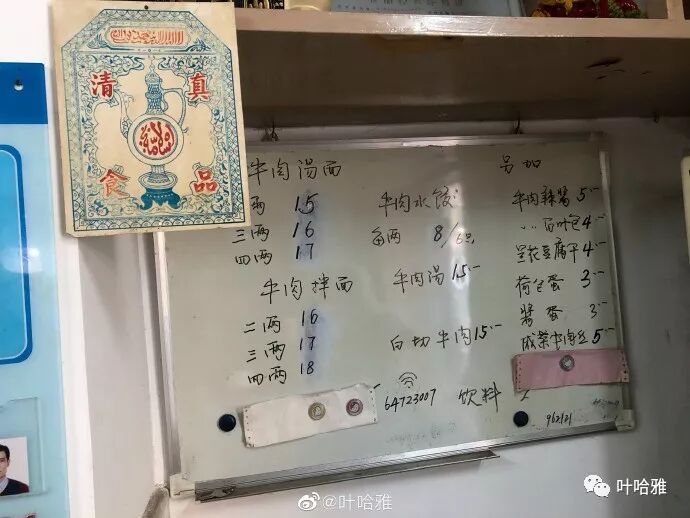
You can choose beef noodle soup ranging from 2 liang to 3 liang, and add toppings. The toppings are the side dishes placed in the noodles. I recommend the orchid dried tofu, which is eaten by the most people.
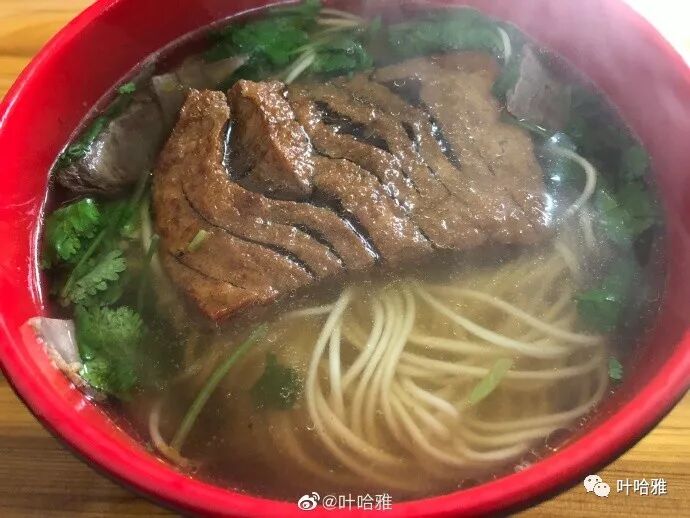
This noodle soup can be regarded as an improved version of ramen. The recipe is the same as ramen, but the taste is different. The soup of Shanghai noodle soup is sweet. There are all Shanghainese eating in the store. The diners seem to be familiar with the food. The old lady is too busy, and the diners even help to greet the customers.
7. Yixinzhai
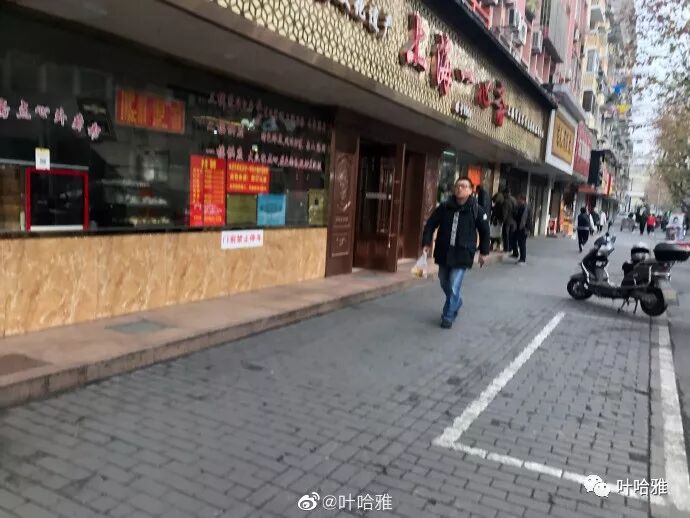
If you come to Shanghai and want to eat authentic local snacks, but are afraid of stepping into the trap, I recommend Yi Xin Zhai, which contains halal versions of the main Shanghai snacks.
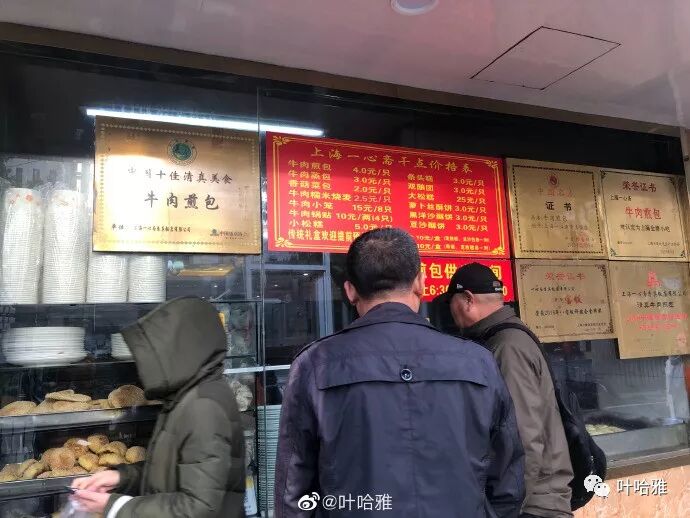
There are many certificates hanging at the door of the store, especially the beef fried buns that have won many awards.
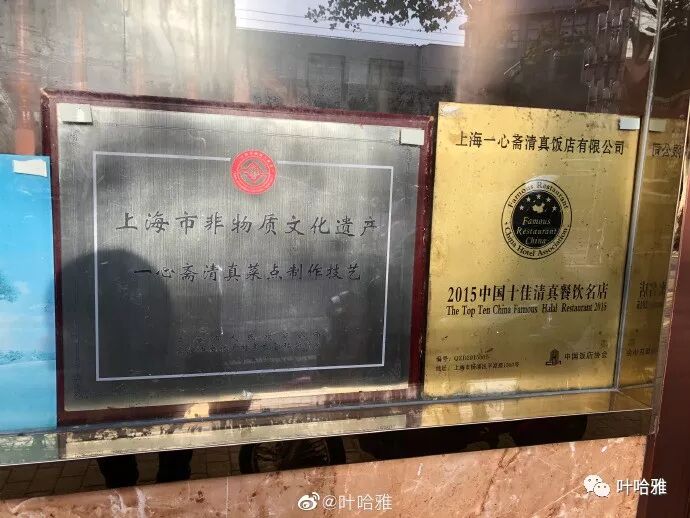
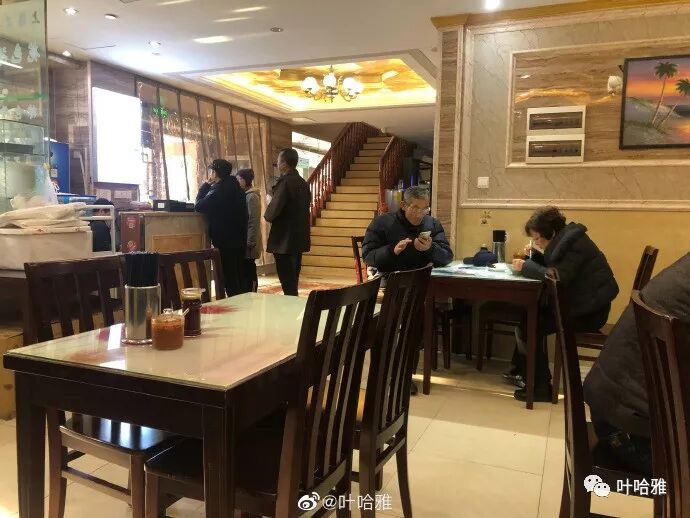
Basically, Shanghainese eat breakfast in the store. To buy fried buns, you have to queue outside. However, the elderly have the privilege of having the waiter deliver it directly to their seat.
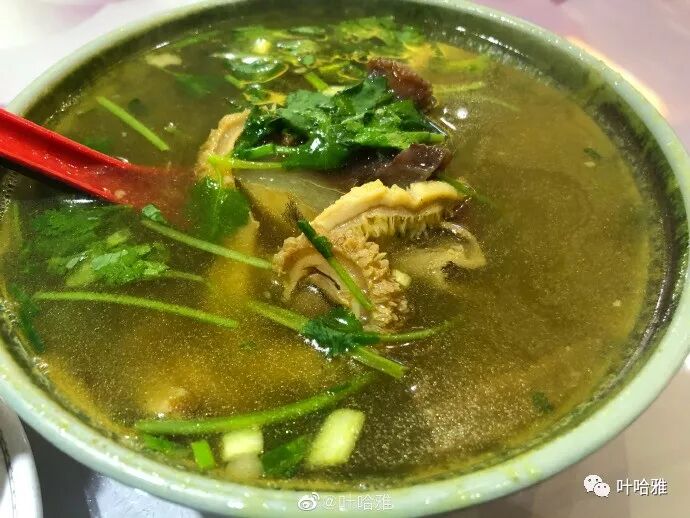
Beef offal soup tastes good and has a light texture.
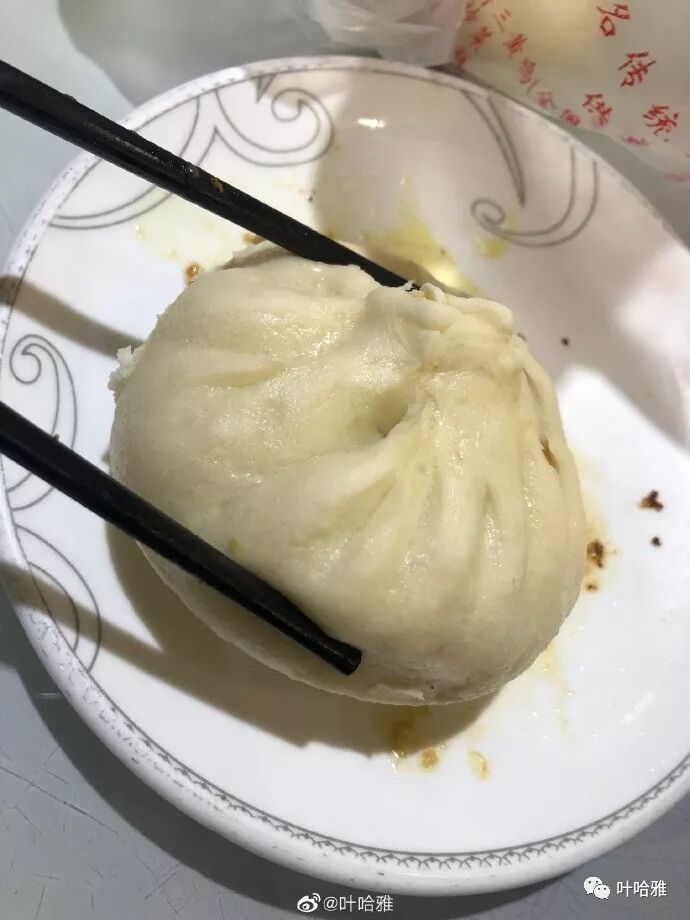
There are many kinds of steamed buns. These are steamed buns. They are big and you will be full after eating one. In fact, I prefer Xiaolongbao, but the Xiaolongbao at Yixinzhai is only available after 9 o'clock in the morning. If you come early, you can only eat steamed buns and fried buns.
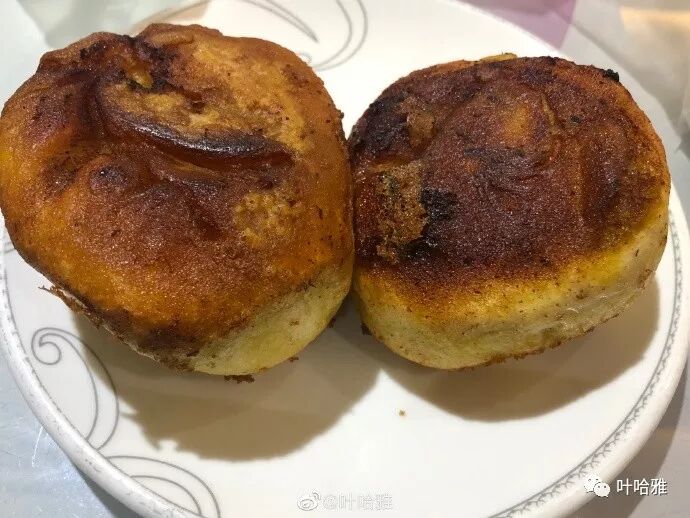
Most of the people queuing up are here for the beef fried dumplings. The fried dumplings are huge and not as small as Henan fried dumplings. If you come to Isshinsai in the summer, you can also eat shaved ice and stir-fry dishes for dinner. There are many chain stores in Isshinsai. You can search the address online.
8. Guan Guanji
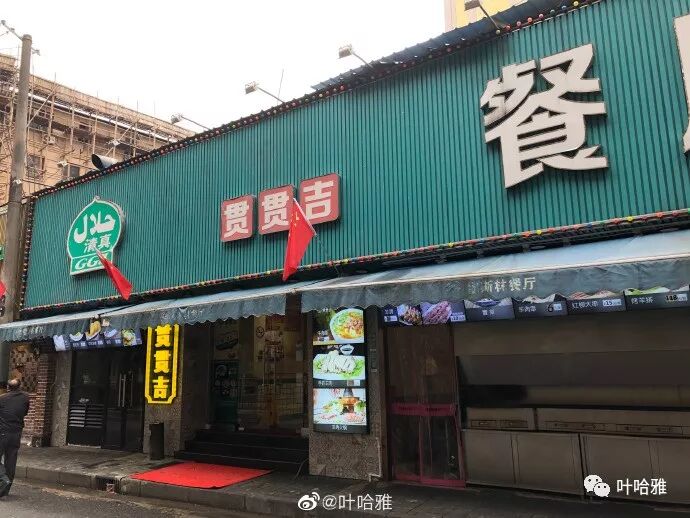
Guan Guanji is very famous in Shanghai, specializing in northwest cuisine, but the breakfast is a combination of Cantonese and northwest cuisine, which is also an innovation. This restaurant is non-smoking and alcohol-free, and it tastes very solid.
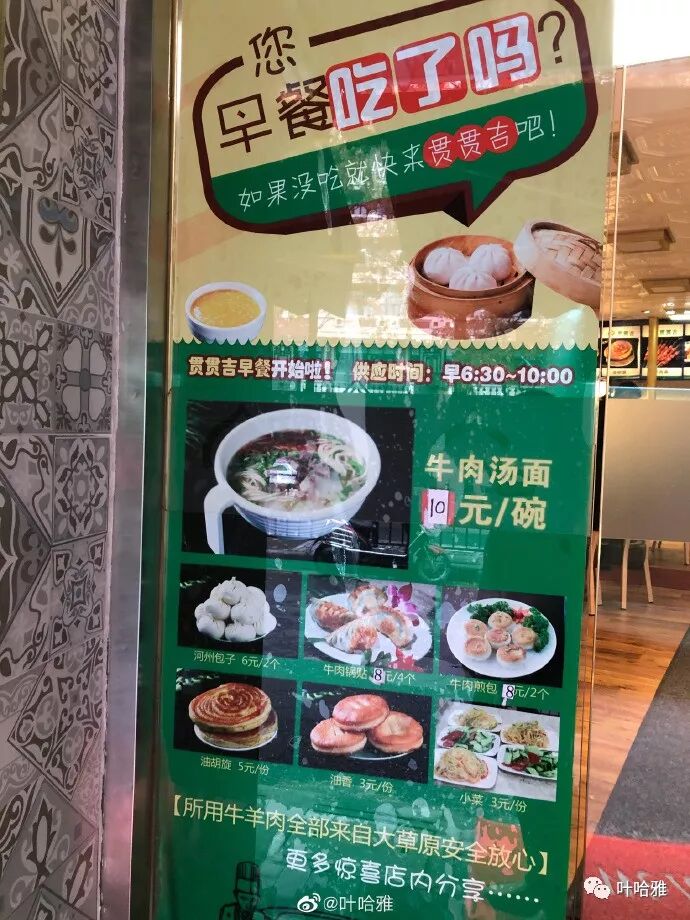
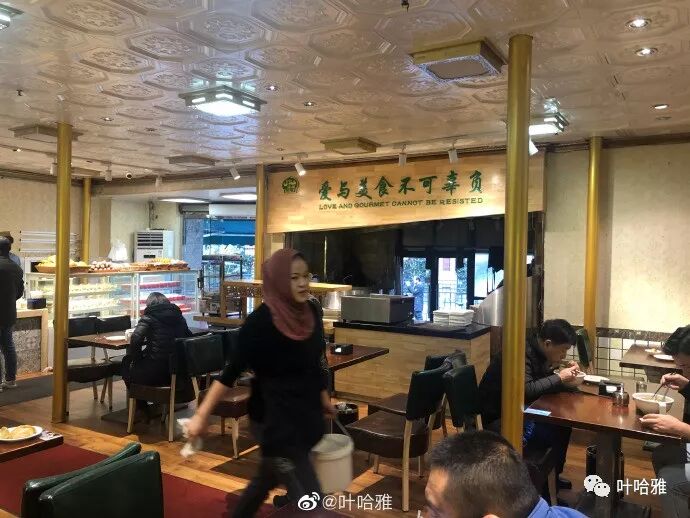
The waitresses all wear headscarves and look friendly.
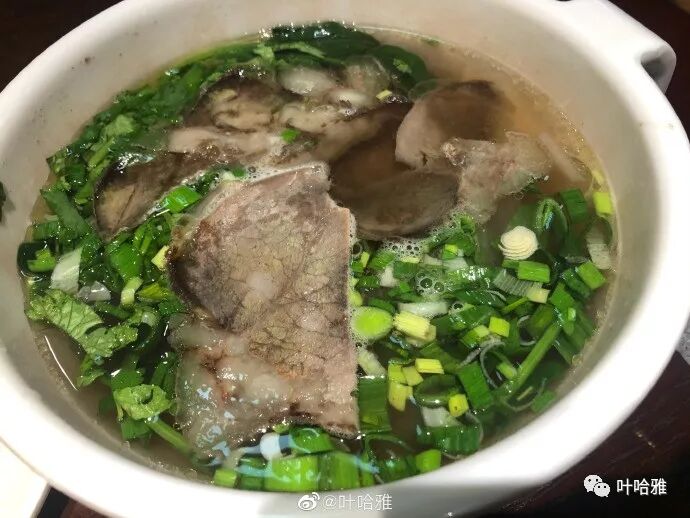
There was beef soup and beef noodles for breakfast. I had beef soup.
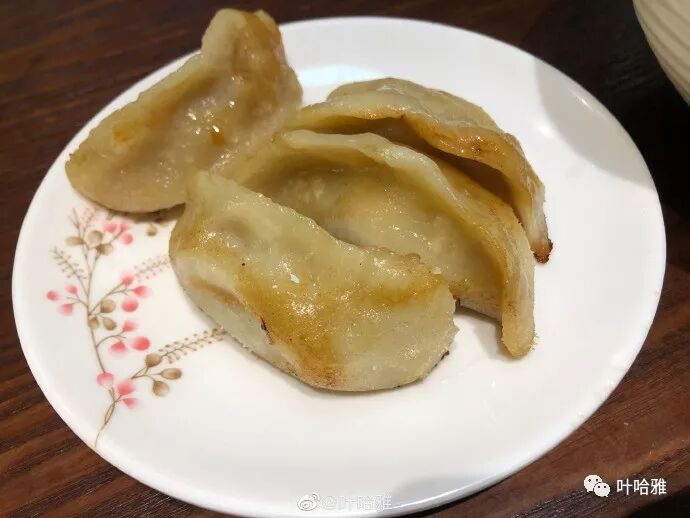
Beef pot stickers, the cooking method is very southern, and it is an excellent combination with northwest ingredients.
9. Hong Changxing
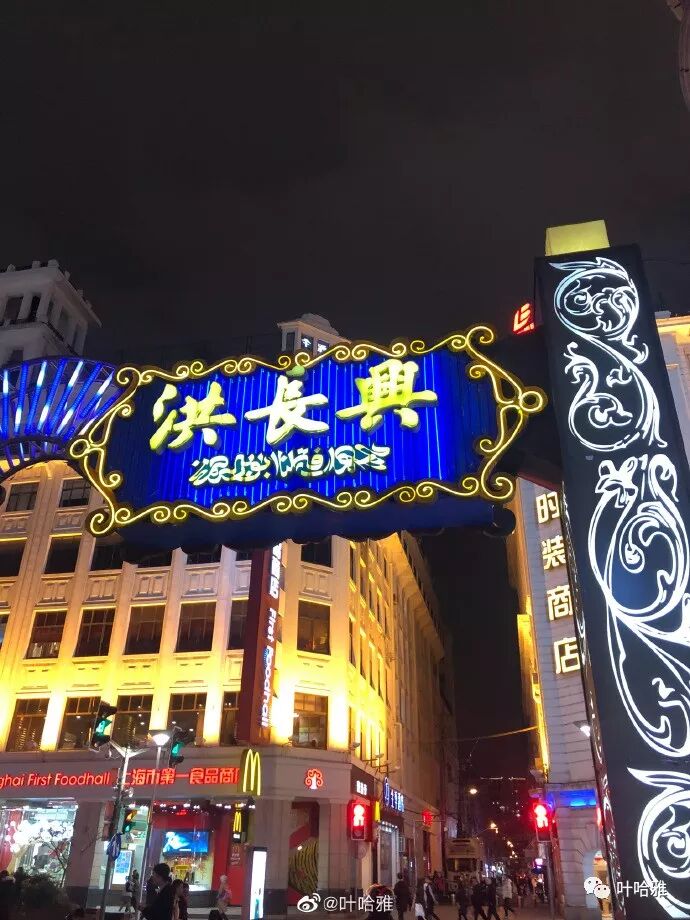
Hong Changxing is a well-known time-honored restaurant in Shanghai run by Ma Lianliang's relatives. It has a history of 100 years. It was originally Ma's kitchen, specializing in hot pot, as well as cooking and pastries for takeout.
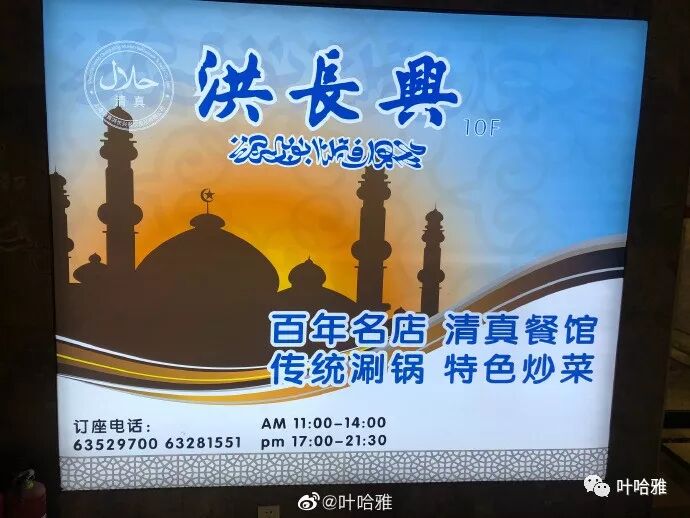
The main store is located in the core area of Nanjing Road Pedestrian Street, and there are also branches.
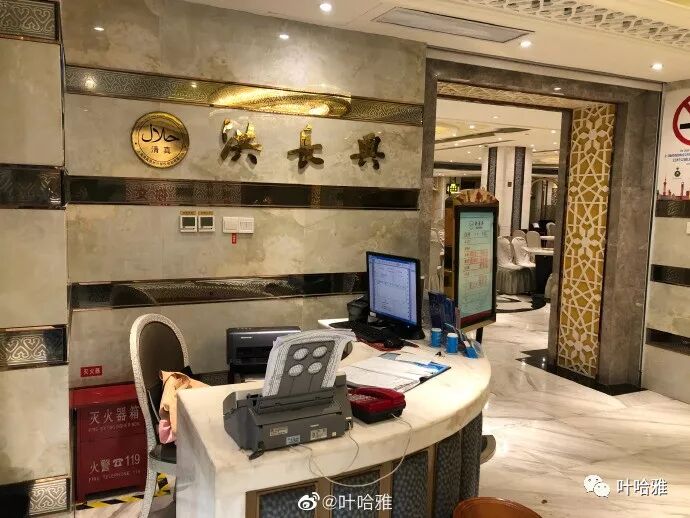
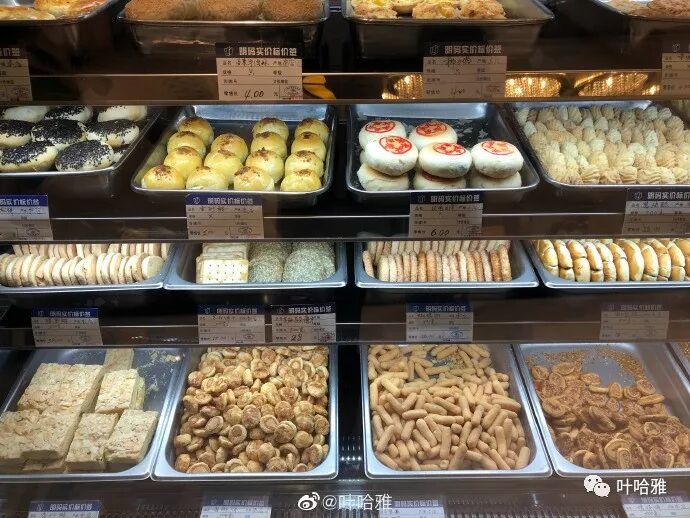
I came to Hong Changxing specially to buy halal pastries to take back to Beijing. There are many varieties here.
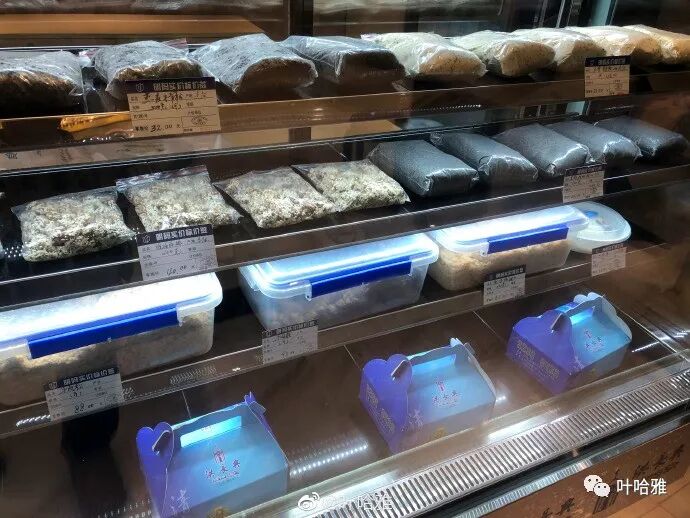
There are also granules such as sesame and walnut powder, which the elderly like.
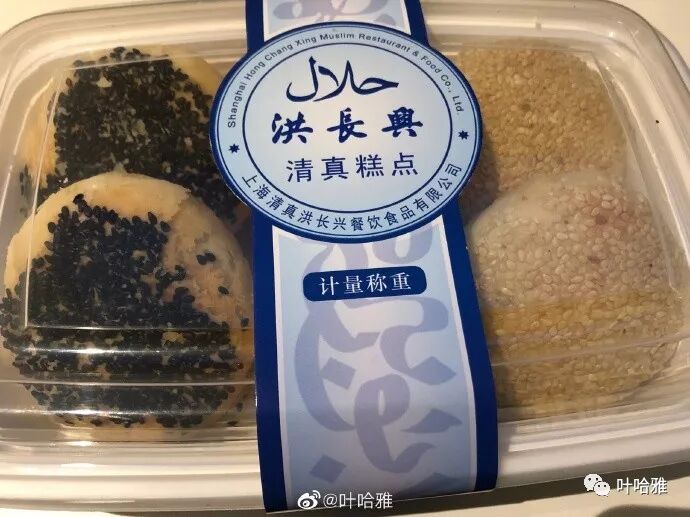
I bought golden sand cakes, minced beef cakes, coconut tarts, rose cakes, etc. The waiter was an enthusiastic old Shanghai auntie, and she even helped me write out the names of each snack so that I could introduce them when I went back.
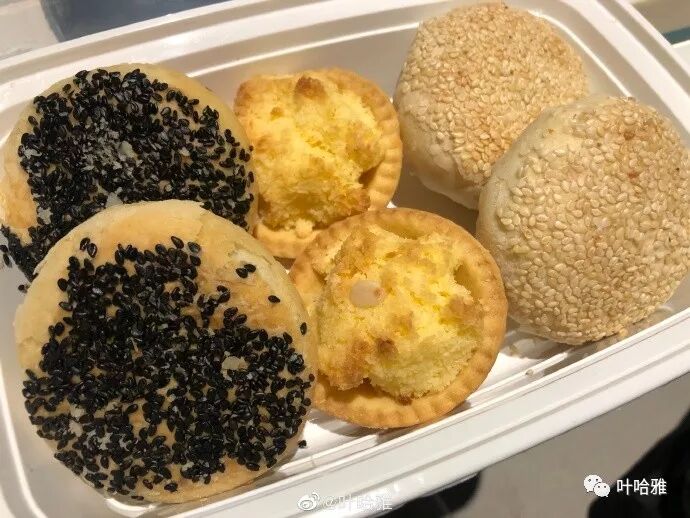
After eating them all, I liked the shredded coconut tart the best.
10. Lebanese food
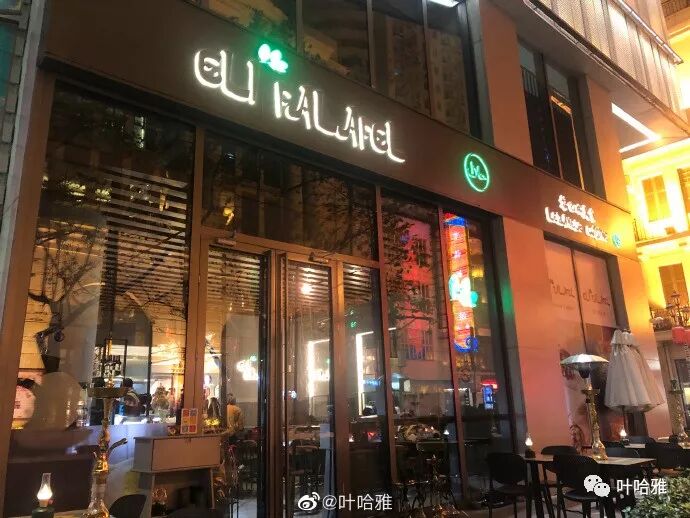
There is a Lebanese restaurant in Beijing called Alameen, which is very good. I didn’t expect that you can also eat extremely delicious Lebanese food in Shanghai. The name of this restaurant is “Lebanese Food” and it is located near People’s Square.
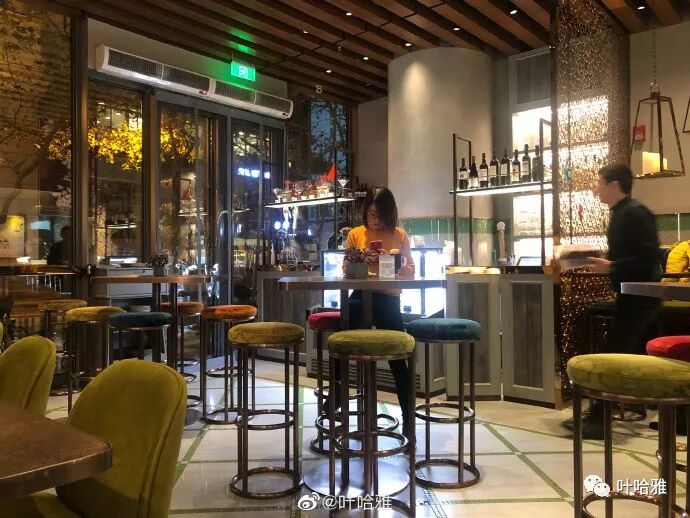
The area is small, but the decoration is exquisite and warm. The waiters are Chinese and the boss is a Lebanese Muslim.
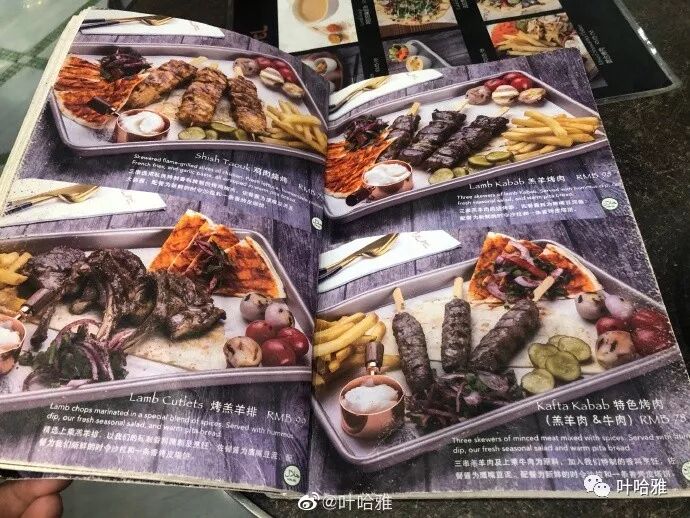
Lebanese cuisine is second to none in the Middle East and is a perfect example of combining East and West.
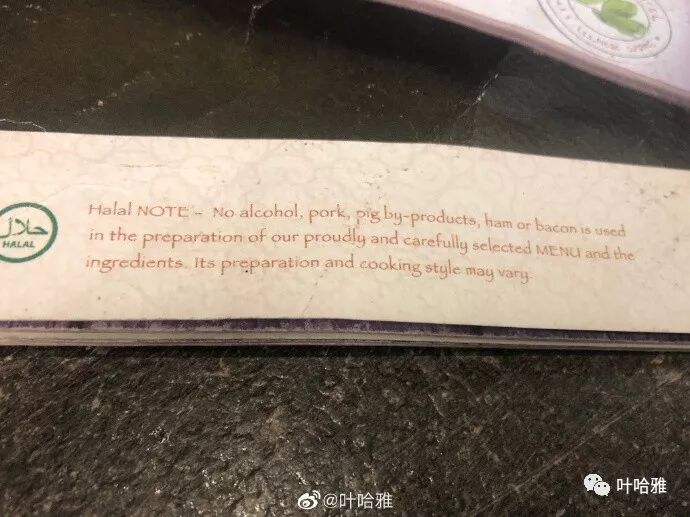
Halal tips are written on the menu, and the ingredients include no alcohol, no pork, no bacon, no ham, etc.
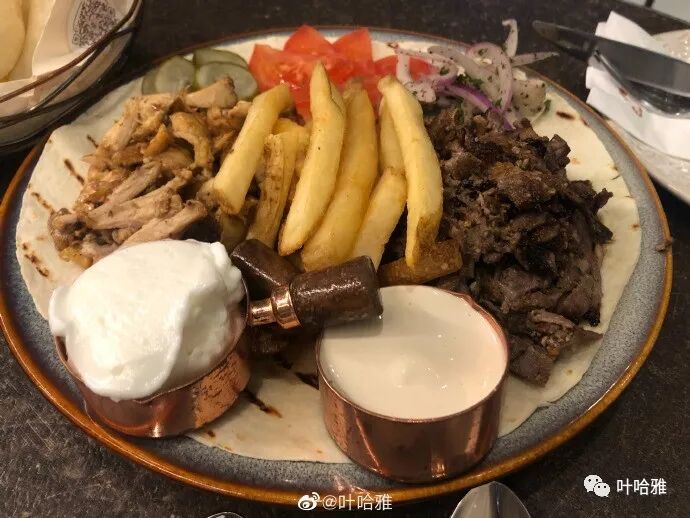
Barbeque platter, the white one is garlic sauce.
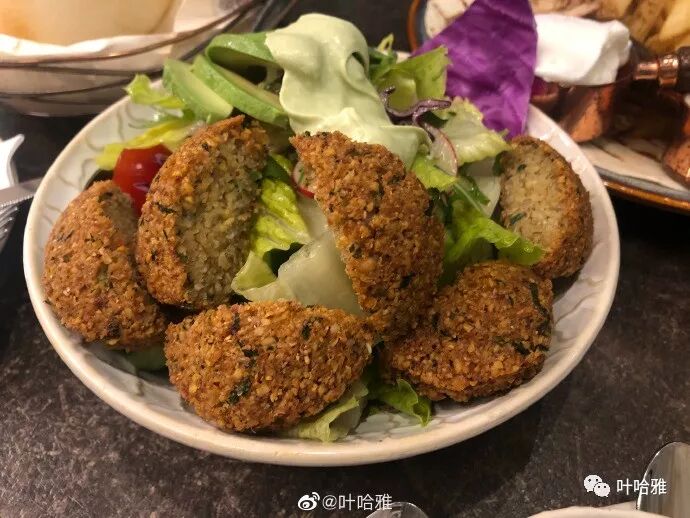
Quinoa Salad
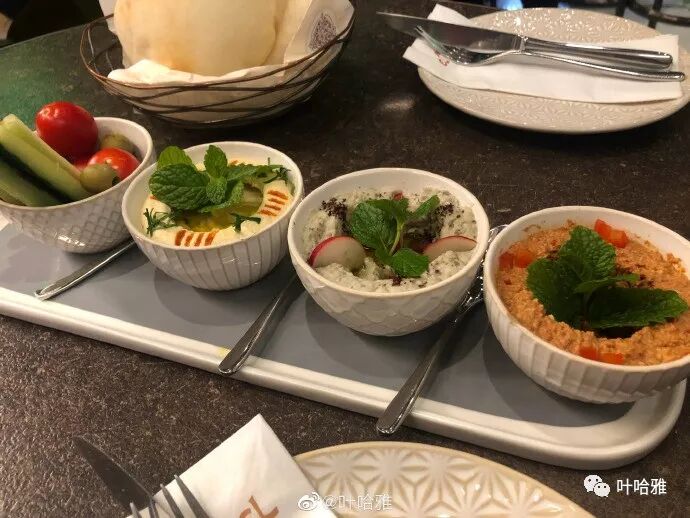
The Arabic flatbread comes with a sauce platter, and you can try four dipping sauces at once.
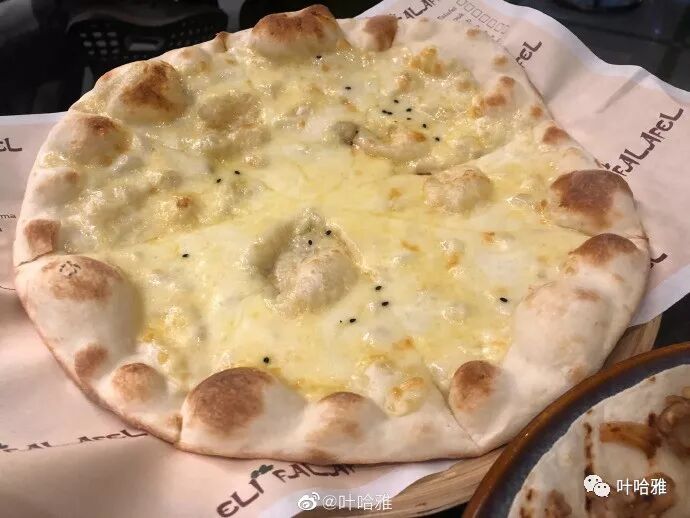
Chicken pizza, thick cheese is my favorite.
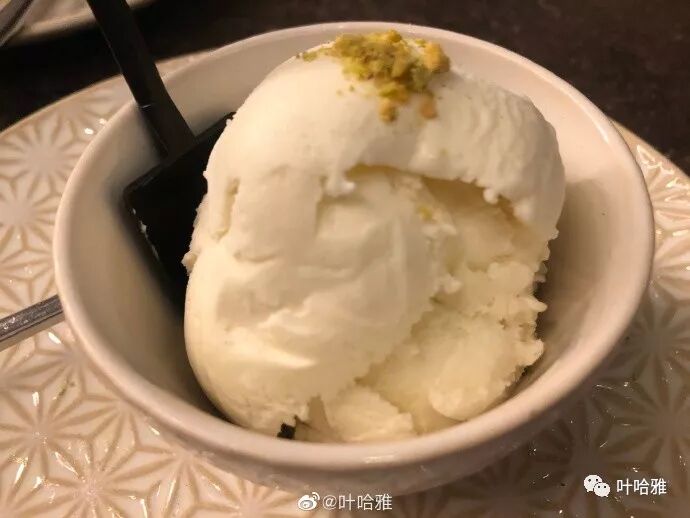
After-dinner ice cream, there are a variety of flavors to choose from. It has a rich milky flavor and can be eaten without ice. The price is not expensive, about 100 yuan per person, and the most important thing is that it tastes good.
11. Efes Turkish Restaurant
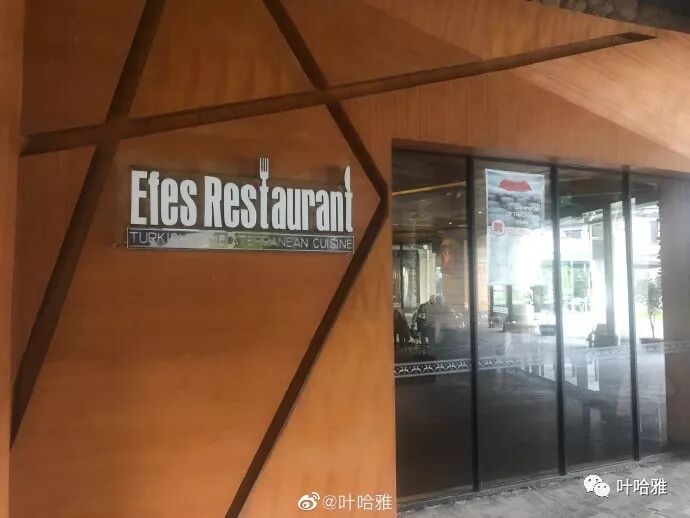
A Turkish restaurant one kilometer away from the Pudong Mosque. The environment is really nice and there is a fountain at the door.
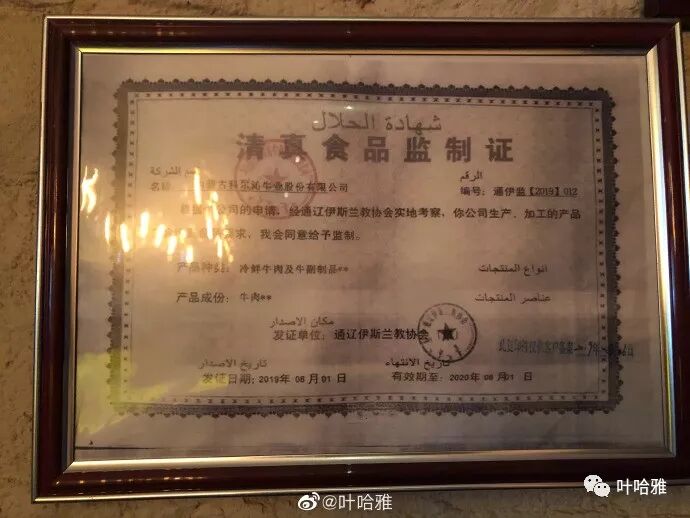
Like some unlisted restaurants in Xinjiang, some Turkish restaurants do not have halal certification. It is better to ask before eating. However, this restaurant has a certificate and you can eat with confidence.
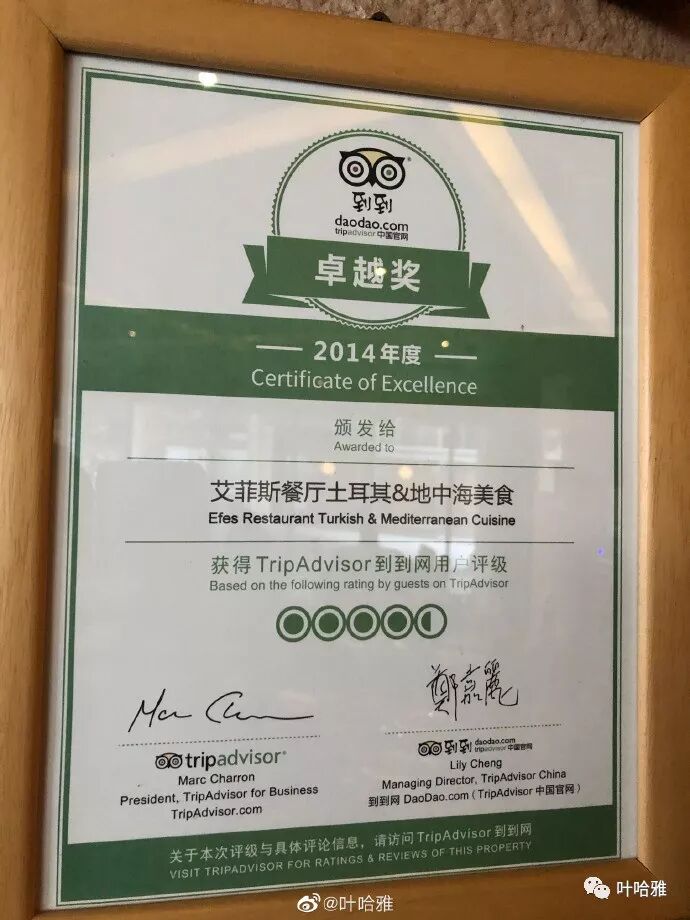
Won an award on TripAdvisor, a popular foreign review software.
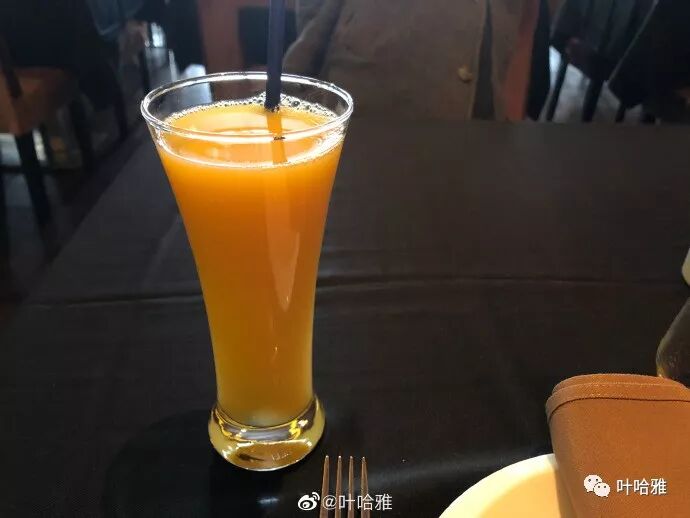
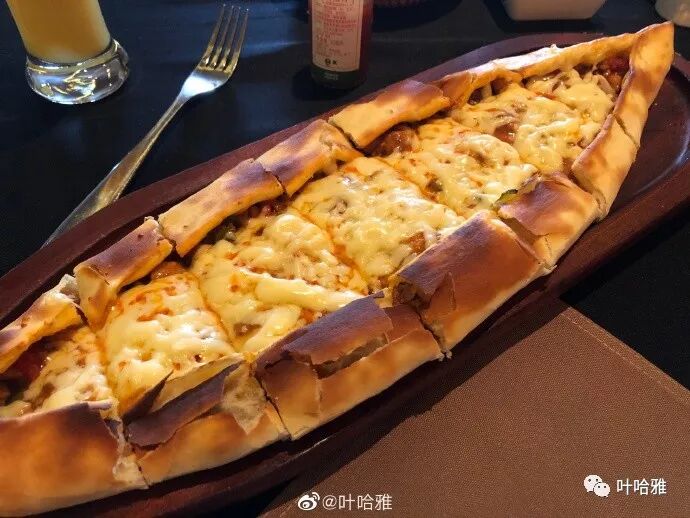
This time I came alone to eat, and I had to rush to eat. I only ate one pide. The taste was okay, but not amazing. I still miss the Turkish restaurants in Yiwu more.
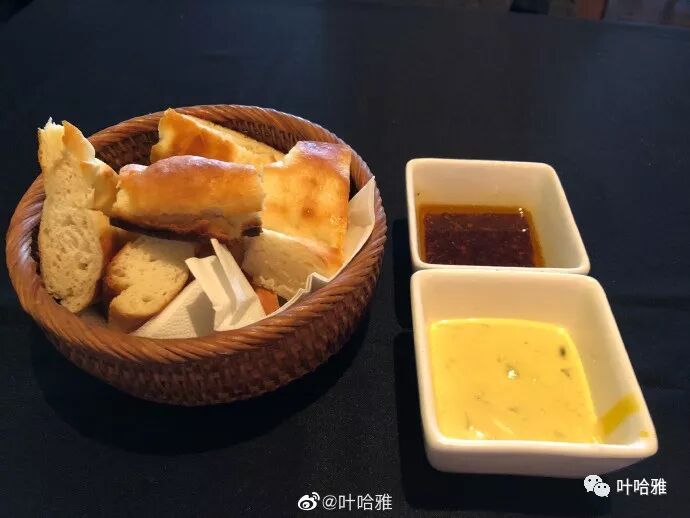
The bread is given as a gift before the meal. The service in this store is very attentive. Of course, the price is not cheap. The per capita consumption is more than 150 yuan. I am used to the low price level in the imperial capital, but I feel that the price is still high when I come to Shanghai.
12. BALI Indonesian style restaurant
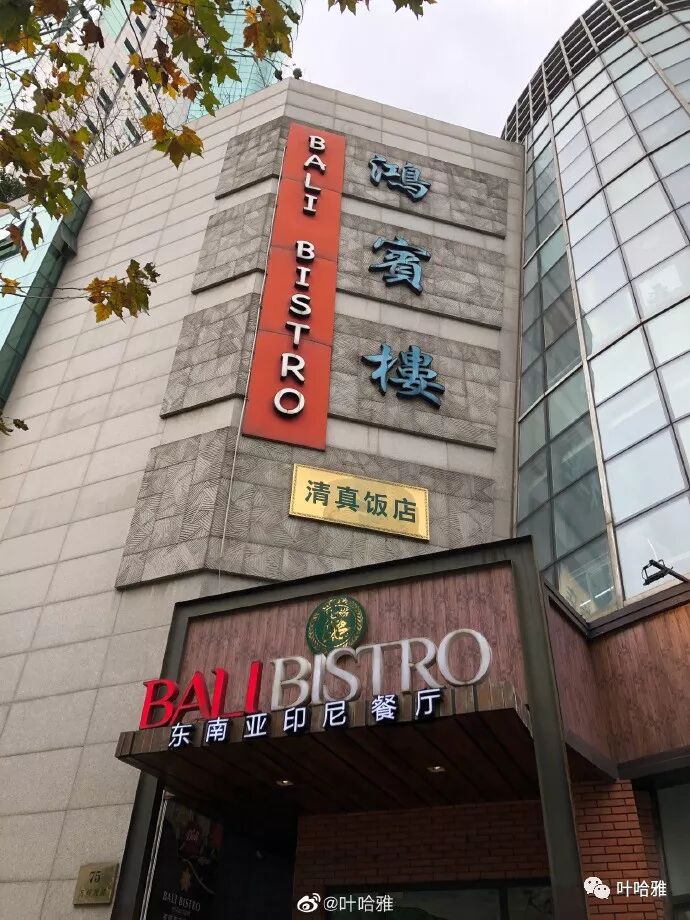
Southeast Asian halal restaurants in Beijing such as Nanyang Festival Walk in Malaysia, Batang Indonesian Cuisine, and Sukhothai Thai Restaurant have all been closed, but they made up for my loss of taste in Shanghai.
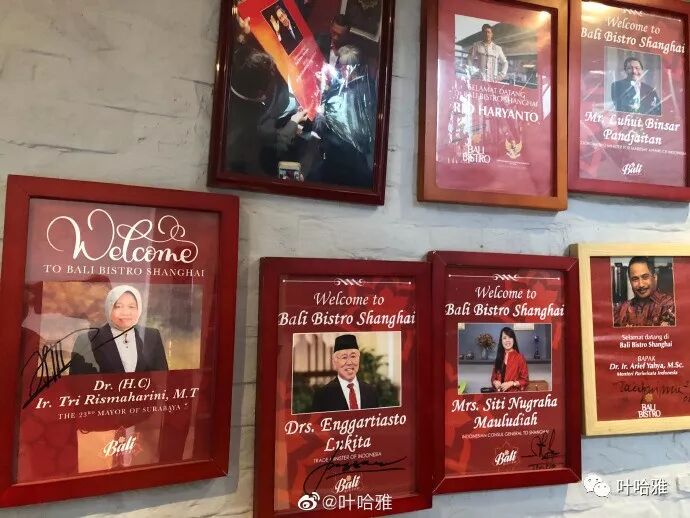
BALI is Bali, this is a fast food restaurant, clean and tidy.
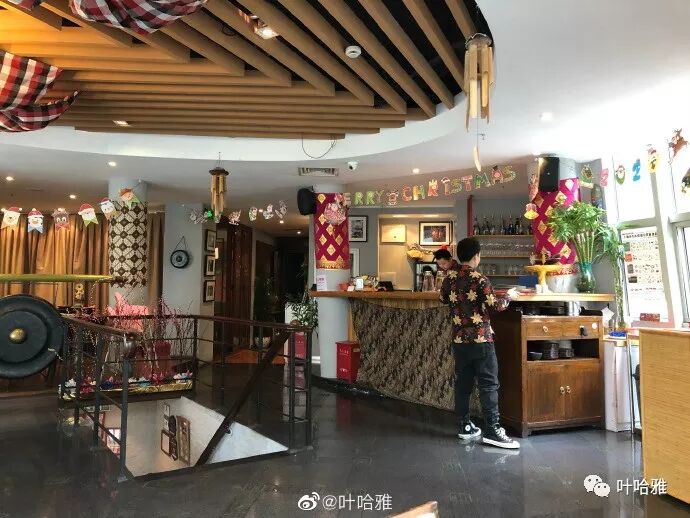
There are several tables on the second floor, and the waiter is Indonesian and can speak Chinese.
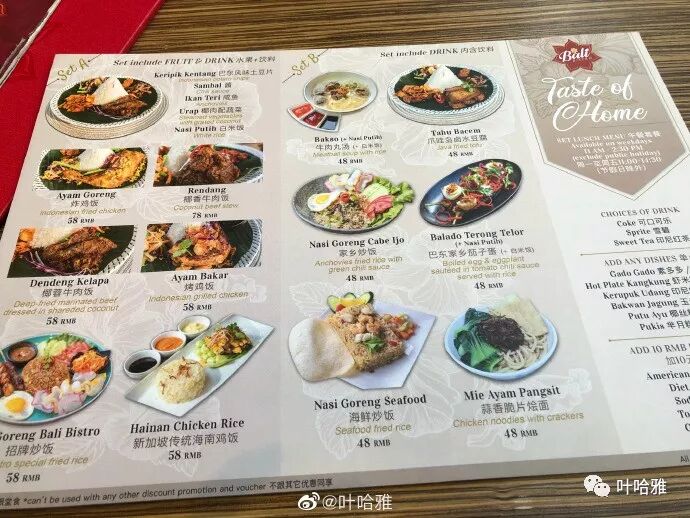
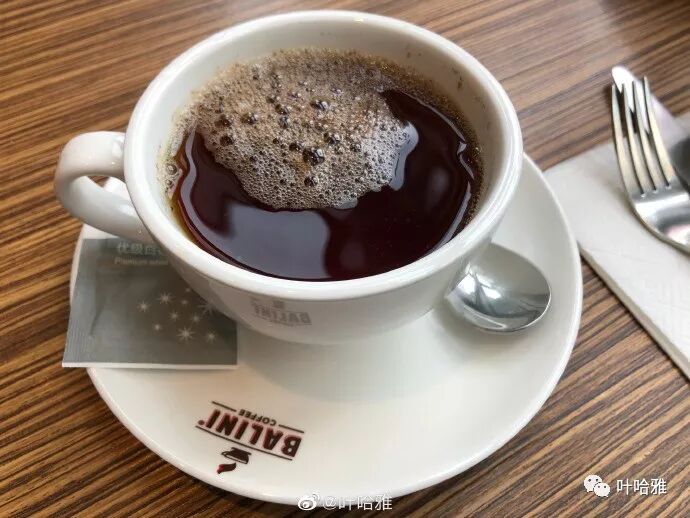
Indonesian black tea.
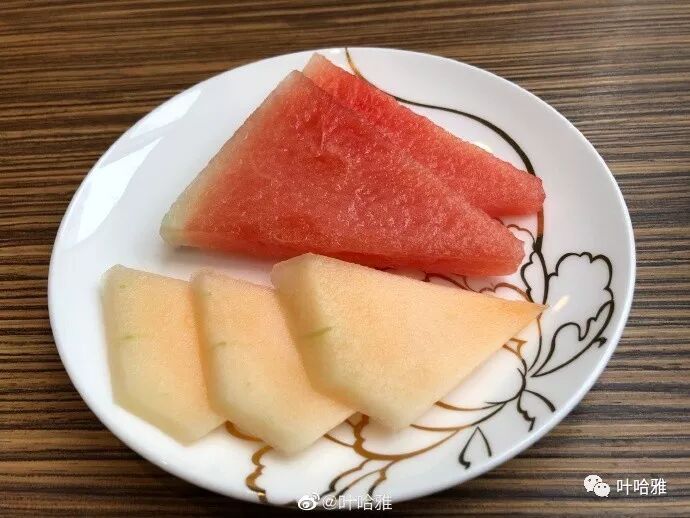
Fruit served before meal.
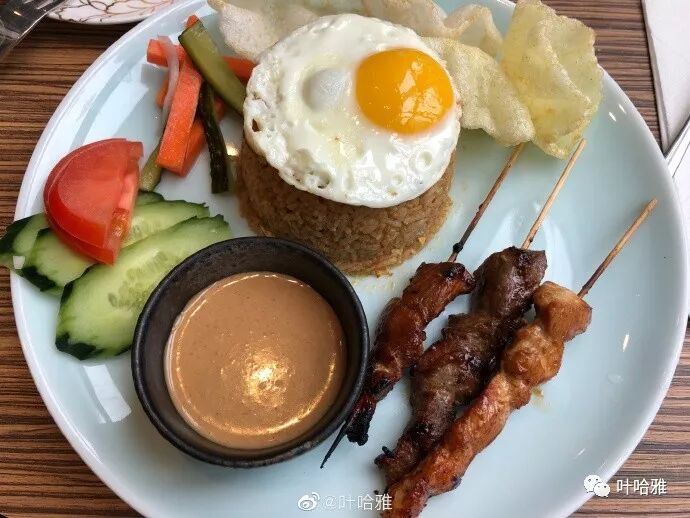
A signature fried rice set includes grilled skewers, satay sauce, vegetable salad, and shrimp crackers. Indonesians like to eat fried things. The taste is okay, and the per capita consumption is about 60 yuan.
13. Mizutani House
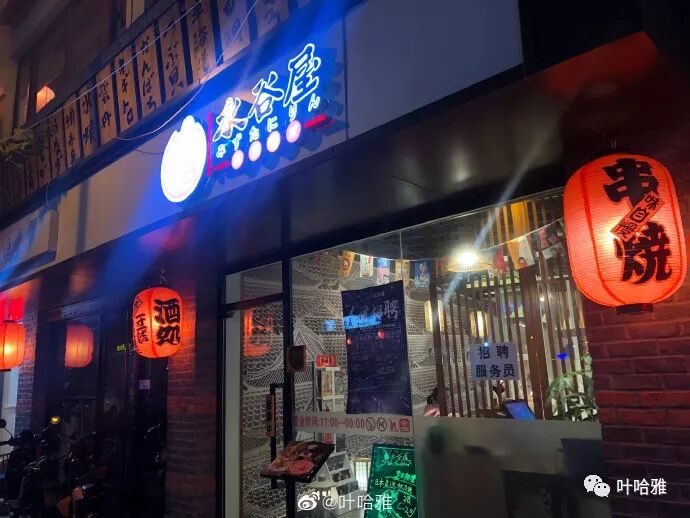
You can’t go wrong eating halal Japanese food in Shanghai. Shanghai is influenced by Japanese culture. Walking on the streets of Shanghai feels like walking in Tokyo. eating seafood in Shanghai is convenient and the ingredients can be kept fresh. This is very important for Japanese people who are used to raw food.
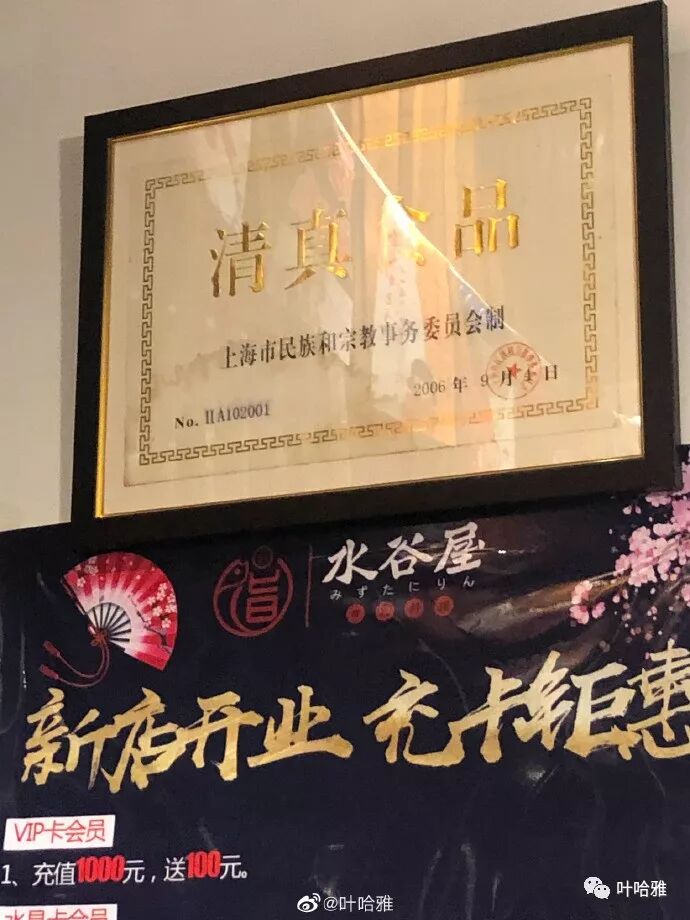
The location is on Yuyao Road. When I walked in and asked if it was halal, the waiter immediately looked at me and showed me the certification mark. I felt at ease now. I heard that the owner is from Henan, and when it opened, he went to the Huxi Mosque to ask the imam to help promote it.
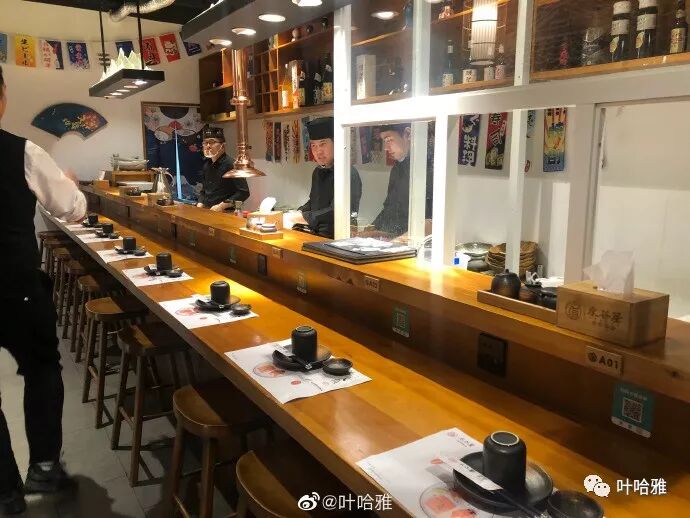
The space in the store is very large. You can eat alone at the bar on the first floor, or you can go to a private room on the second floor.
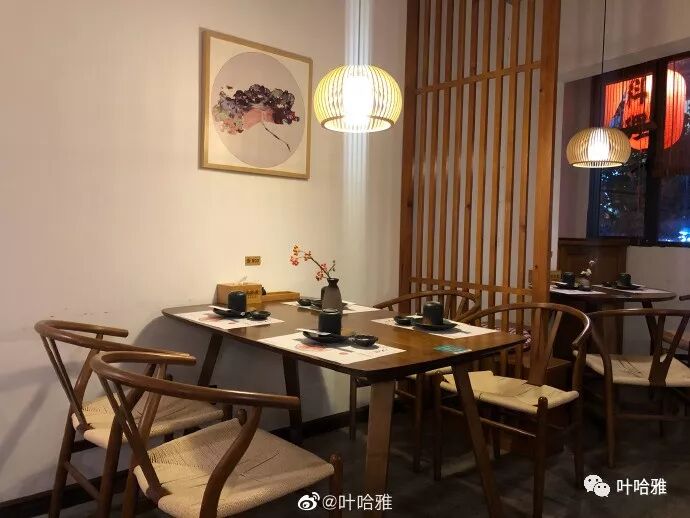
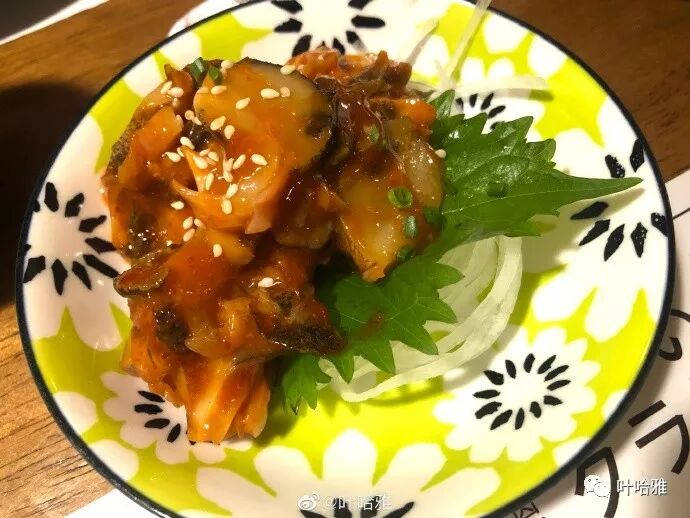
Spicy snail meat, just slightly spicy.
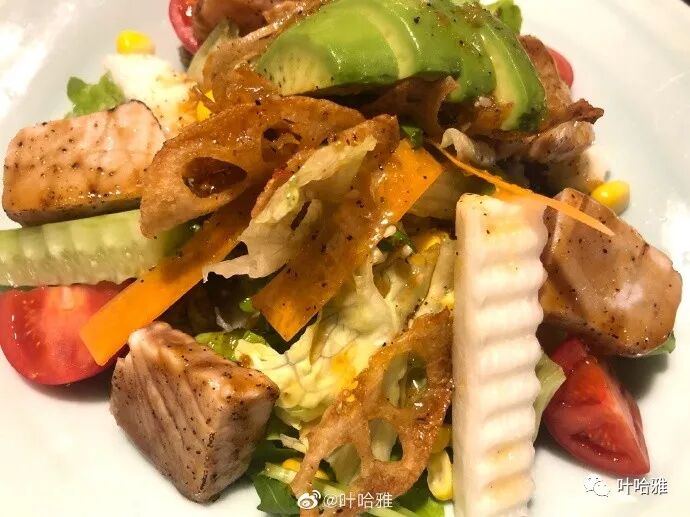
Tuna and Avocado Salad.
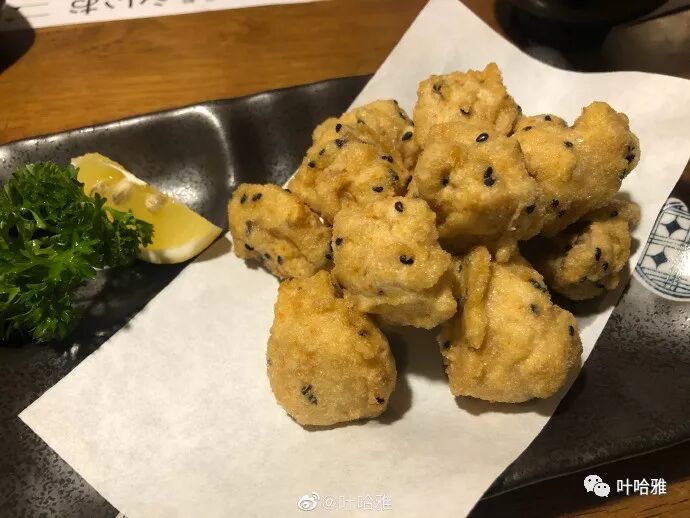
Samurai Chicken Nuggets.
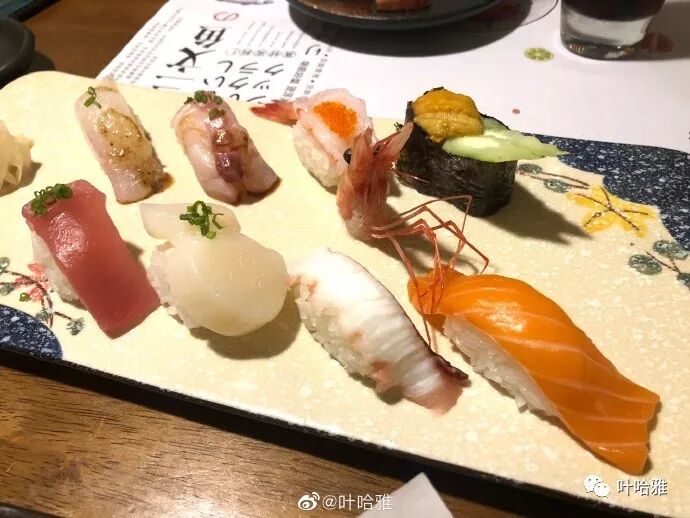
Sushi platter.
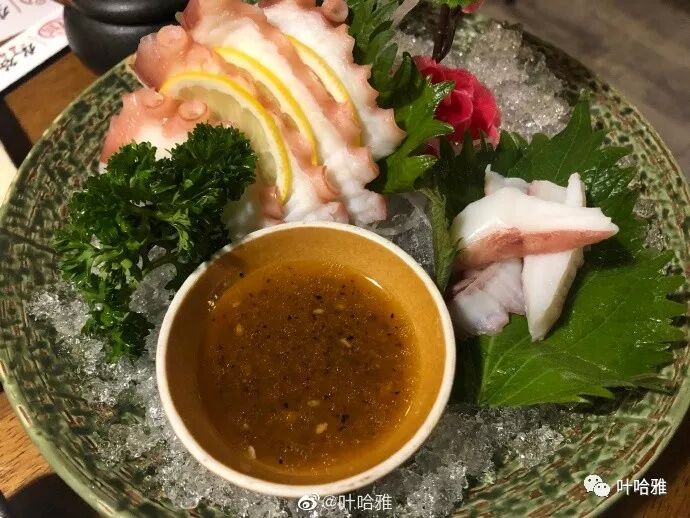
Octopus sashimi.
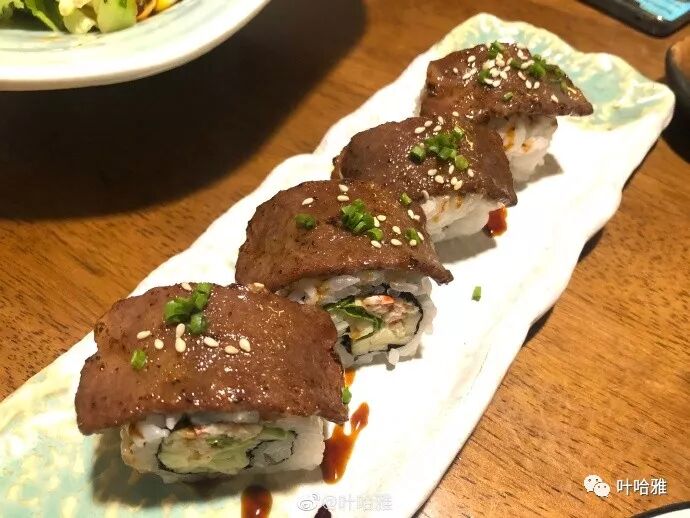
Snow Beef Roll, the picture shows raw beef, the waiter will tell you whether it is cooked or cooked.
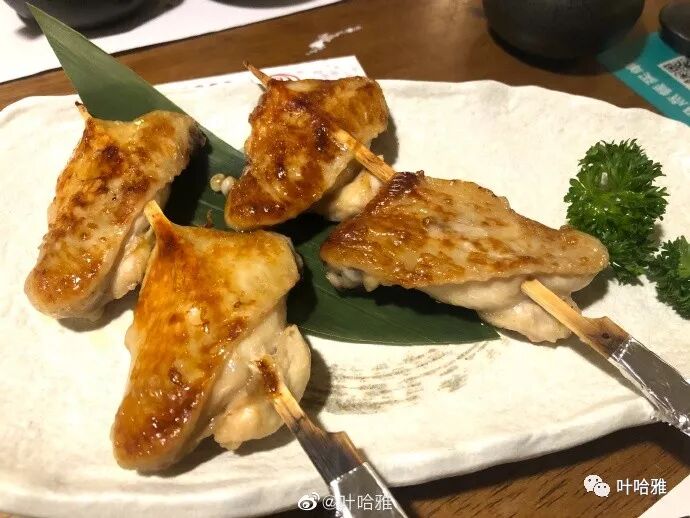
Nagoya grilled chicken wings.
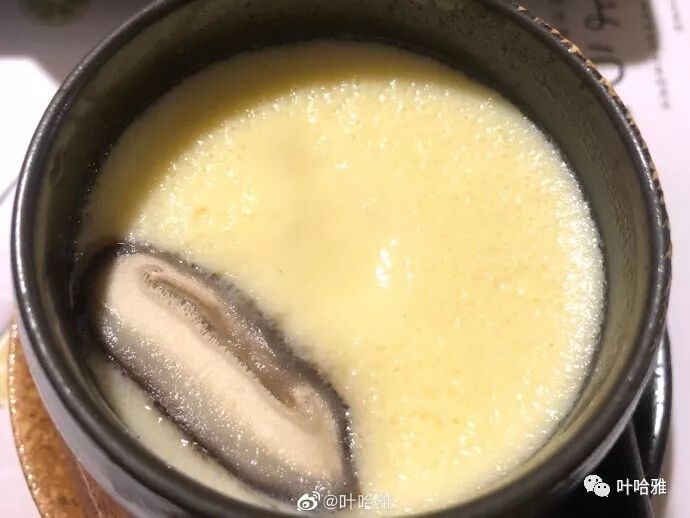
Seafood steamed egg, mini small portion. The overall evaluation of Mizutani House is very good. The level of Japanese food in Shanghai is still good. The price is not expensive compared to the level in Shanghai. The per capita consumption is 160 yuan, which is not expensive in the Japanese food industry.
1. Huxi Mosque
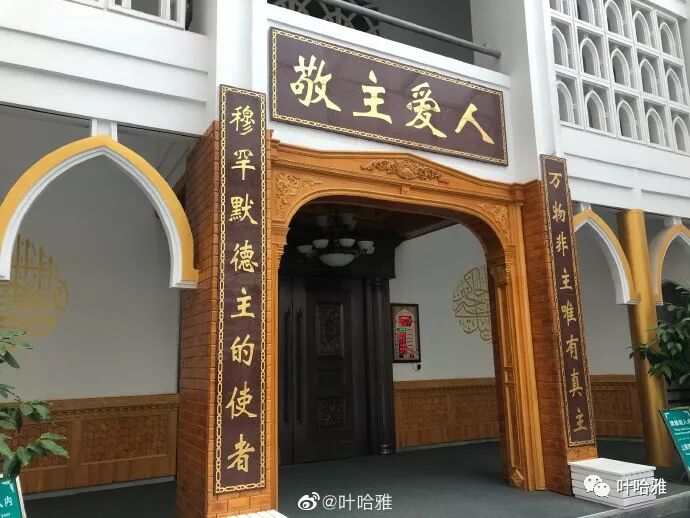
Huxi Mosque, formerly known as "Yashui Nong Mosque" and commonly known as "Old Mosque", is located at No. 3, Lane 1328, Changde Road. In 1914, it was initiated by the Hubei Hui Muslims to rent a small house in Yaoshui Lane and use it as a temporary place of worship. In the 10th year of the Republic of China, Jin Zhi'an, Ma Yitang, Jiang Xingjie and the Shanghai Muslim Board of Directors decided to donate 2,000 yuan to build the mosque. In 1992, it moved to Changde Road. The current imam is Bai Runsheng.
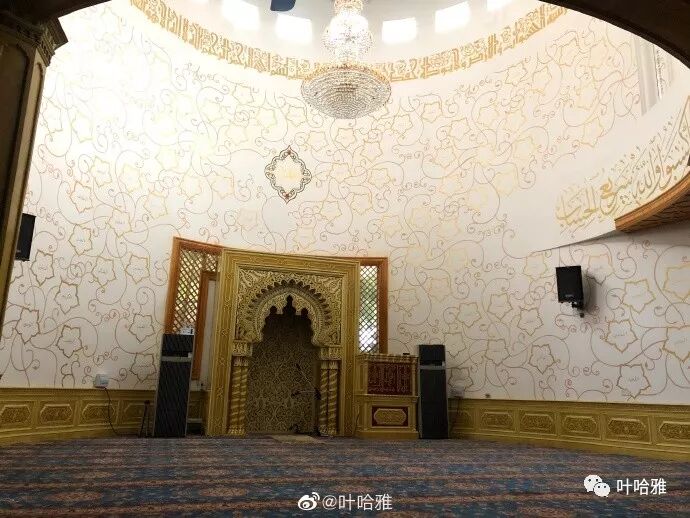
When the Huxi Mosque was built in 1990, the Putuo District Government required that the new mosque should have Islamic architectural features and comply with modern architectural standards that are consistent with the new district's layout.
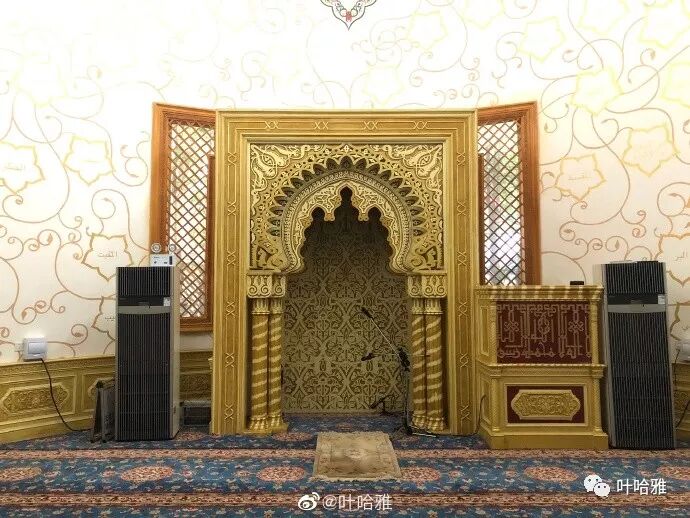
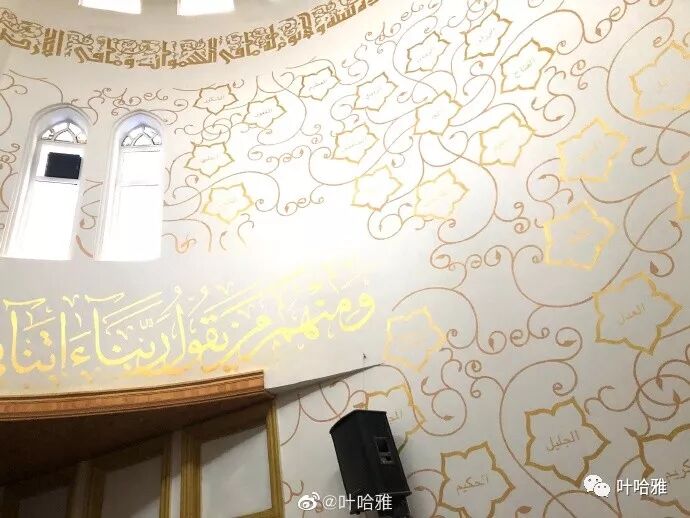
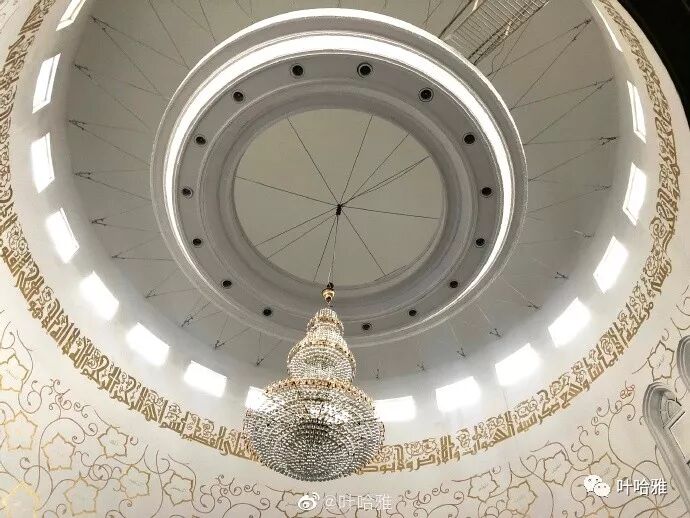
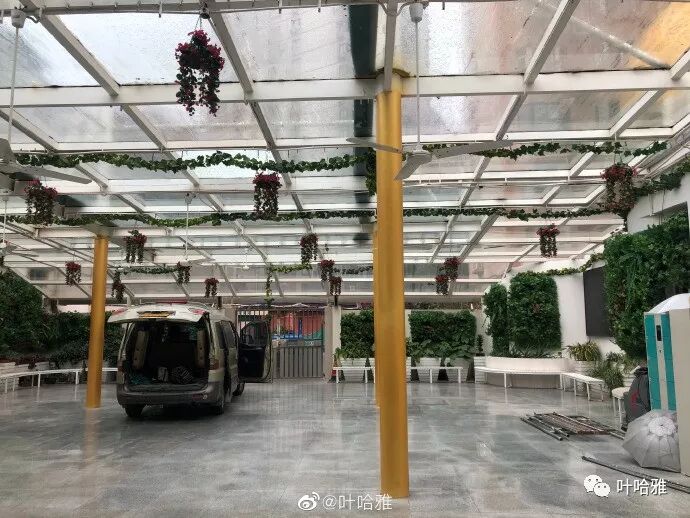
Huxi Mosque has a Zhuma Bazaar on Friday, and it is very large. I came here once five years ago. The Zhuma Bazaar was only one street in size, but now it has developed into two streets.
2. Xiaotaoyuan Mosque
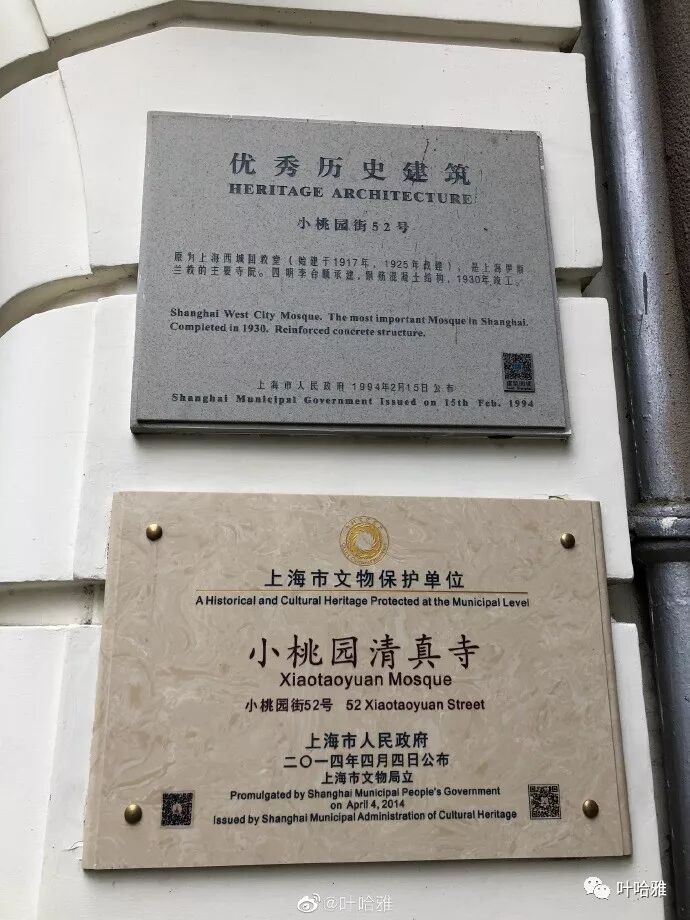
Xiaotaoyuan Mosque, commonly known as "Xicheng Mosque", is located at No. 52 Xiaotaoyuan Street, Huangpu District. In 1917, Shanghai Muslim Board of Directors Jin Ziyun invested 12,000 silver dollars, and with the support of Ha Shaofu, Ma Yitang and others, funds were raised from various places and the construction was completed.
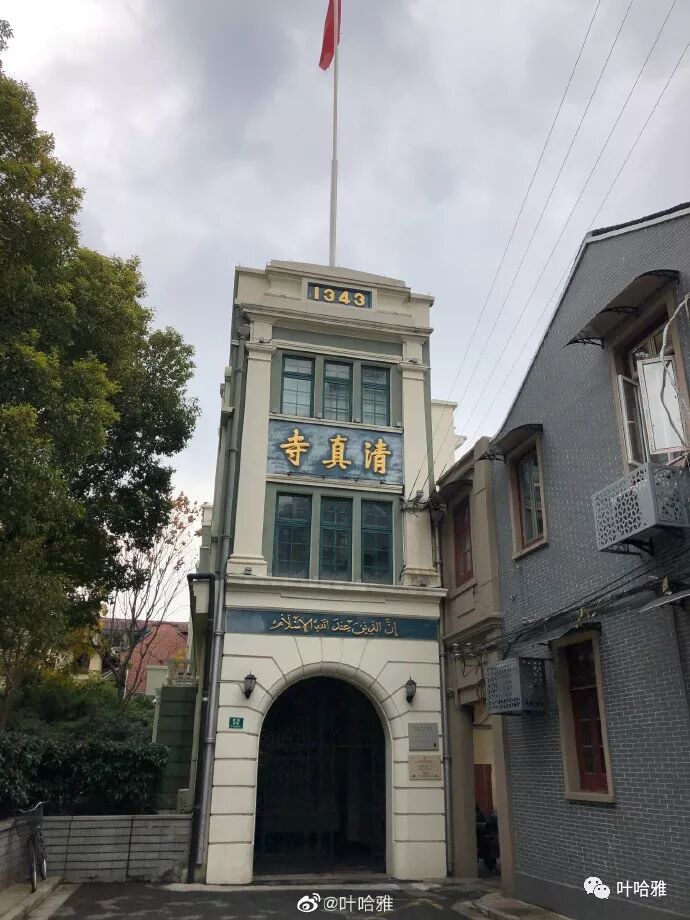
The mosque is in a West Asian style, with a verse from the Koran embedded across the door, which translates as "The religion that pleases Allah is indeed Islam."
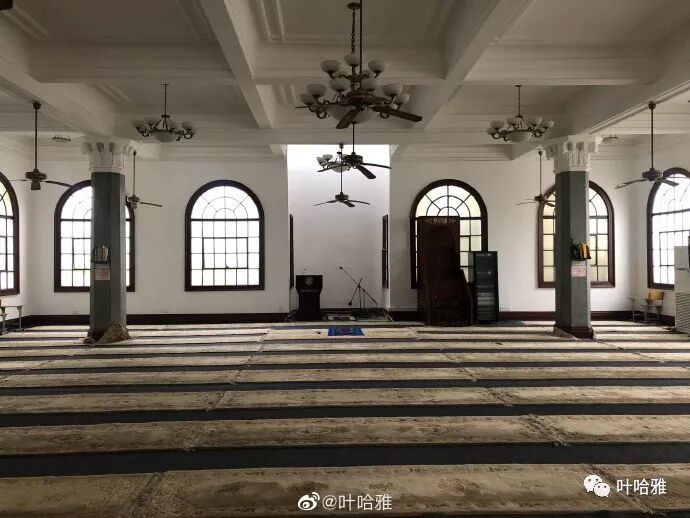
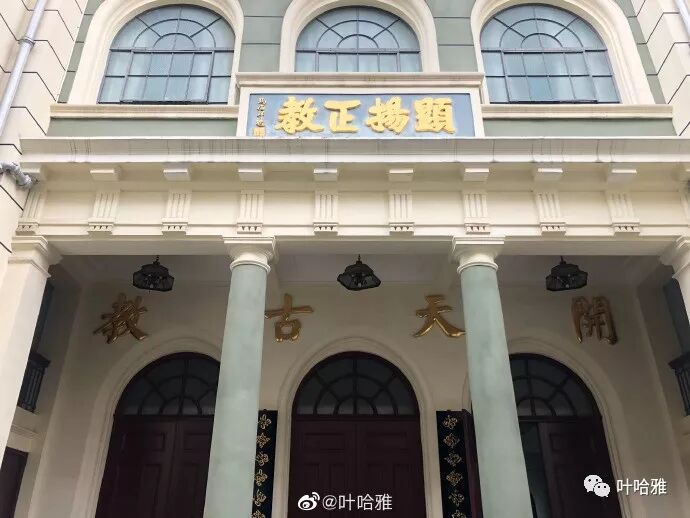
The Xiaotaoyuan Mosque once housed an Islamic Normal School, a Muslim National Primary School, a Mingcheng Primary School, a Chongben Primary School, and a Shanghai Muslim Orphan Correctional Institution. During the Republic of China, it served as a transit point for pilgrims traveling abroad by sea. Da Pusheng, Hade Cheng and Zong Ditang followed the example of Liu Guan and Zhang Taoyuan and became sworn sworn brothers here. They were called the Xiaotaoyuan Three Brothers.
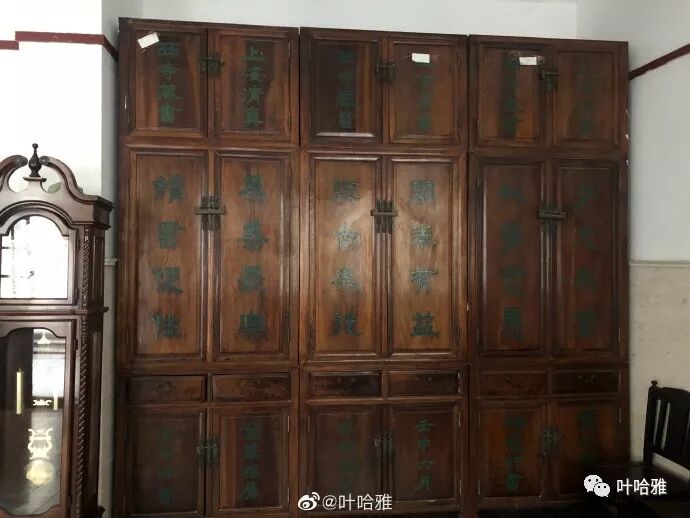
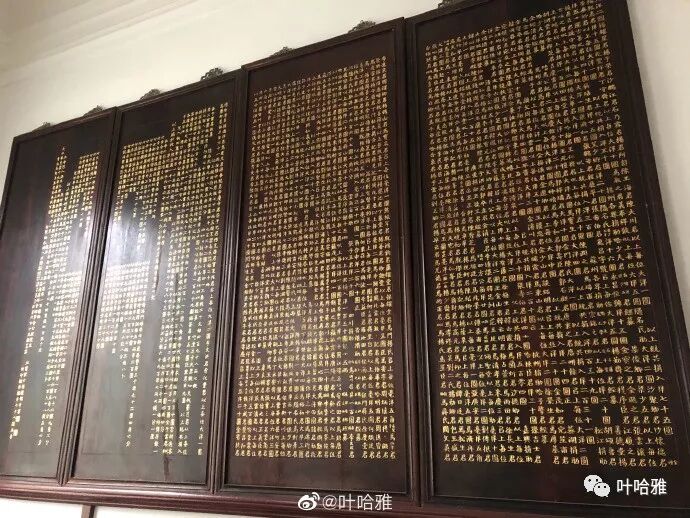
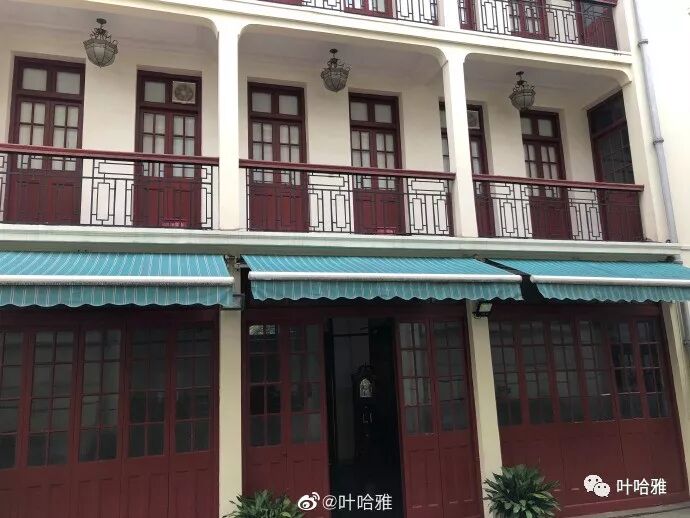
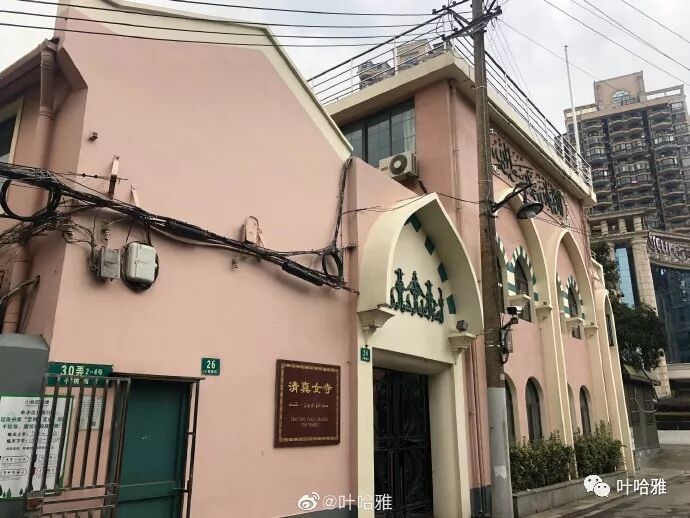
Next to the Xiaotaoyuan Mosque is the Mosque for Girls. It was founded in 1933 as a Shanghai Muslim Kunning Tongde Girls’ School funded by the Kunning Tongde Association.
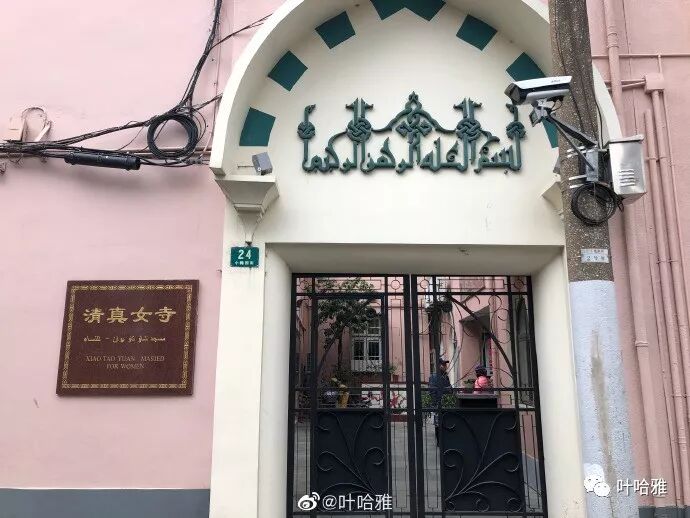
3. Songjiang Mosque
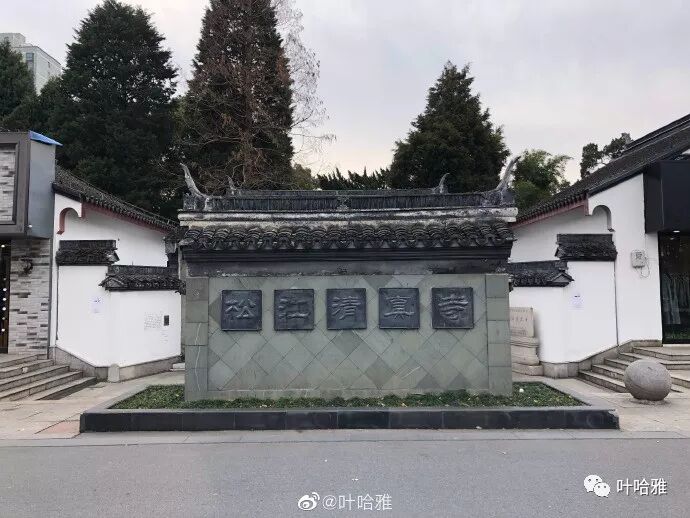
Songjiang Mosque was built in the Zhizheng period of the Yuan Dynasty (1341-1368). It is the oldest mosque in Shanghai and the most worth visiting. Songjiang was originally part of Jiangsu Province and was placed under Shanghai City in 1958. There are no traces of Huihui descendants who settled in Songjiang during the Yuan Dynasty. It is known that the first Muslims to settle in Shanghai were after the opening of Shanghai, that is, on November 17, 1843. According to the provisions of the "Treaty of Nanjing" and the "Five-port Trade Charter", Shanghai was officially opened as a port. Since then, Shanghai has transformed from a small county into an international metropolis.
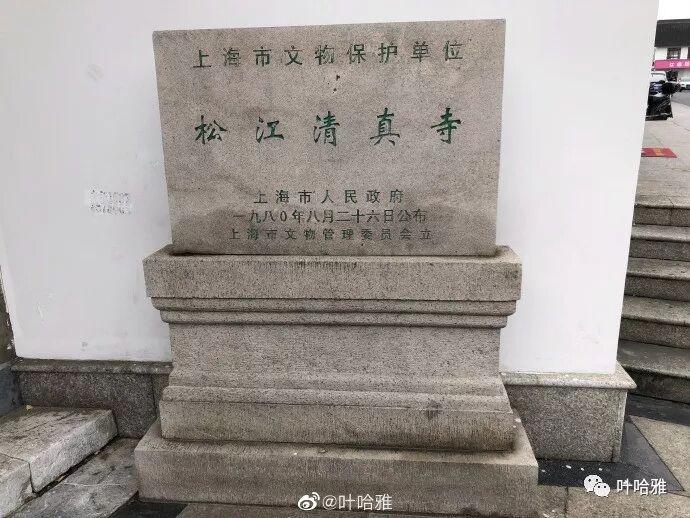
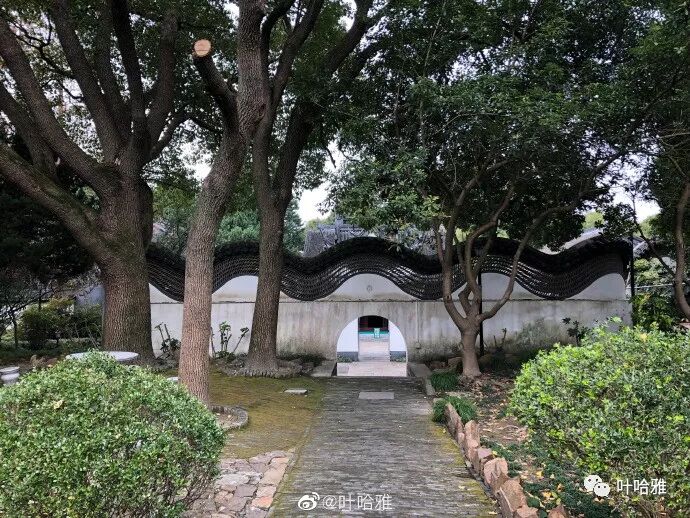
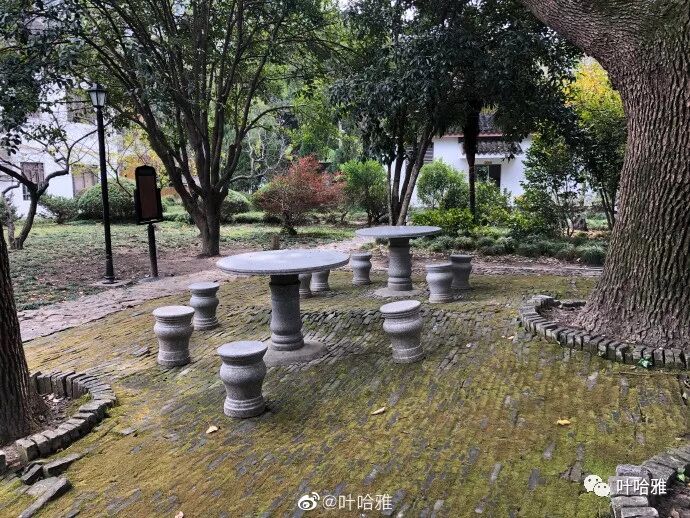
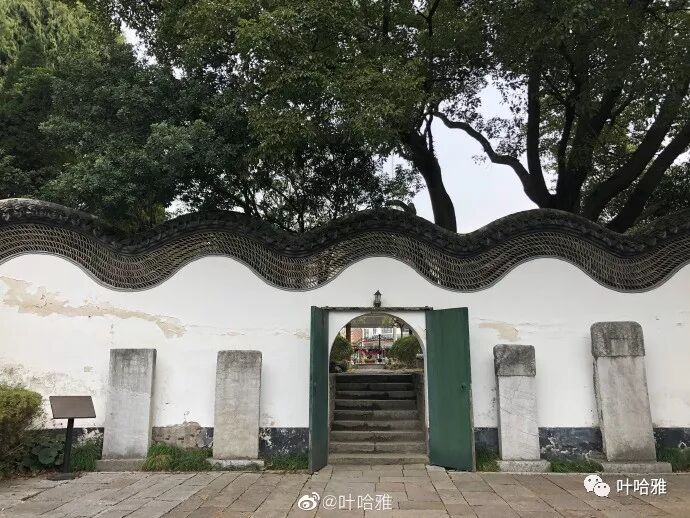
The original mosque was surrounded by Huihui cemeteries. Now the mosque is also a combination of temples and tombs, including the tomb of Daru Huachi, the governor of Yuan County. There are 4 inscriptions from past dynasties preserved in the mosque, including the "Inscription of the Reconstruction of the Zhenjiao Mosque" from the 16th year of Kangxi's reign, written by Yang Caigui, a professor of Songjiang Fuxue and a scholar in Huai'an, and erected by Sai Yinchang, the dean of the mosque.
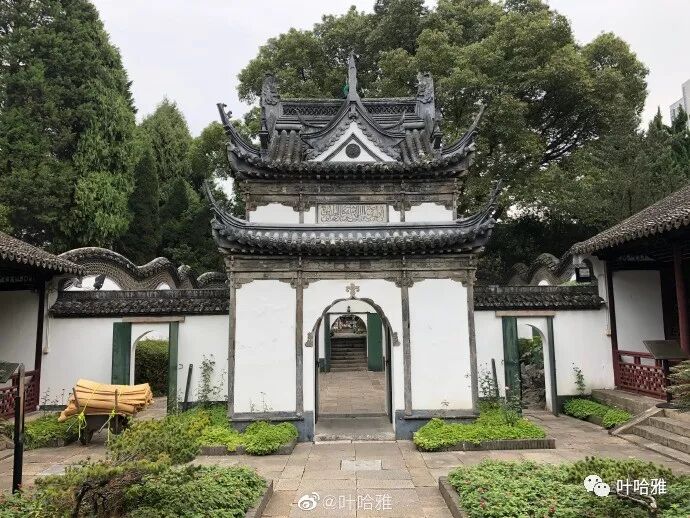
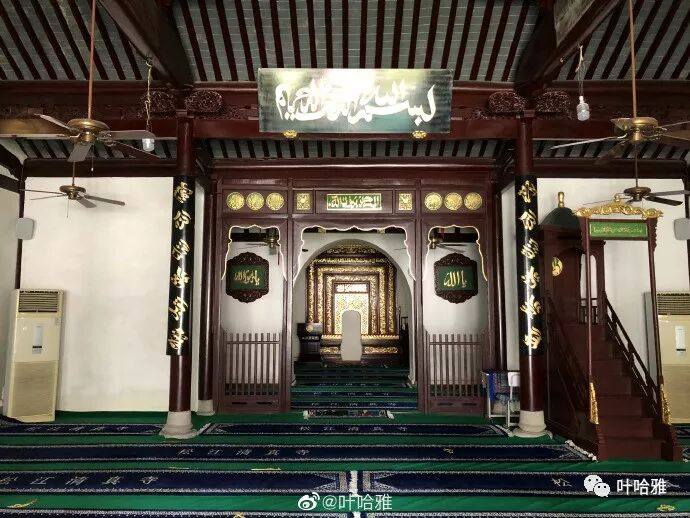
One of the highlights is the Kiln Hall without Beams, which has both Chinese and Western characteristics.
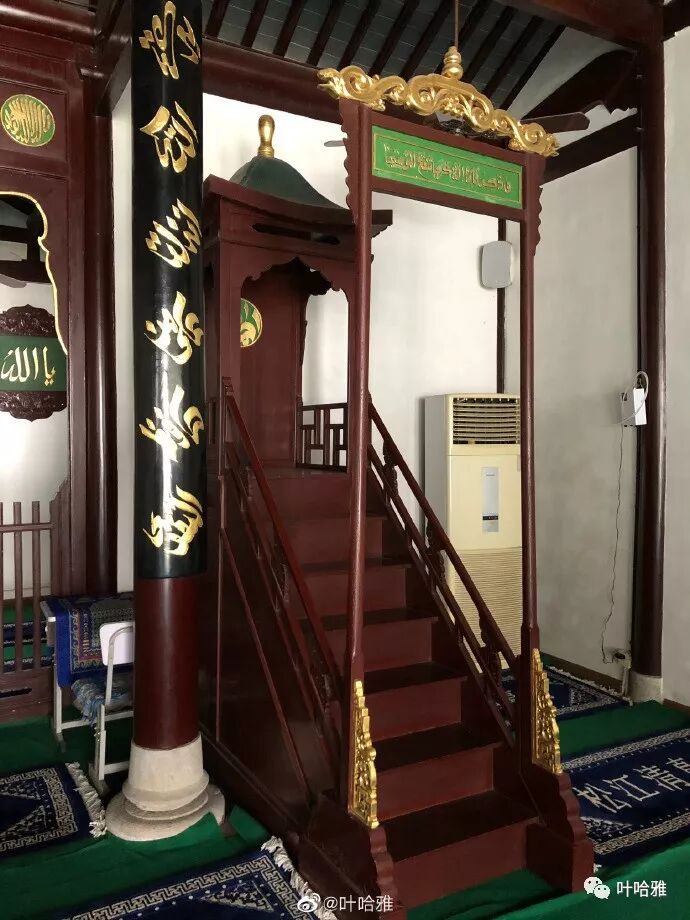
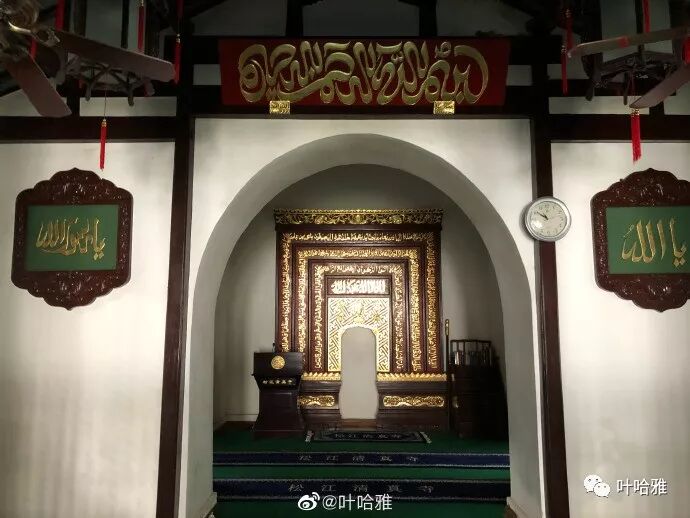
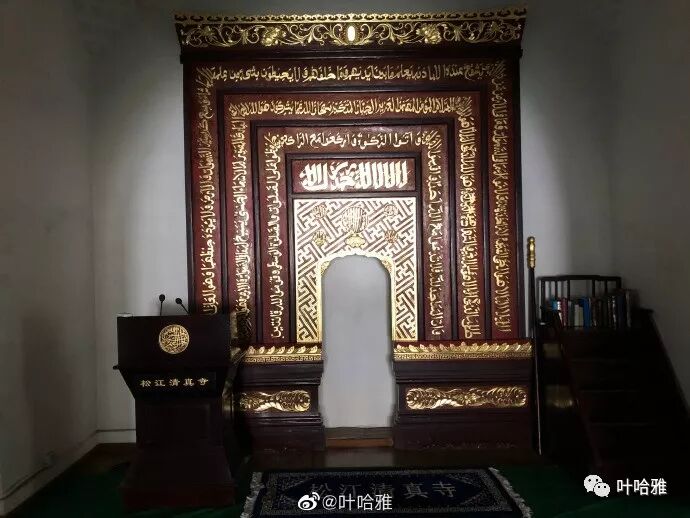
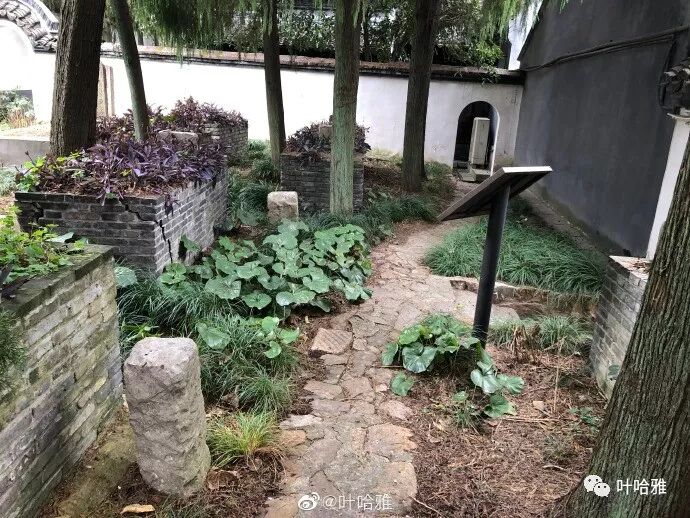
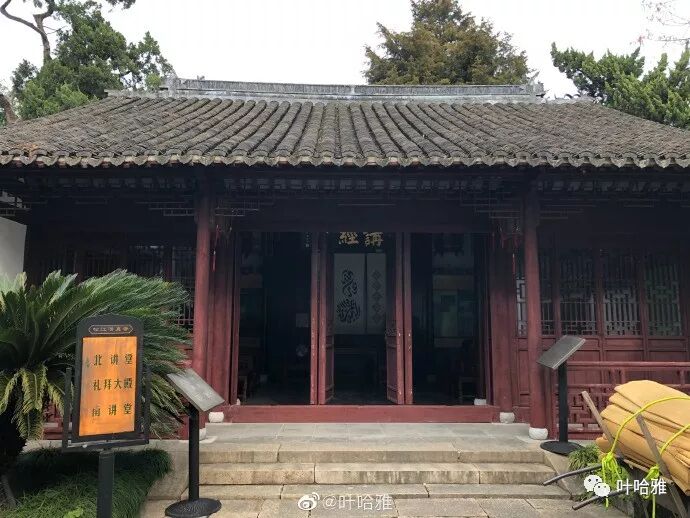
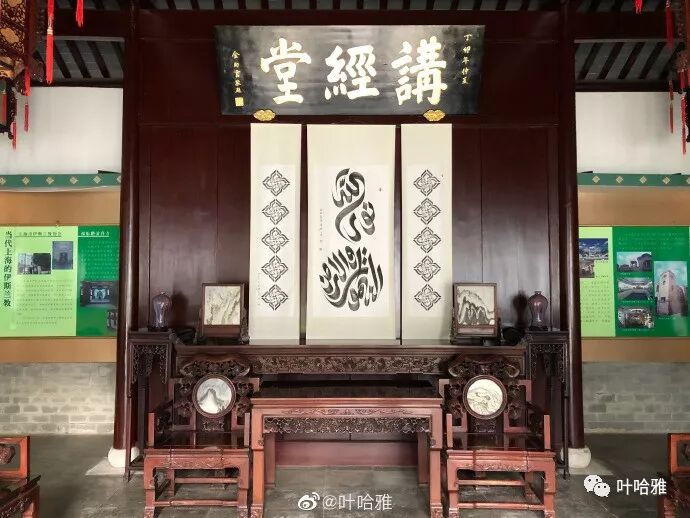
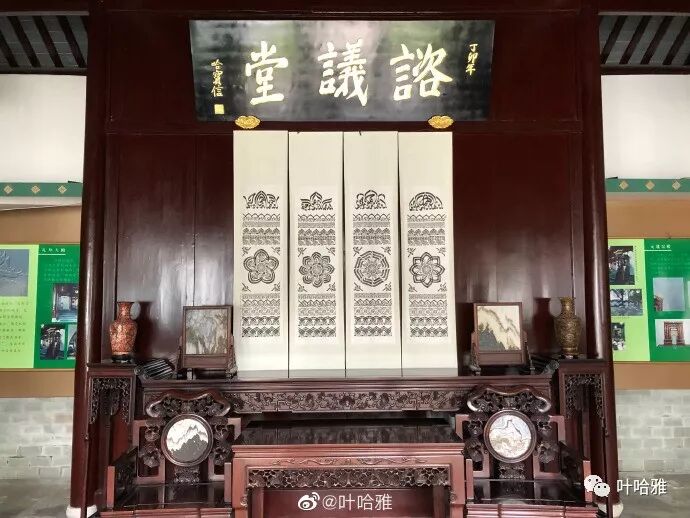
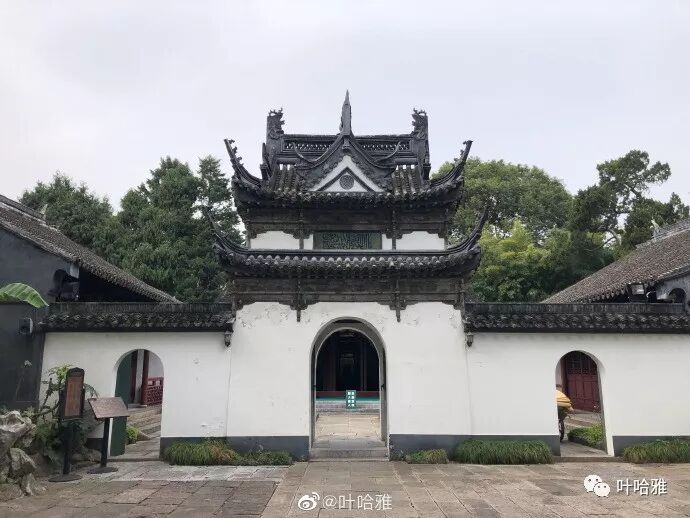
4. Pudong Mosque
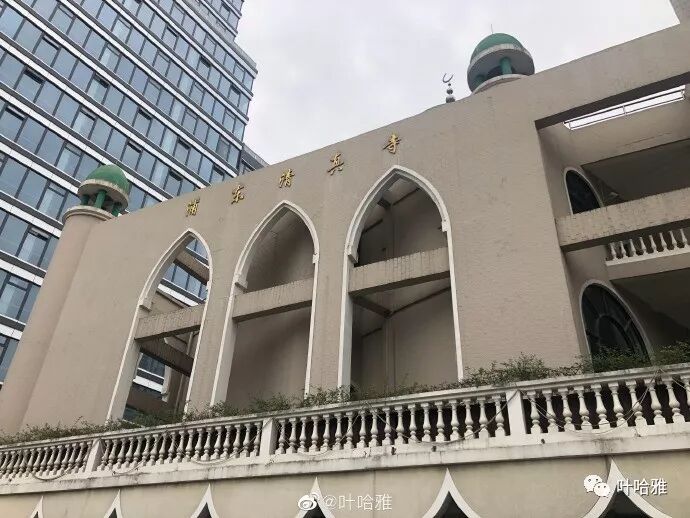
The Pudong Mosque was founded in 1935. Hong Changjin, a Shandong Muslim, rented a house in Lannidu, Pudong as a temporary place of worship. The current Pudong Mosque was built in 1999. There is also a bazaar in front of the main Mari Mosque, and the scale is not small.
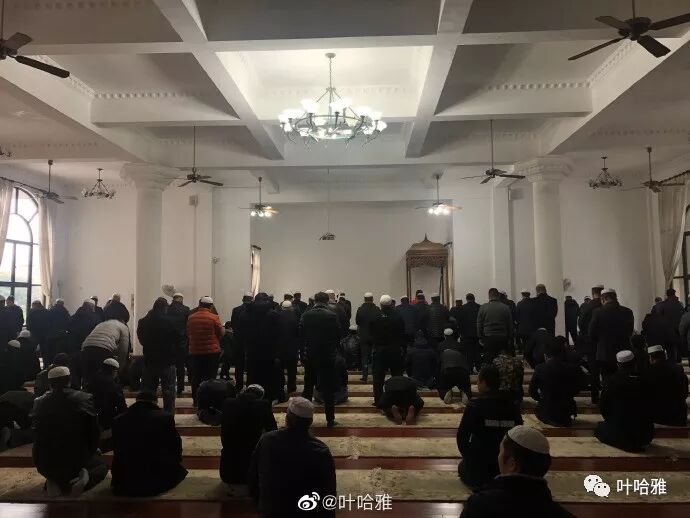
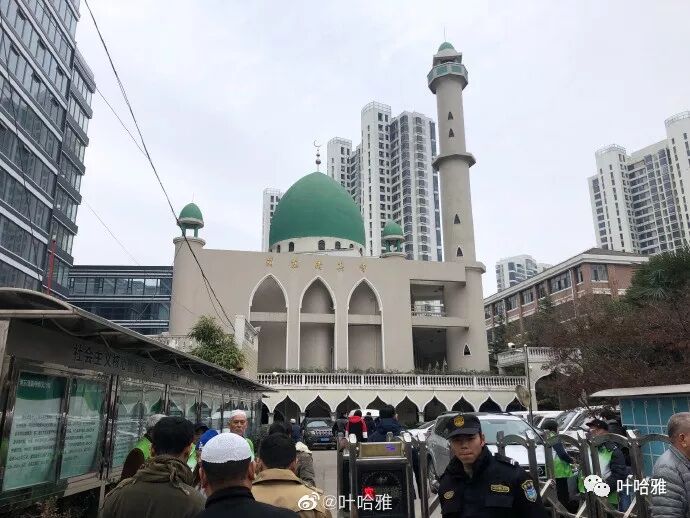
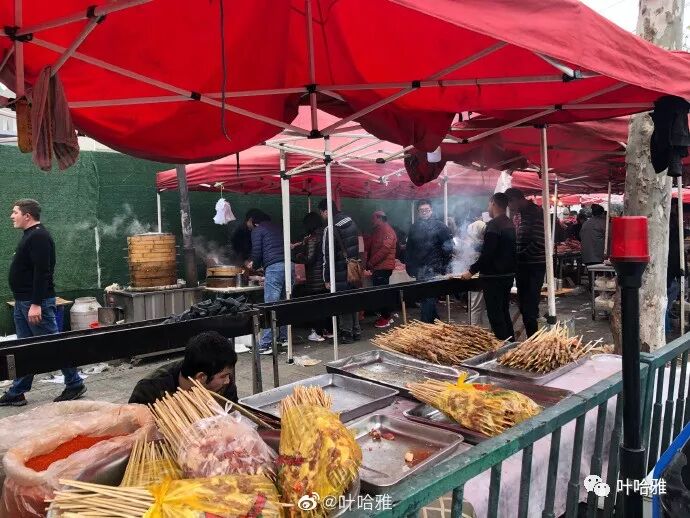
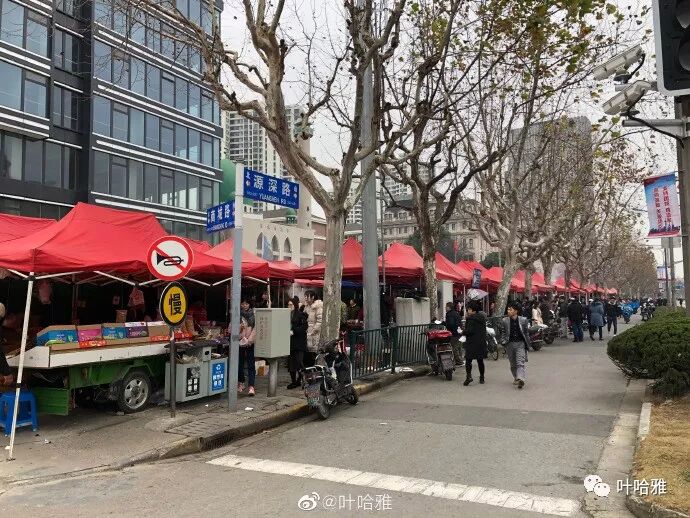
The bazaar in front of Pudong Mosque is only open on Fridays and mainly sells Xinjiang specialties and delicacies.
5. Jiangwan Mosque
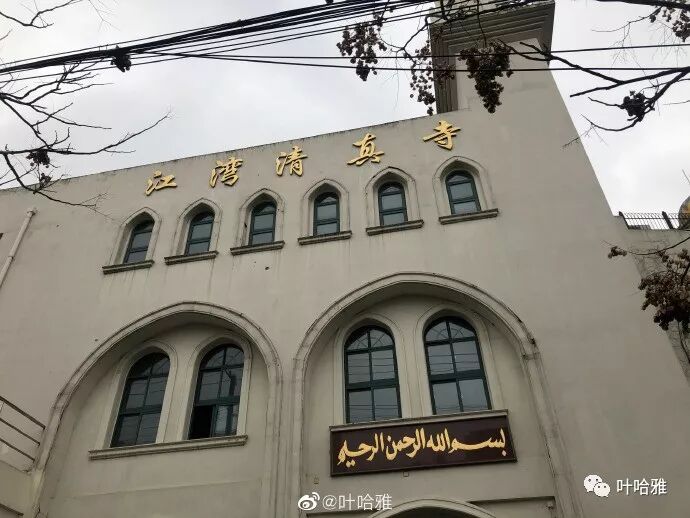
Jiangwan Mosque in Shanghai, commonly known as Jiangsu Mosque, was named after the construction initiated by Muslims from Northern Jiangsu. It was built in 1928. It was built by Huaiyin and Siyang Muslims in Jiangsu Province in the early days. Imam Dai Yiheng from Jiangyin presided over the teaching affairs. Later, Imam Zhou Shizhao, a Zhehe Renyemen eunuch, presided over the teaching affairs.
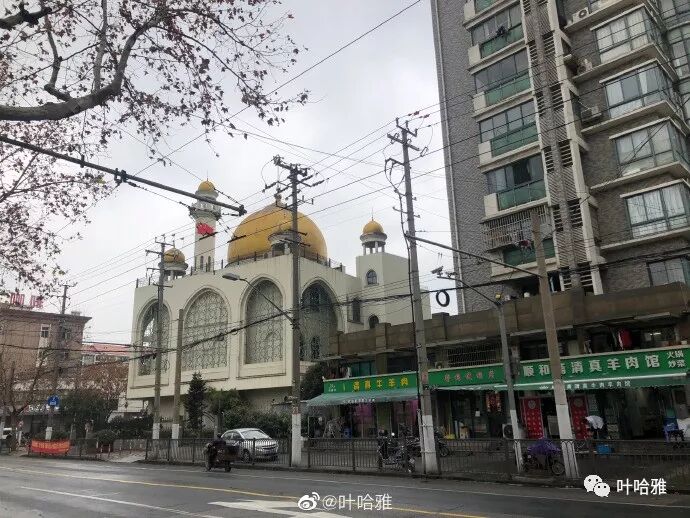
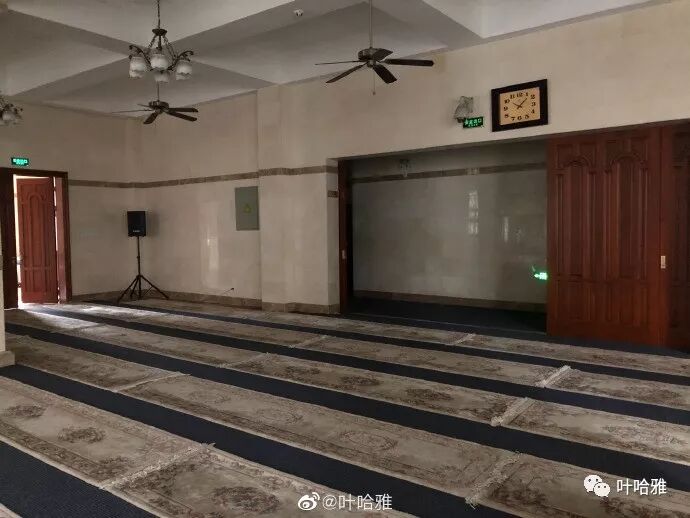
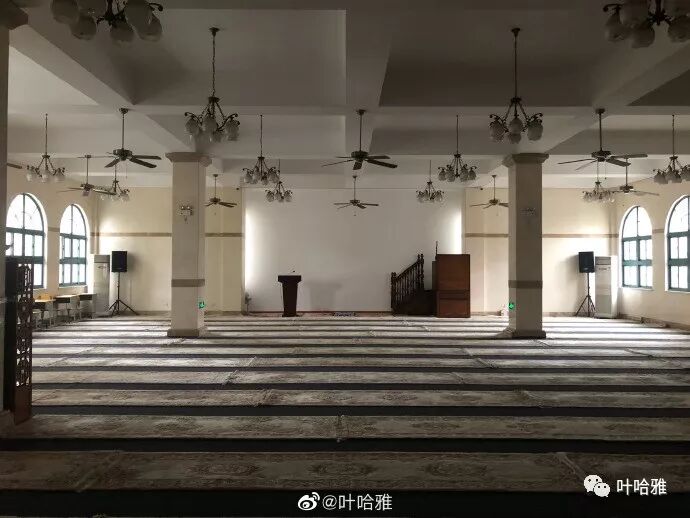
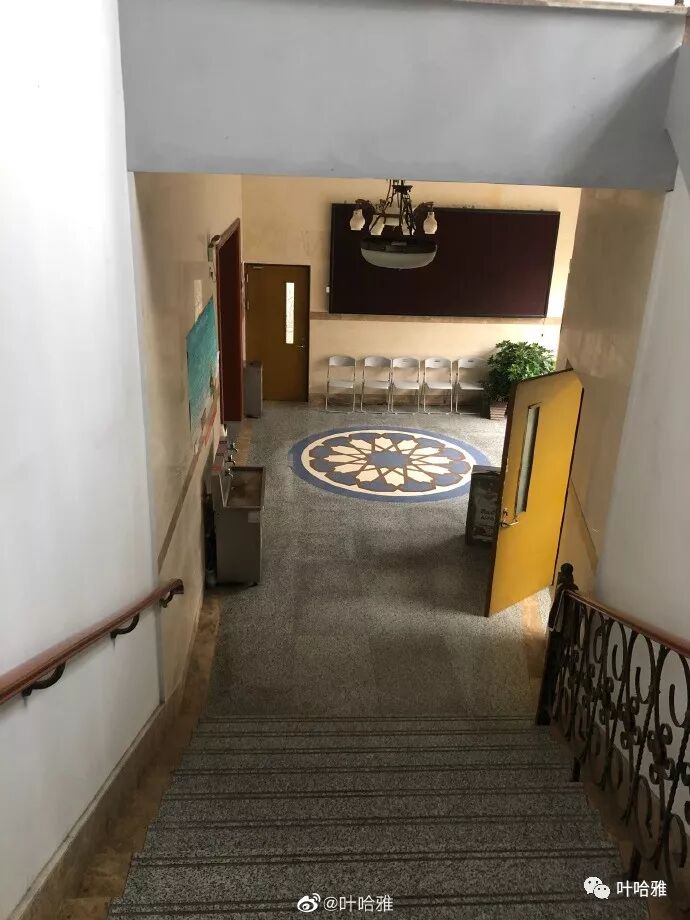
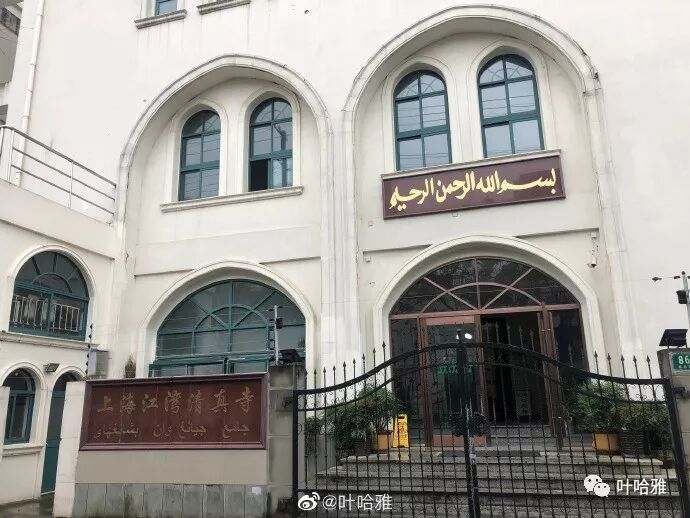
6. Jinshan Mosque
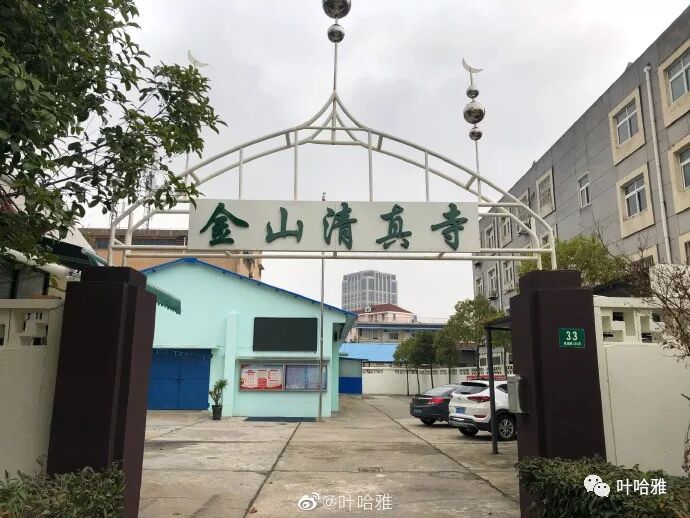
Shanghai Jinshan Mosque is actually a fixed place. The Islamic Association purchased and renovated the health products waste warehouse of Jinshan Petrochemical Pharmaceutical Company, and opened it in 2010. This is the first mosque approved to be established in Shanghai since its reform and opening up.
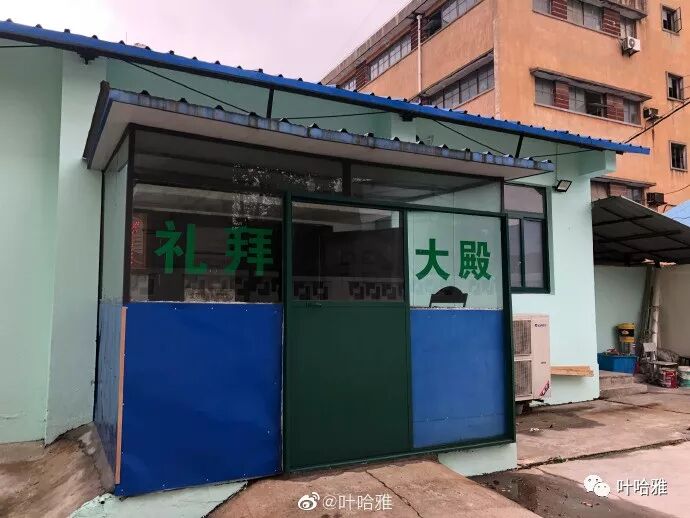
Jinshan Mosque is far away from downtown Shanghai. You need to take a one-hour subway ride from Shanghai South Railway Station. It is very close to the only beach in Shanghai. You can come here to watch the sea in summer.
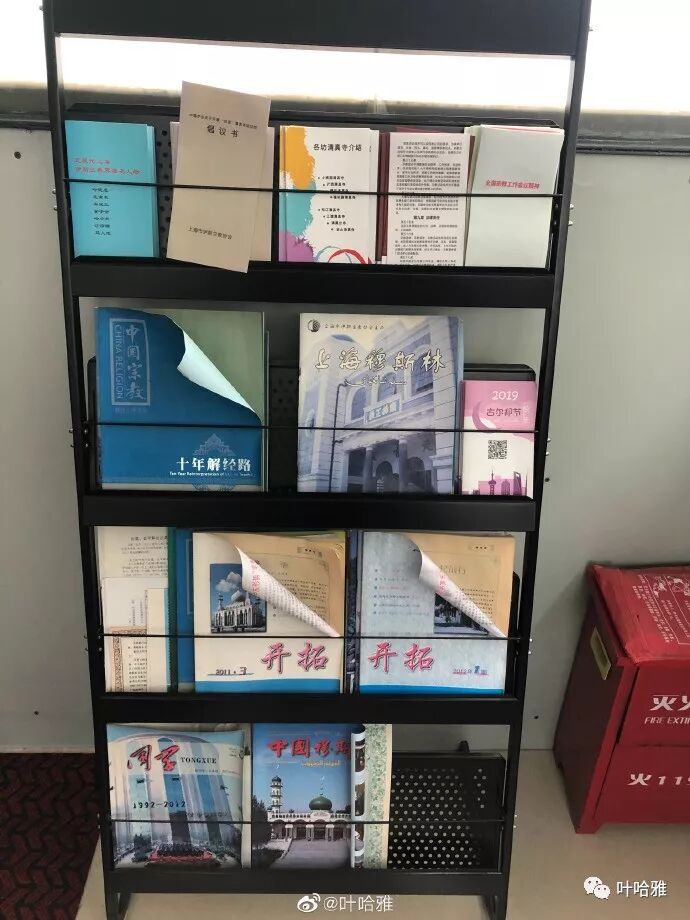
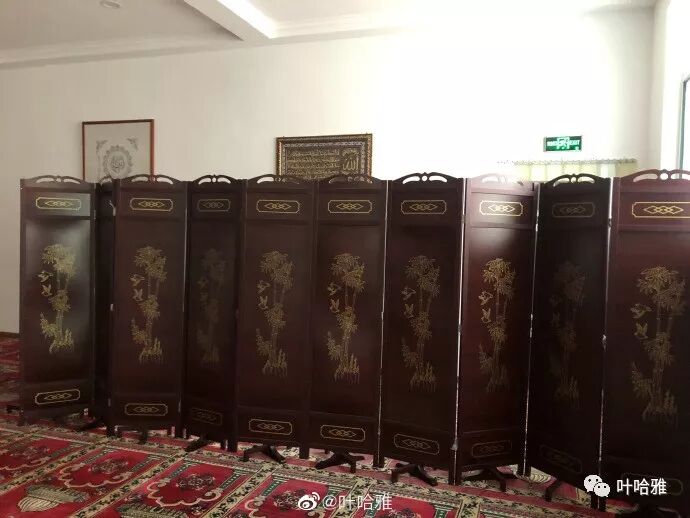
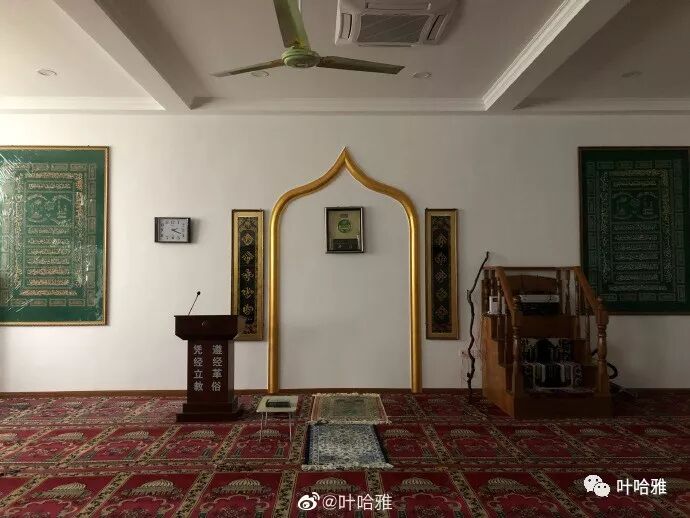
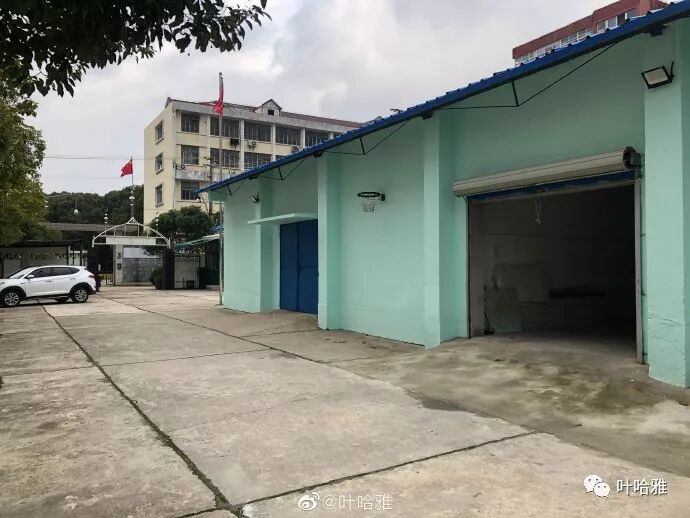
7. Fuyou Road Mosque
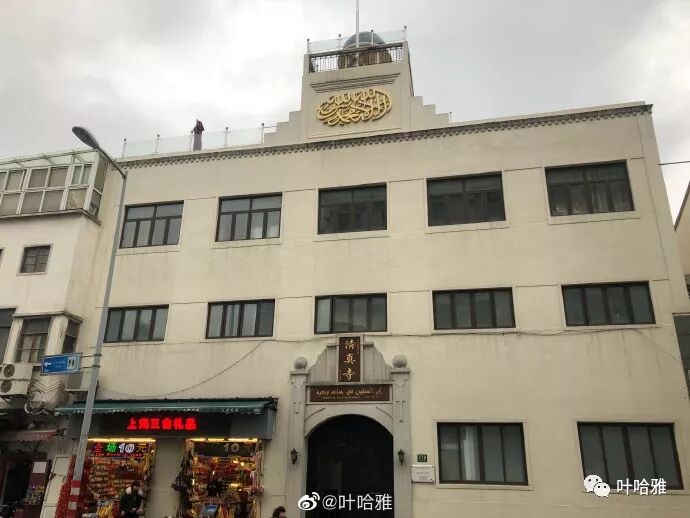
The Fuyou Road Mosque, commonly known as the North Mosque, was built in 1870 and was spearheaded by the Hui Muslims of Nanjing. It was once the location of the first Muslim school in Shanghai, namely Wuben Primary School, and the Shanghai Halal Board of Directors was also established here. Imam Dapu Sheng once served as the imam.
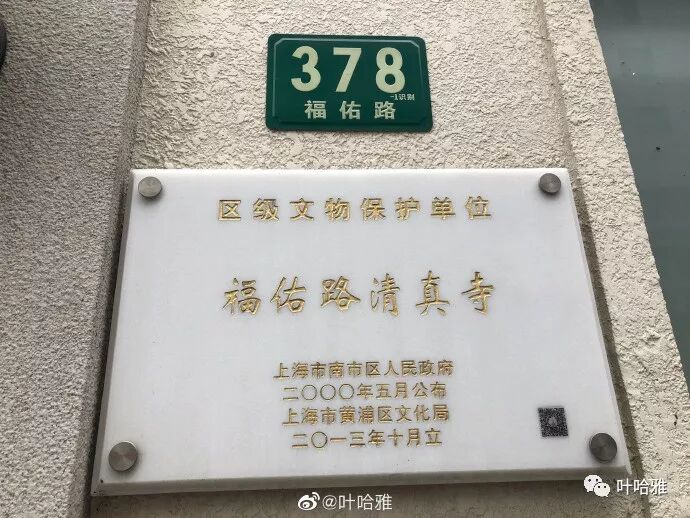
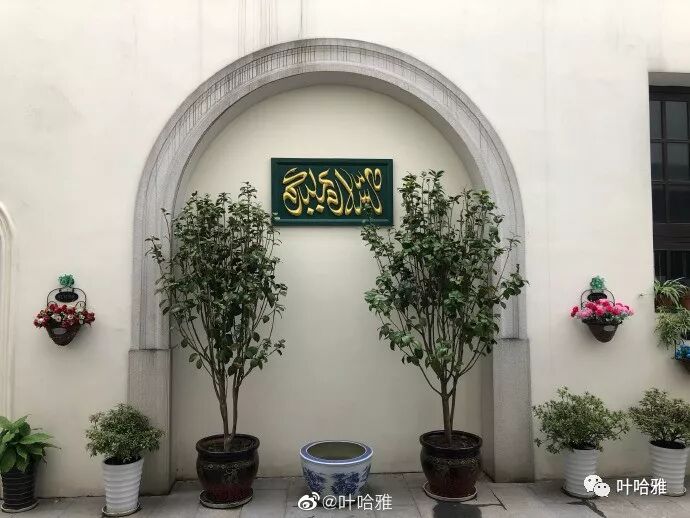
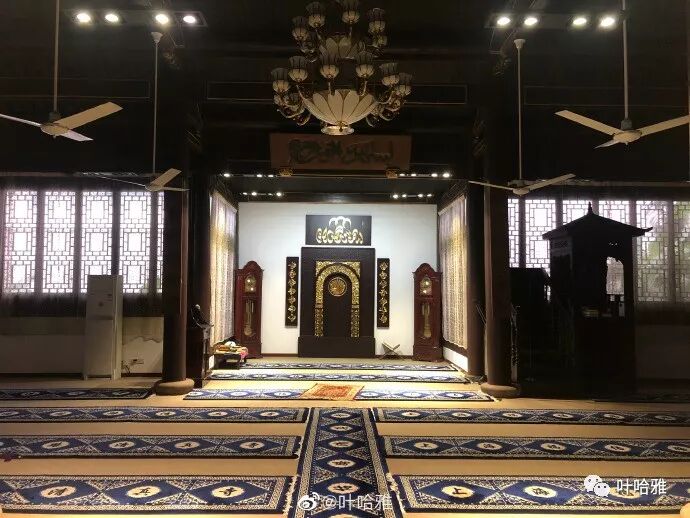
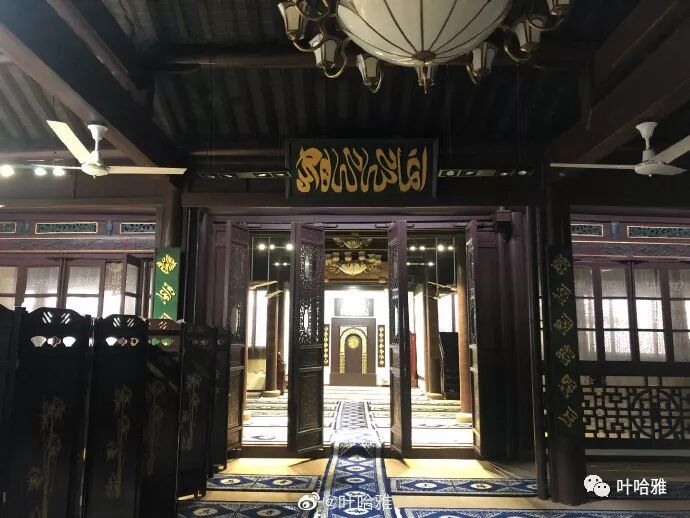
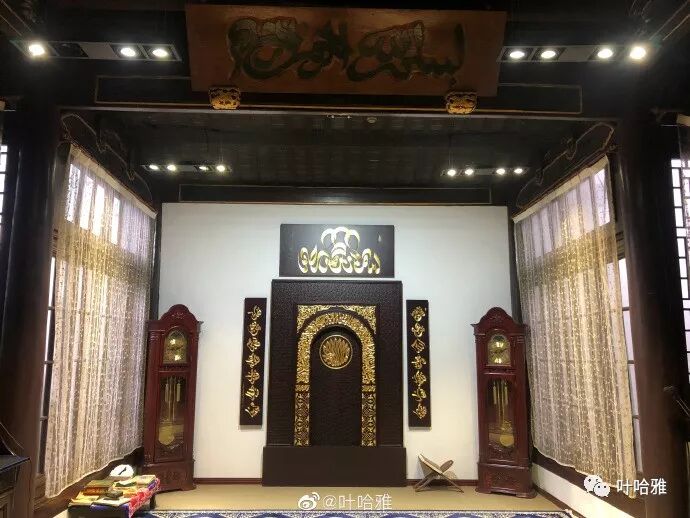
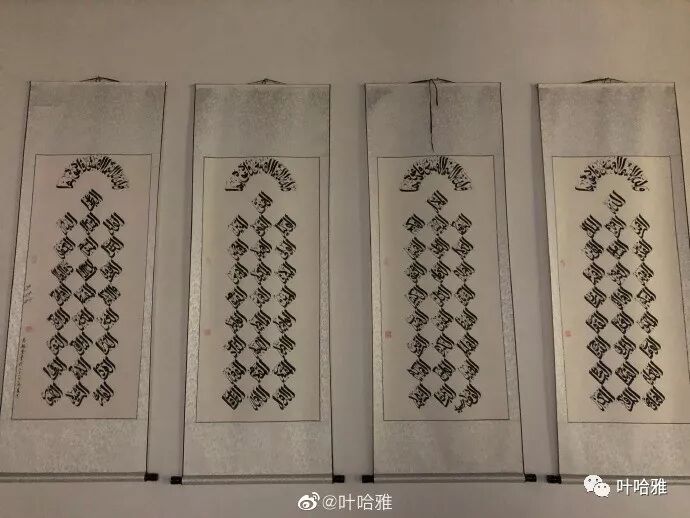
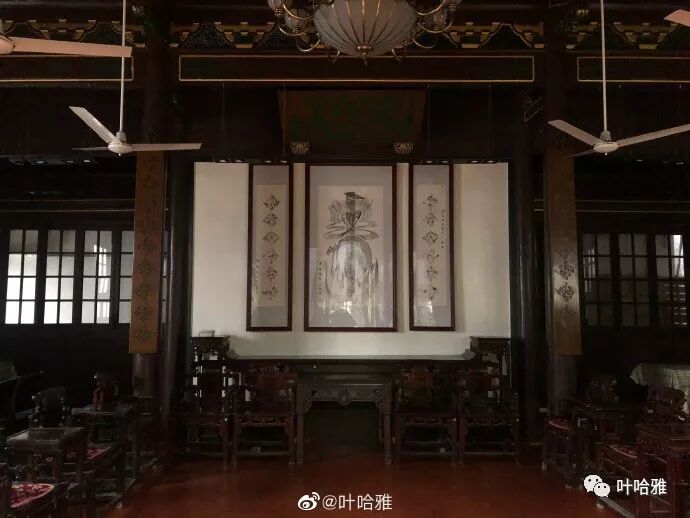
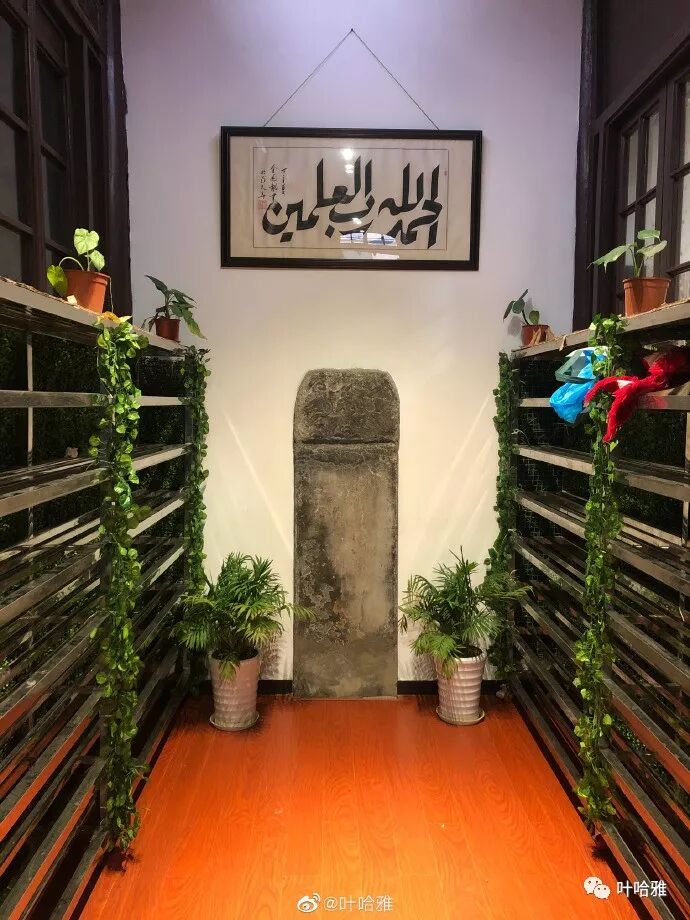
Summary: Mosque Near Me in Shanghai: Xiaotaoyuan, Huxi and Authentic Halal Food Map is presented here as a clear English travel account for Muslim readers, beginning with this scene: Shanghai currently has 7+1 mosques, one of which is the Female Mosque in Xiaotaoyuan. Except for the Jinshan Mosque in Jinshan District, which is far away from the city, the other seven mosques are all within. The article keeps the original place names, food details, photographs, and cultural context while focusing on Shanghai Mosques, Halal Food, Muslim Travel.
Shanghai currently has 7+1 mosques, one of which is the Female Mosque in Xiaotaoyuan. Except for the Jinshan Mosque in Jinshan District, which is far away from the city, the other seven mosques are all within a radius of ten kilometers. The transportation is convenient and very easy to find.
As an international metropolis, Shanghai has added more and more types of halal restaurants in recent years. I remember that five years ago when I came to Shanghai, there were not many flavor restaurants to choose from. Now I am spoiled for choice. Japanese, Korean, Southeast Asian, Middle Eastern, Western, local, etc. all have halal versions, and the richness is second only to Beijing.
For Muslims who come to Shanghai for travel and accommodation, I recommend the Pearl Hotel near Jiashan Road, because this is a halal hotel invested by the Ethnic and Religious Affairs Commission. It has halal breakfast and dinner. It has an excellent location. Jiashan Road subway station is just outside the door, and it is very close to bustling areas such as Nanjing Road Pedestrian Street. The price is not expensive.
Table of contents
Part One Catering
1. Pearl Hotel
2. Yelishali
3. Ma Kee beef fried buns
4. MAKAN Dubai Restaurant
5. Yang Tongxing
6. Shunhe Restaurant
7. Yixinzhai
8. Guan Guanji
9. Hong Changxing
10. Lebanese food
11. Efes Turkish Restaurant
12. BALI Indonesian Restaurant
13. Mizutani Japanese Restaurant
Part 2 Mosque
1. Huxi Mosque
2. Xiaotaoyuan Mosque
3. Songjiang Mosque
4. Pudong Mosque
5. Jiangwan Mosque
6. Jinshan Mosque
7. Fuyou Road Mosque
1. Pearl Hotel
Atlantic Restaurant is located on the third floor of the Pearl Hotel. It is a high-end halal restaurant serving Shanghai-style cuisine. The Pearl Hotel is on Muslim Road. In the past, there was a Rihuigang Mosque where the hotel was located, nicknamed "Moslem Villa". Nearby was the Huihui Cemetery. After Shanghai was liberated, it was placed under the management of the Shanghai Islamic Association. Later, the mosque was demolished. Therefore, there was no Muslim on the Muslim Road. The Pearl Hotel was later built with compensation.
The cafeteria on the fourth floor was being renovated when I went there, and breakfast was on the fifth floor.
The room is decorated in the style of an old state-owned hotel, and even the smell is familiar. There is a sign with the direction of Mecca inside, which is rare in China.
The buffet breakfast on the fifth floor costs 50 yuan per person. The variety is less than that of a five-star hotel. After all, this is a three-star hotel.
Both Chinese and Western flavors are available. The dishes are vegetarian and taste pretty good.
Dinner is served at the Atlantic Restaurant on the third floor. You can also order food in the room and ask the waiter to deliver it.
There is a lobby and private rooms. The environment is very good and quiet. Most of the people who come to eat are local Shanghainese.
Shanghai-style cuisine, you can eat all kinds of precious seafood.
The beef in local sauce is tender and the sauce is slightly sweet.
The signature dish is plum lemon shrimp. People say locals like this cold dish very much.
The salt and pepper fish fillet is not spicy at all and is still slightly sweet.
Red dates and peach gum stewed in peach gum. It was the first time I ate peach gum. It was the sticky gelatinous substance that flows from peach trees and tasted like white fungus.
Scallion pancakes are crispy and one of my favorite snacks.
Green onion lamb chops, made in Shanghai style, is still a bit sweet, so you can try it if you haven’t tried it before.
Serve asparagus in soup, the soup is chicken stock. This calculation works out to 180 yuan per capita.
2. Yelishali
Yelishali Xinjiang Restaurant has been open in Shanghai for more than ten years. There are more than ten chain stores. It is the most popular place for dusty dinners in Shanghai. It is comparable to Bayi Master in Beijing.
The decoration style is slightly more Western-style than Mr. Bayi's (although the word "foreign-style" sounds tacky).
Yelishali's dishes are more exquisite and slightly innovative than traditional Xinjiang dishes.
Grilled lamb chops in tin foil, with hot stones underneath.
Burqin pike, Burqin is a place name in Xinjiang, close to Kanas, where eating pike is popular.
The spicy chicken is actually not spicy and tastes very fragrant.
3. Ma Kee beef fried buns
There is a Henan snack window very close to the Huxi Mosque. Just search for Maji Beef Fried Buns on the map. Hu spicy soup and fried buns are only sold in the morning.
At noon, there are only this kind of sesame cakes and tofu cakes. This is a kind of sesame cakes that I like to eat very much. It is best if they are freshly baked. There are two kinds, sweet and salty. I like to eat salty ones, which have chopped green onions in them.
4. MAKAN
MAKAN is an Arabic restaurant in Dubai recommended by the Dubai Tourism Bureau. Shanghai has added many halal foreign food brands in recent years.
The restaurant is located on the 2nd floor of the base office building near Xujiahui Subway Station.
Fatuxu salad, topped with fried crunch similar to Hui snacks.
The name is Royal Dessert, which is probably how it was eaten in the palace. Desserts from the Western Regions are too sweet.
Okra and mutton, the soup is rich in flavor.
Arabic fragrant rice sprinkled with coriander powder.
Charcoal grilled half chicken is half a chicken. You can squeeze lemon juice on the chicken and serve it with French fries.
Cream of Mushroom Soup is one of the famous Arab dishes in the Middle East. According to the Jewish dietary precepts of the Old Testament, milk and mutton cannot be eaten together, but Muslims do not have to do this.
Arabic toast with hummus is my favorite Arabic dish and probably the most popular Arabic food. It is one of the staple dishes that must be ordered in Arabic restaurants.
Hummus drizzled with olive oil and dipped in freshly toasted Arabic bread, I could eat three in one meal. The price of MANKAN is relatively expensive. It should be said that the overall level of catering consumption in Shanghai is higher than that in Beijing. You can buy set meals in groups on Dianping. The per capita consumption is about 160 yuan.
5. Yang Tongxing
Yang Tongxing is a time-honored halal brand in Shanghai. It is located on Shimen 2nd Road near the Natural History Museum. It specializes in various local snacks and hot pots, but I recommend his snacks.
The old store reopened and a well-known designer was hired to decorate it.
Breakfast is available from 7:00, and there are many kinds, including pasta, steamed buns, pot stickers, steamed dumplings, etc.
I tried a bowl of beef wontons, the soup was thicker, the skin was thin and the fillings were big, with the flavor of five-spice powder.
6. Shunhe Restaurant
This is a local noodle restaurant run by a Shanghai Hui couple. It has been open for more than ten years and has a good reputation among nearby residents.
There are several local halal noodle restaurants like this in Shanghai, but some of them have questionable halal issues.
You can choose beef noodle soup ranging from 2 liang to 3 liang, and add toppings. The toppings are the side dishes placed in the noodles. I recommend the orchid dried tofu, which is eaten by the most people.
This noodle soup can be regarded as an improved version of ramen. The recipe is the same as ramen, but the taste is different. The soup of Shanghai noodle soup is sweet. There are all Shanghainese eating in the store. The diners seem to be familiar with the food. The old lady is too busy, and the diners even help to greet the customers.
7. Yixinzhai
If you come to Shanghai and want to eat authentic local snacks, but are afraid of stepping into the trap, I recommend Yi Xin Zhai, which contains halal versions of the main Shanghai snacks.
There are many certificates hanging at the door of the store, especially the beef fried buns that have won many awards.
Basically, Shanghainese eat breakfast in the store. To buy fried buns, you have to queue outside. However, the elderly have the privilege of having the waiter deliver it directly to their seat.
Beef offal soup tastes good and has a light texture.
There are many kinds of steamed buns. These are steamed buns. They are big and you will be full after eating one. In fact, I prefer Xiaolongbao, but the Xiaolongbao at Yixinzhai is only available after 9 o'clock in the morning. If you come early, you can only eat steamed buns and fried buns.
Most of the people queuing up are here for the beef fried dumplings. The fried dumplings are huge and not as small as Henan fried dumplings. If you come to Isshinsai in the summer, you can also eat shaved ice and stir-fry dishes for dinner. There are many chain stores in Isshinsai. You can search the address online.
8. Guan Guanji
Guan Guanji is very famous in Shanghai, specializing in northwest cuisine, but the breakfast is a combination of Cantonese and northwest cuisine, which is also an innovation. This restaurant is non-smoking and alcohol-free, and it tastes very solid.
The waitresses all wear headscarves and look friendly.
There was beef soup and beef noodles for breakfast. I had beef soup.
Beef pot stickers, the cooking method is very southern, and it is an excellent combination with northwest ingredients.
9. Hong Changxing
Hong Changxing is a well-known time-honored restaurant in Shanghai run by Ma Lianliang's relatives. It has a history of 100 years. It was originally Ma's kitchen, specializing in hot pot, as well as cooking and pastries for takeout.
The main store is located in the core area of Nanjing Road Pedestrian Street, and there are also branches.
I came to Hong Changxing specially to buy halal pastries to take back to Beijing. There are many varieties here.
There are also granules such as sesame and walnut powder, which the elderly like.
I bought golden sand cakes, minced beef cakes, coconut tarts, rose cakes, etc. The waiter was an enthusiastic old Shanghai auntie, and she even helped me write out the names of each snack so that I could introduce them when I went back.
After eating them all, I liked the shredded coconut tart the best.
10. Lebanese food
There is a Lebanese restaurant in Beijing called Alameen, which is very good. I didn’t expect that you can also eat extremely delicious Lebanese food in Shanghai. The name of this restaurant is “Lebanese Food” and it is located near People’s Square.
The area is small, but the decoration is exquisite and warm. The waiters are Chinese and the boss is a Lebanese Muslim.
Lebanese cuisine is second to none in the Middle East and is a perfect example of combining East and West.
Halal tips are written on the menu, and the ingredients include no alcohol, no pork, no bacon, no ham, etc.
Barbeque platter, the white one is garlic sauce.
Quinoa Salad
The Arabic flatbread comes with a sauce platter, and you can try four dipping sauces at once.
Chicken pizza, thick cheese is my favorite.
After-dinner ice cream, there are a variety of flavors to choose from. It has a rich milky flavor and can be eaten without ice. The price is not expensive, about 100 yuan per person, and the most important thing is that it tastes good.
11. Efes Turkish Restaurant
A Turkish restaurant one kilometer away from the Pudong Mosque. The environment is really nice and there is a fountain at the door.
Like some unlisted restaurants in Xinjiang, some Turkish restaurants do not have halal certification. It is better to ask before eating. However, this restaurant has a certificate and you can eat with confidence.
Won an award on TripAdvisor, a popular foreign review software.
This time I came alone to eat, and I had to rush to eat. I only ate one pide. The taste was okay, but not amazing. I still miss the Turkish restaurants in Yiwu more.
The bread is given as a gift before the meal. The service in this store is very attentive. Of course, the price is not cheap. The per capita consumption is more than 150 yuan. I am used to the low price level in the imperial capital, but I feel that the price is still high when I come to Shanghai.
12. BALI Indonesian style restaurant
Southeast Asian halal restaurants in Beijing such as Nanyang Festival Walk in Malaysia, Batang Indonesian Cuisine, and Sukhothai Thai Restaurant have all been closed, but they made up for my loss of taste in Shanghai.
BALI is Bali, this is a fast food restaurant, clean and tidy.
There are several tables on the second floor, and the waiter is Indonesian and can speak Chinese.
Indonesian black tea.
Fruit served before meal.
A signature fried rice set includes grilled skewers, satay sauce, vegetable salad, and shrimp crackers. Indonesians like to eat fried things. The taste is okay, and the per capita consumption is about 60 yuan.
13. Mizutani House
You can’t go wrong eating halal Japanese food in Shanghai. Shanghai is influenced by Japanese culture. Walking on the streets of Shanghai feels like walking in Tokyo. eating seafood in Shanghai is convenient and the ingredients can be kept fresh. This is very important for Japanese people who are used to raw food.
The location is on Yuyao Road. When I walked in and asked if it was halal, the waiter immediately looked at me and showed me the certification mark. I felt at ease now. I heard that the owner is from Henan, and when it opened, he went to the Huxi Mosque to ask the imam to help promote it.
The space in the store is very large. You can eat alone at the bar on the first floor, or you can go to a private room on the second floor.
Spicy snail meat, just slightly spicy.
Tuna and Avocado Salad.
Samurai Chicken Nuggets.
Sushi platter.
Octopus sashimi.
Snow Beef Roll, the picture shows raw beef, the waiter will tell you whether it is cooked or cooked.
Nagoya grilled chicken wings.
Seafood steamed egg, mini small portion. The overall evaluation of Mizutani House is very good. The level of Japanese food in Shanghai is still good. The price is not expensive compared to the level in Shanghai. The per capita consumption is 160 yuan, which is not expensive in the Japanese food industry.
1. Huxi Mosque
Huxi Mosque, formerly known as "Yashui Nong Mosque" and commonly known as "Old Mosque", is located at No. 3, Lane 1328, Changde Road. In 1914, it was initiated by the Hubei Hui Muslims to rent a small house in Yaoshui Lane and use it as a temporary place of worship. In the 10th year of the Republic of China, Jin Zhi'an, Ma Yitang, Jiang Xingjie and the Shanghai Muslim Board of Directors decided to donate 2,000 yuan to build the mosque. In 1992, it moved to Changde Road. The current imam is Bai Runsheng.
When the Huxi Mosque was built in 1990, the Putuo District Government required that the new mosque should have Islamic architectural features and comply with modern architectural standards that are consistent with the new district's layout.
Huxi Mosque has a Zhuma Bazaar on Friday, and it is very large. I came here once five years ago. The Zhuma Bazaar was only one street in size, but now it has developed into two streets.
2. Xiaotaoyuan Mosque
Xiaotaoyuan Mosque, commonly known as "Xicheng Mosque", is located at No. 52 Xiaotaoyuan Street, Huangpu District. In 1917, Shanghai Muslim Board of Directors Jin Ziyun invested 12,000 silver dollars, and with the support of Ha Shaofu, Ma Yitang and others, funds were raised from various places and the construction was completed.
The mosque is in a West Asian style, with a verse from the Koran embedded across the door, which translates as "The religion that pleases Allah is indeed Islam."
The Xiaotaoyuan Mosque once housed an Islamic Normal School, a Muslim National Primary School, a Mingcheng Primary School, a Chongben Primary School, and a Shanghai Muslim Orphan Correctional Institution. During the Republic of China, it served as a transit point for pilgrims traveling abroad by sea. Da Pusheng, Hade Cheng and Zong Ditang followed the example of Liu Guan and Zhang Taoyuan and became sworn sworn brothers here. They were called the Xiaotaoyuan Three Brothers.
Next to the Xiaotaoyuan Mosque is the Mosque for Girls. It was founded in 1933 as a Shanghai Muslim Kunning Tongde Girls’ School funded by the Kunning Tongde Association.
3. Songjiang Mosque
Songjiang Mosque was built in the Zhizheng period of the Yuan Dynasty (1341-1368). It is the oldest mosque in Shanghai and the most worth visiting. Songjiang was originally part of Jiangsu Province and was placed under Shanghai City in 1958. There are no traces of Huihui descendants who settled in Songjiang during the Yuan Dynasty. It is known that the first Muslims to settle in Shanghai were after the opening of Shanghai, that is, on November 17, 1843. According to the provisions of the "Treaty of Nanjing" and the "Five-port Trade Charter", Shanghai was officially opened as a port. Since then, Shanghai has transformed from a small county into an international metropolis.
The original mosque was surrounded by Huihui cemeteries. Now the mosque is also a combination of temples and tombs, including the tomb of Daru Huachi, the governor of Yuan County. There are 4 inscriptions from past dynasties preserved in the mosque, including the "Inscription of the Reconstruction of the Zhenjiao Mosque" from the 16th year of Kangxi's reign, written by Yang Caigui, a professor of Songjiang Fuxue and a scholar in Huai'an, and erected by Sai Yinchang, the dean of the mosque.
One of the highlights is the Kiln Hall without Beams, which has both Chinese and Western characteristics.
4. Pudong Mosque
The Pudong Mosque was founded in 1935. Hong Changjin, a Shandong Muslim, rented a house in Lannidu, Pudong as a temporary place of worship. The current Pudong Mosque was built in 1999. There is also a bazaar in front of the main Mari Mosque, and the scale is not small.
The bazaar in front of Pudong Mosque is only open on Fridays and mainly sells Xinjiang specialties and delicacies.
5. Jiangwan Mosque
Jiangwan Mosque in Shanghai, commonly known as Jiangsu Mosque, was named after the construction initiated by Muslims from Northern Jiangsu. It was built in 1928. It was built by Huaiyin and Siyang Muslims in Jiangsu Province in the early days. Imam Dai Yiheng from Jiangyin presided over the teaching affairs. Later, Imam Zhou Shizhao, a Zhehe Renyemen eunuch, presided over the teaching affairs.
6. Jinshan Mosque
Shanghai Jinshan Mosque is actually a fixed place. The Islamic Association purchased and renovated the health products waste warehouse of Jinshan Petrochemical Pharmaceutical Company, and opened it in 2010. This is the first mosque approved to be established in Shanghai since its reform and opening up.
Jinshan Mosque is far away from downtown Shanghai. You need to take a one-hour subway ride from Shanghai South Railway Station. It is very close to the only beach in Shanghai. You can come here to watch the sea in summer.
7. Fuyou Road Mosque
The Fuyou Road Mosque, commonly known as the North Mosque, was built in 1870 and was spearheaded by the Hui Muslims of Nanjing. It was once the location of the first Muslim school in Shanghai, namely Wuben Primary School, and the Shanghai Halal Board of Directors was also established here. Imam Dapu Sheng once served as the imam.
Mosque Near Me in Shanghai: Xiaotaoyuan, Huxi and Authentic Halal Food Map
Articles • ali2007fr posted the article • 0 comments • 265 views • 2026-05-21 13:02
Reposted from the web
Summary: Mosque Near Me in Shanghai: Xiaotaoyuan, Huxi and Authentic Halal Food Map is presented here as a clear English travel account for Muslim readers, beginning with this scene: Shanghai currently has 7+1 mosques, one of which is the Female Mosque in Xiaotaoyuan. Except for the Jinshan Mosque in Jinshan District, which is far away from the city, the other seven mosques are all within. The article keeps the original place names, food details, photographs, and cultural context while focusing on Shanghai Mosques, Halal Food, Muslim Travel.
Shanghai currently has 7+1 mosques, one of which is the Female Mosque in Xiaotaoyuan. Except for the Jinshan Mosque in Jinshan District, which is far away from the city, the other seven mosques are all within a radius of ten kilometers. The transportation is convenient and very easy to find.
As an international metropolis, Shanghai has added more and more types of halal restaurants in recent years. I remember that five years ago when I came to Shanghai, there were not many flavor restaurants to choose from. Now I am spoiled for choice. Japanese, Korean, Southeast Asian, Middle Eastern, Western, local, etc. all have halal versions, and the richness is second only to Beijing.
For Muslims who come to Shanghai for travel and accommodation, I recommend the Pearl Hotel near Jiashan Road, because this is a halal hotel invested by the Ethnic and Religious Affairs Commission. It has halal breakfast and dinner. It has an excellent location. Jiashan Road subway station is just outside the door, and it is very close to bustling areas such as Nanjing Road Pedestrian Street. The price is not expensive.
Table of contents
Part One Catering
1. Pearl Hotel
2. Yelishali
3. Ma Kee beef fried buns
4. MAKAN Dubai Restaurant
5. Yang Tongxing
6. Shunhe Restaurant
7. Yixinzhai
8. Guan Guanji
9. Hong Changxing
10. Lebanese food
11. Efes Turkish Restaurant
12. BALI Indonesian Restaurant
13. Mizutani Japanese Restaurant
Part 2 Mosque
1. Huxi Mosque
2. Xiaotaoyuan Mosque
3. Songjiang Mosque
4. Pudong Mosque
5. Jiangwan Mosque
6. Jinshan Mosque
7. Fuyou Road Mosque
1. Pearl Hotel
Atlantic Restaurant is located on the third floor of the Pearl Hotel. It is a high-end halal restaurant serving Shanghai-style cuisine. The Pearl Hotel is on Muslim Road. In the past, there was a Rihuigang Mosque where the hotel was located, nicknamed "Moslem Villa". Nearby was the Huihui Cemetery. After Shanghai was liberated, it was placed under the management of the Shanghai Islamic Association. Later, the mosque was demolished. Therefore, there was no Muslim on the Muslim Road. The Pearl Hotel was later built with compensation.
The cafeteria on the fourth floor was being renovated when I went there, and breakfast was on the fifth floor.
The room is decorated in the style of an old state-owned hotel, and even the smell is familiar. There is a sign with the direction of Mecca inside, which is rare in China.
The buffet breakfast on the fifth floor costs 50 yuan per person. The variety is less than that of a five-star hotel. After all, this is a three-star hotel.
Both Chinese and Western flavors are available. The dishes are vegetarian and taste pretty good.
Dinner is served at the Atlantic Restaurant on the third floor. You can also order food in the room and ask the waiter to deliver it.
There is a lobby and private rooms. The environment is very good and quiet. Most of the people who come to eat are local Shanghainese.
Shanghai-style cuisine, you can eat all kinds of precious seafood.
The beef in local sauce is tender and the sauce is slightly sweet.
The signature dish is plum lemon shrimp. People say locals like this cold dish very much.
The salt and pepper fish fillet is not spicy at all and is still slightly sweet.
Red dates and peach gum stewed in peach gum. It was the first time I ate peach gum. It was the sticky gelatinous substance that flows from peach trees and tasted like white fungus.
Scallion pancakes are crispy and one of my favorite snacks.
Green onion lamb chops, made in Shanghai style, is still a bit sweet, so you can try it if you haven’t tried it before.
Serve asparagus in soup, the soup is chicken stock. This calculation works out to 180 yuan per capita.
2. Yelishali
Yelishali Xinjiang Restaurant has been open in Shanghai for more than ten years. There are more than ten chain stores. It is the most popular place for dusty dinners in Shanghai. It is comparable to Bayi Master in Beijing.
The decoration style is slightly more Western-style than Mr. Bayi's (although the word "foreign-style" sounds tacky).
Yelishali's dishes are more exquisite and slightly innovative than traditional Xinjiang dishes.
Grilled lamb chops in tin foil, with hot stones underneath.
Burqin pike, Burqin is a place name in Xinjiang, close to Kanas, where eating pike is popular.
The spicy chicken is actually not spicy and tastes very fragrant.
3. Ma Kee beef fried buns
There is a Henan snack window very close to the Huxi Mosque. Just search for Maji Beef Fried Buns on the map. Hu spicy soup and fried buns are only sold in the morning.
At noon, there are only this kind of sesame cakes and tofu cakes. This is a kind of sesame cakes that I like to eat very much. It is best if they are freshly baked. There are two kinds, sweet and salty. I like to eat salty ones, which have chopped green onions in them.
4. MAKAN
MAKAN is an Arabic restaurant in Dubai recommended by the Dubai Tourism Bureau. Shanghai has added many halal foreign food brands in recent years.
The restaurant is located on the 2nd floor of the base office building near Xujiahui Subway Station.
Fatuxu salad, topped with fried crunch similar to Hui snacks.
The name is Royal Dessert, which is probably how it was eaten in the palace. Desserts from the Western Regions are too sweet.
Okra and mutton, the soup is rich in flavor.
Arabic fragrant rice sprinkled with coriander powder.
Charcoal grilled half chicken is half a chicken. You can squeeze lemon juice on the chicken and serve it with French fries.
Cream of Mushroom Soup is one of the famous Arab dishes in the Middle East. According to the Jewish dietary precepts of the Old Testament, milk and mutton cannot be eaten together, but Muslims do not have to do this.
Arabic toast with hummus is my favorite Arabic dish and probably the most popular Arabic food. It is one of the staple dishes that must be ordered in Arabic restaurants.
Hummus drizzled with olive oil and dipped in freshly toasted Arabic bread, I could eat three in one meal. The price of MANKAN is relatively expensive. It should be said that the overall level of catering consumption in Shanghai is higher than that in Beijing. You can buy set meals in groups on Dianping. The per capita consumption is about 160 yuan.
5. Yang Tongxing
Yang Tongxing is a time-honored halal brand in Shanghai. It is located on Shimen 2nd Road near the Natural History Museum. It specializes in various local snacks and hot pots, but I recommend his snacks.
The old store reopened and a well-known designer was hired to decorate it.
Breakfast is available from 7:00, and there are many kinds, including pasta, steamed buns, pot stickers, steamed dumplings, etc.
I tried a bowl of beef wontons, the soup was thicker, the skin was thin and the fillings were big, with the flavor of five-spice powder.
6. Shunhe Restaurant
This is a local noodle restaurant run by a Shanghai Hui couple. It has been open for more than ten years and has a good reputation among nearby residents.
There are several local halal noodle restaurants like this in Shanghai, but some of them have questionable halal issues.
You can choose beef noodle soup ranging from 2 liang to 3 liang, and add toppings. The toppings are the side dishes placed in the noodles. I recommend the orchid dried tofu, which is eaten by the most people.
This noodle soup can be regarded as an improved version of ramen. The recipe is the same as ramen, but the taste is different. The soup of Shanghai noodle soup is sweet. There are all Shanghainese eating in the store. The diners seem to be familiar with the food. The old lady is too busy, and the diners even help to greet the customers.
7. Yixinzhai
If you come to Shanghai and want to eat authentic local snacks, but are afraid of stepping into the trap, I recommend Yi Xin Zhai, which contains halal versions of the main Shanghai snacks.
There are many certificates hanging at the door of the store, especially the beef fried buns that have won many awards.
Basically, Shanghainese eat breakfast in the store. To buy fried buns, you have to queue outside. However, the elderly have the privilege of having the waiter deliver it directly to their seat.
Beef offal soup tastes good and has a light texture.
There are many kinds of steamed buns. These are steamed buns. They are big and you will be full after eating one. In fact, I prefer Xiaolongbao, but the Xiaolongbao at Yixinzhai is only available after 9 o'clock in the morning. If you come early, you can only eat steamed buns and fried buns.
Most of the people queuing up are here for the beef fried dumplings. The fried dumplings are huge and not as small as Henan fried dumplings. If you come to Isshinsai in the summer, you can also eat shaved ice and stir-fry dishes for dinner. There are many chain stores in Isshinsai. You can search the address online.
8. Guan Guanji
Guan Guanji is very famous in Shanghai, specializing in northwest cuisine, but the breakfast is a combination of Cantonese and northwest cuisine, which is also an innovation. This restaurant is non-smoking and alcohol-free, and it tastes very solid.
The waitresses all wear headscarves and look friendly.
There was beef soup and beef noodles for breakfast. I had beef soup.
Beef pot stickers, the cooking method is very southern, and it is an excellent combination with northwest ingredients.
9. Hong Changxing
Hong Changxing is a well-known time-honored restaurant in Shanghai run by Ma Lianliang's relatives. It has a history of 100 years. It was originally Ma's kitchen, specializing in hot pot, as well as cooking and pastries for takeout.
The main store is located in the core area of Nanjing Road Pedestrian Street, and there are also branches.
I came to Hong Changxing specially to buy halal pastries to take back to Beijing. There are many varieties here.
There are also granules such as sesame and walnut powder, which the elderly like.
I bought golden sand cakes, minced beef cakes, coconut tarts, rose cakes, etc. The waiter was an enthusiastic old Shanghai auntie, and she even helped me write out the names of each snack so that I could introduce them when I went back.
After eating them all, I liked the shredded coconut tart the best.
10. Lebanese food
There is a Lebanese restaurant in Beijing called Alameen, which is very good. I didn’t expect that you can also eat extremely delicious Lebanese food in Shanghai. The name of this restaurant is “Lebanese Food” and it is located near People’s Square.
The area is small, but the decoration is exquisite and warm. The waiters are Chinese and the boss is a Lebanese Muslim.
Lebanese cuisine is second to none in the Middle East and is a perfect example of combining East and West.
Halal tips are written on the menu, and the ingredients include no alcohol, no pork, no bacon, no ham, etc.
Barbeque platter, the white one is garlic sauce.
Quinoa Salad
The Arabic flatbread comes with a sauce platter, and you can try four dipping sauces at once.
Chicken pizza, thick cheese is my favorite.
After-dinner ice cream, there are a variety of flavors to choose from. It has a rich milky flavor and can be eaten without ice. The price is not expensive, about 100 yuan per person, and the most important thing is that it tastes good.
11. Efes Turkish Restaurant
A Turkish restaurant one kilometer away from the Pudong Mosque. The environment is really nice and there is a fountain at the door.
Like some unlisted restaurants in Xinjiang, some Turkish restaurants do not have halal certification. It is better to ask before eating. However, this restaurant has a certificate and you can eat with confidence.
Won an award on TripAdvisor, a popular foreign review software.
This time I came alone to eat, and I had to rush to eat. I only ate one pide. The taste was okay, but not amazing. I still miss the Turkish restaurants in Yiwu more.
The bread is given as a gift before the meal. The service in this store is very attentive. Of course, the price is not cheap. The per capita consumption is more than 150 yuan. I am used to the low price level in the imperial capital, but I feel that the price is still high when I come to Shanghai.
12. BALI Indonesian style restaurant
Southeast Asian halal restaurants in Beijing such as Nanyang Festival Walk in Malaysia, Batang Indonesian Cuisine, and Sukhothai Thai Restaurant have all been closed, but they made up for my loss of taste in Shanghai.
BALI is Bali, this is a fast food restaurant, clean and tidy.
There are several tables on the second floor, and the waiter is Indonesian and can speak Chinese.
Indonesian black tea.
Fruit served before meal.
A signature fried rice set includes grilled skewers, satay sauce, vegetable salad, and shrimp crackers. Indonesians like to eat fried things. The taste is okay, and the per capita consumption is about 60 yuan.
13. Mizutani House
You can’t go wrong eating halal Japanese food in Shanghai. Shanghai is influenced by Japanese culture. Walking on the streets of Shanghai feels like walking in Tokyo. eating seafood in Shanghai is convenient and the ingredients can be kept fresh. This is very important for Japanese people who are used to raw food.
The location is on Yuyao Road. When I walked in and asked if it was halal, the waiter immediately looked at me and showed me the certification mark. I felt at ease now. I heard that the owner is from Henan, and when it opened, he went to the Huxi Mosque to ask the imam to help promote it.
The space in the store is very large. You can eat alone at the bar on the first floor, or you can go to a private room on the second floor.
Spicy snail meat, just slightly spicy.
Tuna and Avocado Salad.
Samurai Chicken Nuggets.
Sushi platter.
Octopus sashimi.
Snow Beef Roll, the picture shows raw beef, the waiter will tell you whether it is cooked or cooked.
Nagoya grilled chicken wings.
Seafood steamed egg, mini small portion. The overall evaluation of Mizutani House is very good. The level of Japanese food in Shanghai is still good. The price is not expensive compared to the level in Shanghai. The per capita consumption is 160 yuan, which is not expensive in the Japanese food industry.
1. Huxi Mosque
Huxi Mosque, formerly known as "Yashui Nong Mosque" and commonly known as "Old Mosque", is located at No. 3, Lane 1328, Changde Road. In 1914, it was initiated by the Hubei Hui Muslims to rent a small house in Yaoshui Lane and use it as a temporary place of worship. In the 10th year of the Republic of China, Jin Zhi'an, Ma Yitang, Jiang Xingjie and the Shanghai Muslim Board of Directors decided to donate 2,000 yuan to build the mosque. In 1992, it moved to Changde Road. The current imam is Bai Runsheng.
When the Huxi Mosque was built in 1990, the Putuo District Government required that the new mosque should have Islamic architectural features and comply with modern architectural standards that are consistent with the new district's layout.
Huxi Mosque has a Zhuma Bazaar on Friday, and it is very large. I came here once five years ago. The Zhuma Bazaar was only one street in size, but now it has developed into two streets.
2. Xiaotaoyuan Mosque
Xiaotaoyuan Mosque, commonly known as "Xicheng Mosque", is located at No. 52 Xiaotaoyuan Street, Huangpu District. In 1917, Shanghai Muslim Board of Directors Jin Ziyun invested 12,000 silver dollars, and with the support of Ha Shaofu, Ma Yitang and others, funds were raised from various places and the construction was completed.
The mosque is in a West Asian style, with a verse from the Koran embedded across the door, which translates as "The religion that pleases Allah is indeed Islam."
The Xiaotaoyuan Mosque once housed an Islamic Normal School, a Muslim National Primary School, a Mingcheng Primary School, a Chongben Primary School, and a Shanghai Muslim Orphan Correctional Institution. During the Republic of China, it served as a transit point for pilgrims traveling abroad by sea. Da Pusheng, Hade Cheng and Zong Ditang followed the example of Liu Guan and Zhang Taoyuan and became sworn sworn brothers here. They were called the Xiaotaoyuan Three Brothers.
Next to the Xiaotaoyuan Mosque is the Mosque for Girls. It was founded in 1933 as a Shanghai Muslim Kunning Tongde Girls’ School funded by the Kunning Tongde Association.
3. Songjiang Mosque
Songjiang Mosque was built in the Zhizheng period of the Yuan Dynasty (1341-1368). It is the oldest mosque in Shanghai and the most worth visiting. Songjiang was originally part of Jiangsu Province and was placed under Shanghai City in 1958. There are no traces of Huihui descendants who settled in Songjiang during the Yuan Dynasty. It is known that the first Muslims to settle in Shanghai were after the opening of Shanghai, that is, on November 17, 1843. According to the provisions of the "Treaty of Nanjing" and the "Five-port Trade Charter", Shanghai was officially opened as a port. Since then, Shanghai has transformed from a small county into an international metropolis.
The original mosque was surrounded by Huihui cemeteries. Now the mosque is also a combination of temples and tombs, including the tomb of Daru Huachi, the governor of Yuan County. There are 4 inscriptions from past dynasties preserved in the mosque, including the "Inscription of the Reconstruction of the Zhenjiao Mosque" from the 16th year of Kangxi's reign, written by Yang Caigui, a professor of Songjiang Fuxue and a scholar in Huai'an, and erected by Sai Yinchang, the dean of the mosque.
One of the highlights is the Kiln Hall without Beams, which has both Chinese and Western characteristics.
4. Pudong Mosque
The Pudong Mosque was founded in 1935. Hong Changjin, a Shandong Muslim, rented a house in Lannidu, Pudong as a temporary place of worship. The current Pudong Mosque was built in 1999. There is also a bazaar in front of the main Mari Mosque, and the scale is not small.
The bazaar in front of Pudong Mosque is only open on Fridays and mainly sells Xinjiang specialties and delicacies.
5. Jiangwan Mosque
Jiangwan Mosque in Shanghai, commonly known as Jiangsu Mosque, was named after the construction initiated by Muslims from Northern Jiangsu. It was built in 1928. It was built by Huaiyin and Siyang Muslims in Jiangsu Province in the early days. Imam Dai Yiheng from Jiangyin presided over the teaching affairs. Later, Imam Zhou Shizhao, a Zhehe Renyemen eunuch, presided over the teaching affairs.
6. Jinshan Mosque
Shanghai Jinshan Mosque is actually a fixed place. The Islamic Association purchased and renovated the health products waste warehouse of Jinshan Petrochemical Pharmaceutical Company, and opened it in 2010. This is the first mosque approved to be established in Shanghai since its reform and opening up.
Jinshan Mosque is far away from downtown Shanghai. You need to take a one-hour subway ride from Shanghai South Railway Station. It is very close to the only beach in Shanghai. You can come here to watch the sea in summer.
7. Fuyou Road Mosque
The Fuyou Road Mosque, commonly known as the North Mosque, was built in 1870 and was spearheaded by the Hui Muslims of Nanjing. It was once the location of the first Muslim school in Shanghai, namely Wuben Primary School, and the Shanghai Halal Board of Directors was also established here. Imam Dapu Sheng once served as the imam. view all
Summary: Mosque Near Me in Shanghai: Xiaotaoyuan, Huxi and Authentic Halal Food Map is presented here as a clear English travel account for Muslim readers, beginning with this scene: Shanghai currently has 7+1 mosques, one of which is the Female Mosque in Xiaotaoyuan. Except for the Jinshan Mosque in Jinshan District, which is far away from the city, the other seven mosques are all within. The article keeps the original place names, food details, photographs, and cultural context while focusing on Shanghai Mosques, Halal Food, Muslim Travel.
Shanghai currently has 7+1 mosques, one of which is the Female Mosque in Xiaotaoyuan. Except for the Jinshan Mosque in Jinshan District, which is far away from the city, the other seven mosques are all within a radius of ten kilometers. The transportation is convenient and very easy to find.
As an international metropolis, Shanghai has added more and more types of halal restaurants in recent years. I remember that five years ago when I came to Shanghai, there were not many flavor restaurants to choose from. Now I am spoiled for choice. Japanese, Korean, Southeast Asian, Middle Eastern, Western, local, etc. all have halal versions, and the richness is second only to Beijing.
For Muslims who come to Shanghai for travel and accommodation, I recommend the Pearl Hotel near Jiashan Road, because this is a halal hotel invested by the Ethnic and Religious Affairs Commission. It has halal breakfast and dinner. It has an excellent location. Jiashan Road subway station is just outside the door, and it is very close to bustling areas such as Nanjing Road Pedestrian Street. The price is not expensive.
Table of contents
Part One Catering
1. Pearl Hotel
2. Yelishali
3. Ma Kee beef fried buns
4. MAKAN Dubai Restaurant
5. Yang Tongxing
6. Shunhe Restaurant
7. Yixinzhai
8. Guan Guanji
9. Hong Changxing
10. Lebanese food
11. Efes Turkish Restaurant
12. BALI Indonesian Restaurant
13. Mizutani Japanese Restaurant
Part 2 Mosque
1. Huxi Mosque
2. Xiaotaoyuan Mosque
3. Songjiang Mosque
4. Pudong Mosque
5. Jiangwan Mosque
6. Jinshan Mosque
7. Fuyou Road Mosque
1. Pearl Hotel
Atlantic Restaurant is located on the third floor of the Pearl Hotel. It is a high-end halal restaurant serving Shanghai-style cuisine. The Pearl Hotel is on Muslim Road. In the past, there was a Rihuigang Mosque where the hotel was located, nicknamed "Moslem Villa". Nearby was the Huihui Cemetery. After Shanghai was liberated, it was placed under the management of the Shanghai Islamic Association. Later, the mosque was demolished. Therefore, there was no Muslim on the Muslim Road. The Pearl Hotel was later built with compensation.
The cafeteria on the fourth floor was being renovated when I went there, and breakfast was on the fifth floor.
The room is decorated in the style of an old state-owned hotel, and even the smell is familiar. There is a sign with the direction of Mecca inside, which is rare in China.
The buffet breakfast on the fifth floor costs 50 yuan per person. The variety is less than that of a five-star hotel. After all, this is a three-star hotel.
Both Chinese and Western flavors are available. The dishes are vegetarian and taste pretty good.
Dinner is served at the Atlantic Restaurant on the third floor. You can also order food in the room and ask the waiter to deliver it.
There is a lobby and private rooms. The environment is very good and quiet. Most of the people who come to eat are local Shanghainese.
Shanghai-style cuisine, you can eat all kinds of precious seafood.
The beef in local sauce is tender and the sauce is slightly sweet.
The signature dish is plum lemon shrimp. People say locals like this cold dish very much.
The salt and pepper fish fillet is not spicy at all and is still slightly sweet.
Red dates and peach gum stewed in peach gum. It was the first time I ate peach gum. It was the sticky gelatinous substance that flows from peach trees and tasted like white fungus.
Scallion pancakes are crispy and one of my favorite snacks.
Green onion lamb chops, made in Shanghai style, is still a bit sweet, so you can try it if you haven’t tried it before.
Serve asparagus in soup, the soup is chicken stock. This calculation works out to 180 yuan per capita.
2. Yelishali
Yelishali Xinjiang Restaurant has been open in Shanghai for more than ten years. There are more than ten chain stores. It is the most popular place for dusty dinners in Shanghai. It is comparable to Bayi Master in Beijing.
The decoration style is slightly more Western-style than Mr. Bayi's (although the word "foreign-style" sounds tacky).
Yelishali's dishes are more exquisite and slightly innovative than traditional Xinjiang dishes.
Grilled lamb chops in tin foil, with hot stones underneath.
Burqin pike, Burqin is a place name in Xinjiang, close to Kanas, where eating pike is popular.
The spicy chicken is actually not spicy and tastes very fragrant.
3. Ma Kee beef fried buns
There is a Henan snack window very close to the Huxi Mosque. Just search for Maji Beef Fried Buns on the map. Hu spicy soup and fried buns are only sold in the morning.
At noon, there are only this kind of sesame cakes and tofu cakes. This is a kind of sesame cakes that I like to eat very much. It is best if they are freshly baked. There are two kinds, sweet and salty. I like to eat salty ones, which have chopped green onions in them.
4. MAKAN
MAKAN is an Arabic restaurant in Dubai recommended by the Dubai Tourism Bureau. Shanghai has added many halal foreign food brands in recent years.
The restaurant is located on the 2nd floor of the base office building near Xujiahui Subway Station.
Fatuxu salad, topped with fried crunch similar to Hui snacks.
The name is Royal Dessert, which is probably how it was eaten in the palace. Desserts from the Western Regions are too sweet.
Okra and mutton, the soup is rich in flavor.
Arabic fragrant rice sprinkled with coriander powder.
Charcoal grilled half chicken is half a chicken. You can squeeze lemon juice on the chicken and serve it with French fries.
Cream of Mushroom Soup is one of the famous Arab dishes in the Middle East. According to the Jewish dietary precepts of the Old Testament, milk and mutton cannot be eaten together, but Muslims do not have to do this.
Arabic toast with hummus is my favorite Arabic dish and probably the most popular Arabic food. It is one of the staple dishes that must be ordered in Arabic restaurants.
Hummus drizzled with olive oil and dipped in freshly toasted Arabic bread, I could eat three in one meal. The price of MANKAN is relatively expensive. It should be said that the overall level of catering consumption in Shanghai is higher than that in Beijing. You can buy set meals in groups on Dianping. The per capita consumption is about 160 yuan.
5. Yang Tongxing
Yang Tongxing is a time-honored halal brand in Shanghai. It is located on Shimen 2nd Road near the Natural History Museum. It specializes in various local snacks and hot pots, but I recommend his snacks.
The old store reopened and a well-known designer was hired to decorate it.
Breakfast is available from 7:00, and there are many kinds, including pasta, steamed buns, pot stickers, steamed dumplings, etc.
I tried a bowl of beef wontons, the soup was thicker, the skin was thin and the fillings were big, with the flavor of five-spice powder.
6. Shunhe Restaurant
This is a local noodle restaurant run by a Shanghai Hui couple. It has been open for more than ten years and has a good reputation among nearby residents.
There are several local halal noodle restaurants like this in Shanghai, but some of them have questionable halal issues.
You can choose beef noodle soup ranging from 2 liang to 3 liang, and add toppings. The toppings are the side dishes placed in the noodles. I recommend the orchid dried tofu, which is eaten by the most people.
This noodle soup can be regarded as an improved version of ramen. The recipe is the same as ramen, but the taste is different. The soup of Shanghai noodle soup is sweet. There are all Shanghainese eating in the store. The diners seem to be familiar with the food. The old lady is too busy, and the diners even help to greet the customers.
7. Yixinzhai
If you come to Shanghai and want to eat authentic local snacks, but are afraid of stepping into the trap, I recommend Yi Xin Zhai, which contains halal versions of the main Shanghai snacks.
There are many certificates hanging at the door of the store, especially the beef fried buns that have won many awards.
Basically, Shanghainese eat breakfast in the store. To buy fried buns, you have to queue outside. However, the elderly have the privilege of having the waiter deliver it directly to their seat.
Beef offal soup tastes good and has a light texture.
There are many kinds of steamed buns. These are steamed buns. They are big and you will be full after eating one. In fact, I prefer Xiaolongbao, but the Xiaolongbao at Yixinzhai is only available after 9 o'clock in the morning. If you come early, you can only eat steamed buns and fried buns.
Most of the people queuing up are here for the beef fried dumplings. The fried dumplings are huge and not as small as Henan fried dumplings. If you come to Isshinsai in the summer, you can also eat shaved ice and stir-fry dishes for dinner. There are many chain stores in Isshinsai. You can search the address online.
8. Guan Guanji
Guan Guanji is very famous in Shanghai, specializing in northwest cuisine, but the breakfast is a combination of Cantonese and northwest cuisine, which is also an innovation. This restaurant is non-smoking and alcohol-free, and it tastes very solid.
The waitresses all wear headscarves and look friendly.
There was beef soup and beef noodles for breakfast. I had beef soup.
Beef pot stickers, the cooking method is very southern, and it is an excellent combination with northwest ingredients.
9. Hong Changxing
Hong Changxing is a well-known time-honored restaurant in Shanghai run by Ma Lianliang's relatives. It has a history of 100 years. It was originally Ma's kitchen, specializing in hot pot, as well as cooking and pastries for takeout.
The main store is located in the core area of Nanjing Road Pedestrian Street, and there are also branches.
I came to Hong Changxing specially to buy halal pastries to take back to Beijing. There are many varieties here.
There are also granules such as sesame and walnut powder, which the elderly like.
I bought golden sand cakes, minced beef cakes, coconut tarts, rose cakes, etc. The waiter was an enthusiastic old Shanghai auntie, and she even helped me write out the names of each snack so that I could introduce them when I went back.
After eating them all, I liked the shredded coconut tart the best.
10. Lebanese food
There is a Lebanese restaurant in Beijing called Alameen, which is very good. I didn’t expect that you can also eat extremely delicious Lebanese food in Shanghai. The name of this restaurant is “Lebanese Food” and it is located near People’s Square.
The area is small, but the decoration is exquisite and warm. The waiters are Chinese and the boss is a Lebanese Muslim.
Lebanese cuisine is second to none in the Middle East and is a perfect example of combining East and West.
Halal tips are written on the menu, and the ingredients include no alcohol, no pork, no bacon, no ham, etc.
Barbeque platter, the white one is garlic sauce.
Quinoa Salad
The Arabic flatbread comes with a sauce platter, and you can try four dipping sauces at once.
Chicken pizza, thick cheese is my favorite.
After-dinner ice cream, there are a variety of flavors to choose from. It has a rich milky flavor and can be eaten without ice. The price is not expensive, about 100 yuan per person, and the most important thing is that it tastes good.
11. Efes Turkish Restaurant
A Turkish restaurant one kilometer away from the Pudong Mosque. The environment is really nice and there is a fountain at the door.
Like some unlisted restaurants in Xinjiang, some Turkish restaurants do not have halal certification. It is better to ask before eating. However, this restaurant has a certificate and you can eat with confidence.
Won an award on TripAdvisor, a popular foreign review software.
This time I came alone to eat, and I had to rush to eat. I only ate one pide. The taste was okay, but not amazing. I still miss the Turkish restaurants in Yiwu more.
The bread is given as a gift before the meal. The service in this store is very attentive. Of course, the price is not cheap. The per capita consumption is more than 150 yuan. I am used to the low price level in the imperial capital, but I feel that the price is still high when I come to Shanghai.
12. BALI Indonesian style restaurant
Southeast Asian halal restaurants in Beijing such as Nanyang Festival Walk in Malaysia, Batang Indonesian Cuisine, and Sukhothai Thai Restaurant have all been closed, but they made up for my loss of taste in Shanghai.
BALI is Bali, this is a fast food restaurant, clean and tidy.
There are several tables on the second floor, and the waiter is Indonesian and can speak Chinese.
Indonesian black tea.
Fruit served before meal.
A signature fried rice set includes grilled skewers, satay sauce, vegetable salad, and shrimp crackers. Indonesians like to eat fried things. The taste is okay, and the per capita consumption is about 60 yuan.
13. Mizutani House
You can’t go wrong eating halal Japanese food in Shanghai. Shanghai is influenced by Japanese culture. Walking on the streets of Shanghai feels like walking in Tokyo. eating seafood in Shanghai is convenient and the ingredients can be kept fresh. This is very important for Japanese people who are used to raw food.
The location is on Yuyao Road. When I walked in and asked if it was halal, the waiter immediately looked at me and showed me the certification mark. I felt at ease now. I heard that the owner is from Henan, and when it opened, he went to the Huxi Mosque to ask the imam to help promote it.
The space in the store is very large. You can eat alone at the bar on the first floor, or you can go to a private room on the second floor.
Spicy snail meat, just slightly spicy.
Tuna and Avocado Salad.
Samurai Chicken Nuggets.
Sushi platter.
Octopus sashimi.
Snow Beef Roll, the picture shows raw beef, the waiter will tell you whether it is cooked or cooked.
Nagoya grilled chicken wings.
Seafood steamed egg, mini small portion. The overall evaluation of Mizutani House is very good. The level of Japanese food in Shanghai is still good. The price is not expensive compared to the level in Shanghai. The per capita consumption is 160 yuan, which is not expensive in the Japanese food industry.
1. Huxi Mosque
Huxi Mosque, formerly known as "Yashui Nong Mosque" and commonly known as "Old Mosque", is located at No. 3, Lane 1328, Changde Road. In 1914, it was initiated by the Hubei Hui Muslims to rent a small house in Yaoshui Lane and use it as a temporary place of worship. In the 10th year of the Republic of China, Jin Zhi'an, Ma Yitang, Jiang Xingjie and the Shanghai Muslim Board of Directors decided to donate 2,000 yuan to build the mosque. In 1992, it moved to Changde Road. The current imam is Bai Runsheng.
When the Huxi Mosque was built in 1990, the Putuo District Government required that the new mosque should have Islamic architectural features and comply with modern architectural standards that are consistent with the new district's layout.
Huxi Mosque has a Zhuma Bazaar on Friday, and it is very large. I came here once five years ago. The Zhuma Bazaar was only one street in size, but now it has developed into two streets.
2. Xiaotaoyuan Mosque
Xiaotaoyuan Mosque, commonly known as "Xicheng Mosque", is located at No. 52 Xiaotaoyuan Street, Huangpu District. In 1917, Shanghai Muslim Board of Directors Jin Ziyun invested 12,000 silver dollars, and with the support of Ha Shaofu, Ma Yitang and others, funds were raised from various places and the construction was completed.
The mosque is in a West Asian style, with a verse from the Koran embedded across the door, which translates as "The religion that pleases Allah is indeed Islam."
The Xiaotaoyuan Mosque once housed an Islamic Normal School, a Muslim National Primary School, a Mingcheng Primary School, a Chongben Primary School, and a Shanghai Muslim Orphan Correctional Institution. During the Republic of China, it served as a transit point for pilgrims traveling abroad by sea. Da Pusheng, Hade Cheng and Zong Ditang followed the example of Liu Guan and Zhang Taoyuan and became sworn sworn brothers here. They were called the Xiaotaoyuan Three Brothers.
Next to the Xiaotaoyuan Mosque is the Mosque for Girls. It was founded in 1933 as a Shanghai Muslim Kunning Tongde Girls’ School funded by the Kunning Tongde Association.
3. Songjiang Mosque
Songjiang Mosque was built in the Zhizheng period of the Yuan Dynasty (1341-1368). It is the oldest mosque in Shanghai and the most worth visiting. Songjiang was originally part of Jiangsu Province and was placed under Shanghai City in 1958. There are no traces of Huihui descendants who settled in Songjiang during the Yuan Dynasty. It is known that the first Muslims to settle in Shanghai were after the opening of Shanghai, that is, on November 17, 1843. According to the provisions of the "Treaty of Nanjing" and the "Five-port Trade Charter", Shanghai was officially opened as a port. Since then, Shanghai has transformed from a small county into an international metropolis.
The original mosque was surrounded by Huihui cemeteries. Now the mosque is also a combination of temples and tombs, including the tomb of Daru Huachi, the governor of Yuan County. There are 4 inscriptions from past dynasties preserved in the mosque, including the "Inscription of the Reconstruction of the Zhenjiao Mosque" from the 16th year of Kangxi's reign, written by Yang Caigui, a professor of Songjiang Fuxue and a scholar in Huai'an, and erected by Sai Yinchang, the dean of the mosque.
One of the highlights is the Kiln Hall without Beams, which has both Chinese and Western characteristics.
4. Pudong Mosque
The Pudong Mosque was founded in 1935. Hong Changjin, a Shandong Muslim, rented a house in Lannidu, Pudong as a temporary place of worship. The current Pudong Mosque was built in 1999. There is also a bazaar in front of the main Mari Mosque, and the scale is not small.
The bazaar in front of Pudong Mosque is only open on Fridays and mainly sells Xinjiang specialties and delicacies.
5. Jiangwan Mosque
Jiangwan Mosque in Shanghai, commonly known as Jiangsu Mosque, was named after the construction initiated by Muslims from Northern Jiangsu. It was built in 1928. It was built by Huaiyin and Siyang Muslims in Jiangsu Province in the early days. Imam Dai Yiheng from Jiangyin presided over the teaching affairs. Later, Imam Zhou Shizhao, a Zhehe Renyemen eunuch, presided over the teaching affairs.
6. Jinshan Mosque
Shanghai Jinshan Mosque is actually a fixed place. The Islamic Association purchased and renovated the health products waste warehouse of Jinshan Petrochemical Pharmaceutical Company, and opened it in 2010. This is the first mosque approved to be established in Shanghai since its reform and opening up.
Jinshan Mosque is far away from downtown Shanghai. You need to take a one-hour subway ride from Shanghai South Railway Station. It is very close to the only beach in Shanghai. You can come here to watch the sea in summer.
7. Fuyou Road Mosque
The Fuyou Road Mosque, commonly known as the North Mosque, was built in 1870 and was spearheaded by the Hui Muslims of Nanjing. It was once the location of the first Muslim school in Shanghai, namely Wuben Primary School, and the Shanghai Halal Board of Directors was also established here. Imam Dapu Sheng once served as the imam. view all
Reposted from the web
Summary: Mosque Near Me in Shanghai: Xiaotaoyuan, Huxi and Authentic Halal Food Map is presented here as a clear English travel account for Muslim readers, beginning with this scene: Shanghai currently has 7+1 mosques, one of which is the Female Mosque in Xiaotaoyuan. Except for the Jinshan Mosque in Jinshan District, which is far away from the city, the other seven mosques are all within. The article keeps the original place names, food details, photographs, and cultural context while focusing on Shanghai Mosques, Halal Food, Muslim Travel.
Shanghai currently has 7+1 mosques, one of which is the Female Mosque in Xiaotaoyuan. Except for the Jinshan Mosque in Jinshan District, which is far away from the city, the other seven mosques are all within a radius of ten kilometers. The transportation is convenient and very easy to find.
As an international metropolis, Shanghai has added more and more types of halal restaurants in recent years. I remember that five years ago when I came to Shanghai, there were not many flavor restaurants to choose from. Now I am spoiled for choice. Japanese, Korean, Southeast Asian, Middle Eastern, Western, local, etc. all have halal versions, and the richness is second only to Beijing.
For Muslims who come to Shanghai for travel and accommodation, I recommend the Pearl Hotel near Jiashan Road, because this is a halal hotel invested by the Ethnic and Religious Affairs Commission. It has halal breakfast and dinner. It has an excellent location. Jiashan Road subway station is just outside the door, and it is very close to bustling areas such as Nanjing Road Pedestrian Street. The price is not expensive.
Table of contents
Part One Catering
1. Pearl Hotel
2. Yelishali
3. Ma Kee beef fried buns
4. MAKAN Dubai Restaurant
5. Yang Tongxing
6. Shunhe Restaurant
7. Yixinzhai
8. Guan Guanji
9. Hong Changxing
10. Lebanese food
11. Efes Turkish Restaurant
12. BALI Indonesian Restaurant
13. Mizutani Japanese Restaurant
Part 2 Mosque
1. Huxi Mosque
2. Xiaotaoyuan Mosque
3. Songjiang Mosque
4. Pudong Mosque
5. Jiangwan Mosque
6. Jinshan Mosque
7. Fuyou Road Mosque
1. Pearl Hotel
Atlantic Restaurant is located on the third floor of the Pearl Hotel. It is a high-end halal restaurant serving Shanghai-style cuisine. The Pearl Hotel is on Muslim Road. In the past, there was a Rihuigang Mosque where the hotel was located, nicknamed "Moslem Villa". Nearby was the Huihui Cemetery. After Shanghai was liberated, it was placed under the management of the Shanghai Islamic Association. Later, the mosque was demolished. Therefore, there was no Muslim on the Muslim Road. The Pearl Hotel was later built with compensation.
The cafeteria on the fourth floor was being renovated when I went there, and breakfast was on the fifth floor.
The room is decorated in the style of an old state-owned hotel, and even the smell is familiar. There is a sign with the direction of Mecca inside, which is rare in China.
The buffet breakfast on the fifth floor costs 50 yuan per person. The variety is less than that of a five-star hotel. After all, this is a three-star hotel.
Both Chinese and Western flavors are available. The dishes are vegetarian and taste pretty good.
Dinner is served at the Atlantic Restaurant on the third floor. You can also order food in the room and ask the waiter to deliver it.
There is a lobby and private rooms. The environment is very good and quiet. Most of the people who come to eat are local Shanghainese.
Shanghai-style cuisine, you can eat all kinds of precious seafood.
The beef in local sauce is tender and the sauce is slightly sweet.
The signature dish is plum lemon shrimp. People say locals like this cold dish very much.
The salt and pepper fish fillet is not spicy at all and is still slightly sweet.
Red dates and peach gum stewed in peach gum. It was the first time I ate peach gum. It was the sticky gelatinous substance that flows from peach trees and tasted like white fungus.
Scallion pancakes are crispy and one of my favorite snacks.
Green onion lamb chops, made in Shanghai style, is still a bit sweet, so you can try it if you haven’t tried it before.
Serve asparagus in soup, the soup is chicken stock. This calculation works out to 180 yuan per capita.
2. Yelishali
Yelishali Xinjiang Restaurant has been open in Shanghai for more than ten years. There are more than ten chain stores. It is the most popular place for dusty dinners in Shanghai. It is comparable to Bayi Master in Beijing.
The decoration style is slightly more Western-style than Mr. Bayi's (although the word "foreign-style" sounds tacky).
Yelishali's dishes are more exquisite and slightly innovative than traditional Xinjiang dishes.
Grilled lamb chops in tin foil, with hot stones underneath.
Burqin pike, Burqin is a place name in Xinjiang, close to Kanas, where eating pike is popular.
The spicy chicken is actually not spicy and tastes very fragrant.
3. Ma Kee beef fried buns
There is a Henan snack window very close to the Huxi Mosque. Just search for Maji Beef Fried Buns on the map. Hu spicy soup and fried buns are only sold in the morning.
At noon, there are only this kind of sesame cakes and tofu cakes. This is a kind of sesame cakes that I like to eat very much. It is best if they are freshly baked. There are two kinds, sweet and salty. I like to eat salty ones, which have chopped green onions in them.
4. MAKAN
MAKAN is an Arabic restaurant in Dubai recommended by the Dubai Tourism Bureau. Shanghai has added many halal foreign food brands in recent years.
The restaurant is located on the 2nd floor of the base office building near Xujiahui Subway Station.
Fatuxu salad, topped with fried crunch similar to Hui snacks.
The name is Royal Dessert, which is probably how it was eaten in the palace. Desserts from the Western Regions are too sweet.
Okra and mutton, the soup is rich in flavor.
Arabic fragrant rice sprinkled with coriander powder.
Charcoal grilled half chicken is half a chicken. You can squeeze lemon juice on the chicken and serve it with French fries.
Cream of Mushroom Soup is one of the famous Arab dishes in the Middle East. According to the Jewish dietary precepts of the Old Testament, milk and mutton cannot be eaten together, but Muslims do not have to do this.
Arabic toast with hummus is my favorite Arabic dish and probably the most popular Arabic food. It is one of the staple dishes that must be ordered in Arabic restaurants.
Hummus drizzled with olive oil and dipped in freshly toasted Arabic bread, I could eat three in one meal. The price of MANKAN is relatively expensive. It should be said that the overall level of catering consumption in Shanghai is higher than that in Beijing. You can buy set meals in groups on Dianping. The per capita consumption is about 160 yuan.
5. Yang Tongxing
Yang Tongxing is a time-honored halal brand in Shanghai. It is located on Shimen 2nd Road near the Natural History Museum. It specializes in various local snacks and hot pots, but I recommend his snacks.
The old store reopened and a well-known designer was hired to decorate it.
Breakfast is available from 7:00, and there are many kinds, including pasta, steamed buns, pot stickers, steamed dumplings, etc.
I tried a bowl of beef wontons, the soup was thicker, the skin was thin and the fillings were big, with the flavor of five-spice powder.
6. Shunhe Restaurant
This is a local noodle restaurant run by a Shanghai Hui couple. It has been open for more than ten years and has a good reputation among nearby residents.
There are several local halal noodle restaurants like this in Shanghai, but some of them have questionable halal issues.
You can choose beef noodle soup ranging from 2 liang to 3 liang, and add toppings. The toppings are the side dishes placed in the noodles. I recommend the orchid dried tofu, which is eaten by the most people.
This noodle soup can be regarded as an improved version of ramen. The recipe is the same as ramen, but the taste is different. The soup of Shanghai noodle soup is sweet. There are all Shanghainese eating in the store. The diners seem to be familiar with the food. The old lady is too busy, and the diners even help to greet the customers.
7. Yixinzhai
If you come to Shanghai and want to eat authentic local snacks, but are afraid of stepping into the trap, I recommend Yi Xin Zhai, which contains halal versions of the main Shanghai snacks.
There are many certificates hanging at the door of the store, especially the beef fried buns that have won many awards.
Basically, Shanghainese eat breakfast in the store. To buy fried buns, you have to queue outside. However, the elderly have the privilege of having the waiter deliver it directly to their seat.
Beef offal soup tastes good and has a light texture.
There are many kinds of steamed buns. These are steamed buns. They are big and you will be full after eating one. In fact, I prefer Xiaolongbao, but the Xiaolongbao at Yixinzhai is only available after 9 o'clock in the morning. If you come early, you can only eat steamed buns and fried buns.
Most of the people queuing up are here for the beef fried dumplings. The fried dumplings are huge and not as small as Henan fried dumplings. If you come to Isshinsai in the summer, you can also eat shaved ice and stir-fry dishes for dinner. There are many chain stores in Isshinsai. You can search the address online.
8. Guan Guanji
Guan Guanji is very famous in Shanghai, specializing in northwest cuisine, but the breakfast is a combination of Cantonese and northwest cuisine, which is also an innovation. This restaurant is non-smoking and alcohol-free, and it tastes very solid.
The waitresses all wear headscarves and look friendly.
There was beef soup and beef noodles for breakfast. I had beef soup.
Beef pot stickers, the cooking method is very southern, and it is an excellent combination with northwest ingredients.
9. Hong Changxing
Hong Changxing is a well-known time-honored restaurant in Shanghai run by Ma Lianliang's relatives. It has a history of 100 years. It was originally Ma's kitchen, specializing in hot pot, as well as cooking and pastries for takeout.
The main store is located in the core area of Nanjing Road Pedestrian Street, and there are also branches.
I came to Hong Changxing specially to buy halal pastries to take back to Beijing. There are many varieties here.
There are also granules such as sesame and walnut powder, which the elderly like.
I bought golden sand cakes, minced beef cakes, coconut tarts, rose cakes, etc. The waiter was an enthusiastic old Shanghai auntie, and she even helped me write out the names of each snack so that I could introduce them when I went back.
After eating them all, I liked the shredded coconut tart the best.
10. Lebanese food
There is a Lebanese restaurant in Beijing called Alameen, which is very good. I didn’t expect that you can also eat extremely delicious Lebanese food in Shanghai. The name of this restaurant is “Lebanese Food” and it is located near People’s Square.
The area is small, but the decoration is exquisite and warm. The waiters are Chinese and the boss is a Lebanese Muslim.
Lebanese cuisine is second to none in the Middle East and is a perfect example of combining East and West.
Halal tips are written on the menu, and the ingredients include no alcohol, no pork, no bacon, no ham, etc.
Barbeque platter, the white one is garlic sauce.
Quinoa Salad
The Arabic flatbread comes with a sauce platter, and you can try four dipping sauces at once.
Chicken pizza, thick cheese is my favorite.
After-dinner ice cream, there are a variety of flavors to choose from. It has a rich milky flavor and can be eaten without ice. The price is not expensive, about 100 yuan per person, and the most important thing is that it tastes good.
11. Efes Turkish Restaurant
A Turkish restaurant one kilometer away from the Pudong Mosque. The environment is really nice and there is a fountain at the door.
Like some unlisted restaurants in Xinjiang, some Turkish restaurants do not have halal certification. It is better to ask before eating. However, this restaurant has a certificate and you can eat with confidence.
Won an award on TripAdvisor, a popular foreign review software.
This time I came alone to eat, and I had to rush to eat. I only ate one pide. The taste was okay, but not amazing. I still miss the Turkish restaurants in Yiwu more.
The bread is given as a gift before the meal. The service in this store is very attentive. Of course, the price is not cheap. The per capita consumption is more than 150 yuan. I am used to the low price level in the imperial capital, but I feel that the price is still high when I come to Shanghai.
12. BALI Indonesian style restaurant
Southeast Asian halal restaurants in Beijing such as Nanyang Festival Walk in Malaysia, Batang Indonesian Cuisine, and Sukhothai Thai Restaurant have all been closed, but they made up for my loss of taste in Shanghai.
BALI is Bali, this is a fast food restaurant, clean and tidy.
There are several tables on the second floor, and the waiter is Indonesian and can speak Chinese.
Indonesian black tea.
Fruit served before meal.
A signature fried rice set includes grilled skewers, satay sauce, vegetable salad, and shrimp crackers. Indonesians like to eat fried things. The taste is okay, and the per capita consumption is about 60 yuan.
13. Mizutani House
You can’t go wrong eating halal Japanese food in Shanghai. Shanghai is influenced by Japanese culture. Walking on the streets of Shanghai feels like walking in Tokyo. eating seafood in Shanghai is convenient and the ingredients can be kept fresh. This is very important for Japanese people who are used to raw food.
The location is on Yuyao Road. When I walked in and asked if it was halal, the waiter immediately looked at me and showed me the certification mark. I felt at ease now. I heard that the owner is from Henan, and when it opened, he went to the Huxi Mosque to ask the imam to help promote it.
The space in the store is very large. You can eat alone at the bar on the first floor, or you can go to a private room on the second floor.
Spicy snail meat, just slightly spicy.
Tuna and Avocado Salad.
Samurai Chicken Nuggets.
Sushi platter.
Octopus sashimi.
Snow Beef Roll, the picture shows raw beef, the waiter will tell you whether it is cooked or cooked.
Nagoya grilled chicken wings.
Seafood steamed egg, mini small portion. The overall evaluation of Mizutani House is very good. The level of Japanese food in Shanghai is still good. The price is not expensive compared to the level in Shanghai. The per capita consumption is 160 yuan, which is not expensive in the Japanese food industry.
1. Huxi Mosque
Huxi Mosque, formerly known as "Yashui Nong Mosque" and commonly known as "Old Mosque", is located at No. 3, Lane 1328, Changde Road. In 1914, it was initiated by the Hubei Hui Muslims to rent a small house in Yaoshui Lane and use it as a temporary place of worship. In the 10th year of the Republic of China, Jin Zhi'an, Ma Yitang, Jiang Xingjie and the Shanghai Muslim Board of Directors decided to donate 2,000 yuan to build the mosque. In 1992, it moved to Changde Road. The current imam is Bai Runsheng.
When the Huxi Mosque was built in 1990, the Putuo District Government required that the new mosque should have Islamic architectural features and comply with modern architectural standards that are consistent with the new district's layout.
Huxi Mosque has a Zhuma Bazaar on Friday, and it is very large. I came here once five years ago. The Zhuma Bazaar was only one street in size, but now it has developed into two streets.
2. Xiaotaoyuan Mosque
Xiaotaoyuan Mosque, commonly known as "Xicheng Mosque", is located at No. 52 Xiaotaoyuan Street, Huangpu District. In 1917, Shanghai Muslim Board of Directors Jin Ziyun invested 12,000 silver dollars, and with the support of Ha Shaofu, Ma Yitang and others, funds were raised from various places and the construction was completed.
The mosque is in a West Asian style, with a verse from the Koran embedded across the door, which translates as "The religion that pleases Allah is indeed Islam."
The Xiaotaoyuan Mosque once housed an Islamic Normal School, a Muslim National Primary School, a Mingcheng Primary School, a Chongben Primary School, and a Shanghai Muslim Orphan Correctional Institution. During the Republic of China, it served as a transit point for pilgrims traveling abroad by sea. Da Pusheng, Hade Cheng and Zong Ditang followed the example of Liu Guan and Zhang Taoyuan and became sworn sworn brothers here. They were called the Xiaotaoyuan Three Brothers.
Next to the Xiaotaoyuan Mosque is the Mosque for Girls. It was founded in 1933 as a Shanghai Muslim Kunning Tongde Girls’ School funded by the Kunning Tongde Association.
3. Songjiang Mosque
Songjiang Mosque was built in the Zhizheng period of the Yuan Dynasty (1341-1368). It is the oldest mosque in Shanghai and the most worth visiting. Songjiang was originally part of Jiangsu Province and was placed under Shanghai City in 1958. There are no traces of Huihui descendants who settled in Songjiang during the Yuan Dynasty. It is known that the first Muslims to settle in Shanghai were after the opening of Shanghai, that is, on November 17, 1843. According to the provisions of the "Treaty of Nanjing" and the "Five-port Trade Charter", Shanghai was officially opened as a port. Since then, Shanghai has transformed from a small county into an international metropolis.
The original mosque was surrounded by Huihui cemeteries. Now the mosque is also a combination of temples and tombs, including the tomb of Daru Huachi, the governor of Yuan County. There are 4 inscriptions from past dynasties preserved in the mosque, including the "Inscription of the Reconstruction of the Zhenjiao Mosque" from the 16th year of Kangxi's reign, written by Yang Caigui, a professor of Songjiang Fuxue and a scholar in Huai'an, and erected by Sai Yinchang, the dean of the mosque.
One of the highlights is the Kiln Hall without Beams, which has both Chinese and Western characteristics.
4. Pudong Mosque
The Pudong Mosque was founded in 1935. Hong Changjin, a Shandong Muslim, rented a house in Lannidu, Pudong as a temporary place of worship. The current Pudong Mosque was built in 1999. There is also a bazaar in front of the main Mari Mosque, and the scale is not small.
The bazaar in front of Pudong Mosque is only open on Fridays and mainly sells Xinjiang specialties and delicacies.
5. Jiangwan Mosque
Jiangwan Mosque in Shanghai, commonly known as Jiangsu Mosque, was named after the construction initiated by Muslims from Northern Jiangsu. It was built in 1928. It was built by Huaiyin and Siyang Muslims in Jiangsu Province in the early days. Imam Dai Yiheng from Jiangyin presided over the teaching affairs. Later, Imam Zhou Shizhao, a Zhehe Renyemen eunuch, presided over the teaching affairs.
6. Jinshan Mosque
Shanghai Jinshan Mosque is actually a fixed place. The Islamic Association purchased and renovated the health products waste warehouse of Jinshan Petrochemical Pharmaceutical Company, and opened it in 2010. This is the first mosque approved to be established in Shanghai since its reform and opening up.
Jinshan Mosque is far away from downtown Shanghai. You need to take a one-hour subway ride from Shanghai South Railway Station. It is very close to the only beach in Shanghai. You can come here to watch the sea in summer.
7. Fuyou Road Mosque
The Fuyou Road Mosque, commonly known as the North Mosque, was built in 1870 and was spearheaded by the Hui Muslims of Nanjing. It was once the location of the first Muslim school in Shanghai, namely Wuben Primary School, and the Shanghai Halal Board of Directors was also established here. Imam Dapu Sheng once served as the imam.
Summary: Mosque Near Me in Shanghai: Xiaotaoyuan, Huxi and Authentic Halal Food Map is presented here as a clear English travel account for Muslim readers, beginning with this scene: Shanghai currently has 7+1 mosques, one of which is the Female Mosque in Xiaotaoyuan. Except for the Jinshan Mosque in Jinshan District, which is far away from the city, the other seven mosques are all within. The article keeps the original place names, food details, photographs, and cultural context while focusing on Shanghai Mosques, Halal Food, Muslim Travel.
Shanghai currently has 7+1 mosques, one of which is the Female Mosque in Xiaotaoyuan. Except for the Jinshan Mosque in Jinshan District, which is far away from the city, the other seven mosques are all within a radius of ten kilometers. The transportation is convenient and very easy to find.
As an international metropolis, Shanghai has added more and more types of halal restaurants in recent years. I remember that five years ago when I came to Shanghai, there were not many flavor restaurants to choose from. Now I am spoiled for choice. Japanese, Korean, Southeast Asian, Middle Eastern, Western, local, etc. all have halal versions, and the richness is second only to Beijing.
For Muslims who come to Shanghai for travel and accommodation, I recommend the Pearl Hotel near Jiashan Road, because this is a halal hotel invested by the Ethnic and Religious Affairs Commission. It has halal breakfast and dinner. It has an excellent location. Jiashan Road subway station is just outside the door, and it is very close to bustling areas such as Nanjing Road Pedestrian Street. The price is not expensive.
Table of contents
Part One Catering
1. Pearl Hotel
2. Yelishali
3. Ma Kee beef fried buns
4. MAKAN Dubai Restaurant
5. Yang Tongxing
6. Shunhe Restaurant
7. Yixinzhai
8. Guan Guanji
9. Hong Changxing
10. Lebanese food
11. Efes Turkish Restaurant
12. BALI Indonesian Restaurant
13. Mizutani Japanese Restaurant
Part 2 Mosque
1. Huxi Mosque
2. Xiaotaoyuan Mosque
3. Songjiang Mosque
4. Pudong Mosque
5. Jiangwan Mosque
6. Jinshan Mosque
7. Fuyou Road Mosque
1. Pearl Hotel
Atlantic Restaurant is located on the third floor of the Pearl Hotel. It is a high-end halal restaurant serving Shanghai-style cuisine. The Pearl Hotel is on Muslim Road. In the past, there was a Rihuigang Mosque where the hotel was located, nicknamed "Moslem Villa". Nearby was the Huihui Cemetery. After Shanghai was liberated, it was placed under the management of the Shanghai Islamic Association. Later, the mosque was demolished. Therefore, there was no Muslim on the Muslim Road. The Pearl Hotel was later built with compensation.
The cafeteria on the fourth floor was being renovated when I went there, and breakfast was on the fifth floor.
The room is decorated in the style of an old state-owned hotel, and even the smell is familiar. There is a sign with the direction of Mecca inside, which is rare in China.
The buffet breakfast on the fifth floor costs 50 yuan per person. The variety is less than that of a five-star hotel. After all, this is a three-star hotel.
Both Chinese and Western flavors are available. The dishes are vegetarian and taste pretty good.
Dinner is served at the Atlantic Restaurant on the third floor. You can also order food in the room and ask the waiter to deliver it.
There is a lobby and private rooms. The environment is very good and quiet. Most of the people who come to eat are local Shanghainese.
Shanghai-style cuisine, you can eat all kinds of precious seafood.
The beef in local sauce is tender and the sauce is slightly sweet.
The signature dish is plum lemon shrimp. People say locals like this cold dish very much.
The salt and pepper fish fillet is not spicy at all and is still slightly sweet.
Red dates and peach gum stewed in peach gum. It was the first time I ate peach gum. It was the sticky gelatinous substance that flows from peach trees and tasted like white fungus.
Scallion pancakes are crispy and one of my favorite snacks.
Green onion lamb chops, made in Shanghai style, is still a bit sweet, so you can try it if you haven’t tried it before.
Serve asparagus in soup, the soup is chicken stock. This calculation works out to 180 yuan per capita.
2. Yelishali
Yelishali Xinjiang Restaurant has been open in Shanghai for more than ten years. There are more than ten chain stores. It is the most popular place for dusty dinners in Shanghai. It is comparable to Bayi Master in Beijing.
The decoration style is slightly more Western-style than Mr. Bayi's (although the word "foreign-style" sounds tacky).
Yelishali's dishes are more exquisite and slightly innovative than traditional Xinjiang dishes.
Grilled lamb chops in tin foil, with hot stones underneath.
Burqin pike, Burqin is a place name in Xinjiang, close to Kanas, where eating pike is popular.
The spicy chicken is actually not spicy and tastes very fragrant.
3. Ma Kee beef fried buns
There is a Henan snack window very close to the Huxi Mosque. Just search for Maji Beef Fried Buns on the map. Hu spicy soup and fried buns are only sold in the morning.
At noon, there are only this kind of sesame cakes and tofu cakes. This is a kind of sesame cakes that I like to eat very much. It is best if they are freshly baked. There are two kinds, sweet and salty. I like to eat salty ones, which have chopped green onions in them.
4. MAKAN
MAKAN is an Arabic restaurant in Dubai recommended by the Dubai Tourism Bureau. Shanghai has added many halal foreign food brands in recent years.
The restaurant is located on the 2nd floor of the base office building near Xujiahui Subway Station.
Fatuxu salad, topped with fried crunch similar to Hui snacks.
The name is Royal Dessert, which is probably how it was eaten in the palace. Desserts from the Western Regions are too sweet.
Okra and mutton, the soup is rich in flavor.
Arabic fragrant rice sprinkled with coriander powder.
Charcoal grilled half chicken is half a chicken. You can squeeze lemon juice on the chicken and serve it with French fries.
Cream of Mushroom Soup is one of the famous Arab dishes in the Middle East. According to the Jewish dietary precepts of the Old Testament, milk and mutton cannot be eaten together, but Muslims do not have to do this.
Arabic toast with hummus is my favorite Arabic dish and probably the most popular Arabic food. It is one of the staple dishes that must be ordered in Arabic restaurants.
Hummus drizzled with olive oil and dipped in freshly toasted Arabic bread, I could eat three in one meal. The price of MANKAN is relatively expensive. It should be said that the overall level of catering consumption in Shanghai is higher than that in Beijing. You can buy set meals in groups on Dianping. The per capita consumption is about 160 yuan.
5. Yang Tongxing
Yang Tongxing is a time-honored halal brand in Shanghai. It is located on Shimen 2nd Road near the Natural History Museum. It specializes in various local snacks and hot pots, but I recommend his snacks.
The old store reopened and a well-known designer was hired to decorate it.
Breakfast is available from 7:00, and there are many kinds, including pasta, steamed buns, pot stickers, steamed dumplings, etc.
I tried a bowl of beef wontons, the soup was thicker, the skin was thin and the fillings were big, with the flavor of five-spice powder.
6. Shunhe Restaurant
This is a local noodle restaurant run by a Shanghai Hui couple. It has been open for more than ten years and has a good reputation among nearby residents.
There are several local halal noodle restaurants like this in Shanghai, but some of them have questionable halal issues.
You can choose beef noodle soup ranging from 2 liang to 3 liang, and add toppings. The toppings are the side dishes placed in the noodles. I recommend the orchid dried tofu, which is eaten by the most people.
This noodle soup can be regarded as an improved version of ramen. The recipe is the same as ramen, but the taste is different. The soup of Shanghai noodle soup is sweet. There are all Shanghainese eating in the store. The diners seem to be familiar with the food. The old lady is too busy, and the diners even help to greet the customers.
7. Yixinzhai
If you come to Shanghai and want to eat authentic local snacks, but are afraid of stepping into the trap, I recommend Yi Xin Zhai, which contains halal versions of the main Shanghai snacks.
There are many certificates hanging at the door of the store, especially the beef fried buns that have won many awards.
Basically, Shanghainese eat breakfast in the store. To buy fried buns, you have to queue outside. However, the elderly have the privilege of having the waiter deliver it directly to their seat.
Beef offal soup tastes good and has a light texture.
There are many kinds of steamed buns. These are steamed buns. They are big and you will be full after eating one. In fact, I prefer Xiaolongbao, but the Xiaolongbao at Yixinzhai is only available after 9 o'clock in the morning. If you come early, you can only eat steamed buns and fried buns.
Most of the people queuing up are here for the beef fried dumplings. The fried dumplings are huge and not as small as Henan fried dumplings. If you come to Isshinsai in the summer, you can also eat shaved ice and stir-fry dishes for dinner. There are many chain stores in Isshinsai. You can search the address online.
8. Guan Guanji
Guan Guanji is very famous in Shanghai, specializing in northwest cuisine, but the breakfast is a combination of Cantonese and northwest cuisine, which is also an innovation. This restaurant is non-smoking and alcohol-free, and it tastes very solid.
The waitresses all wear headscarves and look friendly.
There was beef soup and beef noodles for breakfast. I had beef soup.
Beef pot stickers, the cooking method is very southern, and it is an excellent combination with northwest ingredients.
9. Hong Changxing
Hong Changxing is a well-known time-honored restaurant in Shanghai run by Ma Lianliang's relatives. It has a history of 100 years. It was originally Ma's kitchen, specializing in hot pot, as well as cooking and pastries for takeout.
The main store is located in the core area of Nanjing Road Pedestrian Street, and there are also branches.
I came to Hong Changxing specially to buy halal pastries to take back to Beijing. There are many varieties here.
There are also granules such as sesame and walnut powder, which the elderly like.
I bought golden sand cakes, minced beef cakes, coconut tarts, rose cakes, etc. The waiter was an enthusiastic old Shanghai auntie, and she even helped me write out the names of each snack so that I could introduce them when I went back.
After eating them all, I liked the shredded coconut tart the best.
10. Lebanese food
There is a Lebanese restaurant in Beijing called Alameen, which is very good. I didn’t expect that you can also eat extremely delicious Lebanese food in Shanghai. The name of this restaurant is “Lebanese Food” and it is located near People’s Square.
The area is small, but the decoration is exquisite and warm. The waiters are Chinese and the boss is a Lebanese Muslim.
Lebanese cuisine is second to none in the Middle East and is a perfect example of combining East and West.
Halal tips are written on the menu, and the ingredients include no alcohol, no pork, no bacon, no ham, etc.
Barbeque platter, the white one is garlic sauce.
Quinoa Salad
The Arabic flatbread comes with a sauce platter, and you can try four dipping sauces at once.
Chicken pizza, thick cheese is my favorite.
After-dinner ice cream, there are a variety of flavors to choose from. It has a rich milky flavor and can be eaten without ice. The price is not expensive, about 100 yuan per person, and the most important thing is that it tastes good.
11. Efes Turkish Restaurant
A Turkish restaurant one kilometer away from the Pudong Mosque. The environment is really nice and there is a fountain at the door.
Like some unlisted restaurants in Xinjiang, some Turkish restaurants do not have halal certification. It is better to ask before eating. However, this restaurant has a certificate and you can eat with confidence.
Won an award on TripAdvisor, a popular foreign review software.
This time I came alone to eat, and I had to rush to eat. I only ate one pide. The taste was okay, but not amazing. I still miss the Turkish restaurants in Yiwu more.
The bread is given as a gift before the meal. The service in this store is very attentive. Of course, the price is not cheap. The per capita consumption is more than 150 yuan. I am used to the low price level in the imperial capital, but I feel that the price is still high when I come to Shanghai.
12. BALI Indonesian style restaurant
Southeast Asian halal restaurants in Beijing such as Nanyang Festival Walk in Malaysia, Batang Indonesian Cuisine, and Sukhothai Thai Restaurant have all been closed, but they made up for my loss of taste in Shanghai.
BALI is Bali, this is a fast food restaurant, clean and tidy.
There are several tables on the second floor, and the waiter is Indonesian and can speak Chinese.
Indonesian black tea.
Fruit served before meal.
A signature fried rice set includes grilled skewers, satay sauce, vegetable salad, and shrimp crackers. Indonesians like to eat fried things. The taste is okay, and the per capita consumption is about 60 yuan.
13. Mizutani House
You can’t go wrong eating halal Japanese food in Shanghai. Shanghai is influenced by Japanese culture. Walking on the streets of Shanghai feels like walking in Tokyo. eating seafood in Shanghai is convenient and the ingredients can be kept fresh. This is very important for Japanese people who are used to raw food.
The location is on Yuyao Road. When I walked in and asked if it was halal, the waiter immediately looked at me and showed me the certification mark. I felt at ease now. I heard that the owner is from Henan, and when it opened, he went to the Huxi Mosque to ask the imam to help promote it.
The space in the store is very large. You can eat alone at the bar on the first floor, or you can go to a private room on the second floor.
Spicy snail meat, just slightly spicy.
Tuna and Avocado Salad.
Samurai Chicken Nuggets.
Sushi platter.
Octopus sashimi.
Snow Beef Roll, the picture shows raw beef, the waiter will tell you whether it is cooked or cooked.
Nagoya grilled chicken wings.
Seafood steamed egg, mini small portion. The overall evaluation of Mizutani House is very good. The level of Japanese food in Shanghai is still good. The price is not expensive compared to the level in Shanghai. The per capita consumption is 160 yuan, which is not expensive in the Japanese food industry.
1. Huxi Mosque
Huxi Mosque, formerly known as "Yashui Nong Mosque" and commonly known as "Old Mosque", is located at No. 3, Lane 1328, Changde Road. In 1914, it was initiated by the Hubei Hui Muslims to rent a small house in Yaoshui Lane and use it as a temporary place of worship. In the 10th year of the Republic of China, Jin Zhi'an, Ma Yitang, Jiang Xingjie and the Shanghai Muslim Board of Directors decided to donate 2,000 yuan to build the mosque. In 1992, it moved to Changde Road. The current imam is Bai Runsheng.
When the Huxi Mosque was built in 1990, the Putuo District Government required that the new mosque should have Islamic architectural features and comply with modern architectural standards that are consistent with the new district's layout.
Huxi Mosque has a Zhuma Bazaar on Friday, and it is very large. I came here once five years ago. The Zhuma Bazaar was only one street in size, but now it has developed into two streets.
2. Xiaotaoyuan Mosque
Xiaotaoyuan Mosque, commonly known as "Xicheng Mosque", is located at No. 52 Xiaotaoyuan Street, Huangpu District. In 1917, Shanghai Muslim Board of Directors Jin Ziyun invested 12,000 silver dollars, and with the support of Ha Shaofu, Ma Yitang and others, funds were raised from various places and the construction was completed.
The mosque is in a West Asian style, with a verse from the Koran embedded across the door, which translates as "The religion that pleases Allah is indeed Islam."
The Xiaotaoyuan Mosque once housed an Islamic Normal School, a Muslim National Primary School, a Mingcheng Primary School, a Chongben Primary School, and a Shanghai Muslim Orphan Correctional Institution. During the Republic of China, it served as a transit point for pilgrims traveling abroad by sea. Da Pusheng, Hade Cheng and Zong Ditang followed the example of Liu Guan and Zhang Taoyuan and became sworn sworn brothers here. They were called the Xiaotaoyuan Three Brothers.
Next to the Xiaotaoyuan Mosque is the Mosque for Girls. It was founded in 1933 as a Shanghai Muslim Kunning Tongde Girls’ School funded by the Kunning Tongde Association.
3. Songjiang Mosque
Songjiang Mosque was built in the Zhizheng period of the Yuan Dynasty (1341-1368). It is the oldest mosque in Shanghai and the most worth visiting. Songjiang was originally part of Jiangsu Province and was placed under Shanghai City in 1958. There are no traces of Huihui descendants who settled in Songjiang during the Yuan Dynasty. It is known that the first Muslims to settle in Shanghai were after the opening of Shanghai, that is, on November 17, 1843. According to the provisions of the "Treaty of Nanjing" and the "Five-port Trade Charter", Shanghai was officially opened as a port. Since then, Shanghai has transformed from a small county into an international metropolis.
The original mosque was surrounded by Huihui cemeteries. Now the mosque is also a combination of temples and tombs, including the tomb of Daru Huachi, the governor of Yuan County. There are 4 inscriptions from past dynasties preserved in the mosque, including the "Inscription of the Reconstruction of the Zhenjiao Mosque" from the 16th year of Kangxi's reign, written by Yang Caigui, a professor of Songjiang Fuxue and a scholar in Huai'an, and erected by Sai Yinchang, the dean of the mosque.
One of the highlights is the Kiln Hall without Beams, which has both Chinese and Western characteristics.
4. Pudong Mosque
The Pudong Mosque was founded in 1935. Hong Changjin, a Shandong Muslim, rented a house in Lannidu, Pudong as a temporary place of worship. The current Pudong Mosque was built in 1999. There is also a bazaar in front of the main Mari Mosque, and the scale is not small.
The bazaar in front of Pudong Mosque is only open on Fridays and mainly sells Xinjiang specialties and delicacies.
5. Jiangwan Mosque
Jiangwan Mosque in Shanghai, commonly known as Jiangsu Mosque, was named after the construction initiated by Muslims from Northern Jiangsu. It was built in 1928. It was built by Huaiyin and Siyang Muslims in Jiangsu Province in the early days. Imam Dai Yiheng from Jiangyin presided over the teaching affairs. Later, Imam Zhou Shizhao, a Zhehe Renyemen eunuch, presided over the teaching affairs.
6. Jinshan Mosque
Shanghai Jinshan Mosque is actually a fixed place. The Islamic Association purchased and renovated the health products waste warehouse of Jinshan Petrochemical Pharmaceutical Company, and opened it in 2010. This is the first mosque approved to be established in Shanghai since its reform and opening up.
Jinshan Mosque is far away from downtown Shanghai. You need to take a one-hour subway ride from Shanghai South Railway Station. It is very close to the only beach in Shanghai. You can come here to watch the sea in summer.
7. Fuyou Road Mosque
The Fuyou Road Mosque, commonly known as the North Mosque, was built in 1870 and was spearheaded by the Hui Muslims of Nanjing. It was once the location of the first Muslim school in Shanghai, namely Wuben Primary School, and the Shanghai Halal Board of Directors was also established here. Imam Dapu Sheng once served as the imam.
Ultimate Guide to Shanghai Mosques & Halal Culture: Xiaotaoyuan, Huxi & More
Articles • Hasan09 posted the article • 0 comments • 19 views • 5 days ago
[Internet Repost]
Panoramic Guide to Shanghai's Major Mosques and Prayer Spaces: Geographical Distribution of Xiaotaoyuan, Huxi, Fuyou Road, and Songjiang Mosques
Abstract:
A detailed compilation of the distribution locations and historical evolution of mosques and Jumu'ah prayer spaces across Shanghai's various districts. Includes religious and cultural landmarks such as Xiaotaoyuan Mosque, Huxi Mosque, Fuyou Road Mosque, Jingxingqiao Mosque, and the ancient Songjiang Mosque, making it easy for Muslims to practice their faith and explore.
Dear brothers and sisters, As-salamu alaykum!
To better serve all Muslim brothers and sisters working and living in Shanghai, this official account has gathered and compiled the locations of mosques and prayer spaces across all districts. We hope this information proves helpful to everyone!
Dear brothers and sisters, As-salamu alaykum!
The Shanghai Muslim community has collected the locations and contact numbers of mosques in different districts. We hope this brings more convenience to you.
According to information from the Shanghai Municipal Ethnic and Religious Affairs Bureau in 2009, Shanghai has a total of eight mosques: Xiaotaoyuan, Huxi, Pudong, Fuyou Road, Songjiang, Jinshan, Jiangwan, and the Women's Mosque.
Shanghai's eight mosques are like eight dazzling pearls inlaid on the canvas of the city, radiating a unique charm.
Songjiang Mosque, a witness to history, is a gem from the Zhizheng era of the Yuan Dynasty, carrying the deep sedimentation of time.
Huxi Mosque, rebuilt after the founding of New China, is a classic example of Arab-Islamic architectural style, solemn and majestic.
Xiaotaoyuan Mosque, formerly known as the Western Mosque, is a flawless blend of tradition and modernity, showcasing a diverse cultural charm.
Fuyou Road Mosque, the successor of the Chuanxin Street Prayer Hall, is where the memories of history flow.
Pudong Mosque stands tall across the Pudong mainland, offering a spiritual sanctuary for believers.
Jiangwan Mosque is a masterpiece of modern style, minimalist yet solemn, serving as a peaceful haven in the city.
The Women's Mosque, established exclusively for Muslim women, is a place where they place their faith and a spiritual home.
These eight mosques are not only religious sites but also cultural symbols of the city. They have witnessed Shanghai's history and development while adding a distinct splash of color to the city. Step into these mosques to experience peace and solemnity, and appreciate the profound wisdom of Islam. Here is a brief introduction to Shanghai's eight mosques:
1. Songjiang Mosque
Songjiang Mosque: Also known as Songjiang Zhenjiao Temple, it is the earliest historical mosque in the Shanghai region, originally built during the Zhizheng era of the Yuan Dynasty (1341–1368) and still retaining the architectural style of the Yuan and Ming dynasties. Facing south and north, the temple features a traditional Chinese spirit wall just inside the gate, inscribed with the words "Mosque." Its architectural style combines Arab arched columns with Ming and Qing dynasty Chinese building features. The main structures include the prayer hall, the kiln hall, and connecting corridors, along with north and south lecture halls, a minaret, and a ablution room. Among these, the kiln hall and the minaret are its most distinctive architectural features. The temple also preserves four steles from successive dynasties.
2. Huxi Mosque
Huxi Mosque: Originally named Yaoshuinong Mosque. In July 1990, during the urban renewal of Yaoshuinong, the original mosque was demolished, and Huxi Mosque was rebuilt on allocated land at Lane 1328, No. 3 Changde Road. In April 1992, it was completed and opened, with the new name Huxi Mosque. This was the first mosque rebuilt in Shanghai after Liberation. Covering an area of 1,650 square meters with a building area of 1,125 square meters, its main structure consists of a two-story prayer hall featuring double-heart arches and fan-shaped dome ceilings. The spacious and bright main prayer hall spans two floors, with the upper level reserved for women's prayers. It is complemented by male and female ablution rooms, scripture-studying halls, imam offices, and reception rooms. The prayer hall connects to two auxiliary corridors, which wind through and link all areas. The 25-meter-high minaret, a 400-square-meter front courtyard, and a delicate inner rear courtyard each feature colorful fountains that complement one another. The roof of the courtyard is decorated with six arched domes, three of which bear crescent moon symbols. The entire architecture is elegant, graceful, staggered, and unique—making it the most novel Islamic temple among the city's six mosques, combining traditional Islamic architecture with modern spatial design.
3. Xiaotaoyuan Mosque
Xiaotaoyuan Mosque: Formerly known as the Western Mosque, it is a perfect blend of tradition and modernity, showcasing the charm of diverse cultures. Located in Huangpu District, Shanghai, the mosque consists of a main prayer hall, a kiln hall, connecting corridors, south and north lecture halls, a minaret, and an ablution room.
4. Fuyou Road Mosque
Fuyou Road Mosque: Located in Huangpu District, Shanghai, it was originally named Chuanxin Street Prayer Hall, later renamed Chuanxin Street Church, and commonly known as the North Temple. The mosque has undergone multiple name changes and reconstructions throughout history and currently serves as the headquarters of the Shanghai Islamic Association.
5. Pudong Mosque
Pudong Mosque: Standing tall on the land of Pudong, it provides a spiritual sanctuary for believers. Located in the Pudong New Area of Shanghai, it is a mosque with a modern architectural style.
6. Jinshan Mosque
Jinshan Mosque: Located at Lane 135, No. 33 Lipu Road, Jinshan District, Shanghai, it is the first permanent Islamic religious site established in Shanghai since the reform and opening up, covering an area of 1,600 square meters. The primary Muslims participating in activities here are ethnic minority merchants and workers who have moved to the Jinshan area from Qinghai, Xinjiang, Gansu, Ningxia, and other regions. In 2009, the Shanghai Islamic Association allocated 540,000 RMB to purchase a disused health product warehouse from the Jinshan Shihua Pharmaceutical Company to serve as a local prayer space for Muslim residents. It was officially completed and opened on January 26, 2010, and registered as a fixed religious activity venue.
7. Women's Mosque
Women's Mosque: Originally named Xiaotaoyuan Women's Mosque, located at No. 24 Xiaotaoyuan Street, Huangpu District. Its history dates back to 1920, originating as the Gaodunjie Women's Mosque in Nanshi. In 1956, it relocated to No. 24 Xiaotaoyuan Street, Huangpu District, and was renamed "Xiaotaoyuan Women's Mosque." After 1958, it merged with the Gaodunjie "Women's Mosque." In 1993, the Shanghai Islamic Association funded its renovation, and it reopened to the public on September 1, 1994.
8. Shanghai Jiangwan Mosque
Jiangwan Mosque: Located at No. 86 Zhengfu Road, Yang浦 District, it was originally named "Jingxing Road Mosque" (formerly located at Lane 302, No. 117 Jingxing Road, Yangpu District) and was established in 1928. Jiangwan Mosque has a total floor area of 2,401.9 square meters, featuring a reinforced concrete frame structure in a modern Arab architectural style. In July 1959, the mosque merged with the Fenzhou Road Mosque and was renamed "Hudong Mosque."
Welcome to follow us! view all
Panoramic Guide to Shanghai's Major Mosques and Prayer Spaces: Geographical Distribution of Xiaotaoyuan, Huxi, Fuyou Road, and Songjiang Mosques
Abstract:
A detailed compilation of the distribution locations and historical evolution of mosques and Jumu'ah prayer spaces across Shanghai's various districts. Includes religious and cultural landmarks such as Xiaotaoyuan Mosque, Huxi Mosque, Fuyou Road Mosque, Jingxingqiao Mosque, and the ancient Songjiang Mosque, making it easy for Muslims to practice their faith and explore.
Dear brothers and sisters, As-salamu alaykum!
To better serve all Muslim brothers and sisters working and living in Shanghai, this official account has gathered and compiled the locations of mosques and prayer spaces across all districts. We hope this information proves helpful to everyone!
Dear brothers and sisters, As-salamu alaykum!
The Shanghai Muslim community has collected the locations and contact numbers of mosques in different districts. We hope this brings more convenience to you.
According to information from the Shanghai Municipal Ethnic and Religious Affairs Bureau in 2009, Shanghai has a total of eight mosques: Xiaotaoyuan, Huxi, Pudong, Fuyou Road, Songjiang, Jinshan, Jiangwan, and the Women's Mosque.
Shanghai's eight mosques are like eight dazzling pearls inlaid on the canvas of the city, radiating a unique charm.
Songjiang Mosque, a witness to history, is a gem from the Zhizheng era of the Yuan Dynasty, carrying the deep sedimentation of time.
Huxi Mosque, rebuilt after the founding of New China, is a classic example of Arab-Islamic architectural style, solemn and majestic.
Xiaotaoyuan Mosque, formerly known as the Western Mosque, is a flawless blend of tradition and modernity, showcasing a diverse cultural charm.
Fuyou Road Mosque, the successor of the Chuanxin Street Prayer Hall, is where the memories of history flow.
Pudong Mosque stands tall across the Pudong mainland, offering a spiritual sanctuary for believers.
Jiangwan Mosque is a masterpiece of modern style, minimalist yet solemn, serving as a peaceful haven in the city.
The Women's Mosque, established exclusively for Muslim women, is a place where they place their faith and a spiritual home.
These eight mosques are not only religious sites but also cultural symbols of the city. They have witnessed Shanghai's history and development while adding a distinct splash of color to the city. Step into these mosques to experience peace and solemnity, and appreciate the profound wisdom of Islam. Here is a brief introduction to Shanghai's eight mosques:
1. Songjiang Mosque
Songjiang Mosque: Also known as Songjiang Zhenjiao Temple, it is the earliest historical mosque in the Shanghai region, originally built during the Zhizheng era of the Yuan Dynasty (1341–1368) and still retaining the architectural style of the Yuan and Ming dynasties. Facing south and north, the temple features a traditional Chinese spirit wall just inside the gate, inscribed with the words "Mosque." Its architectural style combines Arab arched columns with Ming and Qing dynasty Chinese building features. The main structures include the prayer hall, the kiln hall, and connecting corridors, along with north and south lecture halls, a minaret, and a ablution room. Among these, the kiln hall and the minaret are its most distinctive architectural features. The temple also preserves four steles from successive dynasties.
2. Huxi Mosque
Huxi Mosque: Originally named Yaoshuinong Mosque. In July 1990, during the urban renewal of Yaoshuinong, the original mosque was demolished, and Huxi Mosque was rebuilt on allocated land at Lane 1328, No. 3 Changde Road. In April 1992, it was completed and opened, with the new name Huxi Mosque. This was the first mosque rebuilt in Shanghai after Liberation. Covering an area of 1,650 square meters with a building area of 1,125 square meters, its main structure consists of a two-story prayer hall featuring double-heart arches and fan-shaped dome ceilings. The spacious and bright main prayer hall spans two floors, with the upper level reserved for women's prayers. It is complemented by male and female ablution rooms, scripture-studying halls, imam offices, and reception rooms. The prayer hall connects to two auxiliary corridors, which wind through and link all areas. The 25-meter-high minaret, a 400-square-meter front courtyard, and a delicate inner rear courtyard each feature colorful fountains that complement one another. The roof of the courtyard is decorated with six arched domes, three of which bear crescent moon symbols. The entire architecture is elegant, graceful, staggered, and unique—making it the most novel Islamic temple among the city's six mosques, combining traditional Islamic architecture with modern spatial design.
3. Xiaotaoyuan Mosque
Xiaotaoyuan Mosque: Formerly known as the Western Mosque, it is a perfect blend of tradition and modernity, showcasing the charm of diverse cultures. Located in Huangpu District, Shanghai, the mosque consists of a main prayer hall, a kiln hall, connecting corridors, south and north lecture halls, a minaret, and an ablution room.
4. Fuyou Road Mosque
Fuyou Road Mosque: Located in Huangpu District, Shanghai, it was originally named Chuanxin Street Prayer Hall, later renamed Chuanxin Street Church, and commonly known as the North Temple. The mosque has undergone multiple name changes and reconstructions throughout history and currently serves as the headquarters of the Shanghai Islamic Association.
5. Pudong Mosque
Pudong Mosque: Standing tall on the land of Pudong, it provides a spiritual sanctuary for believers. Located in the Pudong New Area of Shanghai, it is a mosque with a modern architectural style.
6. Jinshan Mosque
Jinshan Mosque: Located at Lane 135, No. 33 Lipu Road, Jinshan District, Shanghai, it is the first permanent Islamic religious site established in Shanghai since the reform and opening up, covering an area of 1,600 square meters. The primary Muslims participating in activities here are ethnic minority merchants and workers who have moved to the Jinshan area from Qinghai, Xinjiang, Gansu, Ningxia, and other regions. In 2009, the Shanghai Islamic Association allocated 540,000 RMB to purchase a disused health product warehouse from the Jinshan Shihua Pharmaceutical Company to serve as a local prayer space for Muslim residents. It was officially completed and opened on January 26, 2010, and registered as a fixed religious activity venue.
7. Women's Mosque
Women's Mosque: Originally named Xiaotaoyuan Women's Mosque, located at No. 24 Xiaotaoyuan Street, Huangpu District. Its history dates back to 1920, originating as the Gaodunjie Women's Mosque in Nanshi. In 1956, it relocated to No. 24 Xiaotaoyuan Street, Huangpu District, and was renamed "Xiaotaoyuan Women's Mosque." After 1958, it merged with the Gaodunjie "Women's Mosque." In 1993, the Shanghai Islamic Association funded its renovation, and it reopened to the public on September 1, 1994.
8. Shanghai Jiangwan Mosque
Jiangwan Mosque: Located at No. 86 Zhengfu Road, Yang浦 District, it was originally named "Jingxing Road Mosque" (formerly located at Lane 302, No. 117 Jingxing Road, Yangpu District) and was established in 1928. Jiangwan Mosque has a total floor area of 2,401.9 square meters, featuring a reinforced concrete frame structure in a modern Arab architectural style. In July 1959, the mosque merged with the Fenzhou Road Mosque and was renamed "Hudong Mosque."
Welcome to follow us! view all
[Internet Repost]
Panoramic Guide to Shanghai's Major Mosques and Prayer Spaces: Geographical Distribution of Xiaotaoyuan, Huxi, Fuyou Road, and Songjiang Mosques
Abstract:
A detailed compilation of the distribution locations and historical evolution of mosques and Jumu'ah prayer spaces across Shanghai's various districts. Includes religious and cultural landmarks such as Xiaotaoyuan Mosque, Huxi Mosque, Fuyou Road Mosque, Jingxingqiao Mosque, and the ancient Songjiang Mosque, making it easy for Muslims to practice their faith and explore.
Dear brothers and sisters, As-salamu alaykum!
To better serve all Muslim brothers and sisters working and living in Shanghai, this official account has gathered and compiled the locations of mosques and prayer spaces across all districts. We hope this information proves helpful to everyone!
Dear brothers and sisters, As-salamu alaykum!
The Shanghai Muslim community has collected the locations and contact numbers of mosques in different districts. We hope this brings more convenience to you.
According to information from the Shanghai Municipal Ethnic and Religious Affairs Bureau in 2009, Shanghai has a total of eight mosques: Xiaotaoyuan, Huxi, Pudong, Fuyou Road, Songjiang, Jinshan, Jiangwan, and the Women's Mosque.
Shanghai's eight mosques are like eight dazzling pearls inlaid on the canvas of the city, radiating a unique charm.
Songjiang Mosque, a witness to history, is a gem from the Zhizheng era of the Yuan Dynasty, carrying the deep sedimentation of time.
Huxi Mosque, rebuilt after the founding of New China, is a classic example of Arab-Islamic architectural style, solemn and majestic.
Xiaotaoyuan Mosque, formerly known as the Western Mosque, is a flawless blend of tradition and modernity, showcasing a diverse cultural charm.
Fuyou Road Mosque, the successor of the Chuanxin Street Prayer Hall, is where the memories of history flow.
Pudong Mosque stands tall across the Pudong mainland, offering a spiritual sanctuary for believers.
Jiangwan Mosque is a masterpiece of modern style, minimalist yet solemn, serving as a peaceful haven in the city.
The Women's Mosque, established exclusively for Muslim women, is a place where they place their faith and a spiritual home.
These eight mosques are not only religious sites but also cultural symbols of the city. They have witnessed Shanghai's history and development while adding a distinct splash of color to the city. Step into these mosques to experience peace and solemnity, and appreciate the profound wisdom of Islam. Here is a brief introduction to Shanghai's eight mosques:
1. Songjiang Mosque
Songjiang Mosque: Also known as Songjiang Zhenjiao Temple, it is the earliest historical mosque in the Shanghai region, originally built during the Zhizheng era of the Yuan Dynasty (1341–1368) and still retaining the architectural style of the Yuan and Ming dynasties. Facing south and north, the temple features a traditional Chinese spirit wall just inside the gate, inscribed with the words "Mosque." Its architectural style combines Arab arched columns with Ming and Qing dynasty Chinese building features. The main structures include the prayer hall, the kiln hall, and connecting corridors, along with north and south lecture halls, a minaret, and a ablution room. Among these, the kiln hall and the minaret are its most distinctive architectural features. The temple also preserves four steles from successive dynasties.
2. Huxi Mosque
Huxi Mosque: Originally named Yaoshuinong Mosque. In July 1990, during the urban renewal of Yaoshuinong, the original mosque was demolished, and Huxi Mosque was rebuilt on allocated land at Lane 1328, No. 3 Changde Road. In April 1992, it was completed and opened, with the new name Huxi Mosque. This was the first mosque rebuilt in Shanghai after Liberation. Covering an area of 1,650 square meters with a building area of 1,125 square meters, its main structure consists of a two-story prayer hall featuring double-heart arches and fan-shaped dome ceilings. The spacious and bright main prayer hall spans two floors, with the upper level reserved for women's prayers. It is complemented by male and female ablution rooms, scripture-studying halls, imam offices, and reception rooms. The prayer hall connects to two auxiliary corridors, which wind through and link all areas. The 25-meter-high minaret, a 400-square-meter front courtyard, and a delicate inner rear courtyard each feature colorful fountains that complement one another. The roof of the courtyard is decorated with six arched domes, three of which bear crescent moon symbols. The entire architecture is elegant, graceful, staggered, and unique—making it the most novel Islamic temple among the city's six mosques, combining traditional Islamic architecture with modern spatial design.
3. Xiaotaoyuan Mosque
Xiaotaoyuan Mosque: Formerly known as the Western Mosque, it is a perfect blend of tradition and modernity, showcasing the charm of diverse cultures. Located in Huangpu District, Shanghai, the mosque consists of a main prayer hall, a kiln hall, connecting corridors, south and north lecture halls, a minaret, and an ablution room.
4. Fuyou Road Mosque
Fuyou Road Mosque: Located in Huangpu District, Shanghai, it was originally named Chuanxin Street Prayer Hall, later renamed Chuanxin Street Church, and commonly known as the North Temple. The mosque has undergone multiple name changes and reconstructions throughout history and currently serves as the headquarters of the Shanghai Islamic Association.
5. Pudong Mosque
Pudong Mosque: Standing tall on the land of Pudong, it provides a spiritual sanctuary for believers. Located in the Pudong New Area of Shanghai, it is a mosque with a modern architectural style.
6. Jinshan Mosque
Jinshan Mosque: Located at Lane 135, No. 33 Lipu Road, Jinshan District, Shanghai, it is the first permanent Islamic religious site established in Shanghai since the reform and opening up, covering an area of 1,600 square meters. The primary Muslims participating in activities here are ethnic minority merchants and workers who have moved to the Jinshan area from Qinghai, Xinjiang, Gansu, Ningxia, and other regions. In 2009, the Shanghai Islamic Association allocated 540,000 RMB to purchase a disused health product warehouse from the Jinshan Shihua Pharmaceutical Company to serve as a local prayer space for Muslim residents. It was officially completed and opened on January 26, 2010, and registered as a fixed religious activity venue.
7. Women's Mosque
Women's Mosque: Originally named Xiaotaoyuan Women's Mosque, located at No. 24 Xiaotaoyuan Street, Huangpu District. Its history dates back to 1920, originating as the Gaodunjie Women's Mosque in Nanshi. In 1956, it relocated to No. 24 Xiaotaoyuan Street, Huangpu District, and was renamed "Xiaotaoyuan Women's Mosque." After 1958, it merged with the Gaodunjie "Women's Mosque." In 1993, the Shanghai Islamic Association funded its renovation, and it reopened to the public on September 1, 1994.
8. Shanghai Jiangwan Mosque
Jiangwan Mosque: Located at No. 86 Zhengfu Road, Yang浦 District, it was originally named "Jingxing Road Mosque" (formerly located at Lane 302, No. 117 Jingxing Road, Yangpu District) and was established in 1928. Jiangwan Mosque has a total floor area of 2,401.9 square meters, featuring a reinforced concrete frame structure in a modern Arab architectural style. In July 1959, the mosque merged with the Fenzhou Road Mosque and was renamed "Hudong Mosque."
Welcome to follow us!
Panoramic Guide to Shanghai's Major Mosques and Prayer Spaces: Geographical Distribution of Xiaotaoyuan, Huxi, Fuyou Road, and Songjiang Mosques
Abstract:
A detailed compilation of the distribution locations and historical evolution of mosques and Jumu'ah prayer spaces across Shanghai's various districts. Includes religious and cultural landmarks such as Xiaotaoyuan Mosque, Huxi Mosque, Fuyou Road Mosque, Jingxingqiao Mosque, and the ancient Songjiang Mosque, making it easy for Muslims to practice their faith and explore.
Dear brothers and sisters, As-salamu alaykum!
To better serve all Muslim brothers and sisters working and living in Shanghai, this official account has gathered and compiled the locations of mosques and prayer spaces across all districts. We hope this information proves helpful to everyone!
Dear brothers and sisters, As-salamu alaykum!
The Shanghai Muslim community has collected the locations and contact numbers of mosques in different districts. We hope this brings more convenience to you.
According to information from the Shanghai Municipal Ethnic and Religious Affairs Bureau in 2009, Shanghai has a total of eight mosques: Xiaotaoyuan, Huxi, Pudong, Fuyou Road, Songjiang, Jinshan, Jiangwan, and the Women's Mosque.
Shanghai's eight mosques are like eight dazzling pearls inlaid on the canvas of the city, radiating a unique charm.
Songjiang Mosque, a witness to history, is a gem from the Zhizheng era of the Yuan Dynasty, carrying the deep sedimentation of time.
Huxi Mosque, rebuilt after the founding of New China, is a classic example of Arab-Islamic architectural style, solemn and majestic.
Xiaotaoyuan Mosque, formerly known as the Western Mosque, is a flawless blend of tradition and modernity, showcasing a diverse cultural charm.
Fuyou Road Mosque, the successor of the Chuanxin Street Prayer Hall, is where the memories of history flow.
Pudong Mosque stands tall across the Pudong mainland, offering a spiritual sanctuary for believers.
Jiangwan Mosque is a masterpiece of modern style, minimalist yet solemn, serving as a peaceful haven in the city.
The Women's Mosque, established exclusively for Muslim women, is a place where they place their faith and a spiritual home.
These eight mosques are not only religious sites but also cultural symbols of the city. They have witnessed Shanghai's history and development while adding a distinct splash of color to the city. Step into these mosques to experience peace and solemnity, and appreciate the profound wisdom of Islam. Here is a brief introduction to Shanghai's eight mosques:
1. Songjiang Mosque
Songjiang Mosque: Also known as Songjiang Zhenjiao Temple, it is the earliest historical mosque in the Shanghai region, originally built during the Zhizheng era of the Yuan Dynasty (1341–1368) and still retaining the architectural style of the Yuan and Ming dynasties. Facing south and north, the temple features a traditional Chinese spirit wall just inside the gate, inscribed with the words "Mosque." Its architectural style combines Arab arched columns with Ming and Qing dynasty Chinese building features. The main structures include the prayer hall, the kiln hall, and connecting corridors, along with north and south lecture halls, a minaret, and a ablution room. Among these, the kiln hall and the minaret are its most distinctive architectural features. The temple also preserves four steles from successive dynasties.
2. Huxi Mosque
Huxi Mosque: Originally named Yaoshuinong Mosque. In July 1990, during the urban renewal of Yaoshuinong, the original mosque was demolished, and Huxi Mosque was rebuilt on allocated land at Lane 1328, No. 3 Changde Road. In April 1992, it was completed and opened, with the new name Huxi Mosque. This was the first mosque rebuilt in Shanghai after Liberation. Covering an area of 1,650 square meters with a building area of 1,125 square meters, its main structure consists of a two-story prayer hall featuring double-heart arches and fan-shaped dome ceilings. The spacious and bright main prayer hall spans two floors, with the upper level reserved for women's prayers. It is complemented by male and female ablution rooms, scripture-studying halls, imam offices, and reception rooms. The prayer hall connects to two auxiliary corridors, which wind through and link all areas. The 25-meter-high minaret, a 400-square-meter front courtyard, and a delicate inner rear courtyard each feature colorful fountains that complement one another. The roof of the courtyard is decorated with six arched domes, three of which bear crescent moon symbols. The entire architecture is elegant, graceful, staggered, and unique—making it the most novel Islamic temple among the city's six mosques, combining traditional Islamic architecture with modern spatial design.
3. Xiaotaoyuan Mosque
Xiaotaoyuan Mosque: Formerly known as the Western Mosque, it is a perfect blend of tradition and modernity, showcasing the charm of diverse cultures. Located in Huangpu District, Shanghai, the mosque consists of a main prayer hall, a kiln hall, connecting corridors, south and north lecture halls, a minaret, and an ablution room.
4. Fuyou Road Mosque
Fuyou Road Mosque: Located in Huangpu District, Shanghai, it was originally named Chuanxin Street Prayer Hall, later renamed Chuanxin Street Church, and commonly known as the North Temple. The mosque has undergone multiple name changes and reconstructions throughout history and currently serves as the headquarters of the Shanghai Islamic Association.
5. Pudong Mosque
Pudong Mosque: Standing tall on the land of Pudong, it provides a spiritual sanctuary for believers. Located in the Pudong New Area of Shanghai, it is a mosque with a modern architectural style.
6. Jinshan Mosque
Jinshan Mosque: Located at Lane 135, No. 33 Lipu Road, Jinshan District, Shanghai, it is the first permanent Islamic religious site established in Shanghai since the reform and opening up, covering an area of 1,600 square meters. The primary Muslims participating in activities here are ethnic minority merchants and workers who have moved to the Jinshan area from Qinghai, Xinjiang, Gansu, Ningxia, and other regions. In 2009, the Shanghai Islamic Association allocated 540,000 RMB to purchase a disused health product warehouse from the Jinshan Shihua Pharmaceutical Company to serve as a local prayer space for Muslim residents. It was officially completed and opened on January 26, 2010, and registered as a fixed religious activity venue.
7. Women's Mosque
Women's Mosque: Originally named Xiaotaoyuan Women's Mosque, located at No. 24 Xiaotaoyuan Street, Huangpu District. Its history dates back to 1920, originating as the Gaodunjie Women's Mosque in Nanshi. In 1956, it relocated to No. 24 Xiaotaoyuan Street, Huangpu District, and was renamed "Xiaotaoyuan Women's Mosque." After 1958, it merged with the Gaodunjie "Women's Mosque." In 1993, the Shanghai Islamic Association funded its renovation, and it reopened to the public on September 1, 1994.
8. Shanghai Jiangwan Mosque
Jiangwan Mosque: Located at No. 86 Zhengfu Road, Yang浦 District, it was originally named "Jingxing Road Mosque" (formerly located at Lane 302, No. 117 Jingxing Road, Yangpu District) and was established in 1928. Jiangwan Mosque has a total floor area of 2,401.9 square meters, featuring a reinforced concrete frame structure in a modern Arab architectural style. In July 1959, the mosque merged with the Fenzhou Road Mosque and was renamed "Hudong Mosque."
Welcome to follow us!
Mosque Near Me in Shanghai: Xiaotaoyuan, Huxi and Authentic Halal Food Map
Articles • yusuf908 posted the article • 0 comments • 184 views • 2026-05-24 00:17
Reposted from the web
Summary: Mosque Near Me in Shanghai: Xiaotaoyuan, Huxi and Authentic Halal Food Map is presented here as a clear English travel account for Muslim readers, beginning with this scene: Shanghai currently has 7+1 mosques, one of which is the Female Mosque in Xiaotaoyuan. Except for the Jinshan Mosque in Jinshan District, which is far away from the city, the other seven mosques are all within. The article keeps the original place names, food details, photographs, and cultural context while focusing on Shanghai Mosques, Halal Food, Muslim Travel.
Shanghai currently has 7+1 mosques, one of which is the Female Mosque in Xiaotaoyuan. Except for the Jinshan Mosque in Jinshan District, which is far away from the city, the other seven mosques are all within a radius of ten kilometers. The transportation is convenient and very easy to find.
As an international metropolis, Shanghai has added more and more types of halal restaurants in recent years. I remember that five years ago when I came to Shanghai, there were not many flavor restaurants to choose from. Now I am spoiled for choice. Japanese, Korean, Southeast Asian, Middle Eastern, Western, local, etc. all have halal versions, and the richness is second only to Beijing.
For Muslims who come to Shanghai for travel and accommodation, I recommend the Pearl Hotel near Jiashan Road, because this is a halal hotel invested by the Ethnic and Religious Affairs Commission. It has halal breakfast and dinner. It has an excellent location. Jiashan Road subway station is just outside the door, and it is very close to bustling areas such as Nanjing Road Pedestrian Street. The price is not expensive.
Table of contents
Part One Catering
1. Pearl Hotel
2. Yelishali
3. Ma Kee beef fried buns
4. MAKAN Dubai Restaurant
5. Yang Tongxing
6. Shunhe Restaurant
7. Yixinzhai
8. Guan Guanji
9. Hong Changxing
10. Lebanese food
11. Efes Turkish Restaurant
12. BALI Indonesian Restaurant
13. Mizutani Japanese Restaurant
Part 2 Mosque
1. Huxi Mosque
2. Xiaotaoyuan Mosque
3. Songjiang Mosque
4. Pudong Mosque
5. Jiangwan Mosque
6. Jinshan Mosque
7. Fuyou Road Mosque
1. Pearl Hotel
Atlantic Restaurant is located on the third floor of the Pearl Hotel. It is a high-end halal restaurant serving Shanghai-style cuisine. The Pearl Hotel is on Muslim Road. In the past, there was a Rihuigang Mosque where the hotel was located, nicknamed "Moslem Villa". Nearby was the Huihui Cemetery. After Shanghai was liberated, it was placed under the management of the Shanghai Islamic Association. Later, the mosque was demolished. Therefore, there was no Muslim on the Muslim Road. The Pearl Hotel was later built with compensation.
The cafeteria on the fourth floor was being renovated when I went there, and breakfast was on the fifth floor.
The room is decorated in the style of an old state-owned hotel, and even the smell is familiar. There is a sign with the direction of Mecca inside, which is rare in China.
The buffet breakfast on the fifth floor costs 50 yuan per person. The variety is less than that of a five-star hotel. After all, this is a three-star hotel.
Both Chinese and Western flavors are available. The dishes are vegetarian and taste pretty good.
Dinner is served at the Atlantic Restaurant on the third floor. You can also order food in the room and ask the waiter to deliver it.
There is a lobby and private rooms. The environment is very good and quiet. Most of the people who come to eat are local Shanghainese.
Shanghai-style cuisine, you can eat all kinds of precious seafood.
The beef in local sauce is tender and the sauce is slightly sweet.
The signature dish is plum lemon shrimp. People say locals like this cold dish very much.
The salt and pepper fish fillet is not spicy at all and is still slightly sweet.
Red dates and peach gum stewed in peach gum. It was the first time I ate peach gum. It was the sticky gelatinous substance that flows from peach trees and tasted like white fungus.
Scallion pancakes are crispy and one of my favorite snacks.
Green onion lamb chops, made in Shanghai style, is still a bit sweet, so you can try it if you haven’t tried it before.
Serve asparagus in soup, the soup is chicken stock. This calculation works out to 180 yuan per capita.
2. Yelishali
Yelishali Xinjiang Restaurant has been open in Shanghai for more than ten years. There are more than ten chain stores. It is the most popular place for dusty dinners in Shanghai. It is comparable to Bayi Master in Beijing.
The decoration style is slightly more Western-style than Mr. Bayi's (although the word "foreign-style" sounds tacky).
Yelishali's dishes are more exquisite and slightly innovative than traditional Xinjiang dishes.
Grilled lamb chops in tin foil, with hot stones underneath.
Burqin pike, Burqin is a place name in Xinjiang, close to Kanas, where eating pike is popular.
The spicy chicken is actually not spicy and tastes very fragrant.
3. Ma Kee beef fried buns
There is a Henan snack window very close to the Huxi Mosque. Just search for Maji Beef Fried Buns on the map. Hu spicy soup and fried buns are only sold in the morning.
At noon, there are only this kind of sesame cakes and tofu cakes. This is a kind of sesame cakes that I like to eat very much. It is best if they are freshly baked. There are two kinds, sweet and salty. I like to eat salty ones, which have chopped green onions in them.
4. MAKAN
MAKAN is an Arabic restaurant in Dubai recommended by the Dubai Tourism Bureau. Shanghai has added many halal foreign food brands in recent years.
The restaurant is located on the 2nd floor of the base office building near Xujiahui Subway Station.
Fatuxu salad, topped with fried crunch similar to Hui snacks.
The name is Royal Dessert, which is probably how it was eaten in the palace. Desserts from the Western Regions are too sweet.
Okra and mutton, the soup is rich in flavor.
Arabic fragrant rice sprinkled with coriander powder.
Charcoal grilled half chicken is half a chicken. You can squeeze lemon juice on the chicken and serve it with French fries.
Cream of Mushroom Soup is one of the famous Arab dishes in the Middle East. According to the Jewish dietary precepts of the Old Testament, milk and mutton cannot be eaten together, but Muslims do not have to do this.
Arabic toast with hummus is my favorite Arabic dish and probably the most popular Arabic food. It is one of the staple dishes that must be ordered in Arabic restaurants.
Hummus drizzled with olive oil and dipped in freshly toasted Arabic bread, I could eat three in one meal. The price of MANKAN is relatively expensive. It should be said that the overall level of catering consumption in Shanghai is higher than that in Beijing. You can buy set meals in groups on Dianping. The per capita consumption is about 160 yuan.
5. Yang Tongxing
Yang Tongxing is a time-honored halal brand in Shanghai. It is located on Shimen 2nd Road near the Natural History Museum. It specializes in various local snacks and hot pots, but I recommend his snacks.
The old store reopened and a well-known designer was hired to decorate it.
Breakfast is available from 7:00, and there are many kinds, including pasta, steamed buns, pot stickers, steamed dumplings, etc.
I tried a bowl of beef wontons, the soup was thicker, the skin was thin and the fillings were big, with the flavor of five-spice powder.
6. Shunhe Restaurant
This is a local noodle restaurant run by a Shanghai Hui couple. It has been open for more than ten years and has a good reputation among nearby residents.
There are several local halal noodle restaurants like this in Shanghai, but some of them have questionable halal issues.
You can choose beef noodle soup ranging from 2 liang to 3 liang, and add toppings. The toppings are the side dishes placed in the noodles. I recommend the orchid dried tofu, which is eaten by the most people.
This noodle soup can be regarded as an improved version of ramen. The recipe is the same as ramen, but the taste is different. The soup of Shanghai noodle soup is sweet. There are all Shanghainese eating in the store. The diners seem to be familiar with the food. The old lady is too busy, and the diners even help to greet the customers.
7. Yixinzhai
If you come to Shanghai and want to eat authentic local snacks, but are afraid of stepping into the trap, I recommend Yi Xin Zhai, which contains halal versions of the main Shanghai snacks.
There are many certificates hanging at the door of the store, especially the beef fried buns that have won many awards.
Basically, Shanghainese eat breakfast in the store. To buy fried buns, you have to queue outside. However, the elderly have the privilege of having the waiter deliver it directly to their seat.
Beef offal soup tastes good and has a light texture.
There are many kinds of steamed buns. These are steamed buns. They are big and you will be full after eating one. In fact, I prefer Xiaolongbao, but the Xiaolongbao at Yixinzhai is only available after 9 o'clock in the morning. If you come early, you can only eat steamed buns and fried buns.
Most of the people queuing up are here for the beef fried dumplings. The fried dumplings are huge and not as small as Henan fried dumplings. If you come to Isshinsai in the summer, you can also eat shaved ice and stir-fry dishes for dinner. There are many chain stores in Isshinsai. You can search the address online.
8. Guan Guanji
Guan Guanji is very famous in Shanghai, specializing in northwest cuisine, but the breakfast is a combination of Cantonese and northwest cuisine, which is also an innovation. This restaurant is non-smoking and alcohol-free, and it tastes very solid.
The waitresses all wear headscarves and look friendly.
There was beef soup and beef noodles for breakfast. I had beef soup.
Beef pot stickers, the cooking method is very southern, and it is an excellent combination with northwest ingredients.
9. Hong Changxing
Hong Changxing is a well-known time-honored restaurant in Shanghai run by Ma Lianliang's relatives. It has a history of 100 years. It was originally Ma's kitchen, specializing in hot pot, as well as cooking and pastries for takeout.
The main store is located in the core area of Nanjing Road Pedestrian Street, and there are also branches.
I came to Hong Changxing specially to buy halal pastries to take back to Beijing. There are many varieties here.
There are also granules such as sesame and walnut powder, which the elderly like.
I bought golden sand cakes, minced beef cakes, coconut tarts, rose cakes, etc. The waiter was an enthusiastic old Shanghai auntie, and she even helped me write out the names of each snack so that I could introduce them when I went back.
After eating them all, I liked the shredded coconut tart the best.
10. Lebanese food
There is a Lebanese restaurant in Beijing called Alameen, which is very good. I didn’t expect that you can also eat extremely delicious Lebanese food in Shanghai. The name of this restaurant is “Lebanese Food” and it is located near People’s Square.
The area is small, but the decoration is exquisite and warm. The waiters are Chinese and the boss is a Lebanese Muslim.
Lebanese cuisine is second to none in the Middle East and is a perfect example of combining East and West.
Halal tips are written on the menu, and the ingredients include no alcohol, no pork, no bacon, no ham, etc.
Barbeque platter, the white one is garlic sauce.
Quinoa Salad
The Arabic flatbread comes with a sauce platter, and you can try four dipping sauces at once.
Chicken pizza, thick cheese is my favorite.
After-dinner ice cream, there are a variety of flavors to choose from. It has a rich milky flavor and can be eaten without ice. The price is not expensive, about 100 yuan per person, and the most important thing is that it tastes good.
11. Efes Turkish Restaurant
A Turkish restaurant one kilometer away from the Pudong Mosque. The environment is really nice and there is a fountain at the door.
Like some unlisted restaurants in Xinjiang, some Turkish restaurants do not have halal certification. It is better to ask before eating. However, this restaurant has a certificate and you can eat with confidence.
Won an award on TripAdvisor, a popular foreign review software.
This time I came alone to eat, and I had to rush to eat. I only ate one pide. The taste was okay, but not amazing. I still miss the Turkish restaurants in Yiwu more.
The bread is given as a gift before the meal. The service in this store is very attentive. Of course, the price is not cheap. The per capita consumption is more than 150 yuan. I am used to the low price level in the imperial capital, but I feel that the price is still high when I come to Shanghai.
12. BALI Indonesian style restaurant
Southeast Asian halal restaurants in Beijing such as Nanyang Festival Walk in Malaysia, Batang Indonesian Cuisine, and Sukhothai Thai Restaurant have all been closed, but they made up for my loss of taste in Shanghai.
BALI is Bali, this is a fast food restaurant, clean and tidy.
There are several tables on the second floor, and the waiter is Indonesian and can speak Chinese.
Indonesian black tea.
Fruit served before meal.
A signature fried rice set includes grilled skewers, satay sauce, vegetable salad, and shrimp crackers. Indonesians like to eat fried things. The taste is okay, and the per capita consumption is about 60 yuan.
13. Mizutani House
You can’t go wrong eating halal Japanese food in Shanghai. Shanghai is influenced by Japanese culture. Walking on the streets of Shanghai feels like walking in Tokyo. eating seafood in Shanghai is convenient and the ingredients can be kept fresh. This is very important for Japanese people who are used to raw food.
The location is on Yuyao Road. When I walked in and asked if it was halal, the waiter immediately looked at me and showed me the certification mark. I felt at ease now. I heard that the owner is from Henan, and when it opened, he went to the Huxi Mosque to ask the imam to help promote it.
The space in the store is very large. You can eat alone at the bar on the first floor, or you can go to a private room on the second floor.
Spicy snail meat, just slightly spicy.
Tuna and Avocado Salad.
Samurai Chicken Nuggets.
Sushi platter.
Octopus sashimi.
Snow Beef Roll, the picture shows raw beef, the waiter will tell you whether it is cooked or cooked.
Nagoya grilled chicken wings.
Seafood steamed egg, mini small portion. The overall evaluation of Mizutani House is very good. The level of Japanese food in Shanghai is still good. The price is not expensive compared to the level in Shanghai. The per capita consumption is 160 yuan, which is not expensive in the Japanese food industry.
1. Huxi Mosque
Huxi Mosque, formerly known as "Yashui Nong Mosque" and commonly known as "Old Mosque", is located at No. 3, Lane 1328, Changde Road. In 1914, it was initiated by the Hubei Hui Muslims to rent a small house in Yaoshui Lane and use it as a temporary place of worship. In the 10th year of the Republic of China, Jin Zhi'an, Ma Yitang, Jiang Xingjie and the Shanghai Muslim Board of Directors decided to donate 2,000 yuan to build the mosque. In 1992, it moved to Changde Road. The current imam is Bai Runsheng.
When the Huxi Mosque was built in 1990, the Putuo District Government required that the new mosque should have Islamic architectural features and comply with modern architectural standards that are consistent with the new district's layout.
Huxi Mosque has a Zhuma Bazaar on Friday, and it is very large. I came here once five years ago. The Zhuma Bazaar was only one street in size, but now it has developed into two streets.
2. Xiaotaoyuan Mosque
Xiaotaoyuan Mosque, commonly known as "Xicheng Mosque", is located at No. 52 Xiaotaoyuan Street, Huangpu District. In 1917, Shanghai Muslim Board of Directors Jin Ziyun invested 12,000 silver dollars, and with the support of Ha Shaofu, Ma Yitang and others, funds were raised from various places and the construction was completed.
The mosque is in a West Asian style, with a verse from the Koran embedded across the door, which translates as "The religion that pleases Allah is indeed Islam."
The Xiaotaoyuan Mosque once housed an Islamic Normal School, a Muslim National Primary School, a Mingcheng Primary School, a Chongben Primary School, and a Shanghai Muslim Orphan Correctional Institution. During the Republic of China, it served as a transit point for pilgrims traveling abroad by sea. Da Pusheng, Hade Cheng and Zong Ditang followed the example of Liu Guan and Zhang Taoyuan and became sworn sworn brothers here. They were called the Xiaotaoyuan Three Brothers.
Next to the Xiaotaoyuan Mosque is the Mosque for Girls. It was founded in 1933 as a Shanghai Muslim Kunning Tongde Girls’ School funded by the Kunning Tongde Association.
3. Songjiang Mosque
Songjiang Mosque was built in the Zhizheng period of the Yuan Dynasty (1341-1368). It is the oldest mosque in Shanghai and the most worth visiting. Songjiang was originally part of Jiangsu Province and was placed under Shanghai City in 1958. There are no traces of Huihui descendants who settled in Songjiang during the Yuan Dynasty. It is known that the first Muslims to settle in Shanghai were after the opening of Shanghai, that is, on November 17, 1843. According to the provisions of the "Treaty of Nanjing" and the "Five-port Trade Charter", Shanghai was officially opened as a port. Since then, Shanghai has transformed from a small county into an international metropolis.
The original mosque was surrounded by Huihui cemeteries. Now the mosque is also a combination of temples and tombs, including the tomb of Daru Huachi, the governor of Yuan County. There are 4 inscriptions from past dynasties preserved in the mosque, including the "Inscription of the Reconstruction of the Zhenjiao Mosque" from the 16th year of Kangxi's reign, written by Yang Caigui, a professor of Songjiang Fuxue and a scholar in Huai'an, and erected by Sai Yinchang, the dean of the mosque.
One of the highlights is the Kiln Hall without Beams, which has both Chinese and Western characteristics.
4. Pudong Mosque
The Pudong Mosque was founded in 1935. Hong Changjin, a Shandong Muslim, rented a house in Lannidu, Pudong as a temporary place of worship. The current Pudong Mosque was built in 1999. There is also a bazaar in front of the main Mari Mosque, and the scale is not small.
The bazaar in front of Pudong Mosque is only open on Fridays and mainly sells Xinjiang specialties and delicacies.
5. Jiangwan Mosque
Jiangwan Mosque in Shanghai, commonly known as Jiangsu Mosque, was named after the construction initiated by Muslims from Northern Jiangsu. It was built in 1928. It was built by Huaiyin and Siyang Muslims in Jiangsu Province in the early days. Imam Dai Yiheng from Jiangyin presided over the teaching affairs. Later, Imam Zhou Shizhao, a Zhehe Renyemen eunuch, presided over the teaching affairs.
6. Jinshan Mosque
Shanghai Jinshan Mosque is actually a fixed place. The Islamic Association purchased and renovated the health products waste warehouse of Jinshan Petrochemical Pharmaceutical Company, and opened it in 2010. This is the first mosque approved to be established in Shanghai since its reform and opening up.
Jinshan Mosque is far away from downtown Shanghai. You need to take a one-hour subway ride from Shanghai South Railway Station. It is very close to the only beach in Shanghai. You can come here to watch the sea in summer.
7. Fuyou Road Mosque
The Fuyou Road Mosque, commonly known as the North Mosque, was built in 1870 and was spearheaded by the Hui Muslims of Nanjing. It was once the location of the first Muslim school in Shanghai, namely Wuben Primary School, and the Shanghai Halal Board of Directors was also established here. Imam Dapu Sheng once served as the imam. view all
Summary: Mosque Near Me in Shanghai: Xiaotaoyuan, Huxi and Authentic Halal Food Map is presented here as a clear English travel account for Muslim readers, beginning with this scene: Shanghai currently has 7+1 mosques, one of which is the Female Mosque in Xiaotaoyuan. Except for the Jinshan Mosque in Jinshan District, which is far away from the city, the other seven mosques are all within. The article keeps the original place names, food details, photographs, and cultural context while focusing on Shanghai Mosques, Halal Food, Muslim Travel.
Shanghai currently has 7+1 mosques, one of which is the Female Mosque in Xiaotaoyuan. Except for the Jinshan Mosque in Jinshan District, which is far away from the city, the other seven mosques are all within a radius of ten kilometers. The transportation is convenient and very easy to find.
As an international metropolis, Shanghai has added more and more types of halal restaurants in recent years. I remember that five years ago when I came to Shanghai, there were not many flavor restaurants to choose from. Now I am spoiled for choice. Japanese, Korean, Southeast Asian, Middle Eastern, Western, local, etc. all have halal versions, and the richness is second only to Beijing.
For Muslims who come to Shanghai for travel and accommodation, I recommend the Pearl Hotel near Jiashan Road, because this is a halal hotel invested by the Ethnic and Religious Affairs Commission. It has halal breakfast and dinner. It has an excellent location. Jiashan Road subway station is just outside the door, and it is very close to bustling areas such as Nanjing Road Pedestrian Street. The price is not expensive.
Table of contents
Part One Catering
1. Pearl Hotel
2. Yelishali
3. Ma Kee beef fried buns
4. MAKAN Dubai Restaurant
5. Yang Tongxing
6. Shunhe Restaurant
7. Yixinzhai
8. Guan Guanji
9. Hong Changxing
10. Lebanese food
11. Efes Turkish Restaurant
12. BALI Indonesian Restaurant
13. Mizutani Japanese Restaurant
Part 2 Mosque
1. Huxi Mosque
2. Xiaotaoyuan Mosque
3. Songjiang Mosque
4. Pudong Mosque
5. Jiangwan Mosque
6. Jinshan Mosque
7. Fuyou Road Mosque
1. Pearl Hotel
Atlantic Restaurant is located on the third floor of the Pearl Hotel. It is a high-end halal restaurant serving Shanghai-style cuisine. The Pearl Hotel is on Muslim Road. In the past, there was a Rihuigang Mosque where the hotel was located, nicknamed "Moslem Villa". Nearby was the Huihui Cemetery. After Shanghai was liberated, it was placed under the management of the Shanghai Islamic Association. Later, the mosque was demolished. Therefore, there was no Muslim on the Muslim Road. The Pearl Hotel was later built with compensation.
The cafeteria on the fourth floor was being renovated when I went there, and breakfast was on the fifth floor.
The room is decorated in the style of an old state-owned hotel, and even the smell is familiar. There is a sign with the direction of Mecca inside, which is rare in China.
The buffet breakfast on the fifth floor costs 50 yuan per person. The variety is less than that of a five-star hotel. After all, this is a three-star hotel.
Both Chinese and Western flavors are available. The dishes are vegetarian and taste pretty good.
Dinner is served at the Atlantic Restaurant on the third floor. You can also order food in the room and ask the waiter to deliver it.
There is a lobby and private rooms. The environment is very good and quiet. Most of the people who come to eat are local Shanghainese.
Shanghai-style cuisine, you can eat all kinds of precious seafood.
The beef in local sauce is tender and the sauce is slightly sweet.
The signature dish is plum lemon shrimp. People say locals like this cold dish very much.
The salt and pepper fish fillet is not spicy at all and is still slightly sweet.
Red dates and peach gum stewed in peach gum. It was the first time I ate peach gum. It was the sticky gelatinous substance that flows from peach trees and tasted like white fungus.
Scallion pancakes are crispy and one of my favorite snacks.
Green onion lamb chops, made in Shanghai style, is still a bit sweet, so you can try it if you haven’t tried it before.
Serve asparagus in soup, the soup is chicken stock. This calculation works out to 180 yuan per capita.
2. Yelishali
Yelishali Xinjiang Restaurant has been open in Shanghai for more than ten years. There are more than ten chain stores. It is the most popular place for dusty dinners in Shanghai. It is comparable to Bayi Master in Beijing.
The decoration style is slightly more Western-style than Mr. Bayi's (although the word "foreign-style" sounds tacky).
Yelishali's dishes are more exquisite and slightly innovative than traditional Xinjiang dishes.
Grilled lamb chops in tin foil, with hot stones underneath.
Burqin pike, Burqin is a place name in Xinjiang, close to Kanas, where eating pike is popular.
The spicy chicken is actually not spicy and tastes very fragrant.
3. Ma Kee beef fried buns
There is a Henan snack window very close to the Huxi Mosque. Just search for Maji Beef Fried Buns on the map. Hu spicy soup and fried buns are only sold in the morning.
At noon, there are only this kind of sesame cakes and tofu cakes. This is a kind of sesame cakes that I like to eat very much. It is best if they are freshly baked. There are two kinds, sweet and salty. I like to eat salty ones, which have chopped green onions in them.
4. MAKAN
MAKAN is an Arabic restaurant in Dubai recommended by the Dubai Tourism Bureau. Shanghai has added many halal foreign food brands in recent years.
The restaurant is located on the 2nd floor of the base office building near Xujiahui Subway Station.
Fatuxu salad, topped with fried crunch similar to Hui snacks.
The name is Royal Dessert, which is probably how it was eaten in the palace. Desserts from the Western Regions are too sweet.
Okra and mutton, the soup is rich in flavor.
Arabic fragrant rice sprinkled with coriander powder.
Charcoal grilled half chicken is half a chicken. You can squeeze lemon juice on the chicken and serve it with French fries.
Cream of Mushroom Soup is one of the famous Arab dishes in the Middle East. According to the Jewish dietary precepts of the Old Testament, milk and mutton cannot be eaten together, but Muslims do not have to do this.
Arabic toast with hummus is my favorite Arabic dish and probably the most popular Arabic food. It is one of the staple dishes that must be ordered in Arabic restaurants.
Hummus drizzled with olive oil and dipped in freshly toasted Arabic bread, I could eat three in one meal. The price of MANKAN is relatively expensive. It should be said that the overall level of catering consumption in Shanghai is higher than that in Beijing. You can buy set meals in groups on Dianping. The per capita consumption is about 160 yuan.
5. Yang Tongxing
Yang Tongxing is a time-honored halal brand in Shanghai. It is located on Shimen 2nd Road near the Natural History Museum. It specializes in various local snacks and hot pots, but I recommend his snacks.
The old store reopened and a well-known designer was hired to decorate it.
Breakfast is available from 7:00, and there are many kinds, including pasta, steamed buns, pot stickers, steamed dumplings, etc.
I tried a bowl of beef wontons, the soup was thicker, the skin was thin and the fillings were big, with the flavor of five-spice powder.
6. Shunhe Restaurant
This is a local noodle restaurant run by a Shanghai Hui couple. It has been open for more than ten years and has a good reputation among nearby residents.
There are several local halal noodle restaurants like this in Shanghai, but some of them have questionable halal issues.
You can choose beef noodle soup ranging from 2 liang to 3 liang, and add toppings. The toppings are the side dishes placed in the noodles. I recommend the orchid dried tofu, which is eaten by the most people.
This noodle soup can be regarded as an improved version of ramen. The recipe is the same as ramen, but the taste is different. The soup of Shanghai noodle soup is sweet. There are all Shanghainese eating in the store. The diners seem to be familiar with the food. The old lady is too busy, and the diners even help to greet the customers.
7. Yixinzhai
If you come to Shanghai and want to eat authentic local snacks, but are afraid of stepping into the trap, I recommend Yi Xin Zhai, which contains halal versions of the main Shanghai snacks.
There are many certificates hanging at the door of the store, especially the beef fried buns that have won many awards.
Basically, Shanghainese eat breakfast in the store. To buy fried buns, you have to queue outside. However, the elderly have the privilege of having the waiter deliver it directly to their seat.
Beef offal soup tastes good and has a light texture.
There are many kinds of steamed buns. These are steamed buns. They are big and you will be full after eating one. In fact, I prefer Xiaolongbao, but the Xiaolongbao at Yixinzhai is only available after 9 o'clock in the morning. If you come early, you can only eat steamed buns and fried buns.
Most of the people queuing up are here for the beef fried dumplings. The fried dumplings are huge and not as small as Henan fried dumplings. If you come to Isshinsai in the summer, you can also eat shaved ice and stir-fry dishes for dinner. There are many chain stores in Isshinsai. You can search the address online.
8. Guan Guanji
Guan Guanji is very famous in Shanghai, specializing in northwest cuisine, but the breakfast is a combination of Cantonese and northwest cuisine, which is also an innovation. This restaurant is non-smoking and alcohol-free, and it tastes very solid.
The waitresses all wear headscarves and look friendly.
There was beef soup and beef noodles for breakfast. I had beef soup.
Beef pot stickers, the cooking method is very southern, and it is an excellent combination with northwest ingredients.
9. Hong Changxing
Hong Changxing is a well-known time-honored restaurant in Shanghai run by Ma Lianliang's relatives. It has a history of 100 years. It was originally Ma's kitchen, specializing in hot pot, as well as cooking and pastries for takeout.
The main store is located in the core area of Nanjing Road Pedestrian Street, and there are also branches.
I came to Hong Changxing specially to buy halal pastries to take back to Beijing. There are many varieties here.
There are also granules such as sesame and walnut powder, which the elderly like.
I bought golden sand cakes, minced beef cakes, coconut tarts, rose cakes, etc. The waiter was an enthusiastic old Shanghai auntie, and she even helped me write out the names of each snack so that I could introduce them when I went back.
After eating them all, I liked the shredded coconut tart the best.
10. Lebanese food
There is a Lebanese restaurant in Beijing called Alameen, which is very good. I didn’t expect that you can also eat extremely delicious Lebanese food in Shanghai. The name of this restaurant is “Lebanese Food” and it is located near People’s Square.
The area is small, but the decoration is exquisite and warm. The waiters are Chinese and the boss is a Lebanese Muslim.
Lebanese cuisine is second to none in the Middle East and is a perfect example of combining East and West.
Halal tips are written on the menu, and the ingredients include no alcohol, no pork, no bacon, no ham, etc.
Barbeque platter, the white one is garlic sauce.
Quinoa Salad
The Arabic flatbread comes with a sauce platter, and you can try four dipping sauces at once.
Chicken pizza, thick cheese is my favorite.
After-dinner ice cream, there are a variety of flavors to choose from. It has a rich milky flavor and can be eaten without ice. The price is not expensive, about 100 yuan per person, and the most important thing is that it tastes good.
11. Efes Turkish Restaurant
A Turkish restaurant one kilometer away from the Pudong Mosque. The environment is really nice and there is a fountain at the door.
Like some unlisted restaurants in Xinjiang, some Turkish restaurants do not have halal certification. It is better to ask before eating. However, this restaurant has a certificate and you can eat with confidence.
Won an award on TripAdvisor, a popular foreign review software.
This time I came alone to eat, and I had to rush to eat. I only ate one pide. The taste was okay, but not amazing. I still miss the Turkish restaurants in Yiwu more.
The bread is given as a gift before the meal. The service in this store is very attentive. Of course, the price is not cheap. The per capita consumption is more than 150 yuan. I am used to the low price level in the imperial capital, but I feel that the price is still high when I come to Shanghai.
12. BALI Indonesian style restaurant
Southeast Asian halal restaurants in Beijing such as Nanyang Festival Walk in Malaysia, Batang Indonesian Cuisine, and Sukhothai Thai Restaurant have all been closed, but they made up for my loss of taste in Shanghai.
BALI is Bali, this is a fast food restaurant, clean and tidy.
There are several tables on the second floor, and the waiter is Indonesian and can speak Chinese.
Indonesian black tea.
Fruit served before meal.
A signature fried rice set includes grilled skewers, satay sauce, vegetable salad, and shrimp crackers. Indonesians like to eat fried things. The taste is okay, and the per capita consumption is about 60 yuan.
13. Mizutani House
You can’t go wrong eating halal Japanese food in Shanghai. Shanghai is influenced by Japanese culture. Walking on the streets of Shanghai feels like walking in Tokyo. eating seafood in Shanghai is convenient and the ingredients can be kept fresh. This is very important for Japanese people who are used to raw food.
The location is on Yuyao Road. When I walked in and asked if it was halal, the waiter immediately looked at me and showed me the certification mark. I felt at ease now. I heard that the owner is from Henan, and when it opened, he went to the Huxi Mosque to ask the imam to help promote it.
The space in the store is very large. You can eat alone at the bar on the first floor, or you can go to a private room on the second floor.
Spicy snail meat, just slightly spicy.
Tuna and Avocado Salad.
Samurai Chicken Nuggets.
Sushi platter.
Octopus sashimi.
Snow Beef Roll, the picture shows raw beef, the waiter will tell you whether it is cooked or cooked.
Nagoya grilled chicken wings.
Seafood steamed egg, mini small portion. The overall evaluation of Mizutani House is very good. The level of Japanese food in Shanghai is still good. The price is not expensive compared to the level in Shanghai. The per capita consumption is 160 yuan, which is not expensive in the Japanese food industry.
1. Huxi Mosque
Huxi Mosque, formerly known as "Yashui Nong Mosque" and commonly known as "Old Mosque", is located at No. 3, Lane 1328, Changde Road. In 1914, it was initiated by the Hubei Hui Muslims to rent a small house in Yaoshui Lane and use it as a temporary place of worship. In the 10th year of the Republic of China, Jin Zhi'an, Ma Yitang, Jiang Xingjie and the Shanghai Muslim Board of Directors decided to donate 2,000 yuan to build the mosque. In 1992, it moved to Changde Road. The current imam is Bai Runsheng.
When the Huxi Mosque was built in 1990, the Putuo District Government required that the new mosque should have Islamic architectural features and comply with modern architectural standards that are consistent with the new district's layout.
Huxi Mosque has a Zhuma Bazaar on Friday, and it is very large. I came here once five years ago. The Zhuma Bazaar was only one street in size, but now it has developed into two streets.
2. Xiaotaoyuan Mosque
Xiaotaoyuan Mosque, commonly known as "Xicheng Mosque", is located at No. 52 Xiaotaoyuan Street, Huangpu District. In 1917, Shanghai Muslim Board of Directors Jin Ziyun invested 12,000 silver dollars, and with the support of Ha Shaofu, Ma Yitang and others, funds were raised from various places and the construction was completed.
The mosque is in a West Asian style, with a verse from the Koran embedded across the door, which translates as "The religion that pleases Allah is indeed Islam."
The Xiaotaoyuan Mosque once housed an Islamic Normal School, a Muslim National Primary School, a Mingcheng Primary School, a Chongben Primary School, and a Shanghai Muslim Orphan Correctional Institution. During the Republic of China, it served as a transit point for pilgrims traveling abroad by sea. Da Pusheng, Hade Cheng and Zong Ditang followed the example of Liu Guan and Zhang Taoyuan and became sworn sworn brothers here. They were called the Xiaotaoyuan Three Brothers.
Next to the Xiaotaoyuan Mosque is the Mosque for Girls. It was founded in 1933 as a Shanghai Muslim Kunning Tongde Girls’ School funded by the Kunning Tongde Association.
3. Songjiang Mosque
Songjiang Mosque was built in the Zhizheng period of the Yuan Dynasty (1341-1368). It is the oldest mosque in Shanghai and the most worth visiting. Songjiang was originally part of Jiangsu Province and was placed under Shanghai City in 1958. There are no traces of Huihui descendants who settled in Songjiang during the Yuan Dynasty. It is known that the first Muslims to settle in Shanghai were after the opening of Shanghai, that is, on November 17, 1843. According to the provisions of the "Treaty of Nanjing" and the "Five-port Trade Charter", Shanghai was officially opened as a port. Since then, Shanghai has transformed from a small county into an international metropolis.
The original mosque was surrounded by Huihui cemeteries. Now the mosque is also a combination of temples and tombs, including the tomb of Daru Huachi, the governor of Yuan County. There are 4 inscriptions from past dynasties preserved in the mosque, including the "Inscription of the Reconstruction of the Zhenjiao Mosque" from the 16th year of Kangxi's reign, written by Yang Caigui, a professor of Songjiang Fuxue and a scholar in Huai'an, and erected by Sai Yinchang, the dean of the mosque.
One of the highlights is the Kiln Hall without Beams, which has both Chinese and Western characteristics.
4. Pudong Mosque
The Pudong Mosque was founded in 1935. Hong Changjin, a Shandong Muslim, rented a house in Lannidu, Pudong as a temporary place of worship. The current Pudong Mosque was built in 1999. There is also a bazaar in front of the main Mari Mosque, and the scale is not small.
The bazaar in front of Pudong Mosque is only open on Fridays and mainly sells Xinjiang specialties and delicacies.
5. Jiangwan Mosque
Jiangwan Mosque in Shanghai, commonly known as Jiangsu Mosque, was named after the construction initiated by Muslims from Northern Jiangsu. It was built in 1928. It was built by Huaiyin and Siyang Muslims in Jiangsu Province in the early days. Imam Dai Yiheng from Jiangyin presided over the teaching affairs. Later, Imam Zhou Shizhao, a Zhehe Renyemen eunuch, presided over the teaching affairs.
6. Jinshan Mosque
Shanghai Jinshan Mosque is actually a fixed place. The Islamic Association purchased and renovated the health products waste warehouse of Jinshan Petrochemical Pharmaceutical Company, and opened it in 2010. This is the first mosque approved to be established in Shanghai since its reform and opening up.
Jinshan Mosque is far away from downtown Shanghai. You need to take a one-hour subway ride from Shanghai South Railway Station. It is very close to the only beach in Shanghai. You can come here to watch the sea in summer.
7. Fuyou Road Mosque
The Fuyou Road Mosque, commonly known as the North Mosque, was built in 1870 and was spearheaded by the Hui Muslims of Nanjing. It was once the location of the first Muslim school in Shanghai, namely Wuben Primary School, and the Shanghai Halal Board of Directors was also established here. Imam Dapu Sheng once served as the imam. view all
Reposted from the web
Summary: Mosque Near Me in Shanghai: Xiaotaoyuan, Huxi and Authentic Halal Food Map is presented here as a clear English travel account for Muslim readers, beginning with this scene: Shanghai currently has 7+1 mosques, one of which is the Female Mosque in Xiaotaoyuan. Except for the Jinshan Mosque in Jinshan District, which is far away from the city, the other seven mosques are all within. The article keeps the original place names, food details, photographs, and cultural context while focusing on Shanghai Mosques, Halal Food, Muslim Travel.
Shanghai currently has 7+1 mosques, one of which is the Female Mosque in Xiaotaoyuan. Except for the Jinshan Mosque in Jinshan District, which is far away from the city, the other seven mosques are all within a radius of ten kilometers. The transportation is convenient and very easy to find.
As an international metropolis, Shanghai has added more and more types of halal restaurants in recent years. I remember that five years ago when I came to Shanghai, there were not many flavor restaurants to choose from. Now I am spoiled for choice. Japanese, Korean, Southeast Asian, Middle Eastern, Western, local, etc. all have halal versions, and the richness is second only to Beijing.
For Muslims who come to Shanghai for travel and accommodation, I recommend the Pearl Hotel near Jiashan Road, because this is a halal hotel invested by the Ethnic and Religious Affairs Commission. It has halal breakfast and dinner. It has an excellent location. Jiashan Road subway station is just outside the door, and it is very close to bustling areas such as Nanjing Road Pedestrian Street. The price is not expensive.
Table of contents
Part One Catering
1. Pearl Hotel
2. Yelishali
3. Ma Kee beef fried buns
4. MAKAN Dubai Restaurant
5. Yang Tongxing
6. Shunhe Restaurant
7. Yixinzhai
8. Guan Guanji
9. Hong Changxing
10. Lebanese food
11. Efes Turkish Restaurant
12. BALI Indonesian Restaurant
13. Mizutani Japanese Restaurant
Part 2 Mosque
1. Huxi Mosque
2. Xiaotaoyuan Mosque
3. Songjiang Mosque
4. Pudong Mosque
5. Jiangwan Mosque
6. Jinshan Mosque
7. Fuyou Road Mosque
1. Pearl Hotel
Atlantic Restaurant is located on the third floor of the Pearl Hotel. It is a high-end halal restaurant serving Shanghai-style cuisine. The Pearl Hotel is on Muslim Road. In the past, there was a Rihuigang Mosque where the hotel was located, nicknamed "Moslem Villa". Nearby was the Huihui Cemetery. After Shanghai was liberated, it was placed under the management of the Shanghai Islamic Association. Later, the mosque was demolished. Therefore, there was no Muslim on the Muslim Road. The Pearl Hotel was later built with compensation.
The cafeteria on the fourth floor was being renovated when I went there, and breakfast was on the fifth floor.
The room is decorated in the style of an old state-owned hotel, and even the smell is familiar. There is a sign with the direction of Mecca inside, which is rare in China.
The buffet breakfast on the fifth floor costs 50 yuan per person. The variety is less than that of a five-star hotel. After all, this is a three-star hotel.
Both Chinese and Western flavors are available. The dishes are vegetarian and taste pretty good.
Dinner is served at the Atlantic Restaurant on the third floor. You can also order food in the room and ask the waiter to deliver it.
There is a lobby and private rooms. The environment is very good and quiet. Most of the people who come to eat are local Shanghainese.
Shanghai-style cuisine, you can eat all kinds of precious seafood.
The beef in local sauce is tender and the sauce is slightly sweet.
The signature dish is plum lemon shrimp. People say locals like this cold dish very much.
The salt and pepper fish fillet is not spicy at all and is still slightly sweet.
Red dates and peach gum stewed in peach gum. It was the first time I ate peach gum. It was the sticky gelatinous substance that flows from peach trees and tasted like white fungus.
Scallion pancakes are crispy and one of my favorite snacks.
Green onion lamb chops, made in Shanghai style, is still a bit sweet, so you can try it if you haven’t tried it before.
Serve asparagus in soup, the soup is chicken stock. This calculation works out to 180 yuan per capita.
2. Yelishali
Yelishali Xinjiang Restaurant has been open in Shanghai for more than ten years. There are more than ten chain stores. It is the most popular place for dusty dinners in Shanghai. It is comparable to Bayi Master in Beijing.
The decoration style is slightly more Western-style than Mr. Bayi's (although the word "foreign-style" sounds tacky).
Yelishali's dishes are more exquisite and slightly innovative than traditional Xinjiang dishes.
Grilled lamb chops in tin foil, with hot stones underneath.
Burqin pike, Burqin is a place name in Xinjiang, close to Kanas, where eating pike is popular.
The spicy chicken is actually not spicy and tastes very fragrant.
3. Ma Kee beef fried buns
There is a Henan snack window very close to the Huxi Mosque. Just search for Maji Beef Fried Buns on the map. Hu spicy soup and fried buns are only sold in the morning.
At noon, there are only this kind of sesame cakes and tofu cakes. This is a kind of sesame cakes that I like to eat very much. It is best if they are freshly baked. There are two kinds, sweet and salty. I like to eat salty ones, which have chopped green onions in them.
4. MAKAN
MAKAN is an Arabic restaurant in Dubai recommended by the Dubai Tourism Bureau. Shanghai has added many halal foreign food brands in recent years.
The restaurant is located on the 2nd floor of the base office building near Xujiahui Subway Station.
Fatuxu salad, topped with fried crunch similar to Hui snacks.
The name is Royal Dessert, which is probably how it was eaten in the palace. Desserts from the Western Regions are too sweet.
Okra and mutton, the soup is rich in flavor.
Arabic fragrant rice sprinkled with coriander powder.
Charcoal grilled half chicken is half a chicken. You can squeeze lemon juice on the chicken and serve it with French fries.
Cream of Mushroom Soup is one of the famous Arab dishes in the Middle East. According to the Jewish dietary precepts of the Old Testament, milk and mutton cannot be eaten together, but Muslims do not have to do this.
Arabic toast with hummus is my favorite Arabic dish and probably the most popular Arabic food. It is one of the staple dishes that must be ordered in Arabic restaurants.
Hummus drizzled with olive oil and dipped in freshly toasted Arabic bread, I could eat three in one meal. The price of MANKAN is relatively expensive. It should be said that the overall level of catering consumption in Shanghai is higher than that in Beijing. You can buy set meals in groups on Dianping. The per capita consumption is about 160 yuan.
5. Yang Tongxing
Yang Tongxing is a time-honored halal brand in Shanghai. It is located on Shimen 2nd Road near the Natural History Museum. It specializes in various local snacks and hot pots, but I recommend his snacks.
The old store reopened and a well-known designer was hired to decorate it.
Breakfast is available from 7:00, and there are many kinds, including pasta, steamed buns, pot stickers, steamed dumplings, etc.
I tried a bowl of beef wontons, the soup was thicker, the skin was thin and the fillings were big, with the flavor of five-spice powder.
6. Shunhe Restaurant
This is a local noodle restaurant run by a Shanghai Hui couple. It has been open for more than ten years and has a good reputation among nearby residents.
There are several local halal noodle restaurants like this in Shanghai, but some of them have questionable halal issues.
You can choose beef noodle soup ranging from 2 liang to 3 liang, and add toppings. The toppings are the side dishes placed in the noodles. I recommend the orchid dried tofu, which is eaten by the most people.
This noodle soup can be regarded as an improved version of ramen. The recipe is the same as ramen, but the taste is different. The soup of Shanghai noodle soup is sweet. There are all Shanghainese eating in the store. The diners seem to be familiar with the food. The old lady is too busy, and the diners even help to greet the customers.
7. Yixinzhai
If you come to Shanghai and want to eat authentic local snacks, but are afraid of stepping into the trap, I recommend Yi Xin Zhai, which contains halal versions of the main Shanghai snacks.
There are many certificates hanging at the door of the store, especially the beef fried buns that have won many awards.
Basically, Shanghainese eat breakfast in the store. To buy fried buns, you have to queue outside. However, the elderly have the privilege of having the waiter deliver it directly to their seat.
Beef offal soup tastes good and has a light texture.
There are many kinds of steamed buns. These are steamed buns. They are big and you will be full after eating one. In fact, I prefer Xiaolongbao, but the Xiaolongbao at Yixinzhai is only available after 9 o'clock in the morning. If you come early, you can only eat steamed buns and fried buns.
Most of the people queuing up are here for the beef fried dumplings. The fried dumplings are huge and not as small as Henan fried dumplings. If you come to Isshinsai in the summer, you can also eat shaved ice and stir-fry dishes for dinner. There are many chain stores in Isshinsai. You can search the address online.
8. Guan Guanji
Guan Guanji is very famous in Shanghai, specializing in northwest cuisine, but the breakfast is a combination of Cantonese and northwest cuisine, which is also an innovation. This restaurant is non-smoking and alcohol-free, and it tastes very solid.
The waitresses all wear headscarves and look friendly.
There was beef soup and beef noodles for breakfast. I had beef soup.
Beef pot stickers, the cooking method is very southern, and it is an excellent combination with northwest ingredients.
9. Hong Changxing
Hong Changxing is a well-known time-honored restaurant in Shanghai run by Ma Lianliang's relatives. It has a history of 100 years. It was originally Ma's kitchen, specializing in hot pot, as well as cooking and pastries for takeout.
The main store is located in the core area of Nanjing Road Pedestrian Street, and there are also branches.
I came to Hong Changxing specially to buy halal pastries to take back to Beijing. There are many varieties here.
There are also granules such as sesame and walnut powder, which the elderly like.
I bought golden sand cakes, minced beef cakes, coconut tarts, rose cakes, etc. The waiter was an enthusiastic old Shanghai auntie, and she even helped me write out the names of each snack so that I could introduce them when I went back.
After eating them all, I liked the shredded coconut tart the best.
10. Lebanese food
There is a Lebanese restaurant in Beijing called Alameen, which is very good. I didn’t expect that you can also eat extremely delicious Lebanese food in Shanghai. The name of this restaurant is “Lebanese Food” and it is located near People’s Square.
The area is small, but the decoration is exquisite and warm. The waiters are Chinese and the boss is a Lebanese Muslim.
Lebanese cuisine is second to none in the Middle East and is a perfect example of combining East and West.
Halal tips are written on the menu, and the ingredients include no alcohol, no pork, no bacon, no ham, etc.
Barbeque platter, the white one is garlic sauce.
Quinoa Salad
The Arabic flatbread comes with a sauce platter, and you can try four dipping sauces at once.
Chicken pizza, thick cheese is my favorite.
After-dinner ice cream, there are a variety of flavors to choose from. It has a rich milky flavor and can be eaten without ice. The price is not expensive, about 100 yuan per person, and the most important thing is that it tastes good.
11. Efes Turkish Restaurant
A Turkish restaurant one kilometer away from the Pudong Mosque. The environment is really nice and there is a fountain at the door.
Like some unlisted restaurants in Xinjiang, some Turkish restaurants do not have halal certification. It is better to ask before eating. However, this restaurant has a certificate and you can eat with confidence.
Won an award on TripAdvisor, a popular foreign review software.
This time I came alone to eat, and I had to rush to eat. I only ate one pide. The taste was okay, but not amazing. I still miss the Turkish restaurants in Yiwu more.
The bread is given as a gift before the meal. The service in this store is very attentive. Of course, the price is not cheap. The per capita consumption is more than 150 yuan. I am used to the low price level in the imperial capital, but I feel that the price is still high when I come to Shanghai.
12. BALI Indonesian style restaurant
Southeast Asian halal restaurants in Beijing such as Nanyang Festival Walk in Malaysia, Batang Indonesian Cuisine, and Sukhothai Thai Restaurant have all been closed, but they made up for my loss of taste in Shanghai.
BALI is Bali, this is a fast food restaurant, clean and tidy.
There are several tables on the second floor, and the waiter is Indonesian and can speak Chinese.
Indonesian black tea.
Fruit served before meal.
A signature fried rice set includes grilled skewers, satay sauce, vegetable salad, and shrimp crackers. Indonesians like to eat fried things. The taste is okay, and the per capita consumption is about 60 yuan.
13. Mizutani House
You can’t go wrong eating halal Japanese food in Shanghai. Shanghai is influenced by Japanese culture. Walking on the streets of Shanghai feels like walking in Tokyo. eating seafood in Shanghai is convenient and the ingredients can be kept fresh. This is very important for Japanese people who are used to raw food.
The location is on Yuyao Road. When I walked in and asked if it was halal, the waiter immediately looked at me and showed me the certification mark. I felt at ease now. I heard that the owner is from Henan, and when it opened, he went to the Huxi Mosque to ask the imam to help promote it.
The space in the store is very large. You can eat alone at the bar on the first floor, or you can go to a private room on the second floor.
Spicy snail meat, just slightly spicy.
Tuna and Avocado Salad.
Samurai Chicken Nuggets.
Sushi platter.
Octopus sashimi.
Snow Beef Roll, the picture shows raw beef, the waiter will tell you whether it is cooked or cooked.
Nagoya grilled chicken wings.
Seafood steamed egg, mini small portion. The overall evaluation of Mizutani House is very good. The level of Japanese food in Shanghai is still good. The price is not expensive compared to the level in Shanghai. The per capita consumption is 160 yuan, which is not expensive in the Japanese food industry.
1. Huxi Mosque
Huxi Mosque, formerly known as "Yashui Nong Mosque" and commonly known as "Old Mosque", is located at No. 3, Lane 1328, Changde Road. In 1914, it was initiated by the Hubei Hui Muslims to rent a small house in Yaoshui Lane and use it as a temporary place of worship. In the 10th year of the Republic of China, Jin Zhi'an, Ma Yitang, Jiang Xingjie and the Shanghai Muslim Board of Directors decided to donate 2,000 yuan to build the mosque. In 1992, it moved to Changde Road. The current imam is Bai Runsheng.
When the Huxi Mosque was built in 1990, the Putuo District Government required that the new mosque should have Islamic architectural features and comply with modern architectural standards that are consistent with the new district's layout.
Huxi Mosque has a Zhuma Bazaar on Friday, and it is very large. I came here once five years ago. The Zhuma Bazaar was only one street in size, but now it has developed into two streets.
2. Xiaotaoyuan Mosque
Xiaotaoyuan Mosque, commonly known as "Xicheng Mosque", is located at No. 52 Xiaotaoyuan Street, Huangpu District. In 1917, Shanghai Muslim Board of Directors Jin Ziyun invested 12,000 silver dollars, and with the support of Ha Shaofu, Ma Yitang and others, funds were raised from various places and the construction was completed.
The mosque is in a West Asian style, with a verse from the Koran embedded across the door, which translates as "The religion that pleases Allah is indeed Islam."
The Xiaotaoyuan Mosque once housed an Islamic Normal School, a Muslim National Primary School, a Mingcheng Primary School, a Chongben Primary School, and a Shanghai Muslim Orphan Correctional Institution. During the Republic of China, it served as a transit point for pilgrims traveling abroad by sea. Da Pusheng, Hade Cheng and Zong Ditang followed the example of Liu Guan and Zhang Taoyuan and became sworn sworn brothers here. They were called the Xiaotaoyuan Three Brothers.
Next to the Xiaotaoyuan Mosque is the Mosque for Girls. It was founded in 1933 as a Shanghai Muslim Kunning Tongde Girls’ School funded by the Kunning Tongde Association.
3. Songjiang Mosque
Songjiang Mosque was built in the Zhizheng period of the Yuan Dynasty (1341-1368). It is the oldest mosque in Shanghai and the most worth visiting. Songjiang was originally part of Jiangsu Province and was placed under Shanghai City in 1958. There are no traces of Huihui descendants who settled in Songjiang during the Yuan Dynasty. It is known that the first Muslims to settle in Shanghai were after the opening of Shanghai, that is, on November 17, 1843. According to the provisions of the "Treaty of Nanjing" and the "Five-port Trade Charter", Shanghai was officially opened as a port. Since then, Shanghai has transformed from a small county into an international metropolis.
The original mosque was surrounded by Huihui cemeteries. Now the mosque is also a combination of temples and tombs, including the tomb of Daru Huachi, the governor of Yuan County. There are 4 inscriptions from past dynasties preserved in the mosque, including the "Inscription of the Reconstruction of the Zhenjiao Mosque" from the 16th year of Kangxi's reign, written by Yang Caigui, a professor of Songjiang Fuxue and a scholar in Huai'an, and erected by Sai Yinchang, the dean of the mosque.
One of the highlights is the Kiln Hall without Beams, which has both Chinese and Western characteristics.
4. Pudong Mosque
The Pudong Mosque was founded in 1935. Hong Changjin, a Shandong Muslim, rented a house in Lannidu, Pudong as a temporary place of worship. The current Pudong Mosque was built in 1999. There is also a bazaar in front of the main Mari Mosque, and the scale is not small.
The bazaar in front of Pudong Mosque is only open on Fridays and mainly sells Xinjiang specialties and delicacies.
5. Jiangwan Mosque
Jiangwan Mosque in Shanghai, commonly known as Jiangsu Mosque, was named after the construction initiated by Muslims from Northern Jiangsu. It was built in 1928. It was built by Huaiyin and Siyang Muslims in Jiangsu Province in the early days. Imam Dai Yiheng from Jiangyin presided over the teaching affairs. Later, Imam Zhou Shizhao, a Zhehe Renyemen eunuch, presided over the teaching affairs.
6. Jinshan Mosque
Shanghai Jinshan Mosque is actually a fixed place. The Islamic Association purchased and renovated the health products waste warehouse of Jinshan Petrochemical Pharmaceutical Company, and opened it in 2010. This is the first mosque approved to be established in Shanghai since its reform and opening up.
Jinshan Mosque is far away from downtown Shanghai. You need to take a one-hour subway ride from Shanghai South Railway Station. It is very close to the only beach in Shanghai. You can come here to watch the sea in summer.
7. Fuyou Road Mosque
The Fuyou Road Mosque, commonly known as the North Mosque, was built in 1870 and was spearheaded by the Hui Muslims of Nanjing. It was once the location of the first Muslim school in Shanghai, namely Wuben Primary School, and the Shanghai Halal Board of Directors was also established here. Imam Dapu Sheng once served as the imam.
Summary: Mosque Near Me in Shanghai: Xiaotaoyuan, Huxi and Authentic Halal Food Map is presented here as a clear English travel account for Muslim readers, beginning with this scene: Shanghai currently has 7+1 mosques, one of which is the Female Mosque in Xiaotaoyuan. Except for the Jinshan Mosque in Jinshan District, which is far away from the city, the other seven mosques are all within. The article keeps the original place names, food details, photographs, and cultural context while focusing on Shanghai Mosques, Halal Food, Muslim Travel.
Shanghai currently has 7+1 mosques, one of which is the Female Mosque in Xiaotaoyuan. Except for the Jinshan Mosque in Jinshan District, which is far away from the city, the other seven mosques are all within a radius of ten kilometers. The transportation is convenient and very easy to find.
As an international metropolis, Shanghai has added more and more types of halal restaurants in recent years. I remember that five years ago when I came to Shanghai, there were not many flavor restaurants to choose from. Now I am spoiled for choice. Japanese, Korean, Southeast Asian, Middle Eastern, Western, local, etc. all have halal versions, and the richness is second only to Beijing.
For Muslims who come to Shanghai for travel and accommodation, I recommend the Pearl Hotel near Jiashan Road, because this is a halal hotel invested by the Ethnic and Religious Affairs Commission. It has halal breakfast and dinner. It has an excellent location. Jiashan Road subway station is just outside the door, and it is very close to bustling areas such as Nanjing Road Pedestrian Street. The price is not expensive.
Table of contents
Part One Catering
1. Pearl Hotel
2. Yelishali
3. Ma Kee beef fried buns
4. MAKAN Dubai Restaurant
5. Yang Tongxing
6. Shunhe Restaurant
7. Yixinzhai
8. Guan Guanji
9. Hong Changxing
10. Lebanese food
11. Efes Turkish Restaurant
12. BALI Indonesian Restaurant
13. Mizutani Japanese Restaurant
Part 2 Mosque
1. Huxi Mosque
2. Xiaotaoyuan Mosque
3. Songjiang Mosque
4. Pudong Mosque
5. Jiangwan Mosque
6. Jinshan Mosque
7. Fuyou Road Mosque
1. Pearl Hotel
Atlantic Restaurant is located on the third floor of the Pearl Hotel. It is a high-end halal restaurant serving Shanghai-style cuisine. The Pearl Hotel is on Muslim Road. In the past, there was a Rihuigang Mosque where the hotel was located, nicknamed "Moslem Villa". Nearby was the Huihui Cemetery. After Shanghai was liberated, it was placed under the management of the Shanghai Islamic Association. Later, the mosque was demolished. Therefore, there was no Muslim on the Muslim Road. The Pearl Hotel was later built with compensation.
The cafeteria on the fourth floor was being renovated when I went there, and breakfast was on the fifth floor.
The room is decorated in the style of an old state-owned hotel, and even the smell is familiar. There is a sign with the direction of Mecca inside, which is rare in China.
The buffet breakfast on the fifth floor costs 50 yuan per person. The variety is less than that of a five-star hotel. After all, this is a three-star hotel.
Both Chinese and Western flavors are available. The dishes are vegetarian and taste pretty good.
Dinner is served at the Atlantic Restaurant on the third floor. You can also order food in the room and ask the waiter to deliver it.
There is a lobby and private rooms. The environment is very good and quiet. Most of the people who come to eat are local Shanghainese.
Shanghai-style cuisine, you can eat all kinds of precious seafood.
The beef in local sauce is tender and the sauce is slightly sweet.
The signature dish is plum lemon shrimp. People say locals like this cold dish very much.
The salt and pepper fish fillet is not spicy at all and is still slightly sweet.
Red dates and peach gum stewed in peach gum. It was the first time I ate peach gum. It was the sticky gelatinous substance that flows from peach trees and tasted like white fungus.
Scallion pancakes are crispy and one of my favorite snacks.
Green onion lamb chops, made in Shanghai style, is still a bit sweet, so you can try it if you haven’t tried it before.
Serve asparagus in soup, the soup is chicken stock. This calculation works out to 180 yuan per capita.
2. Yelishali
Yelishali Xinjiang Restaurant has been open in Shanghai for more than ten years. There are more than ten chain stores. It is the most popular place for dusty dinners in Shanghai. It is comparable to Bayi Master in Beijing.
The decoration style is slightly more Western-style than Mr. Bayi's (although the word "foreign-style" sounds tacky).
Yelishali's dishes are more exquisite and slightly innovative than traditional Xinjiang dishes.
Grilled lamb chops in tin foil, with hot stones underneath.
Burqin pike, Burqin is a place name in Xinjiang, close to Kanas, where eating pike is popular.
The spicy chicken is actually not spicy and tastes very fragrant.
3. Ma Kee beef fried buns
There is a Henan snack window very close to the Huxi Mosque. Just search for Maji Beef Fried Buns on the map. Hu spicy soup and fried buns are only sold in the morning.
At noon, there are only this kind of sesame cakes and tofu cakes. This is a kind of sesame cakes that I like to eat very much. It is best if they are freshly baked. There are two kinds, sweet and salty. I like to eat salty ones, which have chopped green onions in them.
4. MAKAN
MAKAN is an Arabic restaurant in Dubai recommended by the Dubai Tourism Bureau. Shanghai has added many halal foreign food brands in recent years.
The restaurant is located on the 2nd floor of the base office building near Xujiahui Subway Station.
Fatuxu salad, topped with fried crunch similar to Hui snacks.
The name is Royal Dessert, which is probably how it was eaten in the palace. Desserts from the Western Regions are too sweet.
Okra and mutton, the soup is rich in flavor.
Arabic fragrant rice sprinkled with coriander powder.
Charcoal grilled half chicken is half a chicken. You can squeeze lemon juice on the chicken and serve it with French fries.
Cream of Mushroom Soup is one of the famous Arab dishes in the Middle East. According to the Jewish dietary precepts of the Old Testament, milk and mutton cannot be eaten together, but Muslims do not have to do this.
Arabic toast with hummus is my favorite Arabic dish and probably the most popular Arabic food. It is one of the staple dishes that must be ordered in Arabic restaurants.
Hummus drizzled with olive oil and dipped in freshly toasted Arabic bread, I could eat three in one meal. The price of MANKAN is relatively expensive. It should be said that the overall level of catering consumption in Shanghai is higher than that in Beijing. You can buy set meals in groups on Dianping. The per capita consumption is about 160 yuan.
5. Yang Tongxing
Yang Tongxing is a time-honored halal brand in Shanghai. It is located on Shimen 2nd Road near the Natural History Museum. It specializes in various local snacks and hot pots, but I recommend his snacks.
The old store reopened and a well-known designer was hired to decorate it.
Breakfast is available from 7:00, and there are many kinds, including pasta, steamed buns, pot stickers, steamed dumplings, etc.
I tried a bowl of beef wontons, the soup was thicker, the skin was thin and the fillings were big, with the flavor of five-spice powder.
6. Shunhe Restaurant
This is a local noodle restaurant run by a Shanghai Hui couple. It has been open for more than ten years and has a good reputation among nearby residents.
There are several local halal noodle restaurants like this in Shanghai, but some of them have questionable halal issues.
You can choose beef noodle soup ranging from 2 liang to 3 liang, and add toppings. The toppings are the side dishes placed in the noodles. I recommend the orchid dried tofu, which is eaten by the most people.
This noodle soup can be regarded as an improved version of ramen. The recipe is the same as ramen, but the taste is different. The soup of Shanghai noodle soup is sweet. There are all Shanghainese eating in the store. The diners seem to be familiar with the food. The old lady is too busy, and the diners even help to greet the customers.
7. Yixinzhai
If you come to Shanghai and want to eat authentic local snacks, but are afraid of stepping into the trap, I recommend Yi Xin Zhai, which contains halal versions of the main Shanghai snacks.
There are many certificates hanging at the door of the store, especially the beef fried buns that have won many awards.
Basically, Shanghainese eat breakfast in the store. To buy fried buns, you have to queue outside. However, the elderly have the privilege of having the waiter deliver it directly to their seat.
Beef offal soup tastes good and has a light texture.
There are many kinds of steamed buns. These are steamed buns. They are big and you will be full after eating one. In fact, I prefer Xiaolongbao, but the Xiaolongbao at Yixinzhai is only available after 9 o'clock in the morning. If you come early, you can only eat steamed buns and fried buns.
Most of the people queuing up are here for the beef fried dumplings. The fried dumplings are huge and not as small as Henan fried dumplings. If you come to Isshinsai in the summer, you can also eat shaved ice and stir-fry dishes for dinner. There are many chain stores in Isshinsai. You can search the address online.
8. Guan Guanji
Guan Guanji is very famous in Shanghai, specializing in northwest cuisine, but the breakfast is a combination of Cantonese and northwest cuisine, which is also an innovation. This restaurant is non-smoking and alcohol-free, and it tastes very solid.
The waitresses all wear headscarves and look friendly.
There was beef soup and beef noodles for breakfast. I had beef soup.
Beef pot stickers, the cooking method is very southern, and it is an excellent combination with northwest ingredients.
9. Hong Changxing
Hong Changxing is a well-known time-honored restaurant in Shanghai run by Ma Lianliang's relatives. It has a history of 100 years. It was originally Ma's kitchen, specializing in hot pot, as well as cooking and pastries for takeout.
The main store is located in the core area of Nanjing Road Pedestrian Street, and there are also branches.
I came to Hong Changxing specially to buy halal pastries to take back to Beijing. There are many varieties here.
There are also granules such as sesame and walnut powder, which the elderly like.
I bought golden sand cakes, minced beef cakes, coconut tarts, rose cakes, etc. The waiter was an enthusiastic old Shanghai auntie, and she even helped me write out the names of each snack so that I could introduce them when I went back.
After eating them all, I liked the shredded coconut tart the best.
10. Lebanese food
There is a Lebanese restaurant in Beijing called Alameen, which is very good. I didn’t expect that you can also eat extremely delicious Lebanese food in Shanghai. The name of this restaurant is “Lebanese Food” and it is located near People’s Square.
The area is small, but the decoration is exquisite and warm. The waiters are Chinese and the boss is a Lebanese Muslim.
Lebanese cuisine is second to none in the Middle East and is a perfect example of combining East and West.
Halal tips are written on the menu, and the ingredients include no alcohol, no pork, no bacon, no ham, etc.
Barbeque platter, the white one is garlic sauce.
Quinoa Salad
The Arabic flatbread comes with a sauce platter, and you can try four dipping sauces at once.
Chicken pizza, thick cheese is my favorite.
After-dinner ice cream, there are a variety of flavors to choose from. It has a rich milky flavor and can be eaten without ice. The price is not expensive, about 100 yuan per person, and the most important thing is that it tastes good.
11. Efes Turkish Restaurant
A Turkish restaurant one kilometer away from the Pudong Mosque. The environment is really nice and there is a fountain at the door.
Like some unlisted restaurants in Xinjiang, some Turkish restaurants do not have halal certification. It is better to ask before eating. However, this restaurant has a certificate and you can eat with confidence.
Won an award on TripAdvisor, a popular foreign review software.
This time I came alone to eat, and I had to rush to eat. I only ate one pide. The taste was okay, but not amazing. I still miss the Turkish restaurants in Yiwu more.
The bread is given as a gift before the meal. The service in this store is very attentive. Of course, the price is not cheap. The per capita consumption is more than 150 yuan. I am used to the low price level in the imperial capital, but I feel that the price is still high when I come to Shanghai.
12. BALI Indonesian style restaurant
Southeast Asian halal restaurants in Beijing such as Nanyang Festival Walk in Malaysia, Batang Indonesian Cuisine, and Sukhothai Thai Restaurant have all been closed, but they made up for my loss of taste in Shanghai.
BALI is Bali, this is a fast food restaurant, clean and tidy.
There are several tables on the second floor, and the waiter is Indonesian and can speak Chinese.
Indonesian black tea.
Fruit served before meal.
A signature fried rice set includes grilled skewers, satay sauce, vegetable salad, and shrimp crackers. Indonesians like to eat fried things. The taste is okay, and the per capita consumption is about 60 yuan.
13. Mizutani House
You can’t go wrong eating halal Japanese food in Shanghai. Shanghai is influenced by Japanese culture. Walking on the streets of Shanghai feels like walking in Tokyo. eating seafood in Shanghai is convenient and the ingredients can be kept fresh. This is very important for Japanese people who are used to raw food.
The location is on Yuyao Road. When I walked in and asked if it was halal, the waiter immediately looked at me and showed me the certification mark. I felt at ease now. I heard that the owner is from Henan, and when it opened, he went to the Huxi Mosque to ask the imam to help promote it.
The space in the store is very large. You can eat alone at the bar on the first floor, or you can go to a private room on the second floor.
Spicy snail meat, just slightly spicy.
Tuna and Avocado Salad.
Samurai Chicken Nuggets.
Sushi platter.
Octopus sashimi.
Snow Beef Roll, the picture shows raw beef, the waiter will tell you whether it is cooked or cooked.
Nagoya grilled chicken wings.
Seafood steamed egg, mini small portion. The overall evaluation of Mizutani House is very good. The level of Japanese food in Shanghai is still good. The price is not expensive compared to the level in Shanghai. The per capita consumption is 160 yuan, which is not expensive in the Japanese food industry.
1. Huxi Mosque
Huxi Mosque, formerly known as "Yashui Nong Mosque" and commonly known as "Old Mosque", is located at No. 3, Lane 1328, Changde Road. In 1914, it was initiated by the Hubei Hui Muslims to rent a small house in Yaoshui Lane and use it as a temporary place of worship. In the 10th year of the Republic of China, Jin Zhi'an, Ma Yitang, Jiang Xingjie and the Shanghai Muslim Board of Directors decided to donate 2,000 yuan to build the mosque. In 1992, it moved to Changde Road. The current imam is Bai Runsheng.
When the Huxi Mosque was built in 1990, the Putuo District Government required that the new mosque should have Islamic architectural features and comply with modern architectural standards that are consistent with the new district's layout.
Huxi Mosque has a Zhuma Bazaar on Friday, and it is very large. I came here once five years ago. The Zhuma Bazaar was only one street in size, but now it has developed into two streets.
2. Xiaotaoyuan Mosque
Xiaotaoyuan Mosque, commonly known as "Xicheng Mosque", is located at No. 52 Xiaotaoyuan Street, Huangpu District. In 1917, Shanghai Muslim Board of Directors Jin Ziyun invested 12,000 silver dollars, and with the support of Ha Shaofu, Ma Yitang and others, funds were raised from various places and the construction was completed.
The mosque is in a West Asian style, with a verse from the Koran embedded across the door, which translates as "The religion that pleases Allah is indeed Islam."
The Xiaotaoyuan Mosque once housed an Islamic Normal School, a Muslim National Primary School, a Mingcheng Primary School, a Chongben Primary School, and a Shanghai Muslim Orphan Correctional Institution. During the Republic of China, it served as a transit point for pilgrims traveling abroad by sea. Da Pusheng, Hade Cheng and Zong Ditang followed the example of Liu Guan and Zhang Taoyuan and became sworn sworn brothers here. They were called the Xiaotaoyuan Three Brothers.
Next to the Xiaotaoyuan Mosque is the Mosque for Girls. It was founded in 1933 as a Shanghai Muslim Kunning Tongde Girls’ School funded by the Kunning Tongde Association.
3. Songjiang Mosque
Songjiang Mosque was built in the Zhizheng period of the Yuan Dynasty (1341-1368). It is the oldest mosque in Shanghai and the most worth visiting. Songjiang was originally part of Jiangsu Province and was placed under Shanghai City in 1958. There are no traces of Huihui descendants who settled in Songjiang during the Yuan Dynasty. It is known that the first Muslims to settle in Shanghai were after the opening of Shanghai, that is, on November 17, 1843. According to the provisions of the "Treaty of Nanjing" and the "Five-port Trade Charter", Shanghai was officially opened as a port. Since then, Shanghai has transformed from a small county into an international metropolis.
The original mosque was surrounded by Huihui cemeteries. Now the mosque is also a combination of temples and tombs, including the tomb of Daru Huachi, the governor of Yuan County. There are 4 inscriptions from past dynasties preserved in the mosque, including the "Inscription of the Reconstruction of the Zhenjiao Mosque" from the 16th year of Kangxi's reign, written by Yang Caigui, a professor of Songjiang Fuxue and a scholar in Huai'an, and erected by Sai Yinchang, the dean of the mosque.
One of the highlights is the Kiln Hall without Beams, which has both Chinese and Western characteristics.
4. Pudong Mosque
The Pudong Mosque was founded in 1935. Hong Changjin, a Shandong Muslim, rented a house in Lannidu, Pudong as a temporary place of worship. The current Pudong Mosque was built in 1999. There is also a bazaar in front of the main Mari Mosque, and the scale is not small.
The bazaar in front of Pudong Mosque is only open on Fridays and mainly sells Xinjiang specialties and delicacies.
5. Jiangwan Mosque
Jiangwan Mosque in Shanghai, commonly known as Jiangsu Mosque, was named after the construction initiated by Muslims from Northern Jiangsu. It was built in 1928. It was built by Huaiyin and Siyang Muslims in Jiangsu Province in the early days. Imam Dai Yiheng from Jiangyin presided over the teaching affairs. Later, Imam Zhou Shizhao, a Zhehe Renyemen eunuch, presided over the teaching affairs.
6. Jinshan Mosque
Shanghai Jinshan Mosque is actually a fixed place. The Islamic Association purchased and renovated the health products waste warehouse of Jinshan Petrochemical Pharmaceutical Company, and opened it in 2010. This is the first mosque approved to be established in Shanghai since its reform and opening up.
Jinshan Mosque is far away from downtown Shanghai. You need to take a one-hour subway ride from Shanghai South Railway Station. It is very close to the only beach in Shanghai. You can come here to watch the sea in summer.
7. Fuyou Road Mosque
The Fuyou Road Mosque, commonly known as the North Mosque, was built in 1870 and was spearheaded by the Hui Muslims of Nanjing. It was once the location of the first Muslim school in Shanghai, namely Wuben Primary School, and the Shanghai Halal Board of Directors was also established here. Imam Dapu Sheng once served as the imam.
Mosque Near Me in Shanghai: Xiaotaoyuan, Huxi and Authentic Halal Food Map
Articles • ali2007fr posted the article • 0 comments • 265 views • 2026-05-21 13:02
Reposted from the web
Summary: Mosque Near Me in Shanghai: Xiaotaoyuan, Huxi and Authentic Halal Food Map is presented here as a clear English travel account for Muslim readers, beginning with this scene: Shanghai currently has 7+1 mosques, one of which is the Female Mosque in Xiaotaoyuan. Except for the Jinshan Mosque in Jinshan District, which is far away from the city, the other seven mosques are all within. The article keeps the original place names, food details, photographs, and cultural context while focusing on Shanghai Mosques, Halal Food, Muslim Travel.
Shanghai currently has 7+1 mosques, one of which is the Female Mosque in Xiaotaoyuan. Except for the Jinshan Mosque in Jinshan District, which is far away from the city, the other seven mosques are all within a radius of ten kilometers. The transportation is convenient and very easy to find.
As an international metropolis, Shanghai has added more and more types of halal restaurants in recent years. I remember that five years ago when I came to Shanghai, there were not many flavor restaurants to choose from. Now I am spoiled for choice. Japanese, Korean, Southeast Asian, Middle Eastern, Western, local, etc. all have halal versions, and the richness is second only to Beijing.
For Muslims who come to Shanghai for travel and accommodation, I recommend the Pearl Hotel near Jiashan Road, because this is a halal hotel invested by the Ethnic and Religious Affairs Commission. It has halal breakfast and dinner. It has an excellent location. Jiashan Road subway station is just outside the door, and it is very close to bustling areas such as Nanjing Road Pedestrian Street. The price is not expensive.
Table of contents
Part One Catering
1. Pearl Hotel
2. Yelishali
3. Ma Kee beef fried buns
4. MAKAN Dubai Restaurant
5. Yang Tongxing
6. Shunhe Restaurant
7. Yixinzhai
8. Guan Guanji
9. Hong Changxing
10. Lebanese food
11. Efes Turkish Restaurant
12. BALI Indonesian Restaurant
13. Mizutani Japanese Restaurant
Part 2 Mosque
1. Huxi Mosque
2. Xiaotaoyuan Mosque
3. Songjiang Mosque
4. Pudong Mosque
5. Jiangwan Mosque
6. Jinshan Mosque
7. Fuyou Road Mosque
1. Pearl Hotel
Atlantic Restaurant is located on the third floor of the Pearl Hotel. It is a high-end halal restaurant serving Shanghai-style cuisine. The Pearl Hotel is on Muslim Road. In the past, there was a Rihuigang Mosque where the hotel was located, nicknamed "Moslem Villa". Nearby was the Huihui Cemetery. After Shanghai was liberated, it was placed under the management of the Shanghai Islamic Association. Later, the mosque was demolished. Therefore, there was no Muslim on the Muslim Road. The Pearl Hotel was later built with compensation.
The cafeteria on the fourth floor was being renovated when I went there, and breakfast was on the fifth floor.
The room is decorated in the style of an old state-owned hotel, and even the smell is familiar. There is a sign with the direction of Mecca inside, which is rare in China.
The buffet breakfast on the fifth floor costs 50 yuan per person. The variety is less than that of a five-star hotel. After all, this is a three-star hotel.
Both Chinese and Western flavors are available. The dishes are vegetarian and taste pretty good.
Dinner is served at the Atlantic Restaurant on the third floor. You can also order food in the room and ask the waiter to deliver it.
There is a lobby and private rooms. The environment is very good and quiet. Most of the people who come to eat are local Shanghainese.
Shanghai-style cuisine, you can eat all kinds of precious seafood.
The beef in local sauce is tender and the sauce is slightly sweet.
The signature dish is plum lemon shrimp. People say locals like this cold dish very much.
The salt and pepper fish fillet is not spicy at all and is still slightly sweet.
Red dates and peach gum stewed in peach gum. It was the first time I ate peach gum. It was the sticky gelatinous substance that flows from peach trees and tasted like white fungus.
Scallion pancakes are crispy and one of my favorite snacks.
Green onion lamb chops, made in Shanghai style, is still a bit sweet, so you can try it if you haven’t tried it before.
Serve asparagus in soup, the soup is chicken stock. This calculation works out to 180 yuan per capita.
2. Yelishali
Yelishali Xinjiang Restaurant has been open in Shanghai for more than ten years. There are more than ten chain stores. It is the most popular place for dusty dinners in Shanghai. It is comparable to Bayi Master in Beijing.
The decoration style is slightly more Western-style than Mr. Bayi's (although the word "foreign-style" sounds tacky).
Yelishali's dishes are more exquisite and slightly innovative than traditional Xinjiang dishes.
Grilled lamb chops in tin foil, with hot stones underneath.
Burqin pike, Burqin is a place name in Xinjiang, close to Kanas, where eating pike is popular.
The spicy chicken is actually not spicy and tastes very fragrant.
3. Ma Kee beef fried buns
There is a Henan snack window very close to the Huxi Mosque. Just search for Maji Beef Fried Buns on the map. Hu spicy soup and fried buns are only sold in the morning.
At noon, there are only this kind of sesame cakes and tofu cakes. This is a kind of sesame cakes that I like to eat very much. It is best if they are freshly baked. There are two kinds, sweet and salty. I like to eat salty ones, which have chopped green onions in them.
4. MAKAN
MAKAN is an Arabic restaurant in Dubai recommended by the Dubai Tourism Bureau. Shanghai has added many halal foreign food brands in recent years.
The restaurant is located on the 2nd floor of the base office building near Xujiahui Subway Station.
Fatuxu salad, topped with fried crunch similar to Hui snacks.
The name is Royal Dessert, which is probably how it was eaten in the palace. Desserts from the Western Regions are too sweet.
Okra and mutton, the soup is rich in flavor.
Arabic fragrant rice sprinkled with coriander powder.
Charcoal grilled half chicken is half a chicken. You can squeeze lemon juice on the chicken and serve it with French fries.
Cream of Mushroom Soup is one of the famous Arab dishes in the Middle East. According to the Jewish dietary precepts of the Old Testament, milk and mutton cannot be eaten together, but Muslims do not have to do this.
Arabic toast with hummus is my favorite Arabic dish and probably the most popular Arabic food. It is one of the staple dishes that must be ordered in Arabic restaurants.
Hummus drizzled with olive oil and dipped in freshly toasted Arabic bread, I could eat three in one meal. The price of MANKAN is relatively expensive. It should be said that the overall level of catering consumption in Shanghai is higher than that in Beijing. You can buy set meals in groups on Dianping. The per capita consumption is about 160 yuan.
5. Yang Tongxing
Yang Tongxing is a time-honored halal brand in Shanghai. It is located on Shimen 2nd Road near the Natural History Museum. It specializes in various local snacks and hot pots, but I recommend his snacks.
The old store reopened and a well-known designer was hired to decorate it.
Breakfast is available from 7:00, and there are many kinds, including pasta, steamed buns, pot stickers, steamed dumplings, etc.
I tried a bowl of beef wontons, the soup was thicker, the skin was thin and the fillings were big, with the flavor of five-spice powder.
6. Shunhe Restaurant
This is a local noodle restaurant run by a Shanghai Hui couple. It has been open for more than ten years and has a good reputation among nearby residents.
There are several local halal noodle restaurants like this in Shanghai, but some of them have questionable halal issues.
You can choose beef noodle soup ranging from 2 liang to 3 liang, and add toppings. The toppings are the side dishes placed in the noodles. I recommend the orchid dried tofu, which is eaten by the most people.
This noodle soup can be regarded as an improved version of ramen. The recipe is the same as ramen, but the taste is different. The soup of Shanghai noodle soup is sweet. There are all Shanghainese eating in the store. The diners seem to be familiar with the food. The old lady is too busy, and the diners even help to greet the customers.
7. Yixinzhai
If you come to Shanghai and want to eat authentic local snacks, but are afraid of stepping into the trap, I recommend Yi Xin Zhai, which contains halal versions of the main Shanghai snacks.
There are many certificates hanging at the door of the store, especially the beef fried buns that have won many awards.
Basically, Shanghainese eat breakfast in the store. To buy fried buns, you have to queue outside. However, the elderly have the privilege of having the waiter deliver it directly to their seat.
Beef offal soup tastes good and has a light texture.
There are many kinds of steamed buns. These are steamed buns. They are big and you will be full after eating one. In fact, I prefer Xiaolongbao, but the Xiaolongbao at Yixinzhai is only available after 9 o'clock in the morning. If you come early, you can only eat steamed buns and fried buns.
Most of the people queuing up are here for the beef fried dumplings. The fried dumplings are huge and not as small as Henan fried dumplings. If you come to Isshinsai in the summer, you can also eat shaved ice and stir-fry dishes for dinner. There are many chain stores in Isshinsai. You can search the address online.
8. Guan Guanji
Guan Guanji is very famous in Shanghai, specializing in northwest cuisine, but the breakfast is a combination of Cantonese and northwest cuisine, which is also an innovation. This restaurant is non-smoking and alcohol-free, and it tastes very solid.
The waitresses all wear headscarves and look friendly.
There was beef soup and beef noodles for breakfast. I had beef soup.
Beef pot stickers, the cooking method is very southern, and it is an excellent combination with northwest ingredients.
9. Hong Changxing
Hong Changxing is a well-known time-honored restaurant in Shanghai run by Ma Lianliang's relatives. It has a history of 100 years. It was originally Ma's kitchen, specializing in hot pot, as well as cooking and pastries for takeout.
The main store is located in the core area of Nanjing Road Pedestrian Street, and there are also branches.
I came to Hong Changxing specially to buy halal pastries to take back to Beijing. There are many varieties here.
There are also granules such as sesame and walnut powder, which the elderly like.
I bought golden sand cakes, minced beef cakes, coconut tarts, rose cakes, etc. The waiter was an enthusiastic old Shanghai auntie, and she even helped me write out the names of each snack so that I could introduce them when I went back.
After eating them all, I liked the shredded coconut tart the best.
10. Lebanese food
There is a Lebanese restaurant in Beijing called Alameen, which is very good. I didn’t expect that you can also eat extremely delicious Lebanese food in Shanghai. The name of this restaurant is “Lebanese Food” and it is located near People’s Square.
The area is small, but the decoration is exquisite and warm. The waiters are Chinese and the boss is a Lebanese Muslim.
Lebanese cuisine is second to none in the Middle East and is a perfect example of combining East and West.
Halal tips are written on the menu, and the ingredients include no alcohol, no pork, no bacon, no ham, etc.
Barbeque platter, the white one is garlic sauce.
Quinoa Salad
The Arabic flatbread comes with a sauce platter, and you can try four dipping sauces at once.
Chicken pizza, thick cheese is my favorite.
After-dinner ice cream, there are a variety of flavors to choose from. It has a rich milky flavor and can be eaten without ice. The price is not expensive, about 100 yuan per person, and the most important thing is that it tastes good.
11. Efes Turkish Restaurant
A Turkish restaurant one kilometer away from the Pudong Mosque. The environment is really nice and there is a fountain at the door.
Like some unlisted restaurants in Xinjiang, some Turkish restaurants do not have halal certification. It is better to ask before eating. However, this restaurant has a certificate and you can eat with confidence.
Won an award on TripAdvisor, a popular foreign review software.
This time I came alone to eat, and I had to rush to eat. I only ate one pide. The taste was okay, but not amazing. I still miss the Turkish restaurants in Yiwu more.
The bread is given as a gift before the meal. The service in this store is very attentive. Of course, the price is not cheap. The per capita consumption is more than 150 yuan. I am used to the low price level in the imperial capital, but I feel that the price is still high when I come to Shanghai.
12. BALI Indonesian style restaurant
Southeast Asian halal restaurants in Beijing such as Nanyang Festival Walk in Malaysia, Batang Indonesian Cuisine, and Sukhothai Thai Restaurant have all been closed, but they made up for my loss of taste in Shanghai.
BALI is Bali, this is a fast food restaurant, clean and tidy.
There are several tables on the second floor, and the waiter is Indonesian and can speak Chinese.
Indonesian black tea.
Fruit served before meal.
A signature fried rice set includes grilled skewers, satay sauce, vegetable salad, and shrimp crackers. Indonesians like to eat fried things. The taste is okay, and the per capita consumption is about 60 yuan.
13. Mizutani House
You can’t go wrong eating halal Japanese food in Shanghai. Shanghai is influenced by Japanese culture. Walking on the streets of Shanghai feels like walking in Tokyo. eating seafood in Shanghai is convenient and the ingredients can be kept fresh. This is very important for Japanese people who are used to raw food.
The location is on Yuyao Road. When I walked in and asked if it was halal, the waiter immediately looked at me and showed me the certification mark. I felt at ease now. I heard that the owner is from Henan, and when it opened, he went to the Huxi Mosque to ask the imam to help promote it.
The space in the store is very large. You can eat alone at the bar on the first floor, or you can go to a private room on the second floor.
Spicy snail meat, just slightly spicy.
Tuna and Avocado Salad.
Samurai Chicken Nuggets.
Sushi platter.
Octopus sashimi.
Snow Beef Roll, the picture shows raw beef, the waiter will tell you whether it is cooked or cooked.
Nagoya grilled chicken wings.
Seafood steamed egg, mini small portion. The overall evaluation of Mizutani House is very good. The level of Japanese food in Shanghai is still good. The price is not expensive compared to the level in Shanghai. The per capita consumption is 160 yuan, which is not expensive in the Japanese food industry.
1. Huxi Mosque
Huxi Mosque, formerly known as "Yashui Nong Mosque" and commonly known as "Old Mosque", is located at No. 3, Lane 1328, Changde Road. In 1914, it was initiated by the Hubei Hui Muslims to rent a small house in Yaoshui Lane and use it as a temporary place of worship. In the 10th year of the Republic of China, Jin Zhi'an, Ma Yitang, Jiang Xingjie and the Shanghai Muslim Board of Directors decided to donate 2,000 yuan to build the mosque. In 1992, it moved to Changde Road. The current imam is Bai Runsheng.
When the Huxi Mosque was built in 1990, the Putuo District Government required that the new mosque should have Islamic architectural features and comply with modern architectural standards that are consistent with the new district's layout.
Huxi Mosque has a Zhuma Bazaar on Friday, and it is very large. I came here once five years ago. The Zhuma Bazaar was only one street in size, but now it has developed into two streets.
2. Xiaotaoyuan Mosque
Xiaotaoyuan Mosque, commonly known as "Xicheng Mosque", is located at No. 52 Xiaotaoyuan Street, Huangpu District. In 1917, Shanghai Muslim Board of Directors Jin Ziyun invested 12,000 silver dollars, and with the support of Ha Shaofu, Ma Yitang and others, funds were raised from various places and the construction was completed.
The mosque is in a West Asian style, with a verse from the Koran embedded across the door, which translates as "The religion that pleases Allah is indeed Islam."
The Xiaotaoyuan Mosque once housed an Islamic Normal School, a Muslim National Primary School, a Mingcheng Primary School, a Chongben Primary School, and a Shanghai Muslim Orphan Correctional Institution. During the Republic of China, it served as a transit point for pilgrims traveling abroad by sea. Da Pusheng, Hade Cheng and Zong Ditang followed the example of Liu Guan and Zhang Taoyuan and became sworn sworn brothers here. They were called the Xiaotaoyuan Three Brothers.
Next to the Xiaotaoyuan Mosque is the Mosque for Girls. It was founded in 1933 as a Shanghai Muslim Kunning Tongde Girls’ School funded by the Kunning Tongde Association.
3. Songjiang Mosque
Songjiang Mosque was built in the Zhizheng period of the Yuan Dynasty (1341-1368). It is the oldest mosque in Shanghai and the most worth visiting. Songjiang was originally part of Jiangsu Province and was placed under Shanghai City in 1958. There are no traces of Huihui descendants who settled in Songjiang during the Yuan Dynasty. It is known that the first Muslims to settle in Shanghai were after the opening of Shanghai, that is, on November 17, 1843. According to the provisions of the "Treaty of Nanjing" and the "Five-port Trade Charter", Shanghai was officially opened as a port. Since then, Shanghai has transformed from a small county into an international metropolis.
The original mosque was surrounded by Huihui cemeteries. Now the mosque is also a combination of temples and tombs, including the tomb of Daru Huachi, the governor of Yuan County. There are 4 inscriptions from past dynasties preserved in the mosque, including the "Inscription of the Reconstruction of the Zhenjiao Mosque" from the 16th year of Kangxi's reign, written by Yang Caigui, a professor of Songjiang Fuxue and a scholar in Huai'an, and erected by Sai Yinchang, the dean of the mosque.
One of the highlights is the Kiln Hall without Beams, which has both Chinese and Western characteristics.
4. Pudong Mosque
The Pudong Mosque was founded in 1935. Hong Changjin, a Shandong Muslim, rented a house in Lannidu, Pudong as a temporary place of worship. The current Pudong Mosque was built in 1999. There is also a bazaar in front of the main Mari Mosque, and the scale is not small.
The bazaar in front of Pudong Mosque is only open on Fridays and mainly sells Xinjiang specialties and delicacies.
5. Jiangwan Mosque
Jiangwan Mosque in Shanghai, commonly known as Jiangsu Mosque, was named after the construction initiated by Muslims from Northern Jiangsu. It was built in 1928. It was built by Huaiyin and Siyang Muslims in Jiangsu Province in the early days. Imam Dai Yiheng from Jiangyin presided over the teaching affairs. Later, Imam Zhou Shizhao, a Zhehe Renyemen eunuch, presided over the teaching affairs.
6. Jinshan Mosque
Shanghai Jinshan Mosque is actually a fixed place. The Islamic Association purchased and renovated the health products waste warehouse of Jinshan Petrochemical Pharmaceutical Company, and opened it in 2010. This is the first mosque approved to be established in Shanghai since its reform and opening up.
Jinshan Mosque is far away from downtown Shanghai. You need to take a one-hour subway ride from Shanghai South Railway Station. It is very close to the only beach in Shanghai. You can come here to watch the sea in summer.
7. Fuyou Road Mosque
The Fuyou Road Mosque, commonly known as the North Mosque, was built in 1870 and was spearheaded by the Hui Muslims of Nanjing. It was once the location of the first Muslim school in Shanghai, namely Wuben Primary School, and the Shanghai Halal Board of Directors was also established here. Imam Dapu Sheng once served as the imam. view all
Summary: Mosque Near Me in Shanghai: Xiaotaoyuan, Huxi and Authentic Halal Food Map is presented here as a clear English travel account for Muslim readers, beginning with this scene: Shanghai currently has 7+1 mosques, one of which is the Female Mosque in Xiaotaoyuan. Except for the Jinshan Mosque in Jinshan District, which is far away from the city, the other seven mosques are all within. The article keeps the original place names, food details, photographs, and cultural context while focusing on Shanghai Mosques, Halal Food, Muslim Travel.
Shanghai currently has 7+1 mosques, one of which is the Female Mosque in Xiaotaoyuan. Except for the Jinshan Mosque in Jinshan District, which is far away from the city, the other seven mosques are all within a radius of ten kilometers. The transportation is convenient and very easy to find.
As an international metropolis, Shanghai has added more and more types of halal restaurants in recent years. I remember that five years ago when I came to Shanghai, there were not many flavor restaurants to choose from. Now I am spoiled for choice. Japanese, Korean, Southeast Asian, Middle Eastern, Western, local, etc. all have halal versions, and the richness is second only to Beijing.
For Muslims who come to Shanghai for travel and accommodation, I recommend the Pearl Hotel near Jiashan Road, because this is a halal hotel invested by the Ethnic and Religious Affairs Commission. It has halal breakfast and dinner. It has an excellent location. Jiashan Road subway station is just outside the door, and it is very close to bustling areas such as Nanjing Road Pedestrian Street. The price is not expensive.
Table of contents
Part One Catering
1. Pearl Hotel
2. Yelishali
3. Ma Kee beef fried buns
4. MAKAN Dubai Restaurant
5. Yang Tongxing
6. Shunhe Restaurant
7. Yixinzhai
8. Guan Guanji
9. Hong Changxing
10. Lebanese food
11. Efes Turkish Restaurant
12. BALI Indonesian Restaurant
13. Mizutani Japanese Restaurant
Part 2 Mosque
1. Huxi Mosque
2. Xiaotaoyuan Mosque
3. Songjiang Mosque
4. Pudong Mosque
5. Jiangwan Mosque
6. Jinshan Mosque
7. Fuyou Road Mosque
1. Pearl Hotel
Atlantic Restaurant is located on the third floor of the Pearl Hotel. It is a high-end halal restaurant serving Shanghai-style cuisine. The Pearl Hotel is on Muslim Road. In the past, there was a Rihuigang Mosque where the hotel was located, nicknamed "Moslem Villa". Nearby was the Huihui Cemetery. After Shanghai was liberated, it was placed under the management of the Shanghai Islamic Association. Later, the mosque was demolished. Therefore, there was no Muslim on the Muslim Road. The Pearl Hotel was later built with compensation.
The cafeteria on the fourth floor was being renovated when I went there, and breakfast was on the fifth floor.
The room is decorated in the style of an old state-owned hotel, and even the smell is familiar. There is a sign with the direction of Mecca inside, which is rare in China.
The buffet breakfast on the fifth floor costs 50 yuan per person. The variety is less than that of a five-star hotel. After all, this is a three-star hotel.
Both Chinese and Western flavors are available. The dishes are vegetarian and taste pretty good.
Dinner is served at the Atlantic Restaurant on the third floor. You can also order food in the room and ask the waiter to deliver it.
There is a lobby and private rooms. The environment is very good and quiet. Most of the people who come to eat are local Shanghainese.
Shanghai-style cuisine, you can eat all kinds of precious seafood.
The beef in local sauce is tender and the sauce is slightly sweet.
The signature dish is plum lemon shrimp. People say locals like this cold dish very much.
The salt and pepper fish fillet is not spicy at all and is still slightly sweet.
Red dates and peach gum stewed in peach gum. It was the first time I ate peach gum. It was the sticky gelatinous substance that flows from peach trees and tasted like white fungus.
Scallion pancakes are crispy and one of my favorite snacks.
Green onion lamb chops, made in Shanghai style, is still a bit sweet, so you can try it if you haven’t tried it before.
Serve asparagus in soup, the soup is chicken stock. This calculation works out to 180 yuan per capita.
2. Yelishali
Yelishali Xinjiang Restaurant has been open in Shanghai for more than ten years. There are more than ten chain stores. It is the most popular place for dusty dinners in Shanghai. It is comparable to Bayi Master in Beijing.
The decoration style is slightly more Western-style than Mr. Bayi's (although the word "foreign-style" sounds tacky).
Yelishali's dishes are more exquisite and slightly innovative than traditional Xinjiang dishes.
Grilled lamb chops in tin foil, with hot stones underneath.
Burqin pike, Burqin is a place name in Xinjiang, close to Kanas, where eating pike is popular.
The spicy chicken is actually not spicy and tastes very fragrant.
3. Ma Kee beef fried buns
There is a Henan snack window very close to the Huxi Mosque. Just search for Maji Beef Fried Buns on the map. Hu spicy soup and fried buns are only sold in the morning.
At noon, there are only this kind of sesame cakes and tofu cakes. This is a kind of sesame cakes that I like to eat very much. It is best if they are freshly baked. There are two kinds, sweet and salty. I like to eat salty ones, which have chopped green onions in them.
4. MAKAN
MAKAN is an Arabic restaurant in Dubai recommended by the Dubai Tourism Bureau. Shanghai has added many halal foreign food brands in recent years.
The restaurant is located on the 2nd floor of the base office building near Xujiahui Subway Station.
Fatuxu salad, topped with fried crunch similar to Hui snacks.
The name is Royal Dessert, which is probably how it was eaten in the palace. Desserts from the Western Regions are too sweet.
Okra and mutton, the soup is rich in flavor.
Arabic fragrant rice sprinkled with coriander powder.
Charcoal grilled half chicken is half a chicken. You can squeeze lemon juice on the chicken and serve it with French fries.
Cream of Mushroom Soup is one of the famous Arab dishes in the Middle East. According to the Jewish dietary precepts of the Old Testament, milk and mutton cannot be eaten together, but Muslims do not have to do this.
Arabic toast with hummus is my favorite Arabic dish and probably the most popular Arabic food. It is one of the staple dishes that must be ordered in Arabic restaurants.
Hummus drizzled with olive oil and dipped in freshly toasted Arabic bread, I could eat three in one meal. The price of MANKAN is relatively expensive. It should be said that the overall level of catering consumption in Shanghai is higher than that in Beijing. You can buy set meals in groups on Dianping. The per capita consumption is about 160 yuan.
5. Yang Tongxing
Yang Tongxing is a time-honored halal brand in Shanghai. It is located on Shimen 2nd Road near the Natural History Museum. It specializes in various local snacks and hot pots, but I recommend his snacks.
The old store reopened and a well-known designer was hired to decorate it.
Breakfast is available from 7:00, and there are many kinds, including pasta, steamed buns, pot stickers, steamed dumplings, etc.
I tried a bowl of beef wontons, the soup was thicker, the skin was thin and the fillings were big, with the flavor of five-spice powder.
6. Shunhe Restaurant
This is a local noodle restaurant run by a Shanghai Hui couple. It has been open for more than ten years and has a good reputation among nearby residents.
There are several local halal noodle restaurants like this in Shanghai, but some of them have questionable halal issues.
You can choose beef noodle soup ranging from 2 liang to 3 liang, and add toppings. The toppings are the side dishes placed in the noodles. I recommend the orchid dried tofu, which is eaten by the most people.
This noodle soup can be regarded as an improved version of ramen. The recipe is the same as ramen, but the taste is different. The soup of Shanghai noodle soup is sweet. There are all Shanghainese eating in the store. The diners seem to be familiar with the food. The old lady is too busy, and the diners even help to greet the customers.
7. Yixinzhai
If you come to Shanghai and want to eat authentic local snacks, but are afraid of stepping into the trap, I recommend Yi Xin Zhai, which contains halal versions of the main Shanghai snacks.
There are many certificates hanging at the door of the store, especially the beef fried buns that have won many awards.
Basically, Shanghainese eat breakfast in the store. To buy fried buns, you have to queue outside. However, the elderly have the privilege of having the waiter deliver it directly to their seat.
Beef offal soup tastes good and has a light texture.
There are many kinds of steamed buns. These are steamed buns. They are big and you will be full after eating one. In fact, I prefer Xiaolongbao, but the Xiaolongbao at Yixinzhai is only available after 9 o'clock in the morning. If you come early, you can only eat steamed buns and fried buns.
Most of the people queuing up are here for the beef fried dumplings. The fried dumplings are huge and not as small as Henan fried dumplings. If you come to Isshinsai in the summer, you can also eat shaved ice and stir-fry dishes for dinner. There are many chain stores in Isshinsai. You can search the address online.
8. Guan Guanji
Guan Guanji is very famous in Shanghai, specializing in northwest cuisine, but the breakfast is a combination of Cantonese and northwest cuisine, which is also an innovation. This restaurant is non-smoking and alcohol-free, and it tastes very solid.
The waitresses all wear headscarves and look friendly.
There was beef soup and beef noodles for breakfast. I had beef soup.
Beef pot stickers, the cooking method is very southern, and it is an excellent combination with northwest ingredients.
9. Hong Changxing
Hong Changxing is a well-known time-honored restaurant in Shanghai run by Ma Lianliang's relatives. It has a history of 100 years. It was originally Ma's kitchen, specializing in hot pot, as well as cooking and pastries for takeout.
The main store is located in the core area of Nanjing Road Pedestrian Street, and there are also branches.
I came to Hong Changxing specially to buy halal pastries to take back to Beijing. There are many varieties here.
There are also granules such as sesame and walnut powder, which the elderly like.
I bought golden sand cakes, minced beef cakes, coconut tarts, rose cakes, etc. The waiter was an enthusiastic old Shanghai auntie, and she even helped me write out the names of each snack so that I could introduce them when I went back.
After eating them all, I liked the shredded coconut tart the best.
10. Lebanese food
There is a Lebanese restaurant in Beijing called Alameen, which is very good. I didn’t expect that you can also eat extremely delicious Lebanese food in Shanghai. The name of this restaurant is “Lebanese Food” and it is located near People’s Square.
The area is small, but the decoration is exquisite and warm. The waiters are Chinese and the boss is a Lebanese Muslim.
Lebanese cuisine is second to none in the Middle East and is a perfect example of combining East and West.
Halal tips are written on the menu, and the ingredients include no alcohol, no pork, no bacon, no ham, etc.
Barbeque platter, the white one is garlic sauce.
Quinoa Salad
The Arabic flatbread comes with a sauce platter, and you can try four dipping sauces at once.
Chicken pizza, thick cheese is my favorite.
After-dinner ice cream, there are a variety of flavors to choose from. It has a rich milky flavor and can be eaten without ice. The price is not expensive, about 100 yuan per person, and the most important thing is that it tastes good.
11. Efes Turkish Restaurant
A Turkish restaurant one kilometer away from the Pudong Mosque. The environment is really nice and there is a fountain at the door.
Like some unlisted restaurants in Xinjiang, some Turkish restaurants do not have halal certification. It is better to ask before eating. However, this restaurant has a certificate and you can eat with confidence.
Won an award on TripAdvisor, a popular foreign review software.
This time I came alone to eat, and I had to rush to eat. I only ate one pide. The taste was okay, but not amazing. I still miss the Turkish restaurants in Yiwu more.
The bread is given as a gift before the meal. The service in this store is very attentive. Of course, the price is not cheap. The per capita consumption is more than 150 yuan. I am used to the low price level in the imperial capital, but I feel that the price is still high when I come to Shanghai.
12. BALI Indonesian style restaurant
Southeast Asian halal restaurants in Beijing such as Nanyang Festival Walk in Malaysia, Batang Indonesian Cuisine, and Sukhothai Thai Restaurant have all been closed, but they made up for my loss of taste in Shanghai.
BALI is Bali, this is a fast food restaurant, clean and tidy.
There are several tables on the second floor, and the waiter is Indonesian and can speak Chinese.
Indonesian black tea.
Fruit served before meal.
A signature fried rice set includes grilled skewers, satay sauce, vegetable salad, and shrimp crackers. Indonesians like to eat fried things. The taste is okay, and the per capita consumption is about 60 yuan.
13. Mizutani House
You can’t go wrong eating halal Japanese food in Shanghai. Shanghai is influenced by Japanese culture. Walking on the streets of Shanghai feels like walking in Tokyo. eating seafood in Shanghai is convenient and the ingredients can be kept fresh. This is very important for Japanese people who are used to raw food.
The location is on Yuyao Road. When I walked in and asked if it was halal, the waiter immediately looked at me and showed me the certification mark. I felt at ease now. I heard that the owner is from Henan, and when it opened, he went to the Huxi Mosque to ask the imam to help promote it.
The space in the store is very large. You can eat alone at the bar on the first floor, or you can go to a private room on the second floor.
Spicy snail meat, just slightly spicy.
Tuna and Avocado Salad.
Samurai Chicken Nuggets.
Sushi platter.
Octopus sashimi.
Snow Beef Roll, the picture shows raw beef, the waiter will tell you whether it is cooked or cooked.
Nagoya grilled chicken wings.
Seafood steamed egg, mini small portion. The overall evaluation of Mizutani House is very good. The level of Japanese food in Shanghai is still good. The price is not expensive compared to the level in Shanghai. The per capita consumption is 160 yuan, which is not expensive in the Japanese food industry.
1. Huxi Mosque
Huxi Mosque, formerly known as "Yashui Nong Mosque" and commonly known as "Old Mosque", is located at No. 3, Lane 1328, Changde Road. In 1914, it was initiated by the Hubei Hui Muslims to rent a small house in Yaoshui Lane and use it as a temporary place of worship. In the 10th year of the Republic of China, Jin Zhi'an, Ma Yitang, Jiang Xingjie and the Shanghai Muslim Board of Directors decided to donate 2,000 yuan to build the mosque. In 1992, it moved to Changde Road. The current imam is Bai Runsheng.
When the Huxi Mosque was built in 1990, the Putuo District Government required that the new mosque should have Islamic architectural features and comply with modern architectural standards that are consistent with the new district's layout.
Huxi Mosque has a Zhuma Bazaar on Friday, and it is very large. I came here once five years ago. The Zhuma Bazaar was only one street in size, but now it has developed into two streets.
2. Xiaotaoyuan Mosque
Xiaotaoyuan Mosque, commonly known as "Xicheng Mosque", is located at No. 52 Xiaotaoyuan Street, Huangpu District. In 1917, Shanghai Muslim Board of Directors Jin Ziyun invested 12,000 silver dollars, and with the support of Ha Shaofu, Ma Yitang and others, funds were raised from various places and the construction was completed.
The mosque is in a West Asian style, with a verse from the Koran embedded across the door, which translates as "The religion that pleases Allah is indeed Islam."
The Xiaotaoyuan Mosque once housed an Islamic Normal School, a Muslim National Primary School, a Mingcheng Primary School, a Chongben Primary School, and a Shanghai Muslim Orphan Correctional Institution. During the Republic of China, it served as a transit point for pilgrims traveling abroad by sea. Da Pusheng, Hade Cheng and Zong Ditang followed the example of Liu Guan and Zhang Taoyuan and became sworn sworn brothers here. They were called the Xiaotaoyuan Three Brothers.
Next to the Xiaotaoyuan Mosque is the Mosque for Girls. It was founded in 1933 as a Shanghai Muslim Kunning Tongde Girls’ School funded by the Kunning Tongde Association.
3. Songjiang Mosque
Songjiang Mosque was built in the Zhizheng period of the Yuan Dynasty (1341-1368). It is the oldest mosque in Shanghai and the most worth visiting. Songjiang was originally part of Jiangsu Province and was placed under Shanghai City in 1958. There are no traces of Huihui descendants who settled in Songjiang during the Yuan Dynasty. It is known that the first Muslims to settle in Shanghai were after the opening of Shanghai, that is, on November 17, 1843. According to the provisions of the "Treaty of Nanjing" and the "Five-port Trade Charter", Shanghai was officially opened as a port. Since then, Shanghai has transformed from a small county into an international metropolis.
The original mosque was surrounded by Huihui cemeteries. Now the mosque is also a combination of temples and tombs, including the tomb of Daru Huachi, the governor of Yuan County. There are 4 inscriptions from past dynasties preserved in the mosque, including the "Inscription of the Reconstruction of the Zhenjiao Mosque" from the 16th year of Kangxi's reign, written by Yang Caigui, a professor of Songjiang Fuxue and a scholar in Huai'an, and erected by Sai Yinchang, the dean of the mosque.
One of the highlights is the Kiln Hall without Beams, which has both Chinese and Western characteristics.
4. Pudong Mosque
The Pudong Mosque was founded in 1935. Hong Changjin, a Shandong Muslim, rented a house in Lannidu, Pudong as a temporary place of worship. The current Pudong Mosque was built in 1999. There is also a bazaar in front of the main Mari Mosque, and the scale is not small.
The bazaar in front of Pudong Mosque is only open on Fridays and mainly sells Xinjiang specialties and delicacies.
5. Jiangwan Mosque
Jiangwan Mosque in Shanghai, commonly known as Jiangsu Mosque, was named after the construction initiated by Muslims from Northern Jiangsu. It was built in 1928. It was built by Huaiyin and Siyang Muslims in Jiangsu Province in the early days. Imam Dai Yiheng from Jiangyin presided over the teaching affairs. Later, Imam Zhou Shizhao, a Zhehe Renyemen eunuch, presided over the teaching affairs.
6. Jinshan Mosque
Shanghai Jinshan Mosque is actually a fixed place. The Islamic Association purchased and renovated the health products waste warehouse of Jinshan Petrochemical Pharmaceutical Company, and opened it in 2010. This is the first mosque approved to be established in Shanghai since its reform and opening up.
Jinshan Mosque is far away from downtown Shanghai. You need to take a one-hour subway ride from Shanghai South Railway Station. It is very close to the only beach in Shanghai. You can come here to watch the sea in summer.
7. Fuyou Road Mosque
The Fuyou Road Mosque, commonly known as the North Mosque, was built in 1870 and was spearheaded by the Hui Muslims of Nanjing. It was once the location of the first Muslim school in Shanghai, namely Wuben Primary School, and the Shanghai Halal Board of Directors was also established here. Imam Dapu Sheng once served as the imam. view all
Reposted from the web
Summary: Mosque Near Me in Shanghai: Xiaotaoyuan, Huxi and Authentic Halal Food Map is presented here as a clear English travel account for Muslim readers, beginning with this scene: Shanghai currently has 7+1 mosques, one of which is the Female Mosque in Xiaotaoyuan. Except for the Jinshan Mosque in Jinshan District, which is far away from the city, the other seven mosques are all within. The article keeps the original place names, food details, photographs, and cultural context while focusing on Shanghai Mosques, Halal Food, Muslim Travel.
Shanghai currently has 7+1 mosques, one of which is the Female Mosque in Xiaotaoyuan. Except for the Jinshan Mosque in Jinshan District, which is far away from the city, the other seven mosques are all within a radius of ten kilometers. The transportation is convenient and very easy to find.
As an international metropolis, Shanghai has added more and more types of halal restaurants in recent years. I remember that five years ago when I came to Shanghai, there were not many flavor restaurants to choose from. Now I am spoiled for choice. Japanese, Korean, Southeast Asian, Middle Eastern, Western, local, etc. all have halal versions, and the richness is second only to Beijing.
For Muslims who come to Shanghai for travel and accommodation, I recommend the Pearl Hotel near Jiashan Road, because this is a halal hotel invested by the Ethnic and Religious Affairs Commission. It has halal breakfast and dinner. It has an excellent location. Jiashan Road subway station is just outside the door, and it is very close to bustling areas such as Nanjing Road Pedestrian Street. The price is not expensive.
Table of contents
Part One Catering
1. Pearl Hotel
2. Yelishali
3. Ma Kee beef fried buns
4. MAKAN Dubai Restaurant
5. Yang Tongxing
6. Shunhe Restaurant
7. Yixinzhai
8. Guan Guanji
9. Hong Changxing
10. Lebanese food
11. Efes Turkish Restaurant
12. BALI Indonesian Restaurant
13. Mizutani Japanese Restaurant
Part 2 Mosque
1. Huxi Mosque
2. Xiaotaoyuan Mosque
3. Songjiang Mosque
4. Pudong Mosque
5. Jiangwan Mosque
6. Jinshan Mosque
7. Fuyou Road Mosque
1. Pearl Hotel
Atlantic Restaurant is located on the third floor of the Pearl Hotel. It is a high-end halal restaurant serving Shanghai-style cuisine. The Pearl Hotel is on Muslim Road. In the past, there was a Rihuigang Mosque where the hotel was located, nicknamed "Moslem Villa". Nearby was the Huihui Cemetery. After Shanghai was liberated, it was placed under the management of the Shanghai Islamic Association. Later, the mosque was demolished. Therefore, there was no Muslim on the Muslim Road. The Pearl Hotel was later built with compensation.
The cafeteria on the fourth floor was being renovated when I went there, and breakfast was on the fifth floor.
The room is decorated in the style of an old state-owned hotel, and even the smell is familiar. There is a sign with the direction of Mecca inside, which is rare in China.
The buffet breakfast on the fifth floor costs 50 yuan per person. The variety is less than that of a five-star hotel. After all, this is a three-star hotel.
Both Chinese and Western flavors are available. The dishes are vegetarian and taste pretty good.
Dinner is served at the Atlantic Restaurant on the third floor. You can also order food in the room and ask the waiter to deliver it.
There is a lobby and private rooms. The environment is very good and quiet. Most of the people who come to eat are local Shanghainese.
Shanghai-style cuisine, you can eat all kinds of precious seafood.
The beef in local sauce is tender and the sauce is slightly sweet.
The signature dish is plum lemon shrimp. People say locals like this cold dish very much.
The salt and pepper fish fillet is not spicy at all and is still slightly sweet.
Red dates and peach gum stewed in peach gum. It was the first time I ate peach gum. It was the sticky gelatinous substance that flows from peach trees and tasted like white fungus.
Scallion pancakes are crispy and one of my favorite snacks.
Green onion lamb chops, made in Shanghai style, is still a bit sweet, so you can try it if you haven’t tried it before.
Serve asparagus in soup, the soup is chicken stock. This calculation works out to 180 yuan per capita.
2. Yelishali
Yelishali Xinjiang Restaurant has been open in Shanghai for more than ten years. There are more than ten chain stores. It is the most popular place for dusty dinners in Shanghai. It is comparable to Bayi Master in Beijing.
The decoration style is slightly more Western-style than Mr. Bayi's (although the word "foreign-style" sounds tacky).
Yelishali's dishes are more exquisite and slightly innovative than traditional Xinjiang dishes.
Grilled lamb chops in tin foil, with hot stones underneath.
Burqin pike, Burqin is a place name in Xinjiang, close to Kanas, where eating pike is popular.
The spicy chicken is actually not spicy and tastes very fragrant.
3. Ma Kee beef fried buns
There is a Henan snack window very close to the Huxi Mosque. Just search for Maji Beef Fried Buns on the map. Hu spicy soup and fried buns are only sold in the morning.
At noon, there are only this kind of sesame cakes and tofu cakes. This is a kind of sesame cakes that I like to eat very much. It is best if they are freshly baked. There are two kinds, sweet and salty. I like to eat salty ones, which have chopped green onions in them.
4. MAKAN
MAKAN is an Arabic restaurant in Dubai recommended by the Dubai Tourism Bureau. Shanghai has added many halal foreign food brands in recent years.
The restaurant is located on the 2nd floor of the base office building near Xujiahui Subway Station.
Fatuxu salad, topped with fried crunch similar to Hui snacks.
The name is Royal Dessert, which is probably how it was eaten in the palace. Desserts from the Western Regions are too sweet.
Okra and mutton, the soup is rich in flavor.
Arabic fragrant rice sprinkled with coriander powder.
Charcoal grilled half chicken is half a chicken. You can squeeze lemon juice on the chicken and serve it with French fries.
Cream of Mushroom Soup is one of the famous Arab dishes in the Middle East. According to the Jewish dietary precepts of the Old Testament, milk and mutton cannot be eaten together, but Muslims do not have to do this.
Arabic toast with hummus is my favorite Arabic dish and probably the most popular Arabic food. It is one of the staple dishes that must be ordered in Arabic restaurants.
Hummus drizzled with olive oil and dipped in freshly toasted Arabic bread, I could eat three in one meal. The price of MANKAN is relatively expensive. It should be said that the overall level of catering consumption in Shanghai is higher than that in Beijing. You can buy set meals in groups on Dianping. The per capita consumption is about 160 yuan.
5. Yang Tongxing
Yang Tongxing is a time-honored halal brand in Shanghai. It is located on Shimen 2nd Road near the Natural History Museum. It specializes in various local snacks and hot pots, but I recommend his snacks.
The old store reopened and a well-known designer was hired to decorate it.
Breakfast is available from 7:00, and there are many kinds, including pasta, steamed buns, pot stickers, steamed dumplings, etc.
I tried a bowl of beef wontons, the soup was thicker, the skin was thin and the fillings were big, with the flavor of five-spice powder.
6. Shunhe Restaurant
This is a local noodle restaurant run by a Shanghai Hui couple. It has been open for more than ten years and has a good reputation among nearby residents.
There are several local halal noodle restaurants like this in Shanghai, but some of them have questionable halal issues.
You can choose beef noodle soup ranging from 2 liang to 3 liang, and add toppings. The toppings are the side dishes placed in the noodles. I recommend the orchid dried tofu, which is eaten by the most people.
This noodle soup can be regarded as an improved version of ramen. The recipe is the same as ramen, but the taste is different. The soup of Shanghai noodle soup is sweet. There are all Shanghainese eating in the store. The diners seem to be familiar with the food. The old lady is too busy, and the diners even help to greet the customers.
7. Yixinzhai
If you come to Shanghai and want to eat authentic local snacks, but are afraid of stepping into the trap, I recommend Yi Xin Zhai, which contains halal versions of the main Shanghai snacks.
There are many certificates hanging at the door of the store, especially the beef fried buns that have won many awards.
Basically, Shanghainese eat breakfast in the store. To buy fried buns, you have to queue outside. However, the elderly have the privilege of having the waiter deliver it directly to their seat.
Beef offal soup tastes good and has a light texture.
There are many kinds of steamed buns. These are steamed buns. They are big and you will be full after eating one. In fact, I prefer Xiaolongbao, but the Xiaolongbao at Yixinzhai is only available after 9 o'clock in the morning. If you come early, you can only eat steamed buns and fried buns.
Most of the people queuing up are here for the beef fried dumplings. The fried dumplings are huge and not as small as Henan fried dumplings. If you come to Isshinsai in the summer, you can also eat shaved ice and stir-fry dishes for dinner. There are many chain stores in Isshinsai. You can search the address online.
8. Guan Guanji
Guan Guanji is very famous in Shanghai, specializing in northwest cuisine, but the breakfast is a combination of Cantonese and northwest cuisine, which is also an innovation. This restaurant is non-smoking and alcohol-free, and it tastes very solid.
The waitresses all wear headscarves and look friendly.
There was beef soup and beef noodles for breakfast. I had beef soup.
Beef pot stickers, the cooking method is very southern, and it is an excellent combination with northwest ingredients.
9. Hong Changxing
Hong Changxing is a well-known time-honored restaurant in Shanghai run by Ma Lianliang's relatives. It has a history of 100 years. It was originally Ma's kitchen, specializing in hot pot, as well as cooking and pastries for takeout.
The main store is located in the core area of Nanjing Road Pedestrian Street, and there are also branches.
I came to Hong Changxing specially to buy halal pastries to take back to Beijing. There are many varieties here.
There are also granules such as sesame and walnut powder, which the elderly like.
I bought golden sand cakes, minced beef cakes, coconut tarts, rose cakes, etc. The waiter was an enthusiastic old Shanghai auntie, and she even helped me write out the names of each snack so that I could introduce them when I went back.
After eating them all, I liked the shredded coconut tart the best.
10. Lebanese food
There is a Lebanese restaurant in Beijing called Alameen, which is very good. I didn’t expect that you can also eat extremely delicious Lebanese food in Shanghai. The name of this restaurant is “Lebanese Food” and it is located near People’s Square.
The area is small, but the decoration is exquisite and warm. The waiters are Chinese and the boss is a Lebanese Muslim.
Lebanese cuisine is second to none in the Middle East and is a perfect example of combining East and West.
Halal tips are written on the menu, and the ingredients include no alcohol, no pork, no bacon, no ham, etc.
Barbeque platter, the white one is garlic sauce.
Quinoa Salad
The Arabic flatbread comes with a sauce platter, and you can try four dipping sauces at once.
Chicken pizza, thick cheese is my favorite.
After-dinner ice cream, there are a variety of flavors to choose from. It has a rich milky flavor and can be eaten without ice. The price is not expensive, about 100 yuan per person, and the most important thing is that it tastes good.
11. Efes Turkish Restaurant
A Turkish restaurant one kilometer away from the Pudong Mosque. The environment is really nice and there is a fountain at the door.
Like some unlisted restaurants in Xinjiang, some Turkish restaurants do not have halal certification. It is better to ask before eating. However, this restaurant has a certificate and you can eat with confidence.
Won an award on TripAdvisor, a popular foreign review software.
This time I came alone to eat, and I had to rush to eat. I only ate one pide. The taste was okay, but not amazing. I still miss the Turkish restaurants in Yiwu more.
The bread is given as a gift before the meal. The service in this store is very attentive. Of course, the price is not cheap. The per capita consumption is more than 150 yuan. I am used to the low price level in the imperial capital, but I feel that the price is still high when I come to Shanghai.
12. BALI Indonesian style restaurant
Southeast Asian halal restaurants in Beijing such as Nanyang Festival Walk in Malaysia, Batang Indonesian Cuisine, and Sukhothai Thai Restaurant have all been closed, but they made up for my loss of taste in Shanghai.
BALI is Bali, this is a fast food restaurant, clean and tidy.
There are several tables on the second floor, and the waiter is Indonesian and can speak Chinese.
Indonesian black tea.
Fruit served before meal.
A signature fried rice set includes grilled skewers, satay sauce, vegetable salad, and shrimp crackers. Indonesians like to eat fried things. The taste is okay, and the per capita consumption is about 60 yuan.
13. Mizutani House
You can’t go wrong eating halal Japanese food in Shanghai. Shanghai is influenced by Japanese culture. Walking on the streets of Shanghai feels like walking in Tokyo. eating seafood in Shanghai is convenient and the ingredients can be kept fresh. This is very important for Japanese people who are used to raw food.
The location is on Yuyao Road. When I walked in and asked if it was halal, the waiter immediately looked at me and showed me the certification mark. I felt at ease now. I heard that the owner is from Henan, and when it opened, he went to the Huxi Mosque to ask the imam to help promote it.
The space in the store is very large. You can eat alone at the bar on the first floor, or you can go to a private room on the second floor.
Spicy snail meat, just slightly spicy.
Tuna and Avocado Salad.
Samurai Chicken Nuggets.
Sushi platter.
Octopus sashimi.
Snow Beef Roll, the picture shows raw beef, the waiter will tell you whether it is cooked or cooked.
Nagoya grilled chicken wings.
Seafood steamed egg, mini small portion. The overall evaluation of Mizutani House is very good. The level of Japanese food in Shanghai is still good. The price is not expensive compared to the level in Shanghai. The per capita consumption is 160 yuan, which is not expensive in the Japanese food industry.
1. Huxi Mosque
Huxi Mosque, formerly known as "Yashui Nong Mosque" and commonly known as "Old Mosque", is located at No. 3, Lane 1328, Changde Road. In 1914, it was initiated by the Hubei Hui Muslims to rent a small house in Yaoshui Lane and use it as a temporary place of worship. In the 10th year of the Republic of China, Jin Zhi'an, Ma Yitang, Jiang Xingjie and the Shanghai Muslim Board of Directors decided to donate 2,000 yuan to build the mosque. In 1992, it moved to Changde Road. The current imam is Bai Runsheng.
When the Huxi Mosque was built in 1990, the Putuo District Government required that the new mosque should have Islamic architectural features and comply with modern architectural standards that are consistent with the new district's layout.
Huxi Mosque has a Zhuma Bazaar on Friday, and it is very large. I came here once five years ago. The Zhuma Bazaar was only one street in size, but now it has developed into two streets.
2. Xiaotaoyuan Mosque
Xiaotaoyuan Mosque, commonly known as "Xicheng Mosque", is located at No. 52 Xiaotaoyuan Street, Huangpu District. In 1917, Shanghai Muslim Board of Directors Jin Ziyun invested 12,000 silver dollars, and with the support of Ha Shaofu, Ma Yitang and others, funds were raised from various places and the construction was completed.
The mosque is in a West Asian style, with a verse from the Koran embedded across the door, which translates as "The religion that pleases Allah is indeed Islam."
The Xiaotaoyuan Mosque once housed an Islamic Normal School, a Muslim National Primary School, a Mingcheng Primary School, a Chongben Primary School, and a Shanghai Muslim Orphan Correctional Institution. During the Republic of China, it served as a transit point for pilgrims traveling abroad by sea. Da Pusheng, Hade Cheng and Zong Ditang followed the example of Liu Guan and Zhang Taoyuan and became sworn sworn brothers here. They were called the Xiaotaoyuan Three Brothers.
Next to the Xiaotaoyuan Mosque is the Mosque for Girls. It was founded in 1933 as a Shanghai Muslim Kunning Tongde Girls’ School funded by the Kunning Tongde Association.
3. Songjiang Mosque
Songjiang Mosque was built in the Zhizheng period of the Yuan Dynasty (1341-1368). It is the oldest mosque in Shanghai and the most worth visiting. Songjiang was originally part of Jiangsu Province and was placed under Shanghai City in 1958. There are no traces of Huihui descendants who settled in Songjiang during the Yuan Dynasty. It is known that the first Muslims to settle in Shanghai were after the opening of Shanghai, that is, on November 17, 1843. According to the provisions of the "Treaty of Nanjing" and the "Five-port Trade Charter", Shanghai was officially opened as a port. Since then, Shanghai has transformed from a small county into an international metropolis.
The original mosque was surrounded by Huihui cemeteries. Now the mosque is also a combination of temples and tombs, including the tomb of Daru Huachi, the governor of Yuan County. There are 4 inscriptions from past dynasties preserved in the mosque, including the "Inscription of the Reconstruction of the Zhenjiao Mosque" from the 16th year of Kangxi's reign, written by Yang Caigui, a professor of Songjiang Fuxue and a scholar in Huai'an, and erected by Sai Yinchang, the dean of the mosque.
One of the highlights is the Kiln Hall without Beams, which has both Chinese and Western characteristics.
4. Pudong Mosque
The Pudong Mosque was founded in 1935. Hong Changjin, a Shandong Muslim, rented a house in Lannidu, Pudong as a temporary place of worship. The current Pudong Mosque was built in 1999. There is also a bazaar in front of the main Mari Mosque, and the scale is not small.
The bazaar in front of Pudong Mosque is only open on Fridays and mainly sells Xinjiang specialties and delicacies.
5. Jiangwan Mosque
Jiangwan Mosque in Shanghai, commonly known as Jiangsu Mosque, was named after the construction initiated by Muslims from Northern Jiangsu. It was built in 1928. It was built by Huaiyin and Siyang Muslims in Jiangsu Province in the early days. Imam Dai Yiheng from Jiangyin presided over the teaching affairs. Later, Imam Zhou Shizhao, a Zhehe Renyemen eunuch, presided over the teaching affairs.
6. Jinshan Mosque
Shanghai Jinshan Mosque is actually a fixed place. The Islamic Association purchased and renovated the health products waste warehouse of Jinshan Petrochemical Pharmaceutical Company, and opened it in 2010. This is the first mosque approved to be established in Shanghai since its reform and opening up.
Jinshan Mosque is far away from downtown Shanghai. You need to take a one-hour subway ride from Shanghai South Railway Station. It is very close to the only beach in Shanghai. You can come here to watch the sea in summer.
7. Fuyou Road Mosque
The Fuyou Road Mosque, commonly known as the North Mosque, was built in 1870 and was spearheaded by the Hui Muslims of Nanjing. It was once the location of the first Muslim school in Shanghai, namely Wuben Primary School, and the Shanghai Halal Board of Directors was also established here. Imam Dapu Sheng once served as the imam.
Summary: Mosque Near Me in Shanghai: Xiaotaoyuan, Huxi and Authentic Halal Food Map is presented here as a clear English travel account for Muslim readers, beginning with this scene: Shanghai currently has 7+1 mosques, one of which is the Female Mosque in Xiaotaoyuan. Except for the Jinshan Mosque in Jinshan District, which is far away from the city, the other seven mosques are all within. The article keeps the original place names, food details, photographs, and cultural context while focusing on Shanghai Mosques, Halal Food, Muslim Travel.
Shanghai currently has 7+1 mosques, one of which is the Female Mosque in Xiaotaoyuan. Except for the Jinshan Mosque in Jinshan District, which is far away from the city, the other seven mosques are all within a radius of ten kilometers. The transportation is convenient and very easy to find.
As an international metropolis, Shanghai has added more and more types of halal restaurants in recent years. I remember that five years ago when I came to Shanghai, there were not many flavor restaurants to choose from. Now I am spoiled for choice. Japanese, Korean, Southeast Asian, Middle Eastern, Western, local, etc. all have halal versions, and the richness is second only to Beijing.
For Muslims who come to Shanghai for travel and accommodation, I recommend the Pearl Hotel near Jiashan Road, because this is a halal hotel invested by the Ethnic and Religious Affairs Commission. It has halal breakfast and dinner. It has an excellent location. Jiashan Road subway station is just outside the door, and it is very close to bustling areas such as Nanjing Road Pedestrian Street. The price is not expensive.
Table of contents
Part One Catering
1. Pearl Hotel
2. Yelishali
3. Ma Kee beef fried buns
4. MAKAN Dubai Restaurant
5. Yang Tongxing
6. Shunhe Restaurant
7. Yixinzhai
8. Guan Guanji
9. Hong Changxing
10. Lebanese food
11. Efes Turkish Restaurant
12. BALI Indonesian Restaurant
13. Mizutani Japanese Restaurant
Part 2 Mosque
1. Huxi Mosque
2. Xiaotaoyuan Mosque
3. Songjiang Mosque
4. Pudong Mosque
5. Jiangwan Mosque
6. Jinshan Mosque
7. Fuyou Road Mosque
1. Pearl Hotel
Atlantic Restaurant is located on the third floor of the Pearl Hotel. It is a high-end halal restaurant serving Shanghai-style cuisine. The Pearl Hotel is on Muslim Road. In the past, there was a Rihuigang Mosque where the hotel was located, nicknamed "Moslem Villa". Nearby was the Huihui Cemetery. After Shanghai was liberated, it was placed under the management of the Shanghai Islamic Association. Later, the mosque was demolished. Therefore, there was no Muslim on the Muslim Road. The Pearl Hotel was later built with compensation.
The cafeteria on the fourth floor was being renovated when I went there, and breakfast was on the fifth floor.
The room is decorated in the style of an old state-owned hotel, and even the smell is familiar. There is a sign with the direction of Mecca inside, which is rare in China.
The buffet breakfast on the fifth floor costs 50 yuan per person. The variety is less than that of a five-star hotel. After all, this is a three-star hotel.
Both Chinese and Western flavors are available. The dishes are vegetarian and taste pretty good.
Dinner is served at the Atlantic Restaurant on the third floor. You can also order food in the room and ask the waiter to deliver it.
There is a lobby and private rooms. The environment is very good and quiet. Most of the people who come to eat are local Shanghainese.
Shanghai-style cuisine, you can eat all kinds of precious seafood.
The beef in local sauce is tender and the sauce is slightly sweet.
The signature dish is plum lemon shrimp. People say locals like this cold dish very much.
The salt and pepper fish fillet is not spicy at all and is still slightly sweet.
Red dates and peach gum stewed in peach gum. It was the first time I ate peach gum. It was the sticky gelatinous substance that flows from peach trees and tasted like white fungus.
Scallion pancakes are crispy and one of my favorite snacks.
Green onion lamb chops, made in Shanghai style, is still a bit sweet, so you can try it if you haven’t tried it before.
Serve asparagus in soup, the soup is chicken stock. This calculation works out to 180 yuan per capita.
2. Yelishali
Yelishali Xinjiang Restaurant has been open in Shanghai for more than ten years. There are more than ten chain stores. It is the most popular place for dusty dinners in Shanghai. It is comparable to Bayi Master in Beijing.
The decoration style is slightly more Western-style than Mr. Bayi's (although the word "foreign-style" sounds tacky).
Yelishali's dishes are more exquisite and slightly innovative than traditional Xinjiang dishes.
Grilled lamb chops in tin foil, with hot stones underneath.
Burqin pike, Burqin is a place name in Xinjiang, close to Kanas, where eating pike is popular.
The spicy chicken is actually not spicy and tastes very fragrant.
3. Ma Kee beef fried buns
There is a Henan snack window very close to the Huxi Mosque. Just search for Maji Beef Fried Buns on the map. Hu spicy soup and fried buns are only sold in the morning.
At noon, there are only this kind of sesame cakes and tofu cakes. This is a kind of sesame cakes that I like to eat very much. It is best if they are freshly baked. There are two kinds, sweet and salty. I like to eat salty ones, which have chopped green onions in them.
4. MAKAN
MAKAN is an Arabic restaurant in Dubai recommended by the Dubai Tourism Bureau. Shanghai has added many halal foreign food brands in recent years.
The restaurant is located on the 2nd floor of the base office building near Xujiahui Subway Station.
Fatuxu salad, topped with fried crunch similar to Hui snacks.
The name is Royal Dessert, which is probably how it was eaten in the palace. Desserts from the Western Regions are too sweet.
Okra and mutton, the soup is rich in flavor.
Arabic fragrant rice sprinkled with coriander powder.
Charcoal grilled half chicken is half a chicken. You can squeeze lemon juice on the chicken and serve it with French fries.
Cream of Mushroom Soup is one of the famous Arab dishes in the Middle East. According to the Jewish dietary precepts of the Old Testament, milk and mutton cannot be eaten together, but Muslims do not have to do this.
Arabic toast with hummus is my favorite Arabic dish and probably the most popular Arabic food. It is one of the staple dishes that must be ordered in Arabic restaurants.
Hummus drizzled with olive oil and dipped in freshly toasted Arabic bread, I could eat three in one meal. The price of MANKAN is relatively expensive. It should be said that the overall level of catering consumption in Shanghai is higher than that in Beijing. You can buy set meals in groups on Dianping. The per capita consumption is about 160 yuan.
5. Yang Tongxing
Yang Tongxing is a time-honored halal brand in Shanghai. It is located on Shimen 2nd Road near the Natural History Museum. It specializes in various local snacks and hot pots, but I recommend his snacks.
The old store reopened and a well-known designer was hired to decorate it.
Breakfast is available from 7:00, and there are many kinds, including pasta, steamed buns, pot stickers, steamed dumplings, etc.
I tried a bowl of beef wontons, the soup was thicker, the skin was thin and the fillings were big, with the flavor of five-spice powder.
6. Shunhe Restaurant
This is a local noodle restaurant run by a Shanghai Hui couple. It has been open for more than ten years and has a good reputation among nearby residents.
There are several local halal noodle restaurants like this in Shanghai, but some of them have questionable halal issues.
You can choose beef noodle soup ranging from 2 liang to 3 liang, and add toppings. The toppings are the side dishes placed in the noodles. I recommend the orchid dried tofu, which is eaten by the most people.
This noodle soup can be regarded as an improved version of ramen. The recipe is the same as ramen, but the taste is different. The soup of Shanghai noodle soup is sweet. There are all Shanghainese eating in the store. The diners seem to be familiar with the food. The old lady is too busy, and the diners even help to greet the customers.
7. Yixinzhai
If you come to Shanghai and want to eat authentic local snacks, but are afraid of stepping into the trap, I recommend Yi Xin Zhai, which contains halal versions of the main Shanghai snacks.
There are many certificates hanging at the door of the store, especially the beef fried buns that have won many awards.
Basically, Shanghainese eat breakfast in the store. To buy fried buns, you have to queue outside. However, the elderly have the privilege of having the waiter deliver it directly to their seat.
Beef offal soup tastes good and has a light texture.
There are many kinds of steamed buns. These are steamed buns. They are big and you will be full after eating one. In fact, I prefer Xiaolongbao, but the Xiaolongbao at Yixinzhai is only available after 9 o'clock in the morning. If you come early, you can only eat steamed buns and fried buns.
Most of the people queuing up are here for the beef fried dumplings. The fried dumplings are huge and not as small as Henan fried dumplings. If you come to Isshinsai in the summer, you can also eat shaved ice and stir-fry dishes for dinner. There are many chain stores in Isshinsai. You can search the address online.
8. Guan Guanji
Guan Guanji is very famous in Shanghai, specializing in northwest cuisine, but the breakfast is a combination of Cantonese and northwest cuisine, which is also an innovation. This restaurant is non-smoking and alcohol-free, and it tastes very solid.
The waitresses all wear headscarves and look friendly.
There was beef soup and beef noodles for breakfast. I had beef soup.
Beef pot stickers, the cooking method is very southern, and it is an excellent combination with northwest ingredients.
9. Hong Changxing
Hong Changxing is a well-known time-honored restaurant in Shanghai run by Ma Lianliang's relatives. It has a history of 100 years. It was originally Ma's kitchen, specializing in hot pot, as well as cooking and pastries for takeout.
The main store is located in the core area of Nanjing Road Pedestrian Street, and there are also branches.
I came to Hong Changxing specially to buy halal pastries to take back to Beijing. There are many varieties here.
There are also granules such as sesame and walnut powder, which the elderly like.
I bought golden sand cakes, minced beef cakes, coconut tarts, rose cakes, etc. The waiter was an enthusiastic old Shanghai auntie, and she even helped me write out the names of each snack so that I could introduce them when I went back.
After eating them all, I liked the shredded coconut tart the best.
10. Lebanese food
There is a Lebanese restaurant in Beijing called Alameen, which is very good. I didn’t expect that you can also eat extremely delicious Lebanese food in Shanghai. The name of this restaurant is “Lebanese Food” and it is located near People’s Square.
The area is small, but the decoration is exquisite and warm. The waiters are Chinese and the boss is a Lebanese Muslim.
Lebanese cuisine is second to none in the Middle East and is a perfect example of combining East and West.
Halal tips are written on the menu, and the ingredients include no alcohol, no pork, no bacon, no ham, etc.
Barbeque platter, the white one is garlic sauce.
Quinoa Salad
The Arabic flatbread comes with a sauce platter, and you can try four dipping sauces at once.
Chicken pizza, thick cheese is my favorite.
After-dinner ice cream, there are a variety of flavors to choose from. It has a rich milky flavor and can be eaten without ice. The price is not expensive, about 100 yuan per person, and the most important thing is that it tastes good.
11. Efes Turkish Restaurant
A Turkish restaurant one kilometer away from the Pudong Mosque. The environment is really nice and there is a fountain at the door.
Like some unlisted restaurants in Xinjiang, some Turkish restaurants do not have halal certification. It is better to ask before eating. However, this restaurant has a certificate and you can eat with confidence.
Won an award on TripAdvisor, a popular foreign review software.
This time I came alone to eat, and I had to rush to eat. I only ate one pide. The taste was okay, but not amazing. I still miss the Turkish restaurants in Yiwu more.
The bread is given as a gift before the meal. The service in this store is very attentive. Of course, the price is not cheap. The per capita consumption is more than 150 yuan. I am used to the low price level in the imperial capital, but I feel that the price is still high when I come to Shanghai.
12. BALI Indonesian style restaurant
Southeast Asian halal restaurants in Beijing such as Nanyang Festival Walk in Malaysia, Batang Indonesian Cuisine, and Sukhothai Thai Restaurant have all been closed, but they made up for my loss of taste in Shanghai.
BALI is Bali, this is a fast food restaurant, clean and tidy.
There are several tables on the second floor, and the waiter is Indonesian and can speak Chinese.
Indonesian black tea.
Fruit served before meal.
A signature fried rice set includes grilled skewers, satay sauce, vegetable salad, and shrimp crackers. Indonesians like to eat fried things. The taste is okay, and the per capita consumption is about 60 yuan.
13. Mizutani House
You can’t go wrong eating halal Japanese food in Shanghai. Shanghai is influenced by Japanese culture. Walking on the streets of Shanghai feels like walking in Tokyo. eating seafood in Shanghai is convenient and the ingredients can be kept fresh. This is very important for Japanese people who are used to raw food.
The location is on Yuyao Road. When I walked in and asked if it was halal, the waiter immediately looked at me and showed me the certification mark. I felt at ease now. I heard that the owner is from Henan, and when it opened, he went to the Huxi Mosque to ask the imam to help promote it.
The space in the store is very large. You can eat alone at the bar on the first floor, or you can go to a private room on the second floor.
Spicy snail meat, just slightly spicy.
Tuna and Avocado Salad.
Samurai Chicken Nuggets.
Sushi platter.
Octopus sashimi.
Snow Beef Roll, the picture shows raw beef, the waiter will tell you whether it is cooked or cooked.
Nagoya grilled chicken wings.
Seafood steamed egg, mini small portion. The overall evaluation of Mizutani House is very good. The level of Japanese food in Shanghai is still good. The price is not expensive compared to the level in Shanghai. The per capita consumption is 160 yuan, which is not expensive in the Japanese food industry.
1. Huxi Mosque
Huxi Mosque, formerly known as "Yashui Nong Mosque" and commonly known as "Old Mosque", is located at No. 3, Lane 1328, Changde Road. In 1914, it was initiated by the Hubei Hui Muslims to rent a small house in Yaoshui Lane and use it as a temporary place of worship. In the 10th year of the Republic of China, Jin Zhi'an, Ma Yitang, Jiang Xingjie and the Shanghai Muslim Board of Directors decided to donate 2,000 yuan to build the mosque. In 1992, it moved to Changde Road. The current imam is Bai Runsheng.
When the Huxi Mosque was built in 1990, the Putuo District Government required that the new mosque should have Islamic architectural features and comply with modern architectural standards that are consistent with the new district's layout.
Huxi Mosque has a Zhuma Bazaar on Friday, and it is very large. I came here once five years ago. The Zhuma Bazaar was only one street in size, but now it has developed into two streets.
2. Xiaotaoyuan Mosque
Xiaotaoyuan Mosque, commonly known as "Xicheng Mosque", is located at No. 52 Xiaotaoyuan Street, Huangpu District. In 1917, Shanghai Muslim Board of Directors Jin Ziyun invested 12,000 silver dollars, and with the support of Ha Shaofu, Ma Yitang and others, funds were raised from various places and the construction was completed.
The mosque is in a West Asian style, with a verse from the Koran embedded across the door, which translates as "The religion that pleases Allah is indeed Islam."
The Xiaotaoyuan Mosque once housed an Islamic Normal School, a Muslim National Primary School, a Mingcheng Primary School, a Chongben Primary School, and a Shanghai Muslim Orphan Correctional Institution. During the Republic of China, it served as a transit point for pilgrims traveling abroad by sea. Da Pusheng, Hade Cheng and Zong Ditang followed the example of Liu Guan and Zhang Taoyuan and became sworn sworn brothers here. They were called the Xiaotaoyuan Three Brothers.
Next to the Xiaotaoyuan Mosque is the Mosque for Girls. It was founded in 1933 as a Shanghai Muslim Kunning Tongde Girls’ School funded by the Kunning Tongde Association.
3. Songjiang Mosque
Songjiang Mosque was built in the Zhizheng period of the Yuan Dynasty (1341-1368). It is the oldest mosque in Shanghai and the most worth visiting. Songjiang was originally part of Jiangsu Province and was placed under Shanghai City in 1958. There are no traces of Huihui descendants who settled in Songjiang during the Yuan Dynasty. It is known that the first Muslims to settle in Shanghai were after the opening of Shanghai, that is, on November 17, 1843. According to the provisions of the "Treaty of Nanjing" and the "Five-port Trade Charter", Shanghai was officially opened as a port. Since then, Shanghai has transformed from a small county into an international metropolis.
The original mosque was surrounded by Huihui cemeteries. Now the mosque is also a combination of temples and tombs, including the tomb of Daru Huachi, the governor of Yuan County. There are 4 inscriptions from past dynasties preserved in the mosque, including the "Inscription of the Reconstruction of the Zhenjiao Mosque" from the 16th year of Kangxi's reign, written by Yang Caigui, a professor of Songjiang Fuxue and a scholar in Huai'an, and erected by Sai Yinchang, the dean of the mosque.
One of the highlights is the Kiln Hall without Beams, which has both Chinese and Western characteristics.
4. Pudong Mosque
The Pudong Mosque was founded in 1935. Hong Changjin, a Shandong Muslim, rented a house in Lannidu, Pudong as a temporary place of worship. The current Pudong Mosque was built in 1999. There is also a bazaar in front of the main Mari Mosque, and the scale is not small.
The bazaar in front of Pudong Mosque is only open on Fridays and mainly sells Xinjiang specialties and delicacies.
5. Jiangwan Mosque
Jiangwan Mosque in Shanghai, commonly known as Jiangsu Mosque, was named after the construction initiated by Muslims from Northern Jiangsu. It was built in 1928. It was built by Huaiyin and Siyang Muslims in Jiangsu Province in the early days. Imam Dai Yiheng from Jiangyin presided over the teaching affairs. Later, Imam Zhou Shizhao, a Zhehe Renyemen eunuch, presided over the teaching affairs.
6. Jinshan Mosque
Shanghai Jinshan Mosque is actually a fixed place. The Islamic Association purchased and renovated the health products waste warehouse of Jinshan Petrochemical Pharmaceutical Company, and opened it in 2010. This is the first mosque approved to be established in Shanghai since its reform and opening up.
Jinshan Mosque is far away from downtown Shanghai. You need to take a one-hour subway ride from Shanghai South Railway Station. It is very close to the only beach in Shanghai. You can come here to watch the sea in summer.
7. Fuyou Road Mosque
The Fuyou Road Mosque, commonly known as the North Mosque, was built in 1870 and was spearheaded by the Hui Muslims of Nanjing. It was once the location of the first Muslim school in Shanghai, namely Wuben Primary School, and the Shanghai Halal Board of Directors was also established here. Imam Dapu Sheng once served as the imam.