

Shanxi Merchants
Longshengzhuang Travel Notes: an Old Shanxi Merchant Town on the Mongolian Trade Route
Articles • ali2007fr posted the article • 0 comments • 141 views • 2026-05-17 05:44
Reposted from the web
Summary: This travel note introduces Longshengzhuang Travel Notes: an Old Shanxi Merchant Town on the Mongolian Trade Route. Take the high-speed train from Hohhot to Ulanqab, then take a taxi from the train station to the ancient Jin merchant town of Longshengzhuang. It is useful for readers interested in Longshengzhuang, Shanxi Merchants, China Travel.
Take the high-speed train from Hohhot to Ulanqab, then take a taxi from the train station to the ancient Jin merchant town of Longshengzhuang.
Longshengzhuang is located at the border of Shanxi and Inner Mongolia. From the Qing Dynasty to the early Republic of China, it was at the intersection of trade routes between Hohhot, Datong, and Zhangjiakou. It was an important market town for Jin merchants trading in Mongolia and was officially named Longshengzhuang in 1765 (the 30th year of the Qianlong reign). Jin merchants trading in Mongolia transported rice, flour, tea, oil, wine, and various daily goods from Longshengzhuang to Mongolia, and brought back furs, livestock, and leather, bringing great wealth to Longshengzhuang.
During the Xianfeng reign, the economy of Longshengzhuang reached its peak, with 500,000 sheep sold and transshipped annually. In the early Republic of China, Longshengzhuang reached its zenith, with over 300 merchant firms in the town and more than a dozen horse inns used for transshipping and trading cattle, horses, and sheep. At that time, there were nearly 2 kilometers of storefronts from the South Street to the North Street of Longshengzhuang, lined with merchant firms. Today, you can still see the century-old Ding Si Horse Inn on North Street, as well as shop facades that blend Chinese and Western styles.
Starting from the early Qing Dynasty, Hui Muslims from Hebei and Shandong traveled to Longshengzhuang in Inner Mongolia for business, and in the late Qing Dynasty, many Hui Muslims from Shaanxi also migrated here. During the Guangxu reign of the Qing Dynasty, the Hui Muslim population in Longshengzhuang grew to two or three thousand, reaching over five thousand at its peak in the early Republic of China. At that time, Longshengzhuang had a large halal restaurant, as well as nearly twenty merchant firms including livestock traders, brokers, and horse inns. After the Ping-Sui Railway opened in 1921, Longshengzhuang declined rapidly. After the 1930s, a large number of people moved away. Today, only about 30 Hui Muslims remain, mostly elderly, and there are no longer any halal restaurants.
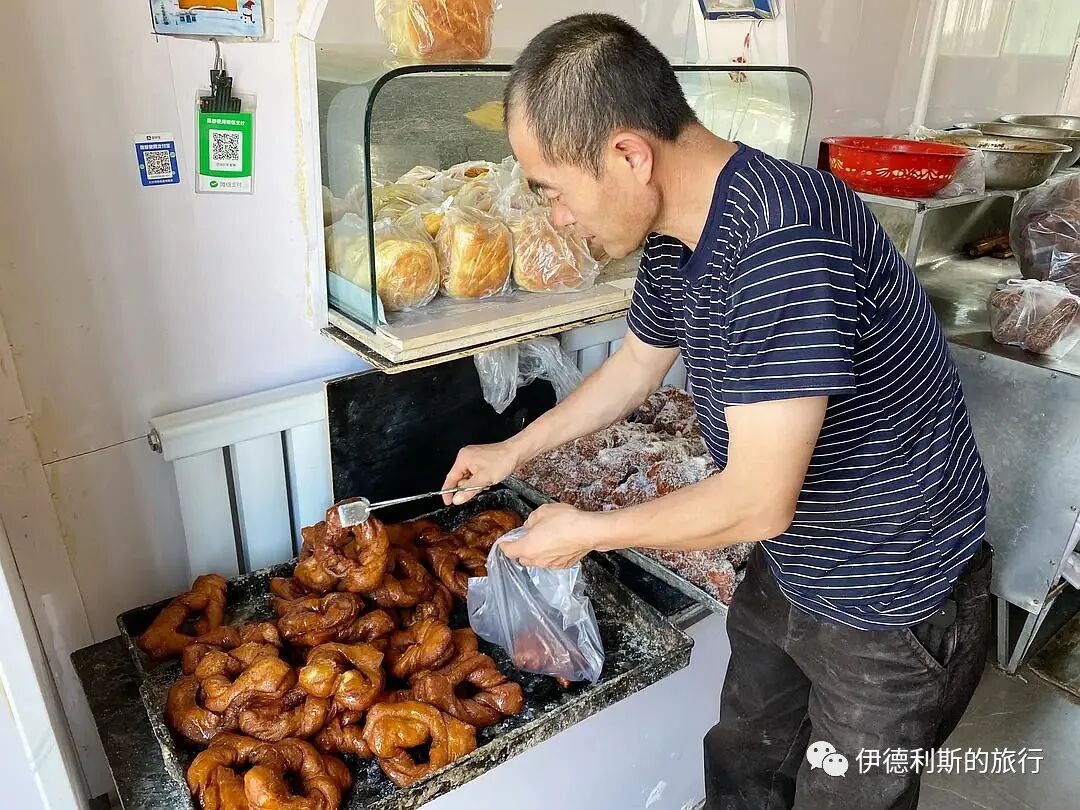
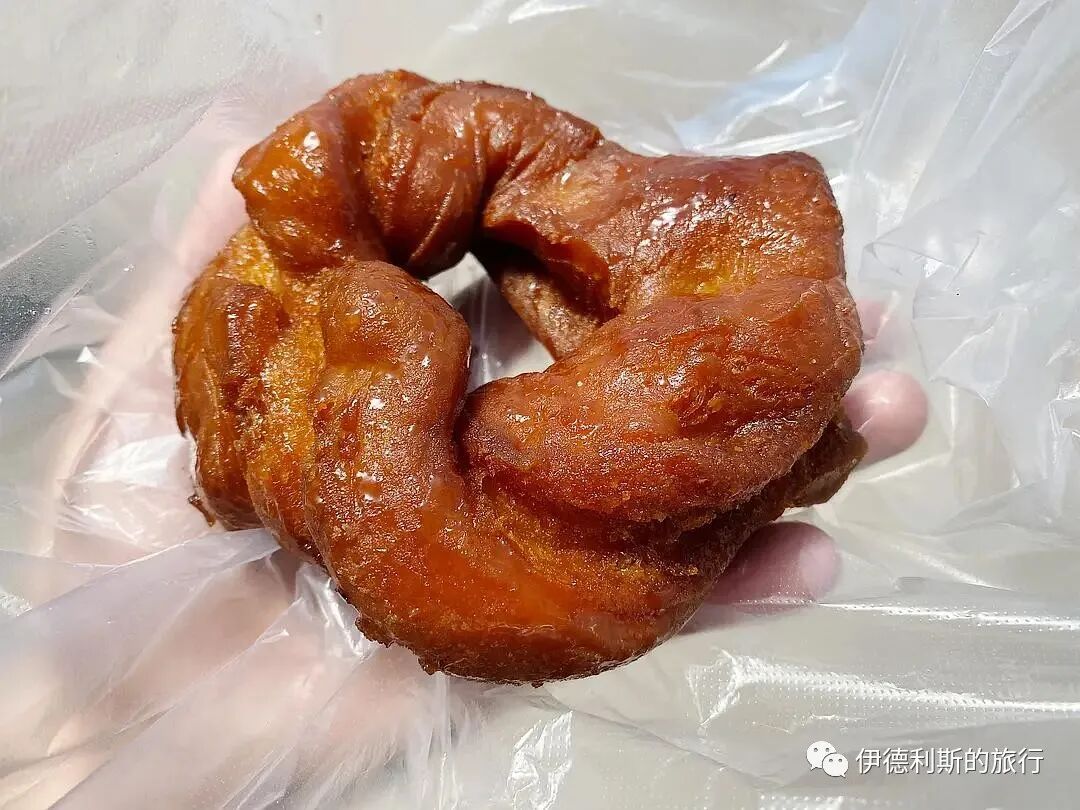
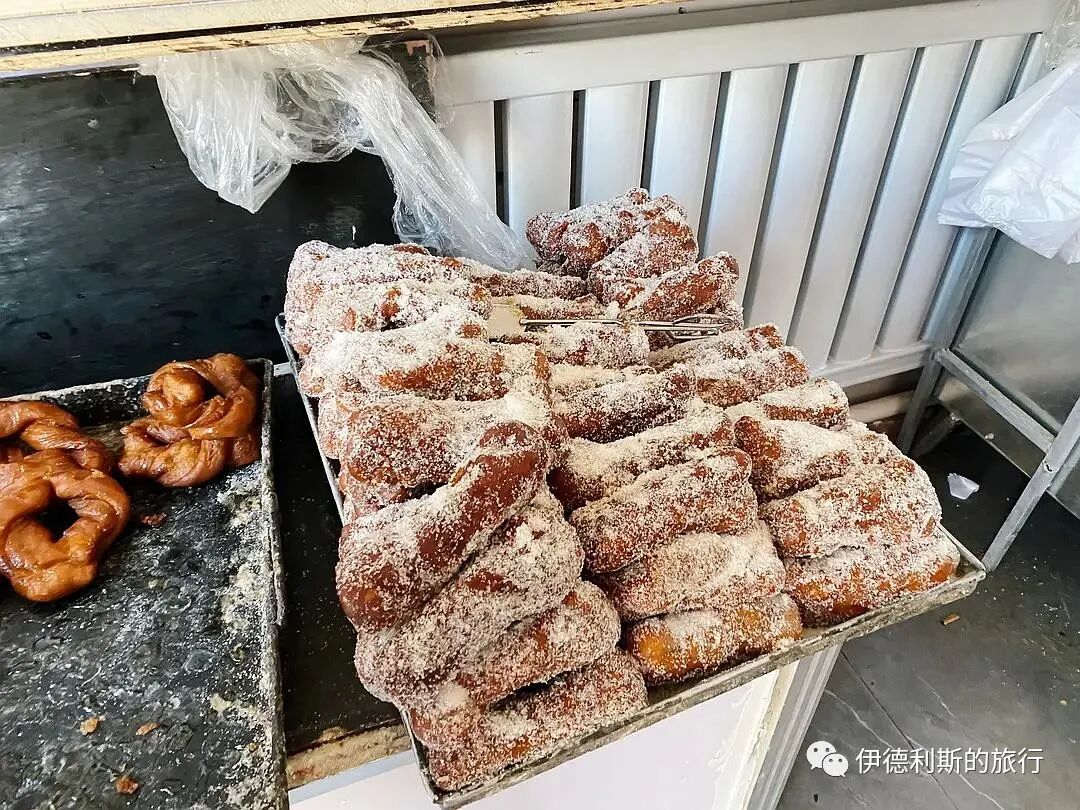
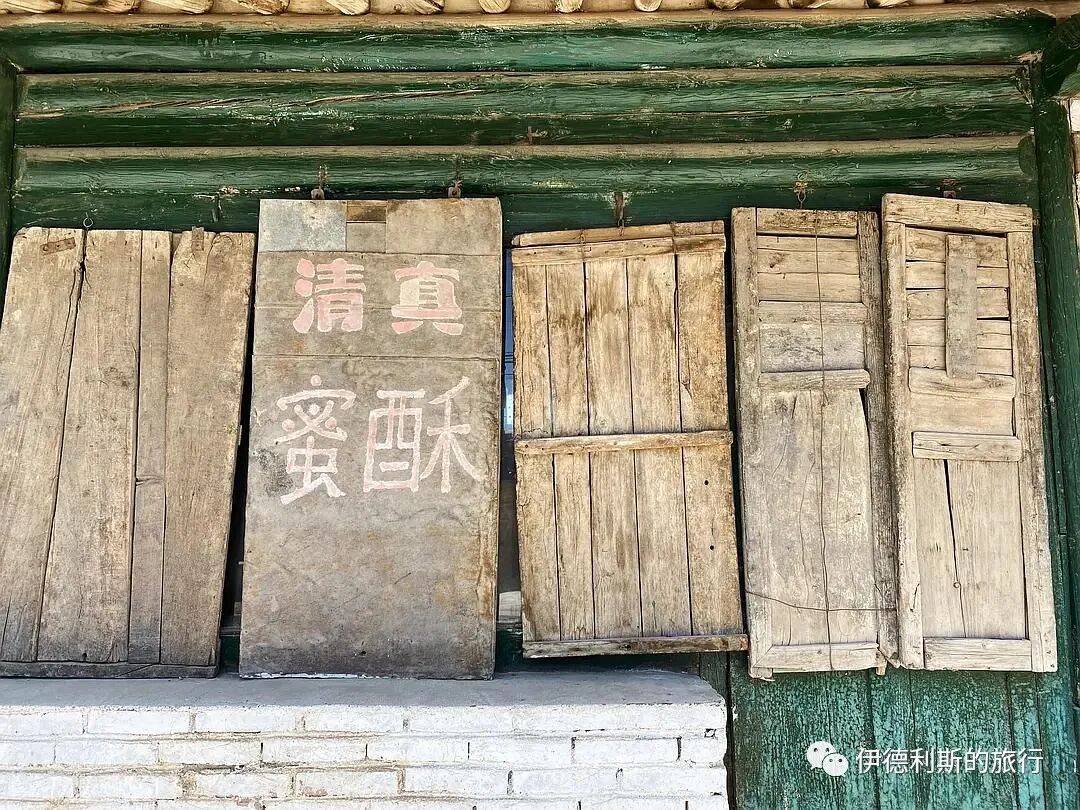
Today, in Maqiao Square in the center of Longshengzhuang, there are still a few Hui Muslims selling misu (honey-crisp pastry), maye (fried dough strips), mahua (fried dough twists), and beizi (steamed buns). We bought a sugar-coated maye at the Liu Zhen time-honored brand; although it looked very sweet, it was not greasy at all, and I finished it in a few bites.
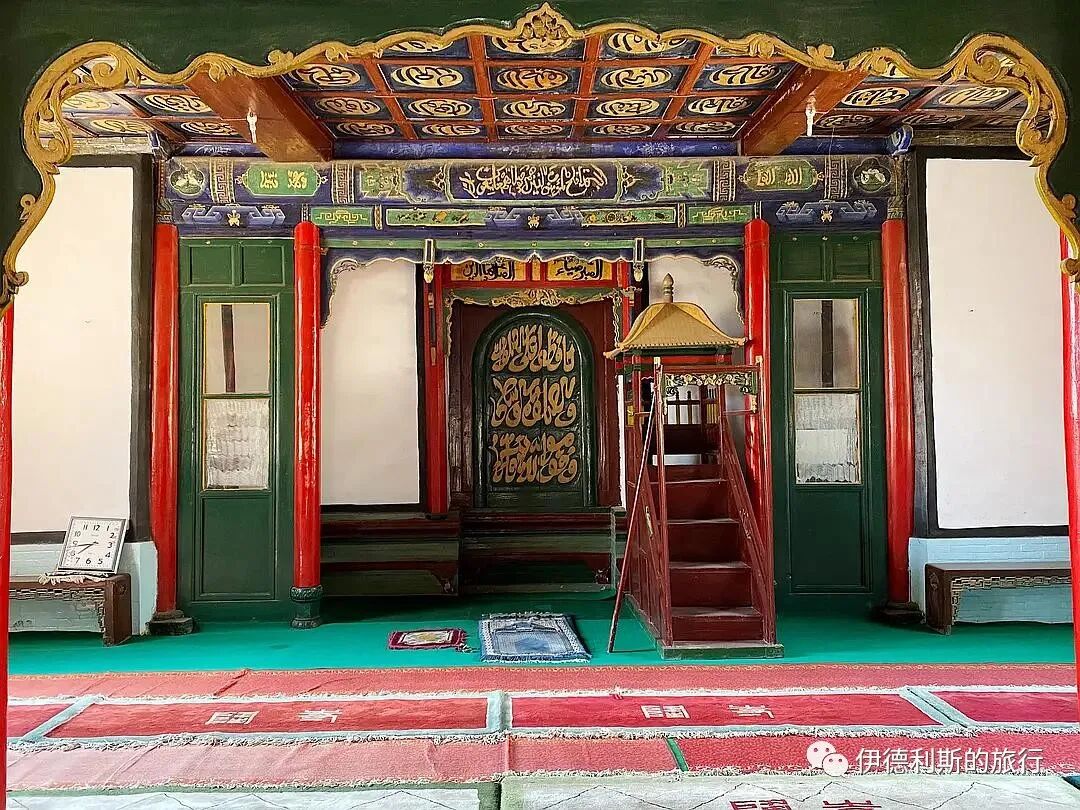
The Longshengzhuang Mosque was first built in 1751 (the 16th year of the Qianlong reign of the Qing Dynasty). Initially, it only had three main halls. Later, as the number of Muslims doing business here increased, 13 main halls, a front gate, a second gate, side rooms, and a screen wall were added in 1831 (the 11th year of the Daoguang reign), forming a three-courtyard layout.
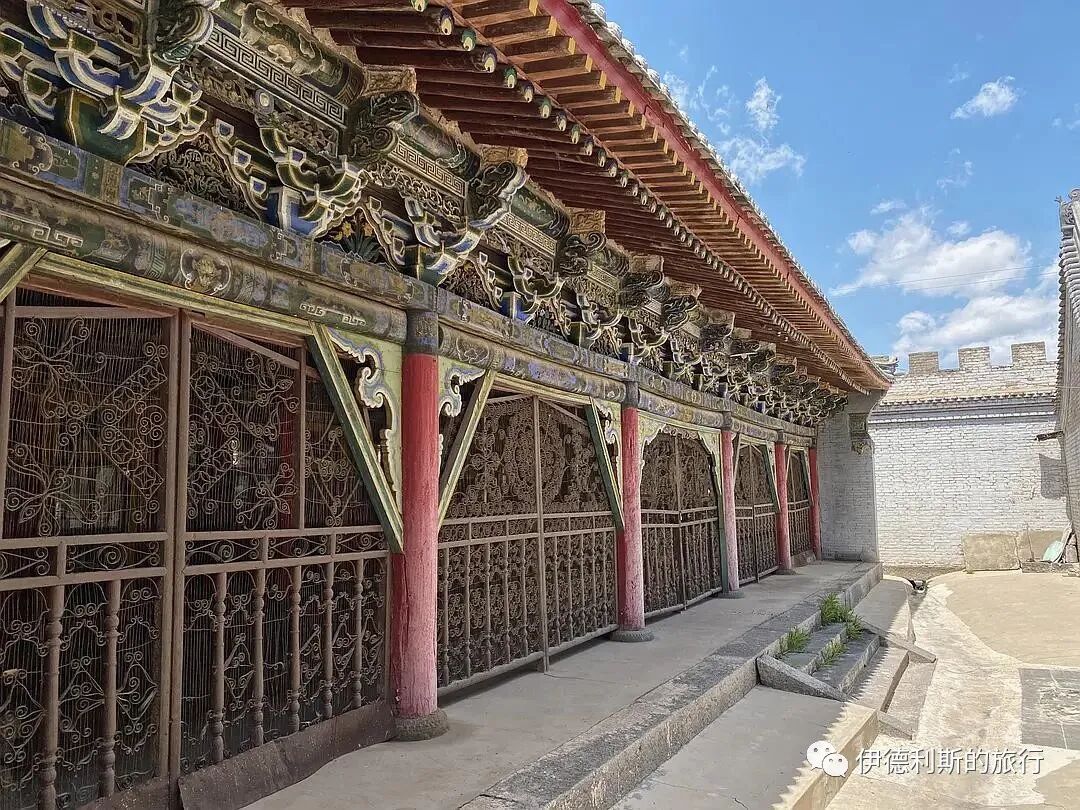
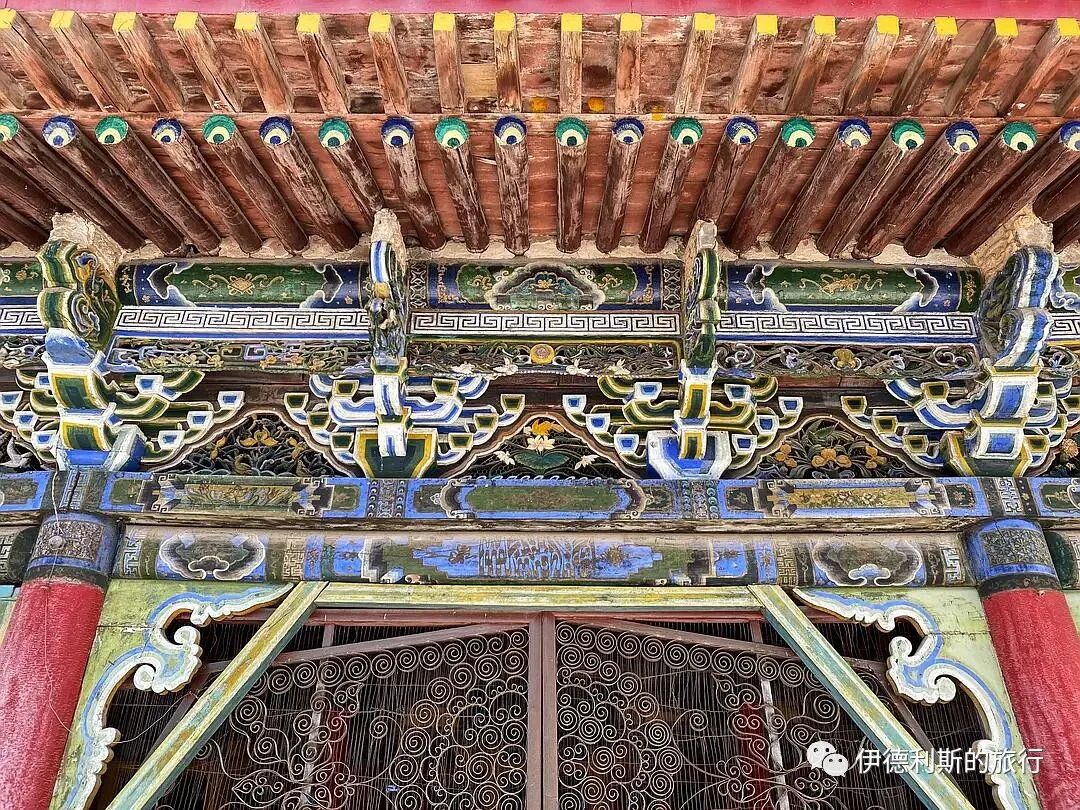
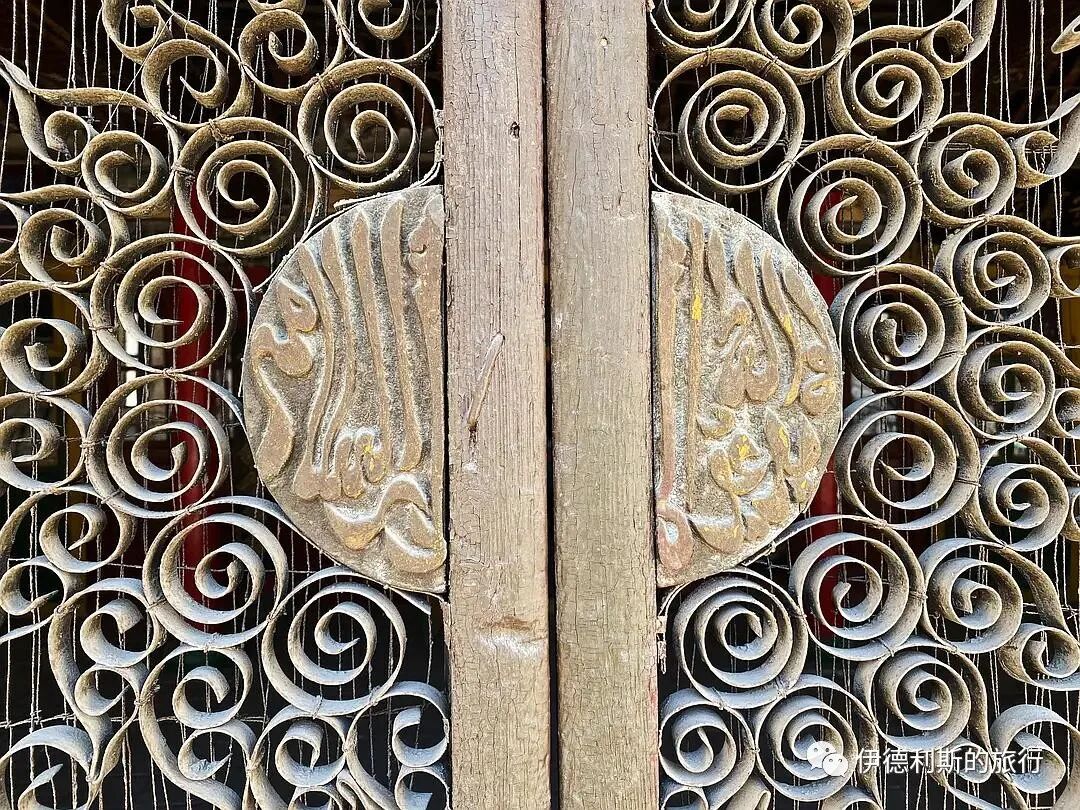
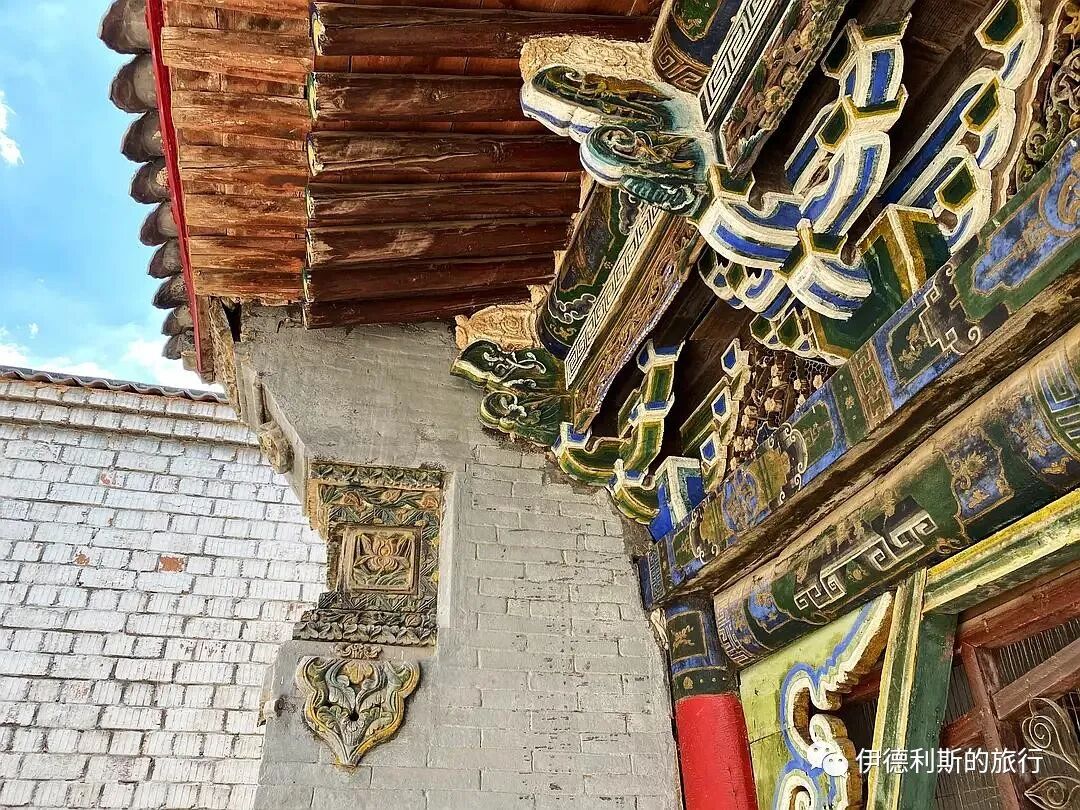
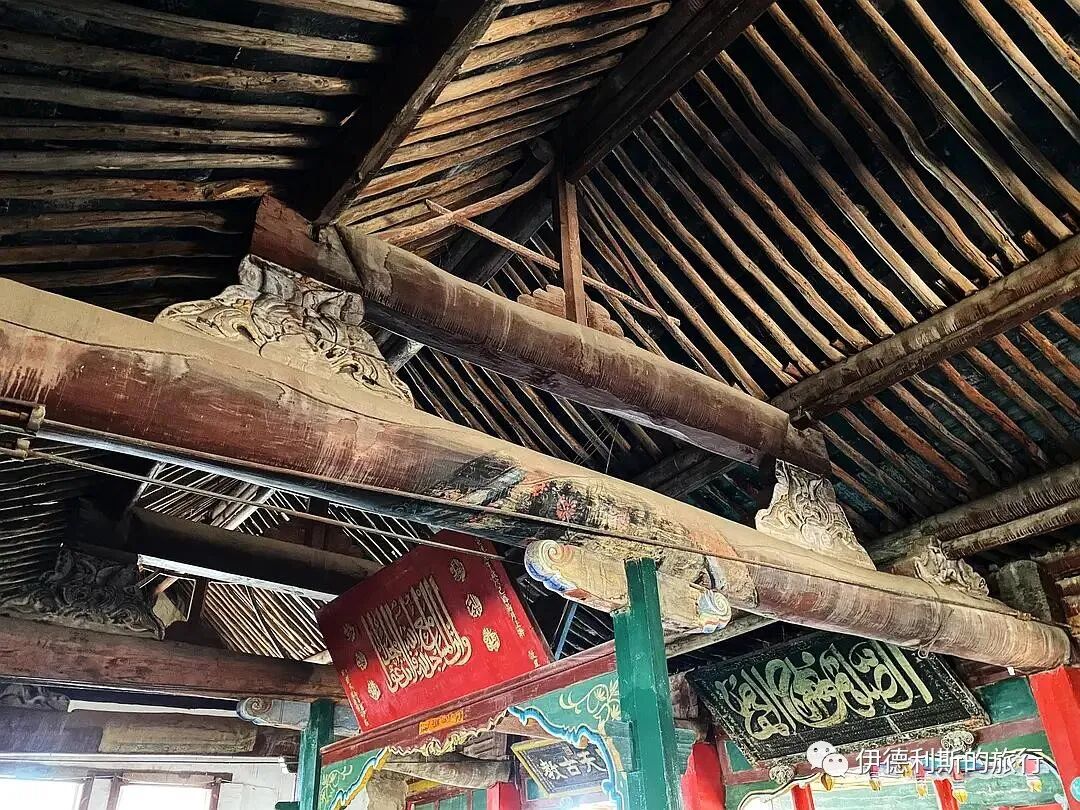
The mosque's scroll-style shed was expanded in 1926 and features exquisite ironwork decorations from the Republic of China era.
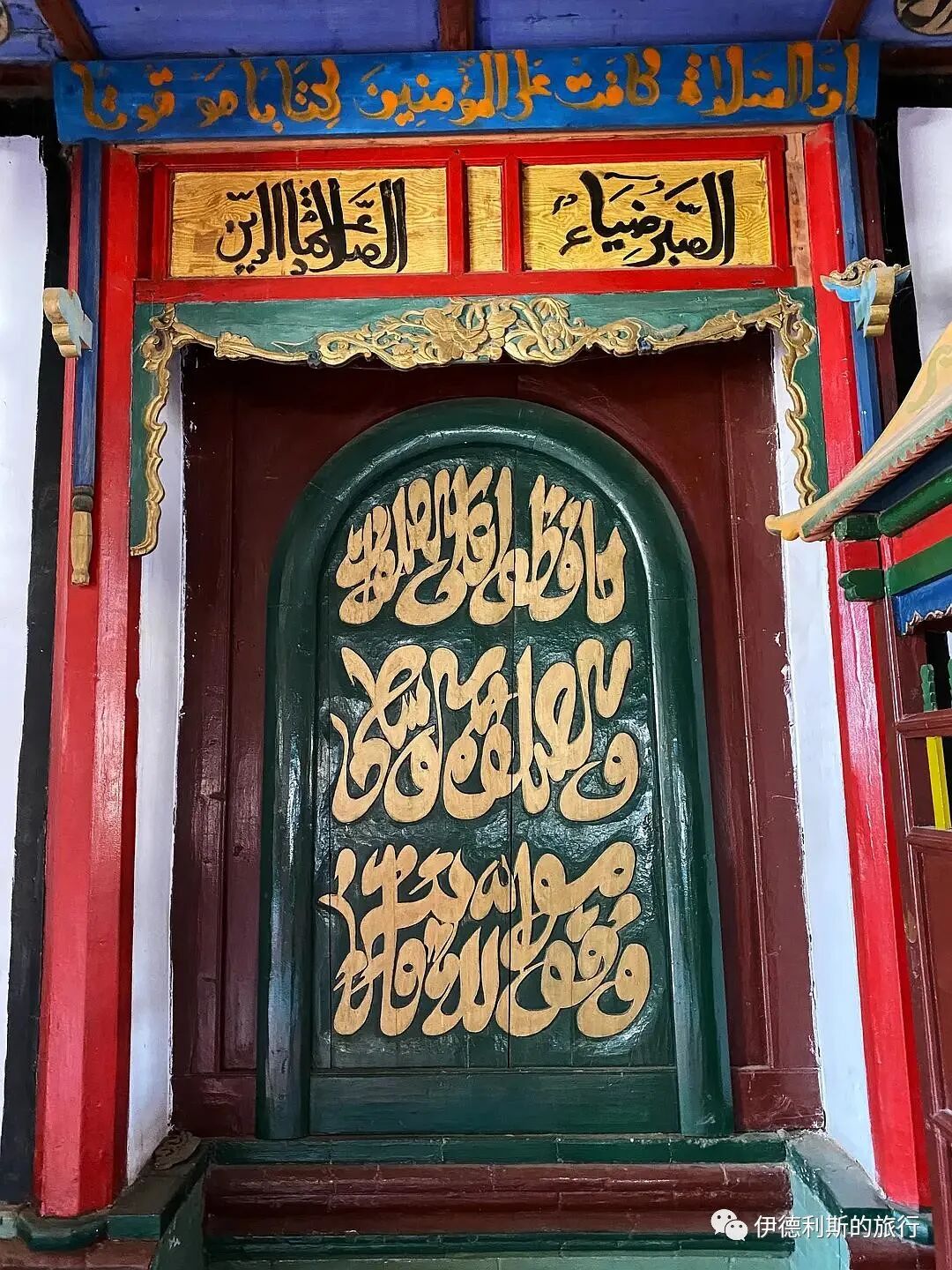
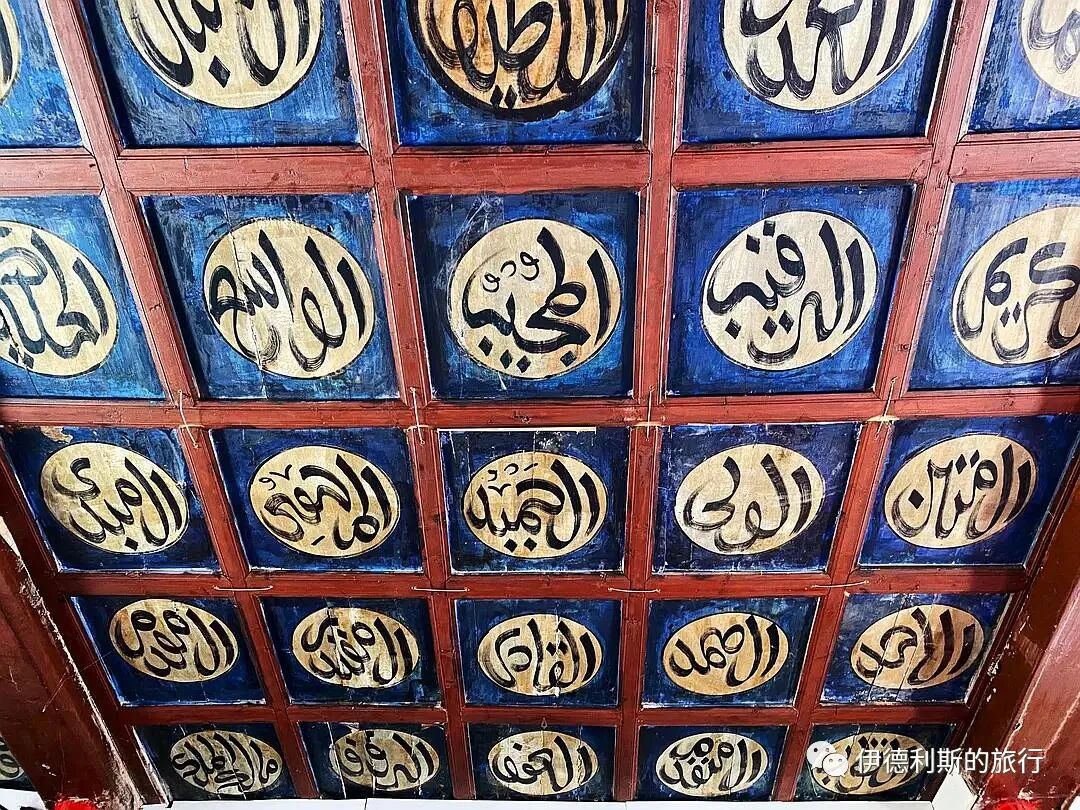
The main hall was also expanded in 1926.
The 'Zun Da Qing Gao' (Respect the Great Qing's Nobility) plaque from 1915 (the 4th year of the Republic of China) bears the inscription 'Koubei Mongolian Salt Bureau'. From the Qing Dynasty to the Republic of China, all types of salt produced in the salt lakes of the Inner Mongolian Plateau were collectively referred to as Mengyan (Mongolian salt). In 1913, the Beiyang government signed a 25-million-pound reorganization loan with a banking consortium from Britain, France, Germany, Russia, and Japan, using salt taxes as collateral. The agreement stipulated that China must hire foreigners to assist in reorganizing the salt tax. China thus began salt administration reforms, and the Koubei Mongolian Salt Bureau was established, with its headquarters in Dolon Nor and a branch office in Longshengzhuang, Fengzhen.
In 1861 (the 11th year of the Xianfeng reign), the Fengzhen Prefect presented the 'Dao Tong Qian Kun' (The Way Connects Heaven and Earth) plaque.
Prince De inscribed 'Shou Zhen Cun Cheng' (Uphold Truth and Maintain Sincerity) in 1940. The date is written as '734th Year of the Genghis Khan Era,' which is 1940, as Prince De was a descendant of Genghis Khan. Prince Demchugdongrub was a Mongolian prince and the Duke of the Sunid Right Banner. In 1933, he initiated the 'Inner Mongolia High Autonomy Movement' at Bailingmiao. In 1939, he became the chairman of the puppet regime 'Mongolian United Autonomous Government.' This plaque was inscribed when Prince De took office as chairman.
Inscribed in 1909 (the 1st year of the Xuantong reign) by Datong Muslims Deng Risheng and Ma Jiansheng. The Ma-surname Hui Muslims were originally from Youwei, Shanxi. During the Ming Dynasty, they were a prominent military family. The 'Ma Family Army' formed by Ma Gui and his brothers and nephews in the mid-Wanli reign was known for its combat prowess and made great contributions by defending Youwei for six months against Altan Khan. The Ma surname has been a major Hui Muslim family in Datong since the Ming Dynasty. They participated in the renovation of the Datong Mosque many times during the Ming and Qing dynasties and served as religious leaders. After the Qing Dynasty, when military garrisons were converted into prefectures and counties, the Ma-surname Hui Muslims in Datong left the military to become civilians. They achieved success in both business and officialdom and were once the actual managers of the Datong Mosque.
A commemorative plaque left by the local Muslims when the prayer hall was expanded in 1926.
The 'Qi Zun Wu Dui' (His Nobility is Unmatched) and 'Kai Tian Gu Jiao' (Ancient Religion that Opened the Heavens) plaques were inscribed by Ma Fuxiang, a Hui Muslim general who was a Lieutenant General and the Military Governor of Suiyuan at the time, to celebrate the mosque's expansion in 1926. The brick-carved screen wall behind the main hall of the Hohhot Great Mosque also features an inscription by Ma Fuxiang.
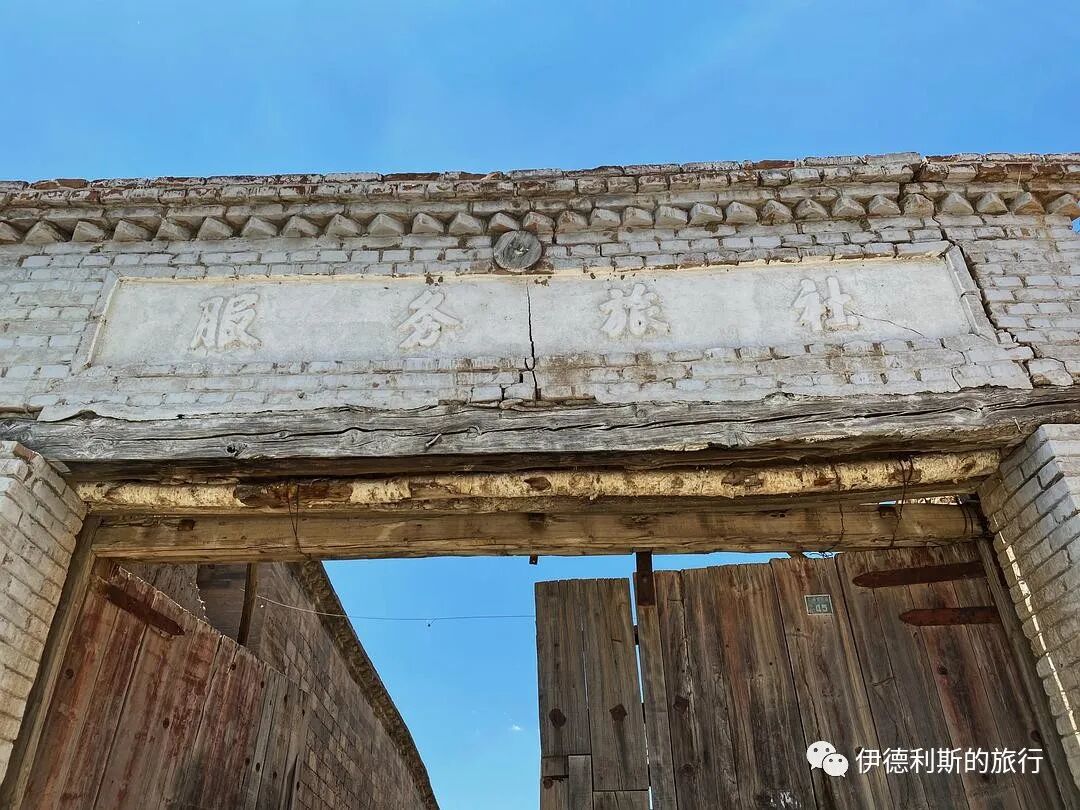
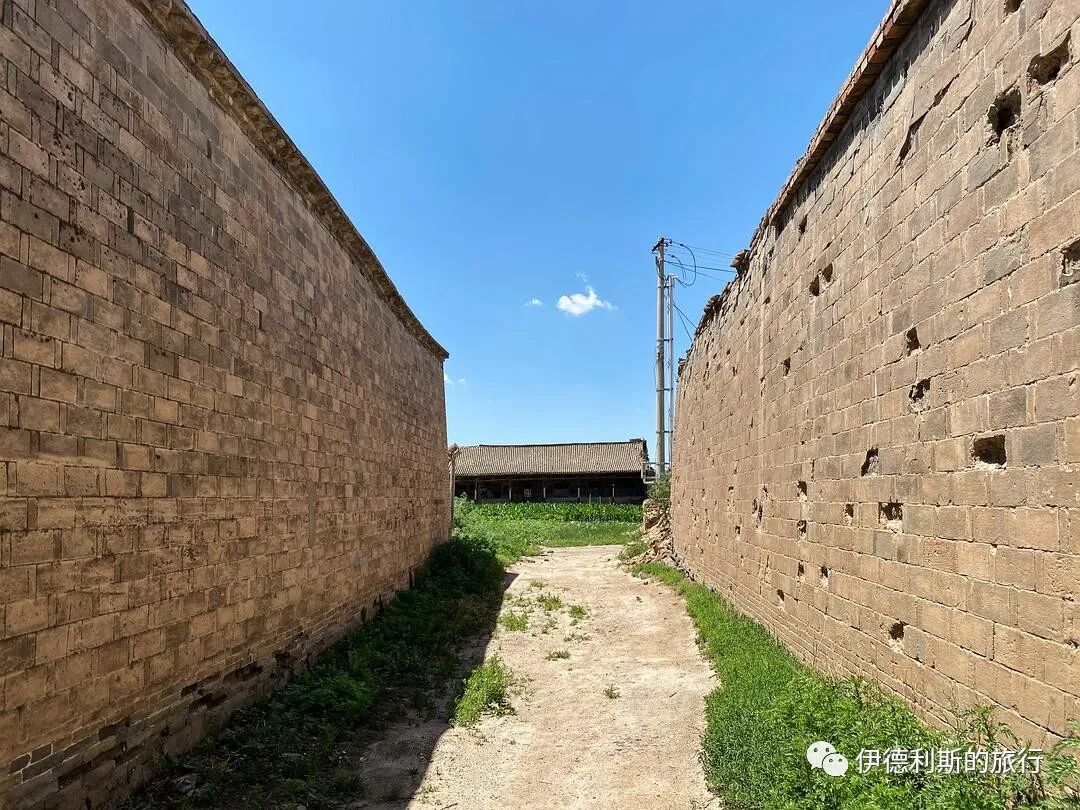
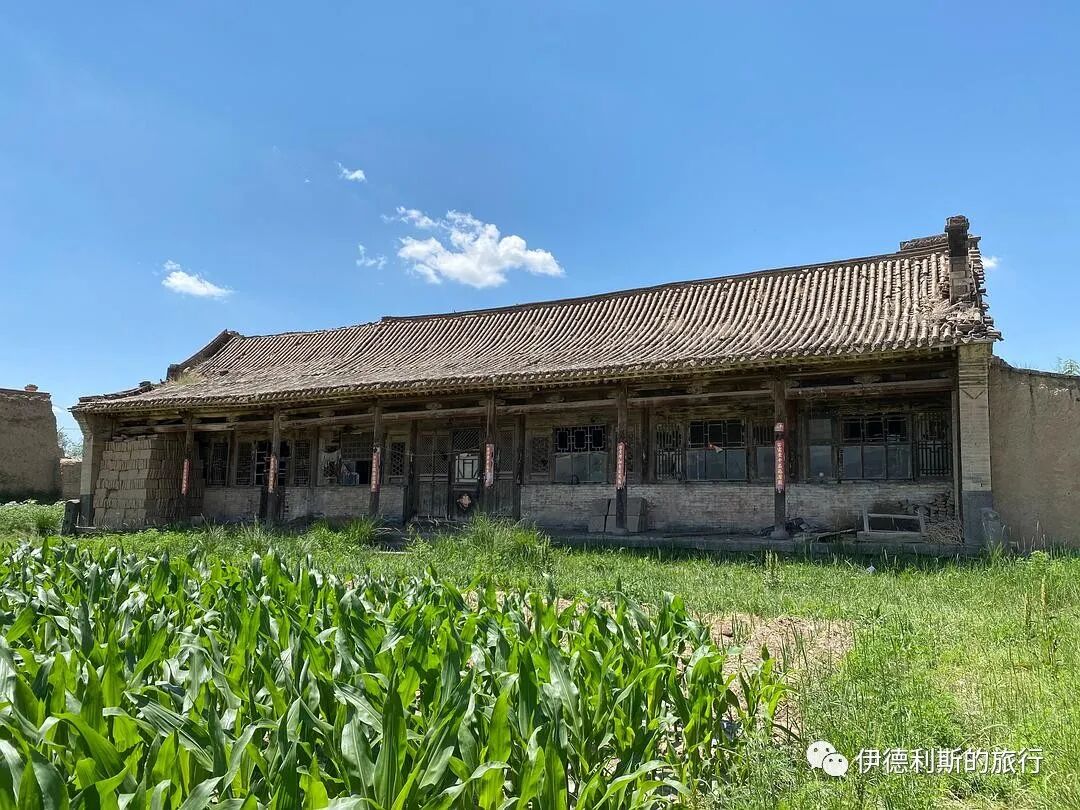
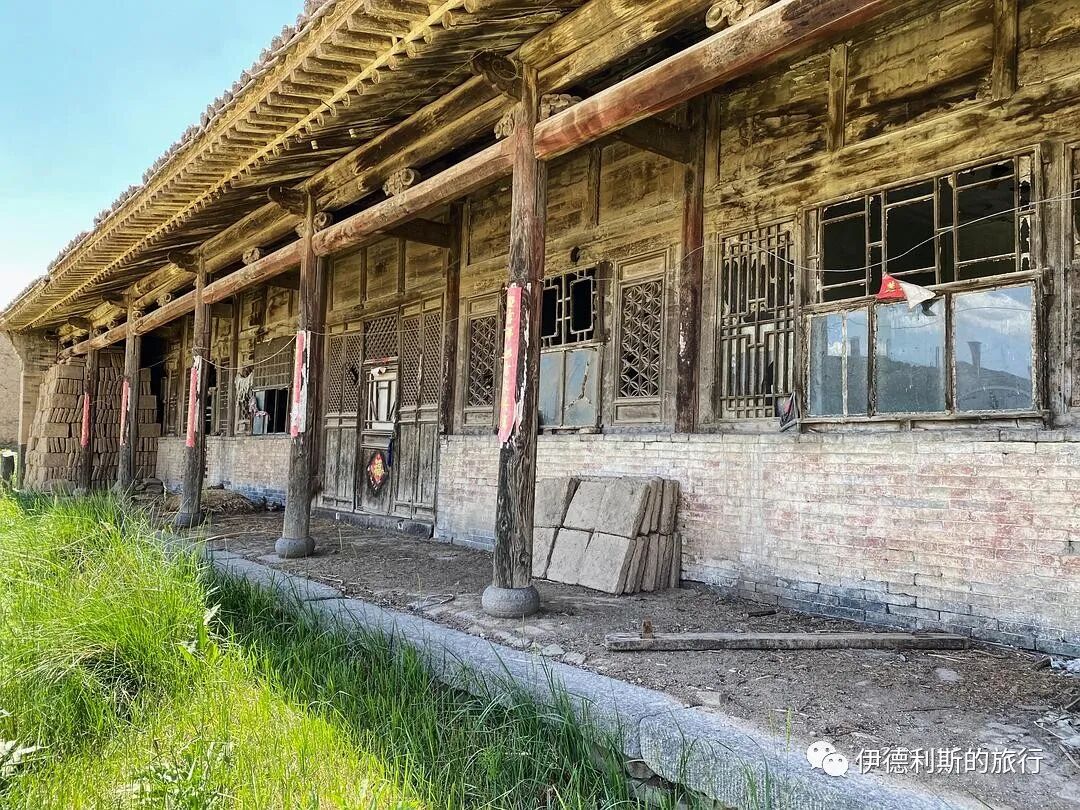
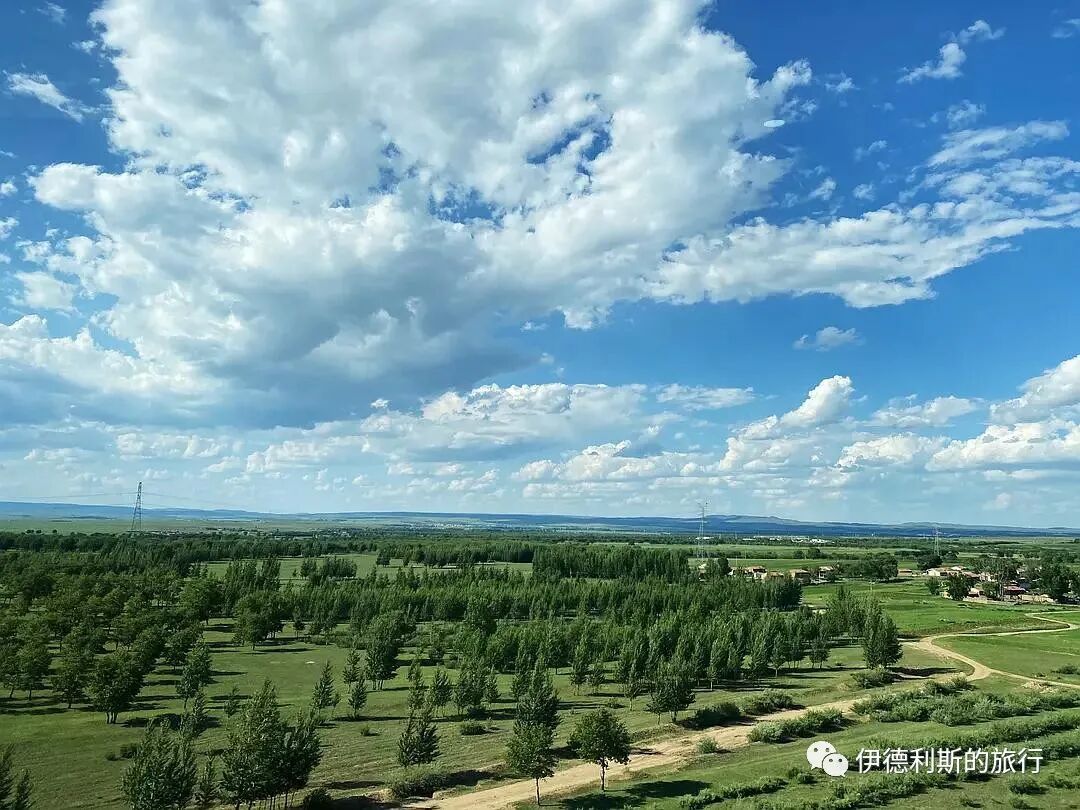
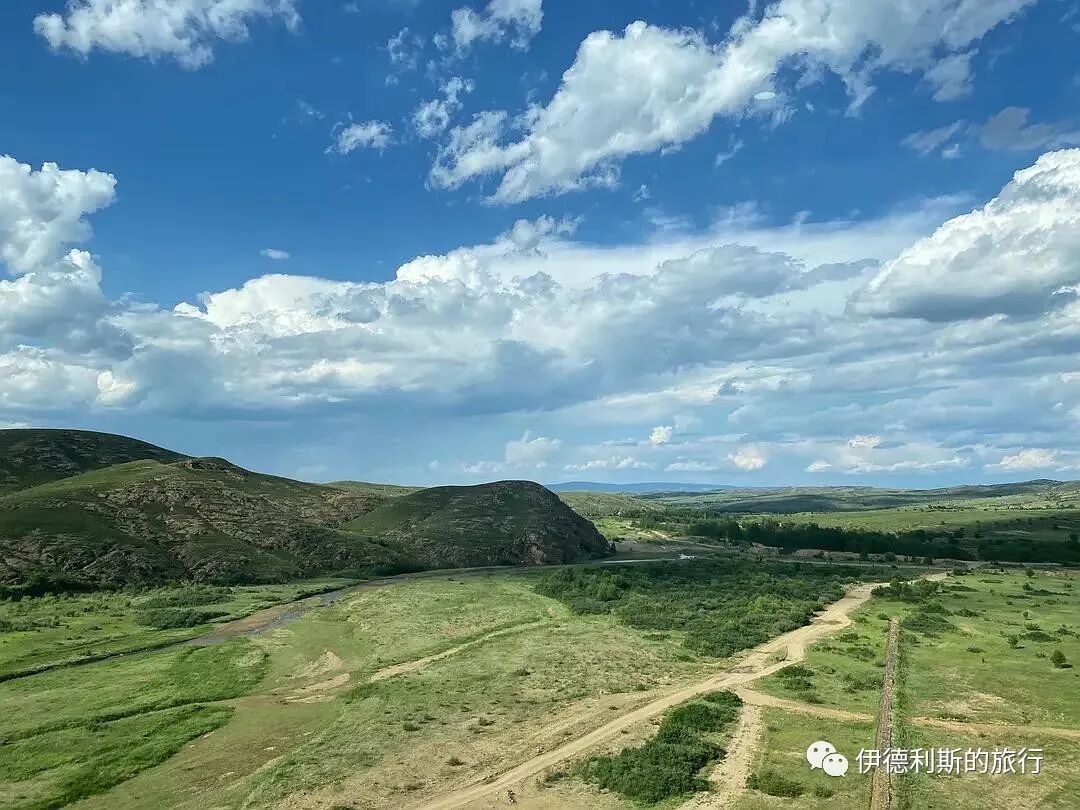
Scenery of Longshengzhuang.
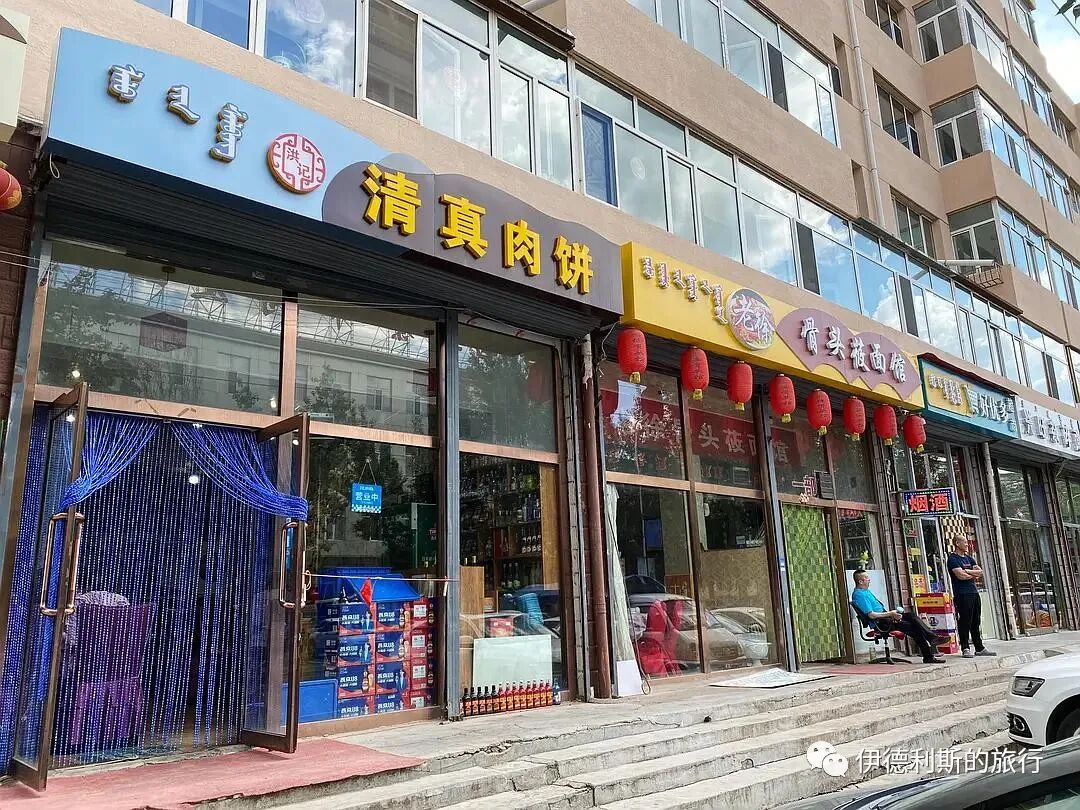
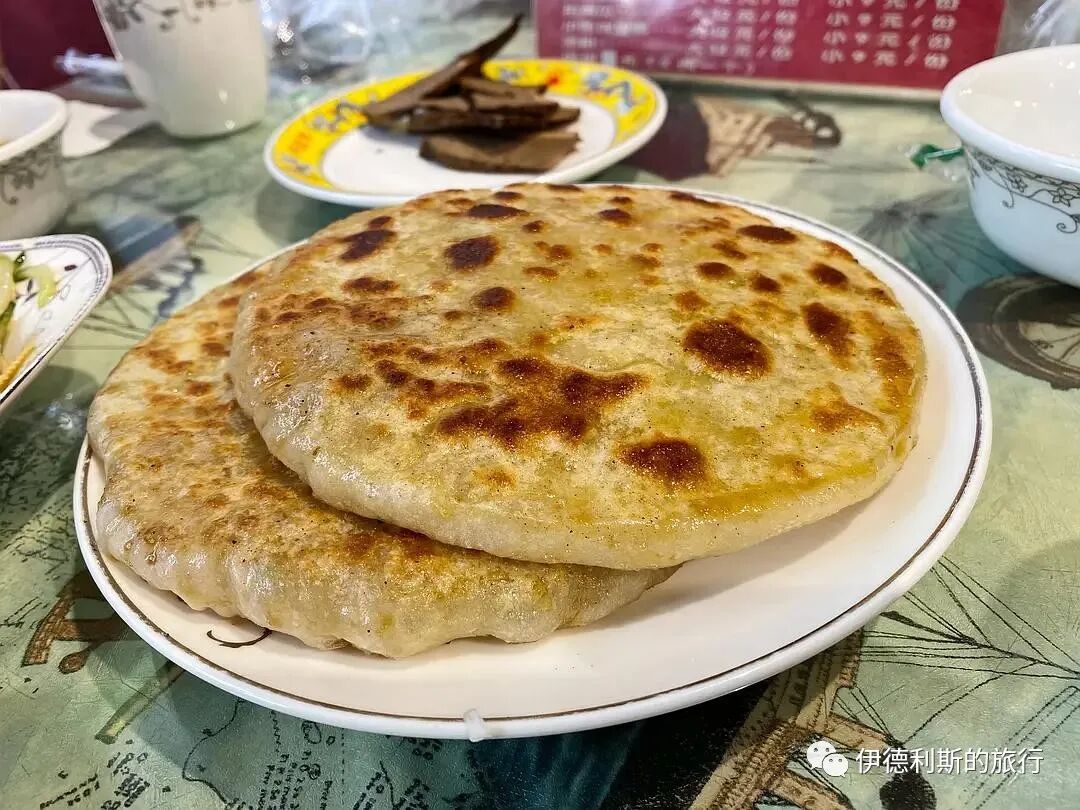
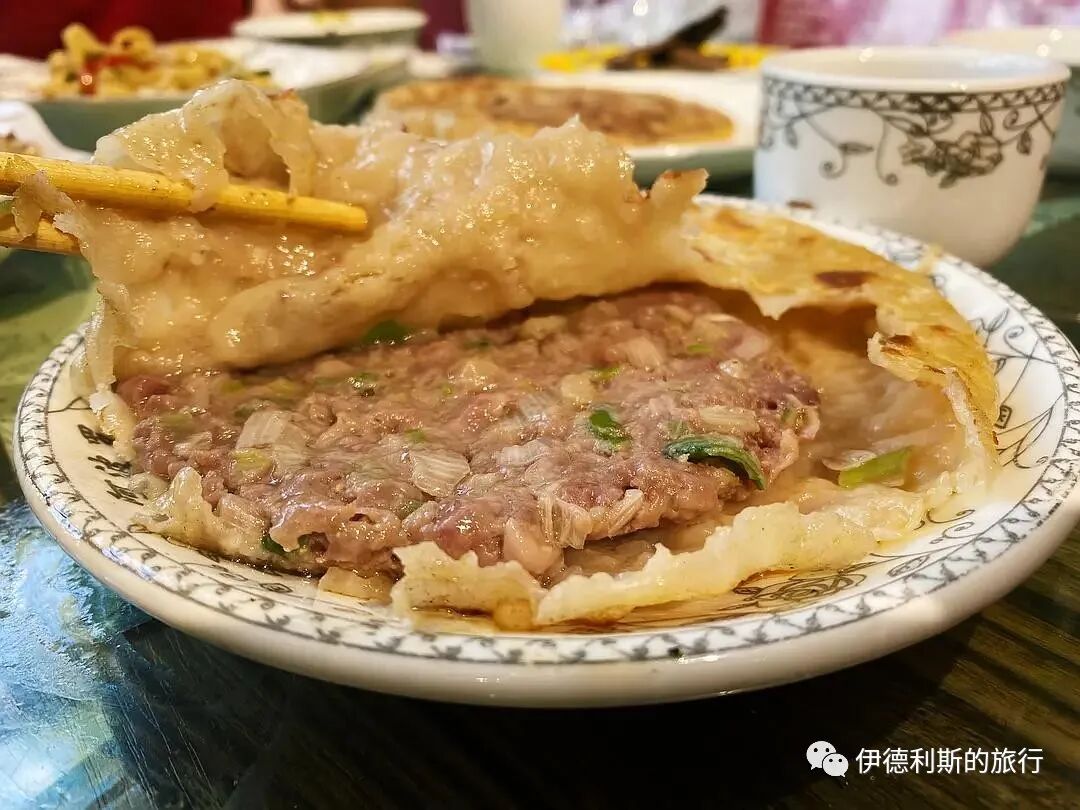
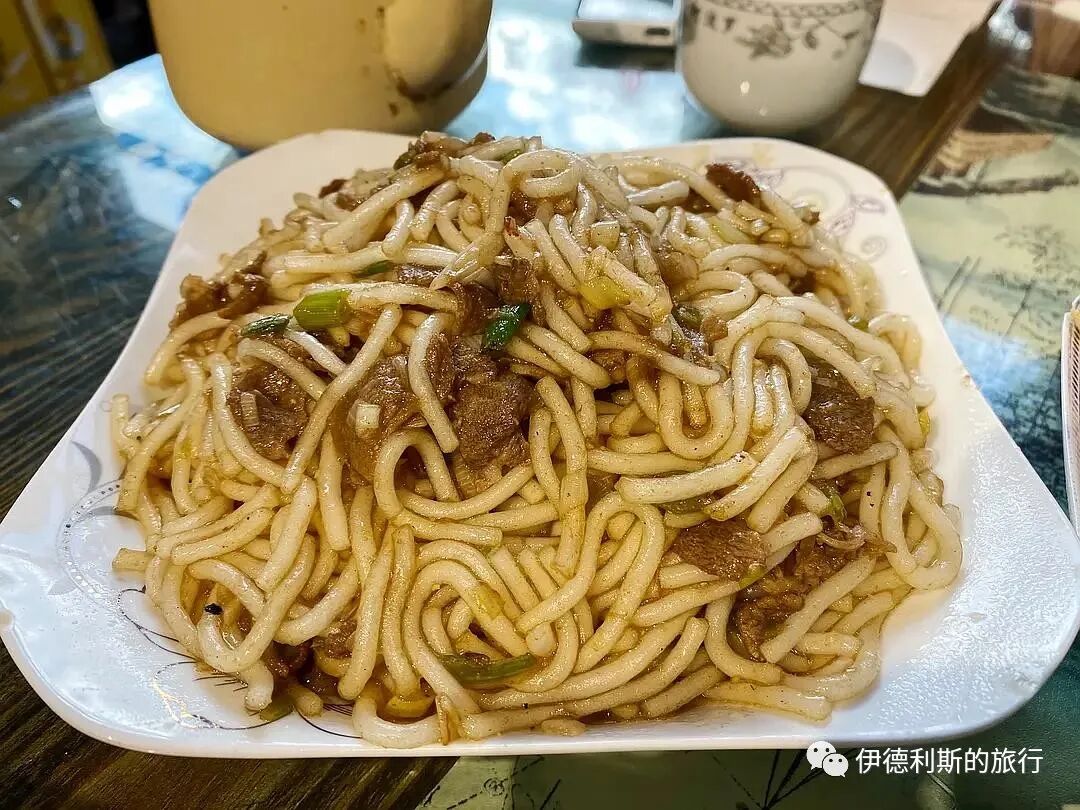
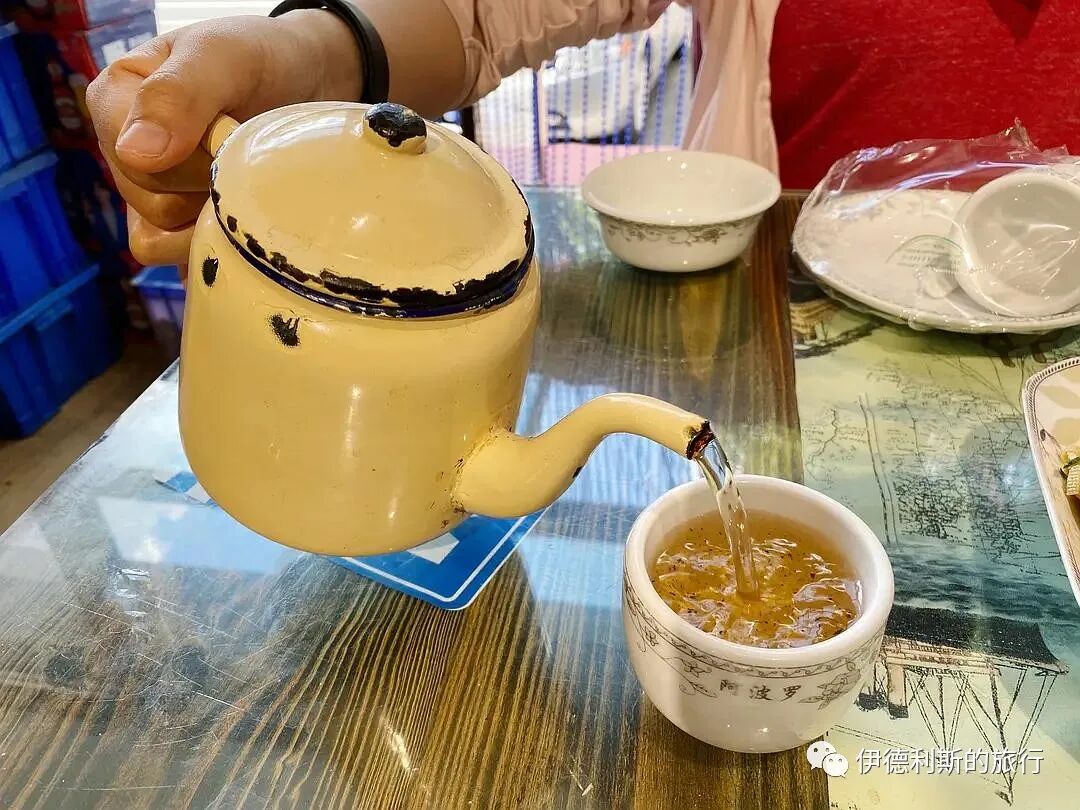
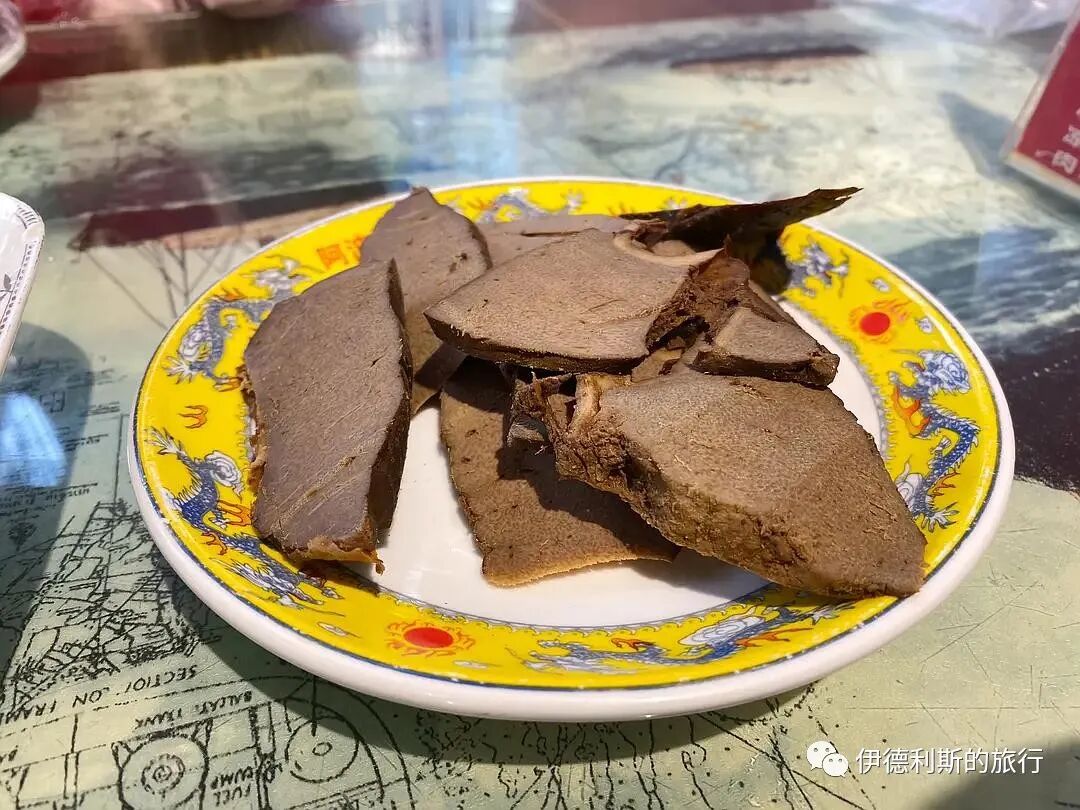
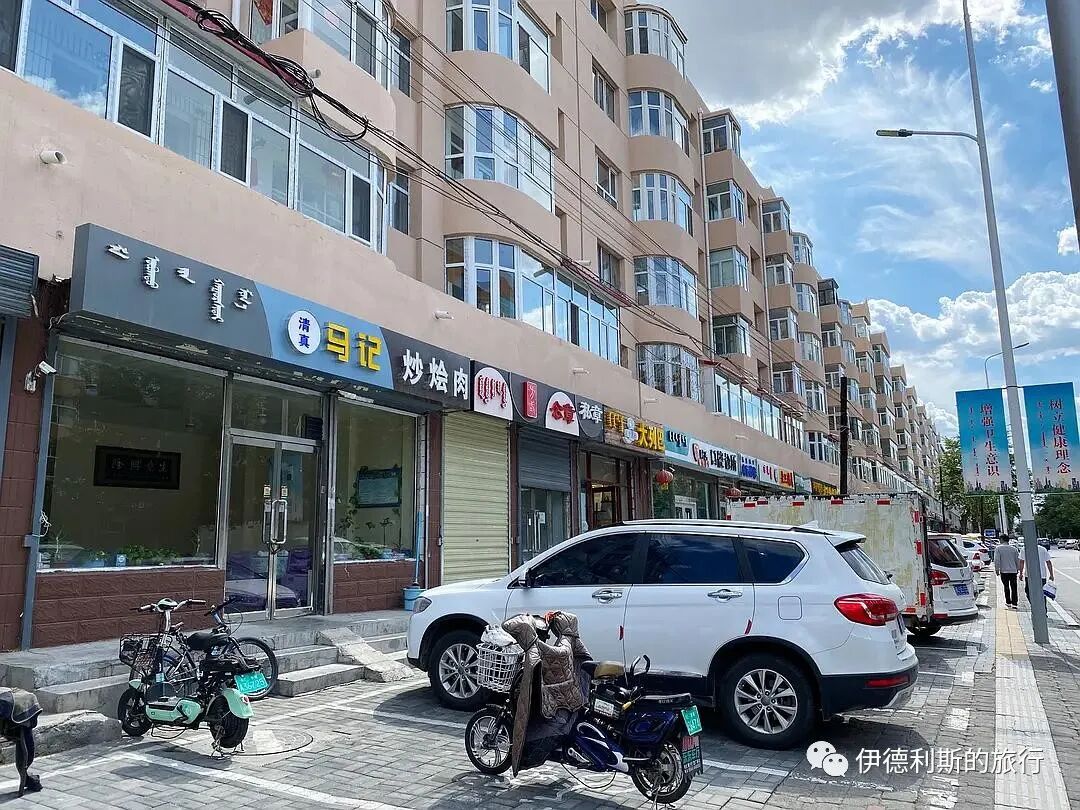
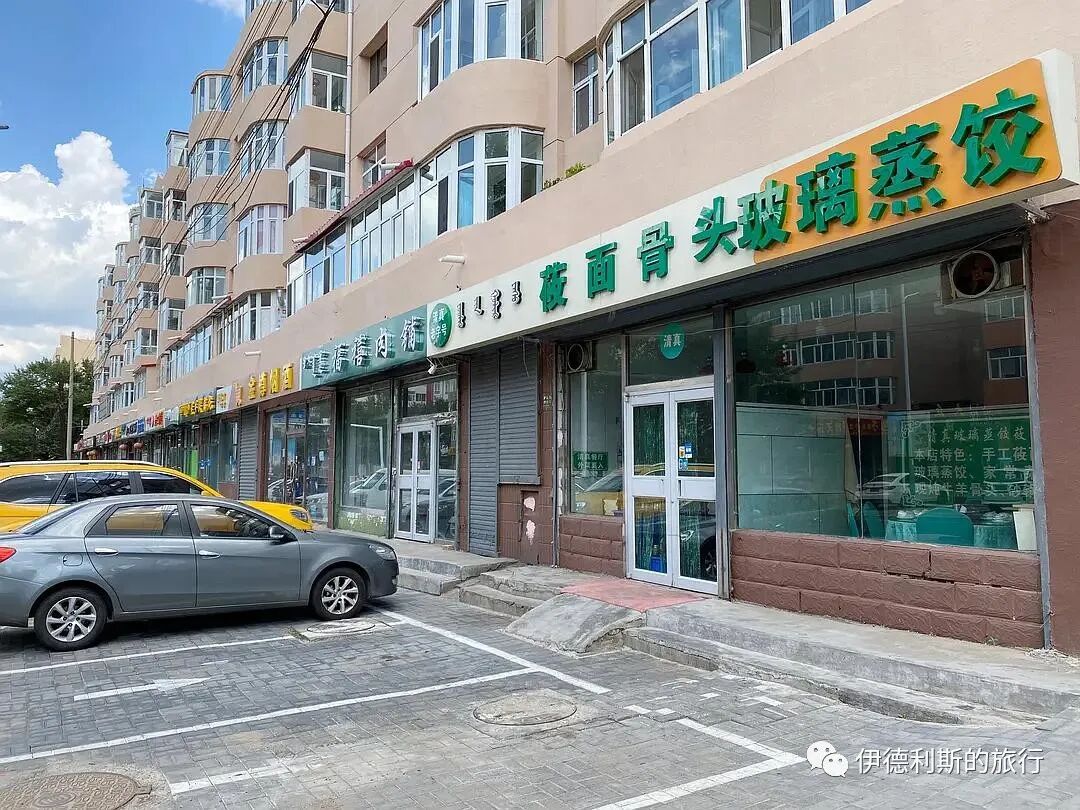
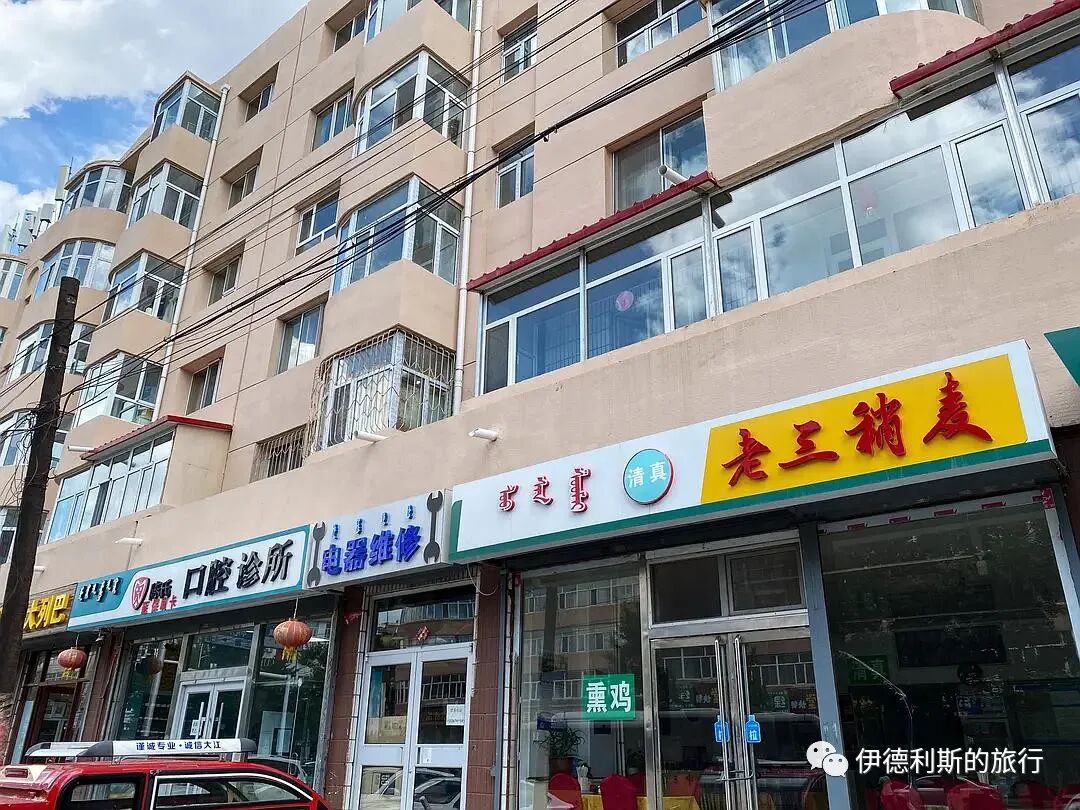
In the afternoon, we said goodbye to Longshengzhuang and took a car to Jining, the capital of Ulanqab. Xinti Street can be called the halal food street of Jining, with one halal restaurant after another. There are youmian (oat noodles), bone dishes, steamed dumplings, shaomai (steamed dumplings), rice noodles, stir-fried meat, barbecue, and more. However, we arrived at 3:00 PM, and many of these restaurants were closed, so we ate meat pies. The freshly pan-fried meat pies were hot and fragrant. We also ordered mixed tofu strips, soy-sauce braised beef liver, and stir-fried potato starch noodles with meat. The starch noodles were quite delicious, and the meat had no gamey smell at all.
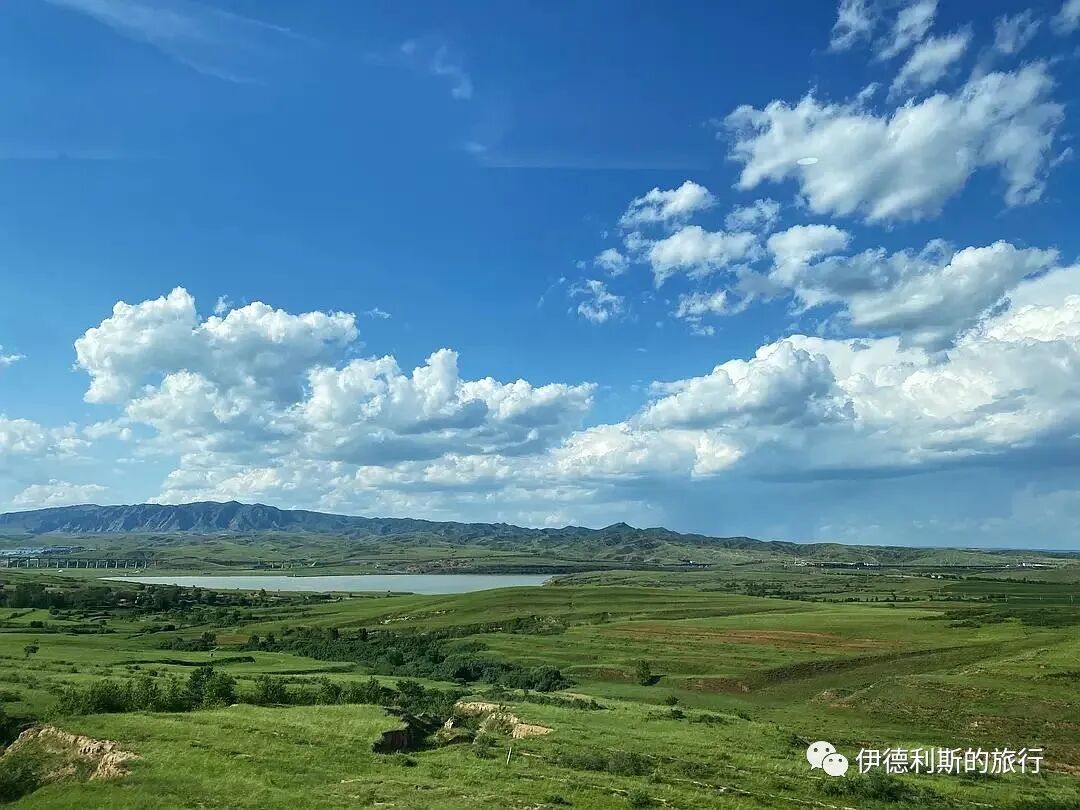
On the train from Ulanqab to Beijing. view all
Summary: This travel note introduces Longshengzhuang Travel Notes: an Old Shanxi Merchant Town on the Mongolian Trade Route. Take the high-speed train from Hohhot to Ulanqab, then take a taxi from the train station to the ancient Jin merchant town of Longshengzhuang. It is useful for readers interested in Longshengzhuang, Shanxi Merchants, China Travel.
Take the high-speed train from Hohhot to Ulanqab, then take a taxi from the train station to the ancient Jin merchant town of Longshengzhuang.
Longshengzhuang is located at the border of Shanxi and Inner Mongolia. From the Qing Dynasty to the early Republic of China, it was at the intersection of trade routes between Hohhot, Datong, and Zhangjiakou. It was an important market town for Jin merchants trading in Mongolia and was officially named Longshengzhuang in 1765 (the 30th year of the Qianlong reign). Jin merchants trading in Mongolia transported rice, flour, tea, oil, wine, and various daily goods from Longshengzhuang to Mongolia, and brought back furs, livestock, and leather, bringing great wealth to Longshengzhuang.
During the Xianfeng reign, the economy of Longshengzhuang reached its peak, with 500,000 sheep sold and transshipped annually. In the early Republic of China, Longshengzhuang reached its zenith, with over 300 merchant firms in the town and more than a dozen horse inns used for transshipping and trading cattle, horses, and sheep. At that time, there were nearly 2 kilometers of storefronts from the South Street to the North Street of Longshengzhuang, lined with merchant firms. Today, you can still see the century-old Ding Si Horse Inn on North Street, as well as shop facades that blend Chinese and Western styles.
Starting from the early Qing Dynasty, Hui Muslims from Hebei and Shandong traveled to Longshengzhuang in Inner Mongolia for business, and in the late Qing Dynasty, many Hui Muslims from Shaanxi also migrated here. During the Guangxu reign of the Qing Dynasty, the Hui Muslim population in Longshengzhuang grew to two or three thousand, reaching over five thousand at its peak in the early Republic of China. At that time, Longshengzhuang had a large halal restaurant, as well as nearly twenty merchant firms including livestock traders, brokers, and horse inns. After the Ping-Sui Railway opened in 1921, Longshengzhuang declined rapidly. After the 1930s, a large number of people moved away. Today, only about 30 Hui Muslims remain, mostly elderly, and there are no longer any halal restaurants.
Today, in Maqiao Square in the center of Longshengzhuang, there are still a few Hui Muslims selling misu (honey-crisp pastry), maye (fried dough strips), mahua (fried dough twists), and beizi (steamed buns). We bought a sugar-coated maye at the Liu Zhen time-honored brand; although it looked very sweet, it was not greasy at all, and I finished it in a few bites.
The Longshengzhuang Mosque was first built in 1751 (the 16th year of the Qianlong reign of the Qing Dynasty). Initially, it only had three main halls. Later, as the number of Muslims doing business here increased, 13 main halls, a front gate, a second gate, side rooms, and a screen wall were added in 1831 (the 11th year of the Daoguang reign), forming a three-courtyard layout.
The mosque's scroll-style shed was expanded in 1926 and features exquisite ironwork decorations from the Republic of China era.
The main hall was also expanded in 1926.
The 'Zun Da Qing Gao' (Respect the Great Qing's Nobility) plaque from 1915 (the 4th year of the Republic of China) bears the inscription 'Koubei Mongolian Salt Bureau'. From the Qing Dynasty to the Republic of China, all types of salt produced in the salt lakes of the Inner Mongolian Plateau were collectively referred to as Mengyan (Mongolian salt). In 1913, the Beiyang government signed a 25-million-pound reorganization loan with a banking consortium from Britain, France, Germany, Russia, and Japan, using salt taxes as collateral. The agreement stipulated that China must hire foreigners to assist in reorganizing the salt tax. China thus began salt administration reforms, and the Koubei Mongolian Salt Bureau was established, with its headquarters in Dolon Nor and a branch office in Longshengzhuang, Fengzhen.
In 1861 (the 11th year of the Xianfeng reign), the Fengzhen Prefect presented the 'Dao Tong Qian Kun' (The Way Connects Heaven and Earth) plaque.
Prince De inscribed 'Shou Zhen Cun Cheng' (Uphold Truth and Maintain Sincerity) in 1940. The date is written as '734th Year of the Genghis Khan Era,' which is 1940, as Prince De was a descendant of Genghis Khan. Prince Demchugdongrub was a Mongolian prince and the Duke of the Sunid Right Banner. In 1933, he initiated the 'Inner Mongolia High Autonomy Movement' at Bailingmiao. In 1939, he became the chairman of the puppet regime 'Mongolian United Autonomous Government.' This plaque was inscribed when Prince De took office as chairman.
Inscribed in 1909 (the 1st year of the Xuantong reign) by Datong Muslims Deng Risheng and Ma Jiansheng. The Ma-surname Hui Muslims were originally from Youwei, Shanxi. During the Ming Dynasty, they were a prominent military family. The 'Ma Family Army' formed by Ma Gui and his brothers and nephews in the mid-Wanli reign was known for its combat prowess and made great contributions by defending Youwei for six months against Altan Khan. The Ma surname has been a major Hui Muslim family in Datong since the Ming Dynasty. They participated in the renovation of the Datong Mosque many times during the Ming and Qing dynasties and served as religious leaders. After the Qing Dynasty, when military garrisons were converted into prefectures and counties, the Ma-surname Hui Muslims in Datong left the military to become civilians. They achieved success in both business and officialdom and were once the actual managers of the Datong Mosque.
A commemorative plaque left by the local Muslims when the prayer hall was expanded in 1926.
The 'Qi Zun Wu Dui' (His Nobility is Unmatched) and 'Kai Tian Gu Jiao' (Ancient Religion that Opened the Heavens) plaques were inscribed by Ma Fuxiang, a Hui Muslim general who was a Lieutenant General and the Military Governor of Suiyuan at the time, to celebrate the mosque's expansion in 1926. The brick-carved screen wall behind the main hall of the Hohhot Great Mosque also features an inscription by Ma Fuxiang.
Scenery of Longshengzhuang.
In the afternoon, we said goodbye to Longshengzhuang and took a car to Jining, the capital of Ulanqab. Xinti Street can be called the halal food street of Jining, with one halal restaurant after another. There are youmian (oat noodles), bone dishes, steamed dumplings, shaomai (steamed dumplings), rice noodles, stir-fried meat, barbecue, and more. However, we arrived at 3:00 PM, and many of these restaurants were closed, so we ate meat pies. The freshly pan-fried meat pies were hot and fragrant. We also ordered mixed tofu strips, soy-sauce braised beef liver, and stir-fried potato starch noodles with meat. The starch noodles were quite delicious, and the meat had no gamey smell at all.
On the train from Ulanqab to Beijing. view all
Reposted from the web
Summary: This travel note introduces Longshengzhuang Travel Notes: an Old Shanxi Merchant Town on the Mongolian Trade Route. Take the high-speed train from Hohhot to Ulanqab, then take a taxi from the train station to the ancient Jin merchant town of Longshengzhuang. It is useful for readers interested in Longshengzhuang, Shanxi Merchants, China Travel.
Take the high-speed train from Hohhot to Ulanqab, then take a taxi from the train station to the ancient Jin merchant town of Longshengzhuang.
Longshengzhuang is located at the border of Shanxi and Inner Mongolia. From the Qing Dynasty to the early Republic of China, it was at the intersection of trade routes between Hohhot, Datong, and Zhangjiakou. It was an important market town for Jin merchants trading in Mongolia and was officially named Longshengzhuang in 1765 (the 30th year of the Qianlong reign). Jin merchants trading in Mongolia transported rice, flour, tea, oil, wine, and various daily goods from Longshengzhuang to Mongolia, and brought back furs, livestock, and leather, bringing great wealth to Longshengzhuang.
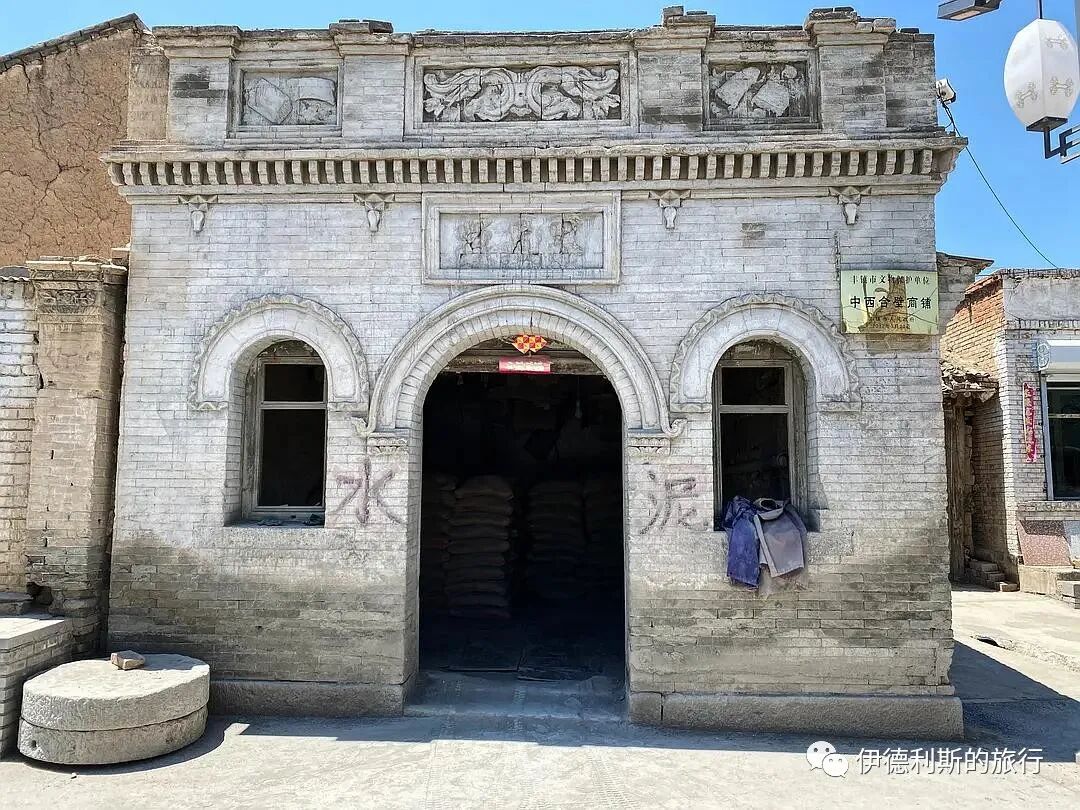
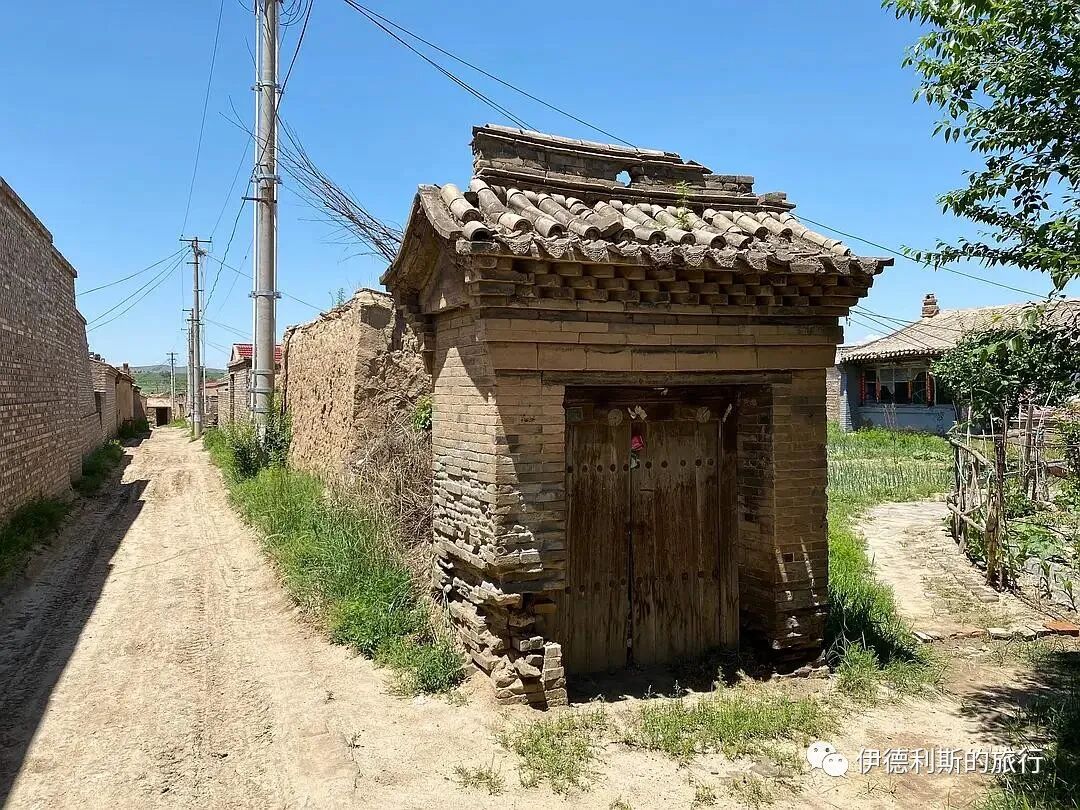
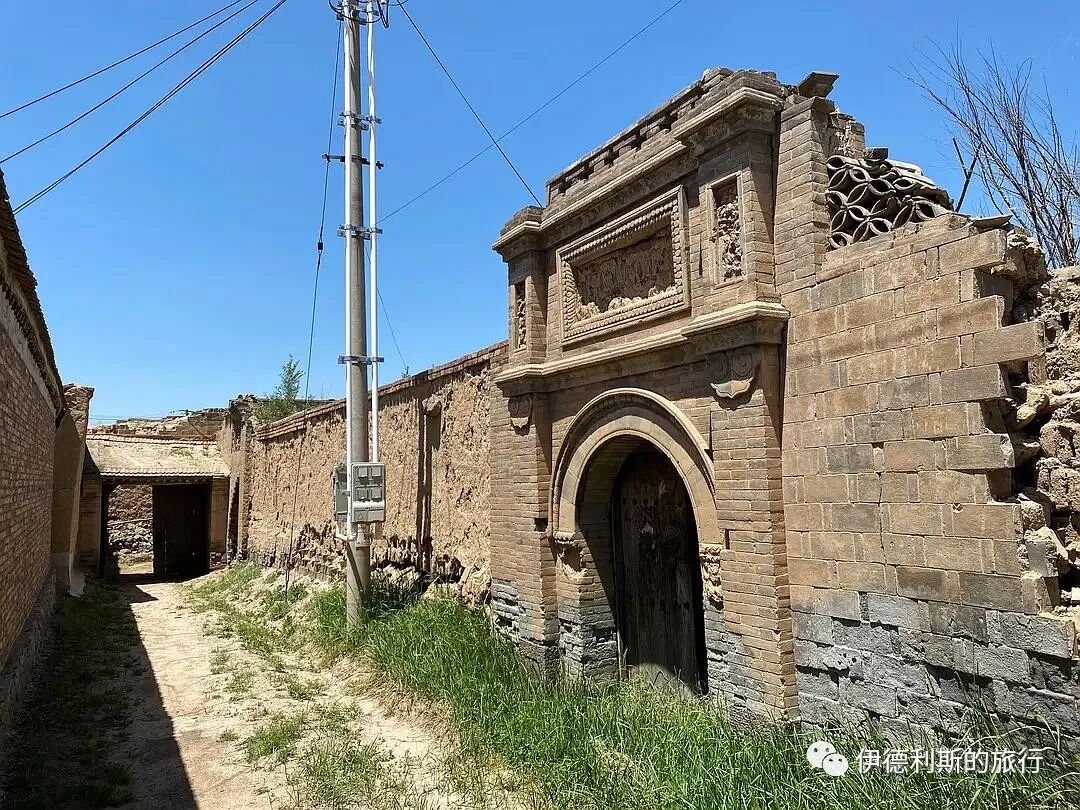
During the Xianfeng reign, the economy of Longshengzhuang reached its peak, with 500,000 sheep sold and transshipped annually. In the early Republic of China, Longshengzhuang reached its zenith, with over 300 merchant firms in the town and more than a dozen horse inns used for transshipping and trading cattle, horses, and sheep. At that time, there were nearly 2 kilometers of storefronts from the South Street to the North Street of Longshengzhuang, lined with merchant firms. Today, you can still see the century-old Ding Si Horse Inn on North Street, as well as shop facades that blend Chinese and Western styles.
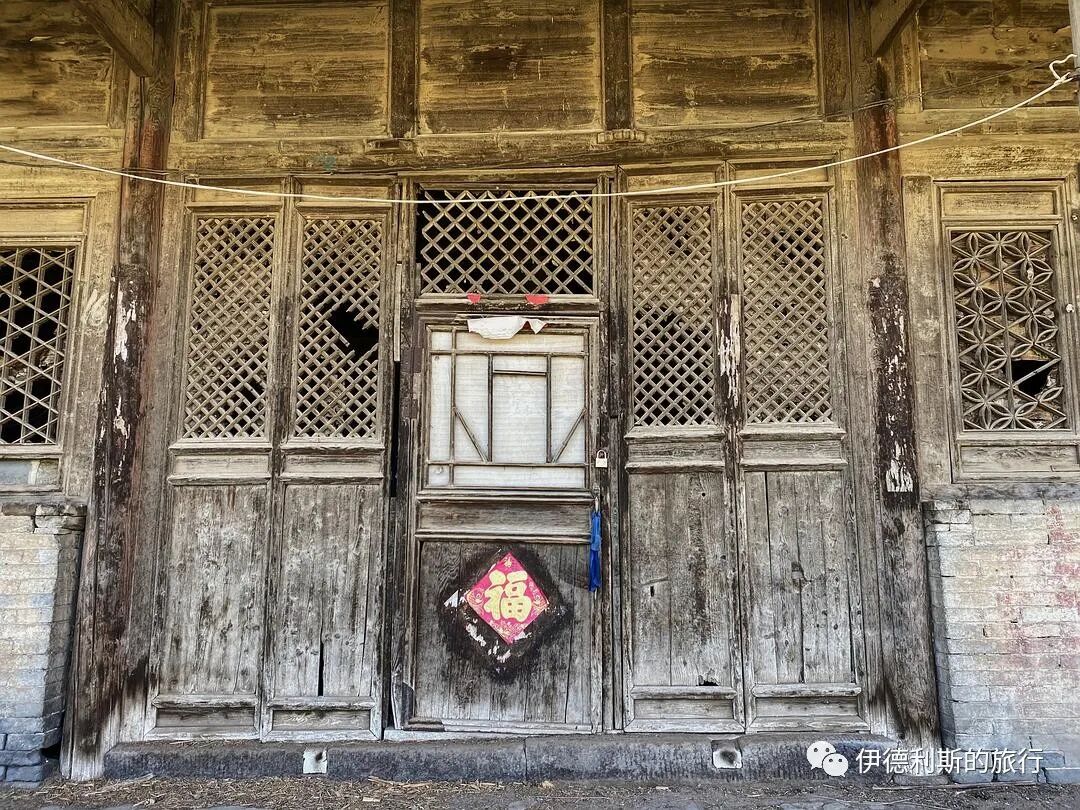
Starting from the early Qing Dynasty, Hui Muslims from Hebei and Shandong traveled to Longshengzhuang in Inner Mongolia for business, and in the late Qing Dynasty, many Hui Muslims from Shaanxi also migrated here. During the Guangxu reign of the Qing Dynasty, the Hui Muslim population in Longshengzhuang grew to two or three thousand, reaching over five thousand at its peak in the early Republic of China. At that time, Longshengzhuang had a large halal restaurant, as well as nearly twenty merchant firms including livestock traders, brokers, and horse inns. After the Ping-Sui Railway opened in 1921, Longshengzhuang declined rapidly. After the 1930s, a large number of people moved away. Today, only about 30 Hui Muslims remain, mostly elderly, and there are no longer any halal restaurants.
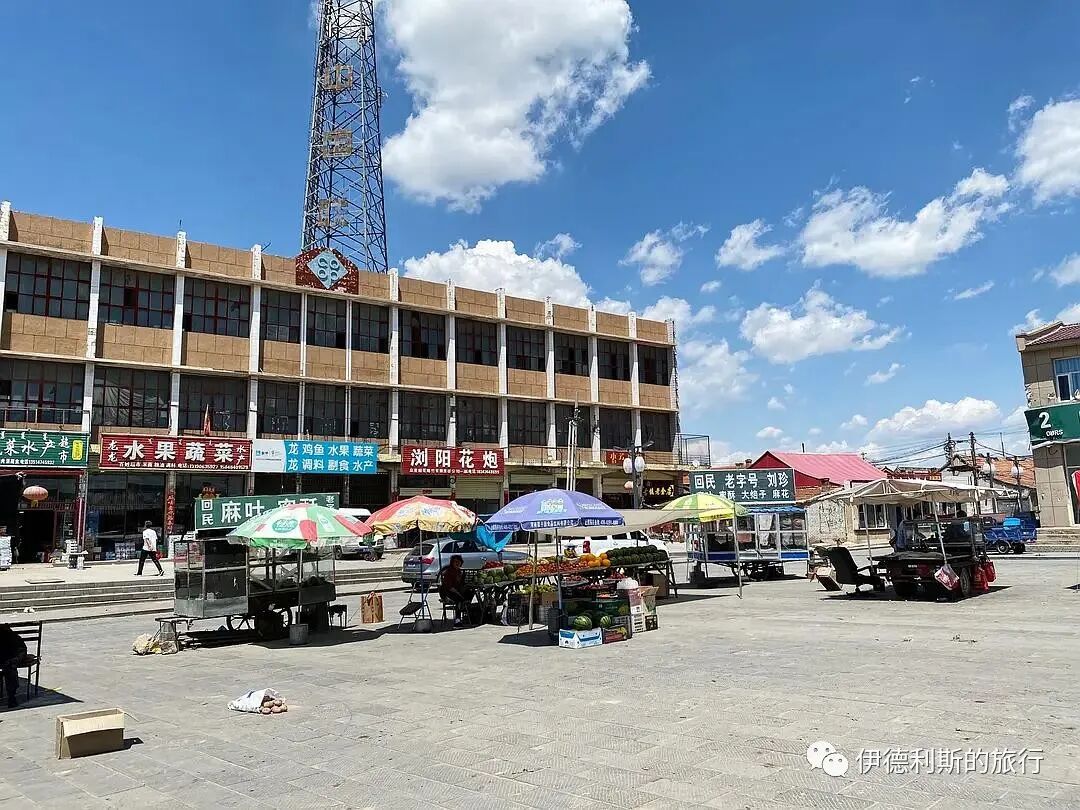
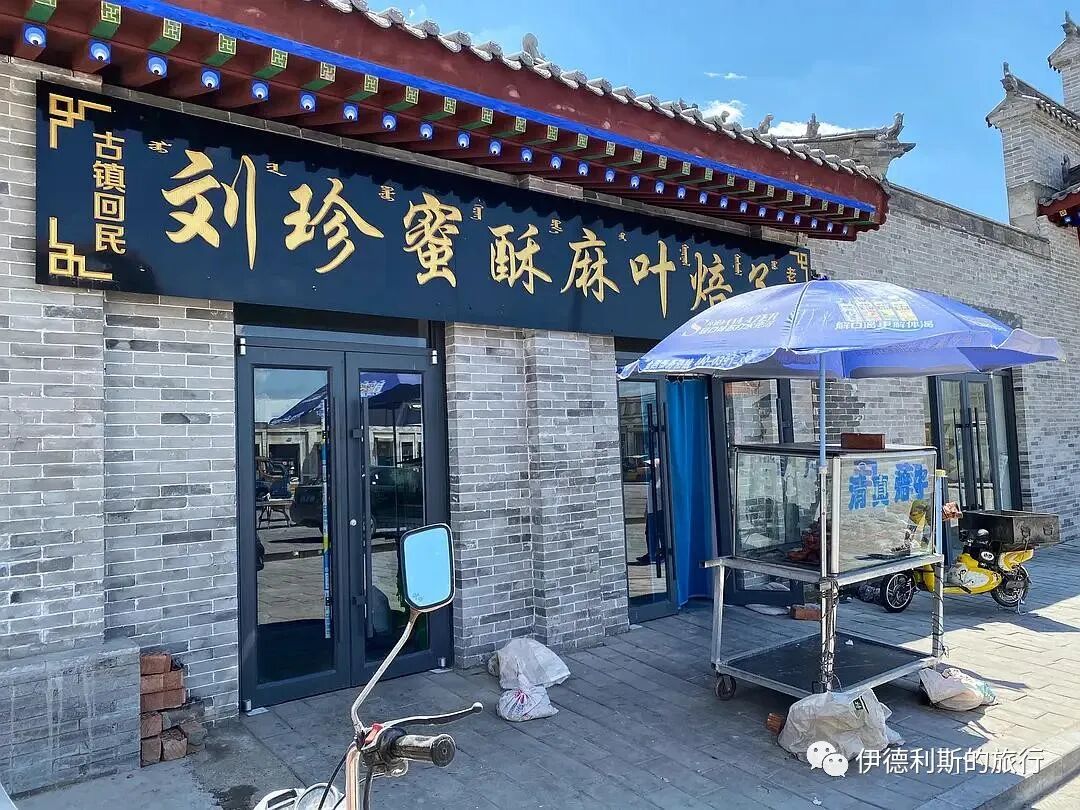
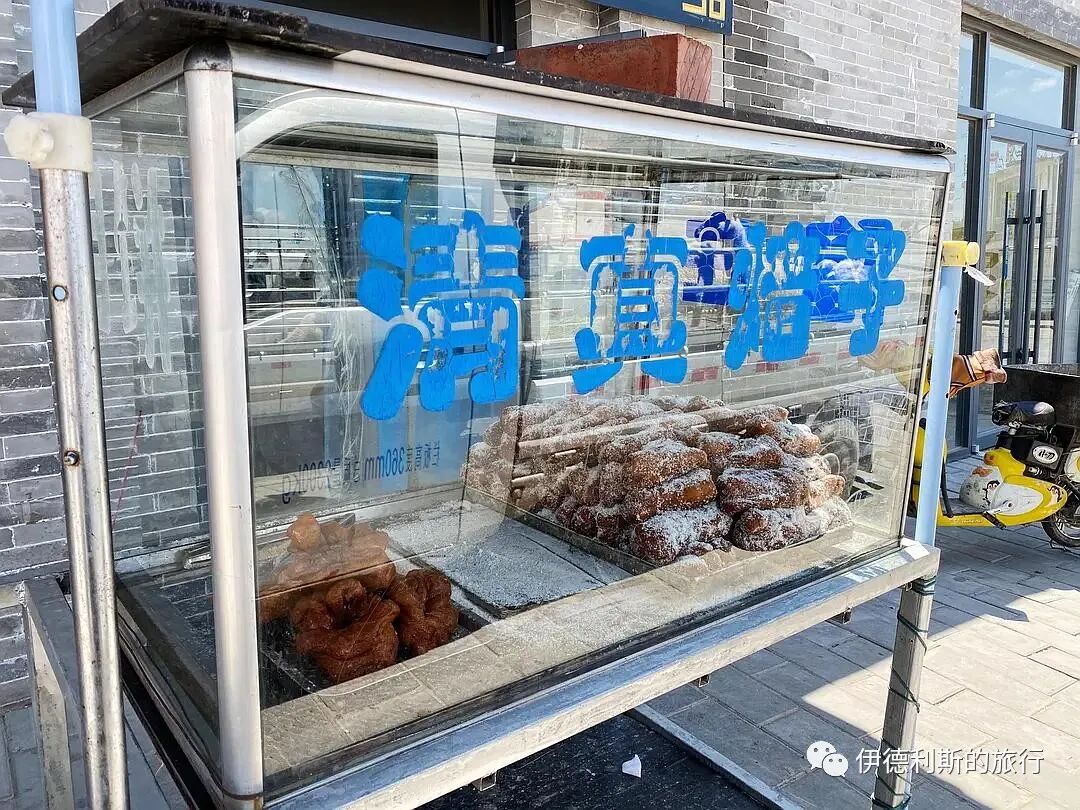
Today, in Maqiao Square in the center of Longshengzhuang, there are still a few Hui Muslims selling misu (honey-crisp pastry), maye (fried dough strips), mahua (fried dough twists), and beizi (steamed buns). We bought a sugar-coated maye at the Liu Zhen time-honored brand; although it looked very sweet, it was not greasy at all, and I finished it in a few bites.
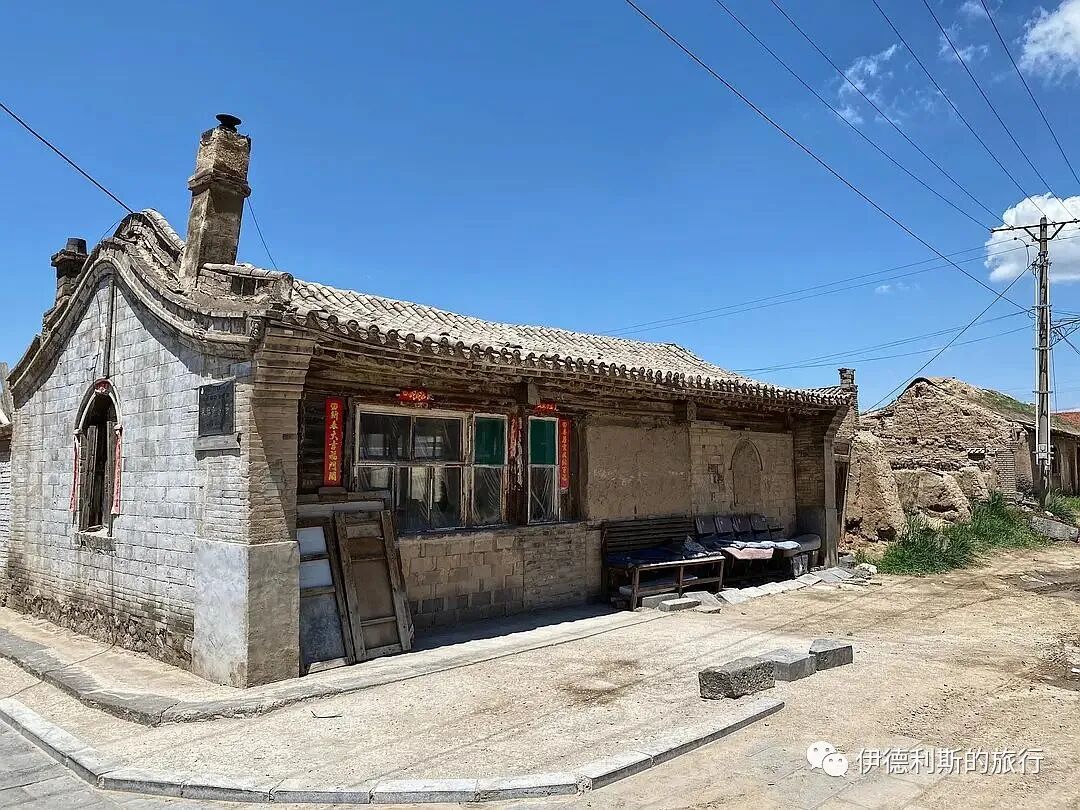
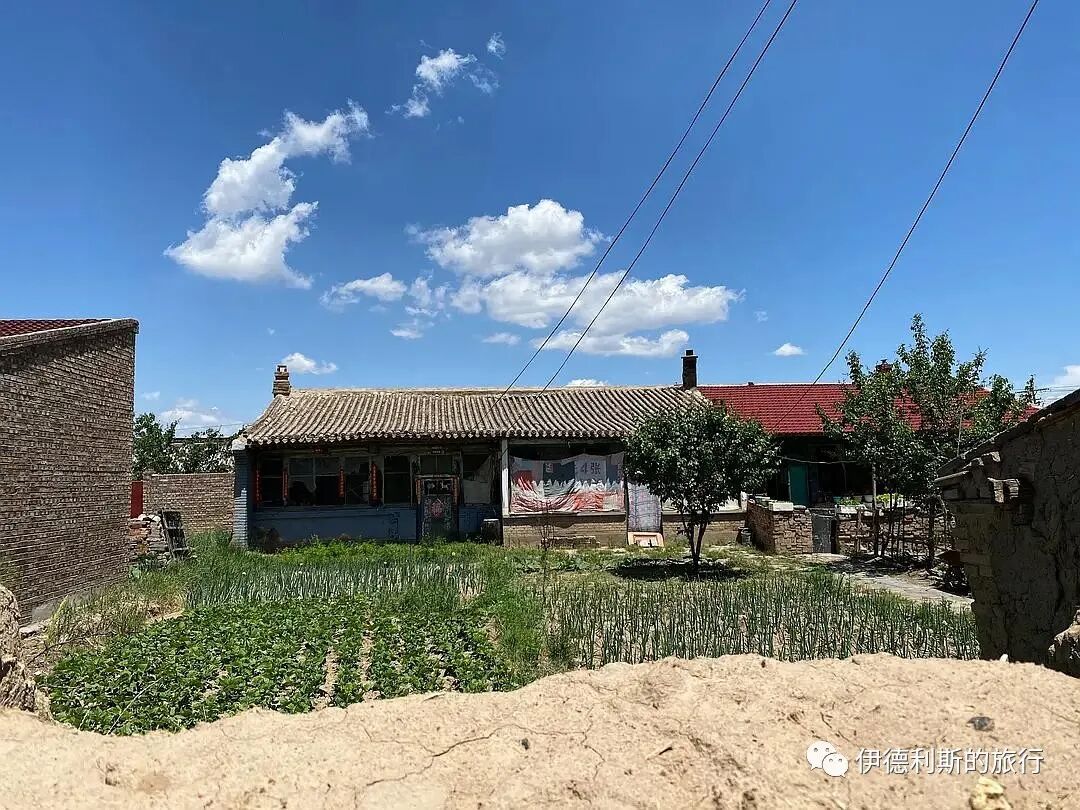
The Longshengzhuang Mosque was first built in 1751 (the 16th year of the Qianlong reign of the Qing Dynasty). Initially, it only had three main halls. Later, as the number of Muslims doing business here increased, 13 main halls, a front gate, a second gate, side rooms, and a screen wall were added in 1831 (the 11th year of the Daoguang reign), forming a three-courtyard layout.
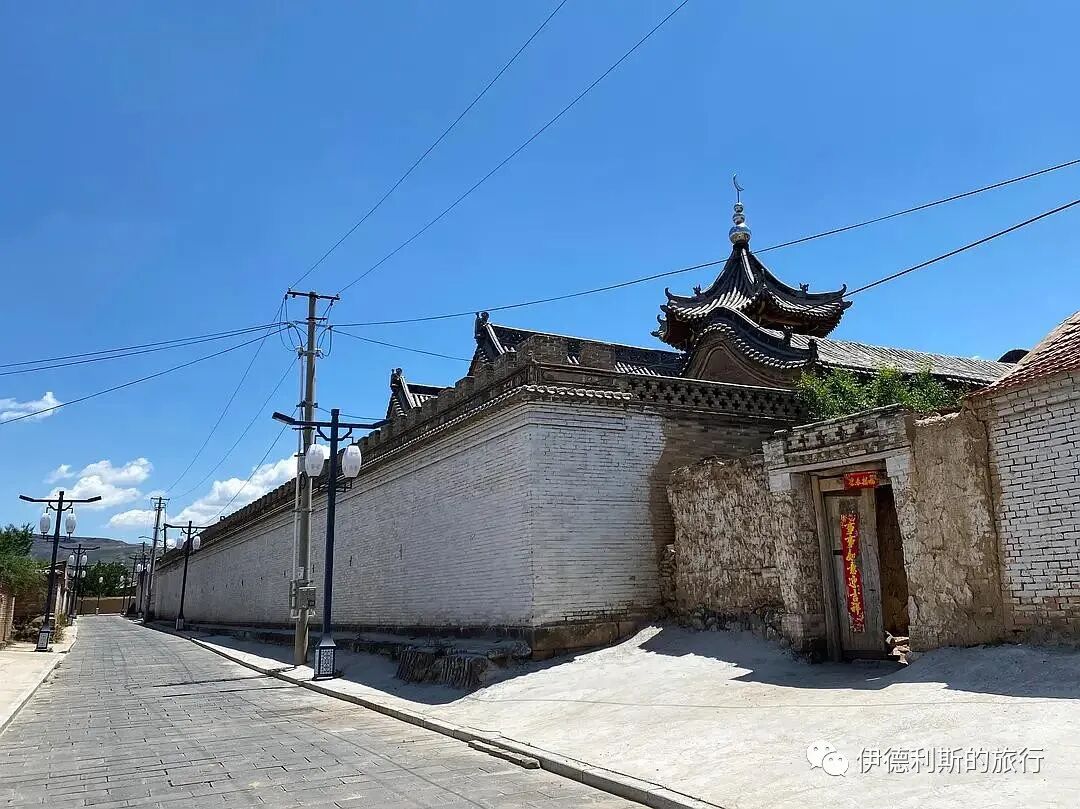
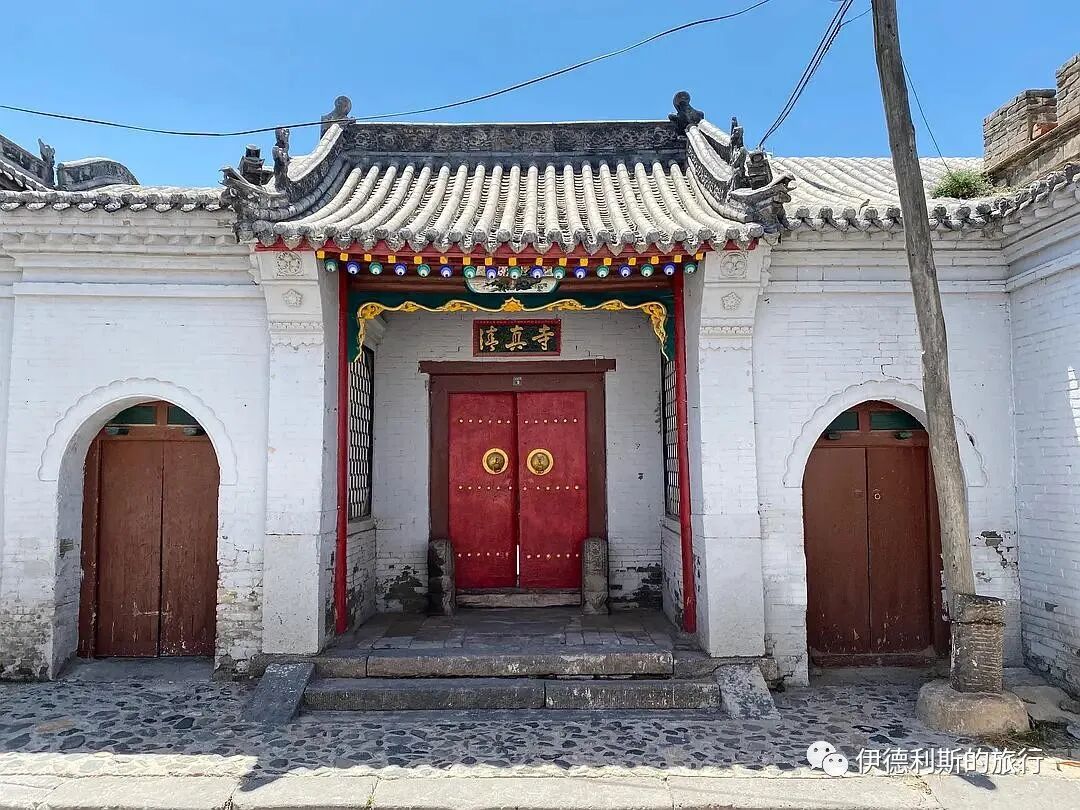
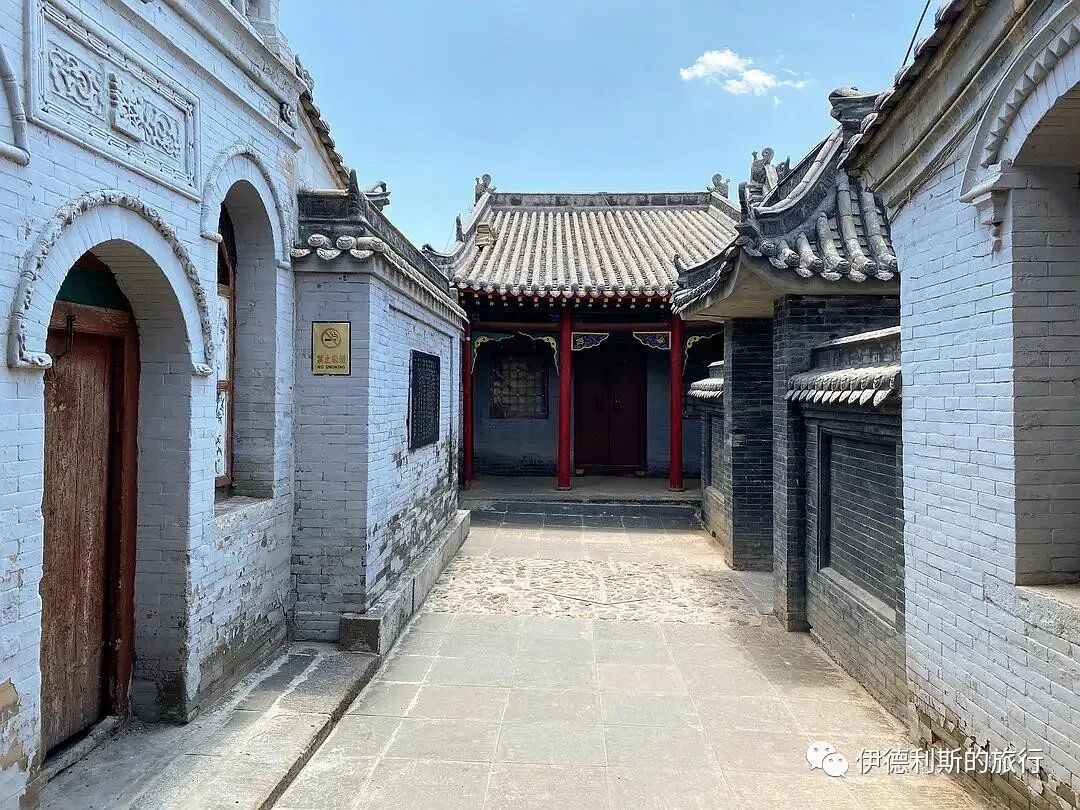
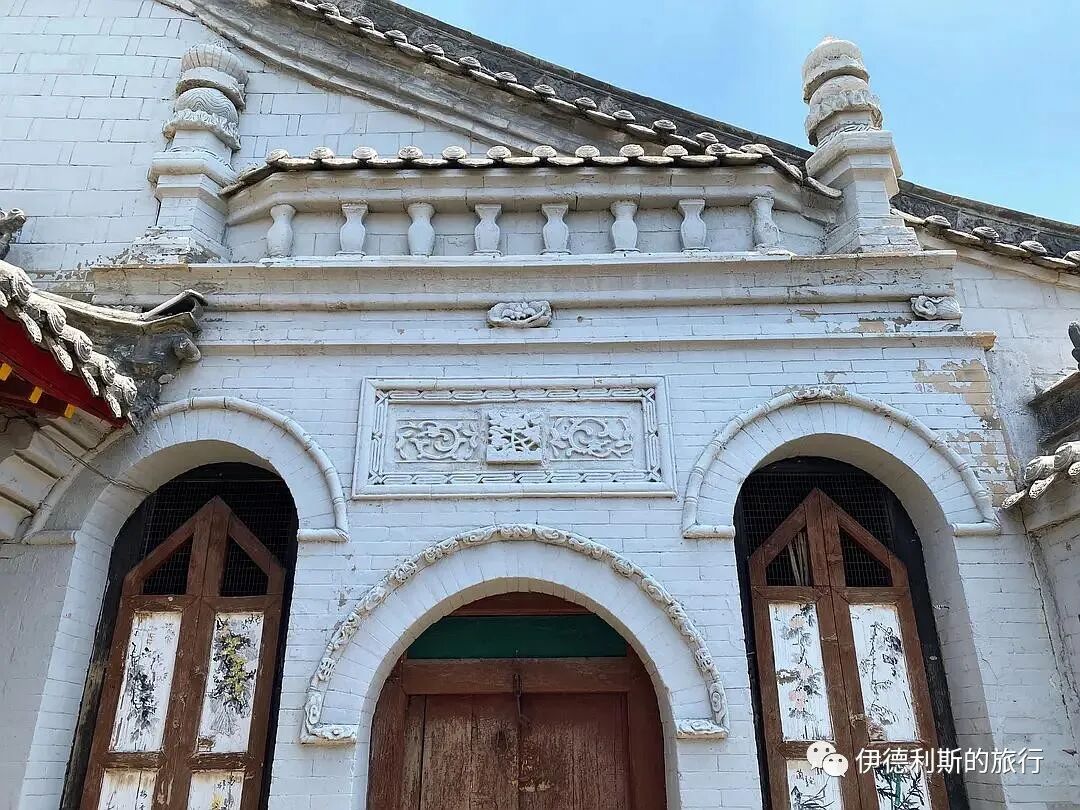
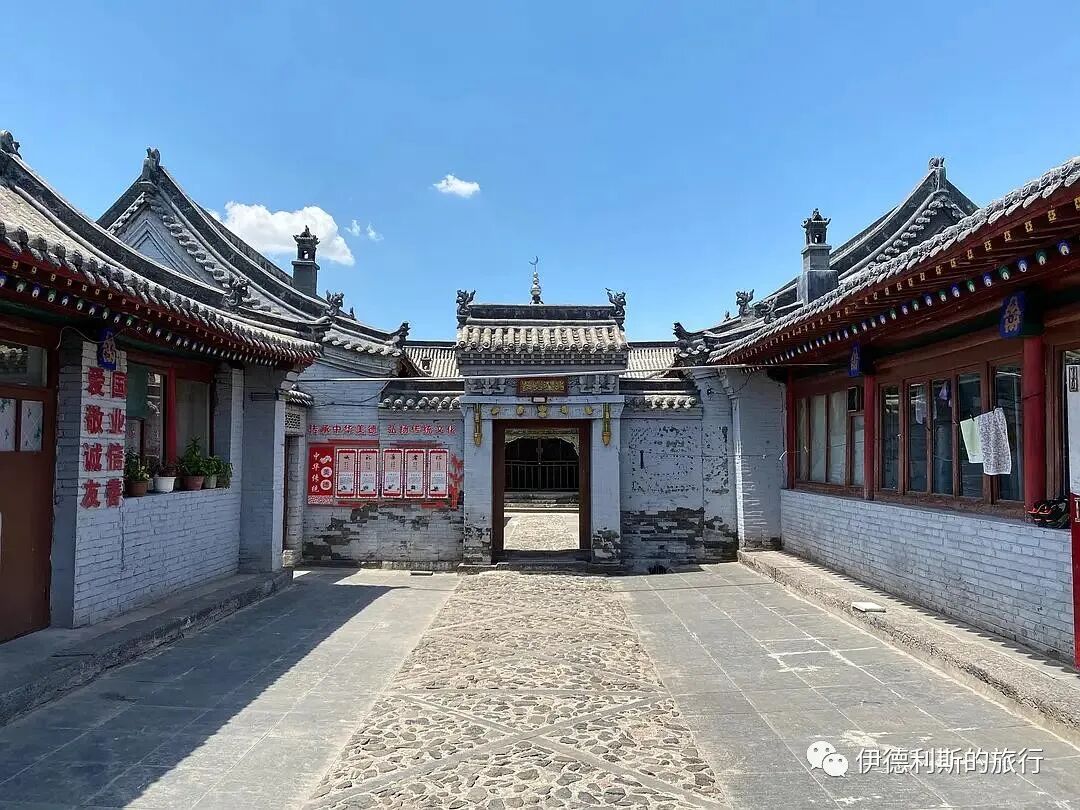
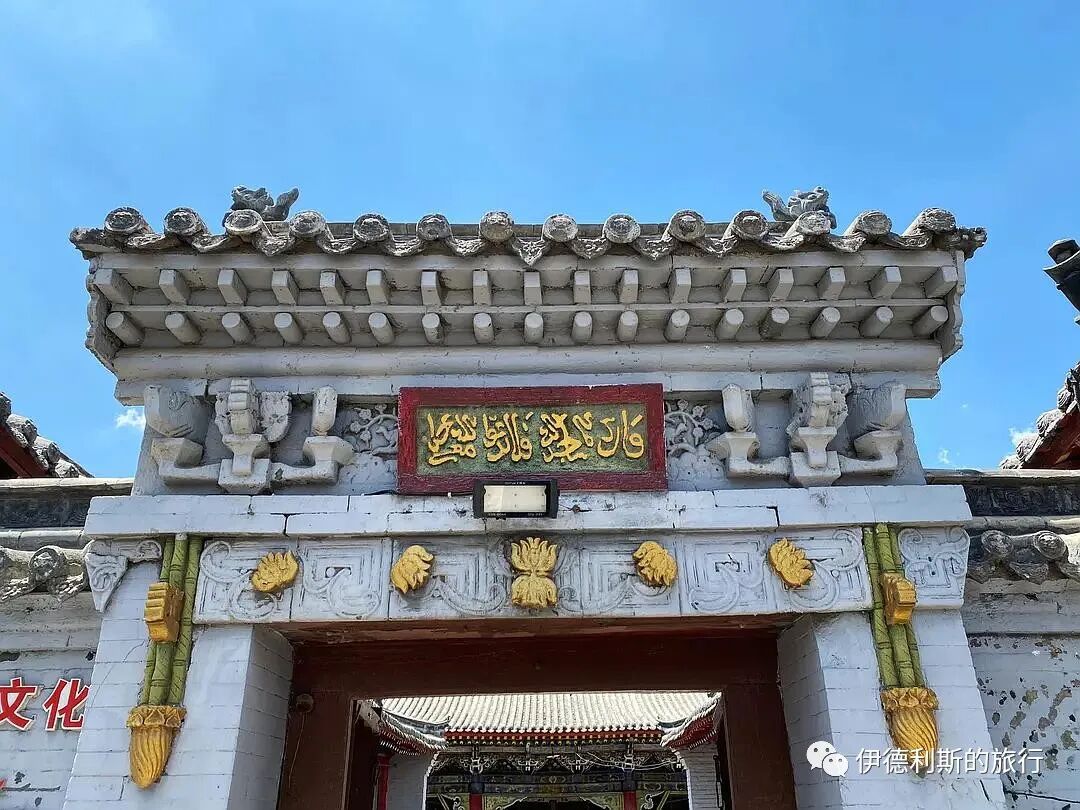
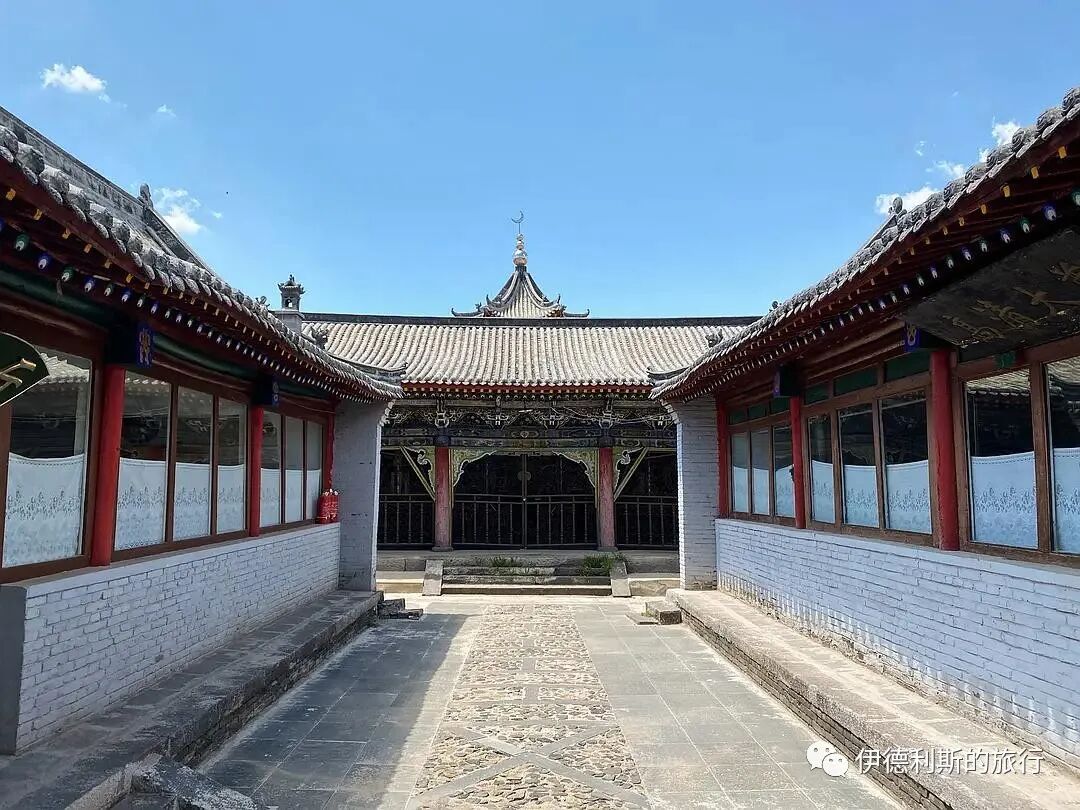
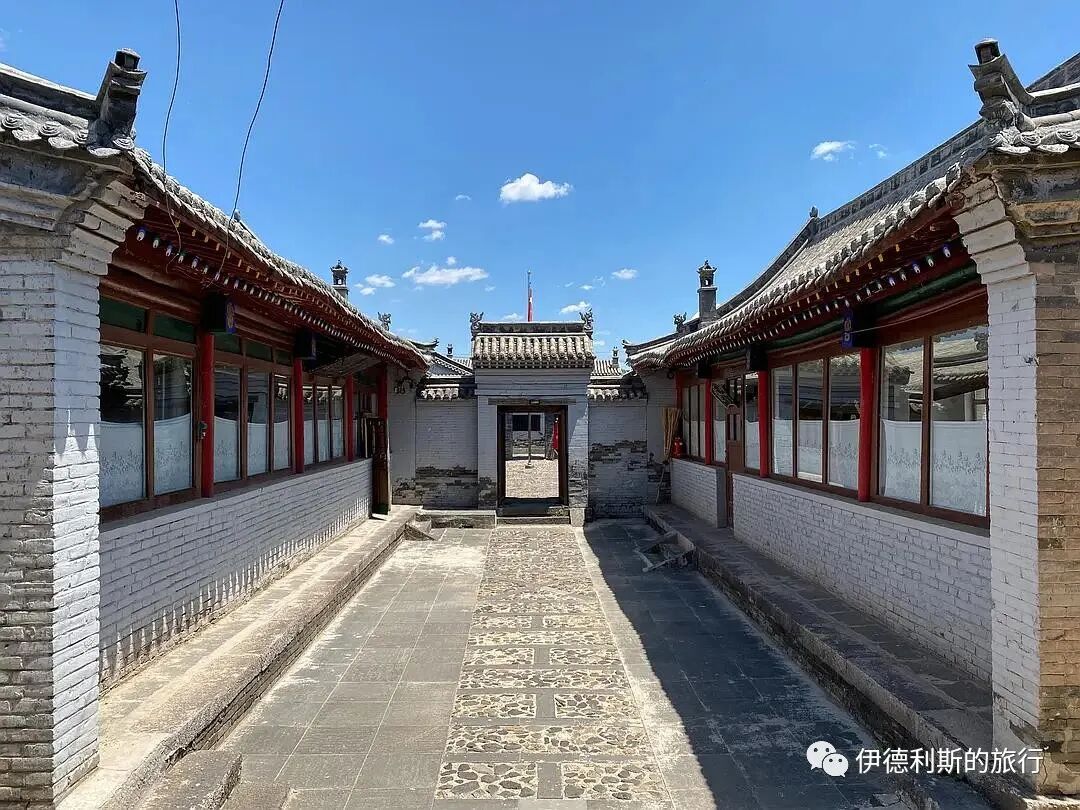
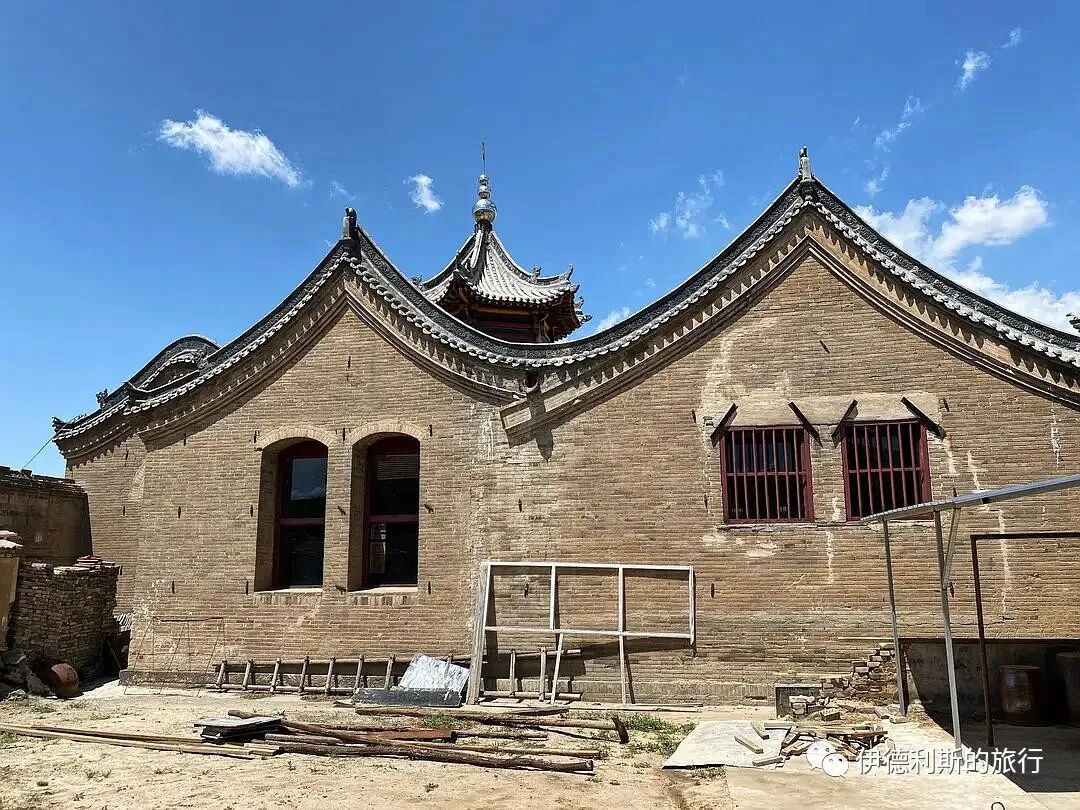
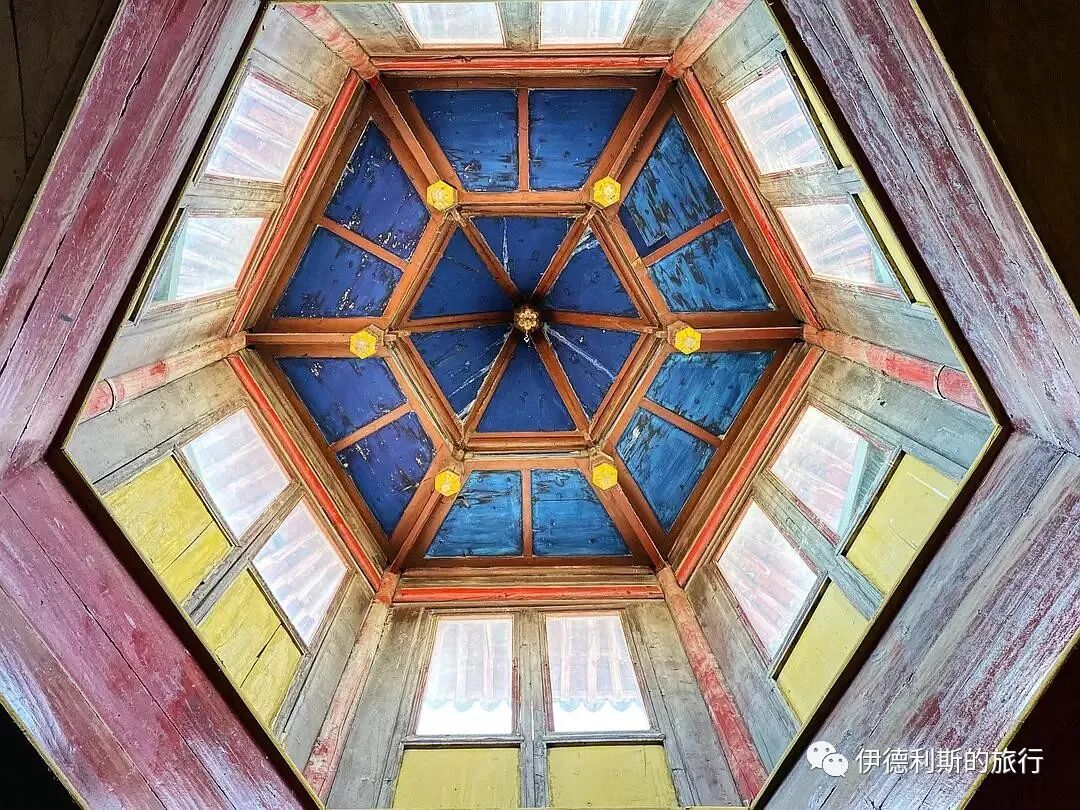
The mosque's scroll-style shed was expanded in 1926 and features exquisite ironwork decorations from the Republic of China era.
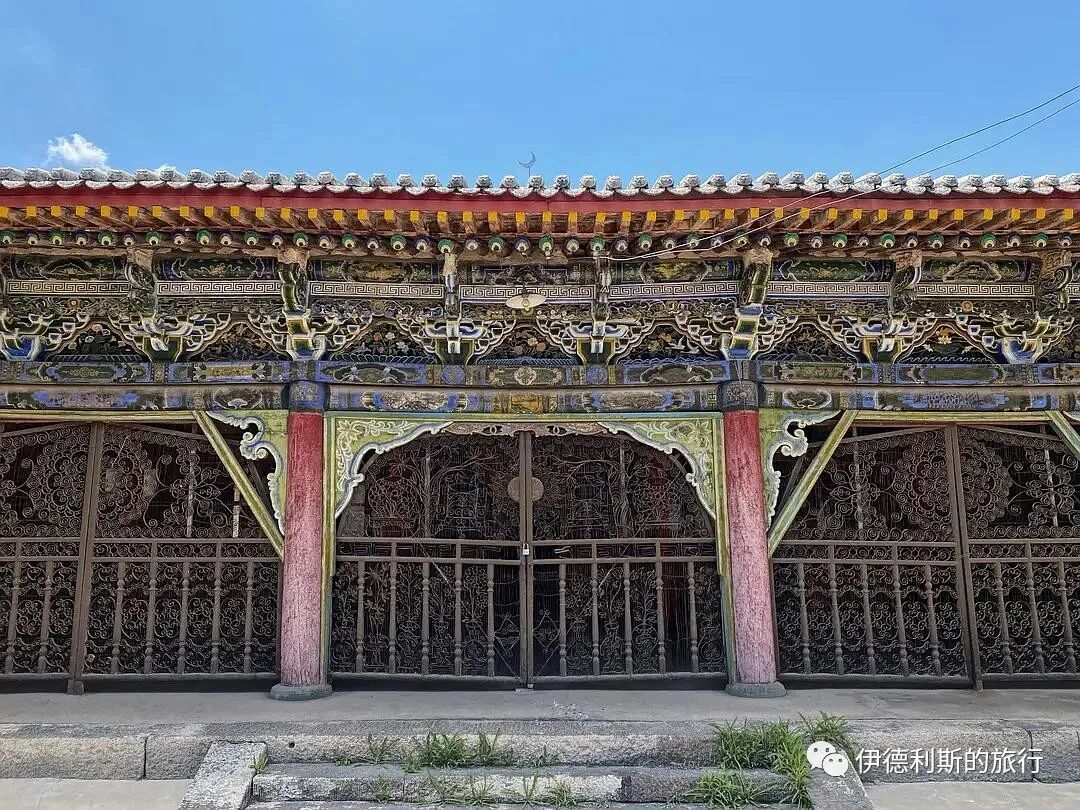
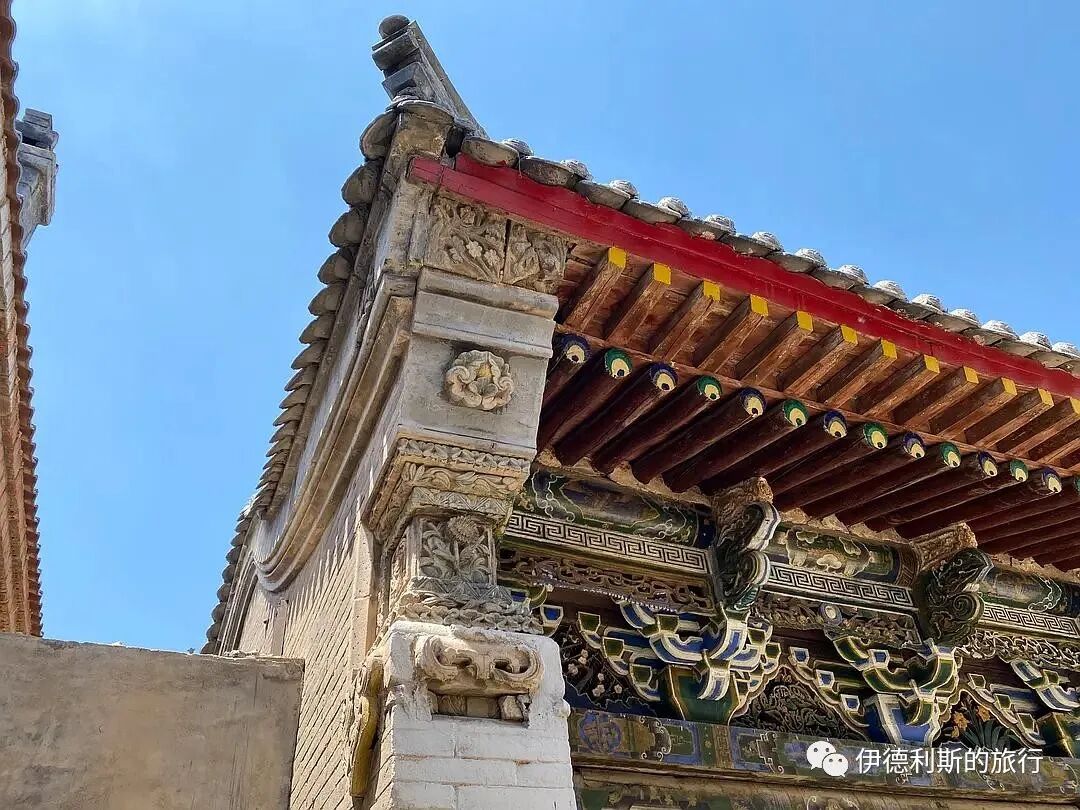
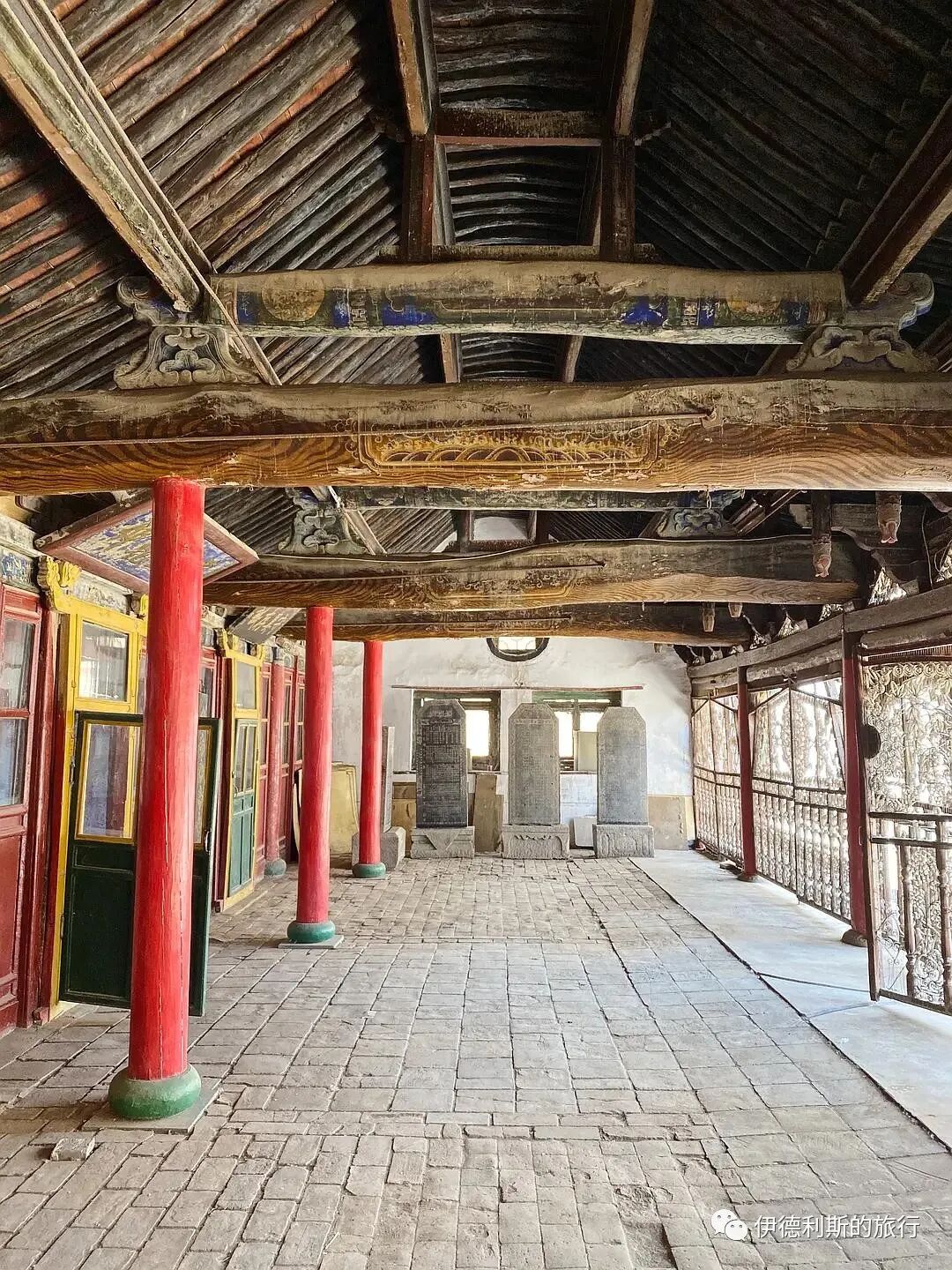
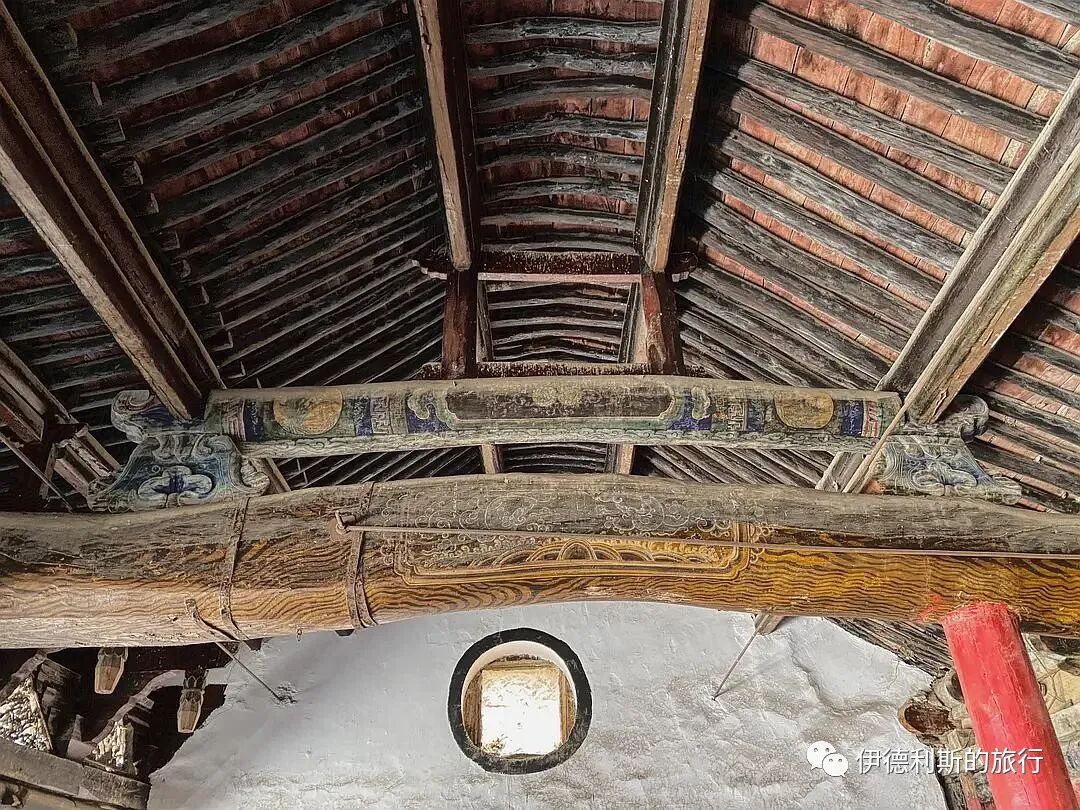
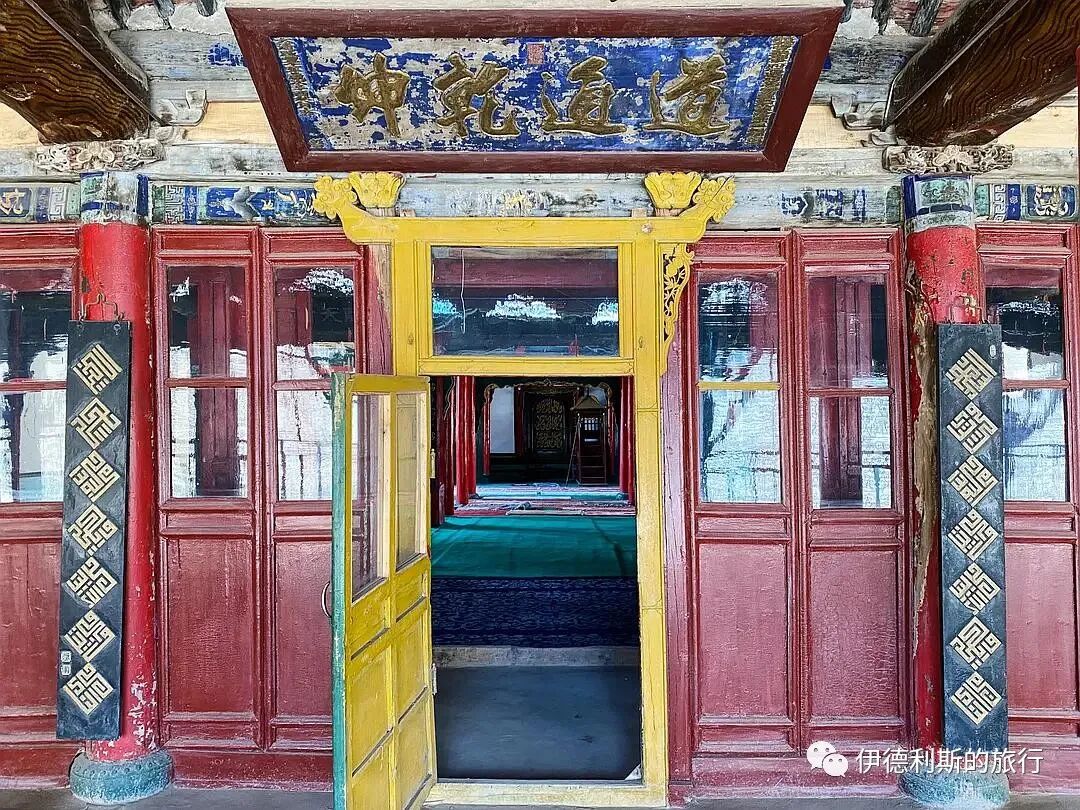
The main hall was also expanded in 1926.
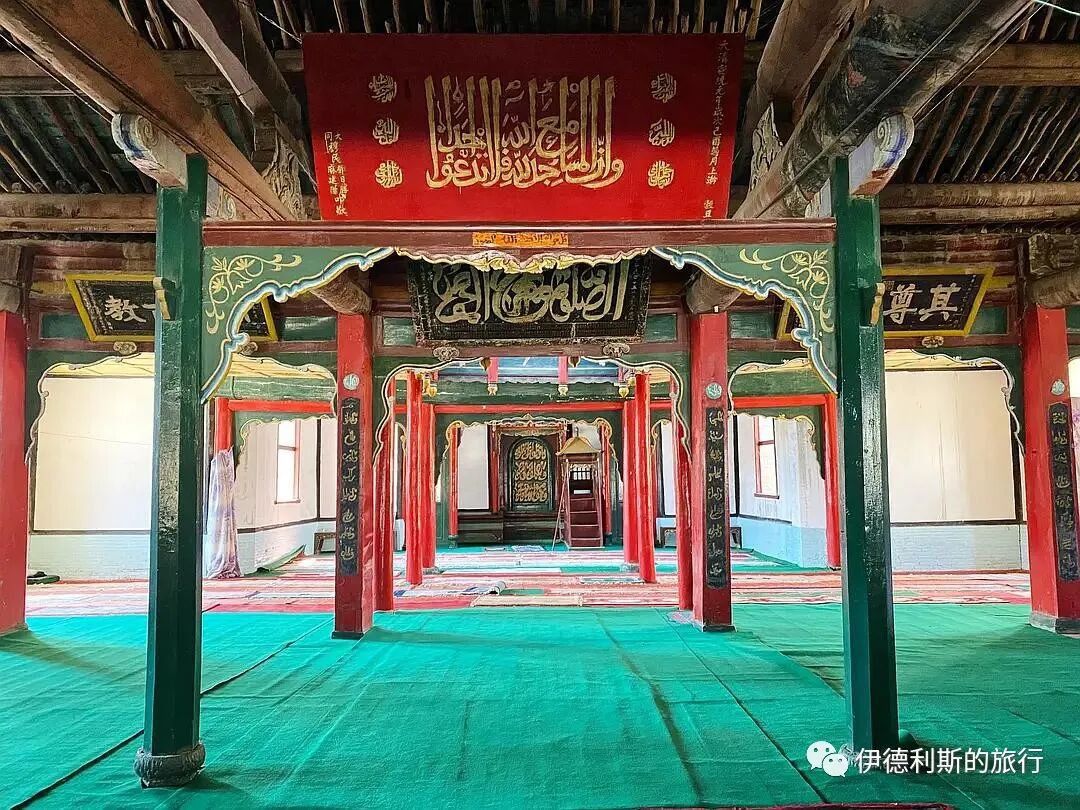
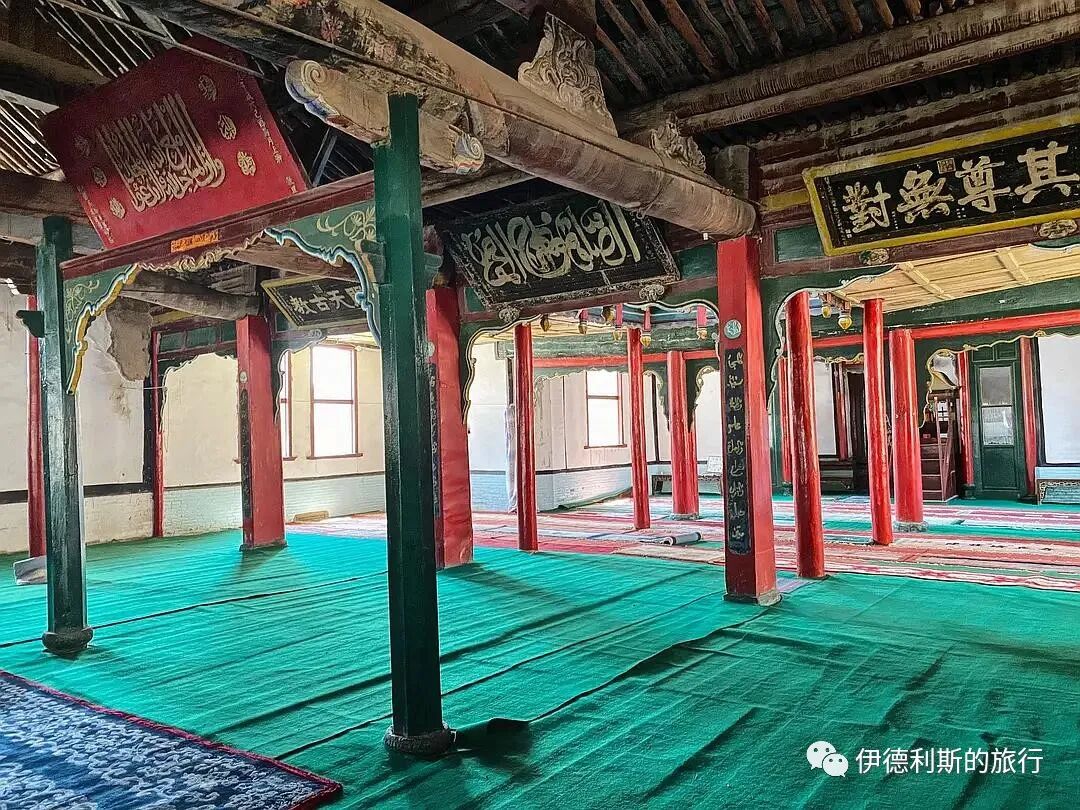
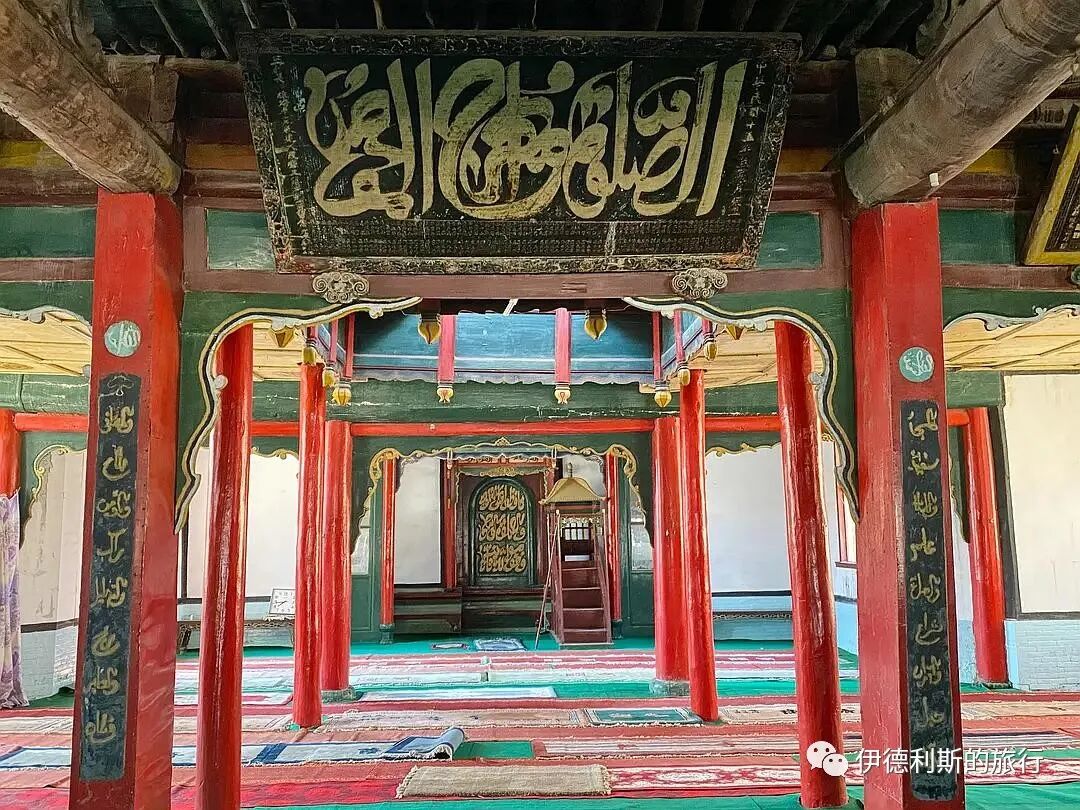
The 'Zun Da Qing Gao' (Respect the Great Qing's Nobility) plaque from 1915 (the 4th year of the Republic of China) bears the inscription 'Koubei Mongolian Salt Bureau'. From the Qing Dynasty to the Republic of China, all types of salt produced in the salt lakes of the Inner Mongolian Plateau were collectively referred to as Mengyan (Mongolian salt). In 1913, the Beiyang government signed a 25-million-pound reorganization loan with a banking consortium from Britain, France, Germany, Russia, and Japan, using salt taxes as collateral. The agreement stipulated that China must hire foreigners to assist in reorganizing the salt tax. China thus began salt administration reforms, and the Koubei Mongolian Salt Bureau was established, with its headquarters in Dolon Nor and a branch office in Longshengzhuang, Fengzhen.
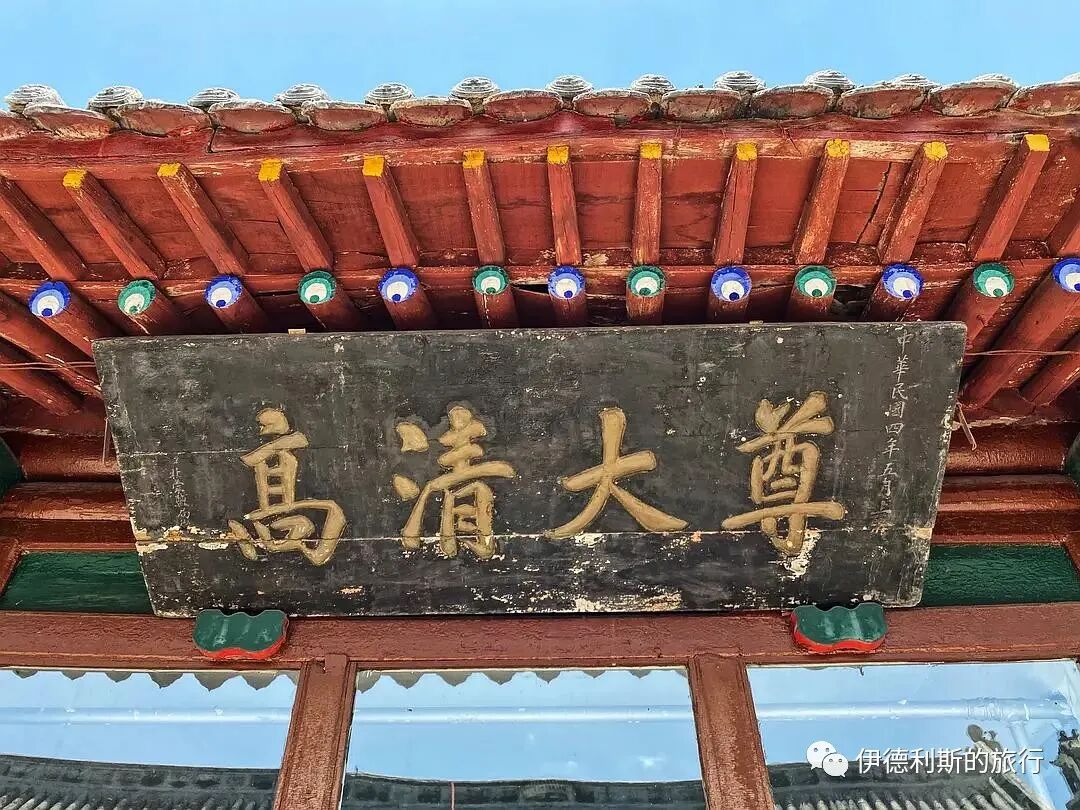
In 1861 (the 11th year of the Xianfeng reign), the Fengzhen Prefect presented the 'Dao Tong Qian Kun' (The Way Connects Heaven and Earth) plaque.
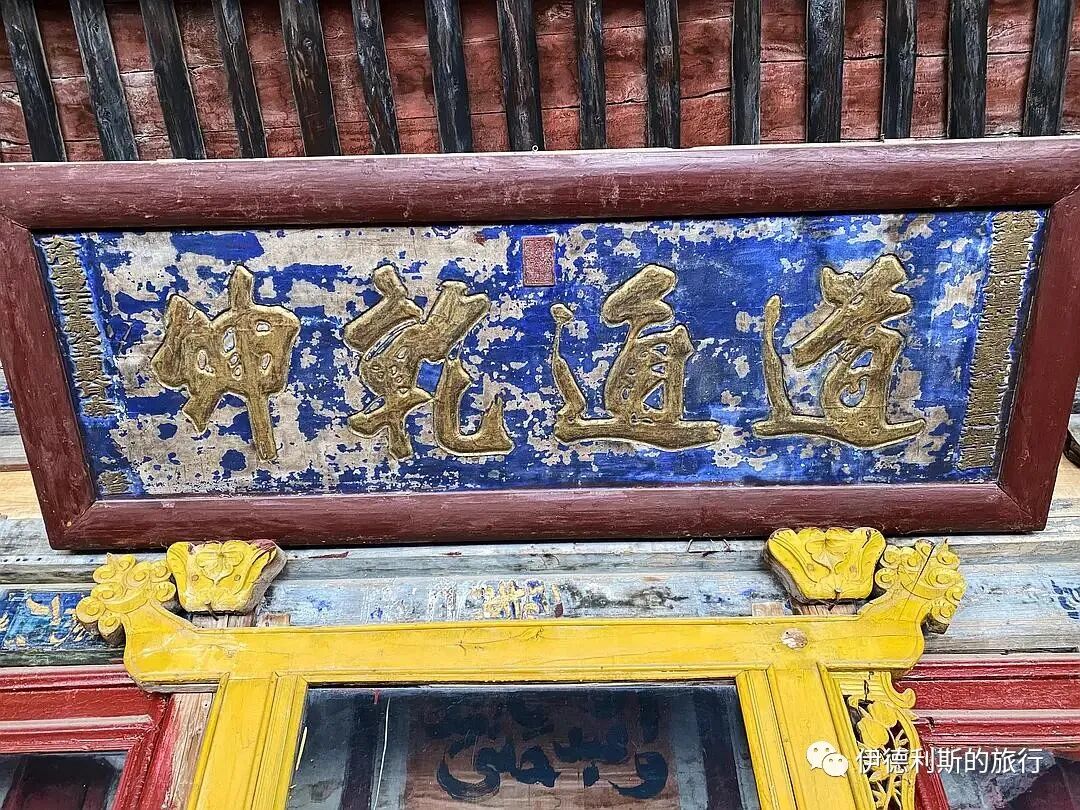
Prince De inscribed 'Shou Zhen Cun Cheng' (Uphold Truth and Maintain Sincerity) in 1940. The date is written as '734th Year of the Genghis Khan Era,' which is 1940, as Prince De was a descendant of Genghis Khan. Prince Demchugdongrub was a Mongolian prince and the Duke of the Sunid Right Banner. In 1933, he initiated the 'Inner Mongolia High Autonomy Movement' at Bailingmiao. In 1939, he became the chairman of the puppet regime 'Mongolian United Autonomous Government.' This plaque was inscribed when Prince De took office as chairman.
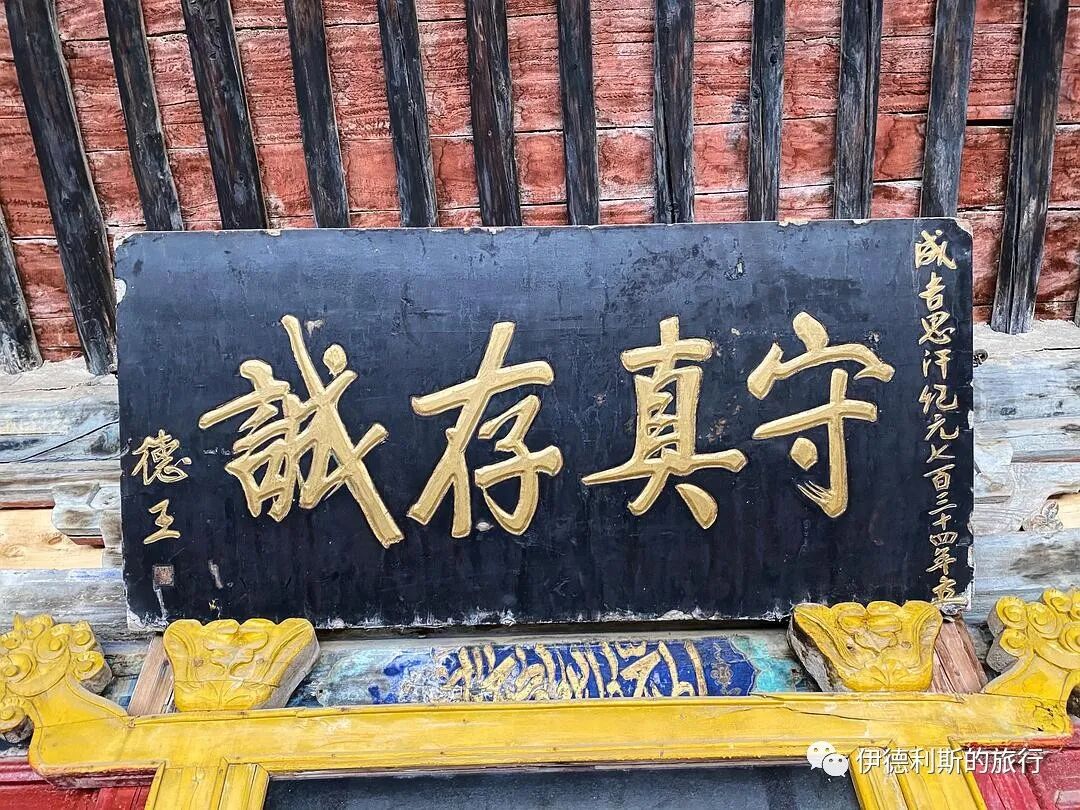
Inscribed in 1909 (the 1st year of the Xuantong reign) by Datong Muslims Deng Risheng and Ma Jiansheng. The Ma-surname Hui Muslims were originally from Youwei, Shanxi. During the Ming Dynasty, they were a prominent military family. The 'Ma Family Army' formed by Ma Gui and his brothers and nephews in the mid-Wanli reign was known for its combat prowess and made great contributions by defending Youwei for six months against Altan Khan. The Ma surname has been a major Hui Muslim family in Datong since the Ming Dynasty. They participated in the renovation of the Datong Mosque many times during the Ming and Qing dynasties and served as religious leaders. After the Qing Dynasty, when military garrisons were converted into prefectures and counties, the Ma-surname Hui Muslims in Datong left the military to become civilians. They achieved success in both business and officialdom and were once the actual managers of the Datong Mosque.
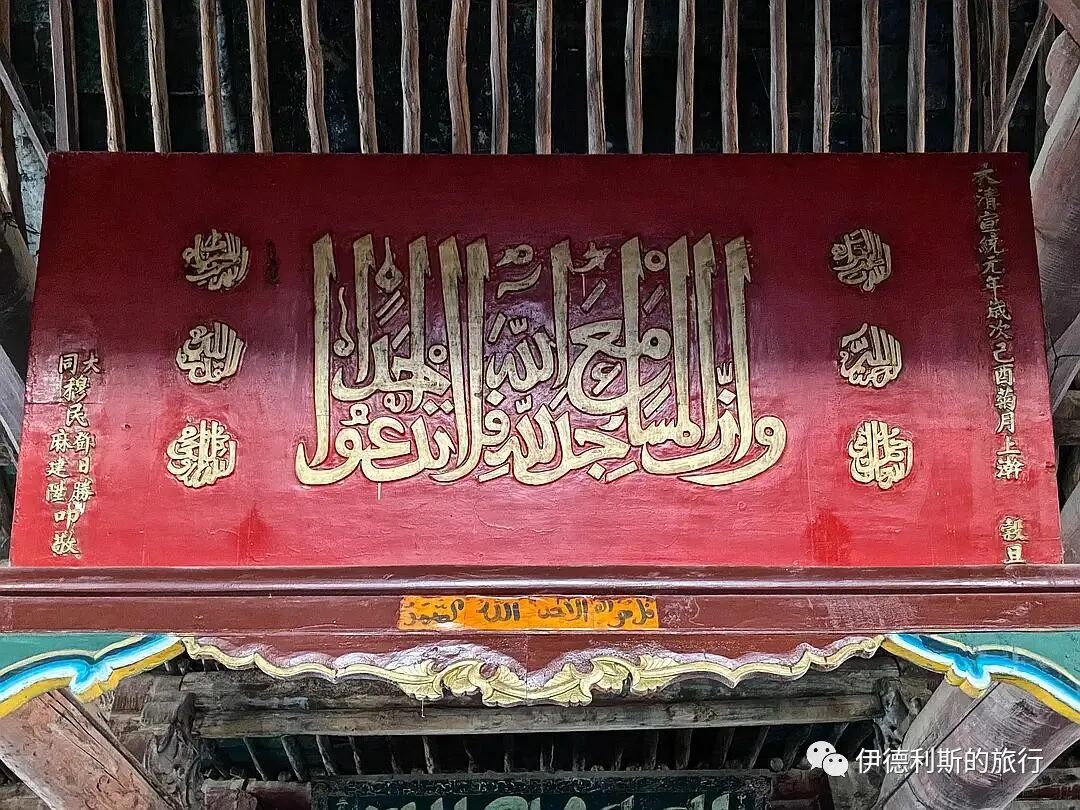
A commemorative plaque left by the local Muslims when the prayer hall was expanded in 1926.
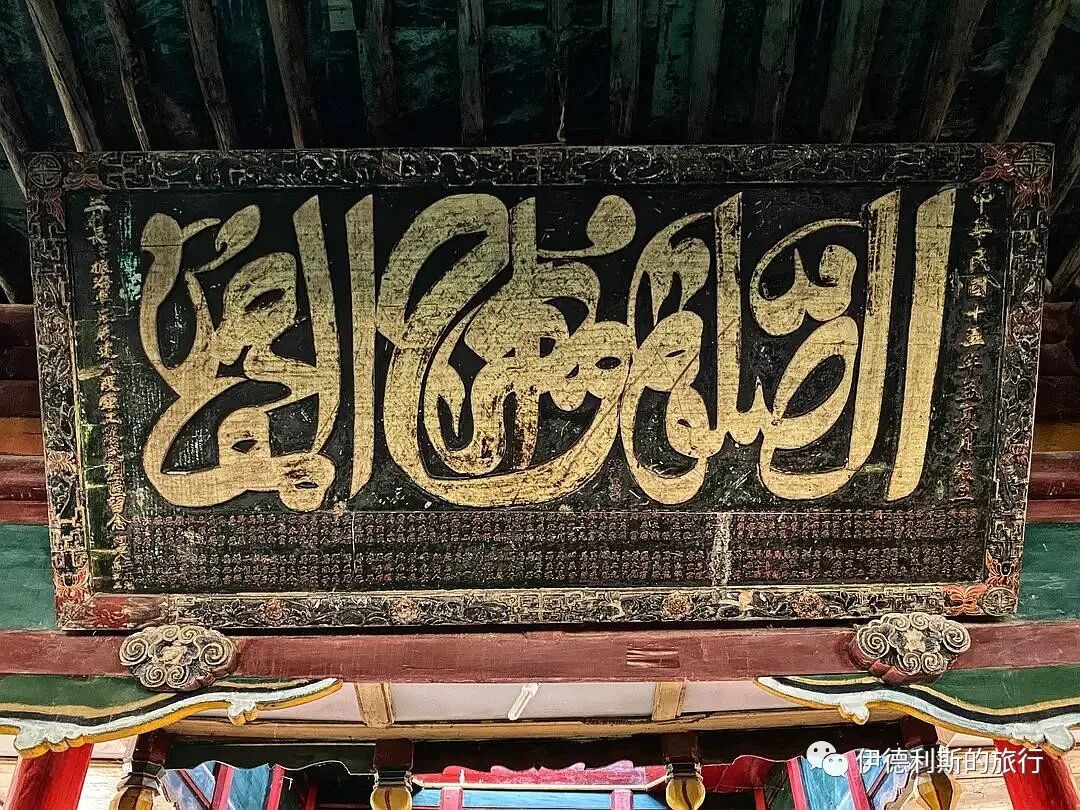
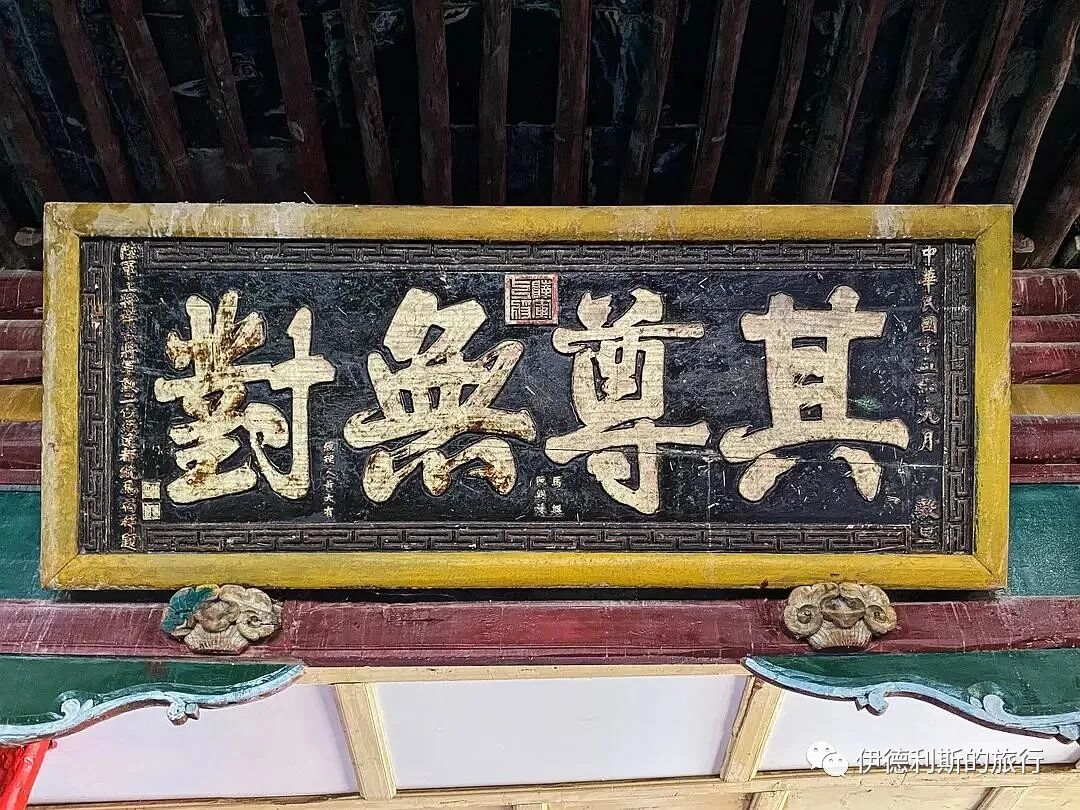
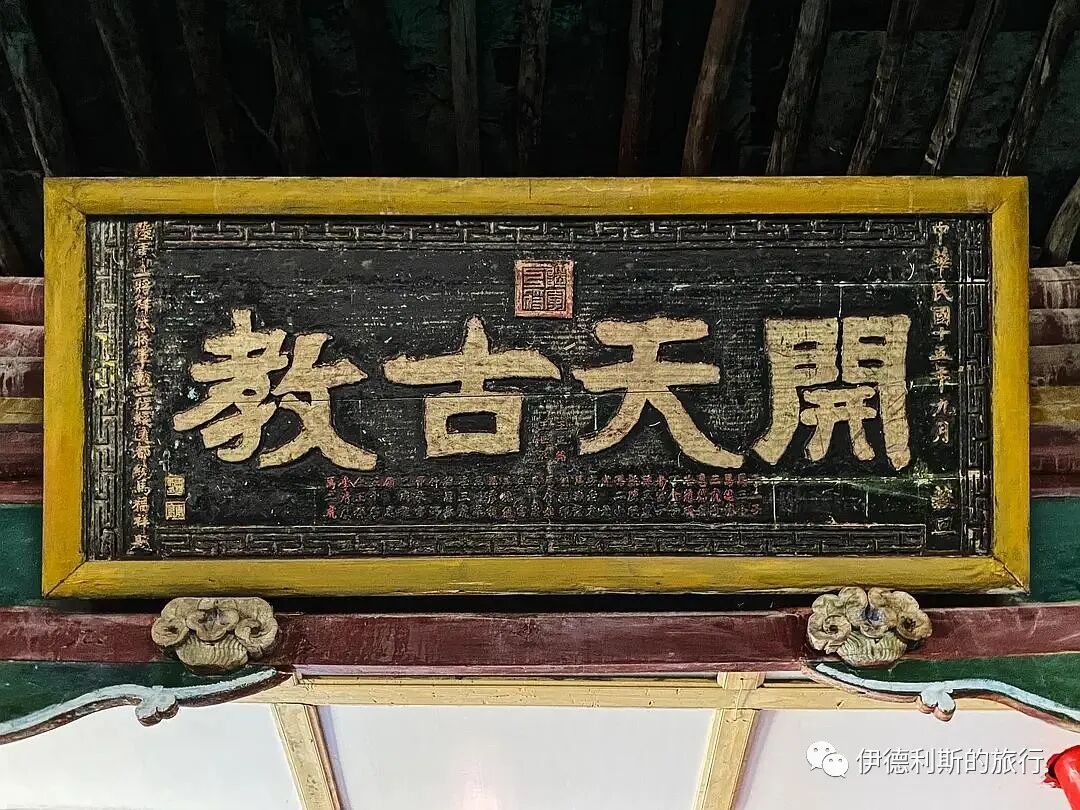
The 'Qi Zun Wu Dui' (His Nobility is Unmatched) and 'Kai Tian Gu Jiao' (Ancient Religion that Opened the Heavens) plaques were inscribed by Ma Fuxiang, a Hui Muslim general who was a Lieutenant General and the Military Governor of Suiyuan at the time, to celebrate the mosque's expansion in 1926. The brick-carved screen wall behind the main hall of the Hohhot Great Mosque also features an inscription by Ma Fuxiang.
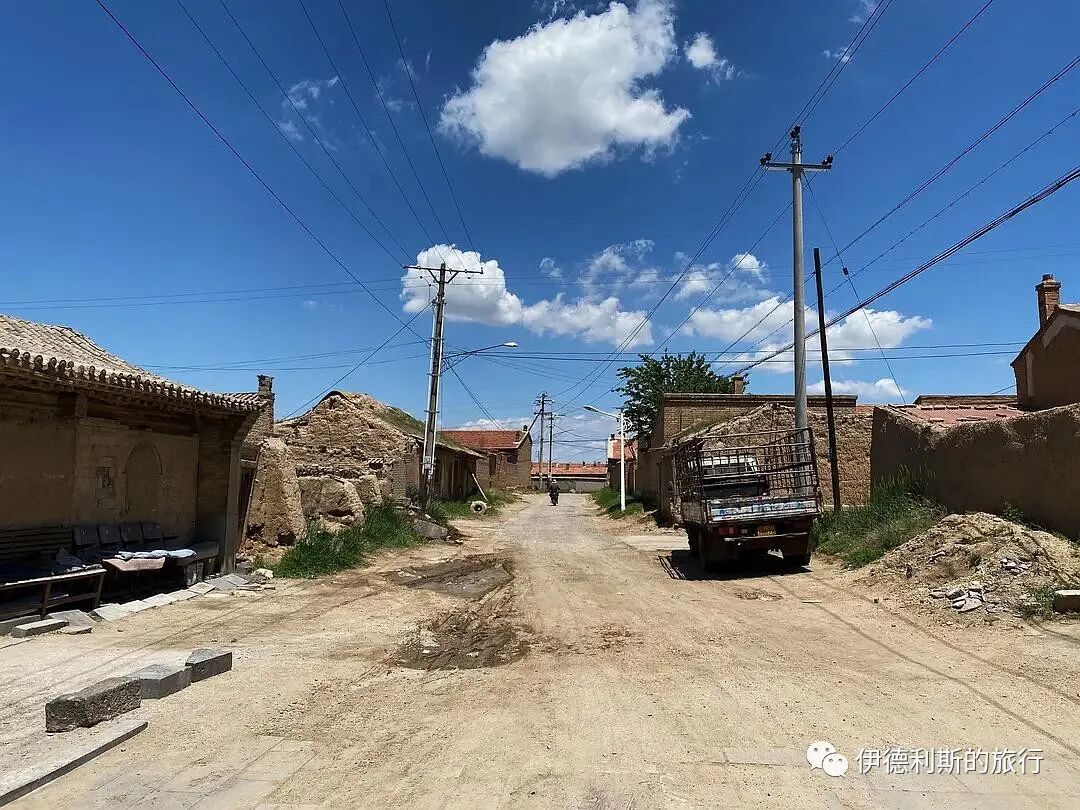
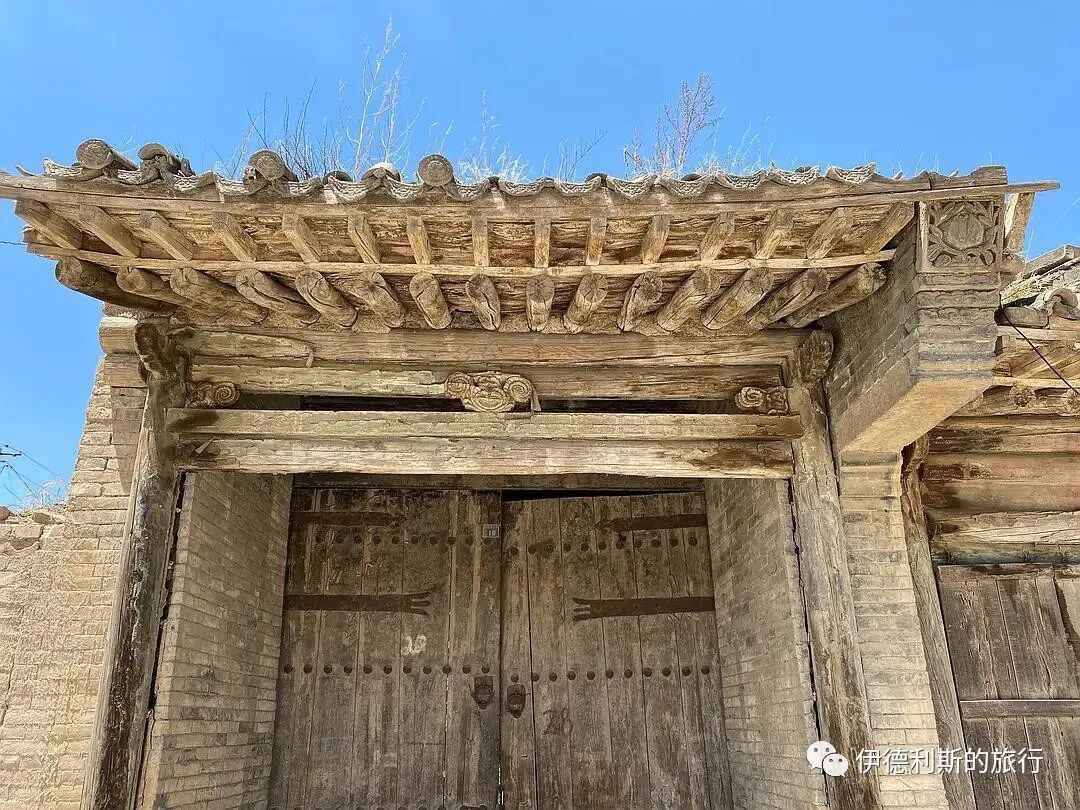
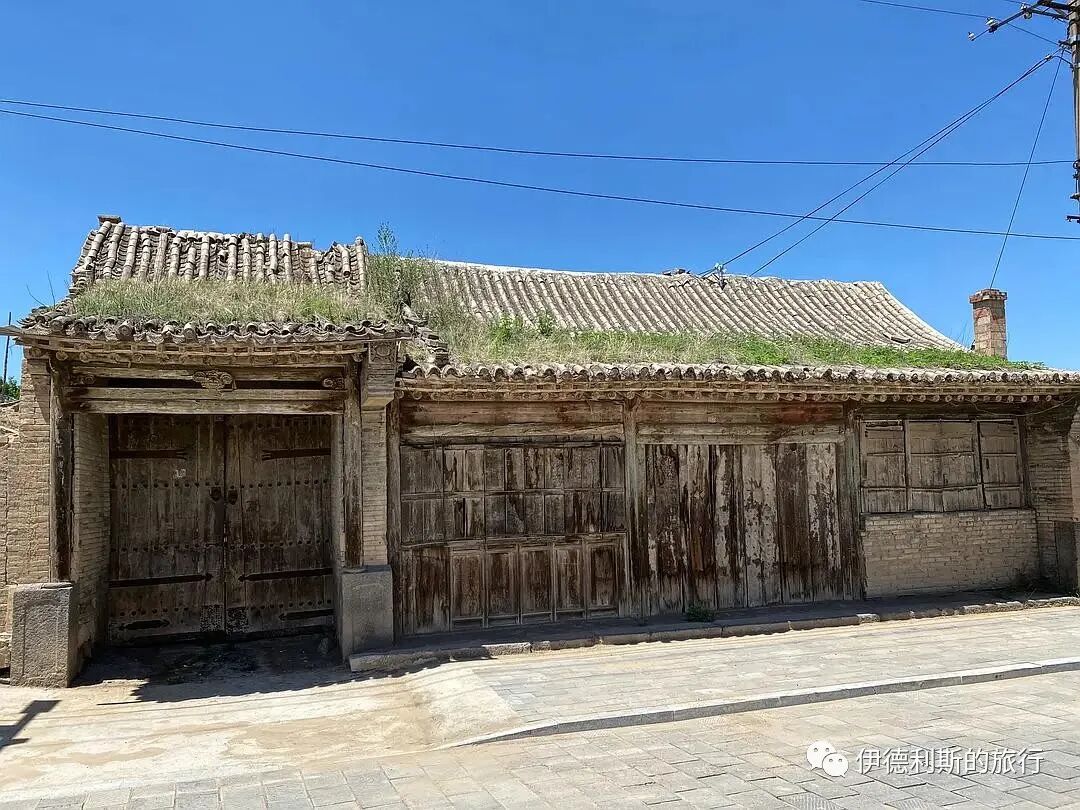
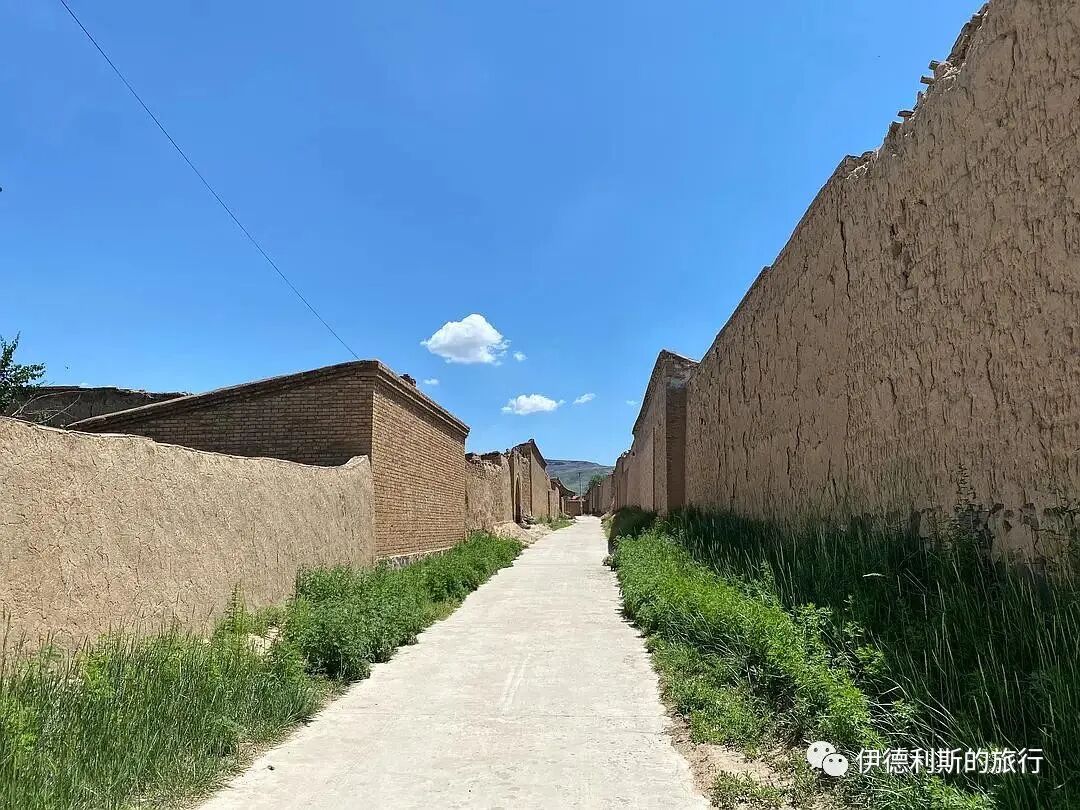
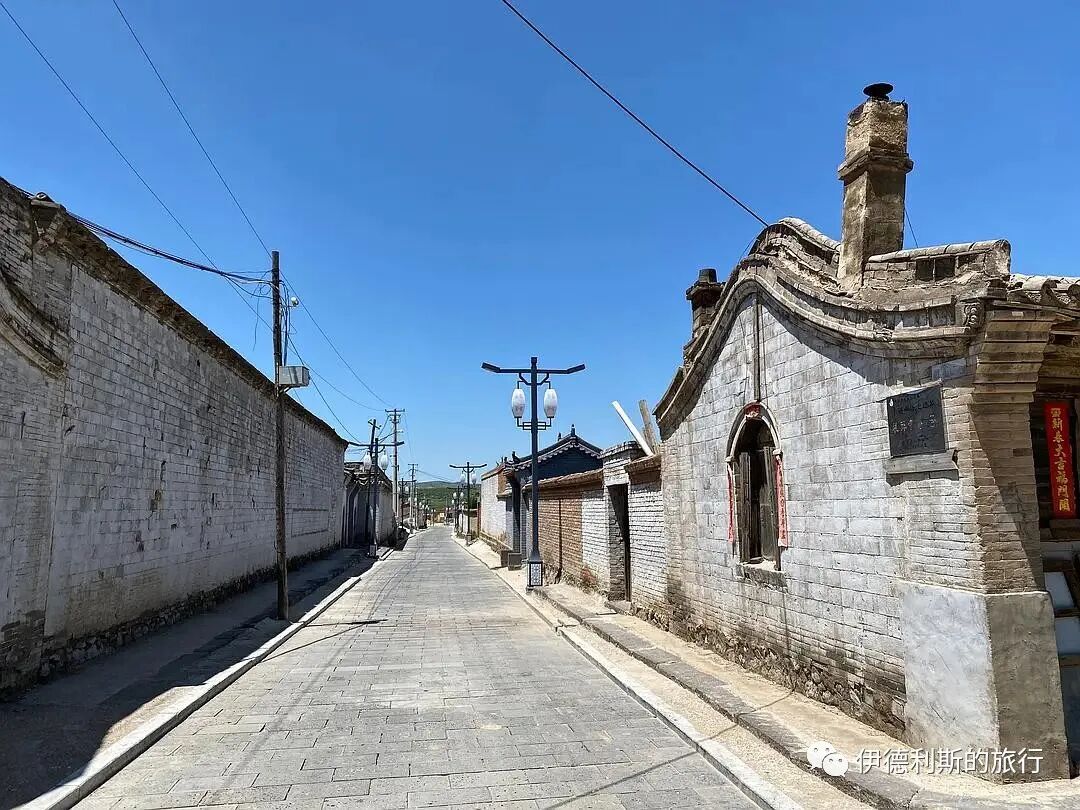
Scenery of Longshengzhuang.
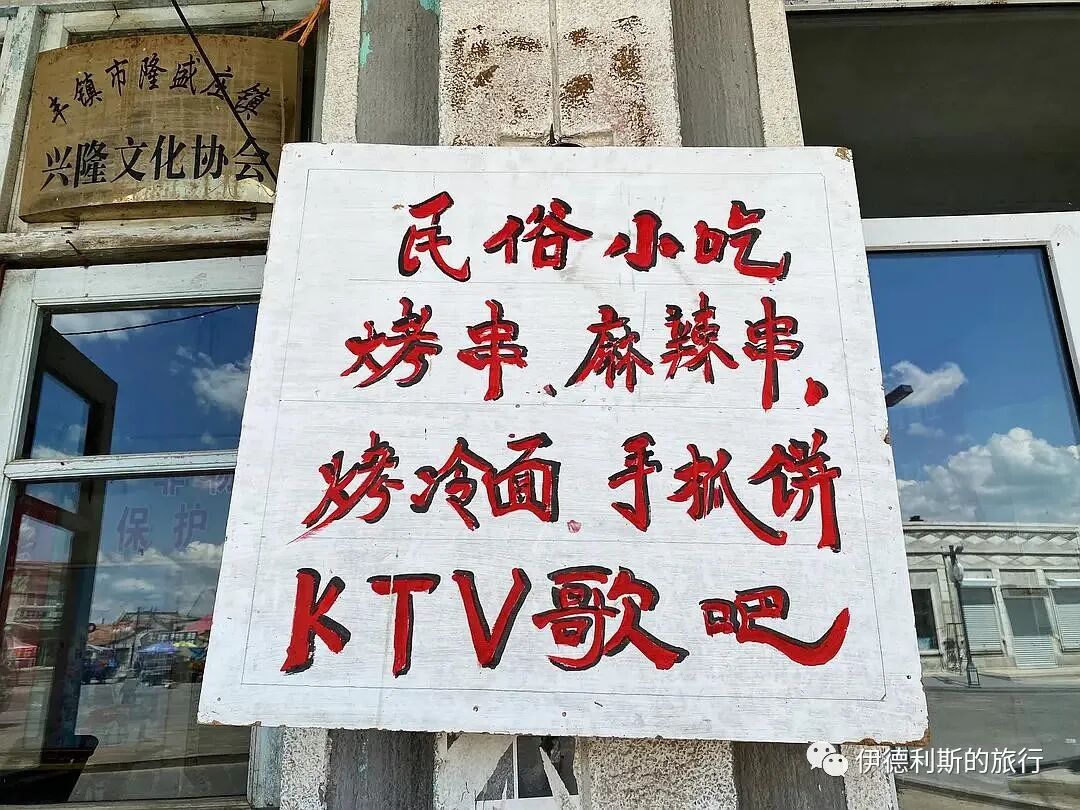
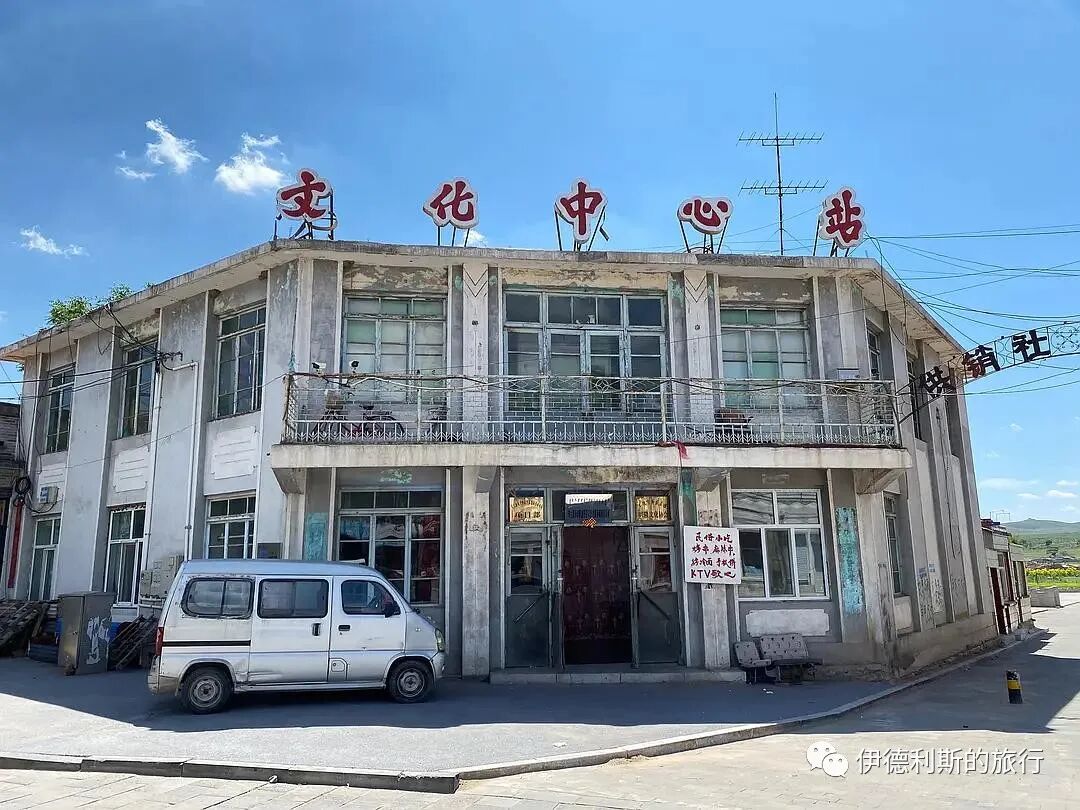
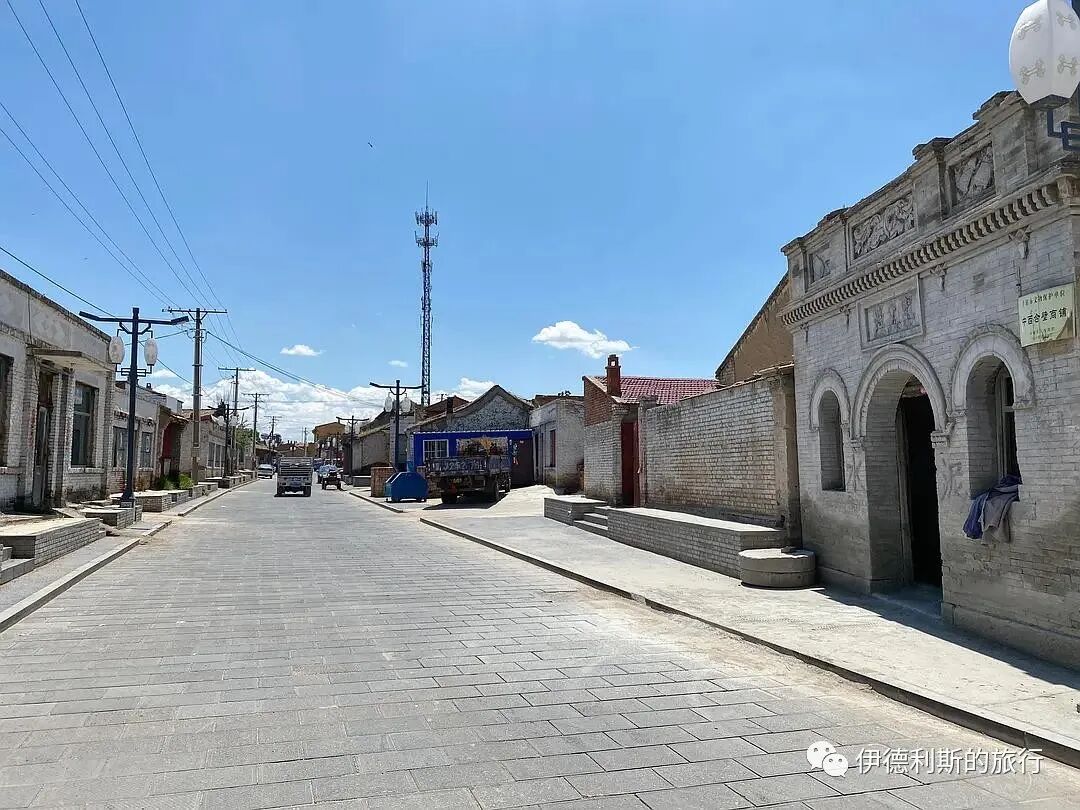
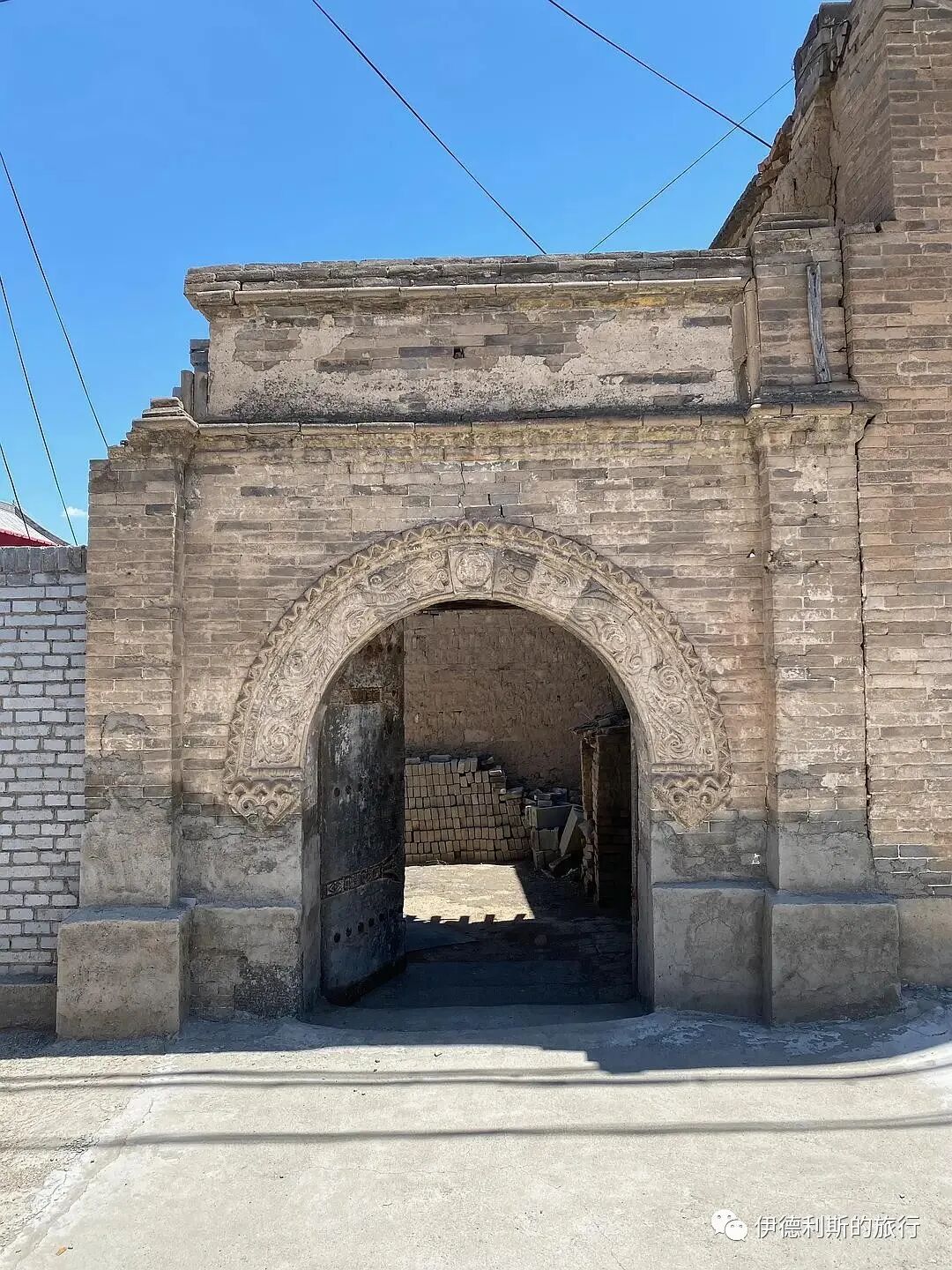
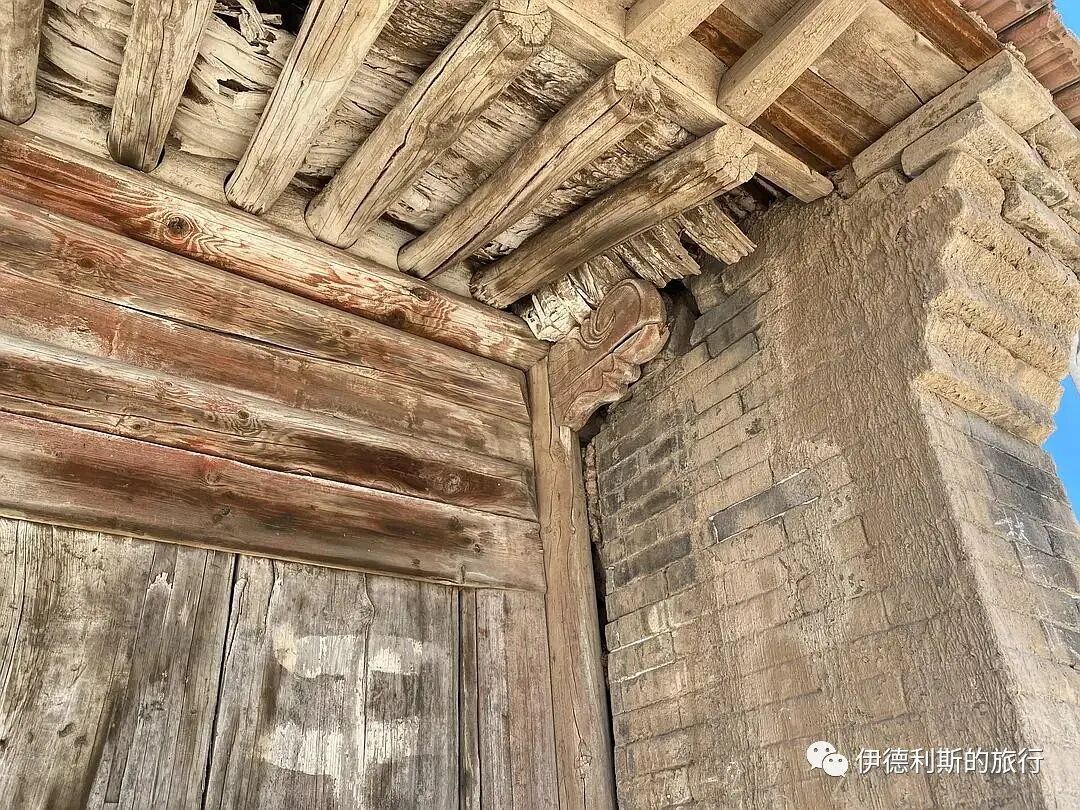
In the afternoon, we said goodbye to Longshengzhuang and took a car to Jining, the capital of Ulanqab. Xinti Street can be called the halal food street of Jining, with one halal restaurant after another. There are youmian (oat noodles), bone dishes, steamed dumplings, shaomai (steamed dumplings), rice noodles, stir-fried meat, barbecue, and more. However, we arrived at 3:00 PM, and many of these restaurants were closed, so we ate meat pies. The freshly pan-fried meat pies were hot and fragrant. We also ordered mixed tofu strips, soy-sauce braised beef liver, and stir-fried potato starch noodles with meat. The starch noodles were quite delicious, and the meat had no gamey smell at all.
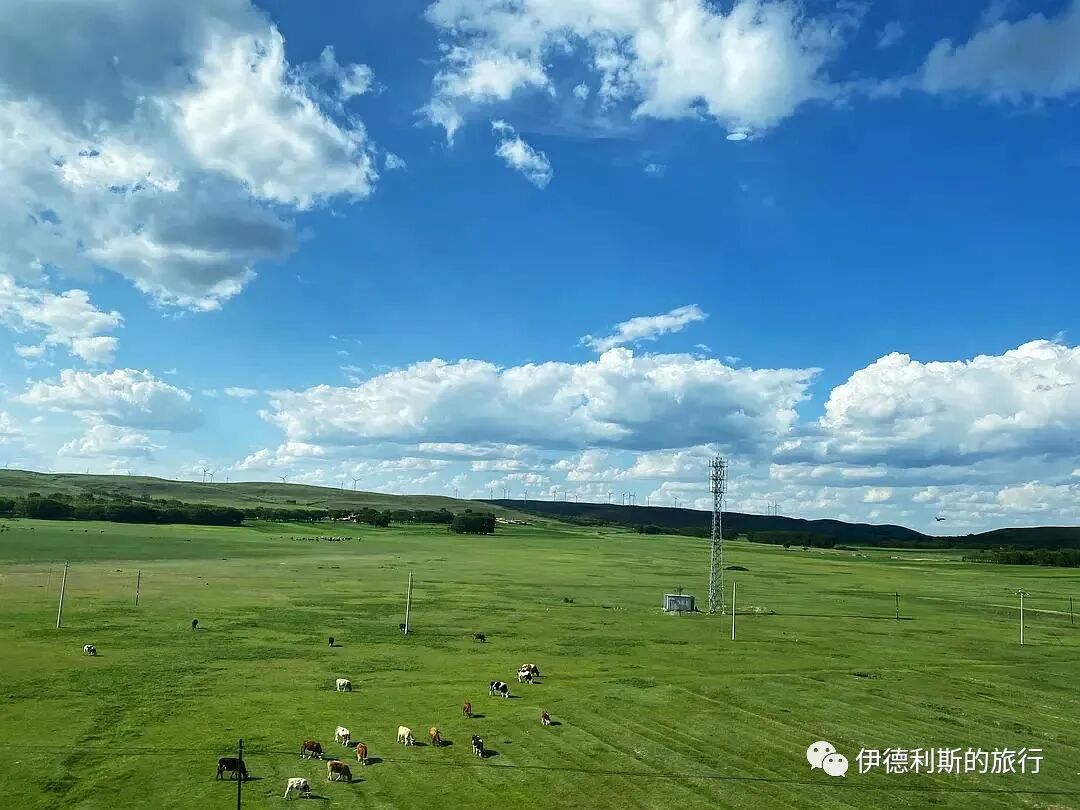
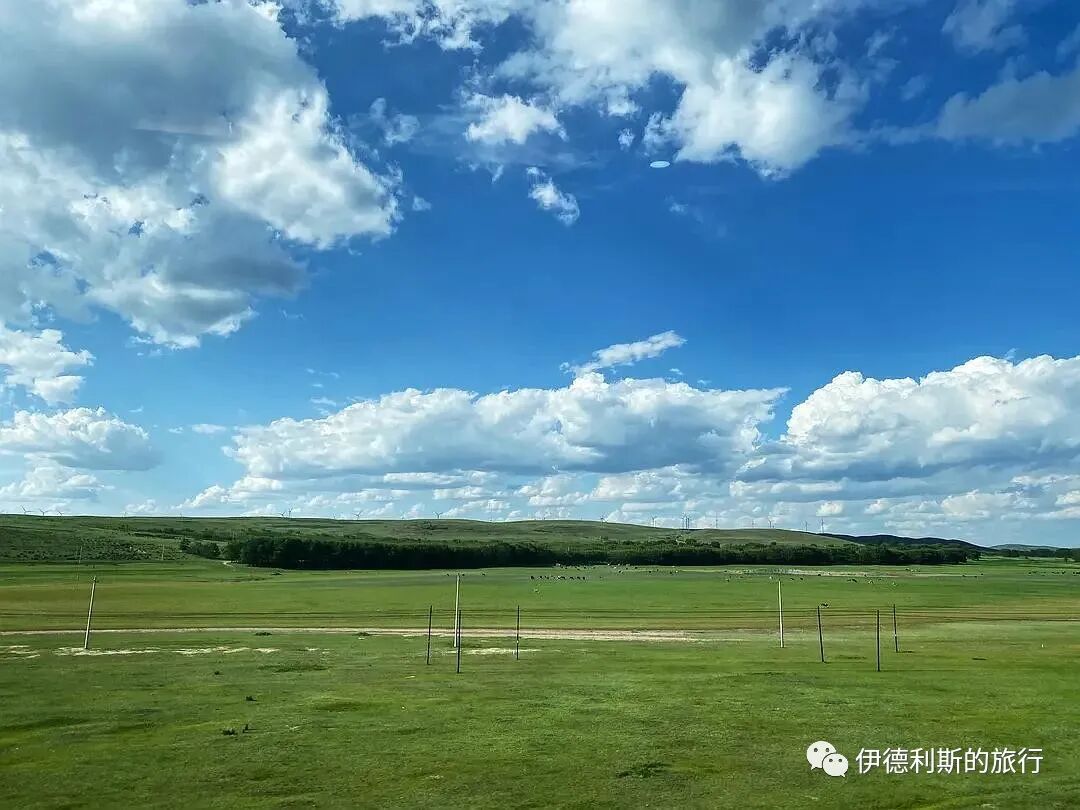
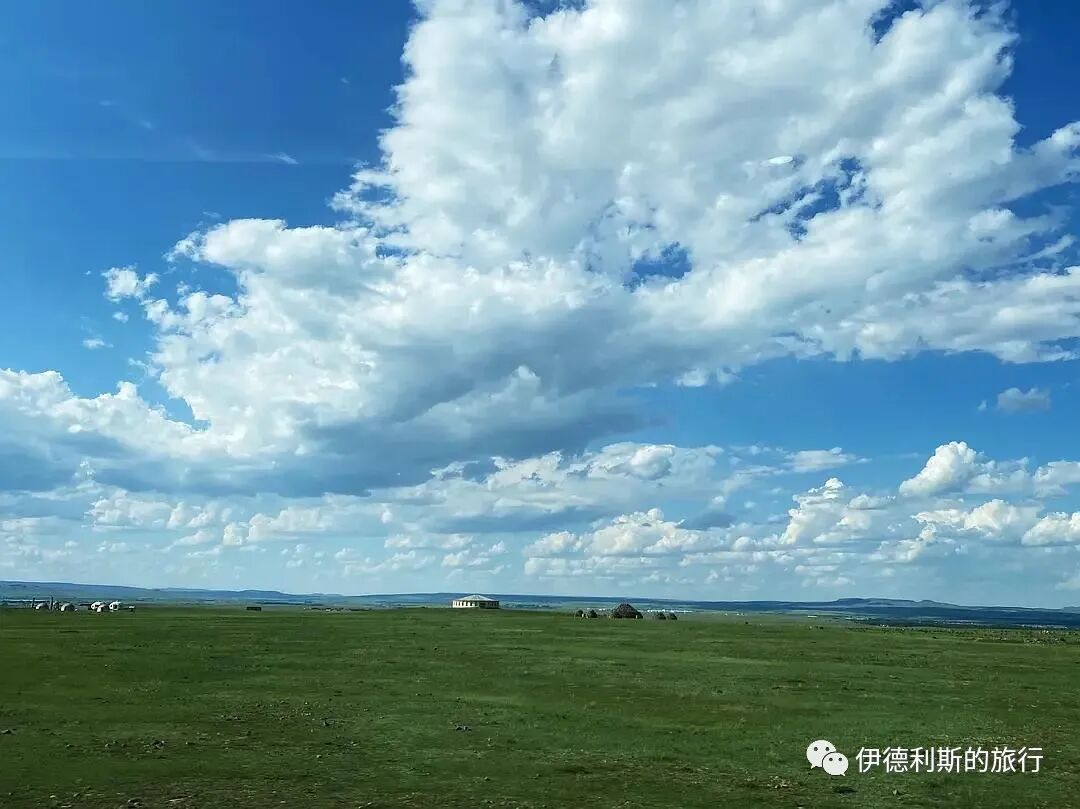
On the train from Ulanqab to Beijing.
Summary: This travel note introduces Longshengzhuang Travel Notes: an Old Shanxi Merchant Town on the Mongolian Trade Route. Take the high-speed train from Hohhot to Ulanqab, then take a taxi from the train station to the ancient Jin merchant town of Longshengzhuang. It is useful for readers interested in Longshengzhuang, Shanxi Merchants, China Travel.
Take the high-speed train from Hohhot to Ulanqab, then take a taxi from the train station to the ancient Jin merchant town of Longshengzhuang.
Longshengzhuang is located at the border of Shanxi and Inner Mongolia. From the Qing Dynasty to the early Republic of China, it was at the intersection of trade routes between Hohhot, Datong, and Zhangjiakou. It was an important market town for Jin merchants trading in Mongolia and was officially named Longshengzhuang in 1765 (the 30th year of the Qianlong reign). Jin merchants trading in Mongolia transported rice, flour, tea, oil, wine, and various daily goods from Longshengzhuang to Mongolia, and brought back furs, livestock, and leather, bringing great wealth to Longshengzhuang.
During the Xianfeng reign, the economy of Longshengzhuang reached its peak, with 500,000 sheep sold and transshipped annually. In the early Republic of China, Longshengzhuang reached its zenith, with over 300 merchant firms in the town and more than a dozen horse inns used for transshipping and trading cattle, horses, and sheep. At that time, there were nearly 2 kilometers of storefronts from the South Street to the North Street of Longshengzhuang, lined with merchant firms. Today, you can still see the century-old Ding Si Horse Inn on North Street, as well as shop facades that blend Chinese and Western styles.
Starting from the early Qing Dynasty, Hui Muslims from Hebei and Shandong traveled to Longshengzhuang in Inner Mongolia for business, and in the late Qing Dynasty, many Hui Muslims from Shaanxi also migrated here. During the Guangxu reign of the Qing Dynasty, the Hui Muslim population in Longshengzhuang grew to two or three thousand, reaching over five thousand at its peak in the early Republic of China. At that time, Longshengzhuang had a large halal restaurant, as well as nearly twenty merchant firms including livestock traders, brokers, and horse inns. After the Ping-Sui Railway opened in 1921, Longshengzhuang declined rapidly. After the 1930s, a large number of people moved away. Today, only about 30 Hui Muslims remain, mostly elderly, and there are no longer any halal restaurants.
Today, in Maqiao Square in the center of Longshengzhuang, there are still a few Hui Muslims selling misu (honey-crisp pastry), maye (fried dough strips), mahua (fried dough twists), and beizi (steamed buns). We bought a sugar-coated maye at the Liu Zhen time-honored brand; although it looked very sweet, it was not greasy at all, and I finished it in a few bites.
The Longshengzhuang Mosque was first built in 1751 (the 16th year of the Qianlong reign of the Qing Dynasty). Initially, it only had three main halls. Later, as the number of Muslims doing business here increased, 13 main halls, a front gate, a second gate, side rooms, and a screen wall were added in 1831 (the 11th year of the Daoguang reign), forming a three-courtyard layout.
The mosque's scroll-style shed was expanded in 1926 and features exquisite ironwork decorations from the Republic of China era.
The main hall was also expanded in 1926.
The 'Zun Da Qing Gao' (Respect the Great Qing's Nobility) plaque from 1915 (the 4th year of the Republic of China) bears the inscription 'Koubei Mongolian Salt Bureau'. From the Qing Dynasty to the Republic of China, all types of salt produced in the salt lakes of the Inner Mongolian Plateau were collectively referred to as Mengyan (Mongolian salt). In 1913, the Beiyang government signed a 25-million-pound reorganization loan with a banking consortium from Britain, France, Germany, Russia, and Japan, using salt taxes as collateral. The agreement stipulated that China must hire foreigners to assist in reorganizing the salt tax. China thus began salt administration reforms, and the Koubei Mongolian Salt Bureau was established, with its headquarters in Dolon Nor and a branch office in Longshengzhuang, Fengzhen.
In 1861 (the 11th year of the Xianfeng reign), the Fengzhen Prefect presented the 'Dao Tong Qian Kun' (The Way Connects Heaven and Earth) plaque.
Prince De inscribed 'Shou Zhen Cun Cheng' (Uphold Truth and Maintain Sincerity) in 1940. The date is written as '734th Year of the Genghis Khan Era,' which is 1940, as Prince De was a descendant of Genghis Khan. Prince Demchugdongrub was a Mongolian prince and the Duke of the Sunid Right Banner. In 1933, he initiated the 'Inner Mongolia High Autonomy Movement' at Bailingmiao. In 1939, he became the chairman of the puppet regime 'Mongolian United Autonomous Government.' This plaque was inscribed when Prince De took office as chairman.
Inscribed in 1909 (the 1st year of the Xuantong reign) by Datong Muslims Deng Risheng and Ma Jiansheng. The Ma-surname Hui Muslims were originally from Youwei, Shanxi. During the Ming Dynasty, they were a prominent military family. The 'Ma Family Army' formed by Ma Gui and his brothers and nephews in the mid-Wanli reign was known for its combat prowess and made great contributions by defending Youwei for six months against Altan Khan. The Ma surname has been a major Hui Muslim family in Datong since the Ming Dynasty. They participated in the renovation of the Datong Mosque many times during the Ming and Qing dynasties and served as religious leaders. After the Qing Dynasty, when military garrisons were converted into prefectures and counties, the Ma-surname Hui Muslims in Datong left the military to become civilians. They achieved success in both business and officialdom and were once the actual managers of the Datong Mosque.
A commemorative plaque left by the local Muslims when the prayer hall was expanded in 1926.
The 'Qi Zun Wu Dui' (His Nobility is Unmatched) and 'Kai Tian Gu Jiao' (Ancient Religion that Opened the Heavens) plaques were inscribed by Ma Fuxiang, a Hui Muslim general who was a Lieutenant General and the Military Governor of Suiyuan at the time, to celebrate the mosque's expansion in 1926. The brick-carved screen wall behind the main hall of the Hohhot Great Mosque also features an inscription by Ma Fuxiang.
Scenery of Longshengzhuang.
In the afternoon, we said goodbye to Longshengzhuang and took a car to Jining, the capital of Ulanqab. Xinti Street can be called the halal food street of Jining, with one halal restaurant after another. There are youmian (oat noodles), bone dishes, steamed dumplings, shaomai (steamed dumplings), rice noodles, stir-fried meat, barbecue, and more. However, we arrived at 3:00 PM, and many of these restaurants were closed, so we ate meat pies. The freshly pan-fried meat pies were hot and fragrant. We also ordered mixed tofu strips, soy-sauce braised beef liver, and stir-fried potato starch noodles with meat. The starch noodles were quite delicious, and the meat had no gamey smell at all.
On the train from Ulanqab to Beijing.
Longshengzhuang Travel Notes: an Old Shanxi Merchant Town on the Mongolian Trade Route
Articles • ali2007fr posted the article • 0 comments • 141 views • 2026-05-17 05:44
Reposted from the web
Summary: This travel note introduces Longshengzhuang Travel Notes: an Old Shanxi Merchant Town on the Mongolian Trade Route. Take the high-speed train from Hohhot to Ulanqab, then take a taxi from the train station to the ancient Jin merchant town of Longshengzhuang. It is useful for readers interested in Longshengzhuang, Shanxi Merchants, China Travel.
Take the high-speed train from Hohhot to Ulanqab, then take a taxi from the train station to the ancient Jin merchant town of Longshengzhuang.
Longshengzhuang is located at the border of Shanxi and Inner Mongolia. From the Qing Dynasty to the early Republic of China, it was at the intersection of trade routes between Hohhot, Datong, and Zhangjiakou. It was an important market town for Jin merchants trading in Mongolia and was officially named Longshengzhuang in 1765 (the 30th year of the Qianlong reign). Jin merchants trading in Mongolia transported rice, flour, tea, oil, wine, and various daily goods from Longshengzhuang to Mongolia, and brought back furs, livestock, and leather, bringing great wealth to Longshengzhuang.
During the Xianfeng reign, the economy of Longshengzhuang reached its peak, with 500,000 sheep sold and transshipped annually. In the early Republic of China, Longshengzhuang reached its zenith, with over 300 merchant firms in the town and more than a dozen horse inns used for transshipping and trading cattle, horses, and sheep. At that time, there were nearly 2 kilometers of storefronts from the South Street to the North Street of Longshengzhuang, lined with merchant firms. Today, you can still see the century-old Ding Si Horse Inn on North Street, as well as shop facades that blend Chinese and Western styles.
Starting from the early Qing Dynasty, Hui Muslims from Hebei and Shandong traveled to Longshengzhuang in Inner Mongolia for business, and in the late Qing Dynasty, many Hui Muslims from Shaanxi also migrated here. During the Guangxu reign of the Qing Dynasty, the Hui Muslim population in Longshengzhuang grew to two or three thousand, reaching over five thousand at its peak in the early Republic of China. At that time, Longshengzhuang had a large halal restaurant, as well as nearly twenty merchant firms including livestock traders, brokers, and horse inns. After the Ping-Sui Railway opened in 1921, Longshengzhuang declined rapidly. After the 1930s, a large number of people moved away. Today, only about 30 Hui Muslims remain, mostly elderly, and there are no longer any halal restaurants.
Today, in Maqiao Square in the center of Longshengzhuang, there are still a few Hui Muslims selling misu (honey-crisp pastry), maye (fried dough strips), mahua (fried dough twists), and beizi (steamed buns). We bought a sugar-coated maye at the Liu Zhen time-honored brand; although it looked very sweet, it was not greasy at all, and I finished it in a few bites.
The Longshengzhuang Mosque was first built in 1751 (the 16th year of the Qianlong reign of the Qing Dynasty). Initially, it only had three main halls. Later, as the number of Muslims doing business here increased, 13 main halls, a front gate, a second gate, side rooms, and a screen wall were added in 1831 (the 11th year of the Daoguang reign), forming a three-courtyard layout.
The mosque's scroll-style shed was expanded in 1926 and features exquisite ironwork decorations from the Republic of China era.
The main hall was also expanded in 1926.
The 'Zun Da Qing Gao' (Respect the Great Qing's Nobility) plaque from 1915 (the 4th year of the Republic of China) bears the inscription 'Koubei Mongolian Salt Bureau'. From the Qing Dynasty to the Republic of China, all types of salt produced in the salt lakes of the Inner Mongolian Plateau were collectively referred to as Mengyan (Mongolian salt). In 1913, the Beiyang government signed a 25-million-pound reorganization loan with a banking consortium from Britain, France, Germany, Russia, and Japan, using salt taxes as collateral. The agreement stipulated that China must hire foreigners to assist in reorganizing the salt tax. China thus began salt administration reforms, and the Koubei Mongolian Salt Bureau was established, with its headquarters in Dolon Nor and a branch office in Longshengzhuang, Fengzhen.
In 1861 (the 11th year of the Xianfeng reign), the Fengzhen Prefect presented the 'Dao Tong Qian Kun' (The Way Connects Heaven and Earth) plaque.
Prince De inscribed 'Shou Zhen Cun Cheng' (Uphold Truth and Maintain Sincerity) in 1940. The date is written as '734th Year of the Genghis Khan Era,' which is 1940, as Prince De was a descendant of Genghis Khan. Prince Demchugdongrub was a Mongolian prince and the Duke of the Sunid Right Banner. In 1933, he initiated the 'Inner Mongolia High Autonomy Movement' at Bailingmiao. In 1939, he became the chairman of the puppet regime 'Mongolian United Autonomous Government.' This plaque was inscribed when Prince De took office as chairman.
Inscribed in 1909 (the 1st year of the Xuantong reign) by Datong Muslims Deng Risheng and Ma Jiansheng. The Ma-surname Hui Muslims were originally from Youwei, Shanxi. During the Ming Dynasty, they were a prominent military family. The 'Ma Family Army' formed by Ma Gui and his brothers and nephews in the mid-Wanli reign was known for its combat prowess and made great contributions by defending Youwei for six months against Altan Khan. The Ma surname has been a major Hui Muslim family in Datong since the Ming Dynasty. They participated in the renovation of the Datong Mosque many times during the Ming and Qing dynasties and served as religious leaders. After the Qing Dynasty, when military garrisons were converted into prefectures and counties, the Ma-surname Hui Muslims in Datong left the military to become civilians. They achieved success in both business and officialdom and were once the actual managers of the Datong Mosque.
A commemorative plaque left by the local Muslims when the prayer hall was expanded in 1926.
The 'Qi Zun Wu Dui' (His Nobility is Unmatched) and 'Kai Tian Gu Jiao' (Ancient Religion that Opened the Heavens) plaques were inscribed by Ma Fuxiang, a Hui Muslim general who was a Lieutenant General and the Military Governor of Suiyuan at the time, to celebrate the mosque's expansion in 1926. The brick-carved screen wall behind the main hall of the Hohhot Great Mosque also features an inscription by Ma Fuxiang.
Scenery of Longshengzhuang.
In the afternoon, we said goodbye to Longshengzhuang and took a car to Jining, the capital of Ulanqab. Xinti Street can be called the halal food street of Jining, with one halal restaurant after another. There are youmian (oat noodles), bone dishes, steamed dumplings, shaomai (steamed dumplings), rice noodles, stir-fried meat, barbecue, and more. However, we arrived at 3:00 PM, and many of these restaurants were closed, so we ate meat pies. The freshly pan-fried meat pies were hot and fragrant. We also ordered mixed tofu strips, soy-sauce braised beef liver, and stir-fried potato starch noodles with meat. The starch noodles were quite delicious, and the meat had no gamey smell at all.
On the train from Ulanqab to Beijing. view all
Summary: This travel note introduces Longshengzhuang Travel Notes: an Old Shanxi Merchant Town on the Mongolian Trade Route. Take the high-speed train from Hohhot to Ulanqab, then take a taxi from the train station to the ancient Jin merchant town of Longshengzhuang. It is useful for readers interested in Longshengzhuang, Shanxi Merchants, China Travel.
Take the high-speed train from Hohhot to Ulanqab, then take a taxi from the train station to the ancient Jin merchant town of Longshengzhuang.
Longshengzhuang is located at the border of Shanxi and Inner Mongolia. From the Qing Dynasty to the early Republic of China, it was at the intersection of trade routes between Hohhot, Datong, and Zhangjiakou. It was an important market town for Jin merchants trading in Mongolia and was officially named Longshengzhuang in 1765 (the 30th year of the Qianlong reign). Jin merchants trading in Mongolia transported rice, flour, tea, oil, wine, and various daily goods from Longshengzhuang to Mongolia, and brought back furs, livestock, and leather, bringing great wealth to Longshengzhuang.
During the Xianfeng reign, the economy of Longshengzhuang reached its peak, with 500,000 sheep sold and transshipped annually. In the early Republic of China, Longshengzhuang reached its zenith, with over 300 merchant firms in the town and more than a dozen horse inns used for transshipping and trading cattle, horses, and sheep. At that time, there were nearly 2 kilometers of storefronts from the South Street to the North Street of Longshengzhuang, lined with merchant firms. Today, you can still see the century-old Ding Si Horse Inn on North Street, as well as shop facades that blend Chinese and Western styles.
Starting from the early Qing Dynasty, Hui Muslims from Hebei and Shandong traveled to Longshengzhuang in Inner Mongolia for business, and in the late Qing Dynasty, many Hui Muslims from Shaanxi also migrated here. During the Guangxu reign of the Qing Dynasty, the Hui Muslim population in Longshengzhuang grew to two or three thousand, reaching over five thousand at its peak in the early Republic of China. At that time, Longshengzhuang had a large halal restaurant, as well as nearly twenty merchant firms including livestock traders, brokers, and horse inns. After the Ping-Sui Railway opened in 1921, Longshengzhuang declined rapidly. After the 1930s, a large number of people moved away. Today, only about 30 Hui Muslims remain, mostly elderly, and there are no longer any halal restaurants.
Today, in Maqiao Square in the center of Longshengzhuang, there are still a few Hui Muslims selling misu (honey-crisp pastry), maye (fried dough strips), mahua (fried dough twists), and beizi (steamed buns). We bought a sugar-coated maye at the Liu Zhen time-honored brand; although it looked very sweet, it was not greasy at all, and I finished it in a few bites.
The Longshengzhuang Mosque was first built in 1751 (the 16th year of the Qianlong reign of the Qing Dynasty). Initially, it only had three main halls. Later, as the number of Muslims doing business here increased, 13 main halls, a front gate, a second gate, side rooms, and a screen wall were added in 1831 (the 11th year of the Daoguang reign), forming a three-courtyard layout.
The mosque's scroll-style shed was expanded in 1926 and features exquisite ironwork decorations from the Republic of China era.
The main hall was also expanded in 1926.
The 'Zun Da Qing Gao' (Respect the Great Qing's Nobility) plaque from 1915 (the 4th year of the Republic of China) bears the inscription 'Koubei Mongolian Salt Bureau'. From the Qing Dynasty to the Republic of China, all types of salt produced in the salt lakes of the Inner Mongolian Plateau were collectively referred to as Mengyan (Mongolian salt). In 1913, the Beiyang government signed a 25-million-pound reorganization loan with a banking consortium from Britain, France, Germany, Russia, and Japan, using salt taxes as collateral. The agreement stipulated that China must hire foreigners to assist in reorganizing the salt tax. China thus began salt administration reforms, and the Koubei Mongolian Salt Bureau was established, with its headquarters in Dolon Nor and a branch office in Longshengzhuang, Fengzhen.
In 1861 (the 11th year of the Xianfeng reign), the Fengzhen Prefect presented the 'Dao Tong Qian Kun' (The Way Connects Heaven and Earth) plaque.
Prince De inscribed 'Shou Zhen Cun Cheng' (Uphold Truth and Maintain Sincerity) in 1940. The date is written as '734th Year of the Genghis Khan Era,' which is 1940, as Prince De was a descendant of Genghis Khan. Prince Demchugdongrub was a Mongolian prince and the Duke of the Sunid Right Banner. In 1933, he initiated the 'Inner Mongolia High Autonomy Movement' at Bailingmiao. In 1939, he became the chairman of the puppet regime 'Mongolian United Autonomous Government.' This plaque was inscribed when Prince De took office as chairman.
Inscribed in 1909 (the 1st year of the Xuantong reign) by Datong Muslims Deng Risheng and Ma Jiansheng. The Ma-surname Hui Muslims were originally from Youwei, Shanxi. During the Ming Dynasty, they were a prominent military family. The 'Ma Family Army' formed by Ma Gui and his brothers and nephews in the mid-Wanli reign was known for its combat prowess and made great contributions by defending Youwei for six months against Altan Khan. The Ma surname has been a major Hui Muslim family in Datong since the Ming Dynasty. They participated in the renovation of the Datong Mosque many times during the Ming and Qing dynasties and served as religious leaders. After the Qing Dynasty, when military garrisons were converted into prefectures and counties, the Ma-surname Hui Muslims in Datong left the military to become civilians. They achieved success in both business and officialdom and were once the actual managers of the Datong Mosque.
A commemorative plaque left by the local Muslims when the prayer hall was expanded in 1926.
The 'Qi Zun Wu Dui' (His Nobility is Unmatched) and 'Kai Tian Gu Jiao' (Ancient Religion that Opened the Heavens) plaques were inscribed by Ma Fuxiang, a Hui Muslim general who was a Lieutenant General and the Military Governor of Suiyuan at the time, to celebrate the mosque's expansion in 1926. The brick-carved screen wall behind the main hall of the Hohhot Great Mosque also features an inscription by Ma Fuxiang.
Scenery of Longshengzhuang.
In the afternoon, we said goodbye to Longshengzhuang and took a car to Jining, the capital of Ulanqab. Xinti Street can be called the halal food street of Jining, with one halal restaurant after another. There are youmian (oat noodles), bone dishes, steamed dumplings, shaomai (steamed dumplings), rice noodles, stir-fried meat, barbecue, and more. However, we arrived at 3:00 PM, and many of these restaurants were closed, so we ate meat pies. The freshly pan-fried meat pies were hot and fragrant. We also ordered mixed tofu strips, soy-sauce braised beef liver, and stir-fried potato starch noodles with meat. The starch noodles were quite delicious, and the meat had no gamey smell at all.
On the train from Ulanqab to Beijing. view all
Reposted from the web
Summary: This travel note introduces Longshengzhuang Travel Notes: an Old Shanxi Merchant Town on the Mongolian Trade Route. Take the high-speed train from Hohhot to Ulanqab, then take a taxi from the train station to the ancient Jin merchant town of Longshengzhuang. It is useful for readers interested in Longshengzhuang, Shanxi Merchants, China Travel.
Take the high-speed train from Hohhot to Ulanqab, then take a taxi from the train station to the ancient Jin merchant town of Longshengzhuang.
Longshengzhuang is located at the border of Shanxi and Inner Mongolia. From the Qing Dynasty to the early Republic of China, it was at the intersection of trade routes between Hohhot, Datong, and Zhangjiakou. It was an important market town for Jin merchants trading in Mongolia and was officially named Longshengzhuang in 1765 (the 30th year of the Qianlong reign). Jin merchants trading in Mongolia transported rice, flour, tea, oil, wine, and various daily goods from Longshengzhuang to Mongolia, and brought back furs, livestock, and leather, bringing great wealth to Longshengzhuang.
During the Xianfeng reign, the economy of Longshengzhuang reached its peak, with 500,000 sheep sold and transshipped annually. In the early Republic of China, Longshengzhuang reached its zenith, with over 300 merchant firms in the town and more than a dozen horse inns used for transshipping and trading cattle, horses, and sheep. At that time, there were nearly 2 kilometers of storefronts from the South Street to the North Street of Longshengzhuang, lined with merchant firms. Today, you can still see the century-old Ding Si Horse Inn on North Street, as well as shop facades that blend Chinese and Western styles.
Starting from the early Qing Dynasty, Hui Muslims from Hebei and Shandong traveled to Longshengzhuang in Inner Mongolia for business, and in the late Qing Dynasty, many Hui Muslims from Shaanxi also migrated here. During the Guangxu reign of the Qing Dynasty, the Hui Muslim population in Longshengzhuang grew to two or three thousand, reaching over five thousand at its peak in the early Republic of China. At that time, Longshengzhuang had a large halal restaurant, as well as nearly twenty merchant firms including livestock traders, brokers, and horse inns. After the Ping-Sui Railway opened in 1921, Longshengzhuang declined rapidly. After the 1930s, a large number of people moved away. Today, only about 30 Hui Muslims remain, mostly elderly, and there are no longer any halal restaurants.
Today, in Maqiao Square in the center of Longshengzhuang, there are still a few Hui Muslims selling misu (honey-crisp pastry), maye (fried dough strips), mahua (fried dough twists), and beizi (steamed buns). We bought a sugar-coated maye at the Liu Zhen time-honored brand; although it looked very sweet, it was not greasy at all, and I finished it in a few bites.
The Longshengzhuang Mosque was first built in 1751 (the 16th year of the Qianlong reign of the Qing Dynasty). Initially, it only had three main halls. Later, as the number of Muslims doing business here increased, 13 main halls, a front gate, a second gate, side rooms, and a screen wall were added in 1831 (the 11th year of the Daoguang reign), forming a three-courtyard layout.
The mosque's scroll-style shed was expanded in 1926 and features exquisite ironwork decorations from the Republic of China era.
The main hall was also expanded in 1926.
The 'Zun Da Qing Gao' (Respect the Great Qing's Nobility) plaque from 1915 (the 4th year of the Republic of China) bears the inscription 'Koubei Mongolian Salt Bureau'. From the Qing Dynasty to the Republic of China, all types of salt produced in the salt lakes of the Inner Mongolian Plateau were collectively referred to as Mengyan (Mongolian salt). In 1913, the Beiyang government signed a 25-million-pound reorganization loan with a banking consortium from Britain, France, Germany, Russia, and Japan, using salt taxes as collateral. The agreement stipulated that China must hire foreigners to assist in reorganizing the salt tax. China thus began salt administration reforms, and the Koubei Mongolian Salt Bureau was established, with its headquarters in Dolon Nor and a branch office in Longshengzhuang, Fengzhen.
In 1861 (the 11th year of the Xianfeng reign), the Fengzhen Prefect presented the 'Dao Tong Qian Kun' (The Way Connects Heaven and Earth) plaque.
Prince De inscribed 'Shou Zhen Cun Cheng' (Uphold Truth and Maintain Sincerity) in 1940. The date is written as '734th Year of the Genghis Khan Era,' which is 1940, as Prince De was a descendant of Genghis Khan. Prince Demchugdongrub was a Mongolian prince and the Duke of the Sunid Right Banner. In 1933, he initiated the 'Inner Mongolia High Autonomy Movement' at Bailingmiao. In 1939, he became the chairman of the puppet regime 'Mongolian United Autonomous Government.' This plaque was inscribed when Prince De took office as chairman.
Inscribed in 1909 (the 1st year of the Xuantong reign) by Datong Muslims Deng Risheng and Ma Jiansheng. The Ma-surname Hui Muslims were originally from Youwei, Shanxi. During the Ming Dynasty, they were a prominent military family. The 'Ma Family Army' formed by Ma Gui and his brothers and nephews in the mid-Wanli reign was known for its combat prowess and made great contributions by defending Youwei for six months against Altan Khan. The Ma surname has been a major Hui Muslim family in Datong since the Ming Dynasty. They participated in the renovation of the Datong Mosque many times during the Ming and Qing dynasties and served as religious leaders. After the Qing Dynasty, when military garrisons were converted into prefectures and counties, the Ma-surname Hui Muslims in Datong left the military to become civilians. They achieved success in both business and officialdom and were once the actual managers of the Datong Mosque.
A commemorative plaque left by the local Muslims when the prayer hall was expanded in 1926.
The 'Qi Zun Wu Dui' (His Nobility is Unmatched) and 'Kai Tian Gu Jiao' (Ancient Religion that Opened the Heavens) plaques were inscribed by Ma Fuxiang, a Hui Muslim general who was a Lieutenant General and the Military Governor of Suiyuan at the time, to celebrate the mosque's expansion in 1926. The brick-carved screen wall behind the main hall of the Hohhot Great Mosque also features an inscription by Ma Fuxiang.
Scenery of Longshengzhuang.
In the afternoon, we said goodbye to Longshengzhuang and took a car to Jining, the capital of Ulanqab. Xinti Street can be called the halal food street of Jining, with one halal restaurant after another. There are youmian (oat noodles), bone dishes, steamed dumplings, shaomai (steamed dumplings), rice noodles, stir-fried meat, barbecue, and more. However, we arrived at 3:00 PM, and many of these restaurants were closed, so we ate meat pies. The freshly pan-fried meat pies were hot and fragrant. We also ordered mixed tofu strips, soy-sauce braised beef liver, and stir-fried potato starch noodles with meat. The starch noodles were quite delicious, and the meat had no gamey smell at all.
On the train from Ulanqab to Beijing.
Summary: This travel note introduces Longshengzhuang Travel Notes: an Old Shanxi Merchant Town on the Mongolian Trade Route. Take the high-speed train from Hohhot to Ulanqab, then take a taxi from the train station to the ancient Jin merchant town of Longshengzhuang. It is useful for readers interested in Longshengzhuang, Shanxi Merchants, China Travel.
Take the high-speed train from Hohhot to Ulanqab, then take a taxi from the train station to the ancient Jin merchant town of Longshengzhuang.
Longshengzhuang is located at the border of Shanxi and Inner Mongolia. From the Qing Dynasty to the early Republic of China, it was at the intersection of trade routes between Hohhot, Datong, and Zhangjiakou. It was an important market town for Jin merchants trading in Mongolia and was officially named Longshengzhuang in 1765 (the 30th year of the Qianlong reign). Jin merchants trading in Mongolia transported rice, flour, tea, oil, wine, and various daily goods from Longshengzhuang to Mongolia, and brought back furs, livestock, and leather, bringing great wealth to Longshengzhuang.
During the Xianfeng reign, the economy of Longshengzhuang reached its peak, with 500,000 sheep sold and transshipped annually. In the early Republic of China, Longshengzhuang reached its zenith, with over 300 merchant firms in the town and more than a dozen horse inns used for transshipping and trading cattle, horses, and sheep. At that time, there were nearly 2 kilometers of storefronts from the South Street to the North Street of Longshengzhuang, lined with merchant firms. Today, you can still see the century-old Ding Si Horse Inn on North Street, as well as shop facades that blend Chinese and Western styles.
Starting from the early Qing Dynasty, Hui Muslims from Hebei and Shandong traveled to Longshengzhuang in Inner Mongolia for business, and in the late Qing Dynasty, many Hui Muslims from Shaanxi also migrated here. During the Guangxu reign of the Qing Dynasty, the Hui Muslim population in Longshengzhuang grew to two or three thousand, reaching over five thousand at its peak in the early Republic of China. At that time, Longshengzhuang had a large halal restaurant, as well as nearly twenty merchant firms including livestock traders, brokers, and horse inns. After the Ping-Sui Railway opened in 1921, Longshengzhuang declined rapidly. After the 1930s, a large number of people moved away. Today, only about 30 Hui Muslims remain, mostly elderly, and there are no longer any halal restaurants.
Today, in Maqiao Square in the center of Longshengzhuang, there are still a few Hui Muslims selling misu (honey-crisp pastry), maye (fried dough strips), mahua (fried dough twists), and beizi (steamed buns). We bought a sugar-coated maye at the Liu Zhen time-honored brand; although it looked very sweet, it was not greasy at all, and I finished it in a few bites.
The Longshengzhuang Mosque was first built in 1751 (the 16th year of the Qianlong reign of the Qing Dynasty). Initially, it only had three main halls. Later, as the number of Muslims doing business here increased, 13 main halls, a front gate, a second gate, side rooms, and a screen wall were added in 1831 (the 11th year of the Daoguang reign), forming a three-courtyard layout.
The mosque's scroll-style shed was expanded in 1926 and features exquisite ironwork decorations from the Republic of China era.
The main hall was also expanded in 1926.
The 'Zun Da Qing Gao' (Respect the Great Qing's Nobility) plaque from 1915 (the 4th year of the Republic of China) bears the inscription 'Koubei Mongolian Salt Bureau'. From the Qing Dynasty to the Republic of China, all types of salt produced in the salt lakes of the Inner Mongolian Plateau were collectively referred to as Mengyan (Mongolian salt). In 1913, the Beiyang government signed a 25-million-pound reorganization loan with a banking consortium from Britain, France, Germany, Russia, and Japan, using salt taxes as collateral. The agreement stipulated that China must hire foreigners to assist in reorganizing the salt tax. China thus began salt administration reforms, and the Koubei Mongolian Salt Bureau was established, with its headquarters in Dolon Nor and a branch office in Longshengzhuang, Fengzhen.
In 1861 (the 11th year of the Xianfeng reign), the Fengzhen Prefect presented the 'Dao Tong Qian Kun' (The Way Connects Heaven and Earth) plaque.
Prince De inscribed 'Shou Zhen Cun Cheng' (Uphold Truth and Maintain Sincerity) in 1940. The date is written as '734th Year of the Genghis Khan Era,' which is 1940, as Prince De was a descendant of Genghis Khan. Prince Demchugdongrub was a Mongolian prince and the Duke of the Sunid Right Banner. In 1933, he initiated the 'Inner Mongolia High Autonomy Movement' at Bailingmiao. In 1939, he became the chairman of the puppet regime 'Mongolian United Autonomous Government.' This plaque was inscribed when Prince De took office as chairman.
Inscribed in 1909 (the 1st year of the Xuantong reign) by Datong Muslims Deng Risheng and Ma Jiansheng. The Ma-surname Hui Muslims were originally from Youwei, Shanxi. During the Ming Dynasty, they were a prominent military family. The 'Ma Family Army' formed by Ma Gui and his brothers and nephews in the mid-Wanli reign was known for its combat prowess and made great contributions by defending Youwei for six months against Altan Khan. The Ma surname has been a major Hui Muslim family in Datong since the Ming Dynasty. They participated in the renovation of the Datong Mosque many times during the Ming and Qing dynasties and served as religious leaders. After the Qing Dynasty, when military garrisons were converted into prefectures and counties, the Ma-surname Hui Muslims in Datong left the military to become civilians. They achieved success in both business and officialdom and were once the actual managers of the Datong Mosque.
A commemorative plaque left by the local Muslims when the prayer hall was expanded in 1926.
The 'Qi Zun Wu Dui' (His Nobility is Unmatched) and 'Kai Tian Gu Jiao' (Ancient Religion that Opened the Heavens) plaques were inscribed by Ma Fuxiang, a Hui Muslim general who was a Lieutenant General and the Military Governor of Suiyuan at the time, to celebrate the mosque's expansion in 1926. The brick-carved screen wall behind the main hall of the Hohhot Great Mosque also features an inscription by Ma Fuxiang.
Scenery of Longshengzhuang.
In the afternoon, we said goodbye to Longshengzhuang and took a car to Jining, the capital of Ulanqab. Xinti Street can be called the halal food street of Jining, with one halal restaurant after another. There are youmian (oat noodles), bone dishes, steamed dumplings, shaomai (steamed dumplings), rice noodles, stir-fried meat, barbecue, and more. However, we arrived at 3:00 PM, and many of these restaurants were closed, so we ate meat pies. The freshly pan-fried meat pies were hot and fragrant. We also ordered mixed tofu strips, soy-sauce braised beef liver, and stir-fried potato starch noodles with meat. The starch noodles were quite delicious, and the meat had no gamey smell at all.
On the train from Ulanqab to Beijing.