

Shaomai
Halal Food Guide: Shaomai - Lamb, Sticky Rice and Cantonese Styles
Articles • ali2007fr posted the article • 0 comments • 138 views • 2026-05-19 22:19
Reposted from the web
Summary: This food note compares lamb steamed dumplings, sticky rice steamed dumplings, and Cantonese-style shaomai through taste, texture, and regional food habits. It keeps the original dish names, photos, restaurant details, and eating notes for readers interested in halal Chinese food.
Historical records show that people in Beijing were eating minced meat steamed dumplings (shaomai) as early as the Yuan Dynasty. In the late Yuan and early Ming dynasties, a textbook for Koreans learning Chinese called 'Pak Tongsa Eonhae' described the customs of the Yuan capital, Dadu, and included several notes on shaomai: 'Made from wheat flour dough rolled into thin sheets, filled with meat, and steamed, then eaten with soup. The local dialect calls them shaomai, with the character mai sometimes written as the character for sell... The skin is thin, filled with chopped meat, and the top is gathered tightly like a tied thread, hence the name shaomai... Made with a flour skin and meat filling, the top is shaped like a flower bud, which the local dialect calls shaomai'.
Currently, shaomai can be divided into three main categories: northern meat-filled shaomai, southern sticky rice shaomai, and Cantonese-style siu mai. Northern shaomai are common in Inner Mongolia, Shanxi, North China, and the Northeast. Southern shaomai are found in the Jiangsu, Zhejiang, and Hubei regions, while Cantonese-style siu mai are widely distributed across Southeast Asia due to migration.
I will share some of the shaomai I have eaten, including lamb, sticky rice, and Cantonese styles.
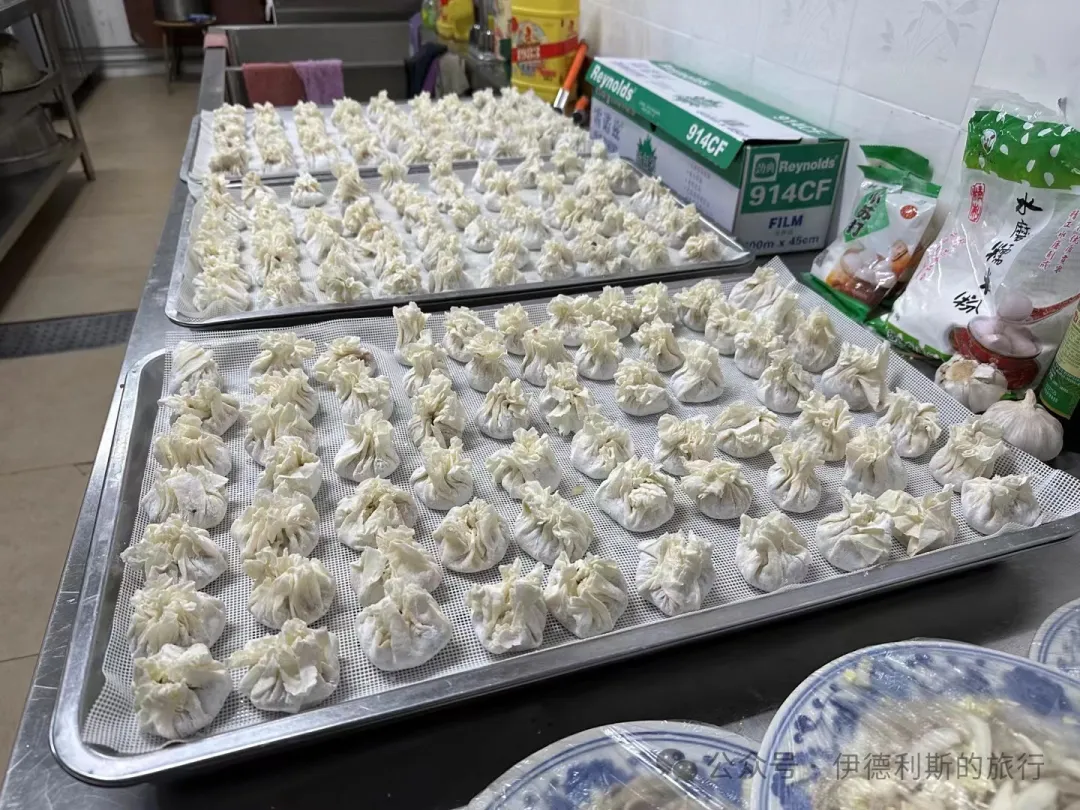
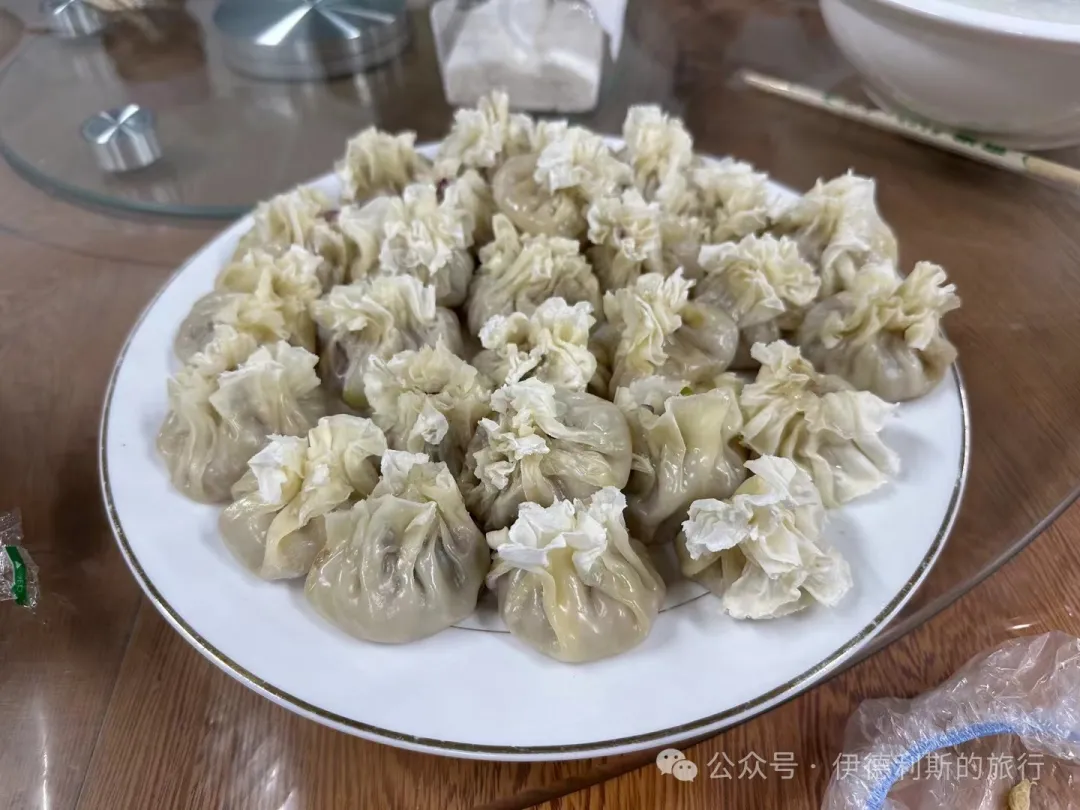
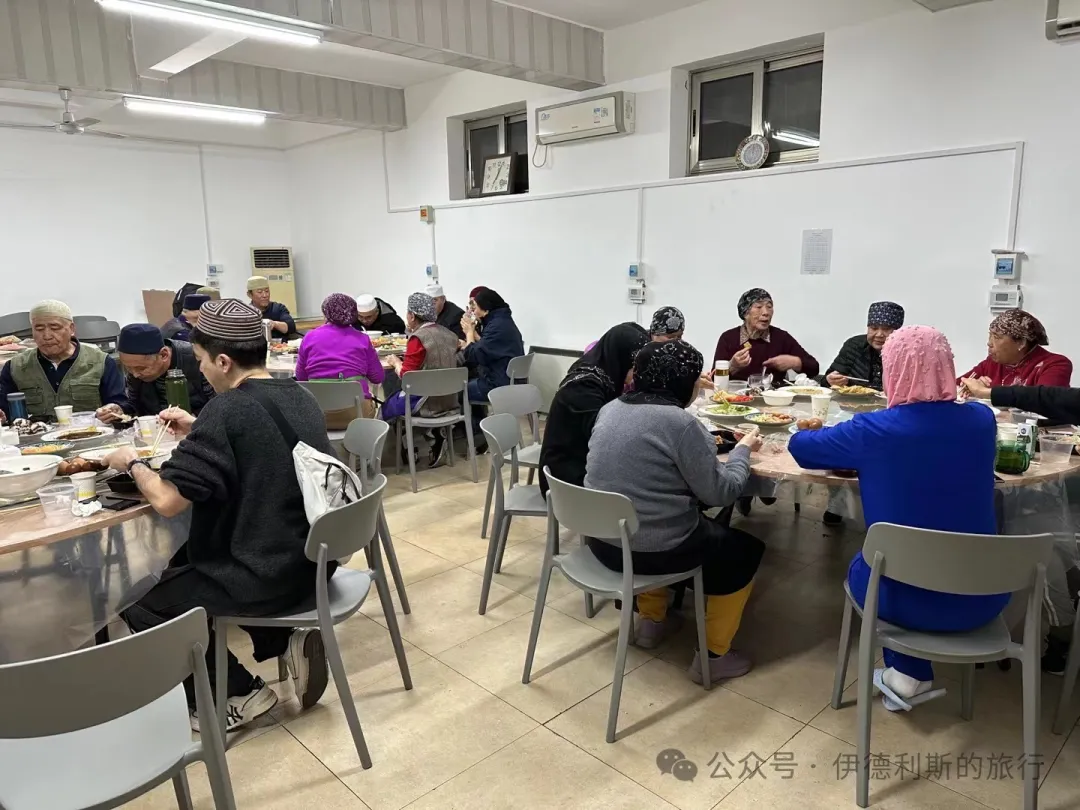
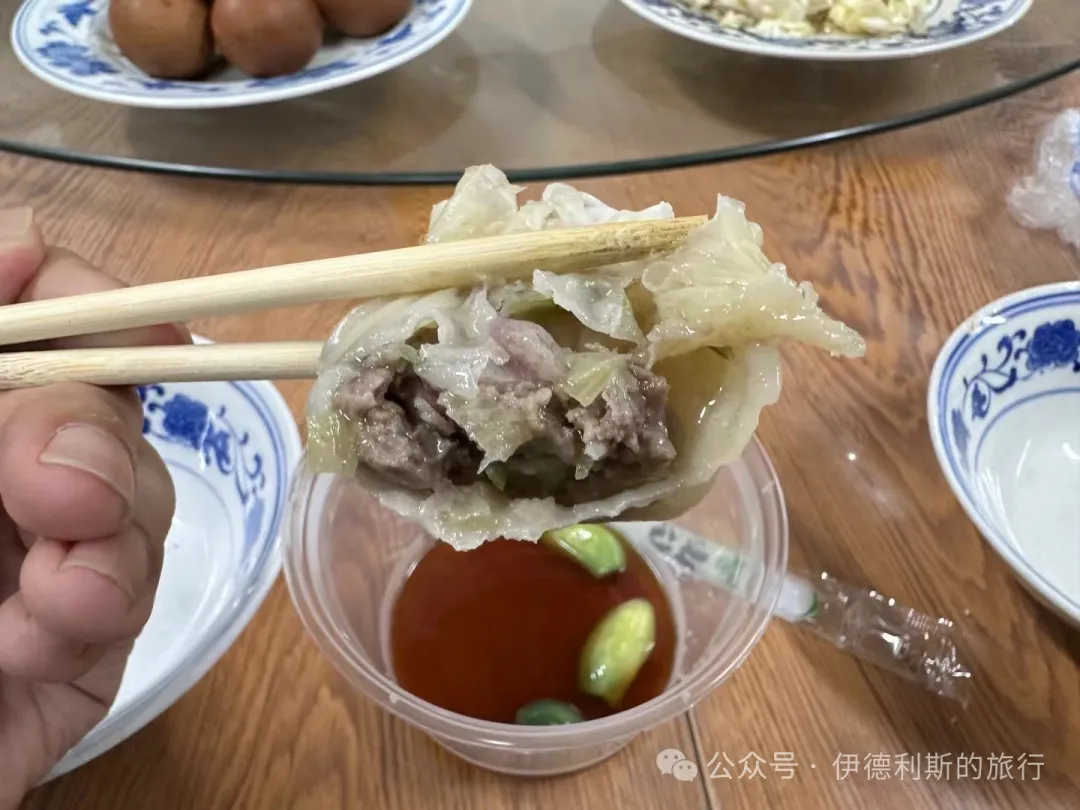
Lamb shaomai at Balizhuang Mosque in Beijing.
On the eleventh day of Ramadan in 2024, the elders at Balizhuang Mosque outside Chaoyangmen made shaomai together in the afternoon. The skins were thin, the meat filling was generous and fragrant, and dipping them in Laba vinegar really brought out the flavor. They also fried chicken strips and cooked rice porridge. I met three sisters from Yunnan who came specifically for this, and I felt very grateful to Allah.
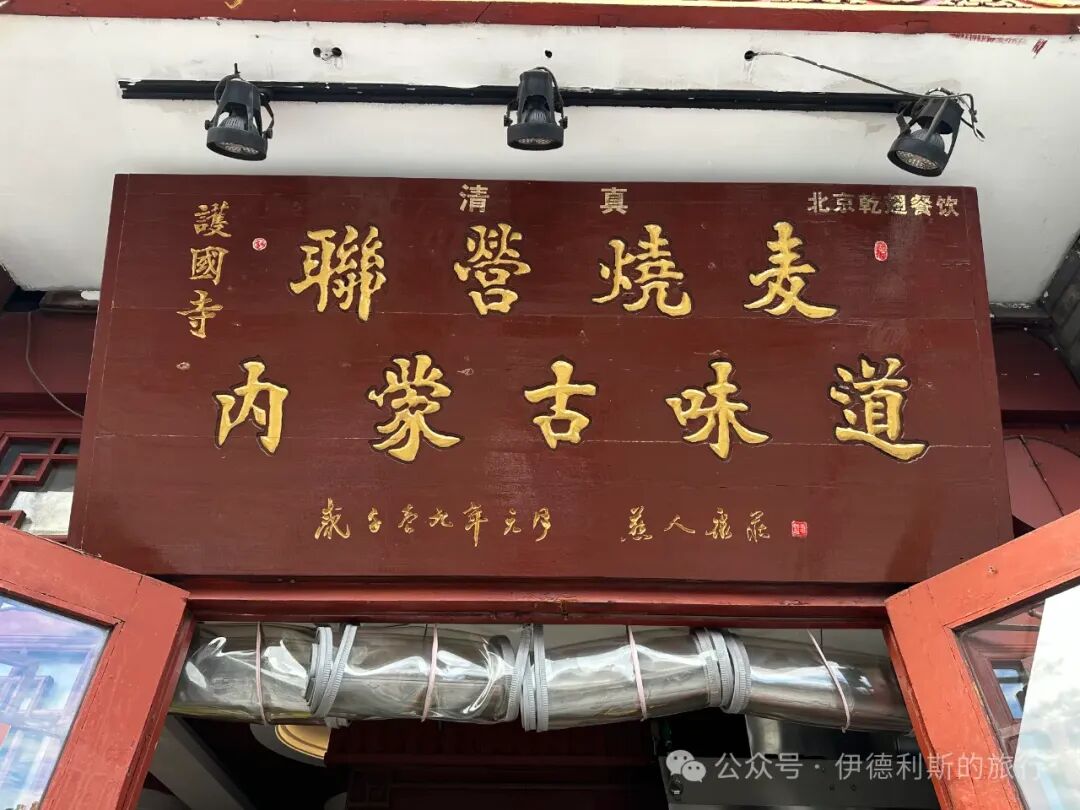
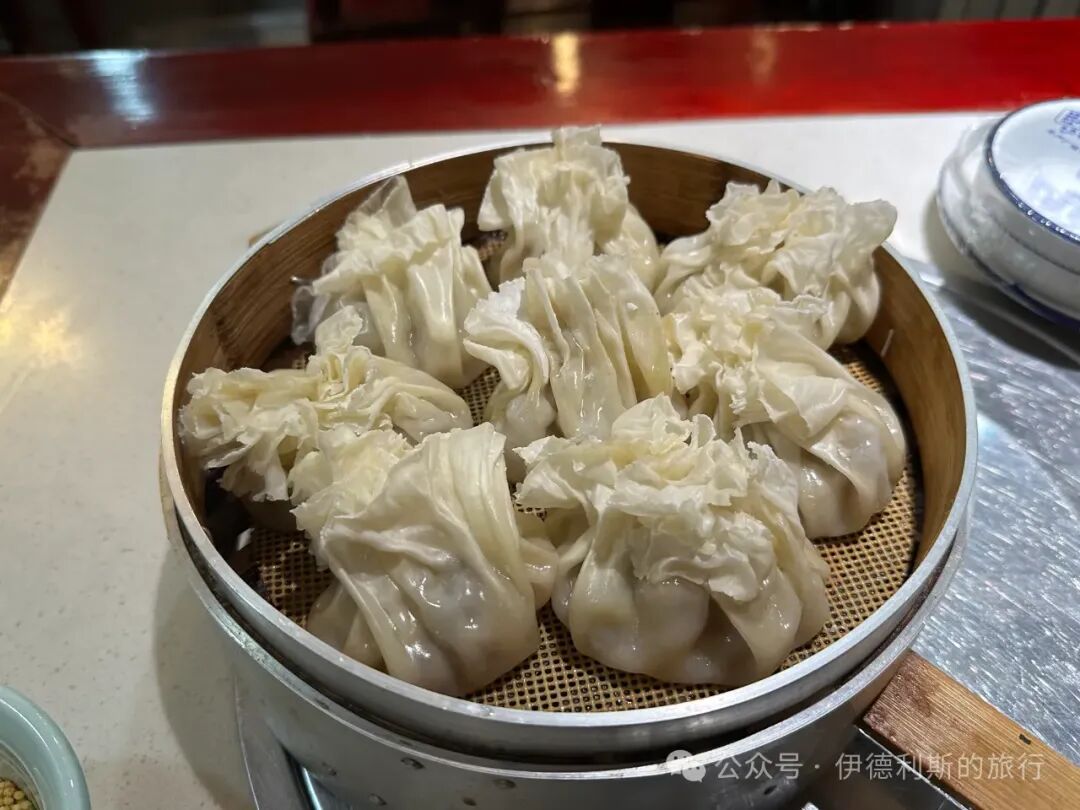
Lianying Inner Mongolia Shaomai in Beijing.
There is a branch of the old Jining, Inner Mongolia brand Lianying Shaomai near Huguosi in Beijing. I ate their wild onion (shacong) and lamb, lamb leg, and vegetarian three-delicacy shaomai. The wild onion has a strong flavor, somewhere between green onion and chives. The lamb leg version uses large green onions, which suits most people's tastes, and the small chunks of lamb have a nice chew. The vegetarian three-delicacy filling is made of chives, eggs, shiitake mushrooms, wood ear mushrooms, and shrimp, giving it a rich texture.
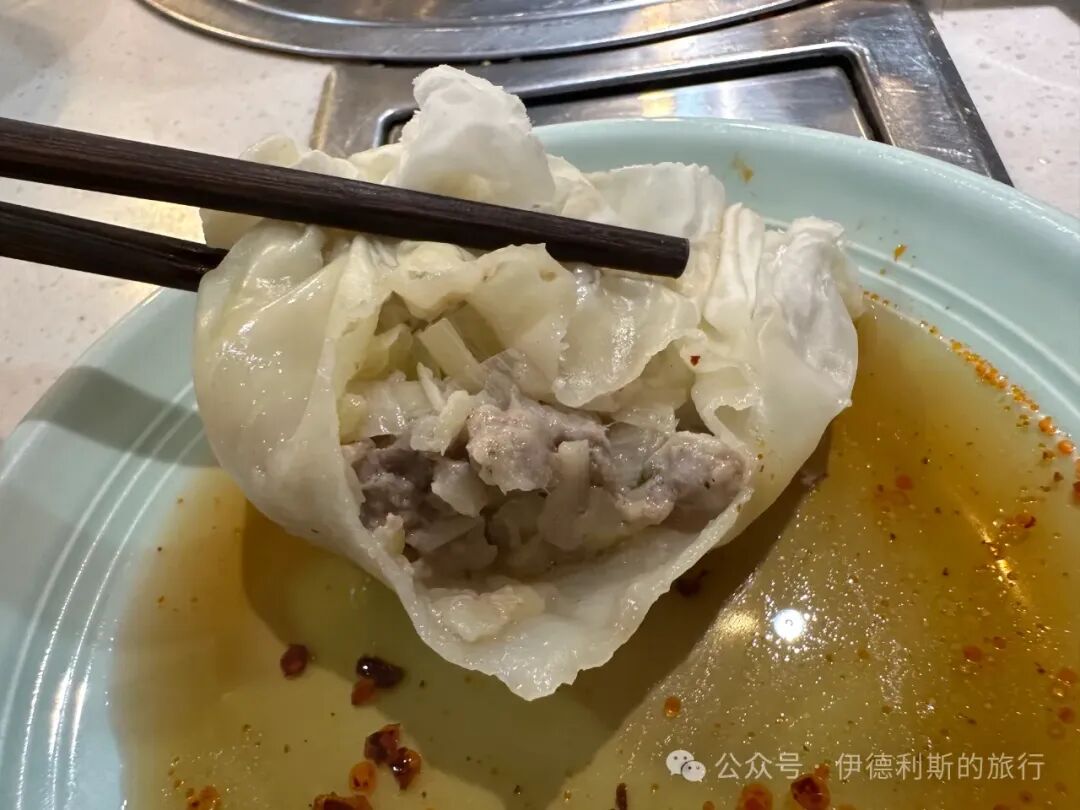
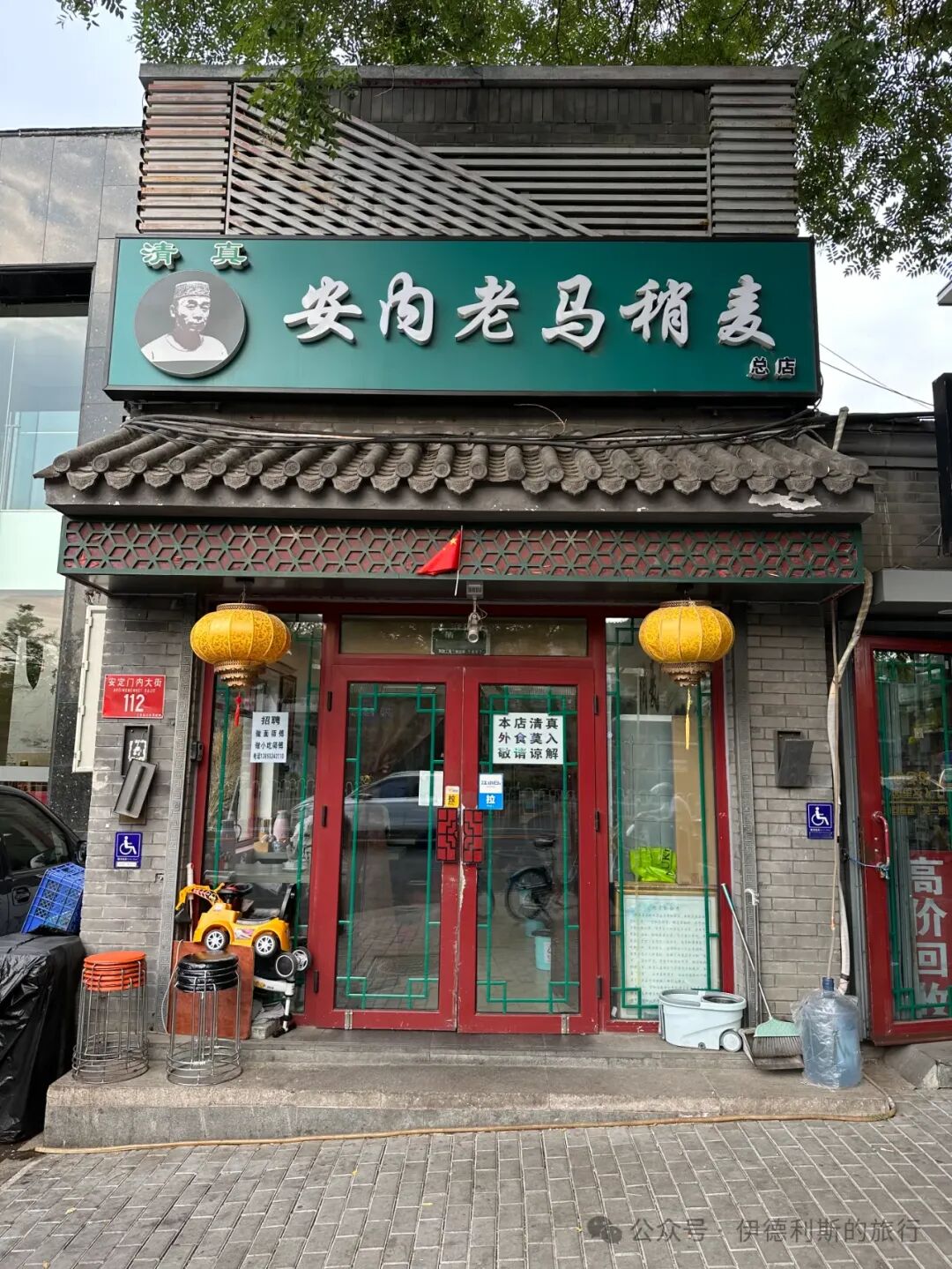
Annei Laoma Inner Mongolia Shaomai in Beijing.
Inside Andingmen in Beijing, there is a shop called Annei Laoma Shaomai run by Hui Muslims from Hohhot. I had their beef and fennel shaomai and lamb offal soup. They serve authentic Hohhot-style food. The shaomai tasted fine, but they were very oily, leaving a greasy feeling in my mouth afterward. The lamb offal soup also tasted fine, but it was not made to order, and the texture suffered after sitting for a while.
Indonesian Siomay at the Beijing Indonesian Cultural Festival.
I attended the annual Indonesian Cultural Festival at the Indonesian Embassy. We started by eating Indonesian siomay. Indonesian siomay originated from Cantonese siu mai. It was first adapted by the Sundanese people of West Java, who replaced the pork filling with fish and added side dishes like cabbage, tofu, potatoes, boiled eggs, and stuffed bitter melon. It is served with peanut sauce and sweet soy sauce and is now a classic street snack across Indonesia.
Lamb shaomai in Shanhaiguan, Hebei.
Yingxinyuan Restaurant is located not far south of the mosque on Guancheng West Road. The elders at the mosque recommended it to me, saying they host guests from the mosque there. I arrived after 3:00 PM. The cook finished my meal and then took a break, as the afternoon shift didn't start until 4:30 PM. The owner said they usually don't have many customers after 2:00 PM, so I was quite lucky. Knowing that portions get bigger the further northeast you go, I ordered a steamer of beef and cabbage steamed dumplings (shaomai) and a plate of sweet and sour pork tenderloin (tangcu liji), but I still couldn't finish it all. The taste was excellent, though! The even larger Qinhuangdao mixed hot pot (hunguo) will have to wait until I can come back with a group of people.
Lamb steamed dumplings (shaomai) in Chengde, Hebei.
In the morning, I had almond tea (xingren cha), meatball soup (wanzi tang), steamed dumplings (shaomai), and steamed dumplings (zhengjiao) at the famous Tuojie Snacks in Chengde. There are many halal snacks in the Shaanxiying area of Chengde, including lamb soup (yangtang), buckwheat noodles (heluo mian), door-nail meat pies (mending roubing), steamed dumplings (shaomai), almond tea (xingren cha), stomach-wrapped meat (dubaorou), stomach-wrapped brains (dubaonao), lamb neck skewers (yangbo chuan), fermented bean drink (douzhi), and bowl jelly (wantuo).
Since the Qing Dynasty built the Mountain Resort in 1703, Hui Muslims have gradually settled in Chengde. Whenever Emperor Kangxi held the Mulan autumn hunt or came to the resort to escape the summer heat, Hui Muslim officers, soldiers, and merchants would follow him. In the early years of Emperor Yongzheng's reign, the Qing government stationed Green Standard Army troops in Chengde. Because most of the officers and soldiers came from Shaanxi, it was called Shaanxiying, and the 'Left Battalion' among them was mostly made up of Hui Muslims. From then on, Shaanxiying became a residential area for Hui Muslims in Chengde.
By the time of Emperor Qianlong, Chengde had become a major metropolis north of the Great Wall. Hui Muslims from Shandong and Hebei flocked there to do business, working in the food industry and cattle and sheep slaughtering, which was known as 'chasing the imperial camp' (gan huangying). Today, the ten major surnames of Chengde's Hui Muslims, such as Wang, Ma, Shi, and Chen, all moved from Shandong, while the Wu surname moved from Cangzhou, Hebei, and the Kong surname moved from Beijing.
Lamb steamed dumplings (shaomai) in Datong, Shanxi.
I took the high-speed train from Beijing to Datong in the morning. After getting off, I headed straight to the famous Fuxingzhai Shaomai on Jiaochang Street for lunch, where I ordered steamed dumplings (shaomai), Mongolian salty milk tea (menggu xian naicha), a basin of egg soup (penpen jidan tang), and oil-seared meat (guoyou rou). Their steamed dumplings (shaomai) were truly delicious and went great with the milk tea.
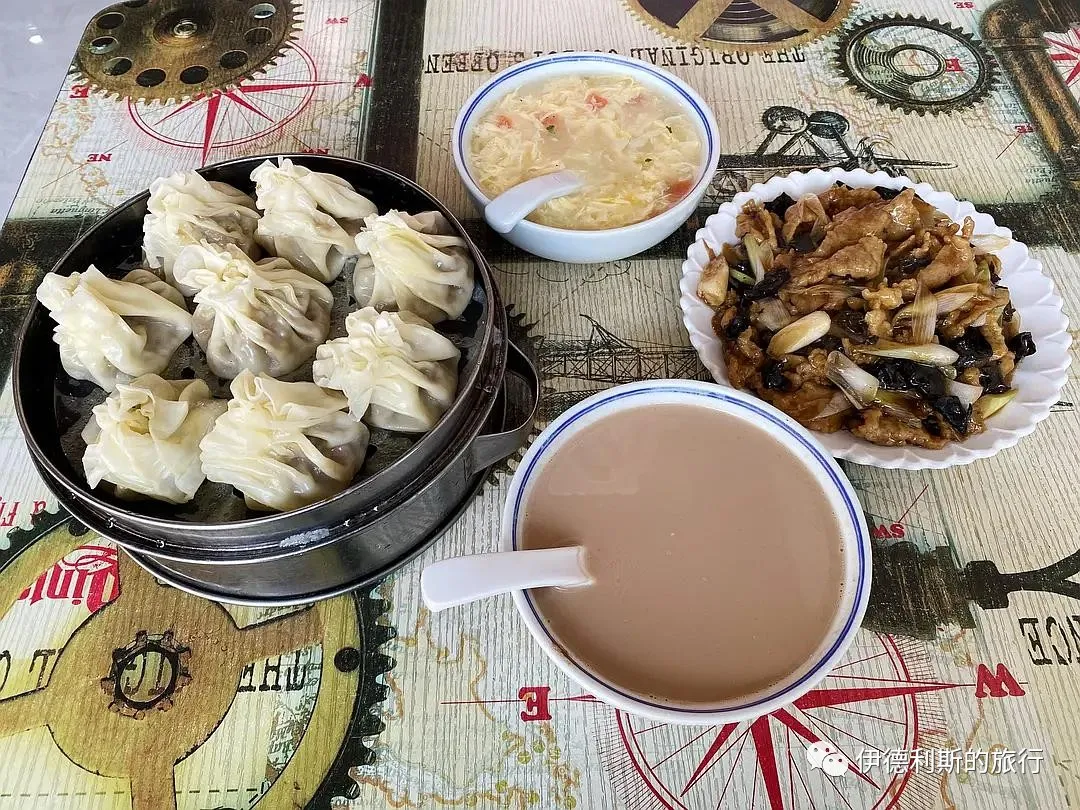
Lamb steamed dumplings (shaomei) in Taiyuan, Shanxi.
The street-front shops outside the old mosque in Taiyuan were built when Dananmen Street was widened. On both sides of the main gate are beef and mutton shops, and there is one on the south side that always has a long line. A little further south is the Huifengyuan restaurant, which sells steamed dumplings (shaomei), lamb soup (yangtang), meatball soup (wanzi tang), and various other snacks. I had lamb soup (yangrou tang) and steamed dumplings (shaomei) here, and both were exceptionally good.
Since the Ming and Qing dynasties, Hui Muslims in Taiyuan have lived in the area around the South Gate of the old city. During the Qing Dynasty, Taiyuan had over a hundred local Hui Muslim households, plus a dozen or so Hui Muslim households who came from Suiyuan to do business, totaling five or six hundred people. After the Zhengtai Railway opened in 1907, the number of Hui Muslims coming to Taiyuan from Hebei increased significantly, reaching over 1,000 in the 1930s and over 5,100 in the early days of the People's Republic of China.
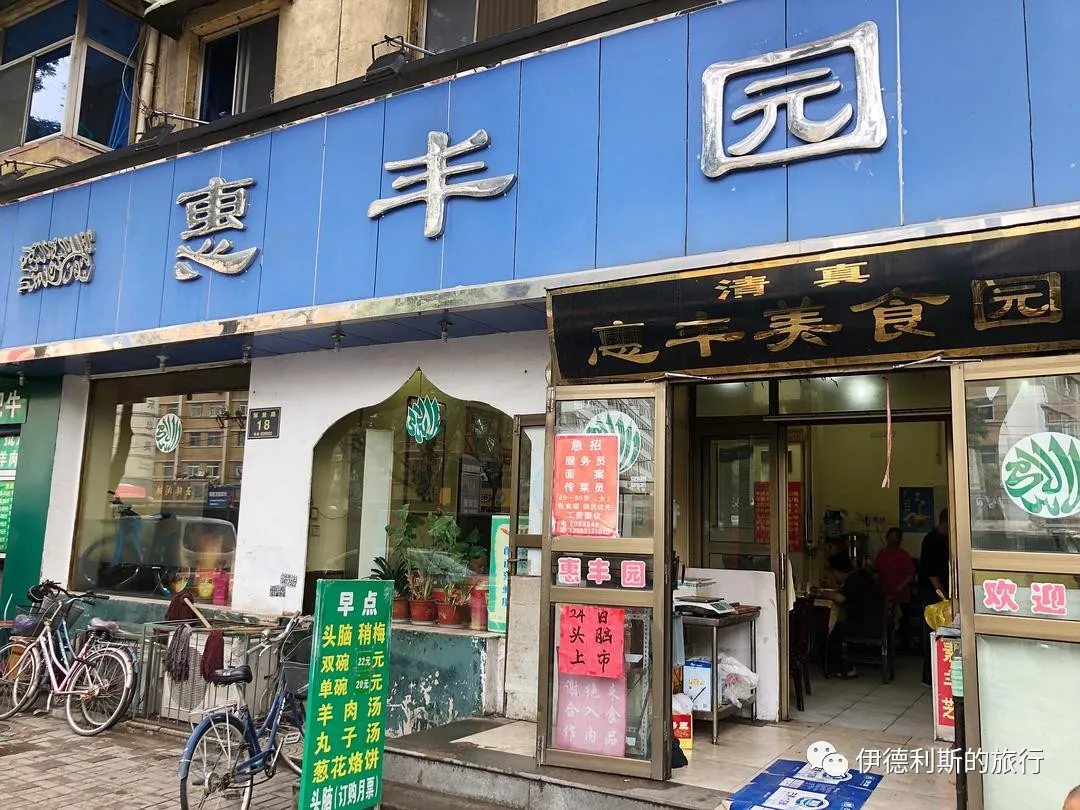
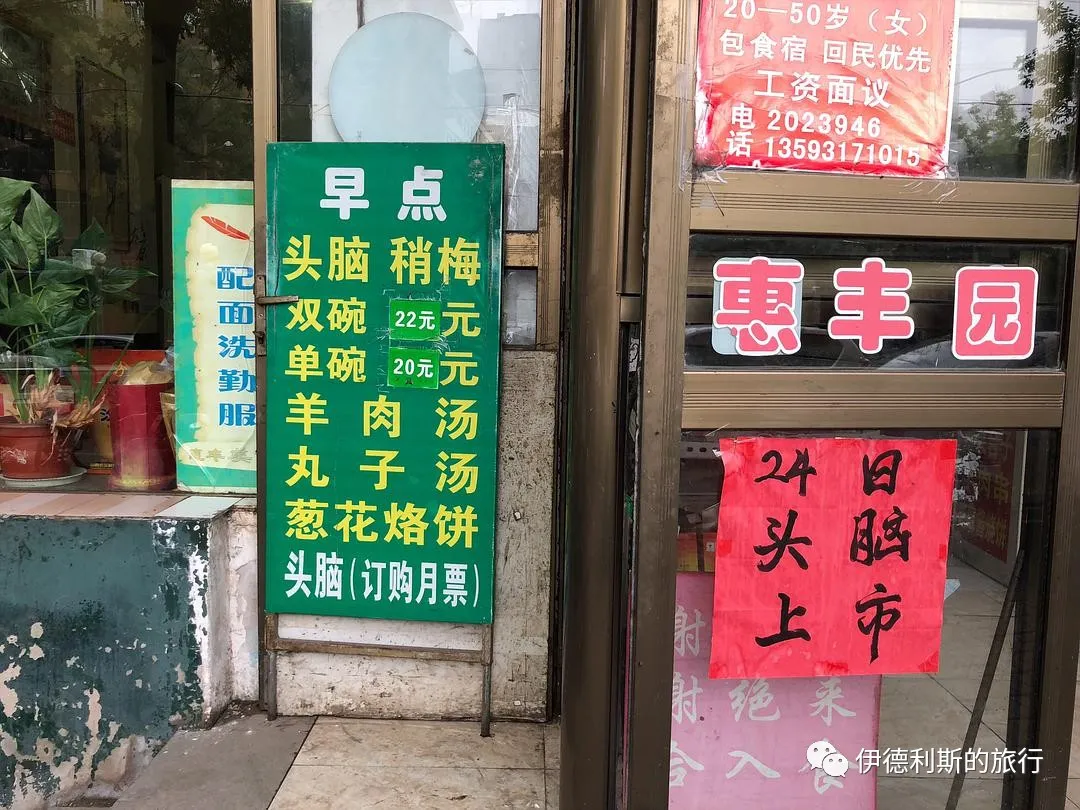
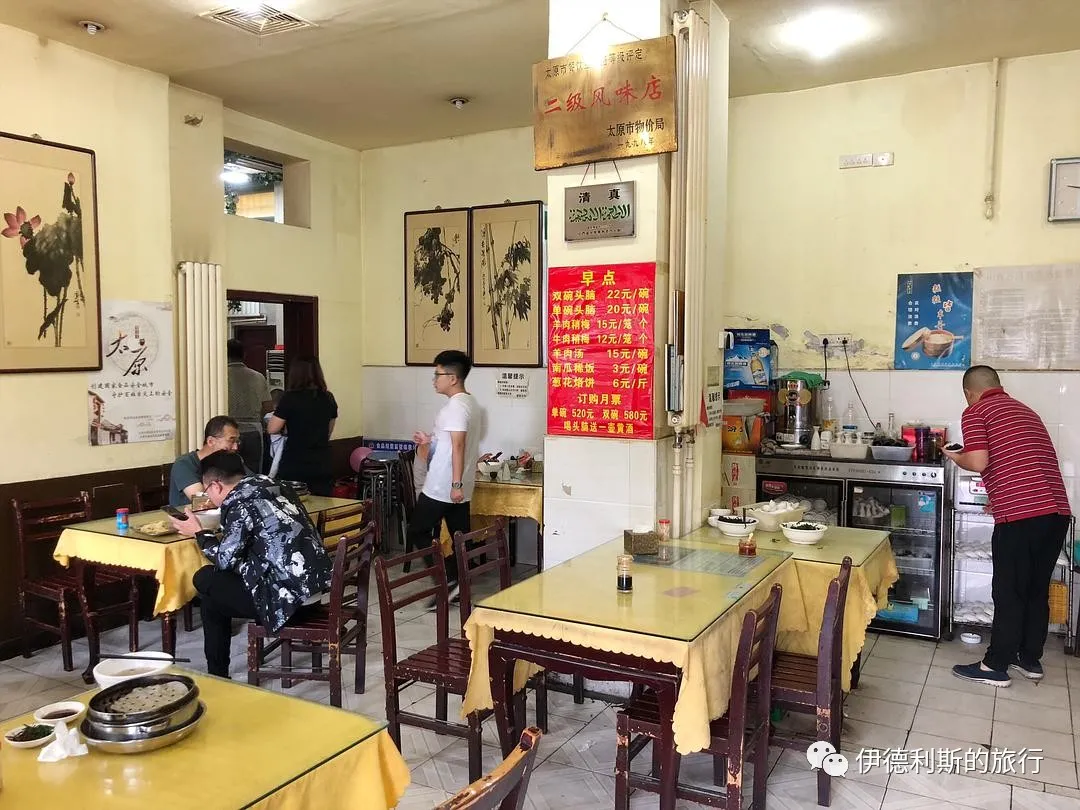
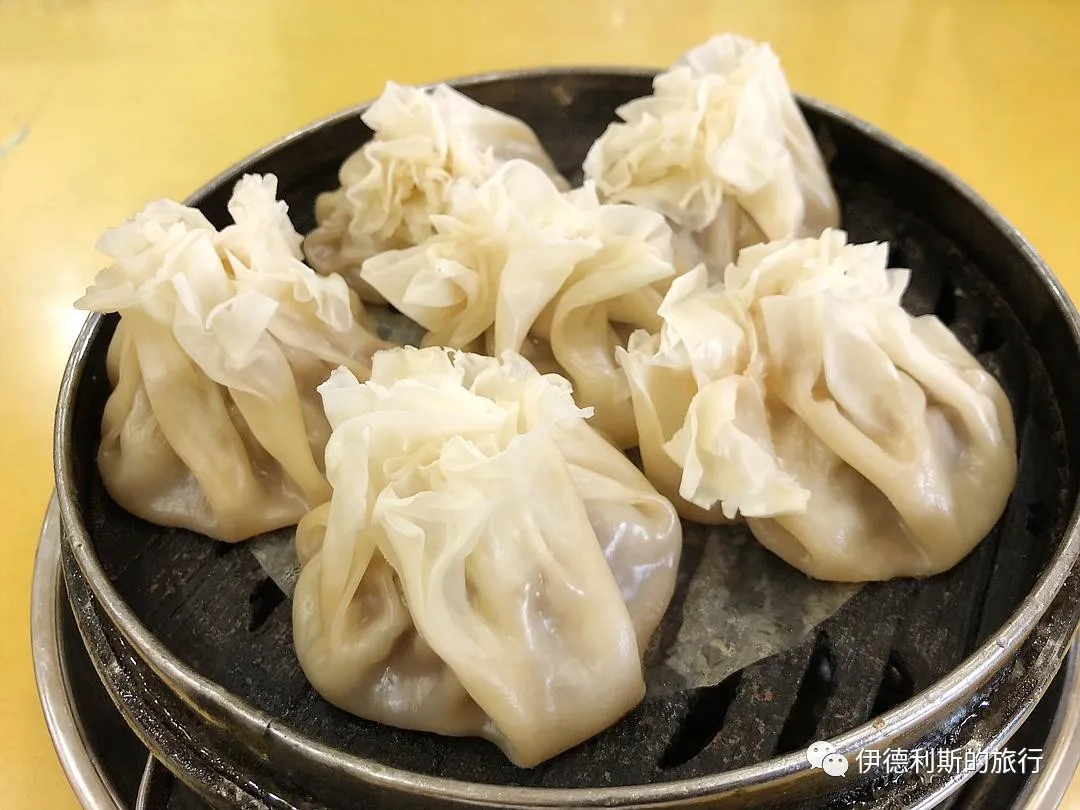
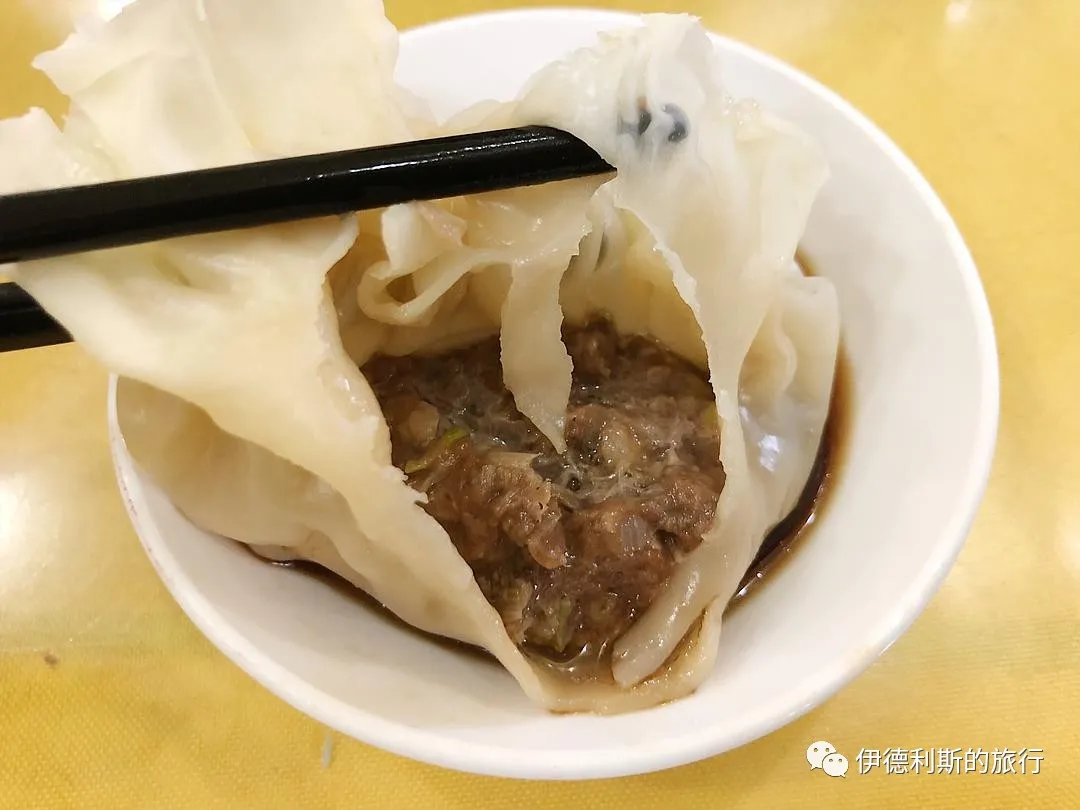
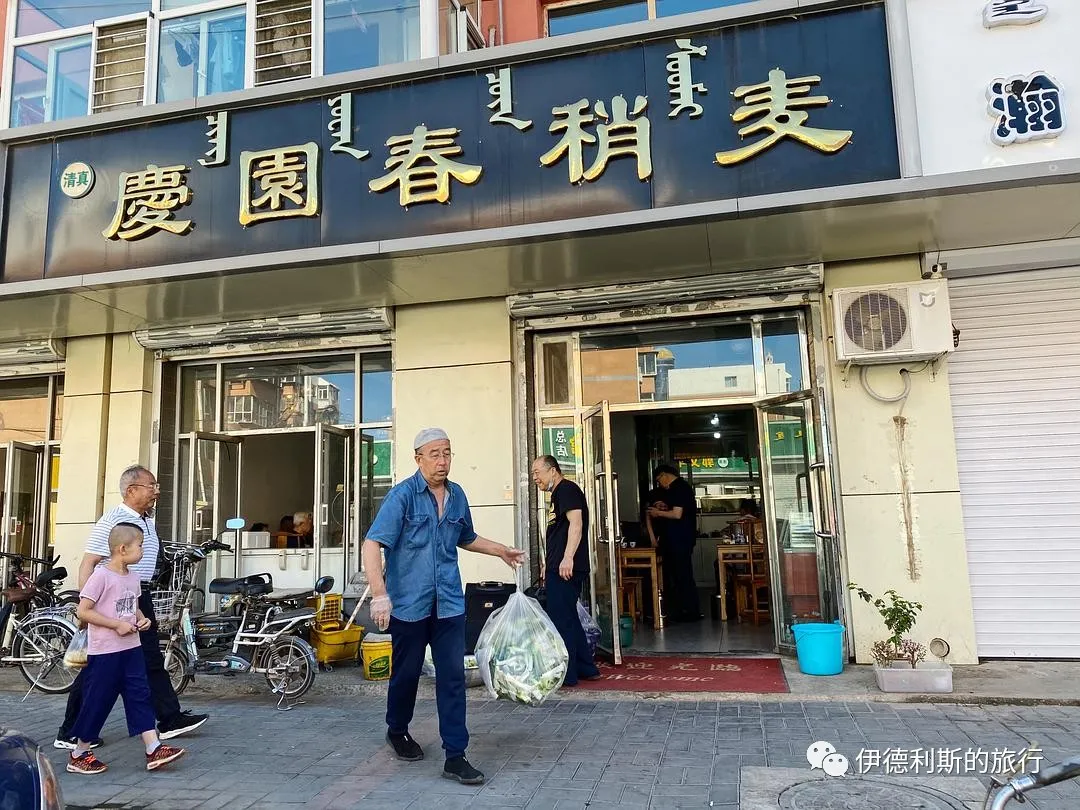
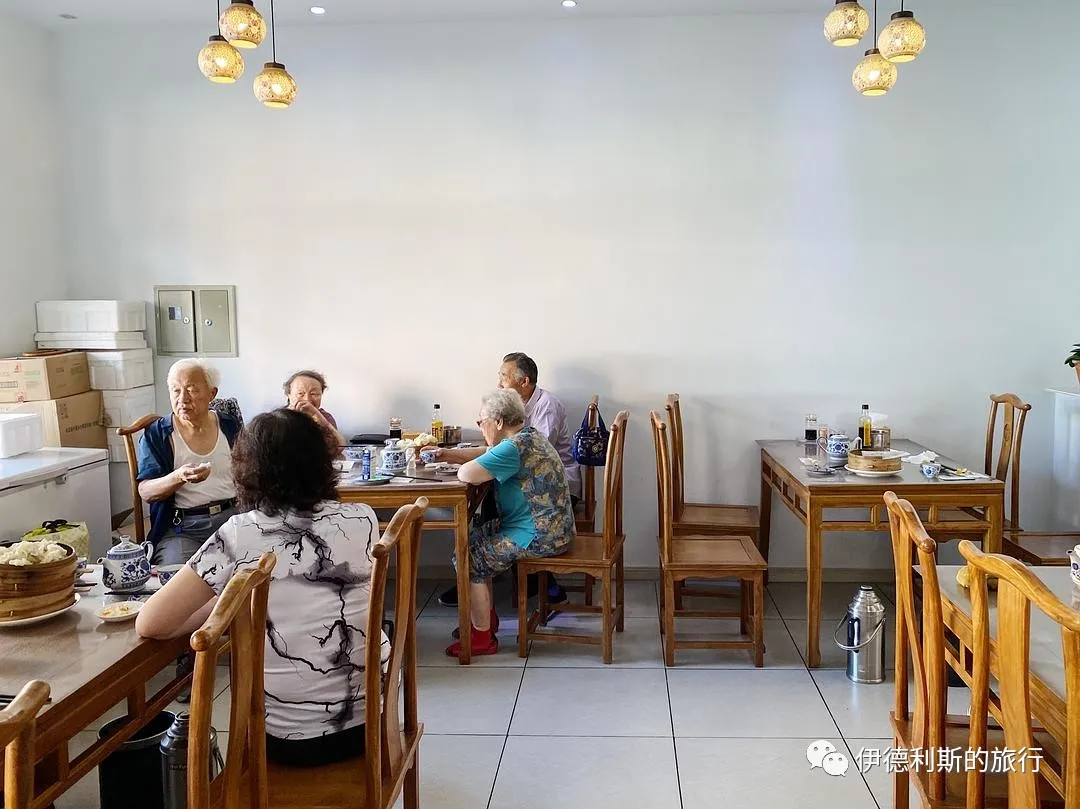
Lamb steamed dumplings (shaomai) in Hohhot, Inner Mongolia.
I ate steamed dumplings (shaomai) and drank brick tea at Qingyuanchun on Nanshuncheng Street. I personally like this place; I ate here during my previous visit to Hohhot as well.
Qingyuanchun is a long-standing shaomai shop. In 1796 (the first year of the Jiaqing reign), Li Chun started selling shaomai from a wheelbarrow in Guihua City. He made them on the spot, and they were very popular. In 1828 (the eighth year of the Daoguang reign), Li Chun's son, Li Guangyuan, rented two wooden rooms outside the Lanma Wall in Guihua City and officially opened the Qingyuanchun shaomai shop. In 1956, brothers Li Hongtu and Li Mingqing renovated the thirty-square-meter shop and reopened it. The fifth generation, Li Jiting, took over in 1963, and the sixth generation, Li Yongqing, took over in 2009. It is a famous halal shaomai shop in Hohhot.
Lamb shaomai in Shenyang, Liaoning.
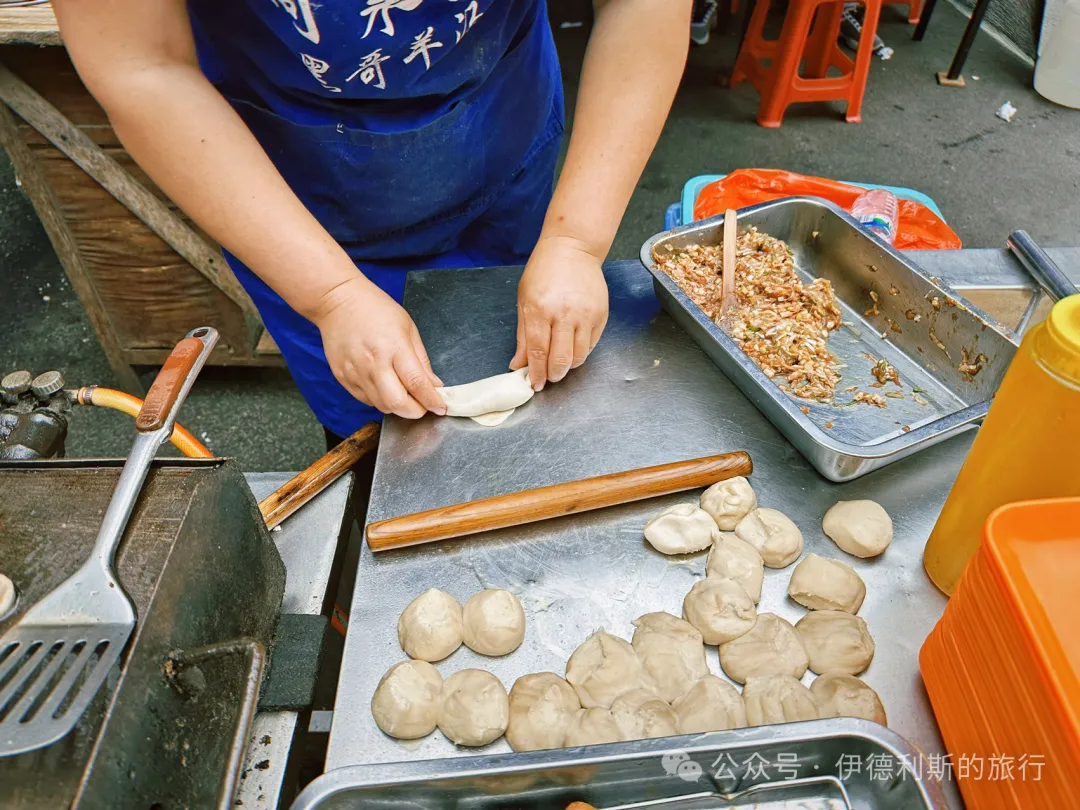
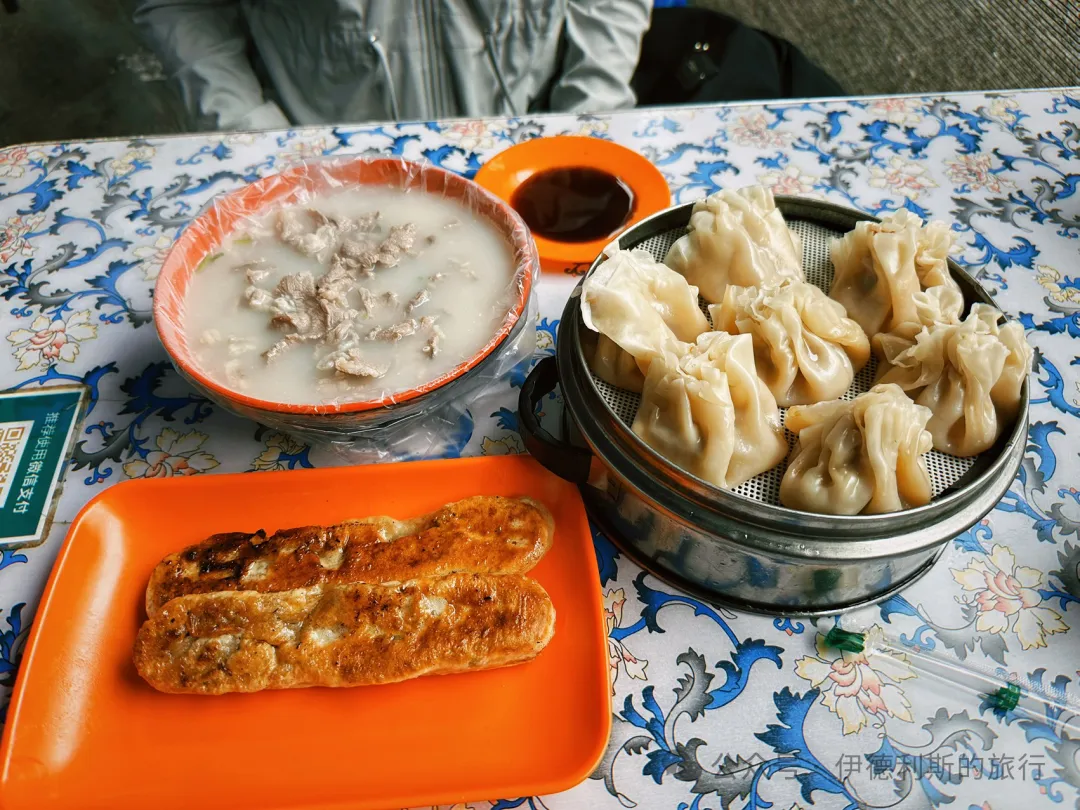
I took a high-speed train from Beijing Chaoyang Station to Shenyang in the evening. The next morning, I went to the Lijiang Morning Market in Shenyang and had lamb soup, shaomai, and pan-fried meat pies (huitou) at Heige Lamb Soup. The breakfast stalls at the morning market are all about being affordable! Shaomai cost 7 yuan per steamer, and meat pies cost 2 yuan each. It is hard to find prices like this in a restaurant. They make everything fresh to order. The lamb in the soup is fresh meat the owner cuts at home. He slices it thin, and it cooks quickly when swished in the hot soup, keeping it very tender.
Lamb shaomai in Jinzhou, Liaoning.
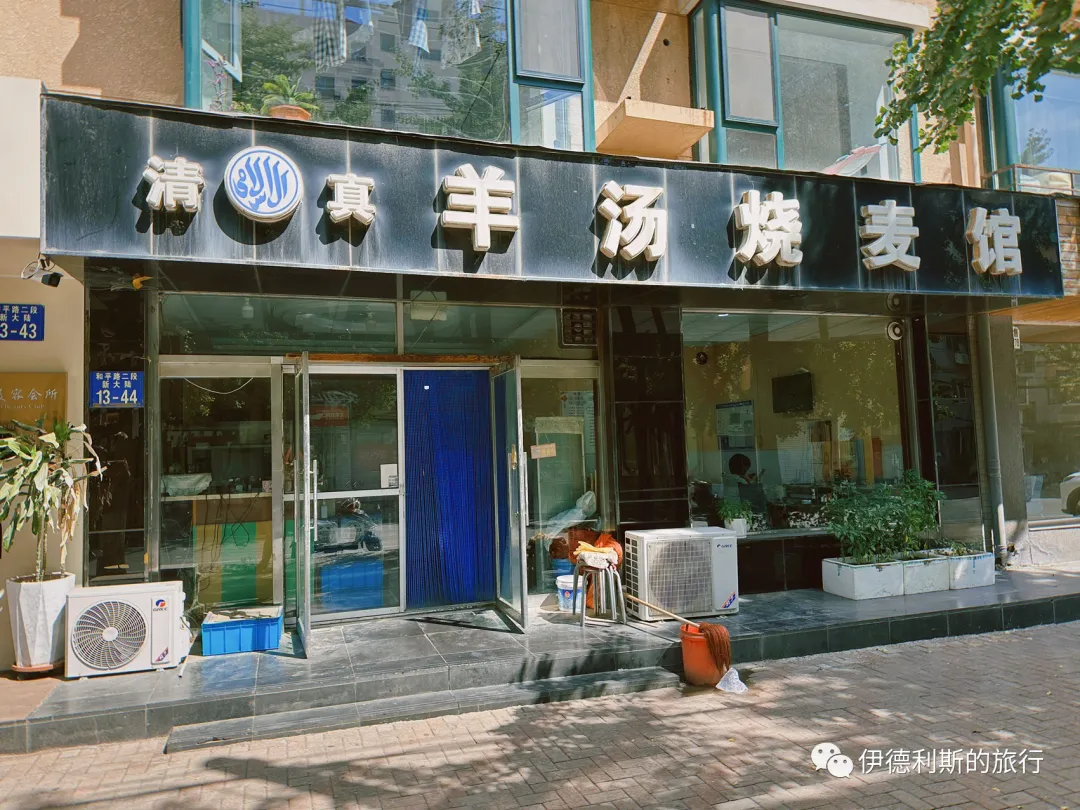
I took a train from Beijing Chaoyang Station to Jinzhou North Station in the morning, then had a steamer of shaomai and a bowl of lamb soup in Jinzhou. The price was very affordable.
Lamb shaomai in Luyang, Liaoning.
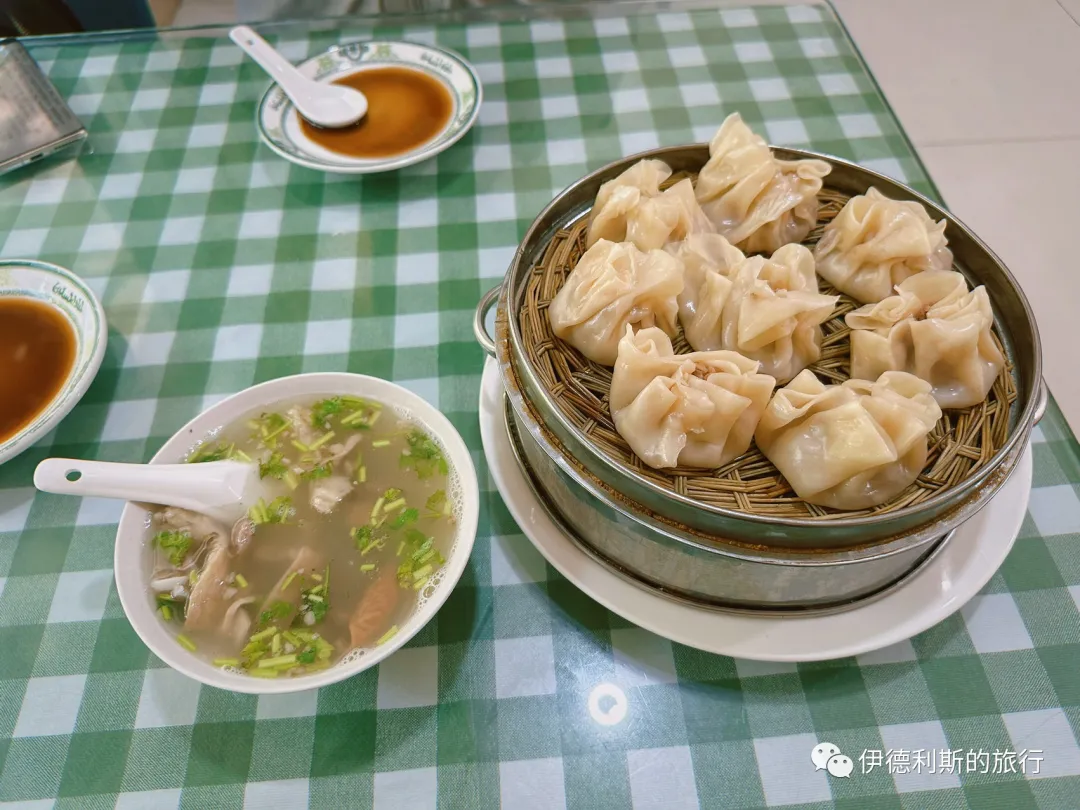
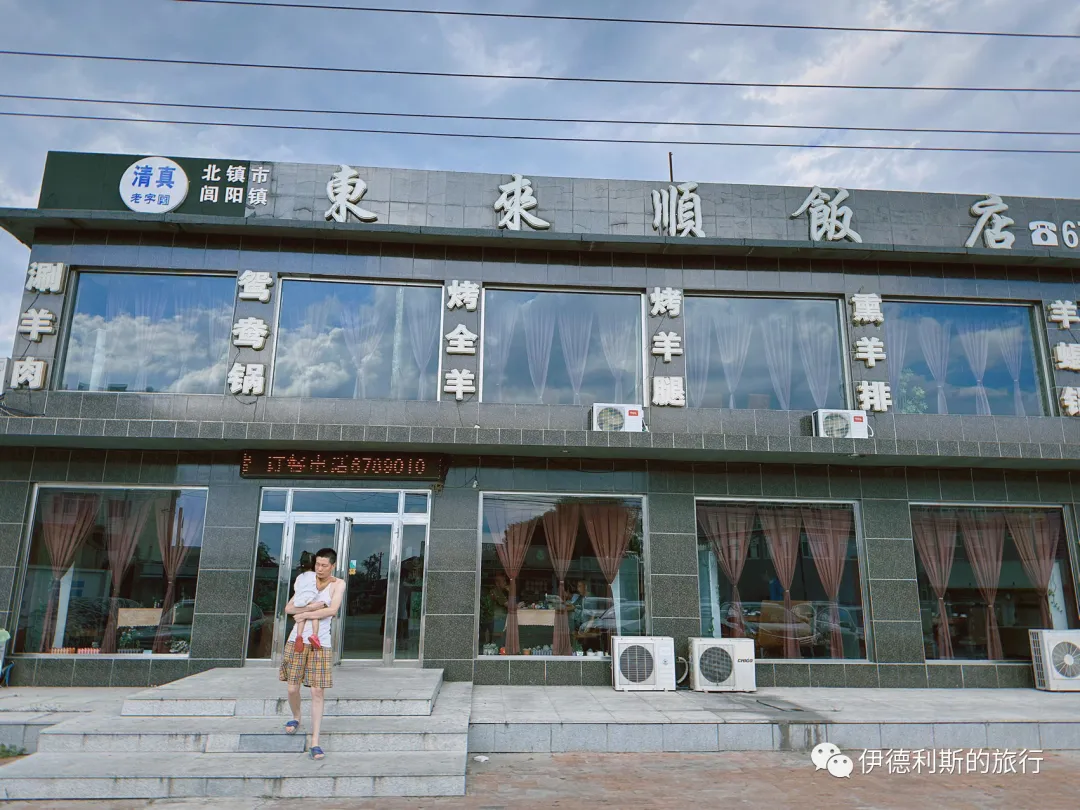
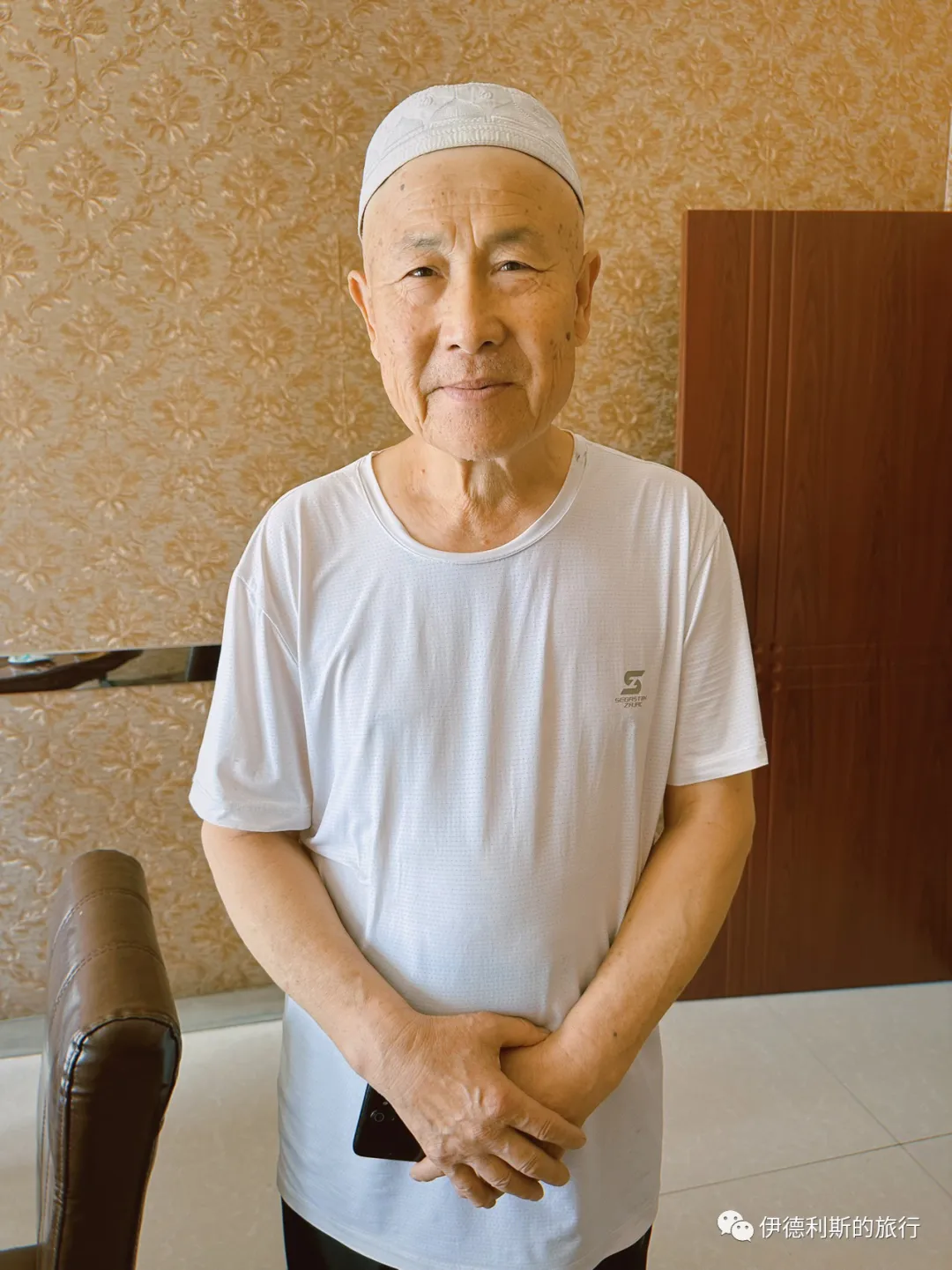
After getting off at Goubangzi Railway Station, I took a 10-minute taxi ride to Luyang Town in the west. Luyang Mosque is not far from the Luyang Bridge. We were warmly welcomed at Luyang Mosque. Director Jin of the mosque management committee treated us to a hearty meal at his restaurant, Donglaishun. Director Jin's ancestral home was Xiaoxinzhuang in Jinan, Shandong. His ancestors moved to Guozhiwa in Hejian, Hebei, and then to Yingkou, Liaoning, before finally settling in Luyang Town during the Republic of China era. Director Jin has been the director of Luyang Mosque for over a decade. He knows the local history and folklore of Luyang very well and told us several very interesting local legends.
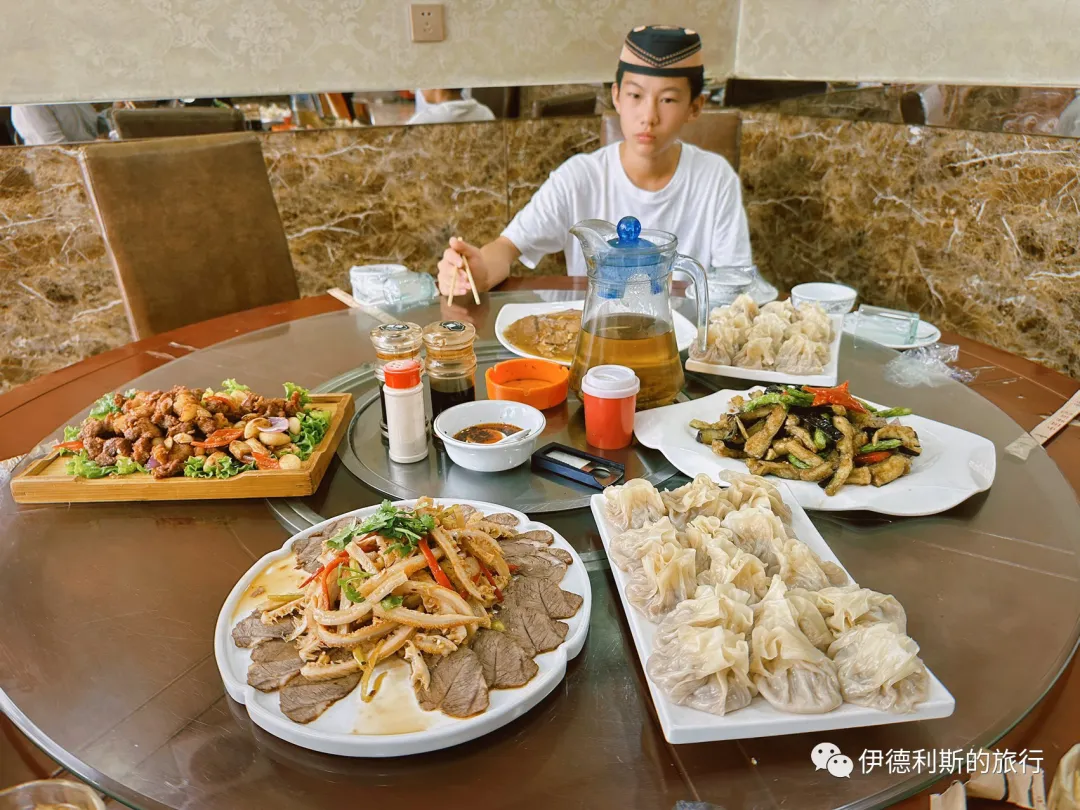
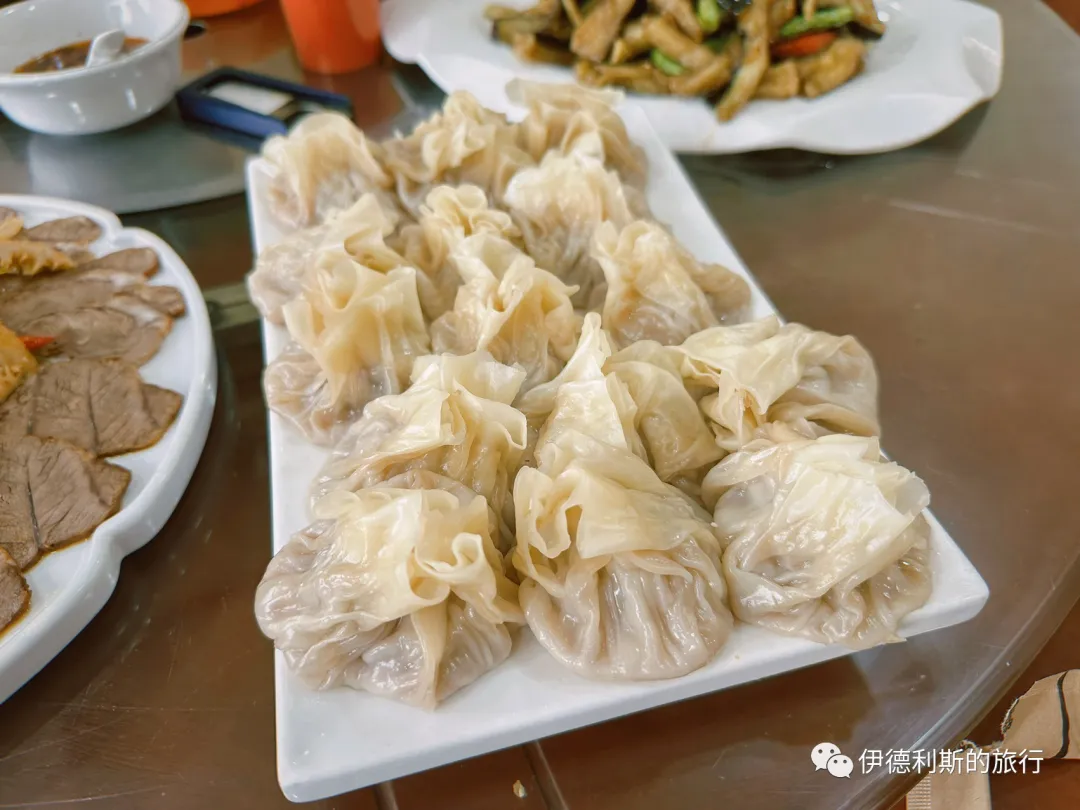
Besides the large portions, the food was super delicious. The most notable dish was the shaomai; I can even say it was the best I have ever had! Their shaomai are a bit like the thin-skinned buns (baozi) from Xinjiang. The skin is so thin you can see the filling inside. The onion flavor stands out, the saltiness is just right, and they are not greasy but very fragrant.
Lamb shaomai in Harbin, Heilongjiang.
I ate shaomai at Lao Guo Jia Guan, a century-old halal shop on Desheng Street in the Daowai District of Harbin. We actually discovered this place by accident while passing by in a taxi the night before. As a son-in-law of the Guo family, I happened to be talking to my wife about how rarely we see halal restaurants opened by the Guo family, and then I turned my head and saw this place! I quickly noted it down on my phone and went to eat there the next day.
Guo Jia Guan was founded by Guo Shaoxian in 1927 on Zhengyang 11th Street in Daowai. The 1933 'Guide to Greater Harbin' already recorded that Guo Jia Guan served various dishes and catered banquets. Guo Jia Guan was also listed in documents like the 1934 Harbin Daowai Business Directory and the 1937 Harbin Special Municipality Daowai Business and Industry Directory.
Guo Shaoxian was originally from Zhangluji in Shen County, Liaocheng, Shandong. He came to Harbin in the early 1920s during the migration to the Northeast. It is said he started by carrying a basket to sell steamed buns (baozi) on the streets. After saving enough money, he opened Guo Jia Guan on Zhengyang 11th Street in Daowai. Before the public-private partnership, Guo Jia Guan was nearly 100 square meters with 12 large square tables. They served various stir-fried dishes, including braised meat strips (baoroutiao), stir-fried tripe (liuduling), stir-fried clear mirror (liumingjing), crispy fried meat strips (jiaoshaoroutiao), and sweet and sour pork (guobaorou). Head chef Ma Bingsheng was a veteran at Guo Jia Guan with excellent culinary skills. The pastry chef was Jin Guangli. He was skilled at making pan-fried dumplings (guolao), water-fried buns (shuijianbao), meat pies (xianbing), steamed dumplings (shaomai), and steamed dumplings (zhengjiao). The skin of his meat pies was so thin you could see the filling inside.
After the public-private partnership in 1956, Guo Jia Guan merged with several other Hui Muslim restaurants, including Huaxing Hao, to form the Daowai Hui Muslim Restaurant. Guo Shaoxian was assigned to work as a pastry chef at Xiangyang Restaurant (formerly Wu Ji Renyi Restaurant) on Jingyang Street until he retired. Among Guo's descendants, the only one to inherit his skills was his grand-nephew, Guo Dalin. Guo Dalin was born in 1937 in Zhangluji, Shen County, Liaocheng, Shandong. In 1953, at age 16, he moved to Harbin to join his great-uncle Guo Shaoxian and began his apprenticeship at Guo Jia Guan. After the 1956 public-private partnership, Guo Dalin worked at the Daowai Hui Muslim Restaurant. In 1983, he revived the old Guo Jia Guan name. In 2003, he reopened the old Guo Jia Guan on Desheng Street. It has been 20 years since then, and the restaurant is now managed by his granddaughter.
The old Guo Jia Guan does not have many online reviews and has barely advertised itself. It is a down-to-earth local neighborhood spot. They serve classic Harbin Hui Muslim dishes. We ordered stir-fried clear mirror (liumingjing), stir-fried tofu with hot peppers (jianjiaogandoufu), fresh mushroom with meat slices (xianmoroupian), and steamed dumplings (shaomai). Everything was affordable and delicious.
Wuhan, Hubei sticky rice steamed dumplings (shaomei).
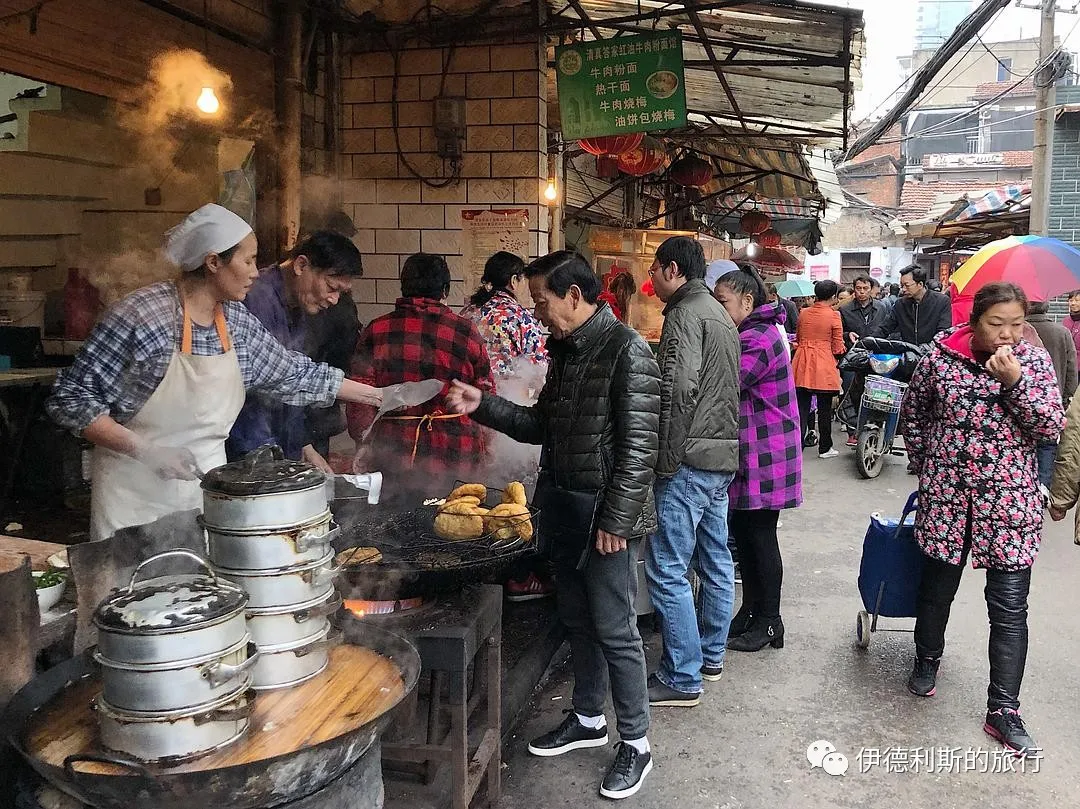
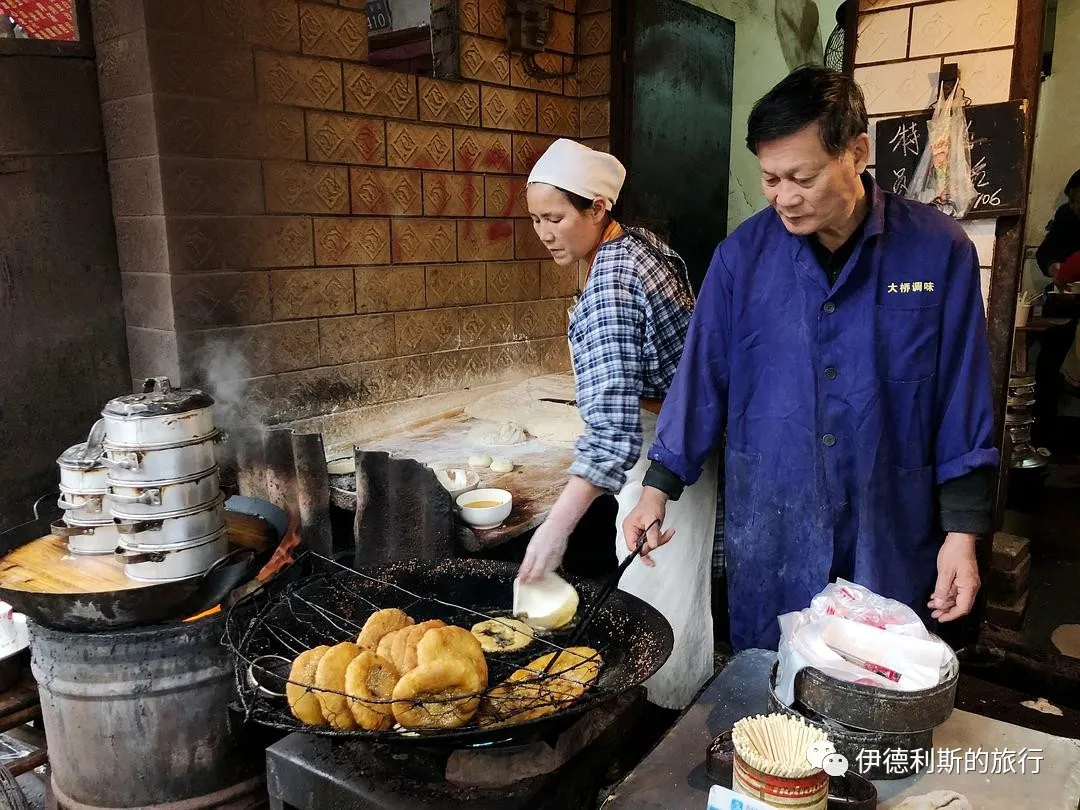
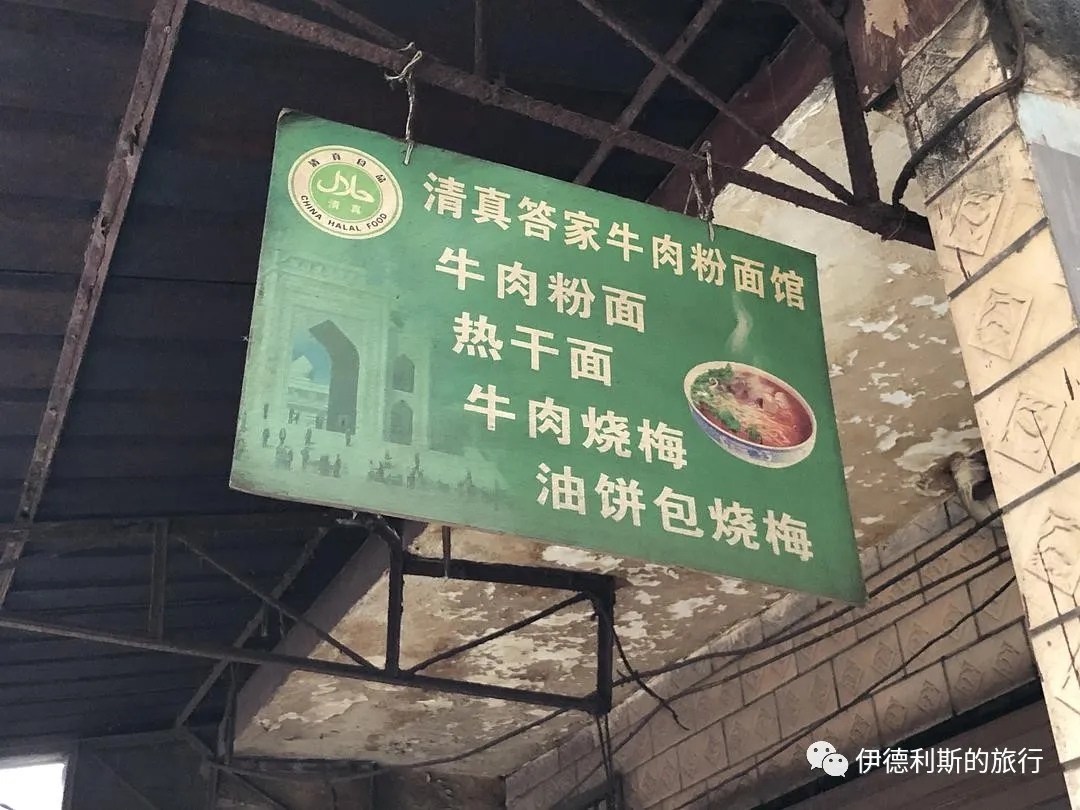
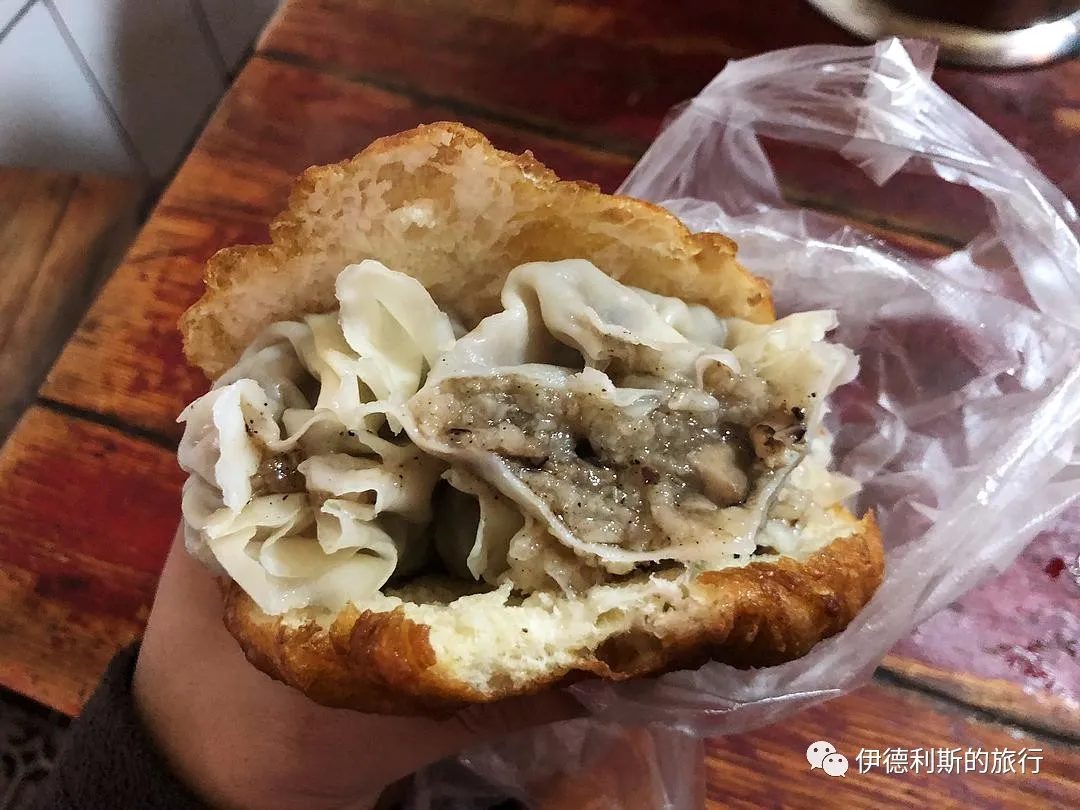
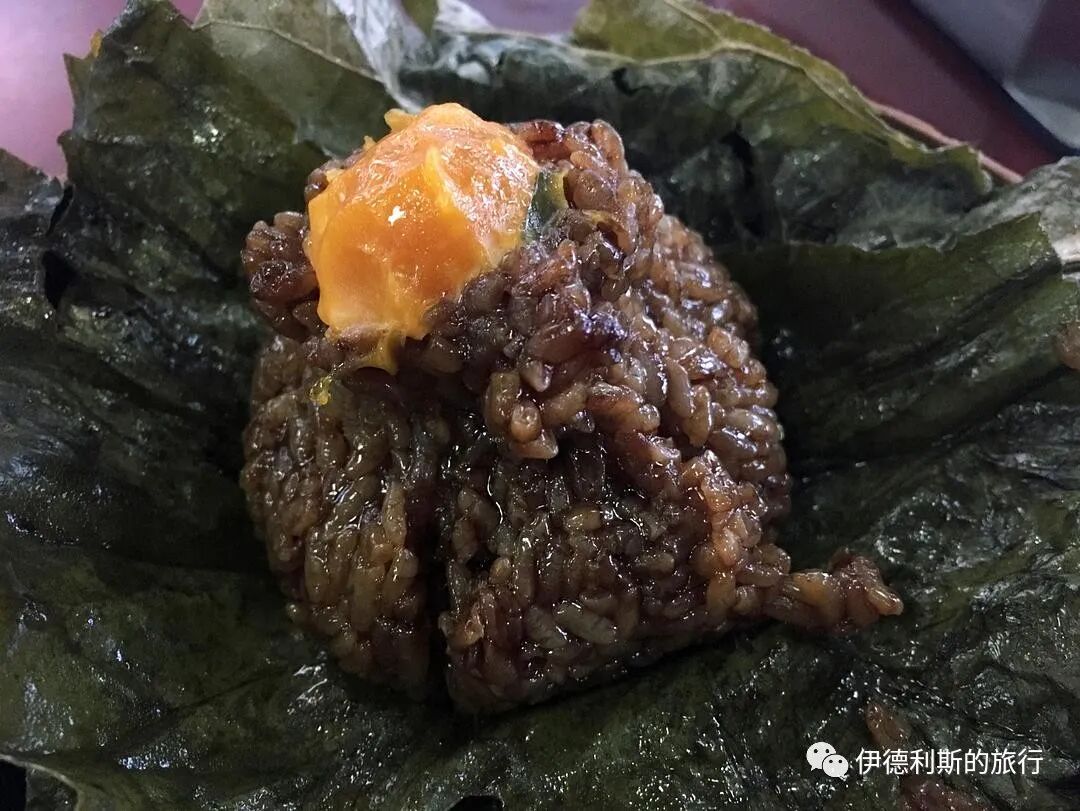
Before the demolition of Qiyi Street in Wuchang, there was a lively morning market every day, crowded with people and full of life. On Xiangbi Street (now the eastern section of Bao'an Street), which intersects with Qiyi Street, there was a halal breakfast spot called 'Halal Da Jia Red Oil Beef Noodle Shop.' It was open daily from around 6 or 7 a.m. to 10 a.m. I ate red oil beef thin noodles and a fried dough cake stuffed with a steamed dumpling (youbingjieshaomei) there. The sticky rice inside the steamed dumpling was very fragrant and sweet. This shop is gone now that Qiyi Street has been demolished.
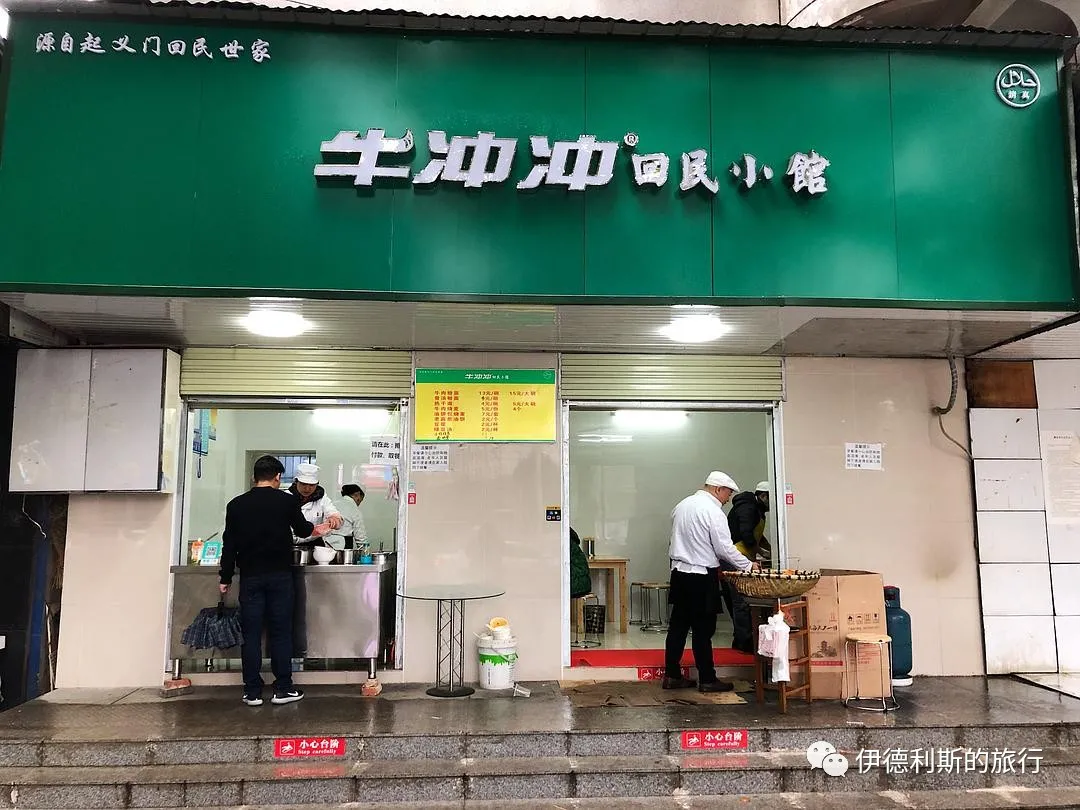
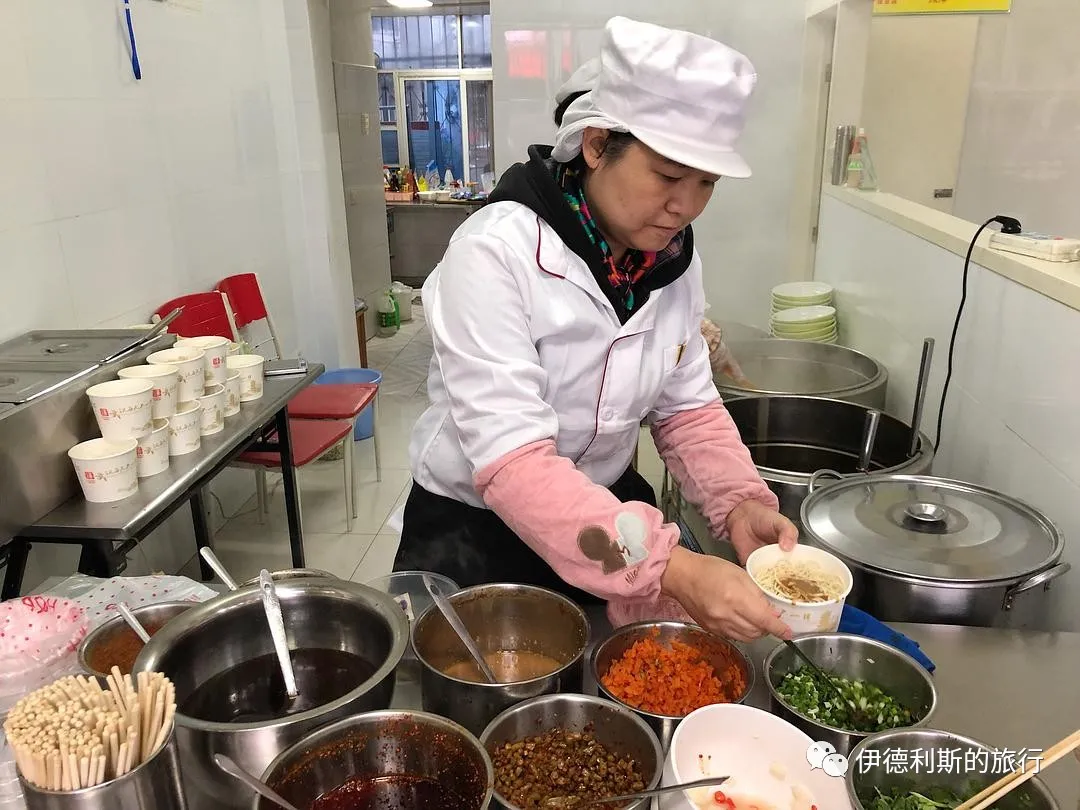
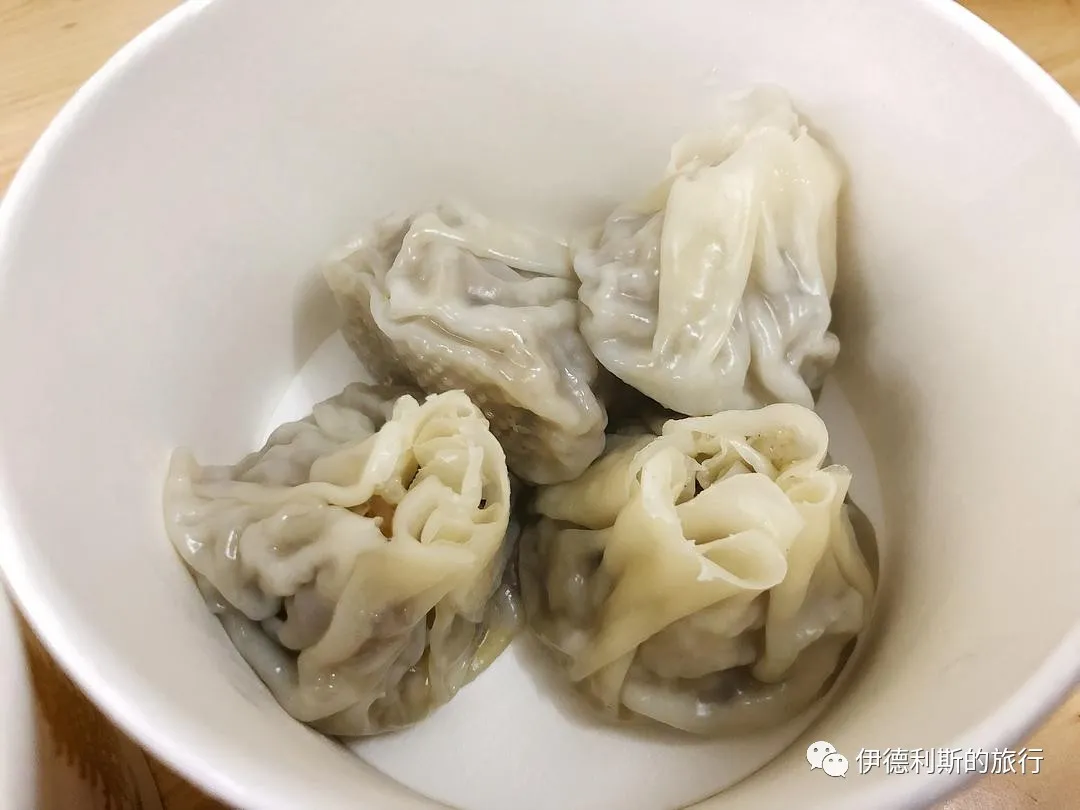
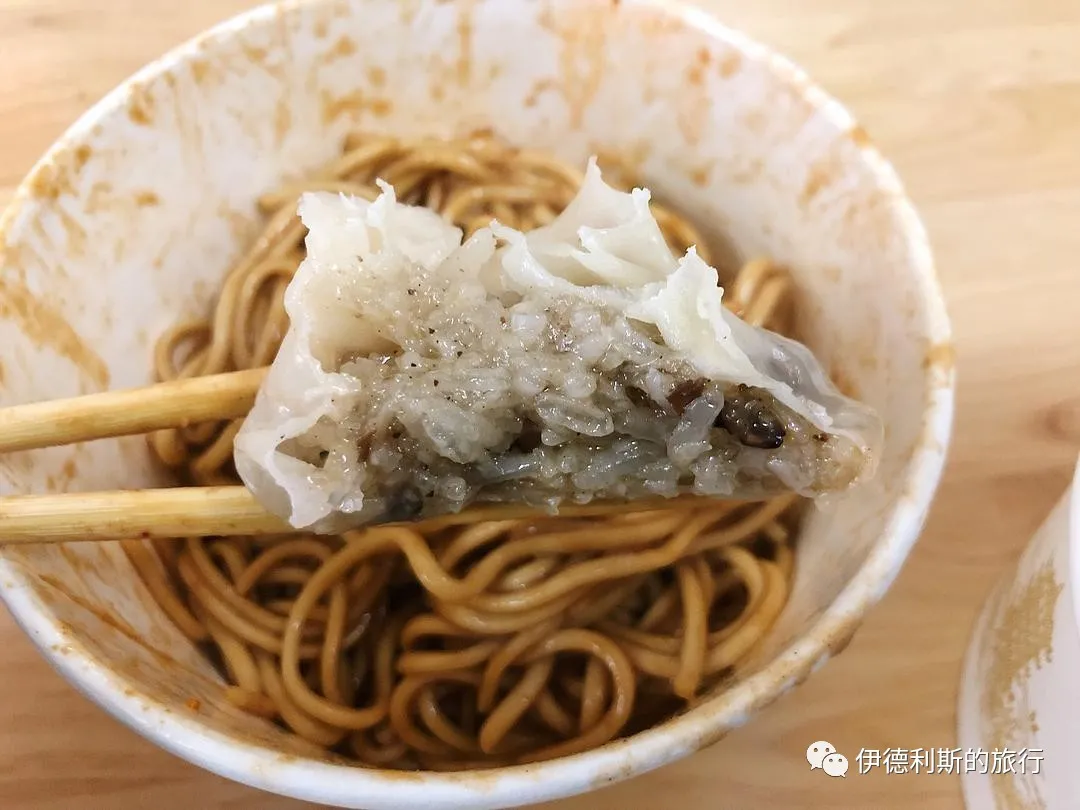
Not far southeast of Qiyi Street, at the intersection of Ping'an Road and Hengping Road, there was another local Wuchang halal breakfast shop called 'Niu Chong Chong Hui Muslim Snack Bar.' The owner's family had lived on Qiyi Street for generations. I ate hot dry noodles (reganmian) and sticky rice, beef, and mushroom steamed dumplings (shaomei) there. Their beef noodles and fried dough cake stuffed with steamed dumplings (youbingbaoshaomei) were also very authentic. This shop is also no longer there today.
Nanjing, Jiangsu egg steamed dumplings (shaomai) and egg yolk steamed dumplings (shaomai).
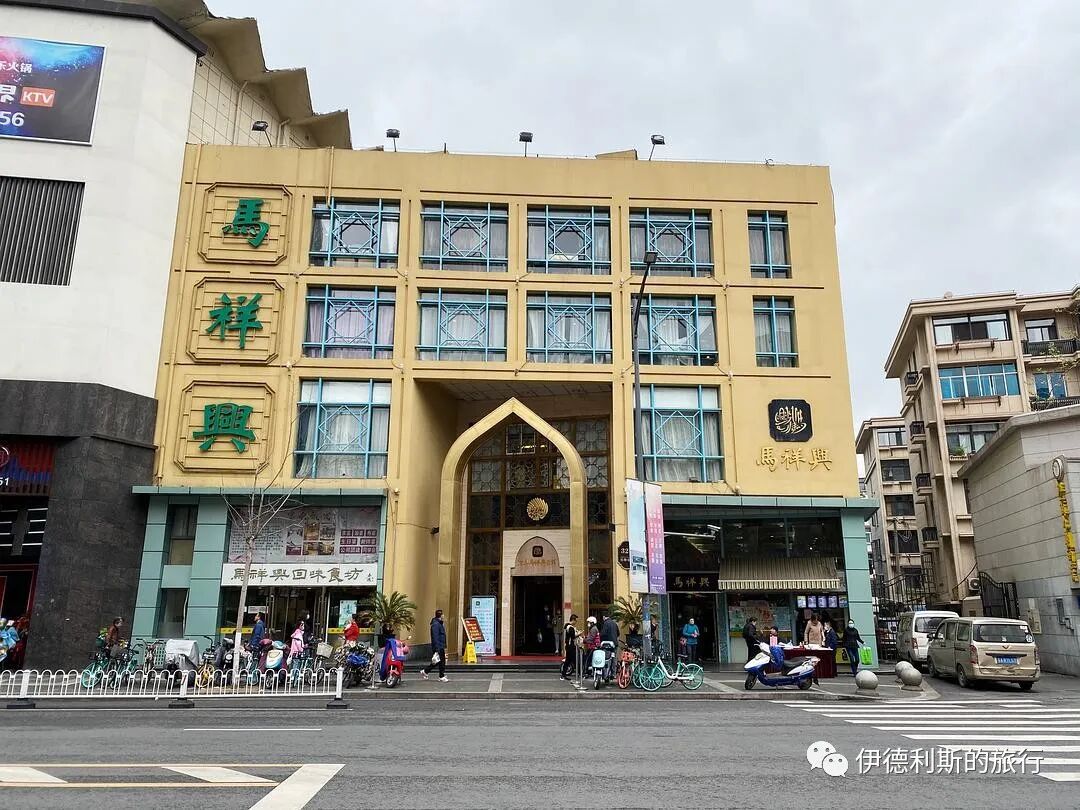
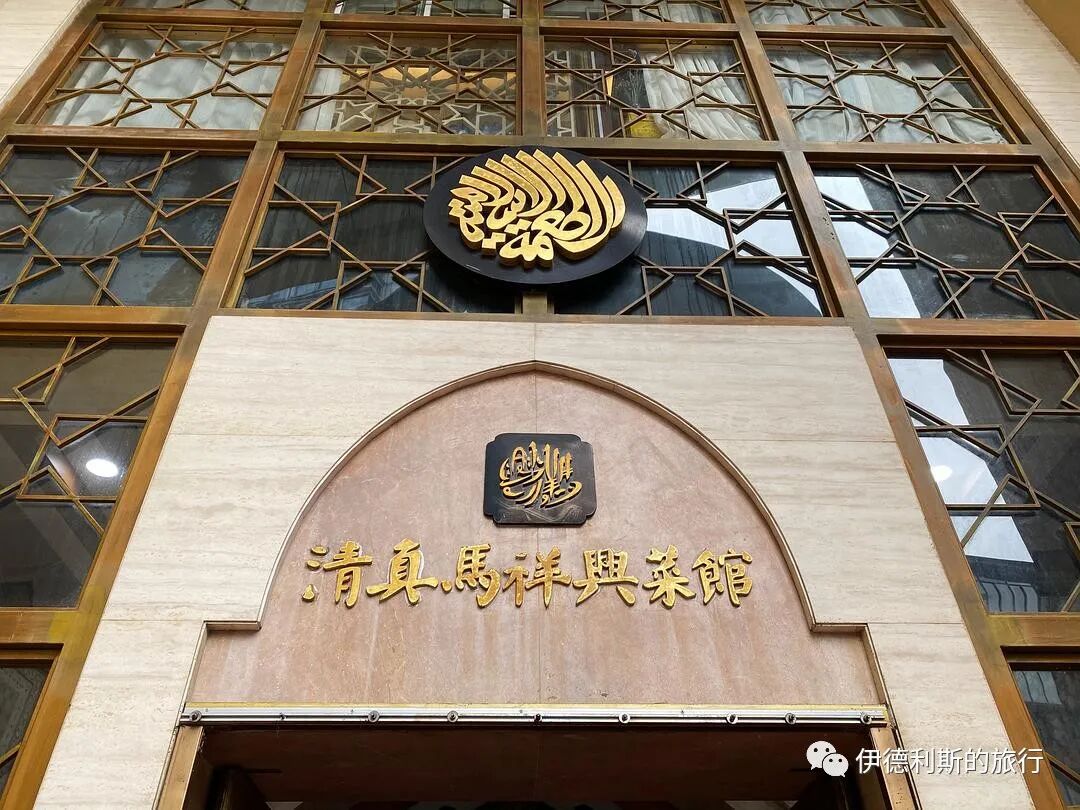
During the Daoguang era, Ma Sifa, a Hui Muslim from Mengzhou, Henan, fled famine and came to Nanjing with his family. He set up a stall at Yuhuatai to sell beef soup, which people called the 'Ma Huihui Food Stall.' Later, Ma Sifa's son, Ma Shengxiang, officially founded the 'Ma Xiangxing' brand in Huihui Camp, specializing in beef-stewed radishes and stir-fried beef snacks.
In 1912, Ma Shengxiang moved the restaurant across from the Great Bao'en Mosque, focusing on the 'Eight Beef Dishes' (niubayang). At that time, Ma Xiangxing had a Hui Muslim head chef known as 'Old Seven,' who was skilled at making stir-fried tripe (baodusisi) and stir-fried chicken liver. After Ma Shengxiang passed away in 1925, his second son, Ma Deming, took over the business. Ma Xiangxing shifted from cooked food and small stir-fries to banquet dishes, while adding various local-style chicken, duck, fish, shrimp, and egg dishes. After the capital moved to Nanjing in 1927, Ma Xiangxing became increasingly famous under the cooking of head chef Ma Dingsong. At that time, various Republic of China officials became regulars at Ma Xiangxing. The Ministry of Foreign Affairs often hosted foreign guests there, and diplomats from various countries frequently held banquets at the restaurant. During this period, Ma Deming created four famous dishes: beauty liver (meiren gan), squirrel fish (songshu yu), phoenix tail shrimp (fengwei xia), and egg steamed dumplings (dan shaomai).
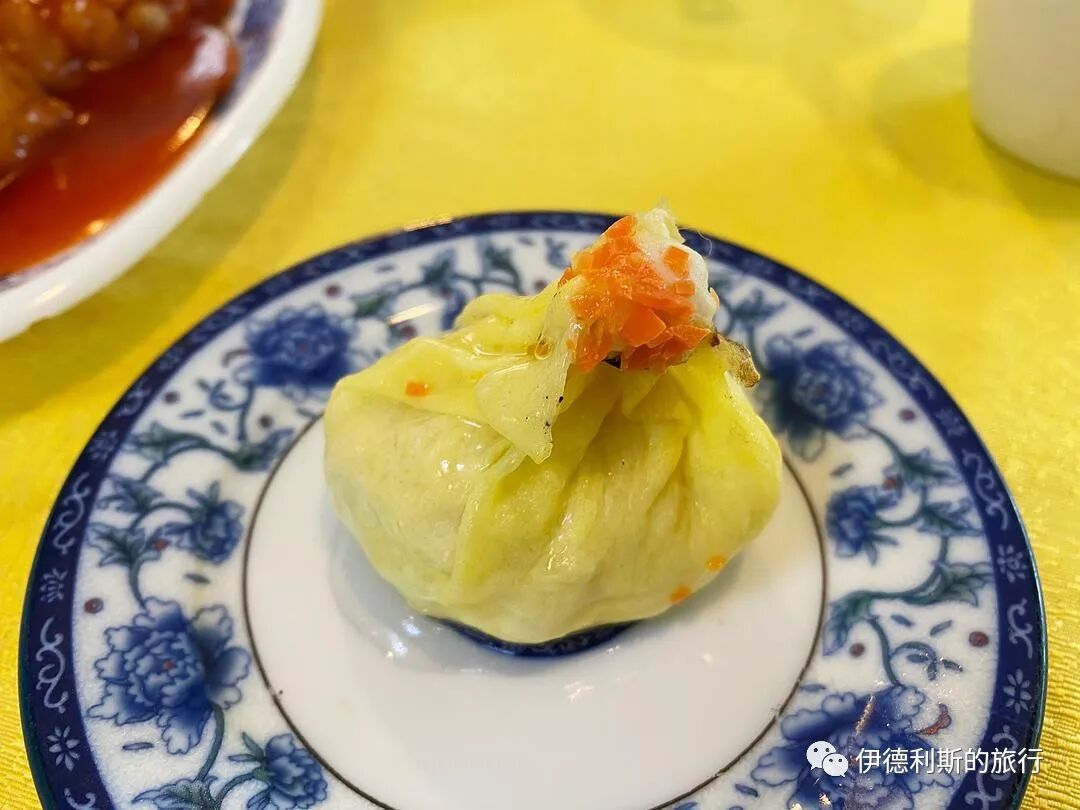
People say the egg steamed dumplings were invented by Ma Xiangxing head chef Jin Hongyi to suit the taste of Bai Chongxi. Egg steamed dumplings are made with a filling of shrimp, chicken fat, and egg whites, wrapped in a thin egg skin. After steaming, they are topped with a sauce made from chicken broth, water chestnut starch, and duck fat. Today, the ingredients for egg steamed dumplings are shrimp paste, celery, and eggs.
The snack bar on the first floor also serves egg yolk steamed dumplings.
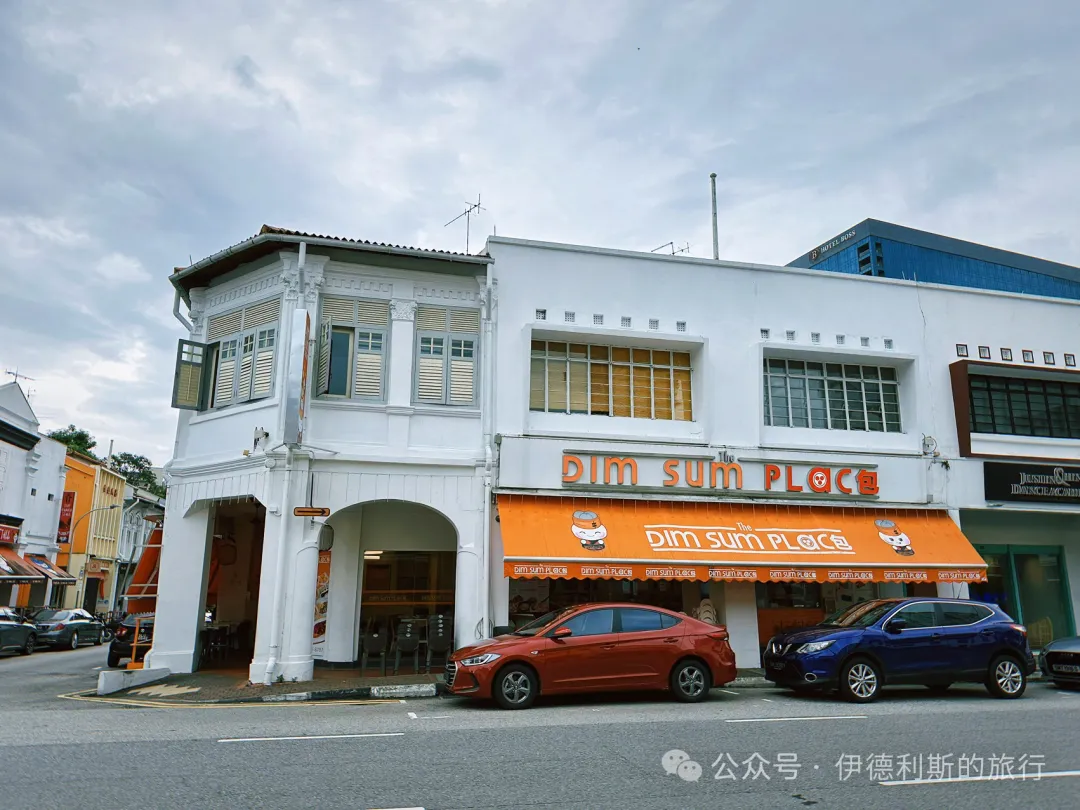
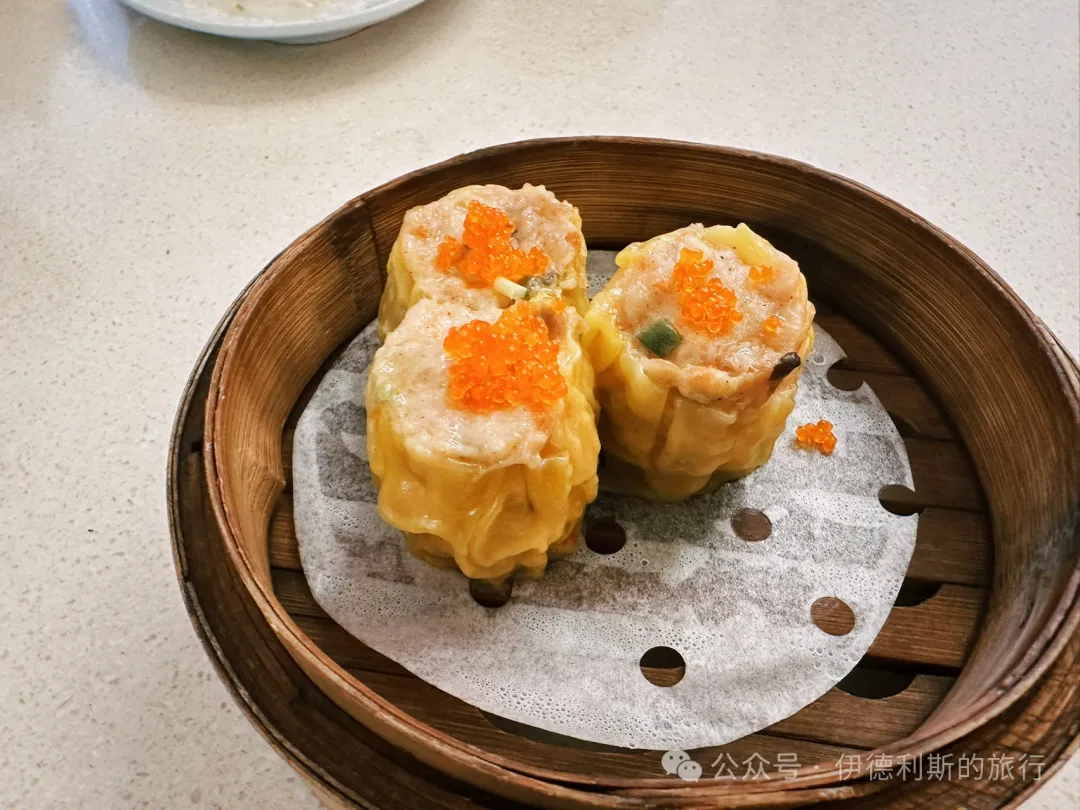
Singapore fresh shrimp and chicken Cantonese-style steamed dumplings (shaomai).
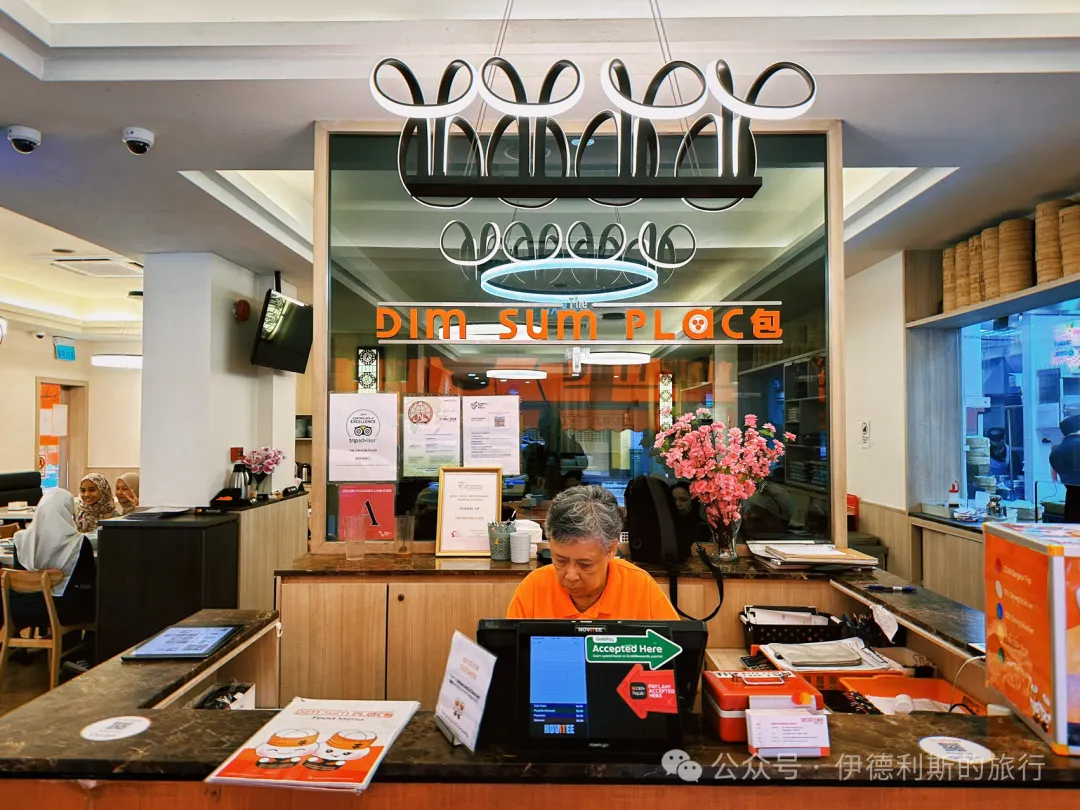
The Dim Sum Place is a very famous halal Cantonese-style tea restaurant in Singapore. It specializes in Cantonese dim sum and various Cantonese dishes, offering a wide variety. They opened on North Bridge Road in Kampong Glam in 2016 and have since opened two more branches. They are very popular with Muslims.
We ordered steamed chicken feet with sauce, fresh shrimp and chicken steamed dumplings, roasted chicken char siu rice rolls, fish fillet porridge, and Pu'er tea. Since we were there for afternoon tea rather than a full meal, there were still many things we wanted to try but didn't order.
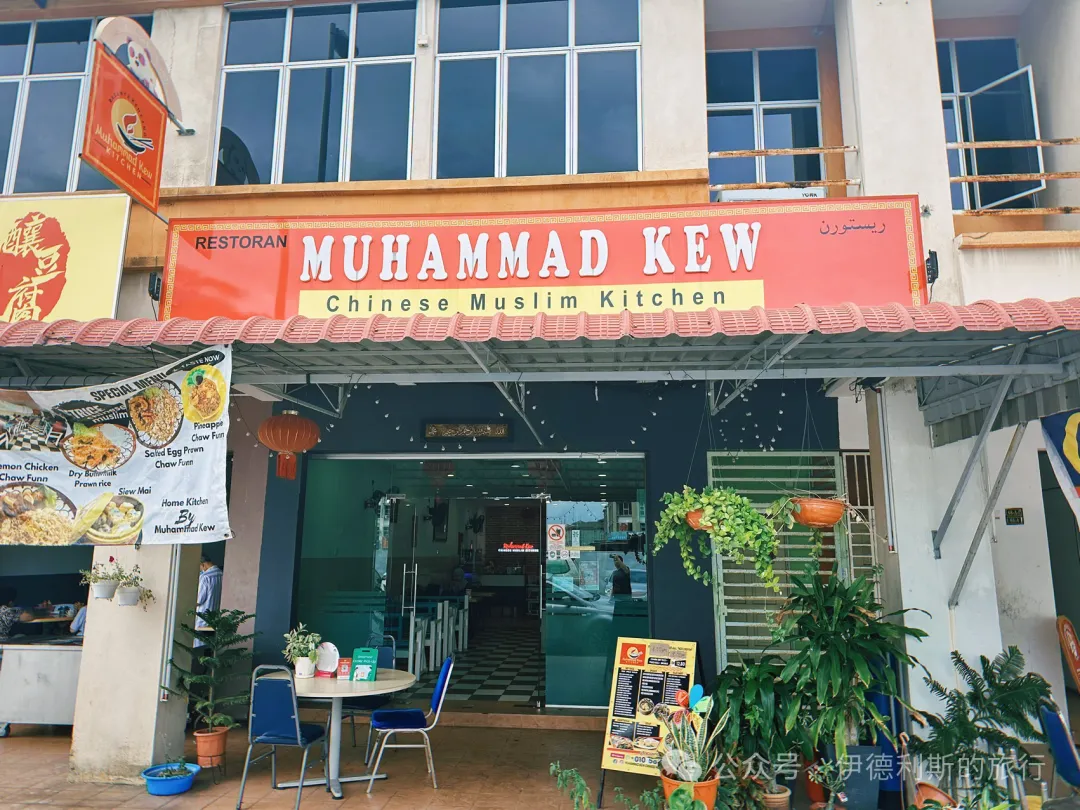
Malaysia Seremban fresh shrimp Cantonese-style steamed dumplings.
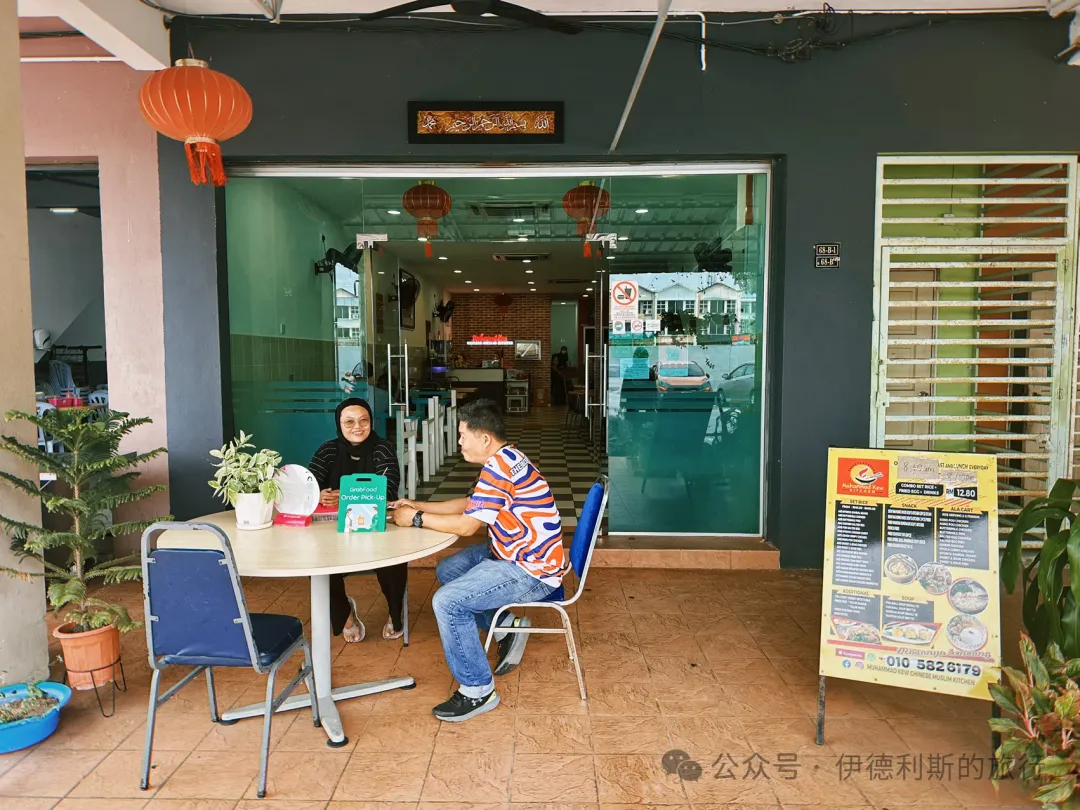
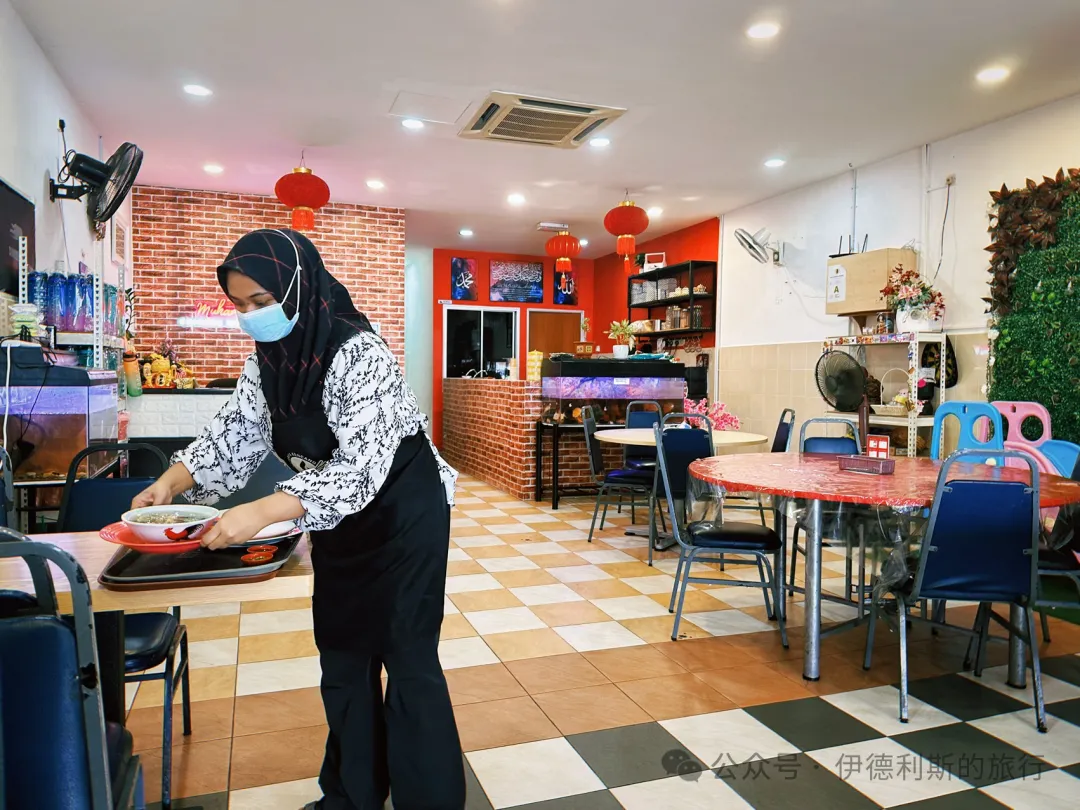
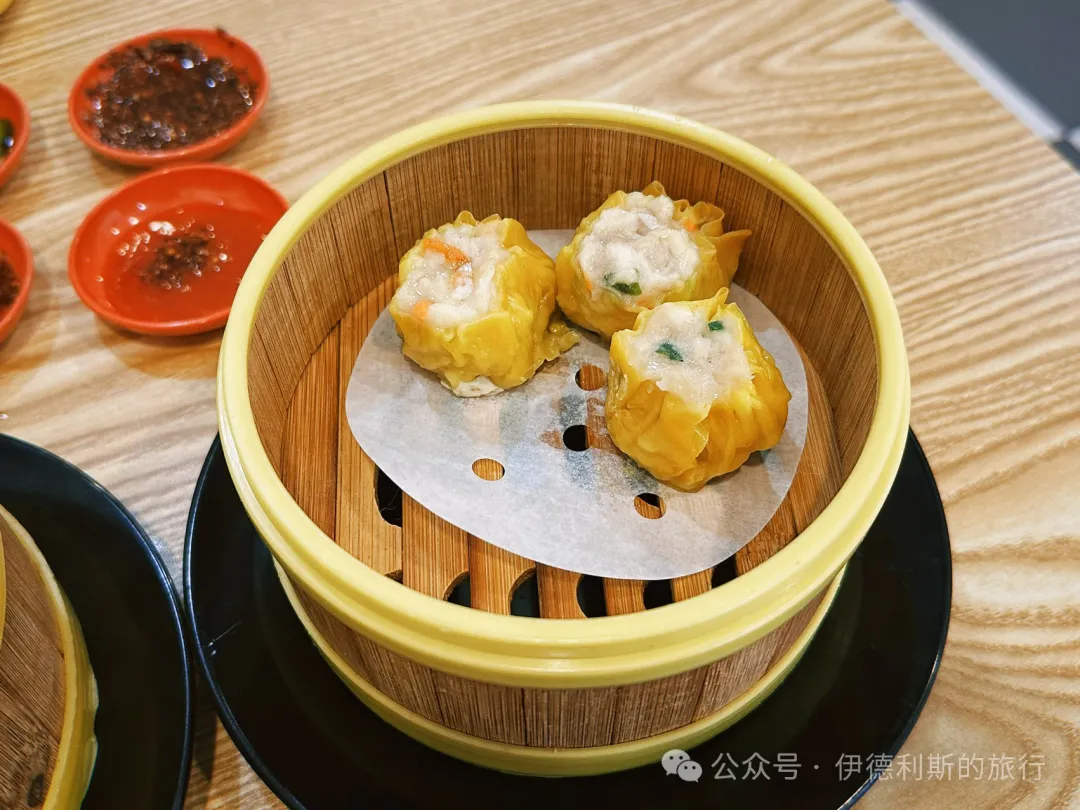
After taking a taxi 50 kilometers southeast from Kuala Lumpur Airport, you arrive in Seremban, the capital of Negeri Sembilan state. We first had morning tea at a Chinese Muslim restaurant called Muhammad Kew Chinese Muslim Kitchen. We ordered chicken char siu buns, wontons, Cantonese-style egg rice, and shrimp steamed dumplings, all of which were delicious. Unfortunately, the Chinese owner was busy in the kitchen, so we didn't get to meet him, but we did meet his Malay wife, who was warm and friendly. The steamed dumplings are filled with shrimp and minced meat, giving them a unique flavor.
Malaysia Malacca Cantonese-style steamed dumplings.
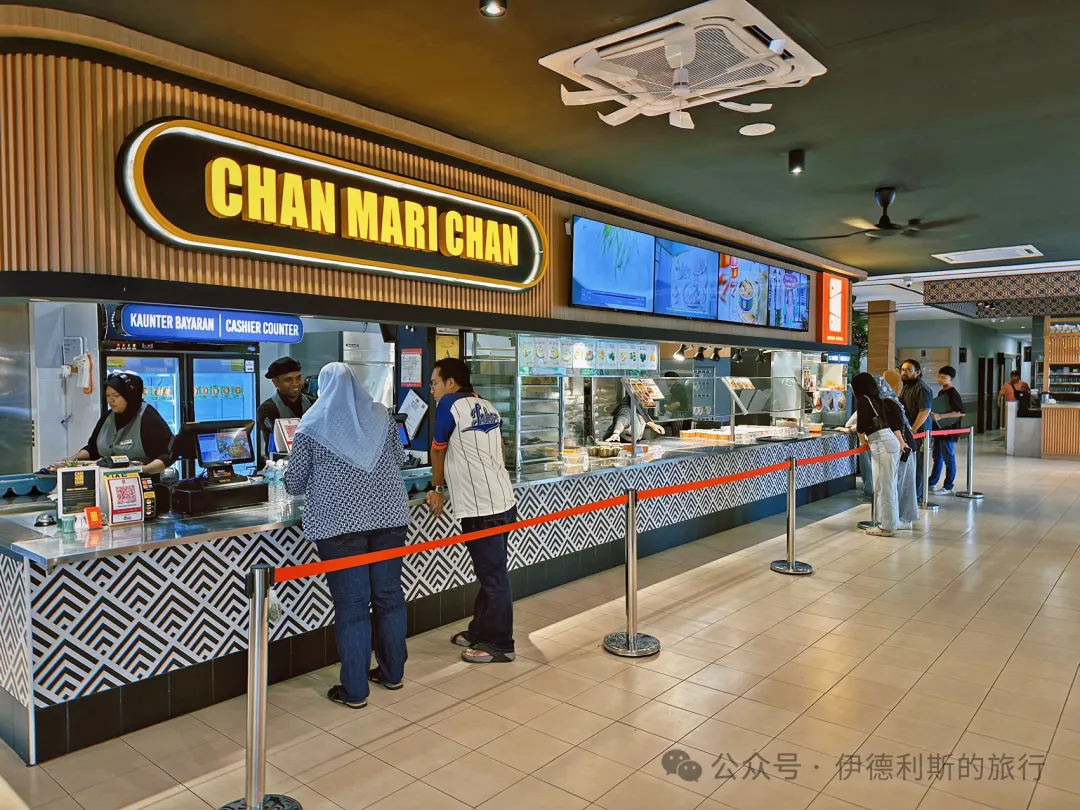
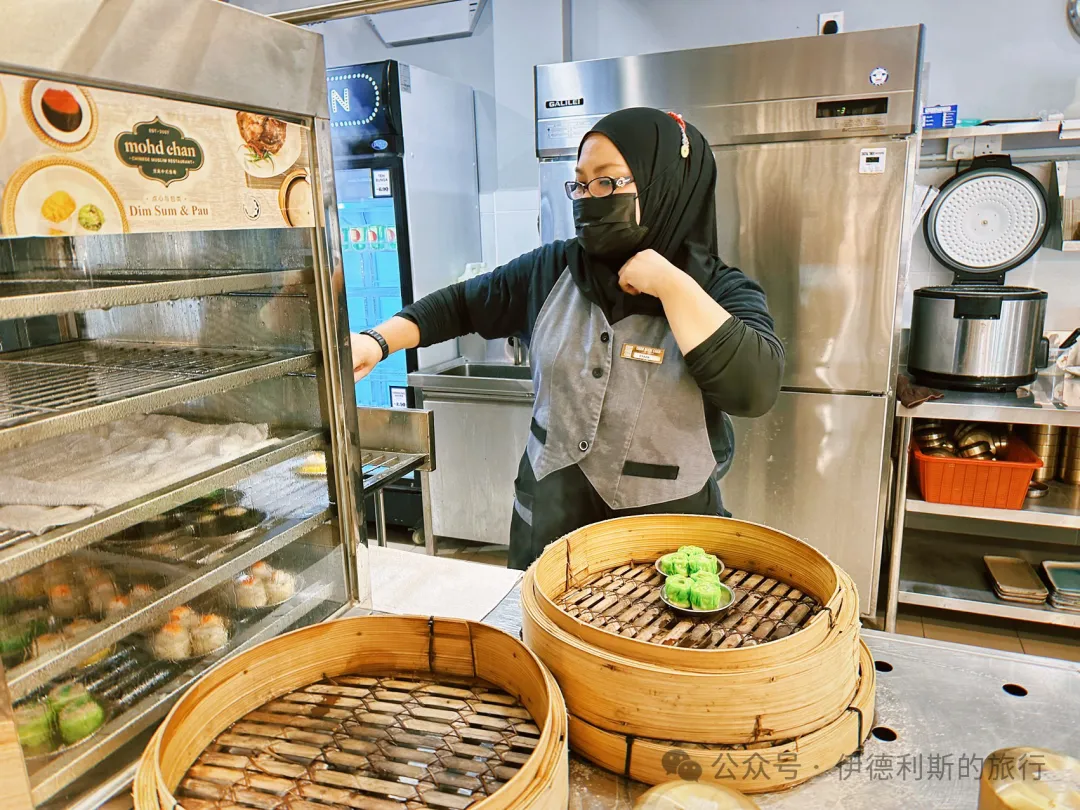
Chan Mari Chan is a sub-brand of the large Malaysian Chinese Muslim restaurant chain Mohd Chan, focusing on affordable home-style snacks. The founder of Mohd Chan, Dato HJ Mohd Chan, was born in Gombak, Selangor. Influenced by his Malay friends, he converted to Islam in 2007 and began running his restaurant that same year. He has since been combining Nanyang Chinese cuisine with Malay flavors and has built it into the most famous and largest Chinese Muslim restaurant chain in Malaysia.
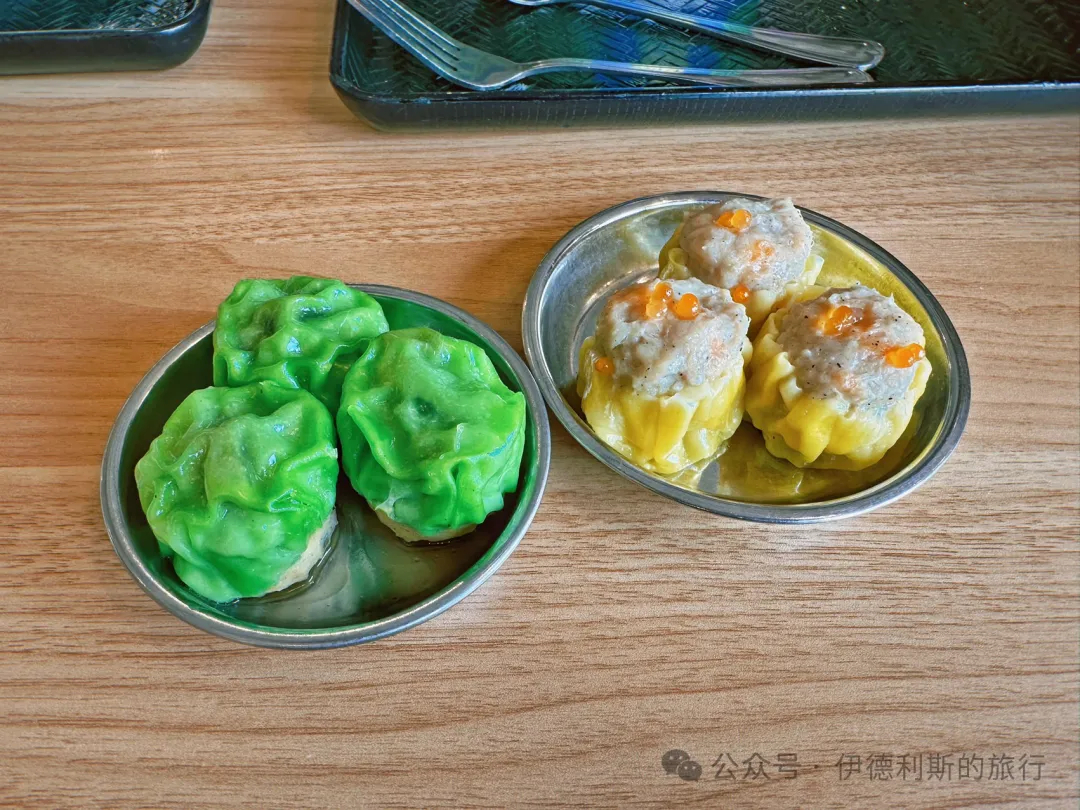
In January this year, we ate at a Mohd Chan restaurant in Seremban, Malaysia. You order from a menu there, and they serve a variety of Nanyang Chinese banquet dishes, which are relatively high-end. Chan Mari Chan focuses on fast food and snacks where you pick up your food directly from the counter. Chicken rice, small bowl dishes, and steamed items are the most popular. We picked up roasted chicken rice, three small bowl dishes, two types of steamed dumplings, and drank herbal jelly coffee and cocoa coffee. Eating at their place wiped away the fatigue of our journey, and we instantly felt embraced by Nanyang culture, which was very satisfying.
Their environment is also very nice, and many Malay friends (dosti) come to eat there with their families. Their shop even has a prayer room, which makes them a great example for us Hui Muslims. view all
Summary: This food note compares lamb steamed dumplings, sticky rice steamed dumplings, and Cantonese-style shaomai through taste, texture, and regional food habits. It keeps the original dish names, photos, restaurant details, and eating notes for readers interested in halal Chinese food.
Historical records show that people in Beijing were eating minced meat steamed dumplings (shaomai) as early as the Yuan Dynasty. In the late Yuan and early Ming dynasties, a textbook for Koreans learning Chinese called 'Pak Tongsa Eonhae' described the customs of the Yuan capital, Dadu, and included several notes on shaomai: 'Made from wheat flour dough rolled into thin sheets, filled with meat, and steamed, then eaten with soup. The local dialect calls them shaomai, with the character mai sometimes written as the character for sell... The skin is thin, filled with chopped meat, and the top is gathered tightly like a tied thread, hence the name shaomai... Made with a flour skin and meat filling, the top is shaped like a flower bud, which the local dialect calls shaomai'.
Currently, shaomai can be divided into three main categories: northern meat-filled shaomai, southern sticky rice shaomai, and Cantonese-style siu mai. Northern shaomai are common in Inner Mongolia, Shanxi, North China, and the Northeast. Southern shaomai are found in the Jiangsu, Zhejiang, and Hubei regions, while Cantonese-style siu mai are widely distributed across Southeast Asia due to migration.
I will share some of the shaomai I have eaten, including lamb, sticky rice, and Cantonese styles.
Lamb shaomai at Balizhuang Mosque in Beijing.
On the eleventh day of Ramadan in 2024, the elders at Balizhuang Mosque outside Chaoyangmen made shaomai together in the afternoon. The skins were thin, the meat filling was generous and fragrant, and dipping them in Laba vinegar really brought out the flavor. They also fried chicken strips and cooked rice porridge. I met three sisters from Yunnan who came specifically for this, and I felt very grateful to Allah.
Lianying Inner Mongolia Shaomai in Beijing.
There is a branch of the old Jining, Inner Mongolia brand Lianying Shaomai near Huguosi in Beijing. I ate their wild onion (shacong) and lamb, lamb leg, and vegetarian three-delicacy shaomai. The wild onion has a strong flavor, somewhere between green onion and chives. The lamb leg version uses large green onions, which suits most people's tastes, and the small chunks of lamb have a nice chew. The vegetarian three-delicacy filling is made of chives, eggs, shiitake mushrooms, wood ear mushrooms, and shrimp, giving it a rich texture.
Annei Laoma Inner Mongolia Shaomai in Beijing.
Inside Andingmen in Beijing, there is a shop called Annei Laoma Shaomai run by Hui Muslims from Hohhot. I had their beef and fennel shaomai and lamb offal soup. They serve authentic Hohhot-style food. The shaomai tasted fine, but they were very oily, leaving a greasy feeling in my mouth afterward. The lamb offal soup also tasted fine, but it was not made to order, and the texture suffered after sitting for a while.
Indonesian Siomay at the Beijing Indonesian Cultural Festival.
I attended the annual Indonesian Cultural Festival at the Indonesian Embassy. We started by eating Indonesian siomay. Indonesian siomay originated from Cantonese siu mai. It was first adapted by the Sundanese people of West Java, who replaced the pork filling with fish and added side dishes like cabbage, tofu, potatoes, boiled eggs, and stuffed bitter melon. It is served with peanut sauce and sweet soy sauce and is now a classic street snack across Indonesia.
Lamb shaomai in Shanhaiguan, Hebei.
Yingxinyuan Restaurant is located not far south of the mosque on Guancheng West Road. The elders at the mosque recommended it to me, saying they host guests from the mosque there. I arrived after 3:00 PM. The cook finished my meal and then took a break, as the afternoon shift didn't start until 4:30 PM. The owner said they usually don't have many customers after 2:00 PM, so I was quite lucky. Knowing that portions get bigger the further northeast you go, I ordered a steamer of beef and cabbage steamed dumplings (shaomai) and a plate of sweet and sour pork tenderloin (tangcu liji), but I still couldn't finish it all. The taste was excellent, though! The even larger Qinhuangdao mixed hot pot (hunguo) will have to wait until I can come back with a group of people.
Lamb steamed dumplings (shaomai) in Chengde, Hebei.
In the morning, I had almond tea (xingren cha), meatball soup (wanzi tang), steamed dumplings (shaomai), and steamed dumplings (zhengjiao) at the famous Tuojie Snacks in Chengde. There are many halal snacks in the Shaanxiying area of Chengde, including lamb soup (yangtang), buckwheat noodles (heluo mian), door-nail meat pies (mending roubing), steamed dumplings (shaomai), almond tea (xingren cha), stomach-wrapped meat (dubaorou), stomach-wrapped brains (dubaonao), lamb neck skewers (yangbo chuan), fermented bean drink (douzhi), and bowl jelly (wantuo).
Since the Qing Dynasty built the Mountain Resort in 1703, Hui Muslims have gradually settled in Chengde. Whenever Emperor Kangxi held the Mulan autumn hunt or came to the resort to escape the summer heat, Hui Muslim officers, soldiers, and merchants would follow him. In the early years of Emperor Yongzheng's reign, the Qing government stationed Green Standard Army troops in Chengde. Because most of the officers and soldiers came from Shaanxi, it was called Shaanxiying, and the 'Left Battalion' among them was mostly made up of Hui Muslims. From then on, Shaanxiying became a residential area for Hui Muslims in Chengde.
By the time of Emperor Qianlong, Chengde had become a major metropolis north of the Great Wall. Hui Muslims from Shandong and Hebei flocked there to do business, working in the food industry and cattle and sheep slaughtering, which was known as 'chasing the imperial camp' (gan huangying). Today, the ten major surnames of Chengde's Hui Muslims, such as Wang, Ma, Shi, and Chen, all moved from Shandong, while the Wu surname moved from Cangzhou, Hebei, and the Kong surname moved from Beijing.
Lamb steamed dumplings (shaomai) in Datong, Shanxi.
I took the high-speed train from Beijing to Datong in the morning. After getting off, I headed straight to the famous Fuxingzhai Shaomai on Jiaochang Street for lunch, where I ordered steamed dumplings (shaomai), Mongolian salty milk tea (menggu xian naicha), a basin of egg soup (penpen jidan tang), and oil-seared meat (guoyou rou). Their steamed dumplings (shaomai) were truly delicious and went great with the milk tea.
Lamb steamed dumplings (shaomei) in Taiyuan, Shanxi.
The street-front shops outside the old mosque in Taiyuan were built when Dananmen Street was widened. On both sides of the main gate are beef and mutton shops, and there is one on the south side that always has a long line. A little further south is the Huifengyuan restaurant, which sells steamed dumplings (shaomei), lamb soup (yangtang), meatball soup (wanzi tang), and various other snacks. I had lamb soup (yangrou tang) and steamed dumplings (shaomei) here, and both were exceptionally good.
Since the Ming and Qing dynasties, Hui Muslims in Taiyuan have lived in the area around the South Gate of the old city. During the Qing Dynasty, Taiyuan had over a hundred local Hui Muslim households, plus a dozen or so Hui Muslim households who came from Suiyuan to do business, totaling five or six hundred people. After the Zhengtai Railway opened in 1907, the number of Hui Muslims coming to Taiyuan from Hebei increased significantly, reaching over 1,000 in the 1930s and over 5,100 in the early days of the People's Republic of China.
Lamb steamed dumplings (shaomai) in Hohhot, Inner Mongolia.
I ate steamed dumplings (shaomai) and drank brick tea at Qingyuanchun on Nanshuncheng Street. I personally like this place; I ate here during my previous visit to Hohhot as well.
Qingyuanchun is a long-standing shaomai shop. In 1796 (the first year of the Jiaqing reign), Li Chun started selling shaomai from a wheelbarrow in Guihua City. He made them on the spot, and they were very popular. In 1828 (the eighth year of the Daoguang reign), Li Chun's son, Li Guangyuan, rented two wooden rooms outside the Lanma Wall in Guihua City and officially opened the Qingyuanchun shaomai shop. In 1956, brothers Li Hongtu and Li Mingqing renovated the thirty-square-meter shop and reopened it. The fifth generation, Li Jiting, took over in 1963, and the sixth generation, Li Yongqing, took over in 2009. It is a famous halal shaomai shop in Hohhot.
Lamb shaomai in Shenyang, Liaoning.
I took a high-speed train from Beijing Chaoyang Station to Shenyang in the evening. The next morning, I went to the Lijiang Morning Market in Shenyang and had lamb soup, shaomai, and pan-fried meat pies (huitou) at Heige Lamb Soup. The breakfast stalls at the morning market are all about being affordable! Shaomai cost 7 yuan per steamer, and meat pies cost 2 yuan each. It is hard to find prices like this in a restaurant. They make everything fresh to order. The lamb in the soup is fresh meat the owner cuts at home. He slices it thin, and it cooks quickly when swished in the hot soup, keeping it very tender.
Lamb shaomai in Jinzhou, Liaoning.
I took a train from Beijing Chaoyang Station to Jinzhou North Station in the morning, then had a steamer of shaomai and a bowl of lamb soup in Jinzhou. The price was very affordable.
Lamb shaomai in Luyang, Liaoning.
After getting off at Goubangzi Railway Station, I took a 10-minute taxi ride to Luyang Town in the west. Luyang Mosque is not far from the Luyang Bridge. We were warmly welcomed at Luyang Mosque. Director Jin of the mosque management committee treated us to a hearty meal at his restaurant, Donglaishun. Director Jin's ancestral home was Xiaoxinzhuang in Jinan, Shandong. His ancestors moved to Guozhiwa in Hejian, Hebei, and then to Yingkou, Liaoning, before finally settling in Luyang Town during the Republic of China era. Director Jin has been the director of Luyang Mosque for over a decade. He knows the local history and folklore of Luyang very well and told us several very interesting local legends.
Besides the large portions, the food was super delicious. The most notable dish was the shaomai; I can even say it was the best I have ever had! Their shaomai are a bit like the thin-skinned buns (baozi) from Xinjiang. The skin is so thin you can see the filling inside. The onion flavor stands out, the saltiness is just right, and they are not greasy but very fragrant.
Lamb shaomai in Harbin, Heilongjiang.
I ate shaomai at Lao Guo Jia Guan, a century-old halal shop on Desheng Street in the Daowai District of Harbin. We actually discovered this place by accident while passing by in a taxi the night before. As a son-in-law of the Guo family, I happened to be talking to my wife about how rarely we see halal restaurants opened by the Guo family, and then I turned my head and saw this place! I quickly noted it down on my phone and went to eat there the next day.
Guo Jia Guan was founded by Guo Shaoxian in 1927 on Zhengyang 11th Street in Daowai. The 1933 'Guide to Greater Harbin' already recorded that Guo Jia Guan served various dishes and catered banquets. Guo Jia Guan was also listed in documents like the 1934 Harbin Daowai Business Directory and the 1937 Harbin Special Municipality Daowai Business and Industry Directory.
Guo Shaoxian was originally from Zhangluji in Shen County, Liaocheng, Shandong. He came to Harbin in the early 1920s during the migration to the Northeast. It is said he started by carrying a basket to sell steamed buns (baozi) on the streets. After saving enough money, he opened Guo Jia Guan on Zhengyang 11th Street in Daowai. Before the public-private partnership, Guo Jia Guan was nearly 100 square meters with 12 large square tables. They served various stir-fried dishes, including braised meat strips (baoroutiao), stir-fried tripe (liuduling), stir-fried clear mirror (liumingjing), crispy fried meat strips (jiaoshaoroutiao), and sweet and sour pork (guobaorou). Head chef Ma Bingsheng was a veteran at Guo Jia Guan with excellent culinary skills. The pastry chef was Jin Guangli. He was skilled at making pan-fried dumplings (guolao), water-fried buns (shuijianbao), meat pies (xianbing), steamed dumplings (shaomai), and steamed dumplings (zhengjiao). The skin of his meat pies was so thin you could see the filling inside.
After the public-private partnership in 1956, Guo Jia Guan merged with several other Hui Muslim restaurants, including Huaxing Hao, to form the Daowai Hui Muslim Restaurant. Guo Shaoxian was assigned to work as a pastry chef at Xiangyang Restaurant (formerly Wu Ji Renyi Restaurant) on Jingyang Street until he retired. Among Guo's descendants, the only one to inherit his skills was his grand-nephew, Guo Dalin. Guo Dalin was born in 1937 in Zhangluji, Shen County, Liaocheng, Shandong. In 1953, at age 16, he moved to Harbin to join his great-uncle Guo Shaoxian and began his apprenticeship at Guo Jia Guan. After the 1956 public-private partnership, Guo Dalin worked at the Daowai Hui Muslim Restaurant. In 1983, he revived the old Guo Jia Guan name. In 2003, he reopened the old Guo Jia Guan on Desheng Street. It has been 20 years since then, and the restaurant is now managed by his granddaughter.
The old Guo Jia Guan does not have many online reviews and has barely advertised itself. It is a down-to-earth local neighborhood spot. They serve classic Harbin Hui Muslim dishes. We ordered stir-fried clear mirror (liumingjing), stir-fried tofu with hot peppers (jianjiaogandoufu), fresh mushroom with meat slices (xianmoroupian), and steamed dumplings (shaomai). Everything was affordable and delicious.
Wuhan, Hubei sticky rice steamed dumplings (shaomei).
Before the demolition of Qiyi Street in Wuchang, there was a lively morning market every day, crowded with people and full of life. On Xiangbi Street (now the eastern section of Bao'an Street), which intersects with Qiyi Street, there was a halal breakfast spot called 'Halal Da Jia Red Oil Beef Noodle Shop.' It was open daily from around 6 or 7 a.m. to 10 a.m. I ate red oil beef thin noodles and a fried dough cake stuffed with a steamed dumpling (youbingjieshaomei) there. The sticky rice inside the steamed dumpling was very fragrant and sweet. This shop is gone now that Qiyi Street has been demolished.
Not far southeast of Qiyi Street, at the intersection of Ping'an Road and Hengping Road, there was another local Wuchang halal breakfast shop called 'Niu Chong Chong Hui Muslim Snack Bar.' The owner's family had lived on Qiyi Street for generations. I ate hot dry noodles (reganmian) and sticky rice, beef, and mushroom steamed dumplings (shaomei) there. Their beef noodles and fried dough cake stuffed with steamed dumplings (youbingbaoshaomei) were also very authentic. This shop is also no longer there today.
Nanjing, Jiangsu egg steamed dumplings (shaomai) and egg yolk steamed dumplings (shaomai).
During the Daoguang era, Ma Sifa, a Hui Muslim from Mengzhou, Henan, fled famine and came to Nanjing with his family. He set up a stall at Yuhuatai to sell beef soup, which people called the 'Ma Huihui Food Stall.' Later, Ma Sifa's son, Ma Shengxiang, officially founded the 'Ma Xiangxing' brand in Huihui Camp, specializing in beef-stewed radishes and stir-fried beef snacks.
In 1912, Ma Shengxiang moved the restaurant across from the Great Bao'en Mosque, focusing on the 'Eight Beef Dishes' (niubayang). At that time, Ma Xiangxing had a Hui Muslim head chef known as 'Old Seven,' who was skilled at making stir-fried tripe (baodusisi) and stir-fried chicken liver. After Ma Shengxiang passed away in 1925, his second son, Ma Deming, took over the business. Ma Xiangxing shifted from cooked food and small stir-fries to banquet dishes, while adding various local-style chicken, duck, fish, shrimp, and egg dishes. After the capital moved to Nanjing in 1927, Ma Xiangxing became increasingly famous under the cooking of head chef Ma Dingsong. At that time, various Republic of China officials became regulars at Ma Xiangxing. The Ministry of Foreign Affairs often hosted foreign guests there, and diplomats from various countries frequently held banquets at the restaurant. During this period, Ma Deming created four famous dishes: beauty liver (meiren gan), squirrel fish (songshu yu), phoenix tail shrimp (fengwei xia), and egg steamed dumplings (dan shaomai).
People say the egg steamed dumplings were invented by Ma Xiangxing head chef Jin Hongyi to suit the taste of Bai Chongxi. Egg steamed dumplings are made with a filling of shrimp, chicken fat, and egg whites, wrapped in a thin egg skin. After steaming, they are topped with a sauce made from chicken broth, water chestnut starch, and duck fat. Today, the ingredients for egg steamed dumplings are shrimp paste, celery, and eggs.
The snack bar on the first floor also serves egg yolk steamed dumplings.
Singapore fresh shrimp and chicken Cantonese-style steamed dumplings (shaomai).
The Dim Sum Place is a very famous halal Cantonese-style tea restaurant in Singapore. It specializes in Cantonese dim sum and various Cantonese dishes, offering a wide variety. They opened on North Bridge Road in Kampong Glam in 2016 and have since opened two more branches. They are very popular with Muslims.
We ordered steamed chicken feet with sauce, fresh shrimp and chicken steamed dumplings, roasted chicken char siu rice rolls, fish fillet porridge, and Pu'er tea. Since we were there for afternoon tea rather than a full meal, there were still many things we wanted to try but didn't order.
Malaysia Seremban fresh shrimp Cantonese-style steamed dumplings.
After taking a taxi 50 kilometers southeast from Kuala Lumpur Airport, you arrive in Seremban, the capital of Negeri Sembilan state. We first had morning tea at a Chinese Muslim restaurant called Muhammad Kew Chinese Muslim Kitchen. We ordered chicken char siu buns, wontons, Cantonese-style egg rice, and shrimp steamed dumplings, all of which were delicious. Unfortunately, the Chinese owner was busy in the kitchen, so we didn't get to meet him, but we did meet his Malay wife, who was warm and friendly. The steamed dumplings are filled with shrimp and minced meat, giving them a unique flavor.
Malaysia Malacca Cantonese-style steamed dumplings.
Chan Mari Chan is a sub-brand of the large Malaysian Chinese Muslim restaurant chain Mohd Chan, focusing on affordable home-style snacks. The founder of Mohd Chan, Dato HJ Mohd Chan, was born in Gombak, Selangor. Influenced by his Malay friends, he converted to Islam in 2007 and began running his restaurant that same year. He has since been combining Nanyang Chinese cuisine with Malay flavors and has built it into the most famous and largest Chinese Muslim restaurant chain in Malaysia.
In January this year, we ate at a Mohd Chan restaurant in Seremban, Malaysia. You order from a menu there, and they serve a variety of Nanyang Chinese banquet dishes, which are relatively high-end. Chan Mari Chan focuses on fast food and snacks where you pick up your food directly from the counter. Chicken rice, small bowl dishes, and steamed items are the most popular. We picked up roasted chicken rice, three small bowl dishes, two types of steamed dumplings, and drank herbal jelly coffee and cocoa coffee. Eating at their place wiped away the fatigue of our journey, and we instantly felt embraced by Nanyang culture, which was very satisfying.
Their environment is also very nice, and many Malay friends (dosti) come to eat there with their families. Their shop even has a prayer room, which makes them a great example for us Hui Muslims. view all
Reposted from the web
Summary: This food note compares lamb steamed dumplings, sticky rice steamed dumplings, and Cantonese-style shaomai through taste, texture, and regional food habits. It keeps the original dish names, photos, restaurant details, and eating notes for readers interested in halal Chinese food.
Historical records show that people in Beijing were eating minced meat steamed dumplings (shaomai) as early as the Yuan Dynasty. In the late Yuan and early Ming dynasties, a textbook for Koreans learning Chinese called 'Pak Tongsa Eonhae' described the customs of the Yuan capital, Dadu, and included several notes on shaomai: 'Made from wheat flour dough rolled into thin sheets, filled with meat, and steamed, then eaten with soup. The local dialect calls them shaomai, with the character mai sometimes written as the character for sell... The skin is thin, filled with chopped meat, and the top is gathered tightly like a tied thread, hence the name shaomai... Made with a flour skin and meat filling, the top is shaped like a flower bud, which the local dialect calls shaomai'.
Currently, shaomai can be divided into three main categories: northern meat-filled shaomai, southern sticky rice shaomai, and Cantonese-style siu mai. Northern shaomai are common in Inner Mongolia, Shanxi, North China, and the Northeast. Southern shaomai are found in the Jiangsu, Zhejiang, and Hubei regions, while Cantonese-style siu mai are widely distributed across Southeast Asia due to migration.
I will share some of the shaomai I have eaten, including lamb, sticky rice, and Cantonese styles.
Lamb shaomai at Balizhuang Mosque in Beijing.
On the eleventh day of Ramadan in 2024, the elders at Balizhuang Mosque outside Chaoyangmen made shaomai together in the afternoon. The skins were thin, the meat filling was generous and fragrant, and dipping them in Laba vinegar really brought out the flavor. They also fried chicken strips and cooked rice porridge. I met three sisters from Yunnan who came specifically for this, and I felt very grateful to Allah.
Lianying Inner Mongolia Shaomai in Beijing.
There is a branch of the old Jining, Inner Mongolia brand Lianying Shaomai near Huguosi in Beijing. I ate their wild onion (shacong) and lamb, lamb leg, and vegetarian three-delicacy shaomai. The wild onion has a strong flavor, somewhere between green onion and chives. The lamb leg version uses large green onions, which suits most people's tastes, and the small chunks of lamb have a nice chew. The vegetarian three-delicacy filling is made of chives, eggs, shiitake mushrooms, wood ear mushrooms, and shrimp, giving it a rich texture.
Annei Laoma Inner Mongolia Shaomai in Beijing.
Inside Andingmen in Beijing, there is a shop called Annei Laoma Shaomai run by Hui Muslims from Hohhot. I had their beef and fennel shaomai and lamb offal soup. They serve authentic Hohhot-style food. The shaomai tasted fine, but they were very oily, leaving a greasy feeling in my mouth afterward. The lamb offal soup also tasted fine, but it was not made to order, and the texture suffered after sitting for a while.
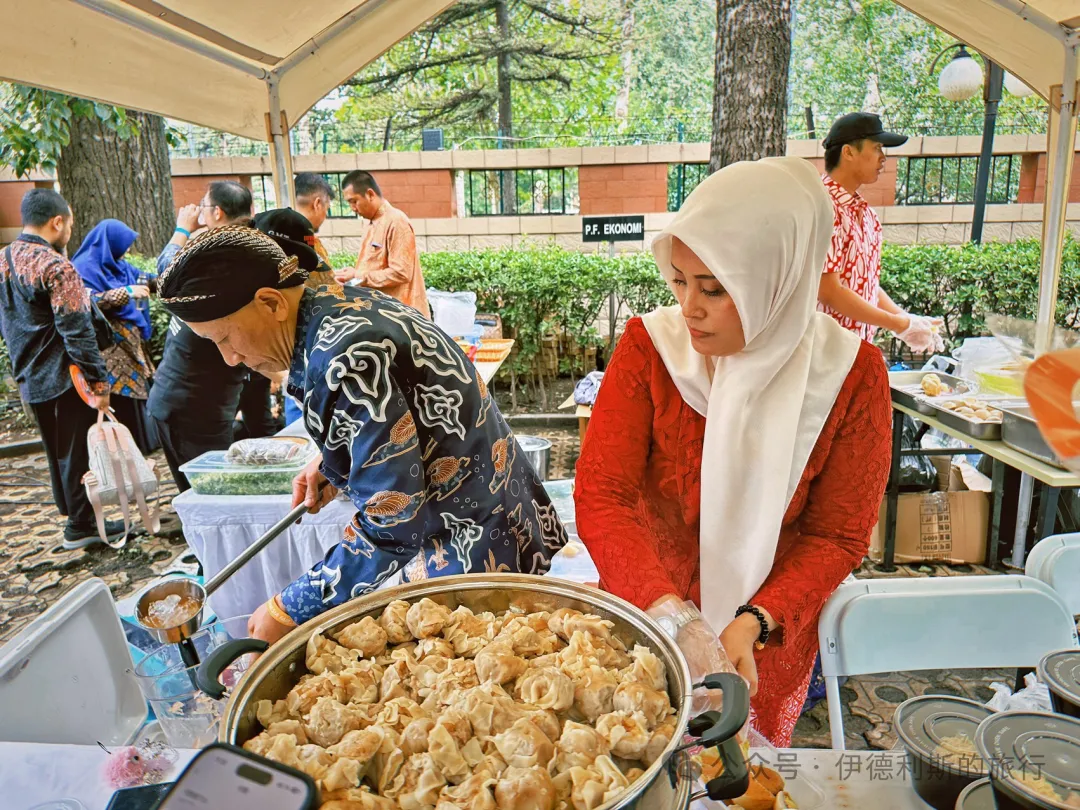
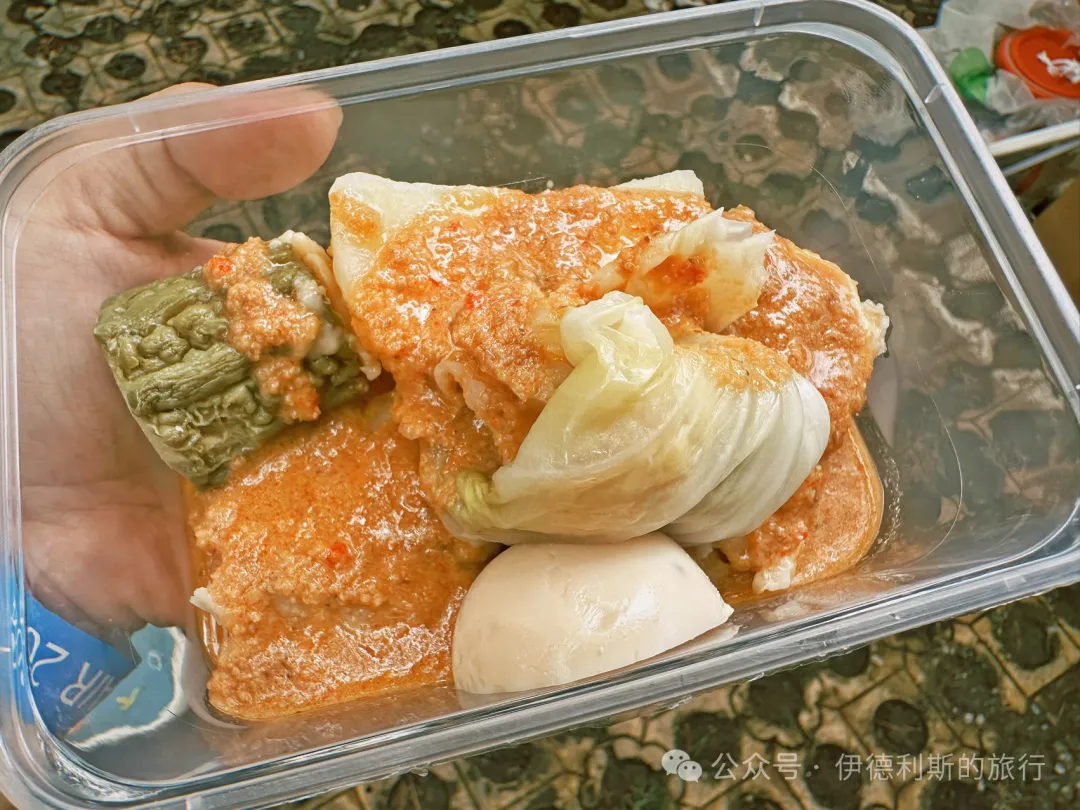
Indonesian Siomay at the Beijing Indonesian Cultural Festival.
I attended the annual Indonesian Cultural Festival at the Indonesian Embassy. We started by eating Indonesian siomay. Indonesian siomay originated from Cantonese siu mai. It was first adapted by the Sundanese people of West Java, who replaced the pork filling with fish and added side dishes like cabbage, tofu, potatoes, boiled eggs, and stuffed bitter melon. It is served with peanut sauce and sweet soy sauce and is now a classic street snack across Indonesia.
Lamb shaomai in Shanhaiguan, Hebei.
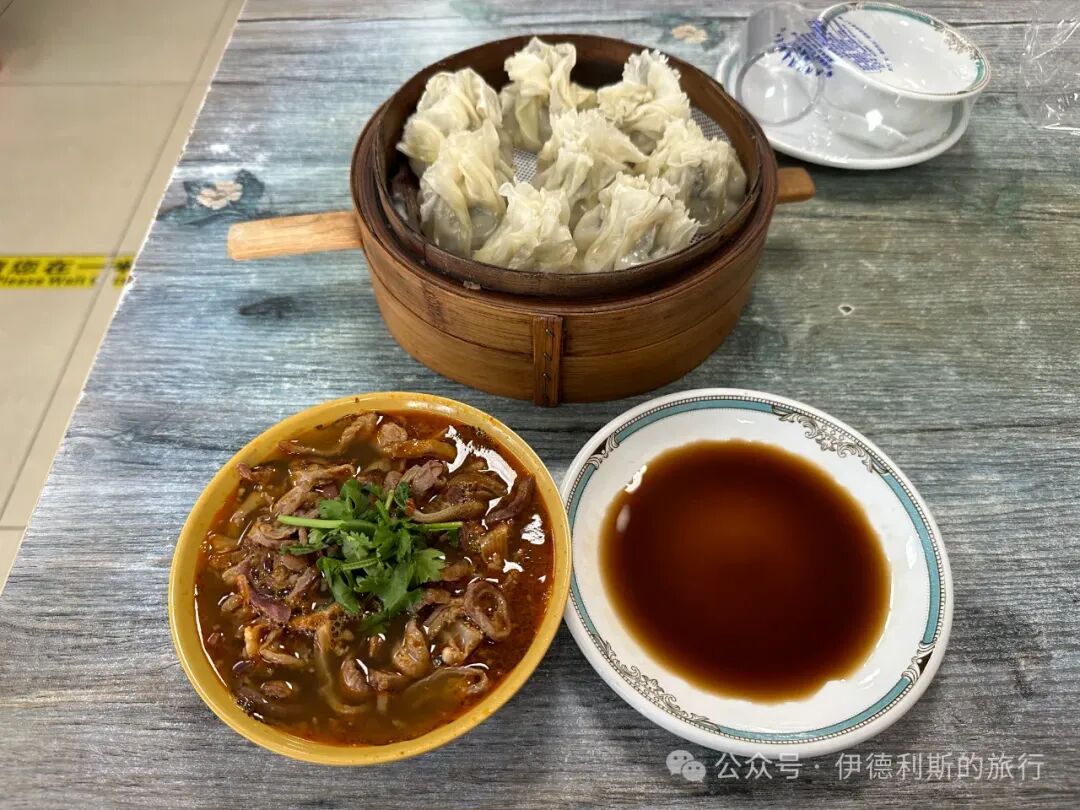
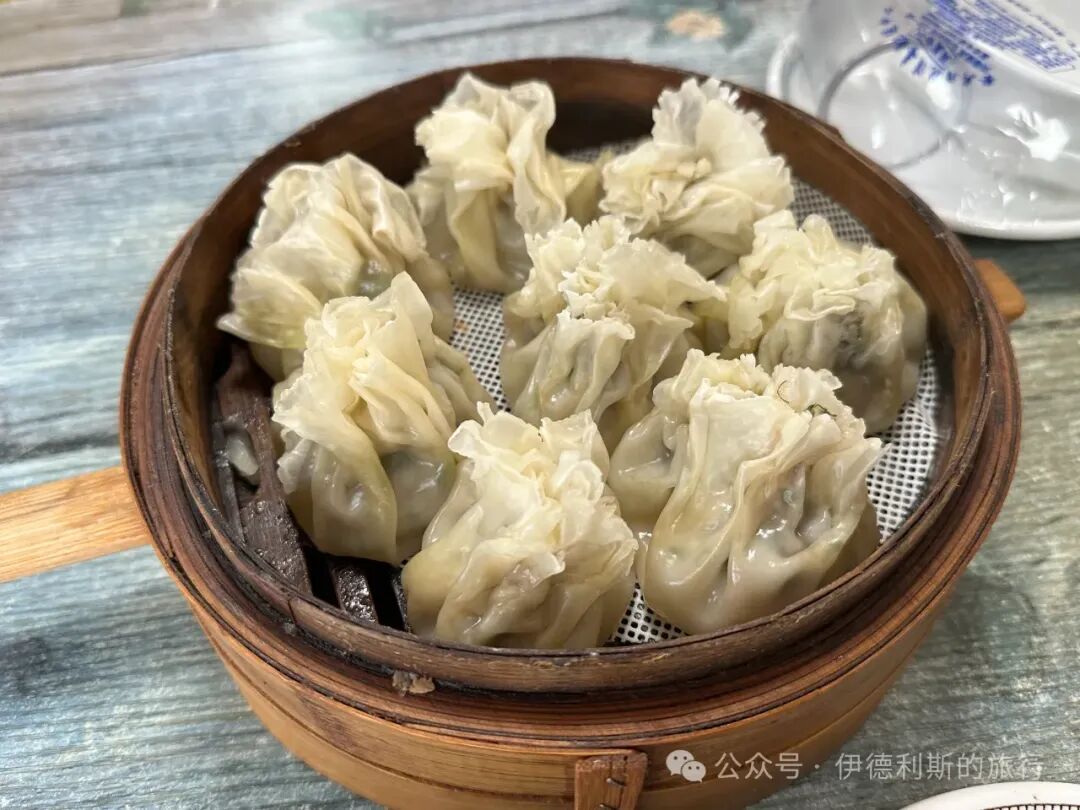
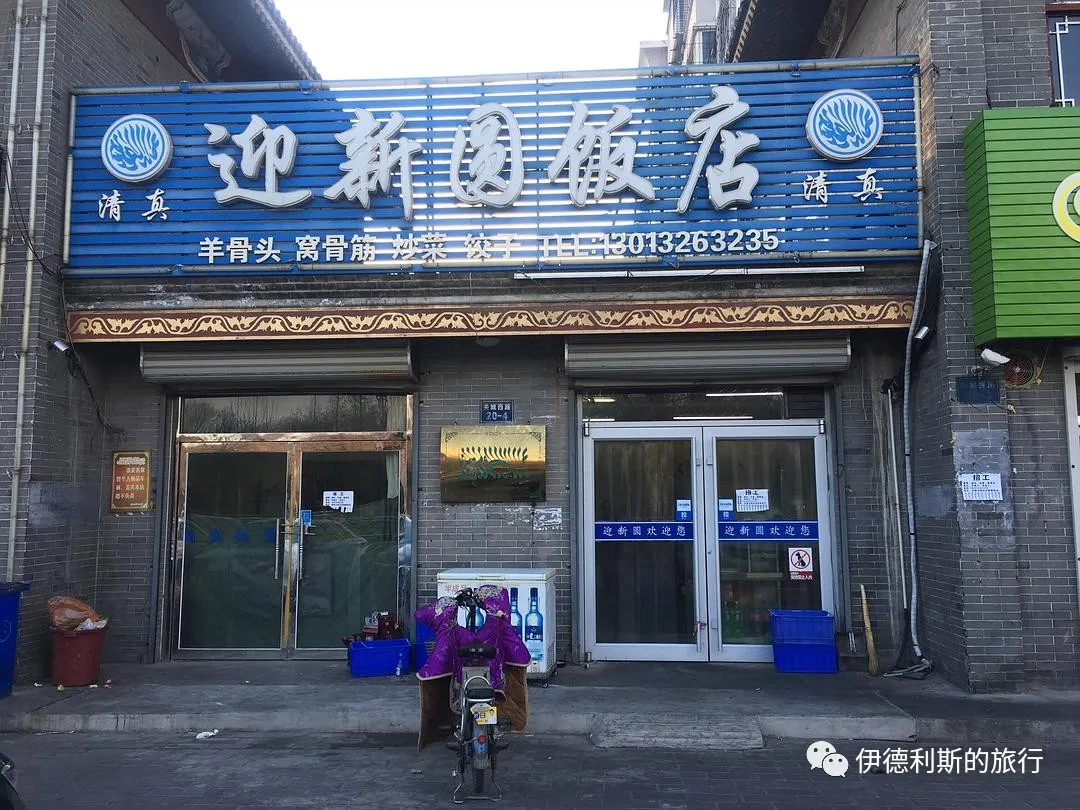
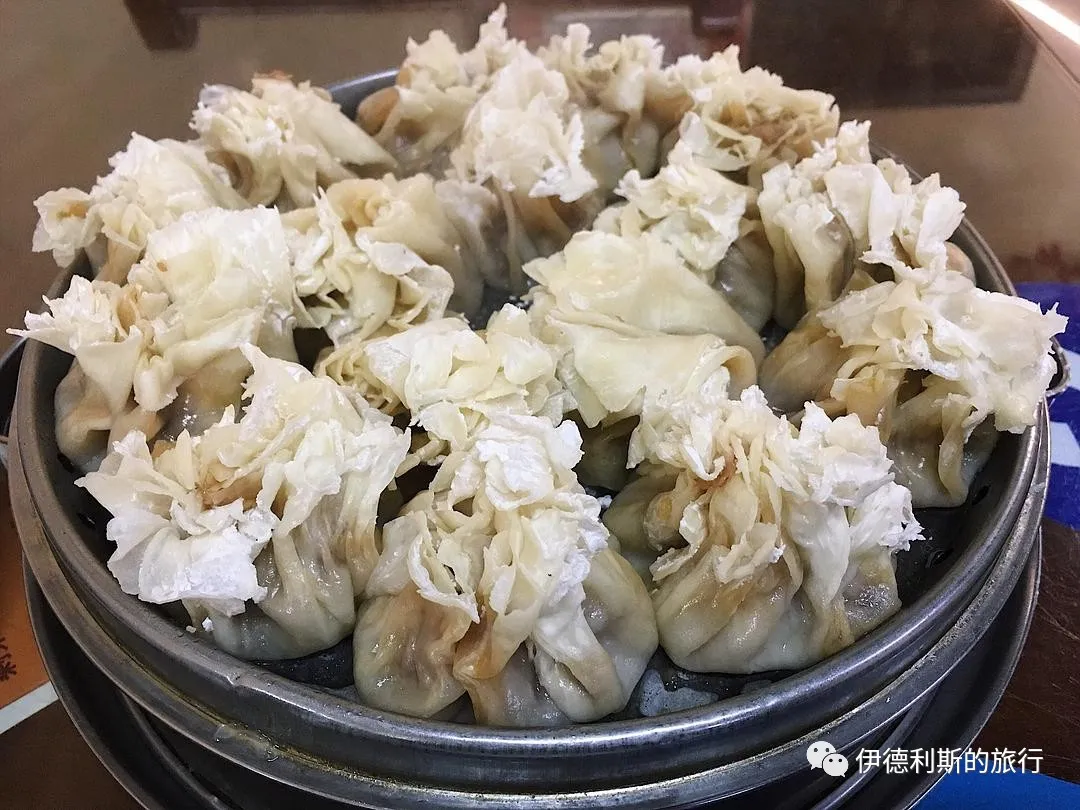
Yingxinyuan Restaurant is located not far south of the mosque on Guancheng West Road. The elders at the mosque recommended it to me, saying they host guests from the mosque there. I arrived after 3:00 PM. The cook finished my meal and then took a break, as the afternoon shift didn't start until 4:30 PM. The owner said they usually don't have many customers after 2:00 PM, so I was quite lucky. Knowing that portions get bigger the further northeast you go, I ordered a steamer of beef and cabbage steamed dumplings (shaomai) and a plate of sweet and sour pork tenderloin (tangcu liji), but I still couldn't finish it all. The taste was excellent, though! The even larger Qinhuangdao mixed hot pot (hunguo) will have to wait until I can come back with a group of people.
Lamb steamed dumplings (shaomai) in Chengde, Hebei.
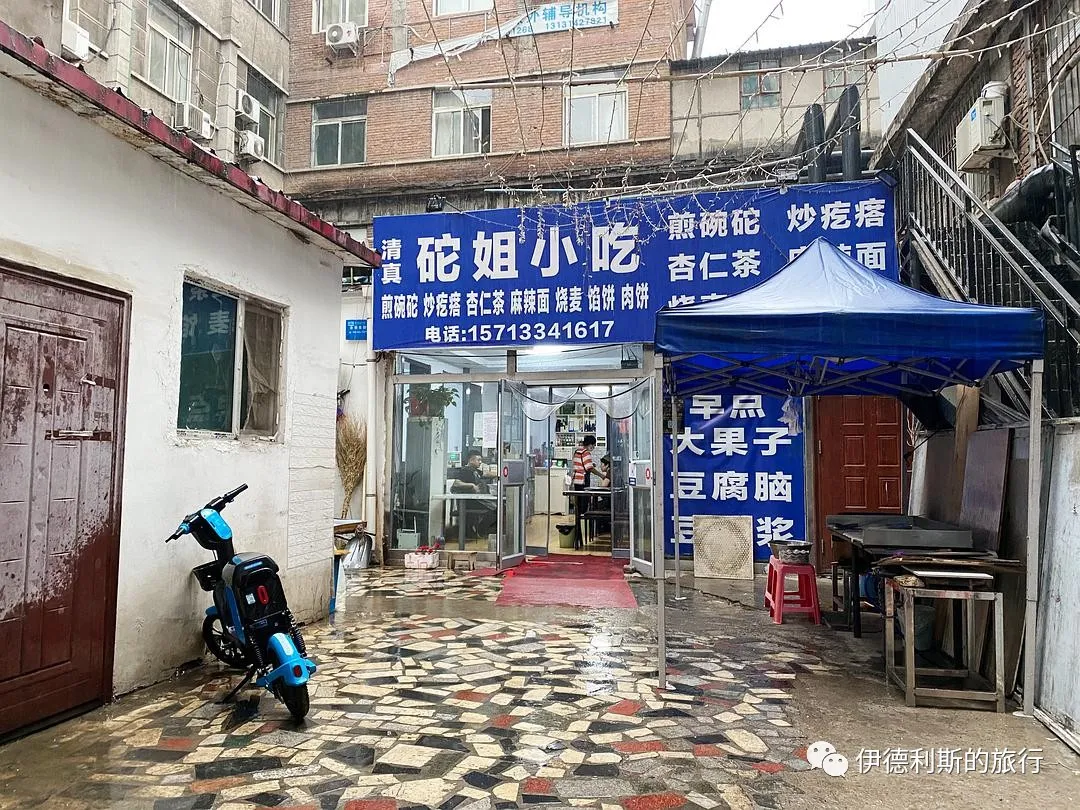
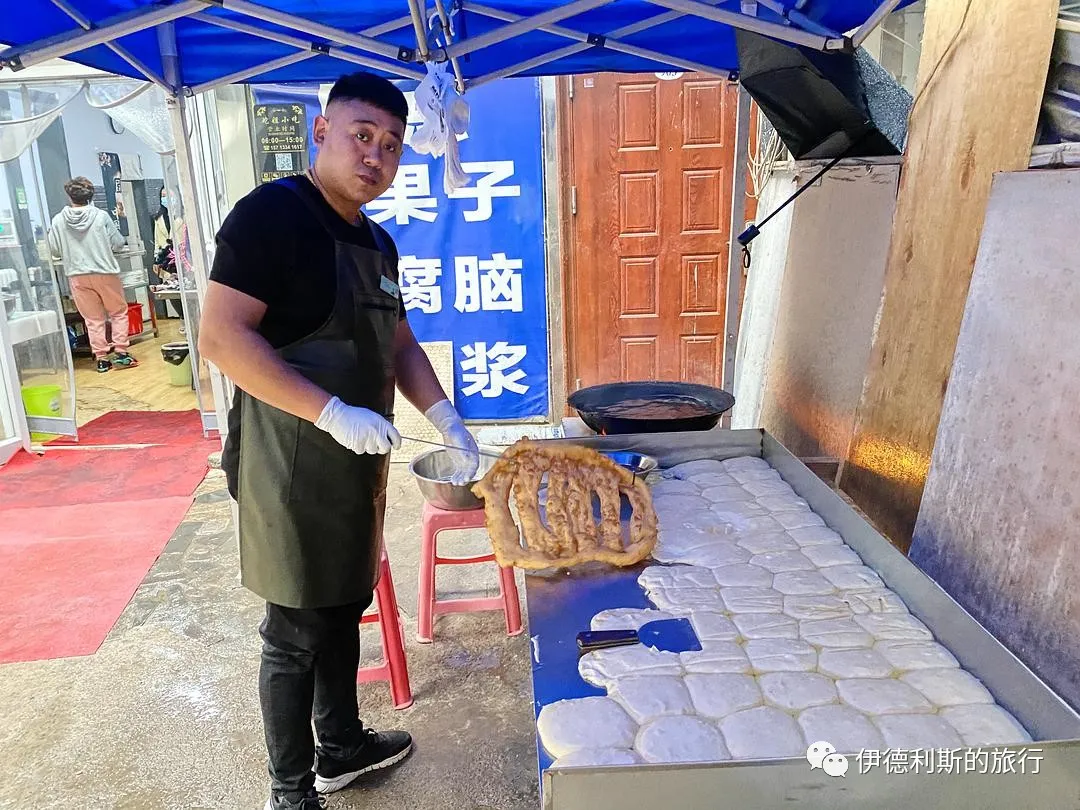
In the morning, I had almond tea (xingren cha), meatball soup (wanzi tang), steamed dumplings (shaomai), and steamed dumplings (zhengjiao) at the famous Tuojie Snacks in Chengde. There are many halal snacks in the Shaanxiying area of Chengde, including lamb soup (yangtang), buckwheat noodles (heluo mian), door-nail meat pies (mending roubing), steamed dumplings (shaomai), almond tea (xingren cha), stomach-wrapped meat (dubaorou), stomach-wrapped brains (dubaonao), lamb neck skewers (yangbo chuan), fermented bean drink (douzhi), and bowl jelly (wantuo).
Since the Qing Dynasty built the Mountain Resort in 1703, Hui Muslims have gradually settled in Chengde. Whenever Emperor Kangxi held the Mulan autumn hunt or came to the resort to escape the summer heat, Hui Muslim officers, soldiers, and merchants would follow him. In the early years of Emperor Yongzheng's reign, the Qing government stationed Green Standard Army troops in Chengde. Because most of the officers and soldiers came from Shaanxi, it was called Shaanxiying, and the 'Left Battalion' among them was mostly made up of Hui Muslims. From then on, Shaanxiying became a residential area for Hui Muslims in Chengde.
By the time of Emperor Qianlong, Chengde had become a major metropolis north of the Great Wall. Hui Muslims from Shandong and Hebei flocked there to do business, working in the food industry and cattle and sheep slaughtering, which was known as 'chasing the imperial camp' (gan huangying). Today, the ten major surnames of Chengde's Hui Muslims, such as Wang, Ma, Shi, and Chen, all moved from Shandong, while the Wu surname moved from Cangzhou, Hebei, and the Kong surname moved from Beijing.
Lamb steamed dumplings (shaomai) in Datong, Shanxi.
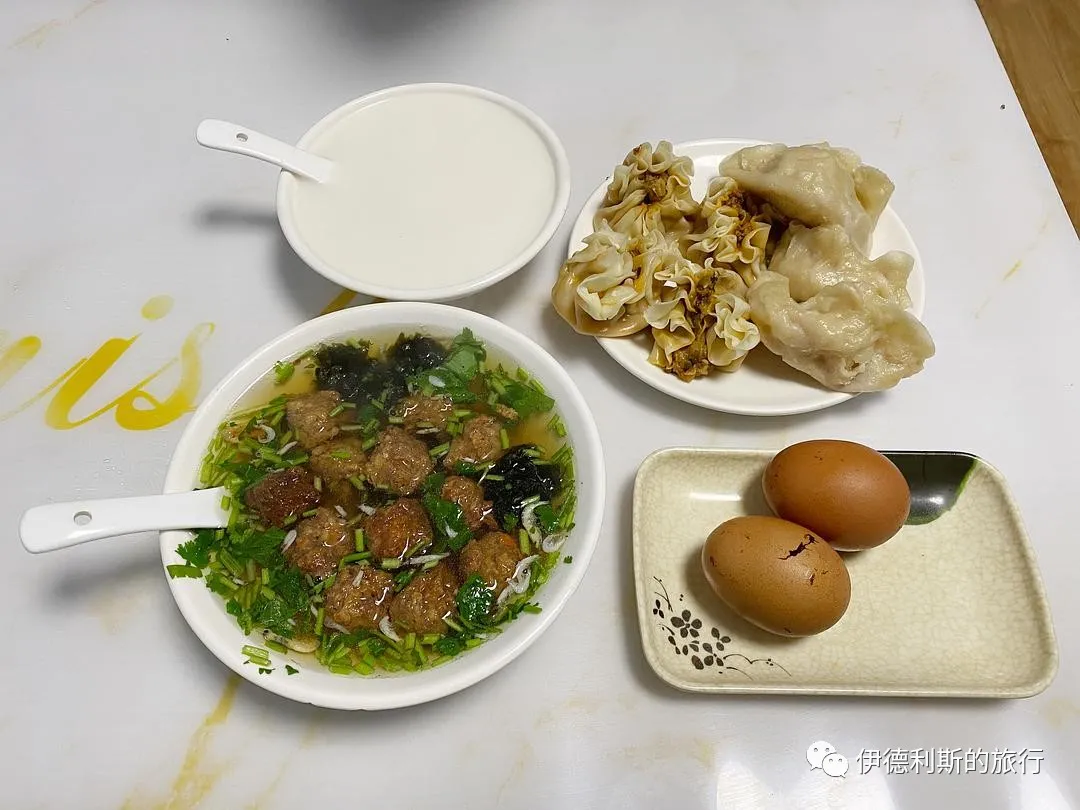
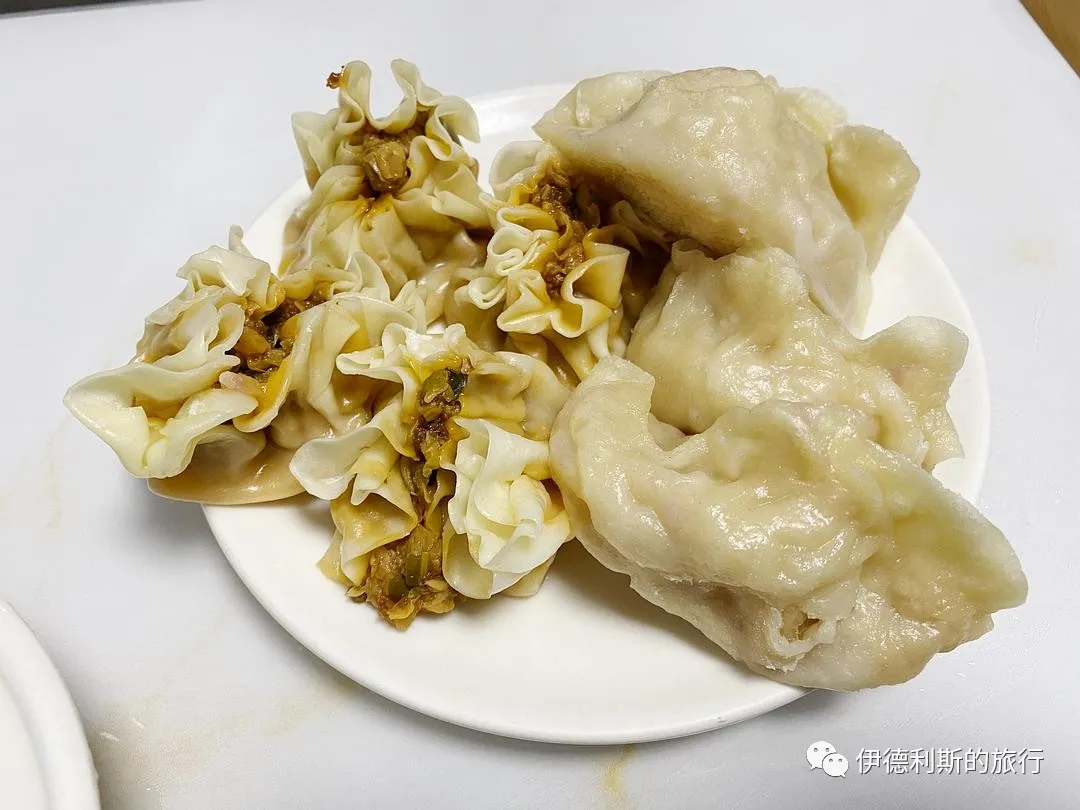
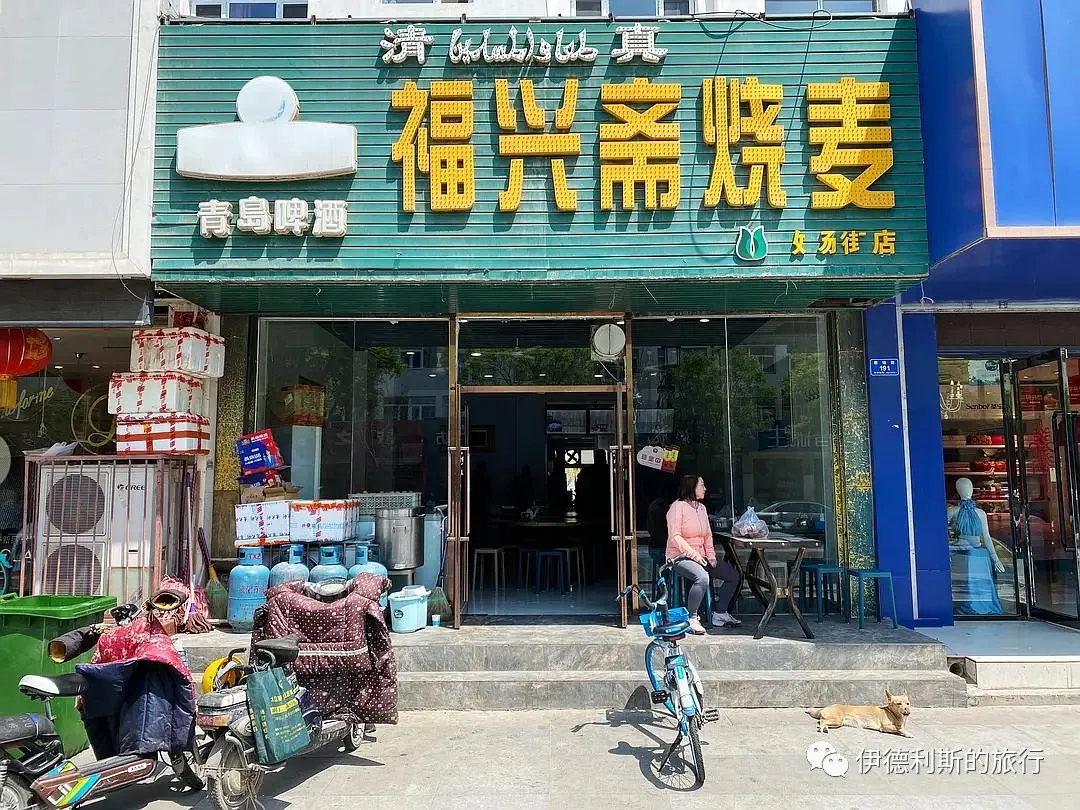
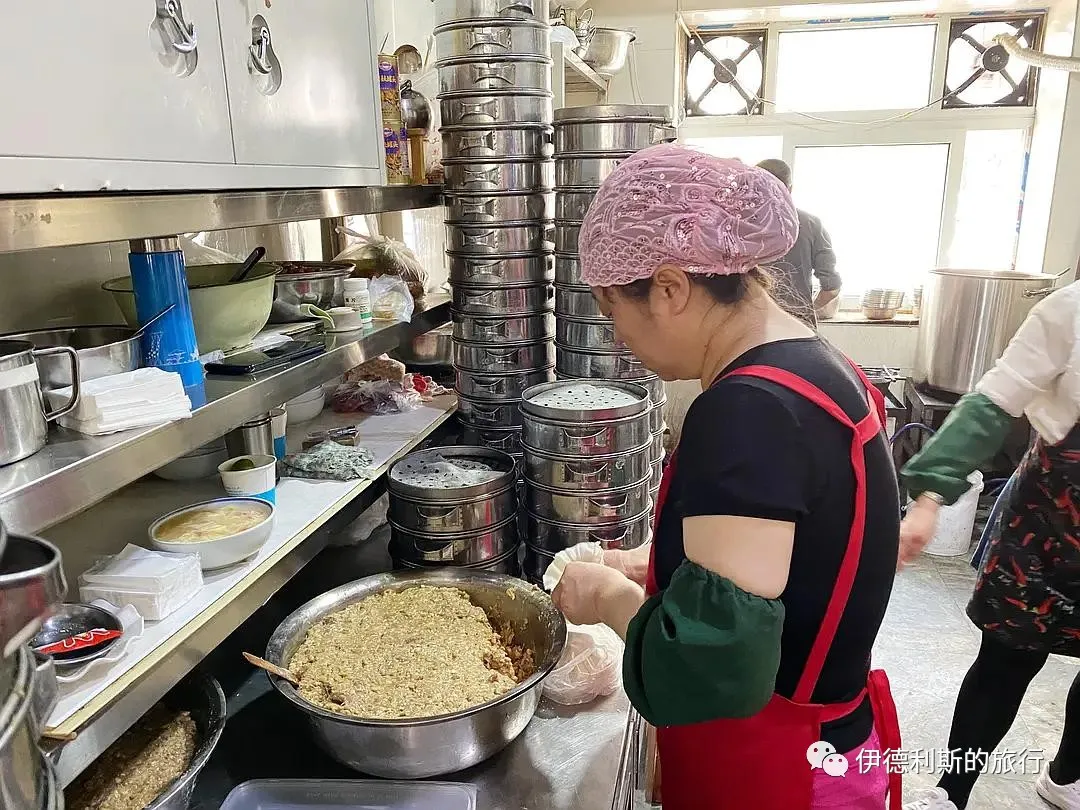
I took the high-speed train from Beijing to Datong in the morning. After getting off, I headed straight to the famous Fuxingzhai Shaomai on Jiaochang Street for lunch, where I ordered steamed dumplings (shaomai), Mongolian salty milk tea (menggu xian naicha), a basin of egg soup (penpen jidan tang), and oil-seared meat (guoyou rou). Their steamed dumplings (shaomai) were truly delicious and went great with the milk tea.
Lamb steamed dumplings (shaomei) in Taiyuan, Shanxi.
The street-front shops outside the old mosque in Taiyuan were built when Dananmen Street was widened. On both sides of the main gate are beef and mutton shops, and there is one on the south side that always has a long line. A little further south is the Huifengyuan restaurant, which sells steamed dumplings (shaomei), lamb soup (yangtang), meatball soup (wanzi tang), and various other snacks. I had lamb soup (yangrou tang) and steamed dumplings (shaomei) here, and both were exceptionally good.
Since the Ming and Qing dynasties, Hui Muslims in Taiyuan have lived in the area around the South Gate of the old city. During the Qing Dynasty, Taiyuan had over a hundred local Hui Muslim households, plus a dozen or so Hui Muslim households who came from Suiyuan to do business, totaling five or six hundred people. After the Zhengtai Railway opened in 1907, the number of Hui Muslims coming to Taiyuan from Hebei increased significantly, reaching over 1,000 in the 1930s and over 5,100 in the early days of the People's Republic of China.
Lamb steamed dumplings (shaomai) in Hohhot, Inner Mongolia.
I ate steamed dumplings (shaomai) and drank brick tea at Qingyuanchun on Nanshuncheng Street. I personally like this place; I ate here during my previous visit to Hohhot as well.
Qingyuanchun is a long-standing shaomai shop. In 1796 (the first year of the Jiaqing reign), Li Chun started selling shaomai from a wheelbarrow in Guihua City. He made them on the spot, and they were very popular. In 1828 (the eighth year of the Daoguang reign), Li Chun's son, Li Guangyuan, rented two wooden rooms outside the Lanma Wall in Guihua City and officially opened the Qingyuanchun shaomai shop. In 1956, brothers Li Hongtu and Li Mingqing renovated the thirty-square-meter shop and reopened it. The fifth generation, Li Jiting, took over in 1963, and the sixth generation, Li Yongqing, took over in 2009. It is a famous halal shaomai shop in Hohhot.
Lamb shaomai in Shenyang, Liaoning.
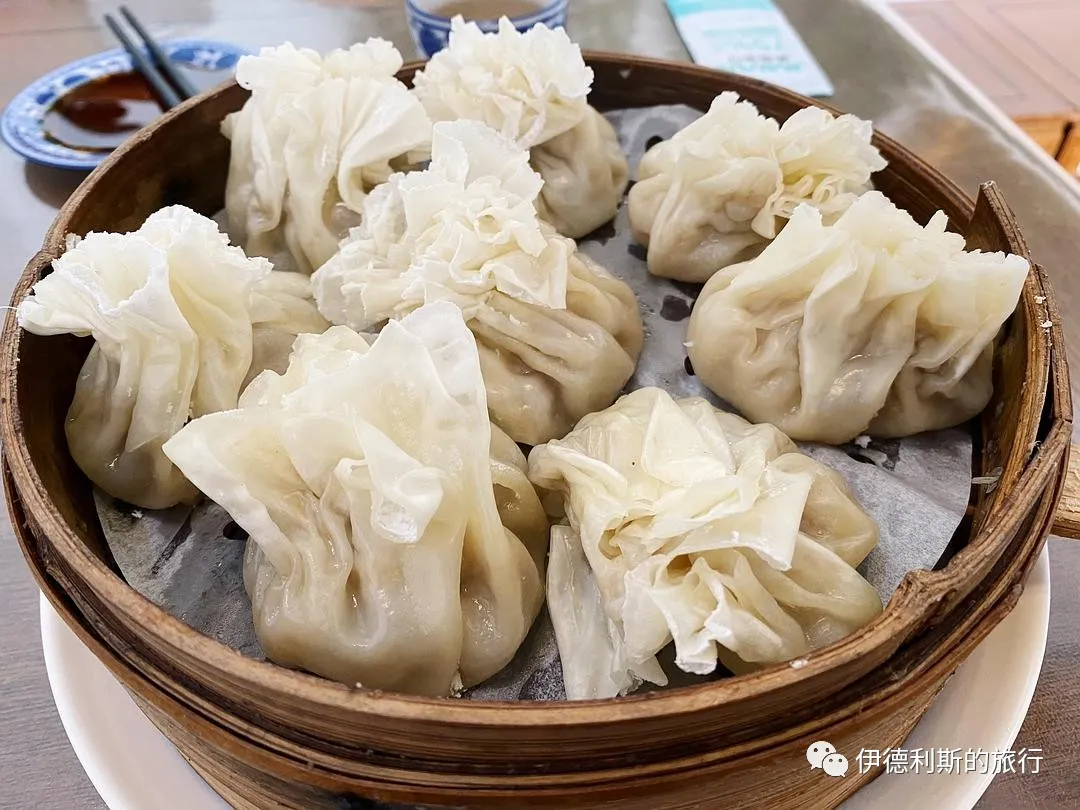
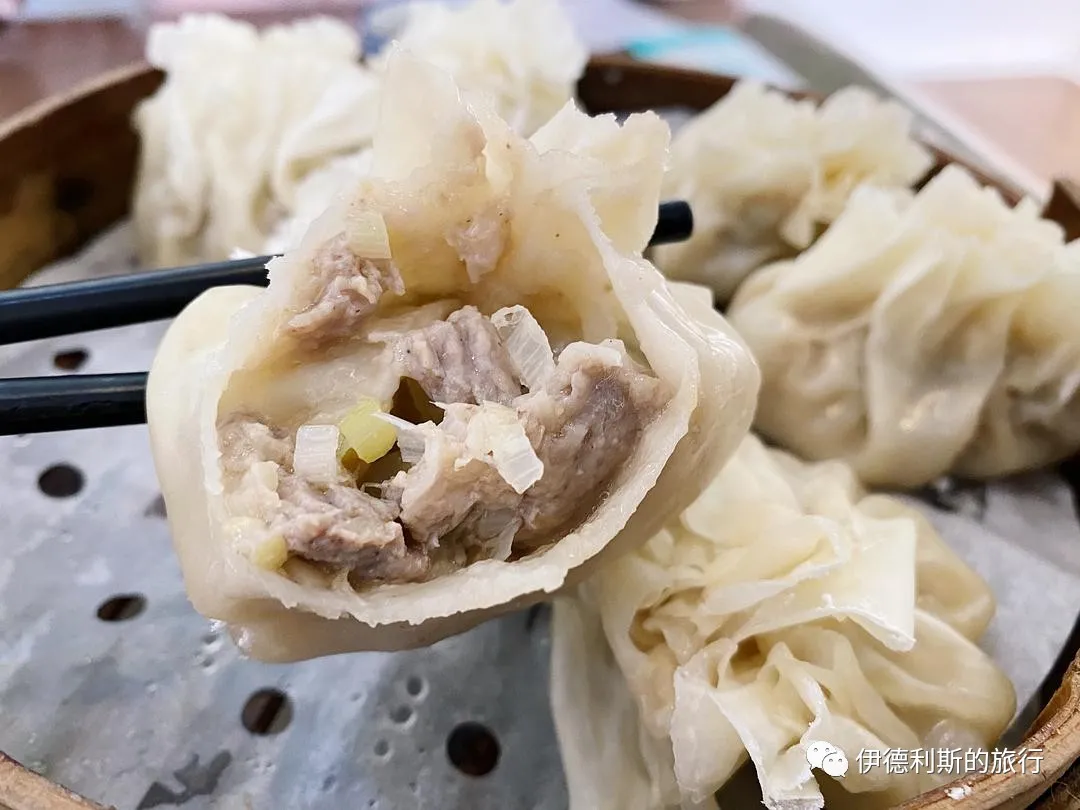
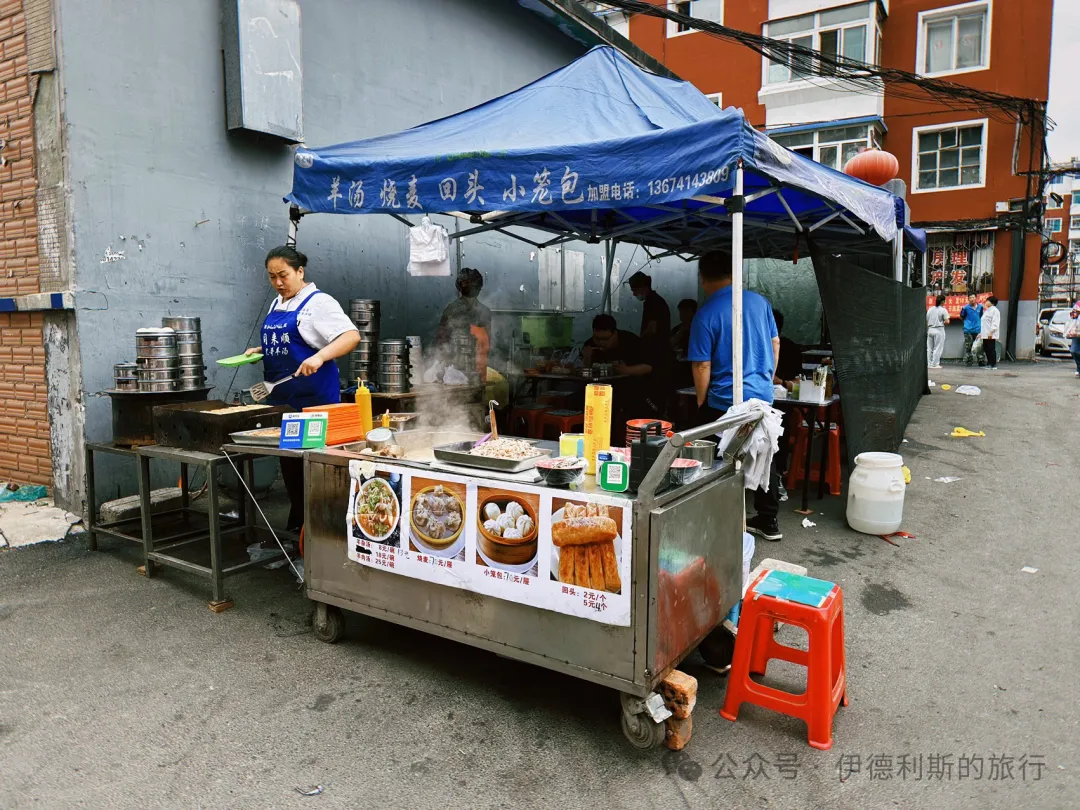
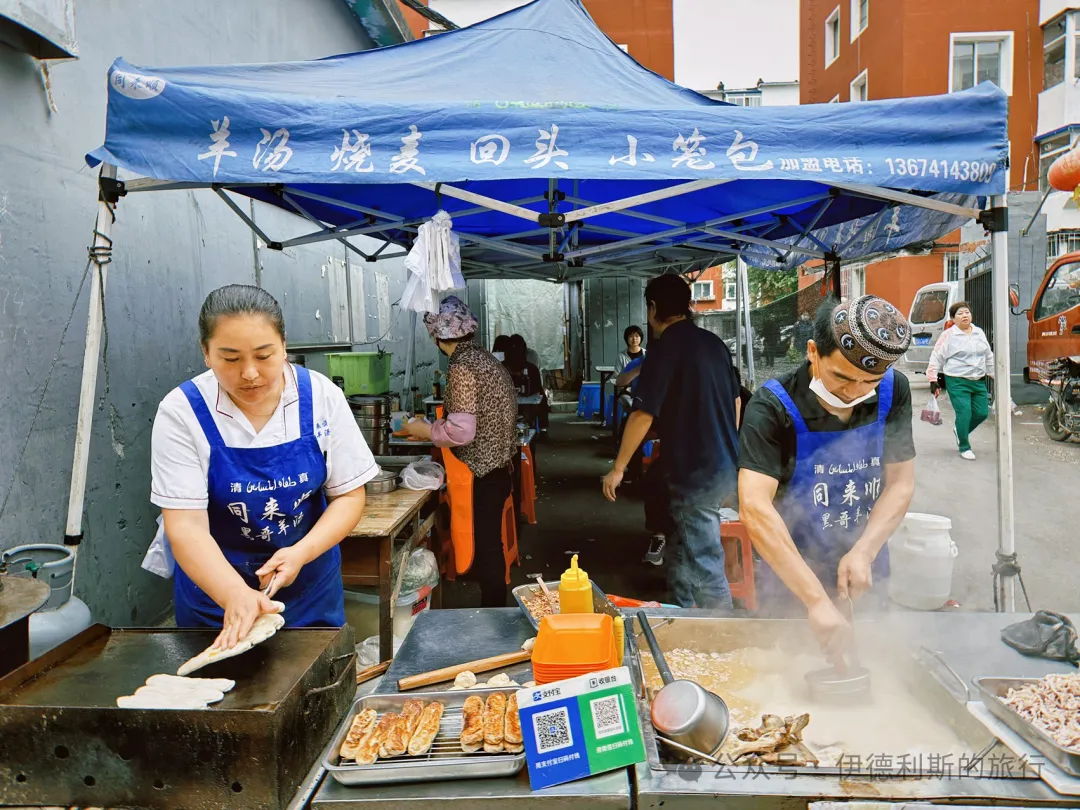
I took a high-speed train from Beijing Chaoyang Station to Shenyang in the evening. The next morning, I went to the Lijiang Morning Market in Shenyang and had lamb soup, shaomai, and pan-fried meat pies (huitou) at Heige Lamb Soup. The breakfast stalls at the morning market are all about being affordable! Shaomai cost 7 yuan per steamer, and meat pies cost 2 yuan each. It is hard to find prices like this in a restaurant. They make everything fresh to order. The lamb in the soup is fresh meat the owner cuts at home. He slices it thin, and it cooks quickly when swished in the hot soup, keeping it very tender.
Lamb shaomai in Jinzhou, Liaoning.
I took a train from Beijing Chaoyang Station to Jinzhou North Station in the morning, then had a steamer of shaomai and a bowl of lamb soup in Jinzhou. The price was very affordable.
Lamb shaomai in Luyang, Liaoning.
After getting off at Goubangzi Railway Station, I took a 10-minute taxi ride to Luyang Town in the west. Luyang Mosque is not far from the Luyang Bridge. We were warmly welcomed at Luyang Mosque. Director Jin of the mosque management committee treated us to a hearty meal at his restaurant, Donglaishun. Director Jin's ancestral home was Xiaoxinzhuang in Jinan, Shandong. His ancestors moved to Guozhiwa in Hejian, Hebei, and then to Yingkou, Liaoning, before finally settling in Luyang Town during the Republic of China era. Director Jin has been the director of Luyang Mosque for over a decade. He knows the local history and folklore of Luyang very well and told us several very interesting local legends.
Besides the large portions, the food was super delicious. The most notable dish was the shaomai; I can even say it was the best I have ever had! Their shaomai are a bit like the thin-skinned buns (baozi) from Xinjiang. The skin is so thin you can see the filling inside. The onion flavor stands out, the saltiness is just right, and they are not greasy but very fragrant.
Lamb shaomai in Harbin, Heilongjiang.
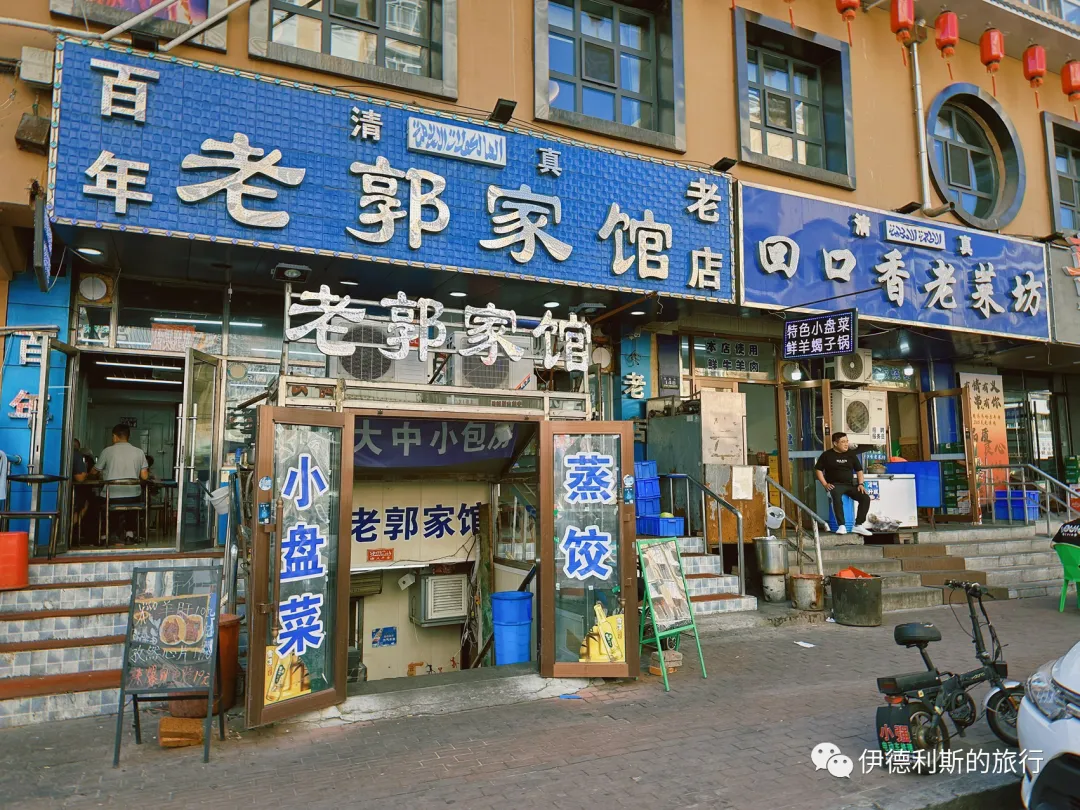
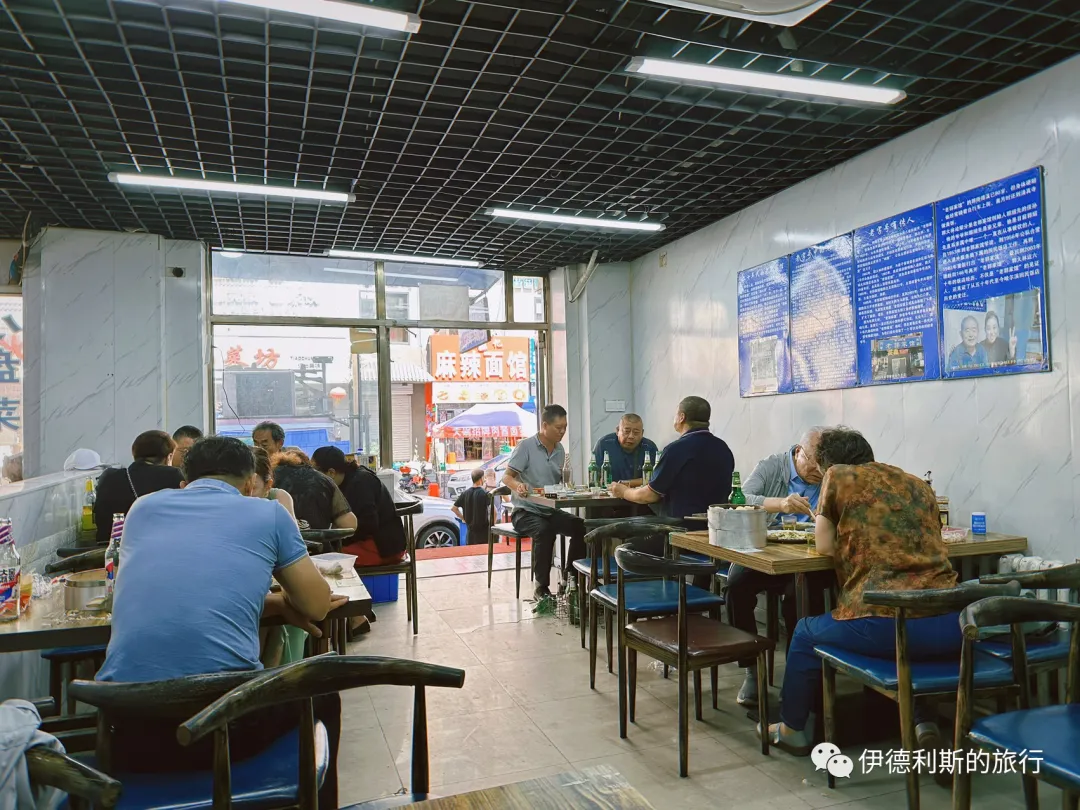
I ate shaomai at Lao Guo Jia Guan, a century-old halal shop on Desheng Street in the Daowai District of Harbin. We actually discovered this place by accident while passing by in a taxi the night before. As a son-in-law of the Guo family, I happened to be talking to my wife about how rarely we see halal restaurants opened by the Guo family, and then I turned my head and saw this place! I quickly noted it down on my phone and went to eat there the next day.
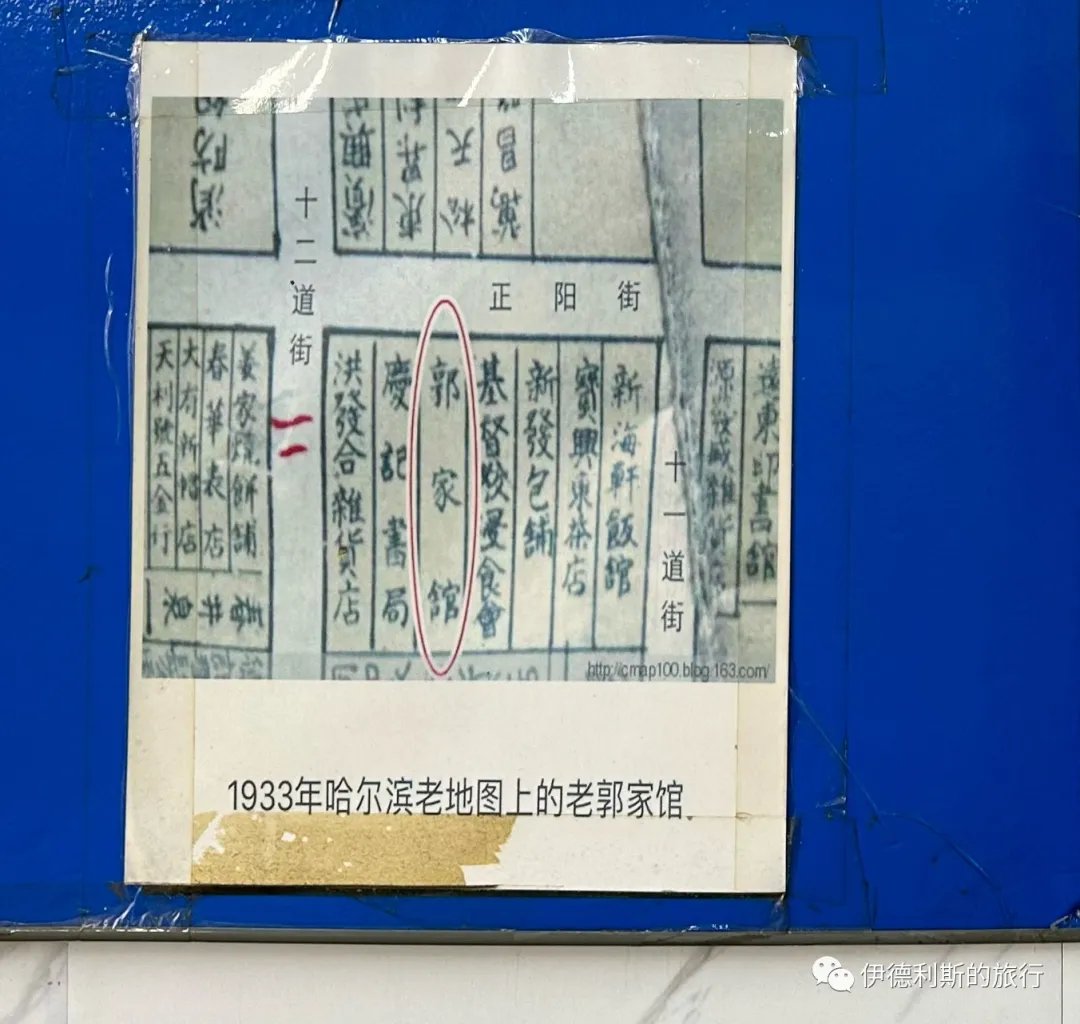
Guo Jia Guan was founded by Guo Shaoxian in 1927 on Zhengyang 11th Street in Daowai. The 1933 'Guide to Greater Harbin' already recorded that Guo Jia Guan served various dishes and catered banquets. Guo Jia Guan was also listed in documents like the 1934 Harbin Daowai Business Directory and the 1937 Harbin Special Municipality Daowai Business and Industry Directory.
Guo Shaoxian was originally from Zhangluji in Shen County, Liaocheng, Shandong. He came to Harbin in the early 1920s during the migration to the Northeast. It is said he started by carrying a basket to sell steamed buns (baozi) on the streets. After saving enough money, he opened Guo Jia Guan on Zhengyang 11th Street in Daowai. Before the public-private partnership, Guo Jia Guan was nearly 100 square meters with 12 large square tables. They served various stir-fried dishes, including braised meat strips (baoroutiao), stir-fried tripe (liuduling), stir-fried clear mirror (liumingjing), crispy fried meat strips (jiaoshaoroutiao), and sweet and sour pork (guobaorou). Head chef Ma Bingsheng was a veteran at Guo Jia Guan with excellent culinary skills. The pastry chef was Jin Guangli. He was skilled at making pan-fried dumplings (guolao), water-fried buns (shuijianbao), meat pies (xianbing), steamed dumplings (shaomai), and steamed dumplings (zhengjiao). The skin of his meat pies was so thin you could see the filling inside.
After the public-private partnership in 1956, Guo Jia Guan merged with several other Hui Muslim restaurants, including Huaxing Hao, to form the Daowai Hui Muslim Restaurant. Guo Shaoxian was assigned to work as a pastry chef at Xiangyang Restaurant (formerly Wu Ji Renyi Restaurant) on Jingyang Street until he retired. Among Guo's descendants, the only one to inherit his skills was his grand-nephew, Guo Dalin. Guo Dalin was born in 1937 in Zhangluji, Shen County, Liaocheng, Shandong. In 1953, at age 16, he moved to Harbin to join his great-uncle Guo Shaoxian and began his apprenticeship at Guo Jia Guan. After the 1956 public-private partnership, Guo Dalin worked at the Daowai Hui Muslim Restaurant. In 1983, he revived the old Guo Jia Guan name. In 2003, he reopened the old Guo Jia Guan on Desheng Street. It has been 20 years since then, and the restaurant is now managed by his granddaughter.
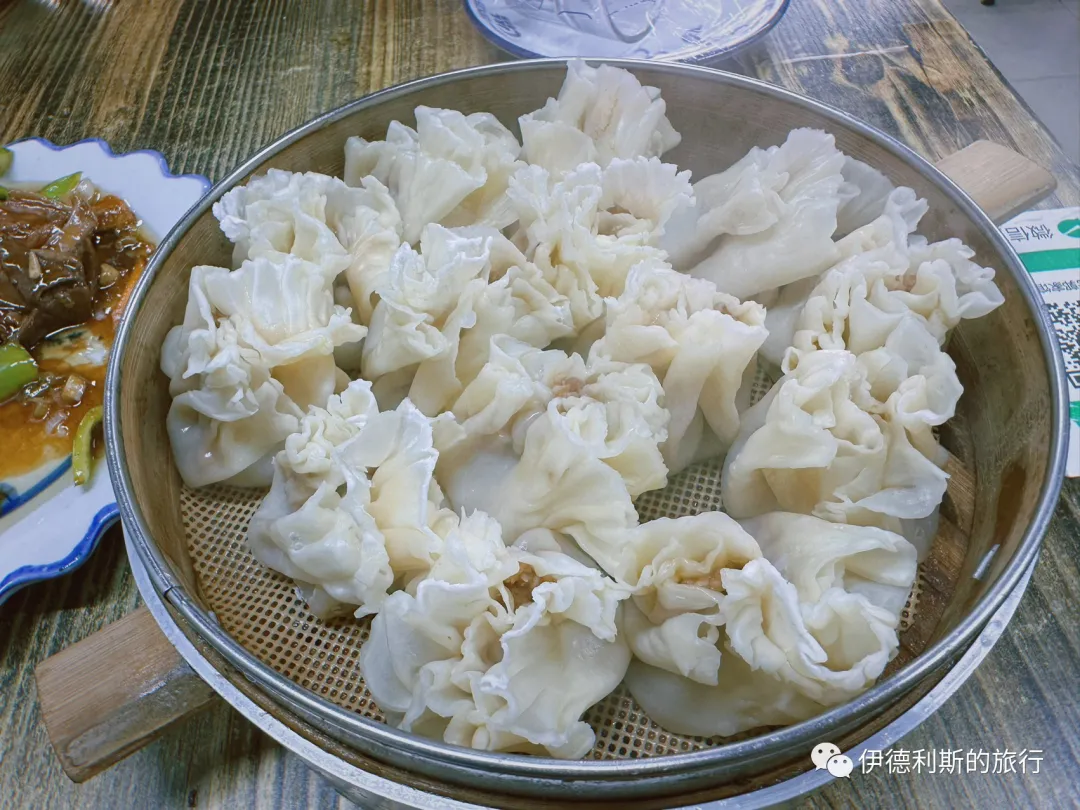
The old Guo Jia Guan does not have many online reviews and has barely advertised itself. It is a down-to-earth local neighborhood spot. They serve classic Harbin Hui Muslim dishes. We ordered stir-fried clear mirror (liumingjing), stir-fried tofu with hot peppers (jianjiaogandoufu), fresh mushroom with meat slices (xianmoroupian), and steamed dumplings (shaomai). Everything was affordable and delicious.
Wuhan, Hubei sticky rice steamed dumplings (shaomei).
Before the demolition of Qiyi Street in Wuchang, there was a lively morning market every day, crowded with people and full of life. On Xiangbi Street (now the eastern section of Bao'an Street), which intersects with Qiyi Street, there was a halal breakfast spot called 'Halal Da Jia Red Oil Beef Noodle Shop.' It was open daily from around 6 or 7 a.m. to 10 a.m. I ate red oil beef thin noodles and a fried dough cake stuffed with a steamed dumpling (youbingjieshaomei) there. The sticky rice inside the steamed dumpling was very fragrant and sweet. This shop is gone now that Qiyi Street has been demolished.
Not far southeast of Qiyi Street, at the intersection of Ping'an Road and Hengping Road, there was another local Wuchang halal breakfast shop called 'Niu Chong Chong Hui Muslim Snack Bar.' The owner's family had lived on Qiyi Street for generations. I ate hot dry noodles (reganmian) and sticky rice, beef, and mushroom steamed dumplings (shaomei) there. Their beef noodles and fried dough cake stuffed with steamed dumplings (youbingbaoshaomei) were also very authentic. This shop is also no longer there today.
Nanjing, Jiangsu egg steamed dumplings (shaomai) and egg yolk steamed dumplings (shaomai).
During the Daoguang era, Ma Sifa, a Hui Muslim from Mengzhou, Henan, fled famine and came to Nanjing with his family. He set up a stall at Yuhuatai to sell beef soup, which people called the 'Ma Huihui Food Stall.' Later, Ma Sifa's son, Ma Shengxiang, officially founded the 'Ma Xiangxing' brand in Huihui Camp, specializing in beef-stewed radishes and stir-fried beef snacks.
In 1912, Ma Shengxiang moved the restaurant across from the Great Bao'en Mosque, focusing on the 'Eight Beef Dishes' (niubayang). At that time, Ma Xiangxing had a Hui Muslim head chef known as 'Old Seven,' who was skilled at making stir-fried tripe (baodusisi) and stir-fried chicken liver. After Ma Shengxiang passed away in 1925, his second son, Ma Deming, took over the business. Ma Xiangxing shifted from cooked food and small stir-fries to banquet dishes, while adding various local-style chicken, duck, fish, shrimp, and egg dishes. After the capital moved to Nanjing in 1927, Ma Xiangxing became increasingly famous under the cooking of head chef Ma Dingsong. At that time, various Republic of China officials became regulars at Ma Xiangxing. The Ministry of Foreign Affairs often hosted foreign guests there, and diplomats from various countries frequently held banquets at the restaurant. During this period, Ma Deming created four famous dishes: beauty liver (meiren gan), squirrel fish (songshu yu), phoenix tail shrimp (fengwei xia), and egg steamed dumplings (dan shaomai).
People say the egg steamed dumplings were invented by Ma Xiangxing head chef Jin Hongyi to suit the taste of Bai Chongxi. Egg steamed dumplings are made with a filling of shrimp, chicken fat, and egg whites, wrapped in a thin egg skin. After steaming, they are topped with a sauce made from chicken broth, water chestnut starch, and duck fat. Today, the ingredients for egg steamed dumplings are shrimp paste, celery, and eggs.
The snack bar on the first floor also serves egg yolk steamed dumplings.
Singapore fresh shrimp and chicken Cantonese-style steamed dumplings (shaomai).
The Dim Sum Place is a very famous halal Cantonese-style tea restaurant in Singapore. It specializes in Cantonese dim sum and various Cantonese dishes, offering a wide variety. They opened on North Bridge Road in Kampong Glam in 2016 and have since opened two more branches. They are very popular with Muslims.
We ordered steamed chicken feet with sauce, fresh shrimp and chicken steamed dumplings, roasted chicken char siu rice rolls, fish fillet porridge, and Pu'er tea. Since we were there for afternoon tea rather than a full meal, there were still many things we wanted to try but didn't order.
Malaysia Seremban fresh shrimp Cantonese-style steamed dumplings.
After taking a taxi 50 kilometers southeast from Kuala Lumpur Airport, you arrive in Seremban, the capital of Negeri Sembilan state. We first had morning tea at a Chinese Muslim restaurant called Muhammad Kew Chinese Muslim Kitchen. We ordered chicken char siu buns, wontons, Cantonese-style egg rice, and shrimp steamed dumplings, all of which were delicious. Unfortunately, the Chinese owner was busy in the kitchen, so we didn't get to meet him, but we did meet his Malay wife, who was warm and friendly. The steamed dumplings are filled with shrimp and minced meat, giving them a unique flavor.
Malaysia Malacca Cantonese-style steamed dumplings.
Chan Mari Chan is a sub-brand of the large Malaysian Chinese Muslim restaurant chain Mohd Chan, focusing on affordable home-style snacks. The founder of Mohd Chan, Dato HJ Mohd Chan, was born in Gombak, Selangor. Influenced by his Malay friends, he converted to Islam in 2007 and began running his restaurant that same year. He has since been combining Nanyang Chinese cuisine with Malay flavors and has built it into the most famous and largest Chinese Muslim restaurant chain in Malaysia.
In January this year, we ate at a Mohd Chan restaurant in Seremban, Malaysia. You order from a menu there, and they serve a variety of Nanyang Chinese banquet dishes, which are relatively high-end. Chan Mari Chan focuses on fast food and snacks where you pick up your food directly from the counter. Chicken rice, small bowl dishes, and steamed items are the most popular. We picked up roasted chicken rice, three small bowl dishes, two types of steamed dumplings, and drank herbal jelly coffee and cocoa coffee. Eating at their place wiped away the fatigue of our journey, and we instantly felt embraced by Nanyang culture, which was very satisfying.
Their environment is also very nice, and many Malay friends (dosti) come to eat there with their families. Their shop even has a prayer room, which makes them a great example for us Hui Muslims.
Summary: This food note compares lamb steamed dumplings, sticky rice steamed dumplings, and Cantonese-style shaomai through taste, texture, and regional food habits. It keeps the original dish names, photos, restaurant details, and eating notes for readers interested in halal Chinese food.
Historical records show that people in Beijing were eating minced meat steamed dumplings (shaomai) as early as the Yuan Dynasty. In the late Yuan and early Ming dynasties, a textbook for Koreans learning Chinese called 'Pak Tongsa Eonhae' described the customs of the Yuan capital, Dadu, and included several notes on shaomai: 'Made from wheat flour dough rolled into thin sheets, filled with meat, and steamed, then eaten with soup. The local dialect calls them shaomai, with the character mai sometimes written as the character for sell... The skin is thin, filled with chopped meat, and the top is gathered tightly like a tied thread, hence the name shaomai... Made with a flour skin and meat filling, the top is shaped like a flower bud, which the local dialect calls shaomai'.
Currently, shaomai can be divided into three main categories: northern meat-filled shaomai, southern sticky rice shaomai, and Cantonese-style siu mai. Northern shaomai are common in Inner Mongolia, Shanxi, North China, and the Northeast. Southern shaomai are found in the Jiangsu, Zhejiang, and Hubei regions, while Cantonese-style siu mai are widely distributed across Southeast Asia due to migration.
I will share some of the shaomai I have eaten, including lamb, sticky rice, and Cantonese styles.
Lamb shaomai at Balizhuang Mosque in Beijing.
On the eleventh day of Ramadan in 2024, the elders at Balizhuang Mosque outside Chaoyangmen made shaomai together in the afternoon. The skins were thin, the meat filling was generous and fragrant, and dipping them in Laba vinegar really brought out the flavor. They also fried chicken strips and cooked rice porridge. I met three sisters from Yunnan who came specifically for this, and I felt very grateful to Allah.
Lianying Inner Mongolia Shaomai in Beijing.
There is a branch of the old Jining, Inner Mongolia brand Lianying Shaomai near Huguosi in Beijing. I ate their wild onion (shacong) and lamb, lamb leg, and vegetarian three-delicacy shaomai. The wild onion has a strong flavor, somewhere between green onion and chives. The lamb leg version uses large green onions, which suits most people's tastes, and the small chunks of lamb have a nice chew. The vegetarian three-delicacy filling is made of chives, eggs, shiitake mushrooms, wood ear mushrooms, and shrimp, giving it a rich texture.
Annei Laoma Inner Mongolia Shaomai in Beijing.
Inside Andingmen in Beijing, there is a shop called Annei Laoma Shaomai run by Hui Muslims from Hohhot. I had their beef and fennel shaomai and lamb offal soup. They serve authentic Hohhot-style food. The shaomai tasted fine, but they were very oily, leaving a greasy feeling in my mouth afterward. The lamb offal soup also tasted fine, but it was not made to order, and the texture suffered after sitting for a while.
Indonesian Siomay at the Beijing Indonesian Cultural Festival.
I attended the annual Indonesian Cultural Festival at the Indonesian Embassy. We started by eating Indonesian siomay. Indonesian siomay originated from Cantonese siu mai. It was first adapted by the Sundanese people of West Java, who replaced the pork filling with fish and added side dishes like cabbage, tofu, potatoes, boiled eggs, and stuffed bitter melon. It is served with peanut sauce and sweet soy sauce and is now a classic street snack across Indonesia.
Lamb shaomai in Shanhaiguan, Hebei.
Yingxinyuan Restaurant is located not far south of the mosque on Guancheng West Road. The elders at the mosque recommended it to me, saying they host guests from the mosque there. I arrived after 3:00 PM. The cook finished my meal and then took a break, as the afternoon shift didn't start until 4:30 PM. The owner said they usually don't have many customers after 2:00 PM, so I was quite lucky. Knowing that portions get bigger the further northeast you go, I ordered a steamer of beef and cabbage steamed dumplings (shaomai) and a plate of sweet and sour pork tenderloin (tangcu liji), but I still couldn't finish it all. The taste was excellent, though! The even larger Qinhuangdao mixed hot pot (hunguo) will have to wait until I can come back with a group of people.
Lamb steamed dumplings (shaomai) in Chengde, Hebei.
In the morning, I had almond tea (xingren cha), meatball soup (wanzi tang), steamed dumplings (shaomai), and steamed dumplings (zhengjiao) at the famous Tuojie Snacks in Chengde. There are many halal snacks in the Shaanxiying area of Chengde, including lamb soup (yangtang), buckwheat noodles (heluo mian), door-nail meat pies (mending roubing), steamed dumplings (shaomai), almond tea (xingren cha), stomach-wrapped meat (dubaorou), stomach-wrapped brains (dubaonao), lamb neck skewers (yangbo chuan), fermented bean drink (douzhi), and bowl jelly (wantuo).
Since the Qing Dynasty built the Mountain Resort in 1703, Hui Muslims have gradually settled in Chengde. Whenever Emperor Kangxi held the Mulan autumn hunt or came to the resort to escape the summer heat, Hui Muslim officers, soldiers, and merchants would follow him. In the early years of Emperor Yongzheng's reign, the Qing government stationed Green Standard Army troops in Chengde. Because most of the officers and soldiers came from Shaanxi, it was called Shaanxiying, and the 'Left Battalion' among them was mostly made up of Hui Muslims. From then on, Shaanxiying became a residential area for Hui Muslims in Chengde.
By the time of Emperor Qianlong, Chengde had become a major metropolis north of the Great Wall. Hui Muslims from Shandong and Hebei flocked there to do business, working in the food industry and cattle and sheep slaughtering, which was known as 'chasing the imperial camp' (gan huangying). Today, the ten major surnames of Chengde's Hui Muslims, such as Wang, Ma, Shi, and Chen, all moved from Shandong, while the Wu surname moved from Cangzhou, Hebei, and the Kong surname moved from Beijing.
Lamb steamed dumplings (shaomai) in Datong, Shanxi.
I took the high-speed train from Beijing to Datong in the morning. After getting off, I headed straight to the famous Fuxingzhai Shaomai on Jiaochang Street for lunch, where I ordered steamed dumplings (shaomai), Mongolian salty milk tea (menggu xian naicha), a basin of egg soup (penpen jidan tang), and oil-seared meat (guoyou rou). Their steamed dumplings (shaomai) were truly delicious and went great with the milk tea.
Lamb steamed dumplings (shaomei) in Taiyuan, Shanxi.
The street-front shops outside the old mosque in Taiyuan were built when Dananmen Street was widened. On both sides of the main gate are beef and mutton shops, and there is one on the south side that always has a long line. A little further south is the Huifengyuan restaurant, which sells steamed dumplings (shaomei), lamb soup (yangtang), meatball soup (wanzi tang), and various other snacks. I had lamb soup (yangrou tang) and steamed dumplings (shaomei) here, and both were exceptionally good.
Since the Ming and Qing dynasties, Hui Muslims in Taiyuan have lived in the area around the South Gate of the old city. During the Qing Dynasty, Taiyuan had over a hundred local Hui Muslim households, plus a dozen or so Hui Muslim households who came from Suiyuan to do business, totaling five or six hundred people. After the Zhengtai Railway opened in 1907, the number of Hui Muslims coming to Taiyuan from Hebei increased significantly, reaching over 1,000 in the 1930s and over 5,100 in the early days of the People's Republic of China.
Lamb steamed dumplings (shaomai) in Hohhot, Inner Mongolia.
I ate steamed dumplings (shaomai) and drank brick tea at Qingyuanchun on Nanshuncheng Street. I personally like this place; I ate here during my previous visit to Hohhot as well.
Qingyuanchun is a long-standing shaomai shop. In 1796 (the first year of the Jiaqing reign), Li Chun started selling shaomai from a wheelbarrow in Guihua City. He made them on the spot, and they were very popular. In 1828 (the eighth year of the Daoguang reign), Li Chun's son, Li Guangyuan, rented two wooden rooms outside the Lanma Wall in Guihua City and officially opened the Qingyuanchun shaomai shop. In 1956, brothers Li Hongtu and Li Mingqing renovated the thirty-square-meter shop and reopened it. The fifth generation, Li Jiting, took over in 1963, and the sixth generation, Li Yongqing, took over in 2009. It is a famous halal shaomai shop in Hohhot.
Lamb shaomai in Shenyang, Liaoning.
I took a high-speed train from Beijing Chaoyang Station to Shenyang in the evening. The next morning, I went to the Lijiang Morning Market in Shenyang and had lamb soup, shaomai, and pan-fried meat pies (huitou) at Heige Lamb Soup. The breakfast stalls at the morning market are all about being affordable! Shaomai cost 7 yuan per steamer, and meat pies cost 2 yuan each. It is hard to find prices like this in a restaurant. They make everything fresh to order. The lamb in the soup is fresh meat the owner cuts at home. He slices it thin, and it cooks quickly when swished in the hot soup, keeping it very tender.
Lamb shaomai in Jinzhou, Liaoning.
I took a train from Beijing Chaoyang Station to Jinzhou North Station in the morning, then had a steamer of shaomai and a bowl of lamb soup in Jinzhou. The price was very affordable.
Lamb shaomai in Luyang, Liaoning.
After getting off at Goubangzi Railway Station, I took a 10-minute taxi ride to Luyang Town in the west. Luyang Mosque is not far from the Luyang Bridge. We were warmly welcomed at Luyang Mosque. Director Jin of the mosque management committee treated us to a hearty meal at his restaurant, Donglaishun. Director Jin's ancestral home was Xiaoxinzhuang in Jinan, Shandong. His ancestors moved to Guozhiwa in Hejian, Hebei, and then to Yingkou, Liaoning, before finally settling in Luyang Town during the Republic of China era. Director Jin has been the director of Luyang Mosque for over a decade. He knows the local history and folklore of Luyang very well and told us several very interesting local legends.
Besides the large portions, the food was super delicious. The most notable dish was the shaomai; I can even say it was the best I have ever had! Their shaomai are a bit like the thin-skinned buns (baozi) from Xinjiang. The skin is so thin you can see the filling inside. The onion flavor stands out, the saltiness is just right, and they are not greasy but very fragrant.
Lamb shaomai in Harbin, Heilongjiang.
I ate shaomai at Lao Guo Jia Guan, a century-old halal shop on Desheng Street in the Daowai District of Harbin. We actually discovered this place by accident while passing by in a taxi the night before. As a son-in-law of the Guo family, I happened to be talking to my wife about how rarely we see halal restaurants opened by the Guo family, and then I turned my head and saw this place! I quickly noted it down on my phone and went to eat there the next day.
Guo Jia Guan was founded by Guo Shaoxian in 1927 on Zhengyang 11th Street in Daowai. The 1933 'Guide to Greater Harbin' already recorded that Guo Jia Guan served various dishes and catered banquets. Guo Jia Guan was also listed in documents like the 1934 Harbin Daowai Business Directory and the 1937 Harbin Special Municipality Daowai Business and Industry Directory.
Guo Shaoxian was originally from Zhangluji in Shen County, Liaocheng, Shandong. He came to Harbin in the early 1920s during the migration to the Northeast. It is said he started by carrying a basket to sell steamed buns (baozi) on the streets. After saving enough money, he opened Guo Jia Guan on Zhengyang 11th Street in Daowai. Before the public-private partnership, Guo Jia Guan was nearly 100 square meters with 12 large square tables. They served various stir-fried dishes, including braised meat strips (baoroutiao), stir-fried tripe (liuduling), stir-fried clear mirror (liumingjing), crispy fried meat strips (jiaoshaoroutiao), and sweet and sour pork (guobaorou). Head chef Ma Bingsheng was a veteran at Guo Jia Guan with excellent culinary skills. The pastry chef was Jin Guangli. He was skilled at making pan-fried dumplings (guolao), water-fried buns (shuijianbao), meat pies (xianbing), steamed dumplings (shaomai), and steamed dumplings (zhengjiao). The skin of his meat pies was so thin you could see the filling inside.
After the public-private partnership in 1956, Guo Jia Guan merged with several other Hui Muslim restaurants, including Huaxing Hao, to form the Daowai Hui Muslim Restaurant. Guo Shaoxian was assigned to work as a pastry chef at Xiangyang Restaurant (formerly Wu Ji Renyi Restaurant) on Jingyang Street until he retired. Among Guo's descendants, the only one to inherit his skills was his grand-nephew, Guo Dalin. Guo Dalin was born in 1937 in Zhangluji, Shen County, Liaocheng, Shandong. In 1953, at age 16, he moved to Harbin to join his great-uncle Guo Shaoxian and began his apprenticeship at Guo Jia Guan. After the 1956 public-private partnership, Guo Dalin worked at the Daowai Hui Muslim Restaurant. In 1983, he revived the old Guo Jia Guan name. In 2003, he reopened the old Guo Jia Guan on Desheng Street. It has been 20 years since then, and the restaurant is now managed by his granddaughter.
The old Guo Jia Guan does not have many online reviews and has barely advertised itself. It is a down-to-earth local neighborhood spot. They serve classic Harbin Hui Muslim dishes. We ordered stir-fried clear mirror (liumingjing), stir-fried tofu with hot peppers (jianjiaogandoufu), fresh mushroom with meat slices (xianmoroupian), and steamed dumplings (shaomai). Everything was affordable and delicious.
Wuhan, Hubei sticky rice steamed dumplings (shaomei).
Before the demolition of Qiyi Street in Wuchang, there was a lively morning market every day, crowded with people and full of life. On Xiangbi Street (now the eastern section of Bao'an Street), which intersects with Qiyi Street, there was a halal breakfast spot called 'Halal Da Jia Red Oil Beef Noodle Shop.' It was open daily from around 6 or 7 a.m. to 10 a.m. I ate red oil beef thin noodles and a fried dough cake stuffed with a steamed dumpling (youbingjieshaomei) there. The sticky rice inside the steamed dumpling was very fragrant and sweet. This shop is gone now that Qiyi Street has been demolished.
Not far southeast of Qiyi Street, at the intersection of Ping'an Road and Hengping Road, there was another local Wuchang halal breakfast shop called 'Niu Chong Chong Hui Muslim Snack Bar.' The owner's family had lived on Qiyi Street for generations. I ate hot dry noodles (reganmian) and sticky rice, beef, and mushroom steamed dumplings (shaomei) there. Their beef noodles and fried dough cake stuffed with steamed dumplings (youbingbaoshaomei) were also very authentic. This shop is also no longer there today.
Nanjing, Jiangsu egg steamed dumplings (shaomai) and egg yolk steamed dumplings (shaomai).
During the Daoguang era, Ma Sifa, a Hui Muslim from Mengzhou, Henan, fled famine and came to Nanjing with his family. He set up a stall at Yuhuatai to sell beef soup, which people called the 'Ma Huihui Food Stall.' Later, Ma Sifa's son, Ma Shengxiang, officially founded the 'Ma Xiangxing' brand in Huihui Camp, specializing in beef-stewed radishes and stir-fried beef snacks.
In 1912, Ma Shengxiang moved the restaurant across from the Great Bao'en Mosque, focusing on the 'Eight Beef Dishes' (niubayang). At that time, Ma Xiangxing had a Hui Muslim head chef known as 'Old Seven,' who was skilled at making stir-fried tripe (baodusisi) and stir-fried chicken liver. After Ma Shengxiang passed away in 1925, his second son, Ma Deming, took over the business. Ma Xiangxing shifted from cooked food and small stir-fries to banquet dishes, while adding various local-style chicken, duck, fish, shrimp, and egg dishes. After the capital moved to Nanjing in 1927, Ma Xiangxing became increasingly famous under the cooking of head chef Ma Dingsong. At that time, various Republic of China officials became regulars at Ma Xiangxing. The Ministry of Foreign Affairs often hosted foreign guests there, and diplomats from various countries frequently held banquets at the restaurant. During this period, Ma Deming created four famous dishes: beauty liver (meiren gan), squirrel fish (songshu yu), phoenix tail shrimp (fengwei xia), and egg steamed dumplings (dan shaomai).
People say the egg steamed dumplings were invented by Ma Xiangxing head chef Jin Hongyi to suit the taste of Bai Chongxi. Egg steamed dumplings are made with a filling of shrimp, chicken fat, and egg whites, wrapped in a thin egg skin. After steaming, they are topped with a sauce made from chicken broth, water chestnut starch, and duck fat. Today, the ingredients for egg steamed dumplings are shrimp paste, celery, and eggs.
The snack bar on the first floor also serves egg yolk steamed dumplings.
Singapore fresh shrimp and chicken Cantonese-style steamed dumplings (shaomai).
The Dim Sum Place is a very famous halal Cantonese-style tea restaurant in Singapore. It specializes in Cantonese dim sum and various Cantonese dishes, offering a wide variety. They opened on North Bridge Road in Kampong Glam in 2016 and have since opened two more branches. They are very popular with Muslims.
We ordered steamed chicken feet with sauce, fresh shrimp and chicken steamed dumplings, roasted chicken char siu rice rolls, fish fillet porridge, and Pu'er tea. Since we were there for afternoon tea rather than a full meal, there were still many things we wanted to try but didn't order.
Malaysia Seremban fresh shrimp Cantonese-style steamed dumplings.
After taking a taxi 50 kilometers southeast from Kuala Lumpur Airport, you arrive in Seremban, the capital of Negeri Sembilan state. We first had morning tea at a Chinese Muslim restaurant called Muhammad Kew Chinese Muslim Kitchen. We ordered chicken char siu buns, wontons, Cantonese-style egg rice, and shrimp steamed dumplings, all of which were delicious. Unfortunately, the Chinese owner was busy in the kitchen, so we didn't get to meet him, but we did meet his Malay wife, who was warm and friendly. The steamed dumplings are filled with shrimp and minced meat, giving them a unique flavor.
Malaysia Malacca Cantonese-style steamed dumplings.
Chan Mari Chan is a sub-brand of the large Malaysian Chinese Muslim restaurant chain Mohd Chan, focusing on affordable home-style snacks. The founder of Mohd Chan, Dato HJ Mohd Chan, was born in Gombak, Selangor. Influenced by his Malay friends, he converted to Islam in 2007 and began running his restaurant that same year. He has since been combining Nanyang Chinese cuisine with Malay flavors and has built it into the most famous and largest Chinese Muslim restaurant chain in Malaysia.
In January this year, we ate at a Mohd Chan restaurant in Seremban, Malaysia. You order from a menu there, and they serve a variety of Nanyang Chinese banquet dishes, which are relatively high-end. Chan Mari Chan focuses on fast food and snacks where you pick up your food directly from the counter. Chicken rice, small bowl dishes, and steamed items are the most popular. We picked up roasted chicken rice, three small bowl dishes, two types of steamed dumplings, and drank herbal jelly coffee and cocoa coffee. Eating at their place wiped away the fatigue of our journey, and we instantly felt embraced by Nanyang culture, which was very satisfying.
Their environment is also very nice, and many Malay friends (dosti) come to eat there with their families. Their shop even has a prayer room, which makes them a great example for us Hui Muslims.
Halal Food Guide: Shaomai - Lamb, Sticky Rice and Cantonese Styles
Articles • ali2007fr posted the article • 0 comments • 138 views • 2026-05-19 22:19
Reposted from the web
Summary: This food note compares lamb steamed dumplings, sticky rice steamed dumplings, and Cantonese-style shaomai through taste, texture, and regional food habits. It keeps the original dish names, photos, restaurant details, and eating notes for readers interested in halal Chinese food.
Historical records show that people in Beijing were eating minced meat steamed dumplings (shaomai) as early as the Yuan Dynasty. In the late Yuan and early Ming dynasties, a textbook for Koreans learning Chinese called 'Pak Tongsa Eonhae' described the customs of the Yuan capital, Dadu, and included several notes on shaomai: 'Made from wheat flour dough rolled into thin sheets, filled with meat, and steamed, then eaten with soup. The local dialect calls them shaomai, with the character mai sometimes written as the character for sell... The skin is thin, filled with chopped meat, and the top is gathered tightly like a tied thread, hence the name shaomai... Made with a flour skin and meat filling, the top is shaped like a flower bud, which the local dialect calls shaomai'.
Currently, shaomai can be divided into three main categories: northern meat-filled shaomai, southern sticky rice shaomai, and Cantonese-style siu mai. Northern shaomai are common in Inner Mongolia, Shanxi, North China, and the Northeast. Southern shaomai are found in the Jiangsu, Zhejiang, and Hubei regions, while Cantonese-style siu mai are widely distributed across Southeast Asia due to migration.
I will share some of the shaomai I have eaten, including lamb, sticky rice, and Cantonese styles.
Lamb shaomai at Balizhuang Mosque in Beijing.
On the eleventh day of Ramadan in 2024, the elders at Balizhuang Mosque outside Chaoyangmen made shaomai together in the afternoon. The skins were thin, the meat filling was generous and fragrant, and dipping them in Laba vinegar really brought out the flavor. They also fried chicken strips and cooked rice porridge. I met three sisters from Yunnan who came specifically for this, and I felt very grateful to Allah.
Lianying Inner Mongolia Shaomai in Beijing.
There is a branch of the old Jining, Inner Mongolia brand Lianying Shaomai near Huguosi in Beijing. I ate their wild onion (shacong) and lamb, lamb leg, and vegetarian three-delicacy shaomai. The wild onion has a strong flavor, somewhere between green onion and chives. The lamb leg version uses large green onions, which suits most people's tastes, and the small chunks of lamb have a nice chew. The vegetarian three-delicacy filling is made of chives, eggs, shiitake mushrooms, wood ear mushrooms, and shrimp, giving it a rich texture.
Annei Laoma Inner Mongolia Shaomai in Beijing.
Inside Andingmen in Beijing, there is a shop called Annei Laoma Shaomai run by Hui Muslims from Hohhot. I had their beef and fennel shaomai and lamb offal soup. They serve authentic Hohhot-style food. The shaomai tasted fine, but they were very oily, leaving a greasy feeling in my mouth afterward. The lamb offal soup also tasted fine, but it was not made to order, and the texture suffered after sitting for a while.
Indonesian Siomay at the Beijing Indonesian Cultural Festival.
I attended the annual Indonesian Cultural Festival at the Indonesian Embassy. We started by eating Indonesian siomay. Indonesian siomay originated from Cantonese siu mai. It was first adapted by the Sundanese people of West Java, who replaced the pork filling with fish and added side dishes like cabbage, tofu, potatoes, boiled eggs, and stuffed bitter melon. It is served with peanut sauce and sweet soy sauce and is now a classic street snack across Indonesia.
Lamb shaomai in Shanhaiguan, Hebei.
Yingxinyuan Restaurant is located not far south of the mosque on Guancheng West Road. The elders at the mosque recommended it to me, saying they host guests from the mosque there. I arrived after 3:00 PM. The cook finished my meal and then took a break, as the afternoon shift didn't start until 4:30 PM. The owner said they usually don't have many customers after 2:00 PM, so I was quite lucky. Knowing that portions get bigger the further northeast you go, I ordered a steamer of beef and cabbage steamed dumplings (shaomai) and a plate of sweet and sour pork tenderloin (tangcu liji), but I still couldn't finish it all. The taste was excellent, though! The even larger Qinhuangdao mixed hot pot (hunguo) will have to wait until I can come back with a group of people.
Lamb steamed dumplings (shaomai) in Chengde, Hebei.
In the morning, I had almond tea (xingren cha), meatball soup (wanzi tang), steamed dumplings (shaomai), and steamed dumplings (zhengjiao) at the famous Tuojie Snacks in Chengde. There are many halal snacks in the Shaanxiying area of Chengde, including lamb soup (yangtang), buckwheat noodles (heluo mian), door-nail meat pies (mending roubing), steamed dumplings (shaomai), almond tea (xingren cha), stomach-wrapped meat (dubaorou), stomach-wrapped brains (dubaonao), lamb neck skewers (yangbo chuan), fermented bean drink (douzhi), and bowl jelly (wantuo).
Since the Qing Dynasty built the Mountain Resort in 1703, Hui Muslims have gradually settled in Chengde. Whenever Emperor Kangxi held the Mulan autumn hunt or came to the resort to escape the summer heat, Hui Muslim officers, soldiers, and merchants would follow him. In the early years of Emperor Yongzheng's reign, the Qing government stationed Green Standard Army troops in Chengde. Because most of the officers and soldiers came from Shaanxi, it was called Shaanxiying, and the 'Left Battalion' among them was mostly made up of Hui Muslims. From then on, Shaanxiying became a residential area for Hui Muslims in Chengde.
By the time of Emperor Qianlong, Chengde had become a major metropolis north of the Great Wall. Hui Muslims from Shandong and Hebei flocked there to do business, working in the food industry and cattle and sheep slaughtering, which was known as 'chasing the imperial camp' (gan huangying). Today, the ten major surnames of Chengde's Hui Muslims, such as Wang, Ma, Shi, and Chen, all moved from Shandong, while the Wu surname moved from Cangzhou, Hebei, and the Kong surname moved from Beijing.
Lamb steamed dumplings (shaomai) in Datong, Shanxi.
I took the high-speed train from Beijing to Datong in the morning. After getting off, I headed straight to the famous Fuxingzhai Shaomai on Jiaochang Street for lunch, where I ordered steamed dumplings (shaomai), Mongolian salty milk tea (menggu xian naicha), a basin of egg soup (penpen jidan tang), and oil-seared meat (guoyou rou). Their steamed dumplings (shaomai) were truly delicious and went great with the milk tea.
Lamb steamed dumplings (shaomei) in Taiyuan, Shanxi.
The street-front shops outside the old mosque in Taiyuan were built when Dananmen Street was widened. On both sides of the main gate are beef and mutton shops, and there is one on the south side that always has a long line. A little further south is the Huifengyuan restaurant, which sells steamed dumplings (shaomei), lamb soup (yangtang), meatball soup (wanzi tang), and various other snacks. I had lamb soup (yangrou tang) and steamed dumplings (shaomei) here, and both were exceptionally good.
Since the Ming and Qing dynasties, Hui Muslims in Taiyuan have lived in the area around the South Gate of the old city. During the Qing Dynasty, Taiyuan had over a hundred local Hui Muslim households, plus a dozen or so Hui Muslim households who came from Suiyuan to do business, totaling five or six hundred people. After the Zhengtai Railway opened in 1907, the number of Hui Muslims coming to Taiyuan from Hebei increased significantly, reaching over 1,000 in the 1930s and over 5,100 in the early days of the People's Republic of China.
Lamb steamed dumplings (shaomai) in Hohhot, Inner Mongolia.
I ate steamed dumplings (shaomai) and drank brick tea at Qingyuanchun on Nanshuncheng Street. I personally like this place; I ate here during my previous visit to Hohhot as well.
Qingyuanchun is a long-standing shaomai shop. In 1796 (the first year of the Jiaqing reign), Li Chun started selling shaomai from a wheelbarrow in Guihua City. He made them on the spot, and they were very popular. In 1828 (the eighth year of the Daoguang reign), Li Chun's son, Li Guangyuan, rented two wooden rooms outside the Lanma Wall in Guihua City and officially opened the Qingyuanchun shaomai shop. In 1956, brothers Li Hongtu and Li Mingqing renovated the thirty-square-meter shop and reopened it. The fifth generation, Li Jiting, took over in 1963, and the sixth generation, Li Yongqing, took over in 2009. It is a famous halal shaomai shop in Hohhot.
Lamb shaomai in Shenyang, Liaoning.
I took a high-speed train from Beijing Chaoyang Station to Shenyang in the evening. The next morning, I went to the Lijiang Morning Market in Shenyang and had lamb soup, shaomai, and pan-fried meat pies (huitou) at Heige Lamb Soup. The breakfast stalls at the morning market are all about being affordable! Shaomai cost 7 yuan per steamer, and meat pies cost 2 yuan each. It is hard to find prices like this in a restaurant. They make everything fresh to order. The lamb in the soup is fresh meat the owner cuts at home. He slices it thin, and it cooks quickly when swished in the hot soup, keeping it very tender.
Lamb shaomai in Jinzhou, Liaoning.
I took a train from Beijing Chaoyang Station to Jinzhou North Station in the morning, then had a steamer of shaomai and a bowl of lamb soup in Jinzhou. The price was very affordable.
Lamb shaomai in Luyang, Liaoning.
After getting off at Goubangzi Railway Station, I took a 10-minute taxi ride to Luyang Town in the west. Luyang Mosque is not far from the Luyang Bridge. We were warmly welcomed at Luyang Mosque. Director Jin of the mosque management committee treated us to a hearty meal at his restaurant, Donglaishun. Director Jin's ancestral home was Xiaoxinzhuang in Jinan, Shandong. His ancestors moved to Guozhiwa in Hejian, Hebei, and then to Yingkou, Liaoning, before finally settling in Luyang Town during the Republic of China era. Director Jin has been the director of Luyang Mosque for over a decade. He knows the local history and folklore of Luyang very well and told us several very interesting local legends.
Besides the large portions, the food was super delicious. The most notable dish was the shaomai; I can even say it was the best I have ever had! Their shaomai are a bit like the thin-skinned buns (baozi) from Xinjiang. The skin is so thin you can see the filling inside. The onion flavor stands out, the saltiness is just right, and they are not greasy but very fragrant.
Lamb shaomai in Harbin, Heilongjiang.
I ate shaomai at Lao Guo Jia Guan, a century-old halal shop on Desheng Street in the Daowai District of Harbin. We actually discovered this place by accident while passing by in a taxi the night before. As a son-in-law of the Guo family, I happened to be talking to my wife about how rarely we see halal restaurants opened by the Guo family, and then I turned my head and saw this place! I quickly noted it down on my phone and went to eat there the next day.
Guo Jia Guan was founded by Guo Shaoxian in 1927 on Zhengyang 11th Street in Daowai. The 1933 'Guide to Greater Harbin' already recorded that Guo Jia Guan served various dishes and catered banquets. Guo Jia Guan was also listed in documents like the 1934 Harbin Daowai Business Directory and the 1937 Harbin Special Municipality Daowai Business and Industry Directory.
Guo Shaoxian was originally from Zhangluji in Shen County, Liaocheng, Shandong. He came to Harbin in the early 1920s during the migration to the Northeast. It is said he started by carrying a basket to sell steamed buns (baozi) on the streets. After saving enough money, he opened Guo Jia Guan on Zhengyang 11th Street in Daowai. Before the public-private partnership, Guo Jia Guan was nearly 100 square meters with 12 large square tables. They served various stir-fried dishes, including braised meat strips (baoroutiao), stir-fried tripe (liuduling), stir-fried clear mirror (liumingjing), crispy fried meat strips (jiaoshaoroutiao), and sweet and sour pork (guobaorou). Head chef Ma Bingsheng was a veteran at Guo Jia Guan with excellent culinary skills. The pastry chef was Jin Guangli. He was skilled at making pan-fried dumplings (guolao), water-fried buns (shuijianbao), meat pies (xianbing), steamed dumplings (shaomai), and steamed dumplings (zhengjiao). The skin of his meat pies was so thin you could see the filling inside.
After the public-private partnership in 1956, Guo Jia Guan merged with several other Hui Muslim restaurants, including Huaxing Hao, to form the Daowai Hui Muslim Restaurant. Guo Shaoxian was assigned to work as a pastry chef at Xiangyang Restaurant (formerly Wu Ji Renyi Restaurant) on Jingyang Street until he retired. Among Guo's descendants, the only one to inherit his skills was his grand-nephew, Guo Dalin. Guo Dalin was born in 1937 in Zhangluji, Shen County, Liaocheng, Shandong. In 1953, at age 16, he moved to Harbin to join his great-uncle Guo Shaoxian and began his apprenticeship at Guo Jia Guan. After the 1956 public-private partnership, Guo Dalin worked at the Daowai Hui Muslim Restaurant. In 1983, he revived the old Guo Jia Guan name. In 2003, he reopened the old Guo Jia Guan on Desheng Street. It has been 20 years since then, and the restaurant is now managed by his granddaughter.
The old Guo Jia Guan does not have many online reviews and has barely advertised itself. It is a down-to-earth local neighborhood spot. They serve classic Harbin Hui Muslim dishes. We ordered stir-fried clear mirror (liumingjing), stir-fried tofu with hot peppers (jianjiaogandoufu), fresh mushroom with meat slices (xianmoroupian), and steamed dumplings (shaomai). Everything was affordable and delicious.
Wuhan, Hubei sticky rice steamed dumplings (shaomei).
Before the demolition of Qiyi Street in Wuchang, there was a lively morning market every day, crowded with people and full of life. On Xiangbi Street (now the eastern section of Bao'an Street), which intersects with Qiyi Street, there was a halal breakfast spot called 'Halal Da Jia Red Oil Beef Noodle Shop.' It was open daily from around 6 or 7 a.m. to 10 a.m. I ate red oil beef thin noodles and a fried dough cake stuffed with a steamed dumpling (youbingjieshaomei) there. The sticky rice inside the steamed dumpling was very fragrant and sweet. This shop is gone now that Qiyi Street has been demolished.
Not far southeast of Qiyi Street, at the intersection of Ping'an Road and Hengping Road, there was another local Wuchang halal breakfast shop called 'Niu Chong Chong Hui Muslim Snack Bar.' The owner's family had lived on Qiyi Street for generations. I ate hot dry noodles (reganmian) and sticky rice, beef, and mushroom steamed dumplings (shaomei) there. Their beef noodles and fried dough cake stuffed with steamed dumplings (youbingbaoshaomei) were also very authentic. This shop is also no longer there today.
Nanjing, Jiangsu egg steamed dumplings (shaomai) and egg yolk steamed dumplings (shaomai).
During the Daoguang era, Ma Sifa, a Hui Muslim from Mengzhou, Henan, fled famine and came to Nanjing with his family. He set up a stall at Yuhuatai to sell beef soup, which people called the 'Ma Huihui Food Stall.' Later, Ma Sifa's son, Ma Shengxiang, officially founded the 'Ma Xiangxing' brand in Huihui Camp, specializing in beef-stewed radishes and stir-fried beef snacks.
In 1912, Ma Shengxiang moved the restaurant across from the Great Bao'en Mosque, focusing on the 'Eight Beef Dishes' (niubayang). At that time, Ma Xiangxing had a Hui Muslim head chef known as 'Old Seven,' who was skilled at making stir-fried tripe (baodusisi) and stir-fried chicken liver. After Ma Shengxiang passed away in 1925, his second son, Ma Deming, took over the business. Ma Xiangxing shifted from cooked food and small stir-fries to banquet dishes, while adding various local-style chicken, duck, fish, shrimp, and egg dishes. After the capital moved to Nanjing in 1927, Ma Xiangxing became increasingly famous under the cooking of head chef Ma Dingsong. At that time, various Republic of China officials became regulars at Ma Xiangxing. The Ministry of Foreign Affairs often hosted foreign guests there, and diplomats from various countries frequently held banquets at the restaurant. During this period, Ma Deming created four famous dishes: beauty liver (meiren gan), squirrel fish (songshu yu), phoenix tail shrimp (fengwei xia), and egg steamed dumplings (dan shaomai).
People say the egg steamed dumplings were invented by Ma Xiangxing head chef Jin Hongyi to suit the taste of Bai Chongxi. Egg steamed dumplings are made with a filling of shrimp, chicken fat, and egg whites, wrapped in a thin egg skin. After steaming, they are topped with a sauce made from chicken broth, water chestnut starch, and duck fat. Today, the ingredients for egg steamed dumplings are shrimp paste, celery, and eggs.
The snack bar on the first floor also serves egg yolk steamed dumplings.
Singapore fresh shrimp and chicken Cantonese-style steamed dumplings (shaomai).
The Dim Sum Place is a very famous halal Cantonese-style tea restaurant in Singapore. It specializes in Cantonese dim sum and various Cantonese dishes, offering a wide variety. They opened on North Bridge Road in Kampong Glam in 2016 and have since opened two more branches. They are very popular with Muslims.
We ordered steamed chicken feet with sauce, fresh shrimp and chicken steamed dumplings, roasted chicken char siu rice rolls, fish fillet porridge, and Pu'er tea. Since we were there for afternoon tea rather than a full meal, there were still many things we wanted to try but didn't order.
Malaysia Seremban fresh shrimp Cantonese-style steamed dumplings.
After taking a taxi 50 kilometers southeast from Kuala Lumpur Airport, you arrive in Seremban, the capital of Negeri Sembilan state. We first had morning tea at a Chinese Muslim restaurant called Muhammad Kew Chinese Muslim Kitchen. We ordered chicken char siu buns, wontons, Cantonese-style egg rice, and shrimp steamed dumplings, all of which were delicious. Unfortunately, the Chinese owner was busy in the kitchen, so we didn't get to meet him, but we did meet his Malay wife, who was warm and friendly. The steamed dumplings are filled with shrimp and minced meat, giving them a unique flavor.
Malaysia Malacca Cantonese-style steamed dumplings.
Chan Mari Chan is a sub-brand of the large Malaysian Chinese Muslim restaurant chain Mohd Chan, focusing on affordable home-style snacks. The founder of Mohd Chan, Dato HJ Mohd Chan, was born in Gombak, Selangor. Influenced by his Malay friends, he converted to Islam in 2007 and began running his restaurant that same year. He has since been combining Nanyang Chinese cuisine with Malay flavors and has built it into the most famous and largest Chinese Muslim restaurant chain in Malaysia.
In January this year, we ate at a Mohd Chan restaurant in Seremban, Malaysia. You order from a menu there, and they serve a variety of Nanyang Chinese banquet dishes, which are relatively high-end. Chan Mari Chan focuses on fast food and snacks where you pick up your food directly from the counter. Chicken rice, small bowl dishes, and steamed items are the most popular. We picked up roasted chicken rice, three small bowl dishes, two types of steamed dumplings, and drank herbal jelly coffee and cocoa coffee. Eating at their place wiped away the fatigue of our journey, and we instantly felt embraced by Nanyang culture, which was very satisfying.
Their environment is also very nice, and many Malay friends (dosti) come to eat there with their families. Their shop even has a prayer room, which makes them a great example for us Hui Muslims. view all
Summary: This food note compares lamb steamed dumplings, sticky rice steamed dumplings, and Cantonese-style shaomai through taste, texture, and regional food habits. It keeps the original dish names, photos, restaurant details, and eating notes for readers interested in halal Chinese food.
Historical records show that people in Beijing were eating minced meat steamed dumplings (shaomai) as early as the Yuan Dynasty. In the late Yuan and early Ming dynasties, a textbook for Koreans learning Chinese called 'Pak Tongsa Eonhae' described the customs of the Yuan capital, Dadu, and included several notes on shaomai: 'Made from wheat flour dough rolled into thin sheets, filled with meat, and steamed, then eaten with soup. The local dialect calls them shaomai, with the character mai sometimes written as the character for sell... The skin is thin, filled with chopped meat, and the top is gathered tightly like a tied thread, hence the name shaomai... Made with a flour skin and meat filling, the top is shaped like a flower bud, which the local dialect calls shaomai'.
Currently, shaomai can be divided into three main categories: northern meat-filled shaomai, southern sticky rice shaomai, and Cantonese-style siu mai. Northern shaomai are common in Inner Mongolia, Shanxi, North China, and the Northeast. Southern shaomai are found in the Jiangsu, Zhejiang, and Hubei regions, while Cantonese-style siu mai are widely distributed across Southeast Asia due to migration.
I will share some of the shaomai I have eaten, including lamb, sticky rice, and Cantonese styles.
Lamb shaomai at Balizhuang Mosque in Beijing.
On the eleventh day of Ramadan in 2024, the elders at Balizhuang Mosque outside Chaoyangmen made shaomai together in the afternoon. The skins were thin, the meat filling was generous and fragrant, and dipping them in Laba vinegar really brought out the flavor. They also fried chicken strips and cooked rice porridge. I met three sisters from Yunnan who came specifically for this, and I felt very grateful to Allah.
Lianying Inner Mongolia Shaomai in Beijing.
There is a branch of the old Jining, Inner Mongolia brand Lianying Shaomai near Huguosi in Beijing. I ate their wild onion (shacong) and lamb, lamb leg, and vegetarian three-delicacy shaomai. The wild onion has a strong flavor, somewhere between green onion and chives. The lamb leg version uses large green onions, which suits most people's tastes, and the small chunks of lamb have a nice chew. The vegetarian three-delicacy filling is made of chives, eggs, shiitake mushrooms, wood ear mushrooms, and shrimp, giving it a rich texture.
Annei Laoma Inner Mongolia Shaomai in Beijing.
Inside Andingmen in Beijing, there is a shop called Annei Laoma Shaomai run by Hui Muslims from Hohhot. I had their beef and fennel shaomai and lamb offal soup. They serve authentic Hohhot-style food. The shaomai tasted fine, but they were very oily, leaving a greasy feeling in my mouth afterward. The lamb offal soup also tasted fine, but it was not made to order, and the texture suffered after sitting for a while.
Indonesian Siomay at the Beijing Indonesian Cultural Festival.
I attended the annual Indonesian Cultural Festival at the Indonesian Embassy. We started by eating Indonesian siomay. Indonesian siomay originated from Cantonese siu mai. It was first adapted by the Sundanese people of West Java, who replaced the pork filling with fish and added side dishes like cabbage, tofu, potatoes, boiled eggs, and stuffed bitter melon. It is served with peanut sauce and sweet soy sauce and is now a classic street snack across Indonesia.
Lamb shaomai in Shanhaiguan, Hebei.
Yingxinyuan Restaurant is located not far south of the mosque on Guancheng West Road. The elders at the mosque recommended it to me, saying they host guests from the mosque there. I arrived after 3:00 PM. The cook finished my meal and then took a break, as the afternoon shift didn't start until 4:30 PM. The owner said they usually don't have many customers after 2:00 PM, so I was quite lucky. Knowing that portions get bigger the further northeast you go, I ordered a steamer of beef and cabbage steamed dumplings (shaomai) and a plate of sweet and sour pork tenderloin (tangcu liji), but I still couldn't finish it all. The taste was excellent, though! The even larger Qinhuangdao mixed hot pot (hunguo) will have to wait until I can come back with a group of people.
Lamb steamed dumplings (shaomai) in Chengde, Hebei.
In the morning, I had almond tea (xingren cha), meatball soup (wanzi tang), steamed dumplings (shaomai), and steamed dumplings (zhengjiao) at the famous Tuojie Snacks in Chengde. There are many halal snacks in the Shaanxiying area of Chengde, including lamb soup (yangtang), buckwheat noodles (heluo mian), door-nail meat pies (mending roubing), steamed dumplings (shaomai), almond tea (xingren cha), stomach-wrapped meat (dubaorou), stomach-wrapped brains (dubaonao), lamb neck skewers (yangbo chuan), fermented bean drink (douzhi), and bowl jelly (wantuo).
Since the Qing Dynasty built the Mountain Resort in 1703, Hui Muslims have gradually settled in Chengde. Whenever Emperor Kangxi held the Mulan autumn hunt or came to the resort to escape the summer heat, Hui Muslim officers, soldiers, and merchants would follow him. In the early years of Emperor Yongzheng's reign, the Qing government stationed Green Standard Army troops in Chengde. Because most of the officers and soldiers came from Shaanxi, it was called Shaanxiying, and the 'Left Battalion' among them was mostly made up of Hui Muslims. From then on, Shaanxiying became a residential area for Hui Muslims in Chengde.
By the time of Emperor Qianlong, Chengde had become a major metropolis north of the Great Wall. Hui Muslims from Shandong and Hebei flocked there to do business, working in the food industry and cattle and sheep slaughtering, which was known as 'chasing the imperial camp' (gan huangying). Today, the ten major surnames of Chengde's Hui Muslims, such as Wang, Ma, Shi, and Chen, all moved from Shandong, while the Wu surname moved from Cangzhou, Hebei, and the Kong surname moved from Beijing.
Lamb steamed dumplings (shaomai) in Datong, Shanxi.
I took the high-speed train from Beijing to Datong in the morning. After getting off, I headed straight to the famous Fuxingzhai Shaomai on Jiaochang Street for lunch, where I ordered steamed dumplings (shaomai), Mongolian salty milk tea (menggu xian naicha), a basin of egg soup (penpen jidan tang), and oil-seared meat (guoyou rou). Their steamed dumplings (shaomai) were truly delicious and went great with the milk tea.
Lamb steamed dumplings (shaomei) in Taiyuan, Shanxi.
The street-front shops outside the old mosque in Taiyuan were built when Dananmen Street was widened. On both sides of the main gate are beef and mutton shops, and there is one on the south side that always has a long line. A little further south is the Huifengyuan restaurant, which sells steamed dumplings (shaomei), lamb soup (yangtang), meatball soup (wanzi tang), and various other snacks. I had lamb soup (yangrou tang) and steamed dumplings (shaomei) here, and both were exceptionally good.
Since the Ming and Qing dynasties, Hui Muslims in Taiyuan have lived in the area around the South Gate of the old city. During the Qing Dynasty, Taiyuan had over a hundred local Hui Muslim households, plus a dozen or so Hui Muslim households who came from Suiyuan to do business, totaling five or six hundred people. After the Zhengtai Railway opened in 1907, the number of Hui Muslims coming to Taiyuan from Hebei increased significantly, reaching over 1,000 in the 1930s and over 5,100 in the early days of the People's Republic of China.
Lamb steamed dumplings (shaomai) in Hohhot, Inner Mongolia.
I ate steamed dumplings (shaomai) and drank brick tea at Qingyuanchun on Nanshuncheng Street. I personally like this place; I ate here during my previous visit to Hohhot as well.
Qingyuanchun is a long-standing shaomai shop. In 1796 (the first year of the Jiaqing reign), Li Chun started selling shaomai from a wheelbarrow in Guihua City. He made them on the spot, and they were very popular. In 1828 (the eighth year of the Daoguang reign), Li Chun's son, Li Guangyuan, rented two wooden rooms outside the Lanma Wall in Guihua City and officially opened the Qingyuanchun shaomai shop. In 1956, brothers Li Hongtu and Li Mingqing renovated the thirty-square-meter shop and reopened it. The fifth generation, Li Jiting, took over in 1963, and the sixth generation, Li Yongqing, took over in 2009. It is a famous halal shaomai shop in Hohhot.
Lamb shaomai in Shenyang, Liaoning.
I took a high-speed train from Beijing Chaoyang Station to Shenyang in the evening. The next morning, I went to the Lijiang Morning Market in Shenyang and had lamb soup, shaomai, and pan-fried meat pies (huitou) at Heige Lamb Soup. The breakfast stalls at the morning market are all about being affordable! Shaomai cost 7 yuan per steamer, and meat pies cost 2 yuan each. It is hard to find prices like this in a restaurant. They make everything fresh to order. The lamb in the soup is fresh meat the owner cuts at home. He slices it thin, and it cooks quickly when swished in the hot soup, keeping it very tender.
Lamb shaomai in Jinzhou, Liaoning.
I took a train from Beijing Chaoyang Station to Jinzhou North Station in the morning, then had a steamer of shaomai and a bowl of lamb soup in Jinzhou. The price was very affordable.
Lamb shaomai in Luyang, Liaoning.
After getting off at Goubangzi Railway Station, I took a 10-minute taxi ride to Luyang Town in the west. Luyang Mosque is not far from the Luyang Bridge. We were warmly welcomed at Luyang Mosque. Director Jin of the mosque management committee treated us to a hearty meal at his restaurant, Donglaishun. Director Jin's ancestral home was Xiaoxinzhuang in Jinan, Shandong. His ancestors moved to Guozhiwa in Hejian, Hebei, and then to Yingkou, Liaoning, before finally settling in Luyang Town during the Republic of China era. Director Jin has been the director of Luyang Mosque for over a decade. He knows the local history and folklore of Luyang very well and told us several very interesting local legends.
Besides the large portions, the food was super delicious. The most notable dish was the shaomai; I can even say it was the best I have ever had! Their shaomai are a bit like the thin-skinned buns (baozi) from Xinjiang. The skin is so thin you can see the filling inside. The onion flavor stands out, the saltiness is just right, and they are not greasy but very fragrant.
Lamb shaomai in Harbin, Heilongjiang.
I ate shaomai at Lao Guo Jia Guan, a century-old halal shop on Desheng Street in the Daowai District of Harbin. We actually discovered this place by accident while passing by in a taxi the night before. As a son-in-law of the Guo family, I happened to be talking to my wife about how rarely we see halal restaurants opened by the Guo family, and then I turned my head and saw this place! I quickly noted it down on my phone and went to eat there the next day.
Guo Jia Guan was founded by Guo Shaoxian in 1927 on Zhengyang 11th Street in Daowai. The 1933 'Guide to Greater Harbin' already recorded that Guo Jia Guan served various dishes and catered banquets. Guo Jia Guan was also listed in documents like the 1934 Harbin Daowai Business Directory and the 1937 Harbin Special Municipality Daowai Business and Industry Directory.
Guo Shaoxian was originally from Zhangluji in Shen County, Liaocheng, Shandong. He came to Harbin in the early 1920s during the migration to the Northeast. It is said he started by carrying a basket to sell steamed buns (baozi) on the streets. After saving enough money, he opened Guo Jia Guan on Zhengyang 11th Street in Daowai. Before the public-private partnership, Guo Jia Guan was nearly 100 square meters with 12 large square tables. They served various stir-fried dishes, including braised meat strips (baoroutiao), stir-fried tripe (liuduling), stir-fried clear mirror (liumingjing), crispy fried meat strips (jiaoshaoroutiao), and sweet and sour pork (guobaorou). Head chef Ma Bingsheng was a veteran at Guo Jia Guan with excellent culinary skills. The pastry chef was Jin Guangli. He was skilled at making pan-fried dumplings (guolao), water-fried buns (shuijianbao), meat pies (xianbing), steamed dumplings (shaomai), and steamed dumplings (zhengjiao). The skin of his meat pies was so thin you could see the filling inside.
After the public-private partnership in 1956, Guo Jia Guan merged with several other Hui Muslim restaurants, including Huaxing Hao, to form the Daowai Hui Muslim Restaurant. Guo Shaoxian was assigned to work as a pastry chef at Xiangyang Restaurant (formerly Wu Ji Renyi Restaurant) on Jingyang Street until he retired. Among Guo's descendants, the only one to inherit his skills was his grand-nephew, Guo Dalin. Guo Dalin was born in 1937 in Zhangluji, Shen County, Liaocheng, Shandong. In 1953, at age 16, he moved to Harbin to join his great-uncle Guo Shaoxian and began his apprenticeship at Guo Jia Guan. After the 1956 public-private partnership, Guo Dalin worked at the Daowai Hui Muslim Restaurant. In 1983, he revived the old Guo Jia Guan name. In 2003, he reopened the old Guo Jia Guan on Desheng Street. It has been 20 years since then, and the restaurant is now managed by his granddaughter.
The old Guo Jia Guan does not have many online reviews and has barely advertised itself. It is a down-to-earth local neighborhood spot. They serve classic Harbin Hui Muslim dishes. We ordered stir-fried clear mirror (liumingjing), stir-fried tofu with hot peppers (jianjiaogandoufu), fresh mushroom with meat slices (xianmoroupian), and steamed dumplings (shaomai). Everything was affordable and delicious.
Wuhan, Hubei sticky rice steamed dumplings (shaomei).
Before the demolition of Qiyi Street in Wuchang, there was a lively morning market every day, crowded with people and full of life. On Xiangbi Street (now the eastern section of Bao'an Street), which intersects with Qiyi Street, there was a halal breakfast spot called 'Halal Da Jia Red Oil Beef Noodle Shop.' It was open daily from around 6 or 7 a.m. to 10 a.m. I ate red oil beef thin noodles and a fried dough cake stuffed with a steamed dumpling (youbingjieshaomei) there. The sticky rice inside the steamed dumpling was very fragrant and sweet. This shop is gone now that Qiyi Street has been demolished.
Not far southeast of Qiyi Street, at the intersection of Ping'an Road and Hengping Road, there was another local Wuchang halal breakfast shop called 'Niu Chong Chong Hui Muslim Snack Bar.' The owner's family had lived on Qiyi Street for generations. I ate hot dry noodles (reganmian) and sticky rice, beef, and mushroom steamed dumplings (shaomei) there. Their beef noodles and fried dough cake stuffed with steamed dumplings (youbingbaoshaomei) were also very authentic. This shop is also no longer there today.
Nanjing, Jiangsu egg steamed dumplings (shaomai) and egg yolk steamed dumplings (shaomai).
During the Daoguang era, Ma Sifa, a Hui Muslim from Mengzhou, Henan, fled famine and came to Nanjing with his family. He set up a stall at Yuhuatai to sell beef soup, which people called the 'Ma Huihui Food Stall.' Later, Ma Sifa's son, Ma Shengxiang, officially founded the 'Ma Xiangxing' brand in Huihui Camp, specializing in beef-stewed radishes and stir-fried beef snacks.
In 1912, Ma Shengxiang moved the restaurant across from the Great Bao'en Mosque, focusing on the 'Eight Beef Dishes' (niubayang). At that time, Ma Xiangxing had a Hui Muslim head chef known as 'Old Seven,' who was skilled at making stir-fried tripe (baodusisi) and stir-fried chicken liver. After Ma Shengxiang passed away in 1925, his second son, Ma Deming, took over the business. Ma Xiangxing shifted from cooked food and small stir-fries to banquet dishes, while adding various local-style chicken, duck, fish, shrimp, and egg dishes. After the capital moved to Nanjing in 1927, Ma Xiangxing became increasingly famous under the cooking of head chef Ma Dingsong. At that time, various Republic of China officials became regulars at Ma Xiangxing. The Ministry of Foreign Affairs often hosted foreign guests there, and diplomats from various countries frequently held banquets at the restaurant. During this period, Ma Deming created four famous dishes: beauty liver (meiren gan), squirrel fish (songshu yu), phoenix tail shrimp (fengwei xia), and egg steamed dumplings (dan shaomai).
People say the egg steamed dumplings were invented by Ma Xiangxing head chef Jin Hongyi to suit the taste of Bai Chongxi. Egg steamed dumplings are made with a filling of shrimp, chicken fat, and egg whites, wrapped in a thin egg skin. After steaming, they are topped with a sauce made from chicken broth, water chestnut starch, and duck fat. Today, the ingredients for egg steamed dumplings are shrimp paste, celery, and eggs.
The snack bar on the first floor also serves egg yolk steamed dumplings.
Singapore fresh shrimp and chicken Cantonese-style steamed dumplings (shaomai).
The Dim Sum Place is a very famous halal Cantonese-style tea restaurant in Singapore. It specializes in Cantonese dim sum and various Cantonese dishes, offering a wide variety. They opened on North Bridge Road in Kampong Glam in 2016 and have since opened two more branches. They are very popular with Muslims.
We ordered steamed chicken feet with sauce, fresh shrimp and chicken steamed dumplings, roasted chicken char siu rice rolls, fish fillet porridge, and Pu'er tea. Since we were there for afternoon tea rather than a full meal, there were still many things we wanted to try but didn't order.
Malaysia Seremban fresh shrimp Cantonese-style steamed dumplings.
After taking a taxi 50 kilometers southeast from Kuala Lumpur Airport, you arrive in Seremban, the capital of Negeri Sembilan state. We first had morning tea at a Chinese Muslim restaurant called Muhammad Kew Chinese Muslim Kitchen. We ordered chicken char siu buns, wontons, Cantonese-style egg rice, and shrimp steamed dumplings, all of which were delicious. Unfortunately, the Chinese owner was busy in the kitchen, so we didn't get to meet him, but we did meet his Malay wife, who was warm and friendly. The steamed dumplings are filled with shrimp and minced meat, giving them a unique flavor.
Malaysia Malacca Cantonese-style steamed dumplings.
Chan Mari Chan is a sub-brand of the large Malaysian Chinese Muslim restaurant chain Mohd Chan, focusing on affordable home-style snacks. The founder of Mohd Chan, Dato HJ Mohd Chan, was born in Gombak, Selangor. Influenced by his Malay friends, he converted to Islam in 2007 and began running his restaurant that same year. He has since been combining Nanyang Chinese cuisine with Malay flavors and has built it into the most famous and largest Chinese Muslim restaurant chain in Malaysia.
In January this year, we ate at a Mohd Chan restaurant in Seremban, Malaysia. You order from a menu there, and they serve a variety of Nanyang Chinese banquet dishes, which are relatively high-end. Chan Mari Chan focuses on fast food and snacks where you pick up your food directly from the counter. Chicken rice, small bowl dishes, and steamed items are the most popular. We picked up roasted chicken rice, three small bowl dishes, two types of steamed dumplings, and drank herbal jelly coffee and cocoa coffee. Eating at their place wiped away the fatigue of our journey, and we instantly felt embraced by Nanyang culture, which was very satisfying.
Their environment is also very nice, and many Malay friends (dosti) come to eat there with their families. Their shop even has a prayer room, which makes them a great example for us Hui Muslims. view all
Reposted from the web
Summary: This food note compares lamb steamed dumplings, sticky rice steamed dumplings, and Cantonese-style shaomai through taste, texture, and regional food habits. It keeps the original dish names, photos, restaurant details, and eating notes for readers interested in halal Chinese food.
Historical records show that people in Beijing were eating minced meat steamed dumplings (shaomai) as early as the Yuan Dynasty. In the late Yuan and early Ming dynasties, a textbook for Koreans learning Chinese called 'Pak Tongsa Eonhae' described the customs of the Yuan capital, Dadu, and included several notes on shaomai: 'Made from wheat flour dough rolled into thin sheets, filled with meat, and steamed, then eaten with soup. The local dialect calls them shaomai, with the character mai sometimes written as the character for sell... The skin is thin, filled with chopped meat, and the top is gathered tightly like a tied thread, hence the name shaomai... Made with a flour skin and meat filling, the top is shaped like a flower bud, which the local dialect calls shaomai'.
Currently, shaomai can be divided into three main categories: northern meat-filled shaomai, southern sticky rice shaomai, and Cantonese-style siu mai. Northern shaomai are common in Inner Mongolia, Shanxi, North China, and the Northeast. Southern shaomai are found in the Jiangsu, Zhejiang, and Hubei regions, while Cantonese-style siu mai are widely distributed across Southeast Asia due to migration.
I will share some of the shaomai I have eaten, including lamb, sticky rice, and Cantonese styles.
Lamb shaomai at Balizhuang Mosque in Beijing.
On the eleventh day of Ramadan in 2024, the elders at Balizhuang Mosque outside Chaoyangmen made shaomai together in the afternoon. The skins were thin, the meat filling was generous and fragrant, and dipping them in Laba vinegar really brought out the flavor. They also fried chicken strips and cooked rice porridge. I met three sisters from Yunnan who came specifically for this, and I felt very grateful to Allah.
Lianying Inner Mongolia Shaomai in Beijing.
There is a branch of the old Jining, Inner Mongolia brand Lianying Shaomai near Huguosi in Beijing. I ate their wild onion (shacong) and lamb, lamb leg, and vegetarian three-delicacy shaomai. The wild onion has a strong flavor, somewhere between green onion and chives. The lamb leg version uses large green onions, which suits most people's tastes, and the small chunks of lamb have a nice chew. The vegetarian three-delicacy filling is made of chives, eggs, shiitake mushrooms, wood ear mushrooms, and shrimp, giving it a rich texture.
Annei Laoma Inner Mongolia Shaomai in Beijing.
Inside Andingmen in Beijing, there is a shop called Annei Laoma Shaomai run by Hui Muslims from Hohhot. I had their beef and fennel shaomai and lamb offal soup. They serve authentic Hohhot-style food. The shaomai tasted fine, but they were very oily, leaving a greasy feeling in my mouth afterward. The lamb offal soup also tasted fine, but it was not made to order, and the texture suffered after sitting for a while.
Indonesian Siomay at the Beijing Indonesian Cultural Festival.
I attended the annual Indonesian Cultural Festival at the Indonesian Embassy. We started by eating Indonesian siomay. Indonesian siomay originated from Cantonese siu mai. It was first adapted by the Sundanese people of West Java, who replaced the pork filling with fish and added side dishes like cabbage, tofu, potatoes, boiled eggs, and stuffed bitter melon. It is served with peanut sauce and sweet soy sauce and is now a classic street snack across Indonesia.
Lamb shaomai in Shanhaiguan, Hebei.
Yingxinyuan Restaurant is located not far south of the mosque on Guancheng West Road. The elders at the mosque recommended it to me, saying they host guests from the mosque there. I arrived after 3:00 PM. The cook finished my meal and then took a break, as the afternoon shift didn't start until 4:30 PM. The owner said they usually don't have many customers after 2:00 PM, so I was quite lucky. Knowing that portions get bigger the further northeast you go, I ordered a steamer of beef and cabbage steamed dumplings (shaomai) and a plate of sweet and sour pork tenderloin (tangcu liji), but I still couldn't finish it all. The taste was excellent, though! The even larger Qinhuangdao mixed hot pot (hunguo) will have to wait until I can come back with a group of people.
Lamb steamed dumplings (shaomai) in Chengde, Hebei.
In the morning, I had almond tea (xingren cha), meatball soup (wanzi tang), steamed dumplings (shaomai), and steamed dumplings (zhengjiao) at the famous Tuojie Snacks in Chengde. There are many halal snacks in the Shaanxiying area of Chengde, including lamb soup (yangtang), buckwheat noodles (heluo mian), door-nail meat pies (mending roubing), steamed dumplings (shaomai), almond tea (xingren cha), stomach-wrapped meat (dubaorou), stomach-wrapped brains (dubaonao), lamb neck skewers (yangbo chuan), fermented bean drink (douzhi), and bowl jelly (wantuo).
Since the Qing Dynasty built the Mountain Resort in 1703, Hui Muslims have gradually settled in Chengde. Whenever Emperor Kangxi held the Mulan autumn hunt or came to the resort to escape the summer heat, Hui Muslim officers, soldiers, and merchants would follow him. In the early years of Emperor Yongzheng's reign, the Qing government stationed Green Standard Army troops in Chengde. Because most of the officers and soldiers came from Shaanxi, it was called Shaanxiying, and the 'Left Battalion' among them was mostly made up of Hui Muslims. From then on, Shaanxiying became a residential area for Hui Muslims in Chengde.
By the time of Emperor Qianlong, Chengde had become a major metropolis north of the Great Wall. Hui Muslims from Shandong and Hebei flocked there to do business, working in the food industry and cattle and sheep slaughtering, which was known as 'chasing the imperial camp' (gan huangying). Today, the ten major surnames of Chengde's Hui Muslims, such as Wang, Ma, Shi, and Chen, all moved from Shandong, while the Wu surname moved from Cangzhou, Hebei, and the Kong surname moved from Beijing.
Lamb steamed dumplings (shaomai) in Datong, Shanxi.
I took the high-speed train from Beijing to Datong in the morning. After getting off, I headed straight to the famous Fuxingzhai Shaomai on Jiaochang Street for lunch, where I ordered steamed dumplings (shaomai), Mongolian salty milk tea (menggu xian naicha), a basin of egg soup (penpen jidan tang), and oil-seared meat (guoyou rou). Their steamed dumplings (shaomai) were truly delicious and went great with the milk tea.
Lamb steamed dumplings (shaomei) in Taiyuan, Shanxi.
The street-front shops outside the old mosque in Taiyuan were built when Dananmen Street was widened. On both sides of the main gate are beef and mutton shops, and there is one on the south side that always has a long line. A little further south is the Huifengyuan restaurant, which sells steamed dumplings (shaomei), lamb soup (yangtang), meatball soup (wanzi tang), and various other snacks. I had lamb soup (yangrou tang) and steamed dumplings (shaomei) here, and both were exceptionally good.
Since the Ming and Qing dynasties, Hui Muslims in Taiyuan have lived in the area around the South Gate of the old city. During the Qing Dynasty, Taiyuan had over a hundred local Hui Muslim households, plus a dozen or so Hui Muslim households who came from Suiyuan to do business, totaling five or six hundred people. After the Zhengtai Railway opened in 1907, the number of Hui Muslims coming to Taiyuan from Hebei increased significantly, reaching over 1,000 in the 1930s and over 5,100 in the early days of the People's Republic of China.
Lamb steamed dumplings (shaomai) in Hohhot, Inner Mongolia.
I ate steamed dumplings (shaomai) and drank brick tea at Qingyuanchun on Nanshuncheng Street. I personally like this place; I ate here during my previous visit to Hohhot as well.
Qingyuanchun is a long-standing shaomai shop. In 1796 (the first year of the Jiaqing reign), Li Chun started selling shaomai from a wheelbarrow in Guihua City. He made them on the spot, and they were very popular. In 1828 (the eighth year of the Daoguang reign), Li Chun's son, Li Guangyuan, rented two wooden rooms outside the Lanma Wall in Guihua City and officially opened the Qingyuanchun shaomai shop. In 1956, brothers Li Hongtu and Li Mingqing renovated the thirty-square-meter shop and reopened it. The fifth generation, Li Jiting, took over in 1963, and the sixth generation, Li Yongqing, took over in 2009. It is a famous halal shaomai shop in Hohhot.
Lamb shaomai in Shenyang, Liaoning.
I took a high-speed train from Beijing Chaoyang Station to Shenyang in the evening. The next morning, I went to the Lijiang Morning Market in Shenyang and had lamb soup, shaomai, and pan-fried meat pies (huitou) at Heige Lamb Soup. The breakfast stalls at the morning market are all about being affordable! Shaomai cost 7 yuan per steamer, and meat pies cost 2 yuan each. It is hard to find prices like this in a restaurant. They make everything fresh to order. The lamb in the soup is fresh meat the owner cuts at home. He slices it thin, and it cooks quickly when swished in the hot soup, keeping it very tender.
Lamb shaomai in Jinzhou, Liaoning.
I took a train from Beijing Chaoyang Station to Jinzhou North Station in the morning, then had a steamer of shaomai and a bowl of lamb soup in Jinzhou. The price was very affordable.
Lamb shaomai in Luyang, Liaoning.
After getting off at Goubangzi Railway Station, I took a 10-minute taxi ride to Luyang Town in the west. Luyang Mosque is not far from the Luyang Bridge. We were warmly welcomed at Luyang Mosque. Director Jin of the mosque management committee treated us to a hearty meal at his restaurant, Donglaishun. Director Jin's ancestral home was Xiaoxinzhuang in Jinan, Shandong. His ancestors moved to Guozhiwa in Hejian, Hebei, and then to Yingkou, Liaoning, before finally settling in Luyang Town during the Republic of China era. Director Jin has been the director of Luyang Mosque for over a decade. He knows the local history and folklore of Luyang very well and told us several very interesting local legends.
Besides the large portions, the food was super delicious. The most notable dish was the shaomai; I can even say it was the best I have ever had! Their shaomai are a bit like the thin-skinned buns (baozi) from Xinjiang. The skin is so thin you can see the filling inside. The onion flavor stands out, the saltiness is just right, and they are not greasy but very fragrant.
Lamb shaomai in Harbin, Heilongjiang.
I ate shaomai at Lao Guo Jia Guan, a century-old halal shop on Desheng Street in the Daowai District of Harbin. We actually discovered this place by accident while passing by in a taxi the night before. As a son-in-law of the Guo family, I happened to be talking to my wife about how rarely we see halal restaurants opened by the Guo family, and then I turned my head and saw this place! I quickly noted it down on my phone and went to eat there the next day.
Guo Jia Guan was founded by Guo Shaoxian in 1927 on Zhengyang 11th Street in Daowai. The 1933 'Guide to Greater Harbin' already recorded that Guo Jia Guan served various dishes and catered banquets. Guo Jia Guan was also listed in documents like the 1934 Harbin Daowai Business Directory and the 1937 Harbin Special Municipality Daowai Business and Industry Directory.
Guo Shaoxian was originally from Zhangluji in Shen County, Liaocheng, Shandong. He came to Harbin in the early 1920s during the migration to the Northeast. It is said he started by carrying a basket to sell steamed buns (baozi) on the streets. After saving enough money, he opened Guo Jia Guan on Zhengyang 11th Street in Daowai. Before the public-private partnership, Guo Jia Guan was nearly 100 square meters with 12 large square tables. They served various stir-fried dishes, including braised meat strips (baoroutiao), stir-fried tripe (liuduling), stir-fried clear mirror (liumingjing), crispy fried meat strips (jiaoshaoroutiao), and sweet and sour pork (guobaorou). Head chef Ma Bingsheng was a veteran at Guo Jia Guan with excellent culinary skills. The pastry chef was Jin Guangli. He was skilled at making pan-fried dumplings (guolao), water-fried buns (shuijianbao), meat pies (xianbing), steamed dumplings (shaomai), and steamed dumplings (zhengjiao). The skin of his meat pies was so thin you could see the filling inside.
After the public-private partnership in 1956, Guo Jia Guan merged with several other Hui Muslim restaurants, including Huaxing Hao, to form the Daowai Hui Muslim Restaurant. Guo Shaoxian was assigned to work as a pastry chef at Xiangyang Restaurant (formerly Wu Ji Renyi Restaurant) on Jingyang Street until he retired. Among Guo's descendants, the only one to inherit his skills was his grand-nephew, Guo Dalin. Guo Dalin was born in 1937 in Zhangluji, Shen County, Liaocheng, Shandong. In 1953, at age 16, he moved to Harbin to join his great-uncle Guo Shaoxian and began his apprenticeship at Guo Jia Guan. After the 1956 public-private partnership, Guo Dalin worked at the Daowai Hui Muslim Restaurant. In 1983, he revived the old Guo Jia Guan name. In 2003, he reopened the old Guo Jia Guan on Desheng Street. It has been 20 years since then, and the restaurant is now managed by his granddaughter.
The old Guo Jia Guan does not have many online reviews and has barely advertised itself. It is a down-to-earth local neighborhood spot. They serve classic Harbin Hui Muslim dishes. We ordered stir-fried clear mirror (liumingjing), stir-fried tofu with hot peppers (jianjiaogandoufu), fresh mushroom with meat slices (xianmoroupian), and steamed dumplings (shaomai). Everything was affordable and delicious.
Wuhan, Hubei sticky rice steamed dumplings (shaomei).
Before the demolition of Qiyi Street in Wuchang, there was a lively morning market every day, crowded with people and full of life. On Xiangbi Street (now the eastern section of Bao'an Street), which intersects with Qiyi Street, there was a halal breakfast spot called 'Halal Da Jia Red Oil Beef Noodle Shop.' It was open daily from around 6 or 7 a.m. to 10 a.m. I ate red oil beef thin noodles and a fried dough cake stuffed with a steamed dumpling (youbingjieshaomei) there. The sticky rice inside the steamed dumpling was very fragrant and sweet. This shop is gone now that Qiyi Street has been demolished.
Not far southeast of Qiyi Street, at the intersection of Ping'an Road and Hengping Road, there was another local Wuchang halal breakfast shop called 'Niu Chong Chong Hui Muslim Snack Bar.' The owner's family had lived on Qiyi Street for generations. I ate hot dry noodles (reganmian) and sticky rice, beef, and mushroom steamed dumplings (shaomei) there. Their beef noodles and fried dough cake stuffed with steamed dumplings (youbingbaoshaomei) were also very authentic. This shop is also no longer there today.
Nanjing, Jiangsu egg steamed dumplings (shaomai) and egg yolk steamed dumplings (shaomai).
During the Daoguang era, Ma Sifa, a Hui Muslim from Mengzhou, Henan, fled famine and came to Nanjing with his family. He set up a stall at Yuhuatai to sell beef soup, which people called the 'Ma Huihui Food Stall.' Later, Ma Sifa's son, Ma Shengxiang, officially founded the 'Ma Xiangxing' brand in Huihui Camp, specializing in beef-stewed radishes and stir-fried beef snacks.
In 1912, Ma Shengxiang moved the restaurant across from the Great Bao'en Mosque, focusing on the 'Eight Beef Dishes' (niubayang). At that time, Ma Xiangxing had a Hui Muslim head chef known as 'Old Seven,' who was skilled at making stir-fried tripe (baodusisi) and stir-fried chicken liver. After Ma Shengxiang passed away in 1925, his second son, Ma Deming, took over the business. Ma Xiangxing shifted from cooked food and small stir-fries to banquet dishes, while adding various local-style chicken, duck, fish, shrimp, and egg dishes. After the capital moved to Nanjing in 1927, Ma Xiangxing became increasingly famous under the cooking of head chef Ma Dingsong. At that time, various Republic of China officials became regulars at Ma Xiangxing. The Ministry of Foreign Affairs often hosted foreign guests there, and diplomats from various countries frequently held banquets at the restaurant. During this period, Ma Deming created four famous dishes: beauty liver (meiren gan), squirrel fish (songshu yu), phoenix tail shrimp (fengwei xia), and egg steamed dumplings (dan shaomai).
People say the egg steamed dumplings were invented by Ma Xiangxing head chef Jin Hongyi to suit the taste of Bai Chongxi. Egg steamed dumplings are made with a filling of shrimp, chicken fat, and egg whites, wrapped in a thin egg skin. After steaming, they are topped with a sauce made from chicken broth, water chestnut starch, and duck fat. Today, the ingredients for egg steamed dumplings are shrimp paste, celery, and eggs.
The snack bar on the first floor also serves egg yolk steamed dumplings.
Singapore fresh shrimp and chicken Cantonese-style steamed dumplings (shaomai).
The Dim Sum Place is a very famous halal Cantonese-style tea restaurant in Singapore. It specializes in Cantonese dim sum and various Cantonese dishes, offering a wide variety. They opened on North Bridge Road in Kampong Glam in 2016 and have since opened two more branches. They are very popular with Muslims.
We ordered steamed chicken feet with sauce, fresh shrimp and chicken steamed dumplings, roasted chicken char siu rice rolls, fish fillet porridge, and Pu'er tea. Since we were there for afternoon tea rather than a full meal, there were still many things we wanted to try but didn't order.
Malaysia Seremban fresh shrimp Cantonese-style steamed dumplings.
After taking a taxi 50 kilometers southeast from Kuala Lumpur Airport, you arrive in Seremban, the capital of Negeri Sembilan state. We first had morning tea at a Chinese Muslim restaurant called Muhammad Kew Chinese Muslim Kitchen. We ordered chicken char siu buns, wontons, Cantonese-style egg rice, and shrimp steamed dumplings, all of which were delicious. Unfortunately, the Chinese owner was busy in the kitchen, so we didn't get to meet him, but we did meet his Malay wife, who was warm and friendly. The steamed dumplings are filled with shrimp and minced meat, giving them a unique flavor.
Malaysia Malacca Cantonese-style steamed dumplings.
Chan Mari Chan is a sub-brand of the large Malaysian Chinese Muslim restaurant chain Mohd Chan, focusing on affordable home-style snacks. The founder of Mohd Chan, Dato HJ Mohd Chan, was born in Gombak, Selangor. Influenced by his Malay friends, he converted to Islam in 2007 and began running his restaurant that same year. He has since been combining Nanyang Chinese cuisine with Malay flavors and has built it into the most famous and largest Chinese Muslim restaurant chain in Malaysia.
In January this year, we ate at a Mohd Chan restaurant in Seremban, Malaysia. You order from a menu there, and they serve a variety of Nanyang Chinese banquet dishes, which are relatively high-end. Chan Mari Chan focuses on fast food and snacks where you pick up your food directly from the counter. Chicken rice, small bowl dishes, and steamed items are the most popular. We picked up roasted chicken rice, three small bowl dishes, two types of steamed dumplings, and drank herbal jelly coffee and cocoa coffee. Eating at their place wiped away the fatigue of our journey, and we instantly felt embraced by Nanyang culture, which was very satisfying.
Their environment is also very nice, and many Malay friends (dosti) come to eat there with their families. Their shop even has a prayer room, which makes them a great example for us Hui Muslims.
Summary: This food note compares lamb steamed dumplings, sticky rice steamed dumplings, and Cantonese-style shaomai through taste, texture, and regional food habits. It keeps the original dish names, photos, restaurant details, and eating notes for readers interested in halal Chinese food.
Historical records show that people in Beijing were eating minced meat steamed dumplings (shaomai) as early as the Yuan Dynasty. In the late Yuan and early Ming dynasties, a textbook for Koreans learning Chinese called 'Pak Tongsa Eonhae' described the customs of the Yuan capital, Dadu, and included several notes on shaomai: 'Made from wheat flour dough rolled into thin sheets, filled with meat, and steamed, then eaten with soup. The local dialect calls them shaomai, with the character mai sometimes written as the character for sell... The skin is thin, filled with chopped meat, and the top is gathered tightly like a tied thread, hence the name shaomai... Made with a flour skin and meat filling, the top is shaped like a flower bud, which the local dialect calls shaomai'.
Currently, shaomai can be divided into three main categories: northern meat-filled shaomai, southern sticky rice shaomai, and Cantonese-style siu mai. Northern shaomai are common in Inner Mongolia, Shanxi, North China, and the Northeast. Southern shaomai are found in the Jiangsu, Zhejiang, and Hubei regions, while Cantonese-style siu mai are widely distributed across Southeast Asia due to migration.
I will share some of the shaomai I have eaten, including lamb, sticky rice, and Cantonese styles.
Lamb shaomai at Balizhuang Mosque in Beijing.
On the eleventh day of Ramadan in 2024, the elders at Balizhuang Mosque outside Chaoyangmen made shaomai together in the afternoon. The skins were thin, the meat filling was generous and fragrant, and dipping them in Laba vinegar really brought out the flavor. They also fried chicken strips and cooked rice porridge. I met three sisters from Yunnan who came specifically for this, and I felt very grateful to Allah.
Lianying Inner Mongolia Shaomai in Beijing.
There is a branch of the old Jining, Inner Mongolia brand Lianying Shaomai near Huguosi in Beijing. I ate their wild onion (shacong) and lamb, lamb leg, and vegetarian three-delicacy shaomai. The wild onion has a strong flavor, somewhere between green onion and chives. The lamb leg version uses large green onions, which suits most people's tastes, and the small chunks of lamb have a nice chew. The vegetarian three-delicacy filling is made of chives, eggs, shiitake mushrooms, wood ear mushrooms, and shrimp, giving it a rich texture.
Annei Laoma Inner Mongolia Shaomai in Beijing.
Inside Andingmen in Beijing, there is a shop called Annei Laoma Shaomai run by Hui Muslims from Hohhot. I had their beef and fennel shaomai and lamb offal soup. They serve authentic Hohhot-style food. The shaomai tasted fine, but they were very oily, leaving a greasy feeling in my mouth afterward. The lamb offal soup also tasted fine, but it was not made to order, and the texture suffered after sitting for a while.
Indonesian Siomay at the Beijing Indonesian Cultural Festival.
I attended the annual Indonesian Cultural Festival at the Indonesian Embassy. We started by eating Indonesian siomay. Indonesian siomay originated from Cantonese siu mai. It was first adapted by the Sundanese people of West Java, who replaced the pork filling with fish and added side dishes like cabbage, tofu, potatoes, boiled eggs, and stuffed bitter melon. It is served with peanut sauce and sweet soy sauce and is now a classic street snack across Indonesia.
Lamb shaomai in Shanhaiguan, Hebei.
Yingxinyuan Restaurant is located not far south of the mosque on Guancheng West Road. The elders at the mosque recommended it to me, saying they host guests from the mosque there. I arrived after 3:00 PM. The cook finished my meal and then took a break, as the afternoon shift didn't start until 4:30 PM. The owner said they usually don't have many customers after 2:00 PM, so I was quite lucky. Knowing that portions get bigger the further northeast you go, I ordered a steamer of beef and cabbage steamed dumplings (shaomai) and a plate of sweet and sour pork tenderloin (tangcu liji), but I still couldn't finish it all. The taste was excellent, though! The even larger Qinhuangdao mixed hot pot (hunguo) will have to wait until I can come back with a group of people.
Lamb steamed dumplings (shaomai) in Chengde, Hebei.
In the morning, I had almond tea (xingren cha), meatball soup (wanzi tang), steamed dumplings (shaomai), and steamed dumplings (zhengjiao) at the famous Tuojie Snacks in Chengde. There are many halal snacks in the Shaanxiying area of Chengde, including lamb soup (yangtang), buckwheat noodles (heluo mian), door-nail meat pies (mending roubing), steamed dumplings (shaomai), almond tea (xingren cha), stomach-wrapped meat (dubaorou), stomach-wrapped brains (dubaonao), lamb neck skewers (yangbo chuan), fermented bean drink (douzhi), and bowl jelly (wantuo).
Since the Qing Dynasty built the Mountain Resort in 1703, Hui Muslims have gradually settled in Chengde. Whenever Emperor Kangxi held the Mulan autumn hunt or came to the resort to escape the summer heat, Hui Muslim officers, soldiers, and merchants would follow him. In the early years of Emperor Yongzheng's reign, the Qing government stationed Green Standard Army troops in Chengde. Because most of the officers and soldiers came from Shaanxi, it was called Shaanxiying, and the 'Left Battalion' among them was mostly made up of Hui Muslims. From then on, Shaanxiying became a residential area for Hui Muslims in Chengde.
By the time of Emperor Qianlong, Chengde had become a major metropolis north of the Great Wall. Hui Muslims from Shandong and Hebei flocked there to do business, working in the food industry and cattle and sheep slaughtering, which was known as 'chasing the imperial camp' (gan huangying). Today, the ten major surnames of Chengde's Hui Muslims, such as Wang, Ma, Shi, and Chen, all moved from Shandong, while the Wu surname moved from Cangzhou, Hebei, and the Kong surname moved from Beijing.
Lamb steamed dumplings (shaomai) in Datong, Shanxi.
I took the high-speed train from Beijing to Datong in the morning. After getting off, I headed straight to the famous Fuxingzhai Shaomai on Jiaochang Street for lunch, where I ordered steamed dumplings (shaomai), Mongolian salty milk tea (menggu xian naicha), a basin of egg soup (penpen jidan tang), and oil-seared meat (guoyou rou). Their steamed dumplings (shaomai) were truly delicious and went great with the milk tea.
Lamb steamed dumplings (shaomei) in Taiyuan, Shanxi.
The street-front shops outside the old mosque in Taiyuan were built when Dananmen Street was widened. On both sides of the main gate are beef and mutton shops, and there is one on the south side that always has a long line. A little further south is the Huifengyuan restaurant, which sells steamed dumplings (shaomei), lamb soup (yangtang), meatball soup (wanzi tang), and various other snacks. I had lamb soup (yangrou tang) and steamed dumplings (shaomei) here, and both were exceptionally good.
Since the Ming and Qing dynasties, Hui Muslims in Taiyuan have lived in the area around the South Gate of the old city. During the Qing Dynasty, Taiyuan had over a hundred local Hui Muslim households, plus a dozen or so Hui Muslim households who came from Suiyuan to do business, totaling five or six hundred people. After the Zhengtai Railway opened in 1907, the number of Hui Muslims coming to Taiyuan from Hebei increased significantly, reaching over 1,000 in the 1930s and over 5,100 in the early days of the People's Republic of China.
Lamb steamed dumplings (shaomai) in Hohhot, Inner Mongolia.
I ate steamed dumplings (shaomai) and drank brick tea at Qingyuanchun on Nanshuncheng Street. I personally like this place; I ate here during my previous visit to Hohhot as well.
Qingyuanchun is a long-standing shaomai shop. In 1796 (the first year of the Jiaqing reign), Li Chun started selling shaomai from a wheelbarrow in Guihua City. He made them on the spot, and they were very popular. In 1828 (the eighth year of the Daoguang reign), Li Chun's son, Li Guangyuan, rented two wooden rooms outside the Lanma Wall in Guihua City and officially opened the Qingyuanchun shaomai shop. In 1956, brothers Li Hongtu and Li Mingqing renovated the thirty-square-meter shop and reopened it. The fifth generation, Li Jiting, took over in 1963, and the sixth generation, Li Yongqing, took over in 2009. It is a famous halal shaomai shop in Hohhot.
Lamb shaomai in Shenyang, Liaoning.
I took a high-speed train from Beijing Chaoyang Station to Shenyang in the evening. The next morning, I went to the Lijiang Morning Market in Shenyang and had lamb soup, shaomai, and pan-fried meat pies (huitou) at Heige Lamb Soup. The breakfast stalls at the morning market are all about being affordable! Shaomai cost 7 yuan per steamer, and meat pies cost 2 yuan each. It is hard to find prices like this in a restaurant. They make everything fresh to order. The lamb in the soup is fresh meat the owner cuts at home. He slices it thin, and it cooks quickly when swished in the hot soup, keeping it very tender.
Lamb shaomai in Jinzhou, Liaoning.
I took a train from Beijing Chaoyang Station to Jinzhou North Station in the morning, then had a steamer of shaomai and a bowl of lamb soup in Jinzhou. The price was very affordable.
Lamb shaomai in Luyang, Liaoning.
After getting off at Goubangzi Railway Station, I took a 10-minute taxi ride to Luyang Town in the west. Luyang Mosque is not far from the Luyang Bridge. We were warmly welcomed at Luyang Mosque. Director Jin of the mosque management committee treated us to a hearty meal at his restaurant, Donglaishun. Director Jin's ancestral home was Xiaoxinzhuang in Jinan, Shandong. His ancestors moved to Guozhiwa in Hejian, Hebei, and then to Yingkou, Liaoning, before finally settling in Luyang Town during the Republic of China era. Director Jin has been the director of Luyang Mosque for over a decade. He knows the local history and folklore of Luyang very well and told us several very interesting local legends.
Besides the large portions, the food was super delicious. The most notable dish was the shaomai; I can even say it was the best I have ever had! Their shaomai are a bit like the thin-skinned buns (baozi) from Xinjiang. The skin is so thin you can see the filling inside. The onion flavor stands out, the saltiness is just right, and they are not greasy but very fragrant.
Lamb shaomai in Harbin, Heilongjiang.
I ate shaomai at Lao Guo Jia Guan, a century-old halal shop on Desheng Street in the Daowai District of Harbin. We actually discovered this place by accident while passing by in a taxi the night before. As a son-in-law of the Guo family, I happened to be talking to my wife about how rarely we see halal restaurants opened by the Guo family, and then I turned my head and saw this place! I quickly noted it down on my phone and went to eat there the next day.
Guo Jia Guan was founded by Guo Shaoxian in 1927 on Zhengyang 11th Street in Daowai. The 1933 'Guide to Greater Harbin' already recorded that Guo Jia Guan served various dishes and catered banquets. Guo Jia Guan was also listed in documents like the 1934 Harbin Daowai Business Directory and the 1937 Harbin Special Municipality Daowai Business and Industry Directory.
Guo Shaoxian was originally from Zhangluji in Shen County, Liaocheng, Shandong. He came to Harbin in the early 1920s during the migration to the Northeast. It is said he started by carrying a basket to sell steamed buns (baozi) on the streets. After saving enough money, he opened Guo Jia Guan on Zhengyang 11th Street in Daowai. Before the public-private partnership, Guo Jia Guan was nearly 100 square meters with 12 large square tables. They served various stir-fried dishes, including braised meat strips (baoroutiao), stir-fried tripe (liuduling), stir-fried clear mirror (liumingjing), crispy fried meat strips (jiaoshaoroutiao), and sweet and sour pork (guobaorou). Head chef Ma Bingsheng was a veteran at Guo Jia Guan with excellent culinary skills. The pastry chef was Jin Guangli. He was skilled at making pan-fried dumplings (guolao), water-fried buns (shuijianbao), meat pies (xianbing), steamed dumplings (shaomai), and steamed dumplings (zhengjiao). The skin of his meat pies was so thin you could see the filling inside.
After the public-private partnership in 1956, Guo Jia Guan merged with several other Hui Muslim restaurants, including Huaxing Hao, to form the Daowai Hui Muslim Restaurant. Guo Shaoxian was assigned to work as a pastry chef at Xiangyang Restaurant (formerly Wu Ji Renyi Restaurant) on Jingyang Street until he retired. Among Guo's descendants, the only one to inherit his skills was his grand-nephew, Guo Dalin. Guo Dalin was born in 1937 in Zhangluji, Shen County, Liaocheng, Shandong. In 1953, at age 16, he moved to Harbin to join his great-uncle Guo Shaoxian and began his apprenticeship at Guo Jia Guan. After the 1956 public-private partnership, Guo Dalin worked at the Daowai Hui Muslim Restaurant. In 1983, he revived the old Guo Jia Guan name. In 2003, he reopened the old Guo Jia Guan on Desheng Street. It has been 20 years since then, and the restaurant is now managed by his granddaughter.
The old Guo Jia Guan does not have many online reviews and has barely advertised itself. It is a down-to-earth local neighborhood spot. They serve classic Harbin Hui Muslim dishes. We ordered stir-fried clear mirror (liumingjing), stir-fried tofu with hot peppers (jianjiaogandoufu), fresh mushroom with meat slices (xianmoroupian), and steamed dumplings (shaomai). Everything was affordable and delicious.
Wuhan, Hubei sticky rice steamed dumplings (shaomei).
Before the demolition of Qiyi Street in Wuchang, there was a lively morning market every day, crowded with people and full of life. On Xiangbi Street (now the eastern section of Bao'an Street), which intersects with Qiyi Street, there was a halal breakfast spot called 'Halal Da Jia Red Oil Beef Noodle Shop.' It was open daily from around 6 or 7 a.m. to 10 a.m. I ate red oil beef thin noodles and a fried dough cake stuffed with a steamed dumpling (youbingjieshaomei) there. The sticky rice inside the steamed dumpling was very fragrant and sweet. This shop is gone now that Qiyi Street has been demolished.
Not far southeast of Qiyi Street, at the intersection of Ping'an Road and Hengping Road, there was another local Wuchang halal breakfast shop called 'Niu Chong Chong Hui Muslim Snack Bar.' The owner's family had lived on Qiyi Street for generations. I ate hot dry noodles (reganmian) and sticky rice, beef, and mushroom steamed dumplings (shaomei) there. Their beef noodles and fried dough cake stuffed with steamed dumplings (youbingbaoshaomei) were also very authentic. This shop is also no longer there today.
Nanjing, Jiangsu egg steamed dumplings (shaomai) and egg yolk steamed dumplings (shaomai).
During the Daoguang era, Ma Sifa, a Hui Muslim from Mengzhou, Henan, fled famine and came to Nanjing with his family. He set up a stall at Yuhuatai to sell beef soup, which people called the 'Ma Huihui Food Stall.' Later, Ma Sifa's son, Ma Shengxiang, officially founded the 'Ma Xiangxing' brand in Huihui Camp, specializing in beef-stewed radishes and stir-fried beef snacks.
In 1912, Ma Shengxiang moved the restaurant across from the Great Bao'en Mosque, focusing on the 'Eight Beef Dishes' (niubayang). At that time, Ma Xiangxing had a Hui Muslim head chef known as 'Old Seven,' who was skilled at making stir-fried tripe (baodusisi) and stir-fried chicken liver. After Ma Shengxiang passed away in 1925, his second son, Ma Deming, took over the business. Ma Xiangxing shifted from cooked food and small stir-fries to banquet dishes, while adding various local-style chicken, duck, fish, shrimp, and egg dishes. After the capital moved to Nanjing in 1927, Ma Xiangxing became increasingly famous under the cooking of head chef Ma Dingsong. At that time, various Republic of China officials became regulars at Ma Xiangxing. The Ministry of Foreign Affairs often hosted foreign guests there, and diplomats from various countries frequently held banquets at the restaurant. During this period, Ma Deming created four famous dishes: beauty liver (meiren gan), squirrel fish (songshu yu), phoenix tail shrimp (fengwei xia), and egg steamed dumplings (dan shaomai).
People say the egg steamed dumplings were invented by Ma Xiangxing head chef Jin Hongyi to suit the taste of Bai Chongxi. Egg steamed dumplings are made with a filling of shrimp, chicken fat, and egg whites, wrapped in a thin egg skin. After steaming, they are topped with a sauce made from chicken broth, water chestnut starch, and duck fat. Today, the ingredients for egg steamed dumplings are shrimp paste, celery, and eggs.
The snack bar on the first floor also serves egg yolk steamed dumplings.
Singapore fresh shrimp and chicken Cantonese-style steamed dumplings (shaomai).
The Dim Sum Place is a very famous halal Cantonese-style tea restaurant in Singapore. It specializes in Cantonese dim sum and various Cantonese dishes, offering a wide variety. They opened on North Bridge Road in Kampong Glam in 2016 and have since opened two more branches. They are very popular with Muslims.
We ordered steamed chicken feet with sauce, fresh shrimp and chicken steamed dumplings, roasted chicken char siu rice rolls, fish fillet porridge, and Pu'er tea. Since we were there for afternoon tea rather than a full meal, there were still many things we wanted to try but didn't order.
Malaysia Seremban fresh shrimp Cantonese-style steamed dumplings.
After taking a taxi 50 kilometers southeast from Kuala Lumpur Airport, you arrive in Seremban, the capital of Negeri Sembilan state. We first had morning tea at a Chinese Muslim restaurant called Muhammad Kew Chinese Muslim Kitchen. We ordered chicken char siu buns, wontons, Cantonese-style egg rice, and shrimp steamed dumplings, all of which were delicious. Unfortunately, the Chinese owner was busy in the kitchen, so we didn't get to meet him, but we did meet his Malay wife, who was warm and friendly. The steamed dumplings are filled with shrimp and minced meat, giving them a unique flavor.
Malaysia Malacca Cantonese-style steamed dumplings.
Chan Mari Chan is a sub-brand of the large Malaysian Chinese Muslim restaurant chain Mohd Chan, focusing on affordable home-style snacks. The founder of Mohd Chan, Dato HJ Mohd Chan, was born in Gombak, Selangor. Influenced by his Malay friends, he converted to Islam in 2007 and began running his restaurant that same year. He has since been combining Nanyang Chinese cuisine with Malay flavors and has built it into the most famous and largest Chinese Muslim restaurant chain in Malaysia.
In January this year, we ate at a Mohd Chan restaurant in Seremban, Malaysia. You order from a menu there, and they serve a variety of Nanyang Chinese banquet dishes, which are relatively high-end. Chan Mari Chan focuses on fast food and snacks where you pick up your food directly from the counter. Chicken rice, small bowl dishes, and steamed items are the most popular. We picked up roasted chicken rice, three small bowl dishes, two types of steamed dumplings, and drank herbal jelly coffee and cocoa coffee. Eating at their place wiped away the fatigue of our journey, and we instantly felt embraced by Nanyang culture, which was very satisfying.
Their environment is also very nice, and many Malay friends (dosti) come to eat there with their families. Their shop even has a prayer room, which makes them a great example for us Hui Muslims.