

Shashi Travel
Halal Travel Guide: Shashi Yingxi Hui Street — Mosque, Muslim Food and a Vanished Community
Articles • ali2007fr posted the article • 0 comments • 147 views • 2026-05-18 02:26
Reposted from the web
Summary: Shashi Yingxi Hui Street — Mosque, Muslim Food and a Vanished Community is presented here as a firsthand travel account in clear English, beginning with this scene: In August 2017, Shashi began a slum renovation project on Yingxi Hui Muslim Street. The account keeps its focus on Hubei Muslims, Shashi Travel, Halal Food while preserving the names, places, food, and historical details from the Chinese source.
Yingxi Hui Muslim Street
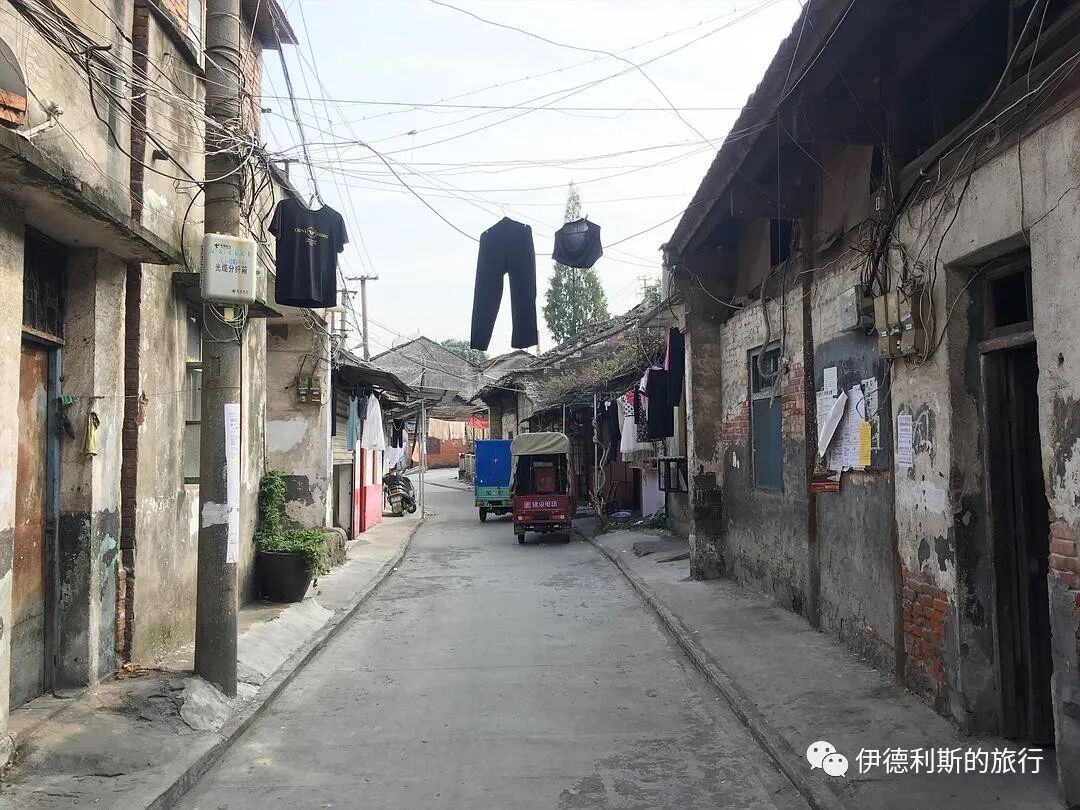
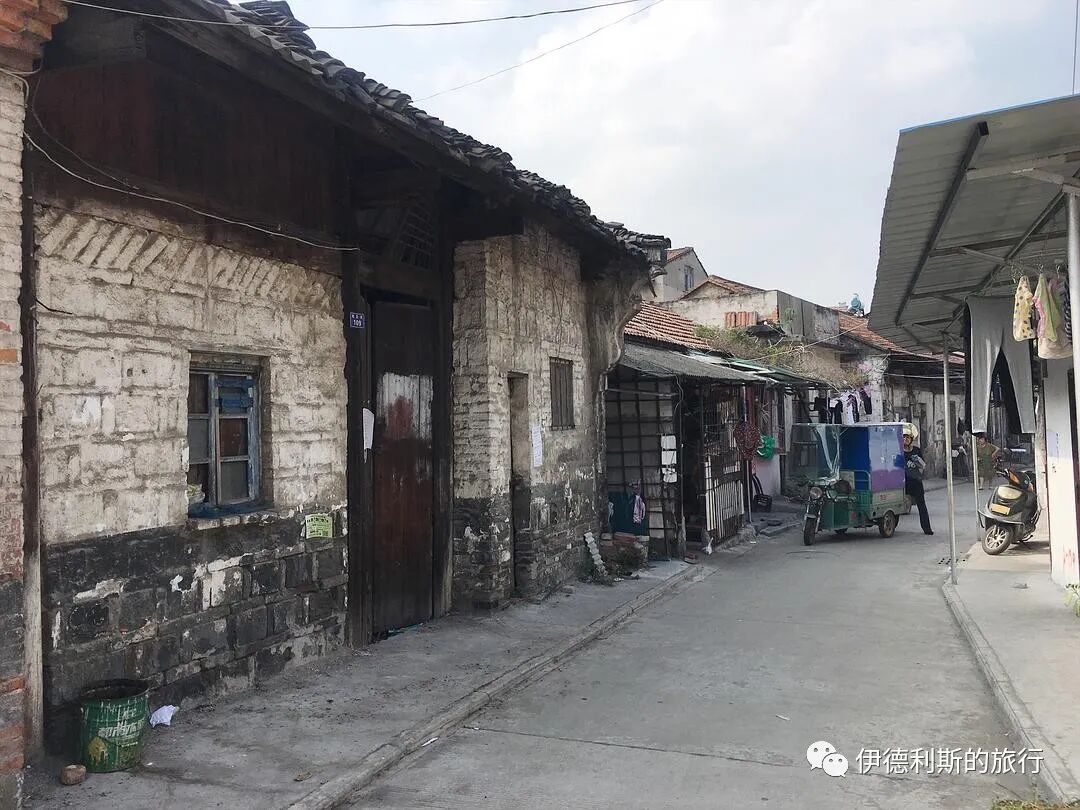
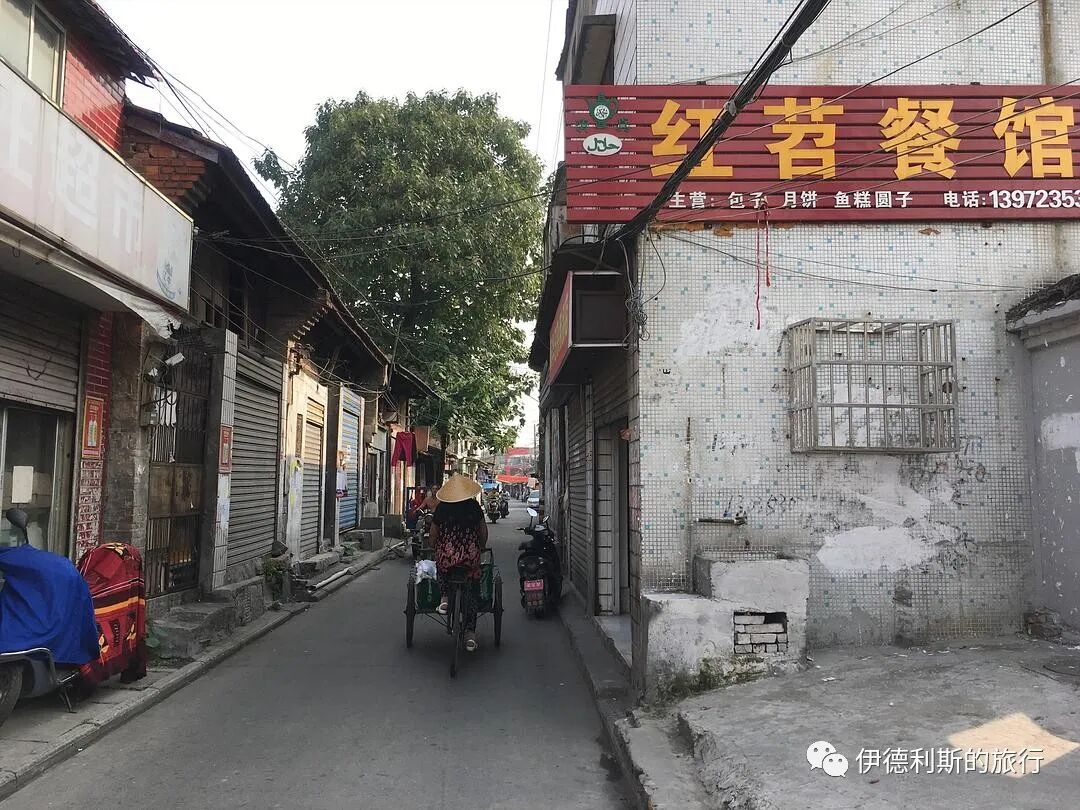
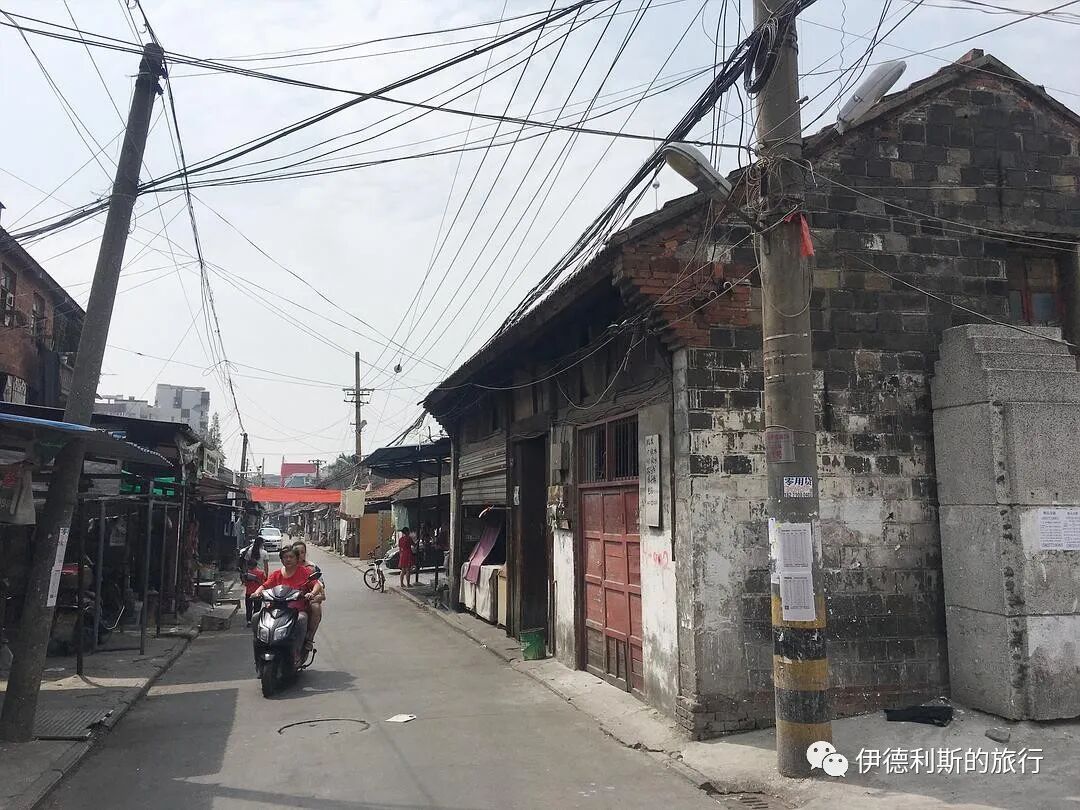
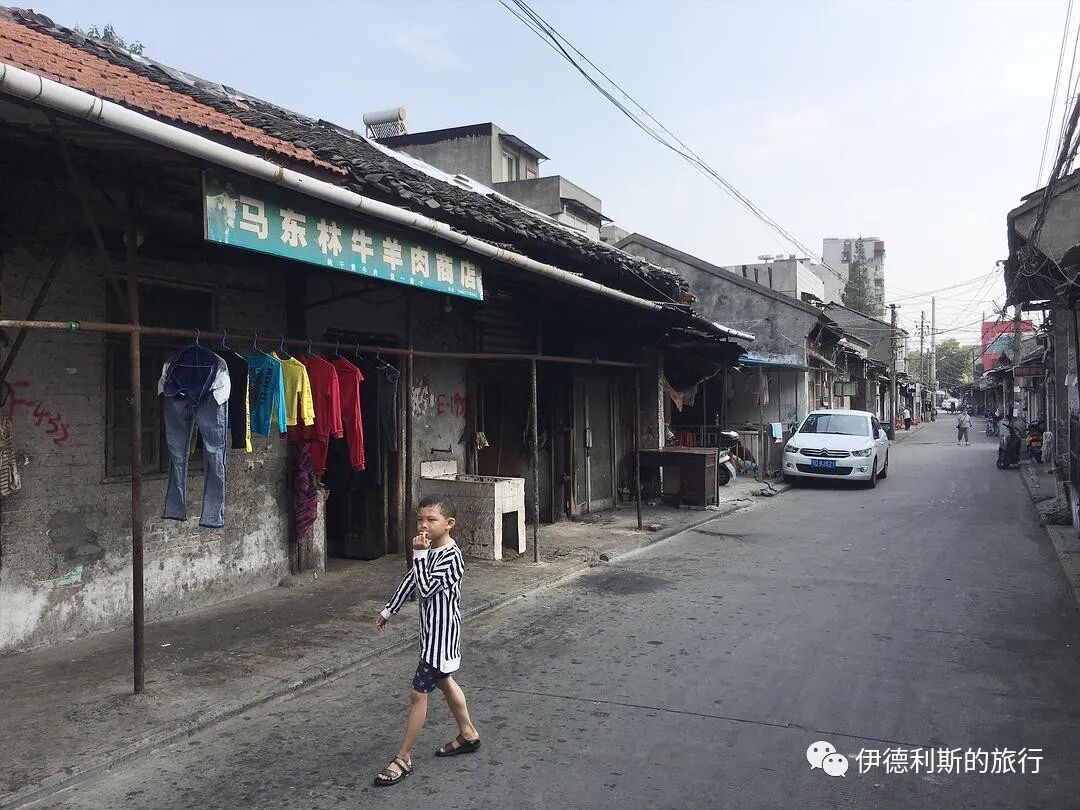
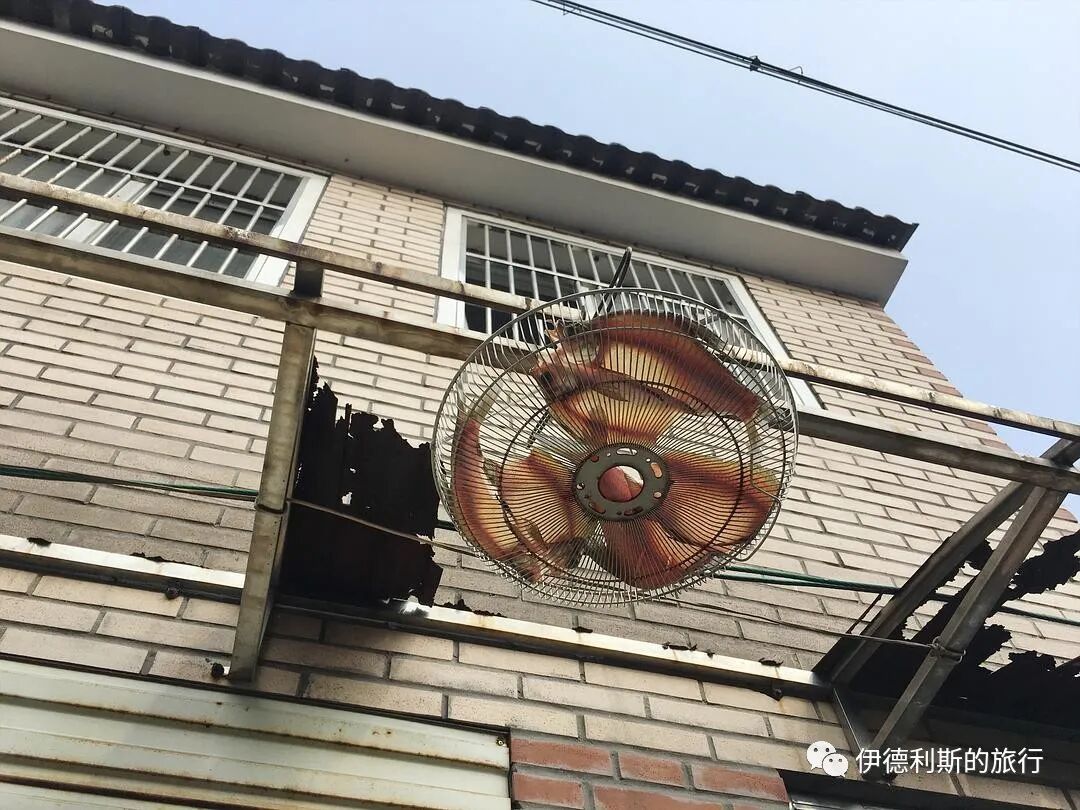
In August 2017, Shashi began a slum renovation project on Yingxi Hui Muslim Street. This was another traditional Hui Muslim community in Hubei set to disappear, following those in Wuchang, Hankou, and Fancheng. I decided to document the old street before it changed forever.
Yingxi Hui Muslim Street was originally called Yingxi Street. It was located inside the Yingxi Gate, the northwest gate of the Shashi earthen city wall. The Shashi earthen city wall was first built during the Southern Song Dynasty. It was rebuilt in 1797, the second year of the Jiaqing reign, because of the White Lotus Rebellion. It used brick for the parapets and riverside trees for fences. The Yingxi Gate was established at that time. After the 1950s, the Shashi earthen city wall was gradually torn down, and the Yingxi Gate no longer exists.
In the early years of the Republic of China, some Hui Muslims from Nanyang, Henan, fled to Shashi and settled on Yingxi Street. This is when the Hui Muslim community on Yingxi Street began to form.
On the 1953 edition of the Shashi City Map, you can see a Hui Muslim cooperative on Yingxi Street.
Yingxi Street and the nearby streets
Shashi Mosque
The oldest mosque in Shashi was called the Yinjia Lane Mosque. It was reportedly built in 1459, the third year of the Tianshun reign of the Ming Dynasty. After Yinjia Lane was widened in 1935, it was renamed Xinsha Road, and the mosque became known as the Xinsha Road Mosque. The Xinsha Road Mosque stopped its activities after 1966, but it resumed them in 1981.
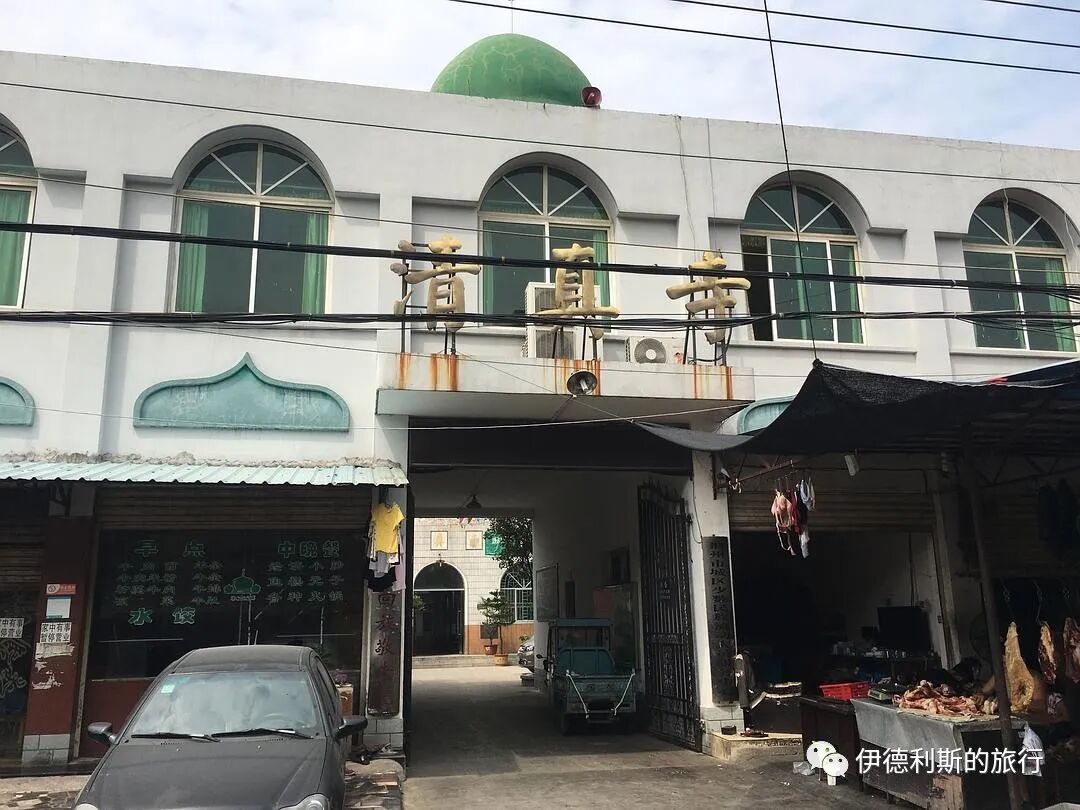
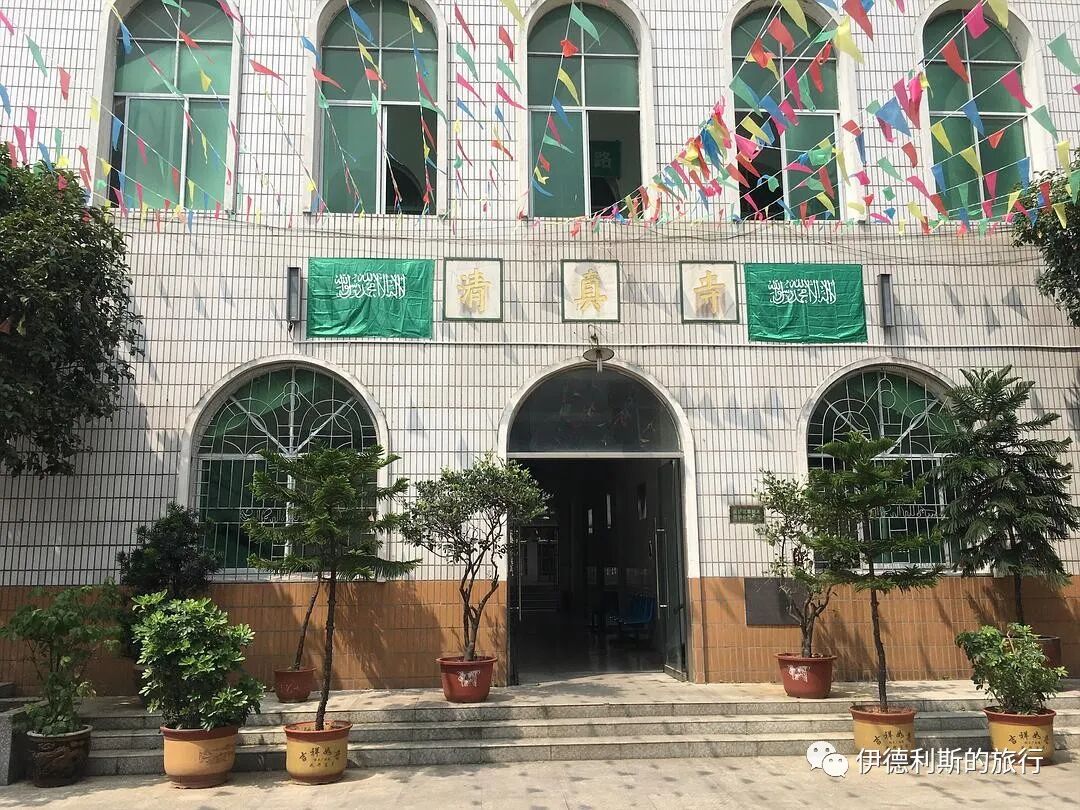
The Yingxi Street Mosque was built in 1925. After it was finished, the Yinjia Lane Mosque was called the Lower Mosque, and the Yingxi Street Mosque was called the Upper Mosque. In 1952, the Yingxi Street Mosque was turned into a Hui Muslim textile factory. After the factory moved in 1982, it became the Halal Donglaishun Restaurant and a Hui Muslim hostel.
After the 1990s, the area around the Xinsha Road Mosque became a busy market, which affected the mosque. In 1994, the mosque management committee decided to close the Xinsha Road Mosque and turn it into commercial space. At the same time, they rebuilt the Yingxi Street Mosque, which was completed in 1995.
A stall selling fried dough tips (youmojian) next to the mosque. Fried dough tips (youmojian) are a snack brought to Hubei from Henan. They are a bit like small fried dough sticks (youtiao).
Grass carp cake (huanyugao) is a specialty food in the Jingzhou area. Grass carp (huanyu), also known as black carp (qingyu), is a common edible fish in the middle and lower reaches of the Yangtze River.
I ate beef noodles, hot dry noodles (reganmian), steamed beef with rice flour (fenzheng niurou), and dried tofu noodles (dougan sufen) at an unnamed halal restaurant on Yingxi Street. Shashi's hot dry noodles (reganmian) are different from those in Wuhan because they include sweet bean paste (tianmianjiang).
Wang Daping Lamb Offal
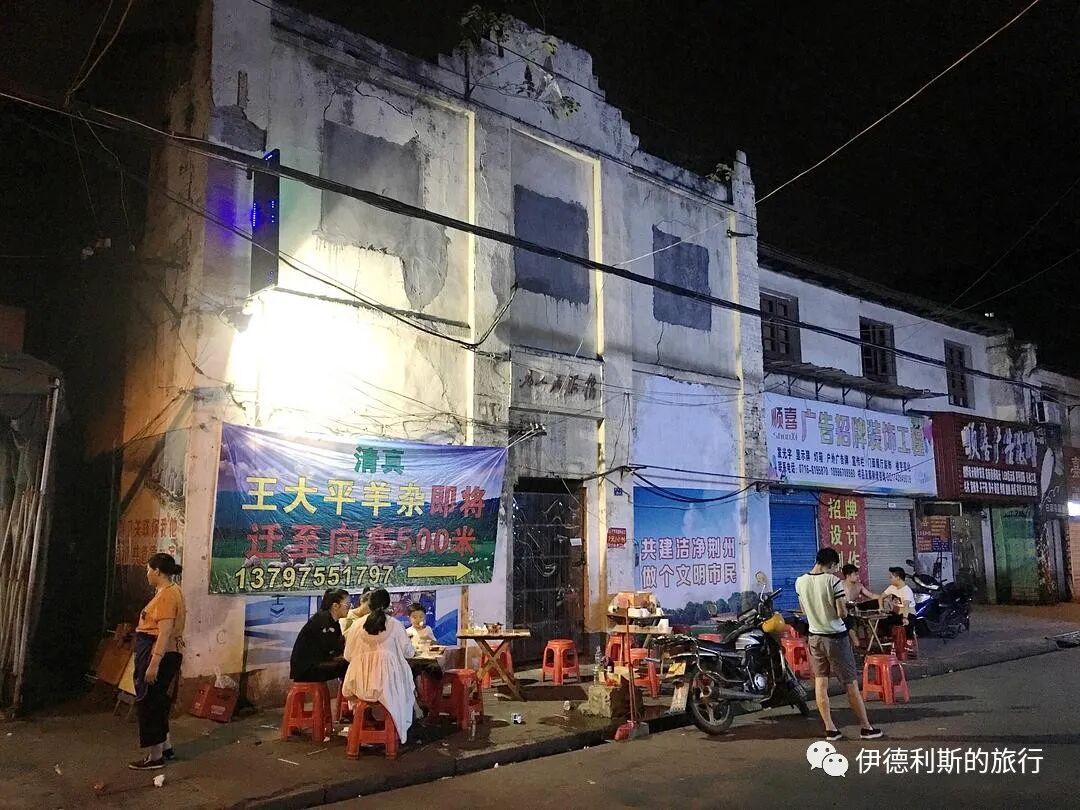
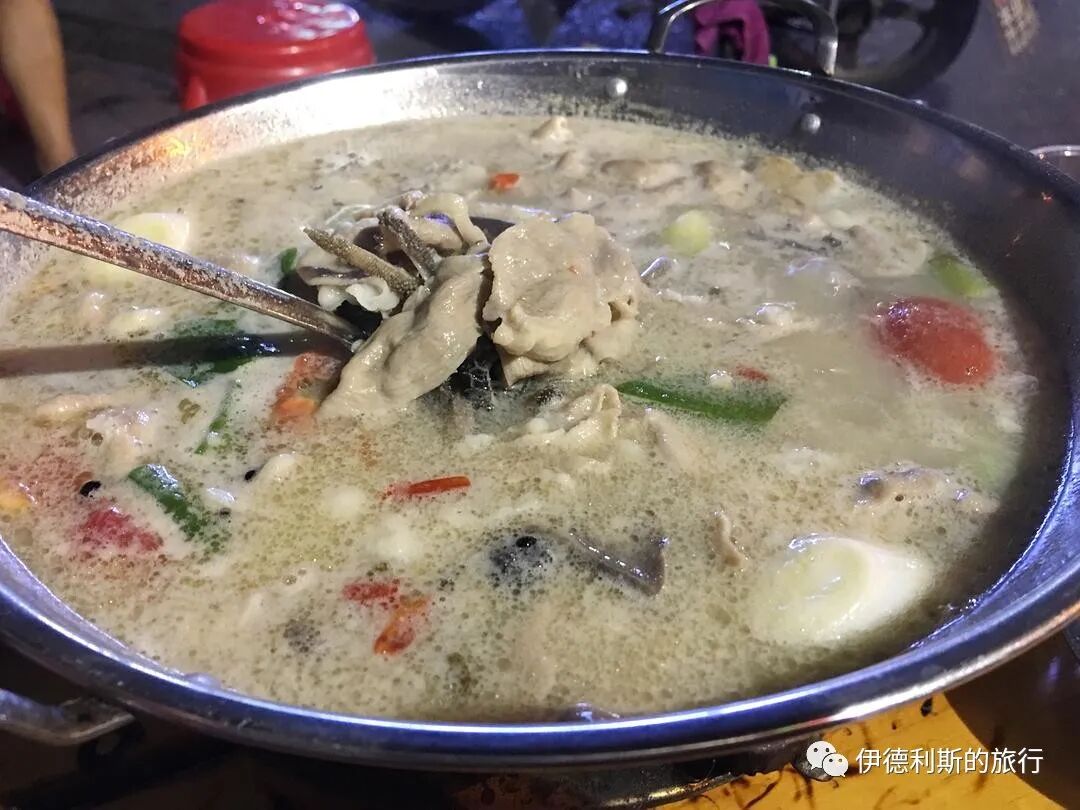
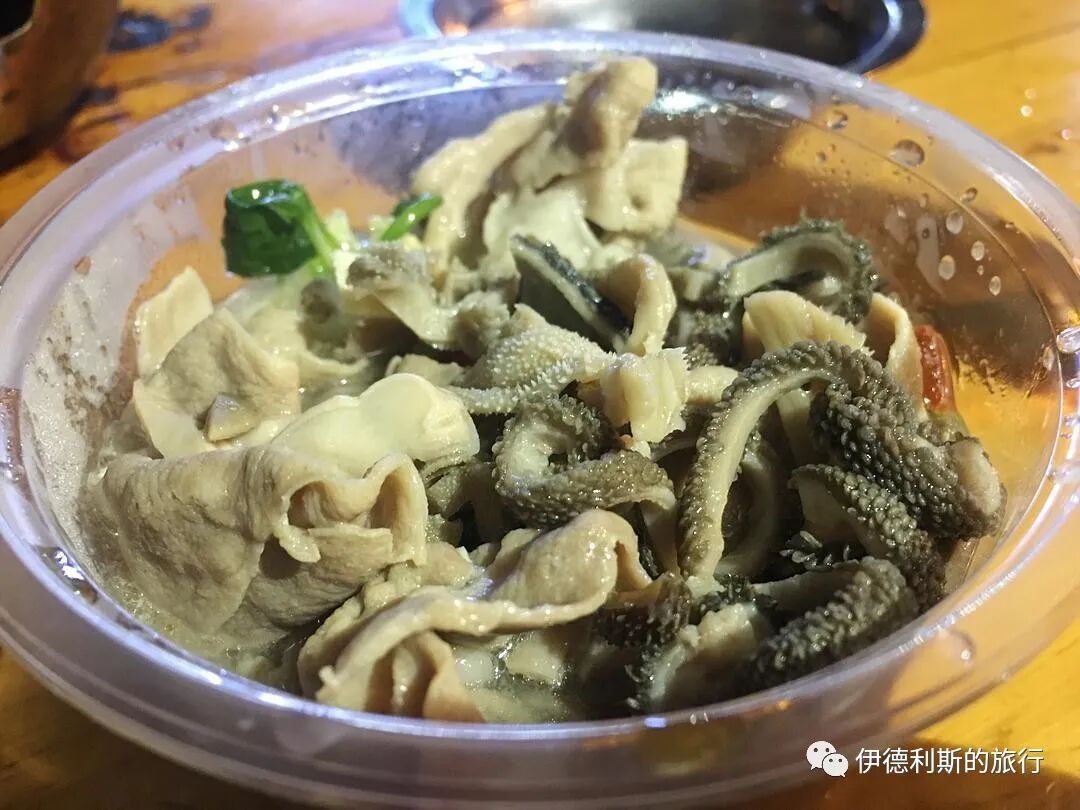
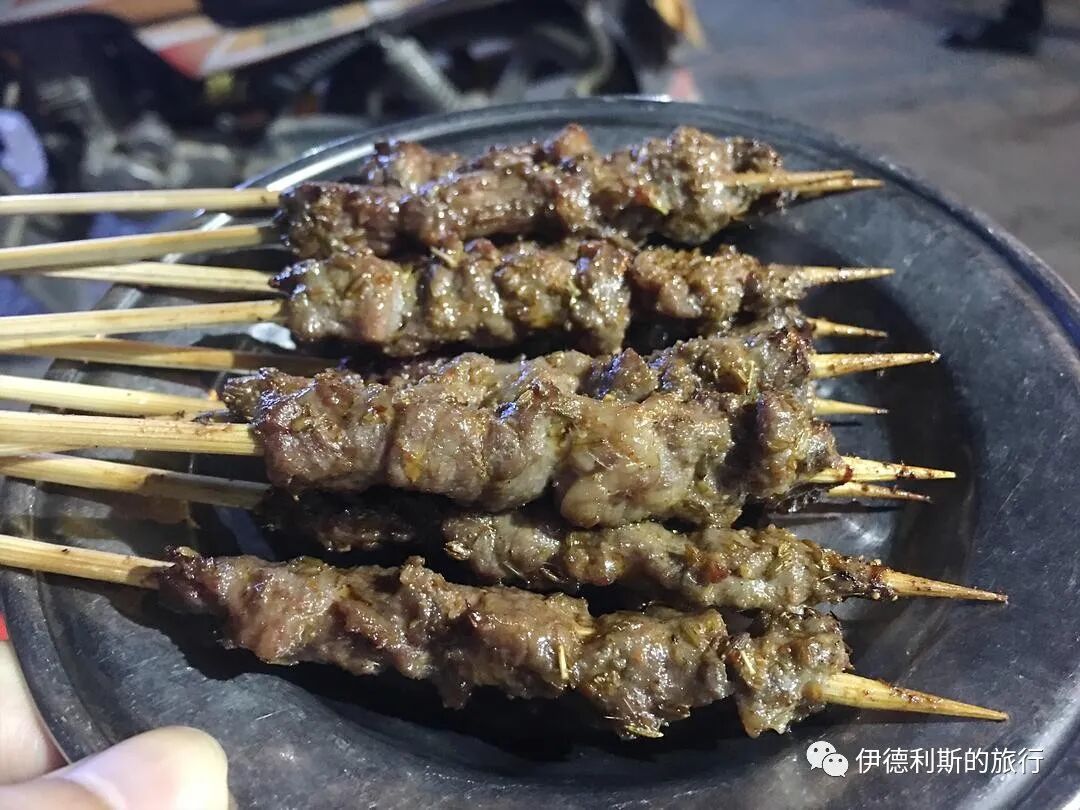
I had a late-night snack at Wang Daping Lamb Offal on Jiefang Road. It was a bit of a surprise. It was the best lamb and lamb offal hot pot I have had recently, and the lamb skewers were also amazing. I really did not expect to find such great lamb in Hubei.
This place is also very surreal. It is in front of an abandoned building with a 'Serve the People' star on it. The area is quiet and empty for 500 meters in every direction, but this spot is incredibly lively. When I visited in August 2017, Wang Daping had already built a grand new shop on Jiefang Road Food Street. It might open soon, and then you won't be able to see this amazing scene anymore.
Starting from the Kangxi reign, the Ding, Ma, Li, Wei, and Wang families who settled in Mianyang (Xiantao) began moving to Shashi. By the late Qing Dynasty, more families including the Wang, Li, Ha, Ai, Jiao, and Yi clans moved to Shashi from Henan, Nanjing, Shaanxi, and Anhui.
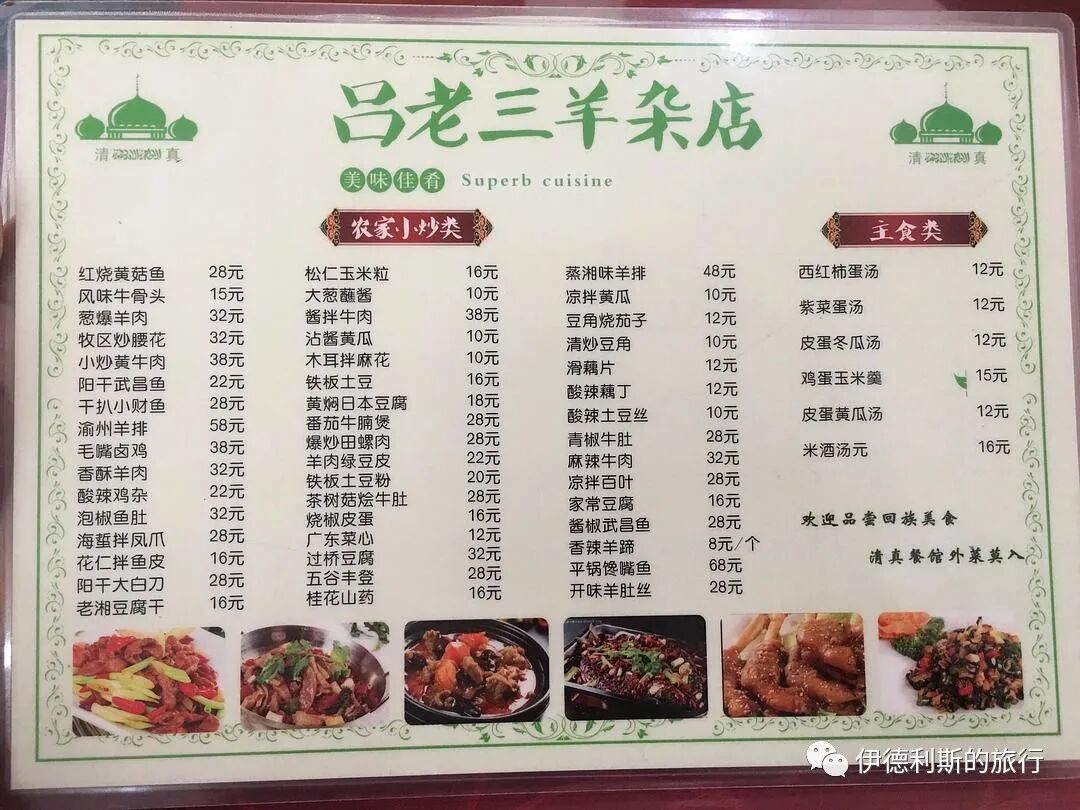
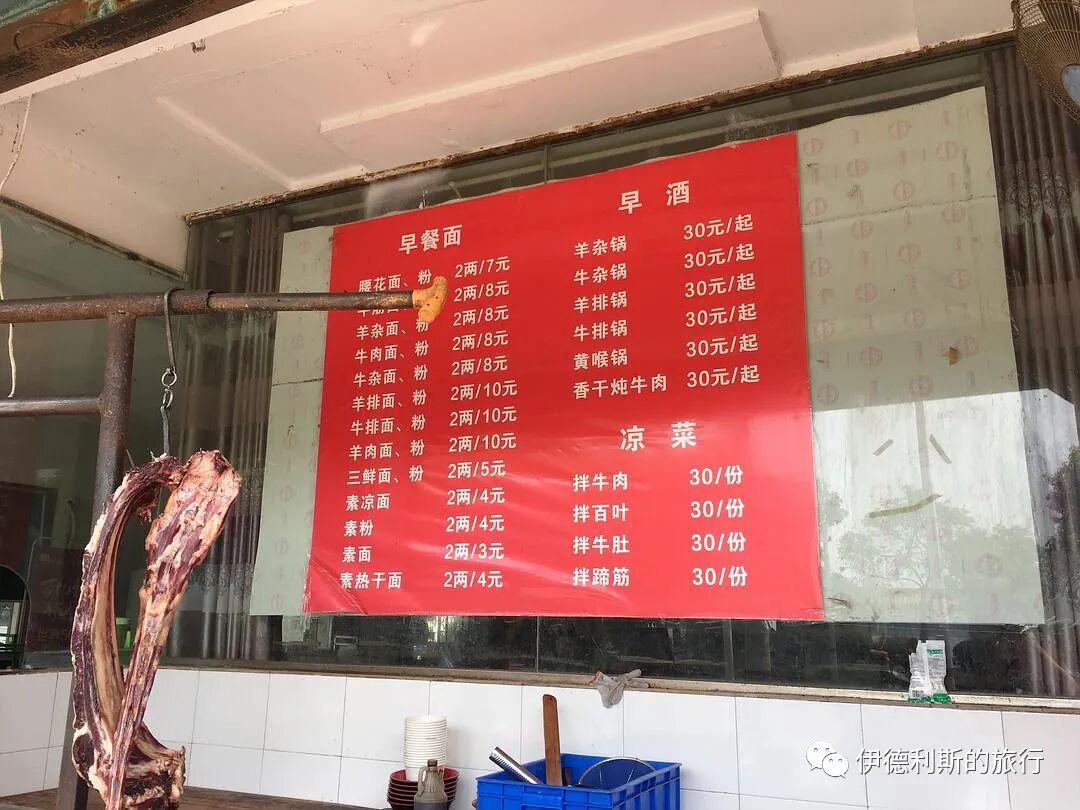
Old Three Lu Lamb Offal Shop (Lu Laosan Yangza Dian)
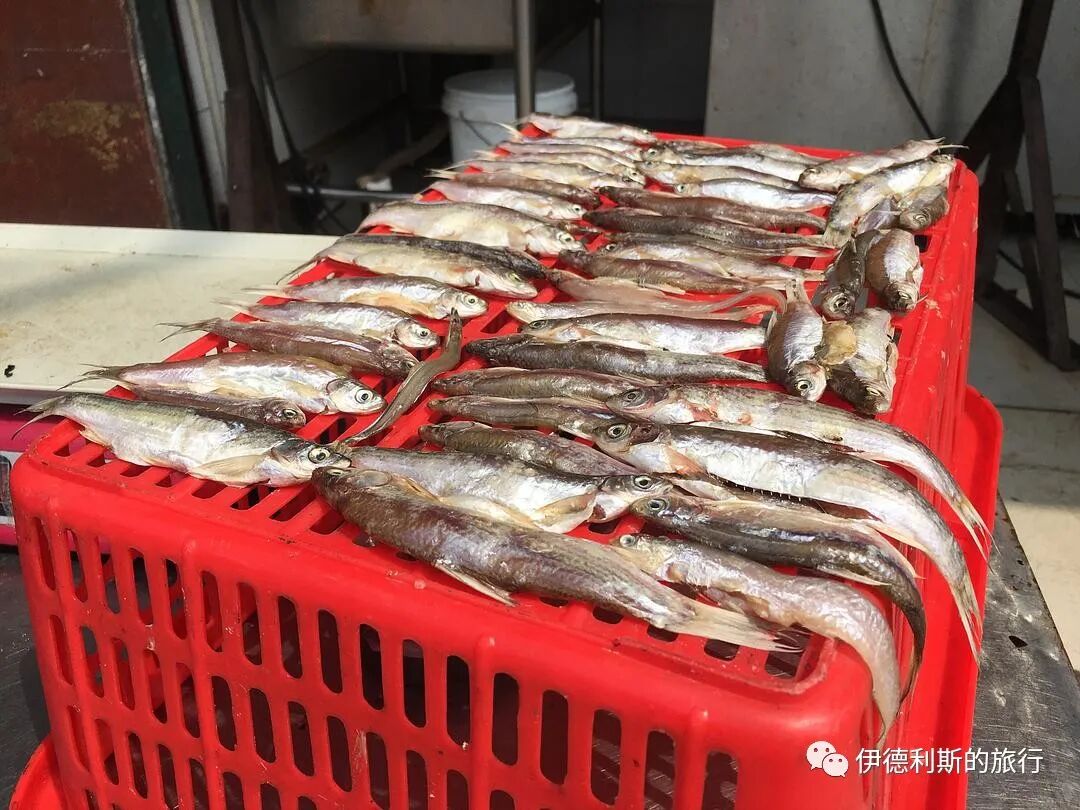
The sun-dried big white fish (yanggan dabiaodiao) and the peanut-mixed fish skin (huaren ban yupi) I ate at Old Three Lamb Offal Shop tasted great.
River-crossing ferry
Finally, let me share the river-crossing ferry from Shashi to Buhe Town on the opposite bank.
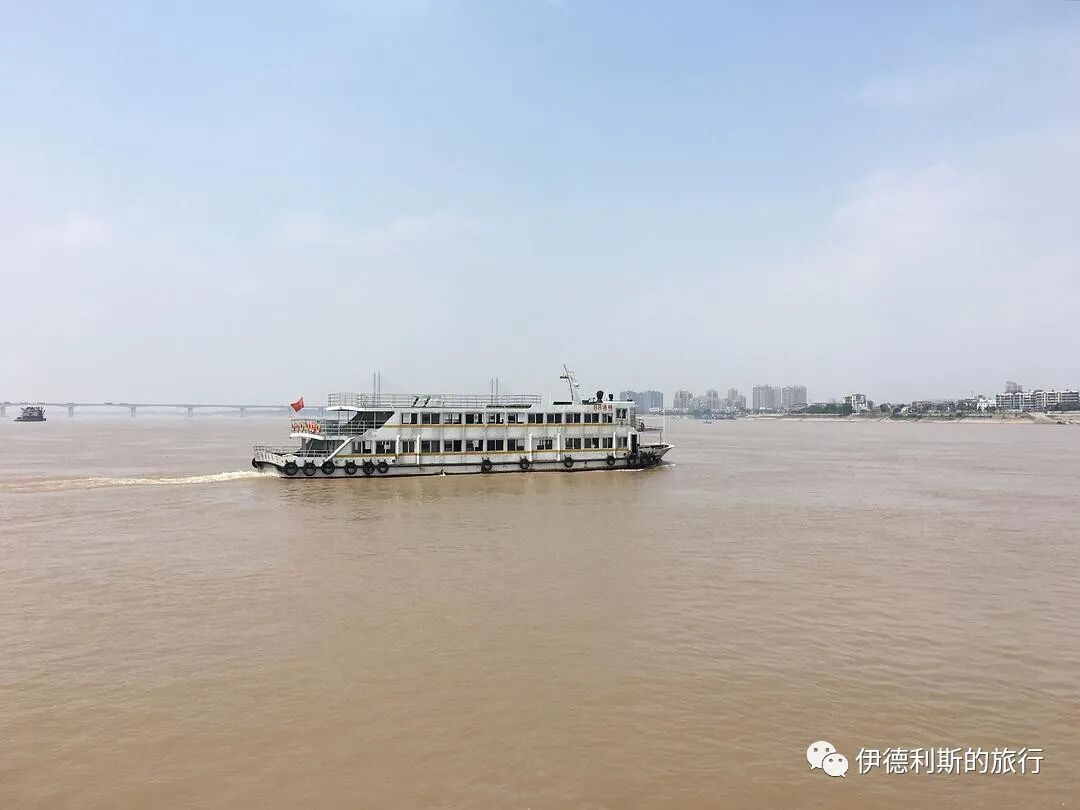
River-crossing car ferry
This was the first time I saw a car ferry where one boat tows another, and it even has to turn around and push the other boat to the shore when arriving. view all
Summary: Shashi Yingxi Hui Street — Mosque, Muslim Food and a Vanished Community is presented here as a firsthand travel account in clear English, beginning with this scene: In August 2017, Shashi began a slum renovation project on Yingxi Hui Muslim Street. The account keeps its focus on Hubei Muslims, Shashi Travel, Halal Food while preserving the names, places, food, and historical details from the Chinese source.
Yingxi Hui Muslim Street
In August 2017, Shashi began a slum renovation project on Yingxi Hui Muslim Street. This was another traditional Hui Muslim community in Hubei set to disappear, following those in Wuchang, Hankou, and Fancheng. I decided to document the old street before it changed forever.
Yingxi Hui Muslim Street was originally called Yingxi Street. It was located inside the Yingxi Gate, the northwest gate of the Shashi earthen city wall. The Shashi earthen city wall was first built during the Southern Song Dynasty. It was rebuilt in 1797, the second year of the Jiaqing reign, because of the White Lotus Rebellion. It used brick for the parapets and riverside trees for fences. The Yingxi Gate was established at that time. After the 1950s, the Shashi earthen city wall was gradually torn down, and the Yingxi Gate no longer exists.
In the early years of the Republic of China, some Hui Muslims from Nanyang, Henan, fled to Shashi and settled on Yingxi Street. This is when the Hui Muslim community on Yingxi Street began to form.
On the 1953 edition of the Shashi City Map, you can see a Hui Muslim cooperative on Yingxi Street.
Yingxi Street and the nearby streets
Shashi Mosque
The oldest mosque in Shashi was called the Yinjia Lane Mosque. It was reportedly built in 1459, the third year of the Tianshun reign of the Ming Dynasty. After Yinjia Lane was widened in 1935, it was renamed Xinsha Road, and the mosque became known as the Xinsha Road Mosque. The Xinsha Road Mosque stopped its activities after 1966, but it resumed them in 1981.
The Yingxi Street Mosque was built in 1925. After it was finished, the Yinjia Lane Mosque was called the Lower Mosque, and the Yingxi Street Mosque was called the Upper Mosque. In 1952, the Yingxi Street Mosque was turned into a Hui Muslim textile factory. After the factory moved in 1982, it became the Halal Donglaishun Restaurant and a Hui Muslim hostel.
After the 1990s, the area around the Xinsha Road Mosque became a busy market, which affected the mosque. In 1994, the mosque management committee decided to close the Xinsha Road Mosque and turn it into commercial space. At the same time, they rebuilt the Yingxi Street Mosque, which was completed in 1995.
A stall selling fried dough tips (youmojian) next to the mosque. Fried dough tips (youmojian) are a snack brought to Hubei from Henan. They are a bit like small fried dough sticks (youtiao).
Grass carp cake (huanyugao) is a specialty food in the Jingzhou area. Grass carp (huanyu), also known as black carp (qingyu), is a common edible fish in the middle and lower reaches of the Yangtze River.
I ate beef noodles, hot dry noodles (reganmian), steamed beef with rice flour (fenzheng niurou), and dried tofu noodles (dougan sufen) at an unnamed halal restaurant on Yingxi Street. Shashi's hot dry noodles (reganmian) are different from those in Wuhan because they include sweet bean paste (tianmianjiang).
Wang Daping Lamb Offal
I had a late-night snack at Wang Daping Lamb Offal on Jiefang Road. It was a bit of a surprise. It was the best lamb and lamb offal hot pot I have had recently, and the lamb skewers were also amazing. I really did not expect to find such great lamb in Hubei.
This place is also very surreal. It is in front of an abandoned building with a 'Serve the People' star on it. The area is quiet and empty for 500 meters in every direction, but this spot is incredibly lively. When I visited in August 2017, Wang Daping had already built a grand new shop on Jiefang Road Food Street. It might open soon, and then you won't be able to see this amazing scene anymore.
Starting from the Kangxi reign, the Ding, Ma, Li, Wei, and Wang families who settled in Mianyang (Xiantao) began moving to Shashi. By the late Qing Dynasty, more families including the Wang, Li, Ha, Ai, Jiao, and Yi clans moved to Shashi from Henan, Nanjing, Shaanxi, and Anhui.
Old Three Lu Lamb Offal Shop (Lu Laosan Yangza Dian)
The sun-dried big white fish (yanggan dabiaodiao) and the peanut-mixed fish skin (huaren ban yupi) I ate at Old Three Lamb Offal Shop tasted great.
River-crossing ferry
Finally, let me share the river-crossing ferry from Shashi to Buhe Town on the opposite bank.
River-crossing car ferry
This was the first time I saw a car ferry where one boat tows another, and it even has to turn around and push the other boat to the shore when arriving. view all
Reposted from the web
Summary: Shashi Yingxi Hui Street — Mosque, Muslim Food and a Vanished Community is presented here as a firsthand travel account in clear English, beginning with this scene: In August 2017, Shashi began a slum renovation project on Yingxi Hui Muslim Street. The account keeps its focus on Hubei Muslims, Shashi Travel, Halal Food while preserving the names, places, food, and historical details from the Chinese source.
Yingxi Hui Muslim Street
In August 2017, Shashi began a slum renovation project on Yingxi Hui Muslim Street. This was another traditional Hui Muslim community in Hubei set to disappear, following those in Wuchang, Hankou, and Fancheng. I decided to document the old street before it changed forever.
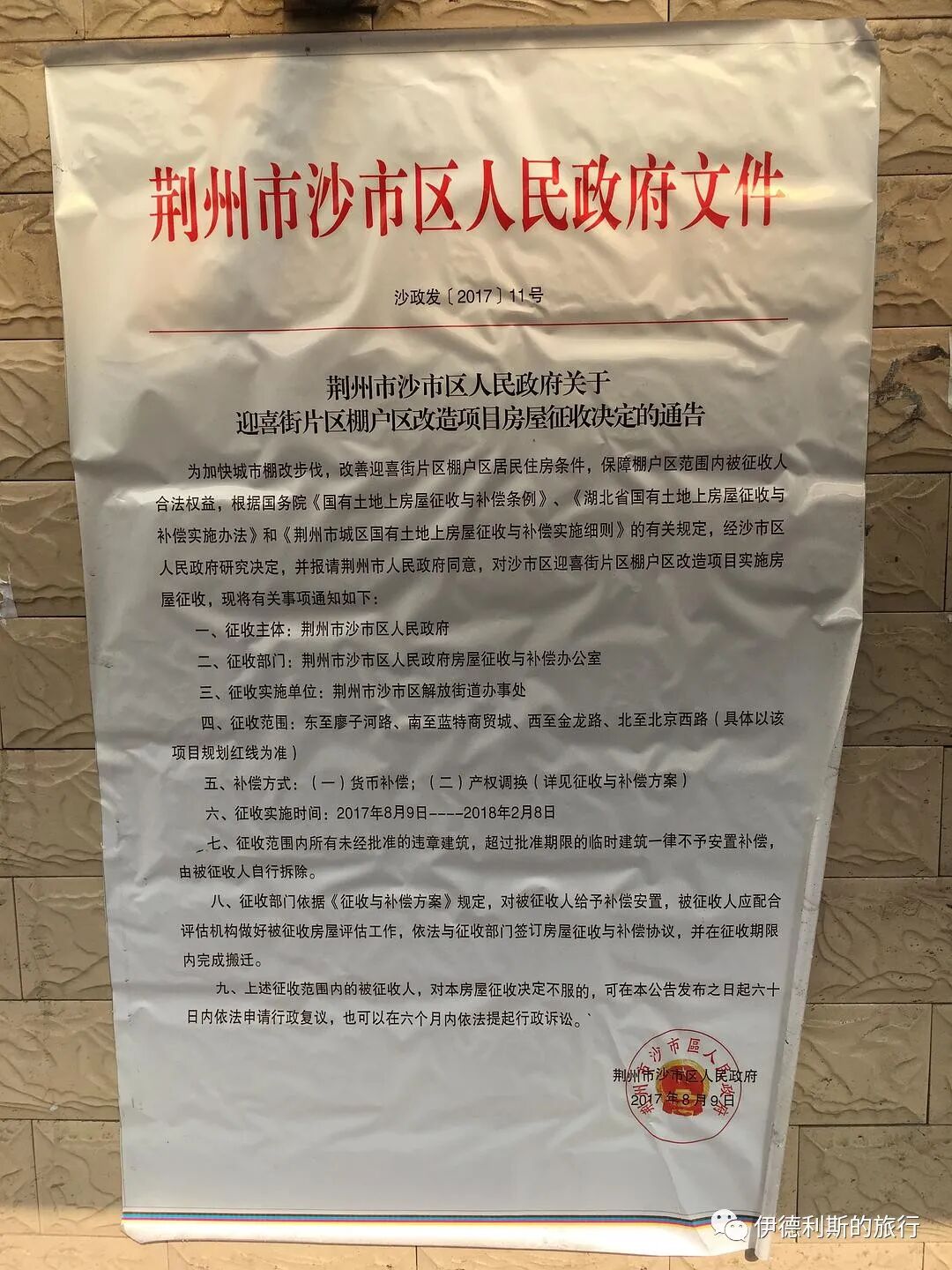
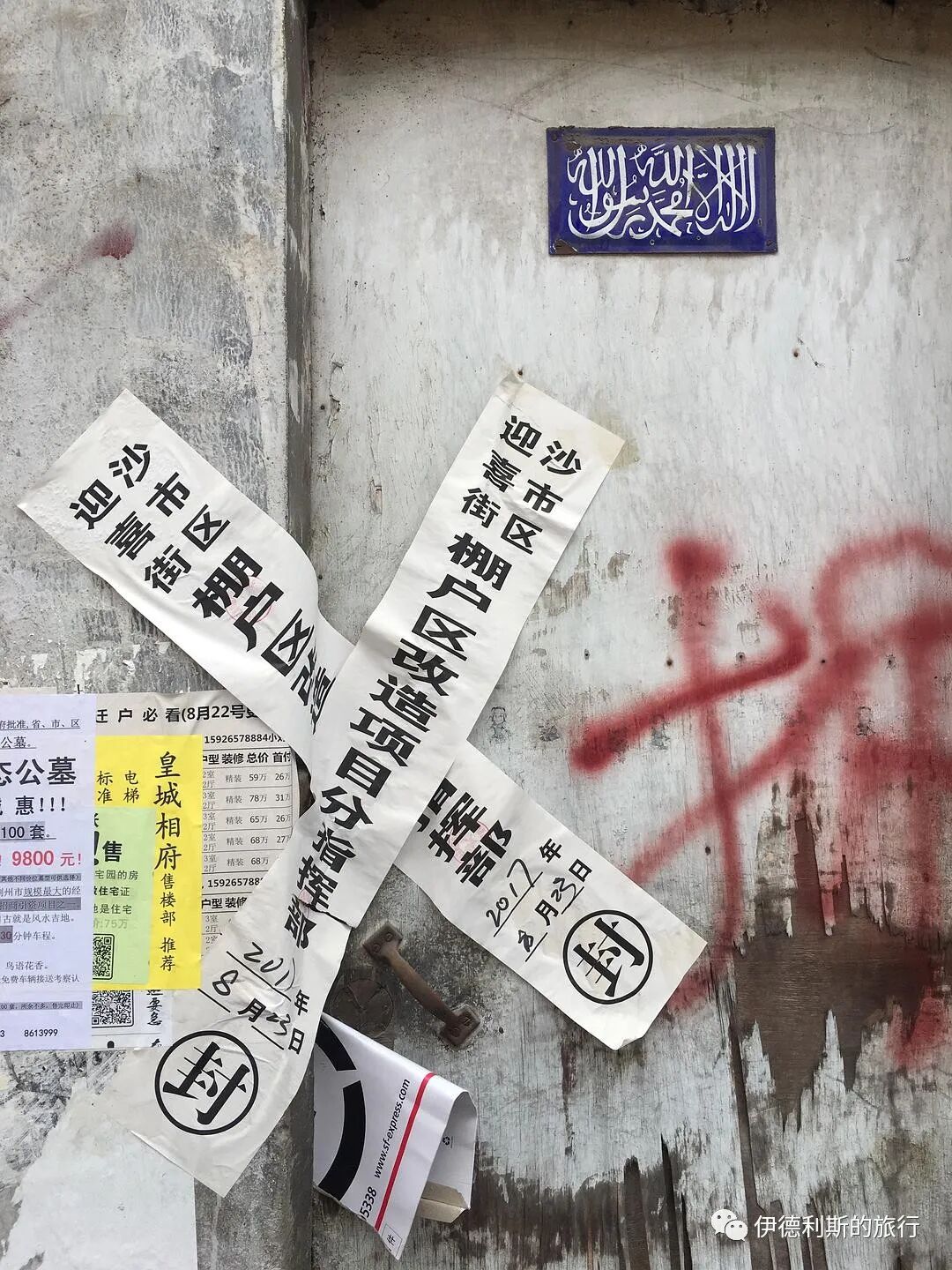
Yingxi Hui Muslim Street was originally called Yingxi Street. It was located inside the Yingxi Gate, the northwest gate of the Shashi earthen city wall. The Shashi earthen city wall was first built during the Southern Song Dynasty. It was rebuilt in 1797, the second year of the Jiaqing reign, because of the White Lotus Rebellion. It used brick for the parapets and riverside trees for fences. The Yingxi Gate was established at that time. After the 1950s, the Shashi earthen city wall was gradually torn down, and the Yingxi Gate no longer exists.
In the early years of the Republic of China, some Hui Muslims from Nanyang, Henan, fled to Shashi and settled on Yingxi Street. This is when the Hui Muslim community on Yingxi Street began to form.
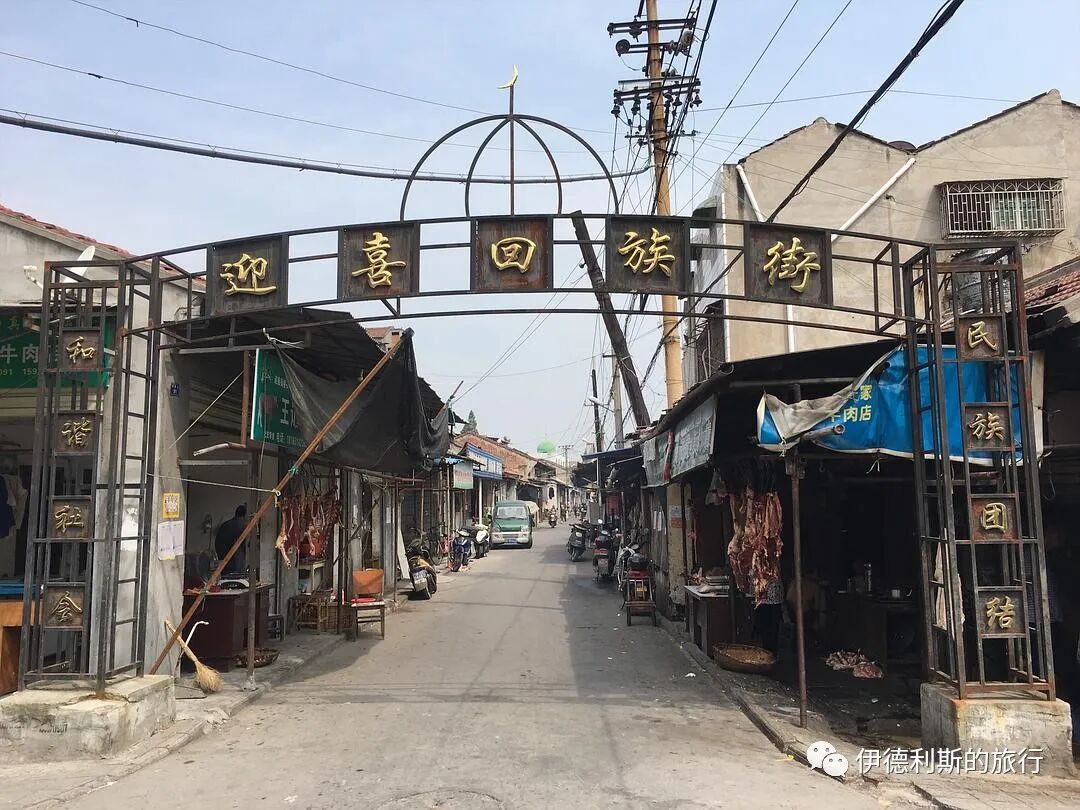
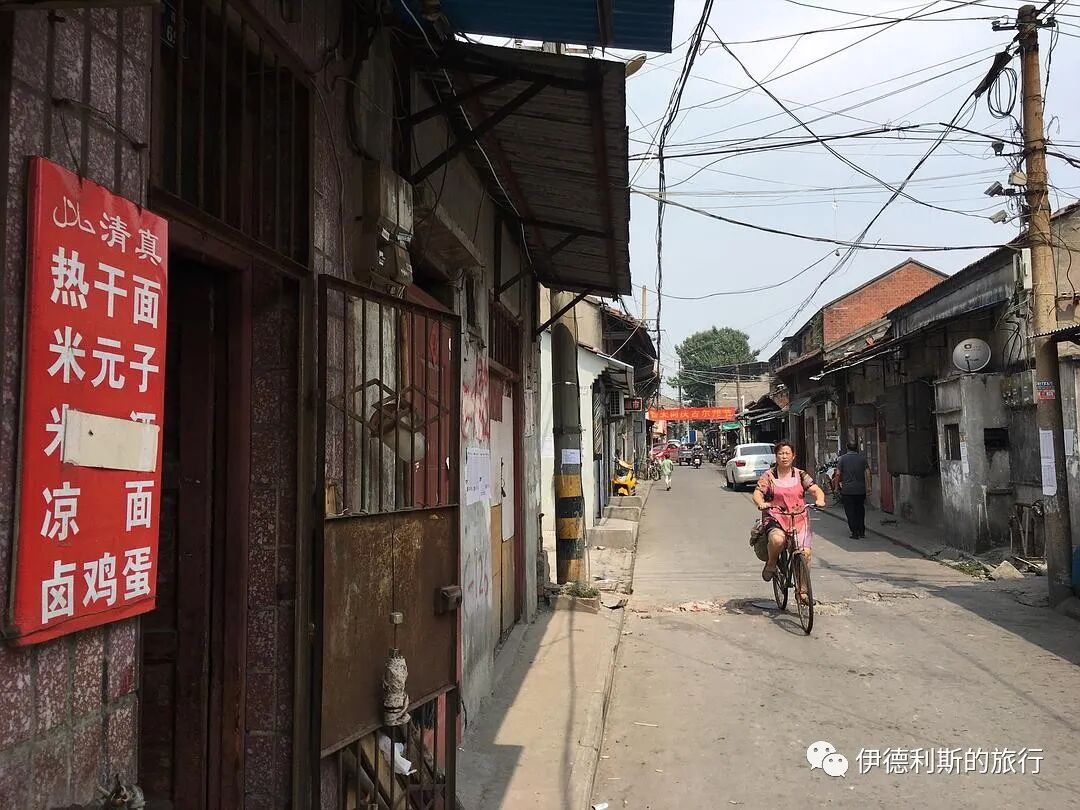
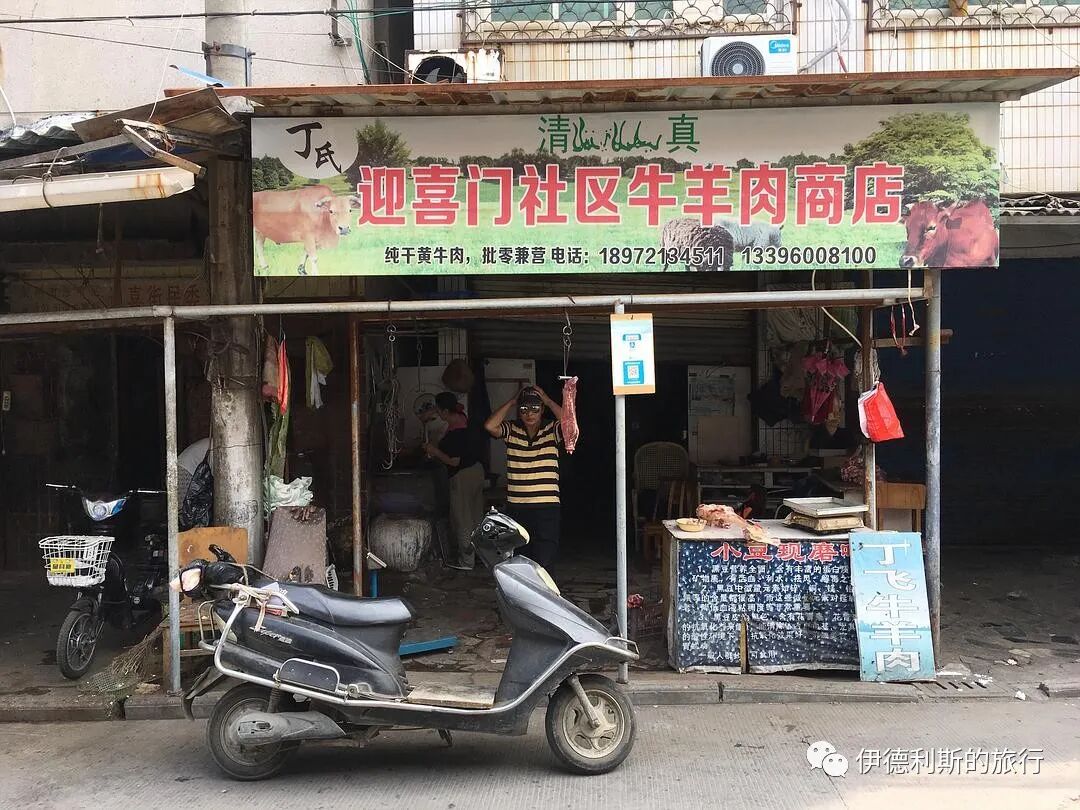
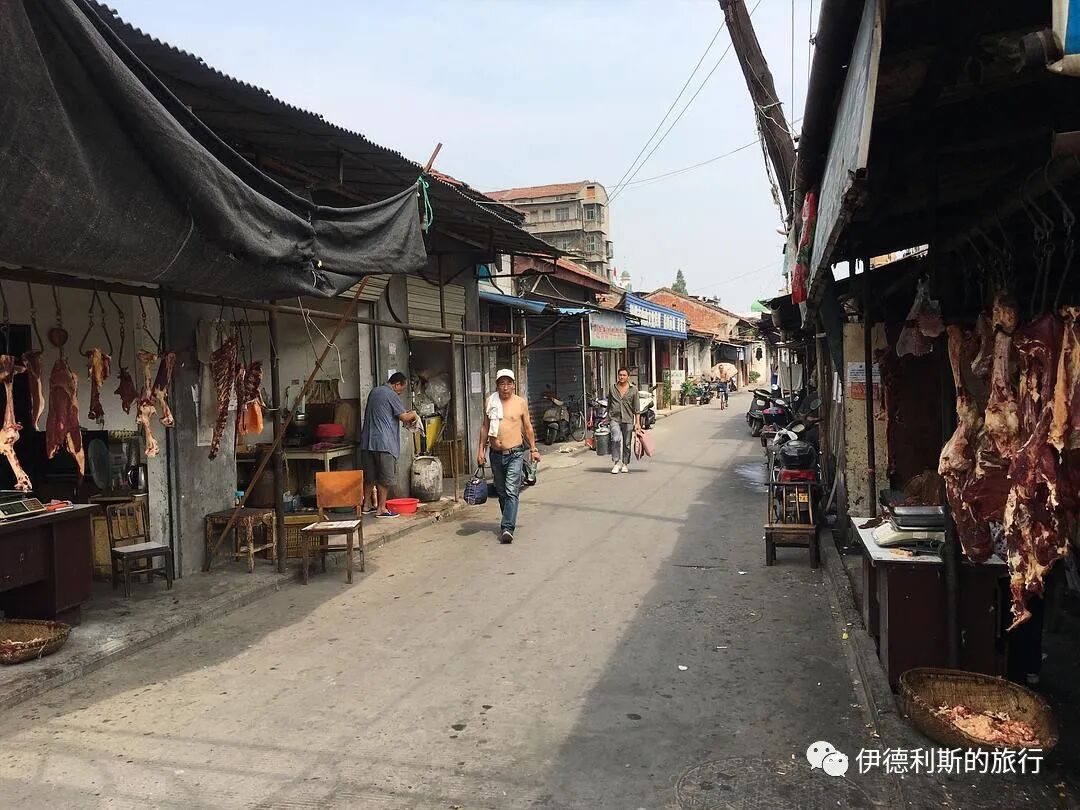
On the 1953 edition of the Shashi City Map, you can see a Hui Muslim cooperative on Yingxi Street.
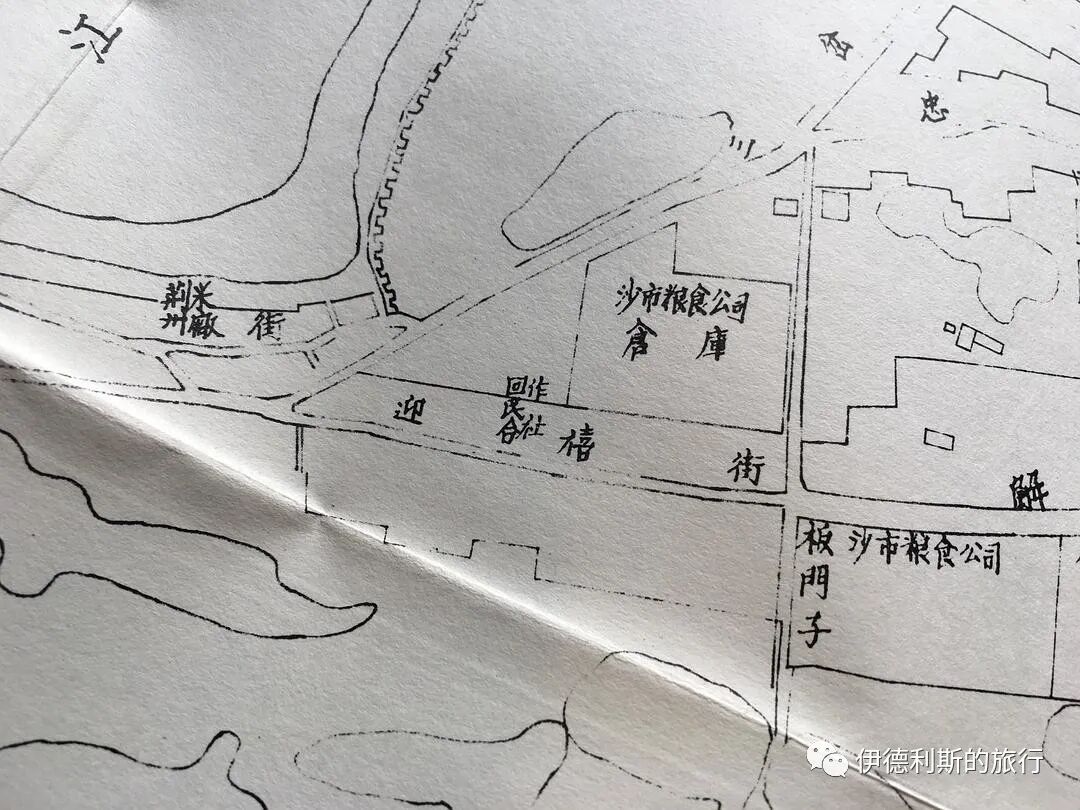
Yingxi Street and the nearby streets
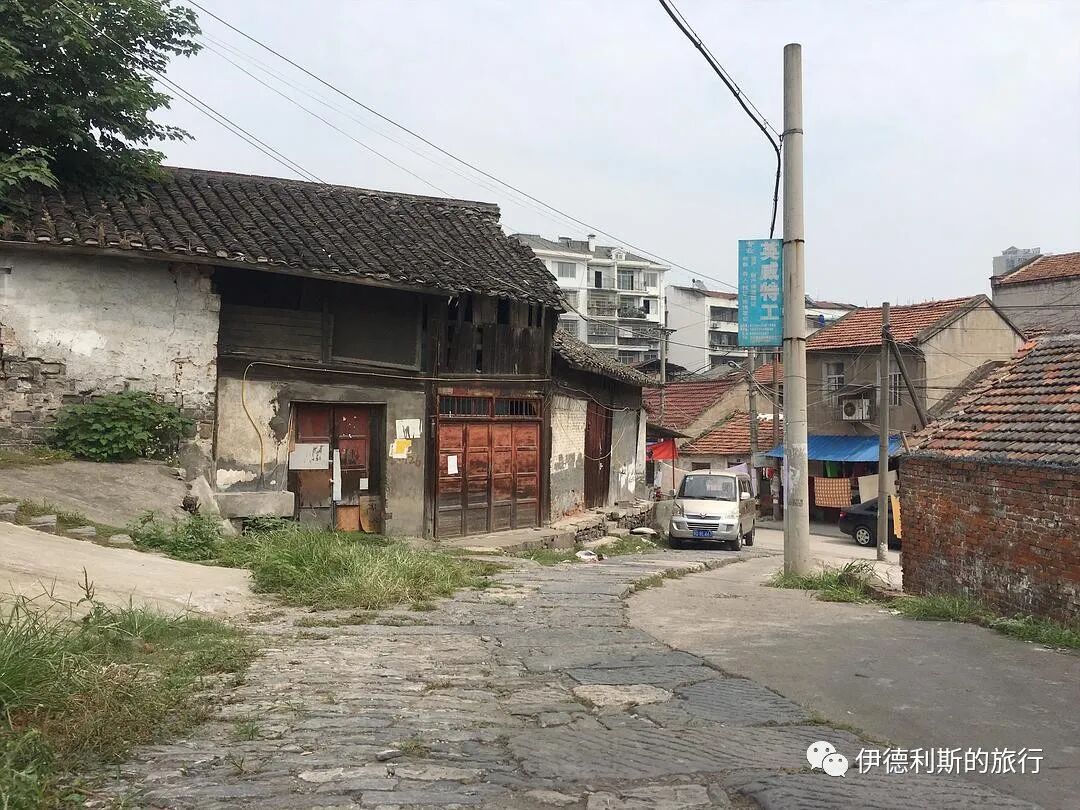
Shashi Mosque
The oldest mosque in Shashi was called the Yinjia Lane Mosque. It was reportedly built in 1459, the third year of the Tianshun reign of the Ming Dynasty. After Yinjia Lane was widened in 1935, it was renamed Xinsha Road, and the mosque became known as the Xinsha Road Mosque. The Xinsha Road Mosque stopped its activities after 1966, but it resumed them in 1981.
The Yingxi Street Mosque was built in 1925. After it was finished, the Yinjia Lane Mosque was called the Lower Mosque, and the Yingxi Street Mosque was called the Upper Mosque. In 1952, the Yingxi Street Mosque was turned into a Hui Muslim textile factory. After the factory moved in 1982, it became the Halal Donglaishun Restaurant and a Hui Muslim hostel.
After the 1990s, the area around the Xinsha Road Mosque became a busy market, which affected the mosque. In 1994, the mosque management committee decided to close the Xinsha Road Mosque and turn it into commercial space. At the same time, they rebuilt the Yingxi Street Mosque, which was completed in 1995.
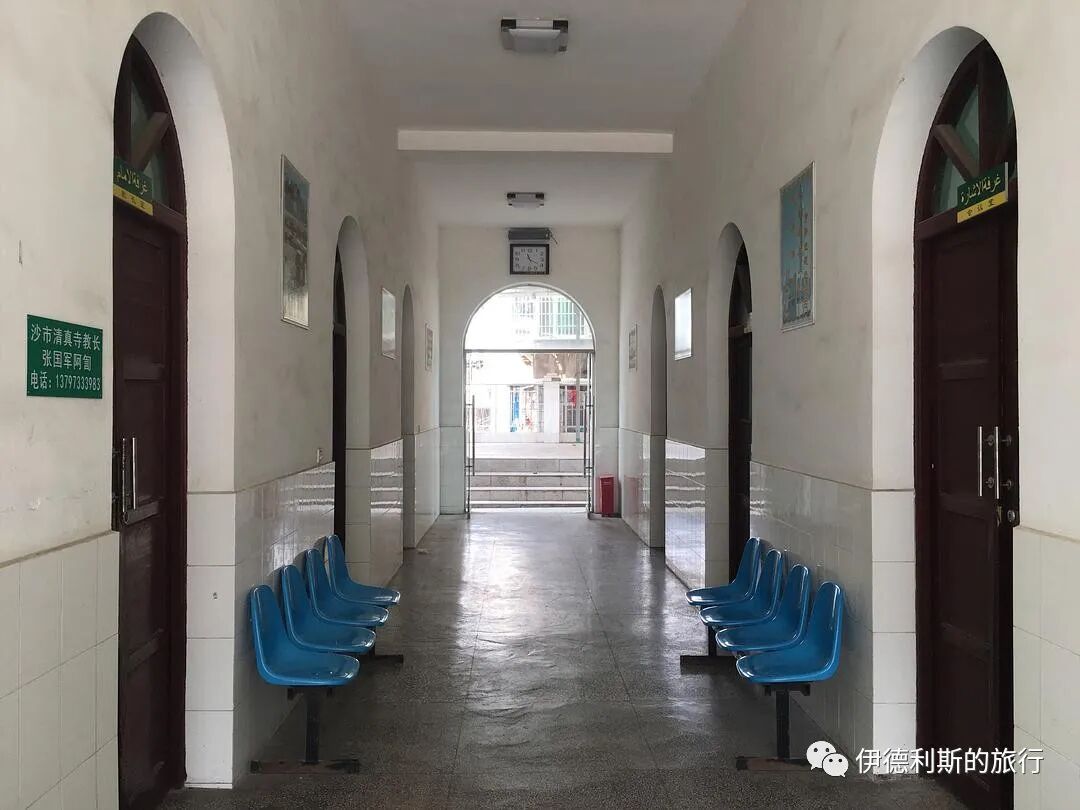
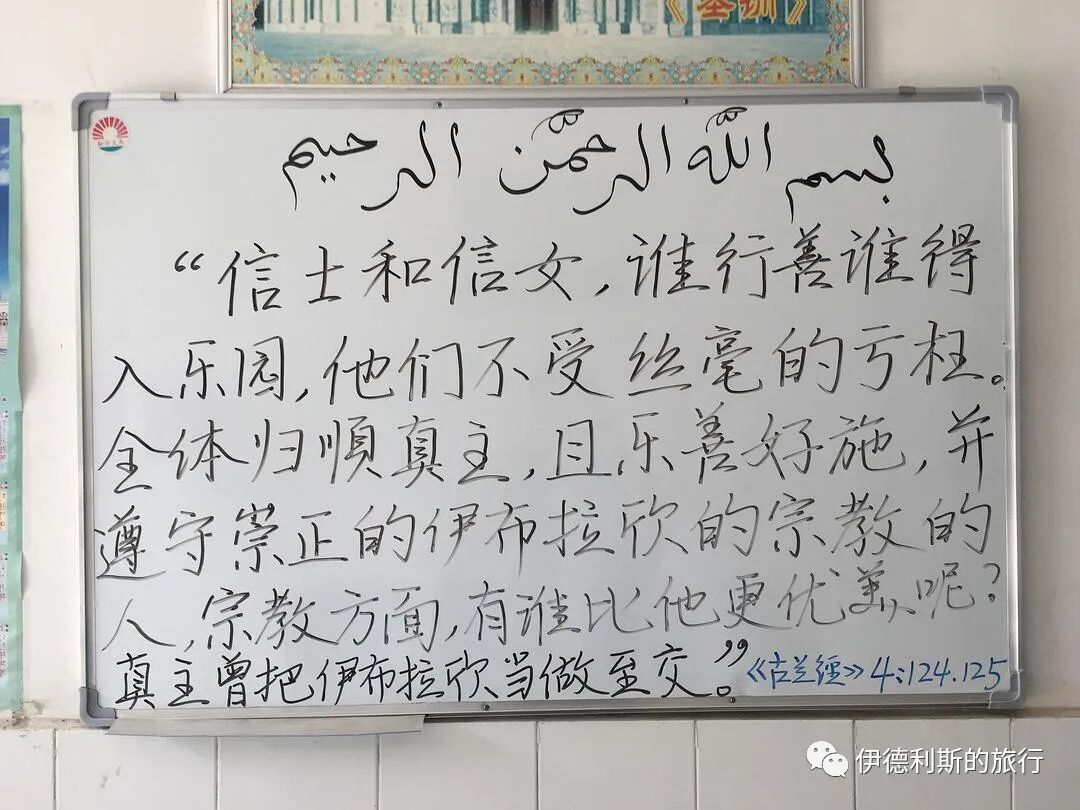
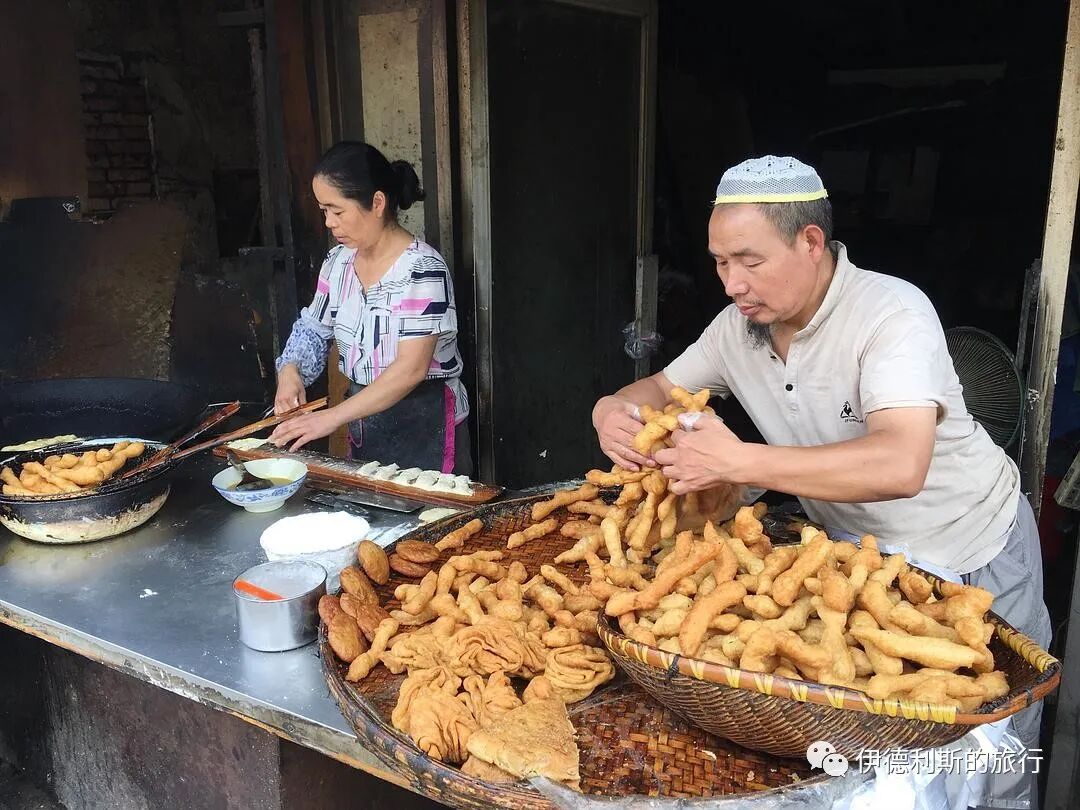
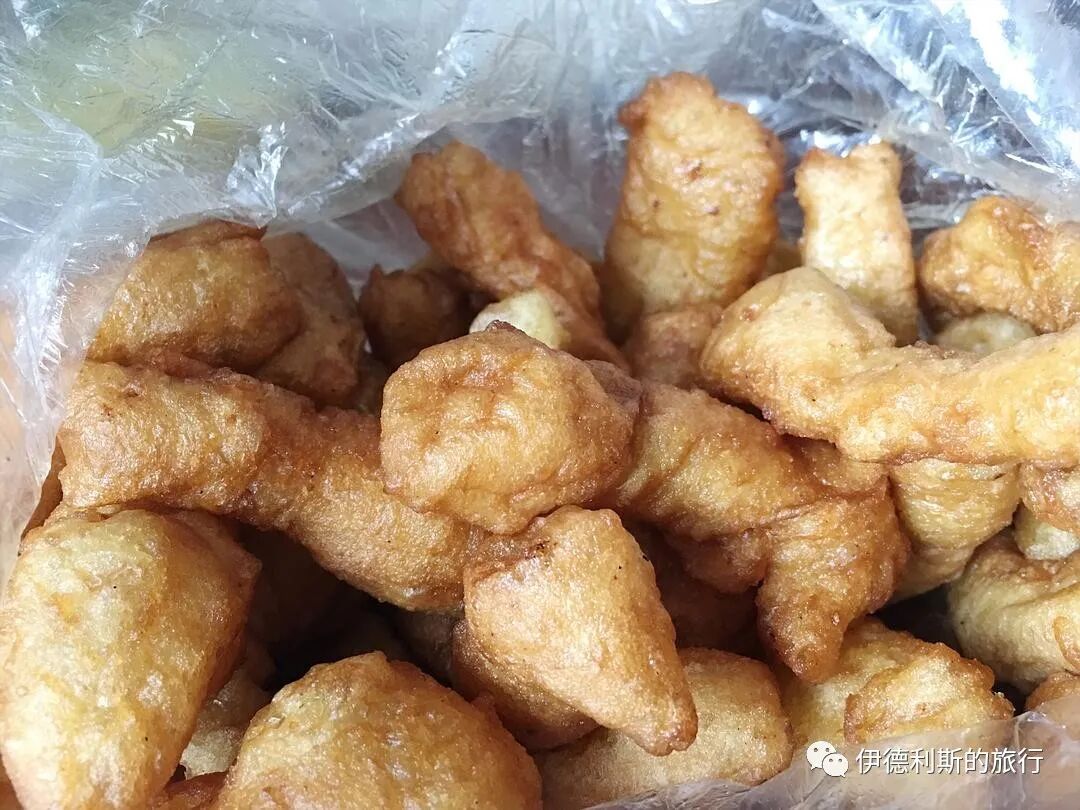
A stall selling fried dough tips (youmojian) next to the mosque. Fried dough tips (youmojian) are a snack brought to Hubei from Henan. They are a bit like small fried dough sticks (youtiao).
Grass carp cake (huanyugao) is a specialty food in the Jingzhou area. Grass carp (huanyu), also known as black carp (qingyu), is a common edible fish in the middle and lower reaches of the Yangtze River.
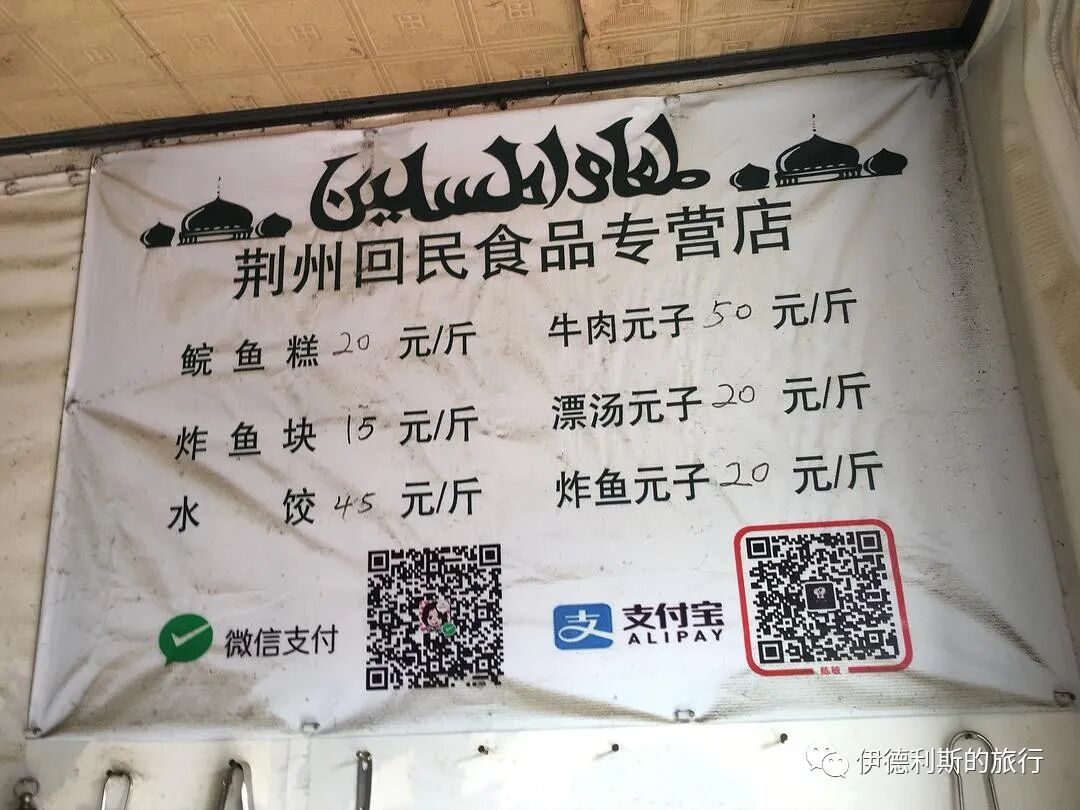
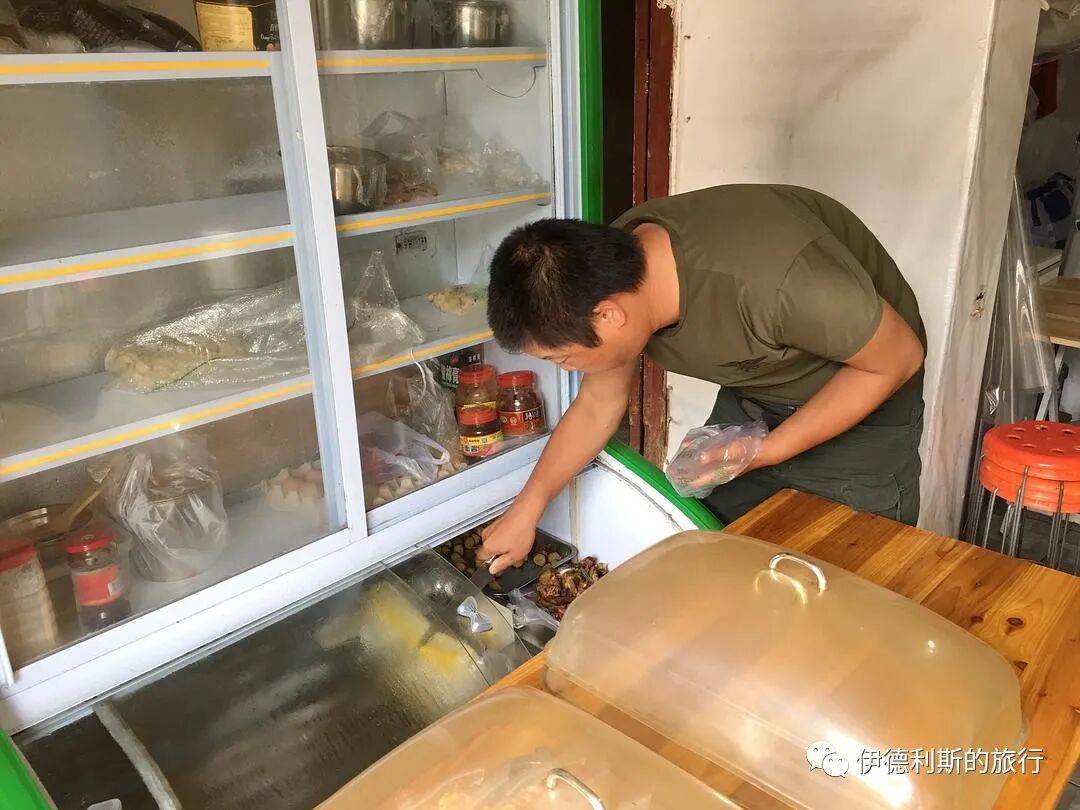
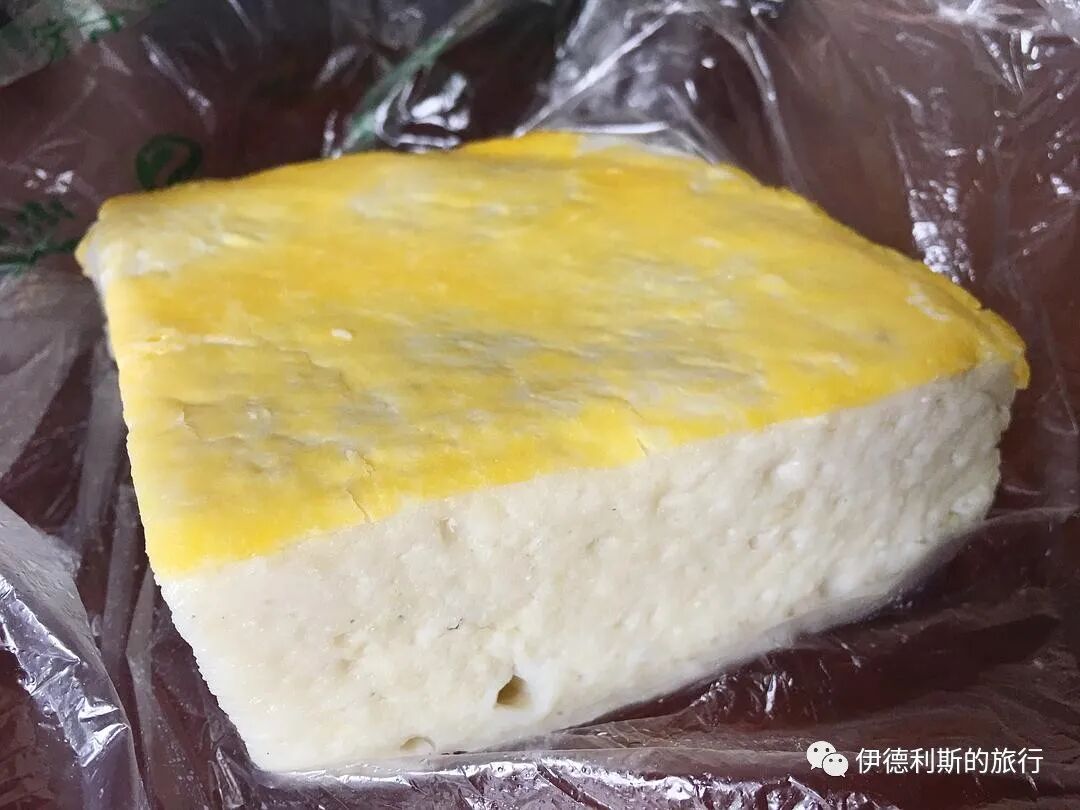
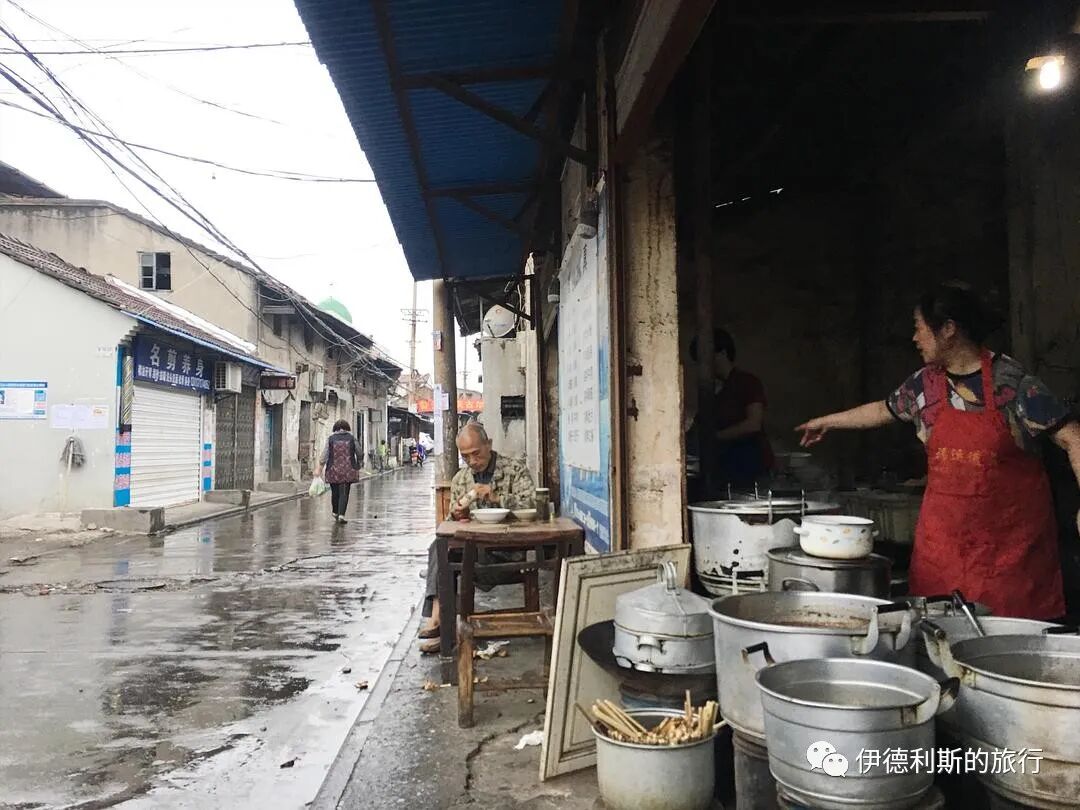
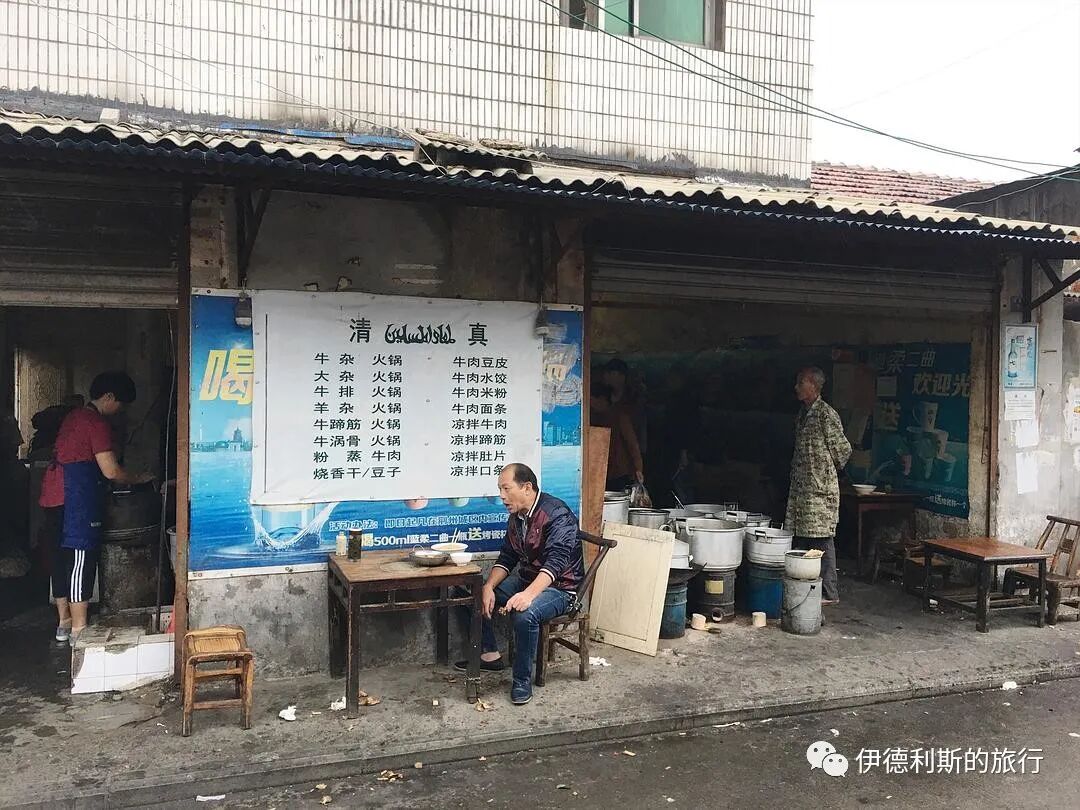
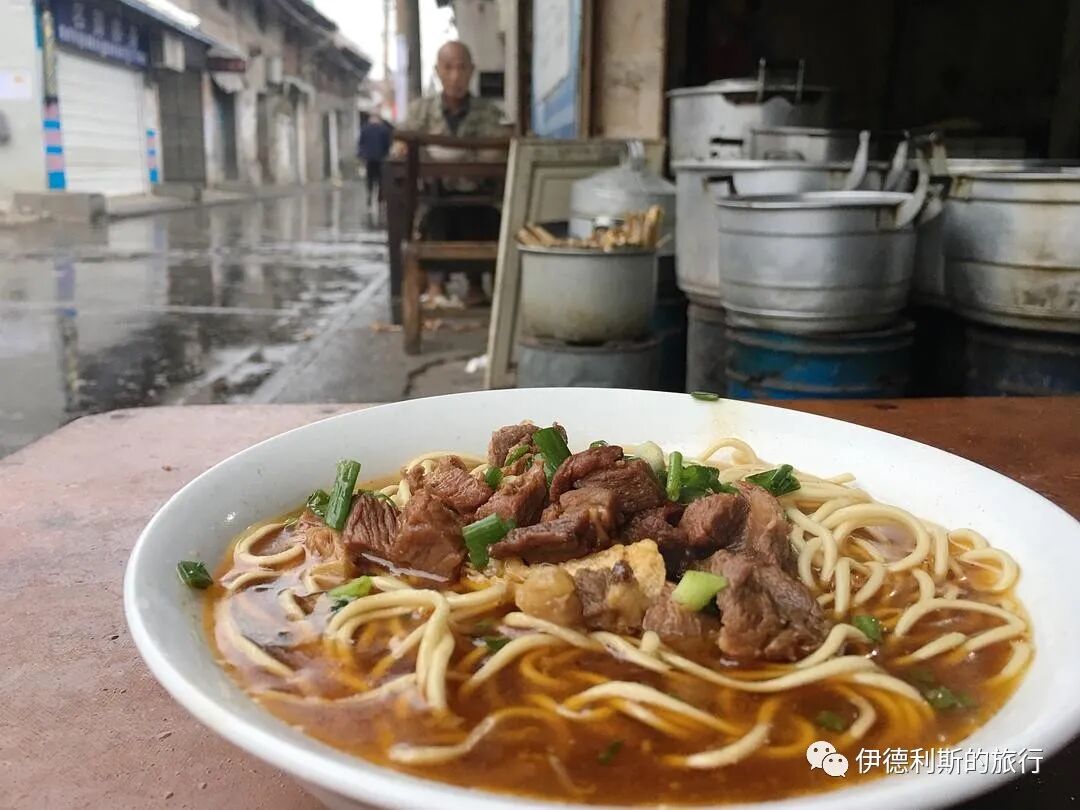
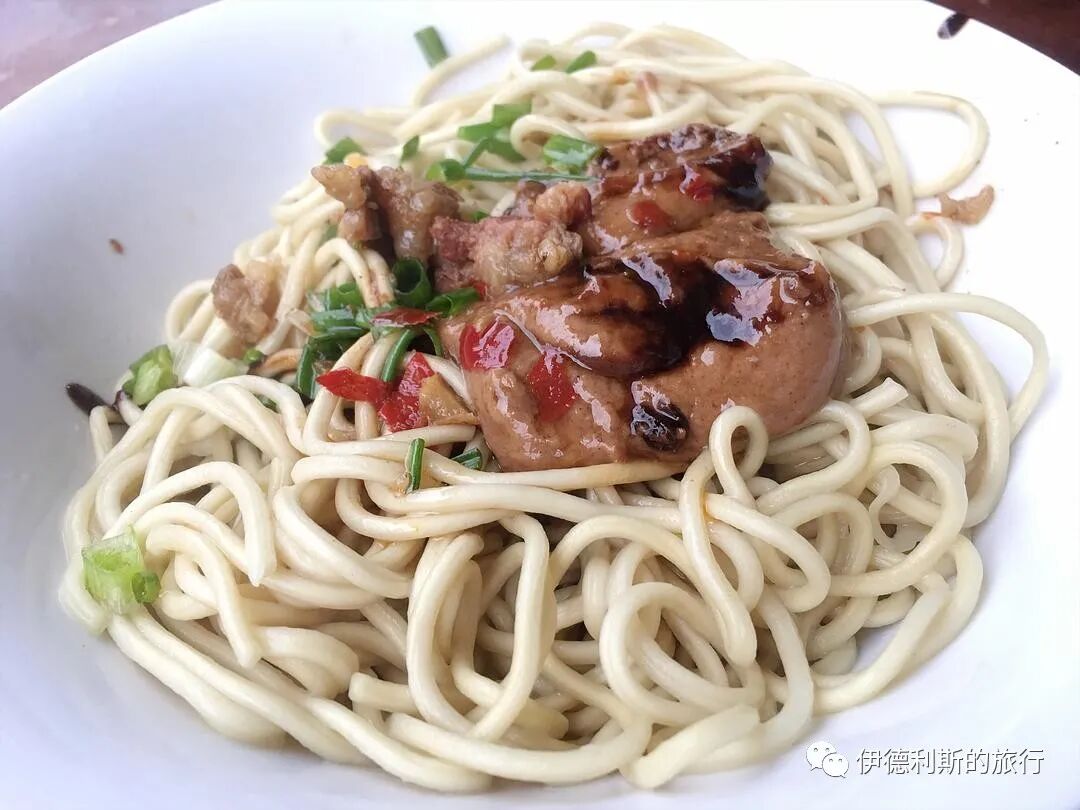
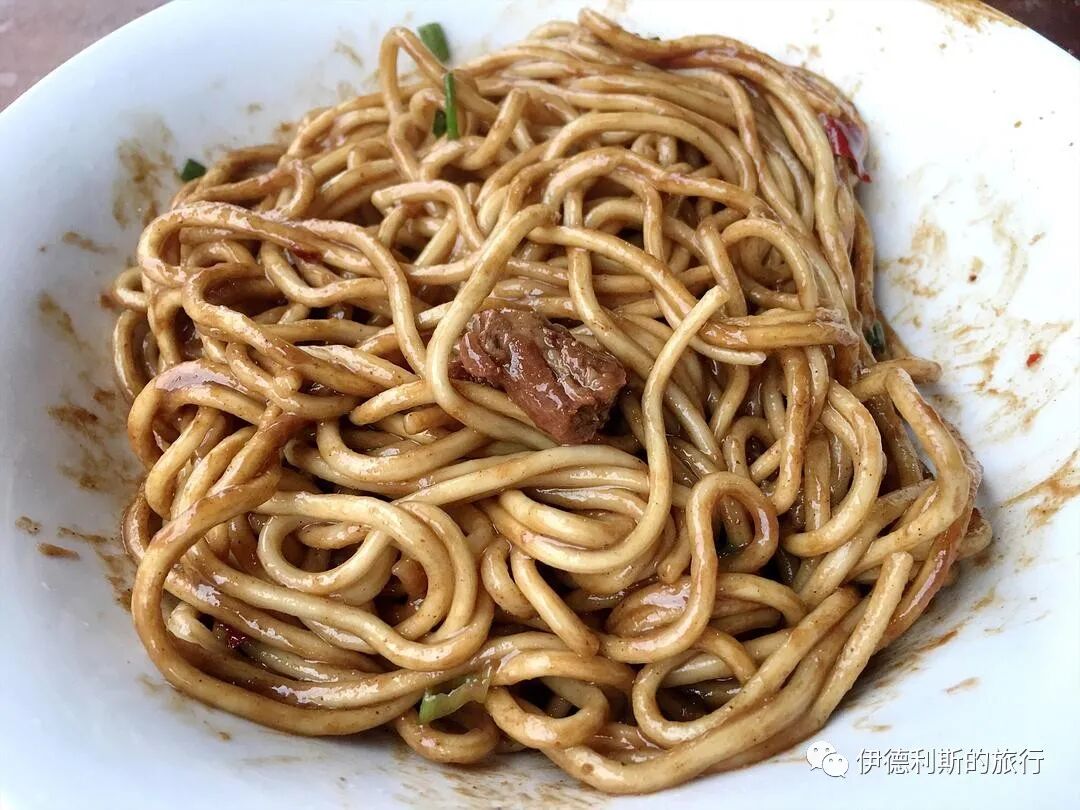
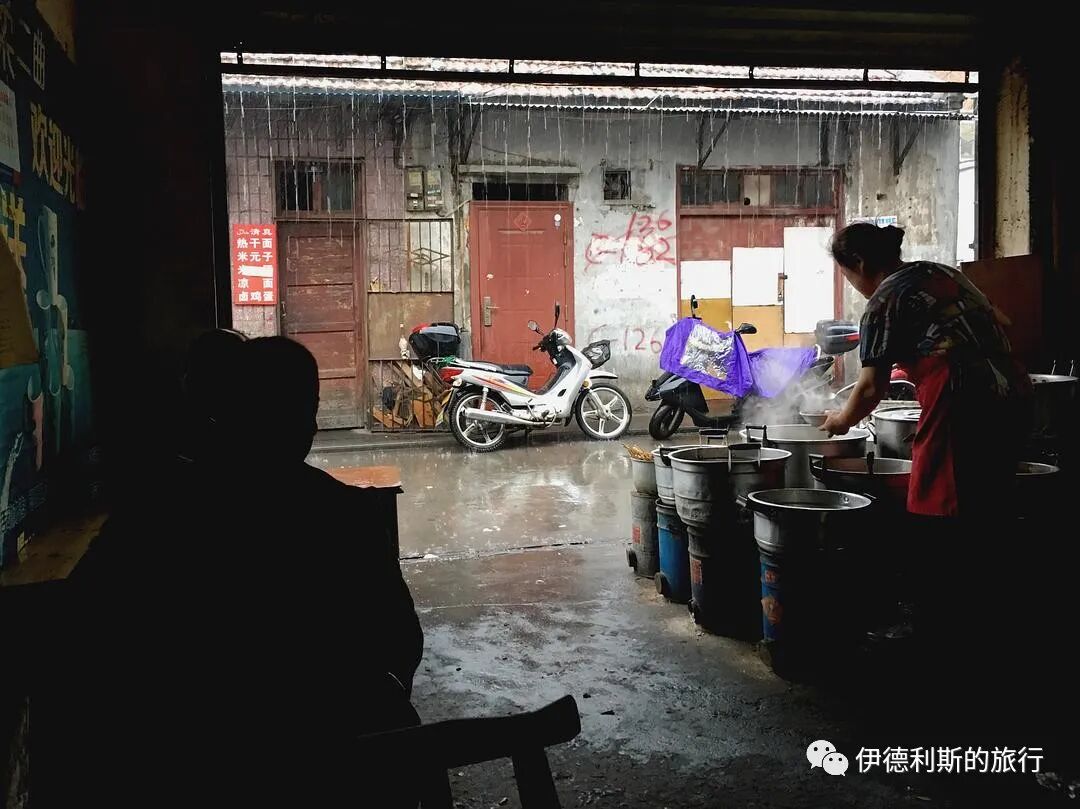
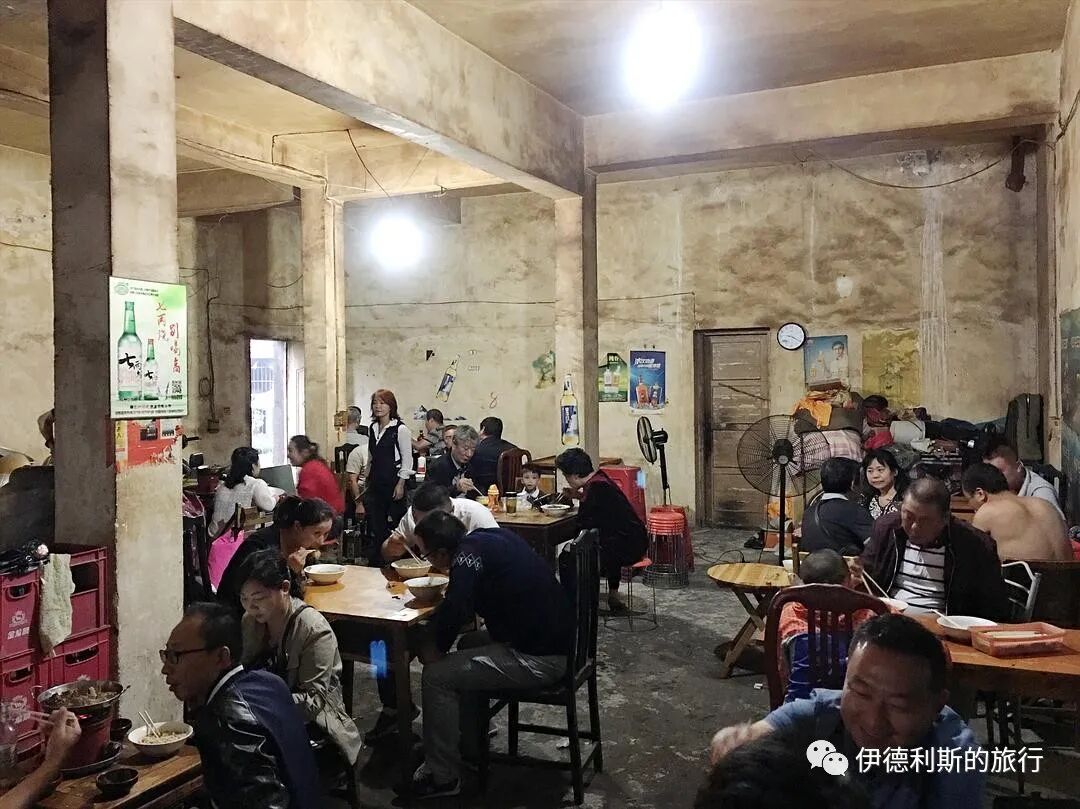
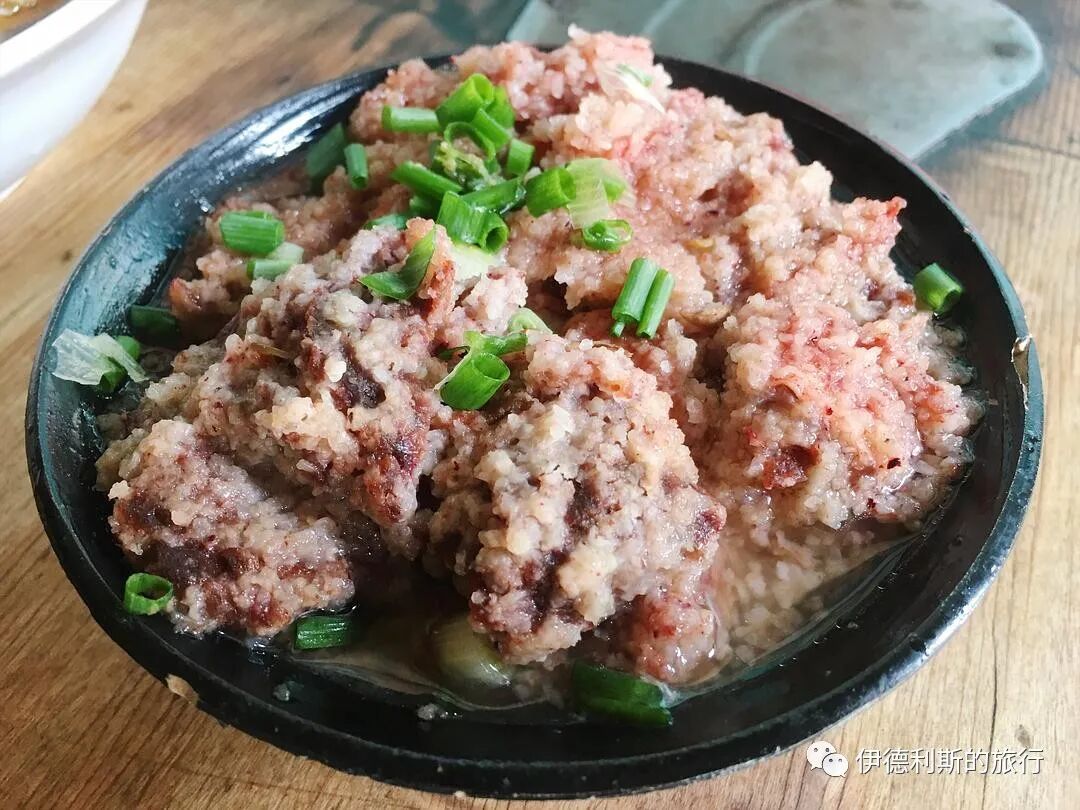
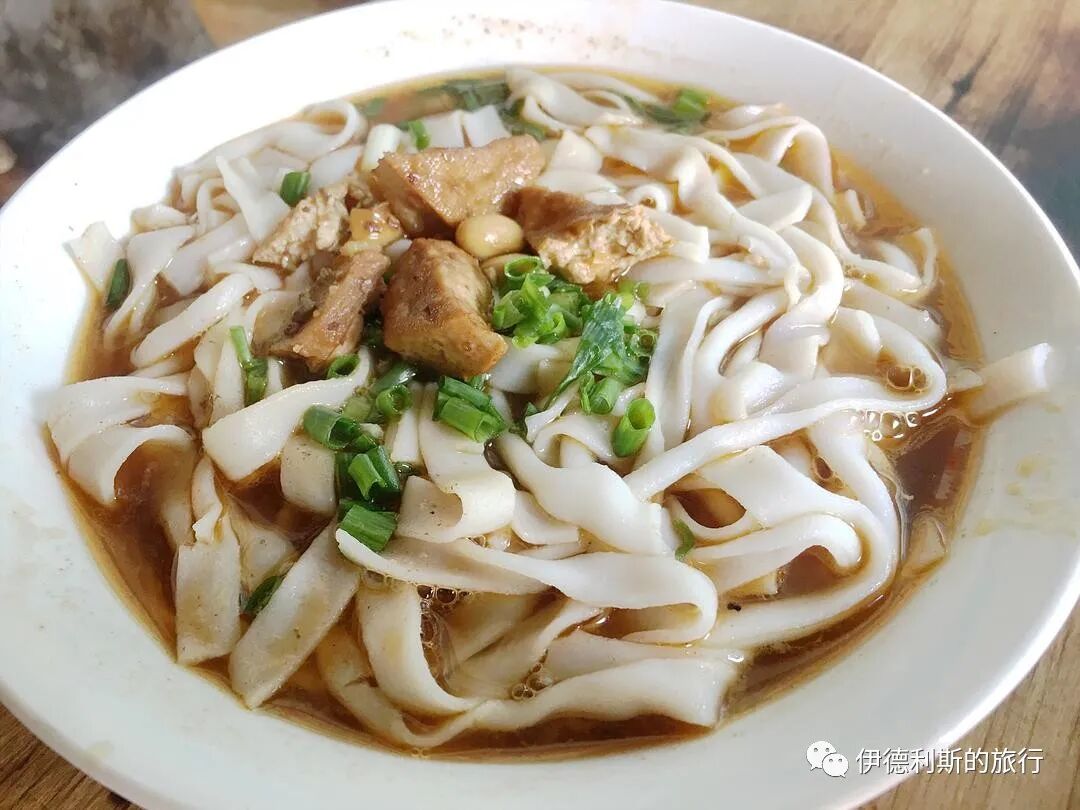
I ate beef noodles, hot dry noodles (reganmian), steamed beef with rice flour (fenzheng niurou), and dried tofu noodles (dougan sufen) at an unnamed halal restaurant on Yingxi Street. Shashi's hot dry noodles (reganmian) are different from those in Wuhan because they include sweet bean paste (tianmianjiang).
Wang Daping Lamb Offal
I had a late-night snack at Wang Daping Lamb Offal on Jiefang Road. It was a bit of a surprise. It was the best lamb and lamb offal hot pot I have had recently, and the lamb skewers were also amazing. I really did not expect to find such great lamb in Hubei.
This place is also very surreal. It is in front of an abandoned building with a 'Serve the People' star on it. The area is quiet and empty for 500 meters in every direction, but this spot is incredibly lively. When I visited in August 2017, Wang Daping had already built a grand new shop on Jiefang Road Food Street. It might open soon, and then you won't be able to see this amazing scene anymore.
Starting from the Kangxi reign, the Ding, Ma, Li, Wei, and Wang families who settled in Mianyang (Xiantao) began moving to Shashi. By the late Qing Dynasty, more families including the Wang, Li, Ha, Ai, Jiao, and Yi clans moved to Shashi from Henan, Nanjing, Shaanxi, and Anhui.
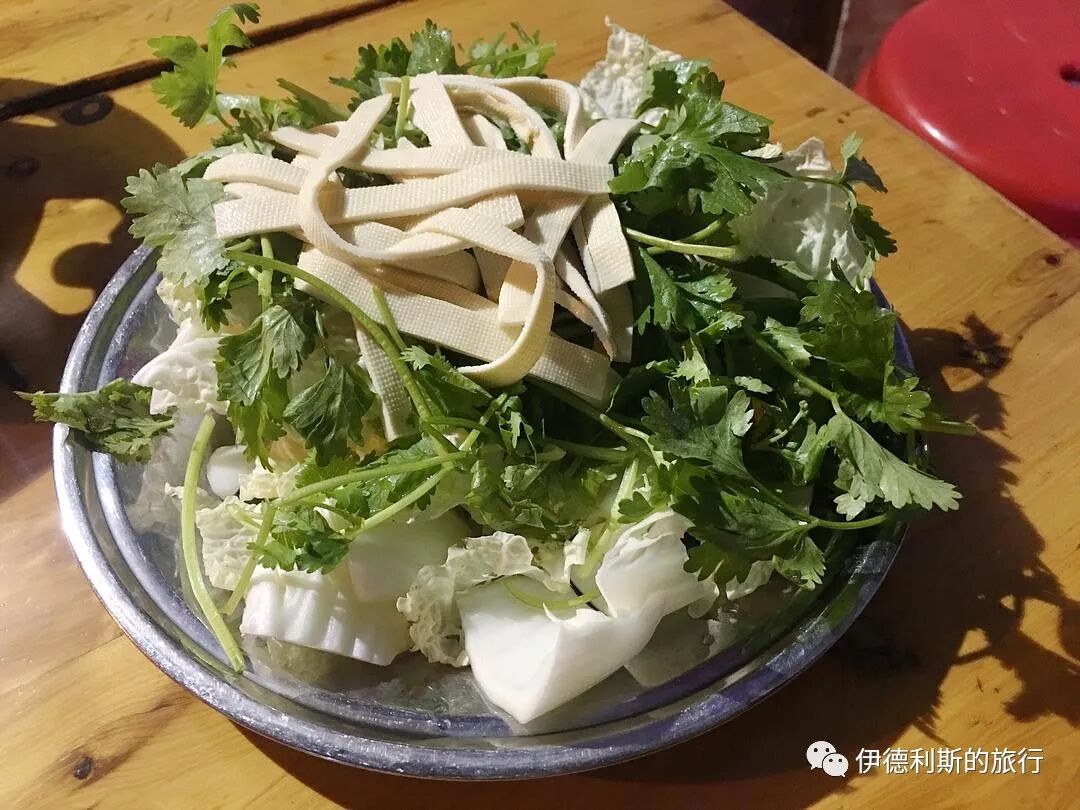
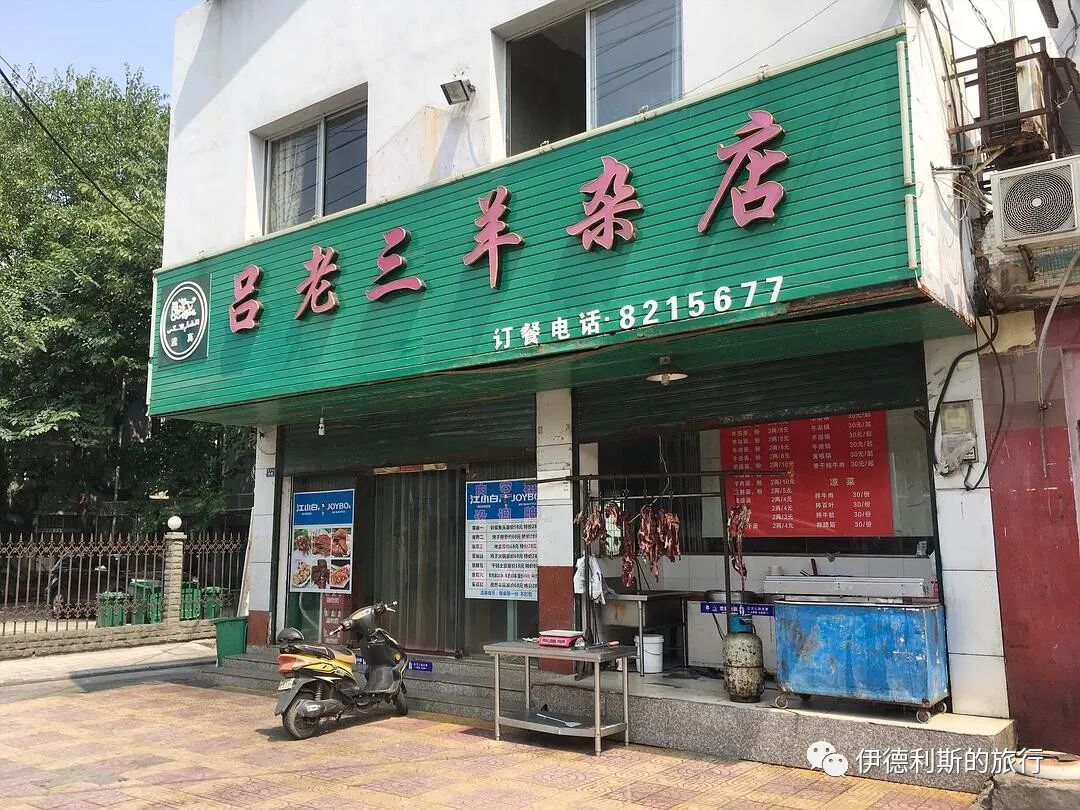
Old Three Lu Lamb Offal Shop (Lu Laosan Yangza Dian)
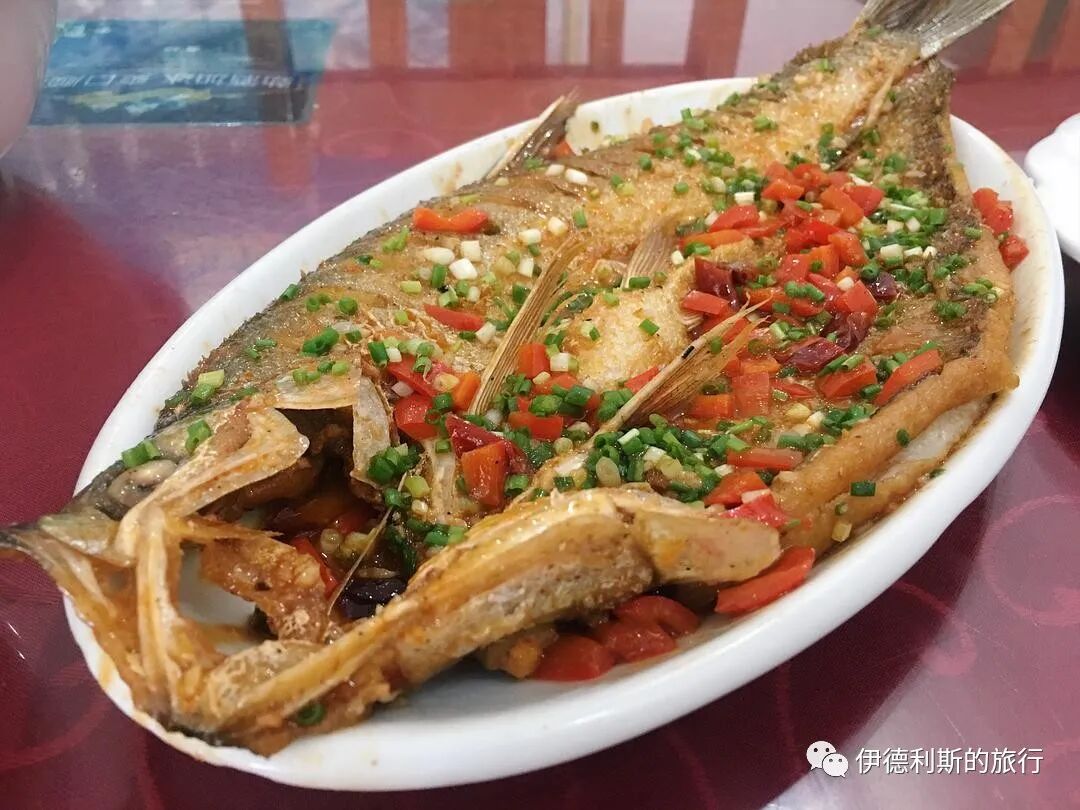
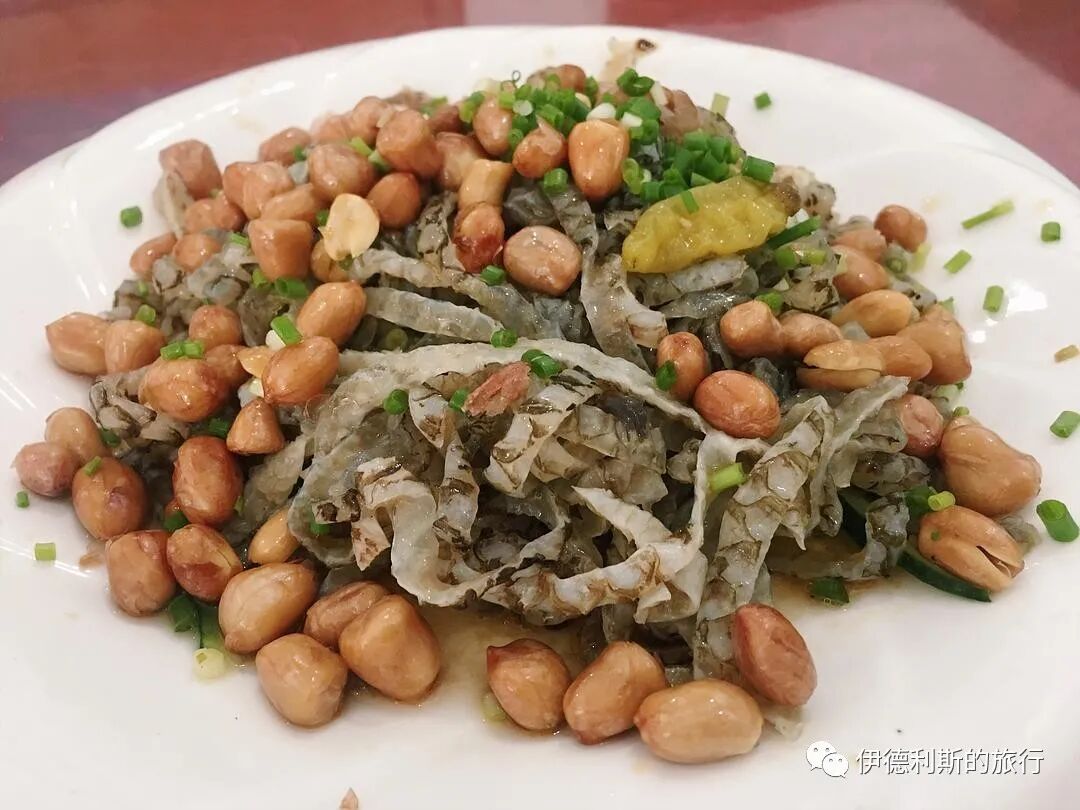
The sun-dried big white fish (yanggan dabiaodiao) and the peanut-mixed fish skin (huaren ban yupi) I ate at Old Three Lamb Offal Shop tasted great.
River-crossing ferry
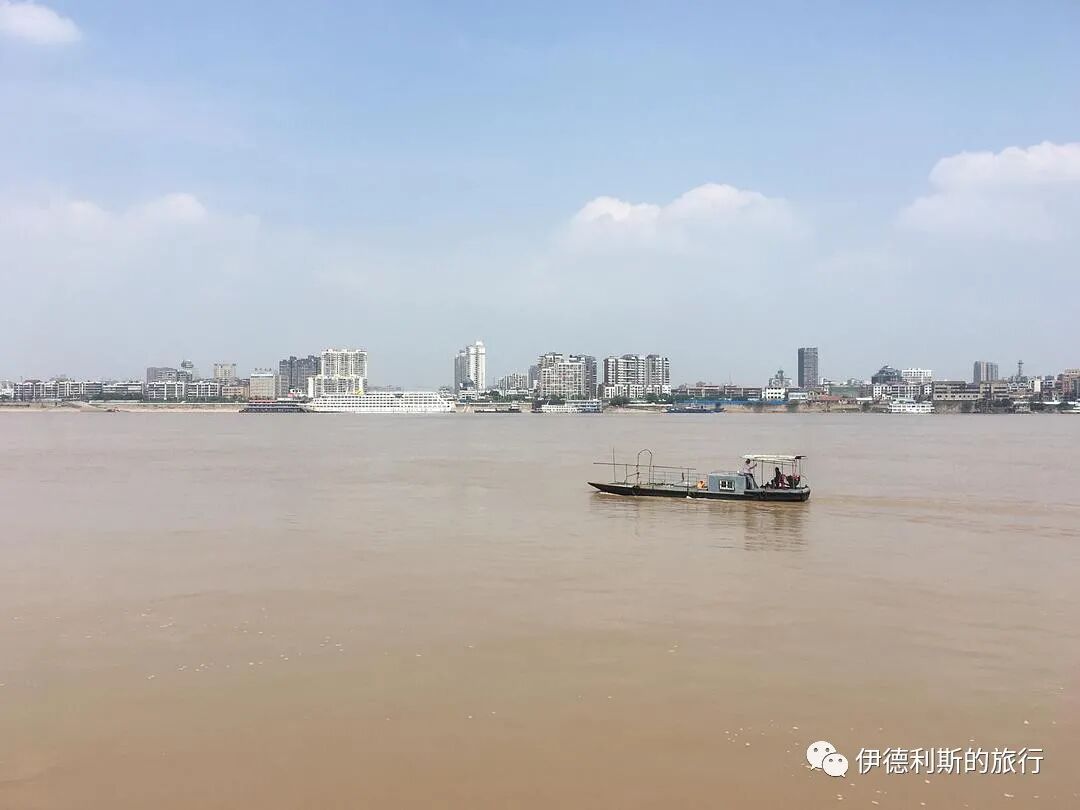
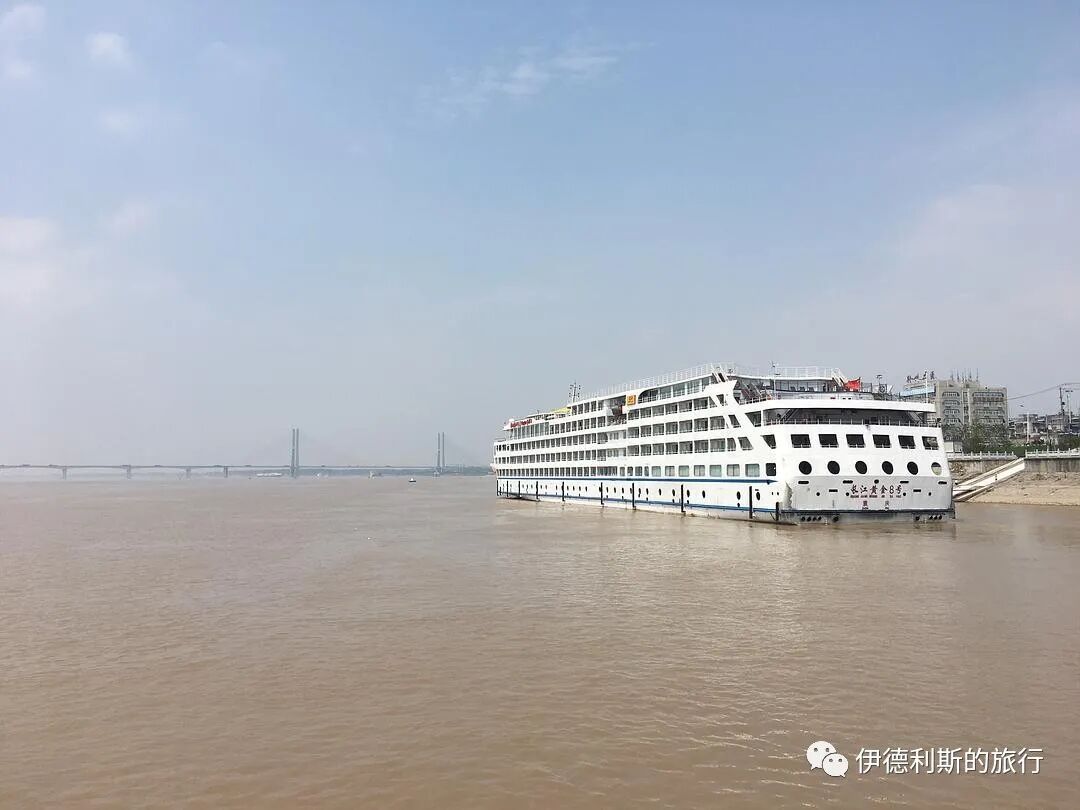
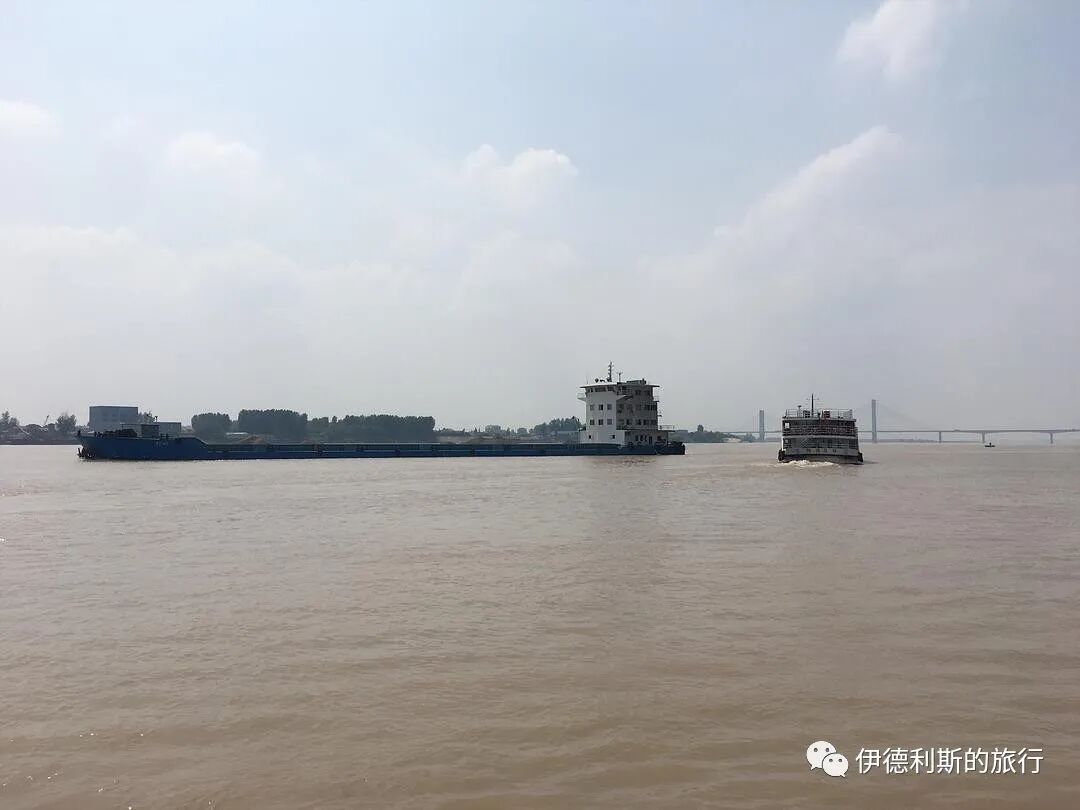
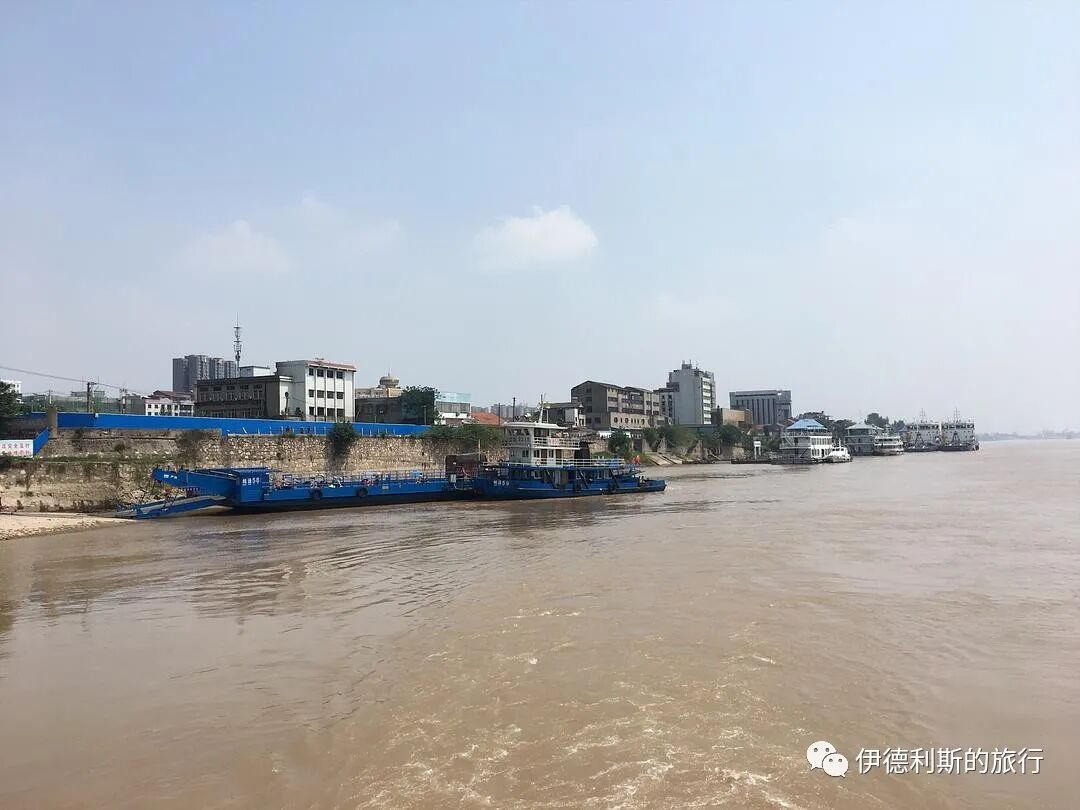
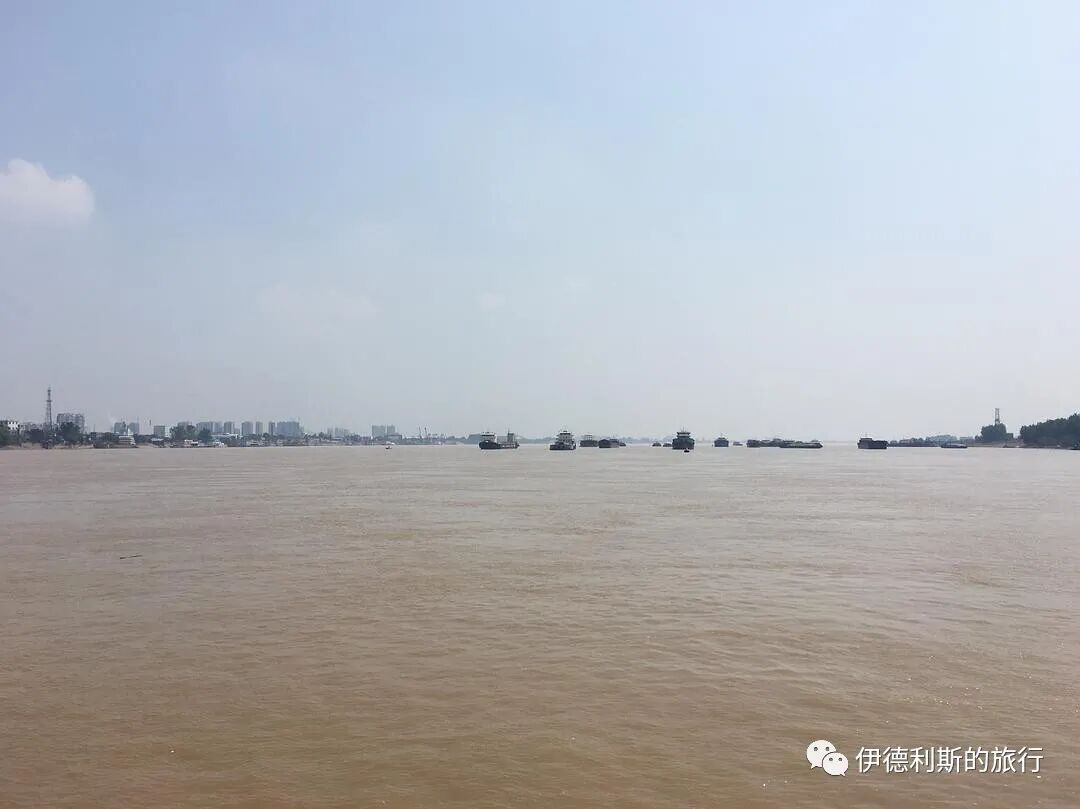
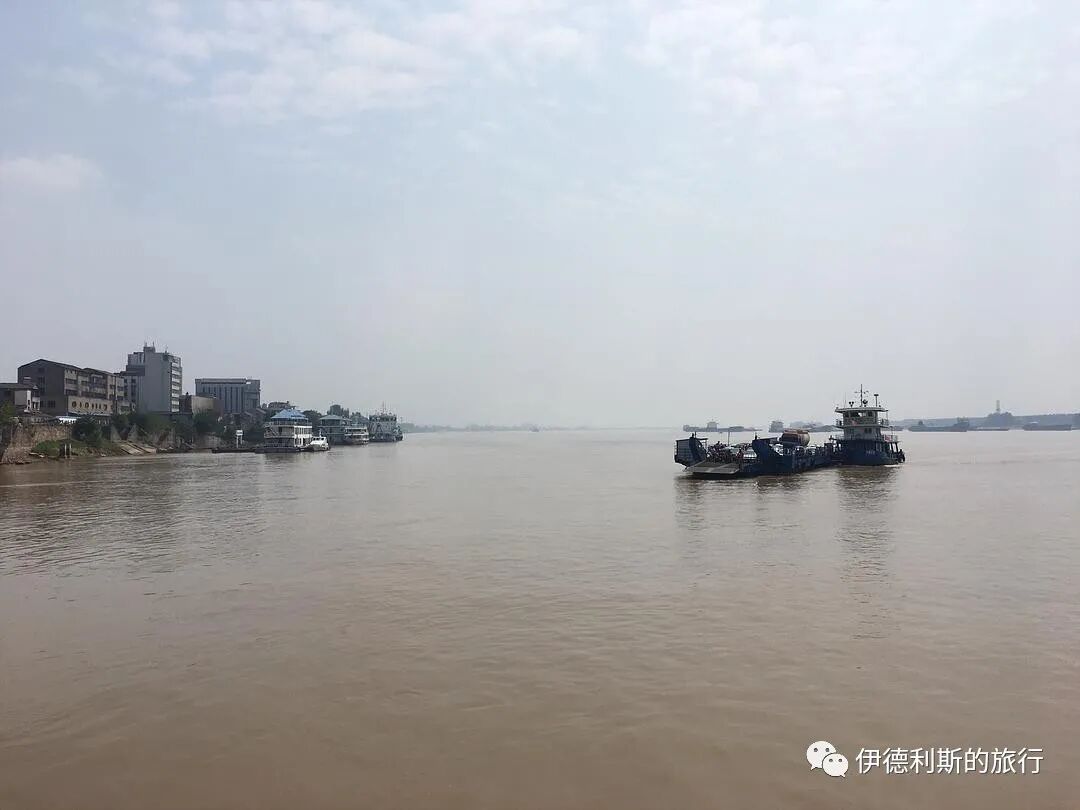
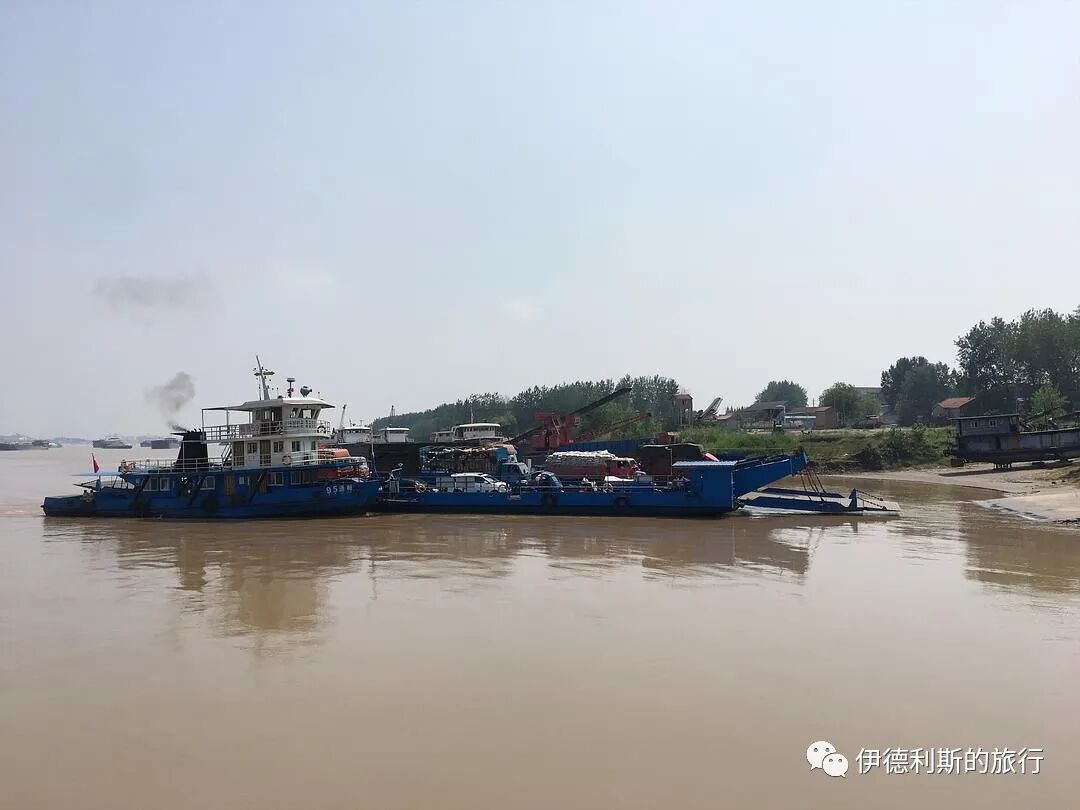
Finally, let me share the river-crossing ferry from Shashi to Buhe Town on the opposite bank.
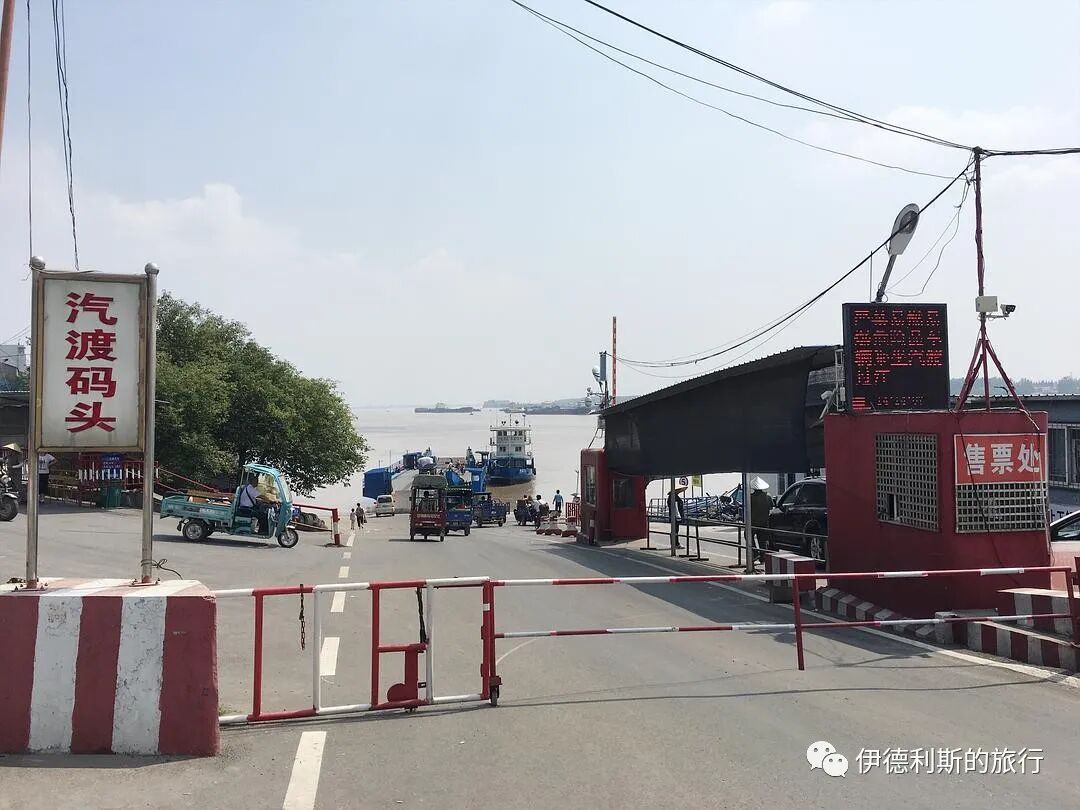
River-crossing car ferry
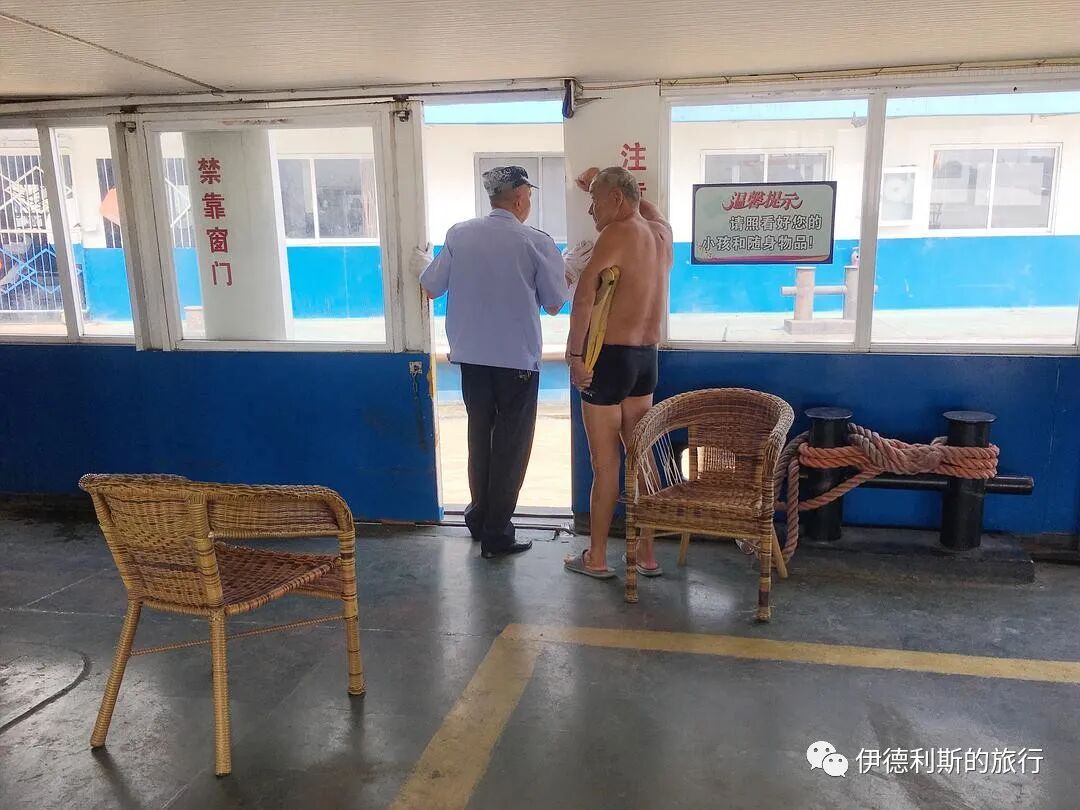
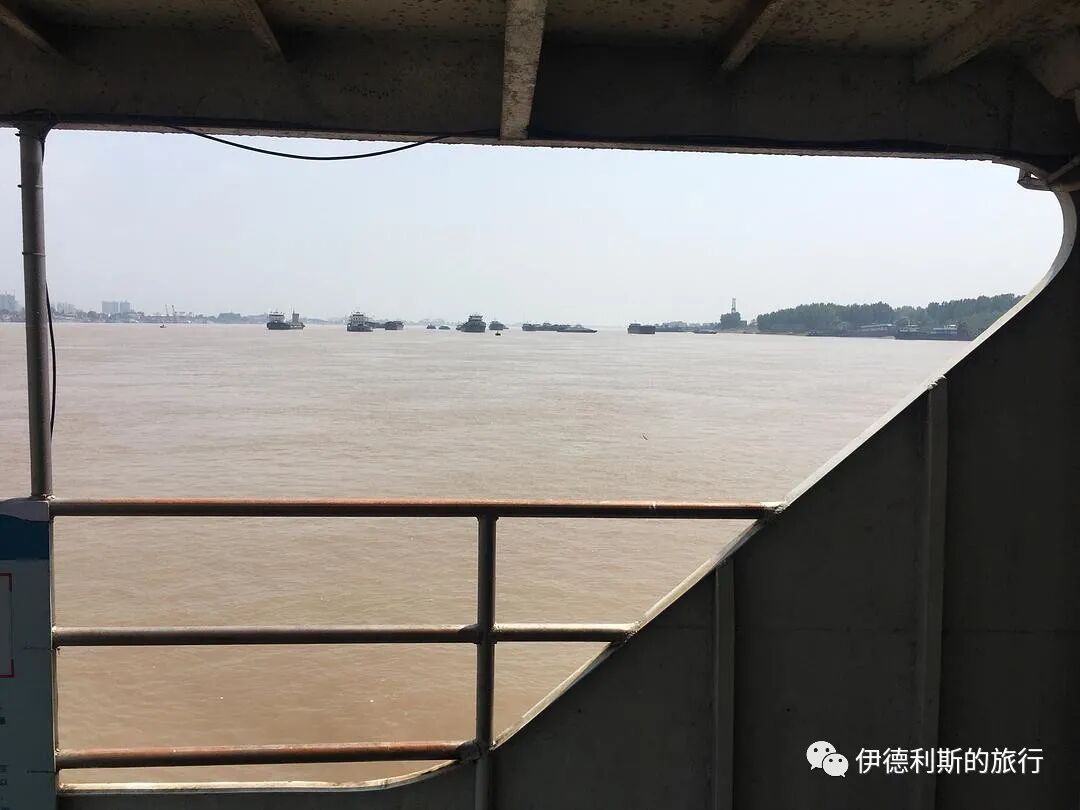
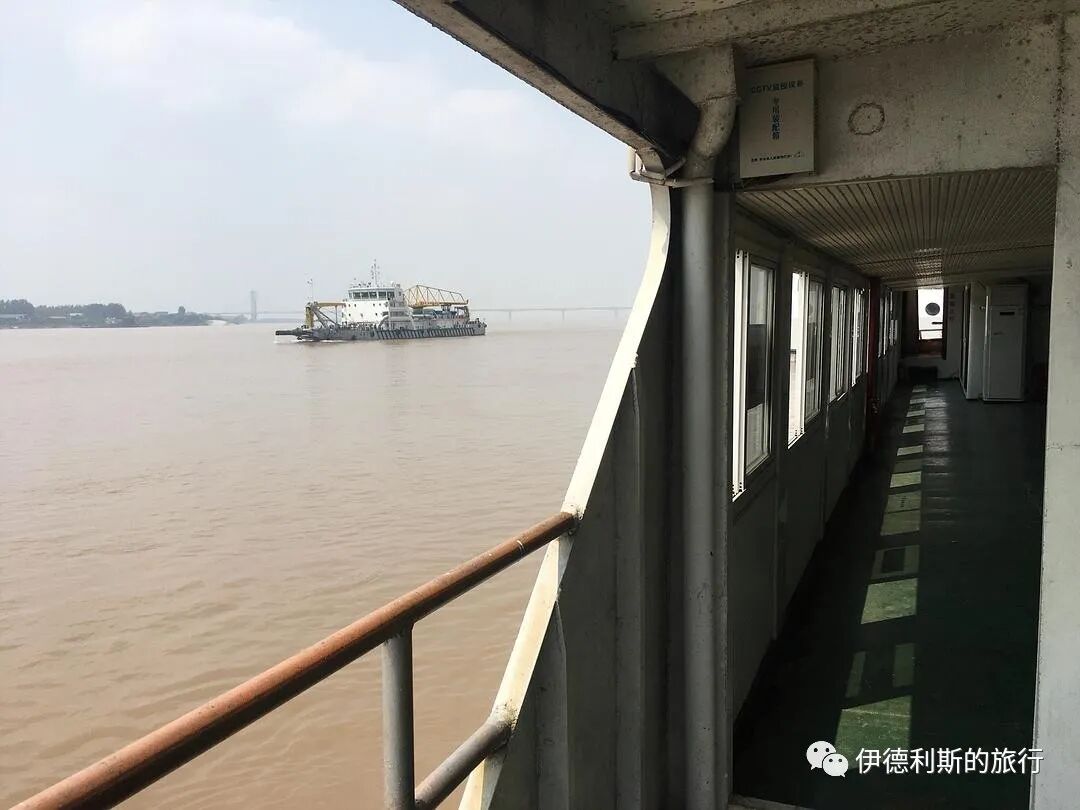
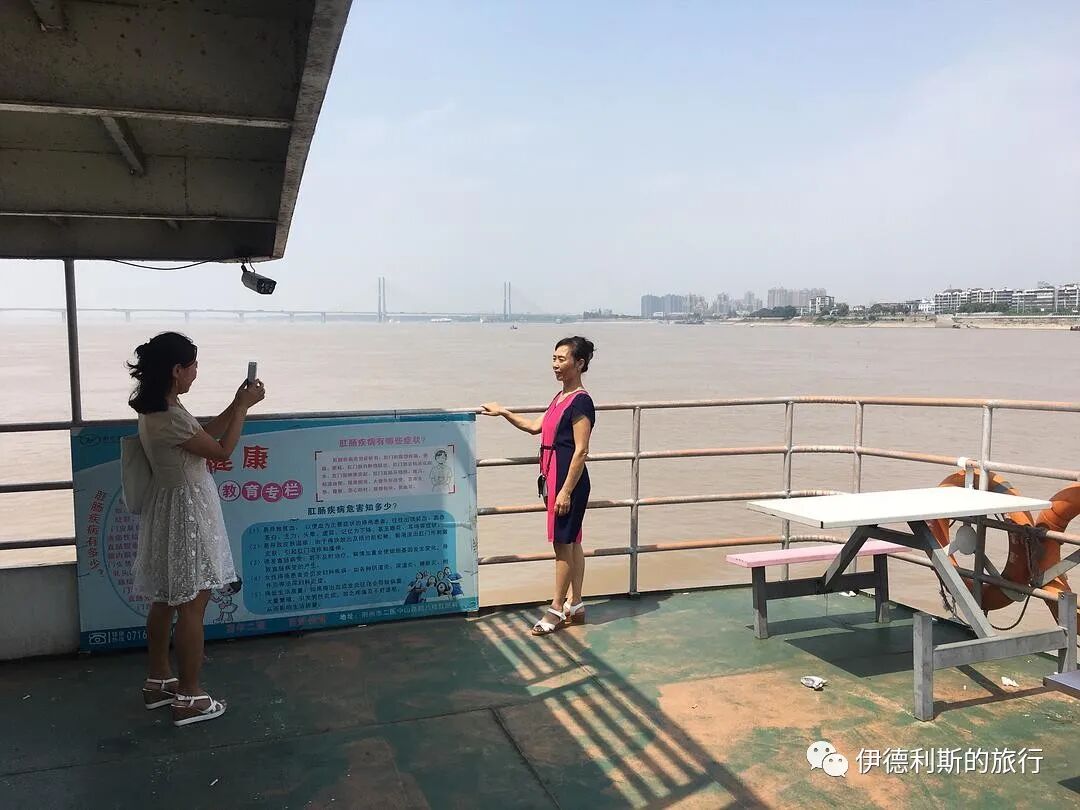
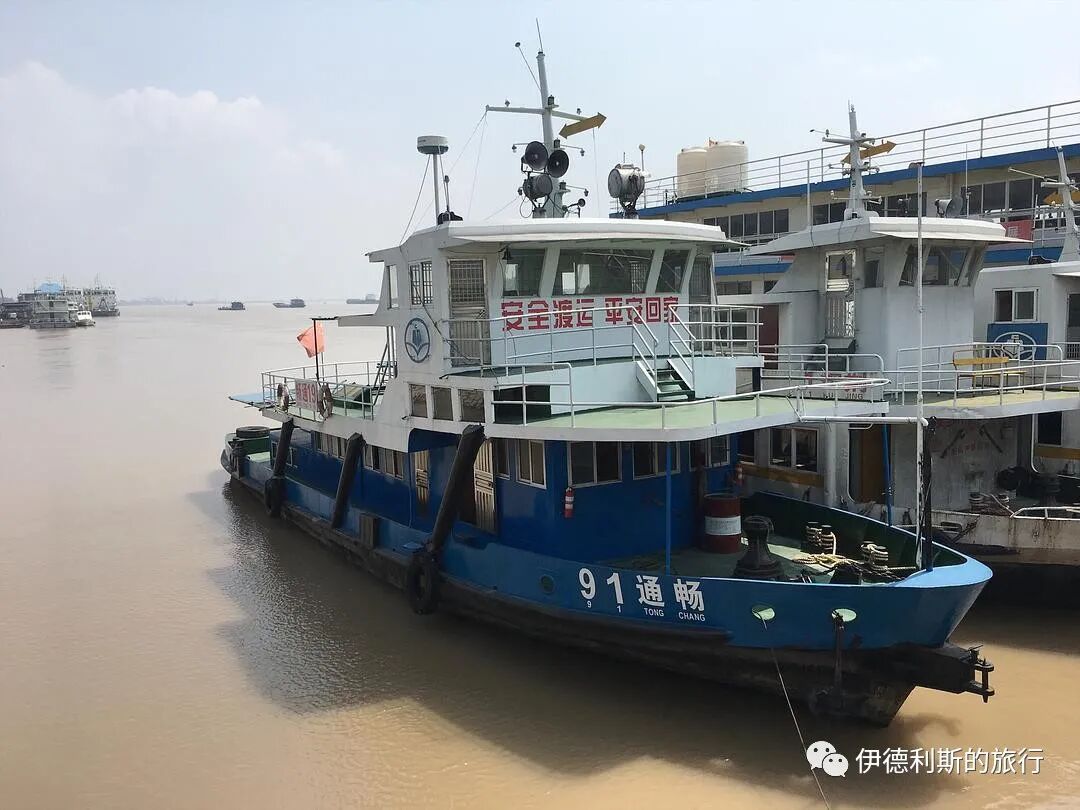
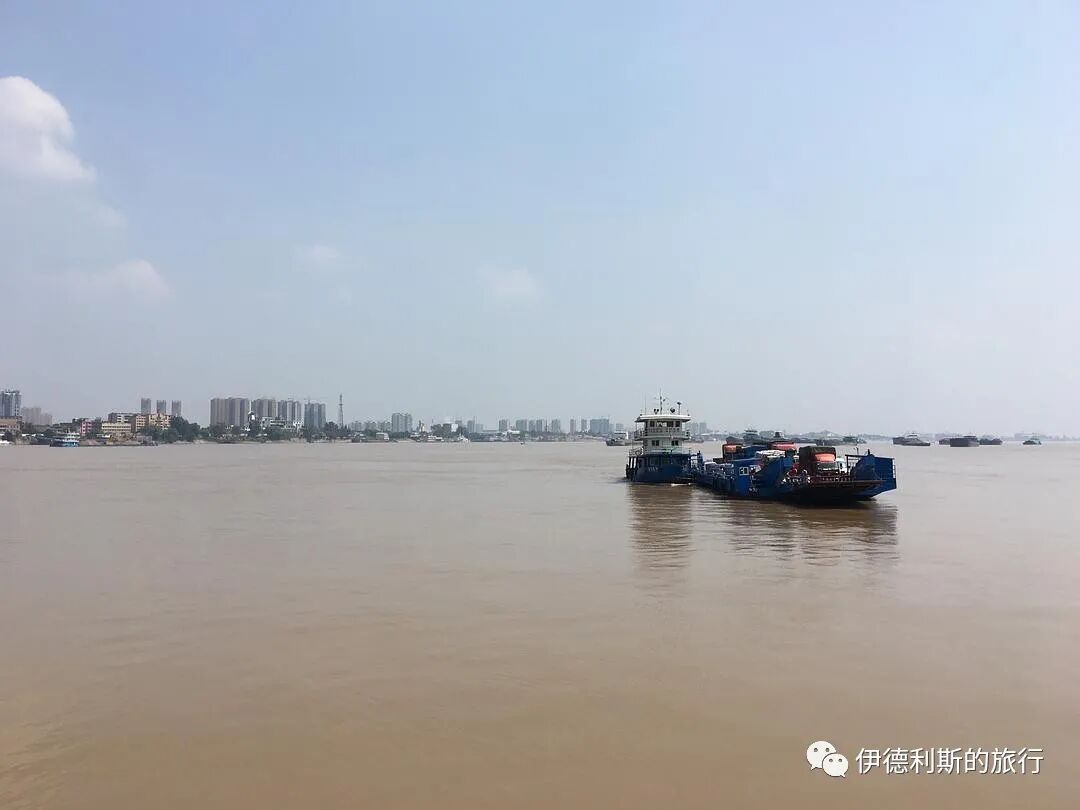
This was the first time I saw a car ferry where one boat tows another, and it even has to turn around and push the other boat to the shore when arriving.
Summary: Shashi Yingxi Hui Street — Mosque, Muslim Food and a Vanished Community is presented here as a firsthand travel account in clear English, beginning with this scene: In August 2017, Shashi began a slum renovation project on Yingxi Hui Muslim Street. The account keeps its focus on Hubei Muslims, Shashi Travel, Halal Food while preserving the names, places, food, and historical details from the Chinese source.
Yingxi Hui Muslim Street
In August 2017, Shashi began a slum renovation project on Yingxi Hui Muslim Street. This was another traditional Hui Muslim community in Hubei set to disappear, following those in Wuchang, Hankou, and Fancheng. I decided to document the old street before it changed forever.
Yingxi Hui Muslim Street was originally called Yingxi Street. It was located inside the Yingxi Gate, the northwest gate of the Shashi earthen city wall. The Shashi earthen city wall was first built during the Southern Song Dynasty. It was rebuilt in 1797, the second year of the Jiaqing reign, because of the White Lotus Rebellion. It used brick for the parapets and riverside trees for fences. The Yingxi Gate was established at that time. After the 1950s, the Shashi earthen city wall was gradually torn down, and the Yingxi Gate no longer exists.
In the early years of the Republic of China, some Hui Muslims from Nanyang, Henan, fled to Shashi and settled on Yingxi Street. This is when the Hui Muslim community on Yingxi Street began to form.
On the 1953 edition of the Shashi City Map, you can see a Hui Muslim cooperative on Yingxi Street.
Yingxi Street and the nearby streets
Shashi Mosque
The oldest mosque in Shashi was called the Yinjia Lane Mosque. It was reportedly built in 1459, the third year of the Tianshun reign of the Ming Dynasty. After Yinjia Lane was widened in 1935, it was renamed Xinsha Road, and the mosque became known as the Xinsha Road Mosque. The Xinsha Road Mosque stopped its activities after 1966, but it resumed them in 1981.
The Yingxi Street Mosque was built in 1925. After it was finished, the Yinjia Lane Mosque was called the Lower Mosque, and the Yingxi Street Mosque was called the Upper Mosque. In 1952, the Yingxi Street Mosque was turned into a Hui Muslim textile factory. After the factory moved in 1982, it became the Halal Donglaishun Restaurant and a Hui Muslim hostel.
After the 1990s, the area around the Xinsha Road Mosque became a busy market, which affected the mosque. In 1994, the mosque management committee decided to close the Xinsha Road Mosque and turn it into commercial space. At the same time, they rebuilt the Yingxi Street Mosque, which was completed in 1995.
A stall selling fried dough tips (youmojian) next to the mosque. Fried dough tips (youmojian) are a snack brought to Hubei from Henan. They are a bit like small fried dough sticks (youtiao).
Grass carp cake (huanyugao) is a specialty food in the Jingzhou area. Grass carp (huanyu), also known as black carp (qingyu), is a common edible fish in the middle and lower reaches of the Yangtze River.
I ate beef noodles, hot dry noodles (reganmian), steamed beef with rice flour (fenzheng niurou), and dried tofu noodles (dougan sufen) at an unnamed halal restaurant on Yingxi Street. Shashi's hot dry noodles (reganmian) are different from those in Wuhan because they include sweet bean paste (tianmianjiang).
Wang Daping Lamb Offal
I had a late-night snack at Wang Daping Lamb Offal on Jiefang Road. It was a bit of a surprise. It was the best lamb and lamb offal hot pot I have had recently, and the lamb skewers were also amazing. I really did not expect to find such great lamb in Hubei.
This place is also very surreal. It is in front of an abandoned building with a 'Serve the People' star on it. The area is quiet and empty for 500 meters in every direction, but this spot is incredibly lively. When I visited in August 2017, Wang Daping had already built a grand new shop on Jiefang Road Food Street. It might open soon, and then you won't be able to see this amazing scene anymore.
Starting from the Kangxi reign, the Ding, Ma, Li, Wei, and Wang families who settled in Mianyang (Xiantao) began moving to Shashi. By the late Qing Dynasty, more families including the Wang, Li, Ha, Ai, Jiao, and Yi clans moved to Shashi from Henan, Nanjing, Shaanxi, and Anhui.
Old Three Lu Lamb Offal Shop (Lu Laosan Yangza Dian)
The sun-dried big white fish (yanggan dabiaodiao) and the peanut-mixed fish skin (huaren ban yupi) I ate at Old Three Lamb Offal Shop tasted great.
River-crossing ferry
Finally, let me share the river-crossing ferry from Shashi to Buhe Town on the opposite bank.
River-crossing car ferry
This was the first time I saw a car ferry where one boat tows another, and it even has to turn around and push the other boat to the shore when arriving.
Halal Travel Guide: Shashi Yingxi Hui Street — Mosque, Muslim Food and a Vanished Community
Articles • ali2007fr posted the article • 0 comments • 147 views • 2026-05-18 02:26
Reposted from the web
Summary: Shashi Yingxi Hui Street — Mosque, Muslim Food and a Vanished Community is presented here as a firsthand travel account in clear English, beginning with this scene: In August 2017, Shashi began a slum renovation project on Yingxi Hui Muslim Street. The account keeps its focus on Hubei Muslims, Shashi Travel, Halal Food while preserving the names, places, food, and historical details from the Chinese source.
Yingxi Hui Muslim Street
In August 2017, Shashi began a slum renovation project on Yingxi Hui Muslim Street. This was another traditional Hui Muslim community in Hubei set to disappear, following those in Wuchang, Hankou, and Fancheng. I decided to document the old street before it changed forever.
Yingxi Hui Muslim Street was originally called Yingxi Street. It was located inside the Yingxi Gate, the northwest gate of the Shashi earthen city wall. The Shashi earthen city wall was first built during the Southern Song Dynasty. It was rebuilt in 1797, the second year of the Jiaqing reign, because of the White Lotus Rebellion. It used brick for the parapets and riverside trees for fences. The Yingxi Gate was established at that time. After the 1950s, the Shashi earthen city wall was gradually torn down, and the Yingxi Gate no longer exists.
In the early years of the Republic of China, some Hui Muslims from Nanyang, Henan, fled to Shashi and settled on Yingxi Street. This is when the Hui Muslim community on Yingxi Street began to form.
On the 1953 edition of the Shashi City Map, you can see a Hui Muslim cooperative on Yingxi Street.
Yingxi Street and the nearby streets
Shashi Mosque
The oldest mosque in Shashi was called the Yinjia Lane Mosque. It was reportedly built in 1459, the third year of the Tianshun reign of the Ming Dynasty. After Yinjia Lane was widened in 1935, it was renamed Xinsha Road, and the mosque became known as the Xinsha Road Mosque. The Xinsha Road Mosque stopped its activities after 1966, but it resumed them in 1981.
The Yingxi Street Mosque was built in 1925. After it was finished, the Yinjia Lane Mosque was called the Lower Mosque, and the Yingxi Street Mosque was called the Upper Mosque. In 1952, the Yingxi Street Mosque was turned into a Hui Muslim textile factory. After the factory moved in 1982, it became the Halal Donglaishun Restaurant and a Hui Muslim hostel.
After the 1990s, the area around the Xinsha Road Mosque became a busy market, which affected the mosque. In 1994, the mosque management committee decided to close the Xinsha Road Mosque and turn it into commercial space. At the same time, they rebuilt the Yingxi Street Mosque, which was completed in 1995.
A stall selling fried dough tips (youmojian) next to the mosque. Fried dough tips (youmojian) are a snack brought to Hubei from Henan. They are a bit like small fried dough sticks (youtiao).
Grass carp cake (huanyugao) is a specialty food in the Jingzhou area. Grass carp (huanyu), also known as black carp (qingyu), is a common edible fish in the middle and lower reaches of the Yangtze River.
I ate beef noodles, hot dry noodles (reganmian), steamed beef with rice flour (fenzheng niurou), and dried tofu noodles (dougan sufen) at an unnamed halal restaurant on Yingxi Street. Shashi's hot dry noodles (reganmian) are different from those in Wuhan because they include sweet bean paste (tianmianjiang).
Wang Daping Lamb Offal
I had a late-night snack at Wang Daping Lamb Offal on Jiefang Road. It was a bit of a surprise. It was the best lamb and lamb offal hot pot I have had recently, and the lamb skewers were also amazing. I really did not expect to find such great lamb in Hubei.
This place is also very surreal. It is in front of an abandoned building with a 'Serve the People' star on it. The area is quiet and empty for 500 meters in every direction, but this spot is incredibly lively. When I visited in August 2017, Wang Daping had already built a grand new shop on Jiefang Road Food Street. It might open soon, and then you won't be able to see this amazing scene anymore.
Starting from the Kangxi reign, the Ding, Ma, Li, Wei, and Wang families who settled in Mianyang (Xiantao) began moving to Shashi. By the late Qing Dynasty, more families including the Wang, Li, Ha, Ai, Jiao, and Yi clans moved to Shashi from Henan, Nanjing, Shaanxi, and Anhui.
Old Three Lu Lamb Offal Shop (Lu Laosan Yangza Dian)
The sun-dried big white fish (yanggan dabiaodiao) and the peanut-mixed fish skin (huaren ban yupi) I ate at Old Three Lamb Offal Shop tasted great.
River-crossing ferry
Finally, let me share the river-crossing ferry from Shashi to Buhe Town on the opposite bank.
River-crossing car ferry
This was the first time I saw a car ferry where one boat tows another, and it even has to turn around and push the other boat to the shore when arriving. view all
Summary: Shashi Yingxi Hui Street — Mosque, Muslim Food and a Vanished Community is presented here as a firsthand travel account in clear English, beginning with this scene: In August 2017, Shashi began a slum renovation project on Yingxi Hui Muslim Street. The account keeps its focus on Hubei Muslims, Shashi Travel, Halal Food while preserving the names, places, food, and historical details from the Chinese source.
Yingxi Hui Muslim Street
In August 2017, Shashi began a slum renovation project on Yingxi Hui Muslim Street. This was another traditional Hui Muslim community in Hubei set to disappear, following those in Wuchang, Hankou, and Fancheng. I decided to document the old street before it changed forever.
Yingxi Hui Muslim Street was originally called Yingxi Street. It was located inside the Yingxi Gate, the northwest gate of the Shashi earthen city wall. The Shashi earthen city wall was first built during the Southern Song Dynasty. It was rebuilt in 1797, the second year of the Jiaqing reign, because of the White Lotus Rebellion. It used brick for the parapets and riverside trees for fences. The Yingxi Gate was established at that time. After the 1950s, the Shashi earthen city wall was gradually torn down, and the Yingxi Gate no longer exists.
In the early years of the Republic of China, some Hui Muslims from Nanyang, Henan, fled to Shashi and settled on Yingxi Street. This is when the Hui Muslim community on Yingxi Street began to form.
On the 1953 edition of the Shashi City Map, you can see a Hui Muslim cooperative on Yingxi Street.
Yingxi Street and the nearby streets
Shashi Mosque
The oldest mosque in Shashi was called the Yinjia Lane Mosque. It was reportedly built in 1459, the third year of the Tianshun reign of the Ming Dynasty. After Yinjia Lane was widened in 1935, it was renamed Xinsha Road, and the mosque became known as the Xinsha Road Mosque. The Xinsha Road Mosque stopped its activities after 1966, but it resumed them in 1981.
The Yingxi Street Mosque was built in 1925. After it was finished, the Yinjia Lane Mosque was called the Lower Mosque, and the Yingxi Street Mosque was called the Upper Mosque. In 1952, the Yingxi Street Mosque was turned into a Hui Muslim textile factory. After the factory moved in 1982, it became the Halal Donglaishun Restaurant and a Hui Muslim hostel.
After the 1990s, the area around the Xinsha Road Mosque became a busy market, which affected the mosque. In 1994, the mosque management committee decided to close the Xinsha Road Mosque and turn it into commercial space. At the same time, they rebuilt the Yingxi Street Mosque, which was completed in 1995.
A stall selling fried dough tips (youmojian) next to the mosque. Fried dough tips (youmojian) are a snack brought to Hubei from Henan. They are a bit like small fried dough sticks (youtiao).
Grass carp cake (huanyugao) is a specialty food in the Jingzhou area. Grass carp (huanyu), also known as black carp (qingyu), is a common edible fish in the middle and lower reaches of the Yangtze River.
I ate beef noodles, hot dry noodles (reganmian), steamed beef with rice flour (fenzheng niurou), and dried tofu noodles (dougan sufen) at an unnamed halal restaurant on Yingxi Street. Shashi's hot dry noodles (reganmian) are different from those in Wuhan because they include sweet bean paste (tianmianjiang).
Wang Daping Lamb Offal
I had a late-night snack at Wang Daping Lamb Offal on Jiefang Road. It was a bit of a surprise. It was the best lamb and lamb offal hot pot I have had recently, and the lamb skewers were also amazing. I really did not expect to find such great lamb in Hubei.
This place is also very surreal. It is in front of an abandoned building with a 'Serve the People' star on it. The area is quiet and empty for 500 meters in every direction, but this spot is incredibly lively. When I visited in August 2017, Wang Daping had already built a grand new shop on Jiefang Road Food Street. It might open soon, and then you won't be able to see this amazing scene anymore.
Starting from the Kangxi reign, the Ding, Ma, Li, Wei, and Wang families who settled in Mianyang (Xiantao) began moving to Shashi. By the late Qing Dynasty, more families including the Wang, Li, Ha, Ai, Jiao, and Yi clans moved to Shashi from Henan, Nanjing, Shaanxi, and Anhui.
Old Three Lu Lamb Offal Shop (Lu Laosan Yangza Dian)
The sun-dried big white fish (yanggan dabiaodiao) and the peanut-mixed fish skin (huaren ban yupi) I ate at Old Three Lamb Offal Shop tasted great.
River-crossing ferry
Finally, let me share the river-crossing ferry from Shashi to Buhe Town on the opposite bank.
River-crossing car ferry
This was the first time I saw a car ferry where one boat tows another, and it even has to turn around and push the other boat to the shore when arriving. view all
Reposted from the web
Summary: Shashi Yingxi Hui Street — Mosque, Muslim Food and a Vanished Community is presented here as a firsthand travel account in clear English, beginning with this scene: In August 2017, Shashi began a slum renovation project on Yingxi Hui Muslim Street. The account keeps its focus on Hubei Muslims, Shashi Travel, Halal Food while preserving the names, places, food, and historical details from the Chinese source.
Yingxi Hui Muslim Street
In August 2017, Shashi began a slum renovation project on Yingxi Hui Muslim Street. This was another traditional Hui Muslim community in Hubei set to disappear, following those in Wuchang, Hankou, and Fancheng. I decided to document the old street before it changed forever.
Yingxi Hui Muslim Street was originally called Yingxi Street. It was located inside the Yingxi Gate, the northwest gate of the Shashi earthen city wall. The Shashi earthen city wall was first built during the Southern Song Dynasty. It was rebuilt in 1797, the second year of the Jiaqing reign, because of the White Lotus Rebellion. It used brick for the parapets and riverside trees for fences. The Yingxi Gate was established at that time. After the 1950s, the Shashi earthen city wall was gradually torn down, and the Yingxi Gate no longer exists.
In the early years of the Republic of China, some Hui Muslims from Nanyang, Henan, fled to Shashi and settled on Yingxi Street. This is when the Hui Muslim community on Yingxi Street began to form.
On the 1953 edition of the Shashi City Map, you can see a Hui Muslim cooperative on Yingxi Street.
Yingxi Street and the nearby streets
Shashi Mosque
The oldest mosque in Shashi was called the Yinjia Lane Mosque. It was reportedly built in 1459, the third year of the Tianshun reign of the Ming Dynasty. After Yinjia Lane was widened in 1935, it was renamed Xinsha Road, and the mosque became known as the Xinsha Road Mosque. The Xinsha Road Mosque stopped its activities after 1966, but it resumed them in 1981.
The Yingxi Street Mosque was built in 1925. After it was finished, the Yinjia Lane Mosque was called the Lower Mosque, and the Yingxi Street Mosque was called the Upper Mosque. In 1952, the Yingxi Street Mosque was turned into a Hui Muslim textile factory. After the factory moved in 1982, it became the Halal Donglaishun Restaurant and a Hui Muslim hostel.
After the 1990s, the area around the Xinsha Road Mosque became a busy market, which affected the mosque. In 1994, the mosque management committee decided to close the Xinsha Road Mosque and turn it into commercial space. At the same time, they rebuilt the Yingxi Street Mosque, which was completed in 1995.
A stall selling fried dough tips (youmojian) next to the mosque. Fried dough tips (youmojian) are a snack brought to Hubei from Henan. They are a bit like small fried dough sticks (youtiao).
Grass carp cake (huanyugao) is a specialty food in the Jingzhou area. Grass carp (huanyu), also known as black carp (qingyu), is a common edible fish in the middle and lower reaches of the Yangtze River.
I ate beef noodles, hot dry noodles (reganmian), steamed beef with rice flour (fenzheng niurou), and dried tofu noodles (dougan sufen) at an unnamed halal restaurant on Yingxi Street. Shashi's hot dry noodles (reganmian) are different from those in Wuhan because they include sweet bean paste (tianmianjiang).
Wang Daping Lamb Offal
I had a late-night snack at Wang Daping Lamb Offal on Jiefang Road. It was a bit of a surprise. It was the best lamb and lamb offal hot pot I have had recently, and the lamb skewers were also amazing. I really did not expect to find such great lamb in Hubei.
This place is also very surreal. It is in front of an abandoned building with a 'Serve the People' star on it. The area is quiet and empty for 500 meters in every direction, but this spot is incredibly lively. When I visited in August 2017, Wang Daping had already built a grand new shop on Jiefang Road Food Street. It might open soon, and then you won't be able to see this amazing scene anymore.
Starting from the Kangxi reign, the Ding, Ma, Li, Wei, and Wang families who settled in Mianyang (Xiantao) began moving to Shashi. By the late Qing Dynasty, more families including the Wang, Li, Ha, Ai, Jiao, and Yi clans moved to Shashi from Henan, Nanjing, Shaanxi, and Anhui.
Old Three Lu Lamb Offal Shop (Lu Laosan Yangza Dian)
The sun-dried big white fish (yanggan dabiaodiao) and the peanut-mixed fish skin (huaren ban yupi) I ate at Old Three Lamb Offal Shop tasted great.
River-crossing ferry
Finally, let me share the river-crossing ferry from Shashi to Buhe Town on the opposite bank.
River-crossing car ferry
This was the first time I saw a car ferry where one boat tows another, and it even has to turn around and push the other boat to the shore when arriving.
Summary: Shashi Yingxi Hui Street — Mosque, Muslim Food and a Vanished Community is presented here as a firsthand travel account in clear English, beginning with this scene: In August 2017, Shashi began a slum renovation project on Yingxi Hui Muslim Street. The account keeps its focus on Hubei Muslims, Shashi Travel, Halal Food while preserving the names, places, food, and historical details from the Chinese source.
Yingxi Hui Muslim Street
In August 2017, Shashi began a slum renovation project on Yingxi Hui Muslim Street. This was another traditional Hui Muslim community in Hubei set to disappear, following those in Wuchang, Hankou, and Fancheng. I decided to document the old street before it changed forever.
Yingxi Hui Muslim Street was originally called Yingxi Street. It was located inside the Yingxi Gate, the northwest gate of the Shashi earthen city wall. The Shashi earthen city wall was first built during the Southern Song Dynasty. It was rebuilt in 1797, the second year of the Jiaqing reign, because of the White Lotus Rebellion. It used brick for the parapets and riverside trees for fences. The Yingxi Gate was established at that time. After the 1950s, the Shashi earthen city wall was gradually torn down, and the Yingxi Gate no longer exists.
In the early years of the Republic of China, some Hui Muslims from Nanyang, Henan, fled to Shashi and settled on Yingxi Street. This is when the Hui Muslim community on Yingxi Street began to form.
On the 1953 edition of the Shashi City Map, you can see a Hui Muslim cooperative on Yingxi Street.
Yingxi Street and the nearby streets
Shashi Mosque
The oldest mosque in Shashi was called the Yinjia Lane Mosque. It was reportedly built in 1459, the third year of the Tianshun reign of the Ming Dynasty. After Yinjia Lane was widened in 1935, it was renamed Xinsha Road, and the mosque became known as the Xinsha Road Mosque. The Xinsha Road Mosque stopped its activities after 1966, but it resumed them in 1981.
The Yingxi Street Mosque was built in 1925. After it was finished, the Yinjia Lane Mosque was called the Lower Mosque, and the Yingxi Street Mosque was called the Upper Mosque. In 1952, the Yingxi Street Mosque was turned into a Hui Muslim textile factory. After the factory moved in 1982, it became the Halal Donglaishun Restaurant and a Hui Muslim hostel.
After the 1990s, the area around the Xinsha Road Mosque became a busy market, which affected the mosque. In 1994, the mosque management committee decided to close the Xinsha Road Mosque and turn it into commercial space. At the same time, they rebuilt the Yingxi Street Mosque, which was completed in 1995.
A stall selling fried dough tips (youmojian) next to the mosque. Fried dough tips (youmojian) are a snack brought to Hubei from Henan. They are a bit like small fried dough sticks (youtiao).
Grass carp cake (huanyugao) is a specialty food in the Jingzhou area. Grass carp (huanyu), also known as black carp (qingyu), is a common edible fish in the middle and lower reaches of the Yangtze River.
I ate beef noodles, hot dry noodles (reganmian), steamed beef with rice flour (fenzheng niurou), and dried tofu noodles (dougan sufen) at an unnamed halal restaurant on Yingxi Street. Shashi's hot dry noodles (reganmian) are different from those in Wuhan because they include sweet bean paste (tianmianjiang).
Wang Daping Lamb Offal
I had a late-night snack at Wang Daping Lamb Offal on Jiefang Road. It was a bit of a surprise. It was the best lamb and lamb offal hot pot I have had recently, and the lamb skewers were also amazing. I really did not expect to find such great lamb in Hubei.
This place is also very surreal. It is in front of an abandoned building with a 'Serve the People' star on it. The area is quiet and empty for 500 meters in every direction, but this spot is incredibly lively. When I visited in August 2017, Wang Daping had already built a grand new shop on Jiefang Road Food Street. It might open soon, and then you won't be able to see this amazing scene anymore.
Starting from the Kangxi reign, the Ding, Ma, Li, Wei, and Wang families who settled in Mianyang (Xiantao) began moving to Shashi. By the late Qing Dynasty, more families including the Wang, Li, Ha, Ai, Jiao, and Yi clans moved to Shashi from Henan, Nanjing, Shaanxi, and Anhui.
Old Three Lu Lamb Offal Shop (Lu Laosan Yangza Dian)
The sun-dried big white fish (yanggan dabiaodiao) and the peanut-mixed fish skin (huaren ban yupi) I ate at Old Three Lamb Offal Shop tasted great.
River-crossing ferry
Finally, let me share the river-crossing ferry from Shashi to Buhe Town on the opposite bank.
River-crossing car ferry
This was the first time I saw a car ferry where one boat tows another, and it even has to turn around and push the other boat to the shore when arriving.