

Shenghui
Muslim Culture Guide: Beijing Tongzhou Xiguan Mosque - Shenghui Gathering
Articles • ali2007fr posted the article • 0 comments • 154 views • 2026-05-19 21:22
Reposted from the web
Summary: Beijing Tongzhou Xiguan Mosque - Shenghui Gathering is presented as a clear English travel account for readers interested in Muslim life, halal food, mosques, and local history. The article keeps the original names, food details, photographs, and cultural context while focusing on Tongzhou, Xiguan Mosque, Shenghui.
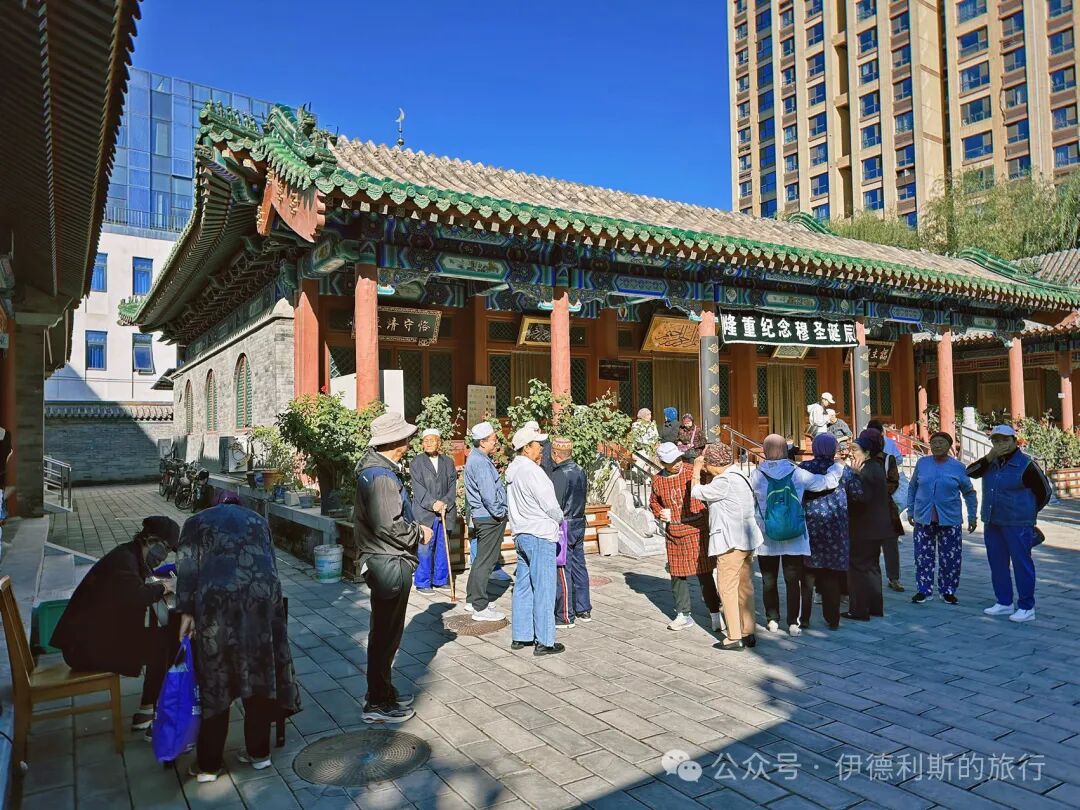
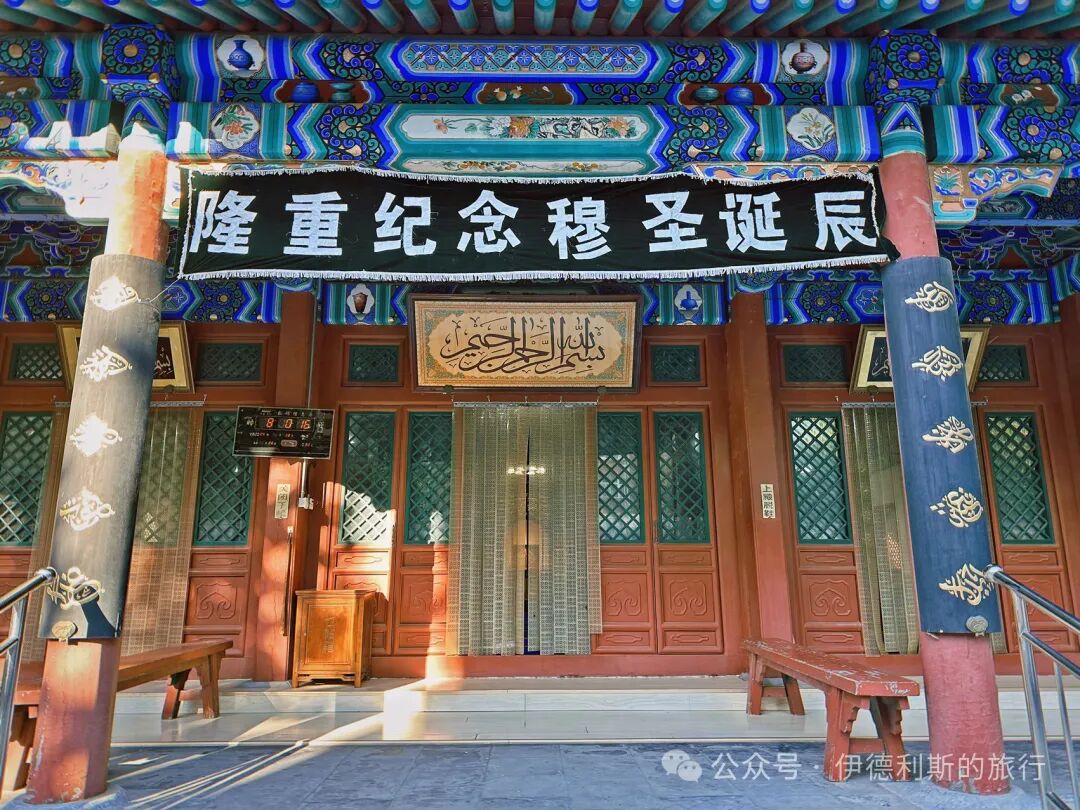
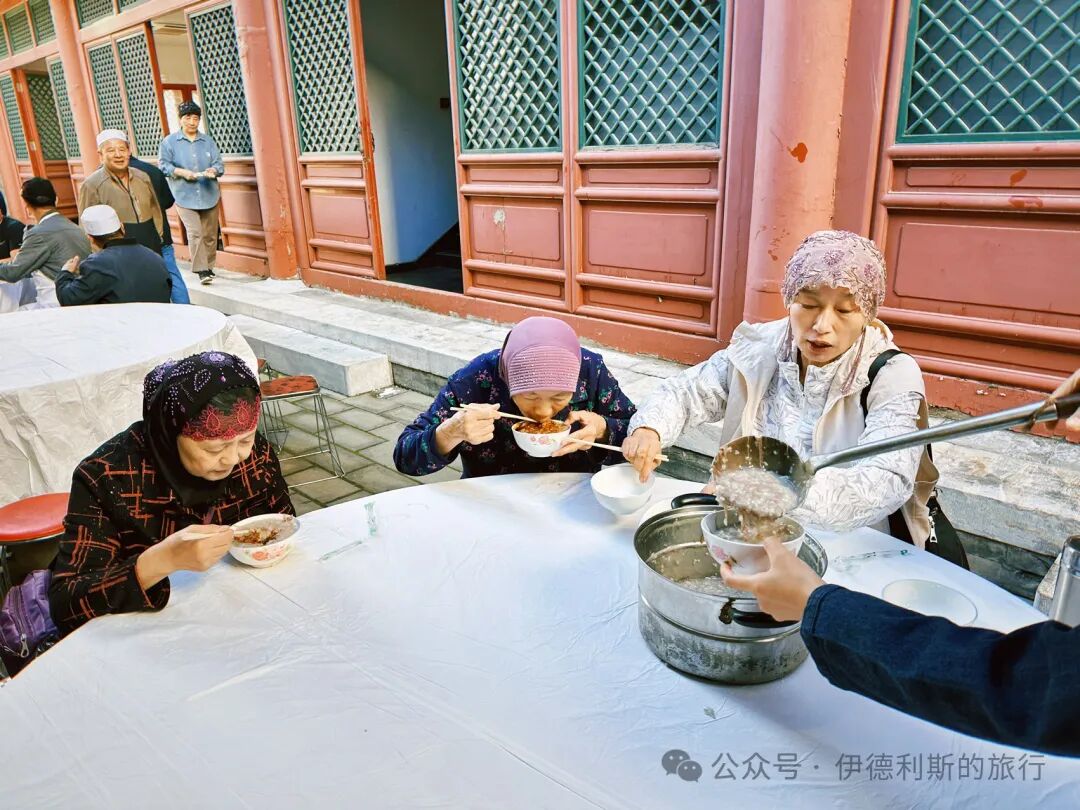
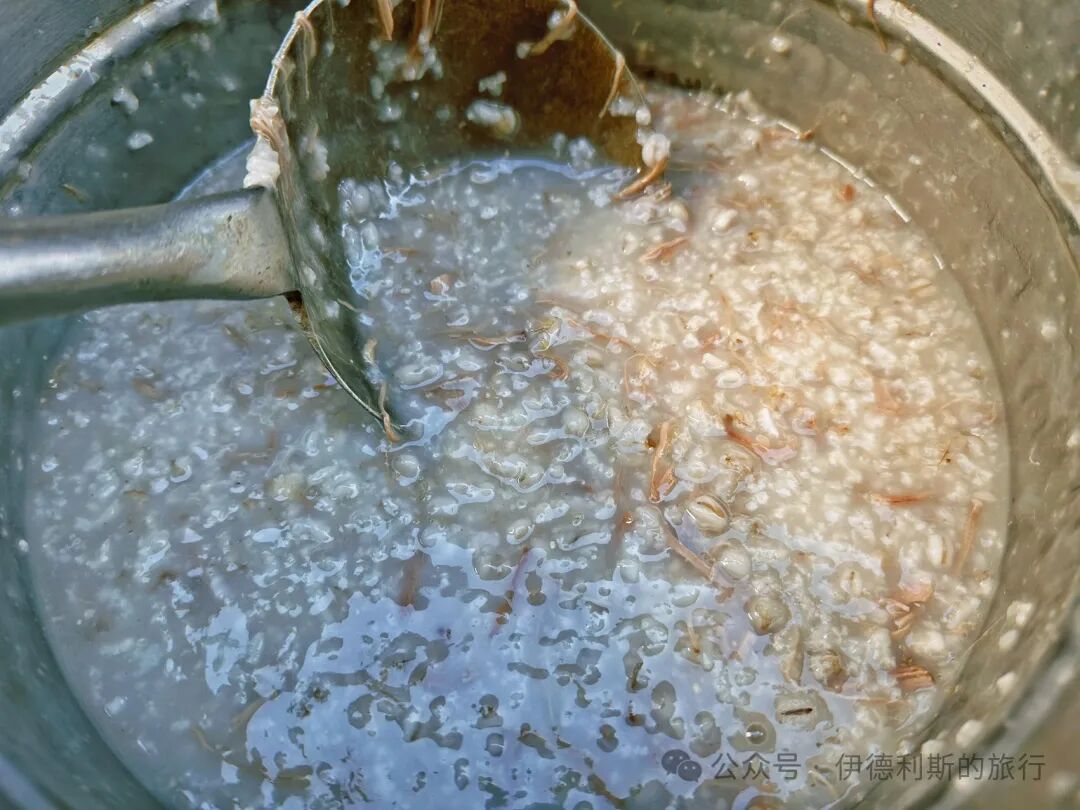
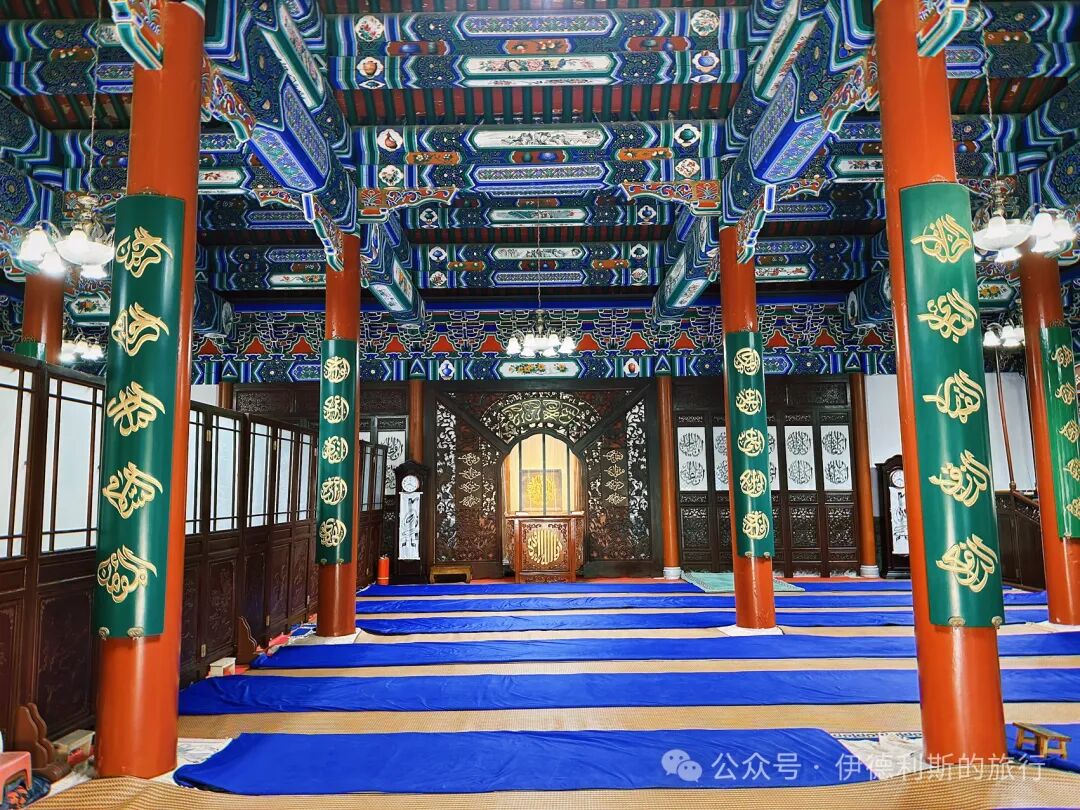
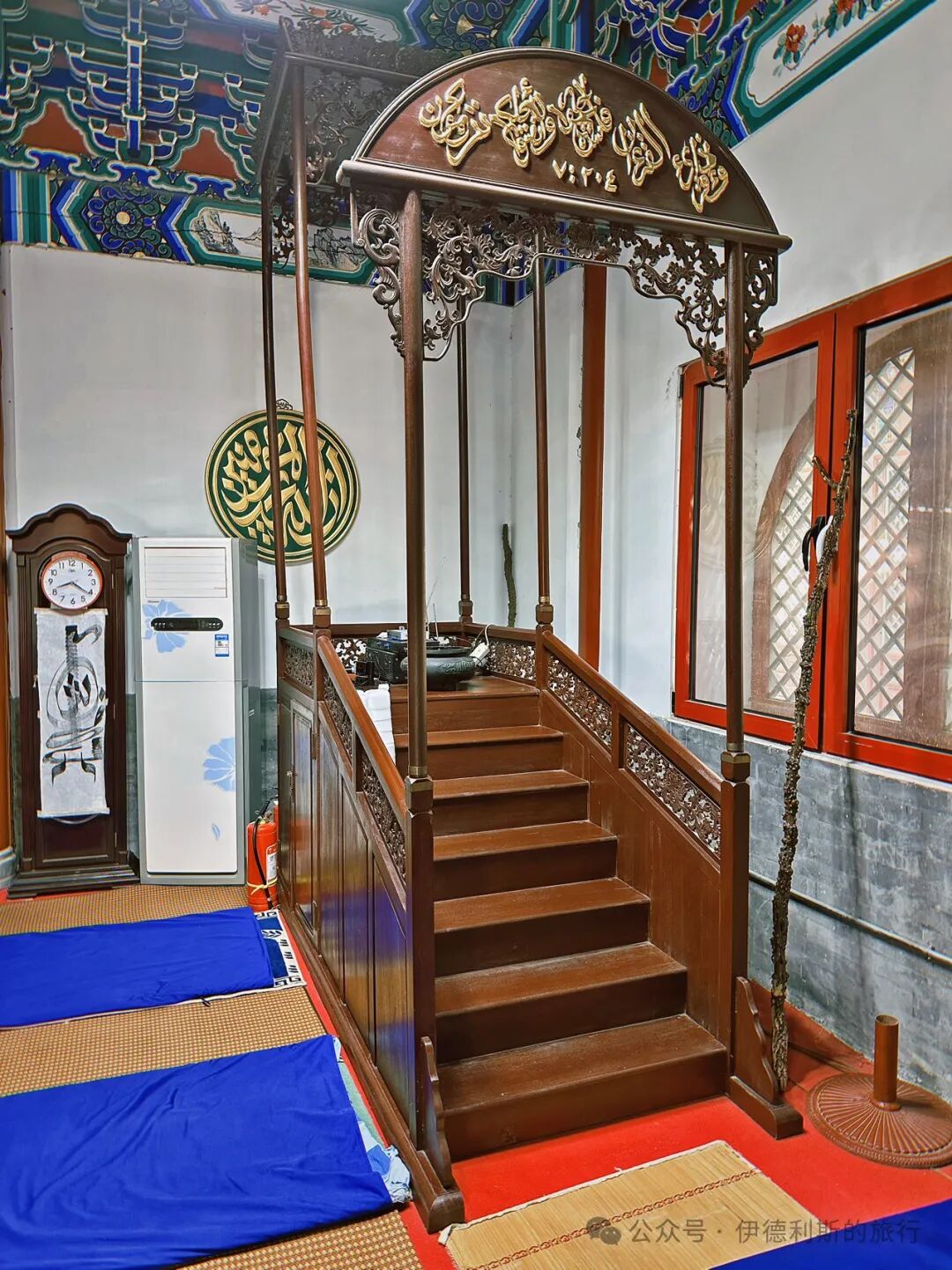
The month of Rabi' al-Awwal is halfway over, and today we went to the Xiguan Mosque in Tongzhou to attend the Mawlid celebration. In the morning, we first had meat porridge (rouzhou), then went into the prayer hall to complete the scripture reading and listen to the imam give a sermon (wa'z) about the life of the Prophet.
The 12th day of the third month of the Islamic calendar is believed to be the birthday of the Prophet. Around this time every year, Muslims all over the world hold events to commemorate the Prophet, known as Mawlid or Eid-e-Milad an-Nabi, which are called Shengji, Sheng-hui, or Shengdan in China.
Mawlid activities can be traced back to the time of the followers of the Prophet's companions (Tabi'un), though they were mostly private events in the early days. Large-scale commemorative events can be traced back to 12th-century Egypt during the Fatimid Caliphate. In 1207, Saladin's brother-in-law Gökböri first established Mawlid as a public holiday, which helped the celebration spread among Muslim communities. The Ottoman Empire declared Mawlid a legal holiday in 1588, calling it Mevlid Kandili, which means the candle festival of the Prophet's birthday.
After sitting down in the lower hall, we were served the traditional North China Hui Muslims' Eight Great Bowls (badawan): stewed meat, braised pork (kourou), crispy meat (songrou), meatballs, kelp, fried tofu puffs (doupao), radish, and lamb offal (yangza). There were also four stir-fried dishes: sautéed lamb liver, stir-fried shrimp, stir-fried diced chicken, and sesame lamb, followed by steamed fish to finish—it was a very rich meal!
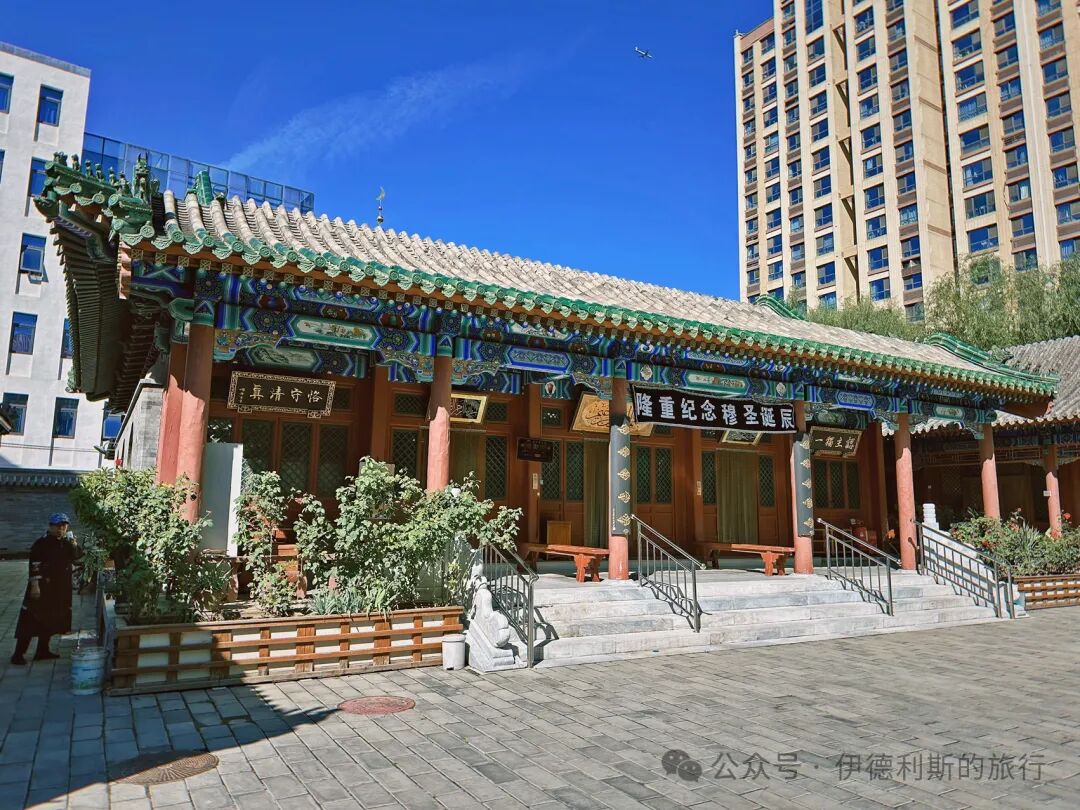
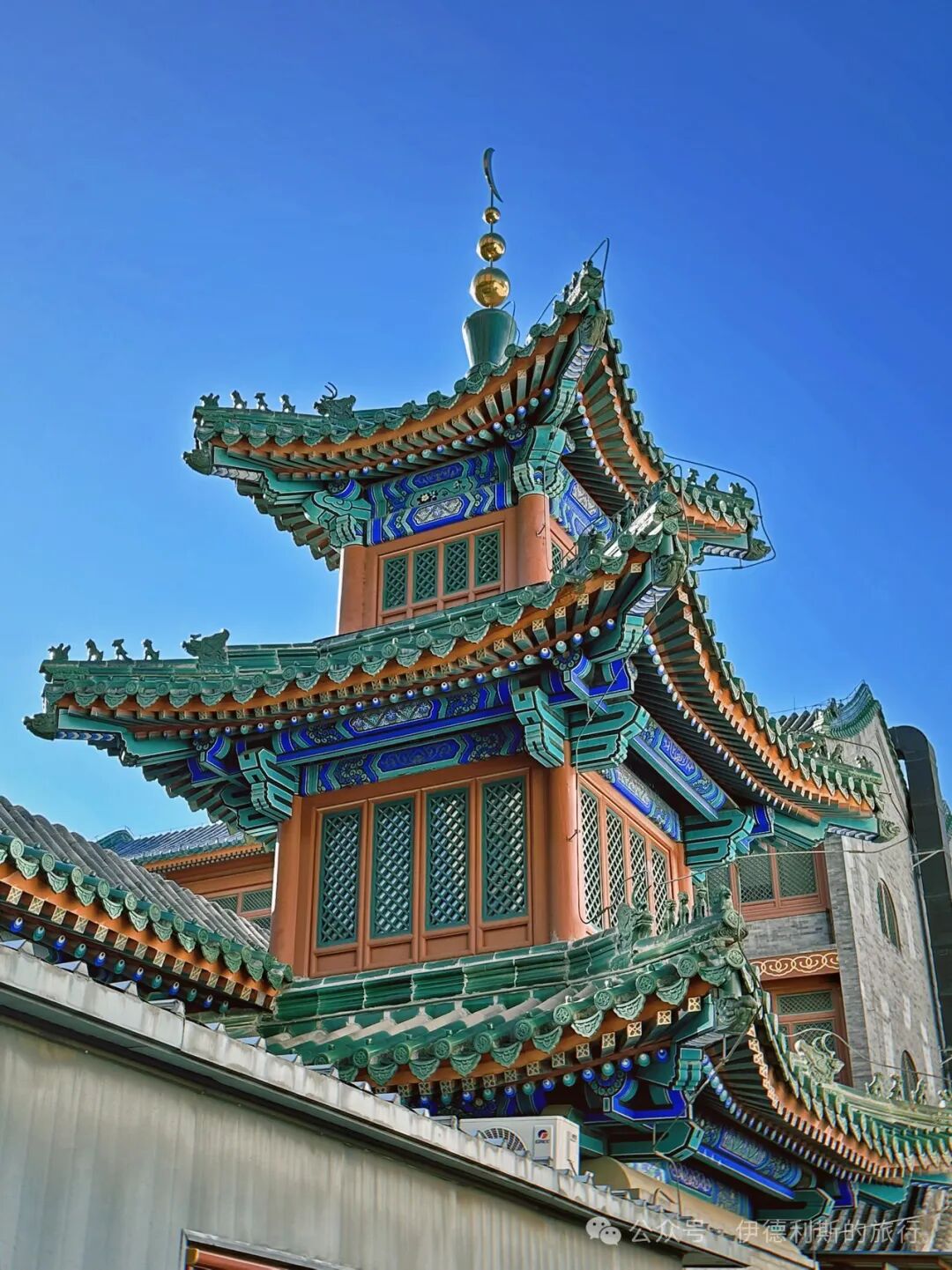
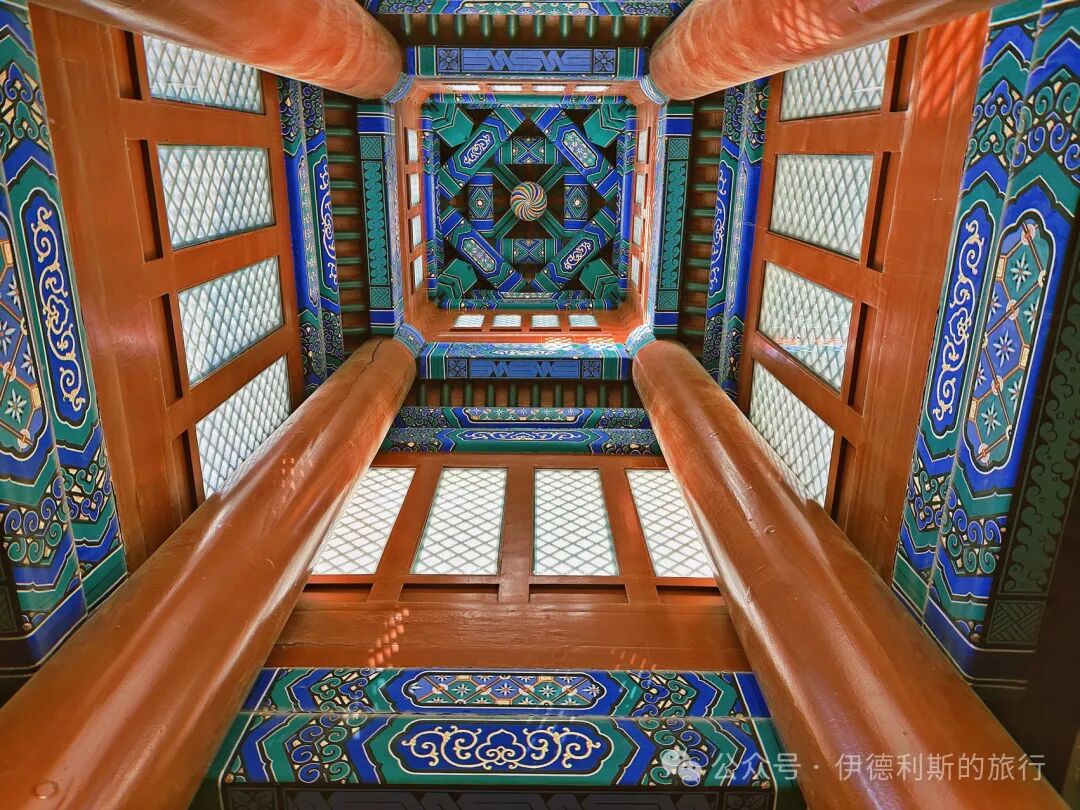
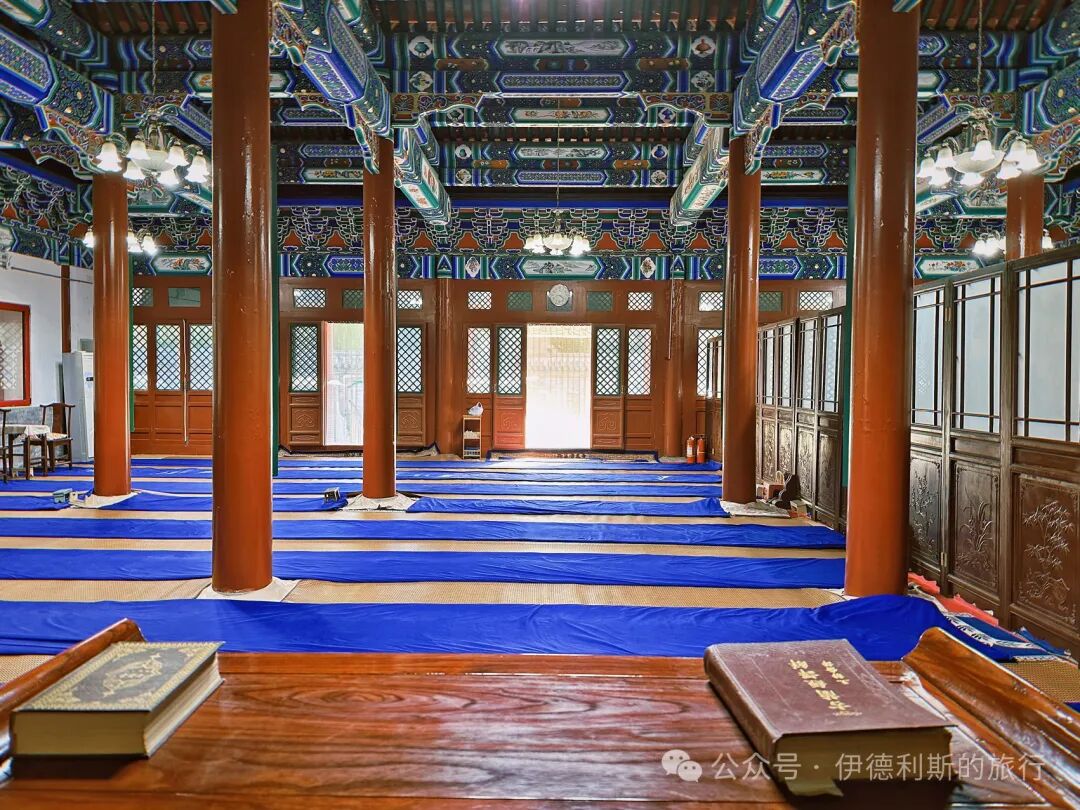
Tongzhou Xiguan Mosque was first built in 1766 (the 31st year of the Qianlong reign). The original building was torn down in 1980, rebuilt and reopened for worship in 1999, and moved to its current location in 2012.
Sharing an article about the religious gathering I attended before:
Celebrating the Prophet's birthday (Sheng Hui) at Heying Mosque in Beijing
Spend the weekend in Beijing for the holy gathering (shenghui) view all
Summary: Beijing Tongzhou Xiguan Mosque - Shenghui Gathering is presented as a clear English travel account for readers interested in Muslim life, halal food, mosques, and local history. The article keeps the original names, food details, photographs, and cultural context while focusing on Tongzhou, Xiguan Mosque, Shenghui.
The month of Rabi' al-Awwal is halfway over, and today we went to the Xiguan Mosque in Tongzhou to attend the Mawlid celebration. In the morning, we first had meat porridge (rouzhou), then went into the prayer hall to complete the scripture reading and listen to the imam give a sermon (wa'z) about the life of the Prophet.
The 12th day of the third month of the Islamic calendar is believed to be the birthday of the Prophet. Around this time every year, Muslims all over the world hold events to commemorate the Prophet, known as Mawlid or Eid-e-Milad an-Nabi, which are called Shengji, Sheng-hui, or Shengdan in China.
Mawlid activities can be traced back to the time of the followers of the Prophet's companions (Tabi'un), though they were mostly private events in the early days. Large-scale commemorative events can be traced back to 12th-century Egypt during the Fatimid Caliphate. In 1207, Saladin's brother-in-law Gökböri first established Mawlid as a public holiday, which helped the celebration spread among Muslim communities. The Ottoman Empire declared Mawlid a legal holiday in 1588, calling it Mevlid Kandili, which means the candle festival of the Prophet's birthday.
After sitting down in the lower hall, we were served the traditional North China Hui Muslims' Eight Great Bowls (badawan): stewed meat, braised pork (kourou), crispy meat (songrou), meatballs, kelp, fried tofu puffs (doupao), radish, and lamb offal (yangza). There were also four stir-fried dishes: sautéed lamb liver, stir-fried shrimp, stir-fried diced chicken, and sesame lamb, followed by steamed fish to finish—it was a very rich meal!
Tongzhou Xiguan Mosque was first built in 1766 (the 31st year of the Qianlong reign). The original building was torn down in 1980, rebuilt and reopened for worship in 1999, and moved to its current location in 2012.
Sharing an article about the religious gathering I attended before:
Celebrating the Prophet's birthday (Sheng Hui) at Heying Mosque in Beijing
Spend the weekend in Beijing for the holy gathering (shenghui) view all
Reposted from the web
Summary: Beijing Tongzhou Xiguan Mosque - Shenghui Gathering is presented as a clear English travel account for readers interested in Muslim life, halal food, mosques, and local history. The article keeps the original names, food details, photographs, and cultural context while focusing on Tongzhou, Xiguan Mosque, Shenghui.
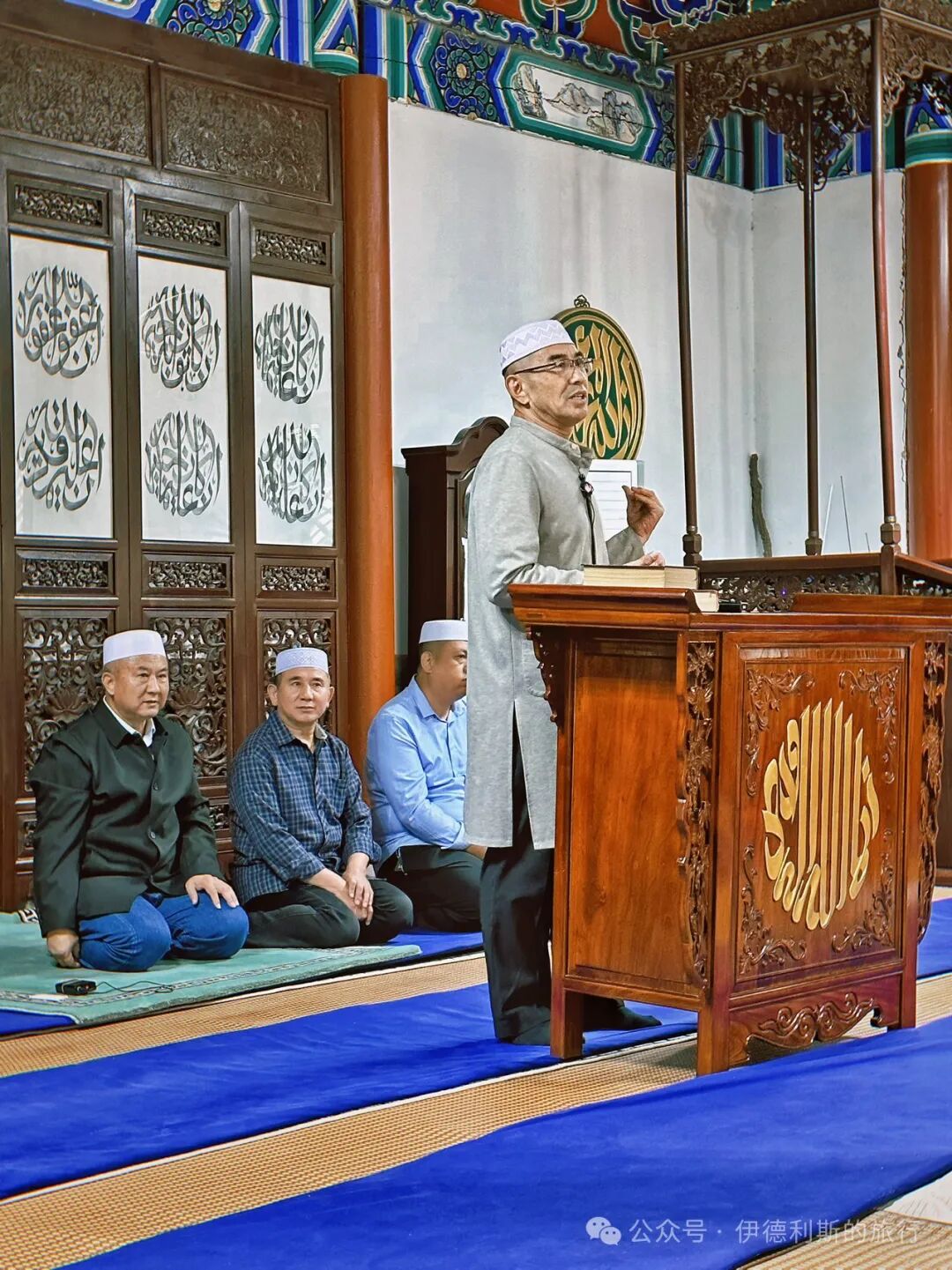
The month of Rabi' al-Awwal is halfway over, and today we went to the Xiguan Mosque in Tongzhou to attend the Mawlid celebration. In the morning, we first had meat porridge (rouzhou), then went into the prayer hall to complete the scripture reading and listen to the imam give a sermon (wa'z) about the life of the Prophet.
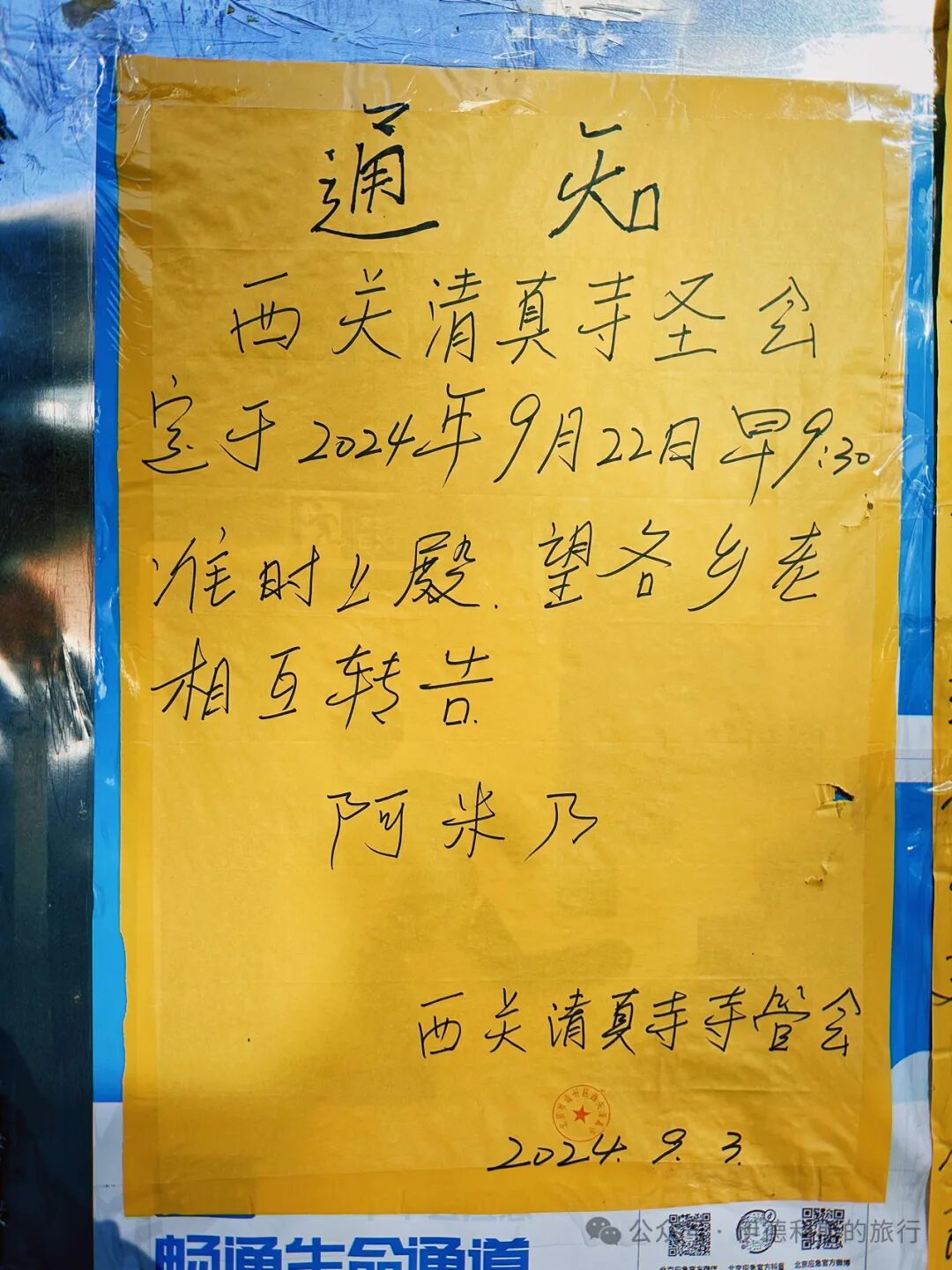
The 12th day of the third month of the Islamic calendar is believed to be the birthday of the Prophet. Around this time every year, Muslims all over the world hold events to commemorate the Prophet, known as Mawlid or Eid-e-Milad an-Nabi, which are called Shengji, Sheng-hui, or Shengdan in China.
Mawlid activities can be traced back to the time of the followers of the Prophet's companions (Tabi'un), though they were mostly private events in the early days. Large-scale commemorative events can be traced back to 12th-century Egypt during the Fatimid Caliphate. In 1207, Saladin's brother-in-law Gökböri first established Mawlid as a public holiday, which helped the celebration spread among Muslim communities. The Ottoman Empire declared Mawlid a legal holiday in 1588, calling it Mevlid Kandili, which means the candle festival of the Prophet's birthday.
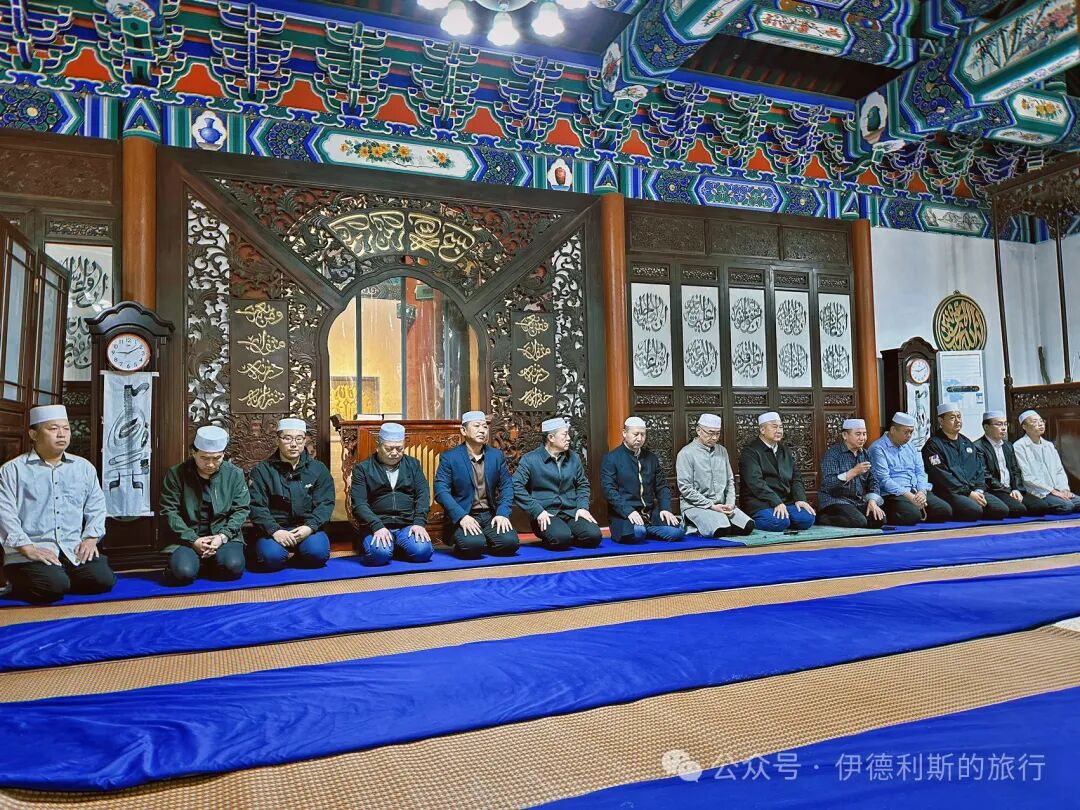
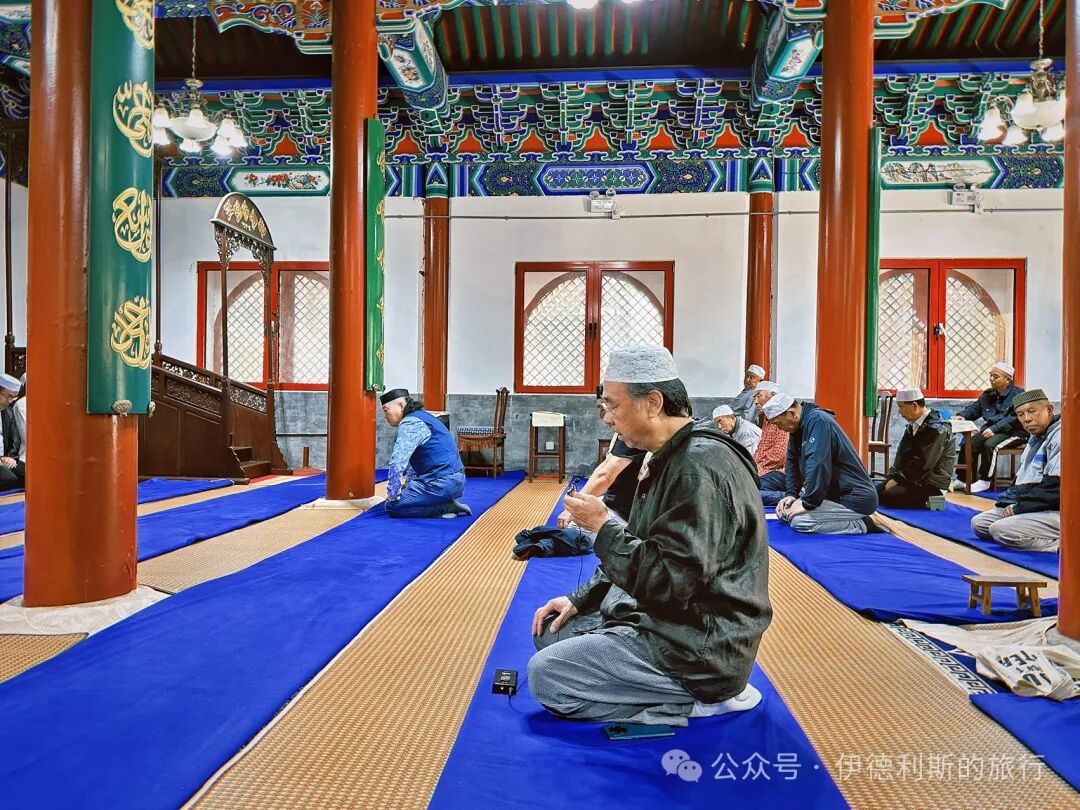
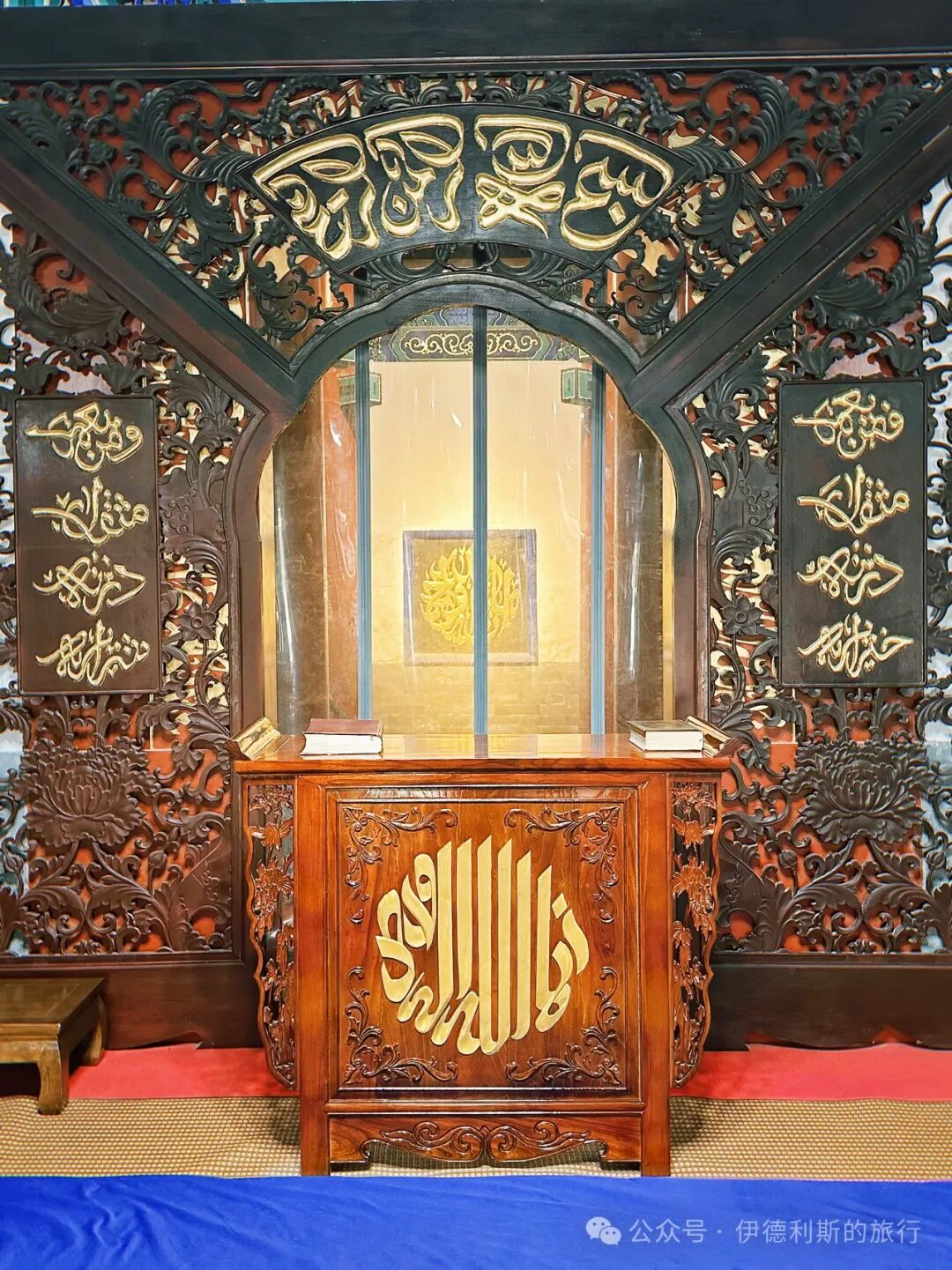
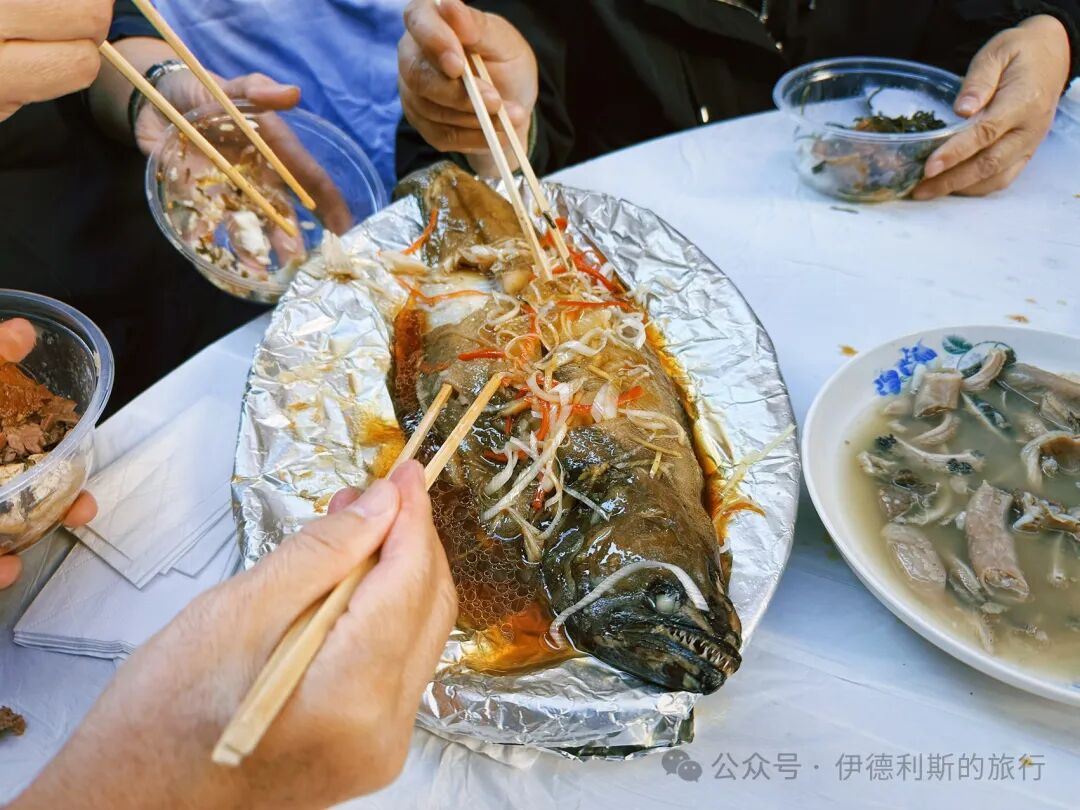
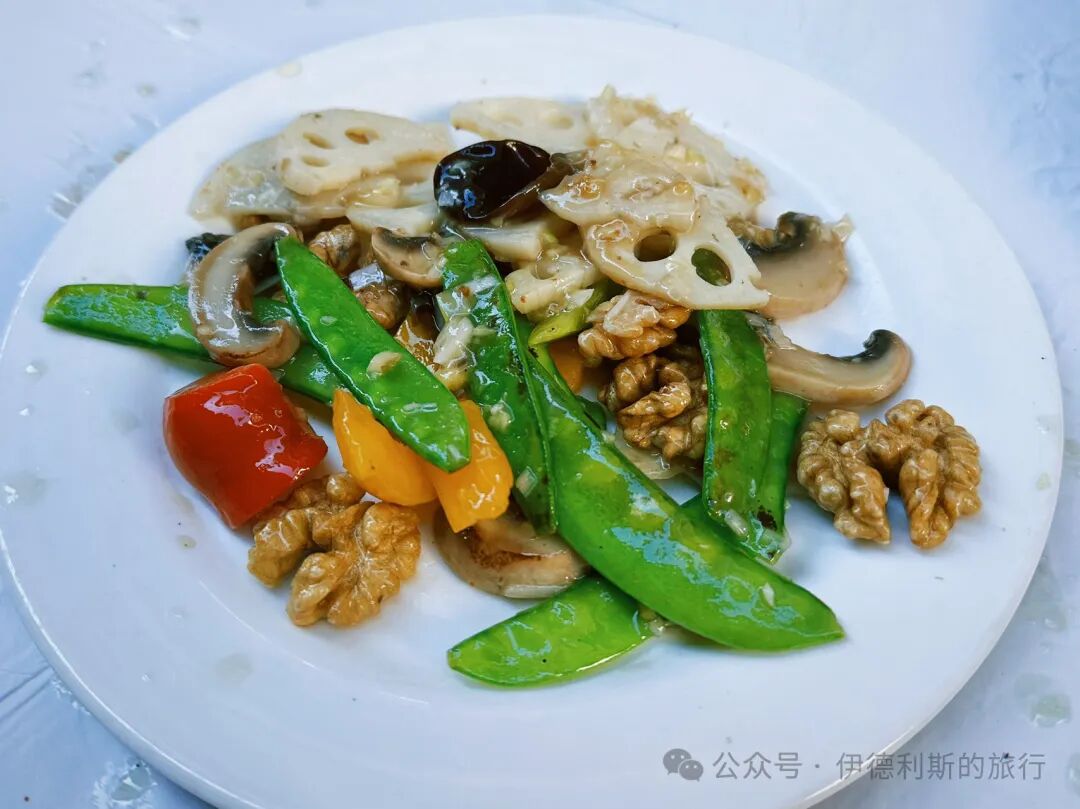
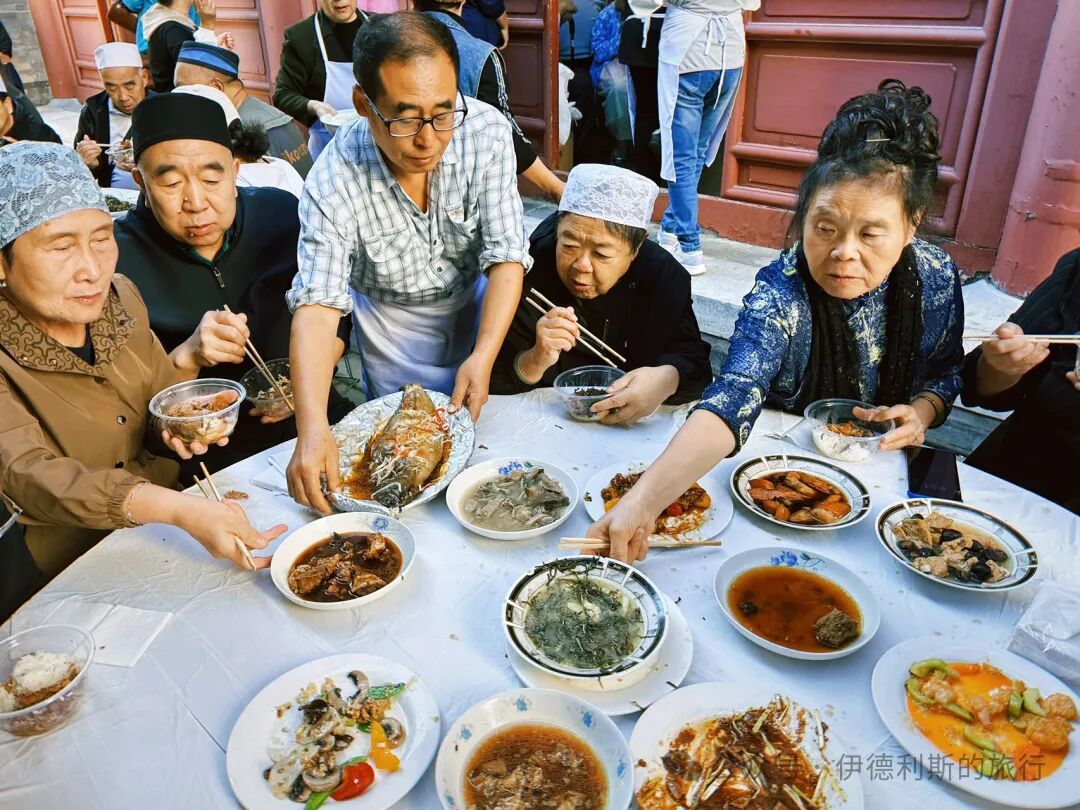
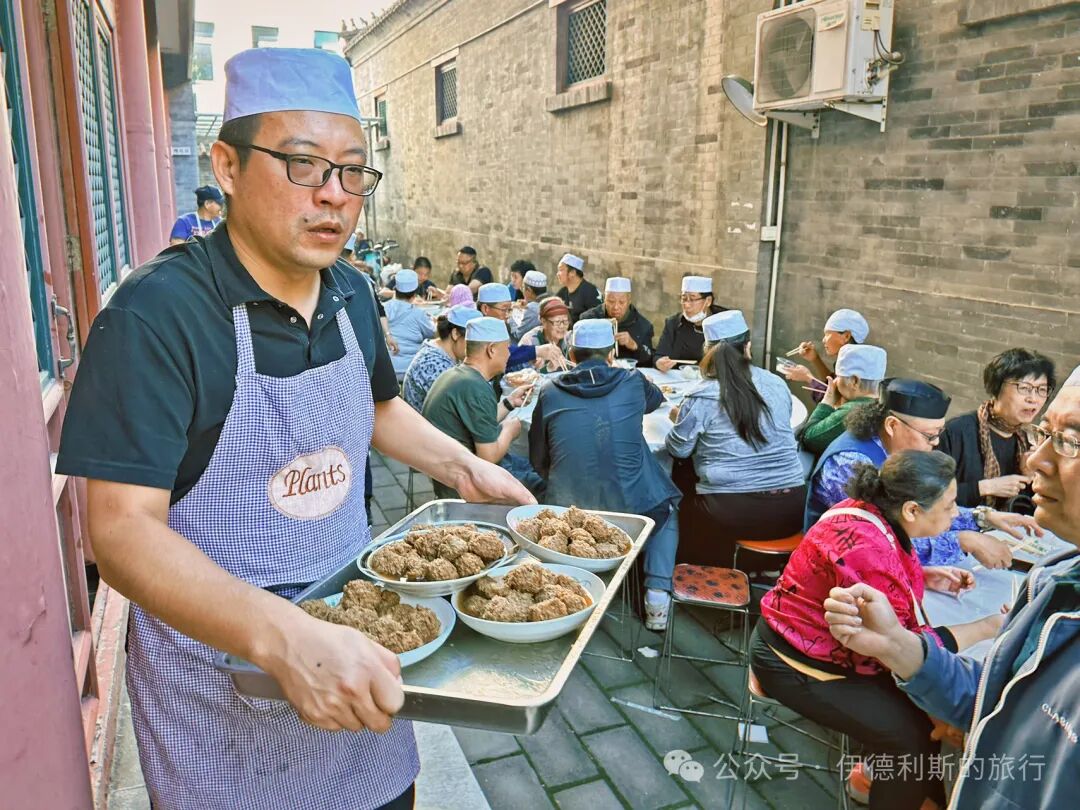
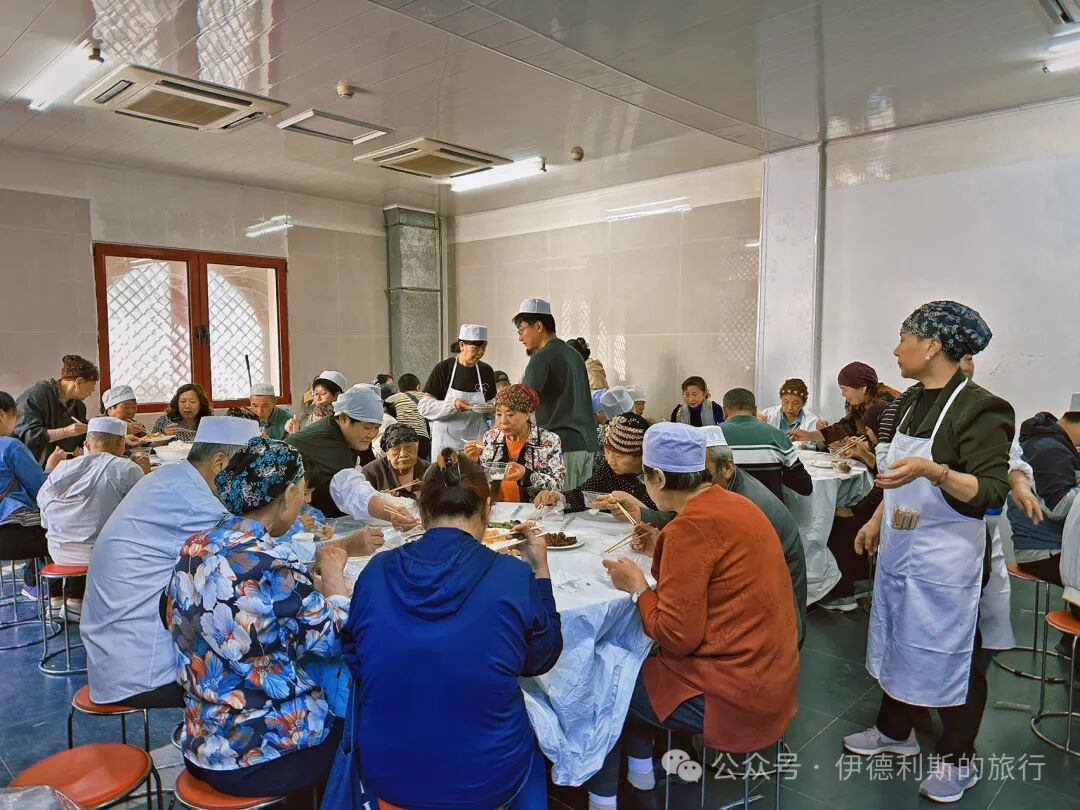
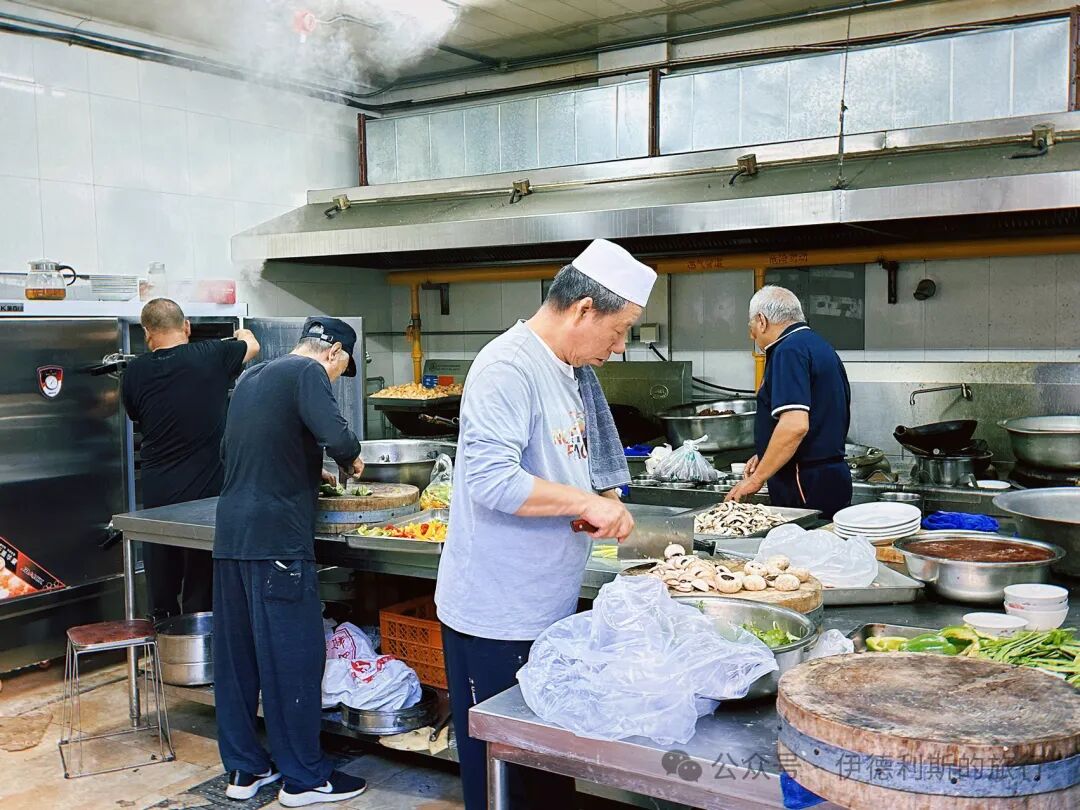
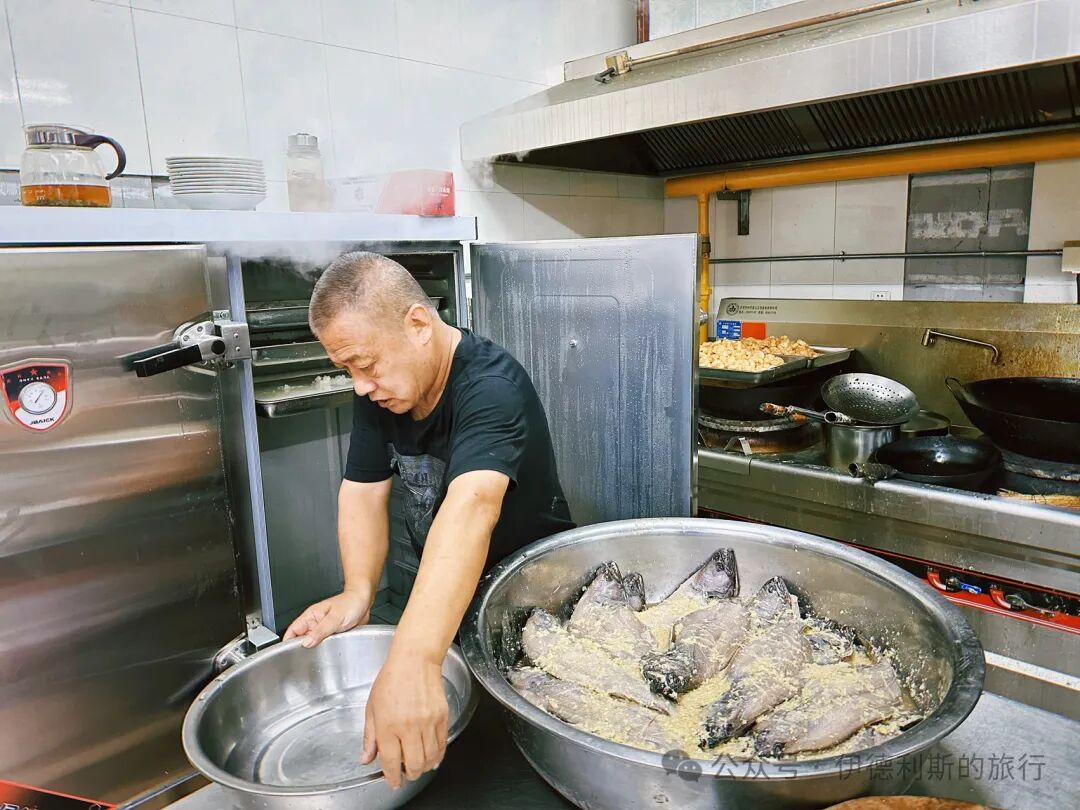
After sitting down in the lower hall, we were served the traditional North China Hui Muslims' Eight Great Bowls (badawan): stewed meat, braised pork (kourou), crispy meat (songrou), meatballs, kelp, fried tofu puffs (doupao), radish, and lamb offal (yangza). There were also four stir-fried dishes: sautéed lamb liver, stir-fried shrimp, stir-fried diced chicken, and sesame lamb, followed by steamed fish to finish—it was a very rich meal!
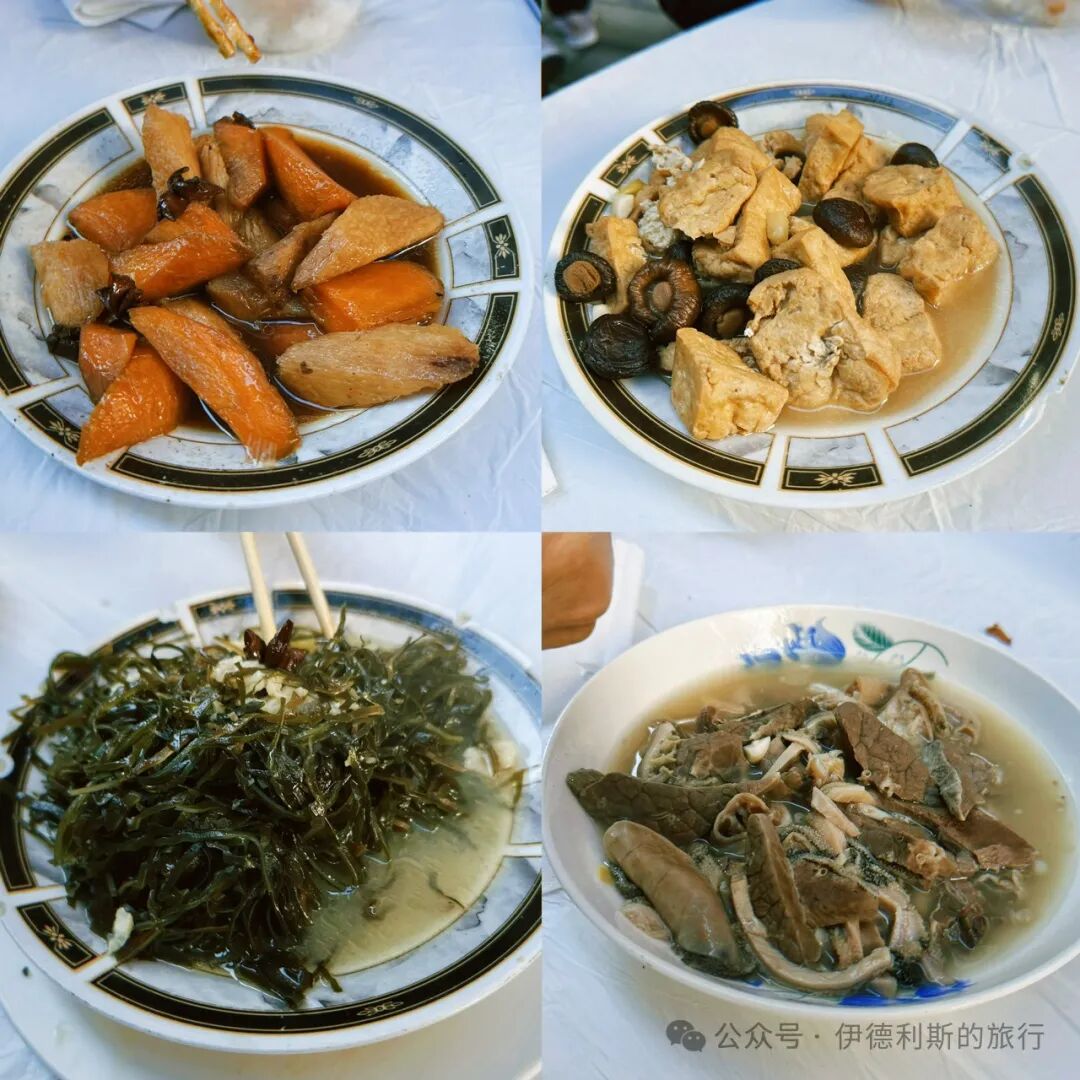
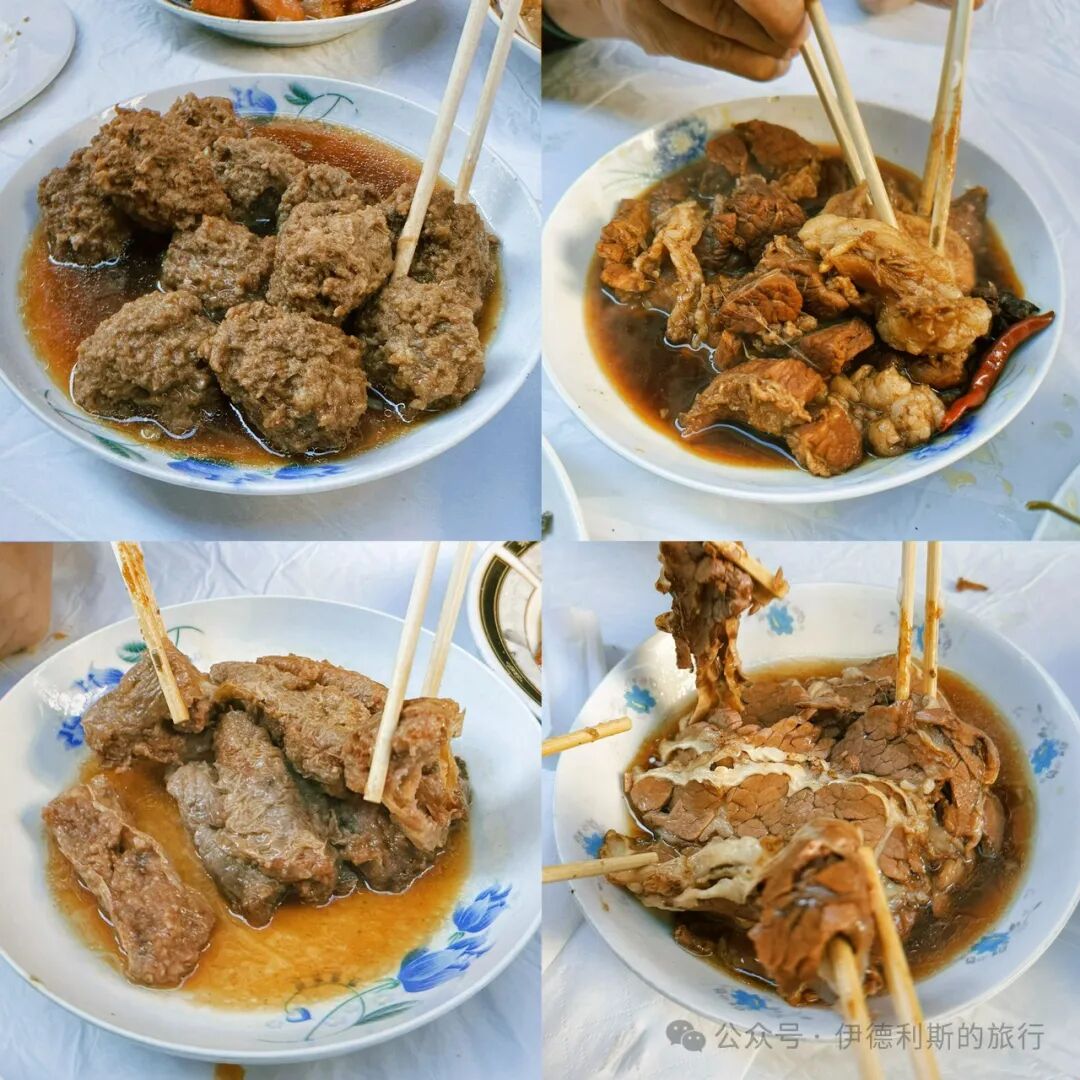
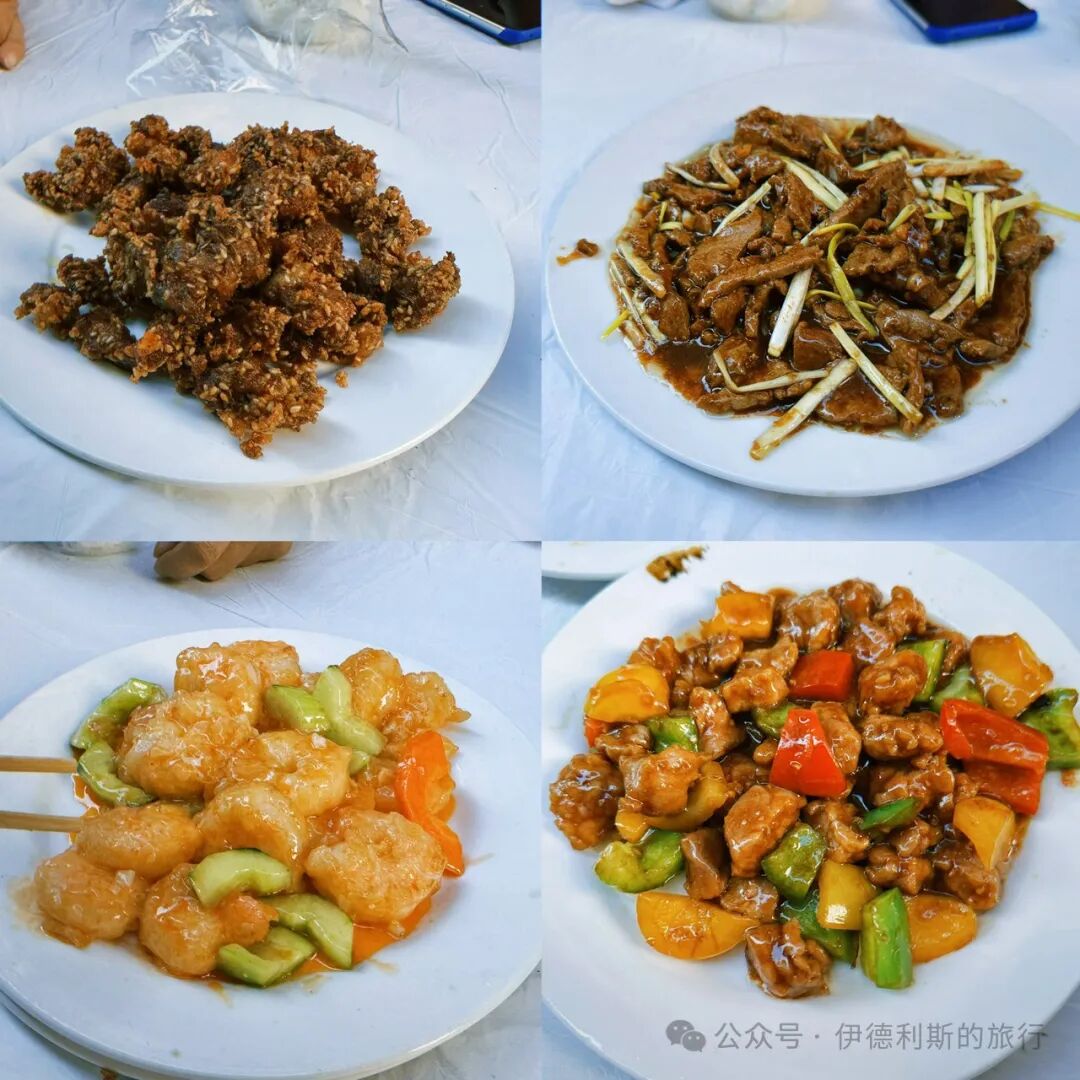
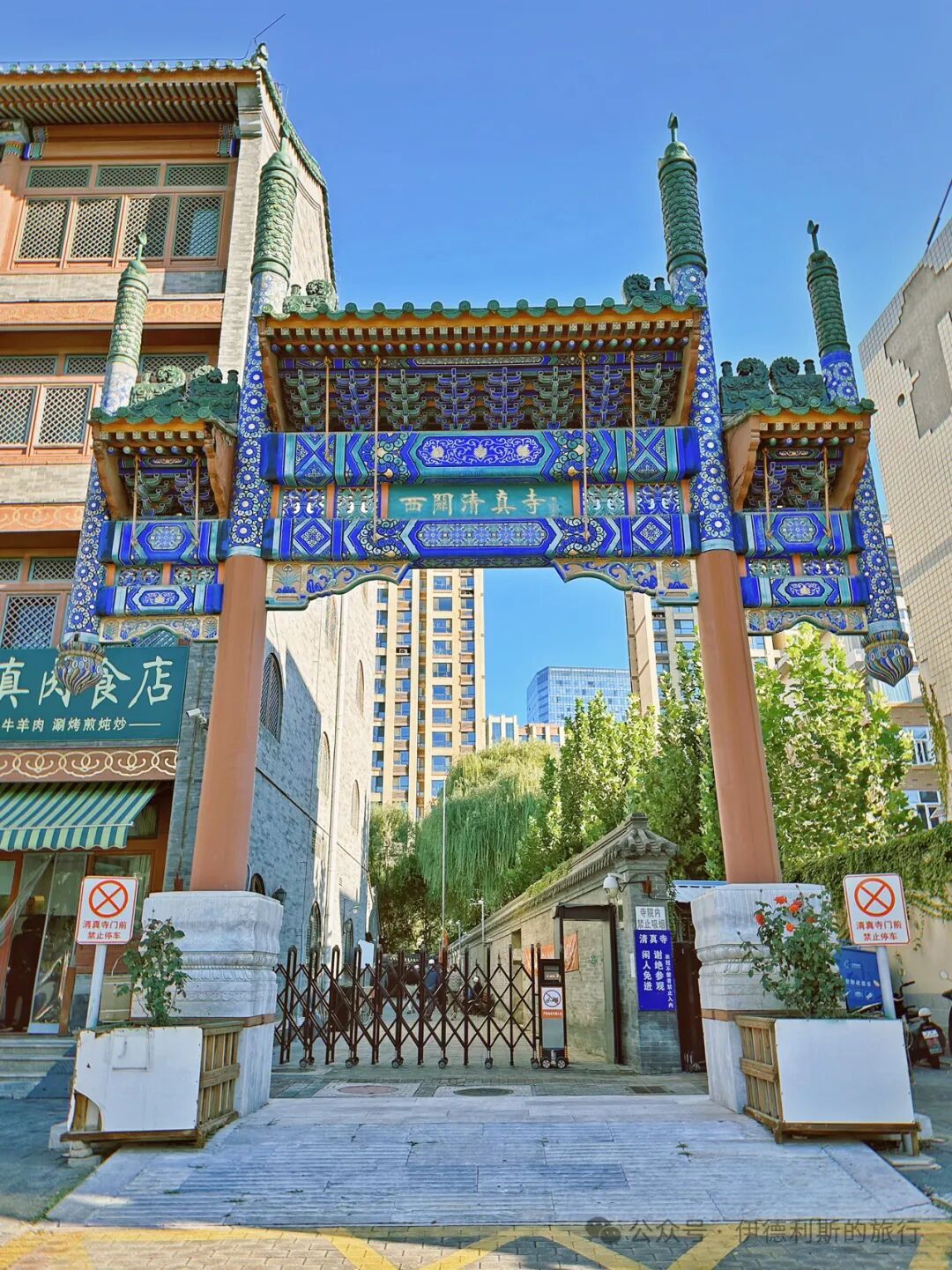
Tongzhou Xiguan Mosque was first built in 1766 (the 31st year of the Qianlong reign). The original building was torn down in 1980, rebuilt and reopened for worship in 1999, and moved to its current location in 2012.
Sharing an article about the religious gathering I attended before:
Celebrating the Prophet's birthday (Sheng Hui) at Heying Mosque in Beijing
Spend the weekend in Beijing for the holy gathering (shenghui)
Summary: Beijing Tongzhou Xiguan Mosque - Shenghui Gathering is presented as a clear English travel account for readers interested in Muslim life, halal food, mosques, and local history. The article keeps the original names, food details, photographs, and cultural context while focusing on Tongzhou, Xiguan Mosque, Shenghui.
The month of Rabi' al-Awwal is halfway over, and today we went to the Xiguan Mosque in Tongzhou to attend the Mawlid celebration. In the morning, we first had meat porridge (rouzhou), then went into the prayer hall to complete the scripture reading and listen to the imam give a sermon (wa'z) about the life of the Prophet.
The 12th day of the third month of the Islamic calendar is believed to be the birthday of the Prophet. Around this time every year, Muslims all over the world hold events to commemorate the Prophet, known as Mawlid or Eid-e-Milad an-Nabi, which are called Shengji, Sheng-hui, or Shengdan in China.
Mawlid activities can be traced back to the time of the followers of the Prophet's companions (Tabi'un), though they were mostly private events in the early days. Large-scale commemorative events can be traced back to 12th-century Egypt during the Fatimid Caliphate. In 1207, Saladin's brother-in-law Gökböri first established Mawlid as a public holiday, which helped the celebration spread among Muslim communities. The Ottoman Empire declared Mawlid a legal holiday in 1588, calling it Mevlid Kandili, which means the candle festival of the Prophet's birthday.
After sitting down in the lower hall, we were served the traditional North China Hui Muslims' Eight Great Bowls (badawan): stewed meat, braised pork (kourou), crispy meat (songrou), meatballs, kelp, fried tofu puffs (doupao), radish, and lamb offal (yangza). There were also four stir-fried dishes: sautéed lamb liver, stir-fried shrimp, stir-fried diced chicken, and sesame lamb, followed by steamed fish to finish—it was a very rich meal!
Tongzhou Xiguan Mosque was first built in 1766 (the 31st year of the Qianlong reign). The original building was torn down in 1980, rebuilt and reopened for worship in 1999, and moved to its current location in 2012.
Sharing an article about the religious gathering I attended before:
Celebrating the Prophet's birthday (Sheng Hui) at Heying Mosque in Beijing
Spend the weekend in Beijing for the holy gathering (shenghui)
Muslim Culture Guide: Beijing Heying Mosque - Shenghui Gathering and Community
Articles • ali2007fr posted the article • 0 comments • 142 views • 2026-05-19 21:21
Reposted from the web
Summary: Beijing Heying Mosque - Shenghui Gathering and Community is presented as a clear English travel account for readers interested in Muslim life, halal food, mosques, and local history. The article keeps the original names, food details, photographs, and cultural context while focusing on Heying Mosque, Beijing Mosques, Shenghui.
The month of Mawlid has just begun, and mosques all over Beijing are starting to hold celebrations. Last weekend, we attended a celebration at Heying Mosque in Changping. We ate authentic mashed potato paste (yangyu jiaotuan), hand-held lamb ribs (shouba yangletiao), and starch noodle soup (fentang). It was a very blessed occasion. The chili sauce on the mashed potato paste was so fragrant that I couldn't help but pack some to take home. It adds great flavor when dipping steamed buns (momo) or eating clear-stewed meat.
At the celebration, I ate fried dough (youxiang). It was fluffier than the version from Northwest China, feeling like a fusion of Northwest and North China styles. The walnut trees at the mosque are in season right now. The walnuts are very fresh when you crack them open to eat.
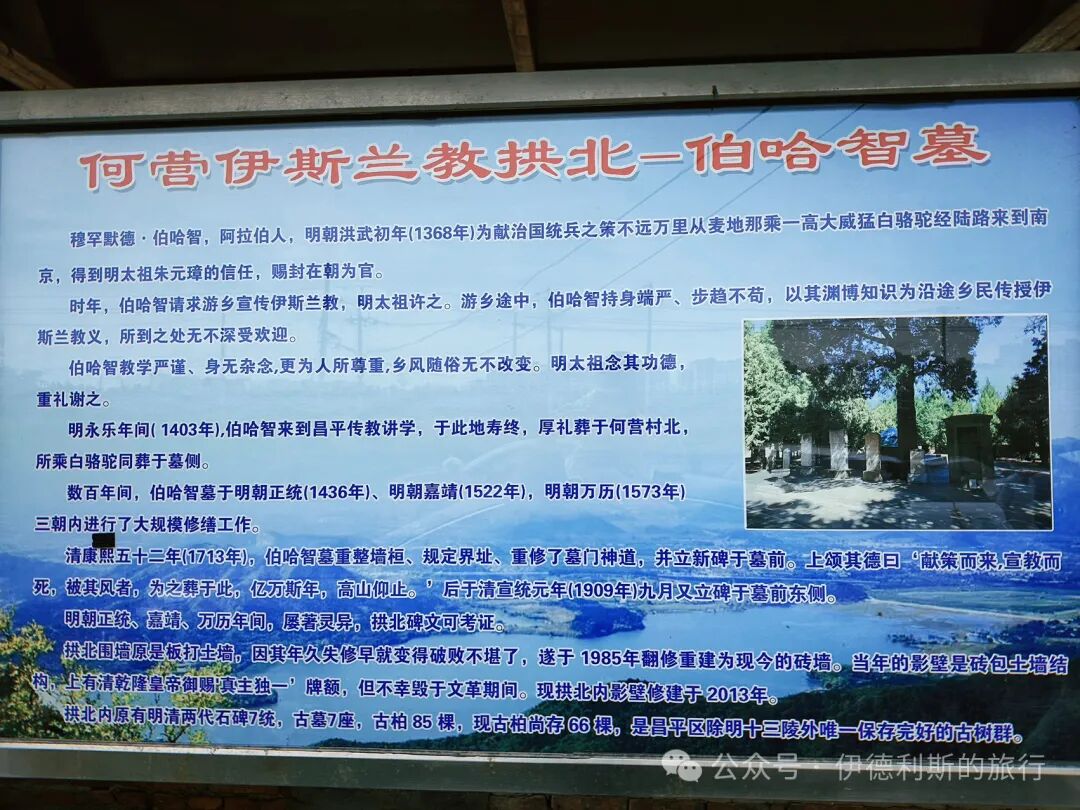
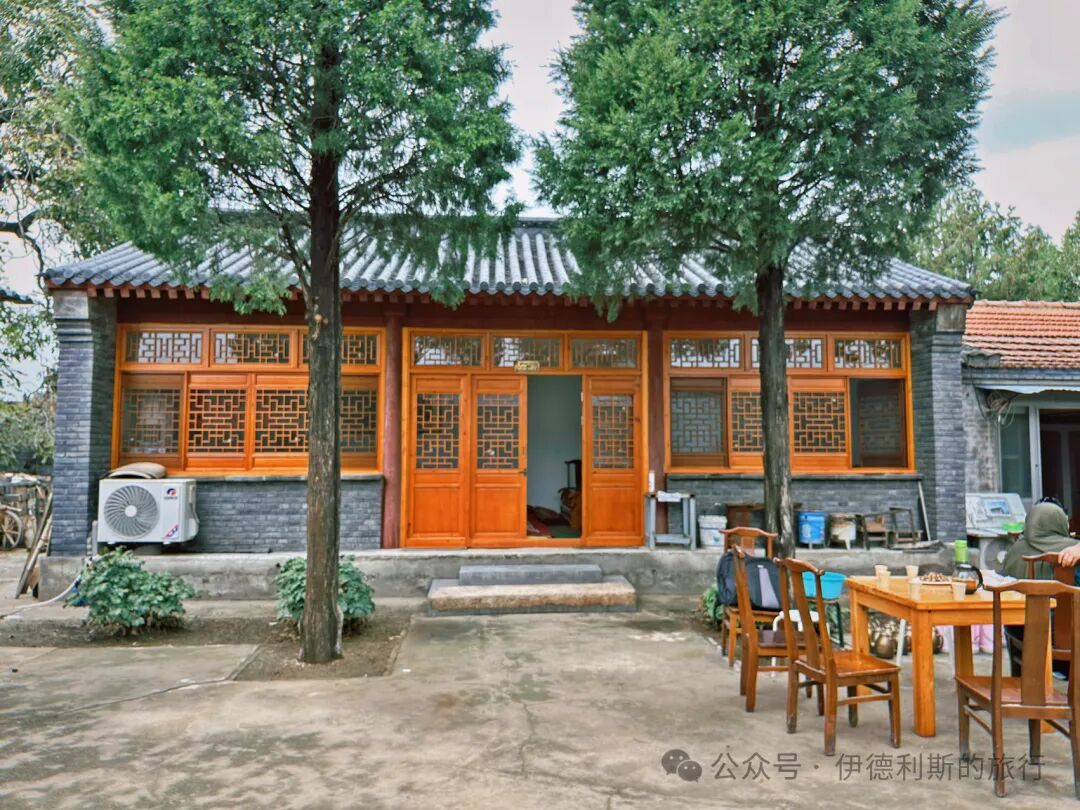
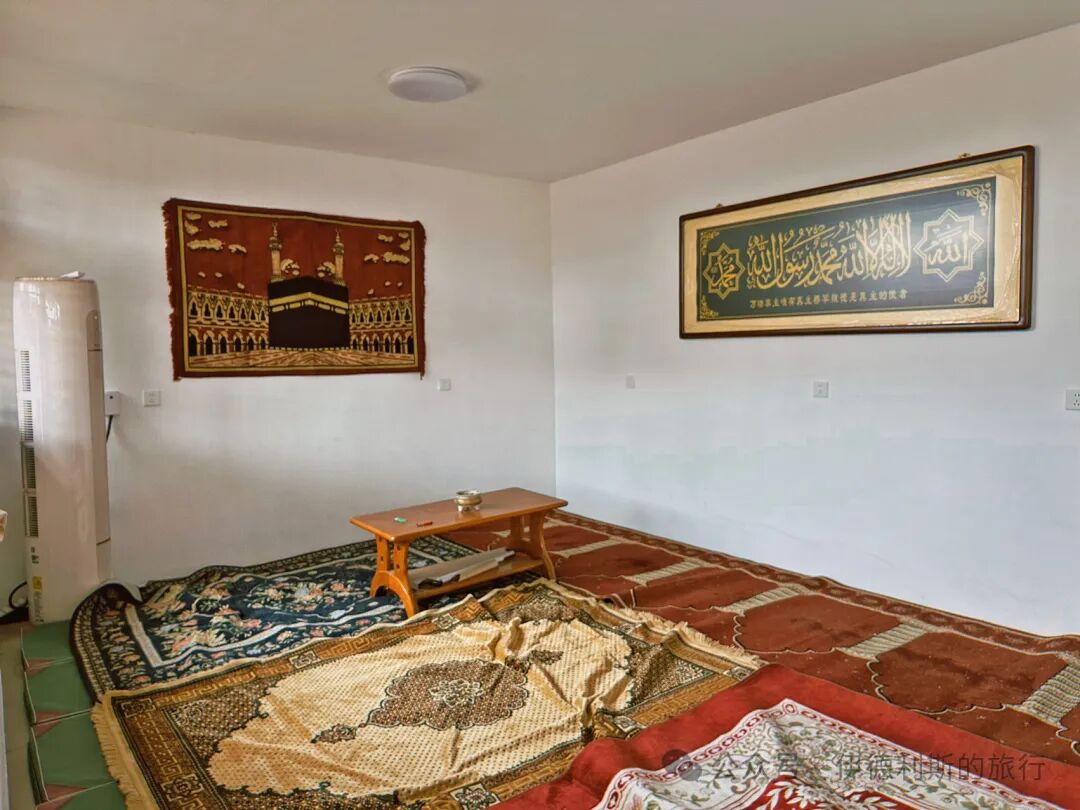
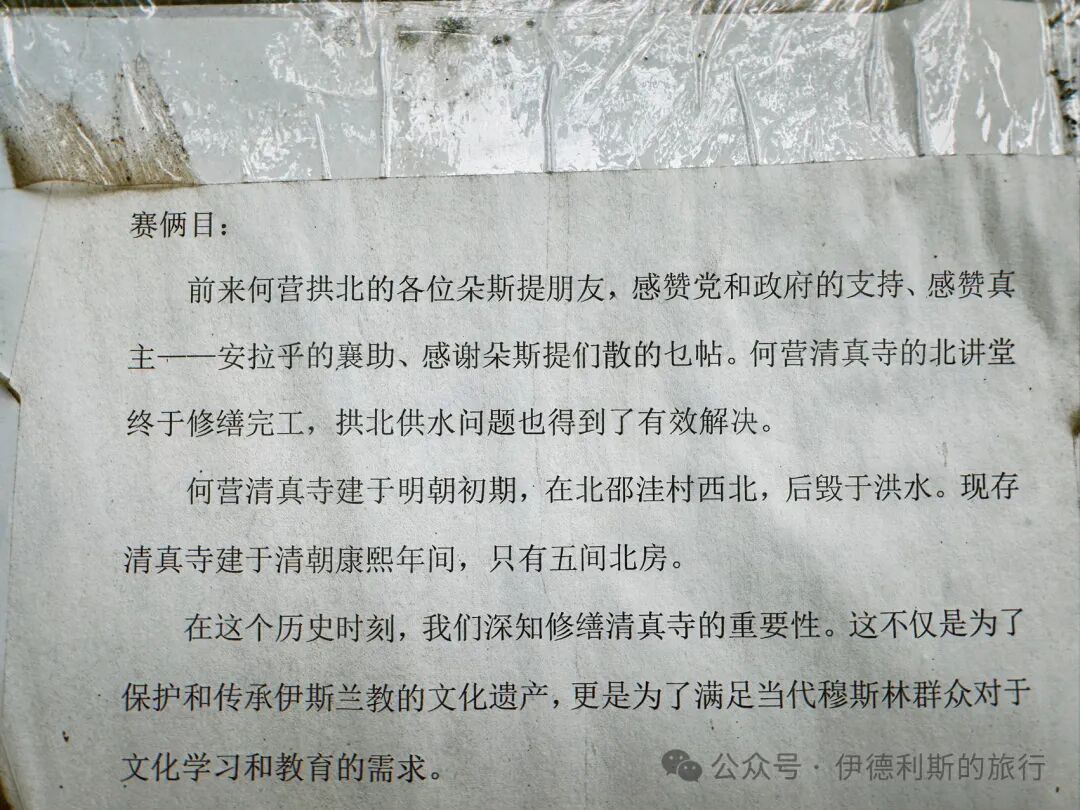
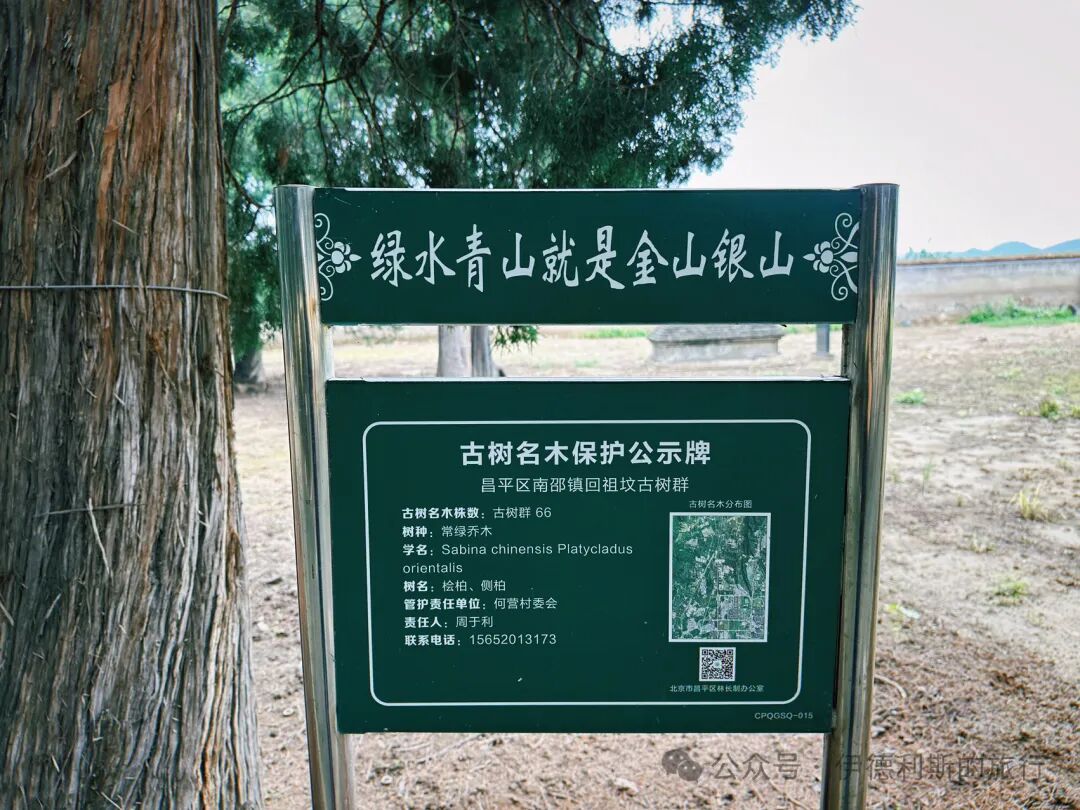
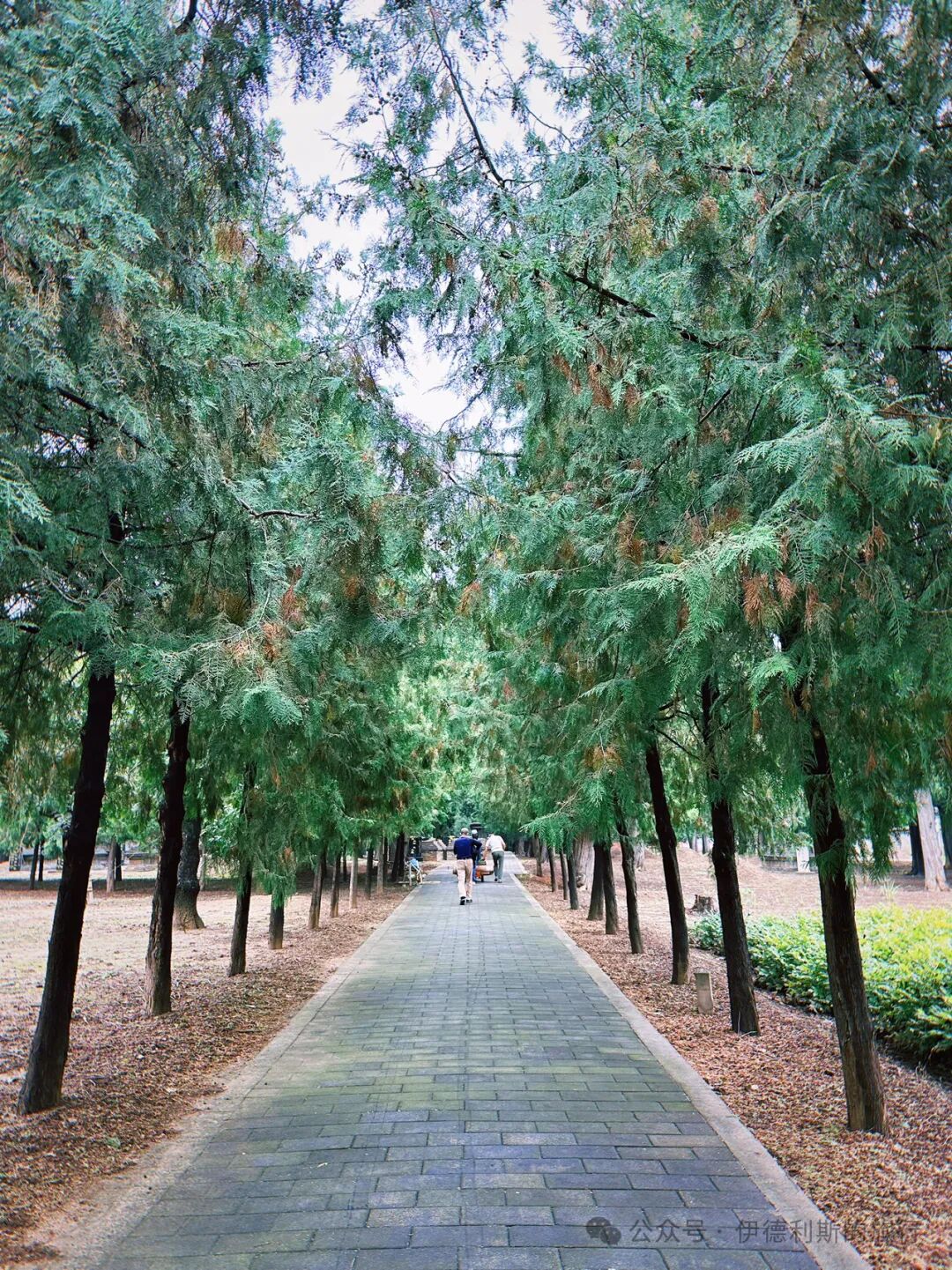
Changes at Heying Mosque over the past year include a new bulletin board that introduces the life of Bo Hazhi Shaihai Baba. The north lecture hall has been renovated, making it more convenient for religious gatherings (gan'ermaili). A protection sign for ancient and famous trees has been set up. This place is not only a sacred site for the faith but also an important natural and cultural heritage site.
Further reading:
Spend the weekend in Beijing for the holy gathering (shenghui)
Visiting the tomb of the Western Region sage Bo Hazhi view all
Summary: Beijing Heying Mosque - Shenghui Gathering and Community is presented as a clear English travel account for readers interested in Muslim life, halal food, mosques, and local history. The article keeps the original names, food details, photographs, and cultural context while focusing on Heying Mosque, Beijing Mosques, Shenghui.
The month of Mawlid has just begun, and mosques all over Beijing are starting to hold celebrations. Last weekend, we attended a celebration at Heying Mosque in Changping. We ate authentic mashed potato paste (yangyu jiaotuan), hand-held lamb ribs (shouba yangletiao), and starch noodle soup (fentang). It was a very blessed occasion. The chili sauce on the mashed potato paste was so fragrant that I couldn't help but pack some to take home. It adds great flavor when dipping steamed buns (momo) or eating clear-stewed meat.
At the celebration, I ate fried dough (youxiang). It was fluffier than the version from Northwest China, feeling like a fusion of Northwest and North China styles. The walnut trees at the mosque are in season right now. The walnuts are very fresh when you crack them open to eat.
Changes at Heying Mosque over the past year include a new bulletin board that introduces the life of Bo Hazhi Shaihai Baba. The north lecture hall has been renovated, making it more convenient for religious gatherings (gan'ermaili). A protection sign for ancient and famous trees has been set up. This place is not only a sacred site for the faith but also an important natural and cultural heritage site.
Further reading:
Spend the weekend in Beijing for the holy gathering (shenghui)
Visiting the tomb of the Western Region sage Bo Hazhi view all
Reposted from the web
Summary: Beijing Heying Mosque - Shenghui Gathering and Community is presented as a clear English travel account for readers interested in Muslim life, halal food, mosques, and local history. The article keeps the original names, food details, photographs, and cultural context while focusing on Heying Mosque, Beijing Mosques, Shenghui.
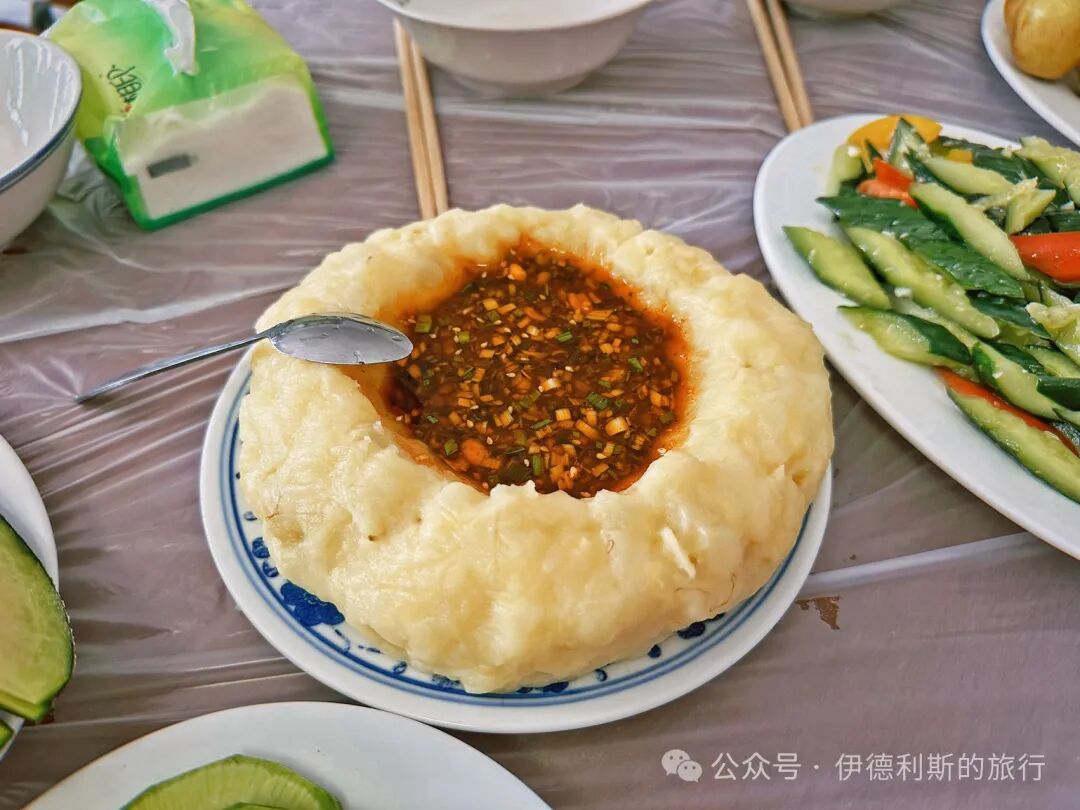
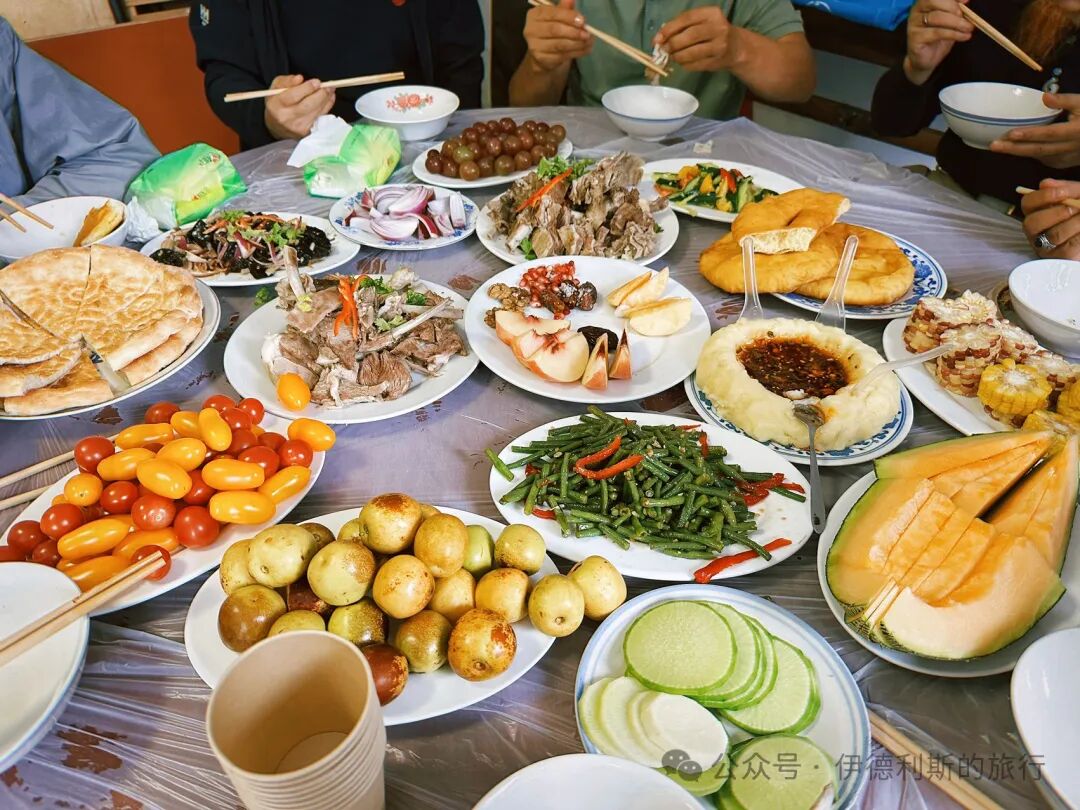
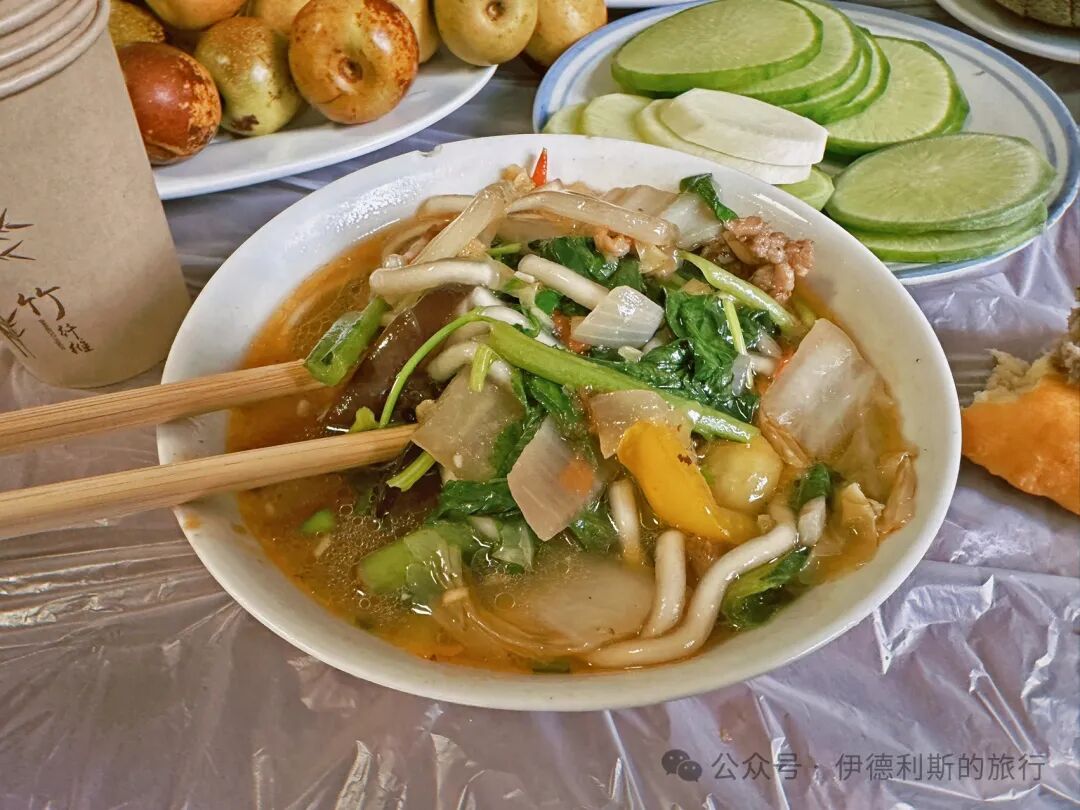
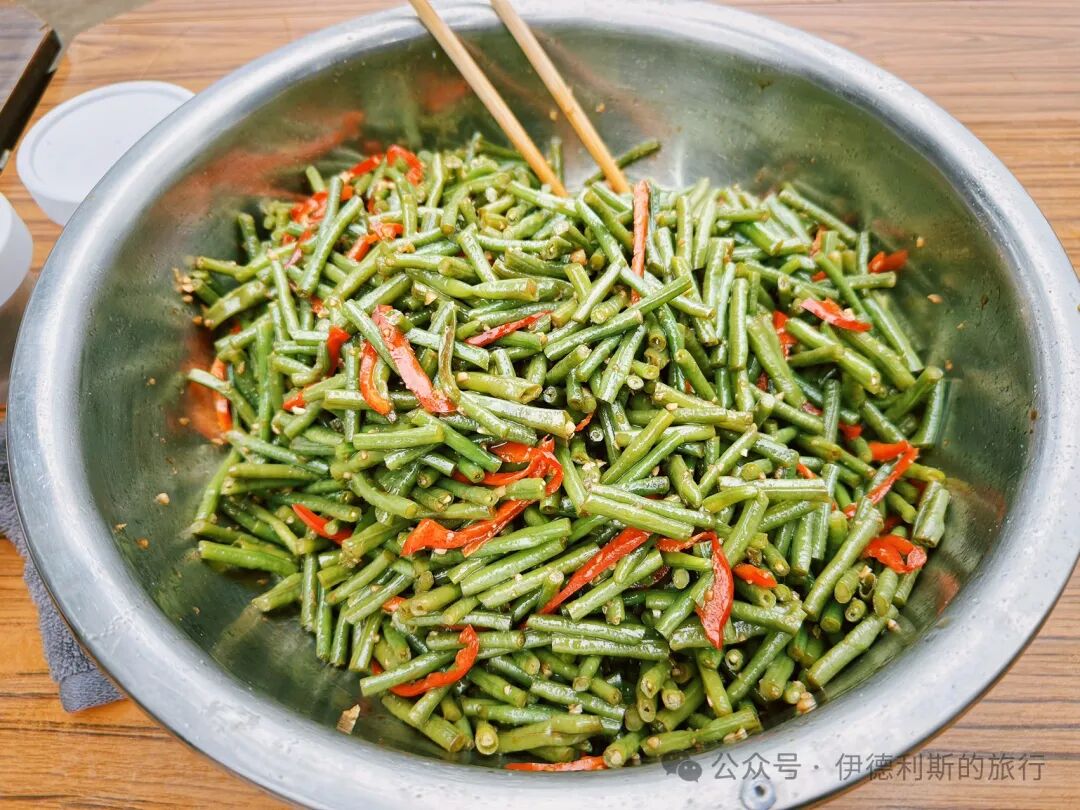
The month of Mawlid has just begun, and mosques all over Beijing are starting to hold celebrations. Last weekend, we attended a celebration at Heying Mosque in Changping. We ate authentic mashed potato paste (yangyu jiaotuan), hand-held lamb ribs (shouba yangletiao), and starch noodle soup (fentang). It was a very blessed occasion. The chili sauce on the mashed potato paste was so fragrant that I couldn't help but pack some to take home. It adds great flavor when dipping steamed buns (momo) or eating clear-stewed meat.
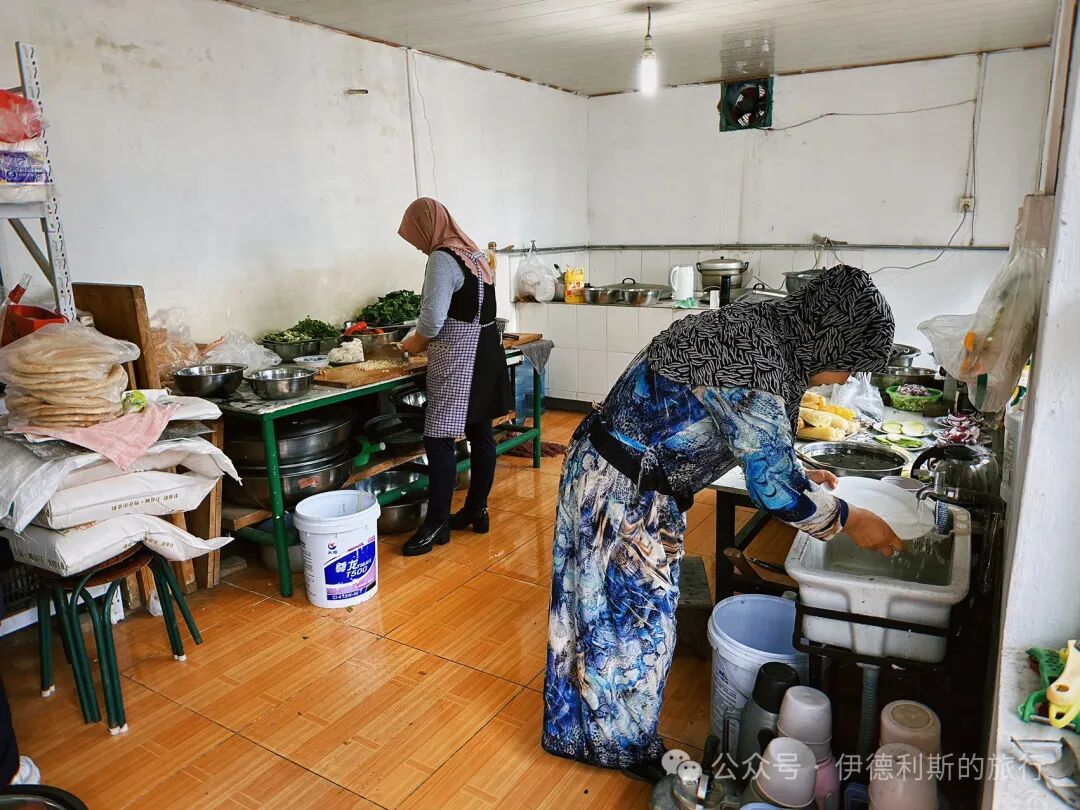
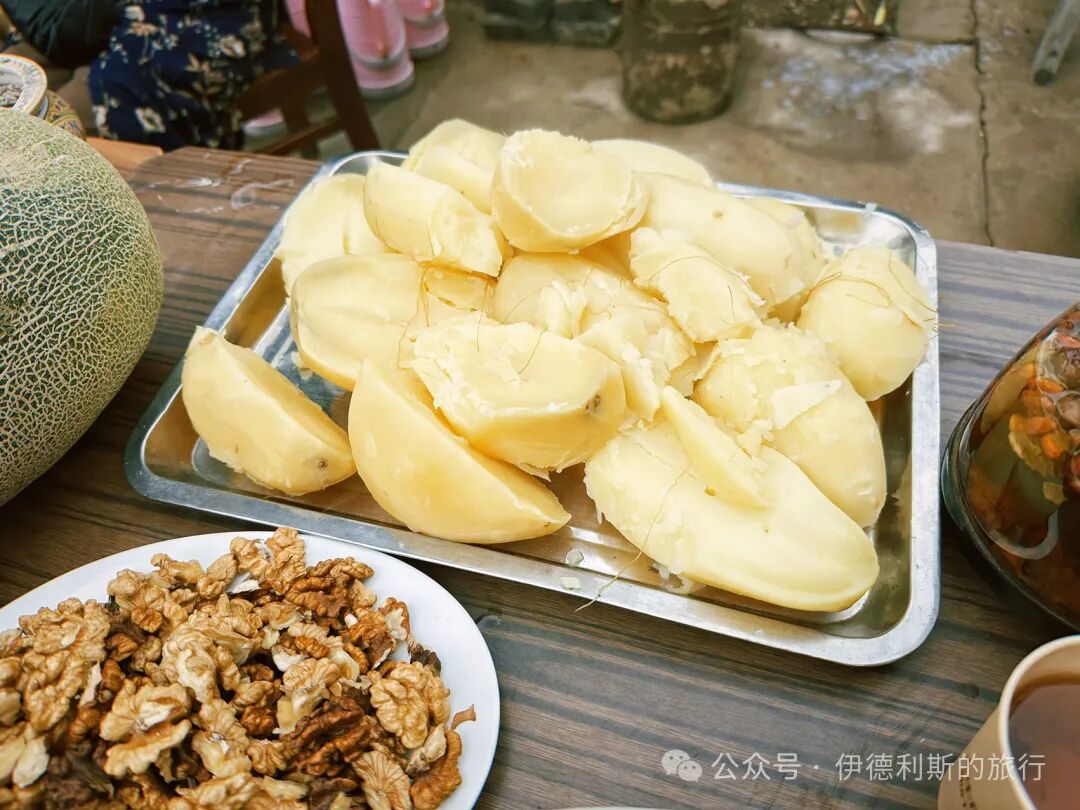
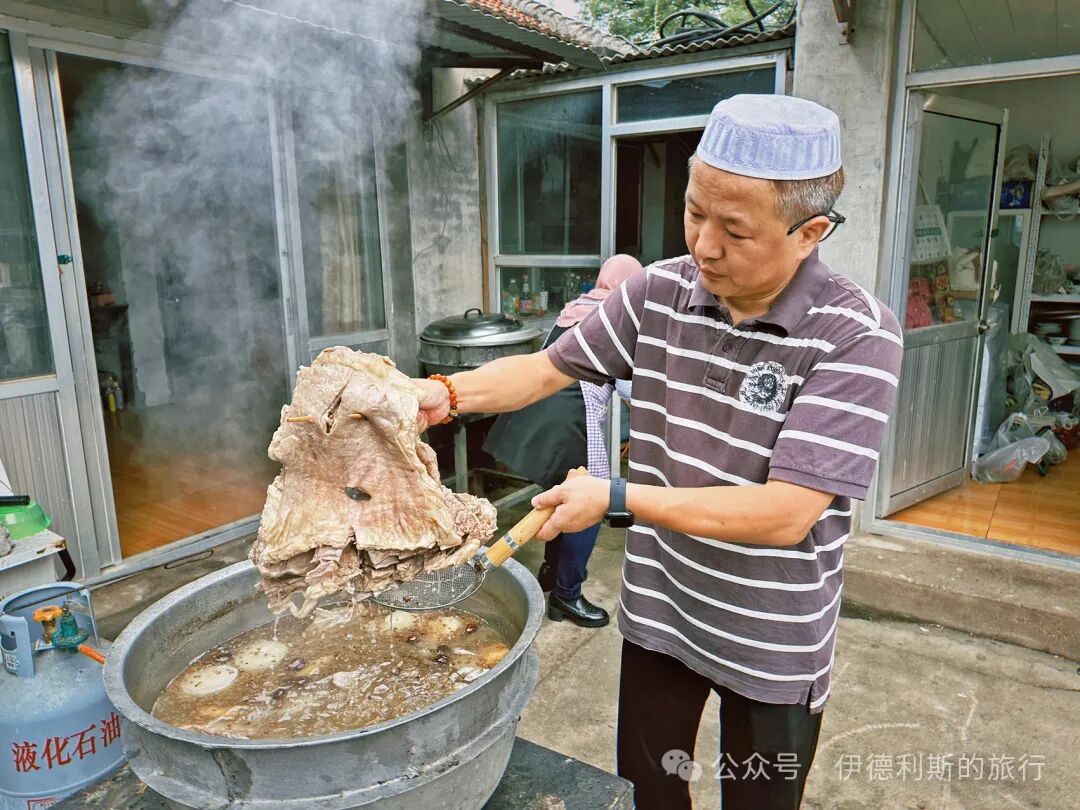
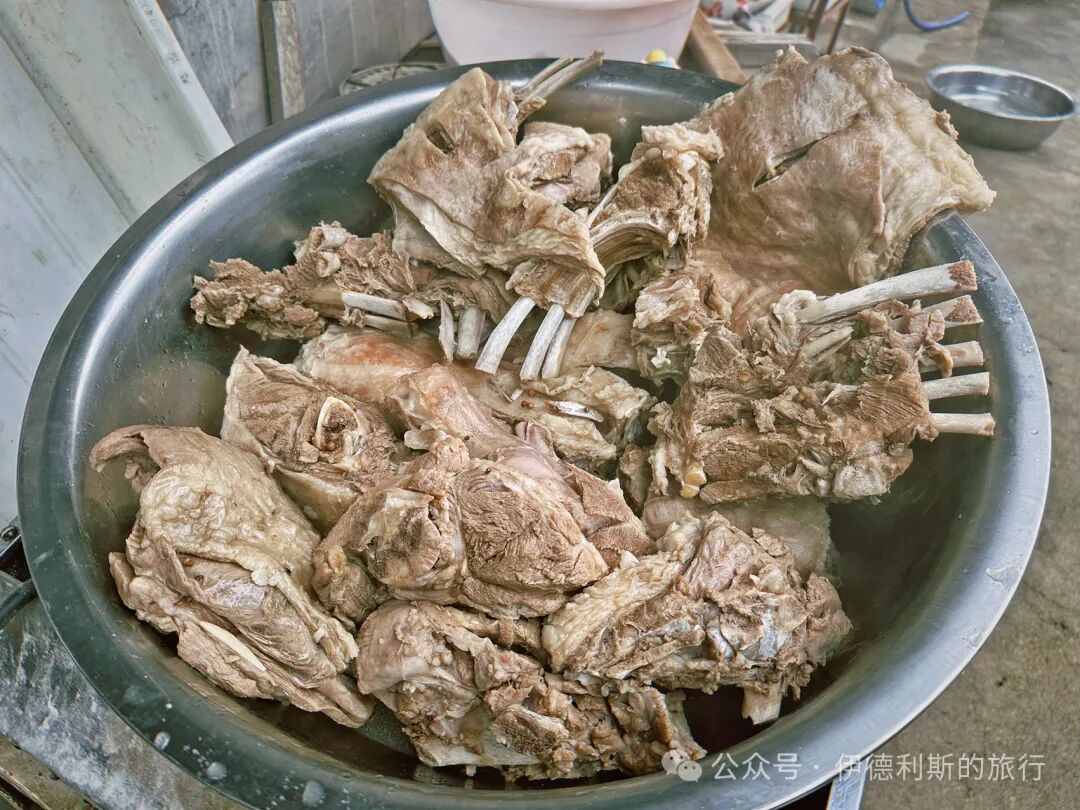
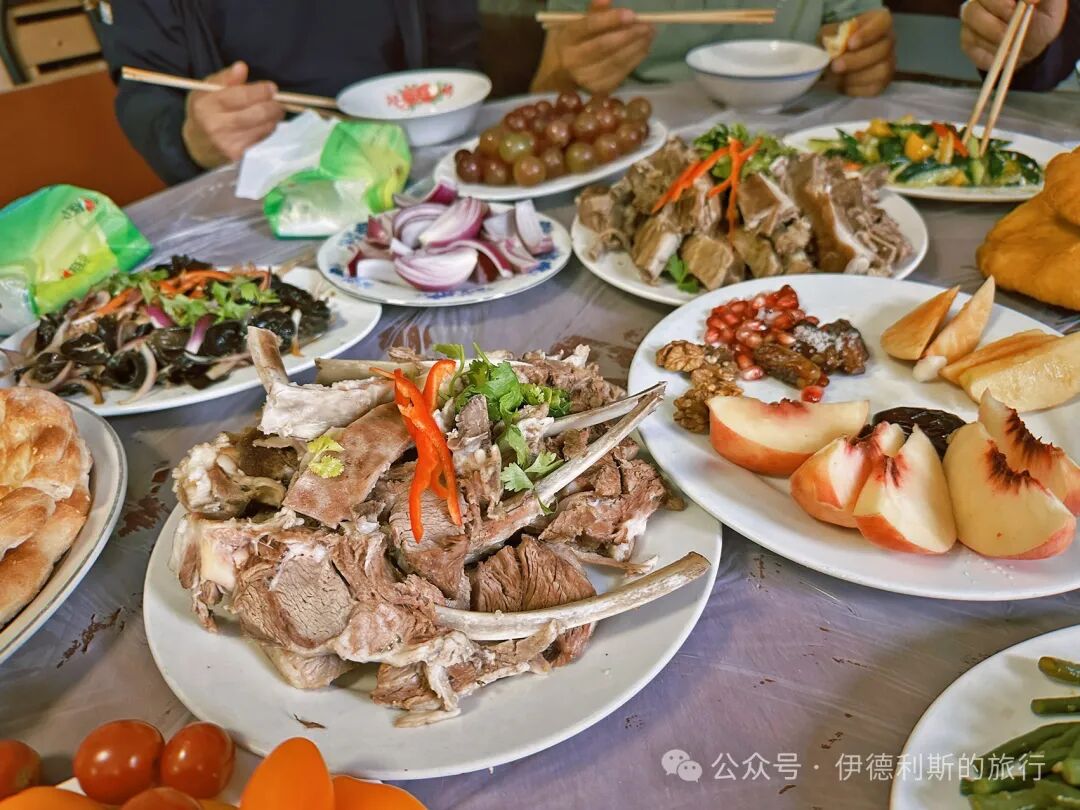
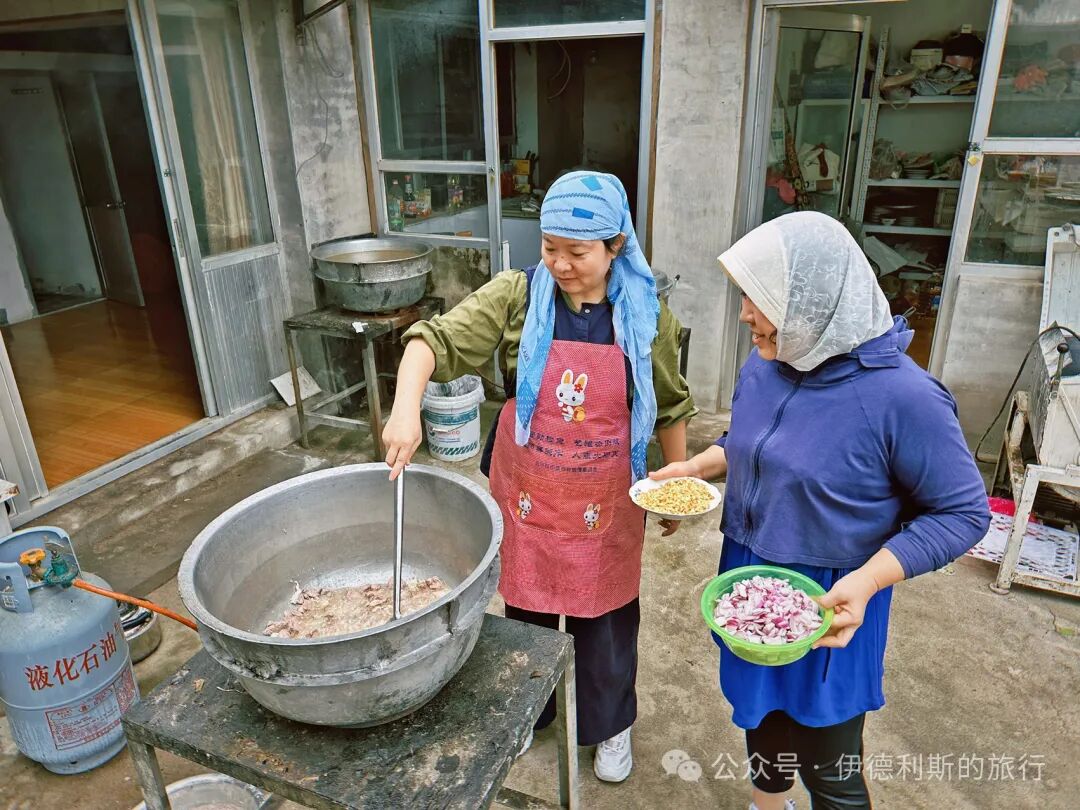
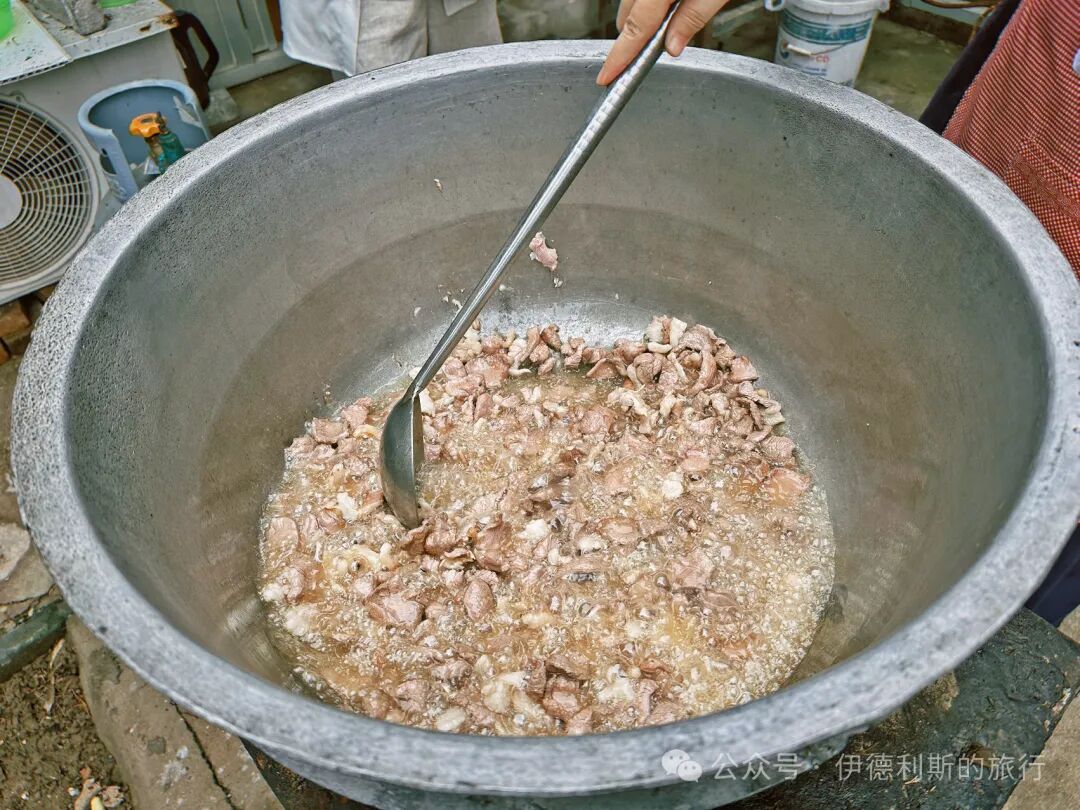
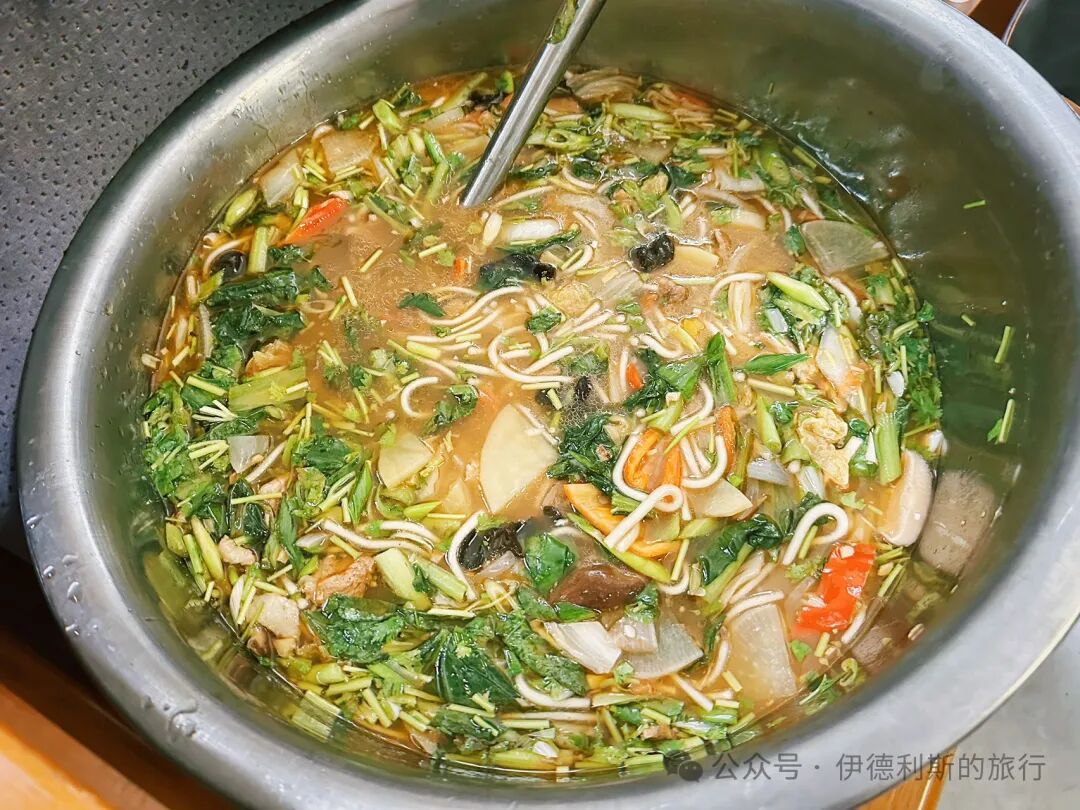
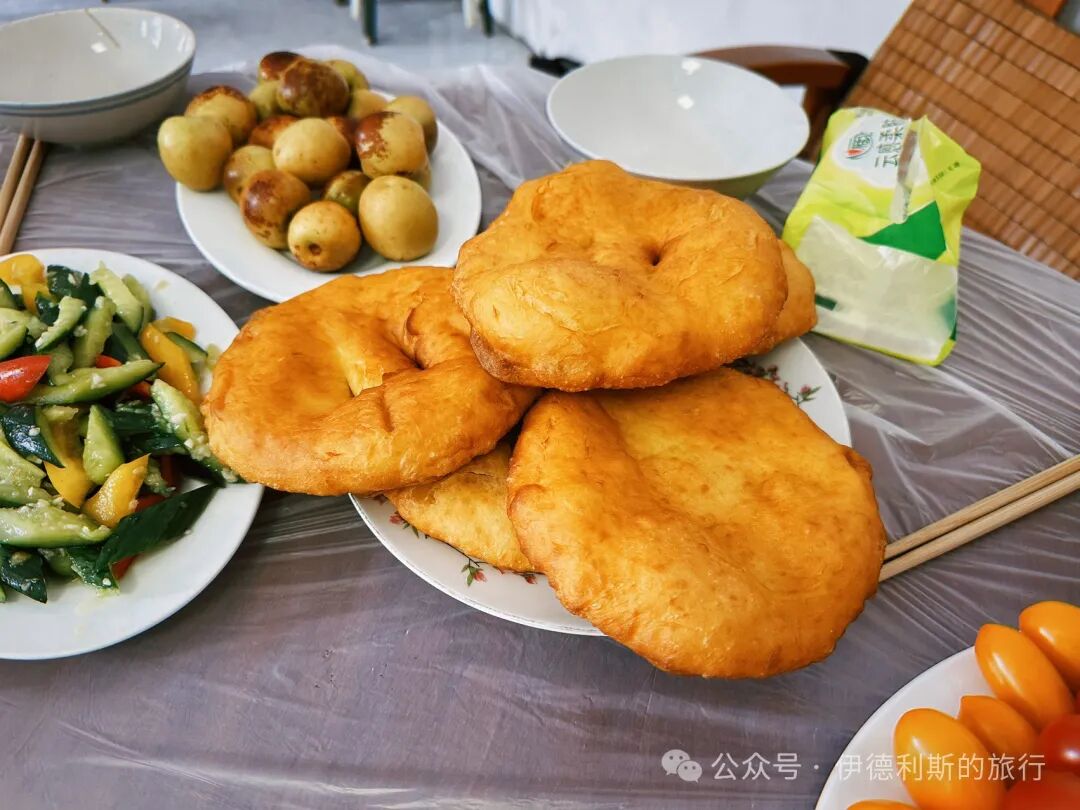
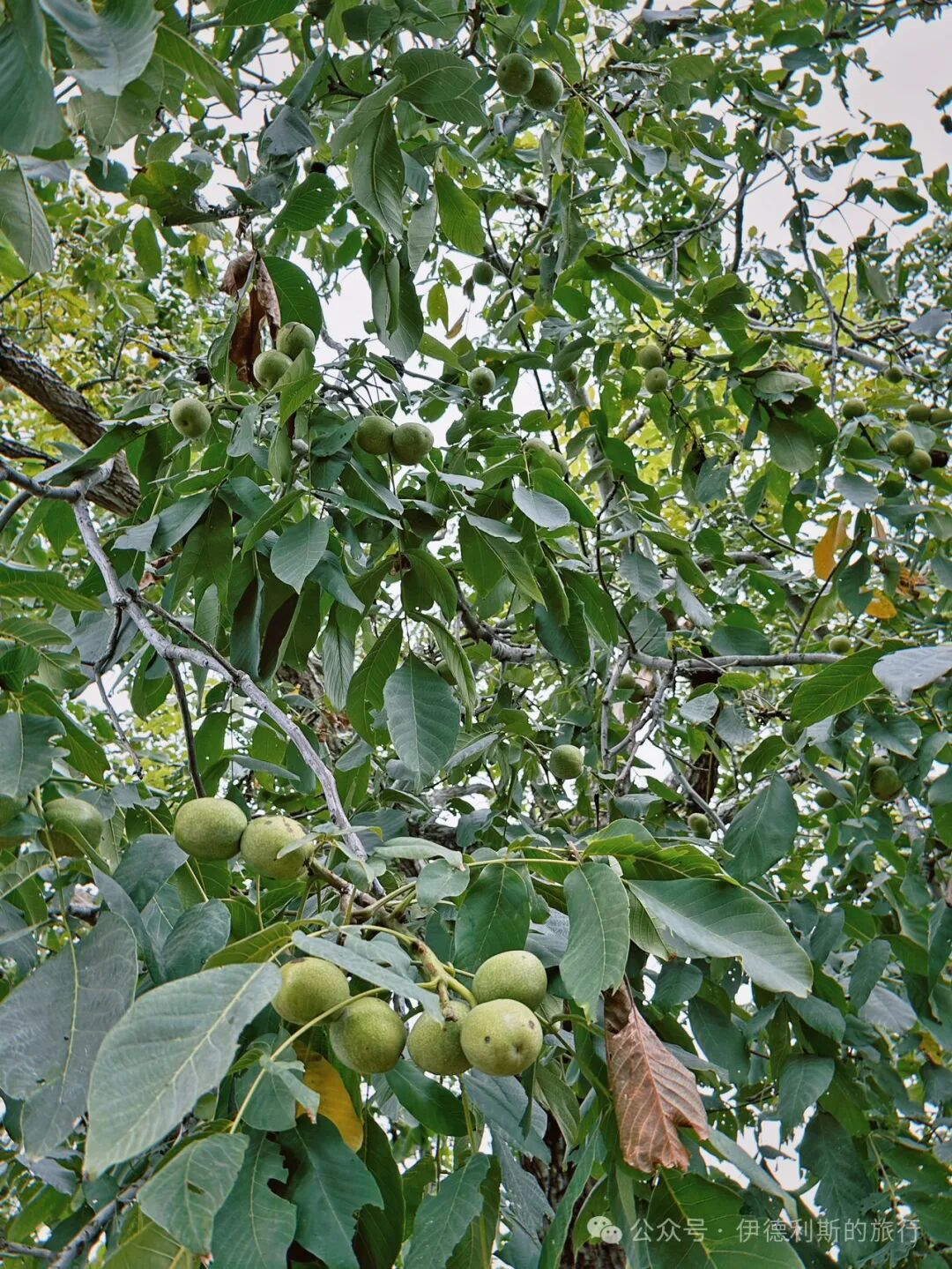
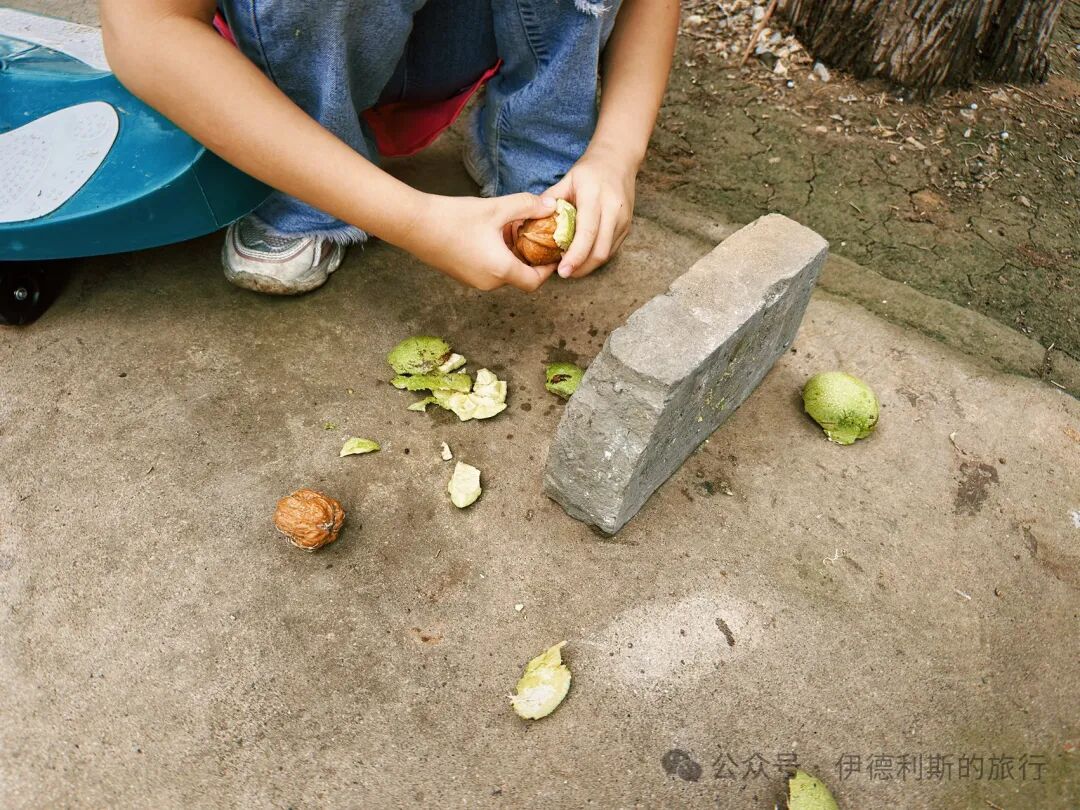
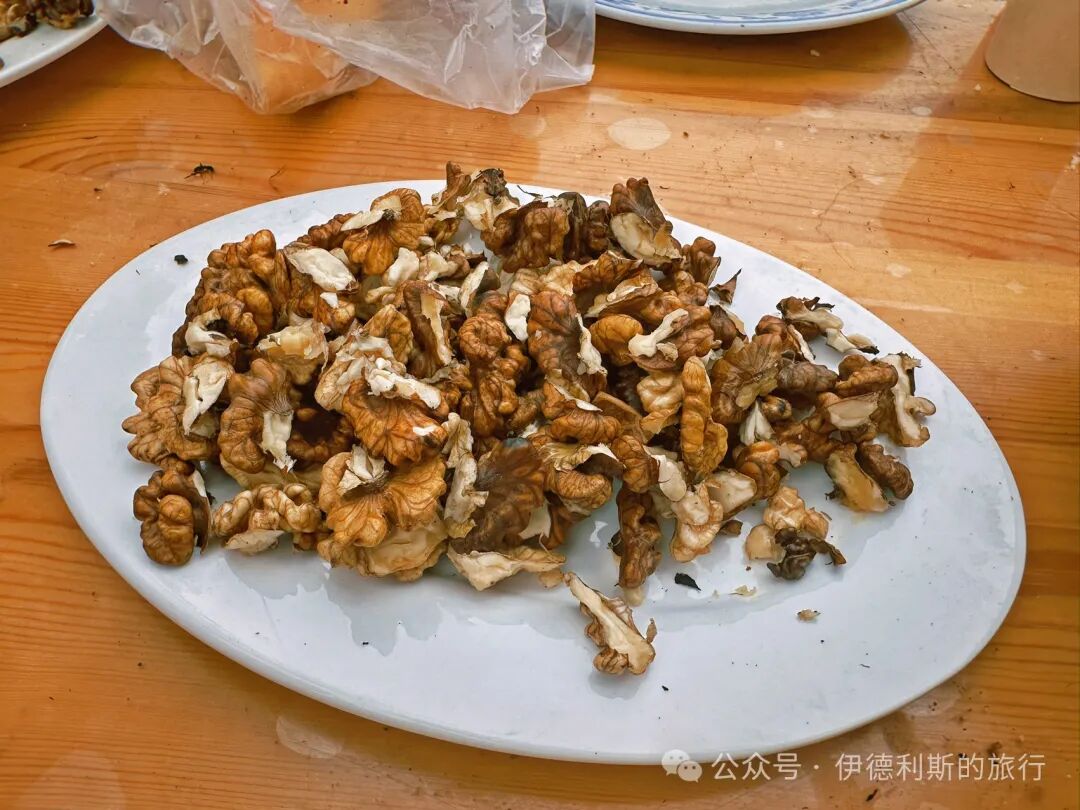
At the celebration, I ate fried dough (youxiang). It was fluffier than the version from Northwest China, feeling like a fusion of Northwest and North China styles. The walnut trees at the mosque are in season right now. The walnuts are very fresh when you crack them open to eat.
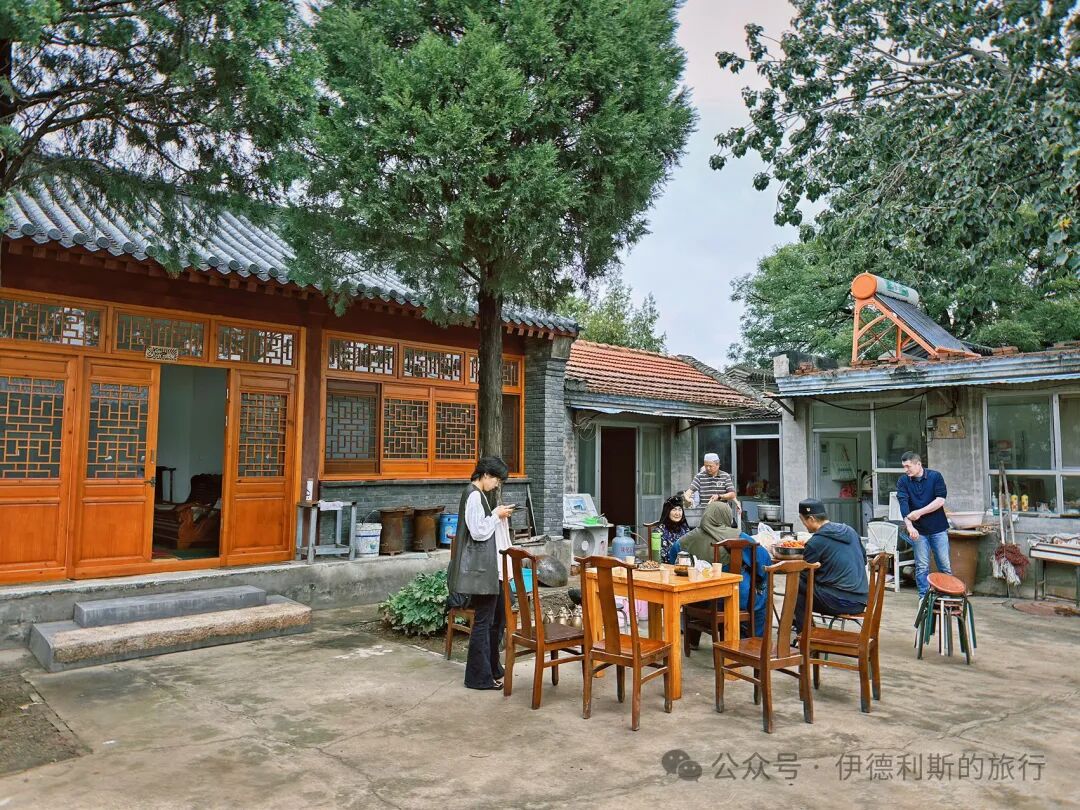
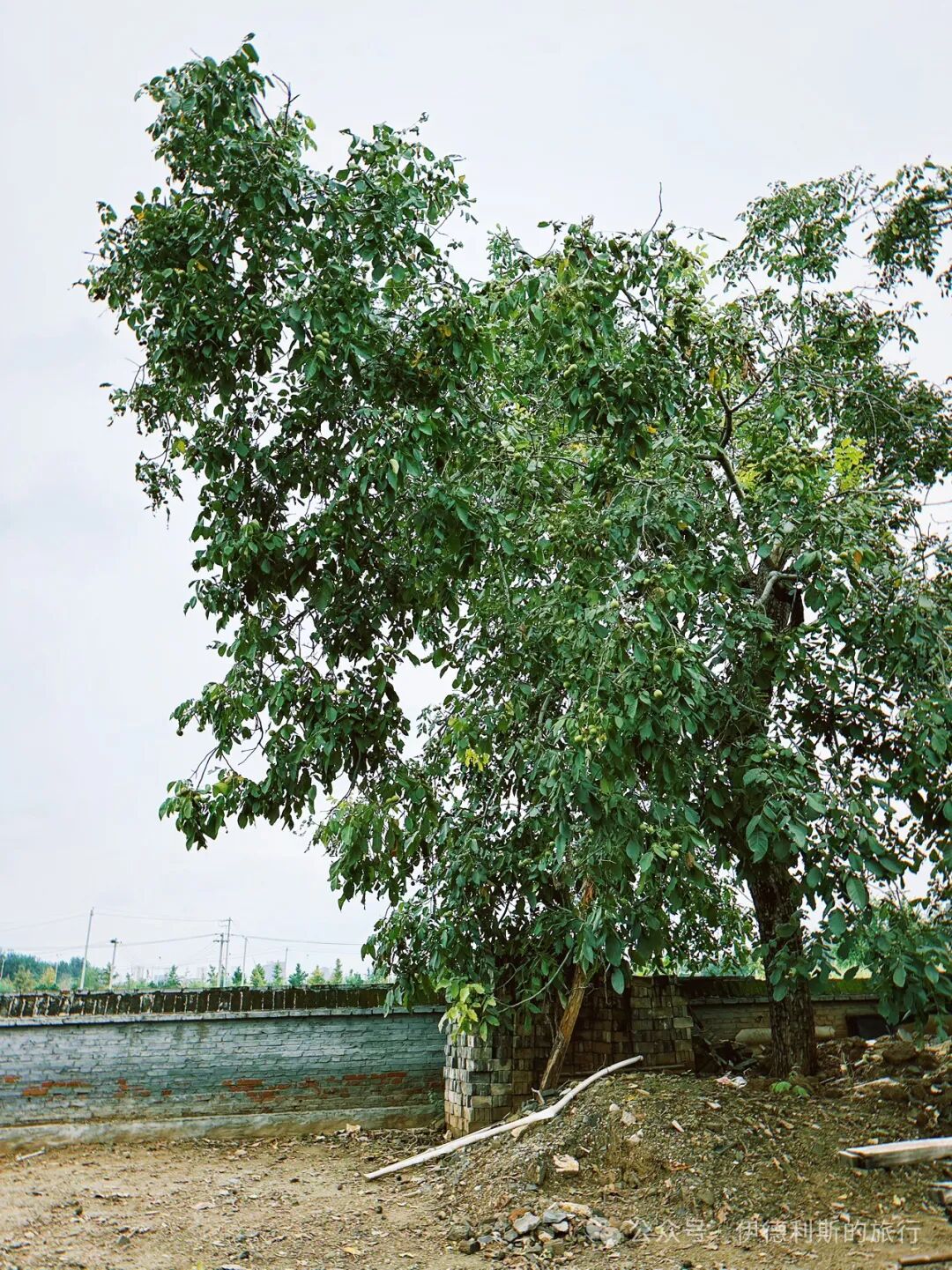
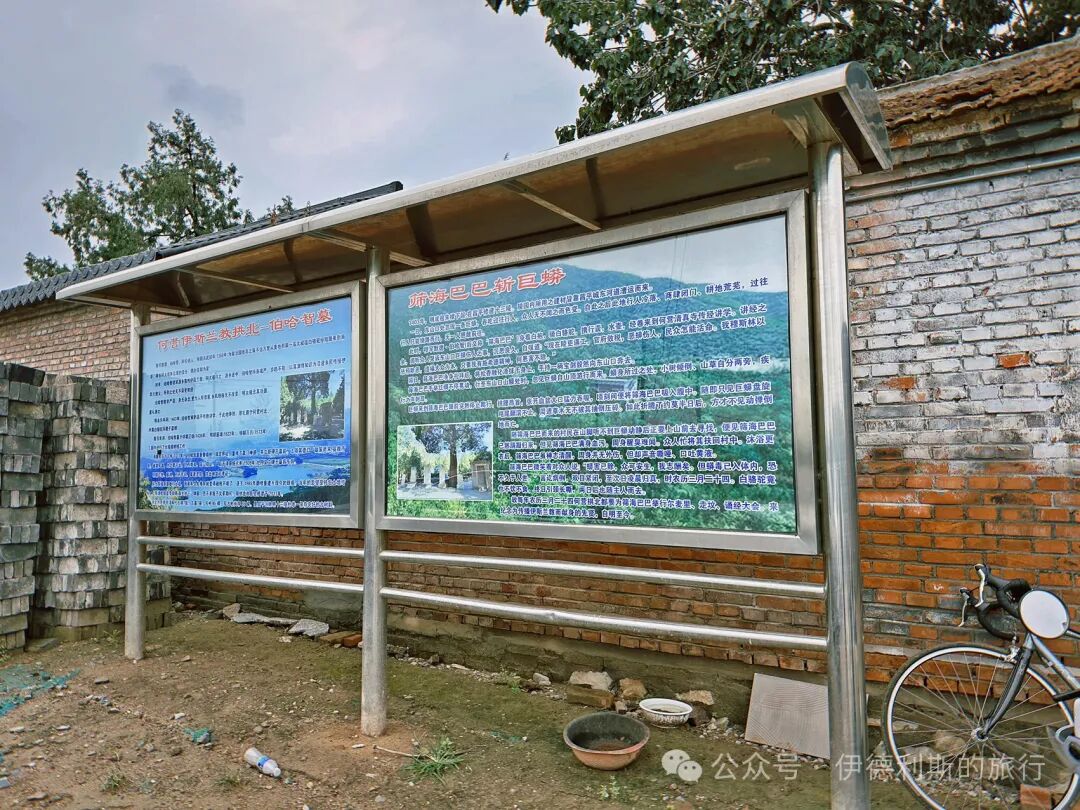
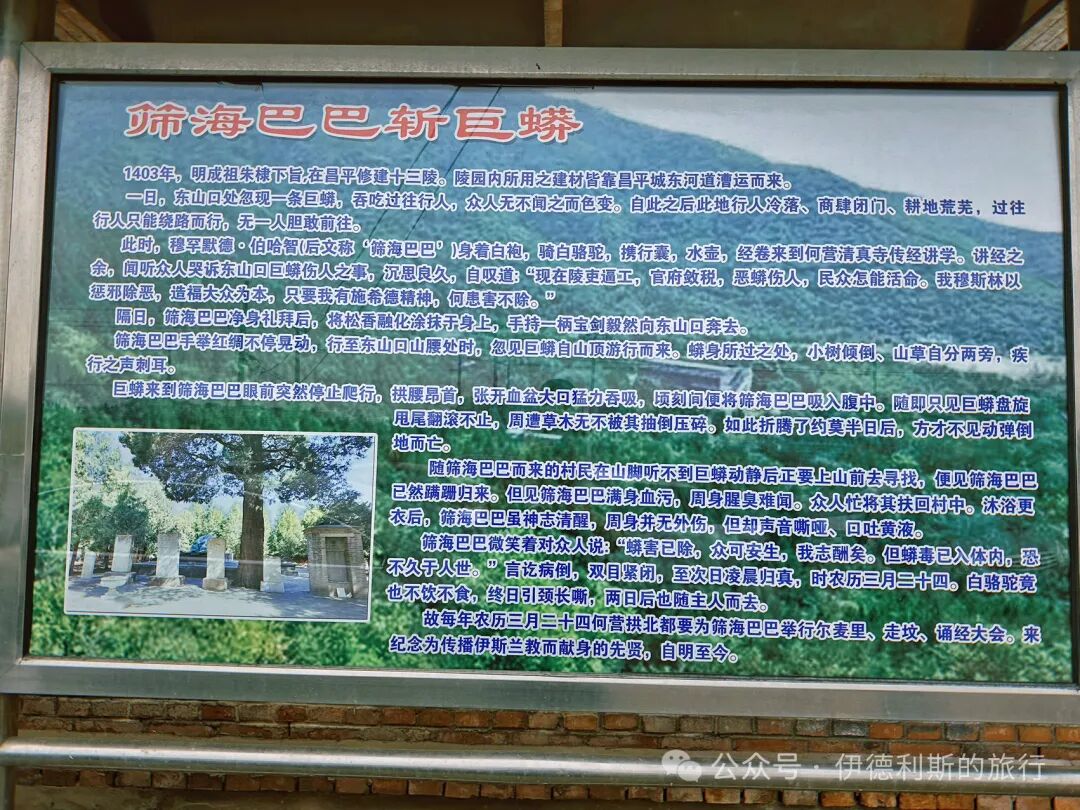
Changes at Heying Mosque over the past year include a new bulletin board that introduces the life of Bo Hazhi Shaihai Baba. The north lecture hall has been renovated, making it more convenient for religious gatherings (gan'ermaili). A protection sign for ancient and famous trees has been set up. This place is not only a sacred site for the faith but also an important natural and cultural heritage site.
Further reading:
Spend the weekend in Beijing for the holy gathering (shenghui)
Visiting the tomb of the Western Region sage Bo Hazhi
Summary: Beijing Heying Mosque - Shenghui Gathering and Community is presented as a clear English travel account for readers interested in Muslim life, halal food, mosques, and local history. The article keeps the original names, food details, photographs, and cultural context while focusing on Heying Mosque, Beijing Mosques, Shenghui.
The month of Mawlid has just begun, and mosques all over Beijing are starting to hold celebrations. Last weekend, we attended a celebration at Heying Mosque in Changping. We ate authentic mashed potato paste (yangyu jiaotuan), hand-held lamb ribs (shouba yangletiao), and starch noodle soup (fentang). It was a very blessed occasion. The chili sauce on the mashed potato paste was so fragrant that I couldn't help but pack some to take home. It adds great flavor when dipping steamed buns (momo) or eating clear-stewed meat.
At the celebration, I ate fried dough (youxiang). It was fluffier than the version from Northwest China, feeling like a fusion of Northwest and North China styles. The walnut trees at the mosque are in season right now. The walnuts are very fresh when you crack them open to eat.
Changes at Heying Mosque over the past year include a new bulletin board that introduces the life of Bo Hazhi Shaihai Baba. The north lecture hall has been renovated, making it more convenient for religious gatherings (gan'ermaili). A protection sign for ancient and famous trees has been set up. This place is not only a sacred site for the faith but also an important natural and cultural heritage site.
Further reading:
Spend the weekend in Beijing for the holy gathering (shenghui)
Visiting the tomb of the Western Region sage Bo Hazhi
Muslim Culture Guide: Beijing Tongzhou Xiguan Mosque - Shenghui Gathering
Articles • ali2007fr posted the article • 0 comments • 154 views • 2026-05-19 21:22
Reposted from the web
Summary: Beijing Tongzhou Xiguan Mosque - Shenghui Gathering is presented as a clear English travel account for readers interested in Muslim life, halal food, mosques, and local history. The article keeps the original names, food details, photographs, and cultural context while focusing on Tongzhou, Xiguan Mosque, Shenghui.
The month of Rabi' al-Awwal is halfway over, and today we went to the Xiguan Mosque in Tongzhou to attend the Mawlid celebration. In the morning, we first had meat porridge (rouzhou), then went into the prayer hall to complete the scripture reading and listen to the imam give a sermon (wa'z) about the life of the Prophet.
The 12th day of the third month of the Islamic calendar is believed to be the birthday of the Prophet. Around this time every year, Muslims all over the world hold events to commemorate the Prophet, known as Mawlid or Eid-e-Milad an-Nabi, which are called Shengji, Sheng-hui, or Shengdan in China.
Mawlid activities can be traced back to the time of the followers of the Prophet's companions (Tabi'un), though they were mostly private events in the early days. Large-scale commemorative events can be traced back to 12th-century Egypt during the Fatimid Caliphate. In 1207, Saladin's brother-in-law Gökböri first established Mawlid as a public holiday, which helped the celebration spread among Muslim communities. The Ottoman Empire declared Mawlid a legal holiday in 1588, calling it Mevlid Kandili, which means the candle festival of the Prophet's birthday.
After sitting down in the lower hall, we were served the traditional North China Hui Muslims' Eight Great Bowls (badawan): stewed meat, braised pork (kourou), crispy meat (songrou), meatballs, kelp, fried tofu puffs (doupao), radish, and lamb offal (yangza). There were also four stir-fried dishes: sautéed lamb liver, stir-fried shrimp, stir-fried diced chicken, and sesame lamb, followed by steamed fish to finish—it was a very rich meal!
Tongzhou Xiguan Mosque was first built in 1766 (the 31st year of the Qianlong reign). The original building was torn down in 1980, rebuilt and reopened for worship in 1999, and moved to its current location in 2012.
Sharing an article about the religious gathering I attended before:
Celebrating the Prophet's birthday (Sheng Hui) at Heying Mosque in Beijing
Spend the weekend in Beijing for the holy gathering (shenghui) view all
Summary: Beijing Tongzhou Xiguan Mosque - Shenghui Gathering is presented as a clear English travel account for readers interested in Muslim life, halal food, mosques, and local history. The article keeps the original names, food details, photographs, and cultural context while focusing on Tongzhou, Xiguan Mosque, Shenghui.
The month of Rabi' al-Awwal is halfway over, and today we went to the Xiguan Mosque in Tongzhou to attend the Mawlid celebration. In the morning, we first had meat porridge (rouzhou), then went into the prayer hall to complete the scripture reading and listen to the imam give a sermon (wa'z) about the life of the Prophet.
The 12th day of the third month of the Islamic calendar is believed to be the birthday of the Prophet. Around this time every year, Muslims all over the world hold events to commemorate the Prophet, known as Mawlid or Eid-e-Milad an-Nabi, which are called Shengji, Sheng-hui, or Shengdan in China.
Mawlid activities can be traced back to the time of the followers of the Prophet's companions (Tabi'un), though they were mostly private events in the early days. Large-scale commemorative events can be traced back to 12th-century Egypt during the Fatimid Caliphate. In 1207, Saladin's brother-in-law Gökböri first established Mawlid as a public holiday, which helped the celebration spread among Muslim communities. The Ottoman Empire declared Mawlid a legal holiday in 1588, calling it Mevlid Kandili, which means the candle festival of the Prophet's birthday.
After sitting down in the lower hall, we were served the traditional North China Hui Muslims' Eight Great Bowls (badawan): stewed meat, braised pork (kourou), crispy meat (songrou), meatballs, kelp, fried tofu puffs (doupao), radish, and lamb offal (yangza). There were also four stir-fried dishes: sautéed lamb liver, stir-fried shrimp, stir-fried diced chicken, and sesame lamb, followed by steamed fish to finish—it was a very rich meal!
Tongzhou Xiguan Mosque was first built in 1766 (the 31st year of the Qianlong reign). The original building was torn down in 1980, rebuilt and reopened for worship in 1999, and moved to its current location in 2012.
Sharing an article about the religious gathering I attended before:
Celebrating the Prophet's birthday (Sheng Hui) at Heying Mosque in Beijing
Spend the weekend in Beijing for the holy gathering (shenghui) view all
Reposted from the web
Summary: Beijing Tongzhou Xiguan Mosque - Shenghui Gathering is presented as a clear English travel account for readers interested in Muslim life, halal food, mosques, and local history. The article keeps the original names, food details, photographs, and cultural context while focusing on Tongzhou, Xiguan Mosque, Shenghui.
The month of Rabi' al-Awwal is halfway over, and today we went to the Xiguan Mosque in Tongzhou to attend the Mawlid celebration. In the morning, we first had meat porridge (rouzhou), then went into the prayer hall to complete the scripture reading and listen to the imam give a sermon (wa'z) about the life of the Prophet.
The 12th day of the third month of the Islamic calendar is believed to be the birthday of the Prophet. Around this time every year, Muslims all over the world hold events to commemorate the Prophet, known as Mawlid or Eid-e-Milad an-Nabi, which are called Shengji, Sheng-hui, or Shengdan in China.
Mawlid activities can be traced back to the time of the followers of the Prophet's companions (Tabi'un), though they were mostly private events in the early days. Large-scale commemorative events can be traced back to 12th-century Egypt during the Fatimid Caliphate. In 1207, Saladin's brother-in-law Gökböri first established Mawlid as a public holiday, which helped the celebration spread among Muslim communities. The Ottoman Empire declared Mawlid a legal holiday in 1588, calling it Mevlid Kandili, which means the candle festival of the Prophet's birthday.
After sitting down in the lower hall, we were served the traditional North China Hui Muslims' Eight Great Bowls (badawan): stewed meat, braised pork (kourou), crispy meat (songrou), meatballs, kelp, fried tofu puffs (doupao), radish, and lamb offal (yangza). There were also four stir-fried dishes: sautéed lamb liver, stir-fried shrimp, stir-fried diced chicken, and sesame lamb, followed by steamed fish to finish—it was a very rich meal!
Tongzhou Xiguan Mosque was first built in 1766 (the 31st year of the Qianlong reign). The original building was torn down in 1980, rebuilt and reopened for worship in 1999, and moved to its current location in 2012.
Sharing an article about the religious gathering I attended before:
Celebrating the Prophet's birthday (Sheng Hui) at Heying Mosque in Beijing
Spend the weekend in Beijing for the holy gathering (shenghui)
Summary: Beijing Tongzhou Xiguan Mosque - Shenghui Gathering is presented as a clear English travel account for readers interested in Muslim life, halal food, mosques, and local history. The article keeps the original names, food details, photographs, and cultural context while focusing on Tongzhou, Xiguan Mosque, Shenghui.
The month of Rabi' al-Awwal is halfway over, and today we went to the Xiguan Mosque in Tongzhou to attend the Mawlid celebration. In the morning, we first had meat porridge (rouzhou), then went into the prayer hall to complete the scripture reading and listen to the imam give a sermon (wa'z) about the life of the Prophet.
The 12th day of the third month of the Islamic calendar is believed to be the birthday of the Prophet. Around this time every year, Muslims all over the world hold events to commemorate the Prophet, known as Mawlid or Eid-e-Milad an-Nabi, which are called Shengji, Sheng-hui, or Shengdan in China.
Mawlid activities can be traced back to the time of the followers of the Prophet's companions (Tabi'un), though they were mostly private events in the early days. Large-scale commemorative events can be traced back to 12th-century Egypt during the Fatimid Caliphate. In 1207, Saladin's brother-in-law Gökböri first established Mawlid as a public holiday, which helped the celebration spread among Muslim communities. The Ottoman Empire declared Mawlid a legal holiday in 1588, calling it Mevlid Kandili, which means the candle festival of the Prophet's birthday.
After sitting down in the lower hall, we were served the traditional North China Hui Muslims' Eight Great Bowls (badawan): stewed meat, braised pork (kourou), crispy meat (songrou), meatballs, kelp, fried tofu puffs (doupao), radish, and lamb offal (yangza). There were also four stir-fried dishes: sautéed lamb liver, stir-fried shrimp, stir-fried diced chicken, and sesame lamb, followed by steamed fish to finish—it was a very rich meal!
Tongzhou Xiguan Mosque was first built in 1766 (the 31st year of the Qianlong reign). The original building was torn down in 1980, rebuilt and reopened for worship in 1999, and moved to its current location in 2012.
Sharing an article about the religious gathering I attended before:
Celebrating the Prophet's birthday (Sheng Hui) at Heying Mosque in Beijing
Spend the weekend in Beijing for the holy gathering (shenghui)
Muslim Culture Guide: Beijing Heying Mosque - Shenghui Gathering and Community
Articles • ali2007fr posted the article • 0 comments • 142 views • 2026-05-19 21:21
Reposted from the web
Summary: Beijing Heying Mosque - Shenghui Gathering and Community is presented as a clear English travel account for readers interested in Muslim life, halal food, mosques, and local history. The article keeps the original names, food details, photographs, and cultural context while focusing on Heying Mosque, Beijing Mosques, Shenghui.
The month of Mawlid has just begun, and mosques all over Beijing are starting to hold celebrations. Last weekend, we attended a celebration at Heying Mosque in Changping. We ate authentic mashed potato paste (yangyu jiaotuan), hand-held lamb ribs (shouba yangletiao), and starch noodle soup (fentang). It was a very blessed occasion. The chili sauce on the mashed potato paste was so fragrant that I couldn't help but pack some to take home. It adds great flavor when dipping steamed buns (momo) or eating clear-stewed meat.
At the celebration, I ate fried dough (youxiang). It was fluffier than the version from Northwest China, feeling like a fusion of Northwest and North China styles. The walnut trees at the mosque are in season right now. The walnuts are very fresh when you crack them open to eat.
Changes at Heying Mosque over the past year include a new bulletin board that introduces the life of Bo Hazhi Shaihai Baba. The north lecture hall has been renovated, making it more convenient for religious gatherings (gan'ermaili). A protection sign for ancient and famous trees has been set up. This place is not only a sacred site for the faith but also an important natural and cultural heritage site.
Further reading:
Spend the weekend in Beijing for the holy gathering (shenghui)
Visiting the tomb of the Western Region sage Bo Hazhi view all
Summary: Beijing Heying Mosque - Shenghui Gathering and Community is presented as a clear English travel account for readers interested in Muslim life, halal food, mosques, and local history. The article keeps the original names, food details, photographs, and cultural context while focusing on Heying Mosque, Beijing Mosques, Shenghui.
The month of Mawlid has just begun, and mosques all over Beijing are starting to hold celebrations. Last weekend, we attended a celebration at Heying Mosque in Changping. We ate authentic mashed potato paste (yangyu jiaotuan), hand-held lamb ribs (shouba yangletiao), and starch noodle soup (fentang). It was a very blessed occasion. The chili sauce on the mashed potato paste was so fragrant that I couldn't help but pack some to take home. It adds great flavor when dipping steamed buns (momo) or eating clear-stewed meat.
At the celebration, I ate fried dough (youxiang). It was fluffier than the version from Northwest China, feeling like a fusion of Northwest and North China styles. The walnut trees at the mosque are in season right now. The walnuts are very fresh when you crack them open to eat.
Changes at Heying Mosque over the past year include a new bulletin board that introduces the life of Bo Hazhi Shaihai Baba. The north lecture hall has been renovated, making it more convenient for religious gatherings (gan'ermaili). A protection sign for ancient and famous trees has been set up. This place is not only a sacred site for the faith but also an important natural and cultural heritage site.
Further reading:
Spend the weekend in Beijing for the holy gathering (shenghui)
Visiting the tomb of the Western Region sage Bo Hazhi view all
Reposted from the web
Summary: Beijing Heying Mosque - Shenghui Gathering and Community is presented as a clear English travel account for readers interested in Muslim life, halal food, mosques, and local history. The article keeps the original names, food details, photographs, and cultural context while focusing on Heying Mosque, Beijing Mosques, Shenghui.
The month of Mawlid has just begun, and mosques all over Beijing are starting to hold celebrations. Last weekend, we attended a celebration at Heying Mosque in Changping. We ate authentic mashed potato paste (yangyu jiaotuan), hand-held lamb ribs (shouba yangletiao), and starch noodle soup (fentang). It was a very blessed occasion. The chili sauce on the mashed potato paste was so fragrant that I couldn't help but pack some to take home. It adds great flavor when dipping steamed buns (momo) or eating clear-stewed meat.
At the celebration, I ate fried dough (youxiang). It was fluffier than the version from Northwest China, feeling like a fusion of Northwest and North China styles. The walnut trees at the mosque are in season right now. The walnuts are very fresh when you crack them open to eat.
Changes at Heying Mosque over the past year include a new bulletin board that introduces the life of Bo Hazhi Shaihai Baba. The north lecture hall has been renovated, making it more convenient for religious gatherings (gan'ermaili). A protection sign for ancient and famous trees has been set up. This place is not only a sacred site for the faith but also an important natural and cultural heritage site.
Further reading:
Spend the weekend in Beijing for the holy gathering (shenghui)
Visiting the tomb of the Western Region sage Bo Hazhi
Summary: Beijing Heying Mosque - Shenghui Gathering and Community is presented as a clear English travel account for readers interested in Muslim life, halal food, mosques, and local history. The article keeps the original names, food details, photographs, and cultural context while focusing on Heying Mosque, Beijing Mosques, Shenghui.
The month of Mawlid has just begun, and mosques all over Beijing are starting to hold celebrations. Last weekend, we attended a celebration at Heying Mosque in Changping. We ate authentic mashed potato paste (yangyu jiaotuan), hand-held lamb ribs (shouba yangletiao), and starch noodle soup (fentang). It was a very blessed occasion. The chili sauce on the mashed potato paste was so fragrant that I couldn't help but pack some to take home. It adds great flavor when dipping steamed buns (momo) or eating clear-stewed meat.
At the celebration, I ate fried dough (youxiang). It was fluffier than the version from Northwest China, feeling like a fusion of Northwest and North China styles. The walnut trees at the mosque are in season right now. The walnuts are very fresh when you crack them open to eat.
Changes at Heying Mosque over the past year include a new bulletin board that introduces the life of Bo Hazhi Shaihai Baba. The north lecture hall has been renovated, making it more convenient for religious gatherings (gan'ermaili). A protection sign for ancient and famous trees has been set up. This place is not only a sacred site for the faith but also an important natural and cultural heritage site.
Further reading:
Spend the weekend in Beijing for the holy gathering (shenghui)
Visiting the tomb of the Western Region sage Bo Hazhi