

Shia History
Halal Travel Guide: Ayutthaya - Persian Sheikh Ahmad Gongbei
Articles • ali2007fr posted the article • 0 comments • 233 views • 2026-05-20 23:51
Reposted from the web
Summary: The Sheikh Ahmad gongbei inside Phra Nakhon Si Ayutthaya Rajabhat University was built in 1631 and marks an important Persian Shia presence in Thailand. This short travel note keeps the source's historical and site details with a clear English narrative.
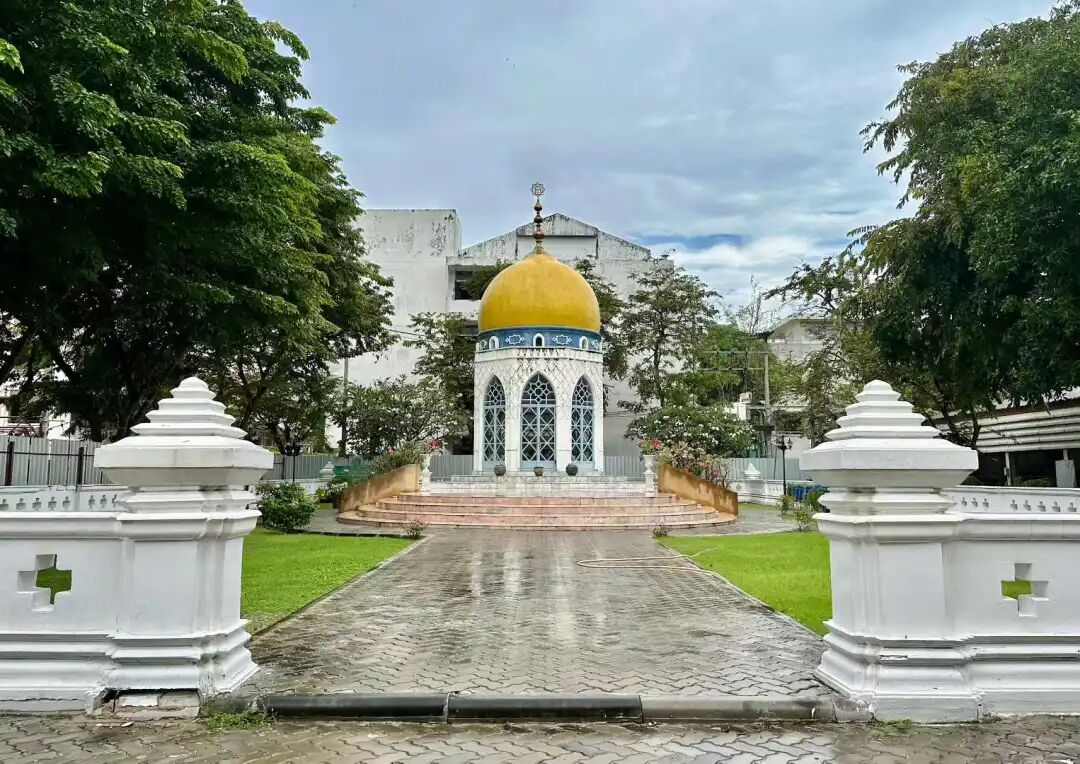
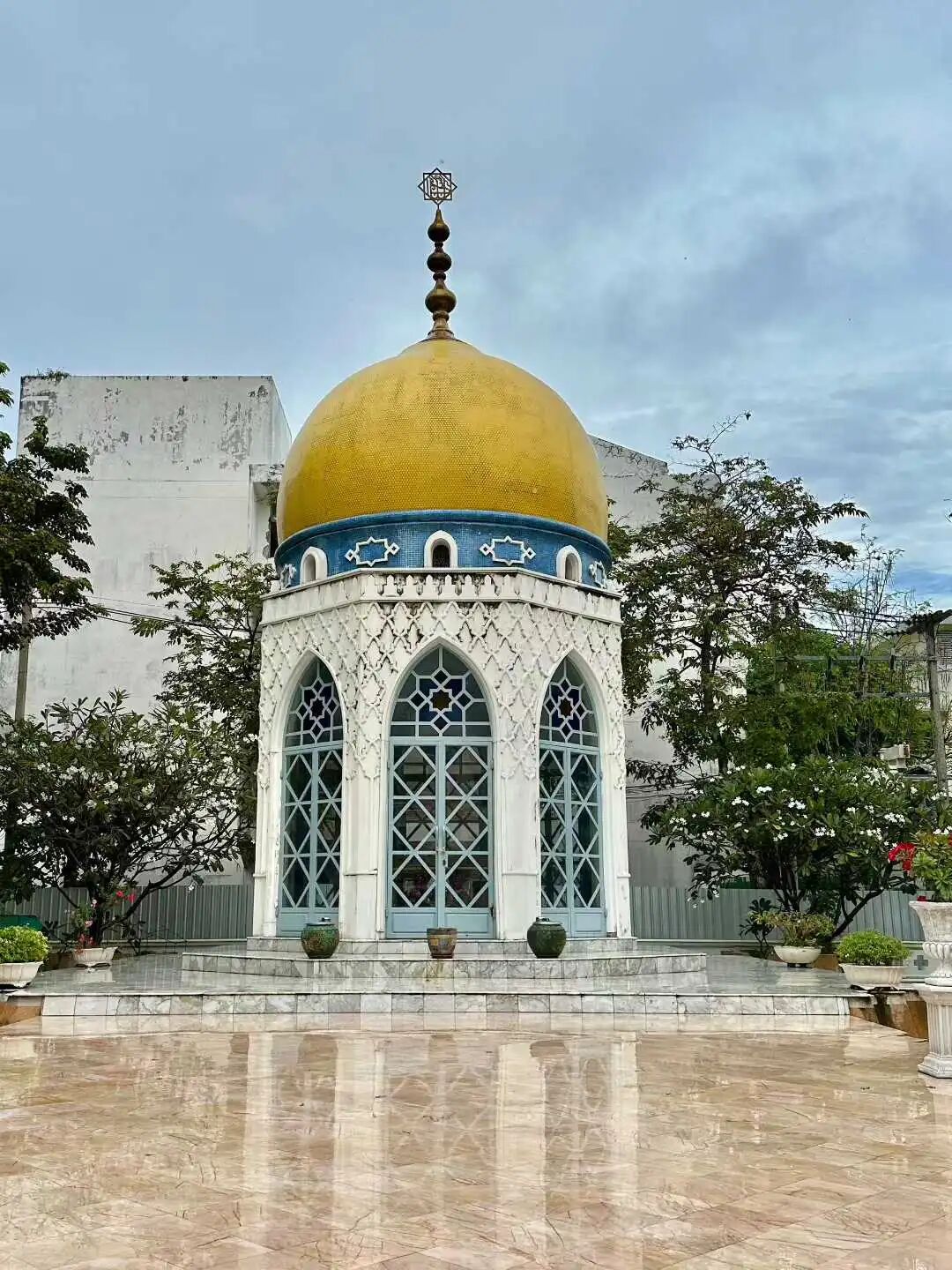
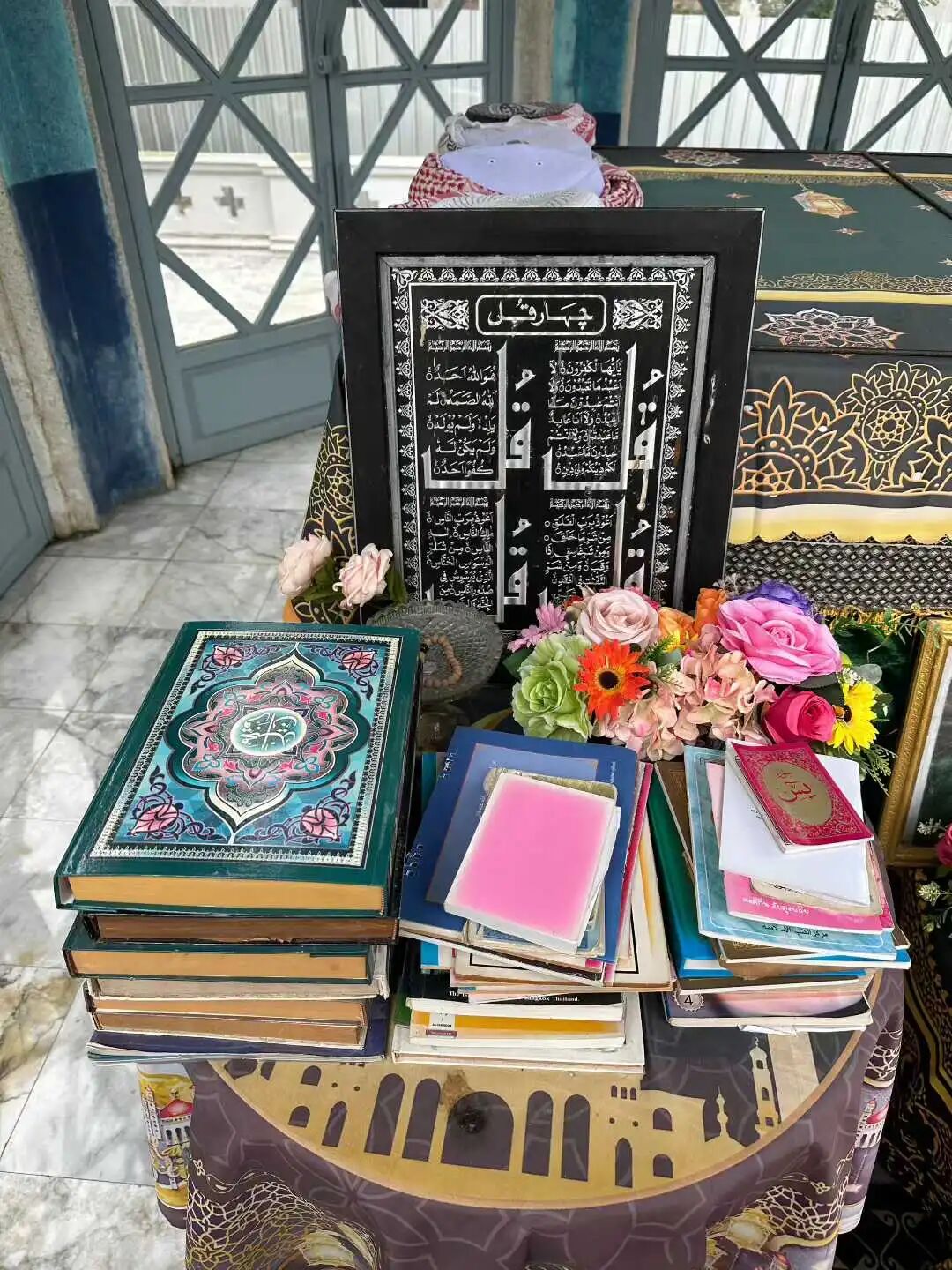
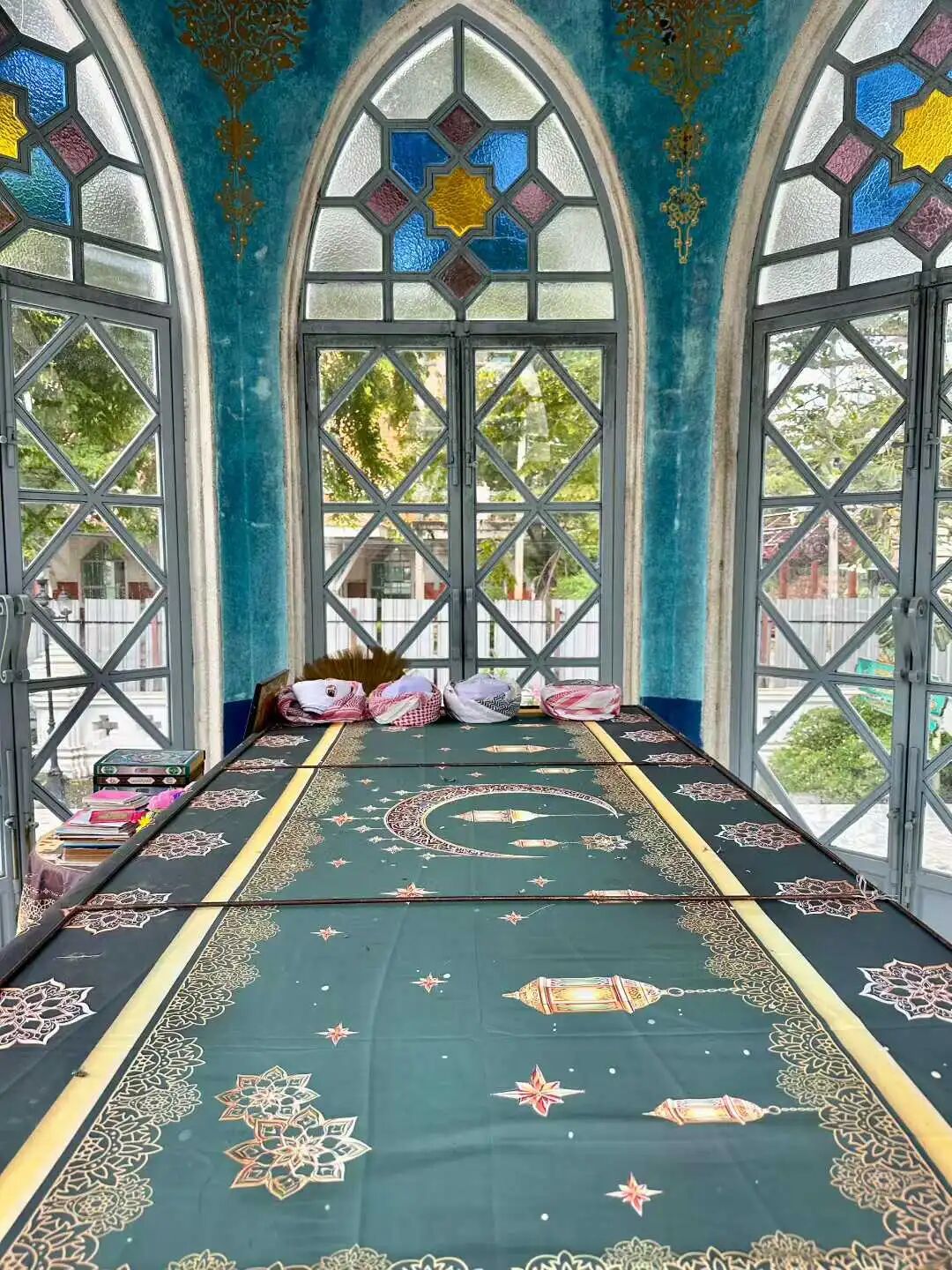
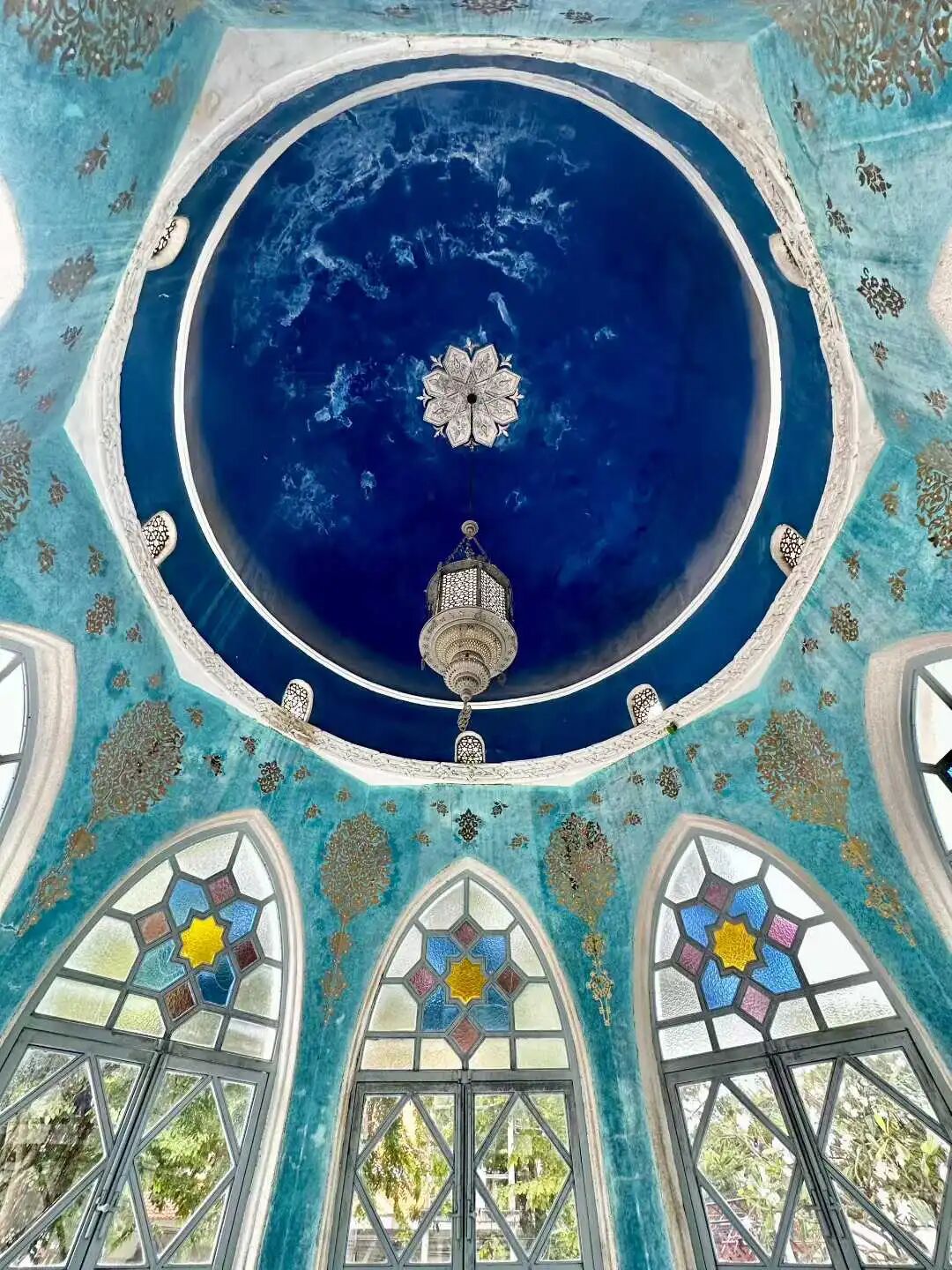
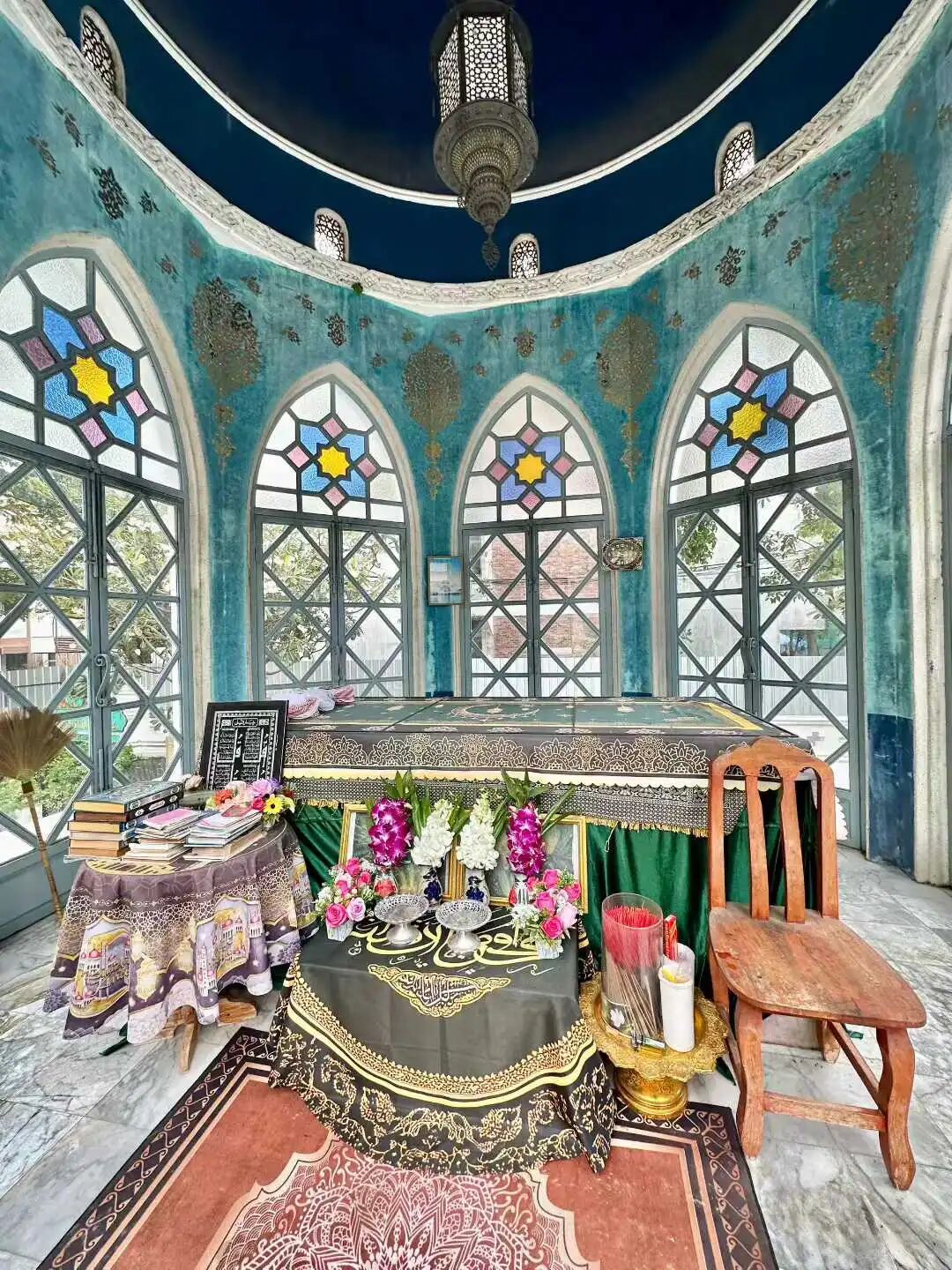
Inside the campus of Phra Nakhon Si Ayutthaya Rajabhat University in Thailand stands the tomb shrine (gongbei) of Sheikh Ahmad, built in 1631. It is an important witness to the Shia community in Thailand.
Between the 16th and 18th centuries, Shia merchants from the Safavid Empire in Persia traveled along the Indian Ocean coast to trade in Siam, where they were warmly welcomed and received with high honors by the Siamese royal family. Some Persian merchants married locals, settled down, and took on important positions in the Siamese royal court.
Sheikh Ahmad was born in Qom, Persia, in 1543. He arrived in Ayutthaya, Thailand, with his brother in the early 17th century to trade, married a Thai woman, and settled there. Sheikh Ahmad was very successful in business and became one of the wealthiest foreign merchants of his time. He met the Thai royal treasurer, and with his help, he connected with the Thai royal family and began participating in Thai trade affairs. After gaining the trust of King Songtham (who reigned from 1610 to 1628), he was appointed Chao Kromma Tha Khwa to manage trade, shipping, and diplomatic affairs between Thailand and the west, including India, Persia, Arabia, and Europe. He was also appointed as the first Chula Rajmontri in Thai history, overseeing religious affairs for the whole country. In 1611, after helping the Thai king defeat Japanese merchants who attempted a coup, he was appointed Samuhanayok, becoming the Grand Vizier of Thailand.
In the early 17th century, Sheikh Ahmad built the Kudi Chao Sen Shia mosque inside the city of Ayutthaya, which is the oldest mosque within the city walls. After Sheikh Ahmad passed away in 1631, he was buried near the mosque.
In the late 17th century, the Shia community continued to thrive in Ayutthaya. During the month of Muharram in 1656, the son of Sheikh Ahmad and other Shia nobles helped King Narai take the throne. To show his gratitude, King Narai gifted the Ayutthaya Shia community all the items needed for the Ashura ceremony during Muharram and established a royal guard consisting of 500 Shia soldiers. In 1685, the French Jesuit missionary Father Tachard recorded the grand scene of the Shia Ashura ceremony in Ayutthaya. According to his records, the procession included over two thousand people carrying models of the tombs of two saints, along with many intricately crafted symbolic objects. The men moved forward, constantly changing formations to the rhythm of the drums. At the front of this massive procession were three or four ornately decorated horses, and many people held long-poled lanterns to light up the entire group. The festival lasted for several nights, ending at five o'clock every morning.
After Ayutthaya fell in 1767 and Thailand moved its capital to Bangkok in 1782, the Persian-descended Shia community in Ayutthaya also moved to Bangkok. The descendants of Sheikh Ahmad continued to control Thailand's trade rights with the west for a century and served as the nominal leaders of the Thai Muslim community until 1945. Today, the Persian-descended Shia community in Bangkok has two mosques, and the atmosphere during the annual month of Muharram remains very strong. See "Experiencing the Persian-descended Shia Festival Atmosphere in Bangkok, Thailand" and "Searching for the Shia Community in Bangkok."
Opposite the tomb shrine of Sheikh Ahmad is the Ayutthaya-Persia (Iranian Studies) Room, where the Embassy of Iran in Thailand holds cultural and commemorative events from time to time. view all
Summary: The Sheikh Ahmad gongbei inside Phra Nakhon Si Ayutthaya Rajabhat University was built in 1631 and marks an important Persian Shia presence in Thailand. This short travel note keeps the source's historical and site details with a clear English narrative.
Inside the campus of Phra Nakhon Si Ayutthaya Rajabhat University in Thailand stands the tomb shrine (gongbei) of Sheikh Ahmad, built in 1631. It is an important witness to the Shia community in Thailand.
Between the 16th and 18th centuries, Shia merchants from the Safavid Empire in Persia traveled along the Indian Ocean coast to trade in Siam, where they were warmly welcomed and received with high honors by the Siamese royal family. Some Persian merchants married locals, settled down, and took on important positions in the Siamese royal court.
Sheikh Ahmad was born in Qom, Persia, in 1543. He arrived in Ayutthaya, Thailand, with his brother in the early 17th century to trade, married a Thai woman, and settled there. Sheikh Ahmad was very successful in business and became one of the wealthiest foreign merchants of his time. He met the Thai royal treasurer, and with his help, he connected with the Thai royal family and began participating in Thai trade affairs. After gaining the trust of King Songtham (who reigned from 1610 to 1628), he was appointed Chao Kromma Tha Khwa to manage trade, shipping, and diplomatic affairs between Thailand and the west, including India, Persia, Arabia, and Europe. He was also appointed as the first Chula Rajmontri in Thai history, overseeing religious affairs for the whole country. In 1611, after helping the Thai king defeat Japanese merchants who attempted a coup, he was appointed Samuhanayok, becoming the Grand Vizier of Thailand.
In the early 17th century, Sheikh Ahmad built the Kudi Chao Sen Shia mosque inside the city of Ayutthaya, which is the oldest mosque within the city walls. After Sheikh Ahmad passed away in 1631, he was buried near the mosque.
In the late 17th century, the Shia community continued to thrive in Ayutthaya. During the month of Muharram in 1656, the son of Sheikh Ahmad and other Shia nobles helped King Narai take the throne. To show his gratitude, King Narai gifted the Ayutthaya Shia community all the items needed for the Ashura ceremony during Muharram and established a royal guard consisting of 500 Shia soldiers. In 1685, the French Jesuit missionary Father Tachard recorded the grand scene of the Shia Ashura ceremony in Ayutthaya. According to his records, the procession included over two thousand people carrying models of the tombs of two saints, along with many intricately crafted symbolic objects. The men moved forward, constantly changing formations to the rhythm of the drums. At the front of this massive procession were three or four ornately decorated horses, and many people held long-poled lanterns to light up the entire group. The festival lasted for several nights, ending at five o'clock every morning.
After Ayutthaya fell in 1767 and Thailand moved its capital to Bangkok in 1782, the Persian-descended Shia community in Ayutthaya also moved to Bangkok. The descendants of Sheikh Ahmad continued to control Thailand's trade rights with the west for a century and served as the nominal leaders of the Thai Muslim community until 1945. Today, the Persian-descended Shia community in Bangkok has two mosques, and the atmosphere during the annual month of Muharram remains very strong. See "Experiencing the Persian-descended Shia Festival Atmosphere in Bangkok, Thailand" and "Searching for the Shia Community in Bangkok."
Opposite the tomb shrine of Sheikh Ahmad is the Ayutthaya-Persia (Iranian Studies) Room, where the Embassy of Iran in Thailand holds cultural and commemorative events from time to time. view all
Reposted from the web
Summary: The Sheikh Ahmad gongbei inside Phra Nakhon Si Ayutthaya Rajabhat University was built in 1631 and marks an important Persian Shia presence in Thailand. This short travel note keeps the source's historical and site details with a clear English narrative.
Inside the campus of Phra Nakhon Si Ayutthaya Rajabhat University in Thailand stands the tomb shrine (gongbei) of Sheikh Ahmad, built in 1631. It is an important witness to the Shia community in Thailand.
Between the 16th and 18th centuries, Shia merchants from the Safavid Empire in Persia traveled along the Indian Ocean coast to trade in Siam, where they were warmly welcomed and received with high honors by the Siamese royal family. Some Persian merchants married locals, settled down, and took on important positions in the Siamese royal court.
Sheikh Ahmad was born in Qom, Persia, in 1543. He arrived in Ayutthaya, Thailand, with his brother in the early 17th century to trade, married a Thai woman, and settled there. Sheikh Ahmad was very successful in business and became one of the wealthiest foreign merchants of his time. He met the Thai royal treasurer, and with his help, he connected with the Thai royal family and began participating in Thai trade affairs. After gaining the trust of King Songtham (who reigned from 1610 to 1628), he was appointed Chao Kromma Tha Khwa to manage trade, shipping, and diplomatic affairs between Thailand and the west, including India, Persia, Arabia, and Europe. He was also appointed as the first Chula Rajmontri in Thai history, overseeing religious affairs for the whole country. In 1611, after helping the Thai king defeat Japanese merchants who attempted a coup, he was appointed Samuhanayok, becoming the Grand Vizier of Thailand.
In the early 17th century, Sheikh Ahmad built the Kudi Chao Sen Shia mosque inside the city of Ayutthaya, which is the oldest mosque within the city walls. After Sheikh Ahmad passed away in 1631, he was buried near the mosque.
In the late 17th century, the Shia community continued to thrive in Ayutthaya. During the month of Muharram in 1656, the son of Sheikh Ahmad and other Shia nobles helped King Narai take the throne. To show his gratitude, King Narai gifted the Ayutthaya Shia community all the items needed for the Ashura ceremony during Muharram and established a royal guard consisting of 500 Shia soldiers. In 1685, the French Jesuit missionary Father Tachard recorded the grand scene of the Shia Ashura ceremony in Ayutthaya. According to his records, the procession included over two thousand people carrying models of the tombs of two saints, along with many intricately crafted symbolic objects. The men moved forward, constantly changing formations to the rhythm of the drums. At the front of this massive procession were three or four ornately decorated horses, and many people held long-poled lanterns to light up the entire group. The festival lasted for several nights, ending at five o'clock every morning.
After Ayutthaya fell in 1767 and Thailand moved its capital to Bangkok in 1782, the Persian-descended Shia community in Ayutthaya also moved to Bangkok. The descendants of Sheikh Ahmad continued to control Thailand's trade rights with the west for a century and served as the nominal leaders of the Thai Muslim community until 1945. Today, the Persian-descended Shia community in Bangkok has two mosques, and the atmosphere during the annual month of Muharram remains very strong. See "Experiencing the Persian-descended Shia Festival Atmosphere in Bangkok, Thailand" and "Searching for the Shia Community in Bangkok."
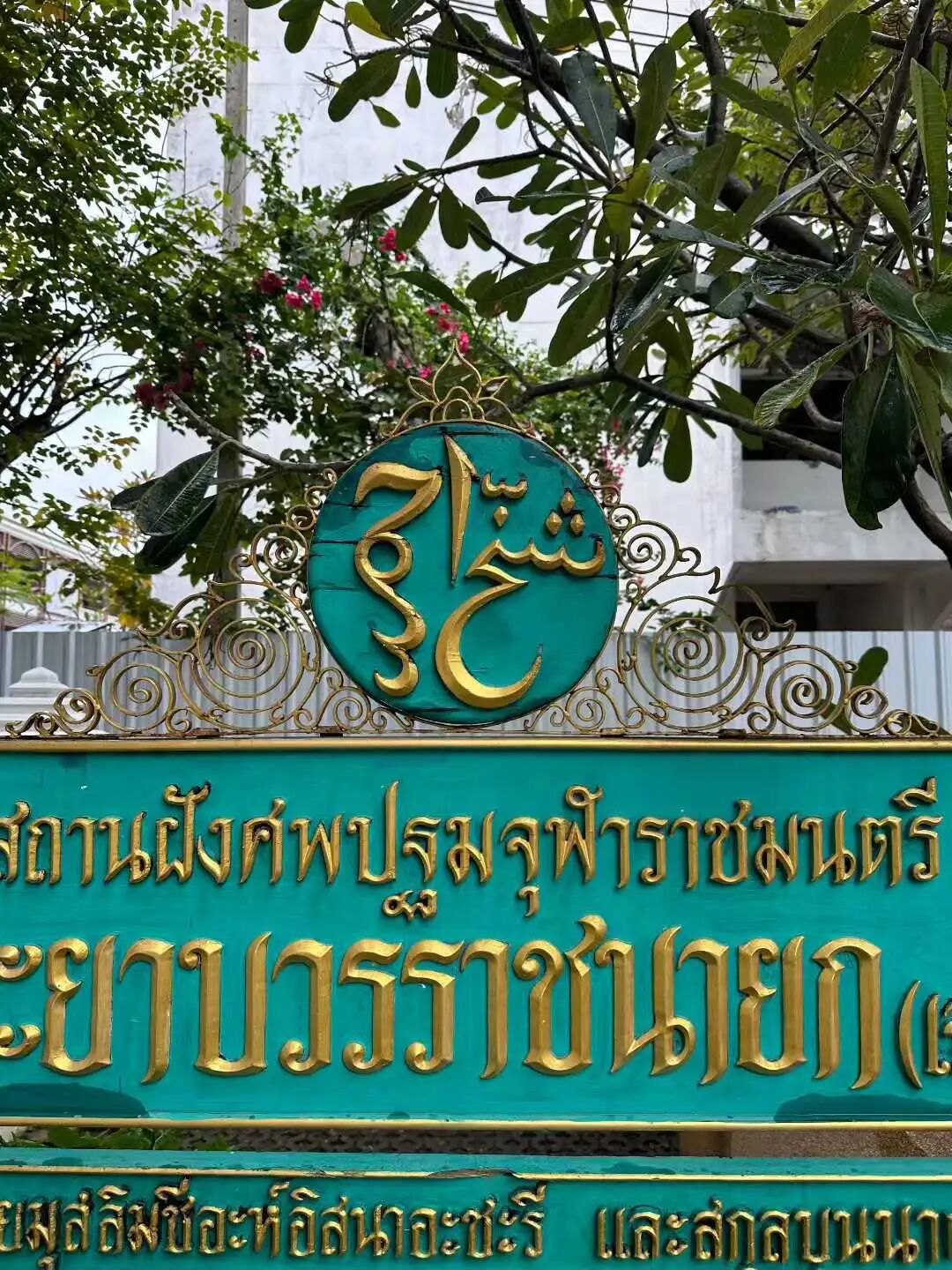
Opposite the tomb shrine of Sheikh Ahmad is the Ayutthaya-Persia (Iranian Studies) Room, where the Embassy of Iran in Thailand holds cultural and commemorative events from time to time.
Summary: The Sheikh Ahmad gongbei inside Phra Nakhon Si Ayutthaya Rajabhat University was built in 1631 and marks an important Persian Shia presence in Thailand. This short travel note keeps the source's historical and site details with a clear English narrative.
Inside the campus of Phra Nakhon Si Ayutthaya Rajabhat University in Thailand stands the tomb shrine (gongbei) of Sheikh Ahmad, built in 1631. It is an important witness to the Shia community in Thailand.
Between the 16th and 18th centuries, Shia merchants from the Safavid Empire in Persia traveled along the Indian Ocean coast to trade in Siam, where they were warmly welcomed and received with high honors by the Siamese royal family. Some Persian merchants married locals, settled down, and took on important positions in the Siamese royal court.
Sheikh Ahmad was born in Qom, Persia, in 1543. He arrived in Ayutthaya, Thailand, with his brother in the early 17th century to trade, married a Thai woman, and settled there. Sheikh Ahmad was very successful in business and became one of the wealthiest foreign merchants of his time. He met the Thai royal treasurer, and with his help, he connected with the Thai royal family and began participating in Thai trade affairs. After gaining the trust of King Songtham (who reigned from 1610 to 1628), he was appointed Chao Kromma Tha Khwa to manage trade, shipping, and diplomatic affairs between Thailand and the west, including India, Persia, Arabia, and Europe. He was also appointed as the first Chula Rajmontri in Thai history, overseeing religious affairs for the whole country. In 1611, after helping the Thai king defeat Japanese merchants who attempted a coup, he was appointed Samuhanayok, becoming the Grand Vizier of Thailand.
In the early 17th century, Sheikh Ahmad built the Kudi Chao Sen Shia mosque inside the city of Ayutthaya, which is the oldest mosque within the city walls. After Sheikh Ahmad passed away in 1631, he was buried near the mosque.
In the late 17th century, the Shia community continued to thrive in Ayutthaya. During the month of Muharram in 1656, the son of Sheikh Ahmad and other Shia nobles helped King Narai take the throne. To show his gratitude, King Narai gifted the Ayutthaya Shia community all the items needed for the Ashura ceremony during Muharram and established a royal guard consisting of 500 Shia soldiers. In 1685, the French Jesuit missionary Father Tachard recorded the grand scene of the Shia Ashura ceremony in Ayutthaya. According to his records, the procession included over two thousand people carrying models of the tombs of two saints, along with many intricately crafted symbolic objects. The men moved forward, constantly changing formations to the rhythm of the drums. At the front of this massive procession were three or four ornately decorated horses, and many people held long-poled lanterns to light up the entire group. The festival lasted for several nights, ending at five o'clock every morning.
After Ayutthaya fell in 1767 and Thailand moved its capital to Bangkok in 1782, the Persian-descended Shia community in Ayutthaya also moved to Bangkok. The descendants of Sheikh Ahmad continued to control Thailand's trade rights with the west for a century and served as the nominal leaders of the Thai Muslim community until 1945. Today, the Persian-descended Shia community in Bangkok has two mosques, and the atmosphere during the annual month of Muharram remains very strong. See "Experiencing the Persian-descended Shia Festival Atmosphere in Bangkok, Thailand" and "Searching for the Shia Community in Bangkok."
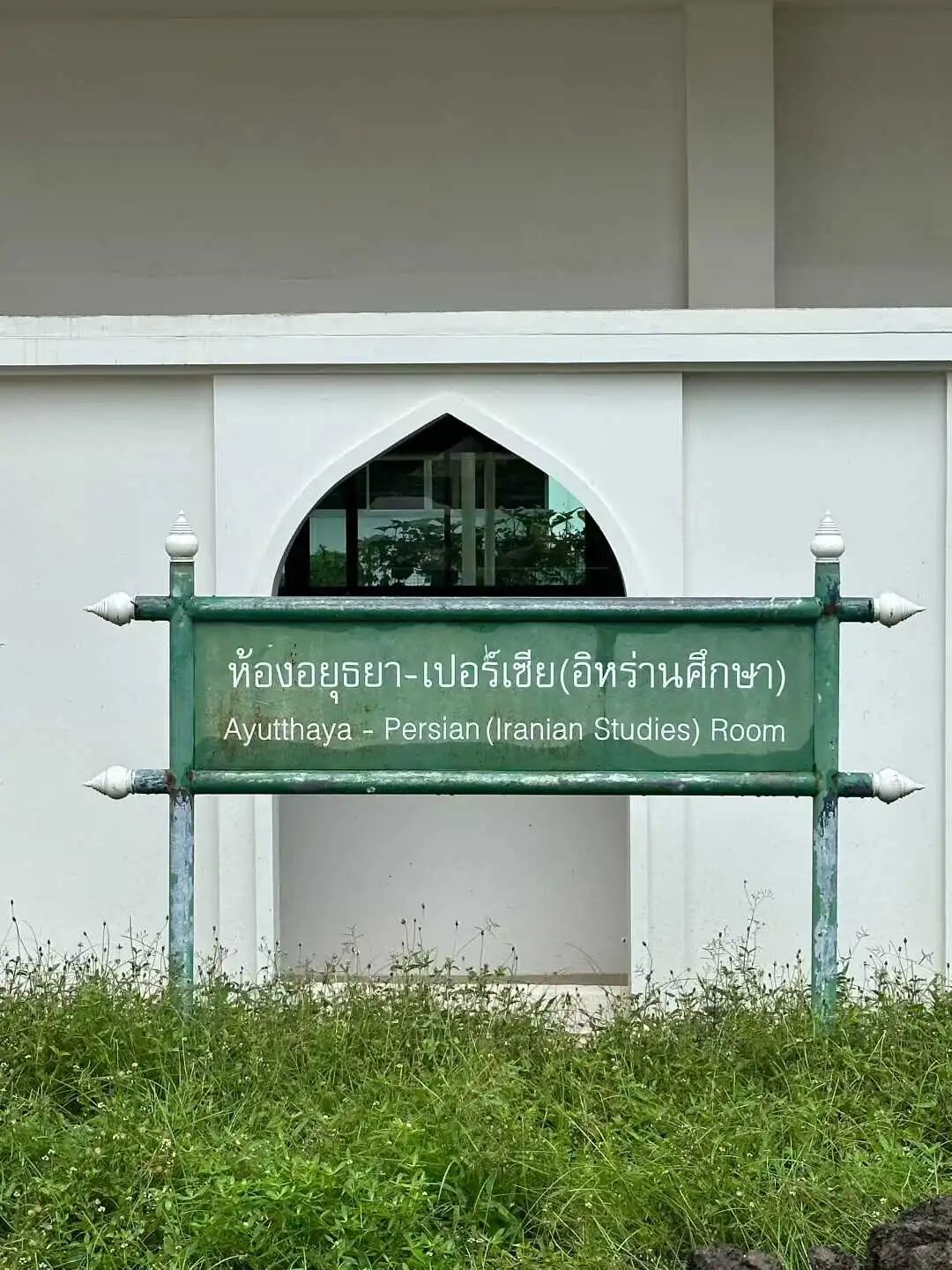
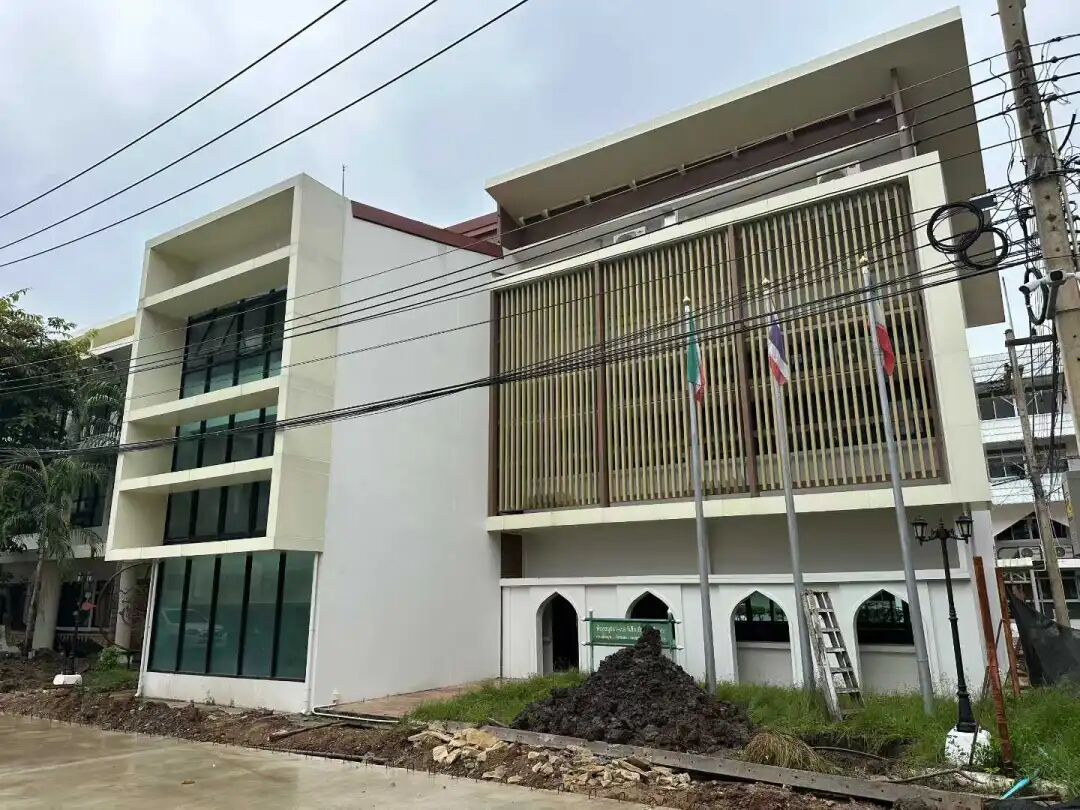
Opposite the tomb shrine of Sheikh Ahmad is the Ayutthaya-Persia (Iranian Studies) Room, where the Embassy of Iran in Thailand holds cultural and commemorative events from time to time.
Halal Travel Guide: Ayutthaya - Persian Sheikh Ahmad Gongbei
Articles • ali2007fr posted the article • 0 comments • 233 views • 2026-05-20 23:51
Reposted from the web
Summary: The Sheikh Ahmad gongbei inside Phra Nakhon Si Ayutthaya Rajabhat University was built in 1631 and marks an important Persian Shia presence in Thailand. This short travel note keeps the source's historical and site details with a clear English narrative.
Inside the campus of Phra Nakhon Si Ayutthaya Rajabhat University in Thailand stands the tomb shrine (gongbei) of Sheikh Ahmad, built in 1631. It is an important witness to the Shia community in Thailand.
Between the 16th and 18th centuries, Shia merchants from the Safavid Empire in Persia traveled along the Indian Ocean coast to trade in Siam, where they were warmly welcomed and received with high honors by the Siamese royal family. Some Persian merchants married locals, settled down, and took on important positions in the Siamese royal court.
Sheikh Ahmad was born in Qom, Persia, in 1543. He arrived in Ayutthaya, Thailand, with his brother in the early 17th century to trade, married a Thai woman, and settled there. Sheikh Ahmad was very successful in business and became one of the wealthiest foreign merchants of his time. He met the Thai royal treasurer, and with his help, he connected with the Thai royal family and began participating in Thai trade affairs. After gaining the trust of King Songtham (who reigned from 1610 to 1628), he was appointed Chao Kromma Tha Khwa to manage trade, shipping, and diplomatic affairs between Thailand and the west, including India, Persia, Arabia, and Europe. He was also appointed as the first Chula Rajmontri in Thai history, overseeing religious affairs for the whole country. In 1611, after helping the Thai king defeat Japanese merchants who attempted a coup, he was appointed Samuhanayok, becoming the Grand Vizier of Thailand.
In the early 17th century, Sheikh Ahmad built the Kudi Chao Sen Shia mosque inside the city of Ayutthaya, which is the oldest mosque within the city walls. After Sheikh Ahmad passed away in 1631, he was buried near the mosque.
In the late 17th century, the Shia community continued to thrive in Ayutthaya. During the month of Muharram in 1656, the son of Sheikh Ahmad and other Shia nobles helped King Narai take the throne. To show his gratitude, King Narai gifted the Ayutthaya Shia community all the items needed for the Ashura ceremony during Muharram and established a royal guard consisting of 500 Shia soldiers. In 1685, the French Jesuit missionary Father Tachard recorded the grand scene of the Shia Ashura ceremony in Ayutthaya. According to his records, the procession included over two thousand people carrying models of the tombs of two saints, along with many intricately crafted symbolic objects. The men moved forward, constantly changing formations to the rhythm of the drums. At the front of this massive procession were three or four ornately decorated horses, and many people held long-poled lanterns to light up the entire group. The festival lasted for several nights, ending at five o'clock every morning.
After Ayutthaya fell in 1767 and Thailand moved its capital to Bangkok in 1782, the Persian-descended Shia community in Ayutthaya also moved to Bangkok. The descendants of Sheikh Ahmad continued to control Thailand's trade rights with the west for a century and served as the nominal leaders of the Thai Muslim community until 1945. Today, the Persian-descended Shia community in Bangkok has two mosques, and the atmosphere during the annual month of Muharram remains very strong. See "Experiencing the Persian-descended Shia Festival Atmosphere in Bangkok, Thailand" and "Searching for the Shia Community in Bangkok."
Opposite the tomb shrine of Sheikh Ahmad is the Ayutthaya-Persia (Iranian Studies) Room, where the Embassy of Iran in Thailand holds cultural and commemorative events from time to time. view all
Summary: The Sheikh Ahmad gongbei inside Phra Nakhon Si Ayutthaya Rajabhat University was built in 1631 and marks an important Persian Shia presence in Thailand. This short travel note keeps the source's historical and site details with a clear English narrative.
Inside the campus of Phra Nakhon Si Ayutthaya Rajabhat University in Thailand stands the tomb shrine (gongbei) of Sheikh Ahmad, built in 1631. It is an important witness to the Shia community in Thailand.
Between the 16th and 18th centuries, Shia merchants from the Safavid Empire in Persia traveled along the Indian Ocean coast to trade in Siam, where they were warmly welcomed and received with high honors by the Siamese royal family. Some Persian merchants married locals, settled down, and took on important positions in the Siamese royal court.
Sheikh Ahmad was born in Qom, Persia, in 1543. He arrived in Ayutthaya, Thailand, with his brother in the early 17th century to trade, married a Thai woman, and settled there. Sheikh Ahmad was very successful in business and became one of the wealthiest foreign merchants of his time. He met the Thai royal treasurer, and with his help, he connected with the Thai royal family and began participating in Thai trade affairs. After gaining the trust of King Songtham (who reigned from 1610 to 1628), he was appointed Chao Kromma Tha Khwa to manage trade, shipping, and diplomatic affairs between Thailand and the west, including India, Persia, Arabia, and Europe. He was also appointed as the first Chula Rajmontri in Thai history, overseeing religious affairs for the whole country. In 1611, after helping the Thai king defeat Japanese merchants who attempted a coup, he was appointed Samuhanayok, becoming the Grand Vizier of Thailand.
In the early 17th century, Sheikh Ahmad built the Kudi Chao Sen Shia mosque inside the city of Ayutthaya, which is the oldest mosque within the city walls. After Sheikh Ahmad passed away in 1631, he was buried near the mosque.
In the late 17th century, the Shia community continued to thrive in Ayutthaya. During the month of Muharram in 1656, the son of Sheikh Ahmad and other Shia nobles helped King Narai take the throne. To show his gratitude, King Narai gifted the Ayutthaya Shia community all the items needed for the Ashura ceremony during Muharram and established a royal guard consisting of 500 Shia soldiers. In 1685, the French Jesuit missionary Father Tachard recorded the grand scene of the Shia Ashura ceremony in Ayutthaya. According to his records, the procession included over two thousand people carrying models of the tombs of two saints, along with many intricately crafted symbolic objects. The men moved forward, constantly changing formations to the rhythm of the drums. At the front of this massive procession were three or four ornately decorated horses, and many people held long-poled lanterns to light up the entire group. The festival lasted for several nights, ending at five o'clock every morning.
After Ayutthaya fell in 1767 and Thailand moved its capital to Bangkok in 1782, the Persian-descended Shia community in Ayutthaya also moved to Bangkok. The descendants of Sheikh Ahmad continued to control Thailand's trade rights with the west for a century and served as the nominal leaders of the Thai Muslim community until 1945. Today, the Persian-descended Shia community in Bangkok has two mosques, and the atmosphere during the annual month of Muharram remains very strong. See "Experiencing the Persian-descended Shia Festival Atmosphere in Bangkok, Thailand" and "Searching for the Shia Community in Bangkok."
Opposite the tomb shrine of Sheikh Ahmad is the Ayutthaya-Persia (Iranian Studies) Room, where the Embassy of Iran in Thailand holds cultural and commemorative events from time to time. view all
Reposted from the web
Summary: The Sheikh Ahmad gongbei inside Phra Nakhon Si Ayutthaya Rajabhat University was built in 1631 and marks an important Persian Shia presence in Thailand. This short travel note keeps the source's historical and site details with a clear English narrative.
Inside the campus of Phra Nakhon Si Ayutthaya Rajabhat University in Thailand stands the tomb shrine (gongbei) of Sheikh Ahmad, built in 1631. It is an important witness to the Shia community in Thailand.
Between the 16th and 18th centuries, Shia merchants from the Safavid Empire in Persia traveled along the Indian Ocean coast to trade in Siam, where they were warmly welcomed and received with high honors by the Siamese royal family. Some Persian merchants married locals, settled down, and took on important positions in the Siamese royal court.
Sheikh Ahmad was born in Qom, Persia, in 1543. He arrived in Ayutthaya, Thailand, with his brother in the early 17th century to trade, married a Thai woman, and settled there. Sheikh Ahmad was very successful in business and became one of the wealthiest foreign merchants of his time. He met the Thai royal treasurer, and with his help, he connected with the Thai royal family and began participating in Thai trade affairs. After gaining the trust of King Songtham (who reigned from 1610 to 1628), he was appointed Chao Kromma Tha Khwa to manage trade, shipping, and diplomatic affairs between Thailand and the west, including India, Persia, Arabia, and Europe. He was also appointed as the first Chula Rajmontri in Thai history, overseeing religious affairs for the whole country. In 1611, after helping the Thai king defeat Japanese merchants who attempted a coup, he was appointed Samuhanayok, becoming the Grand Vizier of Thailand.
In the early 17th century, Sheikh Ahmad built the Kudi Chao Sen Shia mosque inside the city of Ayutthaya, which is the oldest mosque within the city walls. After Sheikh Ahmad passed away in 1631, he was buried near the mosque.
In the late 17th century, the Shia community continued to thrive in Ayutthaya. During the month of Muharram in 1656, the son of Sheikh Ahmad and other Shia nobles helped King Narai take the throne. To show his gratitude, King Narai gifted the Ayutthaya Shia community all the items needed for the Ashura ceremony during Muharram and established a royal guard consisting of 500 Shia soldiers. In 1685, the French Jesuit missionary Father Tachard recorded the grand scene of the Shia Ashura ceremony in Ayutthaya. According to his records, the procession included over two thousand people carrying models of the tombs of two saints, along with many intricately crafted symbolic objects. The men moved forward, constantly changing formations to the rhythm of the drums. At the front of this massive procession were three or four ornately decorated horses, and many people held long-poled lanterns to light up the entire group. The festival lasted for several nights, ending at five o'clock every morning.
After Ayutthaya fell in 1767 and Thailand moved its capital to Bangkok in 1782, the Persian-descended Shia community in Ayutthaya also moved to Bangkok. The descendants of Sheikh Ahmad continued to control Thailand's trade rights with the west for a century and served as the nominal leaders of the Thai Muslim community until 1945. Today, the Persian-descended Shia community in Bangkok has two mosques, and the atmosphere during the annual month of Muharram remains very strong. See "Experiencing the Persian-descended Shia Festival Atmosphere in Bangkok, Thailand" and "Searching for the Shia Community in Bangkok."
Opposite the tomb shrine of Sheikh Ahmad is the Ayutthaya-Persia (Iranian Studies) Room, where the Embassy of Iran in Thailand holds cultural and commemorative events from time to time.
Summary: The Sheikh Ahmad gongbei inside Phra Nakhon Si Ayutthaya Rajabhat University was built in 1631 and marks an important Persian Shia presence in Thailand. This short travel note keeps the source's historical and site details with a clear English narrative.
Inside the campus of Phra Nakhon Si Ayutthaya Rajabhat University in Thailand stands the tomb shrine (gongbei) of Sheikh Ahmad, built in 1631. It is an important witness to the Shia community in Thailand.
Between the 16th and 18th centuries, Shia merchants from the Safavid Empire in Persia traveled along the Indian Ocean coast to trade in Siam, where they were warmly welcomed and received with high honors by the Siamese royal family. Some Persian merchants married locals, settled down, and took on important positions in the Siamese royal court.
Sheikh Ahmad was born in Qom, Persia, in 1543. He arrived in Ayutthaya, Thailand, with his brother in the early 17th century to trade, married a Thai woman, and settled there. Sheikh Ahmad was very successful in business and became one of the wealthiest foreign merchants of his time. He met the Thai royal treasurer, and with his help, he connected with the Thai royal family and began participating in Thai trade affairs. After gaining the trust of King Songtham (who reigned from 1610 to 1628), he was appointed Chao Kromma Tha Khwa to manage trade, shipping, and diplomatic affairs between Thailand and the west, including India, Persia, Arabia, and Europe. He was also appointed as the first Chula Rajmontri in Thai history, overseeing religious affairs for the whole country. In 1611, after helping the Thai king defeat Japanese merchants who attempted a coup, he was appointed Samuhanayok, becoming the Grand Vizier of Thailand.
In the early 17th century, Sheikh Ahmad built the Kudi Chao Sen Shia mosque inside the city of Ayutthaya, which is the oldest mosque within the city walls. After Sheikh Ahmad passed away in 1631, he was buried near the mosque.
In the late 17th century, the Shia community continued to thrive in Ayutthaya. During the month of Muharram in 1656, the son of Sheikh Ahmad and other Shia nobles helped King Narai take the throne. To show his gratitude, King Narai gifted the Ayutthaya Shia community all the items needed for the Ashura ceremony during Muharram and established a royal guard consisting of 500 Shia soldiers. In 1685, the French Jesuit missionary Father Tachard recorded the grand scene of the Shia Ashura ceremony in Ayutthaya. According to his records, the procession included over two thousand people carrying models of the tombs of two saints, along with many intricately crafted symbolic objects. The men moved forward, constantly changing formations to the rhythm of the drums. At the front of this massive procession were three or four ornately decorated horses, and many people held long-poled lanterns to light up the entire group. The festival lasted for several nights, ending at five o'clock every morning.
After Ayutthaya fell in 1767 and Thailand moved its capital to Bangkok in 1782, the Persian-descended Shia community in Ayutthaya also moved to Bangkok. The descendants of Sheikh Ahmad continued to control Thailand's trade rights with the west for a century and served as the nominal leaders of the Thai Muslim community until 1945. Today, the Persian-descended Shia community in Bangkok has two mosques, and the atmosphere during the annual month of Muharram remains very strong. See "Experiencing the Persian-descended Shia Festival Atmosphere in Bangkok, Thailand" and "Searching for the Shia Community in Bangkok."
Opposite the tomb shrine of Sheikh Ahmad is the Ayutthaya-Persia (Iranian Studies) Room, where the Embassy of Iran in Thailand holds cultural and commemorative events from time to time.