

Shia Shrines
Halal Travel Guide: Lebanon - Shia Shrines, Baalbek and Islamic History
Articles • ali2007fr posted the article • 0 comments • 209 views • 2026-05-19 06:54
Reposted from the web
I recently visited the Sayyida Khawla Shrine, a Shia holy site in Baalbek, which is the headquarters of Hezbollah in Lebanon and one of the most important Shia centers in the country. The tomb was first built in 680, and the current structure dates back to its reconstruction in 1656.
There are thick walls at the entrance of the tomb, along with armed guards. Women are checked separately, but the guards are friendly to foreign tourists. During the security check, they asked Zainab if she was from Iran or Pakistan. When she said she was from China, the guard was very surprised, said "Made in China" in English, and let her in without checking.
Sayyida Khawla was the daughter of Imam Hussein and the great-granddaughter of the Prophet Muhammad. An ancient cypress tree inside the tomb is said to have been planted by the fourth Shia Imam, Ali Zayn al-Abidin (659-712). Legend says that after Imam Hussein was martyred in Karbala on the day of Ashura in 680, his female relatives were captured and taken to Damascus with the Umayyad caravan. During the long and difficult journey, Sayyida Khawla fell from a camel while passing through Baalbek and died from her injuries.
In the street scenes of Baalbek, mosques and Roman temples exist side by side. Following online advice, I did not take any photos related to Hezbollah. Besides the Shia community, there are also Christians and Sunnis here. There is even a mosque built during the Umayyad dynasty that is still used by Sunnis today, and I will post photos of this Umayyad mosque later.
During the 2006 Lebanon War, Baalbek was a major target for the Israeli military and was hit by over 70 bombs, which damaged the ancient Roman ruins.
We had lunch in Baalbek, and you can see the ruins of the Roman temple from the restaurant's rooftop terrace.
We ordered Sajiye stew, Fokhara rice, Ayran yogurt drink, and the local Lebanese meat pie called Sfeha. Sfeha from Baalbek is very famous. Sfeha is filled with lamb, tomatoes, and onions. The lamb has a perfect balance of fat and lean meat, ground very finely, and seasoned with cinnamon and allspice. Sajiye and Fokhara are actually names of cookware. Sajiye refers to an iron pot, while Fokhara refers to a clay pot. Both dishes are sealed with a flatbread called Saj while cooking. The rice in the Bukhara clay pot (fokhara) is cooked with olive oil, caramelized onions, and spices that turn it yellow, and it tastes great. view all
I recently visited the Sayyida Khawla Shrine, a Shia holy site in Baalbek, which is the headquarters of Hezbollah in Lebanon and one of the most important Shia centers in the country. The tomb was first built in 680, and the current structure dates back to its reconstruction in 1656.
There are thick walls at the entrance of the tomb, along with armed guards. Women are checked separately, but the guards are friendly to foreign tourists. During the security check, they asked Zainab if she was from Iran or Pakistan. When she said she was from China, the guard was very surprised, said "Made in China" in English, and let her in without checking.
Sayyida Khawla was the daughter of Imam Hussein and the great-granddaughter of the Prophet Muhammad. An ancient cypress tree inside the tomb is said to have been planted by the fourth Shia Imam, Ali Zayn al-Abidin (659-712). Legend says that after Imam Hussein was martyred in Karbala on the day of Ashura in 680, his female relatives were captured and taken to Damascus with the Umayyad caravan. During the long and difficult journey, Sayyida Khawla fell from a camel while passing through Baalbek and died from her injuries.
In the street scenes of Baalbek, mosques and Roman temples exist side by side. Following online advice, I did not take any photos related to Hezbollah. Besides the Shia community, there are also Christians and Sunnis here. There is even a mosque built during the Umayyad dynasty that is still used by Sunnis today, and I will post photos of this Umayyad mosque later.
During the 2006 Lebanon War, Baalbek was a major target for the Israeli military and was hit by over 70 bombs, which damaged the ancient Roman ruins.
We had lunch in Baalbek, and you can see the ruins of the Roman temple from the restaurant's rooftop terrace.
We ordered Sajiye stew, Fokhara rice, Ayran yogurt drink, and the local Lebanese meat pie called Sfeha. Sfeha from Baalbek is very famous. Sfeha is filled with lamb, tomatoes, and onions. The lamb has a perfect balance of fat and lean meat, ground very finely, and seasoned with cinnamon and allspice. Sajiye and Fokhara are actually names of cookware. Sajiye refers to an iron pot, while Fokhara refers to a clay pot. Both dishes are sealed with a flatbread called Saj while cooking. The rice in the Bukhara clay pot (fokhara) is cooked with olive oil, caramelized onions, and spices that turn it yellow, and it tastes great. view all
Reposted from the web
I recently visited the Sayyida Khawla Shrine, a Shia holy site in Baalbek, which is the headquarters of Hezbollah in Lebanon and one of the most important Shia centers in the country. The tomb was first built in 680, and the current structure dates back to its reconstruction in 1656.
There are thick walls at the entrance of the tomb, along with armed guards. Women are checked separately, but the guards are friendly to foreign tourists. During the security check, they asked Zainab if she was from Iran or Pakistan. When she said she was from China, the guard was very surprised, said "Made in China" in English, and let her in without checking.
Sayyida Khawla was the daughter of Imam Hussein and the great-granddaughter of the Prophet Muhammad. An ancient cypress tree inside the tomb is said to have been planted by the fourth Shia Imam, Ali Zayn al-Abidin (659-712). Legend says that after Imam Hussein was martyred in Karbala on the day of Ashura in 680, his female relatives were captured and taken to Damascus with the Umayyad caravan. During the long and difficult journey, Sayyida Khawla fell from a camel while passing through Baalbek and died from her injuries.
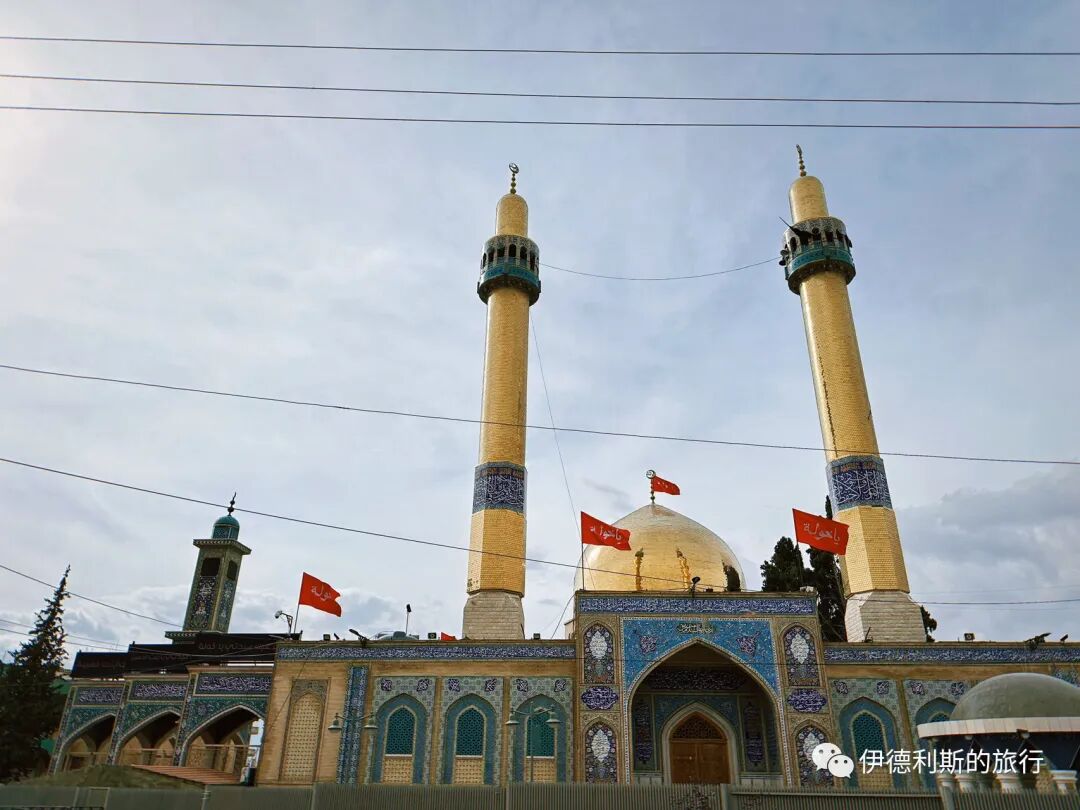
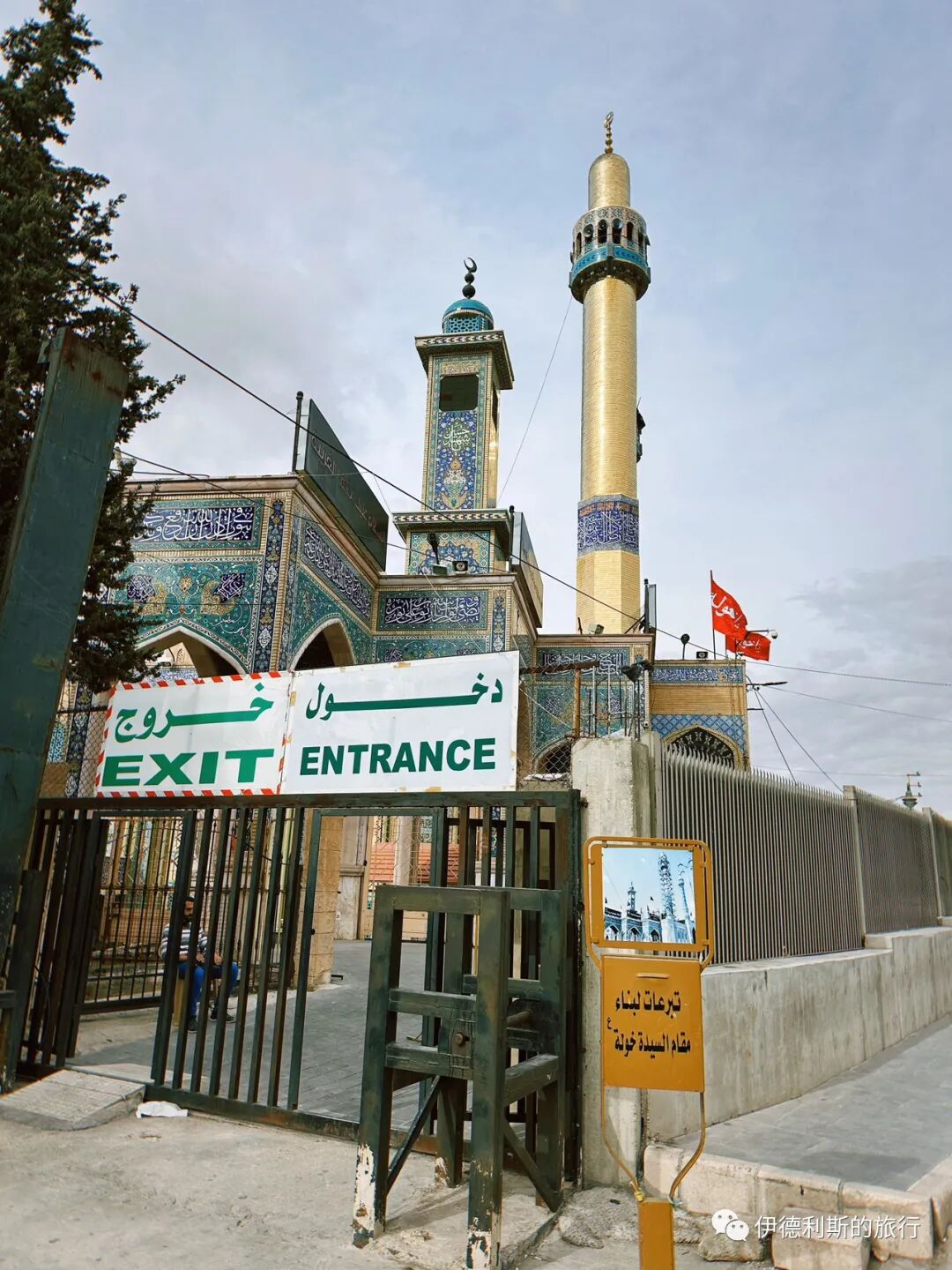
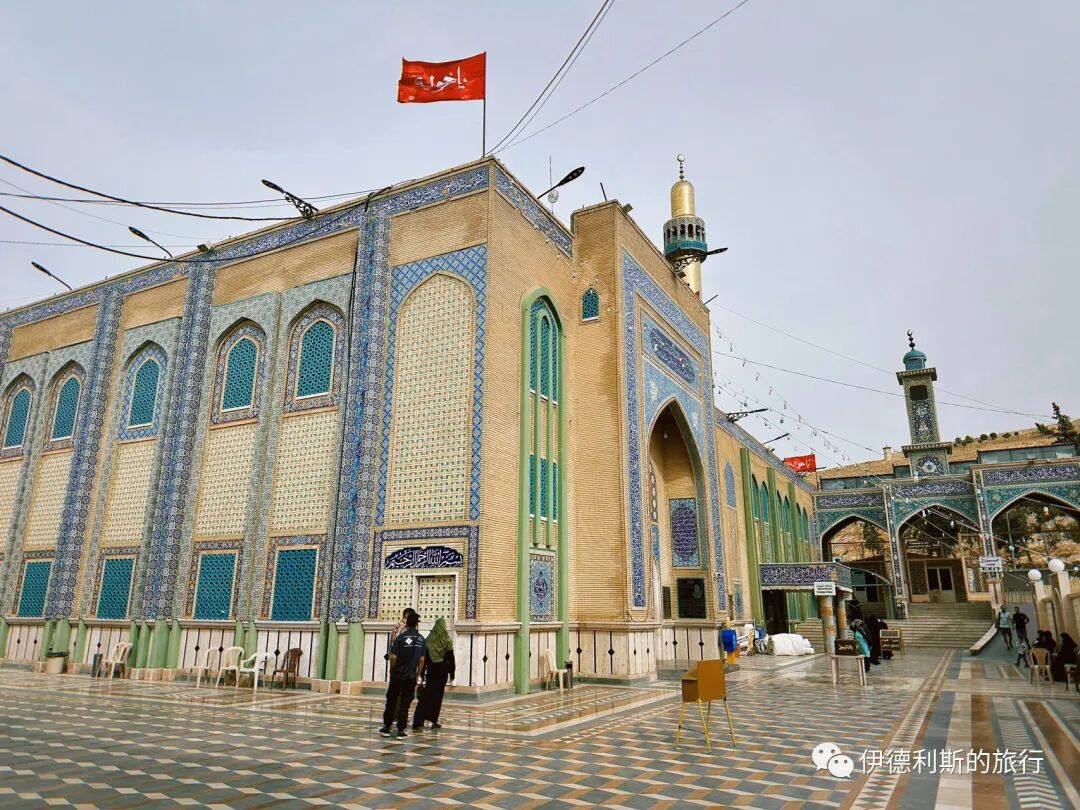
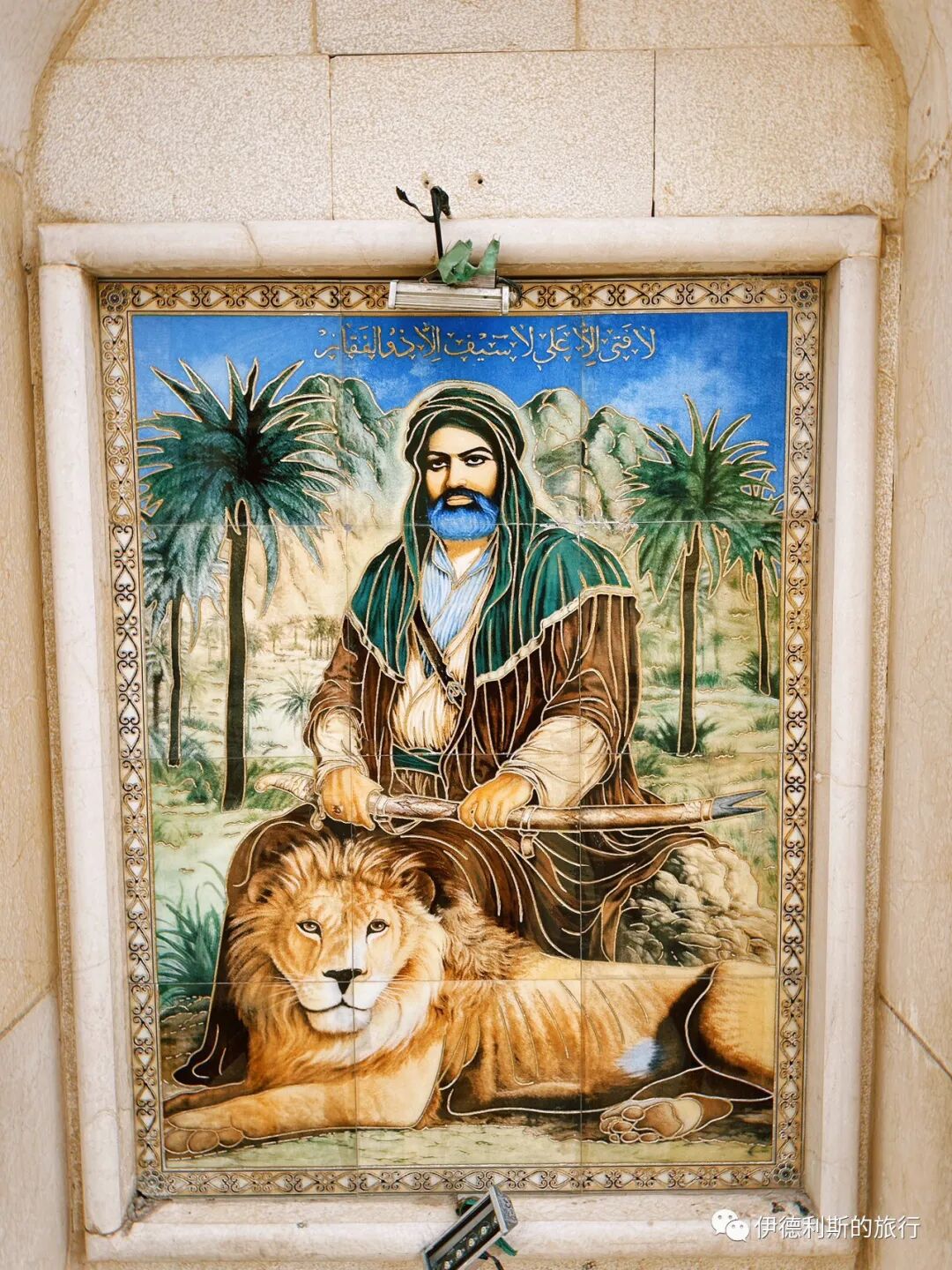
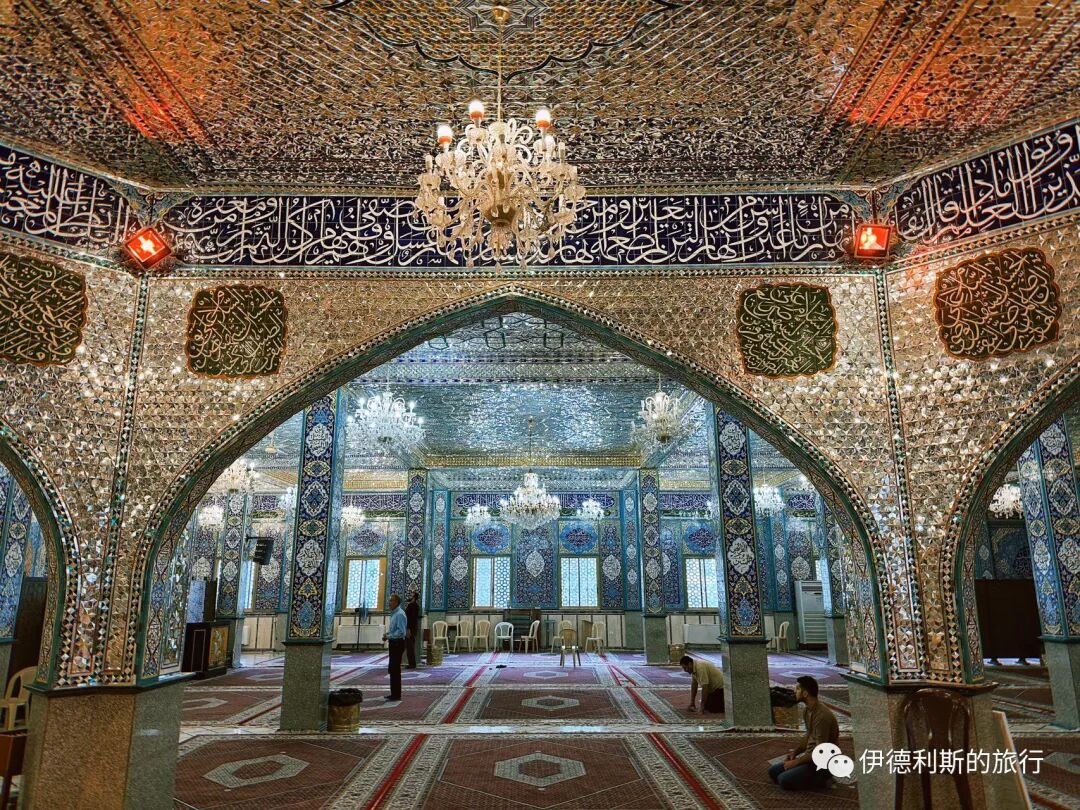
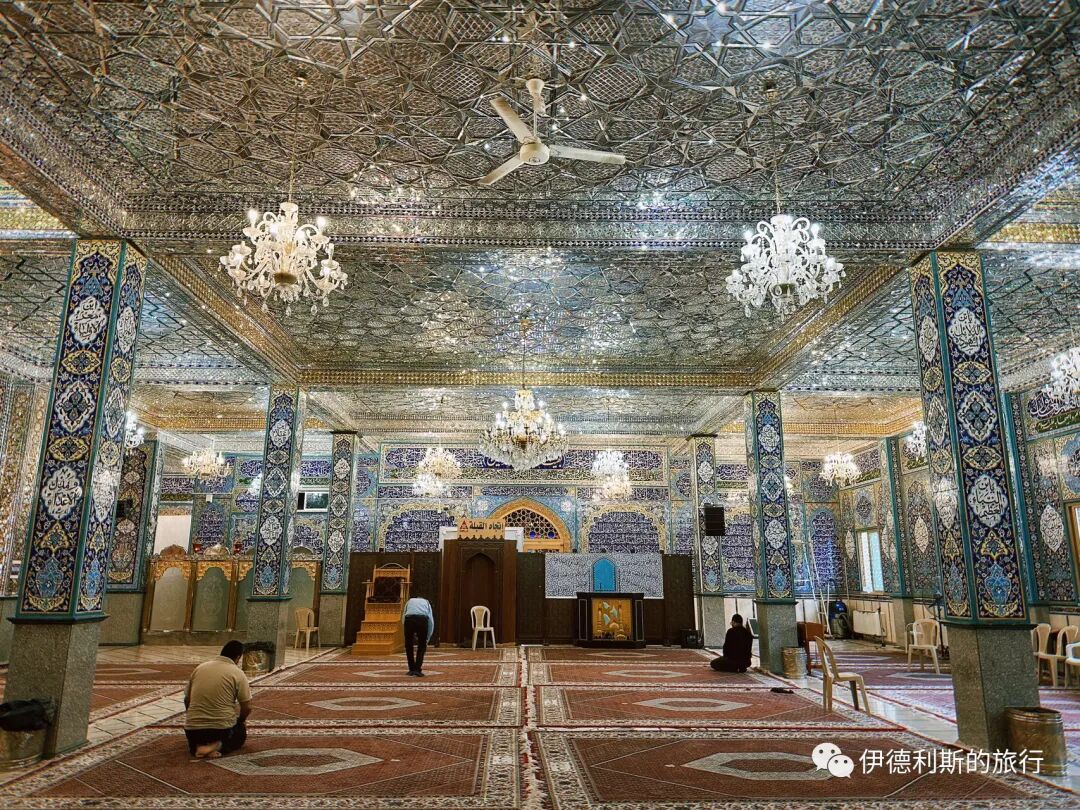
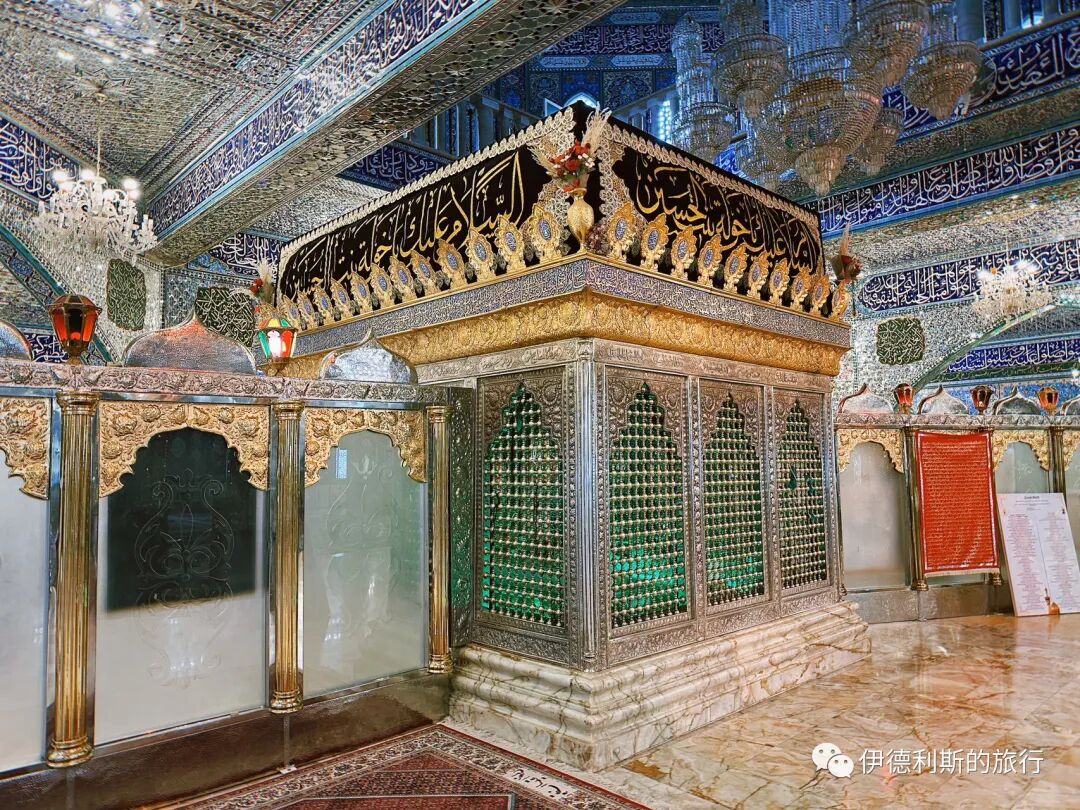
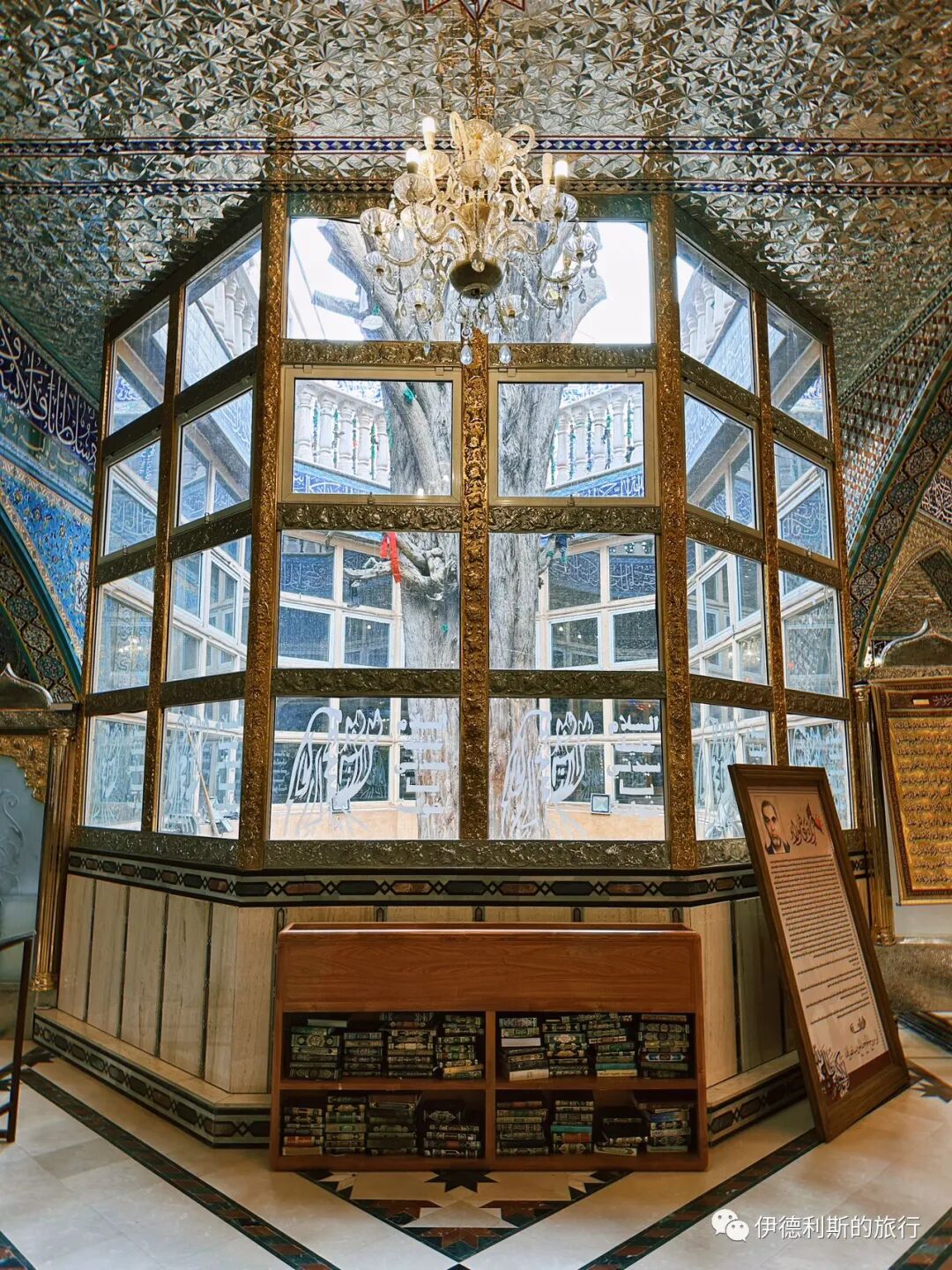
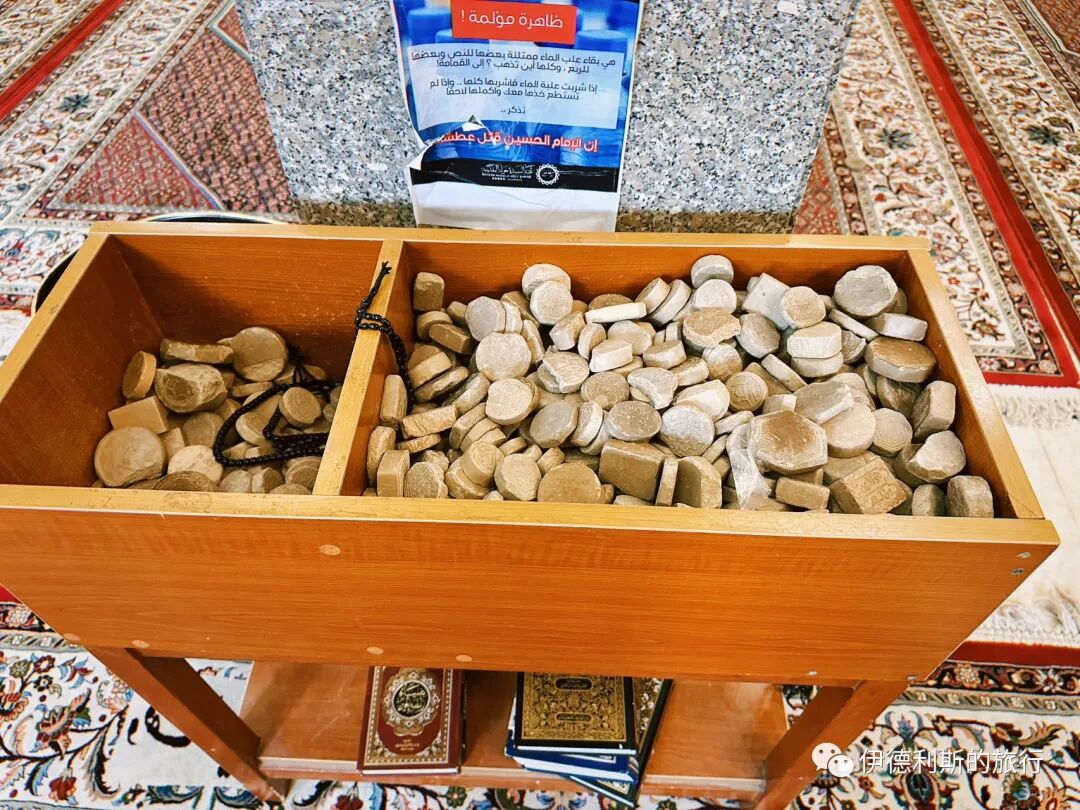
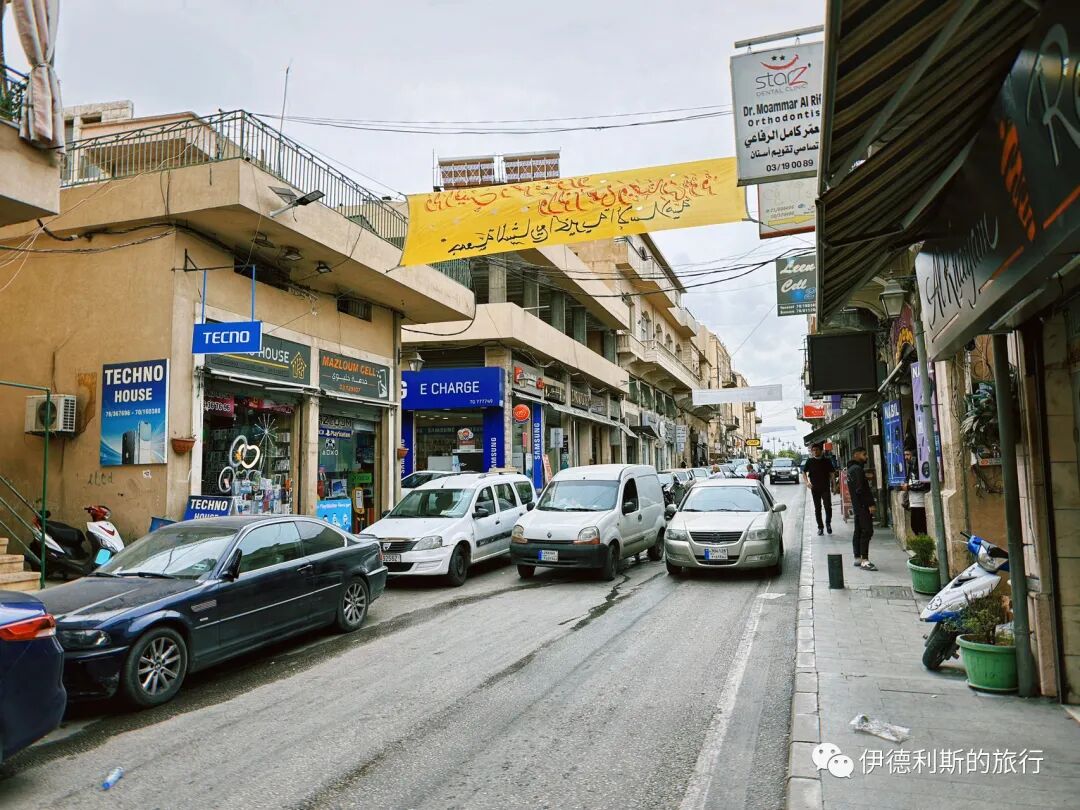
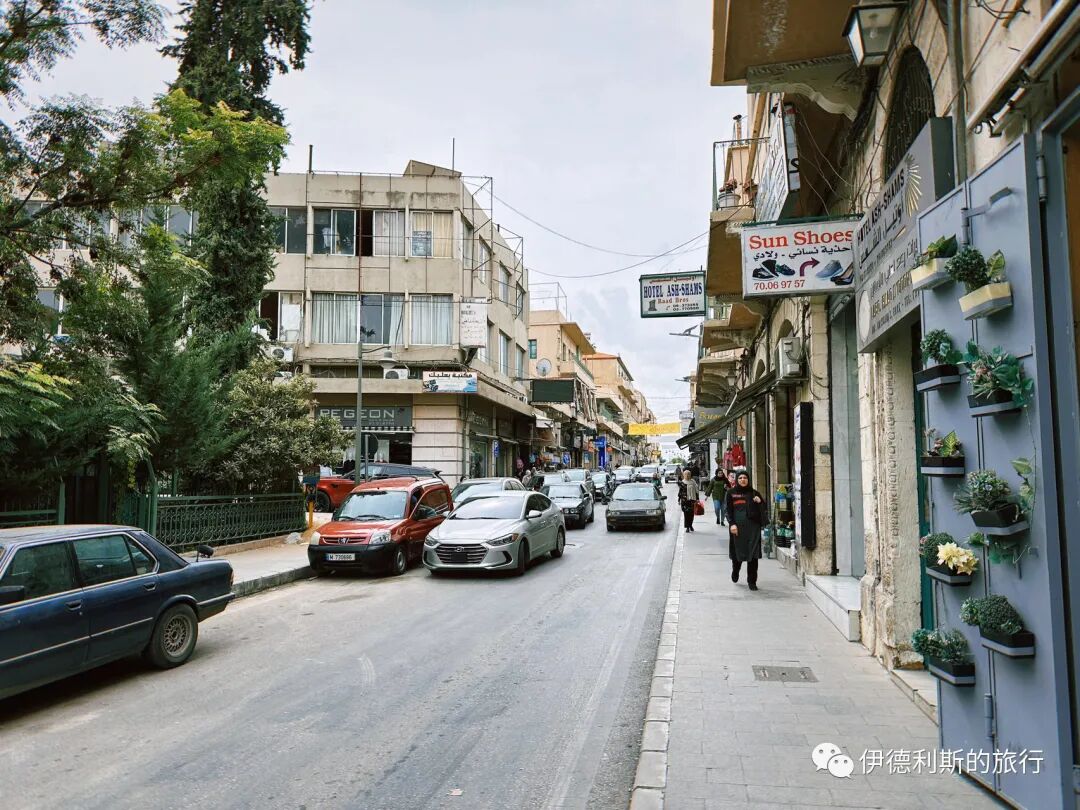
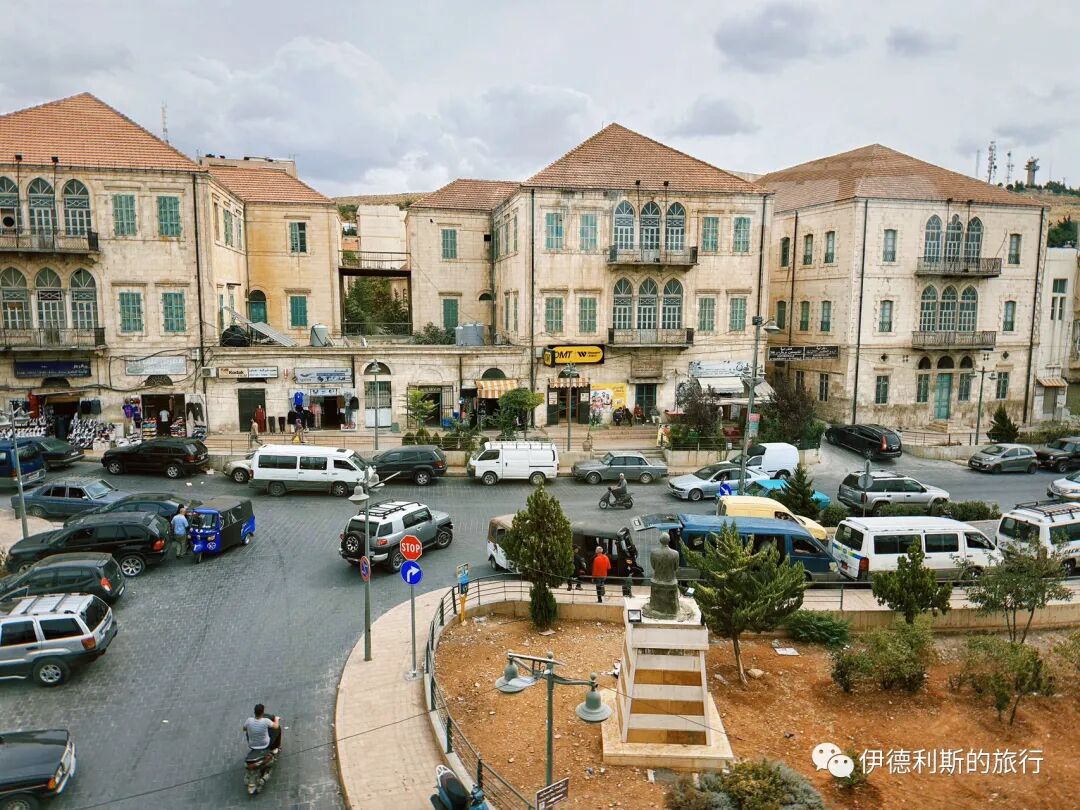
In the street scenes of Baalbek, mosques and Roman temples exist side by side. Following online advice, I did not take any photos related to Hezbollah. Besides the Shia community, there are also Christians and Sunnis here. There is even a mosque built during the Umayyad dynasty that is still used by Sunnis today, and I will post photos of this Umayyad mosque later.
During the 2006 Lebanon War, Baalbek was a major target for the Israeli military and was hit by over 70 bombs, which damaged the ancient Roman ruins.
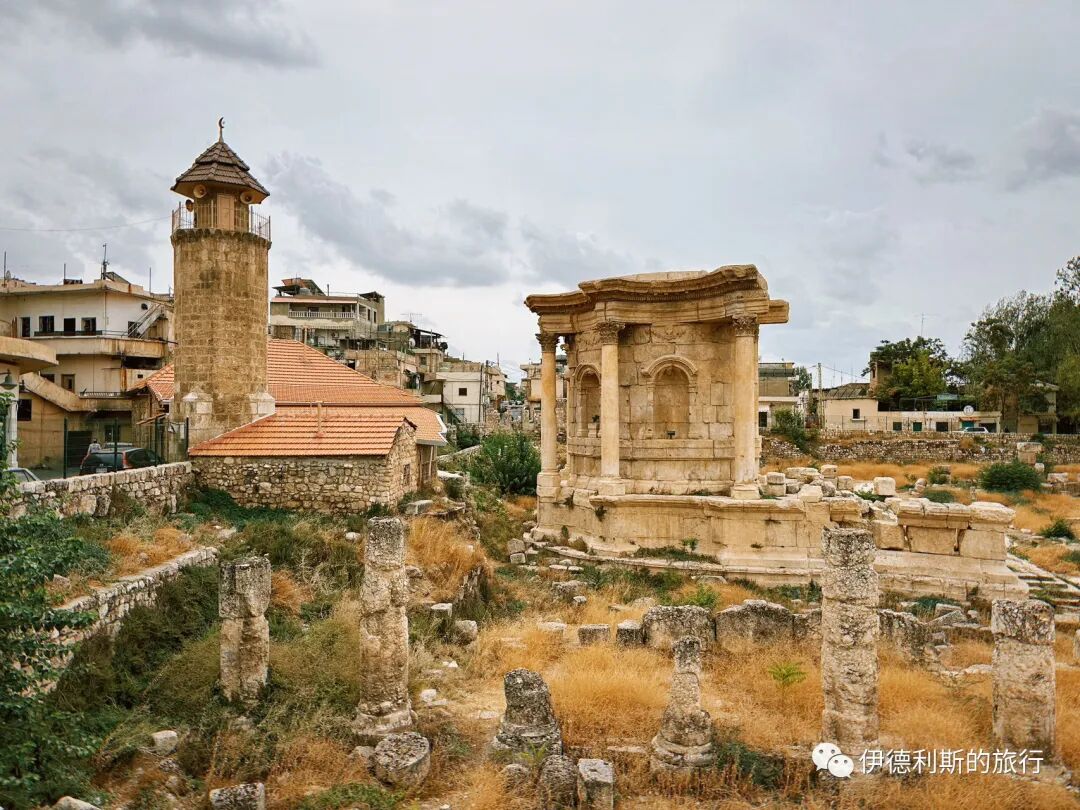
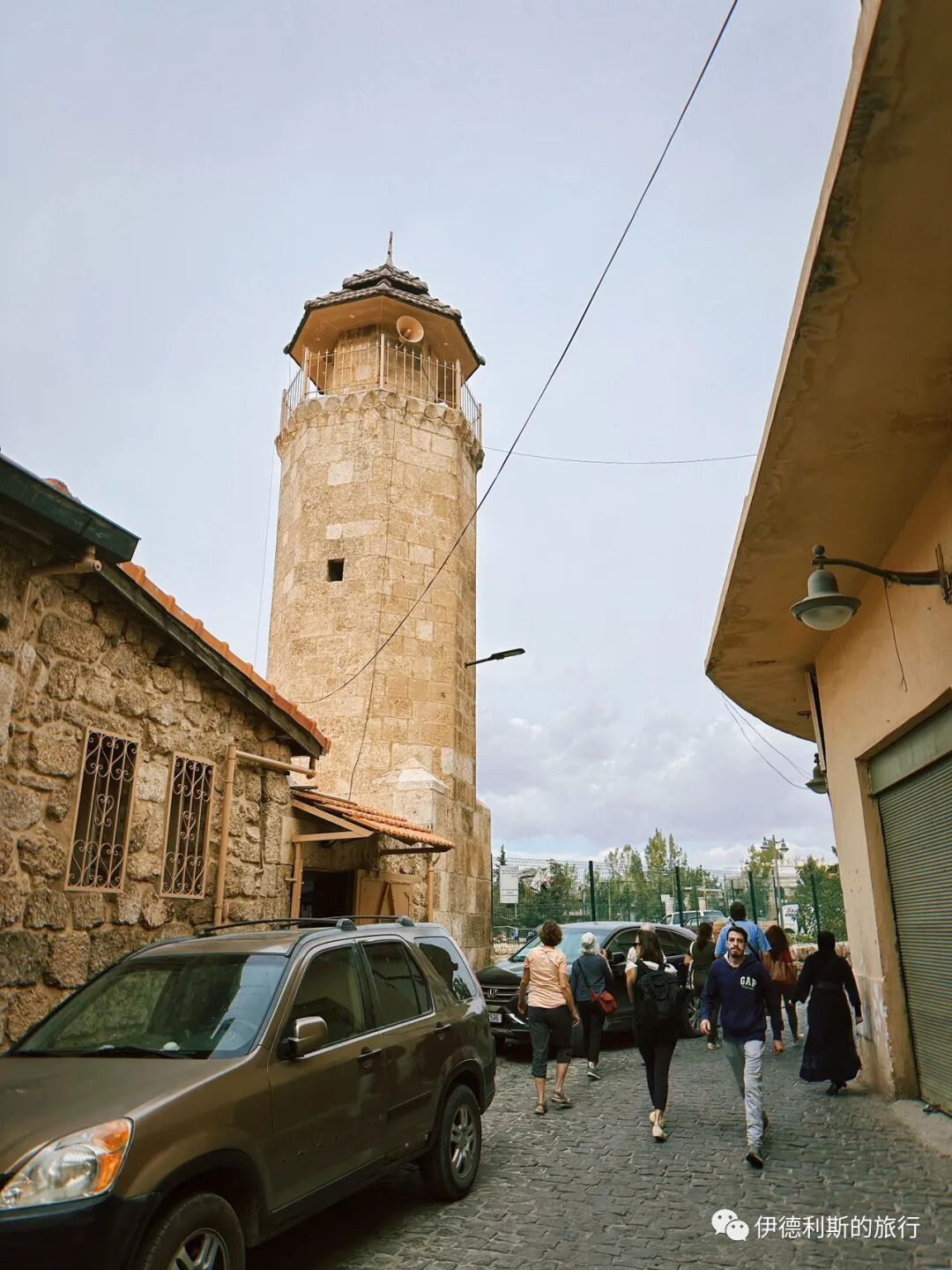
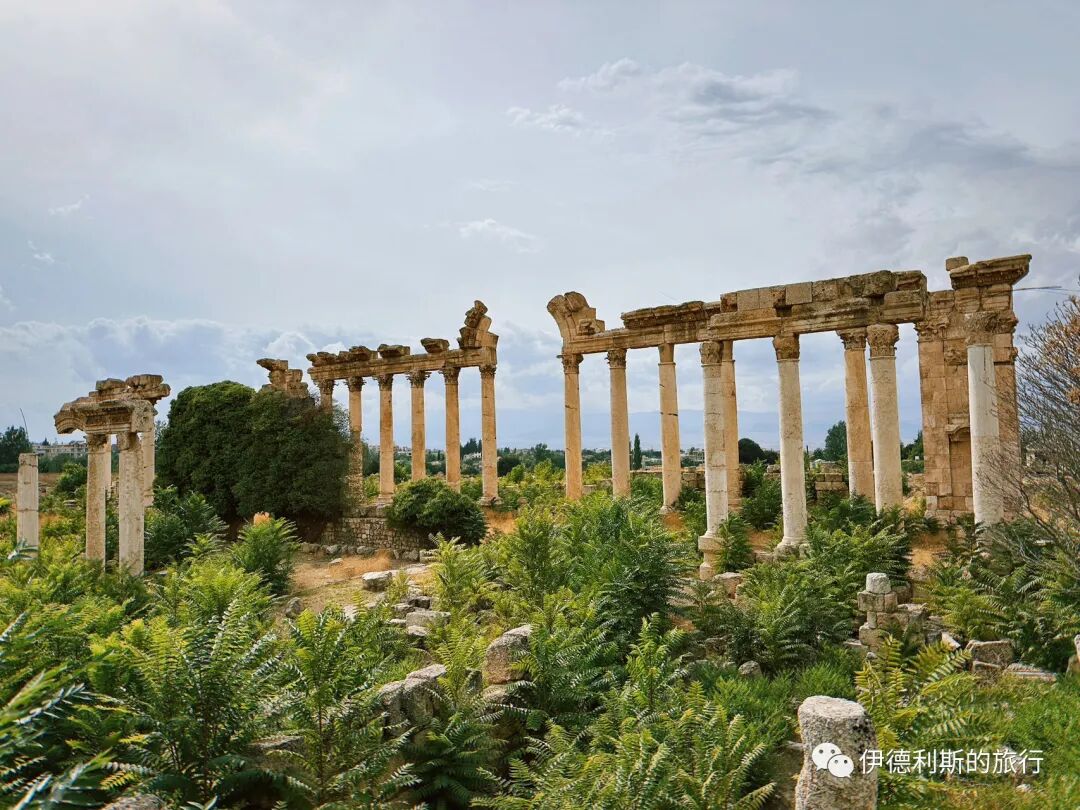
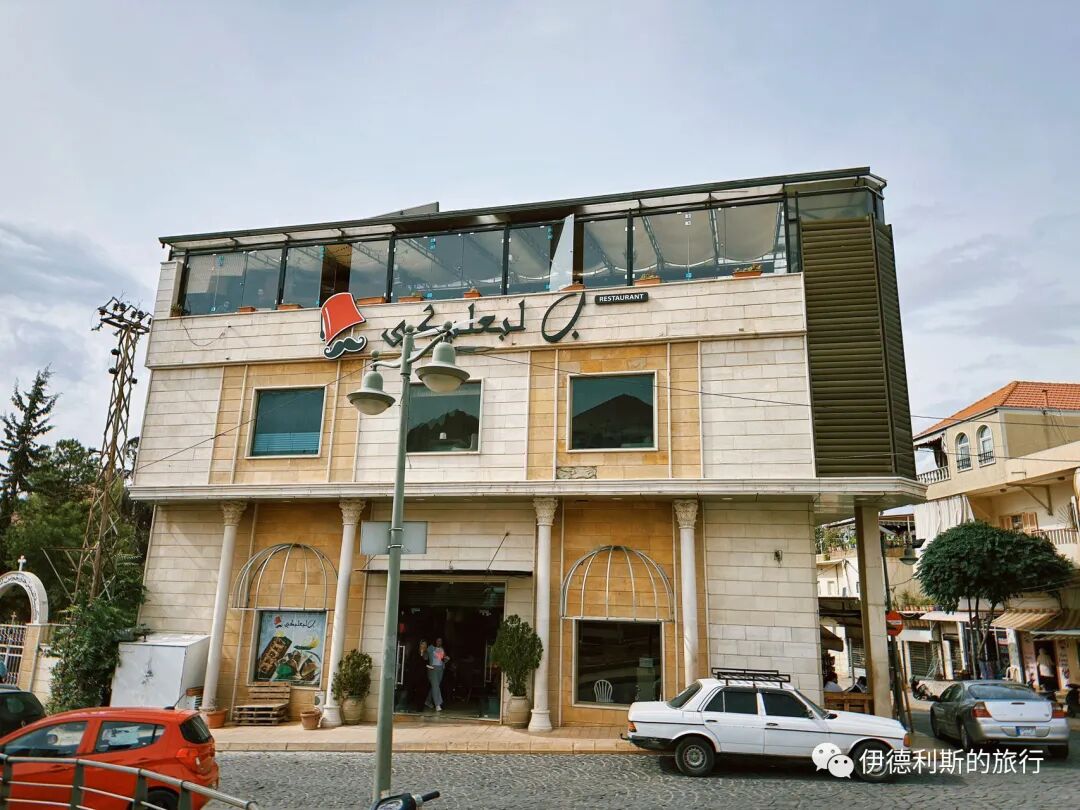
We had lunch in Baalbek, and you can see the ruins of the Roman temple from the restaurant's rooftop terrace.
We ordered Sajiye stew, Fokhara rice, Ayran yogurt drink, and the local Lebanese meat pie called Sfeha. Sfeha from Baalbek is very famous. Sfeha is filled with lamb, tomatoes, and onions. The lamb has a perfect balance of fat and lean meat, ground very finely, and seasoned with cinnamon and allspice. Sajiye and Fokhara are actually names of cookware. Sajiye refers to an iron pot, while Fokhara refers to a clay pot. Both dishes are sealed with a flatbread called Saj while cooking. The rice in the Bukhara clay pot (fokhara) is cooked with olive oil, caramelized onions, and spices that turn it yellow, and it tastes great.
I recently visited the Sayyida Khawla Shrine, a Shia holy site in Baalbek, which is the headquarters of Hezbollah in Lebanon and one of the most important Shia centers in the country. The tomb was first built in 680, and the current structure dates back to its reconstruction in 1656.
There are thick walls at the entrance of the tomb, along with armed guards. Women are checked separately, but the guards are friendly to foreign tourists. During the security check, they asked Zainab if she was from Iran or Pakistan. When she said she was from China, the guard was very surprised, said "Made in China" in English, and let her in without checking.
Sayyida Khawla was the daughter of Imam Hussein and the great-granddaughter of the Prophet Muhammad. An ancient cypress tree inside the tomb is said to have been planted by the fourth Shia Imam, Ali Zayn al-Abidin (659-712). Legend says that after Imam Hussein was martyred in Karbala on the day of Ashura in 680, his female relatives were captured and taken to Damascus with the Umayyad caravan. During the long and difficult journey, Sayyida Khawla fell from a camel while passing through Baalbek and died from her injuries.
In the street scenes of Baalbek, mosques and Roman temples exist side by side. Following online advice, I did not take any photos related to Hezbollah. Besides the Shia community, there are also Christians and Sunnis here. There is even a mosque built during the Umayyad dynasty that is still used by Sunnis today, and I will post photos of this Umayyad mosque later.
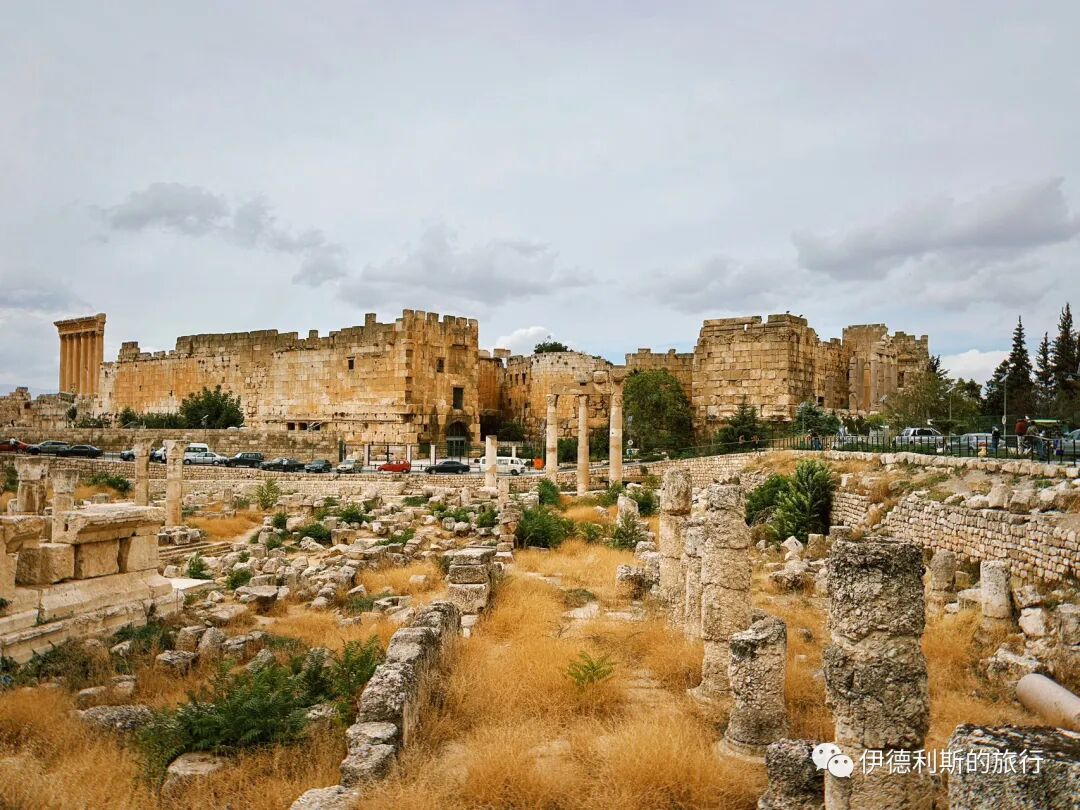
During the 2006 Lebanon War, Baalbek was a major target for the Israeli military and was hit by over 70 bombs, which damaged the ancient Roman ruins.
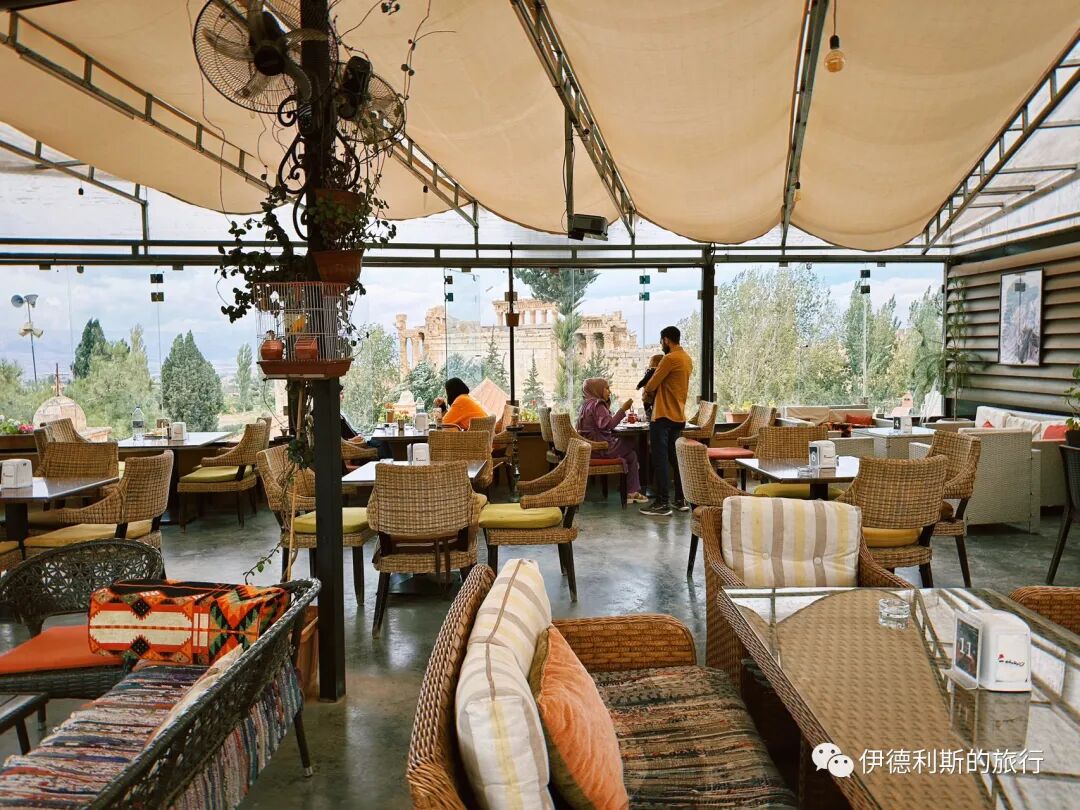
We had lunch in Baalbek, and you can see the ruins of the Roman temple from the restaurant's rooftop terrace.
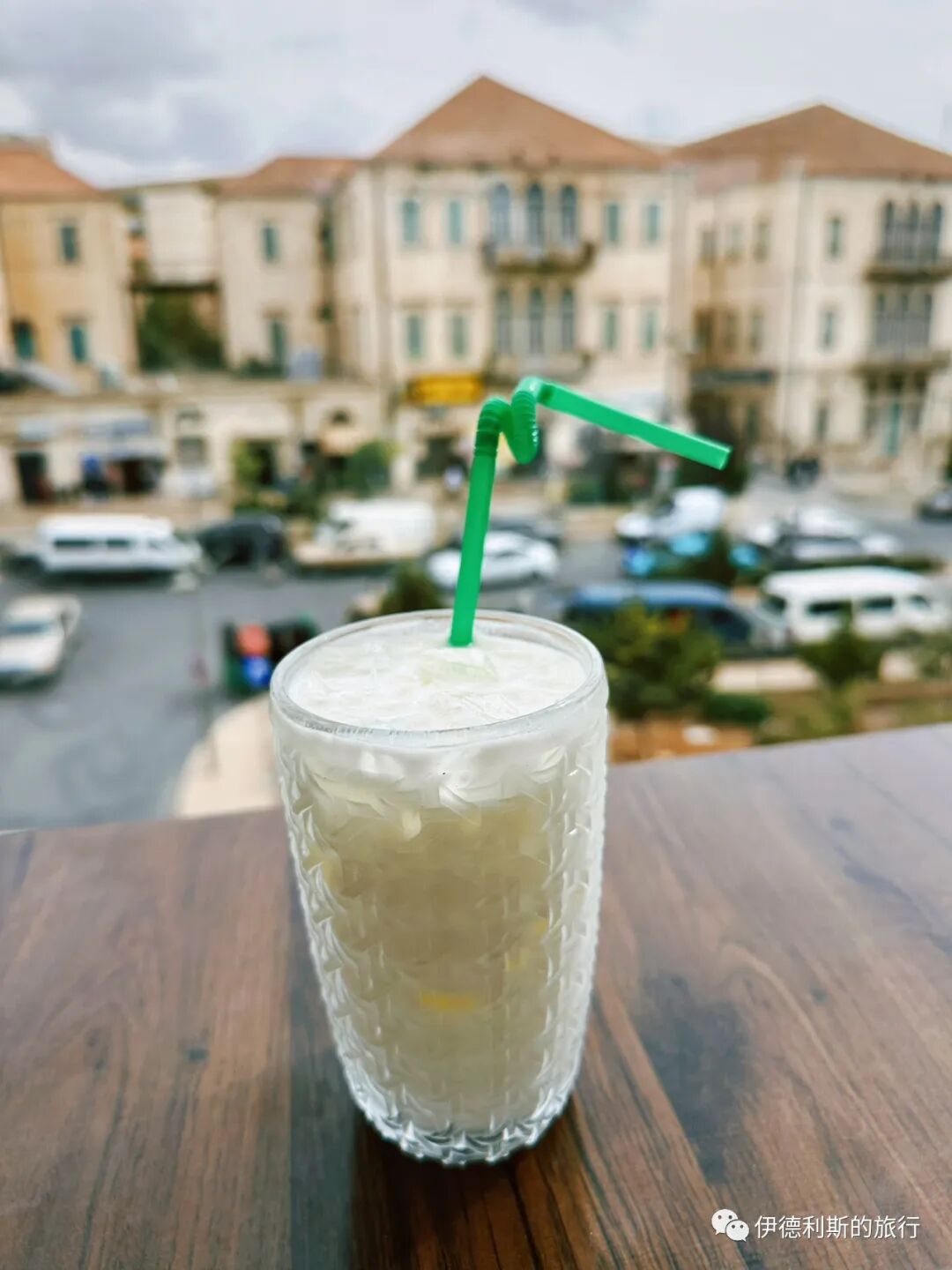
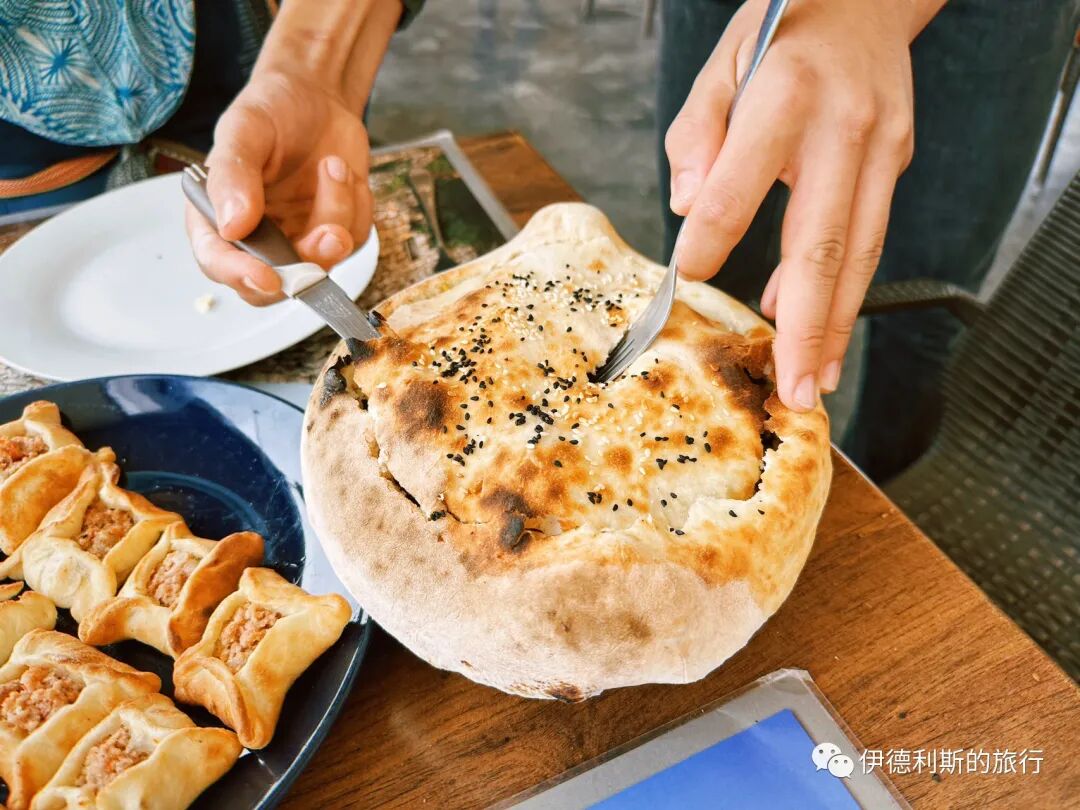
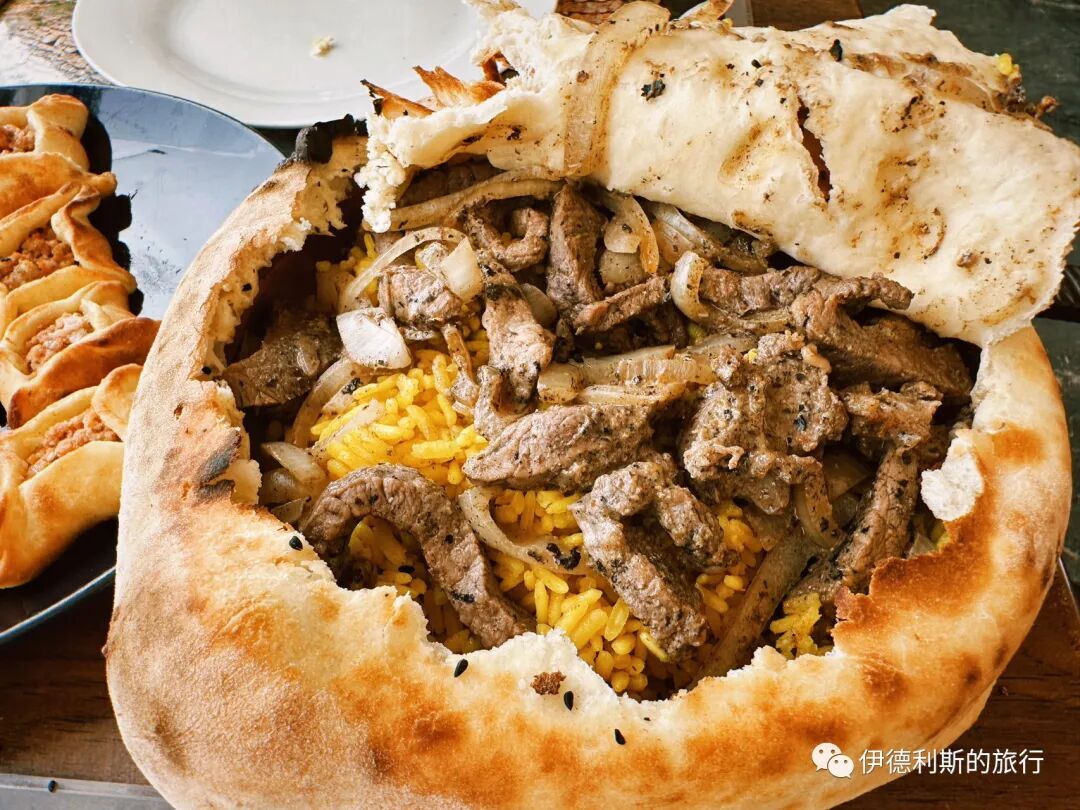
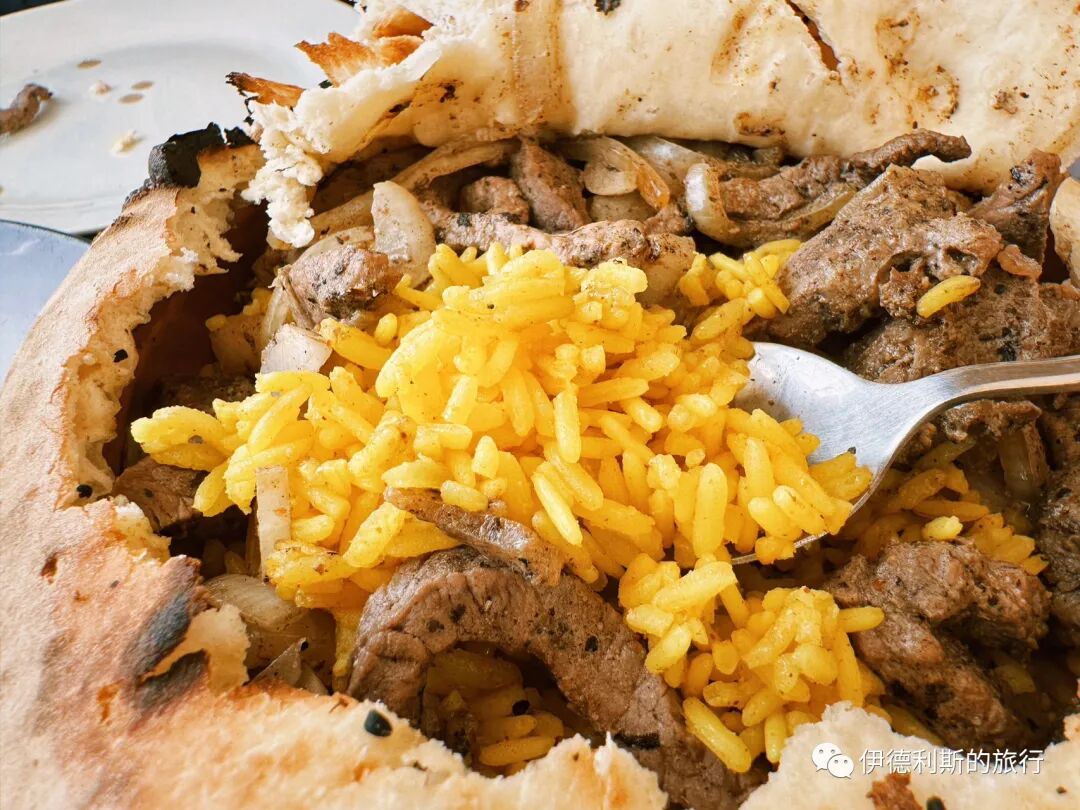
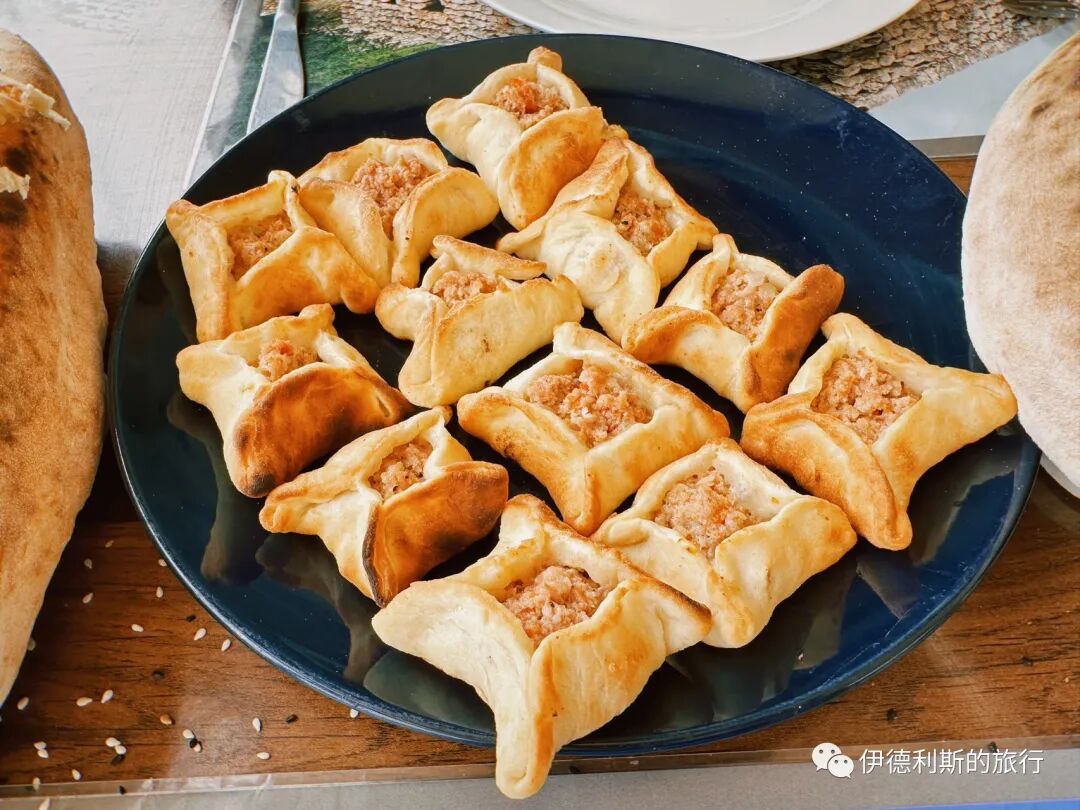
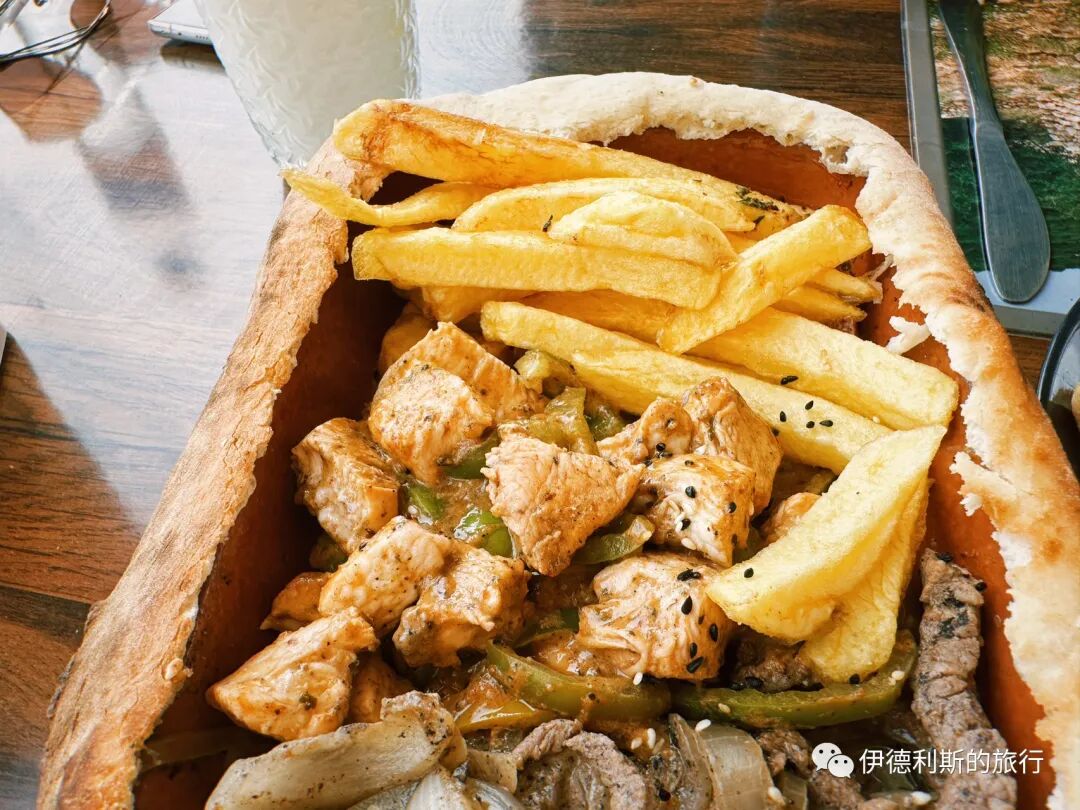
We ordered Sajiye stew, Fokhara rice, Ayran yogurt drink, and the local Lebanese meat pie called Sfeha. Sfeha from Baalbek is very famous. Sfeha is filled with lamb, tomatoes, and onions. The lamb has a perfect balance of fat and lean meat, ground very finely, and seasoned with cinnamon and allspice. Sajiye and Fokhara are actually names of cookware. Sajiye refers to an iron pot, while Fokhara refers to a clay pot. Both dishes are sealed with a flatbread called Saj while cooking. The rice in the Bukhara clay pot (fokhara) is cooked with olive oil, caramelized onions, and spices that turn it yellow, and it tastes great.
Halal Travel Guide: Lebanon - Shia Shrines, Baalbek and Islamic History
Articles • ali2007fr posted the article • 0 comments • 209 views • 2026-05-19 06:54
Reposted from the web
I recently visited the Sayyida Khawla Shrine, a Shia holy site in Baalbek, which is the headquarters of Hezbollah in Lebanon and one of the most important Shia centers in the country. The tomb was first built in 680, and the current structure dates back to its reconstruction in 1656.
There are thick walls at the entrance of the tomb, along with armed guards. Women are checked separately, but the guards are friendly to foreign tourists. During the security check, they asked Zainab if she was from Iran or Pakistan. When she said she was from China, the guard was very surprised, said "Made in China" in English, and let her in without checking.
Sayyida Khawla was the daughter of Imam Hussein and the great-granddaughter of the Prophet Muhammad. An ancient cypress tree inside the tomb is said to have been planted by the fourth Shia Imam, Ali Zayn al-Abidin (659-712). Legend says that after Imam Hussein was martyred in Karbala on the day of Ashura in 680, his female relatives were captured and taken to Damascus with the Umayyad caravan. During the long and difficult journey, Sayyida Khawla fell from a camel while passing through Baalbek and died from her injuries.
In the street scenes of Baalbek, mosques and Roman temples exist side by side. Following online advice, I did not take any photos related to Hezbollah. Besides the Shia community, there are also Christians and Sunnis here. There is even a mosque built during the Umayyad dynasty that is still used by Sunnis today, and I will post photos of this Umayyad mosque later.
During the 2006 Lebanon War, Baalbek was a major target for the Israeli military and was hit by over 70 bombs, which damaged the ancient Roman ruins.
We had lunch in Baalbek, and you can see the ruins of the Roman temple from the restaurant's rooftop terrace.
We ordered Sajiye stew, Fokhara rice, Ayran yogurt drink, and the local Lebanese meat pie called Sfeha. Sfeha from Baalbek is very famous. Sfeha is filled with lamb, tomatoes, and onions. The lamb has a perfect balance of fat and lean meat, ground very finely, and seasoned with cinnamon and allspice. Sajiye and Fokhara are actually names of cookware. Sajiye refers to an iron pot, while Fokhara refers to a clay pot. Both dishes are sealed with a flatbread called Saj while cooking. The rice in the Bukhara clay pot (fokhara) is cooked with olive oil, caramelized onions, and spices that turn it yellow, and it tastes great. view all
I recently visited the Sayyida Khawla Shrine, a Shia holy site in Baalbek, which is the headquarters of Hezbollah in Lebanon and one of the most important Shia centers in the country. The tomb was first built in 680, and the current structure dates back to its reconstruction in 1656.
There are thick walls at the entrance of the tomb, along with armed guards. Women are checked separately, but the guards are friendly to foreign tourists. During the security check, they asked Zainab if she was from Iran or Pakistan. When she said she was from China, the guard was very surprised, said "Made in China" in English, and let her in without checking.
Sayyida Khawla was the daughter of Imam Hussein and the great-granddaughter of the Prophet Muhammad. An ancient cypress tree inside the tomb is said to have been planted by the fourth Shia Imam, Ali Zayn al-Abidin (659-712). Legend says that after Imam Hussein was martyred in Karbala on the day of Ashura in 680, his female relatives were captured and taken to Damascus with the Umayyad caravan. During the long and difficult journey, Sayyida Khawla fell from a camel while passing through Baalbek and died from her injuries.
In the street scenes of Baalbek, mosques and Roman temples exist side by side. Following online advice, I did not take any photos related to Hezbollah. Besides the Shia community, there are also Christians and Sunnis here. There is even a mosque built during the Umayyad dynasty that is still used by Sunnis today, and I will post photos of this Umayyad mosque later.
During the 2006 Lebanon War, Baalbek was a major target for the Israeli military and was hit by over 70 bombs, which damaged the ancient Roman ruins.
We had lunch in Baalbek, and you can see the ruins of the Roman temple from the restaurant's rooftop terrace.
We ordered Sajiye stew, Fokhara rice, Ayran yogurt drink, and the local Lebanese meat pie called Sfeha. Sfeha from Baalbek is very famous. Sfeha is filled with lamb, tomatoes, and onions. The lamb has a perfect balance of fat and lean meat, ground very finely, and seasoned with cinnamon and allspice. Sajiye and Fokhara are actually names of cookware. Sajiye refers to an iron pot, while Fokhara refers to a clay pot. Both dishes are sealed with a flatbread called Saj while cooking. The rice in the Bukhara clay pot (fokhara) is cooked with olive oil, caramelized onions, and spices that turn it yellow, and it tastes great. view all
Reposted from the web
I recently visited the Sayyida Khawla Shrine, a Shia holy site in Baalbek, which is the headquarters of Hezbollah in Lebanon and one of the most important Shia centers in the country. The tomb was first built in 680, and the current structure dates back to its reconstruction in 1656.
There are thick walls at the entrance of the tomb, along with armed guards. Women are checked separately, but the guards are friendly to foreign tourists. During the security check, they asked Zainab if she was from Iran or Pakistan. When she said she was from China, the guard was very surprised, said "Made in China" in English, and let her in without checking.
Sayyida Khawla was the daughter of Imam Hussein and the great-granddaughter of the Prophet Muhammad. An ancient cypress tree inside the tomb is said to have been planted by the fourth Shia Imam, Ali Zayn al-Abidin (659-712). Legend says that after Imam Hussein was martyred in Karbala on the day of Ashura in 680, his female relatives were captured and taken to Damascus with the Umayyad caravan. During the long and difficult journey, Sayyida Khawla fell from a camel while passing through Baalbek and died from her injuries.
In the street scenes of Baalbek, mosques and Roman temples exist side by side. Following online advice, I did not take any photos related to Hezbollah. Besides the Shia community, there are also Christians and Sunnis here. There is even a mosque built during the Umayyad dynasty that is still used by Sunnis today, and I will post photos of this Umayyad mosque later.
During the 2006 Lebanon War, Baalbek was a major target for the Israeli military and was hit by over 70 bombs, which damaged the ancient Roman ruins.
We had lunch in Baalbek, and you can see the ruins of the Roman temple from the restaurant's rooftop terrace.
We ordered Sajiye stew, Fokhara rice, Ayran yogurt drink, and the local Lebanese meat pie called Sfeha. Sfeha from Baalbek is very famous. Sfeha is filled with lamb, tomatoes, and onions. The lamb has a perfect balance of fat and lean meat, ground very finely, and seasoned with cinnamon and allspice. Sajiye and Fokhara are actually names of cookware. Sajiye refers to an iron pot, while Fokhara refers to a clay pot. Both dishes are sealed with a flatbread called Saj while cooking. The rice in the Bukhara clay pot (fokhara) is cooked with olive oil, caramelized onions, and spices that turn it yellow, and it tastes great.
I recently visited the Sayyida Khawla Shrine, a Shia holy site in Baalbek, which is the headquarters of Hezbollah in Lebanon and one of the most important Shia centers in the country. The tomb was first built in 680, and the current structure dates back to its reconstruction in 1656.
There are thick walls at the entrance of the tomb, along with armed guards. Women are checked separately, but the guards are friendly to foreign tourists. During the security check, they asked Zainab if she was from Iran or Pakistan. When she said she was from China, the guard was very surprised, said "Made in China" in English, and let her in without checking.
Sayyida Khawla was the daughter of Imam Hussein and the great-granddaughter of the Prophet Muhammad. An ancient cypress tree inside the tomb is said to have been planted by the fourth Shia Imam, Ali Zayn al-Abidin (659-712). Legend says that after Imam Hussein was martyred in Karbala on the day of Ashura in 680, his female relatives were captured and taken to Damascus with the Umayyad caravan. During the long and difficult journey, Sayyida Khawla fell from a camel while passing through Baalbek and died from her injuries.
In the street scenes of Baalbek, mosques and Roman temples exist side by side. Following online advice, I did not take any photos related to Hezbollah. Besides the Shia community, there are also Christians and Sunnis here. There is even a mosque built during the Umayyad dynasty that is still used by Sunnis today, and I will post photos of this Umayyad mosque later.
During the 2006 Lebanon War, Baalbek was a major target for the Israeli military and was hit by over 70 bombs, which damaged the ancient Roman ruins.
We had lunch in Baalbek, and you can see the ruins of the Roman temple from the restaurant's rooftop terrace.
We ordered Sajiye stew, Fokhara rice, Ayran yogurt drink, and the local Lebanese meat pie called Sfeha. Sfeha from Baalbek is very famous. Sfeha is filled with lamb, tomatoes, and onions. The lamb has a perfect balance of fat and lean meat, ground very finely, and seasoned with cinnamon and allspice. Sajiye and Fokhara are actually names of cookware. Sajiye refers to an iron pot, while Fokhara refers to a clay pot. Both dishes are sealed with a flatbread called Saj while cooking. The rice in the Bukhara clay pot (fokhara) is cooked with olive oil, caramelized onions, and spices that turn it yellow, and it tastes great.