

Sichuan Food
Halal Food Guide: Chengdu Tuqiao - Sichuan Food and Muslim Neighborhoods
Articles • ali2007fr posted the article • 0 comments • 247 views • 2026-05-19 09:30
Reposted from the web
Summary: Halal Food Guide: Chengdu Tuqiao - Sichuan Food and Muslim Neighborhoods is presented here as a firsthand travel account in clear, natural English. The account focuses on Chengdu, Sichuan Food, Halal Food while preserving the names, places, food, photos, and historical details from the Chinese source.
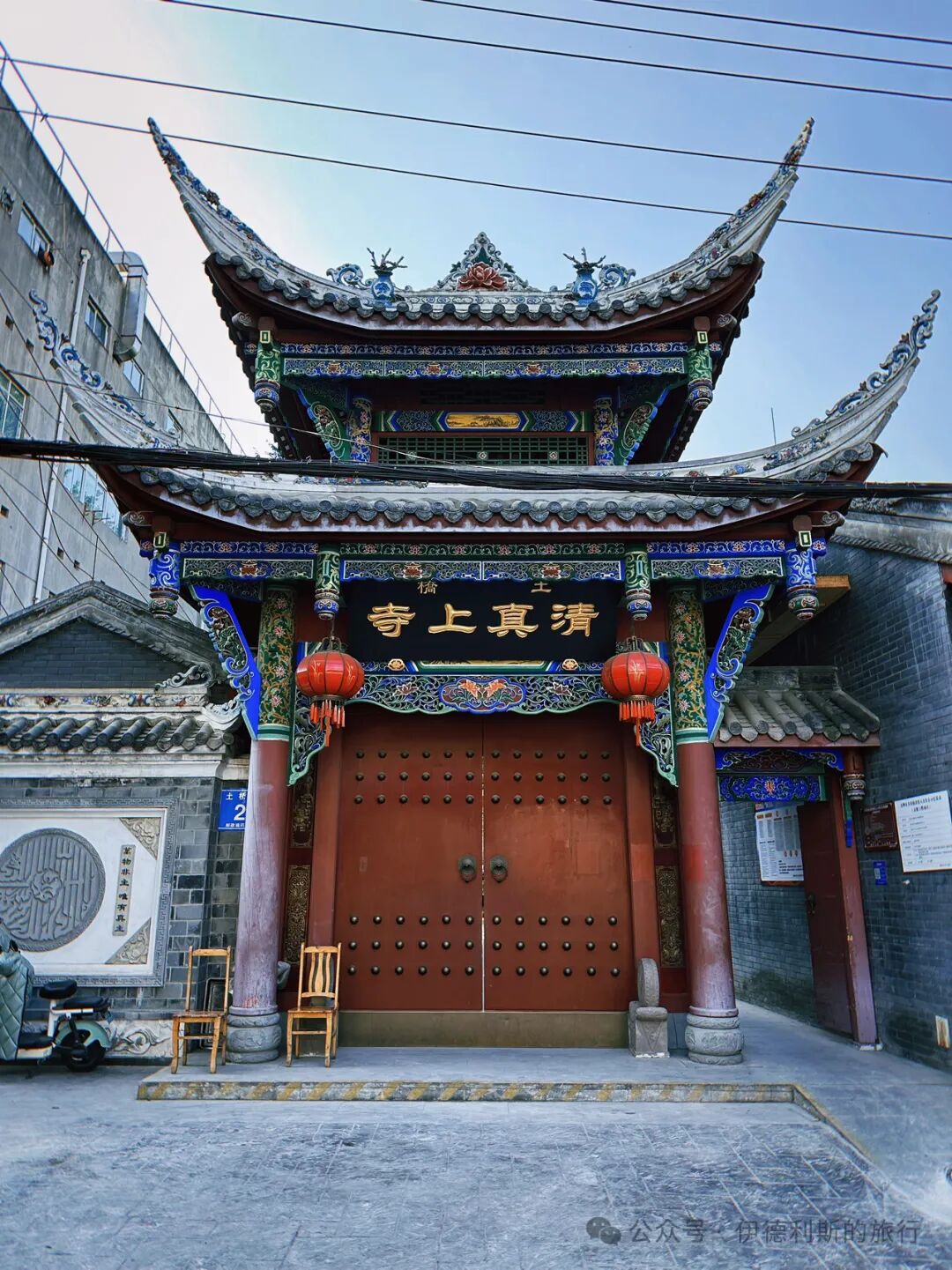
Tuqiao is in the northwest of Chengdu. Since the Qing Dynasty, it has been a must-pass stop for merchants traveling from Aba and Songpan to Chengdu along the Songmao Ancient Trail. Many Hui Muslims settled here, and during the reigns of the Yongzheng and Qianlong emperors, they built two mosques known as the Lower Mosque and the Upper Mosque of Tuqiao.
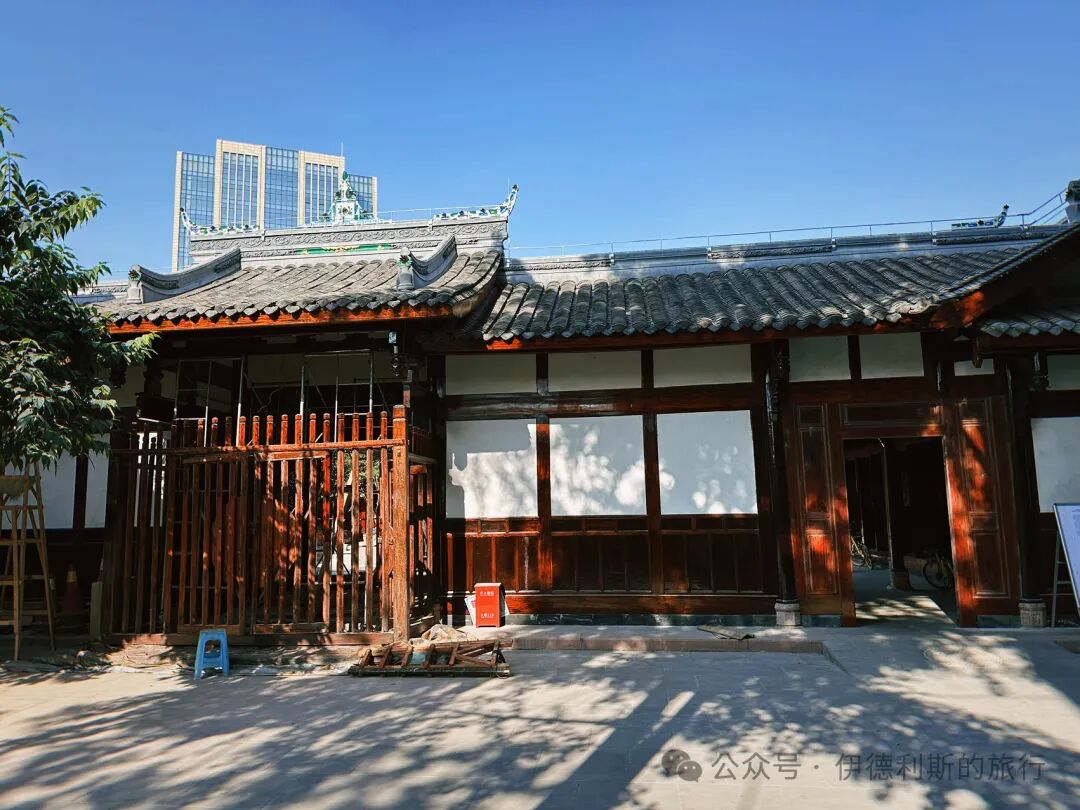
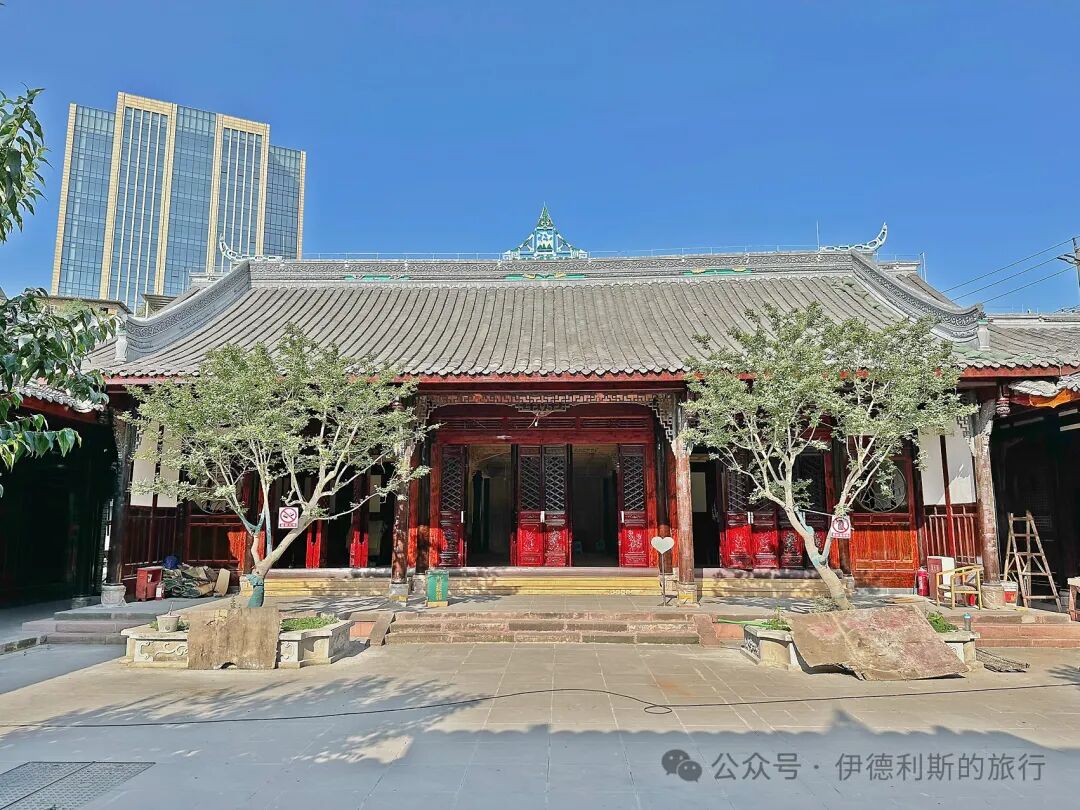
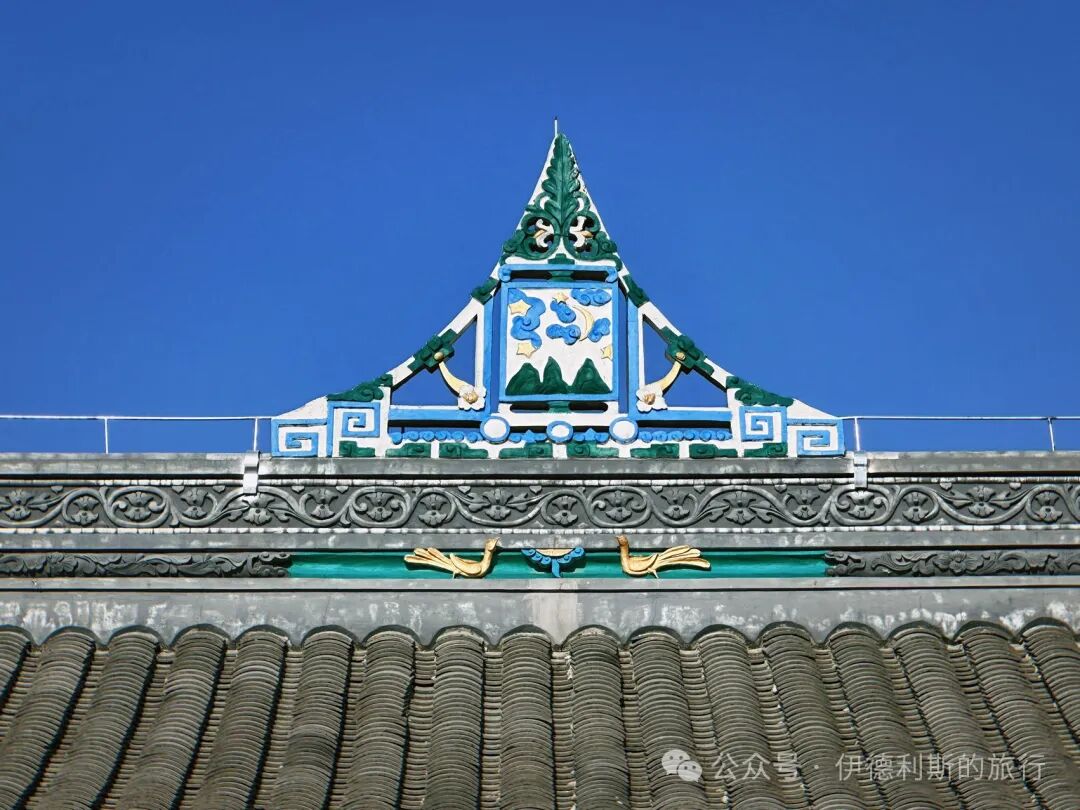
Today, the Lower Mosque of Tuqiao serves as a nursing home, while the Upper Mosque is still in regular use. I visited Tuqiao in 2019 and performed Jumu'ah prayer at the Upper Mosque. You can read about it in my article, 'Travels in Sichuan | Halal Food and Traditional Mosques in Chengdu'. This is my second visit to Tuqiao. The Upper Mosque is currently undergoing major renovations, so prayers are temporarily held in the south wing. The plaques and couplets preserved in the mosque are now stored in the north wing.
The Upper Mosque of Tuqiao was first built in 1791 (the 56th year of the Qianlong reign). In 1819 (the 24th year of the Jiaqing reign), the north and south wings were added, along with storefronts facing the street. Since the demolition of the Hui Muslim community at Huangchengba in downtown Chengdu, the street-facing storefronts at the Upper Mosque of Tuqiao are likely the place that best captures the feeling of the old mosque neighborhoods in the city.
On the evening of May 16, I first bought half a smoked duck at Shunji Marinated Meats (Shunji Yanlu) right at the entrance of the Upper Mosque of Tuqiao. The smoked flavor of the duck is quite unique. As a northerner, I rarely eat it, and I found it to be a very special experience.
Next, I bought a serving of braised beef offal (niuzha) with rice at the Dama Ge Beef Restaurant nearby. The red chili oil offal wasn't very spicy, and it came with some house-made pickled vegetables that went perfectly with the rice. At the restaurant, I ran into a Hui Muslim auntie from Niujie who was traveling by herself. Her daughter bought her a plane ticket during the Double Eleven sale last year. She visited Jiuzhaigou and the Panda Base on her own, and now that she is in Chengdu, she came to Tuqiao to try the local Hui Muslim specialties. She feels like this is a pretty good way to travel.
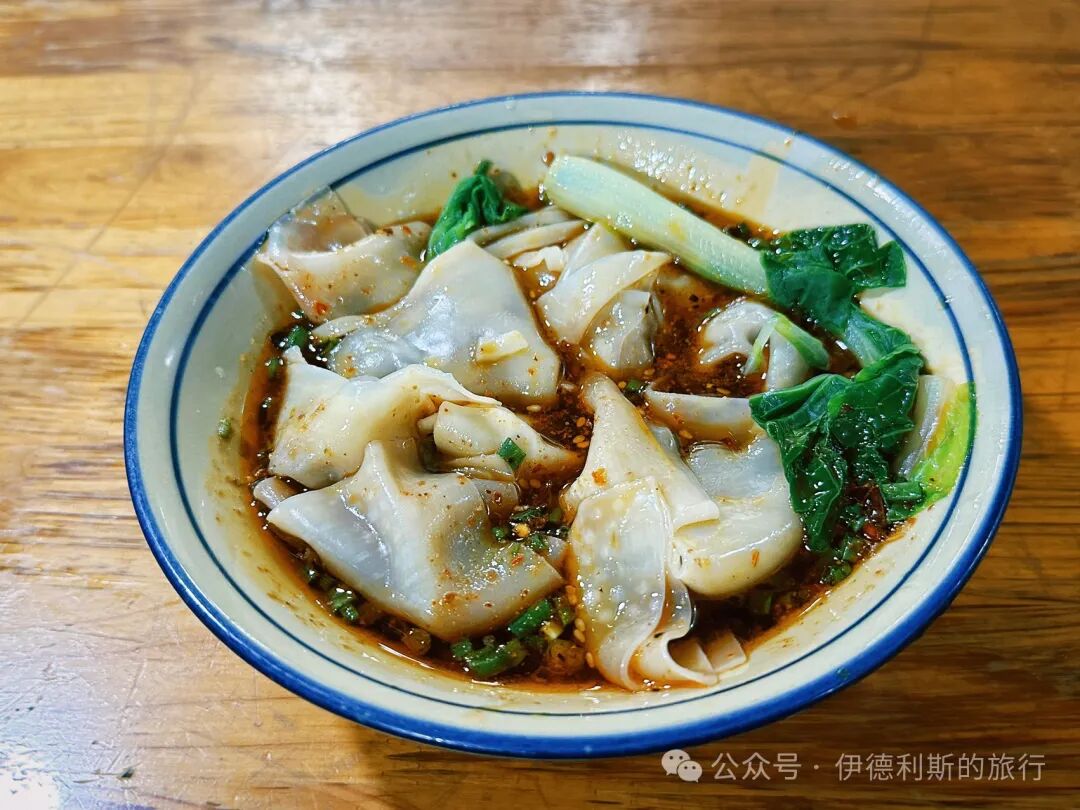
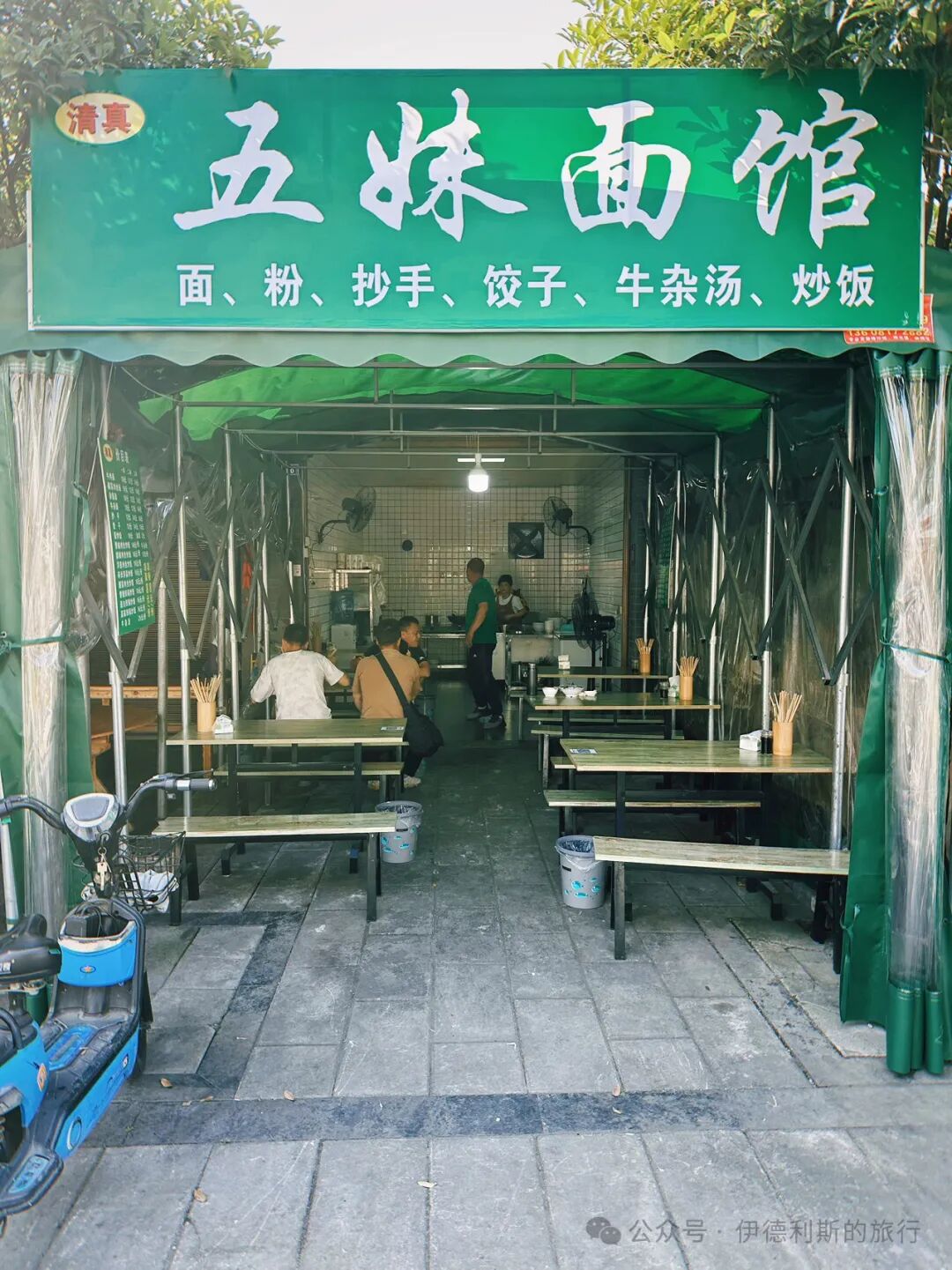
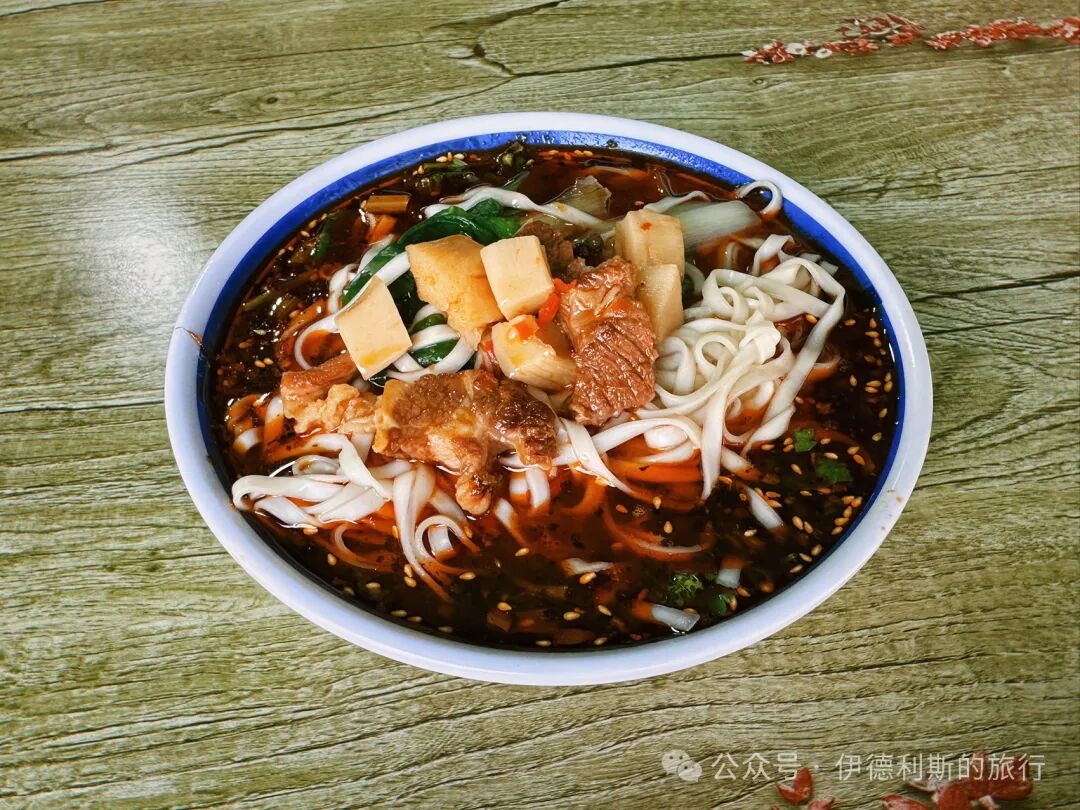
After leaving Hufutan, I had a bowl of spicy red oil wontons (chaoshou) at an old street restaurant by the entrance of the Tuqiao Upper Mosque. The next morning, I came back to Tuqiao for breakfast and had a bowl of red oil beef noodles at Wumei Noodle Shop. These beef noodles were probably the spiciest I have ever had in Chengdu; the heat really woke me up.
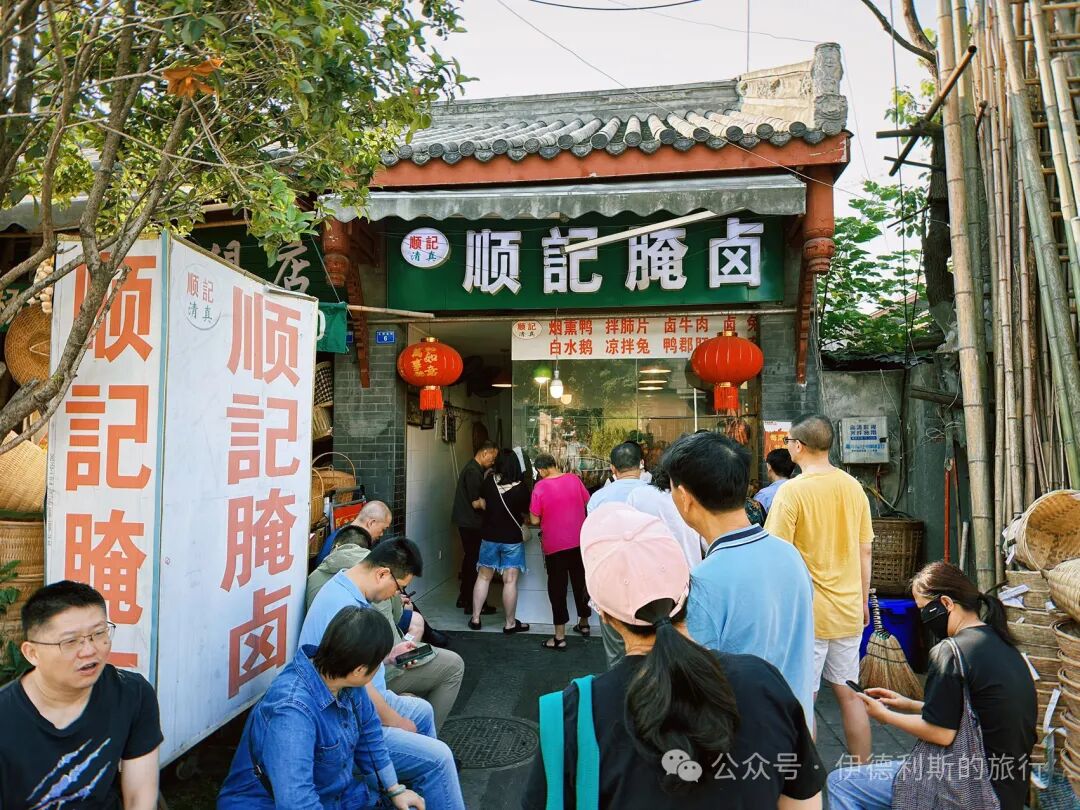
Tuqiao is very lively in the morning, and a line had already formed in front of Shunji Marinated Meats. The Sichuan-style marinated meats (yanlu) here are really worth buying. Nearby, there are shops like Luoji, Maji, and Tangjiasi. They are all popular for items like marinated rabbit, marinated beef, cold-tossed rabbit, boiled goose, and beef lung slices.
After breakfast, I visited the Tuqiao Hui Muslim cemetery, which has a history of over 200 years. The cemetery still holds a few precious tombstones from the Qing Dynasty, where you can see traditional Arabic inscriptions. view all
Summary: Halal Food Guide: Chengdu Tuqiao - Sichuan Food and Muslim Neighborhoods is presented here as a firsthand travel account in clear, natural English. The account focuses on Chengdu, Sichuan Food, Halal Food while preserving the names, places, food, photos, and historical details from the Chinese source.
Tuqiao is in the northwest of Chengdu. Since the Qing Dynasty, it has been a must-pass stop for merchants traveling from Aba and Songpan to Chengdu along the Songmao Ancient Trail. Many Hui Muslims settled here, and during the reigns of the Yongzheng and Qianlong emperors, they built two mosques known as the Lower Mosque and the Upper Mosque of Tuqiao.
Today, the Lower Mosque of Tuqiao serves as a nursing home, while the Upper Mosque is still in regular use. I visited Tuqiao in 2019 and performed Jumu'ah prayer at the Upper Mosque. You can read about it in my article, 'Travels in Sichuan | Halal Food and Traditional Mosques in Chengdu'. This is my second visit to Tuqiao. The Upper Mosque is currently undergoing major renovations, so prayers are temporarily held in the south wing. The plaques and couplets preserved in the mosque are now stored in the north wing.
The Upper Mosque of Tuqiao was first built in 1791 (the 56th year of the Qianlong reign). In 1819 (the 24th year of the Jiaqing reign), the north and south wings were added, along with storefronts facing the street. Since the demolition of the Hui Muslim community at Huangchengba in downtown Chengdu, the street-facing storefronts at the Upper Mosque of Tuqiao are likely the place that best captures the feeling of the old mosque neighborhoods in the city.
On the evening of May 16, I first bought half a smoked duck at Shunji Marinated Meats (Shunji Yanlu) right at the entrance of the Upper Mosque of Tuqiao. The smoked flavor of the duck is quite unique. As a northerner, I rarely eat it, and I found it to be a very special experience.
Next, I bought a serving of braised beef offal (niuzha) with rice at the Dama Ge Beef Restaurant nearby. The red chili oil offal wasn't very spicy, and it came with some house-made pickled vegetables that went perfectly with the rice. At the restaurant, I ran into a Hui Muslim auntie from Niujie who was traveling by herself. Her daughter bought her a plane ticket during the Double Eleven sale last year. She visited Jiuzhaigou and the Panda Base on her own, and now that she is in Chengdu, she came to Tuqiao to try the local Hui Muslim specialties. She feels like this is a pretty good way to travel.
After leaving Hufutan, I had a bowl of spicy red oil wontons (chaoshou) at an old street restaurant by the entrance of the Tuqiao Upper Mosque. The next morning, I came back to Tuqiao for breakfast and had a bowl of red oil beef noodles at Wumei Noodle Shop. These beef noodles were probably the spiciest I have ever had in Chengdu; the heat really woke me up.
Tuqiao is very lively in the morning, and a line had already formed in front of Shunji Marinated Meats. The Sichuan-style marinated meats (yanlu) here are really worth buying. Nearby, there are shops like Luoji, Maji, and Tangjiasi. They are all popular for items like marinated rabbit, marinated beef, cold-tossed rabbit, boiled goose, and beef lung slices.
After breakfast, I visited the Tuqiao Hui Muslim cemetery, which has a history of over 200 years. The cemetery still holds a few precious tombstones from the Qing Dynasty, where you can see traditional Arabic inscriptions. view all
Reposted from the web
Summary: Halal Food Guide: Chengdu Tuqiao - Sichuan Food and Muslim Neighborhoods is presented here as a firsthand travel account in clear, natural English. The account focuses on Chengdu, Sichuan Food, Halal Food while preserving the names, places, food, photos, and historical details from the Chinese source.
Tuqiao is in the northwest of Chengdu. Since the Qing Dynasty, it has been a must-pass stop for merchants traveling from Aba and Songpan to Chengdu along the Songmao Ancient Trail. Many Hui Muslims settled here, and during the reigns of the Yongzheng and Qianlong emperors, they built two mosques known as the Lower Mosque and the Upper Mosque of Tuqiao.
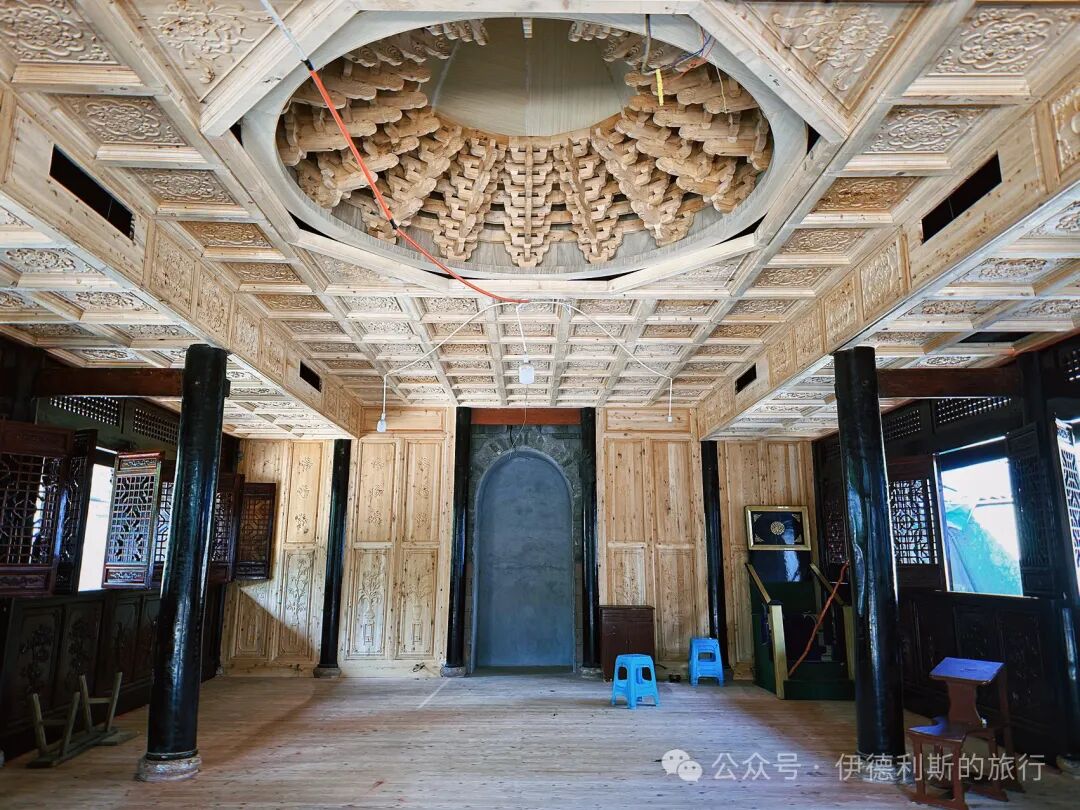
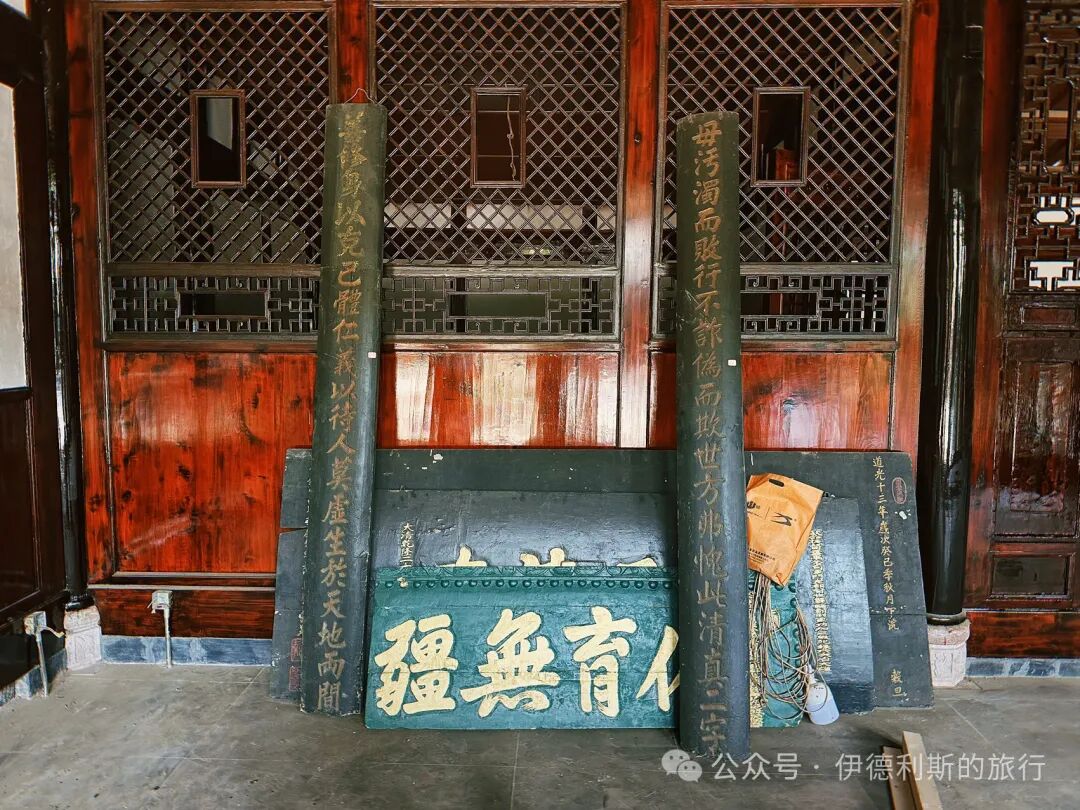
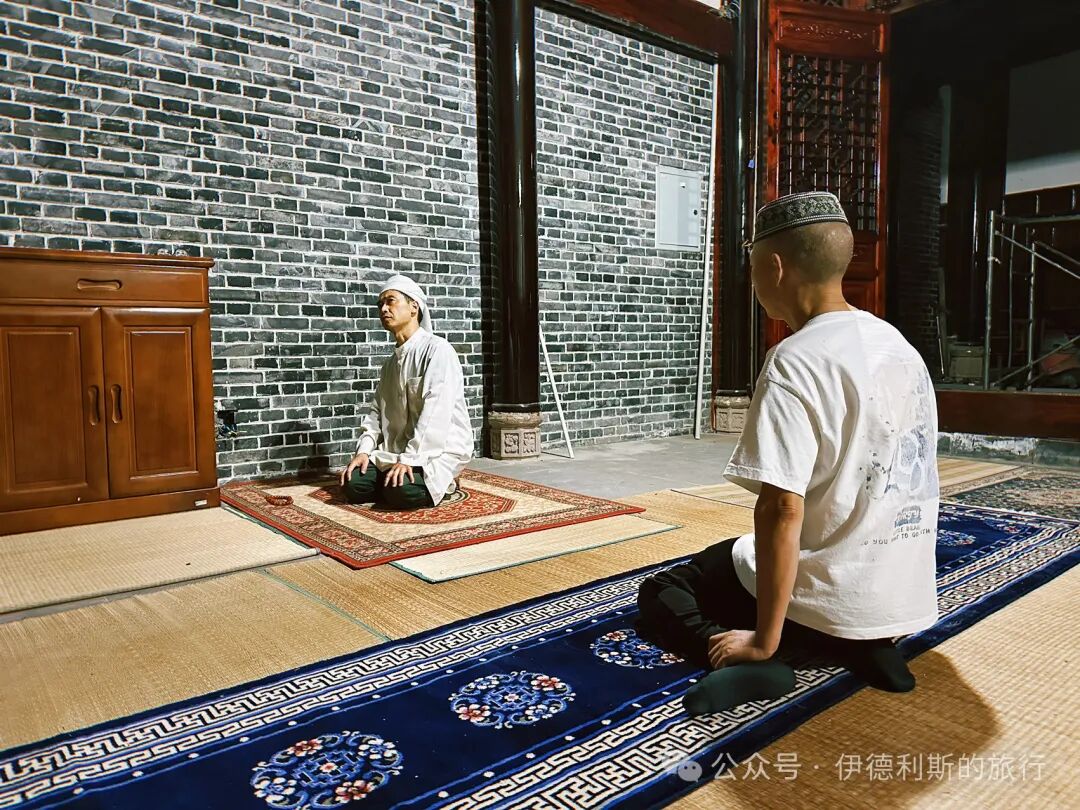
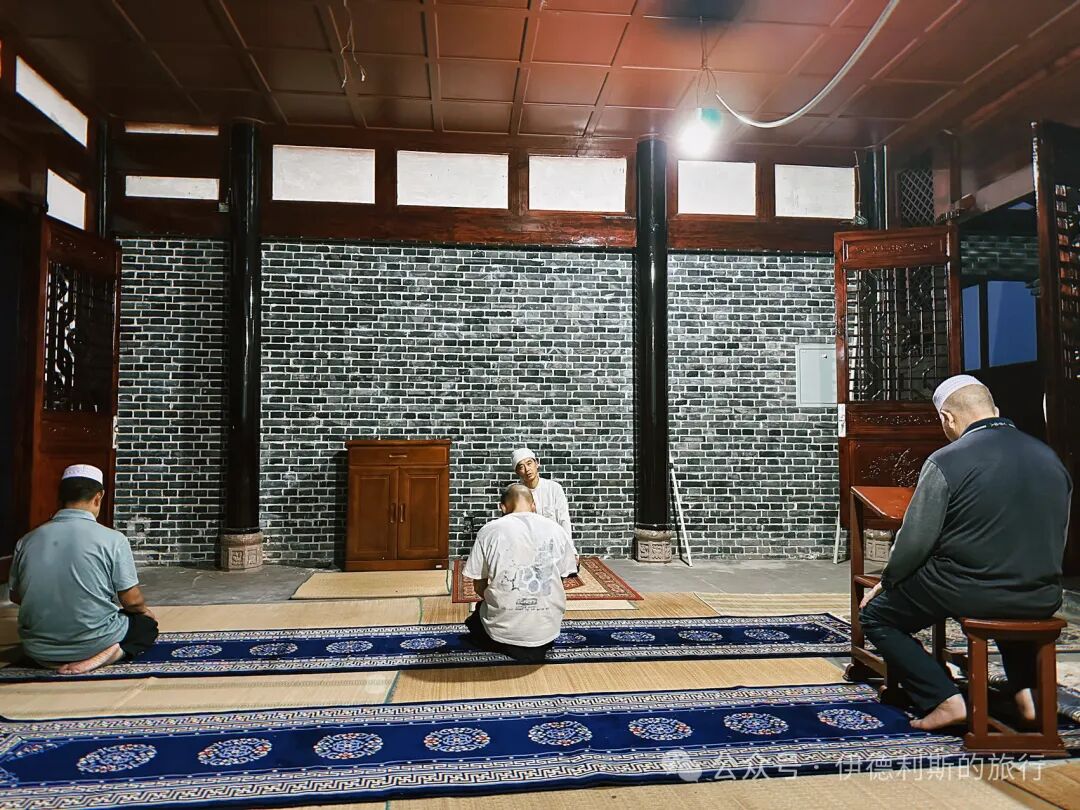
Today, the Lower Mosque of Tuqiao serves as a nursing home, while the Upper Mosque is still in regular use. I visited Tuqiao in 2019 and performed Jumu'ah prayer at the Upper Mosque. You can read about it in my article, 'Travels in Sichuan | Halal Food and Traditional Mosques in Chengdu'. This is my second visit to Tuqiao. The Upper Mosque is currently undergoing major renovations, so prayers are temporarily held in the south wing. The plaques and couplets preserved in the mosque are now stored in the north wing.
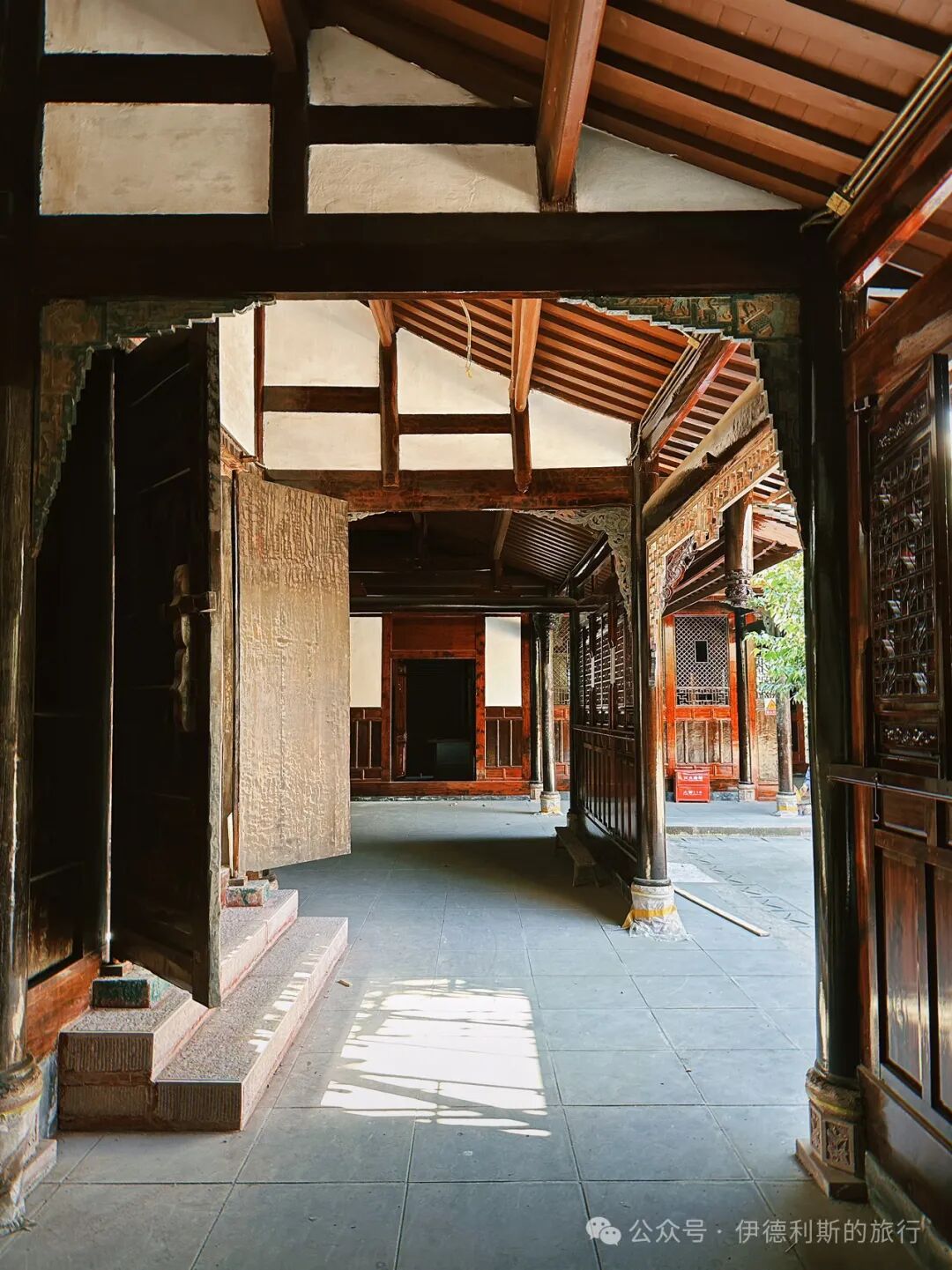
The Upper Mosque of Tuqiao was first built in 1791 (the 56th year of the Qianlong reign). In 1819 (the 24th year of the Jiaqing reign), the north and south wings were added, along with storefronts facing the street. Since the demolition of the Hui Muslim community at Huangchengba in downtown Chengdu, the street-facing storefronts at the Upper Mosque of Tuqiao are likely the place that best captures the feeling of the old mosque neighborhoods in the city.
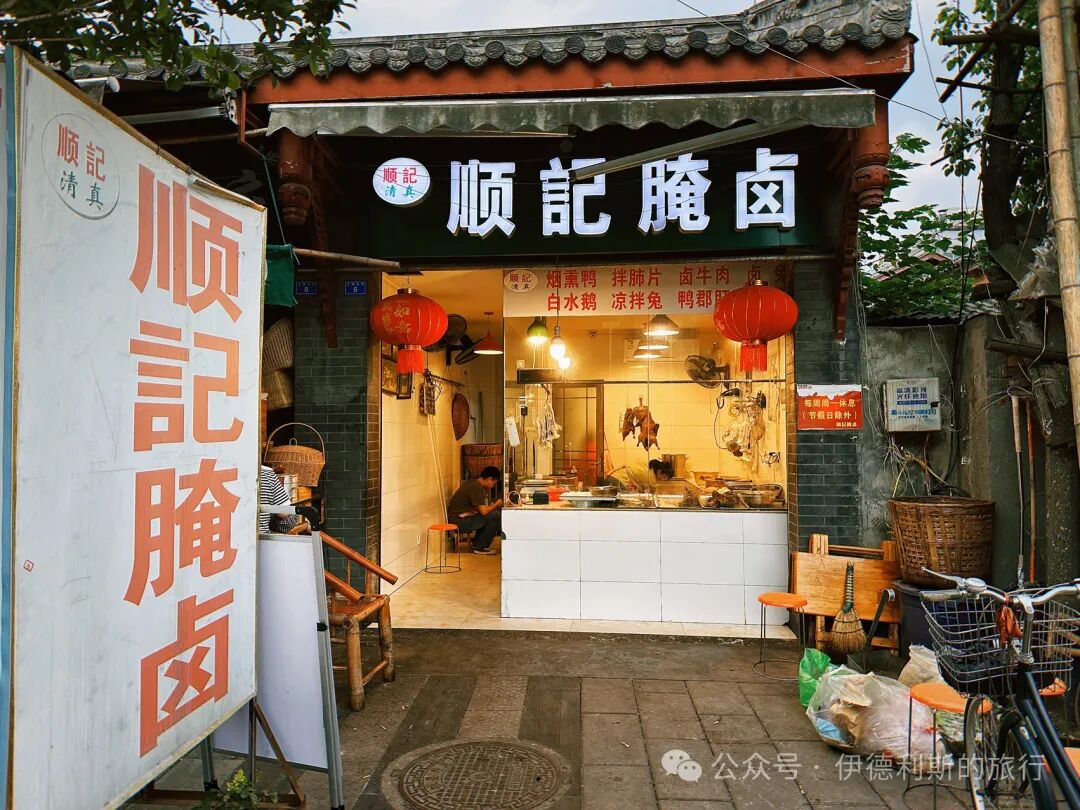
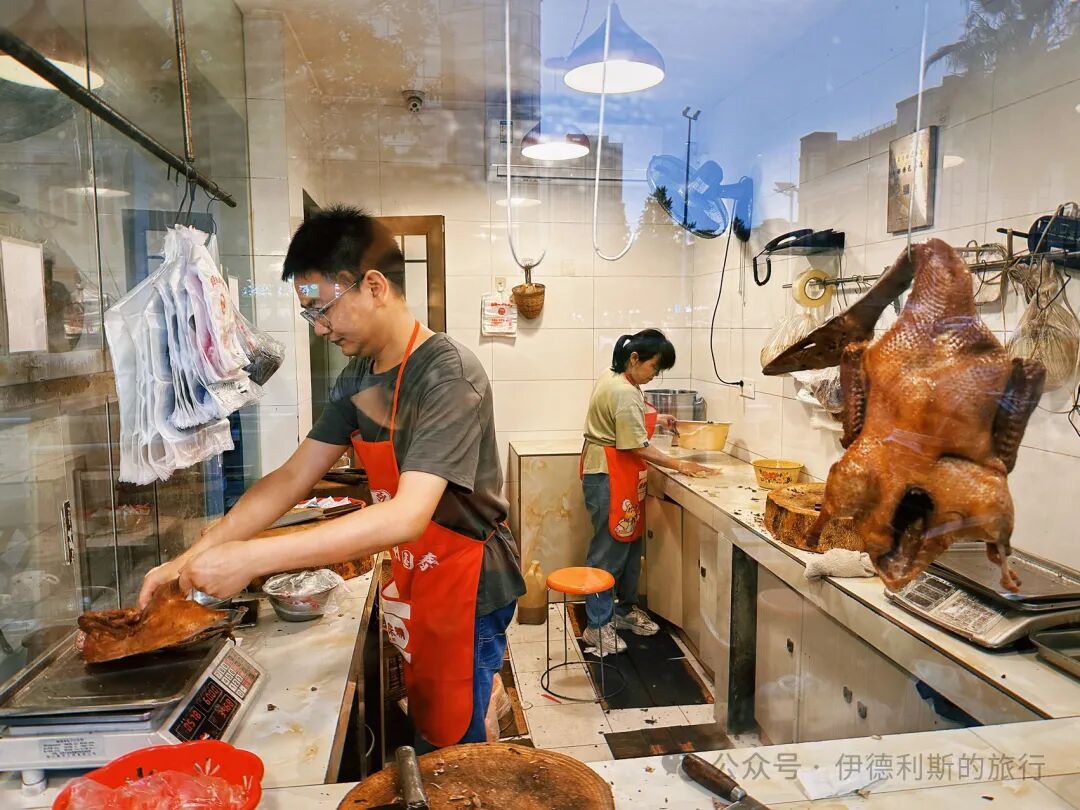
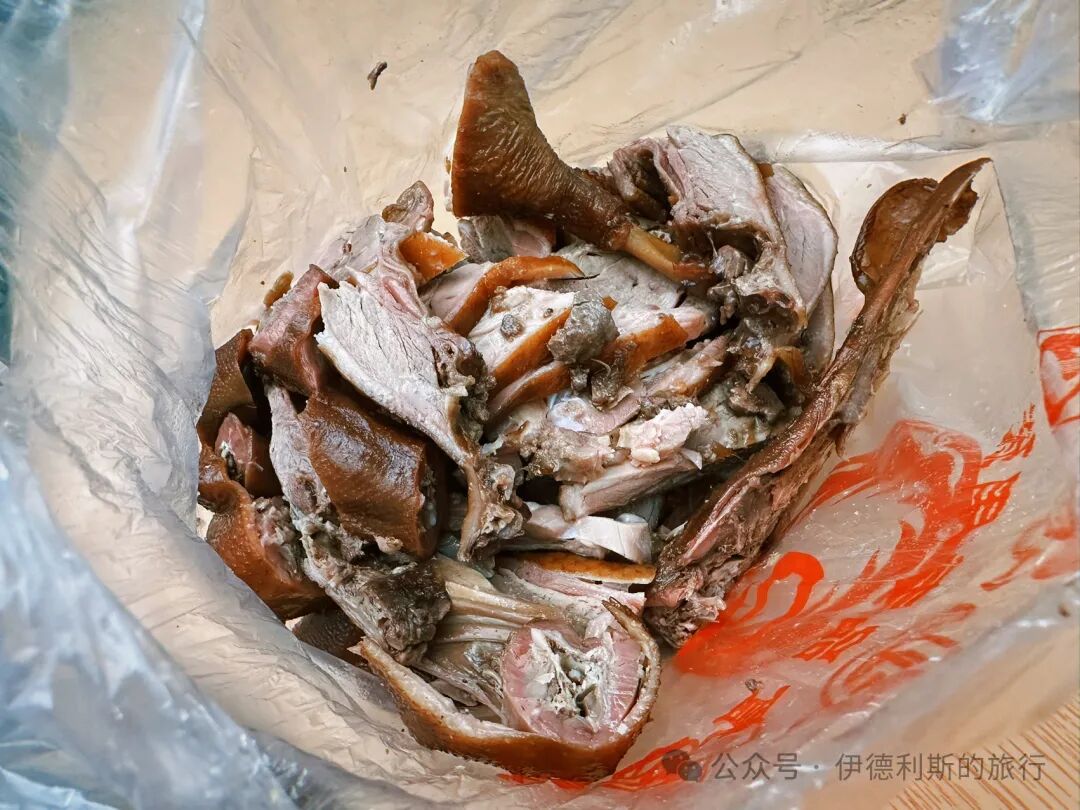
On the evening of May 16, I first bought half a smoked duck at Shunji Marinated Meats (Shunji Yanlu) right at the entrance of the Upper Mosque of Tuqiao. The smoked flavor of the duck is quite unique. As a northerner, I rarely eat it, and I found it to be a very special experience.
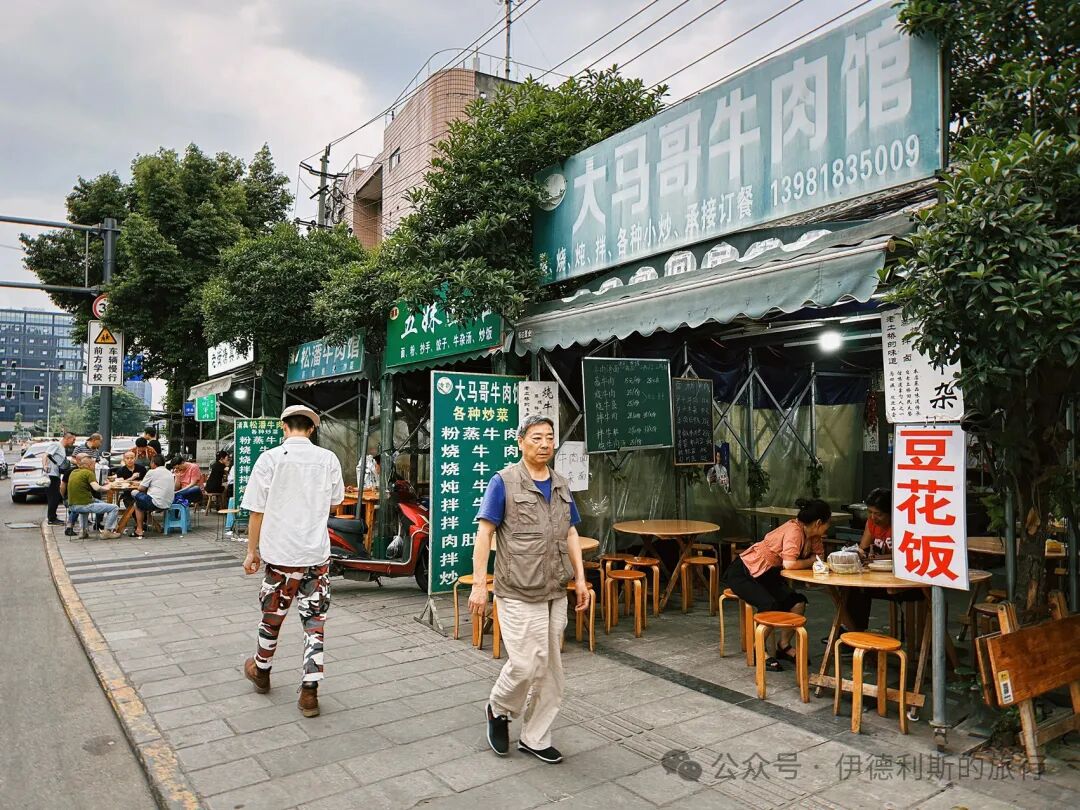
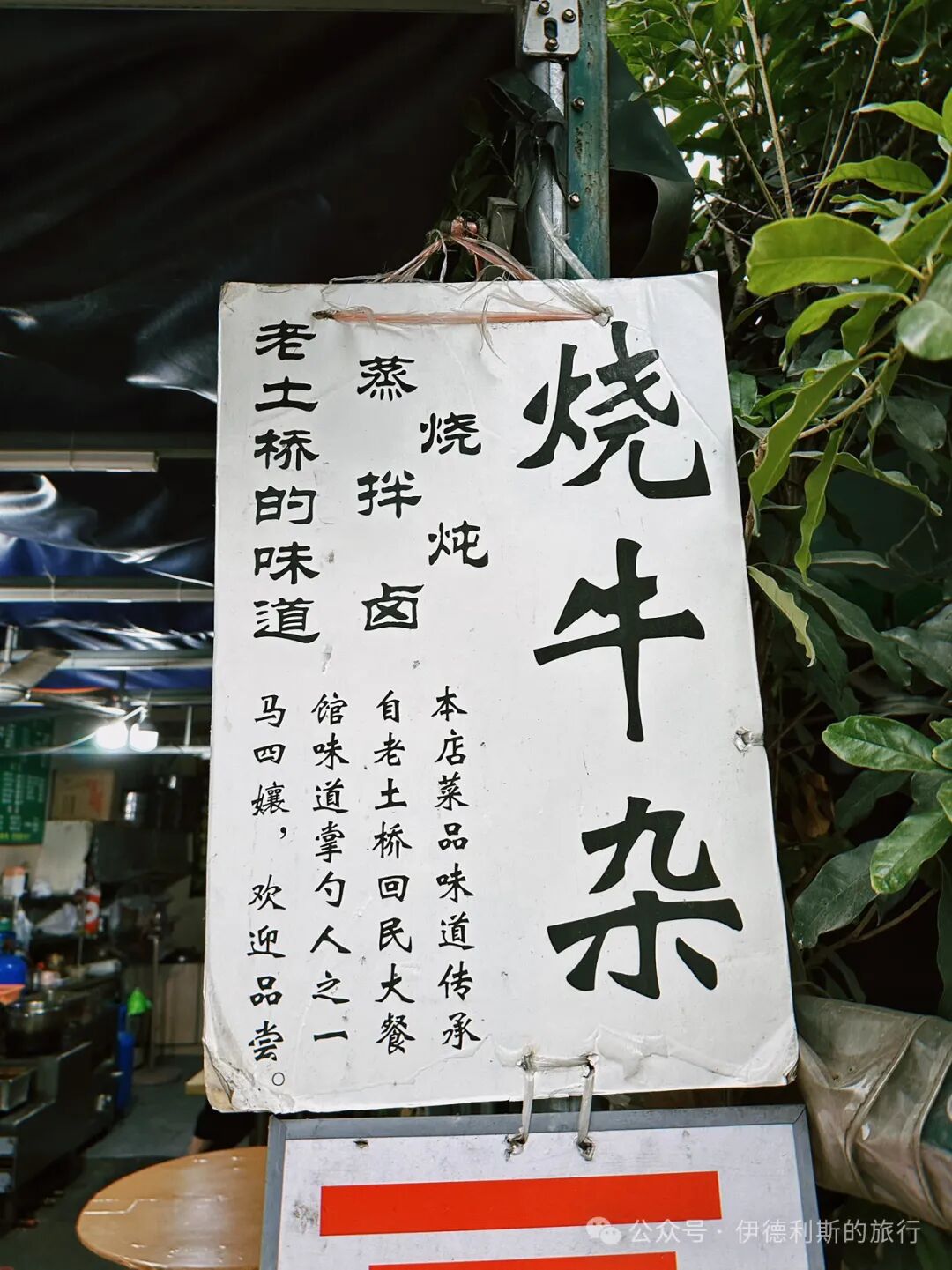
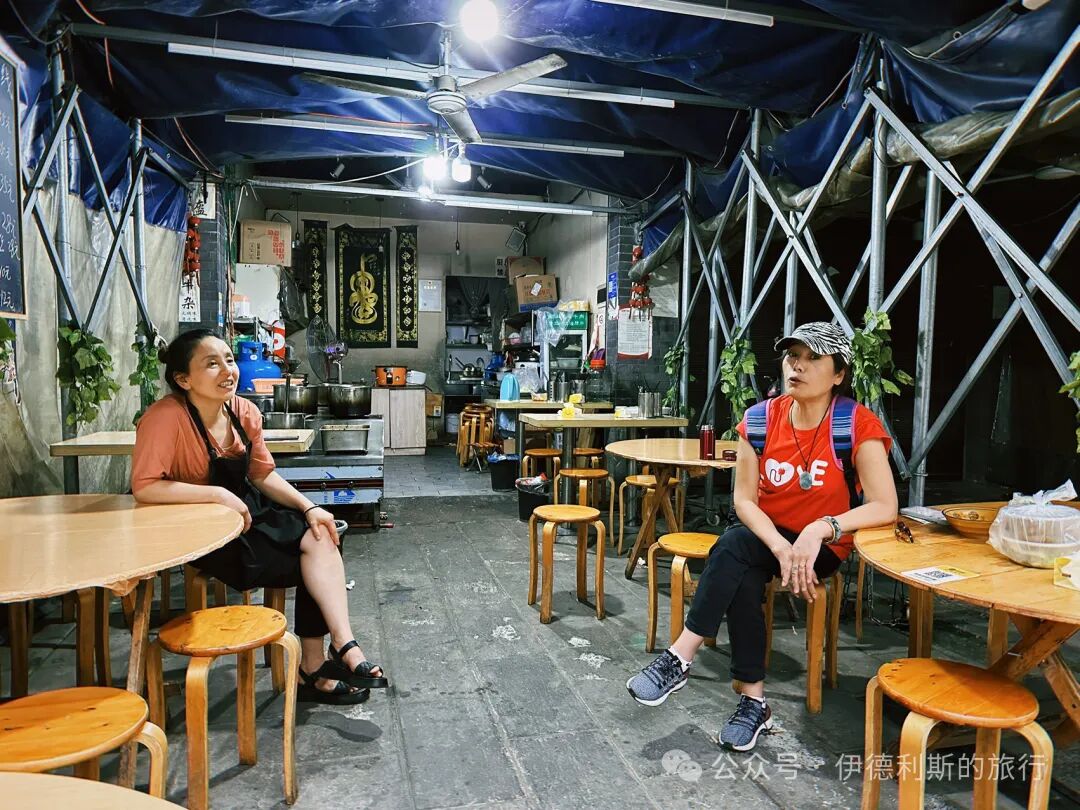
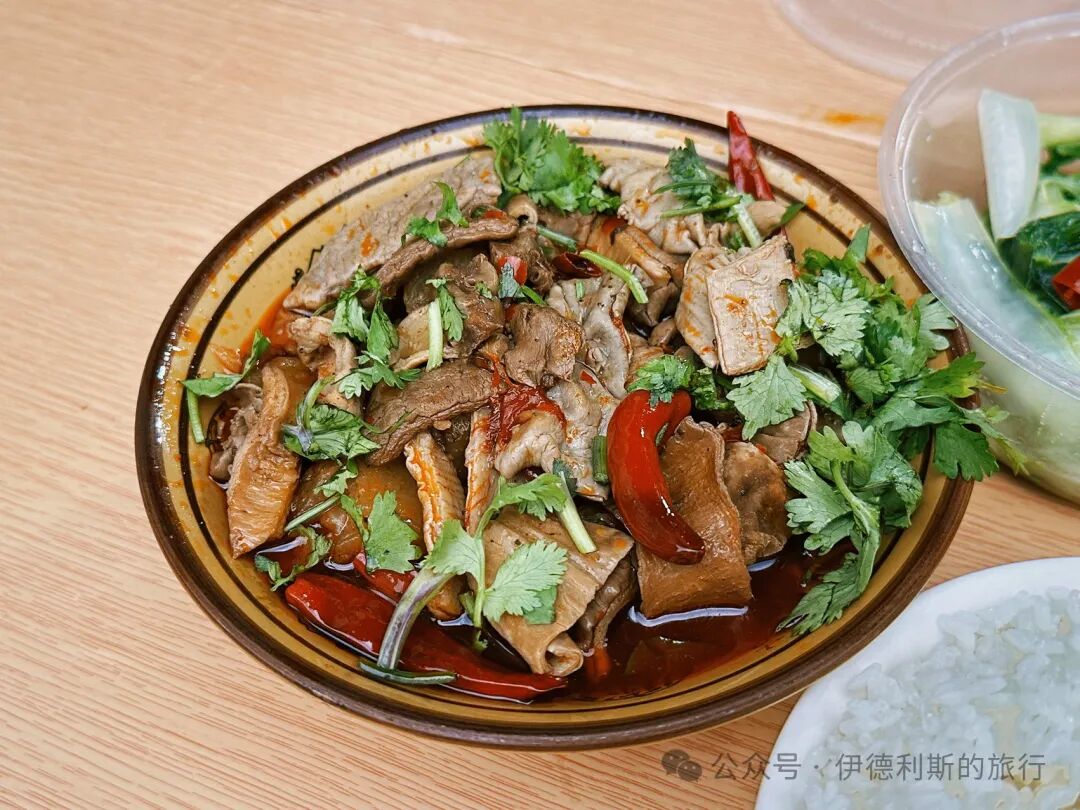
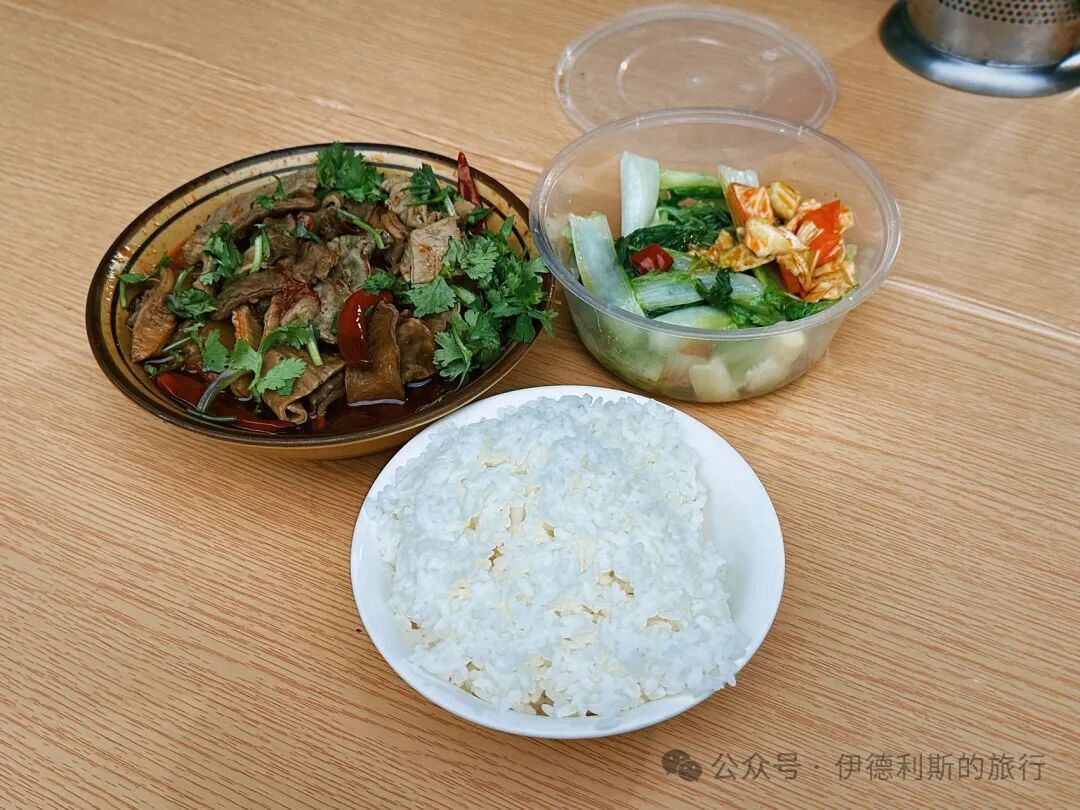
Next, I bought a serving of braised beef offal (niuzha) with rice at the Dama Ge Beef Restaurant nearby. The red chili oil offal wasn't very spicy, and it came with some house-made pickled vegetables that went perfectly with the rice. At the restaurant, I ran into a Hui Muslim auntie from Niujie who was traveling by herself. Her daughter bought her a plane ticket during the Double Eleven sale last year. She visited Jiuzhaigou and the Panda Base on her own, and now that she is in Chengdu, she came to Tuqiao to try the local Hui Muslim specialties. She feels like this is a pretty good way to travel.
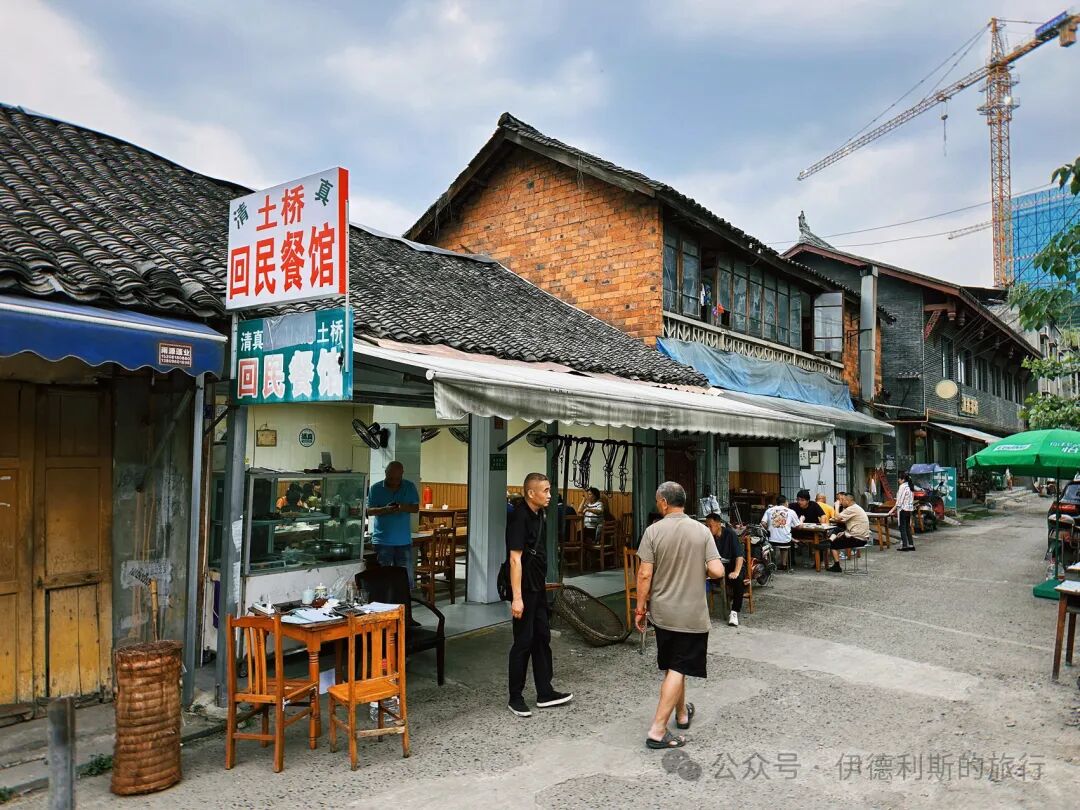
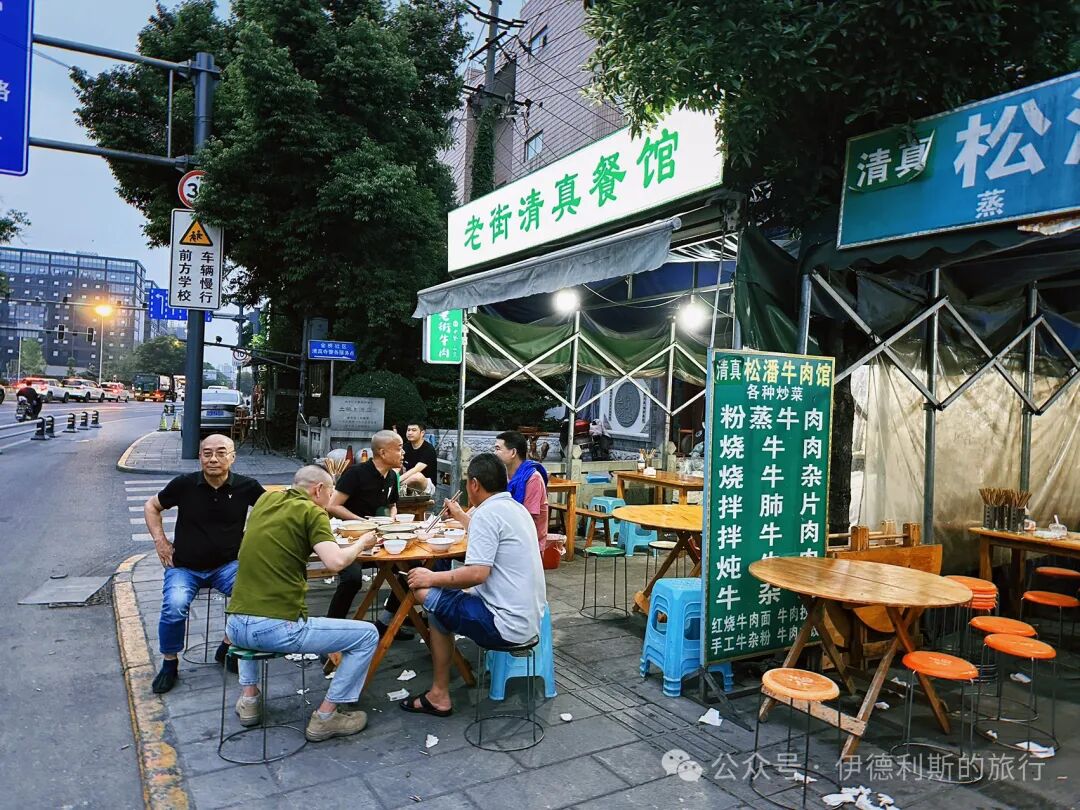
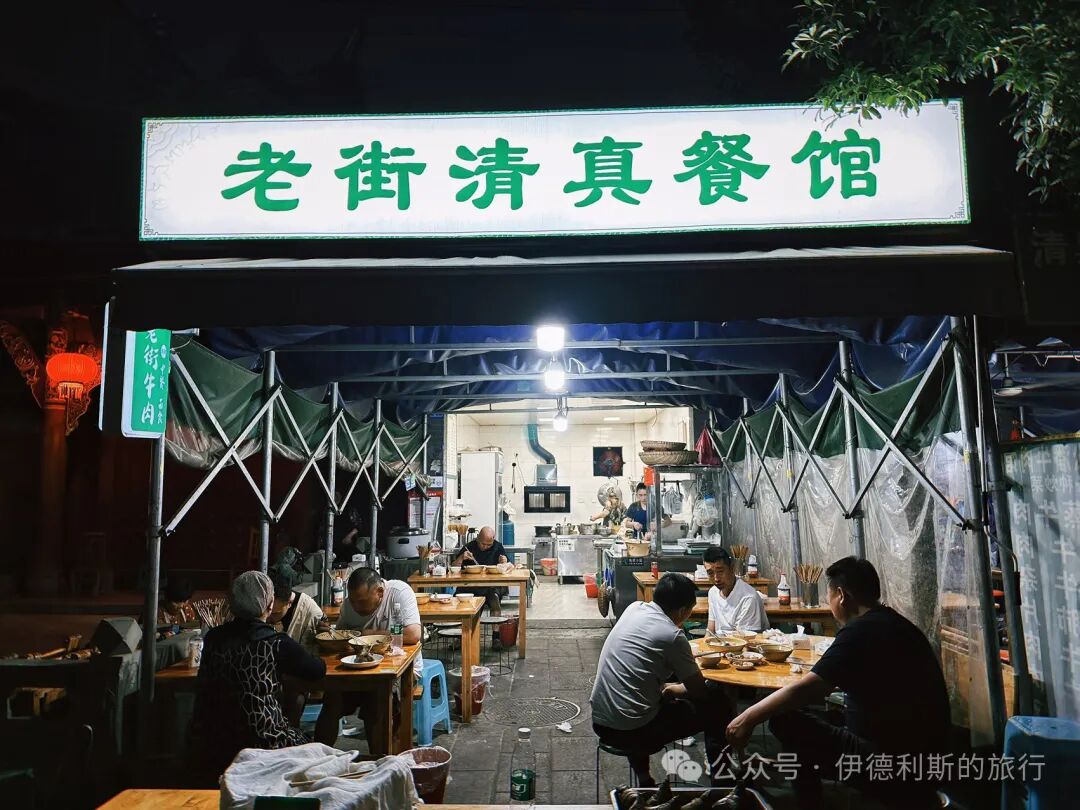
After leaving Hufutan, I had a bowl of spicy red oil wontons (chaoshou) at an old street restaurant by the entrance of the Tuqiao Upper Mosque. The next morning, I came back to Tuqiao for breakfast and had a bowl of red oil beef noodles at Wumei Noodle Shop. These beef noodles were probably the spiciest I have ever had in Chengdu; the heat really woke me up.
Tuqiao is very lively in the morning, and a line had already formed in front of Shunji Marinated Meats. The Sichuan-style marinated meats (yanlu) here are really worth buying. Nearby, there are shops like Luoji, Maji, and Tangjiasi. They are all popular for items like marinated rabbit, marinated beef, cold-tossed rabbit, boiled goose, and beef lung slices.
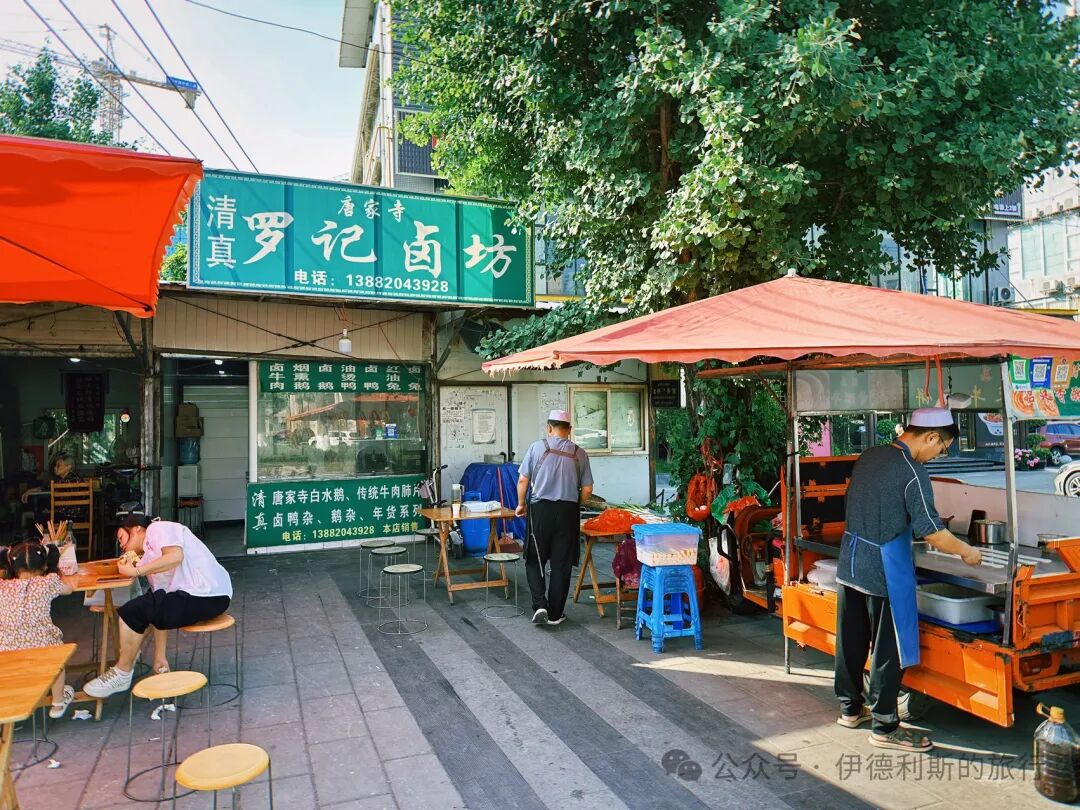
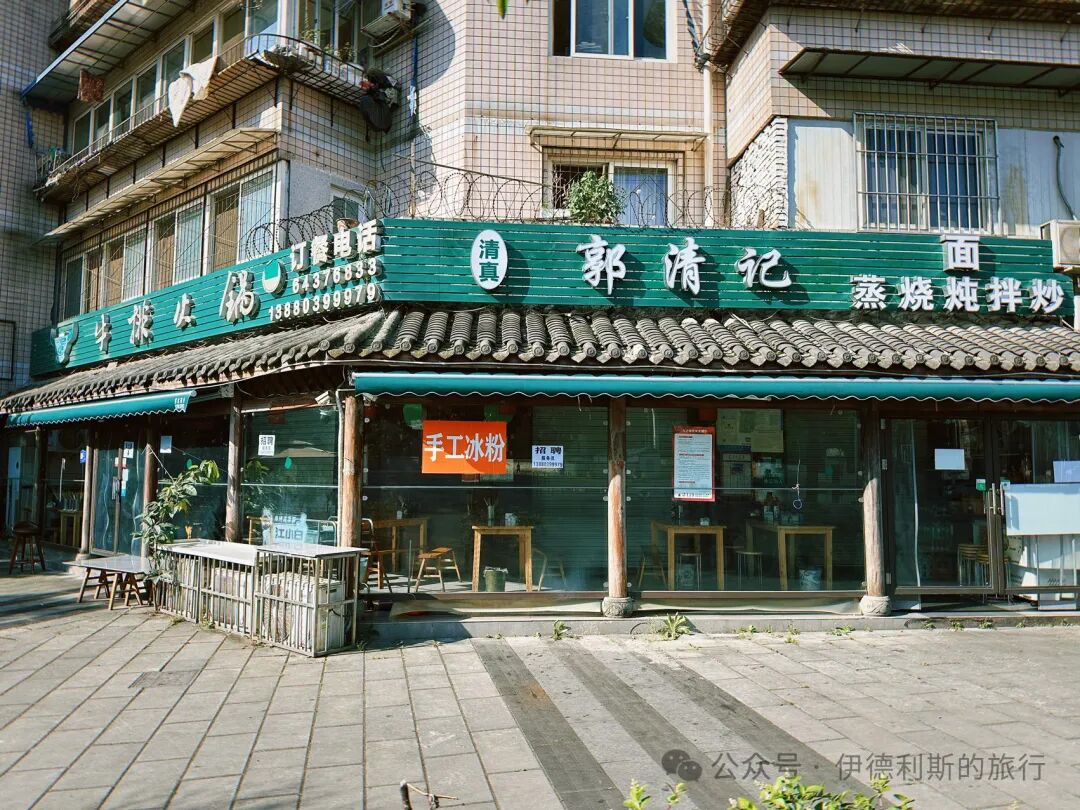
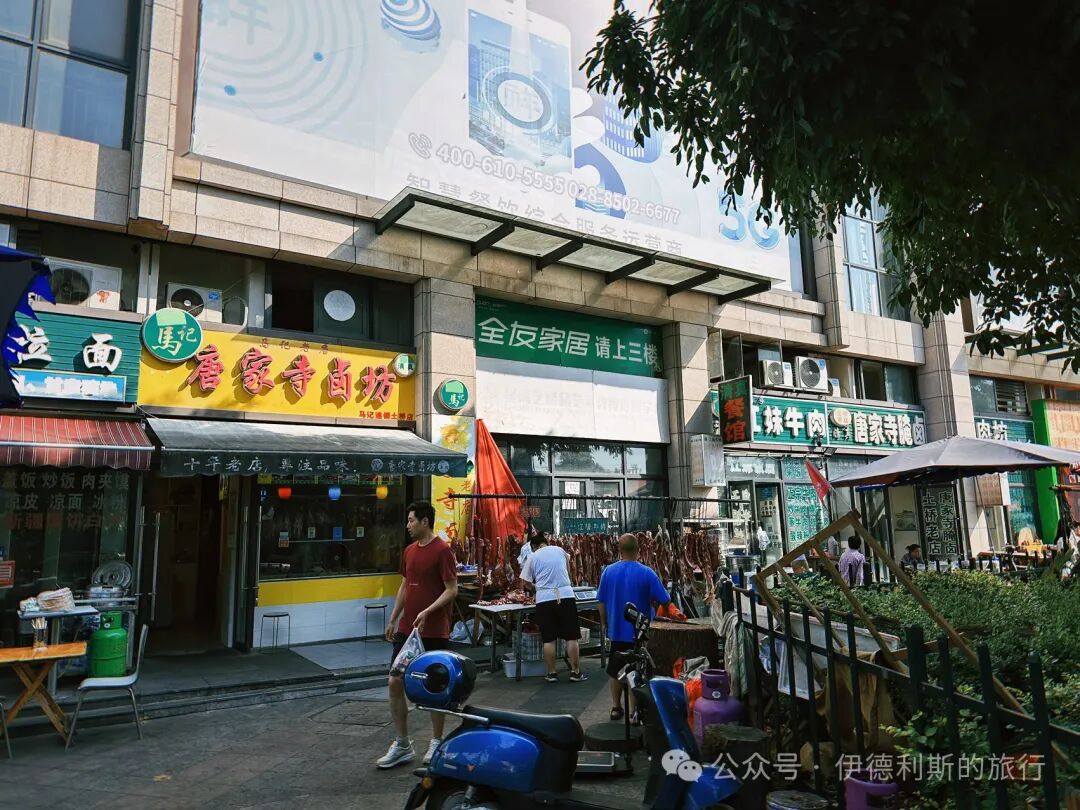
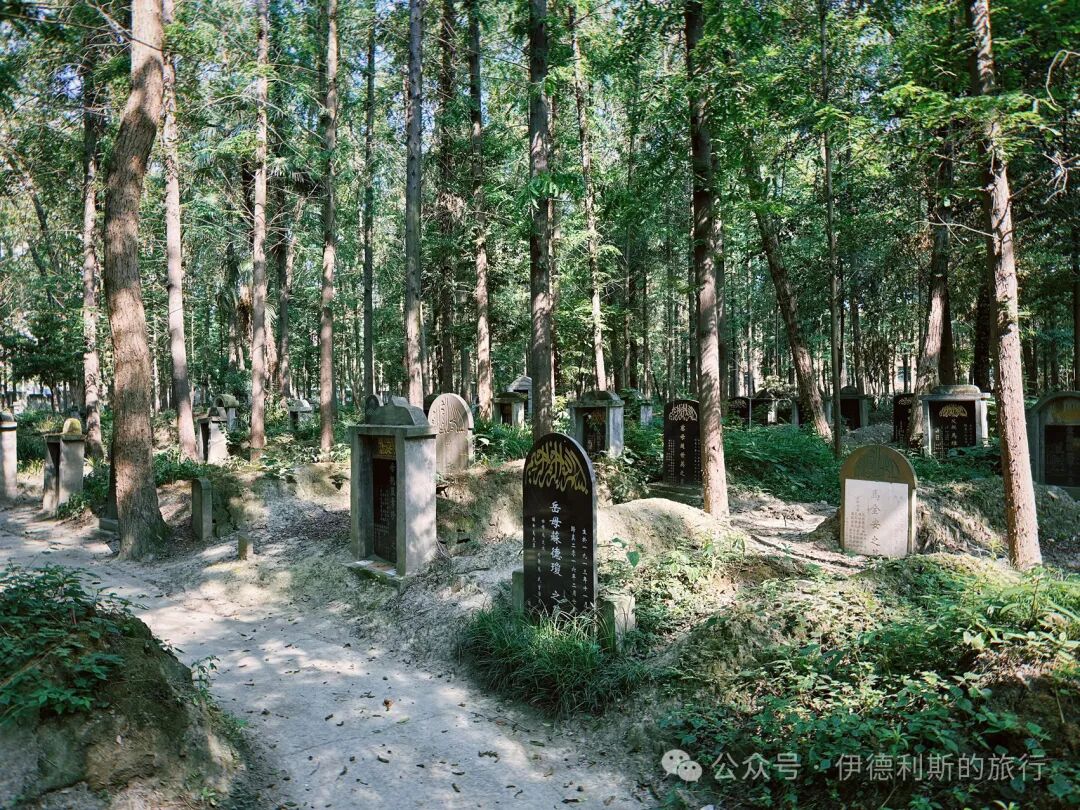
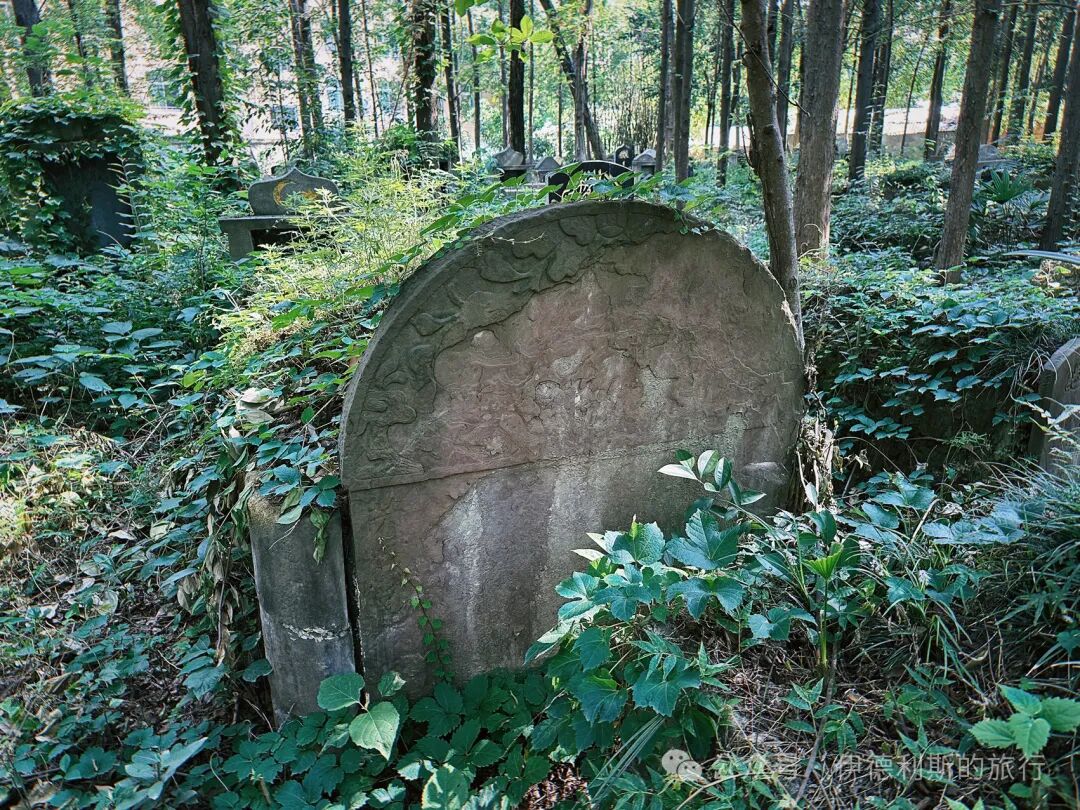
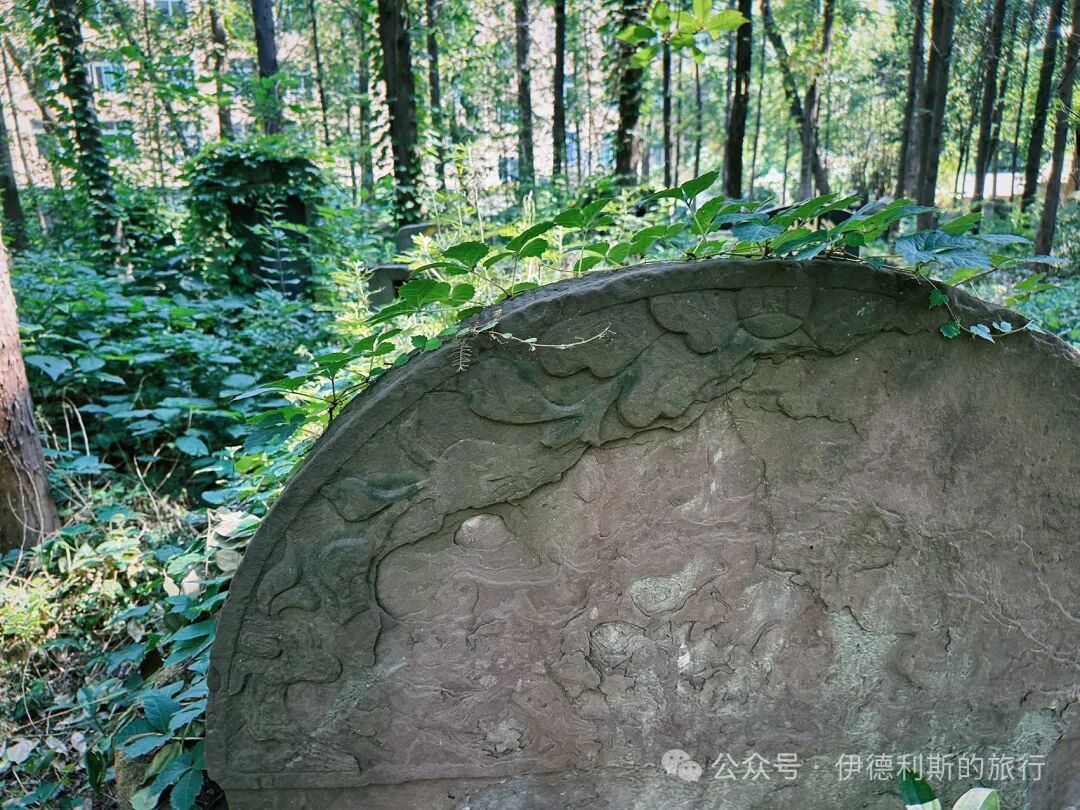
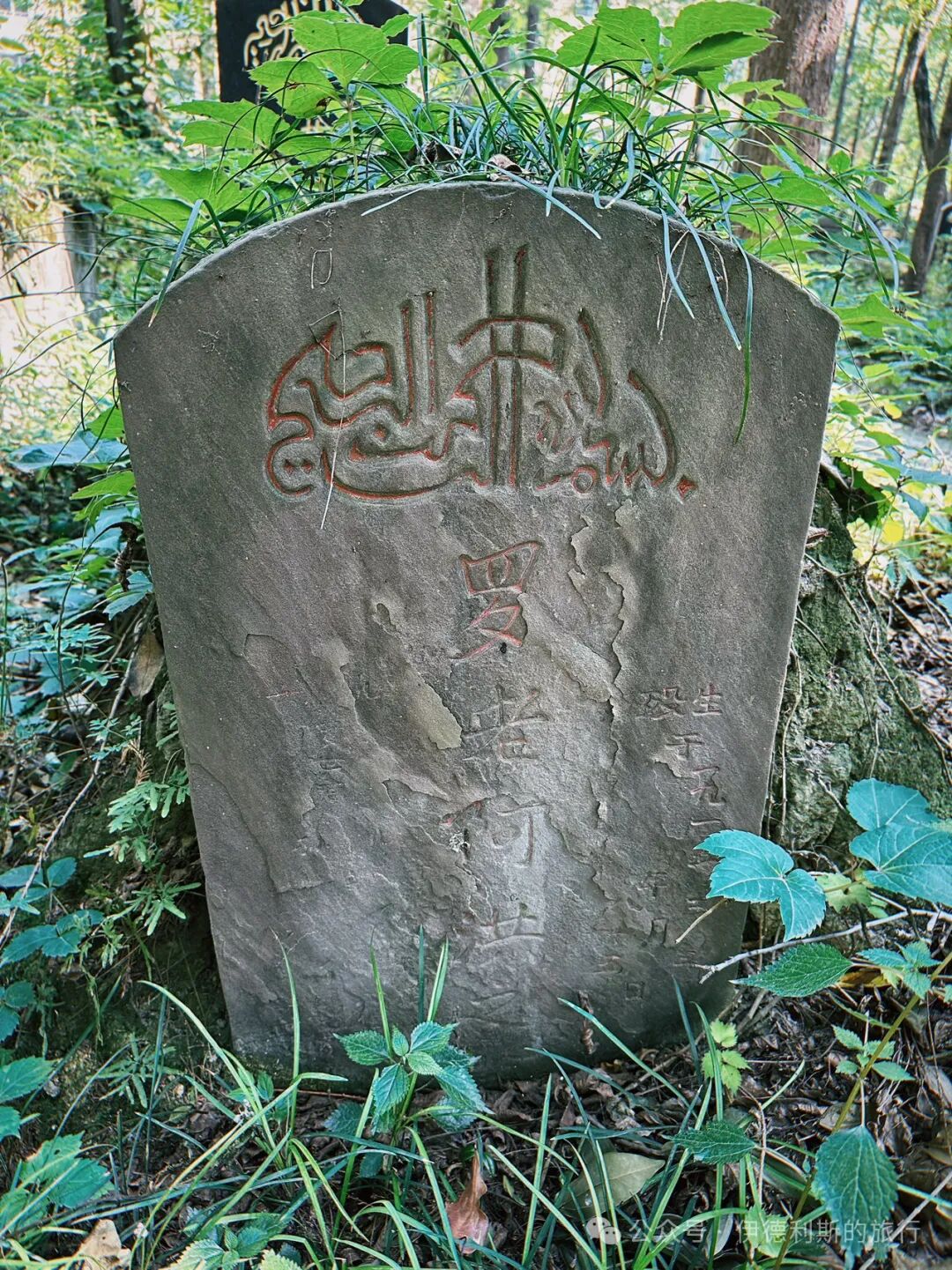
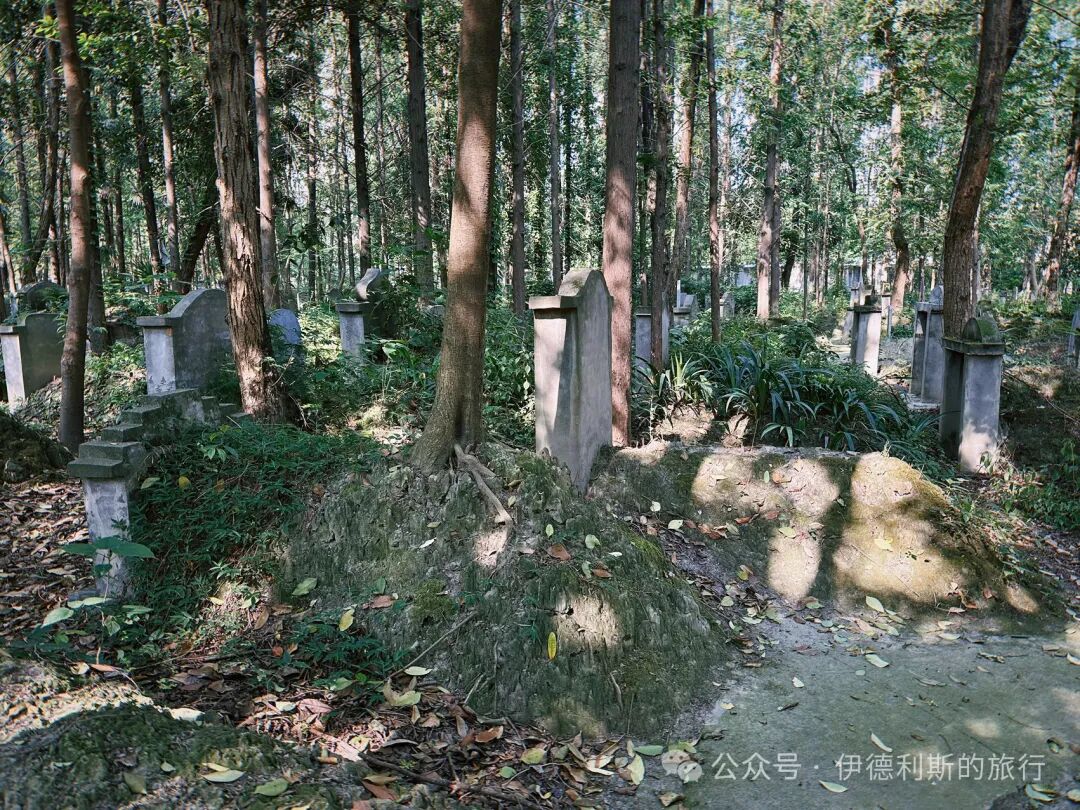
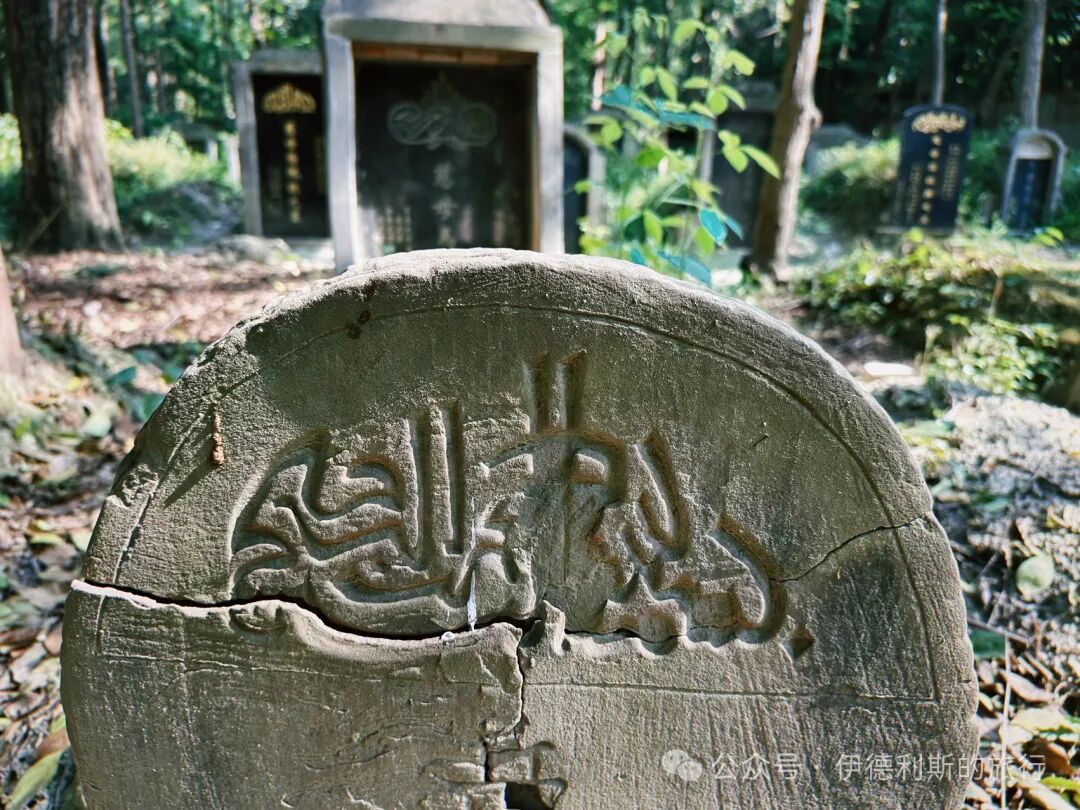
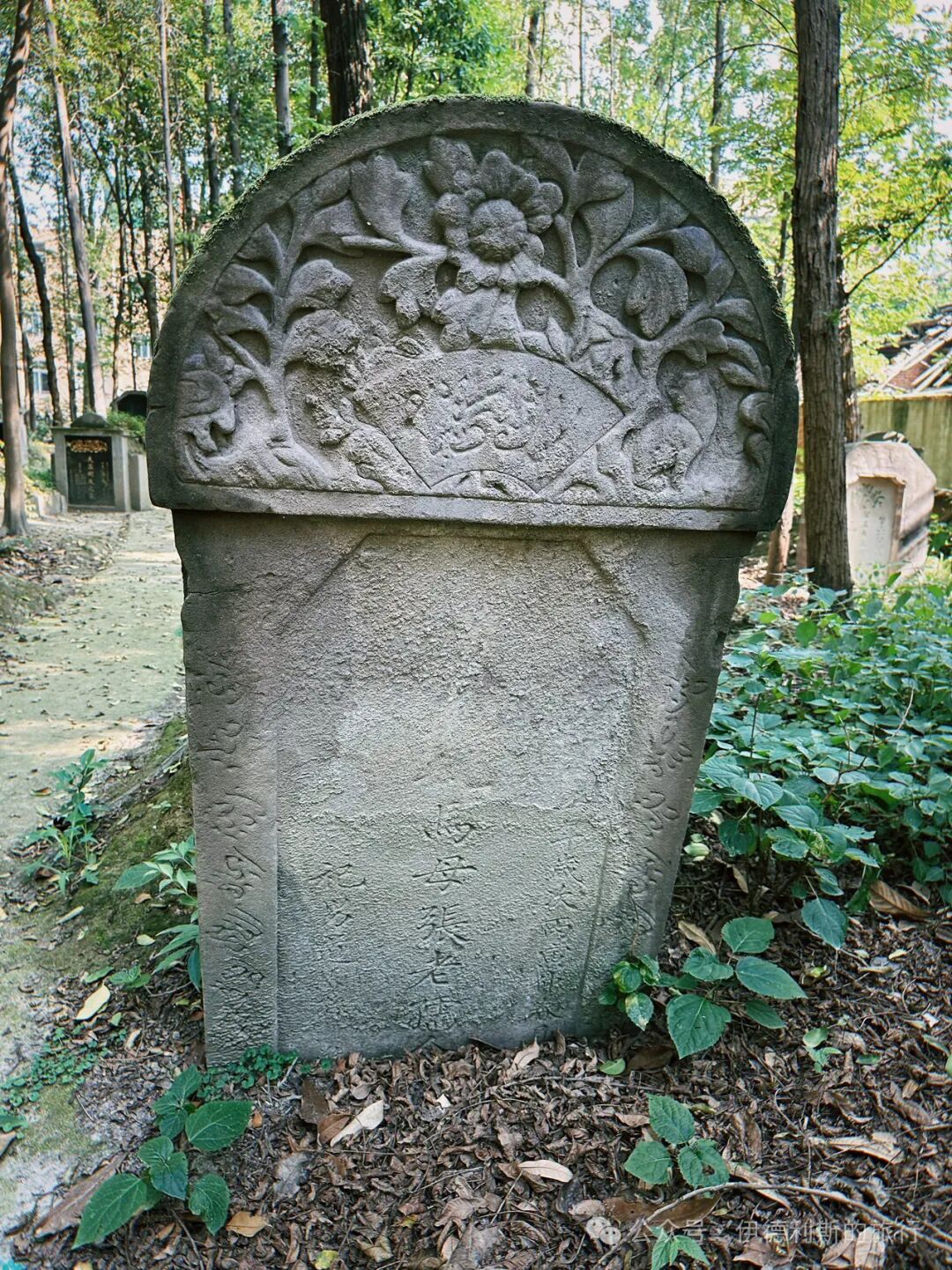
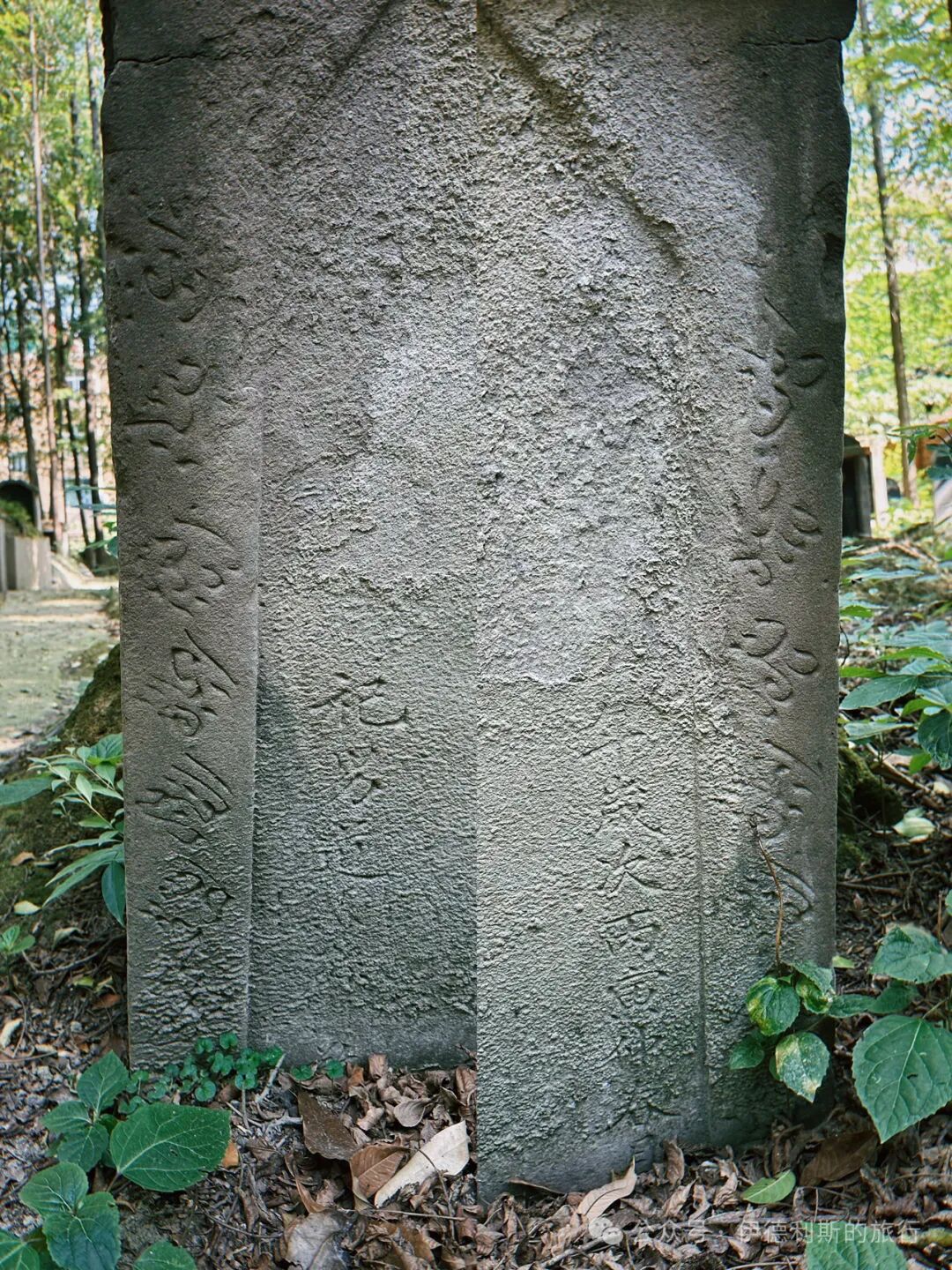
After breakfast, I visited the Tuqiao Hui Muslim cemetery, which has a history of over 200 years. The cemetery still holds a few precious tombstones from the Qing Dynasty, where you can see traditional Arabic inscriptions.
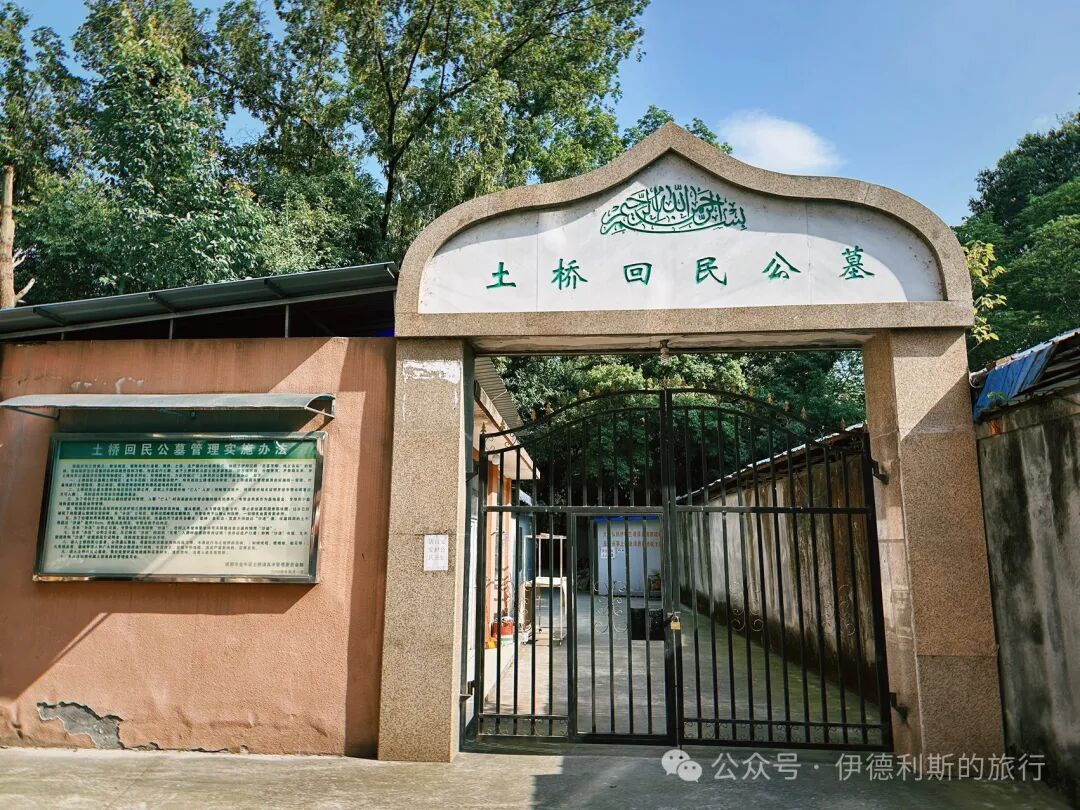
Summary: Halal Food Guide: Chengdu Tuqiao - Sichuan Food and Muslim Neighborhoods is presented here as a firsthand travel account in clear, natural English. The account focuses on Chengdu, Sichuan Food, Halal Food while preserving the names, places, food, photos, and historical details from the Chinese source.
Tuqiao is in the northwest of Chengdu. Since the Qing Dynasty, it has been a must-pass stop for merchants traveling from Aba and Songpan to Chengdu along the Songmao Ancient Trail. Many Hui Muslims settled here, and during the reigns of the Yongzheng and Qianlong emperors, they built two mosques known as the Lower Mosque and the Upper Mosque of Tuqiao.
Today, the Lower Mosque of Tuqiao serves as a nursing home, while the Upper Mosque is still in regular use. I visited Tuqiao in 2019 and performed Jumu'ah prayer at the Upper Mosque. You can read about it in my article, 'Travels in Sichuan | Halal Food and Traditional Mosques in Chengdu'. This is my second visit to Tuqiao. The Upper Mosque is currently undergoing major renovations, so prayers are temporarily held in the south wing. The plaques and couplets preserved in the mosque are now stored in the north wing.
The Upper Mosque of Tuqiao was first built in 1791 (the 56th year of the Qianlong reign). In 1819 (the 24th year of the Jiaqing reign), the north and south wings were added, along with storefronts facing the street. Since the demolition of the Hui Muslim community at Huangchengba in downtown Chengdu, the street-facing storefronts at the Upper Mosque of Tuqiao are likely the place that best captures the feeling of the old mosque neighborhoods in the city.
On the evening of May 16, I first bought half a smoked duck at Shunji Marinated Meats (Shunji Yanlu) right at the entrance of the Upper Mosque of Tuqiao. The smoked flavor of the duck is quite unique. As a northerner, I rarely eat it, and I found it to be a very special experience.
Next, I bought a serving of braised beef offal (niuzha) with rice at the Dama Ge Beef Restaurant nearby. The red chili oil offal wasn't very spicy, and it came with some house-made pickled vegetables that went perfectly with the rice. At the restaurant, I ran into a Hui Muslim auntie from Niujie who was traveling by herself. Her daughter bought her a plane ticket during the Double Eleven sale last year. She visited Jiuzhaigou and the Panda Base on her own, and now that she is in Chengdu, she came to Tuqiao to try the local Hui Muslim specialties. She feels like this is a pretty good way to travel.
After leaving Hufutan, I had a bowl of spicy red oil wontons (chaoshou) at an old street restaurant by the entrance of the Tuqiao Upper Mosque. The next morning, I came back to Tuqiao for breakfast and had a bowl of red oil beef noodles at Wumei Noodle Shop. These beef noodles were probably the spiciest I have ever had in Chengdu; the heat really woke me up.
Tuqiao is very lively in the morning, and a line had already formed in front of Shunji Marinated Meats. The Sichuan-style marinated meats (yanlu) here are really worth buying. Nearby, there are shops like Luoji, Maji, and Tangjiasi. They are all popular for items like marinated rabbit, marinated beef, cold-tossed rabbit, boiled goose, and beef lung slices.
After breakfast, I visited the Tuqiao Hui Muslim cemetery, which has a history of over 200 years. The cemetery still holds a few precious tombstones from the Qing Dynasty, where you can see traditional Arabic inscriptions.
Halal Food Guide: Chengdu Tuqiao - Sichuan Food and Muslim Neighborhoods
Articles • ali2007fr posted the article • 0 comments • 247 views • 2026-05-19 09:30
Reposted from the web
Summary: Halal Food Guide: Chengdu Tuqiao - Sichuan Food and Muslim Neighborhoods is presented here as a firsthand travel account in clear, natural English. The account focuses on Chengdu, Sichuan Food, Halal Food while preserving the names, places, food, photos, and historical details from the Chinese source.
Tuqiao is in the northwest of Chengdu. Since the Qing Dynasty, it has been a must-pass stop for merchants traveling from Aba and Songpan to Chengdu along the Songmao Ancient Trail. Many Hui Muslims settled here, and during the reigns of the Yongzheng and Qianlong emperors, they built two mosques known as the Lower Mosque and the Upper Mosque of Tuqiao.
Today, the Lower Mosque of Tuqiao serves as a nursing home, while the Upper Mosque is still in regular use. I visited Tuqiao in 2019 and performed Jumu'ah prayer at the Upper Mosque. You can read about it in my article, 'Travels in Sichuan | Halal Food and Traditional Mosques in Chengdu'. This is my second visit to Tuqiao. The Upper Mosque is currently undergoing major renovations, so prayers are temporarily held in the south wing. The plaques and couplets preserved in the mosque are now stored in the north wing.
The Upper Mosque of Tuqiao was first built in 1791 (the 56th year of the Qianlong reign). In 1819 (the 24th year of the Jiaqing reign), the north and south wings were added, along with storefronts facing the street. Since the demolition of the Hui Muslim community at Huangchengba in downtown Chengdu, the street-facing storefronts at the Upper Mosque of Tuqiao are likely the place that best captures the feeling of the old mosque neighborhoods in the city.
On the evening of May 16, I first bought half a smoked duck at Shunji Marinated Meats (Shunji Yanlu) right at the entrance of the Upper Mosque of Tuqiao. The smoked flavor of the duck is quite unique. As a northerner, I rarely eat it, and I found it to be a very special experience.
Next, I bought a serving of braised beef offal (niuzha) with rice at the Dama Ge Beef Restaurant nearby. The red chili oil offal wasn't very spicy, and it came with some house-made pickled vegetables that went perfectly with the rice. At the restaurant, I ran into a Hui Muslim auntie from Niujie who was traveling by herself. Her daughter bought her a plane ticket during the Double Eleven sale last year. She visited Jiuzhaigou and the Panda Base on her own, and now that she is in Chengdu, she came to Tuqiao to try the local Hui Muslim specialties. She feels like this is a pretty good way to travel.
After leaving Hufutan, I had a bowl of spicy red oil wontons (chaoshou) at an old street restaurant by the entrance of the Tuqiao Upper Mosque. The next morning, I came back to Tuqiao for breakfast and had a bowl of red oil beef noodles at Wumei Noodle Shop. These beef noodles were probably the spiciest I have ever had in Chengdu; the heat really woke me up.
Tuqiao is very lively in the morning, and a line had already formed in front of Shunji Marinated Meats. The Sichuan-style marinated meats (yanlu) here are really worth buying. Nearby, there are shops like Luoji, Maji, and Tangjiasi. They are all popular for items like marinated rabbit, marinated beef, cold-tossed rabbit, boiled goose, and beef lung slices.
After breakfast, I visited the Tuqiao Hui Muslim cemetery, which has a history of over 200 years. The cemetery still holds a few precious tombstones from the Qing Dynasty, where you can see traditional Arabic inscriptions. view all
Summary: Halal Food Guide: Chengdu Tuqiao - Sichuan Food and Muslim Neighborhoods is presented here as a firsthand travel account in clear, natural English. The account focuses on Chengdu, Sichuan Food, Halal Food while preserving the names, places, food, photos, and historical details from the Chinese source.
Tuqiao is in the northwest of Chengdu. Since the Qing Dynasty, it has been a must-pass stop for merchants traveling from Aba and Songpan to Chengdu along the Songmao Ancient Trail. Many Hui Muslims settled here, and during the reigns of the Yongzheng and Qianlong emperors, they built two mosques known as the Lower Mosque and the Upper Mosque of Tuqiao.
Today, the Lower Mosque of Tuqiao serves as a nursing home, while the Upper Mosque is still in regular use. I visited Tuqiao in 2019 and performed Jumu'ah prayer at the Upper Mosque. You can read about it in my article, 'Travels in Sichuan | Halal Food and Traditional Mosques in Chengdu'. This is my second visit to Tuqiao. The Upper Mosque is currently undergoing major renovations, so prayers are temporarily held in the south wing. The plaques and couplets preserved in the mosque are now stored in the north wing.
The Upper Mosque of Tuqiao was first built in 1791 (the 56th year of the Qianlong reign). In 1819 (the 24th year of the Jiaqing reign), the north and south wings were added, along with storefronts facing the street. Since the demolition of the Hui Muslim community at Huangchengba in downtown Chengdu, the street-facing storefronts at the Upper Mosque of Tuqiao are likely the place that best captures the feeling of the old mosque neighborhoods in the city.
On the evening of May 16, I first bought half a smoked duck at Shunji Marinated Meats (Shunji Yanlu) right at the entrance of the Upper Mosque of Tuqiao. The smoked flavor of the duck is quite unique. As a northerner, I rarely eat it, and I found it to be a very special experience.
Next, I bought a serving of braised beef offal (niuzha) with rice at the Dama Ge Beef Restaurant nearby. The red chili oil offal wasn't very spicy, and it came with some house-made pickled vegetables that went perfectly with the rice. At the restaurant, I ran into a Hui Muslim auntie from Niujie who was traveling by herself. Her daughter bought her a plane ticket during the Double Eleven sale last year. She visited Jiuzhaigou and the Panda Base on her own, and now that she is in Chengdu, she came to Tuqiao to try the local Hui Muslim specialties. She feels like this is a pretty good way to travel.
After leaving Hufutan, I had a bowl of spicy red oil wontons (chaoshou) at an old street restaurant by the entrance of the Tuqiao Upper Mosque. The next morning, I came back to Tuqiao for breakfast and had a bowl of red oil beef noodles at Wumei Noodle Shop. These beef noodles were probably the spiciest I have ever had in Chengdu; the heat really woke me up.
Tuqiao is very lively in the morning, and a line had already formed in front of Shunji Marinated Meats. The Sichuan-style marinated meats (yanlu) here are really worth buying. Nearby, there are shops like Luoji, Maji, and Tangjiasi. They are all popular for items like marinated rabbit, marinated beef, cold-tossed rabbit, boiled goose, and beef lung slices.
After breakfast, I visited the Tuqiao Hui Muslim cemetery, which has a history of over 200 years. The cemetery still holds a few precious tombstones from the Qing Dynasty, where you can see traditional Arabic inscriptions. view all
Reposted from the web
Summary: Halal Food Guide: Chengdu Tuqiao - Sichuan Food and Muslim Neighborhoods is presented here as a firsthand travel account in clear, natural English. The account focuses on Chengdu, Sichuan Food, Halal Food while preserving the names, places, food, photos, and historical details from the Chinese source.
Tuqiao is in the northwest of Chengdu. Since the Qing Dynasty, it has been a must-pass stop for merchants traveling from Aba and Songpan to Chengdu along the Songmao Ancient Trail. Many Hui Muslims settled here, and during the reigns of the Yongzheng and Qianlong emperors, they built two mosques known as the Lower Mosque and the Upper Mosque of Tuqiao.
Today, the Lower Mosque of Tuqiao serves as a nursing home, while the Upper Mosque is still in regular use. I visited Tuqiao in 2019 and performed Jumu'ah prayer at the Upper Mosque. You can read about it in my article, 'Travels in Sichuan | Halal Food and Traditional Mosques in Chengdu'. This is my second visit to Tuqiao. The Upper Mosque is currently undergoing major renovations, so prayers are temporarily held in the south wing. The plaques and couplets preserved in the mosque are now stored in the north wing.
The Upper Mosque of Tuqiao was first built in 1791 (the 56th year of the Qianlong reign). In 1819 (the 24th year of the Jiaqing reign), the north and south wings were added, along with storefronts facing the street. Since the demolition of the Hui Muslim community at Huangchengba in downtown Chengdu, the street-facing storefronts at the Upper Mosque of Tuqiao are likely the place that best captures the feeling of the old mosque neighborhoods in the city.
On the evening of May 16, I first bought half a smoked duck at Shunji Marinated Meats (Shunji Yanlu) right at the entrance of the Upper Mosque of Tuqiao. The smoked flavor of the duck is quite unique. As a northerner, I rarely eat it, and I found it to be a very special experience.
Next, I bought a serving of braised beef offal (niuzha) with rice at the Dama Ge Beef Restaurant nearby. The red chili oil offal wasn't very spicy, and it came with some house-made pickled vegetables that went perfectly with the rice. At the restaurant, I ran into a Hui Muslim auntie from Niujie who was traveling by herself. Her daughter bought her a plane ticket during the Double Eleven sale last year. She visited Jiuzhaigou and the Panda Base on her own, and now that she is in Chengdu, she came to Tuqiao to try the local Hui Muslim specialties. She feels like this is a pretty good way to travel.
After leaving Hufutan, I had a bowl of spicy red oil wontons (chaoshou) at an old street restaurant by the entrance of the Tuqiao Upper Mosque. The next morning, I came back to Tuqiao for breakfast and had a bowl of red oil beef noodles at Wumei Noodle Shop. These beef noodles were probably the spiciest I have ever had in Chengdu; the heat really woke me up.
Tuqiao is very lively in the morning, and a line had already formed in front of Shunji Marinated Meats. The Sichuan-style marinated meats (yanlu) here are really worth buying. Nearby, there are shops like Luoji, Maji, and Tangjiasi. They are all popular for items like marinated rabbit, marinated beef, cold-tossed rabbit, boiled goose, and beef lung slices.
After breakfast, I visited the Tuqiao Hui Muslim cemetery, which has a history of over 200 years. The cemetery still holds a few precious tombstones from the Qing Dynasty, where you can see traditional Arabic inscriptions.
Summary: Halal Food Guide: Chengdu Tuqiao - Sichuan Food and Muslim Neighborhoods is presented here as a firsthand travel account in clear, natural English. The account focuses on Chengdu, Sichuan Food, Halal Food while preserving the names, places, food, photos, and historical details from the Chinese source.
Tuqiao is in the northwest of Chengdu. Since the Qing Dynasty, it has been a must-pass stop for merchants traveling from Aba and Songpan to Chengdu along the Songmao Ancient Trail. Many Hui Muslims settled here, and during the reigns of the Yongzheng and Qianlong emperors, they built two mosques known as the Lower Mosque and the Upper Mosque of Tuqiao.
Today, the Lower Mosque of Tuqiao serves as a nursing home, while the Upper Mosque is still in regular use. I visited Tuqiao in 2019 and performed Jumu'ah prayer at the Upper Mosque. You can read about it in my article, 'Travels in Sichuan | Halal Food and Traditional Mosques in Chengdu'. This is my second visit to Tuqiao. The Upper Mosque is currently undergoing major renovations, so prayers are temporarily held in the south wing. The plaques and couplets preserved in the mosque are now stored in the north wing.
The Upper Mosque of Tuqiao was first built in 1791 (the 56th year of the Qianlong reign). In 1819 (the 24th year of the Jiaqing reign), the north and south wings were added, along with storefronts facing the street. Since the demolition of the Hui Muslim community at Huangchengba in downtown Chengdu, the street-facing storefronts at the Upper Mosque of Tuqiao are likely the place that best captures the feeling of the old mosque neighborhoods in the city.
On the evening of May 16, I first bought half a smoked duck at Shunji Marinated Meats (Shunji Yanlu) right at the entrance of the Upper Mosque of Tuqiao. The smoked flavor of the duck is quite unique. As a northerner, I rarely eat it, and I found it to be a very special experience.
Next, I bought a serving of braised beef offal (niuzha) with rice at the Dama Ge Beef Restaurant nearby. The red chili oil offal wasn't very spicy, and it came with some house-made pickled vegetables that went perfectly with the rice. At the restaurant, I ran into a Hui Muslim auntie from Niujie who was traveling by herself. Her daughter bought her a plane ticket during the Double Eleven sale last year. She visited Jiuzhaigou and the Panda Base on her own, and now that she is in Chengdu, she came to Tuqiao to try the local Hui Muslim specialties. She feels like this is a pretty good way to travel.
After leaving Hufutan, I had a bowl of spicy red oil wontons (chaoshou) at an old street restaurant by the entrance of the Tuqiao Upper Mosque. The next morning, I came back to Tuqiao for breakfast and had a bowl of red oil beef noodles at Wumei Noodle Shop. These beef noodles were probably the spiciest I have ever had in Chengdu; the heat really woke me up.
Tuqiao is very lively in the morning, and a line had already formed in front of Shunji Marinated Meats. The Sichuan-style marinated meats (yanlu) here are really worth buying. Nearby, there are shops like Luoji, Maji, and Tangjiasi. They are all popular for items like marinated rabbit, marinated beef, cold-tossed rabbit, boiled goose, and beef lung slices.
After breakfast, I visited the Tuqiao Hui Muslim cemetery, which has a history of over 200 years. The cemetery still holds a few precious tombstones from the Qing Dynasty, where you can see traditional Arabic inscriptions.