

Singapore Mosque
Muslim Travel Guide Singapore: Islamic Centre Mosque, Prayer Hall and Council Complex
Articles • Hasan09 posted the article • 0 comments • 307 views • 2026-05-24 01:47
Summary: This Singapore Muslim travel guide focuses on the mosque inside the Singapore Islamic Centre. It preserves the three-floor layout, open interior view, prayer-hall details, and council-complex context.
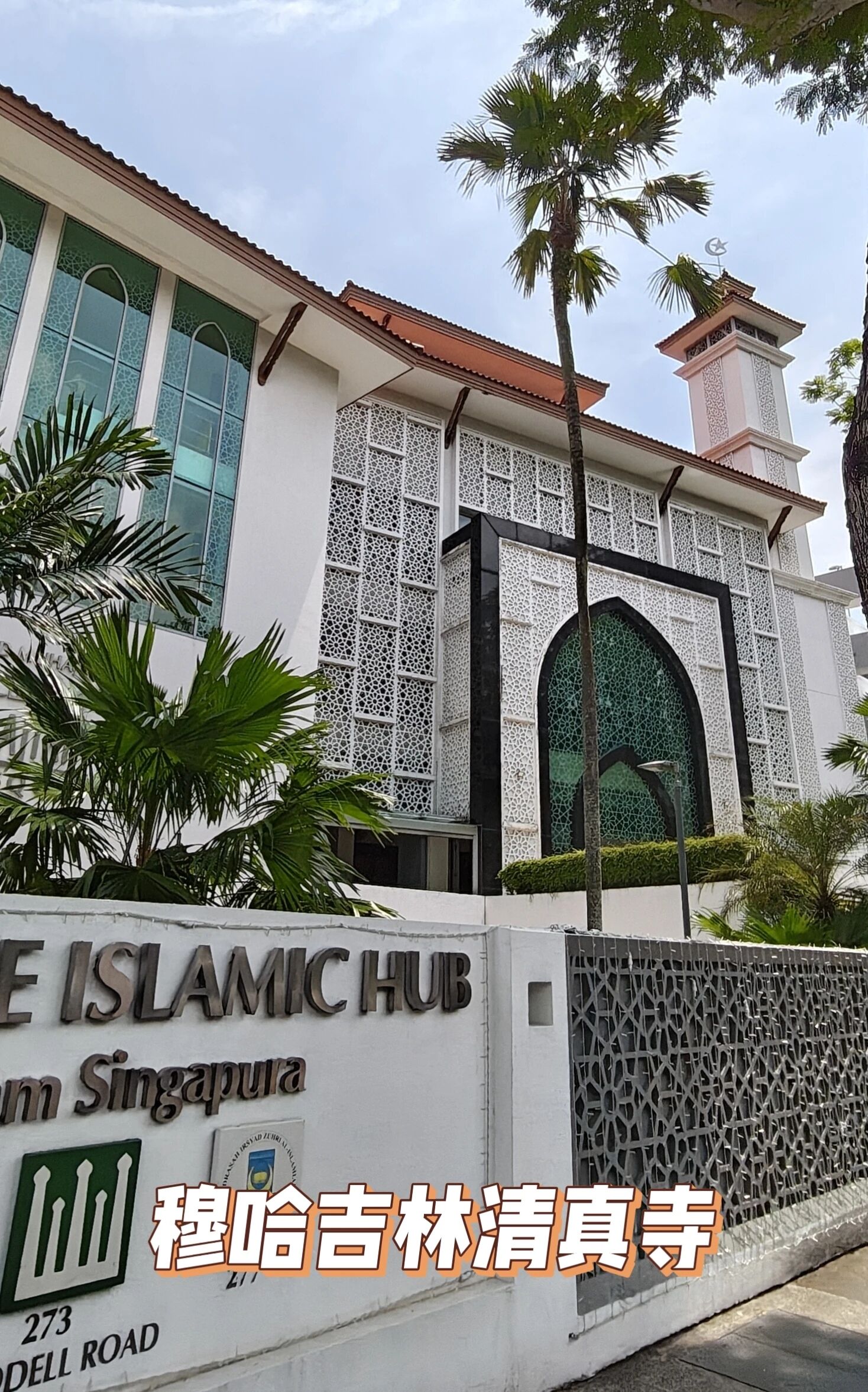
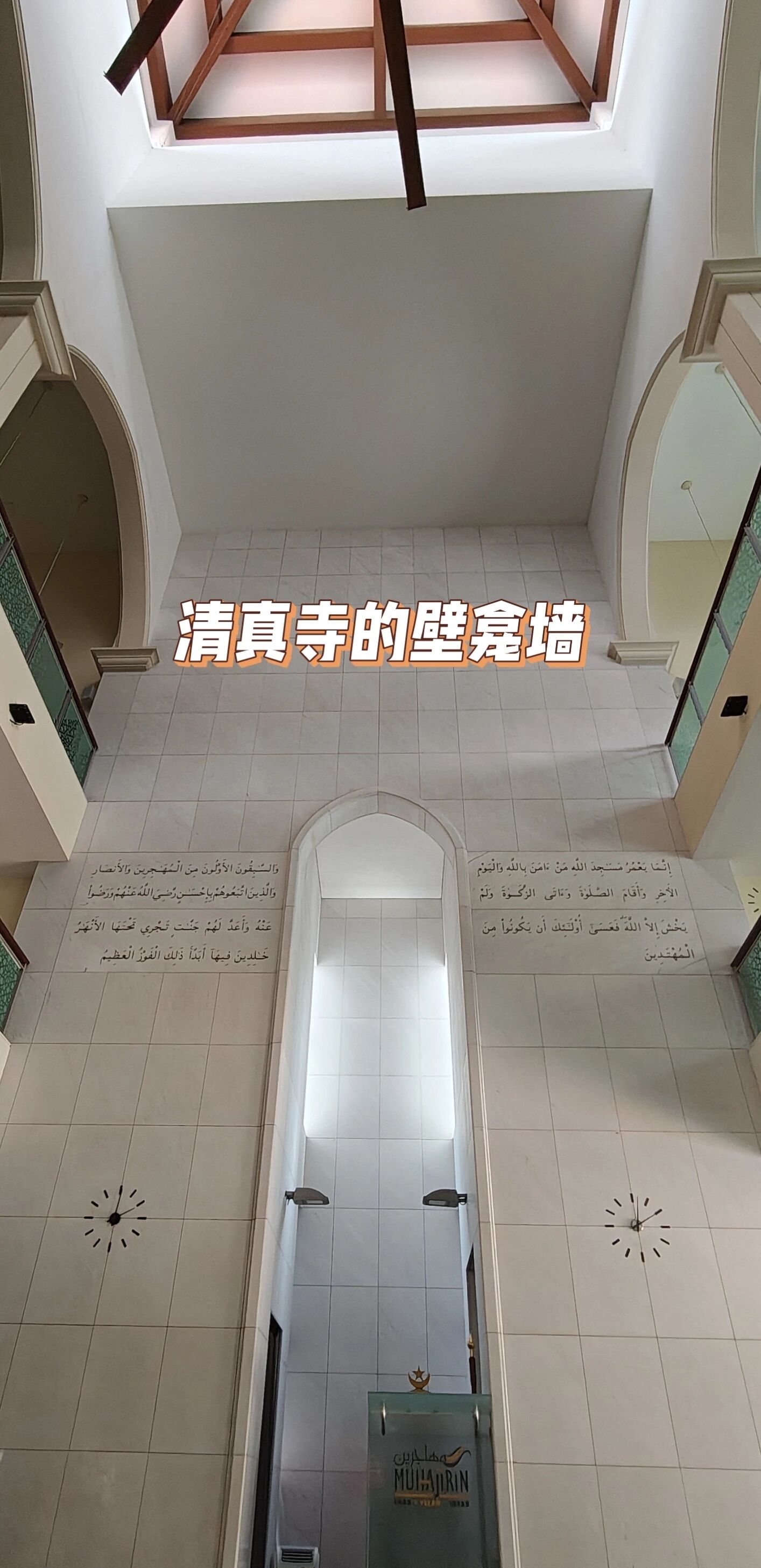
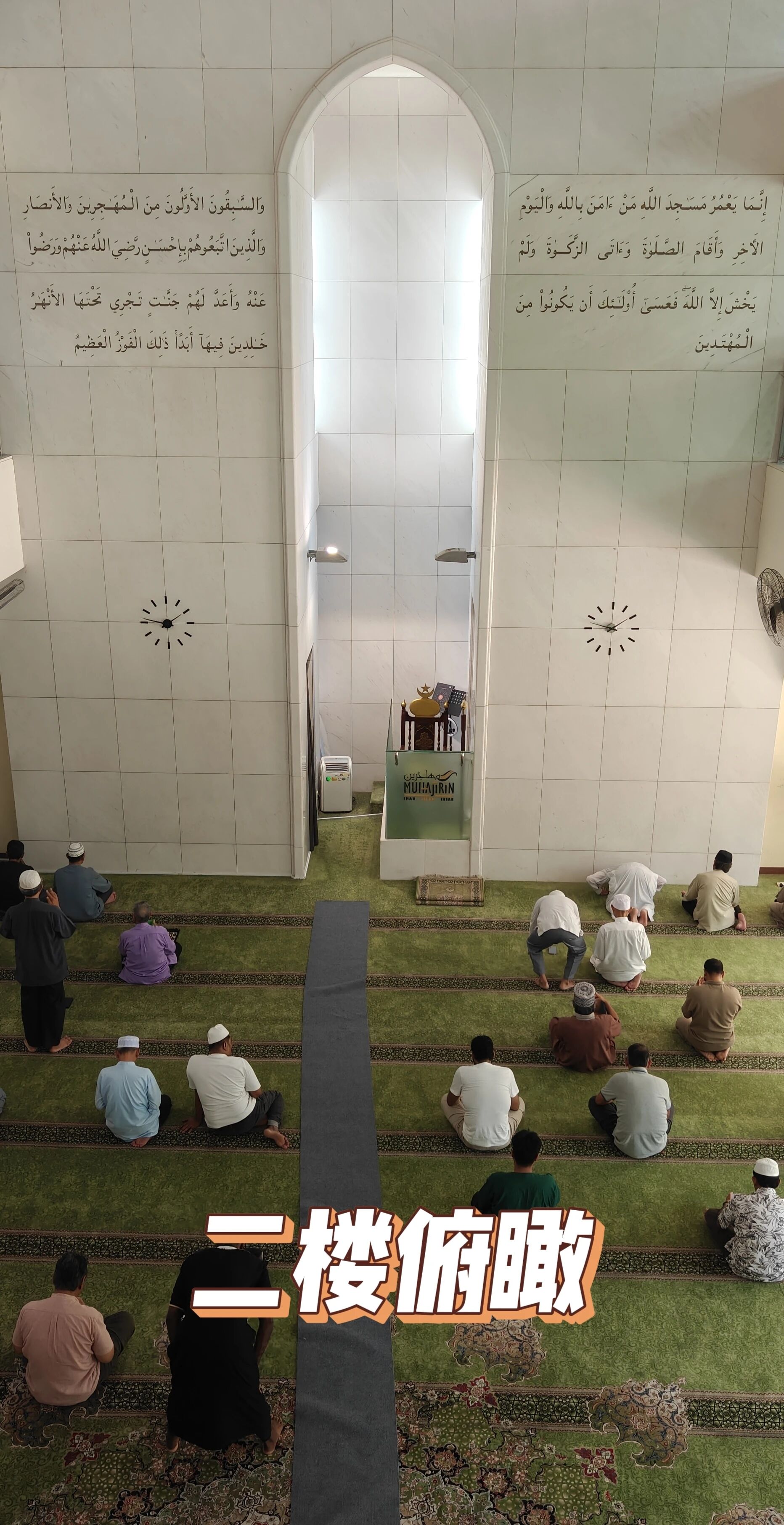
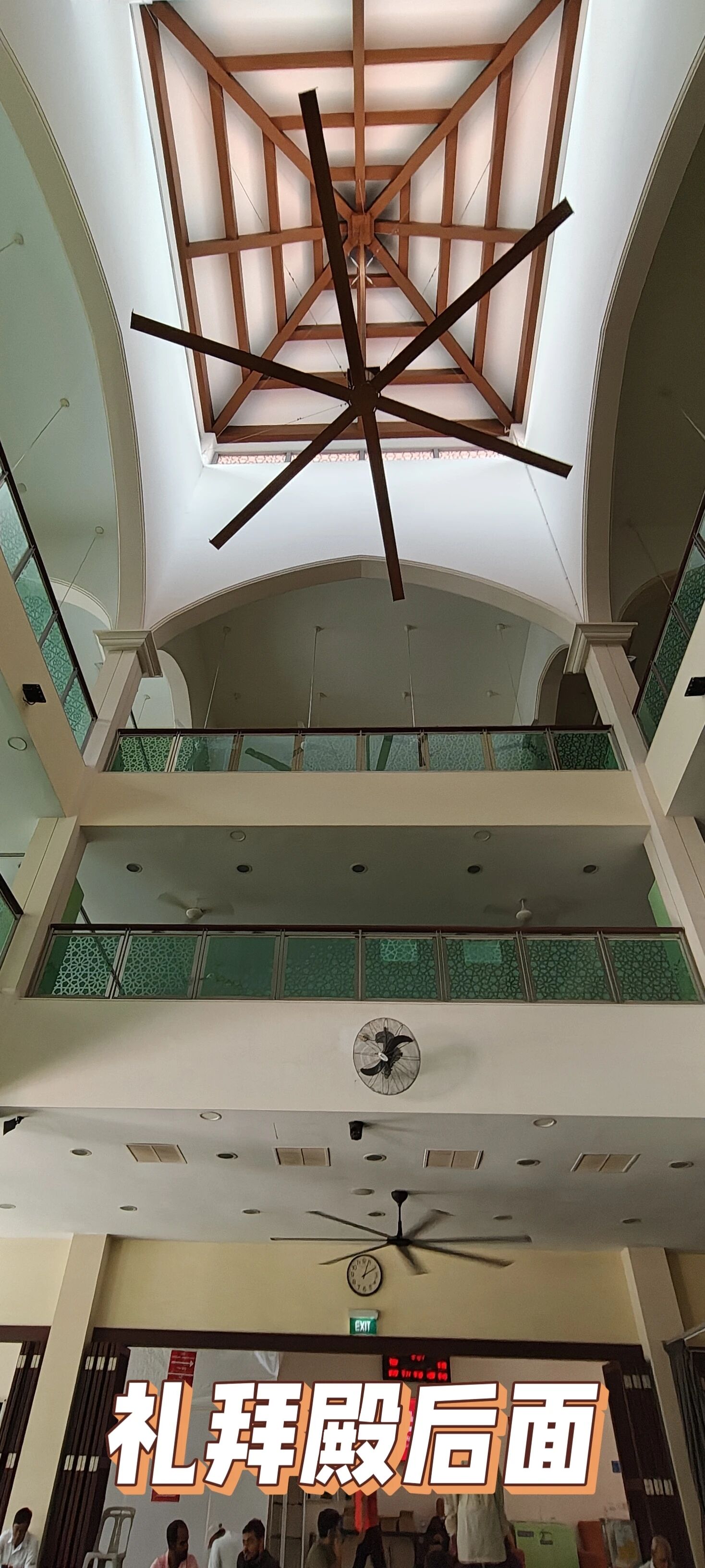
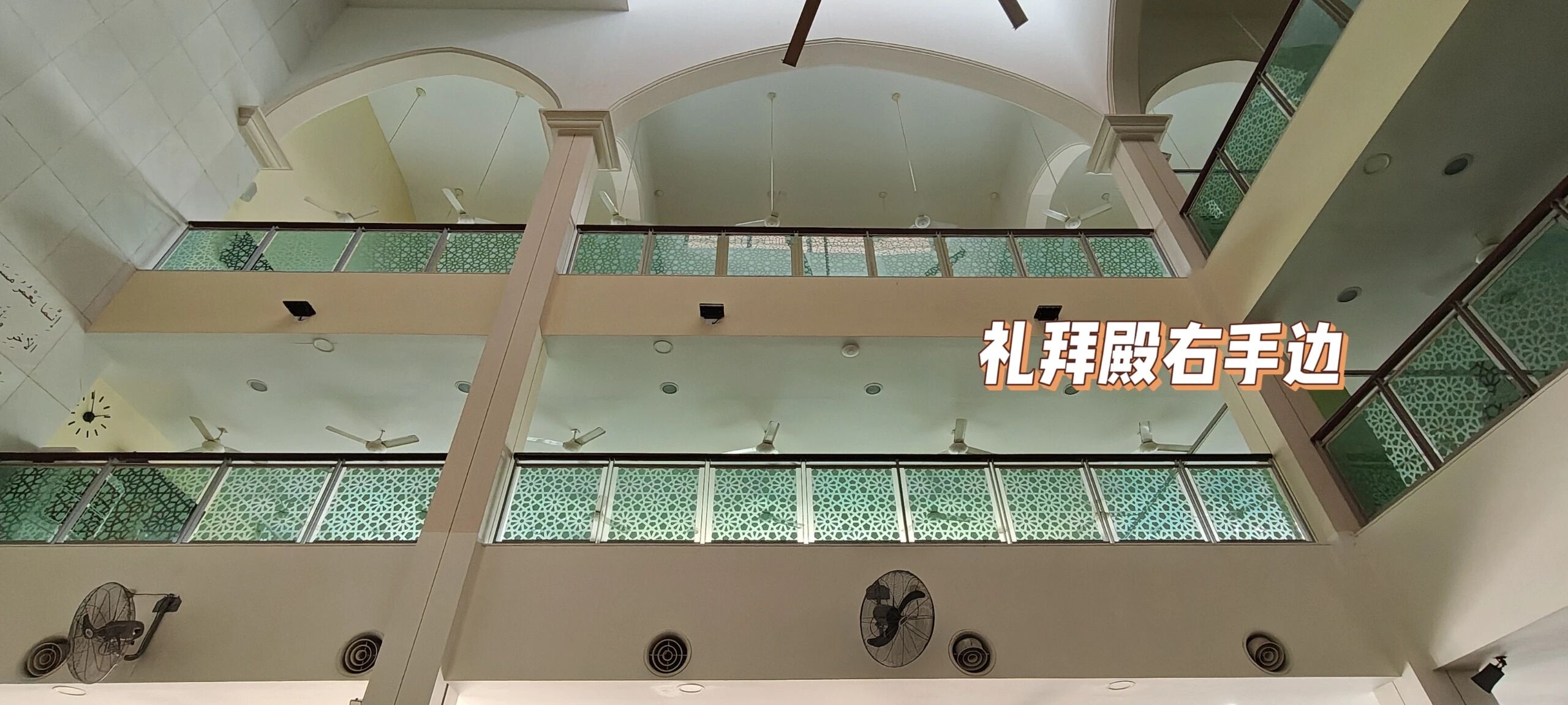
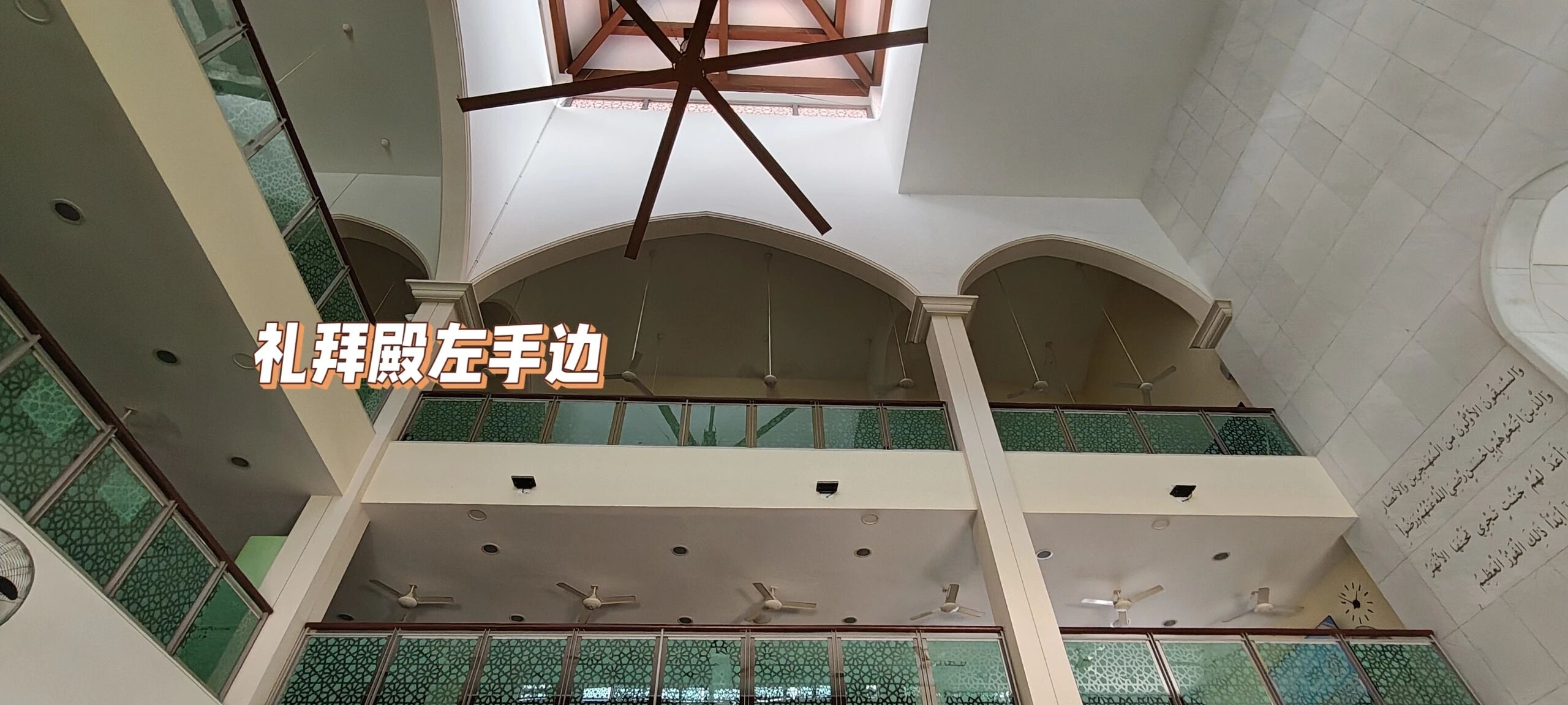
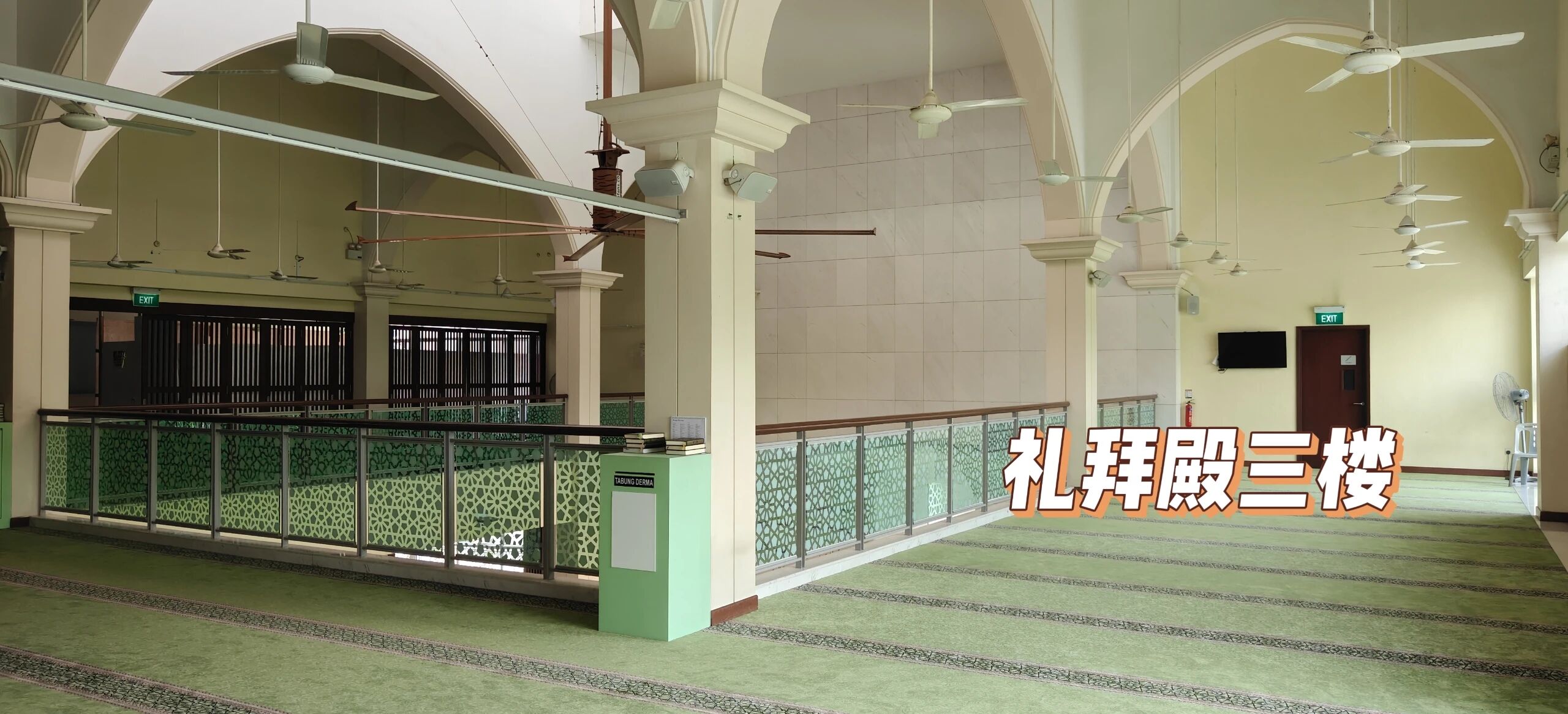
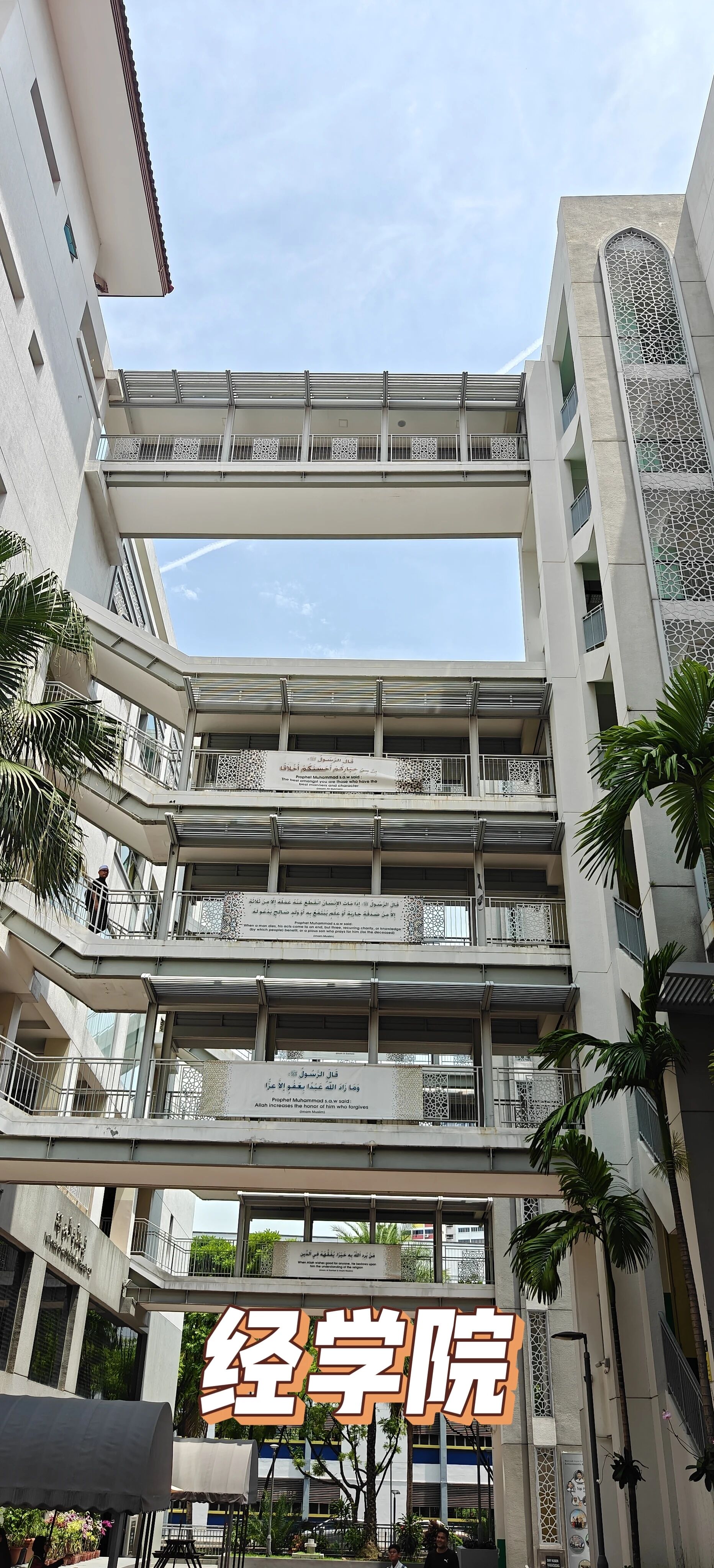
In this issue, we focus on the mosque. It has three floors, and the space between the second and third floors is open, so you can look straight up to the third floor from the ground floor. I visited on a Friday, and the ground floor was already full, so I had to go up to the second floor.
The second floor was also quite crowded, with people lining up to perform wudu.
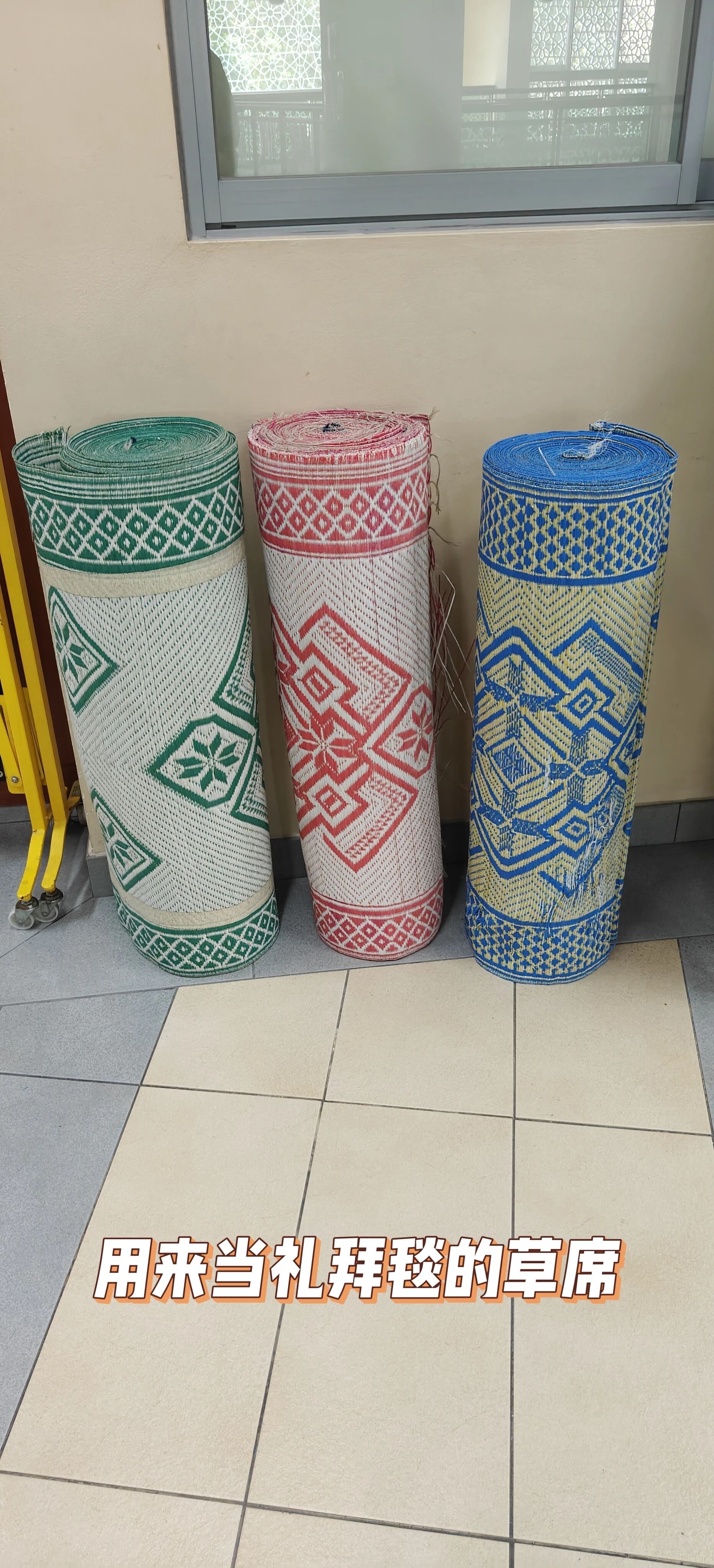
There was no room left on the carpet, so people started laying out straw mats (caoxi) (Image 5) to use as prayer rugs.
The craziest thing happened near the end of the prayer when I saw a man walking toward me who looked exactly like Lee Hsien Loong. He looked so much like him that I couldn't help but stare.
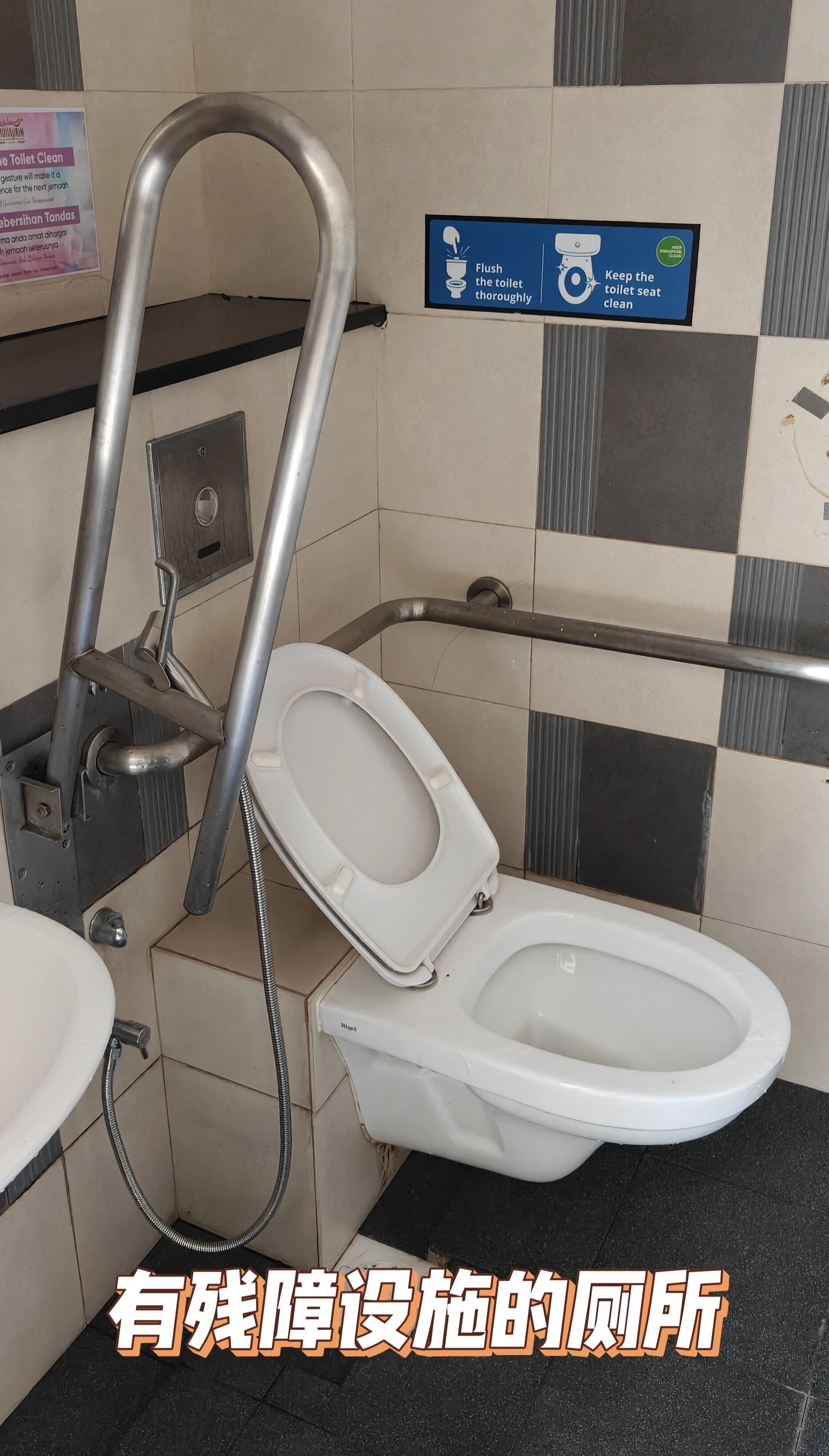
Another thing worth mentioning is the restroom. The toilets (Image 11) have grab bars installed next to them to help elderly people stand up and sit down, which is very thoughtful.
I went down to the ground floor to take some photos, then sat for a while on a bench near the elevator. Students from the Islamic seminary (jingxueyuan) (Image 13), wearing their uniforms, had finished their prayers and were getting ready for class.
They looked to be about twelve or thirteen years old.
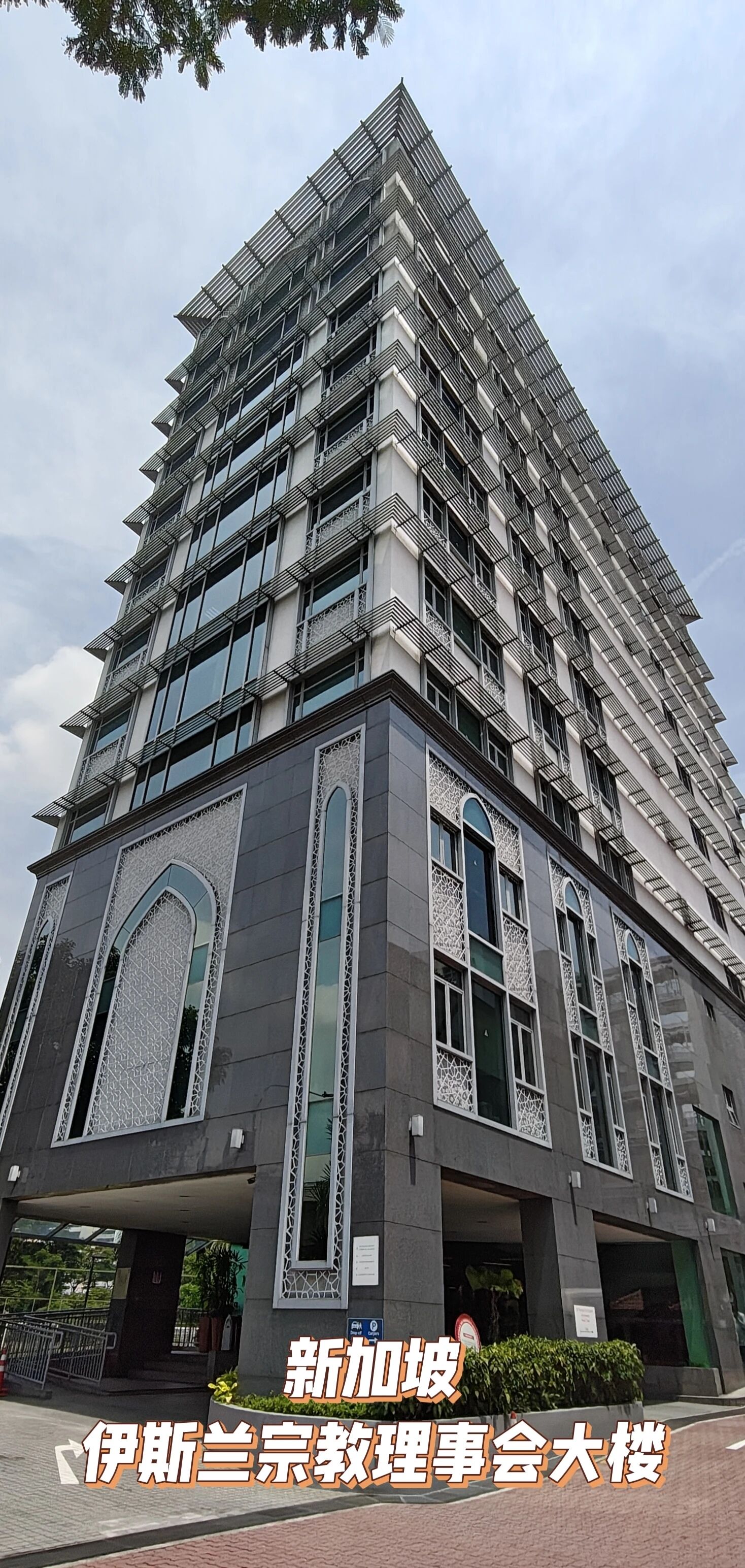
Finally, I went to the Islamic Religious Council of Singapore next to the mosque. There is a small museum on the ground floor, but what kind of exhibits are inside? We will reveal that in the next issue. view all
Summary: This Singapore Muslim travel guide focuses on the mosque inside the Singapore Islamic Centre. It preserves the three-floor layout, open interior view, prayer-hall details, and council-complex context.
In this issue, we focus on the mosque. It has three floors, and the space between the second and third floors is open, so you can look straight up to the third floor from the ground floor. I visited on a Friday, and the ground floor was already full, so I had to go up to the second floor.
The second floor was also quite crowded, with people lining up to perform wudu.
There was no room left on the carpet, so people started laying out straw mats (caoxi) (Image 5) to use as prayer rugs.
The craziest thing happened near the end of the prayer when I saw a man walking toward me who looked exactly like Lee Hsien Loong. He looked so much like him that I couldn't help but stare.
Another thing worth mentioning is the restroom. The toilets (Image 11) have grab bars installed next to them to help elderly people stand up and sit down, which is very thoughtful.
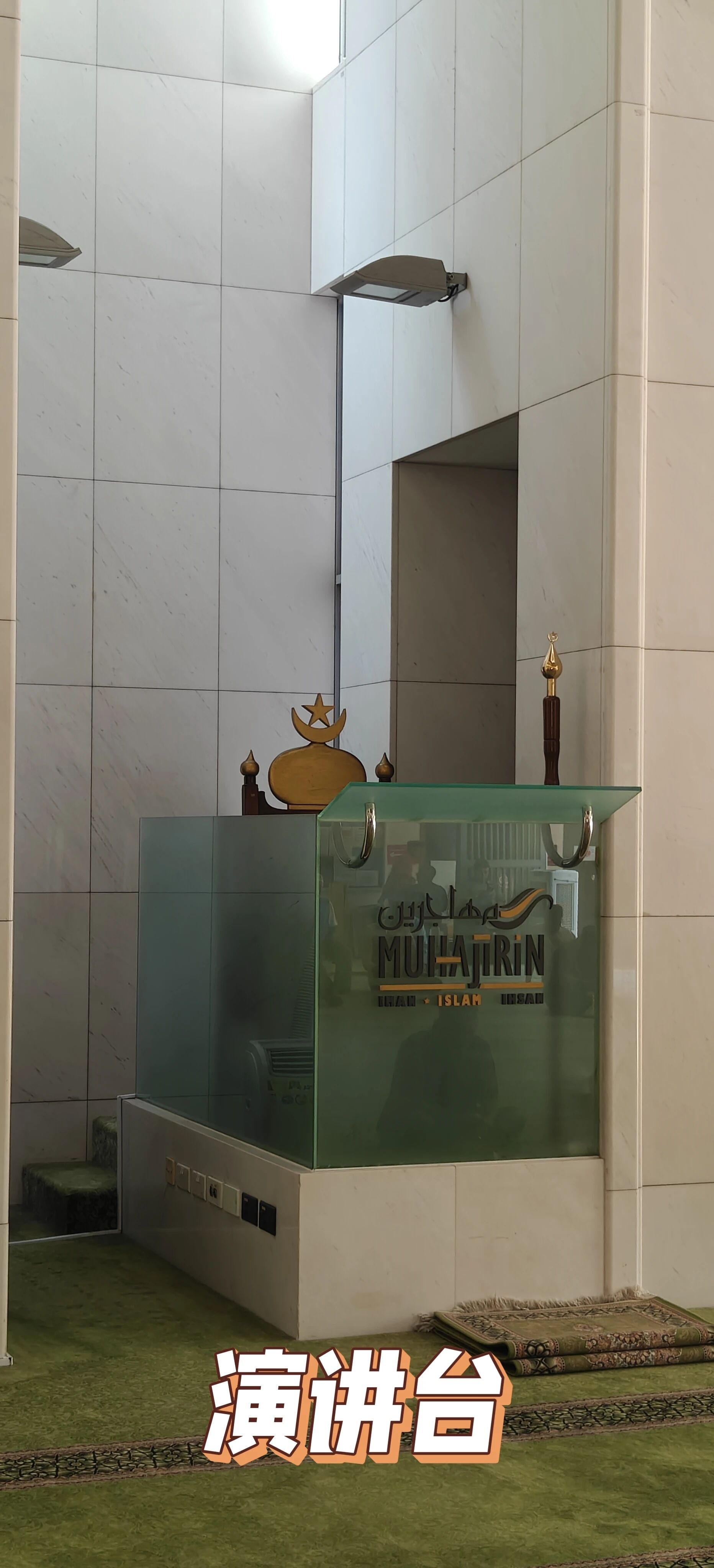
I went down to the ground floor to take some photos, then sat for a while on a bench near the elevator. Students from the Islamic seminary (jingxueyuan) (Image 13), wearing their uniforms, had finished their prayers and were getting ready for class.
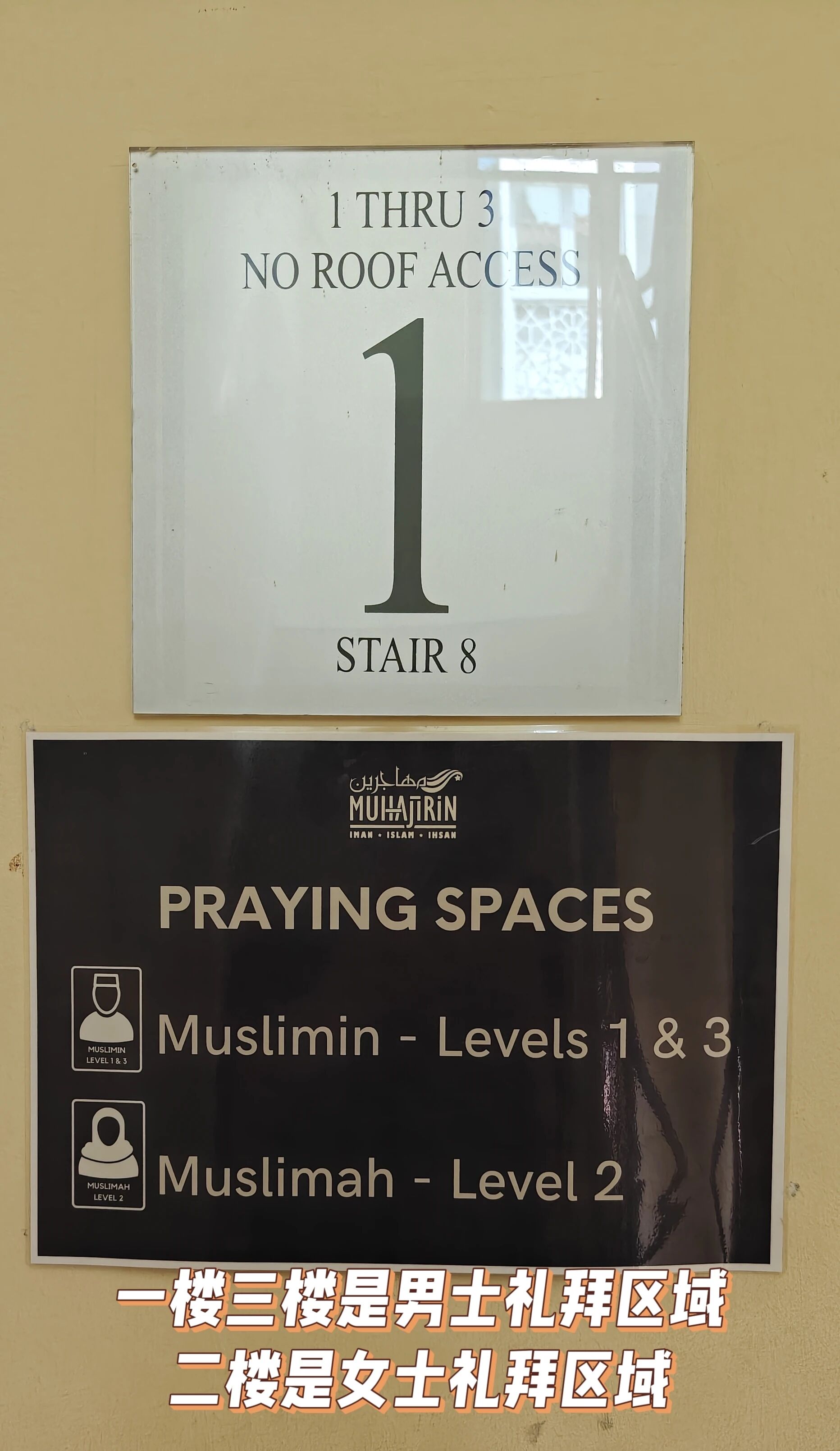
They looked to be about twelve or thirteen years old.
Finally, I went to the Islamic Religious Council of Singapore next to the mosque. There is a small museum on the ground floor, but what kind of exhibits are inside? We will reveal that in the next issue.
Muslim Travel Guide Singapore: Haji Mohamed Salleh Mosque, Habib Noh Shrine and Prayer Hall
Articles • Hasan09 posted the article • 0 comments • 306 views • 2026-05-24 01:47
Summary: This Singapore Muslim travel guide turns from Habib Noh Shrine to Haji Mohamed Salleh Mosque itself. It keeps the mosque layout, prayer-hall notes, hillside setting, and source sequence unchanged.
Last time we focused on the tomb (gongbei) on the small hill next to the mosque. This time, let's look at the mosque itself. This mosque started as a small prayer room next to a tomb. It was later expanded to its current size.
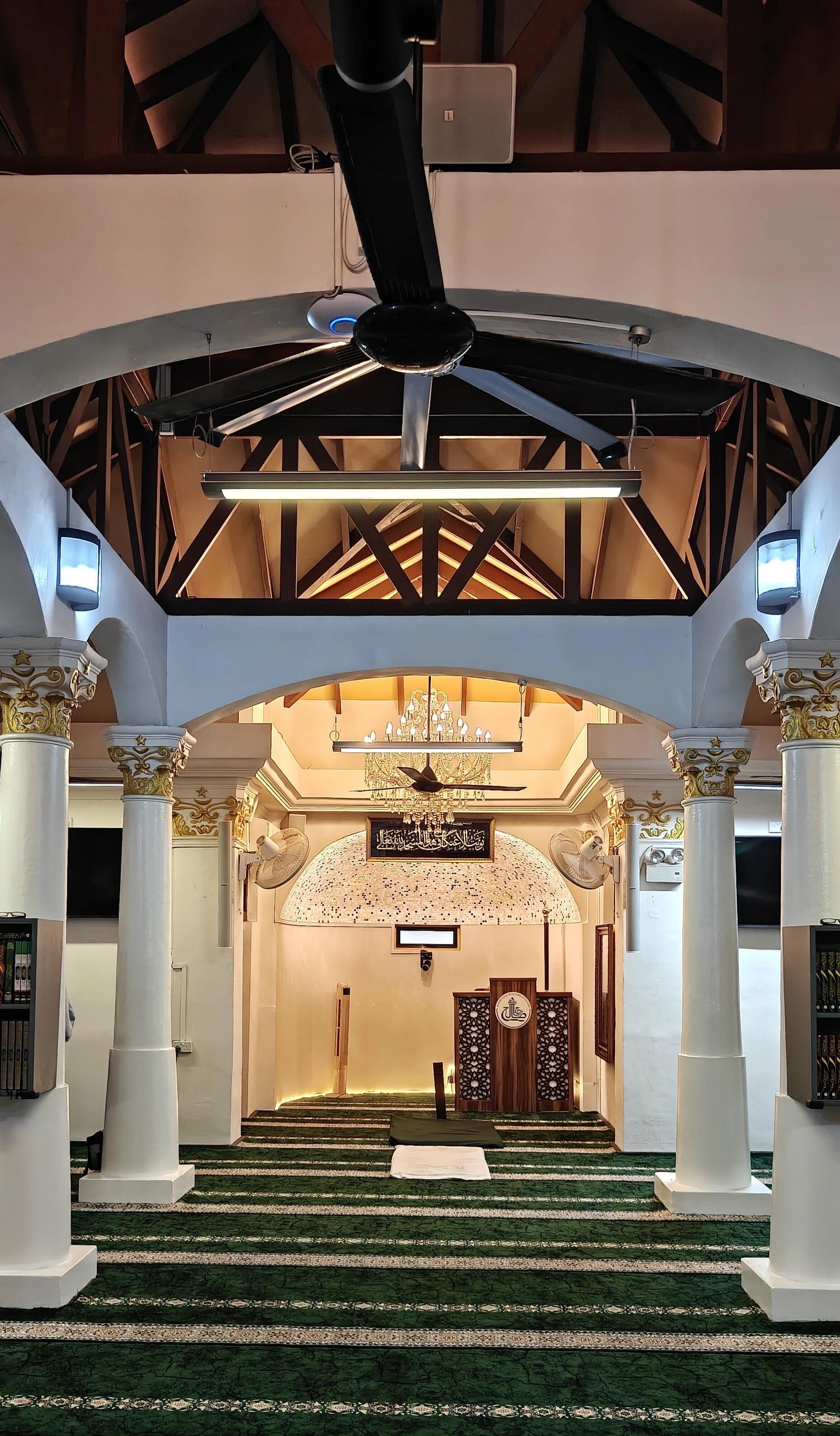
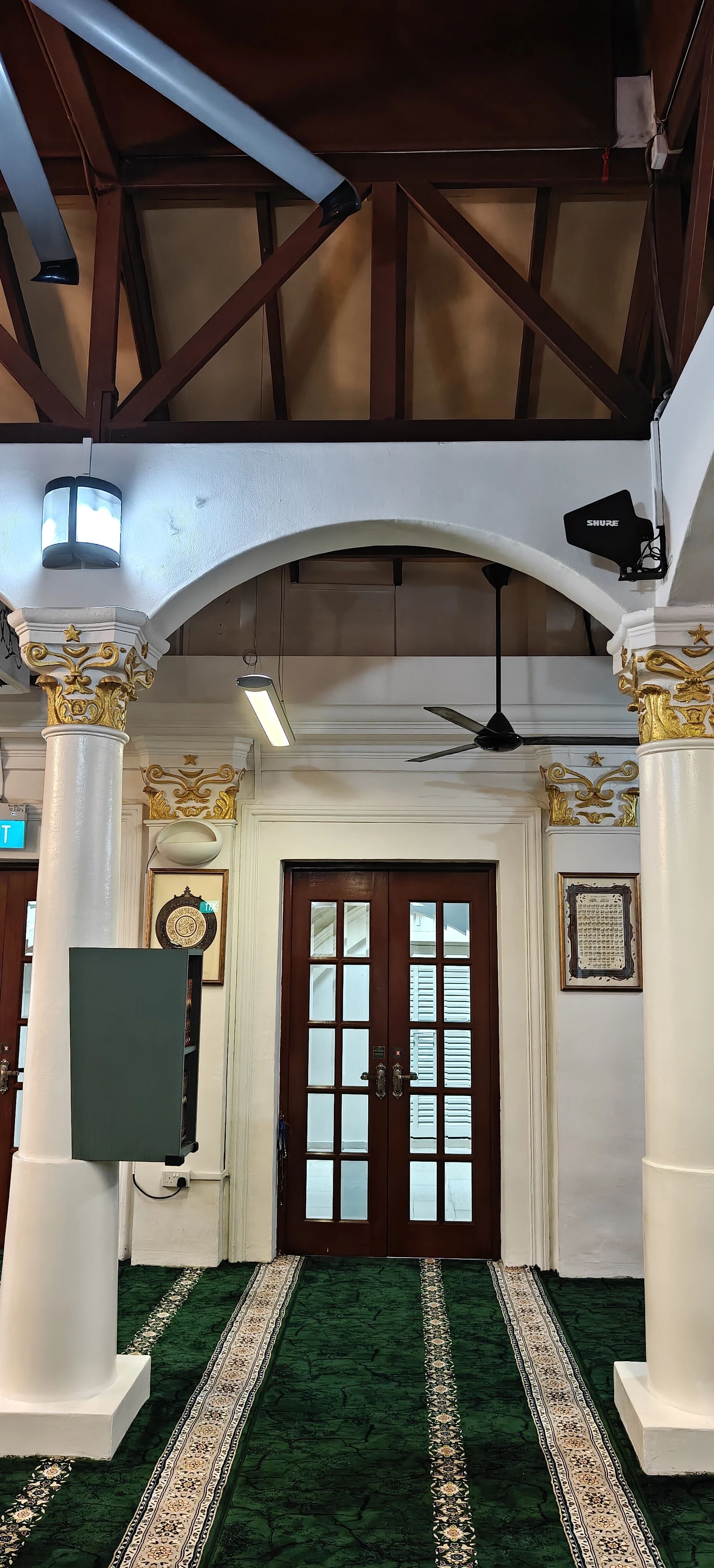
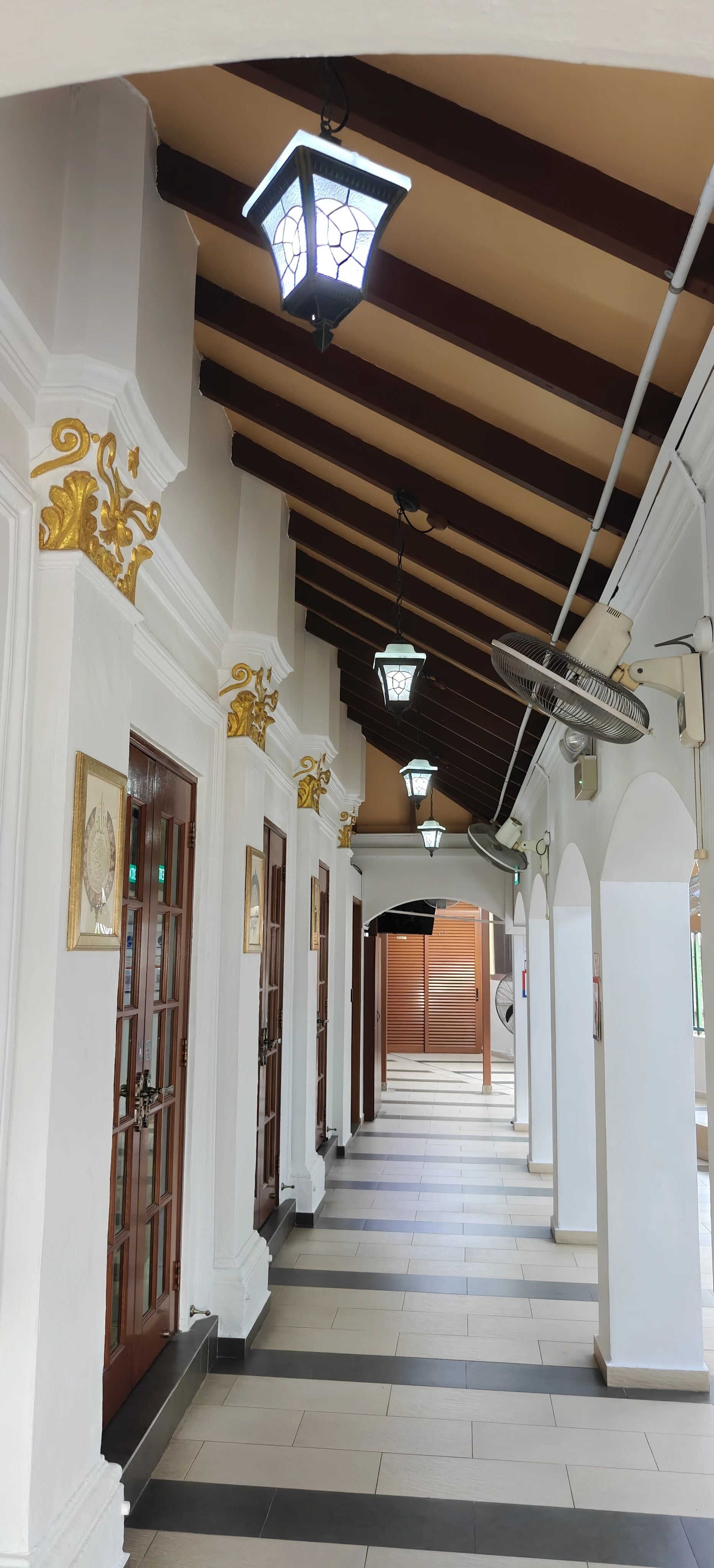
The prayer hall is not very large, but it is small and beautiful. The interior decoration is simple and plain, but it is definitely not crude. The pillars inside are mostly pure white, but the tops are accented with a touch of gold, adding a bit of elegance to the hall.
The ceiling (Image 3) is low, but it has an open design that shows the wooden structure. This keeps the ceiling from feeling heavy, as a solid ceiling in such a low room would make people feel cramped.
The top of the mihrab (Image 5) is covered in simple mosaic tiles. The colors are muted and the design is simple, so it does not look too flashy or distract from the space.
A staff stands on the pulpit. The khutbah staff here in Singapore is different from the ones in China, where they are usually smooth, dry branches that keep the original shape of the wood. The one here in Singapore is a straight metal staff with a metal sphere on top.
On the right side inside the niche, there is a miniature model of the door of the Kaaba in Mecca (Image 6). I have seen this type of model in the shop at the Islamic Arts Museum Malaysia, so it seems popular in mosques across Singapore and Malaysia.
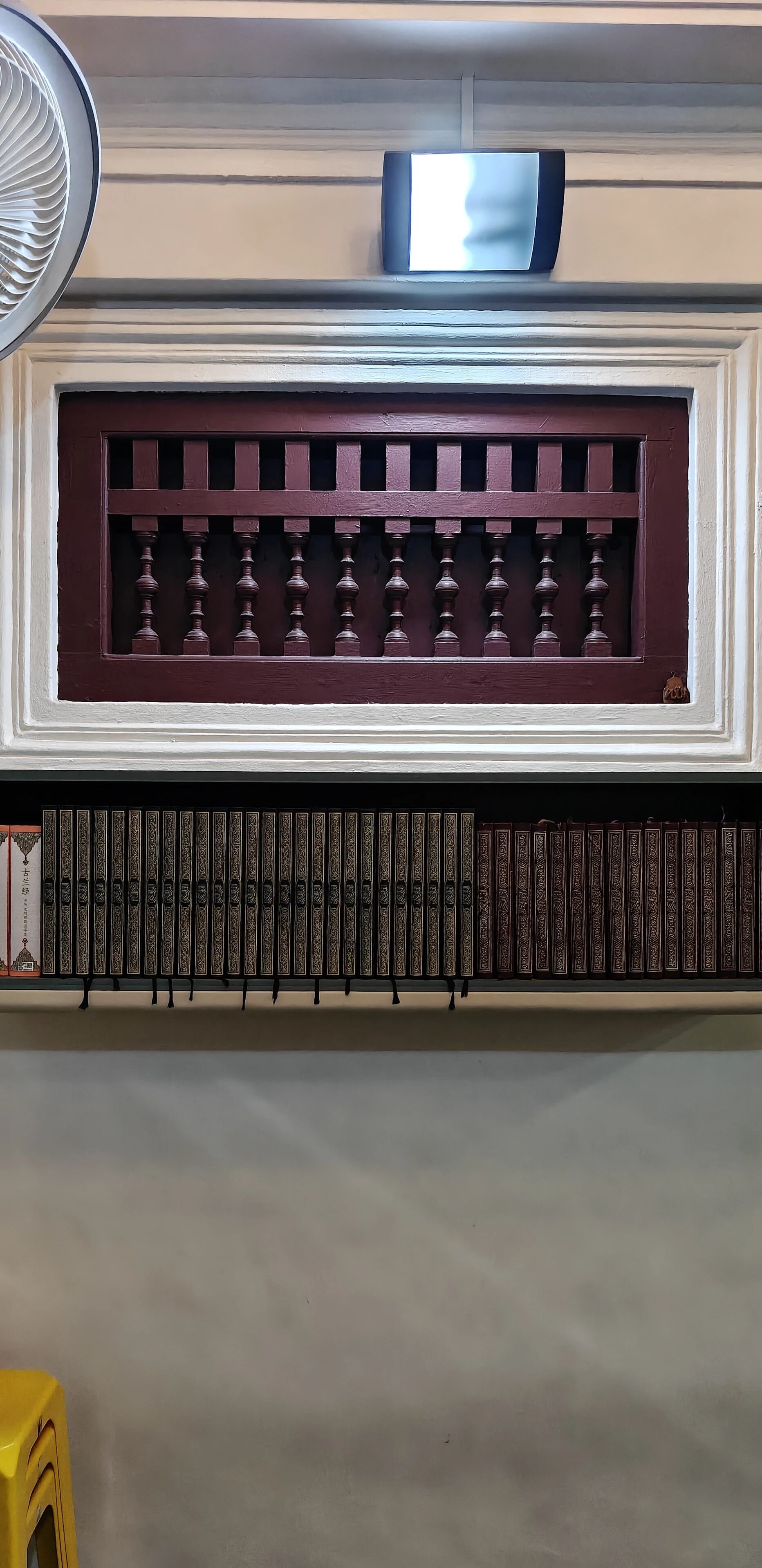
Copies of the Quran (Image 7) are neatly stacked on the pillars in the prayer hall. In some mosques, the books are placed a bit randomly and come in different styles.
I think the mosque management intentionally bought many copies of the Quran with the same covers to keep the interior looking tidy. Someone is specifically in charge of organizing them, making sure books with the same covers are kept together.
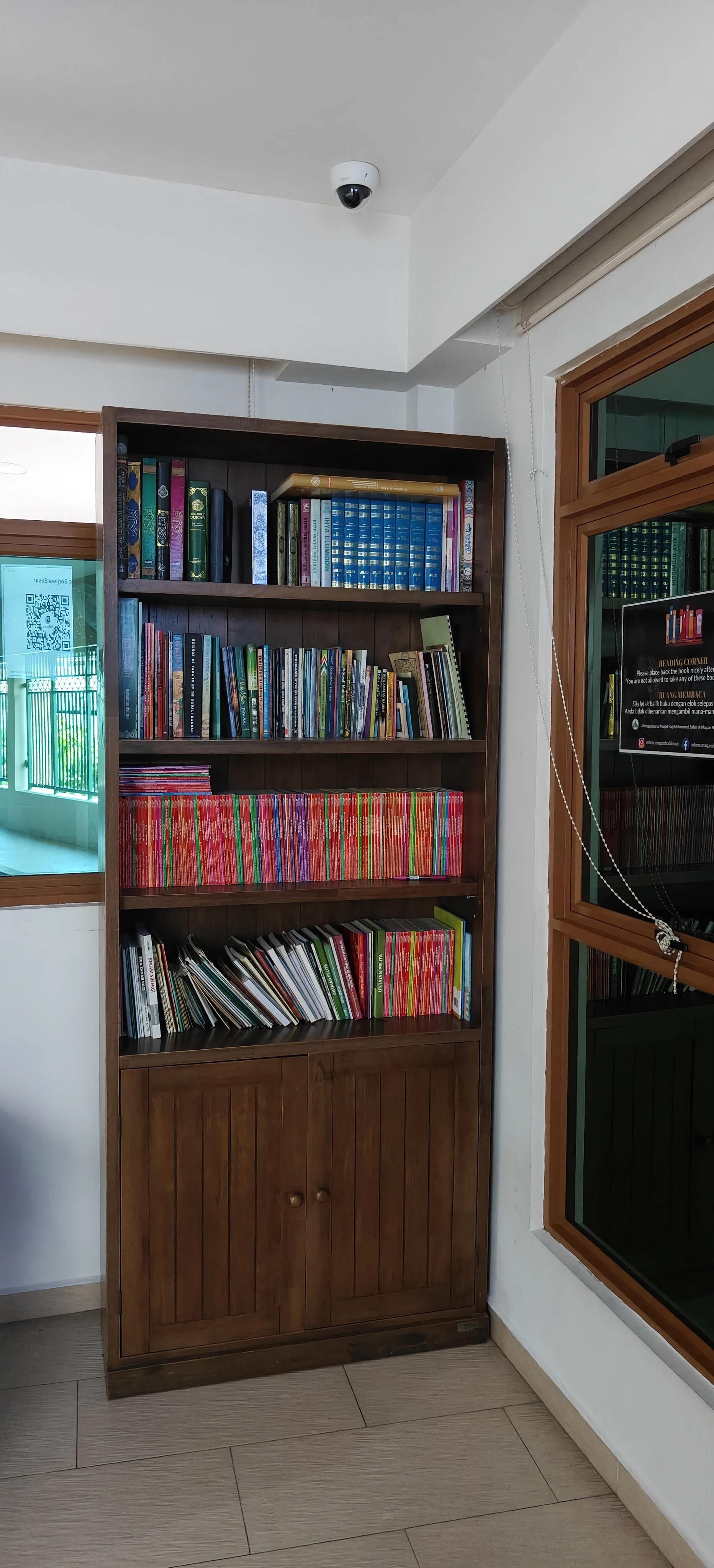
Let's look outside the prayer hall. Some guides mention a library here (Figure 10), which likely refers to a reading corner behind the prayer hall.
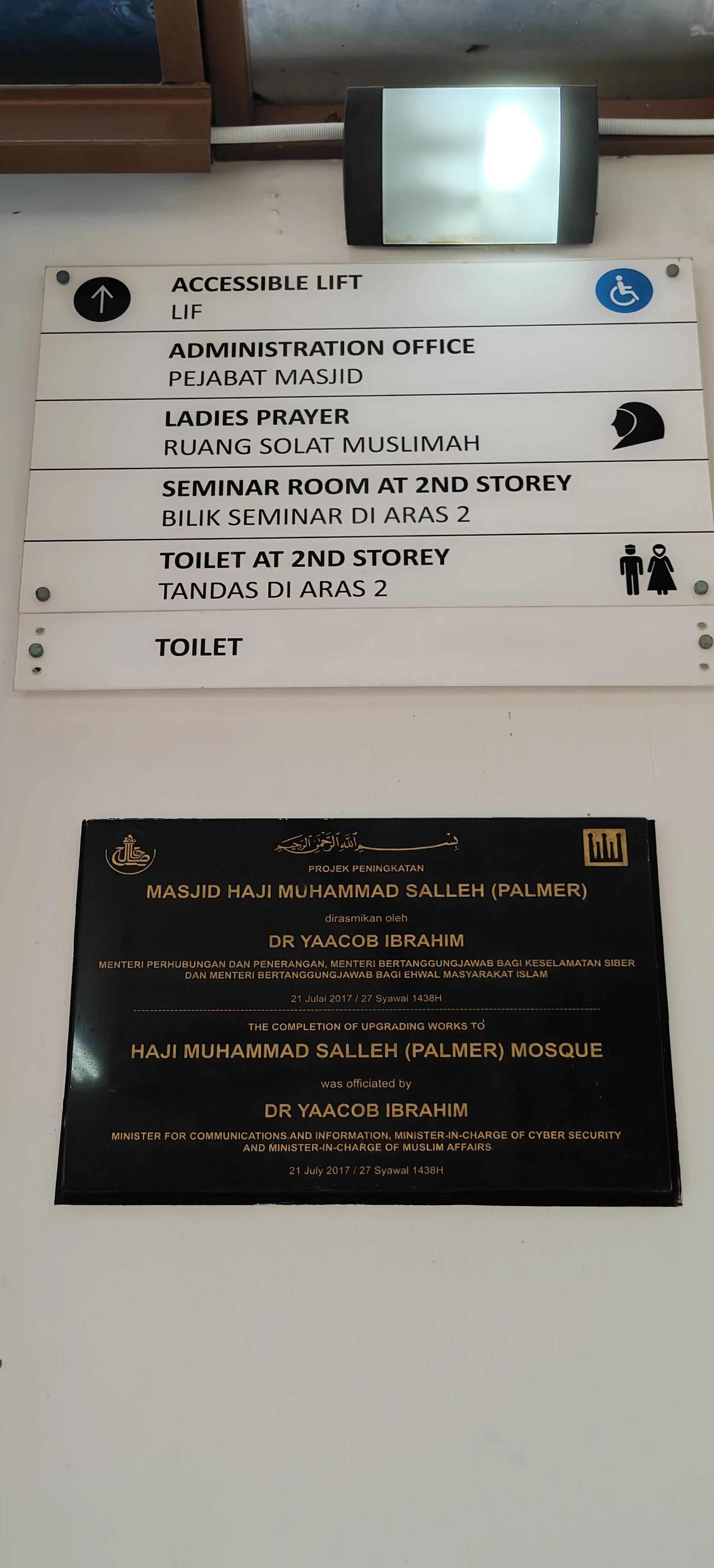
This small mosque also has an accessible elevator. I only noticed it while looking through my photos, even though I visited twice and never saw it.
According to the sign (Figure 11), the second floor has a small meeting room, a women's prayer area, restrooms, and an administrative office.
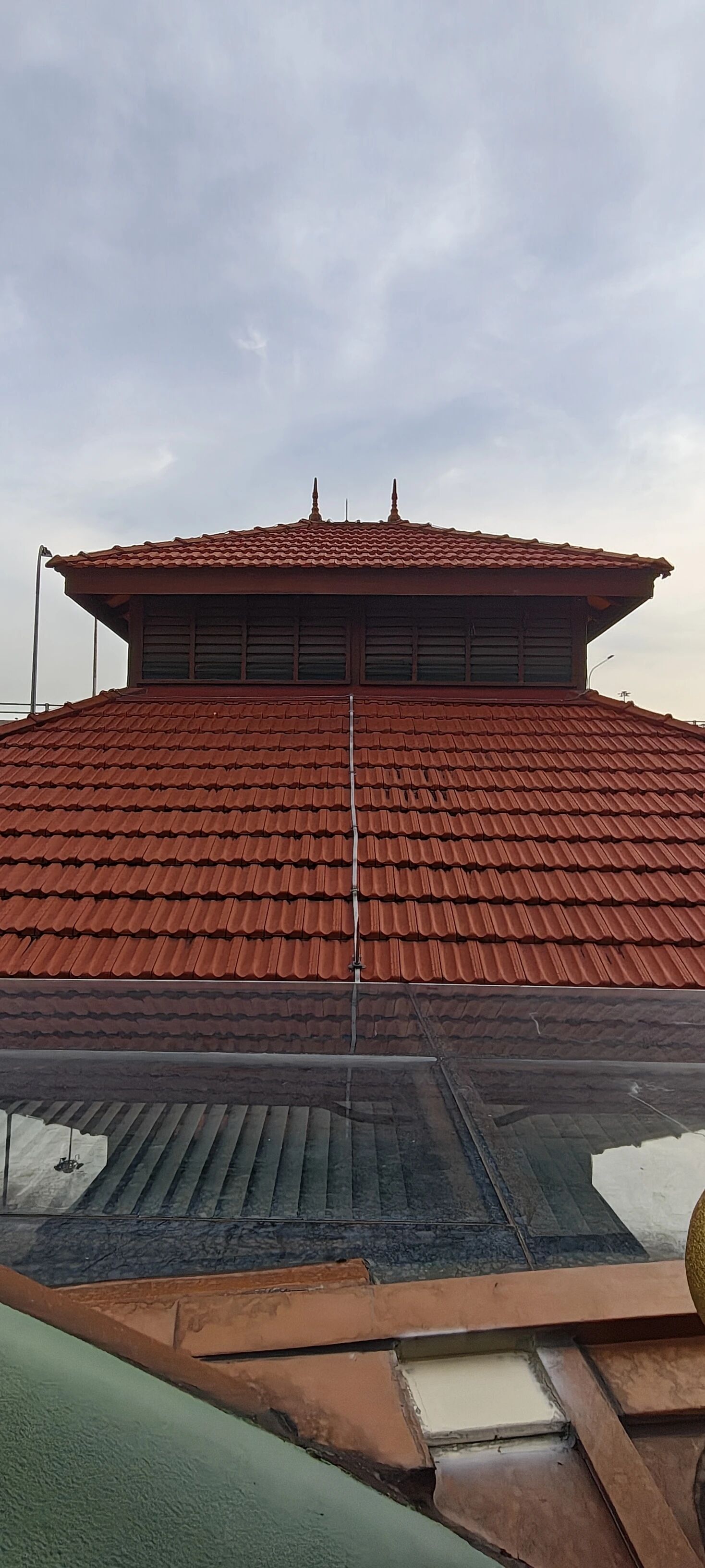
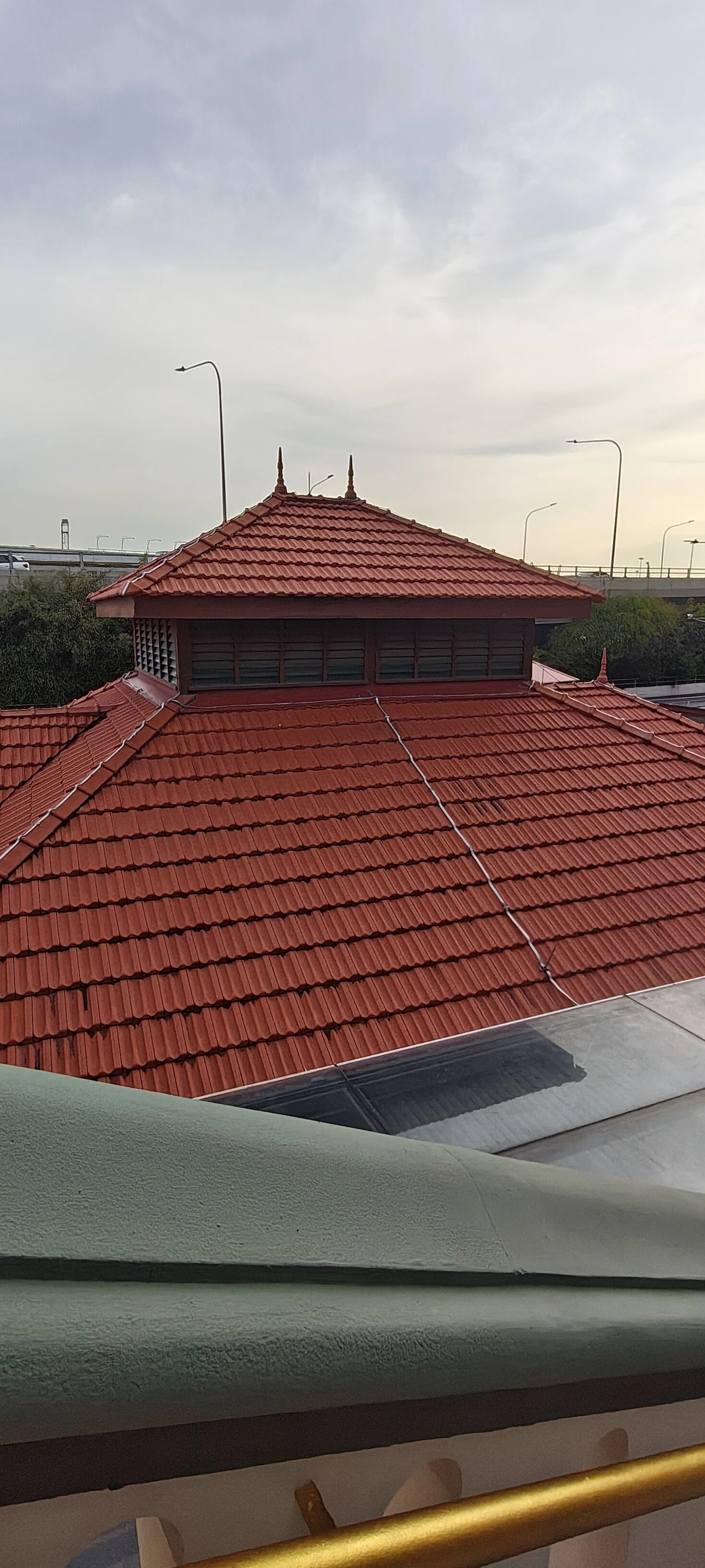
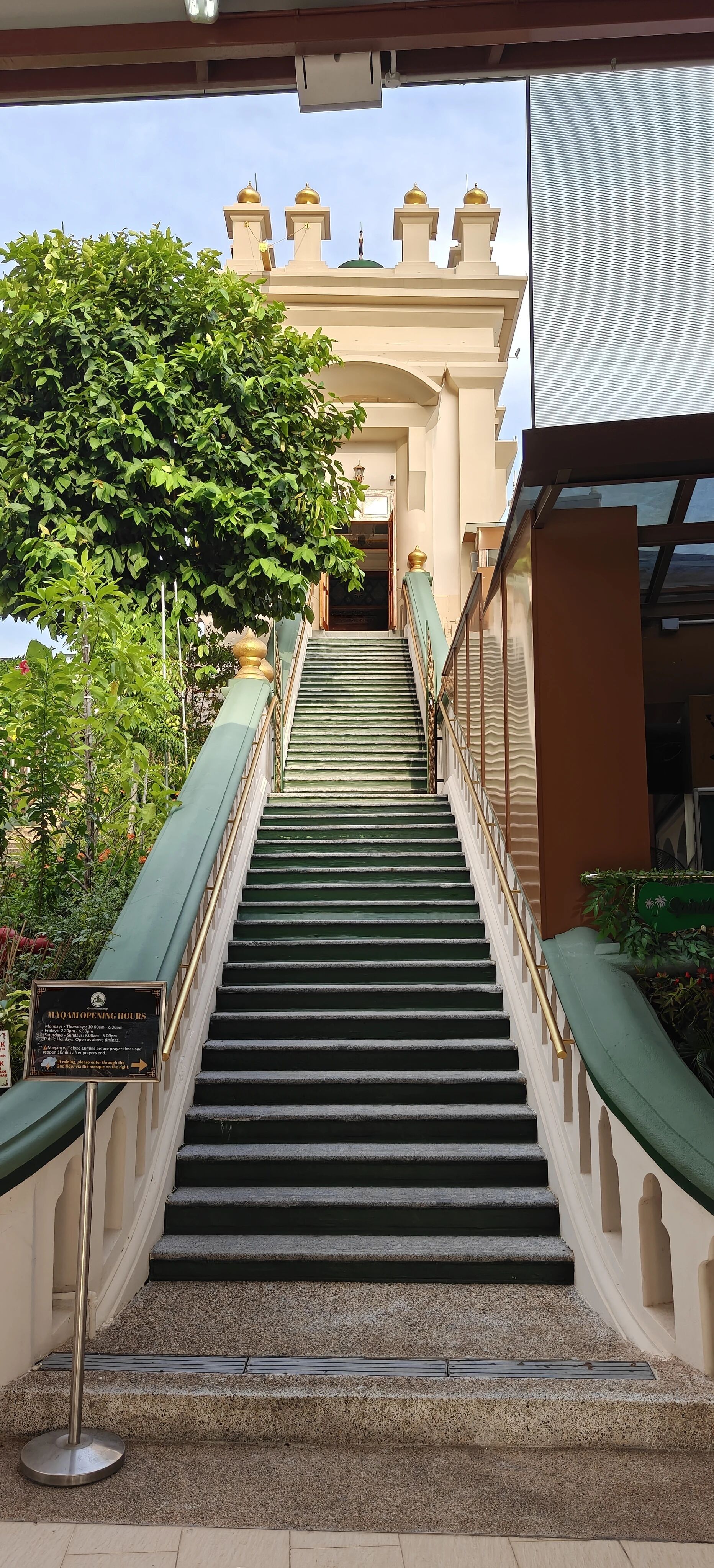
Climb the long steps up the nearby hill to see the roof of the mosque's prayer hall (Figure 12, Figure 13). The Malay-style building features this kind of sloped roof. view all
Summary: This Singapore Muslim travel guide turns from Habib Noh Shrine to Haji Mohamed Salleh Mosque itself. It keeps the mosque layout, prayer-hall notes, hillside setting, and source sequence unchanged.
Last time we focused on the tomb (gongbei) on the small hill next to the mosque. This time, let's look at the mosque itself. This mosque started as a small prayer room next to a tomb. It was later expanded to its current size.
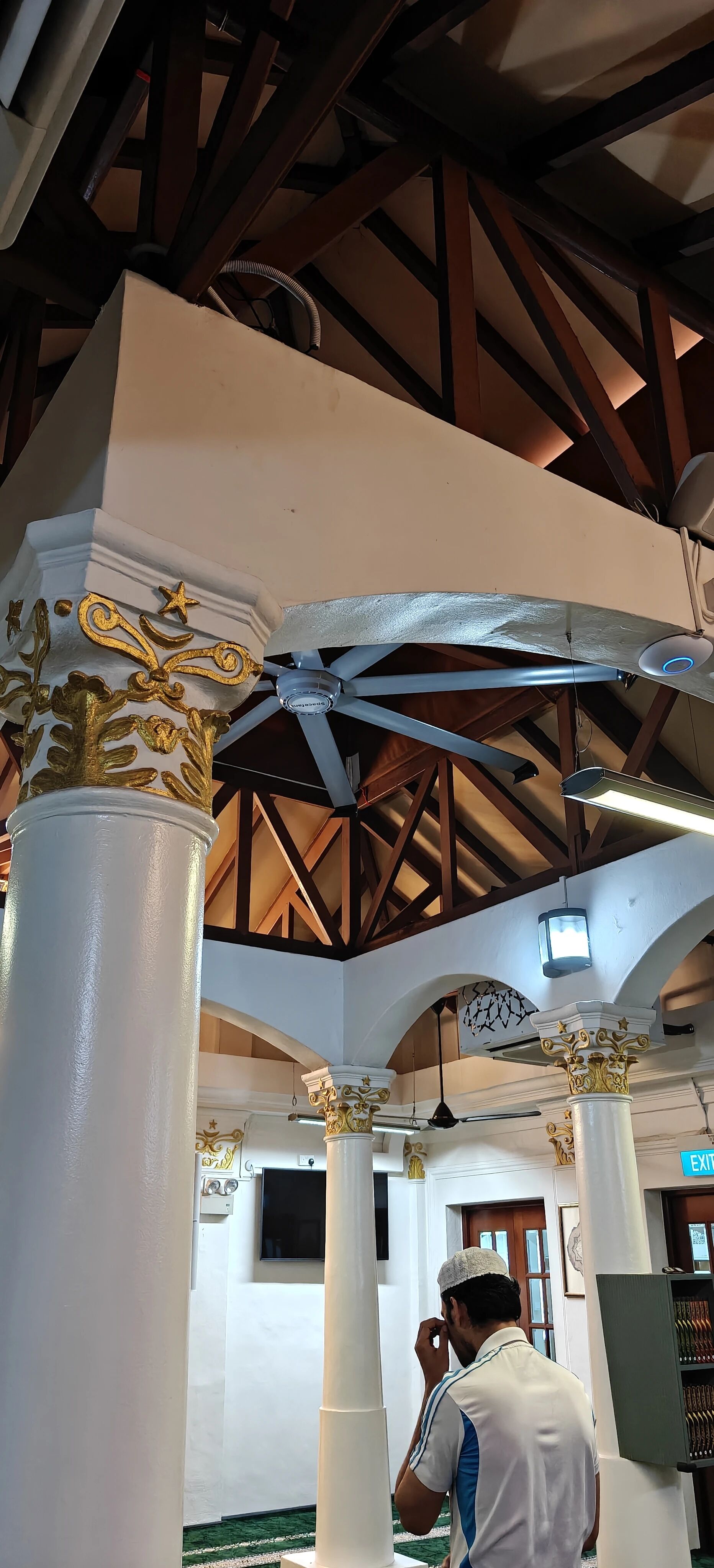
The prayer hall is not very large, but it is small and beautiful. The interior decoration is simple and plain, but it is definitely not crude. The pillars inside are mostly pure white, but the tops are accented with a touch of gold, adding a bit of elegance to the hall.
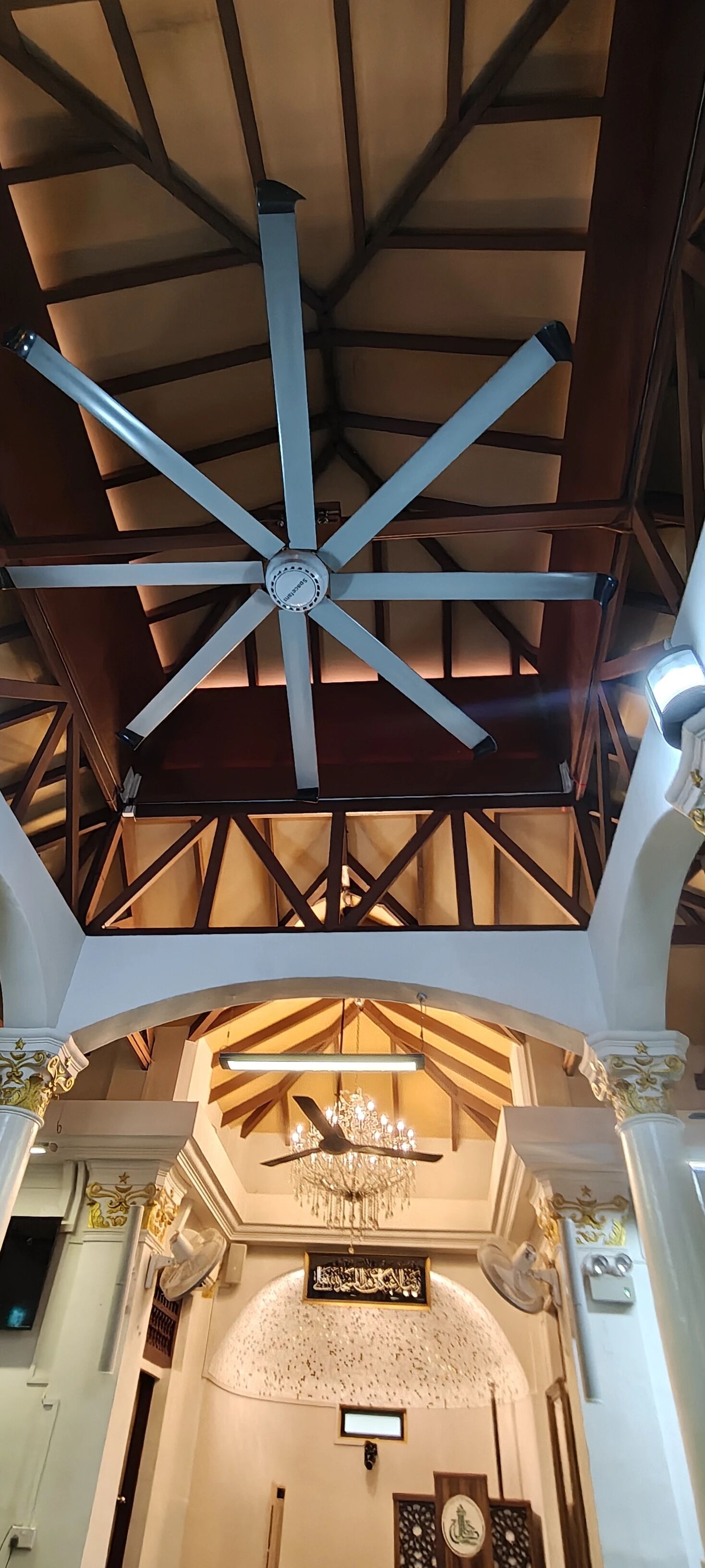
The ceiling (Image 3) is low, but it has an open design that shows the wooden structure. This keeps the ceiling from feeling heavy, as a solid ceiling in such a low room would make people feel cramped.
The top of the mihrab (Image 5) is covered in simple mosaic tiles. The colors are muted and the design is simple, so it does not look too flashy or distract from the space.
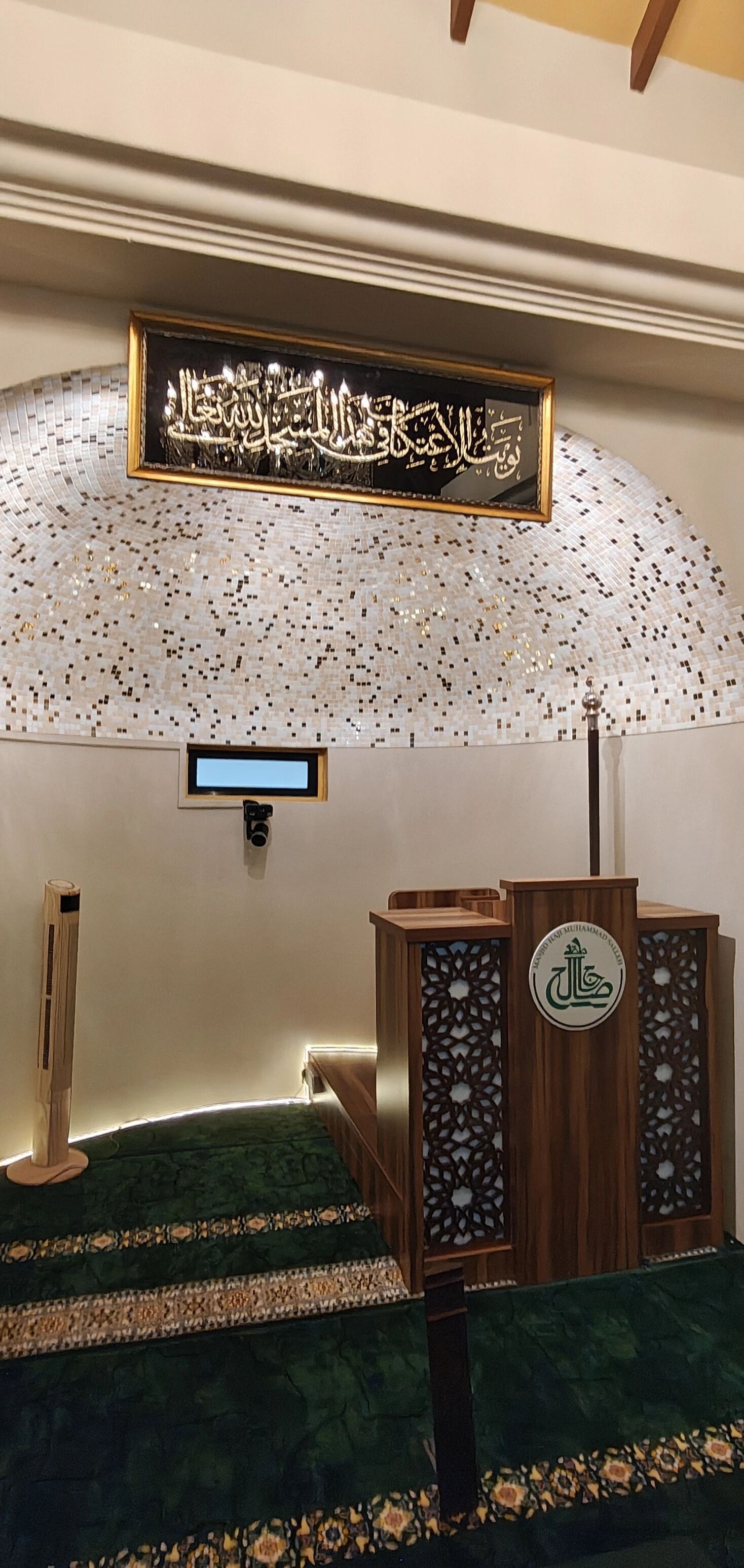
A staff stands on the pulpit. The khutbah staff here in Singapore is different from the ones in China, where they are usually smooth, dry branches that keep the original shape of the wood. The one here in Singapore is a straight metal staff with a metal sphere on top.
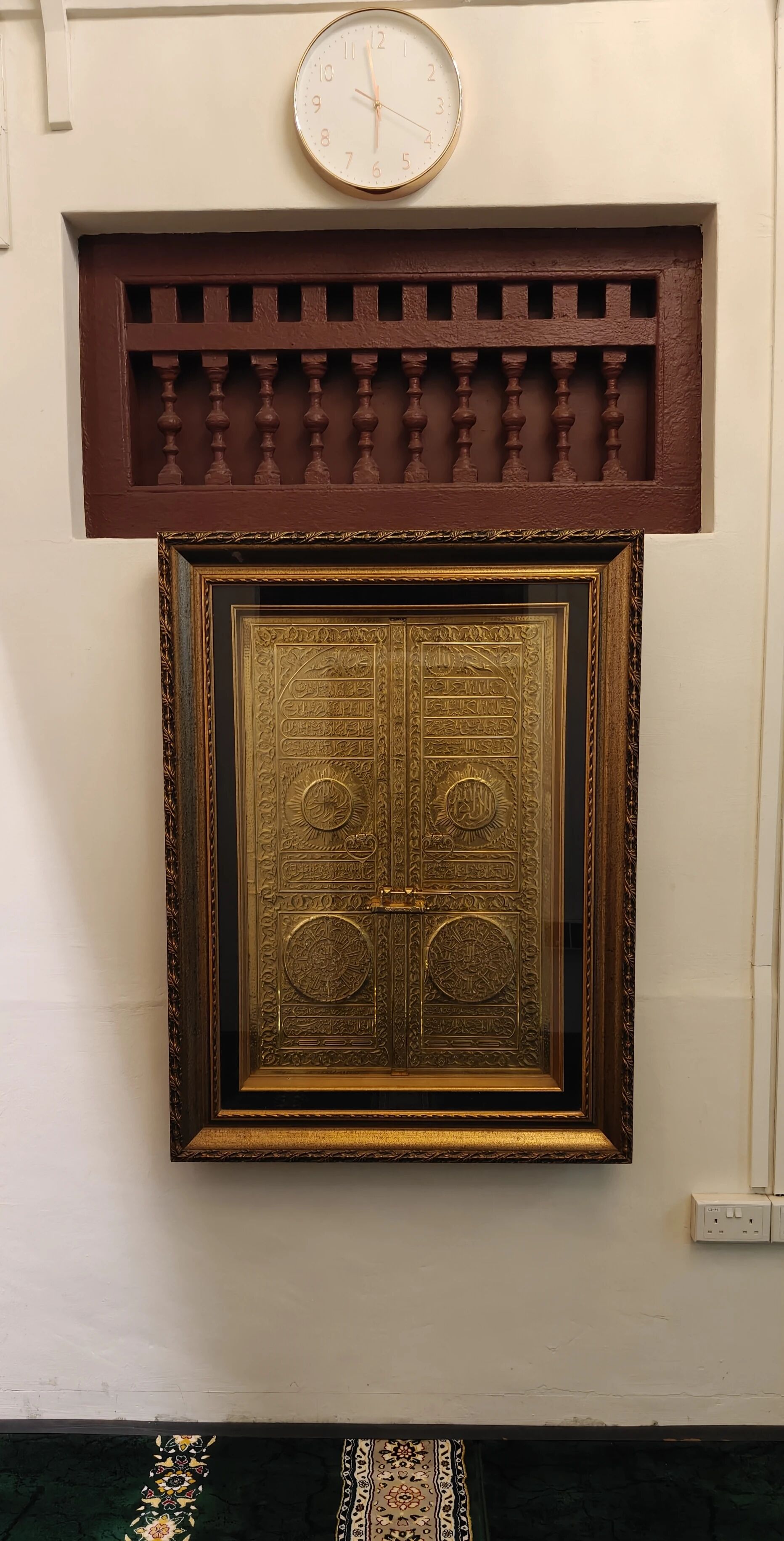
On the right side inside the niche, there is a miniature model of the door of the Kaaba in Mecca (Image 6). I have seen this type of model in the shop at the Islamic Arts Museum Malaysia, so it seems popular in mosques across Singapore and Malaysia.
Copies of the Quran (Image 7) are neatly stacked on the pillars in the prayer hall. In some mosques, the books are placed a bit randomly and come in different styles.
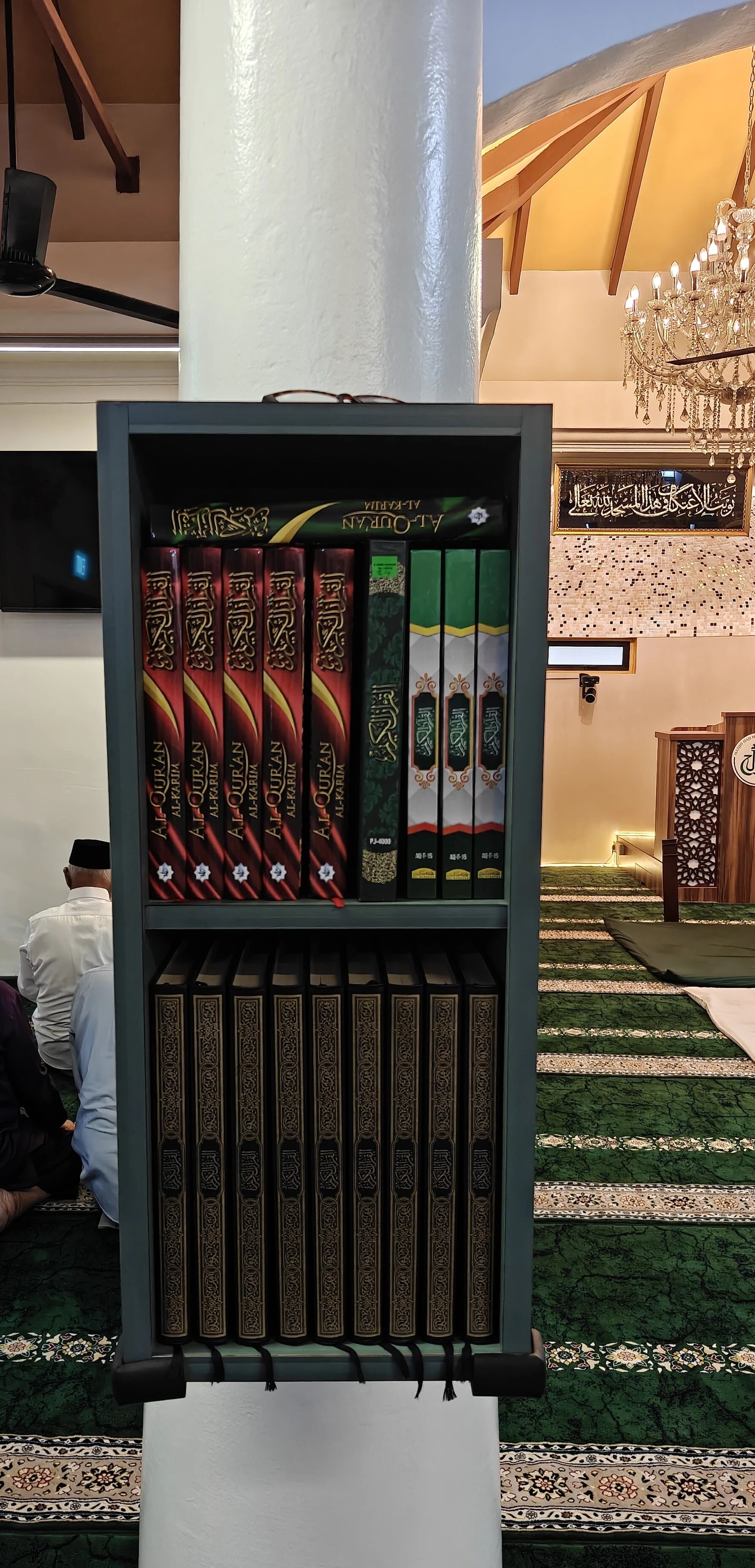
I think the mosque management intentionally bought many copies of the Quran with the same covers to keep the interior looking tidy. Someone is specifically in charge of organizing them, making sure books with the same covers are kept together.
Let's look outside the prayer hall. Some guides mention a library here (Figure 10), which likely refers to a reading corner behind the prayer hall.
This small mosque also has an accessible elevator. I only noticed it while looking through my photos, even though I visited twice and never saw it.
According to the sign (Figure 11), the second floor has a small meeting room, a women's prayer area, restrooms, and an administrative office.
Climb the long steps up the nearby hill to see the roof of the mosque's prayer hall (Figure 12, Figure 13). The Malay-style building features this kind of sloped roof.
Mosque Near Singapore Chinatown: Al-Abrar Mosque, Chulia Tamil Muslims and Telok Ayer Heritage
Articles • Hasan09 posted the article • 0 comments • 341 views • 2026-05-24 01:47
Summary: This Singapore mosque guide visits Al-Abrar Mosque near Thian Hock Keng and the Telok Ayer area. It keeps the source notes on Chulia Tamil Muslims, Southeast Asian trade, mosque history, and local street context.
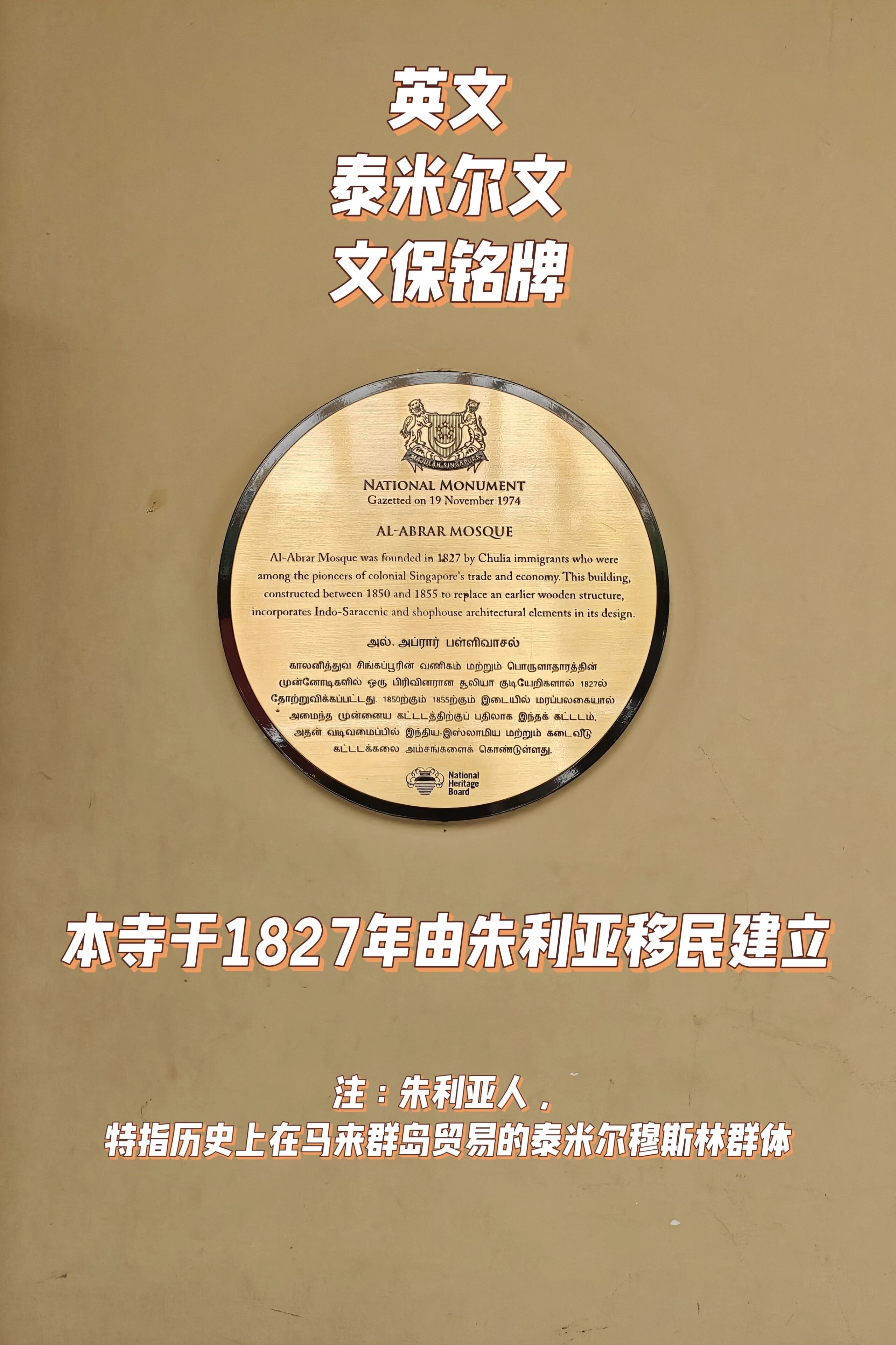
The Chulia are Tamil Muslims who do business in Southeast Asia. They have built mosques not only in Singapore but also in Malaysia and Myanmar. The Jamae Mosque in Singapore that I posted about before was also built by the Chulia.
The Al-Abrar Mosque I am introducing today was also built by the Chulia. This mosque is on the same street as the South Indian shrine (gongbei) Nagore Dargah that I introduced last time, as well as the Thian Hock Keng Mosque, which represents traditional Chinese beliefs.
It is just a few steps away from the Nagore Dargah.
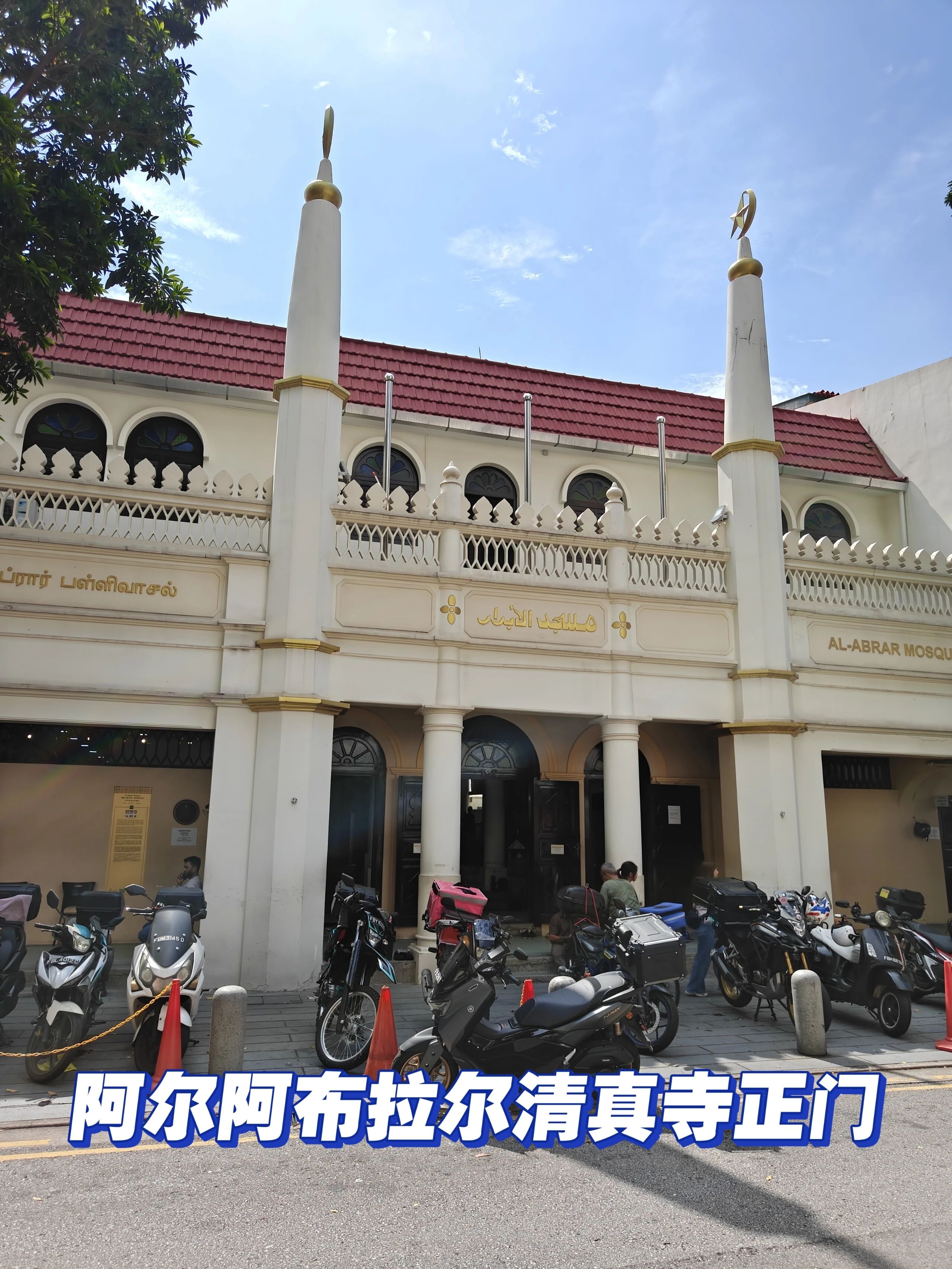
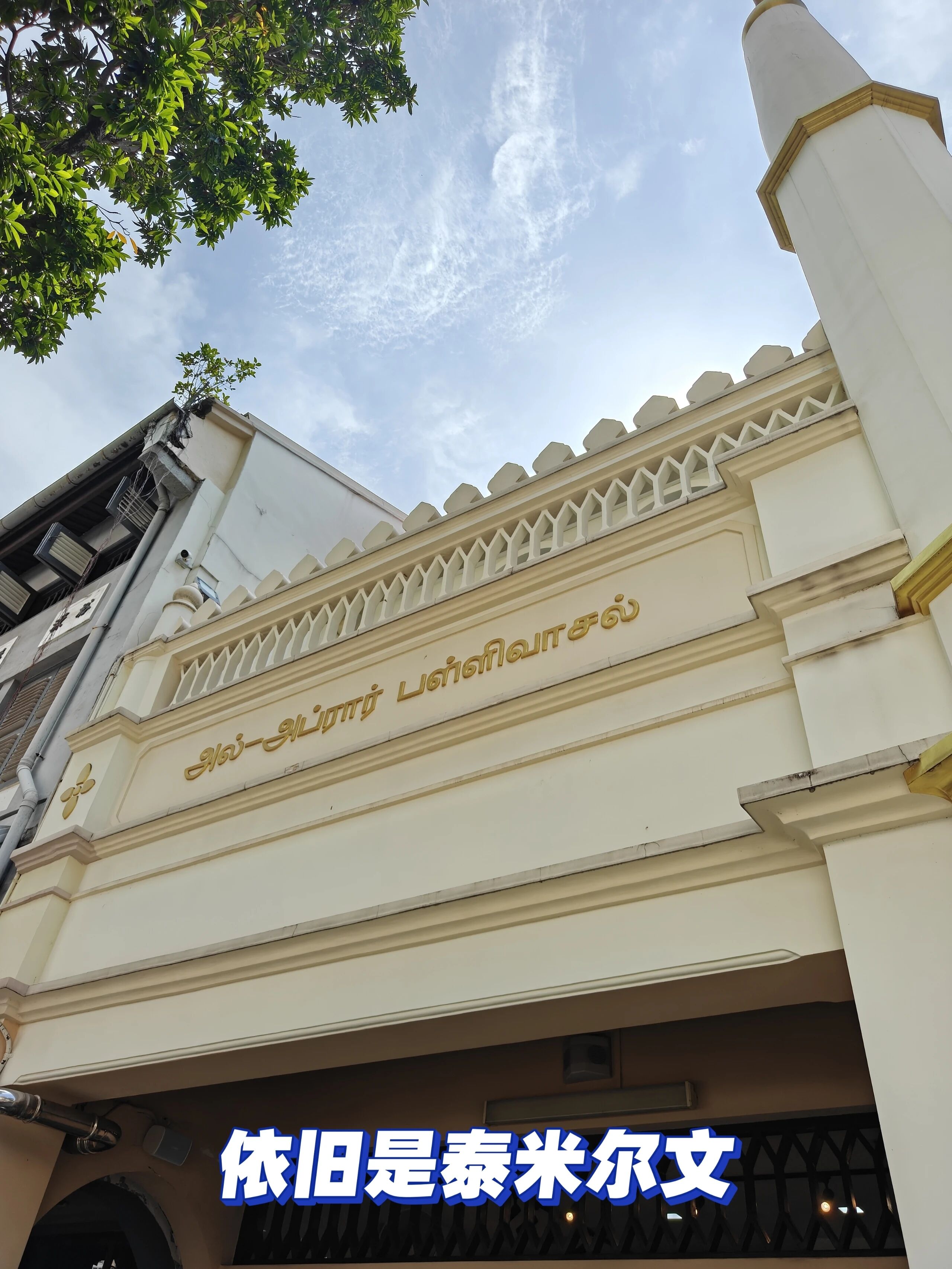
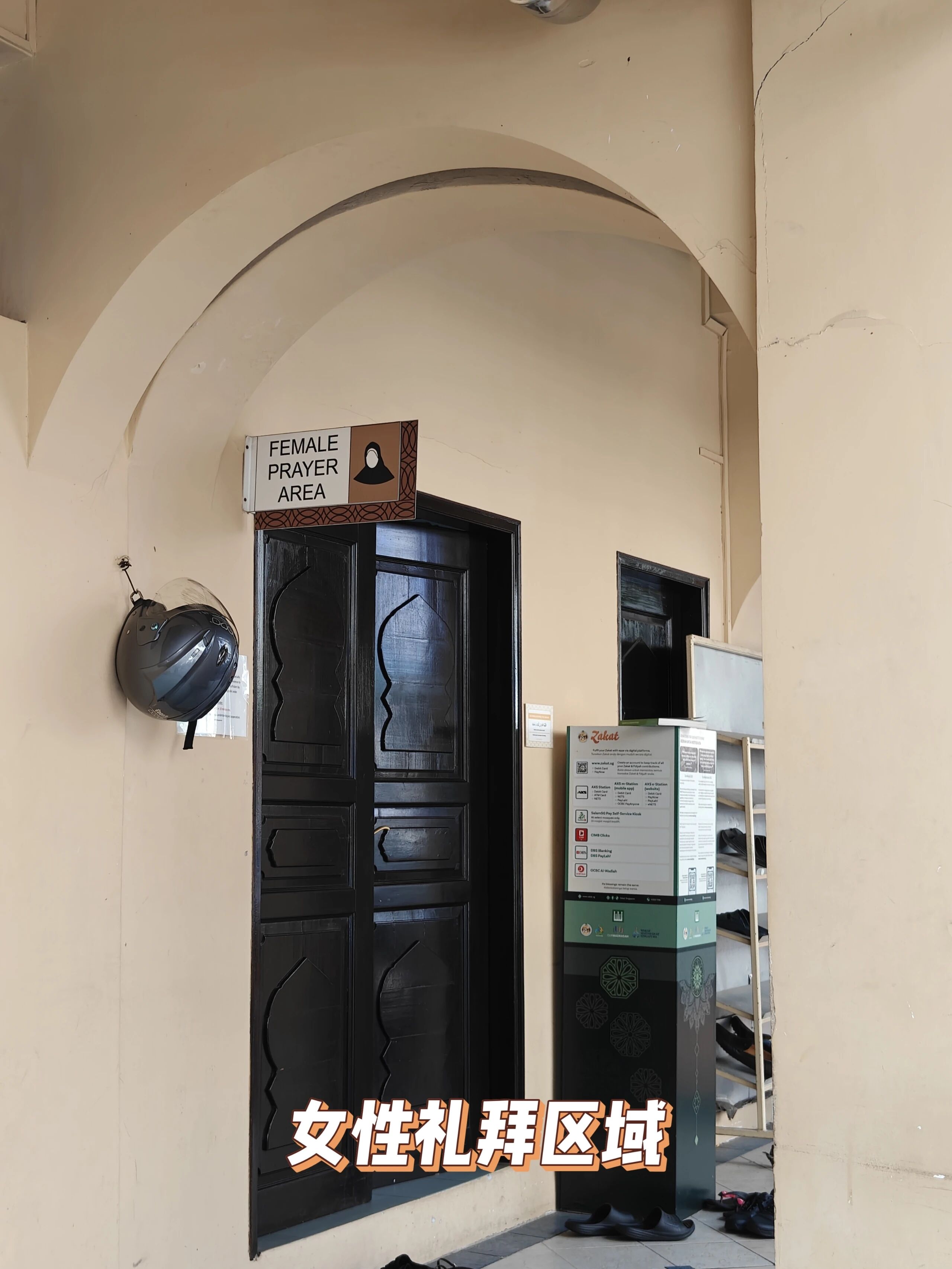
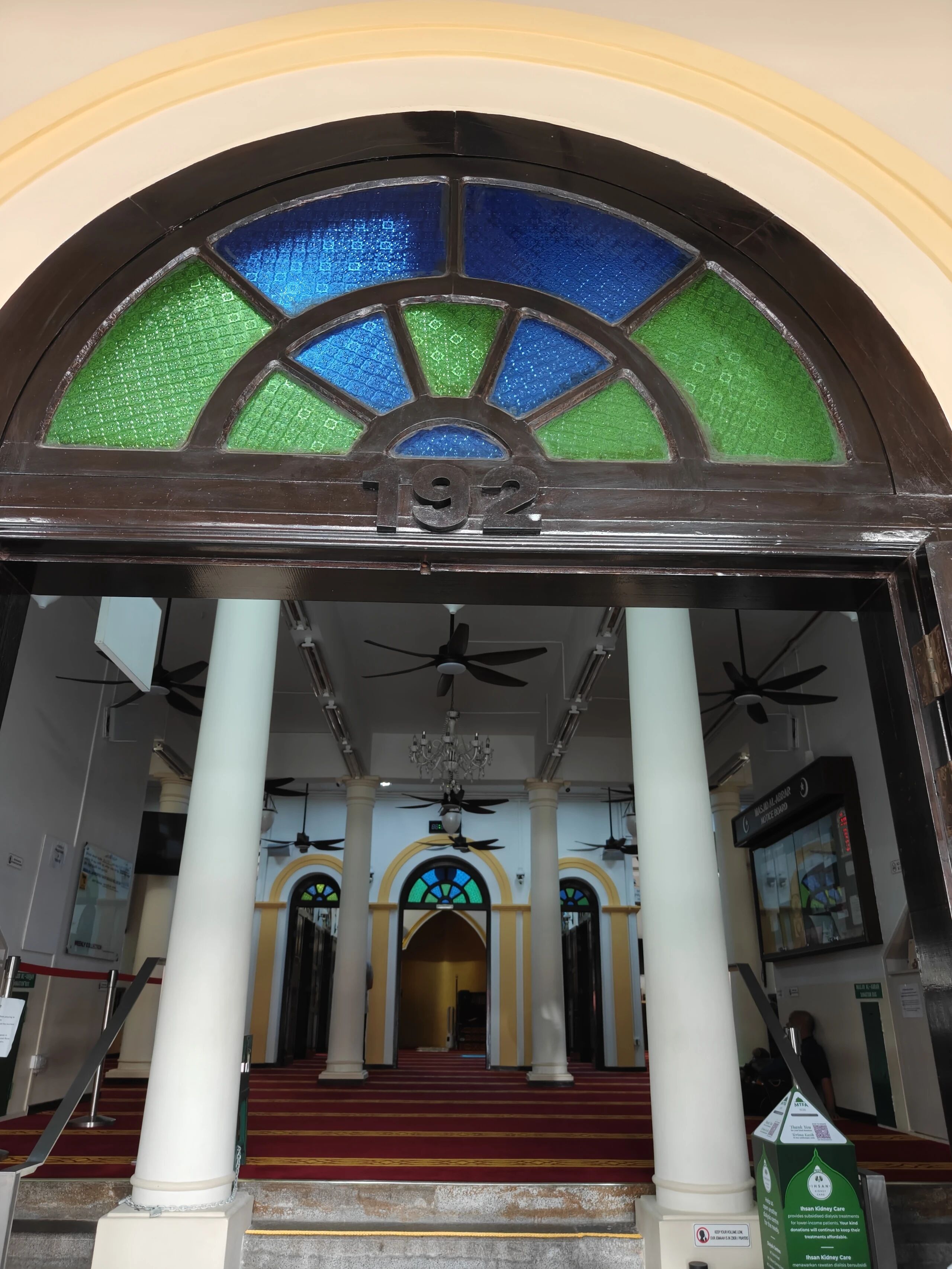
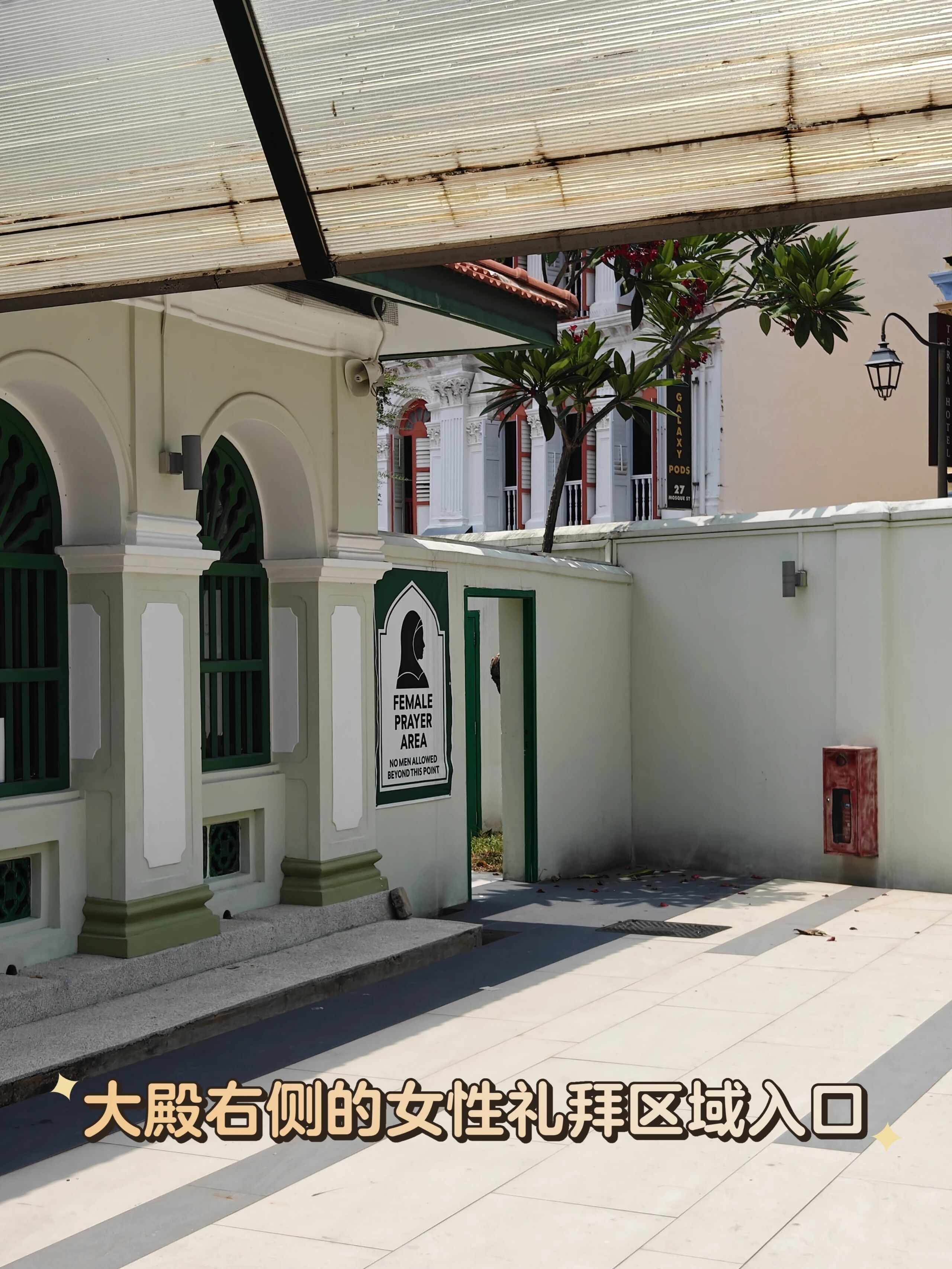
The entrance still features three languages: Arabic on the main gate, English on the right, and Tamil on the left. To the left of the porch, there is an entrance to the women's prayer area.
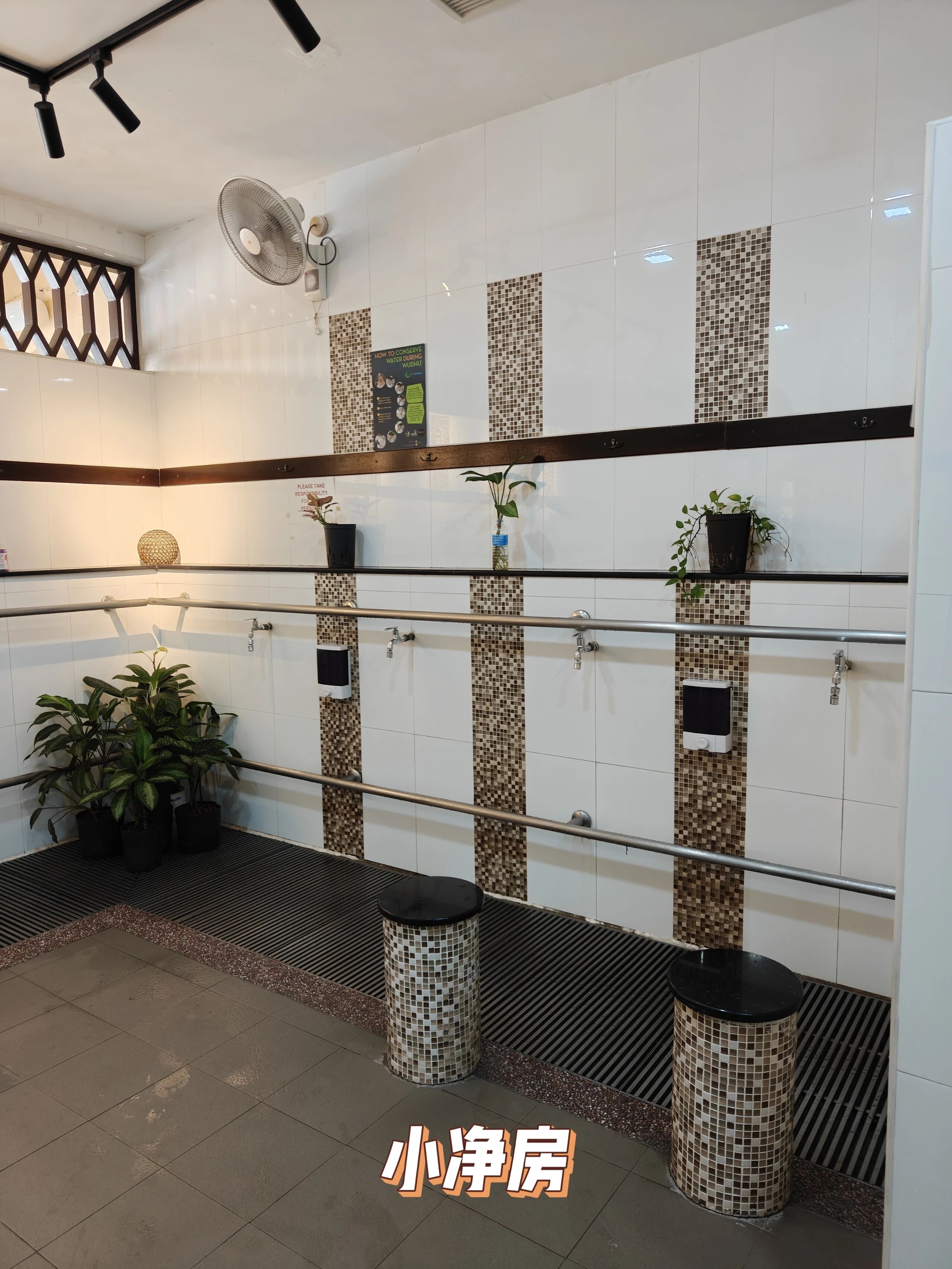
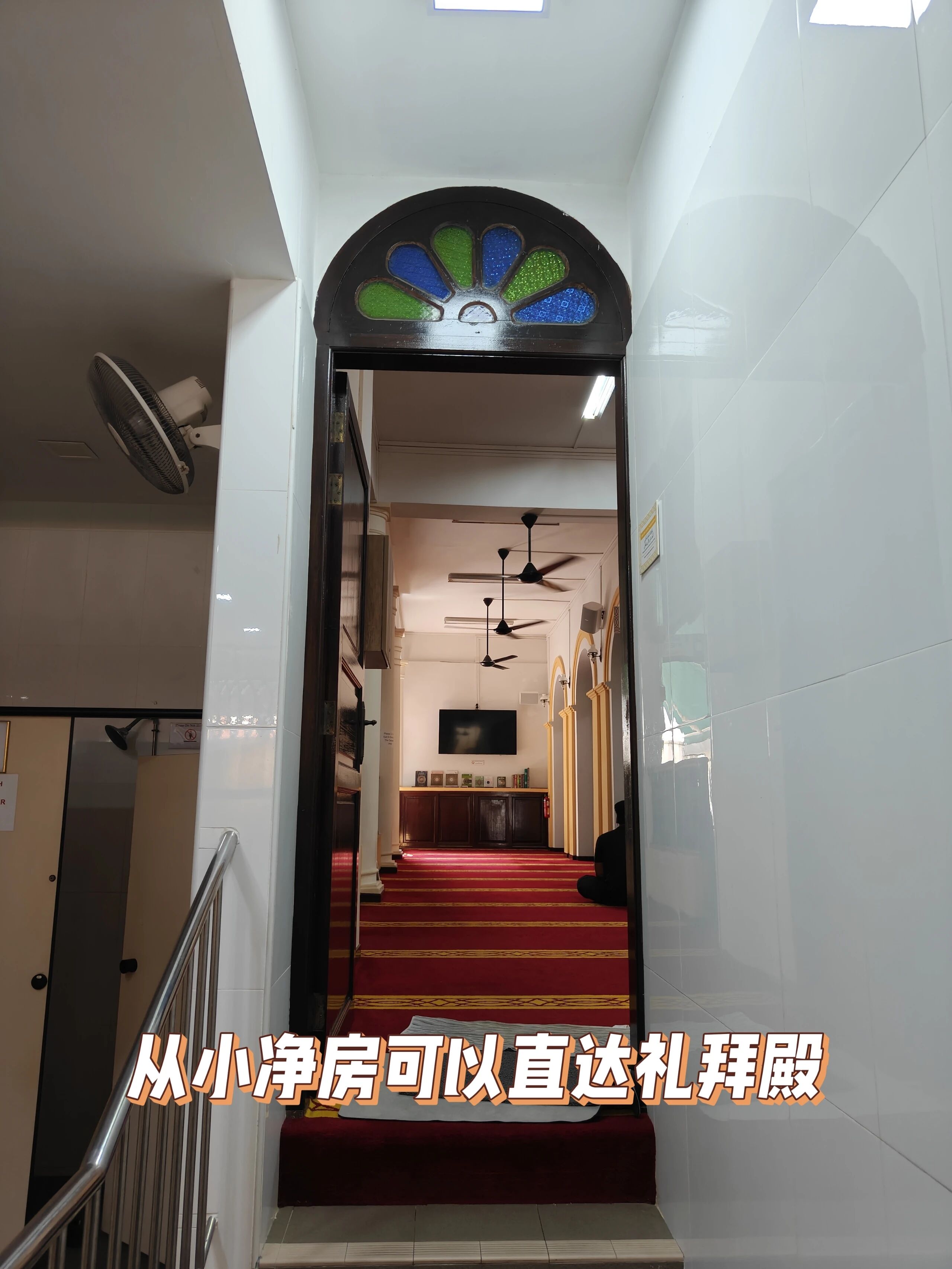
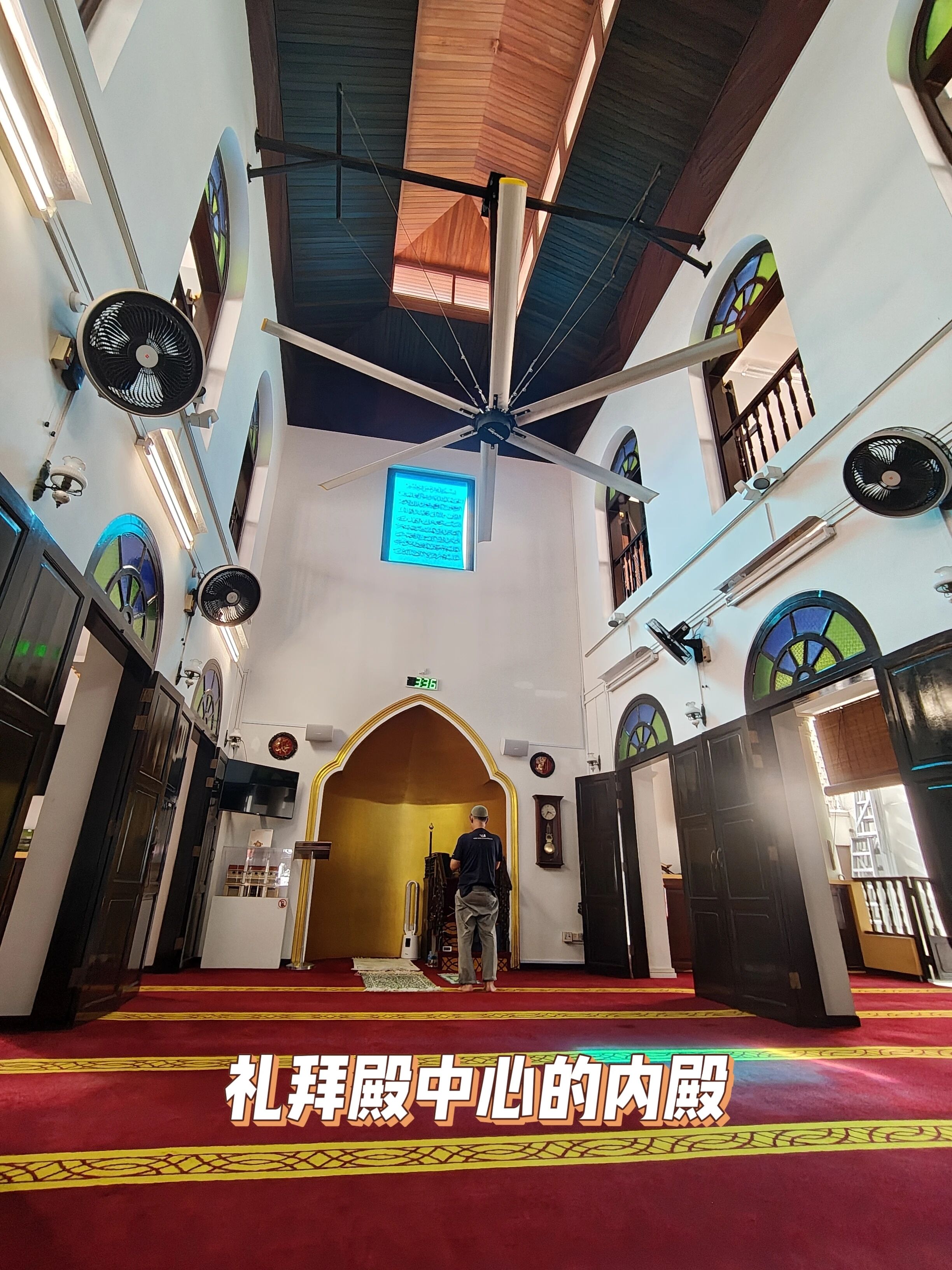
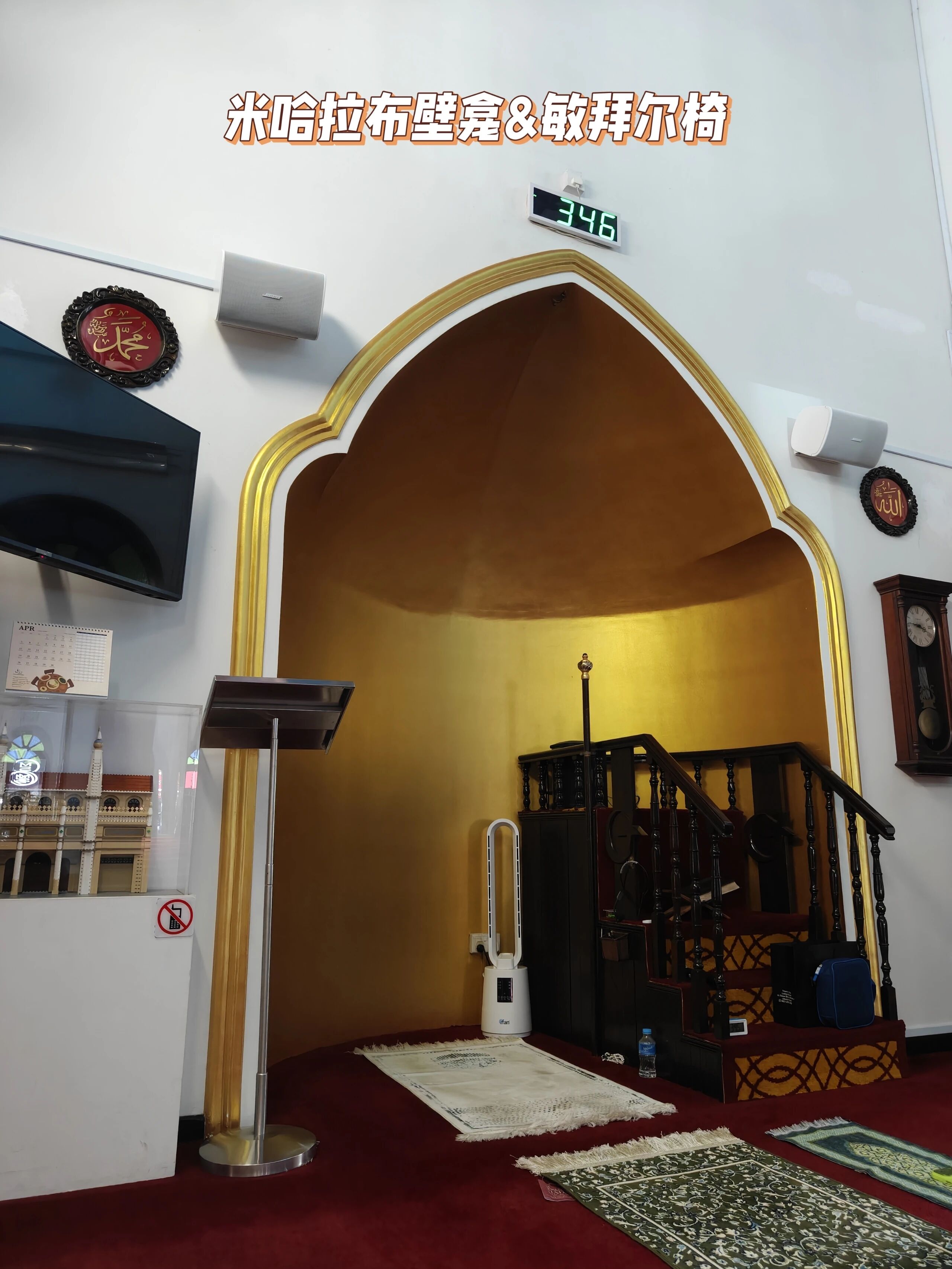
When I entered the mosque, the first thing I noticed was that the prayer hall has an inner sanctuary (Figure 5). I first turned left to the ablution room to perform wudu, then went to the inner sanctuary in the center of the prayer hall.
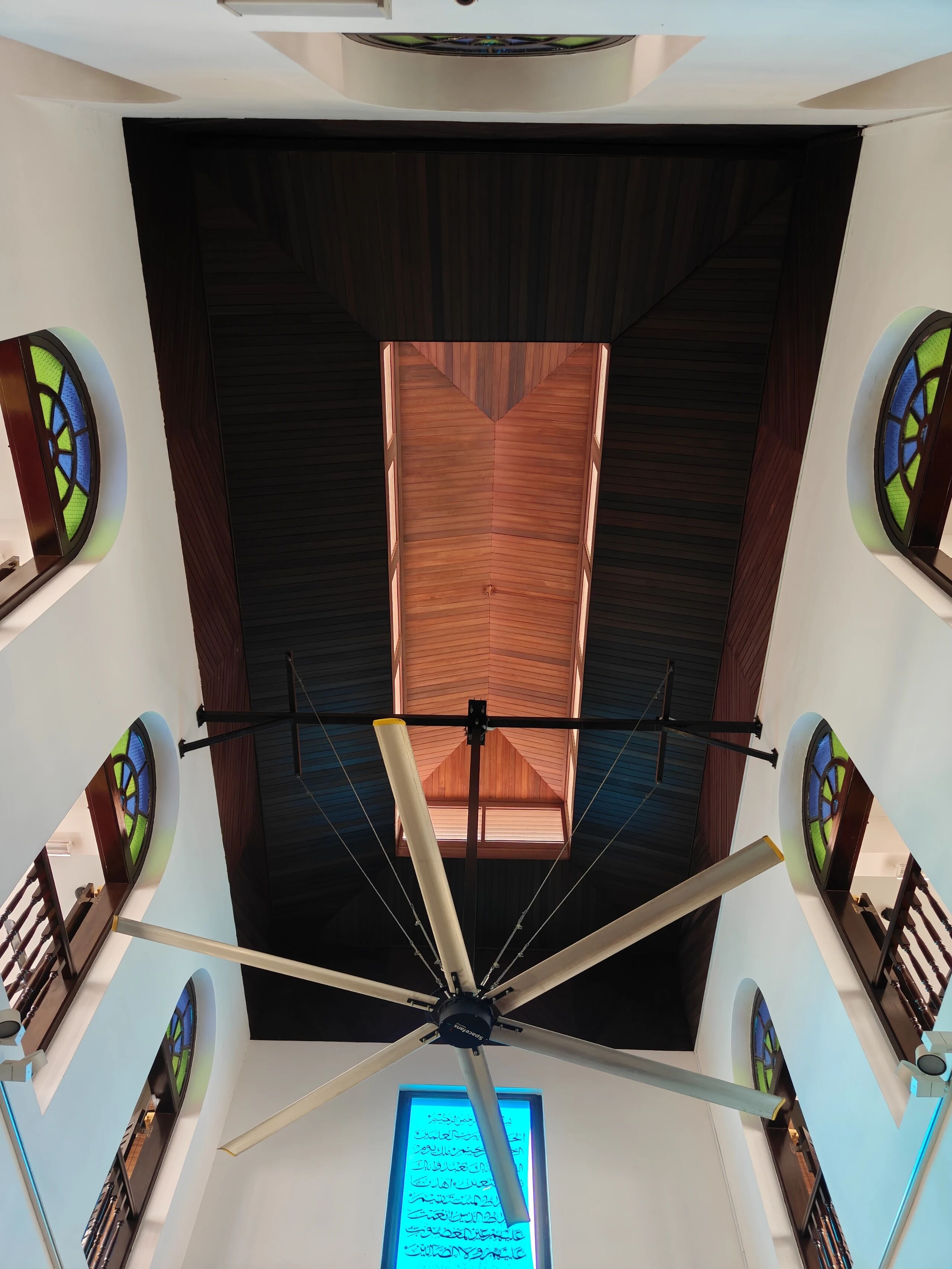
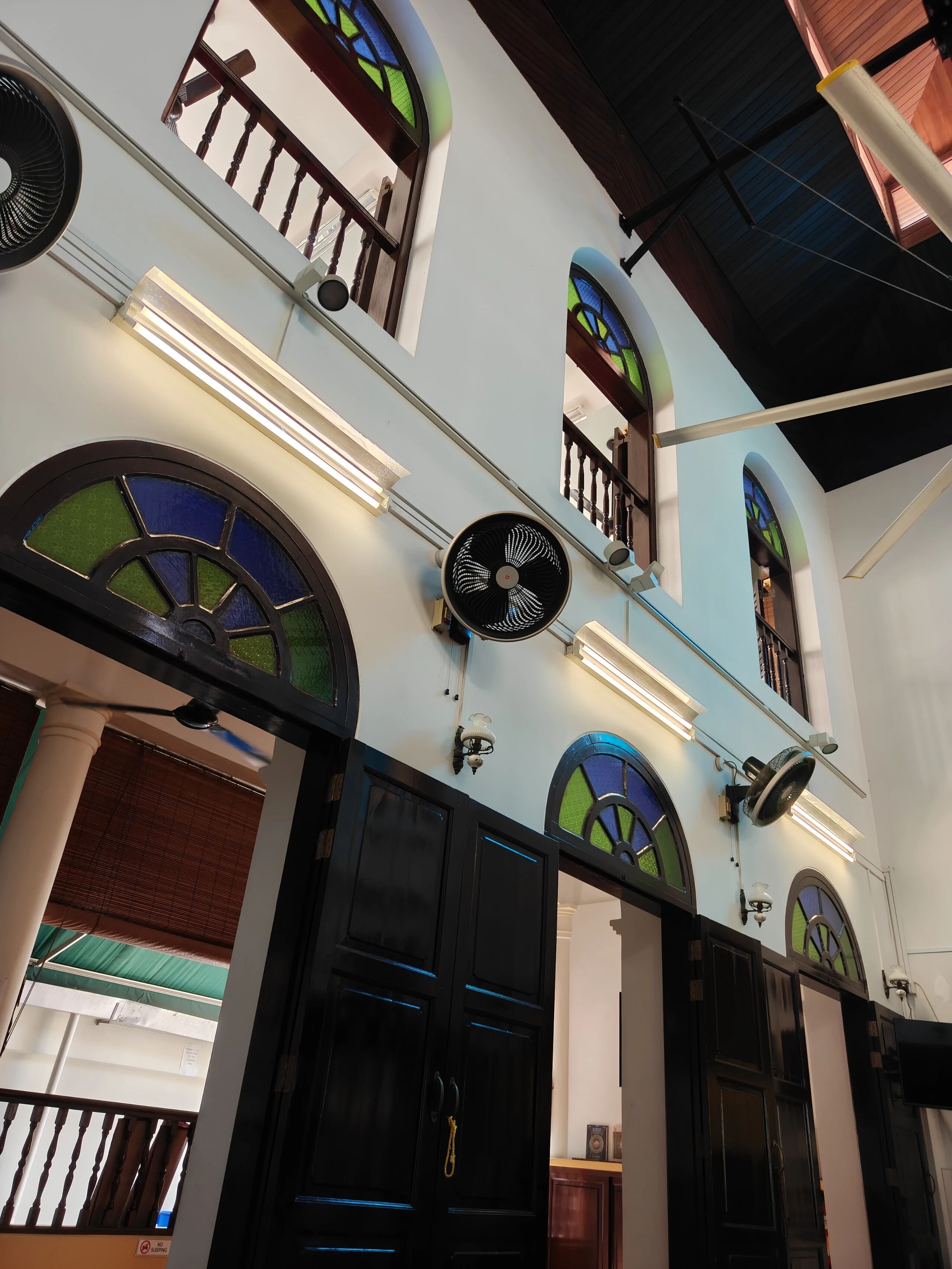
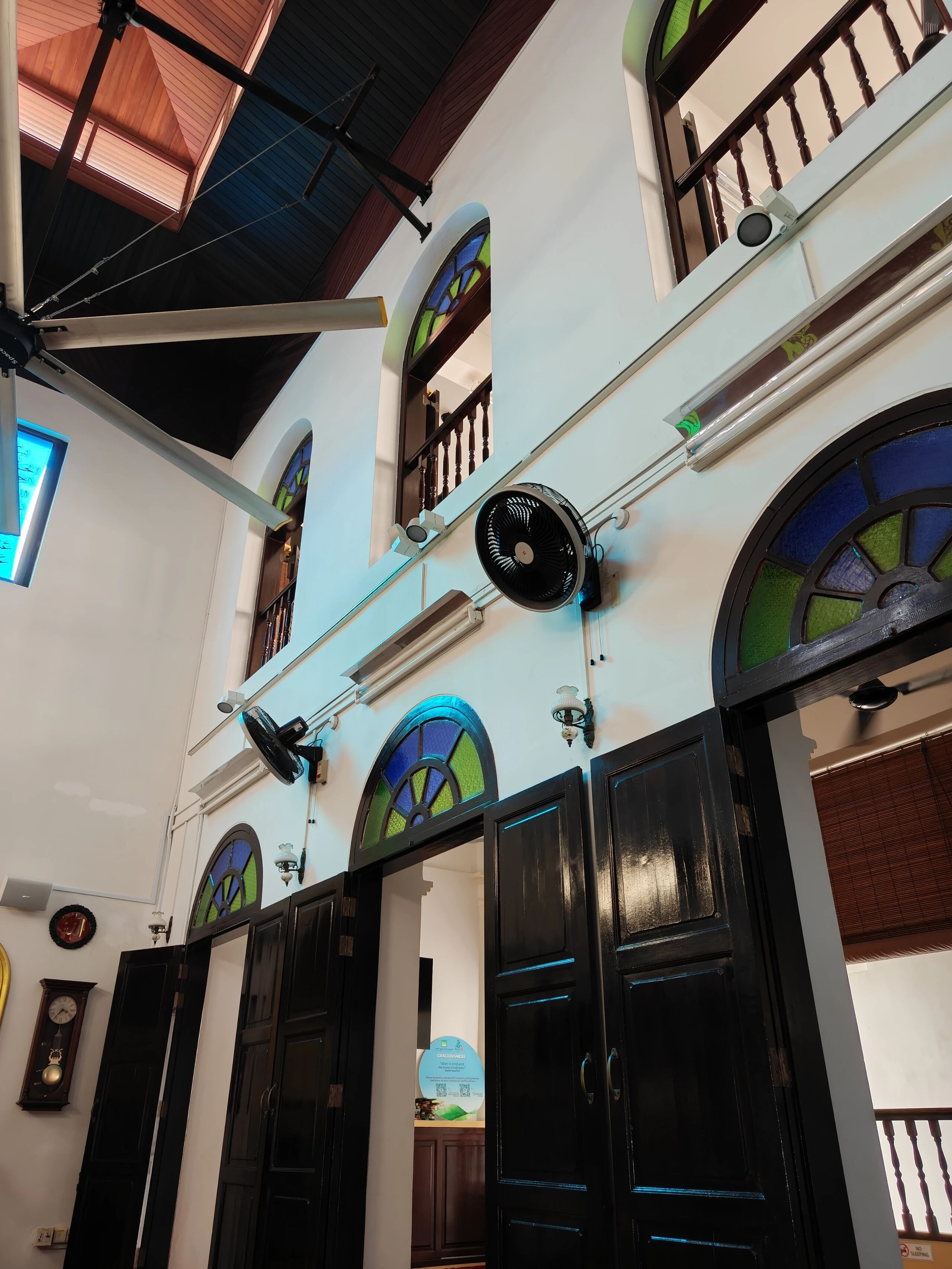
The inner sanctuary is built in two levels, and the windows on the second level let in light to brighten the interior.
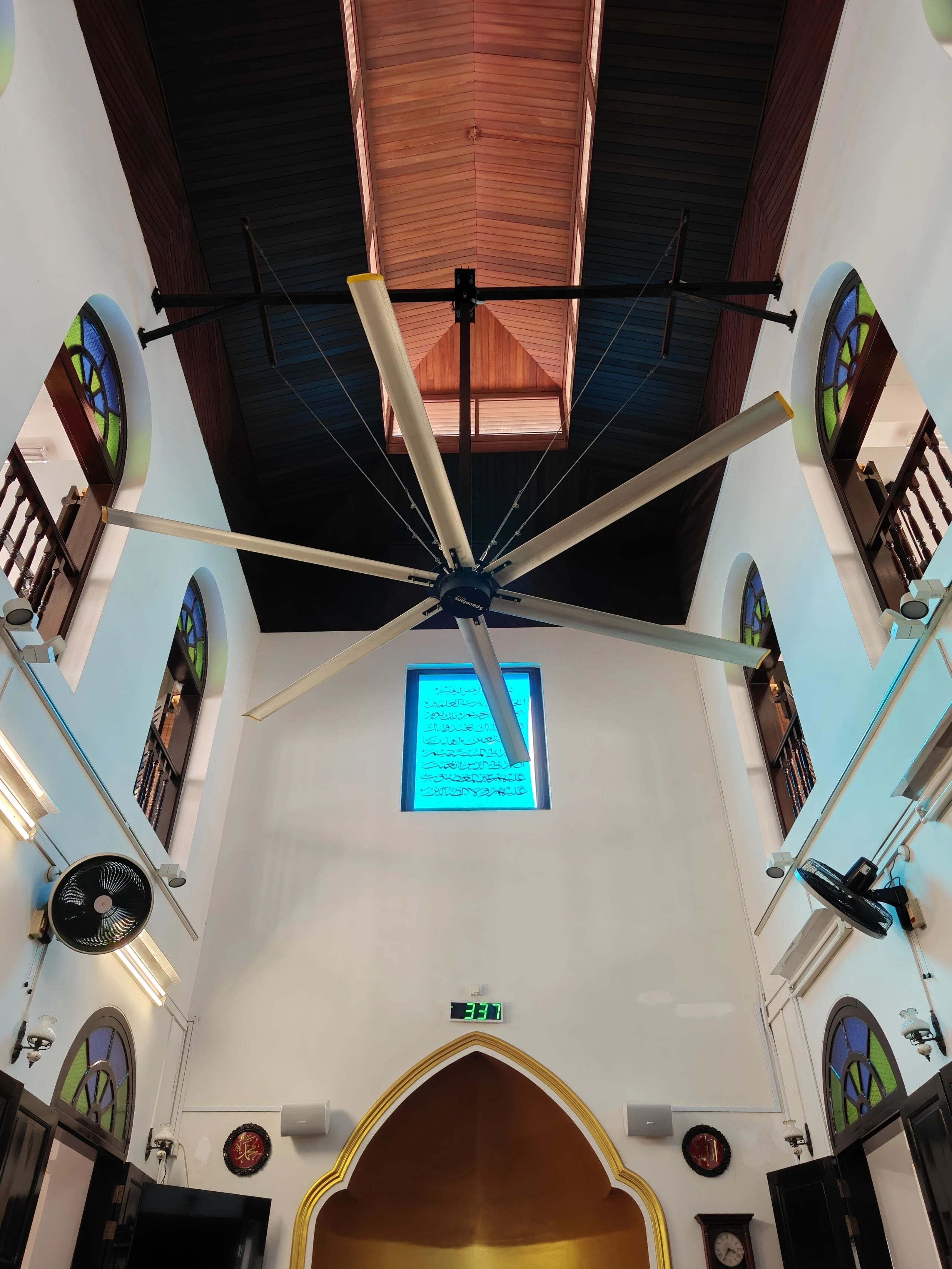
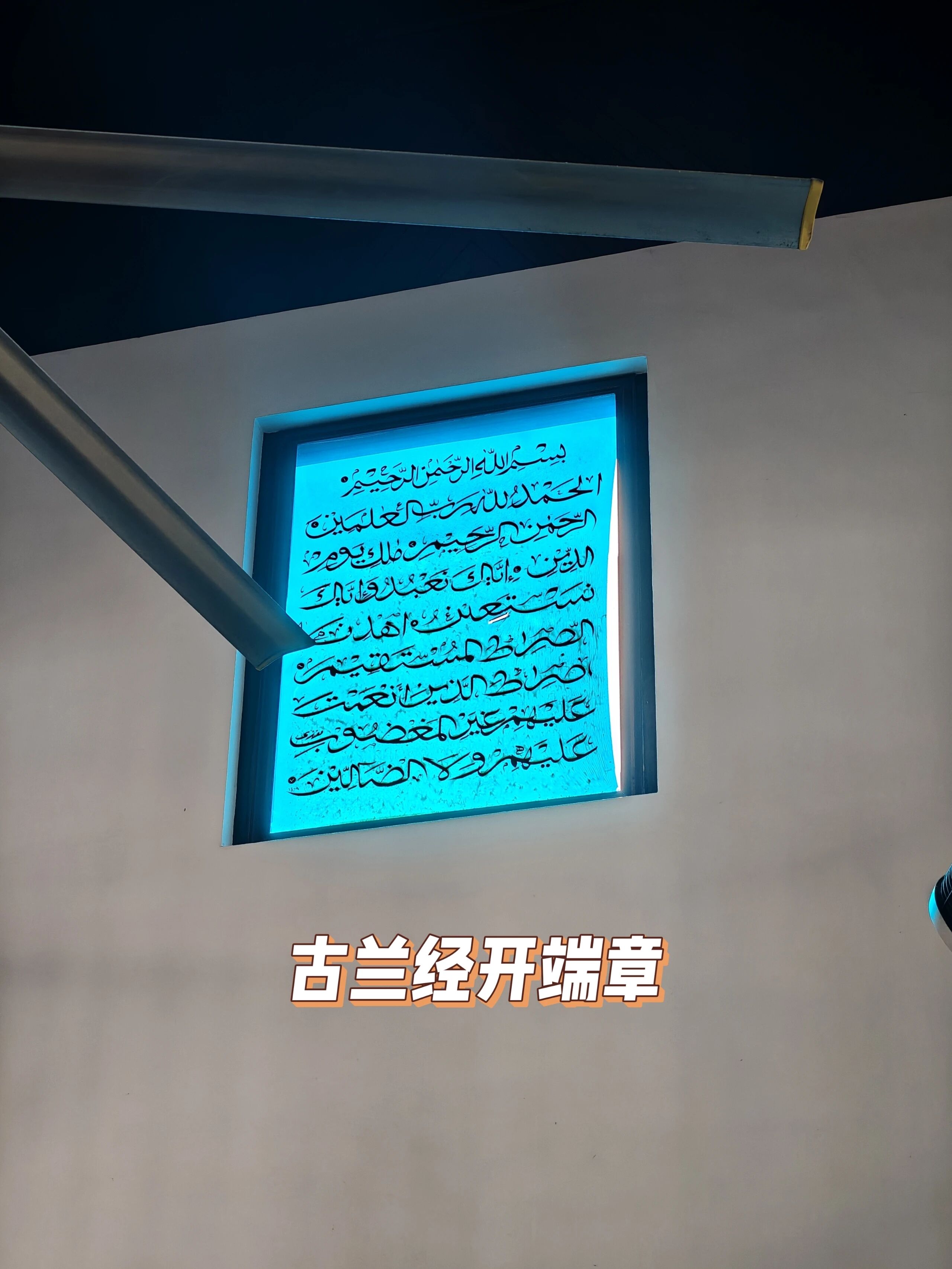
In the center of the inner sanctuary, you can see blue glass with scripture (Figure 13). The scripture is the first chapter of the Quran, Al-Fatiha.
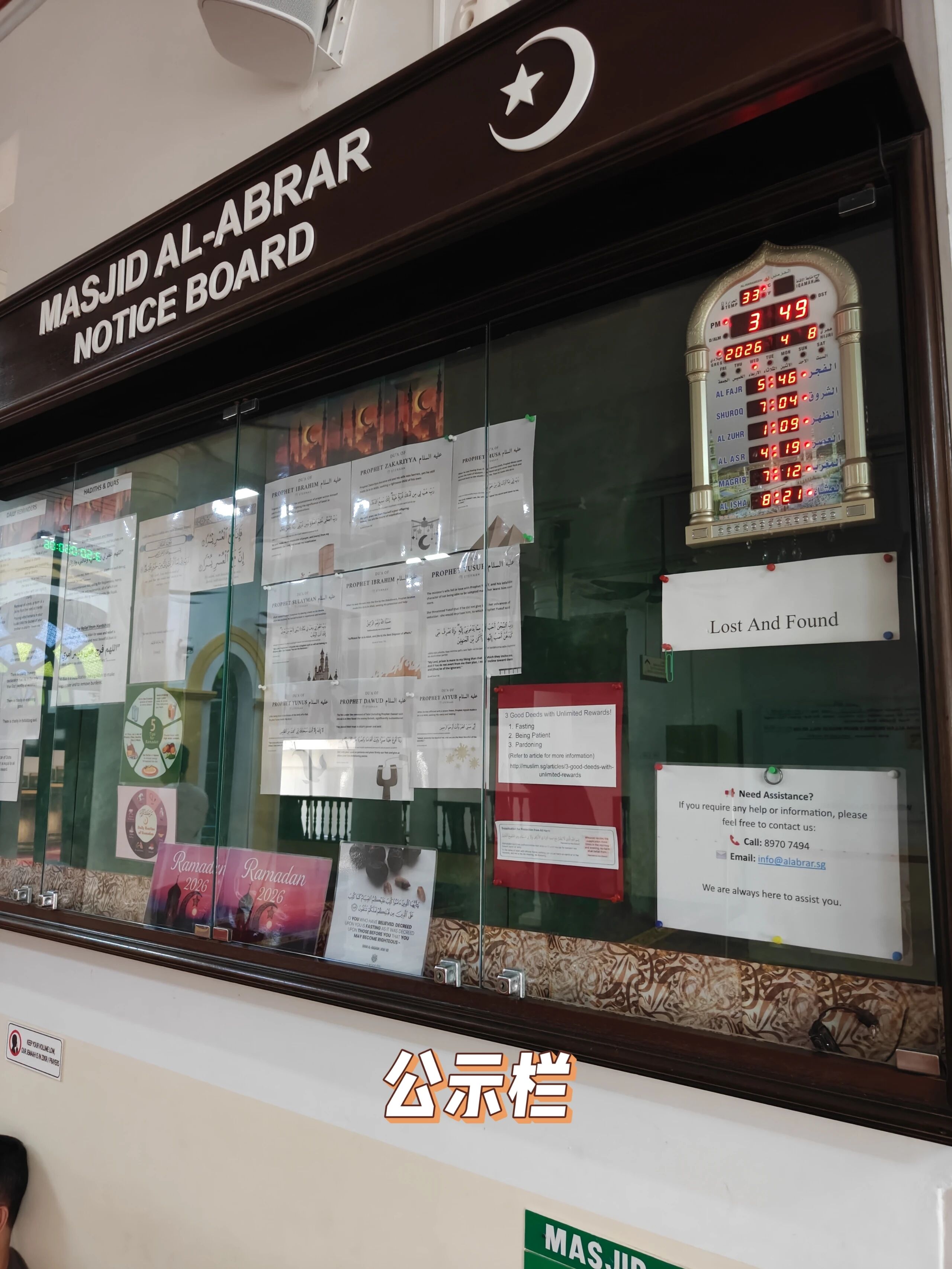
After leaving the inner sanctuary, you can see a notice board, which also serves as a lost and found. When I came here last time, the notice board was full of watches. Worshippers had left their watches in the mosque, and the ones found were placed on the board.
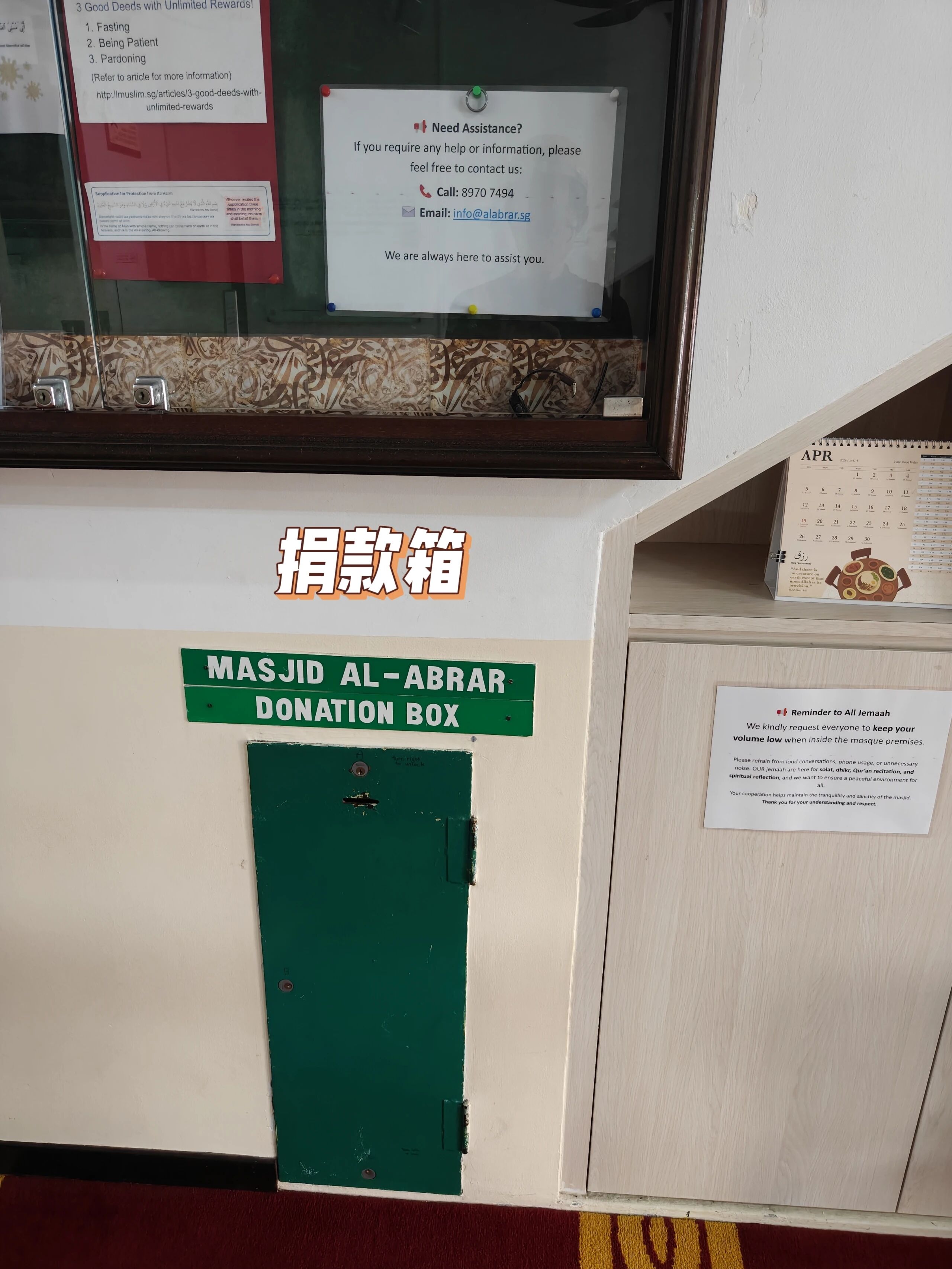
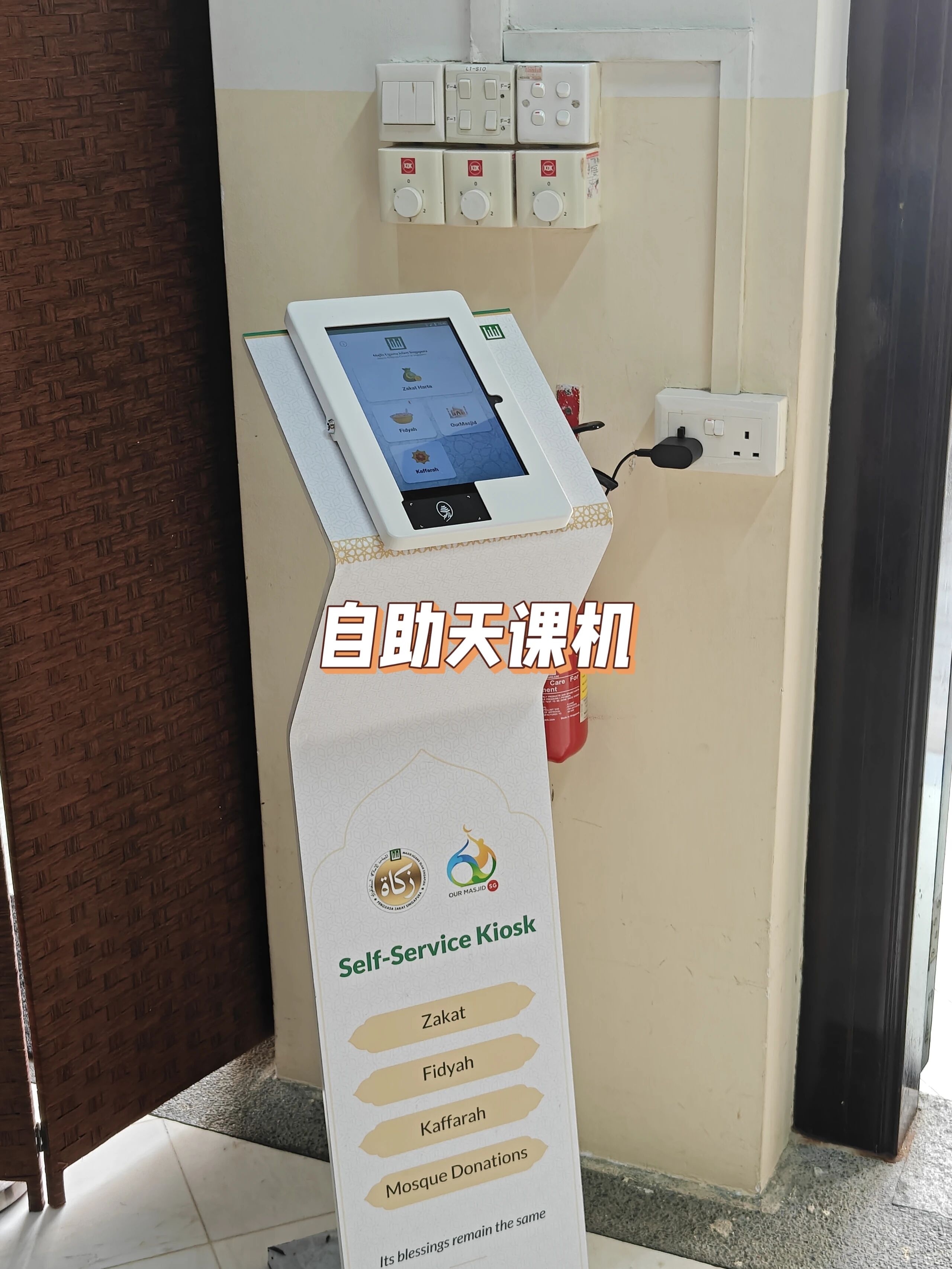
Besides the traditional donation boxes, I also saw a self-service zakat machine. Muslims do not have to use cash to pay zakat; they can also use the machine to send money to the Islamic Religious Council of Singapore.
Next time, I will take you to see a rare underground mosque. That is right, Singapore has a mosque built underground. Why did people build it there? We will reveal the answer next time. view all
Summary: This Singapore mosque guide visits Al-Abrar Mosque near Thian Hock Keng and the Telok Ayer area. It keeps the source notes on Chulia Tamil Muslims, Southeast Asian trade, mosque history, and local street context.
The Chulia are Tamil Muslims who do business in Southeast Asia. They have built mosques not only in Singapore but also in Malaysia and Myanmar. The Jamae Mosque in Singapore that I posted about before was also built by the Chulia.
The Al-Abrar Mosque I am introducing today was also built by the Chulia. This mosque is on the same street as the South Indian shrine (gongbei) Nagore Dargah that I introduced last time, as well as the Thian Hock Keng Mosque, which represents traditional Chinese beliefs.
It is just a few steps away from the Nagore Dargah.
The entrance still features three languages: Arabic on the main gate, English on the right, and Tamil on the left. To the left of the porch, there is an entrance to the women's prayer area.
When I entered the mosque, the first thing I noticed was that the prayer hall has an inner sanctuary (Figure 5). I first turned left to the ablution room to perform wudu, then went to the inner sanctuary in the center of the prayer hall.
The inner sanctuary is built in two levels, and the windows on the second level let in light to brighten the interior.
In the center of the inner sanctuary, you can see blue glass with scripture (Figure 13). The scripture is the first chapter of the Quran, Al-Fatiha.
After leaving the inner sanctuary, you can see a notice board, which also serves as a lost and found. When I came here last time, the notice board was full of watches. Worshippers had left their watches in the mosque, and the ones found were placed on the board.
Besides the traditional donation boxes, I also saw a self-service zakat machine. Muslims do not have to use cash to pay zakat; they can also use the machine to send money to the Islamic Religious Council of Singapore.
Next time, I will take you to see a rare underground mosque. That is right, Singapore has a mosque built underground. Why did people build it there? We will reveal the answer next time.
Muslim Travel Guide Singapore Chinatown: Jamae Mosque, Tamil Muslim Heritage and South Indian Style
Articles • Hasan09 posted the article • 0 comments • 310 views • 2026-05-24 01:47
Summary: This Singapore Muslim travel guide visits Jamae Mosque and its South Indian style. It preserves the author's Chinatown-area observations, mosque design notes, and Tamil Muslim heritage context.
My phone died just as I was about to finish this last time. When I turned it back on, all my data was gone, otherwise I would have posted this part a long time ago. I went to Singapore again a while ago and visited the same places as before. Let me tell you about this South Indian-style mosque built by South Indian Muslims.
Mosque minarets come in many styles. You have seen plenty of other styles, but this South Indian style is quite rare.
You can basically only see them in southern India, but since there are South Indian Muslim immigrants in Singapore, we can see one in a popular tourist spot here. This Jamae Mosque is actually on the same street as Singapore's famous Buddha Tooth Relic Mosque and Museum.
When you visit the Buddha Tooth Relic Mosque and Museum, you can also see a Hindu mosque and a South Indian-style mosque nearby.
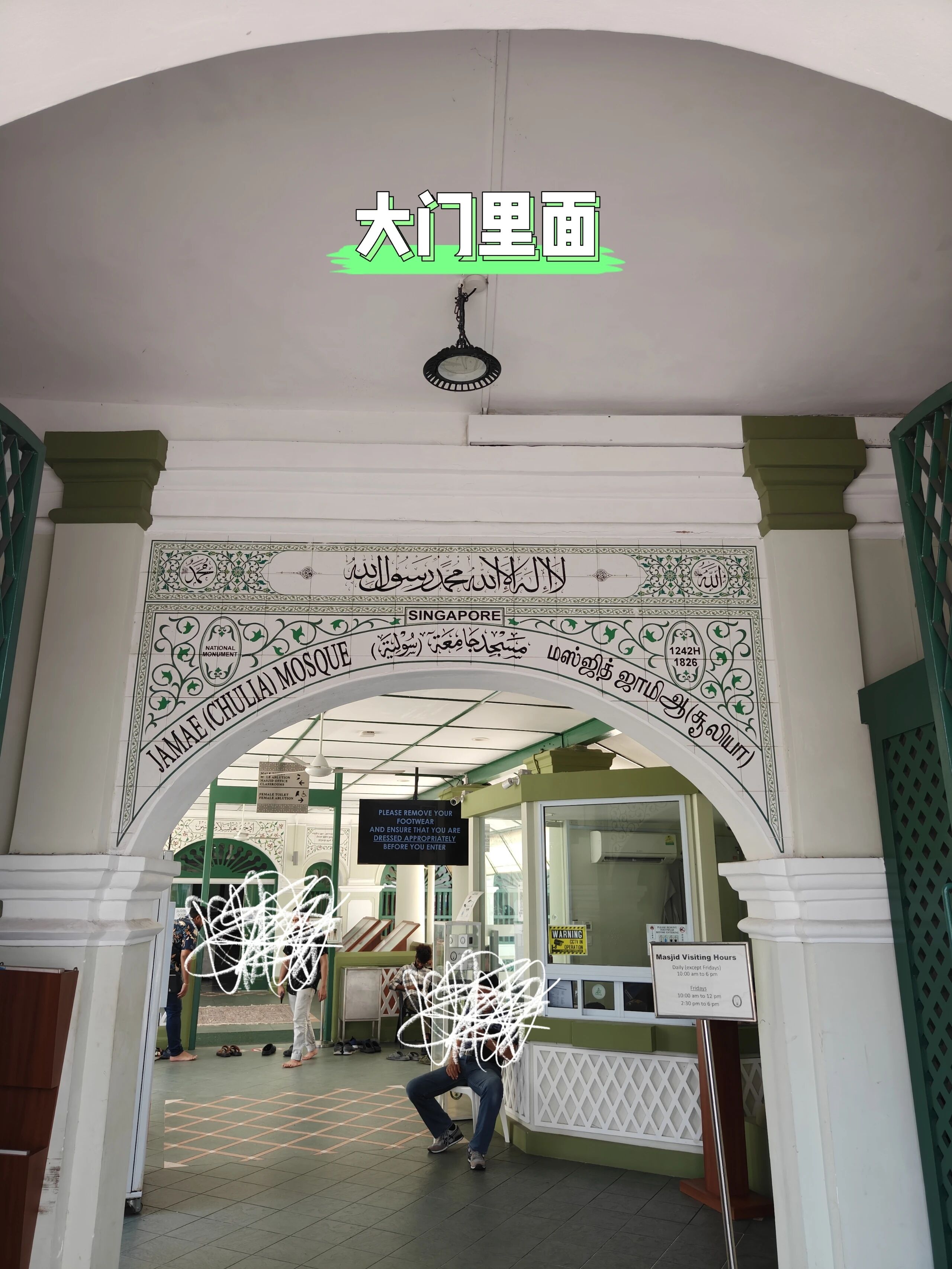
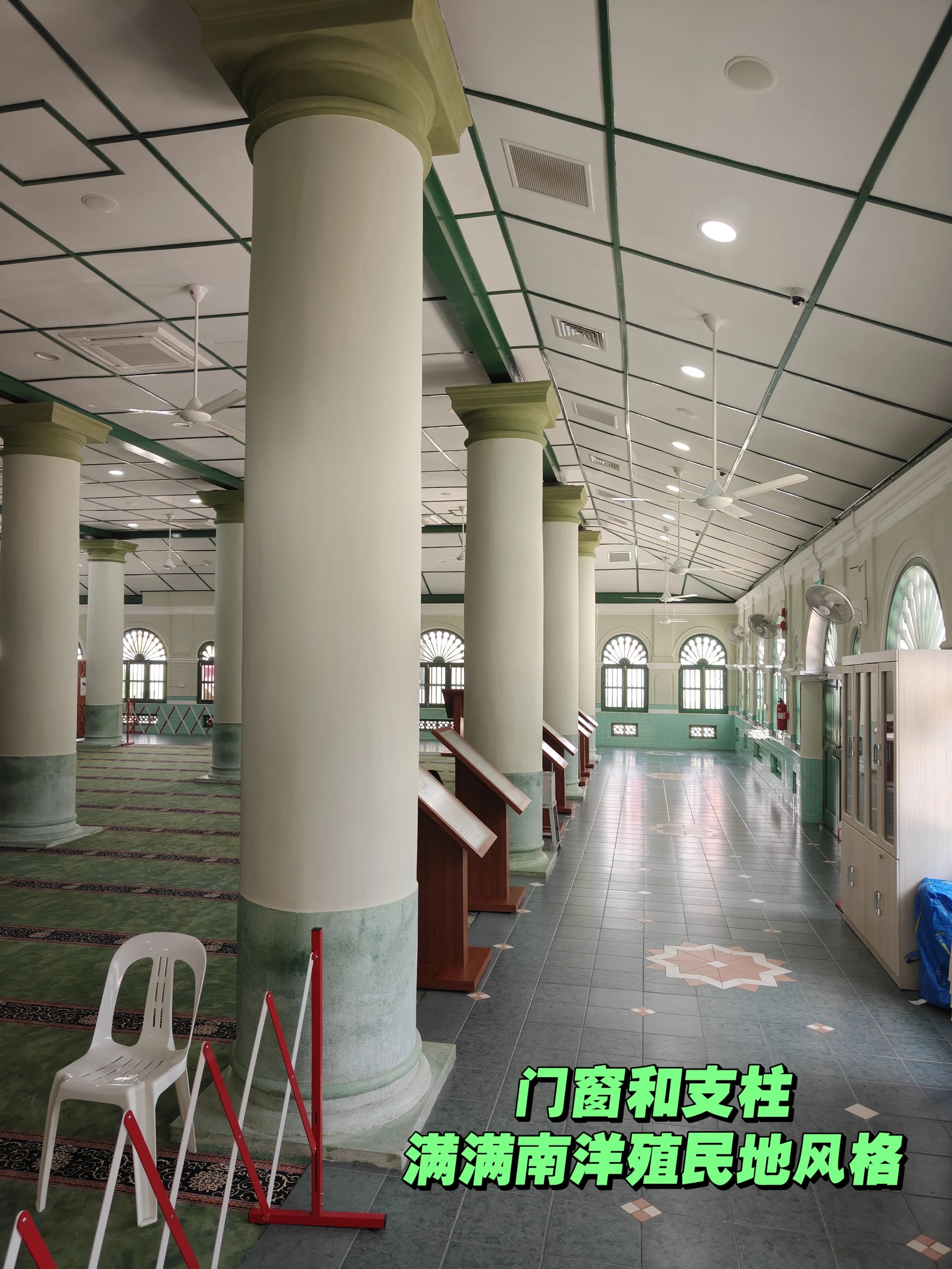
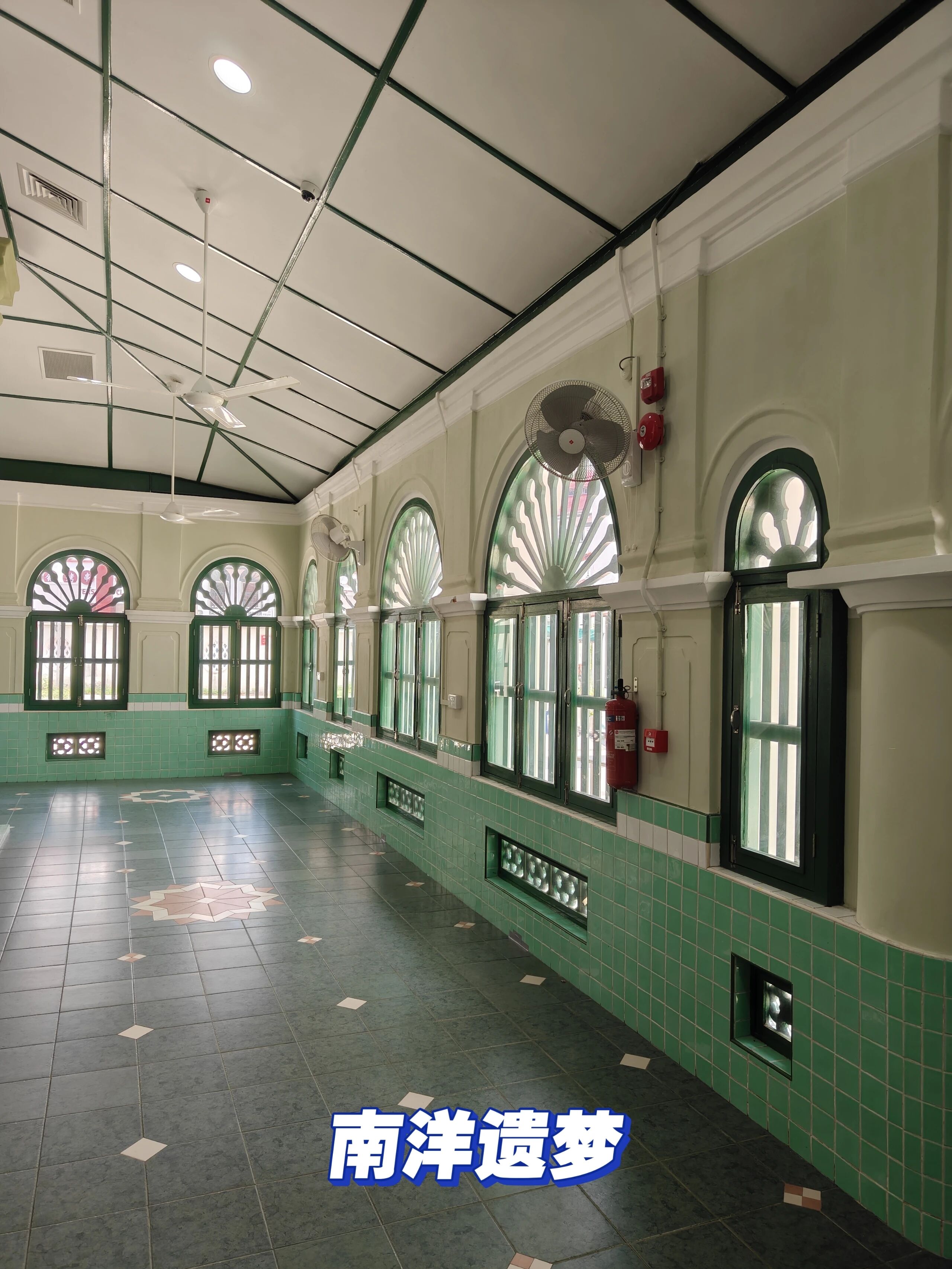
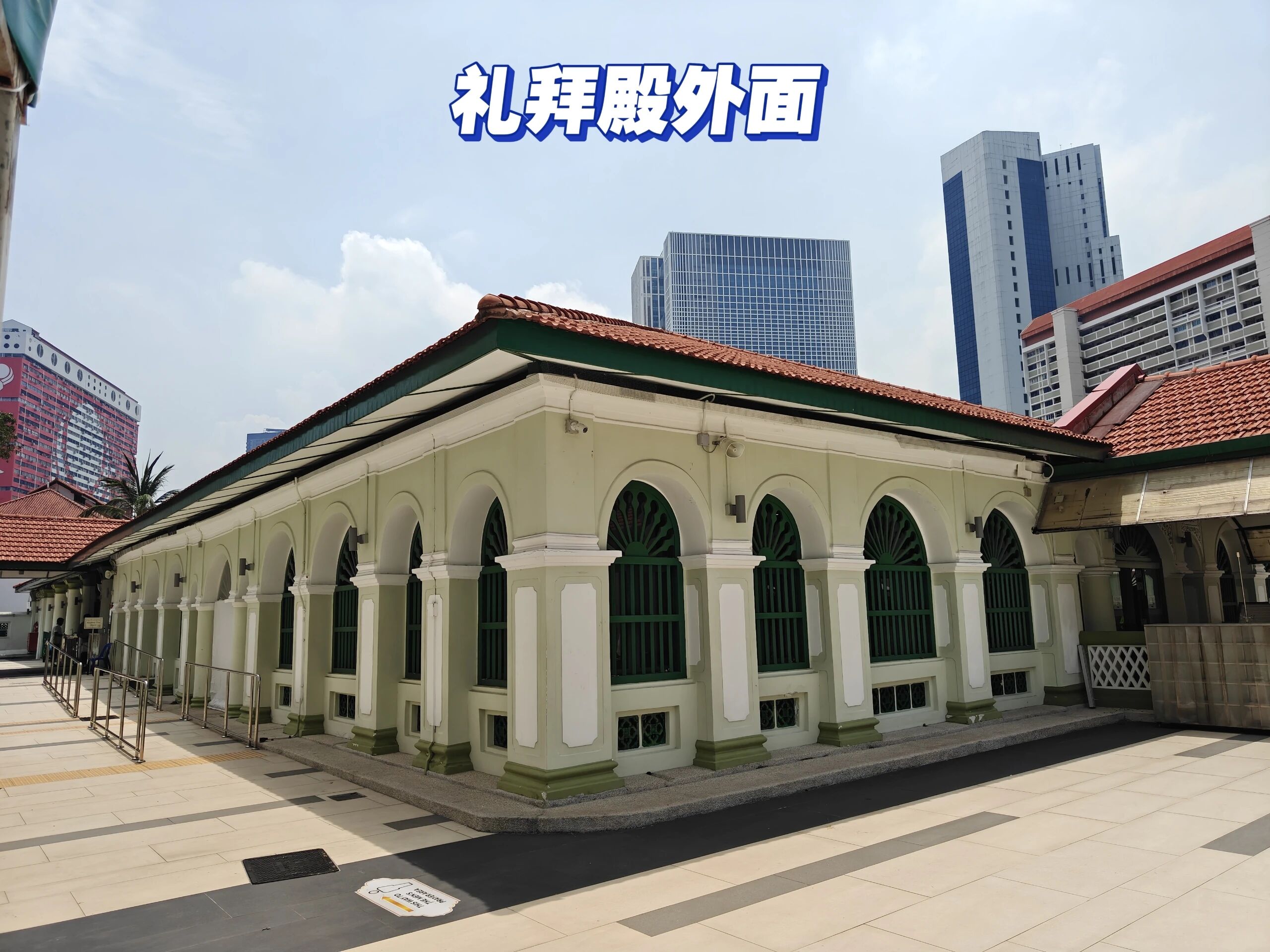
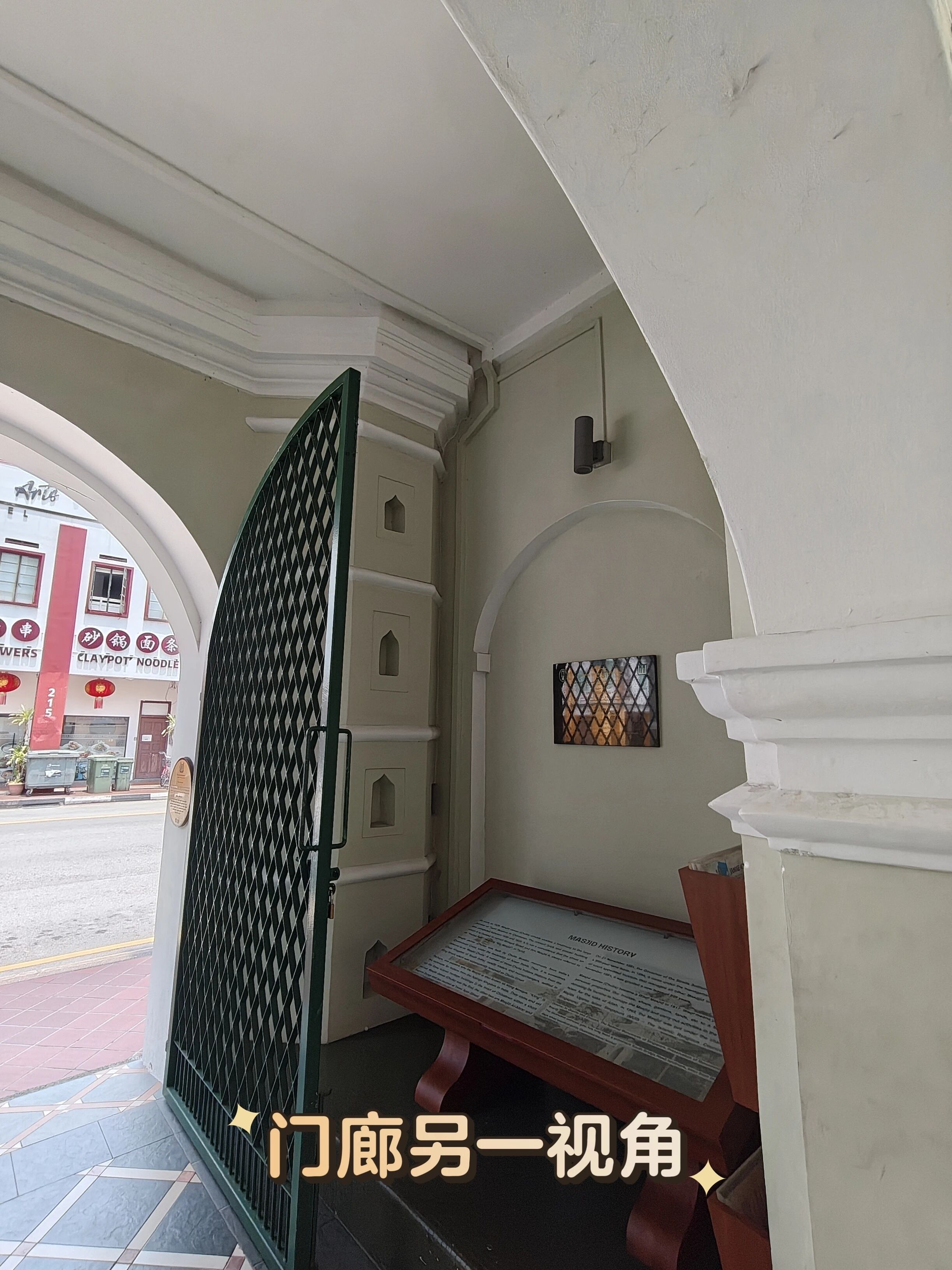
Back to the main topic, the mosque's porch is right under the square minaret of the Jamae Mosque. Walk straight through the porch to find the visitor entrance. Once inside, you can see the interior of the prayer hall. The area without carpets is for visitors. Here, you can see display boards with basic Islamic knowledge, as well as the mosque's fan-shaped doors and windows and thick pillars, which have a distinct Nanyang style.
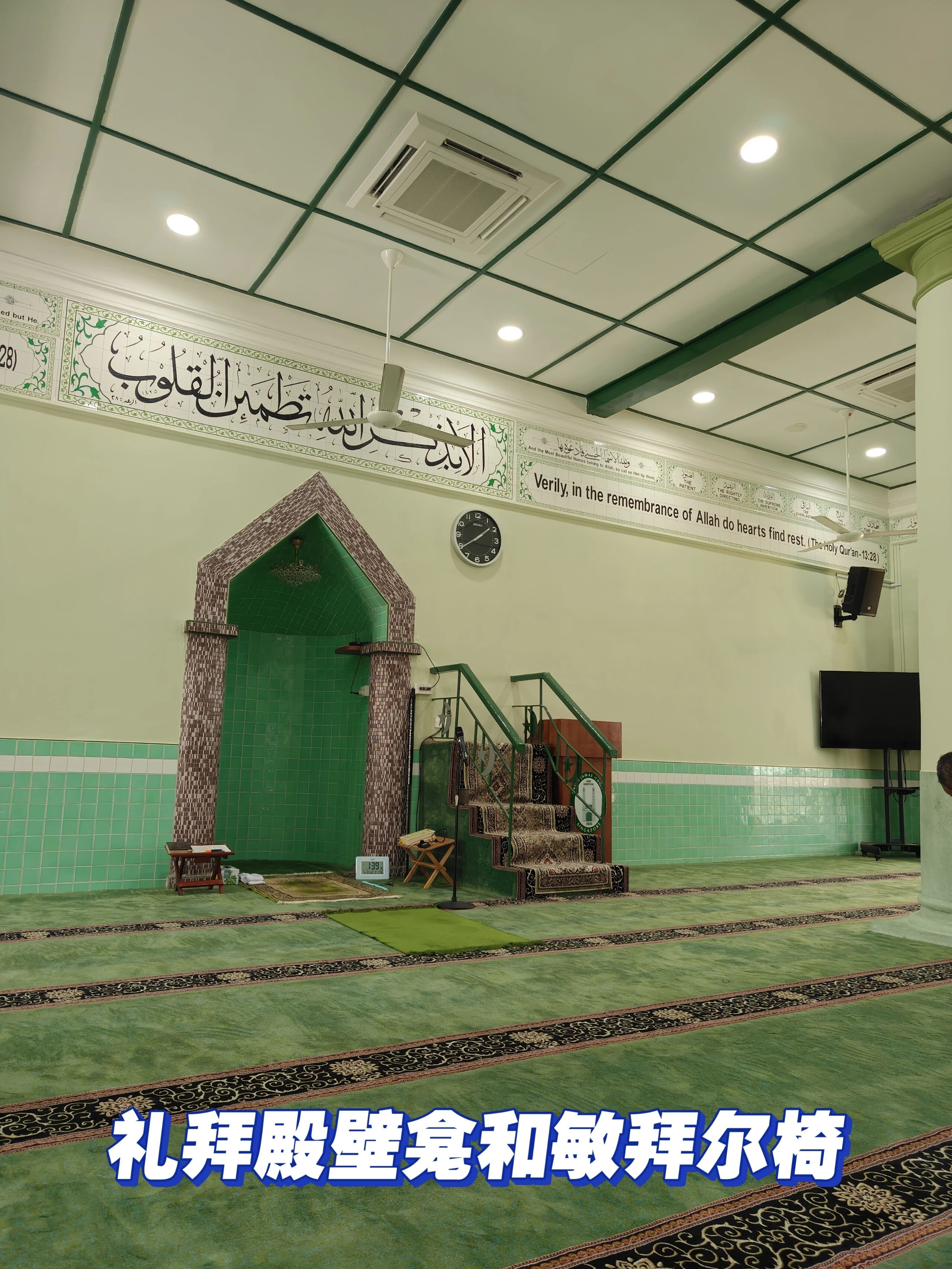
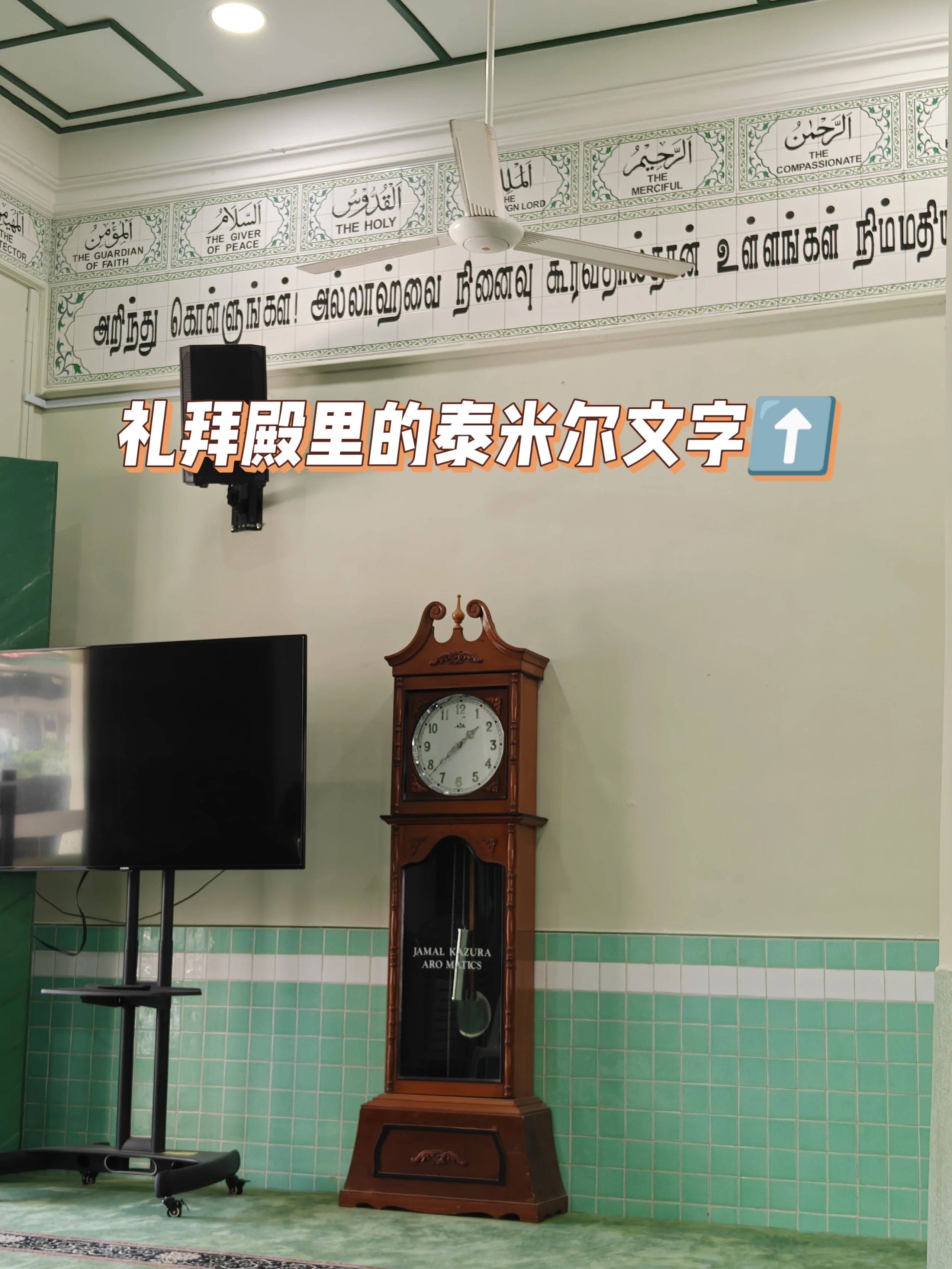
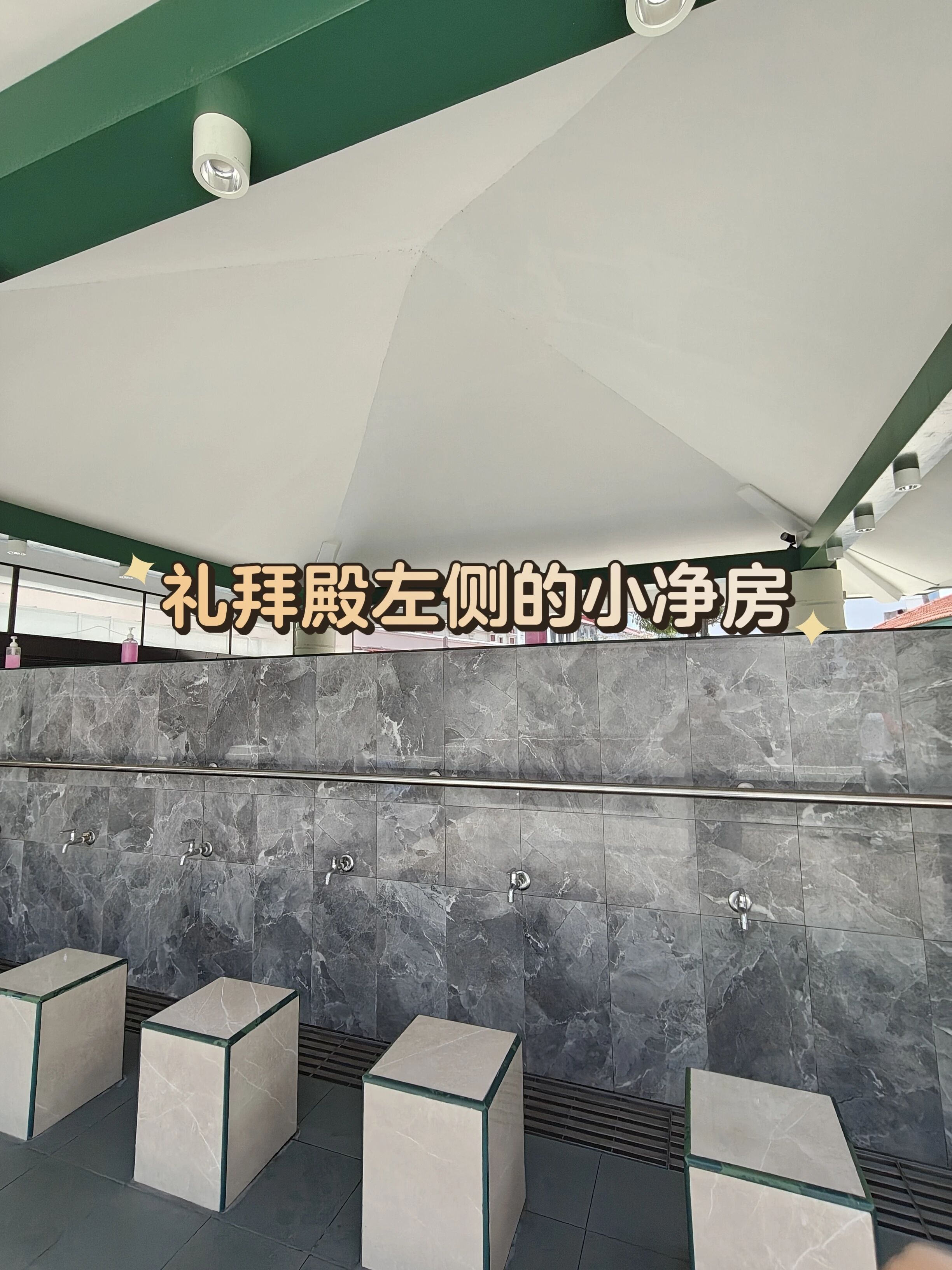
I performed wudu in the wudu room, which is a large pavilion, and then entered the prayer hall. I saw the front of the hall. On the left is Tamil, a language from southern India. Most Tamil people are Hindu, but some are Muslim.
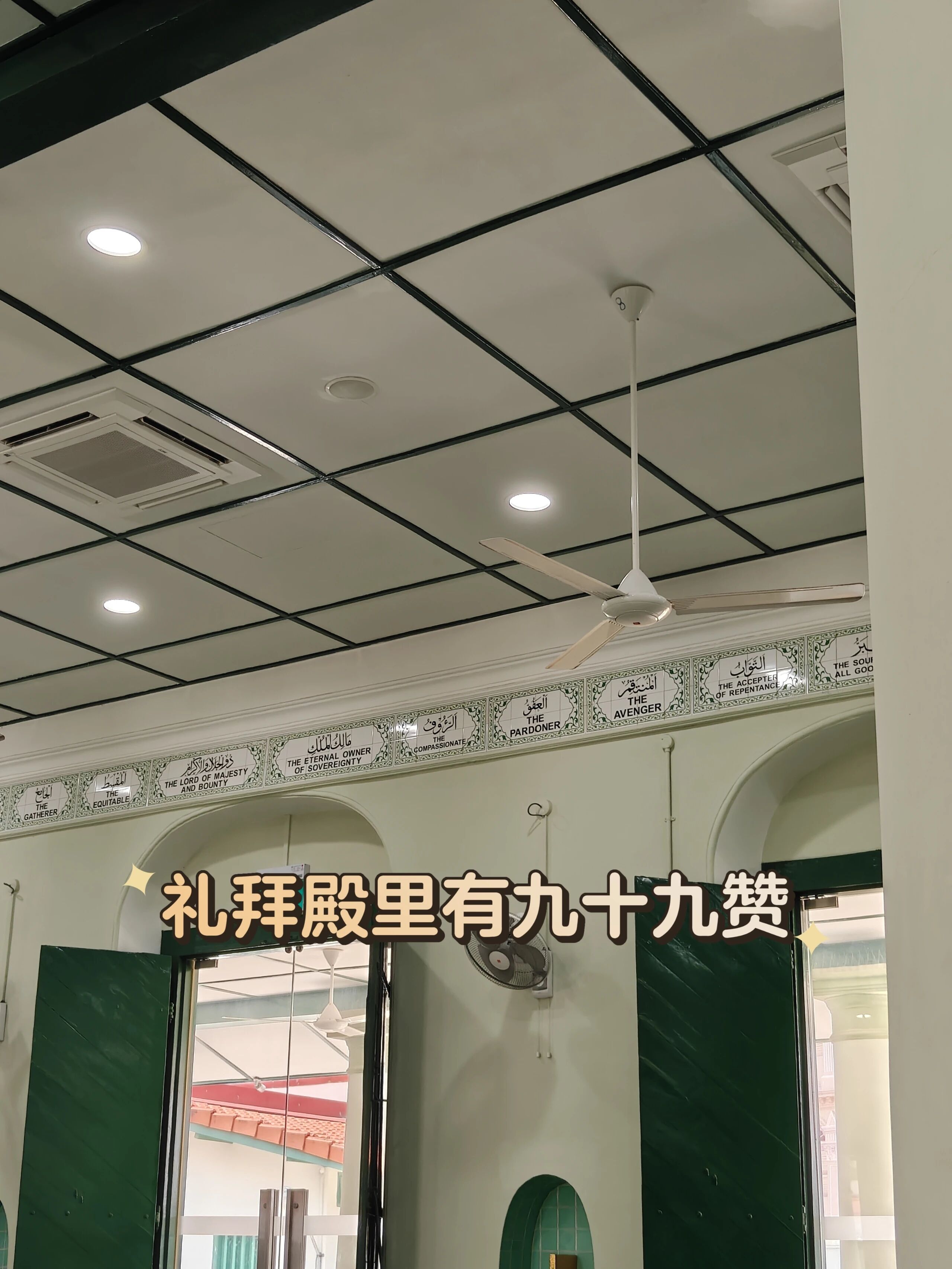
In the middle is Arabic, and on the right is English. The side texts are translations of the Arabic scripture in the middle, which is from the Quran, Chapter 13, Verse 28. There are also the 99 Names of Allah around the prayer hall.
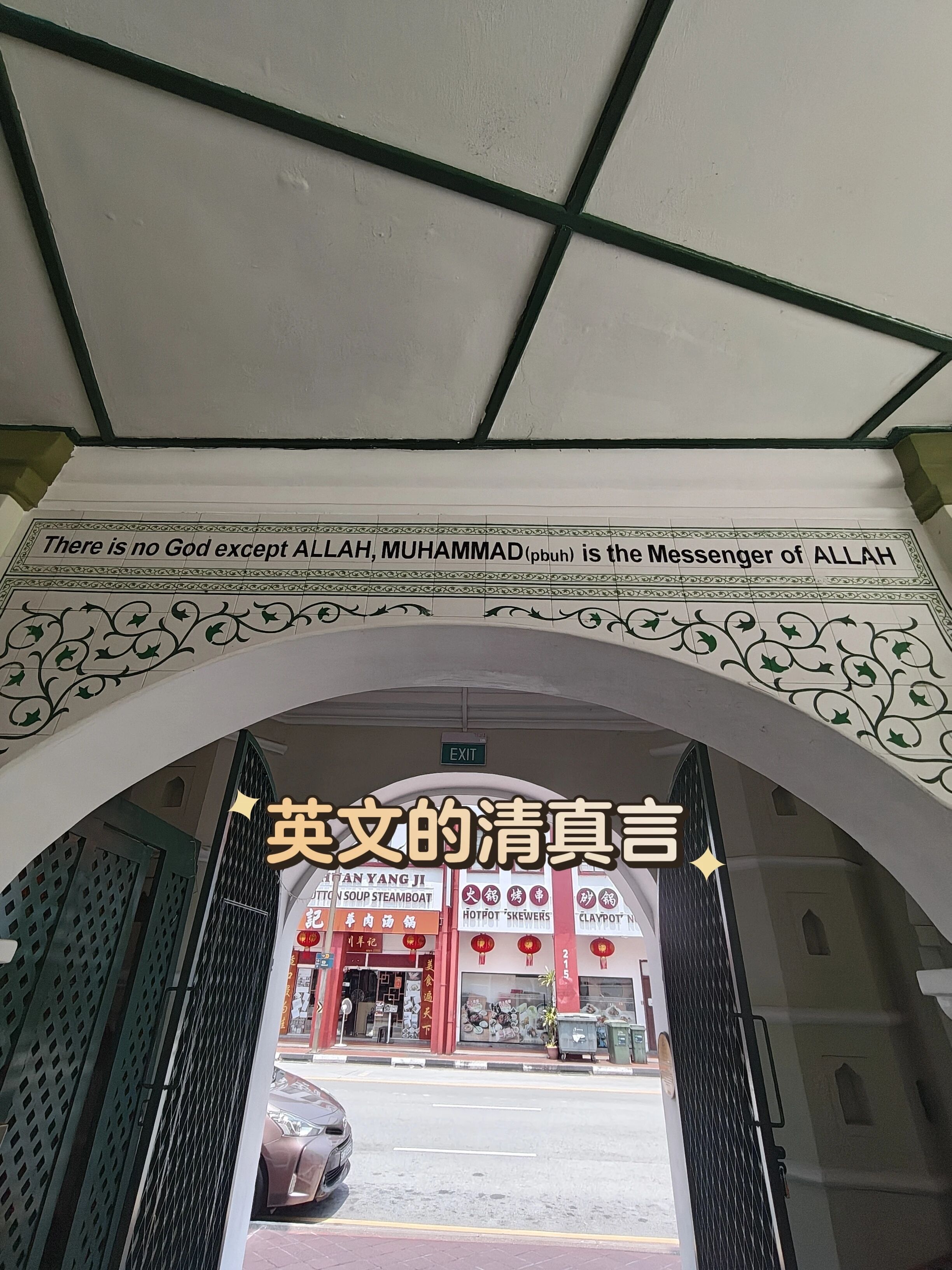
Leaving the mosque, I saw the Shahada in English at the porch. Across the street are many Chinese shops and a place called Mohamed Ali Lane. I am not sure of the story behind that name.
That is all for this mosque. Next time, I will take you to see the gongbei nearby. Stay tuned. view all
Summary: This Singapore Muslim travel guide visits Jamae Mosque and its South Indian style. It preserves the author's Chinatown-area observations, mosque design notes, and Tamil Muslim heritage context.
My phone died just as I was about to finish this last time. When I turned it back on, all my data was gone, otherwise I would have posted this part a long time ago. I went to Singapore again a while ago and visited the same places as before. Let me tell you about this South Indian-style mosque built by South Indian Muslims.
Mosque minarets come in many styles. You have seen plenty of other styles, but this South Indian style is quite rare.
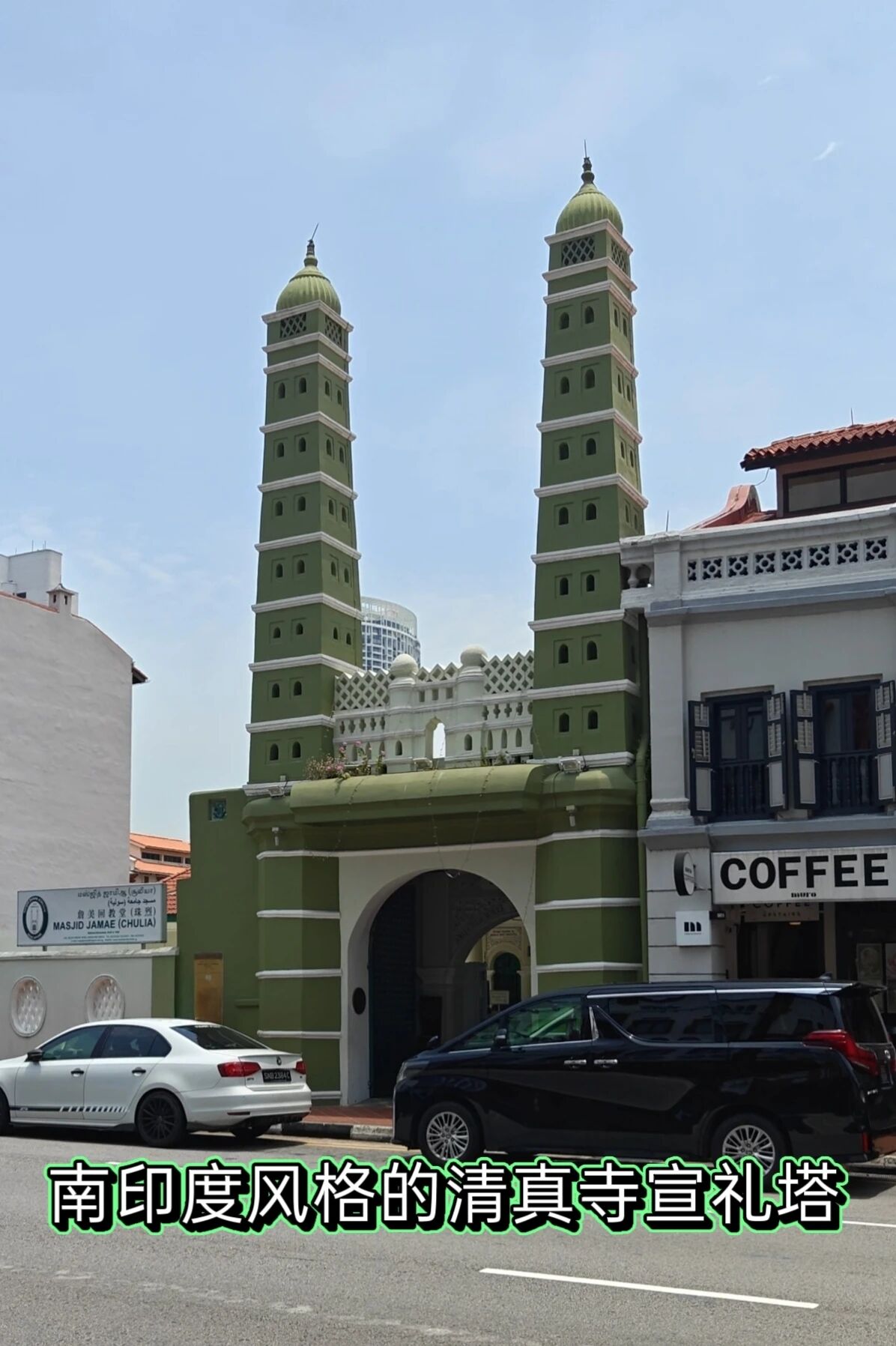
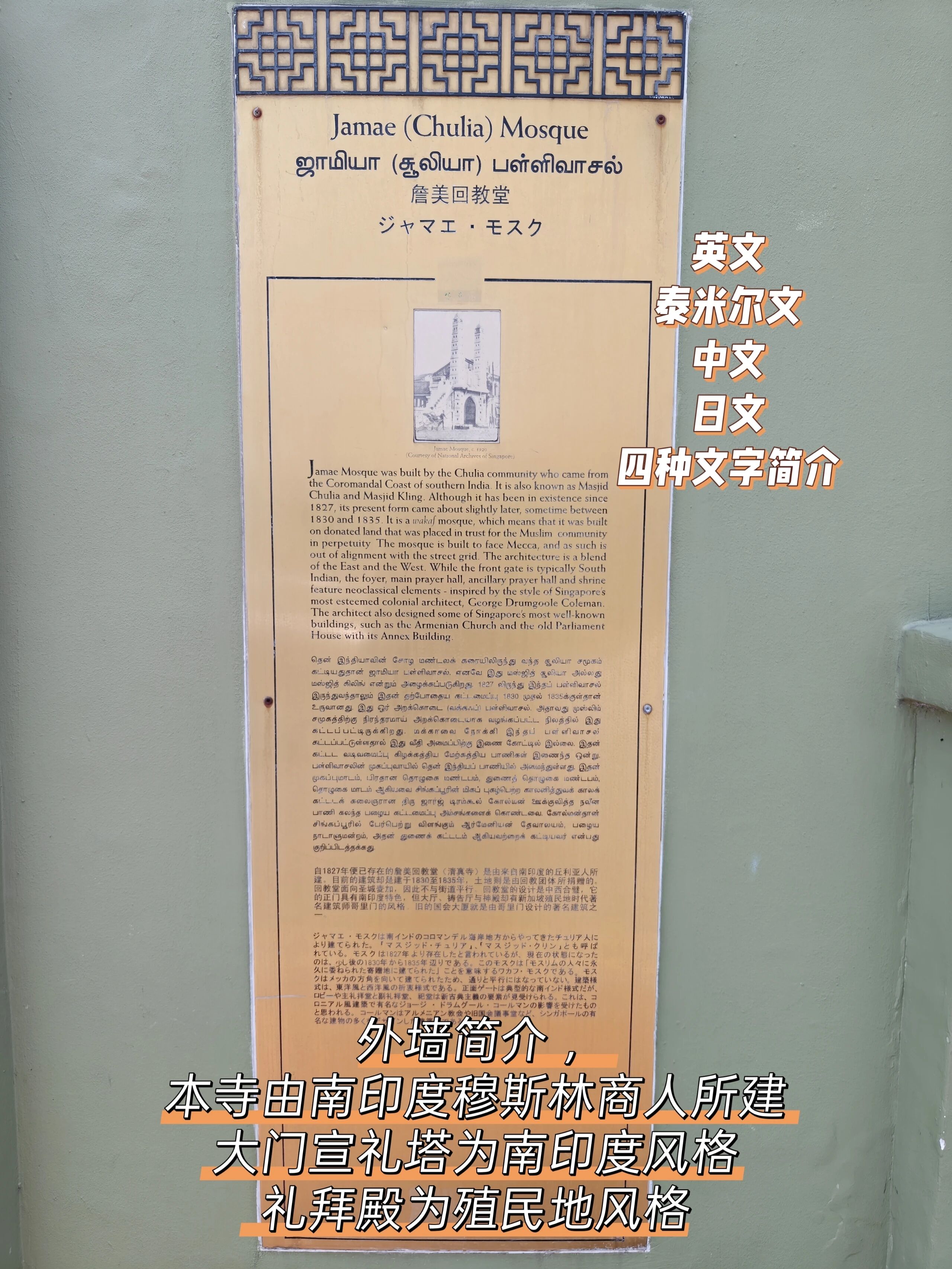
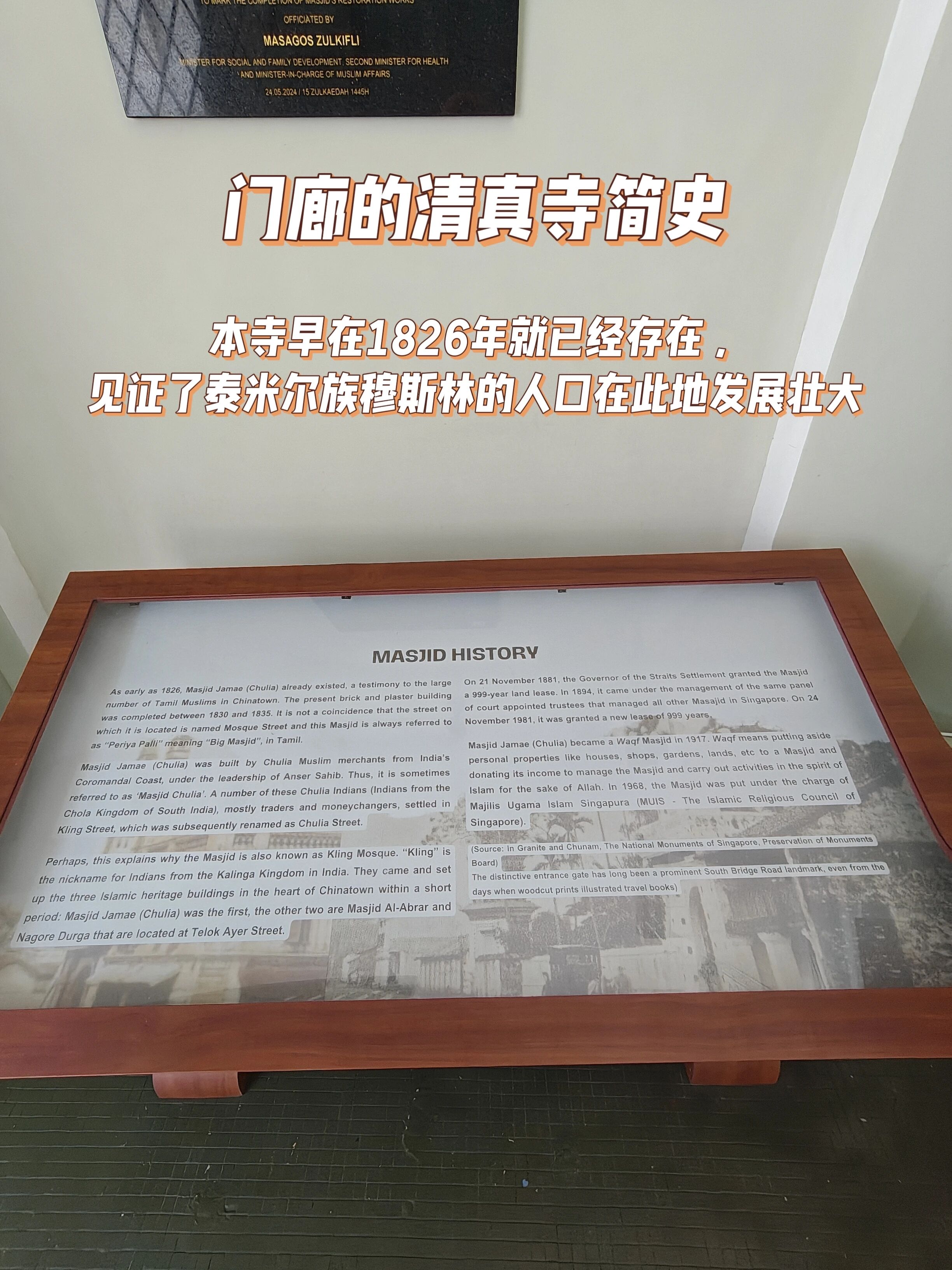
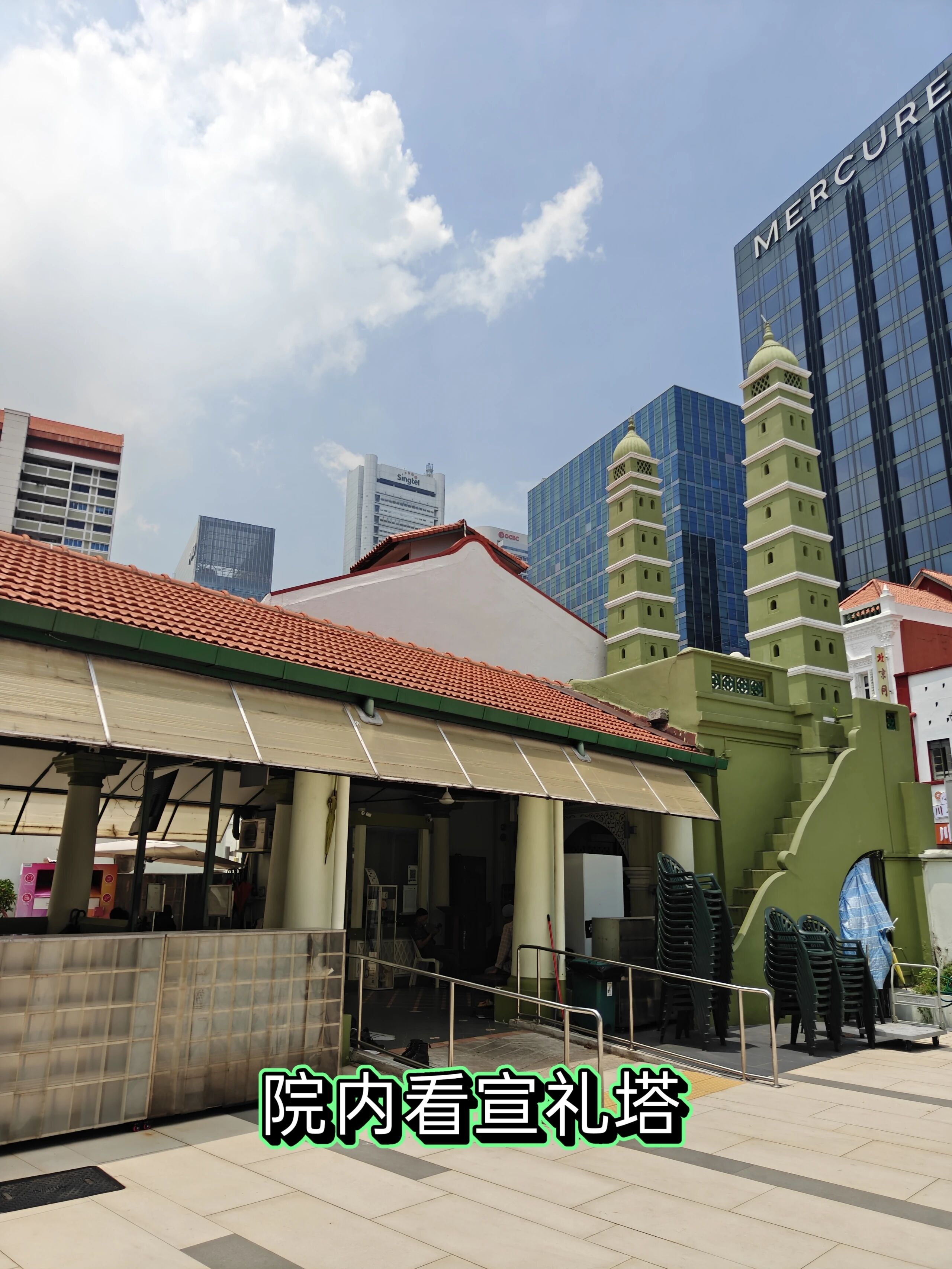
You can basically only see them in southern India, but since there are South Indian Muslim immigrants in Singapore, we can see one in a popular tourist spot here. This Jamae Mosque is actually on the same street as Singapore's famous Buddha Tooth Relic Mosque and Museum.
When you visit the Buddha Tooth Relic Mosque and Museum, you can also see a Hindu mosque and a South Indian-style mosque nearby.
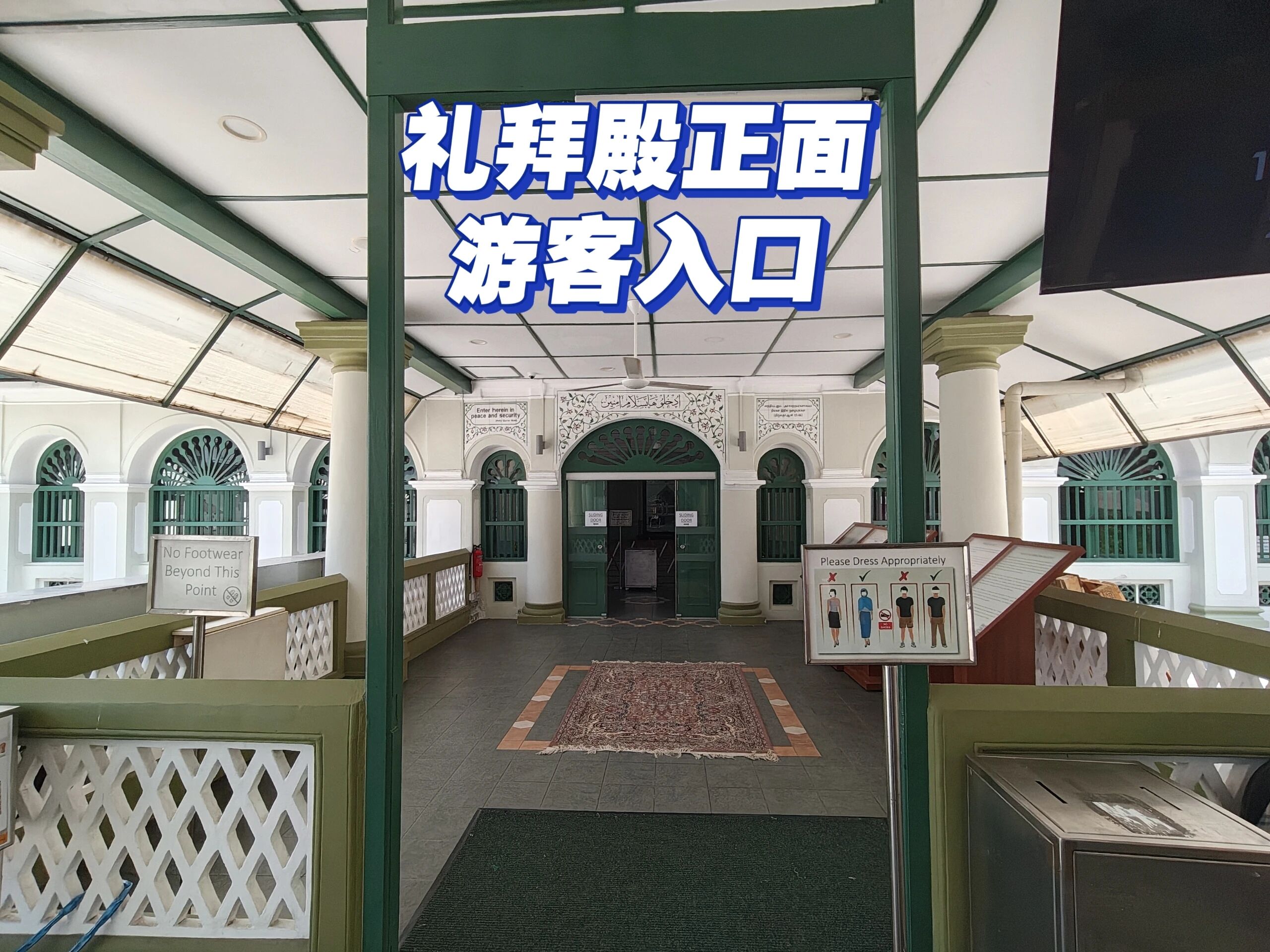
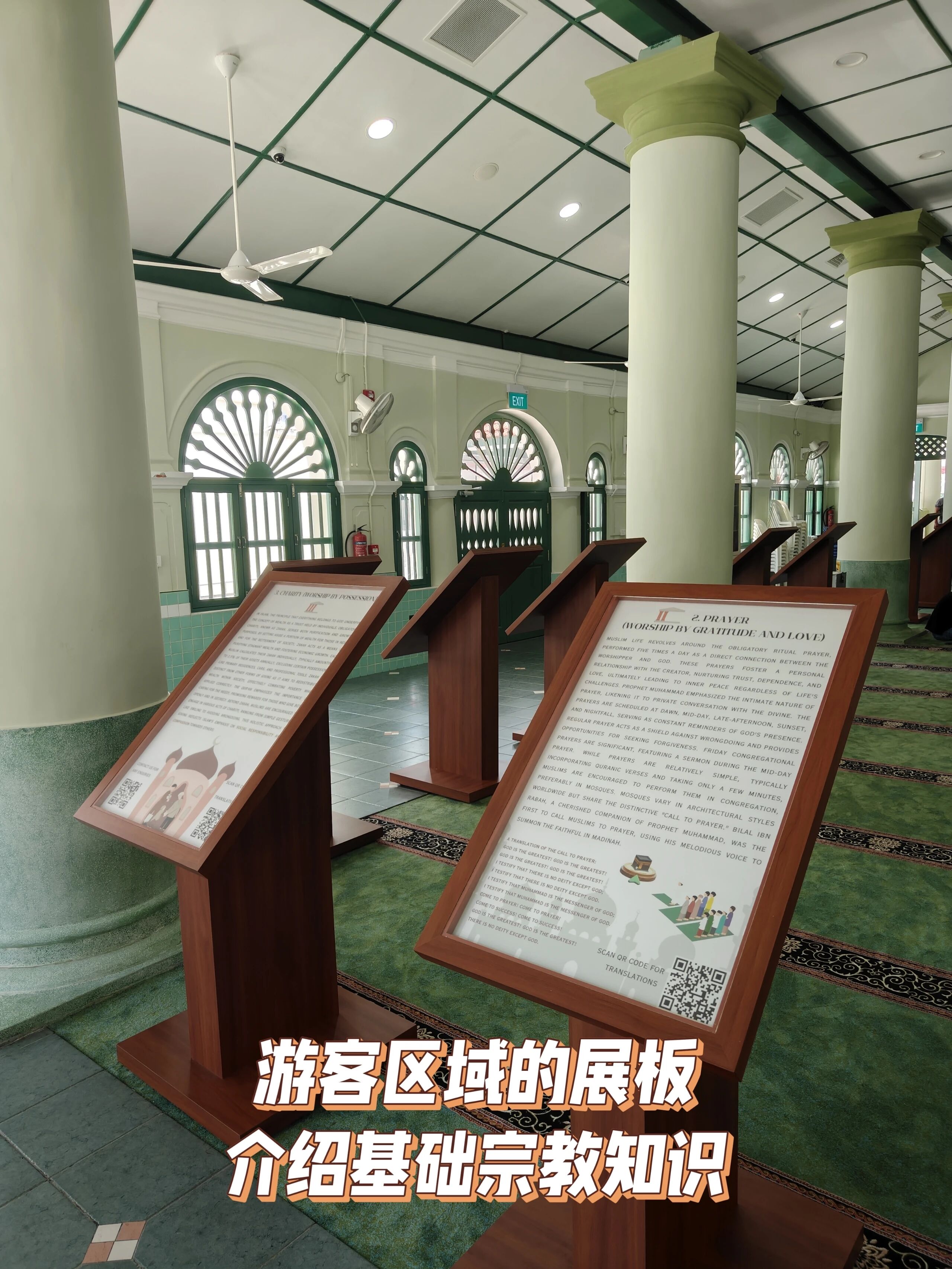
Back to the main topic, the mosque's porch is right under the square minaret of the Jamae Mosque. Walk straight through the porch to find the visitor entrance. Once inside, you can see the interior of the prayer hall. The area without carpets is for visitors. Here, you can see display boards with basic Islamic knowledge, as well as the mosque's fan-shaped doors and windows and thick pillars, which have a distinct Nanyang style.
I performed wudu in the wudu room, which is a large pavilion, and then entered the prayer hall. I saw the front of the hall. On the left is Tamil, a language from southern India. Most Tamil people are Hindu, but some are Muslim.
In the middle is Arabic, and on the right is English. The side texts are translations of the Arabic scripture in the middle, which is from the Quran, Chapter 13, Verse 28. There are also the 99 Names of Allah around the prayer hall.
Leaving the mosque, I saw the Shahada in English at the porch. Across the street are many Chinese shops and a place called Mohamed Ali Lane. I am not sure of the story behind that name.
That is all for this mosque. Next time, I will take you to see the gongbei nearby. Stay tuned.
Muslim Travel Guide Singapore: Islamic Centre Mosque, Prayer Hall and Council Complex
Articles • Hasan09 posted the article • 0 comments • 307 views • 2026-05-24 01:47
Summary: This Singapore Muslim travel guide focuses on the mosque inside the Singapore Islamic Centre. It preserves the three-floor layout, open interior view, prayer-hall details, and council-complex context.
In this issue, we focus on the mosque. It has three floors, and the space between the second and third floors is open, so you can look straight up to the third floor from the ground floor. I visited on a Friday, and the ground floor was already full, so I had to go up to the second floor.
The second floor was also quite crowded, with people lining up to perform wudu.
There was no room left on the carpet, so people started laying out straw mats (caoxi) (Image 5) to use as prayer rugs.
The craziest thing happened near the end of the prayer when I saw a man walking toward me who looked exactly like Lee Hsien Loong. He looked so much like him that I couldn't help but stare.
Another thing worth mentioning is the restroom. The toilets (Image 11) have grab bars installed next to them to help elderly people stand up and sit down, which is very thoughtful.
I went down to the ground floor to take some photos, then sat for a while on a bench near the elevator. Students from the Islamic seminary (jingxueyuan) (Image 13), wearing their uniforms, had finished their prayers and were getting ready for class.
They looked to be about twelve or thirteen years old.
Finally, I went to the Islamic Religious Council of Singapore next to the mosque. There is a small museum on the ground floor, but what kind of exhibits are inside? We will reveal that in the next issue. view all
Summary: This Singapore Muslim travel guide focuses on the mosque inside the Singapore Islamic Centre. It preserves the three-floor layout, open interior view, prayer-hall details, and council-complex context.
In this issue, we focus on the mosque. It has three floors, and the space between the second and third floors is open, so you can look straight up to the third floor from the ground floor. I visited on a Friday, and the ground floor was already full, so I had to go up to the second floor.
The second floor was also quite crowded, with people lining up to perform wudu.
There was no room left on the carpet, so people started laying out straw mats (caoxi) (Image 5) to use as prayer rugs.
The craziest thing happened near the end of the prayer when I saw a man walking toward me who looked exactly like Lee Hsien Loong. He looked so much like him that I couldn't help but stare.
Another thing worth mentioning is the restroom. The toilets (Image 11) have grab bars installed next to them to help elderly people stand up and sit down, which is very thoughtful.
I went down to the ground floor to take some photos, then sat for a while on a bench near the elevator. Students from the Islamic seminary (jingxueyuan) (Image 13), wearing their uniforms, had finished their prayers and were getting ready for class.
They looked to be about twelve or thirteen years old.
Finally, I went to the Islamic Religious Council of Singapore next to the mosque. There is a small museum on the ground floor, but what kind of exhibits are inside? We will reveal that in the next issue.
Muslim Travel Guide Singapore: Haji Mohamed Salleh Mosque, Habib Noh Shrine and Prayer Hall
Articles • Hasan09 posted the article • 0 comments • 306 views • 2026-05-24 01:47
Summary: This Singapore Muslim travel guide turns from Habib Noh Shrine to Haji Mohamed Salleh Mosque itself. It keeps the mosque layout, prayer-hall notes, hillside setting, and source sequence unchanged.
Last time we focused on the tomb (gongbei) on the small hill next to the mosque. This time, let's look at the mosque itself. This mosque started as a small prayer room next to a tomb. It was later expanded to its current size.
The prayer hall is not very large, but it is small and beautiful. The interior decoration is simple and plain, but it is definitely not crude. The pillars inside are mostly pure white, but the tops are accented with a touch of gold, adding a bit of elegance to the hall.
The ceiling (Image 3) is low, but it has an open design that shows the wooden structure. This keeps the ceiling from feeling heavy, as a solid ceiling in such a low room would make people feel cramped.
The top of the mihrab (Image 5) is covered in simple mosaic tiles. The colors are muted and the design is simple, so it does not look too flashy or distract from the space.
A staff stands on the pulpit. The khutbah staff here in Singapore is different from the ones in China, where they are usually smooth, dry branches that keep the original shape of the wood. The one here in Singapore is a straight metal staff with a metal sphere on top.
On the right side inside the niche, there is a miniature model of the door of the Kaaba in Mecca (Image 6). I have seen this type of model in the shop at the Islamic Arts Museum Malaysia, so it seems popular in mosques across Singapore and Malaysia.
Copies of the Quran (Image 7) are neatly stacked on the pillars in the prayer hall. In some mosques, the books are placed a bit randomly and come in different styles.
I think the mosque management intentionally bought many copies of the Quran with the same covers to keep the interior looking tidy. Someone is specifically in charge of organizing them, making sure books with the same covers are kept together.
Let's look outside the prayer hall. Some guides mention a library here (Figure 10), which likely refers to a reading corner behind the prayer hall.
This small mosque also has an accessible elevator. I only noticed it while looking through my photos, even though I visited twice and never saw it.
According to the sign (Figure 11), the second floor has a small meeting room, a women's prayer area, restrooms, and an administrative office.
Climb the long steps up the nearby hill to see the roof of the mosque's prayer hall (Figure 12, Figure 13). The Malay-style building features this kind of sloped roof. view all
Summary: This Singapore Muslim travel guide turns from Habib Noh Shrine to Haji Mohamed Salleh Mosque itself. It keeps the mosque layout, prayer-hall notes, hillside setting, and source sequence unchanged.
Last time we focused on the tomb (gongbei) on the small hill next to the mosque. This time, let's look at the mosque itself. This mosque started as a small prayer room next to a tomb. It was later expanded to its current size.
The prayer hall is not very large, but it is small and beautiful. The interior decoration is simple and plain, but it is definitely not crude. The pillars inside are mostly pure white, but the tops are accented with a touch of gold, adding a bit of elegance to the hall.
The ceiling (Image 3) is low, but it has an open design that shows the wooden structure. This keeps the ceiling from feeling heavy, as a solid ceiling in such a low room would make people feel cramped.
The top of the mihrab (Image 5) is covered in simple mosaic tiles. The colors are muted and the design is simple, so it does not look too flashy or distract from the space.
A staff stands on the pulpit. The khutbah staff here in Singapore is different from the ones in China, where they are usually smooth, dry branches that keep the original shape of the wood. The one here in Singapore is a straight metal staff with a metal sphere on top.
On the right side inside the niche, there is a miniature model of the door of the Kaaba in Mecca (Image 6). I have seen this type of model in the shop at the Islamic Arts Museum Malaysia, so it seems popular in mosques across Singapore and Malaysia.
Copies of the Quran (Image 7) are neatly stacked on the pillars in the prayer hall. In some mosques, the books are placed a bit randomly and come in different styles.
I think the mosque management intentionally bought many copies of the Quran with the same covers to keep the interior looking tidy. Someone is specifically in charge of organizing them, making sure books with the same covers are kept together.
Let's look outside the prayer hall. Some guides mention a library here (Figure 10), which likely refers to a reading corner behind the prayer hall.
This small mosque also has an accessible elevator. I only noticed it while looking through my photos, even though I visited twice and never saw it.
According to the sign (Figure 11), the second floor has a small meeting room, a women's prayer area, restrooms, and an administrative office.
Climb the long steps up the nearby hill to see the roof of the mosque's prayer hall (Figure 12, Figure 13). The Malay-style building features this kind of sloped roof.
Mosque Near Singapore Chinatown: Al-Abrar Mosque, Chulia Tamil Muslims and Telok Ayer Heritage
Articles • Hasan09 posted the article • 0 comments • 341 views • 2026-05-24 01:47
Summary: This Singapore mosque guide visits Al-Abrar Mosque near Thian Hock Keng and the Telok Ayer area. It keeps the source notes on Chulia Tamil Muslims, Southeast Asian trade, mosque history, and local street context.
The Chulia are Tamil Muslims who do business in Southeast Asia. They have built mosques not only in Singapore but also in Malaysia and Myanmar. The Jamae Mosque in Singapore that I posted about before was also built by the Chulia.
The Al-Abrar Mosque I am introducing today was also built by the Chulia. This mosque is on the same street as the South Indian shrine (gongbei) Nagore Dargah that I introduced last time, as well as the Thian Hock Keng Mosque, which represents traditional Chinese beliefs.
It is just a few steps away from the Nagore Dargah.
The entrance still features three languages: Arabic on the main gate, English on the right, and Tamil on the left. To the left of the porch, there is an entrance to the women's prayer area.
When I entered the mosque, the first thing I noticed was that the prayer hall has an inner sanctuary (Figure 5). I first turned left to the ablution room to perform wudu, then went to the inner sanctuary in the center of the prayer hall.
The inner sanctuary is built in two levels, and the windows on the second level let in light to brighten the interior.
In the center of the inner sanctuary, you can see blue glass with scripture (Figure 13). The scripture is the first chapter of the Quran, Al-Fatiha.
After leaving the inner sanctuary, you can see a notice board, which also serves as a lost and found. When I came here last time, the notice board was full of watches. Worshippers had left their watches in the mosque, and the ones found were placed on the board.
Besides the traditional donation boxes, I also saw a self-service zakat machine. Muslims do not have to use cash to pay zakat; they can also use the machine to send money to the Islamic Religious Council of Singapore.
Next time, I will take you to see a rare underground mosque. That is right, Singapore has a mosque built underground. Why did people build it there? We will reveal the answer next time. view all
Summary: This Singapore mosque guide visits Al-Abrar Mosque near Thian Hock Keng and the Telok Ayer area. It keeps the source notes on Chulia Tamil Muslims, Southeast Asian trade, mosque history, and local street context.
The Chulia are Tamil Muslims who do business in Southeast Asia. They have built mosques not only in Singapore but also in Malaysia and Myanmar. The Jamae Mosque in Singapore that I posted about before was also built by the Chulia.
The Al-Abrar Mosque I am introducing today was also built by the Chulia. This mosque is on the same street as the South Indian shrine (gongbei) Nagore Dargah that I introduced last time, as well as the Thian Hock Keng Mosque, which represents traditional Chinese beliefs.
It is just a few steps away from the Nagore Dargah.
The entrance still features three languages: Arabic on the main gate, English on the right, and Tamil on the left. To the left of the porch, there is an entrance to the women's prayer area.
When I entered the mosque, the first thing I noticed was that the prayer hall has an inner sanctuary (Figure 5). I first turned left to the ablution room to perform wudu, then went to the inner sanctuary in the center of the prayer hall.
The inner sanctuary is built in two levels, and the windows on the second level let in light to brighten the interior.
In the center of the inner sanctuary, you can see blue glass with scripture (Figure 13). The scripture is the first chapter of the Quran, Al-Fatiha.
After leaving the inner sanctuary, you can see a notice board, which also serves as a lost and found. When I came here last time, the notice board was full of watches. Worshippers had left their watches in the mosque, and the ones found were placed on the board.
Besides the traditional donation boxes, I also saw a self-service zakat machine. Muslims do not have to use cash to pay zakat; they can also use the machine to send money to the Islamic Religious Council of Singapore.
Next time, I will take you to see a rare underground mosque. That is right, Singapore has a mosque built underground. Why did people build it there? We will reveal the answer next time.
Muslim Travel Guide Singapore Chinatown: Jamae Mosque, Tamil Muslim Heritage and South Indian Style
Articles • Hasan09 posted the article • 0 comments • 310 views • 2026-05-24 01:47
Summary: This Singapore Muslim travel guide visits Jamae Mosque and its South Indian style. It preserves the author's Chinatown-area observations, mosque design notes, and Tamil Muslim heritage context.
My phone died just as I was about to finish this last time. When I turned it back on, all my data was gone, otherwise I would have posted this part a long time ago. I went to Singapore again a while ago and visited the same places as before. Let me tell you about this South Indian-style mosque built by South Indian Muslims.
Mosque minarets come in many styles. You have seen plenty of other styles, but this South Indian style is quite rare.
You can basically only see them in southern India, but since there are South Indian Muslim immigrants in Singapore, we can see one in a popular tourist spot here. This Jamae Mosque is actually on the same street as Singapore's famous Buddha Tooth Relic Mosque and Museum.
When you visit the Buddha Tooth Relic Mosque and Museum, you can also see a Hindu mosque and a South Indian-style mosque nearby.
Back to the main topic, the mosque's porch is right under the square minaret of the Jamae Mosque. Walk straight through the porch to find the visitor entrance. Once inside, you can see the interior of the prayer hall. The area without carpets is for visitors. Here, you can see display boards with basic Islamic knowledge, as well as the mosque's fan-shaped doors and windows and thick pillars, which have a distinct Nanyang style.
I performed wudu in the wudu room, which is a large pavilion, and then entered the prayer hall. I saw the front of the hall. On the left is Tamil, a language from southern India. Most Tamil people are Hindu, but some are Muslim.
In the middle is Arabic, and on the right is English. The side texts are translations of the Arabic scripture in the middle, which is from the Quran, Chapter 13, Verse 28. There are also the 99 Names of Allah around the prayer hall.
Leaving the mosque, I saw the Shahada in English at the porch. Across the street are many Chinese shops and a place called Mohamed Ali Lane. I am not sure of the story behind that name.
That is all for this mosque. Next time, I will take you to see the gongbei nearby. Stay tuned. view all
Summary: This Singapore Muslim travel guide visits Jamae Mosque and its South Indian style. It preserves the author's Chinatown-area observations, mosque design notes, and Tamil Muslim heritage context.
My phone died just as I was about to finish this last time. When I turned it back on, all my data was gone, otherwise I would have posted this part a long time ago. I went to Singapore again a while ago and visited the same places as before. Let me tell you about this South Indian-style mosque built by South Indian Muslims.
Mosque minarets come in many styles. You have seen plenty of other styles, but this South Indian style is quite rare.
You can basically only see them in southern India, but since there are South Indian Muslim immigrants in Singapore, we can see one in a popular tourist spot here. This Jamae Mosque is actually on the same street as Singapore's famous Buddha Tooth Relic Mosque and Museum.
When you visit the Buddha Tooth Relic Mosque and Museum, you can also see a Hindu mosque and a South Indian-style mosque nearby.
Back to the main topic, the mosque's porch is right under the square minaret of the Jamae Mosque. Walk straight through the porch to find the visitor entrance. Once inside, you can see the interior of the prayer hall. The area without carpets is for visitors. Here, you can see display boards with basic Islamic knowledge, as well as the mosque's fan-shaped doors and windows and thick pillars, which have a distinct Nanyang style.
I performed wudu in the wudu room, which is a large pavilion, and then entered the prayer hall. I saw the front of the hall. On the left is Tamil, a language from southern India. Most Tamil people are Hindu, but some are Muslim.
In the middle is Arabic, and on the right is English. The side texts are translations of the Arabic scripture in the middle, which is from the Quran, Chapter 13, Verse 28. There are also the 99 Names of Allah around the prayer hall.
Leaving the mosque, I saw the Shahada in English at the porch. Across the street are many Chinese shops and a place called Mohamed Ali Lane. I am not sure of the story behind that name.
That is all for this mosque. Next time, I will take you to see the gongbei nearby. Stay tuned.