

Singapore Prayer Room
Prayer Room Singapore General Hospital: Muslim Prayer Space, Wudu Access and Hospital Travel Notes
Articles • Hasan09 posted the article • 0 comments • 268 views • 2026-05-24 01:46
Reposted from the web
Summary: This Singapore prayer room guide visits the small Muslim prayer space at Singapore General Hospital. It keeps the author's walking route, hospital setting, prayer-room layout, and practical travel observations intact.
My favorite place in Singapore is actually this small prayer room. It was not far from where I was staying, just a short walk away.
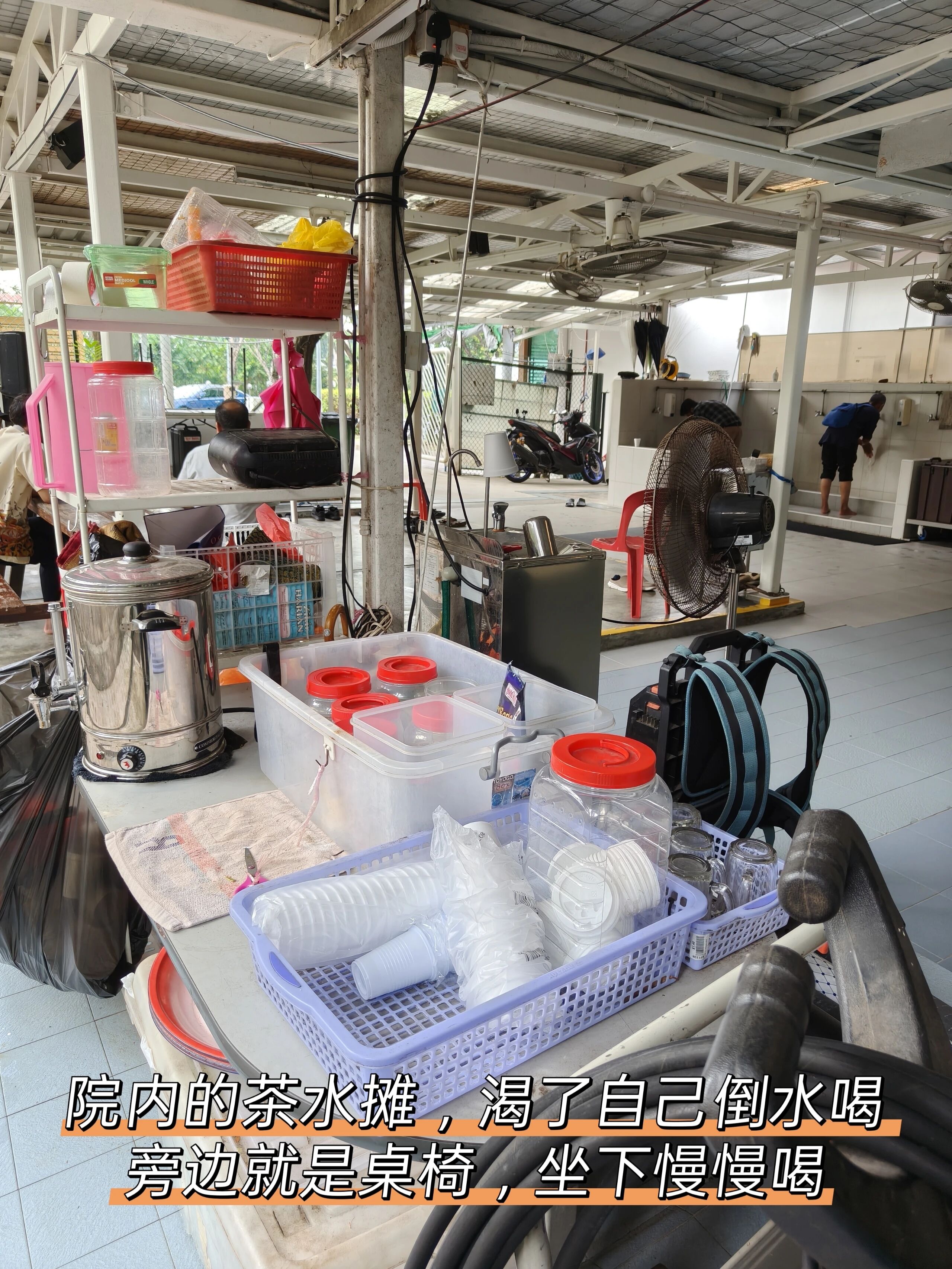
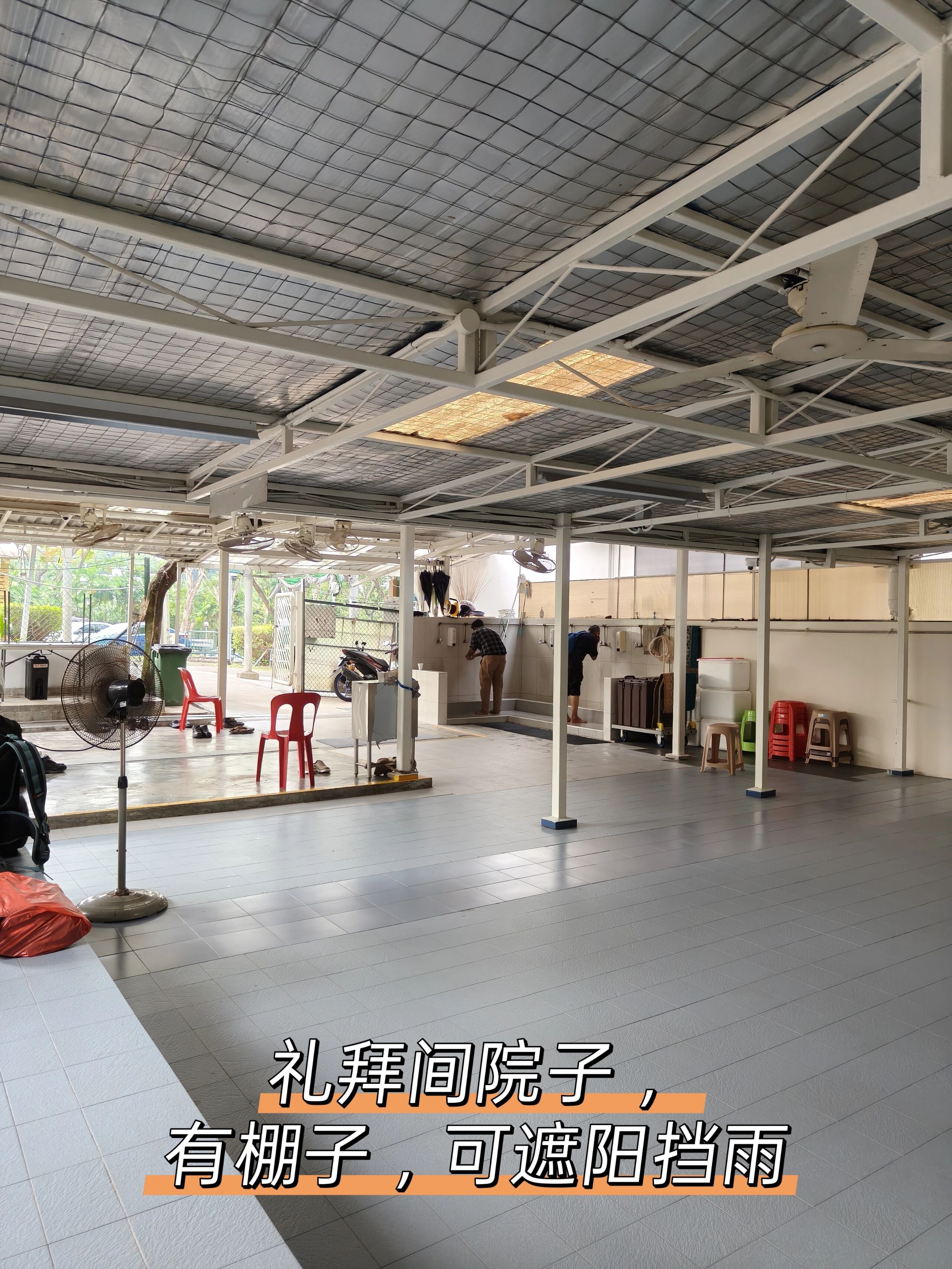
This prayer room is next to a parking lot at the Singapore General Hospital. It is a small courtyard with tables and chairs, free tea to drink, and a place to perform wudu (ablution). There is a canopy set up in the yard. Singapore has strong sun and plenty of rain, so the canopy helps provide shade and shelter.
Deep inside the courtyard is a small room, which is where the prayers take place. There are four pillars in the middle of the room, and prayer beads (tasbih) hang from them. On the front wall, there is a mihrab (prayer niche) and a minbar (pulpit). A curtain on the left side marks the women's prayer area.
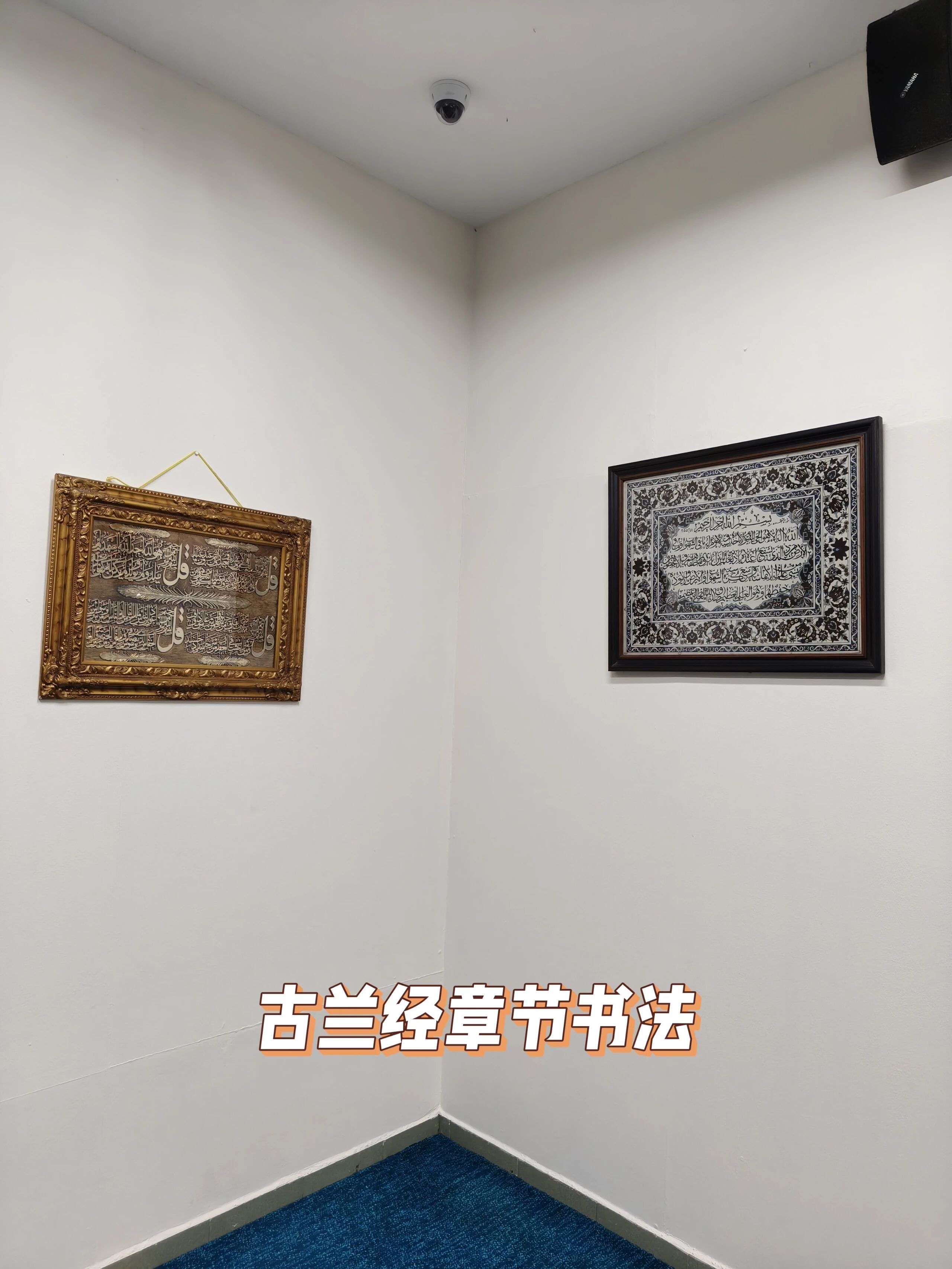
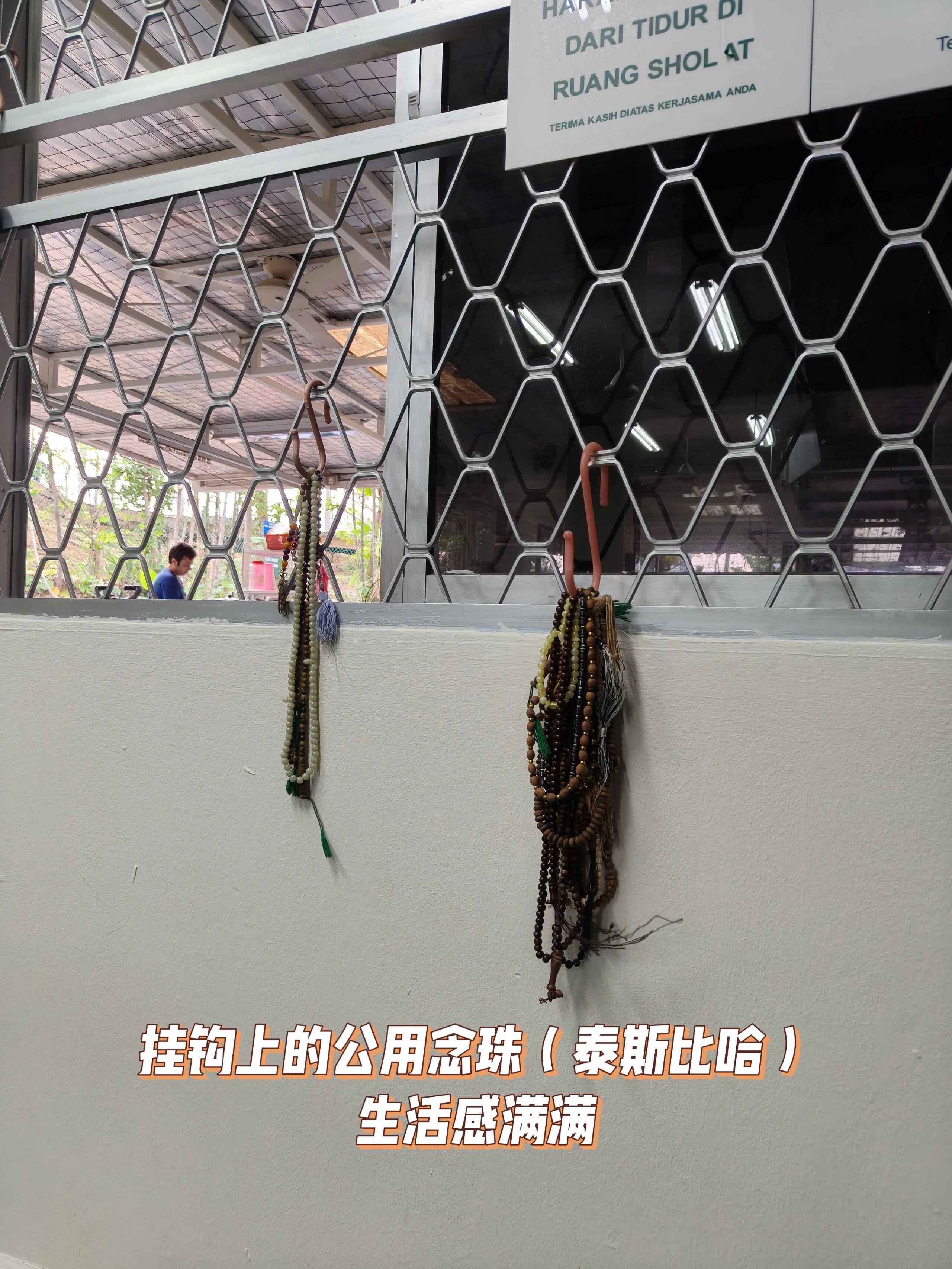
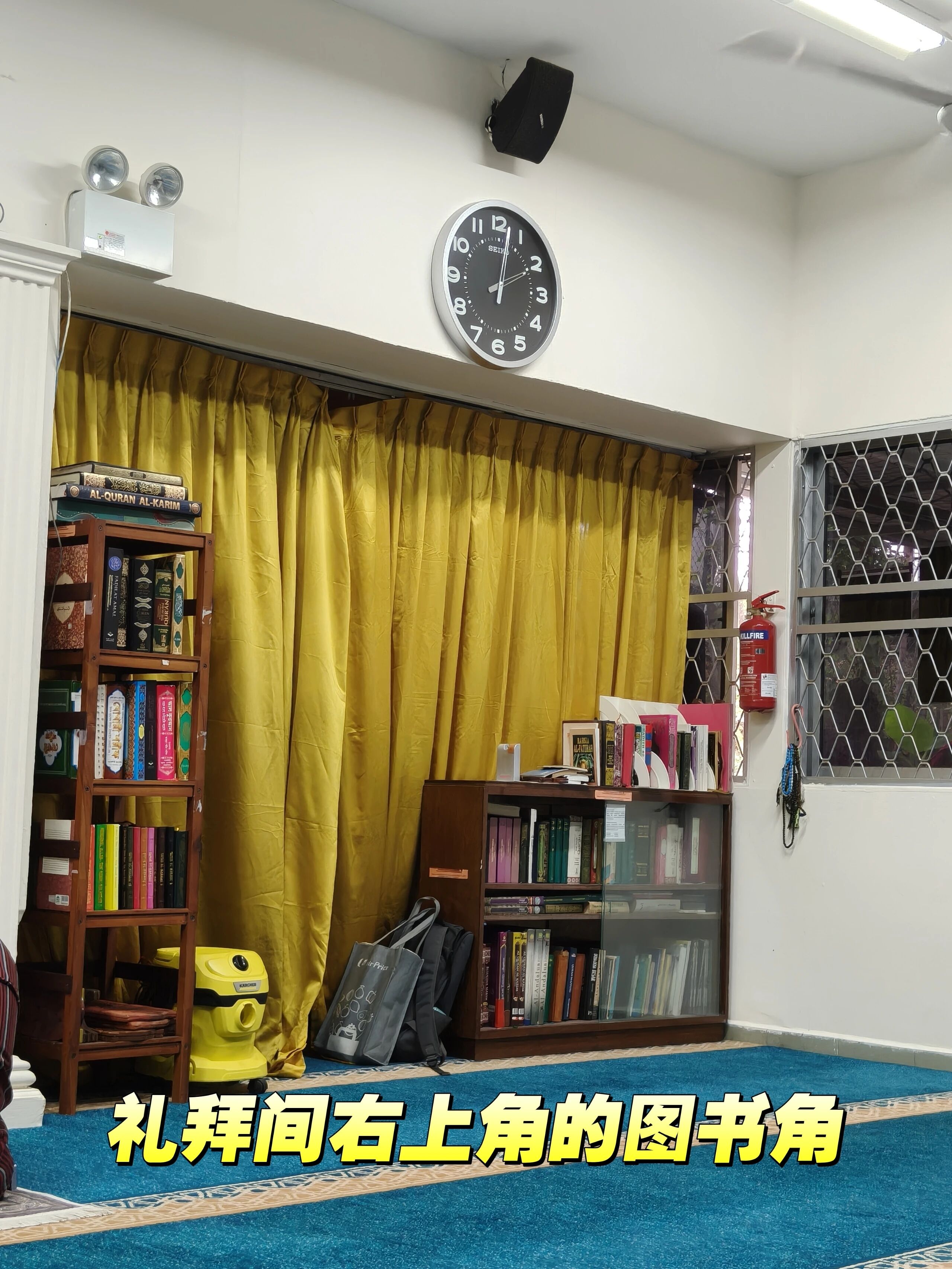
The walls are decorated with calligraphy and a clock. Prayer beads also hang on the windows, and there is a book corner to the front right. This small room is a perfect example of being small but complete.
Looking at the book corner, there are quite a few books. I found a small book with a sci-fi cover. It was in Malay, which I cannot read, but it had a lenticular bookmark tucked inside. It showed English and Chinese when viewed from different angles. I do not know who left it there, but it was quite cute.
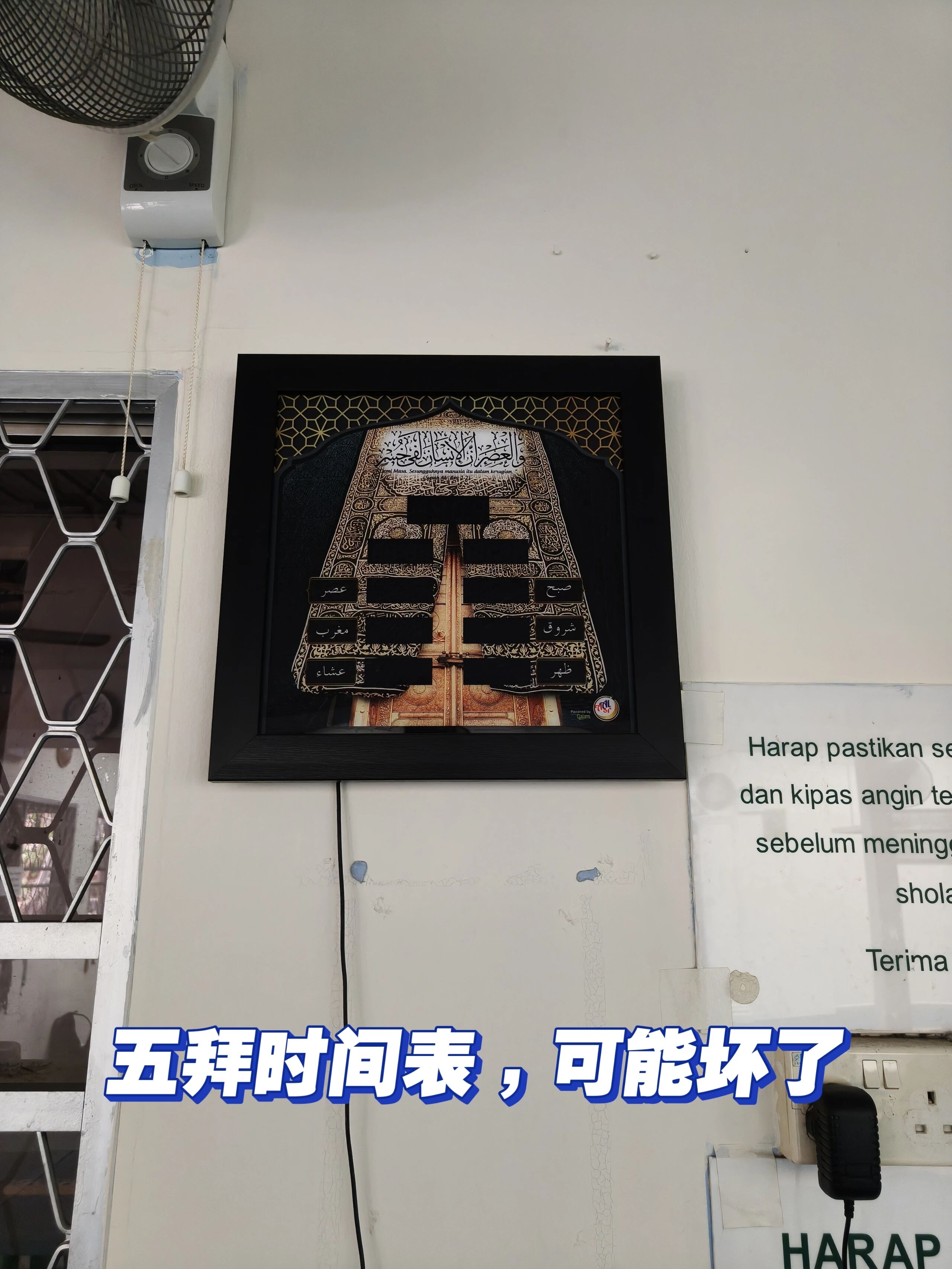
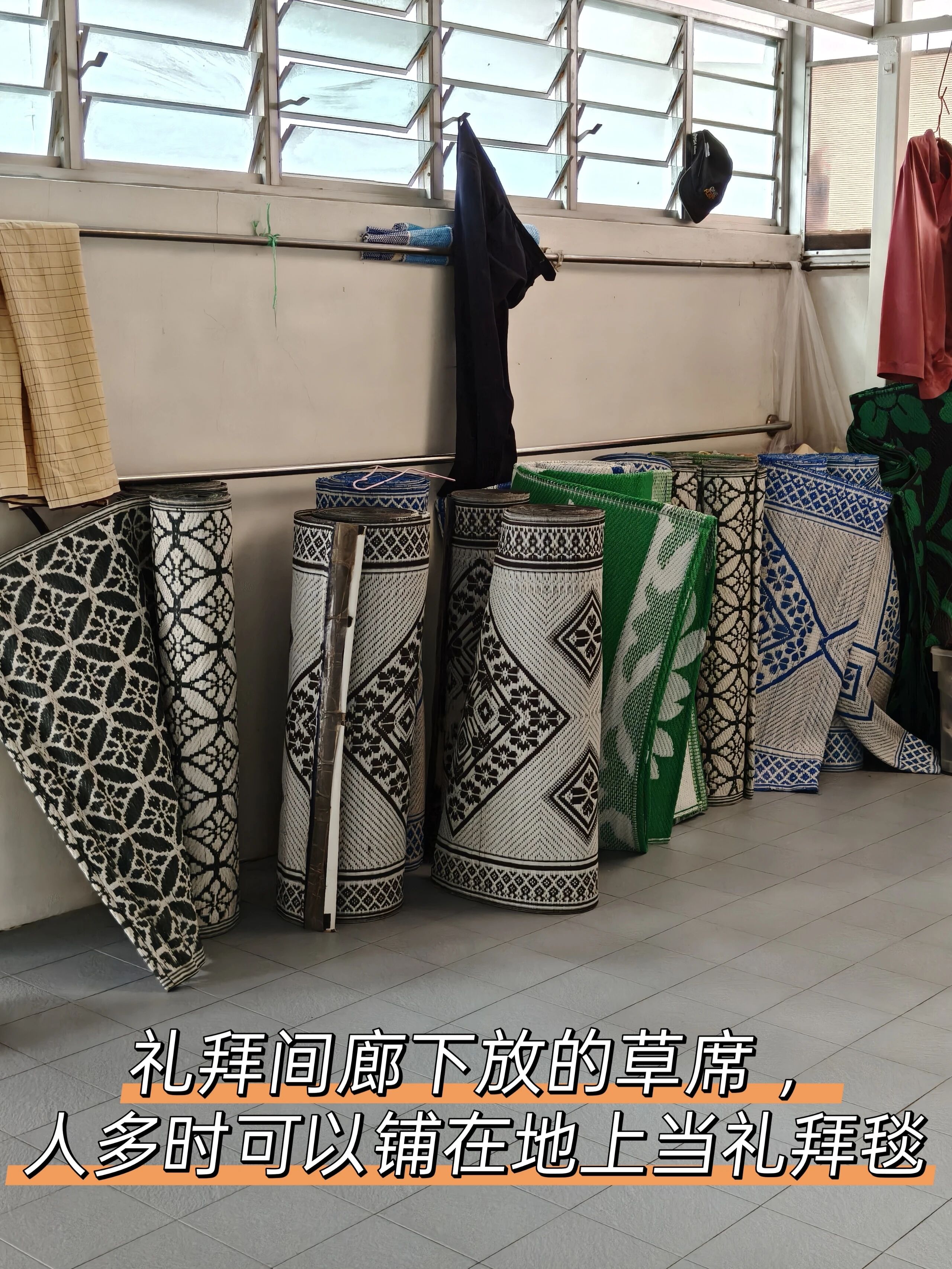
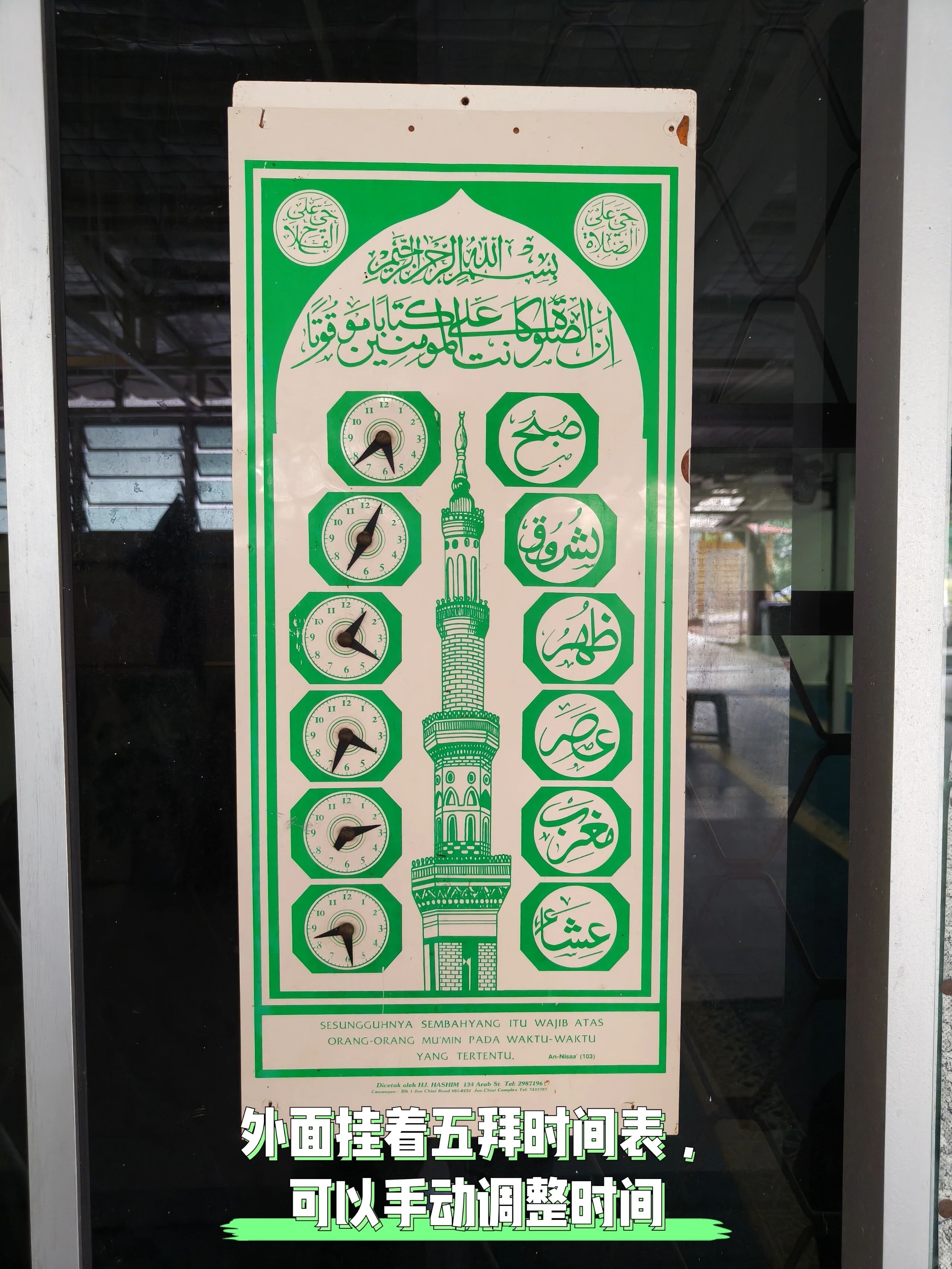
Outside the window, there is a prayer time schedule. The digital LCD clock might be broken, so they are using this old manual one instead. The clock has a picture of a minaret on it. There are also various straw mats under the corridor. When there are too many people and the room is full, you can spread the mats in the courtyard to pray.
Walking out of the room, there is a restroom on the right, along with a second place to perform wudu. Walk further inside and you will find the women's ablution room.
I guess the people who come here for namaz are mostly families of patients and neighbors living nearby. When I arrived, I saw medical staff performing namaz. The last time I was here, I saw a police officer from Singapore performing namaz.
Leaving the small courtyard, there is a little slope on the right where you can stand and see a jackfruit growing on a tree. The prayer room is just a simple little shed. Many people come and go in the courtyard, and every now and then, little birds fly in and leaves drift down.
This small prayer room is a bit messy, but it feels full of life, and I like it very much. view all
Summary: This Singapore prayer room guide visits the small Muslim prayer space at Singapore General Hospital. It keeps the author's walking route, hospital setting, prayer-room layout, and practical travel observations intact.
My favorite place in Singapore is actually this small prayer room. It was not far from where I was staying, just a short walk away.
This prayer room is next to a parking lot at the Singapore General Hospital. It is a small courtyard with tables and chairs, free tea to drink, and a place to perform wudu (ablution). There is a canopy set up in the yard. Singapore has strong sun and plenty of rain, so the canopy helps provide shade and shelter.
Deep inside the courtyard is a small room, which is where the prayers take place. There are four pillars in the middle of the room, and prayer beads (tasbih) hang from them. On the front wall, there is a mihrab (prayer niche) and a minbar (pulpit). A curtain on the left side marks the women's prayer area.
The walls are decorated with calligraphy and a clock. Prayer beads also hang on the windows, and there is a book corner to the front right. This small room is a perfect example of being small but complete.
Looking at the book corner, there are quite a few books. I found a small book with a sci-fi cover. It was in Malay, which I cannot read, but it had a lenticular bookmark tucked inside. It showed English and Chinese when viewed from different angles. I do not know who left it there, but it was quite cute.
Outside the window, there is a prayer time schedule. The digital LCD clock might be broken, so they are using this old manual one instead. The clock has a picture of a minaret on it. There are also various straw mats under the corridor. When there are too many people and the room is full, you can spread the mats in the courtyard to pray.
Walking out of the room, there is a restroom on the right, along with a second place to perform wudu. Walk further inside and you will find the women's ablution room.
I guess the people who come here for namaz are mostly families of patients and neighbors living nearby. When I arrived, I saw medical staff performing namaz. The last time I was here, I saw a police officer from Singapore performing namaz.
Leaving the small courtyard, there is a little slope on the right where you can stand and see a jackfruit growing on a tree. The prayer room is just a simple little shed. Many people come and go in the courtyard, and every now and then, little birds fly in and leaves drift down.
This small prayer room is a bit messy, but it feels full of life, and I like it very much. view all
Reposted from the web
Summary: This Singapore prayer room guide visits the small Muslim prayer space at Singapore General Hospital. It keeps the author's walking route, hospital setting, prayer-room layout, and practical travel observations intact.
My favorite place in Singapore is actually this small prayer room. It was not far from where I was staying, just a short walk away.
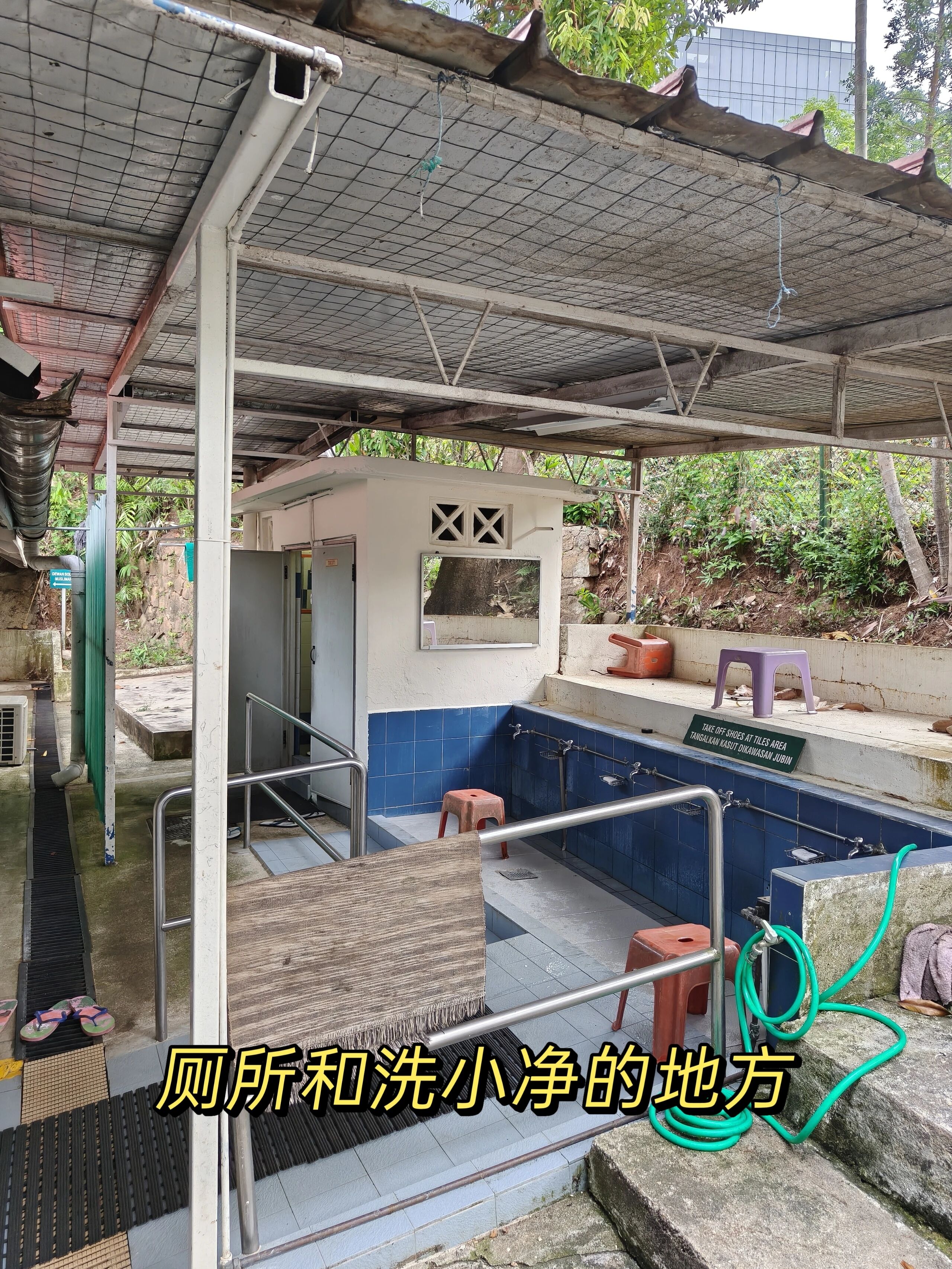
This prayer room is next to a parking lot at the Singapore General Hospital. It is a small courtyard with tables and chairs, free tea to drink, and a place to perform wudu (ablution). There is a canopy set up in the yard. Singapore has strong sun and plenty of rain, so the canopy helps provide shade and shelter.
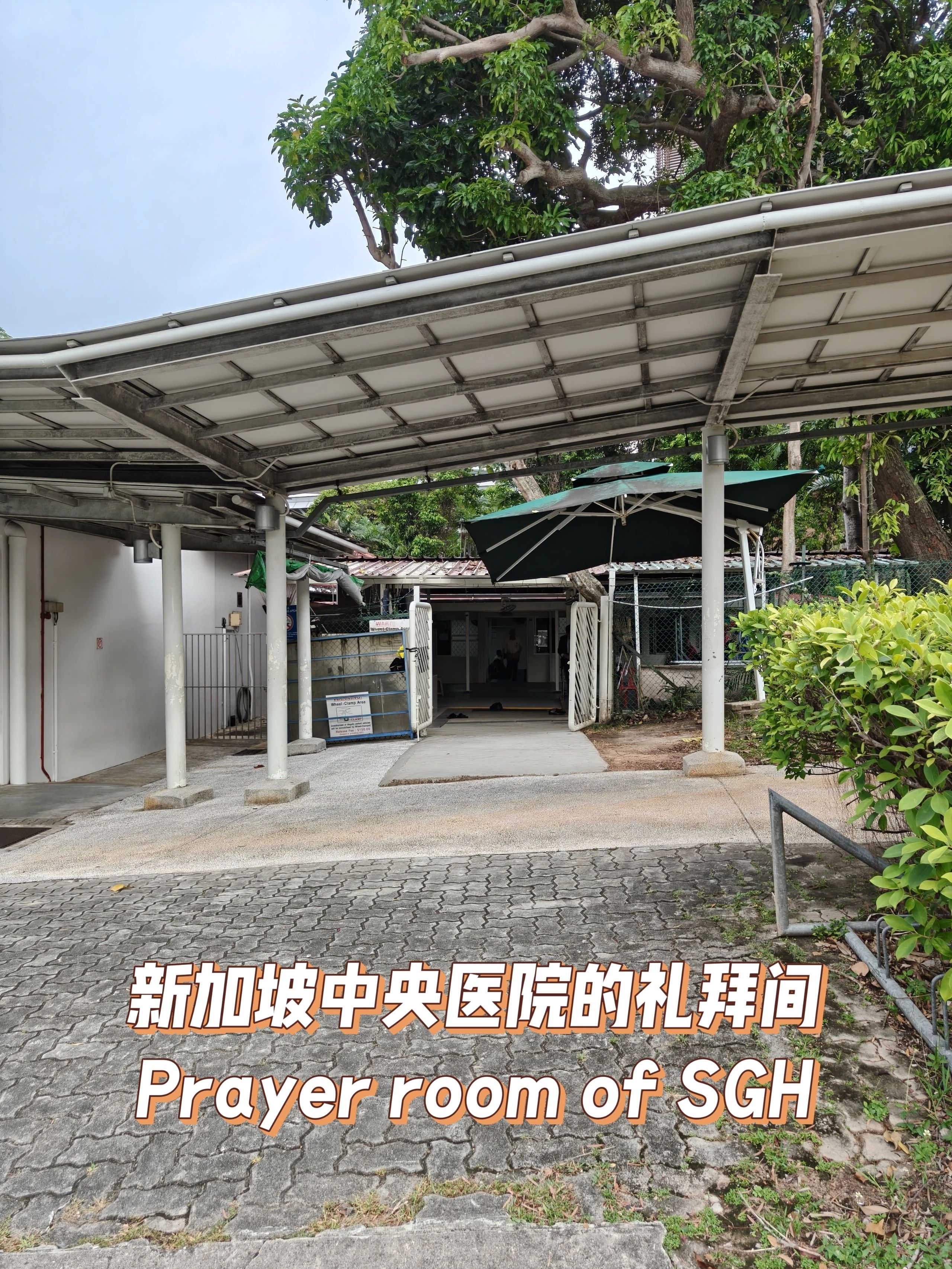
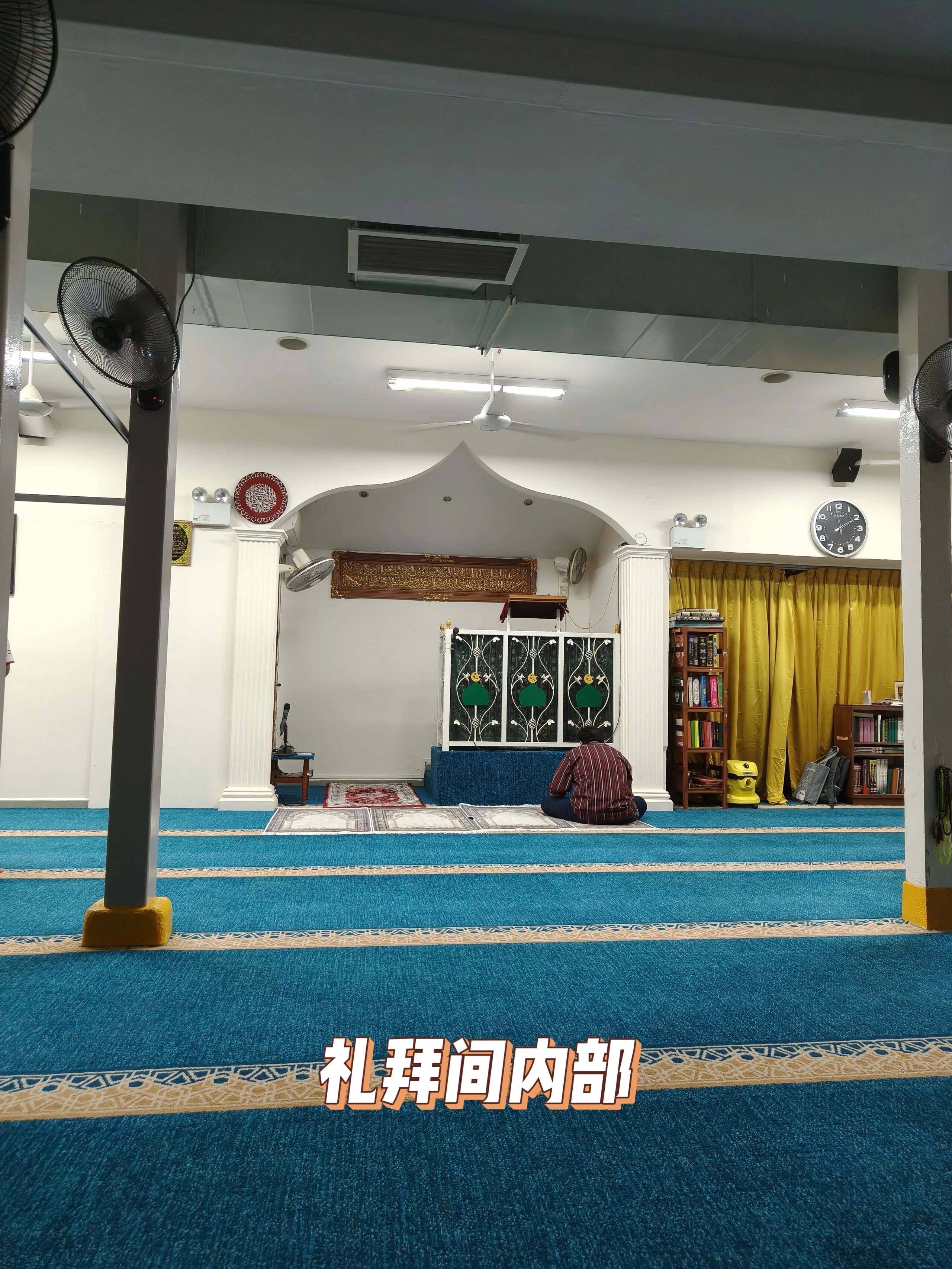
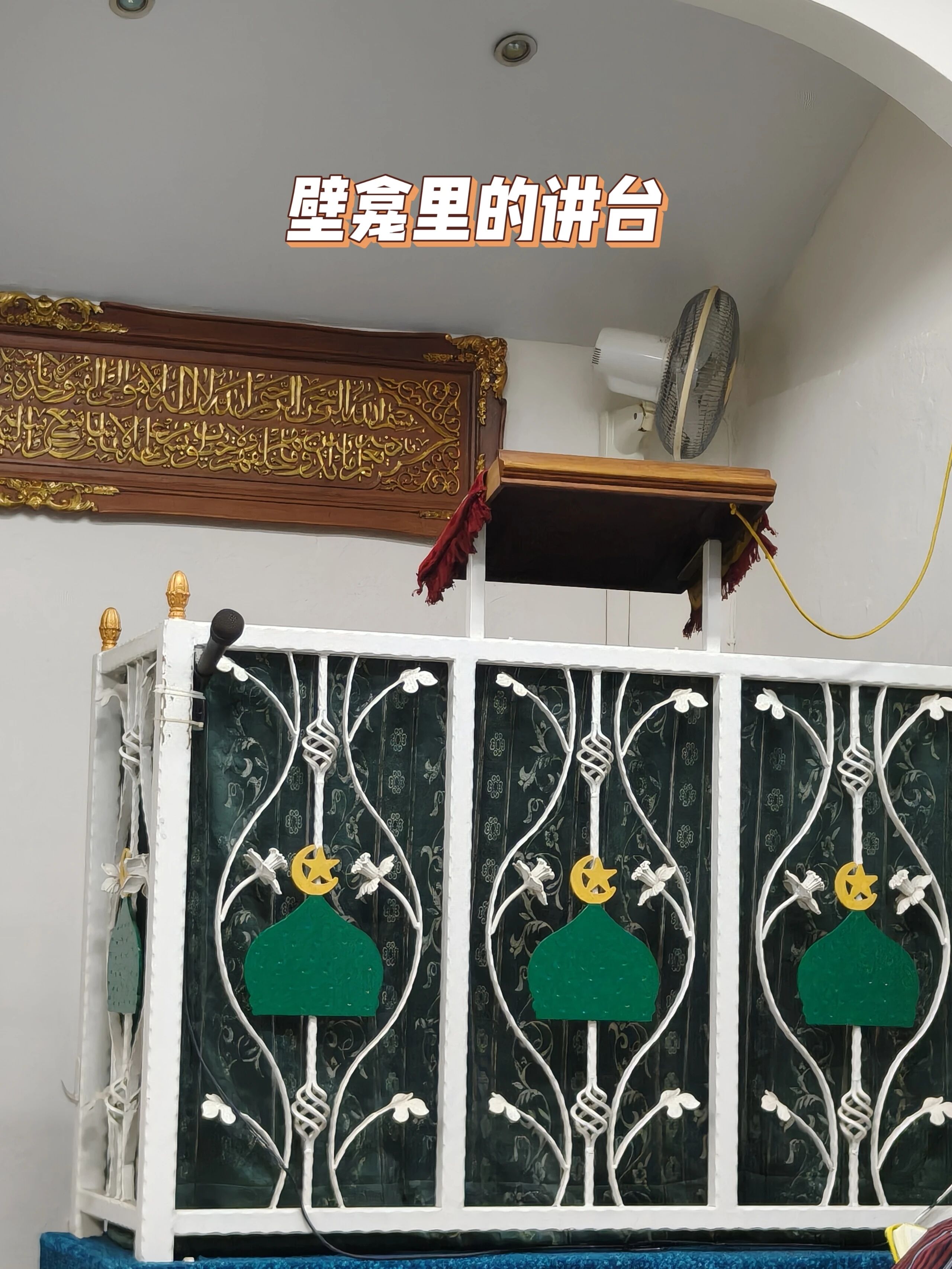

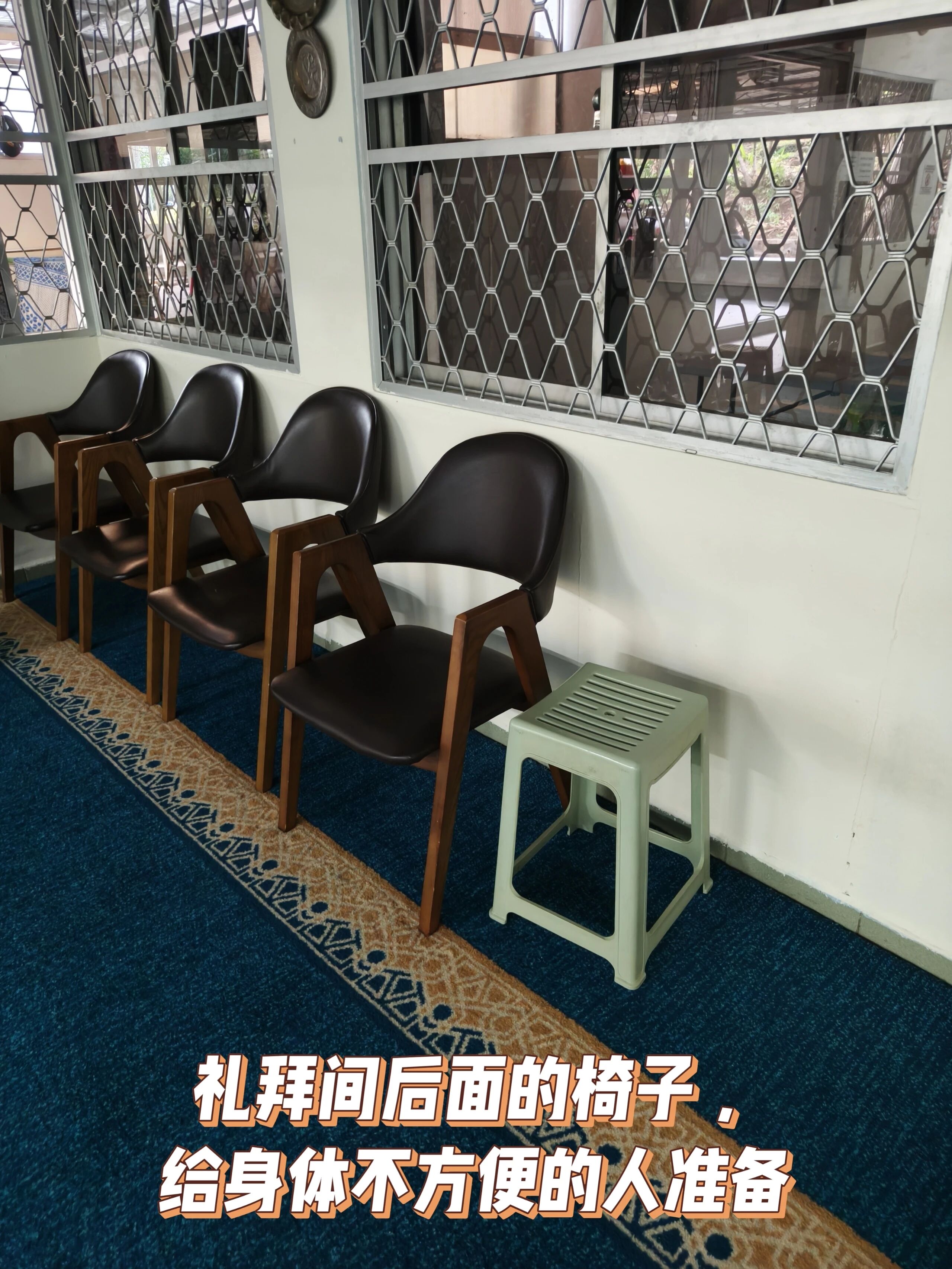
Deep inside the courtyard is a small room, which is where the prayers take place. There are four pillars in the middle of the room, and prayer beads (tasbih) hang from them. On the front wall, there is a mihrab (prayer niche) and a minbar (pulpit). A curtain on the left side marks the women's prayer area.
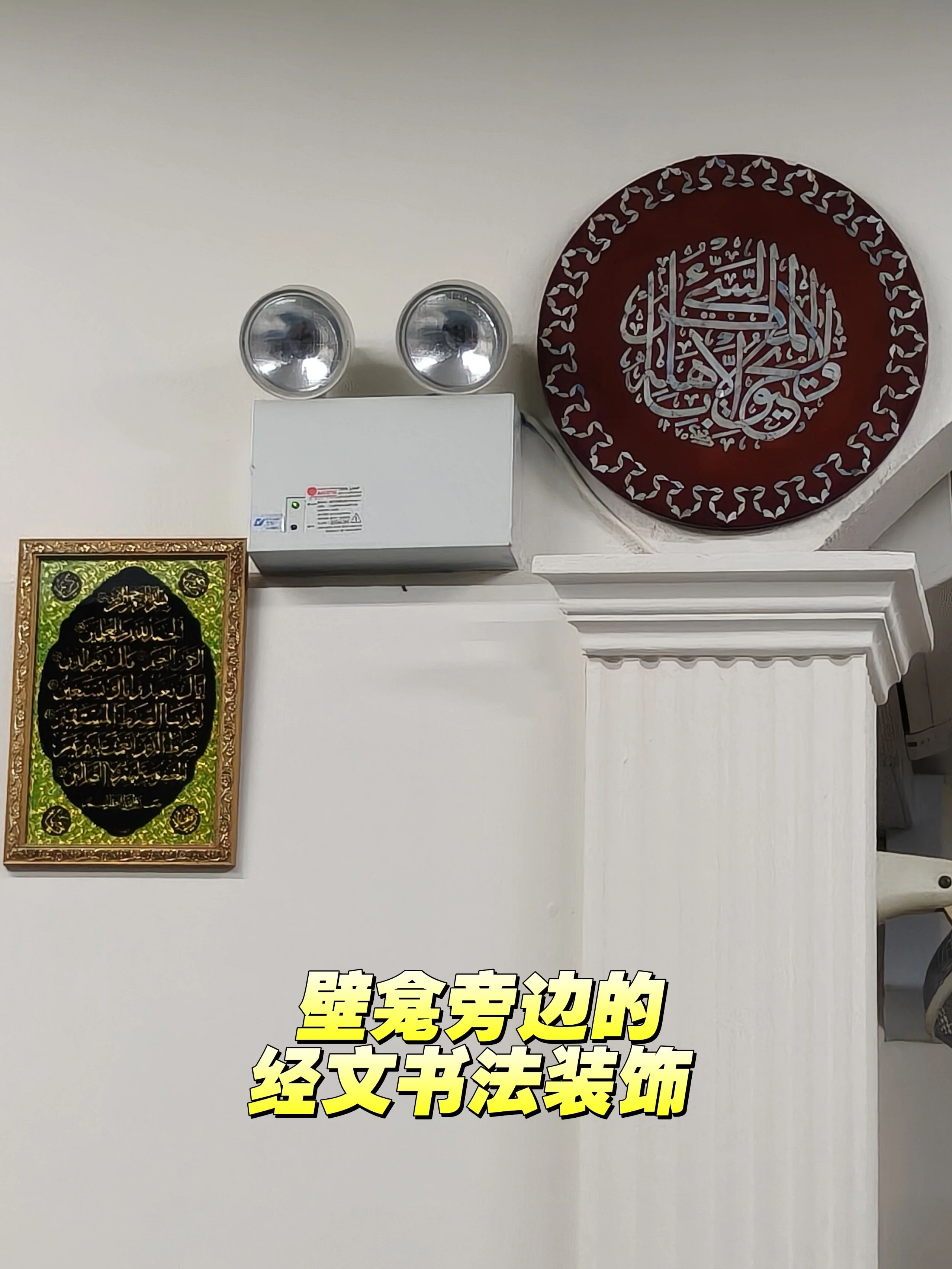
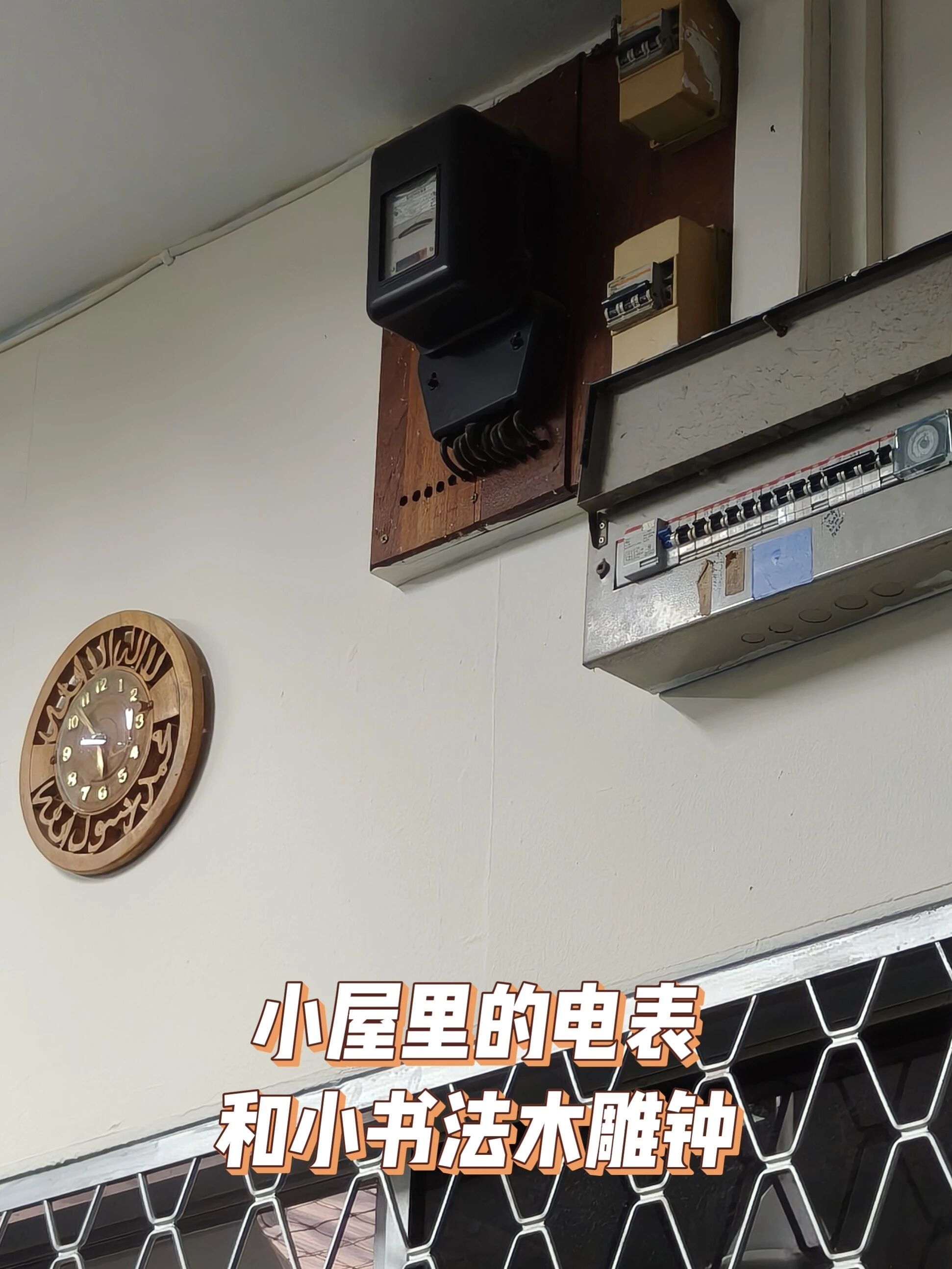
The walls are decorated with calligraphy and a clock. Prayer beads also hang on the windows, and there is a book corner to the front right. This small room is a perfect example of being small but complete.
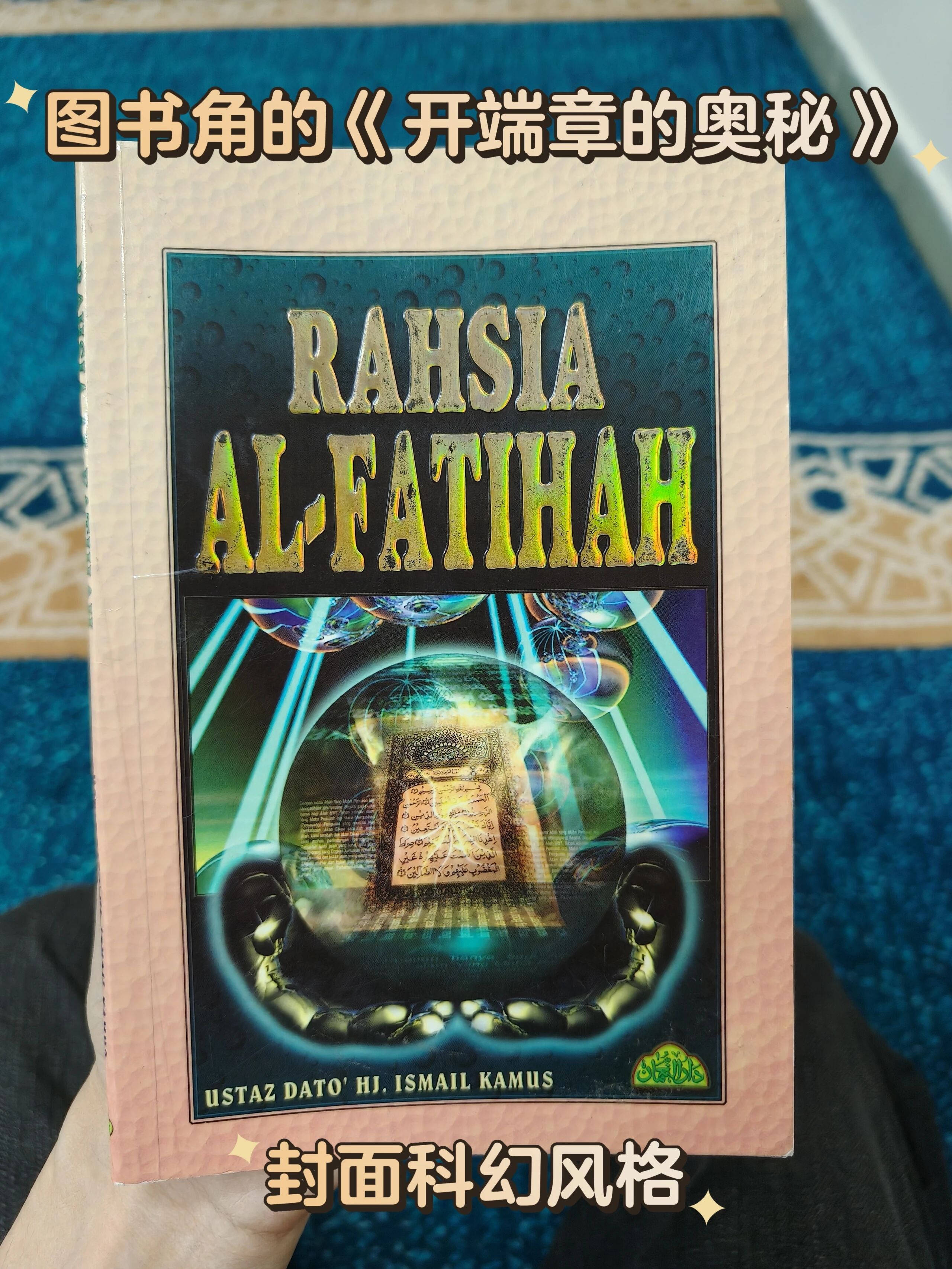
Looking at the book corner, there are quite a few books. I found a small book with a sci-fi cover. It was in Malay, which I cannot read, but it had a lenticular bookmark tucked inside. It showed English and Chinese when viewed from different angles. I do not know who left it there, but it was quite cute.
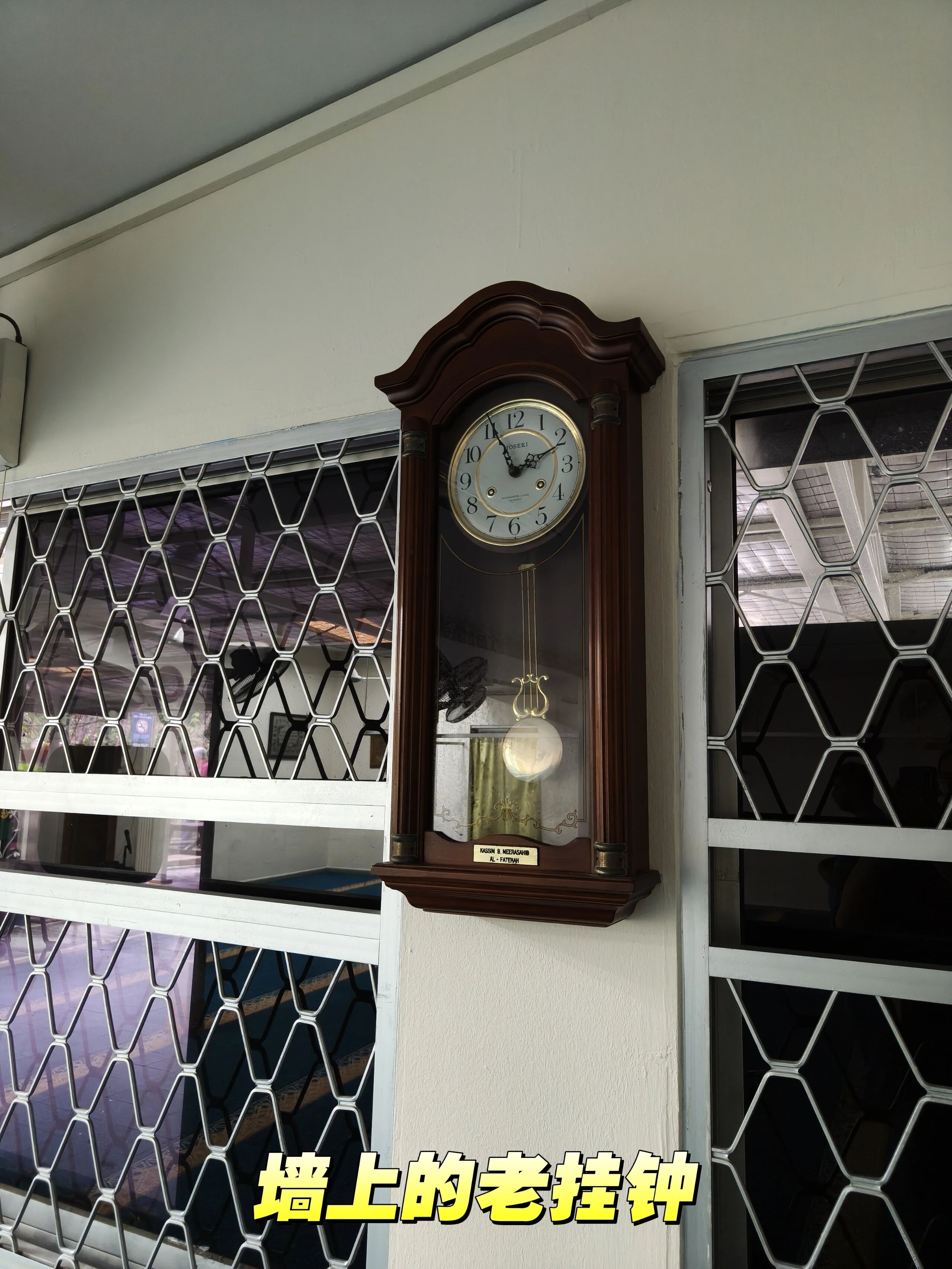
Outside the window, there is a prayer time schedule. The digital LCD clock might be broken, so they are using this old manual one instead. The clock has a picture of a minaret on it. There are also various straw mats under the corridor. When there are too many people and the room is full, you can spread the mats in the courtyard to pray.
Walking out of the room, there is a restroom on the right, along with a second place to perform wudu. Walk further inside and you will find the women's ablution room.
I guess the people who come here for namaz are mostly families of patients and neighbors living nearby. When I arrived, I saw medical staff performing namaz. The last time I was here, I saw a police officer from Singapore performing namaz.
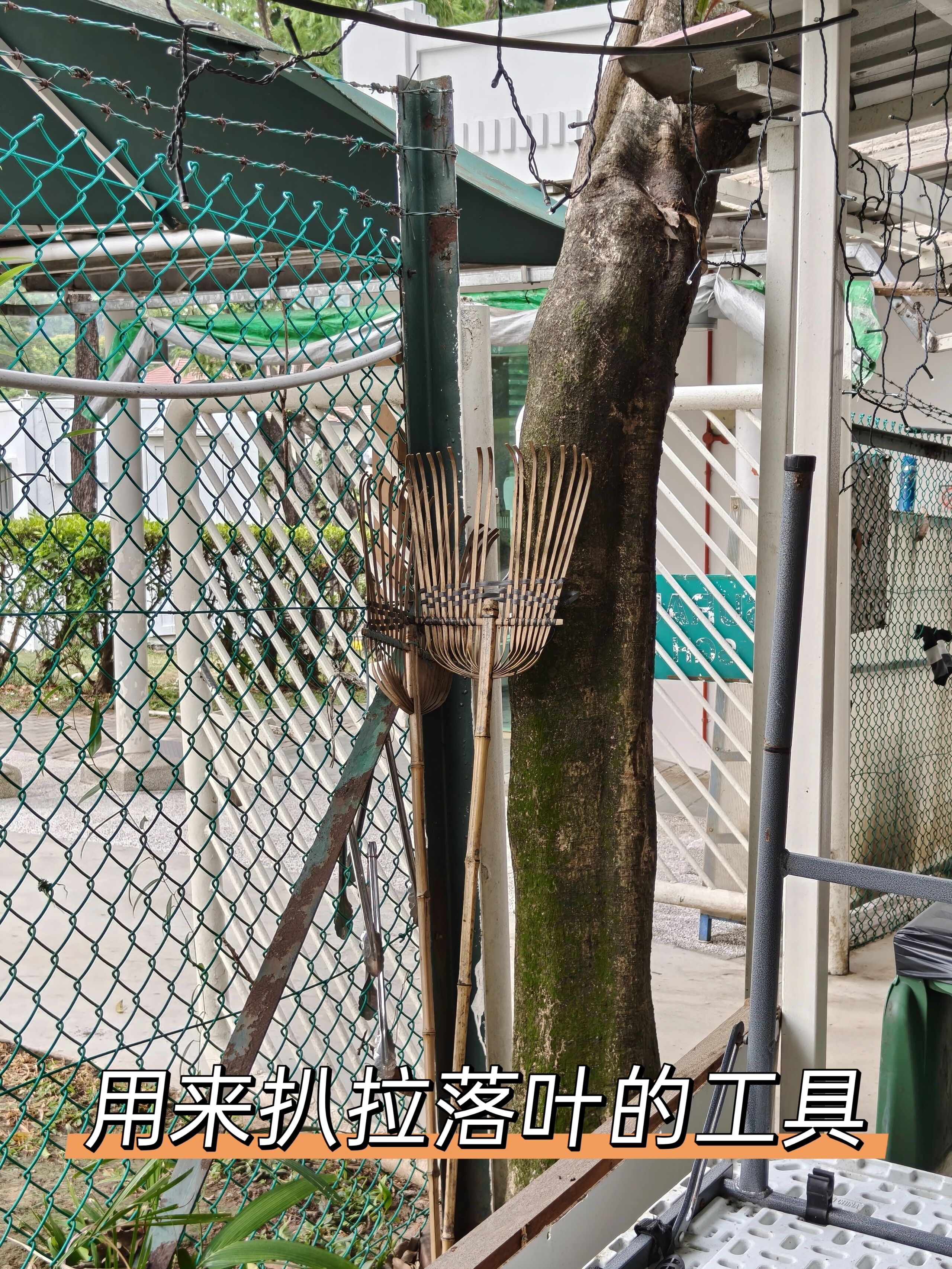
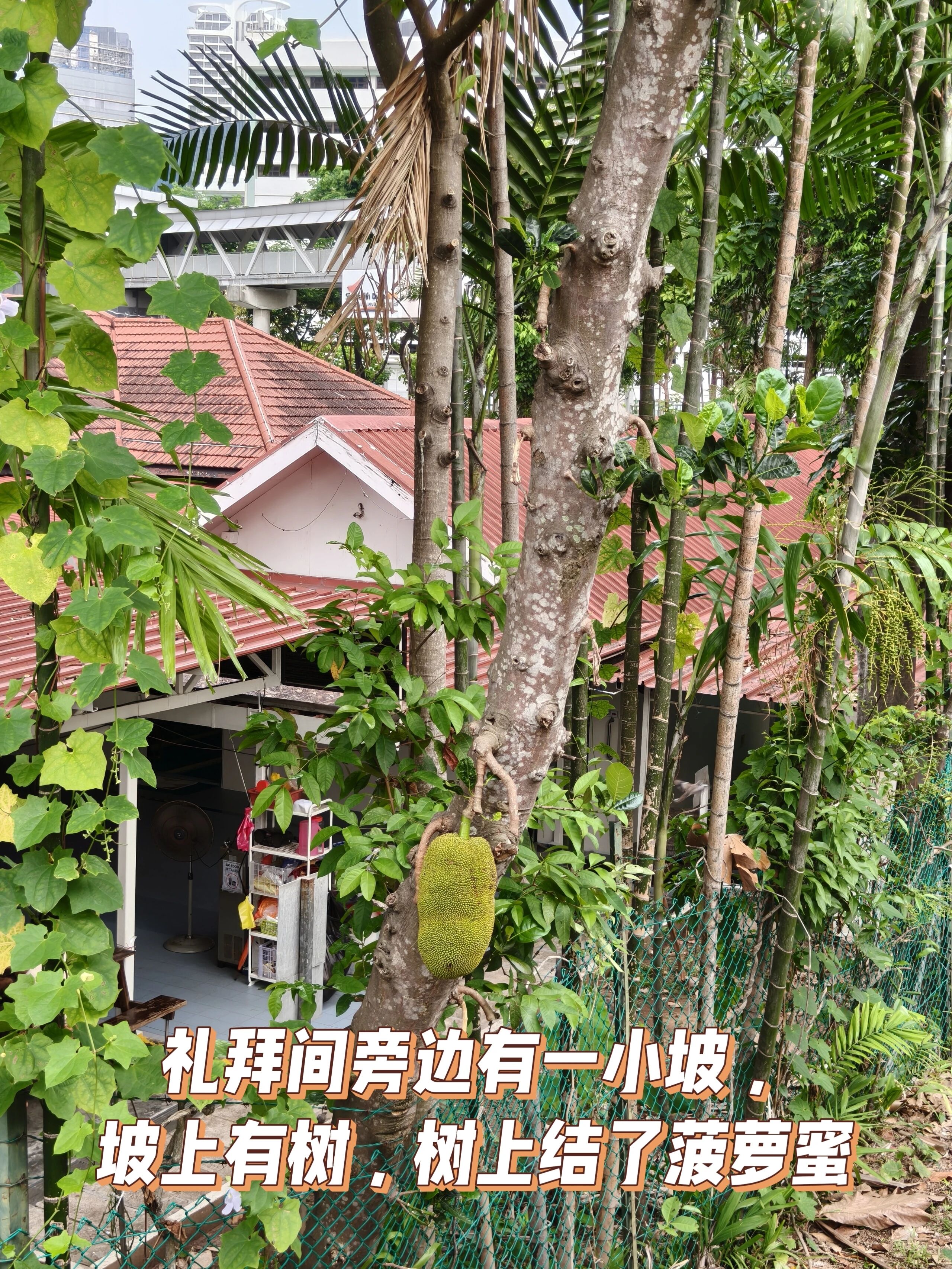
Leaving the small courtyard, there is a little slope on the right where you can stand and see a jackfruit growing on a tree. The prayer room is just a simple little shed. Many people come and go in the courtyard, and every now and then, little birds fly in and leaves drift down.
This small prayer room is a bit messy, but it feels full of life, and I like it very much.
Summary: This Singapore prayer room guide visits the small Muslim prayer space at Singapore General Hospital. It keeps the author's walking route, hospital setting, prayer-room layout, and practical travel observations intact.
My favorite place in Singapore is actually this small prayer room. It was not far from where I was staying, just a short walk away.
This prayer room is next to a parking lot at the Singapore General Hospital. It is a small courtyard with tables and chairs, free tea to drink, and a place to perform wudu (ablution). There is a canopy set up in the yard. Singapore has strong sun and plenty of rain, so the canopy helps provide shade and shelter.
Deep inside the courtyard is a small room, which is where the prayers take place. There are four pillars in the middle of the room, and prayer beads (tasbih) hang from them. On the front wall, there is a mihrab (prayer niche) and a minbar (pulpit). A curtain on the left side marks the women's prayer area.
The walls are decorated with calligraphy and a clock. Prayer beads also hang on the windows, and there is a book corner to the front right. This small room is a perfect example of being small but complete.
Looking at the book corner, there are quite a few books. I found a small book with a sci-fi cover. It was in Malay, which I cannot read, but it had a lenticular bookmark tucked inside. It showed English and Chinese when viewed from different angles. I do not know who left it there, but it was quite cute.
Outside the window, there is a prayer time schedule. The digital LCD clock might be broken, so they are using this old manual one instead. The clock has a picture of a minaret on it. There are also various straw mats under the corridor. When there are too many people and the room is full, you can spread the mats in the courtyard to pray.
Walking out of the room, there is a restroom on the right, along with a second place to perform wudu. Walk further inside and you will find the women's ablution room.
I guess the people who come here for namaz are mostly families of patients and neighbors living nearby. When I arrived, I saw medical staff performing namaz. The last time I was here, I saw a police officer from Singapore performing namaz.
Leaving the small courtyard, there is a little slope on the right where you can stand and see a jackfruit growing on a tree. The prayer room is just a simple little shed. Many people come and go in the courtyard, and every now and then, little birds fly in and leaves drift down.
This small prayer room is a bit messy, but it feels full of life, and I like it very much.
Prayer Room Singapore General Hospital: Muslim Prayer Space, Wudu Access and Hospital Travel Notes
Articles • Hasan09 posted the article • 0 comments • 268 views • 2026-05-24 01:46
Reposted from the web
Summary: This Singapore prayer room guide visits the small Muslim prayer space at Singapore General Hospital. It keeps the author's walking route, hospital setting, prayer-room layout, and practical travel observations intact.
My favorite place in Singapore is actually this small prayer room. It was not far from where I was staying, just a short walk away.
This prayer room is next to a parking lot at the Singapore General Hospital. It is a small courtyard with tables and chairs, free tea to drink, and a place to perform wudu (ablution). There is a canopy set up in the yard. Singapore has strong sun and plenty of rain, so the canopy helps provide shade and shelter.
Deep inside the courtyard is a small room, which is where the prayers take place. There are four pillars in the middle of the room, and prayer beads (tasbih) hang from them. On the front wall, there is a mihrab (prayer niche) and a minbar (pulpit). A curtain on the left side marks the women's prayer area.
The walls are decorated with calligraphy and a clock. Prayer beads also hang on the windows, and there is a book corner to the front right. This small room is a perfect example of being small but complete.
Looking at the book corner, there are quite a few books. I found a small book with a sci-fi cover. It was in Malay, which I cannot read, but it had a lenticular bookmark tucked inside. It showed English and Chinese when viewed from different angles. I do not know who left it there, but it was quite cute.
Outside the window, there is a prayer time schedule. The digital LCD clock might be broken, so they are using this old manual one instead. The clock has a picture of a minaret on it. There are also various straw mats under the corridor. When there are too many people and the room is full, you can spread the mats in the courtyard to pray.
Walking out of the room, there is a restroom on the right, along with a second place to perform wudu. Walk further inside and you will find the women's ablution room.
I guess the people who come here for namaz are mostly families of patients and neighbors living nearby. When I arrived, I saw medical staff performing namaz. The last time I was here, I saw a police officer from Singapore performing namaz.
Leaving the small courtyard, there is a little slope on the right where you can stand and see a jackfruit growing on a tree. The prayer room is just a simple little shed. Many people come and go in the courtyard, and every now and then, little birds fly in and leaves drift down.
This small prayer room is a bit messy, but it feels full of life, and I like it very much. view all
Summary: This Singapore prayer room guide visits the small Muslim prayer space at Singapore General Hospital. It keeps the author's walking route, hospital setting, prayer-room layout, and practical travel observations intact.
My favorite place in Singapore is actually this small prayer room. It was not far from where I was staying, just a short walk away.
This prayer room is next to a parking lot at the Singapore General Hospital. It is a small courtyard with tables and chairs, free tea to drink, and a place to perform wudu (ablution). There is a canopy set up in the yard. Singapore has strong sun and plenty of rain, so the canopy helps provide shade and shelter.
Deep inside the courtyard is a small room, which is where the prayers take place. There are four pillars in the middle of the room, and prayer beads (tasbih) hang from them. On the front wall, there is a mihrab (prayer niche) and a minbar (pulpit). A curtain on the left side marks the women's prayer area.
The walls are decorated with calligraphy and a clock. Prayer beads also hang on the windows, and there is a book corner to the front right. This small room is a perfect example of being small but complete.
Looking at the book corner, there are quite a few books. I found a small book with a sci-fi cover. It was in Malay, which I cannot read, but it had a lenticular bookmark tucked inside. It showed English and Chinese when viewed from different angles. I do not know who left it there, but it was quite cute.
Outside the window, there is a prayer time schedule. The digital LCD clock might be broken, so they are using this old manual one instead. The clock has a picture of a minaret on it. There are also various straw mats under the corridor. When there are too many people and the room is full, you can spread the mats in the courtyard to pray.
Walking out of the room, there is a restroom on the right, along with a second place to perform wudu. Walk further inside and you will find the women's ablution room.
I guess the people who come here for namaz are mostly families of patients and neighbors living nearby. When I arrived, I saw medical staff performing namaz. The last time I was here, I saw a police officer from Singapore performing namaz.
Leaving the small courtyard, there is a little slope on the right where you can stand and see a jackfruit growing on a tree. The prayer room is just a simple little shed. Many people come and go in the courtyard, and every now and then, little birds fly in and leaves drift down.
This small prayer room is a bit messy, but it feels full of life, and I like it very much. view all
Reposted from the web
Summary: This Singapore prayer room guide visits the small Muslim prayer space at Singapore General Hospital. It keeps the author's walking route, hospital setting, prayer-room layout, and practical travel observations intact.
My favorite place in Singapore is actually this small prayer room. It was not far from where I was staying, just a short walk away.
This prayer room is next to a parking lot at the Singapore General Hospital. It is a small courtyard with tables and chairs, free tea to drink, and a place to perform wudu (ablution). There is a canopy set up in the yard. Singapore has strong sun and plenty of rain, so the canopy helps provide shade and shelter.
Deep inside the courtyard is a small room, which is where the prayers take place. There are four pillars in the middle of the room, and prayer beads (tasbih) hang from them. On the front wall, there is a mihrab (prayer niche) and a minbar (pulpit). A curtain on the left side marks the women's prayer area.
The walls are decorated with calligraphy and a clock. Prayer beads also hang on the windows, and there is a book corner to the front right. This small room is a perfect example of being small but complete.
Looking at the book corner, there are quite a few books. I found a small book with a sci-fi cover. It was in Malay, which I cannot read, but it had a lenticular bookmark tucked inside. It showed English and Chinese when viewed from different angles. I do not know who left it there, but it was quite cute.
Outside the window, there is a prayer time schedule. The digital LCD clock might be broken, so they are using this old manual one instead. The clock has a picture of a minaret on it. There are also various straw mats under the corridor. When there are too many people and the room is full, you can spread the mats in the courtyard to pray.
Walking out of the room, there is a restroom on the right, along with a second place to perform wudu. Walk further inside and you will find the women's ablution room.
I guess the people who come here for namaz are mostly families of patients and neighbors living nearby. When I arrived, I saw medical staff performing namaz. The last time I was here, I saw a police officer from Singapore performing namaz.
Leaving the small courtyard, there is a little slope on the right where you can stand and see a jackfruit growing on a tree. The prayer room is just a simple little shed. Many people come and go in the courtyard, and every now and then, little birds fly in and leaves drift down.
This small prayer room is a bit messy, but it feels full of life, and I like it very much.
Summary: This Singapore prayer room guide visits the small Muslim prayer space at Singapore General Hospital. It keeps the author's walking route, hospital setting, prayer-room layout, and practical travel observations intact.
My favorite place in Singapore is actually this small prayer room. It was not far from where I was staying, just a short walk away.
This prayer room is next to a parking lot at the Singapore General Hospital. It is a small courtyard with tables and chairs, free tea to drink, and a place to perform wudu (ablution). There is a canopy set up in the yard. Singapore has strong sun and plenty of rain, so the canopy helps provide shade and shelter.
Deep inside the courtyard is a small room, which is where the prayers take place. There are four pillars in the middle of the room, and prayer beads (tasbih) hang from them. On the front wall, there is a mihrab (prayer niche) and a minbar (pulpit). A curtain on the left side marks the women's prayer area.
The walls are decorated with calligraphy and a clock. Prayer beads also hang on the windows, and there is a book corner to the front right. This small room is a perfect example of being small but complete.
Looking at the book corner, there are quite a few books. I found a small book with a sci-fi cover. It was in Malay, which I cannot read, but it had a lenticular bookmark tucked inside. It showed English and Chinese when viewed from different angles. I do not know who left it there, but it was quite cute.
Outside the window, there is a prayer time schedule. The digital LCD clock might be broken, so they are using this old manual one instead. The clock has a picture of a minaret on it. There are also various straw mats under the corridor. When there are too many people and the room is full, you can spread the mats in the courtyard to pray.
Walking out of the room, there is a restroom on the right, along with a second place to perform wudu. Walk further inside and you will find the women's ablution room.
I guess the people who come here for namaz are mostly families of patients and neighbors living nearby. When I arrived, I saw medical staff performing namaz. The last time I was here, I saw a police officer from Singapore performing namaz.
Leaving the small courtyard, there is a little slope on the right where you can stand and see a jackfruit growing on a tree. The prayer room is just a simple little shed. Many people come and go in the courtyard, and every now and then, little birds fly in and leaves drift down.
This small prayer room is a bit messy, but it feels full of life, and I like it very much.