

Songpan Food
Halal Food Guide: Songpan - Hui Muslim Snacks in Sichuan
Articles • ali2007fr posted the article • 0 comments • 271 views • 2026-05-21 02:08
Reposted from the web
Summary: Songpan's Hui Muslim snack culture includes local noodles, breads, beef and lamb dishes, and small shops around the old city. This food note preserves the source's dish names, restaurant details, street context, and Hui Muslim community observations.
I want to share the Hui Muslim culture of Songzhou City in Songpan, Sichuan with you all. Songpan and Xichang are the two areas in Sichuan with the largest Hui Muslim populations and strong religious traditions. The difference is that Songpan is influenced by Gansu, while Xichang has closer ties to Yunnan.
Hui Muslims have lived in Songpan for over 700 years. In 1271 (the eighth year of the Zhiyuan era of the Yuan Dynasty), after the Mongols conquered Tibet, they established the Songpan Dangdie Weimao Military and Civilian Pacification Commission. The administrative center was in Songpan, and Hui Muslim soldiers were sent there to guard the area. Some of these people settled down and became the first Hui Muslims in Songpan. According to the genealogy of the Mi family of Hui Muslims in Songpan, their ancestor arrived during the Yuan Dynasty with the Mongol Prince Wangsang. During the Yuan Dynasty, Dongshan Mosque (Dongshan Si) was built in Dongyu Village, east of Songzhou City. It was destroyed in the wars at the end of the Yuan Dynasty and was the first mosque in Songpan.
I stayed at the Fanfang Silk Road Hotel in Songpan. It is not inside the ancient Songzhou City, but in the new district to the north. However, you can ride a shared electric scooter to the ancient city, which is quite convenient. The hotel breakfast is simple, but it is halal. The restaurant thoughtfully explains how to eat roasted barley flour (zhanba). You put the zhanba and yak butter (suyou) in a bowl, pour in brick tea (macha), and you can also add dried cheese curds (naizha).
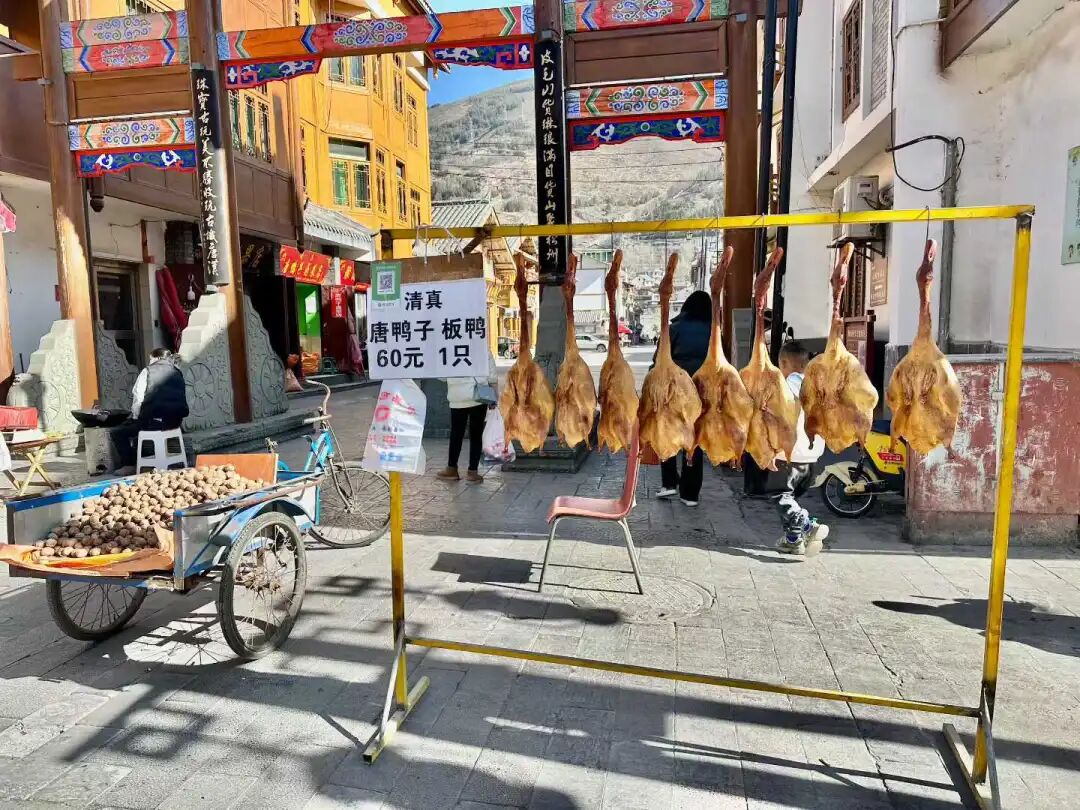
On the streets of the ancient Songzhou City in Sichuan during winter, if you have eaten too much yak beef, you can buy some soft citrus (papagan) from a brother named Dosti at the city gate to quench your thirst. Soft citrus (papagan) usually hits the market every December, and I ate them when I visited at the beginning of this year.
Some local snacks inside the ancient Songzhou City. Fresh beef offal (xian niuza) with steamed flower rolls (huajuan), handmade pickled vegetable noodle soup (suancai mianpian), and street-style highland barley milk tea (qingke naicha). The fresh beef offal (xian niuza) is mainly made of beef tripe, beef intestine, and beef tongue. Compared to those in the interior of China, it is relatively lighter and has a more natural flavor. Pickled vegetable noodle soup (suancai mianpian), also called suancai miankuai, is a common dish for the Hui, Han, Tibetan, and Qiang people here. The pickled vegetables are naturally fermented, the dough is torn by hand and boiled on the spot, and yak butter is added to enhance the flavor.
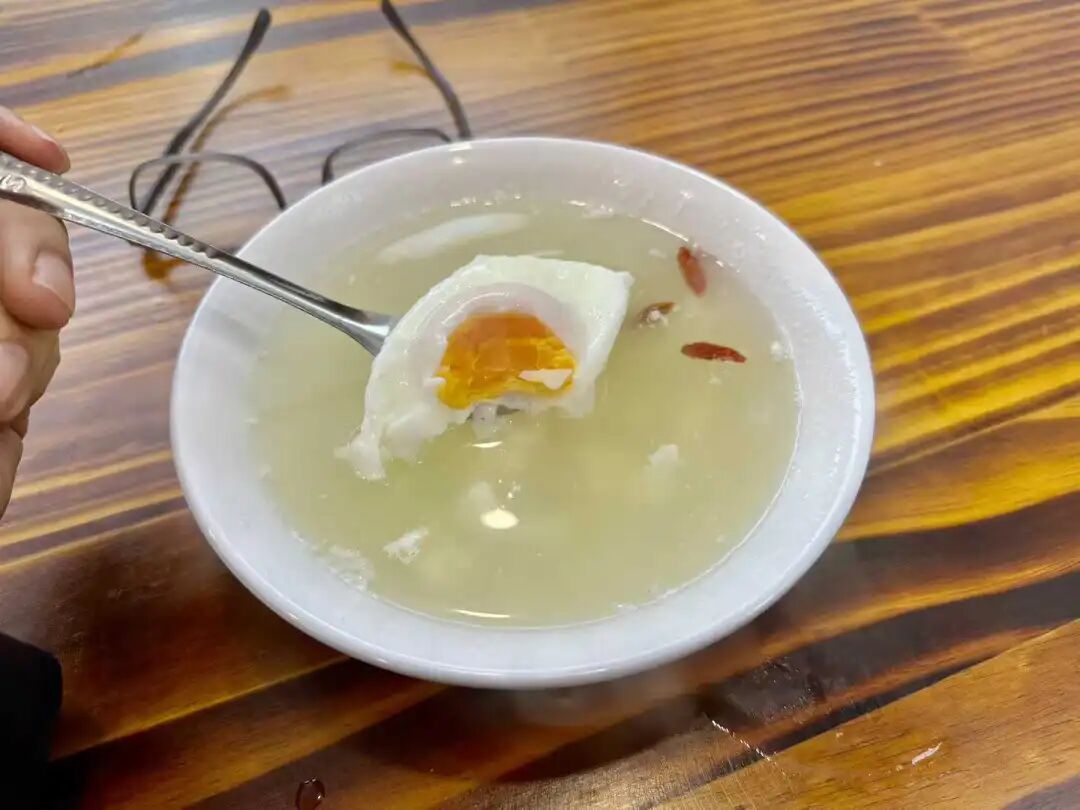
At Deying Fresh Beef Offal, I had beef pastry (niurou subing) with yak butter tea (suyoucha). The beef pastry (niurou subing) here has more green onions and is a bit oilier. The yak butter tea (suyoucha) has a large piece of yak butter in it, which is very high in calories and suitable for the high-altitude environment. I also had a bowl of fermented rice and egg soup (laozao dan) at Cancan Snacks. After eating too much spicy food in Sichuan, you need a bowl of fermented rice and egg soup (laozao dan) to cleanse your palate.
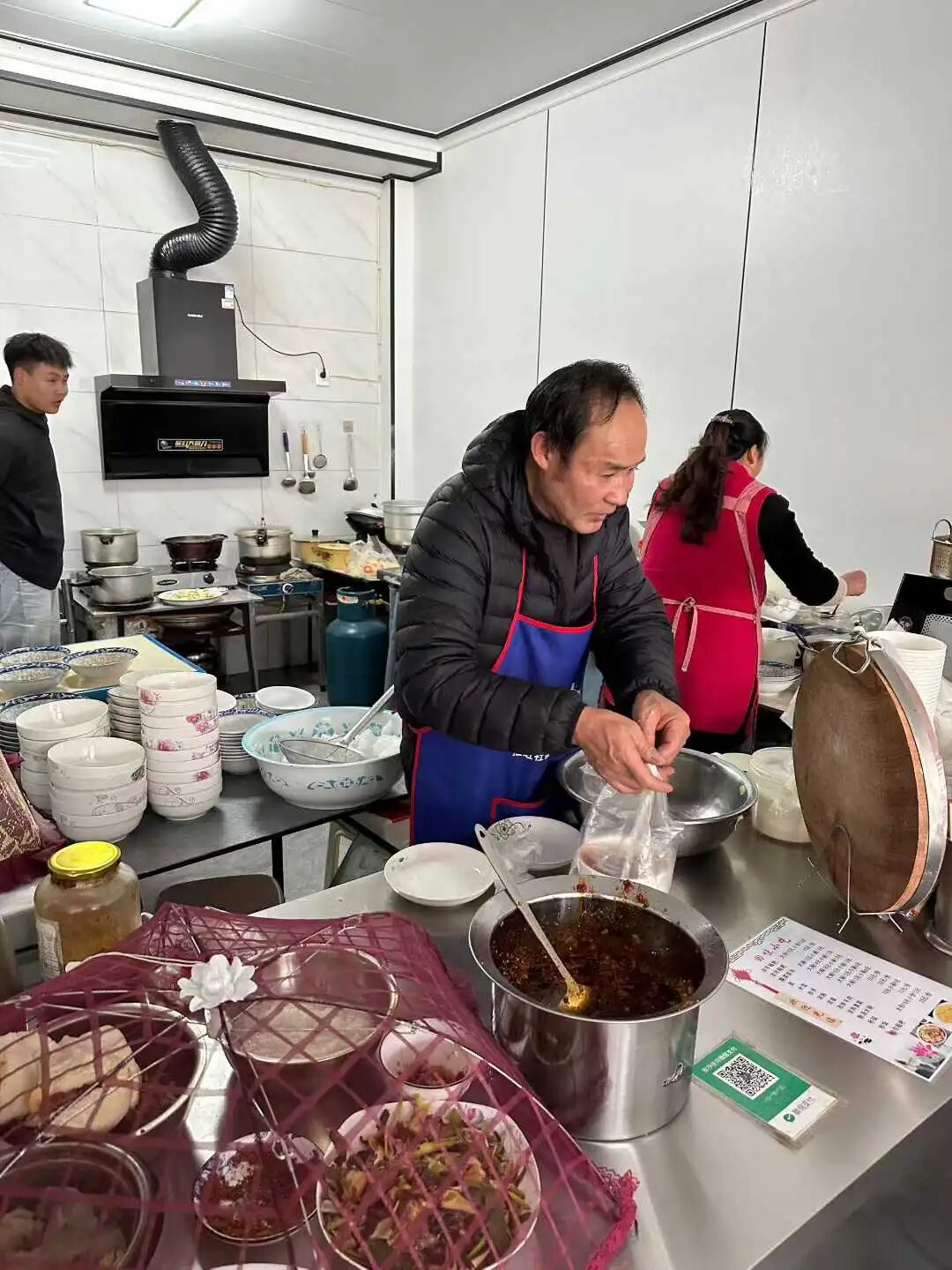
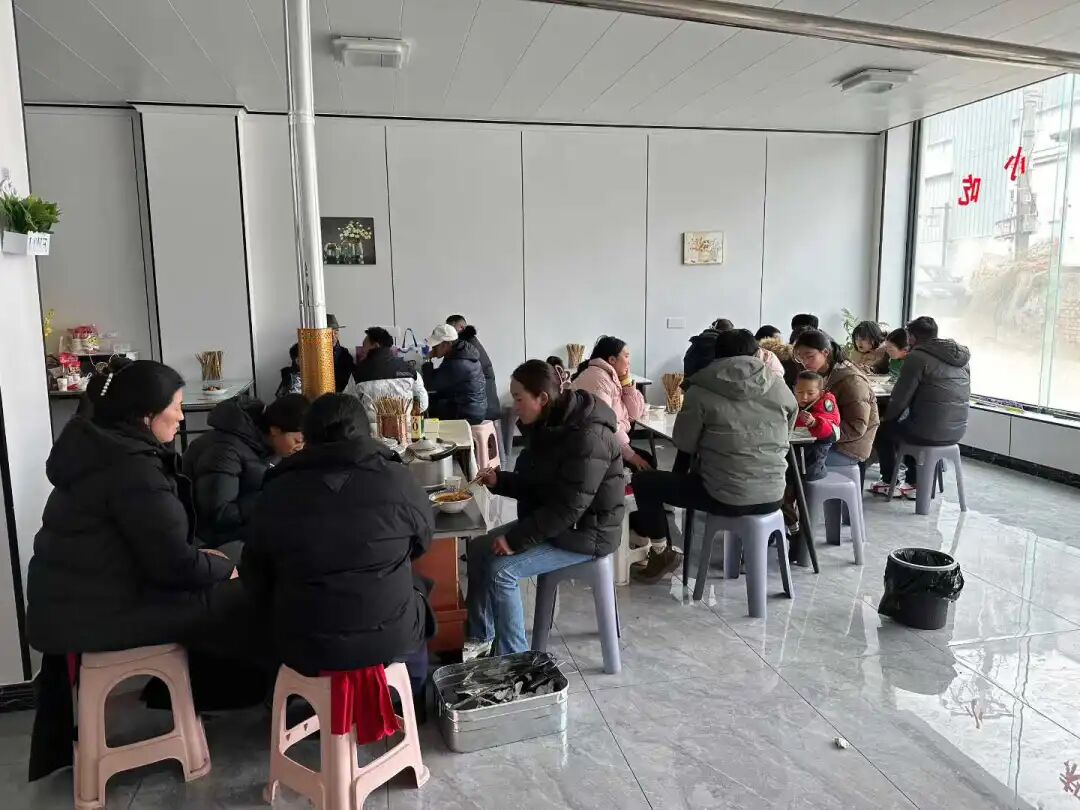
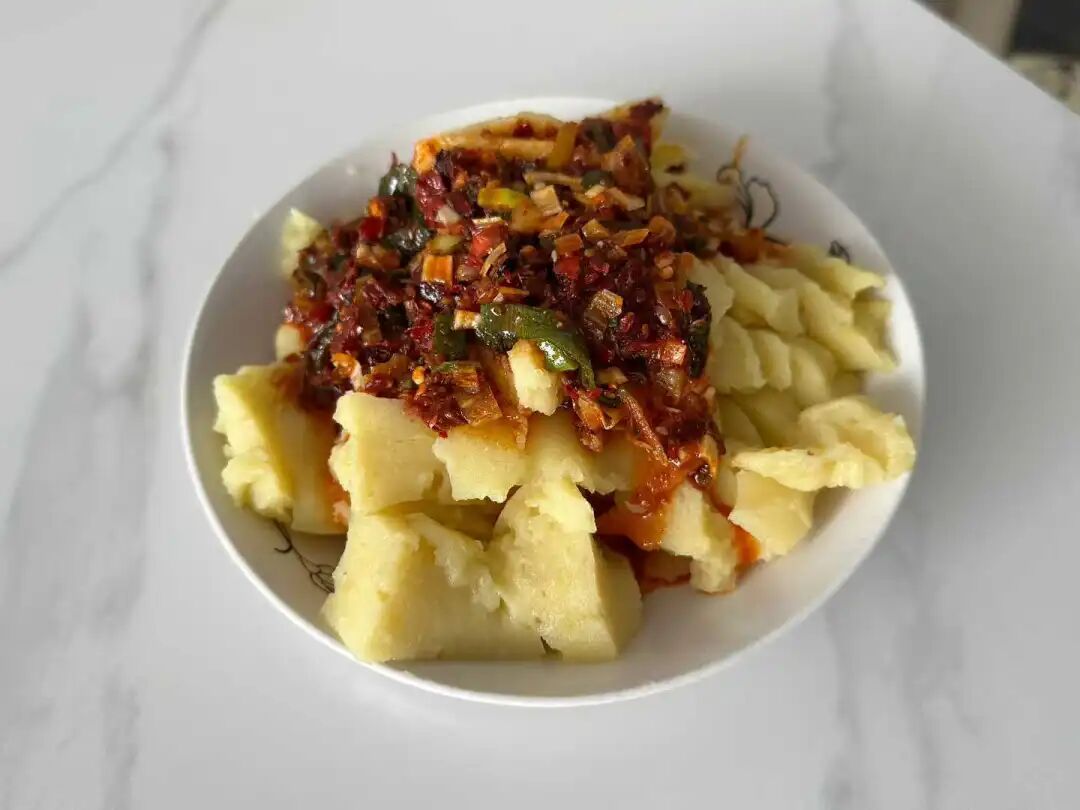
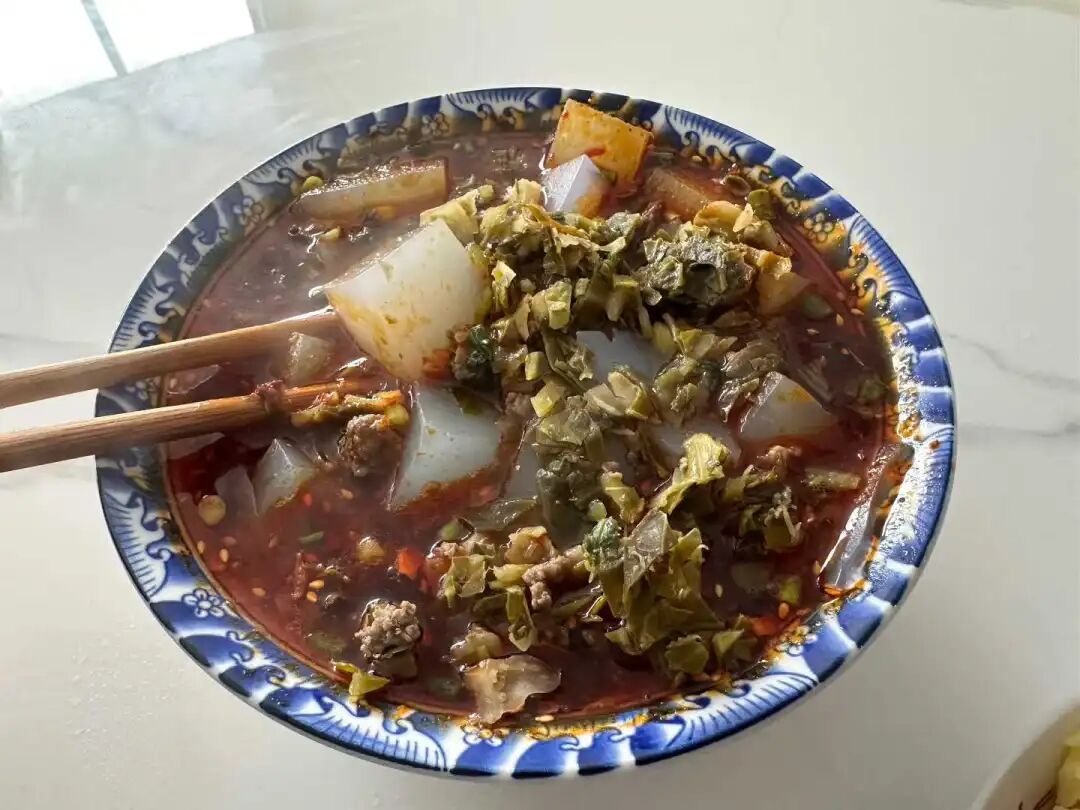
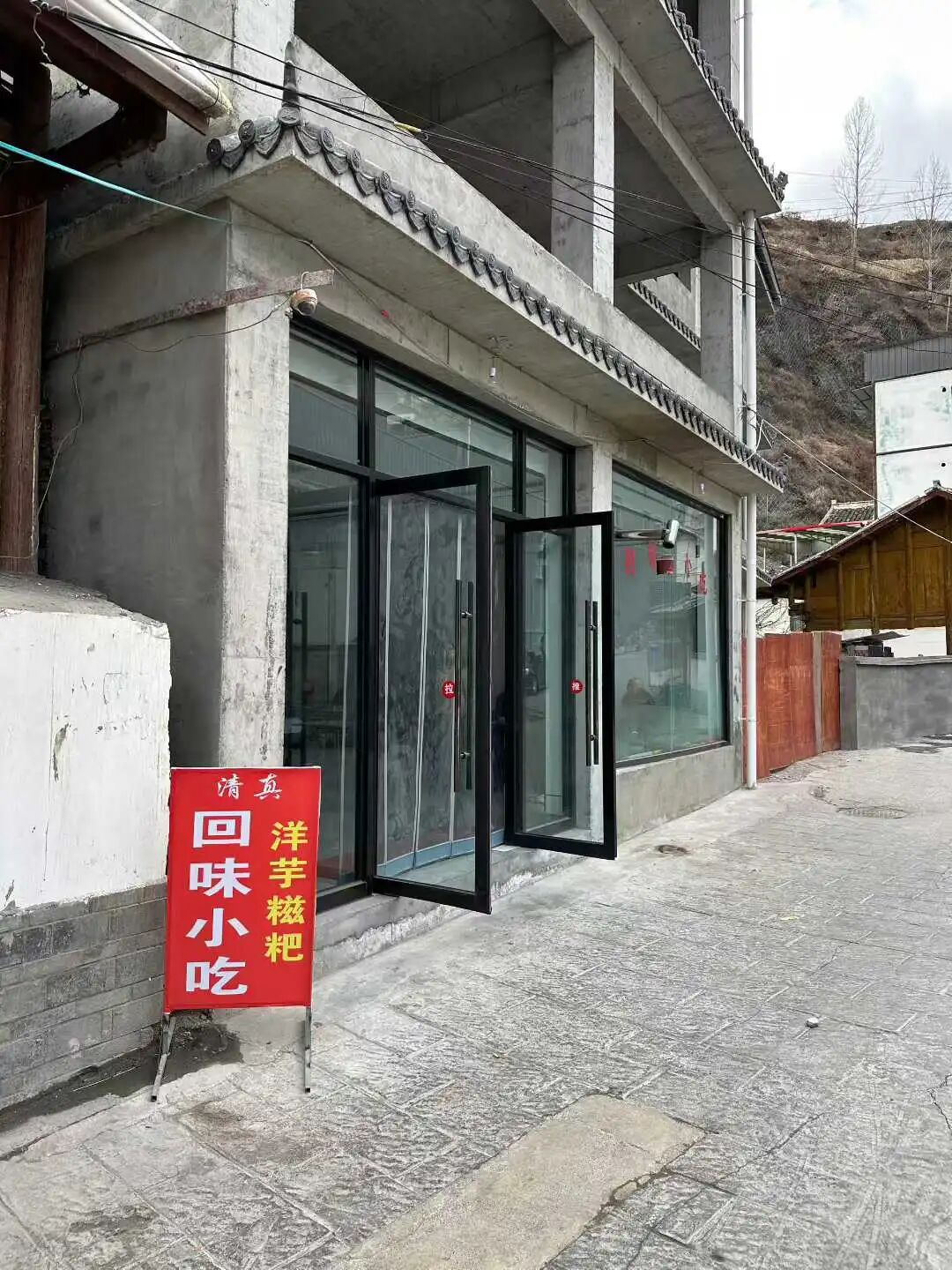
The Huiwei Snacks shop on Xiashuiguan Halal Street is very popular with locals. I ate potato rice cakes (yangyu ciba) and pickled vegetable noodle soup (suancai fentan) there. Food on the plateau is quite simple. Potato mash (yangyu ciba) is made by steaming potatoes, pounding them, cutting them into pieces, and drizzling them with chili oil. It tastes great. Pickled vegetable and vermicelli soup (suancai fentan) is served hot and is perfect for winter, though it is quite spicy.
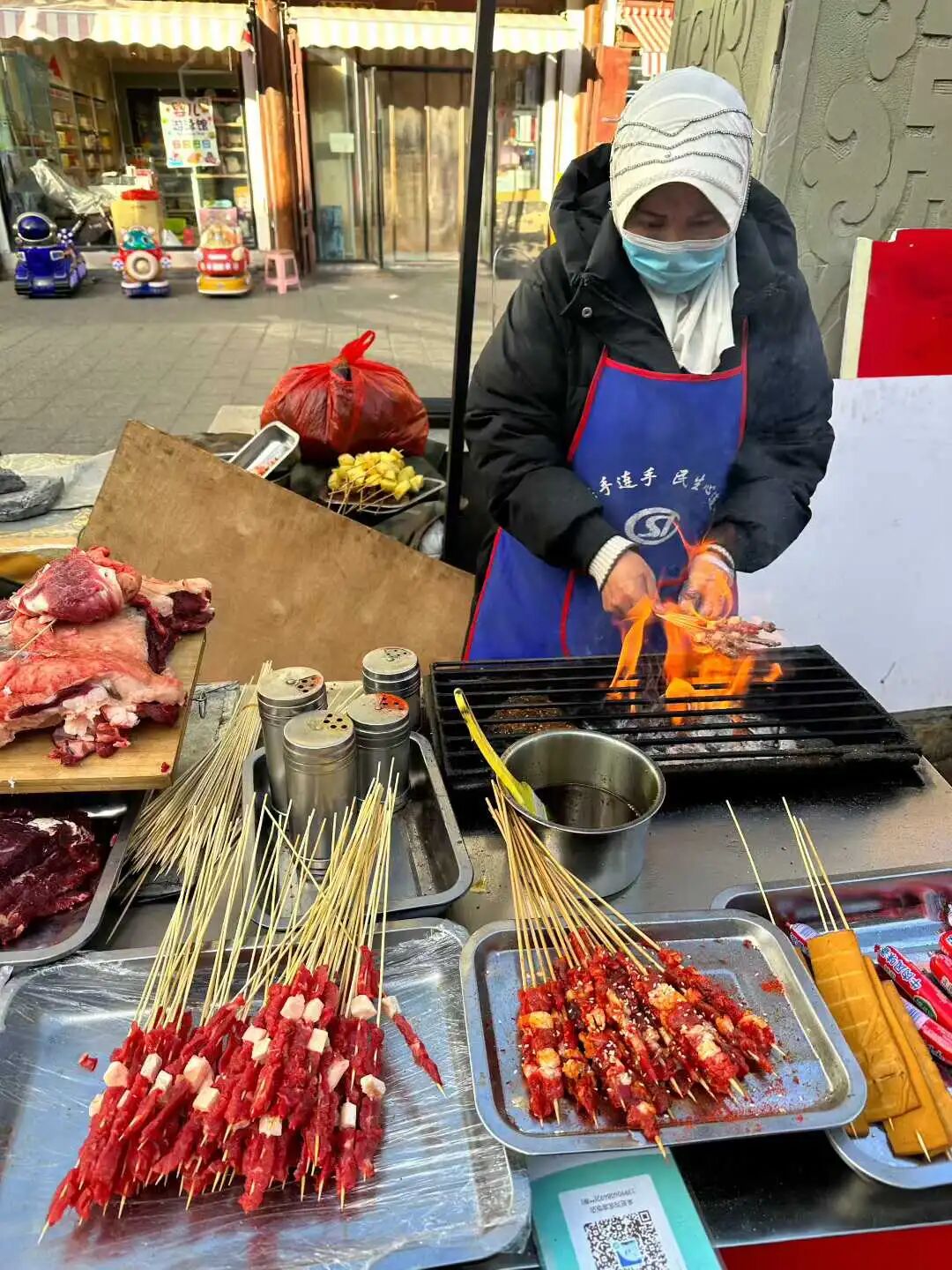
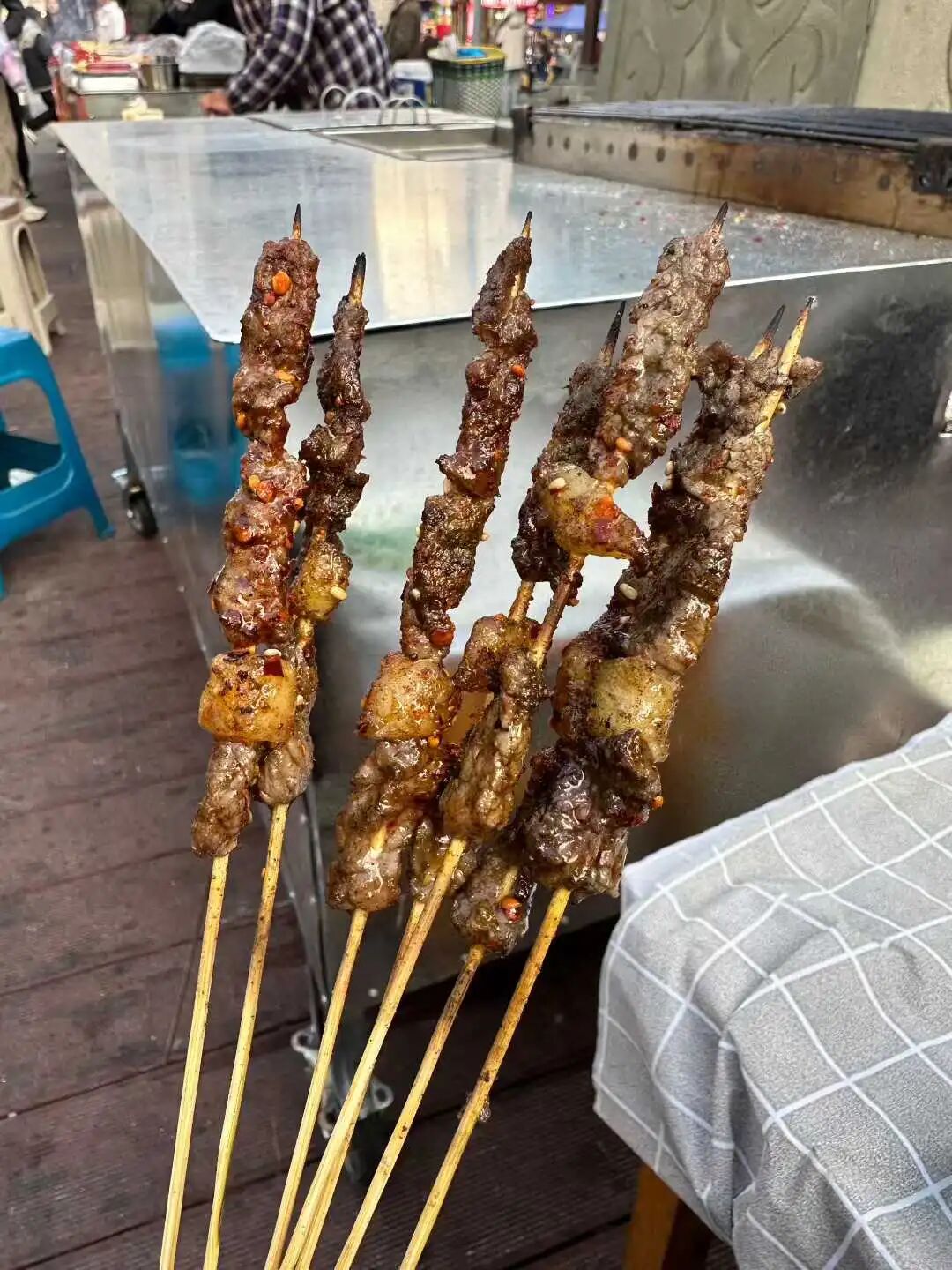
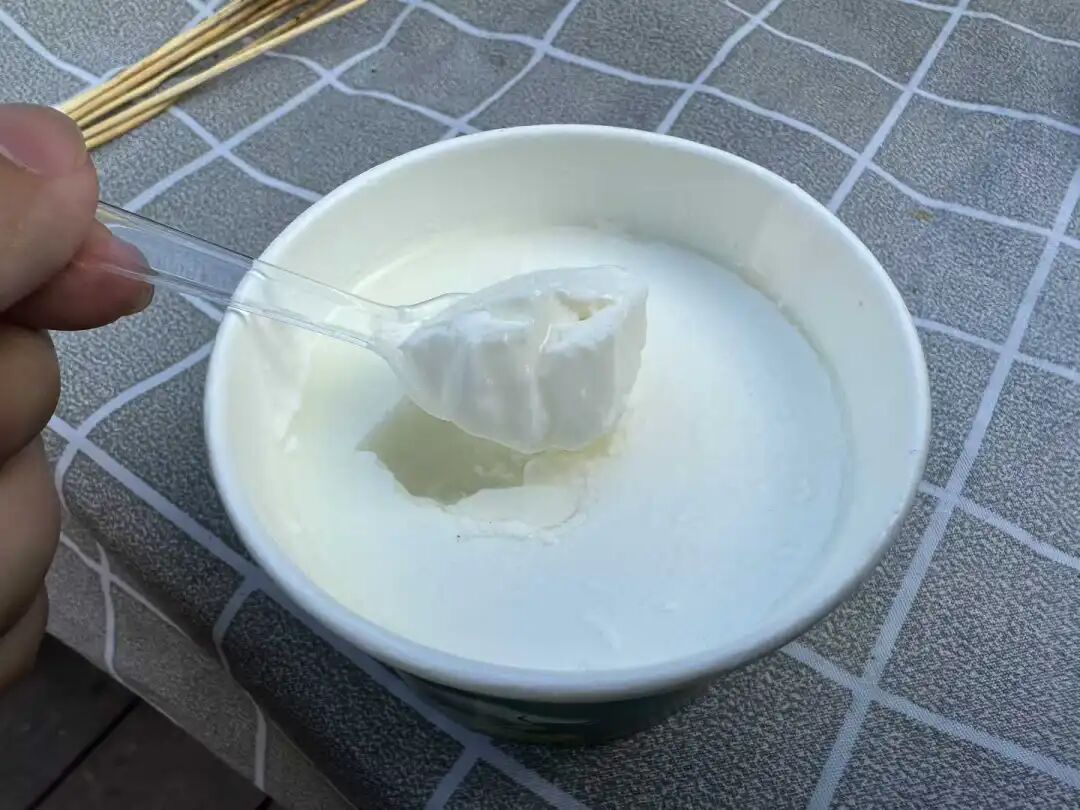
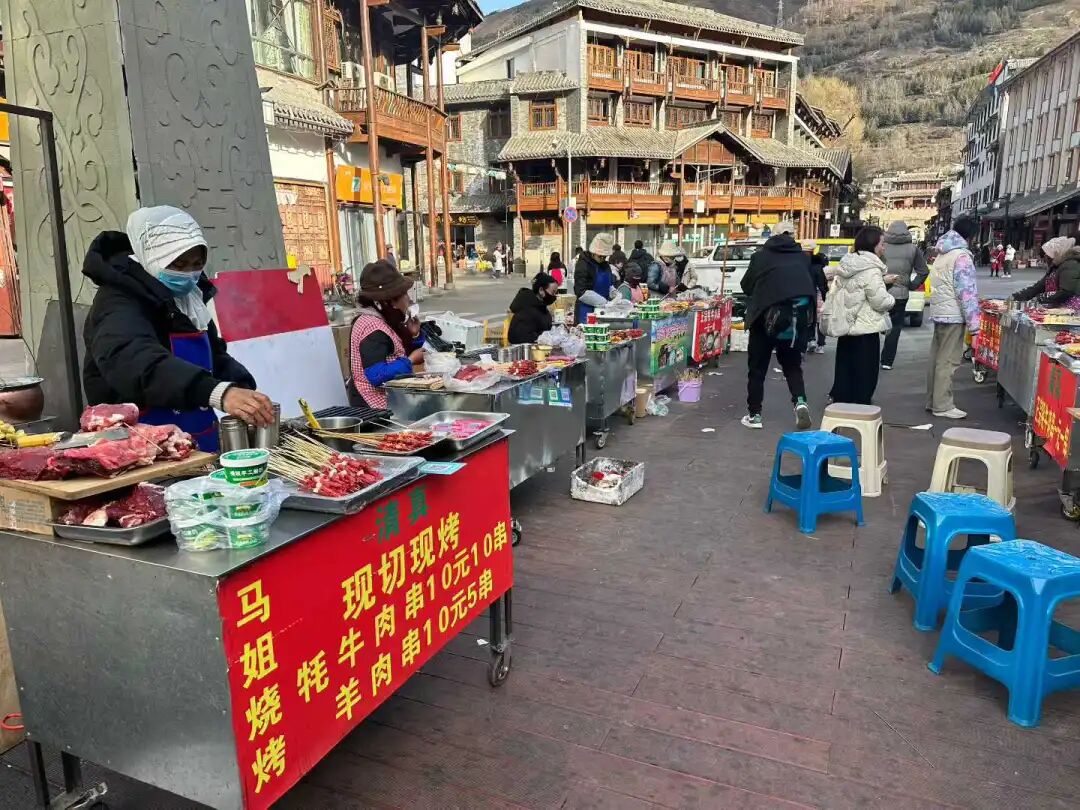
Inside the ancient city of Songzhou, you can find yak meat skewers everywhere. They cost 10 yuan for 10 skewers, freshly cut and grilled, and they taste delicious with some local handmade yogurt. view all
Summary: Songpan's Hui Muslim snack culture includes local noodles, breads, beef and lamb dishes, and small shops around the old city. This food note preserves the source's dish names, restaurant details, street context, and Hui Muslim community observations.
I want to share the Hui Muslim culture of Songzhou City in Songpan, Sichuan with you all. Songpan and Xichang are the two areas in Sichuan with the largest Hui Muslim populations and strong religious traditions. The difference is that Songpan is influenced by Gansu, while Xichang has closer ties to Yunnan.
Hui Muslims have lived in Songpan for over 700 years. In 1271 (the eighth year of the Zhiyuan era of the Yuan Dynasty), after the Mongols conquered Tibet, they established the Songpan Dangdie Weimao Military and Civilian Pacification Commission. The administrative center was in Songpan, and Hui Muslim soldiers were sent there to guard the area. Some of these people settled down and became the first Hui Muslims in Songpan. According to the genealogy of the Mi family of Hui Muslims in Songpan, their ancestor arrived during the Yuan Dynasty with the Mongol Prince Wangsang. During the Yuan Dynasty, Dongshan Mosque (Dongshan Si) was built in Dongyu Village, east of Songzhou City. It was destroyed in the wars at the end of the Yuan Dynasty and was the first mosque in Songpan.
I stayed at the Fanfang Silk Road Hotel in Songpan. It is not inside the ancient Songzhou City, but in the new district to the north. However, you can ride a shared electric scooter to the ancient city, which is quite convenient. The hotel breakfast is simple, but it is halal. The restaurant thoughtfully explains how to eat roasted barley flour (zhanba). You put the zhanba and yak butter (suyou) in a bowl, pour in brick tea (macha), and you can also add dried cheese curds (naizha).
On the streets of the ancient Songzhou City in Sichuan during winter, if you have eaten too much yak beef, you can buy some soft citrus (papagan) from a brother named Dosti at the city gate to quench your thirst. Soft citrus (papagan) usually hits the market every December, and I ate them when I visited at the beginning of this year.
Some local snacks inside the ancient Songzhou City. Fresh beef offal (xian niuza) with steamed flower rolls (huajuan), handmade pickled vegetable noodle soup (suancai mianpian), and street-style highland barley milk tea (qingke naicha). The fresh beef offal (xian niuza) is mainly made of beef tripe, beef intestine, and beef tongue. Compared to those in the interior of China, it is relatively lighter and has a more natural flavor. Pickled vegetable noodle soup (suancai mianpian), also called suancai miankuai, is a common dish for the Hui, Han, Tibetan, and Qiang people here. The pickled vegetables are naturally fermented, the dough is torn by hand and boiled on the spot, and yak butter is added to enhance the flavor.
At Deying Fresh Beef Offal, I had beef pastry (niurou subing) with yak butter tea (suyoucha). The beef pastry (niurou subing) here has more green onions and is a bit oilier. The yak butter tea (suyoucha) has a large piece of yak butter in it, which is very high in calories and suitable for the high-altitude environment. I also had a bowl of fermented rice and egg soup (laozao dan) at Cancan Snacks. After eating too much spicy food in Sichuan, you need a bowl of fermented rice and egg soup (laozao dan) to cleanse your palate.
The Huiwei Snacks shop on Xiashuiguan Halal Street is very popular with locals. I ate potato rice cakes (yangyu ciba) and pickled vegetable noodle soup (suancai fentan) there. Food on the plateau is quite simple. Potato mash (yangyu ciba) is made by steaming potatoes, pounding them, cutting them into pieces, and drizzling them with chili oil. It tastes great. Pickled vegetable and vermicelli soup (suancai fentan) is served hot and is perfect for winter, though it is quite spicy.
Inside the ancient city of Songzhou, you can find yak meat skewers everywhere. They cost 10 yuan for 10 skewers, freshly cut and grilled, and they taste delicious with some local handmade yogurt. view all
Reposted from the web
Summary: Songpan's Hui Muslim snack culture includes local noodles, breads, beef and lamb dishes, and small shops around the old city. This food note preserves the source's dish names, restaurant details, street context, and Hui Muslim community observations.
I want to share the Hui Muslim culture of Songzhou City in Songpan, Sichuan with you all. Songpan and Xichang are the two areas in Sichuan with the largest Hui Muslim populations and strong religious traditions. The difference is that Songpan is influenced by Gansu, while Xichang has closer ties to Yunnan.
Hui Muslims have lived in Songpan for over 700 years. In 1271 (the eighth year of the Zhiyuan era of the Yuan Dynasty), after the Mongols conquered Tibet, they established the Songpan Dangdie Weimao Military and Civilian Pacification Commission. The administrative center was in Songpan, and Hui Muslim soldiers were sent there to guard the area. Some of these people settled down and became the first Hui Muslims in Songpan. According to the genealogy of the Mi family of Hui Muslims in Songpan, their ancestor arrived during the Yuan Dynasty with the Mongol Prince Wangsang. During the Yuan Dynasty, Dongshan Mosque (Dongshan Si) was built in Dongyu Village, east of Songzhou City. It was destroyed in the wars at the end of the Yuan Dynasty and was the first mosque in Songpan.
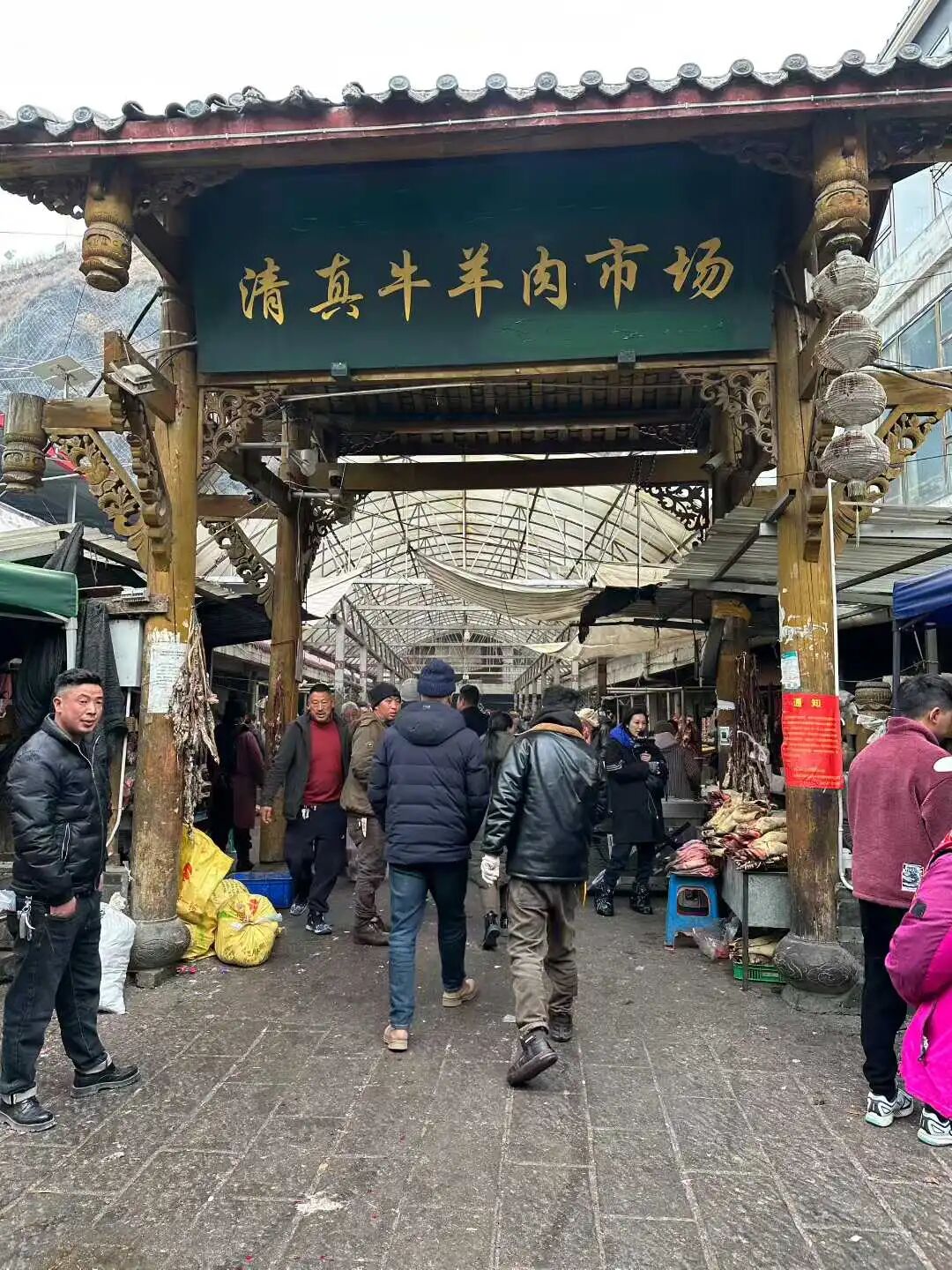
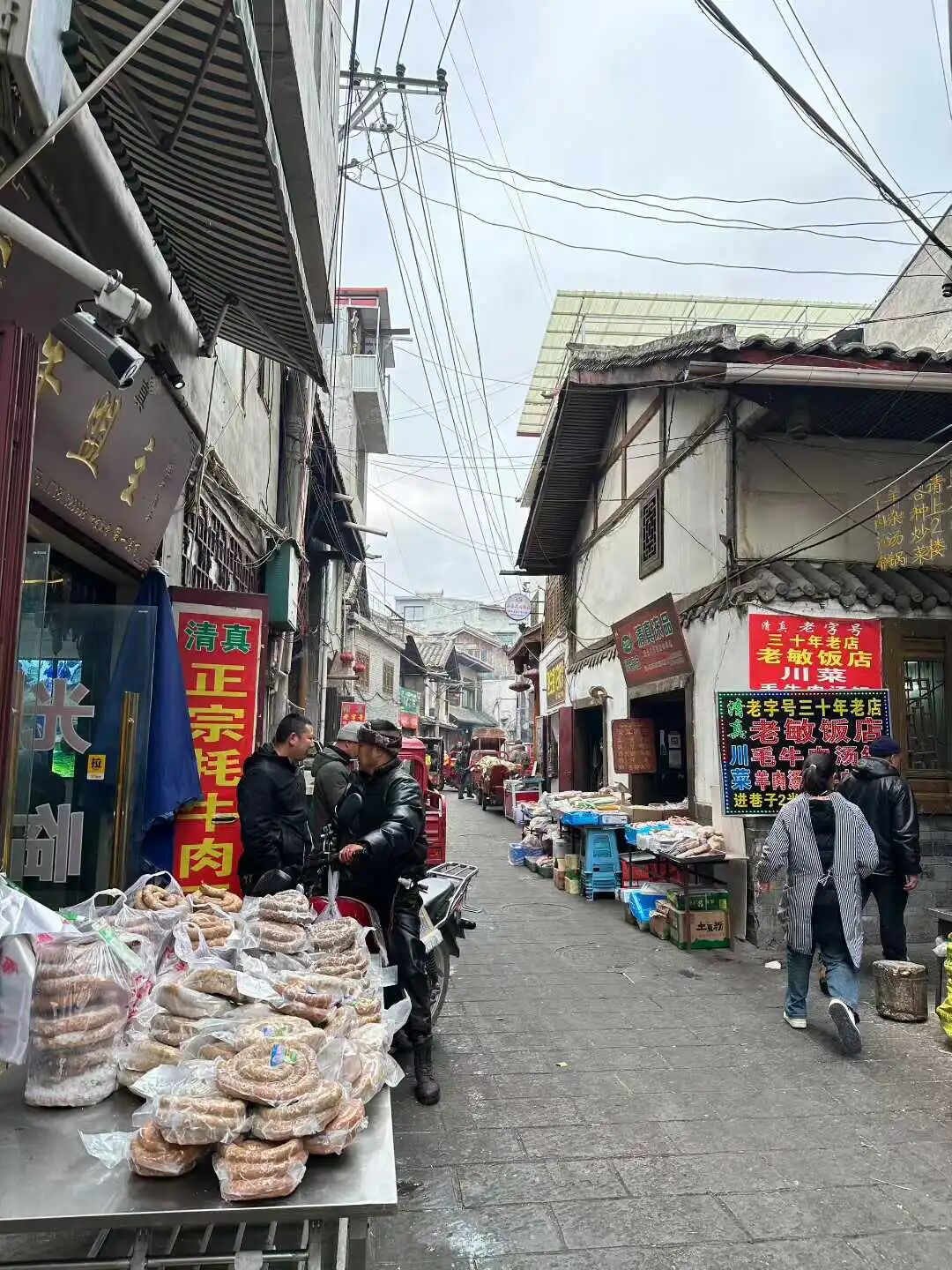
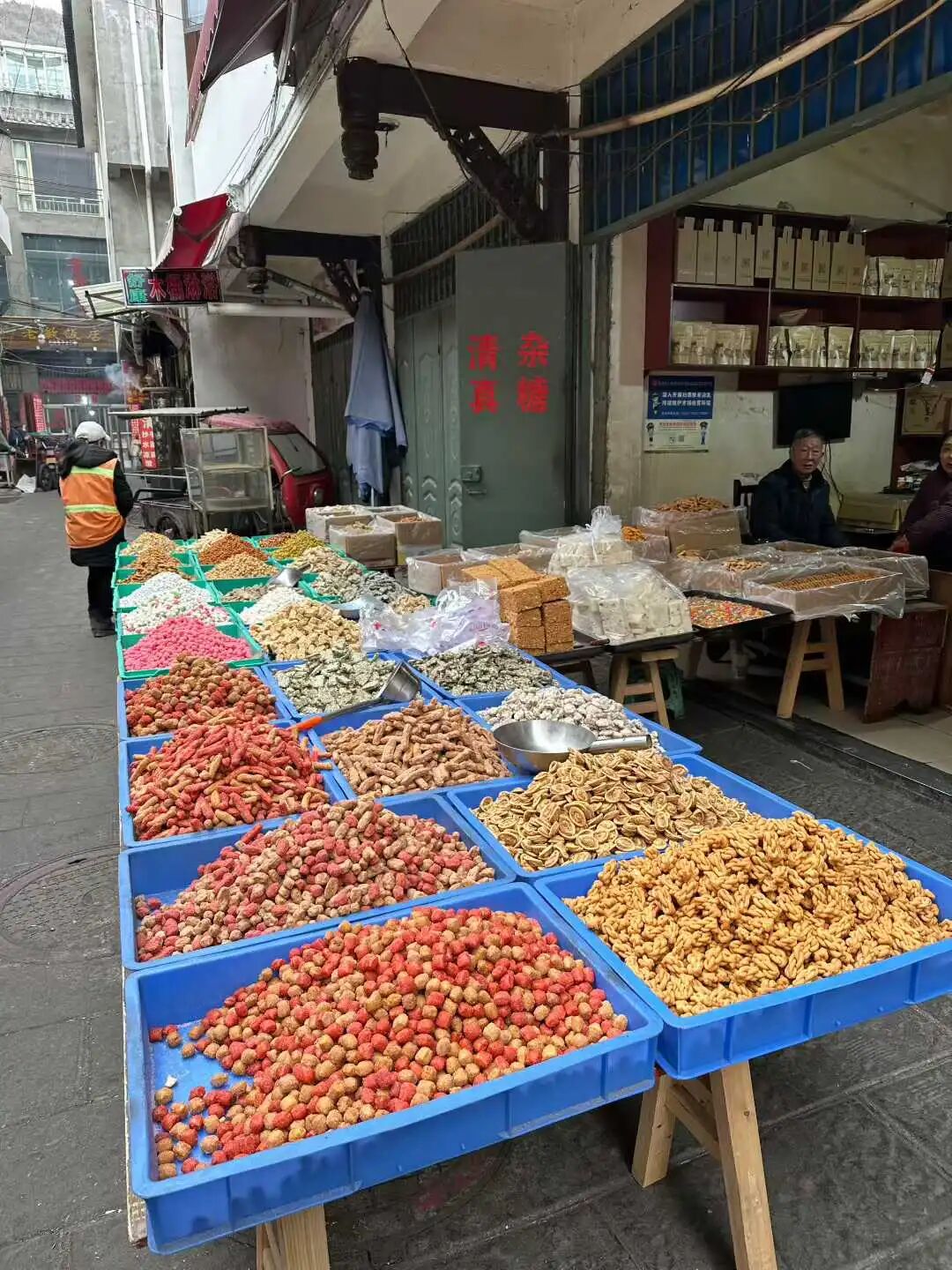
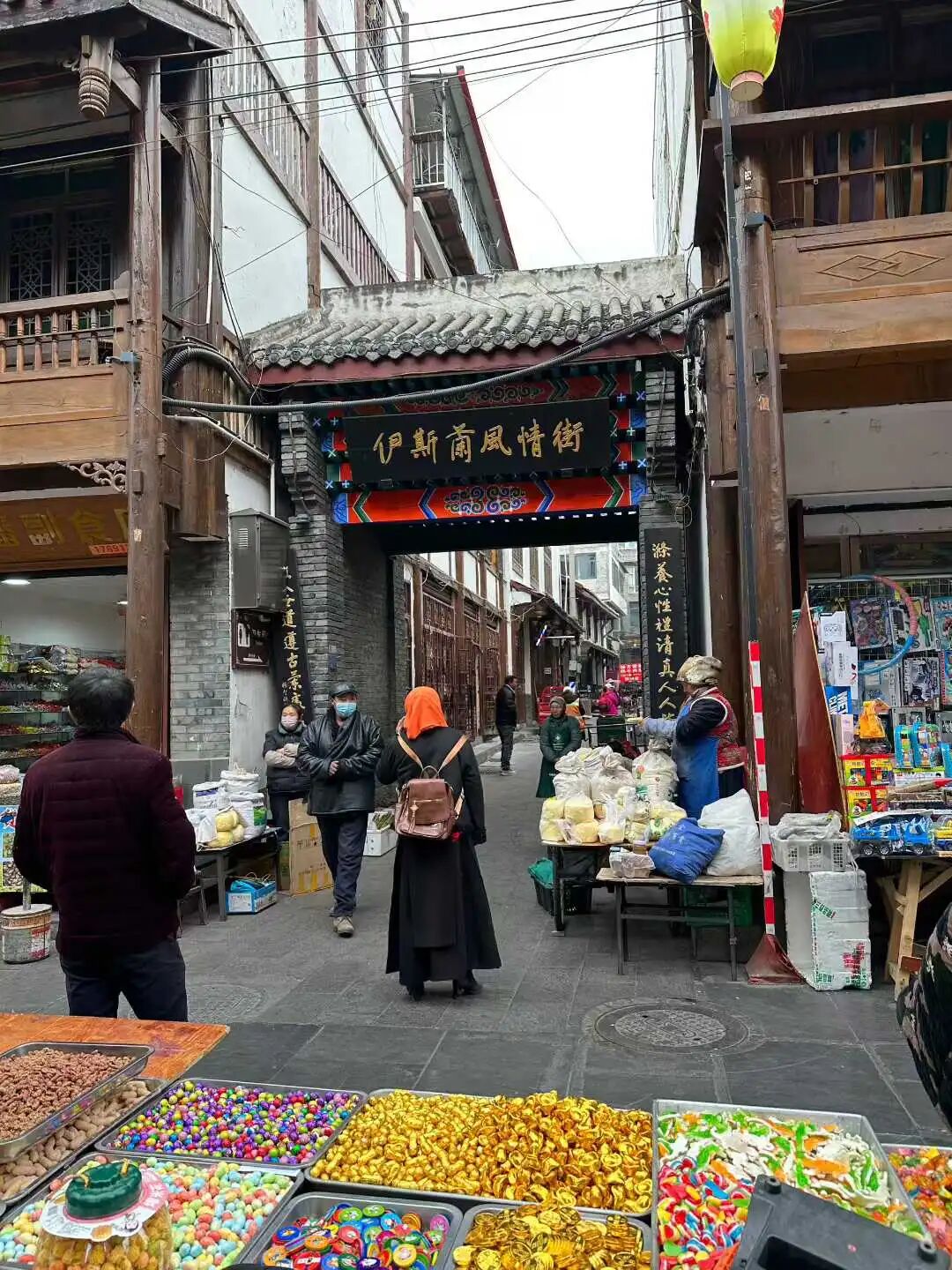
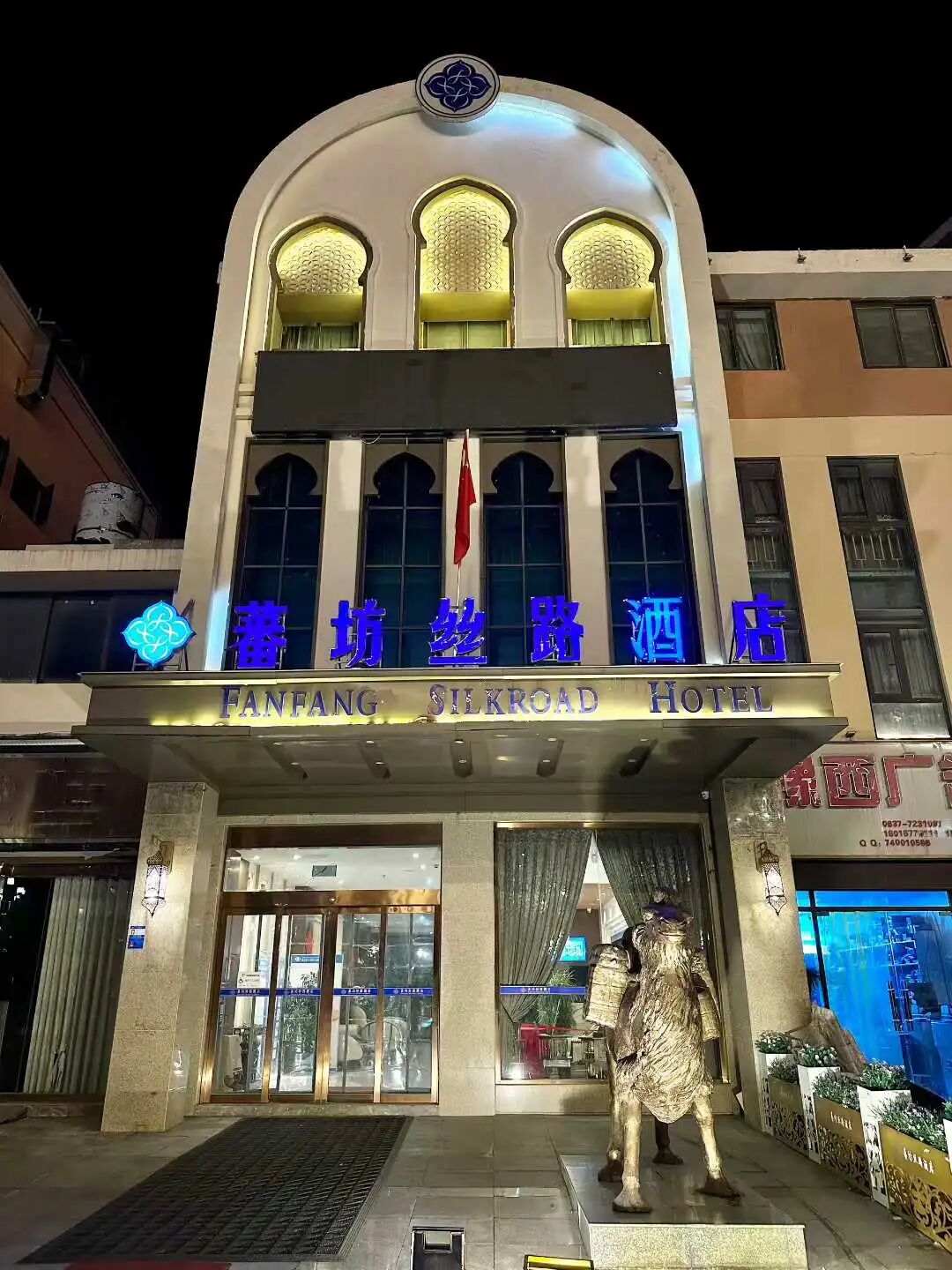
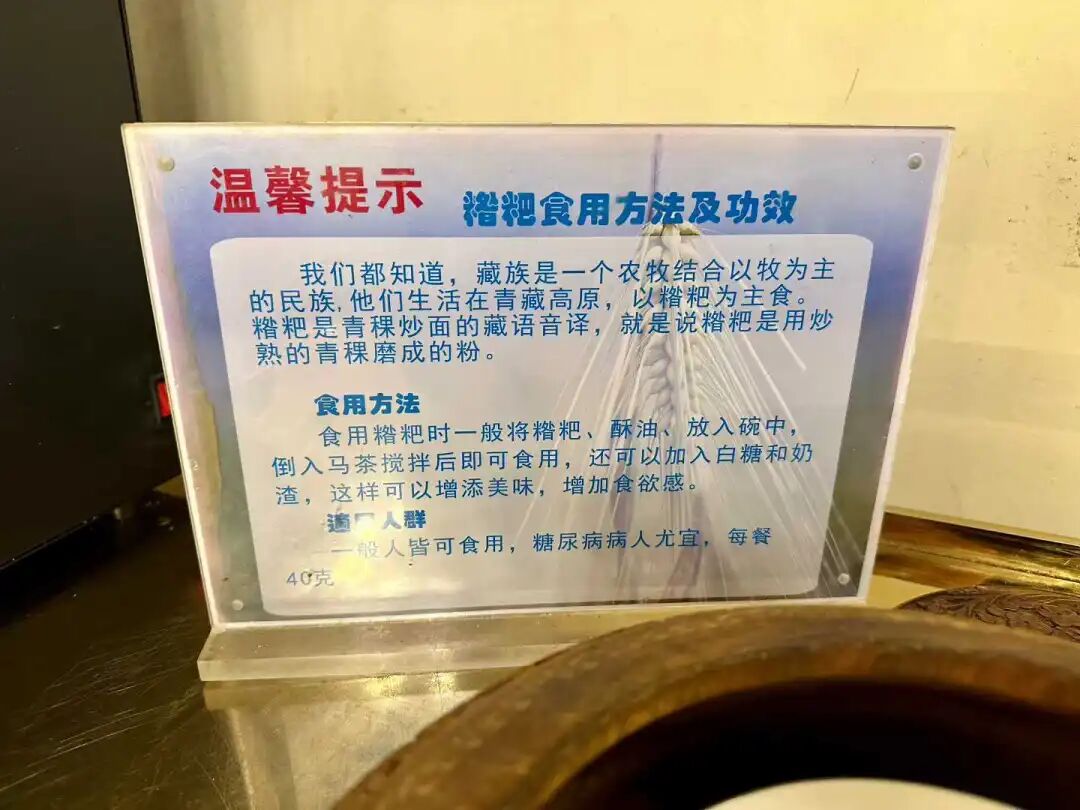
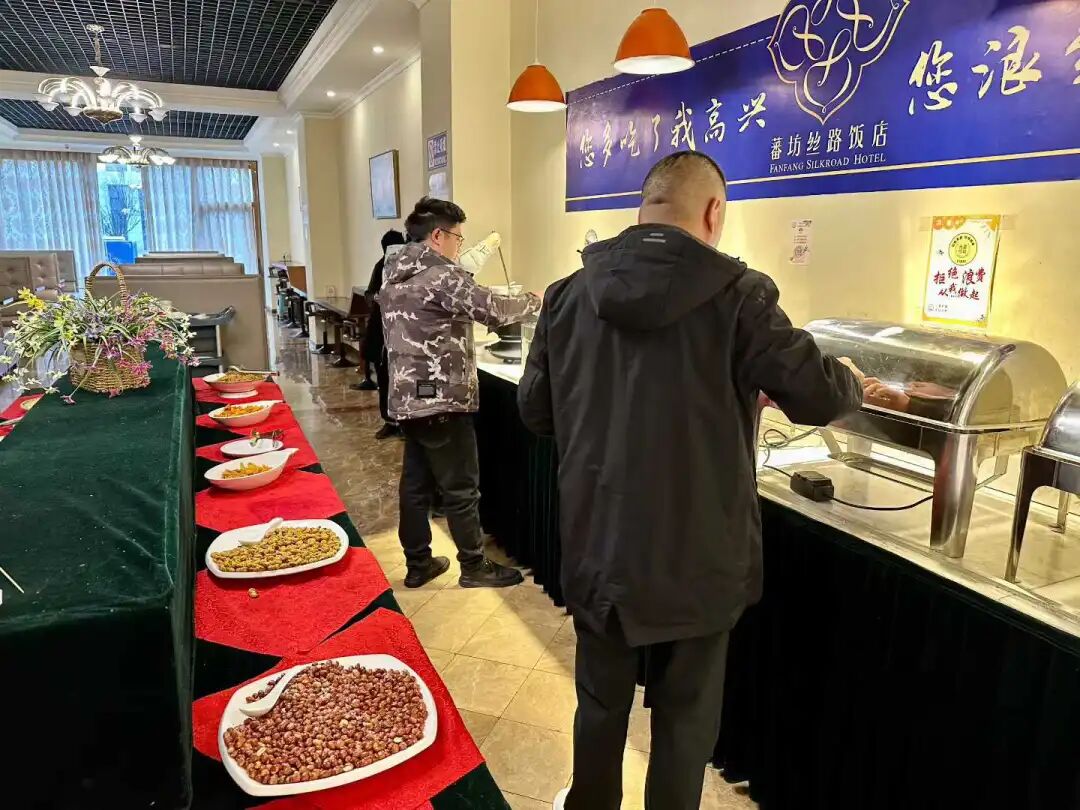
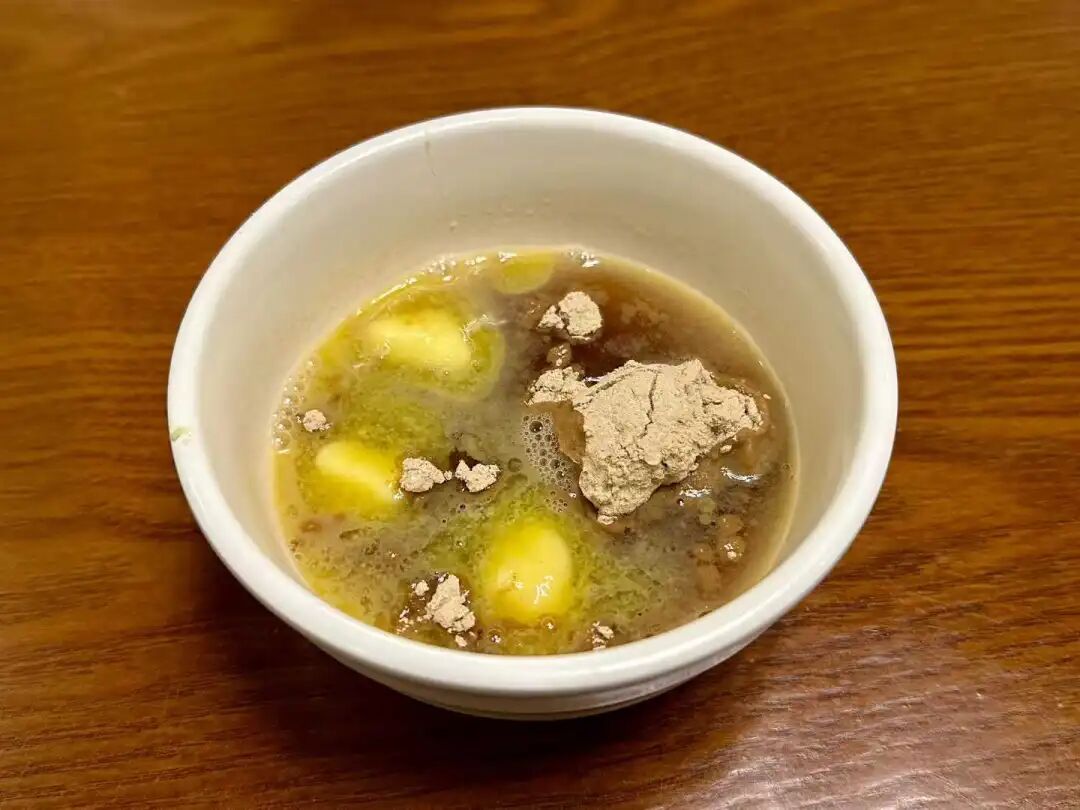
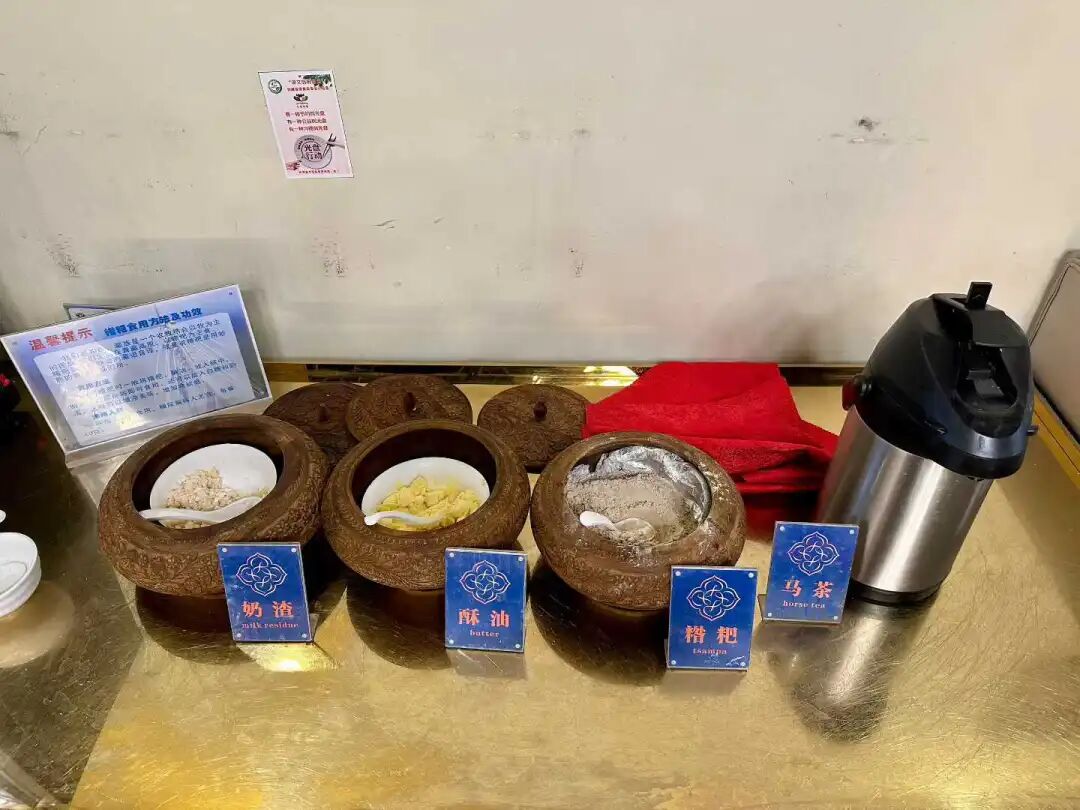
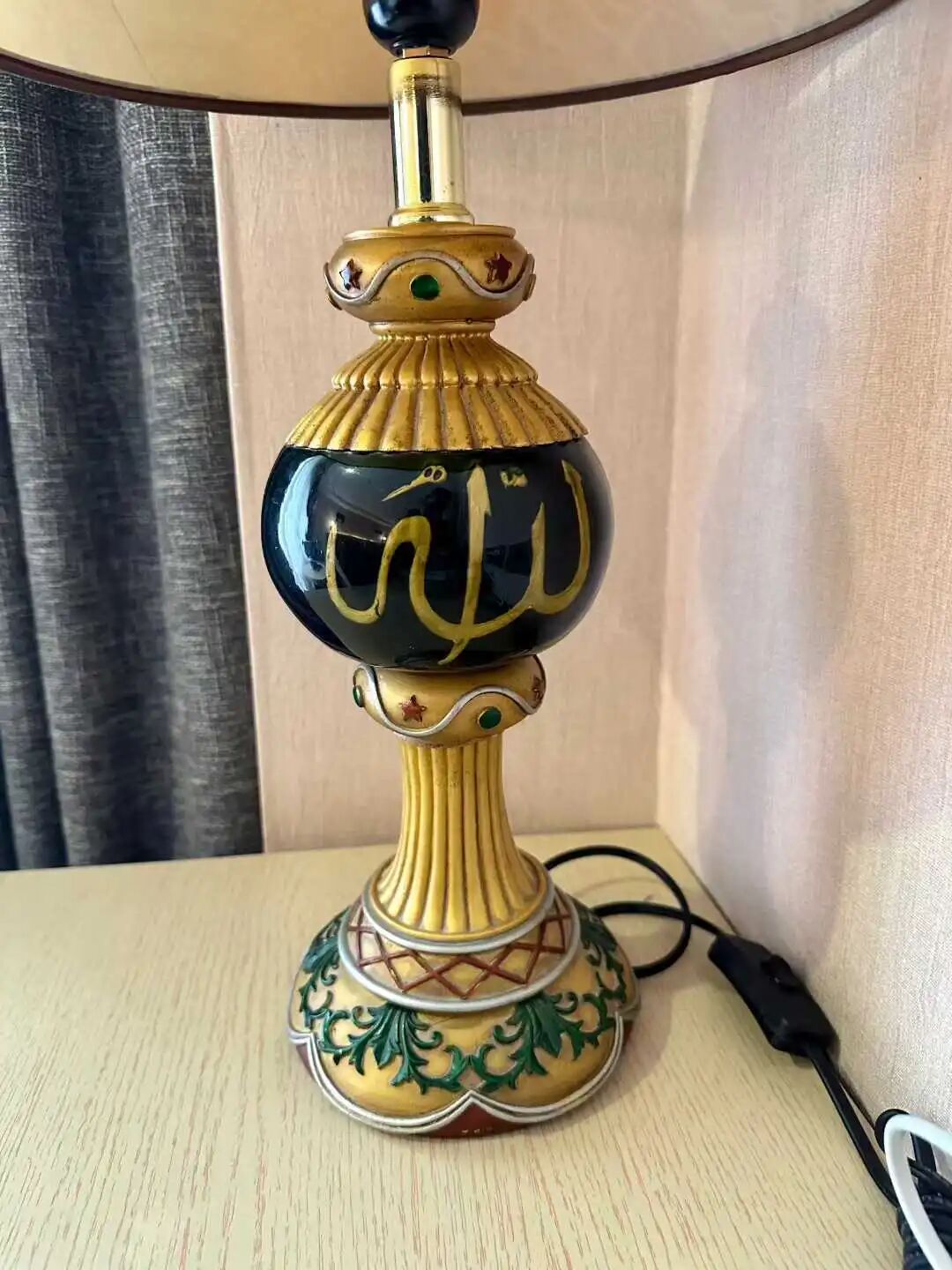
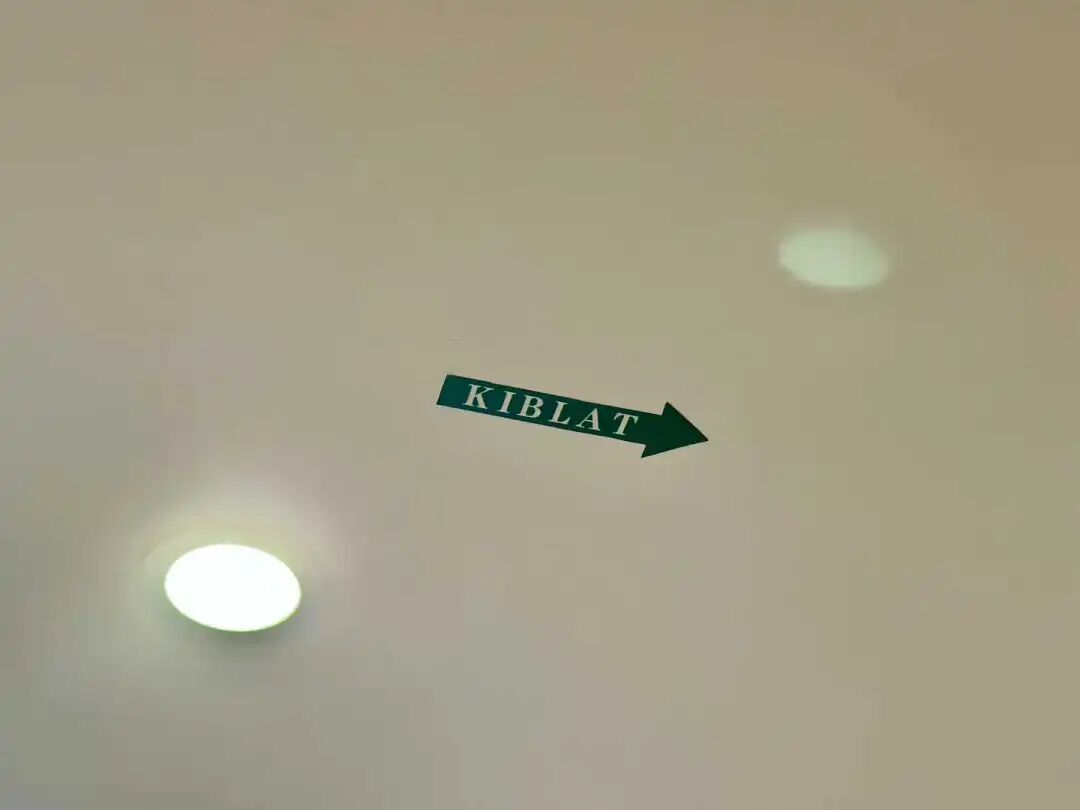
I stayed at the Fanfang Silk Road Hotel in Songpan. It is not inside the ancient Songzhou City, but in the new district to the north. However, you can ride a shared electric scooter to the ancient city, which is quite convenient. The hotel breakfast is simple, but it is halal. The restaurant thoughtfully explains how to eat roasted barley flour (zhanba). You put the zhanba and yak butter (suyou) in a bowl, pour in brick tea (macha), and you can also add dried cheese curds (naizha).

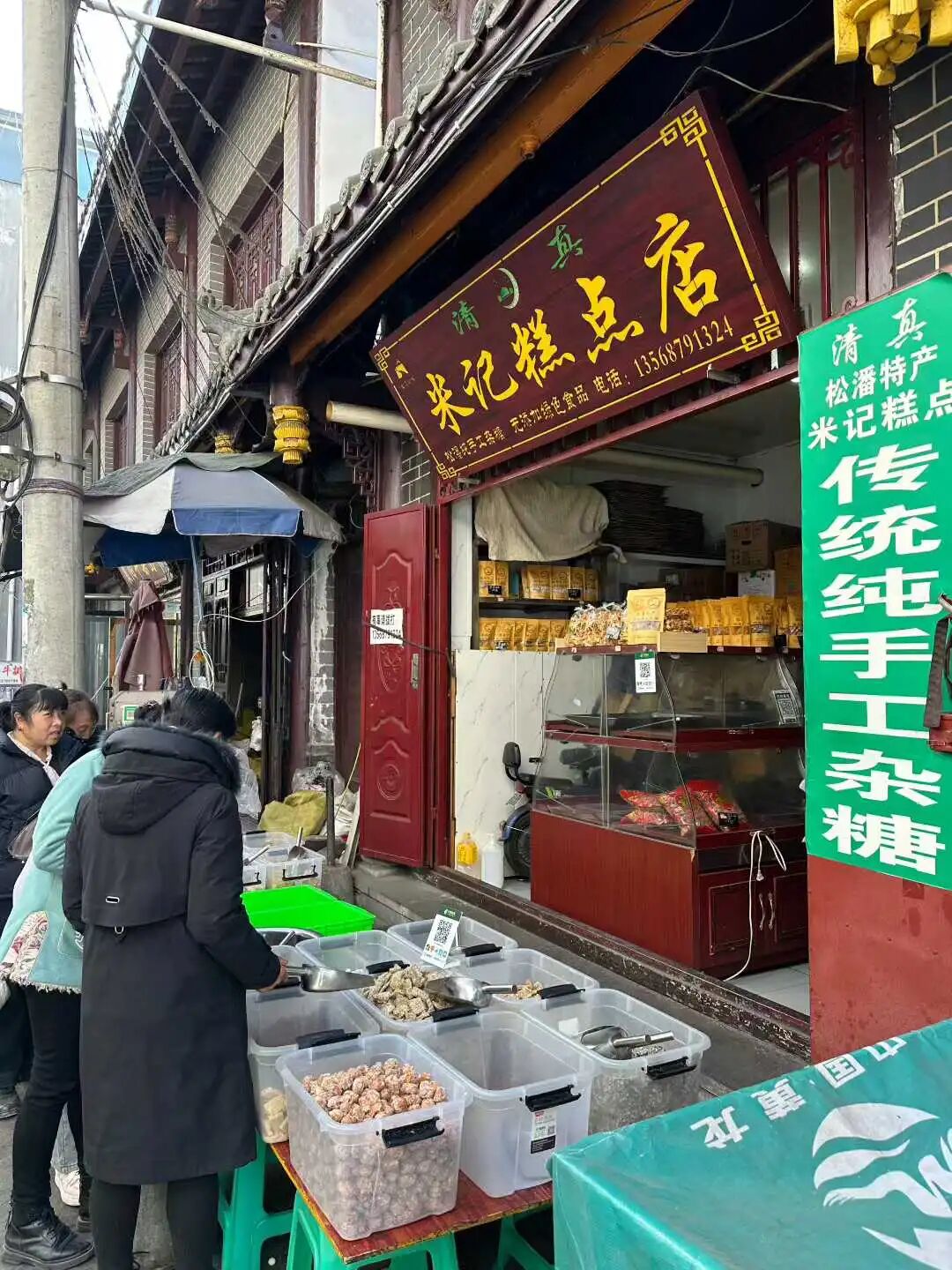
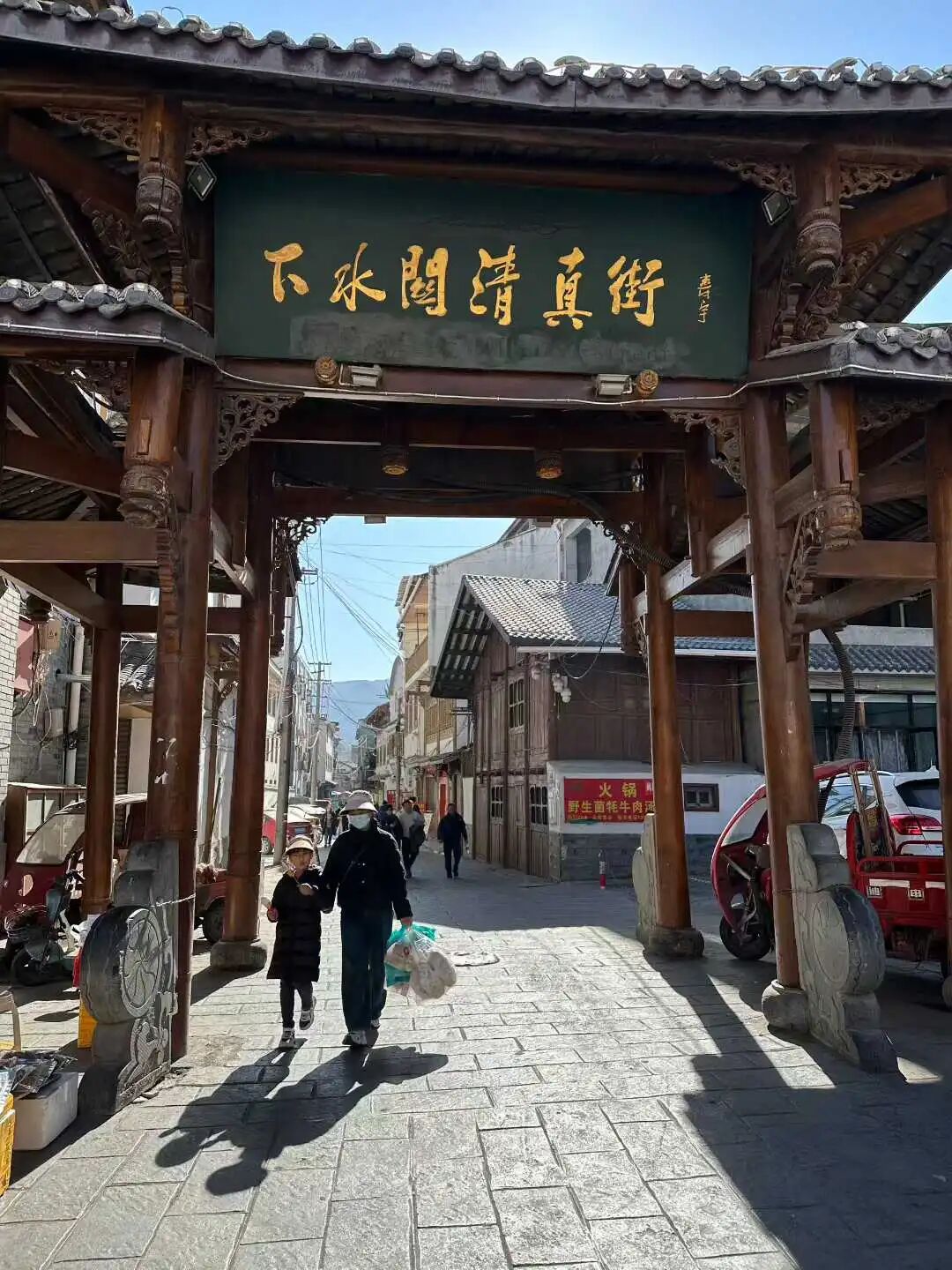
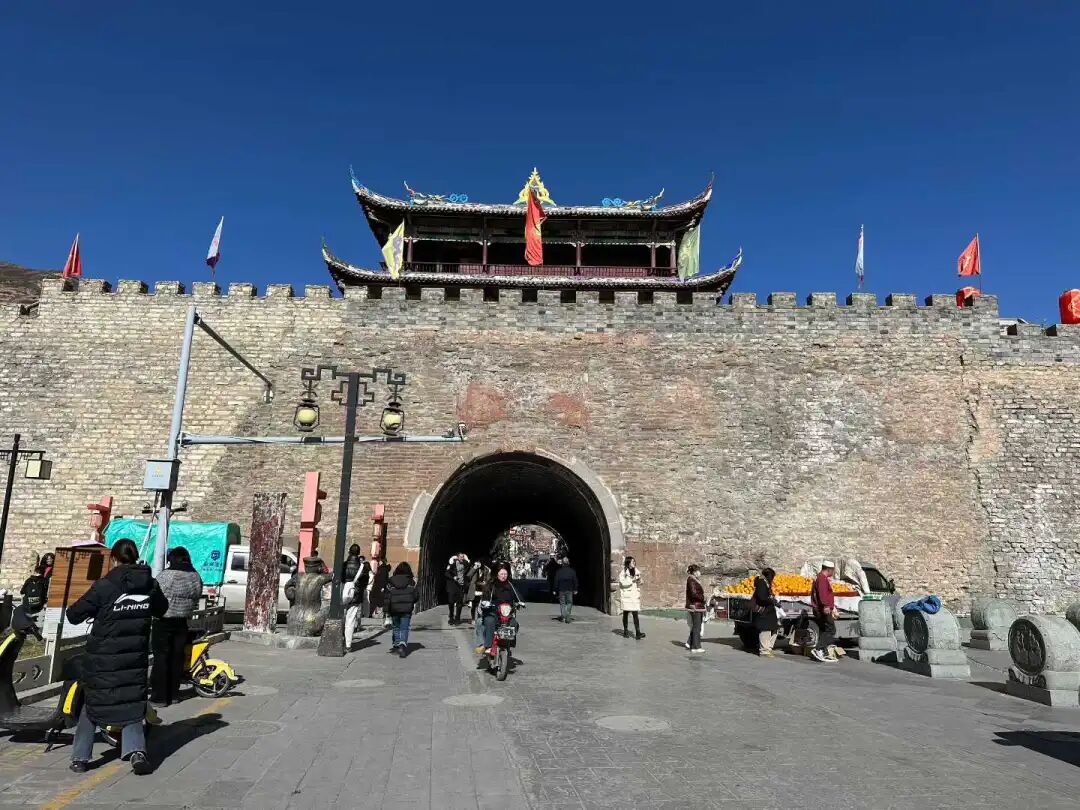
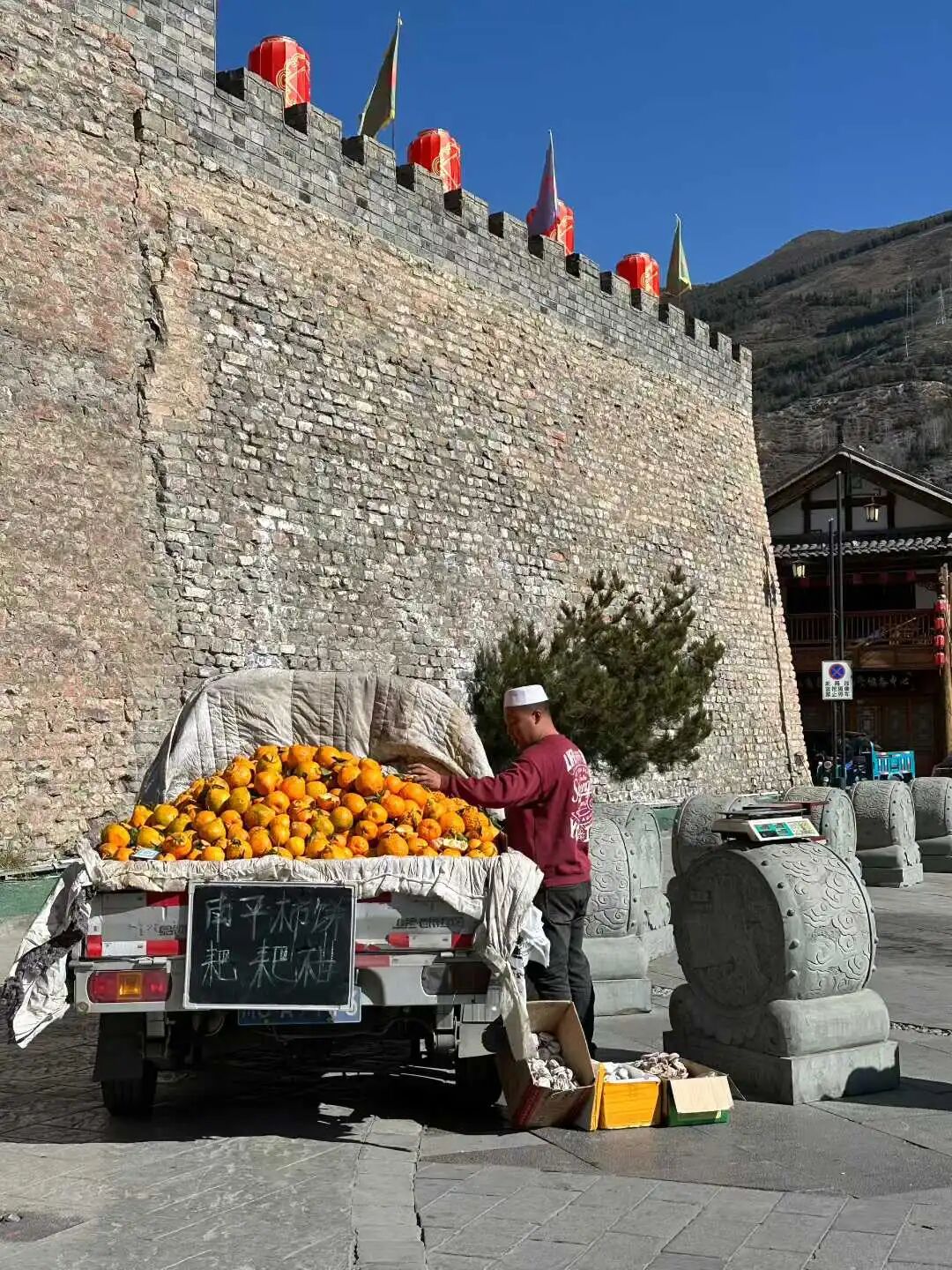
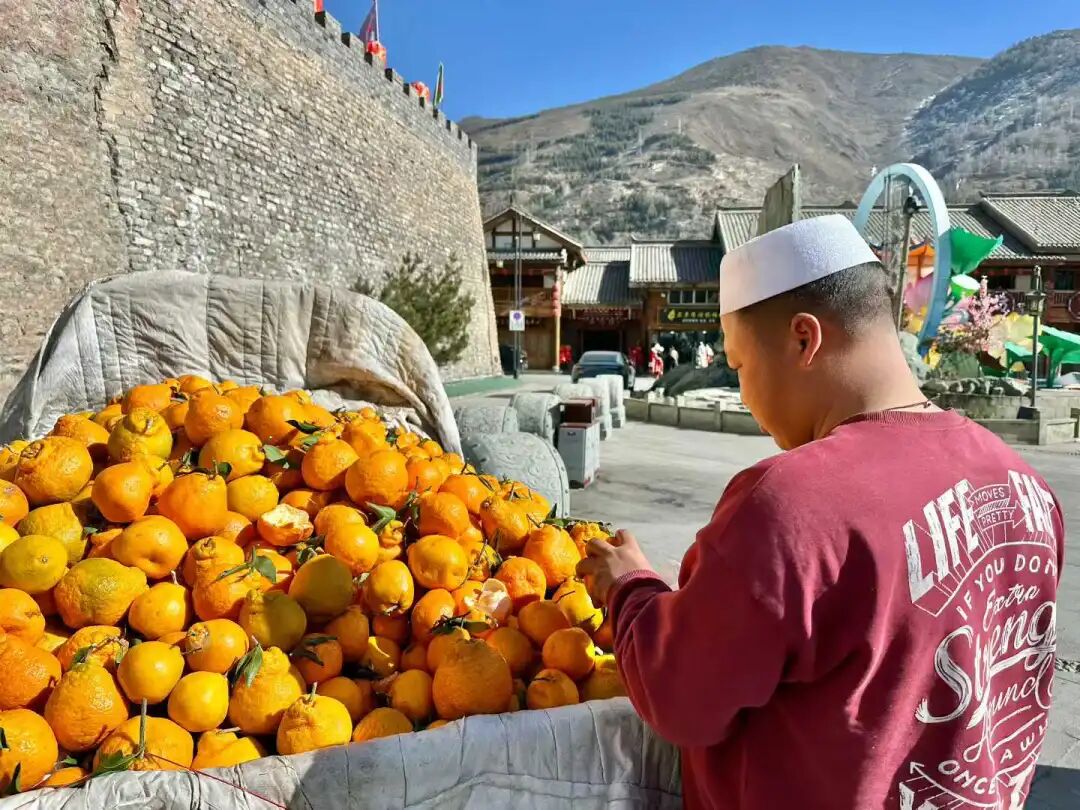
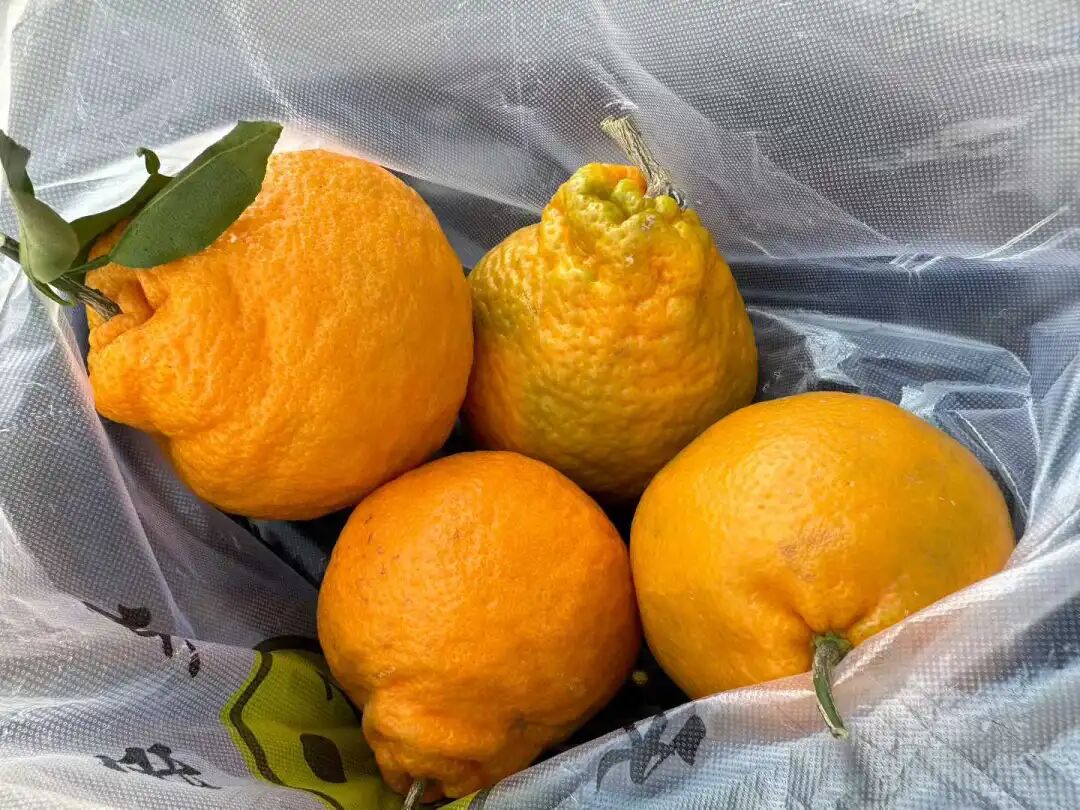
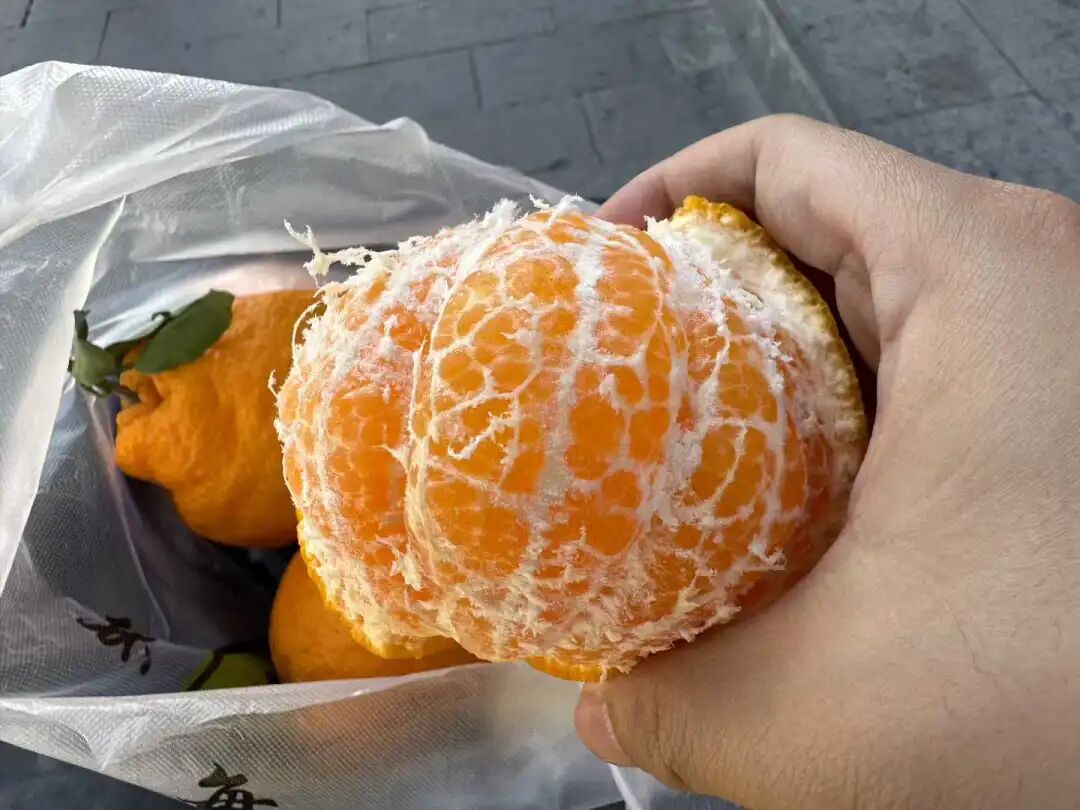
On the streets of the ancient Songzhou City in Sichuan during winter, if you have eaten too much yak beef, you can buy some soft citrus (papagan) from a brother named Dosti at the city gate to quench your thirst. Soft citrus (papagan) usually hits the market every December, and I ate them when I visited at the beginning of this year.
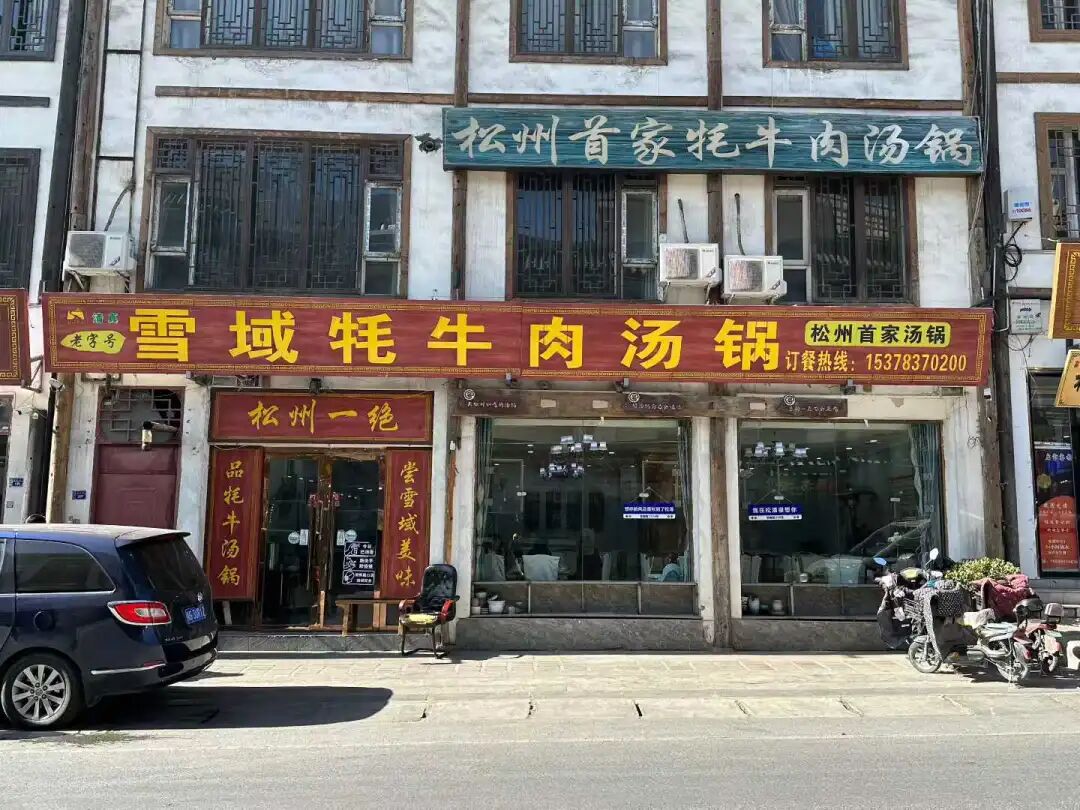
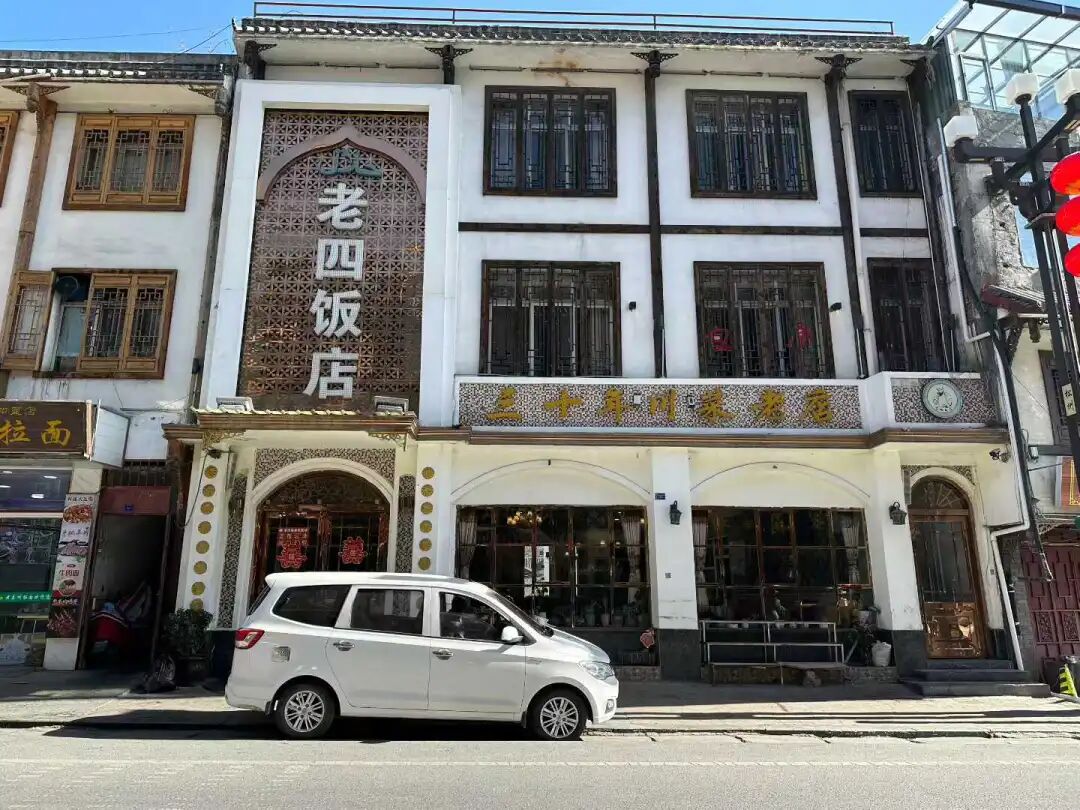
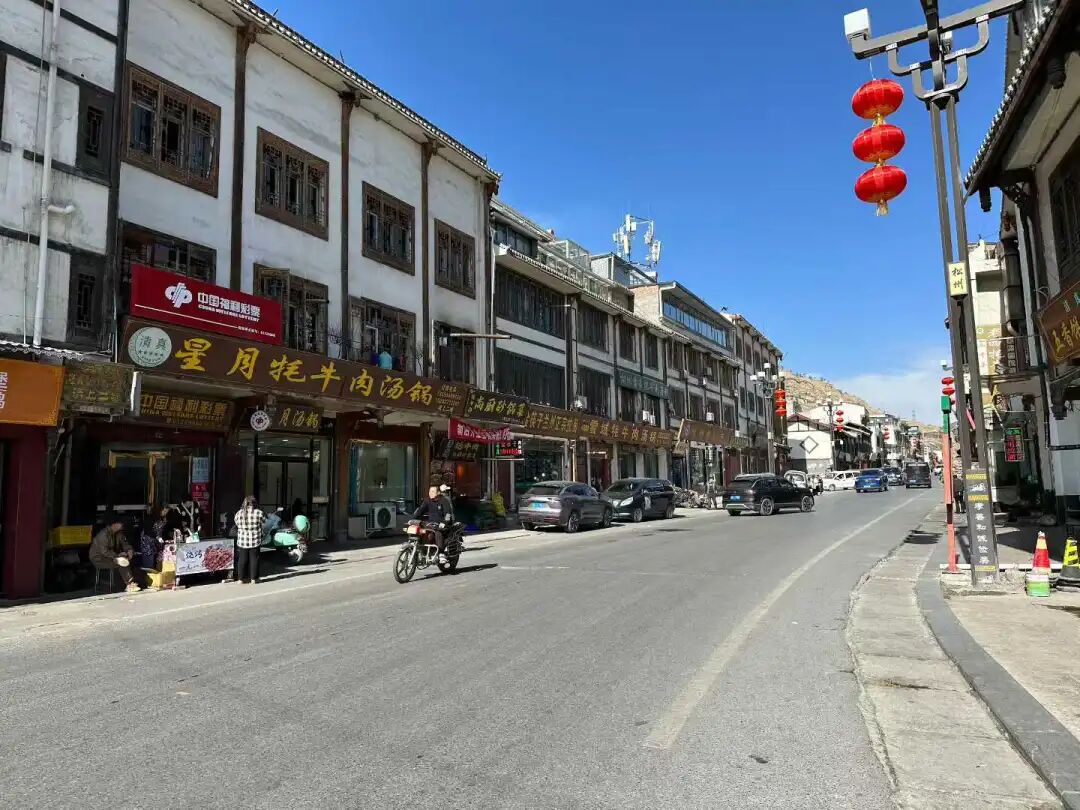
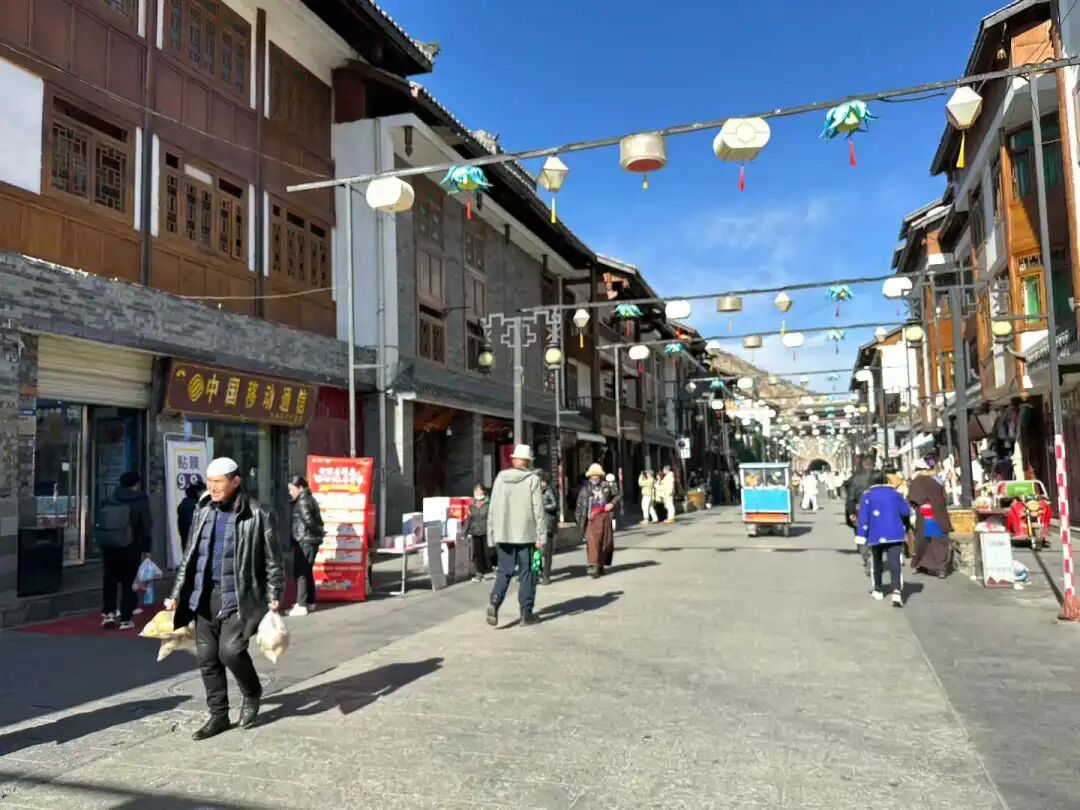
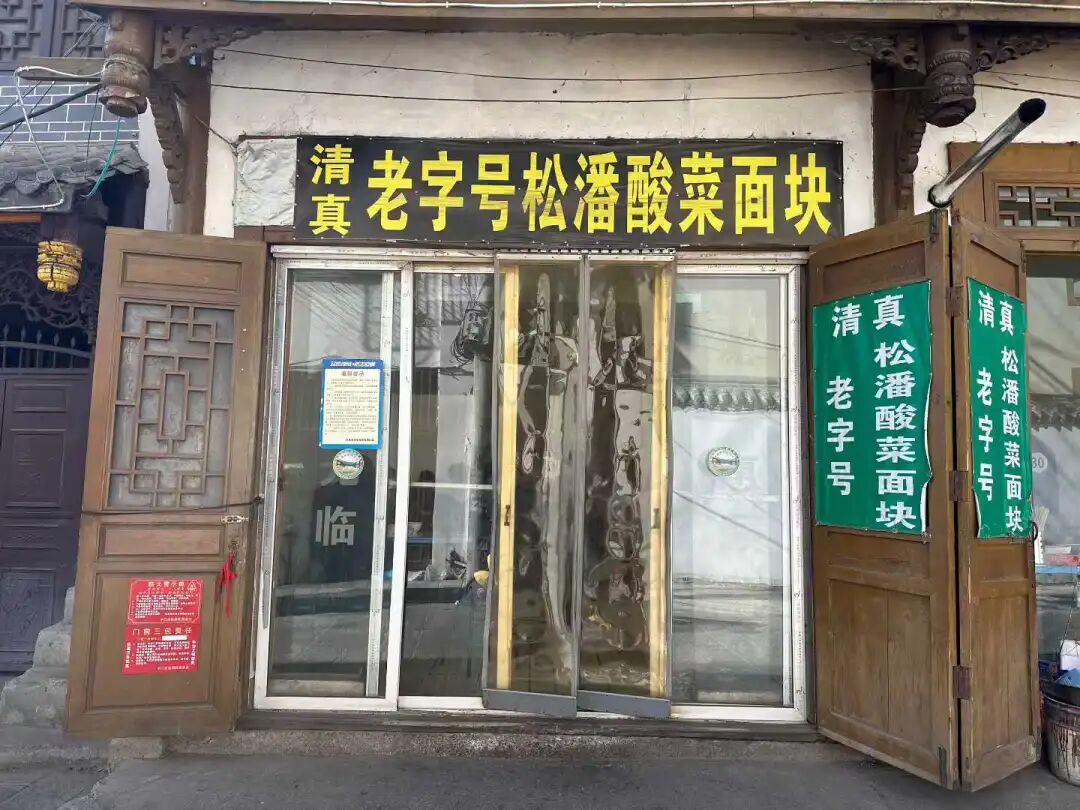
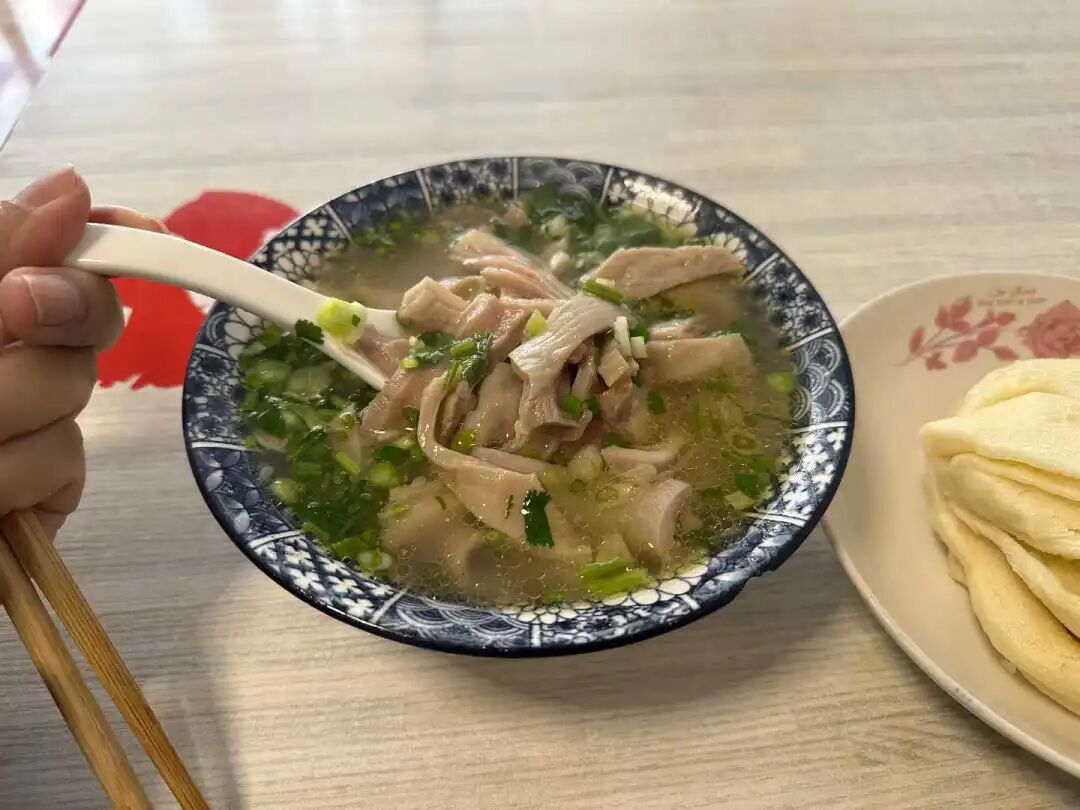
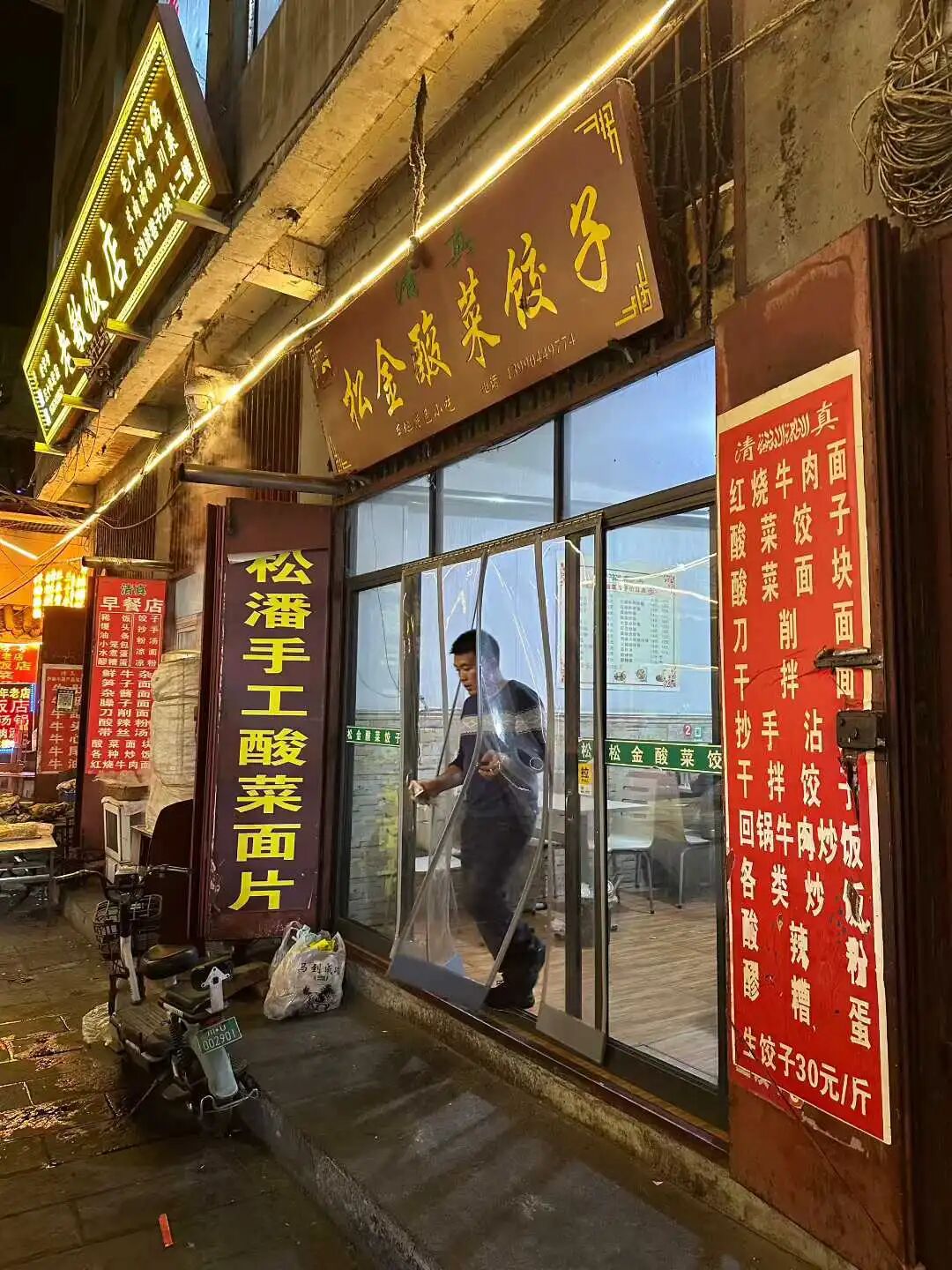
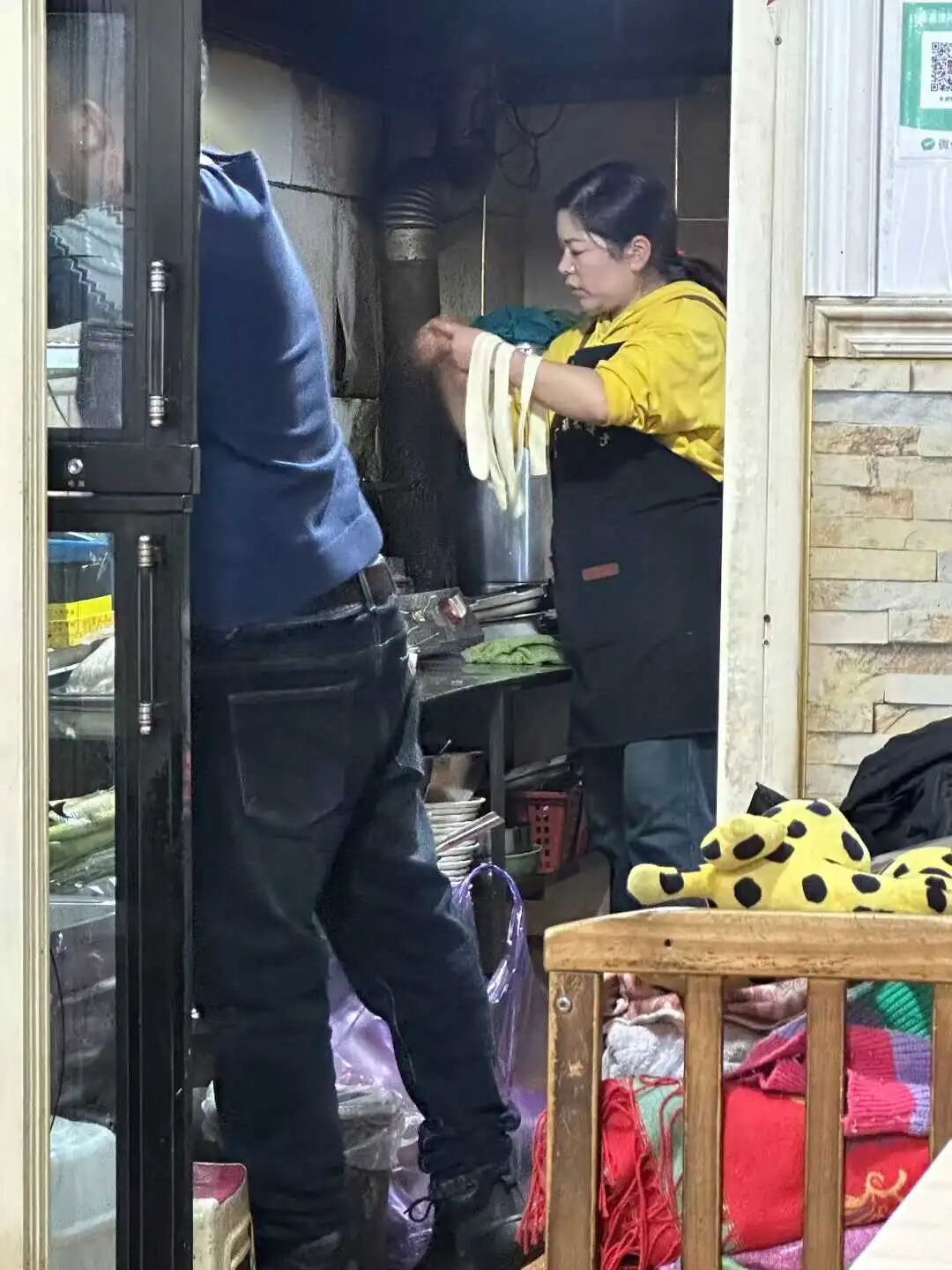
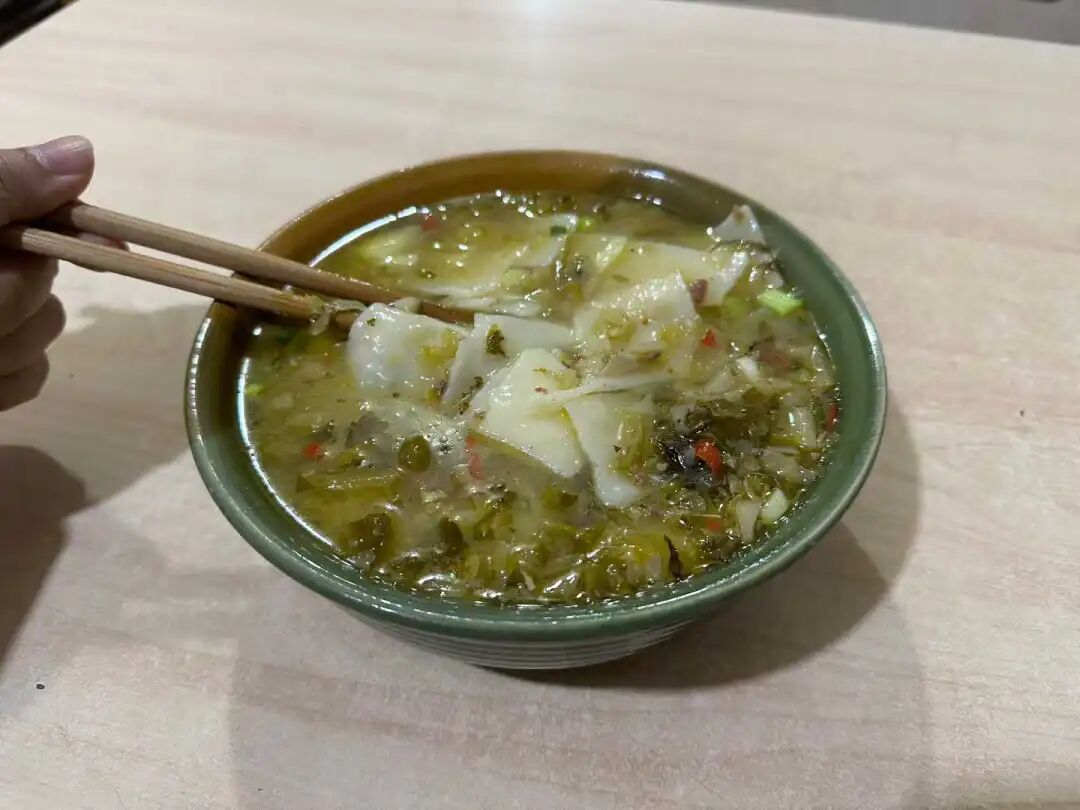
Some local snacks inside the ancient Songzhou City. Fresh beef offal (xian niuza) with steamed flower rolls (huajuan), handmade pickled vegetable noodle soup (suancai mianpian), and street-style highland barley milk tea (qingke naicha). The fresh beef offal (xian niuza) is mainly made of beef tripe, beef intestine, and beef tongue. Compared to those in the interior of China, it is relatively lighter and has a more natural flavor. Pickled vegetable noodle soup (suancai mianpian), also called suancai miankuai, is a common dish for the Hui, Han, Tibetan, and Qiang people here. The pickled vegetables are naturally fermented, the dough is torn by hand and boiled on the spot, and yak butter is added to enhance the flavor.
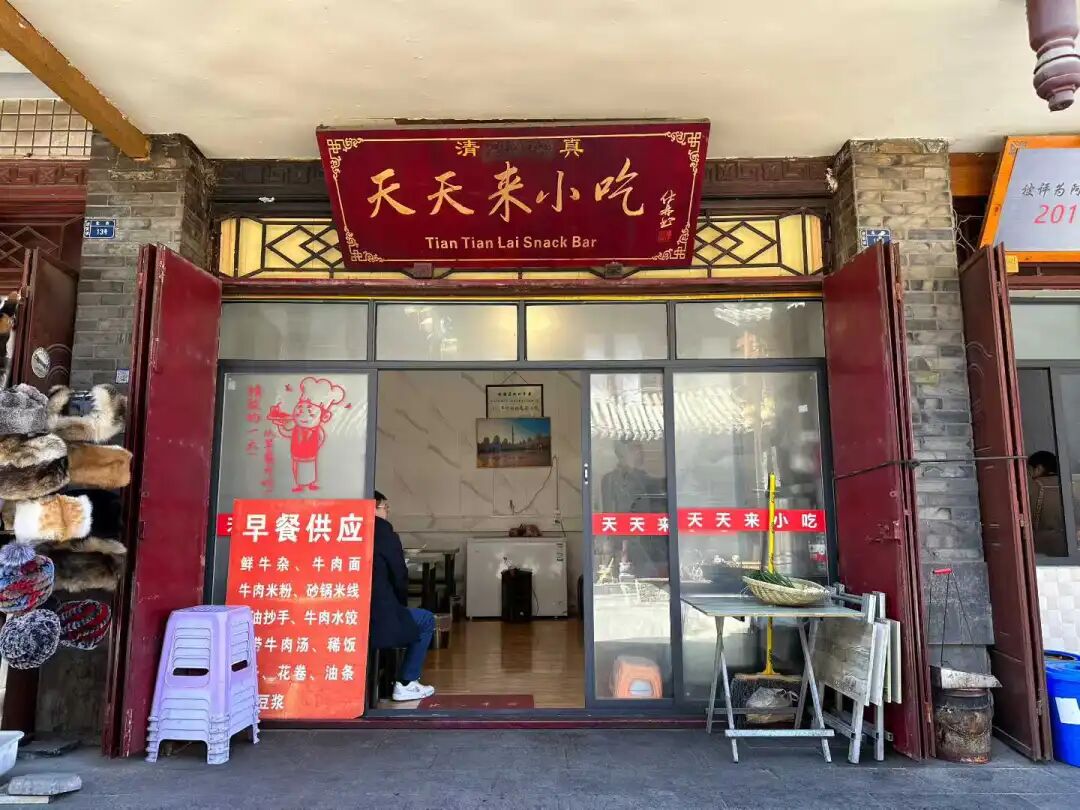
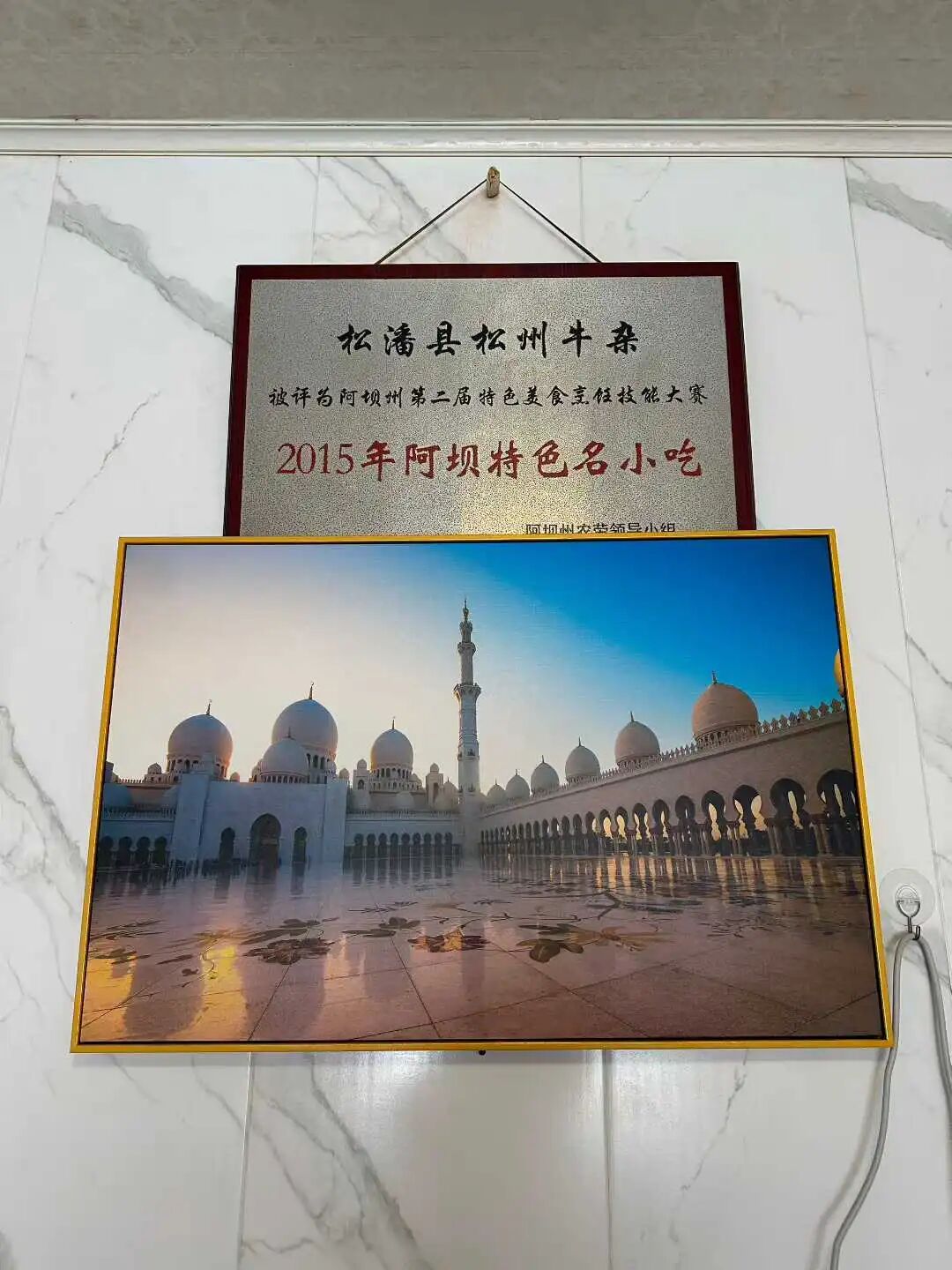
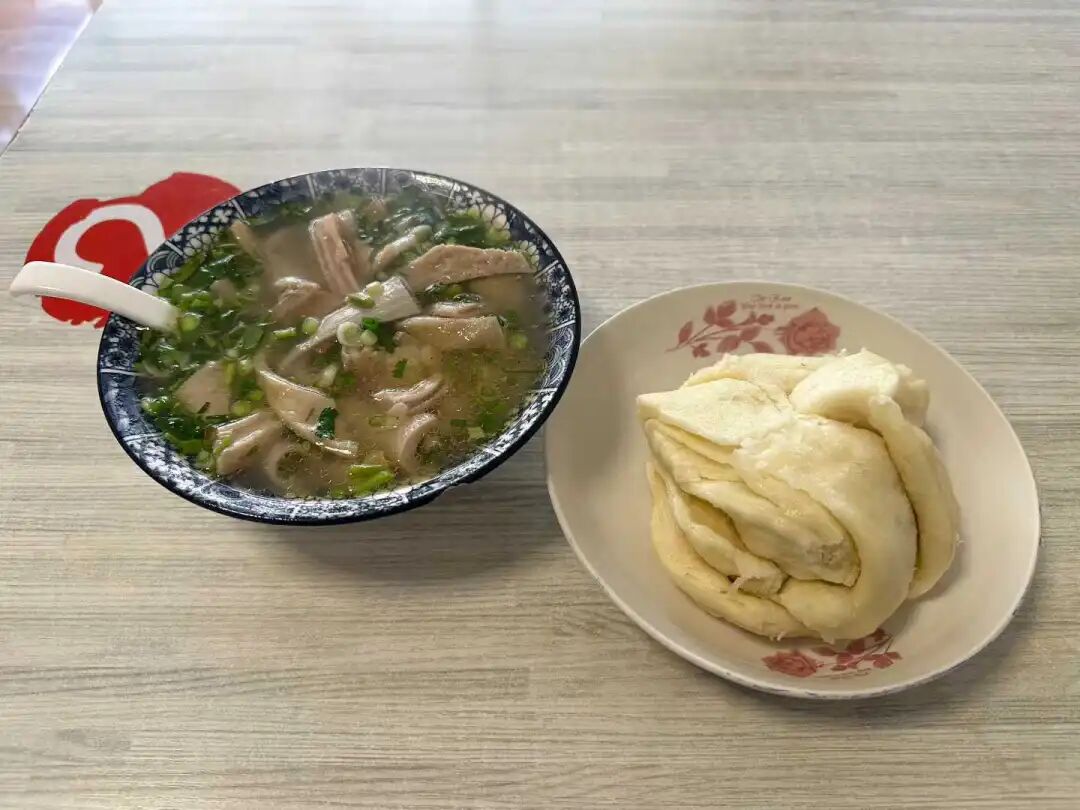
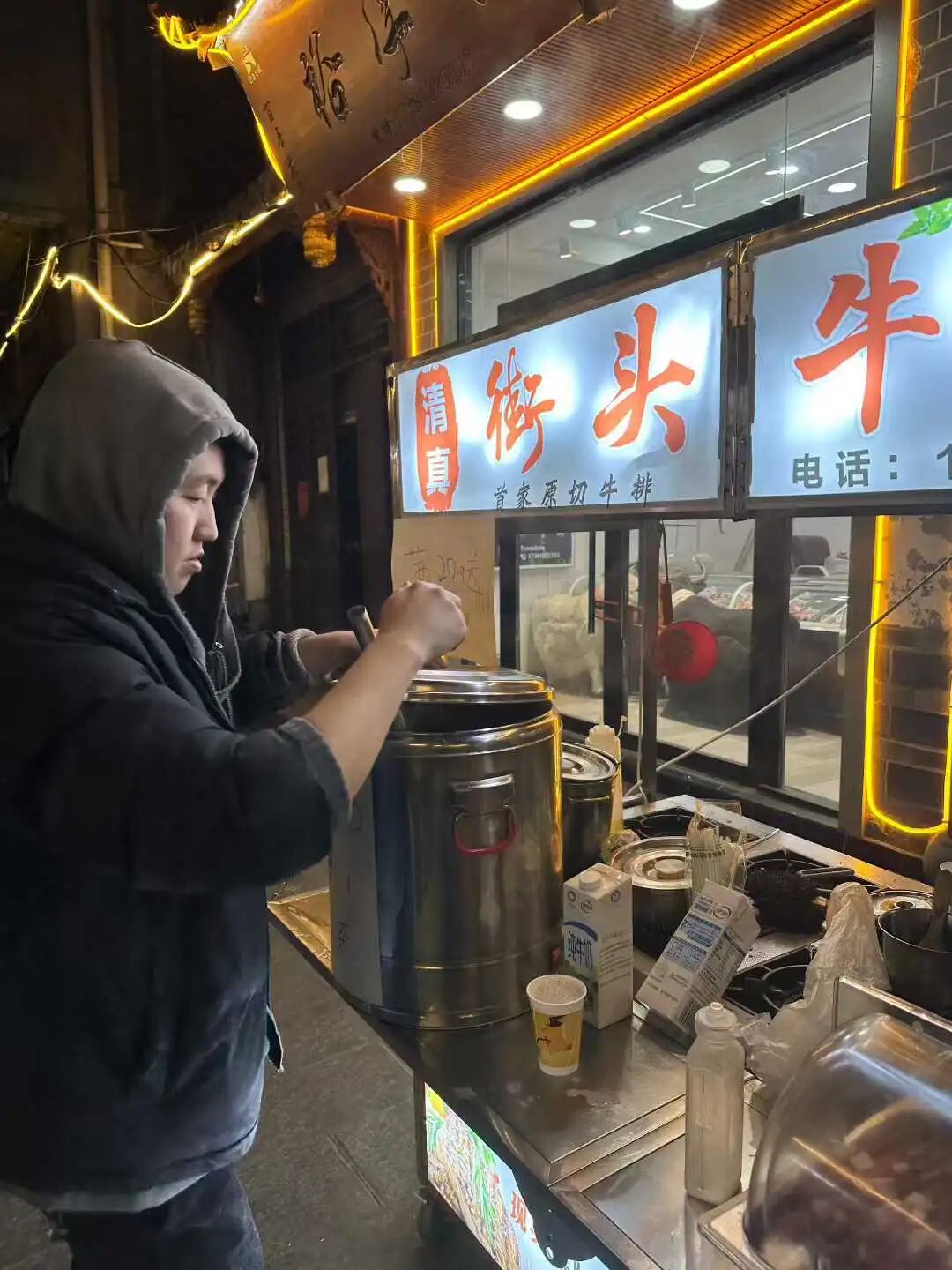

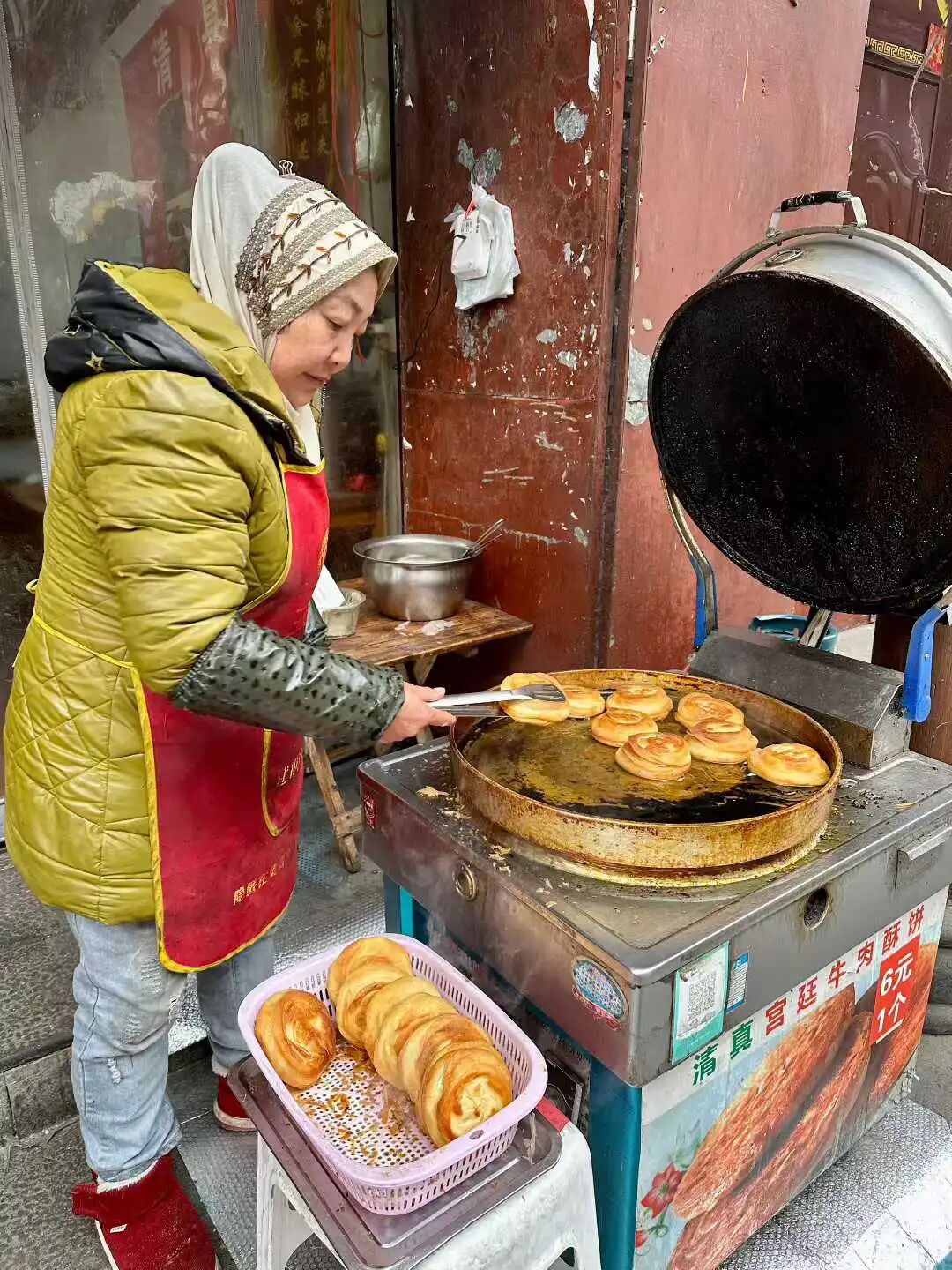
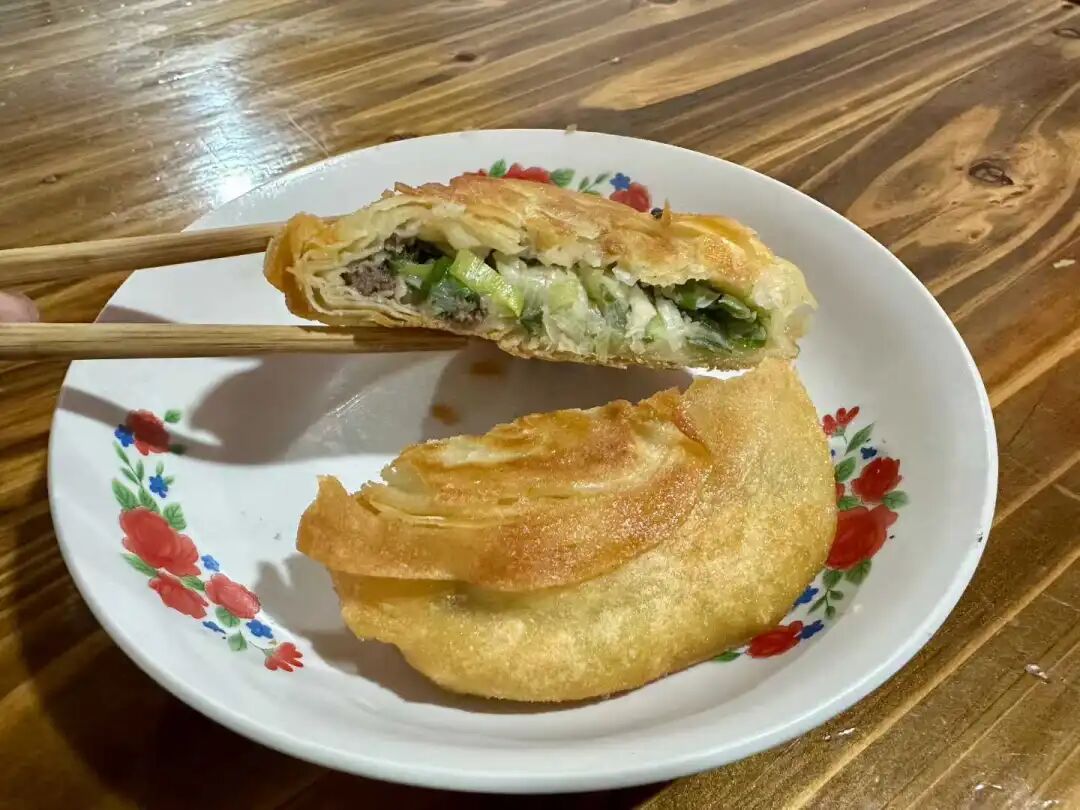
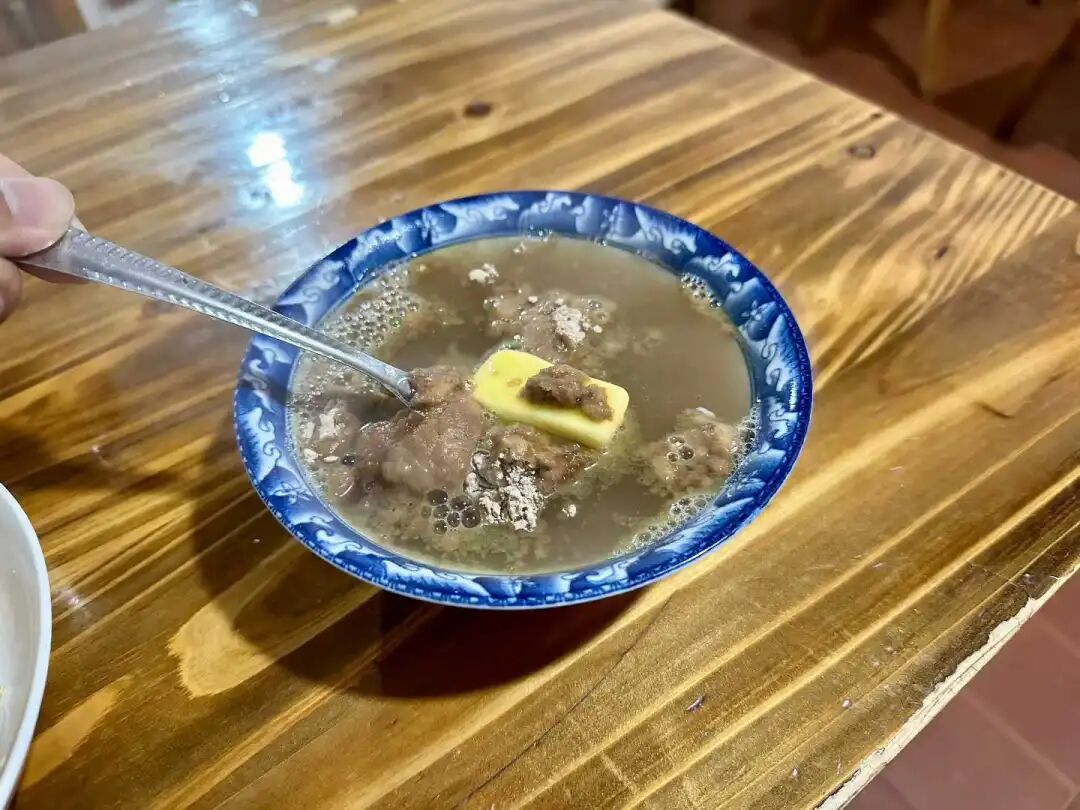
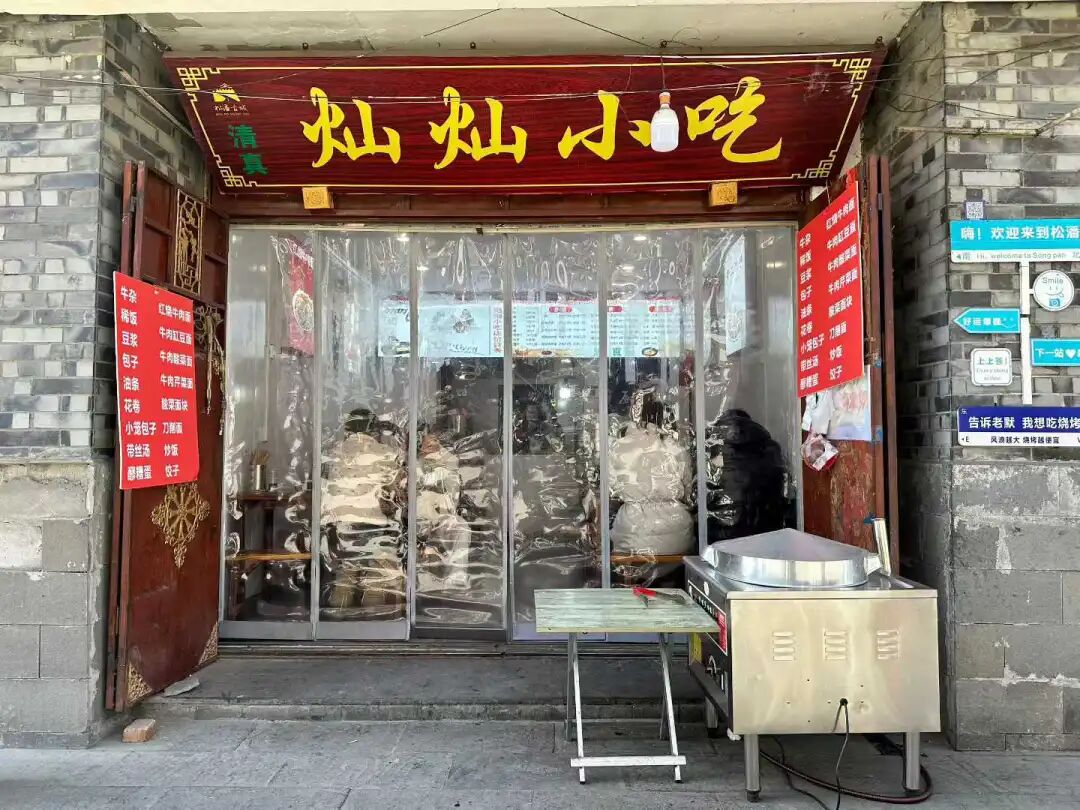
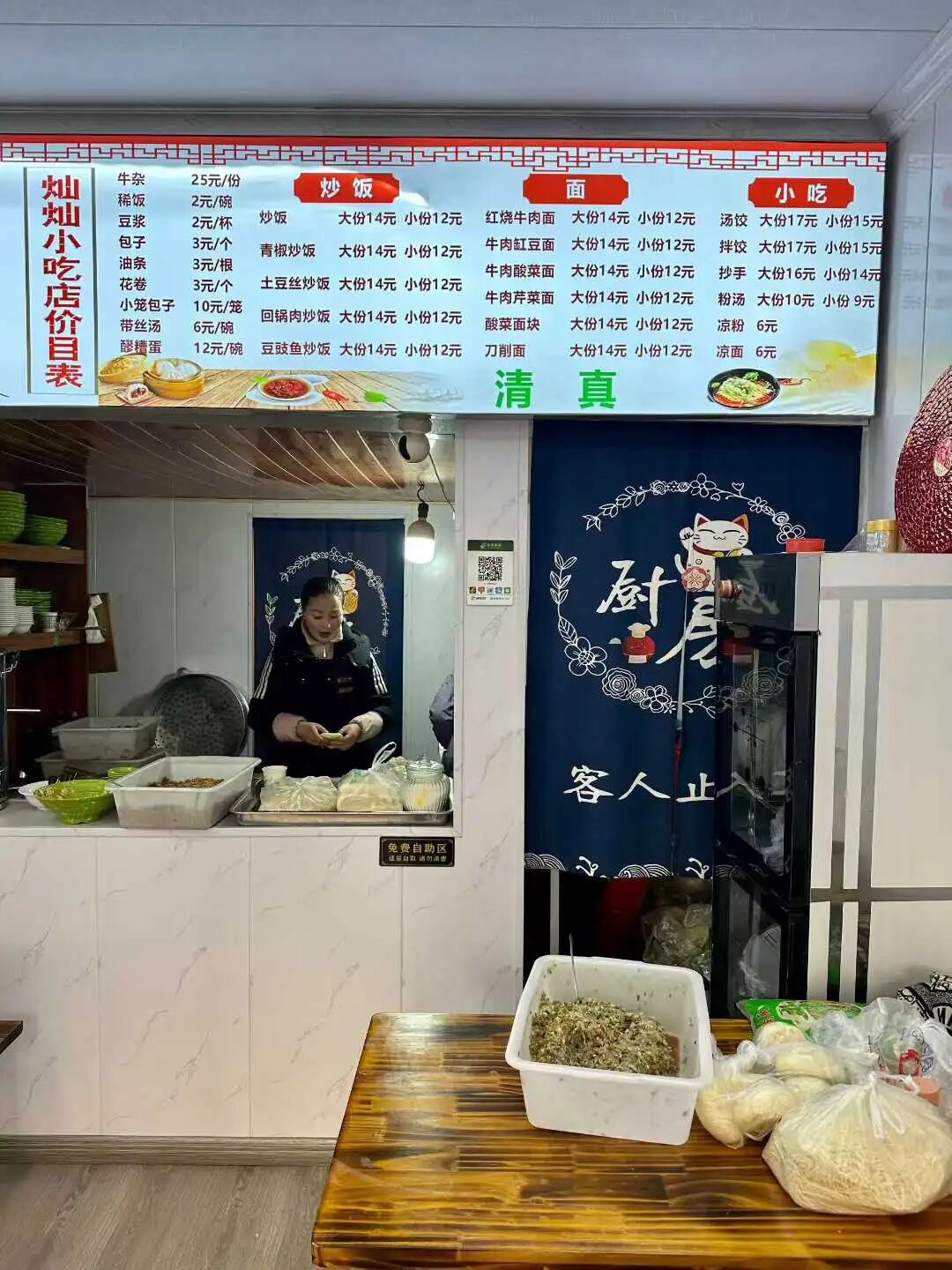
At Deying Fresh Beef Offal, I had beef pastry (niurou subing) with yak butter tea (suyoucha). The beef pastry (niurou subing) here has more green onions and is a bit oilier. The yak butter tea (suyoucha) has a large piece of yak butter in it, which is very high in calories and suitable for the high-altitude environment. I also had a bowl of fermented rice and egg soup (laozao dan) at Cancan Snacks. After eating too much spicy food in Sichuan, you need a bowl of fermented rice and egg soup (laozao dan) to cleanse your palate.
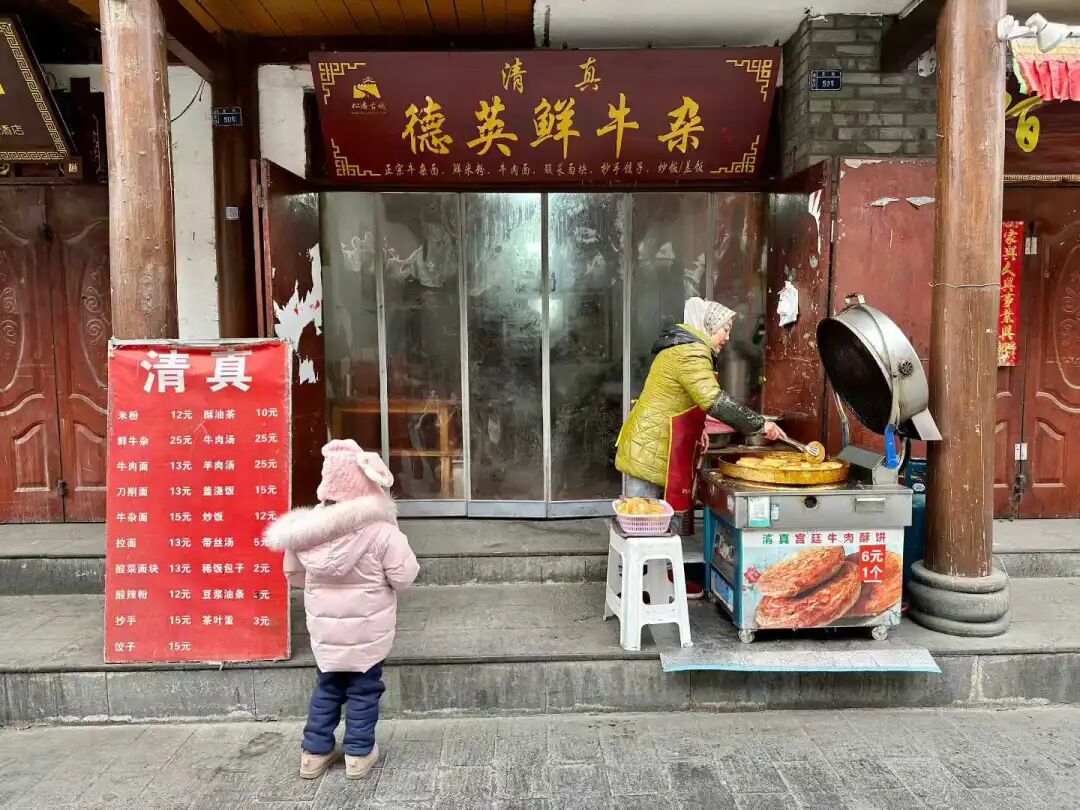
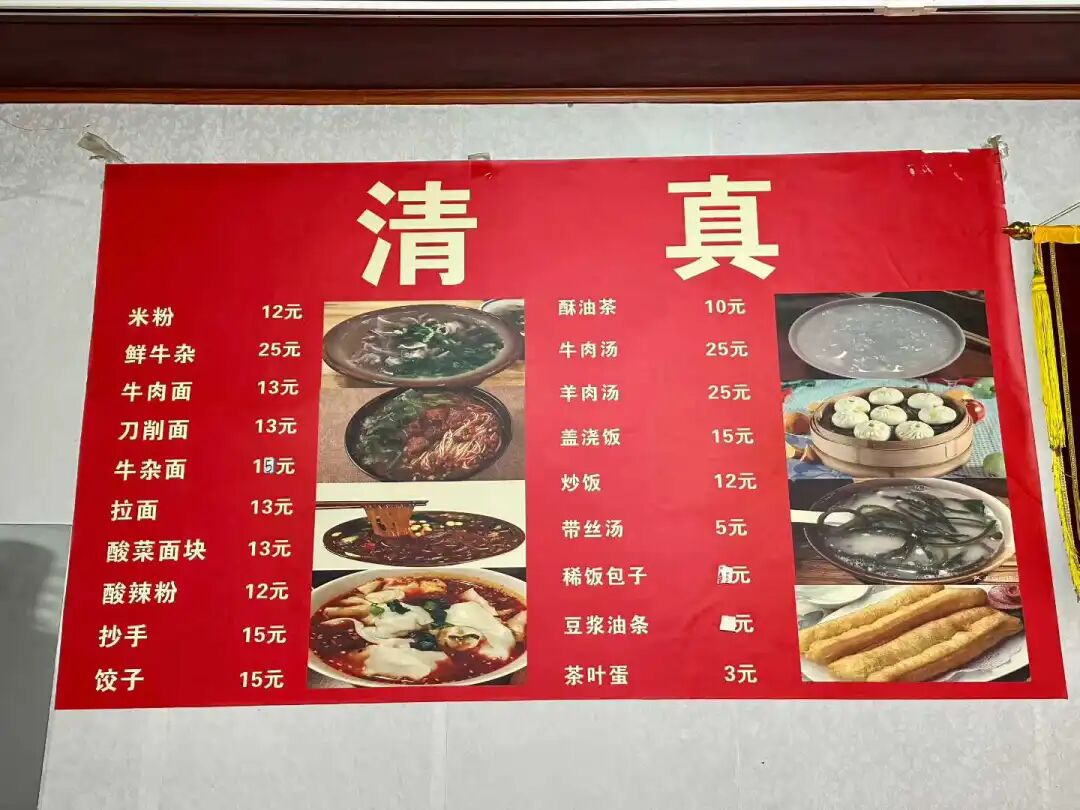
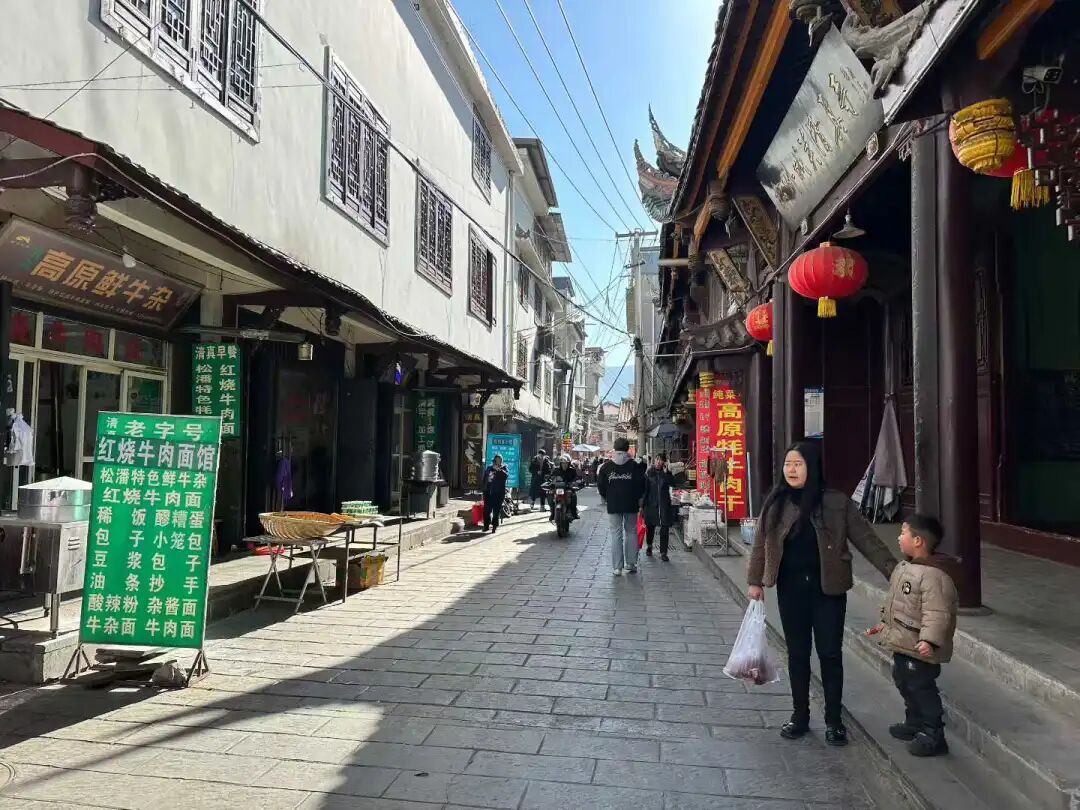
The Huiwei Snacks shop on Xiashuiguan Halal Street is very popular with locals. I ate potato rice cakes (yangyu ciba) and pickled vegetable noodle soup (suancai fentan) there. Food on the plateau is quite simple. Potato mash (yangyu ciba) is made by steaming potatoes, pounding them, cutting them into pieces, and drizzling them with chili oil. It tastes great. Pickled vegetable and vermicelli soup (suancai fentan) is served hot and is perfect for winter, though it is quite spicy.
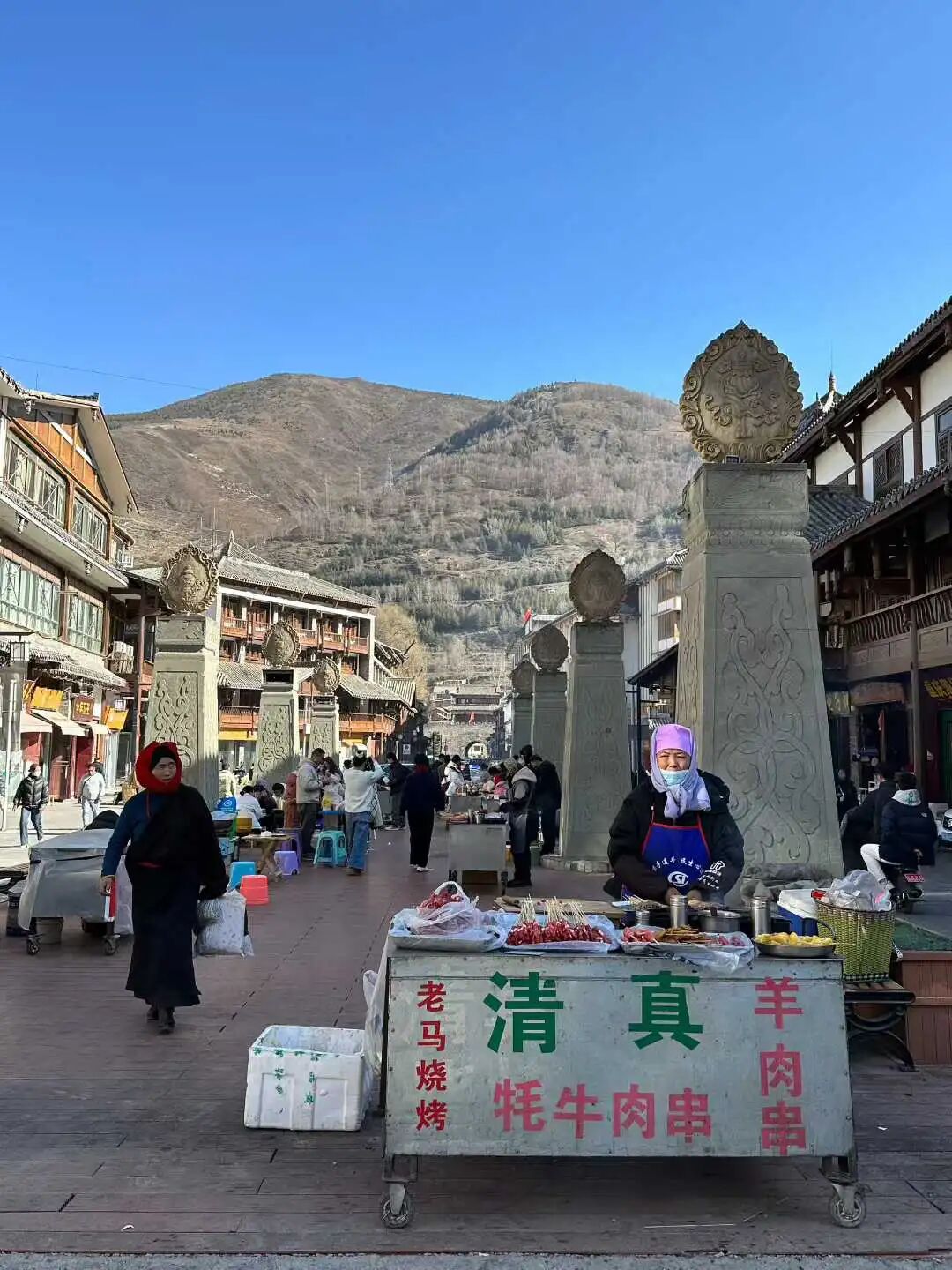
Inside the ancient city of Songzhou, you can find yak meat skewers everywhere. They cost 10 yuan for 10 skewers, freshly cut and grilled, and they taste delicious with some local handmade yogurt.
Summary: Songpan's Hui Muslim snack culture includes local noodles, breads, beef and lamb dishes, and small shops around the old city. This food note preserves the source's dish names, restaurant details, street context, and Hui Muslim community observations.
I want to share the Hui Muslim culture of Songzhou City in Songpan, Sichuan with you all. Songpan and Xichang are the two areas in Sichuan with the largest Hui Muslim populations and strong religious traditions. The difference is that Songpan is influenced by Gansu, while Xichang has closer ties to Yunnan.
Hui Muslims have lived in Songpan for over 700 years. In 1271 (the eighth year of the Zhiyuan era of the Yuan Dynasty), after the Mongols conquered Tibet, they established the Songpan Dangdie Weimao Military and Civilian Pacification Commission. The administrative center was in Songpan, and Hui Muslim soldiers were sent there to guard the area. Some of these people settled down and became the first Hui Muslims in Songpan. According to the genealogy of the Mi family of Hui Muslims in Songpan, their ancestor arrived during the Yuan Dynasty with the Mongol Prince Wangsang. During the Yuan Dynasty, Dongshan Mosque (Dongshan Si) was built in Dongyu Village, east of Songzhou City. It was destroyed in the wars at the end of the Yuan Dynasty and was the first mosque in Songpan.
I stayed at the Fanfang Silk Road Hotel in Songpan. It is not inside the ancient Songzhou City, but in the new district to the north. However, you can ride a shared electric scooter to the ancient city, which is quite convenient. The hotel breakfast is simple, but it is halal. The restaurant thoughtfully explains how to eat roasted barley flour (zhanba). You put the zhanba and yak butter (suyou) in a bowl, pour in brick tea (macha), and you can also add dried cheese curds (naizha).
On the streets of the ancient Songzhou City in Sichuan during winter, if you have eaten too much yak beef, you can buy some soft citrus (papagan) from a brother named Dosti at the city gate to quench your thirst. Soft citrus (papagan) usually hits the market every December, and I ate them when I visited at the beginning of this year.
Some local snacks inside the ancient Songzhou City. Fresh beef offal (xian niuza) with steamed flower rolls (huajuan), handmade pickled vegetable noodle soup (suancai mianpian), and street-style highland barley milk tea (qingke naicha). The fresh beef offal (xian niuza) is mainly made of beef tripe, beef intestine, and beef tongue. Compared to those in the interior of China, it is relatively lighter and has a more natural flavor. Pickled vegetable noodle soup (suancai mianpian), also called suancai miankuai, is a common dish for the Hui, Han, Tibetan, and Qiang people here. The pickled vegetables are naturally fermented, the dough is torn by hand and boiled on the spot, and yak butter is added to enhance the flavor.
At Deying Fresh Beef Offal, I had beef pastry (niurou subing) with yak butter tea (suyoucha). The beef pastry (niurou subing) here has more green onions and is a bit oilier. The yak butter tea (suyoucha) has a large piece of yak butter in it, which is very high in calories and suitable for the high-altitude environment. I also had a bowl of fermented rice and egg soup (laozao dan) at Cancan Snacks. After eating too much spicy food in Sichuan, you need a bowl of fermented rice and egg soup (laozao dan) to cleanse your palate.
The Huiwei Snacks shop on Xiashuiguan Halal Street is very popular with locals. I ate potato rice cakes (yangyu ciba) and pickled vegetable noodle soup (suancai fentan) there. Food on the plateau is quite simple. Potato mash (yangyu ciba) is made by steaming potatoes, pounding them, cutting them into pieces, and drizzling them with chili oil. It tastes great. Pickled vegetable and vermicelli soup (suancai fentan) is served hot and is perfect for winter, though it is quite spicy.
Inside the ancient city of Songzhou, you can find yak meat skewers everywhere. They cost 10 yuan for 10 skewers, freshly cut and grilled, and they taste delicious with some local handmade yogurt.
Halal Food Guide: Songpan - Hui Muslim Snacks in Sichuan
Articles • ali2007fr posted the article • 0 comments • 271 views • 2026-05-21 02:08
Reposted from the web
Summary: Songpan's Hui Muslim snack culture includes local noodles, breads, beef and lamb dishes, and small shops around the old city. This food note preserves the source's dish names, restaurant details, street context, and Hui Muslim community observations.
I want to share the Hui Muslim culture of Songzhou City in Songpan, Sichuan with you all. Songpan and Xichang are the two areas in Sichuan with the largest Hui Muslim populations and strong religious traditions. The difference is that Songpan is influenced by Gansu, while Xichang has closer ties to Yunnan.
Hui Muslims have lived in Songpan for over 700 years. In 1271 (the eighth year of the Zhiyuan era of the Yuan Dynasty), after the Mongols conquered Tibet, they established the Songpan Dangdie Weimao Military and Civilian Pacification Commission. The administrative center was in Songpan, and Hui Muslim soldiers were sent there to guard the area. Some of these people settled down and became the first Hui Muslims in Songpan. According to the genealogy of the Mi family of Hui Muslims in Songpan, their ancestor arrived during the Yuan Dynasty with the Mongol Prince Wangsang. During the Yuan Dynasty, Dongshan Mosque (Dongshan Si) was built in Dongyu Village, east of Songzhou City. It was destroyed in the wars at the end of the Yuan Dynasty and was the first mosque in Songpan.
I stayed at the Fanfang Silk Road Hotel in Songpan. It is not inside the ancient Songzhou City, but in the new district to the north. However, you can ride a shared electric scooter to the ancient city, which is quite convenient. The hotel breakfast is simple, but it is halal. The restaurant thoughtfully explains how to eat roasted barley flour (zhanba). You put the zhanba and yak butter (suyou) in a bowl, pour in brick tea (macha), and you can also add dried cheese curds (naizha).
On the streets of the ancient Songzhou City in Sichuan during winter, if you have eaten too much yak beef, you can buy some soft citrus (papagan) from a brother named Dosti at the city gate to quench your thirst. Soft citrus (papagan) usually hits the market every December, and I ate them when I visited at the beginning of this year.
Some local snacks inside the ancient Songzhou City. Fresh beef offal (xian niuza) with steamed flower rolls (huajuan), handmade pickled vegetable noodle soup (suancai mianpian), and street-style highland barley milk tea (qingke naicha). The fresh beef offal (xian niuza) is mainly made of beef tripe, beef intestine, and beef tongue. Compared to those in the interior of China, it is relatively lighter and has a more natural flavor. Pickled vegetable noodle soup (suancai mianpian), also called suancai miankuai, is a common dish for the Hui, Han, Tibetan, and Qiang people here. The pickled vegetables are naturally fermented, the dough is torn by hand and boiled on the spot, and yak butter is added to enhance the flavor.
At Deying Fresh Beef Offal, I had beef pastry (niurou subing) with yak butter tea (suyoucha). The beef pastry (niurou subing) here has more green onions and is a bit oilier. The yak butter tea (suyoucha) has a large piece of yak butter in it, which is very high in calories and suitable for the high-altitude environment. I also had a bowl of fermented rice and egg soup (laozao dan) at Cancan Snacks. After eating too much spicy food in Sichuan, you need a bowl of fermented rice and egg soup (laozao dan) to cleanse your palate.
The Huiwei Snacks shop on Xiashuiguan Halal Street is very popular with locals. I ate potato rice cakes (yangyu ciba) and pickled vegetable noodle soup (suancai fentan) there. Food on the plateau is quite simple. Potato mash (yangyu ciba) is made by steaming potatoes, pounding them, cutting them into pieces, and drizzling them with chili oil. It tastes great. Pickled vegetable and vermicelli soup (suancai fentan) is served hot and is perfect for winter, though it is quite spicy.
Inside the ancient city of Songzhou, you can find yak meat skewers everywhere. They cost 10 yuan for 10 skewers, freshly cut and grilled, and they taste delicious with some local handmade yogurt. view all
Summary: Songpan's Hui Muslim snack culture includes local noodles, breads, beef and lamb dishes, and small shops around the old city. This food note preserves the source's dish names, restaurant details, street context, and Hui Muslim community observations.
I want to share the Hui Muslim culture of Songzhou City in Songpan, Sichuan with you all. Songpan and Xichang are the two areas in Sichuan with the largest Hui Muslim populations and strong religious traditions. The difference is that Songpan is influenced by Gansu, while Xichang has closer ties to Yunnan.
Hui Muslims have lived in Songpan for over 700 years. In 1271 (the eighth year of the Zhiyuan era of the Yuan Dynasty), after the Mongols conquered Tibet, they established the Songpan Dangdie Weimao Military and Civilian Pacification Commission. The administrative center was in Songpan, and Hui Muslim soldiers were sent there to guard the area. Some of these people settled down and became the first Hui Muslims in Songpan. According to the genealogy of the Mi family of Hui Muslims in Songpan, their ancestor arrived during the Yuan Dynasty with the Mongol Prince Wangsang. During the Yuan Dynasty, Dongshan Mosque (Dongshan Si) was built in Dongyu Village, east of Songzhou City. It was destroyed in the wars at the end of the Yuan Dynasty and was the first mosque in Songpan.
I stayed at the Fanfang Silk Road Hotel in Songpan. It is not inside the ancient Songzhou City, but in the new district to the north. However, you can ride a shared electric scooter to the ancient city, which is quite convenient. The hotel breakfast is simple, but it is halal. The restaurant thoughtfully explains how to eat roasted barley flour (zhanba). You put the zhanba and yak butter (suyou) in a bowl, pour in brick tea (macha), and you can also add dried cheese curds (naizha).
On the streets of the ancient Songzhou City in Sichuan during winter, if you have eaten too much yak beef, you can buy some soft citrus (papagan) from a brother named Dosti at the city gate to quench your thirst. Soft citrus (papagan) usually hits the market every December, and I ate them when I visited at the beginning of this year.
Some local snacks inside the ancient Songzhou City. Fresh beef offal (xian niuza) with steamed flower rolls (huajuan), handmade pickled vegetable noodle soup (suancai mianpian), and street-style highland barley milk tea (qingke naicha). The fresh beef offal (xian niuza) is mainly made of beef tripe, beef intestine, and beef tongue. Compared to those in the interior of China, it is relatively lighter and has a more natural flavor. Pickled vegetable noodle soup (suancai mianpian), also called suancai miankuai, is a common dish for the Hui, Han, Tibetan, and Qiang people here. The pickled vegetables are naturally fermented, the dough is torn by hand and boiled on the spot, and yak butter is added to enhance the flavor.
At Deying Fresh Beef Offal, I had beef pastry (niurou subing) with yak butter tea (suyoucha). The beef pastry (niurou subing) here has more green onions and is a bit oilier. The yak butter tea (suyoucha) has a large piece of yak butter in it, which is very high in calories and suitable for the high-altitude environment. I also had a bowl of fermented rice and egg soup (laozao dan) at Cancan Snacks. After eating too much spicy food in Sichuan, you need a bowl of fermented rice and egg soup (laozao dan) to cleanse your palate.
The Huiwei Snacks shop on Xiashuiguan Halal Street is very popular with locals. I ate potato rice cakes (yangyu ciba) and pickled vegetable noodle soup (suancai fentan) there. Food on the plateau is quite simple. Potato mash (yangyu ciba) is made by steaming potatoes, pounding them, cutting them into pieces, and drizzling them with chili oil. It tastes great. Pickled vegetable and vermicelli soup (suancai fentan) is served hot and is perfect for winter, though it is quite spicy.
Inside the ancient city of Songzhou, you can find yak meat skewers everywhere. They cost 10 yuan for 10 skewers, freshly cut and grilled, and they taste delicious with some local handmade yogurt. view all
Reposted from the web
Summary: Songpan's Hui Muslim snack culture includes local noodles, breads, beef and lamb dishes, and small shops around the old city. This food note preserves the source's dish names, restaurant details, street context, and Hui Muslim community observations.
I want to share the Hui Muslim culture of Songzhou City in Songpan, Sichuan with you all. Songpan and Xichang are the two areas in Sichuan with the largest Hui Muslim populations and strong religious traditions. The difference is that Songpan is influenced by Gansu, while Xichang has closer ties to Yunnan.
Hui Muslims have lived in Songpan for over 700 years. In 1271 (the eighth year of the Zhiyuan era of the Yuan Dynasty), after the Mongols conquered Tibet, they established the Songpan Dangdie Weimao Military and Civilian Pacification Commission. The administrative center was in Songpan, and Hui Muslim soldiers were sent there to guard the area. Some of these people settled down and became the first Hui Muslims in Songpan. According to the genealogy of the Mi family of Hui Muslims in Songpan, their ancestor arrived during the Yuan Dynasty with the Mongol Prince Wangsang. During the Yuan Dynasty, Dongshan Mosque (Dongshan Si) was built in Dongyu Village, east of Songzhou City. It was destroyed in the wars at the end of the Yuan Dynasty and was the first mosque in Songpan.
I stayed at the Fanfang Silk Road Hotel in Songpan. It is not inside the ancient Songzhou City, but in the new district to the north. However, you can ride a shared electric scooter to the ancient city, which is quite convenient. The hotel breakfast is simple, but it is halal. The restaurant thoughtfully explains how to eat roasted barley flour (zhanba). You put the zhanba and yak butter (suyou) in a bowl, pour in brick tea (macha), and you can also add dried cheese curds (naizha).
On the streets of the ancient Songzhou City in Sichuan during winter, if you have eaten too much yak beef, you can buy some soft citrus (papagan) from a brother named Dosti at the city gate to quench your thirst. Soft citrus (papagan) usually hits the market every December, and I ate them when I visited at the beginning of this year.
Some local snacks inside the ancient Songzhou City. Fresh beef offal (xian niuza) with steamed flower rolls (huajuan), handmade pickled vegetable noodle soup (suancai mianpian), and street-style highland barley milk tea (qingke naicha). The fresh beef offal (xian niuza) is mainly made of beef tripe, beef intestine, and beef tongue. Compared to those in the interior of China, it is relatively lighter and has a more natural flavor. Pickled vegetable noodle soup (suancai mianpian), also called suancai miankuai, is a common dish for the Hui, Han, Tibetan, and Qiang people here. The pickled vegetables are naturally fermented, the dough is torn by hand and boiled on the spot, and yak butter is added to enhance the flavor.
At Deying Fresh Beef Offal, I had beef pastry (niurou subing) with yak butter tea (suyoucha). The beef pastry (niurou subing) here has more green onions and is a bit oilier. The yak butter tea (suyoucha) has a large piece of yak butter in it, which is very high in calories and suitable for the high-altitude environment. I also had a bowl of fermented rice and egg soup (laozao dan) at Cancan Snacks. After eating too much spicy food in Sichuan, you need a bowl of fermented rice and egg soup (laozao dan) to cleanse your palate.
The Huiwei Snacks shop on Xiashuiguan Halal Street is very popular with locals. I ate potato rice cakes (yangyu ciba) and pickled vegetable noodle soup (suancai fentan) there. Food on the plateau is quite simple. Potato mash (yangyu ciba) is made by steaming potatoes, pounding them, cutting them into pieces, and drizzling them with chili oil. It tastes great. Pickled vegetable and vermicelli soup (suancai fentan) is served hot and is perfect for winter, though it is quite spicy.
Inside the ancient city of Songzhou, you can find yak meat skewers everywhere. They cost 10 yuan for 10 skewers, freshly cut and grilled, and they taste delicious with some local handmade yogurt.
Summary: Songpan's Hui Muslim snack culture includes local noodles, breads, beef and lamb dishes, and small shops around the old city. This food note preserves the source's dish names, restaurant details, street context, and Hui Muslim community observations.
I want to share the Hui Muslim culture of Songzhou City in Songpan, Sichuan with you all. Songpan and Xichang are the two areas in Sichuan with the largest Hui Muslim populations and strong religious traditions. The difference is that Songpan is influenced by Gansu, while Xichang has closer ties to Yunnan.
Hui Muslims have lived in Songpan for over 700 years. In 1271 (the eighth year of the Zhiyuan era of the Yuan Dynasty), after the Mongols conquered Tibet, they established the Songpan Dangdie Weimao Military and Civilian Pacification Commission. The administrative center was in Songpan, and Hui Muslim soldiers were sent there to guard the area. Some of these people settled down and became the first Hui Muslims in Songpan. According to the genealogy of the Mi family of Hui Muslims in Songpan, their ancestor arrived during the Yuan Dynasty with the Mongol Prince Wangsang. During the Yuan Dynasty, Dongshan Mosque (Dongshan Si) was built in Dongyu Village, east of Songzhou City. It was destroyed in the wars at the end of the Yuan Dynasty and was the first mosque in Songpan.
I stayed at the Fanfang Silk Road Hotel in Songpan. It is not inside the ancient Songzhou City, but in the new district to the north. However, you can ride a shared electric scooter to the ancient city, which is quite convenient. The hotel breakfast is simple, but it is halal. The restaurant thoughtfully explains how to eat roasted barley flour (zhanba). You put the zhanba and yak butter (suyou) in a bowl, pour in brick tea (macha), and you can also add dried cheese curds (naizha).
On the streets of the ancient Songzhou City in Sichuan during winter, if you have eaten too much yak beef, you can buy some soft citrus (papagan) from a brother named Dosti at the city gate to quench your thirst. Soft citrus (papagan) usually hits the market every December, and I ate them when I visited at the beginning of this year.
Some local snacks inside the ancient Songzhou City. Fresh beef offal (xian niuza) with steamed flower rolls (huajuan), handmade pickled vegetable noodle soup (suancai mianpian), and street-style highland barley milk tea (qingke naicha). The fresh beef offal (xian niuza) is mainly made of beef tripe, beef intestine, and beef tongue. Compared to those in the interior of China, it is relatively lighter and has a more natural flavor. Pickled vegetable noodle soup (suancai mianpian), also called suancai miankuai, is a common dish for the Hui, Han, Tibetan, and Qiang people here. The pickled vegetables are naturally fermented, the dough is torn by hand and boiled on the spot, and yak butter is added to enhance the flavor.
At Deying Fresh Beef Offal, I had beef pastry (niurou subing) with yak butter tea (suyoucha). The beef pastry (niurou subing) here has more green onions and is a bit oilier. The yak butter tea (suyoucha) has a large piece of yak butter in it, which is very high in calories and suitable for the high-altitude environment. I also had a bowl of fermented rice and egg soup (laozao dan) at Cancan Snacks. After eating too much spicy food in Sichuan, you need a bowl of fermented rice and egg soup (laozao dan) to cleanse your palate.
The Huiwei Snacks shop on Xiashuiguan Halal Street is very popular with locals. I ate potato rice cakes (yangyu ciba) and pickled vegetable noodle soup (suancai fentan) there. Food on the plateau is quite simple. Potato mash (yangyu ciba) is made by steaming potatoes, pounding them, cutting them into pieces, and drizzling them with chili oil. It tastes great. Pickled vegetable and vermicelli soup (suancai fentan) is served hot and is perfect for winter, though it is quite spicy.
Inside the ancient city of Songzhou, you can find yak meat skewers everywhere. They cost 10 yuan for 10 skewers, freshly cut and grilled, and they taste delicious with some local handmade yogurt.